window.__IS_SSR__=true
window.__INITIAL_STATE__={
"attachmentsReducer": {
"audio_0": {
"type": "attachments",
"id": "audio_0",
"imgSizes": {
"kqedFullSize": {
"file": "https://ww2.kqed.org/news/wp-content/themes/KQED-unified/img/audio_bgs/background0.jpg"
}
}
},
"audio_1": {
"type": "attachments",
"id": "audio_1",
"imgSizes": {
"kqedFullSize": {
"file": "https://ww2.kqed.org/news/wp-content/themes/KQED-unified/img/audio_bgs/background1.jpg"
}
}
},
"audio_2": {
"type": "attachments",
"id": "audio_2",
"imgSizes": {
"kqedFullSize": {
"file": "https://ww2.kqed.org/news/wp-content/themes/KQED-unified/img/audio_bgs/background2.jpg"
}
}
},
"audio_3": {
"type": "attachments",
"id": "audio_3",
"imgSizes": {
"kqedFullSize": {
"file": "https://ww2.kqed.org/news/wp-content/themes/KQED-unified/img/audio_bgs/background3.jpg"
}
}
},
"audio_4": {
"type": "attachments",
"id": "audio_4",
"imgSizes": {
"kqedFullSize": {
"file": "https://ww2.kqed.org/news/wp-content/themes/KQED-unified/img/audio_bgs/background4.jpg"
}
}
},
"placeholder": {
"type": "attachments",
"id": "placeholder",
"imgSizes": {
"thumbnail": {
"file": "https://cdn.kqed.org/wp-content/uploads/2024/12/KQED-Default-Image-816638274-2000x1333-1-160x107.jpg",
"width": 160,
"height": 107,
"mimeType": "image/jpeg"
},
"medium": {
"file": "https://cdn.kqed.org/wp-content/uploads/2024/12/KQED-Default-Image-816638274-2000x1333-1-800x533.jpg",
"width": 800,
"height": 533,
"mimeType": "image/jpeg"
},
"medium_large": {
"file": "https://cdn.kqed.org/wp-content/uploads/2024/12/KQED-Default-Image-816638274-2000x1333-1-768x512.jpg",
"width": 768,
"height": 512,
"mimeType": "image/jpeg"
},
"large": {
"file": "https://cdn.kqed.org/wp-content/uploads/2024/12/KQED-Default-Image-816638274-2000x1333-1-1020x680.jpg",
"width": 1020,
"height": 680,
"mimeType": "image/jpeg"
},
"1536x1536": {
"file": "https://cdn.kqed.org/wp-content/uploads/2024/12/KQED-Default-Image-816638274-2000x1333-1-1536x1024.jpg",
"width": 1536,
"height": 1024,
"mimeType": "image/jpeg"
},
"fd-lrg": {
"file": "https://cdn.kqed.org/wp-content/uploads/2024/12/KQED-Default-Image-816638274-2000x1333-1-1536x1024.jpg",
"width": 1536,
"height": 1024,
"mimeType": "image/jpeg"
},
"fd-med": {
"file": "https://cdn.kqed.org/wp-content/uploads/2024/12/KQED-Default-Image-816638274-2000x1333-1-1020x680.jpg",
"width": 1020,
"height": 680,
"mimeType": "image/jpeg"
},
"fd-sm": {
"file": "https://cdn.kqed.org/wp-content/uploads/2024/12/KQED-Default-Image-816638274-2000x1333-1-800x533.jpg",
"width": 800,
"height": 533,
"mimeType": "image/jpeg"
},
"post-thumbnail": {
"file": "https://cdn.kqed.org/wp-content/uploads/2024/12/KQED-Default-Image-816638274-2000x1333-1-672x372.jpg",
"width": 672,
"height": 372,
"mimeType": "image/jpeg"
},
"twentyfourteen-full-width": {
"file": "https://cdn.kqed.org/wp-content/uploads/2024/12/KQED-Default-Image-816638274-2000x1333-1-1038x576.jpg",
"width": 1038,
"height": 576,
"mimeType": "image/jpeg"
},
"xxsmall": {
"file": "https://cdn.kqed.org/wp-content/uploads/2024/12/KQED-Default-Image-816638274-2000x1333-1-160x107.jpg",
"width": 160,
"height": 107,
"mimeType": "image/jpeg"
},
"xsmall": {
"file": "https://cdn.kqed.org/wp-content/uploads/2024/12/KQED-Default-Image-816638274-2000x1333-1-672x372.jpg",
"width": 672,
"height": 372,
"mimeType": "image/jpeg"
},
"small": {
"file": "https://cdn.kqed.org/wp-content/uploads/2024/12/KQED-Default-Image-816638274-2000x1333-1-672x372.jpg",
"width": 672,
"height": 372,
"mimeType": "image/jpeg"
},
"xlarge": {
"file": "https://cdn.kqed.org/wp-content/uploads/2024/12/KQED-Default-Image-816638274-2000x1333-1-1020x680.jpg",
"width": 1020,
"height": 680,
"mimeType": "image/jpeg"
},
"full-width": {
"file": "https://cdn.kqed.org/wp-content/uploads/2024/12/KQED-Default-Image-816638274-2000x1333-1-1920x1280.jpg",
"width": 1920,
"height": 1280,
"mimeType": "image/jpeg"
},
"guest-author-32": {
"file": "https://cdn.kqed.org/wp-content/uploads/2025/01/KQED-Default-Image-816638274-1333x1333-1-160x160.jpg",
"width": 32,
"height": 32,
"mimeType": "image/jpeg"
},
"guest-author-50": {
"file": "https://cdn.kqed.org/wp-content/uploads/2025/01/KQED-Default-Image-816638274-1333x1333-1-160x160.jpg",
"width": 50,
"height": 50,
"mimeType": "image/jpeg"
},
"guest-author-64": {
"file": "https://cdn.kqed.org/wp-content/uploads/2025/01/KQED-Default-Image-816638274-1333x1333-1-160x160.jpg",
"width": 64,
"height": 64,
"mimeType": "image/jpeg"
},
"guest-author-96": {
"file": "https://cdn.kqed.org/wp-content/uploads/2025/01/KQED-Default-Image-816638274-1333x1333-1-160x160.jpg",
"width": 96,
"height": 96,
"mimeType": "image/jpeg"
},
"guest-author-128": {
"file": "https://cdn.kqed.org/wp-content/uploads/2025/01/KQED-Default-Image-816638274-1333x1333-1-160x160.jpg",
"width": 128,
"height": 128,
"mimeType": "image/jpeg"
},
"detail": {
"file": "https://cdn.kqed.org/wp-content/uploads/2025/01/KQED-Default-Image-816638274-1333x1333-1-160x160.jpg",
"width": 160,
"height": 160,
"mimeType": "image/jpeg"
},
"kqedFullSize": {
"file": "https://cdn.kqed.org/wp-content/uploads/2024/12/KQED-Default-Image-816638274-2000x1333-1.jpg",
"width": 2000,
"height": 1333
}
}
},
"news_11722572": {
"type": "attachments",
"id": "news_11722572",
"meta": {
"index": "attachments_1716263798",
"site": "news",
"id": "11722572",
"found": true
},
"parent": 11722541,
"imgSizes": {
"twentyfourteen-full-width": {
"file": "https://cdn.kqed.org/wp-content/uploads/sites/10/2019/01/GettyImages-1095630848-1038x576.jpg",
"width": 1038,
"mimeType": "image/jpeg",
"height": 576
},
"thumbnail": {
"file": "https://cdn.kqed.org/wp-content/uploads/sites/10/2019/01/GettyImages-1095630848-160x107.jpg",
"width": 160,
"mimeType": "image/jpeg",
"height": 107
},
"post-thumbnail": {
"file": "https://cdn.kqed.org/wp-content/uploads/sites/10/2019/01/GettyImages-1095630848-672x372.jpg",
"width": 672,
"mimeType": "image/jpeg",
"height": 372
},
"kqedFullSize": {
"file": "https://cdn.kqed.org/wp-content/uploads/sites/10/2019/01/GettyImages-1095630848.jpg",
"width": 5472,
"height": 3648
},
"large": {
"file": "https://cdn.kqed.org/wp-content/uploads/sites/10/2019/01/GettyImages-1095630848-1020x680.jpg",
"width": 1020,
"mimeType": "image/jpeg",
"height": 680
},
"complete_open_graph": {
"file": "https://cdn.kqed.org/wp-content/uploads/sites/10/2019/01/GettyImages-1095630848-1200x800.jpg",
"width": 1200,
"mimeType": "image/jpeg",
"height": 800
},
"guest-author-50": {
"file": "https://cdn.kqed.org/wp-content/uploads/sites/10/2019/01/GettyImages-1095630848-50x50.jpg",
"width": 50,
"mimeType": "image/jpeg",
"height": 50
},
"guest-author-96": {
"file": "https://cdn.kqed.org/wp-content/uploads/sites/10/2019/01/GettyImages-1095630848-96x96.jpg",
"width": 96,
"mimeType": "image/jpeg",
"height": 96
},
"medium": {
"file": "https://cdn.kqed.org/wp-content/uploads/sites/10/2019/01/GettyImages-1095630848-800x533.jpg",
"width": 800,
"mimeType": "image/jpeg",
"height": 533
},
"guest-author-64": {
"file": "https://cdn.kqed.org/wp-content/uploads/sites/10/2019/01/GettyImages-1095630848-64x64.jpg",
"width": 64,
"mimeType": "image/jpeg",
"height": 64
},
"guest-author-32": {
"file": "https://cdn.kqed.org/wp-content/uploads/sites/10/2019/01/GettyImages-1095630848-32x32.jpg",
"width": 32,
"mimeType": "image/jpeg",
"height": 32
},
"full-width": {
"file": "https://cdn.kqed.org/wp-content/uploads/sites/10/2019/01/GettyImages-1095630848-1920x1280.jpg",
"width": 1920,
"mimeType": "image/jpeg",
"height": 1280
},
"detail": {
"file": "https://cdn.kqed.org/wp-content/uploads/sites/10/2019/01/GettyImages-1095630848-150x150.jpg",
"width": 150,
"mimeType": "image/jpeg",
"height": 150
},
"guest-author-128": {
"file": "https://cdn.kqed.org/wp-content/uploads/sites/10/2019/01/GettyImages-1095630848-128x128.jpg",
"width": 128,
"mimeType": "image/jpeg",
"height": 128
}
},
"publishDate": 1548979022,
"modified": 1713898027,
"caption": "A judge approved interim financing for PG&E on Thursday, Jan. 31, 2019.",
"description": null,
"title": "California Utility PG&E Prepares For Bankruptcy Filing",
"credit": "Justin Sullivan/Getty Images",
"status": "inherit",
"altTag": "A man dressed in bright orange safety gear opens the door of a blue truck that says \"PG&E\" on the side.",
"isLoading": false,
"fetchFailed": false
},
"news_11722520": {
"type": "attachments",
"id": "news_11722520",
"meta": {
"index": "attachments_1716263798",
"site": "news",
"id": "11722520",
"found": true
},
"title": "PowerPGEMissionDist",
"publishDate": 1548969534,
"status": "inherit",
"parent": 11721965,
"modified": 1732658729,
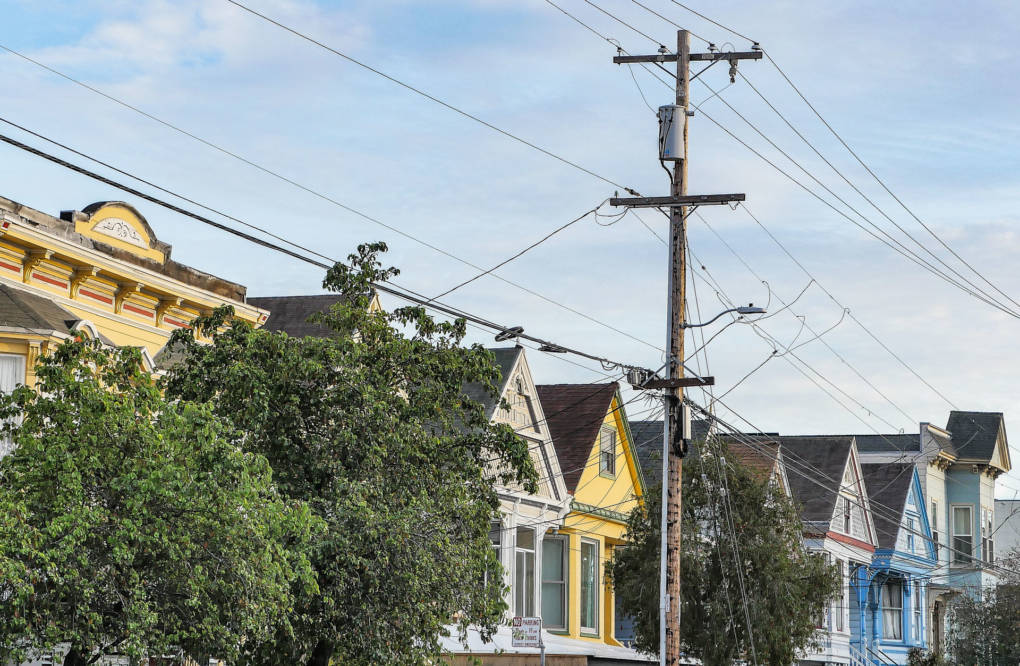
"caption": "PG&E utility poles in San Francisco's Mission District.",
"credit": "Sheraz Sadiq/KQED",
"altTag": "A photo of a telephone pole and its wires with different colored homes in the background.",
"description": "PG&E utility poles in San Francisco's Mission District.",
"imgSizes": {
"thumbnail": {
"file": "https://cdn.kqed.org/wp-content/uploads/sites/10/2019/01/PowerPGEMissionDist-160x104.jpg",
"width": 160,
"height": 104,
"mimeType": "image/jpeg"
},
"medium": {
"file": "https://cdn.kqed.org/wp-content/uploads/sites/10/2019/01/PowerPGEMissionDist-800x522.jpg",
"width": 800,
"height": 522,
"mimeType": "image/jpeg"
},
"large": {
"file": "https://cdn.kqed.org/wp-content/uploads/sites/10/2019/01/PowerPGEMissionDist-1020x666.jpg",
"width": 1020,
"height": 666,
"mimeType": "image/jpeg"
},
"complete_open_graph": {
"file": "https://cdn.kqed.org/wp-content/uploads/sites/10/2019/01/PowerPGEMissionDist-1200x783.jpg",
"width": 1200,
"height": 783,
"mimeType": "image/jpeg"
},
"post-thumbnail": {
"file": "https://cdn.kqed.org/wp-content/uploads/sites/10/2019/01/PowerPGEMissionDist-672x372.jpg",
"width": 672,
"height": 372,
"mimeType": "image/jpeg"
},
"twentyfourteen-full-width": {
"file": "https://cdn.kqed.org/wp-content/uploads/sites/10/2019/01/PowerPGEMissionDist-1038x576.jpg",
"width": 1038,
"height": 576,
"mimeType": "image/jpeg"
},
"full-width": {
"file": "https://cdn.kqed.org/wp-content/uploads/sites/10/2019/01/PowerPGEMissionDist-1920x1253.jpg",
"width": 1920,
"height": 1253,
"mimeType": "image/jpeg"
},
"guest-author-32": {
"file": "https://cdn.kqed.org/wp-content/uploads/sites/10/2019/01/PowerPGEMissionDist-32x32.jpg",
"width": 32,
"height": 32,
"mimeType": "image/jpeg"
},
"guest-author-50": {
"file": "https://cdn.kqed.org/wp-content/uploads/sites/10/2019/01/PowerPGEMissionDist-50x50.jpg",
"width": 50,
"height": 50,
"mimeType": "image/jpeg"
},
"guest-author-64": {
"file": "https://cdn.kqed.org/wp-content/uploads/sites/10/2019/01/PowerPGEMissionDist-64x64.jpg",
"width": 64,
"height": 64,
"mimeType": "image/jpeg"
},
"guest-author-96": {
"file": "https://cdn.kqed.org/wp-content/uploads/sites/10/2019/01/PowerPGEMissionDist-96x96.jpg",
"width": 96,
"height": 96,
"mimeType": "image/jpeg"
},
"guest-author-128": {
"file": "https://cdn.kqed.org/wp-content/uploads/sites/10/2019/01/PowerPGEMissionDist-128x128.jpg",
"width": 128,
"height": 128,
"mimeType": "image/jpeg"
},
"detail": {
"file": "https://cdn.kqed.org/wp-content/uploads/sites/10/2019/01/PowerPGEMissionDist-150x150.jpg",
"width": 150,
"height": 150,
"mimeType": "image/jpeg"
},
"kqedFullSize": {
"file": "https://cdn.kqed.org/wp-content/uploads/sites/10/2019/01/PowerPGEMissionDist.jpg",
"width": 1920,
"height": 1253
}
},
"isLoading": false,
"fetchFailed": false
},
"news_10876775": {
"type": "attachments",
"id": "news_10876775",
"meta": {
"index": "attachments_1716263798",
"site": "news",
"id": "10876775",
"found": true
},
"parent": 10876772,
"imgSizes": {
"twentyfourteen-full-width": {
"file": "https://ww2.kqed.org/app/uploads/sites/10/2016/02/RS16541_IMG_0523-qut-2-1038x576.jpg",
"width": 1038,
"mimeType": "image/jpeg",
"height": 576
},
"thumbnail": {
"file": "https://ww2.kqed.org/app/uploads/sites/10/2016/02/RS16541_IMG_0523-qut-2-400x267.jpg",
"width": 400,
"mimeType": "image/jpeg",
"height": 267
},
"fd-sm": {
"file": "https://ww2.kqed.org/app/uploads/sites/10/2016/02/RS16541_IMG_0523-qut-2-960x640.jpg",
"width": 960,
"mimeType": "image/jpeg",
"height": 640
},
"post-thumbnail": {
"file": "https://ww2.kqed.org/app/uploads/sites/10/2016/02/RS16541_IMG_0523-qut-2-672x372.jpg",
"width": 672,
"mimeType": "image/jpeg",
"height": 372
},
"kqedFullSize": {
"file": "https://ww2.kqed.org/app/uploads/sites/10/2016/02/RS16541_IMG_0523-qut-2.jpg",
"width": 1920,
"height": 1280
},
"large": {
"file": "https://ww2.kqed.org/app/uploads/sites/10/2016/02/RS16541_IMG_0523-qut-2-1920x1280.jpg",
"width": 1920,
"mimeType": "image/jpeg",
"height": 1280
},
"guest-author-96": {
"file": "https://ww2.kqed.org/app/uploads/sites/10/2016/02/RS16541_IMG_0523-qut-2-96x96.jpg",
"width": 96,
"mimeType": "image/jpeg",
"height": 96
},
"medium": {
"file": "https://ww2.kqed.org/app/uploads/sites/10/2016/02/RS16541_IMG_0523-qut-2-800x533.jpg",
"width": 800,
"mimeType": "image/jpeg",
"height": 533
},
"guest-author-64": {
"file": "https://ww2.kqed.org/app/uploads/sites/10/2016/02/RS16541_IMG_0523-qut-2-64x64.jpg",
"width": 64,
"mimeType": "image/jpeg",
"height": 64
},
"guest-author-32": {
"file": "https://ww2.kqed.org/app/uploads/sites/10/2016/02/RS16541_IMG_0523-qut-2-32x32.jpg",
"width": 32,
"mimeType": "image/jpeg",
"height": 32
},
"jmtc-small-thumb": {
"file": "https://ww2.kqed.org/app/uploads/sites/10/2016/02/RS16541_IMG_0523-qut-2-280x150.jpg",
"width": 280,
"mimeType": "image/jpeg",
"height": 150
},
"fd-lrg": {
"file": "https://ww2.kqed.org/app/uploads/sites/10/2016/02/RS16541_IMG_0523-qut-2-1920x1280.jpg",
"width": 1920,
"mimeType": "image/jpeg",
"height": 1280
},
"fd-med": {
"file": "https://ww2.kqed.org/app/uploads/sites/10/2016/02/RS16541_IMG_0523-qut-2-1180x787.jpg",
"width": 1180,
"mimeType": "image/jpeg",
"height": 787
},
"detail": {
"file": "https://ww2.kqed.org/app/uploads/sites/10/2016/02/RS16541_IMG_0523-qut-2-75x75.jpg",
"width": 75,
"mimeType": "image/jpeg",
"height": 75
},
"guest-author-128": {
"file": "https://ww2.kqed.org/app/uploads/sites/10/2016/02/RS16541_IMG_0523-qut-2-128x128.jpg",
"width": 128,
"mimeType": "image/jpeg",
"height": 128
}
},
"publishDate": 1456337549,
"modified": 1456337605,
"caption": "An Uber driver drops off a passenger in downtown San Francisco. ",
"description": null,
"title": "RS16541_IMG_0523-qut (2)",
"credit": "Ericka Cruz Guevarra/KQED",
"status": "inherit",
"isLoading": false,
"fetchFailed": false
},
"news_11718712": {
"type": "attachments",
"id": "news_11718712",
"meta": {
"index": "attachments_1716263798",
"site": "news",
"id": "11718712",
"found": true
},
"parent": 11718646,
"imgSizes": {
"twentyfourteen-full-width": {
"file": "https://ww2.kqed.org/app/uploads/sites/10/2019/01/construction-girls-e1547682942292-1038x576.jpg",
"width": 1038,
"mimeType": "image/jpeg",
"height": 576
},
"thumbnail": {
"file": "https://ww2.kqed.org/app/uploads/sites/10/2019/01/construction-girls-e1547682942292-160x125.jpg",
"width": 160,
"mimeType": "image/jpeg",
"height": 125
},
"post-thumbnail": {
"file": "https://ww2.kqed.org/app/uploads/sites/10/2019/01/construction-girls-e1547682942292-672x372.jpg",
"width": 672,
"mimeType": "image/jpeg",
"height": 372
},
"kqedFullSize": {
"file": "https://ww2.kqed.org/app/uploads/sites/10/2019/01/construction-girls-e1547682942292.jpg",
"width": 1747,
"height": 1368
},
"large": {
"file": "https://ww2.kqed.org/app/uploads/sites/10/2019/01/construction-girls-e1547682942292-1020x799.jpg",
"width": 1020,
"mimeType": "image/jpeg",
"height": 799
},
"complete_open_graph": {
"file": "https://ww2.kqed.org/app/uploads/sites/10/2019/01/construction-girls-e1547682942292-1200x940.jpg",
"width": 1200,
"mimeType": "image/jpeg",
"height": 940
},
"guest-author-50": {
"file": "https://ww2.kqed.org/app/uploads/sites/10/2019/01/construction-girls-e1547682942292-50x50.jpg",
"width": 50,
"mimeType": "image/jpeg",
"height": 50
},
"guest-author-96": {
"file": "https://ww2.kqed.org/app/uploads/sites/10/2019/01/construction-girls-e1547682942292-96x96.jpg",
"width": 96,
"mimeType": "image/jpeg",
"height": 96
},
"medium": {
"file": "https://ww2.kqed.org/app/uploads/sites/10/2019/01/construction-girls-e1547682942292-800x626.jpg",
"width": 800,
"mimeType": "image/jpeg",
"height": 626
},
"guest-author-64": {
"file": "https://ww2.kqed.org/app/uploads/sites/10/2019/01/construction-girls-e1547682942292-64x64.jpg",
"width": 64,
"mimeType": "image/jpeg",
"height": 64
},
"guest-author-32": {
"file": "https://ww2.kqed.org/app/uploads/sites/10/2019/01/construction-girls-e1547682942292-32x32.jpg",
"width": 32,
"mimeType": "image/jpeg",
"height": 32
},
"detail": {
"file": "https://ww2.kqed.org/app/uploads/sites/10/2019/01/construction-girls-e1547682942292-150x150.jpg",
"width": 150,
"mimeType": "image/jpeg",
"height": 150
},
"guest-author-128": {
"file": "https://ww2.kqed.org/app/uploads/sites/10/2019/01/construction-girls-e1547682942292-128x128.jpg",
"width": 128,
"mimeType": "image/jpeg",
"height": 128
}
},
"publishDate": 1547678390,
"modified": 1547776744,
"caption": "Similiti Luti and Monica Jimenez, students at Kennedy High School in Richmond, California, attend some technical skills classes at their school on Nov. 29, 2018.",
"description": "Similiti Luti and Monica Jimenez, students at Kennedy High School in Richmond, California attend some technical skills classes at their school on November 28, 2018.",
"title": "construction girls",
"credit": "Julia McEvoy/KQED News",
"status": "inherit",
"isLoading": false,
"fetchFailed": false
},
"news_11718628": {
"type": "attachments",
"id": "news_11718628",
"meta": {
"index": "attachments_1716263798",
"site": "news",
"id": "11718628",
"found": true
},
"parent": 11718618,
"imgSizes": {
"twentyfourteen-full-width": {
"file": "https://ww2.kqed.org/app/uploads/sites/10/2019/01/GettyImages-1082224606-e1547668257752-1038x576.jpg",
"width": 1038,
"mimeType": "image/jpeg",
"height": 576
},
"thumbnail": {
"file": "https://ww2.kqed.org/app/uploads/sites/10/2019/01/GettyImages-1082224606-e1547668257752-160x106.jpg",
"width": 160,
"mimeType": "image/jpeg",
"height": 106
},
"post-thumbnail": {
"file": "https://ww2.kqed.org/app/uploads/sites/10/2019/01/GettyImages-1082224606-e1547668257752-672x372.jpg",
"width": 672,
"mimeType": "image/jpeg",
"height": 372
},
"kqedFullSize": {
"file": "https://ww2.kqed.org/app/uploads/sites/10/2019/01/GettyImages-1082224606-e1547668257752.jpg",
"width": 1920,
"height": 1277
},
"large": {
"file": "https://ww2.kqed.org/app/uploads/sites/10/2019/01/GettyImages-1082224606-e1547668257752-1020x678.jpg",
"width": 1020,
"mimeType": "image/jpeg",
"height": 678
},
"complete_open_graph": {
"file": "https://ww2.kqed.org/app/uploads/sites/10/2019/01/GettyImages-1082224606-e1547668257752-1200x798.jpg",
"width": 1200,
"mimeType": "image/jpeg",
"height": 798
},
"guest-author-50": {
"file": "https://ww2.kqed.org/app/uploads/sites/10/2019/01/GettyImages-1082224606-e1547668257752-50x50.jpg",
"width": 50,
"mimeType": "image/jpeg",
"height": 50
},
"guest-author-96": {
"file": "https://ww2.kqed.org/app/uploads/sites/10/2019/01/GettyImages-1082224606-e1547668257752-96x96.jpg",
"width": 96,
"mimeType": "image/jpeg",
"height": 96
},
"medium": {
"file": "https://ww2.kqed.org/app/uploads/sites/10/2019/01/GettyImages-1082224606-e1547668257752-800x532.jpg",
"width": 800,
"mimeType": "image/jpeg",
"height": 532
},
"guest-author-64": {
"file": "https://ww2.kqed.org/app/uploads/sites/10/2019/01/GettyImages-1082224606-e1547668257752-64x64.jpg",
"width": 64,
"mimeType": "image/jpeg",
"height": 64
},
"guest-author-32": {
"file": "https://ww2.kqed.org/app/uploads/sites/10/2019/01/GettyImages-1082224606-e1547668257752-32x32.jpg",
"width": 32,
"mimeType": "image/jpeg",
"height": 32
},
"full-width": {
"file": "https://ww2.kqed.org/app/uploads/sites/10/2019/01/GettyImages-1082224606-e1547668257752-1920x1277.jpg",
"width": 1920,
"mimeType": "image/jpeg",
"height": 1277
},
"detail": {
"file": "https://ww2.kqed.org/app/uploads/sites/10/2019/01/GettyImages-1082224606-e1547668257752-150x150.jpg",
"width": 150,
"mimeType": "image/jpeg",
"height": 150
},
"guest-author-128": {
"file": "https://ww2.kqed.org/app/uploads/sites/10/2019/01/GettyImages-1082224606-e1547668257752-128x128.jpg",
"width": 128,
"mimeType": "image/jpeg",
"height": 128
}
},
"publishDate": 1547668117,
"modified": 1547684619,
"caption": "United Teachers Los Angeles (UTLA) union President Alex Caputo-Pearl (R) speaks to striking teachers and their supporters outside John Marshall High School in Los Angeles on the first day of the teachers' strike, on January 14, 2019. Teachers of the Los Angeles Unified School District (LAUSD), the second largest public school district in the nation, are striking for smaller class size, better school funding and higher teacher pay. ",
"description": "United Teachers Los Angeles (UTLA) union President Alex Caputo-Pearl (R) speaks to striking teachers and their supporters outside John Marshall High School in Los Angeles on the first day of the teachers' strike, on January 14, 2019. Teachers of the Los Angeles Unified School District (LAUSD), the second largest public school district in the nation, are striking for smaller class size, better school funding and higher teacher pay. ",
"title": "US-EDUCATION-TEACHERS-STRIKE",
"credit": "Robyn Beck/AFP/Getty Images",
"status": "inherit",
"isLoading": false,
"fetchFailed": false
},
"news_11718388": {
"type": "attachments",
"id": "news_11718388",
"meta": {
"index": "attachments_1716263798",
"site": "news",
"id": "11718388",
"found": true
},
"parent": 11718384,
"imgSizes": {
"twentyfourteen-full-width": {
"file": "https://ww2.kqed.org/app/uploads/sites/10/2019/01/GettyImages-1083167188-e1547590752782-1038x576.jpg",
"width": 1038,
"mimeType": "image/jpeg",
"height": 576
},
"thumbnail": {
"file": "https://ww2.kqed.org/app/uploads/sites/10/2019/01/GettyImages-1083167188-e1547590752782-160x107.jpg",
"width": 160,
"mimeType": "image/jpeg",
"height": 107
},
"post-thumbnail": {
"file": "https://ww2.kqed.org/app/uploads/sites/10/2019/01/GettyImages-1083167188-e1547590752782-672x372.jpg",
"width": 672,
"mimeType": "image/jpeg",
"height": 372
},
"kqedFullSize": {
"file": "https://ww2.kqed.org/app/uploads/sites/10/2019/01/GettyImages-1083167188-e1547590752782.jpg",
"width": 1920,
"height": 1278
},
"large": {
"file": "https://ww2.kqed.org/app/uploads/sites/10/2019/01/GettyImages-1083167188-e1547590752782-1020x679.jpg",
"width": 1020,
"mimeType": "image/jpeg",
"height": 679
},
"complete_open_graph": {
"file": "https://ww2.kqed.org/app/uploads/sites/10/2019/01/GettyImages-1083167188-e1547590752782-1200x799.jpg",
"width": 1200,
"mimeType": "image/jpeg",
"height": 799
},
"guest-author-50": {
"file": "https://ww2.kqed.org/app/uploads/sites/10/2019/01/GettyImages-1083167188-e1547590752782-50x50.jpg",
"width": 50,
"mimeType": "image/jpeg",
"height": 50
},
"guest-author-96": {
"file": "https://ww2.kqed.org/app/uploads/sites/10/2019/01/GettyImages-1083167188-e1547590752782-96x96.jpg",
"width": 96,
"mimeType": "image/jpeg",
"height": 96
},
"medium": {
"file": "https://ww2.kqed.org/app/uploads/sites/10/2019/01/GettyImages-1083167188-e1547590752782-800x533.jpg",
"width": 800,
"mimeType": "image/jpeg",
"height": 533
},
"guest-author-64": {
"file": "https://ww2.kqed.org/app/uploads/sites/10/2019/01/GettyImages-1083167188-e1547590752782-64x64.jpg",
"width": 64,
"mimeType": "image/jpeg",
"height": 64
},
"guest-author-32": {
"file": "https://ww2.kqed.org/app/uploads/sites/10/2019/01/GettyImages-1083167188-e1547590752782-32x32.jpg",
"width": 32,
"mimeType": "image/jpeg",
"height": 32
},
"full-width": {
"file": "https://ww2.kqed.org/app/uploads/sites/10/2019/01/GettyImages-1083167188-e1547590752782-1920x1278.jpg",
"width": 1920,
"mimeType": "image/jpeg",
"height": 1278
},
"detail": {
"file": "https://ww2.kqed.org/app/uploads/sites/10/2019/01/GettyImages-1083167188-e1547590752782-150x150.jpg",
"width": 150,
"mimeType": "image/jpeg",
"height": 150
},
"guest-author-128": {
"file": "https://ww2.kqed.org/app/uploads/sites/10/2019/01/GettyImages-1083167188-e1547590752782-128x128.jpg",
"width": 128,
"mimeType": "image/jpeg",
"height": 128
}
},
"publishDate": 1547590646,
"modified": 1547678909,
"caption": "Striking teachers and their supporters rally in downtown Los Angeles on the second day of the teachers strike, on Jan. 15, 2019. Teachers of the Los Angeles Unified School District (LAUSD), the second-largest public school district in the United States, are striking for smaller class size, better school funding and higher teacher pay.",
"description": "Striking teachers and their supporters rally in downtown Los Angeles on the second day of the teachers strike, on January 15, 2019. Teachers of the Los Angeles Unified School District (LAUSD), the second largest public school district in the United States, are striking for smaller class size, better school funding and higher teacher pay.",
"title": "US-TEACHERS-STRIKE",
"credit": "Robyn Beck/AFP/Getty Images",
"status": "inherit",
"isLoading": false,
"fetchFailed": false
},
"news_11718319": {
"type": "attachments",
"id": "news_11718319",
"meta": {
"index": "attachments_1716263798",
"site": "news",
"id": "11718319",
"found": true
},
"parent": 11718308,
"imgSizes": {
"twentyfourteen-full-width": {
"file": "https://ww2.kqed.org/app/uploads/sites/10/2019/01/Photo-of-Arias-Chris-Blanca-and-Marisa-1-1024x576.jpg",
"width": 1024,
"mimeType": "image/jpeg",
"height": 576
},
"thumbnail": {
"file": "https://ww2.kqed.org/app/uploads/sites/10/2019/01/Photo-of-Arias-Chris-Blanca-and-Marisa-1-160x107.jpg",
"width": 160,
"mimeType": "image/jpeg",
"height": 107
},
"post-thumbnail": {
"file": "https://ww2.kqed.org/app/uploads/sites/10/2019/01/Photo-of-Arias-Chris-Blanca-and-Marisa-1-672x372.jpg",
"width": 672,
"mimeType": "image/jpeg",
"height": 372
},
"kqedFullSize": {
"file": "https://ww2.kqed.org/app/uploads/sites/10/2019/01/Photo-of-Arias-Chris-Blanca-and-Marisa-1.jpg",
"width": 1024,
"height": 687
},
"large": {
"file": "https://ww2.kqed.org/app/uploads/sites/10/2019/01/Photo-of-Arias-Chris-Blanca-and-Marisa-1-1020x684.jpg",
"width": 1020,
"mimeType": "image/jpeg",
"height": 684
},
"guest-author-50": {
"file": "https://ww2.kqed.org/app/uploads/sites/10/2019/01/Photo-of-Arias-Chris-Blanca-and-Marisa-1-50x50.jpg",
"width": 50,
"mimeType": "image/jpeg",
"height": 50
},
"guest-author-96": {
"file": "https://ww2.kqed.org/app/uploads/sites/10/2019/01/Photo-of-Arias-Chris-Blanca-and-Marisa-1-96x96.jpg",
"width": 96,
"mimeType": "image/jpeg",
"height": 96
},
"medium": {
"file": "https://ww2.kqed.org/app/uploads/sites/10/2019/01/Photo-of-Arias-Chris-Blanca-and-Marisa-1-800x537.jpg",
"width": 800,
"mimeType": "image/jpeg",
"height": 537
},
"guest-author-64": {
"file": "https://ww2.kqed.org/app/uploads/sites/10/2019/01/Photo-of-Arias-Chris-Blanca-and-Marisa-1-64x64.jpg",
"width": 64,
"mimeType": "image/jpeg",
"height": 64
},
"detail": {
"file": "https://ww2.kqed.org/app/uploads/sites/10/2019/01/Photo-of-Arias-Chris-Blanca-and-Marisa-1-150x150.jpg",
"width": 150,
"mimeType": "image/jpeg",
"height": 150
},
"guest-author-32": {
"file": "https://ww2.kqed.org/app/uploads/sites/10/2019/01/Photo-of-Arias-Chris-Blanca-and-Marisa-1-32x32.jpg",
"width": 32,
"mimeType": "image/jpeg",
"height": 32
},
"guest-author-128": {
"file": "https://ww2.kqed.org/app/uploads/sites/10/2019/01/Photo-of-Arias-Chris-Blanca-and-Marisa-1-128x128.jpg",
"width": 128,
"mimeType": "image/jpeg",
"height": 128
}
},
"publishDate": 1547580606,
"modified": 1547664388,
"caption": "José Arias, second from right, was awarded a $1 million settlement in a case involving workforce retaliation. ",
"description": null,
"title": "Photo of Arias Chris Blanca and Marisa (1)",
"credit": "Courtesy of Legal Aid at Work",
"status": "inherit",
"isLoading": false,
"fetchFailed": false
},
"news_11717570": {
"type": "attachments",
"id": "news_11717570",
"meta": {
"index": "attachments_1716263798",
"site": "news",
"id": "11717570",
"found": true
},
"parent": 11717442,
"imgSizes": {
"twentyfourteen-full-width": {
"file": "https://ww2.kqed.org/app/uploads/sites/10/2019/01/ATCTowerViewSFO-1038x576.jpg",
"width": 1038,
"mimeType": "image/jpeg",
"height": 576
},
"thumbnail": {
"file": "https://ww2.kqed.org/app/uploads/sites/10/2019/01/ATCTowerViewSFO-160x113.jpg",
"width": 160,
"mimeType": "image/jpeg",
"height": 113
},
"post-thumbnail": {
"file": "https://ww2.kqed.org/app/uploads/sites/10/2019/01/ATCTowerViewSFO-672x372.jpg",
"width": 672,
"mimeType": "image/jpeg",
"height": 372
},
"kqedFullSize": {
"file": "https://ww2.kqed.org/app/uploads/sites/10/2019/01/ATCTowerViewSFO.jpg",
"width": 1920,
"height": 1357
},
"large": {
"file": "https://ww2.kqed.org/app/uploads/sites/10/2019/01/ATCTowerViewSFO-1020x721.jpg",
"width": 1020,
"mimeType": "image/jpeg",
"height": 721
},
"complete_open_graph": {
"file": "https://ww2.kqed.org/app/uploads/sites/10/2019/01/ATCTowerViewSFO-1200x848.jpg",
"width": 1200,
"mimeType": "image/jpeg",
"height": 848
},
"guest-author-50": {
"file": "https://ww2.kqed.org/app/uploads/sites/10/2019/01/ATCTowerViewSFO-50x50.jpg",
"width": 50,
"mimeType": "image/jpeg",
"height": 50
},
"guest-author-96": {
"file": "https://ww2.kqed.org/app/uploads/sites/10/2019/01/ATCTowerViewSFO-96x96.jpg",
"width": 96,
"mimeType": "image/jpeg",
"height": 96
},
"medium": {
"file": "https://ww2.kqed.org/app/uploads/sites/10/2019/01/ATCTowerViewSFO-800x565.jpg",
"width": 800,
"mimeType": "image/jpeg",
"height": 565
},
"guest-author-64": {
"file": "https://ww2.kqed.org/app/uploads/sites/10/2019/01/ATCTowerViewSFO-64x64.jpg",
"width": 64,
"mimeType": "image/jpeg",
"height": 64
},
"guest-author-32": {
"file": "https://ww2.kqed.org/app/uploads/sites/10/2019/01/ATCTowerViewSFO-32x32.jpg",
"width": 32,
"mimeType": "image/jpeg",
"height": 32
},
"full-width": {
"file": "https://ww2.kqed.org/app/uploads/sites/10/2019/01/ATCTowerViewSFO-1920x1357.jpg",
"width": 1920,
"mimeType": "image/jpeg",
"height": 1357
},
"detail": {
"file": "https://ww2.kqed.org/app/uploads/sites/10/2019/01/ATCTowerViewSFO-150x150.jpg",
"width": 150,
"mimeType": "image/jpeg",
"height": 150
},
"guest-author-128": {
"file": "https://ww2.kqed.org/app/uploads/sites/10/2019/01/ATCTowerViewSFO-128x128.jpg",
"width": 128,
"mimeType": "image/jpeg",
"height": 128
}
},
"publishDate": 1547172655,
"modified": 1555007777,
"caption": "An air traffic controller's view looking northwest from San Francisco International Airport's control tower. ",
"description": "An air traffic controller's view looking northwest from San Francisco International Airport's control tower. Air traffic controllers at SFO and across the nation won't receive a paycheck on Friday due to the partial government shutdown.",
"title": "ATCTowerViewSFO",
"credit": "Courtesy of Frederick Naujoks",
"status": "inherit",
"isLoading": false,
"fetchFailed": false
},
"news_11717551": {
"type": "attachments",
"id": "news_11717551",
"meta": {
"index": "attachments_1716263798",
"site": "news",
"id": "11717551",
"found": true
},
"parent": 11717519,
"imgSizes": {
"twentyfourteen-full-width": {
"file": "https://ww2.kqed.org/app/uploads/sites/10/2019/01/GettyImages-1079753428-1038x576.jpg",
"width": 1038,
"mimeType": "image/jpeg",
"height": 576
},
"thumbnail": {
"file": "https://ww2.kqed.org/app/uploads/sites/10/2019/01/GettyImages-1079753428-160x97.jpg",
"width": 160,
"mimeType": "image/jpeg",
"height": 97
},
"post-thumbnail": {
"file": "https://ww2.kqed.org/app/uploads/sites/10/2019/01/GettyImages-1079753428-672x372.jpg",
"width": 672,
"mimeType": "image/jpeg",
"height": 372
},
"kqedFullSize": {
"file": "https://ww2.kqed.org/app/uploads/sites/10/2019/01/GettyImages-1079753428.jpg",
"width": 4700,
"height": 2853
},
"large": {
"file": "https://ww2.kqed.org/app/uploads/sites/10/2019/01/GettyImages-1079753428-1020x619.jpg",
"width": 1020,
"mimeType": "image/jpeg",
"height": 619
},
"complete_open_graph": {
"file": "https://ww2.kqed.org/app/uploads/sites/10/2019/01/GettyImages-1079753428-1200x728.jpg",
"width": 1200,
"mimeType": "image/jpeg",
"height": 728
},
"guest-author-50": {
"file": "https://ww2.kqed.org/app/uploads/sites/10/2019/01/GettyImages-1079753428-50x50.jpg",
"width": 50,
"mimeType": "image/jpeg",
"height": 50
},
"guest-author-96": {
"file": "https://ww2.kqed.org/app/uploads/sites/10/2019/01/GettyImages-1079753428-96x96.jpg",
"width": 96,
"mimeType": "image/jpeg",
"height": 96
},
"medium": {
"file": "https://ww2.kqed.org/app/uploads/sites/10/2019/01/GettyImages-1079753428-800x486.jpg",
"width": 800,
"mimeType": "image/jpeg",
"height": 486
},
"guest-author-64": {
"file": "https://ww2.kqed.org/app/uploads/sites/10/2019/01/GettyImages-1079753428-64x64.jpg",
"width": 64,
"mimeType": "image/jpeg",
"height": 64
},
"guest-author-32": {
"file": "https://ww2.kqed.org/app/uploads/sites/10/2019/01/GettyImages-1079753428-32x32.jpg",
"width": 32,
"mimeType": "image/jpeg",
"height": 32
},
"full-width": {
"file": "https://ww2.kqed.org/app/uploads/sites/10/2019/01/GettyImages-1079753428-1920x1165.jpg",
"width": 1920,
"mimeType": "image/jpeg",
"height": 1165
},
"detail": {
"file": "https://ww2.kqed.org/app/uploads/sites/10/2019/01/GettyImages-1079753428-150x150.jpg",
"width": 150,
"mimeType": "image/jpeg",
"height": 150
},
"guest-author-128": {
"file": "https://ww2.kqed.org/app/uploads/sites/10/2019/01/GettyImages-1079753428-128x128.jpg",
"width": 128,
"mimeType": "image/jpeg",
"height": 128
}
},
"publishDate": 1547170026,
"modified": 1547170169,
"caption": "A sign at the Los Angeles Unified School District Transportation Services near district headquarters in Los Angeles, California on January 9, 2019. Teachers in the nation's second largest school district have postponed a potential strike planned for January 10 to January 14.",
"description": "A sign at the Los Angeles Unified School District Transportation Services near district headquarters in Los Angeles, California on January 9, 2019. Teachers in the nation's second largest school district have postponed a potential strike planned for January 10 to January 14.",
"title": "GettyImages-1079753428",
"credit": "Frederic J. Brown/AFP/Getty Images",
"status": "inherit",
"isLoading": false,
"fetchFailed": false
},
"news_11703080": {
"type": "attachments",
"id": "news_11703080",
"meta": {
"index": "attachments_1716263798",
"site": "news",
"id": "11703080",
"found": true
},
"parent": 11702872,
"imgSizes": {
"small": {
"file": "https://ww2.kqed.org/app/uploads/sites/10/2018/11/GoogleWalkout2-520x347.jpg",
"width": 520,
"mimeType": "image/jpeg",
"height": 347
},
"twentyfourteen-full-width": {
"file": "https://ww2.kqed.org/app/uploads/sites/10/2018/11/GoogleWalkout2-1038x576.jpg",
"width": 1038,
"mimeType": "image/jpeg",
"height": 576
},
"thumbnail": {
"file": "https://ww2.kqed.org/app/uploads/sites/10/2018/11/GoogleWalkout2-160x107.jpg",
"width": 160,
"mimeType": "image/jpeg",
"height": 107
},
"fd-sm": {
"file": "https://ww2.kqed.org/app/uploads/sites/10/2018/11/GoogleWalkout2-960x640.jpg",
"width": 960,
"mimeType": "image/jpeg",
"height": 640
},
"post-thumbnail": {
"file": "https://ww2.kqed.org/app/uploads/sites/10/2018/11/GoogleWalkout2-672x372.jpg",
"width": 672,
"mimeType": "image/jpeg",
"height": 372
},
"xsmall": {
"file": "https://ww2.kqed.org/app/uploads/sites/10/2018/11/GoogleWalkout2-375x250.jpg",
"width": 375,
"mimeType": "image/jpeg",
"height": 250
},
"kqedFullSize": {
"file": "https://ww2.kqed.org/app/uploads/sites/10/2018/11/GoogleWalkout2.jpg",
"width": 1920,
"height": 1280
},
"large": {
"file": "https://ww2.kqed.org/app/uploads/sites/10/2018/11/GoogleWalkout2-1020x680.jpg",
"width": 1020,
"mimeType": "image/jpeg",
"height": 680
},
"xlarge": {
"file": "https://ww2.kqed.org/app/uploads/sites/10/2018/11/GoogleWalkout2-1180x787.jpg",
"width": 1180,
"mimeType": "image/jpeg",
"height": 787
},
"complete_open_graph": {
"file": "https://ww2.kqed.org/app/uploads/sites/10/2018/11/GoogleWalkout2-1200x800.jpg",
"width": 1200,
"mimeType": "image/jpeg",
"height": 800
},
"guest-author-50": {
"file": "https://ww2.kqed.org/app/uploads/sites/10/2018/11/GoogleWalkout2-50x50.jpg",
"width": 50,
"mimeType": "image/jpeg",
"height": 50
},
"guest-author-96": {
"file": "https://ww2.kqed.org/app/uploads/sites/10/2018/11/GoogleWalkout2-96x96.jpg",
"width": 96,
"mimeType": "image/jpeg",
"height": 96
},
"medium": {
"file": "https://ww2.kqed.org/app/uploads/sites/10/2018/11/GoogleWalkout2-800x533.jpg",
"width": 800,
"mimeType": "image/jpeg",
"height": 533
},
"guest-author-64": {
"file": "https://ww2.kqed.org/app/uploads/sites/10/2018/11/GoogleWalkout2-64x64.jpg",
"width": 64,
"mimeType": "image/jpeg",
"height": 64
},
"guest-author-32": {
"file": "https://ww2.kqed.org/app/uploads/sites/10/2018/11/GoogleWalkout2-32x32.jpg",
"width": 32,
"mimeType": "image/jpeg",
"height": 32
},
"fd-lrg": {
"file": "https://ww2.kqed.org/app/uploads/sites/10/2018/11/GoogleWalkout2-1920x1280.jpg",
"width": 1920,
"mimeType": "image/jpeg",
"height": 1280
},
"fd-med": {
"file": "https://ww2.kqed.org/app/uploads/sites/10/2018/11/GoogleWalkout2-1180x787.jpg",
"width": 1180,
"mimeType": "image/jpeg",
"height": 787
},
"full-width": {
"file": "https://ww2.kqed.org/app/uploads/sites/10/2018/11/GoogleWalkout2-1920x1280.jpg",
"width": 1920,
"mimeType": "image/jpeg",
"height": 1280
},
"detail": {
"file": "https://ww2.kqed.org/app/uploads/sites/10/2018/11/GoogleWalkout2-150x150.jpg",
"width": 150,
"mimeType": "image/jpeg",
"height": 150
},
"guest-author-128": {
"file": "https://ww2.kqed.org/app/uploads/sites/10/2018/11/GoogleWalkout2-128x128.jpg",
"width": 128,
"mimeType": "image/jpeg",
"height": 128
},
"xxsmall": {
"file": "https://ww2.kqed.org/app/uploads/sites/10/2018/11/GoogleWalkout2-240x160.jpg",
"width": 240,
"mimeType": "image/jpeg",
"height": 160
}
},
"publishDate": 1541114532,
"modified": 1541114551,
"caption": "Google employees walk off the job to protest the company's handling of sexual misconduct claims, on Nov. 1, 2018, in Mountain View.",
"description": "Google employees walk off the job to protest the company's handling of sexual misconduct claims, on Nov. 1, 2018, in Mountain View.",
"title": "GoogleWalkout2",
"credit": "Mason Trinca/Getty Images",
"status": "inherit",
"isLoading": false,
"fetchFailed": false
},
"news_11709374": {
"type": "attachments",
"id": "news_11709374",
"meta": {
"index": "attachments_1716263798",
"site": "news",
"id": "11709374",
"found": true
},
"parent": 11708777,
"imgSizes": {
"twentyfourteen-full-width": {
"file": "https://ww2.kqed.org/app/uploads/sites/10/2018/11/StrikingWorkers-1038x576.jpg",
"width": 1038,
"mimeType": "image/jpeg",
"height": 576
},
"thumbnail": {
"file": "https://ww2.kqed.org/app/uploads/sites/10/2018/11/StrikingWorkers-160x107.jpg",
"width": 160,
"mimeType": "image/jpeg",
"height": 107
},
"post-thumbnail": {
"file": "https://ww2.kqed.org/app/uploads/sites/10/2018/11/StrikingWorkers-672x372.jpg",
"width": 672,
"mimeType": "image/jpeg",
"height": 372
},
"kqedFullSize": {
"file": "https://ww2.kqed.org/app/uploads/sites/10/2018/11/StrikingWorkers.jpg",
"width": 1620,
"height": 1080
},
"large": {
"file": "https://ww2.kqed.org/app/uploads/sites/10/2018/11/StrikingWorkers-1020x680.jpg",
"width": 1020,
"mimeType": "image/jpeg",
"height": 680
},
"complete_open_graph": {
"file": "https://ww2.kqed.org/app/uploads/sites/10/2018/11/StrikingWorkers-1200x800.jpg",
"width": 1200,
"mimeType": "image/jpeg",
"height": 800
},
"guest-author-50": {
"file": "https://ww2.kqed.org/app/uploads/sites/10/2018/11/StrikingWorkers-50x50.jpg",
"width": 50,
"mimeType": "image/jpeg",
"height": 50
},
"guest-author-96": {
"file": "https://ww2.kqed.org/app/uploads/sites/10/2018/11/StrikingWorkers-96x96.jpg",
"width": 96,
"mimeType": "image/jpeg",
"height": 96
},
"medium": {
"file": "https://ww2.kqed.org/app/uploads/sites/10/2018/11/StrikingWorkers-800x533.jpg",
"width": 800,
"mimeType": "image/jpeg",
"height": 533
},
"guest-author-64": {
"file": "https://ww2.kqed.org/app/uploads/sites/10/2018/11/StrikingWorkers-64x64.jpg",
"width": 64,
"mimeType": "image/jpeg",
"height": 64
},
"guest-author-32": {
"file": "https://ww2.kqed.org/app/uploads/sites/10/2018/11/StrikingWorkers-32x32.jpg",
"width": 32,
"mimeType": "image/jpeg",
"height": 32
},
"detail": {
"file": "https://ww2.kqed.org/app/uploads/sites/10/2018/11/StrikingWorkers-150x150.jpg",
"width": 150,
"mimeType": "image/jpeg",
"height": 150
},
"guest-author-128": {
"file": "https://ww2.kqed.org/app/uploads/sites/10/2018/11/StrikingWorkers-128x128.jpg",
"width": 128,
"mimeType": "image/jpeg",
"height": 128
}
},
"publishDate": 1543621169,
"modified": 1543621274,
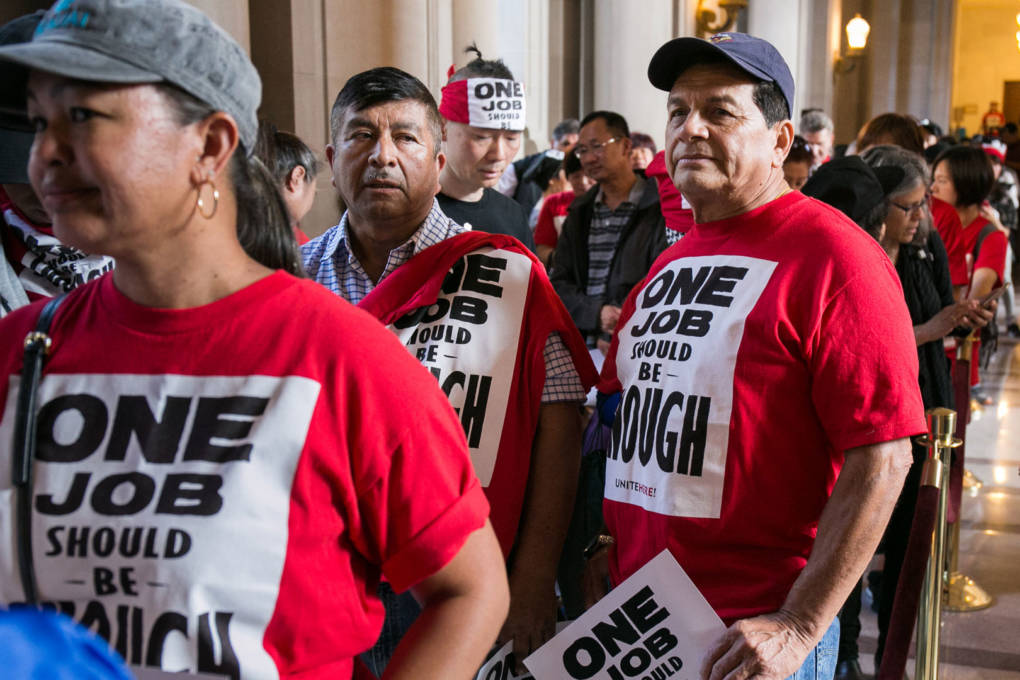
"caption": "Striking hotel workers wait to attend a San Francisco Board of Supervisors meeting on Nov. 2, 2018.",
"description": "Striking hotel workers wait to attend a San Francisco Board of Supervisors meeting on Nov. 2, 2018.",
"title": "StrikingWorkers",
"credit": "J.P. Dobrin/KQED",
"status": "inherit",
"isLoading": false,
"fetchFailed": false
},
"news_11707657": {
"type": "attachments",
"id": "news_11707657",
"meta": {
"index": "attachments_1716263798",
"site": "news",
"id": "11707657",
"found": true
},
"parent": 11707533,
"imgSizes": {
"twentyfourteen-full-width": {
"file": "https://ww2.kqed.org/app/uploads/sites/10/2018/11/Bret-Harte4-e1542755048823-1038x576.jpg",
"width": 1038,
"mimeType": "image/jpeg",
"height": 576
},
"thumbnail": {
"file": "https://ww2.kqed.org/app/uploads/sites/10/2018/11/Bret-Harte4-e1542755048823-160x128.jpg",
"width": 160,
"mimeType": "image/jpeg",
"height": 128
},
"post-thumbnail": {
"file": "https://ww2.kqed.org/app/uploads/sites/10/2018/11/Bret-Harte4-e1542755048823-672x372.jpg",
"width": 672,
"mimeType": "image/jpeg",
"height": 372
},
"kqedFullSize": {
"file": "https://ww2.kqed.org/app/uploads/sites/10/2018/11/Bret-Harte4-e1542755048823.jpg",
"width": 1766,
"height": 1416
},
"large": {
"file": "https://ww2.kqed.org/app/uploads/sites/10/2018/11/Bret-Harte4-e1542755048823-1020x818.jpg",
"width": 1020,
"mimeType": "image/jpeg",
"height": 818
},
"complete_open_graph": {
"file": "https://ww2.kqed.org/app/uploads/sites/10/2018/11/Bret-Harte4-e1542755048823-1200x962.jpg",
"width": 1200,
"mimeType": "image/jpeg",
"height": 962
},
"guest-author-50": {
"file": "https://ww2.kqed.org/app/uploads/sites/10/2018/11/Bret-Harte4-e1542755048823-50x50.jpg",
"width": 50,
"mimeType": "image/jpeg",
"height": 50
},
"guest-author-96": {
"file": "https://ww2.kqed.org/app/uploads/sites/10/2018/11/Bret-Harte4-e1542755048823-96x96.jpg",
"width": 96,
"mimeType": "image/jpeg",
"height": 96
},
"medium": {
"file": "https://ww2.kqed.org/app/uploads/sites/10/2018/11/Bret-Harte4-e1542755048823-800x641.jpg",
"width": 800,
"mimeType": "image/jpeg",
"height": 641
},
"guest-author-64": {
"file": "https://ww2.kqed.org/app/uploads/sites/10/2018/11/Bret-Harte4-e1542755048823-64x64.jpg",
"width": 64,
"mimeType": "image/jpeg",
"height": 64
},
"guest-author-32": {
"file": "https://ww2.kqed.org/app/uploads/sites/10/2018/11/Bret-Harte4-e1542755048823-32x32.jpg",
"width": 32,
"mimeType": "image/jpeg",
"height": 32
},
"detail": {
"file": "https://ww2.kqed.org/app/uploads/sites/10/2018/11/Bret-Harte4-e1542755048823-150x150.jpg",
"width": 150,
"mimeType": "image/jpeg",
"height": 150
},
"guest-author-128": {
"file": "https://ww2.kqed.org/app/uploads/sites/10/2018/11/Bret-Harte4-e1542755048823-128x128.jpg",
"width": 128,
"mimeType": "image/jpeg",
"height": 128
}
},
"publishDate": 1542754615,
"modified": 1543264762,
"caption": "Bret Harte Middle School teacher Sayuri Sakamoto sets alarms on her phone to help her keep track of her students' various medical needs. ",
"description": "Bret Harte Middle School teacher Sayuri Sakamoto sets alarms on her phone to help her keep track of her students' various medical needs. ",
"title": "Bret Harte4",
"credit": "Vanessa Rancaño/KQED",
"status": "inherit",
"isLoading": false,
"fetchFailed": false
}
},
"audioPlayerReducer": {
"postId": "stream_live",
"isPaused": true,
"isPlaying": false,
"pfsActive": false,
"pledgeModalIsOpen": true,
"playerDrawerIsOpen": false,
"liveAudioPlayStartedAt": 0,
"liveAudioPlayContext": ""
},
"authorsReducer": {
"byline_news_11718618": {
"type": "authors",
"id": "byline_news_11718618",
"meta": {
"override": true
},
"slug": "byline_news_11718618",
"name": "Christopher Weber\u003cbr>Associated Press",
"isLoading": false
},
"byline_news_11718384": {
"type": "authors",
"id": "byline_news_11718384",
"meta": {
"override": true
},
"slug": "byline_news_11718384",
"name": "\u003cstrong>\u003ca href=\"https://theconversation.com/profiles/erin-mchenry-sorber-449857\">Erin McHenry-Sorber\u003c/a>\u003c/strong>\u003cbr>The Conversation",
"isLoading": false
},
"byline_news_11717519": {
"type": "authors",
"id": "byline_news_11717519",
"meta": {
"override": true
},
"slug": "byline_news_11717519",
"name": "Christopher Weber\u003cbr>Associated Press",
"isLoading": false
},
"dclyde": {
"type": "authors",
"id": "104",
"meta": {
"index": "authors_1716337520",
"id": "104",
"found": true
},
"name": "Don Clyde",
"firstName": "Don",
"lastName": "Clyde",
"slug": "dclyde",
"email": "dclyde@kqed.org",
"display_author_email": false,
"staff_mastheads": [],
"title": "KQED Contributor",
"bio": "Don Clyde is an online producer, reporter and copy editor for KQED News. Before venturing into journalism, he worked as a medical device engineer and scientist for nearly a decade after earning a degree in physics from UC Berkeley. He loves travel, reading, living in Oakland, and most importantly, a good walk. Email him at dclyde@kqed.org or follow him @clydedon.",
"avatar": "https://secure.gravatar.com/avatar/decd3e640c3eedbd0a574275aebb2d19?s=600&d=blank&r=g",
"twitter": "clydedon",
"facebook": null,
"instagram": null,
"linkedin": null,
"sites": [
{
"site": "artschool",
"roles": [
"editor"
]
},
{
"site": "news",
"roles": [
"administrator"
]
},
{
"site": "futureofyou",
"roles": [
"editor"
]
},
{
"site": "about",
"roles": [
"editor"
]
},
{
"site": "mindshift",
"roles": [
"contributor"
]
},
{
"site": "bayareabites",
"roles": [
"contributor"
]
},
{
"site": "lowdown",
"roles": [
"editor"
]
},
{
"site": "stateofhealth",
"roles": [
"administrator"
]
},
{
"site": "spark",
"roles": [
"administrator"
]
},
{
"site": "trulyca",
"roles": [
"administrator"
]
},
{
"site": "imagemakers",
"roles": [
"administrator"
]
},
{
"site": "science",
"roles": []
},
{
"site": "education",
"roles": [
"editor"
]
},
{
"site": "quest",
"roles": [
"subscriber"
]
},
{
"site": "checkplease",
"roles": [
"subscriber"
]
},
{
"site": "forum",
"roles": [
"editor"
]
},
{
"site": "perspectives",
"roles": [
"editor"
]
}
],
"headData": {
"title": "Don Clyde | KQED",
"description": "KQED Contributor",
"ogImgSrc": "https://secure.gravatar.com/avatar/decd3e640c3eedbd0a574275aebb2d19?s=600&d=blank&r=g",
"twImgSrc": "https://secure.gravatar.com/avatar/decd3e640c3eedbd0a574275aebb2d19?s=600&d=blank&r=g"
},
"isLoading": false,
"link": "/author/dclyde"
},
"dmarks": {
"type": "authors",
"id": "182",
"meta": {
"index": "authors_1716337520",
"id": "182",
"found": true
},
"name": "David Marks",
"firstName": "David",
"lastName": "Marks",
"slug": "dmarks",
"email": "dmarks@kqed.org",
"display_author_email": false,
"staff_mastheads": [],
"title": "KQED Editor",
"bio": "David Marks is a senior digital editor for KQED News. \u003c/a>Reach him at dmarks@kqed.org.",
"avatar": "https://secure.gravatar.com/avatar/b88bd6227ce6cb96ae33fefaf42b2a29?s=600&d=mm&r=g",
"twitter": "divadskram",
"facebook": null,
"instagram": null,
"linkedin": null,
"sites": [
{
"site": "news",
"roles": []
},
{
"site": "science",
"roles": []
},
{
"site": "perspectives",
"roles": []
},
{
"site": "liveblog",
"roles": []
}
],
"headData": {
"title": "David Marks | KQED",
"description": "KQED Editor",
"ogImgSrc": "https://secure.gravatar.com/avatar/b88bd6227ce6cb96ae33fefaf42b2a29?s=600&d=mm&r=g",
"twImgSrc": "https://secure.gravatar.com/avatar/b88bd6227ce6cb96ae33fefaf42b2a29?s=600&d=mm&r=g"
},
"isLoading": false,
"link": "/author/dmarks"
},
"jmcevoy": {
"type": "authors",
"id": "231",
"meta": {
"index": "authors_1716337520",
"id": "231",
"found": true
},
"name": "Julia McEvoy",
"firstName": "Julia",
"lastName": "McEvoy",
"slug": "jmcevoy",
"email": "jmcevoy@KQED.org",
"display_author_email": true,
"staff_mastheads": [
"news"
],
"title": "KQED Senior Editor",
"bio": "Julia McEvoy is KQED's Senior Editor, Education Equity.\r\n\r\nJulia heads KQED’s education coverage examining inequities students face in Bay Area and California schools, and reports on what it will take to educate the next generation.\r\n\r\nJulia's editorial work has received a Peabody Award, a Casey Medal for Coverage of Children and Families, several Edward R. Murrow awards, as well as awards from the Public Radio News Directors Inc. and the Society for Professional Journalists.",
"avatar": "https://secure.gravatar.com/avatar/aec3ce21abe02b302fd33638abd56a22?s=600&d=blank&r=g",
"twitter": "juliamcevoy1",
"facebook": null,
"instagram": null,
"linkedin": null,
"sites": [
{
"site": "news",
"roles": []
},
{
"site": "stateofhealth",
"roles": [
"author"
]
}
],
"headData": {
"title": "Julia McEvoy | KQED",
"description": "KQED Senior Editor",
"ogImgSrc": "https://secure.gravatar.com/avatar/aec3ce21abe02b302fd33638abd56a22?s=600&d=blank&r=g",
"twImgSrc": "https://secure.gravatar.com/avatar/aec3ce21abe02b302fd33638abd56a22?s=600&d=blank&r=g"
},
"isLoading": false,
"link": "/author/jmcevoy"
},
"samharnett": {
"type": "authors",
"id": "253",
"meta": {
"index": "authors_1716337520",
"id": "253",
"found": true
},
"name": "Sam Harnett",
"firstName": "Sam",
"lastName": "Harnett",
"slug": "samharnett",
"email": "samharnett@gmail.com",
"display_author_email": false,
"staff_mastheads": [],
"title": "KQED Contributor",
"bio": "Sam Harnett covered tech and work at KQED. He is the co-creator of \u003cem>\u003ca href=\"http://www.theworldaccordingtosound.org\">The World According to Sound\u003c/a>,\u003c/em> a 90-second podcast that features different sounds and the stories behind them.\r\n\r\nBefore coming to KQED, Sam worked as an independent reporter who contributed regularly to \u003cem>The California Report, Marketplace,\u003c/em> \u003cem>The World \u003c/em>and NPR.",
"avatar": "https://secure.gravatar.com/avatar/2538b972ac02f2b9546c7a6c59a0f3d0?s=600&d=blank&r=g",
"twitter": "Samwharnett",
"facebook": null,
"instagram": null,
"linkedin": null,
"sites": [
{
"site": "news",
"roles": [
"edit_others_posts",
"subscriber"
]
},
{
"site": "stateofhealth",
"roles": [
"author"
]
},
{
"site": "science",
"roles": [
"editor"
]
},
{
"site": "quest",
"roles": [
"subscriber"
]
}
],
"headData": {
"title": "Sam Harnett | KQED",
"description": "KQED Contributor",
"ogImgSrc": "https://secure.gravatar.com/avatar/2538b972ac02f2b9546c7a6c59a0f3d0?s=600&d=blank&r=g",
"twImgSrc": "https://secure.gravatar.com/avatar/2538b972ac02f2b9546c7a6c59a0f3d0?s=600&d=blank&r=g"
},
"isLoading": false,
"link": "/author/samharnett"
},
"tgoldberg": {
"type": "authors",
"id": "258",
"meta": {
"index": "authors_1716337520",
"id": "258",
"found": true
},
"name": "Ted Goldberg",
"firstName": "Ted",
"lastName": "Goldberg",
"slug": "tgoldberg",
"email": "tgoldberg@kqed.org",
"display_author_email": true,
"staff_mastheads": [
"news"
],
"title": "KQED Managing Editor, News and Newscasts",
"bio": "Ted Goldberg is Managing Editor of News and Newscasts at KQED. His main reporting beat is the Bay Area's oil refining industry.\r\n\r\nPrior to joining KQED in 2014, Ted worked at CBS News and WCBS AM in New York and Bay City News and KCBS Radio in San Francisco. He graduated from Oberlin College in Ohio in 1998.",
"avatar": "https://secure.gravatar.com/avatar/30ce2e4fe89135e104f89be2394d16225b9d36c121b5b3cb7651ce642978b96f?s=600&d=blank&r=g",
"twitter": "TedrickG",
"bluesky": null,
"facebook": null,
"instagram": null,
"linkedin": null,
"sites": [
{
"site": "news",
"roles": [
"editor"
]
},
{
"site": "science",
"roles": [
"editor"
]
}
],
"headData": {
"title": "Ted Goldberg | KQED",
"description": "KQED Managing Editor, News and Newscasts",
"ogImgSrc": "https://secure.gravatar.com/avatar/30ce2e4fe89135e104f89be2394d16225b9d36c121b5b3cb7651ce642978b96f?s=600&d=blank&r=g",
"twImgSrc": "https://secure.gravatar.com/avatar/30ce2e4fe89135e104f89be2394d16225b9d36c121b5b3cb7651ce642978b96f?s=600&d=blank&r=g"
},
"isLoading": false,
"link": "/author/tgoldberg"
},
"matthewgreen": {
"type": "authors",
"id": "1263",
"meta": {
"index": "authors_1716337520",
"id": "1263",
"found": true
},
"name": "Matthew Green",
"firstName": "Matthew",
"lastName": "Green",
"slug": "matthewgreen",
"email": "mgreen@kqed.org",
"display_author_email": false,
"staff_mastheads": [],
"title": "KQED Editor/Reporter",
"bio": "Matthew Green is a digital media producer for KQED News. He previously produced \u003ca href=\"http://www.kqed.org/lowdown\">The Lowdown\u003c/a>, KQED’s multimedia news education blog. Matthew's written for numerous Bay Area publications, including the Oakland Tribune and San Francisco Chronicle. He also taught journalism classes at Fremont High School in East Oakland.\r\n\r\nEmail: mgreen@kqed.org; Twitter: @MGreenKQED",
"avatar": "https://secure.gravatar.com/avatar/3bf498d1267ca02c8494f33d8cfc575e?s=600&d=blank&r=g",
"twitter": "MGreenKQED",
"facebook": null,
"instagram": null,
"linkedin": null,
"sites": [
{
"site": "news",
"roles": []
},
{
"site": "lowdown",
"roles": []
},
{
"site": "science",
"roles": []
},
{
"site": "education",
"roles": []
},
{
"site": "quest",
"roles": []
},
{
"site": "liveblog",
"roles": []
}
],
"headData": {
"title": "Matthew Green | KQED",
"description": "KQED Editor/Reporter",
"ogImgSrc": "https://secure.gravatar.com/avatar/3bf498d1267ca02c8494f33d8cfc575e?s=600&d=blank&r=g",
"twImgSrc": "https://secure.gravatar.com/avatar/3bf498d1267ca02c8494f33d8cfc575e?s=600&d=blank&r=g"
},
"isLoading": false,
"link": "/author/matthewgreen"
},
"mlagos": {
"type": "authors",
"id": "3239",
"meta": {
"index": "authors_1716337520",
"id": "3239",
"found": true
},
"name": "Marisa Lagos",
"firstName": "Marisa",
"lastName": "Lagos",
"slug": "mlagos",
"email": "mlagos@kqed.org",
"display_author_email": false,
"staff_mastheads": [
"news"
],
"title": "KQED Contributor",
"bio": "Marisa Lagos is a correspondent for KQED’s California Politics and Government Desk and co-hosts the award-winning show and podcast, Political Breakdown. At KQED, Lagos also conducts reporting, analysis and investigations into state, local and national politics for radio, TV, online and onstage. In 2022, she and co-host, Scott Shafer, moderated the only gubernatorial debate in California. In 2020, the \u003ci>Washington Post\u003c/i> named her one of the top political journalists in California; she was nominated for a Peabody and won several other awards for her work investigating the 2017 California wildfires. She has worked at the \u003ci>San Francisco Chronicle\u003c/i>, \u003ci>San Francisco Examiner\u003c/i> and \u003ci>Los Angeles Times\u003c/i>. A UC Santa Barbara graduate, she lives in San Francisco with her two sons and husband.",
"avatar": "https://secure.gravatar.com/avatar/a261a0d3696fc066871ef96b85b5e7d2?s=600&d=blank&r=g",
"twitter": "@mlagos",
"facebook": null,
"instagram": null,
"linkedin": null,
"sites": [
{
"site": "arts",
"roles": [
"author"
]
},
{
"site": "news",
"roles": [
"editor"
]
},
{
"site": "science",
"roles": [
"editor"
]
},
{
"site": "forum",
"roles": [
"author"
]
},
{
"site": "liveblog",
"roles": [
"author"
]
}
],
"headData": {
"title": "Marisa Lagos | KQED",
"description": "KQED Contributor",
"ogImgSrc": "https://secure.gravatar.com/avatar/a261a0d3696fc066871ef96b85b5e7d2?s=600&d=blank&r=g",
"twImgSrc": "https://secure.gravatar.com/avatar/a261a0d3696fc066871ef96b85b5e7d2?s=600&d=blank&r=g"
},
"isLoading": false,
"link": "/author/mlagos"
},
"korr": {
"type": "authors",
"id": "11200",
"meta": {
"index": "authors_1716337520",
"id": "11200",
"found": true
},
"name": "Katie Orr",
"firstName": "Katie",
"lastName": "Orr",
"slug": "korr",
"email": "korr@kqed.org",
"display_author_email": false,
"staff_mastheads": [],
"title": "KQED Contributor",
"bio": "Katie Orr was a Sacramento-based reporter for KQED's Politics and Government Desk, covering the state Capitol and a variety of issues including women in politics, voting and elections and legislation. Prior to joining KQED in 2016, Katie was state government reporter for Capital Public Radio in Sacramento. She's also worked for KPBS in San Diego, where she covered City Hall.\r\n\r\nKatie received her masters degree in political science from San Diego State University and holds a Bachelors degree in broadcast journalism from Arizona State University.\r\n\r\nIn 2015 Katie won a national Clarion Award for a series of stories she did on women in California politics. She's been honored by the Society for Professional Journalists and, in 2013, was named by \u003cem>The Washington Post\u003c/em> as one of the country's top state Capitol reporters. She's also reported for the award-winning documentary series \u003cem>The View from Here \u003c/em>and was part of the team that won national PRNDI and Gabriel Awards in 2015. She lives in Sacramento with her husband. Twitter: @1KatieOrr",
"avatar": "https://secure.gravatar.com/avatar/41a40b25845adc78f50808670860449e?s=600&d=blank&r=g",
"twitter": "1katieorr",
"facebook": null,
"instagram": null,
"linkedin": null,
"sites": [
{
"site": "news",
"roles": [
"subscriber"
]
},
{
"site": "stateofhealth",
"roles": [
"author"
]
},
{
"site": "forum",
"roles": [
"author"
]
}
],
"headData": {
"title": "Katie Orr | KQED",
"description": "KQED Contributor",
"ogImgSrc": "https://secure.gravatar.com/avatar/41a40b25845adc78f50808670860449e?s=600&d=blank&r=g",
"twImgSrc": "https://secure.gravatar.com/avatar/41a40b25845adc78f50808670860449e?s=600&d=blank&r=g"
},
"isLoading": false,
"link": "/author/korr"
},
"vrancano": {
"type": "authors",
"id": "11276",
"meta": {
"index": "authors_1716337520",
"id": "11276",
"found": true
},
"name": "Vanessa Rancaño",
"firstName": "Vanessa",
"lastName": "Rancaño",
"slug": "vrancano",
"email": "vrancano@kqed.org",
"display_author_email": false,
"staff_mastheads": [
"news"
],
"title": "Reporter",
"bio": "Vanessa Rancaño is a features reporter for KQED. She’s also covered homelessness and education for the station and reported from the Central Valley. Her work has aired across public radio, from flagship national news shows to longform narrative podcasts. Before taking up a mic, she worked as a freelance print journalist. She’s been recognized with a number of national and regional awards. Vanessa grew up in California's Central Valley. She's a former NPR Kroc Fellow, and a graduate of the UC Berkeley Graduate School of Journalism.",
"avatar": "https://secure.gravatar.com/avatar/b3a383dfb0e7ee1c17568f2cf067904ab654d6e3de9743fc661f3c788ade1bed?s=600&d=blank&r=g",
"twitter": "vanessarancano",
"bluesky": null,
"facebook": null,
"instagram": null,
"linkedin": null,
"sites": [
{
"site": "arts",
"roles": [
"editor"
]
},
{
"site": "news",
"roles": [
"editor"
]
},
{
"site": "liveblog",
"roles": [
"contributor"
]
}
],
"headData": {
"title": "Vanessa Rancaño | KQED",
"description": "Reporter",
"ogImgSrc": "https://secure.gravatar.com/avatar/b3a383dfb0e7ee1c17568f2cf067904ab654d6e3de9743fc661f3c788ade1bed?s=600&d=blank&r=g",
"twImgSrc": "https://secure.gravatar.com/avatar/b3a383dfb0e7ee1c17568f2cf067904ab654d6e3de9743fc661f3c788ade1bed?s=600&d=blank&r=g"
},
"isLoading": false,
"link": "/author/vrancano"
},
"ahall": {
"type": "authors",
"id": "11490",
"meta": {
"index": "authors_1716337520",
"id": "11490",
"found": true
},
"name": "Alex Hall",
"firstName": "Alex",
"lastName": "Hall",
"slug": "ahall",
"email": "ahall@kqed.org",
"display_author_email": false,
"staff_mastheads": [
"news"
],
"title": "KQED Enterprise & Accountability Reporter",
"bio": "Alex Hall is KQED's Enterprise and Accountability Reporter. She previously covered the Central Valley for five years from KQED's bureau in Fresno. Before joining KQED, Alex was an investigative reporting fellow at Wisconsin Public Radio and the Wisconsin Center for Investigative Journalism. She has also worked as a bilingual producer for NPR's investigative unit and freelance video producer for Reuters TV on the Latin America desk. She got her start in journalism in South America, where she worked as a radio producer and Spanish-English translator for CNN Chile. Her documentary and investigation into the series of deadly COVID-19 outbreaks at Foster Farms won a national Edward R. Murrow award and was named an Investigative Reporters & Editors award finalist. Alex's reporting for Reveal on the Wisconsin dairy industry's reliance on undocumented immigrant labor was made into a film, Los Lecheros, which won a regional Edward R. Murrow award for best news documentary.",
"avatar": "https://secure.gravatar.com/avatar/defcbeb88b0bf591ff9af41f22644051?s=600&d=blank&r=g",
"twitter": "@chalexhall",
"facebook": null,
"instagram": null,
"linkedin": null,
"sites": [
{
"site": "news",
"roles": [
"editor"
]
},
{
"site": "liveblog",
"roles": [
"author"
]
}
],
"headData": {
"title": "Alex Hall | KQED",
"description": "KQED Enterprise & Accountability Reporter",
"ogImgSrc": "https://secure.gravatar.com/avatar/defcbeb88b0bf591ff9af41f22644051?s=600&d=blank&r=g",
"twImgSrc": "https://secure.gravatar.com/avatar/defcbeb88b0bf591ff9af41f22644051?s=600&d=blank&r=g"
},
"isLoading": false,
"link": "/author/ahall"
}
},
"pagesReducer": {
"news_tag_labor": {
"type": "terms",
"id": "news_19904",
"meta": {
"index": "terms_1716263798",
"site": "news",
"id": "19904",
"score": 8.558112
},
"name": "Labor",
"slug": "labor",
"taxonomy": "tag",
"description": null,
"featImg": null,
"headData": {
"title": "Labor | KQED News",
"description": null,
"ogTitle": null,
"ogDescription": null,
"ogImgId": null,
"twTitle": null,
"twDescription": null,
"twImgId": null
},
"ttid": 19921,
"isLoading": false,
"title": "Labor",
"pageMeta": {
"site": "news",
"WpPageTemplate": "page-topic-editorial",
"currentPage": 58
},
"blocks": [
{
"blockName": "kqed/post-list",
"attrs": {
"layout": "cardArticle2",
"query": "posts/news?tag=labor",
"seeMore": false,
"paginated": true,
"page": 58
}
},
{
"blockName": "kqed/ad"
}
]
}
},
"pfsSessionReducer": {},
"postsReducer": {
"stream_live": {
"type": "live",
"id": "stream_live",
"audioUrl": "https://streams.kqed.org/kqedradio",
"title": "Live Stream",
"excerpt": "Live Stream information currently unavailable.",
"link": "/radio",
"featImg": "",
"label": {
"name": "KQED Live",
"link": "/"
}
},
"stream_kqedNewscast": {
"type": "posts",
"id": "stream_kqedNewscast",
"audioUrl": "https://www.kqed.org/.stream/anon/radio/RDnews/newscast.mp3?_=1",
"title": "KQED Newscast",
"featImg": "",
"label": {
"name": "88.5 FM",
"link": "/"
}
},
"news_11722541": {
"type": "posts",
"id": "news_11722541",
"meta": {
"index": "posts_1716263798",
"site": "news",
"id": "11722541",
"score": null,
"sort": [
1548978207000
]
},
"parent": 0,
"labelTerm": {
"site": "news",
"term": 72
},
"blocks": [],
"publishDate": 1548978207,
"format": "image",
"disqusTitle": "PG&E Gets OK to Pay Employees, But Not Executive Bonuses or Perks",
"title": "PG&E Gets OK to Pay Employees, But Not Executive Bonuses or Perks",
"headTitle": "The California Report | KQED News",
"content": "\u003cp>A bankruptcy judge approved a slew of interim motions Thursday that will allow PG&E to continue operating normally as its bankruptcy protection case proceeds, including allowing the company to secure emergency financing and to keep paying its employees.\u003c/p>\n\u003cp>But the utility's lawyer, Stephen Karotkin, did not yet ask U.S. Bankruptcy Judge Dennis Montali to approve some $130 million in employee bonuses to 14,000 employees -- and said even when PG&E brings those bonuses before the court, they will not include compensation for executives or other high-level company leaders.\u003c/p>\n\u003cp>\"The employees, and there are 24,000 of them, make this operation run and it's important that we pay them their compensation,\" Karotkin told Montali. \"We are not asking for any authority to pay severance to insiders.\"\u003c/p>\n\u003caside class=\"alignright\">\n\u003ch3>\u003ca href=\"https://www.kqed.org/news/tag/pge\">PG&E Bankruptcy: How We Got Here\u003c/a>\u003c/h3>\n\u003cfigure>\u003ca href=\"https://www.kqed.org/news/tag/pge\">\u003cimg src=\"https://u.s.kqed.net/2019/01/14/PGEWorkersLift.jpg\" alt=\"\">\u003c/a>\u003c/figure>\n\u003c/aside>\n\u003cp>Those 38 insiders -- or executives -- include former PG&E CEO Geisha Williams, who resigned Jan. 13, shortly before the utility announced it would file for bankruptcy. She was awarded $2.5 million upon her departure, but the money has apparently not been paid to her yet.\u003c/p>\n\u003cp>Thursday was PG&E's first substantive hearing since the \u003ca href=\"https://www.kqed.org/news/11721861/pge-files-for-chapter-11-bankruptcy-protection\" target=\"_blank\" rel=\"noopener\">utility filed for bankruptcy protection\u003c/a> early Tuesday. The utility, California's largest, argues that it is facing such massive liabilities from fires it started in recent years that it can no longer secure the financing it needs to continue service to its 16 million customers.\u003c/p>\n\u003cp>[ad fullwidth]\u003c/p>\n\u003cp>The filing has \u003ca href=\"https://www.kqed.org/news/11722060/disappointment-concerns-grow-as-pge-files-for-bankruptcy-protection\" target=\"_blank\" rel=\"noopener\">angered many of those wildfire victims and ratepayers\u003c/a>, who worry that the bankruptcy proceedings will make it harder for victims to get compensation and drive up customer rates.\u003c/p>\n\u003cp>But Karotkin, one of PG&E's lawyers, said Thursday that the Chapter 11 filing is actually good for wildfire survivors.\u003c/p>\n\u003cp>\"I want to emphasize that this is not a strategic ploy to avoid PG&E responsibility for the devastating damage and loss of life sustained in the 2017 and 2018 fires,\" he said. \"PG&E believes the Chapter 11 case will restore financial stability and ... let claimants get relief faster than if they went through state court.\"\u003c/p>\n\u003cp>But lawyers for thousands of wildfire victims were on hand Thursday, and told Montali that they want to make sure those survivors are first in line for whatever money the court can pay out -- ahead of stockholders and other creditors. Khaldoun Baghdadi, for example, told the judge that many clients who lost their homes in 2017 will run out of insurance relocation money after two years.\u003c/p>\n\u003cp>\"That means in October of this year, these people will have a hard time finding a place to live,\" he said.\u003c/p>\n\u003cp>And attorney Amanda Riddle, who is representing more than 1,500 wildfire victims, said she is still worried that PG&E will short-shrift fire victims. She noted that PG&E \u003ca href=\"https://www.kqed.org/news/10940314/cal-fire-hits-pge-with-90-million-bill-for-huge-blaze-in-sierra-foothills\" rel=\"noopener\" target=\"_blank\">started the 2015 Butte Fire\u003c/a> in Calaveras and Amador counties, and already settled with dozens of residents there — but stopped making those payments last week, before the bankruptcy filing.\u003c/p>\n\u003cp>\"PG&E decided to default (on those settlements),\" she said, noting that 22 of them are her clients — and two are children. \"When they talk about being expeditious, I think it's purposeful that they leave out the victims who have been waiting for 3½ years.\"\u003c/p>\n\u003cp>But outside court, Riddle did praise the company for not trying to give their executives bonuses.\u003c/p>\n\u003cp>\"I think that was a good move on PGE’s part to make clear that executives, officers including Geisha Williams, including past employees, were not included,\" Riddle said. \"We appreciate the lower-level employees, the boots on the ground, are continuing their role, and our beef has always been with the executives, the upper management, that puts in place procedures and processes and a culture of profits over safety. And that’s what causes these disasters.\"\u003c/p>\n\u003cp>\u003c/p>\n\u003cp>\u003cem>Editor's note: This story has been updated to reflect that PG&E was responsible for the 2015 Butte Fire in Calaveras and Amador counties, not a 2015 fire in Butte County.\u003c/em>\u003c/p>\n\n",
"disqusIdentifier": "11722541 https://ww2.kqed.org/news/?p=11722541",
"disqusUrl": "https://ww2.kqed.org/news/2019/01/31/pge-gets-ok-to-pay-employees-but-not-executive-bonuses-or-perks/",
"stats": {
"hasVideo": false,
"hasChartOrMap": false,
"hasAudio": false,
"hasPolis": false,
"wordCount": 688,
"hasGoogleForm": false,
"hasGallery": false,
"hasHearkenModule": false,
"iframeSrcs": [],
"paragraphCount": 17
},
"modified": 1549050880,
"excerpt": "A bankruptcy judge approved a slew of interim motions that will allow PG&E to continue operating as its case proceeds.",
"headData": {
"twImgId": "",
"twTitle": "",
"ogTitle": "",
"ogImgId": "",
"twDescription": "",
"description": "A bankruptcy judge approved a slew of interim motions that will allow PG&E to continue operating as its case proceeds.",
"title": "PG&E Gets OK to Pay Employees, But Not Executive Bonuses or Perks | KQED",
"ogDescription": "",
"schema": {
"@context": "https://schema.org",
"@type": "NewsArticle",
"headline": "PG&E Gets OK to Pay Employees, But Not Executive Bonuses or Perks",
"datePublished": "2019-01-31T15:43:27-08:00",
"dateModified": "2019-02-01T11:54:40-08:00",
"image": "https://cdn.kqed.org/wp-content/uploads/2020/02/KQED-OG-Image@1x.png",
"isAccessibleForFree": "True",
"publisher": {
"@type": "NewsMediaOrganization",
"@id": "https://www.kqed.org/#organization",
"name": "KQED",
"logo": "https://cdn.kqed.org/wp-content/uploads/2020/02/KQED-OG-Image@1x.png",
"url": "https://www.kqed.org",
"sameAs": [
"https://www.facebook.com/KQED",
"https://twitter.com/KQED",
"https://www.instagram.com/kqed/",
"https://www.tiktok.com/@kqedofficial",
"https://www.linkedin.com/company/kqed",
"https://www.youtube.com/channel/UCeC0IOo7i1P_61zVUWbJ4nw"
]
}
}
},
"guestAuthors": [],
"slug": "pge-gets-ok-to-pay-employees-but-not-executive-bonuses-or-perks",
"status": "publish",
"audioUrl": "https://www.kqed.org/.stream/anon/radio/tcr/2019/02/PGEHearingLagostcram190201.mp3",
"audioTrackLength": 102,
"path": "/news/11722541/pge-gets-ok-to-pay-employees-but-not-executive-bonuses-or-perks",
"audioDuration": 98000,
"parsedContent": [
{
"type": "contentString",
"content": "\u003cdiv class=\"post-body\">\u003cp>\u003cp>A bankruptcy judge approved a slew of interim motions Thursday that will allow PG&E to continue operating normally as its bankruptcy protection case proceeds, including allowing the company to secure emergency financing and to keep paying its employees.\u003c/p>\n\u003cp>But the utility's lawyer, Stephen Karotkin, did not yet ask U.S. Bankruptcy Judge Dennis Montali to approve some $130 million in employee bonuses to 14,000 employees -- and said even when PG&E brings those bonuses before the court, they will not include compensation for executives or other high-level company leaders.\u003c/p>\n\u003cp>\"The employees, and there are 24,000 of them, make this operation run and it's important that we pay them their compensation,\" Karotkin told Montali. \"We are not asking for any authority to pay severance to insiders.\"\u003c/p>\n\u003caside class=\"alignright\">\n\u003ch3>\u003ca href=\"https://www.kqed.org/news/tag/pge\">PG&E Bankruptcy: How We Got Here\u003c/a>\u003c/h3>\n\u003cfigure>\u003ca href=\"https://www.kqed.org/news/tag/pge\">\u003cimg src=\"https://u.s.kqed.net/2019/01/14/PGEWorkersLift.jpg\" alt=\"\">\u003c/a>\u003c/figure>\n\u003c/aside>\n\u003cp>Those 38 insiders -- or executives -- include former PG&E CEO Geisha Williams, who resigned Jan. 13, shortly before the utility announced it would file for bankruptcy. She was awarded $2.5 million upon her departure, but the money has apparently not been paid to her yet.\u003c/p>\n\u003cp>Thursday was PG&E's first substantive hearing since the \u003ca href=\"https://www.kqed.org/news/11721861/pge-files-for-chapter-11-bankruptcy-protection\" target=\"_blank\" rel=\"noopener\">utility filed for bankruptcy protection\u003c/a> early Tuesday. The utility, California's largest, argues that it is facing such massive liabilities from fires it started in recent years that it can no longer secure the financing it needs to continue service to its 16 million customers.\u003c/p>\n\u003cp>\u003c/p>\u003c/div>",
"attributes": {
"named": {},
"numeric": []
}
},
{
"type": "component",
"content": "",
"name": "ad",
"attributes": {
"named": {
"label": "fullwidth"
},
"numeric": [
"fullwidth"
]
}
},
{
"type": "contentString",
"content": "\u003cdiv class=\"post-body\">\u003cp>\u003c/p>\n\u003cp>The filing has \u003ca href=\"https://www.kqed.org/news/11722060/disappointment-concerns-grow-as-pge-files-for-bankruptcy-protection\" target=\"_blank\" rel=\"noopener\">angered many of those wildfire victims and ratepayers\u003c/a>, who worry that the bankruptcy proceedings will make it harder for victims to get compensation and drive up customer rates.\u003c/p>\n\u003cp>But Karotkin, one of PG&E's lawyers, said Thursday that the Chapter 11 filing is actually good for wildfire survivors.\u003c/p>\n\u003cp>\"I want to emphasize that this is not a strategic ploy to avoid PG&E responsibility for the devastating damage and loss of life sustained in the 2017 and 2018 fires,\" he said. \"PG&E believes the Chapter 11 case will restore financial stability and ... let claimants get relief faster than if they went through state court.\"\u003c/p>\n\u003cp>But lawyers for thousands of wildfire victims were on hand Thursday, and told Montali that they want to make sure those survivors are first in line for whatever money the court can pay out -- ahead of stockholders and other creditors. Khaldoun Baghdadi, for example, told the judge that many clients who lost their homes in 2017 will run out of insurance relocation money after two years.\u003c/p>\n\u003cp>\"That means in October of this year, these people will have a hard time finding a place to live,\" he said.\u003c/p>\n\u003cp>And attorney Amanda Riddle, who is representing more than 1,500 wildfire victims, said she is still worried that PG&E will short-shrift fire victims. She noted that PG&E \u003ca href=\"https://www.kqed.org/news/10940314/cal-fire-hits-pge-with-90-million-bill-for-huge-blaze-in-sierra-foothills\" rel=\"noopener\" target=\"_blank\">started the 2015 Butte Fire\u003c/a> in Calaveras and Amador counties, and already settled with dozens of residents there — but stopped making those payments last week, before the bankruptcy filing.\u003c/p>\n\u003cp>\"PG&E decided to default (on those settlements),\" she said, noting that 22 of them are her clients — and two are children. \"When they talk about being expeditious, I think it's purposeful that they leave out the victims who have been waiting for 3½ years.\"\u003c/p>\n\u003cp>But outside court, Riddle did praise the company for not trying to give their executives bonuses.\u003c/p>\n\u003cp>\"I think that was a good move on PGE’s part to make clear that executives, officers including Geisha Williams, including past employees, were not included,\" Riddle said. \"We appreciate the lower-level employees, the boots on the ground, are continuing their role, and our beef has always been with the executives, the upper management, that puts in place procedures and processes and a culture of profits over safety. And that’s what causes these disasters.\"\u003c/p>\n\u003cp>\u003c/p>\n\u003cp>\u003cem>Editor's note: This story has been updated to reflect that PG&E was responsible for the 2015 Butte Fire in Calaveras and Amador counties, not a 2015 fire in Butte County.\u003c/em>\u003c/p>\n\n\u003c/div>\u003c/p>",
"attributes": {
"named": {},
"numeric": []
}
}
],
"link": "/news/11722541/pge-gets-ok-to-pay-employees-but-not-executive-bonuses-or-perks",
"authors": [
"3239"
],
"programs": [
"news_72"
],
"categories": [
"news_1758",
"news_6188",
"news_8",
"news_13"
],
"tags": [
"news_19904",
"news_140",
"news_24802"
],
"featImg": "news_11722572",
"label": "news_72"
},
"news_11721965": {
"type": "posts",
"id": "news_11721965",
"meta": {
"index": "posts_1716263798",
"site": "news",
"id": "11721965",
"score": null,
"sort": [
1548898137000
]
},
"parent": 0,
"labelTerm": {
"site": "news",
"term": 72
},
"blocks": [],
"publishDate": 1548898137,
"format": "image",
"disqusTitle": "Should S.F. Buy PG&E Infrastructure? Supervisor Says Yes, But Union Wary",
"title": "Should S.F. Buy PG&E Infrastructure? Supervisor Says Yes, But Union Wary",
"headTitle": "The California Report | KQED News",
"content": "\u003cp>San Francisco Supervisor Hillary Ronen introduced legislation Tuesday that would create what she is calling a Green New Deal Fund to speed the city's efforts to potentially buy Pacific Gas & Electric Co. infrastructure and develop its own municipal utility.\u003c/p>\n\u003cp>The legislation was introduced after PG&E and its parent company \u003ca href=\"https://www.kqed.org/news/11721861/pge-files-for-chapter-11-bankruptcy-protection\" target=\"_blank\" rel=\"noopener\">filed for Chapter 11 bankruptcy protection early Tuesday morning\u003c/a>, a move the company insists is necessary to contend with tens of billions of dollars in potential liabilities growing out of the calamitous wildfire seasons of 2017 and 2018. PG&E estimated its liabilities at about $51 billion and its assets at more than $71 billion.\u003c/p>\n\u003caside class=\"pullquote alignright\">'With the clock ticking on climate change and PG&E's abysmal safety record, we must take urgent action.'\u003ccite>San Francisco Supervisor Hillary Ronen\u003c/cite>\u003c/aside>\n\u003cp>Ronen said the fund would be a place to put revenue earmarked for a city-owned utility that would not be bound by shareholder profits and executive bonuses.\u003c/p>\n\u003cp>\"The priorities when a utility is municipally run is that you’re providing a safe, reliable, cost-effective system that provides an excellent service to its customers,\" Ronen said.\u003c/p>\n\u003cp>She said the time to split from the company is now.\u003c/p>\n\u003cp>\"For years, we have been struggling to take incremental steps to deliver clean, green power to San Franciscans, while PG&E has spent millions trying to block us,\" Ronen said. \"Against all odds, we created CleanPowerSF in 2016, but the program still relies on PG&E's existing grid for transmission and distribution. With the clock ticking on climate change and PG&E's abysmal safety record, we must take urgent action.\"\u003c/p>\n\u003cp>[ad fullwidth]\u003c/p>\n\u003cp>Ronen's Green New Deal legislation seeks to secure $15.6 million from the excess windfall of $181 million in property taxes to kick-start the study, purchase and construction of a publicly owned grid. \u003c/p>\n\u003cp>CleanPowerSF generates electricity from renewable sources such as wind, solar, hydroelectric, biogas and small-hydro. Ronen said the goal of the fund is also to convert the city as quickly as possible to green and renewable energy.\u003c/p>\n\u003caside class=\"pullquote alignright\">'Whatever direction it goes, it’s a disruption.'\u003ccite>Tom Dalzell, International Brotherhood of Electrical Workers Local 1245\u003c/cite>\u003c/aside>\n\u003cp>Tom Dalzell, business manager of International Brotherhood of Electrical Workers Local 1245 — which represents approximately 17,000 PG&E employees and contractors — said the union does not support breaking up and selling the utility or making it city-owned.\u003c/p>\n\u003cp>He said the union opposed San Francisco's efforts to create a municipal utility in 2001 and 2003, and suspected the union would oppose current efforts because of potential disruptions to workers' mobility and existing benefits, seniority, pensions and medical coverage.\u003c/p>\n\u003cp>\"Whatever direction it goes, it’s a disruption,\" Dalzell said. \"It’s not that private is better than public. It’s the change from private to public, or public to private, or even from one private to another private we’re really wary of ... San Francisco is a progressive, good employer, and I’m sure they would do everything to mitigate. But there is no way you can mitigate the mobility, and there’s no way you can mitigate the disruption of the pension.\"\u003c/p>\n\u003caside class=\"alignright\">\n\u003ch3>\u003ca href=\"https://www.kqed.org/news/tag/pge\">PG&E Bankruptcy: How We Got Here\u003c/a>\u003c/h3>\n\u003cfigure>\u003ca href=\"https://www.kqed.org/news/tag/pge\">\u003cimg src=\"https://u.s.kqed.net/2019/01/14/PGEWorkersLift.jpg\" alt=\"\">\u003c/a>\u003c/figure>\n\u003c/aside>\n\u003cp>Ronen responded to union concerns, saying she would do everything in her power to minimize disruptions to workers' lives under her plan.\u003c/p>\n\u003cp>\"I’m committed to making sure that the workers land as unharmed as possible and that the city works with the union in order to transition workers to becoming city employees with the least bit of disruption to their lives and their planned retirement and their wages,\" Ronen said.\u003c/p>\n\u003cp>San Francisco Public Utilities Commission General Manager Harlan Kelly said on Jan. 14 that PG&E's bankruptcy protection announcement \u003ca href=\"https://www.kqed.org/news/11718123/s-f-considers-buying-some-of-pges-infrastructure-in-wake-of-bankruptcy-plans\" rel=\"noopener\" target=\"_blank\">led the city to consider buying some of PG&E's electricity distribution system\u003c/a>.\u003c/p>\n\u003cp>\"The SFPUC is studying the near- and long-term impacts of a PG&E bankruptcy and identifying all possible options to ensure continuity for all San Francisco power customers — including the possibility of acquiring or building electrical infrastructure assets,\" Kelly said.\u003c/p>\n\u003cp>Those comments came after San Francisco Mayor London Breed reassured residents in the city — where PG&E is headquartered — that their gas and electric service would not be affected by the company's financial problems.\u003c/p>\n\u003cp>SFPUC officials said in mid-January that, within the next three months, their agency will release findings that will include recommendations and an analysis of the current health of the city's electrical network.\u003c/p>\n\u003cp>\u003cem>KQED's Peter Jon Shuler and Bay City News contributed to this report.\u003c/em>\u003c/p>\n\u003cp>\u003c/p>\n",
"disqusIdentifier": "11721965 https://ww2.kqed.org/news/?p=11721965",
"disqusUrl": "https://ww2.kqed.org/news/2019/01/30/should-s-f-buy-pge-infrastructure-supervisor-says-yes-but-union-wary/",
"stats": {
"hasVideo": false,
"hasChartOrMap": false,
"hasAudio": false,
"hasPolis": false,
"wordCount": 787,
"hasGoogleForm": false,
"hasGallery": false,
"hasHearkenModule": false,
"iframeSrcs": [],
"paragraphCount": 20
},
"modified": 1548969608,
"excerpt": "Hillary Ronen’s proposal would earmark revenue for a city-owned utility that wouldn’t be bound by shareholder profits. But the union representing 17,000 PG&E employees and contractors is worried about disruption to workers.",
"headData": {
"twImgId": "",
"twTitle": "",
"ogTitle": "",
"ogImgId": "",
"twDescription": "",
"description": "Hillary Ronen’s proposal would earmark revenue for a city-owned utility that wouldn’t be bound by shareholder profits. But the union representing 17,000 PG&E employees and contractors is worried about disruption to workers.",
"title": "Should S.F. Buy PG&E Infrastructure? Supervisor Says Yes, But Union Wary | KQED",
"ogDescription": "",
"schema": {
"@context": "https://schema.org",
"@type": "NewsArticle",
"headline": "Should S.F. Buy PG&E Infrastructure? Supervisor Says Yes, But Union Wary",
"datePublished": "2019-01-30T17:28:57-08:00",
"dateModified": "2019-01-31T13:20:08-08:00",
"image": "https://cdn.kqed.org/wp-content/uploads/2020/02/KQED-OG-Image@1x.png",
"isAccessibleForFree": "True",
"publisher": {
"@type": "NewsMediaOrganization",
"@id": "https://www.kqed.org/#organization",
"name": "KQED",
"logo": "https://cdn.kqed.org/wp-content/uploads/2020/02/KQED-OG-Image@1x.png",
"url": "https://www.kqed.org",
"sameAs": [
"https://www.facebook.com/KQED",
"https://twitter.com/KQED",
"https://www.instagram.com/kqed/",
"https://www.tiktok.com/@kqedofficial",
"https://www.linkedin.com/company/kqed",
"https://www.youtube.com/channel/UCeC0IOo7i1P_61zVUWbJ4nw"
]
}
}
},
"guestAuthors": [],
"slug": "should-s-f-buy-pge-infrastructure-supervisor-says-yes-but-union-wary",
"status": "publish",
"path": "/news/11721965/should-s-f-buy-pge-infrastructure-supervisor-says-yes-but-union-wary",
"audioTrackLength": null,
"parsedContent": [
{
"type": "contentString",
"content": "\u003cdiv class=\"post-body\">\u003cp>\u003cp>San Francisco Supervisor Hillary Ronen introduced legislation Tuesday that would create what she is calling a Green New Deal Fund to speed the city's efforts to potentially buy Pacific Gas & Electric Co. infrastructure and develop its own municipal utility.\u003c/p>\n\u003cp>The legislation was introduced after PG&E and its parent company \u003ca href=\"https://www.kqed.org/news/11721861/pge-files-for-chapter-11-bankruptcy-protection\" target=\"_blank\" rel=\"noopener\">filed for Chapter 11 bankruptcy protection early Tuesday morning\u003c/a>, a move the company insists is necessary to contend with tens of billions of dollars in potential liabilities growing out of the calamitous wildfire seasons of 2017 and 2018. PG&E estimated its liabilities at about $51 billion and its assets at more than $71 billion.\u003c/p>\n\u003caside class=\"pullquote alignright\">'With the clock ticking on climate change and PG&E's abysmal safety record, we must take urgent action.'\u003ccite>San Francisco Supervisor Hillary Ronen\u003c/cite>\u003c/aside>\n\u003cp>Ronen said the fund would be a place to put revenue earmarked for a city-owned utility that would not be bound by shareholder profits and executive bonuses.\u003c/p>\n\u003cp>\"The priorities when a utility is municipally run is that you’re providing a safe, reliable, cost-effective system that provides an excellent service to its customers,\" Ronen said.\u003c/p>\n\u003cp>She said the time to split from the company is now.\u003c/p>\n\u003cp>\"For years, we have been struggling to take incremental steps to deliver clean, green power to San Franciscans, while PG&E has spent millions trying to block us,\" Ronen said. \"Against all odds, we created CleanPowerSF in 2016, but the program still relies on PG&E's existing grid for transmission and distribution. With the clock ticking on climate change and PG&E's abysmal safety record, we must take urgent action.\"\u003c/p>\n\u003cp>\u003c/p>\u003c/div>",
"attributes": {
"named": {},
"numeric": []
}
},
{
"type": "component",
"content": "",
"name": "ad",
"attributes": {
"named": {
"label": "fullwidth"
},
"numeric": [
"fullwidth"
]
}
},
{
"type": "contentString",
"content": "\u003cdiv class=\"post-body\">\u003cp>\u003c/p>\n\u003cp>Ronen's Green New Deal legislation seeks to secure $15.6 million from the excess windfall of $181 million in property taxes to kick-start the study, purchase and construction of a publicly owned grid. \u003c/p>\n\u003cp>CleanPowerSF generates electricity from renewable sources such as wind, solar, hydroelectric, biogas and small-hydro. Ronen said the goal of the fund is also to convert the city as quickly as possible to green and renewable energy.\u003c/p>\n\u003caside class=\"pullquote alignright\">'Whatever direction it goes, it’s a disruption.'\u003ccite>Tom Dalzell, International Brotherhood of Electrical Workers Local 1245\u003c/cite>\u003c/aside>\n\u003cp>Tom Dalzell, business manager of International Brotherhood of Electrical Workers Local 1245 — which represents approximately 17,000 PG&E employees and contractors — said the union does not support breaking up and selling the utility or making it city-owned.\u003c/p>\n\u003cp>He said the union opposed San Francisco's efforts to create a municipal utility in 2001 and 2003, and suspected the union would oppose current efforts because of potential disruptions to workers' mobility and existing benefits, seniority, pensions and medical coverage.\u003c/p>\n\u003cp>\"Whatever direction it goes, it’s a disruption,\" Dalzell said. \"It’s not that private is better than public. It’s the change from private to public, or public to private, or even from one private to another private we’re really wary of ... San Francisco is a progressive, good employer, and I’m sure they would do everything to mitigate. But there is no way you can mitigate the mobility, and there’s no way you can mitigate the disruption of the pension.\"\u003c/p>\n\u003caside class=\"alignright\">\n\u003ch3>\u003ca href=\"https://www.kqed.org/news/tag/pge\">PG&E Bankruptcy: How We Got Here\u003c/a>\u003c/h3>\n\u003cfigure>\u003ca href=\"https://www.kqed.org/news/tag/pge\">\u003cimg src=\"https://u.s.kqed.net/2019/01/14/PGEWorkersLift.jpg\" alt=\"\">\u003c/a>\u003c/figure>\n\u003c/aside>\n\u003cp>Ronen responded to union concerns, saying she would do everything in her power to minimize disruptions to workers' lives under her plan.\u003c/p>\n\u003cp>\"I’m committed to making sure that the workers land as unharmed as possible and that the city works with the union in order to transition workers to becoming city employees with the least bit of disruption to their lives and their planned retirement and their wages,\" Ronen said.\u003c/p>\n\u003cp>San Francisco Public Utilities Commission General Manager Harlan Kelly said on Jan. 14 that PG&E's bankruptcy protection announcement \u003ca href=\"https://www.kqed.org/news/11718123/s-f-considers-buying-some-of-pges-infrastructure-in-wake-of-bankruptcy-plans\" rel=\"noopener\" target=\"_blank\">led the city to consider buying some of PG&E's electricity distribution system\u003c/a>.\u003c/p>\n\u003cp>\"The SFPUC is studying the near- and long-term impacts of a PG&E bankruptcy and identifying all possible options to ensure continuity for all San Francisco power customers — including the possibility of acquiring or building electrical infrastructure assets,\" Kelly said.\u003c/p>\n\u003cp>Those comments came after San Francisco Mayor London Breed reassured residents in the city — where PG&E is headquartered — that their gas and electric service would not be affected by the company's financial problems.\u003c/p>\n\u003cp>SFPUC officials said in mid-January that, within the next three months, their agency will release findings that will include recommendations and an analysis of the current health of the city's electrical network.\u003c/p>\n\u003cp>\u003cem>KQED's Peter Jon Shuler and Bay City News contributed to this report.\u003c/em>\u003c/p>\n\u003cp>\u003c/p>\n\u003c/div>\u003c/p>",
"attributes": {
"named": {},
"numeric": []
}
}
],
"link": "/news/11721965/should-s-f-buy-pge-infrastructure-supervisor-says-yes-but-union-wary",
"authors": [
"104"
],
"programs": [
"news_72"
],
"categories": [
"news_1758",
"news_19906",
"news_6188",
"news_8",
"news_356"
],
"tags": [
"news_19542",
"news_24298",
"news_19904",
"news_1092",
"news_140",
"news_38",
"news_794"
],
"featImg": "news_11722520",
"label": "news_72"
},
"news_11718822": {
"type": "posts",
"id": "news_11718822",
"meta": {
"index": "posts_1716263798",
"site": "news",
"id": "11718822",
"score": null,
"sort": [
1547858640000
]
},
"parent": 0,
"labelTerm": {
"site": "news",
"term": 72
},
"blocks": [],
"publishDate": 1547858640,
"format": "standard",
"disqusTitle": "Tech, Labor and Newsom Search for Common Ground on the Future of Gig Workers",
"title": "Tech, Labor and Newsom Search for Common Ground on the Future of Gig Workers",
"headTitle": "The California Report | KQED News",
"content": "\u003cp>When can companies in California classify their workers as independent contractors instead of employees?\u003c/p>\n\u003cp>That’s the question that's been hot on the minds of California lawmakers, labor unions and tech companies since April, when the California Supreme Court ruled that businesses must satisfy \u003ca href=\"https://scocal.stanford.edu/opinion/dynamex-operations-west-inc-v-superior-court-34584\" target=\"_blank\" rel=\"noopener\">three guidelines\u003c/a> to classify workers as contractors.\u003c/p>\n\u003cp>In \u003cem>Dynamex Operations West, Inc. v. Superior Court\u003c/em>, the state Supreme Court ruled that a worker can be considered a contractor only if:\u003c/p>\n\u003caside class=\"alignright\">\n\u003ch3>\u003ca href=\"https://www.kqed.org/news/11719169/can-gavin-newsom-broker-a-deal-between-gig-workers-tech-and-unions\">The Bay: Can Newsom Broker a Deal Between Gig Workers, Tech and Unions?\u003c/a>\u003c/h3>\n\u003cfigure>\u003ca href=\"https://www.kqed.org/news/11719169/can-gavin-newsom-broker-a-deal-between-gig-workers-tech-and-unions\">\u003cimg src=\"https://ww2.kqed.org/wp-content/uploads/sites/10/2016/08/UberHailing-1920x1372.jpg\" alt=\"\">\u003c/a>\u003c/figure>\n\u003c/aside>\n\u003cp>A. The worker is free from the control and direction of the hirer in connection with the performance of the work.\u003c/p>\n\u003cp>B. The worker performs work that is outside the usual course of the hiring entity’s business.\u003c/p>\n\u003cp>C. The worker is customarily engaged in an independently established trade, occupation, or business.\u003c/p>\n\u003cp>Allan Zaremberg, head of the California Chamber of Commerce, said the ruling puts the Legislature in a unique position. A state law could override the court decision and return California to the pre-Dynamex test for employee status.\u003c/p>\n\u003cp>“The Legislature has never developed a law on who's an employee and who's an independent contractor,\" he said.\u003c/p>\n\u003cp>The court’s decision is especially concerning to tech companies like Uber, Lyft and Instacart, whose businesses rely heavily on a revolving army of contractors. They're among a group of tech firms partnering with the state Chamber of Commerce to \u003ca href=\"https://imindependent.co/\">lobby for legislation\u003c/a> that would loosen restrictions on who could be included as a contractor.\u003c/p>\n\u003cp>Without a new law, these companies would have to abide by the court's guidelines.\u003c/p>\n\u003cp>Uber, which has long been the largest and most influential on-demand gig company in the country, has always insisted that its drivers are not employees. The San Francisco-based company argues that it’s not a taxi company, but rather a tech firm that creates a platform or marketplace to connect riders to independent drivers. In other words, it says, its employees are the people who build its technology, not the one who drive people around.\u003c/p>\n\u003cp>It's the second requirement of the Dynamex ruling that poses the biggest dilemma for big gig-focussed companies like Uber. Because the San Francisco-based firm is in the business of giving rides, and its drivers are the ones who provide them, the company would be hard-pressed, under the court's guidelines, to classify those workers as anything but employees.\u003c/p>\n\u003cp>\"Some companies feel like that test is going to alter their business model, and in some cases that's true,\" said Steve Smith, a spokesman for the California Labor Federation, which would like to see more workers classified as employees.\u003c/p>\n\u003cp>If that presents a hardship for some tech companies, that’s just too bad, Smith added.\u003c/p>\n\u003cp>“If you build your business model based on cheating workers out of protections they deserve. then perhaps those business models shouldn't survive,\" he said.\u003c/p>\n\u003cp>[ad fullwidth]\u003c/p>\n\u003cp>How a worker is classified determines the type of protections and benefits they're eligible to receive. Employees generally qualify for things like minimum wage guarantees, workers' compensation, unemployment insurance and other benefits. Contractors, who are considered self-employed, aren’t eligible for any of those protections.\u003c/p>\n\u003cp>To that end, Assemblywoman Lorena Gonzalez, D-San Diego, authored \u003ca href=\"http://leginfo.legislature.ca.gov/faces/billTextClient.xhtml?bill_id=201920200AB5\">AB 5\u003c/a>, a bill that would require companies to follow the court's guidelines. It might not make sense for all workers to be classified as employees, she said, but gig workers still need some protections.\u003c/p>\n\u003cp>“We're having these discussions. We're going to work on this,\" she said. \"But it's really important to remember that we can't just abandon this idea that workers belong in the middle class, that there is no new form of work that is just a side hustle.”\u003c/p>\n\u003cp>Another bill, \u003ca href=\"http://leginfo.legislature.ca.gov/faces/billNavClient.xhtml?bill_id=201920200AB71\" target=\"_blank\" rel=\"noopener\">AB 71, \u003c/a>would roll back the court's recent decision.\u003c/p>\n\u003cp>\u003cspan style=\"font-weight: 400\">Uber and other gig companies have taken various steps in recent years to ensure that they can continue categorizing their workers as contractors. In some cases, like New York, they have set up drivers' organizations, which have less power than union organizations. Many workers\u003c/span>\u003cspan style=\"font-weight: 400\"> don’t see this as a sufficient solution.\u003c/span>\u003c/p>\n\u003cp>This fight also places Gov. Gavin Newsom, who received campaign support from both labor and the tech industry, in a particularly tricky position. He contends the issue should have been resolved before it went to court, and has urged both sides to find common ground.\u003c/p>\n\u003cp>He recently said his administration is even considering the creation of a committee to address the issue.\u003c/p>\n\u003cp>\"Because we could have been making determinations before that case ended up at the court,” he said.\u003c/p>\n\u003cp>\u003c/p>\n",
"disqusIdentifier": "11718822 https://ww2.kqed.org/news/?p=11718822",
"disqusUrl": "https://ww2.kqed.org/news/2019/01/18/tech-labor-and-newsom-search-for-common-ground-on-the-future-of-gig-workers/",
"stats": {
"hasVideo": false,
"hasChartOrMap": false,
"hasAudio": false,
"hasPolis": false,
"wordCount": 797,
"hasGoogleForm": false,
"hasGallery": false,
"hasHearkenModule": false,
"iframeSrcs": [],
"paragraphCount": 25
},
"modified": 1552072356,
"excerpt": "Uber and other big gig companies are lobbying lawmakers in Sacramento to loosen recently established rules on who can be considered an independent contractor. ",
"headData": {
"twImgId": "",
"twTitle": "",
"ogTitle": "",
"ogImgId": "",
"twDescription": "",
"description": "Uber and other big gig companies are lobbying lawmakers in Sacramento to loosen recently established rules on who can be considered an independent contractor. ",
"title": "Tech, Labor and Newsom Search for Common Ground on the Future of Gig Workers | KQED",
"ogDescription": "",
"schema": {
"@context": "https://schema.org",
"@type": "NewsArticle",
"headline": "Tech, Labor and Newsom Search for Common Ground on the Future of Gig Workers",
"datePublished": "2019-01-18T16:44:00-08:00",
"dateModified": "2019-03-08T11:12:36-08:00",
"image": "https://cdn.kqed.org/wp-content/uploads/2020/02/KQED-OG-Image@1x.png",
"isAccessibleForFree": "True",
"publisher": {
"@type": "NewsMediaOrganization",
"@id": "https://www.kqed.org/#organization",
"name": "KQED",
"logo": "https://cdn.kqed.org/wp-content/uploads/2020/02/KQED-OG-Image@1x.png",
"url": "https://www.kqed.org",
"sameAs": [
"https://www.facebook.com/KQED",
"https://twitter.com/KQED",
"https://www.instagram.com/kqed/",
"https://www.tiktok.com/@kqedofficial",
"https://www.linkedin.com/company/kqed",
"https://www.youtube.com/channel/UCeC0IOo7i1P_61zVUWbJ4nw"
]
}
}
},
"guestAuthors": [],
"slug": "tech-labor-and-newsom-search-for-common-ground-on-the-future-of-gig-workers",
"status": "publish",
"path": "/news/11718822/tech-labor-and-newsom-search-for-common-ground-on-the-future-of-gig-workers",
"audioTrackLength": null,
"parsedContent": [
{
"type": "contentString",
"content": "\u003cdiv class=\"post-body\">\u003cp>\u003cp>When can companies in California classify their workers as independent contractors instead of employees?\u003c/p>\n\u003cp>That’s the question that's been hot on the minds of California lawmakers, labor unions and tech companies since April, when the California Supreme Court ruled that businesses must satisfy \u003ca href=\"https://scocal.stanford.edu/opinion/dynamex-operations-west-inc-v-superior-court-34584\" target=\"_blank\" rel=\"noopener\">three guidelines\u003c/a> to classify workers as contractors.\u003c/p>\n\u003cp>In \u003cem>Dynamex Operations West, Inc. v. Superior Court\u003c/em>, the state Supreme Court ruled that a worker can be considered a contractor only if:\u003c/p>\n\u003caside class=\"alignright\">\n\u003ch3>\u003ca href=\"https://www.kqed.org/news/11719169/can-gavin-newsom-broker-a-deal-between-gig-workers-tech-and-unions\">The Bay: Can Newsom Broker a Deal Between Gig Workers, Tech and Unions?\u003c/a>\u003c/h3>\n\u003cfigure>\u003ca href=\"https://www.kqed.org/news/11719169/can-gavin-newsom-broker-a-deal-between-gig-workers-tech-and-unions\">\u003cimg src=\"https://ww2.kqed.org/wp-content/uploads/sites/10/2016/08/UberHailing-1920x1372.jpg\" alt=\"\">\u003c/a>\u003c/figure>\n\u003c/aside>\n\u003cp>A. The worker is free from the control and direction of the hirer in connection with the performance of the work.\u003c/p>\n\u003cp>B. The worker performs work that is outside the usual course of the hiring entity’s business.\u003c/p>\n\u003cp>C. The worker is customarily engaged in an independently established trade, occupation, or business.\u003c/p>\n\u003cp>Allan Zaremberg, head of the California Chamber of Commerce, said the ruling puts the Legislature in a unique position. A state law could override the court decision and return California to the pre-Dynamex test for employee status.\u003c/p>\n\u003cp>“The Legislature has never developed a law on who's an employee and who's an independent contractor,\" he said.\u003c/p>\n\u003cp>The court’s decision is especially concerning to tech companies like Uber, Lyft and Instacart, whose businesses rely heavily on a revolving army of contractors. They're among a group of tech firms partnering with the state Chamber of Commerce to \u003ca href=\"https://imindependent.co/\">lobby for legislation\u003c/a> that would loosen restrictions on who could be included as a contractor.\u003c/p>\n\u003cp>Without a new law, these companies would have to abide by the court's guidelines.\u003c/p>\n\u003cp>Uber, which has long been the largest and most influential on-demand gig company in the country, has always insisted that its drivers are not employees. The San Francisco-based company argues that it’s not a taxi company, but rather a tech firm that creates a platform or marketplace to connect riders to independent drivers. In other words, it says, its employees are the people who build its technology, not the one who drive people around.\u003c/p>\n\u003cp>It's the second requirement of the Dynamex ruling that poses the biggest dilemma for big gig-focussed companies like Uber. Because the San Francisco-based firm is in the business of giving rides, and its drivers are the ones who provide them, the company would be hard-pressed, under the court's guidelines, to classify those workers as anything but employees.\u003c/p>\n\u003cp>\"Some companies feel like that test is going to alter their business model, and in some cases that's true,\" said Steve Smith, a spokesman for the California Labor Federation, which would like to see more workers classified as employees.\u003c/p>\n\u003cp>If that presents a hardship for some tech companies, that’s just too bad, Smith added.\u003c/p>\n\u003cp>“If you build your business model based on cheating workers out of protections they deserve. then perhaps those business models shouldn't survive,\" he said.\u003c/p>\n\u003cp>\u003c/p>\u003c/div>",
"attributes": {
"named": {},
"numeric": []
}
},
{
"type": "component",
"content": "",
"name": "ad",
"attributes": {
"named": {
"label": "fullwidth"
},
"numeric": [
"fullwidth"
]
}
},
{
"type": "contentString",
"content": "\u003cdiv class=\"post-body\">\u003cp>\u003c/p>\n\u003cp>How a worker is classified determines the type of protections and benefits they're eligible to receive. Employees generally qualify for things like minimum wage guarantees, workers' compensation, unemployment insurance and other benefits. Contractors, who are considered self-employed, aren’t eligible for any of those protections.\u003c/p>\n\u003cp>To that end, Assemblywoman Lorena Gonzalez, D-San Diego, authored \u003ca href=\"http://leginfo.legislature.ca.gov/faces/billTextClient.xhtml?bill_id=201920200AB5\">AB 5\u003c/a>, a bill that would require companies to follow the court's guidelines. It might not make sense for all workers to be classified as employees, she said, but gig workers still need some protections.\u003c/p>\n\u003cp>“We're having these discussions. We're going to work on this,\" she said. \"But it's really important to remember that we can't just abandon this idea that workers belong in the middle class, that there is no new form of work that is just a side hustle.”\u003c/p>\n\u003cp>Another bill, \u003ca href=\"http://leginfo.legislature.ca.gov/faces/billNavClient.xhtml?bill_id=201920200AB71\" target=\"_blank\" rel=\"noopener\">AB 71, \u003c/a>would roll back the court's recent decision.\u003c/p>\n\u003cp>\u003cspan style=\"font-weight: 400\">Uber and other gig companies have taken various steps in recent years to ensure that they can continue categorizing their workers as contractors. In some cases, like New York, they have set up drivers' organizations, which have less power than union organizations. Many workers\u003c/span>\u003cspan style=\"font-weight: 400\"> don’t see this as a sufficient solution.\u003c/span>\u003c/p>\n\u003cp>This fight also places Gov. Gavin Newsom, who received campaign support from both labor and the tech industry, in a particularly tricky position. He contends the issue should have been resolved before it went to court, and has urged both sides to find common ground.\u003c/p>\n\u003cp>He recently said his administration is even considering the creation of a committee to address the issue.\u003c/p>\n\u003cp>\"Because we could have been making determinations before that case ended up at the court,” he said.\u003c/p>\n\u003cp>\u003c/p>\n\u003c/div>\u003c/p>",
"attributes": {
"named": {},
"numeric": []
}
}
],
"link": "/news/11718822/tech-labor-and-newsom-search-for-common-ground-on-the-future-of-gig-workers",
"authors": [
"11200",
"253"
],
"programs": [
"news_72"
],
"categories": [
"news_1758",
"news_8",
"news_13",
"news_248"
],
"tags": [
"news_24822",
"news_16",
"news_19904",
"news_1852",
"news_4524",
"news_4523"
],
"featImg": "news_10876775",
"label": "news_72"
},
"news_11718646": {
"type": "posts",
"id": "news_11718646",
"meta": {
"index": "posts_1716263798",
"site": "news",
"id": "11718646",
"score": null,
"sort": [
1547775012000
]
},
"parent": 0,
"labelTerm": {
"site": "news"
},
"blocks": [],
"publishDate": 1547775012,
"format": "audio",
"disqusTitle": "Tech Jobs Not Your Thing? Maybe Skilled Trades Are an Option",
"title": "Tech Jobs Not Your Thing? Maybe Skilled Trades Are an Option",
"headTitle": "KQED News",
"content": "\u003cp>Demand for skilled laborers in the Bay Area is strong, and some trade unions are trying to attract young people into the trades, promising paid internships. \u003c/p>\n\u003cp>In the heart of Richmond's industrial belt, they are getting help from schools like Kennedy High School, which has created career paths that include building and construction trades.\u003c/p>\n\u003cp>[ad fullwidth]\u003c/p>\u003cp>\u003c/p>\n",
"disqusIdentifier": "11718646 https://ww2.kqed.org/news/?p=11718646",
"disqusUrl": "https://ww2.kqed.org/news/2019/01/17/tech-jobs-not-your-thing-maybe-skilled-trades-are-an-option/",
"stats": {
"hasVideo": false,
"hasChartOrMap": false,
"hasAudio": false,
"hasPolis": false,
"wordCount": 57,
"hasGoogleForm": false,
"hasGallery": false,
"hasHearkenModule": false,
"iframeSrcs": [],
"paragraphCount": 4
},
"modified": 1547839675,
"excerpt": "Trade unions say paid internships can lead to decent-paying skilled trade jobs in the Bay Area.",
"headData": {
"twImgId": "",
"twTitle": "",
"ogTitle": "",
"ogImgId": "",
"twDescription": "",
"description": "Trade unions say paid internships can lead to decent-paying skilled trade jobs in the Bay Area.",
"title": "Tech Jobs Not Your Thing? Maybe Skilled Trades Are an Option | KQED",
"ogDescription": "",
"schema": {
"@context": "https://schema.org",
"@type": "NewsArticle",
"headline": "Tech Jobs Not Your Thing? Maybe Skilled Trades Are an Option",
"datePublished": "2019-01-17T17:30:12-08:00",
"dateModified": "2019-01-18T11:27:55-08:00",
"image": "https://cdn.kqed.org/wp-content/uploads/2020/02/KQED-OG-Image@1x.png",
"isAccessibleForFree": "True",
"publisher": {
"@type": "NewsMediaOrganization",
"@id": "https://www.kqed.org/#organization",
"name": "KQED",
"logo": "https://cdn.kqed.org/wp-content/uploads/2020/02/KQED-OG-Image@1x.png",
"url": "https://www.kqed.org",
"sameAs": [
"https://www.facebook.com/KQED",
"https://twitter.com/KQED",
"https://www.instagram.com/kqed/",
"https://www.tiktok.com/@kqedofficial",
"https://www.linkedin.com/company/kqed",
"https://www.youtube.com/channel/UCeC0IOo7i1P_61zVUWbJ4nw"
]
}
}
},
"guestAuthors": [],
"slug": "tech-jobs-not-your-thing-maybe-skilled-trades-are-an-option",
"status": "publish",
"audioUrl": "https://www.kqed.org/.stream/anon/radio/RDnews/2019/01/McEvoyRichmondWelding.mp3",
"audioTrackLength": 268,
"path": "/news/11718646/tech-jobs-not-your-thing-maybe-skilled-trades-are-an-option",
"audioDuration": 275000,
"parsedContent": [
{
"type": "contentString",
"content": "\u003cdiv class=\"post-body\">\u003cp>\u003cp>Demand for skilled laborers in the Bay Area is strong, and some trade unions are trying to attract young people into the trades, promising paid internships. \u003c/p>\n\u003cp>In the heart of Richmond's industrial belt, they are getting help from schools like Kennedy High School, which has created career paths that include building and construction trades.\u003c/p>\n\u003cp>\u003c/p>\u003c/div>",
"attributes": {
"named": {},
"numeric": []
}
},
{
"type": "component",
"content": "",
"name": "ad",
"attributes": {
"named": {
"label": "fullwidth"
},
"numeric": [
"fullwidth"
]
}
},
{
"type": "contentString",
"content": "\u003cdiv class=\"post-body\">\u003cp>\u003c/p>\u003cp>\u003c/p>\n\u003c/div>\u003c/p>",
"attributes": {
"named": {},
"numeric": []
}
}
],
"link": "/news/11718646/tech-jobs-not-your-thing-maybe-skilled-trades-are-an-option",
"authors": [
"231"
],
"categories": [
"news_18540",
"news_8"
],
"tags": [
"news_19904",
"news_579"
],
"featImg": "news_11718712",
"label": "news"
},
"news_11718618": {
"type": "posts",
"id": "news_11718618",
"meta": {
"index": "posts_1716263798",
"site": "news",
"id": "11718618",
"score": null,
"sort": [
1547685093000
]
},
"guestAuthors": [],
"slug": "los-angeles-teachers-union-hints-at-new-talks-during-strike",
"title": "Los Angeles Teachers Union Hints at New Talks During Strike",
"publishDate": 1547685093,
"format": "standard",
"headTitle": "Los Angeles Teachers Union Hints at New Talks During Strike | KQED",
"labelTerm": {
"term": 72,
"site": "news"
},
"content": "\u003cp>The head of the Los Angeles teachers union hinted at contract talks resuming Wednesday as striking educators in the nation’s second-largest school district protested outside hundreds of schools for a third day.\u003c/p>\n\u003cp>United Teachers Los Angeles President Alex Caputo-Pearl said the union had “engaged” L.A. Mayor Eric Garcetti to help in the dispute over pay, class sizes and support staff levels that led to the first strike in 30 years and prompted the school district to staff classrooms with substitute teachers.\u003c/p>\n\u003cp>Caputo-Pearl provided no further details. The mayor lacks authority over Los Angeles Unified School District but has been involved in seeking a resolution.\u003c/p>\n\u003caside class=\"alignright\">\n\u003ch3>\u003ca href=\"https://www.kqed.org/news/11718384/3-reasons-to-pay-attention-to-the-l-a-teacher-strike\">3 Reasons to Pay Attention to the L.A. Teacher Strike\u003c/a>\u003c/h3>\n\u003cfigure>\u003ca href=\"https://www.kqed.org/news/11718384/3-reasons-to-pay-attention-to-the-l-a-teacher-strike\">\u003cimg decoding=\"async\" src=\"https://ww2.kqed.org/news/wp-content/uploads/sites/10/2019/01/GettyImages-1083167188-1180x785.jpg\" alt=\"\">\u003c/a>\u003c/figure>\n\u003c/aside>\n\u003cp>“We’ll have more information for you later in the day about the bargaining table and when we’re getting back to that bargaining table,” Caputo-Pearl told teachers rallying in the rain outside a high school.\u003c/p>\n\u003cp>Parents and children — one holding a sign that said “This wouldn’t happen at Hogwarts” — joined the picket lines. Rock musician and actor Steven Van Zandt, an advocate for arts education, also marched. He said teachers were on the front lines “fighting the war against ignorance.”\u003c/p>\n\u003cp>[ad fullwidth]\u003c/p>\n\u003cp>Teachers with the independent Accelerated Schools charter network — who are also union members but negotiated contracts separately from LAUSD — walked off the job Tuesday to demand better working conditions and to support public school educators.\u003c/p>\n\u003cp>District officials are urging the union to resume negotiations. They have said the union’s demands could bankrupt the school system, which had 640,000 students.\u003c/p>\n\u003cp>“We need our educators back in our classrooms helping inspire our students,” Superintendent Austin Beutner said Tuesday.\u003c/p>\n\u003cp>All 1,240 K-12 schools in the district are open, a departure from many strikes in other states. Administrators have hired hundreds of substitutes to replace tens of thousands of teachers.\u003c/p>\n\u003cfigure id=\"attachment_11718790\" class=\"wp-caption aligncenter\" style=\"max-width: 800px\">\u003cimg loading=\"lazy\" decoding=\"async\" src=\"https://ww2.kqed.org/news/wp-content/uploads/sites/10/2019/01/StudentsWithTeachers-800x533.jpg\" alt=\"Students walk a picket line with their teachers and parents on the third day of the teachers' strike on January 16, 2019, in Los Angeles.\" width=\"800\" height=\"533\" class=\"size-medium wp-image-11718790\" srcset=\"https://cdn.kqed.org/wp-content/uploads/sites/10/2019/01/StudentsWithTeachers-800x533.jpg 800w, https://cdn.kqed.org/wp-content/uploads/sites/10/2019/01/StudentsWithTeachers-160x107.jpg 160w, https://cdn.kqed.org/wp-content/uploads/sites/10/2019/01/StudentsWithTeachers-1020x679.jpg 1020w, https://cdn.kqed.org/wp-content/uploads/sites/10/2019/01/StudentsWithTeachers-1200x799.jpg 1200w, https://cdn.kqed.org/wp-content/uploads/sites/10/2019/01/StudentsWithTeachers.jpg 1920w\" sizes=\"(max-width: 800px) 100vw, 800px\">\u003cfigcaption class=\"wp-caption-text\">Students walk a picket line with their teachers and parents on the third day of the teachers’ strike on January 16, 2019, in Los Angeles. \u003ccite>(ROBYN BECK/AFP/Getty Images)\u003c/cite>\u003c/figcaption>\u003c/figure>\n\u003cp>The first day of the walkout Monday saw attendance plunge to about 144,000 students. That number grew to 159,000 on Tuesday. Students who missed classes during the strike will be marked absent, but each school’s principal will decide whether those students would face consequences, the district said.\u003c/p>\n\u003cp>Some parents, who sent their kids to school, wondered how much teaching was happening as students were being gathered into large groups.\u003c/p>\n\u003cp>David Biener, a parent in the district, said his son and daughter completed worksheets in math and history, while sitting on the gym floor at their middle school.\u003c/p>\n\u003cp>“It’s not an ideal situation, obviously, but there was some learning going on,” he said Tuesday. “It wasn’t a free-for-all.”\u003c/p>\n\u003cp>The union rejected the district’s latest offer to hire nearly 1,200 teachers, counselors, nurses and librarians and reduce class sizes by two students. It also included a previously proposed 6-percent raise over the first two years of a three-year contract. The union wants a 6.5 percent hike at the start of a two-year contract.\u003c/p>\n\u003cp>Caputo-Pearl, the union president, said members are “prepared to go as long as it takes” to get a fair contract. The last strike in 1989 lasted nine days.\u003c/p>\n\u003cp>Beutner, the superintendent, urged the teachers to join him in pushing for more funding from the state, which provides 90 percent of the district’s money.\u003c/p>\n\u003cp>LAUSD said teachers’ demands run up against an expected half-billion-dollar deficit this budget year and billions obligated for pension payments and health coverage for retired teachers.\u003c/p>\n\u003cp>“The painful truth is we just don’t have enough money,” Beutner said.\u003c/p>\n\u003cp>The union argues that the district is hoarding reserves of $1.8 billion. It represents more than 30,000 teachers, who earn between $44,000 and $86,000 a year, depending on their education level and experience.\u003c/p>\n\u003cp>\u003c/p>\n\u003cp>\u003cem>AP’s John Antczak contributed to this report.\u003c/em>\u003c/p>\n\n",
"blocks": [],
"excerpt": "The head of United Teachers Los Angeles said the union had 'engaged' Mayor Eric Garcetti to help in the dispute that prompted administrators to staff classrooms with substitute teachers.",
"status": "publish",
"parent": 0,
"modified": 1721119396,
"stats": {
"hasAudio": false,
"hasVideo": false,
"hasChartOrMap": false,
"iframeSrcs": [],
"hasGoogleForm": false,
"hasGallery": false,
"hasHearkenModule": false,
"hasPolis": false,
"paragraphCount": 22,
"wordCount": 706
},
"headData": {
"title": "Los Angeles Teachers Union Hints at New Talks During Strike | KQED",
"description": "The head of United Teachers Los Angeles said the union had 'engaged' Mayor Eric Garcetti to help in the dispute that prompted administrators to staff classrooms with substitute teachers.",
"ogTitle": "",
"ogDescription": "",
"ogImgId": "",
"twTitle": "",
"twDescription": "",
"twImgId": "",
"schema": {
"@context": "https://schema.org",
"@type": "NewsArticle",
"headline": "Los Angeles Teachers Union Hints at New Talks During Strike",
"datePublished": "2019-01-16T16:31:33-08:00",
"dateModified": "2024-07-16T01:43:16-07:00",
"image": "https://cdn.kqed.org/wp-content/uploads/2020/02/KQED-OG-Image@1x.png",
"isAccessibleForFree": "True",
"publisher": {
"@type": "NewsMediaOrganization",
"@id": "https://www.kqed.org/#organization",
"name": "KQED",
"logo": "https://cdn.kqed.org/wp-content/uploads/2020/02/KQED-OG-Image@1x.png",
"url": "https://www.kqed.org",
"sameAs": [
"https://www.facebook.com/KQED",
"https://twitter.com/KQED",
"https://www.instagram.com/kqed/",
"https://www.tiktok.com/@kqedofficial",
"https://www.linkedin.com/company/kqed",
"https://www.youtube.com/channel/UCeC0IOo7i1P_61zVUWbJ4nw"
]
}
}
},
"sticky": false,
"nprByline": "Christopher Weber\u003cbr>Associated Press",
"path": "/news/11718618/los-angeles-teachers-union-hints-at-new-talks-during-strike",
"audioTrackLength": null,
"parsedContent": [
{
"type": "contentString",
"content": "\u003cdiv class=\"post-body\">\u003cp>\u003cp>The head of the Los Angeles teachers union hinted at contract talks resuming Wednesday as striking educators in the nation’s second-largest school district protested outside hundreds of schools for a third day.\u003c/p>\n\u003cp>United Teachers Los Angeles President Alex Caputo-Pearl said the union had “engaged” L.A. Mayor Eric Garcetti to help in the dispute over pay, class sizes and support staff levels that led to the first strike in 30 years and prompted the school district to staff classrooms with substitute teachers.\u003c/p>\n\u003cp>Caputo-Pearl provided no further details. The mayor lacks authority over Los Angeles Unified School District but has been involved in seeking a resolution.\u003c/p>\n\u003caside class=\"alignright\">\n\u003ch3>\u003ca href=\"https://www.kqed.org/news/11718384/3-reasons-to-pay-attention-to-the-l-a-teacher-strike\">3 Reasons to Pay Attention to the L.A. Teacher Strike\u003c/a>\u003c/h3>\n\u003cfigure>\u003ca href=\"https://www.kqed.org/news/11718384/3-reasons-to-pay-attention-to-the-l-a-teacher-strike\">\u003cimg decoding=\"async\" src=\"https://ww2.kqed.org/news/wp-content/uploads/sites/10/2019/01/GettyImages-1083167188-1180x785.jpg\" alt=\"\">\u003c/a>\u003c/figure>\n\u003c/aside>\n\u003cp>“We’ll have more information for you later in the day about the bargaining table and when we’re getting back to that bargaining table,” Caputo-Pearl told teachers rallying in the rain outside a high school.\u003c/p>\n\u003cp>Parents and children — one holding a sign that said “This wouldn’t happen at Hogwarts” — joined the picket lines. Rock musician and actor Steven Van Zandt, an advocate for arts education, also marched. He said teachers were on the front lines “fighting the war against ignorance.”\u003c/p>\n\u003cp>\u003c/p>\u003c/div>",
"attributes": {
"named": {},
"numeric": []
}
},
{
"type": "component",
"content": "",
"name": "ad",
"attributes": {
"named": {
"label": "fullwidth"
},
"numeric": [
"fullwidth"
]
}
},
{
"type": "contentString",
"content": "\u003cdiv class=\"post-body\">\u003cp>\u003c/p>\n\u003cp>Teachers with the independent Accelerated Schools charter network — who are also union members but negotiated contracts separately from LAUSD — walked off the job Tuesday to demand better working conditions and to support public school educators.\u003c/p>\n\u003cp>District officials are urging the union to resume negotiations. They have said the union’s demands could bankrupt the school system, which had 640,000 students.\u003c/p>\n\u003cp>“We need our educators back in our classrooms helping inspire our students,” Superintendent Austin Beutner said Tuesday.\u003c/p>\n\u003cp>All 1,240 K-12 schools in the district are open, a departure from many strikes in other states. Administrators have hired hundreds of substitutes to replace tens of thousands of teachers.\u003c/p>\n\u003cfigure id=\"attachment_11718790\" class=\"wp-caption aligncenter\" style=\"max-width: 800px\">\u003cimg loading=\"lazy\" decoding=\"async\" src=\"https://ww2.kqed.org/news/wp-content/uploads/sites/10/2019/01/StudentsWithTeachers-800x533.jpg\" alt=\"Students walk a picket line with their teachers and parents on the third day of the teachers' strike on January 16, 2019, in Los Angeles.\" width=\"800\" height=\"533\" class=\"size-medium wp-image-11718790\" srcset=\"https://cdn.kqed.org/wp-content/uploads/sites/10/2019/01/StudentsWithTeachers-800x533.jpg 800w, https://cdn.kqed.org/wp-content/uploads/sites/10/2019/01/StudentsWithTeachers-160x107.jpg 160w, https://cdn.kqed.org/wp-content/uploads/sites/10/2019/01/StudentsWithTeachers-1020x679.jpg 1020w, https://cdn.kqed.org/wp-content/uploads/sites/10/2019/01/StudentsWithTeachers-1200x799.jpg 1200w, https://cdn.kqed.org/wp-content/uploads/sites/10/2019/01/StudentsWithTeachers.jpg 1920w\" sizes=\"(max-width: 800px) 100vw, 800px\">\u003cfigcaption class=\"wp-caption-text\">Students walk a picket line with their teachers and parents on the third day of the teachers’ strike on January 16, 2019, in Los Angeles. \u003ccite>(ROBYN BECK/AFP/Getty Images)\u003c/cite>\u003c/figcaption>\u003c/figure>\n\u003cp>The first day of the walkout Monday saw attendance plunge to about 144,000 students. That number grew to 159,000 on Tuesday. Students who missed classes during the strike will be marked absent, but each school’s principal will decide whether those students would face consequences, the district said.\u003c/p>\n\u003cp>Some parents, who sent their kids to school, wondered how much teaching was happening as students were being gathered into large groups.\u003c/p>\n\u003cp>David Biener, a parent in the district, said his son and daughter completed worksheets in math and history, while sitting on the gym floor at their middle school.\u003c/p>\n\u003cp>“It’s not an ideal situation, obviously, but there was some learning going on,” he said Tuesday. “It wasn’t a free-for-all.”\u003c/p>\n\u003cp>The union rejected the district’s latest offer to hire nearly 1,200 teachers, counselors, nurses and librarians and reduce class sizes by two students. It also included a previously proposed 6-percent raise over the first two years of a three-year contract. The union wants a 6.5 percent hike at the start of a two-year contract.\u003c/p>\n\u003cp>Caputo-Pearl, the union president, said members are “prepared to go as long as it takes” to get a fair contract. The last strike in 1989 lasted nine days.\u003c/p>\n\u003cp>Beutner, the superintendent, urged the teachers to join him in pushing for more funding from the state, which provides 90 percent of the district’s money.\u003c/p>\n\u003cp>LAUSD said teachers’ demands run up against an expected half-billion-dollar deficit this budget year and billions obligated for pension payments and health coverage for retired teachers.\u003c/p>\n\u003cp>“The painful truth is we just don’t have enough money,” Beutner said.\u003c/p>\n\u003cp>The union argues that the district is hoarding reserves of $1.8 billion. It represents more than 30,000 teachers, who earn between $44,000 and $86,000 a year, depending on their education level and experience.\u003c/p>\n\u003cp>\u003c/p>\n\u003cp>\u003cem>AP’s John Antczak contributed to this report.\u003c/em>\u003c/p>\n\n\u003c/div>\u003c/p>",
"attributes": {
"named": {},
"numeric": []
}
}
],
"link": "/news/11718618/los-angeles-teachers-union-hints-at-new-talks-during-strike",
"authors": [
"byline_news_11718618"
],
"programs": [
"news_72"
],
"categories": [
"news_18540",
"news_8"
],
"tags": [
"news_20013",
"news_19904",
"news_18969",
"news_24808",
"news_2759",
"news_2044",
"news_24807",
"news_794"
],
"featImg": "news_11718628",
"label": "news_72"
},
"news_11718384": {
"type": "posts",
"id": "news_11718384",
"meta": {
"index": "posts_1716263798",
"site": "news",
"id": "11718384",
"score": null,
"sort": [
1547649050000
]
},
"guestAuthors": [],
"slug": "3-reasons-to-pay-attention-to-the-l-a-teacher-strike",
"title": "3 Reasons to Pay Attention to the L.A. Teacher Strike",
"publishDate": 1547649050,
"format": "standard",
"headTitle": "3 Reasons to Pay Attention to the L.A. Teacher Strike | KQED",
"labelTerm": {},
"content": "\u003cp>\u003cem>\u003ca href=\"https://theconversation.com/profiles/erin-mchenry-sorber-449857\" target=\"_blank\" rel=\"noopener\">Erin McHenry-Sorber\u003c/a> is an assistant professor of higher education at West Virginia University. She does not work for, consult, own shares in or receive funding from any company or organization that would benefit from this article, and has disclosed no relevant affiliations beyond her academic appointment. This was originally published in \u003ca href=\"https://theconversation.com/us\" target=\"_blank\" rel=\"noopener\">The Conversation\u003c/a>.\u003c/em>\u003c/p>\n\u003cp>The first mass teacher labor action of 2019 is unfolding in California as United Teachers Los Angeles walked out for the first time in \u003ca href=\"https://www.nytimes.com/1989/05/16/us/teacher-strike-spreads-chaos-in-los-angeles.html\">30 years\u003c/a>.\u003c/p>\n\u003cp>This strike, which began on Jan. 14, isn’t just about what’s going on in Los Angeles. Here are three reasons the nation should pay attention.\u003c/p>\n\u003caside class=\"alignright\">\n\u003ch3>\u003ca href=\"https://www.kqed.org/news/11718284/thousands-of-teachers-strike-in-los-angeles\">Thousands of Teachers Strike in Los Angeles\u003c/a>\u003c/h3>\n\u003cfigure>\u003ca href=\"https://www.kqed.org/news/11718284/thousands-of-teachers-strike-in-los-angeles\">\u003cimg decoding=\"async\" src=\"https://ww2.kqed.org/news/wp-content/uploads/sites/10/2019/01/GettyImages-1082809894-e1547602605416.jpg\" alt=\"\">\u003c/a>\u003c/figure>\n\u003c/aside>\n\u003ch2>1. The L.A. case is different\u003c/h2>\n\u003cp>The L.A. strike is a standout due to its sheer size.\u003c/p>\n\u003cp>With \u003ca href=\"http://www.ed-data.org/district/Los-Angeles/Los-Angeles-Unified\">640,000 students\u003c/a>, and about \u003ca href=\"https://www.npr.org/2019/01/08/682190775/why-los-angeles-teachers-are-about-to-go-on-strike\">500,000\u003c/a> enrolled in the district’s public schools, Los Angeles represents the \u003ca href=\"https://nces.ed.gov/programs/digest/d12/tables/dt12_104.asp\">second-largest school district\u003c/a> in the United States. It is second only to New York City.\u003c/p>\n\u003cp>The L.A. strike also involves 34,000 teachers.\u003c/p>\n\u003cp>To compare, the statewide 2018 teacher strike in West Virginia – where I am \u003ca href=\"https://www.tandfonline.com/doi/abs/10.1080/13603116.2014.964571\">researching\u003c/a> \u003ca href=\"https://www.tandfonline.com/doi/abs/10.1080/13603116.2014.964571\">teacher strikes\u003c/a> and teacher shortages – involved about 20,000 teachers and affected approximately \u003ca href=\"https://dailycaller.com/2018/11/16/west-virginia-drop-public-school-enrollment/\">270,000 students\u003c/a>.\u003c/p>\n\u003cp>Also, the political context is different. When West Virginia teachers walked out of the classroom, they were battling a \u003ca href=\"https://www.nytimes.com/2018/04/12/us/teacher-walkouts-threaten-republican-grip-on-conservative-states.html\">conservative state legislature\u003c/a> in a largely rural, majority-white state. Los Angeles is urban, far more diverse and located in a state that has voted mostly Democratic in presidential elections \u003ca href=\"https://www.latimes.com/projects/la-pol-ca-california-voting-history/\">since 1992\u003c/a>.\u003c/p>\n\u003cp>Los Angeles Unified School District’s \u003ca href=\"https://achieve.lausd.net/site/handlers/filedownload.ashx?moduleinstanceid=47248&dataid=68431&FileName=Fingertip%20Facts2018-19_EnglishFinalDS.pdf\">student population\u003c/a> is 73 percent Latino, 10.5 percent white, 8.2 percent black and 4.2 percent Asian. The district serves over 150,000 students and their first language is not English.\u003c/p>\n\u003cp>The situation for the L.A. teachers union is also different in several ways. For instance, it is engaged in an active fight against the rapid growth of charter schools. Los Angeles is home to \u003ca href=\"https://achieve.lausd.net/Page/1816\">277 charter schools\u003c/a>, the \u003ca href=\"https://www.dailynews.com/2018/10/12/how-are-charter-schools-influencing-lausd-labor-negotiations/\">largest number of such institutions\u003c/a> in the U.S.\u003c/p>\n\u003cp>Since 2008, the charter industry in Los Angeles has grown 287 percent. According to the L.A. teachers union, the charter schools are effectively siphoning away \u003ca href=\"https://www.utla.net/campaigns-issues/campaigns/all-respect\">$550 million per year\u003c/a> from the district’s traditional public schools.\u003c/p>\n\u003cp>The union argues that LAUSD Superintendent Austin Beutner is a \u003ca href=\"http://www.governing.com/topics/education/gov-lausd-teacher-strike-education-policy.html\">pro-charter school superintendent\u003c/a> with \u003ca href=\"http://laindependent.com/lausd-superintendent-pick-called-unconventional/\">no education experience\u003c/a>.\u003c/p>\n\u003cp>The teachers union has proposed greater transparency and more accountability for \u003ca href=\"https://www.utla.net/campaigns-issues/campaigns/all-respect\">L.A. charter schools\u003c/a> and has called for an \u003ca href=\"https://www.dailynews.com/2018/12/21/teachers-union-demands-immediate-cap-on-new-charter-schools-in-lausd-days-after-setting-strike-date/\">immediate cap\u003c/a> on charter school growth in the school district. The district has provided no counteroffer to these demands.\u003c/p>\n\u003cp>Teachers in Los Angeles have negotiated the current contract under dispute for over \u003ca href=\"https://www.latimes.com/local/education/la-me-edu-last-negotiations-teachers-strike-20190106-story.html\">20 months\u003c/a>, and have been working without a contract for \u003ca href=\"https://www.npr.org/2019/01/13/684645947/los-angeles-teachers-are-moving-forward-with-a-strike\">over a year\u003c/a>.\u003c/p>\n\u003cp>This is not uncommon. For example, Oakland teachers in Northern California have been working without a contract for \u003ca href=\"https://www.sfchronicle.com/bayarea/otisrtaylorjr/article/Oakland-teachers-without-a-contract-for-more-13419865.php\">more than a year\u003c/a>. A recent contract resolution following a Pennsylvania school district strike came after teachers worked without a contract for \u003ca href=\"https://wnep.com/2018/06/18/dallas-teachers-demand-contract/\">3½ years\u003c/a>.\u003c/p>\n\u003cp>[ad fullwidth]\u003c/p>\n\u003ch2>2. It’s not just about better pay\u003c/h2>\n\u003cp>Like strikes in Oklahoma, Arizona, Kentucky, Colorado and North Carolina, the Los Angeles teachers’ strike is essentially about greater investment in public education.\u003c/p>\n\u003cp>For L.A. teachers, this includes a \u003ca href=\"https://www.vox.com/2019/1/13/18181010/los-angeles-teachers-strike\">6.5 percent salary increase\u003c/a> to make up for what the union calls “\u003ca href=\"https://www.cbsnews.com/news/lausd-strike-more-than-30000-teachers-on-strike-in-los-angeles/\">stagnant wages\u003c/a>.”\u003c/p>\n\u003cp>The average teacher makes almost \u003ca href=\"https://www.epi.org/publication/teacher-pay-gap-2018/\">19 percent less in wages\u003c/a> than comparable workers. In California, specifically, this figure is about 15 percent. L.A. teachers make between \u003ca href=\"https://www.nbcnews.com/news/us-news/l-teachers-join-u-s-movement-against-under-funded-schools-n957031\">$50,000 and $80,000 a year\u003c/a>, but the cost of living in the city is so high that a two-bedroom apartment requires a \u003ca href=\"https://smartasset.com/mortgage/the-income-needed-to-pay-rent-2017-edition\">six-figure income\u003c/a>. This means many teachers have two, or in some cases, \u003ca href=\"https://www.nbcnews.com/news/us-news/l-teachers-join-u-s-movement-against-under-funded-schools-n957031\">three jobs\u003c/a>.\u003c/p>\n\u003cp>But beyond wages, teachers have begun to demand a greater commitment to investment in public education from their governing bodies, either school boards or state legislatures.\u003c/p>\n\u003cp>In Oklahoma, for example, striking teachers protested inadequate instructional materials, including outdated and \u003ca href=\"https://www.theatlantic.com/education/archive/2018/04/the-larger-concerns-behind-the-teachers-strikes/557171/\">deteriorating textbooks\u003c/a>. In Los Angeles, striking teachers are demanding, among other things, a reduction in classroom sizes, which can be up to \u003ca href=\"https://www.utla.net/get-involved/issues/class-size\">46 students\u003c/a> in some classrooms based on their current contract. Teachers \u003ca href=\"https://www.citylab.com/equity/2019/01/why-are-la-teachers-striking-lausd-wages-class-size/579511/\">argue\u003c/a> the large class sizes make it difficult to meet the needs of their students.\u003c/p>\n\u003cp>They also want an increase in school nurses, librarians and \u003ca href=\"https://www.npr.org/2019/01/13/684645947/los-angeles-teachers-are-moving-forward-with-a-strike;%20https://www.nbclosangeles.com/news/local/UTLA-LAUSD-to-Hold-More-Negotiations-Today-504222571.html\">counselors\u003c/a>.\u003c/p>\n\u003cp>These issues get at the heart of student learning. Students need adequate supplies, individual teacher attention and access to mental health services, such as counselors, if they are expected to thrive in the classroom.\u003c/p>\n\u003cp>But the ability of public schools to provide for all of these instructional and social support needs has become increasingly difficult as states have continued to \u003ca href=\"https://www.cbpp.org/research/state-budget-and-tax/a-punishing-decade-for-school-funding\">underfund\u003c/a> their public education systems.\u003c/p>\n\u003ch2>3. L.A. strike could spur other teacher strikes\u003c/h2>\n\u003cp>The L.A. teachers strike suggests that the wave of teacher protests is not over.\u003c/p>\n\u003cp>Teacher strikes and work stoppages have been preceded by a nationwide teacher shortage that continues to grow across many states, which do not have enough certified math, special education, science and, in increasing cases, elementary teachers to meet the needs of their students.\u003c/p>\n\u003cp>In California, \u003ca href=\"https://www.globalcitizen.org/en/content/teacher-shortage-us-education/\">80 percent of districts\u003c/a> reported a teacher shortage in the 2017 to 2018 school year. Teacher shortages are most often \u003ca href=\"https://www.globalcitizen.org/en/content/teacher-shortage-us-education/\">blamed\u003c/a> on low teacher pay, one of the commonalities across teacher strikes.\u003c/p>\n\u003cp>These shortages are arguably exacerbated by an increase in the “\u003ca href=\"http://neatoday.org/2017/07/17/teacher-pay-penalty-driving-educators-away-from-profession/\">teacher pay penalty\u003c/a>,” the term used to describe disparities in teacher salary compared to professions requiring comparable levels of education.\u003c/p>\n\u003cp>At the same time teachers find themselves increasingly undervalued, most states are still funding their public education systems at levels \u003ca href=\"https://www.cbpp.org/research/state-budget-and-tax/a-punishing-decade-for-school-funding\">below\u003c/a> that of the 2008 recession. This includes California, which ranked \u003ca href=\"https://www.politifact.com/california/statements/2018/jan/17/delaine-eastin/does-california-rank-41st-student-spending-no-1-pr/\">41st\u003c/a> nationwide in per pupil spending when adjusted for cost of living.\u003c/p>\n\u003cp>As long as public schools remain underfunded, the nation can expect to see more teacher strikes in other school districts and states in the near future.\u003c/p>\n\u003cp>\u003c/p>\n",
"blocks": [],
"excerpt": "Public schools, including those in Los Angeles, are underfunded. This can trigger more teacher strikes across the nation in the near future.",
"status": "publish",
"parent": 0,
"modified": 1721120443,
"stats": {
"hasAudio": false,
"hasVideo": false,
"hasChartOrMap": false,
"iframeSrcs": [],
"hasGoogleForm": false,
"hasGallery": false,
"hasHearkenModule": false,
"hasPolis": false,
"paragraphCount": 31,
"wordCount": 1007
},
"headData": {
"title": "3 Reasons to Pay Attention to the L.A. Teacher Strike | KQED",
"description": "Public schools, including those in Los Angeles, are underfunded. This can trigger more teacher strikes across the nation in the near future.",
"ogTitle": "",
"ogDescription": "",
"ogImgId": "",
"twTitle": "",
"twDescription": "",
"twImgId": "",
"schema": {
"@context": "https://schema.org",
"@type": "NewsArticle",
"headline": "3 Reasons to Pay Attention to the L.A. Teacher Strike",
"datePublished": "2019-01-16T06:30:50-08:00",
"dateModified": "2024-07-16T02:00:43-07:00",
"image": "https://cdn.kqed.org/wp-content/uploads/2020/02/KQED-OG-Image@1x.png",
"isAccessibleForFree": "True",
"publisher": {
"@type": "NewsMediaOrganization",
"@id": "https://www.kqed.org/#organization",
"name": "KQED",
"logo": "https://cdn.kqed.org/wp-content/uploads/2020/02/KQED-OG-Image@1x.png",
"url": "https://www.kqed.org",
"sameAs": [
"https://www.facebook.com/KQED",
"https://twitter.com/KQED",
"https://www.instagram.com/kqed/",
"https://www.tiktok.com/@kqedofficial",
"https://www.linkedin.com/company/kqed",
"https://www.youtube.com/channel/UCeC0IOo7i1P_61zVUWbJ4nw"
]
}
}
},
"source": "The Conversation",
"sourceUrl": "http://theconversation.com",
"sticky": false,
"nprByline": "\u003cstrong>\u003ca href=\"https://theconversation.com/profiles/erin-mchenry-sorber-449857\">Erin McHenry-Sorber\u003c/a>\u003c/strong>\u003cbr>The Conversation",
"path": "/news/11718384/3-reasons-to-pay-attention-to-the-l-a-teacher-strike",
"audioTrackLength": null,
"parsedContent": [
{
"type": "contentString",
"content": "\u003cdiv class=\"post-body\">\u003cp>\u003cp>\u003cem>\u003ca href=\"https://theconversation.com/profiles/erin-mchenry-sorber-449857\" target=\"_blank\" rel=\"noopener\">Erin McHenry-Sorber\u003c/a> is an assistant professor of higher education at West Virginia University. She does not work for, consult, own shares in or receive funding from any company or organization that would benefit from this article, and has disclosed no relevant affiliations beyond her academic appointment. This was originally published in \u003ca href=\"https://theconversation.com/us\" target=\"_blank\" rel=\"noopener\">The Conversation\u003c/a>.\u003c/em>\u003c/p>\n\u003cp>The first mass teacher labor action of 2019 is unfolding in California as United Teachers Los Angeles walked out for the first time in \u003ca href=\"https://www.nytimes.com/1989/05/16/us/teacher-strike-spreads-chaos-in-los-angeles.html\">30 years\u003c/a>.\u003c/p>\n\u003cp>This strike, which began on Jan. 14, isn’t just about what’s going on in Los Angeles. Here are three reasons the nation should pay attention.\u003c/p>\n\u003caside class=\"alignright\">\n\u003ch3>\u003ca href=\"https://www.kqed.org/news/11718284/thousands-of-teachers-strike-in-los-angeles\">Thousands of Teachers Strike in Los Angeles\u003c/a>\u003c/h3>\n\u003cfigure>\u003ca href=\"https://www.kqed.org/news/11718284/thousands-of-teachers-strike-in-los-angeles\">\u003cimg decoding=\"async\" src=\"https://ww2.kqed.org/news/wp-content/uploads/sites/10/2019/01/GettyImages-1082809894-e1547602605416.jpg\" alt=\"\">\u003c/a>\u003c/figure>\n\u003c/aside>\n\u003ch2>1. The L.A. case is different\u003c/h2>\n\u003cp>The L.A. strike is a standout due to its sheer size.\u003c/p>\n\u003cp>With \u003ca href=\"http://www.ed-data.org/district/Los-Angeles/Los-Angeles-Unified\">640,000 students\u003c/a>, and about \u003ca href=\"https://www.npr.org/2019/01/08/682190775/why-los-angeles-teachers-are-about-to-go-on-strike\">500,000\u003c/a> enrolled in the district’s public schools, Los Angeles represents the \u003ca href=\"https://nces.ed.gov/programs/digest/d12/tables/dt12_104.asp\">second-largest school district\u003c/a> in the United States. It is second only to New York City.\u003c/p>\n\u003cp>The L.A. strike also involves 34,000 teachers.\u003c/p>\n\u003cp>To compare, the statewide 2018 teacher strike in West Virginia – where I am \u003ca href=\"https://www.tandfonline.com/doi/abs/10.1080/13603116.2014.964571\">researching\u003c/a> \u003ca href=\"https://www.tandfonline.com/doi/abs/10.1080/13603116.2014.964571\">teacher strikes\u003c/a> and teacher shortages – involved about 20,000 teachers and affected approximately \u003ca href=\"https://dailycaller.com/2018/11/16/west-virginia-drop-public-school-enrollment/\">270,000 students\u003c/a>.\u003c/p>\n\u003cp>Also, the political context is different. When West Virginia teachers walked out of the classroom, they were battling a \u003ca href=\"https://www.nytimes.com/2018/04/12/us/teacher-walkouts-threaten-republican-grip-on-conservative-states.html\">conservative state legislature\u003c/a> in a largely rural, majority-white state. Los Angeles is urban, far more diverse and located in a state that has voted mostly Democratic in presidential elections \u003ca href=\"https://www.latimes.com/projects/la-pol-ca-california-voting-history/\">since 1992\u003c/a>.\u003c/p>\n\u003cp>Los Angeles Unified School District’s \u003ca href=\"https://achieve.lausd.net/site/handlers/filedownload.ashx?moduleinstanceid=47248&dataid=68431&FileName=Fingertip%20Facts2018-19_EnglishFinalDS.pdf\">student population\u003c/a> is 73 percent Latino, 10.5 percent white, 8.2 percent black and 4.2 percent Asian. The district serves over 150,000 students and their first language is not English.\u003c/p>\n\u003cp>The situation for the L.A. teachers union is also different in several ways. For instance, it is engaged in an active fight against the rapid growth of charter schools. Los Angeles is home to \u003ca href=\"https://achieve.lausd.net/Page/1816\">277 charter schools\u003c/a>, the \u003ca href=\"https://www.dailynews.com/2018/10/12/how-are-charter-schools-influencing-lausd-labor-negotiations/\">largest number of such institutions\u003c/a> in the U.S.\u003c/p>\n\u003cp>Since 2008, the charter industry in Los Angeles has grown 287 percent. According to the L.A. teachers union, the charter schools are effectively siphoning away \u003ca href=\"https://www.utla.net/campaigns-issues/campaigns/all-respect\">$550 million per year\u003c/a> from the district’s traditional public schools.\u003c/p>\n\u003cp>The union argues that LAUSD Superintendent Austin Beutner is a \u003ca href=\"http://www.governing.com/topics/education/gov-lausd-teacher-strike-education-policy.html\">pro-charter school superintendent\u003c/a> with \u003ca href=\"http://laindependent.com/lausd-superintendent-pick-called-unconventional/\">no education experience\u003c/a>.\u003c/p>\n\u003cp>The teachers union has proposed greater transparency and more accountability for \u003ca href=\"https://www.utla.net/campaigns-issues/campaigns/all-respect\">L.A. charter schools\u003c/a> and has called for an \u003ca href=\"https://www.dailynews.com/2018/12/21/teachers-union-demands-immediate-cap-on-new-charter-schools-in-lausd-days-after-setting-strike-date/\">immediate cap\u003c/a> on charter school growth in the school district. The district has provided no counteroffer to these demands.\u003c/p>\n\u003cp>Teachers in Los Angeles have negotiated the current contract under dispute for over \u003ca href=\"https://www.latimes.com/local/education/la-me-edu-last-negotiations-teachers-strike-20190106-story.html\">20 months\u003c/a>, and have been working without a contract for \u003ca href=\"https://www.npr.org/2019/01/13/684645947/los-angeles-teachers-are-moving-forward-with-a-strike\">over a year\u003c/a>.\u003c/p>\n\u003cp>This is not uncommon. For example, Oakland teachers in Northern California have been working without a contract for \u003ca href=\"https://www.sfchronicle.com/bayarea/otisrtaylorjr/article/Oakland-teachers-without-a-contract-for-more-13419865.php\">more than a year\u003c/a>. A recent contract resolution following a Pennsylvania school district strike came after teachers worked without a contract for \u003ca href=\"https://wnep.com/2018/06/18/dallas-teachers-demand-contract/\">3½ years\u003c/a>.\u003c/p>\n\u003cp>\u003c/p>\u003c/div>",
"attributes": {
"named": {},
"numeric": []
}
},
{
"type": "component",
"content": "",
"name": "ad",
"attributes": {
"named": {
"label": "fullwidth"
},
"numeric": [
"fullwidth"
]
}
},
{
"type": "contentString",
"content": "\u003cdiv class=\"post-body\">\u003cp>\u003c/p>\n\u003ch2>2. It’s not just about better pay\u003c/h2>\n\u003cp>Like strikes in Oklahoma, Arizona, Kentucky, Colorado and North Carolina, the Los Angeles teachers’ strike is essentially about greater investment in public education.\u003c/p>\n\u003cp>For L.A. teachers, this includes a \u003ca href=\"https://www.vox.com/2019/1/13/18181010/los-angeles-teachers-strike\">6.5 percent salary increase\u003c/a> to make up for what the union calls “\u003ca href=\"https://www.cbsnews.com/news/lausd-strike-more-than-30000-teachers-on-strike-in-los-angeles/\">stagnant wages\u003c/a>.”\u003c/p>\n\u003cp>The average teacher makes almost \u003ca href=\"https://www.epi.org/publication/teacher-pay-gap-2018/\">19 percent less in wages\u003c/a> than comparable workers. In California, specifically, this figure is about 15 percent. L.A. teachers make between \u003ca href=\"https://www.nbcnews.com/news/us-news/l-teachers-join-u-s-movement-against-under-funded-schools-n957031\">$50,000 and $80,000 a year\u003c/a>, but the cost of living in the city is so high that a two-bedroom apartment requires a \u003ca href=\"https://smartasset.com/mortgage/the-income-needed-to-pay-rent-2017-edition\">six-figure income\u003c/a>. This means many teachers have two, or in some cases, \u003ca href=\"https://www.nbcnews.com/news/us-news/l-teachers-join-u-s-movement-against-under-funded-schools-n957031\">three jobs\u003c/a>.\u003c/p>\n\u003cp>But beyond wages, teachers have begun to demand a greater commitment to investment in public education from their governing bodies, either school boards or state legislatures.\u003c/p>\n\u003cp>In Oklahoma, for example, striking teachers protested inadequate instructional materials, including outdated and \u003ca href=\"https://www.theatlantic.com/education/archive/2018/04/the-larger-concerns-behind-the-teachers-strikes/557171/\">deteriorating textbooks\u003c/a>. In Los Angeles, striking teachers are demanding, among other things, a reduction in classroom sizes, which can be up to \u003ca href=\"https://www.utla.net/get-involved/issues/class-size\">46 students\u003c/a> in some classrooms based on their current contract. Teachers \u003ca href=\"https://www.citylab.com/equity/2019/01/why-are-la-teachers-striking-lausd-wages-class-size/579511/\">argue\u003c/a> the large class sizes make it difficult to meet the needs of their students.\u003c/p>\n\u003cp>They also want an increase in school nurses, librarians and \u003ca href=\"https://www.npr.org/2019/01/13/684645947/los-angeles-teachers-are-moving-forward-with-a-strike;%20https://www.nbclosangeles.com/news/local/UTLA-LAUSD-to-Hold-More-Negotiations-Today-504222571.html\">counselors\u003c/a>.\u003c/p>\n\u003cp>These issues get at the heart of student learning. Students need adequate supplies, individual teacher attention and access to mental health services, such as counselors, if they are expected to thrive in the classroom.\u003c/p>\n\u003cp>But the ability of public schools to provide for all of these instructional and social support needs has become increasingly difficult as states have continued to \u003ca href=\"https://www.cbpp.org/research/state-budget-and-tax/a-punishing-decade-for-school-funding\">underfund\u003c/a> their public education systems.\u003c/p>\n\u003ch2>3. L.A. strike could spur other teacher strikes\u003c/h2>\n\u003cp>The L.A. teachers strike suggests that the wave of teacher protests is not over.\u003c/p>\n\u003cp>Teacher strikes and work stoppages have been preceded by a nationwide teacher shortage that continues to grow across many states, which do not have enough certified math, special education, science and, in increasing cases, elementary teachers to meet the needs of their students.\u003c/p>\n\u003cp>In California, \u003ca href=\"https://www.globalcitizen.org/en/content/teacher-shortage-us-education/\">80 percent of districts\u003c/a> reported a teacher shortage in the 2017 to 2018 school year. Teacher shortages are most often \u003ca href=\"https://www.globalcitizen.org/en/content/teacher-shortage-us-education/\">blamed\u003c/a> on low teacher pay, one of the commonalities across teacher strikes.\u003c/p>\n\u003cp>These shortages are arguably exacerbated by an increase in the “\u003ca href=\"http://neatoday.org/2017/07/17/teacher-pay-penalty-driving-educators-away-from-profession/\">teacher pay penalty\u003c/a>,” the term used to describe disparities in teacher salary compared to professions requiring comparable levels of education.\u003c/p>\n\u003cp>At the same time teachers find themselves increasingly undervalued, most states are still funding their public education systems at levels \u003ca href=\"https://www.cbpp.org/research/state-budget-and-tax/a-punishing-decade-for-school-funding\">below\u003c/a> that of the 2008 recession. This includes California, which ranked \u003ca href=\"https://www.politifact.com/california/statements/2018/jan/17/delaine-eastin/does-california-rank-41st-student-spending-no-1-pr/\">41st\u003c/a> nationwide in per pupil spending when adjusted for cost of living.\u003c/p>\n\u003cp>As long as public schools remain underfunded, the nation can expect to see more teacher strikes in other school districts and states in the near future.\u003c/p>\n\u003cp>\u003c/p>\n\u003c/div>\u003c/p>",
"attributes": {
"named": {},
"numeric": []
}
}
],
"link": "/news/11718384/3-reasons-to-pay-attention-to-the-l-a-teacher-strike",
"authors": [
"byline_news_11718384"
],
"programs": [
"news_72"
],
"categories": [
"news_18540",
"news_8"
],
"tags": [
"news_20013",
"news_19904",
"news_18969",
"news_24808",
"news_205",
"news_24807"
],
"featImg": "news_11718388",
"label": "source_news_11718384"
},
"news_11718308": {
"type": "posts",
"id": "news_11718308",
"meta": {
"index": "posts_1716263798",
"site": "news",
"id": "11718308",
"score": null,
"sort": [
1547647241000
]
},
"parent": 0,
"labelTerm": {
"site": "news",
"term": 72
},
"blocks": [],
"publishDate": 1547647241,
"format": "audio",
"disqusTitle": "Central Valley Farmworker Wins $1 Million Settlement in Groundbreaking Labor Retaliation Case",
"title": "Central Valley Farmworker Wins $1 Million Settlement in Groundbreaking Labor Retaliation Case",
"headTitle": "The California Report | KQED News",
"content": "\u003cp style=\"text-align: left\">A Central Valley farmworker was recently awarded a $1 million settlement after suing his former employer's attorney for reporting him to immigration authorities as retaliation for a wage complaint.\u003c/p>\n\u003cp>José Arias, a Mexican farmworker working in Fresno County, won the settlement in December, and the U.S. District Court on Monday dismissed the case, ending a roughly 12-year court battle involving two separate lawsuits.\u003c/p>\n\u003cp>Attorneys with two nonprofits, \u003ca href=\"https://www.crla.org/\">California Rural Legal Assistance\u003c/a> (CRLA) and \u003ca href=\"https://legalaidatwork.org/\">Legal Aid at Work,\u003c/a> which represented Arias, say the outcome of the case could have far-reaching impacts for workers nationwide, regardless of immigration status, who refrain from exercising their workplace rights due to fear of retaliation.\u003c/p>\n\u003cp>Arias' troubles with his employer — Angelo Dairy in Acampo, California — began in 1997, when he informed his boss of another job offer.\u003c/p>\n\u003cp>“I told him that they had offered me another job at another farm, and he got really upset,” Arias recently told KQED.\u003c/p>\n\u003cp>[ad fullwidth]\u003c/p>\n\u003cp>Arias said his employer threatened to tell immigration authorities that the other farm was hiring undocumented immigrants if he left to work there. So he stayed at the dairy — for nearly 10 years.\u003c/p>\n\u003cp>Arias then sued his employer in 2006 for failure to provide overtime pay and meal breaks.\u003c/p>\n\u003cp>Ten weeks before the start of the trial, his employer’s Fresno-based lawyer, \u003ca href=\"https://raimondoassociates.com/attorneys/anthony-p-raimondo/\">Anthony Raimondo\u003c/a>, e-mailed Immigration and Customs Enforcement (ICE), inquiring about Arias’ immigration status and offering full cooperation if the agency wanted to apprehend him at an upcoming appointment related to the lawsuit.\u003c/p>\n\u003cp>\u003ca href=\"https://www.documentcloud.org/documents/5684830-Doc-34-3-Exhibit-C-to-1st-Amended.html\">Subsequent court records\u003c/a> show Raimondo e-mailed an ICE official what he believed to be Arias’ driver’s license number.\u003c/p>\n\u003cp>“I hope this helps,\" Raimondo wrote in the email. \"He will be attending a deposition next week. If there is an interest in apprehending him, please let me know so that we can make the necessary arrangements.”\u003c/p>\n\u003cp>Raimondo told KQED his intention was not to report Arias to ICE, but rather to find out his immigration status, and if he was undocumented, to then file a complaint with the \u003ca href=\"https://www.lsc.gov/\">Legal Services Corporation\u003c/a>, a publicly funded group that provides funding to CRLA — the group representing him.\u003c/p>\n\u003cp>\"I would like to prevent these attorneys from providing any further services at the taxpayers’ expense,” Raimondo wrote in the email to the ICE official.\u003c/p>\n\u003cp>“I’m the only person in this case who didn’t break the law,” Raimondo recently told KQED.\u003c/p>\n\u003cp>After learning of Raimondo's contact with ICE, Arias’ attorneys sued Raimondo individually for unlawful retaliation under federal labor law.\u003c/p>\n\u003cp>In its opinion, the appeals court wrote that Raimondo had a \"pattern and practice\" of contacting ICE about workers who asserted their rights against employers.\u003c/p>\n\u003cp>In 2013, Raimondo wrote an email to LSC's Office of Inspector General, in which he stated, \"The times when I have had litigants deported, I have always simply taken action rather than make any threats. The attorneys find out when their clients are already gone.\"\u003c/p>\n\u003cp>In response, Raimondo told KQED: \"All I ever did was tell the truth to law enforcement. Is that illegal?\"\u003c/p>\n\u003cp>The California Legislature also approved \u003ca href=\"https://leginfo.legislature.ca.gov/faces/billTextClient.xhtml?bill_id=201320140SB666\">SB 666\u003c/a> in 2013, which made attorneys in the state subject to suspension, disbarment or other discipline if they reported the immigration status of a witness, a party to a civil action, or his or her family members because the witness or party exercised a right related to employment.\u003c/p>\n\u003cp>\"What I did was 100 percent legal at the time that I did it,” Raimondo said. “If the law changes later, how does that impact what I did?\"\u003c/p>\n\u003cp>The \u003ca href=\"https://www.eeoc.gov/eeoc/interagency/fs_retaliation.cfm\" target=\"_blank\" rel=\"noopener\">Fair Labor Standards Act (FLSA)\u003c/a> prohibits employers from retaliating against workers for making minimum wage or overtime claims.\u003c/p>\n\u003cp>But Raimondo's lawyer argued in federal district court that his client could not be held liable because he was not actually Arias' employer, a position the court supported.\u003c/p>\n\u003cp>Arias' lawyers appealed the decision, and the \u003ca href=\"http://cdn.ca9.uscourts.gov/datastore/opinions/2017/06/22/15-16120.pdf\">9th Circuit reversed the lower court's decision\u003c/a>, ruling that third parties acting on behalf of employers can still be liable for unlawful labor retaliation.\u003c/p>\n\u003cp>\u003cspan style=\"font-weight: 400\">In the case, 9th Circuit Judge Stephen Trott challenged Raimondo's defense: “That’s expanding the definition of employer to make sure that there’s no loophole here, and you can’t just go get the mafia to threaten people.” \u003c/span>\u003c/p>\n\u003cp>Christopher Ho, an attorney at Legal Aid at Work, said the decision marks the first time an appeals court has ever ruled that an employer's attorney can be held personally liable for retaliation against workers.\u003c/p>\n\u003cp>\u003c/p>\n\u003cp>“It makes it not possible for an employer to get around the law [by] just having somebody he or she knows do that dirty work for them,” he said.\u003c/p>\n\n",
"disqusIdentifier": "11718308 https://ww2.kqed.org/news/?p=11718308",
"disqusUrl": "https://ww2.kqed.org/news/2019/01/16/central-valley-farmworker-wins-1-million-settlement-in-groundbreaking-labor-retaliation-case/",
"stats": {
"hasVideo": false,
"hasChartOrMap": false,
"hasAudio": false,
"hasPolis": false,
"wordCount": 815,
"hasGoogleForm": false,
"hasGallery": false,
"hasHearkenModule": false,
"iframeSrcs": [],
"paragraphCount": 26
},
"modified": 1547665198,
"excerpt": "Attorneys say the case is a major win for workers who may be reluctant to bring legal claims against employers who threaten retaliation. ",
"headData": {
"twImgId": "",
"twTitle": "",
"ogTitle": "",
"ogImgId": "",
"twDescription": "",
"description": "Attorneys say the case is a major win for workers who may be reluctant to bring legal claims against employers who threaten retaliation. ",
"title": "Central Valley Farmworker Wins $1 Million Settlement in Groundbreaking Labor Retaliation Case | KQED",
"ogDescription": "",
"schema": {
"@context": "https://schema.org",
"@type": "NewsArticle",
"headline": "Central Valley Farmworker Wins $1 Million Settlement in Groundbreaking Labor Retaliation Case",
"datePublished": "2019-01-16T06:00:41-08:00",
"dateModified": "2019-01-16T10:59:58-08:00",
"image": "https://cdn.kqed.org/wp-content/uploads/2020/02/KQED-OG-Image@1x.png",
"isAccessibleForFree": "True",
"publisher": {
"@type": "NewsMediaOrganization",
"@id": "https://www.kqed.org/#organization",
"name": "KQED",
"logo": "https://cdn.kqed.org/wp-content/uploads/2020/02/KQED-OG-Image@1x.png",
"url": "https://www.kqed.org",
"sameAs": [
"https://www.facebook.com/KQED",
"https://twitter.com/KQED",
"https://www.instagram.com/kqed/",
"https://www.tiktok.com/@kqedofficial",
"https://www.linkedin.com/company/kqed",
"https://www.youtube.com/channel/UCeC0IOo7i1P_61zVUWbJ4nw"
]
}
}
},
"guestAuthors": [],
"slug": "central-valley-farmworker-wins-1-million-settlement-in-groundbreaking-labor-retaliation-case",
"status": "publish",
"audioUrl": "https://www.kqed.org/.stream/anon/radio/tcr/2019/01/HallMillionDollarLawsuitTCRAM.mp3",
"audioTrackLength": 103,
"path": "/news/11718308/central-valley-farmworker-wins-1-million-settlement-in-groundbreaking-labor-retaliation-case",
"audioDuration": 105000,
"parsedContent": [
{
"type": "contentString",
"content": "\u003cdiv class=\"post-body\">\u003cp>\u003cp style=\"text-align: left\">A Central Valley farmworker was recently awarded a $1 million settlement after suing his former employer's attorney for reporting him to immigration authorities as retaliation for a wage complaint.\u003c/p>\n\u003cp>José Arias, a Mexican farmworker working in Fresno County, won the settlement in December, and the U.S. District Court on Monday dismissed the case, ending a roughly 12-year court battle involving two separate lawsuits.\u003c/p>\n\u003cp>Attorneys with two nonprofits, \u003ca href=\"https://www.crla.org/\">California Rural Legal Assistance\u003c/a> (CRLA) and \u003ca href=\"https://legalaidatwork.org/\">Legal Aid at Work,\u003c/a> which represented Arias, say the outcome of the case could have far-reaching impacts for workers nationwide, regardless of immigration status, who refrain from exercising their workplace rights due to fear of retaliation.\u003c/p>\n\u003cp>Arias' troubles with his employer — Angelo Dairy in Acampo, California — began in 1997, when he informed his boss of another job offer.\u003c/p>\n\u003cp>“I told him that they had offered me another job at another farm, and he got really upset,” Arias recently told KQED.\u003c/p>\n\u003cp>\u003c/p>\u003c/div>",
"attributes": {
"named": {},
"numeric": []
}
},
{
"type": "component",
"content": "",
"name": "ad",
"attributes": {
"named": {
"label": "fullwidth"
},
"numeric": [
"fullwidth"
]
}
},
{
"type": "contentString",
"content": "\u003cdiv class=\"post-body\">\u003cp>\u003c/p>\n\u003cp>Arias said his employer threatened to tell immigration authorities that the other farm was hiring undocumented immigrants if he left to work there. So he stayed at the dairy — for nearly 10 years.\u003c/p>\n\u003cp>Arias then sued his employer in 2006 for failure to provide overtime pay and meal breaks.\u003c/p>\n\u003cp>Ten weeks before the start of the trial, his employer’s Fresno-based lawyer, \u003ca href=\"https://raimondoassociates.com/attorneys/anthony-p-raimondo/\">Anthony Raimondo\u003c/a>, e-mailed Immigration and Customs Enforcement (ICE), inquiring about Arias’ immigration status and offering full cooperation if the agency wanted to apprehend him at an upcoming appointment related to the lawsuit.\u003c/p>\n\u003cp>\u003ca href=\"https://www.documentcloud.org/documents/5684830-Doc-34-3-Exhibit-C-to-1st-Amended.html\">Subsequent court records\u003c/a> show Raimondo e-mailed an ICE official what he believed to be Arias’ driver’s license number.\u003c/p>\n\u003cp>“I hope this helps,\" Raimondo wrote in the email. \"He will be attending a deposition next week. If there is an interest in apprehending him, please let me know so that we can make the necessary arrangements.”\u003c/p>\n\u003cp>Raimondo told KQED his intention was not to report Arias to ICE, but rather to find out his immigration status, and if he was undocumented, to then file a complaint with the \u003ca href=\"https://www.lsc.gov/\">Legal Services Corporation\u003c/a>, a publicly funded group that provides funding to CRLA — the group representing him.\u003c/p>\n\u003cp>\"I would like to prevent these attorneys from providing any further services at the taxpayers’ expense,” Raimondo wrote in the email to the ICE official.\u003c/p>\n\u003cp>“I’m the only person in this case who didn’t break the law,” Raimondo recently told KQED.\u003c/p>\n\u003cp>After learning of Raimondo's contact with ICE, Arias’ attorneys sued Raimondo individually for unlawful retaliation under federal labor law.\u003c/p>\n\u003cp>In its opinion, the appeals court wrote that Raimondo had a \"pattern and practice\" of contacting ICE about workers who asserted their rights against employers.\u003c/p>\n\u003cp>In 2013, Raimondo wrote an email to LSC's Office of Inspector General, in which he stated, \"The times when I have had litigants deported, I have always simply taken action rather than make any threats. The attorneys find out when their clients are already gone.\"\u003c/p>\n\u003cp>In response, Raimondo told KQED: \"All I ever did was tell the truth to law enforcement. Is that illegal?\"\u003c/p>\n\u003cp>The California Legislature also approved \u003ca href=\"https://leginfo.legislature.ca.gov/faces/billTextClient.xhtml?bill_id=201320140SB666\">SB 666\u003c/a> in 2013, which made attorneys in the state subject to suspension, disbarment or other discipline if they reported the immigration status of a witness, a party to a civil action, or his or her family members because the witness or party exercised a right related to employment.\u003c/p>\n\u003cp>\"What I did was 100 percent legal at the time that I did it,” Raimondo said. “If the law changes later, how does that impact what I did?\"\u003c/p>\n\u003cp>The \u003ca href=\"https://www.eeoc.gov/eeoc/interagency/fs_retaliation.cfm\" target=\"_blank\" rel=\"noopener\">Fair Labor Standards Act (FLSA)\u003c/a> prohibits employers from retaliating against workers for making minimum wage or overtime claims.\u003c/p>\n\u003cp>But Raimondo's lawyer argued in federal district court that his client could not be held liable because he was not actually Arias' employer, a position the court supported.\u003c/p>\n\u003cp>Arias' lawyers appealed the decision, and the \u003ca href=\"http://cdn.ca9.uscourts.gov/datastore/opinions/2017/06/22/15-16120.pdf\">9th Circuit reversed the lower court's decision\u003c/a>, ruling that third parties acting on behalf of employers can still be liable for unlawful labor retaliation.\u003c/p>\n\u003cp>\u003cspan style=\"font-weight: 400\">In the case, 9th Circuit Judge Stephen Trott challenged Raimondo's defense: “That’s expanding the definition of employer to make sure that there’s no loophole here, and you can’t just go get the mafia to threaten people.” \u003c/span>\u003c/p>\n\u003cp>Christopher Ho, an attorney at Legal Aid at Work, said the decision marks the first time an appeals court has ever ruled that an employer's attorney can be held personally liable for retaliation against workers.\u003c/p>\n\u003cp>\u003c/p>\n\u003cp>“It makes it not possible for an employer to get around the law [by] just having somebody he or she knows do that dirty work for them,” he said.\u003c/p>\n\n\u003c/div>\u003c/p>",
"attributes": {
"named": {},
"numeric": []
}
}
],
"link": "/news/11718308/central-valley-farmworker-wins-1-million-settlement-in-groundbreaking-labor-retaliation-case",
"authors": [
"11490"
],
"programs": [
"news_72"
],
"categories": [
"news_1169",
"news_6188",
"news_8"
],
"tags": [
"news_18269",
"news_19904",
"news_17041"
],
"featImg": "news_11718319",
"label": "news_72"
},
"news_11717442": {
"type": "posts",
"id": "news_11717442",
"meta": {
"index": "posts_1716263798",
"site": "news",
"id": "11717442",
"score": null,
"sort": [
1547215239000
]
},
"parent": 0,
"labelTerm": {
"site": "news"
},
"blocks": [],
"publishDate": 1547215239,
"format": "image",
"disqusTitle": "SFO's Air Traffic Controllers Are Working Without Pay. Here's How It Impacts Safety",
"title": "SFO's Air Traffic Controllers Are Working Without Pay. Here's How It Impacts Safety",
"headTitle": "KQED News",
"content": "\u003cp>Most of the nation's air traffic controllers — the folks who, among other things, prevent commercial flights from crashing into each other — are among the roughly 800,000 federal workers who will not be receiving a paycheck Friday.\u003c/p>\n\u003cp>That's because of the partial federal government shutdown, now in its 21st day, with no end in sight.\u003c/p>\n\u003cp>About 10,000 air traffic controllers who work for the Federal Aviation Administration, 51,000 Transportation Security Administration officers and an undisclosed number of federal air marshals have been told to keep reporting to work because they're deemed essential.\u003c/p>\n\u003caside class=\"pullquote alignright\">'We are still treating every flight as if our family members are on those flights.'\u003ccite>Frederick Naujoks, SFO air traffic controller\u003c/cite>\u003c/aside>\n\u003cp>This includes Frederick Naujoks and his fellow air traffic controllers at San Francisco International Airport. Naujoks, local president of the National Air Traffic Controllers Association, and his colleagues have been reporting for work every day to make sure the airport's roughly 2,000 combined daily departures and arrivals take off and land safely.\u003c/p>\n\u003cp>Government employees have always been paid after past shutdowns, and that's the expectation this time, too. But that assurance doesn't help pay the bills right now.\u003c/p>\n\u003cp>KQED's Brian Watt spoke with Naujoks about the situation, and whether air travelers should be worried about potential safety impacts due to the shutdown. Here is an abridged version of their conversation.\u003c/p>\n\u003cp>[ad fullwidth]\u003c/p>\n\u003cp>\u003cstrong>So you guys are still showing up to work, right?\u003c/strong>\u003c/p>\n\u003cp>Absolutely. We are still working, those of us that are certified on at least one position. There's about five positions in the tower. We're still going to work every day, but we're not getting our paychecks. The primary impact is that people are going to work without pay. They're going to work for an IOU.\u003c/p>\n\u003cp>The secondary impacts are a lot of training is being suspended or stopping. We don't have the manpower to provide classroom training. We don't have the simulators available to us to provide training that's not on-the-job training and the staff support specialists that help us out with a lot of the backend duties. They're furloughed and they're not coming to work.\u003c/p>\n\u003cp>So people are manning the towers and the centers and they're guiding the flights from point A to point B — but that's just the first layer. All those secondary layers are gone.\u003c/p>\n\u003cfigure id=\"attachment_11717573\" class=\"wp-caption aligncenter\" style=\"max-width: 800px\">\u003cimg class=\"size-medium wp-image-11717573\" src=\"https://ww2.kqed.org/news/wp-content/uploads/sites/10/2019/01/ATCinSFO-800x546.jpg\" alt=\"Air traffic controllers at work inside SFO's control tower.\" width=\"800\" height=\"546\" srcset=\"https://ww2.kqed.org/app/uploads/sites/10/2019/01/ATCinSFO-800x546.jpg 800w, https://ww2.kqed.org/app/uploads/sites/10/2019/01/ATCinSFO-160x109.jpg 160w, https://ww2.kqed.org/app/uploads/sites/10/2019/01/ATCinSFO-1020x696.jpg 1020w, https://ww2.kqed.org/app/uploads/sites/10/2019/01/ATCinSFO-1200x819.jpg 1200w, https://ww2.kqed.org/app/uploads/sites/10/2019/01/ATCinSFO.jpg 1920w\" sizes=\"(max-width: 800px) 100vw, 800px\">\u003cfigcaption class=\"wp-caption-text\">Air traffic controllers at work inside SFO's control tower. \u003ccite>(Courtesy Frederick Naujoks)\u003c/cite>\u003c/figcaption>\u003c/figure>\n\u003cp>\u003cstrong>Is it safe to fly?\u003c/strong>\u003c/p>\n\u003cp>I wouldn't say that it's a safety issue at this moment. We are still going to work. We are still treating every flight as if our family members are on those flights.\u003c/p>\n\u003cp>The problem is that safety is something that you build up on. We call it a Swiss cheese model. We layer Swiss cheese until you can't see the holes through it, and hopefully if something passes through one layer it won't get all the way to the bottom.\u003c/p>\n\u003cp>What we're starting to do is, we're peeling off layers by lengthening the shutdown. Because without getting training done, without getting quality assurance and looking at event analysis done without any of these pieces that are from the back end of our job getting accomplished, eventually you're eroding away what is essentially a very safe and robust system.\u003c/p>\n\u003cp>We don't want to throw that away at all. We wanted to keep it safe and robust, but we can't do that.\u003c/p>\n\u003caside class=\"pullquote alignright\">'I've even had a couple of people say that they want to work for Lyft or Uber, in addition to working air traffic ... I would hate to be as fatigued as you would be if you were working both of those jobs.'\u003ccite>Frederick Naujoks, SFO air traffic controller\u003c/cite>\u003c/aside>\n\u003cp>\u003cstrong>So what does this mean for the men and women who do this work in the tower?\u003c/strong>\u003c/p>\n\u003cp>I don't want to complain too much because we are very well paid. But when you talk about Bay Area living standards and the cost of living around here, it does end up being a paycheck-to-paycheck job for many people.\u003c/p>\n\u003cp>I mean, sure, you're putting some money away in the midst of that, but we are primarily counting on that next paycheck to make our mortgage payments, to make our rent payments, to pay our insurance, to pay for our kid's school.\u003c/p>\n\u003cp>All of that stuff is not there.\u003c/p>\n\u003cp>We've got some promise from our credit union that they will offer us some short-term, low-interest loans. But, you know, how long can we really live off of that?\u003c/p>\n\u003cp>It's the promise of the IOU and not knowing when that next paycheck is coming is a little bit scary because we just don't know how much we need to cut back on our purse strings.\u003c/p>\n\u003cp>I've even had a couple of people come to me and say that they want to work for Lyft or Uber, in addition to coming to work and working air traffic.\u003c/p>\n\u003cfigure id=\"attachment_11717604\" class=\"wp-caption alignright\" style=\"max-width: 800px\">\u003cimg class=\"size-medium wp-image-11717604\" src=\"https://ww2.kqed.org/news/wp-content/uploads/sites/10/2019/01/Naujoks-800x561.jpg\" alt=\"Air traffic controller Frederick Naujoks in the KQED studios.\" width=\"800\" height=\"561\" srcset=\"https://ww2.kqed.org/app/uploads/sites/10/2019/01/Naujoks-800x561.jpg 800w, https://ww2.kqed.org/app/uploads/sites/10/2019/01/Naujoks-160x112.jpg 160w, https://ww2.kqed.org/app/uploads/sites/10/2019/01/Naujoks-1020x715.jpg 1020w, https://ww2.kqed.org/app/uploads/sites/10/2019/01/Naujoks-1200x841.jpg 1200w, https://ww2.kqed.org/app/uploads/sites/10/2019/01/Naujoks.jpg 1884w\" sizes=\"(max-width: 800px) 100vw, 800px\">\u003cfigcaption class=\"wp-caption-text\">Air traffic controller Frederick Naujoks in the KQED studios. \u003ccite>(Brian Watt/KQED)\u003c/cite>\u003c/figcaption>\u003c/figure>\n\u003cp>\u003cstrong>For real?\u003c/strong>\u003c/p>\n\u003cp>For real. Yeah, they said that if this lasts more than two paychecks they can't sustain themselves otherwise.\u003c/p>\n\u003cp>\u003cstrong>That doesn't strike me as safe either for the roadways or the airways.\u003c/strong>\u003c/p>\n\u003cp>I would hate to be as fatigued as you would be if you were working both of those jobs.\u003c/p>\n\u003cp>\u003cstrong>And air traffic control has always had some staffing challenges, right?\u003c/strong>\u003c/p>\n\u003cp>That's correct. And we are actually at a 30-year low in staffing right now.\u003c/p>\n\u003cp>Nationwide, we're about 2,000 bodies short from where we need to be. At SFO we're about six bodies short from where we need to be, and that's out of a staff of 30. So that's a pretty big percentage.\u003c/p>\n\u003cp>So, yeah, we have a lot of staffing challenges. There's a lot of overtime already, and now people are going to work six days a week for no paycheck.\u003c/p>\n\u003cp>\u003c/p>\n",
"disqusIdentifier": "11717442 https://ww2.kqed.org/news/?p=11717442",
"disqusUrl": "https://ww2.kqed.org/news/2019/01/11/sfos-air-traffic-controllers-are-working-without-pay-heres-what-you-need-to-know/",
"stats": {
"hasVideo": false,
"hasChartOrMap": false,
"hasAudio": false,
"hasPolis": false,
"wordCount": 1026,
"hasGoogleForm": false,
"hasGallery": false,
"hasHearkenModule": false,
"iframeSrcs": [],
"paragraphCount": 32
},
"modified": 1547246254,
"excerpt": "Safety isn’t an issue yet, says controller Frederick Naujoks. But if the shutdown continues? 'Eventually you're eroding away what is essentially a very safe and robust system.'",
"headData": {
"twImgId": "",
"twTitle": "",
"ogTitle": "",
"ogImgId": "",
"twDescription": "",
"description": "Safety isn’t an issue yet, says controller Frederick Naujoks. But if the shutdown continues? 'Eventually you're eroding away what is essentially a very safe and robust system.'",
"title": "SFO's Air Traffic Controllers Are Working Without Pay. Here's How It Impacts Safety | KQED",
"ogDescription": "",
"schema": {
"@context": "https://schema.org",
"@type": "NewsArticle",
"headline": "SFO's Air Traffic Controllers Are Working Without Pay. Here's How It Impacts Safety",
"datePublished": "2019-01-11T06:00:39-08:00",
"dateModified": "2019-01-11T14:37:34-08:00",
"image": "https://cdn.kqed.org/wp-content/uploads/2020/02/KQED-OG-Image@1x.png",
"isAccessibleForFree": "True",
"publisher": {
"@type": "NewsMediaOrganization",
"@id": "https://www.kqed.org/#organization",
"name": "KQED",
"logo": "https://cdn.kqed.org/wp-content/uploads/2020/02/KQED-OG-Image@1x.png",
"url": "https://www.kqed.org",
"sameAs": [
"https://www.facebook.com/KQED",
"https://twitter.com/KQED",
"https://www.instagram.com/kqed/",
"https://www.tiktok.com/@kqedofficial",
"https://www.linkedin.com/company/kqed",
"https://www.youtube.com/channel/UCeC0IOo7i1P_61zVUWbJ4nw"
]
}
}
},
"guestAuthors": [],
"slug": "sfos-air-traffic-controllers-are-working-without-pay-heres-what-you-need-to-know",
"status": "publish",
"audioUrl": "https://www.kqed.org/.stream/anon/radio/RDnews/2019/01/Watt2wayAirTrafficControllers.mp3",
"audioTrackLength": 182,
"path": "/news/11717442/sfos-air-traffic-controllers-are-working-without-pay-heres-what-you-need-to-know",
"audioDuration": 189000,
"parsedContent": [
{
"type": "contentString",
"content": "\u003cdiv class=\"post-body\">\u003cp>\u003cp>Most of the nation's air traffic controllers — the folks who, among other things, prevent commercial flights from crashing into each other — are among the roughly 800,000 federal workers who will not be receiving a paycheck Friday.\u003c/p>\n\u003cp>That's because of the partial federal government shutdown, now in its 21st day, with no end in sight.\u003c/p>\n\u003cp>About 10,000 air traffic controllers who work for the Federal Aviation Administration, 51,000 Transportation Security Administration officers and an undisclosed number of federal air marshals have been told to keep reporting to work because they're deemed essential.\u003c/p>\n\u003caside class=\"pullquote alignright\">'We are still treating every flight as if our family members are on those flights.'\u003ccite>Frederick Naujoks, SFO air traffic controller\u003c/cite>\u003c/aside>\n\u003cp>This includes Frederick Naujoks and his fellow air traffic controllers at San Francisco International Airport. Naujoks, local president of the National Air Traffic Controllers Association, and his colleagues have been reporting for work every day to make sure the airport's roughly 2,000 combined daily departures and arrivals take off and land safely.\u003c/p>\n\u003cp>Government employees have always been paid after past shutdowns, and that's the expectation this time, too. But that assurance doesn't help pay the bills right now.\u003c/p>\n\u003cp>KQED's Brian Watt spoke with Naujoks about the situation, and whether air travelers should be worried about potential safety impacts due to the shutdown. Here is an abridged version of their conversation.\u003c/p>\n\u003cp>\u003c/p>\u003c/div>",
"attributes": {
"named": {},
"numeric": []
}
},
{
"type": "component",
"content": "",
"name": "ad",
"attributes": {
"named": {
"label": "fullwidth"
},
"numeric": [
"fullwidth"
]
}
},
{
"type": "contentString",
"content": "\u003cdiv class=\"post-body\">\u003cp>\u003c/p>\n\u003cp>\u003cstrong>So you guys are still showing up to work, right?\u003c/strong>\u003c/p>\n\u003cp>Absolutely. We are still working, those of us that are certified on at least one position. There's about five positions in the tower. We're still going to work every day, but we're not getting our paychecks. The primary impact is that people are going to work without pay. They're going to work for an IOU.\u003c/p>\n\u003cp>The secondary impacts are a lot of training is being suspended or stopping. We don't have the manpower to provide classroom training. We don't have the simulators available to us to provide training that's not on-the-job training and the staff support specialists that help us out with a lot of the backend duties. They're furloughed and they're not coming to work.\u003c/p>\n\u003cp>So people are manning the towers and the centers and they're guiding the flights from point A to point B — but that's just the first layer. All those secondary layers are gone.\u003c/p>\n\u003cfigure id=\"attachment_11717573\" class=\"wp-caption aligncenter\" style=\"max-width: 800px\">\u003cimg class=\"size-medium wp-image-11717573\" src=\"https://ww2.kqed.org/news/wp-content/uploads/sites/10/2019/01/ATCinSFO-800x546.jpg\" alt=\"Air traffic controllers at work inside SFO's control tower.\" width=\"800\" height=\"546\" srcset=\"https://ww2.kqed.org/app/uploads/sites/10/2019/01/ATCinSFO-800x546.jpg 800w, https://ww2.kqed.org/app/uploads/sites/10/2019/01/ATCinSFO-160x109.jpg 160w, https://ww2.kqed.org/app/uploads/sites/10/2019/01/ATCinSFO-1020x696.jpg 1020w, https://ww2.kqed.org/app/uploads/sites/10/2019/01/ATCinSFO-1200x819.jpg 1200w, https://ww2.kqed.org/app/uploads/sites/10/2019/01/ATCinSFO.jpg 1920w\" sizes=\"(max-width: 800px) 100vw, 800px\">\u003cfigcaption class=\"wp-caption-text\">Air traffic controllers at work inside SFO's control tower. \u003ccite>(Courtesy Frederick Naujoks)\u003c/cite>\u003c/figcaption>\u003c/figure>\n\u003cp>\u003cstrong>Is it safe to fly?\u003c/strong>\u003c/p>\n\u003cp>I wouldn't say that it's a safety issue at this moment. We are still going to work. We are still treating every flight as if our family members are on those flights.\u003c/p>\n\u003cp>The problem is that safety is something that you build up on. We call it a Swiss cheese model. We layer Swiss cheese until you can't see the holes through it, and hopefully if something passes through one layer it won't get all the way to the bottom.\u003c/p>\n\u003cp>What we're starting to do is, we're peeling off layers by lengthening the shutdown. Because without getting training done, without getting quality assurance and looking at event analysis done without any of these pieces that are from the back end of our job getting accomplished, eventually you're eroding away what is essentially a very safe and robust system.\u003c/p>\n\u003cp>We don't want to throw that away at all. We wanted to keep it safe and robust, but we can't do that.\u003c/p>\n\u003caside class=\"pullquote alignright\">'I've even had a couple of people say that they want to work for Lyft or Uber, in addition to working air traffic ... I would hate to be as fatigued as you would be if you were working both of those jobs.'\u003ccite>Frederick Naujoks, SFO air traffic controller\u003c/cite>\u003c/aside>\n\u003cp>\u003cstrong>So what does this mean for the men and women who do this work in the tower?\u003c/strong>\u003c/p>\n\u003cp>I don't want to complain too much because we are very well paid. But when you talk about Bay Area living standards and the cost of living around here, it does end up being a paycheck-to-paycheck job for many people.\u003c/p>\n\u003cp>I mean, sure, you're putting some money away in the midst of that, but we are primarily counting on that next paycheck to make our mortgage payments, to make our rent payments, to pay our insurance, to pay for our kid's school.\u003c/p>\n\u003cp>All of that stuff is not there.\u003c/p>\n\u003cp>We've got some promise from our credit union that they will offer us some short-term, low-interest loans. But, you know, how long can we really live off of that?\u003c/p>\n\u003cp>It's the promise of the IOU and not knowing when that next paycheck is coming is a little bit scary because we just don't know how much we need to cut back on our purse strings.\u003c/p>\n\u003cp>I've even had a couple of people come to me and say that they want to work for Lyft or Uber, in addition to coming to work and working air traffic.\u003c/p>\n\u003cfigure id=\"attachment_11717604\" class=\"wp-caption alignright\" style=\"max-width: 800px\">\u003cimg class=\"size-medium wp-image-11717604\" src=\"https://ww2.kqed.org/news/wp-content/uploads/sites/10/2019/01/Naujoks-800x561.jpg\" alt=\"Air traffic controller Frederick Naujoks in the KQED studios.\" width=\"800\" height=\"561\" srcset=\"https://ww2.kqed.org/app/uploads/sites/10/2019/01/Naujoks-800x561.jpg 800w, https://ww2.kqed.org/app/uploads/sites/10/2019/01/Naujoks-160x112.jpg 160w, https://ww2.kqed.org/app/uploads/sites/10/2019/01/Naujoks-1020x715.jpg 1020w, https://ww2.kqed.org/app/uploads/sites/10/2019/01/Naujoks-1200x841.jpg 1200w, https://ww2.kqed.org/app/uploads/sites/10/2019/01/Naujoks.jpg 1884w\" sizes=\"(max-width: 800px) 100vw, 800px\">\u003cfigcaption class=\"wp-caption-text\">Air traffic controller Frederick Naujoks in the KQED studios. \u003ccite>(Brian Watt/KQED)\u003c/cite>\u003c/figcaption>\u003c/figure>\n\u003cp>\u003cstrong>For real?\u003c/strong>\u003c/p>\n\u003cp>For real. Yeah, they said that if this lasts more than two paychecks they can't sustain themselves otherwise.\u003c/p>\n\u003cp>\u003cstrong>That doesn't strike me as safe either for the roadways or the airways.\u003c/strong>\u003c/p>\n\u003cp>I would hate to be as fatigued as you would be if you were working both of those jobs.\u003c/p>\n\u003cp>\u003cstrong>And air traffic control has always had some staffing challenges, right?\u003c/strong>\u003c/p>\n\u003cp>That's correct. And we are actually at a 30-year low in staffing right now.\u003c/p>\n\u003cp>Nationwide, we're about 2,000 bodies short from where we need to be. At SFO we're about six bodies short from where we need to be, and that's out of a staff of 30. So that's a pretty big percentage.\u003c/p>\n\u003cp>So, yeah, we have a lot of staffing challenges. There's a lot of overtime already, and now people are going to work six days a week for no paycheck.\u003c/p>\n\u003cp>\u003c/p>\n\u003c/div>\u003c/p>",
"attributes": {
"named": {},
"numeric": []
}
}
],
"link": "/news/11717442/sfos-air-traffic-controllers-are-working-without-pay-heres-what-you-need-to-know",
"authors": [
"1263",
"182"
],
"categories": [
"news_8",
"news_13",
"news_1397"
],
"tags": [
"news_20281",
"news_21043",
"news_1323",
"news_19542",
"news_1204",
"news_19904",
"news_508",
"news_451",
"news_17041"
],
"featImg": "news_11717570",
"label": "news"
},
"news_11717519": {
"type": "posts",
"id": "news_11717519",
"meta": {
"index": "posts_1716263798",
"site": "news",
"id": "11717519",
"score": null,
"sort": [
1547211622000
]
},
"guestAuthors": [],
"slug": "judge-sees-no-reason-to-delay-los-angeles-teachers-strike",
"title": "Judge Sees No Reason to Delay Los Angeles Teachers Strike",
"publishDate": 1547211622,
"format": "standard",
"headTitle": "Judge Sees No Reason to Delay Los Angeles Teachers Strike | KQED",
"labelTerm": {},
"content": "\u003cp>A Los Angeles judge on Thursday found no reason to delay an expected teachers strike next week against the nation’s second-largest school district over wages and class sizes.\u003c/p>\n\u003cp>Superior Court Judge Mary H. Strobel ruled on the issue of whether United Teachers Los Angeles had given legally proper notice of a work stoppage to the Los Angeles Unified School District.\u003c/p>\n\u003cp>The district, with 640,000 students, said in a statement after the ruling that it’s willing to negotiate “around the clock” and urged UTLA to work with it to resolve contract issues and avoid a strike.\u003c/p>\n\u003cp>[ad fullwidth]\u003c/p>\n\u003cp>Talks were set to resume Friday. Schools would stay open during a possible strike. The district has hired hundreds of substitutes to replace teachers and others who could leave for picket lines.\u003c/p>\n\u003caside class=\"alignright\">\n\u003ch3>\u003ca href=\"https://www.kqed.org/news/11711221/oakland-high-school-teachers-planning-non-union-sanctioned-work-stoppage\">Oakland High School Teachers Hold One-Day ‘Wildcat’ Strike Over Wages\u003c/a>\u003c/h3>\n\u003cfigure>\u003ca href=\"https://www.kqed.org/news/11711221/oakland-high-school-teachers-planning-non-union-sanctioned-work-stoppage\">\u003cimg decoding=\"async\" src=\"https://ww2.kqed.org/news/wp-content/uploads/sites/10/2018/12/StrikingTeachers.jpg\" alt=\"\">\u003c/a>\u003c/figure>\n\u003c/aside>\n\u003cp>The district has offered a 6 percent raise over the first two years of a three-year contract. The union wants a 6.5 percent hike that would take effect all at once and be retroactive to fiscal 2017. Health care fully paid by the district and a pension plan would be unchanged under both proposals.\u003c/p>\n\u003cp>The union also wants significantly smaller class sizes, which routinely top 30 students, and more nurses, librarians and counselors to “fully staff” the district’s campuses in Los Angeles and all or parts of 31 smaller cities, plus several unincorporated areas.\u003c/p>\n\u003cp>The district has said the union’s demands could bankrupt the school system, which is projecting a half-billion-dollar deficit this budget year and has billions obligated for pension payments and health coverage for retired teachers.\u003c/p>\n\u003cp>Union officials previously said its 35,000 members would walk off the job Thursday for the first time in three decades if a deal wasn’t reached on higher pay and smaller class sizes.\u003c/p>\n\u003cp>They delayed the strike until Monday while awaiting the court ruling to avoid confusion and give teachers, parents and others time to prepare.\u003c/p>\n\u003cp>\u003c/p>\n",
"blocks": [],
"excerpt": "The L.A. Superior Court judge ruled on whether United Teachers Los Angeles had given legally proper notice of a work stoppage to the Los Angeles Unified School District.",
"status": "publish",
"parent": 0,
"modified": 1721154387,
"stats": {
"hasAudio": false,
"hasVideo": false,
"hasChartOrMap": false,
"iframeSrcs": [],
"hasGoogleForm": false,
"hasGallery": false,
"hasHearkenModule": false,
"hasPolis": false,
"paragraphCount": 11,
"wordCount": 346
},
"headData": {
"title": "Judge Sees No Reason to Delay Los Angeles Teachers Strike | KQED",
"description": "The L.A. Superior Court judge ruled on whether United Teachers Los Angeles had given legally proper notice of a work stoppage to the Los Angeles Unified School District.",
"ogTitle": "",
"ogDescription": "",
"ogImgId": "",
"twTitle": "",
"twDescription": "",
"twImgId": "",
"schema": {
"@context": "https://schema.org",
"@type": "NewsArticle",
"headline": "Judge Sees No Reason to Delay Los Angeles Teachers Strike",
"datePublished": "2019-01-11T05:00:22-08:00",
"dateModified": "2024-07-16T11:26:27-07:00",
"image": "https://cdn.kqed.org/wp-content/uploads/2020/02/KQED-OG-Image@1x.png",
"isAccessibleForFree": "True",
"publisher": {
"@type": "NewsMediaOrganization",
"@id": "https://www.kqed.org/#organization",
"name": "KQED",
"logo": "https://cdn.kqed.org/wp-content/uploads/2020/02/KQED-OG-Image@1x.png",
"url": "https://www.kqed.org",
"sameAs": [
"https://www.facebook.com/KQED",
"https://twitter.com/KQED",
"https://www.instagram.com/kqed/",
"https://www.tiktok.com/@kqedofficial",
"https://www.linkedin.com/company/kqed",
"https://www.youtube.com/channel/UCeC0IOo7i1P_61zVUWbJ4nw"
]
}
}
},
"source": "Associated Press",
"sticky": false,
"nprByline": "Christopher Weber\u003cbr>Associated Press",
"path": "/news/11717519/judge-sees-no-reason-to-delay-los-angeles-teachers-strike",
"audioTrackLength": null,
"parsedContent": [
{
"type": "contentString",
"content": "\u003cdiv class=\"post-body\">\u003cp>\u003cp>A Los Angeles judge on Thursday found no reason to delay an expected teachers strike next week against the nation’s second-largest school district over wages and class sizes.\u003c/p>\n\u003cp>Superior Court Judge Mary H. Strobel ruled on the issue of whether United Teachers Los Angeles had given legally proper notice of a work stoppage to the Los Angeles Unified School District.\u003c/p>\n\u003cp>The district, with 640,000 students, said in a statement after the ruling that it’s willing to negotiate “around the clock” and urged UTLA to work with it to resolve contract issues and avoid a strike.\u003c/p>\n\u003cp>\u003c/p>\u003c/div>",
"attributes": {
"named": {},
"numeric": []
}
},
{
"type": "component",
"content": "",
"name": "ad",
"attributes": {
"named": {
"label": "fullwidth"
},
"numeric": [
"fullwidth"
]
}
},
{
"type": "contentString",
"content": "\u003cdiv class=\"post-body\">\u003cp>\u003c/p>\n\u003cp>Talks were set to resume Friday. Schools would stay open during a possible strike. The district has hired hundreds of substitutes to replace teachers and others who could leave for picket lines.\u003c/p>\n\u003caside class=\"alignright\">\n\u003ch3>\u003ca href=\"https://www.kqed.org/news/11711221/oakland-high-school-teachers-planning-non-union-sanctioned-work-stoppage\">Oakland High School Teachers Hold One-Day ‘Wildcat’ Strike Over Wages\u003c/a>\u003c/h3>\n\u003cfigure>\u003ca href=\"https://www.kqed.org/news/11711221/oakland-high-school-teachers-planning-non-union-sanctioned-work-stoppage\">\u003cimg decoding=\"async\" src=\"https://ww2.kqed.org/news/wp-content/uploads/sites/10/2018/12/StrikingTeachers.jpg\" alt=\"\">\u003c/a>\u003c/figure>\n\u003c/aside>\n\u003cp>The district has offered a 6 percent raise over the first two years of a three-year contract. The union wants a 6.5 percent hike that would take effect all at once and be retroactive to fiscal 2017. Health care fully paid by the district and a pension plan would be unchanged under both proposals.\u003c/p>\n\u003cp>The union also wants significantly smaller class sizes, which routinely top 30 students, and more nurses, librarians and counselors to “fully staff” the district’s campuses in Los Angeles and all or parts of 31 smaller cities, plus several unincorporated areas.\u003c/p>\n\u003cp>The district has said the union’s demands could bankrupt the school system, which is projecting a half-billion-dollar deficit this budget year and has billions obligated for pension payments and health coverage for retired teachers.\u003c/p>\n\u003cp>Union officials previously said its 35,000 members would walk off the job Thursday for the first time in three decades if a deal wasn’t reached on higher pay and smaller class sizes.\u003c/p>\n\u003cp>They delayed the strike until Monday while awaiting the court ruling to avoid confusion and give teachers, parents and others time to prepare.\u003c/p>\n\u003cp>\u003c/p>\n\u003c/div>\u003c/p>",
"attributes": {
"named": {},
"numeric": []
}
}
],
"link": "/news/11717519/judge-sees-no-reason-to-delay-los-angeles-teachers-strike",
"authors": [
"byline_news_11717519"
],
"programs": [
"news_72"
],
"categories": [
"news_18540",
"news_8",
"news_13"
],
"tags": [
"news_19904",
"news_18969",
"news_4",
"news_2759",
"news_2044"
],
"featImg": "news_11717551",
"label": "source_news_11717519"
},
"news_11714714": {
"type": "posts",
"id": "news_11714714",
"meta": {
"index": "posts_1716263798",
"site": "news",
"id": "11714714",
"score": null,
"sort": [
1545943235000
]
},
"guestAuthors": [],
"slug": "time-is-up-employee-unrest-grows-at-silicon-valley-companies",
"title": "'Time Is Up': Employee Unrest Grows at Silicon Valley Companies",
"publishDate": 1545943235,
"format": "audio",
"headTitle": "‘Time Is Up’: Employee Unrest Grows at Silicon Valley Companies | KQED",
"labelTerm": {
"term": 72,
"site": "news"
},
"content": "\u003cp>This fall, something unprecedented happened at Google: An estimated 20,000 workers at company campuses around the world walked out in protest.\u003c/p>\n\u003cp>The walkout was sparked by sexual harassment and golden parachutes given to executives, but the protesters’ concerns ranged from Google’s work with the U.S. military on drone technology to a lack of diversity at the company.\u003c/p>\n\u003cp>One issue they all had in common: power. Workers didn’t feel like Google gave them the power it promised when it hired them.\u003c/p>\n\u003cp>Companies like Google and Facebook have far more revenue than most corporations, which has helped them avoid traditional conflicts with labor over things like pay and benefits. And worker protests and organizing have never been a big part of Silicon Valley’s startup culture.\u003c/p>\n\u003cp>The idea was that these companies were supposed to be different — no stuffy bosses, no suits; instead, flat power structures and well-compensated employees who could focus on “making the world a better place.” But as the companies have grown into large multinational corporations, they now have increasingly dissatisfied workforces.\u003c/p>\n\u003cp>[ad fullwidth]\u003c/p>\n\u003cp>At the Google walkout, Celie O’Neil-Hart demanded a number of things, including that the company put an employee on its board. “When we put our Noogler hats on,” Hart told the crowd, “you told us to have an owner’s mindset. You told us, ‘You aren’t just employees. You are owners.’ Well, the owners say time is up!”\u003c/p>\n\u003cp>Noogler hats are given to Google employees when they are first hired. They’re multicolored caps with little propellers. The hats embody the startup vibe of Google’s past. But today the company has over 85,000 full-time employees, and it’s close to joining Amazon and Apple as America’s only trillion-dollar corporations.\u003c/p>\n\u003cp>\u003ca href=\"https://www.kqed.org/news/11681049/the-latest-tech-disruption-labor-organizing\">Organizing in Silicon Valley\u003c/a> didn’t start with relatively well-paid tech employees, but instead with the industry’s shadow workforce — independent contractors. And there are tens of thousands of them. At Google they reportedly make up half the staff, doing everything from cooking to coding, but they don’t get high salaries or perks like free lunches and child care.\u003c/p>\n\u003cp>In 2015, contractors began organizing under a group called Silicon Valley Rising. They have achieved some things, like higher pay and unions for some bus drivers.\u003c/p>\n\u003cp>But it wasn’t until Donald Trump’s election in 2016 that full-time tech employees began organizing in earnest. A group called the \u003ca href=\"https://www.kqed.org/news/11679302/in-a-direct-challenge-to-their-employers-tech-workers-begin-to-organize\">Tech Workers Coalition emerged\u003c/a> to complement Silicon Valley Rising. It has workers of all types, from contractors to full-time programmers.\u003c/p>\n\u003cp>“One of the first things I noticed when I came to the Bay Area and started working in the tech industry was the blatant discrimination and basically a class system,” said Google employee Stephanie Parker. “How people were treated along the same old lines of race, class and gender that you see in any other industry — and even more stratified here.”\u003c/p>\n\u003cp>As a woman of color working in the tech industry, Parker said she has often felt alone.\u003c/p>\n\u003cp>“My story of feeling isolated and that no one else understands, of feeling that my co-workers just want to focus on building tools and building apps and are not worried about these larger issues — that story is present in so many tech workplaces.”\u003c/p>\n\u003cp>Over the last year, workers at different tech firms have protested openly. At Microsoft, they spoke out against the company’s work with Immigration and Customs Enforcement. At Amazon, they criticized the company for providing facial recognition software to police departments. And at Salesforce, they held a rally against the company’s work with Customs and Border Protection.\u003c/p>\n\u003cp>Tech executives like CEO Sundar Pichai of Google are trying to placate workers. He spoke with The New York Times about the \u003ca href=\"https://www.kqed.org/news/11702872/google-employees-begin-global-walkout-to-protest-companys-treatment-of-women\">Google walkout\u003c/a>, which the company eventually supported publicly.\u003c/p>\n\u003cp>“Moments like this show that we didn’t always get it right,” Pichai said. “We are committed to doing better and we’re listening to employees, which is part of why I think today is important.”\u003c/p>\n\u003cp>Some workers say they are scared of speaking up. Silicon Valley companies make them sign nondisclosure agreements and discourage them from talking to the press. At a recent protest, one worker active in the Tech Workers Coalition was afraid to give his name for fear of losing his job.\u003c/p>\n\u003cp>“As we start to grow and as we get stronger,” he said, “it will be easier for people to stand up and to be more public about this. For the time being, we have to carve out a way to take action that still protects us.”\u003c/p>\n\u003cp>\u003c/p>\n\u003cp>He hopes the organizing is a signal to other tech workers: You aren’t alone. And he says if enough of them come together, maybe they can create workplaces that look a little more like the Silicon Valley they imagined.\u003c/p>\n\n",
"blocks": [],
"excerpt": "Worker protests and organizing have never been a big part of Silicon Valley’s startup culture. But this year saw major demonstrations from tech workers who want a bigger say in how their companies work. ",
"status": "publish",
"parent": 0,
"modified": 1729029005,
"stats": {
"hasAudio": false,
"hasVideo": false,
"hasChartOrMap": false,
"iframeSrcs": [],
"hasGoogleForm": false,
"hasGallery": false,
"hasHearkenModule": false,
"hasPolis": false,
"paragraphCount": 21,
"wordCount": 860
},
"headData": {
"title": "'Time Is Up': Employee Unrest Grows at Silicon Valley Companies | KQED",
"description": "Worker protests and organizing have never been a big part of Silicon Valley’s startup culture. But this year saw major demonstrations from tech workers who want a bigger say in how their companies work. ",
"ogTitle": "",
"ogDescription": "",
"ogImgId": "",
"twTitle": "",
"twDescription": "",
"twImgId": "",
"schema": {
"@context": "https://schema.org",
"@type": "NewsArticle",
"headline": "'Time Is Up': Employee Unrest Grows at Silicon Valley Companies",
"datePublished": "2018-12-27T12:40:35-08:00",
"dateModified": "2024-10-15T14:50:05-07:00",
"image": "https://cdn.kqed.org/wp-content/uploads/2020/02/KQED-OG-Image@1x.png",
"isAccessibleForFree": "True",
"publisher": {
"@type": "NewsMediaOrganization",
"@id": "https://www.kqed.org/#organization",
"name": "KQED",
"logo": "https://cdn.kqed.org/wp-content/uploads/2020/02/KQED-OG-Image@1x.png",
"url": "https://www.kqed.org",
"sameAs": [
"https://www.facebook.com/KQED",
"https://twitter.com/KQED",
"https://www.instagram.com/kqed/",
"https://www.tiktok.com/@kqedofficial",
"https://www.linkedin.com/company/kqed",
"https://www.youtube.com/channel/UCeC0IOo7i1P_61zVUWbJ4nw"
]
}
}
},
"audioUrl": "https://www.kqed.org/.stream/anon/radio/tcr/2018/12/HarnettTechWorkers.mp3",
"sticky": false,
"audioTrackLength": 320,
"path": "/news/11714714/time-is-up-employee-unrest-grows-at-silicon-valley-companies",
"parsedContent": [
{
"type": "contentString",
"content": "\u003cdiv class=\"post-body\">\u003cp>\u003cp>This fall, something unprecedented happened at Google: An estimated 20,000 workers at company campuses around the world walked out in protest.\u003c/p>\n\u003cp>The walkout was sparked by sexual harassment and golden parachutes given to executives, but the protesters’ concerns ranged from Google’s work with the U.S. military on drone technology to a lack of diversity at the company.\u003c/p>\n\u003cp>One issue they all had in common: power. Workers didn’t feel like Google gave them the power it promised when it hired them.\u003c/p>\n\u003cp>Companies like Google and Facebook have far more revenue than most corporations, which has helped them avoid traditional conflicts with labor over things like pay and benefits. And worker protests and organizing have never been a big part of Silicon Valley’s startup culture.\u003c/p>\n\u003cp>The idea was that these companies were supposed to be different — no stuffy bosses, no suits; instead, flat power structures and well-compensated employees who could focus on “making the world a better place.” But as the companies have grown into large multinational corporations, they now have increasingly dissatisfied workforces.\u003c/p>\n\u003cp>\u003c/p>\u003c/div>",
"attributes": {
"named": {},
"numeric": []
}
},
{
"type": "component",
"content": "",
"name": "ad",
"attributes": {
"named": {
"label": "fullwidth"
},
"numeric": [
"fullwidth"
]
}
},
{
"type": "contentString",
"content": "\u003cdiv class=\"post-body\">\u003cp>\u003c/p>\n\u003cp>At the Google walkout, Celie O’Neil-Hart demanded a number of things, including that the company put an employee on its board. “When we put our Noogler hats on,” Hart told the crowd, “you told us to have an owner’s mindset. You told us, ‘You aren’t just employees. You are owners.’ Well, the owners say time is up!”\u003c/p>\n\u003cp>Noogler hats are given to Google employees when they are first hired. They’re multicolored caps with little propellers. The hats embody the startup vibe of Google’s past. But today the company has over 85,000 full-time employees, and it’s close to joining Amazon and Apple as America’s only trillion-dollar corporations.\u003c/p>\n\u003cp>\u003ca href=\"https://www.kqed.org/news/11681049/the-latest-tech-disruption-labor-organizing\">Organizing in Silicon Valley\u003c/a> didn’t start with relatively well-paid tech employees, but instead with the industry’s shadow workforce — independent contractors. And there are tens of thousands of them. At Google they reportedly make up half the staff, doing everything from cooking to coding, but they don’t get high salaries or perks like free lunches and child care.\u003c/p>\n\u003cp>In 2015, contractors began organizing under a group called Silicon Valley Rising. They have achieved some things, like higher pay and unions for some bus drivers.\u003c/p>\n\u003cp>But it wasn’t until Donald Trump’s election in 2016 that full-time tech employees began organizing in earnest. A group called the \u003ca href=\"https://www.kqed.org/news/11679302/in-a-direct-challenge-to-their-employers-tech-workers-begin-to-organize\">Tech Workers Coalition emerged\u003c/a> to complement Silicon Valley Rising. It has workers of all types, from contractors to full-time programmers.\u003c/p>\n\u003cp>“One of the first things I noticed when I came to the Bay Area and started working in the tech industry was the blatant discrimination and basically a class system,” said Google employee Stephanie Parker. “How people were treated along the same old lines of race, class and gender that you see in any other industry — and even more stratified here.”\u003c/p>\n\u003cp>As a woman of color working in the tech industry, Parker said she has often felt alone.\u003c/p>\n\u003cp>“My story of feeling isolated and that no one else understands, of feeling that my co-workers just want to focus on building tools and building apps and are not worried about these larger issues — that story is present in so many tech workplaces.”\u003c/p>\n\u003cp>Over the last year, workers at different tech firms have protested openly. At Microsoft, they spoke out against the company’s work with Immigration and Customs Enforcement. At Amazon, they criticized the company for providing facial recognition software to police departments. And at Salesforce, they held a rally against the company’s work with Customs and Border Protection.\u003c/p>\n\u003cp>Tech executives like CEO Sundar Pichai of Google are trying to placate workers. He spoke with The New York Times about the \u003ca href=\"https://www.kqed.org/news/11702872/google-employees-begin-global-walkout-to-protest-companys-treatment-of-women\">Google walkout\u003c/a>, which the company eventually supported publicly.\u003c/p>\n\u003cp>“Moments like this show that we didn’t always get it right,” Pichai said. “We are committed to doing better and we’re listening to employees, which is part of why I think today is important.”\u003c/p>\n\u003cp>Some workers say they are scared of speaking up. Silicon Valley companies make them sign nondisclosure agreements and discourage them from talking to the press. At a recent protest, one worker active in the Tech Workers Coalition was afraid to give his name for fear of losing his job.\u003c/p>\n\u003cp>“As we start to grow and as we get stronger,” he said, “it will be easier for people to stand up and to be more public about this. For the time being, we have to carve out a way to take action that still protects us.”\u003c/p>\n\u003cp>\u003c/p>\n\u003cp>He hopes the organizing is a signal to other tech workers: You aren’t alone. And he says if enough of them come together, maybe they can create workplaces that look a little more like the Silicon Valley they imagined.\u003c/p>\n\n\u003c/div>\u003c/p>",
"attributes": {
"named": {},
"numeric": []
}
}
],
"link": "/news/11714714/time-is-up-employee-unrest-grows-at-silicon-valley-companies",
"authors": [
"253"
],
"programs": [
"news_72"
],
"categories": [
"news_34551",
"news_8",
"news_33520",
"news_248"
],
"tags": [
"news_249",
"news_17994",
"news_93",
"news_19904",
"news_22800",
"news_1631",
"news_17041"
],
"featImg": "news_11703080",
"label": "news_72"
},
"news_11708777": {
"type": "posts",
"id": "news_11708777",
"meta": {
"index": "posts_1716263798",
"site": "news",
"id": "11708777",
"score": null,
"sort": [
1543622192000
]
},
"guestAuthors": [],
"slug": "replacement-marriott-workers-say-they-werent-paid-file-wage-theft-claims",
"title": "Replacement Marriott Workers Say They Weren’t Paid, File Wage Theft Claims",
"publishDate": 1543622192,
"format": "standard",
"headTitle": "Replacement Marriott Workers Say They Weren’t Paid, File Wage Theft Claims | KQED",
"labelTerm": {
"term": 72,
"site": "news"
},
"content": "\u003cp>Three housekeepers contracted to replace San Francisco Marriott workers who’ve been on strike for close to two months have told state regulators the company that hired them has neglected to pay them thousands of dollars.\u003c/p>\n\u003cp>The replacement workers have filed claims with the California Labor Commissioner’s office against the Hayward based firm Environmental Service Partners (ESP), alleging that in October the company withheld close to $13,000 in wages and overtime, among other benefits.\u003c/p>\n\u003cp>“Replacement workers are especially vulnerable to workplace abuses,” said Katherine Fiester, a staff attorney at the San Francisco-based Legal Aid at Work, who is not representing the employees.\u003c/p>\n\u003cp>“The janitorial industry is rampant with wage theft,” Fiester added.\u003c/p>\n\u003cp>On Oct. 4, more than 2,000 workers represented by Unite Here Local 2 \u003ca href=\"https://www.kqed.org/news/11698130/san-francisco-marriott-hotel-strike-far-from-resolution\" rel=\"noopener\" target=\"_blank\">walked off the job\u003c/a> at seven Marriott hotels in San Francisco, calling for better wages and job protections, among other things.\u003c/p>\n\u003cp>[ad fullwidth]\u003c/p>\n\u003cp>Several similar Unite Here strikes also took place in San Jose, Oakland and several other cities around the country. While many local unions have ended their strikes, Local 2 in San Francisco has not.\u003c/p>\n\u003cp>\u003ca href=\"https://www.kqed.org/news/11702796/marriott-ceo-slams-hotel-workers-union-refuses-to-attend-s-f-hearing\" target=\"_blank\" rel=\"noopener\">Marriott says\u003c/a> the workers are well-compensated and has emphasized that its hotels are still operating well.\u003c/p>\n\u003cp>To replace workers at its San Francisco hotels, Marriott contracted with ESP.\u003c/p>\n\u003cp>In early November, several of those substitute workers \u003ca href=\"https://www.sfchronicle.com/business/article/Temporary-workers-at-striking-SF-Marriott-hotel-13352971.php\" target=\"_blank\" rel=\"noopener\">told the San Francisco Chronicle\u003c/a> they were not being paid for several days’ worth of work. One of them later \u003ca href=\"https://www.sfchronicle.com/business/article/Marriott-hotel-temp-says-she-was-fired-after-13359018.php\" target=\"_blank\" rel=\"noopener\">told the newspaper she was fired\u003c/a> after speaking out about the issue.\u003c/p>\n\u003cp>Since then, three housekeepers have filed wage theft claims with the commissioner’s office. Those claims, obtained by KQED, allege ESP did not pay workers the $17 per hour wages they were owed on multiple occasions, neglected to pay overtime and in at least one case, failed to compensate a worker for money he was owed after he quit.\u003c/p>\n\u003caside class=\"alignright\">\n\u003ch3>\u003ca href=\"https://www.kqed.org/news/11703249/striking-hotel-workers-vent-during-special-board-meeting-at-san-francisco-city-hall\">Striking Hotel Workers Detail Hardships During Special Board Meeting at S.F. City Hall\u003c/a>\u003c/h3>\n\u003cfigure>\u003ca href=\"https://www.kqed.org/news/11703249/striking-hotel-workers-vent-during-special-board-meeting-at-san-francisco-city-hall\">\u003cimg decoding=\"async\" src=\"https://ww2.kqed.org/news/wp-content/uploads/sites/10/2018/11/mariott-strike-city-hall-0504-2-1038x576.jpg\" alt=\"\">\u003c/a>\u003c/figure>\n\u003c/aside>\n\u003cp>Efforts to reach the three workers were unsuccessful. ESP has not responded to several requests for comment.\u003c/p>\n\u003cp>A Marriott representative emphasized the hotel chain’s contractors abide by the law.\u003c/p>\n\u003cp>“Marriott’s vendor contracts, including its contract with Environmental Services Partners, provide that vendors must comply with federal and state employment laws,” said company spokesman Hunter Hardinge in an emailed statement.\u003c/p>\n\u003cp>The wage theft cases are part of a pattern, according to the union.\u003c/p>\n\u003cp>“We are disappointed but unsurprised to learn of yet another alleged instance of labor violations at a Marriott hotel under strike,” said Unite Here press secretary Rachel Gumpert.\u003c/p>\n\u003cp>“Marriott is failing to behave as the industry leader it claims to be, and after separate allegations in multiple struck hotels, it’s clear that Marriott needs to audit its contractors and ensure that temporary workers are not being exploited,” Gumpert said.\u003c/p>\n\u003cp>The wage theft claims are set to be the subject of a settlement conference involving the workers, ESP and the state labor commissioner’s office on Dec. 11.\u003c/p>\n\u003cp>“The goal is to have both parties try to reach an agreement to resolve the wage claim,” said Paola Laverde, a spokeswoman for the Department of Industrial Relations.\u003c/p>\n\u003cp>While ESP is named in the claims, Marriott could also be held liable for wage violations, according to Fiester.\u003c/p>\n\u003cp>“If Marriott is benefiting from the fact that Environmental Service Partners are providing these services, there’s a sense that Marriott has an obligation to ensure that these workers are being paid correctly,” Fiester said.\u003c/p>\n\u003cp>\u003c/p>\n\u003cp>\u003cem>NOTE: KQED has decided not to identify the workers who’ve filed wage theft claims in this story because of previous reports indicating they could be at risk of retaliation.\u003c/em>\u003c/p>\n\n",
"blocks": [],
"excerpt": "'Replacement workers are especially vulnerable to workplace abuses,' said Katherine Fiester of Legal Aid at Work.\r\n",
"status": "publish",
"parent": 0,
"modified": 1721109787,
"stats": {
"hasAudio": false,
"hasVideo": false,
"hasChartOrMap": false,
"iframeSrcs": [],
"hasGoogleForm": false,
"hasGallery": false,
"hasHearkenModule": false,
"hasPolis": false,
"paragraphCount": 23,
"wordCount": 637
},
"headData": {
"title": "Replacement Marriott Workers Say They Weren’t Paid, File Wage Theft Claims | KQED",
"description": "'Replacement workers are especially vulnerable to workplace abuses,' said Katherine Fiester of Legal Aid at Work.\r\n",
"ogTitle": "",
"ogDescription": "",
"ogImgId": "",
"twTitle": "",
"twDescription": "",
"twImgId": "",
"schema": {
"@context": "https://schema.org",
"@type": "NewsArticle",
"headline": "Replacement Marriott Workers Say They Weren’t Paid, File Wage Theft Claims",
"datePublished": "2018-11-30T15:56:32-08:00",
"dateModified": "2024-07-15T23:03:07-07:00",
"image": "https://cdn.kqed.org/wp-content/uploads/2020/02/KQED-OG-Image@1x.png",
"isAccessibleForFree": "True",
"publisher": {
"@type": "NewsMediaOrganization",
"@id": "https://www.kqed.org/#organization",
"name": "KQED",
"logo": "https://cdn.kqed.org/wp-content/uploads/2020/02/KQED-OG-Image@1x.png",
"url": "https://www.kqed.org",
"sameAs": [
"https://www.facebook.com/KQED",
"https://twitter.com/KQED",
"https://www.instagram.com/kqed/",
"https://www.tiktok.com/@kqedofficial",
"https://www.linkedin.com/company/kqed",
"https://www.youtube.com/channel/UCeC0IOo7i1P_61zVUWbJ4nw"
]
}
}
},
"sticky": false,
"path": "/news/11708777/replacement-marriott-workers-say-they-werent-paid-file-wage-theft-claims",
"audioTrackLength": null,
"parsedContent": [
{
"type": "contentString",
"content": "\u003cdiv class=\"post-body\">\u003cp>\u003cp>Three housekeepers contracted to replace San Francisco Marriott workers who’ve been on strike for close to two months have told state regulators the company that hired them has neglected to pay them thousands of dollars.\u003c/p>\n\u003cp>The replacement workers have filed claims with the California Labor Commissioner’s office against the Hayward based firm Environmental Service Partners (ESP), alleging that in October the company withheld close to $13,000 in wages and overtime, among other benefits.\u003c/p>\n\u003cp>“Replacement workers are especially vulnerable to workplace abuses,” said Katherine Fiester, a staff attorney at the San Francisco-based Legal Aid at Work, who is not representing the employees.\u003c/p>\n\u003cp>“The janitorial industry is rampant with wage theft,” Fiester added.\u003c/p>\n\u003cp>On Oct. 4, more than 2,000 workers represented by Unite Here Local 2 \u003ca href=\"https://www.kqed.org/news/11698130/san-francisco-marriott-hotel-strike-far-from-resolution\" rel=\"noopener\" target=\"_blank\">walked off the job\u003c/a> at seven Marriott hotels in San Francisco, calling for better wages and job protections, among other things.\u003c/p>\n\u003cp>\u003c/p>\u003c/div>",
"attributes": {
"named": {},
"numeric": []
}
},
{
"type": "component",
"content": "",
"name": "ad",
"attributes": {
"named": {
"label": "fullwidth"
},
"numeric": [
"fullwidth"
]
}
},
{
"type": "contentString",
"content": "\u003cdiv class=\"post-body\">\u003cp>\u003c/p>\n\u003cp>Several similar Unite Here strikes also took place in San Jose, Oakland and several other cities around the country. While many local unions have ended their strikes, Local 2 in San Francisco has not.\u003c/p>\n\u003cp>\u003ca href=\"https://www.kqed.org/news/11702796/marriott-ceo-slams-hotel-workers-union-refuses-to-attend-s-f-hearing\" target=\"_blank\" rel=\"noopener\">Marriott says\u003c/a> the workers are well-compensated and has emphasized that its hotels are still operating well.\u003c/p>\n\u003cp>To replace workers at its San Francisco hotels, Marriott contracted with ESP.\u003c/p>\n\u003cp>In early November, several of those substitute workers \u003ca href=\"https://www.sfchronicle.com/business/article/Temporary-workers-at-striking-SF-Marriott-hotel-13352971.php\" target=\"_blank\" rel=\"noopener\">told the San Francisco Chronicle\u003c/a> they were not being paid for several days’ worth of work. One of them later \u003ca href=\"https://www.sfchronicle.com/business/article/Marriott-hotel-temp-says-she-was-fired-after-13359018.php\" target=\"_blank\" rel=\"noopener\">told the newspaper she was fired\u003c/a> after speaking out about the issue.\u003c/p>\n\u003cp>Since then, three housekeepers have filed wage theft claims with the commissioner’s office. Those claims, obtained by KQED, allege ESP did not pay workers the $17 per hour wages they were owed on multiple occasions, neglected to pay overtime and in at least one case, failed to compensate a worker for money he was owed after he quit.\u003c/p>\n\u003caside class=\"alignright\">\n\u003ch3>\u003ca href=\"https://www.kqed.org/news/11703249/striking-hotel-workers-vent-during-special-board-meeting-at-san-francisco-city-hall\">Striking Hotel Workers Detail Hardships During Special Board Meeting at S.F. City Hall\u003c/a>\u003c/h3>\n\u003cfigure>\u003ca href=\"https://www.kqed.org/news/11703249/striking-hotel-workers-vent-during-special-board-meeting-at-san-francisco-city-hall\">\u003cimg decoding=\"async\" src=\"https://ww2.kqed.org/news/wp-content/uploads/sites/10/2018/11/mariott-strike-city-hall-0504-2-1038x576.jpg\" alt=\"\">\u003c/a>\u003c/figure>\n\u003c/aside>\n\u003cp>Efforts to reach the three workers were unsuccessful. ESP has not responded to several requests for comment.\u003c/p>\n\u003cp>A Marriott representative emphasized the hotel chain’s contractors abide by the law.\u003c/p>\n\u003cp>“Marriott’s vendor contracts, including its contract with Environmental Services Partners, provide that vendors must comply with federal and state employment laws,” said company spokesman Hunter Hardinge in an emailed statement.\u003c/p>\n\u003cp>The wage theft cases are part of a pattern, according to the union.\u003c/p>\n\u003cp>“We are disappointed but unsurprised to learn of yet another alleged instance of labor violations at a Marriott hotel under strike,” said Unite Here press secretary Rachel Gumpert.\u003c/p>\n\u003cp>“Marriott is failing to behave as the industry leader it claims to be, and after separate allegations in multiple struck hotels, it’s clear that Marriott needs to audit its contractors and ensure that temporary workers are not being exploited,” Gumpert said.\u003c/p>\n\u003cp>The wage theft claims are set to be the subject of a settlement conference involving the workers, ESP and the state labor commissioner’s office on Dec. 11.\u003c/p>\n\u003cp>“The goal is to have both parties try to reach an agreement to resolve the wage claim,” said Paola Laverde, a spokeswoman for the Department of Industrial Relations.\u003c/p>\n\u003cp>While ESP is named in the claims, Marriott could also be held liable for wage violations, according to Fiester.\u003c/p>\n\u003cp>“If Marriott is benefiting from the fact that Environmental Service Partners are providing these services, there’s a sense that Marriott has an obligation to ensure that these workers are being paid correctly,” Fiester said.\u003c/p>\n\u003cp>\u003c/p>\n\u003cp>\u003cem>NOTE: KQED has decided not to identify the workers who’ve filed wage theft claims in this story because of previous reports indicating they could be at risk of retaliation.\u003c/em>\u003c/p>\n\n\u003c/div>\u003c/p>",
"attributes": {
"named": {},
"numeric": []
}
}
],
"link": "/news/11708777/replacement-marriott-workers-say-they-werent-paid-file-wage-theft-claims",
"authors": [
"258"
],
"programs": [
"news_72"
],
"categories": [
"news_1758",
"news_6188",
"news_8"
],
"tags": [
"news_19904",
"news_23738",
"news_2759",
"news_18208"
],
"featImg": "news_11709374",
"label": "news_72"
},
"news_11707533": {
"type": "posts",
"id": "news_11707533",
"meta": {
"index": "posts_1716263798",
"site": "news",
"id": "11707533",
"score": null,
"sort": [
1543609075000
]
},
"parent": 0,
"labelTerm": {
"site": "news",
"term": 72
},
"blocks": [],
"publishDate": 1543609075,
"format": "audio",
"disqusTitle": "Facing School Nurse Shortage, Oakland Teachers Become Caregivers",
"title": "Facing School Nurse Shortage, Oakland Teachers Become Caregivers",
"headTitle": "The California Report | KQED News",
"content": "\u003cp>[dropcap]I[/dropcap]n her classroom at Bret Harte Middle School in Oakland, teacher Sayuri Sakamoto sits at a desk piled with papers. It’s her precious prep period, and she’s in the middle of scheduling education plan meetings for her special ed students when she remembers something.\u003c/p>\n\u003cp>“I actually need to follow up and go give someone an extra asthma treatment, like right now,” she says, as she stuffs her phone into her fanny pack and rushes out the door.\u003c/p>\n\u003cp>Down the hall, Sakamoto pops her head into a classroom and pulls 7th grader Jayare Fulghal-Holloway from his class. Jayare was her student last year, and she knows if he doesn’t use his inhaler multiple times each day, his chest tightens up. He follows her down the hallway. “I feel really cough-y. You get it, coffee?” says Jayare. “But seriously it's really important.”\u003c/p>\n\u003cp>Today he’s been asking to go home, but Sakamoto is hoping the extra asthma treatment will keep him at school. She walks him to a small room near the front office.\u003c/p>\n\u003cp>“That's Nurse Williams' room,” Jayare says. But Nurse Williams isn’t here. “She's usually at her other schools,\" Jayare explains.\u003c/p>\n\u003cp>[ad fullwidth]\u003c/p>\n\u003cp>That’s because nurse Natasha Williams divides her time between three schools, and a shortage of school nurses in the district means she has to pick up additional assignments, spreading her even thinner. When school started this year, 10 of Oakland Unified School District’s 30 \u003ca href=\"https://ousd.tedk12.com/hire/ViewJob.aspx?JobID=166\" target=\"_blank\" rel=\"noopener\">nurse positions\u003c/a> weren’t filled.\u003c/p>\n\u003cp>It falls to other school staff to pick up the slack. Sakamoto does her best to keep track of when students need to take medications. She sets alarms on her phone to remind her.\u003c/p>\n\u003cp>“In the middle of whatever I'm doing, I stop,” she says. “If I don't then, I will forget to do it.”\u003c/p>\n\u003caside class=\"pullquote alignright\">'We could do our jobs much more effectively if we know that there are people who have training in medical emergencies ... first aid and just general knowledge, who are onsite and available to us.'\u003ccite>April Harris-Jackson, Bret Harte principal\u003c/cite>\u003c/aside>\n\u003cp>But those alarms go off six times per day, so things can get complicated.\u003c/p>\n\u003cp>“I have so many alarms set close to each other I'll turn one off because I think I already did that and then, 'Oh no!' It turns out that was the alarm for someone else. Sometimes schedules get way off,\" she says.\u003c/p>\n\u003cp>Bret Harte principal April Harris-Jackson estimates she and her staff spend between 20-30 percent of their time on medical issues.\u003c/p>\n\u003cp>“We could do our jobs much more effectively if we know that there are people who have training in medical emergencies and in first aid and just general knowledge, who are onsite and available to us,” Harris-Jackson says.\u003c/p>\n\u003cp>The school’s attendance clerk, Carmen Argueta, spends so much time tending to students’ medical needs that Jayare thought she was another school nurse until Sakamoto told him otherwise.\u003c/p>\n\u003cp>About 20 percent of students at the school receive special education services. Many of them require medical care. Harris-Jackson says she has students who regularly have seizures, others who rely on gastronomy tubes (G-tubes) and catheters, plus students with life-threatening allergies and chronic conditions that require daily medication.\u003c/p>\n\u003cp>Nurse Williams is in charge of assessing all those students and coming up with treatment plans. She works with their doctors and trains aides and other staff, like the attendance clerk, who provide care. She also does hearing and vision tests, makes sure kids have the medications they need at school, and follows up if kids aren’t coming to class because of medical conditions.\u003c/p>\n\u003cp>With so few nurses in the district these days, she spends two days each week at Bret Harte, but does daily diabetes rounds at other schools and takes on other assignments.\u003c/p>\n\u003cfigure id=\"attachment_11709241\" class=\"wp-caption aligncenter\" style=\"max-width: 800px\">\u003cimg src=\"https://ww2.kqed.org/news/wp-content/uploads/sites/10/2018/11/BretHarteMiddle-800x554.jpg\" alt=\"About 20 percent of students at Bret Harte Middle School get special education services. Many of them require medical care.\" width=\"800\" height=\"554\" class=\"size-medium wp-image-11709241\" srcset=\"https://ww2.kqed.org/app/uploads/sites/10/2018/11/BretHarteMiddle-800x554.jpg 800w, https://ww2.kqed.org/app/uploads/sites/10/2018/11/BretHarteMiddle-160x111.jpg 160w, https://ww2.kqed.org/app/uploads/sites/10/2018/11/BretHarteMiddle-1020x707.jpg 1020w, https://ww2.kqed.org/app/uploads/sites/10/2018/11/BretHarteMiddle-1200x831.jpg 1200w, https://ww2.kqed.org/app/uploads/sites/10/2018/11/BretHarteMiddle.jpg 1920w\" sizes=\"(max-width: 800px) 100vw, 800px\">\u003cfigcaption class=\"wp-caption-text\">About 20 percent of students at Bret Harte Middle School get special education services. Many of them require medical care. \u003ccite>(Vanessa Rancano/KQED)\u003c/cite>\u003c/figcaption>\u003c/figure>\n\u003cp>“I just question how it’s sustainable,” Harris-Jackson says of nurses’ workload. “How are we getting our needs met here, but also how are those other schools getting their needs met?”\u003c/p>\n\u003cp>In Nurse Williams’ office, Sakamoto is doing her best to meet Jayare’s needs. After rifling around in search of the binder where Williams logs treatments, she hands Jayare his inhaler.\u003c/p>\n\u003cp>“Please do it the right way,” she says, though it’s not clear she knows what that is. “One puff, then a deep breath and hold it — or I don't know if you hold it,” she says. “Just do it slowly.”\u003c/p>\n\u003cp>Shortly after Sakamoto sends Jayare back to class, Nurse Williams bursts through the door. \u003c/p>\n\u003cp>“I’m sorry! I’m so sorry,” she says. “I just rushed here from another school where I had a new student show up with G-tube feedings.” \u003c/p>\n\u003cp>She was due at Bret Harte more than two hours earlier, but she had to train the staff at another school to handle the feeding procedure.\u003c/p>\n\u003cp>“I was supposed to see many students today here, and of all those students now I can maybe see one,” she says. “The other students will have to be rescheduled to another day.”\u003c/p>\n\u003cp>Williams loves her job and says it’s painful to see the workload take a toll on her relationship with students. \u003c/p>\n\u003cp>“I have students telling me all the time, ‘Miss Natasha where are you? I never see you. You never get to sit with me and talk about my medication,’” she says. “I feel like if I was here every day it would make a huge difference.”\u003c/p>\n\u003ch3>A Troubling Best-Case Scenario\u003c/h3>\n\u003cp>Still, Bret Harte is in some ways the district’s best-case scenario. Because it serves so many high-needs students it gets more nursing attention than some schools in the district.\u003c/p>\n\u003cp>Around 30 schools don’t have a nurse assigned to them at all. It falls to managers in the district's Health Services Department and nurses like Williams, who already have brimming caseloads, to assess students and train staff at those schools between other work.\u003c/p>\n\u003cp>Teachers, attendance clerks and other staff are left to manage much of students’ day-to-day care.\u003c/p>\n\u003cp>The situation in the district has school nurses turning to their union, the \u003ca href=\"https://oaklandea.org/\" target=\"_blank\" rel=\"noopener\">Oakland Education Association\u003c/a>, for help. In May the union filed a formal grievance accusing the district of violating the \u003ca href=\"https://oaklandea.org/contract/\" target=\"_blank\" rel=\"noopener\">terms of their contract\u003c/a>, which sets a nurse’s maximum caseload at 1,350 students.\u003c/p>\n\u003cp>Even without the extra tasks thrown her way, Natasha Williams oversees nearly 1,400 students at her three schools.\u003c/p>\n\u003cp>“The effects of the shortage are really, really burned out nurses. Our turnover is incredible,” says nurse Sarah Nielsen Boyd, who oversees over 2,000 students at Oakland Tech, though there are other trained staff on site. “It's a crazy job. It's very stressful.”\u003c/p>\n\u003cp>In addition to monitoring medical services for severely disabled students and kids with medical conditions from cancer to cystic fibrosis, Nielsen Boyd has dealt with mental health issues like panic attacks and self-harm. She’s also the school’s go-to in emergencies. And with nurses so scarce she sometimes gets pulled away to help at other schools.\u003c/p>\n\u003cp>When the district did not respond to the nurses’ initial complaint, the union tried again. In late August the district rejected the grievance, saying it wasn’t filed in a timely manner, and deemed it null and void.\u003c/p>\n\u003cp>In a letter to nurses and union officials, OUSD Director of Community Schools Student Services Andrea Bustamante wrote, “Notwithstanding denial of the grievance due to untimely filing, I find the start of the 2018-2019 school year to be a great opportunity to work collaboratively to improve working conditions for our valued OUSD nurses.”\u003c/p>\n\u003cp>The union and district have yet to work out a solution. In the meantime, nurses have turned to other tactics. \u003c/p>\n\u003ch3>Nurses Demand Action\u003c/h3>\n\u003cp>At a \u003ca href=\"http://ousd.granicus.com/player/clip/1321?view_id=4\" target=\"_blank\" rel=\"noopener\">School Board meeting\u003c/a> in late September, they showed up alongside teachers to demand the district address the shortage. They provided board members with statements they said they’d collected from parents and pediatricians.\u003c/p>\n\u003cp>“You need to take this seriously,” Oakland Education Association treasurer Deirdre Snyder told the board. “You’re going to be sued by some parent! It’s a travesty. I have seen seizures in my room, all kinds of problems, more and more as the years go on. You cannot pretend this isn’t happening. You need to act now.”\u003c/p>\n\u003cp>District-wide, there are over 700 students with severe allergies, more than 350 students whose asthma requires regular medication, about 200 students with seizure disorders, 50 students with diabetes and nearly 30 students with sickle cell disease.\u003c/p>\n\u003cp>“It's a high-needs district. We take great pride in filling the medical needs for our kids,” says OUSD spokesman John Sasaki. He points out the district has a vision clinic and dental services, along with independently run general health clinics families can access at over a dozen schools.\u003c/p>\n\u003cp>Sasaki says in the past five years, several school nurses have retired while others have left for other districts or taken hospital jobs.\u003c/p>\n\u003cfigure id=\"attachment_11707655\" class=\"wp-caption aligncenter\" style=\"max-width: 800px\">\u003cimg class=\"size-medium wp-image-11707655\" src=\"https://ww2.kqed.org/news/wp-content/uploads/sites/10/2018/11/Bret-Harte2-800x600.jpg\" alt=\"\" width=\"800\" height=\"600\" srcset=\"https://ww2.kqed.org/app/uploads/sites/10/2018/11/Bret-Harte2-800x600.jpg 800w, https://ww2.kqed.org/app/uploads/sites/10/2018/11/Bret-Harte2-160x120.jpg 160w, https://ww2.kqed.org/app/uploads/sites/10/2018/11/Bret-Harte2-1020x765.jpg 1020w, https://ww2.kqed.org/app/uploads/sites/10/2018/11/Bret-Harte2-1200x900.jpg 1200w, https://ww2.kqed.org/app/uploads/sites/10/2018/11/Bret-Harte2.jpg 1920w\" sizes=\"(max-width: 800px) 100vw, 800px\">\u003cfigcaption class=\"wp-caption-text\">Bret Harte principal April Harris-Jackson estimates she and her staff spend between 20 and 30 percent of their time on medical issues. \u003ccite>(Vanessa Rancaño/KQED)\u003c/cite>\u003c/figcaption>\u003c/figure>\n\u003cp>The number of full-time credentialed school nurse positions in the district has dropped over time, and so have the number of unfilled positions. Last school year, the district had 32 nurse positions, six of them unfilled. In 2015, there were about 35 positions and only three were unfilled.\u003c/p>\n\u003cp>While some nurses say the district hasn’t done enough to recruit nurses, district officials peg the unfilled positions on a shortage that stretches beyond Oakland. In fact, across the state, about ten percent of school nurse positions are unfilled, according to Sheri Coburn, president of the California School Nurses Organization.\u003c/p>\n\u003cp>Coburn blames the shortage in part on the fact that nurses can make more money in traditional hospital settings. School nursing also requires specialized training that takes time and money.\u003c/p>\n\u003cp>“We're doing everything we can,” Sasaki says. “We're scrambling to find more nurses.”\u003c/p>\n\u003cp>He says staff is working to expand the nurse recruitment campaign and the district is working with the union to offer additional incentives, like signing bonuses, referral bonuses and stipends for experienced nurses who support and mentor newer nurses.\u003c/p>\n\u003cp>Studies have shown kids who have access to school nurses \u003ca href=\"http://pediatrics.aappublications.org/content/137/6/e20160852\" target=\"_blank\" rel=\"noopener\">do better than those who don’t\u003c/a> — they’re absent less, and their teachers can dedicate more time to teaching. \u003c/p>\n\u003cp>The American Academy of Pediatrics recommends a minimum of one full-time school nurse at every school. \u003c/p>\n\u003cp>[ad floatright]\u003c/p>\n\u003cp>In California, on average, there’s \u003ca href=\"https://www.kidsdata.org/topic/126/pupilsupportpersonnel-type/Table#fmt=2391&loc=2,127,347,1763,331,348,336,171,321,345,357,332,324,369,358,362,360,337,327,364,356,217,353,328,354,323,352,320,339,334,365,343,330,367,344,355,366,368,265,349,361,4,273,59,370,326,333,322,341,338,350,342,329,325,359,351,363,340,335&tf=95&ch=276,278,280,277,279,807,1136&sortColumnId=0&sortType=asc\" target=\"_blank\" rel=\"noopener\">one school nurse for every 2,500 students\u003c/a>.\u003c/p>\n\n",
"disqusIdentifier": "11707533 https://ww2.kqed.org/news/?p=11707533",
"disqusUrl": "https://ww2.kqed.org/news/2018/11/30/facing-school-nurse-shortage-oakland-teachers-become-caregivers/",
"stats": {
"hasVideo": false,
"hasChartOrMap": false,
"hasAudio": false,
"hasPolis": false,
"wordCount": 1905,
"hasGoogleForm": false,
"hasGallery": false,
"hasHearkenModule": false,
"iframeSrcs": [],
"paragraphCount": 50
},
"modified": 1549913577,
"excerpt": "Fed up with a shortage of medical staff, school nurses and teachers are turning to their union for help.",
"headData": {
"twImgId": "",
"twTitle": "",
"ogTitle": "",
"ogImgId": "",
"twDescription": "",
"description": "Fed up with a shortage of medical staff, school nurses and teachers are turning to their union for help.",
"title": "Facing School Nurse Shortage, Oakland Teachers Become Caregivers | KQED",
"ogDescription": "",
"schema": {
"@context": "https://schema.org",
"@type": "NewsArticle",
"headline": "Facing School Nurse Shortage, Oakland Teachers Become Caregivers",
"datePublished": "2018-11-30T12:17:55-08:00",
"dateModified": "2019-02-11T11:32:57-08:00",
"image": "https://cdn.kqed.org/wp-content/uploads/2020/02/KQED-OG-Image@1x.png",
"isAccessibleForFree": "True",
"publisher": {
"@type": "NewsMediaOrganization",
"@id": "https://www.kqed.org/#organization",
"name": "KQED",
"logo": "https://cdn.kqed.org/wp-content/uploads/2020/02/KQED-OG-Image@1x.png",
"url": "https://www.kqed.org",
"sameAs": [
"https://www.facebook.com/KQED",
"https://twitter.com/KQED",
"https://www.instagram.com/kqed/",
"https://www.tiktok.com/@kqedofficial",
"https://www.linkedin.com/company/kqed",
"https://www.youtube.com/channel/UCeC0IOo7i1P_61zVUWbJ4nw"
]
}
}
},
"guestAuthors": [],
"slug": "facing-school-nurse-shortage-oakland-teachers-become-caregivers",
"status": "publish",
"audioUrl": "https://www.kqed.org/.stream/anon/radio/RDnews/2018/11/RancanoSchoolNurses.mp3",
"audioTrackLength": 249,
"path": "/news/11707533/facing-school-nurse-shortage-oakland-teachers-become-caregivers",
"audioDuration": 235000,
"parsedContent": [
{
"type": "contentString",
"content": "\u003cdiv class=\"post-body\">\u003cp>\u003cp>\u003c/p>\u003cp>\u003cspan class=\"utils-parseShortcode-shortcodes-__dropcapShortcode__dropcap\">I\u003c/span>\u003c/p>\u003cp>n her classroom at Bret Harte Middle School in Oakland, teacher Sayuri Sakamoto sits at a desk piled with papers. It’s her precious prep period, and she’s in the middle of scheduling education plan meetings for her special ed students when she remembers something.\u003c/p>\n\u003cp>“I actually need to follow up and go give someone an extra asthma treatment, like right now,” she says, as she stuffs her phone into her fanny pack and rushes out the door.\u003c/p>\n\u003cp>Down the hall, Sakamoto pops her head into a classroom and pulls 7th grader Jayare Fulghal-Holloway from his class. Jayare was her student last year, and she knows if he doesn’t use his inhaler multiple times each day, his chest tightens up. He follows her down the hallway. “I feel really cough-y. You get it, coffee?” says Jayare. “But seriously it's really important.”\u003c/p>\n\u003cp>Today he’s been asking to go home, but Sakamoto is hoping the extra asthma treatment will keep him at school. She walks him to a small room near the front office.\u003c/p>\n\u003cp>“That's Nurse Williams' room,” Jayare says. But Nurse Williams isn’t here. “She's usually at her other schools,\" Jayare explains.\u003c/p>\n\u003cp>\u003c/p>\u003c/div>",
"attributes": {
"named": {},
"numeric": []
}
},
{
"type": "component",
"content": "",
"name": "ad",
"attributes": {
"named": {
"label": "fullwidth"
},
"numeric": [
"fullwidth"
]
}
},
{
"type": "contentString",
"content": "\u003cdiv class=\"post-body\">\u003cp>\u003c/p>\n\u003cp>That’s because nurse Natasha Williams divides her time between three schools, and a shortage of school nurses in the district means she has to pick up additional assignments, spreading her even thinner. When school started this year, 10 of Oakland Unified School District’s 30 \u003ca href=\"https://ousd.tedk12.com/hire/ViewJob.aspx?JobID=166\" target=\"_blank\" rel=\"noopener\">nurse positions\u003c/a> weren’t filled.\u003c/p>\n\u003cp>It falls to other school staff to pick up the slack. Sakamoto does her best to keep track of when students need to take medications. She sets alarms on her phone to remind her.\u003c/p>\n\u003cp>“In the middle of whatever I'm doing, I stop,” she says. “If I don't then, I will forget to do it.”\u003c/p>\n\u003caside class=\"pullquote alignright\">'We could do our jobs much more effectively if we know that there are people who have training in medical emergencies ... first aid and just general knowledge, who are onsite and available to us.'\u003ccite>April Harris-Jackson, Bret Harte principal\u003c/cite>\u003c/aside>\n\u003cp>But those alarms go off six times per day, so things can get complicated.\u003c/p>\n\u003cp>“I have so many alarms set close to each other I'll turn one off because I think I already did that and then, 'Oh no!' It turns out that was the alarm for someone else. Sometimes schedules get way off,\" she says.\u003c/p>\n\u003cp>Bret Harte principal April Harris-Jackson estimates she and her staff spend between 20-30 percent of their time on medical issues.\u003c/p>\n\u003cp>“We could do our jobs much more effectively if we know that there are people who have training in medical emergencies and in first aid and just general knowledge, who are onsite and available to us,” Harris-Jackson says.\u003c/p>\n\u003cp>The school’s attendance clerk, Carmen Argueta, spends so much time tending to students’ medical needs that Jayare thought she was another school nurse until Sakamoto told him otherwise.\u003c/p>\n\u003cp>About 20 percent of students at the school receive special education services. Many of them require medical care. Harris-Jackson says she has students who regularly have seizures, others who rely on gastronomy tubes (G-tubes) and catheters, plus students with life-threatening allergies and chronic conditions that require daily medication.\u003c/p>\n\u003cp>Nurse Williams is in charge of assessing all those students and coming up with treatment plans. She works with their doctors and trains aides and other staff, like the attendance clerk, who provide care. She also does hearing and vision tests, makes sure kids have the medications they need at school, and follows up if kids aren’t coming to class because of medical conditions.\u003c/p>\n\u003cp>With so few nurses in the district these days, she spends two days each week at Bret Harte, but does daily diabetes rounds at other schools and takes on other assignments.\u003c/p>\n\u003cfigure id=\"attachment_11709241\" class=\"wp-caption aligncenter\" style=\"max-width: 800px\">\u003cimg src=\"https://ww2.kqed.org/news/wp-content/uploads/sites/10/2018/11/BretHarteMiddle-800x554.jpg\" alt=\"About 20 percent of students at Bret Harte Middle School get special education services. Many of them require medical care.\" width=\"800\" height=\"554\" class=\"size-medium wp-image-11709241\" srcset=\"https://ww2.kqed.org/app/uploads/sites/10/2018/11/BretHarteMiddle-800x554.jpg 800w, https://ww2.kqed.org/app/uploads/sites/10/2018/11/BretHarteMiddle-160x111.jpg 160w, https://ww2.kqed.org/app/uploads/sites/10/2018/11/BretHarteMiddle-1020x707.jpg 1020w, https://ww2.kqed.org/app/uploads/sites/10/2018/11/BretHarteMiddle-1200x831.jpg 1200w, https://ww2.kqed.org/app/uploads/sites/10/2018/11/BretHarteMiddle.jpg 1920w\" sizes=\"(max-width: 800px) 100vw, 800px\">\u003cfigcaption class=\"wp-caption-text\">About 20 percent of students at Bret Harte Middle School get special education services. Many of them require medical care. \u003ccite>(Vanessa Rancano/KQED)\u003c/cite>\u003c/figcaption>\u003c/figure>\n\u003cp>“I just question how it’s sustainable,” Harris-Jackson says of nurses’ workload. “How are we getting our needs met here, but also how are those other schools getting their needs met?”\u003c/p>\n\u003cp>In Nurse Williams’ office, Sakamoto is doing her best to meet Jayare’s needs. After rifling around in search of the binder where Williams logs treatments, she hands Jayare his inhaler.\u003c/p>\n\u003cp>“Please do it the right way,” she says, though it’s not clear she knows what that is. “One puff, then a deep breath and hold it — or I don't know if you hold it,” she says. “Just do it slowly.”\u003c/p>\n\u003cp>Shortly after Sakamoto sends Jayare back to class, Nurse Williams bursts through the door. \u003c/p>\n\u003cp>“I’m sorry! I’m so sorry,” she says. “I just rushed here from another school where I had a new student show up with G-tube feedings.” \u003c/p>\n\u003cp>She was due at Bret Harte more than two hours earlier, but she had to train the staff at another school to handle the feeding procedure.\u003c/p>\n\u003cp>“I was supposed to see many students today here, and of all those students now I can maybe see one,” she says. “The other students will have to be rescheduled to another day.”\u003c/p>\n\u003cp>Williams loves her job and says it’s painful to see the workload take a toll on her relationship with students. \u003c/p>\n\u003cp>“I have students telling me all the time, ‘Miss Natasha where are you? I never see you. You never get to sit with me and talk about my medication,’” she says. “I feel like if I was here every day it would make a huge difference.”\u003c/p>\n\u003ch3>A Troubling Best-Case Scenario\u003c/h3>\n\u003cp>Still, Bret Harte is in some ways the district’s best-case scenario. Because it serves so many high-needs students it gets more nursing attention than some schools in the district.\u003c/p>\n\u003cp>Around 30 schools don’t have a nurse assigned to them at all. It falls to managers in the district's Health Services Department and nurses like Williams, who already have brimming caseloads, to assess students and train staff at those schools between other work.\u003c/p>\n\u003cp>Teachers, attendance clerks and other staff are left to manage much of students’ day-to-day care.\u003c/p>\n\u003cp>The situation in the district has school nurses turning to their union, the \u003ca href=\"https://oaklandea.org/\" target=\"_blank\" rel=\"noopener\">Oakland Education Association\u003c/a>, for help. In May the union filed a formal grievance accusing the district of violating the \u003ca href=\"https://oaklandea.org/contract/\" target=\"_blank\" rel=\"noopener\">terms of their contract\u003c/a>, which sets a nurse’s maximum caseload at 1,350 students.\u003c/p>\n\u003cp>Even without the extra tasks thrown her way, Natasha Williams oversees nearly 1,400 students at her three schools.\u003c/p>\n\u003cp>“The effects of the shortage are really, really burned out nurses. Our turnover is incredible,” says nurse Sarah Nielsen Boyd, who oversees over 2,000 students at Oakland Tech, though there are other trained staff on site. “It's a crazy job. It's very stressful.”\u003c/p>\n\u003cp>In addition to monitoring medical services for severely disabled students and kids with medical conditions from cancer to cystic fibrosis, Nielsen Boyd has dealt with mental health issues like panic attacks and self-harm. She’s also the school’s go-to in emergencies. And with nurses so scarce she sometimes gets pulled away to help at other schools.\u003c/p>\n\u003cp>When the district did not respond to the nurses’ initial complaint, the union tried again. In late August the district rejected the grievance, saying it wasn’t filed in a timely manner, and deemed it null and void.\u003c/p>\n\u003cp>In a letter to nurses and union officials, OUSD Director of Community Schools Student Services Andrea Bustamante wrote, “Notwithstanding denial of the grievance due to untimely filing, I find the start of the 2018-2019 school year to be a great opportunity to work collaboratively to improve working conditions for our valued OUSD nurses.”\u003c/p>\n\u003cp>The union and district have yet to work out a solution. In the meantime, nurses have turned to other tactics. \u003c/p>\n\u003ch3>Nurses Demand Action\u003c/h3>\n\u003cp>At a \u003ca href=\"http://ousd.granicus.com/player/clip/1321?view_id=4\" target=\"_blank\" rel=\"noopener\">School Board meeting\u003c/a> in late September, they showed up alongside teachers to demand the district address the shortage. They provided board members with statements they said they’d collected from parents and pediatricians.\u003c/p>\n\u003cp>“You need to take this seriously,” Oakland Education Association treasurer Deirdre Snyder told the board. “You’re going to be sued by some parent! It’s a travesty. I have seen seizures in my room, all kinds of problems, more and more as the years go on. You cannot pretend this isn’t happening. You need to act now.”\u003c/p>\n\u003cp>District-wide, there are over 700 students with severe allergies, more than 350 students whose asthma requires regular medication, about 200 students with seizure disorders, 50 students with diabetes and nearly 30 students with sickle cell disease.\u003c/p>\n\u003cp>“It's a high-needs district. We take great pride in filling the medical needs for our kids,” says OUSD spokesman John Sasaki. He points out the district has a vision clinic and dental services, along with independently run general health clinics families can access at over a dozen schools.\u003c/p>\n\u003cp>Sasaki says in the past five years, several school nurses have retired while others have left for other districts or taken hospital jobs.\u003c/p>\n\u003cfigure id=\"attachment_11707655\" class=\"wp-caption aligncenter\" style=\"max-width: 800px\">\u003cimg class=\"size-medium wp-image-11707655\" src=\"https://ww2.kqed.org/news/wp-content/uploads/sites/10/2018/11/Bret-Harte2-800x600.jpg\" alt=\"\" width=\"800\" height=\"600\" srcset=\"https://ww2.kqed.org/app/uploads/sites/10/2018/11/Bret-Harte2-800x600.jpg 800w, https://ww2.kqed.org/app/uploads/sites/10/2018/11/Bret-Harte2-160x120.jpg 160w, https://ww2.kqed.org/app/uploads/sites/10/2018/11/Bret-Harte2-1020x765.jpg 1020w, https://ww2.kqed.org/app/uploads/sites/10/2018/11/Bret-Harte2-1200x900.jpg 1200w, https://ww2.kqed.org/app/uploads/sites/10/2018/11/Bret-Harte2.jpg 1920w\" sizes=\"(max-width: 800px) 100vw, 800px\">\u003cfigcaption class=\"wp-caption-text\">Bret Harte principal April Harris-Jackson estimates she and her staff spend between 20 and 30 percent of their time on medical issues. \u003ccite>(Vanessa Rancaño/KQED)\u003c/cite>\u003c/figcaption>\u003c/figure>\n\u003cp>The number of full-time credentialed school nurse positions in the district has dropped over time, and so have the number of unfilled positions. Last school year, the district had 32 nurse positions, six of them unfilled. In 2015, there were about 35 positions and only three were unfilled.\u003c/p>\n\u003cp>While some nurses say the district hasn’t done enough to recruit nurses, district officials peg the unfilled positions on a shortage that stretches beyond Oakland. In fact, across the state, about ten percent of school nurse positions are unfilled, according to Sheri Coburn, president of the California School Nurses Organization.\u003c/p>\n\u003cp>Coburn blames the shortage in part on the fact that nurses can make more money in traditional hospital settings. School nursing also requires specialized training that takes time and money.\u003c/p>\n\u003cp>“We're doing everything we can,” Sasaki says. “We're scrambling to find more nurses.”\u003c/p>\n\u003cp>He says staff is working to expand the nurse recruitment campaign and the district is working with the union to offer additional incentives, like signing bonuses, referral bonuses and stipends for experienced nurses who support and mentor newer nurses.\u003c/p>\n\u003cp>Studies have shown kids who have access to school nurses \u003ca href=\"http://pediatrics.aappublications.org/content/137/6/e20160852\" target=\"_blank\" rel=\"noopener\">do better than those who don’t\u003c/a> — they’re absent less, and their teachers can dedicate more time to teaching. \u003c/p>\n\u003cp>The American Academy of Pediatrics recommends a minimum of one full-time school nurse at every school. \u003c/p>\n\u003cp>\u003c/p>\u003c/div>",
"attributes": {
"named": {},
"numeric": []
}
},
{
"type": "component",
"content": "",
"name": "ad",
"attributes": {
"named": {
"label": "floatright"
},
"numeric": [
"floatright"
]
}
},
{
"type": "contentString",
"content": "\u003cdiv class=\"post-body\">\u003cp>\u003c/p>\n\u003cp>In California, on average, there’s \u003ca href=\"https://www.kidsdata.org/topic/126/pupilsupportpersonnel-type/Table#fmt=2391&loc=2,127,347,1763,331,348,336,171,321,345,357,332,324,369,358,362,360,337,327,364,356,217,353,328,354,323,352,320,339,334,365,343,330,367,344,355,366,368,265,349,361,4,273,59,370,326,333,322,341,338,350,342,329,325,359,351,363,340,335&tf=95&ch=276,278,280,277,279,807,1136&sortColumnId=0&sortType=asc\" target=\"_blank\" rel=\"noopener\">one school nurse for every 2,500 students\u003c/a>.\u003c/p>\n\n\u003c/div>\u003c/p>",
"attributes": {
"named": {},
"numeric": []
}
}
],
"link": "/news/11707533/facing-school-nurse-shortage-oakland-teachers-become-caregivers",
"authors": [
"11276"
],
"programs": [
"news_72"
],
"categories": [
"news_18540",
"news_457",
"news_8"
],
"tags": [
"news_19904",
"news_3202",
"news_1826",
"news_3366"
],
"featImg": "news_11707657",
"label": "news_72"
}
},
"podcastsReducer": {
"isFetching": false,
"fetchFailed": false,
"hasFetched": false,
"podcasts": {}
},
"radioProgramsReducer": {
"isFetching": false,
"fetchFailed": false,
"hasFetched": false,
"radioPrograms": {}
},
"radioSearchSegmentsReducer": {},
"programsReducer": {
"all-things-considered": {
"id": "all-things-considered",
"title": "All Things Considered",
"info": "Every weekday, \u003cem>All Things Considered\u003c/em> hosts Robert Siegel, Audie Cornish, Ari Shapiro, and Kelly McEvers present the program's trademark mix of news, interviews, commentaries, reviews, and offbeat features. Michel Martin hosts on the weekends.",
"airtime": "MON-FRI 1pm-2pm, 4:30pm-6:30pm\u003cbr />SAT-SUN 5pm-6pm",
"imageSrc": "https://cdn.kqed.org/wp-content/uploads/2024/04/All-Things-Considered-Podcast-Tile-360x360-1.jpg",
"officialWebsiteLink": "https://www.npr.org/programs/all-things-considered/",
"meta": {
"site": "news",
"source": "npr"
},
"link": "/radio/program/all-things-considered"
},
"american-suburb-podcast": {
"id": "american-suburb-podcast",
"title": "American Suburb: The Podcast",
"tagline": "The flip side of gentrification, told through one town",
"info": "Gentrification is changing cities across America, forcing people from neighborhoods they have long called home. Call them the displaced. Now those priced out of the Bay Area are looking for a better life in an unlikely place. American Suburb follows this migration to one California town along the Delta, 45 miles from San Francisco. But is this once sleepy suburb ready for them?",
"imageSrc": "https://cdn.kqed.org/wp-content/uploads/2024/04/American-Suburb-Podcast-Tile-703x703-1.jpg",
"officialWebsiteLink": "/news/series/american-suburb-podcast",
"meta": {
"site": "news",
"source": "kqed",
"order": 19
},
"link": "/news/series/american-suburb-podcast/",
"subscribe": {
"npr": "https://rpb3r.app.goo.gl/RBrW",
"apple": "https://itunes.apple.com/WebObjects/MZStore.woa/wa/viewPodcast?mt=2&id=1287748328",
"tuneIn": "https://tunein.com/radio/American-Suburb-p1086805/",
"rss": "https://ww2.kqed.org/news/series/american-suburb-podcast/feed/podcast",
"google": "https://podcasts.google.com/feed/aHR0cHM6Ly9mZWVkcy5tZWdhcGhvbmUuZm0vS1FJTkMzMDExODgxNjA5"
}
},
"baycurious": {
"id": "baycurious",
"title": "Bay Curious",
"tagline": "Exploring the Bay Area, one question at a time",
"info": "KQED’s new podcast, Bay Curious, gets to the bottom of the mysteries — both profound and peculiar — that give the Bay Area its unique identity. And we’ll do it with your help! You ask the questions. You decide what Bay Curious investigates. And you join us on the journey to find the answers.",
"imageSrc": "https://cdn.kqed.org/wp-content/uploads/2024/04/Bay-Curious-Podcast-Tile-703x703-1.jpg",
"imageAlt": "KQED Bay Curious",
"officialWebsiteLink": "/news/series/baycurious",
"meta": {
"site": "news",
"source": "kqed",
"order": 3
},
"link": "/podcasts/baycurious",
"subscribe": {
"apple": "https://podcasts.apple.com/us/podcast/bay-curious/id1172473406",
"npr": "https://www.npr.org/podcasts/500557090/bay-curious",
"rss": "https://ww2.kqed.org/news/category/bay-curious-podcast/feed/podcast",
"amazon": "https://music.amazon.com/podcasts/9a90d476-aa04-455d-9a4c-0871ed6216d4/bay-curious",
"stitcher": "https://www.stitcher.com/podcast/kqed/bay-curious",
"spotify": "https://open.spotify.com/show/6O76IdmhixfijmhTZLIJ8k"
}
},
"bbc-world-service": {
"id": "bbc-world-service",
"title": "BBC World Service",
"info": "The day's top stories from BBC News compiled twice daily in the week, once at weekends.",
"airtime": "MON-FRI 9pm-10pm, TUE-FRI 1am-2am",
"imageSrc": "https://cdn.kqed.org/wp-content/uploads/2024/04/BBC-World-Service-Podcast-Tile-360x360-1.jpg",
"officialWebsiteLink": "https://www.bbc.co.uk/sounds/play/live:bbc_world_service",
"meta": {
"site": "news",
"source": "BBC World Service"
},
"link": "/radio/program/bbc-world-service",
"subscribe": {
"apple": "https://itunes.apple.com/us/podcast/global-news-podcast/id135067274?mt=2",
"tuneIn": "https://tunein.com/radio/BBC-World-Service-p455581/",
"rss": "https://podcasts.files.bbci.co.uk/p02nq0gn.rss"
}
},
"californiareport": {
"id": "californiareport",
"title": "The California Report",
"tagline": "California, day by day",
"info": "KQED’s statewide radio news program providing daily coverage of issues, trends and public policy decisions.",
"imageSrc": "https://cdn.kqed.org/wp-content/uploads/2024/04/The-California-Report-Podcast-Tile-703x703-1.jpg",
"imageAlt": "KQED The California Report",
"officialWebsiteLink": "/californiareport",
"meta": {
"site": "news",
"source": "kqed",
"order": 8
},
"link": "/californiareport",
"subscribe": {
"apple": "https://podcasts.apple.com/us/podcast/kqeds-the-california-report/id79681292",
"amazon": "https://music.amazon.com/podcasts/26099305-72af-4542-9dde-ac1807fe36d5/kqed-s-the-california-report",
"npr": "https://www.npr.org/podcasts/432285393/the-california-report",
"stitcher": "https://www.stitcher.com/podcast/kqedfm-kqeds-the-california-report-podcast-8838",
"rss": "https://ww2.kqed.org/news/tag/tcram/feed/podcast"
}
},
"californiareportmagazine": {
"id": "californiareportmagazine",
"title": "The California Report Magazine",
"tagline": "Your state, your stories",
"info": "Every week, The California Report Magazine takes you on a road trip for the ears: to visit the places and meet the people who make California unique. The in-depth storytelling podcast from the California Report.",
"airtime": "FRI 4:30pm-5pm, 6:30pm-7pm, 11pm-11:30pm",
"imageSrc": "https://cdn.kqed.org/wp-content/uploads/2024/04/The-California-Report-Magazine-Podcast-Tile-703x703-1.jpg",
"imageAlt": "KQED The California Report Magazine",
"officialWebsiteLink": "/californiareportmagazine",
"meta": {
"site": "news",
"source": "kqed",
"order": 10
},
"link": "/californiareportmagazine",
"subscribe": {
"apple": "https://podcasts.apple.com/us/podcast/the-california-report-magazine/id1314750545",
"google": "https://podcasts.google.com/feed/aHR0cHM6Ly9mZWVkcy5tZWdhcGhvbmUuZm0vS1FJTkM3NjkwNjk1OTAz",
"npr": "https://www.npr.org/podcasts/564733126/the-california-report-magazine",
"stitcher": "https://www.stitcher.com/podcast/kqed/the-california-report-magazine",
"rss": "https://ww2.kqed.org/news/tag/tcrmag/feed/podcast"
}
},
"city-arts": {
"id": "city-arts",
"title": "City Arts & Lectures",
"info": "A one-hour radio program to hear celebrated writers, artists and thinkers address contemporary ideas and values, often discussing the creative process. Please note: tapes or transcripts are not available",
"imageSrc": "https://ww2.kqed.org/radio/wp-content/uploads/sites/50/2018/05/cityartsandlecture-300x300.jpg",
"officialWebsiteLink": "https://www.cityarts.net/",
"airtime": "SUN 1pm-2pm, TUE 10pm, WED 1am",
"meta": {
"site": "news",
"source": "City Arts & Lectures"
},
"link": "https://www.cityarts.net",
"subscribe": {
"tuneIn": "https://tunein.com/radio/City-Arts-and-Lectures-p692/",
"rss": "https://www.cityarts.net/feed/"
}
},
"closealltabs": {
"id": "closealltabs",
"title": "Close All Tabs",
"tagline": "Your irreverent guide to the trends redefining our world",
"info": "Close All Tabs breaks down how digital culture shapes our world through thoughtful insights and irreverent humor.",
"imageSrc": "https://cdn.kqed.org/wp-content/uploads/2025/02/CAT_2_Tile-scaled.jpg",
"imageAlt": "KQED Close All Tabs",
"officialWebsiteLink": "/podcasts/closealltabs",
"meta": {
"site": "news",
"source": "kqed",
"order": 1
},
"link": "/podcasts/closealltabs",
"subscribe": {
"apple": "https://podcasts.apple.com/us/podcast/close-all-tabs/id214663465",
"rss": "https://feeds.megaphone.fm/KQINC6993880386",
"amazon": "https://music.amazon.com/podcasts/92d9d4ac-67a3-4eed-b10a-fb45d45b1ef2/close-all-tabs",
"spotify": "https://open.spotify.com/show/6LAJFHnGK1pYXYzv6SIol6?si=deb0cae19813417c"
}
},
"code-switch-life-kit": {
"id": "code-switch-life-kit",
"title": "Code Switch / Life Kit",
"info": "\u003cem>Code Switch\u003c/em>, which listeners will hear in the first part of the hour, has fearless and much-needed conversations about race. Hosted by journalists of color, the show tackles the subject of race head-on, exploring how it impacts every part of society — from politics and pop culture to history, sports and more.\u003cbr />\u003cbr />\u003cem>Life Kit\u003c/em>, which will be in the second part of the hour, guides you through spaces and feelings no one prepares you for — from finances to mental health, from workplace microaggressions to imposter syndrome, from relationships to parenting. The show features experts with real world experience and shares their knowledge. Because everyone needs a little help being human.\u003cbr />\u003cbr />\u003ca href=\"https://www.npr.org/podcasts/510312/codeswitch\">\u003cem>Code Switch\u003c/em> offical site and podcast\u003c/a>\u003cbr />\u003ca href=\"https://www.npr.org/lifekit\">\u003cem>Life Kit\u003c/em> offical site and podcast\u003c/a>\u003cbr />",
"airtime": "SUN 9pm-10pm",
"imageSrc": "https://cdn.kqed.org/wp-content/uploads/2024/04/Code-Switch-Life-Kit-Podcast-Tile-360x360-1.jpg",
"meta": {
"site": "radio",
"source": "npr"
},
"link": "/radio/program/code-switch-life-kit",
"subscribe": {
"apple": "https://podcasts.apple.com/podcast/1112190608?mt=2&at=11l79Y&ct=nprdirectory",
"google": "https://podcasts.google.com/feed/aHR0cHM6Ly93d3cubnByLm9yZy9yc3MvcG9kY2FzdC5waHA_aWQ9NTEwMzEy",
"spotify": "https://open.spotify.com/show/3bExJ9JQpkwNhoHvaIIuyV",
"rss": "https://feeds.npr.org/510312/podcast.xml"
}
},
"commonwealth-club": {
"id": "commonwealth-club",
"title": "Commonwealth Club of California Podcast",
"info": "The Commonwealth Club of California is the nation's oldest and largest public affairs forum. As a non-partisan forum, The Club brings to the public airwaves diverse viewpoints on important topics. The Club's weekly radio broadcast - the oldest in the U.S., dating back to 1924 - is carried across the nation on public radio stations and is now podcasting. Our website archive features audio of our recent programs, as well as selected speeches from our long and distinguished history. This podcast feed is usually updated twice a week and is always un-edited.",
"airtime": "THU 10pm, FRI 1am",
"imageSrc": "https://cdn.kqed.org/wp-content/uploads/2024/04/Commonwealth-Club-Podcast-Tile-360x360-1.jpg",
"officialWebsiteLink": "https://www.commonwealthclub.org/podcasts",
"meta": {
"site": "news",
"source": "Commonwealth Club of California"
},
"link": "/radio/program/commonwealth-club",
"subscribe": {
"apple": "https://itunes.apple.com/us/podcast/commonwealth-club-of-california-podcast/id976334034?mt=2",
"google": "https://podcasts.google.com/feed/aHR0cDovL3d3dy5jb21tb253ZWFsdGhjbHViLm9yZy9hdWRpby9wb2RjYXN0L3dlZWtseS54bWw",
"tuneIn": "https://tunein.com/radio/Commonwealth-Club-of-California-p1060/"
}
},
"forum": {
"id": "forum",
"title": "Forum",
"tagline": "The conversation starts here",
"info": "KQED’s live call-in program discussing local, state, national and international issues, as well as in-depth interviews.",
"airtime": "MON-FRI 9am-11am, 10pm-11pm",
"imageSrc": "https://cdn.kqed.org/wp-content/uploads/2024/04/Forum-Podcast-Tile-703x703-1.jpg",
"imageAlt": "KQED Forum with Mina Kim and Alexis Madrigal",
"officialWebsiteLink": "/forum",
"meta": {
"site": "news",
"source": "kqed",
"order": 9
},
"link": "/forum",
"subscribe": {
"apple": "https://podcasts.apple.com/us/podcast/kqeds-forum/id73329719",
"google": "https://podcasts.google.com/feed/aHR0cHM6Ly9mZWVkcy5tZWdhcGhvbmUuZm0vS1FJTkM5NTU3MzgxNjMz",
"npr": "https://www.npr.org/podcasts/432307980/forum",
"stitcher": "https://www.stitcher.com/podcast/kqedfm-kqeds-forum-podcast",
"rss": "https://feeds.megaphone.fm/KQINC9557381633"
}
},
"freakonomics-radio": {
"id": "freakonomics-radio",
"title": "Freakonomics Radio",
"info": "Freakonomics Radio is a one-hour award-winning podcast and public-radio project hosted by Stephen Dubner, with co-author Steve Levitt as a regular guest. It is produced in partnership with WNYC.",
"imageSrc": "https://ww2.kqed.org/news/wp-content/uploads/sites/10/2018/05/freakonomicsRadio.png",
"officialWebsiteLink": "http://freakonomics.com/",
"airtime": "SUN 1am-2am, SAT 3pm-4pm",
"meta": {
"site": "radio",
"source": "WNYC"
},
"link": "/radio/program/freakonomics-radio",
"subscribe": {
"npr": "https://rpb3r.app.goo.gl/4s8b",
"apple": "https://itunes.apple.com/us/podcast/freakonomics-radio/id354668519",
"tuneIn": "https://tunein.com/podcasts/WNYC-Podcasts/Freakonomics-Radio-p272293/",
"rss": "https://feeds.feedburner.com/freakonomicsradio"
}
},
"fresh-air": {
"id": "fresh-air",
"title": "Fresh Air",
"info": "Hosted by Terry Gross, \u003cem>Fresh Air from WHYY\u003c/em> is the Peabody Award-winning weekday magazine of contemporary arts and issues. One of public radio's most popular programs, Fresh Air features intimate conversations with today's biggest luminaries.",
"airtime": "MON-FRI 7pm-8pm",
"imageSrc": "https://cdn.kqed.org/wp-content/uploads/2024/04/Fresh-Air-Podcast-Tile-360x360-1.jpg",
"officialWebsiteLink": "https://www.npr.org/programs/fresh-air/",
"meta": {
"site": "radio",
"source": "npr"
},
"link": "/radio/program/fresh-air",
"subscribe": {
"npr": "https://rpb3r.app.goo.gl/4s8b",
"apple": "https://itunes.apple.com/WebObjects/MZStore.woa/wa/viewPodcast?s=143441&mt=2&id=214089682&at=11l79Y&ct=nprdirectory",
"tuneIn": "https://tunein.com/radio/Fresh-Air-p17/",
"rss": "https://feeds.npr.org/381444908/podcast.xml"
}
},
"here-and-now": {
"id": "here-and-now",
"title": "Here & Now",
"info": "A live production of NPR and WBUR Boston, in collaboration with stations across the country, Here & Now reflects the fluid world of news as it's happening in the middle of the day, with timely, in-depth news, interviews and conversation. Hosted by Robin Young, Jeremy Hobson and Tonya Mosley.",
"airtime": "MON-THU 11am-12pm",
"imageSrc": "https://cdn.kqed.org/wp-content/uploads/2024/04/Here-And-Now-Podcast-Tile-360x360-1.jpg",
"officialWebsiteLink": "http://www.wbur.org/hereandnow",
"meta": {
"site": "news",
"source": "npr"
},
"link": "/radio/program/here-and-now",
"subsdcribe": {
"apple": "https://itunes.apple.com/WebObjects/MZStore.woa/wa/viewPodcast?mt=2&id=426698661",
"tuneIn": "https://tunein.com/radio/Here--Now-p211/",
"rss": "https://feeds.npr.org/510051/podcast.xml"
}
},
"hidden-brain": {
"id": "hidden-brain",
"title": "Hidden Brain",
"info": "Shankar Vedantam uses science and storytelling to reveal the unconscious patterns that drive human behavior, shape our choices and direct our relationships.",
"imageSrc": "https://ww2.kqed.org/radio/wp-content/uploads/sites/50/2018/05/hiddenbrain.jpg",
"officialWebsiteLink": "https://www.npr.org/series/423302056/hidden-brain",
"airtime": "SUN 7pm-8pm",
"meta": {
"site": "news",
"source": "NPR"
},
"link": "/radio/program/hidden-brain",
"subscribe": {
"apple": "https://itunes.apple.com/us/podcast/hidden-brain/id1028908750?mt=2",
"tuneIn": "https://tunein.com/podcasts/Science-Podcasts/Hidden-Brain-p787503/",
"rss": "https://feeds.npr.org/510308/podcast.xml"
}
},
"how-i-built-this": {
"id": "how-i-built-this",
"title": "How I Built This with Guy Raz",
"info": "Guy Raz dives into the stories behind some of the world's best known companies. How I Built This weaves a narrative journey about innovators, entrepreneurs and idealists—and the movements they built.",
"imageSrc": "https://ww2.kqed.org/news/wp-content/uploads/sites/10/2018/05/howIBuiltThis.png",
"officialWebsiteLink": "https://www.npr.org/podcasts/510313/how-i-built-this",
"airtime": "SUN 7:30pm-8pm",
"meta": {
"site": "news",
"source": "npr"
},
"link": "/radio/program/how-i-built-this",
"subscribe": {
"npr": "https://rpb3r.app.goo.gl/3zxy",
"apple": "https://itunes.apple.com/us/podcast/how-i-built-this-with-guy-raz/id1150510297?mt=2",
"tuneIn": "https://tunein.com/podcasts/Arts--Culture-Podcasts/How-I-Built-This-p910896/",
"rss": "https://feeds.npr.org/510313/podcast.xml"
}
},
"hyphenacion": {
"id": "hyphenacion",
"title": "Hyphenación",
"tagline": "Where conversation and cultura meet",
"info": "What kind of no sabo word is Hyphenación? For us, it’s about living within a hyphenation. Like being a third-gen Mexican-American from the Texas border now living that Bay Area Chicano life. Like Xorje! Each week we bring together a couple of hyphenated Latinos to talk all about personal life choices: family, careers, relationships, belonging … everything is on the table. ",
"imageSrc": "https://cdn.kqed.org/wp-content/uploads/2025/03/Hyphenacion_FinalAssets_PodcastTile.png",
"imageAlt": "KQED Hyphenación",
"officialWebsiteLink": "/podcasts/hyphenacion",
"meta": {
"site": "news",
"source": "kqed",
"order": 15
},
"link": "/podcasts/hyphenacion",
"subscribe": {
"apple": "https://podcasts.apple.com/us/podcast/hyphenaci%C3%B3n/id1191591838",
"spotify": "https://open.spotify.com/show/2p3Fifq96nw9BPcmFdIq0o?si=39209f7b25774f38",
"youtube": "https://www.youtube.com/c/kqedarts",
"amazon": "https://music.amazon.com/podcasts/6c3dd23c-93fb-4aab-97ba-1725fa6315f1/hyphenaci%C3%B3n",
"rss": "https://feeds.megaphone.fm/KQINC2275451163"
}
},
"jerrybrown": {
"id": "jerrybrown",
"title": "The Political Mind of Jerry Brown",
"tagline": "Lessons from a lifetime in politics",
"info": "The Political Mind of Jerry Brown brings listeners the wisdom of the former Governor, Mayor, and presidential candidate. Scott Shafer interviewed Brown for more than 40 hours, covering the former governor's life and half-century in the political game – and Brown has some lessons he'd like to share. ",
"imageSrc": "https://cdn.kqed.org/wp-content/uploads/2024/04/The-Political-Mind-of-Jerry-Brown-Podcast-Tile-703x703-1.jpg",
"imageAlt": "KQED The Political Mind of Jerry Brown",
"officialWebsiteLink": "/podcasts/jerrybrown",
"meta": {
"site": "news",
"source": "kqed",
"order": 18
},
"link": "/podcasts/jerrybrown",
"subscribe": {
"npr": "https://www.npr.org/podcasts/790253322/the-political-mind-of-jerry-brown",
"apple": "https://itunes.apple.com/us/podcast/id1492194549",
"rss": "https://ww2.kqed.org/news/series/jerrybrown/feed/podcast/",
"tuneIn": "http://tun.in/pjGcK",
"stitcher": "https://www.stitcher.com/podcast/kqed/the-political-mind-of-jerry-brown",
"spotify": "https://open.spotify.com/show/54C1dmuyFyKMFttY6X2j6r?si=K8SgRCoISNK6ZbjpXrX5-w",
"amazon": "https://music.amazon.com/podcasts/44420f75-3b0e-4301-ab3b-16da6b09e543/the-political-mind-of-jerry-brown"
}
},
"latino-usa": {
"id": "latino-usa",
"title": "Latino USA",
"airtime": "MON 1am-2am, SUN 6pm-7pm",
"info": "Latino USA, the radio journal of news and culture, is the only national, English-language radio program produced from a Latino perspective.",
"imageSrc": "https://ww2.kqed.org/radio/wp-content/uploads/sites/50/2018/04/latinoUsa.jpg",
"officialWebsiteLink": "http://latinousa.org/",
"meta": {
"site": "news",
"source": "npr"
},
"link": "/radio/program/latino-usa",
"subscribe": {
"npr": "https://rpb3r.app.goo.gl/xtTd",
"apple": "https://itunes.apple.com/WebObjects/MZStore.woa/wa/viewPodcast?s=143441&mt=2&id=79681317&at=11l79Y&ct=nprdirectory",
"tuneIn": "https://tunein.com/radio/Latino-USA-p621/",
"rss": "https://feeds.npr.org/510016/podcast.xml"
}
},
"marketplace": {
"id": "marketplace",
"title": "Marketplace",
"info": "Our flagship program, helmed by Kai Ryssdal, examines what the day in money delivered, through stories, conversations, newsworthy numbers and more. Updated Monday through Friday at about 3:30 p.m. PT.",
"airtime": "MON-FRI 4pm-4:30pm, MON-WED 6:30pm-7pm",
"imageSrc": "https://cdn.kqed.org/wp-content/uploads/2024/04/Marketplace-Podcast-Tile-360x360-1.jpg",
"officialWebsiteLink": "https://www.marketplace.org/",
"meta": {
"site": "news",
"source": "American Public Media"
},
"link": "/radio/program/marketplace",
"subscribe": {
"apple": "https://itunes.apple.com/WebObjects/MZStore.woa/wa/viewPodcast?s=143441&mt=2&id=201853034&at=11l79Y&ct=nprdirectory",
"tuneIn": "https://tunein.com/radio/APM-Marketplace-p88/",
"rss": "https://feeds.publicradio.org/public_feeds/marketplace-pm/rss/rss"
}
},
"masters-of-scale": {
"id": "masters-of-scale",
"title": "Masters of Scale",
"info": "Masters of Scale is an original podcast in which LinkedIn co-founder and Greylock Partner Reid Hoffman sets out to describe and prove theories that explain how great entrepreneurs take their companies from zero to a gazillion in ingenious fashion.",
"airtime": "Every other Wednesday June 12 through October 16 at 8pm (repeats Thursdays at 2am)",
"imageSrc": "https://cdn.kqed.org/wp-content/uploads/2024/04/Masters-of-Scale-Podcast-Tile-360x360-1.jpg",
"officialWebsiteLink": "https://mastersofscale.com/",
"meta": {
"site": "radio",
"source": "WaitWhat"
},
"link": "/radio/program/masters-of-scale",
"subscribe": {
"apple": "http://mastersofscale.app.link/",
"rss": "https://rss.art19.com/masters-of-scale"
}
},
"mindshift": {
"id": "mindshift",
"title": "MindShift",
"tagline": "A podcast about the future of learning and how we raise our kids",
"info": "The MindShift podcast explores the innovations in education that are shaping how kids learn. Hosts Ki Sung and Katrina Schwartz introduce listeners to educators, researchers, parents and students who are developing effective ways to improve how kids learn. We cover topics like how fed-up administrators are developing surprising tactics to deal with classroom disruptions; how listening to podcasts are helping kids develop reading skills; the consequences of overparenting; and why interdisciplinary learning can engage students on all ends of the traditional achievement spectrum. This podcast is part of the MindShift education site, a division of KQED News. KQED is an NPR/PBS member station based in San Francisco. You can also visit the MindShift website for episodes and supplemental blog posts or tweet us \u003ca href=\"https://twitter.com/MindShiftKQED\">@MindShiftKQED\u003c/a> or visit us at \u003ca href=\"/mindshift\">MindShift.KQED.org\u003c/a>",
"imageSrc": "https://cdn.kqed.org/wp-content/uploads/2024/04/Mindshift-Podcast-Tile-703x703-1.jpg",
"imageAlt": "KQED MindShift: How We Will Learn",
"officialWebsiteLink": "/mindshift/",
"meta": {
"site": "news",
"source": "kqed",
"order": 12
},
"link": "/podcasts/mindshift",
"subscribe": {
"apple": "https://podcasts.apple.com/us/podcast/mindshift-podcast/id1078765985",
"google": "https://podcasts.google.com/feed/aHR0cHM6Ly9mZWVkcy5tZWdhcGhvbmUuZm0vS1FJTkM1NzY0NjAwNDI5",
"npr": "https://www.npr.org/podcasts/464615685/mind-shift-podcast",
"stitcher": "https://www.stitcher.com/podcast/kqed/stories-teachers-share",
"spotify": "https://open.spotify.com/show/0MxSpNYZKNprFLCl7eEtyx"
}
},
"morning-edition": {
"id": "morning-edition",
"title": "Morning Edition",
"info": "\u003cem>Morning Edition\u003c/em> takes listeners around the country and the world with multi-faceted stories and commentaries every weekday. Hosts Steve Inskeep, David Greene and Rachel Martin bring you the latest breaking news and features to prepare you for the day.",
"airtime": "MON-FRI 3am-9am",
"imageSrc": "https://cdn.kqed.org/wp-content/uploads/2024/04/Morning-Edition-Podcast-Tile-360x360-1.jpg",
"officialWebsiteLink": "https://www.npr.org/programs/morning-edition/",
"meta": {
"site": "news",
"source": "npr"
},
"link": "/radio/program/morning-edition"
},
"onourwatch": {
"id": "onourwatch",
"title": "On Our Watch",
"tagline": "Deeply-reported investigative journalism",
"info": "For decades, the process for how police police themselves has been inconsistent – if not opaque. In some states, like California, these proceedings were completely hidden. After a new police transparency law unsealed scores of internal affairs files, our reporters set out to examine these cases and the shadow world of police discipline. On Our Watch brings listeners into the rooms where officers are questioned and witnesses are interrogated to find out who this system is really protecting. Is it the officers, or the public they've sworn to serve?",
"imageSrc": "https://cdn.kqed.org/wp-content/uploads/2024/04/On-Our-Watch-Podcast-Tile-703x703-1.jpg",
"imageAlt": "On Our Watch from NPR and KQED",
"officialWebsiteLink": "/podcasts/onourwatch",
"meta": {
"site": "news",
"source": "kqed",
"order": 11
},
"link": "/podcasts/onourwatch",
"subscribe": {
"apple": "https://podcasts.apple.com/podcast/id1567098962",
"google": "https://podcasts.google.com/feed/aHR0cHM6Ly9mZWVkcy5ucHIub3JnLzUxMDM2MC9wb2RjYXN0LnhtbD9zYz1nb29nbGVwb2RjYXN0cw",
"npr": "https://rpb3r.app.goo.gl/onourwatch",
"spotify": "https://open.spotify.com/show/0OLWoyizopu6tY1XiuX70x",
"tuneIn": "https://tunein.com/radio/On-Our-Watch-p1436229/",
"stitcher": "https://www.stitcher.com/show/on-our-watch",
"rss": "https://feeds.npr.org/510360/podcast.xml"
}
},
"on-the-media": {
"id": "on-the-media",
"title": "On The Media",
"info": "Our weekly podcast explores how the media 'sausage' is made, casts an incisive eye on fluctuations in the marketplace of ideas, and examines threats to the freedom of information and expression in America and abroad. For one hour a week, the show tries to lift the veil from the process of \"making media,\" especially news media, because it's through that lens that we see the world and the world sees us",
"airtime": "SUN 2pm-3pm, MON 12am-1am",
"imageSrc": "https://ww2.kqed.org/radio/wp-content/uploads/sites/50/2018/04/onTheMedia.png",
"officialWebsiteLink": "https://www.wnycstudios.org/shows/otm",
"meta": {
"site": "news",
"source": "wnyc"
},
"link": "/radio/program/on-the-media",
"subscribe": {
"apple": "https://itunes.apple.com/us/podcast/on-the-media/id73330715?mt=2",
"tuneIn": "https://tunein.com/radio/On-the-Media-p69/",
"rss": "http://feeds.wnyc.org/onthemedia"
}
},
"pbs-newshour": {
"id": "pbs-newshour",
"title": "PBS NewsHour",
"info": "Analysis, background reports and updates from the PBS NewsHour putting today's news in context.",
"airtime": "MON-FRI 3pm-4pm",
"imageSrc": "https://cdn.kqed.org/wp-content/uploads/2024/04/PBS-News-Hour-Podcast-Tile-360x360-1.jpg",
"officialWebsiteLink": "https://www.pbs.org/newshour/",
"meta": {
"site": "news",
"source": "pbs"
},
"link": "/radio/program/pbs-newshour",
"subscribe": {
"apple": "https://itunes.apple.com/us/podcast/pbs-newshour-full-show/id394432287?mt=2",
"tuneIn": "https://tunein.com/radio/PBS-NewsHour---Full-Show-p425698/",
"rss": "https://www.pbs.org/newshour/feeds/rss/podcasts/show"
}
},
"perspectives": {
"id": "perspectives",
"title": "Perspectives",
"tagline": "KQED's series of daily listener commentaries since 1991",
"info": "KQED's series of daily listener commentaries since 1991.",
"imageSrc": "https://cdn.kqed.org/wp-content/uploads/2025/01/Perspectives_Tile_Final.jpg",
"imageAlt": "KQED Perspectives",
"officialWebsiteLink": "/perspectives/",
"meta": {
"site": "radio",
"source": "kqed",
"order": 14
},
"link": "/perspectives",
"subscribe": {
"apple": "https://podcasts.apple.com/us/podcast/id73801135",
"npr": "https://www.npr.org/podcasts/432309616/perspectives",
"rss": "https://ww2.kqed.org/perspectives/category/perspectives/feed/",
"google": "https://podcasts.google.com/feed/aHR0cHM6Ly93dzIua3FlZC5vcmcvcGVyc3BlY3RpdmVzL2NhdGVnb3J5L3BlcnNwZWN0aXZlcy9mZWVkLw"
}
},
"planet-money": {
"id": "planet-money",
"title": "Planet Money",
"info": "The economy explained. Imagine you could call up a friend and say, Meet me at the bar and tell me what's going on with the economy. Now imagine that's actually a fun evening.",
"airtime": "SUN 3pm-4pm",
"imageSrc": "https://ww2.kqed.org/radio/wp-content/uploads/sites/50/2018/04/planetmoney.jpg",
"officialWebsiteLink": "https://www.npr.org/sections/money/",
"meta": {
"site": "news",
"source": "npr"
},
"link": "/radio/program/planet-money",
"subscribe": {
"npr": "https://rpb3r.app.goo.gl/M4f5",
"apple": "https://itunes.apple.com/us/podcast/planet-money/id290783428?mt=2",
"tuneIn": "https://tunein.com/podcasts/Business--Economics-Podcasts/Planet-Money-p164680/",
"rss": "https://feeds.npr.org/510289/podcast.xml"
}
},
"politicalbreakdown": {
"id": "politicalbreakdown",
"title": "Political Breakdown",
"tagline": "Politics from a personal perspective",
"info": "Political Breakdown is a new series that explores the political intersection of California and the nation. Each week hosts Scott Shafer and Marisa Lagos are joined with a new special guest to unpack politics -- with personality — and offer an insider’s glimpse at how politics happens.",
"airtime": "THU 6:30pm-7pm",
"imageSrc": "https://cdn.kqed.org/wp-content/uploads/2024/04/Political-Breakdown-2024-Podcast-Tile-703x703-1.jpg",
"imageAlt": "KQED Political Breakdown",
"officialWebsiteLink": "/podcasts/politicalbreakdown",
"meta": {
"site": "radio",
"source": "kqed",
"order": 5
},
"link": "/podcasts/politicalbreakdown",
"subscribe": {
"apple": "https://podcasts.apple.com/us/podcast/political-breakdown/id1327641087",
"amazon": "https://music.amazon.com/podcasts/e0c2d153-ad36-4c8d-901d-f1da6a724824/political-breakdown",
"npr": "https://www.npr.org/podcasts/572155894/political-breakdown",
"stitcher": "https://www.stitcher.com/podcast/kqed/political-breakdown",
"spotify": "https://open.spotify.com/show/07RVyIjIdk2WDuVehvBMoN",
"rss": "https://ww2.kqed.org/news/tag/political-breakdown/feed/podcast"
}
},
"possible": {
"id": "possible",
"title": "Possible",
"info": "Possible is hosted by entrepreneur Reid Hoffman and writer Aria Finger. Together in Possible, Hoffman and Finger lead enlightening discussions about building a brighter collective future. The show features interviews with visionary guests like Trevor Noah, Sam Altman and Janette Sadik-Khan. Possible paints an optimistic portrait of the world we can create through science, policy, business, art and our shared humanity. It asks: What if everything goes right for once? How can we get there? Each episode also includes a short fiction story generated by advanced AI GPT-4, serving as a thought-provoking springboard to speculate how humanity could leverage technology for good.",
"airtime": "SUN 2pm",
"imageSrc": "https://cdn.kqed.org/wp-content/uploads/2024/04/Possible-Podcast-Tile-360x360-1.jpg",
"officialWebsiteLink": "https://www.possible.fm/",
"meta": {
"site": "news",
"source": "Possible"
},
"link": "/radio/program/possible",
"subscribe": {
"apple": "https://podcasts.apple.com/us/podcast/possible/id1677184070",
"spotify": "https://open.spotify.com/show/730YpdUSNlMyPQwNnyjp4k"
}
},
"pri-the-world": {
"id": "pri-the-world",
"title": "PRI's The World: Latest Edition",
"info": "Each weekday, host Marco Werman and his team of producers bring you the world's most interesting stories in an hour of radio that reminds us just how small our planet really is.",
"airtime": "MON-FRI 2pm-3pm",
"imageSrc": "https://cdn.kqed.org/wp-content/uploads/2024/04/The-World-Podcast-Tile-360x360-1.jpg",
"officialWebsiteLink": "https://www.pri.org/programs/the-world",
"meta": {
"site": "news",
"source": "PRI"
},
"link": "/radio/program/pri-the-world",
"subscribe": {
"apple": "https://itunes.apple.com/us/podcast/pris-the-world-latest-edition/id278196007?mt=2",
"tuneIn": "https://tunein.com/podcasts/News--Politics-Podcasts/PRIs-The-World-p24/",
"rss": "http://feeds.feedburner.com/pri/theworld"
}
},
"radiolab": {
"id": "radiolab",
"title": "Radiolab",
"info": "A two-time Peabody Award-winner, Radiolab is an investigation told through sounds and stories, and centered around one big idea. In the Radiolab world, information sounds like music and science and culture collide. Hosted by Jad Abumrad and Robert Krulwich, the show is designed for listeners who demand skepticism, but appreciate wonder. WNYC Studios is the producer of other leading podcasts including Freakonomics Radio, Death, Sex & Money, On the Media and many more.",
"airtime": "SUN 12am-1am, SAT 2pm-3pm",
"imageSrc": "https://ww2.kqed.org/radio/wp-content/uploads/sites/50/2018/04/radiolab1400.png",
"officialWebsiteLink": "https://www.wnycstudios.org/shows/radiolab/",
"meta": {
"site": "science",
"source": "WNYC"
},
"link": "/radio/program/radiolab",
"subscribe": {
"apple": "https://itunes.apple.com/us/podcast/radiolab/id152249110?mt=2",
"tuneIn": "https://tunein.com/radio/RadioLab-p68032/",
"rss": "https://feeds.wnyc.org/radiolab"
}
},
"reveal": {
"id": "reveal",
"title": "Reveal",
"info": "Created by The Center for Investigative Reporting and PRX, Reveal is public radios first one-hour weekly radio show and podcast dedicated to investigative reporting. Credible, fact based and without a partisan agenda, Reveal combines the power and artistry of driveway moment storytelling with data-rich reporting on critically important issues. The result is stories that inform and inspire, arming our listeners with information to right injustices, hold the powerful accountable and improve lives.Reveal is hosted by Al Letson and showcases the award-winning work of CIR and newsrooms large and small across the nation. In a radio and podcast market crowded with choices, Reveal focuses on important and often surprising stories that illuminate the world for our listeners.",
"airtime": "SAT 4pm-5pm",
"imageSrc": "https://ww2.kqed.org/radio/wp-content/uploads/sites/50/2018/04/reveal300px.png",
"officialWebsiteLink": "https://www.revealnews.org/episodes/",
"meta": {
"site": "news",
"source": "npr"
},
"link": "/radio/program/reveal",
"subscribe": {
"apple": "https://itunes.apple.com/us/podcast/reveal/id886009669",
"tuneIn": "https://tunein.com/radio/Reveal-p679597/",
"rss": "http://feeds.revealradio.org/revealpodcast"
}
},
"rightnowish": {
"id": "rightnowish",
"title": "Rightnowish",
"tagline": "Art is where you find it",
"info": "Rightnowish digs into life in the Bay Area right now… ish. Journalist Pendarvis Harshaw takes us to galleries painted on the sides of liquor stores in West Oakland. We'll dance in warehouses in the Bayview, make smoothies with kids in South Berkeley, and listen to classical music in a 1984 Cutlass Supreme in Richmond. Every week, Pen talks to movers and shakers about how the Bay Area shapes what they create, and how they shape the place we call home.",
"imageSrc": "https://cdn.kqed.org/wp-content/uploads/2024/04/Rightnowish-Podcast-Tile-500x500-1.jpg",
"imageAlt": "KQED Rightnowish with Pendarvis Harshaw",
"officialWebsiteLink": "/podcasts/rightnowish",
"meta": {
"site": "arts",
"source": "kqed",
"order": 16
},
"link": "/podcasts/rightnowish",
"subscribe": {
"npr": "https://www.npr.org/podcasts/721590300/rightnowish",
"rss": "https://ww2.kqed.org/arts/programs/rightnowish/feed/podcast",
"apple": "https://podcasts.apple.com/us/podcast/rightnowish/id1482187648",
"stitcher": "https://www.stitcher.com/podcast/kqed/rightnowish",
"google": "https://podcasts.google.com/feed/aHR0cHM6Ly9mZWVkcy5tZWdhcGhvbmUuZm0vS1FJTkMxMjU5MTY3NDc4",
"spotify": "https://open.spotify.com/show/7kEJuafTzTVan7B78ttz1I"
}
},
"science-friday": {
"id": "science-friday",
"title": "Science Friday",
"info": "Science Friday is a weekly science talk show, broadcast live over public radio stations nationwide. Each week, the show focuses on science topics that are in the news and tries to bring an educated, balanced discussion to bear on the scientific issues at hand. Panels of expert guests join host Ira Flatow, a veteran science journalist, to discuss science and to take questions from listeners during the call-in portion of the program.",
"airtime": "FRI 11am-1pm",
"imageSrc": "https://cdn.kqed.org/wp-content/uploads/2024/04/Science-Friday-Podcast-Tile-360x360-1.jpg",
"officialWebsiteLink": "https://www.wnycstudios.org/shows/science-friday",
"meta": {
"site": "news",
"source": "npr"
},
"link": "/radio/program/science-friday",
"subscribe": {
"apple": "https://itunes.apple.com/WebObjects/MZStore.woa/wa/viewPodcast?s=143441&mt=2&id=73329284&at=11l79Y&ct=nprdirectory",
"tuneIn": "https://tunein.com/radio/Science-Friday-p394/",
"rss": "http://feeds.wnyc.org/science-friday"
}
},
"snap-judgment": {
"id": "snap-judgment",
"title": "Snap Judgment",
"tagline": "Real stories with killer beats",
"info": "The Snap Judgment radio show and podcast mixes real stories with killer beats to produce cinematic, dramatic radio. Snap's musical brand of storytelling dares listeners to see the world through the eyes of another. This is storytelling... with a BEAT!! Snap first aired on public radio stations nationwide in July 2010. Today, Snap Judgment airs on over 450 public radio stations and is brought to the airwaves by KQED & PRX.",
"airtime": "SAT 1pm-2pm, 9pm-10pm",
"imageSrc": "https://cdn.kqed.org/wp-content/uploads/2024/05/Snap-Judgment-Podcast-Tile-703x703-1.jpg",
"imageAlt": "KQED Snap Judgment",
"officialWebsiteLink": "https://snapjudgment.org",
"meta": {
"site": "arts",
"source": "kqed",
"order": 4
},
"link": "https://snapjudgment.org",
"subscribe": {
"apple": "https://podcasts.apple.com/us/podcast/snap-judgment/id283657561",
"npr": "https://www.npr.org/podcasts/449018144/snap-judgment",
"stitcher": "https://www.pandora.com/podcast/snap-judgment/PC:241?source=stitcher-sunset",
"spotify": "https://open.spotify.com/show/3Cct7ZWmxHNAtLgBTqjC5v",
"rss": "https://snap.feed.snapjudgment.org/"
}
},
"soldout": {
"id": "soldout",
"title": "SOLD OUT: Rethinking Housing in America",
"tagline": "A new future for housing",
"info": "Sold Out: Rethinking Housing in America",
"imageSrc": "https://cdn.kqed.org/wp-content/uploads/2024/04/Sold-Out-Podcast-Tile-703x703-1.jpg",
"imageAlt": "KQED Sold Out: Rethinking Housing in America",
"officialWebsiteLink": "/podcasts/soldout",
"meta": {
"site": "news",
"source": "kqed",
"order": 13
},
"link": "/podcasts/soldout",
"subscribe": {
"npr": "https://www.npr.org/podcasts/911586047/s-o-l-d-o-u-t-a-new-future-for-housing",
"apple": "https://podcasts.apple.com/us/podcast/introducing-sold-out-rethinking-housing-in-america/id1531354937",
"rss": "https://feeds.megaphone.fm/soldout",
"spotify": "https://open.spotify.com/show/38dTBSk2ISFoPiyYNoKn1X",
"stitcher": "https://www.stitcher.com/podcast/kqed/sold-out-rethinking-housing-in-america",
"tunein": "https://tunein.com/radio/SOLD-OUT-Rethinking-Housing-in-America-p1365871/"
}
},
"spooked": {
"id": "spooked",
"title": "Spooked",
"tagline": "True-life supernatural stories",
"info": "",
"imageSrc": "https://cdn.kqed.org/wp-content/uploads/2024/10/Spooked-Podcast-Tile-703x703-1.jpg",
"imageAlt": "KQED Spooked",
"officialWebsiteLink": "https://spookedpodcast.org/",
"meta": {
"site": "news",
"source": "kqed",
"order": 7
},
"link": "https://spookedpodcast.org/",
"subscribe": {
"apple": "https://podcasts.apple.com/us/podcast/spooked/id1279361017",
"npr": "https://www.npr.org/podcasts/549547848/snap-judgment-presents-spooked",
"spotify": "https://open.spotify.com/show/76571Rfl3m7PLJQZKQIGCT",
"rss": "https://feeds.simplecast.com/TBotaapn"
}
},
"tech-nation": {
"id": "tech-nation",
"title": "Tech Nation Radio Podcast",
"info": "Tech Nation is a weekly public radio program, hosted by Dr. Moira Gunn. Founded in 1993, it has grown from a simple interview show to a multi-faceted production, featuring conversations with noted technology and science leaders, and a weekly science and technology-related commentary.",
"airtime": "FRI 10pm",
"imageSrc": "https://cdn.kqed.org/wp-content/uploads/2024/04/Tech-Nation-Radio-Podcast-Tile-360x360-1.jpg",
"officialWebsiteLink": "http://technation.podomatic.com/",
"meta": {
"site": "science",
"source": "Tech Nation Media"
},
"link": "/radio/program/tech-nation",
"subscribe": {
"rss": "https://technation.podomatic.com/rss2.xml"
}
},
"ted-radio-hour": {
"id": "ted-radio-hour",
"title": "TED Radio Hour",
"info": "The TED Radio Hour is a journey through fascinating ideas, astonishing inventions, fresh approaches to old problems, and new ways to think and create.",
"airtime": "SUN 3pm-4pm, SAT 10pm-11pm",
"imageSrc": "https://ww2.kqed.org/radio/wp-content/uploads/sites/50/2018/04/tedRadioHour.jpg",
"officialWebsiteLink": "https://www.npr.org/programs/ted-radio-hour/?showDate=2018-06-22",
"meta": {
"site": "news",
"source": "npr"
},
"link": "/radio/program/ted-radio-hour",
"subscribe": {
"npr": "https://rpb3r.app.goo.gl/8vsS",
"apple": "https://itunes.apple.com/WebObjects/MZStore.woa/wa/viewPodcast?s=143441&mt=2&id=523121474&at=11l79Y&ct=nprdirectory",
"tuneIn": "https://tunein.com/radio/TED-Radio-Hour-p418021/",
"rss": "https://feeds.npr.org/510298/podcast.xml"
}
},
"thebay": {
"id": "thebay",
"title": "The Bay",
"tagline": "Local news to keep you rooted",
"info": "Host Devin Katayama walks you through the biggest story of the day with reporters and newsmakers.",
"imageSrc": "https://cdn.kqed.org/wp-content/uploads/2024/04/The-Bay-Podcast-Tile-703x703-1.jpg",
"imageAlt": "KQED The Bay",
"officialWebsiteLink": "/podcasts/thebay",
"meta": {
"site": "radio",
"source": "kqed",
"order": 2
},
"link": "/podcasts/thebay",
"subscribe": {
"apple": "https://podcasts.apple.com/us/podcast/the-bay/id1350043452",
"amazon": "https://music.amazon.com/podcasts/d800ea4c-7a2c-42f2-b861-edaf78a5db0b/the-bay",
"npr": "https://www.npr.org/podcasts/586725995/the-bay",
"stitcher": "https://www.stitcher.com/podcast/kqed/the-bay",
"spotify": "https://open.spotify.com/show/4BIKBKIujizLHlIlBNaAqQ",
"rss": "https://feeds.megaphone.fm/KQINC8259786327"
}
},
"thelatest": {
"id": "thelatest",
"title": "The Latest",
"tagline": "Trusted local news in real time",
"info": "",
"imageSrc": "https://cdn.kqed.org/wp-content/uploads/2025/05/The-Latest-2025-Podcast-Tile-703x703-1.jpg",
"imageAlt": "KQED The Latest",
"officialWebsiteLink": "/thelatest",
"meta": {
"site": "news",
"source": "kqed",
"order": 6
},
"link": "/thelatest",
"subscribe": {
"apple": "https://podcasts.apple.com/us/podcast/the-latest-from-kqed/id1197721799",
"npr": "https://www.npr.org/podcasts/1257949365/the-latest-from-k-q-e-d",
"spotify": "https://open.spotify.com/show/5KIIXMgM9GTi5AepwOYvIZ?si=bd3053fec7244dba",
"rss": "https://feeds.megaphone.fm/KQINC9137121918"
}
},
"theleap": {
"id": "theleap",
"title": "The Leap",
"tagline": "What if you closed your eyes, and jumped?",
"info": "Stories about people making dramatic, risky changes, told by award-winning public radio reporter Judy Campbell.",
"imageSrc": "https://cdn.kqed.org/wp-content/uploads/2024/04/The-Leap-Podcast-Tile-703x703-1.jpg",
"imageAlt": "KQED The Leap",
"officialWebsiteLink": "/podcasts/theleap",
"meta": {
"site": "news",
"source": "kqed",
"order": 17
},
"link": "/podcasts/theleap",
"subscribe": {
"apple": "https://podcasts.apple.com/us/podcast/the-leap/id1046668171",
"npr": "https://www.npr.org/podcasts/447248267/the-leap",
"stitcher": "https://www.stitcher.com/podcast/kqed/the-leap",
"spotify": "https://open.spotify.com/show/3sSlVHHzU0ytLwuGs1SD1U",
"rss": "https://ww2.kqed.org/news/programs/the-leap/feed/podcast"
}
},
"the-moth-radio-hour": {
"id": "the-moth-radio-hour",
"title": "The Moth Radio Hour",
"info": "Since its launch in 1997, The Moth has presented thousands of true stories, told live and without notes, to standing-room-only crowds worldwide. Moth storytellers stand alone, under a spotlight, with only a microphone and a roomful of strangers. The storyteller and the audience embark on a high-wire act of shared experience which is both terrifying and exhilarating. Since 2008, The Moth podcast has featured many of our favorite stories told live on Moth stages around the country. For information on all of our programs and live events, visit themoth.org.",
"airtime": "SAT 8pm-9pm and SUN 11am-12pm",
"imageSrc": "https://ww2.kqed.org/radio/wp-content/uploads/sites/50/2018/04/theMoth.jpg",
"officialWebsiteLink": "https://themoth.org/",
"meta": {
"site": "arts",
"source": "prx"
},
"link": "/radio/program/the-moth-radio-hour",
"subscribe": {
"apple": "https://itunes.apple.com/us/podcast/the-moth-podcast/id275699983?mt=2",
"tuneIn": "https://tunein.com/radio/The-Moth-p273888/",
"rss": "http://feeds.themoth.org/themothpodcast"
}
},
"the-new-yorker-radio-hour": {
"id": "the-new-yorker-radio-hour",
"title": "The New Yorker Radio Hour",
"info": "The New Yorker Radio Hour is a weekly program presented by the magazine's editor, David Remnick, and produced by WNYC Studios and The New Yorker. Each episode features a diverse mix of interviews, profiles, storytelling, and an occasional burst of humor inspired by the magazine, and shaped by its writers, artists, and editors. This isn't a radio version of a magazine, but something all its own, reflecting the rich possibilities of audio storytelling and conversation. Theme music for the show was composed and performed by Merrill Garbus of tUnE-YArDs.",
"airtime": "SAT 10am-11am",
"imageSrc": "https://cdn.kqed.org/wp-content/uploads/2024/04/The-New-Yorker-Podcast-Tile-360x360-1.jpg",
"officialWebsiteLink": "https://www.wnycstudios.org/shows/tnyradiohour",
"meta": {
"site": "arts",
"source": "WNYC"
},
"link": "/radio/program/the-new-yorker-radio-hour",
"subscribe": {
"apple": "https://itunes.apple.com/us/podcast/id1050430296",
"tuneIn": "https://tunein.com/podcasts/WNYC-Podcasts/New-Yorker-Radio-Hour-p803804/",
"rss": "https://feeds.feedburner.com/newyorkerradiohour"
}
},
"the-sam-sanders-show": {
"id": "the-sam-sanders-show",
"title": "The Sam Sanders Show",
"info": "One of public radio's most dynamic voices, Sam Sanders helped launch The NPR Politics Podcast and hosted NPR's hit show It's Been A Minute. Now, the award-winning host returns with something brand new, The Sam Sanders Show. Every week, Sam Sanders and friends dig into the culture that shapes our lives: what's driving the biggest trends, how artists really think, and even the memes you can't stop scrolling past. Sam is beloved for his way of unpacking the world and bringing you up close to fresh currents and engaging conversations. The Sam Sanders Show is smart, funny and always a good time.",
"airtime": "FRI 12-1pm AND SAT 11am-12pm",
"imageSrc": "https://cdn.kqed.org/wp-content/uploads/2025/11/The-Sam-Sanders-Show-Podcast-Tile-400x400-1.jpg",
"officialWebsiteLink": "https://www.kcrw.com/shows/the-sam-sanders-show/latest",
"meta": {
"site": "arts",
"source": "KCRW"
},
"link": "https://www.kcrw.com/shows/the-sam-sanders-show/latest",
"subscribe": {
"rss": "https://feed.cdnstream1.com/zjb/feed/download/ac/28/59/ac28594c-e1d0-4231-8728-61865cdc80e8.xml"
}
},
"the-splendid-table": {
"id": "the-splendid-table",
"title": "The Splendid Table",
"info": "\u003cem>The Splendid Table\u003c/em> hosts our nation's conversations about cooking, sustainability and food culture.",
"imageSrc": "https://cdn.kqed.org/wp-content/uploads/2024/04/The-Splendid-Table-Podcast-Tile-360x360-1.jpg",
"officialWebsiteLink": "https://www.splendidtable.org/",
"airtime": "SUN 10-11 pm",
"meta": {
"site": "radio",
"source": "npr"
},
"link": "/radio/program/the-splendid-table"
},
"this-american-life": {
"id": "this-american-life",
"title": "This American Life",
"info": "This American Life is a weekly public radio show, heard by 2.2 million people on more than 500 stations. Another 2.5 million people download the weekly podcast. It is hosted by Ira Glass, produced in collaboration with Chicago Public Media, delivered to stations by PRX The Public Radio Exchange, and has won all of the major broadcasting awards.",
"airtime": "SAT 12pm-1pm, 7pm-8pm",
"imageSrc": "https://ww2.kqed.org/radio/wp-content/uploads/sites/50/2018/04/thisAmericanLife.png",
"officialWebsiteLink": "https://www.thisamericanlife.org/",
"meta": {
"site": "news",
"source": "wbez"
},
"link": "/radio/program/this-american-life",
"subscribe": {
"apple": "https://itunes.apple.com/WebObjects/MZStore.woa/wa/viewPodcast?s=143441&mt=2&id=201671138&at=11l79Y&ct=nprdirectory",
"rss": "https://www.thisamericanlife.org/podcast/rss.xml"
}
},
"tinydeskradio": {
"id": "tinydeskradio",
"title": "Tiny Desk Radio",
"info": "We're bringing the best of Tiny Desk to the airwaves, only on public radio.",
"airtime": "SUN 8pm and SAT 9pm",
"imageSrc": "https://cdn.kqed.org/wp-content/uploads/2025/04/300x300-For-Member-Station-Logo-Tiny-Desk-Radio-@2x.png",
"officialWebsiteLink": "https://www.npr.org/series/g-s1-52030/tiny-desk-radio",
"meta": {
"site": "news",
"source": "npr"
},
"link": "/radio/program/tinydeskradio",
"subscribe": {
"rss": "https://feeds.npr.org/g-s1-52030/rss.xml"
}
},
"wait-wait-dont-tell-me": {
"id": "wait-wait-dont-tell-me",
"title": "Wait Wait... Don't Tell Me!",
"info": "Peter Sagal and Bill Kurtis host the weekly NPR News quiz show alongside some of the best and brightest news and entertainment personalities.",
"airtime": "SUN 10am-11am, SAT 11am-12pm, SAT 6pm-7pm",
"imageSrc": "https://cdn.kqed.org/wp-content/uploads/2024/04/Wait-Wait-Podcast-Tile-300x300-1.jpg",
"officialWebsiteLink": "https://www.npr.org/programs/wait-wait-dont-tell-me/",
"meta": {
"site": "news",
"source": "npr"
},
"link": "/radio/program/wait-wait-dont-tell-me",
"subscribe": {
"npr": "https://rpb3r.app.goo.gl/Xogv",
"apple": "https://itunes.apple.com/WebObjects/MZStore.woa/wa/viewPodcast?s=143441&mt=2&id=121493804&at=11l79Y&ct=nprdirectory",
"tuneIn": "https://tunein.com/radio/Wait-Wait-Dont-Tell-Me-p46/",
"rss": "https://feeds.npr.org/344098539/podcast.xml"
}
},
"weekend-edition-saturday": {
"id": "weekend-edition-saturday",
"title": "Weekend Edition Saturday",
"info": "Weekend Edition Saturday wraps up the week's news and offers a mix of analysis and features on a wide range of topics, including arts, sports, entertainment, and human interest stories. The two-hour program is hosted by NPR's Peabody Award-winning Scott Simon.",
"airtime": "SAT 5am-10am",
"imageSrc": "https://cdn.kqed.org/wp-content/uploads/2024/04/Weekend-Edition-Podcast-Tile-360x360-1.jpg",
"officialWebsiteLink": "https://www.npr.org/programs/weekend-edition-saturday/",
"meta": {
"site": "news",
"source": "npr"
},
"link": "/radio/program/weekend-edition-saturday"
},
"weekend-edition-sunday": {
"id": "weekend-edition-sunday",
"title": "Weekend Edition Sunday",
"info": "Weekend Edition Sunday features interviews with newsmakers, artists, scientists, politicians, musicians, writers, theologians and historians. The program has covered news events from Nelson Mandela's 1990 release from a South African prison to the capture of Saddam Hussein.",
"airtime": "SUN 5am-10am",
"imageSrc": "https://cdn.kqed.org/wp-content/uploads/2024/04/Weekend-Edition-Podcast-Tile-360x360-1.jpg",
"officialWebsiteLink": "https://www.npr.org/programs/weekend-edition-sunday/",
"meta": {
"site": "news",
"source": "npr"
},
"link": "/radio/program/weekend-edition-sunday"
}
},
"racesReducer": {},
"racesGenElectionReducer": {},
"racesGenElection2026Reducer": {},
"radioSchedulesReducer": {},
"listsReducer": {
"posts/news?tag=labor": {
"isFetching": false,
"latestQuery": {
"from": 684,
"size": 12
},
"vitalsOnly": false,
"totalRequested": 12,
"isLoading": false,
"isLoadingMore": true,
"total": {
"value": 1073,
"relation": "eq"
},
"items": [
"news_11722541",
"news_11721965",
"news_11718822",
"news_11718646",
"news_11718618",
"news_11718384",
"news_11718308",
"news_11717442",
"news_11717519",
"news_11714714",
"news_11708777",
"news_11707533"
],
"complete": true
}
},
"recallGuideReducer": {
"intros": {},
"policy": {},
"candidates": {}
},
"savedArticleReducer": {
"articles": [],
"status": {}
},
"newslettersReducer": {
"isFetching": false,
"fetchFailed": false,
"hasFetched": false,
"newsletters": {},
"isSubscribing": false,
"isUnsubscribing": false,
"subscribedNewsletters": {}
},
"termsReducer": {
"about": {
"name": "About",
"type": "terms",
"id": "about",
"slug": "about",
"link": "/about",
"taxonomy": "site"
},
"arts": {
"name": "Arts & Culture",
"grouping": [
"arts",
"pop",
"trulyca"
],
"description": "KQED Arts provides daily in-depth coverage of the Bay Area's music, art, film, performing arts, literature and arts news, as well as cultural commentary and criticism.",
"type": "terms",
"id": "arts",
"slug": "arts",
"link": "/arts",
"taxonomy": "site"
},
"artschool": {
"name": "Art School",
"parent": "arts",
"type": "terms",
"id": "artschool",
"slug": "artschool",
"link": "/artschool",
"taxonomy": "site"
},
"bayareabites": {
"name": "KQED food",
"grouping": [
"food",
"bayareabites",
"checkplease"
],
"parent": "food",
"type": "terms",
"id": "bayareabites",
"slug": "bayareabites",
"link": "/food",
"taxonomy": "site"
},
"bayareahiphop": {
"name": "Bay Area Hiphop",
"type": "terms",
"id": "bayareahiphop",
"slug": "bayareahiphop",
"link": "/bayareahiphop",
"taxonomy": "site"
},
"campaign21": {
"name": "Campaign 21",
"type": "terms",
"id": "campaign21",
"slug": "campaign21",
"link": "/campaign21",
"taxonomy": "site"
},
"careers": {
"name": "Careers",
"type": "terms",
"id": "careers",
"slug": "careers",
"link": "/careers",
"taxonomy": "site"
},
"checkplease": {
"name": "KQED food",
"grouping": [
"food",
"bayareabites",
"checkplease"
],
"parent": "food",
"type": "terms",
"id": "checkplease",
"slug": "checkplease",
"link": "/food",
"taxonomy": "site"
},
"education": {
"name": "Education",
"grouping": [
"education"
],
"type": "terms",
"id": "education",
"slug": "education",
"link": "/education",
"taxonomy": "site"
},
"elections": {
"name": "Elections",
"type": "terms",
"id": "elections",
"slug": "elections",
"link": "/elections",
"taxonomy": "site"
},
"events": {
"name": "Events",
"type": "terms",
"id": "events",
"slug": "events",
"link": "/events",
"taxonomy": "site"
},
"event": {
"name": "Event",
"alias": "events",
"type": "terms",
"id": "event",
"slug": "event",
"link": "/event",
"taxonomy": "site"
},
"filmschoolshorts": {
"name": "Film School Shorts",
"type": "terms",
"id": "filmschoolshorts",
"slug": "filmschoolshorts",
"link": "/filmschoolshorts",
"taxonomy": "site"
},
"food": {
"name": "KQED food",
"grouping": [
"food",
"bayareabites",
"checkplease"
],
"type": "terms",
"id": "food",
"slug": "food",
"link": "/food",
"taxonomy": "site"
},
"forum": {
"name": "Forum",
"relatedContentQuery": "posts/forum?",
"parent": "news",
"type": "terms",
"id": "forum",
"slug": "forum",
"link": "/forum",
"taxonomy": "site"
},
"futureofyou": {
"name": "Future of You",
"grouping": [
"science",
"futureofyou"
],
"parent": "science",
"type": "terms",
"id": "futureofyou",
"slug": "futureofyou",
"link": "/futureofyou",
"taxonomy": "site"
},
"jpepinheart": {
"name": "KQED food",
"relatedContentQuery": "posts/food,bayareabites,checkplease",
"parent": "food",
"type": "terms",
"id": "jpepinheart",
"slug": "jpepinheart",
"link": "/food",
"taxonomy": "site"
},
"liveblog": {
"name": "Live Blog",
"type": "terms",
"id": "liveblog",
"slug": "liveblog",
"link": "/liveblog",
"taxonomy": "site"
},
"livetv": {
"name": "Live TV",
"parent": "tv",
"type": "terms",
"id": "livetv",
"slug": "livetv",
"link": "/livetv",
"taxonomy": "site"
},
"lowdown": {
"name": "The Lowdown",
"relatedContentQuery": "posts/lowdown?",
"parent": "news",
"type": "terms",
"id": "lowdown",
"slug": "lowdown",
"link": "/lowdown",
"taxonomy": "site"
},
"mindshift": {
"name": "Mindshift",
"parent": "news",
"description": "MindShift explores the future of education by highlighting the innovative – and sometimes counterintuitive – ways educators and parents are helping all children succeed.",
"type": "terms",
"id": "mindshift",
"slug": "mindshift",
"link": "/mindshift",
"taxonomy": "site"
},
"news": {
"name": "News",
"grouping": [
"news",
"forum"
],
"type": "terms",
"id": "news",
"slug": "news",
"link": "/news",
"taxonomy": "site"
},
"newsletters": {
"name": "newsletters",
"type": "terms",
"id": "newsletters",
"slug": "newsletters",
"link": "/newsletters",
"taxonomy": "site"
},
"perspectives": {
"name": "Perspectives",
"parent": "radio",
"type": "terms",
"id": "perspectives",
"slug": "perspectives",
"link": "/perspectives",
"taxonomy": "site"
},
"podcasts": {
"name": "Podcasts",
"type": "terms",
"id": "podcasts",
"slug": "podcasts",
"link": "/podcasts",
"taxonomy": "site"
},
"pop": {
"name": "Pop",
"parent": "arts",
"type": "terms",
"id": "pop",
"slug": "pop",
"link": "/pop",
"taxonomy": "site"
},
"pressroom": {
"name": "Pressroom",
"type": "terms",
"id": "pressroom",
"slug": "pressroom",
"link": "/pressroom",
"taxonomy": "site"
},
"quest": {
"name": "Quest",
"parent": "science",
"type": "terms",
"id": "quest",
"slug": "quest",
"link": "/quest",
"taxonomy": "site"
},
"radio": {
"name": "Radio",
"grouping": [
"forum",
"perspectives"
],
"description": "Listen to KQED Public Radio – home of Forum and The California Report – on 88.5 FM in San Francisco, 89.3 FM in Sacramento, 88.3 FM in Santa Rosa and 88.1 FM in Martinez.",
"type": "terms",
"id": "radio",
"slug": "radio",
"link": "/radio",
"taxonomy": "site"
},
"root": {
"name": "KQED",
"image": "https://ww2.kqed.org/app/uploads/2020/02/KQED-OG-Image@1x.png",
"imageWidth": 1200,
"imageHeight": 630,
"headData": {
"title": "KQED | News, Radio, Podcasts, TV | Public Media for Northern California",
"description": "KQED provides public radio, television, and independent reporting on issues that matter to the Bay Area. We’re the NPR and PBS member station for Northern California."
},
"type": "terms",
"id": "root",
"slug": "root",
"link": "/root",
"taxonomy": "site"
},
"science": {
"name": "Science",
"grouping": [
"science",
"futureofyou"
],
"description": "KQED Science brings you award-winning science and environment coverage from the Bay Area and beyond.",
"type": "terms",
"id": "science",
"slug": "science",
"link": "/science",
"taxonomy": "site"
},
"stateofhealth": {
"name": "State of Health",
"parent": "science",
"type": "terms",
"id": "stateofhealth",
"slug": "stateofhealth",
"link": "/stateofhealth",
"taxonomy": "site"
},
"support": {
"name": "Support",
"type": "terms",
"id": "support",
"slug": "support",
"link": "/support",
"taxonomy": "site"
},
"thedolist": {
"name": "The Do List",
"parent": "arts",
"type": "terms",
"id": "thedolist",
"slug": "thedolist",
"link": "/thedolist",
"taxonomy": "site"
},
"trulyca": {
"name": "Truly CA",
"grouping": [
"arts",
"pop",
"trulyca"
],
"parent": "arts",
"type": "terms",
"id": "trulyca",
"slug": "trulyca",
"link": "/trulyca",
"taxonomy": "site"
},
"tv": {
"name": "TV",
"type": "terms",
"id": "tv",
"slug": "tv",
"link": "/tv",
"taxonomy": "site"
},
"voterguide": {
"name": "Voter Guide",
"parent": "elections",
"alias": "elections",
"type": "terms",
"id": "voterguide",
"slug": "voterguide",
"link": "/voterguide",
"taxonomy": "site"
},
"guiaelectoral": {
"name": "Guia Electoral",
"parent": "elections",
"alias": "elections",
"type": "terms",
"id": "guiaelectoral",
"slug": "guiaelectoral",
"link": "/guiaelectoral",
"taxonomy": "site"
},
"news_tag_labor": {
"isLoading": true
},
"news_19904": {
"type": "terms",
"id": "news_19904",
"meta": {
"index": "terms_1716263798",
"site": "news",
"id": "19904",
"found": true
},
"relationships": {},
"name": "Labor",
"slug": "labor",
"taxonomy": "tag",
"description": null,
"featImg": null,
"headData": {
"title": "Labor | KQED News",
"description": null,
"ogTitle": null,
"ogDescription": null,
"ogImgId": null,
"twTitle": null,
"twDescription": null,
"twImgId": null
},
"ttid": 19921,
"isLoading": false,
"link": "/news/tag/labor"
},
"source_news_11718384": {
"type": "terms",
"id": "source_news_11718384",
"meta": {
"override": true
},
"name": "The Conversation",
"link": "http://theconversation.com",
"isLoading": false
},
"source_news_11717519": {
"type": "terms",
"id": "source_news_11717519",
"meta": {
"override": true
},
"name": "Associated Press",
"isLoading": false
},
"news_72": {
"type": "terms",
"id": "news_72",
"meta": {
"index": "terms_1716263798",
"site": "news",
"id": "72",
"found": true
},
"relationships": {},
"featImg": "https://ww2.kqed.org/app/uploads/sites/10/2014/10/TCR-2-Logo-Web-Banners-03.png",
"name": "The California Report",
"description": null,
"taxonomy": "program",
"headData": {
"twImgId": null,
"twTitle": null,
"ogTitle": null,
"ogImgId": null,
"twDescription": null,
"description": null,
"title": "The California Report Archives | KQED News",
"ogDescription": null
},
"ttid": 6969,
"slug": "the-california-report",
"isLoading": false,
"link": "/news/program/the-california-report"
},
"news_1758": {
"type": "terms",
"id": "news_1758",
"meta": {
"index": "terms_1716263798",
"site": "news",
"id": "1758",
"found": true
},
"relationships": {},
"featImg": null,
"name": "Economy",
"description": null,
"taxonomy": "category",
"headData": {
"twImgId": null,
"twTitle": null,
"ogTitle": null,
"ogImgId": null,
"twDescription": null,
"description": "Full coverage of the economy",
"title": "Economy Archives | KQED News",
"ogDescription": null
},
"ttid": 2648,
"slug": "economy",
"isLoading": false,
"link": "/news/category/economy"
},
"news_6188": {
"type": "terms",
"id": "news_6188",
"meta": {
"index": "terms_1716263798",
"site": "news",
"id": "6188",
"found": true
},
"relationships": {},
"featImg": null,
"name": "Law and Justice",
"description": null,
"taxonomy": "category",
"headData": {
"twImgId": null,
"twTitle": null,
"ogTitle": null,
"ogImgId": null,
"twDescription": null,
"description": null,
"title": "Law and Justice Archives | KQED News",
"ogDescription": null
},
"ttid": 6212,
"slug": "law-and-justice",
"isLoading": false,
"link": "/news/category/law-and-justice"
},
"news_8": {
"type": "terms",
"id": "news_8",
"meta": {
"index": "terms_1716263798",
"site": "news",
"id": "8",
"found": true
},
"relationships": {},
"featImg": null,
"name": "News",
"description": null,
"taxonomy": "category",
"headData": {
"twImgId": null,
"twTitle": null,
"ogTitle": null,
"ogImgId": null,
"twDescription": null,
"description": null,
"title": "News Archives | KQED News",
"ogDescription": null
},
"ttid": 8,
"slug": "news",
"isLoading": false,
"link": "/news/category/news"
},
"news_13": {
"type": "terms",
"id": "news_13",
"meta": {
"index": "terms_1716263798",
"site": "news",
"id": "13",
"found": true
},
"relationships": {},
"name": "Politics",
"slug": "politics",
"taxonomy": "category",
"description": null,
"featImg": null,
"headData": {
"title": "Politics | KQED News",
"description": null,
"ogTitle": null,
"ogDescription": null,
"ogImgId": null,
"twTitle": null,
"twDescription": null,
"twImgId": null
},
"ttid": 13,
"isLoading": false,
"link": "/news/category/politics"
},
"news_140": {
"type": "terms",
"id": "news_140",
"meta": {
"index": "terms_1716263798",
"site": "news",
"id": "140",
"found": true
},
"relationships": {},
"featImg": null,
"name": "PG&E",
"description": null,
"taxonomy": "tag",
"headData": {
"twImgId": null,
"twTitle": null,
"ogTitle": null,
"ogImgId": null,
"twDescription": null,
"description": null,
"title": "PG&E Archives | KQED News",
"ogDescription": null
},
"ttid": 144,
"slug": "pge",
"isLoading": false,
"link": "/news/tag/pge"
},
"news_24802": {
"type": "terms",
"id": "news_24802",
"meta": {
"index": "terms_1716263798",
"site": "news",
"id": "24802",
"found": true
},
"relationships": {},
"featImg": null,
"name": "PG&E bankruptcy",
"description": null,
"taxonomy": "tag",
"headData": {
"twImgId": null,
"twTitle": null,
"ogTitle": null,
"ogImgId": null,
"twDescription": null,
"description": null,
"title": "PG&E bankruptcy Archives | KQED News",
"ogDescription": null
},
"ttid": 24819,
"slug": "pge-bankruptcy",
"isLoading": false,
"link": "/news/tag/pge-bankruptcy"
},
"news_19906": {
"type": "terms",
"id": "news_19906",
"meta": {
"index": "terms_1716263798",
"site": "news",
"id": "19906",
"found": true
},
"relationships": {},
"featImg": null,
"name": "Environment",
"description": null,
"taxonomy": "category",
"headData": {
"twImgId": null,
"twTitle": null,
"ogTitle": null,
"ogImgId": null,
"twDescription": null,
"description": null,
"title": "Environment Archives | KQED News",
"ogDescription": null
},
"ttid": 19923,
"slug": "environment",
"isLoading": false,
"link": "/news/category/environment"
},
"news_356": {
"type": "terms",
"id": "news_356",
"meta": {
"index": "terms_1716263798",
"site": "news",
"id": "356",
"found": true
},
"relationships": {},
"featImg": null,
"name": "Science",
"description": null,
"taxonomy": "category",
"headData": {
"twImgId": null,
"twTitle": null,
"ogTitle": null,
"ogImgId": null,
"twDescription": null,
"description": null,
"title": "Science Archives | KQED News",
"ogDescription": null
},
"ttid": 364,
"slug": "science",
"isLoading": false,
"link": "/news/category/science"
},
"news_19542": {
"type": "terms",
"id": "news_19542",
"meta": {
"index": "terms_1716263798",
"site": "news",
"id": "19542",
"found": true
},
"relationships": {},
"featImg": null,
"name": "featured",
"description": null,
"taxonomy": "tag",
"headData": {
"twImgId": null,
"twTitle": null,
"ogTitle": null,
"ogImgId": null,
"twDescription": null,
"description": null,
"title": "featured Archives | KQED News",
"ogDescription": null
},
"ttid": 19559,
"slug": "featured",
"isLoading": false,
"link": "/news/tag/featured"
},
"news_24298": {
"type": "terms",
"id": "news_24298",
"meta": {
"index": "terms_1716263798",
"site": "news",
"id": "24298",
"found": true
},
"relationships": {},
"featImg": null,
"name": "hillary ronen",
"description": null,
"taxonomy": "tag",
"headData": {
"twImgId": null,
"twTitle": null,
"ogTitle": null,
"ogImgId": null,
"twDescription": null,
"description": null,
"title": "hillary ronen Archives | KQED News",
"ogDescription": null
},
"ttid": 24315,
"slug": "hillary-ronen",
"isLoading": false,
"link": "/news/tag/hillary-ronen"
},
"news_1092": {
"type": "terms",
"id": "news_1092",
"meta": {
"index": "terms_1716263798",
"site": "news",
"id": "1092",
"found": true
},
"relationships": {},
"featImg": null,
"name": "pacific gas and electric",
"description": null,
"taxonomy": "tag",
"headData": {
"twImgId": null,
"twTitle": null,
"ogTitle": null,
"ogImgId": null,
"twDescription": null,
"description": null,
"title": "pacific gas and electric Archives | KQED News",
"ogDescription": null
},
"ttid": 1103,
"slug": "pacific-gas-and-electric",
"isLoading": false,
"link": "/news/tag/pacific-gas-and-electric"
},
"news_38": {
"type": "terms",
"id": "news_38",
"meta": {
"index": "terms_1716263798",
"site": "news",
"id": "38",
"found": true
},
"relationships": {},
"featImg": null,
"name": "San Francisco",
"description": null,
"taxonomy": "tag",
"headData": {
"twImgId": null,
"twTitle": null,
"ogTitle": null,
"ogImgId": null,
"twDescription": null,
"description": null,
"title": "San Francisco Archives | KQED News",
"ogDescription": null
},
"ttid": 58,
"slug": "san-francisco",
"isLoading": false,
"link": "/news/tag/san-francisco"
},
"news_794": {
"type": "terms",
"id": "news_794",
"meta": {
"index": "terms_1716263798",
"site": "news",
"id": "794",
"found": true
},
"relationships": {},
"name": "Unions",
"slug": "unions",
"taxonomy": "tag",
"description": null,
"featImg": null,
"headData": {
"title": "Unions | KQED News",
"description": null,
"ogTitle": null,
"ogDescription": null,
"ogImgId": null,
"twTitle": null,
"twDescription": null,
"twImgId": null
},
"ttid": 804,
"isLoading": false,
"link": "/news/tag/unions"
},
"news_248": {
"type": "terms",
"id": "news_248",
"meta": {
"index": "terms_1716263798",
"site": "news",
"id": "248",
"found": true
},
"relationships": {},
"featImg": null,
"name": "Technology",
"description": null,
"taxonomy": "category",
"headData": {
"twImgId": null,
"twTitle": null,
"ogTitle": null,
"ogImgId": null,
"twDescription": null,
"description": null,
"title": "Technology Archives | KQED News",
"ogDescription": null
},
"ttid": 256,
"slug": "technology",
"isLoading": false,
"link": "/news/category/technology"
},
"news_24822": {
"type": "terms",
"id": "news_24822",
"meta": {
"index": "terms_1716263798",
"site": "news",
"id": "24822",
"found": true
},
"relationships": {},
"featImg": null,
"name": "Dynamex",
"description": null,
"taxonomy": "tag",
"headData": {
"twImgId": null,
"twTitle": null,
"ogTitle": null,
"ogImgId": null,
"twDescription": null,
"description": null,
"title": "Dynamex Archives | KQED News",
"ogDescription": null
},
"ttid": 24839,
"slug": "dynamex",
"isLoading": false,
"link": "/news/tag/dynamex"
},
"news_16": {
"type": "terms",
"id": "news_16",
"meta": {
"index": "terms_1716263798",
"site": "news",
"id": "16",
"found": true
},
"relationships": {},
"featImg": null,
"name": "Gavin Newsom",
"description": null,
"taxonomy": "tag",
"headData": {
"twImgId": null,
"twTitle": null,
"ogTitle": null,
"ogImgId": null,
"twDescription": null,
"description": null,
"title": "Gavin Newsom Archives | KQED News",
"ogDescription": null
},
"ttid": 16,
"slug": "gavin-newsom",
"isLoading": false,
"link": "/news/tag/gavin-newsom"
},
"news_1852": {
"type": "terms",
"id": "news_1852",
"meta": {
"index": "terms_1716263798",
"site": "news",
"id": "1852",
"found": true
},
"relationships": {},
"featImg": null,
"name": "legislature",
"description": null,
"taxonomy": "tag",
"headData": {
"twImgId": null,
"twTitle": null,
"ogTitle": null,
"ogImgId": null,
"twDescription": null,
"description": null,
"title": "legislature Archives | KQED News",
"ogDescription": null
},
"ttid": 1867,
"slug": "legislature",
"isLoading": false,
"link": "/news/tag/legislature"
},
"news_4524": {
"type": "terms",
"id": "news_4524",
"meta": {
"index": "terms_1716263798",
"site": "news",
"id": "4524",
"found": true
},
"relationships": {},
"featImg": null,
"name": "Lyft",
"description": null,
"taxonomy": "tag",
"headData": {
"twImgId": null,
"twTitle": null,
"ogTitle": null,
"ogImgId": null,
"twDescription": null,
"description": null,
"title": "Lyft Archives | KQED News",
"ogDescription": null
},
"ttid": 4543,
"slug": "lyft",
"isLoading": false,
"link": "/news/tag/lyft"
},
"news_4523": {
"type": "terms",
"id": "news_4523",
"meta": {
"index": "terms_1716263798",
"site": "news",
"id": "4523",
"found": true
},
"relationships": {},
"featImg": null,
"name": "Uber",
"description": null,
"taxonomy": "tag",
"headData": {
"twImgId": null,
"twTitle": null,
"ogTitle": null,
"ogImgId": null,
"twDescription": null,
"description": null,
"title": "Uber Archives | KQED News",
"ogDescription": null
},
"ttid": 4542,
"slug": "uber",
"isLoading": false,
"link": "/news/tag/uber"
},
"news_18540": {
"type": "terms",
"id": "news_18540",
"meta": {
"index": "terms_1716263798",
"site": "news",
"id": "18540",
"found": true
},
"relationships": {},
"featImg": null,
"name": "Education",
"description": null,
"taxonomy": "category",
"headData": {
"twImgId": null,
"twTitle": null,
"ogTitle": null,
"ogImgId": null,
"twDescription": null,
"description": null,
"title": "Education Archives | KQED News",
"ogDescription": null
},
"ttid": 2595,
"slug": "education",
"isLoading": false,
"link": "/news/category/education"
},
"news_579": {
"type": "terms",
"id": "news_579",
"meta": {
"index": "terms_1716263798",
"site": "news",
"id": "579",
"found": true
},
"relationships": {},
"featImg": null,
"name": "Richmond",
"description": null,
"taxonomy": "tag",
"headData": {
"twImgId": null,
"twTitle": null,
"ogTitle": null,
"ogImgId": null,
"twDescription": null,
"description": null,
"title": "Richmond Archives | KQED News",
"ogDescription": null
},
"ttid": 2717,
"slug": "richmond",
"isLoading": false,
"link": "/news/tag/richmond"
},
"news_20013": {
"type": "terms",
"id": "news_20013",
"meta": {
"index": "terms_1716263798",
"site": "news",
"id": "20013",
"found": true
},
"relationships": {},
"featImg": null,
"name": "education",
"description": null,
"taxonomy": "tag",
"headData": {
"twImgId": null,
"twTitle": null,
"ogTitle": null,
"ogImgId": null,
"twDescription": null,
"description": null,
"title": "education Archives | KQED News",
"ogDescription": null
},
"ttid": 20030,
"slug": "education",
"isLoading": false,
"link": "/news/tag/education"
},
"news_18969": {
"type": "terms",
"id": "news_18969",
"meta": {
"index": "terms_1716263798",
"site": "news",
"id": "18969",
"found": true
},
"relationships": {},
"featImg": null,
"name": "lausd",
"description": null,
"taxonomy": "tag",
"headData": {
"twImgId": null,
"twTitle": null,
"ogTitle": null,
"ogImgId": null,
"twDescription": null,
"description": null,
"title": "lausd Archives | KQED News",
"ogDescription": null
},
"ttid": 18986,
"slug": "lausd",
"isLoading": false,
"link": "/news/tag/lausd"
},
"news_24808": {
"type": "terms",
"id": "news_24808",
"meta": {
"index": "terms_1716263798",
"site": "news",
"id": "24808",
"found": true
},
"relationships": {},
"featImg": null,
"name": "Los Angeles Unified School District",
"description": null,
"taxonomy": "tag",
"headData": {
"twImgId": null,
"twTitle": null,
"ogTitle": null,
"ogImgId": null,
"twDescription": null,
"description": null,
"title": "Los Angeles Unified School District Archives | KQED News",
"ogDescription": null
},
"ttid": 24825,
"slug": "los-angeles-unified-school-district",
"isLoading": false,
"link": "/news/tag/los-angeles-unified-school-district"
},
"news_2759": {
"type": "terms",
"id": "news_2759",
"meta": {
"index": "terms_1716263798",
"site": "news",
"id": "2759",
"found": true
},
"relationships": {},
"featImg": null,
"name": "Strike",
"description": null,
"taxonomy": "tag",
"headData": {
"twImgId": null,
"twTitle": null,
"ogTitle": null,
"ogImgId": null,
"twDescription": null,
"description": null,
"title": "Strike Archives | KQED News",
"ogDescription": null
},
"ttid": 2777,
"slug": "strike",
"isLoading": false,
"link": "/news/tag/strike"
},
"news_2044": {
"type": "terms",
"id": "news_2044",
"meta": {
"index": "terms_1716263798",
"site": "news",
"id": "2044",
"found": true
},
"relationships": {},
"featImg": null,
"name": "teachers",
"description": null,
"taxonomy": "tag",
"headData": {
"twImgId": null,
"twTitle": null,
"ogTitle": null,
"ogImgId": null,
"twDescription": null,
"description": null,
"title": "teachers Archives | KQED News",
"ogDescription": null
},
"ttid": 2059,
"slug": "teachers",
"isLoading": false,
"link": "/news/tag/teachers"
},
"news_24807": {
"type": "terms",
"id": "news_24807",
"meta": {
"index": "terms_1716263798",
"site": "news",
"id": "24807",
"found": true
},
"relationships": {},
"featImg": null,
"name": "teachers strike",
"description": null,
"taxonomy": "tag",
"headData": {
"twImgId": null,
"twTitle": null,
"ogTitle": null,
"ogImgId": null,
"twDescription": null,
"description": null,
"title": "teachers strike Archives | KQED News",
"ogDescription": null
},
"ttid": 24824,
"slug": "teachers-strike",
"isLoading": false,
"link": "/news/tag/teachers-strike"
},
"news_205": {
"type": "terms",
"id": "news_205",
"meta": {
"index": "terms_1716263798",
"site": "news",
"id": "205",
"found": true
},
"relationships": {},
"featImg": null,
"name": "Media",
"description": null,
"taxonomy": "tag",
"headData": {
"twImgId": null,
"twTitle": null,
"ogTitle": null,
"ogImgId": null,
"twDescription": null,
"description": null,
"title": "Media Archives | KQED News",
"ogDescription": null
},
"ttid": 213,
"slug": "media",
"isLoading": false,
"link": "/news/tag/media"
},
"news_1169": {
"type": "terms",
"id": "news_1169",
"meta": {
"index": "terms_1716263798",
"site": "news",
"id": "1169",
"found": true
},
"relationships": {},
"featImg": null,
"name": "Immigration",
"description": null,
"taxonomy": "category",
"headData": {
"twImgId": null,
"twTitle": null,
"ogTitle": null,
"ogImgId": null,
"twDescription": null,
"description": null,
"title": "Immigration Archives | KQED News",
"ogDescription": null
},
"ttid": 1180,
"slug": "immigration",
"isLoading": false,
"link": "/news/category/immigration"
},
"news_18269": {
"type": "terms",
"id": "news_18269",
"meta": {
"index": "terms_1716263798",
"site": "news",
"id": "18269",
"found": true
},
"relationships": {},
"featImg": null,
"name": "farmworkers",
"description": null,
"taxonomy": "tag",
"headData": {
"twImgId": null,
"twTitle": null,
"ogTitle": null,
"ogImgId": null,
"twDescription": null,
"description": null,
"title": "farmworkers Archives | KQED News",
"ogDescription": null
},
"ttid": 18303,
"slug": "farmworkers",
"isLoading": false,
"link": "/news/tag/farmworkers"
},
"news_17041": {
"type": "terms",
"id": "news_17041",
"meta": {
"index": "terms_1716263798",
"site": "news",
"id": "17041",
"found": true
},
"relationships": {},
"featImg": null,
"name": "the-california-report-featured",
"description": null,
"taxonomy": "tag",
"headData": {
"twImgId": null,
"twTitle": null,
"ogTitle": null,
"ogImgId": null,
"twDescription": null,
"description": null,
"title": "the-california-report-featured Archives | KQED News",
"ogDescription": null
},
"ttid": 17067,
"slug": "the-california-report-featured",
"isLoading": false,
"link": "/news/tag/the-california-report-featured"
},
"news_1397": {
"type": "terms",
"id": "news_1397",
"meta": {
"index": "terms_1716263798",
"site": "news",
"id": "1397",
"found": true
},
"relationships": {},
"featImg": null,
"name": "Transportation",
"description": null,
"taxonomy": "category",
"headData": {
"twImgId": null,
"twTitle": null,
"ogTitle": null,
"ogImgId": null,
"twDescription": null,
"description": null,
"title": "Transportation Archives | KQED News",
"ogDescription": null
},
"ttid": 1409,
"slug": "transportation",
"isLoading": false,
"link": "/news/category/transportation"
},
"news_20281": {
"type": "terms",
"id": "news_20281",
"meta": {
"index": "terms_1716263798",
"site": "news",
"id": "20281",
"found": true
},
"relationships": {},
"featImg": null,
"name": "air travel",
"description": null,
"taxonomy": "tag",
"headData": {
"twImgId": null,
"twTitle": null,
"ogTitle": null,
"ogImgId": null,
"twDescription": null,
"description": null,
"title": "air travel Archives | KQED News",
"ogDescription": null
},
"ttid": 20298,
"slug": "air-travel",
"isLoading": false,
"link": "/news/tag/air-travel"
},
"news_21043": {
"type": "terms",
"id": "news_21043",
"meta": {
"index": "terms_1716263798",
"site": "news",
"id": "21043",
"found": true
},
"relationships": {},
"featImg": null,
"name": "aviation",
"description": null,
"taxonomy": "tag",
"headData": {
"twImgId": null,
"twTitle": null,
"ogTitle": null,
"ogImgId": null,
"twDescription": null,
"description": null,
"title": "aviation Archives | KQED News",
"ogDescription": null
},
"ttid": 21060,
"slug": "aviation",
"isLoading": false,
"link": "/news/tag/aviation"
},
"news_1323": {
"type": "terms",
"id": "news_1323",
"meta": {
"index": "terms_1716263798",
"site": "news",
"id": "1323",
"found": true
},
"relationships": {},
"featImg": null,
"name": "Donald Trump",
"description": null,
"taxonomy": "tag",
"headData": {
"twImgId": null,
"twTitle": null,
"ogTitle": null,
"ogImgId": null,
"twDescription": null,
"description": null,
"title": "Donald Trump Archives | KQED News",
"ogDescription": null
},
"ttid": 1335,
"slug": "donald-trump",
"isLoading": false,
"link": "/news/tag/donald-trump"
},
"news_1204": {
"type": "terms",
"id": "news_1204",
"meta": {
"index": "terms_1716263798",
"site": "news",
"id": "1204",
"found": true
},
"relationships": {},
"featImg": null,
"name": "government shutdown",
"description": null,
"taxonomy": "tag",
"headData": {
"twImgId": null,
"twTitle": null,
"ogTitle": null,
"ogImgId": null,
"twDescription": null,
"description": null,
"title": "government shutdown Archives | KQED News",
"ogDescription": null
},
"ttid": 1216,
"slug": "government-shutdown",
"isLoading": false,
"link": "/news/tag/government-shutdown"
},
"news_508": {
"type": "terms",
"id": "news_508",
"meta": {
"index": "terms_1716263798",
"site": "news",
"id": "508",
"found": true
},
"relationships": {},
"featImg": null,
"name": "San Francisco Airport",
"description": null,
"taxonomy": "tag",
"headData": {
"twImgId": null,
"twTitle": null,
"ogTitle": null,
"ogImgId": null,
"twDescription": null,
"description": null,
"title": "San Francisco Airport Archives | KQED News",
"ogDescription": null
},
"ttid": 517,
"slug": "san-francisco-airport",
"isLoading": false,
"link": "/news/tag/san-francisco-airport"
},
"news_451": {
"type": "terms",
"id": "news_451",
"meta": {
"index": "terms_1716263798",
"site": "news",
"id": "451",
"found": true
},
"relationships": {},
"featImg": null,
"name": "SFO",
"description": null,
"taxonomy": "tag",
"headData": {
"twImgId": null,
"twTitle": null,
"ogTitle": null,
"ogImgId": null,
"twDescription": null,
"description": null,
"title": "SFO Archives | KQED News",
"ogDescription": null
},
"ttid": 460,
"slug": "sfo",
"isLoading": false,
"link": "/news/tag/sfo"
},
"news_4": {
"type": "terms",
"id": "news_4",
"meta": {
"index": "terms_1716263798",
"site": "news",
"id": "4",
"found": true
},
"relationships": {},
"featImg": null,
"name": "los angeles",
"description": null,
"taxonomy": "tag",
"headData": {
"twImgId": null,
"twTitle": null,
"ogTitle": null,
"ogImgId": null,
"twDescription": null,
"description": null,
"title": "los angeles Archives | KQED News",
"ogDescription": null
},
"ttid": 4,
"slug": "los-angeles",
"isLoading": false,
"link": "/news/tag/los-angeles"
},
"news_34551": {
"type": "terms",
"id": "news_34551",
"meta": {
"index": "terms_1716263798",
"site": "news",
"id": "34551",
"found": true
},
"relationships": {},
"name": "Labor",
"slug": "labor",
"taxonomy": "category",
"description": "We examine worker safety, workplace regulation, employment trends and union organizing.",
"featImg": null,
"headData": {
"title": "Labor | KQED News",
"description": "We examine worker safety, workplace regulation, employment trends and union organizing.",
"ogTitle": null,
"ogDescription": null,
"ogImgId": null,
"twTitle": null,
"twDescription": null,
"twImgId": null
},
"ttid": 34568,
"isLoading": false,
"link": "/news/category/labor"
},
"news_33520": {
"type": "terms",
"id": "news_33520",
"meta": {
"index": "terms_1716263798",
"site": "news",
"id": "33520",
"found": true
},
"relationships": {},
"featImg": null,
"name": "Podcast",
"description": null,
"taxonomy": "category",
"headData": {
"twImgId": null,
"twTitle": null,
"ogTitle": null,
"ogImgId": null,
"twDescription": null,
"description": null,
"title": "Podcast Archives | KQED News",
"ogDescription": null
},
"ttid": 33537,
"slug": "podcast",
"isLoading": false,
"link": "/news/category/podcast"
},
"news_249": {
"type": "terms",
"id": "news_249",
"meta": {
"index": "terms_1716263798",
"site": "news",
"id": "249",
"found": true
},
"relationships": {},
"featImg": null,
"name": "Facebook",
"description": null,
"taxonomy": "tag",
"headData": {
"twImgId": null,
"twTitle": null,
"ogTitle": null,
"ogImgId": null,
"twDescription": null,
"description": null,
"title": "Facebook Archives | KQED News",
"ogDescription": null
},
"ttid": 257,
"slug": "facebook",
"isLoading": false,
"link": "/news/tag/facebook"
},
"news_17994": {
"type": "terms",
"id": "news_17994",
"meta": {
"index": "terms_1716263798",
"site": "news",
"id": "17994",
"found": true
},
"relationships": {},
"featImg": null,
"name": "gig economy",
"description": null,
"taxonomy": "tag",
"headData": {
"twImgId": null,
"twTitle": null,
"ogTitle": null,
"ogImgId": null,
"twDescription": null,
"description": null,
"title": "gig economy Archives | KQED News",
"ogDescription": null
},
"ttid": 18028,
"slug": "gig-economy",
"isLoading": false,
"link": "/news/tag/gig-economy"
},
"news_93": {
"type": "terms",
"id": "news_93",
"meta": {
"index": "terms_1716263798",
"site": "news",
"id": "93",
"found": true
},
"relationships": {},
"featImg": null,
"name": "Google",
"description": null,
"taxonomy": "tag",
"headData": {
"twImgId": null,
"twTitle": null,
"ogTitle": null,
"ogImgId": null,
"twDescription": null,
"description": null,
"title": "Google Archives | KQED News",
"ogDescription": null
},
"ttid": 96,
"slug": "google",
"isLoading": false,
"link": "/news/tag/google"
},
"news_22800": {
"type": "terms",
"id": "news_22800",
"meta": {
"index": "terms_1716263798",
"site": "news",
"id": "22800",
"found": true
},
"relationships": {},
"featImg": null,
"name": "Sam Harnett",
"description": null,
"taxonomy": "tag",
"headData": {
"twImgId": null,
"twTitle": null,
"ogTitle": null,
"ogImgId": null,
"twDescription": null,
"description": null,
"title": "Sam Harnett Archives | KQED News",
"ogDescription": null
},
"ttid": 22817,
"slug": "sam-harnett",
"isLoading": false,
"link": "/news/tag/sam-harnett"
},
"news_1631": {
"type": "terms",
"id": "news_1631",
"meta": {
"index": "terms_1716263798",
"site": "news",
"id": "1631",
"found": true
},
"relationships": {},
"name": "Technology",
"slug": "technology",
"taxonomy": "tag",
"description": null,
"featImg": null,
"headData": {
"title": "Technology | KQED News",
"description": null,
"ogTitle": null,
"ogDescription": null,
"ogImgId": null,
"twTitle": null,
"twDescription": null,
"twImgId": null
},
"ttid": 1643,
"isLoading": false,
"link": "/news/tag/technology"
},
"news_23738": {
"type": "terms",
"id": "news_23738",
"meta": {
"index": "terms_1716263798",
"site": "news",
"id": "23738",
"found": true
},
"relationships": {},
"featImg": null,
"name": "marriott",
"description": null,
"taxonomy": "tag",
"headData": {
"twImgId": null,
"twTitle": null,
"ogTitle": null,
"ogImgId": null,
"twDescription": null,
"description": null,
"title": "marriott Archives | KQED News",
"ogDescription": null
},
"ttid": 23755,
"slug": "marriott",
"isLoading": false,
"link": "/news/tag/marriott"
},
"news_18208": {
"type": "terms",
"id": "news_18208",
"meta": {
"index": "terms_1716263798",
"site": "news",
"id": "18208",
"found": true
},
"relationships": {},
"featImg": null,
"name": "wage theft",
"description": null,
"taxonomy": "tag",
"headData": {
"twImgId": null,
"twTitle": null,
"ogTitle": null,
"ogImgId": null,
"twDescription": null,
"description": null,
"title": "wage theft Archives | KQED News",
"ogDescription": null
},
"ttid": 18242,
"slug": "wage-theft",
"isLoading": false,
"link": "/news/tag/wage-theft"
},
"news_457": {
"type": "terms",
"id": "news_457",
"meta": {
"index": "terms_1716263798",
"site": "news",
"id": "457",
"found": true
},
"relationships": {},
"featImg": null,
"name": "Health",
"description": null,
"taxonomy": "category",
"headData": {
"twImgId": null,
"twTitle": null,
"ogTitle": null,
"ogImgId": null,
"twDescription": null,
"description": null,
"title": "Health Archives | KQED News",
"ogDescription": null
},
"ttid": 16998,
"slug": "health",
"isLoading": false,
"link": "/news/category/health"
},
"news_3202": {
"type": "terms",
"id": "news_3202",
"meta": {
"index": "terms_1716263798",
"site": "news",
"id": "3202",
"found": true
},
"relationships": {},
"featImg": null,
"name": "Oakland schools",
"description": null,
"taxonomy": "tag",
"headData": {
"twImgId": null,
"twTitle": null,
"ogTitle": null,
"ogImgId": null,
"twDescription": null,
"description": null,
"title": "Oakland schools Archives | KQED News",
"ogDescription": null
},
"ttid": 3220,
"slug": "oakland-schools",
"isLoading": false,
"link": "/news/tag/oakland-schools"
},
"news_1826": {
"type": "terms",
"id": "news_1826",
"meta": {
"index": "terms_1716263798",
"site": "news",
"id": "1826",
"found": true
},
"relationships": {},
"featImg": null,
"name": "Oakland Unified School District",
"description": null,
"taxonomy": "tag",
"headData": {
"twImgId": null,
"twTitle": null,
"ogTitle": null,
"ogImgId": null,
"twDescription": null,
"description": null,
"title": "Oakland Unified School District Archives | KQED News",
"ogDescription": null
},
"ttid": 1841,
"slug": "oakland-unified-school-district",
"isLoading": false,
"link": "/news/tag/oakland-unified-school-district"
},
"news_3366": {
"type": "terms",
"id": "news_3366",
"meta": {
"index": "terms_1716263798",
"site": "news",
"id": "3366",
"found": true
},
"relationships": {},
"featImg": null,
"name": "OUSD",
"description": null,
"taxonomy": "tag",
"headData": {
"twImgId": null,
"twTitle": null,
"ogTitle": null,
"ogImgId": null,
"twDescription": null,
"description": null,
"title": "OUSD Archives | KQED News",
"ogDescription": null
},
"ttid": 3384,
"slug": "ousd",
"isLoading": false,
"link": "/news/tag/ousd"
}
},
"userPermissionsReducer": {
"wpLoggedIn": false
},
"eventsReducer": {},
"fssReducer": {},
"tvDailyScheduleReducer": {},
"tvWeeklyScheduleReducer": {},
"tvPrimetimeScheduleReducer": {},
"tvMonthlyScheduleReducer": {},
"userAccountReducer": {
"user": {
"email": null,
"emailStatus": "EMAIL_UNVALIDATED",
"loggedStatus": "LOGGED_OUT",
"loggingChecked": false,
"articles": [],
"firstName": null,
"lastName": null,
"phoneNumber": null,
"fetchingMembership": false,
"membershipError": false,
"memberships": [
{
"id": null,
"startDate": null,
"firstName": null,
"lastName": null,
"familyNumber": null,
"memberNumber": null,
"memberSince": null,
"expirationDate": null,
"pfsEligible": false,
"isSustaining": false,
"membershipLevel": "Prospect",
"membershipStatus": "Non Member",
"lastGiftDate": null,
"renewalDate": null,
"lastDonationAmount": null
}
]
},
"authModal": {
"isOpen": false,
"view": "LANDING_VIEW"
},
"error": null
},
"youthMediaReducer": {},
"checkPleaseReducer": {
"filterData": {
"region": {
"key": "Restaurant Region",
"filters": [
"Any Region"
]
},
"cuisine": {
"key": "Restaurant Cuisine",
"filters": [
"Any Cuisine"
]
}
},
"restaurantDataById": {},
"restaurantIdsSorted": [],
"error": null
},
"userAgentReducer": {
"userAgent": "Mozilla/5.0 AppleWebKit/537.36 (KHTML, like Gecko; compatible; ClaudeBot/1.0; +claudebot@anthropic.com)",
"isBot": true
},
"requestOutcomesReducer": {
"notFound": []
}
}