window.__IS_SSR__=true
window.__INITIAL_STATE__={
"attachmentsReducer": {
"audio_0": {
"type": "attachments",
"id": "audio_0",
"imgSizes": {
"kqedFullSize": {
"file": "https://ww2.kqed.org/news/wp-content/themes/KQED-unified/img/audio_bgs/background0.jpg"
}
}
},
"audio_1": {
"type": "attachments",
"id": "audio_1",
"imgSizes": {
"kqedFullSize": {
"file": "https://ww2.kqed.org/news/wp-content/themes/KQED-unified/img/audio_bgs/background1.jpg"
}
}
},
"audio_2": {
"type": "attachments",
"id": "audio_2",
"imgSizes": {
"kqedFullSize": {
"file": "https://ww2.kqed.org/news/wp-content/themes/KQED-unified/img/audio_bgs/background2.jpg"
}
}
},
"audio_3": {
"type": "attachments",
"id": "audio_3",
"imgSizes": {
"kqedFullSize": {
"file": "https://ww2.kqed.org/news/wp-content/themes/KQED-unified/img/audio_bgs/background3.jpg"
}
}
},
"audio_4": {
"type": "attachments",
"id": "audio_4",
"imgSizes": {
"kqedFullSize": {
"file": "https://ww2.kqed.org/news/wp-content/themes/KQED-unified/img/audio_bgs/background4.jpg"
}
}
},
"placeholder": {
"type": "attachments",
"id": "placeholder",
"imgSizes": {
"thumbnail": {
"file": "https://cdn.kqed.org/wp-content/uploads/2024/12/KQED-Default-Image-816638274-2000x1333-1-160x107.jpg",
"width": 160,
"height": 107,
"mimeType": "image/jpeg"
},
"medium": {
"file": "https://cdn.kqed.org/wp-content/uploads/2024/12/KQED-Default-Image-816638274-2000x1333-1-800x533.jpg",
"width": 800,
"height": 533,
"mimeType": "image/jpeg"
},
"medium_large": {
"file": "https://cdn.kqed.org/wp-content/uploads/2024/12/KQED-Default-Image-816638274-2000x1333-1-768x512.jpg",
"width": 768,
"height": 512,
"mimeType": "image/jpeg"
},
"large": {
"file": "https://cdn.kqed.org/wp-content/uploads/2024/12/KQED-Default-Image-816638274-2000x1333-1-1020x680.jpg",
"width": 1020,
"height": 680,
"mimeType": "image/jpeg"
},
"1536x1536": {
"file": "https://cdn.kqed.org/wp-content/uploads/2024/12/KQED-Default-Image-816638274-2000x1333-1-1536x1024.jpg",
"width": 1536,
"height": 1024,
"mimeType": "image/jpeg"
},
"fd-lrg": {
"file": "https://cdn.kqed.org/wp-content/uploads/2024/12/KQED-Default-Image-816638274-2000x1333-1-1536x1024.jpg",
"width": 1536,
"height": 1024,
"mimeType": "image/jpeg"
},
"fd-med": {
"file": "https://cdn.kqed.org/wp-content/uploads/2024/12/KQED-Default-Image-816638274-2000x1333-1-1020x680.jpg",
"width": 1020,
"height": 680,
"mimeType": "image/jpeg"
},
"fd-sm": {
"file": "https://cdn.kqed.org/wp-content/uploads/2024/12/KQED-Default-Image-816638274-2000x1333-1-800x533.jpg",
"width": 800,
"height": 533,
"mimeType": "image/jpeg"
},
"post-thumbnail": {
"file": "https://cdn.kqed.org/wp-content/uploads/2024/12/KQED-Default-Image-816638274-2000x1333-1-672x372.jpg",
"width": 672,
"height": 372,
"mimeType": "image/jpeg"
},
"twentyfourteen-full-width": {
"file": "https://cdn.kqed.org/wp-content/uploads/2024/12/KQED-Default-Image-816638274-2000x1333-1-1038x576.jpg",
"width": 1038,
"height": 576,
"mimeType": "image/jpeg"
},
"xxsmall": {
"file": "https://cdn.kqed.org/wp-content/uploads/2024/12/KQED-Default-Image-816638274-2000x1333-1-160x107.jpg",
"width": 160,
"height": 107,
"mimeType": "image/jpeg"
},
"xsmall": {
"file": "https://cdn.kqed.org/wp-content/uploads/2024/12/KQED-Default-Image-816638274-2000x1333-1-672x372.jpg",
"width": 672,
"height": 372,
"mimeType": "image/jpeg"
},
"small": {
"file": "https://cdn.kqed.org/wp-content/uploads/2024/12/KQED-Default-Image-816638274-2000x1333-1-672x372.jpg",
"width": 672,
"height": 372,
"mimeType": "image/jpeg"
},
"xlarge": {
"file": "https://cdn.kqed.org/wp-content/uploads/2024/12/KQED-Default-Image-816638274-2000x1333-1-1020x680.jpg",
"width": 1020,
"height": 680,
"mimeType": "image/jpeg"
},
"full-width": {
"file": "https://cdn.kqed.org/wp-content/uploads/2024/12/KQED-Default-Image-816638274-2000x1333-1-1920x1280.jpg",
"width": 1920,
"height": 1280,
"mimeType": "image/jpeg"
},
"guest-author-32": {
"file": "https://cdn.kqed.org/wp-content/uploads/2025/01/KQED-Default-Image-816638274-1333x1333-1-160x160.jpg",
"width": 32,
"height": 32,
"mimeType": "image/jpeg"
},
"guest-author-50": {
"file": "https://cdn.kqed.org/wp-content/uploads/2025/01/KQED-Default-Image-816638274-1333x1333-1-160x160.jpg",
"width": 50,
"height": 50,
"mimeType": "image/jpeg"
},
"guest-author-64": {
"file": "https://cdn.kqed.org/wp-content/uploads/2025/01/KQED-Default-Image-816638274-1333x1333-1-160x160.jpg",
"width": 64,
"height": 64,
"mimeType": "image/jpeg"
},
"guest-author-96": {
"file": "https://cdn.kqed.org/wp-content/uploads/2025/01/KQED-Default-Image-816638274-1333x1333-1-160x160.jpg",
"width": 96,
"height": 96,
"mimeType": "image/jpeg"
},
"guest-author-128": {
"file": "https://cdn.kqed.org/wp-content/uploads/2025/01/KQED-Default-Image-816638274-1333x1333-1-160x160.jpg",
"width": 128,
"height": 128,
"mimeType": "image/jpeg"
},
"detail": {
"file": "https://cdn.kqed.org/wp-content/uploads/2025/01/KQED-Default-Image-816638274-1333x1333-1-160x160.jpg",
"width": 160,
"height": 160,
"mimeType": "image/jpeg"
},
"kqedFullSize": {
"file": "https://cdn.kqed.org/wp-content/uploads/2024/12/KQED-Default-Image-816638274-2000x1333-1.jpg",
"width": 2000,
"height": 1333
}
}
},
"news_11666991": {
"type": "attachments",
"id": "news_11666991",
"meta": {
"index": "attachments_1716263798",
"site": "news",
"id": "11666991",
"found": true
},
"parent": 11666919,
"imgSizes": {
"small": {
"file": "https://ww2.kqed.org/app/uploads/sites/10/2018/05/IMG_0203-520x390.jpg",
"width": 520,
"mimeType": "image/jpeg",
"height": 390
},
"twentyfourteen-full-width": {
"file": "https://ww2.kqed.org/app/uploads/sites/10/2018/05/IMG_0203-1038x576.jpg",
"width": 1038,
"mimeType": "image/jpeg",
"height": 576
},
"thumbnail": {
"file": "https://ww2.kqed.org/app/uploads/sites/10/2018/05/IMG_0203-160x120.jpg",
"width": 160,
"mimeType": "image/jpeg",
"height": 120
},
"fd-sm": {
"file": "https://ww2.kqed.org/app/uploads/sites/10/2018/05/IMG_0203-960x720.jpg",
"width": 960,
"mimeType": "image/jpeg",
"height": 720
},
"post-thumbnail": {
"file": "https://ww2.kqed.org/app/uploads/sites/10/2018/05/IMG_0203-672x372.jpg",
"width": 672,
"mimeType": "image/jpeg",
"height": 372
},
"xsmall": {
"file": "https://ww2.kqed.org/app/uploads/sites/10/2018/05/IMG_0203-375x281.jpg",
"width": 375,
"mimeType": "image/jpeg",
"height": 281
},
"kqedFullSize": {
"file": "https://ww2.kqed.org/app/uploads/sites/10/2018/05/IMG_0203-e1525734883309.jpg",
"width": 1920,
"height": 1440
},
"large": {
"file": "https://ww2.kqed.org/app/uploads/sites/10/2018/05/IMG_0203-1020x765.jpg",
"width": 1020,
"mimeType": "image/jpeg",
"height": 765
},
"xlarge": {
"file": "https://ww2.kqed.org/app/uploads/sites/10/2018/05/IMG_0203-1180x885.jpg",
"width": 1180,
"mimeType": "image/jpeg",
"height": 885
},
"complete_open_graph": {
"file": "https://ww2.kqed.org/app/uploads/sites/10/2018/05/IMG_0203-1200x900.jpg",
"width": 1200,
"mimeType": "image/jpeg",
"height": 900
},
"guest-author-50": {
"file": "https://ww2.kqed.org/app/uploads/sites/10/2018/05/IMG_0203-50x50.jpg",
"width": 50,
"mimeType": "image/jpeg",
"height": 50
},
"guest-author-96": {
"file": "https://ww2.kqed.org/app/uploads/sites/10/2018/05/IMG_0203-96x96.jpg",
"width": 96,
"mimeType": "image/jpeg",
"height": 96
},
"medium": {
"file": "https://ww2.kqed.org/app/uploads/sites/10/2018/05/IMG_0203-800x600.jpg",
"width": 800,
"mimeType": "image/jpeg",
"height": 600
},
"guest-author-64": {
"file": "https://ww2.kqed.org/app/uploads/sites/10/2018/05/IMG_0203-64x64.jpg",
"width": 64,
"mimeType": "image/jpeg",
"height": 64
},
"guest-author-32": {
"file": "https://ww2.kqed.org/app/uploads/sites/10/2018/05/IMG_0203-32x32.jpg",
"width": 32,
"mimeType": "image/jpeg",
"height": 32
},
"fd-lrg": {
"file": "https://ww2.kqed.org/app/uploads/sites/10/2018/05/IMG_0203-1920x1440.jpg",
"width": 1920,
"mimeType": "image/jpeg",
"height": 1440
},
"fd-med": {
"file": "https://ww2.kqed.org/app/uploads/sites/10/2018/05/IMG_0203-1180x885.jpg",
"width": 1180,
"mimeType": "image/jpeg",
"height": 885
},
"full-width": {
"file": "https://ww2.kqed.org/app/uploads/sites/10/2018/05/IMG_0203-1920x1440.jpg",
"width": 1920,
"mimeType": "image/jpeg",
"height": 1440
},
"detail": {
"file": "https://ww2.kqed.org/app/uploads/sites/10/2018/05/IMG_0203-150x150.jpg",
"width": 150,
"mimeType": "image/jpeg",
"height": 150
},
"guest-author-128": {
"file": "https://ww2.kqed.org/app/uploads/sites/10/2018/05/IMG_0203-128x128.jpg",
"width": 128,
"mimeType": "image/jpeg",
"height": 128
},
"xxsmall": {
"file": "https://ww2.kqed.org/app/uploads/sites/10/2018/05/IMG_0203-240x180.jpg",
"width": 240,
"mimeType": "image/jpeg",
"height": 180
}
},
"publishDate": 1525734863,
"modified": 1525738061,
"caption": "An individual stands near the entrance to Sproul Plaza on UC Berkeley campus on May 7, 2018. Thousands of custodians, security guards, gardeners and other service workers at University of California campuses started a three-day strike on May 7, 2018 to address pay inequalities and demand higher wages. The strike was called last week by American Federation of State, County and Municipal Employees Local 3299, which represents 25,000 service workers, after the union and the university could not agree on a new contract and mediation efforts failed.",
"description": null,
"title": "IMG_0203",
"credit": "Vanessa Rancaño/KQED",
"status": "inherit",
"isLoading": false,
"fetchFailed": false
},
"news_11658706": {
"type": "attachments",
"id": "news_11658706",
"meta": {
"index": "attachments_1716263798",
"site": "news",
"id": "11658706",
"found": true
},
"parent": 11658702,
"imgSizes": {
"small": {
"file": "https://ww2.kqed.org/app/uploads/sites/10/2018/03/FarmworkerMain-520x338.jpg",
"width": 520,
"mimeType": "image/jpeg",
"height": 338
},
"twentyfourteen-full-width": {
"file": "https://ww2.kqed.org/app/uploads/sites/10/2018/03/FarmworkerMain-1038x576.jpg",
"width": 1038,
"mimeType": "image/jpeg",
"height": 576
},
"thumbnail": {
"file": "https://ww2.kqed.org/app/uploads/sites/10/2018/03/FarmworkerMain-160x104.jpg",
"width": 160,
"mimeType": "image/jpeg",
"height": 104
},
"fd-sm": {
"file": "https://ww2.kqed.org/app/uploads/sites/10/2018/03/FarmworkerMain-960x624.jpg",
"width": 960,
"mimeType": "image/jpeg",
"height": 624
},
"post-thumbnail": {
"file": "https://ww2.kqed.org/app/uploads/sites/10/2018/03/FarmworkerMain-672x372.jpg",
"width": 672,
"mimeType": "image/jpeg",
"height": 372
},
"xsmall": {
"file": "https://ww2.kqed.org/app/uploads/sites/10/2018/03/FarmworkerMain-375x244.jpg",
"width": 375,
"mimeType": "image/jpeg",
"height": 244
},
"kqedFullSize": {
"file": "https://ww2.kqed.org/app/uploads/sites/10/2018/03/FarmworkerMain.jpg",
"width": 1920,
"height": 1247
},
"large": {
"file": "https://ww2.kqed.org/app/uploads/sites/10/2018/03/FarmworkerMain-1020x662.jpg",
"width": 1020,
"mimeType": "image/jpeg",
"height": 662
},
"xlarge": {
"file": "https://ww2.kqed.org/app/uploads/sites/10/2018/03/FarmworkerMain-1180x766.jpg",
"width": 1180,
"mimeType": "image/jpeg",
"height": 766
},
"guest-author-50": {
"file": "https://ww2.kqed.org/app/uploads/sites/10/2018/03/FarmworkerMain-50x50.jpg",
"width": 50,
"mimeType": "image/jpeg",
"height": 50
},
"guest-author-96": {
"file": "https://ww2.kqed.org/app/uploads/sites/10/2018/03/FarmworkerMain-96x96.jpg",
"width": 96,
"mimeType": "image/jpeg",
"height": 96
},
"medium": {
"file": "https://ww2.kqed.org/app/uploads/sites/10/2018/03/FarmworkerMain-800x520.jpg",
"width": 800,
"mimeType": "image/jpeg",
"height": 520
},
"guest-author-64": {
"file": "https://ww2.kqed.org/app/uploads/sites/10/2018/03/FarmworkerMain-64x64.jpg",
"width": 64,
"mimeType": "image/jpeg",
"height": 64
},
"guest-author-32": {
"file": "https://ww2.kqed.org/app/uploads/sites/10/2018/03/FarmworkerMain-32x32.jpg",
"width": 32,
"mimeType": "image/jpeg",
"height": 32
},
"fd-lrg": {
"file": "https://ww2.kqed.org/app/uploads/sites/10/2018/03/FarmworkerMain-1920x1247.jpg",
"width": 1920,
"mimeType": "image/jpeg",
"height": 1247
},
"fd-med": {
"file": "https://ww2.kqed.org/app/uploads/sites/10/2018/03/FarmworkerMain-1180x766.jpg",
"width": 1180,
"mimeType": "image/jpeg",
"height": 766
},
"full-width": {
"file": "https://ww2.kqed.org/app/uploads/sites/10/2018/03/FarmworkerMain-1920x1247.jpg",
"width": 1920,
"mimeType": "image/jpeg",
"height": 1247
},
"detail": {
"file": "https://ww2.kqed.org/app/uploads/sites/10/2018/03/FarmworkerMain-150x150.jpg",
"width": 150,
"mimeType": "image/jpeg",
"height": 150
},
"guest-author-128": {
"file": "https://ww2.kqed.org/app/uploads/sites/10/2018/03/FarmworkerMain-128x128.jpg",
"width": 128,
"mimeType": "image/jpeg",
"height": 128
},
"xxsmall": {
"file": "https://ww2.kqed.org/app/uploads/sites/10/2018/03/FarmworkerMain-240x156.jpg",
"width": 240,
"mimeType": "image/jpeg",
"height": 156
}
},
"publishDate": 1522356724,
"modified": 1522369077,
"caption": "Alma in a Fresno vineyard where she has worked in the past. She emigrated from the Mexican state of Oaxaca.",
"description": "Alma in a Fresno vineyard where she’s worked in the past. She emigrated from the Mexican state of Oaxaca.",
"title": "FarmworkerMain",
"credit": "Andrew Nixon/Capital Public Radio",
"status": "inherit",
"isLoading": false,
"fetchFailed": false
},
"news_11664544": {
"type": "attachments",
"id": "news_11664544",
"meta": {
"index": "attachments_1716263798",
"site": "news",
"id": "11664544",
"found": true
},
"parent": 11664390,
"imgSizes": {
"small": {
"file": "https://ww2.kqed.org/app/uploads/sites/10/2018/04/SmokingJoint-520x331.jpg",
"width": 520,
"mimeType": "image/jpeg",
"height": 331
},
"twentyfourteen-full-width": {
"file": "https://ww2.kqed.org/app/uploads/sites/10/2018/04/SmokingJoint-1038x576.jpg",
"width": 1038,
"mimeType": "image/jpeg",
"height": 576
},
"thumbnail": {
"file": "https://ww2.kqed.org/app/uploads/sites/10/2018/04/SmokingJoint-160x102.jpg",
"width": 160,
"mimeType": "image/jpeg",
"height": 102
},
"fd-sm": {
"file": "https://ww2.kqed.org/app/uploads/sites/10/2018/04/SmokingJoint-960x611.jpg",
"width": 960,
"mimeType": "image/jpeg",
"height": 611
},
"post-thumbnail": {
"file": "https://ww2.kqed.org/app/uploads/sites/10/2018/04/SmokingJoint-672x372.jpg",
"width": 672,
"mimeType": "image/jpeg",
"height": 372
},
"xsmall": {
"file": "https://ww2.kqed.org/app/uploads/sites/10/2018/04/SmokingJoint-375x239.jpg",
"width": 375,
"mimeType": "image/jpeg",
"height": 239
},
"kqedFullSize": {
"file": "https://ww2.kqed.org/app/uploads/sites/10/2018/04/SmokingJoint.jpg",
"width": 1920,
"height": 1222
},
"large": {
"file": "https://ww2.kqed.org/app/uploads/sites/10/2018/04/SmokingJoint-1020x649.jpg",
"width": 1020,
"mimeType": "image/jpeg",
"height": 649
},
"xlarge": {
"file": "https://ww2.kqed.org/app/uploads/sites/10/2018/04/SmokingJoint-1180x751.jpg",
"width": 1180,
"mimeType": "image/jpeg",
"height": 751
},
"complete_open_graph": {
"file": "https://ww2.kqed.org/app/uploads/sites/10/2018/04/SmokingJoint-1200x764.jpg",
"width": 1200,
"mimeType": "image/jpeg",
"height": 764
},
"guest-author-50": {
"file": "https://ww2.kqed.org/app/uploads/sites/10/2018/04/SmokingJoint-50x50.jpg",
"width": 50,
"mimeType": "image/jpeg",
"height": 50
},
"guest-author-96": {
"file": "https://ww2.kqed.org/app/uploads/sites/10/2018/04/SmokingJoint-96x96.jpg",
"width": 96,
"mimeType": "image/jpeg",
"height": 96
},
"medium": {
"file": "https://ww2.kqed.org/app/uploads/sites/10/2018/04/SmokingJoint-800x509.jpg",
"width": 800,
"mimeType": "image/jpeg",
"height": 509
},
"guest-author-64": {
"file": "https://ww2.kqed.org/app/uploads/sites/10/2018/04/SmokingJoint-64x64.jpg",
"width": 64,
"mimeType": "image/jpeg",
"height": 64
},
"guest-author-32": {
"file": "https://ww2.kqed.org/app/uploads/sites/10/2018/04/SmokingJoint-32x32.jpg",
"width": 32,
"mimeType": "image/jpeg",
"height": 32
},
"fd-lrg": {
"file": "https://ww2.kqed.org/app/uploads/sites/10/2018/04/SmokingJoint-1920x1222.jpg",
"width": 1920,
"mimeType": "image/jpeg",
"height": 1222
},
"fd-med": {
"file": "https://ww2.kqed.org/app/uploads/sites/10/2018/04/SmokingJoint-1180x751.jpg",
"width": 1180,
"mimeType": "image/jpeg",
"height": 751
},
"full-width": {
"file": "https://ww2.kqed.org/app/uploads/sites/10/2018/04/SmokingJoint-1920x1222.jpg",
"width": 1920,
"mimeType": "image/jpeg",
"height": 1222
},
"detail": {
"file": "https://ww2.kqed.org/app/uploads/sites/10/2018/04/SmokingJoint-150x150.jpg",
"width": 150,
"mimeType": "image/jpeg",
"height": 150
},
"guest-author-128": {
"file": "https://ww2.kqed.org/app/uploads/sites/10/2018/04/SmokingJoint-128x128.jpg",
"width": 128,
"mimeType": "image/jpeg",
"height": 128
},
"xxsmall": {
"file": "https://ww2.kqed.org/app/uploads/sites/10/2018/04/SmokingJoint-240x153.jpg",
"width": 240,
"mimeType": "image/jpeg",
"height": 153
}
},
"publishDate": 1524620423,
"modified": 1524620473,
"caption": "\"California patients who use medical cannabis are being discriminated against in the workplace. They shouldn’t be,\" said Assemblyman Rob Bonta.",
"description": "\"California patients who use medical cannabis are being discriminated against in the workplace. They shouldn’t be,\" said Assemblyman Rob Bonta.",
"title": "SmokingJoint",
"credit": "Miguel Schincariol/AFP/Getty Images",
"status": "inherit",
"isLoading": false,
"fetchFailed": false
},
"news_11660891": {
"type": "attachments",
"id": "news_11660891",
"meta": {
"index": "attachments_1716263798",
"site": "news",
"id": "11660891",
"found": true
},
"parent": 11660885,
"imgSizes": {
"small": {
"file": "https://ww2.kqed.org/app/uploads/sites/10/2018/04/ChadMain-520x379.jpg",
"width": 520,
"mimeType": "image/jpeg",
"height": 379
},
"twentyfourteen-full-width": {
"file": "https://ww2.kqed.org/app/uploads/sites/10/2018/04/ChadMain-1038x576.jpg",
"width": 1038,
"mimeType": "image/jpeg",
"height": 576
},
"thumbnail": {
"file": "https://ww2.kqed.org/app/uploads/sites/10/2018/04/ChadMain-160x117.jpg",
"width": 160,
"mimeType": "image/jpeg",
"height": 117
},
"fd-sm": {
"file": "https://ww2.kqed.org/app/uploads/sites/10/2018/04/ChadMain-960x700.jpg",
"width": 960,
"mimeType": "image/jpeg",
"height": 700
},
"post-thumbnail": {
"file": "https://ww2.kqed.org/app/uploads/sites/10/2018/04/ChadMain-672x372.jpg",
"width": 672,
"mimeType": "image/jpeg",
"height": 372
},
"xsmall": {
"file": "https://ww2.kqed.org/app/uploads/sites/10/2018/04/ChadMain-375x273.jpg",
"width": 375,
"mimeType": "image/jpeg",
"height": 273
},
"kqedFullSize": {
"file": "https://ww2.kqed.org/app/uploads/sites/10/2018/04/ChadMain.jpg",
"width": 1920,
"height": 1400
},
"large": {
"file": "https://ww2.kqed.org/app/uploads/sites/10/2018/04/ChadMain-1020x744.jpg",
"width": 1020,
"mimeType": "image/jpeg",
"height": 744
},
"xlarge": {
"file": "https://ww2.kqed.org/app/uploads/sites/10/2018/04/ChadMain-1180x860.jpg",
"width": 1180,
"mimeType": "image/jpeg",
"height": 860
},
"guest-author-50": {
"file": "https://ww2.kqed.org/app/uploads/sites/10/2018/04/ChadMain-50x50.jpg",
"width": 50,
"mimeType": "image/jpeg",
"height": 50
},
"guest-author-96": {
"file": "https://ww2.kqed.org/app/uploads/sites/10/2018/04/ChadMain-96x96.jpg",
"width": 96,
"mimeType": "image/jpeg",
"height": 96
},
"medium": {
"file": "https://ww2.kqed.org/app/uploads/sites/10/2018/04/ChadMain-800x583.jpg",
"width": 800,
"mimeType": "image/jpeg",
"height": 583
},
"guest-author-64": {
"file": "https://ww2.kqed.org/app/uploads/sites/10/2018/04/ChadMain-64x64.jpg",
"width": 64,
"mimeType": "image/jpeg",
"height": 64
},
"guest-author-32": {
"file": "https://ww2.kqed.org/app/uploads/sites/10/2018/04/ChadMain-32x32.jpg",
"width": 32,
"mimeType": "image/jpeg",
"height": 32
},
"fd-lrg": {
"file": "https://ww2.kqed.org/app/uploads/sites/10/2018/04/ChadMain-1920x1400.jpg",
"width": 1920,
"mimeType": "image/jpeg",
"height": 1400
},
"fd-med": {
"file": "https://ww2.kqed.org/app/uploads/sites/10/2018/04/ChadMain-1180x860.jpg",
"width": 1180,
"mimeType": "image/jpeg",
"height": 860
},
"full-width": {
"file": "https://ww2.kqed.org/app/uploads/sites/10/2018/04/ChadMain-1920x1400.jpg",
"width": 1920,
"mimeType": "image/jpeg",
"height": 1400
},
"detail": {
"file": "https://ww2.kqed.org/app/uploads/sites/10/2018/04/ChadMain-150x150.jpg",
"width": 150,
"mimeType": "image/jpeg",
"height": 150
},
"guest-author-128": {
"file": "https://ww2.kqed.org/app/uploads/sites/10/2018/04/ChadMain-128x128.jpg",
"width": 128,
"mimeType": "image/jpeg",
"height": 128
},
"xxsmall": {
"file": "https://ww2.kqed.org/app/uploads/sites/10/2018/04/ChadMain-240x175.jpg",
"width": 240,
"mimeType": "image/jpeg",
"height": 175
}
},
"publishDate": 1523310105,
"modified": 1523310164,
"caption": "After finishing his first Uber/Lyft driving shift, Chad Bordes heads to the gym to shower and change before starting his next job selling cars online.",
"description": "After finishing his first Uber/Lyft driving shift, Chad Bordes heads to the gym to shower and change before starting his next job selling cars online.",
"title": "ChadMain",
"credit": "Amita Sharma/KPBS",
"status": "inherit",
"isLoading": false,
"fetchFailed": false
},
"news_11663488": {
"type": "attachments",
"id": "news_11663488",
"meta": {
"index": "attachments_1716263798",
"site": "news",
"id": "11663488",
"found": true
},
"parent": 11662677,
"imgSizes": {
"small": {
"file": "https://ww2.kqed.org/app/uploads/sites/10/2018/04/Disneyland-520x368.jpg",
"width": 520,
"mimeType": "image/jpeg",
"height": 368
},
"twentyfourteen-full-width": {
"file": "https://ww2.kqed.org/app/uploads/sites/10/2018/04/Disneyland-1038x576.jpg",
"width": 1038,
"mimeType": "image/jpeg",
"height": 576
},
"thumbnail": {
"file": "https://ww2.kqed.org/app/uploads/sites/10/2018/04/Disneyland-160x113.jpg",
"width": 160,
"mimeType": "image/jpeg",
"height": 113
},
"fd-sm": {
"file": "https://ww2.kqed.org/app/uploads/sites/10/2018/04/Disneyland-960x680.jpg",
"width": 960,
"mimeType": "image/jpeg",
"height": 680
},
"post-thumbnail": {
"file": "https://ww2.kqed.org/app/uploads/sites/10/2018/04/Disneyland-672x372.jpg",
"width": 672,
"mimeType": "image/jpeg",
"height": 372
},
"xsmall": {
"file": "https://ww2.kqed.org/app/uploads/sites/10/2018/04/Disneyland-375x266.jpg",
"width": 375,
"mimeType": "image/jpeg",
"height": 266
},
"kqedFullSize": {
"file": "https://ww2.kqed.org/app/uploads/sites/10/2018/04/Disneyland.jpg",
"width": 1920,
"height": 1360
},
"large": {
"file": "https://ww2.kqed.org/app/uploads/sites/10/2018/04/Disneyland-1020x723.jpg",
"width": 1020,
"mimeType": "image/jpeg",
"height": 723
},
"xlarge": {
"file": "https://ww2.kqed.org/app/uploads/sites/10/2018/04/Disneyland-1180x836.jpg",
"width": 1180,
"mimeType": "image/jpeg",
"height": 836
},
"complete_open_graph": {
"file": "https://ww2.kqed.org/app/uploads/sites/10/2018/04/Disneyland-1200x850.jpg",
"width": 1200,
"mimeType": "image/jpeg",
"height": 850
},
"guest-author-50": {
"file": "https://ww2.kqed.org/app/uploads/sites/10/2018/04/Disneyland-50x50.jpg",
"width": 50,
"mimeType": "image/jpeg",
"height": 50
},
"guest-author-96": {
"file": "https://ww2.kqed.org/app/uploads/sites/10/2018/04/Disneyland-96x96.jpg",
"width": 96,
"mimeType": "image/jpeg",
"height": 96
},
"medium": {
"file": "https://ww2.kqed.org/app/uploads/sites/10/2018/04/Disneyland-800x567.jpg",
"width": 800,
"mimeType": "image/jpeg",
"height": 567
},
"guest-author-64": {
"file": "https://ww2.kqed.org/app/uploads/sites/10/2018/04/Disneyland-64x64.jpg",
"width": 64,
"mimeType": "image/jpeg",
"height": 64
},
"guest-author-32": {
"file": "https://ww2.kqed.org/app/uploads/sites/10/2018/04/Disneyland-32x32.jpg",
"width": 32,
"mimeType": "image/jpeg",
"height": 32
},
"fd-lrg": {
"file": "https://ww2.kqed.org/app/uploads/sites/10/2018/04/Disneyland-1920x1360.jpg",
"width": 1920,
"mimeType": "image/jpeg",
"height": 1360
},
"fd-med": {
"file": "https://ww2.kqed.org/app/uploads/sites/10/2018/04/Disneyland-1180x836.jpg",
"width": 1180,
"mimeType": "image/jpeg",
"height": 836
},
"full-width": {
"file": "https://ww2.kqed.org/app/uploads/sites/10/2018/04/Disneyland-1920x1360.jpg",
"width": 1920,
"mimeType": "image/jpeg",
"height": 1360
},
"detail": {
"file": "https://ww2.kqed.org/app/uploads/sites/10/2018/04/Disneyland-150x150.jpg",
"width": 150,
"mimeType": "image/jpeg",
"height": 150
},
"guest-author-128": {
"file": "https://ww2.kqed.org/app/uploads/sites/10/2018/04/Disneyland-128x128.jpg",
"width": 128,
"mimeType": "image/jpeg",
"height": 128
},
"xxsmall": {
"file": "https://ww2.kqed.org/app/uploads/sites/10/2018/04/Disneyland-240x170.jpg",
"width": 240,
"mimeType": "image/jpeg",
"height": 170
}
},
"publishDate": 1524182024,
"modified": 1524182070,
"caption": "People visit Disneyland in 2015 in Anaheim.",
"description": "People visit Disneyland in 2015 in Anaheim.",
"title": "Disneyland",
"credit": "FREDERIC J. BROWN/AFP/Getty Images",
"status": "inherit",
"isLoading": false,
"fetchFailed": false
},
"news_11662672": {
"type": "attachments",
"id": "news_11662672",
"meta": {
"index": "attachments_1716263798",
"site": "news",
"id": "11662672",
"found": true
},
"parent": 11662641,
"imgSizes": {
"small": {
"file": "https://ww2.kqed.org/app/uploads/sites/10/2018/04/tesla-lead-art-FINAL-1200x640-520x277.jpg",
"width": 520,
"mimeType": "image/jpeg",
"height": 277
},
"twentyfourteen-full-width": {
"file": "https://ww2.kqed.org/app/uploads/sites/10/2018/04/tesla-lead-art-FINAL-1200x640-1038x576.jpg",
"width": 1038,
"mimeType": "image/jpeg",
"height": 576
},
"thumbnail": {
"file": "https://ww2.kqed.org/app/uploads/sites/10/2018/04/tesla-lead-art-FINAL-1200x640-160x85.jpg",
"width": 160,
"mimeType": "image/jpeg",
"height": 85
},
"fd-sm": {
"file": "https://ww2.kqed.org/app/uploads/sites/10/2018/04/tesla-lead-art-FINAL-1200x640-960x512.jpg",
"width": 960,
"mimeType": "image/jpeg",
"height": 512
},
"post-thumbnail": {
"file": "https://ww2.kqed.org/app/uploads/sites/10/2018/04/tesla-lead-art-FINAL-1200x640-672x372.jpg",
"width": 672,
"mimeType": "image/jpeg",
"height": 372
},
"xsmall": {
"file": "https://ww2.kqed.org/app/uploads/sites/10/2018/04/tesla-lead-art-FINAL-1200x640-375x200.jpg",
"width": 375,
"mimeType": "image/jpeg",
"height": 200
},
"kqedFullSize": {
"file": "https://ww2.kqed.org/app/uploads/sites/10/2018/04/tesla-lead-art-FINAL-1200x640.jpg",
"width": 1200,
"height": 640
},
"large": {
"file": "https://ww2.kqed.org/app/uploads/sites/10/2018/04/tesla-lead-art-FINAL-1200x640-1020x544.jpg",
"width": 1020,
"mimeType": "image/jpeg",
"height": 544
},
"xlarge": {
"file": "https://ww2.kqed.org/app/uploads/sites/10/2018/04/tesla-lead-art-FINAL-1200x640-1180x629.jpg",
"width": 1180,
"mimeType": "image/jpeg",
"height": 629
},
"complete_open_graph": {
"file": "https://ww2.kqed.org/app/uploads/sites/10/2018/04/tesla-lead-art-FINAL-1200x640-1200x640.jpg",
"width": 1200,
"mimeType": "image/jpeg",
"height": 640
},
"guest-author-50": {
"file": "https://ww2.kqed.org/app/uploads/sites/10/2018/04/tesla-lead-art-FINAL-1200x640-50x50.jpg",
"width": 50,
"mimeType": "image/jpeg",
"height": 50
},
"guest-author-96": {
"file": "https://ww2.kqed.org/app/uploads/sites/10/2018/04/tesla-lead-art-FINAL-1200x640-96x96.jpg",
"width": 96,
"mimeType": "image/jpeg",
"height": 96
},
"medium": {
"file": "https://ww2.kqed.org/app/uploads/sites/10/2018/04/tesla-lead-art-FINAL-1200x640-800x427.jpg",
"width": 800,
"mimeType": "image/jpeg",
"height": 427
},
"guest-author-64": {
"file": "https://ww2.kqed.org/app/uploads/sites/10/2018/04/tesla-lead-art-FINAL-1200x640-64x64.jpg",
"width": 64,
"mimeType": "image/jpeg",
"height": 64
},
"guest-author-32": {
"file": "https://ww2.kqed.org/app/uploads/sites/10/2018/04/tesla-lead-art-FINAL-1200x640-32x32.jpg",
"width": 32,
"mimeType": "image/jpeg",
"height": 32
},
"fd-med": {
"file": "https://ww2.kqed.org/app/uploads/sites/10/2018/04/tesla-lead-art-FINAL-1200x640-1180x629.jpg",
"width": 1180,
"mimeType": "image/jpeg",
"height": 629
},
"detail": {
"file": "https://ww2.kqed.org/app/uploads/sites/10/2018/04/tesla-lead-art-FINAL-1200x640-150x150.jpg",
"width": 150,
"mimeType": "image/jpeg",
"height": 150
},
"guest-author-128": {
"file": "https://ww2.kqed.org/app/uploads/sites/10/2018/04/tesla-lead-art-FINAL-1200x640-128x128.jpg",
"width": 128,
"mimeType": "image/jpeg",
"height": 128
},
"xxsmall": {
"file": "https://ww2.kqed.org/app/uploads/sites/10/2018/04/tesla-lead-art-FINAL-1200x640-240x128.jpg",
"width": 240,
"mimeType": "image/jpeg",
"height": 128
}
},
"publishDate": 1523909782,
"modified": 1523909828,
"caption": "Many have gone to work at Tesla inspired by CEO Elon Musk and his mission. What some found, they said, was a chaotic factory floor where speed trumped safety.",
"description": "Many have gone to work at Tesla inspired by CEO Elon Musk and his mission. What some found, they said, was a chaotic factory floor where speed trumped safety.",
"title": "tesla-lead-art-FINAL-1200x640",
"credit": "Elon Musk photo by David McNew, photo illustration by Gabriel Hongsdusit/Reveal",
"status": "inherit",
"isLoading": false,
"fetchFailed": false
},
"news_11659542": {
"type": "attachments",
"id": "news_11659542",
"meta": {
"index": "attachments_1716263798",
"site": "news",
"id": "11659542",
"found": true
},
"parent": 11659520,
"imgSizes": {
"small": {
"file": "https://ww2.kqed.org/app/uploads/sites/10/2018/04/TeslaStorefront-520x347.jpg",
"width": 520,
"mimeType": "image/jpeg",
"height": 347
},
"twentyfourteen-full-width": {
"file": "https://ww2.kqed.org/app/uploads/sites/10/2018/04/TeslaStorefront-1038x576.jpg",
"width": 1038,
"mimeType": "image/jpeg",
"height": 576
},
"thumbnail": {
"file": "https://ww2.kqed.org/app/uploads/sites/10/2018/04/TeslaStorefront-160x107.jpg",
"width": 160,
"mimeType": "image/jpeg",
"height": 107
},
"fd-sm": {
"file": "https://ww2.kqed.org/app/uploads/sites/10/2018/04/TeslaStorefront-960x640.jpg",
"width": 960,
"mimeType": "image/jpeg",
"height": 640
},
"post-thumbnail": {
"file": "https://ww2.kqed.org/app/uploads/sites/10/2018/04/TeslaStorefront-672x372.jpg",
"width": 672,
"mimeType": "image/jpeg",
"height": 372
},
"xsmall": {
"file": "https://ww2.kqed.org/app/uploads/sites/10/2018/04/TeslaStorefront-375x250.jpg",
"width": 375,
"mimeType": "image/jpeg",
"height": 250
},
"kqedFullSize": {
"file": "https://ww2.kqed.org/app/uploads/sites/10/2018/04/TeslaStorefront.jpg",
"width": 1920,
"height": 1280
},
"large": {
"file": "https://ww2.kqed.org/app/uploads/sites/10/2018/04/TeslaStorefront-1020x680.jpg",
"width": 1020,
"mimeType": "image/jpeg",
"height": 680
},
"xlarge": {
"file": "https://ww2.kqed.org/app/uploads/sites/10/2018/04/TeslaStorefront-1180x787.jpg",
"width": 1180,
"mimeType": "image/jpeg",
"height": 787
},
"guest-author-50": {
"file": "https://ww2.kqed.org/app/uploads/sites/10/2018/04/TeslaStorefront-50x50.jpg",
"width": 50,
"mimeType": "image/jpeg",
"height": 50
},
"guest-author-96": {
"file": "https://ww2.kqed.org/app/uploads/sites/10/2018/04/TeslaStorefront-96x96.jpg",
"width": 96,
"mimeType": "image/jpeg",
"height": 96
},
"medium": {
"file": "https://ww2.kqed.org/app/uploads/sites/10/2018/04/TeslaStorefront-800x533.jpg",
"width": 800,
"mimeType": "image/jpeg",
"height": 533
},
"guest-author-64": {
"file": "https://ww2.kqed.org/app/uploads/sites/10/2018/04/TeslaStorefront-64x64.jpg",
"width": 64,
"mimeType": "image/jpeg",
"height": 64
},
"guest-author-32": {
"file": "https://ww2.kqed.org/app/uploads/sites/10/2018/04/TeslaStorefront-32x32.jpg",
"width": 32,
"mimeType": "image/jpeg",
"height": 32
},
"fd-lrg": {
"file": "https://ww2.kqed.org/app/uploads/sites/10/2018/04/TeslaStorefront-1920x1280.jpg",
"width": 1920,
"mimeType": "image/jpeg",
"height": 1280
},
"fd-med": {
"file": "https://ww2.kqed.org/app/uploads/sites/10/2018/04/TeslaStorefront-1180x787.jpg",
"width": 1180,
"mimeType": "image/jpeg",
"height": 787
},
"full-width": {
"file": "https://ww2.kqed.org/app/uploads/sites/10/2018/04/TeslaStorefront-1920x1280.jpg",
"width": 1920,
"mimeType": "image/jpeg",
"height": 1280
},
"detail": {
"file": "https://ww2.kqed.org/app/uploads/sites/10/2018/04/TeslaStorefront-150x150.jpg",
"width": 150,
"mimeType": "image/jpeg",
"height": 150
},
"guest-author-128": {
"file": "https://ww2.kqed.org/app/uploads/sites/10/2018/04/TeslaStorefront-128x128.jpg",
"width": 128,
"mimeType": "image/jpeg",
"height": 128
},
"xxsmall": {
"file": "https://ww2.kqed.org/app/uploads/sites/10/2018/04/TeslaStorefront-240x160.jpg",
"width": 240,
"mimeType": "image/jpeg",
"height": 160
}
},
"publishDate": 1522719596,
"modified": 1522719644,
"caption": "A Tesla dealership in Chicago.",
"description": "A Tesla dealership in Chicago.",
"title": "TeslaStorefront",
"credit": "Scott Olson/Getty Images",
"status": "inherit",
"isLoading": false,
"fetchFailed": false
},
"news_11658486": {
"type": "attachments",
"id": "news_11658486",
"meta": {
"index": "attachments_1716263798",
"site": "news",
"id": "11658486",
"found": true
},
"parent": 11658481,
"imgSizes": {
"small": {
"file": "https://ww2.kqed.org/app/uploads/sites/10/2018/03/VetFirefightersMain-520x349.jpg",
"width": 520,
"mimeType": "image/jpeg",
"height": 349
},
"twentyfourteen-full-width": {
"file": "https://ww2.kqed.org/app/uploads/sites/10/2018/03/VetFirefightersMain-988x576.jpg",
"width": 988,
"mimeType": "image/jpeg",
"height": 576
},
"thumbnail": {
"file": "https://ww2.kqed.org/app/uploads/sites/10/2018/03/VetFirefightersMain-160x108.jpg",
"width": 160,
"mimeType": "image/jpeg",
"height": 108
},
"fd-sm": {
"file": "https://ww2.kqed.org/app/uploads/sites/10/2018/03/VetFirefightersMain-960x645.jpg",
"width": 960,
"mimeType": "image/jpeg",
"height": 645
},
"post-thumbnail": {
"file": "https://ww2.kqed.org/app/uploads/sites/10/2018/03/VetFirefightersMain-672x372.jpg",
"width": 672,
"mimeType": "image/jpeg",
"height": 372
},
"xsmall": {
"file": "https://ww2.kqed.org/app/uploads/sites/10/2018/03/VetFirefightersMain-375x252.jpg",
"width": 375,
"mimeType": "image/jpeg",
"height": 252
},
"kqedFullSize": {
"file": "https://ww2.kqed.org/app/uploads/sites/10/2018/03/VetFirefightersMain.jpg",
"width": 988,
"height": 664
},
"guest-author-50": {
"file": "https://ww2.kqed.org/app/uploads/sites/10/2018/03/VetFirefightersMain-50x50.jpg",
"width": 50,
"mimeType": "image/jpeg",
"height": 50
},
"guest-author-96": {
"file": "https://ww2.kqed.org/app/uploads/sites/10/2018/03/VetFirefightersMain-96x96.jpg",
"width": 96,
"mimeType": "image/jpeg",
"height": 96
},
"medium": {
"file": "https://ww2.kqed.org/app/uploads/sites/10/2018/03/VetFirefightersMain-800x538.jpg",
"width": 800,
"mimeType": "image/jpeg",
"height": 538
},
"guest-author-64": {
"file": "https://ww2.kqed.org/app/uploads/sites/10/2018/03/VetFirefightersMain-64x64.jpg",
"width": 64,
"mimeType": "image/jpeg",
"height": 64
},
"guest-author-32": {
"file": "https://ww2.kqed.org/app/uploads/sites/10/2018/03/VetFirefightersMain-32x32.jpg",
"width": 32,
"mimeType": "image/jpeg",
"height": 32
},
"detail": {
"file": "https://ww2.kqed.org/app/uploads/sites/10/2018/03/VetFirefightersMain-150x150.jpg",
"width": 150,
"mimeType": "image/jpeg",
"height": 150
},
"guest-author-128": {
"file": "https://ww2.kqed.org/app/uploads/sites/10/2018/03/VetFirefightersMain-128x128.jpg",
"width": 128,
"mimeType": "image/jpeg",
"height": 128
},
"xxsmall": {
"file": "https://ww2.kqed.org/app/uploads/sites/10/2018/03/VetFirefightersMain-240x161.jpg",
"width": 240,
"mimeType": "image/jpeg",
"height": 161
}
},
"publishDate": 1522270411,
"modified": 1522270444,
"caption": "Sage Decker is an Army veteran with 16 years of experience fighting wildfires across the United States. Decker was an instructor at a recent training session put on by Team Rubicon and the Bureau of Land Management.",
"description": "Sage Decker is an Army veteran with 16 years of experience fighting wildfires across the United States. Decker was an instructor at a recent training session put on by Team Rubicon and the Bureau of Land Management.",
"title": "VetFirefightersMain",
"credit": "Libby Denkmann/KPCC",
"status": "inherit",
"isLoading": false,
"fetchFailed": false
},
"news_11657134": {
"type": "attachments",
"id": "news_11657134",
"meta": {
"index": "attachments_1716263798",
"site": "news",
"id": "11657134",
"found": true
},
"parent": 11657101,
"imgSizes": {
"small": {
"file": "https://ww2.kqed.org/app/uploads/sites/10/2018/03/ExideMain-520x347.jpg",
"width": 520,
"mimeType": "image/jpeg",
"height": 347
},
"twentyfourteen-full-width": {
"file": "https://ww2.kqed.org/app/uploads/sites/10/2018/03/ExideMain-1038x576.jpg",
"width": 1038,
"mimeType": "image/jpeg",
"height": 576
},
"thumbnail": {
"file": "https://ww2.kqed.org/app/uploads/sites/10/2018/03/ExideMain-160x107.jpg",
"width": 160,
"mimeType": "image/jpeg",
"height": 107
},
"fd-sm": {
"file": "https://ww2.kqed.org/app/uploads/sites/10/2018/03/ExideMain-960x640.jpg",
"width": 960,
"mimeType": "image/jpeg",
"height": 640
},
"post-thumbnail": {
"file": "https://ww2.kqed.org/app/uploads/sites/10/2018/03/ExideMain-672x372.jpg",
"width": 672,
"mimeType": "image/jpeg",
"height": 372
},
"xsmall": {
"file": "https://ww2.kqed.org/app/uploads/sites/10/2018/03/ExideMain-375x250.jpg",
"width": 375,
"mimeType": "image/jpeg",
"height": 250
},
"kqedFullSize": {
"file": "https://ww2.kqed.org/app/uploads/sites/10/2018/03/ExideMain.jpg",
"width": 1920,
"height": 1280
},
"large": {
"file": "https://ww2.kqed.org/app/uploads/sites/10/2018/03/ExideMain-1020x680.jpg",
"width": 1020,
"mimeType": "image/jpeg",
"height": 680
},
"xlarge": {
"file": "https://ww2.kqed.org/app/uploads/sites/10/2018/03/ExideMain-1180x787.jpg",
"width": 1180,
"mimeType": "image/jpeg",
"height": 787
},
"guest-author-50": {
"file": "https://ww2.kqed.org/app/uploads/sites/10/2018/03/ExideMain-50x50.jpg",
"width": 50,
"mimeType": "image/jpeg",
"height": 50
},
"guest-author-96": {
"file": "https://ww2.kqed.org/app/uploads/sites/10/2018/03/ExideMain-96x96.jpg",
"width": 96,
"mimeType": "image/jpeg",
"height": 96
},
"medium": {
"file": "https://ww2.kqed.org/app/uploads/sites/10/2018/03/ExideMain-800x533.jpg",
"width": 800,
"mimeType": "image/jpeg",
"height": 533
},
"guest-author-64": {
"file": "https://ww2.kqed.org/app/uploads/sites/10/2018/03/ExideMain-64x64.jpg",
"width": 64,
"mimeType": "image/jpeg",
"height": 64
},
"guest-author-32": {
"file": "https://ww2.kqed.org/app/uploads/sites/10/2018/03/ExideMain-32x32.jpg",
"width": 32,
"mimeType": "image/jpeg",
"height": 32
},
"fd-lrg": {
"file": "https://ww2.kqed.org/app/uploads/sites/10/2018/03/ExideMain-1920x1280.jpg",
"width": 1920,
"mimeType": "image/jpeg",
"height": 1280
},
"fd-med": {
"file": "https://ww2.kqed.org/app/uploads/sites/10/2018/03/ExideMain-1180x787.jpg",
"width": 1180,
"mimeType": "image/jpeg",
"height": 787
},
"full-width": {
"file": "https://ww2.kqed.org/app/uploads/sites/10/2018/03/ExideMain-1920x1280.jpg",
"width": 1920,
"mimeType": "image/jpeg",
"height": 1280
},
"detail": {
"file": "https://ww2.kqed.org/app/uploads/sites/10/2018/03/ExideMain-150x150.jpg",
"width": 150,
"mimeType": "image/jpeg",
"height": 150
},
"guest-author-128": {
"file": "https://ww2.kqed.org/app/uploads/sites/10/2018/03/ExideMain-128x128.jpg",
"width": 128,
"mimeType": "image/jpeg",
"height": 128
},
"xxsmall": {
"file": "https://ww2.kqed.org/app/uploads/sites/10/2018/03/ExideMain-240x160.jpg",
"width": 240,
"mimeType": "image/jpeg",
"height": 160
}
},
"publishDate": 1521661521,
"modified": 1521661724,
"caption": "The now-shuttered Exide battery plant in Los Angeles.",
"description": "The now-shuttered Exide battery plant in Los Angeles.",
"title": "ExideMain",
"credit": "Joanne Kim/Capital & Main",
"status": "inherit",
"isLoading": false,
"fetchFailed": false
},
"news_11654640": {
"type": "attachments",
"id": "news_11654640",
"meta": {
"index": "attachments_1716263798",
"site": "news",
"id": "11654640",
"found": true
},
"parent": 11654616,
"imgSizes": {
"small": {
"file": "https://ww2.kqed.org/app/uploads/sites/10/2018/03/MiddleClassDream-520x381.jpg",
"width": 520,
"mimeType": "image/jpeg",
"height": 381
},
"twentyfourteen-full-width": {
"file": "https://ww2.kqed.org/app/uploads/sites/10/2018/03/MiddleClassDream-1038x576.jpg",
"width": 1038,
"mimeType": "image/jpeg",
"height": 576
},
"thumbnail": {
"file": "https://ww2.kqed.org/app/uploads/sites/10/2018/03/MiddleClassDream-160x117.jpg",
"width": 160,
"mimeType": "image/jpeg",
"height": 117
},
"fd-sm": {
"file": "https://ww2.kqed.org/app/uploads/sites/10/2018/03/MiddleClassDream-960x703.jpg",
"width": 960,
"mimeType": "image/jpeg",
"height": 703
},
"post-thumbnail": {
"file": "https://ww2.kqed.org/app/uploads/sites/10/2018/03/MiddleClassDream-672x372.jpg",
"width": 672,
"mimeType": "image/jpeg",
"height": 372
},
"xsmall": {
"file": "https://ww2.kqed.org/app/uploads/sites/10/2018/03/MiddleClassDream-375x275.jpg",
"width": 375,
"mimeType": "image/jpeg",
"height": 275
},
"kqedFullSize": {
"file": "https://ww2.kqed.org/app/uploads/sites/10/2018/03/MiddleClassDream.jpg",
"width": 1111,
"height": 814
},
"large": {
"file": "https://ww2.kqed.org/app/uploads/sites/10/2018/03/MiddleClassDream-1020x747.jpg",
"width": 1020,
"mimeType": "image/jpeg",
"height": 747
},
"guest-author-50": {
"file": "https://ww2.kqed.org/app/uploads/sites/10/2018/03/MiddleClassDream-50x50.jpg",
"width": 50,
"mimeType": "image/jpeg",
"height": 50
},
"guest-author-96": {
"file": "https://ww2.kqed.org/app/uploads/sites/10/2018/03/MiddleClassDream-96x96.jpg",
"width": 96,
"mimeType": "image/jpeg",
"height": 96
},
"medium": {
"file": "https://ww2.kqed.org/app/uploads/sites/10/2018/03/MiddleClassDream-800x586.jpg",
"width": 800,
"mimeType": "image/jpeg",
"height": 586
},
"guest-author-64": {
"file": "https://ww2.kqed.org/app/uploads/sites/10/2018/03/MiddleClassDream-64x64.jpg",
"width": 64,
"mimeType": "image/jpeg",
"height": 64
},
"guest-author-32": {
"file": "https://ww2.kqed.org/app/uploads/sites/10/2018/03/MiddleClassDream-32x32.jpg",
"width": 32,
"mimeType": "image/jpeg",
"height": 32
},
"detail": {
"file": "https://ww2.kqed.org/app/uploads/sites/10/2018/03/MiddleClassDream-150x150.jpg",
"width": 150,
"mimeType": "image/jpeg",
"height": 150
},
"guest-author-128": {
"file": "https://ww2.kqed.org/app/uploads/sites/10/2018/03/MiddleClassDream-128x128.jpg",
"width": 128,
"mimeType": "image/jpeg",
"height": 128
},
"xxsmall": {
"file": "https://ww2.kqed.org/app/uploads/sites/10/2018/03/MiddleClassDream-240x176.jpg",
"width": 240,
"mimeType": "image/jpeg",
"height": 176
}
},
"publishDate": 1520547775,
"modified": 1520551802,
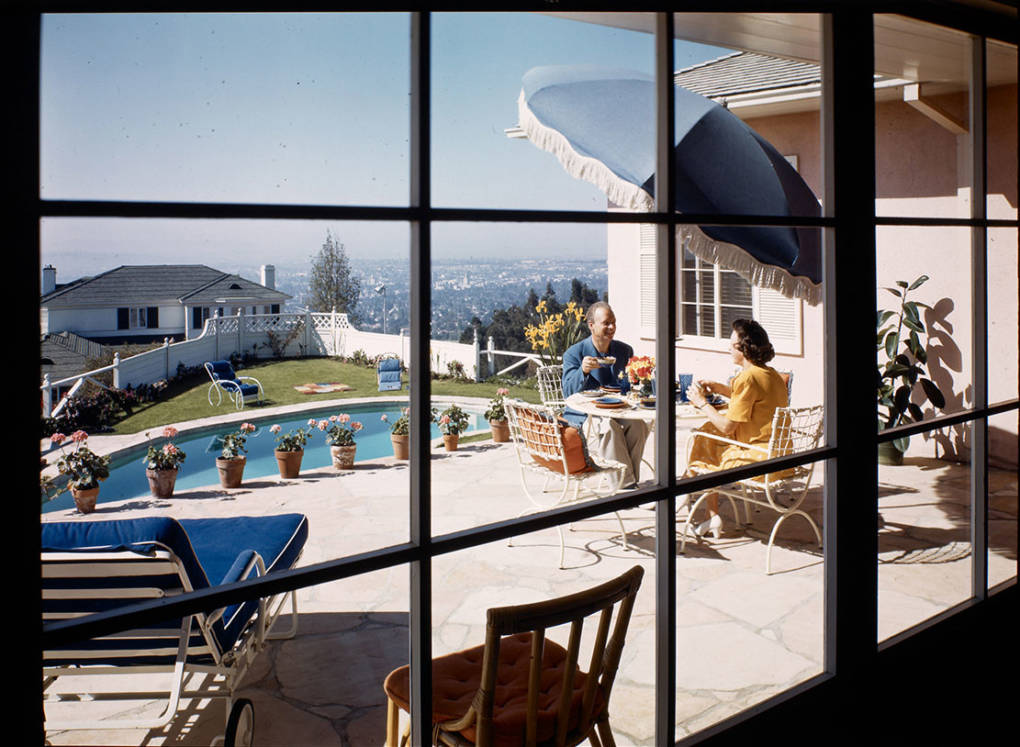
"caption": "The same beautiful weather remains as it did in the 1950s. But access to the California Dream is being choked off.",
"description": "The same beautiful weather remains as it did in the 1950s. But access to the California dream is being choked off.",
"title": "MiddleClassDream",
"credit": "Maynard L. Parker/Courtesy of The Huntington Library, San Marino, California",
"status": "inherit",
"isLoading": false,
"fetchFailed": false
},
"news_11654395": {
"type": "attachments",
"id": "news_11654395",
"meta": {
"index": "attachments_1716263798",
"site": "news",
"id": "11654395",
"found": true
},
"parent": 11654394,
"imgSizes": {
"small": {
"file": "https://ww2.kqed.org/app/uploads/sites/10/2018/03/gettyimages-514681952_wide-73a5956a8dfedd95161fa30f3efb6ea754c80dfe-520x292.jpg",
"width": 520,
"mimeType": "image/jpeg",
"height": 292
},
"twentyfourteen-full-width": {
"file": "https://ww2.kqed.org/app/uploads/sites/10/2018/03/gettyimages-514681952_wide-73a5956a8dfedd95161fa30f3efb6ea754c80dfe-1038x576.jpg",
"width": 1038,
"mimeType": "image/jpeg",
"height": 576
},
"thumbnail": {
"file": "https://ww2.kqed.org/app/uploads/sites/10/2018/03/gettyimages-514681952_wide-73a5956a8dfedd95161fa30f3efb6ea754c80dfe-160x90.jpg",
"width": 160,
"mimeType": "image/jpeg",
"height": 90
},
"fd-sm": {
"file": "https://ww2.kqed.org/app/uploads/sites/10/2018/03/gettyimages-514681952_wide-73a5956a8dfedd95161fa30f3efb6ea754c80dfe-960x540.jpg",
"width": 960,
"mimeType": "image/jpeg",
"height": 540
},
"post-thumbnail": {
"file": "https://ww2.kqed.org/app/uploads/sites/10/2018/03/gettyimages-514681952_wide-73a5956a8dfedd95161fa30f3efb6ea754c80dfe-672x372.jpg",
"width": 672,
"mimeType": "image/jpeg",
"height": 372
},
"xsmall": {
"file": "https://ww2.kqed.org/app/uploads/sites/10/2018/03/gettyimages-514681952_wide-73a5956a8dfedd95161fa30f3efb6ea754c80dfe-375x211.jpg",
"width": 375,
"mimeType": "image/jpeg",
"height": 211
},
"kqedFullSize": {
"file": "https://ww2.kqed.org/app/uploads/sites/10/2018/03/gettyimages-514681952_wide-73a5956a8dfedd95161fa30f3efb6ea754c80dfe-e1520453042529.jpg",
"width": 1920,
"height": 1080
},
"large": {
"file": "https://ww2.kqed.org/app/uploads/sites/10/2018/03/gettyimages-514681952_wide-73a5956a8dfedd95161fa30f3efb6ea754c80dfe-1020x574.jpg",
"width": 1020,
"mimeType": "image/jpeg",
"height": 574
},
"xlarge": {
"file": "https://ww2.kqed.org/app/uploads/sites/10/2018/03/gettyimages-514681952_wide-73a5956a8dfedd95161fa30f3efb6ea754c80dfe-1180x664.jpg",
"width": 1180,
"mimeType": "image/jpeg",
"height": 664
},
"guest-author-50": {
"file": "https://ww2.kqed.org/app/uploads/sites/10/2018/03/gettyimages-514681952_wide-73a5956a8dfedd95161fa30f3efb6ea754c80dfe-50x50.jpg",
"width": 50,
"mimeType": "image/jpeg",
"height": 50
},
"guest-author-96": {
"file": "https://ww2.kqed.org/app/uploads/sites/10/2018/03/gettyimages-514681952_wide-73a5956a8dfedd95161fa30f3efb6ea754c80dfe-96x96.jpg",
"width": 96,
"mimeType": "image/jpeg",
"height": 96
},
"medium": {
"file": "https://ww2.kqed.org/app/uploads/sites/10/2018/03/gettyimages-514681952_wide-73a5956a8dfedd95161fa30f3efb6ea754c80dfe-800x450.jpg",
"width": 800,
"mimeType": "image/jpeg",
"height": 450
},
"guest-author-64": {
"file": "https://ww2.kqed.org/app/uploads/sites/10/2018/03/gettyimages-514681952_wide-73a5956a8dfedd95161fa30f3efb6ea754c80dfe-64x64.jpg",
"width": 64,
"mimeType": "image/jpeg",
"height": 64
},
"guest-author-32": {
"file": "https://ww2.kqed.org/app/uploads/sites/10/2018/03/gettyimages-514681952_wide-73a5956a8dfedd95161fa30f3efb6ea754c80dfe-32x32.jpg",
"width": 32,
"mimeType": "image/jpeg",
"height": 32
},
"fd-lrg": {
"file": "https://ww2.kqed.org/app/uploads/sites/10/2018/03/gettyimages-514681952_wide-73a5956a8dfedd95161fa30f3efb6ea754c80dfe-1920x1080.jpg",
"width": 1920,
"mimeType": "image/jpeg",
"height": 1080
},
"fd-med": {
"file": "https://ww2.kqed.org/app/uploads/sites/10/2018/03/gettyimages-514681952_wide-73a5956a8dfedd95161fa30f3efb6ea754c80dfe-1180x664.jpg",
"width": 1180,
"mimeType": "image/jpeg",
"height": 664
},
"full-width": {
"file": "https://ww2.kqed.org/app/uploads/sites/10/2018/03/gettyimages-514681952_wide-73a5956a8dfedd95161fa30f3efb6ea754c80dfe-1920x1080.jpg",
"width": 1920,
"mimeType": "image/jpeg",
"height": 1080
},
"detail": {
"file": "https://ww2.kqed.org/app/uploads/sites/10/2018/03/gettyimages-514681952_wide-73a5956a8dfedd95161fa30f3efb6ea754c80dfe-150x150.jpg",
"width": 150,
"mimeType": "image/jpeg",
"height": 150
},
"guest-author-128": {
"file": "https://ww2.kqed.org/app/uploads/sites/10/2018/03/gettyimages-514681952_wide-73a5956a8dfedd95161fa30f3efb6ea754c80dfe-128x128.jpg",
"width": 128,
"mimeType": "image/jpeg",
"height": 128
},
"xxsmall": {
"file": "https://ww2.kqed.org/app/uploads/sites/10/2018/03/gettyimages-514681952_wide-73a5956a8dfedd95161fa30f3efb6ea754c80dfe-240x135.jpg",
"width": 240,
"mimeType": "image/jpeg",
"height": 135
}
},
"publishDate": 1520452882,
"modified": 1520453062,
"caption": "An Uber logo is seen on a vehicle in 2016. MIT researchers say they underestimated the median hourly profit that Uber and Lyft drivers are making.",
"description": "An Uber logo is seen on a vehicle in 2016. MIT researchers say they underestimated the median hourly profit that Uber and Lyft drivers are making.",
"title": "An Uber logo is seen on a vehicle in 2016. MIT researchers say they underestimated the median hourly profit that Uber and Lyft drivers are making.",
"credit": "Mark Ralston/AFP/Getty Images",
"status": "inherit",
"isLoading": false,
"fetchFailed": false
},
"stateofhealth_362828": {
"type": "attachments",
"id": "stateofhealth_362828",
"meta": {
"index": "attachments_1716263798",
"site": "stateofhealth",
"id": "362828",
"found": true
},
"parent": 362825,
"imgSizes": {
"small": {
"file": "https://ww2.kqed.org/app/uploads/sites/27/2018/02/RS29627_IMG_8320-qut-e1519858604609-520x346.jpg",
"width": 520,
"mimeType": "image/jpeg",
"height": 346
},
"twentyfourteen-full-width": {
"file": "https://ww2.kqed.org/app/uploads/sites/27/2018/02/RS29627_IMG_8320-qut-e1519858604609-1038x576.jpg",
"width": 1038,
"mimeType": "image/jpeg",
"height": 576
},
"thumbnail": {
"file": "https://ww2.kqed.org/app/uploads/sites/27/2018/02/RS29627_IMG_8320-qut-e1519858604609-160x106.jpg",
"width": 160,
"mimeType": "image/jpeg",
"height": 106
},
"fd-sm": {
"file": "https://ww2.kqed.org/app/uploads/sites/27/2018/02/RS29627_IMG_8320-qut-e1519858604609-960x638.jpg",
"width": 960,
"mimeType": "image/jpeg",
"height": 638
},
"post-thumbnail": {
"file": "https://ww2.kqed.org/app/uploads/sites/27/2018/02/RS29627_IMG_8320-qut-e1519858604609-672x372.jpg",
"width": 672,
"mimeType": "image/jpeg",
"height": 372
},
"xsmall": {
"file": "https://ww2.kqed.org/app/uploads/sites/27/2018/02/RS29627_IMG_8320-qut-e1519858604609-375x249.jpg",
"width": 375,
"mimeType": "image/jpeg",
"height": 249
},
"kqedFullSize": {
"file": "https://ww2.kqed.org/app/uploads/sites/27/2018/02/RS29627_IMG_8320-qut-e1519858604609.jpg",
"width": 1920,
"height": 1276
},
"large": {
"file": "https://ww2.kqed.org/app/uploads/sites/27/2018/02/RS29627_IMG_8320-qut-e1519858604609-1020x678.jpg",
"width": 1020,
"mimeType": "image/jpeg",
"height": 678
},
"xlarge": {
"file": "https://ww2.kqed.org/app/uploads/sites/27/2018/02/RS29627_IMG_8320-qut-e1519858604609-1180x784.jpg",
"width": 1180,
"mimeType": "image/jpeg",
"height": 784
},
"guest-author-50": {
"file": "https://ww2.kqed.org/app/uploads/sites/27/2018/02/RS29627_IMG_8320-qut-e1519858604609-50x50.jpg",
"width": 50,
"mimeType": "image/jpeg",
"height": 50
},
"guest-author-96": {
"file": "https://ww2.kqed.org/app/uploads/sites/27/2018/02/RS29627_IMG_8320-qut-e1519858604609-96x96.jpg",
"width": 96,
"mimeType": "image/jpeg",
"height": 96
},
"medium": {
"file": "https://ww2.kqed.org/app/uploads/sites/27/2018/02/RS29627_IMG_8320-qut-e1519858604609-800x532.jpg",
"width": 800,
"mimeType": "image/jpeg",
"height": 532
},
"guest-author-64": {
"file": "https://ww2.kqed.org/app/uploads/sites/27/2018/02/RS29627_IMG_8320-qut-e1519858604609-64x64.jpg",
"width": 64,
"mimeType": "image/jpeg",
"height": 64
},
"guest-author-32": {
"file": "https://ww2.kqed.org/app/uploads/sites/27/2018/02/RS29627_IMG_8320-qut-e1519858604609-32x32.jpg",
"width": 32,
"mimeType": "image/jpeg",
"height": 32
},
"fd-lrg": {
"file": "https://ww2.kqed.org/app/uploads/sites/27/2018/02/RS29627_IMG_8320-qut-e1519858604609-1920x1276.jpg",
"width": 1920,
"mimeType": "image/jpeg",
"height": 1276
},
"fd-med": {
"file": "https://ww2.kqed.org/app/uploads/sites/27/2018/02/RS29627_IMG_8320-qut-e1519858604609-1180x784.jpg",
"width": 1180,
"mimeType": "image/jpeg",
"height": 784
},
"full-width": {
"file": "https://ww2.kqed.org/app/uploads/sites/27/2018/02/RS29627_IMG_8320-qut-e1519858604609-1920x1276.jpg",
"width": 1920,
"mimeType": "image/jpeg",
"height": 1276
},
"detail": {
"file": "https://ww2.kqed.org/app/uploads/sites/27/2018/02/RS29627_IMG_8320-qut-e1519858604609-150x150.jpg",
"width": 150,
"mimeType": "image/jpeg",
"height": 150
},
"medium_large": {
"file": "https://ww2.kqed.org/app/uploads/sites/27/2018/02/RS29627_IMG_8320-qut-e1519858604609-768x510.jpg",
"width": 768,
"mimeType": "image/jpeg",
"height": 510
},
"guest-author-128": {
"file": "https://ww2.kqed.org/app/uploads/sites/27/2018/02/RS29627_IMG_8320-qut-e1519858604609-128x128.jpg",
"width": 128,
"mimeType": "image/jpeg",
"height": 128
},
"xxsmall": {
"file": "https://ww2.kqed.org/app/uploads/sites/27/2018/02/RS29627_IMG_8320-qut-e1519858604609-240x160.jpg",
"width": 240,
"mimeType": "image/jpeg",
"height": 160
}
},
"publishDate": 1519858500,
"modified": 1519858530,
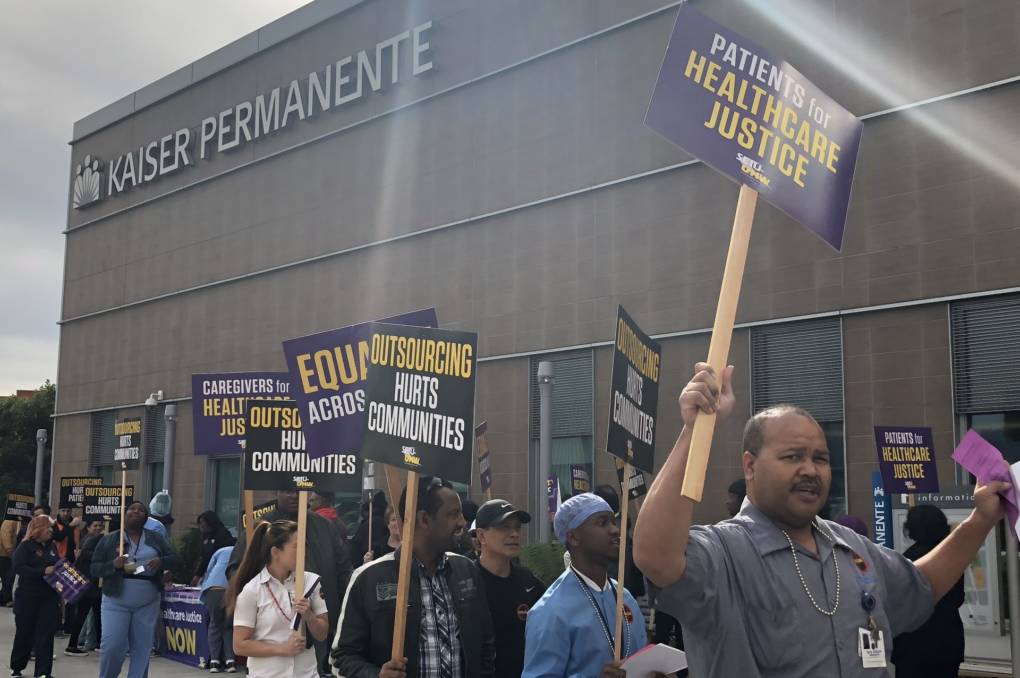
"caption": "Union members employed by Kaiser Permanente protest outside Kaiser's Oakland Medical Center on February 24.",
"description": "Union members employed by Kaiser Permanente protest outside Kaiser's Oakland Medical Center on February 24.",
"title": "RS29627_IMG_8320-qut",
"credit": "Laura Klivans/KQED",
"status": "inherit",
"isLoading": false,
"fetchFailed": false
}
},
"audioPlayerReducer": {
"postId": "stream_live",
"isPaused": true,
"isPlaying": false,
"pfsActive": false,
"pledgeModalIsOpen": true,
"playerDrawerIsOpen": false,
"liveAudioPlayStartedAt": 0,
"liveAudioPlayContext": ""
},
"authorsReducer": {
"byline_news_11658702": {
"type": "authors",
"id": "byline_news_11658702",
"meta": {
"override": true
},
"slug": "byline_news_11658702",
"name": "Julia Mitric \u003cbr> Capital Public Radio",
"isLoading": false
},
"byline_news_11664390": {
"type": "authors",
"id": "byline_news_11664390",
"meta": {
"override": true
},
"slug": "byline_news_11664390",
"name": "Allen Young",
"isLoading": false
},
"byline_news_11660885": {
"type": "authors",
"id": "byline_news_11660885",
"meta": {
"override": true
},
"slug": "byline_news_11660885",
"name": "\u003cstrong>\u003ca href=\"http://www.kpbs.org/staff/amita-sharma/\">Amita Sharma\u003c/a>\u003c/strong>",
"isLoading": false
},
"byline_news_11662677": {
"type": "authors",
"id": "byline_news_11662677",
"meta": {
"override": true
},
"slug": "byline_news_11662677",
"name": "Michelle Wiley",
"isLoading": false
},
"byline_news_11662641": {
"type": "authors",
"id": "byline_news_11662641",
"meta": {
"override": true
},
"slug": "byline_news_11662641",
"name": "\u003ca href=\"https://www.revealnews.org/author/willevans\" rel=\"author\">Will Evans\u003c/a> and \u003ca href=\"https://www.revealnews.org/author/alyssa-jeong-perry\" rel=\"author\">Alyssa Jeong Perry\u003c/a>",
"isLoading": false
},
"byline_news_11658481": {
"type": "authors",
"id": "byline_news_11658481",
"meta": {
"override": true
},
"slug": "byline_news_11658481",
"name": "\u003cstrong>\u003ca href=\"http://www.scpr.org/about/people/staff/libby-denkmann\">Libby Denkmann\u003c/a>\u003c/strong>",
"isLoading": false
},
"byline_news_11657101": {
"type": "authors",
"id": "byline_news_11657101",
"meta": {
"override": true
},
"slug": "byline_news_11657101",
"name": "\u003cstrong>\u003ca href=\"https://capitalandmain.com/author/jrubin\">Joe Rubin\u003c/a>\u003c/strong>",
"isLoading": false
},
"byline_news_11654616": {
"type": "authors",
"id": "byline_news_11654616",
"meta": {
"override": true
},
"slug": "byline_news_11654616",
"name": "\u003cstrong>\u003ca href=\"http://www.kpbs.org/staff/amita-sharma/\">Amita Sharma\u003c/a>\u003c/strong>",
"isLoading": false
},
"byline_news_11654394": {
"type": "authors",
"id": "byline_news_11654394",
"meta": {
"override": true
},
"slug": "byline_news_11654394",
"name": "James Doubek",
"isLoading": false
},
"kqednewsstaffandwires": {
"type": "authors",
"id": "237",
"meta": {
"index": "authors_1716337520",
"id": "237",
"found": true
},
"name": "KQED News Staff and Wires",
"firstName": "KQED News Staff and Wires",
"lastName": null,
"slug": "kqednewsstaffandwires",
"email": "onlinenewsstaff@kqed.org",
"display_author_email": false,
"staff_mastheads": [],
"title": null,
"bio": null,
"avatar": "https://secure.gravatar.com/avatar/72295af8ebbfbd19a4948f5271285664?s=600&d=blank&r=g",
"twitter": null,
"facebook": null,
"instagram": null,
"linkedin": null,
"sites": [
{
"site": "arts",
"roles": [
"contributor"
]
},
{
"site": "news",
"roles": [
"contributor"
]
},
{
"site": "lowdown",
"roles": [
"author"
]
},
{
"site": "stateofhealth",
"roles": [
"contributor"
]
},
{
"site": "food",
"roles": [
"author"
]
}
],
"headData": {
"title": "KQED News Staff and Wires | KQED",
"description": null,
"ogImgSrc": "https://secure.gravatar.com/avatar/72295af8ebbfbd19a4948f5271285664?s=600&d=blank&r=g",
"twImgSrc": "https://secure.gravatar.com/avatar/72295af8ebbfbd19a4948f5271285664?s=600&d=blank&r=g"
},
"isLoading": false,
"link": "/author/kqednewsstaffandwires"
},
"lklivans": {
"type": "authors",
"id": "8648",
"meta": {
"index": "authors_1716337520",
"id": "8648",
"found": true
},
"name": "Laura Klivans",
"firstName": "Laura",
"lastName": "Klivans",
"slug": "lklivans",
"email": "lklivans@kqed.org",
"display_author_email": true,
"staff_mastheads": [
"news",
"science"
],
"title": "Reporter",
"bio": "Laura Klivans is an award-winning science reporter for KQED News, where she covers climate change with an eye on both groundbreaking progress and gaps in action. She is the former host of KQED's blockbuster video series about tiny, amazing animals, \u003cem>Deep Look\u003c/em>. Her work reaches national audiences through NPR, \u003cem>Here & Now, \u003c/em>PRI, and other major outlets. \r\n\r\nLaura’s won five Northern California Area Emmy Awards for Deep Look and First Place in the Greater Bay Area Journalism Awards for a podcast exploring how one Oakland neighborhood teamed up to reduce planet-heating pollution.\r\n\r\nBeyond her reporting, she hosts and moderates events. In the past, she taught audio storytelling at the UC Berkeley Graduate School of Journalism, led international education programs, worked with immigrants and refugees along the Thai-Burmese border, taught high schoolers sex ed, and was an actress. \r\n\r\nShe's a former UC Berkeley Human Rights Fellow, USC Center for Health Journalism's California Fellow and Coro Fellow in Public Affairs. Laura has a master’s in journalism from UC Berkeley, a master’s in education from Harvard, and an undergraduate degree from Northwestern University.\r\n\r\nShe loves trying to riddle the meaning out of vanity license plates.",
"avatar": "https://secure.gravatar.com/avatar/2d2ecd1550a494cc10ad4a503406965585902124739e775a9b3817eebf1d88be?s=600&d=blank&r=g",
"twitter": "lauraklivans",
"bluesky": null,
"facebook": null,
"instagram": null,
"linkedin": null,
"sites": [
{
"site": "news",
"roles": [
"editor"
]
},
{
"site": "stateofhealth",
"roles": [
"contributor",
"editor"
]
},
{
"site": "science",
"roles": [
"editor"
]
},
{
"site": "forum",
"roles": [
"editor"
]
}
],
"headData": {
"title": "Laura Klivans | KQED",
"description": "Reporter",
"ogImgSrc": "https://secure.gravatar.com/avatar/2d2ecd1550a494cc10ad4a503406965585902124739e775a9b3817eebf1d88be?s=600&d=blank&r=g",
"twImgSrc": "https://secure.gravatar.com/avatar/2d2ecd1550a494cc10ad4a503406965585902124739e775a9b3817eebf1d88be?s=600&d=blank&r=g"
},
"isLoading": false,
"link": "/author/lklivans"
},
"ajperry": {
"type": "authors",
"id": "11334",
"meta": {
"index": "authors_1716337520",
"id": "11334",
"found": true
},
"name": "Alyssa Jeong Perry",
"firstName": "Alyssa",
"lastName": "Perry",
"slug": "ajperry",
"email": "AlyssaPerry@KQED.org",
"display_author_email": false,
"staff_mastheads": [],
"title": "KQED Contributor",
"bio": "Alyssa Jeong Perry is a on-call reporter at KQED. She's had stories air on NPR and WBUR's \u003cem>Here & Now,\u003c/em> PRI's The World and WNYC's \u003cem>The Takeaway.\u003c/em> And her written stories have been published in \u003cem>The Guardian \u003c/em>and \u003cem>The Nation. \u003c/em> For her reporting on immigration, Alyssa was honored as a 2015 Ford Foundation fellow through International Center for Journalists and a 2016 Mark Felt fellow with the UC Berkeley's Investigative Reporting Program. She's also interned at \u003cem>Oregon Public Broadcasting \u003c/em>and has her masters in journalism from the UC Berkeley. Before diving deep into journalism, she lived in Korea for almost four years and traveled extensively through Central America and Asia.",
"avatar": "https://secure.gravatar.com/avatar/8601b3e2995177110a6b5beb3aaea2f3?s=600&d=blank&r=g",
"twitter": "alyssajperry",
"facebook": null,
"instagram": null,
"linkedin": null,
"sites": [
{
"site": "news",
"roles": [
"author"
]
}
],
"headData": {
"title": "Alyssa Jeong Perry | KQED",
"description": "KQED Contributor",
"ogImgSrc": "https://secure.gravatar.com/avatar/8601b3e2995177110a6b5beb3aaea2f3?s=600&d=blank&r=g",
"twImgSrc": "https://secure.gravatar.com/avatar/8601b3e2995177110a6b5beb3aaea2f3?s=600&d=blank&r=g"
},
"isLoading": false,
"link": "/author/ajperry"
}
},
"pagesReducer": {
"news_tag_labor": {
"type": "terms",
"id": "news_19904",
"meta": {
"index": "terms_1716263798",
"site": "news",
"id": "19904",
"score": 8.558093
},
"name": "Labor",
"slug": "labor",
"taxonomy": "tag",
"description": null,
"featImg": null,
"headData": {
"title": "Labor | KQED News",
"description": null,
"ogTitle": null,
"ogDescription": null,
"ogImgId": null,
"twTitle": null,
"twDescription": null,
"twImgId": null
},
"ttid": 19921,
"isLoading": false,
"title": "Labor",
"pageMeta": {
"site": "news",
"WpPageTemplate": "page-topic-editorial",
"currentPage": 61
},
"blocks": [
{
"blockName": "kqed/post-list",
"attrs": {
"layout": "cardArticle2",
"query": "posts/news?tag=labor",
"seeMore": false,
"paginated": true,
"page": 61
}
},
{
"blockName": "kqed/ad"
}
]
}
},
"pfsSessionReducer": {},
"postsReducer": {
"stream_live": {
"type": "live",
"id": "stream_live",
"audioUrl": "https://streams.kqed.org/kqedradio",
"title": "Live Stream",
"excerpt": "Live Stream information currently unavailable.",
"link": "/radio",
"featImg": "",
"label": {
"name": "KQED Live",
"link": "/"
}
},
"stream_kqedNewscast": {
"type": "posts",
"id": "stream_kqedNewscast",
"audioUrl": "https://www.kqed.org/.stream/anon/radio/RDnews/newscast.mp3?_=1",
"title": "KQED Newscast",
"featImg": "",
"label": {
"name": "88.5 FM",
"link": "/"
}
},
"news_11666919": {
"type": "posts",
"id": "news_11666919",
"meta": {
"index": "posts_1716263798",
"site": "news",
"id": "11666919",
"score": null,
"sort": [
1525729681000
]
},
"parent": 0,
"labelTerm": {
"site": "news",
"term": 72
},
"blocks": [],
"publishDate": 1525729681,
"format": "audio",
"disqusTitle": "University of California Workers Start 3-Day Strike Over Pay",
"title": "University of California Workers Start 3-Day Strike Over Pay",
"headTitle": "The California Report | KQED News",
"content": "\u003cp>Thousands of custodians, security guards, gardeners and other service workers at University of California campuses started a three-day strike Monday to address pay inequalities and demand higher wages.\u003c/p>\n\u003cp>Strikers gathered at sunrise on the 10 campuses throughout the state, wearing green T-shirts and carrying signs that call for \"equality, fairness, respect.\"\u003c/p>\n\u003cp>The strike was called last week by American Federation of State, County and Municipal Employees Local 3299, which represents 25,000 service workers, after the union and the university could not agree on a new contract and mediation efforts failed.\u003c/p>\n\u003cp>Another 29,000 nurses, pharmacists, radiologists and other medical workers heeded the service workers' call for a sympathy strike and will join the walkouts Tuesday and Wednesday, which is expected to disrupt thousands of surgeries and other appointments.\u003c/p>\n\u003cp>Medical center officials said they would continue to deliver essential patient care services, but hundreds of surgeries and thousands of appointments were rescheduled last week in anticipation of the strike.\u003c/p>\n\u003cp>[ad fullwidth]\u003c/p>\n\u003cp>AFSCME spokesman John de los Angeles said the union wants the university to stop its outsourcing practices and address what it describes as widening income, racial and gender gaps for service workers.\u003c/p>\n\u003cp>\"They are actively seeking to hire contract workers in favor of directly employed workers simply because they are cheaper and that is driving inequality,\" de los Angeles said.\u003c/p>\n\u003cp>Todd Stenhouse, a spokesman for ASFCME Local 3299, said Sunday that the system's low-wage workers can't keep up with the state's rising cost of living.\u003c/p>\n\u003cp>\"You have these $35,000, $40,000-a-year career custodians do the most physically demanding jobs at UC, [and] UC wants to pay even less,\" Stenhouse said.\u003c/p>\n\u003cp>This is happening, Stenhouse said, while University of California executives continue to make more money. ASFCME \u003ca href=\"https://www.dropbox.com/s/39pjpl3gf26b93t/A3299_PioneeringInequality_WhitePaperNEW_Web_lo-res.pdf?dl=0\" rel=\"noopener\" target=\"_blank\">released a report last month\u003c/a> that found that the pay disparity between the highest-paid UC employees and the median worker grew between 2005 and 2015, and that top administrator salaries went up 64 percent during the same period.\u003c/p>\n\u003cp>https://twitter.com/RadioDevin/status/993558967333732352\u003c/p>\n\u003cp>Stenhouse said that women and people of color are typically the most adversely affected by this type of wage disparity. \"What you have now is a university, a public university, that is literally becoming a monument to inequality in the state of California,\" Stenhouse said.\u003c/p>\n\u003cp>UC spokeswoman Claire Doan said AFSCME service workers are already paid at or above market rates and that the union is demanding a nearly 20 percent pay raise over three years.\u003c/p>\n\u003cp>\"A disruptive demonstration will change neither UC's economic situation nor the university's position on AFSCME's unreasonable demands,\" Doan said about the strike.\u003c/p>\n\u003cp>University officials said they have temporary workers to fill-in during the strike but that students should expect changes on shuttle routes, less food offerings at restaurants and other inconveniences.\u003c/p>\n\u003cp>Doan said the university is working hard to ensure patients and students receive services.\u003c/p>\n\u003cp>https://twitter.com/RadioDevin/status/993559770299744257\u003c/p>\n\u003cp>Brenda Bishop, an administration worker at UC San Francisco's anesthesia department, joined hundreds of striking workers who played drums and chanted \"One, two, three, four, we won't take it anymore!\" outside one of the university's medical centers.\u003c/p>\n\u003cp>\"All the big wigs get big-time bonuses and we're just here to demand what we deserve,\" Bishop said, who has worked at UCSF for 20 years.\u003c/p>\n\u003cp>Outside UCLA Ronald Reagan Medical Center, dozens of workers waved at honking cars as they marched along sidewalks hoisting pickets that said \"safe staffing now.\"\u003c/p>\n\u003cp>The driver of an SUV was arrested after he slowly drove through a crowd of protesters blocking a street outside the medical center, said Los Angeles police officer Lizeth Lomeli. Video from the scene showed a demonstrator in a green shirt hanging onto the vehicle's hood as it moved through the gathering. No injuries were reported.\u003c/p>\n\u003cp>UC Berkeley Sociology Professor Michael Burawoy, who said Sunday he expects to join picket lines this week, said some faculty plan to give student-protestors a chance to make up missed exams.\u003c/p>\n\u003cp>\"We are definitely very sympathetic to the strike,\" Burawoy said, \"and many of these students, of course, come from a similar sort of background as the workers who are going to be striking.\"\u003c/p>\n\u003cp>The UC system, which includes five medical centers and three national laboratories, has 190,000 faculty and staff and 238,000 students.\u003c/p>\n\u003cp>\u003c/p>\n\u003cp>\u003cem>The Associated Press and KQED's Peter Arcuni contributed to this report.\u003c/em>\u003c/p>\n\n",
"disqusIdentifier": "11666919 https://ww2.kqed.org/news/?p=11666919",
"disqusUrl": "https://ww2.kqed.org/news/2018/05/07/university-of-california-workers-start-3-day-strike-over-pay/",
"stats": {
"hasVideo": false,
"hasChartOrMap": false,
"hasAudio": false,
"hasPolis": false,
"wordCount": 741,
"hasGoogleForm": false,
"hasGallery": false,
"hasHearkenModule": false,
"iframeSrcs": [],
"paragraphCount": 25
},
"modified": 1525742091,
"excerpt": "The strike was called last week by American Federation of State, County and Municipal Employees Local 3299, which represents 25,000 service workers, after the union and the university could not agree on a new contract and mediation efforts failed.",
"headData": {
"twImgId": "",
"twTitle": "",
"ogTitle": "",
"ogImgId": "",
"twDescription": "",
"description": "The strike was called last week by American Federation of State, County and Municipal Employees Local 3299, which represents 25,000 service workers, after the union and the university could not agree on a new contract and mediation efforts failed.",
"title": "University of California Workers Start 3-Day Strike Over Pay | KQED",
"ogDescription": "",
"schema": {
"@context": "https://schema.org",
"@type": "NewsArticle",
"headline": "University of California Workers Start 3-Day Strike Over Pay",
"datePublished": "2018-05-07T14:48:01-07:00",
"dateModified": "2018-05-07T18:14:51-07:00",
"image": "https://cdn.kqed.org/wp-content/uploads/2020/02/KQED-OG-Image@1x.png",
"isAccessibleForFree": "True",
"publisher": {
"@type": "NewsMediaOrganization",
"@id": "https://www.kqed.org/#organization",
"name": "KQED",
"logo": "https://cdn.kqed.org/wp-content/uploads/2020/02/KQED-OG-Image@1x.png",
"url": "https://www.kqed.org",
"sameAs": [
"https://www.facebook.com/KQED",
"https://twitter.com/KQED",
"https://www.instagram.com/kqed/",
"https://www.tiktok.com/@kqedofficial",
"https://www.linkedin.com/company/kqed",
"https://www.youtube.com/channel/UCeC0IOo7i1P_61zVUWbJ4nw"
]
}
}
},
"guestAuthors": [],
"slug": "university-of-california-workers-start-3-day-strike-over-pay",
"status": "publish",
"audioUrl": "https://www.kqed.org/.stream/anon/radio/RDnews/2018/05/4302wayUCStrike.mp3",
"path": "/news/11666919/university-of-california-workers-start-3-day-strike-over-pay",
"audioDuration": 222000,
"audioTrackLength": null,
"parsedContent": [
{
"type": "contentString",
"content": "\u003cdiv class=\"post-body\">\u003cp>\u003cp>Thousands of custodians, security guards, gardeners and other service workers at University of California campuses started a three-day strike Monday to address pay inequalities and demand higher wages.\u003c/p>\n\u003cp>Strikers gathered at sunrise on the 10 campuses throughout the state, wearing green T-shirts and carrying signs that call for \"equality, fairness, respect.\"\u003c/p>\n\u003cp>The strike was called last week by American Federation of State, County and Municipal Employees Local 3299, which represents 25,000 service workers, after the union and the university could not agree on a new contract and mediation efforts failed.\u003c/p>\n\u003cp>Another 29,000 nurses, pharmacists, radiologists and other medical workers heeded the service workers' call for a sympathy strike and will join the walkouts Tuesday and Wednesday, which is expected to disrupt thousands of surgeries and other appointments.\u003c/p>\n\u003cp>Medical center officials said they would continue to deliver essential patient care services, but hundreds of surgeries and thousands of appointments were rescheduled last week in anticipation of the strike.\u003c/p>\n\u003cp>\u003c/p>\u003c/div>",
"attributes": {
"named": {},
"numeric": []
}
},
{
"type": "component",
"content": "",
"name": "ad",
"attributes": {
"named": {
"label": "fullwidth"
},
"numeric": [
"fullwidth"
]
}
},
{
"type": "contentString",
"content": "\u003cdiv class=\"post-body\">\u003cp>\u003c/p>\n\u003cp>AFSCME spokesman John de los Angeles said the union wants the university to stop its outsourcing practices and address what it describes as widening income, racial and gender gaps for service workers.\u003c/p>\n\u003cp>\"They are actively seeking to hire contract workers in favor of directly employed workers simply because they are cheaper and that is driving inequality,\" de los Angeles said.\u003c/p>\n\u003cp>Todd Stenhouse, a spokesman for ASFCME Local 3299, said Sunday that the system's low-wage workers can't keep up with the state's rising cost of living.\u003c/p>\n\u003cp>\"You have these $35,000, $40,000-a-year career custodians do the most physically demanding jobs at UC, [and] UC wants to pay even less,\" Stenhouse said.\u003c/p>\n\u003cp>This is happening, Stenhouse said, while University of California executives continue to make more money. ASFCME \u003ca href=\"https://www.dropbox.com/s/39pjpl3gf26b93t/A3299_PioneeringInequality_WhitePaperNEW_Web_lo-res.pdf?dl=0\" rel=\"noopener\" target=\"_blank\">released a report last month\u003c/a> that found that the pay disparity between the highest-paid UC employees and the median worker grew between 2005 and 2015, and that top administrator salaries went up 64 percent during the same period.\u003c/p>\u003c/p>\u003c/div>",
"attributes": {
"named": {},
"numeric": []
}
},
{
"type": "component",
"content": "",
"name": "singleTwitterStatus",
"attributes": {
"named": {
"id": "993558967333732352"
},
"numeric": []
}
},
{
"type": "contentString",
"content": "\u003cdiv class=\"post-body\">\u003cp>\n\u003cp>Stenhouse said that women and people of color are typically the most adversely affected by this type of wage disparity. \"What you have now is a university, a public university, that is literally becoming a monument to inequality in the state of California,\" Stenhouse said.\u003c/p>\n\u003cp>UC spokeswoman Claire Doan said AFSCME service workers are already paid at or above market rates and that the union is demanding a nearly 20 percent pay raise over three years.\u003c/p>\n\u003cp>\"A disruptive demonstration will change neither UC's economic situation nor the university's position on AFSCME's unreasonable demands,\" Doan said about the strike.\u003c/p>\n\u003cp>University officials said they have temporary workers to fill-in during the strike but that students should expect changes on shuttle routes, less food offerings at restaurants and other inconveniences.\u003c/p>\n\u003cp>Doan said the university is working hard to ensure patients and students receive services.\u003c/p>\u003c/p>\u003c/div>",
"attributes": {
"named": {},
"numeric": []
}
},
{
"type": "component",
"content": "",
"name": "singleTwitterStatus",
"attributes": {
"named": {
"id": "993559770299744257"
},
"numeric": []
}
},
{
"type": "contentString",
"content": "\u003cdiv class=\"post-body\">\u003cp>\n\u003cp>Brenda Bishop, an administration worker at UC San Francisco's anesthesia department, joined hundreds of striking workers who played drums and chanted \"One, two, three, four, we won't take it anymore!\" outside one of the university's medical centers.\u003c/p>\n\u003cp>\"All the big wigs get big-time bonuses and we're just here to demand what we deserve,\" Bishop said, who has worked at UCSF for 20 years.\u003c/p>\n\u003cp>Outside UCLA Ronald Reagan Medical Center, dozens of workers waved at honking cars as they marched along sidewalks hoisting pickets that said \"safe staffing now.\"\u003c/p>\n\u003cp>The driver of an SUV was arrested after he slowly drove through a crowd of protesters blocking a street outside the medical center, said Los Angeles police officer Lizeth Lomeli. Video from the scene showed a demonstrator in a green shirt hanging onto the vehicle's hood as it moved through the gathering. No injuries were reported.\u003c/p>\n\u003cp>UC Berkeley Sociology Professor Michael Burawoy, who said Sunday he expects to join picket lines this week, said some faculty plan to give student-protestors a chance to make up missed exams.\u003c/p>\n\u003cp>\"We are definitely very sympathetic to the strike,\" Burawoy said, \"and many of these students, of course, come from a similar sort of background as the workers who are going to be striking.\"\u003c/p>\n\u003cp>The UC system, which includes five medical centers and three national laboratories, has 190,000 faculty and staff and 238,000 students.\u003c/p>\n\u003cp>\u003c/p>\n\u003cp>\u003cem>The Associated Press and KQED's Peter Arcuni contributed to this report.\u003c/em>\u003c/p>\n\n\u003c/div>\u003c/p>",
"attributes": {
"named": {},
"numeric": []
}
}
],
"link": "/news/11666919/university-of-california-workers-start-3-day-strike-over-pay",
"authors": [
"237"
],
"programs": [
"news_72"
],
"categories": [
"news_18540",
"news_8"
],
"tags": [
"news_19542",
"news_19904",
"news_17041",
"news_206"
],
"featImg": "news_11666991",
"label": "news_72"
},
"news_11658702": {
"type": "posts",
"id": "news_11658702",
"meta": {
"index": "posts_1716263798",
"site": "news",
"id": "11658702",
"score": null,
"sort": [
1524844236000
]
},
"parent": 0,
"labelTerm": {
"site": "news",
"term": 72
},
"blocks": [],
"publishDate": 1524844236,
"format": "audio",
"disqusTitle": "For Many Mexican Immigrants, Farm Work Is Still the Only Way to the California Dream",
"title": "For Many Mexican Immigrants, Farm Work Is Still the Only Way to the California Dream",
"headTitle": "The California Dream | The California Report | KQED News",
"content": "\u003cp>Patricia Carabez stands by a row of black plastic crates piled high with cauliflower, apples and pears in the parking lot of a mobile home park in rural Dunnigan, 40 miles north of Sacramento. As children wander past the parking lot on their way home from school, Carabez calls out to them by name.\u003c/p>\n\u003cp>Speaking Spanish, she tells them to remind their parents to come pick up fresh produce. Carabez knows everybody here because she lived in one of these mobile homes until last year. Carabez says many of her former neighbors are farmworkers, like her.\u003c/p>\n\u003cp>Like generations of immigrants before her, Patricia Carabez saw farm work as a steppingstone to a better life for her children. “My husband and I came here because we had a vision for a better life,” she says. “We originally planned to be in California for two years,” she says with a rueful smile. That was 21 years ago.\u003c/p>\n\u003cp>Carabez works as a vegetable packer, 10-12 hours a day, six days a week. In her off-time, she volunteers at this mobile produce stand run by Yolo Food Bank twice a month. While Carabez instructs parents and children to fill a bag with fruits, veggies and bags of rice, she uses her cellphone to call other folks who haven’t shown up yet.\u003c/p>\n\u003cp>Carabez, 39, emigrated to California with her husband from the Mexican state of Michoacan when she was 18. She started pruning and harvesting in the vineyards. She describes long days, full of physically demanding labor, with more to do on the family front, raising her two children.\u003c/p>\n\u003cp>[ad fullwidth]\u003c/p>\n\u003cp>Carabez gave up a job as a hospital lab tech when she left Michoacan. And, even after two decades in California, she admits her heart still feels “split in two.” Despite the demands of farm labor, Carabez has few regrets about leaving Mexico. And it’s not about her own advancement — it’s for the sake of her children.\u003c/p>\n\u003cp>“It would be very difficult for them in Mexico, because there you can only go to school if you have money,” says Carabez. “Here, my children have a great education and more opportunities than they would back home.”\u003c/p>\n\u003caside class=\"alignright\">\n\u003ch3>\u003ca href=\"https://www.kqed.org/news/11655838/how-california-went-from-anti-illegal-immigration-to-sanctuary-state\">How California Went From Anti-Illegal Immigration to ‘Sanctuary State’\u003c/a>\u003c/h3>\n\u003cfigure>\u003ca href=\"https://www.kqed.org/news/11655838/how-california-went-from-anti-illegal-immigration-to-sanctuary-state\">\u003cimg src=\"https://ww2.kqed.org/news/wp-content/uploads/sites/10/2018/03/94Marchers-1180x744.jpg\" alt=\"\">\u003c/a>\u003c/figure>\n\u003c/aside>\n\u003cp>“I’ve always seen the ‘California Dream’ as coming to the state and finding more opportunity than you had where you came from,” says professor Philip Martin, who studies farm labor at UC Davis. He argues that California still offers lots of opportunities to move up the socioeconomic ladder. “But in the case of farmworkers it may be the upward mobility is going to be more through the children of farmworkers rather than through the farmworkers themselves.”\u003c/p>\n\u003cp>Today, \u003ca href=\"https://migration.ucdavis.edu/rmn/more.php?id=2060\" target=\"_blank\" rel=\"noopener\">90 percent\u003c/a> of California’s farmworkers hail from Mexico and \u003ca href=\"https://bit.ly/2ubQ3YC\" target=\"_blank\" rel=\"noopener\">half that population\u003c/a> lacks documents for legal residence, according to the U.S. Department of Labor’s National Agricultural Workers Survey.\u003c/p>\n\u003cp>Martin explains that the flow of migrants across the border has \u003ca href=\"https://bit.ly/2IP5wB0\" target=\"_blank\" rel=\"noopener\">slowed dramatically in recent years\u003c/a> due to changes in U.S. immigration policy, border security and an improving economy in Mexico.\u003c/p>\n\u003cp>In 2000, \u003ca href=\"http://www.pewhispanic.org/2015/11/19/more-mexicans-leaving-than-coming-to-the-u-s/\" target=\"_blank\" rel=\"noopener\">one-in-four farm laborers\u003c/a> in the U.S. were recent arrivals from Mexico, meaning they had been in the U.S. less than one year, according to a Pew Research Center report. By 2013-14, the number of recently arrived crop workers had \u003ca href=\"https://bit.ly/2IP5wB0\" target=\"_blank\" rel=\"noopener\">fallen to 1-2 percent\u003c/a>.\u003c/p>\n\u003cp>There are still migrants coming from Mexico, says Martin, but those who come can afford to pay between $5,000 and $7,000 to a \"coyote\" (or guide) to evade U.S. Immigration and Customs Enforcement.\u003c/p>\n\u003cp>“These migrants tend to be more educated, more skilled and they’re not going to work in agriculture,” says Martin. The average crop worker in California earns $15,000 a year, according to \u003ca href=\"https://bit.ly/2ubQ3YC\" target=\"_blank\" rel=\"noopener\">data\u003c/a> collected in 2013-14 by the National Agricultural Workers Survey. Martin says recently arrived immigrants are in search of higher wages.\u003c/p>\n\u003cfigure id=\"attachment_11658756\" class=\"wp-caption aligncenter\" style=\"max-width: 800px\">\u003cimg class=\"size-medium wp-image-11658756\" src=\"https://ww2.kqed.org/news/wp-content/uploads/sites/10/2018/03/AlmaCooking-800x525.jpg\" alt=\"Farmworker Alma in the kitchen of the Fresno mobile home she shares with her husband and four children.\" width=\"800\" height=\"525\" srcset=\"https://ww2.kqed.org/app/uploads/sites/10/2018/03/AlmaCooking-800x525.jpg 800w, https://ww2.kqed.org/app/uploads/sites/10/2018/03/AlmaCooking-160x105.jpg 160w, https://ww2.kqed.org/app/uploads/sites/10/2018/03/AlmaCooking-1020x670.jpg 1020w, https://ww2.kqed.org/app/uploads/sites/10/2018/03/AlmaCooking.jpg 1920w, https://ww2.kqed.org/app/uploads/sites/10/2018/03/AlmaCooking-1180x775.jpg 1180w, https://ww2.kqed.org/app/uploads/sites/10/2018/03/AlmaCooking-960x631.jpg 960w, https://ww2.kqed.org/app/uploads/sites/10/2018/03/AlmaCooking-240x158.jpg 240w, https://ww2.kqed.org/app/uploads/sites/10/2018/03/AlmaCooking-375x246.jpg 375w, https://ww2.kqed.org/app/uploads/sites/10/2018/03/AlmaCooking-520x342.jpg 520w\" sizes=\"(max-width: 800px) 100vw, 800px\">\u003cfigcaption class=\"wp-caption-text\">Farmworker Alma in the kitchen of the Fresno mobile home she shares with her husband and four children. \u003ccite>(Andrew Nixon / Capital Public Radio)\u003c/cite>\u003c/figcaption>\u003c/figure>\n\u003cp>At a mobile home park in Fresno, Alma, a seasonal crop worker, explains her simple pursuit of the California Dream. Speaking Spanish through an interpreter, Alma says she does not feel safe being identified by her full name.\u003c/p>\n\u003cp>Alma was raised by her grandparents in a rural town in the Mexican state of Oaxaca. Her grandparents grew corn, beans and squash as subsistence farmers.\u003c/p>\n\u003cp>Alma’s mother left Oaxaca for Mexico City when Alma was a baby so she could find a job to support the family.\u003c/p>\n\u003cp>When Alma was 19, she followed her mother’s example. She and her husband came to Fresno to find seasonal crop work.\u003c/p>\n\u003cp>The work in the Central Valley was harder than she imagined. Other immigrants told her, “You’ll make money. But they didn’t tell us about getting up at 4 o’clock in the morning to go to the fields,” Alma says. “They didn’t tell us about the heat or the cold.”\u003c/p>\n\u003cp>Twenty-four years after Alma and her husband arrived in Fresno, they are still crop workers, finding jobs season by season. Alma has harvested tree fruit and picked berries and harvested garlic. She often works by piece rate, getting paid for each box of produce she fills.\u003c/p>\n\u003cp>Alma says she and her husband work together in the fields so they can keep an eye out for one another. One of her biggest challenges is working for growers who don’t pay wages on time. She says they’ve never asked for help because they don’t know who to turn to.\u003c/p>\n\u003cp>Alma, her husband and four children, ages 16 to 23, cram into a run-down mobile home off Highway 99.\u003c/p>\n\u003cp>“I think it’s safe to say the options for getting ahead in rural California may be low,\" says Martin. “But they’re higher than they would’ve been if they had stayed in rural Mexico.”\u003c/p>\n\u003cfigure id=\"attachment_11658761\" class=\"wp-caption aligncenter\" style=\"max-width: 800px\">\u003cimg class=\"size-medium wp-image-11658761\" src=\"https://ww2.kqed.org/news/wp-content/uploads/sites/10/2018/03/AlmaTrimming-800x533.jpg\" alt=\"Alma demonstrates how she trims grape vines in a Fresno vineyard where she recently worked.\" width=\"800\" height=\"533\" srcset=\"https://ww2.kqed.org/app/uploads/sites/10/2018/03/AlmaTrimming-800x533.jpg 800w, https://ww2.kqed.org/app/uploads/sites/10/2018/03/AlmaTrimming-160x107.jpg 160w, https://ww2.kqed.org/app/uploads/sites/10/2018/03/AlmaTrimming-1020x680.jpg 1020w, https://ww2.kqed.org/app/uploads/sites/10/2018/03/AlmaTrimming.jpg 1920w, https://ww2.kqed.org/app/uploads/sites/10/2018/03/AlmaTrimming-1180x787.jpg 1180w, https://ww2.kqed.org/app/uploads/sites/10/2018/03/AlmaTrimming-960x640.jpg 960w, https://ww2.kqed.org/app/uploads/sites/10/2018/03/AlmaTrimming-240x160.jpg 240w, https://ww2.kqed.org/app/uploads/sites/10/2018/03/AlmaTrimming-375x250.jpg 375w, https://ww2.kqed.org/app/uploads/sites/10/2018/03/AlmaTrimming-520x347.jpg 520w\" sizes=\"(max-width: 800px) 100vw, 800px\">\u003cfigcaption class=\"wp-caption-text\">Alma demonstrates how she trims grapevines in a Fresno vineyard where she recently worked. \u003ccite>(Andrew Nixon/Capital Public Radio)\u003c/cite>\u003c/figcaption>\u003c/figure>\n\u003cp>Alma’s children see the rough conditions of farm work. She says they know how early their parents have to leave in the morning, and how exhausted they are at day’s end. “But field labor is simply a necessity,” explains Alma. “We can’t say we don’t feel like getting up in the morning for work.” And, Alma adds, it’s the only job she knows.\u003c/p>\n\u003cp>Alma’s eldest son graduated from high school in Fresno. Despite having more access to education than his parents did back in Oaxaca, he still works in the fields alongside them. He tells her he’s fine with it. But she says it’s not the life she wants for her children.\u003c/p>\n\u003cp>When people arriving have relatively low levels of education, then the \"California Dream\" is more typically achieved by the children of the immigrant generation that entered the farm workforce, explains Martin, the UC Davis professor. “And that would’ve been true of the Chinese, the Japanese and many other groups that passed through the revolving door of California agriculture.”\u003c/p>\n\u003caside class=\"alignright\">\n\u003ch3>\u003ca href=\"https://www.kqed.org/news/11650094/digging-into-the-data-how-attainable-is-the-california-dream-today\">Digging Into the Data: How Attainable Is the California Dream Today?\u003c/a>\u003c/h3>\n\u003cfigure>\u003ca href=\"https://www.kqed.org/news/11650094/digging-into-the-data-how-attainable-is-the-california-dream-today\">\u003cimg src=\"https://ww2.kqed.org/news/wp-content/uploads/sites/10/2018/02/CADreamBear-672x372.jpg\" alt=\"\">\u003c/a>\u003c/figure>\n\u003c/aside>\n\u003cp>Back in Yolo County, you can see the potential for gradual upward mobility in Carabez’s life. She and her husband have managed to move out of the fields into work that’s less grueling. She works in a vegetable packing house. Instead of picking crops, her husband drives a tractor.\u003c/p>\n\u003cp>Carabez says they are mainly able to make ends meet, although things get tight when her shifts drop off in the winter. She’s hopeful that her 17-year-old son’s good grades will earn him a spot at a state university to study engineering.\u003c/p>\n\u003cp>Alma and Patricia are part of a generation of settled, aging Mexican immigrant farmworkers in California who are no longer migrating around the state to fill farm jobs. They stay in farm work because their language skills and lack of education are a barrier to landing non-farm jobs with higher wages.\u003c/p>\n\u003cp>As with earlier waves of immigrants who toiled in California’s fields because it was the only option open to them, these women want their American-born children to have a shot at education and a better livelihood then they would have had back in Mexico.\u003c/p>\n\u003cp>But the path toward upward mobility can be slow.\u003c/p>\n\u003cp>“When you live in Mexico, you live in poverty,” Alma says. “Here, the work is hard. But you have a little bit more money for food.”\u003c/p>\n\u003cp>\u003cem>\u003ca href=\"https://www.kqed.org/news/series/californiadream/\" target=\"_blank\" rel=\"noopener\">The California Dream series\u003c/a> is a statewide media collaboration of CALmatters, KPBS, KPCC, KQED and Capital Public Radio with support from the Corporation for Public Broadcasting, the James Irvine Foundation and the College Futures Foundation.\u003c/em>\u003c/p>\n\u003cp>[ad floatright]\u003c/p>\n\u003cp>\u003cimg class=\"aligncenter size-medium wp-image-11660142\" src=\"https://ww2.kqed.org/news/wp-content/uploads/sites/10/2018/04/CADreamBanner-800x219.jpg\" alt=\"\" width=\"800\" height=\"219\" srcset=\"https://ww2.kqed.org/app/uploads/sites/10/2018/04/CADreamBanner-800x219.jpg 800w, https://ww2.kqed.org/app/uploads/sites/10/2018/04/CADreamBanner-160x44.jpg 160w, https://ww2.kqed.org/app/uploads/sites/10/2018/04/CADreamBanner-1020x280.jpg 1020w, https://ww2.kqed.org/app/uploads/sites/10/2018/04/CADreamBanner-1180x324.jpg 1180w, https://ww2.kqed.org/app/uploads/sites/10/2018/04/CADreamBanner-960x263.jpg 960w, https://ww2.kqed.org/app/uploads/sites/10/2018/04/CADreamBanner-240x66.jpg 240w, https://ww2.kqed.org/app/uploads/sites/10/2018/04/CADreamBanner-375x103.jpg 375w, https://ww2.kqed.org/app/uploads/sites/10/2018/04/CADreamBanner-520x143.jpg 520w, https://ww2.kqed.org/app/uploads/sites/10/2018/04/CADreamBanner.jpg 1867w\" sizes=\"(max-width: 800px) 100vw, 800px\">\u003c/p>\n\n",
"disqusIdentifier": "11658702 https://ww2.kqed.org/news/?p=11658702",
"disqusUrl": "https://ww2.kqed.org/news/2018/04/27/for-many-mexican-immigrants-farm-work-is-still-the-only-way-to-the-california-dream/",
"stats": {
"hasVideo": false,
"hasChartOrMap": false,
"hasAudio": false,
"hasPolis": false,
"wordCount": 1548,
"hasGoogleForm": false,
"hasGallery": false,
"hasHearkenModule": false,
"iframeSrcs": [],
"paragraphCount": 35
},
"modified": 1524870577,
"excerpt": "California still offers opportunities to move up the socioeconomic ladder. But for migrant farmworkers, that upward mobility tends to come through their children.",
"headData": {
"twImgId": "",
"twTitle": "",
"ogTitle": "",
"ogImgId": "",
"twDescription": "",
"description": "California still offers opportunities to move up the socioeconomic ladder. But for migrant farmworkers, that upward mobility tends to come through their children.",
"title": "For Many Mexican Immigrants, Farm Work Is Still the Only Way to the California Dream | KQED",
"ogDescription": "",
"schema": {
"@context": "https://schema.org",
"@type": "NewsArticle",
"headline": "For Many Mexican Immigrants, Farm Work Is Still the Only Way to the California Dream",
"datePublished": "2018-04-27T08:50:36-07:00",
"dateModified": "2018-04-27T16:09:37-07:00",
"image": "https://cdn.kqed.org/wp-content/uploads/2020/02/KQED-OG-Image@1x.png",
"isAccessibleForFree": "True",
"publisher": {
"@type": "NewsMediaOrganization",
"@id": "https://www.kqed.org/#organization",
"name": "KQED",
"logo": "https://cdn.kqed.org/wp-content/uploads/2020/02/KQED-OG-Image@1x.png",
"url": "https://www.kqed.org",
"sameAs": [
"https://www.facebook.com/KQED",
"https://twitter.com/KQED",
"https://www.instagram.com/kqed/",
"https://www.tiktok.com/@kqedofficial",
"https://www.linkedin.com/company/kqed",
"https://www.youtube.com/channel/UCeC0IOo7i1P_61zVUWbJ4nw"
]
}
}
},
"guestAuthors": [],
"slug": "for-many-mexican-immigrants-farm-work-is-still-the-only-way-to-the-california-dream",
"status": "publish",
"audioUrl": "https://www.kqed.org/.stream/anon/radio/tcr/2018/04/MitricCaliforniaDreamFarmworkers.mp3",
"nprByline": "Julia Mitric \u003cbr> Capital Public Radio",
"path": "/news/11658702/for-many-mexican-immigrants-farm-work-is-still-the-only-way-to-the-california-dream",
"audioDuration": 240000,
"audioTrackLength": null,
"parsedContent": [
{
"type": "contentString",
"content": "\u003cdiv class=\"post-body\">\u003cp>\u003cp>Patricia Carabez stands by a row of black plastic crates piled high with cauliflower, apples and pears in the parking lot of a mobile home park in rural Dunnigan, 40 miles north of Sacramento. As children wander past the parking lot on their way home from school, Carabez calls out to them by name.\u003c/p>\n\u003cp>Speaking Spanish, she tells them to remind their parents to come pick up fresh produce. Carabez knows everybody here because she lived in one of these mobile homes until last year. Carabez says many of her former neighbors are farmworkers, like her.\u003c/p>\n\u003cp>Like generations of immigrants before her, Patricia Carabez saw farm work as a steppingstone to a better life for her children. “My husband and I came here because we had a vision for a better life,” she says. “We originally planned to be in California for two years,” she says with a rueful smile. That was 21 years ago.\u003c/p>\n\u003cp>Carabez works as a vegetable packer, 10-12 hours a day, six days a week. In her off-time, she volunteers at this mobile produce stand run by Yolo Food Bank twice a month. While Carabez instructs parents and children to fill a bag with fruits, veggies and bags of rice, she uses her cellphone to call other folks who haven’t shown up yet.\u003c/p>\n\u003cp>Carabez, 39, emigrated to California with her husband from the Mexican state of Michoacan when she was 18. She started pruning and harvesting in the vineyards. She describes long days, full of physically demanding labor, with more to do on the family front, raising her two children.\u003c/p>\n\u003cp>\u003c/p>\u003c/div>",
"attributes": {
"named": {},
"numeric": []
}
},
{
"type": "component",
"content": "",
"name": "ad",
"attributes": {
"named": {
"label": "fullwidth"
},
"numeric": [
"fullwidth"
]
}
},
{
"type": "contentString",
"content": "\u003cdiv class=\"post-body\">\u003cp>\u003c/p>\n\u003cp>Carabez gave up a job as a hospital lab tech when she left Michoacan. And, even after two decades in California, she admits her heart still feels “split in two.” Despite the demands of farm labor, Carabez has few regrets about leaving Mexico. And it’s not about her own advancement — it’s for the sake of her children.\u003c/p>\n\u003cp>“It would be very difficult for them in Mexico, because there you can only go to school if you have money,” says Carabez. “Here, my children have a great education and more opportunities than they would back home.”\u003c/p>\n\u003caside class=\"alignright\">\n\u003ch3>\u003ca href=\"https://www.kqed.org/news/11655838/how-california-went-from-anti-illegal-immigration-to-sanctuary-state\">How California Went From Anti-Illegal Immigration to ‘Sanctuary State’\u003c/a>\u003c/h3>\n\u003cfigure>\u003ca href=\"https://www.kqed.org/news/11655838/how-california-went-from-anti-illegal-immigration-to-sanctuary-state\">\u003cimg src=\"https://ww2.kqed.org/news/wp-content/uploads/sites/10/2018/03/94Marchers-1180x744.jpg\" alt=\"\">\u003c/a>\u003c/figure>\n\u003c/aside>\n\u003cp>“I’ve always seen the ‘California Dream’ as coming to the state and finding more opportunity than you had where you came from,” says professor Philip Martin, who studies farm labor at UC Davis. He argues that California still offers lots of opportunities to move up the socioeconomic ladder. “But in the case of farmworkers it may be the upward mobility is going to be more through the children of farmworkers rather than through the farmworkers themselves.”\u003c/p>\n\u003cp>Today, \u003ca href=\"https://migration.ucdavis.edu/rmn/more.php?id=2060\" target=\"_blank\" rel=\"noopener\">90 percent\u003c/a> of California’s farmworkers hail from Mexico and \u003ca href=\"https://bit.ly/2ubQ3YC\" target=\"_blank\" rel=\"noopener\">half that population\u003c/a> lacks documents for legal residence, according to the U.S. Department of Labor’s National Agricultural Workers Survey.\u003c/p>\n\u003cp>Martin explains that the flow of migrants across the border has \u003ca href=\"https://bit.ly/2IP5wB0\" target=\"_blank\" rel=\"noopener\">slowed dramatically in recent years\u003c/a> due to changes in U.S. immigration policy, border security and an improving economy in Mexico.\u003c/p>\n\u003cp>In 2000, \u003ca href=\"http://www.pewhispanic.org/2015/11/19/more-mexicans-leaving-than-coming-to-the-u-s/\" target=\"_blank\" rel=\"noopener\">one-in-four farm laborers\u003c/a> in the U.S. were recent arrivals from Mexico, meaning they had been in the U.S. less than one year, according to a Pew Research Center report. By 2013-14, the number of recently arrived crop workers had \u003ca href=\"https://bit.ly/2IP5wB0\" target=\"_blank\" rel=\"noopener\">fallen to 1-2 percent\u003c/a>.\u003c/p>\n\u003cp>There are still migrants coming from Mexico, says Martin, but those who come can afford to pay between $5,000 and $7,000 to a \"coyote\" (or guide) to evade U.S. Immigration and Customs Enforcement.\u003c/p>\n\u003cp>“These migrants tend to be more educated, more skilled and they’re not going to work in agriculture,” says Martin. The average crop worker in California earns $15,000 a year, according to \u003ca href=\"https://bit.ly/2ubQ3YC\" target=\"_blank\" rel=\"noopener\">data\u003c/a> collected in 2013-14 by the National Agricultural Workers Survey. Martin says recently arrived immigrants are in search of higher wages.\u003c/p>\n\u003cfigure id=\"attachment_11658756\" class=\"wp-caption aligncenter\" style=\"max-width: 800px\">\u003cimg class=\"size-medium wp-image-11658756\" src=\"https://ww2.kqed.org/news/wp-content/uploads/sites/10/2018/03/AlmaCooking-800x525.jpg\" alt=\"Farmworker Alma in the kitchen of the Fresno mobile home she shares with her husband and four children.\" width=\"800\" height=\"525\" srcset=\"https://ww2.kqed.org/app/uploads/sites/10/2018/03/AlmaCooking-800x525.jpg 800w, https://ww2.kqed.org/app/uploads/sites/10/2018/03/AlmaCooking-160x105.jpg 160w, https://ww2.kqed.org/app/uploads/sites/10/2018/03/AlmaCooking-1020x670.jpg 1020w, https://ww2.kqed.org/app/uploads/sites/10/2018/03/AlmaCooking.jpg 1920w, https://ww2.kqed.org/app/uploads/sites/10/2018/03/AlmaCooking-1180x775.jpg 1180w, https://ww2.kqed.org/app/uploads/sites/10/2018/03/AlmaCooking-960x631.jpg 960w, https://ww2.kqed.org/app/uploads/sites/10/2018/03/AlmaCooking-240x158.jpg 240w, https://ww2.kqed.org/app/uploads/sites/10/2018/03/AlmaCooking-375x246.jpg 375w, https://ww2.kqed.org/app/uploads/sites/10/2018/03/AlmaCooking-520x342.jpg 520w\" sizes=\"(max-width: 800px) 100vw, 800px\">\u003cfigcaption class=\"wp-caption-text\">Farmworker Alma in the kitchen of the Fresno mobile home she shares with her husband and four children. \u003ccite>(Andrew Nixon / Capital Public Radio)\u003c/cite>\u003c/figcaption>\u003c/figure>\n\u003cp>At a mobile home park in Fresno, Alma, a seasonal crop worker, explains her simple pursuit of the California Dream. Speaking Spanish through an interpreter, Alma says she does not feel safe being identified by her full name.\u003c/p>\n\u003cp>Alma was raised by her grandparents in a rural town in the Mexican state of Oaxaca. Her grandparents grew corn, beans and squash as subsistence farmers.\u003c/p>\n\u003cp>Alma’s mother left Oaxaca for Mexico City when Alma was a baby so she could find a job to support the family.\u003c/p>\n\u003cp>When Alma was 19, she followed her mother’s example. She and her husband came to Fresno to find seasonal crop work.\u003c/p>\n\u003cp>The work in the Central Valley was harder than she imagined. Other immigrants told her, “You’ll make money. But they didn’t tell us about getting up at 4 o’clock in the morning to go to the fields,” Alma says. “They didn’t tell us about the heat or the cold.”\u003c/p>\n\u003cp>Twenty-four years after Alma and her husband arrived in Fresno, they are still crop workers, finding jobs season by season. Alma has harvested tree fruit and picked berries and harvested garlic. She often works by piece rate, getting paid for each box of produce she fills.\u003c/p>\n\u003cp>Alma says she and her husband work together in the fields so they can keep an eye out for one another. One of her biggest challenges is working for growers who don’t pay wages on time. She says they’ve never asked for help because they don’t know who to turn to.\u003c/p>\n\u003cp>Alma, her husband and four children, ages 16 to 23, cram into a run-down mobile home off Highway 99.\u003c/p>\n\u003cp>“I think it’s safe to say the options for getting ahead in rural California may be low,\" says Martin. “But they’re higher than they would’ve been if they had stayed in rural Mexico.”\u003c/p>\n\u003cfigure id=\"attachment_11658761\" class=\"wp-caption aligncenter\" style=\"max-width: 800px\">\u003cimg class=\"size-medium wp-image-11658761\" src=\"https://ww2.kqed.org/news/wp-content/uploads/sites/10/2018/03/AlmaTrimming-800x533.jpg\" alt=\"Alma demonstrates how she trims grape vines in a Fresno vineyard where she recently worked.\" width=\"800\" height=\"533\" srcset=\"https://ww2.kqed.org/app/uploads/sites/10/2018/03/AlmaTrimming-800x533.jpg 800w, https://ww2.kqed.org/app/uploads/sites/10/2018/03/AlmaTrimming-160x107.jpg 160w, https://ww2.kqed.org/app/uploads/sites/10/2018/03/AlmaTrimming-1020x680.jpg 1020w, https://ww2.kqed.org/app/uploads/sites/10/2018/03/AlmaTrimming.jpg 1920w, https://ww2.kqed.org/app/uploads/sites/10/2018/03/AlmaTrimming-1180x787.jpg 1180w, https://ww2.kqed.org/app/uploads/sites/10/2018/03/AlmaTrimming-960x640.jpg 960w, https://ww2.kqed.org/app/uploads/sites/10/2018/03/AlmaTrimming-240x160.jpg 240w, https://ww2.kqed.org/app/uploads/sites/10/2018/03/AlmaTrimming-375x250.jpg 375w, https://ww2.kqed.org/app/uploads/sites/10/2018/03/AlmaTrimming-520x347.jpg 520w\" sizes=\"(max-width: 800px) 100vw, 800px\">\u003cfigcaption class=\"wp-caption-text\">Alma demonstrates how she trims grapevines in a Fresno vineyard where she recently worked. \u003ccite>(Andrew Nixon/Capital Public Radio)\u003c/cite>\u003c/figcaption>\u003c/figure>\n\u003cp>Alma’s children see the rough conditions of farm work. She says they know how early their parents have to leave in the morning, and how exhausted they are at day’s end. “But field labor is simply a necessity,” explains Alma. “We can’t say we don’t feel like getting up in the morning for work.” And, Alma adds, it’s the only job she knows.\u003c/p>\n\u003cp>Alma’s eldest son graduated from high school in Fresno. Despite having more access to education than his parents did back in Oaxaca, he still works in the fields alongside them. He tells her he’s fine with it. But she says it’s not the life she wants for her children.\u003c/p>\n\u003cp>When people arriving have relatively low levels of education, then the \"California Dream\" is more typically achieved by the children of the immigrant generation that entered the farm workforce, explains Martin, the UC Davis professor. “And that would’ve been true of the Chinese, the Japanese and many other groups that passed through the revolving door of California agriculture.”\u003c/p>\n\u003caside class=\"alignright\">\n\u003ch3>\u003ca href=\"https://www.kqed.org/news/11650094/digging-into-the-data-how-attainable-is-the-california-dream-today\">Digging Into the Data: How Attainable Is the California Dream Today?\u003c/a>\u003c/h3>\n\u003cfigure>\u003ca href=\"https://www.kqed.org/news/11650094/digging-into-the-data-how-attainable-is-the-california-dream-today\">\u003cimg src=\"https://ww2.kqed.org/news/wp-content/uploads/sites/10/2018/02/CADreamBear-672x372.jpg\" alt=\"\">\u003c/a>\u003c/figure>\n\u003c/aside>\n\u003cp>Back in Yolo County, you can see the potential for gradual upward mobility in Carabez’s life. She and her husband have managed to move out of the fields into work that’s less grueling. She works in a vegetable packing house. Instead of picking crops, her husband drives a tractor.\u003c/p>\n\u003cp>Carabez says they are mainly able to make ends meet, although things get tight when her shifts drop off in the winter. She’s hopeful that her 17-year-old son’s good grades will earn him a spot at a state university to study engineering.\u003c/p>\n\u003cp>Alma and Patricia are part of a generation of settled, aging Mexican immigrant farmworkers in California who are no longer migrating around the state to fill farm jobs. They stay in farm work because their language skills and lack of education are a barrier to landing non-farm jobs with higher wages.\u003c/p>\n\u003cp>As with earlier waves of immigrants who toiled in California’s fields because it was the only option open to them, these women want their American-born children to have a shot at education and a better livelihood then they would have had back in Mexico.\u003c/p>\n\u003cp>But the path toward upward mobility can be slow.\u003c/p>\n\u003cp>“When you live in Mexico, you live in poverty,” Alma says. “Here, the work is hard. But you have a little bit more money for food.”\u003c/p>\n\u003cp>\u003cem>\u003ca href=\"https://www.kqed.org/news/series/californiadream/\" target=\"_blank\" rel=\"noopener\">The California Dream series\u003c/a> is a statewide media collaboration of CALmatters, KPBS, KPCC, KQED and Capital Public Radio with support from the Corporation for Public Broadcasting, the James Irvine Foundation and the College Futures Foundation.\u003c/em>\u003c/p>\n\u003cp>\u003c/p>\u003c/div>",
"attributes": {
"named": {},
"numeric": []
}
},
{
"type": "component",
"content": "",
"name": "ad",
"attributes": {
"named": {
"label": "floatright"
},
"numeric": [
"floatright"
]
}
},
{
"type": "contentString",
"content": "\u003cdiv class=\"post-body\">\u003cp>\u003c/p>\n\u003cp>\u003cimg class=\"aligncenter size-medium wp-image-11660142\" src=\"https://ww2.kqed.org/news/wp-content/uploads/sites/10/2018/04/CADreamBanner-800x219.jpg\" alt=\"\" width=\"800\" height=\"219\" srcset=\"https://ww2.kqed.org/app/uploads/sites/10/2018/04/CADreamBanner-800x219.jpg 800w, https://ww2.kqed.org/app/uploads/sites/10/2018/04/CADreamBanner-160x44.jpg 160w, https://ww2.kqed.org/app/uploads/sites/10/2018/04/CADreamBanner-1020x280.jpg 1020w, https://ww2.kqed.org/app/uploads/sites/10/2018/04/CADreamBanner-1180x324.jpg 1180w, https://ww2.kqed.org/app/uploads/sites/10/2018/04/CADreamBanner-960x263.jpg 960w, https://ww2.kqed.org/app/uploads/sites/10/2018/04/CADreamBanner-240x66.jpg 240w, https://ww2.kqed.org/app/uploads/sites/10/2018/04/CADreamBanner-375x103.jpg 375w, https://ww2.kqed.org/app/uploads/sites/10/2018/04/CADreamBanner-520x143.jpg 520w, https://ww2.kqed.org/app/uploads/sites/10/2018/04/CADreamBanner.jpg 1867w\" sizes=\"(max-width: 800px) 100vw, 800px\">\u003c/p>\n\n\u003c/div>\u003c/p>",
"attributes": {
"named": {},
"numeric": []
}
}
],
"link": "/news/11658702/for-many-mexican-immigrants-farm-work-is-still-the-only-way-to-the-california-dream",
"authors": [
"byline_news_11658702"
],
"programs": [
"news_72"
],
"series": [
"news_21879"
],
"categories": [
"news_1758",
"news_1169",
"news_8",
"news_13"
],
"tags": [
"news_18269",
"news_19904"
],
"affiliates": [
"news_22688"
],
"featImg": "news_11658706",
"label": "news_72"
},
"news_11664390": {
"type": "posts",
"id": "news_11664390",
"meta": {
"index": "posts_1716263798",
"site": "news",
"id": "11664390",
"score": null,
"sort": [
1524657616000
]
},
"parent": 0,
"labelTerm": {
"site": "news",
"term": 72
},
"blocks": [],
"publishDate": 1524657616,
"format": "audio",
"disqusTitle": "Oakland Assemblyman's Bill Would Provide Workplace Protections for Medical Cannabis Users",
"title": "Oakland Assemblyman's Bill Would Provide Workplace Protections for Medical Cannabis Users",
"headTitle": "The California Report | KQED News",
"content": "\u003cp>With marijuana now legal for anyone over age 21 in California, a question still lingers over the workplace: Could employees still lose their job if they test positive on a drug test — even if they aren’t intoxicated at work?\u003c/p>\n\u003cp>State Assemblyman Rob Bonta (D-Oakland) is seeking a change in the law on behalf of medical marijuana patients, a population he argues is no different from any other patient with a medical condition. He’s proposed a bill that would make it illegal to fire someone or deny employment based on a drug test that turns up positive for medical marijuana.\u003c/p>\n\u003cp>Bonta says he’s tired of people losing their jobs for taking a medication with fewer negative side effects than opiates, and he’s come to view medical marijuana as a civil rights issue.\u003c/p>\n\u003cp>“California patients who use medical cannabis are being discriminated against in the workplace. They shouldn’t be. This bill would end that discrimination,” Bonta said.\u003c/p>\n\u003cp>Under Assembly Bill 2069, companies could still fire an employee for testing positive if they don’t hold a medical card, or if they show up impaired at work. If a medical patient did test positive, the employer would need to treat the matter as any other medical condition, and make a reasonable accommodation to help the employee continue working. Federal employees would be exempt from the bill’s protections, as would federal contractors who must adhere to the Drug-Free Workplace Act.\u003c/p>\n\u003cp>[ad fullwidth]\u003c/p>\n\u003cp>\u003ca href=\"https://www.kqed.org/news/11638056/everything-you-want-to-know-about-legal-weed-in-california-2\" target=\"_blank\">Proposition 64,\u003c/a>, the ballot initiative that legalized medical marijuana in 2016, made it legal for employers to fire an employee who tests positive for recreational marijuana. AB 2069 would apply to medical cannabis patients only.\u003c/p>\n\u003cp>Anthony Trenton is president of the Sacramento franchise RCpoint Labs, a national drug testing service. The problem with Bonta’s bill, he says, is that when it comes to cannabis, it’s hard to determine when the drug stops affecting the user. In terms of productivity, Trenton argues that a marijuana hangover can be detrimental.\u003c/p>\n\u003cp>“It’s overall hurting your business if you aren’t testing for marijuana,” Trenton said.\u003c/p>\n\u003cfigure id=\"attachment_11664472\" class=\"wp-caption aligncenter\" style=\"max-width: 800px\">\u003cimg src=\"https://ww2.kqed.org/news/wp-content/uploads/sites/10/2018/04/IMG_5901-800x533.jpg\" alt=\"James Relles poses in the showroom of Relles Florist, a 71-year-old family-owned flower shop in Sacramento. \" width=\"800\" height=\"533\" class=\"size-medium wp-image-11664472\">\u003cfigcaption class=\"wp-caption-text\">James Relles poses in the showroom of Relles Florist, a 71-year-old family-owned flower shop in Sacramento. \u003ccite>(Allen Young/KQED)\u003c/cite>\u003c/figcaption>\u003c/figure>\n\u003cp>While some studies have drawn links between cannabis use and negative effects for the workplace such as \u003ca href=\"https://www.reuters.com/article/us-work-pot/for-optimal-work-commitment-skip-the-pot-idUSTRE81M1Y020120223\" target=\"_blank\">decreased motivation\u003c/a>, another issue is that, as pointed out by the \u003ca href=\"https://www.hrpa.ca/Documents/Public/HRPA-Clearing-The-Haze.pdf\" target=\"_blank\">Human Resources Professionals Association\u003c/a>, cannabis affects people differently, and urine sample testing cannot reliably determine impairment. [contextly_sidebar id=\"427ug55Z823UMHPHQwbk93DDDahKL1Z8\"]\u003c/p>\n\u003cp>James Relles is the owner of Relles Florist in Sacramento, a family-owned flower shop that recently celebrated 71 years in business. Relles does not currently drug test his employees, but he plans to start since cannabis is now legal in California. He’s worried, though, that this bill could make it more difficult to prove whether marijuana had a role in a workplace accident.\u003c/p>\n\u003cp>\u003c/p>\n\u003cp>“That’s just another headache for small business,” he said.\u003c/p>\n\n",
"disqusIdentifier": "11664390 https://ww2.kqed.org/news/?p=11664390",
"disqusUrl": "https://ww2.kqed.org/news/2018/04/25/time-to-end-the-medical-marijuana-drug-test-oakland-lawmaker-pushes-for-new-state-law/",
"stats": {
"hasVideo": false,
"hasChartOrMap": false,
"hasAudio": false,
"hasPolis": false,
"wordCount": 516,
"hasGoogleForm": false,
"hasGallery": false,
"hasHearkenModule": false,
"iframeSrcs": [],
"paragraphCount": 13
},
"modified": 1524681541,
"excerpt": "Medical cannabis users should be afforded civil rights protections, says Assemblyman Rob Bonta (D-Oakland). ",
"headData": {
"twImgId": "",
"twTitle": "",
"ogTitle": "",
"ogImgId": "",
"twDescription": "",
"description": "Medical cannabis users should be afforded civil rights protections, says Assemblyman Rob Bonta (D-Oakland). ",
"title": "Oakland Assemblyman's Bill Would Provide Workplace Protections for Medical Cannabis Users | KQED",
"ogDescription": "",
"schema": {
"@context": "https://schema.org",
"@type": "NewsArticle",
"headline": "Oakland Assemblyman's Bill Would Provide Workplace Protections for Medical Cannabis Users",
"datePublished": "2018-04-25T05:00:16-07:00",
"dateModified": "2018-04-25T11:39:01-07:00",
"image": "https://cdn.kqed.org/wp-content/uploads/2020/02/KQED-OG-Image@1x.png",
"isAccessibleForFree": "True",
"publisher": {
"@type": "NewsMediaOrganization",
"@id": "https://www.kqed.org/#organization",
"name": "KQED",
"logo": "https://cdn.kqed.org/wp-content/uploads/2020/02/KQED-OG-Image@1x.png",
"url": "https://www.kqed.org",
"sameAs": [
"https://www.facebook.com/KQED",
"https://twitter.com/KQED",
"https://www.instagram.com/kqed/",
"https://www.tiktok.com/@kqedofficial",
"https://www.linkedin.com/company/kqed",
"https://www.youtube.com/channel/UCeC0IOo7i1P_61zVUWbJ4nw"
]
}
}
},
"guestAuthors": [],
"slug": "time-to-end-the-medical-marijuana-drug-test-oakland-lawmaker-pushes-for-new-state-law",
"status": "publish",
"audioUrl": "https://www.kqed.org/.stream/anon/radio/tcr/2018/04/CannabisTestingYoung.mp3",
"nprByline": "Allen Young",
"path": "/news/11664390/time-to-end-the-medical-marijuana-drug-test-oakland-lawmaker-pushes-for-new-state-law",
"audioDuration": 122000,
"audioTrackLength": null,
"parsedContent": [
{
"type": "contentString",
"content": "\u003cdiv class=\"post-body\">\u003cp>\u003cp>With marijuana now legal for anyone over age 21 in California, a question still lingers over the workplace: Could employees still lose their job if they test positive on a drug test — even if they aren’t intoxicated at work?\u003c/p>\n\u003cp>State Assemblyman Rob Bonta (D-Oakland) is seeking a change in the law on behalf of medical marijuana patients, a population he argues is no different from any other patient with a medical condition. He’s proposed a bill that would make it illegal to fire someone or deny employment based on a drug test that turns up positive for medical marijuana.\u003c/p>\n\u003cp>Bonta says he’s tired of people losing their jobs for taking a medication with fewer negative side effects than opiates, and he’s come to view medical marijuana as a civil rights issue.\u003c/p>\n\u003cp>“California patients who use medical cannabis are being discriminated against in the workplace. They shouldn’t be. This bill would end that discrimination,” Bonta said.\u003c/p>\n\u003cp>Under Assembly Bill 2069, companies could still fire an employee for testing positive if they don’t hold a medical card, or if they show up impaired at work. If a medical patient did test positive, the employer would need to treat the matter as any other medical condition, and make a reasonable accommodation to help the employee continue working. Federal employees would be exempt from the bill’s protections, as would federal contractors who must adhere to the Drug-Free Workplace Act.\u003c/p>\n\u003cp>\u003c/p>\u003c/div>",
"attributes": {
"named": {},
"numeric": []
}
},
{
"type": "component",
"content": "",
"name": "ad",
"attributes": {
"named": {
"label": "fullwidth"
},
"numeric": [
"fullwidth"
]
}
},
{
"type": "contentString",
"content": "\u003cdiv class=\"post-body\">\u003cp>\u003c/p>\n\u003cp>\u003ca href=\"https://www.kqed.org/news/11638056/everything-you-want-to-know-about-legal-weed-in-california-2\" target=\"_blank\">Proposition 64,\u003c/a>, the ballot initiative that legalized medical marijuana in 2016, made it legal for employers to fire an employee who tests positive for recreational marijuana. AB 2069 would apply to medical cannabis patients only.\u003c/p>\n\u003cp>Anthony Trenton is president of the Sacramento franchise RCpoint Labs, a national drug testing service. The problem with Bonta’s bill, he says, is that when it comes to cannabis, it’s hard to determine when the drug stops affecting the user. In terms of productivity, Trenton argues that a marijuana hangover can be detrimental.\u003c/p>\n\u003cp>“It’s overall hurting your business if you aren’t testing for marijuana,” Trenton said.\u003c/p>\n\u003cfigure id=\"attachment_11664472\" class=\"wp-caption aligncenter\" style=\"max-width: 800px\">\u003cimg src=\"https://ww2.kqed.org/news/wp-content/uploads/sites/10/2018/04/IMG_5901-800x533.jpg\" alt=\"James Relles poses in the showroom of Relles Florist, a 71-year-old family-owned flower shop in Sacramento. \" width=\"800\" height=\"533\" class=\"size-medium wp-image-11664472\">\u003cfigcaption class=\"wp-caption-text\">James Relles poses in the showroom of Relles Florist, a 71-year-old family-owned flower shop in Sacramento. \u003ccite>(Allen Young/KQED)\u003c/cite>\u003c/figcaption>\u003c/figure>\n\u003cp>While some studies have drawn links between cannabis use and negative effects for the workplace such as \u003ca href=\"https://www.reuters.com/article/us-work-pot/for-optimal-work-commitment-skip-the-pot-idUSTRE81M1Y020120223\" target=\"_blank\">decreased motivation\u003c/a>, another issue is that, as pointed out by the \u003ca href=\"https://www.hrpa.ca/Documents/Public/HRPA-Clearing-The-Haze.pdf\" target=\"_blank\">Human Resources Professionals Association\u003c/a>, cannabis affects people differently, and urine sample testing cannot reliably determine impairment. \u003c/p>\u003cp>\u003c/p>\u003cp>\u003c/p>\n\u003cp>James Relles is the owner of Relles Florist in Sacramento, a family-owned flower shop that recently celebrated 71 years in business. Relles does not currently drug test his employees, but he plans to start since cannabis is now legal in California. He’s worried, though, that this bill could make it more difficult to prove whether marijuana had a role in a workplace accident.\u003c/p>\n\u003cp>\u003c/p>\n\u003cp>“That’s just another headache for small business,” he said.\u003c/p>\n\n\u003c/div>\u003c/p>",
"attributes": {
"named": {},
"numeric": []
}
}
],
"link": "/news/11664390/time-to-end-the-medical-marijuana-drug-test-oakland-lawmaker-pushes-for-new-state-law",
"authors": [
"byline_news_11664390"
],
"programs": [
"news_72"
],
"categories": [
"news_6188",
"news_8",
"news_13"
],
"tags": [
"news_19904",
"news_102",
"news_431",
"news_19895",
"news_3674",
"news_17041"
],
"featImg": "news_11664544",
"label": "news_72"
},
"news_11660885": {
"type": "posts",
"id": "news_11660885",
"meta": {
"index": "posts_1716263798",
"site": "news",
"id": "11660885",
"score": null,
"sort": [
1524585036000
]
},
"parent": 0,
"labelTerm": {},
"blocks": [],
"publishDate": 1524585036,
"format": "audio",
"disqusTitle": "Having a Job (or Two, or Three) Doesn't Mean You Can Afford a Place to Live in California",
"title": "Having a Job (or Two, or Three) Doesn't Mean You Can Afford a Place to Live in California",
"headTitle": "The California Dream | The California Report | KQED News",
"content": "\u003cp>Sandwiched between California’s iconic Highway 101 and the Pacific Ocean is a parking lot in Encinitas, where Chad Bordes’ car doubled as his home.\u003c/p>\n\u003cp>The rain pounded and the wind blew; it was 3:30 a.m. in mid-March and still dark outside. Bordes emerged from the front seat of his gray Nissan Altima, wearing a T-shirt, jeans and flip-flops. He walked over to his trunk that also served as his closet. The newness of the day had him bleary eyed.\u003c/p>\n\u003cp>“You wake up and you’re like, 'Oh, I’m in my car,'” Bordes said. “It’s like a bad episode of ‘Groundhog Day,’ every day.”\u003c/p>\n\u003cp>Bordes lived out of his car for the month of March. It was light years from what he imagined for himself. Bordes is 46 years old. He has an MBA from the University of Phoenix. He drives Uber and Lyft and has a part-time job with an online car auction company.\u003c/p>\n\u003cp>Still, it’s not enough to pay the bills.\u003c/p>\n\u003cp>[ad fullwidth]\u003c/p>\n\u003cp>For a time, Bordes was among the estimated 134,000 Californians who are homeless, according to the California Department of Housing and Community Development. The state doesn’t keep track of how many of those people have jobs. But, \u003ca href=\"https://calmatters.org/articles/digging-data-attainable-california-dream-today/\">as the cost of living in California continues to rise\u003c/a>, some residents find themselves with jobs that don’t pay enough to afford a stable place to live.\u003c/p>\n\u003cp>Until the end of February, Bordes rented a room in a home in Encinitas for $750 a month. But the owner decided to sell, and Bordes’s take-home pay of between $2,000 and $2,400 a month wasn’t enough to get a one-bedroom apartment in San Diego, where the average rent for a one-bedroom runs about $1,700 a month, according to MarketPointe Realty Advisors in San Diego.\u003c/p>\n\u003cp>So, he lived in his car for a month.\u003c/p>\n\u003cp>In April, he found a room in a home in Vista for $450 on Craigslist.\u003c/p>\n\u003cp>“It’s pretty small,\" Bordes said. “It’s an 8-by-8. It’s actually a laundry room. It’s got a closet. It’s got windows. It’s a place to rest my head.\"\u003c/p>\n\u003cp>He said he’s grateful for the room but “this situation is month-to-month. I don’t know how long the person I am living there with will stay there. I mean, it’s a likely possibility that I might end up in my car again.”\u003c/p>\n\u003caside class=\"alignright\">\n\u003ch3>\u003ca href=\"https://www.kqed.org/news/11657217/thousands-of-college-hopefuls-could-leave-california-and-never-come-back\">Thousands of College Hopefuls Could Leave California, and Never Come Back\u003c/a>\u003c/h3>\n\u003cfigure>\u003ca href=\"https://www.kqed.org/news/11657217/thousands-of-college-hopefuls-could-leave-california-and-never-come-back\">\u003cimg src=\"https://ww2.kqed.org/news/wp-content/uploads/sites/10/2018/03/RS30018_CADCOLLEGEACCESSPHOTO-qut-1180x767.jpg\" alt=\"\">\u003c/a>\u003c/figure>\n\u003c/aside>\n\u003cp>Bordes owes nearly $100,000 in student loan debt on his MBA. His monthly payments to pay that down amount to $1,300.\u003c/p>\n\u003cp>He has had financial problems in the past. Bordes filed for bankruptcy in 2003 after a divorce. But he said he has worked hard to rebuild his credit.\u003c/p>\n\u003cp>At 3:45 a.m., Bordes' workday began. “All right, another day in paradise,” he said as he drove out to the gas station.\u003c/p>\n\u003cp>A full tank cost him $55. Then he checked Uber and Lyft ride requests.\u003c/p>\n\u003cp>\"I’m looking for the longer rides, 45 minutes plus,” Bordes said. “I like to do two of those in the morning because it starts me off with $70 or $80 in the morning right off the bat.”\u003c/p>\n\u003cp>At 4:30 a.m., his smartphone pinged. He picked up a couple in the northern tip of San Diego County to take them to the airport. He made $40.\u003c/p>\n\u003cp>At 7 a.m., Bordes went to a gym to shower and change into a fresh set of clothes. By 7:30 a.m., he was out the door to start his next job. Already, he was tired.\u003c/p>\n\u003cp>His shift selling cars online ended at 3 p.m., and he went back to driving.\u003c/p>\n\u003cp>“It’s very, very exhausting,” Bordes said. “There are times during the day when I’ll just turn the apps off, if I am not working at my other job, and just try to catch a 15-minute nap because I’m exhausted.”\u003c/p>\n\u003cp>https://www.youtube.com/watch?v=p-GW21x96VA\u003c/p>\n\u003cp>When Bordes was living in his car, he made sure to leave room in his trunk for his passenger’s luggage. He hid his own belongings -- clothes, laptop, pillow and blanket -- tucked underneath a black towel. He didn’t often talk about his living circumstances but said the typical reaction when he did was one of disbelief.\u003c/p>\n\u003cp>“It’s shock,” Bordes said. “It’s like, ’Whoa, why are you living in your car?’”\u003c/p>\n\u003cp>Bordes asked himself that same question. He thought his MBA would have enabled him to get a job that paid at least between $75,000 and $100,000 a year.\u003c/p>\n\u003cp>“I thought the degree would make me more marketable,” he said.\u003c/p>\n\u003cp>But it hasn’t paid off.\u003c/p>\n\u003cp>Bordes said he sneaks in time during the day to search for sales and marketing jobs.\u003c/p>\n\u003cp>So far, he has received only rejections. Bordes said he hasn’t even gotten a call back for entry-level jobs that start at $36,000.\u003c/p>\n\u003caside class=\"alignright\">\n\u003ch3>\u003ca href=\"https://www.kqed.org/news/11654616/for-the-middle-class-the-california-dream-has-become-a-california-joke\">For the Middle Class, the California Dream Has Become a California Joke\u003cbr>\n\u003c/a>\u003c/h3>\n\u003cfigure>\u003ca href=\"https://www.kqed.org/news/11654616/for-the-middle-class-the-california-dream-has-become-a-california-joke\">\u003cimg src=\"https://ww2.kqed.org/news/wp-content/uploads/sites/10/2018/03/MiddleClassDream-1020x747.jpg\" alt=\"\">\u003c/a>\u003c/figure>\n\u003c/aside>\n\u003cp>He doesn’t know why exactly. He guesses that’s because he’s not using keywords in his resume that would prompt a company to respond, \u003ca href=\"http://www.kpbs.org/news/2018/mar/15/californias-middle-class-decline-despite-states-im/\">or maybe there just aren’t enough middle-income jobs\u003c/a>, or perhaps his MBA makes him overqualified.\u003c/p>\n\u003cp>“I wake up in the morning and I’m just sad and I think, God, I wish things were different,\" he said. \"I wish I would have gone down a different track or gotten a different degree.”\u003c/p>\n\u003cp>The wondering. The work. The living situation. It has drained him.\u003c/p>\n\u003cp>“There are times I just get really emotional,” Bordes said. “I just start crying. I get really sad. One of the things I think about is, 'Oh, yeah my parents would be real proud of me, 46, living in my car.' My parents had bigger dreams. My dad never went to college. My mom didn’t go to college either. They held bigger dreams for me.”\u003c/p>\n\u003cp>But there was fire in his eyes when asked what he would like to know from California’s politicians.\u003c/p>\n\u003cp>“How did we get here?” Bordes wanted to know. “How did we get to a point where we devalue human life to where it’s OK if we step over homeless people? Why isn’t there more housing being built for lower-income families? What are we doing to bring more jobs in?”\u003c/p>\n\u003cp>After another two-hour Uber/Lyft shift, at 8:30 p.m., Bordes finished his day. His fatigue left him cynical about how the state’s politicians might answer him.\u003c/p>\n\u003cp>“They don’t care,” Bordes said. “Honestly, they don’t care.”\u003c/p>\n\u003cp>\u003cem>\u003ca href=\"https://www.kqed.org/news/series/californiadream/\" target=\"_blank\" rel=\"noopener\">The California Dream series\u003c/a> is a statewide media collaboration of CALmatters, KPBS, KPCC, KQED and Capital Public Radio with support from the Corporation for Public Broadcasting, the James Irvine Foundation and the College Futures Foundation.\u003c/em>\u003c/p>\n\u003cp>[ad floatright]\u003c/p>\n\u003cp>\u003cimg class=\"aligncenter size-medium wp-image-11660142\" src=\"https://ww2.kqed.org/news/wp-content/uploads/sites/10/2018/04/CADreamBanner-800x219.jpg\" alt=\"\" width=\"800\" height=\"219\" srcset=\"https://ww2.kqed.org/app/uploads/sites/10/2018/04/CADreamBanner-800x219.jpg 800w, https://ww2.kqed.org/app/uploads/sites/10/2018/04/CADreamBanner-160x44.jpg 160w, https://ww2.kqed.org/app/uploads/sites/10/2018/04/CADreamBanner-1020x280.jpg 1020w, https://ww2.kqed.org/app/uploads/sites/10/2018/04/CADreamBanner-1180x324.jpg 1180w, https://ww2.kqed.org/app/uploads/sites/10/2018/04/CADreamBanner-960x263.jpg 960w, https://ww2.kqed.org/app/uploads/sites/10/2018/04/CADreamBanner-240x66.jpg 240w, https://ww2.kqed.org/app/uploads/sites/10/2018/04/CADreamBanner-375x103.jpg 375w, https://ww2.kqed.org/app/uploads/sites/10/2018/04/CADreamBanner-520x143.jpg 520w, https://ww2.kqed.org/app/uploads/sites/10/2018/04/CADreamBanner.jpg 1867w\" sizes=\"(max-width: 800px) 100vw, 800px\">\u003c/p>\n\n",
"disqusIdentifier": "11660885 https://ww2.kqed.org/news/?p=11660885",
"disqusUrl": "https://ww2.kqed.org/news/2018/04/24/having-a-job-or-two-or-three-doesnt-mean-you-can-afford-a-place-to-live-in-california/",
"stats": {
"hasVideo": true,
"hasChartOrMap": false,
"hasAudio": false,
"hasPolis": false,
"wordCount": 1259,
"hasGoogleForm": false,
"hasGallery": false,
"hasHearkenModule": false,
"iframeSrcs": [],
"paragraphCount": 39
},
"modified": 1524613848,
"excerpt": "Chad Bordes is 46 and has an MBA. But between high rents and student loan debt, he's struggling.",
"headData": {
"twImgId": "",
"twTitle": "",
"ogTitle": "",
"ogImgId": "",
"twDescription": "",
"description": "Chad Bordes is 46 and has an MBA. But between high rents and student loan debt, he's struggling.",
"title": "Having a Job (or Two, or Three) Doesn't Mean You Can Afford a Place to Live in California | KQED",
"ogDescription": "",
"schema": {
"@context": "https://schema.org",
"@type": "NewsArticle",
"headline": "Having a Job (or Two, or Three) Doesn't Mean You Can Afford a Place to Live in California",
"datePublished": "2018-04-24T08:50:36-07:00",
"dateModified": "2018-04-24T16:50:48-07:00",
"image": "https://cdn.kqed.org/wp-content/uploads/2020/02/KQED-OG-Image@1x.png",
"isAccessibleForFree": "True",
"publisher": {
"@type": "NewsMediaOrganization",
"@id": "https://www.kqed.org/#organization",
"name": "KQED",
"logo": "https://cdn.kqed.org/wp-content/uploads/2020/02/KQED-OG-Image@1x.png",
"url": "https://www.kqed.org",
"sameAs": [
"https://www.facebook.com/KQED",
"https://twitter.com/KQED",
"https://www.instagram.com/kqed/",
"https://www.tiktok.com/@kqedofficial",
"https://www.linkedin.com/company/kqed",
"https://www.youtube.com/channel/UCeC0IOo7i1P_61zVUWbJ4nw"
]
}
}
},
"guestAuthors": [],
"slug": "having-a-job-or-two-or-three-doesnt-mean-you-can-afford-a-place-to-live-in-california",
"status": "publish",
"sourceUrl": "http://www.kpbs.org/",
"audioUrl": "https://www.kqed.org/.stream/anon/radio/tcr/2018/04/CADWorkingHomelessSharma.mp3",
"nprByline": "\u003cstrong>\u003ca href=\"http://www.kpbs.org/staff/amita-sharma/\">Amita Sharma\u003c/a>\u003c/strong>",
"source": "KPBS",
"path": "/news/11660885/having-a-job-or-two-or-three-doesnt-mean-you-can-afford-a-place-to-live-in-california",
"audioDuration": 231000,
"audioTrackLength": null,
"parsedContent": [
{
"type": "contentString",
"content": "\u003cdiv class=\"post-body\">\u003cp>\u003cp>Sandwiched between California’s iconic Highway 101 and the Pacific Ocean is a parking lot in Encinitas, where Chad Bordes’ car doubled as his home.\u003c/p>\n\u003cp>The rain pounded and the wind blew; it was 3:30 a.m. in mid-March and still dark outside. Bordes emerged from the front seat of his gray Nissan Altima, wearing a T-shirt, jeans and flip-flops. He walked over to his trunk that also served as his closet. The newness of the day had him bleary eyed.\u003c/p>\n\u003cp>“You wake up and you’re like, 'Oh, I’m in my car,'” Bordes said. “It’s like a bad episode of ‘Groundhog Day,’ every day.”\u003c/p>\n\u003cp>Bordes lived out of his car for the month of March. It was light years from what he imagined for himself. Bordes is 46 years old. He has an MBA from the University of Phoenix. He drives Uber and Lyft and has a part-time job with an online car auction company.\u003c/p>\n\u003cp>Still, it’s not enough to pay the bills.\u003c/p>\n\u003cp>\u003c/p>\u003c/div>",
"attributes": {
"named": {},
"numeric": []
}
},
{
"type": "component",
"content": "",
"name": "ad",
"attributes": {
"named": {
"label": "fullwidth"
},
"numeric": [
"fullwidth"
]
}
},
{
"type": "contentString",
"content": "\u003cdiv class=\"post-body\">\u003cp>\u003c/p>\n\u003cp>For a time, Bordes was among the estimated 134,000 Californians who are homeless, according to the California Department of Housing and Community Development. The state doesn’t keep track of how many of those people have jobs. But, \u003ca href=\"https://calmatters.org/articles/digging-data-attainable-california-dream-today/\">as the cost of living in California continues to rise\u003c/a>, some residents find themselves with jobs that don’t pay enough to afford a stable place to live.\u003c/p>\n\u003cp>Until the end of February, Bordes rented a room in a home in Encinitas for $750 a month. But the owner decided to sell, and Bordes’s take-home pay of between $2,000 and $2,400 a month wasn’t enough to get a one-bedroom apartment in San Diego, where the average rent for a one-bedroom runs about $1,700 a month, according to MarketPointe Realty Advisors in San Diego.\u003c/p>\n\u003cp>So, he lived in his car for a month.\u003c/p>\n\u003cp>In April, he found a room in a home in Vista for $450 on Craigslist.\u003c/p>\n\u003cp>“It’s pretty small,\" Bordes said. “It’s an 8-by-8. It’s actually a laundry room. It’s got a closet. It’s got windows. It’s a place to rest my head.\"\u003c/p>\n\u003cp>He said he’s grateful for the room but “this situation is month-to-month. I don’t know how long the person I am living there with will stay there. I mean, it’s a likely possibility that I might end up in my car again.”\u003c/p>\n\u003caside class=\"alignright\">\n\u003ch3>\u003ca href=\"https://www.kqed.org/news/11657217/thousands-of-college-hopefuls-could-leave-california-and-never-come-back\">Thousands of College Hopefuls Could Leave California, and Never Come Back\u003c/a>\u003c/h3>\n\u003cfigure>\u003ca href=\"https://www.kqed.org/news/11657217/thousands-of-college-hopefuls-could-leave-california-and-never-come-back\">\u003cimg src=\"https://ww2.kqed.org/news/wp-content/uploads/sites/10/2018/03/RS30018_CADCOLLEGEACCESSPHOTO-qut-1180x767.jpg\" alt=\"\">\u003c/a>\u003c/figure>\n\u003c/aside>\n\u003cp>Bordes owes nearly $100,000 in student loan debt on his MBA. His monthly payments to pay that down amount to $1,300.\u003c/p>\n\u003cp>He has had financial problems in the past. Bordes filed for bankruptcy in 2003 after a divorce. But he said he has worked hard to rebuild his credit.\u003c/p>\n\u003cp>At 3:45 a.m., Bordes' workday began. “All right, another day in paradise,” he said as he drove out to the gas station.\u003c/p>\n\u003cp>A full tank cost him $55. Then he checked Uber and Lyft ride requests.\u003c/p>\n\u003cp>\"I’m looking for the longer rides, 45 minutes plus,” Bordes said. “I like to do two of those in the morning because it starts me off with $70 or $80 in the morning right off the bat.”\u003c/p>\n\u003cp>At 4:30 a.m., his smartphone pinged. He picked up a couple in the northern tip of San Diego County to take them to the airport. He made $40.\u003c/p>\n\u003cp>At 7 a.m., Bordes went to a gym to shower and change into a fresh set of clothes. By 7:30 a.m., he was out the door to start his next job. Already, he was tired.\u003c/p>\n\u003cp>His shift selling cars online ended at 3 p.m., and he went back to driving.\u003c/p>\n\u003cp>“It’s very, very exhausting,” Bordes said. “There are times during the day when I’ll just turn the apps off, if I am not working at my other job, and just try to catch a 15-minute nap because I’m exhausted.”\u003c/p>\u003c/p>\u003cp>\u003cspan class='utils-parseShortcode-shortcodes-__youtubeShortcode__embedYoutube'>\n \u003cspan class='utils-parseShortcode-shortcodes-__youtubeShortcode__embedYoutubeInside'>\n \u003ciframe\n loading='lazy'\n class='utils-parseShortcode-shortcodes-__youtubeShortcode__youtubePlayer'\n type='text/html'\n src='//www.youtube.com/embed/p-GW21x96VA'\n title='//www.youtube.com/embed/p-GW21x96VA'\n allowfullscreen='true'\n style='border:0;'>\u003c/iframe>\n \u003c/span>\n \u003c/span>\u003c/p>\u003cp>\u003cp>When Bordes was living in his car, he made sure to leave room in his trunk for his passenger’s luggage. He hid his own belongings -- clothes, laptop, pillow and blanket -- tucked underneath a black towel. He didn’t often talk about his living circumstances but said the typical reaction when he did was one of disbelief.\u003c/p>\n\u003cp>“It’s shock,” Bordes said. “It’s like, ’Whoa, why are you living in your car?’”\u003c/p>\n\u003cp>Bordes asked himself that same question. He thought his MBA would have enabled him to get a job that paid at least between $75,000 and $100,000 a year.\u003c/p>\n\u003cp>“I thought the degree would make me more marketable,” he said.\u003c/p>\n\u003cp>But it hasn’t paid off.\u003c/p>\n\u003cp>Bordes said he sneaks in time during the day to search for sales and marketing jobs.\u003c/p>\n\u003cp>So far, he has received only rejections. Bordes said he hasn’t even gotten a call back for entry-level jobs that start at $36,000.\u003c/p>\n\u003caside class=\"alignright\">\n\u003ch3>\u003ca href=\"https://www.kqed.org/news/11654616/for-the-middle-class-the-california-dream-has-become-a-california-joke\">For the Middle Class, the California Dream Has Become a California Joke\u003cbr>\n\u003c/a>\u003c/h3>\n\u003cfigure>\u003ca href=\"https://www.kqed.org/news/11654616/for-the-middle-class-the-california-dream-has-become-a-california-joke\">\u003cimg src=\"https://ww2.kqed.org/news/wp-content/uploads/sites/10/2018/03/MiddleClassDream-1020x747.jpg\" alt=\"\">\u003c/a>\u003c/figure>\n\u003c/aside>\n\u003cp>He doesn’t know why exactly. He guesses that’s because he’s not using keywords in his resume that would prompt a company to respond, \u003ca href=\"http://www.kpbs.org/news/2018/mar/15/californias-middle-class-decline-despite-states-im/\">or maybe there just aren’t enough middle-income jobs\u003c/a>, or perhaps his MBA makes him overqualified.\u003c/p>\n\u003cp>“I wake up in the morning and I’m just sad and I think, God, I wish things were different,\" he said. \"I wish I would have gone down a different track or gotten a different degree.”\u003c/p>\n\u003cp>The wondering. The work. The living situation. It has drained him.\u003c/p>\n\u003cp>“There are times I just get really emotional,” Bordes said. “I just start crying. I get really sad. One of the things I think about is, 'Oh, yeah my parents would be real proud of me, 46, living in my car.' My parents had bigger dreams. My dad never went to college. My mom didn’t go to college either. They held bigger dreams for me.”\u003c/p>\n\u003cp>But there was fire in his eyes when asked what he would like to know from California’s politicians.\u003c/p>\n\u003cp>“How did we get here?” Bordes wanted to know. “How did we get to a point where we devalue human life to where it’s OK if we step over homeless people? Why isn’t there more housing being built for lower-income families? What are we doing to bring more jobs in?”\u003c/p>\n\u003cp>After another two-hour Uber/Lyft shift, at 8:30 p.m., Bordes finished his day. His fatigue left him cynical about how the state’s politicians might answer him.\u003c/p>\n\u003cp>“They don’t care,” Bordes said. “Honestly, they don’t care.”\u003c/p>\n\u003cp>\u003cem>\u003ca href=\"https://www.kqed.org/news/series/californiadream/\" target=\"_blank\" rel=\"noopener\">The California Dream series\u003c/a> is a statewide media collaboration of CALmatters, KPBS, KPCC, KQED and Capital Public Radio with support from the Corporation for Public Broadcasting, the James Irvine Foundation and the College Futures Foundation.\u003c/em>\u003c/p>\n\u003cp>\u003c/p>\u003c/div>",
"attributes": {
"named": {},
"numeric": []
}
},
{
"type": "component",
"content": "",
"name": "ad",
"attributes": {
"named": {
"label": "floatright"
},
"numeric": [
"floatright"
]
}
},
{
"type": "contentString",
"content": "\u003cdiv class=\"post-body\">\u003cp>\u003c/p>\n\u003cp>\u003cimg class=\"aligncenter size-medium wp-image-11660142\" src=\"https://ww2.kqed.org/news/wp-content/uploads/sites/10/2018/04/CADreamBanner-800x219.jpg\" alt=\"\" width=\"800\" height=\"219\" srcset=\"https://ww2.kqed.org/app/uploads/sites/10/2018/04/CADreamBanner-800x219.jpg 800w, https://ww2.kqed.org/app/uploads/sites/10/2018/04/CADreamBanner-160x44.jpg 160w, https://ww2.kqed.org/app/uploads/sites/10/2018/04/CADreamBanner-1020x280.jpg 1020w, https://ww2.kqed.org/app/uploads/sites/10/2018/04/CADreamBanner-1180x324.jpg 1180w, https://ww2.kqed.org/app/uploads/sites/10/2018/04/CADreamBanner-960x263.jpg 960w, https://ww2.kqed.org/app/uploads/sites/10/2018/04/CADreamBanner-240x66.jpg 240w, https://ww2.kqed.org/app/uploads/sites/10/2018/04/CADreamBanner-375x103.jpg 375w, https://ww2.kqed.org/app/uploads/sites/10/2018/04/CADreamBanner-520x143.jpg 520w, https://ww2.kqed.org/app/uploads/sites/10/2018/04/CADreamBanner.jpg 1867w\" sizes=\"(max-width: 800px) 100vw, 800px\">\u003c/p>\n\n\u003c/div>\u003c/p>",
"attributes": {
"named": {},
"numeric": []
}
}
],
"link": "/news/11660885/having-a-job-or-two-or-three-doesnt-mean-you-can-afford-a-place-to-live-in-california",
"authors": [
"byline_news_11660885"
],
"programs": [
"news_72"
],
"series": [
"news_21879"
],
"categories": [
"news_1758",
"news_457",
"news_6266",
"news_8",
"news_13"
],
"tags": [
"news_19542",
"news_4020",
"news_19904",
"news_4524",
"news_17041",
"news_4523"
],
"affiliates": [
"news_7054"
],
"featImg": "news_11660891",
"label": "source_news_11660885"
},
"news_11662677": {
"type": "posts",
"id": "news_11662677",
"meta": {
"index": "posts_1716263798",
"site": "news",
"id": "11662677",
"score": null,
"sort": [
1524189627000
]
},
"parent": 0,
"labelTerm": {
"site": "news",
"term": 72
},
"blocks": [],
"publishDate": 1524189627,
"format": "audio",
"disqusTitle": "Working for the Mouse: Living on Disneyland's Low Wages",
"title": "Working for the Mouse: Living on Disneyland's Low Wages",
"headTitle": "The California Report | KQED News",
"content": "\u003cp>Above the entrance to the \u003ca href=\"https://disneyland.disney.go.com/destinations/disneyland/\">Disneyland\u003c/a> Resort in Anaheim is a plaque that reads, “here you leave today and enter the world of yesterday, tomorrow and fantasy.” For many, Disneyland is synonymous with family vacations, road trips down I-5 to Anaheim and family photos in front of Sleeping Beauty’s castle. Truly, the happiest place on earth. \u003cbr>\n \u003cbr>\nIn the midst of this bliss, we infrequently see the labor and hardship experienced by the 30,000 cooks, custodians, performers and other cast members that make “the place where dreams come true” possible.\u003cbr>\n \u003cbr>\nLast February, Economic Roundtable and the Occidental College Urban & Environmental Policy Institute prepared a report titled “\u003ca href=\"https://economicrt.org/wp-content/uploads/2018/02/ERt-Disneyland-final-2-20-2018.pdf\">Working for the Mouse\u003c/a>,” a study of the \u003ca href=\"https://www.kqed.org/news/11652884/some-disneyland-employees-struggle-to-pay-for-food-shelter-survey-finds\" rel=\"noopener\" target=\"_blank\">economic hardship\u003c/a> associated with working at Disneyland.\u003cbr>\n \u003cbr>\nAccording to that report, “Disneyland employees report high instances of homelessness, food insecurity, ever-shifting work schedules, extra-long commutes, and low wages.\"\u003cbr>\n \u003cbr>\nIn 2016, more than 27 million people visited Disneyland and generated more than $3 billion in revenue. Despite this fact, many workers make $15 per hour or less and often have to commute in from distant locations like Los Angeles.\u003cbr>\n \u003cbr>\nA Disney employee says -- we’re not using his name because he could get fired -- after the report came out, Disney did offer a bonus to some employees. But with the cost of transportation to and from the park, the numbers just don’t add up.\u003cbr>\n \u003cbr>\n“They’re giving us a $500 bonus, and they’re doing it in two parts. So we got part one in March, we’re getting part two in September. So we’re getting $250 and $250. But the thing is... it’s taxed. So, we actually got $175.”\u003cbr>\n \u003cbr>\nChristopher Duarte, president and chief executive of \u003ca href=\"https://www.wulocal50.org\">Workers United Local 50\u003c/a> -- the largest union representing 6,700 workers -- says Disney has not come to the table to discuss strategies to address the problems brought up by the report.\u003cbr>\n \u003cbr>\nA coalition of unions are gathering signatures for a November ballot initiative that would force large hospitality businesses benefiting from Anaheim city subsidies to pay at least $15 per hour to employees by 2019. But the unions know that if Disneyland opposes it, they can outspend them significantly.\u003cbr>\n \u003cbr>\nWe reached out to Disney for a comment, but they did not return our calls.\u003cbr>\n \u003cbr>\nAs for the anonymous employee, with all these issues, does he ever ask himself, “Why am I still doing this?”\u003cbr>\n \u003cbr>\nHe says, “Yes. Every day.”\u003c/p>\n\u003cp>[ad fullwidth]\u003c/p>\u003cp>\u003c/p>\n",
"disqusIdentifier": "11662677 https://ww2.kqed.org/news/?p=11662677",
"disqusUrl": "https://ww2.kqed.org/news/2018/04/19/working-for-the-mouse-living-on-disneylands-low-wages/",
"stats": {
"hasVideo": false,
"hasChartOrMap": false,
"hasAudio": false,
"hasPolis": false,
"wordCount": 442,
"hasGoogleForm": false,
"hasGallery": false,
"hasHearkenModule": false,
"iframeSrcs": [],
"paragraphCount": 3
},
"modified": 1537897874,
"excerpt": "Many workers make $15 per hour or less, and often have to commute from distant locations like Los Angeles.",
"headData": {
"twImgId": "",
"twTitle": "",
"ogTitle": "",
"ogImgId": "",
"twDescription": "",
"description": "Many workers make $15 per hour or less, and often have to commute from distant locations like Los Angeles.",
"title": "Working for the Mouse: Living on Disneyland's Low Wages | KQED",
"ogDescription": "",
"schema": {
"@context": "https://schema.org",
"@type": "NewsArticle",
"headline": "Working for the Mouse: Living on Disneyland's Low Wages",
"datePublished": "2018-04-19T19:00:27-07:00",
"dateModified": "2018-09-25T10:51:14-07:00",
"image": "https://cdn.kqed.org/wp-content/uploads/2020/02/KQED-OG-Image@1x.png",
"isAccessibleForFree": "True",
"publisher": {
"@type": "NewsMediaOrganization",
"@id": "https://www.kqed.org/#organization",
"name": "KQED",
"logo": "https://cdn.kqed.org/wp-content/uploads/2020/02/KQED-OG-Image@1x.png",
"url": "https://www.kqed.org",
"sameAs": [
"https://www.facebook.com/KQED",
"https://twitter.com/KQED",
"https://www.instagram.com/kqed/",
"https://www.tiktok.com/@kqedofficial",
"https://www.linkedin.com/company/kqed",
"https://www.youtube.com/channel/UCeC0IOo7i1P_61zVUWbJ4nw"
]
}
}
},
"guestAuthors": [],
"slug": "working-for-the-mouse-living-on-disneylands-low-wages",
"status": "publish",
"audioUrl": "https://www.kqed.org/.stream/anon/radio/tcr/2018/04/WileyDisneyEmployeeTCRAM.mp3",
"nprByline": "Michelle Wiley",
"audioTrackLength": 127,
"path": "/news/11662677/working-for-the-mouse-living-on-disneylands-low-wages",
"audioDuration": 114000,
"parsedContent": [
{
"type": "contentString",
"content": "\u003cdiv class=\"post-body\">\u003cp>\u003cp>Above the entrance to the \u003ca href=\"https://disneyland.disney.go.com/destinations/disneyland/\">Disneyland\u003c/a> Resort in Anaheim is a plaque that reads, “here you leave today and enter the world of yesterday, tomorrow and fantasy.” For many, Disneyland is synonymous with family vacations, road trips down I-5 to Anaheim and family photos in front of Sleeping Beauty’s castle. Truly, the happiest place on earth. \u003cbr>\n \u003cbr>\nIn the midst of this bliss, we infrequently see the labor and hardship experienced by the 30,000 cooks, custodians, performers and other cast members that make “the place where dreams come true” possible.\u003cbr>\n \u003cbr>\nLast February, Economic Roundtable and the Occidental College Urban & Environmental Policy Institute prepared a report titled “\u003ca href=\"https://economicrt.org/wp-content/uploads/2018/02/ERt-Disneyland-final-2-20-2018.pdf\">Working for the Mouse\u003c/a>,” a study of the \u003ca href=\"https://www.kqed.org/news/11652884/some-disneyland-employees-struggle-to-pay-for-food-shelter-survey-finds\" rel=\"noopener\" target=\"_blank\">economic hardship\u003c/a> associated with working at Disneyland.\u003cbr>\n \u003cbr>\nAccording to that report, “Disneyland employees report high instances of homelessness, food insecurity, ever-shifting work schedules, extra-long commutes, and low wages.\"\u003cbr>\n \u003cbr>\nIn 2016, more than 27 million people visited Disneyland and generated more than $3 billion in revenue. Despite this fact, many workers make $15 per hour or less and often have to commute in from distant locations like Los Angeles.\u003cbr>\n \u003cbr>\nA Disney employee says -- we’re not using his name because he could get fired -- after the report came out, Disney did offer a bonus to some employees. But with the cost of transportation to and from the park, the numbers just don’t add up.\u003cbr>\n \u003cbr>\n“They’re giving us a $500 bonus, and they’re doing it in two parts. So we got part one in March, we’re getting part two in September. So we’re getting $250 and $250. But the thing is... it’s taxed. So, we actually got $175.”\u003cbr>\n \u003cbr>\nChristopher Duarte, president and chief executive of \u003ca href=\"https://www.wulocal50.org\">Workers United Local 50\u003c/a> -- the largest union representing 6,700 workers -- says Disney has not come to the table to discuss strategies to address the problems brought up by the report.\u003cbr>\n \u003cbr>\nA coalition of unions are gathering signatures for a November ballot initiative that would force large hospitality businesses benefiting from Anaheim city subsidies to pay at least $15 per hour to employees by 2019. But the unions know that if Disneyland opposes it, they can outspend them significantly.\u003cbr>\n \u003cbr>\nWe reached out to Disney for a comment, but they did not return our calls.\u003cbr>\n \u003cbr>\nAs for the anonymous employee, with all these issues, does he ever ask himself, “Why am I still doing this?”\u003cbr>\n \u003cbr>\nHe says, “Yes. Every day.”\u003c/p>\n\u003cp>\u003c/p>\u003c/div>",
"attributes": {
"named": {},
"numeric": []
}
},
{
"type": "component",
"content": "",
"name": "ad",
"attributes": {
"named": {
"label": "fullwidth"
},
"numeric": [
"fullwidth"
]
}
},
{
"type": "contentString",
"content": "\u003cdiv class=\"post-body\">\u003cp>\u003c/p>\u003cp>\u003c/p>\n\u003c/div>\u003c/p>",
"attributes": {
"named": {},
"numeric": []
}
}
],
"link": "/news/11662677/working-for-the-mouse-living-on-disneylands-low-wages",
"authors": [
"byline_news_11662677"
],
"programs": [
"news_72"
],
"categories": [
"news_1758",
"news_8"
],
"tags": [
"news_18778",
"news_20356",
"news_22568",
"news_19904",
"news_2141",
"news_3733",
"news_4569"
],
"featImg": "news_11663488",
"label": "news_72"
},
"news_11662641": {
"type": "posts",
"id": "news_11662641",
"meta": {
"index": "posts_1716263798",
"site": "news",
"id": "11662641",
"score": null,
"sort": [
1523970031000
]
},
"guestAuthors": [],
"slug": "tesla-says-its-factory-is-safer-but-it-left-injuries-off-the-books",
"title": "Tesla Says Its Factory Is Safer, but It Left Injuries Off the Books",
"publishDate": 1523970031,
"format": "audio",
"headTitle": "Tesla Says Its Factory Is Safer, but It Left Injuries Off the Books | KQED",
"labelTerm": {},
"content": "\u003cp>\u003cem>This story was originally published by Reveal from The Center for Investigative Reporting, a nonprofit news organization based in the San Francisco Bay Area. Learn more at \u003ca href=\"https://www.revealnews.org/\">revealnews.org\u003c/a> and subscribe to the Reveal podcast, produced with PRX, at \u003ca href=\"https://www.revealnews.org/podcast\">revealnews.org/podcast\u003c/a>.\u003c/em>\u003c/p>\n\u003cp>[dropcap]I[/dropcap]nside Tesla’s electric car factory, giant red robots – some named for X-Men characters – heave car parts in the air, while workers wearing black toil on aluminum car bodies. Forklifts and tuggers zip by on gray-painted floors, differentiated from pedestrian walkways by another shade of gray.\u003c/p>\n\u003cp>There’s one color, though, that some of Tesla’s former safety experts wanted to see more of: yellow – the traditional hue of caution used to mark hazards.\u003c/p>\n\u003cp>Concerned about bone-crunching collisions and the lack of clearly marked pedestrian lanes at the Fremont, California, plant, the general assembly line’s then-lead safety professional went to her boss, who she said told her, “Elon does not like the color yellow.”\u003c/p>\n\u003cp>The melding of cutting-edge technology and world-saving vision is Tesla Inc.’s big draw. Many, including Justine White, the safety lead, went to work there inspired by Elon Musk, a CEO with star power and now a\u003ca href=\"https://www.theguardian.com/science/shortcuts/2018/feb/07/forget-the-car-in-space-why-elon-musks-reusable-rockets-are-more-than-a-publicity-stunt\"> groundbreaking rocket\u003c/a> in space.\u003c/p>\n\u003cp>[ad fullwidth]\u003c/p>\n\u003cp>What she and some of her colleagues found, they said, was a chaotic factory floor where style and speed trumped safety. Musk’s name often was invoked to justify shortcuts and shoot down concerns, they said.\u003c/p>\n\u003cp>Under fire for mounting injuries, Tesla recently\u003ca href=\"https://www.tesla.com/blog/becoming-safest-car-factory-world\"> touted a sharp drop\u003c/a> in its injury rate for 2017, which it says came down to meet the auto industry average of about 6.2 injuries per 100 workers.\u003c/p>\n\u003cp>But things are not always as they seem at Tesla. An \u003ca href=\"https://www.revealnews.org/article/tesla-says-its-factory-is-safer-but-it-left-injuries-off-the-books\">investigation\u003c/a> by \u003ca href=\"http://revealnews.org/\">Reveal\u003c/a> from The Center for Investigative Reporting found that Tesla has failed to report some of its serious injuries on legally mandated reports, making the company’s injury numbers look better than they actually are.\u003c/p>\n\u003cp>\u003cimg loading=\"lazy\" decoding=\"async\" class=\"aligncenter size-medium wp-image-11662656\" src=\"https://ww2.kqed.org/news/wp-content/uploads/sites/10/2018/04/tesla-employee-injury-rate-final-2-800x613.png\" alt=\"\" width=\"800\" height=\"613\" srcset=\"https://cdn.kqed.org/wp-content/uploads/sites/10/2018/04/tesla-employee-injury-rate-final-2-800x613.png 800w, https://cdn.kqed.org/wp-content/uploads/sites/10/2018/04/tesla-employee-injury-rate-final-2-160x123.png 160w, https://cdn.kqed.org/wp-content/uploads/sites/10/2018/04/tesla-employee-injury-rate-final-2-1020x782.png 1020w, https://cdn.kqed.org/wp-content/uploads/sites/10/2018/04/tesla-employee-injury-rate-final-2-1180x904.png 1180w, https://cdn.kqed.org/wp-content/uploads/sites/10/2018/04/tesla-employee-injury-rate-final-2-960x736.png 960w, https://cdn.kqed.org/wp-content/uploads/sites/10/2018/04/tesla-employee-injury-rate-final-2-240x184.png 240w, https://cdn.kqed.org/wp-content/uploads/sites/10/2018/04/tesla-employee-injury-rate-final-2-375x287.png 375w, https://cdn.kqed.org/wp-content/uploads/sites/10/2018/04/tesla-employee-injury-rate-final-2-520x399.png 520w, https://cdn.kqed.org/wp-content/uploads/sites/10/2018/04/tesla-employee-injury-rate-final-2.png 1190w\" sizes=\"(max-width: 800px) 100vw, 800px\">\u003c/p>\n\u003cp>Last April, Tarik Logan suffered debilitating headaches from the fumes of a toxic glue he had to use at the plant. He texted his mom: “I’m n hella pain foreal something ain’t right.”\u003c/p>\n\u003cp>The searing pain became so unbearable he couldn’t work, and it plagued him for weeks.\u003c/p>\n\u003cp>But Logan’s inhalation injury, as it was diagnosed, never made it onto the official injury logs that state and federal law requires companies to keep. Neither did reports from other factory workers of sprains, strains and repetitive stress injuries from piecing together Tesla’s sleek cars.\u003c/p>\n\u003cp>Instead, company officials labeled the injuries personal medical issues or minor incidents requiring only first aid, according to internal company records obtained by Reveal.\u003c/p>\n\u003cp>Undercounting injuries is one symptom of a more fundamental problem at Tesla: The company has put its manufacturing of electric cars above safety concerns, according to five former members of its environment, health and safety team who left the company last year. That, they said, has put workers unnecessarily in harm’s way.\u003c/p>\n\u003cp>At one point, White said she warned superiors about a potential explosion hazard but was told they would defer to production managers because fixing the problem would require stopping the production line.\u003c/p>\n\u003cp>From September 2016 to January 2017, White oversaw safety for thousands of workers on Tesla’s general assembly line, in charge of responding to injuries, reviewing injury records, teaching safety classes and assessing the factory for hazards.\u003c/p>\n\u003cp>“Everything took a back seat to production,” White said. “It’s just a matter of time before somebody gets killed.”\u003c/p>\n\u003cp>Tesla, worth about $50 billion, employs more than 10,000 workers at its Fremont factory. Alongside the company’s remarkable rise, workers have been sliced by machinery, crushed by forklifts, burned in electrical explosions and sprayed with molten metal. Tesla recorded \u003ca href=\"https://www.documentcloud.org/documents/4419499-Tesla-300A-2017.html\">722 injuries\u003c/a> last year, about two a day. The rate of serious injuries, requiring time off or a work restriction, was 30 percent worse than the previous year’s industry average.\u003c/p>\n\u003cp>Frantic growth, constant changes and lax rules, combined with a CEO whom senior managers were afraid to cross, created an atmosphere in which few dared to stand up for worker safety, the former environment, health and safety team members told Reveal.\u003c/p>\n\u003cp>And in addition to yellow, Musk was said to dislike too many signs in the factory and the warning beeps forklifts make when backing up, former team members said. His preferences, they said, were well known and led to cutting back on those standard safety signals.\u003c/p>\n\u003cp>“If someone said, ‘Elon doesn’t like something,’ you were concerned because you could lose your job,” said Susan Rigmaiden, former environmental compliance manager.\u003c/p>\n\u003cp>A few months into her job, White became so alarmed that she \u003ca href=\"https://www.documentcloud.org/documents/4419515-Justine-Email-to-HR.html\">wrote\u003c/a> to a human resources manager that “the risk of injury is too high. People are getting hurt every day and near-hit incidents where people are getting almost crushed or hit by cars is unacceptable.”\u003c/p>\n\u003cp>The next day, she \u003ca href=\"https://www.documentcloud.org/documents/4416595-Justine-White-Email-to-Sam-Teller.html\">emailed\u003c/a> Sam Teller, Musk’s chief of staff, that safety team leaders were failing to address the hazards.\u003c/p>\n\u003cp>“I know what can keep a person up at night regarding safety,” she wrote. “I must tell you that I can’t sleep here at Tesla.”\u003c/p>\n\u003cp>She said she never heard back from Musk’s office. She transferred departments and quit a couple of months later, disillusioned.\u003c/p>\n\u003cp>In her March 2017 \u003ca href=\"https://www.documentcloud.org/documents/4437759-Resignation-Letter-Excerpt.html\">resignation letter,\u003c/a> White recounted the time she told her boss, Seth Woody, “that the plant layout was extremely dangerous to pedestrians.” Woody, head of the safety team, told her “that Elon didn’t want signs, anything yellow (like caution tape) or to wear safety shoes in the plant” and acknowledged it “was a mess,” she wrote.\u003c/p>\n\u003cp>She sent the letter directly to Musk and the head of human resources at the time – to no response, she said. Woody did not respond to inquiries.\u003c/p>\n\u003cfigure id=\"attachment_11662661\" class=\"wp-caption aligncenter\" style=\"max-width: 800px\">\u003cimg loading=\"lazy\" decoding=\"async\" class=\"size-medium wp-image-11662661\" src=\"https://ww2.kqed.org/news/wp-content/uploads/sites/10/2018/04/031118_TESLA_DennisCruz_02-1024x683-800x534.jpg\" alt=\"Tesla quality inspector Dennis Cruz has had a series of injuries that took him off the production line. At one point, living on workers’ compensation payments because of work-induced tendinitis, he ended up living in his car, unable to afford rent.\" width=\"800\" height=\"534\" srcset=\"https://cdn.kqed.org/wp-content/uploads/sites/10/2018/04/031118_TESLA_DennisCruz_02-1024x683-800x534.jpg 800w, https://cdn.kqed.org/wp-content/uploads/sites/10/2018/04/031118_TESLA_DennisCruz_02-1024x683-160x107.jpg 160w, https://cdn.kqed.org/wp-content/uploads/sites/10/2018/04/031118_TESLA_DennisCruz_02-1024x683-1020x680.jpg 1020w, https://cdn.kqed.org/wp-content/uploads/sites/10/2018/04/031118_TESLA_DennisCruz_02-1024x683-960x640.jpg 960w, https://cdn.kqed.org/wp-content/uploads/sites/10/2018/04/031118_TESLA_DennisCruz_02-1024x683-240x160.jpg 240w, https://cdn.kqed.org/wp-content/uploads/sites/10/2018/04/031118_TESLA_DennisCruz_02-1024x683-375x250.jpg 375w, https://cdn.kqed.org/wp-content/uploads/sites/10/2018/04/031118_TESLA_DennisCruz_02-1024x683-520x347.jpg 520w, https://cdn.kqed.org/wp-content/uploads/sites/10/2018/04/031118_TESLA_DennisCruz_02-1024x683.jpg 1024w\" sizes=\"(max-width: 800px) 100vw, 800px\">\u003cfigcaption class=\"wp-caption-text\">Tesla quality inspector Dennis Cruz has had a series of injuries that took him off the production line. At one point, living on workers’ compensation payments because of work-induced tendinitis, he ended up living in his car, unable to afford rent. \u003ccite>(Emily Harger/Reveal)\u003c/cite>\u003c/figcaption>\u003c/figure>\n\u003cp>Tesla officials dismissed all of White’s concerns as unsubstantiated. They insisted that the company records injuries accurately and cares deeply about the safety of its workers. As proof, company officials said a recent anonymous internal survey found 82 percent of employees agreed that “Tesla is committed to my health, safety and well-being.”\u003c/p>\n\u003cp>Before publication of this story, a Tesla spokesman sent a \u003ca href=\"https://www.documentcloud.org/documents/4432415-Tesla-Statement.html\">statement\u003c/a> accusing Reveal of being a tool in an ongoing unionization drive and portraying “a completely false picture of Tesla and what it is actually like to work here.”\u003c/p>\n\u003cp>“In our view, what they portray as investigative journalism is in fact an ideologically motivated attack by an extremist organization working directly with union supporters to create a calculated disinformation campaign against Tesla,” the statement said.\u003c/p>\n\u003cp>Tesla’s spokesman also sent photos of rails and posts in the factory that were painted yellow.\u003c/p>\n\u003cp>Reveal interviewed more than three dozen current and former employees and managers and reviewed hundreds of pages of documents. Some of the workers who spoke to Reveal have supported the unionization effort, while many others – including safety professionals – had no involvement.\u003c/p>\n\u003ch2>A Chaotic Factory Floor\u003c/h2>\n\u003cp>On one hand, Tesla boasts state-of-the-art machinery that makes it “like working for Iron Man,” as one former employee described it. On the other, the company relied on hoists that weren’t engineered or inspected before they were used to lift heavy car parts, according to a former safety team member, resulting in repeated accidents.\u003c/p>\n\u003cfigure id=\"attachment_11662666\" class=\"wp-caption aligncenter\" style=\"max-width: 800px\">\u003cimg loading=\"lazy\" decoding=\"async\" class=\"size-medium wp-image-11662666\" src=\"https://ww2.kqed.org/news/wp-content/uploads/sites/10/2018/04/MuskLaunchEvent-800x529.jpg\" alt=\"At Tesla’s electric car factory in Fremont, CEO Elon Musk’s name often was invoked to justify shortcuts and shoot down safety concerns, former safety experts for the company say. \" width=\"800\" height=\"529\" srcset=\"https://cdn.kqed.org/wp-content/uploads/sites/10/2018/04/MuskLaunchEvent-800x529.jpg 800w, https://cdn.kqed.org/wp-content/uploads/sites/10/2018/04/MuskLaunchEvent-160x106.jpg 160w, https://cdn.kqed.org/wp-content/uploads/sites/10/2018/04/MuskLaunchEvent-1020x675.jpg 1020w, https://cdn.kqed.org/wp-content/uploads/sites/10/2018/04/MuskLaunchEvent-1200x794.jpg 1200w, https://cdn.kqed.org/wp-content/uploads/sites/10/2018/04/MuskLaunchEvent.jpg 1920w, https://cdn.kqed.org/wp-content/uploads/sites/10/2018/04/MuskLaunchEvent-1180x781.jpg 1180w, https://cdn.kqed.org/wp-content/uploads/sites/10/2018/04/MuskLaunchEvent-960x635.jpg 960w, https://cdn.kqed.org/wp-content/uploads/sites/10/2018/04/MuskLaunchEvent-240x159.jpg 240w, https://cdn.kqed.org/wp-content/uploads/sites/10/2018/04/MuskLaunchEvent-375x248.jpg 375w, https://cdn.kqed.org/wp-content/uploads/sites/10/2018/04/MuskLaunchEvent-520x344.jpg 520w\" sizes=\"(max-width: 800px) 100vw, 800px\">\u003cfigcaption class=\"wp-caption-text\">At Tesla’s electric car factory in Fremont, CEO Elon Musk’s name often was invoked to justify shortcuts and shoot down safety concerns, former safety experts for the company say. \u003ccite>(Justin Sullivan/Getty Images)\u003c/cite>\u003c/figcaption>\u003c/figure>\n\u003cp>The company is under immense pressure to ramp up manufacturing of the new Model 3 sedan, its first mass-market vehicle at $35,000. Musk initially said Tesla would be producing\u003ca href=\"https://mashable.com/2017/10/03/tesla-model-3-production-woes-analysis/#KH37hHQFemqw\"> 20,000 of them per month\u003c/a> by the end of 2017, but the company \u003ca href=\"https://www.washingtonpost.com/news/innovations/wp/2018/04/03/tesla-misses-model-3-production-goal-once-again/?utm_term=.6679155b2d34\">just missed\u003c/a> its scaled-back promise to produce half that number.\u003c/p>\n\u003cp>Tesla is often in a state of frenzied production. Former employees said they faced 12-hour workdays, faulty equipment and paltry training as they scrambled to come up with workarounds on the fly to get cars out the door.\u003c/p>\n\u003cp>The hustle meant that health and safety protocols could literally get left in the dust. Last year, construction workers cut through concrete to build the new Model 3 assembly line, spreading silica dust – which can cause cancer – without containing and testing it first, Rigmaiden and two other former members of the health and safety team said.\u003c/p>\n\u003cp>Despite the high stakes for life and limb, the safety professionals maintain safety training has been woefully inadequate. The company said all workers receive at least four days of training. But new employees often were pulled out of training early to fill spots on the factory floor, White and another former safety team member said.\u003c/p>\n\u003cp>Team members were reluctant to speak to reporters, but said they agreed to in order to help improve conditions for current and future Tesla workers. Some asked to remain anonymous for fear of reprisals or hurting their careers.\u003c/p>\n\u003cp>In an interview, Tesla Chief People Officer Gaby Toledano, who joined the company in May, repeatedly questioned the motives of the former health and safety professionals and suggested they might have been “failing at their own job.”\u003c/p>\n\u003cp>Toledano touted the hiring in October of Laurie Shelby as Tesla’s first vice president for environment, health and safety as an improvement in itself.\u003c/p>\n\u003cp>“Anybody who walks through our doors into this factory is our responsibility, and we care about them,” said Shelby, formerly safety vice president at aluminum manufacturer Alcoa. “I have a passion for safety and it’s about caring.”\u003c/p>\n\u003cp>Tesla disputed each of Reveal’s findings. The company said that it had no information that workers were exposed to silica dust and that it does regular air monitoring. It said that while some hoists did fail and injure workers, it was not due to a lack of engineering or inspections, and they have been improved.\u003c/p>\n\u003cfigure id=\"attachment_11662669\" class=\"wp-caption aligncenter\" style=\"max-width: 800px\">\u003cimg loading=\"lazy\" decoding=\"async\" class=\"size-medium wp-image-11662669\" src=\"https://ww2.kqed.org/news/wp-content/uploads/sites/10/2018/04/B82I9143-1024x683-800x534.jpg\" alt=\"Tesla officials Laurie Shelby (L) and Gaby Toledano read the concerns of then-safety lead Justine White, who emailed CEO Elon Musk’s chief of staff in 2016. “I know what can keep a person up at night regarding safety,” she wrote. “I must tell you that I can’t sleep here at Tesla.” Tesla says her concerns were unsubstantiated. \" width=\"800\" height=\"534\" srcset=\"https://cdn.kqed.org/wp-content/uploads/sites/10/2018/04/B82I9143-1024x683-800x534.jpg 800w, https://cdn.kqed.org/wp-content/uploads/sites/10/2018/04/B82I9143-1024x683-160x107.jpg 160w, https://cdn.kqed.org/wp-content/uploads/sites/10/2018/04/B82I9143-1024x683-1020x680.jpg 1020w, https://cdn.kqed.org/wp-content/uploads/sites/10/2018/04/B82I9143-1024x683-960x640.jpg 960w, https://cdn.kqed.org/wp-content/uploads/sites/10/2018/04/B82I9143-1024x683-240x160.jpg 240w, https://cdn.kqed.org/wp-content/uploads/sites/10/2018/04/B82I9143-1024x683-375x250.jpg 375w, https://cdn.kqed.org/wp-content/uploads/sites/10/2018/04/B82I9143-1024x683-520x347.jpg 520w, https://cdn.kqed.org/wp-content/uploads/sites/10/2018/04/B82I9143-1024x683.jpg 1024w\" sizes=\"(max-width: 800px) 100vw, 800px\">\u003cfigcaption class=\"wp-caption-text\">Tesla officials Laurie Shelby (L) and Gaby Toledano read the concerns of then-safety lead Justine White, who emailed CEO Elon Musk’s chief of staff in 2016. “I know what can keep a person up at night regarding safety,” she wrote. “I must tell you that I can’t sleep here at Tesla.” Tesla says her concerns were unsubstantiated. \u003ccite>(Paul Kuroda/Reveal)\u003c/cite>\u003c/figcaption>\u003c/figure>\n\u003cp>Toledano and Shelby said they had never heard of Musk’s purported aesthetic preferences and pointed out that the factory does have some yellow. Both distanced themselves from what might have happened before their tenure.\u003c/p>\n\u003cp>Not all injured workers have given up on Tesla, either. Dennis Cruz has had his share of injuries, yet he still wants to get back to the production line.\u003c/p>\n\u003cp>At one point, out on workers’ compensation because of work-induced tendinitis, Cruz ended up living in his car, unable to afford rent. Then, in late 2016, a \u003ca href=\"https://www.documentcloud.org/documents/4436216-SDS-BM4601.html\">toxic\u003c/a> adhesive many workers complain about got in his eye, damaging his cornea. And in September, as a quality inspector, Cruz says he put out a fire that broke out on a car body, inhaling fumes from burning chemicals.\u003c/p>\n\u003cp>Cruz, 42, is on light duty as he struggles with shortness of breath, coughing spells and headaches. But he wants to provide for his family, apply his skills and get promoted.\u003c/p>\n\u003cp>“I can’t do that on workers’ comp. I can’t do that away from the factory,” he said. “That’s why I push to go back. I push to go back into the fire.”\u003c/p>\n\u003ch2>Discrepancies in Injury Counts\u003c/h2>\n\u003cp>In Tesla’s internal injury tracking system, a supervisor wrote that a worker couldn’t come to work one day in February 2017 because “his left arm was in pain from installing Wiper motors during his shift.” One worker “fainted and hit head on floor” because “team member was working in a group setting and became uncomfortably hot.” Another employee, a supervisor noted, was “highly relied upon at this workstation” but injured her shoulder from repetitive motion due to an “Unfriendly Ergonomic Process.”\u003c/p>\n\u003cp>Tesla is required by law to report every work-related injury that results in days away from work, job restrictions or medical treatment beyond first aid. But those injuries were labeled “personal medical” cases, meaning work had nothing to do with them. So they weren’t counted when Tesla tallied its injuries on legally mandated reports.\u003c/p>\n\u003cfigure id=\"attachment_11662683\" class=\"wp-caption aligncenter\" style=\"max-width: 800px\">\u003cimg loading=\"lazy\" decoding=\"async\" class=\"size-medium wp-image-11662683\" src=\"https://ww2.kqed.org/news/wp-content/uploads/sites/10/2018/04/Y5I6227-1024x683-800x534.jpg\" alt=\"New Tesla employees learn how to use tools safely in a training session at the Fremont factory. State safety regulators have cited Tesla eight times since 2013 for deficient training, including twice in the last year. \" width=\"800\" height=\"534\" srcset=\"https://cdn.kqed.org/wp-content/uploads/sites/10/2018/04/Y5I6227-1024x683-800x534.jpg 800w, https://cdn.kqed.org/wp-content/uploads/sites/10/2018/04/Y5I6227-1024x683-160x107.jpg 160w, https://cdn.kqed.org/wp-content/uploads/sites/10/2018/04/Y5I6227-1024x683-1020x680.jpg 1020w, https://cdn.kqed.org/wp-content/uploads/sites/10/2018/04/Y5I6227-1024x683-960x640.jpg 960w, https://cdn.kqed.org/wp-content/uploads/sites/10/2018/04/Y5I6227-1024x683-240x160.jpg 240w, https://cdn.kqed.org/wp-content/uploads/sites/10/2018/04/Y5I6227-1024x683-375x250.jpg 375w, https://cdn.kqed.org/wp-content/uploads/sites/10/2018/04/Y5I6227-1024x683-520x347.jpg 520w, https://cdn.kqed.org/wp-content/uploads/sites/10/2018/04/Y5I6227-1024x683.jpg 1024w\" sizes=\"(max-width: 800px) 100vw, 800px\">\u003cfigcaption class=\"wp-caption-text\">New Tesla employees learn how to use tools safely in a training session at the Fremont factory. State safety regulators have cited Tesla eight times since 2013 for deficient training, including twice in the last year. \u003ccite>(Paul Kuroda/Reveal)\u003c/cite>\u003c/figcaption>\u003c/figure>\n\u003cp>The list of the uncounted goes on. One worker had back spasms when reaching for boxes, one sprained her back carrying something to a work table and one got a pinch in his back from bending over to apply sealer and couldn’t walk off the pain.\u003c/p>\n\u003cp>By law, if something at work contributed to an injury – even if work wasn’t the only cause – the injury \u003ca href=\"https://www.dir.ca.gov/t8/14300_5.html\">must be counted\u003c/a>.\u003c/p>\n\u003cp>A former Tesla safety professional, however, said the company systematically undercounted injuries by mislabeling them.\u003c/p>\n\u003cp>“I saw injuries on there like broken bones and lacerations that they were saying were not recordable” as injuries, said the safety professional, who asked to remain anonymous. “I saw a lot of stuff that was like, ‘Wow, this is crazy.’ ”\u003c/p>\n\u003cp>Reveal compared records from Tesla’s internal tracking system, obtained from a source, with the official logs, which were requested by an employee and provided to Reveal.\u003c/p>\n\u003cp>For a dozen examples provided to the company by Reveal, Tesla stood by its decision to not count them. It said workers may have thought they were injured because of their jobs, and supervisors may have assumed the same. But later, Tesla said, a medical professional – sometimes contracted or affiliated with the company – determined there was no connection to work.\u003c/p>\n\u003cp>“I feel very strongly,” Shelby said. “We are doing proper recordkeeping here at Tesla.”\u003c/p>\n\u003cp>Reveal also provided Tesla’s internal descriptions of the injuries, along with the company’s case-by-case response, to Doug Parker, executive director of Worksafe, an Oakland-based organization that \u003ca href=\"http://worksafe.typepad.com/files/worksafe_tesla5_24.pdf\">previously analyzed\u003c/a> Tesla’s official injury logs.\u003c/p>\n\u003cp>“The examples you’ve given me are concerning, troubling,” he said. “They suggest that Tesla isn’t reporting all the workplace injuries that they should be reporting.”\u003c/p>\n\u003cp>Listen to the podcast:\u003c/p>\n\u003cp>\u003c!-- iframe plugin v.4.3 wordpress.org/plugins/iframe/ -->\u003cbr>\n\u003ciframe loading=\"lazy\" width=\"100%\" height=\"300\" scrolling=\"no\" frameborder=\"no\" allow=\"autoplay\" src=\"https://w.soundcloud.com/player/?url=https%3A//api.soundcloud.com/tracks/429374469&color=%23ff5500&auto_play=false&hide_related=false&show_comments=true&show_user=true&show_reposts=false&show_teaser=true&visual=true\" class=\"iframe-class\">\u003c/iframe>\u003c/p>\n\u003cp>California’s Division of Occupational Safety and Health has cited Tesla for more than 40 violations since 2013. Tesla’s rate of serious injuries that required time off or job restrictions was\u003ca href=\"http://worksafe.org/file_download/inline/83a169a1-2af7-4c2e-81a5-21b6965ff996\"> 83 percent higher\u003c/a> than the industry in 2016. Since then, however, Tesla says it has turned things around on its way to “\u003ca href=\"https://www.tesla.com/blog/becoming-safest-car-factory-world\">becoming the safest car factory in the world\u003c/a>.”\u003c/p>\n\u003cp>Last year, Musk claimed in a \u003ca href=\"https://techcrunch.com/2017/02/24/elon-musk-addresses-working-condition-claims-in-tesla-staff-wide-email/\">staffwide email\u003c/a> and at a \u003ca href=\"https://www.mercurynews.com/2017/06/06/elon-musk-says-tesla-is-on-its-way-to-lowering-employees-injury-rate/\">shareholder meeting\u003c/a> that the company’s injury rate was much better than the industry average. A company \u003ca href=\"https://www.tesla.com/blog/creating-the-safest-car-factory-in-the-world\">blog post\u003c/a> said that to be average would be “to go backwards.”\u003c/p>\n\u003cp>Then Tesla apparently did hit reverse.\u003c/p>\n\u003cp>“Our 2017 data showed that we are at industry average, so we’re happy about that,” Shelby said, explaining the earlier claims as a “snapshot in time.”\u003c/p>\n\u003cp>Musk also \u003ca href=\"https://electrek.co/2017/06/02/elon-musk-tesla-injury-factory/\">emailed\u003c/a> his staff last year saying he was meeting weekly with the safety team and “would like to meet every injured person as soon as they are well, so that I can understand from them exactly what we need to do to make it better.”\u003c/p>\n\u003cp>Toledano said Musk did meet with some injured workers, but no longer meets weekly with the safety team because it isn’t necessary.\u003c/p>\n\u003cp>“Now I can’t claim he’s met with every injured worker,” she said. “I think that’s absurd.”\u003c/p>\n\u003cp>Several former members of the environment, health and safety team said they had other reasons to doubt Tesla’s official numbers.\u003c/p>\n\u003cp>The company, for example, didn’t always count injuries among the plant’s temporary workers, they said. Tesla fills some of its factory positions with temp workers who later may be offered permanent jobs. Companies must count those injuries if they supervise the temps, as Tesla does.\u003c/p>\n\u003cp>“That’s the law,” agreed Tesla’s Shelby. “Based on my review of our data, we’ve always done that.”\u003c/p>\n\u003cfigure id=\"attachment_11662689\" class=\"wp-caption aligncenter\" style=\"max-width: 800px\">\u003cimg loading=\"lazy\" decoding=\"async\" class=\"size-medium wp-image-11662689\" src=\"https://ww2.kqed.org/news/wp-content/uploads/sites/10/2018/04/B82I9150-1024x683-800x534.jpg\" alt=\"Laurie Shelby, Tesla’s vice president for environment, health and safety, points to the principles of her department listed on a placard at the car plant in Fremont.\" width=\"800\" height=\"534\" srcset=\"https://cdn.kqed.org/wp-content/uploads/sites/10/2018/04/B82I9150-1024x683-800x534.jpg 800w, https://cdn.kqed.org/wp-content/uploads/sites/10/2018/04/B82I9150-1024x683-160x107.jpg 160w, https://cdn.kqed.org/wp-content/uploads/sites/10/2018/04/B82I9150-1024x683-1020x680.jpg 1020w, https://cdn.kqed.org/wp-content/uploads/sites/10/2018/04/B82I9150-1024x683-960x640.jpg 960w, https://cdn.kqed.org/wp-content/uploads/sites/10/2018/04/B82I9150-1024x683-240x160.jpg 240w, https://cdn.kqed.org/wp-content/uploads/sites/10/2018/04/B82I9150-1024x683-375x250.jpg 375w, https://cdn.kqed.org/wp-content/uploads/sites/10/2018/04/B82I9150-1024x683-520x347.jpg 520w, https://cdn.kqed.org/wp-content/uploads/sites/10/2018/04/B82I9150-1024x683.jpg 1024w\" sizes=\"(max-width: 800px) 100vw, 800px\">\u003cfigcaption class=\"wp-caption-text\">Laurie Shelby, Tesla’s vice president for environment, health and safety, points to the principles of her department listed on a placard at the car plant in Fremont. \u003ccite>(Paul Kuroda/Reveal)\u003c/cite>\u003c/figcaption>\u003c/figure>\n\u003cp>At one point, though, White said she asked her supervisor why the injury rate seemed off, and he told her they weren’t counting temp worker injuries.\u003c/p>\n\u003cp>“They knew they were reporting incorrect numbers,” White said. “Those workers were being injured on the floor and that wasn’t being captured, and they knew that.”\u003c/p>\n\u003cp>Tesla began to fix that problem in 2017, former employees said, but it’s unclear how consistently.\u003c/p>\n\u003cp>\u003cimg loading=\"lazy\" decoding=\"async\" class=\"aligncenter size-medium wp-image-11662690\" src=\"https://ww2.kqed.org/news/wp-content/uploads/sites/10/2018/04/tesla-factory-injury-rate-final-800x537.png\" alt=\"\" width=\"800\" height=\"537\" srcset=\"https://cdn.kqed.org/wp-content/uploads/sites/10/2018/04/tesla-factory-injury-rate-final-800x537.png 800w, https://cdn.kqed.org/wp-content/uploads/sites/10/2018/04/tesla-factory-injury-rate-final-160x107.png 160w, https://cdn.kqed.org/wp-content/uploads/sites/10/2018/04/tesla-factory-injury-rate-final-1020x684.png 1020w, https://cdn.kqed.org/wp-content/uploads/sites/10/2018/04/tesla-factory-injury-rate-final-1200x805.png 1200w, https://cdn.kqed.org/wp-content/uploads/sites/10/2018/04/tesla-factory-injury-rate-final-1180x792.png 1180w, https://cdn.kqed.org/wp-content/uploads/sites/10/2018/04/tesla-factory-injury-rate-final-960x644.png 960w, https://cdn.kqed.org/wp-content/uploads/sites/10/2018/04/tesla-factory-injury-rate-final-240x161.png 240w, https://cdn.kqed.org/wp-content/uploads/sites/10/2018/04/tesla-factory-injury-rate-final-375x252.png 375w, https://cdn.kqed.org/wp-content/uploads/sites/10/2018/04/tesla-factory-injury-rate-final-520x349.png 520w, https://cdn.kqed.org/wp-content/uploads/sites/10/2018/04/tesla-factory-injury-rate-final.png 1592w\" sizes=\"(max-width: 800px) 100vw, 800px\">\u003c/p>\n\u003cp>After workers requested the company’s injury logs last year, Tesla\u003ca href=\"https://www.documentcloud.org/documents/4419502-Tesla-300A-2016-Amended.html\"> amended\u003c/a> its\u003ca href=\"https://www.documentcloud.org/documents/4419503-Tesla-300A-2016-initial.html\"> original\u003c/a> 2016 report to add 135 injuries that hadn’t been counted previously. The company said it changed the numbers after it discovered injuries that hadn’t been shared with Tesla by its temp agencies.\u003c/p>\n\u003ch2>Toxic Workplace Chemicals\u003c/h2>\n\u003cp>In April 2017, Tarik Logan – a temporary worker – was assigned to patch parts in Tesla’s battery packs with Henkel Loctite AA H3500. The powerful adhesive includes \u003ca href=\"https://www.epa.gov/sites/production/files/2016-09/documents/methyl-methacrylate.pdf\">toxic chemicals\u003c/a> that can cause \u003ca href=\"https://www.documentcloud.org/documents/4433392-LoctiteH3500-SDS-1808799.html\">allergic reactions and even genetic defects\u003c/a>. Logan and a former co-worker said they went through more than 100 tubes of the glue a day without adequate ventilation or protection from the fumes.\u003c/p>\n\u003cp>First it brought dizziness, then headaches – the worst pain he’s ever felt, Logan said.\u003c/p>\n\u003cp>“He’s a strong person,” said Toni Porter, his mother. “For him to cry out, it was terrifying.”\u003c/p>\n\u003cp>Tesla referred Logan, then 23, to a medical clinic that diagnosed an “acute reaction to car adhesive glue causing headaches, dizziness, and some respiratory discomfort.” The doctor gave him prescription-strength painkillers and told him to avoid the glue.\u003c/p>\n\u003cp>“My head still hurt tho,” he texted Porter. “This Shit hurrrrrts!!!!!!!”\u003c/p>\n\u003cp>These texts are among those sent by Tarik Logan to his mother, Toni Porter, while Logan worked at the Tesla factory in Fremont, California in April 2017:\u003c/p>\n\u003cp>\u003cimg loading=\"lazy\" decoding=\"async\" class=\"aligncenter size-medium wp-image-11662690\" src=\"https://www.revealnews.org/wp-content/uploads/2018/04/texts34.gif\" alt=\"\" width=\"800\" height=\"537\">\u003c/p>\n\u003cp>He missed work and ended up at the hospital multiple times, Logan and Porter said. Then Tesla declined to take him on as a permanent employee, citing attendance issues.\u003c/p>\n\u003cp>Tesla, in response to Reveal’s inquiries, said it doesn’t agree with the doctor’s determination that Logan’s pain was work-related. In any case, Tesla said, it doesn’t count as an injury because it didn’t require any medical treatment.\u003c/p>\n\u003cp>By law, however, just the prescription of pain medication – documented in medical records obtained by Reveal – \u003ca href=\"https://www.osha.gov/laws-regs/standardinterpretations/2007-02-06-1\">requires\u003c/a> that his injury be counted.\u003c/p>\n\u003cp>Logan handled only a very small amount of the chemical and exposure levels were within standards, Tesla stated. The company also said Logan didn’t complain about headaches until he told a doctor a month later.\u003c/p>\n\u003cp>That statement is contradicted by medical records and internal company records, which show that Logan’s supervisor put it in Tesla’s injury tracking system and Logan was diagnosed by a doctor a week after his headaches started.\u003c/p>\n\u003cp>The former safety team member who asked to remain anonymous said Tesla told workers that their reactions to workplace chemicals were personal medical problems instead of treating them.\u003c/p>\n\u003cp>“We have employees at work that don’t know what they’re being exposed to, and nobody’s taking care of them,” the safety professional said. “It’s heartbreaking.”\u003c/p>\n\u003cfigure id=\"attachment_11662701\" class=\"wp-caption aligncenter\" style=\"max-width: 800px\">\u003cimg loading=\"lazy\" decoding=\"async\" class=\"size-medium wp-image-11662701\" src=\"https://ww2.kqed.org/news/wp-content/uploads/sites/10/2018/04/032018_Tesla_MarkEberley_05-1024x679-800x530.jpg\" alt=\"Mark Eberley, 48, was diagnosed with carpal tunnel syndrome in 2014. He injured his hand welding thousands of studs to car wheelhouses during nearly 12-hour days at Tesla.\" width=\"800\" height=\"530\" srcset=\"https://cdn.kqed.org/wp-content/uploads/sites/10/2018/04/032018_Tesla_MarkEberley_05-1024x679-800x530.jpg 800w, https://cdn.kqed.org/wp-content/uploads/sites/10/2018/04/032018_Tesla_MarkEberley_05-1024x679-160x106.jpg 160w, https://cdn.kqed.org/wp-content/uploads/sites/10/2018/04/032018_Tesla_MarkEberley_05-1024x679-1020x676.jpg 1020w, https://cdn.kqed.org/wp-content/uploads/sites/10/2018/04/032018_Tesla_MarkEberley_05-1024x679-960x637.jpg 960w, https://cdn.kqed.org/wp-content/uploads/sites/10/2018/04/032018_Tesla_MarkEberley_05-1024x679-240x159.jpg 240w, https://cdn.kqed.org/wp-content/uploads/sites/10/2018/04/032018_Tesla_MarkEberley_05-1024x679-375x249.jpg 375w, https://cdn.kqed.org/wp-content/uploads/sites/10/2018/04/032018_Tesla_MarkEberley_05-1024x679-520x345.jpg 520w, https://cdn.kqed.org/wp-content/uploads/sites/10/2018/04/032018_Tesla_MarkEberley_05-1024x679.jpg 1024w\" sizes=\"(max-width: 800px) 100vw, 800px\">\u003cfigcaption class=\"wp-caption-text\">Mark Eberley, 48, was diagnosed with carpal tunnel syndrome in 2014. He injured his hand welding thousands of studs to car wheelhouses during nearly 12-hour days at Tesla. \u003ccite>(Emily Harger/Reveal)\u003c/cite>\u003c/figcaption>\u003c/figure>\n\u003cp>One worker is described in internal records as having gone to Tesla’s nurse “expressing concerns with the fumes in the area. Saying he feels like he is dying.” It was marked a personal medical issue, with a note that stated, “Beyond my skillset.”\u003c/p>\n\u003cp>Shelby, the safety vice president, said Tesla checks thoroughly for chemical exposures and “nowhere are we over any of the exposure limits.”\u003c/p>\n\u003cp>This year, regulators \u003ca href=\"https://www.documentcloud.org/documents/4390644-Inspection-1268303-Citations-Copy.html\">cited\u003c/a> the company for failing to “effectively assess the workplace” for chemical hazards, which Tesla is appealing.\u003c/p>\n\u003ch2>‘Thrown to the Wolves’\u003c/h2>\n\u003cp>If Tesla has been improving, it wasn’t fast enough for Alaa Alkhafagi, who joined Tesla in 2017 as an engineering technician servicing robots that spray paint on car bodies. Alkhafagi said he received no safety instruction specific to the paint department.\u003c/p>\n\u003cp>Last fall, Alkhafagi, 27, said he was told to go underneath the painting booth to clear excess paint from a clogged hose.\u003c/p>\n\u003cp>Unsure of how to get down there, workers would pry up a piece of the metal flooring and jump in, he said. When he did, Alkhafagi’s foot got stuck in paint, his hand slipped and he fell forward, \u003ca href=\"https://www.documentcloud.org/documents/4436269-Alkhafagi-Injury.html\">smashing\u003c/a> his head and arm. He ended up unable to make a fist or go back to his job, filing a workers’ compensation claim, he said.\u003c/p>\n\u003cp>The incident didn’t end up on Tesla’s official injury logs. The company said it wasn’t recorded because Alkhafagi initially received only first aid. But his inability to go back to his normal work duties would mean that the injury should have been counted.\u003c/p>\n\u003cp>“It’s more than the accident,” Alkhafagi said. “They haven’t trained anyone properly.”\u003c/p>\n\u003cp>Tesla said that after his injury, the company made sure only specially trained workers did that job.\u003c/p>\n\u003cp>Lack of adequate training was a problem throughout the factory, said Roger Croney, who oversaw workers in three different departments.\u003c/p>\n\u003cp>New employees with no factory experience were sent to Tesla’s die-casting operation – where aluminum is melted and molded into parts – without basic training specific to the job, said Croney, former associate manager in that department. Some didn’t know they’d be working with 1,200-degree molten metal.\u003c/p>\n\u003cp>It was far different from the General Motors plant in Ohio where Croney had worked for eight years, he said. So Croney took it upon himself to develop his own training program. A blast of liquid metal had burned his face and hands not long after he came to Tesla in 2012, and he took safety seriously. But other supervisors didn’t, Croney said.\u003c/p>\n\u003cfigure id=\"attachment_11662702\" class=\"wp-caption aligncenter\" style=\"max-width: 800px\">\u003cimg loading=\"lazy\" decoding=\"async\" class=\"size-medium wp-image-11662702\" src=\"https://ww2.kqed.org/news/wp-content/uploads/sites/10/2018/04/AJ53579-1024x683-800x534.jpg\" alt=\"Roger Croney oversaw workers in three different departments at Tesla. He took it upon himself to develop his own training program for new employees, whom he said were sometimes sent to work with no factory experience or basic training specific to the job. \" width=\"800\" height=\"534\" srcset=\"https://cdn.kqed.org/wp-content/uploads/sites/10/2018/04/AJ53579-1024x683-800x534.jpg 800w, https://cdn.kqed.org/wp-content/uploads/sites/10/2018/04/AJ53579-1024x683-160x107.jpg 160w, https://cdn.kqed.org/wp-content/uploads/sites/10/2018/04/AJ53579-1024x683-1020x680.jpg 1020w, https://cdn.kqed.org/wp-content/uploads/sites/10/2018/04/AJ53579-1024x683-960x640.jpg 960w, https://cdn.kqed.org/wp-content/uploads/sites/10/2018/04/AJ53579-1024x683-240x160.jpg 240w, https://cdn.kqed.org/wp-content/uploads/sites/10/2018/04/AJ53579-1024x683-375x250.jpg 375w, https://cdn.kqed.org/wp-content/uploads/sites/10/2018/04/AJ53579-1024x683-520x347.jpg 520w, https://cdn.kqed.org/wp-content/uploads/sites/10/2018/04/AJ53579-1024x683.jpg 1024w\" sizes=\"(max-width: 800px) 100vw, 800px\">\u003cfigcaption class=\"wp-caption-text\">Roger Croney oversaw workers in three different departments at Tesla. He took it upon himself to develop his own training program for new employees, whom he said were sometimes sent to work with no factory experience or basic training specific to the job. \u003ccite>(AJ Mast/Reveal)\u003c/cite>\u003c/figcaption>\u003c/figure>\n\u003cp>“A lot of workers come in and they get thrown to the wolves,” he said.\u003c/p>\n\u003cp>Croney quit in March 2017 with a \u003ca href=\"https://www.documentcloud.org/documents/4432391-Roger-Croney-Resignation-Letter.html\">letter\u003c/a> alleging a pattern of discriminatory treatment. Croney, who is black, said he was passed over repeatedly by white people with less experience and then demoted to a supervisor.\u003c/p>\n\u003cp>In a statement, Tesla said Croney didn’t mention racial discrimination in his letter or exit interview. Croney has a pending claim of racial discrimination at Tesla with the U.S. Equal Employment Opportunity Commission.\u003c/p>\n\u003cp>State safety regulators have cited Tesla eight times since 2013 for deficient training, including twice in the last year, according to a Reveal review of records.\u003c/p>\n\u003cp>Tesla defended its training regimen, saying all new production employees get a day of orientation, a day of classroom instruction and two days of hands-on training in which they’re shown how to hold and use tools while avoiding injury. Workers building the Model 3 get an additional two days of virtual training on computers.\u003c/p>\n\u003cp>“Four days is pretty intensive,” Toledano said, “and then there’s ongoing training, so training is central.”\u003c/p>\n\u003ch2>Repetitive Stress Injuries\u003c/h2>\n\u003cp>Acknowledging that repetitive stress injuries are the most common way workers get hurt there, Tesla officials emphasize ergonomic improvements to the new Model 3 assembly line.\u003c/p>\n\u003cp>“We actually redesigned it so it’s safer for our employees to make,” Shelby said. “It’s super cool to see when it’s on the line how much easier it is to make the Model 3.”\u003c/p>\n\u003cp>Tesla, however, wouldn’t let reporters see that assembly line.\u003c/p>\n\u003cfigure id=\"attachment_11662703\" class=\"wp-caption aligncenter\" style=\"max-width: 800px\">\u003cimg loading=\"lazy\" decoding=\"async\" class=\"size-medium wp-image-11662703\" src=\"https://ww2.kqed.org/news/wp-content/uploads/sites/10/2018/04/TeslaFactory-800x528.jpg\" alt=\"Inside Tesla’s electric car factory in Fremont, the company is under immense pressure to ramp up production of the new Model 3 sedan, its first mass-market vehicle at $35,000.\" width=\"800\" height=\"528\" srcset=\"https://cdn.kqed.org/wp-content/uploads/sites/10/2018/04/TeslaFactory-800x528.jpg 800w, https://cdn.kqed.org/wp-content/uploads/sites/10/2018/04/TeslaFactory-160x106.jpg 160w, https://cdn.kqed.org/wp-content/uploads/sites/10/2018/04/TeslaFactory-1020x673.jpg 1020w, https://cdn.kqed.org/wp-content/uploads/sites/10/2018/04/TeslaFactory-1200x791.jpg 1200w, https://cdn.kqed.org/wp-content/uploads/sites/10/2018/04/TeslaFactory.jpg 1920w, https://cdn.kqed.org/wp-content/uploads/sites/10/2018/04/TeslaFactory-1180x778.jpg 1180w, https://cdn.kqed.org/wp-content/uploads/sites/10/2018/04/TeslaFactory-960x633.jpg 960w, https://cdn.kqed.org/wp-content/uploads/sites/10/2018/04/TeslaFactory-240x158.jpg 240w, https://cdn.kqed.org/wp-content/uploads/sites/10/2018/04/TeslaFactory-375x247.jpg 375w, https://cdn.kqed.org/wp-content/uploads/sites/10/2018/04/TeslaFactory-520x343.jpg 520w\" sizes=\"(max-width: 800px) 100vw, 800px\">\u003cfigcaption class=\"wp-caption-text\">Inside Tesla’s electric car factory in Fremont, the company is under immense pressure to ramp up production of the new Model 3 sedan, its first mass-market vehicle at $35,000. \u003ccite>(Justin Sullivan/Getty Images)\u003c/cite>\u003c/figcaption>\u003c/figure>\n\u003cp>When building Tesla’s other cars, former workers said they had to sacrifice their bodies to save time. Some workers, for example, lifted heavy car seats over their shoulders because the mechanical assists designed to ease the load were too slow, said Joel Barraza, a former production associate.\u003c/p>\n\u003cp>“People would carry a seat because they’d be like, ‘Oh, I gotta get this done.’ I personally carried a seat,” Barraza said. “They’re supposed to move. Move it on, move it on, keep the line going.”\u003c/p>\n\u003cp>White, the former safety lead, also said workers sometimes lifted seats manually, but Tesla, in a statement, said it doesn’t happen.\u003c/p>\n\u003cp>Barraza said he was fired along with hundreds of other workers last fall. Tesla said employees were\u003ca href=\"https://www.mercurynews.com/2017/10/13/4819750/\"> terminated en masse\u003c/a> due to performance issues, though some workers have argued they were \u003ca href=\"https://www.cnbc.com/2017/10/17/tesla-firings-former-and-current-employees-allege-layoffs.html\">cost-cutting layoffs\u003c/a> or used to \u003ca href=\"http://www.autonews.com/article/20171026/OEM01/171029793/tesla-uaw-labor-dispute-california\">punish union supporters\u003c/a>.\u003c/p>\n\u003cfigure id=\"attachment_11662704\" class=\"wp-caption aligncenter\" style=\"max-width: 800px\">\u003cimg loading=\"lazy\" decoding=\"async\" class=\"size-medium wp-image-11662704\" src=\"https://ww2.kqed.org/news/wp-content/uploads/sites/10/2018/04/032018_Tesla_MarkEberley_03-1024x682-800x533.jpg\" alt=\"Mark Eberley shows his scar from surgery after carpal tunnel syndrome left him unable to continue work at the Tesla factory in Fremont. He has been out of work for years. \" width=\"800\" height=\"533\" srcset=\"https://cdn.kqed.org/wp-content/uploads/sites/10/2018/04/032018_Tesla_MarkEberley_03-1024x682-800x533.jpg 800w, https://cdn.kqed.org/wp-content/uploads/sites/10/2018/04/032018_Tesla_MarkEberley_03-1024x682-160x107.jpg 160w, https://cdn.kqed.org/wp-content/uploads/sites/10/2018/04/032018_Tesla_MarkEberley_03-1024x682-1020x679.jpg 1020w, https://cdn.kqed.org/wp-content/uploads/sites/10/2018/04/032018_Tesla_MarkEberley_03-1024x682-960x639.jpg 960w, https://cdn.kqed.org/wp-content/uploads/sites/10/2018/04/032018_Tesla_MarkEberley_03-1024x682-240x160.jpg 240w, https://cdn.kqed.org/wp-content/uploads/sites/10/2018/04/032018_Tesla_MarkEberley_03-1024x682-375x250.jpg 375w, https://cdn.kqed.org/wp-content/uploads/sites/10/2018/04/032018_Tesla_MarkEberley_03-1024x682-520x346.jpg 520w, https://cdn.kqed.org/wp-content/uploads/sites/10/2018/04/032018_Tesla_MarkEberley_03-1024x682.jpg 1024w\" sizes=\"(max-width: 800px) 100vw, 800px\">\u003cfigcaption class=\"wp-caption-text\">Mark Eberley shows his scar from surgery after carpal tunnel syndrome left him unable to continue work at the Tesla factory in Fremont. He has been out of work for years. \u003ccite>(Emily Harger/Reveal)\u003c/cite>\u003c/figcaption>\u003c/figure>\n\u003cp>Barraza said he and others hurt their backs through repetitive movements, but few complained because “supervisors would be like, ‘Oh, he’s just being a little bitch.’”\u003c/p>\n\u003cp>Workers’ accounts from 2017 didn’t sound much different from those who were injured years earlier. In 2014, Mark Eberley was diagnosed with Tesla-induced carpal tunnel syndrome. He wrecked his hand welding thousands of studs to car wheelhouses during nearly 12-hour days, he said. He needed surgery and was out of work and on workers’ compensation for years.\u003c/p>\n\u003cp>“No matter what we were doing, it was hustle, hustle, hustle,” he said. “If you didn’t get your numbers, they’d be complaining to you.”\u003c/p>\n\u003cp>The pressure could be crushing for white-collar workers as well.\u003c/p>\n\u003cp>At his office job at the Fremont factory, senior analyst Ali Khan prepared Tesla’s financial filings required by the U.S. Securities and Exchange Commission. In 2016, the office was understaffed, and he worked at least 12 hours every day, he said – no weekends, holidays or days off at all.\u003c/p>\n\u003cp>The pain from repetitive motion started in his wrists, radiated up his arms, then to his neck and back. He said he would have trouble holding a glass of water and couldn’t play with his 1-year-old daughter.\u003c/p>\n\u003cp>Khan said he asked for an ergonomic evaluation, but Tesla’s safety team told his manager they were too busy.\u003c/p>\n\u003cp>“My boss is telling me, ‘Oh, if you are going to take time off, it’s going to slow us down, it’s going to affect your reviews,'” he said.\u003c/p>\n\u003cp>Tesla eventually sent him to one of its preferred health clinics. A doctor there diagnosed him with work-related muscle strains and tendinitis, repeatedly prescribing painkillers and work restrictions, \u003ca href=\"https://www.documentcloud.org/documents/4433386-Khan-Medical-Records.html\">medical records show\u003c/a>.\u003c/p>\n\u003cp>That meant Khan had to be listed on Tesla’s injury logs. He wasn’t.\u003c/p>\n\u003cp>Khan said he still wasn’t allowed the doctor-ordered breaks. Forfeiting lucrative stock options, he submitted his resignation in August 2016. But his body hasn’t recovered.\u003c/p>\n\u003cp>“These things were preventable – that’s what makes me upset,” he said. “All of this could have been addressed, and it just wasn’t.”\u003c/p>\n\u003cp>[ad floatright]\u003c/p>\n\u003cp>\u003cspan class=\"ctx-article-root\">\u003c!-- -->\u003c/span> \u003cimg loading=\"lazy\" decoding=\"async\" id=\"pixel-ping-tracker\" src=\"https://pixel.revealnews.org/pixel.gif?key=pixel.3rdrevnews.tesla-says-its-factory-is-safer-but-it-left-injuries-off-the-books.htkl4vtololw22goiwba\" width=\"0\" height=\"0\">\u003c/p>\n\n",
"blocks": [],
"excerpt": "Undercounting injuries is a symptom of a bigger problem: Tesla has put electric car manufacturing above safety concerns, former safety experts say.",
"status": "publish",
"parent": 0,
"modified": 1721111838,
"stats": {
"hasAudio": true,
"hasVideo": false,
"hasChartOrMap": false,
"iframeSrcs": [],
"hasGoogleForm": false,
"hasGallery": false,
"hasHearkenModule": false,
"hasPolis": false,
"paragraphCount": 129,
"wordCount": 4972
},
"headData": {
"title": "Tesla Says Its Factory Is Safer, but It Left Injuries Off the Books | KQED",
"description": "Undercounting injuries is a symptom of a bigger problem: Tesla has put electric car manufacturing above safety concerns, former safety experts say.",
"ogTitle": "",
"ogDescription": "",
"ogImgId": "",
"twTitle": "",
"twDescription": "",
"twImgId": "",
"schema": {
"@context": "https://schema.org",
"@type": "NewsArticle",
"headline": "Tesla Says Its Factory Is Safer, but It Left Injuries Off the Books",
"datePublished": "2018-04-17T06:00:31-07:00",
"dateModified": "2024-07-15T23:37:18-07:00",
"image": "https://cdn.kqed.org/wp-content/uploads/2020/02/KQED-OG-Image@1x.png",
"isAccessibleForFree": "True",
"publisher": {
"@type": "NewsMediaOrganization",
"@id": "https://www.kqed.org/#organization",
"name": "KQED",
"logo": "https://cdn.kqed.org/wp-content/uploads/2020/02/KQED-OG-Image@1x.png",
"url": "https://www.kqed.org",
"sameAs": [
"https://www.facebook.com/KQED",
"https://twitter.com/KQED",
"https://www.instagram.com/kqed/",
"https://www.tiktok.com/@kqedofficial",
"https://www.linkedin.com/company/kqed",
"https://www.youtube.com/channel/UCeC0IOo7i1P_61zVUWbJ4nw"
]
}
}
},
"source": "Reveal from The Center for Investigative Reporting",
"sourceUrl": "https://www.revealnews.org/",
"audioUrl": "https://www.kqed.org/.stream/anon/radio/RDnews/2018/04/Evans2wayTesla.mp3",
"sticky": false,
"nprByline": "\u003ca href=\"https://www.revealnews.org/author/willevans\" rel=\"author\">Will Evans\u003c/a> and \u003ca href=\"https://www.revealnews.org/author/alyssa-jeong-perry\" rel=\"author\">Alyssa Jeong Perry\u003c/a>",
"path": "/news/11662641/tesla-says-its-factory-is-safer-but-it-left-injuries-off-the-books",
"audioDuration": 260000,
"audioTrackLength": null,
"parsedContent": [
{
"type": "contentString",
"content": "\u003cdiv class=\"post-body\">\u003cp>\u003cp>\u003cem>This story was originally published by Reveal from The Center for Investigative Reporting, a nonprofit news organization based in the San Francisco Bay Area. Learn more at \u003ca href=\"https://www.revealnews.org/\">revealnews.org\u003c/a> and subscribe to the Reveal podcast, produced with PRX, at \u003ca href=\"https://www.revealnews.org/podcast\">revealnews.org/podcast\u003c/a>.\u003c/em>\u003c/p>\n\u003cp>\u003c/p>\u003cp>\u003cspan class=\"utils-parseShortcode-shortcodes-__dropcapShortcode__dropcap\">I\u003c/span>\u003c/p>\u003cp>nside Tesla’s electric car factory, giant red robots – some named for X-Men characters – heave car parts in the air, while workers wearing black toil on aluminum car bodies. Forklifts and tuggers zip by on gray-painted floors, differentiated from pedestrian walkways by another shade of gray.\u003c/p>\n\u003cp>There’s one color, though, that some of Tesla’s former safety experts wanted to see more of: yellow – the traditional hue of caution used to mark hazards.\u003c/p>\n\u003cp>Concerned about bone-crunching collisions and the lack of clearly marked pedestrian lanes at the Fremont, California, plant, the general assembly line’s then-lead safety professional went to her boss, who she said told her, “Elon does not like the color yellow.”\u003c/p>\n\u003cp>The melding of cutting-edge technology and world-saving vision is Tesla Inc.’s big draw. Many, including Justine White, the safety lead, went to work there inspired by Elon Musk, a CEO with star power and now a\u003ca href=\"https://www.theguardian.com/science/shortcuts/2018/feb/07/forget-the-car-in-space-why-elon-musks-reusable-rockets-are-more-than-a-publicity-stunt\"> groundbreaking rocket\u003c/a> in space.\u003c/p>\n\u003cp>\u003c/p>\u003c/div>",
"attributes": {
"named": {},
"numeric": []
}
},
{
"type": "component",
"content": "",
"name": "ad",
"attributes": {
"named": {
"label": "fullwidth"
},
"numeric": [
"fullwidth"
]
}
},
{
"type": "contentString",
"content": "\u003cdiv class=\"post-body\">\u003cp>\u003c/p>\n\u003cp>What she and some of her colleagues found, they said, was a chaotic factory floor where style and speed trumped safety. Musk’s name often was invoked to justify shortcuts and shoot down concerns, they said.\u003c/p>\n\u003cp>Under fire for mounting injuries, Tesla recently\u003ca href=\"https://www.tesla.com/blog/becoming-safest-car-factory-world\"> touted a sharp drop\u003c/a> in its injury rate for 2017, which it says came down to meet the auto industry average of about 6.2 injuries per 100 workers.\u003c/p>\n\u003cp>But things are not always as they seem at Tesla. An \u003ca href=\"https://www.revealnews.org/article/tesla-says-its-factory-is-safer-but-it-left-injuries-off-the-books\">investigation\u003c/a> by \u003ca href=\"http://revealnews.org/\">Reveal\u003c/a> from The Center for Investigative Reporting found that Tesla has failed to report some of its serious injuries on legally mandated reports, making the company’s injury numbers look better than they actually are.\u003c/p>\n\u003cp>\u003cimg loading=\"lazy\" decoding=\"async\" class=\"aligncenter size-medium wp-image-11662656\" src=\"https://ww2.kqed.org/news/wp-content/uploads/sites/10/2018/04/tesla-employee-injury-rate-final-2-800x613.png\" alt=\"\" width=\"800\" height=\"613\" srcset=\"https://cdn.kqed.org/wp-content/uploads/sites/10/2018/04/tesla-employee-injury-rate-final-2-800x613.png 800w, https://cdn.kqed.org/wp-content/uploads/sites/10/2018/04/tesla-employee-injury-rate-final-2-160x123.png 160w, https://cdn.kqed.org/wp-content/uploads/sites/10/2018/04/tesla-employee-injury-rate-final-2-1020x782.png 1020w, https://cdn.kqed.org/wp-content/uploads/sites/10/2018/04/tesla-employee-injury-rate-final-2-1180x904.png 1180w, https://cdn.kqed.org/wp-content/uploads/sites/10/2018/04/tesla-employee-injury-rate-final-2-960x736.png 960w, https://cdn.kqed.org/wp-content/uploads/sites/10/2018/04/tesla-employee-injury-rate-final-2-240x184.png 240w, https://cdn.kqed.org/wp-content/uploads/sites/10/2018/04/tesla-employee-injury-rate-final-2-375x287.png 375w, https://cdn.kqed.org/wp-content/uploads/sites/10/2018/04/tesla-employee-injury-rate-final-2-520x399.png 520w, https://cdn.kqed.org/wp-content/uploads/sites/10/2018/04/tesla-employee-injury-rate-final-2.png 1190w\" sizes=\"(max-width: 800px) 100vw, 800px\">\u003c/p>\n\u003cp>Last April, Tarik Logan suffered debilitating headaches from the fumes of a toxic glue he had to use at the plant. He texted his mom: “I’m n hella pain foreal something ain’t right.”\u003c/p>\n\u003cp>The searing pain became so unbearable he couldn’t work, and it plagued him for weeks.\u003c/p>\n\u003cp>But Logan’s inhalation injury, as it was diagnosed, never made it onto the official injury logs that state and federal law requires companies to keep. Neither did reports from other factory workers of sprains, strains and repetitive stress injuries from piecing together Tesla’s sleek cars.\u003c/p>\n\u003cp>Instead, company officials labeled the injuries personal medical issues or minor incidents requiring only first aid, according to internal company records obtained by Reveal.\u003c/p>\n\u003cp>Undercounting injuries is one symptom of a more fundamental problem at Tesla: The company has put its manufacturing of electric cars above safety concerns, according to five former members of its environment, health and safety team who left the company last year. That, they said, has put workers unnecessarily in harm’s way.\u003c/p>\n\u003cp>At one point, White said she warned superiors about a potential explosion hazard but was told they would defer to production managers because fixing the problem would require stopping the production line.\u003c/p>\n\u003cp>From September 2016 to January 2017, White oversaw safety for thousands of workers on Tesla’s general assembly line, in charge of responding to injuries, reviewing injury records, teaching safety classes and assessing the factory for hazards.\u003c/p>\n\u003cp>“Everything took a back seat to production,” White said. “It’s just a matter of time before somebody gets killed.”\u003c/p>\n\u003cp>Tesla, worth about $50 billion, employs more than 10,000 workers at its Fremont factory. Alongside the company’s remarkable rise, workers have been sliced by machinery, crushed by forklifts, burned in electrical explosions and sprayed with molten metal. Tesla recorded \u003ca href=\"https://www.documentcloud.org/documents/4419499-Tesla-300A-2017.html\">722 injuries\u003c/a> last year, about two a day. The rate of serious injuries, requiring time off or a work restriction, was 30 percent worse than the previous year’s industry average.\u003c/p>\n\u003cp>Frantic growth, constant changes and lax rules, combined with a CEO whom senior managers were afraid to cross, created an atmosphere in which few dared to stand up for worker safety, the former environment, health and safety team members told Reveal.\u003c/p>\n\u003cp>And in addition to yellow, Musk was said to dislike too many signs in the factory and the warning beeps forklifts make when backing up, former team members said. His preferences, they said, were well known and led to cutting back on those standard safety signals.\u003c/p>\n\u003cp>“If someone said, ‘Elon doesn’t like something,’ you were concerned because you could lose your job,” said Susan Rigmaiden, former environmental compliance manager.\u003c/p>\n\u003cp>A few months into her job, White became so alarmed that she \u003ca href=\"https://www.documentcloud.org/documents/4419515-Justine-Email-to-HR.html\">wrote\u003c/a> to a human resources manager that “the risk of injury is too high. People are getting hurt every day and near-hit incidents where people are getting almost crushed or hit by cars is unacceptable.”\u003c/p>\n\u003cp>The next day, she \u003ca href=\"https://www.documentcloud.org/documents/4416595-Justine-White-Email-to-Sam-Teller.html\">emailed\u003c/a> Sam Teller, Musk’s chief of staff, that safety team leaders were failing to address the hazards.\u003c/p>\n\u003cp>“I know what can keep a person up at night regarding safety,” she wrote. “I must tell you that I can’t sleep here at Tesla.”\u003c/p>\n\u003cp>She said she never heard back from Musk’s office. She transferred departments and quit a couple of months later, disillusioned.\u003c/p>\n\u003cp>In her March 2017 \u003ca href=\"https://www.documentcloud.org/documents/4437759-Resignation-Letter-Excerpt.html\">resignation letter,\u003c/a> White recounted the time she told her boss, Seth Woody, “that the plant layout was extremely dangerous to pedestrians.” Woody, head of the safety team, told her “that Elon didn’t want signs, anything yellow (like caution tape) or to wear safety shoes in the plant” and acknowledged it “was a mess,” she wrote.\u003c/p>\n\u003cp>She sent the letter directly to Musk and the head of human resources at the time – to no response, she said. Woody did not respond to inquiries.\u003c/p>\n\u003cfigure id=\"attachment_11662661\" class=\"wp-caption aligncenter\" style=\"max-width: 800px\">\u003cimg loading=\"lazy\" decoding=\"async\" class=\"size-medium wp-image-11662661\" src=\"https://ww2.kqed.org/news/wp-content/uploads/sites/10/2018/04/031118_TESLA_DennisCruz_02-1024x683-800x534.jpg\" alt=\"Tesla quality inspector Dennis Cruz has had a series of injuries that took him off the production line. At one point, living on workers’ compensation payments because of work-induced tendinitis, he ended up living in his car, unable to afford rent.\" width=\"800\" height=\"534\" srcset=\"https://cdn.kqed.org/wp-content/uploads/sites/10/2018/04/031118_TESLA_DennisCruz_02-1024x683-800x534.jpg 800w, https://cdn.kqed.org/wp-content/uploads/sites/10/2018/04/031118_TESLA_DennisCruz_02-1024x683-160x107.jpg 160w, https://cdn.kqed.org/wp-content/uploads/sites/10/2018/04/031118_TESLA_DennisCruz_02-1024x683-1020x680.jpg 1020w, https://cdn.kqed.org/wp-content/uploads/sites/10/2018/04/031118_TESLA_DennisCruz_02-1024x683-960x640.jpg 960w, https://cdn.kqed.org/wp-content/uploads/sites/10/2018/04/031118_TESLA_DennisCruz_02-1024x683-240x160.jpg 240w, https://cdn.kqed.org/wp-content/uploads/sites/10/2018/04/031118_TESLA_DennisCruz_02-1024x683-375x250.jpg 375w, https://cdn.kqed.org/wp-content/uploads/sites/10/2018/04/031118_TESLA_DennisCruz_02-1024x683-520x347.jpg 520w, https://cdn.kqed.org/wp-content/uploads/sites/10/2018/04/031118_TESLA_DennisCruz_02-1024x683.jpg 1024w\" sizes=\"(max-width: 800px) 100vw, 800px\">\u003cfigcaption class=\"wp-caption-text\">Tesla quality inspector Dennis Cruz has had a series of injuries that took him off the production line. At one point, living on workers’ compensation payments because of work-induced tendinitis, he ended up living in his car, unable to afford rent. \u003ccite>(Emily Harger/Reveal)\u003c/cite>\u003c/figcaption>\u003c/figure>\n\u003cp>Tesla officials dismissed all of White’s concerns as unsubstantiated. They insisted that the company records injuries accurately and cares deeply about the safety of its workers. As proof, company officials said a recent anonymous internal survey found 82 percent of employees agreed that “Tesla is committed to my health, safety and well-being.”\u003c/p>\n\u003cp>Before publication of this story, a Tesla spokesman sent a \u003ca href=\"https://www.documentcloud.org/documents/4432415-Tesla-Statement.html\">statement\u003c/a> accusing Reveal of being a tool in an ongoing unionization drive and portraying “a completely false picture of Tesla and what it is actually like to work here.”\u003c/p>\n\u003cp>“In our view, what they portray as investigative journalism is in fact an ideologically motivated attack by an extremist organization working directly with union supporters to create a calculated disinformation campaign against Tesla,” the statement said.\u003c/p>\n\u003cp>Tesla’s spokesman also sent photos of rails and posts in the factory that were painted yellow.\u003c/p>\n\u003cp>Reveal interviewed more than three dozen current and former employees and managers and reviewed hundreds of pages of documents. Some of the workers who spoke to Reveal have supported the unionization effort, while many others – including safety professionals – had no involvement.\u003c/p>\n\u003ch2>A Chaotic Factory Floor\u003c/h2>\n\u003cp>On one hand, Tesla boasts state-of-the-art machinery that makes it “like working for Iron Man,” as one former employee described it. On the other, the company relied on hoists that weren’t engineered or inspected before they were used to lift heavy car parts, according to a former safety team member, resulting in repeated accidents.\u003c/p>\n\u003cfigure id=\"attachment_11662666\" class=\"wp-caption aligncenter\" style=\"max-width: 800px\">\u003cimg loading=\"lazy\" decoding=\"async\" class=\"size-medium wp-image-11662666\" src=\"https://ww2.kqed.org/news/wp-content/uploads/sites/10/2018/04/MuskLaunchEvent-800x529.jpg\" alt=\"At Tesla’s electric car factory in Fremont, CEO Elon Musk’s name often was invoked to justify shortcuts and shoot down safety concerns, former safety experts for the company say. \" width=\"800\" height=\"529\" srcset=\"https://cdn.kqed.org/wp-content/uploads/sites/10/2018/04/MuskLaunchEvent-800x529.jpg 800w, https://cdn.kqed.org/wp-content/uploads/sites/10/2018/04/MuskLaunchEvent-160x106.jpg 160w, https://cdn.kqed.org/wp-content/uploads/sites/10/2018/04/MuskLaunchEvent-1020x675.jpg 1020w, https://cdn.kqed.org/wp-content/uploads/sites/10/2018/04/MuskLaunchEvent-1200x794.jpg 1200w, https://cdn.kqed.org/wp-content/uploads/sites/10/2018/04/MuskLaunchEvent.jpg 1920w, https://cdn.kqed.org/wp-content/uploads/sites/10/2018/04/MuskLaunchEvent-1180x781.jpg 1180w, https://cdn.kqed.org/wp-content/uploads/sites/10/2018/04/MuskLaunchEvent-960x635.jpg 960w, https://cdn.kqed.org/wp-content/uploads/sites/10/2018/04/MuskLaunchEvent-240x159.jpg 240w, https://cdn.kqed.org/wp-content/uploads/sites/10/2018/04/MuskLaunchEvent-375x248.jpg 375w, https://cdn.kqed.org/wp-content/uploads/sites/10/2018/04/MuskLaunchEvent-520x344.jpg 520w\" sizes=\"(max-width: 800px) 100vw, 800px\">\u003cfigcaption class=\"wp-caption-text\">At Tesla’s electric car factory in Fremont, CEO Elon Musk’s name often was invoked to justify shortcuts and shoot down safety concerns, former safety experts for the company say. \u003ccite>(Justin Sullivan/Getty Images)\u003c/cite>\u003c/figcaption>\u003c/figure>\n\u003cp>The company is under immense pressure to ramp up manufacturing of the new Model 3 sedan, its first mass-market vehicle at $35,000. Musk initially said Tesla would be producing\u003ca href=\"https://mashable.com/2017/10/03/tesla-model-3-production-woes-analysis/#KH37hHQFemqw\"> 20,000 of them per month\u003c/a> by the end of 2017, but the company \u003ca href=\"https://www.washingtonpost.com/news/innovations/wp/2018/04/03/tesla-misses-model-3-production-goal-once-again/?utm_term=.6679155b2d34\">just missed\u003c/a> its scaled-back promise to produce half that number.\u003c/p>\n\u003cp>Tesla is often in a state of frenzied production. Former employees said they faced 12-hour workdays, faulty equipment and paltry training as they scrambled to come up with workarounds on the fly to get cars out the door.\u003c/p>\n\u003cp>The hustle meant that health and safety protocols could literally get left in the dust. Last year, construction workers cut through concrete to build the new Model 3 assembly line, spreading silica dust – which can cause cancer – without containing and testing it first, Rigmaiden and two other former members of the health and safety team said.\u003c/p>\n\u003cp>Despite the high stakes for life and limb, the safety professionals maintain safety training has been woefully inadequate. The company said all workers receive at least four days of training. But new employees often were pulled out of training early to fill spots on the factory floor, White and another former safety team member said.\u003c/p>\n\u003cp>Team members were reluctant to speak to reporters, but said they agreed to in order to help improve conditions for current and future Tesla workers. Some asked to remain anonymous for fear of reprisals or hurting their careers.\u003c/p>\n\u003cp>In an interview, Tesla Chief People Officer Gaby Toledano, who joined the company in May, repeatedly questioned the motives of the former health and safety professionals and suggested they might have been “failing at their own job.”\u003c/p>\n\u003cp>Toledano touted the hiring in October of Laurie Shelby as Tesla’s first vice president for environment, health and safety as an improvement in itself.\u003c/p>\n\u003cp>“Anybody who walks through our doors into this factory is our responsibility, and we care about them,” said Shelby, formerly safety vice president at aluminum manufacturer Alcoa. “I have a passion for safety and it’s about caring.”\u003c/p>\n\u003cp>Tesla disputed each of Reveal’s findings. The company said that it had no information that workers were exposed to silica dust and that it does regular air monitoring. It said that while some hoists did fail and injure workers, it was not due to a lack of engineering or inspections, and they have been improved.\u003c/p>\n\u003cfigure id=\"attachment_11662669\" class=\"wp-caption aligncenter\" style=\"max-width: 800px\">\u003cimg loading=\"lazy\" decoding=\"async\" class=\"size-medium wp-image-11662669\" src=\"https://ww2.kqed.org/news/wp-content/uploads/sites/10/2018/04/B82I9143-1024x683-800x534.jpg\" alt=\"Tesla officials Laurie Shelby (L) and Gaby Toledano read the concerns of then-safety lead Justine White, who emailed CEO Elon Musk’s chief of staff in 2016. “I know what can keep a person up at night regarding safety,” she wrote. “I must tell you that I can’t sleep here at Tesla.” Tesla says her concerns were unsubstantiated. \" width=\"800\" height=\"534\" srcset=\"https://cdn.kqed.org/wp-content/uploads/sites/10/2018/04/B82I9143-1024x683-800x534.jpg 800w, https://cdn.kqed.org/wp-content/uploads/sites/10/2018/04/B82I9143-1024x683-160x107.jpg 160w, https://cdn.kqed.org/wp-content/uploads/sites/10/2018/04/B82I9143-1024x683-1020x680.jpg 1020w, https://cdn.kqed.org/wp-content/uploads/sites/10/2018/04/B82I9143-1024x683-960x640.jpg 960w, https://cdn.kqed.org/wp-content/uploads/sites/10/2018/04/B82I9143-1024x683-240x160.jpg 240w, https://cdn.kqed.org/wp-content/uploads/sites/10/2018/04/B82I9143-1024x683-375x250.jpg 375w, https://cdn.kqed.org/wp-content/uploads/sites/10/2018/04/B82I9143-1024x683-520x347.jpg 520w, https://cdn.kqed.org/wp-content/uploads/sites/10/2018/04/B82I9143-1024x683.jpg 1024w\" sizes=\"(max-width: 800px) 100vw, 800px\">\u003cfigcaption class=\"wp-caption-text\">Tesla officials Laurie Shelby (L) and Gaby Toledano read the concerns of then-safety lead Justine White, who emailed CEO Elon Musk’s chief of staff in 2016. “I know what can keep a person up at night regarding safety,” she wrote. “I must tell you that I can’t sleep here at Tesla.” Tesla says her concerns were unsubstantiated. \u003ccite>(Paul Kuroda/Reveal)\u003c/cite>\u003c/figcaption>\u003c/figure>\n\u003cp>Toledano and Shelby said they had never heard of Musk’s purported aesthetic preferences and pointed out that the factory does have some yellow. Both distanced themselves from what might have happened before their tenure.\u003c/p>\n\u003cp>Not all injured workers have given up on Tesla, either. Dennis Cruz has had his share of injuries, yet he still wants to get back to the production line.\u003c/p>\n\u003cp>At one point, out on workers’ compensation because of work-induced tendinitis, Cruz ended up living in his car, unable to afford rent. Then, in late 2016, a \u003ca href=\"https://www.documentcloud.org/documents/4436216-SDS-BM4601.html\">toxic\u003c/a> adhesive many workers complain about got in his eye, damaging his cornea. And in September, as a quality inspector, Cruz says he put out a fire that broke out on a car body, inhaling fumes from burning chemicals.\u003c/p>\n\u003cp>Cruz, 42, is on light duty as he struggles with shortness of breath, coughing spells and headaches. But he wants to provide for his family, apply his skills and get promoted.\u003c/p>\n\u003cp>“I can’t do that on workers’ comp. I can’t do that away from the factory,” he said. “That’s why I push to go back. I push to go back into the fire.”\u003c/p>\n\u003ch2>Discrepancies in Injury Counts\u003c/h2>\n\u003cp>In Tesla’s internal injury tracking system, a supervisor wrote that a worker couldn’t come to work one day in February 2017 because “his left arm was in pain from installing Wiper motors during his shift.” One worker “fainted and hit head on floor” because “team member was working in a group setting and became uncomfortably hot.” Another employee, a supervisor noted, was “highly relied upon at this workstation” but injured her shoulder from repetitive motion due to an “Unfriendly Ergonomic Process.”\u003c/p>\n\u003cp>Tesla is required by law to report every work-related injury that results in days away from work, job restrictions or medical treatment beyond first aid. But those injuries were labeled “personal medical” cases, meaning work had nothing to do with them. So they weren’t counted when Tesla tallied its injuries on legally mandated reports.\u003c/p>\n\u003cfigure id=\"attachment_11662683\" class=\"wp-caption aligncenter\" style=\"max-width: 800px\">\u003cimg loading=\"lazy\" decoding=\"async\" class=\"size-medium wp-image-11662683\" src=\"https://ww2.kqed.org/news/wp-content/uploads/sites/10/2018/04/Y5I6227-1024x683-800x534.jpg\" alt=\"New Tesla employees learn how to use tools safely in a training session at the Fremont factory. State safety regulators have cited Tesla eight times since 2013 for deficient training, including twice in the last year. \" width=\"800\" height=\"534\" srcset=\"https://cdn.kqed.org/wp-content/uploads/sites/10/2018/04/Y5I6227-1024x683-800x534.jpg 800w, https://cdn.kqed.org/wp-content/uploads/sites/10/2018/04/Y5I6227-1024x683-160x107.jpg 160w, https://cdn.kqed.org/wp-content/uploads/sites/10/2018/04/Y5I6227-1024x683-1020x680.jpg 1020w, https://cdn.kqed.org/wp-content/uploads/sites/10/2018/04/Y5I6227-1024x683-960x640.jpg 960w, https://cdn.kqed.org/wp-content/uploads/sites/10/2018/04/Y5I6227-1024x683-240x160.jpg 240w, https://cdn.kqed.org/wp-content/uploads/sites/10/2018/04/Y5I6227-1024x683-375x250.jpg 375w, https://cdn.kqed.org/wp-content/uploads/sites/10/2018/04/Y5I6227-1024x683-520x347.jpg 520w, https://cdn.kqed.org/wp-content/uploads/sites/10/2018/04/Y5I6227-1024x683.jpg 1024w\" sizes=\"(max-width: 800px) 100vw, 800px\">\u003cfigcaption class=\"wp-caption-text\">New Tesla employees learn how to use tools safely in a training session at the Fremont factory. State safety regulators have cited Tesla eight times since 2013 for deficient training, including twice in the last year. \u003ccite>(Paul Kuroda/Reveal)\u003c/cite>\u003c/figcaption>\u003c/figure>\n\u003cp>The list of the uncounted goes on. One worker had back spasms when reaching for boxes, one sprained her back carrying something to a work table and one got a pinch in his back from bending over to apply sealer and couldn’t walk off the pain.\u003c/p>\n\u003cp>By law, if something at work contributed to an injury – even if work wasn’t the only cause – the injury \u003ca href=\"https://www.dir.ca.gov/t8/14300_5.html\">must be counted\u003c/a>.\u003c/p>\n\u003cp>A former Tesla safety professional, however, said the company systematically undercounted injuries by mislabeling them.\u003c/p>\n\u003cp>“I saw injuries on there like broken bones and lacerations that they were saying were not recordable” as injuries, said the safety professional, who asked to remain anonymous. “I saw a lot of stuff that was like, ‘Wow, this is crazy.’ ”\u003c/p>\n\u003cp>Reveal compared records from Tesla’s internal tracking system, obtained from a source, with the official logs, which were requested by an employee and provided to Reveal.\u003c/p>\n\u003cp>For a dozen examples provided to the company by Reveal, Tesla stood by its decision to not count them. It said workers may have thought they were injured because of their jobs, and supervisors may have assumed the same. But later, Tesla said, a medical professional – sometimes contracted or affiliated with the company – determined there was no connection to work.\u003c/p>\n\u003cp>“I feel very strongly,” Shelby said. “We are doing proper recordkeeping here at Tesla.”\u003c/p>\n\u003cp>Reveal also provided Tesla’s internal descriptions of the injuries, along with the company’s case-by-case response, to Doug Parker, executive director of Worksafe, an Oakland-based organization that \u003ca href=\"http://worksafe.typepad.com/files/worksafe_tesla5_24.pdf\">previously analyzed\u003c/a> Tesla’s official injury logs.\u003c/p>\n\u003cp>“The examples you’ve given me are concerning, troubling,” he said. “They suggest that Tesla isn’t reporting all the workplace injuries that they should be reporting.”\u003c/p>\n\u003cp>Listen to the podcast:\u003c/p>\n\u003cp>\u003c!-- iframe plugin v.4.3 wordpress.org/plugins/iframe/ -->\u003cbr>\n\u003ciframe loading=\"lazy\" width=\"100%\" height=\"300\" scrolling=\"no\" frameborder=\"no\" allow=\"autoplay\" src=\"https://w.soundcloud.com/player/?url=https%3A//api.soundcloud.com/tracks/429374469&color=%23ff5500&auto_play=false&hide_related=false&show_comments=true&show_user=true&show_reposts=false&show_teaser=true&visual=true\" class=\"iframe-class\">\u003c/iframe>\u003c/p>\n\u003cp>California’s Division of Occupational Safety and Health has cited Tesla for more than 40 violations since 2013. Tesla’s rate of serious injuries that required time off or job restrictions was\u003ca href=\"http://worksafe.org/file_download/inline/83a169a1-2af7-4c2e-81a5-21b6965ff996\"> 83 percent higher\u003c/a> than the industry in 2016. Since then, however, Tesla says it has turned things around on its way to “\u003ca href=\"https://www.tesla.com/blog/becoming-safest-car-factory-world\">becoming the safest car factory in the world\u003c/a>.”\u003c/p>\n\u003cp>Last year, Musk claimed in a \u003ca href=\"https://techcrunch.com/2017/02/24/elon-musk-addresses-working-condition-claims-in-tesla-staff-wide-email/\">staffwide email\u003c/a> and at a \u003ca href=\"https://www.mercurynews.com/2017/06/06/elon-musk-says-tesla-is-on-its-way-to-lowering-employees-injury-rate/\">shareholder meeting\u003c/a> that the company’s injury rate was much better than the industry average. A company \u003ca href=\"https://www.tesla.com/blog/creating-the-safest-car-factory-in-the-world\">blog post\u003c/a> said that to be average would be “to go backwards.”\u003c/p>\n\u003cp>Then Tesla apparently did hit reverse.\u003c/p>\n\u003cp>“Our 2017 data showed that we are at industry average, so we’re happy about that,” Shelby said, explaining the earlier claims as a “snapshot in time.”\u003c/p>\n\u003cp>Musk also \u003ca href=\"https://electrek.co/2017/06/02/elon-musk-tesla-injury-factory/\">emailed\u003c/a> his staff last year saying he was meeting weekly with the safety team and “would like to meet every injured person as soon as they are well, so that I can understand from them exactly what we need to do to make it better.”\u003c/p>\n\u003cp>Toledano said Musk did meet with some injured workers, but no longer meets weekly with the safety team because it isn’t necessary.\u003c/p>\n\u003cp>“Now I can’t claim he’s met with every injured worker,” she said. “I think that’s absurd.”\u003c/p>\n\u003cp>Several former members of the environment, health and safety team said they had other reasons to doubt Tesla’s official numbers.\u003c/p>\n\u003cp>The company, for example, didn’t always count injuries among the plant’s temporary workers, they said. Tesla fills some of its factory positions with temp workers who later may be offered permanent jobs. Companies must count those injuries if they supervise the temps, as Tesla does.\u003c/p>\n\u003cp>“That’s the law,” agreed Tesla’s Shelby. “Based on my review of our data, we’ve always done that.”\u003c/p>\n\u003cfigure id=\"attachment_11662689\" class=\"wp-caption aligncenter\" style=\"max-width: 800px\">\u003cimg loading=\"lazy\" decoding=\"async\" class=\"size-medium wp-image-11662689\" src=\"https://ww2.kqed.org/news/wp-content/uploads/sites/10/2018/04/B82I9150-1024x683-800x534.jpg\" alt=\"Laurie Shelby, Tesla’s vice president for environment, health and safety, points to the principles of her department listed on a placard at the car plant in Fremont.\" width=\"800\" height=\"534\" srcset=\"https://cdn.kqed.org/wp-content/uploads/sites/10/2018/04/B82I9150-1024x683-800x534.jpg 800w, https://cdn.kqed.org/wp-content/uploads/sites/10/2018/04/B82I9150-1024x683-160x107.jpg 160w, https://cdn.kqed.org/wp-content/uploads/sites/10/2018/04/B82I9150-1024x683-1020x680.jpg 1020w, https://cdn.kqed.org/wp-content/uploads/sites/10/2018/04/B82I9150-1024x683-960x640.jpg 960w, https://cdn.kqed.org/wp-content/uploads/sites/10/2018/04/B82I9150-1024x683-240x160.jpg 240w, https://cdn.kqed.org/wp-content/uploads/sites/10/2018/04/B82I9150-1024x683-375x250.jpg 375w, https://cdn.kqed.org/wp-content/uploads/sites/10/2018/04/B82I9150-1024x683-520x347.jpg 520w, https://cdn.kqed.org/wp-content/uploads/sites/10/2018/04/B82I9150-1024x683.jpg 1024w\" sizes=\"(max-width: 800px) 100vw, 800px\">\u003cfigcaption class=\"wp-caption-text\">Laurie Shelby, Tesla’s vice president for environment, health and safety, points to the principles of her department listed on a placard at the car plant in Fremont. \u003ccite>(Paul Kuroda/Reveal)\u003c/cite>\u003c/figcaption>\u003c/figure>\n\u003cp>At one point, though, White said she asked her supervisor why the injury rate seemed off, and he told her they weren’t counting temp worker injuries.\u003c/p>\n\u003cp>“They knew they were reporting incorrect numbers,” White said. “Those workers were being injured on the floor and that wasn’t being captured, and they knew that.”\u003c/p>\n\u003cp>Tesla began to fix that problem in 2017, former employees said, but it’s unclear how consistently.\u003c/p>\n\u003cp>\u003cimg loading=\"lazy\" decoding=\"async\" class=\"aligncenter size-medium wp-image-11662690\" src=\"https://ww2.kqed.org/news/wp-content/uploads/sites/10/2018/04/tesla-factory-injury-rate-final-800x537.png\" alt=\"\" width=\"800\" height=\"537\" srcset=\"https://cdn.kqed.org/wp-content/uploads/sites/10/2018/04/tesla-factory-injury-rate-final-800x537.png 800w, https://cdn.kqed.org/wp-content/uploads/sites/10/2018/04/tesla-factory-injury-rate-final-160x107.png 160w, https://cdn.kqed.org/wp-content/uploads/sites/10/2018/04/tesla-factory-injury-rate-final-1020x684.png 1020w, https://cdn.kqed.org/wp-content/uploads/sites/10/2018/04/tesla-factory-injury-rate-final-1200x805.png 1200w, https://cdn.kqed.org/wp-content/uploads/sites/10/2018/04/tesla-factory-injury-rate-final-1180x792.png 1180w, https://cdn.kqed.org/wp-content/uploads/sites/10/2018/04/tesla-factory-injury-rate-final-960x644.png 960w, https://cdn.kqed.org/wp-content/uploads/sites/10/2018/04/tesla-factory-injury-rate-final-240x161.png 240w, https://cdn.kqed.org/wp-content/uploads/sites/10/2018/04/tesla-factory-injury-rate-final-375x252.png 375w, https://cdn.kqed.org/wp-content/uploads/sites/10/2018/04/tesla-factory-injury-rate-final-520x349.png 520w, https://cdn.kqed.org/wp-content/uploads/sites/10/2018/04/tesla-factory-injury-rate-final.png 1592w\" sizes=\"(max-width: 800px) 100vw, 800px\">\u003c/p>\n\u003cp>After workers requested the company’s injury logs last year, Tesla\u003ca href=\"https://www.documentcloud.org/documents/4419502-Tesla-300A-2016-Amended.html\"> amended\u003c/a> its\u003ca href=\"https://www.documentcloud.org/documents/4419503-Tesla-300A-2016-initial.html\"> original\u003c/a> 2016 report to add 135 injuries that hadn’t been counted previously. The company said it changed the numbers after it discovered injuries that hadn’t been shared with Tesla by its temp agencies.\u003c/p>\n\u003ch2>Toxic Workplace Chemicals\u003c/h2>\n\u003cp>In April 2017, Tarik Logan – a temporary worker – was assigned to patch parts in Tesla’s battery packs with Henkel Loctite AA H3500. The powerful adhesive includes \u003ca href=\"https://www.epa.gov/sites/production/files/2016-09/documents/methyl-methacrylate.pdf\">toxic chemicals\u003c/a> that can cause \u003ca href=\"https://www.documentcloud.org/documents/4433392-LoctiteH3500-SDS-1808799.html\">allergic reactions and even genetic defects\u003c/a>. Logan and a former co-worker said they went through more than 100 tubes of the glue a day without adequate ventilation or protection from the fumes.\u003c/p>\n\u003cp>First it brought dizziness, then headaches – the worst pain he’s ever felt, Logan said.\u003c/p>\n\u003cp>“He’s a strong person,” said Toni Porter, his mother. “For him to cry out, it was terrifying.”\u003c/p>\n\u003cp>Tesla referred Logan, then 23, to a medical clinic that diagnosed an “acute reaction to car adhesive glue causing headaches, dizziness, and some respiratory discomfort.” The doctor gave him prescription-strength painkillers and told him to avoid the glue.\u003c/p>\n\u003cp>“My head still hurt tho,” he texted Porter. “This Shit hurrrrrts!!!!!!!”\u003c/p>\n\u003cp>These texts are among those sent by Tarik Logan to his mother, Toni Porter, while Logan worked at the Tesla factory in Fremont, California in April 2017:\u003c/p>\n\u003cp>\u003cimg loading=\"lazy\" decoding=\"async\" class=\"aligncenter size-medium wp-image-11662690\" src=\"https://www.revealnews.org/wp-content/uploads/2018/04/texts34.gif\" alt=\"\" width=\"800\" height=\"537\">\u003c/p>\n\u003cp>He missed work and ended up at the hospital multiple times, Logan and Porter said. Then Tesla declined to take him on as a permanent employee, citing attendance issues.\u003c/p>\n\u003cp>Tesla, in response to Reveal’s inquiries, said it doesn’t agree with the doctor’s determination that Logan’s pain was work-related. In any case, Tesla said, it doesn’t count as an injury because it didn’t require any medical treatment.\u003c/p>\n\u003cp>By law, however, just the prescription of pain medication – documented in medical records obtained by Reveal – \u003ca href=\"https://www.osha.gov/laws-regs/standardinterpretations/2007-02-06-1\">requires\u003c/a> that his injury be counted.\u003c/p>\n\u003cp>Logan handled only a very small amount of the chemical and exposure levels were within standards, Tesla stated. The company also said Logan didn’t complain about headaches until he told a doctor a month later.\u003c/p>\n\u003cp>That statement is contradicted by medical records and internal company records, which show that Logan’s supervisor put it in Tesla’s injury tracking system and Logan was diagnosed by a doctor a week after his headaches started.\u003c/p>\n\u003cp>The former safety team member who asked to remain anonymous said Tesla told workers that their reactions to workplace chemicals were personal medical problems instead of treating them.\u003c/p>\n\u003cp>“We have employees at work that don’t know what they’re being exposed to, and nobody’s taking care of them,” the safety professional said. “It’s heartbreaking.”\u003c/p>\n\u003cfigure id=\"attachment_11662701\" class=\"wp-caption aligncenter\" style=\"max-width: 800px\">\u003cimg loading=\"lazy\" decoding=\"async\" class=\"size-medium wp-image-11662701\" src=\"https://ww2.kqed.org/news/wp-content/uploads/sites/10/2018/04/032018_Tesla_MarkEberley_05-1024x679-800x530.jpg\" alt=\"Mark Eberley, 48, was diagnosed with carpal tunnel syndrome in 2014. He injured his hand welding thousands of studs to car wheelhouses during nearly 12-hour days at Tesla.\" width=\"800\" height=\"530\" srcset=\"https://cdn.kqed.org/wp-content/uploads/sites/10/2018/04/032018_Tesla_MarkEberley_05-1024x679-800x530.jpg 800w, https://cdn.kqed.org/wp-content/uploads/sites/10/2018/04/032018_Tesla_MarkEberley_05-1024x679-160x106.jpg 160w, https://cdn.kqed.org/wp-content/uploads/sites/10/2018/04/032018_Tesla_MarkEberley_05-1024x679-1020x676.jpg 1020w, https://cdn.kqed.org/wp-content/uploads/sites/10/2018/04/032018_Tesla_MarkEberley_05-1024x679-960x637.jpg 960w, https://cdn.kqed.org/wp-content/uploads/sites/10/2018/04/032018_Tesla_MarkEberley_05-1024x679-240x159.jpg 240w, https://cdn.kqed.org/wp-content/uploads/sites/10/2018/04/032018_Tesla_MarkEberley_05-1024x679-375x249.jpg 375w, https://cdn.kqed.org/wp-content/uploads/sites/10/2018/04/032018_Tesla_MarkEberley_05-1024x679-520x345.jpg 520w, https://cdn.kqed.org/wp-content/uploads/sites/10/2018/04/032018_Tesla_MarkEberley_05-1024x679.jpg 1024w\" sizes=\"(max-width: 800px) 100vw, 800px\">\u003cfigcaption class=\"wp-caption-text\">Mark Eberley, 48, was diagnosed with carpal tunnel syndrome in 2014. He injured his hand welding thousands of studs to car wheelhouses during nearly 12-hour days at Tesla. \u003ccite>(Emily Harger/Reveal)\u003c/cite>\u003c/figcaption>\u003c/figure>\n\u003cp>One worker is described in internal records as having gone to Tesla’s nurse “expressing concerns with the fumes in the area. Saying he feels like he is dying.” It was marked a personal medical issue, with a note that stated, “Beyond my skillset.”\u003c/p>\n\u003cp>Shelby, the safety vice president, said Tesla checks thoroughly for chemical exposures and “nowhere are we over any of the exposure limits.”\u003c/p>\n\u003cp>This year, regulators \u003ca href=\"https://www.documentcloud.org/documents/4390644-Inspection-1268303-Citations-Copy.html\">cited\u003c/a> the company for failing to “effectively assess the workplace” for chemical hazards, which Tesla is appealing.\u003c/p>\n\u003ch2>‘Thrown to the Wolves’\u003c/h2>\n\u003cp>If Tesla has been improving, it wasn’t fast enough for Alaa Alkhafagi, who joined Tesla in 2017 as an engineering technician servicing robots that spray paint on car bodies. Alkhafagi said he received no safety instruction specific to the paint department.\u003c/p>\n\u003cp>Last fall, Alkhafagi, 27, said he was told to go underneath the painting booth to clear excess paint from a clogged hose.\u003c/p>\n\u003cp>Unsure of how to get down there, workers would pry up a piece of the metal flooring and jump in, he said. When he did, Alkhafagi’s foot got stuck in paint, his hand slipped and he fell forward, \u003ca href=\"https://www.documentcloud.org/documents/4436269-Alkhafagi-Injury.html\">smashing\u003c/a> his head and arm. He ended up unable to make a fist or go back to his job, filing a workers’ compensation claim, he said.\u003c/p>\n\u003cp>The incident didn’t end up on Tesla’s official injury logs. The company said it wasn’t recorded because Alkhafagi initially received only first aid. But his inability to go back to his normal work duties would mean that the injury should have been counted.\u003c/p>\n\u003cp>“It’s more than the accident,” Alkhafagi said. “They haven’t trained anyone properly.”\u003c/p>\n\u003cp>Tesla said that after his injury, the company made sure only specially trained workers did that job.\u003c/p>\n\u003cp>Lack of adequate training was a problem throughout the factory, said Roger Croney, who oversaw workers in three different departments.\u003c/p>\n\u003cp>New employees with no factory experience were sent to Tesla’s die-casting operation – where aluminum is melted and molded into parts – without basic training specific to the job, said Croney, former associate manager in that department. Some didn’t know they’d be working with 1,200-degree molten metal.\u003c/p>\n\u003cp>It was far different from the General Motors plant in Ohio where Croney had worked for eight years, he said. So Croney took it upon himself to develop his own training program. A blast of liquid metal had burned his face and hands not long after he came to Tesla in 2012, and he took safety seriously. But other supervisors didn’t, Croney said.\u003c/p>\n\u003cfigure id=\"attachment_11662702\" class=\"wp-caption aligncenter\" style=\"max-width: 800px\">\u003cimg loading=\"lazy\" decoding=\"async\" class=\"size-medium wp-image-11662702\" src=\"https://ww2.kqed.org/news/wp-content/uploads/sites/10/2018/04/AJ53579-1024x683-800x534.jpg\" alt=\"Roger Croney oversaw workers in three different departments at Tesla. He took it upon himself to develop his own training program for new employees, whom he said were sometimes sent to work with no factory experience or basic training specific to the job. \" width=\"800\" height=\"534\" srcset=\"https://cdn.kqed.org/wp-content/uploads/sites/10/2018/04/AJ53579-1024x683-800x534.jpg 800w, https://cdn.kqed.org/wp-content/uploads/sites/10/2018/04/AJ53579-1024x683-160x107.jpg 160w, https://cdn.kqed.org/wp-content/uploads/sites/10/2018/04/AJ53579-1024x683-1020x680.jpg 1020w, https://cdn.kqed.org/wp-content/uploads/sites/10/2018/04/AJ53579-1024x683-960x640.jpg 960w, https://cdn.kqed.org/wp-content/uploads/sites/10/2018/04/AJ53579-1024x683-240x160.jpg 240w, https://cdn.kqed.org/wp-content/uploads/sites/10/2018/04/AJ53579-1024x683-375x250.jpg 375w, https://cdn.kqed.org/wp-content/uploads/sites/10/2018/04/AJ53579-1024x683-520x347.jpg 520w, https://cdn.kqed.org/wp-content/uploads/sites/10/2018/04/AJ53579-1024x683.jpg 1024w\" sizes=\"(max-width: 800px) 100vw, 800px\">\u003cfigcaption class=\"wp-caption-text\">Roger Croney oversaw workers in three different departments at Tesla. He took it upon himself to develop his own training program for new employees, whom he said were sometimes sent to work with no factory experience or basic training specific to the job. \u003ccite>(AJ Mast/Reveal)\u003c/cite>\u003c/figcaption>\u003c/figure>\n\u003cp>“A lot of workers come in and they get thrown to the wolves,” he said.\u003c/p>\n\u003cp>Croney quit in March 2017 with a \u003ca href=\"https://www.documentcloud.org/documents/4432391-Roger-Croney-Resignation-Letter.html\">letter\u003c/a> alleging a pattern of discriminatory treatment. Croney, who is black, said he was passed over repeatedly by white people with less experience and then demoted to a supervisor.\u003c/p>\n\u003cp>In a statement, Tesla said Croney didn’t mention racial discrimination in his letter or exit interview. Croney has a pending claim of racial discrimination at Tesla with the U.S. Equal Employment Opportunity Commission.\u003c/p>\n\u003cp>State safety regulators have cited Tesla eight times since 2013 for deficient training, including twice in the last year, according to a Reveal review of records.\u003c/p>\n\u003cp>Tesla defended its training regimen, saying all new production employees get a day of orientation, a day of classroom instruction and two days of hands-on training in which they’re shown how to hold and use tools while avoiding injury. Workers building the Model 3 get an additional two days of virtual training on computers.\u003c/p>\n\u003cp>“Four days is pretty intensive,” Toledano said, “and then there’s ongoing training, so training is central.”\u003c/p>\n\u003ch2>Repetitive Stress Injuries\u003c/h2>\n\u003cp>Acknowledging that repetitive stress injuries are the most common way workers get hurt there, Tesla officials emphasize ergonomic improvements to the new Model 3 assembly line.\u003c/p>\n\u003cp>“We actually redesigned it so it’s safer for our employees to make,” Shelby said. “It’s super cool to see when it’s on the line how much easier it is to make the Model 3.”\u003c/p>\n\u003cp>Tesla, however, wouldn’t let reporters see that assembly line.\u003c/p>\n\u003cfigure id=\"attachment_11662703\" class=\"wp-caption aligncenter\" style=\"max-width: 800px\">\u003cimg loading=\"lazy\" decoding=\"async\" class=\"size-medium wp-image-11662703\" src=\"https://ww2.kqed.org/news/wp-content/uploads/sites/10/2018/04/TeslaFactory-800x528.jpg\" alt=\"Inside Tesla’s electric car factory in Fremont, the company is under immense pressure to ramp up production of the new Model 3 sedan, its first mass-market vehicle at $35,000.\" width=\"800\" height=\"528\" srcset=\"https://cdn.kqed.org/wp-content/uploads/sites/10/2018/04/TeslaFactory-800x528.jpg 800w, https://cdn.kqed.org/wp-content/uploads/sites/10/2018/04/TeslaFactory-160x106.jpg 160w, https://cdn.kqed.org/wp-content/uploads/sites/10/2018/04/TeslaFactory-1020x673.jpg 1020w, https://cdn.kqed.org/wp-content/uploads/sites/10/2018/04/TeslaFactory-1200x791.jpg 1200w, https://cdn.kqed.org/wp-content/uploads/sites/10/2018/04/TeslaFactory.jpg 1920w, https://cdn.kqed.org/wp-content/uploads/sites/10/2018/04/TeslaFactory-1180x778.jpg 1180w, https://cdn.kqed.org/wp-content/uploads/sites/10/2018/04/TeslaFactory-960x633.jpg 960w, https://cdn.kqed.org/wp-content/uploads/sites/10/2018/04/TeslaFactory-240x158.jpg 240w, https://cdn.kqed.org/wp-content/uploads/sites/10/2018/04/TeslaFactory-375x247.jpg 375w, https://cdn.kqed.org/wp-content/uploads/sites/10/2018/04/TeslaFactory-520x343.jpg 520w\" sizes=\"(max-width: 800px) 100vw, 800px\">\u003cfigcaption class=\"wp-caption-text\">Inside Tesla’s electric car factory in Fremont, the company is under immense pressure to ramp up production of the new Model 3 sedan, its first mass-market vehicle at $35,000. \u003ccite>(Justin Sullivan/Getty Images)\u003c/cite>\u003c/figcaption>\u003c/figure>\n\u003cp>When building Tesla’s other cars, former workers said they had to sacrifice their bodies to save time. Some workers, for example, lifted heavy car seats over their shoulders because the mechanical assists designed to ease the load were too slow, said Joel Barraza, a former production associate.\u003c/p>\n\u003cp>“People would carry a seat because they’d be like, ‘Oh, I gotta get this done.’ I personally carried a seat,” Barraza said. “They’re supposed to move. Move it on, move it on, keep the line going.”\u003c/p>\n\u003cp>White, the former safety lead, also said workers sometimes lifted seats manually, but Tesla, in a statement, said it doesn’t happen.\u003c/p>\n\u003cp>Barraza said he was fired along with hundreds of other workers last fall. Tesla said employees were\u003ca href=\"https://www.mercurynews.com/2017/10/13/4819750/\"> terminated en masse\u003c/a> due to performance issues, though some workers have argued they were \u003ca href=\"https://www.cnbc.com/2017/10/17/tesla-firings-former-and-current-employees-allege-layoffs.html\">cost-cutting layoffs\u003c/a> or used to \u003ca href=\"http://www.autonews.com/article/20171026/OEM01/171029793/tesla-uaw-labor-dispute-california\">punish union supporters\u003c/a>.\u003c/p>\n\u003cfigure id=\"attachment_11662704\" class=\"wp-caption aligncenter\" style=\"max-width: 800px\">\u003cimg loading=\"lazy\" decoding=\"async\" class=\"size-medium wp-image-11662704\" src=\"https://ww2.kqed.org/news/wp-content/uploads/sites/10/2018/04/032018_Tesla_MarkEberley_03-1024x682-800x533.jpg\" alt=\"Mark Eberley shows his scar from surgery after carpal tunnel syndrome left him unable to continue work at the Tesla factory in Fremont. He has been out of work for years. \" width=\"800\" height=\"533\" srcset=\"https://cdn.kqed.org/wp-content/uploads/sites/10/2018/04/032018_Tesla_MarkEberley_03-1024x682-800x533.jpg 800w, https://cdn.kqed.org/wp-content/uploads/sites/10/2018/04/032018_Tesla_MarkEberley_03-1024x682-160x107.jpg 160w, https://cdn.kqed.org/wp-content/uploads/sites/10/2018/04/032018_Tesla_MarkEberley_03-1024x682-1020x679.jpg 1020w, https://cdn.kqed.org/wp-content/uploads/sites/10/2018/04/032018_Tesla_MarkEberley_03-1024x682-960x639.jpg 960w, https://cdn.kqed.org/wp-content/uploads/sites/10/2018/04/032018_Tesla_MarkEberley_03-1024x682-240x160.jpg 240w, https://cdn.kqed.org/wp-content/uploads/sites/10/2018/04/032018_Tesla_MarkEberley_03-1024x682-375x250.jpg 375w, https://cdn.kqed.org/wp-content/uploads/sites/10/2018/04/032018_Tesla_MarkEberley_03-1024x682-520x346.jpg 520w, https://cdn.kqed.org/wp-content/uploads/sites/10/2018/04/032018_Tesla_MarkEberley_03-1024x682.jpg 1024w\" sizes=\"(max-width: 800px) 100vw, 800px\">\u003cfigcaption class=\"wp-caption-text\">Mark Eberley shows his scar from surgery after carpal tunnel syndrome left him unable to continue work at the Tesla factory in Fremont. He has been out of work for years. \u003ccite>(Emily Harger/Reveal)\u003c/cite>\u003c/figcaption>\u003c/figure>\n\u003cp>Barraza said he and others hurt their backs through repetitive movements, but few complained because “supervisors would be like, ‘Oh, he’s just being a little bitch.’”\u003c/p>\n\u003cp>Workers’ accounts from 2017 didn’t sound much different from those who were injured years earlier. In 2014, Mark Eberley was diagnosed with Tesla-induced carpal tunnel syndrome. He wrecked his hand welding thousands of studs to car wheelhouses during nearly 12-hour days, he said. He needed surgery and was out of work and on workers’ compensation for years.\u003c/p>\n\u003cp>“No matter what we were doing, it was hustle, hustle, hustle,” he said. “If you didn’t get your numbers, they’d be complaining to you.”\u003c/p>\n\u003cp>The pressure could be crushing for white-collar workers as well.\u003c/p>\n\u003cp>At his office job at the Fremont factory, senior analyst Ali Khan prepared Tesla’s financial filings required by the U.S. Securities and Exchange Commission. In 2016, the office was understaffed, and he worked at least 12 hours every day, he said – no weekends, holidays or days off at all.\u003c/p>\n\u003cp>The pain from repetitive motion started in his wrists, radiated up his arms, then to his neck and back. He said he would have trouble holding a glass of water and couldn’t play with his 1-year-old daughter.\u003c/p>\n\u003cp>Khan said he asked for an ergonomic evaluation, but Tesla’s safety team told his manager they were too busy.\u003c/p>\n\u003cp>“My boss is telling me, ‘Oh, if you are going to take time off, it’s going to slow us down, it’s going to affect your reviews,'” he said.\u003c/p>\n\u003cp>Tesla eventually sent him to one of its preferred health clinics. A doctor there diagnosed him with work-related muscle strains and tendinitis, repeatedly prescribing painkillers and work restrictions, \u003ca href=\"https://www.documentcloud.org/documents/4433386-Khan-Medical-Records.html\">medical records show\u003c/a>.\u003c/p>\n\u003cp>That meant Khan had to be listed on Tesla’s injury logs. He wasn’t.\u003c/p>\n\u003cp>Khan said he still wasn’t allowed the doctor-ordered breaks. Forfeiting lucrative stock options, he submitted his resignation in August 2016. But his body hasn’t recovered.\u003c/p>\n\u003cp>“These things were preventable – that’s what makes me upset,” he said. “All of this could have been addressed, and it just wasn’t.”\u003c/p>\n\u003cp>\u003c/p>\u003c/div>",
"attributes": {
"named": {},
"numeric": []
}
},
{
"type": "component",
"content": "",
"name": "ad",
"attributes": {
"named": {
"label": "floatright"
},
"numeric": [
"floatright"
]
}
},
{
"type": "contentString",
"content": "\u003cdiv class=\"post-body\">\u003cp>\u003c/p>\n\u003cp>\u003cspan class=\"ctx-article-root\">\u003c!-- -->\u003c/span> \u003cimg loading=\"lazy\" decoding=\"async\" id=\"pixel-ping-tracker\" src=\"https://pixel.revealnews.org/pixel.gif?key=pixel.3rdrevnews.tesla-says-its-factory-is-safer-but-it-left-injuries-off-the-books.htkl4vtololw22goiwba\" width=\"0\" height=\"0\">\u003c/p>\n\n\u003c/div>\u003c/p>",
"attributes": {
"named": {},
"numeric": []
}
}
],
"link": "/news/11662641/tesla-says-its-factory-is-safer-but-it-left-injuries-off-the-books",
"authors": [
"byline_news_11662641"
],
"programs": [
"news_72"
],
"categories": [
"news_1758",
"news_457",
"news_6188",
"news_8",
"news_248",
"news_1397"
],
"tags": [
"news_3897",
"news_19542",
"news_66",
"news_19904",
"news_5555",
"news_22456",
"news_57",
"news_17041",
"news_794",
"news_19377"
],
"featImg": "news_11662672",
"label": "source_news_11662641"
},
"news_11659520": {
"type": "posts",
"id": "news_11659520",
"meta": {
"index": "posts_1716263798",
"site": "news",
"id": "11659520",
"score": null,
"sort": [
1522774954000
]
},
"guestAuthors": [],
"slug": "nlrb-files-amended-complaint-against-tesla-for-alleged-labor-rights-violations",
"title": "NLRB Files Amended Complaint Against Tesla for Alleged Labor Rights Violations",
"publishDate": 1522774954,
"format": "standard",
"headTitle": "NLRB Files Amended Complaint Against Tesla for Alleged Labor Rights Violations | KQED",
"labelTerm": {
"term": 72,
"site": "news"
},
"content": "\u003cp>Tesla is under fire again over labor practices after the National Labor Relations Board (NLRB) tacked on additional charges to an existing complaint, including claims that Tesla fired an employee over efforts to unionize with the United Auto Workers at its Fremont plant. Tesla and the NLRB will go to trial in June.\u003c/p>\n\u003cp>The NLRB is an independent government agency that protects workers’ rights to unionize.\u003c/p>\n\u003cp>The latest allegations have been added to a \u003ca href=\"https://www.kqed.org/news/11615246/federal-labor-board-claims-tesla-intimidated-workers-trying-to-unionize\" target=\"_blank\" rel=\"noopener\">larger complaint\u003c/a> that three workers filed against the automaker.\u003c/p>\n\u003cp>In August, the three workers claimed the company illegally intimidated them when they wore UAW T-shirts. One worker said he was restrained by a security guard when he participated in union activities like passing out flyers and pamphlets with UAW information.\u003c/p>\n\u003cp>In the newly amended complaint, one employee last fall sent screen shots of workers’ photographs and job titles to another Tesla employee to post in a private employee Facebook page called “Fremont Tesla Employees for UAW Representation,” where workers can legally post comments regarding wages and working conditions.\u003c/p>\n\u003cp>[ad fullwidth]\u003c/p>\n\u003cp>Afterward, a Tesla employee-relations investigator interrogated the two workers about their activity. One worker was fired on Oct. 18 and then, a day later, the other worker received a disciplinary warning.\u003c/p>\n\u003cp>The NLRB says Tesla’s actions discourage employees from engaging in legal unionizing efforts and that the two employees were targeted for their UAW affiliation.\u003c/p>\n\u003cp>Around the same time the two workers were investigated, Tesla fired about 700 employees because of bad performance reviews, according to the automaker. But UAW alleges the firings were because workers were trying to unionize.\u003c/p>\n\u003cp>Labor rights experts aren’t surprised by the latest amendment from the NLRB. Bill Sokol, a labor lawyer and lecturer at San Francisco State University, said, “It’s very possible that there will be more amendments, depending on the NLRB’s investigation of new charges, because we know that 700 workers were terminated.”\u003c/p>\n\u003cp>Michael Sanchez, a Tesla factory worker and part of the complaint because he says he was intimidated for handing out union leaflets. He said he’s happy with this amended complaint because it’s a move in the right direction.\u003c/p>\n\u003cp>“It’s a step forward, you know, to just speak the truth,” Sanchez said. “We aren’t here to have a good job. We’re here to have a great career.”\u003c/p>\n\u003cp>Tesla workers like Sanchez have been actively trying to unionize since the beginning of 2017. They have claimed unsafe working conditions as well as low pay.\u003c/p>\n\u003cp>In a statement to KQED regarding the latest complaint, a Tesla spokesperson denies the additional charges:\u003c/p>\n\u003cblockquote>\u003cp>“We have over 37,000 individuals working towards a mission to accelerate the world’s transition to sustainable energy, and we care about creating a great culture and future for our employees. These allegations from the UAW are nothing new. The only thing that’s changed since the UAW filed these charges is that many of the allegations have been outright dismissed or are not being pursued by the NLRB. There’s no merit to any of them. We will continue to fight for what is right.”\u003c/p>\u003c/blockquote>\n\u003cp>Tesla must respond to the newest allegations by April 13, 2018. A trial before an administrative judge is set for June 11, 2018.\u003c/p>\n\u003cp>The electric car company seems to be having a tough time right now. \u003ca href=\"https://www.kqed.org/news/11658404\" target=\"_blank\" rel=\"noopener\">Tesla is under investigation\u003c/a> by the National Transportation Safety Board after a man died when he crashed his SUV Model X into a highway barrier on US-101 near Mountain View. Tesla admitted the car was in its \u003ca href=\"https://www.kqed.org/news/11659115\" target=\"_blank\" rel=\"noopener\">semiautonomous “Autopilot” mode\u003c/a>.\u003c/p>\n\u003cp>\u003c/p>\n\u003cp>\u003cem>After this story was published, Tesla said that the company fired the employee listed in the amended NLRB complaint because he had lied about why he shared the photos during the internal investigation. The employee later admitted to lying, Tesla said, so the company terminated him.\u003c/em>\u003c/p>\n\n",
"blocks": [],
"excerpt": "Tesla must respond to the newest allegations by April 13, and a trial before an administrative judge is set for June.",
"status": "publish",
"parent": 0,
"modified": 1721115215,
"stats": {
"hasAudio": false,
"hasVideo": false,
"hasChartOrMap": false,
"iframeSrcs": [],
"hasGoogleForm": false,
"hasGallery": false,
"hasHearkenModule": false,
"hasPolis": false,
"paragraphCount": 19,
"wordCount": 676
},
"headData": {
"title": "NLRB Files Amended Complaint Against Tesla for Alleged Labor Rights Violations | KQED",
"description": "Tesla must respond to the newest allegations by April 13, and a trial before an administrative judge is set for June.",
"ogTitle": "",
"ogDescription": "",
"ogImgId": "",
"twTitle": "",
"twDescription": "",
"twImgId": "",
"schema": {
"@context": "https://schema.org",
"@type": "NewsArticle",
"headline": "NLRB Files Amended Complaint Against Tesla for Alleged Labor Rights Violations",
"datePublished": "2018-04-03T10:02:34-07:00",
"dateModified": "2024-07-16T00:33:35-07:00",
"image": "https://cdn.kqed.org/wp-content/uploads/2020/02/KQED-OG-Image@1x.png",
"isAccessibleForFree": "True",
"publisher": {
"@type": "NewsMediaOrganization",
"@id": "https://www.kqed.org/#organization",
"name": "KQED",
"logo": "https://cdn.kqed.org/wp-content/uploads/2020/02/KQED-OG-Image@1x.png",
"url": "https://www.kqed.org",
"sameAs": [
"https://www.facebook.com/KQED",
"https://twitter.com/KQED",
"https://www.instagram.com/kqed/",
"https://www.tiktok.com/@kqedofficial",
"https://www.linkedin.com/company/kqed",
"https://www.youtube.com/channel/UCeC0IOo7i1P_61zVUWbJ4nw"
]
}
}
},
"sticky": false,
"path": "/news/11659520/nlrb-files-amended-complaint-against-tesla-for-alleged-labor-rights-violations",
"audioTrackLength": null,
"parsedContent": [
{
"type": "contentString",
"content": "\u003cdiv class=\"post-body\">\u003cp>\u003cp>Tesla is under fire again over labor practices after the National Labor Relations Board (NLRB) tacked on additional charges to an existing complaint, including claims that Tesla fired an employee over efforts to unionize with the United Auto Workers at its Fremont plant. Tesla and the NLRB will go to trial in June.\u003c/p>\n\u003cp>The NLRB is an independent government agency that protects workers’ rights to unionize.\u003c/p>\n\u003cp>The latest allegations have been added to a \u003ca href=\"https://www.kqed.org/news/11615246/federal-labor-board-claims-tesla-intimidated-workers-trying-to-unionize\" target=\"_blank\" rel=\"noopener\">larger complaint\u003c/a> that three workers filed against the automaker.\u003c/p>\n\u003cp>In August, the three workers claimed the company illegally intimidated them when they wore UAW T-shirts. One worker said he was restrained by a security guard when he participated in union activities like passing out flyers and pamphlets with UAW information.\u003c/p>\n\u003cp>In the newly amended complaint, one employee last fall sent screen shots of workers’ photographs and job titles to another Tesla employee to post in a private employee Facebook page called “Fremont Tesla Employees for UAW Representation,” where workers can legally post comments regarding wages and working conditions.\u003c/p>\n\u003cp>\u003c/p>\u003c/div>",
"attributes": {
"named": {},
"numeric": []
}
},
{
"type": "component",
"content": "",
"name": "ad",
"attributes": {
"named": {
"label": "fullwidth"
},
"numeric": [
"fullwidth"
]
}
},
{
"type": "contentString",
"content": "\u003cdiv class=\"post-body\">\u003cp>\u003c/p>\n\u003cp>Afterward, a Tesla employee-relations investigator interrogated the two workers about their activity. One worker was fired on Oct. 18 and then, a day later, the other worker received a disciplinary warning.\u003c/p>\n\u003cp>The NLRB says Tesla’s actions discourage employees from engaging in legal unionizing efforts and that the two employees were targeted for their UAW affiliation.\u003c/p>\n\u003cp>Around the same time the two workers were investigated, Tesla fired about 700 employees because of bad performance reviews, according to the automaker. But UAW alleges the firings were because workers were trying to unionize.\u003c/p>\n\u003cp>Labor rights experts aren’t surprised by the latest amendment from the NLRB. Bill Sokol, a labor lawyer and lecturer at San Francisco State University, said, “It’s very possible that there will be more amendments, depending on the NLRB’s investigation of new charges, because we know that 700 workers were terminated.”\u003c/p>\n\u003cp>Michael Sanchez, a Tesla factory worker and part of the complaint because he says he was intimidated for handing out union leaflets. He said he’s happy with this amended complaint because it’s a move in the right direction.\u003c/p>\n\u003cp>“It’s a step forward, you know, to just speak the truth,” Sanchez said. “We aren’t here to have a good job. We’re here to have a great career.”\u003c/p>\n\u003cp>Tesla workers like Sanchez have been actively trying to unionize since the beginning of 2017. They have claimed unsafe working conditions as well as low pay.\u003c/p>\n\u003cp>In a statement to KQED regarding the latest complaint, a Tesla spokesperson denies the additional charges:\u003c/p>\n\u003cblockquote>\u003cp>“We have over 37,000 individuals working towards a mission to accelerate the world’s transition to sustainable energy, and we care about creating a great culture and future for our employees. These allegations from the UAW are nothing new. The only thing that’s changed since the UAW filed these charges is that many of the allegations have been outright dismissed or are not being pursued by the NLRB. There’s no merit to any of them. We will continue to fight for what is right.”\u003c/p>\u003c/blockquote>\n\u003cp>Tesla must respond to the newest allegations by April 13, 2018. A trial before an administrative judge is set for June 11, 2018.\u003c/p>\n\u003cp>The electric car company seems to be having a tough time right now. \u003ca href=\"https://www.kqed.org/news/11658404\" target=\"_blank\" rel=\"noopener\">Tesla is under investigation\u003c/a> by the National Transportation Safety Board after a man died when he crashed his SUV Model X into a highway barrier on US-101 near Mountain View. Tesla admitted the car was in its \u003ca href=\"https://www.kqed.org/news/11659115\" target=\"_blank\" rel=\"noopener\">semiautonomous “Autopilot” mode\u003c/a>.\u003c/p>\n\u003cp>\u003c/p>\n\u003cp>\u003cem>After this story was published, Tesla said that the company fired the employee listed in the amended NLRB complaint because he had lied about why he shared the photos during the internal investigation. The employee later admitted to lying, Tesla said, so the company terminated him.\u003c/em>\u003c/p>\n\n\u003c/div>\u003c/p>",
"attributes": {
"named": {},
"numeric": []
}
}
],
"link": "/news/11659520/nlrb-files-amended-complaint-against-tesla-for-alleged-labor-rights-violations",
"authors": [
"11334"
],
"programs": [
"news_72"
],
"categories": [
"news_1758",
"news_6188",
"news_8",
"news_248",
"news_1397"
],
"tags": [
"news_19904",
"news_57"
],
"featImg": "news_11659542",
"label": "news_72"
},
"news_11658481": {
"type": "posts",
"id": "news_11658481",
"meta": {
"index": "posts_1716263798",
"site": "news",
"id": "11658481",
"score": null,
"sort": [
1522275319000
]
},
"parent": 0,
"labelTerm": {},
"blocks": [],
"publishDate": 1522275319,
"format": "standard",
"disqusTitle": "More Veterans Are Heading West to Fight a New Battle: Worsening Wildfires",
"title": "More Veterans Are Heading West to Fight a New Battle: Worsening Wildfires",
"headTitle": "The California Report | KQED News",
"content": "\u003cp>Sand and gravel crunched under the pounding boots of about 150 men and women walking and jogging on a recent rain-drenched morning at Paramount Ranch in the Santa Monica Mountains.\u003c/p>\n\u003cp>The wildland firefighter hopefuls were tackling a fitness test. They had to cover 3 miles of outdoor terrain with a 45-pound pack on their chests in less than 45 minutes.\u003c/p>\n\u003cp>Firefighting instructor Sage Decker ran alongside the trainees. Decker helped fight the Lilac and Thomas fires in Southern California last year, one of thousands of firefighters who came from all over the country to respond to a record fire season in the state.\u003c/p>\n\u003cp>Some, like Decker, had faced difficult battles before: They were military veterans who transitioned from service in the armed forces to battling wildfires.\u003c/p>\n\u003cp>When Decker first got out of the Army in 2000, he had trouble finding a career that provided the fulfillment of military service. “I was looking for jobs and I was doing some carpentry stuff,” he said. “I just wasn’t really happy with that.”\u003c/p>\n\u003cp>[ad fullwidth]\u003c/p>\n\u003cp>Decker’s brother hooked him up with a fire crew in Wyoming, and it stuck. He now has 16 years of wildfire response under his belt.\u003c/p>\n\u003cp>“I think it’s a really good route to go. It provides stability, and just a good brotherhood,” he said.\u003c/p>\n\u003cp>Between fire seasons, he travels the country providing training through a program with the Bureau of Land Management and Team Rubicon, a nonprofit veteran service organization that responds to natural disasters worldwide.\u003c/p>\n\u003cfigure id=\"attachment_11658487\" class=\"wp-caption aligncenter\" style=\"max-width: 800px\">\u003cimg class=\"size-medium wp-image-11658487\" src=\"https://ww2.kqed.org/news/wp-content/uploads/sites/10/2018/03/RookieClass-800x471.jpg\" alt=\"The Team Rubicon and Bureau of Land Management rookie class settles in for wildland firefighting 101. Successful graduates will get their 'red card' certification to respond to wildfires and be paid as a firefighter.\" width=\"800\" height=\"471\" srcset=\"https://ww2.kqed.org/app/uploads/sites/10/2018/03/RookieClass-800x471.jpg 800w, https://ww2.kqed.org/app/uploads/sites/10/2018/03/RookieClass-160x94.jpg 160w, https://ww2.kqed.org/app/uploads/sites/10/2018/03/RookieClass-960x565.jpg 960w, https://ww2.kqed.org/app/uploads/sites/10/2018/03/RookieClass-240x141.jpg 240w, https://ww2.kqed.org/app/uploads/sites/10/2018/03/RookieClass-375x221.jpg 375w, https://ww2.kqed.org/app/uploads/sites/10/2018/03/RookieClass-520x306.jpg 520w, https://ww2.kqed.org/app/uploads/sites/10/2018/03/RookieClass.jpg 998w\" sizes=\"(max-width: 800px) 100vw, 800px\">\u003cfigcaption class=\"wp-caption-text\">The Team Rubicon and Bureau of Land Management rookie class settles in for wildland firefighting 101. Successful graduates will get their 'red card' certification to respond to wildfires and be paid as a firefighter. \u003ccite>(Libby Denkmann/KPCC)\u003c/cite>\u003c/figcaption>\u003c/figure>\n\u003cp>With firefighting, veterans “have a group of people that they’re with all the time, similar to a platoon or a battalion,\" Decker said. “We deploy together. Military service translates really well into work on a fire line.”\u003c/p>\n\u003cp>Veterans who complete the Team Rubicon-BLM course earn their Wildland Firefighter Type II certification, allowing them to mobilize to assist federal agencies in responding to fire and to be paid as firefighters.\u003c/p>\n\u003cp>Fire agencies are looking to recruit more veterans like Decker, said John Asselin, spokesman with the BLM.\u003c/p>\n\u003cp>“Now we’re getting fires that are lasting longer into the year past the season, like the fires that were out here in December,” Asselin said. “So it’s really important that we have a pool of trained wildland firefighters.”\u003c/p>\n\u003caside class=\"pullquote alignright\">'Veterans need camaraderie. They need to be part of a team. And when you’re working in forestry, especially in fire, that’s what you get.’\u003ccite>Jason Boeshore, veterans program coordinator, Conservation Legacy\u003c/cite>\u003c/aside>\n\u003cp>Then-Interior Secretary Sally Jewell first announced the Team Rubicon-BLM partnership in 2015. Jewell and Agriculture Secretary Tom Vilsack stressed the growing threat of catastrophic wildfires due to climate change and drought, and the need for federal agencies to strengthen the available workforce required to safely contain increasingly ferocious wildland fires in Western states.\u003c/p>\n\u003cp>To date, Team Rubicon and BLM have trained more than 900 firefighters. This year the program is significantly expanding: It’s on course to reach a total of nearly 2,000 trained wildland firefighters by the end of 2018.\u003c/p>\n\u003cp>Organizers say military veterans are a logical resource for fire agencies because they’re accustomed to the physical challenges of working long hours on tough terrain.\u003c/p>\n\u003cp>“It’s unique firefighting, because it’s not the same as fighting a structure fire,” Asselin said. “This is a much bigger area. It’s wildland fire, so it’s a huge area where you have to put large perimeters up.”\u003c/p>\n\u003cfigure id=\"attachment_11658489\" class=\"wp-caption aligncenter\" style=\"max-width: 800px\">\u003cimg class=\"size-medium wp-image-11658489\" src=\"https://ww2.kqed.org/news/wp-content/uploads/sites/10/2018/03/TomasVet-800x534.jpg\" alt=\"Marine Corps veteran Tomas de Oliveira joined about 150 firefighting trainees at a joint training by the non-profit Team Rubicon and the Bureau of Land Management.\" width=\"800\" height=\"534\" srcset=\"https://ww2.kqed.org/app/uploads/sites/10/2018/03/TomasVet-800x534.jpg 800w, https://ww2.kqed.org/app/uploads/sites/10/2018/03/TomasVet-160x107.jpg 160w, https://ww2.kqed.org/app/uploads/sites/10/2018/03/TomasVet-960x640.jpg 960w, https://ww2.kqed.org/app/uploads/sites/10/2018/03/TomasVet-240x160.jpg 240w, https://ww2.kqed.org/app/uploads/sites/10/2018/03/TomasVet-375x250.jpg 375w, https://ww2.kqed.org/app/uploads/sites/10/2018/03/TomasVet-520x347.jpg 520w, https://ww2.kqed.org/app/uploads/sites/10/2018/03/TomasVet.jpg 988w\" sizes=\"(max-width: 800px) 100vw, 800px\">\u003cfigcaption class=\"wp-caption-text\">Marine Corps veteran Tomas de Oliveira joined about 150 firefighting trainees at a joint training by the nonprofit Team Rubicon and the Bureau of Land Management. \u003ccite>(Libby Denkmann/KPCC)\u003c/cite>\u003c/figcaption>\u003c/figure>\n\u003cp>“Wildland firefighting is physically one of the toughest things you can do,” said Jason Boeshore, veterans program coordinator with the nonprofit Conservation Legacy Southwest Conservation Corps in Durango, Colorado.\u003c/p>\n\u003cp>Boeshore recently took over the Veterans Fire Corps and Veterans Conservation Corps programs, developed to help returning service members transition to civilian life by providing skills training and career connections in conservation and firefighting.\u003c/p>\n\u003cp>Boeshore deployed to Afghanistan with the Missouri Army National Guard and worked route clearance — detecting and digging up bombs near the Afghan-Pakistan border.\u003c/p>\n\u003cp>“Once you endure the stress of combat, fire’s not so bad,” he said.\u003c/p>\n\u003cp>Veterans Fire Corps teams live and work in the field, learning wildland firefighting 101: the basics of using chainsaws and hand tools to create a fire line, and wilderness first aid. Boeshore said most of the veterans spend two six-month seasons with the corps, then move on to join a fire crew somewhere else in the country. The priority is employment.\u003c/p>\n\u003caside class=\"pullquote alignright\">'Fighting fires exercises all those things that you really got used to in the military that you lost when you come out into civilian life.’\u003ccite>Michael Lloyd, National Wildland Firefighter program manager for Team Rubicon\u003c/cite>\u003c/aside>\n\u003cp>“We have so many veterans out there that just need meaningful careers,\" Boeshore said, adding the Veterans Fire Corps is also growing this year. “I have a lot of guys coming into this program that are jobless and homeless.”\u003c/p>\n\u003cp>Veterans experience a lot of the things they miss from military life within the structure of firefighting crews, Boeshore said.\u003c/p>\n\u003cp>“Veterans need camaraderie. They need to be part of a team. And when you’re working in forestry, especially in fire, that’s what you get,” he said. “There’s a chain of command. There’s a hierarchy. There are specific missions.”\u003c/p>\n\u003cp>That sense of mission is what drew Marine Corps veteran Tomas de Oliveira to Team Rubicon’s wildland firefighting training.\u003c/p>\n\u003cp>He lined up with fellow students getting sized for fire retardant pants, shirts and gloves in high-visibility yellow.\u003c/p>\n\u003cfigure id=\"attachment_11658492\" class=\"wp-caption aligncenter\" style=\"max-width: 800px\">\u003cimg class=\"size-medium wp-image-11658492\" src=\"https://ww2.kqed.org/news/wp-content/uploads/sites/10/2018/03/Lloyd-800x533.jpg\" alt=\"Michael Lloyd (R), the National Wildland Firefighter Program Manager for Team Rubicon, helps size trainees for fire-resistant gear.\" width=\"800\" height=\"533\" srcset=\"https://ww2.kqed.org/app/uploads/sites/10/2018/03/Lloyd-800x533.jpg 800w, https://ww2.kqed.org/app/uploads/sites/10/2018/03/Lloyd-160x107.jpg 160w, https://ww2.kqed.org/app/uploads/sites/10/2018/03/Lloyd-1020x679.jpg 1020w, https://ww2.kqed.org/app/uploads/sites/10/2018/03/Lloyd-960x639.jpg 960w, https://ww2.kqed.org/app/uploads/sites/10/2018/03/Lloyd-240x160.jpg 240w, https://ww2.kqed.org/app/uploads/sites/10/2018/03/Lloyd-375x250.jpg 375w, https://ww2.kqed.org/app/uploads/sites/10/2018/03/Lloyd-520x346.jpg 520w, https://ww2.kqed.org/app/uploads/sites/10/2018/03/Lloyd.jpg 1024w\" sizes=\"(max-width: 800px) 100vw, 800px\">\u003cfigcaption class=\"wp-caption-text\">Michael Lloyd (R), the National Wildland Firefighter program manager for Team Rubicon, helps size trainees for fire-resistant gear. \u003ccite>(Libby Denkmann/KPCC)\u003c/cite>\u003c/figcaption>\u003c/figure>\n\u003cp>“I just always feel like I want to do more for people who find themselves in probably the worst day of their lives,” de Oliveira said. “I figured helping to fight the fires that we tend to have in California yearly would be a good way to do that.”\u003c/p>\n\u003cp>In the Marines, de Oliveira spent years working embassy security around the world. He’s now a reservist. Last year he was part of the Team Rubicon response teams helping with Hurricane Harvey recovery in Texas.\u003c/p>\n\u003cp>De Oliveira’s not sure about going into firefighting as a career path, but he said he thought the chainsaw skills would be useful in future disaster responses.\u003c/p>\n\u003cp>Overseeing the gear-fitting was Michael Lloyd, the National Wildland Firefighter program manager for Team Rubicon. He emphasized the need to assist veterans during the transition to civilian life, something he encountered firsthand as a veteran of Desert Storm and Desert Shield. Transition assistance was virtually nonexistent when he left the Navy in the 1990s.\u003c/p>\n\u003cp>“It was hard. It took a couple of years to kinda get your bearing again, and to find that foundation of what your life was post-military,” Lloyd said.\u003c/p>\n\u003cp>“Fighting fires exercises all those things that you really got used to in the military that you lost when you come out into civilian life.”\u003c/p>\n\u003cp>[ad floatright]\u003c/p>\n\u003cp>Successful rookies will get their \"red cards\" — another name for the Wildland Firefighting Type II certification — by the end of the four-day training.\u003c/p>\n\n",
"disqusIdentifier": "11658481 https://ww2.kqed.org/news/?p=11658481",
"disqusUrl": "https://ww2.kqed.org/news/2018/03/28/more-veterans-are-heading-west-to-fight-a-new-battle-worsening-wildfires/",
"stats": {
"hasVideo": false,
"hasChartOrMap": false,
"hasAudio": false,
"hasPolis": false,
"wordCount": 1313,
"hasGoogleForm": false,
"hasGallery": false,
"hasHearkenModule": false,
"iframeSrcs": [],
"paragraphCount": 35
},
"modified": 1522277085,
"excerpt": "Military veterans are a great resource for fire agencies because they’re accustomed to the challenges of working long hours on tough terrain. But the work is beneficial for the veterans, too.",
"headData": {
"twImgId": "",
"twTitle": "",
"ogTitle": "",
"ogImgId": "",
"twDescription": "",
"description": "Military veterans are a great resource for fire agencies because they’re accustomed to the challenges of working long hours on tough terrain. But the work is beneficial for the veterans, too.",
"title": "More Veterans Are Heading West to Fight a New Battle: Worsening Wildfires | KQED",
"ogDescription": "",
"schema": {
"@context": "https://schema.org",
"@type": "NewsArticle",
"headline": "More Veterans Are Heading West to Fight a New Battle: Worsening Wildfires",
"datePublished": "2018-03-28T15:15:19-07:00",
"dateModified": "2018-03-28T15:44:45-07:00",
"image": "https://cdn.kqed.org/wp-content/uploads/2020/02/KQED-OG-Image@1x.png",
"isAccessibleForFree": "True",
"publisher": {
"@type": "NewsMediaOrganization",
"@id": "https://www.kqed.org/#organization",
"name": "KQED",
"logo": "https://cdn.kqed.org/wp-content/uploads/2020/02/KQED-OG-Image@1x.png",
"url": "https://www.kqed.org",
"sameAs": [
"https://www.facebook.com/KQED",
"https://twitter.com/KQED",
"https://www.instagram.com/kqed/",
"https://www.tiktok.com/@kqedofficial",
"https://www.linkedin.com/company/kqed",
"https://www.youtube.com/channel/UCeC0IOo7i1P_61zVUWbJ4nw"
]
}
}
},
"guestAuthors": [],
"slug": "more-veterans-are-heading-west-to-fight-a-new-battle-worsening-wildfires",
"status": "publish",
"sourceUrl": "http://www.scpr.org/",
"nprByline": "\u003cstrong>\u003ca href=\"http://www.scpr.org/about/people/staff/libby-denkmann\">Libby Denkmann\u003c/a>\u003c/strong>",
"source": "KPCC",
"path": "/news/11658481/more-veterans-are-heading-west-to-fight-a-new-battle-worsening-wildfires",
"audioTrackLength": null,
"parsedContent": [
{
"type": "contentString",
"content": "\u003cdiv class=\"post-body\">\u003cp>\u003cp>Sand and gravel crunched under the pounding boots of about 150 men and women walking and jogging on a recent rain-drenched morning at Paramount Ranch in the Santa Monica Mountains.\u003c/p>\n\u003cp>The wildland firefighter hopefuls were tackling a fitness test. They had to cover 3 miles of outdoor terrain with a 45-pound pack on their chests in less than 45 minutes.\u003c/p>\n\u003cp>Firefighting instructor Sage Decker ran alongside the trainees. Decker helped fight the Lilac and Thomas fires in Southern California last year, one of thousands of firefighters who came from all over the country to respond to a record fire season in the state.\u003c/p>\n\u003cp>Some, like Decker, had faced difficult battles before: They were military veterans who transitioned from service in the armed forces to battling wildfires.\u003c/p>\n\u003cp>When Decker first got out of the Army in 2000, he had trouble finding a career that provided the fulfillment of military service. “I was looking for jobs and I was doing some carpentry stuff,” he said. “I just wasn’t really happy with that.”\u003c/p>\n\u003cp>\u003c/p>\u003c/div>",
"attributes": {
"named": {},
"numeric": []
}
},
{
"type": "component",
"content": "",
"name": "ad",
"attributes": {
"named": {
"label": "fullwidth"
},
"numeric": [
"fullwidth"
]
}
},
{
"type": "contentString",
"content": "\u003cdiv class=\"post-body\">\u003cp>\u003c/p>\n\u003cp>Decker’s brother hooked him up with a fire crew in Wyoming, and it stuck. He now has 16 years of wildfire response under his belt.\u003c/p>\n\u003cp>“I think it’s a really good route to go. It provides stability, and just a good brotherhood,” he said.\u003c/p>\n\u003cp>Between fire seasons, he travels the country providing training through a program with the Bureau of Land Management and Team Rubicon, a nonprofit veteran service organization that responds to natural disasters worldwide.\u003c/p>\n\u003cfigure id=\"attachment_11658487\" class=\"wp-caption aligncenter\" style=\"max-width: 800px\">\u003cimg class=\"size-medium wp-image-11658487\" src=\"https://ww2.kqed.org/news/wp-content/uploads/sites/10/2018/03/RookieClass-800x471.jpg\" alt=\"The Team Rubicon and Bureau of Land Management rookie class settles in for wildland firefighting 101. Successful graduates will get their 'red card' certification to respond to wildfires and be paid as a firefighter.\" width=\"800\" height=\"471\" srcset=\"https://ww2.kqed.org/app/uploads/sites/10/2018/03/RookieClass-800x471.jpg 800w, https://ww2.kqed.org/app/uploads/sites/10/2018/03/RookieClass-160x94.jpg 160w, https://ww2.kqed.org/app/uploads/sites/10/2018/03/RookieClass-960x565.jpg 960w, https://ww2.kqed.org/app/uploads/sites/10/2018/03/RookieClass-240x141.jpg 240w, https://ww2.kqed.org/app/uploads/sites/10/2018/03/RookieClass-375x221.jpg 375w, https://ww2.kqed.org/app/uploads/sites/10/2018/03/RookieClass-520x306.jpg 520w, https://ww2.kqed.org/app/uploads/sites/10/2018/03/RookieClass.jpg 998w\" sizes=\"(max-width: 800px) 100vw, 800px\">\u003cfigcaption class=\"wp-caption-text\">The Team Rubicon and Bureau of Land Management rookie class settles in for wildland firefighting 101. Successful graduates will get their 'red card' certification to respond to wildfires and be paid as a firefighter. \u003ccite>(Libby Denkmann/KPCC)\u003c/cite>\u003c/figcaption>\u003c/figure>\n\u003cp>With firefighting, veterans “have a group of people that they’re with all the time, similar to a platoon or a battalion,\" Decker said. “We deploy together. Military service translates really well into work on a fire line.”\u003c/p>\n\u003cp>Veterans who complete the Team Rubicon-BLM course earn their Wildland Firefighter Type II certification, allowing them to mobilize to assist federal agencies in responding to fire and to be paid as firefighters.\u003c/p>\n\u003cp>Fire agencies are looking to recruit more veterans like Decker, said John Asselin, spokesman with the BLM.\u003c/p>\n\u003cp>“Now we’re getting fires that are lasting longer into the year past the season, like the fires that were out here in December,” Asselin said. “So it’s really important that we have a pool of trained wildland firefighters.”\u003c/p>\n\u003caside class=\"pullquote alignright\">'Veterans need camaraderie. They need to be part of a team. And when you’re working in forestry, especially in fire, that’s what you get.’\u003ccite>Jason Boeshore, veterans program coordinator, Conservation Legacy\u003c/cite>\u003c/aside>\n\u003cp>Then-Interior Secretary Sally Jewell first announced the Team Rubicon-BLM partnership in 2015. Jewell and Agriculture Secretary Tom Vilsack stressed the growing threat of catastrophic wildfires due to climate change and drought, and the need for federal agencies to strengthen the available workforce required to safely contain increasingly ferocious wildland fires in Western states.\u003c/p>\n\u003cp>To date, Team Rubicon and BLM have trained more than 900 firefighters. This year the program is significantly expanding: It’s on course to reach a total of nearly 2,000 trained wildland firefighters by the end of 2018.\u003c/p>\n\u003cp>Organizers say military veterans are a logical resource for fire agencies because they’re accustomed to the physical challenges of working long hours on tough terrain.\u003c/p>\n\u003cp>“It’s unique firefighting, because it’s not the same as fighting a structure fire,” Asselin said. “This is a much bigger area. It’s wildland fire, so it’s a huge area where you have to put large perimeters up.”\u003c/p>\n\u003cfigure id=\"attachment_11658489\" class=\"wp-caption aligncenter\" style=\"max-width: 800px\">\u003cimg class=\"size-medium wp-image-11658489\" src=\"https://ww2.kqed.org/news/wp-content/uploads/sites/10/2018/03/TomasVet-800x534.jpg\" alt=\"Marine Corps veteran Tomas de Oliveira joined about 150 firefighting trainees at a joint training by the non-profit Team Rubicon and the Bureau of Land Management.\" width=\"800\" height=\"534\" srcset=\"https://ww2.kqed.org/app/uploads/sites/10/2018/03/TomasVet-800x534.jpg 800w, https://ww2.kqed.org/app/uploads/sites/10/2018/03/TomasVet-160x107.jpg 160w, https://ww2.kqed.org/app/uploads/sites/10/2018/03/TomasVet-960x640.jpg 960w, https://ww2.kqed.org/app/uploads/sites/10/2018/03/TomasVet-240x160.jpg 240w, https://ww2.kqed.org/app/uploads/sites/10/2018/03/TomasVet-375x250.jpg 375w, https://ww2.kqed.org/app/uploads/sites/10/2018/03/TomasVet-520x347.jpg 520w, https://ww2.kqed.org/app/uploads/sites/10/2018/03/TomasVet.jpg 988w\" sizes=\"(max-width: 800px) 100vw, 800px\">\u003cfigcaption class=\"wp-caption-text\">Marine Corps veteran Tomas de Oliveira joined about 150 firefighting trainees at a joint training by the nonprofit Team Rubicon and the Bureau of Land Management. \u003ccite>(Libby Denkmann/KPCC)\u003c/cite>\u003c/figcaption>\u003c/figure>\n\u003cp>“Wildland firefighting is physically one of the toughest things you can do,” said Jason Boeshore, veterans program coordinator with the nonprofit Conservation Legacy Southwest Conservation Corps in Durango, Colorado.\u003c/p>\n\u003cp>Boeshore recently took over the Veterans Fire Corps and Veterans Conservation Corps programs, developed to help returning service members transition to civilian life by providing skills training and career connections in conservation and firefighting.\u003c/p>\n\u003cp>Boeshore deployed to Afghanistan with the Missouri Army National Guard and worked route clearance — detecting and digging up bombs near the Afghan-Pakistan border.\u003c/p>\n\u003cp>“Once you endure the stress of combat, fire’s not so bad,” he said.\u003c/p>\n\u003cp>Veterans Fire Corps teams live and work in the field, learning wildland firefighting 101: the basics of using chainsaws and hand tools to create a fire line, and wilderness first aid. Boeshore said most of the veterans spend two six-month seasons with the corps, then move on to join a fire crew somewhere else in the country. The priority is employment.\u003c/p>\n\u003caside class=\"pullquote alignright\">'Fighting fires exercises all those things that you really got used to in the military that you lost when you come out into civilian life.’\u003ccite>Michael Lloyd, National Wildland Firefighter program manager for Team Rubicon\u003c/cite>\u003c/aside>\n\u003cp>“We have so many veterans out there that just need meaningful careers,\" Boeshore said, adding the Veterans Fire Corps is also growing this year. “I have a lot of guys coming into this program that are jobless and homeless.”\u003c/p>\n\u003cp>Veterans experience a lot of the things they miss from military life within the structure of firefighting crews, Boeshore said.\u003c/p>\n\u003cp>“Veterans need camaraderie. They need to be part of a team. And when you’re working in forestry, especially in fire, that’s what you get,” he said. “There’s a chain of command. There’s a hierarchy. There are specific missions.”\u003c/p>\n\u003cp>That sense of mission is what drew Marine Corps veteran Tomas de Oliveira to Team Rubicon’s wildland firefighting training.\u003c/p>\n\u003cp>He lined up with fellow students getting sized for fire retardant pants, shirts and gloves in high-visibility yellow.\u003c/p>\n\u003cfigure id=\"attachment_11658492\" class=\"wp-caption aligncenter\" style=\"max-width: 800px\">\u003cimg class=\"size-medium wp-image-11658492\" src=\"https://ww2.kqed.org/news/wp-content/uploads/sites/10/2018/03/Lloyd-800x533.jpg\" alt=\"Michael Lloyd (R), the National Wildland Firefighter Program Manager for Team Rubicon, helps size trainees for fire-resistant gear.\" width=\"800\" height=\"533\" srcset=\"https://ww2.kqed.org/app/uploads/sites/10/2018/03/Lloyd-800x533.jpg 800w, https://ww2.kqed.org/app/uploads/sites/10/2018/03/Lloyd-160x107.jpg 160w, https://ww2.kqed.org/app/uploads/sites/10/2018/03/Lloyd-1020x679.jpg 1020w, https://ww2.kqed.org/app/uploads/sites/10/2018/03/Lloyd-960x639.jpg 960w, https://ww2.kqed.org/app/uploads/sites/10/2018/03/Lloyd-240x160.jpg 240w, https://ww2.kqed.org/app/uploads/sites/10/2018/03/Lloyd-375x250.jpg 375w, https://ww2.kqed.org/app/uploads/sites/10/2018/03/Lloyd-520x346.jpg 520w, https://ww2.kqed.org/app/uploads/sites/10/2018/03/Lloyd.jpg 1024w\" sizes=\"(max-width: 800px) 100vw, 800px\">\u003cfigcaption class=\"wp-caption-text\">Michael Lloyd (R), the National Wildland Firefighter program manager for Team Rubicon, helps size trainees for fire-resistant gear. \u003ccite>(Libby Denkmann/KPCC)\u003c/cite>\u003c/figcaption>\u003c/figure>\n\u003cp>“I just always feel like I want to do more for people who find themselves in probably the worst day of their lives,” de Oliveira said. “I figured helping to fight the fires that we tend to have in California yearly would be a good way to do that.”\u003c/p>\n\u003cp>In the Marines, de Oliveira spent years working embassy security around the world. He’s now a reservist. Last year he was part of the Team Rubicon response teams helping with Hurricane Harvey recovery in Texas.\u003c/p>\n\u003cp>De Oliveira’s not sure about going into firefighting as a career path, but he said he thought the chainsaw skills would be useful in future disaster responses.\u003c/p>\n\u003cp>Overseeing the gear-fitting was Michael Lloyd, the National Wildland Firefighter program manager for Team Rubicon. He emphasized the need to assist veterans during the transition to civilian life, something he encountered firsthand as a veteran of Desert Storm and Desert Shield. Transition assistance was virtually nonexistent when he left the Navy in the 1990s.\u003c/p>\n\u003cp>“It was hard. It took a couple of years to kinda get your bearing again, and to find that foundation of what your life was post-military,” Lloyd said.\u003c/p>\n\u003cp>“Fighting fires exercises all those things that you really got used to in the military that you lost when you come out into civilian life.”\u003c/p>\n\u003cp>\u003c/p>\u003c/div>",
"attributes": {
"named": {},
"numeric": []
}
},
{
"type": "component",
"content": "",
"name": "ad",
"attributes": {
"named": {
"label": "floatright"
},
"numeric": [
"floatright"
]
}
},
{
"type": "contentString",
"content": "\u003cdiv class=\"post-body\">\u003cp>\u003c/p>\n\u003cp>Successful rookies will get their \"red cards\" — another name for the Wildland Firefighting Type II certification — by the end of the four-day training.\u003c/p>\n\n\u003c/div>\u003c/p>",
"attributes": {
"named": {},
"numeric": []
}
}
],
"link": "/news/11658481/more-veterans-are-heading-west-to-fight-a-new-battle-worsening-wildfires",
"authors": [
"byline_news_11658481"
],
"programs": [
"news_72"
],
"categories": [
"news_19906",
"news_8",
"news_356"
],
"tags": [
"news_21256",
"news_18512",
"news_19904",
"news_237",
"news_4463"
],
"affiliates": [
"news_7055"
],
"featImg": "news_11658486",
"label": "source_news_11658481"
},
"news_11657101": {
"type": "posts",
"id": "news_11657101",
"meta": {
"index": "posts_1716263798",
"site": "news",
"id": "11657101",
"score": null,
"sort": [
1521668093000
]
},
"guestAuthors": [],
"slug": "battery-blood-how-california-health-agencies-failed-exide-workers",
"title": "Battery Blood: How California Health Agencies Failed Exide Workers",
"publishDate": 1521668093,
"format": "audio",
"headTitle": "Battery Blood: How California Health Agencies Failed Exide Workers | KQED",
"labelTerm": {},
"content": "\u003cp>\u003cem>This article from \u003ca href=\"https://capitalandmain.com/\" rel=\"noopener\" target=\"_blank\">Capital & Main\u003c/a> was produced as a project for the \u003ca href=\"https://www.centerforhealthjournalism.org/event/2015-california-health-data-journalism-fellowship\" rel=\"noopener\" target=\"_blank\">California Data Fellowship\u003c/a>, a program of the USC Annenberg \u003ca href=\"https://www.centerforhealthjournalism.org/\" rel=\"noopener\" target=\"_blank\">Center for Health Journalism\u003c/a>.\u003c/em>\u003c/p>\n\u003cp>[dropcap]F[/dropcap]or nearly a century a hulking industrial plant near downtown Los Angeles melted down car batteries to reclaim their lead. The facility, most recently owned by Exide Technologies, was shut down in 2015 in a deal the company made with the U.S. Department of Justice to avoid criminal prosecution for polluting nearby residential communities. Neighborhood activists have criticized California’s Department of Toxic Substances, which allowed Exide to continue operating for years with a temporary permit, despite evidence it was a major polluter. But a year-long investigation by \u003ca href=\"https://capitalandmain.com/\" rel=\"noopener\" target=\"_blank\">Capital & Main\u003c/a> and the University of Southern California’s Annenberg Health Reporting Center has found that two other agencies, the California Department of Public Health (CDPH) and the Division of Occupational Safety and Health (Cal/OSHA), failed to take action during a simmering public health crisis involving hundreds of lead-poisoned workers at the plant.\u003c/p>\n\u003cp>Between 1987 and 2014, according to records we obtained from CDPH, California health officials were aware of more than 2,300 blood tests from the plant’s workers revealing blood-lead levels above 25 micrograms per deciliter — high enough to cause miscarriages, tremors, mood disorders and heart disease. While CDPH lacks the power to levy fines or mandate changes, it may refer cases to Cal/OSHA, which has that authority. But except for one fleeting moment in 1996, the agencies have operated in virtual silos, failing to coordinate actions or share incontrovertible evidence that the facility was a potential death trap.\u003c/p>\n\u003cp>\u003cimg loading=\"lazy\" decoding=\"async\" src=\"https://ww2.kqed.org/news/wp-content/uploads/sites/10/2018/03/PossibleHealthLeadPoisoning-800x1371.jpg\" alt=\"\" width=\"800\" height=\"1371\" class=\"aligncenter size-medium wp-image-11657148\" srcset=\"https://cdn.kqed.org/wp-content/uploads/sites/10/2018/03/PossibleHealthLeadPoisoning-800x1371.jpg 800w, https://cdn.kqed.org/wp-content/uploads/sites/10/2018/03/PossibleHealthLeadPoisoning-160x274.jpg 160w, https://cdn.kqed.org/wp-content/uploads/sites/10/2018/03/PossibleHealthLeadPoisoning-240x411.jpg 240w, https://cdn.kqed.org/wp-content/uploads/sites/10/2018/03/PossibleHealthLeadPoisoning-375x643.jpg 375w, https://cdn.kqed.org/wp-content/uploads/sites/10/2018/03/PossibleHealthLeadPoisoning-520x891.jpg 520w, https://cdn.kqed.org/wp-content/uploads/sites/10/2018/03/PossibleHealthLeadPoisoning.jpg 804w\" sizes=\"(max-width: 800px) 100vw, 800px\">\u003c/p>\n\u003cp>“It’s distressing to know that Exide workers were exposed at that level and chronically,” said Dr. Bruce Lanphear, a physician and leading lead researcher with Simon Fraser University in Vancouver, Canada. “We’ve known for decades that lead at those levels can lead to hypertension and chronic renal failure [kidney disease]. California regulators were aware of this information and should have better protected these workers.”\u003c/p>\n\u003cp>[ad fullwidth]\u003c/p>\n\u003cp>In contrast to the anemic enforcement by California officials, regulators in much of the rest of the nation have, thanks to a strict federal lead directive issued in 2001, cracked down on perilous battery recycling plants — issuing six-figure fines and requiring multimillion-dollar safety improvements. Although the federal lead directive is legally binding in states where workers are directly protected by federal OSHA and eight other state-run programs that adopted these standards, California, the nation’s most populous state, never embraced them.\u003c/p>\n\u003ch3>Exide appealed a $280 Cal/OSHA fine. It was ultimately reduced to $150 — less than the cost of a speeding ticket.\u003c/h3>\n\u003cp>Despite California’s seemingly lower standards, Cal/OSHA told Capital & Main that “Cal/OSHA’s program is required to be, and is, at least as effective as federal OSHA.” However, despite hundreds of workers who developed lead poisoning at the plant, the only fine specifically related to lead that we found issued by Cal/OSHA at the site, which recycled about 25,000 lead-acid car batteries a day, was a 2008 citation for $150 — less than the cost of a speeding ticket.\u003c/p>\n\u003cp>[dropcap]T[/dropcap]he lead problem at the Vernon plant, which was acquired by Exide in 2000, goes back a long time. In the 1970s, Jim Dahlgren, today a retired physician, treated 120 severely lead-poisoned workers from the plant, then owned by National Lead, and helped qualify them for disability insurance. Dahlgren, who worked for UCLA, at the time, claimed that nearly all of those men died prematurely from complications due to lead exposure and that several patients fell into lead-induced comas. Dahlgren said his patients’ blood levels routinely measured above 100 micrograms per deciliter (μg/dL), a potentially lethal level. “Every single organ system of the body is impacted adversely by lead,” Dahlgren said. “These men had symptoms that ran the spectrum — severe abdominal pain, vomiting, diarrhea, palpitations, chest pains, trouble thinking, headaches.”\u003c/p>\n\u003cp>Dahlgren’s account was echoed in a 1973 Los Angeles Times article headlined “Plant Fumes Poisoning Plant Workers, Union Says,” and an obscure 1976 documentary, “\u003ca href=\"https://www.youtube.com/watch?v=APJXKJVlMVk&t=287s\">Lead Smelter\u003c/a>,” which interviewed Dahlgren, along with gaunt, bedridden workers and their families.\u003c/p>\n\u003cp>https://www.youtube.com/watch?v=APJXKJVlMVk&t=287s\u003c/p>\n\u003cp>Luis Rodriguez, a poet and writer who achieved fame with his memoir about escaping gang life, “Always Running, La Vida Loca, Gang Days in L.A.,” spent six months in 1978 working in the Vernon plant as a smelter. The plant’s huge furnaces melted down car batteries and separated out the lead into what is called slag.\u003c/p>\n\u003cp>“After you use the furnace, all the lead would fall to the bottom and there was a hole in the back called a slag hole,” Rodriguez said. “I had to use a jackhammer to hammer it open, and pull the slag out and put it into carts. A good friend of mine said, ‘You know you got to get out of there. Lead will kill you and your family.’ That woke me up, might have saved my life.”\u003c/p>\n\u003cp>The CDPH declined interview requests or to answer specific questions by email, and instead issued a statement that read in part, “CDPH takes seriously any incidents that may affect the public health of the people in California,” adding that “there are always lessons to be learned, especially in the case of long-running complex community public health issues.”\u003c/p>\n\u003cp>Exide’s lead-poisoning problem, however, was well known to state officials. Because battery recycling involves potentially lethal exposure to lead, the company was required to test workers’ blood several times per year and to report the results to the CDPH. (Exide did not respond to emails and phone messages requesting comment.)\u003c/p>\n\u003cp>Despite the fact that CDPH was aware of more than 2,300 concerning blood lead tests among workers at the Vernon site, our investigation found that CDPH referred the company to Cal/OSHA only a few times in the 1990s, and that between 1990 and 2013, inspections of the plant related to lead by Cal/OSHA occurred only in 1995, 1996 and 2008. Records we obtained show the 1995 inspection was triggered by a complaint to Cal/OSHA from a private physician who had treated a plant worker with symptoms of lead poisoning and alarming blood-lead levels. Cal/OSHA determined “no serious injuries or illnesses detected” and issued no fines. The company, according to the inspection report, also told Cal/OSHA that “engineering controls were not feasible at the plant.”\u003c/p>\n\u003cdiv class=\"tableauPlaceholder\" id=\"viz1521665837143\" style=\"position: relative\">\u003cnoscript>\u003ca href=\"https://capitalandmain.com/battery-blood-how-california-health-agencies-failed-exide-workers-0321\">\u003cimg alt=\"Exide/GNB Workers' Annual Peak Blood Lead Levels (BLL)Tabulated by year, 1987-2014; data source: California Department of Public Health (CDPH). Exide Technologies acquired GNB Technologies in 2000. CDPH data reflects peak (BLL) test per individual worke \" src=\"https://public.tableau.com/static/images/Ta/Tableau_Book-3/CDPHAnnualPeakBLL/1_rss.png\" style=\"border: none\">\u003c/a>\u003c/noscript>\u003cobject class=\"tableauViz\" style=\"display:none;\">\u003cparam name=\"host_url\" value=\"https%3A%2F%2Fpublic.tableau.com%2F\">\u003cparam name=\"embed_code_version\" value=\"3\">\u003cparam name=\"site_root\" value=\"\">\u003cparam name=\"name\" value=\"Tableau_Book-3/CDPHAnnualPeakBLL\">\u003cparam name=\"tabs\" value=\"no\">\u003cparam name=\"toolbar\" value=\"yes\">\u003cparam name=\"static_image\" value=\"https://public.tableau.com/static/images/Ta/Tableau_Book-3/CDPHAnnualPeakBLL/1.png\">\u003cparam name=\"animate_transition\" value=\"yes\">\u003cparam name=\"display_static_image\" value=\"yes\">\u003cparam name=\"display_spinner\" value=\"yes\">\u003cparam name=\"display_overlay\" value=\"yes\">\u003cparam name=\"display_count\" value=\"yes\">\u003c/object>\u003c/div>\n\u003cp> \u003cscript type=\"text/javascript\"> var divElement = document.getElementById('viz1521665837143'); var vizElement = divElement.getElementsByTagName('object')[0]; vizElement.style.width='720px';vizElement.style.height='627px'; var scriptElement = document.createElement('script'); scriptElement.src = 'https://public.tableau.com/javascripts/api/viz_v1.js'; vizElement.parentNode.insertBefore(scriptElement, vizElement); \u003c/script>\u003c/p>\n\u003cp>By then the plant had changed hands and was owned by GNB Technologies. Despite the new ownership, lead poisoning among workers was still a huge problem. Blood-lead testing tracked by CDPH showed that in 1995, 135 workers at the site that year had seriously elevated levels of lead in their blood, and 33 workers had blood-lead levels above 40 μg/dL.\u003c/p>\n\u003cp>The same year Cal/OSHA’s inspection report dismissed concerns about fundamental safety at the plant, CDPH was expressing extreme concern. In 1995 CDPH’s Occupational Lead Poisoning Prevention Program chief, Barbara Materna, wrote a letter to GNB’s regional director, David Wesley, noting that the Vernon workers had blood-lead levels high enough to cause “increased blood pressure, damaged sperm, and impaired learning ability in children exposed to lead during pregnancy.” CDPH also expressed grave concerns that airborne levels of lead found in parts of the plant were more than 50 times above federal safety standards.\u003c/p>\n\u003caside class=\"pullquote alignright\">‘The agency is a battleground between those who see the prime directive as protecting workers and others who are fearful of hurting the bottom line of industry.’\u003ccite>Mariano Kramer, former Cal/OSHA manager\u003c/cite>\u003c/aside>\n\u003cp>By 1996 CDPH had had enough. “Our policy is to work cooperatively with those who are improving health and safety conditions in their workplace,” Materna wrote GNB. “However, if serious conditions are not addressed in a timely manner we are obligated to make referrals to Cal/OSHA for enforcement actions.”\u003c/p>\n\u003cp>Capital & Main spoke to Mariano Kramer, then a Los Angeles-area Cal/OSHA district manager, who CDPH sent the referral letter to. In 1996, after receiving a referral from CDPH, he supervised the only inspection we could find that appears to have had any teeth behind it.\u003c/p>\n\u003cp>Cal/OSHA told us it was unable to locate records related to the 1996 inspection. Kramer recalls the case vividly, however: “It was a very messy situation at the plant and a lengthy process. We required them to make substantial safety improvements.” The fines and required safety upgrades, which Kramer said were levied, seemed to make a difference at the plant. Lead poisoning cases dropped 25 percent the following year.\u003c/p>\n\u003cfigure id=\"attachment_11657170\" class=\"wp-caption aligncenter\" style=\"max-width: 800px\">\u003cimg loading=\"lazy\" decoding=\"async\" src=\"https://ww2.kqed.org/news/wp-content/uploads/sites/10/2018/03/ExideExterior-800x533.jpg\" alt=\"The exterior of the now-shuttered Exide plant in Los Angeles.\" width=\"800\" height=\"533\" class=\"size-medium wp-image-11657170\" srcset=\"https://cdn.kqed.org/wp-content/uploads/sites/10/2018/03/ExideExterior-800x533.jpg 800w, https://cdn.kqed.org/wp-content/uploads/sites/10/2018/03/ExideExterior-160x107.jpg 160w, https://cdn.kqed.org/wp-content/uploads/sites/10/2018/03/ExideExterior-1020x680.jpg 1020w, https://cdn.kqed.org/wp-content/uploads/sites/10/2018/03/ExideExterior-1180x787.jpg 1180w, https://cdn.kqed.org/wp-content/uploads/sites/10/2018/03/ExideExterior-960x640.jpg 960w, https://cdn.kqed.org/wp-content/uploads/sites/10/2018/03/ExideExterior-240x160.jpg 240w, https://cdn.kqed.org/wp-content/uploads/sites/10/2018/03/ExideExterior-375x250.jpg 375w, https://cdn.kqed.org/wp-content/uploads/sites/10/2018/03/ExideExterior-520x347.jpg 520w, https://cdn.kqed.org/wp-content/uploads/sites/10/2018/03/ExideExterior.jpg 1500w\" sizes=\"(max-width: 800px) 100vw, 800px\">\u003cfigcaption class=\"wp-caption-text\">The exterior of the now-shuttered Exide plant in Los Angeles. \u003ccite>(Joanne Kim/Capital & Main)\u003c/cite>\u003c/figcaption>\u003c/figure>\n\u003cp>[dropcap]H[/dropcap]owever, the monitoring of the Vernon plant, which Exide Technologies purchased in 2000, became less frequent and appears to have amounted to an annual form letter. In 2005 CDPH told Exide, “We recently received one or more reports of elevated blood-lead levels at or above 40 μg/dL for employees of Exide Technologies.” The letter continued, “Elevated BLLs indicate serious problems with your lead safety program that should be corrected. They may also indicate violations of the Cal/OSHA Lead Standard.”\u003c/p>\n\u003cp>By then, according to records provided to Capital & Main by CDPH, about 40 workers per year continued to show alarming levels of lead in their blood. It wasn’t until 2008 that Cal/OSHA performed a new lead-safety inspection at the site. The inspection stemmed from an anonymous complaint from an Exide worker, and the inspectors don’t appear to have been armed with any of the information collected by CDPH. When inspectors arrived at the sprawling Vernon plant, records show, they took just one swipe of a surface in search of evidence of lead dust. The sample was taken on a shelf next to a telephone — in an office that was designated a lead-free zone, where workers were supposed to be able to take breaks without wearing any protective equipment. While the shelf had lead levels far in excess of federal standards, Cal/OSHA fined Exide just $280 for the safety violation it labeled “low” in severity. Exide appealed the fine and the violation was ultimately reduced to $150.\u003c/p>\n\u003cp>Cal/OSHA appeared even less concerned with the toxic air to which workers were exposed in the plant’s smelting room. Alvin Richardson, a 20-year plant veteran, said he remembers Cal/OSHA coming to inspect the site in 2008 and affixing an air monitor to his clothing to measure the amount of lead that he and other workers were being exposed to. Richardson says he wasn’t told the results, even though he had become a canary in the coal mine.\u003c/p>\n\u003cp>Experts we spoke to, including Kramer, say the results from Richardson’s air monitor, which measured airborne lead more than 13 times above levels federal limits, could have required the evacuation of workers and at a minimum should have resulted in stiff penalties.\u003c/p>\n\u003cp>But when the results came back, Cal/OSHA may have employed some creative math. (See equation below.) Because Richardson was wearing a respirator mask, Cal/OSHA’s report reasoned its inspectors could divide the level of exposure by a factor of 50. (See formula below.) After the airborne lead levels were divided by 50, the inspection gave the smelting operation a clean bill of health, no fines were issued for the airborne lead, and the company was allowed to keep up its operation without making any engineering changes.\u003c/p>\n\u003cp>\u003cimg loading=\"lazy\" decoding=\"async\" src=\"https://ww2.kqed.org/news/wp-content/uploads/sites/10/2018/03/word-image.png\" alt=\"\" width=\"691\" height=\"80\" class=\"aligncenter size-full wp-image-11657131\" srcset=\"https://cdn.kqed.org/wp-content/uploads/sites/10/2018/03/word-image.png 691w, https://cdn.kqed.org/wp-content/uploads/sites/10/2018/03/word-image-160x19.png 160w, https://cdn.kqed.org/wp-content/uploads/sites/10/2018/03/word-image-240x28.png 240w, https://cdn.kqed.org/wp-content/uploads/sites/10/2018/03/word-image-375x43.png 375w, https://cdn.kqed.org/wp-content/uploads/sites/10/2018/03/word-image-520x60.png 520w\" sizes=\"(max-width: 691px) 100vw, 691px\">\u003c/p>\n\u003cp>Cal/OSHA declined repeated requests for in-person interviews about its lead-related protocols or to comment on former workers who claim to be suffering today. In response to queries about the seemingly inadequate 2008 inspection, Cal/OSHA spokeswoman Erika Monterroza responded via email, “The division can only issue citations when it finds sufficient evidence of violations. The inspection was handled appropriately.”\u003c/p>\n\u003cp>But Clyde Payne, who for 23 years was the area director of U.S. OSHA’s Jackson, Mississippi, office, said that applying the equation employed by Cal/OSHA violated a fundamental OSHA principle. “The principle,” Payne said, “is you are not allowed to use the respirator to excuse toxic air. You have to implement other controls like ventilation and proper hygiene.”\u003c/p>\n\u003cp>Payne explained that the equation which Cal/OSHA employed is intended to be used to determine if employers are using proper respirators, or if they need to provide a better respirator. “Because we assume that workers are going to get exposed in other ways, you don’t utilize that type of division to excuse violations of the air standards.” Payne added, “There is no question it’s challenging for companies to get those levels of airborne lead down, but if you do not have somebody riding your rear end, you won’t try.”\u003c/p>\n\u003cp>[dropcap]M[/dropcap]ariano Kramer retired in 2011 and today works as an instructor at the Dominguez Hills OSHA Training Center. After reviewing the report of the 2008 inspection of the plant, he said the levels of airborne lead that Alvin Richardson and other workers were exposed to were completely unacceptable. “One of the basic tenets of safety and health is the hierarchy of controls,” Kramer said. “You start with administrative and engineering, and the last thing that you do is personal protective equipment. Because with ventilators, you are doing nothing to correct the hazard. All you’re doing is putting a barrier to the hazard.”\u003c/p>\n\u003cp>A review of federal OSHA inspections carried out around the same time as Cal/OSHA’s 2008 inspection of Exide in Vernon does show that dramatically different standards were employed. For example, during their 2012 inspection of a Johnson Controls battery recycling plant in Ohio, OSHA inspectors affixed air monitors to workers just as they did with Richardson in California. The level of lead detected was one-third what Richardson and other Exide workers were exposed to. But because the OSHA inspectors did not employ the division formula utilized in California, they deemed the exposure levels as a “serious” violation of OSHA regulations. All told, OSHA issued to Johnson Controls Battery Group Inc. fines of $188,000, more than 1,200 times the $150 fine issued to Exide during Cal/OSHA’s 2008 inspection for violating lead standards.\u003c/p>\n\u003cp>Alvin Richardson told us that when he left the company in 2011 he suffered from what he believed to be lead-related symptoms, including exhaustion and tremors. After he departed his daily routine at Exide, Richardson hoped his symptoms would improve, but they worsened. Today the 53-year-old suffers from chronic weakness and kidney problems. \u003c/p>\n\u003cp>“He can’t stand for very long,” Alvin’s wife LaShawn Richardson told us, adding that her husband had just received state disability status after a seven-year struggle.\u003c/p>\n\u003cfigure id=\"attachment_11657173\" class=\"wp-caption aligncenter\" style=\"max-width: 800px\">\u003cimg loading=\"lazy\" decoding=\"async\" src=\"https://ww2.kqed.org/news/wp-content/uploads/sites/10/2018/03/ExideExterior2-800x533.jpg\" alt=\"The exterior of the now-shuttered Exide plant in Los Angeles.\" width=\"800\" height=\"533\" class=\"size-medium wp-image-11657173\" srcset=\"https://cdn.kqed.org/wp-content/uploads/sites/10/2018/03/ExideExterior2-800x533.jpg 800w, https://cdn.kqed.org/wp-content/uploads/sites/10/2018/03/ExideExterior2-160x107.jpg 160w, https://cdn.kqed.org/wp-content/uploads/sites/10/2018/03/ExideExterior2-1020x680.jpg 1020w, https://cdn.kqed.org/wp-content/uploads/sites/10/2018/03/ExideExterior2-1180x787.jpg 1180w, https://cdn.kqed.org/wp-content/uploads/sites/10/2018/03/ExideExterior2-960x640.jpg 960w, https://cdn.kqed.org/wp-content/uploads/sites/10/2018/03/ExideExterior2-240x160.jpg 240w, https://cdn.kqed.org/wp-content/uploads/sites/10/2018/03/ExideExterior2-375x250.jpg 375w, https://cdn.kqed.org/wp-content/uploads/sites/10/2018/03/ExideExterior2-520x347.jpg 520w, https://cdn.kqed.org/wp-content/uploads/sites/10/2018/03/ExideExterior2.jpg 1500w\" sizes=\"(max-width: 800px) 100vw, 800px\">\u003cfigcaption class=\"wp-caption-text\">The exterior of the now-shuttered Exide plant in Los Angeles. \u003ccite>(Joanne Kim/Capital & Main)\u003c/cite>\u003c/figcaption>\u003c/figure>\n\u003cp>Kramer believes that two long-running problems at Cal/OSHA likely contributed to an inadequate inspection in 2008. \u003c/p>\n\u003cp>“The agency is kind of a political football, a battleground between those who see the prime directive as protecting workers and others who are fearful of hurting the bottom line of industry. Some staff also have a poor understanding of health-related safety issues like lead. The agency is better at recognizing a crane that might fall. When it comes to nearly invisible toxins like lead dust, that can be a problem.”\u003c/p>\n\u003cp>Rania Sabty-Daily, an expert in industrial hygiene and an assistant professor at California State University, Northridge, told Capital & Main that one of the stumbling blocks preventing better protection of California workers are long-delayed changes to the state’s lead standards. The standards formulated in the 1970s allow employees to continue working even with blood lead levels up to 50 μg/dL. Health experts consider those standards out of date because the U.S. Centers for Disease Control and Prevention and other authorities say permanent damage can occur at levels as low as 10 μg/dL. In 2009 CDPH issued new recommendations and asked Cal/OSHA to call for removing workers with lead levels above 20 μg/dL and not returning them until they fall to below 15 μg/dL. In addition CDPH proposed that a more protective standard be applied to airborne lead.\u003c/p>\n\u003cp>Because CDPH can only make recommendations, CDPH petitioned Cal/OSHA in 2010 to adopt the new standards. In a statement, Cal/OSHA told us it agreed with the necessity to make some changes. “The existing lead standard is based on pre-1978 data and subsequent research has shown significant adverse effects at lower levels. The advisory committee met six times from 2011-2015 to draft a proposed industrial regulation that will lower the blood-lead removal level (BLL) and Permissible Exposure Limit (PEL). \u003ca href=\"http://www.dir.ca.gov/dosh/doshreg/5198Meetings.htm\" rel=\"noopener\" target=\"_blank\">That process is ongoing\u003c/a>.”\u003c/p>\n\u003cp>[dropcap]B[/dropcap]ut the process to change California regulations appears to have bogged down. Cal/OSHA invited companies like Exide and other stakeholders to participate in advisory meetings over the new standards. During one advisory meeting in 2011, industry representatives, particularly from battery recycling companies, hammered the proposal. According to minutes from the sessions, Terry Campbell, an executive from U.S. Battery, said that one-fourth of the company’s Corona workers would have to be pulled from their jobs because of high blood-lead levels. Ultimately, the company said, it could be forced to close up shop and move to Mexico. Representatives from Exide echoed similar sentiments.\u003c/p>\n\u003cp>“It’s a totally dysfunctional system,” said Sabty-Daily. “We debate the toughest standards in the country — meanwhile, Cal/OSHA enforces [what are among] the weakest standards in the nation.”\u003c/p>\n\u003cp>There appears to be an even larger problem to fix. Our investigation found that workers protected by Cal/OSHA under the outdated standards continue to be harmed by unsafe lead conditions with little or no consequences.\u003c/p>\n\u003caside class=\"pullquote alignright\">The Public Health Department ‘ends up being a shield for companies which expose the public and workers to toxins.’\u003ccite>James Wheaton, First Amendment Project Lawyer, UC Berkeley\u003c/cite>\u003c/aside>\n\u003cp>In October we made a public records request asking CDPH for lists of workers who had lead levels at or above 20 μg/dL for the last 30 years. According to the data we received, the agency was aware of more than 26,000 blood tests from workers from more than 260 companies across the state. Workers were counted once per year at their highest level according to CDPH. We also learned that between 2010 and 2017, even as California’s regulatory agencies continued to debate toughening lead standards, CDPH was aware of an additional 2,256 blood tests at or above 20 μg/dL. Despite those alarming numbers, finding the locations of the workplaces that have had large numbers of lead poisoned workers is for the moment impossible.\u003c/p>\n\u003cp>\u003c!-- iframe plugin v.4.3 wordpress.org/plugins/iframe/ -->\u003cbr>\n\u003ciframe loading=\"lazy\" src=\"https://gfycat.com/ifr/OccasionalFamousBangeltiger\" frameborder=\"0\" scrolling=\"no\" width=\"800\" height=\"360\" class=\"iframe-class\">\u003c/iframe>\u003c/p>\n\u003cp>Although CDPH previously provided year-by-year anonymous data for lead-poisoned workers at Exide, the agency turned down our request for information about where those other cases in the state were occurring. Citing a “constitutional right to privacy,” CDPH says it is concerned that providing anonymous details about the extent of the problem at specific companies could somehow lead to identifying the individual workers. When there is “a high risk of re-identification, statistical masking must be applied,” the agency said in a March 14 statement.\u003c/p>\n\u003cp>Dr. Bruce Lanphear, the lead-poisoning expert, also was troubled by the withholding of specific numbers for where the lead poisoning incidents were occurring. “That’s just hogwash. One of the basic functions of public health is to make clear the extent of the problem and where it’s occurring. You can’t protect the public if you’re not armed with the information.”\u003c/p>\n\u003cp>James Wheaton, senior counsel for the First Amendment Project and a media-law professor at UC Berkeley, called the agency’s rationale for keeping the information secret “bogus” and said he believed the agency had violated California law with its refusal to disclose the information.\u003c/p>\n\u003cp>“CDPH unfortunately has a tendency to jealously guard information which is vital to the public,” Wheaton said. “The net result is the agency ends up being a shield for companies which expose the public and workers to toxins.”\u003c/p>\n\u003cp>While Exide closed in 2015, several battery recycling plants continue to operate in the greater Los Angeles area, and they appear to represent an ongoing problem when it comes to workers exposed to lead. While CDPH would not provide Capital & Main with information about where the most serious cases are occurring, in response to a public records request the agency did provide similar data to the Los Angeles Times in 2016 for worker exposures in Los Angeles County from 2008 to 2014.\u003c/p>\n\u003cp>The data, provided to Los Angeles Times reporter Tony Barboza, show that Quemetco, another Los Angeles-area recycling plant which, unlike Exide, is still up and running, had 254 workers with elevated blood-lead levels (at or above 10 g/dL) between 2008 and 2014. By comparison, Exide had 175 workers during that same time period with similarly elevated levels. Quemetco also appears to have another Exide-like problem. Soil samples taken from homes within a quarter-mile of the plant, according to data we obtained from the Department of Toxic Substances Control, also show that surface soil is on average four times above acceptable levels, suggesting a multimillion-dollar cleanup could be necessary.\u003c/p>\n\u003cp>[dropcap]P[/dropcap]rior to publication of this article we shared data we had gathered with several lawmakers and Bill Allayaud, the California director of the Environmental Working Group, a science-based watchdog organization. Allayaud’s group has spearheaded several proposed lead laws in California. “We all know how the neighborhoods around Exide were polluted with toxic lead over the long term, and now we are finding out how workers on the frontlines were neglected by the agencies that are supposed to monitor and demand that hazardous conditions be eliminated,” Allayaud said. “This needs to be fixed so this never happens again.”\u003c/p>\n\u003cp>Allayaud collaborated with San Jose Assemblyman Ash Kalra, who introduced legislation sponsored by the Environmental Working Group that would require CDPH and Cal/OSHA to follow federal standards recognized in other states. Kalra’s measure, Assembly Bill 2963, would legally require the “State Department of Public Health to report to the Division of Occupational Safety and Health any instance where a worker’s blood-lead level is at or above a certain amount.”\u003c/p>\n\u003cp>In a statement to Capital & Main, Kalra said, “Lead poisoning is a serious matter and we need to consider the gravity of this hazard by ensuring that our state agencies are properly scrutinizing cases involving workers’ exposure to high levels of lead — this means that adequate inspections need to be carried out whenever there is evidence of serious lead-related exposure.”\u003c/p>\n\u003cp>Kalra plans to hold hearings in April for his worker-protection bill based on our investigations. He told Capital & Main that he would like to have Alvin Richardson and other workers testify to educate the public about what it’s like to experience lead poisoning.\u003c/p>\n\u003cp>“Alvin’s a proud man,” said his wife, LaShawn. “Going through this has been a long, incredibly difficult struggle for our entire family.” She said she was speaking to us in the hope that future workers wouldn’t have to endure what her husband has.\u003c/p>\n\u003cp>[ad floatright]\u003c/p>\n\u003cp>\u003cem>Joe Rubin wrote this story while participating in the California Data Fellowship, a program of the \u003ca href=\"http://www.centerforhealthjournalism.org/\" rel=\"noopener\" target=\"_blank\">USC Annenberg Center for Health Journalism\u003c/a>.\u003c/em>\u003c/p>\n\n",
"blocks": [],
"excerpt": "For decades, California’s Dept. of Public Health and Cal/OSHA didn’t protect workers from lead contamination at the L.A. battery recycling plant.",
"status": "publish",
"parent": 0,
"modified": 1721110756,
"stats": {
"hasAudio": false,
"hasVideo": true,
"hasChartOrMap": true,
"iframeSrcs": [
"https://gfycat.com/ifr/OccasionalFamousBangeltiger"
],
"hasGoogleForm": false,
"hasGallery": false,
"hasHearkenModule": false,
"hasPolis": false,
"paragraphCount": 56,
"wordCount": 4142
},
"headData": {
"title": "Battery Blood: How California Health Agencies Failed Exide Workers | KQED",
"description": "For decades, California’s Dept. of Public Health and Cal/OSHA didn’t protect workers from lead contamination at the L.A. battery recycling plant.",
"ogTitle": "",
"ogDescription": "",
"ogImgId": "",
"twTitle": "",
"twDescription": "",
"twImgId": "",
"schema": {
"@context": "https://schema.org",
"@type": "NewsArticle",
"headline": "Battery Blood: How California Health Agencies Failed Exide Workers",
"datePublished": "2018-03-21T14:34:53-07:00",
"dateModified": "2024-07-15T23:19:16-07:00",
"image": "https://cdn.kqed.org/wp-content/uploads/2020/02/KQED-OG-Image@1x.png",
"isAccessibleForFree": "True",
"publisher": {
"@type": "NewsMediaOrganization",
"@id": "https://www.kqed.org/#organization",
"name": "KQED",
"logo": "https://cdn.kqed.org/wp-content/uploads/2020/02/KQED-OG-Image@1x.png",
"url": "https://www.kqed.org",
"sameAs": [
"https://www.facebook.com/KQED",
"https://twitter.com/KQED",
"https://www.instagram.com/kqed/",
"https://www.tiktok.com/@kqedofficial",
"https://www.linkedin.com/company/kqed",
"https://www.youtube.com/channel/UCeC0IOo7i1P_61zVUWbJ4nw"
]
}
}
},
"source": "Capital & Main",
"sourceUrl": "https://capitalandmain.com/",
"audioUrl": "https://www.kqed.org/.stream/anon/radio/tcr/2018/03/CalOSHALeadPoisoning2way.mp3",
"sticky": false,
"nprByline": "\u003cstrong>\u003ca href=\"https://capitalandmain.com/author/jrubin\">Joe Rubin\u003c/a>\u003c/strong>",
"path": "/news/11657101/battery-blood-how-california-health-agencies-failed-exide-workers",
"audioDuration": 198000,
"audioTrackLength": null,
"parsedContent": [
{
"type": "contentString",
"content": "\u003cdiv class=\"post-body\">\u003cp>\u003cp>\u003cem>This article from \u003ca href=\"https://capitalandmain.com/\" rel=\"noopener\" target=\"_blank\">Capital & Main\u003c/a> was produced as a project for the \u003ca href=\"https://www.centerforhealthjournalism.org/event/2015-california-health-data-journalism-fellowship\" rel=\"noopener\" target=\"_blank\">California Data Fellowship\u003c/a>, a program of the USC Annenberg \u003ca href=\"https://www.centerforhealthjournalism.org/\" rel=\"noopener\" target=\"_blank\">Center for Health Journalism\u003c/a>.\u003c/em>\u003c/p>\n\u003cp>\u003c/p>\u003cp>\u003cspan class=\"utils-parseShortcode-shortcodes-__dropcapShortcode__dropcap\">F\u003c/span>\u003c/p>\u003cp>or nearly a century a hulking industrial plant near downtown Los Angeles melted down car batteries to reclaim their lead. The facility, most recently owned by Exide Technologies, was shut down in 2015 in a deal the company made with the U.S. Department of Justice to avoid criminal prosecution for polluting nearby residential communities. Neighborhood activists have criticized California’s Department of Toxic Substances, which allowed Exide to continue operating for years with a temporary permit, despite evidence it was a major polluter. But a year-long investigation by \u003ca href=\"https://capitalandmain.com/\" rel=\"noopener\" target=\"_blank\">Capital & Main\u003c/a> and the University of Southern California’s Annenberg Health Reporting Center has found that two other agencies, the California Department of Public Health (CDPH) and the Division of Occupational Safety and Health (Cal/OSHA), failed to take action during a simmering public health crisis involving hundreds of lead-poisoned workers at the plant.\u003c/p>\n\u003cp>Between 1987 and 2014, according to records we obtained from CDPH, California health officials were aware of more than 2,300 blood tests from the plant’s workers revealing blood-lead levels above 25 micrograms per deciliter — high enough to cause miscarriages, tremors, mood disorders and heart disease. While CDPH lacks the power to levy fines or mandate changes, it may refer cases to Cal/OSHA, which has that authority. But except for one fleeting moment in 1996, the agencies have operated in virtual silos, failing to coordinate actions or share incontrovertible evidence that the facility was a potential death trap.\u003c/p>\n\u003cp>\u003cimg loading=\"lazy\" decoding=\"async\" src=\"https://ww2.kqed.org/news/wp-content/uploads/sites/10/2018/03/PossibleHealthLeadPoisoning-800x1371.jpg\" alt=\"\" width=\"800\" height=\"1371\" class=\"aligncenter size-medium wp-image-11657148\" srcset=\"https://cdn.kqed.org/wp-content/uploads/sites/10/2018/03/PossibleHealthLeadPoisoning-800x1371.jpg 800w, https://cdn.kqed.org/wp-content/uploads/sites/10/2018/03/PossibleHealthLeadPoisoning-160x274.jpg 160w, https://cdn.kqed.org/wp-content/uploads/sites/10/2018/03/PossibleHealthLeadPoisoning-240x411.jpg 240w, https://cdn.kqed.org/wp-content/uploads/sites/10/2018/03/PossibleHealthLeadPoisoning-375x643.jpg 375w, https://cdn.kqed.org/wp-content/uploads/sites/10/2018/03/PossibleHealthLeadPoisoning-520x891.jpg 520w, https://cdn.kqed.org/wp-content/uploads/sites/10/2018/03/PossibleHealthLeadPoisoning.jpg 804w\" sizes=\"(max-width: 800px) 100vw, 800px\">\u003c/p>\n\u003cp>“It’s distressing to know that Exide workers were exposed at that level and chronically,” said Dr. Bruce Lanphear, a physician and leading lead researcher with Simon Fraser University in Vancouver, Canada. “We’ve known for decades that lead at those levels can lead to hypertension and chronic renal failure [kidney disease]. California regulators were aware of this information and should have better protected these workers.”\u003c/p>\n\u003cp>\u003c/p>\u003c/div>",
"attributes": {
"named": {},
"numeric": []
}
},
{
"type": "component",
"content": "",
"name": "ad",
"attributes": {
"named": {
"label": "fullwidth"
},
"numeric": [
"fullwidth"
]
}
},
{
"type": "contentString",
"content": "\u003cdiv class=\"post-body\">\u003cp>\u003c/p>\n\u003cp>In contrast to the anemic enforcement by California officials, regulators in much of the rest of the nation have, thanks to a strict federal lead directive issued in 2001, cracked down on perilous battery recycling plants — issuing six-figure fines and requiring multimillion-dollar safety improvements. Although the federal lead directive is legally binding in states where workers are directly protected by federal OSHA and eight other state-run programs that adopted these standards, California, the nation’s most populous state, never embraced them.\u003c/p>\n\u003ch3>Exide appealed a $280 Cal/OSHA fine. It was ultimately reduced to $150 — less than the cost of a speeding ticket.\u003c/h3>\n\u003cp>Despite California’s seemingly lower standards, Cal/OSHA told Capital & Main that “Cal/OSHA’s program is required to be, and is, at least as effective as federal OSHA.” However, despite hundreds of workers who developed lead poisoning at the plant, the only fine specifically related to lead that we found issued by Cal/OSHA at the site, which recycled about 25,000 lead-acid car batteries a day, was a 2008 citation for $150 — less than the cost of a speeding ticket.\u003c/p>\n\u003cp>\u003c/p>\u003cp>\u003cspan class=\"utils-parseShortcode-shortcodes-__dropcapShortcode__dropcap\">T\u003c/span>\u003c/p>\u003cp>he lead problem at the Vernon plant, which was acquired by Exide in 2000, goes back a long time. In the 1970s, Jim Dahlgren, today a retired physician, treated 120 severely lead-poisoned workers from the plant, then owned by National Lead, and helped qualify them for disability insurance. Dahlgren, who worked for UCLA, at the time, claimed that nearly all of those men died prematurely from complications due to lead exposure and that several patients fell into lead-induced comas. Dahlgren said his patients’ blood levels routinely measured above 100 micrograms per deciliter (μg/dL), a potentially lethal level. “Every single organ system of the body is impacted adversely by lead,” Dahlgren said. “These men had symptoms that ran the spectrum — severe abdominal pain, vomiting, diarrhea, palpitations, chest pains, trouble thinking, headaches.”\u003c/p>\n\u003cp>Dahlgren’s account was echoed in a 1973 Los Angeles Times article headlined “Plant Fumes Poisoning Plant Workers, Union Says,” and an obscure 1976 documentary, “\u003ca href=\"https://www.youtube.com/watch?v=APJXKJVlMVk&t=287s\">Lead Smelter\u003c/a>,” which interviewed Dahlgren, along with gaunt, bedridden workers and their families.\u003c/p>\u003c/p>\u003cp>\u003cspan class='utils-parseShortcode-shortcodes-__youtubeShortcode__embedYoutube'>\n \u003cspan class='utils-parseShortcode-shortcodes-__youtubeShortcode__embedYoutubeInside'>\n \u003ciframe\n loading='lazy'\n class='utils-parseShortcode-shortcodes-__youtubeShortcode__youtubePlayer'\n type='text/html'\n src='//www.youtube.com/embed/APJXKJVlMVk'\n title='//www.youtube.com/embed/APJXKJVlMVk'\n allowfullscreen='true'\n style='border:0;'>\u003c/iframe>\n \u003c/span>\n \u003c/span>\u003c/p>\u003cp>\u003cp>Luis Rodriguez, a poet and writer who achieved fame with his memoir about escaping gang life, “Always Running, La Vida Loca, Gang Days in L.A.,” spent six months in 1978 working in the Vernon plant as a smelter. The plant’s huge furnaces melted down car batteries and separated out the lead into what is called slag.\u003c/p>\n\u003cp>“After you use the furnace, all the lead would fall to the bottom and there was a hole in the back called a slag hole,” Rodriguez said. “I had to use a jackhammer to hammer it open, and pull the slag out and put it into carts. A good friend of mine said, ‘You know you got to get out of there. Lead will kill you and your family.’ That woke me up, might have saved my life.”\u003c/p>\n\u003cp>The CDPH declined interview requests or to answer specific questions by email, and instead issued a statement that read in part, “CDPH takes seriously any incidents that may affect the public health of the people in California,” adding that “there are always lessons to be learned, especially in the case of long-running complex community public health issues.”\u003c/p>\n\u003cp>Exide’s lead-poisoning problem, however, was well known to state officials. Because battery recycling involves potentially lethal exposure to lead, the company was required to test workers’ blood several times per year and to report the results to the CDPH. (Exide did not respond to emails and phone messages requesting comment.)\u003c/p>\n\u003cp>Despite the fact that CDPH was aware of more than 2,300 concerning blood lead tests among workers at the Vernon site, our investigation found that CDPH referred the company to Cal/OSHA only a few times in the 1990s, and that between 1990 and 2013, inspections of the plant related to lead by Cal/OSHA occurred only in 1995, 1996 and 2008. Records we obtained show the 1995 inspection was triggered by a complaint to Cal/OSHA from a private physician who had treated a plant worker with symptoms of lead poisoning and alarming blood-lead levels. Cal/OSHA determined “no serious injuries or illnesses detected” and issued no fines. The company, according to the inspection report, also told Cal/OSHA that “engineering controls were not feasible at the plant.”\u003c/p>\n\u003cdiv class=\"tableauPlaceholder\" id=\"viz1521665837143\" style=\"position: relative\">\u003cnoscript>\u003ca href=\"https://capitalandmain.com/battery-blood-how-california-health-agencies-failed-exide-workers-0321\">\u003cimg alt=\"Exide/GNB Workers' Annual Peak Blood Lead Levels (BLL)Tabulated by year, 1987-2014; data source: California Department of Public Health (CDPH). Exide Technologies acquired GNB Technologies in 2000. CDPH data reflects peak (BLL) test per individual worke \" src=\"https://public.tableau.com/static/images/Ta/Tableau_Book-3/CDPHAnnualPeakBLL/1_rss.png\" style=\"border: none\">\u003c/a>\u003c/noscript>\u003cobject class=\"tableauViz\" style=\"display:none;\">\u003cparam name=\"host_url\" value=\"https%3A%2F%2Fpublic.tableau.com%2F\">\u003cparam name=\"embed_code_version\" value=\"3\">\u003cparam name=\"site_root\" value=\"\">\u003cparam name=\"name\" value=\"Tableau_Book-3/CDPHAnnualPeakBLL\">\u003cparam name=\"tabs\" value=\"no\">\u003cparam name=\"toolbar\" value=\"yes\">\u003cparam name=\"static_image\" value=\"https://public.tableau.com/static/images/Ta/Tableau_Book-3/CDPHAnnualPeakBLL/1.png\">\u003cparam name=\"animate_transition\" value=\"yes\">\u003cparam name=\"display_static_image\" value=\"yes\">\u003cparam name=\"display_spinner\" value=\"yes\">\u003cparam name=\"display_overlay\" value=\"yes\">\u003cparam name=\"display_count\" value=\"yes\">\u003c/object>\u003c/div>\n\u003cp> \u003cscript type=\"text/javascript\"> var divElement = document.getElementById('viz1521665837143'); var vizElement = divElement.getElementsByTagName('object')[0]; vizElement.style.width='720px';vizElement.style.height='627px'; var scriptElement = document.createElement('script'); scriptElement.src = 'https://public.tableau.com/javascripts/api/viz_v1.js'; vizElement.parentNode.insertBefore(scriptElement, vizElement); \u003c/script>\u003c/p>\n\u003cp>By then the plant had changed hands and was owned by GNB Technologies. Despite the new ownership, lead poisoning among workers was still a huge problem. Blood-lead testing tracked by CDPH showed that in 1995, 135 workers at the site that year had seriously elevated levels of lead in their blood, and 33 workers had blood-lead levels above 40 μg/dL.\u003c/p>\n\u003cp>The same year Cal/OSHA’s inspection report dismissed concerns about fundamental safety at the plant, CDPH was expressing extreme concern. In 1995 CDPH’s Occupational Lead Poisoning Prevention Program chief, Barbara Materna, wrote a letter to GNB’s regional director, David Wesley, noting that the Vernon workers had blood-lead levels high enough to cause “increased blood pressure, damaged sperm, and impaired learning ability in children exposed to lead during pregnancy.” CDPH also expressed grave concerns that airborne levels of lead found in parts of the plant were more than 50 times above federal safety standards.\u003c/p>\n\u003caside class=\"pullquote alignright\">‘The agency is a battleground between those who see the prime directive as protecting workers and others who are fearful of hurting the bottom line of industry.’\u003ccite>Mariano Kramer, former Cal/OSHA manager\u003c/cite>\u003c/aside>\n\u003cp>By 1996 CDPH had had enough. “Our policy is to work cooperatively with those who are improving health and safety conditions in their workplace,” Materna wrote GNB. “However, if serious conditions are not addressed in a timely manner we are obligated to make referrals to Cal/OSHA for enforcement actions.”\u003c/p>\n\u003cp>Capital & Main spoke to Mariano Kramer, then a Los Angeles-area Cal/OSHA district manager, who CDPH sent the referral letter to. In 1996, after receiving a referral from CDPH, he supervised the only inspection we could find that appears to have had any teeth behind it.\u003c/p>\n\u003cp>Cal/OSHA told us it was unable to locate records related to the 1996 inspection. Kramer recalls the case vividly, however: “It was a very messy situation at the plant and a lengthy process. We required them to make substantial safety improvements.” The fines and required safety upgrades, which Kramer said were levied, seemed to make a difference at the plant. Lead poisoning cases dropped 25 percent the following year.\u003c/p>\n\u003cfigure id=\"attachment_11657170\" class=\"wp-caption aligncenter\" style=\"max-width: 800px\">\u003cimg loading=\"lazy\" decoding=\"async\" src=\"https://ww2.kqed.org/news/wp-content/uploads/sites/10/2018/03/ExideExterior-800x533.jpg\" alt=\"The exterior of the now-shuttered Exide plant in Los Angeles.\" width=\"800\" height=\"533\" class=\"size-medium wp-image-11657170\" srcset=\"https://cdn.kqed.org/wp-content/uploads/sites/10/2018/03/ExideExterior-800x533.jpg 800w, https://cdn.kqed.org/wp-content/uploads/sites/10/2018/03/ExideExterior-160x107.jpg 160w, https://cdn.kqed.org/wp-content/uploads/sites/10/2018/03/ExideExterior-1020x680.jpg 1020w, https://cdn.kqed.org/wp-content/uploads/sites/10/2018/03/ExideExterior-1180x787.jpg 1180w, https://cdn.kqed.org/wp-content/uploads/sites/10/2018/03/ExideExterior-960x640.jpg 960w, https://cdn.kqed.org/wp-content/uploads/sites/10/2018/03/ExideExterior-240x160.jpg 240w, https://cdn.kqed.org/wp-content/uploads/sites/10/2018/03/ExideExterior-375x250.jpg 375w, https://cdn.kqed.org/wp-content/uploads/sites/10/2018/03/ExideExterior-520x347.jpg 520w, https://cdn.kqed.org/wp-content/uploads/sites/10/2018/03/ExideExterior.jpg 1500w\" sizes=\"(max-width: 800px) 100vw, 800px\">\u003cfigcaption class=\"wp-caption-text\">The exterior of the now-shuttered Exide plant in Los Angeles. \u003ccite>(Joanne Kim/Capital & Main)\u003c/cite>\u003c/figcaption>\u003c/figure>\n\u003cp>\u003c/p>\u003cp>\u003cspan class=\"utils-parseShortcode-shortcodes-__dropcapShortcode__dropcap\">H\u003c/span>\u003c/p>\u003cp>owever, the monitoring of the Vernon plant, which Exide Technologies purchased in 2000, became less frequent and appears to have amounted to an annual form letter. In 2005 CDPH told Exide, “We recently received one or more reports of elevated blood-lead levels at or above 40 μg/dL for employees of Exide Technologies.” The letter continued, “Elevated BLLs indicate serious problems with your lead safety program that should be corrected. They may also indicate violations of the Cal/OSHA Lead Standard.”\u003c/p>\n\u003cp>By then, according to records provided to Capital & Main by CDPH, about 40 workers per year continued to show alarming levels of lead in their blood. It wasn’t until 2008 that Cal/OSHA performed a new lead-safety inspection at the site. The inspection stemmed from an anonymous complaint from an Exide worker, and the inspectors don’t appear to have been armed with any of the information collected by CDPH. When inspectors arrived at the sprawling Vernon plant, records show, they took just one swipe of a surface in search of evidence of lead dust. The sample was taken on a shelf next to a telephone — in an office that was designated a lead-free zone, where workers were supposed to be able to take breaks without wearing any protective equipment. While the shelf had lead levels far in excess of federal standards, Cal/OSHA fined Exide just $280 for the safety violation it labeled “low” in severity. Exide appealed the fine and the violation was ultimately reduced to $150.\u003c/p>\n\u003cp>Cal/OSHA appeared even less concerned with the toxic air to which workers were exposed in the plant’s smelting room. Alvin Richardson, a 20-year plant veteran, said he remembers Cal/OSHA coming to inspect the site in 2008 and affixing an air monitor to his clothing to measure the amount of lead that he and other workers were being exposed to. Richardson says he wasn’t told the results, even though he had become a canary in the coal mine.\u003c/p>\n\u003cp>Experts we spoke to, including Kramer, say the results from Richardson’s air monitor, which measured airborne lead more than 13 times above levels federal limits, could have required the evacuation of workers and at a minimum should have resulted in stiff penalties.\u003c/p>\n\u003cp>But when the results came back, Cal/OSHA may have employed some creative math. (See equation below.) Because Richardson was wearing a respirator mask, Cal/OSHA’s report reasoned its inspectors could divide the level of exposure by a factor of 50. (See formula below.) After the airborne lead levels were divided by 50, the inspection gave the smelting operation a clean bill of health, no fines were issued for the airborne lead, and the company was allowed to keep up its operation without making any engineering changes.\u003c/p>\n\u003cp>\u003cimg loading=\"lazy\" decoding=\"async\" src=\"https://ww2.kqed.org/news/wp-content/uploads/sites/10/2018/03/word-image.png\" alt=\"\" width=\"691\" height=\"80\" class=\"aligncenter size-full wp-image-11657131\" srcset=\"https://cdn.kqed.org/wp-content/uploads/sites/10/2018/03/word-image.png 691w, https://cdn.kqed.org/wp-content/uploads/sites/10/2018/03/word-image-160x19.png 160w, https://cdn.kqed.org/wp-content/uploads/sites/10/2018/03/word-image-240x28.png 240w, https://cdn.kqed.org/wp-content/uploads/sites/10/2018/03/word-image-375x43.png 375w, https://cdn.kqed.org/wp-content/uploads/sites/10/2018/03/word-image-520x60.png 520w\" sizes=\"(max-width: 691px) 100vw, 691px\">\u003c/p>\n\u003cp>Cal/OSHA declined repeated requests for in-person interviews about its lead-related protocols or to comment on former workers who claim to be suffering today. In response to queries about the seemingly inadequate 2008 inspection, Cal/OSHA spokeswoman Erika Monterroza responded via email, “The division can only issue citations when it finds sufficient evidence of violations. The inspection was handled appropriately.”\u003c/p>\n\u003cp>But Clyde Payne, who for 23 years was the area director of U.S. OSHA’s Jackson, Mississippi, office, said that applying the equation employed by Cal/OSHA violated a fundamental OSHA principle. “The principle,” Payne said, “is you are not allowed to use the respirator to excuse toxic air. You have to implement other controls like ventilation and proper hygiene.”\u003c/p>\n\u003cp>Payne explained that the equation which Cal/OSHA employed is intended to be used to determine if employers are using proper respirators, or if they need to provide a better respirator. “Because we assume that workers are going to get exposed in other ways, you don’t utilize that type of division to excuse violations of the air standards.” Payne added, “There is no question it’s challenging for companies to get those levels of airborne lead down, but if you do not have somebody riding your rear end, you won’t try.”\u003c/p>\n\u003cp>\u003c/p>\u003cp>\u003cspan class=\"utils-parseShortcode-shortcodes-__dropcapShortcode__dropcap\">M\u003c/span>\u003c/p>\u003cp>ariano Kramer retired in 2011 and today works as an instructor at the Dominguez Hills OSHA Training Center. After reviewing the report of the 2008 inspection of the plant, he said the levels of airborne lead that Alvin Richardson and other workers were exposed to were completely unacceptable. “One of the basic tenets of safety and health is the hierarchy of controls,” Kramer said. “You start with administrative and engineering, and the last thing that you do is personal protective equipment. Because with ventilators, you are doing nothing to correct the hazard. All you’re doing is putting a barrier to the hazard.”\u003c/p>\n\u003cp>A review of federal OSHA inspections carried out around the same time as Cal/OSHA’s 2008 inspection of Exide in Vernon does show that dramatically different standards were employed. For example, during their 2012 inspection of a Johnson Controls battery recycling plant in Ohio, OSHA inspectors affixed air monitors to workers just as they did with Richardson in California. The level of lead detected was one-third what Richardson and other Exide workers were exposed to. But because the OSHA inspectors did not employ the division formula utilized in California, they deemed the exposure levels as a “serious” violation of OSHA regulations. All told, OSHA issued to Johnson Controls Battery Group Inc. fines of $188,000, more than 1,200 times the $150 fine issued to Exide during Cal/OSHA’s 2008 inspection for violating lead standards.\u003c/p>\n\u003cp>Alvin Richardson told us that when he left the company in 2011 he suffered from what he believed to be lead-related symptoms, including exhaustion and tremors. After he departed his daily routine at Exide, Richardson hoped his symptoms would improve, but they worsened. Today the 53-year-old suffers from chronic weakness and kidney problems. \u003c/p>\n\u003cp>“He can’t stand for very long,” Alvin’s wife LaShawn Richardson told us, adding that her husband had just received state disability status after a seven-year struggle.\u003c/p>\n\u003cfigure id=\"attachment_11657173\" class=\"wp-caption aligncenter\" style=\"max-width: 800px\">\u003cimg loading=\"lazy\" decoding=\"async\" src=\"https://ww2.kqed.org/news/wp-content/uploads/sites/10/2018/03/ExideExterior2-800x533.jpg\" alt=\"The exterior of the now-shuttered Exide plant in Los Angeles.\" width=\"800\" height=\"533\" class=\"size-medium wp-image-11657173\" srcset=\"https://cdn.kqed.org/wp-content/uploads/sites/10/2018/03/ExideExterior2-800x533.jpg 800w, https://cdn.kqed.org/wp-content/uploads/sites/10/2018/03/ExideExterior2-160x107.jpg 160w, https://cdn.kqed.org/wp-content/uploads/sites/10/2018/03/ExideExterior2-1020x680.jpg 1020w, https://cdn.kqed.org/wp-content/uploads/sites/10/2018/03/ExideExterior2-1180x787.jpg 1180w, https://cdn.kqed.org/wp-content/uploads/sites/10/2018/03/ExideExterior2-960x640.jpg 960w, https://cdn.kqed.org/wp-content/uploads/sites/10/2018/03/ExideExterior2-240x160.jpg 240w, https://cdn.kqed.org/wp-content/uploads/sites/10/2018/03/ExideExterior2-375x250.jpg 375w, https://cdn.kqed.org/wp-content/uploads/sites/10/2018/03/ExideExterior2-520x347.jpg 520w, https://cdn.kqed.org/wp-content/uploads/sites/10/2018/03/ExideExterior2.jpg 1500w\" sizes=\"(max-width: 800px) 100vw, 800px\">\u003cfigcaption class=\"wp-caption-text\">The exterior of the now-shuttered Exide plant in Los Angeles. \u003ccite>(Joanne Kim/Capital & Main)\u003c/cite>\u003c/figcaption>\u003c/figure>\n\u003cp>Kramer believes that two long-running problems at Cal/OSHA likely contributed to an inadequate inspection in 2008. \u003c/p>\n\u003cp>“The agency is kind of a political football, a battleground between those who see the prime directive as protecting workers and others who are fearful of hurting the bottom line of industry. Some staff also have a poor understanding of health-related safety issues like lead. The agency is better at recognizing a crane that might fall. When it comes to nearly invisible toxins like lead dust, that can be a problem.”\u003c/p>\n\u003cp>Rania Sabty-Daily, an expert in industrial hygiene and an assistant professor at California State University, Northridge, told Capital & Main that one of the stumbling blocks preventing better protection of California workers are long-delayed changes to the state’s lead standards. The standards formulated in the 1970s allow employees to continue working even with blood lead levels up to 50 μg/dL. Health experts consider those standards out of date because the U.S. Centers for Disease Control and Prevention and other authorities say permanent damage can occur at levels as low as 10 μg/dL. In 2009 CDPH issued new recommendations and asked Cal/OSHA to call for removing workers with lead levels above 20 μg/dL and not returning them until they fall to below 15 μg/dL. In addition CDPH proposed that a more protective standard be applied to airborne lead.\u003c/p>\n\u003cp>Because CDPH can only make recommendations, CDPH petitioned Cal/OSHA in 2010 to adopt the new standards. In a statement, Cal/OSHA told us it agreed with the necessity to make some changes. “The existing lead standard is based on pre-1978 data and subsequent research has shown significant adverse effects at lower levels. The advisory committee met six times from 2011-2015 to draft a proposed industrial regulation that will lower the blood-lead removal level (BLL) and Permissible Exposure Limit (PEL). \u003ca href=\"http://www.dir.ca.gov/dosh/doshreg/5198Meetings.htm\" rel=\"noopener\" target=\"_blank\">That process is ongoing\u003c/a>.”\u003c/p>\n\u003cp>\u003c/p>\u003cp>\u003cspan class=\"utils-parseShortcode-shortcodes-__dropcapShortcode__dropcap\">B\u003c/span>\u003c/p>\u003cp>ut the process to change California regulations appears to have bogged down. Cal/OSHA invited companies like Exide and other stakeholders to participate in advisory meetings over the new standards. During one advisory meeting in 2011, industry representatives, particularly from battery recycling companies, hammered the proposal. According to minutes from the sessions, Terry Campbell, an executive from U.S. Battery, said that one-fourth of the company’s Corona workers would have to be pulled from their jobs because of high blood-lead levels. Ultimately, the company said, it could be forced to close up shop and move to Mexico. Representatives from Exide echoed similar sentiments.\u003c/p>\n\u003cp>“It’s a totally dysfunctional system,” said Sabty-Daily. “We debate the toughest standards in the country — meanwhile, Cal/OSHA enforces [what are among] the weakest standards in the nation.”\u003c/p>\n\u003cp>There appears to be an even larger problem to fix. Our investigation found that workers protected by Cal/OSHA under the outdated standards continue to be harmed by unsafe lead conditions with little or no consequences.\u003c/p>\n\u003caside class=\"pullquote alignright\">The Public Health Department ‘ends up being a shield for companies which expose the public and workers to toxins.’\u003ccite>James Wheaton, First Amendment Project Lawyer, UC Berkeley\u003c/cite>\u003c/aside>\n\u003cp>In October we made a public records request asking CDPH for lists of workers who had lead levels at or above 20 μg/dL for the last 30 years. According to the data we received, the agency was aware of more than 26,000 blood tests from workers from more than 260 companies across the state. Workers were counted once per year at their highest level according to CDPH. We also learned that between 2010 and 2017, even as California’s regulatory agencies continued to debate toughening lead standards, CDPH was aware of an additional 2,256 blood tests at or above 20 μg/dL. Despite those alarming numbers, finding the locations of the workplaces that have had large numbers of lead poisoned workers is for the moment impossible.\u003c/p>\n\u003cp>\u003c!-- iframe plugin v.4.3 wordpress.org/plugins/iframe/ -->\u003cbr>\n\u003ciframe loading=\"lazy\" src=\"https://gfycat.com/ifr/OccasionalFamousBangeltiger\" frameborder=\"0\" scrolling=\"no\" width=\"800\" height=\"360\" class=\"iframe-class\">\u003c/iframe>\u003c/p>\n\u003cp>Although CDPH previously provided year-by-year anonymous data for lead-poisoned workers at Exide, the agency turned down our request for information about where those other cases in the state were occurring. Citing a “constitutional right to privacy,” CDPH says it is concerned that providing anonymous details about the extent of the problem at specific companies could somehow lead to identifying the individual workers. When there is “a high risk of re-identification, statistical masking must be applied,” the agency said in a March 14 statement.\u003c/p>\n\u003cp>Dr. Bruce Lanphear, the lead-poisoning expert, also was troubled by the withholding of specific numbers for where the lead poisoning incidents were occurring. “That’s just hogwash. One of the basic functions of public health is to make clear the extent of the problem and where it’s occurring. You can’t protect the public if you’re not armed with the information.”\u003c/p>\n\u003cp>James Wheaton, senior counsel for the First Amendment Project and a media-law professor at UC Berkeley, called the agency’s rationale for keeping the information secret “bogus” and said he believed the agency had violated California law with its refusal to disclose the information.\u003c/p>\n\u003cp>“CDPH unfortunately has a tendency to jealously guard information which is vital to the public,” Wheaton said. “The net result is the agency ends up being a shield for companies which expose the public and workers to toxins.”\u003c/p>\n\u003cp>While Exide closed in 2015, several battery recycling plants continue to operate in the greater Los Angeles area, and they appear to represent an ongoing problem when it comes to workers exposed to lead. While CDPH would not provide Capital & Main with information about where the most serious cases are occurring, in response to a public records request the agency did provide similar data to the Los Angeles Times in 2016 for worker exposures in Los Angeles County from 2008 to 2014.\u003c/p>\n\u003cp>The data, provided to Los Angeles Times reporter Tony Barboza, show that Quemetco, another Los Angeles-area recycling plant which, unlike Exide, is still up and running, had 254 workers with elevated blood-lead levels (at or above 10 g/dL) between 2008 and 2014. By comparison, Exide had 175 workers during that same time period with similarly elevated levels. Quemetco also appears to have another Exide-like problem. Soil samples taken from homes within a quarter-mile of the plant, according to data we obtained from the Department of Toxic Substances Control, also show that surface soil is on average four times above acceptable levels, suggesting a multimillion-dollar cleanup could be necessary.\u003c/p>\n\u003cp>\u003c/p>\u003cp>\u003cspan class=\"utils-parseShortcode-shortcodes-__dropcapShortcode__dropcap\">P\u003c/span>\u003c/p>\u003cp>rior to publication of this article we shared data we had gathered with several lawmakers and Bill Allayaud, the California director of the Environmental Working Group, a science-based watchdog organization. Allayaud’s group has spearheaded several proposed lead laws in California. “We all know how the neighborhoods around Exide were polluted with toxic lead over the long term, and now we are finding out how workers on the frontlines were neglected by the agencies that are supposed to monitor and demand that hazardous conditions be eliminated,” Allayaud said. “This needs to be fixed so this never happens again.”\u003c/p>\n\u003cp>Allayaud collaborated with San Jose Assemblyman Ash Kalra, who introduced legislation sponsored by the Environmental Working Group that would require CDPH and Cal/OSHA to follow federal standards recognized in other states. Kalra’s measure, Assembly Bill 2963, would legally require the “State Department of Public Health to report to the Division of Occupational Safety and Health any instance where a worker’s blood-lead level is at or above a certain amount.”\u003c/p>\n\u003cp>In a statement to Capital & Main, Kalra said, “Lead poisoning is a serious matter and we need to consider the gravity of this hazard by ensuring that our state agencies are properly scrutinizing cases involving workers’ exposure to high levels of lead — this means that adequate inspections need to be carried out whenever there is evidence of serious lead-related exposure.”\u003c/p>\n\u003cp>Kalra plans to hold hearings in April for his worker-protection bill based on our investigations. He told Capital & Main that he would like to have Alvin Richardson and other workers testify to educate the public about what it’s like to experience lead poisoning.\u003c/p>\n\u003cp>“Alvin’s a proud man,” said his wife, LaShawn. “Going through this has been a long, incredibly difficult struggle for our entire family.” She said she was speaking to us in the hope that future workers wouldn’t have to endure what her husband has.\u003c/p>\n\u003cp>\u003c/p>\u003c/div>",
"attributes": {
"named": {},
"numeric": []
}
},
{
"type": "component",
"content": "",
"name": "ad",
"attributes": {
"named": {
"label": "floatright"
},
"numeric": [
"floatright"
]
}
},
{
"type": "contentString",
"content": "\u003cdiv class=\"post-body\">\u003cp>\u003c/p>\n\u003cp>\u003cem>Joe Rubin wrote this story while participating in the California Data Fellowship, a program of the \u003ca href=\"http://www.centerforhealthjournalism.org/\" rel=\"noopener\" target=\"_blank\">USC Annenberg Center for Health Journalism\u003c/a>.\u003c/em>\u003c/p>\n\n\u003c/div>\u003c/p>",
"attributes": {
"named": {},
"numeric": []
}
}
],
"link": "/news/11657101/battery-blood-how-california-health-agencies-failed-exide-workers",
"authors": [
"byline_news_11657101"
],
"programs": [
"news_6944",
"news_72"
],
"categories": [
"news_19906",
"news_457",
"news_8"
],
"tags": [
"news_6145",
"news_20023",
"news_19904",
"news_4",
"news_19960",
"news_17286",
"news_17041"
],
"featImg": "news_11657134",
"label": "source_news_11657101"
},
"news_11654616": {
"type": "posts",
"id": "news_11654616",
"meta": {
"index": "posts_1716263798",
"site": "news",
"id": "11654616",
"score": null,
"sort": [
1520550261000
]
},
"guestAuthors": [],
"slug": "for-the-middle-class-the-california-dream-has-become-a-california-joke",
"title": "For the Middle Class, the California Dream Has Become a California Joke",
"publishDate": 1520550261,
"format": "image",
"headTitle": "For the Middle Class, the California Dream Has Become a California Joke | KQED",
"labelTerm": {},
"content": "\u003cp>California’s lush coastline, balmy climate and post-World War II economic promise made it an easy sell as America’s middle-class paradise in the 1950s.\u003c/p>\n\u003cp>“The California Dream of two or three generations ago was, ‘I’m going to move from a place that’s cold and flat to a place where there’s lots of opportunity,’” said Joel Kotkin, a presidential fellow in Urban Futures at Chapman University in Orange. “’I’ll get a job in an aerospace factory, in an oil company. I’ll buy a house with a pool. I’ll die and go to heaven. And I’ll do it all in good weather.’”\u003c/p>\n\u003cp>Today the weather remains. But access to the California Dream is being choked off.\u003c/p>\n\u003cp>Stratospheric housing costs, the exit of key companies and the failure to replace the jobs that left with them have downsized the state’s middle class.\u003c/p>\n\u003ch2>‘We could keep up, but we could never get ahead’\u003c/h2>\n\u003cp>Since 1970, California’s share of the middle class fell from 60 percent to just over half the population. That trend almost mirrors patterns across the country. The number of middle-income Americans slipped from 61 percent in 1971 to 50 percent in 2015, according to the Pew Research Center.\u003c/p>\n\u003cp>[ad fullwidth]\u003c/p>\n\u003cp>In California, some have risen to the upper class and others have slid down. And some have \u003ca href=\"https://www.dailynews.com/2017/07/07/is-california-anti-family-joel-kotkin-and-wendell-cox/\">left the state\u003c/a>.\u003c/p>\n\u003cp>“The key group leaving is basically in their 30s, 40s and 50s tending to be making about $100,000 to $200,000 a year,” Kotkin said, citing Internal Revenue Service data.\u003c/p>\n\u003cp>Between 2007 and 2016, \u003ca href=\"http://lao.ca.gov/LAOEconTax/Article/Detail/265\">California lost 1 million more domestic residents than have come into the state,\u003c/a> according to the IRS. Many are moving to Texas, Arizona, Nevada and Oregon.\u003c/p>\n\u003cp>“California opened their doors and basically kicked us out,” Kelly Rudiger said. “We couldn’t afford to live there with almost half of our income paying for our housing, our property taxes, our utilities. So my husband and I, both being full-time employees, we could keep up but we could never get ahead.”\u003c/p>\n\u003cp>Rudiger and her husband, Tony, moved their two children to Texas last year.\u003c/p>\n\u003cp>“We sold an 1,800-square-foot home in San Diego and now live in a 4,000-square-foot home and are still paying less on our mortgage,” Rudiger said.\u003c/p>\n\u003cp>She said her middle-class income goes a lot further in Texas than in California.\u003c/p>\n\u003cfigure id=\"attachment_11654647\" class=\"wp-caption alignright\" style=\"max-width: 800px\">\u003cimg loading=\"lazy\" decoding=\"async\" class=\"size-medium wp-image-11654647\" src=\"https://ww2.kqed.org/news/wp-content/uploads/sites/10/2018/03/Rudiger800-800x1177.jpg\" alt=\"The Rudiger family: Tony, back left; Kelly, back right; and their children Renae and Branden Bingham -- moved to Texas in 2017 because San Diego was no longer affordable for their middle-income family.\" width=\"800\" height=\"1177\" srcset=\"https://cdn.kqed.org/wp-content/uploads/sites/10/2018/03/Rudiger800.jpg 800w, https://cdn.kqed.org/wp-content/uploads/sites/10/2018/03/Rudiger800-160x235.jpg 160w, https://cdn.kqed.org/wp-content/uploads/sites/10/2018/03/Rudiger800-240x353.jpg 240w, https://cdn.kqed.org/wp-content/uploads/sites/10/2018/03/Rudiger800-375x552.jpg 375w, https://cdn.kqed.org/wp-content/uploads/sites/10/2018/03/Rudiger800-520x765.jpg 520w\" sizes=\"(max-width: 800px) 100vw, 800px\">\u003cfigcaption class=\"wp-caption-text\">The Rudiger family: Tony, back left; Kelly, back right; and their children — Renae and Branden Bingham — moved to Texas in 2017 because San Diego was no longer affordable for their middle-income family. \u003ccite>(Courtesy Kelly Rudiger)\u003c/cite>\u003c/figcaption>\u003c/figure>\n\u003cp>The Public Policy Institute of California classifies middle-income earners as those making between $49,716 and $174,006, based on 2017 calculations.\u003c/p>\n\u003cp>Kotkin said California families used to pay three times their income for a home in 1970. Sometime over the next decade it changed, and now that figure has jumped to as high as 10 times.\u003c/p>\n\u003cp>“Who has got that kind of money?” asked Kotkin. “Where I live, all the older people keep complaining, `My kids keep visiting me just waiting for me to drop dead so they can have the house.’ ”\u003c/p>\n\u003cp>Peter Brownell, research director at San Diego’s Center on Policy Initiatives, said the inability of California’s middle class to afford homes exposes a vulnerability in the state’s economy.\u003c/p>\n\u003cp>“Even though as a whole, our economy is successful in terms of what it’s producing and the amount of wealth it’s producing, we’re not seeing that translate into incomes that will support families here in San Diego and across California,” he said.\u003c/p>\n\u003cp>And he believes that is not economically sustainable.\u003c/p>\n\u003cp>“When people have stable, middle-class incomes, it means they have money in their pocket to consume all kinds of goods, whether that’s purchasing housing, buying new clothes, buying cars, buying refrigerators,” Brownell said. “Our economy is driven by consumer spending.”\u003c/p>\n\u003cp>Kotkin said California’s middle class started to dwindle when the Cold War ended in the 1990s, devastating the state’s aerospace industry. California has lost 280,000 aerospace jobs over the last 30 years, according to the book “Blue Sky Metropolis: The Aerospace Century in Southern California.”\u003c/p>\n\u003cp>Kotkin said real estate and construction jobs also went away. More recently, jobs in the business sector have taken a hit.\u003c/p>\n\u003cp>“Toyota, Occidental Petroleum, Nissan, companies that employed a large number of middle-class people, are going,” Kotkin said. “These were companies that had a lot of good paying jobs — $80,000, $100,000, $120,000 — enough to support a middle-class lifestyle.”\u003c/p>\n\u003cp>And he said many companies that remain are not expanding because of California’s land, energy, housing and regulatory costs.\u003c/p>\n\u003cp>The Center on Policy Initiative’s Brownell said the companies that are expanding are contributing to the state’s income inequality.\u003c/p>\n\u003caside class=\"alignright\">\n\u003ch3>\u003ca href=\"https://www.kqed.org/news/series/californiadream\">Explore the California Dream Series\u003c/a>\u003c/h3>\n\u003cfigure>\u003ca href=\"https://www.kqed.org/news/series/californiadream\">\u003cimg decoding=\"async\" src=\"https://ww2.kqed.org/news/wp-content/uploads/sites/10/2017/10/interstate-1920x1080-tight-crop.jpg\" alt=\"\">\u003c/a>\u003c/figure>\n\u003c/aside>\n\u003cp>“Here in California, we’ve had great success in creating highly skilled, high-paying jobs — in the tech industry in Silicon Valley and in San Diego the biotech industry,” Brownell said. “A lot of those really successful and well-paying industries have built into them a structural demand for low-wage work as well, the nannies, the restaurant workers and the dry cleaners.”\u003c/p>\n\u003cp>Brownell said it is important to note that even people earning more than workers in low-wage jobs\u003ca href=\"https://www.cpisandiego.org/lack-of-hours-hits-minimum-wage-increase/\"> are struggling to survive.\u003c/a>\u003c/p>\n\u003cp>Sharon Mintz runs a floral arrangement business in San Diego. She said she offers free meals to her employees and has increased their pay from $15 to $20 an hour over the past few years but still cannot hold onto them.\u003c/p>\n\u003cp>“It works and then the rent goes up,” Mintz said. “And then we offer a little bit more and then groceries go up. It feels like we’re always trying to catch up.”\u003c/p>\n\u003cp>Brownell said a middle-class revival lies in the hands of government, strong unions and companies.\u003c/p>\n\u003cp>He said policymakers need to encourage the creation of quality jobs in the state. Unions set standards for wage and working conditions. And Brownell said companies with healthy profits should pay their employees more.\u003c/p>\n\u003cp>“The more prosperous a company becomes, the more of an obligation it has to share its success across the company,” Brownell said.\u003c/p>\n\u003cp>Without any fixes, Kotkin said California is headed away from the enchantment of the 1950s toward a more primitive time.\u003c/p>\n\u003cp>“Today, we have a society which over time is becoming more and more feudal with the very rich, very successful — some of the richest people in the history of the world — at the very top, and then a diminishing middle class,” Kotkin said. “And what’s more frightening is you have young people, some of them with college educations, working at Uber, working at Starbucks, essentially barely making it.”\u003c/p>\n\u003cp>\u003cem>\u003ca href=\"https://www.kqed.org/news/series/californiadream/\" target=\"_blank\" rel=\"noopener\">The California Dream series\u003c/a> is a statewide media collaboration of CALmatters, KPBS, KPCC, KQED and Capital Public Radio with support from the Corporation for Public Broadcasting, the James Irvine Foundation and the College Futures Foundation.\u003c/em>\u003c/p>\n\u003cp>[ad floatright]\u003c/p>\n\u003cp>\u003cimg loading=\"lazy\" decoding=\"async\" class=\"aligncenter size-medium wp-image-11660142\" src=\"https://ww2.kqed.org/news/wp-content/uploads/sites/10/2018/04/CADreamBanner-800x219.jpg\" alt=\"\" width=\"800\" height=\"219\" srcset=\"https://cdn.kqed.org/wp-content/uploads/sites/10/2018/04/CADreamBanner-800x219.jpg 800w, https://cdn.kqed.org/wp-content/uploads/sites/10/2018/04/CADreamBanner-160x44.jpg 160w, https://cdn.kqed.org/wp-content/uploads/sites/10/2018/04/CADreamBanner-1020x280.jpg 1020w, https://cdn.kqed.org/wp-content/uploads/sites/10/2018/04/CADreamBanner-1180x324.jpg 1180w, https://cdn.kqed.org/wp-content/uploads/sites/10/2018/04/CADreamBanner-960x263.jpg 960w, https://cdn.kqed.org/wp-content/uploads/sites/10/2018/04/CADreamBanner-240x66.jpg 240w, https://cdn.kqed.org/wp-content/uploads/sites/10/2018/04/CADreamBanner-375x103.jpg 375w, https://cdn.kqed.org/wp-content/uploads/sites/10/2018/04/CADreamBanner-520x143.jpg 520w, https://cdn.kqed.org/wp-content/uploads/sites/10/2018/04/CADreamBanner.jpg 1867w\" sizes=\"(max-width: 800px) 100vw, 800px\">\u003c/p>\n\n",
"blocks": [],
"excerpt": "California’s $2.75 trillion economy makes it the world’s sixth largest. But that impressive ranking disguises an economic fault line: The decline of the middle class.",
"status": "publish",
"parent": 0,
"modified": 1721113560,
"stats": {
"hasAudio": false,
"hasVideo": false,
"hasChartOrMap": false,
"iframeSrcs": [],
"hasGoogleForm": false,
"hasGallery": false,
"hasHearkenModule": false,
"hasPolis": false,
"paragraphCount": 37,
"wordCount": 1261
},
"headData": {
"title": "For the Middle Class, the California Dream Has Become a California Joke | KQED",
"description": "California’s $2.75 trillion economy makes it the world’s sixth largest. But that impressive ranking disguises an economic fault line: The decline of the middle class.",
"ogTitle": "",
"ogDescription": "",
"ogImgId": "",
"twTitle": "",
"twDescription": "",
"twImgId": "",
"schema": {
"@context": "https://schema.org",
"@type": "NewsArticle",
"headline": "For the Middle Class, the California Dream Has Become a California Joke",
"datePublished": "2018-03-08T15:04:21-08:00",
"dateModified": "2024-07-16T00:06:00-07:00",
"image": "https://cdn.kqed.org/wp-content/uploads/2020/02/KQED-OG-Image@1x.png",
"isAccessibleForFree": "True",
"publisher": {
"@type": "NewsMediaOrganization",
"@id": "https://www.kqed.org/#organization",
"name": "KQED",
"logo": "https://cdn.kqed.org/wp-content/uploads/2020/02/KQED-OG-Image@1x.png",
"url": "https://www.kqed.org",
"sameAs": [
"https://www.facebook.com/KQED",
"https://twitter.com/KQED",
"https://www.instagram.com/kqed/",
"https://www.tiktok.com/@kqedofficial",
"https://www.linkedin.com/company/kqed",
"https://www.youtube.com/channel/UCeC0IOo7i1P_61zVUWbJ4nw"
]
}
}
},
"source": "KPBS",
"sourceUrl": "http://www.kpbs.org/",
"sticky": false,
"nprByline": "\u003cstrong>\u003ca href=\"http://www.kpbs.org/staff/amita-sharma/\">Amita Sharma\u003c/a>\u003c/strong>",
"path": "/news/11654616/for-the-middle-class-the-california-dream-has-become-a-california-joke",
"audioTrackLength": null,
"parsedContent": [
{
"type": "contentString",
"content": "\u003cdiv class=\"post-body\">\u003cp>\u003cp>California’s lush coastline, balmy climate and post-World War II economic promise made it an easy sell as America’s middle-class paradise in the 1950s.\u003c/p>\n\u003cp>“The California Dream of two or three generations ago was, ‘I’m going to move from a place that’s cold and flat to a place where there’s lots of opportunity,’” said Joel Kotkin, a presidential fellow in Urban Futures at Chapman University in Orange. “’I’ll get a job in an aerospace factory, in an oil company. I’ll buy a house with a pool. I’ll die and go to heaven. And I’ll do it all in good weather.’”\u003c/p>\n\u003cp>Today the weather remains. But access to the California Dream is being choked off.\u003c/p>\n\u003cp>Stratospheric housing costs, the exit of key companies and the failure to replace the jobs that left with them have downsized the state’s middle class.\u003c/p>\n\u003ch2>‘We could keep up, but we could never get ahead’\u003c/h2>\n\u003cp>Since 1970, California’s share of the middle class fell from 60 percent to just over half the population. That trend almost mirrors patterns across the country. The number of middle-income Americans slipped from 61 percent in 1971 to 50 percent in 2015, according to the Pew Research Center.\u003c/p>\n\u003cp>\u003c/p>\u003c/div>",
"attributes": {
"named": {},
"numeric": []
}
},
{
"type": "component",
"content": "",
"name": "ad",
"attributes": {
"named": {
"label": "fullwidth"
},
"numeric": [
"fullwidth"
]
}
},
{
"type": "contentString",
"content": "\u003cdiv class=\"post-body\">\u003cp>\u003c/p>\n\u003cp>In California, some have risen to the upper class and others have slid down. And some have \u003ca href=\"https://www.dailynews.com/2017/07/07/is-california-anti-family-joel-kotkin-and-wendell-cox/\">left the state\u003c/a>.\u003c/p>\n\u003cp>“The key group leaving is basically in their 30s, 40s and 50s tending to be making about $100,000 to $200,000 a year,” Kotkin said, citing Internal Revenue Service data.\u003c/p>\n\u003cp>Between 2007 and 2016, \u003ca href=\"http://lao.ca.gov/LAOEconTax/Article/Detail/265\">California lost 1 million more domestic residents than have come into the state,\u003c/a> according to the IRS. Many are moving to Texas, Arizona, Nevada and Oregon.\u003c/p>\n\u003cp>“California opened their doors and basically kicked us out,” Kelly Rudiger said. “We couldn’t afford to live there with almost half of our income paying for our housing, our property taxes, our utilities. So my husband and I, both being full-time employees, we could keep up but we could never get ahead.”\u003c/p>\n\u003cp>Rudiger and her husband, Tony, moved their two children to Texas last year.\u003c/p>\n\u003cp>“We sold an 1,800-square-foot home in San Diego and now live in a 4,000-square-foot home and are still paying less on our mortgage,” Rudiger said.\u003c/p>\n\u003cp>She said her middle-class income goes a lot further in Texas than in California.\u003c/p>\n\u003cfigure id=\"attachment_11654647\" class=\"wp-caption alignright\" style=\"max-width: 800px\">\u003cimg loading=\"lazy\" decoding=\"async\" class=\"size-medium wp-image-11654647\" src=\"https://ww2.kqed.org/news/wp-content/uploads/sites/10/2018/03/Rudiger800-800x1177.jpg\" alt=\"The Rudiger family: Tony, back left; Kelly, back right; and their children Renae and Branden Bingham -- moved to Texas in 2017 because San Diego was no longer affordable for their middle-income family.\" width=\"800\" height=\"1177\" srcset=\"https://cdn.kqed.org/wp-content/uploads/sites/10/2018/03/Rudiger800.jpg 800w, https://cdn.kqed.org/wp-content/uploads/sites/10/2018/03/Rudiger800-160x235.jpg 160w, https://cdn.kqed.org/wp-content/uploads/sites/10/2018/03/Rudiger800-240x353.jpg 240w, https://cdn.kqed.org/wp-content/uploads/sites/10/2018/03/Rudiger800-375x552.jpg 375w, https://cdn.kqed.org/wp-content/uploads/sites/10/2018/03/Rudiger800-520x765.jpg 520w\" sizes=\"(max-width: 800px) 100vw, 800px\">\u003cfigcaption class=\"wp-caption-text\">The Rudiger family: Tony, back left; Kelly, back right; and their children — Renae and Branden Bingham — moved to Texas in 2017 because San Diego was no longer affordable for their middle-income family. \u003ccite>(Courtesy Kelly Rudiger)\u003c/cite>\u003c/figcaption>\u003c/figure>\n\u003cp>The Public Policy Institute of California classifies middle-income earners as those making between $49,716 and $174,006, based on 2017 calculations.\u003c/p>\n\u003cp>Kotkin said California families used to pay three times their income for a home in 1970. Sometime over the next decade it changed, and now that figure has jumped to as high as 10 times.\u003c/p>\n\u003cp>“Who has got that kind of money?” asked Kotkin. “Where I live, all the older people keep complaining, `My kids keep visiting me just waiting for me to drop dead so they can have the house.’ ”\u003c/p>\n\u003cp>Peter Brownell, research director at San Diego’s Center on Policy Initiatives, said the inability of California’s middle class to afford homes exposes a vulnerability in the state’s economy.\u003c/p>\n\u003cp>“Even though as a whole, our economy is successful in terms of what it’s producing and the amount of wealth it’s producing, we’re not seeing that translate into incomes that will support families here in San Diego and across California,” he said.\u003c/p>\n\u003cp>And he believes that is not economically sustainable.\u003c/p>\n\u003cp>“When people have stable, middle-class incomes, it means they have money in their pocket to consume all kinds of goods, whether that’s purchasing housing, buying new clothes, buying cars, buying refrigerators,” Brownell said. “Our economy is driven by consumer spending.”\u003c/p>\n\u003cp>Kotkin said California’s middle class started to dwindle when the Cold War ended in the 1990s, devastating the state’s aerospace industry. California has lost 280,000 aerospace jobs over the last 30 years, according to the book “Blue Sky Metropolis: The Aerospace Century in Southern California.”\u003c/p>\n\u003cp>Kotkin said real estate and construction jobs also went away. More recently, jobs in the business sector have taken a hit.\u003c/p>\n\u003cp>“Toyota, Occidental Petroleum, Nissan, companies that employed a large number of middle-class people, are going,” Kotkin said. “These were companies that had a lot of good paying jobs — $80,000, $100,000, $120,000 — enough to support a middle-class lifestyle.”\u003c/p>\n\u003cp>And he said many companies that remain are not expanding because of California’s land, energy, housing and regulatory costs.\u003c/p>\n\u003cp>The Center on Policy Initiative’s Brownell said the companies that are expanding are contributing to the state’s income inequality.\u003c/p>\n\u003caside class=\"alignright\">\n\u003ch3>\u003ca href=\"https://www.kqed.org/news/series/californiadream\">Explore the California Dream Series\u003c/a>\u003c/h3>\n\u003cfigure>\u003ca href=\"https://www.kqed.org/news/series/californiadream\">\u003cimg decoding=\"async\" src=\"https://ww2.kqed.org/news/wp-content/uploads/sites/10/2017/10/interstate-1920x1080-tight-crop.jpg\" alt=\"\">\u003c/a>\u003c/figure>\n\u003c/aside>\n\u003cp>“Here in California, we’ve had great success in creating highly skilled, high-paying jobs — in the tech industry in Silicon Valley and in San Diego the biotech industry,” Brownell said. “A lot of those really successful and well-paying industries have built into them a structural demand for low-wage work as well, the nannies, the restaurant workers and the dry cleaners.”\u003c/p>\n\u003cp>Brownell said it is important to note that even people earning more than workers in low-wage jobs\u003ca href=\"https://www.cpisandiego.org/lack-of-hours-hits-minimum-wage-increase/\"> are struggling to survive.\u003c/a>\u003c/p>\n\u003cp>Sharon Mintz runs a floral arrangement business in San Diego. She said she offers free meals to her employees and has increased their pay from $15 to $20 an hour over the past few years but still cannot hold onto them.\u003c/p>\n\u003cp>“It works and then the rent goes up,” Mintz said. “And then we offer a little bit more and then groceries go up. It feels like we’re always trying to catch up.”\u003c/p>\n\u003cp>Brownell said a middle-class revival lies in the hands of government, strong unions and companies.\u003c/p>\n\u003cp>He said policymakers need to encourage the creation of quality jobs in the state. Unions set standards for wage and working conditions. And Brownell said companies with healthy profits should pay their employees more.\u003c/p>\n\u003cp>“The more prosperous a company becomes, the more of an obligation it has to share its success across the company,” Brownell said.\u003c/p>\n\u003cp>Without any fixes, Kotkin said California is headed away from the enchantment of the 1950s toward a more primitive time.\u003c/p>\n\u003cp>“Today, we have a society which over time is becoming more and more feudal with the very rich, very successful — some of the richest people in the history of the world — at the very top, and then a diminishing middle class,” Kotkin said. “And what’s more frightening is you have young people, some of them with college educations, working at Uber, working at Starbucks, essentially barely making it.”\u003c/p>\n\u003cp>\u003cem>\u003ca href=\"https://www.kqed.org/news/series/californiadream/\" target=\"_blank\" rel=\"noopener\">The California Dream series\u003c/a> is a statewide media collaboration of CALmatters, KPBS, KPCC, KQED and Capital Public Radio with support from the Corporation for Public Broadcasting, the James Irvine Foundation and the College Futures Foundation.\u003c/em>\u003c/p>\n\u003cp>\u003c/p>\u003c/div>",
"attributes": {
"named": {},
"numeric": []
}
},
{
"type": "component",
"content": "",
"name": "ad",
"attributes": {
"named": {
"label": "floatright"
},
"numeric": [
"floatright"
]
}
},
{
"type": "contentString",
"content": "\u003cdiv class=\"post-body\">\u003cp>\u003c/p>\n\u003cp>\u003cimg loading=\"lazy\" decoding=\"async\" class=\"aligncenter size-medium wp-image-11660142\" src=\"https://ww2.kqed.org/news/wp-content/uploads/sites/10/2018/04/CADreamBanner-800x219.jpg\" alt=\"\" width=\"800\" height=\"219\" srcset=\"https://cdn.kqed.org/wp-content/uploads/sites/10/2018/04/CADreamBanner-800x219.jpg 800w, https://cdn.kqed.org/wp-content/uploads/sites/10/2018/04/CADreamBanner-160x44.jpg 160w, https://cdn.kqed.org/wp-content/uploads/sites/10/2018/04/CADreamBanner-1020x280.jpg 1020w, https://cdn.kqed.org/wp-content/uploads/sites/10/2018/04/CADreamBanner-1180x324.jpg 1180w, https://cdn.kqed.org/wp-content/uploads/sites/10/2018/04/CADreamBanner-960x263.jpg 960w, https://cdn.kqed.org/wp-content/uploads/sites/10/2018/04/CADreamBanner-240x66.jpg 240w, https://cdn.kqed.org/wp-content/uploads/sites/10/2018/04/CADreamBanner-375x103.jpg 375w, https://cdn.kqed.org/wp-content/uploads/sites/10/2018/04/CADreamBanner-520x143.jpg 520w, https://cdn.kqed.org/wp-content/uploads/sites/10/2018/04/CADreamBanner.jpg 1867w\" sizes=\"(max-width: 800px) 100vw, 800px\">\u003c/p>\n\n\u003c/div>\u003c/p>",
"attributes": {
"named": {},
"numeric": []
}
}
],
"link": "/news/11654616/for-the-middle-class-the-california-dream-has-become-a-california-joke",
"authors": [
"byline_news_11654616"
],
"programs": [
"news_6944",
"news_72"
],
"series": [
"news_21879"
],
"categories": [
"news_1758",
"news_6266",
"news_8",
"news_13",
"news_248"
],
"tags": [
"news_19904",
"news_17968",
"news_17286",
"news_3733"
],
"affiliates": [
"news_7054"
],
"featImg": "news_11654640",
"label": "source_news_11654616"
},
"news_11654394": {
"type": "posts",
"id": "news_11654394",
"meta": {
"index": "posts_1716263798",
"site": "news",
"id": "11654394",
"score": null,
"sort": [
1520453459000
]
},
"parent": 0,
"labelTerm": {},
"blocks": [],
"publishDate": 1520453459,
"format": "standard",
"disqusTitle": "Researcher Says 'Criticism Is Valid,' Will Revise Study Finding Low Uber and Lyft Pay",
"title": "Researcher Says 'Criticism Is Valid,' Will Revise Study Finding Low Uber and Lyft Pay",
"headTitle": "The California Report | KQED News",
"content": "\u003cp>A researcher at the Massachusetts Institute of Technology says he's revising a \u003ca href=\"https://www.kqed.org/news/11653352/uber-lyft-drivers-earning-a-median-profit-of-3-37-per-hour-study-says\" target=\"_blank\" rel=\"noopener\">study he co-authored\u003c/a> after admitting that \"criticism is valid\" of initial findings that Uber and Lyft drivers are making a median pretax profit of $3.37 an hour and a vast majority are making less than minimum wage.\u003c/p>\n\u003cp>Uber said the working paper had \"a major error in the authors' methodology.\"\u003c/p>\n\u003cp>Using one new method of calculating the median profit that incorporates Uber's criticism, the figure \"rises to $8.55/hour from the $3.37 initially reported,\" lead author \u003ca href=\"https://twitter.com/StephenZoepf/status/970754550968676352\">Stephen Zoepf wrote in a statement\u003c/a> posted to Twitter on Monday. And using another alternate method, the median profit goes up to $10 an hour.\u003c/p>\n\u003cp>In each new calculation method a significant percentage of drivers are still earning less than minimum wage in their state -- 54 percent in the first case or 41 percent in the second case, according to Zoepf. That is down from 74 percent of drivers the researchers originally said were making less than minimum wage.\u003c/p>\n\u003cp>The new results significantly change the percentage of drivers who are losing money by driving. The MIT authors originally said 30 percent of drivers were losing money after taking into account vehicle expenses. Now, Zoepf says that number is either 8 percent or 4 percent.\u003c/p>\n\u003cp>[ad fullwidth]\u003c/p>\n\u003cp>The MIT study was based on a survey of more than 1,100 drivers who answered questions, including how much money they made and how many miles they drove.\u003c/p>\n\u003cp>Uber Chief Economist Jonathan Hall \u003ca href=\"https://medium.com/uber-under-the-hood/an-analysis-of-ceeprs-paper-on-the-economics-of-ride-hailing-1c8bfbf1081d\">wrote in a blog post\u003c/a> on March 2 that ways the authors interpreted answers to certain questions from the survey have \"inconsistent logic\" pertaining to how income is calculated from driving versus other sources of income.\u003c/p>\n\u003cp>\"This inconsistency leads to flawed methodology that results in hourly earnings numbers that are far, far below what any previous study has found,\" he wrote.\u003c/p>\n\u003cp>Lyft says the study, even after adjustments, \"continues to understate driver earnings.\"\u003c/p>\n\u003cp>[contextly_sidebar id=\"S3gpEV9POnfGXBoEzuy8OcjBmZMWhtgt\"]\u003c/p>\n\u003cp>\"When an academic study changes so dramatically in just a matter of days, that's a real flag,\" Lyft Director of Communications Adrian Durbin says in an email to NPR. \"While the revised results are not as inaccurate as the original findings, driver earnings are still understated. MIT's study has fundamental methodology problems.\"\u003c/p>\n\u003cp>Uber's Hall points to a different paper published in January by \u003ca href=\"https://web.stanford.edu/~diamondr/UberPayGap.pdf\">researchers from Stanford University,\u003c/a> who said hourly gross pay for all drivers in the U.S. averaged $21.07 an hour from January 2015 to March 2017. He also noted a 2017 survey by the website \u003ca href=\"https://therideshareguy.com/rsg-2017-survey-results-driver-earnings-satisfaction-and-demographics/\">The Rideshare Guy,\u003c/a> which said Uber drivers gross an average of $15.68 an hour and Lyft drivers $17.50 per hour.\u003c/p>\n\u003cp>Both the Stanford and Rideshare Guy estimates, however, are before expenses — like gas and vehicle maintenance — are taken into account. Stanford researchers say they also did not account for Uber's service fee. And none of these studies compare earnings by region, even though variations from city to city are significant. (For instance, San Francisco drivers see much higher demand, and therefore higher average hourly rates, than many Midwestern cities.)\u003c/p>\n\u003cp>[audio src=\"https://www.kqed.org/.stream/anon/radio/tcrmag/2018/03/HarnettUberLyft.mp3\" title=\"The Human Cost of Uber and Lyft: Life in the Dying Taxi Industry\" program=\"The California Report\" image=\"https://ww2.kqed.org/wp-content/uploads/sites/10/2018/02/Mark-1-e1519088151805-1180x885.jpg\"]\u003c/p>\n\u003cp>MIT's study differs from those by attempting to take many expenses into account. It's also the median income — not the average.\u003c/p>\n\u003cp>Zoepf said he made \"an assumption about revenue ... in the absence of public ride-hailing data and a paucity of independent studies outside Uber's own analyses.\" In his statement he asked Uber to \" [h]elp make an open, honest and public assessment of the range of ride-hailing driver profit \u003cem>after\u003c/em> the cost of acquiring, operating and maintaining a vehicle\" and \"[t]ransparently present the difference between actual and tax-reportable expenses used in the business.\"\u003c/p>\n\u003cp>He said he would be \"conducting a thorough revision of the paper,\" which will take \"a few weeks.\"\u003c/p>\n\u003cp>\u003c/p>\n\u003cp>As \u003ca href=\"https://www.npr.org/sections/thetwo-way/2018/03/02/590168381/uber-lyft-drivers-earning-a-median-profit-of-3-37-per-hour-study-says\">The Two-Way reported last week,\u003c/a> Uber and Lyft both have high amounts of driver turnover and have fought \"legal battles for years against initiatives to classify their drivers as 'employees' instead of 'independent contractors' — meaning drivers don't receive benefits like health care or sick leave.\"\u003c/p>\n\u003cdiv class=\"fullattribution\">Copyright 2018 NPR. To see more, visit http://www.npr.org/.\u003cimg src=\"https://www.google-analytics.com/__utm.gif?utmac=UA-5828686-4&utmdt=Researcher+Says+%27Criticism+Is+Valid%2C%27+Will+Revise+Study+Finding+Low+Uber+And+Lyft+Pay&utme=8(APIKey)9(MDAxOTAwOTE4MDEyMTkxMDAzNjczZDljZA004)\">\u003c/div>\n\n",
"disqusIdentifier": "11654394 https://ww2.kqed.org/news/?p=11654394",
"disqusUrl": "https://ww2.kqed.org/news/2018/03/07/researcher-says-criticism-is-valid-will-revise-study-finding-low-uber-and-lyft-pay/",
"stats": {
"hasVideo": false,
"hasChartOrMap": false,
"hasAudio": true,
"hasPolis": false,
"wordCount": 754,
"hasGoogleForm": false,
"hasGallery": false,
"hasHearkenModule": false,
"iframeSrcs": [],
"paragraphCount": 19
},
"modified": 1520552657,
"excerpt": "MIT researchers initially said Uber and Lyft drivers were earning a median profit of $3.37 an hour. After Uber criticized the methodology, a co-author says it could actually be $8.55 to $10 an hour.",
"headData": {
"twImgId": "",
"twTitle": "",
"ogTitle": "",
"ogImgId": "",
"twDescription": "",
"description": "MIT researchers initially said Uber and Lyft drivers were earning a median profit of $3.37 an hour. After Uber criticized the methodology, a co-author says it could actually be $8.55 to $10 an hour.",
"title": "Researcher Says 'Criticism Is Valid,' Will Revise Study Finding Low Uber and Lyft Pay | KQED",
"ogDescription": "",
"schema": {
"@context": "https://schema.org",
"@type": "NewsArticle",
"headline": "Researcher Says 'Criticism Is Valid,' Will Revise Study Finding Low Uber and Lyft Pay",
"datePublished": "2018-03-07T12:10:59-08:00",
"dateModified": "2018-03-08T15:44:17-08:00",
"image": "https://cdn.kqed.org/wp-content/uploads/2020/02/KQED-OG-Image@1x.png",
"isAccessibleForFree": "True",
"publisher": {
"@type": "NewsMediaOrganization",
"@id": "https://www.kqed.org/#organization",
"name": "KQED",
"logo": "https://cdn.kqed.org/wp-content/uploads/2020/02/KQED-OG-Image@1x.png",
"url": "https://www.kqed.org",
"sameAs": [
"https://www.facebook.com/KQED",
"https://twitter.com/KQED",
"https://www.instagram.com/kqed/",
"https://www.tiktok.com/@kqedofficial",
"https://www.linkedin.com/company/kqed",
"https://www.youtube.com/channel/UCeC0IOo7i1P_61zVUWbJ4nw"
]
}
}
},
"guestAuthors": [],
"slug": "researcher-says-criticism-is-valid-will-revise-study-finding-low-uber-and-lyft-pay",
"status": "publish",
"sourceUrl": "https://www.npr.org/",
"nprApiLink": "http://api.npr.org/query?id=591430857&apiKey=MDAxOTAwOTE4MDEyMTkxMDAzNjczZDljZA004",
"nprByline": "James Doubek",
"nprStoryDate": "Wed, 07 Mar 2018 11:41:00 -0500",
"nprLastModifiedDate": "Wed, 07 Mar 2018 12:56:22 -0500",
"nprHtmlLink": "https://www.npr.org/sections/thetwo-way/2018/03/07/591430857/researcher-says-criticism-is-valid-will-revise-study-finding-low-uber-and-lyft-p?ft=nprml&f=591430857",
"nprImageAgency": "AFP/Getty Images",
"nprImageCredit": "Mark Ralston",
"source": "NPR",
"nprStoryId": "591430857",
"nprRetrievedStory": "1",
"nprPubDate": "Wed, 07 Mar 2018 12:56:00 -0500",
"path": "/news/11654394/researcher-says-criticism-is-valid-will-revise-study-finding-low-uber-and-lyft-pay",
"audioTrackLength": null,
"parsedContent": [
{
"type": "contentString",
"content": "\u003cdiv class=\"post-body\">\u003cp>\u003cp>A researcher at the Massachusetts Institute of Technology says he's revising a \u003ca href=\"https://www.kqed.org/news/11653352/uber-lyft-drivers-earning-a-median-profit-of-3-37-per-hour-study-says\" target=\"_blank\" rel=\"noopener\">study he co-authored\u003c/a> after admitting that \"criticism is valid\" of initial findings that Uber and Lyft drivers are making a median pretax profit of $3.37 an hour and a vast majority are making less than minimum wage.\u003c/p>\n\u003cp>Uber said the working paper had \"a major error in the authors' methodology.\"\u003c/p>\n\u003cp>Using one new method of calculating the median profit that incorporates Uber's criticism, the figure \"rises to $8.55/hour from the $3.37 initially reported,\" lead author \u003ca href=\"https://twitter.com/StephenZoepf/status/970754550968676352\">Stephen Zoepf wrote in a statement\u003c/a> posted to Twitter on Monday. And using another alternate method, the median profit goes up to $10 an hour.\u003c/p>\n\u003cp>In each new calculation method a significant percentage of drivers are still earning less than minimum wage in their state -- 54 percent in the first case or 41 percent in the second case, according to Zoepf. That is down from 74 percent of drivers the researchers originally said were making less than minimum wage.\u003c/p>\n\u003cp>The new results significantly change the percentage of drivers who are losing money by driving. The MIT authors originally said 30 percent of drivers were losing money after taking into account vehicle expenses. Now, Zoepf says that number is either 8 percent or 4 percent.\u003c/p>\n\u003cp>\u003c/p>\u003c/div>",
"attributes": {
"named": {},
"numeric": []
}
},
{
"type": "component",
"content": "",
"name": "ad",
"attributes": {
"named": {
"label": "fullwidth"
},
"numeric": [
"fullwidth"
]
}
},
{
"type": "contentString",
"content": "\u003cdiv class=\"post-body\">\u003cp>\u003c/p>\n\u003cp>The MIT study was based on a survey of more than 1,100 drivers who answered questions, including how much money they made and how many miles they drove.\u003c/p>\n\u003cp>Uber Chief Economist Jonathan Hall \u003ca href=\"https://medium.com/uber-under-the-hood/an-analysis-of-ceeprs-paper-on-the-economics-of-ride-hailing-1c8bfbf1081d\">wrote in a blog post\u003c/a> on March 2 that ways the authors interpreted answers to certain questions from the survey have \"inconsistent logic\" pertaining to how income is calculated from driving versus other sources of income.\u003c/p>\n\u003cp>\"This inconsistency leads to flawed methodology that results in hourly earnings numbers that are far, far below what any previous study has found,\" he wrote.\u003c/p>\n\u003cp>Lyft says the study, even after adjustments, \"continues to understate driver earnings.\"\u003c/p>\n\u003cp>\u003c/p>\u003cp>\u003c/p>\u003cp>\u003c/p>\n\u003cp>\"When an academic study changes so dramatically in just a matter of days, that's a real flag,\" Lyft Director of Communications Adrian Durbin says in an email to NPR. \"While the revised results are not as inaccurate as the original findings, driver earnings are still understated. MIT's study has fundamental methodology problems.\"\u003c/p>\n\u003cp>Uber's Hall points to a different paper published in January by \u003ca href=\"https://web.stanford.edu/~diamondr/UberPayGap.pdf\">researchers from Stanford University,\u003c/a> who said hourly gross pay for all drivers in the U.S. averaged $21.07 an hour from January 2015 to March 2017. He also noted a 2017 survey by the website \u003ca href=\"https://therideshareguy.com/rsg-2017-survey-results-driver-earnings-satisfaction-and-demographics/\">The Rideshare Guy,\u003c/a> which said Uber drivers gross an average of $15.68 an hour and Lyft drivers $17.50 per hour.\u003c/p>\n\u003cp>Both the Stanford and Rideshare Guy estimates, however, are before expenses — like gas and vehicle maintenance — are taken into account. Stanford researchers say they also did not account for Uber's service fee. And none of these studies compare earnings by region, even though variations from city to city are significant. (For instance, San Francisco drivers see much higher demand, and therefore higher average hourly rates, than many Midwestern cities.)\u003c/p>\n\u003cp>\u003c/p>\u003c/div>",
"attributes": {
"named": {},
"numeric": []
}
},
{
"type": "component",
"content": "",
"name": "audio",
"attributes": {
"named": {
"src": "https://www.kqed.org/.stream/anon/radio/tcrmag/2018/03/HarnettUberLyft.mp3",
"title": "The Human Cost of Uber and Lyft: Life in the Dying Taxi Industry",
"program": "The California Report",
"image": "https://ww2.kqed.org/wp-content/uploads/sites/10/2018/02/Mark-1-e1519088151805-1180x885.jpg",
"label": ""
},
"numeric": []
}
},
{
"type": "contentString",
"content": "\u003cdiv class=\"post-body\">\u003cp>\u003c/p>\n\u003cp>MIT's study differs from those by attempting to take many expenses into account. It's also the median income — not the average.\u003c/p>\n\u003cp>Zoepf said he made \"an assumption about revenue ... in the absence of public ride-hailing data and a paucity of independent studies outside Uber's own analyses.\" In his statement he asked Uber to \" [h]elp make an open, honest and public assessment of the range of ride-hailing driver profit \u003cem>after\u003c/em> the cost of acquiring, operating and maintaining a vehicle\" and \"[t]ransparently present the difference between actual and tax-reportable expenses used in the business.\"\u003c/p>\n\u003cp>He said he would be \"conducting a thorough revision of the paper,\" which will take \"a few weeks.\"\u003c/p>\n\u003cp>\u003c/p>\n\u003cp>As \u003ca href=\"https://www.npr.org/sections/thetwo-way/2018/03/02/590168381/uber-lyft-drivers-earning-a-median-profit-of-3-37-per-hour-study-says\">The Two-Way reported last week,\u003c/a> Uber and Lyft both have high amounts of driver turnover and have fought \"legal battles for years against initiatives to classify their drivers as 'employees' instead of 'independent contractors' — meaning drivers don't receive benefits like health care or sick leave.\"\u003c/p>\n\u003cdiv class=\"fullattribution\">Copyright 2018 NPR. To see more, visit http://www.npr.org/.\u003cimg src=\"https://www.google-analytics.com/__utm.gif?utmac=UA-5828686-4&utmdt=Researcher+Says+%27Criticism+Is+Valid%2C%27+Will+Revise+Study+Finding+Low+Uber+And+Lyft+Pay&utme=8(APIKey)9(MDAxOTAwOTE4MDEyMTkxMDAzNjczZDljZA004)\">\u003c/div>\n\n\u003c/div>\u003c/p>",
"attributes": {
"named": {},
"numeric": []
}
}
],
"link": "/news/11654394/researcher-says-criticism-is-valid-will-revise-study-finding-low-uber-and-lyft-pay",
"authors": [
"byline_news_11654394"
],
"programs": [
"news_6944",
"news_72"
],
"categories": [
"news_8",
"news_248",
"news_1397"
],
"tags": [
"news_19904",
"news_4524",
"news_17286",
"news_4523"
],
"featImg": "news_11654395",
"label": "source_news_11654394"
},
"stateofhealth_362825": {
"type": "posts",
"id": "stateofhealth_362825",
"meta": {
"index": "posts_1716263798",
"site": "stateofhealth",
"id": "362825",
"score": null,
"sort": [
1519949839000
]
},
"parent": 0,
"labelTerm": {
"site": "stateofhealth"
},
"blocks": [],
"publishDate": 1519949839,
"format": "audio",
"disqusTitle": "Labor Union Pressures Kaiser Permanente with Protests Across the State",
"title": "Labor Union Pressures Kaiser Permanente with Protests Across the State",
"headTitle": "State of Health | KQED News",
"content": "\u003cp>\u003cspan style=\"font-weight: 400\">Ever since Dwayne Ealy was a kid, he really wanted to work for \u003ca href=\"https://healthy.kaiserpermanente.org/\" target=\"_blank\" rel=\"noopener\">Kaiser Permanente\u003c/a>. \u003c/span>\u003c/p>\n\u003cp>\"I grew up right here by Kaiser Oakland, in this neighborhood, so I’d walk by Kaiser every day,\" he said while rallying outside Kaiser's \u003ca href=\"https://healthy.kaiserpermanente.org/northern-california/facilities/Oakland-Medical-Center-100344\" target=\"_blank\" rel=\"noopener\">Oakland Medical Center\u003c/a>. \"I went to Oakland Technical High School, it’s right down the street. I wanted to work at Kaiser a long time.\"\u003c/p>\n\u003cp>\u003cspan style=\"font-weight: 400\">After burning out on his first career as a youth counselor, Ealy finally did get a Kaiser job, as an Integrated Courier at a distribution center in Livermore. He delivers medications to Kaiser Permanente hospitals and pharmacies.\u003c/span>\u003c/p>\n\u003cp>\"It’s a good job, and I can do things for my family, and be successful in my community,\" Ealy said. \"People are happy to work for Kaiser.\"\u003c/p>\n\u003cp>\u003cspan style=\"font-weight: 400\">Ealy's enjoyed the work so much that he's been at Kaiser Permanente for 13 years, his longest stint with any one employer. Since the fall, however, Ealy senses his position is on shaky ground. His fears that his work will be outsourced led him to this protest outside the hospital two weeks ago. \u003c/span>\u003c/p>\n\u003cp>[ad fullwidth]\u003c/p>\n\u003cp>Union workers employed by Kaiser Permanente are staging a series of protests across California. They say the health care provider is thriving financially, but still plans to outsource some jobs, and cut wages for some new hires.\u003c/p>\n\u003cp>\u003cspan style=\"font-weight: 400\">Ealy joined more than a hundred other employees who chanted and marched. Some dressed in hospital scrubs, others in street clothes, and many in the deep purple color associated with their union, Service Employees International Union - United Healthcare Workers West (SEIU-UHW). They chanted \"Who's got the power? We got the power! What kind of power? Union power!\" The rally was one of 32 demonstrations that SEIU-UHW is organizing around California between Feb. 14 - Mar. 9. \u003c/span>\u003c/p>\n\u003cp>SEIU-UHW\u003cspan style=\"font-weight: 400\"> represents roughly 55,000 positions at Kaiser facilities across the state, including medical assistants, housekeeping aides, and pharmacy clerks. \u003c/span>\u003c/p>\n\u003cp>\u003cspan style=\"font-weight: 400\">The union's contract with the health care provider expires in September, and union representatives say Kaiser is considering 20 percent wage cuts for new hires in the Central Valley, and ten percent cuts in the Sacramento area. The union points out that in 2017 Kaiser made $3.8 billion, after expenses. \u003c/span>\u003c/p>\n\u003cp>\"We work hard for Kaiser, Kaiser you’re making a lot of money,\" Ealy said. \"Don’t be unfair to us.\"\u003c/p>\n\u003cp>\u003cspan style=\"font-weight: 400\">Kaiser plans to hire an outside company to take over storage and distribution of pharmaceuticals in Oakland, and representatives say they fear the loss of 55 jobs there. \u003c/span>\u003c/p>\n\u003cp>\u003cspan style=\"font-weight: 400\">But John Nelson, Vice President of Communications at Kaiser Permanente, wrote in a statement that \"The exact number of positions affected by this decision has not yet been determined.\" \u003c/span>\u003c/p>\n\u003cp>\u003cspan style=\"font-weight: 400\">He called the union's claims \"premature\" and potentially wrong. Nelson also wrote that when there are job changes, Kaiser works to \"reassign and retain our employees first.\"\u003c/span>\u003c/p>\n\u003cp>Union members say they have information that more than 700 other jobs around the state are threatened too, including positions at call centers in Southern California, and warehouse jobs like Ealy’s in Livermore.\u003c/p>\n\u003cp>Nelson stated that Kaiser will not be laying off 700 call center workers, but will \"improve our call center agents' ability to manage member calls and schedule appointments across Southern California.\" He added that the health care provider will make \"additional improvements and changes in the future,\" but will communicate those ahead of time.\u003c/p>\n\u003cp>Nelson also wrote that the union's claims about outsourcing of jobs in the Livermore distribution center are wrong.\u003c/p>\n\u003cp>\u003c/p>\n\u003cp>\u003cspan style=\"font-weight: 400\">Contract negotiations between SEIU-UHW and Kaiser Permanente begin at the end of March, ahead of the current contract's expiration in September. \u003c/span>\u003c/p>\n\n",
"disqusIdentifier": "362825 https://ww2.kqed.org/stateofhealth/?p=362825",
"disqusUrl": "https://ww2.kqed.org/stateofhealth/2018/03/01/labor-union-pressures-kaiser-permanente-with-protests-across-the-state/",
"stats": {
"hasVideo": false,
"hasChartOrMap": false,
"hasAudio": false,
"hasPolis": false,
"wordCount": 625,
"hasGoogleForm": false,
"hasGallery": false,
"hasHearkenModule": false,
"iframeSrcs": [],
"paragraphCount": 19
},
"modified": 1519949839,
"excerpt": "Representatives of SEIU-UHW say Kaiser has plans to outsource jobs and cut some wages. Negotiations for a new contract begin at the end of March. ",
"headData": {
"twImgId": "",
"twTitle": "",
"ogTitle": "",
"ogImgId": "",
"twDescription": "",
"description": "Representatives of SEIU-UHW say Kaiser has plans to outsource jobs and cut some wages. Negotiations for a new contract begin at the end of March. ",
"title": "Labor Union Pressures Kaiser Permanente with Protests Across the State | KQED",
"ogDescription": "",
"schema": {
"@context": "https://schema.org",
"@type": "Article",
"headline": "Labor Union Pressures Kaiser Permanente with Protests Across the State",
"datePublished": "2018-03-01T16:17:19-08:00",
"dateModified": "2018-03-01T16:17:19-08:00",
"image": "https://cdn.kqed.org/wp-content/uploads/2020/02/KQED-OG-Image@1x.png"
}
},
"guestAuthors": [],
"slug": "labor-union-pressures-kaiser-permanente-with-protests-across-the-state",
"status": "publish",
"audioUrl": "https://www.kqed.org/.stream/anon/radio/tcr/2018/02/KaiserProtestKlivans180228.mp3",
"path": "/stateofhealth/362825/labor-union-pressures-kaiser-permanente-with-protests-across-the-state",
"audioDuration": null,
"audioTrackLength": null,
"parsedContent": [
{
"type": "contentString",
"content": "\u003cdiv class=\"post-body\">\u003cp>\u003cp>\u003cspan style=\"font-weight: 400\">Ever since Dwayne Ealy was a kid, he really wanted to work for \u003ca href=\"https://healthy.kaiserpermanente.org/\" target=\"_blank\" rel=\"noopener\">Kaiser Permanente\u003c/a>. \u003c/span>\u003c/p>\n\u003cp>\"I grew up right here by Kaiser Oakland, in this neighborhood, so I’d walk by Kaiser every day,\" he said while rallying outside Kaiser's \u003ca href=\"https://healthy.kaiserpermanente.org/northern-california/facilities/Oakland-Medical-Center-100344\" target=\"_blank\" rel=\"noopener\">Oakland Medical Center\u003c/a>. \"I went to Oakland Technical High School, it’s right down the street. I wanted to work at Kaiser a long time.\"\u003c/p>\n\u003cp>\u003cspan style=\"font-weight: 400\">After burning out on his first career as a youth counselor, Ealy finally did get a Kaiser job, as an Integrated Courier at a distribution center in Livermore. He delivers medications to Kaiser Permanente hospitals and pharmacies.\u003c/span>\u003c/p>\n\u003cp>\"It’s a good job, and I can do things for my family, and be successful in my community,\" Ealy said. \"People are happy to work for Kaiser.\"\u003c/p>\n\u003cp>\u003cspan style=\"font-weight: 400\">Ealy's enjoyed the work so much that he's been at Kaiser Permanente for 13 years, his longest stint with any one employer. Since the fall, however, Ealy senses his position is on shaky ground. His fears that his work will be outsourced led him to this protest outside the hospital two weeks ago. \u003c/span>\u003c/p>\n\u003cp>\u003c/p>\u003c/div>",
"attributes": {
"named": {},
"numeric": []
}
},
{
"type": "component",
"content": "",
"name": "ad",
"attributes": {
"named": {
"label": "fullwidth"
},
"numeric": [
"fullwidth"
]
}
},
{
"type": "contentString",
"content": "\u003cdiv class=\"post-body\">\u003cp>\u003c/p>\n\u003cp>Union workers employed by Kaiser Permanente are staging a series of protests across California. They say the health care provider is thriving financially, but still plans to outsource some jobs, and cut wages for some new hires.\u003c/p>\n\u003cp>\u003cspan style=\"font-weight: 400\">Ealy joined more than a hundred other employees who chanted and marched. Some dressed in hospital scrubs, others in street clothes, and many in the deep purple color associated with their union, Service Employees International Union - United Healthcare Workers West (SEIU-UHW). They chanted \"Who's got the power? We got the power! What kind of power? Union power!\" The rally was one of 32 demonstrations that SEIU-UHW is organizing around California between Feb. 14 - Mar. 9. \u003c/span>\u003c/p>\n\u003cp>SEIU-UHW\u003cspan style=\"font-weight: 400\"> represents roughly 55,000 positions at Kaiser facilities across the state, including medical assistants, housekeeping aides, and pharmacy clerks. \u003c/span>\u003c/p>\n\u003cp>\u003cspan style=\"font-weight: 400\">The union's contract with the health care provider expires in September, and union representatives say Kaiser is considering 20 percent wage cuts for new hires in the Central Valley, and ten percent cuts in the Sacramento area. The union points out that in 2017 Kaiser made $3.8 billion, after expenses. \u003c/span>\u003c/p>\n\u003cp>\"We work hard for Kaiser, Kaiser you’re making a lot of money,\" Ealy said. \"Don’t be unfair to us.\"\u003c/p>\n\u003cp>\u003cspan style=\"font-weight: 400\">Kaiser plans to hire an outside company to take over storage and distribution of pharmaceuticals in Oakland, and representatives say they fear the loss of 55 jobs there. \u003c/span>\u003c/p>\n\u003cp>\u003cspan style=\"font-weight: 400\">But John Nelson, Vice President of Communications at Kaiser Permanente, wrote in a statement that \"The exact number of positions affected by this decision has not yet been determined.\" \u003c/span>\u003c/p>\n\u003cp>\u003cspan style=\"font-weight: 400\">He called the union's claims \"premature\" and potentially wrong. Nelson also wrote that when there are job changes, Kaiser works to \"reassign and retain our employees first.\"\u003c/span>\u003c/p>\n\u003cp>Union members say they have information that more than 700 other jobs around the state are threatened too, including positions at call centers in Southern California, and warehouse jobs like Ealy’s in Livermore.\u003c/p>\n\u003cp>Nelson stated that Kaiser will not be laying off 700 call center workers, but will \"improve our call center agents' ability to manage member calls and schedule appointments across Southern California.\" He added that the health care provider will make \"additional improvements and changes in the future,\" but will communicate those ahead of time.\u003c/p>\n\u003cp>Nelson also wrote that the union's claims about outsourcing of jobs in the Livermore distribution center are wrong.\u003c/p>\n\u003cp>\u003c/p>\n\u003cp>\u003cspan style=\"font-weight: 400\">Contract negotiations between SEIU-UHW and Kaiser Permanente begin at the end of March, ahead of the current contract's expiration in September. \u003c/span>\u003c/p>\n\n\u003c/div>\u003c/p>",
"attributes": {
"named": {},
"numeric": []
}
}
],
"link": "/stateofhealth/362825/labor-union-pressures-kaiser-permanente-with-protests-across-the-state",
"authors": [
"8648"
],
"categories": [
"stateofhealth_11",
"stateofhealth_14",
"stateofhealth_1"
],
"tags": [
"stateofhealth_2808",
"stateofhealth_2607",
"stateofhealth_2519",
"stateofhealth_3227"
],
"featImg": "stateofhealth_362828",
"label": "stateofhealth"
}
},
"podcastsReducer": {
"isFetching": false,
"fetchFailed": false,
"hasFetched": false,
"podcasts": {}
},
"radioProgramsReducer": {
"isFetching": false,
"fetchFailed": false,
"hasFetched": false,
"radioPrograms": {}
},
"radioSearchSegmentsReducer": {},
"programsReducer": {
"all-things-considered": {
"id": "all-things-considered",
"title": "All Things Considered",
"info": "Every weekday, \u003cem>All Things Considered\u003c/em> hosts Robert Siegel, Audie Cornish, Ari Shapiro, and Kelly McEvers present the program's trademark mix of news, interviews, commentaries, reviews, and offbeat features. Michel Martin hosts on the weekends.",
"airtime": "MON-FRI 1pm-2pm, 4:30pm-6:30pm\u003cbr />SAT-SUN 5pm-6pm",
"imageSrc": "https://cdn.kqed.org/wp-content/uploads/2024/04/All-Things-Considered-Podcast-Tile-360x360-1.jpg",
"officialWebsiteLink": "https://www.npr.org/programs/all-things-considered/",
"meta": {
"site": "news",
"source": "npr"
},
"link": "/radio/program/all-things-considered"
},
"american-suburb-podcast": {
"id": "american-suburb-podcast",
"title": "American Suburb: The Podcast",
"tagline": "The flip side of gentrification, told through one town",
"info": "Gentrification is changing cities across America, forcing people from neighborhoods they have long called home. Call them the displaced. Now those priced out of the Bay Area are looking for a better life in an unlikely place. American Suburb follows this migration to one California town along the Delta, 45 miles from San Francisco. But is this once sleepy suburb ready for them?",
"imageSrc": "https://cdn.kqed.org/wp-content/uploads/2024/04/American-Suburb-Podcast-Tile-703x703-1.jpg",
"officialWebsiteLink": "/news/series/american-suburb-podcast",
"meta": {
"site": "news",
"source": "kqed",
"order": 19
},
"link": "/news/series/american-suburb-podcast/",
"subscribe": {
"npr": "https://rpb3r.app.goo.gl/RBrW",
"apple": "https://itunes.apple.com/WebObjects/MZStore.woa/wa/viewPodcast?mt=2&id=1287748328",
"tuneIn": "https://tunein.com/radio/American-Suburb-p1086805/",
"rss": "https://ww2.kqed.org/news/series/american-suburb-podcast/feed/podcast",
"google": "https://podcasts.google.com/feed/aHR0cHM6Ly9mZWVkcy5tZWdhcGhvbmUuZm0vS1FJTkMzMDExODgxNjA5"
}
},
"baycurious": {
"id": "baycurious",
"title": "Bay Curious",
"tagline": "Exploring the Bay Area, one question at a time",
"info": "KQED’s new podcast, Bay Curious, gets to the bottom of the mysteries — both profound and peculiar — that give the Bay Area its unique identity. And we’ll do it with your help! You ask the questions. You decide what Bay Curious investigates. And you join us on the journey to find the answers.",
"imageSrc": "https://cdn.kqed.org/wp-content/uploads/2024/04/Bay-Curious-Podcast-Tile-703x703-1.jpg",
"imageAlt": "KQED Bay Curious",
"officialWebsiteLink": "/news/series/baycurious",
"meta": {
"site": "news",
"source": "kqed",
"order": 3
},
"link": "/podcasts/baycurious",
"subscribe": {
"apple": "https://podcasts.apple.com/us/podcast/bay-curious/id1172473406",
"npr": "https://www.npr.org/podcasts/500557090/bay-curious",
"rss": "https://ww2.kqed.org/news/category/bay-curious-podcast/feed/podcast",
"amazon": "https://music.amazon.com/podcasts/9a90d476-aa04-455d-9a4c-0871ed6216d4/bay-curious",
"stitcher": "https://www.stitcher.com/podcast/kqed/bay-curious",
"spotify": "https://open.spotify.com/show/6O76IdmhixfijmhTZLIJ8k"
}
},
"bbc-world-service": {
"id": "bbc-world-service",
"title": "BBC World Service",
"info": "The day's top stories from BBC News compiled twice daily in the week, once at weekends.",
"airtime": "MON-FRI 9pm-10pm, TUE-FRI 1am-2am",
"imageSrc": "https://cdn.kqed.org/wp-content/uploads/2024/04/BBC-World-Service-Podcast-Tile-360x360-1.jpg",
"officialWebsiteLink": "https://www.bbc.co.uk/sounds/play/live:bbc_world_service",
"meta": {
"site": "news",
"source": "BBC World Service"
},
"link": "/radio/program/bbc-world-service",
"subscribe": {
"apple": "https://itunes.apple.com/us/podcast/global-news-podcast/id135067274?mt=2",
"tuneIn": "https://tunein.com/radio/BBC-World-Service-p455581/",
"rss": "https://podcasts.files.bbci.co.uk/p02nq0gn.rss"
}
},
"californiareport": {
"id": "californiareport",
"title": "The California Report",
"tagline": "California, day by day",
"info": "KQED’s statewide radio news program providing daily coverage of issues, trends and public policy decisions.",
"imageSrc": "https://cdn.kqed.org/wp-content/uploads/2024/04/The-California-Report-Podcast-Tile-703x703-1.jpg",
"imageAlt": "KQED The California Report",
"officialWebsiteLink": "/californiareport",
"meta": {
"site": "news",
"source": "kqed",
"order": 8
},
"link": "/californiareport",
"subscribe": {
"apple": "https://podcasts.apple.com/us/podcast/kqeds-the-california-report/id79681292",
"amazon": "https://music.amazon.com/podcasts/26099305-72af-4542-9dde-ac1807fe36d5/kqed-s-the-california-report",
"npr": "https://www.npr.org/podcasts/432285393/the-california-report",
"stitcher": "https://www.stitcher.com/podcast/kqedfm-kqeds-the-california-report-podcast-8838",
"rss": "https://ww2.kqed.org/news/tag/tcram/feed/podcast"
}
},
"californiareportmagazine": {
"id": "californiareportmagazine",
"title": "The California Report Magazine",
"tagline": "Your state, your stories",
"info": "Every week, The California Report Magazine takes you on a road trip for the ears: to visit the places and meet the people who make California unique. The in-depth storytelling podcast from the California Report.",
"airtime": "FRI 4:30pm-5pm, 6:30pm-7pm, 11pm-11:30pm",
"imageSrc": "https://cdn.kqed.org/wp-content/uploads/2024/04/The-California-Report-Magazine-Podcast-Tile-703x703-1.jpg",
"imageAlt": "KQED The California Report Magazine",
"officialWebsiteLink": "/californiareportmagazine",
"meta": {
"site": "news",
"source": "kqed",
"order": 10
},
"link": "/californiareportmagazine",
"subscribe": {
"apple": "https://podcasts.apple.com/us/podcast/the-california-report-magazine/id1314750545",
"google": "https://podcasts.google.com/feed/aHR0cHM6Ly9mZWVkcy5tZWdhcGhvbmUuZm0vS1FJTkM3NjkwNjk1OTAz",
"npr": "https://www.npr.org/podcasts/564733126/the-california-report-magazine",
"stitcher": "https://www.stitcher.com/podcast/kqed/the-california-report-magazine",
"rss": "https://ww2.kqed.org/news/tag/tcrmag/feed/podcast"
}
},
"city-arts": {
"id": "city-arts",
"title": "City Arts & Lectures",
"info": "A one-hour radio program to hear celebrated writers, artists and thinkers address contemporary ideas and values, often discussing the creative process. Please note: tapes or transcripts are not available",
"imageSrc": "https://ww2.kqed.org/radio/wp-content/uploads/sites/50/2018/05/cityartsandlecture-300x300.jpg",
"officialWebsiteLink": "https://www.cityarts.net/",
"airtime": "SUN 1pm-2pm, TUE 10pm, WED 1am",
"meta": {
"site": "news",
"source": "City Arts & Lectures"
},
"link": "https://www.cityarts.net",
"subscribe": {
"tuneIn": "https://tunein.com/radio/City-Arts-and-Lectures-p692/",
"rss": "https://www.cityarts.net/feed/"
}
},
"closealltabs": {
"id": "closealltabs",
"title": "Close All Tabs",
"tagline": "Your irreverent guide to the trends redefining our world",
"info": "Close All Tabs breaks down how digital culture shapes our world through thoughtful insights and irreverent humor.",
"imageSrc": "https://cdn.kqed.org/wp-content/uploads/2025/02/CAT_2_Tile-scaled.jpg",
"imageAlt": "KQED Close All Tabs",
"officialWebsiteLink": "/podcasts/closealltabs",
"meta": {
"site": "news",
"source": "kqed",
"order": 1
},
"link": "/podcasts/closealltabs",
"subscribe": {
"apple": "https://podcasts.apple.com/us/podcast/close-all-tabs/id214663465",
"rss": "https://feeds.megaphone.fm/KQINC6993880386",
"amazon": "https://music.amazon.com/podcasts/92d9d4ac-67a3-4eed-b10a-fb45d45b1ef2/close-all-tabs",
"spotify": "https://open.spotify.com/show/6LAJFHnGK1pYXYzv6SIol6?si=deb0cae19813417c"
}
},
"code-switch-life-kit": {
"id": "code-switch-life-kit",
"title": "Code Switch / Life Kit",
"info": "\u003cem>Code Switch\u003c/em>, which listeners will hear in the first part of the hour, has fearless and much-needed conversations about race. Hosted by journalists of color, the show tackles the subject of race head-on, exploring how it impacts every part of society — from politics and pop culture to history, sports and more.\u003cbr />\u003cbr />\u003cem>Life Kit\u003c/em>, which will be in the second part of the hour, guides you through spaces and feelings no one prepares you for — from finances to mental health, from workplace microaggressions to imposter syndrome, from relationships to parenting. The show features experts with real world experience and shares their knowledge. Because everyone needs a little help being human.\u003cbr />\u003cbr />\u003ca href=\"https://www.npr.org/podcasts/510312/codeswitch\">\u003cem>Code Switch\u003c/em> offical site and podcast\u003c/a>\u003cbr />\u003ca href=\"https://www.npr.org/lifekit\">\u003cem>Life Kit\u003c/em> offical site and podcast\u003c/a>\u003cbr />",
"airtime": "SUN 9pm-10pm",
"imageSrc": "https://cdn.kqed.org/wp-content/uploads/2024/04/Code-Switch-Life-Kit-Podcast-Tile-360x360-1.jpg",
"meta": {
"site": "radio",
"source": "npr"
},
"link": "/radio/program/code-switch-life-kit",
"subscribe": {
"apple": "https://podcasts.apple.com/podcast/1112190608?mt=2&at=11l79Y&ct=nprdirectory",
"google": "https://podcasts.google.com/feed/aHR0cHM6Ly93d3cubnByLm9yZy9yc3MvcG9kY2FzdC5waHA_aWQ9NTEwMzEy",
"spotify": "https://open.spotify.com/show/3bExJ9JQpkwNhoHvaIIuyV",
"rss": "https://feeds.npr.org/510312/podcast.xml"
}
},
"commonwealth-club": {
"id": "commonwealth-club",
"title": "Commonwealth Club of California Podcast",
"info": "The Commonwealth Club of California is the nation's oldest and largest public affairs forum. As a non-partisan forum, The Club brings to the public airwaves diverse viewpoints on important topics. The Club's weekly radio broadcast - the oldest in the U.S., dating back to 1924 - is carried across the nation on public radio stations and is now podcasting. Our website archive features audio of our recent programs, as well as selected speeches from our long and distinguished history. This podcast feed is usually updated twice a week and is always un-edited.",
"airtime": "THU 10pm, FRI 1am",
"imageSrc": "https://cdn.kqed.org/wp-content/uploads/2024/04/Commonwealth-Club-Podcast-Tile-360x360-1.jpg",
"officialWebsiteLink": "https://www.commonwealthclub.org/podcasts",
"meta": {
"site": "news",
"source": "Commonwealth Club of California"
},
"link": "/radio/program/commonwealth-club",
"subscribe": {
"apple": "https://itunes.apple.com/us/podcast/commonwealth-club-of-california-podcast/id976334034?mt=2",
"google": "https://podcasts.google.com/feed/aHR0cDovL3d3dy5jb21tb253ZWFsdGhjbHViLm9yZy9hdWRpby9wb2RjYXN0L3dlZWtseS54bWw",
"tuneIn": "https://tunein.com/radio/Commonwealth-Club-of-California-p1060/"
}
},
"forum": {
"id": "forum",
"title": "Forum",
"tagline": "The conversation starts here",
"info": "KQED’s live call-in program discussing local, state, national and international issues, as well as in-depth interviews.",
"airtime": "MON-FRI 9am-11am, 10pm-11pm",
"imageSrc": "https://cdn.kqed.org/wp-content/uploads/2024/04/Forum-Podcast-Tile-703x703-1.jpg",
"imageAlt": "KQED Forum with Mina Kim and Alexis Madrigal",
"officialWebsiteLink": "/forum",
"meta": {
"site": "news",
"source": "kqed",
"order": 9
},
"link": "/forum",
"subscribe": {
"apple": "https://podcasts.apple.com/us/podcast/kqeds-forum/id73329719",
"google": "https://podcasts.google.com/feed/aHR0cHM6Ly9mZWVkcy5tZWdhcGhvbmUuZm0vS1FJTkM5NTU3MzgxNjMz",
"npr": "https://www.npr.org/podcasts/432307980/forum",
"stitcher": "https://www.stitcher.com/podcast/kqedfm-kqeds-forum-podcast",
"rss": "https://feeds.megaphone.fm/KQINC9557381633"
}
},
"freakonomics-radio": {
"id": "freakonomics-radio",
"title": "Freakonomics Radio",
"info": "Freakonomics Radio is a one-hour award-winning podcast and public-radio project hosted by Stephen Dubner, with co-author Steve Levitt as a regular guest. It is produced in partnership with WNYC.",
"imageSrc": "https://ww2.kqed.org/news/wp-content/uploads/sites/10/2018/05/freakonomicsRadio.png",
"officialWebsiteLink": "http://freakonomics.com/",
"airtime": "SUN 1am-2am, SAT 3pm-4pm",
"meta": {
"site": "radio",
"source": "WNYC"
},
"link": "/radio/program/freakonomics-radio",
"subscribe": {
"npr": "https://rpb3r.app.goo.gl/4s8b",
"apple": "https://itunes.apple.com/us/podcast/freakonomics-radio/id354668519",
"tuneIn": "https://tunein.com/podcasts/WNYC-Podcasts/Freakonomics-Radio-p272293/",
"rss": "https://feeds.feedburner.com/freakonomicsradio"
}
},
"fresh-air": {
"id": "fresh-air",
"title": "Fresh Air",
"info": "Hosted by Terry Gross, \u003cem>Fresh Air from WHYY\u003c/em> is the Peabody Award-winning weekday magazine of contemporary arts and issues. One of public radio's most popular programs, Fresh Air features intimate conversations with today's biggest luminaries.",
"airtime": "MON-FRI 7pm-8pm",
"imageSrc": "https://cdn.kqed.org/wp-content/uploads/2024/04/Fresh-Air-Podcast-Tile-360x360-1.jpg",
"officialWebsiteLink": "https://www.npr.org/programs/fresh-air/",
"meta": {
"site": "radio",
"source": "npr"
},
"link": "/radio/program/fresh-air",
"subscribe": {
"npr": "https://rpb3r.app.goo.gl/4s8b",
"apple": "https://itunes.apple.com/WebObjects/MZStore.woa/wa/viewPodcast?s=143441&mt=2&id=214089682&at=11l79Y&ct=nprdirectory",
"tuneIn": "https://tunein.com/radio/Fresh-Air-p17/",
"rss": "https://feeds.npr.org/381444908/podcast.xml"
}
},
"here-and-now": {
"id": "here-and-now",
"title": "Here & Now",
"info": "A live production of NPR and WBUR Boston, in collaboration with stations across the country, Here & Now reflects the fluid world of news as it's happening in the middle of the day, with timely, in-depth news, interviews and conversation. Hosted by Robin Young, Jeremy Hobson and Tonya Mosley.",
"airtime": "MON-THU 11am-12pm",
"imageSrc": "https://cdn.kqed.org/wp-content/uploads/2024/04/Here-And-Now-Podcast-Tile-360x360-1.jpg",
"officialWebsiteLink": "http://www.wbur.org/hereandnow",
"meta": {
"site": "news",
"source": "npr"
},
"link": "/radio/program/here-and-now",
"subsdcribe": {
"apple": "https://itunes.apple.com/WebObjects/MZStore.woa/wa/viewPodcast?mt=2&id=426698661",
"tuneIn": "https://tunein.com/radio/Here--Now-p211/",
"rss": "https://feeds.npr.org/510051/podcast.xml"
}
},
"hidden-brain": {
"id": "hidden-brain",
"title": "Hidden Brain",
"info": "Shankar Vedantam uses science and storytelling to reveal the unconscious patterns that drive human behavior, shape our choices and direct our relationships.",
"imageSrc": "https://ww2.kqed.org/radio/wp-content/uploads/sites/50/2018/05/hiddenbrain.jpg",
"officialWebsiteLink": "https://www.npr.org/series/423302056/hidden-brain",
"airtime": "SUN 7pm-8pm",
"meta": {
"site": "news",
"source": "NPR"
},
"link": "/radio/program/hidden-brain",
"subscribe": {
"apple": "https://itunes.apple.com/us/podcast/hidden-brain/id1028908750?mt=2",
"tuneIn": "https://tunein.com/podcasts/Science-Podcasts/Hidden-Brain-p787503/",
"rss": "https://feeds.npr.org/510308/podcast.xml"
}
},
"how-i-built-this": {
"id": "how-i-built-this",
"title": "How I Built This with Guy Raz",
"info": "Guy Raz dives into the stories behind some of the world's best known companies. How I Built This weaves a narrative journey about innovators, entrepreneurs and idealists—and the movements they built.",
"imageSrc": "https://ww2.kqed.org/news/wp-content/uploads/sites/10/2018/05/howIBuiltThis.png",
"officialWebsiteLink": "https://www.npr.org/podcasts/510313/how-i-built-this",
"airtime": "SUN 7:30pm-8pm",
"meta": {
"site": "news",
"source": "npr"
},
"link": "/radio/program/how-i-built-this",
"subscribe": {
"npr": "https://rpb3r.app.goo.gl/3zxy",
"apple": "https://itunes.apple.com/us/podcast/how-i-built-this-with-guy-raz/id1150510297?mt=2",
"tuneIn": "https://tunein.com/podcasts/Arts--Culture-Podcasts/How-I-Built-This-p910896/",
"rss": "https://feeds.npr.org/510313/podcast.xml"
}
},
"hyphenacion": {
"id": "hyphenacion",
"title": "Hyphenación",
"tagline": "Where conversation and cultura meet",
"info": "What kind of no sabo word is Hyphenación? For us, it’s about living within a hyphenation. Like being a third-gen Mexican-American from the Texas border now living that Bay Area Chicano life. Like Xorje! Each week we bring together a couple of hyphenated Latinos to talk all about personal life choices: family, careers, relationships, belonging … everything is on the table. ",
"imageSrc": "https://cdn.kqed.org/wp-content/uploads/2025/03/Hyphenacion_FinalAssets_PodcastTile.png",
"imageAlt": "KQED Hyphenación",
"officialWebsiteLink": "/podcasts/hyphenacion",
"meta": {
"site": "news",
"source": "kqed",
"order": 15
},
"link": "/podcasts/hyphenacion",
"subscribe": {
"apple": "https://podcasts.apple.com/us/podcast/hyphenaci%C3%B3n/id1191591838",
"spotify": "https://open.spotify.com/show/2p3Fifq96nw9BPcmFdIq0o?si=39209f7b25774f38",
"youtube": "https://www.youtube.com/c/kqedarts",
"amazon": "https://music.amazon.com/podcasts/6c3dd23c-93fb-4aab-97ba-1725fa6315f1/hyphenaci%C3%B3n",
"rss": "https://feeds.megaphone.fm/KQINC2275451163"
}
},
"jerrybrown": {
"id": "jerrybrown",
"title": "The Political Mind of Jerry Brown",
"tagline": "Lessons from a lifetime in politics",
"info": "The Political Mind of Jerry Brown brings listeners the wisdom of the former Governor, Mayor, and presidential candidate. Scott Shafer interviewed Brown for more than 40 hours, covering the former governor's life and half-century in the political game – and Brown has some lessons he'd like to share. ",
"imageSrc": "https://cdn.kqed.org/wp-content/uploads/2024/04/The-Political-Mind-of-Jerry-Brown-Podcast-Tile-703x703-1.jpg",
"imageAlt": "KQED The Political Mind of Jerry Brown",
"officialWebsiteLink": "/podcasts/jerrybrown",
"meta": {
"site": "news",
"source": "kqed",
"order": 18
},
"link": "/podcasts/jerrybrown",
"subscribe": {
"npr": "https://www.npr.org/podcasts/790253322/the-political-mind-of-jerry-brown",
"apple": "https://itunes.apple.com/us/podcast/id1492194549",
"rss": "https://ww2.kqed.org/news/series/jerrybrown/feed/podcast/",
"tuneIn": "http://tun.in/pjGcK",
"stitcher": "https://www.stitcher.com/podcast/kqed/the-political-mind-of-jerry-brown",
"spotify": "https://open.spotify.com/show/54C1dmuyFyKMFttY6X2j6r?si=K8SgRCoISNK6ZbjpXrX5-w",
"amazon": "https://music.amazon.com/podcasts/44420f75-3b0e-4301-ab3b-16da6b09e543/the-political-mind-of-jerry-brown"
}
},
"latino-usa": {
"id": "latino-usa",
"title": "Latino USA",
"airtime": "MON 1am-2am, SUN 6pm-7pm",
"info": "Latino USA, the radio journal of news and culture, is the only national, English-language radio program produced from a Latino perspective.",
"imageSrc": "https://ww2.kqed.org/radio/wp-content/uploads/sites/50/2018/04/latinoUsa.jpg",
"officialWebsiteLink": "http://latinousa.org/",
"meta": {
"site": "news",
"source": "npr"
},
"link": "/radio/program/latino-usa",
"subscribe": {
"npr": "https://rpb3r.app.goo.gl/xtTd",
"apple": "https://itunes.apple.com/WebObjects/MZStore.woa/wa/viewPodcast?s=143441&mt=2&id=79681317&at=11l79Y&ct=nprdirectory",
"tuneIn": "https://tunein.com/radio/Latino-USA-p621/",
"rss": "https://feeds.npr.org/510016/podcast.xml"
}
},
"marketplace": {
"id": "marketplace",
"title": "Marketplace",
"info": "Our flagship program, helmed by Kai Ryssdal, examines what the day in money delivered, through stories, conversations, newsworthy numbers and more. Updated Monday through Friday at about 3:30 p.m. PT.",
"airtime": "MON-FRI 4pm-4:30pm, MON-WED 6:30pm-7pm",
"imageSrc": "https://cdn.kqed.org/wp-content/uploads/2024/04/Marketplace-Podcast-Tile-360x360-1.jpg",
"officialWebsiteLink": "https://www.marketplace.org/",
"meta": {
"site": "news",
"source": "American Public Media"
},
"link": "/radio/program/marketplace",
"subscribe": {
"apple": "https://itunes.apple.com/WebObjects/MZStore.woa/wa/viewPodcast?s=143441&mt=2&id=201853034&at=11l79Y&ct=nprdirectory",
"tuneIn": "https://tunein.com/radio/APM-Marketplace-p88/",
"rss": "https://feeds.publicradio.org/public_feeds/marketplace-pm/rss/rss"
}
},
"masters-of-scale": {
"id": "masters-of-scale",
"title": "Masters of Scale",
"info": "Masters of Scale is an original podcast in which LinkedIn co-founder and Greylock Partner Reid Hoffman sets out to describe and prove theories that explain how great entrepreneurs take their companies from zero to a gazillion in ingenious fashion.",
"airtime": "Every other Wednesday June 12 through October 16 at 8pm (repeats Thursdays at 2am)",
"imageSrc": "https://cdn.kqed.org/wp-content/uploads/2024/04/Masters-of-Scale-Podcast-Tile-360x360-1.jpg",
"officialWebsiteLink": "https://mastersofscale.com/",
"meta": {
"site": "radio",
"source": "WaitWhat"
},
"link": "/radio/program/masters-of-scale",
"subscribe": {
"apple": "http://mastersofscale.app.link/",
"rss": "https://rss.art19.com/masters-of-scale"
}
},
"mindshift": {
"id": "mindshift",
"title": "MindShift",
"tagline": "A podcast about the future of learning and how we raise our kids",
"info": "The MindShift podcast explores the innovations in education that are shaping how kids learn. Hosts Ki Sung and Katrina Schwartz introduce listeners to educators, researchers, parents and students who are developing effective ways to improve how kids learn. We cover topics like how fed-up administrators are developing surprising tactics to deal with classroom disruptions; how listening to podcasts are helping kids develop reading skills; the consequences of overparenting; and why interdisciplinary learning can engage students on all ends of the traditional achievement spectrum. This podcast is part of the MindShift education site, a division of KQED News. KQED is an NPR/PBS member station based in San Francisco. You can also visit the MindShift website for episodes and supplemental blog posts or tweet us \u003ca href=\"https://twitter.com/MindShiftKQED\">@MindShiftKQED\u003c/a> or visit us at \u003ca href=\"/mindshift\">MindShift.KQED.org\u003c/a>",
"imageSrc": "https://cdn.kqed.org/wp-content/uploads/2024/04/Mindshift-Podcast-Tile-703x703-1.jpg",
"imageAlt": "KQED MindShift: How We Will Learn",
"officialWebsiteLink": "/mindshift/",
"meta": {
"site": "news",
"source": "kqed",
"order": 12
},
"link": "/podcasts/mindshift",
"subscribe": {
"apple": "https://podcasts.apple.com/us/podcast/mindshift-podcast/id1078765985",
"google": "https://podcasts.google.com/feed/aHR0cHM6Ly9mZWVkcy5tZWdhcGhvbmUuZm0vS1FJTkM1NzY0NjAwNDI5",
"npr": "https://www.npr.org/podcasts/464615685/mind-shift-podcast",
"stitcher": "https://www.stitcher.com/podcast/kqed/stories-teachers-share",
"spotify": "https://open.spotify.com/show/0MxSpNYZKNprFLCl7eEtyx"
}
},
"morning-edition": {
"id": "morning-edition",
"title": "Morning Edition",
"info": "\u003cem>Morning Edition\u003c/em> takes listeners around the country and the world with multi-faceted stories and commentaries every weekday. Hosts Steve Inskeep, David Greene and Rachel Martin bring you the latest breaking news and features to prepare you for the day.",
"airtime": "MON-FRI 3am-9am",
"imageSrc": "https://cdn.kqed.org/wp-content/uploads/2024/04/Morning-Edition-Podcast-Tile-360x360-1.jpg",
"officialWebsiteLink": "https://www.npr.org/programs/morning-edition/",
"meta": {
"site": "news",
"source": "npr"
},
"link": "/radio/program/morning-edition"
},
"onourwatch": {
"id": "onourwatch",
"title": "On Our Watch",
"tagline": "Deeply-reported investigative journalism",
"info": "For decades, the process for how police police themselves has been inconsistent – if not opaque. In some states, like California, these proceedings were completely hidden. After a new police transparency law unsealed scores of internal affairs files, our reporters set out to examine these cases and the shadow world of police discipline. On Our Watch brings listeners into the rooms where officers are questioned and witnesses are interrogated to find out who this system is really protecting. Is it the officers, or the public they've sworn to serve?",
"imageSrc": "https://cdn.kqed.org/wp-content/uploads/2024/04/On-Our-Watch-Podcast-Tile-703x703-1.jpg",
"imageAlt": "On Our Watch from NPR and KQED",
"officialWebsiteLink": "/podcasts/onourwatch",
"meta": {
"site": "news",
"source": "kqed",
"order": 11
},
"link": "/podcasts/onourwatch",
"subscribe": {
"apple": "https://podcasts.apple.com/podcast/id1567098962",
"google": "https://podcasts.google.com/feed/aHR0cHM6Ly9mZWVkcy5ucHIub3JnLzUxMDM2MC9wb2RjYXN0LnhtbD9zYz1nb29nbGVwb2RjYXN0cw",
"npr": "https://rpb3r.app.goo.gl/onourwatch",
"spotify": "https://open.spotify.com/show/0OLWoyizopu6tY1XiuX70x",
"tuneIn": "https://tunein.com/radio/On-Our-Watch-p1436229/",
"stitcher": "https://www.stitcher.com/show/on-our-watch",
"rss": "https://feeds.npr.org/510360/podcast.xml"
}
},
"on-the-media": {
"id": "on-the-media",
"title": "On The Media",
"info": "Our weekly podcast explores how the media 'sausage' is made, casts an incisive eye on fluctuations in the marketplace of ideas, and examines threats to the freedom of information and expression in America and abroad. For one hour a week, the show tries to lift the veil from the process of \"making media,\" especially news media, because it's through that lens that we see the world and the world sees us",
"airtime": "SUN 2pm-3pm, MON 12am-1am",
"imageSrc": "https://ww2.kqed.org/radio/wp-content/uploads/sites/50/2018/04/onTheMedia.png",
"officialWebsiteLink": "https://www.wnycstudios.org/shows/otm",
"meta": {
"site": "news",
"source": "wnyc"
},
"link": "/radio/program/on-the-media",
"subscribe": {
"apple": "https://itunes.apple.com/us/podcast/on-the-media/id73330715?mt=2",
"tuneIn": "https://tunein.com/radio/On-the-Media-p69/",
"rss": "http://feeds.wnyc.org/onthemedia"
}
},
"pbs-newshour": {
"id": "pbs-newshour",
"title": "PBS NewsHour",
"info": "Analysis, background reports and updates from the PBS NewsHour putting today's news in context.",
"airtime": "MON-FRI 3pm-4pm",
"imageSrc": "https://cdn.kqed.org/wp-content/uploads/2024/04/PBS-News-Hour-Podcast-Tile-360x360-1.jpg",
"officialWebsiteLink": "https://www.pbs.org/newshour/",
"meta": {
"site": "news",
"source": "pbs"
},
"link": "/radio/program/pbs-newshour",
"subscribe": {
"apple": "https://itunes.apple.com/us/podcast/pbs-newshour-full-show/id394432287?mt=2",
"tuneIn": "https://tunein.com/radio/PBS-NewsHour---Full-Show-p425698/",
"rss": "https://www.pbs.org/newshour/feeds/rss/podcasts/show"
}
},
"perspectives": {
"id": "perspectives",
"title": "Perspectives",
"tagline": "KQED's series of daily listener commentaries since 1991",
"info": "KQED's series of daily listener commentaries since 1991.",
"imageSrc": "https://cdn.kqed.org/wp-content/uploads/2025/01/Perspectives_Tile_Final.jpg",
"imageAlt": "KQED Perspectives",
"officialWebsiteLink": "/perspectives/",
"meta": {
"site": "radio",
"source": "kqed",
"order": 14
},
"link": "/perspectives",
"subscribe": {
"apple": "https://podcasts.apple.com/us/podcast/id73801135",
"npr": "https://www.npr.org/podcasts/432309616/perspectives",
"rss": "https://ww2.kqed.org/perspectives/category/perspectives/feed/",
"google": "https://podcasts.google.com/feed/aHR0cHM6Ly93dzIua3FlZC5vcmcvcGVyc3BlY3RpdmVzL2NhdGVnb3J5L3BlcnNwZWN0aXZlcy9mZWVkLw"
}
},
"planet-money": {
"id": "planet-money",
"title": "Planet Money",
"info": "The economy explained. Imagine you could call up a friend and say, Meet me at the bar and tell me what's going on with the economy. Now imagine that's actually a fun evening.",
"airtime": "SUN 3pm-4pm",
"imageSrc": "https://ww2.kqed.org/radio/wp-content/uploads/sites/50/2018/04/planetmoney.jpg",
"officialWebsiteLink": "https://www.npr.org/sections/money/",
"meta": {
"site": "news",
"source": "npr"
},
"link": "/radio/program/planet-money",
"subscribe": {
"npr": "https://rpb3r.app.goo.gl/M4f5",
"apple": "https://itunes.apple.com/us/podcast/planet-money/id290783428?mt=2",
"tuneIn": "https://tunein.com/podcasts/Business--Economics-Podcasts/Planet-Money-p164680/",
"rss": "https://feeds.npr.org/510289/podcast.xml"
}
},
"politicalbreakdown": {
"id": "politicalbreakdown",
"title": "Political Breakdown",
"tagline": "Politics from a personal perspective",
"info": "Political Breakdown is a new series that explores the political intersection of California and the nation. Each week hosts Scott Shafer and Marisa Lagos are joined with a new special guest to unpack politics -- with personality — and offer an insider’s glimpse at how politics happens.",
"airtime": "THU 6:30pm-7pm",
"imageSrc": "https://cdn.kqed.org/wp-content/uploads/2024/04/Political-Breakdown-2024-Podcast-Tile-703x703-1.jpg",
"imageAlt": "KQED Political Breakdown",
"officialWebsiteLink": "/podcasts/politicalbreakdown",
"meta": {
"site": "radio",
"source": "kqed",
"order": 5
},
"link": "/podcasts/politicalbreakdown",
"subscribe": {
"apple": "https://podcasts.apple.com/us/podcast/political-breakdown/id1327641087",
"amazon": "https://music.amazon.com/podcasts/e0c2d153-ad36-4c8d-901d-f1da6a724824/political-breakdown",
"npr": "https://www.npr.org/podcasts/572155894/political-breakdown",
"stitcher": "https://www.stitcher.com/podcast/kqed/political-breakdown",
"spotify": "https://open.spotify.com/show/07RVyIjIdk2WDuVehvBMoN",
"rss": "https://ww2.kqed.org/news/tag/political-breakdown/feed/podcast"
}
},
"possible": {
"id": "possible",
"title": "Possible",
"info": "Possible is hosted by entrepreneur Reid Hoffman and writer Aria Finger. Together in Possible, Hoffman and Finger lead enlightening discussions about building a brighter collective future. The show features interviews with visionary guests like Trevor Noah, Sam Altman and Janette Sadik-Khan. Possible paints an optimistic portrait of the world we can create through science, policy, business, art and our shared humanity. It asks: What if everything goes right for once? How can we get there? Each episode also includes a short fiction story generated by advanced AI GPT-4, serving as a thought-provoking springboard to speculate how humanity could leverage technology for good.",
"airtime": "SUN 2pm",
"imageSrc": "https://cdn.kqed.org/wp-content/uploads/2024/04/Possible-Podcast-Tile-360x360-1.jpg",
"officialWebsiteLink": "https://www.possible.fm/",
"meta": {
"site": "news",
"source": "Possible"
},
"link": "/radio/program/possible",
"subscribe": {
"apple": "https://podcasts.apple.com/us/podcast/possible/id1677184070",
"spotify": "https://open.spotify.com/show/730YpdUSNlMyPQwNnyjp4k"
}
},
"pri-the-world": {
"id": "pri-the-world",
"title": "PRI's The World: Latest Edition",
"info": "Each weekday, host Marco Werman and his team of producers bring you the world's most interesting stories in an hour of radio that reminds us just how small our planet really is.",
"airtime": "MON-FRI 2pm-3pm",
"imageSrc": "https://cdn.kqed.org/wp-content/uploads/2024/04/The-World-Podcast-Tile-360x360-1.jpg",
"officialWebsiteLink": "https://www.pri.org/programs/the-world",
"meta": {
"site": "news",
"source": "PRI"
},
"link": "/radio/program/pri-the-world",
"subscribe": {
"apple": "https://itunes.apple.com/us/podcast/pris-the-world-latest-edition/id278196007?mt=2",
"tuneIn": "https://tunein.com/podcasts/News--Politics-Podcasts/PRIs-The-World-p24/",
"rss": "http://feeds.feedburner.com/pri/theworld"
}
},
"radiolab": {
"id": "radiolab",
"title": "Radiolab",
"info": "A two-time Peabody Award-winner, Radiolab is an investigation told through sounds and stories, and centered around one big idea. In the Radiolab world, information sounds like music and science and culture collide. Hosted by Jad Abumrad and Robert Krulwich, the show is designed for listeners who demand skepticism, but appreciate wonder. WNYC Studios is the producer of other leading podcasts including Freakonomics Radio, Death, Sex & Money, On the Media and many more.",
"airtime": "SUN 12am-1am, SAT 2pm-3pm",
"imageSrc": "https://ww2.kqed.org/radio/wp-content/uploads/sites/50/2018/04/radiolab1400.png",
"officialWebsiteLink": "https://www.wnycstudios.org/shows/radiolab/",
"meta": {
"site": "science",
"source": "WNYC"
},
"link": "/radio/program/radiolab",
"subscribe": {
"apple": "https://itunes.apple.com/us/podcast/radiolab/id152249110?mt=2",
"tuneIn": "https://tunein.com/radio/RadioLab-p68032/",
"rss": "https://feeds.wnyc.org/radiolab"
}
},
"reveal": {
"id": "reveal",
"title": "Reveal",
"info": "Created by The Center for Investigative Reporting and PRX, Reveal is public radios first one-hour weekly radio show and podcast dedicated to investigative reporting. Credible, fact based and without a partisan agenda, Reveal combines the power and artistry of driveway moment storytelling with data-rich reporting on critically important issues. The result is stories that inform and inspire, arming our listeners with information to right injustices, hold the powerful accountable and improve lives.Reveal is hosted by Al Letson and showcases the award-winning work of CIR and newsrooms large and small across the nation. In a radio and podcast market crowded with choices, Reveal focuses on important and often surprising stories that illuminate the world for our listeners.",
"airtime": "SAT 4pm-5pm",
"imageSrc": "https://ww2.kqed.org/radio/wp-content/uploads/sites/50/2018/04/reveal300px.png",
"officialWebsiteLink": "https://www.revealnews.org/episodes/",
"meta": {
"site": "news",
"source": "npr"
},
"link": "/radio/program/reveal",
"subscribe": {
"apple": "https://itunes.apple.com/us/podcast/reveal/id886009669",
"tuneIn": "https://tunein.com/radio/Reveal-p679597/",
"rss": "http://feeds.revealradio.org/revealpodcast"
}
},
"rightnowish": {
"id": "rightnowish",
"title": "Rightnowish",
"tagline": "Art is where you find it",
"info": "Rightnowish digs into life in the Bay Area right now… ish. Journalist Pendarvis Harshaw takes us to galleries painted on the sides of liquor stores in West Oakland. We'll dance in warehouses in the Bayview, make smoothies with kids in South Berkeley, and listen to classical music in a 1984 Cutlass Supreme in Richmond. Every week, Pen talks to movers and shakers about how the Bay Area shapes what they create, and how they shape the place we call home.",
"imageSrc": "https://cdn.kqed.org/wp-content/uploads/2024/04/Rightnowish-Podcast-Tile-500x500-1.jpg",
"imageAlt": "KQED Rightnowish with Pendarvis Harshaw",
"officialWebsiteLink": "/podcasts/rightnowish",
"meta": {
"site": "arts",
"source": "kqed",
"order": 16
},
"link": "/podcasts/rightnowish",
"subscribe": {
"npr": "https://www.npr.org/podcasts/721590300/rightnowish",
"rss": "https://ww2.kqed.org/arts/programs/rightnowish/feed/podcast",
"apple": "https://podcasts.apple.com/us/podcast/rightnowish/id1482187648",
"stitcher": "https://www.stitcher.com/podcast/kqed/rightnowish",
"google": "https://podcasts.google.com/feed/aHR0cHM6Ly9mZWVkcy5tZWdhcGhvbmUuZm0vS1FJTkMxMjU5MTY3NDc4",
"spotify": "https://open.spotify.com/show/7kEJuafTzTVan7B78ttz1I"
}
},
"science-friday": {
"id": "science-friday",
"title": "Science Friday",
"info": "Science Friday is a weekly science talk show, broadcast live over public radio stations nationwide. Each week, the show focuses on science topics that are in the news and tries to bring an educated, balanced discussion to bear on the scientific issues at hand. Panels of expert guests join host Ira Flatow, a veteran science journalist, to discuss science and to take questions from listeners during the call-in portion of the program.",
"airtime": "FRI 11am-1pm",
"imageSrc": "https://cdn.kqed.org/wp-content/uploads/2024/04/Science-Friday-Podcast-Tile-360x360-1.jpg",
"officialWebsiteLink": "https://www.wnycstudios.org/shows/science-friday",
"meta": {
"site": "news",
"source": "npr"
},
"link": "/radio/program/science-friday",
"subscribe": {
"apple": "https://itunes.apple.com/WebObjects/MZStore.woa/wa/viewPodcast?s=143441&mt=2&id=73329284&at=11l79Y&ct=nprdirectory",
"tuneIn": "https://tunein.com/radio/Science-Friday-p394/",
"rss": "http://feeds.wnyc.org/science-friday"
}
},
"snap-judgment": {
"id": "snap-judgment",
"title": "Snap Judgment",
"tagline": "Real stories with killer beats",
"info": "The Snap Judgment radio show and podcast mixes real stories with killer beats to produce cinematic, dramatic radio. Snap's musical brand of storytelling dares listeners to see the world through the eyes of another. This is storytelling... with a BEAT!! Snap first aired on public radio stations nationwide in July 2010. Today, Snap Judgment airs on over 450 public radio stations and is brought to the airwaves by KQED & PRX.",
"airtime": "SAT 1pm-2pm, 9pm-10pm",
"imageSrc": "https://cdn.kqed.org/wp-content/uploads/2024/05/Snap-Judgment-Podcast-Tile-703x703-1.jpg",
"imageAlt": "KQED Snap Judgment",
"officialWebsiteLink": "https://snapjudgment.org",
"meta": {
"site": "arts",
"source": "kqed",
"order": 4
},
"link": "https://snapjudgment.org",
"subscribe": {
"apple": "https://podcasts.apple.com/us/podcast/snap-judgment/id283657561",
"npr": "https://www.npr.org/podcasts/449018144/snap-judgment",
"stitcher": "https://www.pandora.com/podcast/snap-judgment/PC:241?source=stitcher-sunset",
"spotify": "https://open.spotify.com/show/3Cct7ZWmxHNAtLgBTqjC5v",
"rss": "https://snap.feed.snapjudgment.org/"
}
},
"soldout": {
"id": "soldout",
"title": "SOLD OUT: Rethinking Housing in America",
"tagline": "A new future for housing",
"info": "Sold Out: Rethinking Housing in America",
"imageSrc": "https://cdn.kqed.org/wp-content/uploads/2024/04/Sold-Out-Podcast-Tile-703x703-1.jpg",
"imageAlt": "KQED Sold Out: Rethinking Housing in America",
"officialWebsiteLink": "/podcasts/soldout",
"meta": {
"site": "news",
"source": "kqed",
"order": 13
},
"link": "/podcasts/soldout",
"subscribe": {
"npr": "https://www.npr.org/podcasts/911586047/s-o-l-d-o-u-t-a-new-future-for-housing",
"apple": "https://podcasts.apple.com/us/podcast/introducing-sold-out-rethinking-housing-in-america/id1531354937",
"rss": "https://feeds.megaphone.fm/soldout",
"spotify": "https://open.spotify.com/show/38dTBSk2ISFoPiyYNoKn1X",
"stitcher": "https://www.stitcher.com/podcast/kqed/sold-out-rethinking-housing-in-america",
"tunein": "https://tunein.com/radio/SOLD-OUT-Rethinking-Housing-in-America-p1365871/"
}
},
"spooked": {
"id": "spooked",
"title": "Spooked",
"tagline": "True-life supernatural stories",
"info": "",
"imageSrc": "https://cdn.kqed.org/wp-content/uploads/2024/10/Spooked-Podcast-Tile-703x703-1.jpg",
"imageAlt": "KQED Spooked",
"officialWebsiteLink": "https://spookedpodcast.org/",
"meta": {
"site": "news",
"source": "kqed",
"order": 7
},
"link": "https://spookedpodcast.org/",
"subscribe": {
"apple": "https://podcasts.apple.com/us/podcast/spooked/id1279361017",
"npr": "https://www.npr.org/podcasts/549547848/snap-judgment-presents-spooked",
"spotify": "https://open.spotify.com/show/76571Rfl3m7PLJQZKQIGCT",
"rss": "https://feeds.simplecast.com/TBotaapn"
}
},
"tech-nation": {
"id": "tech-nation",
"title": "Tech Nation Radio Podcast",
"info": "Tech Nation is a weekly public radio program, hosted by Dr. Moira Gunn. Founded in 1993, it has grown from a simple interview show to a multi-faceted production, featuring conversations with noted technology and science leaders, and a weekly science and technology-related commentary.",
"airtime": "FRI 10pm",
"imageSrc": "https://cdn.kqed.org/wp-content/uploads/2024/04/Tech-Nation-Radio-Podcast-Tile-360x360-1.jpg",
"officialWebsiteLink": "http://technation.podomatic.com/",
"meta": {
"site": "science",
"source": "Tech Nation Media"
},
"link": "/radio/program/tech-nation",
"subscribe": {
"rss": "https://technation.podomatic.com/rss2.xml"
}
},
"ted-radio-hour": {
"id": "ted-radio-hour",
"title": "TED Radio Hour",
"info": "The TED Radio Hour is a journey through fascinating ideas, astonishing inventions, fresh approaches to old problems, and new ways to think and create.",
"airtime": "SUN 3pm-4pm, SAT 10pm-11pm",
"imageSrc": "https://ww2.kqed.org/radio/wp-content/uploads/sites/50/2018/04/tedRadioHour.jpg",
"officialWebsiteLink": "https://www.npr.org/programs/ted-radio-hour/?showDate=2018-06-22",
"meta": {
"site": "news",
"source": "npr"
},
"link": "/radio/program/ted-radio-hour",
"subscribe": {
"npr": "https://rpb3r.app.goo.gl/8vsS",
"apple": "https://itunes.apple.com/WebObjects/MZStore.woa/wa/viewPodcast?s=143441&mt=2&id=523121474&at=11l79Y&ct=nprdirectory",
"tuneIn": "https://tunein.com/radio/TED-Radio-Hour-p418021/",
"rss": "https://feeds.npr.org/510298/podcast.xml"
}
},
"thebay": {
"id": "thebay",
"title": "The Bay",
"tagline": "Local news to keep you rooted",
"info": "Host Devin Katayama walks you through the biggest story of the day with reporters and newsmakers.",
"imageSrc": "https://cdn.kqed.org/wp-content/uploads/2024/04/The-Bay-Podcast-Tile-703x703-1.jpg",
"imageAlt": "KQED The Bay",
"officialWebsiteLink": "/podcasts/thebay",
"meta": {
"site": "radio",
"source": "kqed",
"order": 2
},
"link": "/podcasts/thebay",
"subscribe": {
"apple": "https://podcasts.apple.com/us/podcast/the-bay/id1350043452",
"amazon": "https://music.amazon.com/podcasts/d800ea4c-7a2c-42f2-b861-edaf78a5db0b/the-bay",
"npr": "https://www.npr.org/podcasts/586725995/the-bay",
"stitcher": "https://www.stitcher.com/podcast/kqed/the-bay",
"spotify": "https://open.spotify.com/show/4BIKBKIujizLHlIlBNaAqQ",
"rss": "https://feeds.megaphone.fm/KQINC8259786327"
}
},
"thelatest": {
"id": "thelatest",
"title": "The Latest",
"tagline": "Trusted local news in real time",
"info": "",
"imageSrc": "https://cdn.kqed.org/wp-content/uploads/2025/05/The-Latest-2025-Podcast-Tile-703x703-1.jpg",
"imageAlt": "KQED The Latest",
"officialWebsiteLink": "/thelatest",
"meta": {
"site": "news",
"source": "kqed",
"order": 6
},
"link": "/thelatest",
"subscribe": {
"apple": "https://podcasts.apple.com/us/podcast/the-latest-from-kqed/id1197721799",
"npr": "https://www.npr.org/podcasts/1257949365/the-latest-from-k-q-e-d",
"spotify": "https://open.spotify.com/show/5KIIXMgM9GTi5AepwOYvIZ?si=bd3053fec7244dba",
"rss": "https://feeds.megaphone.fm/KQINC9137121918"
}
},
"theleap": {
"id": "theleap",
"title": "The Leap",
"tagline": "What if you closed your eyes, and jumped?",
"info": "Stories about people making dramatic, risky changes, told by award-winning public radio reporter Judy Campbell.",
"imageSrc": "https://cdn.kqed.org/wp-content/uploads/2024/04/The-Leap-Podcast-Tile-703x703-1.jpg",
"imageAlt": "KQED The Leap",
"officialWebsiteLink": "/podcasts/theleap",
"meta": {
"site": "news",
"source": "kqed",
"order": 17
},
"link": "/podcasts/theleap",
"subscribe": {
"apple": "https://podcasts.apple.com/us/podcast/the-leap/id1046668171",
"npr": "https://www.npr.org/podcasts/447248267/the-leap",
"stitcher": "https://www.stitcher.com/podcast/kqed/the-leap",
"spotify": "https://open.spotify.com/show/3sSlVHHzU0ytLwuGs1SD1U",
"rss": "https://ww2.kqed.org/news/programs/the-leap/feed/podcast"
}
},
"the-moth-radio-hour": {
"id": "the-moth-radio-hour",
"title": "The Moth Radio Hour",
"info": "Since its launch in 1997, The Moth has presented thousands of true stories, told live and without notes, to standing-room-only crowds worldwide. Moth storytellers stand alone, under a spotlight, with only a microphone and a roomful of strangers. The storyteller and the audience embark on a high-wire act of shared experience which is both terrifying and exhilarating. Since 2008, The Moth podcast has featured many of our favorite stories told live on Moth stages around the country. For information on all of our programs and live events, visit themoth.org.",
"airtime": "SAT 8pm-9pm and SUN 11am-12pm",
"imageSrc": "https://ww2.kqed.org/radio/wp-content/uploads/sites/50/2018/04/theMoth.jpg",
"officialWebsiteLink": "https://themoth.org/",
"meta": {
"site": "arts",
"source": "prx"
},
"link": "/radio/program/the-moth-radio-hour",
"subscribe": {
"apple": "https://itunes.apple.com/us/podcast/the-moth-podcast/id275699983?mt=2",
"tuneIn": "https://tunein.com/radio/The-Moth-p273888/",
"rss": "http://feeds.themoth.org/themothpodcast"
}
},
"the-new-yorker-radio-hour": {
"id": "the-new-yorker-radio-hour",
"title": "The New Yorker Radio Hour",
"info": "The New Yorker Radio Hour is a weekly program presented by the magazine's editor, David Remnick, and produced by WNYC Studios and The New Yorker. Each episode features a diverse mix of interviews, profiles, storytelling, and an occasional burst of humor inspired by the magazine, and shaped by its writers, artists, and editors. This isn't a radio version of a magazine, but something all its own, reflecting the rich possibilities of audio storytelling and conversation. Theme music for the show was composed and performed by Merrill Garbus of tUnE-YArDs.",
"airtime": "SAT 10am-11am",
"imageSrc": "https://cdn.kqed.org/wp-content/uploads/2024/04/The-New-Yorker-Podcast-Tile-360x360-1.jpg",
"officialWebsiteLink": "https://www.wnycstudios.org/shows/tnyradiohour",
"meta": {
"site": "arts",
"source": "WNYC"
},
"link": "/radio/program/the-new-yorker-radio-hour",
"subscribe": {
"apple": "https://itunes.apple.com/us/podcast/id1050430296",
"tuneIn": "https://tunein.com/podcasts/WNYC-Podcasts/New-Yorker-Radio-Hour-p803804/",
"rss": "https://feeds.feedburner.com/newyorkerradiohour"
}
},
"the-sam-sanders-show": {
"id": "the-sam-sanders-show",
"title": "The Sam Sanders Show",
"info": "One of public radio's most dynamic voices, Sam Sanders helped launch The NPR Politics Podcast and hosted NPR's hit show It's Been A Minute. Now, the award-winning host returns with something brand new, The Sam Sanders Show. Every week, Sam Sanders and friends dig into the culture that shapes our lives: what's driving the biggest trends, how artists really think, and even the memes you can't stop scrolling past. Sam is beloved for his way of unpacking the world and bringing you up close to fresh currents and engaging conversations. The Sam Sanders Show is smart, funny and always a good time.",
"airtime": "FRI 12-1pm AND SAT 11am-12pm",
"imageSrc": "https://cdn.kqed.org/wp-content/uploads/2025/11/The-Sam-Sanders-Show-Podcast-Tile-400x400-1.jpg",
"officialWebsiteLink": "https://www.kcrw.com/shows/the-sam-sanders-show/latest",
"meta": {
"site": "arts",
"source": "KCRW"
},
"link": "https://www.kcrw.com/shows/the-sam-sanders-show/latest",
"subscribe": {
"rss": "https://feed.cdnstream1.com/zjb/feed/download/ac/28/59/ac28594c-e1d0-4231-8728-61865cdc80e8.xml"
}
},
"the-splendid-table": {
"id": "the-splendid-table",
"title": "The Splendid Table",
"info": "\u003cem>The Splendid Table\u003c/em> hosts our nation's conversations about cooking, sustainability and food culture.",
"imageSrc": "https://cdn.kqed.org/wp-content/uploads/2024/04/The-Splendid-Table-Podcast-Tile-360x360-1.jpg",
"officialWebsiteLink": "https://www.splendidtable.org/",
"airtime": "SUN 10-11 pm",
"meta": {
"site": "radio",
"source": "npr"
},
"link": "/radio/program/the-splendid-table"
},
"this-american-life": {
"id": "this-american-life",
"title": "This American Life",
"info": "This American Life is a weekly public radio show, heard by 2.2 million people on more than 500 stations. Another 2.5 million people download the weekly podcast. It is hosted by Ira Glass, produced in collaboration with Chicago Public Media, delivered to stations by PRX The Public Radio Exchange, and has won all of the major broadcasting awards.",
"airtime": "SAT 12pm-1pm, 7pm-8pm",
"imageSrc": "https://ww2.kqed.org/radio/wp-content/uploads/sites/50/2018/04/thisAmericanLife.png",
"officialWebsiteLink": "https://www.thisamericanlife.org/",
"meta": {
"site": "news",
"source": "wbez"
},
"link": "/radio/program/this-american-life",
"subscribe": {
"apple": "https://itunes.apple.com/WebObjects/MZStore.woa/wa/viewPodcast?s=143441&mt=2&id=201671138&at=11l79Y&ct=nprdirectory",
"rss": "https://www.thisamericanlife.org/podcast/rss.xml"
}
},
"tinydeskradio": {
"id": "tinydeskradio",
"title": "Tiny Desk Radio",
"info": "We're bringing the best of Tiny Desk to the airwaves, only on public radio.",
"airtime": "SUN 8pm and SAT 9pm",
"imageSrc": "https://cdn.kqed.org/wp-content/uploads/2025/04/300x300-For-Member-Station-Logo-Tiny-Desk-Radio-@2x.png",
"officialWebsiteLink": "https://www.npr.org/series/g-s1-52030/tiny-desk-radio",
"meta": {
"site": "news",
"source": "npr"
},
"link": "/radio/program/tinydeskradio",
"subscribe": {
"rss": "https://feeds.npr.org/g-s1-52030/rss.xml"
}
},
"wait-wait-dont-tell-me": {
"id": "wait-wait-dont-tell-me",
"title": "Wait Wait... Don't Tell Me!",
"info": "Peter Sagal and Bill Kurtis host the weekly NPR News quiz show alongside some of the best and brightest news and entertainment personalities.",
"airtime": "SUN 10am-11am, SAT 11am-12pm, SAT 6pm-7pm",
"imageSrc": "https://cdn.kqed.org/wp-content/uploads/2024/04/Wait-Wait-Podcast-Tile-300x300-1.jpg",
"officialWebsiteLink": "https://www.npr.org/programs/wait-wait-dont-tell-me/",
"meta": {
"site": "news",
"source": "npr"
},
"link": "/radio/program/wait-wait-dont-tell-me",
"subscribe": {
"npr": "https://rpb3r.app.goo.gl/Xogv",
"apple": "https://itunes.apple.com/WebObjects/MZStore.woa/wa/viewPodcast?s=143441&mt=2&id=121493804&at=11l79Y&ct=nprdirectory",
"tuneIn": "https://tunein.com/radio/Wait-Wait-Dont-Tell-Me-p46/",
"rss": "https://feeds.npr.org/344098539/podcast.xml"
}
},
"weekend-edition-saturday": {
"id": "weekend-edition-saturday",
"title": "Weekend Edition Saturday",
"info": "Weekend Edition Saturday wraps up the week's news and offers a mix of analysis and features on a wide range of topics, including arts, sports, entertainment, and human interest stories. The two-hour program is hosted by NPR's Peabody Award-winning Scott Simon.",
"airtime": "SAT 5am-10am",
"imageSrc": "https://cdn.kqed.org/wp-content/uploads/2024/04/Weekend-Edition-Podcast-Tile-360x360-1.jpg",
"officialWebsiteLink": "https://www.npr.org/programs/weekend-edition-saturday/",
"meta": {
"site": "news",
"source": "npr"
},
"link": "/radio/program/weekend-edition-saturday"
},
"weekend-edition-sunday": {
"id": "weekend-edition-sunday",
"title": "Weekend Edition Sunday",
"info": "Weekend Edition Sunday features interviews with newsmakers, artists, scientists, politicians, musicians, writers, theologians and historians. The program has covered news events from Nelson Mandela's 1990 release from a South African prison to the capture of Saddam Hussein.",
"airtime": "SUN 5am-10am",
"imageSrc": "https://cdn.kqed.org/wp-content/uploads/2024/04/Weekend-Edition-Podcast-Tile-360x360-1.jpg",
"officialWebsiteLink": "https://www.npr.org/programs/weekend-edition-sunday/",
"meta": {
"site": "news",
"source": "npr"
},
"link": "/radio/program/weekend-edition-sunday"
}
},
"racesReducer": {},
"racesGenElectionReducer": {},
"racesGenElection2026Reducer": {},
"radioSchedulesReducer": {},
"listsReducer": {
"posts/news?tag=labor": {
"isFetching": false,
"latestQuery": {
"from": 720,
"size": 12
},
"vitalsOnly": false,
"totalRequested": 12,
"isLoading": false,
"isLoadingMore": true,
"total": {
"value": 1073,
"relation": "eq"
},
"items": [
"news_11666919",
"news_11658702",
"news_11664390",
"news_11660885",
"news_11662677",
"news_11662641",
"news_11659520",
"news_11658481",
"news_11657101",
"news_11654616",
"news_11654394",
"stateofhealth_362825"
],
"complete": true
}
},
"recallGuideReducer": {
"intros": {},
"policy": {},
"candidates": {}
},
"savedArticleReducer": {
"articles": [],
"status": {}
},
"newslettersReducer": {
"isFetching": false,
"fetchFailed": false,
"hasFetched": false,
"newsletters": {},
"isSubscribing": false,
"isUnsubscribing": false,
"subscribedNewsletters": {}
},
"termsReducer": {
"about": {
"name": "About",
"type": "terms",
"id": "about",
"slug": "about",
"link": "/about",
"taxonomy": "site"
},
"arts": {
"name": "Arts & Culture",
"grouping": [
"arts",
"pop",
"trulyca"
],
"description": "KQED Arts provides daily in-depth coverage of the Bay Area's music, art, film, performing arts, literature and arts news, as well as cultural commentary and criticism.",
"type": "terms",
"id": "arts",
"slug": "arts",
"link": "/arts",
"taxonomy": "site"
},
"artschool": {
"name": "Art School",
"parent": "arts",
"type": "terms",
"id": "artschool",
"slug": "artschool",
"link": "/artschool",
"taxonomy": "site"
},
"bayareabites": {
"name": "KQED food",
"grouping": [
"food",
"bayareabites",
"checkplease"
],
"parent": "food",
"type": "terms",
"id": "bayareabites",
"slug": "bayareabites",
"link": "/food",
"taxonomy": "site"
},
"bayareahiphop": {
"name": "Bay Area Hiphop",
"type": "terms",
"id": "bayareahiphop",
"slug": "bayareahiphop",
"link": "/bayareahiphop",
"taxonomy": "site"
},
"campaign21": {
"name": "Campaign 21",
"type": "terms",
"id": "campaign21",
"slug": "campaign21",
"link": "/campaign21",
"taxonomy": "site"
},
"careers": {
"name": "Careers",
"type": "terms",
"id": "careers",
"slug": "careers",
"link": "/careers",
"taxonomy": "site"
},
"checkplease": {
"name": "KQED food",
"grouping": [
"food",
"bayareabites",
"checkplease"
],
"parent": "food",
"type": "terms",
"id": "checkplease",
"slug": "checkplease",
"link": "/food",
"taxonomy": "site"
},
"education": {
"name": "Education",
"grouping": [
"education"
],
"type": "terms",
"id": "education",
"slug": "education",
"link": "/education",
"taxonomy": "site"
},
"elections": {
"name": "Elections",
"type": "terms",
"id": "elections",
"slug": "elections",
"link": "/elections",
"taxonomy": "site"
},
"events": {
"name": "Events",
"type": "terms",
"id": "events",
"slug": "events",
"link": "/events",
"taxonomy": "site"
},
"event": {
"name": "Event",
"alias": "events",
"type": "terms",
"id": "event",
"slug": "event",
"link": "/event",
"taxonomy": "site"
},
"filmschoolshorts": {
"name": "Film School Shorts",
"type": "terms",
"id": "filmschoolshorts",
"slug": "filmschoolshorts",
"link": "/filmschoolshorts",
"taxonomy": "site"
},
"food": {
"name": "KQED food",
"grouping": [
"food",
"bayareabites",
"checkplease"
],
"type": "terms",
"id": "food",
"slug": "food",
"link": "/food",
"taxonomy": "site"
},
"forum": {
"name": "Forum",
"relatedContentQuery": "posts/forum?",
"parent": "news",
"type": "terms",
"id": "forum",
"slug": "forum",
"link": "/forum",
"taxonomy": "site"
},
"futureofyou": {
"name": "Future of You",
"grouping": [
"science",
"futureofyou"
],
"parent": "science",
"type": "terms",
"id": "futureofyou",
"slug": "futureofyou",
"link": "/futureofyou",
"taxonomy": "site"
},
"jpepinheart": {
"name": "KQED food",
"relatedContentQuery": "posts/food,bayareabites,checkplease",
"parent": "food",
"type": "terms",
"id": "jpepinheart",
"slug": "jpepinheart",
"link": "/food",
"taxonomy": "site"
},
"liveblog": {
"name": "Live Blog",
"type": "terms",
"id": "liveblog",
"slug": "liveblog",
"link": "/liveblog",
"taxonomy": "site"
},
"livetv": {
"name": "Live TV",
"parent": "tv",
"type": "terms",
"id": "livetv",
"slug": "livetv",
"link": "/livetv",
"taxonomy": "site"
},
"lowdown": {
"name": "The Lowdown",
"relatedContentQuery": "posts/lowdown?",
"parent": "news",
"type": "terms",
"id": "lowdown",
"slug": "lowdown",
"link": "/lowdown",
"taxonomy": "site"
},
"mindshift": {
"name": "Mindshift",
"parent": "news",
"description": "MindShift explores the future of education by highlighting the innovative – and sometimes counterintuitive – ways educators and parents are helping all children succeed.",
"type": "terms",
"id": "mindshift",
"slug": "mindshift",
"link": "/mindshift",
"taxonomy": "site"
},
"news": {
"name": "News",
"grouping": [
"news",
"forum"
],
"type": "terms",
"id": "news",
"slug": "news",
"link": "/news",
"taxonomy": "site"
},
"newsletters": {
"name": "newsletters",
"type": "terms",
"id": "newsletters",
"slug": "newsletters",
"link": "/newsletters",
"taxonomy": "site"
},
"perspectives": {
"name": "Perspectives",
"parent": "radio",
"type": "terms",
"id": "perspectives",
"slug": "perspectives",
"link": "/perspectives",
"taxonomy": "site"
},
"podcasts": {
"name": "Podcasts",
"type": "terms",
"id": "podcasts",
"slug": "podcasts",
"link": "/podcasts",
"taxonomy": "site"
},
"pop": {
"name": "Pop",
"parent": "arts",
"type": "terms",
"id": "pop",
"slug": "pop",
"link": "/pop",
"taxonomy": "site"
},
"pressroom": {
"name": "Pressroom",
"type": "terms",
"id": "pressroom",
"slug": "pressroom",
"link": "/pressroom",
"taxonomy": "site"
},
"quest": {
"name": "Quest",
"parent": "science",
"type": "terms",
"id": "quest",
"slug": "quest",
"link": "/quest",
"taxonomy": "site"
},
"radio": {
"name": "Radio",
"grouping": [
"forum",
"perspectives"
],
"description": "Listen to KQED Public Radio – home of Forum and The California Report – on 88.5 FM in San Francisco, 89.3 FM in Sacramento, 88.3 FM in Santa Rosa and 88.1 FM in Martinez.",
"type": "terms",
"id": "radio",
"slug": "radio",
"link": "/radio",
"taxonomy": "site"
},
"root": {
"name": "KQED",
"image": "https://ww2.kqed.org/app/uploads/2020/02/KQED-OG-Image@1x.png",
"imageWidth": 1200,
"imageHeight": 630,
"headData": {
"title": "KQED | News, Radio, Podcasts, TV | Public Media for Northern California",
"description": "KQED provides public radio, television, and independent reporting on issues that matter to the Bay Area. We’re the NPR and PBS member station for Northern California."
},
"type": "terms",
"id": "root",
"slug": "root",
"link": "/root",
"taxonomy": "site"
},
"science": {
"name": "Science",
"grouping": [
"science",
"futureofyou"
],
"description": "KQED Science brings you award-winning science and environment coverage from the Bay Area and beyond.",
"type": "terms",
"id": "science",
"slug": "science",
"link": "/science",
"taxonomy": "site"
},
"stateofhealth": {
"name": "State of Health",
"parent": "science",
"type": "terms",
"id": "stateofhealth",
"slug": "stateofhealth",
"link": "/stateofhealth",
"taxonomy": "site"
},
"support": {
"name": "Support",
"type": "terms",
"id": "support",
"slug": "support",
"link": "/support",
"taxonomy": "site"
},
"thedolist": {
"name": "The Do List",
"parent": "arts",
"type": "terms",
"id": "thedolist",
"slug": "thedolist",
"link": "/thedolist",
"taxonomy": "site"
},
"trulyca": {
"name": "Truly CA",
"grouping": [
"arts",
"pop",
"trulyca"
],
"parent": "arts",
"type": "terms",
"id": "trulyca",
"slug": "trulyca",
"link": "/trulyca",
"taxonomy": "site"
},
"tv": {
"name": "TV",
"type": "terms",
"id": "tv",
"slug": "tv",
"link": "/tv",
"taxonomy": "site"
},
"voterguide": {
"name": "Voter Guide",
"parent": "elections",
"alias": "elections",
"type": "terms",
"id": "voterguide",
"slug": "voterguide",
"link": "/voterguide",
"taxonomy": "site"
},
"guiaelectoral": {
"name": "Guia Electoral",
"parent": "elections",
"alias": "elections",
"type": "terms",
"id": "guiaelectoral",
"slug": "guiaelectoral",
"link": "/guiaelectoral",
"taxonomy": "site"
},
"news_tag_labor": {
"isLoading": true
},
"news_19904": {
"type": "terms",
"id": "news_19904",
"meta": {
"index": "terms_1716263798",
"site": "news",
"id": "19904",
"found": true
},
"relationships": {},
"name": "Labor",
"slug": "labor",
"taxonomy": "tag",
"description": null,
"featImg": null,
"headData": {
"title": "Labor | KQED News",
"description": null,
"ogTitle": null,
"ogDescription": null,
"ogImgId": null,
"twTitle": null,
"twDescription": null,
"twImgId": null
},
"ttid": 19921,
"isLoading": false,
"link": "/news/tag/labor"
},
"source_news_11660885": {
"type": "terms",
"id": "source_news_11660885",
"meta": {
"override": true
},
"name": "KPBS",
"link": "http://www.kpbs.org/",
"isLoading": false
},
"source_news_11662641": {
"type": "terms",
"id": "source_news_11662641",
"meta": {
"override": true
},
"name": "Reveal from The Center for Investigative Reporting",
"link": "https://www.revealnews.org/",
"isLoading": false
},
"source_news_11658481": {
"type": "terms",
"id": "source_news_11658481",
"meta": {
"override": true
},
"name": "KPCC",
"link": "http://www.scpr.org/",
"isLoading": false
},
"source_news_11657101": {
"type": "terms",
"id": "source_news_11657101",
"meta": {
"override": true
},
"name": "Capital & Main",
"link": "https://capitalandmain.com/",
"isLoading": false
},
"source_news_11654616": {
"type": "terms",
"id": "source_news_11654616",
"meta": {
"override": true
},
"name": "KPBS",
"link": "http://www.kpbs.org/",
"isLoading": false
},
"source_news_11654394": {
"type": "terms",
"id": "source_news_11654394",
"meta": {
"override": true
},
"name": "NPR",
"link": "https://www.npr.org/",
"isLoading": false
},
"news_72": {
"type": "terms",
"id": "news_72",
"meta": {
"index": "terms_1716263798",
"site": "news",
"id": "72",
"found": true
},
"relationships": {},
"featImg": "https://ww2.kqed.org/app/uploads/sites/10/2014/10/TCR-2-Logo-Web-Banners-03.png",
"name": "The California Report",
"description": null,
"taxonomy": "program",
"headData": {
"twImgId": null,
"twTitle": null,
"ogTitle": null,
"ogImgId": null,
"twDescription": null,
"description": null,
"title": "The California Report Archives | KQED News",
"ogDescription": null
},
"ttid": 6969,
"slug": "the-california-report",
"isLoading": false,
"link": "/news/program/the-california-report"
},
"news_18540": {
"type": "terms",
"id": "news_18540",
"meta": {
"index": "terms_1716263798",
"site": "news",
"id": "18540",
"found": true
},
"relationships": {},
"featImg": null,
"name": "Education",
"description": null,
"taxonomy": "category",
"headData": {
"twImgId": null,
"twTitle": null,
"ogTitle": null,
"ogImgId": null,
"twDescription": null,
"description": null,
"title": "Education Archives | KQED News",
"ogDescription": null
},
"ttid": 2595,
"slug": "education",
"isLoading": false,
"link": "/news/category/education"
},
"news_8": {
"type": "terms",
"id": "news_8",
"meta": {
"index": "terms_1716263798",
"site": "news",
"id": "8",
"found": true
},
"relationships": {},
"featImg": null,
"name": "News",
"description": null,
"taxonomy": "category",
"headData": {
"twImgId": null,
"twTitle": null,
"ogTitle": null,
"ogImgId": null,
"twDescription": null,
"description": null,
"title": "News Archives | KQED News",
"ogDescription": null
},
"ttid": 8,
"slug": "news",
"isLoading": false,
"link": "/news/category/news"
},
"news_19542": {
"type": "terms",
"id": "news_19542",
"meta": {
"index": "terms_1716263798",
"site": "news",
"id": "19542",
"found": true
},
"relationships": {},
"featImg": null,
"name": "featured",
"description": null,
"taxonomy": "tag",
"headData": {
"twImgId": null,
"twTitle": null,
"ogTitle": null,
"ogImgId": null,
"twDescription": null,
"description": null,
"title": "featured Archives | KQED News",
"ogDescription": null
},
"ttid": 19559,
"slug": "featured",
"isLoading": false,
"link": "/news/tag/featured"
},
"news_17041": {
"type": "terms",
"id": "news_17041",
"meta": {
"index": "terms_1716263798",
"site": "news",
"id": "17041",
"found": true
},
"relationships": {},
"featImg": null,
"name": "the-california-report-featured",
"description": null,
"taxonomy": "tag",
"headData": {
"twImgId": null,
"twTitle": null,
"ogTitle": null,
"ogImgId": null,
"twDescription": null,
"description": null,
"title": "the-california-report-featured Archives | KQED News",
"ogDescription": null
},
"ttid": 17067,
"slug": "the-california-report-featured",
"isLoading": false,
"link": "/news/tag/the-california-report-featured"
},
"news_206": {
"type": "terms",
"id": "news_206",
"meta": {
"index": "terms_1716263798",
"site": "news",
"id": "206",
"found": true
},
"relationships": {},
"featImg": null,
"name": "University of California",
"description": null,
"taxonomy": "tag",
"headData": {
"twImgId": null,
"twTitle": null,
"ogTitle": null,
"ogImgId": null,
"twDescription": null,
"description": null,
"title": "University of California Archives | KQED News",
"ogDescription": null
},
"ttid": 214,
"slug": "university-of-california",
"isLoading": false,
"link": "/news/tag/university-of-california"
},
"news_21879": {
"type": "terms",
"id": "news_21879",
"meta": {
"index": "terms_1716263798",
"site": "news",
"id": "21879",
"found": true
},
"relationships": {},
"featImg": "https://ww2.kqed.org/app/uploads/sites/10/2017/10/interstate-1920x1080-tight-crop.jpg",
"name": "The California Dream",
"description": "\u003ch1>The California Dream\u003c/h1>\r\nYou became a Californian because someone in your family believed in a dream. A strong public education. The promise of a job. The weather. (Ahhh, the weather.) In its long history, the California Dream has meant different things to different people. Today, the state’s identity is in marked contrast to the rest of the country. The dream may still be alive, but it’s challenged at every corner.\r\n\r\nWhat does it mean today?\r\n\r\nKQED and mission-driven media organizations around the state will explore the California Dream starting this year. Reporters and producers will tell the personal stories and discuss the ideas that make up the history, future and current state of the California Dream.\r\n\r\nIs the dream still attainable for most people who live here? \u003ca href=\"https://www.kqed.org/news/11671006/what-was-your-familys-california-dream\">\u003cstrong>Tell us your California Dream story\u003c/strong>\u003c/a>.\r\n\r\n\u003ca href=\"https://www.kqed.org/news/11671006/what-was-your-familys-california-dream\">\u003cimg class=\"aligncenter size-medium wp-image-11660152\" src=\"https://ww2.kqed.org/news/wp-content/uploads/sites/10/2018/04/CADreamBanner-1-800x219.jpg\" alt=\"\" width=\"800\" height=\"219\" />\u003c/a>",
"taxonomy": "series",
"headData": {
"twImgId": null,
"twTitle": null,
"ogTitle": null,
"ogImgId": null,
"twDescription": null,
"description": "The California Dream You became a Californian because someone in your family believed in a dream. A strong public education. The promise of a job. The weather. (Ahhh, the weather.) In its long history, the California Dream has meant different things to different people. Today, the state’s identity is in marked contrast to the rest of the country. The dream may still be alive, but it’s challenged at every corner. What does it mean today? KQED and mission-driven media organizations around the state will explore the California Dream starting this year. Reporters and producers will tell the personal stories and discuss the ideas that make up the history, future and current state of the California Dream. Is the dream still attainable for most people who live here? Tell us your California Dream story.",
"title": "The California Dream Archives | KQED News",
"ogDescription": null
},
"ttid": 21896,
"slug": "californiadream",
"isLoading": false,
"link": "/news/series/californiadream"
},
"news_1758": {
"type": "terms",
"id": "news_1758",
"meta": {
"index": "terms_1716263798",
"site": "news",
"id": "1758",
"found": true
},
"relationships": {},
"featImg": null,
"name": "Economy",
"description": null,
"taxonomy": "category",
"headData": {
"twImgId": null,
"twTitle": null,
"ogTitle": null,
"ogImgId": null,
"twDescription": null,
"description": "Full coverage of the economy",
"title": "Economy Archives | KQED News",
"ogDescription": null
},
"ttid": 2648,
"slug": "economy",
"isLoading": false,
"link": "/news/category/economy"
},
"news_1169": {
"type": "terms",
"id": "news_1169",
"meta": {
"index": "terms_1716263798",
"site": "news",
"id": "1169",
"found": true
},
"relationships": {},
"featImg": null,
"name": "Immigration",
"description": null,
"taxonomy": "category",
"headData": {
"twImgId": null,
"twTitle": null,
"ogTitle": null,
"ogImgId": null,
"twDescription": null,
"description": null,
"title": "Immigration Archives | KQED News",
"ogDescription": null
},
"ttid": 1180,
"slug": "immigration",
"isLoading": false,
"link": "/news/category/immigration"
},
"news_13": {
"type": "terms",
"id": "news_13",
"meta": {
"index": "terms_1716263798",
"site": "news",
"id": "13",
"found": true
},
"relationships": {},
"name": "Politics",
"slug": "politics",
"taxonomy": "category",
"description": null,
"featImg": null,
"headData": {
"title": "Politics | KQED News",
"description": null,
"ogTitle": null,
"ogDescription": null,
"ogImgId": null,
"twTitle": null,
"twDescription": null,
"twImgId": null
},
"ttid": 13,
"isLoading": false,
"link": "/news/category/politics"
},
"news_18269": {
"type": "terms",
"id": "news_18269",
"meta": {
"index": "terms_1716263798",
"site": "news",
"id": "18269",
"found": true
},
"relationships": {},
"featImg": null,
"name": "farmworkers",
"description": null,
"taxonomy": "tag",
"headData": {
"twImgId": null,
"twTitle": null,
"ogTitle": null,
"ogImgId": null,
"twDescription": null,
"description": null,
"title": "farmworkers Archives | KQED News",
"ogDescription": null
},
"ttid": 18303,
"slug": "farmworkers",
"isLoading": false,
"link": "/news/tag/farmworkers"
},
"news_22688": {
"type": "terms",
"id": "news_22688",
"meta": {
"index": "terms_1716263798",
"site": "news",
"id": "22688",
"found": true
},
"relationships": {},
"featImg": null,
"name": "Capital Public Radio",
"description": null,
"taxonomy": "affiliate",
"headData": {
"twImgId": null,
"twTitle": null,
"ogTitle": null,
"ogImgId": null,
"twDescription": null,
"description": null,
"title": "Capital Public Radio Archives | KQED Arts",
"ogDescription": null
},
"ttid": 22705,
"slug": "capital-public-radio",
"isLoading": false,
"link": "/news/affiliate/capital-public-radio"
},
"news_6188": {
"type": "terms",
"id": "news_6188",
"meta": {
"index": "terms_1716263798",
"site": "news",
"id": "6188",
"found": true
},
"relationships": {},
"featImg": null,
"name": "Law and Justice",
"description": null,
"taxonomy": "category",
"headData": {
"twImgId": null,
"twTitle": null,
"ogTitle": null,
"ogImgId": null,
"twDescription": null,
"description": null,
"title": "Law and Justice Archives | KQED News",
"ogDescription": null
},
"ttid": 6212,
"slug": "law-and-justice",
"isLoading": false,
"link": "/news/category/law-and-justice"
},
"news_102": {
"type": "terms",
"id": "news_102",
"meta": {
"index": "terms_1716263798",
"site": "news",
"id": "102",
"found": true
},
"relationships": {},
"featImg": null,
"name": "marijuana",
"description": null,
"taxonomy": "tag",
"headData": {
"twImgId": null,
"twTitle": null,
"ogTitle": null,
"ogImgId": null,
"twDescription": null,
"description": null,
"title": "marijuana Archives | KQED News",
"ogDescription": null
},
"ttid": 106,
"slug": "marijuana",
"isLoading": false,
"link": "/news/tag/marijuana"
},
"news_431": {
"type": "terms",
"id": "news_431",
"meta": {
"index": "terms_1716263798",
"site": "news",
"id": "431",
"found": true
},
"relationships": {},
"featImg": null,
"name": "medical marijuana",
"description": null,
"taxonomy": "tag",
"headData": {
"twImgId": null,
"twTitle": null,
"ogTitle": null,
"ogImgId": null,
"twDescription": null,
"description": null,
"title": "medical marijuana Archives | KQED News",
"ogDescription": null
},
"ttid": 440,
"slug": "medical-marijuana",
"isLoading": false,
"link": "/news/tag/medical-marijuana"
},
"news_19895": {
"type": "terms",
"id": "news_19895",
"meta": {
"index": "terms_1716263798",
"site": "news",
"id": "19895",
"found": true
},
"relationships": {},
"featImg": null,
"name": "Proposition 64",
"description": null,
"taxonomy": "tag",
"headData": {
"twImgId": null,
"twTitle": null,
"ogTitle": null,
"ogImgId": null,
"twDescription": null,
"description": null,
"title": "Proposition 64 Archives | KQED News",
"ogDescription": null
},
"ttid": 19912,
"slug": "proposition-64",
"isLoading": false,
"link": "/news/tag/proposition-64"
},
"news_3674": {
"type": "terms",
"id": "news_3674",
"meta": {
"index": "terms_1716263798",
"site": "news",
"id": "3674",
"found": true
},
"relationships": {},
"featImg": null,
"name": "Rob Bonta",
"description": null,
"taxonomy": "tag",
"headData": {
"twImgId": null,
"twTitle": null,
"ogTitle": null,
"ogImgId": null,
"twDescription": null,
"description": null,
"title": "Rob Bonta Archives | KQED News",
"ogDescription": null
},
"ttid": 3692,
"slug": "rob-bonta",
"isLoading": false,
"link": "/news/tag/rob-bonta"
},
"news_457": {
"type": "terms",
"id": "news_457",
"meta": {
"index": "terms_1716263798",
"site": "news",
"id": "457",
"found": true
},
"relationships": {},
"featImg": null,
"name": "Health",
"description": null,
"taxonomy": "category",
"headData": {
"twImgId": null,
"twTitle": null,
"ogTitle": null,
"ogImgId": null,
"twDescription": null,
"description": null,
"title": "Health Archives | KQED News",
"ogDescription": null
},
"ttid": 16998,
"slug": "health",
"isLoading": false,
"link": "/news/category/health"
},
"news_6266": {
"type": "terms",
"id": "news_6266",
"meta": {
"index": "terms_1716263798",
"site": "news",
"id": "6266",
"found": true
},
"relationships": {},
"featImg": null,
"name": "Housing",
"description": null,
"taxonomy": "category",
"headData": {
"twImgId": null,
"twTitle": null,
"ogTitle": null,
"ogImgId": null,
"twDescription": null,
"description": null,
"title": "Housing Archives | KQED News",
"ogDescription": null
},
"ttid": 6290,
"slug": "housing",
"isLoading": false,
"link": "/news/category/housing"
},
"news_4020": {
"type": "terms",
"id": "news_4020",
"meta": {
"index": "terms_1716263798",
"site": "news",
"id": "4020",
"found": true
},
"relationships": {},
"name": "Homelessness",
"slug": "homelessness",
"taxonomy": "tag",
"description": null,
"featImg": null,
"headData": {
"title": "Homelessness | KQED News",
"description": null,
"ogTitle": null,
"ogDescription": null,
"ogImgId": null,
"twTitle": null,
"twDescription": null,
"twImgId": null,
"metaRobotsNoIndex": "index"
},
"ttid": 4039,
"isLoading": false,
"link": "/news/tag/homelessness"
},
"news_4524": {
"type": "terms",
"id": "news_4524",
"meta": {
"index": "terms_1716263798",
"site": "news",
"id": "4524",
"found": true
},
"relationships": {},
"featImg": null,
"name": "Lyft",
"description": null,
"taxonomy": "tag",
"headData": {
"twImgId": null,
"twTitle": null,
"ogTitle": null,
"ogImgId": null,
"twDescription": null,
"description": null,
"title": "Lyft Archives | KQED News",
"ogDescription": null
},
"ttid": 4543,
"slug": "lyft",
"isLoading": false,
"link": "/news/tag/lyft"
},
"news_4523": {
"type": "terms",
"id": "news_4523",
"meta": {
"index": "terms_1716263798",
"site": "news",
"id": "4523",
"found": true
},
"relationships": {},
"featImg": null,
"name": "Uber",
"description": null,
"taxonomy": "tag",
"headData": {
"twImgId": null,
"twTitle": null,
"ogTitle": null,
"ogImgId": null,
"twDescription": null,
"description": null,
"title": "Uber Archives | KQED News",
"ogDescription": null
},
"ttid": 4542,
"slug": "uber",
"isLoading": false,
"link": "/news/tag/uber"
},
"news_7054": {
"type": "terms",
"id": "news_7054",
"meta": {
"index": "terms_1716263798",
"site": "news",
"id": "7054",
"found": true
},
"relationships": {},
"featImg": null,
"name": "KPBS",
"description": null,
"taxonomy": "affiliate",
"headData": {
"twImgId": null,
"twTitle": null,
"ogTitle": null,
"ogImgId": null,
"twDescription": null,
"description": null,
"title": "KPBS Archives | KQED Arts",
"ogDescription": null
},
"ttid": 7081,
"slug": "kpbs",
"isLoading": false,
"link": "/news/affiliate/kpbs"
},
"news_18778": {
"type": "terms",
"id": "news_18778",
"meta": {
"index": "terms_1716263798",
"site": "news",
"id": "18778",
"found": true
},
"relationships": {},
"featImg": null,
"name": "Anaheim",
"description": null,
"taxonomy": "tag",
"headData": {
"twImgId": null,
"twTitle": null,
"ogTitle": null,
"ogImgId": null,
"twDescription": null,
"description": null,
"title": "Anaheim Archives | KQED News",
"ogDescription": null
},
"ttid": 18795,
"slug": "anaheim",
"isLoading": false,
"link": "/news/tag/anaheim"
},
"news_20356": {
"type": "terms",
"id": "news_20356",
"meta": {
"index": "terms_1716263798",
"site": "news",
"id": "20356",
"found": true
},
"relationships": {},
"featImg": null,
"name": "Disney",
"description": null,
"taxonomy": "tag",
"headData": {
"twImgId": null,
"twTitle": null,
"ogTitle": null,
"ogImgId": null,
"twDescription": null,
"description": null,
"title": "Disney Archives | KQED News",
"ogDescription": null
},
"ttid": 20373,
"slug": "disney",
"isLoading": false,
"link": "/news/tag/disney"
},
"news_22568": {
"type": "terms",
"id": "news_22568",
"meta": {
"index": "terms_1716263798",
"site": "news",
"id": "22568",
"found": true
},
"relationships": {},
"featImg": null,
"name": "disneyland",
"description": null,
"taxonomy": "tag",
"headData": {
"twImgId": null,
"twTitle": null,
"ogTitle": null,
"ogImgId": null,
"twDescription": null,
"description": null,
"title": "disneyland Archives | KQED News",
"ogDescription": null
},
"ttid": 22585,
"slug": "disneyland",
"isLoading": false,
"link": "/news/tag/disneyland"
},
"news_2141": {
"type": "terms",
"id": "news_2141",
"meta": {
"index": "terms_1716263798",
"site": "news",
"id": "2141",
"found": true
},
"relationships": {},
"featImg": null,
"name": "minimum wage",
"description": null,
"taxonomy": "tag",
"headData": {
"twImgId": null,
"twTitle": null,
"ogTitle": null,
"ogImgId": null,
"twDescription": null,
"description": null,
"title": "minimum wage Archives | KQED News",
"ogDescription": null
},
"ttid": 2156,
"slug": "minimum-wage",
"isLoading": false,
"link": "/news/tag/minimum-wage"
},
"news_3733": {
"type": "terms",
"id": "news_3733",
"meta": {
"index": "terms_1716263798",
"site": "news",
"id": "3733",
"found": true
},
"relationships": {},
"featImg": null,
"name": "wages",
"description": null,
"taxonomy": "tag",
"headData": {
"twImgId": null,
"twTitle": null,
"ogTitle": null,
"ogImgId": null,
"twDescription": null,
"description": null,
"title": "wages Archives | KQED News",
"ogDescription": null
},
"ttid": 3751,
"slug": "wages",
"isLoading": false,
"link": "/news/tag/wages"
},
"news_4569": {
"type": "terms",
"id": "news_4569",
"meta": {
"index": "terms_1716263798",
"site": "news",
"id": "4569",
"found": true
},
"relationships": {},
"featImg": null,
"name": "Workers",
"description": null,
"taxonomy": "tag",
"headData": {
"twImgId": null,
"twTitle": null,
"ogTitle": null,
"ogImgId": null,
"twDescription": null,
"description": null,
"title": "Workers Archives | KQED News",
"ogDescription": null
},
"ttid": 4588,
"slug": "workers",
"isLoading": false,
"link": "/news/tag/workers"
},
"news_248": {
"type": "terms",
"id": "news_248",
"meta": {
"index": "terms_1716263798",
"site": "news",
"id": "248",
"found": true
},
"relationships": {},
"featImg": null,
"name": "Technology",
"description": null,
"taxonomy": "category",
"headData": {
"twImgId": null,
"twTitle": null,
"ogTitle": null,
"ogImgId": null,
"twDescription": null,
"description": null,
"title": "Technology Archives | KQED News",
"ogDescription": null
},
"ttid": 256,
"slug": "technology",
"isLoading": false,
"link": "/news/category/technology"
},
"news_1397": {
"type": "terms",
"id": "news_1397",
"meta": {
"index": "terms_1716263798",
"site": "news",
"id": "1397",
"found": true
},
"relationships": {},
"featImg": null,
"name": "Transportation",
"description": null,
"taxonomy": "category",
"headData": {
"twImgId": null,
"twTitle": null,
"ogTitle": null,
"ogImgId": null,
"twDescription": null,
"description": null,
"title": "Transportation Archives | KQED News",
"ogDescription": null
},
"ttid": 1409,
"slug": "transportation",
"isLoading": false,
"link": "/news/category/transportation"
},
"news_3897": {
"type": "terms",
"id": "news_3897",
"meta": {
"index": "terms_1716263798",
"site": "news",
"id": "3897",
"found": true
},
"relationships": {},
"featImg": null,
"name": "Elon Musk",
"description": null,
"taxonomy": "tag",
"headData": {
"twImgId": null,
"twTitle": null,
"ogTitle": null,
"ogImgId": null,
"twDescription": null,
"description": null,
"title": "Elon Musk Archives | KQED News",
"ogDescription": null
},
"ttid": 3916,
"slug": "elon-musk",
"isLoading": false,
"link": "/news/tag/elon-musk"
},
"news_66": {
"type": "terms",
"id": "news_66",
"meta": {
"index": "terms_1716263798",
"site": "news",
"id": "66",
"found": true
},
"relationships": {},
"featImg": null,
"name": "Fremont",
"description": null,
"taxonomy": "tag",
"headData": {
"twImgId": null,
"twTitle": null,
"ogTitle": null,
"ogImgId": null,
"twDescription": null,
"description": null,
"title": "Fremont Archives | KQED News",
"ogDescription": null
},
"ttid": 67,
"slug": "fremont",
"isLoading": false,
"link": "/news/tag/fremont"
},
"news_5555": {
"type": "terms",
"id": "news_5555",
"meta": {
"index": "terms_1716263798",
"site": "news",
"id": "5555",
"found": true
},
"relationships": {},
"featImg": null,
"name": "labor law",
"description": null,
"taxonomy": "tag",
"headData": {
"twImgId": null,
"twTitle": null,
"ogTitle": null,
"ogImgId": null,
"twDescription": null,
"description": null,
"title": "labor law Archives | KQED News",
"ogDescription": null
},
"ttid": 5578,
"slug": "labor-law",
"isLoading": false,
"link": "/news/tag/labor-law"
},
"news_22456": {
"type": "terms",
"id": "news_22456",
"meta": {
"index": "terms_1716263798",
"site": "news",
"id": "22456",
"found": true
},
"relationships": {},
"featImg": null,
"name": "public safety",
"description": null,
"taxonomy": "tag",
"headData": {
"twImgId": null,
"twTitle": null,
"ogTitle": null,
"ogImgId": null,
"twDescription": null,
"description": null,
"title": "public safety Archives | KQED News",
"ogDescription": null
},
"ttid": 22473,
"slug": "public-safety",
"isLoading": false,
"link": "/news/tag/public-safety"
},
"news_57": {
"type": "terms",
"id": "news_57",
"meta": {
"index": "terms_1716263798",
"site": "news",
"id": "57",
"found": true
},
"relationships": {},
"featImg": null,
"name": "Tesla",
"description": null,
"taxonomy": "tag",
"headData": {
"twImgId": null,
"twTitle": null,
"ogTitle": null,
"ogImgId": null,
"twDescription": null,
"description": null,
"title": "Tesla Archives | KQED News",
"ogDescription": null
},
"ttid": 57,
"slug": "tesla",
"isLoading": false,
"link": "/news/tag/tesla"
},
"news_794": {
"type": "terms",
"id": "news_794",
"meta": {
"index": "terms_1716263798",
"site": "news",
"id": "794",
"found": true
},
"relationships": {},
"name": "Unions",
"slug": "unions",
"taxonomy": "tag",
"description": null,
"featImg": null,
"headData": {
"title": "Unions | KQED News",
"description": null,
"ogTitle": null,
"ogDescription": null,
"ogImgId": null,
"twTitle": null,
"twDescription": null,
"twImgId": null
},
"ttid": 804,
"isLoading": false,
"link": "/news/tag/unions"
},
"news_19377": {
"type": "terms",
"id": "news_19377",
"meta": {
"index": "terms_1716263798",
"site": "news",
"id": "19377",
"found": true
},
"relationships": {},
"featImg": null,
"name": "workers comp",
"description": null,
"taxonomy": "tag",
"headData": {
"twImgId": null,
"twTitle": null,
"ogTitle": null,
"ogImgId": null,
"twDescription": null,
"description": null,
"title": "workers comp Archives | KQED News",
"ogDescription": null
},
"ttid": 19394,
"slug": "workers-comp",
"isLoading": false,
"link": "/news/tag/workers-comp"
},
"news_19906": {
"type": "terms",
"id": "news_19906",
"meta": {
"index": "terms_1716263798",
"site": "news",
"id": "19906",
"found": true
},
"relationships": {},
"featImg": null,
"name": "Environment",
"description": null,
"taxonomy": "category",
"headData": {
"twImgId": null,
"twTitle": null,
"ogTitle": null,
"ogImgId": null,
"twDescription": null,
"description": null,
"title": "Environment Archives | KQED News",
"ogDescription": null
},
"ttid": 19923,
"slug": "environment",
"isLoading": false,
"link": "/news/category/environment"
},
"news_356": {
"type": "terms",
"id": "news_356",
"meta": {
"index": "terms_1716263798",
"site": "news",
"id": "356",
"found": true
},
"relationships": {},
"featImg": null,
"name": "Science",
"description": null,
"taxonomy": "category",
"headData": {
"twImgId": null,
"twTitle": null,
"ogTitle": null,
"ogImgId": null,
"twDescription": null,
"description": null,
"title": "Science Archives | KQED News",
"ogDescription": null
},
"ttid": 364,
"slug": "science",
"isLoading": false,
"link": "/news/category/science"
},
"news_21256": {
"type": "terms",
"id": "news_21256",
"meta": {
"index": "terms_1716263798",
"site": "news",
"id": "21256",
"found": true
},
"relationships": {},
"featImg": null,
"name": "Bureau of Land Management",
"description": null,
"taxonomy": "tag",
"headData": {
"twImgId": null,
"twTitle": null,
"ogTitle": null,
"ogImgId": null,
"twDescription": null,
"description": null,
"title": "Bureau of Land Management Archives | KQED News",
"ogDescription": null
},
"ttid": 21273,
"slug": "bureau-of-land-management",
"isLoading": false,
"link": "/news/tag/bureau-of-land-management"
},
"news_18512": {
"type": "terms",
"id": "news_18512",
"meta": {
"index": "terms_1716263798",
"site": "news",
"id": "18512",
"found": true
},
"relationships": {},
"featImg": null,
"name": "firefighters",
"description": null,
"taxonomy": "tag",
"headData": {
"twImgId": null,
"twTitle": null,
"ogTitle": null,
"ogImgId": null,
"twDescription": null,
"description": null,
"title": "firefighters Archives | KQED News",
"ogDescription": null
},
"ttid": 18546,
"slug": "firefighters",
"isLoading": false,
"link": "/news/tag/firefighters"
},
"news_237": {
"type": "terms",
"id": "news_237",
"meta": {
"index": "terms_1716263798",
"site": "news",
"id": "237",
"found": true
},
"relationships": {},
"featImg": null,
"name": "veterans",
"description": null,
"taxonomy": "tag",
"headData": {
"twImgId": null,
"twTitle": null,
"ogTitle": null,
"ogImgId": null,
"twDescription": null,
"description": null,
"title": "veterans Archives | KQED News",
"ogDescription": null
},
"ttid": 245,
"slug": "veterans",
"isLoading": false,
"link": "/news/tag/veterans"
},
"news_4463": {
"type": "terms",
"id": "news_4463",
"meta": {
"index": "terms_1716263798",
"site": "news",
"id": "4463",
"found": true
},
"relationships": {},
"featImg": null,
"name": "wildfires",
"description": null,
"taxonomy": "tag",
"headData": {
"twImgId": null,
"twTitle": null,
"ogTitle": null,
"ogImgId": null,
"twDescription": null,
"description": null,
"title": "wildfires Archives | KQED News",
"ogDescription": null
},
"ttid": 4482,
"slug": "wildfires",
"isLoading": false,
"link": "/news/tag/wildfires"
},
"news_7055": {
"type": "terms",
"id": "news_7055",
"meta": {
"index": "terms_1716263798",
"site": "news",
"id": "7055",
"found": true
},
"relationships": {},
"featImg": null,
"name": "KPCC",
"description": null,
"taxonomy": "affiliate",
"headData": {
"twImgId": null,
"twTitle": null,
"ogTitle": null,
"ogImgId": null,
"twDescription": null,
"description": null,
"title": "KPCC Archives | KQED Arts",
"ogDescription": null
},
"ttid": 7082,
"slug": "kpcc",
"isLoading": false,
"link": "/news/affiliate/kpcc"
},
"news_6944": {
"type": "terms",
"id": "news_6944",
"meta": {
"index": "terms_1716263798",
"site": "news",
"id": "6944",
"found": true
},
"relationships": {},
"featImg": "https://ww2.kqed.org/app/uploads/sites/10/2014/10/News-Fix-Logo-Web-Banners-04.png",
"name": "News Fix",
"description": null,
"taxonomy": "program",
"headData": {
"twImgId": null,
"twTitle": null,
"ogTitle": null,
"ogImgId": null,
"twDescription": null,
"description": "The News Fix is a daily news podcast from KQED that breaks down the latest headlines and provides in-depth analysis of the stories that matter to the Bay Area.",
"title": "News Fix - Daily Dose of Bay Area News | KQED",
"ogDescription": null
},
"ttid": 6968,
"slug": "news-fix",
"isLoading": false,
"link": "/news/program/news-fix"
},
"news_6145": {
"type": "terms",
"id": "news_6145",
"meta": {
"index": "terms_1716263798",
"site": "news",
"id": "6145",
"found": true
},
"relationships": {},
"featImg": null,
"name": "Cal-OSHA",
"description": null,
"taxonomy": "tag",
"headData": {
"twImgId": null,
"twTitle": null,
"ogTitle": null,
"ogImgId": null,
"twDescription": null,
"description": null,
"title": "Cal-OSHA Archives | KQED News",
"ogDescription": null
},
"ttid": 6169,
"slug": "cal-osha",
"isLoading": false,
"link": "/news/tag/cal-osha"
},
"news_20023": {
"type": "terms",
"id": "news_20023",
"meta": {
"index": "terms_1716263798",
"site": "news",
"id": "20023",
"found": true
},
"relationships": {},
"featImg": null,
"name": "environment",
"description": null,
"taxonomy": "tag",
"headData": {
"twImgId": null,
"twTitle": null,
"ogTitle": null,
"ogImgId": null,
"twDescription": null,
"description": null,
"title": "environment Archives | KQED News",
"ogDescription": null
},
"ttid": 20040,
"slug": "environment",
"isLoading": false,
"link": "/news/tag/environment"
},
"news_4": {
"type": "terms",
"id": "news_4",
"meta": {
"index": "terms_1716263798",
"site": "news",
"id": "4",
"found": true
},
"relationships": {},
"featImg": null,
"name": "los angeles",
"description": null,
"taxonomy": "tag",
"headData": {
"twImgId": null,
"twTitle": null,
"ogTitle": null,
"ogImgId": null,
"twDescription": null,
"description": null,
"title": "los angeles Archives | KQED News",
"ogDescription": null
},
"ttid": 4,
"slug": "los-angeles",
"isLoading": false,
"link": "/news/tag/los-angeles"
},
"news_19960": {
"type": "terms",
"id": "news_19960",
"meta": {
"index": "terms_1716263798",
"site": "news",
"id": "19960",
"found": true
},
"relationships": {},
"featImg": null,
"name": "public health",
"description": null,
"taxonomy": "tag",
"headData": {
"twImgId": null,
"twTitle": null,
"ogTitle": null,
"ogImgId": null,
"twDescription": null,
"description": null,
"title": "public health Archives | KQED News",
"ogDescription": null
},
"ttid": 19977,
"slug": "public-health",
"isLoading": false,
"link": "/news/tag/public-health"
},
"news_17286": {
"type": "terms",
"id": "news_17286",
"meta": {
"index": "terms_1716263798",
"site": "news",
"id": "17286",
"found": true
},
"relationships": {},
"featImg": null,
"name": "tcr",
"description": null,
"taxonomy": "tag",
"headData": {
"twImgId": null,
"twTitle": null,
"ogTitle": null,
"ogImgId": null,
"twDescription": null,
"description": null,
"title": "tcr Archives | KQED News",
"ogDescription": null
},
"ttid": 17318,
"slug": "tcr",
"isLoading": false,
"link": "/news/tag/tcr"
},
"news_17968": {
"type": "terms",
"id": "news_17968",
"meta": {
"index": "terms_1716263798",
"site": "news",
"id": "17968",
"found": true
},
"relationships": {},
"name": "Politics",
"slug": "politics",
"taxonomy": "tag",
"description": null,
"featImg": null,
"headData": {
"title": "Politics | KQED News",
"description": null,
"ogTitle": null,
"ogDescription": null,
"ogImgId": null,
"twTitle": null,
"twDescription": null,
"twImgId": null
},
"ttid": 18002,
"isLoading": false,
"link": "/news/tag/politics"
},
"stateofhealth_11": {
"type": "terms",
"id": "stateofhealth_11",
"meta": {
"index": "terms_1716263798",
"site": "stateofhealth",
"id": "11",
"found": true
},
"relationships": {},
"featImg": null,
"name": "Community Health",
"description": "\r\n\r\nFrom rural California to urban neighborhoods, where you live affects your health",
"taxonomy": "category",
"headData": {
"twImgId": null,
"twTitle": null,
"ogTitle": null,
"ogImgId": null,
"twDescription": null,
"description": "From rural California to urban neighborhoods, where you live affects your health",
"title": "Community Health Archives | KQED Arts",
"ogDescription": null
},
"ttid": 11,
"slug": "place-matters",
"isLoading": false,
"link": "/stateofhealth/category/place-matters"
},
"stateofhealth_14": {
"type": "terms",
"id": "stateofhealth_14",
"meta": {
"index": "terms_1716263798",
"site": "stateofhealth",
"id": "14",
"found": true
},
"relationships": {},
"featImg": null,
"name": "Policy",
"description": "Actions by people in power – lawmakers, regulators and the like – can make a difference to your health, for better or for worse. We keep you informed",
"taxonomy": "category",
"headData": {
"twImgId": null,
"twTitle": null,
"ogTitle": null,
"ogImgId": null,
"twDescription": null,
"description": "Actions by people in power – lawmakers, regulators and the like – can make a difference to your health, for better or for worse. We keep you informed",
"title": "Policy Archives | KQED Arts",
"ogDescription": null
},
"ttid": 14,
"slug": "policy",
"isLoading": false,
"link": "/stateofhealth/category/policy"
},
"stateofhealth_1": {
"type": "terms",
"id": "stateofhealth_1",
"meta": {
"index": "terms_1716263798",
"site": "stateofhealth",
"id": "1",
"found": true
},
"relationships": {},
"featImg": null,
"name": "Uncategorized",
"description": null,
"taxonomy": "category",
"headData": {
"twImgId": null,
"twTitle": null,
"ogTitle": null,
"ogImgId": null,
"twDescription": null,
"description": null,
"title": "Uncategorized Archives | KQED Arts",
"ogDescription": null
},
"ttid": 1,
"slug": "uncategorized",
"isLoading": false,
"link": "/stateofhealth/category/uncategorized"
},
"stateofhealth_2808": {
"type": "terms",
"id": "stateofhealth_2808",
"meta": {
"index": "terms_1716263798",
"site": "stateofhealth",
"id": "2808",
"found": true
},
"relationships": {},
"featImg": null,
"name": "featured",
"description": null,
"taxonomy": "tag",
"headData": {
"twImgId": null,
"twTitle": null,
"ogTitle": null,
"ogImgId": null,
"twDescription": null,
"description": null,
"title": "featured Archives | KQED Arts",
"ogDescription": null
},
"ttid": 2817,
"slug": "featured",
"isLoading": false,
"link": "/stateofhealth/tag/featured"
},
"stateofhealth_2607": {
"type": "terms",
"id": "stateofhealth_2607",
"meta": {
"index": "terms_1716263798",
"site": "stateofhealth",
"id": "2607",
"found": true
},
"relationships": {},
"featImg": null,
"name": "Kaiser Permanente",
"description": null,
"taxonomy": "tag",
"headData": {
"twImgId": null,
"twTitle": null,
"ogTitle": null,
"ogImgId": null,
"twDescription": null,
"description": null,
"title": "Kaiser Permanente Archives | KQED Arts",
"ogDescription": null
},
"ttid": 2616,
"slug": "kaiser-permanente",
"isLoading": false,
"link": "/stateofhealth/tag/kaiser-permanente"
},
"stateofhealth_2519": {
"type": "terms",
"id": "stateofhealth_2519",
"meta": {
"index": "terms_1716263798",
"site": "stateofhealth",
"id": "2519",
"found": true
},
"relationships": {},
"featImg": null,
"name": "News",
"description": null,
"taxonomy": "tag",
"headData": {
"twImgId": null,
"twTitle": null,
"ogTitle": null,
"ogImgId": null,
"twDescription": null,
"description": null,
"title": "News Archives | KQED Arts",
"ogDescription": null
},
"ttid": 2528,
"slug": "news",
"isLoading": false,
"link": "/stateofhealth/tag/news"
},
"stateofhealth_3227": {
"type": "terms",
"id": "stateofhealth_3227",
"meta": {
"index": "terms_1716263798",
"site": "stateofhealth",
"id": "3227",
"found": true
},
"relationships": {},
"featImg": null,
"name": "SEIU-UHW",
"description": null,
"taxonomy": "tag",
"headData": {
"twImgId": null,
"twTitle": null,
"ogTitle": null,
"ogImgId": null,
"twDescription": null,
"description": null,
"title": "SEIU-UHW Archives | KQED Arts",
"ogDescription": null
},
"ttid": 3236,
"slug": "seiu-uhw",
"isLoading": false,
"link": "/stateofhealth/tag/seiu-uhw"
}
},
"userPermissionsReducer": {
"wpLoggedIn": false
},
"eventsReducer": {},
"fssReducer": {},
"tvDailyScheduleReducer": {},
"tvWeeklyScheduleReducer": {},
"tvPrimetimeScheduleReducer": {},
"tvMonthlyScheduleReducer": {},
"userAccountReducer": {
"user": {
"email": null,
"emailStatus": "EMAIL_UNVALIDATED",
"loggedStatus": "LOGGED_OUT",
"loggingChecked": false,
"articles": [],
"firstName": null,
"lastName": null,
"phoneNumber": null,
"fetchingMembership": false,
"membershipError": false,
"memberships": [
{
"id": null,
"startDate": null,
"firstName": null,
"lastName": null,
"familyNumber": null,
"memberNumber": null,
"memberSince": null,
"expirationDate": null,
"pfsEligible": false,
"isSustaining": false,
"membershipLevel": "Prospect",
"membershipStatus": "Non Member",
"lastGiftDate": null,
"renewalDate": null,
"lastDonationAmount": null
}
]
},
"authModal": {
"isOpen": false,
"view": "LANDING_VIEW"
},
"error": null
},
"youthMediaReducer": {},
"checkPleaseReducer": {
"filterData": {
"region": {
"key": "Restaurant Region",
"filters": [
"Any Region"
]
},
"cuisine": {
"key": "Restaurant Cuisine",
"filters": [
"Any Cuisine"
]
}
},
"restaurantDataById": {},
"restaurantIdsSorted": [],
"error": null
},
"userAgentReducer": {
"userAgent": "Mozilla/5.0 AppleWebKit/537.36 (KHTML, like Gecko; compatible; ClaudeBot/1.0; +claudebot@anthropic.com)",
"isBot": true
},
"requestOutcomesReducer": {
"notFound": []
}
}