window.__IS_SSR__=true
window.__INITIAL_STATE__={
"attachmentsReducer": {
"audio_0": {
"type": "attachments",
"id": "audio_0",
"imgSizes": {
"kqedFullSize": {
"file": "https://ww2.kqed.org/news/wp-content/themes/KQED-unified/img/audio_bgs/background0.jpg"
}
}
},
"audio_1": {
"type": "attachments",
"id": "audio_1",
"imgSizes": {
"kqedFullSize": {
"file": "https://ww2.kqed.org/news/wp-content/themes/KQED-unified/img/audio_bgs/background1.jpg"
}
}
},
"audio_2": {
"type": "attachments",
"id": "audio_2",
"imgSizes": {
"kqedFullSize": {
"file": "https://ww2.kqed.org/news/wp-content/themes/KQED-unified/img/audio_bgs/background2.jpg"
}
}
},
"audio_3": {
"type": "attachments",
"id": "audio_3",
"imgSizes": {
"kqedFullSize": {
"file": "https://ww2.kqed.org/news/wp-content/themes/KQED-unified/img/audio_bgs/background3.jpg"
}
}
},
"audio_4": {
"type": "attachments",
"id": "audio_4",
"imgSizes": {
"kqedFullSize": {
"file": "https://ww2.kqed.org/news/wp-content/themes/KQED-unified/img/audio_bgs/background4.jpg"
}
}
},
"placeholder": {
"type": "attachments",
"id": "placeholder",
"imgSizes": {
"thumbnail": {
"file": "https://cdn.kqed.org/wp-content/uploads/2024/12/KQED-Default-Image-816638274-2000x1333-1-160x107.jpg",
"width": 160,
"height": 107,
"mimeType": "image/jpeg"
},
"medium": {
"file": "https://cdn.kqed.org/wp-content/uploads/2024/12/KQED-Default-Image-816638274-2000x1333-1-800x533.jpg",
"width": 800,
"height": 533,
"mimeType": "image/jpeg"
},
"medium_large": {
"file": "https://cdn.kqed.org/wp-content/uploads/2024/12/KQED-Default-Image-816638274-2000x1333-1-768x512.jpg",
"width": 768,
"height": 512,
"mimeType": "image/jpeg"
},
"large": {
"file": "https://cdn.kqed.org/wp-content/uploads/2024/12/KQED-Default-Image-816638274-2000x1333-1-1020x680.jpg",
"width": 1020,
"height": 680,
"mimeType": "image/jpeg"
},
"1536x1536": {
"file": "https://cdn.kqed.org/wp-content/uploads/2024/12/KQED-Default-Image-816638274-2000x1333-1-1536x1024.jpg",
"width": 1536,
"height": 1024,
"mimeType": "image/jpeg"
},
"fd-lrg": {
"file": "https://cdn.kqed.org/wp-content/uploads/2024/12/KQED-Default-Image-816638274-2000x1333-1-1536x1024.jpg",
"width": 1536,
"height": 1024,
"mimeType": "image/jpeg"
},
"fd-med": {
"file": "https://cdn.kqed.org/wp-content/uploads/2024/12/KQED-Default-Image-816638274-2000x1333-1-1020x680.jpg",
"width": 1020,
"height": 680,
"mimeType": "image/jpeg"
},
"fd-sm": {
"file": "https://cdn.kqed.org/wp-content/uploads/2024/12/KQED-Default-Image-816638274-2000x1333-1-800x533.jpg",
"width": 800,
"height": 533,
"mimeType": "image/jpeg"
},
"post-thumbnail": {
"file": "https://cdn.kqed.org/wp-content/uploads/2024/12/KQED-Default-Image-816638274-2000x1333-1-672x372.jpg",
"width": 672,
"height": 372,
"mimeType": "image/jpeg"
},
"twentyfourteen-full-width": {
"file": "https://cdn.kqed.org/wp-content/uploads/2024/12/KQED-Default-Image-816638274-2000x1333-1-1038x576.jpg",
"width": 1038,
"height": 576,
"mimeType": "image/jpeg"
},
"xxsmall": {
"file": "https://cdn.kqed.org/wp-content/uploads/2024/12/KQED-Default-Image-816638274-2000x1333-1-160x107.jpg",
"width": 160,
"height": 107,
"mimeType": "image/jpeg"
},
"xsmall": {
"file": "https://cdn.kqed.org/wp-content/uploads/2024/12/KQED-Default-Image-816638274-2000x1333-1-672x372.jpg",
"width": 672,
"height": 372,
"mimeType": "image/jpeg"
},
"small": {
"file": "https://cdn.kqed.org/wp-content/uploads/2024/12/KQED-Default-Image-816638274-2000x1333-1-672x372.jpg",
"width": 672,
"height": 372,
"mimeType": "image/jpeg"
},
"xlarge": {
"file": "https://cdn.kqed.org/wp-content/uploads/2024/12/KQED-Default-Image-816638274-2000x1333-1-1020x680.jpg",
"width": 1020,
"height": 680,
"mimeType": "image/jpeg"
},
"full-width": {
"file": "https://cdn.kqed.org/wp-content/uploads/2024/12/KQED-Default-Image-816638274-2000x1333-1-1920x1280.jpg",
"width": 1920,
"height": 1280,
"mimeType": "image/jpeg"
},
"guest-author-32": {
"file": "https://cdn.kqed.org/wp-content/uploads/2025/01/KQED-Default-Image-816638274-1333x1333-1-160x160.jpg",
"width": 32,
"height": 32,
"mimeType": "image/jpeg"
},
"guest-author-50": {
"file": "https://cdn.kqed.org/wp-content/uploads/2025/01/KQED-Default-Image-816638274-1333x1333-1-160x160.jpg",
"width": 50,
"height": 50,
"mimeType": "image/jpeg"
},
"guest-author-64": {
"file": "https://cdn.kqed.org/wp-content/uploads/2025/01/KQED-Default-Image-816638274-1333x1333-1-160x160.jpg",
"width": 64,
"height": 64,
"mimeType": "image/jpeg"
},
"guest-author-96": {
"file": "https://cdn.kqed.org/wp-content/uploads/2025/01/KQED-Default-Image-816638274-1333x1333-1-160x160.jpg",
"width": 96,
"height": 96,
"mimeType": "image/jpeg"
},
"guest-author-128": {
"file": "https://cdn.kqed.org/wp-content/uploads/2025/01/KQED-Default-Image-816638274-1333x1333-1-160x160.jpg",
"width": 128,
"height": 128,
"mimeType": "image/jpeg"
},
"detail": {
"file": "https://cdn.kqed.org/wp-content/uploads/2025/01/KQED-Default-Image-816638274-1333x1333-1-160x160.jpg",
"width": 160,
"height": 160,
"mimeType": "image/jpeg"
},
"kqedFullSize": {
"file": "https://cdn.kqed.org/wp-content/uploads/2024/12/KQED-Default-Image-816638274-2000x1333-1.jpg",
"width": 2000,
"height": 1333
}
}
},
"news_12030770": {
"type": "attachments",
"id": "news_12030770",
"meta": {
"index": "attachments_1716263798",
"site": "news",
"id": "12030770",
"found": true
},
"title": "20250311_VTASTRIKEDAY2_GC-2-KQED",
"publishDate": 1741719070,
"status": "inherit",
"parent": 12031632,
"modified": 1742241158,
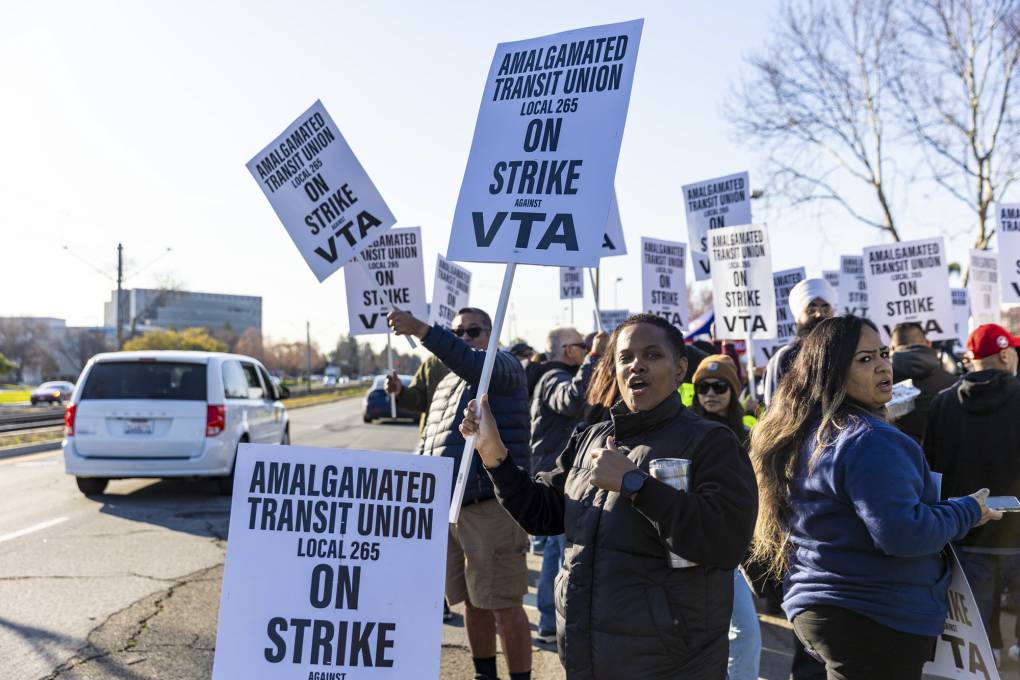
"caption": "Dafina Cozine, a bus operator, joins a strike with hundreds of Santa Clara Valley Transportation Authority workers, represented by the Amalgamated Transit Union Local 265, on N. First Street, in San José, demanding a better contract and an increase in wages, on March 11, 2025. The Santa Clara VTA is suing the local transit union to stop a historic strike in its tracks and force workers back to their jobs. ",
"credit": "Gina Castro/KQED",
"altTag": null,
"description": null,
"imgSizes": {
"medium": {
"file": "https://cdn.kqed.org/wp-content/uploads/sites/10/2025/03/20250311_VTASTRIKEDAY2_GC-2-KQED-800x533.jpg",
"width": 800,
"height": 533,
"mimeType": "image/jpeg"
},
"large": {
"file": "https://cdn.kqed.org/wp-content/uploads/sites/10/2025/03/20250311_VTASTRIKEDAY2_GC-2-KQED-1020x680.jpg",
"width": 1020,
"height": 680,
"mimeType": "image/jpeg"
},
"thumbnail": {
"file": "https://cdn.kqed.org/wp-content/uploads/sites/10/2025/03/20250311_VTASTRIKEDAY2_GC-2-KQED-160x107.jpg",
"width": 160,
"height": 107,
"mimeType": "image/jpeg"
},
"1536x1536": {
"file": "https://cdn.kqed.org/wp-content/uploads/sites/10/2025/03/20250311_VTASTRIKEDAY2_GC-2-KQED-1536x1024.jpg",
"width": 1536,
"height": 1024,
"mimeType": "image/jpeg"
},
"post-thumbnail": {
"file": "https://cdn.kqed.org/wp-content/uploads/sites/10/2025/03/20250311_VTASTRIKEDAY2_GC-2-KQED-672x372.jpg",
"width": 672,
"height": 372,
"mimeType": "image/jpeg"
},
"twentyfourteen-full-width": {
"file": "https://cdn.kqed.org/wp-content/uploads/sites/10/2025/03/20250311_VTASTRIKEDAY2_GC-2-KQED-1038x576.jpg",
"width": 1038,
"height": 576,
"mimeType": "image/jpeg"
},
"full-width": {
"file": "https://cdn.kqed.org/wp-content/uploads/sites/10/2025/03/20250311_VTASTRIKEDAY2_GC-2-KQED-1920x1280.jpg",
"width": 1920,
"height": 1280,
"mimeType": "image/jpeg"
},
"kqedFullSize": {
"file": "https://cdn.kqed.org/wp-content/uploads/sites/10/2025/03/20250311_VTASTRIKEDAY2_GC-2-KQED.jpg",
"width": 2000,
"height": 1333
}
},
"isLoading": false,
"fetchFailed": false
},
"news_11647899": {
"type": "attachments",
"id": "news_11647899",
"meta": {
"index": "attachments_1716263798",
"site": "news",
"id": "11647899",
"found": true
},
"title": "Organic Winery In Napa Valley Begins In Harvest",
"publishDate": 1517697443,
"status": "inherit",
"parent": 11647865,
"modified": 1741639495,
"caption": "Wine drinkers can relax. Even intense drought is unlikely to kill California's grapevines.",
"credit": "Justin Sullivan/Getty Images",
"altTag": null,
"description": null,
"imgSizes": {
"thumbnail": {
"file": "https://cdn.kqed.org/wp-content/uploads/sites/10/2018/02/GettyImages-91160215-160x103.jpg",
"width": 160,
"height": 103,
"mimeType": "image/jpeg"
},
"medium": {
"file": "https://cdn.kqed.org/wp-content/uploads/sites/10/2018/02/GettyImages-91160215-800x513.jpg",
"width": 800,
"height": 513,
"mimeType": "image/jpeg"
},
"large": {
"file": "https://cdn.kqed.org/wp-content/uploads/sites/10/2018/02/GettyImages-91160215-1020x653.jpg",
"width": 1020,
"height": 653,
"mimeType": "image/jpeg"
},
"fd-lrg": {
"file": "https://cdn.kqed.org/wp-content/uploads/sites/10/2018/02/GettyImages-91160215-1920x1230.jpg",
"width": 1920,
"height": 1230,
"mimeType": "image/jpeg"
},
"fd-med": {
"file": "https://cdn.kqed.org/wp-content/uploads/sites/10/2018/02/GettyImages-91160215-1180x756.jpg",
"width": 1180,
"height": 756,
"mimeType": "image/jpeg"
},
"fd-sm": {
"file": "https://cdn.kqed.org/wp-content/uploads/sites/10/2018/02/GettyImages-91160215-960x615.jpg",
"width": 960,
"height": 615,
"mimeType": "image/jpeg"
},
"post-thumbnail": {
"file": "https://cdn.kqed.org/wp-content/uploads/sites/10/2018/02/GettyImages-91160215-672x372.jpg",
"width": 672,
"height": 372,
"mimeType": "image/jpeg"
},
"twentyfourteen-full-width": {
"file": "https://cdn.kqed.org/wp-content/uploads/sites/10/2018/02/GettyImages-91160215-1038x576.jpg",
"width": 1038,
"height": 576,
"mimeType": "image/jpeg"
},
"xxsmall": {
"file": "https://cdn.kqed.org/wp-content/uploads/sites/10/2018/02/GettyImages-91160215-240x154.jpg",
"width": 240,
"height": 154,
"mimeType": "image/jpeg"
},
"xsmall": {
"file": "https://cdn.kqed.org/wp-content/uploads/sites/10/2018/02/GettyImages-91160215-375x240.jpg",
"width": 375,
"height": 240,
"mimeType": "image/jpeg"
},
"small": {
"file": "https://cdn.kqed.org/wp-content/uploads/sites/10/2018/02/GettyImages-91160215-520x333.jpg",
"width": 520,
"height": 333,
"mimeType": "image/jpeg"
},
"xlarge": {
"file": "https://cdn.kqed.org/wp-content/uploads/sites/10/2018/02/GettyImages-91160215-1180x756.jpg",
"width": 1180,
"height": 756,
"mimeType": "image/jpeg"
},
"full-width": {
"file": "https://cdn.kqed.org/wp-content/uploads/sites/10/2018/02/GettyImages-91160215-1920x1230.jpg",
"width": 1920,
"height": 1230,
"mimeType": "image/jpeg"
},
"guest-author-32": {
"file": "https://cdn.kqed.org/wp-content/uploads/sites/10/2018/02/GettyImages-91160215-32x32.jpg",
"width": 32,
"height": 32,
"mimeType": "image/jpeg"
},
"guest-author-50": {
"file": "https://cdn.kqed.org/wp-content/uploads/sites/10/2018/02/GettyImages-91160215-50x50.jpg",
"width": 50,
"height": 50,
"mimeType": "image/jpeg"
},
"guest-author-64": {
"file": "https://cdn.kqed.org/wp-content/uploads/sites/10/2018/02/GettyImages-91160215-64x64.jpg",
"width": 64,
"height": 64,
"mimeType": "image/jpeg"
},
"guest-author-96": {
"file": "https://cdn.kqed.org/wp-content/uploads/sites/10/2018/02/GettyImages-91160215-96x96.jpg",
"width": 96,
"height": 96,
"mimeType": "image/jpeg"
},
"guest-author-128": {
"file": "https://cdn.kqed.org/wp-content/uploads/sites/10/2018/02/GettyImages-91160215-128x128.jpg",
"width": 128,
"height": 128,
"mimeType": "image/jpeg"
},
"detail": {
"file": "https://cdn.kqed.org/wp-content/uploads/sites/10/2018/02/GettyImages-91160215-150x150.jpg",
"width": 150,
"height": 150,
"mimeType": "image/jpeg"
},
"kqedFullSize": {
"file": "https://cdn.kqed.org/wp-content/uploads/sites/10/2018/02/GettyImages-91160215-e1741639484435.jpg",
"width": 2000,
"height": 1281
}
},
"isLoading": false,
"fetchFailed": false
},
"news_12030672": {
"type": "attachments",
"id": "news_12030672",
"meta": {
"index": "attachments_1716263798",
"site": "news",
"id": "12030672",
"found": true
},
"title": "250220-VTASTRIKED1.-JG-4",
"publishDate": 1741648746,
"status": "inherit",
"parent": 0,
"modified": 1741648778,
"caption": "Striking VTA workers picket outside the agency's Cerone Yard bus depot in North San José on March 10, 2025, the first day of a strike by the Amalgamated Transit Union Local 265.",
"credit": "Joseph Geha/KQED",
"altTag": null,
"description": null,
"imgSizes": {
"medium": {
"file": "https://cdn.kqed.org/wp-content/uploads/sites/10/2025/03/250220-VTASTRIKED1.-JG-4-800x533.jpg",
"width": 800,
"height": 533,
"mimeType": "image/jpeg"
},
"large": {
"file": "https://cdn.kqed.org/wp-content/uploads/sites/10/2025/03/250220-VTASTRIKED1.-JG-4-1020x680.jpg",
"width": 1020,
"height": 680,
"mimeType": "image/jpeg"
},
"thumbnail": {
"file": "https://cdn.kqed.org/wp-content/uploads/sites/10/2025/03/250220-VTASTRIKED1.-JG-4-160x107.jpg",
"width": 160,
"height": 107,
"mimeType": "image/jpeg"
},
"1536x1536": {
"file": "https://cdn.kqed.org/wp-content/uploads/sites/10/2025/03/250220-VTASTRIKED1.-JG-4-1536x1024.jpg",
"width": 1536,
"height": 1024,
"mimeType": "image/jpeg"
},
"post-thumbnail": {
"file": "https://cdn.kqed.org/wp-content/uploads/sites/10/2025/03/250220-VTASTRIKED1.-JG-4-672x372.jpg",
"width": 672,
"height": 372,
"mimeType": "image/jpeg"
},
"twentyfourteen-full-width": {
"file": "https://cdn.kqed.org/wp-content/uploads/sites/10/2025/03/250220-VTASTRIKED1.-JG-4-1038x576.jpg",
"width": 1038,
"height": 576,
"mimeType": "image/jpeg"
},
"full-width": {
"file": "https://cdn.kqed.org/wp-content/uploads/sites/10/2025/03/250220-VTASTRIKED1.-JG-4-1920x1280.jpg",
"width": 1920,
"height": 1280,
"mimeType": "image/jpeg"
},
"kqedFullSize": {
"file": "https://cdn.kqed.org/wp-content/uploads/sites/10/2025/03/250220-VTASTRIKED1.-JG-4.jpg",
"width": 2000,
"height": 1333
}
},
"isLoading": false,
"fetchFailed": false
},
"news_12030164": {
"type": "attachments",
"id": "news_12030164",
"meta": {
"index": "attachments_1716263798",
"site": "news",
"id": "12030164",
"found": true
},
"title": "240617-VTAfile-33-BL_qed",
"publishDate": 1741297401,
"status": "inherit",
"parent": 12030160,
"modified": 1741297512,
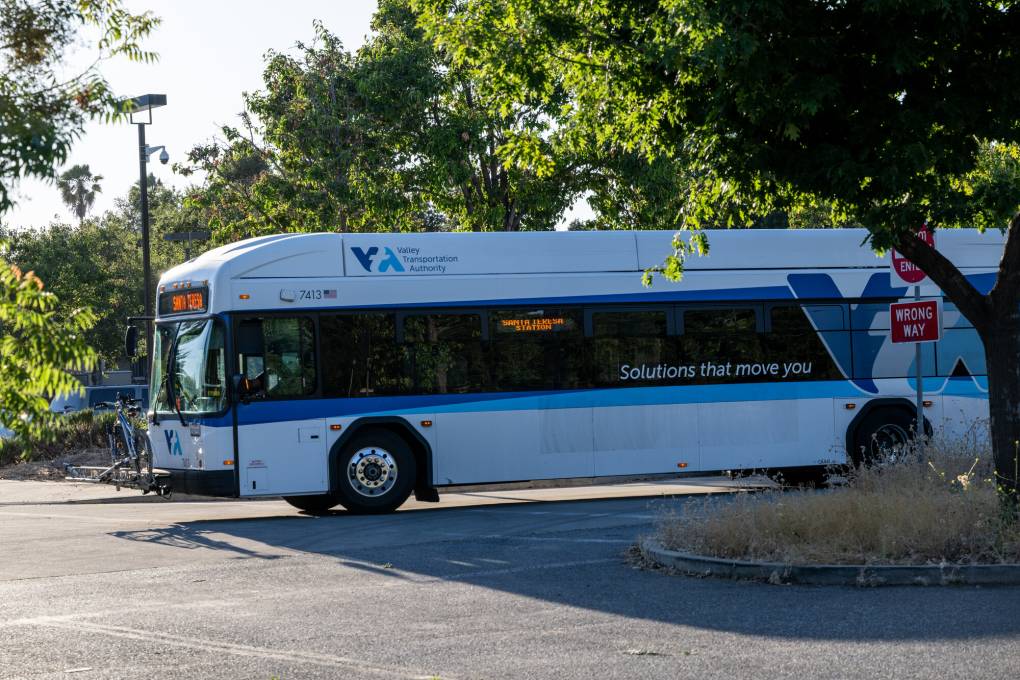
"caption": "A Santa Clara Valley Transportation Authority bus passes through the Ohlone/Chynoweth Light Rail Station in San José on June 17, 2024.",
"credit": "Beth LaBerge/KQED",
"altTag": null,
"description": null,
"imgSizes": {
"medium": {
"file": "https://cdn.kqed.org/wp-content/uploads/sites/10/2025/03/240617-VTAfile-33-BL_qed-800x533.jpg",
"width": 800,
"height": 533,
"mimeType": "image/jpeg"
},
"large": {
"file": "https://cdn.kqed.org/wp-content/uploads/sites/10/2025/03/240617-VTAfile-33-BL_qed-1020x680.jpg",
"width": 1020,
"height": 680,
"mimeType": "image/jpeg"
},
"thumbnail": {
"file": "https://cdn.kqed.org/wp-content/uploads/sites/10/2025/03/240617-VTAfile-33-BL_qed-160x107.jpg",
"width": 160,
"height": 107,
"mimeType": "image/jpeg"
},
"1536x1536": {
"file": "https://cdn.kqed.org/wp-content/uploads/sites/10/2025/03/240617-VTAfile-33-BL_qed-1536x1024.jpg",
"width": 1536,
"height": 1024,
"mimeType": "image/jpeg"
},
"post-thumbnail": {
"file": "https://cdn.kqed.org/wp-content/uploads/sites/10/2025/03/240617-VTAfile-33-BL_qed-672x372.jpg",
"width": 672,
"height": 372,
"mimeType": "image/jpeg"
},
"twentyfourteen-full-width": {
"file": "https://cdn.kqed.org/wp-content/uploads/sites/10/2025/03/240617-VTAfile-33-BL_qed-1038x576.jpg",
"width": 1038,
"height": 576,
"mimeType": "image/jpeg"
},
"full-width": {
"file": "https://cdn.kqed.org/wp-content/uploads/sites/10/2025/03/240617-VTAfile-33-BL_qed-1920x1280.jpg",
"width": 1920,
"height": 1280,
"mimeType": "image/jpeg"
},
"kqedFullSize": {
"file": "https://cdn.kqed.org/wp-content/uploads/sites/10/2025/03/240617-VTAfile-33-BL_qed.jpg",
"width": 2000,
"height": 1333
}
},
"isLoading": false,
"fetchFailed": false
},
"news_12029800": {
"type": "attachments",
"id": "news_12029800",
"meta": {
"index": "attachments_1716263798",
"site": "news",
"id": "12029800",
"found": true
},
"title": "NOAA1",
"publishDate": 1741197504,
"status": "inherit",
"parent": 12029795,
"modified": 1741197698,
"caption": "A technician with NOAA scientists aboard the R/V Fulmar on Oct. 15, 2015, prepares to deploy an undersea sound-recording station 20 miles off of Pt. Reyes, in the Cordell Bank National Marine Sanctuary",
"credit": "Craig Miller/KQED",
"altTag": null,
"description": null,
"imgSizes": {
"medium": {
"file": "https://cdn.kqed.org/wp-content/uploads/sites/10/2025/03/NOAA1-800x600.jpg",
"width": 800,
"height": 600,
"mimeType": "image/jpeg"
},
"large": {
"file": "https://cdn.kqed.org/wp-content/uploads/sites/10/2025/03/NOAA1-1020x765.jpg",
"width": 1020,
"height": 765,
"mimeType": "image/jpeg"
},
"thumbnail": {
"file": "https://cdn.kqed.org/wp-content/uploads/sites/10/2025/03/NOAA1-160x120.jpg",
"width": 160,
"height": 120,
"mimeType": "image/jpeg"
},
"1536x1536": {
"file": "https://cdn.kqed.org/wp-content/uploads/sites/10/2025/03/NOAA1-1536x1152.jpg",
"width": 1536,
"height": 1152,
"mimeType": "image/jpeg"
},
"post-thumbnail": {
"file": "https://cdn.kqed.org/wp-content/uploads/sites/10/2025/03/NOAA1-672x372.jpg",
"width": 672,
"height": 372,
"mimeType": "image/jpeg"
},
"twentyfourteen-full-width": {
"file": "https://cdn.kqed.org/wp-content/uploads/sites/10/2025/03/NOAA1-1038x576.jpg",
"width": 1038,
"height": 576,
"mimeType": "image/jpeg"
},
"full-width": {
"file": "https://cdn.kqed.org/wp-content/uploads/sites/10/2025/03/NOAA1-1920x1440.jpg",
"width": 1920,
"height": 1440,
"mimeType": "image/jpeg"
},
"kqedFullSize": {
"file": "https://cdn.kqed.org/wp-content/uploads/sites/10/2025/03/NOAA1.jpg",
"width": 2000,
"height": 1500
}
},
"isLoading": false,
"fetchFailed": false
},
"news_12029592": {
"type": "attachments",
"id": "news_12029592",
"meta": {
"index": "attachments_1716263798",
"site": "news",
"id": "12029592",
"found": true
},
"title": "240409-VTAfile-02-BL_qed",
"publishDate": 1741113888,
"status": "inherit",
"parent": 12029584,
"modified": 1741113975,
"caption": "A Santa Clara Valley Transportation Authority light rail train stops in downtown San José on June 17, 2024.",
"credit": "Beth LaBerge/KQED",
"altTag": null,
"description": null,
"imgSizes": {
"medium": {
"file": "https://cdn.kqed.org/wp-content/uploads/sites/10/2025/03/240409-VTAfile-02-BL_qed-800x533.jpg",
"width": 800,
"height": 533,
"mimeType": "image/jpeg"
},
"large": {
"file": "https://cdn.kqed.org/wp-content/uploads/sites/10/2025/03/240409-VTAfile-02-BL_qed-1020x680.jpg",
"width": 1020,
"height": 680,
"mimeType": "image/jpeg"
},
"thumbnail": {
"file": "https://cdn.kqed.org/wp-content/uploads/sites/10/2025/03/240409-VTAfile-02-BL_qed-160x107.jpg",
"width": 160,
"height": 107,
"mimeType": "image/jpeg"
},
"1536x1536": {
"file": "https://cdn.kqed.org/wp-content/uploads/sites/10/2025/03/240409-VTAfile-02-BL_qed-1536x1024.jpg",
"width": 1536,
"height": 1024,
"mimeType": "image/jpeg"
},
"post-thumbnail": {
"file": "https://cdn.kqed.org/wp-content/uploads/sites/10/2025/03/240409-VTAfile-02-BL_qed-672x372.jpg",
"width": 672,
"height": 372,
"mimeType": "image/jpeg"
},
"twentyfourteen-full-width": {
"file": "https://cdn.kqed.org/wp-content/uploads/sites/10/2025/03/240409-VTAfile-02-BL_qed-1038x576.jpg",
"width": 1038,
"height": 576,
"mimeType": "image/jpeg"
},
"full-width": {
"file": "https://cdn.kqed.org/wp-content/uploads/sites/10/2025/03/240409-VTAfile-02-BL_qed-1920x1280.jpg",
"width": 1920,
"height": 1280,
"mimeType": "image/jpeg"
},
"kqedFullSize": {
"file": "https://cdn.kqed.org/wp-content/uploads/sites/10/2025/03/240409-VTAfile-02-BL_qed.jpg",
"width": 1999,
"height": 1333
}
},
"isLoading": false,
"fetchFailed": false
},
"news_12029338": {
"type": "attachments",
"id": "news_12029338",
"meta": {
"index": "attachments_1716263798",
"site": "news",
"id": "12029338",
"found": true
},
"title": "20241211-OUSDMergerVote-JY-026_qed",
"publishDate": 1740786072,
"status": "inherit",
"parent": 12036400,
"modified": 1744912996,
"caption": "The Oakland Unified School District Board listens to public comment during a meeting at La Escuelita Elementary School in Oakland, California, on Dec. 11, 2024. ",
"credit": "Juliana Yamada/KQED",
"altTag": null,
"description": null,
"imgSizes": {
"medium": {
"file": "https://cdn.kqed.org/wp-content/uploads/sites/10/2025/02/20241211-OUSDMergerVote-JY-026_qed-800x533.jpg",
"width": 800,
"height": 533,
"mimeType": "image/jpeg"
},
"large": {
"file": "https://cdn.kqed.org/wp-content/uploads/sites/10/2025/02/20241211-OUSDMergerVote-JY-026_qed-1020x680.jpg",
"width": 1020,
"height": 680,
"mimeType": "image/jpeg"
},
"thumbnail": {
"file": "https://cdn.kqed.org/wp-content/uploads/sites/10/2025/02/20241211-OUSDMergerVote-JY-026_qed-160x107.jpg",
"width": 160,
"height": 107,
"mimeType": "image/jpeg"
},
"1536x1536": {
"file": "https://cdn.kqed.org/wp-content/uploads/sites/10/2025/02/20241211-OUSDMergerVote-JY-026_qed-1536x1024.jpg",
"width": 1536,
"height": 1024,
"mimeType": "image/jpeg"
},
"post-thumbnail": {
"file": "https://cdn.kqed.org/wp-content/uploads/sites/10/2025/02/20241211-OUSDMergerVote-JY-026_qed-672x372.jpg",
"width": 672,
"height": 372,
"mimeType": "image/jpeg"
},
"twentyfourteen-full-width": {
"file": "https://cdn.kqed.org/wp-content/uploads/sites/10/2025/02/20241211-OUSDMergerVote-JY-026_qed-1038x576.jpg",
"width": 1038,
"height": 576,
"mimeType": "image/jpeg"
},
"full-width": {
"file": "https://cdn.kqed.org/wp-content/uploads/sites/10/2025/02/20241211-OUSDMergerVote-JY-026_qed-1920x1280.jpg",
"width": 1920,
"height": 1280,
"mimeType": "image/jpeg"
},
"kqedFullSize": {
"file": "https://cdn.kqed.org/wp-content/uploads/sites/10/2025/02/20241211-OUSDMergerVote-JY-026_qed.jpg",
"width": 2000,
"height": 1333
}
},
"isLoading": false,
"fetchFailed": false
},
"news_12029287": {
"type": "attachments",
"id": "news_12029287",
"meta": {
"index": "attachments_1716263798",
"site": "news",
"id": "12029287",
"found": true
},
"title": "2025 Conservative Political Action Conference (CPAC)",
"publishDate": 1740776243,
"status": "inherit",
"parent": 12029281,
"modified": 1740791078,
"caption": "Elon Musk speaks at the Conservative Political Action Conference (CPAC) at the National Harbor in Oxon Hill, Maryland, on Feb. 20, 2025. ",
"credit": "Valerie Plesch/The Washington Post via Getty Images",
"altTag": null,
"description": null,
"imgSizes": {
"medium": {
"file": "https://cdn.kqed.org/wp-content/uploads/sites/10/2025/02/ElonMuskGetty-800x533.jpg",
"width": 800,
"height": 533,
"mimeType": "image/jpeg"
},
"large": {
"file": "https://cdn.kqed.org/wp-content/uploads/sites/10/2025/02/ElonMuskGetty-1020x680.jpg",
"width": 1020,
"height": 680,
"mimeType": "image/jpeg"
},
"thumbnail": {
"file": "https://cdn.kqed.org/wp-content/uploads/sites/10/2025/02/ElonMuskGetty-160x107.jpg",
"width": 160,
"height": 107,
"mimeType": "image/jpeg"
},
"1536x1536": {
"file": "https://cdn.kqed.org/wp-content/uploads/sites/10/2025/02/ElonMuskGetty-1536x1024.jpg",
"width": 1536,
"height": 1024,
"mimeType": "image/jpeg"
},
"post-thumbnail": {
"file": "https://cdn.kqed.org/wp-content/uploads/sites/10/2025/02/ElonMuskGetty-672x372.jpg",
"width": 672,
"height": 372,
"mimeType": "image/jpeg"
},
"twentyfourteen-full-width": {
"file": "https://cdn.kqed.org/wp-content/uploads/sites/10/2025/02/ElonMuskGetty-1038x576.jpg",
"width": 1038,
"height": 576,
"mimeType": "image/jpeg"
},
"full-width": {
"file": "https://cdn.kqed.org/wp-content/uploads/sites/10/2025/02/ElonMuskGetty-1920x1280.jpg",
"width": 1920,
"height": 1280,
"mimeType": "image/jpeg"
},
"kqedFullSize": {
"file": "https://cdn.kqed.org/wp-content/uploads/sites/10/2025/02/ElonMuskGetty.jpg",
"width": 2000,
"height": 1333
}
},
"isLoading": false,
"fetchFailed": false
},
"news_12029027": {
"type": "attachments",
"id": "news_12029027",
"meta": {
"index": "attachments_1716263798",
"site": "news",
"id": "12029027",
"found": true
},
"title": "Federal workers rally in Boston against Trump administration's effort to cut federal research funding",
"publishDate": 1740688490,
"status": "inherit",
"parent": 12029015,
"modified": 1741888654,
"caption": "Federal workers gather outside a federal building in Boston to protest the Trump administration's mass layoffs and budget cuts on Feb. 19, 2025. Labor unions argued in front of a federal judge at a Thursday hearing in San Francisco that Trump officials lack the authority to order terminations of probationary federal employees and that notices to workers were premised on a lie of poor job performance.",
"credit": "Brett Phelps/The Boston Globe via Getty Images",
"altTag": null,
"description": null,
"imgSizes": {
"medium": {
"file": "https://cdn.kqed.org/wp-content/uploads/sites/10/2025/02/GettyImages-2200003760-800x585.jpg",
"width": 800,
"height": 585,
"mimeType": "image/jpeg"
},
"large": {
"file": "https://cdn.kqed.org/wp-content/uploads/sites/10/2025/02/GettyImages-2200003760-1020x746.jpg",
"width": 1020,
"height": 746,
"mimeType": "image/jpeg"
},
"thumbnail": {
"file": "https://cdn.kqed.org/wp-content/uploads/sites/10/2025/02/GettyImages-2200003760-160x117.jpg",
"width": 160,
"height": 117,
"mimeType": "image/jpeg"
},
"1536x1536": {
"file": "https://cdn.kqed.org/wp-content/uploads/sites/10/2025/02/GettyImages-2200003760-1536x1124.jpg",
"width": 1536,
"height": 1124,
"mimeType": "image/jpeg"
},
"2048x2048": {
"file": "https://cdn.kqed.org/wp-content/uploads/sites/10/2025/02/GettyImages-2200003760-2048x1498.jpg",
"width": 2048,
"height": 1498,
"mimeType": "image/jpeg"
},
"post-thumbnail": {
"file": "https://cdn.kqed.org/wp-content/uploads/sites/10/2025/02/GettyImages-2200003760-672x372.jpg",
"width": 672,
"height": 372,
"mimeType": "image/jpeg"
},
"twentyfourteen-full-width": {
"file": "https://cdn.kqed.org/wp-content/uploads/sites/10/2025/02/GettyImages-2200003760-1038x576.jpg",
"width": 1038,
"height": 576,
"mimeType": "image/jpeg"
},
"full-width": {
"file": "https://cdn.kqed.org/wp-content/uploads/sites/10/2025/02/GettyImages-2200003760-1920x1405.jpg",
"width": 1920,
"height": 1405,
"mimeType": "image/jpeg"
},
"kqedFullSize": {
"file": "https://cdn.kqed.org/wp-content/uploads/sites/10/2025/02/GettyImages-2200003760-scaled-e1741885776172.jpg",
"width": 2000,
"height": 1463
}
},
"isLoading": false,
"fetchFailed": false
},
"news_12028813": {
"type": "attachments",
"id": "news_12028813",
"meta": {
"index": "attachments_1716263798",
"site": "news",
"id": "12028813",
"found": true
},
"title": "250226-UC STRIKE-MD-02",
"publishDate": 1740605248,
"status": "inherit",
"parent": 0,
"modified": 1740614920,
"caption": "Members of the University Professional and Technical Employees Local 9119 and the American Federation of State County and Municipal Employees Local 3299 strike at the UCSF Medical Center at Mission Bay in San Francisco on Feb. 26, 2025. The strike represents the latest escalation in a conflict over top union concerns such as staffing levels and compensation that sparked a two-day work stoppage at UC San Francisco in November.",
"credit": "Martin do Nascimento/KQED",
"altTag": null,
"description": null,
"imgSizes": {
"medium": {
"file": "https://cdn.kqed.org/wp-content/uploads/sites/10/2025/02/250226-UC-STRIKE-MD-02-800x533.jpg",
"width": 800,
"height": 533,
"mimeType": "image/jpeg"
},
"large": {
"file": "https://cdn.kqed.org/wp-content/uploads/sites/10/2025/02/250226-UC-STRIKE-MD-02-1020x680.jpg",
"width": 1020,
"height": 680,
"mimeType": "image/jpeg"
},
"thumbnail": {
"file": "https://cdn.kqed.org/wp-content/uploads/sites/10/2025/02/250226-UC-STRIKE-MD-02-160x107.jpg",
"width": 160,
"height": 107,
"mimeType": "image/jpeg"
},
"1536x1536": {
"file": "https://cdn.kqed.org/wp-content/uploads/sites/10/2025/02/250226-UC-STRIKE-MD-02-1536x1024.jpg",
"width": 1536,
"height": 1024,
"mimeType": "image/jpeg"
},
"post-thumbnail": {
"file": "https://cdn.kqed.org/wp-content/uploads/sites/10/2025/02/250226-UC-STRIKE-MD-02-672x372.jpg",
"width": 672,
"height": 372,
"mimeType": "image/jpeg"
},
"twentyfourteen-full-width": {
"file": "https://cdn.kqed.org/wp-content/uploads/sites/10/2025/02/250226-UC-STRIKE-MD-02-1038x576.jpg",
"width": 1038,
"height": 576,
"mimeType": "image/jpeg"
},
"full-width": {
"file": "https://cdn.kqed.org/wp-content/uploads/sites/10/2025/02/250226-UC-STRIKE-MD-02-1920x1280.jpg",
"width": 1920,
"height": 1280,
"mimeType": "image/jpeg"
},
"kqedFullSize": {
"file": "https://cdn.kqed.org/wp-content/uploads/sites/10/2025/02/250226-UC-STRIKE-MD-02.jpg",
"width": 2000,
"height": 1333
}
},
"isLoading": false,
"fetchFailed": false
},
"news_12028319": {
"type": "attachments",
"id": "news_12028319",
"meta": {
"index": "attachments_1716263798",
"site": "news",
"id": "12028319",
"found": true
},
"title": "241009-SFUSDClosuresMarch-38-BL_qed",
"publishDate": 1740421432,
"status": "inherit",
"parent": 12028317,
"modified": 1740601322,
"caption": "Teachers, K–5 students and their families at Harvey Milk Civil Rights Academy rally at Harvey Milk Plaza in the Castro neighborhood of San Francisco on Oct. 9, 2024, to protest against the potential closure of the school. The school is on the list of 11 San Francisco campuses that could close after this academic year as the district grapples with declining enrollment and a budget deficit.",
"credit": "Beth LaBerge/KQED",
"altTag": null,
"description": null,
"imgSizes": {
"medium": {
"file": "https://cdn.kqed.org/wp-content/uploads/sites/10/2025/02/241009-SFUSDClosuresMarch-38-BL_qed-800x533.jpg",
"width": 800,
"height": 533,
"mimeType": "image/jpeg"
},
"large": {
"file": "https://cdn.kqed.org/wp-content/uploads/sites/10/2025/02/241009-SFUSDClosuresMarch-38-BL_qed-1020x680.jpg",
"width": 1020,
"height": 680,
"mimeType": "image/jpeg"
},
"thumbnail": {
"file": "https://cdn.kqed.org/wp-content/uploads/sites/10/2025/02/241009-SFUSDClosuresMarch-38-BL_qed-160x107.jpg",
"width": 160,
"height": 107,
"mimeType": "image/jpeg"
},
"1536x1536": {
"file": "https://cdn.kqed.org/wp-content/uploads/sites/10/2025/02/241009-SFUSDClosuresMarch-38-BL_qed-1536x1024.jpg",
"width": 1536,
"height": 1024,
"mimeType": "image/jpeg"
},
"post-thumbnail": {
"file": "https://cdn.kqed.org/wp-content/uploads/sites/10/2025/02/241009-SFUSDClosuresMarch-38-BL_qed-672x372.jpg",
"width": 672,
"height": 372,
"mimeType": "image/jpeg"
},
"twentyfourteen-full-width": {
"file": "https://cdn.kqed.org/wp-content/uploads/sites/10/2025/02/241009-SFUSDClosuresMarch-38-BL_qed-1038x576.jpg",
"width": 1038,
"height": 576,
"mimeType": "image/jpeg"
},
"full-width": {
"file": "https://cdn.kqed.org/wp-content/uploads/sites/10/2025/02/241009-SFUSDClosuresMarch-38-BL_qed-1920x1280.jpg",
"width": 1920,
"height": 1280,
"mimeType": "image/jpeg"
},
"kqedFullSize": {
"file": "https://cdn.kqed.org/wp-content/uploads/sites/10/2025/02/241009-SFUSDClosuresMarch-38-BL_qed.jpg",
"width": 2000,
"height": 1333
}
},
"isLoading": false,
"fetchFailed": false
}
},
"audioPlayerReducer": {
"postId": "stream_live",
"isPaused": true,
"isPlaying": false,
"pfsActive": false,
"pledgeModalIsOpen": true,
"playerDrawerIsOpen": false,
"liveAudioPlayStartedAt": 0,
"liveAudioPlayContext": ""
},
"authorsReducer": {
"byline_news_12029015": {
"type": "authors",
"id": "byline_news_12029015",
"meta": {
"override": true
},
"slug": "byline_news_12029015",
"name": "Janie Har, The Associated Press",
"isLoading": false
},
"rachael-myrow": {
"type": "authors",
"id": "251",
"meta": {
"index": "authors_1716337520",
"id": "251",
"found": true
},
"name": "Rachael Myrow",
"firstName": "Rachael",
"lastName": "Myrow",
"slug": "rachael-myrow",
"email": "rmyrow@kqed.org",
"display_author_email": true,
"staff_mastheads": [
"news"
],
"title": "Senior Editor of KQED's Silicon Valley News Desk",
"bio": "• I write and edit stories about how Silicon Valley power and policies shape everyday life in California. I’m also passionate about making Bay Area history and culture more accessible to a broad public. • I’ve been a journalist for most of my life, starting in high school with The Franklin Press in Los Angeles, where I grew up. While earning my first degree in English at UC Berkeley, I got my start in public radio at KALX-FM. After completing a second degree in journalism at Cal, I landed my first professional job at Marketplace, then moved on to KPCC (now LAist), and then KQED, where I hosted The California Report for more than seven years. • My reporting has appeared on NPR, The World, WBUR’s \u003ci>Here & Now\u003c/i>, and the BBC. I also guest host for KQED’s \u003ci>Forum\u003c/i>, as well as the Commonwealth Club in San Francisco. • I speak periodically on media, democracy and technology issues, and do voiceover work for documentaries and educational video projects. • Outside of the studio, you'll find me hiking Bay Area trails and whipping up Insta-ready meals in my kitchen. • I do not accept gifts, money, or favors from anyone connected to my reporting, I don't pay people for information, and I do not support or donate to political causes. • I strive to treat the people I report on with fairness, honesty, and respect. I also recognize there are often multiple sides to a story and work to verify information through multiple sources and documentation. If I get something wrong, I correct it.",
"avatar": "https://secure.gravatar.com/avatar/3ed8a3c5f26025e4a805ba634cda8cd764906b97438a6d9ce216b044e340da4e?s=600&d=blank&r=g",
"twitter": "rachaelmyrow",
"bluesky": null,
"facebook": null,
"instagram": null,
"linkedin": "https://www.linkedin.com/in/rachaelmyrow/",
"sites": [
{
"site": "arts",
"roles": [
"administrator"
]
},
{
"site": "news",
"roles": [
"edit_others_posts",
"editor"
]
},
{
"site": "futureofyou",
"roles": [
"editor"
]
},
{
"site": "bayareabites",
"roles": [
"editor"
]
},
{
"site": "stateofhealth",
"roles": [
"editor"
]
},
{
"site": "science",
"roles": [
"editor"
]
},
{
"site": "food",
"roles": [
"editor"
]
},
{
"site": "forum",
"roles": [
"editor"
]
},
{
"site": "liveblog",
"roles": [
"author"
]
}
],
"headData": {
"title": "Rachael Myrow | KQED",
"description": "Senior Editor of KQED's Silicon Valley News Desk",
"ogImgSrc": "https://secure.gravatar.com/avatar/3ed8a3c5f26025e4a805ba634cda8cd764906b97438a6d9ce216b044e340da4e?s=600&d=blank&r=g",
"twImgSrc": "https://secure.gravatar.com/avatar/3ed8a3c5f26025e4a805ba634cda8cd764906b97438a6d9ce216b044e340da4e?s=600&d=blank&r=g"
},
"isLoading": false,
"link": "/author/rachael-myrow"
},
"ecruzguevarra": {
"type": "authors",
"id": "8654",
"meta": {
"index": "authors_1716337520",
"id": "8654",
"found": true
},
"name": "Ericka Cruz Guevarra",
"firstName": "Ericka",
"lastName": "Cruz Guevarra",
"slug": "ecruzguevarra",
"email": "ecruzguevarra@kqed.org",
"display_author_email": true,
"staff_mastheads": [
"news"
],
"title": "Producer, The Bay Podcast",
"bio": "Ericka Cruz Guevarra is host of \u003ca href=\"https://www.kqed.org/podcasts/thebay\">\u003cem>The Bay\u003c/em>\u003c/a> podcast at KQED. Before host, she was the show’s producer. Her work in that capacity includes a three-part reported series on policing in Vallejo, which won a 2020 excellence in journalism award from the Society of Professional Journalists. Ericka has worked as a breaking news reporter at Oregon Public Broadcasting, helped produce the Code Switch podcast, and was KQED’s inaugural Raul Ramirez Diversity Fund intern. She’s also an alumna of NPR’s Next Generation Radio program. Send her an email if you have strong feelings about whether Fairfield and Suisun City are the Bay. Ericka is represented by SAG-AFTRA.",
"avatar": "https://secure.gravatar.com/avatar/accefc1de4bafc7e234b69bcb9b6f6536c130fd84709bc3069ef11a78787e1bb?s=600&d=blank&r=g",
"twitter": "NotoriousECG",
"bluesky": null,
"facebook": null,
"instagram": null,
"linkedin": null,
"sites": [
{
"site": "arts",
"roles": [
"subscriber"
]
},
{
"site": "news",
"roles": [
"editor",
"manage_categories"
]
},
{
"site": "futureofyou",
"roles": [
"subscriber"
]
},
{
"site": "stateofhealth",
"roles": [
"subscriber"
]
},
{
"site": "science",
"roles": [
"editor"
]
},
{
"site": "forum",
"roles": [
"subscriber"
]
}
],
"headData": {
"title": "Ericka Cruz Guevarra | KQED",
"description": "Producer, The Bay Podcast",
"ogImgSrc": "https://secure.gravatar.com/avatar/accefc1de4bafc7e234b69bcb9b6f6536c130fd84709bc3069ef11a78787e1bb?s=600&d=blank&r=g",
"twImgSrc": "https://secure.gravatar.com/avatar/accefc1de4bafc7e234b69bcb9b6f6536c130fd84709bc3069ef11a78787e1bb?s=600&d=blank&r=g"
},
"isLoading": false,
"link": "/author/ecruzguevarra"
},
"fjhabvala": {
"type": "authors",
"id": "8659",
"meta": {
"index": "authors_1716337520",
"id": "8659",
"found": true
},
"name": "Farida Jhabvala Romero",
"firstName": "Farida",
"lastName": "Jhabvala Romero",
"slug": "fjhabvala",
"email": "fjhabvala@kqed.org",
"display_author_email": true,
"staff_mastheads": [
"news"
],
"title": "KQED Contributor",
"bio": "Farida Jhabvala Romero is a Labor Correspondent for KQED. She previously covered immigration. Farida was \u003ca href=\"https://www.ccnma.org/2022-most-influential-latina-journalists\">named\u003c/a> one of the 10 Most Influential Latina Journalists in California in 2022 by the California Chicano News Media Association. Her work has won awards from the Society of Professional Journalists (Northern California), as well as a national and regional Edward M. Murrow Award for the collaborative reporting projects “Dangerous Air” and “Graying California.” Before joining KQED, Farida worked as a producer at Radio Bilingüe, a national public radio network. Farida earned her master’s degree in journalism from Stanford University.",
"avatar": "https://secure.gravatar.com/avatar/f9f022d4e2609741874222a1e9d41f48fea74011aa7c615eef91d9a50c944ebe?s=600&d=blank&r=g",
"twitter": "FaridaJhabvala",
"bluesky": null,
"facebook": null,
"instagram": null,
"linkedin": "https://www.linkedin.com/in/faridajhabvala/",
"sites": [
{
"site": "news",
"roles": [
"editor"
]
},
{
"site": "stateofhealth",
"roles": [
"author"
]
},
{
"site": "liveblog",
"roles": [
"author"
]
}
],
"headData": {
"title": "Farida Jhabvala Romero | KQED",
"description": "KQED Contributor",
"ogImgSrc": "https://secure.gravatar.com/avatar/f9f022d4e2609741874222a1e9d41f48fea74011aa7c615eef91d9a50c944ebe?s=600&d=blank&r=g",
"twImgSrc": "https://secure.gravatar.com/avatar/f9f022d4e2609741874222a1e9d41f48fea74011aa7c615eef91d9a50c944ebe?s=600&d=blank&r=g"
},
"isLoading": false,
"link": "/author/fjhabvala"
},
"amontecillo": {
"type": "authors",
"id": "11649",
"meta": {
"index": "authors_1716337520",
"id": "11649",
"found": true
},
"name": "Alan Montecillo",
"firstName": "Alan",
"lastName": "Montecillo",
"slug": "amontecillo",
"email": "amontecillo@kqed.org",
"display_author_email": false,
"staff_mastheads": [
"news"
],
"title": "KQED Contributor",
"bio": "Alan Montecillo is the senior editor of \u003cem>\u003ca href=\"http://kqed.org/thebay\">The Bay\u003c/a>, \u003c/em> KQED's local news podcast. Before moving to the Bay Area, he worked as a senior talk show producer for WILL in Champaign-Urbana, Illinois and at Oregon Public Broadcasting in Portland, Oregon. He has won journalism awards from the Society of Professional Journalists Northern California, the Public Media Journalists Association, The Signal Awards, and has also received a regional Edward R. Murrow award. Alan is a Filipino American from Hong Kong and a graduate of Reed College.",
"avatar": "https://secure.gravatar.com/avatar/268f53a2066899ea9efdd8a5900218b17c822d9862cbc9326cccec53ef41d349?s=600&d=blank&r=g",
"twitter": "alanmontecillo",
"bluesky": null,
"facebook": null,
"instagram": null,
"linkedin": null,
"sites": [
{
"site": "",
"roles": [
"editor"
]
},
{
"site": "news",
"roles": [
"editor",
"manage_categories"
]
}
],
"headData": {
"title": "Alan Montecillo | KQED",
"description": "KQED Contributor",
"ogImgSrc": "https://secure.gravatar.com/avatar/268f53a2066899ea9efdd8a5900218b17c822d9862cbc9326cccec53ef41d349?s=600&d=blank&r=g",
"twImgSrc": "https://secure.gravatar.com/avatar/268f53a2066899ea9efdd8a5900218b17c822d9862cbc9326cccec53ef41d349?s=600&d=blank&r=g"
},
"isLoading": false,
"link": "/author/amontecillo"
},
"eromero": {
"type": "authors",
"id": "11746",
"meta": {
"index": "authors_1716337520",
"id": "11746",
"found": true
},
"name": "Ezra David Romero",
"firstName": "Ezra David",
"lastName": "Romero",
"slug": "eromero",
"email": "eromero@kqed.org",
"display_author_email": true,
"staff_mastheads": [
"news",
"science"
],
"title": "Climate Reporter",
"bio": "Ezra David Romero is a climate reporter for KQED News. He covers the absence and excess of water in the Bay Area — think sea level rise, flooding and drought. For nearly a decade he’s covered how warming temperatures are altering the lives of Californians. He’s reported on farmers worried their pistachio trees aren’t getting enough sleep, families desperate for water, scientists studying dying giant sequoias, and alongside firefighters containing wildfires. His work has appeared on local stations across California and nationally on public radio shows like Morning Edition, Here and Now, All Things Considered and Science Friday. ",
"avatar": "https://secure.gravatar.com/avatar/c76404d287c10ed40224227551ac36e24352c7306f106632caf6fead76f8801f?s=600&d=blank&r=g",
"twitter": "ezraromero",
"bluesky": null,
"facebook": null,
"instagram": null,
"linkedin": null,
"sites": [
{
"site": "arts",
"roles": [
"editor"
]
},
{
"site": "news",
"roles": [
"editor"
]
},
{
"site": "science",
"roles": [
"editor"
]
},
{
"site": "liveblog",
"roles": [
"author"
]
}
],
"headData": {
"title": "Ezra David Romero | KQED",
"description": "Climate Reporter",
"ogImgSrc": "https://secure.gravatar.com/avatar/c76404d287c10ed40224227551ac36e24352c7306f106632caf6fead76f8801f?s=600&d=blank&r=g",
"twImgSrc": "https://secure.gravatar.com/avatar/c76404d287c10ed40224227551ac36e24352c7306f106632caf6fead76f8801f?s=600&d=blank&r=g"
},
"isLoading": false,
"link": "/author/eromero"
},
"jessicakariisa": {
"type": "authors",
"id": "11831",
"meta": {
"index": "authors_1716337520",
"id": "11831",
"found": true
},
"name": "Jessica Kariisa",
"firstName": "Jessica",
"lastName": "Kariisa",
"slug": "jessicakariisa",
"email": "jkariisa@kqed.org",
"display_author_email": false,
"staff_mastheads": [],
"title": "Producer, The Bay",
"bio": "Jessica Kariisa is the producer of The Bay. She first joined KQED as an intern for The California Report Magazine, after which she became an on-call producer. She reported a Bay Curious episode on the use of rap lyrics in criminal trials which won a Society of Professional Journalists award in 2023 for Excellence in Features Journalism and the 2023 Signal Award for Best Conversation Starter. She’s worked on podcasts for Snap Judgment and American Public Media. Before embarking on her audio career, she was a music journalist.\r\n\r\nJessica Kariisa is represented by SAG-AFTRA.",
"avatar": "https://secure.gravatar.com/avatar/522e97b28ac0b3d411621c0fde8f3419c7b71ea2c5c262c57c4bb600963f328c?s=600&d=blank&r=g",
"twitter": null,
"bluesky": null,
"facebook": null,
"instagram": null,
"linkedin": null,
"sites": [
{
"site": "arts",
"roles": [
"author"
]
},
{
"site": "news",
"roles": [
"editor",
"manage_categories"
]
}
],
"headData": {
"title": "Jessica Kariisa | KQED",
"description": "Producer, The Bay",
"ogImgSrc": "https://secure.gravatar.com/avatar/522e97b28ac0b3d411621c0fde8f3419c7b71ea2c5c262c57c4bb600963f328c?s=600&d=blank&r=g",
"twImgSrc": "https://secure.gravatar.com/avatar/522e97b28ac0b3d411621c0fde8f3419c7b71ea2c5c262c57c4bb600963f328c?s=600&d=blank&r=g"
},
"isLoading": false,
"link": "/author/jessicakariisa"
},
"jgeha": {
"type": "authors",
"id": "11906",
"meta": {
"index": "authors_1716337520",
"id": "11906",
"found": true
},
"name": "Joseph Geha",
"firstName": "Joseph",
"lastName": "Geha",
"slug": "jgeha",
"email": "jgeha@kqed.org",
"display_author_email": false,
"staff_mastheads": [
"news",
"science"
],
"title": "KQED Contributor",
"bio": null,
"avatar": "https://secure.gravatar.com/avatar/ea84d2b6dd93d6369d453edf19dd583f117cd1759d2d9c9c92f9de77017354fe?s=600&d=blank&r=g",
"twitter": null,
"bluesky": null,
"facebook": null,
"instagram": null,
"linkedin": null,
"sites": [
{
"site": "news",
"roles": [
"editor"
]
},
{
"site": "liveblog",
"roles": [
"author"
]
}
],
"headData": {
"title": "Joseph Geha | KQED",
"description": "KQED Contributor",
"ogImgSrc": "https://secure.gravatar.com/avatar/ea84d2b6dd93d6369d453edf19dd583f117cd1759d2d9c9c92f9de77017354fe?s=600&d=blank&r=g",
"twImgSrc": "https://secure.gravatar.com/avatar/ea84d2b6dd93d6369d453edf19dd583f117cd1759d2d9c9c92f9de77017354fe?s=600&d=blank&r=g"
},
"isLoading": false,
"link": "/author/jgeha"
},
"kdebenedetti": {
"type": "authors",
"id": "11913",
"meta": {
"index": "authors_1716337520",
"id": "11913",
"found": true
},
"name": "Katie DeBenedetti",
"firstName": "Katie",
"lastName": "DeBenedetti",
"slug": "kdebenedetti",
"email": "kdebenedetti@kqed.org",
"display_author_email": false,
"staff_mastheads": [
"news",
"science"
],
"title": "KQED Contributor",
"bio": "Katie DeBenedetti is a digital reporter covering daily news for the Express Desk. Prior to joining KQED as a culture reporting intern in January 2024, she covered education and city government for the Napa Valley Register.",
"avatar": "https://secure.gravatar.com/avatar/6e31073cb8f7e4214ab03f42771d0f45?s=600&d=blank&r=g",
"twitter": null,
"facebook": null,
"instagram": null,
"linkedin": null,
"sites": [
{
"site": "news",
"roles": [
"author"
]
},
{
"site": "science",
"roles": [
"author"
]
},
{
"site": "liveblog",
"roles": [
"author"
]
}
],
"headData": {
"title": "Katie DeBenedetti | KQED",
"description": "KQED Contributor",
"ogImgSrc": "https://secure.gravatar.com/avatar/6e31073cb8f7e4214ab03f42771d0f45?s=600&d=blank&r=g",
"twImgSrc": "https://secure.gravatar.com/avatar/6e31073cb8f7e4214ab03f42771d0f45?s=600&d=blank&r=g"
},
"isLoading": false,
"link": "/author/kdebenedetti"
},
"slim": {
"type": "authors",
"id": "11920",
"meta": {
"index": "authors_1716337520",
"id": "11920",
"found": true
},
"name": "Samantha Lim",
"firstName": "Samantha",
"lastName": "Lim",
"slug": "slim",
"email": "slim@KQED.org",
"display_author_email": false,
"staff_mastheads": [],
"title": "KQED Contributor",
"bio": null,
"avatar": "https://secure.gravatar.com/avatar/82e592e6c15fe1a04d385e8ad0fb0b4e?s=600&d=blank&r=g",
"twitter": null,
"facebook": null,
"instagram": null,
"linkedin": null,
"sites": [
{
"site": "news",
"roles": []
}
],
"headData": {
"title": "Samantha Lim | KQED",
"description": "KQED Contributor",
"ogImgSrc": "https://secure.gravatar.com/avatar/82e592e6c15fe1a04d385e8ad0fb0b4e?s=600&d=blank&r=g",
"twImgSrc": "https://secure.gravatar.com/avatar/82e592e6c15fe1a04d385e8ad0fb0b4e?s=600&d=blank&r=g"
},
"isLoading": false,
"link": "/author/slim"
},
"mvelasquez": {
"type": "authors",
"id": "11939",
"meta": {
"index": "authors_1716337520",
"id": "11939",
"found": true
},
"name": "Mel Velasquez",
"firstName": "Mel",
"lastName": "Velasquez",
"slug": "mvelasquez",
"email": "mvelasquez@kqed.org",
"display_author_email": false,
"staff_mastheads": [],
"title": "KQED Contributor",
"bio": null,
"avatar": "https://secure.gravatar.com/avatar/409094312d56fab09fef4251e949ffa6?s=600&d=blank&r=g",
"twitter": null,
"facebook": null,
"instagram": null,
"linkedin": "www.linkedin.com/in/melanievelasquezz",
"sites": [
{
"site": "news",
"roles": [
"editor"
]
}
],
"headData": {
"title": "Mel Velasquez | KQED",
"description": "KQED Contributor",
"ogImgSrc": "https://secure.gravatar.com/avatar/409094312d56fab09fef4251e949ffa6?s=600&d=blank&r=g",
"twImgSrc": "https://secure.gravatar.com/avatar/409094312d56fab09fef4251e949ffa6?s=600&d=blank&r=g"
},
"isLoading": false,
"link": "/author/mvelasquez"
}
},
"pagesReducer": {
"news_tag_labor": {
"type": "terms",
"id": "news_19904",
"meta": {
"index": "terms_1716263798",
"site": "news",
"id": "19904",
"score": 8.557992
},
"name": "Labor",
"slug": "labor",
"taxonomy": "tag",
"description": null,
"featImg": null,
"headData": {
"title": "Labor | KQED News",
"description": null,
"ogTitle": null,
"ogDescription": null,
"ogImgId": null,
"twTitle": null,
"twDescription": null,
"twImgId": null
},
"ttid": 19921,
"isLoading": false,
"title": "Labor",
"pageMeta": {
"site": "news",
"WpPageTemplate": "page-topic-editorial",
"currentPage": 25
},
"blocks": [
{
"blockName": "kqed/post-list",
"attrs": {
"layout": "cardArticle2",
"query": "posts/news?tag=labor",
"seeMore": false,
"paginated": true,
"page": 25
}
},
{
"blockName": "kqed/ad"
}
]
}
},
"pfsSessionReducer": {},
"postsReducer": {
"stream_live": {
"type": "live",
"id": "stream_live",
"audioUrl": "https://streams.kqed.org/kqedradio",
"title": "Live Stream",
"excerpt": "Live Stream information currently unavailable.",
"link": "/radio",
"featImg": "",
"label": {
"name": "KQED Live",
"link": "/"
}
},
"stream_kqedNewscast": {
"type": "posts",
"id": "stream_kqedNewscast",
"audioUrl": "https://www.kqed.org/.stream/anon/radio/RDnews/newscast.mp3?_=1",
"title": "KQED Newscast",
"featImg": "",
"label": {
"name": "88.5 FM",
"link": "/"
}
},
"news_12030780": {
"type": "posts",
"id": "news_12030780",
"meta": {
"index": "posts_1716263798",
"site": "news",
"id": "12030780",
"score": null,
"sort": [
1741773654000
]
},
"guestAuthors": [],
"slug": "bus-drivers-light-rail-operators-on-strike-in-the-south-bay",
"title": "Bus Drivers, Light Rail Operators On Strike in the South Bay",
"publishDate": 1741773654,
"format": "audio",
"headTitle": "Bus Drivers, Light Rail Operators On Strike in the South Bay | KQED",
"labelTerm": {},
"content": "\u003cp>\u003cspan style=\"font-weight: 400\">On Monday, more than 1,500 Santa Clara Valley Transportation Authority bus drivers, light rail operators and other employees went on strike for the first time in the agency’s history after more than six months of failed negotiations over wages and other issues.\u003c/span>\u003c/p>\n\u003cp>\u003c!-- iframe plugin v.4.3 wordpress.org/plugins/iframe/ -->\u003cbr>\n\u003ciframe loading=\"lazy\" frameborder=\"0\" height=\"200\" scrolling=\"no\" src=\"https://playlist.megaphone.fm?e=KQINC1945432953\" width=\"100%\" class=\"iframe-class\">\u003c/iframe>\u003c/p>\n\u003cp>\u003cem>This is a computer-generated transcript. While our team has reviewed it, there may be errors.\u003c/em>\u003c/p>\n\u003cp style=\"font-weight: 400\">\u003cstrong>Ericka Cruz Guevarra \u003c/strong>[00:01:33] It’s about nine a .m. on Tuesday, and we’re talking about the VTA strike. But first, I mean, just sort of stepping back here, how big of a role does the VTA play in getting people around the South Bay?\u003c/p>\n\u003cp style=\"font-weight: 400\">\u003cstrong>Joseph Geha \u003c/strong>[00:02:10] Vta, the Valley Transportation Authority, runs a ton of busses and light rail all around Santa Clara County. They serve, according to the agency right now, about 100,000 people per day. They are the transit agency for this region. And so that means they serve the most heavily populated and dense areas and do all kinds of bus and light rail transfers at really popular places like Diridon Station in downtown San Jose or at these various BART stations. They also serve the outer reaches of the county, like Morgan Hill and Gilroy with bus service, and light rail extending into the eastern foothills and into different regions all around big and small cities.\u003c/p>\n\u003cp>[ad fullwidth]\u003c/p>\n\u003cp style=\"font-weight: 400\">\u003cstrong>Ericka Cruz Guevarra \u003c/strong>[00:03:04] Okay, so we’re talking about 100,000 people across Santa Clara County who rely on the VTA every day. Now I wanna talk about the strike, which is affecting all of those folks who rely on this agency. Who exactly is on strike right now and what jobs are we talking about?\u003c/p>\n\u003cp style=\"font-weight: 400\">\u003cstrong>Joseph Geha \u003c/strong>[00:03:25] The Amalgamated Transit Union, Local 265, it’s a long name for a union, but that is the local chapter of a very large national transit union. And at VTA, Local 265 represents more than 1 ,500 currently, bus drivers and light rail train operators, as well as a series of other critical functions like maintenance workers who keep those trains and busses operating. as well as customer service agents and dispatchers.\u003c/p>\n\u003cp style=\"font-weight: 400\">\u003cstrong>Melissa Rodriguez \u003c/strong>[00:03:58] A lot of us here don’t want to, but we have to.\u003c/p>\n\u003cp style=\"font-weight: 400\">\u003cstrong>Joseph Geha \u003c/strong>[00:04:00] Melissa Rodriguez is a bus driver, and she’s been doing it for years with VTA.\u003c/p>\n\u003cp style=\"font-weight: 400\">\u003cstrong>Melissa Rodriguez \u003c/strong>[00:04:06] It’s hard to live. A lot of people, a lot of drivers live really far away. They drive two to three hours just to get here, just to go to work, and it’s hard.\u003c/p>\n\u003cp style=\"font-weight: 400\">\u003cstrong>Joseph Geha \u003c/strong>[00:04:16] And I talked to her outside of the Cerone yard. It’s a bus depot in North San Jose. And she’s essentially one of hundreds of workers yesterday who were taking shifts on picket lines and protesting essentially what they believe is an unfair contract.\u003c/p>\n\u003cp style=\"font-weight: 400\">\u003cstrong>Melissa Rodriguez \u003c/strong>[00:04:32] People that I’ve had on my bus, they were supportive. They said they had to find other avenues to go ahead and get to where they needed to get to. I feel really bad, but if we don’t do anything about this now, we’re just gonna continue to fight like this back and forth.\u003c/p>\n\u003cp style=\"font-weight: 400\">\u003cstrong>Ericka Cruz Guevarra \u003c/strong>[00:04:54] Yeah, let’s talk about that a little bit more, Joseph. Why exactly is this strike happening? And I guess how did we get here?\u003c/p>\n\u003cp style=\"font-weight: 400\">\u003cstrong>Joseph Geha \u003c/strong>[00:05:01] It’s been months and months of negotiations. ATU members were negotiating for a new contract. Their current contract expired in early March, but they’ve been negotiating with the agency to hammer out a new contract since August. Despite that, you know, more than six month negotiation period where for most weeks they were meeting twice a week, they were unable to get the contract completely figured out. And the two sides, the agency and the union, they remain really far apart on these critical issues like wages, as well as how employee grievances are handled and a couple of other issues that are important to the union right now.\u003c/p>\n\u003cp style=\"font-weight: 400\">\u003cstrong>Ericka Cruz Guevarra \u003c/strong>[00:05:50] What exactly are these VTA workers asking for? What are their demands?\u003c/p>\n\u003cp style=\"font-weight: 400\">\u003cstrong>Joseph Geha \u003c/strong>[00:05:57] Yeah, the biggest one right now, at least in terms of, you know, on paper, where they’re farthest apart is wages. So the VTA made its most recent offer to the union in late February, on February 28th, and they were offering a 9 % raise to these drivers, operators, and other workers over a period of three years. Meanwhile, on the other hand, you’ve got the union on that same day making their most recent ask. And for wages, they are asking for 18%. So they want a 6 % raise in each of the three years that this contract would cover. The union is asking for double what the agency is offering. So that is one of the biggest chasms, I guess, you could say. One of the bigger sticking points is the arbitration issue. So essentially, this is the way that the union and the agency work out disputes. When there is a problem with the way a worker was treated in the view of the union, they can bring a grievance to the agency. and that can sometimes go into the arbitration process. The ATU and the VTA have been meeting for months and negotiating multiple times a week up until this strike occurred. And the negotiation team for the union includes its president, Raj Singh, and he has been characterizing these negotiations in a really negative light.\u003c/p>\n\u003cp style=\"font-weight: 400\">\u003cstrong>Raj Singh \u003c/strong>[00:07:13] Negotiations have not been in good faith, you know, the communication was very poor. The agency has stuck to their normal routine that it’s, you know, it’s used for every single negotiations that I’ve seen in my 17 years of employment here.\u003c/p>\n\u003cp style=\"font-weight: 400\">\u003cstrong>Joseph Geha \u003c/strong>[00:07:29] He said that the agency is wasting the union’s time for the first several months of the negotiations and not addressing real issues and not making what the union considers to be real substantive offers in terms of wages. He has kind of lambasted the agency and claimed that they are the reason this strike is happening.\u003c/p>\n\u003cp style=\"font-weight: 400\">\u003cstrong>Raj Singh \u003c/strong>[00:07:49] We’re asking for the agency to, you know, present something that they believe is fair. We want to get this done sooner rather than later.\u003c/p>\n\u003cp style=\"font-weight: 400\">\u003cstrong>Ericka Cruz Guevarra \u003c/strong>[00:08:01] Wow, strong words there. And also seems like there’s just a lot going on here. The union and the agency being very far apart on wages and this sort of conflict resolution process. I mean, how has VTA responded to all of this and especially these demands?\u003c/p>\n\u003cp style=\"font-weight: 400\">\u003cstrong>Joseph Geha \u003c/strong>[00:08:24] Yeah, I mean, I think there’s been some nearly equally strong words coming from the VTA.\u003c/p>\n\u003cp style=\"font-weight: 400\">\u003cstrong>Greg Richardson \u003c/strong>[00:08:32] Let me first start by saying how disappointed we are with the action taken last night by ATU Local 265 with their communication to our board of their intent to strike.\u003c/p>\n\u003cp style=\"font-weight: 400\">\u003cstrong>Joseph Geha \u003c/strong>[00:08:45] you’ve got the deputy general manager of VTA, his name’s Greg Richardson, and he has, you know, been interviewed a million times by local media as well as held press conferences where he has decried what he calls a decision, a choice by the union to basically abandon a hundred thousand people every day.\u003c/p>\n\u003cp style=\"font-weight: 400\">\u003cstrong>Greg Richardson \u003c/strong>[00:09:05] you know these are folks who are trying to get to their job and if they’re not aware of it and they’re having a clock in clock out i mean this is going to be something that that could impact them dramatically and uh… it’s not something that we want to see.\u003c/p>\n\u003cp style=\"font-weight: 400\">\u003cstrong>Joseph Geha \u003c/strong>[00:09:18] The other thing that Greg Richardson and VTA spokespeople have noted is that there simply in their view is not enough money in the piggy bank, so to speak, to meet the union where they are asking to be met.\u003c/p>\n\u003cp style=\"font-weight: 400\">\u003cstrong>Greg Richardson \u003c/strong>[00:09:33] ATU’s demand is for a 19 .1 % increase over three years. The reality, with a wage increase at this level, or anything close to it, would be service cuts throughout our system and the likely elimination of positions across VTA.\u003c/p>\n\u003cp style=\"font-weight: 400\">\u003cstrong>Joseph Geha \u003c/strong>[00:09:50] Richardson has said, you know, it’s going to be a little bit of a fiscal challenge for the agency to be able to meet the offer that they’ve already made at 9%, but they’re willing to do that and they are committed to doing that without having to cut, first of all, any employees or cut any service.\u003c/p>\n\u003cp style=\"font-weight: 400\">\u003cstrong>Greg Richardson \u003c/strong>[00:10:06] You know, do we want to keep the ridership going? Of course. I mean, the momentum that VTA has gained over the last 18 to 24 months has been dramatic, but it’s more important about the impact it’s going to have on those riders.\u003c/p>\n\u003cp style=\"font-weight: 400\">\u003cstrong>Ericka Cruz Guevarra \u003c/strong>[00:10:21] And as we’re talking Joseph, it’s day two now of the strike. How has it gone so far?\u003c/p>\n\u003cp style=\"font-weight: 400\">\u003cstrong>Joseph Geha \u003c/strong>[00:10:27] Yeah, day one was interesting. Spirits were high, a lot of strikes with labor unions often start early in the morning, and there’s no exception here. You had workers kind of in line with their shifts, right? Because bus drivers and train operators, they get up before the crack of dawn in some cases. And so you had folks picketing outside of five locations that are run by the VTA, including their headquarters in North San Jose, and you had folks out there in the dark of night, essentially around four in the morning. beginning their picketing and their chanting of slogans and, you know, basically just making a public show of force that they won’t be ignored and that their demands are serious.\u003c/p>\n\u003cp style=\"font-weight: 400\">There was an incident in the morning at the Cerone yard where there’s this pickup truck driven by what ATU says was a VTA supervisor that kind of made contact with a couple of the picketers. And there was a dispute about whether he collided with them on purpose or what was happening. But it was a really messy situation. A couple of people got sent to the hospital just to make sure they were okay with some minor injuries. but overall that incident really increased the tensions. VTA, for its side, is saying that the picketing workers were at fault, essentially blocking the car’s way, the pickup truck’s way, and kind of getting in the way of the car on purpose. So there seems to be a lot of disagreement, but either way, nobody is happy about this incident with the pickup truck.\u003c/p>\n\u003cp style=\"font-weight: 400\">\u003cstrong>Ericka Cruz Guevarra \u003c/strong>[00:11:53] I mean, what impact is this having so far on riders in the county, Joseph? I mean, because obviously no one, it seems like, is driving the busses. So are none of the trains or busses operating right now? I mean, what does this all mean for riders?\u003c/p>\n\u003cp style=\"font-weight: 400\">\u003cstrong>Joseph Geha \u003c/strong>[00:12:14] Yeah, not a single bus or train, light rail train, from VTA is running right now and has not been running since just after midnight on Monday.\u003c/p>\n\u003cp style=\"font-weight: 400\">\u003cstrong>Sheila Mirrielees \u003c/strong>[00:12:23] And so there’s a strike that I didn’t listen to the news this morning. So now I have to take an Uber out to Mountain View.\u003c/p>\n\u003cp style=\"font-weight: 400\">\u003cstrong>Joseph Geha \u003c/strong>[00:12:32] Sheila Mirrelees of Mountain View took Cal Train and BART into work in Oakland in the morning but was coming back through BART and planned to take a VTA light rail train back home in the afternoon and she found out after walking the footbridge over to the light rail station that there were going to be no trains this week or that day.\u003c/p>\n\u003cp style=\"font-weight: 400\">\u003cstrong>Sheila Mirrielees \u003c/strong>[00:12:53] I saw people walking back but they didn’t tell me so yeah, I walked all the way over there, so\u003c/p>\n\u003cp style=\"font-weight: 400\">\u003cstrong>Joseph Geha \u003c/strong>[00:12:58] A lot of people have mixed feelings about when a public agency workforce like this goes on strike and affects so many people on a daily basis. But some of those people who were directly affected, like Sheila, still have empathy and understanding for this workforce and what they’ve chosen to do here to get a better contract.\u003c/p>\n\u003cp style=\"font-weight: 400\">\u003cstrong>Sheila Mirrielees \u003c/strong>[00:13:19] People just don’t go on strike for the fun of it. There’s something going on in their lives or they really need to for the most part.\u003c/p>\n\u003cp style=\"font-weight: 400\">\u003cstrong>Ericka Cruz Guevarra \u003c/strong>[00:13:30] Joseph, you’ve talked to both the union and the VTA at this point. Any sense on how long this could last?\u003c/p>\n\u003cp>[ad floatright]\u003c/p>\n\u003cp style=\"font-weight: 400\">\u003cstrong>Joseph Geha \u003c/strong>[00:13:40] That’s the million dollar question, but the short answer is no. There’s no big insight or secret here. The VTA says, hey, we’re ready for the union to come back to the table. And the union says, hey, we’re waiting for the VTA to improve its offer and call us back to the table. So there’s a little bit of finger pointing and a little bit of inaction, it seems, at this moment. It’s unclear how long that’ll last. You know, the union has not said if there’s a limit on how long they plan to strike. And the agency itself has not said, you know, if they would change their approach after a certain amount of time of the strike continuing. So it’s really unclear.\u003c/p>\n\n",
"blocks": [],
"excerpt": "VTA workers in Santa Clara County are on strike, halting bus and light rail services.",
"status": "publish",
"parent": 0,
"modified": 1741829869,
"stats": {
"hasAudio": true,
"hasVideo": false,
"hasChartOrMap": false,
"iframeSrcs": [],
"hasGoogleForm": false,
"hasGallery": false,
"hasHearkenModule": false,
"hasPolis": false,
"paragraphCount": 5,
"wordCount": 2393
},
"headData": {
"title": "Bus Drivers, Light Rail Operators On Strike in the South Bay | KQED",
"description": "VTA workers in Santa Clara County are on strike, halting bus and light rail services.",
"ogTitle": "",
"ogDescription": "",
"ogImgId": "",
"twTitle": "",
"twDescription": "",
"twImgId": "",
"schema": {
"@context": "https://schema.org",
"@type": "NewsArticle",
"headline": "Bus Drivers, Light Rail Operators On Strike in the South Bay",
"datePublished": "2025-03-12T03:00:54-07:00",
"dateModified": "2025-03-12T18:37:49-07:00",
"image": "https://cdn.kqed.org/wp-content/uploads/2020/02/KQED-OG-Image@1x.png",
"isAccessibleForFree": "True",
"publisher": {
"@type": "NewsMediaOrganization",
"@id": "https://www.kqed.org/#organization",
"name": "KQED",
"logo": "https://cdn.kqed.org/wp-content/uploads/2020/02/KQED-OG-Image@1x.png",
"url": "https://www.kqed.org",
"sameAs": [
"https://www.facebook.com/KQED",
"https://twitter.com/KQED",
"https://www.instagram.com/kqed/",
"https://www.tiktok.com/@kqedofficial",
"https://www.linkedin.com/company/kqed",
"https://www.youtube.com/channel/UCeC0IOo7i1P_61zVUWbJ4nw"
]
}
}
},
"source": "The Bay",
"sourceUrl": "https://www.kqed.org/podcasts/thebay",
"audioUrl": "https://www.podtrac.com/pts/redirect.mp3/chrt.fm/track/G6C7C3/traffic.megaphone.fm/KQINC1945432953.mp3?updated=1741795380",
"sticky": false,
"nprStoryId": "kqed-12030780",
"templateType": "standard",
"featuredImageType": "standard",
"excludeFromSiteSearch": "Include",
"articleAge": "0",
"path": "/news/12030780/bus-drivers-light-rail-operators-on-strike-in-the-south-bay",
"audioTrackLength": null,
"parsedContent": [
{
"type": "contentString",
"content": "\u003cdiv class=\"post-body\">\u003cp>\u003cp>\u003cspan style=\"font-weight: 400\">On Monday, more than 1,500 Santa Clara Valley Transportation Authority bus drivers, light rail operators and other employees went on strike for the first time in the agency’s history after more than six months of failed negotiations over wages and other issues.\u003c/span>\u003c/p>\n\u003cp>\u003c!-- iframe plugin v.4.3 wordpress.org/plugins/iframe/ -->\u003cbr>\n\u003ciframe loading=\"lazy\" frameborder=\"0\" height=\"200\" scrolling=\"no\" src=\"https://playlist.megaphone.fm?e=KQINC1945432953\" width=\"100%\" class=\"iframe-class\">\u003c/iframe>\u003c/p>\n\u003cp>\u003cem>This is a computer-generated transcript. While our team has reviewed it, there may be errors.\u003c/em>\u003c/p>\n\u003cp style=\"font-weight: 400\">\u003cstrong>Ericka Cruz Guevarra \u003c/strong>[00:01:33] It’s about nine a .m. on Tuesday, and we’re talking about the VTA strike. But first, I mean, just sort of stepping back here, how big of a role does the VTA play in getting people around the South Bay?\u003c/p>\n\u003cp style=\"font-weight: 400\">\u003cstrong>Joseph Geha \u003c/strong>[00:02:10] Vta, the Valley Transportation Authority, runs a ton of busses and light rail all around Santa Clara County. They serve, according to the agency right now, about 100,000 people per day. They are the transit agency for this region. And so that means they serve the most heavily populated and dense areas and do all kinds of bus and light rail transfers at really popular places like Diridon Station in downtown San Jose or at these various BART stations. They also serve the outer reaches of the county, like Morgan Hill and Gilroy with bus service, and light rail extending into the eastern foothills and into different regions all around big and small cities.\u003c/p>\n\u003cp>\u003c/p>\u003c/div>",
"attributes": {
"named": {},
"numeric": []
}
},
{
"type": "component",
"content": "",
"name": "ad",
"attributes": {
"named": {
"label": "fullwidth"
},
"numeric": [
"fullwidth"
]
}
},
{
"type": "contentString",
"content": "\u003cdiv class=\"post-body\">\u003cp>\u003c/p>\n\u003cp style=\"font-weight: 400\">\u003cstrong>Ericka Cruz Guevarra \u003c/strong>[00:03:04] Okay, so we’re talking about 100,000 people across Santa Clara County who rely on the VTA every day. Now I wanna talk about the strike, which is affecting all of those folks who rely on this agency. Who exactly is on strike right now and what jobs are we talking about?\u003c/p>\n\u003cp style=\"font-weight: 400\">\u003cstrong>Joseph Geha \u003c/strong>[00:03:25] The Amalgamated Transit Union, Local 265, it’s a long name for a union, but that is the local chapter of a very large national transit union. And at VTA, Local 265 represents more than 1 ,500 currently, bus drivers and light rail train operators, as well as a series of other critical functions like maintenance workers who keep those trains and busses operating. as well as customer service agents and dispatchers.\u003c/p>\n\u003cp style=\"font-weight: 400\">\u003cstrong>Melissa Rodriguez \u003c/strong>[00:03:58] A lot of us here don’t want to, but we have to.\u003c/p>\n\u003cp style=\"font-weight: 400\">\u003cstrong>Joseph Geha \u003c/strong>[00:04:00] Melissa Rodriguez is a bus driver, and she’s been doing it for years with VTA.\u003c/p>\n\u003cp style=\"font-weight: 400\">\u003cstrong>Melissa Rodriguez \u003c/strong>[00:04:06] It’s hard to live. A lot of people, a lot of drivers live really far away. They drive two to three hours just to get here, just to go to work, and it’s hard.\u003c/p>\n\u003cp style=\"font-weight: 400\">\u003cstrong>Joseph Geha \u003c/strong>[00:04:16] And I talked to her outside of the Cerone yard. It’s a bus depot in North San Jose. And she’s essentially one of hundreds of workers yesterday who were taking shifts on picket lines and protesting essentially what they believe is an unfair contract.\u003c/p>\n\u003cp style=\"font-weight: 400\">\u003cstrong>Melissa Rodriguez \u003c/strong>[00:04:32] People that I’ve had on my bus, they were supportive. They said they had to find other avenues to go ahead and get to where they needed to get to. I feel really bad, but if we don’t do anything about this now, we’re just gonna continue to fight like this back and forth.\u003c/p>\n\u003cp style=\"font-weight: 400\">\u003cstrong>Ericka Cruz Guevarra \u003c/strong>[00:04:54] Yeah, let’s talk about that a little bit more, Joseph. Why exactly is this strike happening? And I guess how did we get here?\u003c/p>\n\u003cp style=\"font-weight: 400\">\u003cstrong>Joseph Geha \u003c/strong>[00:05:01] It’s been months and months of negotiations. ATU members were negotiating for a new contract. Their current contract expired in early March, but they’ve been negotiating with the agency to hammer out a new contract since August. Despite that, you know, more than six month negotiation period where for most weeks they were meeting twice a week, they were unable to get the contract completely figured out. And the two sides, the agency and the union, they remain really far apart on these critical issues like wages, as well as how employee grievances are handled and a couple of other issues that are important to the union right now.\u003c/p>\n\u003cp style=\"font-weight: 400\">\u003cstrong>Ericka Cruz Guevarra \u003c/strong>[00:05:50] What exactly are these VTA workers asking for? What are their demands?\u003c/p>\n\u003cp style=\"font-weight: 400\">\u003cstrong>Joseph Geha \u003c/strong>[00:05:57] Yeah, the biggest one right now, at least in terms of, you know, on paper, where they’re farthest apart is wages. So the VTA made its most recent offer to the union in late February, on February 28th, and they were offering a 9 % raise to these drivers, operators, and other workers over a period of three years. Meanwhile, on the other hand, you’ve got the union on that same day making their most recent ask. And for wages, they are asking for 18%. So they want a 6 % raise in each of the three years that this contract would cover. The union is asking for double what the agency is offering. So that is one of the biggest chasms, I guess, you could say. One of the bigger sticking points is the arbitration issue. So essentially, this is the way that the union and the agency work out disputes. When there is a problem with the way a worker was treated in the view of the union, they can bring a grievance to the agency. and that can sometimes go into the arbitration process. The ATU and the VTA have been meeting for months and negotiating multiple times a week up until this strike occurred. And the negotiation team for the union includes its president, Raj Singh, and he has been characterizing these negotiations in a really negative light.\u003c/p>\n\u003cp style=\"font-weight: 400\">\u003cstrong>Raj Singh \u003c/strong>[00:07:13] Negotiations have not been in good faith, you know, the communication was very poor. The agency has stuck to their normal routine that it’s, you know, it’s used for every single negotiations that I’ve seen in my 17 years of employment here.\u003c/p>\n\u003cp style=\"font-weight: 400\">\u003cstrong>Joseph Geha \u003c/strong>[00:07:29] He said that the agency is wasting the union’s time for the first several months of the negotiations and not addressing real issues and not making what the union considers to be real substantive offers in terms of wages. He has kind of lambasted the agency and claimed that they are the reason this strike is happening.\u003c/p>\n\u003cp style=\"font-weight: 400\">\u003cstrong>Raj Singh \u003c/strong>[00:07:49] We’re asking for the agency to, you know, present something that they believe is fair. We want to get this done sooner rather than later.\u003c/p>\n\u003cp style=\"font-weight: 400\">\u003cstrong>Ericka Cruz Guevarra \u003c/strong>[00:08:01] Wow, strong words there. And also seems like there’s just a lot going on here. The union and the agency being very far apart on wages and this sort of conflict resolution process. I mean, how has VTA responded to all of this and especially these demands?\u003c/p>\n\u003cp style=\"font-weight: 400\">\u003cstrong>Joseph Geha \u003c/strong>[00:08:24] Yeah, I mean, I think there’s been some nearly equally strong words coming from the VTA.\u003c/p>\n\u003cp style=\"font-weight: 400\">\u003cstrong>Greg Richardson \u003c/strong>[00:08:32] Let me first start by saying how disappointed we are with the action taken last night by ATU Local 265 with their communication to our board of their intent to strike.\u003c/p>\n\u003cp style=\"font-weight: 400\">\u003cstrong>Joseph Geha \u003c/strong>[00:08:45] you’ve got the deputy general manager of VTA, his name’s Greg Richardson, and he has, you know, been interviewed a million times by local media as well as held press conferences where he has decried what he calls a decision, a choice by the union to basically abandon a hundred thousand people every day.\u003c/p>\n\u003cp style=\"font-weight: 400\">\u003cstrong>Greg Richardson \u003c/strong>[00:09:05] you know these are folks who are trying to get to their job and if they’re not aware of it and they’re having a clock in clock out i mean this is going to be something that that could impact them dramatically and uh… it’s not something that we want to see.\u003c/p>\n\u003cp style=\"font-weight: 400\">\u003cstrong>Joseph Geha \u003c/strong>[00:09:18] The other thing that Greg Richardson and VTA spokespeople have noted is that there simply in their view is not enough money in the piggy bank, so to speak, to meet the union where they are asking to be met.\u003c/p>\n\u003cp style=\"font-weight: 400\">\u003cstrong>Greg Richardson \u003c/strong>[00:09:33] ATU’s demand is for a 19 .1 % increase over three years. The reality, with a wage increase at this level, or anything close to it, would be service cuts throughout our system and the likely elimination of positions across VTA.\u003c/p>\n\u003cp style=\"font-weight: 400\">\u003cstrong>Joseph Geha \u003c/strong>[00:09:50] Richardson has said, you know, it’s going to be a little bit of a fiscal challenge for the agency to be able to meet the offer that they’ve already made at 9%, but they’re willing to do that and they are committed to doing that without having to cut, first of all, any employees or cut any service.\u003c/p>\n\u003cp style=\"font-weight: 400\">\u003cstrong>Greg Richardson \u003c/strong>[00:10:06] You know, do we want to keep the ridership going? Of course. I mean, the momentum that VTA has gained over the last 18 to 24 months has been dramatic, but it’s more important about the impact it’s going to have on those riders.\u003c/p>\n\u003cp style=\"font-weight: 400\">\u003cstrong>Ericka Cruz Guevarra \u003c/strong>[00:10:21] And as we’re talking Joseph, it’s day two now of the strike. How has it gone so far?\u003c/p>\n\u003cp style=\"font-weight: 400\">\u003cstrong>Joseph Geha \u003c/strong>[00:10:27] Yeah, day one was interesting. Spirits were high, a lot of strikes with labor unions often start early in the morning, and there’s no exception here. You had workers kind of in line with their shifts, right? Because bus drivers and train operators, they get up before the crack of dawn in some cases. And so you had folks picketing outside of five locations that are run by the VTA, including their headquarters in North San Jose, and you had folks out there in the dark of night, essentially around four in the morning. beginning their picketing and their chanting of slogans and, you know, basically just making a public show of force that they won’t be ignored and that their demands are serious.\u003c/p>\n\u003cp style=\"font-weight: 400\">There was an incident in the morning at the Cerone yard where there’s this pickup truck driven by what ATU says was a VTA supervisor that kind of made contact with a couple of the picketers. And there was a dispute about whether he collided with them on purpose or what was happening. But it was a really messy situation. A couple of people got sent to the hospital just to make sure they were okay with some minor injuries. but overall that incident really increased the tensions. VTA, for its side, is saying that the picketing workers were at fault, essentially blocking the car’s way, the pickup truck’s way, and kind of getting in the way of the car on purpose. So there seems to be a lot of disagreement, but either way, nobody is happy about this incident with the pickup truck.\u003c/p>\n\u003cp style=\"font-weight: 400\">\u003cstrong>Ericka Cruz Guevarra \u003c/strong>[00:11:53] I mean, what impact is this having so far on riders in the county, Joseph? I mean, because obviously no one, it seems like, is driving the busses. So are none of the trains or busses operating right now? I mean, what does this all mean for riders?\u003c/p>\n\u003cp style=\"font-weight: 400\">\u003cstrong>Joseph Geha \u003c/strong>[00:12:14] Yeah, not a single bus or train, light rail train, from VTA is running right now and has not been running since just after midnight on Monday.\u003c/p>\n\u003cp style=\"font-weight: 400\">\u003cstrong>Sheila Mirrielees \u003c/strong>[00:12:23] And so there’s a strike that I didn’t listen to the news this morning. So now I have to take an Uber out to Mountain View.\u003c/p>\n\u003cp style=\"font-weight: 400\">\u003cstrong>Joseph Geha \u003c/strong>[00:12:32] Sheila Mirrelees of Mountain View took Cal Train and BART into work in Oakland in the morning but was coming back through BART and planned to take a VTA light rail train back home in the afternoon and she found out after walking the footbridge over to the light rail station that there were going to be no trains this week or that day.\u003c/p>\n\u003cp style=\"font-weight: 400\">\u003cstrong>Sheila Mirrielees \u003c/strong>[00:12:53] I saw people walking back but they didn’t tell me so yeah, I walked all the way over there, so\u003c/p>\n\u003cp style=\"font-weight: 400\">\u003cstrong>Joseph Geha \u003c/strong>[00:12:58] A lot of people have mixed feelings about when a public agency workforce like this goes on strike and affects so many people on a daily basis. But some of those people who were directly affected, like Sheila, still have empathy and understanding for this workforce and what they’ve chosen to do here to get a better contract.\u003c/p>\n\u003cp style=\"font-weight: 400\">\u003cstrong>Sheila Mirrielees \u003c/strong>[00:13:19] People just don’t go on strike for the fun of it. There’s something going on in their lives or they really need to for the most part.\u003c/p>\n\u003cp style=\"font-weight: 400\">\u003cstrong>Ericka Cruz Guevarra \u003c/strong>[00:13:30] Joseph, you’ve talked to both the union and the VTA at this point. Any sense on how long this could last?\u003c/p>\n\u003cp>\u003c/p>\u003c/div>",
"attributes": {
"named": {},
"numeric": []
}
},
{
"type": "component",
"content": "",
"name": "ad",
"attributes": {
"named": {
"label": "floatright"
},
"numeric": [
"floatright"
]
}
},
{
"type": "contentString",
"content": "\u003cdiv class=\"post-body\">\u003cp>\u003c/p>\n\u003cp style=\"font-weight: 400\">\u003cstrong>Joseph Geha \u003c/strong>[00:13:40] That’s the million dollar question, but the short answer is no. There’s no big insight or secret here. The VTA says, hey, we’re ready for the union to come back to the table. And the union says, hey, we’re waiting for the VTA to improve its offer and call us back to the table. So there’s a little bit of finger pointing and a little bit of inaction, it seems, at this moment. It’s unclear how long that’ll last. You know, the union has not said if there’s a limit on how long they plan to strike. And the agency itself has not said, you know, if they would change their approach after a certain amount of time of the strike continuing. So it’s really unclear.\u003c/p>\n\n\u003c/div>\u003c/p>",
"attributes": {
"named": {},
"numeric": []
}
}
],
"link": "/news/12030780/bus-drivers-light-rail-operators-on-strike-in-the-south-bay",
"authors": [
"8654",
"11906",
"11831",
"11649",
"11939"
],
"programs": [
"news_28779"
],
"categories": [
"news_8"
],
"tags": [
"news_33812",
"news_19904",
"news_18541",
"news_1749",
"news_29087",
"news_22598",
"news_20517",
"news_20675"
],
"featImg": "news_12030770",
"label": "source_news_12030780"
},
"news_12030759": {
"type": "posts",
"id": "news_12030759",
"meta": {
"index": "posts_1716263798",
"site": "news",
"id": "12030759",
"score": null,
"sort": [
1741728880000
]
},
"guestAuthors": [],
"slug": "vta-sues-to-end-historic-south-bay-transit-workers-strike",
"title": "VTA Sues to End Historic South Bay Transit Workers’ Strike",
"publishDate": 1741728880,
"format": "standard",
"headTitle": "VTA Sues to End Historic South Bay Transit Workers’ Strike | KQED",
"labelTerm": {
"site": "news"
},
"content": "\u003cp>As South Bay transit workers continue \u003ca href=\"https://www.kqed.org/news/12030584/santa-clara-county-transit-grinds-to-a-halt-as-vta-workers-strike\">a historic strike\u003c/a> for a second day over stalled contract talks, halting bus and train service in the region, the agency that employs them is suing to force them back to work.\u003c/p>\n\u003cp>The \u003ca href=\"https://www.kqed.org/news/tag/santa-clara-valley-transportation-authority\">Santa Clara Valley Transportation Authority\u003c/a> filed a complaint late Monday night against the Amalgamated Transit Union Local 265, alleging the strike is a breach of contract and an act of bad faith.\u003c/p>\n\u003cp>“This abrupt disruption in service has created substantial uncertainty for VTA’s tens of thousands of daily riders and other members of the public who rely on VTA to transport their employees, students, and loved ones throughout the county and beyond,” reads the complaint filed in Santa Clara County Superior Court.\u003c/p>\n\u003cp>[ad fullwidth]\u003c/p>\n\u003cp>More than 1,500 ATU workers have walked off their jobs as bus drivers, train operators, maintenance technicians, dispatchers and customer service agents. The VTA is asking a judge to issue a temporary restraining order to stop the strike, the first in the 30-year history of the transit agency.\u003c/p>\n\u003cp>“This strike is having an overwhelming impact on the community, and we are working on all efforts to support our riders getting to work, school, medical appointments, and events,” VTA General Manager Carolyn Gonot said in a statement. “Getting our buses and trains rolling is imperative.”\u003c/p>\n\u003cp>The agency’s complaint alleges that the collective bargaining agreement with the ATU prohibits a strike or work stoppage not only during the life of the previous contract, which expired on March 3 but also during ongoing negotiations for a new contract.[aside postID=news_12029584 hero='https://cdn.kqed.org/wp-content/uploads/sites/10/2025/03/240409-VTAfile-02-BL_qed-1020x680.jpg']“VTA recognizes that ATU employees have the right to strike so long as they comply with the law and the collective bargaining agreement,” the agency said in a statement Tuesday. “However, ATU has failed to meet those requirements prior to initiating their strike.”\u003c/p>\n\u003cp>Raj Singh, the president of ATU Local 265, did not immediately respond to a request for comment about the lawsuit on Tuesday afternoon.\u003c/p>\n\u003cp>The agency and the union began new contract negotiations in August and even went through a round of mediation at the start of this year, but the two sides are still far apart on the critical issue of wages.\u003c/p>\n\u003cp>VTA’s latest offer, made on Feb. 28, includes a 9% raise spread over three years, with 4% offered in the first year, then 3% and 2%, respectively, in the latter years.\u003c/p>\n\u003cp>On the same day, the union requested an 18% raise over the same three-year period, with 6% raises each year.\u003c/p>\n\u003cp>Union officials have also said they are seeking a fairer arbitration process for workers who file grievances with the VTA and other deal points, including long-term leave due to injury and illness, which the agency is seeking to cut from two years to one.\u003c/p>\n\u003cp>Ahead of the strike, VTA Deputy General Manager Greg Richardson \u003ca href=\"https://www.kqed.org/news/12030160/south-bay-transit-workers-call-strike-set-to-halt-vta-bus-and-rail-service\">characterized the union’s wage demands\u003c/a> as “unreasonable” and said the agency can’t afford that level of pay increases without reducing services and possibly cutting jobs.\u003c/p>\n\u003cp>\u003cem>This is a developing story, and it will be updated.\u003c/em>\u003c/p>\n\u003cp>\u003c/p>\n",
"blocks": [],
"excerpt": "The Santa Clara Valley Transportation Authority is suing a local transit union to stop a historic strike in its tracks and force workers back to their jobs. ",
"status": "publish",
"parent": 0,
"modified": 1741741136,
"stats": {
"hasAudio": false,
"hasVideo": false,
"hasChartOrMap": false,
"iframeSrcs": [],
"hasGoogleForm": false,
"hasGallery": false,
"hasHearkenModule": false,
"hasPolis": false,
"paragraphCount": 15,
"wordCount": 550
},
"headData": {
"title": "VTA Sues to End Historic South Bay Transit Workers’ Strike | KQED",
"description": "The Santa Clara Valley Transportation Authority is suing a local transit union to stop a historic strike in its tracks and force workers back to their jobs. ",
"ogTitle": "",
"ogDescription": "",
"ogImgId": "",
"twTitle": "",
"twDescription": "",
"twImgId": "",
"schema": {
"@context": "https://schema.org",
"@type": "NewsArticle",
"headline": "VTA Sues to End Historic South Bay Transit Workers’ Strike",
"datePublished": "2025-03-11T14:34:40-07:00",
"dateModified": "2025-03-11T17:58:56-07:00",
"image": "https://cdn.kqed.org/wp-content/uploads/2020/02/KQED-OG-Image@1x.png",
"isAccessibleForFree": "True",
"publisher": {
"@type": "NewsMediaOrganization",
"@id": "https://www.kqed.org/#organization",
"name": "KQED",
"logo": "https://cdn.kqed.org/wp-content/uploads/2020/02/KQED-OG-Image@1x.png",
"url": "https://www.kqed.org",
"sameAs": [
"https://www.facebook.com/KQED",
"https://twitter.com/KQED",
"https://www.instagram.com/kqed/",
"https://www.tiktok.com/@kqedofficial",
"https://www.linkedin.com/company/kqed",
"https://www.youtube.com/channel/UCeC0IOo7i1P_61zVUWbJ4nw"
]
}
}
},
"sticky": false,
"nprStoryId": "kqed-12030759",
"templateType": "standard",
"featuredImageType": "standard",
"excludeFromSiteSearch": "Include",
"articleAge": "0",
"path": "/news/12030759/vta-sues-to-end-historic-south-bay-transit-workers-strike",
"audioTrackLength": null,
"parsedContent": [
{
"type": "contentString",
"content": "\u003cdiv class=\"post-body\">\u003cp>\u003cp>As South Bay transit workers continue \u003ca href=\"https://www.kqed.org/news/12030584/santa-clara-county-transit-grinds-to-a-halt-as-vta-workers-strike\">a historic strike\u003c/a> for a second day over stalled contract talks, halting bus and train service in the region, the agency that employs them is suing to force them back to work.\u003c/p>\n\u003cp>The \u003ca href=\"https://www.kqed.org/news/tag/santa-clara-valley-transportation-authority\">Santa Clara Valley Transportation Authority\u003c/a> filed a complaint late Monday night against the Amalgamated Transit Union Local 265, alleging the strike is a breach of contract and an act of bad faith.\u003c/p>\n\u003cp>“This abrupt disruption in service has created substantial uncertainty for VTA’s tens of thousands of daily riders and other members of the public who rely on VTA to transport their employees, students, and loved ones throughout the county and beyond,” reads the complaint filed in Santa Clara County Superior Court.\u003c/p>\n\u003cp>\u003c/p>\u003c/div>",
"attributes": {
"named": {},
"numeric": []
}
},
{
"type": "component",
"content": "",
"name": "ad",
"attributes": {
"named": {
"label": "fullwidth"
},
"numeric": [
"fullwidth"
]
}
},
{
"type": "contentString",
"content": "\u003cdiv class=\"post-body\">\u003cp>\u003c/p>\n\u003cp>More than 1,500 ATU workers have walked off their jobs as bus drivers, train operators, maintenance technicians, dispatchers and customer service agents. The VTA is asking a judge to issue a temporary restraining order to stop the strike, the first in the 30-year history of the transit agency.\u003c/p>\n\u003cp>“This strike is having an overwhelming impact on the community, and we are working on all efforts to support our riders getting to work, school, medical appointments, and events,” VTA General Manager Carolyn Gonot said in a statement. “Getting our buses and trains rolling is imperative.”\u003c/p>\n\u003cp>The agency’s complaint alleges that the collective bargaining agreement with the ATU prohibits a strike or work stoppage not only during the life of the previous contract, which expired on March 3 but also during ongoing negotiations for a new contract.\u003c/p>\u003c/div>",
"attributes": {
"named": {},
"numeric": []
}
},
{
"type": "component",
"content": "",
"name": "aside",
"attributes": {
"named": {
"postid": "news_12029584",
"hero": "https://cdn.kqed.org/wp-content/uploads/sites/10/2025/03/240409-VTAfile-02-BL_qed-1020x680.jpg",
"label": ""
},
"numeric": []
}
},
{
"type": "contentString",
"content": "\u003cdiv class=\"post-body\">\u003cp>“VTA recognizes that ATU employees have the right to strike so long as they comply with the law and the collective bargaining agreement,” the agency said in a statement Tuesday. “However, ATU has failed to meet those requirements prior to initiating their strike.”\u003c/p>\n\u003cp>Raj Singh, the president of ATU Local 265, did not immediately respond to a request for comment about the lawsuit on Tuesday afternoon.\u003c/p>\n\u003cp>The agency and the union began new contract negotiations in August and even went through a round of mediation at the start of this year, but the two sides are still far apart on the critical issue of wages.\u003c/p>\n\u003cp>VTA’s latest offer, made on Feb. 28, includes a 9% raise spread over three years, with 4% offered in the first year, then 3% and 2%, respectively, in the latter years.\u003c/p>\n\u003cp>On the same day, the union requested an 18% raise over the same three-year period, with 6% raises each year.\u003c/p>\n\u003cp>Union officials have also said they are seeking a fairer arbitration process for workers who file grievances with the VTA and other deal points, including long-term leave due to injury and illness, which the agency is seeking to cut from two years to one.\u003c/p>\n\u003cp>Ahead of the strike, VTA Deputy General Manager Greg Richardson \u003ca href=\"https://www.kqed.org/news/12030160/south-bay-transit-workers-call-strike-set-to-halt-vta-bus-and-rail-service\">characterized the union’s wage demands\u003c/a> as “unreasonable” and said the agency can’t afford that level of pay increases without reducing services and possibly cutting jobs.\u003c/p>\n\u003cp>\u003cem>This is a developing story, and it will be updated.\u003c/em>\u003c/p>\n\u003cp>\u003c/p>\n\u003c/div>\u003c/p>",
"attributes": {
"named": {},
"numeric": []
}
}
],
"link": "/news/12030759/vta-sues-to-end-historic-south-bay-transit-workers-strike",
"authors": [
"11906"
],
"categories": [
"news_34551",
"news_8",
"news_1397"
],
"tags": [
"news_1386",
"news_18538",
"news_27626",
"news_19904",
"news_24590",
"news_1764",
"news_1533",
"news_1749",
"news_18188",
"news_29087",
"news_21285",
"news_20517",
"news_20675"
],
"featImg": "news_12030770",
"label": "news"
},
"news_12030596": {
"type": "posts",
"id": "news_12030596",
"meta": {
"index": "posts_1716263798",
"site": "news",
"id": "12030596",
"score": null,
"sort": [
1741698013000
]
},
"guestAuthors": [],
"slug": "family-run-napa-winery-gets-win-long-legal-battle-with-county-not-over",
"title": "Family-Run Napa Winery Gets a Win in Long Legal Battle With County, but It’s Not Over",
"publishDate": 1741698013,
"format": "standard",
"headTitle": "Family-Run Napa Winery Gets a Win in Long Legal Battle With County, but It’s Not Over | KQED",
"labelTerm": {},
"content": "\u003cp>\u003ca href=\"https://www.kqed.org/news/tag/napa-county\">Napa County\u003c/a>’s six-year legal battle with a family-run winery is far from over — even after \u003ca href=\"https://www.kqed.org/news/12020585/napa-countys-legal-battle-with-family-run-winery-sparks-a-federal-court-challenge\">Hoopes Vineyard\u003c/a> was ordered to close its doors for tastings.\u003c/p>\n\u003cp>Last month, the Napa County Superior Court ordered Hoopes Vineyard to suspend on-site wine and food service and some additional operations that had been at the center of a dispute over Hoopes’ small winery exemption. According to owner Lindsay Hoopes, the winery will be able to remain open for now, after the state’s 1st District Court of Appeal granted a temporary pause Friday on the trial court’s order while it determines whether that will cause “irreparable harm” to the business.\u003c/p>\n\u003cp>Hoopes is appealing the preliminary injunction that she says would force its closure, alleging that the county acted outside its jurisdiction by suspending functions that she believes fall under the state’s purview.\u003c/p>\n\u003cp>[ad fullwidth]\u003c/p>\n\u003cp>“It’s our perspective, it’s an excess of the trial court’s jurisdiction in telling us that we can’t any longer do those activities,” like wine marketing and tastings, Hoopes says. “They’re taking away rights that the [Department of Alcoholic Beverage Control] already gave, and a trial court can’t do that in the state. Only the ABC [department] and the Supreme Court can.”\u003c/p>\n\u003cp>Hoopes has been fighting with Napa over the legality of Hoopes Vineyard since at least 2020, when she first received a notice from the county over an apparent violation of the small winery exemption.\u003c/p>\n\u003cfigure id=\"attachment_12020596\" class=\"wp-caption aligncenter\" style=\"max-width: 2000px\">\u003cimg loading=\"lazy\" decoding=\"async\" class=\"size-full wp-image-12020596\" src=\"https://cdn.kqed.org/wp-content/uploads/sites/10/2025/01/NapaCountyWineCountryGetty.jpg\" alt=\"\" width=\"2000\" height=\"1333\" srcset=\"https://cdn.kqed.org/wp-content/uploads/sites/10/2025/01/NapaCountyWineCountryGetty.jpg 2000w, https://cdn.kqed.org/wp-content/uploads/sites/10/2025/01/NapaCountyWineCountryGetty-800x533.jpg 800w, https://cdn.kqed.org/wp-content/uploads/sites/10/2025/01/NapaCountyWineCountryGetty-1020x680.jpg 1020w, https://cdn.kqed.org/wp-content/uploads/sites/10/2025/01/NapaCountyWineCountryGetty-160x107.jpg 160w, https://cdn.kqed.org/wp-content/uploads/sites/10/2025/01/NapaCountyWineCountryGetty-1536x1024.jpg 1536w, https://cdn.kqed.org/wp-content/uploads/sites/10/2025/01/NapaCountyWineCountryGetty-1920x1280.jpg 1920w\" sizes=\"auto, (max-width: 2000px) 100vw, 2000px\">\u003cfigcaption class=\"wp-caption-text\">A giant welcome sign is seen in Napa Valley, California, on Oct. 21, 2023. \u003ccite>(Tayfun Coskun/Anadolu via Getty Images)\u003c/cite>\u003c/figcaption>\u003c/figure>\n\u003cp>Her property is zoned under that old county policy, which allows small wineries to continue to operate without going through an expensive, arduous permitting process that applies to land in Napa’s highly protected agricultural preserve. But it comes with restrictions: small wineries under the exemption can’t hold public tours, events or provide wine tastings, according to the ordinance.\u003c/p>\n\u003cp>Napa County sued Hoopes and her winery in 2022, alleging that changes to the property’s use in recent years violated its limitations. Since 2017, Hoopes purchased the property, created “\u003ca href=\"https://www.hoopesvineyard.com/oasis-by-hoopes\">Oasis by Hoopes\u003c/a>,” which introduced wine-tasting “experiences,” and invited guests to visit an on-site animal sanctuary and lounge at two Airstream trailers brought onto the site. She also applied for, and was granted, an Alcoholic Beverage Control winery license.\u003c/p>\n\u003cp>The county says that the small winery exemption program was designed so that low-impact vineyards could continue operating small farms, grow grapes, and produce and sell wine in a retail fashion without having to jump through the same hoops as larger, commercial operations. But if those properties made changes that could have environmental consequences, like allowing more guests and expanding the footprint, it would require a use permit, says attorney Arthur Hartinger, who is representing Napa in the case.[aside postID=news_12025404 hero='https://cdn.kqed.org/wp-content/uploads/sites/10/2024/08/017_KQED_Napa_VineyardFarmWorkers_09302020_qed-1020x680.jpg']“They just can’t do these other kinds of things that bring more people onto the property and create impacts that have very serious potential consequences,” he told KQED in January.\u003c/p>\n\u003cp>Napa County Judge Mark Boessenecker agreed in November, saying that Hoopes gained an unfair advantage by expanding its business without a use permit. “Hoopes does not have to spend the money to upgrade its systems and comply with the law, while other, law-abiding wineries do,” he wrote.\u003c/p>\n\u003cp>While the court’s decision isn’t final since Hoopes’ cross-complaint is still pending, last month’s preliminary injunction would have forced the winery to shut down some operations.\u003c/p>\n\u003cp>That “would functionally prohibit us from making wine and selling wine in any capacity,” Hoopes told KQED.\u003c/p>\n\u003cp>Hoopes appealed the injunction on Feb. 21, and last week, she asked the appellate court to pause the injunction while that appeal decision is pending. According to a filing on behalf of the winery, the injunction would force it to recall its products from the market, prevent anyone outside of the business’ employees from drinking its wines, require changing its label and branding, and cancel customer reservations and distributor meetings. It also says Hoopes would have to stop making wine altogether since the winemaker is an independent contractor who can no longer drink Hoopes’ wine — “an integral part” of the process, according to the writ.\u003c/p>\n\u003cfigure id=\"attachment_12030695\" class=\"wp-caption aligncenter\" style=\"max-width: 2000px\">\u003cimg loading=\"lazy\" decoding=\"async\" class=\"size-full wp-image-12030695\" src=\"https://cdn.kqed.org/wp-content/uploads/sites/10/2025/03/Napa.jpg\" alt=\"\" width=\"2000\" height=\"1500\" srcset=\"https://cdn.kqed.org/wp-content/uploads/sites/10/2025/03/Napa.jpg 2000w, https://cdn.kqed.org/wp-content/uploads/sites/10/2025/03/Napa-800x600.jpg 800w, https://cdn.kqed.org/wp-content/uploads/sites/10/2025/03/Napa-1020x765.jpg 1020w, https://cdn.kqed.org/wp-content/uploads/sites/10/2025/03/Napa-160x120.jpg 160w, https://cdn.kqed.org/wp-content/uploads/sites/10/2025/03/Napa-1536x1152.jpg 1536w, https://cdn.kqed.org/wp-content/uploads/sites/10/2025/03/Napa-1920x1440.jpg 1920w\" sizes=\"auto, (max-width: 2000px) 100vw, 2000px\">\u003cfigcaption class=\"wp-caption-text\">Clusters of Pinot Noir grapes ready to be picked in Napa, California, on Aug. 14, 2022. \u003ccite>(Mina Kim/KQED)\u003c/cite>\u003c/figcaption>\u003c/figure>\n\u003cp>“It’s written so broadly that, like, our label would have been a violation of the court order,” Hoopes says. The winery’s label features the gold silhouette of a dog jumping through a hoop, and the injunction precludes the winery from using animals, like those in its on-site sanctuary, as “an attraction, enticement, or marketing activity” related to the winery.\u003c/p>\n\u003cp>Napa County spokesperson Linda Weinreich said the injunction addresses activities on Hoopes’ property that the trial court determined violated Napa County code and state law and that the winery is seeking to “continue to violate the law” until the case is finalized.\u003c/p>\n\u003cp>“This case is about ensuring compliance with the same regulations that apply to all wineries in Napa County — regulations that protect the integrity of the Agricultural Preserve and maintain a level playing field for the industry,” Weinreich said via email. “The County remains committed to upholding these policies in accordance with the Court’s final ruling.”\u003c/p>\n\u003cp>Hoopes also says that the injunction makes a larger error because her winery’s sales operations fall under the jurisdiction of the state Department of Alcoholic Beverage Control, which issued her a winery license in 2019. In 2021, Hoopes applied to expand the ABC-licensed premise to include an outdoor consumption area and got approval that indicated it was “not in conflict with the local zoning ordinances,” according to the court filing asking for the pause on the preliminary injunction.[aside postID=news_12029675 hero='https://cdn.kqed.org/wp-content/uploads/sites/10/2025/03/NimanRanchGetty-1020x680.jpg']“Because those permits have been issued, ABC has sole authority to regulate the scope of permissions,” it reads. “A trial court does not have jurisdiction to review the decisions of the ABC. By enjoining lawful ABC activities, the trial court exceeded its authority.”\u003c/p>\n\u003cp>It argues that the retail sale of wine to be drunk on and off the site — as well as wine tastings, samplings, and food service — are within the “exclusive authority” of the ABC.\u003c/p>\n\u003cp>Hoopes says the injunction invades the ABC’s authority by limiting wine tasting to the defendants and employees of the winery and barring serving food or wine on the site — leaving her business in the “crosshairs” of what the state can license and the county can regulate.\u003c/p>\n\u003cp>“I really feel like the attorney general should intervene in helping resolve that,” she told KQED. “It shouldn’t really be the onus of a small business owner to kind of help clarify the boundaries of where land use meets liquor licensing.\u003c/p>\n\u003cp>“It’s very difficult for small wineries to do that, but the impact is huge because it impacts all wineries throughout the state of California and definitely all the wineries in Napa.”\u003c/p>\n\u003cp>Under the new stay, Hoopes will be allowed to temporarily continue operating as it had before the injunction, while it waits for the appellate court to decide whether or not to grant a longer delay on the Superior Court order.\u003c/p>\n\u003cp>Weinrich said that the county is prepared to defend the preliminary injunction and that some of the information in Hoopes’ petition to the appellate court was “completely inaccurate.”\u003c/p>\n\u003cp>“The County is confident that once the appellate court reviews the correct factual record, it will dissolve the temporary stay of the injunction,” she said.\u003c/p>\n\u003cp>Napa can file an opposition before March 21, to which Hoopes can reply before March 28. After that, the court could issue a decision on the pause of the preliminary injunction without an oral argument.\u003c/p>\n\u003cp>[ad floatright]\u003c/p>\n",
"blocks": [],
"excerpt": "A court allowed Hoopes Vineyard to reopen after a preliminary injunction forced it to shut down last month in a battle over Napa County’s small winery exemption ordinance.",
"status": "publish",
"parent": 0,
"modified": 1741716976,
"stats": {
"hasAudio": false,
"hasVideo": false,
"hasChartOrMap": false,
"iframeSrcs": [],
"hasGoogleForm": false,
"hasGallery": false,
"hasHearkenModule": false,
"hasPolis": false,
"paragraphCount": 26,
"wordCount": 1414
},
"headData": {
"title": "Family-Run Napa Winery Gets a Win in Long Legal Battle With County, but It’s Not Over | KQED",
"description": "A court allowed Hoopes Vineyard to reopen after a preliminary injunction forced it to shut down last month in a battle over Napa County’s small winery exemption ordinance.",
"ogTitle": "",
"ogDescription": "",
"ogImgId": "",
"twTitle": "",
"twDescription": "",
"twImgId": "",
"schema": {
"@context": "https://schema.org",
"@type": "NewsArticle",
"headline": "Family-Run Napa Winery Gets a Win in Long Legal Battle With County, but It’s Not Over",
"datePublished": "2025-03-11T06:00:13-07:00",
"dateModified": "2025-03-11T11:16:16-07:00",
"image": "https://cdn.kqed.org/wp-content/uploads/2020/02/KQED-OG-Image@1x.png",
"isAccessibleForFree": "True",
"publisher": {
"@type": "NewsMediaOrganization",
"@id": "https://www.kqed.org/#organization",
"name": "KQED",
"logo": "https://cdn.kqed.org/wp-content/uploads/2020/02/KQED-OG-Image@1x.png",
"url": "https://www.kqed.org",
"sameAs": [
"https://www.facebook.com/KQED",
"https://twitter.com/KQED",
"https://www.instagram.com/kqed/",
"https://www.tiktok.com/@kqedofficial",
"https://www.linkedin.com/company/kqed",
"https://www.youtube.com/channel/UCeC0IOo7i1P_61zVUWbJ4nw"
]
}
}
},
"source": "Food",
"sourceUrl": "https://www.kqed.org/food",
"sticky": false,
"nprStoryId": "kqed-12030596",
"templateType": "standard",
"featuredImageType": "standard",
"excludeFromSiteSearch": "Include",
"articleAge": "0",
"path": "/news/12030596/family-run-napa-winery-gets-win-long-legal-battle-with-county-not-over",
"audioTrackLength": null,
"parsedContent": [
{
"type": "contentString",
"content": "\u003cdiv class=\"post-body\">\u003cp>\u003cp>\u003ca href=\"https://www.kqed.org/news/tag/napa-county\">Napa County\u003c/a>’s six-year legal battle with a family-run winery is far from over — even after \u003ca href=\"https://www.kqed.org/news/12020585/napa-countys-legal-battle-with-family-run-winery-sparks-a-federal-court-challenge\">Hoopes Vineyard\u003c/a> was ordered to close its doors for tastings.\u003c/p>\n\u003cp>Last month, the Napa County Superior Court ordered Hoopes Vineyard to suspend on-site wine and food service and some additional operations that had been at the center of a dispute over Hoopes’ small winery exemption. According to owner Lindsay Hoopes, the winery will be able to remain open for now, after the state’s 1st District Court of Appeal granted a temporary pause Friday on the trial court’s order while it determines whether that will cause “irreparable harm” to the business.\u003c/p>\n\u003cp>Hoopes is appealing the preliminary injunction that she says would force its closure, alleging that the county acted outside its jurisdiction by suspending functions that she believes fall under the state’s purview.\u003c/p>\n\u003cp>\u003c/p>\u003c/div>",
"attributes": {
"named": {},
"numeric": []
}
},
{
"type": "component",
"content": "",
"name": "ad",
"attributes": {
"named": {
"label": "fullwidth"
},
"numeric": [
"fullwidth"
]
}
},
{
"type": "contentString",
"content": "\u003cdiv class=\"post-body\">\u003cp>\u003c/p>\n\u003cp>“It’s our perspective, it’s an excess of the trial court’s jurisdiction in telling us that we can’t any longer do those activities,” like wine marketing and tastings, Hoopes says. “They’re taking away rights that the [Department of Alcoholic Beverage Control] already gave, and a trial court can’t do that in the state. Only the ABC [department] and the Supreme Court can.”\u003c/p>\n\u003cp>Hoopes has been fighting with Napa over the legality of Hoopes Vineyard since at least 2020, when she first received a notice from the county over an apparent violation of the small winery exemption.\u003c/p>\n\u003cfigure id=\"attachment_12020596\" class=\"wp-caption aligncenter\" style=\"max-width: 2000px\">\u003cimg loading=\"lazy\" decoding=\"async\" class=\"size-full wp-image-12020596\" src=\"https://cdn.kqed.org/wp-content/uploads/sites/10/2025/01/NapaCountyWineCountryGetty.jpg\" alt=\"\" width=\"2000\" height=\"1333\" srcset=\"https://cdn.kqed.org/wp-content/uploads/sites/10/2025/01/NapaCountyWineCountryGetty.jpg 2000w, https://cdn.kqed.org/wp-content/uploads/sites/10/2025/01/NapaCountyWineCountryGetty-800x533.jpg 800w, https://cdn.kqed.org/wp-content/uploads/sites/10/2025/01/NapaCountyWineCountryGetty-1020x680.jpg 1020w, https://cdn.kqed.org/wp-content/uploads/sites/10/2025/01/NapaCountyWineCountryGetty-160x107.jpg 160w, https://cdn.kqed.org/wp-content/uploads/sites/10/2025/01/NapaCountyWineCountryGetty-1536x1024.jpg 1536w, https://cdn.kqed.org/wp-content/uploads/sites/10/2025/01/NapaCountyWineCountryGetty-1920x1280.jpg 1920w\" sizes=\"auto, (max-width: 2000px) 100vw, 2000px\">\u003cfigcaption class=\"wp-caption-text\">A giant welcome sign is seen in Napa Valley, California, on Oct. 21, 2023. \u003ccite>(Tayfun Coskun/Anadolu via Getty Images)\u003c/cite>\u003c/figcaption>\u003c/figure>\n\u003cp>Her property is zoned under that old county policy, which allows small wineries to continue to operate without going through an expensive, arduous permitting process that applies to land in Napa’s highly protected agricultural preserve. But it comes with restrictions: small wineries under the exemption can’t hold public tours, events or provide wine tastings, according to the ordinance.\u003c/p>\n\u003cp>Napa County sued Hoopes and her winery in 2022, alleging that changes to the property’s use in recent years violated its limitations. Since 2017, Hoopes purchased the property, created “\u003ca href=\"https://www.hoopesvineyard.com/oasis-by-hoopes\">Oasis by Hoopes\u003c/a>,” which introduced wine-tasting “experiences,” and invited guests to visit an on-site animal sanctuary and lounge at two Airstream trailers brought onto the site. She also applied for, and was granted, an Alcoholic Beverage Control winery license.\u003c/p>\n\u003cp>The county says that the small winery exemption program was designed so that low-impact vineyards could continue operating small farms, grow grapes, and produce and sell wine in a retail fashion without having to jump through the same hoops as larger, commercial operations. But if those properties made changes that could have environmental consequences, like allowing more guests and expanding the footprint, it would require a use permit, says attorney Arthur Hartinger, who is representing Napa in the case.\u003c/p>\u003c/div>",
"attributes": {
"named": {},
"numeric": []
}
},
{
"type": "component",
"content": "",
"name": "aside",
"attributes": {
"named": {
"postid": "news_12025404",
"hero": "https://cdn.kqed.org/wp-content/uploads/sites/10/2024/08/017_KQED_Napa_VineyardFarmWorkers_09302020_qed-1020x680.jpg",
"label": ""
},
"numeric": []
}
},
{
"type": "contentString",
"content": "\u003cdiv class=\"post-body\">\u003cp>“They just can’t do these other kinds of things that bring more people onto the property and create impacts that have very serious potential consequences,” he told KQED in January.\u003c/p>\n\u003cp>Napa County Judge Mark Boessenecker agreed in November, saying that Hoopes gained an unfair advantage by expanding its business without a use permit. “Hoopes does not have to spend the money to upgrade its systems and comply with the law, while other, law-abiding wineries do,” he wrote.\u003c/p>\n\u003cp>While the court’s decision isn’t final since Hoopes’ cross-complaint is still pending, last month’s preliminary injunction would have forced the winery to shut down some operations.\u003c/p>\n\u003cp>That “would functionally prohibit us from making wine and selling wine in any capacity,” Hoopes told KQED.\u003c/p>\n\u003cp>Hoopes appealed the injunction on Feb. 21, and last week, she asked the appellate court to pause the injunction while that appeal decision is pending. According to a filing on behalf of the winery, the injunction would force it to recall its products from the market, prevent anyone outside of the business’ employees from drinking its wines, require changing its label and branding, and cancel customer reservations and distributor meetings. It also says Hoopes would have to stop making wine altogether since the winemaker is an independent contractor who can no longer drink Hoopes’ wine — “an integral part” of the process, according to the writ.\u003c/p>\n\u003cfigure id=\"attachment_12030695\" class=\"wp-caption aligncenter\" style=\"max-width: 2000px\">\u003cimg loading=\"lazy\" decoding=\"async\" class=\"size-full wp-image-12030695\" src=\"https://cdn.kqed.org/wp-content/uploads/sites/10/2025/03/Napa.jpg\" alt=\"\" width=\"2000\" height=\"1500\" srcset=\"https://cdn.kqed.org/wp-content/uploads/sites/10/2025/03/Napa.jpg 2000w, https://cdn.kqed.org/wp-content/uploads/sites/10/2025/03/Napa-800x600.jpg 800w, https://cdn.kqed.org/wp-content/uploads/sites/10/2025/03/Napa-1020x765.jpg 1020w, https://cdn.kqed.org/wp-content/uploads/sites/10/2025/03/Napa-160x120.jpg 160w, https://cdn.kqed.org/wp-content/uploads/sites/10/2025/03/Napa-1536x1152.jpg 1536w, https://cdn.kqed.org/wp-content/uploads/sites/10/2025/03/Napa-1920x1440.jpg 1920w\" sizes=\"auto, (max-width: 2000px) 100vw, 2000px\">\u003cfigcaption class=\"wp-caption-text\">Clusters of Pinot Noir grapes ready to be picked in Napa, California, on Aug. 14, 2022. \u003ccite>(Mina Kim/KQED)\u003c/cite>\u003c/figcaption>\u003c/figure>\n\u003cp>“It’s written so broadly that, like, our label would have been a violation of the court order,” Hoopes says. The winery’s label features the gold silhouette of a dog jumping through a hoop, and the injunction precludes the winery from using animals, like those in its on-site sanctuary, as “an attraction, enticement, or marketing activity” related to the winery.\u003c/p>\n\u003cp>Napa County spokesperson Linda Weinreich said the injunction addresses activities on Hoopes’ property that the trial court determined violated Napa County code and state law and that the winery is seeking to “continue to violate the law” until the case is finalized.\u003c/p>\n\u003cp>“This case is about ensuring compliance with the same regulations that apply to all wineries in Napa County — regulations that protect the integrity of the Agricultural Preserve and maintain a level playing field for the industry,” Weinreich said via email. “The County remains committed to upholding these policies in accordance with the Court’s final ruling.”\u003c/p>\n\u003cp>Hoopes also says that the injunction makes a larger error because her winery’s sales operations fall under the jurisdiction of the state Department of Alcoholic Beverage Control, which issued her a winery license in 2019. In 2021, Hoopes applied to expand the ABC-licensed premise to include an outdoor consumption area and got approval that indicated it was “not in conflict with the local zoning ordinances,” according to the court filing asking for the pause on the preliminary injunction.\u003c/p>\u003c/div>",
"attributes": {
"named": {},
"numeric": []
}
},
{
"type": "component",
"content": "",
"name": "aside",
"attributes": {
"named": {
"postid": "news_12029675",
"hero": "https://cdn.kqed.org/wp-content/uploads/sites/10/2025/03/NimanRanchGetty-1020x680.jpg",
"label": ""
},
"numeric": []
}
},
{
"type": "contentString",
"content": "\u003cdiv class=\"post-body\">\u003cp>“Because those permits have been issued, ABC has sole authority to regulate the scope of permissions,” it reads. “A trial court does not have jurisdiction to review the decisions of the ABC. By enjoining lawful ABC activities, the trial court exceeded its authority.”\u003c/p>\n\u003cp>It argues that the retail sale of wine to be drunk on and off the site — as well as wine tastings, samplings, and food service — are within the “exclusive authority” of the ABC.\u003c/p>\n\u003cp>Hoopes says the injunction invades the ABC’s authority by limiting wine tasting to the defendants and employees of the winery and barring serving food or wine on the site — leaving her business in the “crosshairs” of what the state can license and the county can regulate.\u003c/p>\n\u003cp>“I really feel like the attorney general should intervene in helping resolve that,” she told KQED. “It shouldn’t really be the onus of a small business owner to kind of help clarify the boundaries of where land use meets liquor licensing.\u003c/p>\n\u003cp>“It’s very difficult for small wineries to do that, but the impact is huge because it impacts all wineries throughout the state of California and definitely all the wineries in Napa.”\u003c/p>\n\u003cp>Under the new stay, Hoopes will be allowed to temporarily continue operating as it had before the injunction, while it waits for the appellate court to decide whether or not to grant a longer delay on the Superior Court order.\u003c/p>\n\u003cp>Weinrich said that the county is prepared to defend the preliminary injunction and that some of the information in Hoopes’ petition to the appellate court was “completely inaccurate.”\u003c/p>\n\u003cp>“The County is confident that once the appellate court reviews the correct factual record, it will dissolve the temporary stay of the injunction,” she said.\u003c/p>\n\u003cp>Napa can file an opposition before March 21, to which Hoopes can reply before March 28. After that, the court could issue a decision on the pause of the preliminary injunction without an oral argument.\u003c/p>\n\u003cp>\u003c/p>\u003c/div>",
"attributes": {
"named": {},
"numeric": []
}
},
{
"type": "component",
"content": "",
"name": "ad",
"attributes": {
"named": {
"label": "floatright"
},
"numeric": [
"floatright"
]
}
},
{
"type": "contentString",
"content": "\u003cdiv class=\"post-body\">\u003cp>\u003c/p>\n\u003c/div>\u003c/p>",
"attributes": {
"named": {},
"numeric": []
}
}
],
"link": "/news/12030596/family-run-napa-winery-gets-win-long-legal-battle-with-county-not-over",
"authors": [
"11913"
],
"categories": [
"news_31795",
"news_24114",
"news_8"
],
"tags": [
"news_18538",
"news_27626",
"news_333",
"news_19904",
"news_2520",
"news_6565",
"news_1275",
"news_21765",
"news_6926",
"news_3789",
"news_21991"
],
"featImg": "news_11647899",
"label": "source_news_12030596"
},
"news_12030584": {
"type": "posts",
"id": "news_12030584",
"meta": {
"index": "posts_1716263798",
"site": "news",
"id": "12030584",
"score": null,
"sort": [
1741650267000
]
},
"guestAuthors": [],
"slug": "santa-clara-county-transit-grinds-to-a-halt-as-vta-workers-strike",
"title": "Santa Clara County Transit Grinds to a Halt as VTA Workers Strike",
"publishDate": 1741650267,
"format": "standard",
"headTitle": "Santa Clara County Transit Grinds to a Halt as VTA Workers Strike | KQED",
"labelTerm": {
"site": "news"
},
"content": "\u003cp>More than 1,500 \u003ca href=\"https://www.kqed.org/news/tag/santa-clara-valley-transportation-authority\">Santa Clara Valley Transportation Authority\u003c/a> employees walked off the job on Monday, bringing transit in the South Bay to a halt.\u003c/p>\n\u003cp>Bus drivers, light rail train operators, maintenance workers, dispatchers and other members of the Amalgamated Transit Union Local 265 began picketing in the dark, early morning hours outside of five VTA yards and offices. The strike comes after a monthslong contract dispute with the agency.\u003c/p>\n\u003cp>Though there have been close calls before, Monday’s strike marks the first work stoppage in VTA’s 30-year history.\u003c/p>\n\u003cp>While spirits among striking workers were high most of the day, a collision between a pickup truck and union members near a bus yard around 9 a.m. put some on edge.\u003c/p>\n\u003cp>[ad fullwidth]\u003c/p>\n\u003cp>Union officials say the strike is meant to show the agency that workers are serious about their demands for a better contract, after negotiating for more than six months over wages, benefits and other issues, such as how employee grievances are handled in arbitration.\u003c/p>\n\u003cp>“A lot of people are very appreciative that we’re putting up a fight against the agency that’s mistreated us for decades now,” Raj Singh, the union’s president, said Monday afternoon.\u003c/p>\n\u003cfigure id=\"attachment_12030671\" class=\"wp-caption aligncenter\" style=\"max-width: 2000px\">\u003cimg loading=\"lazy\" decoding=\"async\" class=\"size-full wp-image-12030671\" src=\"https://cdn.kqed.org/wp-content/uploads/sites/10/2025/03/250220-VTASTRIKED1.-JG-3.jpg\" alt=\"\" width=\"2000\" height=\"1333\" srcset=\"https://cdn.kqed.org/wp-content/uploads/sites/10/2025/03/250220-VTASTRIKED1.-JG-3.jpg 2000w, https://cdn.kqed.org/wp-content/uploads/sites/10/2025/03/250220-VTASTRIKED1.-JG-3-800x533.jpg 800w, https://cdn.kqed.org/wp-content/uploads/sites/10/2025/03/250220-VTASTRIKED1.-JG-3-1020x680.jpg 1020w, https://cdn.kqed.org/wp-content/uploads/sites/10/2025/03/250220-VTASTRIKED1.-JG-3-160x107.jpg 160w, https://cdn.kqed.org/wp-content/uploads/sites/10/2025/03/250220-VTASTRIKED1.-JG-3-1536x1024.jpg 1536w, https://cdn.kqed.org/wp-content/uploads/sites/10/2025/03/250220-VTASTRIKED1.-JG-3-1920x1280.jpg 1920w\" sizes=\"auto, (max-width: 2000px) 100vw, 2000px\">\u003cfigcaption class=\"wp-caption-text\">The Baypointe light rail platform in San José is vacant on Monday, March 10, 2025, the first day of a strike by the union representing VTA’s bus drivers and light rail train operators. \u003ccite>(Joseph Geha/KQED)\u003c/cite>\u003c/figcaption>\u003c/figure>\n\u003cp>The strike’s first day meant roughly 100,000 transit riders who depended on trains and buses to get around the county had to find alternative transportation. The union authorized a strike in early February and \u003ca href=\"https://www.kqed.org/news/12030160/south-bay-transit-workers-call-strike-set-to-halt-vta-bus-and-rail-service\">late last week warned\u003c/a> it would begin the work stoppage if a deal wasn’t reached.\u003c/p>\n\u003cp>“It’s affecting a lot of people, it’s affecting the community,” Melissa Rodriguez, a striking bus driver, said Monday while picketing outside the VTA’s Cerone Yard bus depot in North San José.\u003c/p>\n\u003cp>She said the strike is a big step, one she didn’t anticipate would come to pass, but it’s needed to gain what workers deserve in a high-cost area such as Silicon Valley.\u003c/p>\n\u003cp>[aside postID=news_12030160 hero='https://cdn.kqed.org/wp-content/uploads/sites/10/2025/03/240617-VTAfile-33-BL_qed-1020x680.jpg']\u003c/p>\n\u003cp>“I feel really bad. But if we don’t do anything about this now, we’re just gonna continue to fight like this back and forth,” she said.\u003c/p>\n\u003cp>Though some deal points have been settled in negotiations that began in August, the two sides are \u003ca href=\"https://www.kqed.org/news/12029584/south-bay-transit-strike-threat-looms-over-vta-talks-after-contract-expires\">still far apart\u003c/a> on the critical issue of wages, even as the union’s previous contract expired last week.\u003c/p>\n\u003cp>VTA negotiators offered their last offer to the union on Feb. 28, which included a 9% raise spread over three years, with 4% offered in the first year, then 3% and 2%, respectively, in the latter years.\u003c/p>\n\u003cp>On the same day, the union requested an 18% raise over the same three-year period, with 6% raises each year.\u003c/p>\n\u003cp>“VTA has made multiple modifications in the proposal it’s made in the last couple of weeks, while ATU appears to refuse to make any changes whatsoever to its demand,” Stacey Hendler Ross, a VTA spokesperson, said Monday. “There’s no way that VTA can meet the specific wage increase demands that the union is asking for without having to cut service or cut jobs, and that’s just not a tenable option.”\u003c/p>\n\u003cp>Singh said the agency must improve its offer by increasing wages and granting the union more favorable arbitration terms in worker disputes with VTA.\u003c/p>\n\u003cfigure id=\"attachment_12030673\" class=\"wp-caption aligncenter\" style=\"max-width: 2000px\">\u003cimg loading=\"lazy\" decoding=\"async\" class=\"size-full wp-image-12030673\" src=\"https://cdn.kqed.org/wp-content/uploads/sites/10/2025/03/250220-VTASTRIKED1.-JG-8.jpg\" alt=\"\" width=\"2000\" height=\"1333\" srcset=\"https://cdn.kqed.org/wp-content/uploads/sites/10/2025/03/250220-VTASTRIKED1.-JG-8.jpg 2000w, https://cdn.kqed.org/wp-content/uploads/sites/10/2025/03/250220-VTASTRIKED1.-JG-8-800x533.jpg 800w, https://cdn.kqed.org/wp-content/uploads/sites/10/2025/03/250220-VTASTRIKED1.-JG-8-1020x680.jpg 1020w, https://cdn.kqed.org/wp-content/uploads/sites/10/2025/03/250220-VTASTRIKED1.-JG-8-160x107.jpg 160w, https://cdn.kqed.org/wp-content/uploads/sites/10/2025/03/250220-VTASTRIKED1.-JG-8-1536x1024.jpg 1536w, https://cdn.kqed.org/wp-content/uploads/sites/10/2025/03/250220-VTASTRIKED1.-JG-8-1920x1280.jpg 1920w\" sizes=\"auto, (max-width: 2000px) 100vw, 2000px\">\u003cfigcaption class=\"wp-caption-text\">Striking VTA workers picket acknowledge a passing honking car outside the agency’s headquarters on North First Street in San José on March 10, 2025. \u003ccite>(Joseph Geha/KQED)\u003c/cite>\u003c/figcaption>\u003c/figure>\n\u003cp>“We’re waiting on the agency to call us to start these discussions again. We want to get this done sooner rather than later,” Singh said.\u003c/p>\n\u003cp>The tensions increased when a low-speed collision occurred outside the Cerone Yard. Singh said a pickup truck leaving the yard was driven by a VTA supervisor who became impatient with picketers in the crosswalk. The driver accelerated as he turned onto the street, and union members who were in the road made contact with the car.\u003c/p>\n\u003cp>A partial video of the incident, shared with KQED by union members, shows two people in bright vests falling after colliding with the truck in traffic lanes, with several others close by.\u003c/p>\n\u003cp>Hendler Ross said she couldn’t confirm whether the driver was a VTA employee, and said the San José Police Department is investigating the collision.\u003c/p>\n\u003cp>Singh said two people were taken to the hospital — one for injuries to their foot and the other due to swelling on their neck.[aside postID=news_12029843 hero='https://cdn.kqed.org/wp-content/uploads/sites/10/2025/03/240620-AffordableHousingPresser-10-BL_qed-1-1020x680.jpg']“People are already infuriated by the fact that the agency’s been mistreating them,” Singh said. “That’s only going to escalate things and make things worse.”\u003c/p>\n\u003cp>Hendler Ross said the agency is concerned about picketers blocking the entrances of VTA work locations to other employees and being in traffic lanes.\u003c/p>\n\u003cp>“We respect the union’s right to strike and to protest and to picket, but we would hope that they would do it in a safe manner and not be unlawfully blocking people from coming to work, unlawfully blocking traffic,” she said.\u003c/p>\n\u003cp>Outside VTA headquarters on North First Street, picketers chanted slogans just across the street from the empty River Oaks light rail stop while passing cars blared their horns.\u003c/p>\n\u003cp>Corena Medina, a striking VTA customer service agent, said striking workers have empathy for the riders they serve daily.\u003c/p>\n\u003cp>“Before we can be of service to anyone else, we must be able to take care of ourselves and be well,” she said.\u003c/p>\n\u003cp>Negotiators for the agency and the union met Sunday to try and avert the strike, but the meeting was brief and nothing meaningful was settled, according to the agency and the union.\u003c/p>\n\u003cp>Medina said workers want a solution but are resolved to strike as long as they need to.\u003c/p>\n\u003cp>“The biggest hope we have right now is that we can come back to the table with VTA,” she said. “We can try to figure out how we can come to some type of an agreement so that we can get back out there and keep this county rolling.”\u003c/p>\n\u003cp>[ad floatright]\u003c/p>\n",
"blocks": [],
"excerpt": "More than 1,500 transit workers walked off the job early Monday morning, marking the first work stoppage in VTA’s 30-year history. ",
"status": "publish",
"parent": 0,
"modified": 1741651962,
"stats": {
"hasAudio": false,
"hasVideo": false,
"hasChartOrMap": false,
"iframeSrcs": [],
"hasGoogleForm": false,
"hasGallery": false,
"hasHearkenModule": false,
"hasPolis": false,
"paragraphCount": 31,
"wordCount": 1131
},
"headData": {
"title": "Santa Clara County Transit Grinds to a Halt as VTA Workers Strike | KQED",
"description": "More than 1,500 transit workers walked off the job early Monday morning, marking the first work stoppage in VTA’s 30-year history. ",
"ogTitle": "",
"ogDescription": "",
"ogImgId": "",
"twTitle": "",
"twDescription": "",
"twImgId": "",
"schema": {
"@context": "https://schema.org",
"@type": "NewsArticle",
"headline": "Santa Clara County Transit Grinds to a Halt as VTA Workers Strike",
"datePublished": "2025-03-10T16:44:27-07:00",
"dateModified": "2025-03-10T17:12:42-07:00",
"image": "https://cdn.kqed.org/wp-content/uploads/2020/02/KQED-OG-Image@1x.png",
"isAccessibleForFree": "True",
"publisher": {
"@type": "NewsMediaOrganization",
"@id": "https://www.kqed.org/#organization",
"name": "KQED",
"logo": "https://cdn.kqed.org/wp-content/uploads/2020/02/KQED-OG-Image@1x.png",
"url": "https://www.kqed.org",
"sameAs": [
"https://www.facebook.com/KQED",
"https://twitter.com/KQED",
"https://www.instagram.com/kqed/",
"https://www.tiktok.com/@kqedofficial",
"https://www.linkedin.com/company/kqed",
"https://www.youtube.com/channel/UCeC0IOo7i1P_61zVUWbJ4nw"
]
}
}
},
"sticky": false,
"nprStoryId": "kqed-12030584",
"templateType": "standard",
"featuredImageType": "standard",
"excludeFromSiteSearch": "Include",
"articleAge": "0",
"path": "/news/12030584/santa-clara-county-transit-grinds-to-a-halt-as-vta-workers-strike",
"audioTrackLength": null,
"parsedContent": [
{
"type": "contentString",
"content": "\u003cdiv class=\"post-body\">\u003cp>\u003cp>More than 1,500 \u003ca href=\"https://www.kqed.org/news/tag/santa-clara-valley-transportation-authority\">Santa Clara Valley Transportation Authority\u003c/a> employees walked off the job on Monday, bringing transit in the South Bay to a halt.\u003c/p>\n\u003cp>Bus drivers, light rail train operators, maintenance workers, dispatchers and other members of the Amalgamated Transit Union Local 265 began picketing in the dark, early morning hours outside of five VTA yards and offices. The strike comes after a monthslong contract dispute with the agency.\u003c/p>\n\u003cp>Though there have been close calls before, Monday’s strike marks the first work stoppage in VTA’s 30-year history.\u003c/p>\n\u003cp>While spirits among striking workers were high most of the day, a collision between a pickup truck and union members near a bus yard around 9 a.m. put some on edge.\u003c/p>\n\u003cp>\u003c/p>\u003c/div>",
"attributes": {
"named": {},
"numeric": []
}
},
{
"type": "component",
"content": "",
"name": "ad",
"attributes": {
"named": {
"label": "fullwidth"
},
"numeric": [
"fullwidth"
]
}
},
{
"type": "contentString",
"content": "\u003cdiv class=\"post-body\">\u003cp>\u003c/p>\n\u003cp>Union officials say the strike is meant to show the agency that workers are serious about their demands for a better contract, after negotiating for more than six months over wages, benefits and other issues, such as how employee grievances are handled in arbitration.\u003c/p>\n\u003cp>“A lot of people are very appreciative that we’re putting up a fight against the agency that’s mistreated us for decades now,” Raj Singh, the union’s president, said Monday afternoon.\u003c/p>\n\u003cfigure id=\"attachment_12030671\" class=\"wp-caption aligncenter\" style=\"max-width: 2000px\">\u003cimg loading=\"lazy\" decoding=\"async\" class=\"size-full wp-image-12030671\" src=\"https://cdn.kqed.org/wp-content/uploads/sites/10/2025/03/250220-VTASTRIKED1.-JG-3.jpg\" alt=\"\" width=\"2000\" height=\"1333\" srcset=\"https://cdn.kqed.org/wp-content/uploads/sites/10/2025/03/250220-VTASTRIKED1.-JG-3.jpg 2000w, https://cdn.kqed.org/wp-content/uploads/sites/10/2025/03/250220-VTASTRIKED1.-JG-3-800x533.jpg 800w, https://cdn.kqed.org/wp-content/uploads/sites/10/2025/03/250220-VTASTRIKED1.-JG-3-1020x680.jpg 1020w, https://cdn.kqed.org/wp-content/uploads/sites/10/2025/03/250220-VTASTRIKED1.-JG-3-160x107.jpg 160w, https://cdn.kqed.org/wp-content/uploads/sites/10/2025/03/250220-VTASTRIKED1.-JG-3-1536x1024.jpg 1536w, https://cdn.kqed.org/wp-content/uploads/sites/10/2025/03/250220-VTASTRIKED1.-JG-3-1920x1280.jpg 1920w\" sizes=\"auto, (max-width: 2000px) 100vw, 2000px\">\u003cfigcaption class=\"wp-caption-text\">The Baypointe light rail platform in San José is vacant on Monday, March 10, 2025, the first day of a strike by the union representing VTA’s bus drivers and light rail train operators. \u003ccite>(Joseph Geha/KQED)\u003c/cite>\u003c/figcaption>\u003c/figure>\n\u003cp>The strike’s first day meant roughly 100,000 transit riders who depended on trains and buses to get around the county had to find alternative transportation. The union authorized a strike in early February and \u003ca href=\"https://www.kqed.org/news/12030160/south-bay-transit-workers-call-strike-set-to-halt-vta-bus-and-rail-service\">late last week warned\u003c/a> it would begin the work stoppage if a deal wasn’t reached.\u003c/p>\n\u003cp>“It’s affecting a lot of people, it’s affecting the community,” Melissa Rodriguez, a striking bus driver, said Monday while picketing outside the VTA’s Cerone Yard bus depot in North San José.\u003c/p>\n\u003cp>She said the strike is a big step, one she didn’t anticipate would come to pass, but it’s needed to gain what workers deserve in a high-cost area such as Silicon Valley.\u003c/p>\n\u003cp>\u003c/p>\u003c/div>",
"attributes": {
"named": {},
"numeric": []
}
},
{
"type": "component",
"content": "",
"name": "aside",
"attributes": {
"named": {
"postid": "news_12030160",
"hero": "https://cdn.kqed.org/wp-content/uploads/sites/10/2025/03/240617-VTAfile-33-BL_qed-1020x680.jpg",
"label": ""
},
"numeric": []
}
},
{
"type": "contentString",
"content": "\u003cdiv class=\"post-body\">\u003cp>\u003c/p>\n\u003cp>“I feel really bad. But if we don’t do anything about this now, we’re just gonna continue to fight like this back and forth,” she said.\u003c/p>\n\u003cp>Though some deal points have been settled in negotiations that began in August, the two sides are \u003ca href=\"https://www.kqed.org/news/12029584/south-bay-transit-strike-threat-looms-over-vta-talks-after-contract-expires\">still far apart\u003c/a> on the critical issue of wages, even as the union’s previous contract expired last week.\u003c/p>\n\u003cp>VTA negotiators offered their last offer to the union on Feb. 28, which included a 9% raise spread over three years, with 4% offered in the first year, then 3% and 2%, respectively, in the latter years.\u003c/p>\n\u003cp>On the same day, the union requested an 18% raise over the same three-year period, with 6% raises each year.\u003c/p>\n\u003cp>“VTA has made multiple modifications in the proposal it’s made in the last couple of weeks, while ATU appears to refuse to make any changes whatsoever to its demand,” Stacey Hendler Ross, a VTA spokesperson, said Monday. “There’s no way that VTA can meet the specific wage increase demands that the union is asking for without having to cut service or cut jobs, and that’s just not a tenable option.”\u003c/p>\n\u003cp>Singh said the agency must improve its offer by increasing wages and granting the union more favorable arbitration terms in worker disputes with VTA.\u003c/p>\n\u003cfigure id=\"attachment_12030673\" class=\"wp-caption aligncenter\" style=\"max-width: 2000px\">\u003cimg loading=\"lazy\" decoding=\"async\" class=\"size-full wp-image-12030673\" src=\"https://cdn.kqed.org/wp-content/uploads/sites/10/2025/03/250220-VTASTRIKED1.-JG-8.jpg\" alt=\"\" width=\"2000\" height=\"1333\" srcset=\"https://cdn.kqed.org/wp-content/uploads/sites/10/2025/03/250220-VTASTRIKED1.-JG-8.jpg 2000w, https://cdn.kqed.org/wp-content/uploads/sites/10/2025/03/250220-VTASTRIKED1.-JG-8-800x533.jpg 800w, https://cdn.kqed.org/wp-content/uploads/sites/10/2025/03/250220-VTASTRIKED1.-JG-8-1020x680.jpg 1020w, https://cdn.kqed.org/wp-content/uploads/sites/10/2025/03/250220-VTASTRIKED1.-JG-8-160x107.jpg 160w, https://cdn.kqed.org/wp-content/uploads/sites/10/2025/03/250220-VTASTRIKED1.-JG-8-1536x1024.jpg 1536w, https://cdn.kqed.org/wp-content/uploads/sites/10/2025/03/250220-VTASTRIKED1.-JG-8-1920x1280.jpg 1920w\" sizes=\"auto, (max-width: 2000px) 100vw, 2000px\">\u003cfigcaption class=\"wp-caption-text\">Striking VTA workers picket acknowledge a passing honking car outside the agency’s headquarters on North First Street in San José on March 10, 2025. \u003ccite>(Joseph Geha/KQED)\u003c/cite>\u003c/figcaption>\u003c/figure>\n\u003cp>“We’re waiting on the agency to call us to start these discussions again. We want to get this done sooner rather than later,” Singh said.\u003c/p>\n\u003cp>The tensions increased when a low-speed collision occurred outside the Cerone Yard. Singh said a pickup truck leaving the yard was driven by a VTA supervisor who became impatient with picketers in the crosswalk. The driver accelerated as he turned onto the street, and union members who were in the road made contact with the car.\u003c/p>\n\u003cp>A partial video of the incident, shared with KQED by union members, shows two people in bright vests falling after colliding with the truck in traffic lanes, with several others close by.\u003c/p>\n\u003cp>Hendler Ross said she couldn’t confirm whether the driver was a VTA employee, and said the San José Police Department is investigating the collision.\u003c/p>\n\u003cp>Singh said two people were taken to the hospital — one for injuries to their foot and the other due to swelling on their neck.\u003c/p>\u003c/div>",
"attributes": {
"named": {},
"numeric": []
}
},
{
"type": "component",
"content": "",
"name": "aside",
"attributes": {
"named": {
"postid": "news_12029843",
"hero": "https://cdn.kqed.org/wp-content/uploads/sites/10/2025/03/240620-AffordableHousingPresser-10-BL_qed-1-1020x680.jpg",
"label": ""
},
"numeric": []
}
},
{
"type": "contentString",
"content": "\u003cdiv class=\"post-body\">\u003cp>“People are already infuriated by the fact that the agency’s been mistreating them,” Singh said. “That’s only going to escalate things and make things worse.”\u003c/p>\n\u003cp>Hendler Ross said the agency is concerned about picketers blocking the entrances of VTA work locations to other employees and being in traffic lanes.\u003c/p>\n\u003cp>“We respect the union’s right to strike and to protest and to picket, but we would hope that they would do it in a safe manner and not be unlawfully blocking people from coming to work, unlawfully blocking traffic,” she said.\u003c/p>\n\u003cp>Outside VTA headquarters on North First Street, picketers chanted slogans just across the street from the empty River Oaks light rail stop while passing cars blared their horns.\u003c/p>\n\u003cp>Corena Medina, a striking VTA customer service agent, said striking workers have empathy for the riders they serve daily.\u003c/p>\n\u003cp>“Before we can be of service to anyone else, we must be able to take care of ourselves and be well,” she said.\u003c/p>\n\u003cp>Negotiators for the agency and the union met Sunday to try and avert the strike, but the meeting was brief and nothing meaningful was settled, according to the agency and the union.\u003c/p>\n\u003cp>Medina said workers want a solution but are resolved to strike as long as they need to.\u003c/p>\n\u003cp>“The biggest hope we have right now is that we can come back to the table with VTA,” she said. “We can try to figure out how we can come to some type of an agreement so that we can get back out there and keep this county rolling.”\u003c/p>\n\u003cp>\u003c/p>\u003c/div>",
"attributes": {
"named": {},
"numeric": []
}
},
{
"type": "component",
"content": "",
"name": "ad",
"attributes": {
"named": {
"label": "floatright"
},
"numeric": [
"floatright"
]
}
},
{
"type": "contentString",
"content": "\u003cdiv class=\"post-body\">\u003cp>\u003c/p>\n\u003c/div>\u003c/p>",
"attributes": {
"named": {},
"numeric": []
}
}
],
"link": "/news/12030584/santa-clara-county-transit-grinds-to-a-halt-as-vta-workers-strike",
"authors": [
"11906"
],
"categories": [
"news_31795",
"news_34551",
"news_8",
"news_1397"
],
"tags": [
"news_1386",
"news_19904",
"news_24590",
"news_1764",
"news_1533",
"news_18188",
"news_29087",
"news_21285",
"news_20517",
"news_20675"
],
"featImg": "news_12030672",
"label": "news"
},
"news_12030160": {
"type": "posts",
"id": "news_12030160",
"meta": {
"index": "posts_1716263798",
"site": "news",
"id": "12030160",
"score": null,
"sort": [
1741371727000
]
},
"guestAuthors": [],
"slug": "south-bay-transit-workers-call-strike-set-to-halt-vta-bus-and-rail-service",
"title": "South Bay Transit Workers Call Strike, Set to Halt VTA Bus and Rail Service",
"publishDate": 1741371727,
"format": "standard",
"headTitle": "South Bay Transit Workers Call Strike, Set to Halt VTA Bus and Rail Service | KQED",
"labelTerm": {
"site": "news"
},
"content": "\u003cp>\u003cem>Updated at 3:22 p.m.\u003c/em>\u003c/p>\n\u003cp>More than 1,500 South Bay transit workers plan to strike beginning Monday, disrupting \u003ca href=\"https://www.kqed.org/news/tag/santa-clara-valley-transportation-authority\">Santa Clara Valley Transportation Authority\u003c/a> bus and rail service, if a new contract deal cannot be reached, officials said.\u003c/p>\n\u003cp>Raj Singh, the president of Amalgamated Transit Union Local 265, informed the VTA Board of Directors of the decision at its meeting on Thursday evening, more than six months after the two sides began negotiations over a new pay and benefits contract.\u003c/p>\n\u003cp>“No ATU member will be rolling buses, or the light rail, or any other service provided by ATU members,” Singh said. “We hope, either today or in the near future, you guys give us something that is fair and equitable.”\u003c/p>\n\u003cp>[ad fullwidth]\u003c/p>\n\u003cp>The union’s bus drivers, train operators, maintenance workers and dispatchers make up about 70% of VTA’s total workforce, and a strike could effectively grind the entire agency’s services to a halt.\u003c/p>\n\u003cp>The strike is scheduled to begin at 12:01 a.m. Monday. VTA officials said Friday that bus and light rail service will not run starting Monday morning if the strike occurs, and some routes may be interrupted if they are normally scheduled to run past midnight on Sunday.\u003c/p>\n\u003cfigure id=\"attachment_12030165\" class=\"wp-caption alignnone\" style=\"max-width: 1999px\">\u003ca href=\"https://cdn.kqed.org/wp-content/uploads/sites/10/2025/03/240617-VTAfile-30-BL_qed.jpg\">\u003cimg loading=\"lazy\" decoding=\"async\" class=\"size-full wp-image-12030165\" src=\"https://cdn.kqed.org/wp-content/uploads/sites/10/2025/03/240617-VTAfile-30-BL_qed.jpg\" alt=\"\" width=\"1999\" height=\"1333\" srcset=\"https://cdn.kqed.org/wp-content/uploads/sites/10/2025/03/240617-VTAfile-30-BL_qed.jpg 1999w, https://cdn.kqed.org/wp-content/uploads/sites/10/2025/03/240617-VTAfile-30-BL_qed-800x533.jpg 800w, https://cdn.kqed.org/wp-content/uploads/sites/10/2025/03/240617-VTAfile-30-BL_qed-1020x680.jpg 1020w, https://cdn.kqed.org/wp-content/uploads/sites/10/2025/03/240617-VTAfile-30-BL_qed-160x107.jpg 160w, https://cdn.kqed.org/wp-content/uploads/sites/10/2025/03/240617-VTAfile-30-BL_qed-1536x1024.jpg 1536w, https://cdn.kqed.org/wp-content/uploads/sites/10/2025/03/240617-VTAfile-30-BL_qed-1920x1280.jpg 1920w\" sizes=\"auto, (max-width: 1999px) 100vw, 1999px\">\u003c/a>\u003cfigcaption class=\"wp-caption-text\">Santa Clara Valley Transportation Authority card machine at the Ohlone/Chynoweth Light Rail Station in San José on June 17, 2024. \u003ccite>(Beth LaBerge/KQED)\u003c/cite>\u003c/figcaption>\u003c/figure>\n\u003cp>Greg Richardson, VTA’s deputy general manager, said during a Friday press conference that the agency is disappointed with ATU for its decision to announce an intent to strike.\u003c/p>\n\u003cp>“We regret the impact this will have on the tens of thousands of our passengers and customers who rely on our service every day to get to school, to get to work and medical appointments,” Richardson said.\u003c/p>\n\u003cp>The agency is warning riders to begin making alternative transportation plans like carpooling, ridesharing, taking regional rail, walking and biking. VTA paratransit services are staffed by workers of another union and would not be affected, the agency said.\u003c/p>\n\u003cp>The ATU and VTA began contract talks in August, and while several deal points have been hammered out since then, the two parties \u003ca href=\"https://www.kqed.org/news/12029584/south-bay-transit-strike-threat-looms-over-vta-talks-after-contract-expires\">remain far apart\u003c/a> on the critical issue of wages. There are also disputes about how the agency should handle employee grievances in arbitration.\u003c/p>\n\u003cp>[aside postID=news_12006407 hero='https://cdn.kqed.org/wp-content/uploads/sites/10/2024/09/240925-VTARRAIGN-JG-2-1020x680.jpg']\u003c/p>\n\u003cp>VTA negotiators offered their “last, best and final” offer to the union on Feb. 28, which included a 9% raise spread over three years, with 4% offered in the first year, then 3% and 2%, respectively, in the latter years. When compounded over time, agency officials said the total increase is 9.3%.\u003c/p>\n\u003cp>The union, on the same day, made its most recent ask of the agency, which is for an 18% raise over the same three-year period, with 6% raises each year, according to Singh. When compounded over time, agency officials said the union’s ask would amount to 19.1%.\u003c/p>\n\u003cp>Richardson said the offer VTA has made to the union will maintain their status as the second-highest paid transit employees in the Bay Area, and could be put into place without any cuts to service or layoffs.\u003c/p>\n\u003cp>The ATU’s demands are simply too high of a cost for the agency to meet, he said.\u003c/p>\n\u003cp>“The reality — with a wage increase at that level or anything close to it — would be service cuts throughout our system and the likely elimination of positions across VTA,” he said. “This is not a direction that we are willing to go. We will not cut service to accommodate unreasonable demands.”\u003c/p>\n\u003cp>At the board meeting Thursday night, Singh said the union has “not had any meaningful conversation with the agency in regards to reaching terms on a new deal” since Feb. 28.\u003c/p>\n\u003cp>Earlier this week, Singh characterized communication from the agency as “very poor” and accused VTA of not acting in good faith, which an agency spokesperson contested. Singh did not respond to requests for comment Friday.\u003c/p>\n\u003cfigure id=\"attachment_12005816\" class=\"wp-caption alignnone\" style=\"max-width: 1999px\">\u003ca href=\"https://cdn.kqed.org/wp-content/uploads/sites/10/2024/09/240617-VTAfile-01-BL_qed.jpg\">\u003cimg loading=\"lazy\" decoding=\"async\" class=\"size-full wp-image-12005816\" src=\"https://cdn.kqed.org/wp-content/uploads/sites/10/2024/09/240617-VTAfile-01-BL_qed.jpg\" alt=\"\" width=\"1999\" height=\"1333\" srcset=\"https://cdn.kqed.org/wp-content/uploads/sites/10/2024/09/240617-VTAfile-01-BL_qed.jpg 1999w, https://cdn.kqed.org/wp-content/uploads/sites/10/2024/09/240617-VTAfile-01-BL_qed-800x533.jpg 800w, https://cdn.kqed.org/wp-content/uploads/sites/10/2024/09/240617-VTAfile-01-BL_qed-1020x680.jpg 1020w, https://cdn.kqed.org/wp-content/uploads/sites/10/2024/09/240617-VTAfile-01-BL_qed-160x107.jpg 160w, https://cdn.kqed.org/wp-content/uploads/sites/10/2024/09/240617-VTAfile-01-BL_qed-1536x1024.jpg 1536w, https://cdn.kqed.org/wp-content/uploads/sites/10/2024/09/240617-VTAfile-01-BL_qed-1920x1280.jpg 1920w\" sizes=\"auto, (max-width: 1999px) 100vw, 1999px\">\u003c/a>\u003cfigcaption class=\"wp-caption-text\">A Santa Clara Valley Transportation Authority bus drives on Meridian Avenue in San José on June 17, 2024. \u003ccite>(Beth LaBerge/KQED)\u003c/cite>\u003c/figcaption>\u003c/figure>\n\u003cp>It’s unclear how many of the estimated 100,000 daily riders that use VTA’s bus and light rail services are already aware of the potential strike. Richardson said the agency has been notifying riders with signage at stations and sending notices to schools and cities in Santa Clara County to try and reach as many people as possible.\u003c/p>\n\u003cp>“These are folks who are trying to get to their job. And if they’re not aware of it and they’re having to clock in, clock out, this is going to be something that could impact them dramatically. And it’s not something that we want to see,” Richardson said.\u003c/p>\n\u003cp>Adele Cuevas of Santa Clara stepped off a light rail stop near Levi’s Stadium Friday afternoon on her way home from work. She’s an in-home caretaker and relies on the VTA’s light rail and buses to get to her clients all over the South Bay. She was notified about the possible strike on the VTA.\u003c/p>\n\u003cp>“I’m probably gonna lose a lot of clients because I can only do ones that are closer to me,” Cuevas said about the possible strike. “I don’t think it should happen, because it does help those of us out that have to use the transportation. It does suck, but it is what it is.”\u003c/p>\n\u003cp>As of Friday afternoon, Richardson said no talks were scheduled over the weekend between the union and the agency but didn’t rule out that the strike could still be averted with a last-minute deal.\u003c/p>\n\u003cp>“We have always maintained that we are open to having those conversations with [ATU] to find a solution,” Richardson said.\u003c/p>\n\u003cp>\u003c/p>\n",
"blocks": [],
"excerpt": "More than 1,500 bus drivers, train operators and maintenance workers for VTA plan to strike beginning Monday morning over contract negotiations. ",
"status": "publish",
"parent": 0,
"modified": 1741392919,
"stats": {
"hasAudio": false,
"hasVideo": false,
"hasChartOrMap": false,
"iframeSrcs": [],
"hasGoogleForm": false,
"hasGallery": false,
"hasHearkenModule": false,
"hasPolis": false,
"paragraphCount": 26,
"wordCount": 1025
},
"headData": {
"title": "South Bay Transit Workers Call Strike, Set to Halt VTA Bus and Rail Service | KQED",
"description": "More than 1,500 bus drivers, train operators and maintenance workers for VTA plan to strike beginning Monday morning over contract negotiations. ",
"ogTitle": "",
"ogDescription": "",
"ogImgId": "",
"twTitle": "",
"twDescription": "",
"twImgId": "",
"schema": {
"@context": "https://schema.org",
"@type": "NewsArticle",
"headline": "South Bay Transit Workers Call Strike, Set to Halt VTA Bus and Rail Service",
"datePublished": "2025-03-07T10:22:07-08:00",
"dateModified": "2025-03-07T16:15:19-08:00",
"image": "https://cdn.kqed.org/wp-content/uploads/2020/02/KQED-OG-Image@1x.png",
"isAccessibleForFree": "True",
"publisher": {
"@type": "NewsMediaOrganization",
"@id": "https://www.kqed.org/#organization",
"name": "KQED",
"logo": "https://cdn.kqed.org/wp-content/uploads/2020/02/KQED-OG-Image@1x.png",
"url": "https://www.kqed.org",
"sameAs": [
"https://www.facebook.com/KQED",
"https://twitter.com/KQED",
"https://www.instagram.com/kqed/",
"https://www.tiktok.com/@kqedofficial",
"https://www.linkedin.com/company/kqed",
"https://www.youtube.com/channel/UCeC0IOo7i1P_61zVUWbJ4nw"
]
}
}
},
"sticky": false,
"nprStoryId": "kqed-12030160",
"templateType": "standard",
"featuredImageType": "standard",
"excludeFromSiteSearch": "Include",
"articleAge": "0",
"path": "/news/12030160/south-bay-transit-workers-call-strike-set-to-halt-vta-bus-and-rail-service",
"audioTrackLength": null,
"parsedContent": [
{
"type": "contentString",
"content": "\u003cdiv class=\"post-body\">\u003cp>\u003cp>\u003cem>Updated at 3:22 p.m.\u003c/em>\u003c/p>\n\u003cp>More than 1,500 South Bay transit workers plan to strike beginning Monday, disrupting \u003ca href=\"https://www.kqed.org/news/tag/santa-clara-valley-transportation-authority\">Santa Clara Valley Transportation Authority\u003c/a> bus and rail service, if a new contract deal cannot be reached, officials said.\u003c/p>\n\u003cp>Raj Singh, the president of Amalgamated Transit Union Local 265, informed the VTA Board of Directors of the decision at its meeting on Thursday evening, more than six months after the two sides began negotiations over a new pay and benefits contract.\u003c/p>\n\u003cp>“No ATU member will be rolling buses, or the light rail, or any other service provided by ATU members,” Singh said. “We hope, either today or in the near future, you guys give us something that is fair and equitable.”\u003c/p>\n\u003cp>\u003c/p>\u003c/div>",
"attributes": {
"named": {},
"numeric": []
}
},
{
"type": "component",
"content": "",
"name": "ad",
"attributes": {
"named": {
"label": "fullwidth"
},
"numeric": [
"fullwidth"
]
}
},
{
"type": "contentString",
"content": "\u003cdiv class=\"post-body\">\u003cp>\u003c/p>\n\u003cp>The union’s bus drivers, train operators, maintenance workers and dispatchers make up about 70% of VTA’s total workforce, and a strike could effectively grind the entire agency’s services to a halt.\u003c/p>\n\u003cp>The strike is scheduled to begin at 12:01 a.m. Monday. VTA officials said Friday that bus and light rail service will not run starting Monday morning if the strike occurs, and some routes may be interrupted if they are normally scheduled to run past midnight on Sunday.\u003c/p>\n\u003cfigure id=\"attachment_12030165\" class=\"wp-caption alignnone\" style=\"max-width: 1999px\">\u003ca href=\"https://cdn.kqed.org/wp-content/uploads/sites/10/2025/03/240617-VTAfile-30-BL_qed.jpg\">\u003cimg loading=\"lazy\" decoding=\"async\" class=\"size-full wp-image-12030165\" src=\"https://cdn.kqed.org/wp-content/uploads/sites/10/2025/03/240617-VTAfile-30-BL_qed.jpg\" alt=\"\" width=\"1999\" height=\"1333\" srcset=\"https://cdn.kqed.org/wp-content/uploads/sites/10/2025/03/240617-VTAfile-30-BL_qed.jpg 1999w, https://cdn.kqed.org/wp-content/uploads/sites/10/2025/03/240617-VTAfile-30-BL_qed-800x533.jpg 800w, https://cdn.kqed.org/wp-content/uploads/sites/10/2025/03/240617-VTAfile-30-BL_qed-1020x680.jpg 1020w, https://cdn.kqed.org/wp-content/uploads/sites/10/2025/03/240617-VTAfile-30-BL_qed-160x107.jpg 160w, https://cdn.kqed.org/wp-content/uploads/sites/10/2025/03/240617-VTAfile-30-BL_qed-1536x1024.jpg 1536w, https://cdn.kqed.org/wp-content/uploads/sites/10/2025/03/240617-VTAfile-30-BL_qed-1920x1280.jpg 1920w\" sizes=\"auto, (max-width: 1999px) 100vw, 1999px\">\u003c/a>\u003cfigcaption class=\"wp-caption-text\">Santa Clara Valley Transportation Authority card machine at the Ohlone/Chynoweth Light Rail Station in San José on June 17, 2024. \u003ccite>(Beth LaBerge/KQED)\u003c/cite>\u003c/figcaption>\u003c/figure>\n\u003cp>Greg Richardson, VTA’s deputy general manager, said during a Friday press conference that the agency is disappointed with ATU for its decision to announce an intent to strike.\u003c/p>\n\u003cp>“We regret the impact this will have on the tens of thousands of our passengers and customers who rely on our service every day to get to school, to get to work and medical appointments,” Richardson said.\u003c/p>\n\u003cp>The agency is warning riders to begin making alternative transportation plans like carpooling, ridesharing, taking regional rail, walking and biking. VTA paratransit services are staffed by workers of another union and would not be affected, the agency said.\u003c/p>\n\u003cp>The ATU and VTA began contract talks in August, and while several deal points have been hammered out since then, the two parties \u003ca href=\"https://www.kqed.org/news/12029584/south-bay-transit-strike-threat-looms-over-vta-talks-after-contract-expires\">remain far apart\u003c/a> on the critical issue of wages. There are also disputes about how the agency should handle employee grievances in arbitration.\u003c/p>\n\u003cp>\u003c/p>\u003c/div>",
"attributes": {
"named": {},
"numeric": []
}
},
{
"type": "component",
"content": "",
"name": "aside",
"attributes": {
"named": {
"postid": "news_12006407",
"hero": "https://cdn.kqed.org/wp-content/uploads/sites/10/2024/09/240925-VTARRAIGN-JG-2-1020x680.jpg",
"label": ""
},
"numeric": []
}
},
{
"type": "contentString",
"content": "\u003cdiv class=\"post-body\">\u003cp>\u003c/p>\n\u003cp>VTA negotiators offered their “last, best and final” offer to the union on Feb. 28, which included a 9% raise spread over three years, with 4% offered in the first year, then 3% and 2%, respectively, in the latter years. When compounded over time, agency officials said the total increase is 9.3%.\u003c/p>\n\u003cp>The union, on the same day, made its most recent ask of the agency, which is for an 18% raise over the same three-year period, with 6% raises each year, according to Singh. When compounded over time, agency officials said the union’s ask would amount to 19.1%.\u003c/p>\n\u003cp>Richardson said the offer VTA has made to the union will maintain their status as the second-highest paid transit employees in the Bay Area, and could be put into place without any cuts to service or layoffs.\u003c/p>\n\u003cp>The ATU’s demands are simply too high of a cost for the agency to meet, he said.\u003c/p>\n\u003cp>“The reality — with a wage increase at that level or anything close to it — would be service cuts throughout our system and the likely elimination of positions across VTA,” he said. “This is not a direction that we are willing to go. We will not cut service to accommodate unreasonable demands.”\u003c/p>\n\u003cp>At the board meeting Thursday night, Singh said the union has “not had any meaningful conversation with the agency in regards to reaching terms on a new deal” since Feb. 28.\u003c/p>\n\u003cp>Earlier this week, Singh characterized communication from the agency as “very poor” and accused VTA of not acting in good faith, which an agency spokesperson contested. Singh did not respond to requests for comment Friday.\u003c/p>\n\u003cfigure id=\"attachment_12005816\" class=\"wp-caption alignnone\" style=\"max-width: 1999px\">\u003ca href=\"https://cdn.kqed.org/wp-content/uploads/sites/10/2024/09/240617-VTAfile-01-BL_qed.jpg\">\u003cimg loading=\"lazy\" decoding=\"async\" class=\"size-full wp-image-12005816\" src=\"https://cdn.kqed.org/wp-content/uploads/sites/10/2024/09/240617-VTAfile-01-BL_qed.jpg\" alt=\"\" width=\"1999\" height=\"1333\" srcset=\"https://cdn.kqed.org/wp-content/uploads/sites/10/2024/09/240617-VTAfile-01-BL_qed.jpg 1999w, https://cdn.kqed.org/wp-content/uploads/sites/10/2024/09/240617-VTAfile-01-BL_qed-800x533.jpg 800w, https://cdn.kqed.org/wp-content/uploads/sites/10/2024/09/240617-VTAfile-01-BL_qed-1020x680.jpg 1020w, https://cdn.kqed.org/wp-content/uploads/sites/10/2024/09/240617-VTAfile-01-BL_qed-160x107.jpg 160w, https://cdn.kqed.org/wp-content/uploads/sites/10/2024/09/240617-VTAfile-01-BL_qed-1536x1024.jpg 1536w, https://cdn.kqed.org/wp-content/uploads/sites/10/2024/09/240617-VTAfile-01-BL_qed-1920x1280.jpg 1920w\" sizes=\"auto, (max-width: 1999px) 100vw, 1999px\">\u003c/a>\u003cfigcaption class=\"wp-caption-text\">A Santa Clara Valley Transportation Authority bus drives on Meridian Avenue in San José on June 17, 2024. \u003ccite>(Beth LaBerge/KQED)\u003c/cite>\u003c/figcaption>\u003c/figure>\n\u003cp>It’s unclear how many of the estimated 100,000 daily riders that use VTA’s bus and light rail services are already aware of the potential strike. Richardson said the agency has been notifying riders with signage at stations and sending notices to schools and cities in Santa Clara County to try and reach as many people as possible.\u003c/p>\n\u003cp>“These are folks who are trying to get to their job. And if they’re not aware of it and they’re having to clock in, clock out, this is going to be something that could impact them dramatically. And it’s not something that we want to see,” Richardson said.\u003c/p>\n\u003cp>Adele Cuevas of Santa Clara stepped off a light rail stop near Levi’s Stadium Friday afternoon on her way home from work. She’s an in-home caretaker and relies on the VTA’s light rail and buses to get to her clients all over the South Bay. She was notified about the possible strike on the VTA.\u003c/p>\n\u003cp>“I’m probably gonna lose a lot of clients because I can only do ones that are closer to me,” Cuevas said about the possible strike. “I don’t think it should happen, because it does help those of us out that have to use the transportation. It does suck, but it is what it is.”\u003c/p>\n\u003cp>As of Friday afternoon, Richardson said no talks were scheduled over the weekend between the union and the agency but didn’t rule out that the strike could still be averted with a last-minute deal.\u003c/p>\n\u003cp>“We have always maintained that we are open to having those conversations with [ATU] to find a solution,” Richardson said.\u003c/p>\n\u003cp>\u003c/p>\n\u003c/div>\u003c/p>",
"attributes": {
"named": {},
"numeric": []
}
}
],
"link": "/news/12030160/south-bay-transit-workers-call-strike-set-to-halt-vta-bus-and-rail-service",
"authors": [
"11906"
],
"categories": [
"news_34551",
"news_8",
"news_1397"
],
"tags": [
"news_17768",
"news_27626",
"news_19904",
"news_24590",
"news_20482",
"news_1764",
"news_1533",
"news_18188",
"news_29087",
"news_21285",
"news_20517",
"news_20675"
],
"featImg": "news_12030164",
"label": "news"
},
"news_12029795": {
"type": "posts",
"id": "news_12029795",
"meta": {
"index": "posts_1716263798",
"site": "news",
"id": "12029795",
"score": null,
"sort": [
1741262421000
]
},
"guestAuthors": [],
"slug": "california-scientists-left-adrift-mass-federal-layoffs-noaa",
"title": "‘I’m Heartbroken’: California Scientists Left Adrift by Mass Federal Layoffs at NOAA",
"publishDate": 1741262421,
"format": "standard",
"headTitle": "‘I’m Heartbroken’: California Scientists Left Adrift by Mass Federal Layoffs at NOAA | KQED",
"labelTerm": {
"site": "news"
},
"content": "\u003cp>Many in California’s science community are reeling after last week’s \u003ca href=\"https://www.kqed.org/forum/2010101909033/trump-purge-hits-bay-area-federal-workers\">mass firings\u003c/a> within the National Oceanic and Atmospheric Administration upended workers’ lives and raised dire concerns for the climate agency’s work going forward.\u003c/p>\n\u003cp>At least seven people, including \u003ca href=\"https://www.kqed.org/news/12029178/trumps-mass-layoffs-noaa-cut-into-bay-area-weather-service\">National Weather Service employees\u003c/a> and staff at the National Marine Fisheries Service, or NOAA Fisheries, lost their jobs along the Central Coast.\u003c/p>\n\u003cp>Their stories are similar and heart-wrenching. The early-career federal workers are planning marriages, recently signed mortgages and were saving to buy their first homes. But last Thursday, they got an email saying they were “not fit for continued employment because your ability, knowledge, and/or skills do not fit the agency’s current needs” — many of them before their supervisors even knew.\u003c/p>\n\u003cp>With a 5 p.m. Eastern deadline before they were locked out of their emails and accounts, they scrambled, downloading health information, salary details, performance reports and hard copies of their termination letters.\u003c/p>\n\u003cp>[ad fullwidth]\u003c/p>\n\u003cp>Three employees were fired from NOAA Fisheries’ Monterey office, including a communications specialist and two scientists, according to the researchers. Another fisheries communication expert lost his job in Santa Cruz.\u003c/p>\n\u003cp>“I’m heartbroken,” said Heather Welch, a research biologist at NOAA Fisheries employed to work on the NOAA Climate, Ecosystems and Fisheries Initiative. “That was definitely the job I hoped to retire in.”\u003c/p>\n\u003cp>Welch and her boyfriend bought a house a few months after she started her job in April. Now, she must figure out her next steps and hopes a remote job will fill the financial void.\u003c/p>\n\u003cfigure id=\"attachment_12029803\" class=\"wp-caption aligncenter\" style=\"max-width: 1632px\">\u003cimg loading=\"lazy\" decoding=\"async\" class=\"size-full wp-image-12029803\" src=\"https://cdn.kqed.org/wp-content/uploads/sites/10/2025/03/E8590326-10CD-4544-8AC6-588BF362FDD5.jpg\" alt=\"\" width=\"1632\" height=\"1224\" srcset=\"https://cdn.kqed.org/wp-content/uploads/sites/10/2025/03/E8590326-10CD-4544-8AC6-588BF362FDD5.jpg 1632w, https://cdn.kqed.org/wp-content/uploads/sites/10/2025/03/E8590326-10CD-4544-8AC6-588BF362FDD5-800x600.jpg 800w, https://cdn.kqed.org/wp-content/uploads/sites/10/2025/03/E8590326-10CD-4544-8AC6-588BF362FDD5-1020x765.jpg 1020w, https://cdn.kqed.org/wp-content/uploads/sites/10/2025/03/E8590326-10CD-4544-8AC6-588BF362FDD5-160x120.jpg 160w, https://cdn.kqed.org/wp-content/uploads/sites/10/2025/03/E8590326-10CD-4544-8AC6-588BF362FDD5-1536x1152.jpg 1536w\" sizes=\"auto, (max-width: 1632px) 100vw, 1632px\">\u003cfigcaption class=\"wp-caption-text\">NOAA’s R/V Fulmar on Oct. 15, 2015. California’s science community is reeling after last week’s mass firings at the National Oceanic and Atmospheric Administration, which upended lives and cast a shadow over the agency’s critical climate work. \u003ccite>(Craig Miller/KQED)\u003c/cite>\u003c/figcaption>\u003c/figure>\n\u003cp>“All of a sudden, I’m a lot less mobile,” said Welch, who modeled the migration paths of species like endangered loggerhead turtles and whales with advanced tracking networks. “I can’t move to a different state and take a different job. It’s a tough time to have bought a house, both in terms of mobility and then financially.”\u003c/p>\n\u003cp>She told KQED that two others she works with also lost their jobs — communications specialist Matthew Koller and a physical scientist who could not be reached for comment.\u003c/p>\n\u003cp>“It feels like a breakup of a family, and so it was really sad to walk out that door,” Welch said.\u003c/p>\n\u003cp>[aside postID=news_12029178 hero='https://cdn.kqed.org/wp-content/uploads/sites/10/2025/02/NOAAGetty-1020x680.jpg']\u003c/p>\n\u003cp>Welch said their work flowed into each other. The physical scientist developed forecasts and ocean models for changing ocean temperatures. Welch applied that data, relating it to animals, and turned it into tools for fisheries managers. Koller summarized the work and presented it to the general public.\u003c/p>\n\u003cp>Koller was fired after only four months of service. It took him about a year to land the job.\u003c/p>\n\u003cp>“I was terminated from my position at the exact same time that the training wheels were coming off,” said the 36-year-old, who recently moved to Monterey after graduate school and a fellowship. “It’s very unfortunate to have a career in the federal service cut short after putting in so much time to get this opportunity.”\u003c/p>\n\u003cp>Like the three workers who were \u003ca href=\"https://www.kqed.org/news/12029178/trumps-mass-layoffs-noaa-cut-into-bay-area-weather-service\">fired from the National Weather Service’s Bay Area office\u003c/a> last week — a meteorologist, an administrative support assistant and a facilities technician — the other four NOAA staffers who lost their jobs were probationary employees.\u003c/p>\n\u003cp>Some of them are worried that the cuts are just the beginning of Trump’s attack on climate science, fearing that the decision could have larger ramifications for the California coastline and endangered species.\u003c/p>\n\u003cfigure id=\"attachment_12029854\" class=\"wp-caption alignleft\" style=\"max-width: 800px\">\u003cimg loading=\"lazy\" decoding=\"async\" class=\"size-medium wp-image-12029854\" src=\"https://cdn.kqed.org/wp-content/uploads/sites/10/2025/03/Matthew-Koller-scaled-e1741205337982-800x1067.jpg\" alt=\"\" width=\"800\" height=\"1067\" srcset=\"https://cdn.kqed.org/wp-content/uploads/sites/10/2025/03/Matthew-Koller-scaled-e1741205337982-800x1067.jpg 800w, https://cdn.kqed.org/wp-content/uploads/sites/10/2025/03/Matthew-Koller-scaled-e1741205337982-1020x1360.jpg 1020w, https://cdn.kqed.org/wp-content/uploads/sites/10/2025/03/Matthew-Koller-scaled-e1741205337982-160x213.jpg 160w, https://cdn.kqed.org/wp-content/uploads/sites/10/2025/03/Matthew-Koller-scaled-e1741205337982-1152x1536.jpg 1152w, https://cdn.kqed.org/wp-content/uploads/sites/10/2025/03/Matthew-Koller-scaled-e1741205337982-1536x2048.jpg 1536w, https://cdn.kqed.org/wp-content/uploads/sites/10/2025/03/Matthew-Koller-scaled-e1741205337982.jpg 1920w\" sizes=\"auto, (max-width: 800px) 100vw, 800px\">\u003cfigcaption class=\"wp-caption-text\">Matthew Koller. \u003ccite>(Courtesy of Matthew Koller)\u003c/cite>\u003c/figcaption>\u003c/figure>\n\u003cp>Since most of the workers who lost their jobs had them for short periods of time, Koller feels like the Trump administration is trying to stamp out the next generation of climate science leadership.\u003c/p>\n\u003cp>“The future leaders of NOAA were just cut,” he said. “The people that will eventually become senior scientists and project leads and help set the agency’s policy. It’s just very dispiriting.”\u003c/p>\n\u003cp>Koller also believes the layoffs cut into NOAA’s mission of trying to understand and predict changes in climate, weather, oceans and coast — as well as communicating its findings to the public.\u003c/p>\n\u003cp>“It really hamstrings NOAA’s ability to fulfill that mission,” he said. “We should be investing in those programs and not terminating them because the welfare of all Americans and Californians depend on understanding our environment — and NOAA helps provide that clarity.”\u003c/p>\n\u003cp>In addition to losing his job, Koller is getting married and is concerned that his firing might muddle his August nuptial plans.\u003c/p>\n\u003cp>“Ironically, earlier in the week, I had just put down a deposit for our wedding venue,” he said. “We put down the deposit on Wednesday, and I was unfortunately terminated on Thursday. How do we pay for a wedding without a job?”\u003c/p>\n\u003cp>The local losses are part of the Trump administration’s latest mass culling of the federal workforce, which has resulted in hundreds of firings within NOAA, one of the world’s preeminent climate research institutions. This effort is overseen by the \u003ca href=\"https://www.kqed.org/mindshift/65248/former-trump-commissioner-blasts-doge-education-data-cuts\">Department of Government Efficiency\u003c/a>, or DOGE, the newly formed entity led by billionaire Tesla CEO Elon Musk.\u003c/p>\n\u003cp>Rep. Jared Huffman, a Democrat representing communities from the Golden Gate Bridge to the Oregon border, has criticized the firings as a betrayal of the American people.\u003c/p>\n\u003cp>“If we were looking for a point at which this crazy DOGE exercise really backfired into people’s lives, I think you’ve found it with NOAA,” he said.\u003c/p>\n\u003cp>About 40 miles north of Monterey in Santa Cruz, another NOAA Fisheries science communications specialist is now on the hunt for a new job.\u003c/p>\n\u003cfigure id=\"attachment_12029853\" class=\"wp-caption aligncenter\" style=\"max-width: 1125px\">\u003cimg loading=\"lazy\" decoding=\"async\" class=\"size-full wp-image-12029853\" src=\"https://cdn.kqed.org/wp-content/uploads/sites/10/2025/03/Jerimiah-Oetting.jpg\" alt=\"\" width=\"1125\" height=\"842\" srcset=\"https://cdn.kqed.org/wp-content/uploads/sites/10/2025/03/Jerimiah-Oetting.jpg 1125w, https://cdn.kqed.org/wp-content/uploads/sites/10/2025/03/Jerimiah-Oetting-800x599.jpg 800w, https://cdn.kqed.org/wp-content/uploads/sites/10/2025/03/Jerimiah-Oetting-1020x763.jpg 1020w, https://cdn.kqed.org/wp-content/uploads/sites/10/2025/03/Jerimiah-Oetting-160x120.jpg 160w\" sizes=\"auto, (max-width: 1125px) 100vw, 1125px\">\u003cfigcaption class=\"wp-caption-text\">Jerimiah Oetting holding a Chinook salmon in August 2024, about a week before starting his job with NOAA. Oetting was fishing with family off the coast of Vancouver Island in B.C., where stock is healthy and sustains fishing. \u003ccite>(Courtesy of Jerimiah Oetting)\u003c/cite>\u003c/figcaption>\u003c/figure>\n\u003cp>After stints in public media and federal agencies like the National Park Service, Jerimiah Oetting landed a full-time gig with NOAA in Santa Cruz about six months ago. He wrote about science and fish populations, like salmon and steelhead, for the Southwest Fisheries Science Center, which he said is mandated to increase and keep species of salmon from going extinct.\u003c/p>\n\u003cp>He said he was the only person cut from his building.\u003c/p>\n\u003cp>“I believe in public service, and I think being able to support myself as a public servant and do work that I really care about and love was a dream come true,” he said.\u003c/p>\n\u003cp>Oetting is frustrated that the email he received said he doesn’t have the “skills, abilities, and knowledge” for the job “when clearly I possess those things.” He’s also worried about whether he and his wife can remain in Santa Cruz because the area is one of the most expensive rental markets in the country. His wife is a doctoral student and now the unit’s sole breadwinner.\u003c/p>\n\u003cp>“We’ve saved as much as we can, and that was hopefully eventually going to be a down payment on a house,” he said. “It’s turned into an emergency fund that honestly won’t last us very long.”\u003c/p>\n\u003cp>He’s also concerned that his colleagues still at NOAA could be on the chopping block if the Trump administration goes after climate-related programs and makes more cuts to its workforce.\u003c/p>\n\u003cp>“Now that there’s closure, I’m just focused on the future and righteously angry about what happened,” he said, “but I’m also trying to figure out a way to get involved in any way I can to stop this from happening more.”\u003c/p>\n\u003cp>[ad floatright]\u003c/p>\n",
"blocks": [],
"excerpt": "The Trump administration’s mass firings within the National Oceanic and Atmospheric Administration have hit the Bay Area’s National Weather Service office and fisheries in California.",
"status": "publish",
"parent": 0,
"modified": 1741285727,
"stats": {
"hasAudio": false,
"hasVideo": false,
"hasChartOrMap": false,
"iframeSrcs": [],
"hasGoogleForm": false,
"hasGallery": false,
"hasHearkenModule": false,
"hasPolis": false,
"paragraphCount": 35,
"wordCount": 1399
},
"headData": {
"title": "‘I’m Heartbroken’: California Scientists Left Adrift by Mass Federal Layoffs at NOAA | KQED",
"description": "The Trump administration’s mass firings within the National Oceanic and Atmospheric Administration have hit the Bay Area’s National Weather Service office and fisheries in California.",
"ogTitle": "",
"ogDescription": "",
"ogImgId": "",
"twTitle": "",
"twDescription": "",
"twImgId": "",
"schema": {
"@context": "https://schema.org",
"@type": "NewsArticle",
"headline": "‘I’m Heartbroken’: California Scientists Left Adrift by Mass Federal Layoffs at NOAA",
"datePublished": "2025-03-06T04:00:21-08:00",
"dateModified": "2025-03-06T10:28:47-08:00",
"image": "https://cdn.kqed.org/wp-content/uploads/2020/02/KQED-OG-Image@1x.png",
"isAccessibleForFree": "True",
"publisher": {
"@type": "NewsMediaOrganization",
"@id": "https://www.kqed.org/#organization",
"name": "KQED",
"logo": "https://cdn.kqed.org/wp-content/uploads/2020/02/KQED-OG-Image@1x.png",
"url": "https://www.kqed.org",
"sameAs": [
"https://www.facebook.com/KQED",
"https://twitter.com/KQED",
"https://www.instagram.com/kqed/",
"https://www.tiktok.com/@kqedofficial",
"https://www.linkedin.com/company/kqed",
"https://www.youtube.com/channel/UCeC0IOo7i1P_61zVUWbJ4nw"
]
}
}
},
"sticky": false,
"nprStoryId": "kqed-12029795",
"templateType": "standard",
"featuredImageType": "standard",
"excludeFromSiteSearch": "Include",
"articleAge": "0",
"path": "/news/12029795/california-scientists-left-adrift-mass-federal-layoffs-noaa",
"audioTrackLength": null,
"parsedContent": [
{
"type": "contentString",
"content": "\u003cdiv class=\"post-body\">\u003cp>\u003cp>Many in California’s science community are reeling after last week’s \u003ca href=\"https://www.kqed.org/forum/2010101909033/trump-purge-hits-bay-area-federal-workers\">mass firings\u003c/a> within the National Oceanic and Atmospheric Administration upended workers’ lives and raised dire concerns for the climate agency’s work going forward.\u003c/p>\n\u003cp>At least seven people, including \u003ca href=\"https://www.kqed.org/news/12029178/trumps-mass-layoffs-noaa-cut-into-bay-area-weather-service\">National Weather Service employees\u003c/a> and staff at the National Marine Fisheries Service, or NOAA Fisheries, lost their jobs along the Central Coast.\u003c/p>\n\u003cp>Their stories are similar and heart-wrenching. The early-career federal workers are planning marriages, recently signed mortgages and were saving to buy their first homes. But last Thursday, they got an email saying they were “not fit for continued employment because your ability, knowledge, and/or skills do not fit the agency’s current needs” — many of them before their supervisors even knew.\u003c/p>\n\u003cp>With a 5 p.m. Eastern deadline before they were locked out of their emails and accounts, they scrambled, downloading health information, salary details, performance reports and hard copies of their termination letters.\u003c/p>\n\u003cp>\u003c/p>\u003c/div>",
"attributes": {
"named": {},
"numeric": []
}
},
{
"type": "component",
"content": "",
"name": "ad",
"attributes": {
"named": {
"label": "fullwidth"
},
"numeric": [
"fullwidth"
]
}
},
{
"type": "contentString",
"content": "\u003cdiv class=\"post-body\">\u003cp>\u003c/p>\n\u003cp>Three employees were fired from NOAA Fisheries’ Monterey office, including a communications specialist and two scientists, according to the researchers. Another fisheries communication expert lost his job in Santa Cruz.\u003c/p>\n\u003cp>“I’m heartbroken,” said Heather Welch, a research biologist at NOAA Fisheries employed to work on the NOAA Climate, Ecosystems and Fisheries Initiative. “That was definitely the job I hoped to retire in.”\u003c/p>\n\u003cp>Welch and her boyfriend bought a house a few months after she started her job in April. Now, she must figure out her next steps and hopes a remote job will fill the financial void.\u003c/p>\n\u003cfigure id=\"attachment_12029803\" class=\"wp-caption aligncenter\" style=\"max-width: 1632px\">\u003cimg loading=\"lazy\" decoding=\"async\" class=\"size-full wp-image-12029803\" src=\"https://cdn.kqed.org/wp-content/uploads/sites/10/2025/03/E8590326-10CD-4544-8AC6-588BF362FDD5.jpg\" alt=\"\" width=\"1632\" height=\"1224\" srcset=\"https://cdn.kqed.org/wp-content/uploads/sites/10/2025/03/E8590326-10CD-4544-8AC6-588BF362FDD5.jpg 1632w, https://cdn.kqed.org/wp-content/uploads/sites/10/2025/03/E8590326-10CD-4544-8AC6-588BF362FDD5-800x600.jpg 800w, https://cdn.kqed.org/wp-content/uploads/sites/10/2025/03/E8590326-10CD-4544-8AC6-588BF362FDD5-1020x765.jpg 1020w, https://cdn.kqed.org/wp-content/uploads/sites/10/2025/03/E8590326-10CD-4544-8AC6-588BF362FDD5-160x120.jpg 160w, https://cdn.kqed.org/wp-content/uploads/sites/10/2025/03/E8590326-10CD-4544-8AC6-588BF362FDD5-1536x1152.jpg 1536w\" sizes=\"auto, (max-width: 1632px) 100vw, 1632px\">\u003cfigcaption class=\"wp-caption-text\">NOAA’s R/V Fulmar on Oct. 15, 2015. California’s science community is reeling after last week’s mass firings at the National Oceanic and Atmospheric Administration, which upended lives and cast a shadow over the agency’s critical climate work. \u003ccite>(Craig Miller/KQED)\u003c/cite>\u003c/figcaption>\u003c/figure>\n\u003cp>“All of a sudden, I’m a lot less mobile,” said Welch, who modeled the migration paths of species like endangered loggerhead turtles and whales with advanced tracking networks. “I can’t move to a different state and take a different job. It’s a tough time to have bought a house, both in terms of mobility and then financially.”\u003c/p>\n\u003cp>She told KQED that two others she works with also lost their jobs — communications specialist Matthew Koller and a physical scientist who could not be reached for comment.\u003c/p>\n\u003cp>“It feels like a breakup of a family, and so it was really sad to walk out that door,” Welch said.\u003c/p>\n\u003cp>\u003c/p>\u003c/div>",
"attributes": {
"named": {},
"numeric": []
}
},
{
"type": "component",
"content": "",
"name": "aside",
"attributes": {
"named": {
"postid": "news_12029178",
"hero": "https://cdn.kqed.org/wp-content/uploads/sites/10/2025/02/NOAAGetty-1020x680.jpg",
"label": ""
},
"numeric": []
}
},
{
"type": "contentString",
"content": "\u003cdiv class=\"post-body\">\u003cp>\u003c/p>\n\u003cp>Welch said their work flowed into each other. The physical scientist developed forecasts and ocean models for changing ocean temperatures. Welch applied that data, relating it to animals, and turned it into tools for fisheries managers. Koller summarized the work and presented it to the general public.\u003c/p>\n\u003cp>Koller was fired after only four months of service. It took him about a year to land the job.\u003c/p>\n\u003cp>“I was terminated from my position at the exact same time that the training wheels were coming off,” said the 36-year-old, who recently moved to Monterey after graduate school and a fellowship. “It’s very unfortunate to have a career in the federal service cut short after putting in so much time to get this opportunity.”\u003c/p>\n\u003cp>Like the three workers who were \u003ca href=\"https://www.kqed.org/news/12029178/trumps-mass-layoffs-noaa-cut-into-bay-area-weather-service\">fired from the National Weather Service’s Bay Area office\u003c/a> last week — a meteorologist, an administrative support assistant and a facilities technician — the other four NOAA staffers who lost their jobs were probationary employees.\u003c/p>\n\u003cp>Some of them are worried that the cuts are just the beginning of Trump’s attack on climate science, fearing that the decision could have larger ramifications for the California coastline and endangered species.\u003c/p>\n\u003cfigure id=\"attachment_12029854\" class=\"wp-caption alignleft\" style=\"max-width: 800px\">\u003cimg loading=\"lazy\" decoding=\"async\" class=\"size-medium wp-image-12029854\" src=\"https://cdn.kqed.org/wp-content/uploads/sites/10/2025/03/Matthew-Koller-scaled-e1741205337982-800x1067.jpg\" alt=\"\" width=\"800\" height=\"1067\" srcset=\"https://cdn.kqed.org/wp-content/uploads/sites/10/2025/03/Matthew-Koller-scaled-e1741205337982-800x1067.jpg 800w, https://cdn.kqed.org/wp-content/uploads/sites/10/2025/03/Matthew-Koller-scaled-e1741205337982-1020x1360.jpg 1020w, https://cdn.kqed.org/wp-content/uploads/sites/10/2025/03/Matthew-Koller-scaled-e1741205337982-160x213.jpg 160w, https://cdn.kqed.org/wp-content/uploads/sites/10/2025/03/Matthew-Koller-scaled-e1741205337982-1152x1536.jpg 1152w, https://cdn.kqed.org/wp-content/uploads/sites/10/2025/03/Matthew-Koller-scaled-e1741205337982-1536x2048.jpg 1536w, https://cdn.kqed.org/wp-content/uploads/sites/10/2025/03/Matthew-Koller-scaled-e1741205337982.jpg 1920w\" sizes=\"auto, (max-width: 800px) 100vw, 800px\">\u003cfigcaption class=\"wp-caption-text\">Matthew Koller. \u003ccite>(Courtesy of Matthew Koller)\u003c/cite>\u003c/figcaption>\u003c/figure>\n\u003cp>Since most of the workers who lost their jobs had them for short periods of time, Koller feels like the Trump administration is trying to stamp out the next generation of climate science leadership.\u003c/p>\n\u003cp>“The future leaders of NOAA were just cut,” he said. “The people that will eventually become senior scientists and project leads and help set the agency’s policy. It’s just very dispiriting.”\u003c/p>\n\u003cp>Koller also believes the layoffs cut into NOAA’s mission of trying to understand and predict changes in climate, weather, oceans and coast — as well as communicating its findings to the public.\u003c/p>\n\u003cp>“It really hamstrings NOAA’s ability to fulfill that mission,” he said. “We should be investing in those programs and not terminating them because the welfare of all Americans and Californians depend on understanding our environment — and NOAA helps provide that clarity.”\u003c/p>\n\u003cp>In addition to losing his job, Koller is getting married and is concerned that his firing might muddle his August nuptial plans.\u003c/p>\n\u003cp>“Ironically, earlier in the week, I had just put down a deposit for our wedding venue,” he said. “We put down the deposit on Wednesday, and I was unfortunately terminated on Thursday. How do we pay for a wedding without a job?”\u003c/p>\n\u003cp>The local losses are part of the Trump administration’s latest mass culling of the federal workforce, which has resulted in hundreds of firings within NOAA, one of the world’s preeminent climate research institutions. This effort is overseen by the \u003ca href=\"https://www.kqed.org/mindshift/65248/former-trump-commissioner-blasts-doge-education-data-cuts\">Department of Government Efficiency\u003c/a>, or DOGE, the newly formed entity led by billionaire Tesla CEO Elon Musk.\u003c/p>\n\u003cp>Rep. Jared Huffman, a Democrat representing communities from the Golden Gate Bridge to the Oregon border, has criticized the firings as a betrayal of the American people.\u003c/p>\n\u003cp>“If we were looking for a point at which this crazy DOGE exercise really backfired into people’s lives, I think you’ve found it with NOAA,” he said.\u003c/p>\n\u003cp>About 40 miles north of Monterey in Santa Cruz, another NOAA Fisheries science communications specialist is now on the hunt for a new job.\u003c/p>\n\u003cfigure id=\"attachment_12029853\" class=\"wp-caption aligncenter\" style=\"max-width: 1125px\">\u003cimg loading=\"lazy\" decoding=\"async\" class=\"size-full wp-image-12029853\" src=\"https://cdn.kqed.org/wp-content/uploads/sites/10/2025/03/Jerimiah-Oetting.jpg\" alt=\"\" width=\"1125\" height=\"842\" srcset=\"https://cdn.kqed.org/wp-content/uploads/sites/10/2025/03/Jerimiah-Oetting.jpg 1125w, https://cdn.kqed.org/wp-content/uploads/sites/10/2025/03/Jerimiah-Oetting-800x599.jpg 800w, https://cdn.kqed.org/wp-content/uploads/sites/10/2025/03/Jerimiah-Oetting-1020x763.jpg 1020w, https://cdn.kqed.org/wp-content/uploads/sites/10/2025/03/Jerimiah-Oetting-160x120.jpg 160w\" sizes=\"auto, (max-width: 1125px) 100vw, 1125px\">\u003cfigcaption class=\"wp-caption-text\">Jerimiah Oetting holding a Chinook salmon in August 2024, about a week before starting his job with NOAA. Oetting was fishing with family off the coast of Vancouver Island in B.C., where stock is healthy and sustains fishing. \u003ccite>(Courtesy of Jerimiah Oetting)\u003c/cite>\u003c/figcaption>\u003c/figure>\n\u003cp>After stints in public media and federal agencies like the National Park Service, Jerimiah Oetting landed a full-time gig with NOAA in Santa Cruz about six months ago. He wrote about science and fish populations, like salmon and steelhead, for the Southwest Fisheries Science Center, which he said is mandated to increase and keep species of salmon from going extinct.\u003c/p>\n\u003cp>He said he was the only person cut from his building.\u003c/p>\n\u003cp>“I believe in public service, and I think being able to support myself as a public servant and do work that I really care about and love was a dream come true,” he said.\u003c/p>\n\u003cp>Oetting is frustrated that the email he received said he doesn’t have the “skills, abilities, and knowledge” for the job “when clearly I possess those things.” He’s also worried about whether he and his wife can remain in Santa Cruz because the area is one of the most expensive rental markets in the country. His wife is a doctoral student and now the unit’s sole breadwinner.\u003c/p>\n\u003cp>“We’ve saved as much as we can, and that was hopefully eventually going to be a down payment on a house,” he said. “It’s turned into an emergency fund that honestly won’t last us very long.”\u003c/p>\n\u003cp>He’s also concerned that his colleagues still at NOAA could be on the chopping block if the Trump administration goes after climate-related programs and makes more cuts to its workforce.\u003c/p>\n\u003cp>“Now that there’s closure, I’m just focused on the future and righteously angry about what happened,” he said, “but I’m also trying to figure out a way to get involved in any way I can to stop this from happening more.”\u003c/p>\n\u003cp>\u003c/p>\u003c/div>",
"attributes": {
"named": {},
"numeric": []
}
},
{
"type": "component",
"content": "",
"name": "ad",
"attributes": {
"named": {
"label": "floatright"
},
"numeric": [
"floatright"
]
}
},
{
"type": "contentString",
"content": "\u003cdiv class=\"post-body\">\u003cp>\u003c/p>\n\u003c/div>\u003c/p>",
"attributes": {
"named": {},
"numeric": []
}
}
],
"link": "/news/12029795/california-scientists-left-adrift-mass-federal-layoffs-noaa",
"authors": [
"11746"
],
"categories": [
"news_34551",
"news_8",
"news_13"
],
"tags": [
"news_18538",
"news_34076",
"news_1323",
"news_20466",
"news_27626",
"news_34377",
"news_28199",
"news_19904",
"news_352",
"news_19092",
"news_17968",
"news_3187"
],
"featImg": "news_12029800",
"label": "news"
},
"news_12029584": {
"type": "posts",
"id": "news_12029584",
"meta": {
"index": "posts_1716263798",
"site": "news",
"id": "12029584",
"score": null,
"sort": [
1741116208000
]
},
"guestAuthors": [],
"slug": "south-bay-transit-strike-threat-looms-over-vta-talks-after-contract-expires",
"title": "South Bay Transit Strike Threat Looms Over VTA Talks After Contract Expires",
"publishDate": 1741116208,
"format": "standard",
"headTitle": "South Bay Transit Strike Threat Looms Over VTA Talks After Contract Expires | KQED",
"labelTerm": {
"site": "news"
},
"content": "\u003cp>More than 1,500 bus drivers, train operators and maintenance workers in the South Bay could go on strike over wage negotiations, though how soon is unclear.\u003c/p>\n\u003cp>After six months of contract talks between the \u003ca href=\"https://www.kqed.org/news/tag/santa-clara-valley-transportation-authority\">Santa Clara Valley Transportation Authority\u003c/a> and workers represented by the Amalgamated Transit Union Local 265, a new contract is still not signed.\u003c/p>\n\u003cp>“So far, the two sides have just not been able to agree,” Stacey Hendler Ross, a VTA spokesperson, said Tuesday morning.\u003c/p>\n\u003cp>[ad fullwidth]\u003c/p>\n\u003cp>Union workers last month authorized a strike if necessary, and with the previous contract expired as of Monday night, the strike threat is looming over the ongoing discussions. Workers represented by ATU make up nearly 70% of the agency’s employees.\u003c/p>\n\u003cp>On Monday afternoon, VTA officials issued a warning to transit riders that they may need to make alternative transportation plans.\u003c/p>\n\u003cfigure id=\"attachment_12005816\" class=\"wp-caption aligncenter\" style=\"max-width: 1999px\">\u003cimg loading=\"lazy\" decoding=\"async\" class=\"size-full wp-image-12005816\" src=\"https://cdn.kqed.org/wp-content/uploads/sites/10/2024/09/240617-VTAfile-01-BL_qed.jpg\" alt=\"\" width=\"1999\" height=\"1333\" srcset=\"https://cdn.kqed.org/wp-content/uploads/sites/10/2024/09/240617-VTAfile-01-BL_qed.jpg 1999w, https://cdn.kqed.org/wp-content/uploads/sites/10/2024/09/240617-VTAfile-01-BL_qed-800x533.jpg 800w, https://cdn.kqed.org/wp-content/uploads/sites/10/2024/09/240617-VTAfile-01-BL_qed-1020x680.jpg 1020w, https://cdn.kqed.org/wp-content/uploads/sites/10/2024/09/240617-VTAfile-01-BL_qed-160x107.jpg 160w, https://cdn.kqed.org/wp-content/uploads/sites/10/2024/09/240617-VTAfile-01-BL_qed-1536x1024.jpg 1536w, https://cdn.kqed.org/wp-content/uploads/sites/10/2024/09/240617-VTAfile-01-BL_qed-1920x1280.jpg 1920w\" sizes=\"auto, (max-width: 1999px) 100vw, 1999px\">\u003cfigcaption class=\"wp-caption-text\">A Santa Clara Valley Transportation Authority bus drives on Meridian Avenue in San José on June 17, 2024. \u003ccite>(Beth LaBerge/KQED)\u003c/cite>\u003c/figcaption>\u003c/figure>\n\u003cp>“What we’re concerned about at this point, now that the union has taken a strike vote, is that 100,000 customers a day have a way to get to work and school and wherever they need to go,” Hendler Ross said.\u003c/p>\n\u003cp>“And so it’s our responsibility that if we are not able to provide service, we need to give them adequate time to prepare,” she said.\u003c/p>\n\u003cp>Raj Singh, the union president, said there is no date picked for a strike, and it’s unlikely workers would strike in the next few days. The union’s members will meet on Friday to discuss the negotiations and the potential for a strike, Singh said.\u003c/p>\n\u003cp>“During the talks, at no point in time has the union ever said, ‘Hey, come March 4, we’re walking out.’ And even to this very moment, we don’t have a hard set date on when there might be a possible strike,” Singh said. “We’re hoping that they reach out, and maybe we can go back to the table and try to see if something can be done.”\u003c/p>\n\u003cp>[aside postID=news_12028615 hero='https://cdn.kqed.org/wp-content/uploads/sites/10/2025/02/GettyImages-1150473913-1020x765.jpg']\u003c/p>\n\u003cp>The latest offer from VTA to the union is a 9% raise spread over three years, with 4% offered in the first year, then 3% and 2%, respectively, in the latter years. The union’s most recent ask is for an 18% raise over the same time period, with 6% raises each year, according to Singh.\u003c/p>\n\u003cp>He said the negotiations are not just about the numbers but about fairness. For most of the talks, the agency offered union workers a total 3% raise, with 1% given each year, claiming it couldn’t afford more, Singh said. However, workers were angered to then see General Manager Carolyn Gonot given a 4% raise at a January board meeting, increasing her base compensation to $386,900 annually.\u003c/p>\n\u003cp>Following a February board meeting where hundreds of ATU workers spoke out demanding a better contract, the transit agency upped its offer to the current one, Singh said.\u003c/p>\n\u003cp>“Negotiations have not been in good faith. The communication was very poor,” Singh said. “The beginning is usually just a waste of time, and that’s what they essentially did for five months when they were off-putting that 1% on the table.”\u003c/p>\n\u003cp>But Hendler Ross rebuffed that assertion, saying the agency is negotiating in good faith. VTA’s frontline workers are the second-highest paid transit workers in the region, she said, and the agency’s current offer would maintain that status.\u003c/p>\n\u003cp>“VTA is trying to balance two very important interests here. On one hand, for our employees, we want to be as supportive and fair as possible. On the other hand, for our customers, we want to make sure that we can provide the service that they depend on,” Hendler Ross said.\u003c/p>\n\u003cp>Singh also said the agency, in recent years, has been avoiding arbitration to settle some disputes or grievances with workers, going against decades of established practice. Putting clearer rules on paper about when arbitration could be used is one of the sticking points in the talks, he said.\u003c/p>\n\u003cp>Hendler Ross declined to comment in detail about the arbitration issues.\u003c/p>\n\u003cp>“What I can tell you is that VTA is negotiating in good faith and that we have put across a very competitive and strong and supportive offer for our employees,” she said.\u003c/p>\n\u003cp>\u003c/p>\n",
"blocks": [],
"excerpt": "The South Bay’s transit agency and its biggest workers union have not reached an agreement after six months of contract negotiations, and a strike threat is looming. ",
"status": "publish",
"parent": 0,
"modified": 1741119348,
"stats": {
"hasAudio": false,
"hasVideo": false,
"hasChartOrMap": false,
"iframeSrcs": [],
"hasGoogleForm": false,
"hasGallery": false,
"hasHearkenModule": false,
"hasPolis": false,
"paragraphCount": 21,
"wordCount": 776
},
"headData": {
"title": "South Bay Transit Strike Threat Looms Over VTA Talks After Contract Expires | KQED",
"description": "The South Bay’s transit agency and its biggest workers union have not reached an agreement after six months of contract negotiations, and a strike threat is looming. ",
"ogTitle": "",
"ogDescription": "",
"ogImgId": "",
"twTitle": "",
"twDescription": "",
"twImgId": "",
"schema": {
"@context": "https://schema.org",
"@type": "NewsArticle",
"headline": "South Bay Transit Strike Threat Looms Over VTA Talks After Contract Expires",
"datePublished": "2025-03-04T11:23:28-08:00",
"dateModified": "2025-03-04T12:15:48-08:00",
"image": "https://cdn.kqed.org/wp-content/uploads/2020/02/KQED-OG-Image@1x.png",
"isAccessibleForFree": "True",
"publisher": {
"@type": "NewsMediaOrganization",
"@id": "https://www.kqed.org/#organization",
"name": "KQED",
"logo": "https://cdn.kqed.org/wp-content/uploads/2020/02/KQED-OG-Image@1x.png",
"url": "https://www.kqed.org",
"sameAs": [
"https://www.facebook.com/KQED",
"https://twitter.com/KQED",
"https://www.instagram.com/kqed/",
"https://www.tiktok.com/@kqedofficial",
"https://www.linkedin.com/company/kqed",
"https://www.youtube.com/channel/UCeC0IOo7i1P_61zVUWbJ4nw"
]
}
}
},
"sticky": false,
"nprStoryId": "kqed-12029584",
"templateType": "standard",
"featuredImageType": "standard",
"excludeFromSiteSearch": "Include",
"articleAge": "0",
"path": "/news/12029584/south-bay-transit-strike-threat-looms-over-vta-talks-after-contract-expires",
"audioTrackLength": null,
"parsedContent": [
{
"type": "contentString",
"content": "\u003cdiv class=\"post-body\">\u003cp>\u003cp>More than 1,500 bus drivers, train operators and maintenance workers in the South Bay could go on strike over wage negotiations, though how soon is unclear.\u003c/p>\n\u003cp>After six months of contract talks between the \u003ca href=\"https://www.kqed.org/news/tag/santa-clara-valley-transportation-authority\">Santa Clara Valley Transportation Authority\u003c/a> and workers represented by the Amalgamated Transit Union Local 265, a new contract is still not signed.\u003c/p>\n\u003cp>“So far, the two sides have just not been able to agree,” Stacey Hendler Ross, a VTA spokesperson, said Tuesday morning.\u003c/p>\n\u003cp>\u003c/p>\u003c/div>",
"attributes": {
"named": {},
"numeric": []
}
},
{
"type": "component",
"content": "",
"name": "ad",
"attributes": {
"named": {
"label": "fullwidth"
},
"numeric": [
"fullwidth"
]
}
},
{
"type": "contentString",
"content": "\u003cdiv class=\"post-body\">\u003cp>\u003c/p>\n\u003cp>Union workers last month authorized a strike if necessary, and with the previous contract expired as of Monday night, the strike threat is looming over the ongoing discussions. Workers represented by ATU make up nearly 70% of the agency’s employees.\u003c/p>\n\u003cp>On Monday afternoon, VTA officials issued a warning to transit riders that they may need to make alternative transportation plans.\u003c/p>\n\u003cfigure id=\"attachment_12005816\" class=\"wp-caption aligncenter\" style=\"max-width: 1999px\">\u003cimg loading=\"lazy\" decoding=\"async\" class=\"size-full wp-image-12005816\" src=\"https://cdn.kqed.org/wp-content/uploads/sites/10/2024/09/240617-VTAfile-01-BL_qed.jpg\" alt=\"\" width=\"1999\" height=\"1333\" srcset=\"https://cdn.kqed.org/wp-content/uploads/sites/10/2024/09/240617-VTAfile-01-BL_qed.jpg 1999w, https://cdn.kqed.org/wp-content/uploads/sites/10/2024/09/240617-VTAfile-01-BL_qed-800x533.jpg 800w, https://cdn.kqed.org/wp-content/uploads/sites/10/2024/09/240617-VTAfile-01-BL_qed-1020x680.jpg 1020w, https://cdn.kqed.org/wp-content/uploads/sites/10/2024/09/240617-VTAfile-01-BL_qed-160x107.jpg 160w, https://cdn.kqed.org/wp-content/uploads/sites/10/2024/09/240617-VTAfile-01-BL_qed-1536x1024.jpg 1536w, https://cdn.kqed.org/wp-content/uploads/sites/10/2024/09/240617-VTAfile-01-BL_qed-1920x1280.jpg 1920w\" sizes=\"auto, (max-width: 1999px) 100vw, 1999px\">\u003cfigcaption class=\"wp-caption-text\">A Santa Clara Valley Transportation Authority bus drives on Meridian Avenue in San José on June 17, 2024. \u003ccite>(Beth LaBerge/KQED)\u003c/cite>\u003c/figcaption>\u003c/figure>\n\u003cp>“What we’re concerned about at this point, now that the union has taken a strike vote, is that 100,000 customers a day have a way to get to work and school and wherever they need to go,” Hendler Ross said.\u003c/p>\n\u003cp>“And so it’s our responsibility that if we are not able to provide service, we need to give them adequate time to prepare,” she said.\u003c/p>\n\u003cp>Raj Singh, the union president, said there is no date picked for a strike, and it’s unlikely workers would strike in the next few days. The union’s members will meet on Friday to discuss the negotiations and the potential for a strike, Singh said.\u003c/p>\n\u003cp>“During the talks, at no point in time has the union ever said, ‘Hey, come March 4, we’re walking out.’ And even to this very moment, we don’t have a hard set date on when there might be a possible strike,” Singh said. “We’re hoping that they reach out, and maybe we can go back to the table and try to see if something can be done.”\u003c/p>\n\u003cp>\u003c/p>\u003c/div>",
"attributes": {
"named": {},
"numeric": []
}
},
{
"type": "component",
"content": "",
"name": "aside",
"attributes": {
"named": {
"postid": "news_12028615",
"hero": "https://cdn.kqed.org/wp-content/uploads/sites/10/2025/02/GettyImages-1150473913-1020x765.jpg",
"label": ""
},
"numeric": []
}
},
{
"type": "contentString",
"content": "\u003cdiv class=\"post-body\">\u003cp>\u003c/p>\n\u003cp>The latest offer from VTA to the union is a 9% raise spread over three years, with 4% offered in the first year, then 3% and 2%, respectively, in the latter years. The union’s most recent ask is for an 18% raise over the same time period, with 6% raises each year, according to Singh.\u003c/p>\n\u003cp>He said the negotiations are not just about the numbers but about fairness. For most of the talks, the agency offered union workers a total 3% raise, with 1% given each year, claiming it couldn’t afford more, Singh said. However, workers were angered to then see General Manager Carolyn Gonot given a 4% raise at a January board meeting, increasing her base compensation to $386,900 annually.\u003c/p>\n\u003cp>Following a February board meeting where hundreds of ATU workers spoke out demanding a better contract, the transit agency upped its offer to the current one, Singh said.\u003c/p>\n\u003cp>“Negotiations have not been in good faith. The communication was very poor,” Singh said. “The beginning is usually just a waste of time, and that’s what they essentially did for five months when they were off-putting that 1% on the table.”\u003c/p>\n\u003cp>But Hendler Ross rebuffed that assertion, saying the agency is negotiating in good faith. VTA’s frontline workers are the second-highest paid transit workers in the region, she said, and the agency’s current offer would maintain that status.\u003c/p>\n\u003cp>“VTA is trying to balance two very important interests here. On one hand, for our employees, we want to be as supportive and fair as possible. On the other hand, for our customers, we want to make sure that we can provide the service that they depend on,” Hendler Ross said.\u003c/p>\n\u003cp>Singh also said the agency, in recent years, has been avoiding arbitration to settle some disputes or grievances with workers, going against decades of established practice. Putting clearer rules on paper about when arbitration could be used is one of the sticking points in the talks, he said.\u003c/p>\n\u003cp>Hendler Ross declined to comment in detail about the arbitration issues.\u003c/p>\n\u003cp>“What I can tell you is that VTA is negotiating in good faith and that we have put across a very competitive and strong and supportive offer for our employees,” she said.\u003c/p>\n\u003cp>\u003c/p>\n\u003c/div>\u003c/p>",
"attributes": {
"named": {},
"numeric": []
}
}
],
"link": "/news/12029584/south-bay-transit-strike-threat-looms-over-vta-talks-after-contract-expires",
"authors": [
"11906"
],
"categories": [
"news_34551",
"news_28250",
"news_8"
],
"tags": [
"news_19904",
"news_1764",
"news_1533",
"news_18188",
"news_29087",
"news_21285",
"news_20517"
],
"featImg": "news_12029592",
"label": "news"
},
"news_12029333": {
"type": "posts",
"id": "news_12029333",
"meta": {
"index": "posts_1716263798",
"site": "news",
"id": "12029333",
"score": null,
"sort": [
1741115371000
]
},
"guestAuthors": [],
"slug": "oaklands-school-board-long-been-disarray-is-it-turning-corner",
"title": "Oakland’s School Board Has Long Been in Disarray. Is It Turning a Corner?",
"publishDate": 1741115371,
"format": "standard",
"headTitle": "Oakland’s School Board Has Long Been in Disarray. Is It Turning a Corner? | KQED",
"labelTerm": {
"site": "news"
},
"content": "\u003cp>\u003ca href=\"https://www.kqed.org/news/tag/oakland-unified-school-district\">Oakland’s school board\u003c/a> has been on rocky ground for years — board members bicker, and tensions at public meetings often run high.\u003c/p>\n\u003cp>New board president Jennifer Brouhard said that when she tells school representatives from other cities that she represents Oakland, it’s not uncommon for them to ask, “How do you do it?”\u003c/p>\n\u003cp>“We’ve been seen as a board that can’t get things done, that’s divisive,” she told KQED.\u003c/p>\n\u003cp>Despite the board’s reputation — and the \u003ca href=\"https://www.kqed.org/news/12017719/oaklands-school-merger-plan-stalled-districts-huge-deficit-remains\">$95 million budget deficit\u003c/a> looming over its head — Brouhard and some other education officials feel the current group is coming together as it faces significant challenges to start the year. But infighting on the board is far from gone.\u003c/p>\n\u003cp>[ad fullwidth]\u003c/p>\n\u003cp>“I am more optimistic about this board than I have been for a while,” said Alameda County Superintendent Alysse Castro, who \u003ca href=\"https://www.kqed.org/news/12023461/ousd-on-track-run-out-of-cash-after-avoiding-hard-decisions-scathing-letter-says\">stepped up oversight of the district\u003c/a> in January after the board certified a negative interim budget for the first time in over 20 years, spurring dire warnings that its members were \u003ca href=\"https://www.kqed.org/news/12027158/how-oakland-and-sf-ended-up-among-7-ca-school-districts-who-cant-pay-their-bills\">avoiding difficult decisions\u003c/a>.\u003c/p>\n\u003cp>How the battles play out over two new proposals this month will offer insight into whether the school board has truly turned a corner.\u003c/p>\n\u003cfigure id=\"attachment_12029337\" class=\"wp-caption aligncenter\" style=\"max-width: 2000px\">\u003cimg loading=\"lazy\" decoding=\"async\" class=\"size-full wp-image-12029337\" src=\"https://cdn.kqed.org/wp-content/uploads/sites/10/2025/02/20241211-OUSDMergerVote-JY-022_qed.jpg\" alt=\"\" width=\"2000\" height=\"1333\" srcset=\"https://cdn.kqed.org/wp-content/uploads/sites/10/2025/02/20241211-OUSDMergerVote-JY-022_qed.jpg 2000w, https://cdn.kqed.org/wp-content/uploads/sites/10/2025/02/20241211-OUSDMergerVote-JY-022_qed-800x533.jpg 800w, https://cdn.kqed.org/wp-content/uploads/sites/10/2025/02/20241211-OUSDMergerVote-JY-022_qed-1020x680.jpg 1020w, https://cdn.kqed.org/wp-content/uploads/sites/10/2025/02/20241211-OUSDMergerVote-JY-022_qed-160x107.jpg 160w, https://cdn.kqed.org/wp-content/uploads/sites/10/2025/02/20241211-OUSDMergerVote-JY-022_qed-1536x1024.jpg 1536w, https://cdn.kqed.org/wp-content/uploads/sites/10/2025/02/20241211-OUSDMergerVote-JY-022_qed-1920x1280.jpg 1920w\" sizes=\"auto, (max-width: 2000px) 100vw, 2000px\">\u003cfigcaption class=\"wp-caption-text\">The Oakland Unified School District Board takes public comment during a meeting at La Escuelita Elementary School in Oakland, California, on Dec. 11, 2024. \u003ccite>(Juliana Yamada/KQED)\u003c/cite>\u003c/figcaption>\u003c/figure>\n\u003cp>As the board \u003ca href=\"https://www.kqed.org/news/12029001/oakland-school-board-approves-over-100-layoffs-a-day-after-similar-vote-in-sf\">approved layoff notices\u003c/a> and slung accusations about unprofessionalism during last week’s meeting, Brouhard read into the record the first proposal, which she introduced with Vice President Valarie Bachelor. It’s a set of “alternative budget adjustments” meant to supplement rather than replace the budget proposals passed by the board in December, Brouhard said.\u003c/p>\n\u003cp>“The intent is really to give the board more direction in things,” she told KQED. “A lot of times it feels to us that we’re in charge of making sure that the district is financially solvent, but we don’t always have the ways to direct that.”\u003c/p>\n\u003cp>The alternatives would add more guardrails to the budget proposed by district staff for next year and aim to make spending cuts away from school sites, limiting their direct effect on students, according to Brouhard.\u003c/p>\n\u003cp>Board member Mike Hutchinson, who heads the Budget and Finance Committee, was highly critical.\u003c/p>\n\u003cp>[aside postID=news_12028120 hero='https://cdn.kqed.org/wp-content/uploads/sites/10/2025/02/20250226_Youth-Vote_DMB_00479-1020x680.jpg']\u003c/p>\n\u003cp>“I would be embarrassed to submit that with my name on it,” Hutchinson said, adding that the budget-balancing proposal passed in December has the district on track. “There’s been no work to even develop a real alternative plan. If that’s what they wanted to do — five bullet points — when we’ve been working on this for five months, [it] doesn’t cut it.”\u003c/p>\n\u003cp>The short document instructs the district to cap spending on contracts with outside vendors, confidential employees, and books and supplies, a line item that Brouhard said is often used to fund other expenses that arise throughout the year. It would also require staff to alert the board of any new ongoing funds that become available and prioritize rescinding potential layoff notices the board approved sending to staff this month.\u003c/p>\n\u003cp>Hutchinson said that the board doesn’t cap spending categorically.\u003c/p>\n\u003cp>Latta said she was “cautiously supportive” of the proposal and looking forward to discussing its merits with the whole board.\u003c/p>\n\u003cp>Hutchinson also took issue with the other proposal, which new board member Rachel Latta introduced with Brouhard and would create a task force to do a deep dive on the district’s spending on services and contracts. It would be made up of representatives from OUSD labor partners, parent groups, student board delegates and a board member with district staff, and look for excessive or repetitive contracts with third-party vendors.\u003c/p>\n\u003cfigure id=\"attachment_12029603\" class=\"wp-caption aligncenter\" style=\"max-width: 2000px\">\u003cimg loading=\"lazy\" decoding=\"async\" class=\"wp-image-12029603 size-full\" src=\"https://cdn.kqed.org/wp-content/uploads/sites/10/2025/03/DSC06407_qed.jpg\" alt=\"\" width=\"2000\" height=\"1333\" srcset=\"https://cdn.kqed.org/wp-content/uploads/sites/10/2025/03/DSC06407_qed.jpg 2000w, https://cdn.kqed.org/wp-content/uploads/sites/10/2025/03/DSC06407_qed-800x533.jpg 800w, https://cdn.kqed.org/wp-content/uploads/sites/10/2025/03/DSC06407_qed-1020x680.jpg 1020w, https://cdn.kqed.org/wp-content/uploads/sites/10/2025/03/DSC06407_qed-160x107.jpg 160w, https://cdn.kqed.org/wp-content/uploads/sites/10/2025/03/DSC06407_qed-1536x1024.jpg 1536w, https://cdn.kqed.org/wp-content/uploads/sites/10/2025/03/DSC06407_qed-1920x1280.jpg 1920w\" sizes=\"auto, (max-width: 2000px) 100vw, 2000px\">\u003cfigcaption class=\"wp-caption-text\">Oakland School Board member Mike Hutchinson delivered a speech to the media with the OUSD’s response to an ongoing teacher’s strike on May 4, 2023. \u003ccite>(Aryk Copley/KQED)\u003c/cite>\u003c/figcaption>\u003c/figure>\n\u003cp>“We have a Budget and Finance Committee,” Hutchinson said. “If this is something that people want the board to address and discuss, then the board should do that — and the board does the work.”\u003c/p>\n\u003cp>He suggested that creating a task force would allow board members to outsource the work of sifting through spending to others. However, Latta’s reasoning for the makeup of the group is different.\u003c/p>\n\u003cp>“I want to honor the expertise that every stakeholder brings, and so I think it’s worth [the] little extra time to get their input,” she told KQED, saying that it “upholds a value that I have around meaningful community engagement.”\u003c/p>\n\u003cp>In the background of Hutchinson’s ire with both proposals, there seems to be a larger frustration with this year’s board leadership.\u003c/p>\n\u003cp>He’s accused Brouhard of “locking” the school board into the budget-balancing plan passed by last year’s board by canceling meetings in February, including a study session on the budget set for Feb. 5 and a meeting originally scheduled for Feb. 20, when an item regarding the layoffs would have been agendized.\u003c/p>\n\u003cfigure id=\"attachment_12029339\" class=\"wp-caption aligncenter\" style=\"max-width: 2000px\">\u003cimg loading=\"lazy\" decoding=\"async\" class=\"size-full wp-image-12029339\" src=\"https://cdn.kqed.org/wp-content/uploads/sites/10/2025/02/20241211-OUSDMergerVote-JY-013_qed.jpg\" alt=\"\" width=\"2000\" height=\"1333\" srcset=\"https://cdn.kqed.org/wp-content/uploads/sites/10/2025/02/20241211-OUSDMergerVote-JY-013_qed.jpg 2000w, https://cdn.kqed.org/wp-content/uploads/sites/10/2025/02/20241211-OUSDMergerVote-JY-013_qed-800x533.jpg 800w, https://cdn.kqed.org/wp-content/uploads/sites/10/2025/02/20241211-OUSDMergerVote-JY-013_qed-1020x680.jpg 1020w, https://cdn.kqed.org/wp-content/uploads/sites/10/2025/02/20241211-OUSDMergerVote-JY-013_qed-160x107.jpg 160w, https://cdn.kqed.org/wp-content/uploads/sites/10/2025/02/20241211-OUSDMergerVote-JY-013_qed-1536x1024.jpg 1536w, https://cdn.kqed.org/wp-content/uploads/sites/10/2025/02/20241211-OUSDMergerVote-JY-013_qed-1920x1280.jpg 1920w\" sizes=\"auto, (max-width: 2000px) 100vw, 2000px\">\u003cfigcaption class=\"wp-caption-text\">Alexandria Poole, right, comforts Navie Davis, left, as she becomes emotional while making a public comment to the Oakland Unified School District Board about a proposed merger during a meeting at La Escuelita Elementary School in Oakland, California, on Dec. 11, 2024. \u003ccite>(Juliana Yamada/KQED)\u003c/cite>\u003c/figcaption>\u003c/figure>\n\u003cp>“President Brouhard has canceled a series of meetings, taking away any opportunity to introduce any alternatives or even discuss the budget adjustments recommendations,” he wrote on \u003ca href=\"https://www.facebook.com/MikeHutchinson4SchoolBoard/posts/pfbid02KTnBqYyuWwawwWeKijzG9yG5Y6rCLmmy3in2k7ZVwSEUPCf53MwEdiwwp2CoRXBLl\">Facebook\u003c/a> ahead of the layoff notice vote. “Now she hasn’t even put a vote on the $95M budget adjustments package (attachment C) on the agenda for a vote.” That package was approved by the former school board on Dec. 11.\u003c/p>\n\u003cp>“The only time there was a discussion was at the February Budget and Finance Committee [meeting] because I set the agenda for that committee,” he told KQED, adding that instead of a discussion, Brouhard gave Castro time to present her plan to support OUSD’s budgeting in an expanded oversight role during one of the district’s two monthly meetings.\u003c/p>\n\u003cp>Multiple board members said a meeting slated for Feb. 20 was canceled after district staff told the board they would not be prepared to present layoff data by that time.\u003c/p>\n\u003cp>“They weren’t prepared yet with the financials and the number of [preliminary layoff] March 15 letters. So that meeting was canceled because I felt if you’re not ready for it, you don’t want to hand these things out to people who may not get them,” Brouhard told KQED.[aside postID=news_12029289 hero='https://cdn.kqed.org/wp-content/uploads/sites/10/2025/02/StanfordAthleticsGetty-1020x680.jpg']She said staff also hadn’t been prepared to have the discussion scheduled for Feb. 5, and that at the time, the board was “figuring out what our relationship was, how we’re going to navigate this thing with the county.”\u003c/p>\n\u003cp>“Those were opportunities that we could have wrestled with some of these issues in public a little bit more, in a slightly less formal manner,” according to Latta. “But I’ll just also name that because the county wanted to run that meeting. I think there was like an internal tension on the board of ‘Is that what we want to do?’”\u003c/p>\n\u003cp>Still, she doesn’t agree that board leadership has stifled discussion about the budget.\u003c/p>\n\u003cp>“We’re trying to be to the strictest letter of the law, the Brown Act, because with the county also being involved, it kind of adds an additional layer of complexity,” Latta said. “I understand why it feels like maybe things have come from on high, but some decisions also come through the county that we don’t have any control over.”\u003c/p>\n\u003cp>The board does seem to agree on a few key things, though: passing a balanced budget in June and regaining full local control by next year.\u003c/p>\n\u003cp>“We are now less than 18 months away from leaving receivership; we’ve taken away the cloud of fear hanging over our school sites,” Hutchinson said. “But, projecting forward, we do have to figure out how our district needs to be built going forward, and we can’t stay the same.\u003c/p>\n\u003cp>“It’s very unfortunate that in Oakland, we elected some school board members who are not prepared for the job.”\u003c/p>\n\u003cp>Latta said she expects bickering at board meetings to continue but is “confident we’re going to pass a balanced budget.\u003c/p>\n\u003cp>“We’ve already identified well over the amount of cuts in dollars than our projected deficit; we’re projected to beat our enrollment targets that all of our funding is based on,” she said. “Even though people see arguing, they see tension; I would just want to reassure people that that doesn’t mean that we’re not going to get our work done for the students of the district.”\u003c/p>\n\u003cp>[ad floatright]\u003c/p>\n",
"blocks": [],
"excerpt": "As the Oakland school board takes steps to deal with a $95 million budget deficit, some education officials feel it’s finally coming together. But infighting is far from gone.",
"status": "publish",
"parent": 0,
"modified": 1741117035,
"stats": {
"hasAudio": false,
"hasVideo": false,
"hasChartOrMap": false,
"iframeSrcs": [],
"hasGoogleForm": false,
"hasGallery": false,
"hasHearkenModule": false,
"hasPolis": false,
"paragraphCount": 35,
"wordCount": 1599
},
"headData": {
"title": "Oakland’s School Board Has Long Been in Disarray. Is It Turning a Corner? | KQED",
"description": "As the Oakland school board takes steps to deal with a $95 million budget deficit, some education officials feel it’s finally coming together. But infighting is far from gone.",
"ogTitle": "",
"ogDescription": "",
"ogImgId": "",
"twTitle": "",
"twDescription": "",
"twImgId": "",
"schema": {
"@context": "https://schema.org",
"@type": "NewsArticle",
"headline": "Oakland’s School Board Has Long Been in Disarray. Is It Turning a Corner?",
"datePublished": "2025-03-04T11:09:31-08:00",
"dateModified": "2025-03-04T11:37:15-08:00",
"image": "https://cdn.kqed.org/wp-content/uploads/2020/02/KQED-OG-Image@1x.png",
"isAccessibleForFree": "True",
"publisher": {
"@type": "NewsMediaOrganization",
"@id": "https://www.kqed.org/#organization",
"name": "KQED",
"logo": "https://cdn.kqed.org/wp-content/uploads/2020/02/KQED-OG-Image@1x.png",
"url": "https://www.kqed.org",
"sameAs": [
"https://www.facebook.com/KQED",
"https://twitter.com/KQED",
"https://www.instagram.com/kqed/",
"https://www.tiktok.com/@kqedofficial",
"https://www.linkedin.com/company/kqed",
"https://www.youtube.com/channel/UCeC0IOo7i1P_61zVUWbJ4nw"
]
}
}
},
"sticky": false,
"nprStoryId": "kqed-12029333",
"templateType": "standard",
"featuredImageType": "standard",
"excludeFromSiteSearch": "Include",
"articleAge": "0",
"path": "/news/12029333/oaklands-school-board-long-been-disarray-is-it-turning-corner",
"audioTrackLength": null,
"parsedContent": [
{
"type": "contentString",
"content": "\u003cdiv class=\"post-body\">\u003cp>\u003cp>\u003ca href=\"https://www.kqed.org/news/tag/oakland-unified-school-district\">Oakland’s school board\u003c/a> has been on rocky ground for years — board members bicker, and tensions at public meetings often run high.\u003c/p>\n\u003cp>New board president Jennifer Brouhard said that when she tells school representatives from other cities that she represents Oakland, it’s not uncommon for them to ask, “How do you do it?”\u003c/p>\n\u003cp>“We’ve been seen as a board that can’t get things done, that’s divisive,” she told KQED.\u003c/p>\n\u003cp>Despite the board’s reputation — and the \u003ca href=\"https://www.kqed.org/news/12017719/oaklands-school-merger-plan-stalled-districts-huge-deficit-remains\">$95 million budget deficit\u003c/a> looming over its head — Brouhard and some other education officials feel the current group is coming together as it faces significant challenges to start the year. But infighting on the board is far from gone.\u003c/p>\n\u003cp>\u003c/p>\u003c/div>",
"attributes": {
"named": {},
"numeric": []
}
},
{
"type": "component",
"content": "",
"name": "ad",
"attributes": {
"named": {
"label": "fullwidth"
},
"numeric": [
"fullwidth"
]
}
},
{
"type": "contentString",
"content": "\u003cdiv class=\"post-body\">\u003cp>\u003c/p>\n\u003cp>“I am more optimistic about this board than I have been for a while,” said Alameda County Superintendent Alysse Castro, who \u003ca href=\"https://www.kqed.org/news/12023461/ousd-on-track-run-out-of-cash-after-avoiding-hard-decisions-scathing-letter-says\">stepped up oversight of the district\u003c/a> in January after the board certified a negative interim budget for the first time in over 20 years, spurring dire warnings that its members were \u003ca href=\"https://www.kqed.org/news/12027158/how-oakland-and-sf-ended-up-among-7-ca-school-districts-who-cant-pay-their-bills\">avoiding difficult decisions\u003c/a>.\u003c/p>\n\u003cp>How the battles play out over two new proposals this month will offer insight into whether the school board has truly turned a corner.\u003c/p>\n\u003cfigure id=\"attachment_12029337\" class=\"wp-caption aligncenter\" style=\"max-width: 2000px\">\u003cimg loading=\"lazy\" decoding=\"async\" class=\"size-full wp-image-12029337\" src=\"https://cdn.kqed.org/wp-content/uploads/sites/10/2025/02/20241211-OUSDMergerVote-JY-022_qed.jpg\" alt=\"\" width=\"2000\" height=\"1333\" srcset=\"https://cdn.kqed.org/wp-content/uploads/sites/10/2025/02/20241211-OUSDMergerVote-JY-022_qed.jpg 2000w, https://cdn.kqed.org/wp-content/uploads/sites/10/2025/02/20241211-OUSDMergerVote-JY-022_qed-800x533.jpg 800w, https://cdn.kqed.org/wp-content/uploads/sites/10/2025/02/20241211-OUSDMergerVote-JY-022_qed-1020x680.jpg 1020w, https://cdn.kqed.org/wp-content/uploads/sites/10/2025/02/20241211-OUSDMergerVote-JY-022_qed-160x107.jpg 160w, https://cdn.kqed.org/wp-content/uploads/sites/10/2025/02/20241211-OUSDMergerVote-JY-022_qed-1536x1024.jpg 1536w, https://cdn.kqed.org/wp-content/uploads/sites/10/2025/02/20241211-OUSDMergerVote-JY-022_qed-1920x1280.jpg 1920w\" sizes=\"auto, (max-width: 2000px) 100vw, 2000px\">\u003cfigcaption class=\"wp-caption-text\">The Oakland Unified School District Board takes public comment during a meeting at La Escuelita Elementary School in Oakland, California, on Dec. 11, 2024. \u003ccite>(Juliana Yamada/KQED)\u003c/cite>\u003c/figcaption>\u003c/figure>\n\u003cp>As the board \u003ca href=\"https://www.kqed.org/news/12029001/oakland-school-board-approves-over-100-layoffs-a-day-after-similar-vote-in-sf\">approved layoff notices\u003c/a> and slung accusations about unprofessionalism during last week’s meeting, Brouhard read into the record the first proposal, which she introduced with Vice President Valarie Bachelor. It’s a set of “alternative budget adjustments” meant to supplement rather than replace the budget proposals passed by the board in December, Brouhard said.\u003c/p>\n\u003cp>“The intent is really to give the board more direction in things,” she told KQED. “A lot of times it feels to us that we’re in charge of making sure that the district is financially solvent, but we don’t always have the ways to direct that.”\u003c/p>\n\u003cp>The alternatives would add more guardrails to the budget proposed by district staff for next year and aim to make spending cuts away from school sites, limiting their direct effect on students, according to Brouhard.\u003c/p>\n\u003cp>Board member Mike Hutchinson, who heads the Budget and Finance Committee, was highly critical.\u003c/p>\n\u003cp>\u003c/p>\u003c/div>",
"attributes": {
"named": {},
"numeric": []
}
},
{
"type": "component",
"content": "",
"name": "aside",
"attributes": {
"named": {
"postid": "news_12028120",
"hero": "https://cdn.kqed.org/wp-content/uploads/sites/10/2025/02/20250226_Youth-Vote_DMB_00479-1020x680.jpg",
"label": ""
},
"numeric": []
}
},
{
"type": "contentString",
"content": "\u003cdiv class=\"post-body\">\u003cp>\u003c/p>\n\u003cp>“I would be embarrassed to submit that with my name on it,” Hutchinson said, adding that the budget-balancing proposal passed in December has the district on track. “There’s been no work to even develop a real alternative plan. If that’s what they wanted to do — five bullet points — when we’ve been working on this for five months, [it] doesn’t cut it.”\u003c/p>\n\u003cp>The short document instructs the district to cap spending on contracts with outside vendors, confidential employees, and books and supplies, a line item that Brouhard said is often used to fund other expenses that arise throughout the year. It would also require staff to alert the board of any new ongoing funds that become available and prioritize rescinding potential layoff notices the board approved sending to staff this month.\u003c/p>\n\u003cp>Hutchinson said that the board doesn’t cap spending categorically.\u003c/p>\n\u003cp>Latta said she was “cautiously supportive” of the proposal and looking forward to discussing its merits with the whole board.\u003c/p>\n\u003cp>Hutchinson also took issue with the other proposal, which new board member Rachel Latta introduced with Brouhard and would create a task force to do a deep dive on the district’s spending on services and contracts. It would be made up of representatives from OUSD labor partners, parent groups, student board delegates and a board member with district staff, and look for excessive or repetitive contracts with third-party vendors.\u003c/p>\n\u003cfigure id=\"attachment_12029603\" class=\"wp-caption aligncenter\" style=\"max-width: 2000px\">\u003cimg loading=\"lazy\" decoding=\"async\" class=\"wp-image-12029603 size-full\" src=\"https://cdn.kqed.org/wp-content/uploads/sites/10/2025/03/DSC06407_qed.jpg\" alt=\"\" width=\"2000\" height=\"1333\" srcset=\"https://cdn.kqed.org/wp-content/uploads/sites/10/2025/03/DSC06407_qed.jpg 2000w, https://cdn.kqed.org/wp-content/uploads/sites/10/2025/03/DSC06407_qed-800x533.jpg 800w, https://cdn.kqed.org/wp-content/uploads/sites/10/2025/03/DSC06407_qed-1020x680.jpg 1020w, https://cdn.kqed.org/wp-content/uploads/sites/10/2025/03/DSC06407_qed-160x107.jpg 160w, https://cdn.kqed.org/wp-content/uploads/sites/10/2025/03/DSC06407_qed-1536x1024.jpg 1536w, https://cdn.kqed.org/wp-content/uploads/sites/10/2025/03/DSC06407_qed-1920x1280.jpg 1920w\" sizes=\"auto, (max-width: 2000px) 100vw, 2000px\">\u003cfigcaption class=\"wp-caption-text\">Oakland School Board member Mike Hutchinson delivered a speech to the media with the OUSD’s response to an ongoing teacher’s strike on May 4, 2023. \u003ccite>(Aryk Copley/KQED)\u003c/cite>\u003c/figcaption>\u003c/figure>\n\u003cp>“We have a Budget and Finance Committee,” Hutchinson said. “If this is something that people want the board to address and discuss, then the board should do that — and the board does the work.”\u003c/p>\n\u003cp>He suggested that creating a task force would allow board members to outsource the work of sifting through spending to others. However, Latta’s reasoning for the makeup of the group is different.\u003c/p>\n\u003cp>“I want to honor the expertise that every stakeholder brings, and so I think it’s worth [the] little extra time to get their input,” she told KQED, saying that it “upholds a value that I have around meaningful community engagement.”\u003c/p>\n\u003cp>In the background of Hutchinson’s ire with both proposals, there seems to be a larger frustration with this year’s board leadership.\u003c/p>\n\u003cp>He’s accused Brouhard of “locking” the school board into the budget-balancing plan passed by last year’s board by canceling meetings in February, including a study session on the budget set for Feb. 5 and a meeting originally scheduled for Feb. 20, when an item regarding the layoffs would have been agendized.\u003c/p>\n\u003cfigure id=\"attachment_12029339\" class=\"wp-caption aligncenter\" style=\"max-width: 2000px\">\u003cimg loading=\"lazy\" decoding=\"async\" class=\"size-full wp-image-12029339\" src=\"https://cdn.kqed.org/wp-content/uploads/sites/10/2025/02/20241211-OUSDMergerVote-JY-013_qed.jpg\" alt=\"\" width=\"2000\" height=\"1333\" srcset=\"https://cdn.kqed.org/wp-content/uploads/sites/10/2025/02/20241211-OUSDMergerVote-JY-013_qed.jpg 2000w, https://cdn.kqed.org/wp-content/uploads/sites/10/2025/02/20241211-OUSDMergerVote-JY-013_qed-800x533.jpg 800w, https://cdn.kqed.org/wp-content/uploads/sites/10/2025/02/20241211-OUSDMergerVote-JY-013_qed-1020x680.jpg 1020w, https://cdn.kqed.org/wp-content/uploads/sites/10/2025/02/20241211-OUSDMergerVote-JY-013_qed-160x107.jpg 160w, https://cdn.kqed.org/wp-content/uploads/sites/10/2025/02/20241211-OUSDMergerVote-JY-013_qed-1536x1024.jpg 1536w, https://cdn.kqed.org/wp-content/uploads/sites/10/2025/02/20241211-OUSDMergerVote-JY-013_qed-1920x1280.jpg 1920w\" sizes=\"auto, (max-width: 2000px) 100vw, 2000px\">\u003cfigcaption class=\"wp-caption-text\">Alexandria Poole, right, comforts Navie Davis, left, as she becomes emotional while making a public comment to the Oakland Unified School District Board about a proposed merger during a meeting at La Escuelita Elementary School in Oakland, California, on Dec. 11, 2024. \u003ccite>(Juliana Yamada/KQED)\u003c/cite>\u003c/figcaption>\u003c/figure>\n\u003cp>“President Brouhard has canceled a series of meetings, taking away any opportunity to introduce any alternatives or even discuss the budget adjustments recommendations,” he wrote on \u003ca href=\"https://www.facebook.com/MikeHutchinson4SchoolBoard/posts/pfbid02KTnBqYyuWwawwWeKijzG9yG5Y6rCLmmy3in2k7ZVwSEUPCf53MwEdiwwp2CoRXBLl\">Facebook\u003c/a> ahead of the layoff notice vote. “Now she hasn’t even put a vote on the $95M budget adjustments package (attachment C) on the agenda for a vote.” That package was approved by the former school board on Dec. 11.\u003c/p>\n\u003cp>“The only time there was a discussion was at the February Budget and Finance Committee [meeting] because I set the agenda for that committee,” he told KQED, adding that instead of a discussion, Brouhard gave Castro time to present her plan to support OUSD’s budgeting in an expanded oversight role during one of the district’s two monthly meetings.\u003c/p>\n\u003cp>Multiple board members said a meeting slated for Feb. 20 was canceled after district staff told the board they would not be prepared to present layoff data by that time.\u003c/p>\n\u003cp>“They weren’t prepared yet with the financials and the number of [preliminary layoff] March 15 letters. So that meeting was canceled because I felt if you’re not ready for it, you don’t want to hand these things out to people who may not get them,” Brouhard told KQED.\u003c/p>\u003c/div>",
"attributes": {
"named": {},
"numeric": []
}
},
{
"type": "component",
"content": "",
"name": "aside",
"attributes": {
"named": {
"postid": "news_12029289",
"hero": "https://cdn.kqed.org/wp-content/uploads/sites/10/2025/02/StanfordAthleticsGetty-1020x680.jpg",
"label": ""
},
"numeric": []
}
},
{
"type": "contentString",
"content": "\u003cdiv class=\"post-body\">\u003cp>She said staff also hadn’t been prepared to have the discussion scheduled for Feb. 5, and that at the time, the board was “figuring out what our relationship was, how we’re going to navigate this thing with the county.”\u003c/p>\n\u003cp>“Those were opportunities that we could have wrestled with some of these issues in public a little bit more, in a slightly less formal manner,” according to Latta. “But I’ll just also name that because the county wanted to run that meeting. I think there was like an internal tension on the board of ‘Is that what we want to do?’”\u003c/p>\n\u003cp>Still, she doesn’t agree that board leadership has stifled discussion about the budget.\u003c/p>\n\u003cp>“We’re trying to be to the strictest letter of the law, the Brown Act, because with the county also being involved, it kind of adds an additional layer of complexity,” Latta said. “I understand why it feels like maybe things have come from on high, but some decisions also come through the county that we don’t have any control over.”\u003c/p>\n\u003cp>The board does seem to agree on a few key things, though: passing a balanced budget in June and regaining full local control by next year.\u003c/p>\n\u003cp>“We are now less than 18 months away from leaving receivership; we’ve taken away the cloud of fear hanging over our school sites,” Hutchinson said. “But, projecting forward, we do have to figure out how our district needs to be built going forward, and we can’t stay the same.\u003c/p>\n\u003cp>“It’s very unfortunate that in Oakland, we elected some school board members who are not prepared for the job.”\u003c/p>\n\u003cp>Latta said she expects bickering at board meetings to continue but is “confident we’re going to pass a balanced budget.\u003c/p>\n\u003cp>“We’ve already identified well over the amount of cuts in dollars than our projected deficit; we’re projected to beat our enrollment targets that all of our funding is based on,” she said. “Even though people see arguing, they see tension; I would just want to reassure people that that doesn’t mean that we’re not going to get our work done for the students of the district.”\u003c/p>\n\u003cp>\u003c/p>\u003c/div>",
"attributes": {
"named": {},
"numeric": []
}
},
{
"type": "component",
"content": "",
"name": "ad",
"attributes": {
"named": {
"label": "floatright"
},
"numeric": [
"floatright"
]
}
},
{
"type": "contentString",
"content": "\u003cdiv class=\"post-body\">\u003cp>\u003c/p>\n\u003c/div>\u003c/p>",
"attributes": {
"named": {},
"numeric": []
}
}
],
"link": "/news/12029333/oaklands-school-board-long-been-disarray-is-it-turning-corner",
"authors": [
"11913"
],
"categories": [
"news_31795",
"news_18540",
"news_8"
],
"tags": [
"news_34186",
"news_18352",
"news_20013",
"news_19904",
"news_352",
"news_34054",
"news_4281",
"news_1826",
"news_3366"
],
"featImg": "news_12029338",
"label": "news"
},
"news_12029281": {
"type": "posts",
"id": "news_12029281",
"meta": {
"index": "posts_1716263798",
"site": "news",
"id": "12029281",
"score": null,
"sort": [
1740837612000
]
},
"guestAuthors": [],
"slug": "musks-costly-cuts-x-will-doge-trump-face-similar-fallout",
"title": "Musk’s Costly Cuts at X: Will DOGE and Trump Face Similar Fallout?",
"publishDate": 1740837612,
"format": "standard",
"headTitle": "Musk’s Costly Cuts at X: Will DOGE and Trump Face Similar Fallout? | KQED",
"labelTerm": {
"site": "news"
},
"content": "\u003cp>On Nov. 16, 2022, \u003ca href=\"https://www.kqed.org/news/tag/elon-musk\">Elon Musk\u003c/a> sent an email to roughly three thousand Twitter employees with the subject line “A Fork in the Road.” The email gave employees until close of business the following day to decide whether they wanted to commit to an \u003cem>“extremely hardcore”\u003c/em> work culture at the company Musk just purchased or resign and accept three months of severance pay, which never arrived.\u003c/p>\n\u003cp>Sound familiar? About a month ago, more than two million federal workers received \u003ca href=\"https://abcnews.go.com/US/opm-implementing-musks-doge-plans-sends-federal-workers/story?id=118401375\">an email with the same subject line\u003c/a> from the U.S. Office of Personnel Management (OPM)\u003cstrong>, \u003c/strong>implementing plans from Musk’s Department of Government Efficiency (DOGE), sent. Those emails are now the subject of several lawsuits.\u003c/p>\n\u003cp>This week, \u003ca href=\"https://www.bloomberg.com/news/articles/2025-02-26/musk-s-ex-twitter-workers-win-severance-over-layoff-after-email\">Bloomberg\u003c/a> reported that four former employees of Twitter, now X, recently prevailed in closed-door arbitration proceedings. The four workers argued successfully that, although they did not respond to the “Fork in the Road” emails, they did not resign but were terminated and were entitled to severance.\u003c/p>\n\u003cp>[ad fullwidth]\u003c/p>\n\u003cp>“Twitter claims that those employees weren’t laid off, they voluntarily resigned. And we say no, that was instigated by Twitter. So we contend that they were laid off,” said labor attorney Shannon Liss-Riordan, who is representing 2,000 former employees in arbitration cases against Twitter, now X. She told KQED she’s not at liberty to talk about the roughly 20 cases so far where a judge has reached a decision. “I can tell you I’m feeling very good about our case. Very good,” said Liss-Riordan. X did not respond to KQED with a comment in time for this report.\u003c/p>\n\u003cp>Liss-Riordan suggested the early wins for the four Twitter workers could presage what’s ahead for federal workers who fight back against Musk’s efforts to cut costs with mass firings and pressure tactics to prompt resignations. “The similarities are just uncanny,” she said, adding, “There are a lot more protections for federal workers than there are for private employees.”\u003c/p>\n\u003cfigure id=\"attachment_11965845\" class=\"wp-caption aligncenter\" style=\"max-width: 2000px\">\u003cimg loading=\"lazy\" decoding=\"async\" class=\"size-full wp-image-11965845\" src=\"https://cdn.kqed.org/wp-content/uploads/sites/10/2023/10/AP23299774246124-e1740789537911.jpg\" alt=\"A brightly lit letter X is seen above a building.\" width=\"2000\" height=\"1333\">\u003cfigcaption class=\"wp-caption-text\">Workers install lighting on an ‘X’ sign atop the company headquarters, formerly known as Twitter, in San Francisco, on July 28, 2023. Elon Musk began transforming Twitter into what is now known as X in July 2023. The social media platform’s domain name change was completed in May 2024. \u003ccite>(Noah Berger/AP Photo)\u003c/cite>\u003c/figcaption>\u003c/figure>\n\u003cp>Stanford professor Bill Gould, who chaired the National Labor Relations Board during the Clinton administration, concurred. He pointed out that arbitration judges who hear many of the disputes between workers and employers in the U.S. have a \u003ca href=\"https://www.epi.org/publication/the-arbitration-epidemic/\">reputation\u003c/a> for being less friendly to worker complaints than state and federal courts.\u003c/p>\n\u003cp>“The victory by Twitter employees in what appears to be an employer-controlled arbitration system is remarkable and could spell trouble for the similar Musk-promoted procedures in government,” Gould wrote KQED.\u003c/p>\n\u003cp>Gould’s prediction appeared to be bolstered on Thursday when U.S. District Judge William Alsup in San Francisco found the mass firings of probationary employees, who have less than one year on the job, were \u003ca href=\"https://www.kqed.org/news/12029015/us-judge-in-san-francisco-will-hear-union-request-to-halt-trump-mass-firings\">likely unlawful\u003c/a>. The judge ordered the Office of Personnel Management to inform certain federal agencies that it had no authority to order the firings.\u003c/p>\n\u003cp>“OPM does not have any authority whatsoever, under any statute in the history of the universe,” to hire or fire any employees but its own, Judge Alsop said.[aside postID=news_12029178 hero='https://cdn.kqed.org/wp-content/uploads/sites/10/2025/02/NOAAGetty-1020x680.jpg']However, given the\u003ca href=\"https://www.kqed.org/news/12008292/uber-and-lyfts-appeal-in-california-labor-case-wont-be-heard-by-supreme-court\"> conservative direction\u003c/a> of the U.S. Supreme Court, it remains unclear if Alsup’s decision will be upheld if appealed. Many legal experts worry that Trump administration officials will choose not to abide by court rulings, given the president’s \u003ca href=\"https://apnews.com/video/trump-praises-musk-and-his-doge-tech-support-effort-at-first-cabinet-meeting-of-2nd-term-c20203b79c8c490d8f7f9b9579257e31\">support for Musk’s efforts\u003c/a> to cut the headcount in the federal government. Many critics characterize Musk’s leadership at DOGE as capricious, cruel and \u003ca href=\"https://newrepublic.com/post/191552/trump-ag-pam-bondi-corrupt-eric-adams\">unconcerned with legality\u003c/a>.\u003c/p>\n\u003cp>“When employees have job rights, as most federal employees do, they cannot be summarily fired without cause.” Catherine Fisk of UC Berkeley’s Law School wrote KQED. “Most federal civilian employees are protected by civil service laws that require the government to have just cause and to follow fair procedure to terminate them. That is true even when the government seeks to lay off employees for reasons of cost.”\u003c/p>\n\u003cp>Fisk added, “The taxpayers may wind up paying more to the thousands of federal employees whose rights have been violated in the recent mass purges than if it paid salaries and benefits now.”\u003c/p>\n\u003cp>That appears to be proving true for the X arbitration cases, according to Liss-Riordan, who noted that Twitter/X has to pay for arbitration fees, plus attorneys’ fees for both sides of each case the company loses. “It’s incredibly, insanely expensive what he’s doing,” Liss-Riordan said. “So anything Elon thought he was doing to save money is getting thrown out the window by spending all this money defending our cases, 2,000 of them, one by one.”\u003c/p>\n\u003cp>Liss-Riordan said her office has been taking calls from federal employees in recent weeks who are assessing whether and how to sue over their dismissals. “They’re being told something different every day. I think that’s part of the, frankly, harassment that DOGE, Elon, Donald Trump himself are intending to inflict on federal employees to keep them in the dark and afraid. They seem to just really wanna be pushing more workers out the door through these tactics.”\u003c/p>\n\u003cp>But, she added, “Elon Musk doesn’t own this country. He doesn’t own the federal government. He’s not at liberty to break it or run roughshod over workers rights.”\u003c/p>\n\u003cp>\u003c/p>\n",
"blocks": [],
"excerpt": "Legal pushback against 'Fork in the Road' emails Elon Musk sent to employees of Twitter, now X, could hint at what’s ahead for similar emails sent to millions of federal workers.",
"status": "publish",
"parent": 0,
"modified": 1740843779,
"stats": {
"hasAudio": false,
"hasVideo": false,
"hasChartOrMap": false,
"iframeSrcs": [],
"hasGoogleForm": false,
"hasGallery": false,
"hasHearkenModule": false,
"hasPolis": false,
"paragraphCount": 16,
"wordCount": 994
},
"headData": {
"title": "Musk’s Costly Cuts at X: Will DOGE and Trump Face Similar Fallout? | KQED",
"description": "Legal pushback against 'Fork in the Road' emails Elon Musk sent to employees of Twitter, now X, could hint at what’s ahead for similar emails sent to millions of federal workers.",
"ogTitle": "",
"ogDescription": "",
"ogImgId": "",
"twTitle": "",
"twDescription": "",
"twImgId": "",
"schema": {
"@context": "https://schema.org",
"@type": "NewsArticle",
"headline": "Musk’s Costly Cuts at X: Will DOGE and Trump Face Similar Fallout?",
"datePublished": "2025-03-01T06:00:12-08:00",
"dateModified": "2025-03-01T07:42:59-08:00",
"image": "https://cdn.kqed.org/wp-content/uploads/2020/02/KQED-OG-Image@1x.png",
"isAccessibleForFree": "True",
"publisher": {
"@type": "NewsMediaOrganization",
"@id": "https://www.kqed.org/#organization",
"name": "KQED",
"logo": "https://cdn.kqed.org/wp-content/uploads/2020/02/KQED-OG-Image@1x.png",
"url": "https://www.kqed.org",
"sameAs": [
"https://www.facebook.com/KQED",
"https://twitter.com/KQED",
"https://www.instagram.com/kqed/",
"https://www.tiktok.com/@kqedofficial",
"https://www.linkedin.com/company/kqed",
"https://www.youtube.com/channel/UCeC0IOo7i1P_61zVUWbJ4nw"
]
}
}
},
"sticky": false,
"nprStoryId": "kqed-12029281",
"templateType": "standard",
"featuredImageType": "standard",
"excludeFromSiteSearch": "Include",
"articleAge": "0",
"path": "/news/12029281/musks-costly-cuts-x-will-doge-trump-face-similar-fallout",
"audioTrackLength": null,
"parsedContent": [
{
"type": "contentString",
"content": "\u003cdiv class=\"post-body\">\u003cp>\u003cp>On Nov. 16, 2022, \u003ca href=\"https://www.kqed.org/news/tag/elon-musk\">Elon Musk\u003c/a> sent an email to roughly three thousand Twitter employees with the subject line “A Fork in the Road.” The email gave employees until close of business the following day to decide whether they wanted to commit to an \u003cem>“extremely hardcore”\u003c/em> work culture at the company Musk just purchased or resign and accept three months of severance pay, which never arrived.\u003c/p>\n\u003cp>Sound familiar? About a month ago, more than two million federal workers received \u003ca href=\"https://abcnews.go.com/US/opm-implementing-musks-doge-plans-sends-federal-workers/story?id=118401375\">an email with the same subject line\u003c/a> from the U.S. Office of Personnel Management (OPM)\u003cstrong>, \u003c/strong>implementing plans from Musk’s Department of Government Efficiency (DOGE), sent. Those emails are now the subject of several lawsuits.\u003c/p>\n\u003cp>This week, \u003ca href=\"https://www.bloomberg.com/news/articles/2025-02-26/musk-s-ex-twitter-workers-win-severance-over-layoff-after-email\">Bloomberg\u003c/a> reported that four former employees of Twitter, now X, recently prevailed in closed-door arbitration proceedings. The four workers argued successfully that, although they did not respond to the “Fork in the Road” emails, they did not resign but were terminated and were entitled to severance.\u003c/p>\n\u003cp>\u003c/p>\u003c/div>",
"attributes": {
"named": {},
"numeric": []
}
},
{
"type": "component",
"content": "",
"name": "ad",
"attributes": {
"named": {
"label": "fullwidth"
},
"numeric": [
"fullwidth"
]
}
},
{
"type": "contentString",
"content": "\u003cdiv class=\"post-body\">\u003cp>\u003c/p>\n\u003cp>“Twitter claims that those employees weren’t laid off, they voluntarily resigned. And we say no, that was instigated by Twitter. So we contend that they were laid off,” said labor attorney Shannon Liss-Riordan, who is representing 2,000 former employees in arbitration cases against Twitter, now X. She told KQED she’s not at liberty to talk about the roughly 20 cases so far where a judge has reached a decision. “I can tell you I’m feeling very good about our case. Very good,” said Liss-Riordan. X did not respond to KQED with a comment in time for this report.\u003c/p>\n\u003cp>Liss-Riordan suggested the early wins for the four Twitter workers could presage what’s ahead for federal workers who fight back against Musk’s efforts to cut costs with mass firings and pressure tactics to prompt resignations. “The similarities are just uncanny,” she said, adding, “There are a lot more protections for federal workers than there are for private employees.”\u003c/p>\n\u003cfigure id=\"attachment_11965845\" class=\"wp-caption aligncenter\" style=\"max-width: 2000px\">\u003cimg loading=\"lazy\" decoding=\"async\" class=\"size-full wp-image-11965845\" src=\"https://cdn.kqed.org/wp-content/uploads/sites/10/2023/10/AP23299774246124-e1740789537911.jpg\" alt=\"A brightly lit letter X is seen above a building.\" width=\"2000\" height=\"1333\">\u003cfigcaption class=\"wp-caption-text\">Workers install lighting on an ‘X’ sign atop the company headquarters, formerly known as Twitter, in San Francisco, on July 28, 2023. Elon Musk began transforming Twitter into what is now known as X in July 2023. The social media platform’s domain name change was completed in May 2024. \u003ccite>(Noah Berger/AP Photo)\u003c/cite>\u003c/figcaption>\u003c/figure>\n\u003cp>Stanford professor Bill Gould, who chaired the National Labor Relations Board during the Clinton administration, concurred. He pointed out that arbitration judges who hear many of the disputes between workers and employers in the U.S. have a \u003ca href=\"https://www.epi.org/publication/the-arbitration-epidemic/\">reputation\u003c/a> for being less friendly to worker complaints than state and federal courts.\u003c/p>\n\u003cp>“The victory by Twitter employees in what appears to be an employer-controlled arbitration system is remarkable and could spell trouble for the similar Musk-promoted procedures in government,” Gould wrote KQED.\u003c/p>\n\u003cp>Gould’s prediction appeared to be bolstered on Thursday when U.S. District Judge William Alsup in San Francisco found the mass firings of probationary employees, who have less than one year on the job, were \u003ca href=\"https://www.kqed.org/news/12029015/us-judge-in-san-francisco-will-hear-union-request-to-halt-trump-mass-firings\">likely unlawful\u003c/a>. The judge ordered the Office of Personnel Management to inform certain federal agencies that it had no authority to order the firings.\u003c/p>\n\u003cp>“OPM does not have any authority whatsoever, under any statute in the history of the universe,” to hire or fire any employees but its own, Judge Alsop said.\u003c/p>\u003c/div>",
"attributes": {
"named": {},
"numeric": []
}
},
{
"type": "component",
"content": "",
"name": "aside",
"attributes": {
"named": {
"postid": "news_12029178",
"hero": "https://cdn.kqed.org/wp-content/uploads/sites/10/2025/02/NOAAGetty-1020x680.jpg",
"label": ""
},
"numeric": []
}
},
{
"type": "contentString",
"content": "\u003cdiv class=\"post-body\">\u003cp>However, given the\u003ca href=\"https://www.kqed.org/news/12008292/uber-and-lyfts-appeal-in-california-labor-case-wont-be-heard-by-supreme-court\"> conservative direction\u003c/a> of the U.S. Supreme Court, it remains unclear if Alsup’s decision will be upheld if appealed. Many legal experts worry that Trump administration officials will choose not to abide by court rulings, given the president’s \u003ca href=\"https://apnews.com/video/trump-praises-musk-and-his-doge-tech-support-effort-at-first-cabinet-meeting-of-2nd-term-c20203b79c8c490d8f7f9b9579257e31\">support for Musk’s efforts\u003c/a> to cut the headcount in the federal government. Many critics characterize Musk’s leadership at DOGE as capricious, cruel and \u003ca href=\"https://newrepublic.com/post/191552/trump-ag-pam-bondi-corrupt-eric-adams\">unconcerned with legality\u003c/a>.\u003c/p>\n\u003cp>“When employees have job rights, as most federal employees do, they cannot be summarily fired without cause.” Catherine Fisk of UC Berkeley’s Law School wrote KQED. “Most federal civilian employees are protected by civil service laws that require the government to have just cause and to follow fair procedure to terminate them. That is true even when the government seeks to lay off employees for reasons of cost.”\u003c/p>\n\u003cp>Fisk added, “The taxpayers may wind up paying more to the thousands of federal employees whose rights have been violated in the recent mass purges than if it paid salaries and benefits now.”\u003c/p>\n\u003cp>That appears to be proving true for the X arbitration cases, according to Liss-Riordan, who noted that Twitter/X has to pay for arbitration fees, plus attorneys’ fees for both sides of each case the company loses. “It’s incredibly, insanely expensive what he’s doing,” Liss-Riordan said. “So anything Elon thought he was doing to save money is getting thrown out the window by spending all this money defending our cases, 2,000 of them, one by one.”\u003c/p>\n\u003cp>Liss-Riordan said her office has been taking calls from federal employees in recent weeks who are assessing whether and how to sue over their dismissals. “They’re being told something different every day. I think that’s part of the, frankly, harassment that DOGE, Elon, Donald Trump himself are intending to inflict on federal employees to keep them in the dark and afraid. They seem to just really wanna be pushing more workers out the door through these tactics.”\u003c/p>\n\u003cp>But, she added, “Elon Musk doesn’t own this country. He doesn’t own the federal government. He’s not at liberty to break it or run roughshod over workers rights.”\u003c/p>\n\u003cp>\u003c/p>\n\u003c/div>\u003c/p>",
"attributes": {
"named": {},
"numeric": []
}
}
],
"link": "/news/12029281/musks-costly-cuts-x-will-doge-trump-face-similar-fallout",
"authors": [
"251"
],
"categories": [
"news_34551",
"news_8",
"news_13"
],
"tags": [
"news_34975",
"news_1323",
"news_3897",
"news_20466",
"news_27626",
"news_34377",
"news_34957",
"news_34974",
"news_19904",
"news_352",
"news_17968",
"news_346"
],
"featImg": "news_12029287",
"label": "news"
},
"news_12029015": {
"type": "posts",
"id": "news_12029015",
"meta": {
"index": "posts_1716263798",
"site": "news",
"id": "12029015",
"score": null,
"sort": [
1740701142000
]
},
"guestAuthors": [],
"slug": "us-judge-in-san-francisco-will-hear-union-request-to-halt-trump-mass-firings",
"title": "Judge Finds Mass Firings of Federal Probationary Workers to Likely Be Unlawful",
"publishDate": 1740701142,
"format": "standard",
"headTitle": "Judge Finds Mass Firings of Federal Probationary Workers to Likely Be Unlawful | KQED",
"labelTerm": {
"site": "news"
},
"content": "\u003cp>\u003cem>Updated 4 p.m. Thursday\u003c/em>\u003c/p>\n\u003cp>A federal judge in San Francisco on Thursday found that the mass firings of probationary employees were likely unlawful, granting some temporary relief to a coalition of labor unions and organizations that has sued to stop the \u003ca href=\"https://www.kqed.org/news/tag/donald-trump\">Trump administration’s\u003c/a> massive trimming of the federal workforce.\u003c/p>\n\u003cp>U.S. District Judge William Alsup ordered the Office of Personnel Management to inform certain federal agencies that it had no authority to order the firings of probationary employees, including the Department of Defense.\u003c/p>\n\u003cp>“OPM does not have any authority whatsoever, under any statute in the history of the universe,” to hire or fire any employees but its own, he said.\u003c/p>\n\u003cp>Alsup handed down the order on a temporary restraining order sought by labor unions and nonprofits in a lawsuit filed by the coalition filed last week.\u003c/p>\n\u003cp>[ad fullwidth]\u003c/p>\n\u003cp>The complaint \u003ca href=\"https://apnews.com/article/federal-employees-firing-lawsuit-trump-probation-unions-4a9384c21e408df85ca17dfac5b9dc93\">filed\u003c/a> by five labor unions and five nonprofit organizations is among multiple lawsuits pushing back on the administration’s efforts to vastly shrink the federal workforce, which Trump has called bloated and sloppy. Thousands of probationary employees \u003ca href=\"https://apnews.com/article/trump-federal-workers-layoffs-doge-406752da1614755b8fabe9c94e0c71a8\">have already been fired\u003c/a> and his administration is now \u003ca href=\"https://apnews.com/article/trump-elon-musk-federal-workers-layoffs-d295d4bb2cdd5023c27d9cb03754e81b\">aiming at career officials\u003c/a> with civil service protection.\u003c/p>\n\u003cp>The plaintiffs say the Office of Personnel Management had no authority to terminate the jobs of probationary workers who generally have less than a year on the job. They also say the firings were predicated on a lie of poor performance by the workers.\u003c/p>\n\u003cp>Lawyers for the government say the Office of Personnel Management did not direct the firings, but asked agencies to review and determine whether employees on probation were fit for continued employment. They also say that probationary employees are not guaranteed employment and that only the highest performing and mission-critical employees should be hired.\u003c/p>\n\u003cp>There are an estimated 200,000 probationary workers — generally employees who have less than a year on the job — across federal agencies. About 15,000 are employed in California, providing services ranging from fire prevention to veterans’ care, the complaint says.\u003c/p>\n\u003cp>[aside postID=news_12027914]Unions have recently struck out with two other federal judges in similar lawsuits attempting to stop the Trump administration’s goal of vastly reducing the federal workforce.\u003c/p>\n\u003cp>\u003c/p>\n\u003cp>Alsup, who was appointed by President Bill Clinton, a Democrat, has presided over many high-profile cases and is known for his blunt talk. He oversaw the criminal probation of Pacific Gas & Electric and has called the nation’s largest utility a “\u003ca href=\"https://apnews.com/article/wildfires-business-fires-crime-california-367cb44acf704920a0c2a72d60890bc5\">continuing menace\u003c/a> to California.”\u003c/p>\n\n",
"blocks": [],
"excerpt": "Thursday’s decision by a federal judge in San Francisco grants some temporary relief to a coalition of labor unions and organizations that has sued to stop the Trump administration’s massive trimming of the federal workforce. ",
"status": "publish",
"parent": 0,
"modified": 1740701393,
"stats": {
"hasAudio": false,
"hasVideo": false,
"hasChartOrMap": false,
"iframeSrcs": [],
"hasGoogleForm": false,
"hasGallery": false,
"hasHearkenModule": false,
"hasPolis": false,
"paragraphCount": 13,
"wordCount": 423
},
"headData": {
"title": "Judge Finds Mass Firings of Federal Probationary Workers to Likely Be Unlawful | KQED",
"description": "Thursday’s decision by a federal judge in San Francisco grants some temporary relief to a coalition of labor unions and organizations that has sued to stop the Trump administration’s massive trimming of the federal workforce. ",
"ogTitle": "",
"ogDescription": "",
"ogImgId": "",
"twTitle": "",
"twDescription": "",
"twImgId": "",
"schema": {
"@context": "https://schema.org",
"@type": "NewsArticle",
"headline": "Judge Finds Mass Firings of Federal Probationary Workers to Likely Be Unlawful",
"datePublished": "2025-02-27T16:05:42-08:00",
"dateModified": "2025-02-27T16:09:53-08:00",
"image": "https://cdn.kqed.org/wp-content/uploads/2020/02/KQED-OG-Image@1x.png",
"isAccessibleForFree": "True",
"publisher": {
"@type": "NewsMediaOrganization",
"@id": "https://www.kqed.org/#organization",
"name": "KQED",
"logo": "https://cdn.kqed.org/wp-content/uploads/2020/02/KQED-OG-Image@1x.png",
"url": "https://www.kqed.org",
"sameAs": [
"https://www.facebook.com/KQED",
"https://twitter.com/KQED",
"https://www.instagram.com/kqed/",
"https://www.tiktok.com/@kqedofficial",
"https://www.linkedin.com/company/kqed",
"https://www.youtube.com/channel/UCeC0IOo7i1P_61zVUWbJ4nw"
]
}
}
},
"sticky": false,
"nprByline": "Janie Har, The Associated Press",
"nprStoryId": "kqed-12029015",
"templateType": "standard",
"featuredImageType": "standard",
"excludeFromSiteSearch": "Include",
"showOnAuthorArchivePages": "No",
"articleAge": "0",
"path": "/news/12029015/us-judge-in-san-francisco-will-hear-union-request-to-halt-trump-mass-firings",
"audioTrackLength": null,
"parsedContent": [
{
"type": "contentString",
"content": "\u003cdiv class=\"post-body\">\u003cp>\u003cp>\u003cem>Updated 4 p.m. Thursday\u003c/em>\u003c/p>\n\u003cp>A federal judge in San Francisco on Thursday found that the mass firings of probationary employees were likely unlawful, granting some temporary relief to a coalition of labor unions and organizations that has sued to stop the \u003ca href=\"https://www.kqed.org/news/tag/donald-trump\">Trump administration’s\u003c/a> massive trimming of the federal workforce.\u003c/p>\n\u003cp>U.S. District Judge William Alsup ordered the Office of Personnel Management to inform certain federal agencies that it had no authority to order the firings of probationary employees, including the Department of Defense.\u003c/p>\n\u003cp>“OPM does not have any authority whatsoever, under any statute in the history of the universe,” to hire or fire any employees but its own, he said.\u003c/p>\n\u003cp>Alsup handed down the order on a temporary restraining order sought by labor unions and nonprofits in a lawsuit filed by the coalition filed last week.\u003c/p>\n\u003cp>\u003c/p>\u003c/div>",
"attributes": {
"named": {},
"numeric": []
}
},
{
"type": "component",
"content": "",
"name": "ad",
"attributes": {
"named": {
"label": "fullwidth"
},
"numeric": [
"fullwidth"
]
}
},
{
"type": "contentString",
"content": "\u003cdiv class=\"post-body\">\u003cp>\u003c/p>\n\u003cp>The complaint \u003ca href=\"https://apnews.com/article/federal-employees-firing-lawsuit-trump-probation-unions-4a9384c21e408df85ca17dfac5b9dc93\">filed\u003c/a> by five labor unions and five nonprofit organizations is among multiple lawsuits pushing back on the administration’s efforts to vastly shrink the federal workforce, which Trump has called bloated and sloppy. Thousands of probationary employees \u003ca href=\"https://apnews.com/article/trump-federal-workers-layoffs-doge-406752da1614755b8fabe9c94e0c71a8\">have already been fired\u003c/a> and his administration is now \u003ca href=\"https://apnews.com/article/trump-elon-musk-federal-workers-layoffs-d295d4bb2cdd5023c27d9cb03754e81b\">aiming at career officials\u003c/a> with civil service protection.\u003c/p>\n\u003cp>The plaintiffs say the Office of Personnel Management had no authority to terminate the jobs of probationary workers who generally have less than a year on the job. They also say the firings were predicated on a lie of poor performance by the workers.\u003c/p>\n\u003cp>Lawyers for the government say the Office of Personnel Management did not direct the firings, but asked agencies to review and determine whether employees on probation were fit for continued employment. They also say that probationary employees are not guaranteed employment and that only the highest performing and mission-critical employees should be hired.\u003c/p>\n\u003cp>There are an estimated 200,000 probationary workers — generally employees who have less than a year on the job — across federal agencies. About 15,000 are employed in California, providing services ranging from fire prevention to veterans’ care, the complaint says.\u003c/p>\n\u003cp>\u003c/p>\u003c/div>",
"attributes": {
"named": {},
"numeric": []
}
},
{
"type": "component",
"content": "",
"name": "aside",
"attributes": {
"named": {
"postid": "news_12027914",
"label": ""
},
"numeric": []
}
},
{
"type": "contentString",
"content": "\u003cdiv class=\"post-body\">\u003cp>Unions have recently struck out with two other federal judges in similar lawsuits attempting to stop the Trump administration’s goal of vastly reducing the federal workforce.\u003c/p>\n\u003cp>\u003c/p>\n\u003cp>Alsup, who was appointed by President Bill Clinton, a Democrat, has presided over many high-profile cases and is known for his blunt talk. He oversaw the criminal probation of Pacific Gas & Electric and has called the nation’s largest utility a “\u003ca href=\"https://apnews.com/article/wildfires-business-fires-crime-california-367cb44acf704920a0c2a72d60890bc5\">continuing menace\u003c/a> to California.”\u003c/p>\n\n\u003c/div>\u003c/p>",
"attributes": {
"named": {},
"numeric": []
}
}
],
"link": "/news/12029015/us-judge-in-san-francisco-will-hear-union-request-to-halt-trump-mass-firings",
"authors": [
"byline_news_12029015"
],
"categories": [
"news_31795",
"news_34551",
"news_6188",
"news_8",
"news_13"
],
"tags": [
"news_1323",
"news_19904",
"news_17968",
"news_794",
"news_24784"
],
"featImg": "news_12029027",
"label": "news"
},
"news_12028446": {
"type": "posts",
"id": "news_12028446",
"meta": {
"index": "posts_1716263798",
"site": "news",
"id": "12028446",
"score": null,
"sort": [
1740616301000
]
},
"guestAuthors": [],
"slug": "tens-of-thousands-uc-workers-strike-disrupting-campuses-hospitals-labs",
"title": "Tens of Thousands of UC Workers Strike, Disrupting Campuses, Hospitals and Labs",
"publishDate": 1740616301,
"format": "standard",
"headTitle": "Tens of Thousands of UC Workers Strike, Disrupting Campuses, Hospitals and Labs | KQED",
"labelTerm": {
"site": "news"
},
"content": "\u003cp>\u003cem>Updated 4 p.m. Wednesday\u003c/em>\u003c/p>\n\u003cp>Tens of thousands of \u003ca href=\"https://www.kqed.org/news/12027153/uc-workers-vote-to-strike-amid-federal-funding-threats\">University of California\u003c/a> health care, research and technical employees began a multiday strike Wednesday, disrupting daily operations at UC campuses, hospitals and laboratories after contract negotiations with the university reached an impasse early last month.\u003c/p>\n\u003cp>More than 50,000 UC workers represented by the University Professional and Technical Employees Local 9119 and the American Federation of State, County and Municipal Employees Local 3299 could walk out this week over top union concerns such as low wages and severe understaffing, which the university disputes.\u003c/p>\n\u003cp>In San Francisco, about 6,000 people represented by AFSCME joined the picket line, according to union representatives. At UC Berkeley, hundreds of workers from both labor groups were joined by students and community members as they marched through campus.\u003c/p>\n\u003cp>[ad fullwidth]\u003c/p>\n\u003cp>Carmen Lee, a shuttle driver at UC San Francisco and AFSCME executive board member, said she decided to strike because of the ongoing affordability crisis. Lee said workers need better compensation so they can keep up with increases in housing and health care costs. She believes the university has the funds available.\u003c/p>\n\u003cp>Lee pointed out that the university increased compensation for top executives last year while refusing to pay its service and patient care workers enough money to afford housing near UC campuses.\u003c/p>\n\u003cp>“Patient care and service workers in the UC system left because the university is not invested in taking care of them or really prioritizing their well-being,” said Liz Perlman, executive director of AFSCME Local 3299, which represents more than 30,000 UC employees statewide.\u003c/p>\n\u003cp>UPTE Local 9119, which represents approximately 20,000 workers, authorized the strike earlier this month with 98% approval.\u003c/p>\n\u003cp>Contract negotiations between the two unions and UC — one of the state’s largest employers with over 200,000 workers — began months ago, but no agreements have been reached.\u003c/p>\n\u003cp>The university offered UPTE a \u003ca href=\"https://labor.universityofcalifornia.edu/upte/\">5% wage increase\u003c/a> starting July 1, 2025, followed by a 3% raise both in 2026 and 2027. Its offer for AFSCME included \u003ca href=\"https://labor.universityofcalifornia.edu/afscme/\">raises of 5% in 2025\u003c/a>, 4% in 2026, and 3% in 2027, 2028 and 2029. The unions have said the proposals are insufficient and suggested wage increases do not accurately reflect the increased cost of living.\u003c/p>\n\u003cfigure id=\"attachment_12028885\" class=\"wp-caption aligncenter\" style=\"max-width: 2000px\">\u003cimg loading=\"lazy\" decoding=\"async\" class=\"wp-image-12028885 size-full\" src=\"https://cdn.kqed.org/wp-content/uploads/sites/10/2025/02/250226-UC-STRIKE-MD-10_qed.jpg\" alt=\"\" width=\"2000\" height=\"1333\" srcset=\"https://cdn.kqed.org/wp-content/uploads/sites/10/2025/02/250226-UC-STRIKE-MD-10_qed.jpg 2000w, https://cdn.kqed.org/wp-content/uploads/sites/10/2025/02/250226-UC-STRIKE-MD-10_qed-800x533.jpg 800w, https://cdn.kqed.org/wp-content/uploads/sites/10/2025/02/250226-UC-STRIKE-MD-10_qed-1020x680.jpg 1020w, https://cdn.kqed.org/wp-content/uploads/sites/10/2025/02/250226-UC-STRIKE-MD-10_qed-160x107.jpg 160w, https://cdn.kqed.org/wp-content/uploads/sites/10/2025/02/250226-UC-STRIKE-MD-10_qed-1536x1024.jpg 1536w, https://cdn.kqed.org/wp-content/uploads/sites/10/2025/02/250226-UC-STRIKE-MD-10_qed-1920x1280.jpg 1920w\" sizes=\"auto, (max-width: 2000px) 100vw, 2000px\">\u003cfigcaption class=\"wp-caption-text\">Members of the University Professional and Technical Employees Local 9119 and the American Federation of State County and Municipal Employees Local 3299 strike at the UC Mission Bay Campus in San Francisco on Feb. 26, 2025. \u003ccite>(Martin do Nascimento/KQED)\u003c/cite>\u003c/figcaption>\u003c/figure>\n\u003cp>Over the last four years, more than 13,000 UC patient care and service workers have resigned from their posts, according to a Tuesday press release from AFSCME. Despite the invaluable services UC workers provide to the university, they’re dealing with a 10% inflationary cut to their real wages, Perlman said.\u003c/p>\n\u003cp>Many employees are struggling to keep up with rising housing and health care costs, forcing some to sleep in their cars or endure hours-long commutes just to continue working at the university, she added.\u003c/p>\n\u003cp>Union representatives and UC employees have also expressed frustration with what they say are pervasive staffing shortages at many of the university’s medical facilities.\u003c/p>\n\u003cp>“There’s so much demand in the hospital and not enough staff to address patient needs… so patients are staying longer,” Shawn Singh, a nurse case manager at UCSF, said. “It just really creates the recipe for burnout, moral distress and poor quality in patient care within the hospital system.”\u003c/p>\n\u003cp>Singh said health care workers and technicians, expected to handle an exorbitant number of responsibilities, are being stretched thin. It’s starting to harm their patients, which is why the employees decided to go on strike, he added.\u003c/p>\n\u003cfigure id=\"attachment_12028926\" class=\"wp-caption aligncenter\" style=\"max-width: 2000px\">\u003cimg loading=\"lazy\" decoding=\"async\" class=\"wp-image-12028926 size-full\" src=\"https://cdn.kqed.org/wp-content/uploads/sites/10/2025/02/250226-UC-STRIKE-MD-09_qed.jpg\" alt=\"\" width=\"2000\" height=\"1333\" srcset=\"https://cdn.kqed.org/wp-content/uploads/sites/10/2025/02/250226-UC-STRIKE-MD-09_qed.jpg 2000w, https://cdn.kqed.org/wp-content/uploads/sites/10/2025/02/250226-UC-STRIKE-MD-09_qed-800x533.jpg 800w, https://cdn.kqed.org/wp-content/uploads/sites/10/2025/02/250226-UC-STRIKE-MD-09_qed-1020x680.jpg 1020w, https://cdn.kqed.org/wp-content/uploads/sites/10/2025/02/250226-UC-STRIKE-MD-09_qed-160x107.jpg 160w, https://cdn.kqed.org/wp-content/uploads/sites/10/2025/02/250226-UC-STRIKE-MD-09_qed-1536x1024.jpg 1536w, https://cdn.kqed.org/wp-content/uploads/sites/10/2025/02/250226-UC-STRIKE-MD-09_qed-1920x1280.jpg 1920w\" sizes=\"auto, (max-width: 2000px) 100vw, 2000px\">\u003cfigcaption class=\"wp-caption-text\">Sarah Roberts, a medical interpreter at UCSF and other members of the University Professional and Technical Employees Local 9119 and the American Federation of State County and Municipal Employees Local 3299 strike at the UC Mission Bay Campus in San Francisco on Feb. 26, 2025. \u003c/figcaption>\u003c/figure>\n\u003cp>Sarah Roberts, a Spanish medical interpreter at UCSF Medical Center, is one of the thousands of striking medical workers. She said her department has been cut in half despite the demand for language interpretation services at UC facilities staying consistent. Roberts said discharging patients after serious procedures without a language interpreter leads to more medical complications and higher readmittance rates.\u003c/p>\n\u003cp>“I see patients that should be getting the services of a qualified in-person medical interpreter not getting that, and their care is suffering because of it,” she said. “I am completely burnt out. I don’t know how much longer I can even stay here if this continues to be the way the university wants to do things.”\u003c/p>\n\u003cp>In January 2023, UC Chief Financial Officer Nathan Brostrom told the Board of Regents that vacancy staff rates have tripled since the pandemic, but the university is arguing the opposite. Heather Hansen, a spokesperson with the UC Office of the President, said university data indicates that the headcount of UPTE members has increased and turnover rates are flattening.\u003c/p>\n\u003cp>“There is no truth to the claim that we have a vacancy issue,” Hansen said. “They want to demand we freeze positions and have them set aside for union members in perpetuity, but that would severely limit our ability to adapt to changing operational needs and unforeseen consequences such as a pandemic.”[aside postID=news_12028309 hero='https://cdn.kqed.org/wp-content/uploads/sites/10/2025/02/241023-SFUSDSuperintendent-12-BL_qed-1020x680.jpg']\u003c/p>\n\u003cp>Hansen said the university is disappointed in the two unions for deciding to strike, but she said the UC is ready to resolve a contract with both unions. The university has plans to bring in contract workers to minimize disruptions to patients, students and school operations.\u003c/p>\n\u003cp>On Sunday, the parties agreed that dozens of employees essential to health and safety operations will not participate in the strike. The UC withdrew its request to the California Public Employment Relation Board for a court injunction against the unions, according to Felix De La Torre, general counsel for the PERB.\u003c/p>\n\u003cp>Both UPTE Local 9119 and AFSCME Local 3299 have accused the university of engaging in unfair labor practices before state regulators, including for an alleged crackdown on free speech, which the university denies. The PERB is investigating the charges, and Hansen said the process could take months.\u003c/p>\n\u003cp>“Because of our responsibility to our patients, it’s important that we are able to speak out when we see things that are detrimental to the quality of that care,” said Michael McGlenn, a clinical psychologist at UC San Diego. “The UC has moved to restrict our ability to speak out and advocate for our patient… Our providers care too much about the folks that we serve to be silenced and we’re not going to keep our heads down any longer.”\u003c/p>\n\u003cp>The labor action comes as the federal government and the National Institutes of Health threaten to cut funding for biomedical and public research at universities and research facilities across the country. Earlier this month, a federal judge in Massachusetts placed a temporary block on the cuts, which the university said would amount to hundreds of millions of dollars per year, after \u003ca href=\"https://www.kqed.org/news/12026447/judge-blocks-trump-plan-cut-research-funding-after-california-other-states-sue\">California and several other states filed suit\u003c/a>. The pause was extended last week.\u003c/p>\n\u003cp>Workers with UPTE Local 9119 will be on strike through Friday, and those represented by AFSCME Local 3229 will be on strike through Thursday.\u003c/p>\n\u003cp>[ad floatright]\u003c/p>\n",
"blocks": [],
"excerpt": "Contract negotiations between the UC system and the two unions representing more than 50,000 workers began months ago.",
"status": "publish",
"parent": 0,
"modified": 1740664527,
"stats": {
"hasAudio": false,
"hasVideo": false,
"hasChartOrMap": false,
"iframeSrcs": [],
"hasGoogleForm": false,
"hasGallery": false,
"hasHearkenModule": false,
"hasPolis": false,
"paragraphCount": 27,
"wordCount": 1265
},
"headData": {
"title": "Tens of Thousands of UC Workers Strike, Disrupting Campuses, Hospitals and Labs | KQED",
"description": "Contract negotiations between the UC system and the two unions representing more than 50,000 workers began months ago.",
"ogTitle": "",
"ogDescription": "",
"ogImgId": "",
"twTitle": "",
"twDescription": "",
"twImgId": "",
"schema": {
"@context": "https://schema.org",
"@type": "NewsArticle",
"headline": "Tens of Thousands of UC Workers Strike, Disrupting Campuses, Hospitals and Labs",
"datePublished": "2025-02-26T16:31:41-08:00",
"dateModified": "2025-02-27T05:55:27-08:00",
"image": "https://cdn.kqed.org/wp-content/uploads/2020/02/KQED-OG-Image@1x.png",
"isAccessibleForFree": "True",
"publisher": {
"@type": "NewsMediaOrganization",
"@id": "https://www.kqed.org/#organization",
"name": "KQED",
"logo": "https://cdn.kqed.org/wp-content/uploads/2020/02/KQED-OG-Image@1x.png",
"url": "https://www.kqed.org",
"sameAs": [
"https://www.facebook.com/KQED",
"https://twitter.com/KQED",
"https://www.instagram.com/kqed/",
"https://www.tiktok.com/@kqedofficial",
"https://www.linkedin.com/company/kqed",
"https://www.youtube.com/channel/UCeC0IOo7i1P_61zVUWbJ4nw"
]
}
}
},
"sticky": false,
"nprStoryId": "kqed-12028446",
"excludeFromSiteSearch": "Include",
"articleAge": "0",
"path": "/news/12028446/tens-of-thousands-uc-workers-strike-disrupting-campuses-hospitals-labs",
"audioTrackLength": null,
"parsedContent": [
{
"type": "contentString",
"content": "\u003cdiv class=\"post-body\">\u003cp>\u003cp>\u003cem>Updated 4 p.m. Wednesday\u003c/em>\u003c/p>\n\u003cp>Tens of thousands of \u003ca href=\"https://www.kqed.org/news/12027153/uc-workers-vote-to-strike-amid-federal-funding-threats\">University of California\u003c/a> health care, research and technical employees began a multiday strike Wednesday, disrupting daily operations at UC campuses, hospitals and laboratories after contract negotiations with the university reached an impasse early last month.\u003c/p>\n\u003cp>More than 50,000 UC workers represented by the University Professional and Technical Employees Local 9119 and the American Federation of State, County and Municipal Employees Local 3299 could walk out this week over top union concerns such as low wages and severe understaffing, which the university disputes.\u003c/p>\n\u003cp>In San Francisco, about 6,000 people represented by AFSCME joined the picket line, according to union representatives. At UC Berkeley, hundreds of workers from both labor groups were joined by students and community members as they marched through campus.\u003c/p>\n\u003cp>\u003c/p>\u003c/div>",
"attributes": {
"named": {},
"numeric": []
}
},
{
"type": "component",
"content": "",
"name": "ad",
"attributes": {
"named": {
"label": "fullwidth"
},
"numeric": [
"fullwidth"
]
}
},
{
"type": "contentString",
"content": "\u003cdiv class=\"post-body\">\u003cp>\u003c/p>\n\u003cp>Carmen Lee, a shuttle driver at UC San Francisco and AFSCME executive board member, said she decided to strike because of the ongoing affordability crisis. Lee said workers need better compensation so they can keep up with increases in housing and health care costs. She believes the university has the funds available.\u003c/p>\n\u003cp>Lee pointed out that the university increased compensation for top executives last year while refusing to pay its service and patient care workers enough money to afford housing near UC campuses.\u003c/p>\n\u003cp>“Patient care and service workers in the UC system left because the university is not invested in taking care of them or really prioritizing their well-being,” said Liz Perlman, executive director of AFSCME Local 3299, which represents more than 30,000 UC employees statewide.\u003c/p>\n\u003cp>UPTE Local 9119, which represents approximately 20,000 workers, authorized the strike earlier this month with 98% approval.\u003c/p>\n\u003cp>Contract negotiations between the two unions and UC — one of the state’s largest employers with over 200,000 workers — began months ago, but no agreements have been reached.\u003c/p>\n\u003cp>The university offered UPTE a \u003ca href=\"https://labor.universityofcalifornia.edu/upte/\">5% wage increase\u003c/a> starting July 1, 2025, followed by a 3% raise both in 2026 and 2027. Its offer for AFSCME included \u003ca href=\"https://labor.universityofcalifornia.edu/afscme/\">raises of 5% in 2025\u003c/a>, 4% in 2026, and 3% in 2027, 2028 and 2029. The unions have said the proposals are insufficient and suggested wage increases do not accurately reflect the increased cost of living.\u003c/p>\n\u003cfigure id=\"attachment_12028885\" class=\"wp-caption aligncenter\" style=\"max-width: 2000px\">\u003cimg loading=\"lazy\" decoding=\"async\" class=\"wp-image-12028885 size-full\" src=\"https://cdn.kqed.org/wp-content/uploads/sites/10/2025/02/250226-UC-STRIKE-MD-10_qed.jpg\" alt=\"\" width=\"2000\" height=\"1333\" srcset=\"https://cdn.kqed.org/wp-content/uploads/sites/10/2025/02/250226-UC-STRIKE-MD-10_qed.jpg 2000w, https://cdn.kqed.org/wp-content/uploads/sites/10/2025/02/250226-UC-STRIKE-MD-10_qed-800x533.jpg 800w, https://cdn.kqed.org/wp-content/uploads/sites/10/2025/02/250226-UC-STRIKE-MD-10_qed-1020x680.jpg 1020w, https://cdn.kqed.org/wp-content/uploads/sites/10/2025/02/250226-UC-STRIKE-MD-10_qed-160x107.jpg 160w, https://cdn.kqed.org/wp-content/uploads/sites/10/2025/02/250226-UC-STRIKE-MD-10_qed-1536x1024.jpg 1536w, https://cdn.kqed.org/wp-content/uploads/sites/10/2025/02/250226-UC-STRIKE-MD-10_qed-1920x1280.jpg 1920w\" sizes=\"auto, (max-width: 2000px) 100vw, 2000px\">\u003cfigcaption class=\"wp-caption-text\">Members of the University Professional and Technical Employees Local 9119 and the American Federation of State County and Municipal Employees Local 3299 strike at the UC Mission Bay Campus in San Francisco on Feb. 26, 2025. \u003ccite>(Martin do Nascimento/KQED)\u003c/cite>\u003c/figcaption>\u003c/figure>\n\u003cp>Over the last four years, more than 13,000 UC patient care and service workers have resigned from their posts, according to a Tuesday press release from AFSCME. Despite the invaluable services UC workers provide to the university, they’re dealing with a 10% inflationary cut to their real wages, Perlman said.\u003c/p>\n\u003cp>Many employees are struggling to keep up with rising housing and health care costs, forcing some to sleep in their cars or endure hours-long commutes just to continue working at the university, she added.\u003c/p>\n\u003cp>Union representatives and UC employees have also expressed frustration with what they say are pervasive staffing shortages at many of the university’s medical facilities.\u003c/p>\n\u003cp>“There’s so much demand in the hospital and not enough staff to address patient needs… so patients are staying longer,” Shawn Singh, a nurse case manager at UCSF, said. “It just really creates the recipe for burnout, moral distress and poor quality in patient care within the hospital system.”\u003c/p>\n\u003cp>Singh said health care workers and technicians, expected to handle an exorbitant number of responsibilities, are being stretched thin. It’s starting to harm their patients, which is why the employees decided to go on strike, he added.\u003c/p>\n\u003cfigure id=\"attachment_12028926\" class=\"wp-caption aligncenter\" style=\"max-width: 2000px\">\u003cimg loading=\"lazy\" decoding=\"async\" class=\"wp-image-12028926 size-full\" src=\"https://cdn.kqed.org/wp-content/uploads/sites/10/2025/02/250226-UC-STRIKE-MD-09_qed.jpg\" alt=\"\" width=\"2000\" height=\"1333\" srcset=\"https://cdn.kqed.org/wp-content/uploads/sites/10/2025/02/250226-UC-STRIKE-MD-09_qed.jpg 2000w, https://cdn.kqed.org/wp-content/uploads/sites/10/2025/02/250226-UC-STRIKE-MD-09_qed-800x533.jpg 800w, https://cdn.kqed.org/wp-content/uploads/sites/10/2025/02/250226-UC-STRIKE-MD-09_qed-1020x680.jpg 1020w, https://cdn.kqed.org/wp-content/uploads/sites/10/2025/02/250226-UC-STRIKE-MD-09_qed-160x107.jpg 160w, https://cdn.kqed.org/wp-content/uploads/sites/10/2025/02/250226-UC-STRIKE-MD-09_qed-1536x1024.jpg 1536w, https://cdn.kqed.org/wp-content/uploads/sites/10/2025/02/250226-UC-STRIKE-MD-09_qed-1920x1280.jpg 1920w\" sizes=\"auto, (max-width: 2000px) 100vw, 2000px\">\u003cfigcaption class=\"wp-caption-text\">Sarah Roberts, a medical interpreter at UCSF and other members of the University Professional and Technical Employees Local 9119 and the American Federation of State County and Municipal Employees Local 3299 strike at the UC Mission Bay Campus in San Francisco on Feb. 26, 2025. \u003c/figcaption>\u003c/figure>\n\u003cp>Sarah Roberts, a Spanish medical interpreter at UCSF Medical Center, is one of the thousands of striking medical workers. She said her department has been cut in half despite the demand for language interpretation services at UC facilities staying consistent. Roberts said discharging patients after serious procedures without a language interpreter leads to more medical complications and higher readmittance rates.\u003c/p>\n\u003cp>“I see patients that should be getting the services of a qualified in-person medical interpreter not getting that, and their care is suffering because of it,” she said. “I am completely burnt out. I don’t know how much longer I can even stay here if this continues to be the way the university wants to do things.”\u003c/p>\n\u003cp>In January 2023, UC Chief Financial Officer Nathan Brostrom told the Board of Regents that vacancy staff rates have tripled since the pandemic, but the university is arguing the opposite. Heather Hansen, a spokesperson with the UC Office of the President, said university data indicates that the headcount of UPTE members has increased and turnover rates are flattening.\u003c/p>\n\u003cp>“There is no truth to the claim that we have a vacancy issue,” Hansen said. “They want to demand we freeze positions and have them set aside for union members in perpetuity, but that would severely limit our ability to adapt to changing operational needs and unforeseen consequences such as a pandemic.”\u003c/p>\u003c/div>",
"attributes": {
"named": {},
"numeric": []
}
},
{
"type": "component",
"content": "",
"name": "aside",
"attributes": {
"named": {
"postid": "news_12028309",
"hero": "https://cdn.kqed.org/wp-content/uploads/sites/10/2025/02/241023-SFUSDSuperintendent-12-BL_qed-1020x680.jpg",
"label": ""
},
"numeric": []
}
},
{
"type": "contentString",
"content": "\u003cdiv class=\"post-body\">\u003cp>\u003c/p>\n\u003cp>Hansen said the university is disappointed in the two unions for deciding to strike, but she said the UC is ready to resolve a contract with both unions. The university has plans to bring in contract workers to minimize disruptions to patients, students and school operations.\u003c/p>\n\u003cp>On Sunday, the parties agreed that dozens of employees essential to health and safety operations will not participate in the strike. The UC withdrew its request to the California Public Employment Relation Board for a court injunction against the unions, according to Felix De La Torre, general counsel for the PERB.\u003c/p>\n\u003cp>Both UPTE Local 9119 and AFSCME Local 3299 have accused the university of engaging in unfair labor practices before state regulators, including for an alleged crackdown on free speech, which the university denies. The PERB is investigating the charges, and Hansen said the process could take months.\u003c/p>\n\u003cp>“Because of our responsibility to our patients, it’s important that we are able to speak out when we see things that are detrimental to the quality of that care,” said Michael McGlenn, a clinical psychologist at UC San Diego. “The UC has moved to restrict our ability to speak out and advocate for our patient… Our providers care too much about the folks that we serve to be silenced and we’re not going to keep our heads down any longer.”\u003c/p>\n\u003cp>The labor action comes as the federal government and the National Institutes of Health threaten to cut funding for biomedical and public research at universities and research facilities across the country. Earlier this month, a federal judge in Massachusetts placed a temporary block on the cuts, which the university said would amount to hundreds of millions of dollars per year, after \u003ca href=\"https://www.kqed.org/news/12026447/judge-blocks-trump-plan-cut-research-funding-after-california-other-states-sue\">California and several other states filed suit\u003c/a>. The pause was extended last week.\u003c/p>\n\u003cp>Workers with UPTE Local 9119 will be on strike through Friday, and those represented by AFSCME Local 3229 will be on strike through Thursday.\u003c/p>\n\u003cp>\u003c/p>\u003c/div>",
"attributes": {
"named": {},
"numeric": []
}
},
{
"type": "component",
"content": "",
"name": "ad",
"attributes": {
"named": {
"label": "floatright"
},
"numeric": [
"floatright"
]
}
},
{
"type": "contentString",
"content": "\u003cdiv class=\"post-body\">\u003cp>\u003c/p>\n\u003c/div>\u003c/p>",
"attributes": {
"named": {},
"numeric": []
}
}
],
"link": "/news/12028446/tens-of-thousands-uc-workers-strike-disrupting-campuses-hospitals-labs",
"authors": [
"11920",
"8659"
],
"categories": [
"news_31795",
"news_34551",
"news_8"
],
"tags": [
"news_18538",
"news_27626",
"news_18543",
"news_19904",
"news_24590",
"news_17597",
"news_922",
"news_3733"
],
"featImg": "news_12028813",
"label": "news"
},
"news_12028317": {
"type": "posts",
"id": "news_12028317",
"meta": {
"index": "posts_1716263798",
"site": "news",
"id": "12028317",
"score": null,
"sort": [
1740600715000
]
},
"guestAuthors": [],
"slug": "sf-schools-brace-hundreds-layoffs-including-teachers-librarians-counselors",
"title": "SF Schools Brace for Hundreds of Layoffs, Including Teachers and Counselors",
"publishDate": 1740600715,
"format": "standard",
"headTitle": "SF Schools Brace for Hundreds of Layoffs, Including Teachers and Counselors | KQED",
"labelTerm": {
"site": "news"
},
"content": "\u003cp>\u003cem>Updated 12:30 p.m. Thursday\u003c/em>\u003c/p>\n\u003cp>San Francisco’s school board on Tuesday night \u003ca href=\"https://www.kqed.org/news/12028309/sf-school-board-must-consider-worst-case-scenario-over-800-layoffs\">approved a plan to send layoff notices\u003c/a> to hundreds of educators and other employees amid a major budget shortfall, raising concerns from school workers and families about diminishing student services.\u003c/p>\n\u003cp>The final number of layoffs at the end of the year will almost certainly be lower, the district said, but its workforce is still going to shrink. Tuesday’s unanimous vote allows the \u003ca href=\"https://www.kqed.org/news/tag/sfusd\">San Francisco Unified School District\u003c/a> to issue preliminary notices to 559 employees, but it hopes to find not-yet-guaranteed restricted funding to rescind notices for some of the 280 included support staff. Classroom educators are also included, with 115 credentialed teaching positions that won’t be budgeted for next year.\u003c/p>\n\u003cp>The layoffs are the board’s first major budget decision of the year as SFUSD rushes to patch a $113 million deficit and regain local control over its spending. Without major changes, the district has reported, it could run out of cash by the middle of next year.\u003c/p>\n\u003cp>[ad fullwidth]\u003c/p>\n\u003cp>“The district has experienced a significant decline in overall enrollment consistent with statewide trends, and yet we’ve kept staffing levels largely the same,” said Board President Phil Kim. “It simply is not sustainable.”\u003c/p>\n\u003cp>While it’s unclear whether the cuts will come mostly from pink slips, voluntary departures or SFUSD’s \u003ca href=\"https://www.kqed.org/news/12017631/embattled-sf-school-district-offer-hundreds-buyouts-potential-layoffs\">early retirement buyout\u003c/a> plan — which Superintendent Maria Su confirmed Tuesday received more than the minimum 314 applications to go forward — there will be fewer staff positions in the district next year.\u003c/p>\n\u003cfigure id=\"attachment_12010494\" class=\"wp-caption aligncenter\" style=\"max-width: 2000px\">\u003cimg loading=\"lazy\" decoding=\"async\" class=\"size-full wp-image-12010494\" src=\"https://cdn.kqed.org/wp-content/uploads/sites/10/2024/10/241021-SFUSD-BREED-STATE-PRESSER-MD-04-KQED-1.jpg\" alt=\"\" width=\"2000\" height=\"1333\" srcset=\"https://cdn.kqed.org/wp-content/uploads/sites/10/2024/10/241021-SFUSD-BREED-STATE-PRESSER-MD-04-KQED-1.jpg 2000w, https://cdn.kqed.org/wp-content/uploads/sites/10/2024/10/241021-SFUSD-BREED-STATE-PRESSER-MD-04-KQED-1-800x533.jpg 800w, https://cdn.kqed.org/wp-content/uploads/sites/10/2024/10/241021-SFUSD-BREED-STATE-PRESSER-MD-04-KQED-1-1020x680.jpg 1020w, https://cdn.kqed.org/wp-content/uploads/sites/10/2024/10/241021-SFUSD-BREED-STATE-PRESSER-MD-04-KQED-1-160x107.jpg 160w, https://cdn.kqed.org/wp-content/uploads/sites/10/2024/10/241021-SFUSD-BREED-STATE-PRESSER-MD-04-KQED-1-1536x1024.jpg 1536w, https://cdn.kqed.org/wp-content/uploads/sites/10/2024/10/241021-SFUSD-BREED-STATE-PRESSER-MD-04-KQED-1-1920x1280.jpg 1920w\" sizes=\"auto, (max-width: 2000px) 100vw, 2000px\">\u003cfigcaption class=\"wp-caption-text\">Maria Su speaks at a press event in front of the SFUSD offices in San Francisco on Oct. 21, 2024. \u003ccite>(Martin do Nascimento/KQED)\u003c/cite>\u003c/figcaption>\u003c/figure>\n\u003cp>This could force schools to have more combined-grade classes or fewer full-time support staff, such as English language arts specialists and social workers.\u003c/p>\n\u003cp>Art teacher Laura Simon said Visitacion Valley Middle School is at risk of losing a full-time counselor and nurse.\u003c/p>\n\u003cp>“My school nurse helped me get vaccinated so that I could come to school, she helped my family find a clinic so that we could go see a doctor — so many of our newcomer students wrote that same thing,” Simon said during the board meeting, reading notes from students. “‘The nurse is always there for me; she talked to me about substance abuse and my feelings; she makes my school feel safe.’”\u003c/p>\n\u003cp>Tara Ramos, who has been the librarian at Sanchez Middle School for a decade, said the most notable effect on students would be a lack of enrichment opportunities. Librarian roles, which weren’t included in the preliminary layoff notices approved Tuesday, could be redistributed based on the district’s new staffing model.\u003c/p>\n\u003cp>“My only role would probably end up being to just release teachers,” Ramos told KQED. Four days a week, she hosts a whole grade level in the library for almost two hours while their teachers have a planning meeting. But she said this isn’t the part of her job that inspires her — or the students.\u003c/p>\n\u003cp>“I wouldn’t be able to do any book clubs, I wouldn’t be able to do any special projects. I’ll have no opportunities for collaboration with teachers, to make connections between what I’m doing in library class and what the kids are doing in classrooms,” she continued. “It’s just going to be very basic, and it kind of feels like I’m more of like a substitute than a librarian.”\u003c/p>\n\u003cp>[aside postID=news_12028309 hero='https://cdn.kqed.org/wp-content/uploads/sites/10/2025/02/241023-SFUSDSuperintendent-12-BL_qed-1020x680.jpg']\u003c/p>\n\u003cp>In the school budgets sent to schools last week, Sanchez is budgeted to have a librarian three days a week, according to Ramos. If she takes that role, she would work at another school the other two days.\u003c/p>\n\u003cp>Under that schedule, Ramos said she probably wouldn’t work with the second and third-grade classes like she has this year — taking them on curriculum-relevant field trips like Mondays to the African American Art and Culture Complex in the Fillmore during second grade’s history of San Francisco unit.\u003c/p>\n\u003cp>She also wouldn’t host book clubs, which have helped coax some of her more hesitant readers into becoming bookworms but require individualized attention as she gets to know what excites students about reading.\u003c/p>\n\u003cfigure id=\"attachment_12008731\" class=\"wp-caption aligncenter\" style=\"max-width: 2000px\">\u003cimg loading=\"lazy\" decoding=\"async\" class=\"size-full wp-image-12008731\" src=\"https://cdn.kqed.org/wp-content/uploads/sites/10/2024/10/SFUSDStudentsFamiliesGetty.jpg\" alt=\"\" width=\"2000\" height=\"1333\" srcset=\"https://cdn.kqed.org/wp-content/uploads/sites/10/2024/10/SFUSDStudentsFamiliesGetty.jpg 2000w, https://cdn.kqed.org/wp-content/uploads/sites/10/2024/10/SFUSDStudentsFamiliesGetty-800x533.jpg 800w, https://cdn.kqed.org/wp-content/uploads/sites/10/2024/10/SFUSDStudentsFamiliesGetty-1020x680.jpg 1020w, https://cdn.kqed.org/wp-content/uploads/sites/10/2024/10/SFUSDStudentsFamiliesGetty-160x107.jpg 160w, https://cdn.kqed.org/wp-content/uploads/sites/10/2024/10/SFUSDStudentsFamiliesGetty-1536x1024.jpg 1536w, https://cdn.kqed.org/wp-content/uploads/sites/10/2024/10/SFUSDStudentsFamiliesGetty-1920x1280.jpg 1920w\" sizes=\"auto, (max-width: 2000px) 100vw, 2000px\">\u003cfigcaption class=\"wp-caption-text\">Students and parents protest San Francisco Unified School District for closures in San Francisco on Sept. 24, 2024. Educators claim that the California Department of Education is blocking SFUSD from hiring critical staff such as counselors, nurses, social workers and psychologists. \u003ccite>(Tayfun Coskun/Anadolu via Getty Images)\u003c/cite>\u003c/figcaption>\u003c/figure>\n\u003cp>Assistant principals, who focus on issues like chronic absenteeism and managing individualized education programs for students with disabilities, are also not included in the district’s preliminary staffing model. Earlier this month, the school board approved 149 administrator layoffs — all positions considered supplemental by the state and that SFUSD can’t afford to pay for with general funds under its bare-bones staffing plan, according to Su.\u003c/p>\n\u003cp>That fund — which comes from local property taxes and the state — would guarantee the staffing of classroom teachers, a principal, a clerk and janitorial staff at each school site, which are the requirements for “keeping the lights on.”[aside postID=news_12027158 hero='https://cdn.kqed.org/wp-content/uploads/sites/10/2024/10/241010-SFUSDClosures-11-BL_qed-1020x680.jpg']Other roles would be filled only if the district can find restricted money to allocate to them. Ramos’ position will likely be covered by the Public Education Enrichment Fund, which comes from the city and a portion of which must be used for sports, libraries, arts and music.\u003c/p>\n\u003cp>Parents, teachers and board members have repeatedly implored district staff to cut contracts and positions in the central office first so that SFUSD doesn’t have to issue and later rescind as many layoff notices — which hurts morale and is likely to lead educators to look for jobs elsewhere.\u003c/p>\n\u003cp>Receiving a pink slip — and not knowing whether it will be rescinded — “often causes a lot of anxiety and, of course, a real reaction of folks to seek employment elsewhere,” said teachers union president Cassondra Curiel before the vote. “For these layoffs to be coming in at almost 400 when we know that annually in a regular school year, 400 of our educators churn out of education in San Francisco Unified … we really find this to be an unnecessarily high number.”\u003c/p>\n\u003cp>Su said her team would turn to reductions in the central office next but had to look at teacher staffing first because the state requires districts to send out preliminary notices for those positions by March 15.\u003c/p>\n\u003cp>The total number of educators that will be cut — and how many will be through layoffs — won’t be clear until May, when Gov. Gavin Newsom releases his state budget revision and the district has a better understanding of its attrition and retirement rates. A final vote on layoff notices has to happen before May 15.\u003c/p>\n\u003cp>“We need to see the central office reductions. We need to see the contract reductions,” board member Matt Alexander told Su and the budget team, adding that he felt uncomfortable supporting the layoffs while these cuts remained up in the air. “If we get to May 15, I’m not going to vote for this same number of layoffs unless the data shows that that’s what needs to happen — but there needs to be a lot more evidence.”\u003c/p>\n\u003cp>\u003cem>Feb. 27: This story was updated to clarify that school librarian cuts were not included in the layoff notices approved Tuesday night. Instead, campuses could have reduced and redistributed librarian roles under the district’s overall staffing model for next year.\u003c/em>\u003c/p>\n\u003cp>[ad floatright]\u003c/p>\n",
"blocks": [],
"excerpt": "San Francisco’s school board approved a plan to send preliminary layoff notices to 559 employees, although the final number is likely to be lower.",
"status": "publish",
"parent": 0,
"modified": 1740688522,
"stats": {
"hasAudio": false,
"hasVideo": false,
"hasChartOrMap": false,
"iframeSrcs": [],
"hasGoogleForm": false,
"hasGallery": false,
"hasHearkenModule": false,
"hasPolis": false,
"paragraphCount": 26,
"wordCount": 1362
},
"headData": {
"title": "SF Schools Brace for Hundreds of Layoffs, Including Teachers and Counselors | KQED",
"description": "San Francisco’s school board approved a plan to send preliminary layoff notices to 559 employees, although the final number is likely to be lower.",
"ogTitle": "",
"ogDescription": "",
"ogImgId": "",
"twTitle": "",
"twDescription": "",
"twImgId": "",
"schema": {
"@context": "https://schema.org",
"@type": "NewsArticle",
"headline": "SF Schools Brace for Hundreds of Layoffs, Including Teachers and Counselors",
"datePublished": "2025-02-26T12:11:55-08:00",
"dateModified": "2025-02-27T12:35:22-08:00",
"image": "https://cdn.kqed.org/wp-content/uploads/2020/02/KQED-OG-Image@1x.png",
"isAccessibleForFree": "True",
"publisher": {
"@type": "NewsMediaOrganization",
"@id": "https://www.kqed.org/#organization",
"name": "KQED",
"logo": "https://cdn.kqed.org/wp-content/uploads/2020/02/KQED-OG-Image@1x.png",
"url": "https://www.kqed.org",
"sameAs": [
"https://www.facebook.com/KQED",
"https://twitter.com/KQED",
"https://www.instagram.com/kqed/",
"https://www.tiktok.com/@kqedofficial",
"https://www.linkedin.com/company/kqed",
"https://www.youtube.com/channel/UCeC0IOo7i1P_61zVUWbJ4nw"
]
}
}
},
"sticky": false,
"nprStoryId": "kqed-12028317",
"excludeFromSiteSearch": "Include",
"articleAge": "0",
"path": "/news/12028317/sf-schools-brace-hundreds-layoffs-including-teachers-librarians-counselors",
"audioTrackLength": null,
"parsedContent": [
{
"type": "contentString",
"content": "\u003cdiv class=\"post-body\">\u003cp>\u003cp>\u003cem>Updated 12:30 p.m. Thursday\u003c/em>\u003c/p>\n\u003cp>San Francisco’s school board on Tuesday night \u003ca href=\"https://www.kqed.org/news/12028309/sf-school-board-must-consider-worst-case-scenario-over-800-layoffs\">approved a plan to send layoff notices\u003c/a> to hundreds of educators and other employees amid a major budget shortfall, raising concerns from school workers and families about diminishing student services.\u003c/p>\n\u003cp>The final number of layoffs at the end of the year will almost certainly be lower, the district said, but its workforce is still going to shrink. Tuesday’s unanimous vote allows the \u003ca href=\"https://www.kqed.org/news/tag/sfusd\">San Francisco Unified School District\u003c/a> to issue preliminary notices to 559 employees, but it hopes to find not-yet-guaranteed restricted funding to rescind notices for some of the 280 included support staff. Classroom educators are also included, with 115 credentialed teaching positions that won’t be budgeted for next year.\u003c/p>\n\u003cp>The layoffs are the board’s first major budget decision of the year as SFUSD rushes to patch a $113 million deficit and regain local control over its spending. Without major changes, the district has reported, it could run out of cash by the middle of next year.\u003c/p>\n\u003cp>\u003c/p>\u003c/div>",
"attributes": {
"named": {},
"numeric": []
}
},
{
"type": "component",
"content": "",
"name": "ad",
"attributes": {
"named": {
"label": "fullwidth"
},
"numeric": [
"fullwidth"
]
}
},
{
"type": "contentString",
"content": "\u003cdiv class=\"post-body\">\u003cp>\u003c/p>\n\u003cp>“The district has experienced a significant decline in overall enrollment consistent with statewide trends, and yet we’ve kept staffing levels largely the same,” said Board President Phil Kim. “It simply is not sustainable.”\u003c/p>\n\u003cp>While it’s unclear whether the cuts will come mostly from pink slips, voluntary departures or SFUSD’s \u003ca href=\"https://www.kqed.org/news/12017631/embattled-sf-school-district-offer-hundreds-buyouts-potential-layoffs\">early retirement buyout\u003c/a> plan — which Superintendent Maria Su confirmed Tuesday received more than the minimum 314 applications to go forward — there will be fewer staff positions in the district next year.\u003c/p>\n\u003cfigure id=\"attachment_12010494\" class=\"wp-caption aligncenter\" style=\"max-width: 2000px\">\u003cimg loading=\"lazy\" decoding=\"async\" class=\"size-full wp-image-12010494\" src=\"https://cdn.kqed.org/wp-content/uploads/sites/10/2024/10/241021-SFUSD-BREED-STATE-PRESSER-MD-04-KQED-1.jpg\" alt=\"\" width=\"2000\" height=\"1333\" srcset=\"https://cdn.kqed.org/wp-content/uploads/sites/10/2024/10/241021-SFUSD-BREED-STATE-PRESSER-MD-04-KQED-1.jpg 2000w, https://cdn.kqed.org/wp-content/uploads/sites/10/2024/10/241021-SFUSD-BREED-STATE-PRESSER-MD-04-KQED-1-800x533.jpg 800w, https://cdn.kqed.org/wp-content/uploads/sites/10/2024/10/241021-SFUSD-BREED-STATE-PRESSER-MD-04-KQED-1-1020x680.jpg 1020w, https://cdn.kqed.org/wp-content/uploads/sites/10/2024/10/241021-SFUSD-BREED-STATE-PRESSER-MD-04-KQED-1-160x107.jpg 160w, https://cdn.kqed.org/wp-content/uploads/sites/10/2024/10/241021-SFUSD-BREED-STATE-PRESSER-MD-04-KQED-1-1536x1024.jpg 1536w, https://cdn.kqed.org/wp-content/uploads/sites/10/2024/10/241021-SFUSD-BREED-STATE-PRESSER-MD-04-KQED-1-1920x1280.jpg 1920w\" sizes=\"auto, (max-width: 2000px) 100vw, 2000px\">\u003cfigcaption class=\"wp-caption-text\">Maria Su speaks at a press event in front of the SFUSD offices in San Francisco on Oct. 21, 2024. \u003ccite>(Martin do Nascimento/KQED)\u003c/cite>\u003c/figcaption>\u003c/figure>\n\u003cp>This could force schools to have more combined-grade classes or fewer full-time support staff, such as English language arts specialists and social workers.\u003c/p>\n\u003cp>Art teacher Laura Simon said Visitacion Valley Middle School is at risk of losing a full-time counselor and nurse.\u003c/p>\n\u003cp>“My school nurse helped me get vaccinated so that I could come to school, she helped my family find a clinic so that we could go see a doctor — so many of our newcomer students wrote that same thing,” Simon said during the board meeting, reading notes from students. “‘The nurse is always there for me; she talked to me about substance abuse and my feelings; she makes my school feel safe.’”\u003c/p>\n\u003cp>Tara Ramos, who has been the librarian at Sanchez Middle School for a decade, said the most notable effect on students would be a lack of enrichment opportunities. Librarian roles, which weren’t included in the preliminary layoff notices approved Tuesday, could be redistributed based on the district’s new staffing model.\u003c/p>\n\u003cp>“My only role would probably end up being to just release teachers,” Ramos told KQED. Four days a week, she hosts a whole grade level in the library for almost two hours while their teachers have a planning meeting. But she said this isn’t the part of her job that inspires her — or the students.\u003c/p>\n\u003cp>“I wouldn’t be able to do any book clubs, I wouldn’t be able to do any special projects. I’ll have no opportunities for collaboration with teachers, to make connections between what I’m doing in library class and what the kids are doing in classrooms,” she continued. “It’s just going to be very basic, and it kind of feels like I’m more of like a substitute than a librarian.”\u003c/p>\n\u003cp>\u003c/p>\u003c/div>",
"attributes": {
"named": {},
"numeric": []
}
},
{
"type": "component",
"content": "",
"name": "aside",
"attributes": {
"named": {
"postid": "news_12028309",
"hero": "https://cdn.kqed.org/wp-content/uploads/sites/10/2025/02/241023-SFUSDSuperintendent-12-BL_qed-1020x680.jpg",
"label": ""
},
"numeric": []
}
},
{
"type": "contentString",
"content": "\u003cdiv class=\"post-body\">\u003cp>\u003c/p>\n\u003cp>In the school budgets sent to schools last week, Sanchez is budgeted to have a librarian three days a week, according to Ramos. If she takes that role, she would work at another school the other two days.\u003c/p>\n\u003cp>Under that schedule, Ramos said she probably wouldn’t work with the second and third-grade classes like she has this year — taking them on curriculum-relevant field trips like Mondays to the African American Art and Culture Complex in the Fillmore during second grade’s history of San Francisco unit.\u003c/p>\n\u003cp>She also wouldn’t host book clubs, which have helped coax some of her more hesitant readers into becoming bookworms but require individualized attention as she gets to know what excites students about reading.\u003c/p>\n\u003cfigure id=\"attachment_12008731\" class=\"wp-caption aligncenter\" style=\"max-width: 2000px\">\u003cimg loading=\"lazy\" decoding=\"async\" class=\"size-full wp-image-12008731\" src=\"https://cdn.kqed.org/wp-content/uploads/sites/10/2024/10/SFUSDStudentsFamiliesGetty.jpg\" alt=\"\" width=\"2000\" height=\"1333\" srcset=\"https://cdn.kqed.org/wp-content/uploads/sites/10/2024/10/SFUSDStudentsFamiliesGetty.jpg 2000w, https://cdn.kqed.org/wp-content/uploads/sites/10/2024/10/SFUSDStudentsFamiliesGetty-800x533.jpg 800w, https://cdn.kqed.org/wp-content/uploads/sites/10/2024/10/SFUSDStudentsFamiliesGetty-1020x680.jpg 1020w, https://cdn.kqed.org/wp-content/uploads/sites/10/2024/10/SFUSDStudentsFamiliesGetty-160x107.jpg 160w, https://cdn.kqed.org/wp-content/uploads/sites/10/2024/10/SFUSDStudentsFamiliesGetty-1536x1024.jpg 1536w, https://cdn.kqed.org/wp-content/uploads/sites/10/2024/10/SFUSDStudentsFamiliesGetty-1920x1280.jpg 1920w\" sizes=\"auto, (max-width: 2000px) 100vw, 2000px\">\u003cfigcaption class=\"wp-caption-text\">Students and parents protest San Francisco Unified School District for closures in San Francisco on Sept. 24, 2024. Educators claim that the California Department of Education is blocking SFUSD from hiring critical staff such as counselors, nurses, social workers and psychologists. \u003ccite>(Tayfun Coskun/Anadolu via Getty Images)\u003c/cite>\u003c/figcaption>\u003c/figure>\n\u003cp>Assistant principals, who focus on issues like chronic absenteeism and managing individualized education programs for students with disabilities, are also not included in the district’s preliminary staffing model. Earlier this month, the school board approved 149 administrator layoffs — all positions considered supplemental by the state and that SFUSD can’t afford to pay for with general funds under its bare-bones staffing plan, according to Su.\u003c/p>\n\u003cp>That fund — which comes from local property taxes and the state — would guarantee the staffing of classroom teachers, a principal, a clerk and janitorial staff at each school site, which are the requirements for “keeping the lights on.”\u003c/p>\u003c/div>",
"attributes": {
"named": {},
"numeric": []
}
},
{
"type": "component",
"content": "",
"name": "aside",
"attributes": {
"named": {
"postid": "news_12027158",
"hero": "https://cdn.kqed.org/wp-content/uploads/sites/10/2024/10/241010-SFUSDClosures-11-BL_qed-1020x680.jpg",
"label": ""
},
"numeric": []
}
},
{
"type": "contentString",
"content": "\u003cdiv class=\"post-body\">\u003cp>Other roles would be filled only if the district can find restricted money to allocate to them. Ramos’ position will likely be covered by the Public Education Enrichment Fund, which comes from the city and a portion of which must be used for sports, libraries, arts and music.\u003c/p>\n\u003cp>Parents, teachers and board members have repeatedly implored district staff to cut contracts and positions in the central office first so that SFUSD doesn’t have to issue and later rescind as many layoff notices — which hurts morale and is likely to lead educators to look for jobs elsewhere.\u003c/p>\n\u003cp>Receiving a pink slip — and not knowing whether it will be rescinded — “often causes a lot of anxiety and, of course, a real reaction of folks to seek employment elsewhere,” said teachers union president Cassondra Curiel before the vote. “For these layoffs to be coming in at almost 400 when we know that annually in a regular school year, 400 of our educators churn out of education in San Francisco Unified … we really find this to be an unnecessarily high number.”\u003c/p>\n\u003cp>Su said her team would turn to reductions in the central office next but had to look at teacher staffing first because the state requires districts to send out preliminary notices for those positions by March 15.\u003c/p>\n\u003cp>The total number of educators that will be cut — and how many will be through layoffs — won’t be clear until May, when Gov. Gavin Newsom releases his state budget revision and the district has a better understanding of its attrition and retirement rates. A final vote on layoff notices has to happen before May 15.\u003c/p>\n\u003cp>“We need to see the central office reductions. We need to see the contract reductions,” board member Matt Alexander told Su and the budget team, adding that he felt uncomfortable supporting the layoffs while these cuts remained up in the air. “If we get to May 15, I’m not going to vote for this same number of layoffs unless the data shows that that’s what needs to happen — but there needs to be a lot more evidence.”\u003c/p>\n\u003cp>\u003cem>Feb. 27: This story was updated to clarify that school librarian cuts were not included in the layoff notices approved Tuesday night. Instead, campuses could have reduced and redistributed librarian roles under the district’s overall staffing model for next year.\u003c/em>\u003c/p>\n\u003cp>\u003c/p>\u003c/div>",
"attributes": {
"named": {},
"numeric": []
}
},
{
"type": "component",
"content": "",
"name": "ad",
"attributes": {
"named": {
"label": "floatright"
},
"numeric": [
"floatright"
]
}
},
{
"type": "contentString",
"content": "\u003cdiv class=\"post-body\">\u003cp>\u003c/p>\n\u003c/div>\u003c/p>",
"attributes": {
"named": {},
"numeric": []
}
}
],
"link": "/news/12028317/sf-schools-brace-hundreds-layoffs-including-teachers-librarians-counselors",
"authors": [
"11913"
],
"categories": [
"news_18540",
"news_28250",
"news_8"
],
"tags": [
"news_1386",
"news_20013",
"news_27626",
"news_19904",
"news_352",
"news_38",
"news_29330",
"news_30812",
"news_3946",
"news_1290"
],
"featImg": "news_12028319",
"label": "news"
}
},
"podcastsReducer": {
"isFetching": false,
"fetchFailed": false,
"hasFetched": false,
"podcasts": {}
},
"radioProgramsReducer": {
"isFetching": false,
"fetchFailed": false,
"hasFetched": false,
"radioPrograms": {}
},
"radioSearchSegmentsReducer": {},
"programsReducer": {
"all-things-considered": {
"id": "all-things-considered",
"title": "All Things Considered",
"info": "Every weekday, \u003cem>All Things Considered\u003c/em> hosts Robert Siegel, Audie Cornish, Ari Shapiro, and Kelly McEvers present the program's trademark mix of news, interviews, commentaries, reviews, and offbeat features. Michel Martin hosts on the weekends.",
"airtime": "MON-FRI 1pm-2pm, 4:30pm-6:30pm\u003cbr />SAT-SUN 5pm-6pm",
"imageSrc": "https://cdn.kqed.org/wp-content/uploads/2024/04/All-Things-Considered-Podcast-Tile-360x360-1.jpg",
"officialWebsiteLink": "https://www.npr.org/programs/all-things-considered/",
"meta": {
"site": "news",
"source": "npr"
},
"link": "/radio/program/all-things-considered"
},
"american-suburb-podcast": {
"id": "american-suburb-podcast",
"title": "American Suburb: The Podcast",
"tagline": "The flip side of gentrification, told through one town",
"info": "Gentrification is changing cities across America, forcing people from neighborhoods they have long called home. Call them the displaced. Now those priced out of the Bay Area are looking for a better life in an unlikely place. American Suburb follows this migration to one California town along the Delta, 45 miles from San Francisco. But is this once sleepy suburb ready for them?",
"imageSrc": "https://cdn.kqed.org/wp-content/uploads/2024/04/American-Suburb-Podcast-Tile-703x703-1.jpg",
"officialWebsiteLink": "/news/series/american-suburb-podcast",
"meta": {
"site": "news",
"source": "kqed",
"order": 19
},
"link": "/news/series/american-suburb-podcast/",
"subscribe": {
"npr": "https://rpb3r.app.goo.gl/RBrW",
"apple": "https://itunes.apple.com/WebObjects/MZStore.woa/wa/viewPodcast?mt=2&id=1287748328",
"tuneIn": "https://tunein.com/radio/American-Suburb-p1086805/",
"rss": "https://ww2.kqed.org/news/series/american-suburb-podcast/feed/podcast",
"google": "https://podcasts.google.com/feed/aHR0cHM6Ly9mZWVkcy5tZWdhcGhvbmUuZm0vS1FJTkMzMDExODgxNjA5"
}
},
"baycurious": {
"id": "baycurious",
"title": "Bay Curious",
"tagline": "Exploring the Bay Area, one question at a time",
"info": "KQED’s new podcast, Bay Curious, gets to the bottom of the mysteries — both profound and peculiar — that give the Bay Area its unique identity. And we’ll do it with your help! You ask the questions. You decide what Bay Curious investigates. And you join us on the journey to find the answers.",
"imageSrc": "https://cdn.kqed.org/wp-content/uploads/2024/04/Bay-Curious-Podcast-Tile-703x703-1.jpg",
"imageAlt": "KQED Bay Curious",
"officialWebsiteLink": "/news/series/baycurious",
"meta": {
"site": "news",
"source": "kqed",
"order": 3
},
"link": "/podcasts/baycurious",
"subscribe": {
"apple": "https://podcasts.apple.com/us/podcast/bay-curious/id1172473406",
"npr": "https://www.npr.org/podcasts/500557090/bay-curious",
"rss": "https://ww2.kqed.org/news/category/bay-curious-podcast/feed/podcast",
"amazon": "https://music.amazon.com/podcasts/9a90d476-aa04-455d-9a4c-0871ed6216d4/bay-curious",
"stitcher": "https://www.stitcher.com/podcast/kqed/bay-curious",
"spotify": "https://open.spotify.com/show/6O76IdmhixfijmhTZLIJ8k"
}
},
"bbc-world-service": {
"id": "bbc-world-service",
"title": "BBC World Service",
"info": "The day's top stories from BBC News compiled twice daily in the week, once at weekends.",
"airtime": "MON-FRI 9pm-10pm, TUE-FRI 1am-2am",
"imageSrc": "https://cdn.kqed.org/wp-content/uploads/2024/04/BBC-World-Service-Podcast-Tile-360x360-1.jpg",
"officialWebsiteLink": "https://www.bbc.co.uk/sounds/play/live:bbc_world_service",
"meta": {
"site": "news",
"source": "BBC World Service"
},
"link": "/radio/program/bbc-world-service",
"subscribe": {
"apple": "https://itunes.apple.com/us/podcast/global-news-podcast/id135067274?mt=2",
"tuneIn": "https://tunein.com/radio/BBC-World-Service-p455581/",
"rss": "https://podcasts.files.bbci.co.uk/p02nq0gn.rss"
}
},
"californiareport": {
"id": "californiareport",
"title": "The California Report",
"tagline": "California, day by day",
"info": "KQED’s statewide radio news program providing daily coverage of issues, trends and public policy decisions.",
"imageSrc": "https://cdn.kqed.org/wp-content/uploads/2024/04/The-California-Report-Podcast-Tile-703x703-1.jpg",
"imageAlt": "KQED The California Report",
"officialWebsiteLink": "/californiareport",
"meta": {
"site": "news",
"source": "kqed",
"order": 8
},
"link": "/californiareport",
"subscribe": {
"apple": "https://podcasts.apple.com/us/podcast/kqeds-the-california-report/id79681292",
"amazon": "https://music.amazon.com/podcasts/26099305-72af-4542-9dde-ac1807fe36d5/kqed-s-the-california-report",
"npr": "https://www.npr.org/podcasts/432285393/the-california-report",
"stitcher": "https://www.stitcher.com/podcast/kqedfm-kqeds-the-california-report-podcast-8838",
"rss": "https://ww2.kqed.org/news/tag/tcram/feed/podcast"
}
},
"californiareportmagazine": {
"id": "californiareportmagazine",
"title": "The California Report Magazine",
"tagline": "Your state, your stories",
"info": "Every week, The California Report Magazine takes you on a road trip for the ears: to visit the places and meet the people who make California unique. The in-depth storytelling podcast from the California Report.",
"airtime": "FRI 4:30pm-5pm, 6:30pm-7pm, 11pm-11:30pm",
"imageSrc": "https://cdn.kqed.org/wp-content/uploads/2024/04/The-California-Report-Magazine-Podcast-Tile-703x703-1.jpg",
"imageAlt": "KQED The California Report Magazine",
"officialWebsiteLink": "/californiareportmagazine",
"meta": {
"site": "news",
"source": "kqed",
"order": 10
},
"link": "/californiareportmagazine",
"subscribe": {
"apple": "https://podcasts.apple.com/us/podcast/the-california-report-magazine/id1314750545",
"google": "https://podcasts.google.com/feed/aHR0cHM6Ly9mZWVkcy5tZWdhcGhvbmUuZm0vS1FJTkM3NjkwNjk1OTAz",
"npr": "https://www.npr.org/podcasts/564733126/the-california-report-magazine",
"stitcher": "https://www.stitcher.com/podcast/kqed/the-california-report-magazine",
"rss": "https://ww2.kqed.org/news/tag/tcrmag/feed/podcast"
}
},
"city-arts": {
"id": "city-arts",
"title": "City Arts & Lectures",
"info": "A one-hour radio program to hear celebrated writers, artists and thinkers address contemporary ideas and values, often discussing the creative process. Please note: tapes or transcripts are not available",
"imageSrc": "https://ww2.kqed.org/radio/wp-content/uploads/sites/50/2018/05/cityartsandlecture-300x300.jpg",
"officialWebsiteLink": "https://www.cityarts.net/",
"airtime": "SUN 1pm-2pm, TUE 10pm, WED 1am",
"meta": {
"site": "news",
"source": "City Arts & Lectures"
},
"link": "https://www.cityarts.net",
"subscribe": {
"tuneIn": "https://tunein.com/radio/City-Arts-and-Lectures-p692/",
"rss": "https://www.cityarts.net/feed/"
}
},
"closealltabs": {
"id": "closealltabs",
"title": "Close All Tabs",
"tagline": "Your irreverent guide to the trends redefining our world",
"info": "Close All Tabs breaks down how digital culture shapes our world through thoughtful insights and irreverent humor.",
"imageSrc": "https://cdn.kqed.org/wp-content/uploads/2025/02/CAT_2_Tile-scaled.jpg",
"imageAlt": "KQED Close All Tabs",
"officialWebsiteLink": "/podcasts/closealltabs",
"meta": {
"site": "news",
"source": "kqed",
"order": 1
},
"link": "/podcasts/closealltabs",
"subscribe": {
"apple": "https://podcasts.apple.com/us/podcast/close-all-tabs/id214663465",
"rss": "https://feeds.megaphone.fm/KQINC6993880386",
"amazon": "https://music.amazon.com/podcasts/92d9d4ac-67a3-4eed-b10a-fb45d45b1ef2/close-all-tabs",
"spotify": "https://open.spotify.com/show/6LAJFHnGK1pYXYzv6SIol6?si=deb0cae19813417c"
}
},
"code-switch-life-kit": {
"id": "code-switch-life-kit",
"title": "Code Switch / Life Kit",
"info": "\u003cem>Code Switch\u003c/em>, which listeners will hear in the first part of the hour, has fearless and much-needed conversations about race. Hosted by journalists of color, the show tackles the subject of race head-on, exploring how it impacts every part of society — from politics and pop culture to history, sports and more.\u003cbr />\u003cbr />\u003cem>Life Kit\u003c/em>, which will be in the second part of the hour, guides you through spaces and feelings no one prepares you for — from finances to mental health, from workplace microaggressions to imposter syndrome, from relationships to parenting. The show features experts with real world experience and shares their knowledge. Because everyone needs a little help being human.\u003cbr />\u003cbr />\u003ca href=\"https://www.npr.org/podcasts/510312/codeswitch\">\u003cem>Code Switch\u003c/em> offical site and podcast\u003c/a>\u003cbr />\u003ca href=\"https://www.npr.org/lifekit\">\u003cem>Life Kit\u003c/em> offical site and podcast\u003c/a>\u003cbr />",
"airtime": "SUN 9pm-10pm",
"imageSrc": "https://cdn.kqed.org/wp-content/uploads/2024/04/Code-Switch-Life-Kit-Podcast-Tile-360x360-1.jpg",
"meta": {
"site": "radio",
"source": "npr"
},
"link": "/radio/program/code-switch-life-kit",
"subscribe": {
"apple": "https://podcasts.apple.com/podcast/1112190608?mt=2&at=11l79Y&ct=nprdirectory",
"google": "https://podcasts.google.com/feed/aHR0cHM6Ly93d3cubnByLm9yZy9yc3MvcG9kY2FzdC5waHA_aWQ9NTEwMzEy",
"spotify": "https://open.spotify.com/show/3bExJ9JQpkwNhoHvaIIuyV",
"rss": "https://feeds.npr.org/510312/podcast.xml"
}
},
"commonwealth-club": {
"id": "commonwealth-club",
"title": "Commonwealth Club of California Podcast",
"info": "The Commonwealth Club of California is the nation's oldest and largest public affairs forum. As a non-partisan forum, The Club brings to the public airwaves diverse viewpoints on important topics. The Club's weekly radio broadcast - the oldest in the U.S., dating back to 1924 - is carried across the nation on public radio stations and is now podcasting. Our website archive features audio of our recent programs, as well as selected speeches from our long and distinguished history. This podcast feed is usually updated twice a week and is always un-edited.",
"airtime": "THU 10pm, FRI 1am",
"imageSrc": "https://cdn.kqed.org/wp-content/uploads/2024/04/Commonwealth-Club-Podcast-Tile-360x360-1.jpg",
"officialWebsiteLink": "https://www.commonwealthclub.org/podcasts",
"meta": {
"site": "news",
"source": "Commonwealth Club of California"
},
"link": "/radio/program/commonwealth-club",
"subscribe": {
"apple": "https://itunes.apple.com/us/podcast/commonwealth-club-of-california-podcast/id976334034?mt=2",
"google": "https://podcasts.google.com/feed/aHR0cDovL3d3dy5jb21tb253ZWFsdGhjbHViLm9yZy9hdWRpby9wb2RjYXN0L3dlZWtseS54bWw",
"tuneIn": "https://tunein.com/radio/Commonwealth-Club-of-California-p1060/"
}
},
"forum": {
"id": "forum",
"title": "Forum",
"tagline": "The conversation starts here",
"info": "KQED’s live call-in program discussing local, state, national and international issues, as well as in-depth interviews.",
"airtime": "MON-FRI 9am-11am, 10pm-11pm",
"imageSrc": "https://cdn.kqed.org/wp-content/uploads/2024/04/Forum-Podcast-Tile-703x703-1.jpg",
"imageAlt": "KQED Forum with Mina Kim and Alexis Madrigal",
"officialWebsiteLink": "/forum",
"meta": {
"site": "news",
"source": "kqed",
"order": 9
},
"link": "/forum",
"subscribe": {
"apple": "https://podcasts.apple.com/us/podcast/kqeds-forum/id73329719",
"google": "https://podcasts.google.com/feed/aHR0cHM6Ly9mZWVkcy5tZWdhcGhvbmUuZm0vS1FJTkM5NTU3MzgxNjMz",
"npr": "https://www.npr.org/podcasts/432307980/forum",
"stitcher": "https://www.stitcher.com/podcast/kqedfm-kqeds-forum-podcast",
"rss": "https://feeds.megaphone.fm/KQINC9557381633"
}
},
"freakonomics-radio": {
"id": "freakonomics-radio",
"title": "Freakonomics Radio",
"info": "Freakonomics Radio is a one-hour award-winning podcast and public-radio project hosted by Stephen Dubner, with co-author Steve Levitt as a regular guest. It is produced in partnership with WNYC.",
"imageSrc": "https://ww2.kqed.org/news/wp-content/uploads/sites/10/2018/05/freakonomicsRadio.png",
"officialWebsiteLink": "http://freakonomics.com/",
"airtime": "SUN 1am-2am, SAT 3pm-4pm",
"meta": {
"site": "radio",
"source": "WNYC"
},
"link": "/radio/program/freakonomics-radio",
"subscribe": {
"npr": "https://rpb3r.app.goo.gl/4s8b",
"apple": "https://itunes.apple.com/us/podcast/freakonomics-radio/id354668519",
"tuneIn": "https://tunein.com/podcasts/WNYC-Podcasts/Freakonomics-Radio-p272293/",
"rss": "https://feeds.feedburner.com/freakonomicsradio"
}
},
"fresh-air": {
"id": "fresh-air",
"title": "Fresh Air",
"info": "Hosted by Terry Gross, \u003cem>Fresh Air from WHYY\u003c/em> is the Peabody Award-winning weekday magazine of contemporary arts and issues. One of public radio's most popular programs, Fresh Air features intimate conversations with today's biggest luminaries.",
"airtime": "MON-FRI 7pm-8pm",
"imageSrc": "https://cdn.kqed.org/wp-content/uploads/2024/04/Fresh-Air-Podcast-Tile-360x360-1.jpg",
"officialWebsiteLink": "https://www.npr.org/programs/fresh-air/",
"meta": {
"site": "radio",
"source": "npr"
},
"link": "/radio/program/fresh-air",
"subscribe": {
"npr": "https://rpb3r.app.goo.gl/4s8b",
"apple": "https://itunes.apple.com/WebObjects/MZStore.woa/wa/viewPodcast?s=143441&mt=2&id=214089682&at=11l79Y&ct=nprdirectory",
"tuneIn": "https://tunein.com/radio/Fresh-Air-p17/",
"rss": "https://feeds.npr.org/381444908/podcast.xml"
}
},
"here-and-now": {
"id": "here-and-now",
"title": "Here & Now",
"info": "A live production of NPR and WBUR Boston, in collaboration with stations across the country, Here & Now reflects the fluid world of news as it's happening in the middle of the day, with timely, in-depth news, interviews and conversation. Hosted by Robin Young, Jeremy Hobson and Tonya Mosley.",
"airtime": "MON-THU 11am-12pm",
"imageSrc": "https://cdn.kqed.org/wp-content/uploads/2024/04/Here-And-Now-Podcast-Tile-360x360-1.jpg",
"officialWebsiteLink": "http://www.wbur.org/hereandnow",
"meta": {
"site": "news",
"source": "npr"
},
"link": "/radio/program/here-and-now",
"subsdcribe": {
"apple": "https://itunes.apple.com/WebObjects/MZStore.woa/wa/viewPodcast?mt=2&id=426698661",
"tuneIn": "https://tunein.com/radio/Here--Now-p211/",
"rss": "https://feeds.npr.org/510051/podcast.xml"
}
},
"hidden-brain": {
"id": "hidden-brain",
"title": "Hidden Brain",
"info": "Shankar Vedantam uses science and storytelling to reveal the unconscious patterns that drive human behavior, shape our choices and direct our relationships.",
"imageSrc": "https://ww2.kqed.org/radio/wp-content/uploads/sites/50/2018/05/hiddenbrain.jpg",
"officialWebsiteLink": "https://www.npr.org/series/423302056/hidden-brain",
"airtime": "SUN 7pm-8pm",
"meta": {
"site": "news",
"source": "NPR"
},
"link": "/radio/program/hidden-brain",
"subscribe": {
"apple": "https://itunes.apple.com/us/podcast/hidden-brain/id1028908750?mt=2",
"tuneIn": "https://tunein.com/podcasts/Science-Podcasts/Hidden-Brain-p787503/",
"rss": "https://feeds.npr.org/510308/podcast.xml"
}
},
"how-i-built-this": {
"id": "how-i-built-this",
"title": "How I Built This with Guy Raz",
"info": "Guy Raz dives into the stories behind some of the world's best known companies. How I Built This weaves a narrative journey about innovators, entrepreneurs and idealists—and the movements they built.",
"imageSrc": "https://ww2.kqed.org/news/wp-content/uploads/sites/10/2018/05/howIBuiltThis.png",
"officialWebsiteLink": "https://www.npr.org/podcasts/510313/how-i-built-this",
"airtime": "SUN 7:30pm-8pm",
"meta": {
"site": "news",
"source": "npr"
},
"link": "/radio/program/how-i-built-this",
"subscribe": {
"npr": "https://rpb3r.app.goo.gl/3zxy",
"apple": "https://itunes.apple.com/us/podcast/how-i-built-this-with-guy-raz/id1150510297?mt=2",
"tuneIn": "https://tunein.com/podcasts/Arts--Culture-Podcasts/How-I-Built-This-p910896/",
"rss": "https://feeds.npr.org/510313/podcast.xml"
}
},
"hyphenacion": {
"id": "hyphenacion",
"title": "Hyphenación",
"tagline": "Where conversation and cultura meet",
"info": "What kind of no sabo word is Hyphenación? For us, it’s about living within a hyphenation. Like being a third-gen Mexican-American from the Texas border now living that Bay Area Chicano life. Like Xorje! Each week we bring together a couple of hyphenated Latinos to talk all about personal life choices: family, careers, relationships, belonging … everything is on the table. ",
"imageSrc": "https://cdn.kqed.org/wp-content/uploads/2025/03/Hyphenacion_FinalAssets_PodcastTile.png",
"imageAlt": "KQED Hyphenación",
"officialWebsiteLink": "/podcasts/hyphenacion",
"meta": {
"site": "news",
"source": "kqed",
"order": 15
},
"link": "/podcasts/hyphenacion",
"subscribe": {
"apple": "https://podcasts.apple.com/us/podcast/hyphenaci%C3%B3n/id1191591838",
"spotify": "https://open.spotify.com/show/2p3Fifq96nw9BPcmFdIq0o?si=39209f7b25774f38",
"youtube": "https://www.youtube.com/c/kqedarts",
"amazon": "https://music.amazon.com/podcasts/6c3dd23c-93fb-4aab-97ba-1725fa6315f1/hyphenaci%C3%B3n",
"rss": "https://feeds.megaphone.fm/KQINC2275451163"
}
},
"jerrybrown": {
"id": "jerrybrown",
"title": "The Political Mind of Jerry Brown",
"tagline": "Lessons from a lifetime in politics",
"info": "The Political Mind of Jerry Brown brings listeners the wisdom of the former Governor, Mayor, and presidential candidate. Scott Shafer interviewed Brown for more than 40 hours, covering the former governor's life and half-century in the political game – and Brown has some lessons he'd like to share. ",
"imageSrc": "https://cdn.kqed.org/wp-content/uploads/2024/04/The-Political-Mind-of-Jerry-Brown-Podcast-Tile-703x703-1.jpg",
"imageAlt": "KQED The Political Mind of Jerry Brown",
"officialWebsiteLink": "/podcasts/jerrybrown",
"meta": {
"site": "news",
"source": "kqed",
"order": 18
},
"link": "/podcasts/jerrybrown",
"subscribe": {
"npr": "https://www.npr.org/podcasts/790253322/the-political-mind-of-jerry-brown",
"apple": "https://itunes.apple.com/us/podcast/id1492194549",
"rss": "https://ww2.kqed.org/news/series/jerrybrown/feed/podcast/",
"tuneIn": "http://tun.in/pjGcK",
"stitcher": "https://www.stitcher.com/podcast/kqed/the-political-mind-of-jerry-brown",
"spotify": "https://open.spotify.com/show/54C1dmuyFyKMFttY6X2j6r?si=K8SgRCoISNK6ZbjpXrX5-w",
"amazon": "https://music.amazon.com/podcasts/44420f75-3b0e-4301-ab3b-16da6b09e543/the-political-mind-of-jerry-brown"
}
},
"latino-usa": {
"id": "latino-usa",
"title": "Latino USA",
"airtime": "MON 1am-2am, SUN 6pm-7pm",
"info": "Latino USA, the radio journal of news and culture, is the only national, English-language radio program produced from a Latino perspective.",
"imageSrc": "https://ww2.kqed.org/radio/wp-content/uploads/sites/50/2018/04/latinoUsa.jpg",
"officialWebsiteLink": "http://latinousa.org/",
"meta": {
"site": "news",
"source": "npr"
},
"link": "/radio/program/latino-usa",
"subscribe": {
"npr": "https://rpb3r.app.goo.gl/xtTd",
"apple": "https://itunes.apple.com/WebObjects/MZStore.woa/wa/viewPodcast?s=143441&mt=2&id=79681317&at=11l79Y&ct=nprdirectory",
"tuneIn": "https://tunein.com/radio/Latino-USA-p621/",
"rss": "https://feeds.npr.org/510016/podcast.xml"
}
},
"marketplace": {
"id": "marketplace",
"title": "Marketplace",
"info": "Our flagship program, helmed by Kai Ryssdal, examines what the day in money delivered, through stories, conversations, newsworthy numbers and more. Updated Monday through Friday at about 3:30 p.m. PT.",
"airtime": "MON-FRI 4pm-4:30pm, MON-WED 6:30pm-7pm",
"imageSrc": "https://cdn.kqed.org/wp-content/uploads/2024/04/Marketplace-Podcast-Tile-360x360-1.jpg",
"officialWebsiteLink": "https://www.marketplace.org/",
"meta": {
"site": "news",
"source": "American Public Media"
},
"link": "/radio/program/marketplace",
"subscribe": {
"apple": "https://itunes.apple.com/WebObjects/MZStore.woa/wa/viewPodcast?s=143441&mt=2&id=201853034&at=11l79Y&ct=nprdirectory",
"tuneIn": "https://tunein.com/radio/APM-Marketplace-p88/",
"rss": "https://feeds.publicradio.org/public_feeds/marketplace-pm/rss/rss"
}
},
"masters-of-scale": {
"id": "masters-of-scale",
"title": "Masters of Scale",
"info": "Masters of Scale is an original podcast in which LinkedIn co-founder and Greylock Partner Reid Hoffman sets out to describe and prove theories that explain how great entrepreneurs take their companies from zero to a gazillion in ingenious fashion.",
"airtime": "Every other Wednesday June 12 through October 16 at 8pm (repeats Thursdays at 2am)",
"imageSrc": "https://cdn.kqed.org/wp-content/uploads/2024/04/Masters-of-Scale-Podcast-Tile-360x360-1.jpg",
"officialWebsiteLink": "https://mastersofscale.com/",
"meta": {
"site": "radio",
"source": "WaitWhat"
},
"link": "/radio/program/masters-of-scale",
"subscribe": {
"apple": "http://mastersofscale.app.link/",
"rss": "https://rss.art19.com/masters-of-scale"
}
},
"mindshift": {
"id": "mindshift",
"title": "MindShift",
"tagline": "A podcast about the future of learning and how we raise our kids",
"info": "The MindShift podcast explores the innovations in education that are shaping how kids learn. Hosts Ki Sung and Katrina Schwartz introduce listeners to educators, researchers, parents and students who are developing effective ways to improve how kids learn. We cover topics like how fed-up administrators are developing surprising tactics to deal with classroom disruptions; how listening to podcasts are helping kids develop reading skills; the consequences of overparenting; and why interdisciplinary learning can engage students on all ends of the traditional achievement spectrum. This podcast is part of the MindShift education site, a division of KQED News. KQED is an NPR/PBS member station based in San Francisco. You can also visit the MindShift website for episodes and supplemental blog posts or tweet us \u003ca href=\"https://twitter.com/MindShiftKQED\">@MindShiftKQED\u003c/a> or visit us at \u003ca href=\"/mindshift\">MindShift.KQED.org\u003c/a>",
"imageSrc": "https://cdn.kqed.org/wp-content/uploads/2024/04/Mindshift-Podcast-Tile-703x703-1.jpg",
"imageAlt": "KQED MindShift: How We Will Learn",
"officialWebsiteLink": "/mindshift/",
"meta": {
"site": "news",
"source": "kqed",
"order": 12
},
"link": "/podcasts/mindshift",
"subscribe": {
"apple": "https://podcasts.apple.com/us/podcast/mindshift-podcast/id1078765985",
"google": "https://podcasts.google.com/feed/aHR0cHM6Ly9mZWVkcy5tZWdhcGhvbmUuZm0vS1FJTkM1NzY0NjAwNDI5",
"npr": "https://www.npr.org/podcasts/464615685/mind-shift-podcast",
"stitcher": "https://www.stitcher.com/podcast/kqed/stories-teachers-share",
"spotify": "https://open.spotify.com/show/0MxSpNYZKNprFLCl7eEtyx"
}
},
"morning-edition": {
"id": "morning-edition",
"title": "Morning Edition",
"info": "\u003cem>Morning Edition\u003c/em> takes listeners around the country and the world with multi-faceted stories and commentaries every weekday. Hosts Steve Inskeep, David Greene and Rachel Martin bring you the latest breaking news and features to prepare you for the day.",
"airtime": "MON-FRI 3am-9am",
"imageSrc": "https://cdn.kqed.org/wp-content/uploads/2024/04/Morning-Edition-Podcast-Tile-360x360-1.jpg",
"officialWebsiteLink": "https://www.npr.org/programs/morning-edition/",
"meta": {
"site": "news",
"source": "npr"
},
"link": "/radio/program/morning-edition"
},
"onourwatch": {
"id": "onourwatch",
"title": "On Our Watch",
"tagline": "Deeply-reported investigative journalism",
"info": "For decades, the process for how police police themselves has been inconsistent – if not opaque. In some states, like California, these proceedings were completely hidden. After a new police transparency law unsealed scores of internal affairs files, our reporters set out to examine these cases and the shadow world of police discipline. On Our Watch brings listeners into the rooms where officers are questioned and witnesses are interrogated to find out who this system is really protecting. Is it the officers, or the public they've sworn to serve?",
"imageSrc": "https://cdn.kqed.org/wp-content/uploads/2024/04/On-Our-Watch-Podcast-Tile-703x703-1.jpg",
"imageAlt": "On Our Watch from NPR and KQED",
"officialWebsiteLink": "/podcasts/onourwatch",
"meta": {
"site": "news",
"source": "kqed",
"order": 11
},
"link": "/podcasts/onourwatch",
"subscribe": {
"apple": "https://podcasts.apple.com/podcast/id1567098962",
"google": "https://podcasts.google.com/feed/aHR0cHM6Ly9mZWVkcy5ucHIub3JnLzUxMDM2MC9wb2RjYXN0LnhtbD9zYz1nb29nbGVwb2RjYXN0cw",
"npr": "https://rpb3r.app.goo.gl/onourwatch",
"spotify": "https://open.spotify.com/show/0OLWoyizopu6tY1XiuX70x",
"tuneIn": "https://tunein.com/radio/On-Our-Watch-p1436229/",
"stitcher": "https://www.stitcher.com/show/on-our-watch",
"rss": "https://feeds.npr.org/510360/podcast.xml"
}
},
"on-the-media": {
"id": "on-the-media",
"title": "On The Media",
"info": "Our weekly podcast explores how the media 'sausage' is made, casts an incisive eye on fluctuations in the marketplace of ideas, and examines threats to the freedom of information and expression in America and abroad. For one hour a week, the show tries to lift the veil from the process of \"making media,\" especially news media, because it's through that lens that we see the world and the world sees us",
"airtime": "SUN 2pm-3pm, MON 12am-1am",
"imageSrc": "https://ww2.kqed.org/radio/wp-content/uploads/sites/50/2018/04/onTheMedia.png",
"officialWebsiteLink": "https://www.wnycstudios.org/shows/otm",
"meta": {
"site": "news",
"source": "wnyc"
},
"link": "/radio/program/on-the-media",
"subscribe": {
"apple": "https://itunes.apple.com/us/podcast/on-the-media/id73330715?mt=2",
"tuneIn": "https://tunein.com/radio/On-the-Media-p69/",
"rss": "http://feeds.wnyc.org/onthemedia"
}
},
"pbs-newshour": {
"id": "pbs-newshour",
"title": "PBS NewsHour",
"info": "Analysis, background reports and updates from the PBS NewsHour putting today's news in context.",
"airtime": "MON-FRI 3pm-4pm",
"imageSrc": "https://cdn.kqed.org/wp-content/uploads/2024/04/PBS-News-Hour-Podcast-Tile-360x360-1.jpg",
"officialWebsiteLink": "https://www.pbs.org/newshour/",
"meta": {
"site": "news",
"source": "pbs"
},
"link": "/radio/program/pbs-newshour",
"subscribe": {
"apple": "https://itunes.apple.com/us/podcast/pbs-newshour-full-show/id394432287?mt=2",
"tuneIn": "https://tunein.com/radio/PBS-NewsHour---Full-Show-p425698/",
"rss": "https://www.pbs.org/newshour/feeds/rss/podcasts/show"
}
},
"perspectives": {
"id": "perspectives",
"title": "Perspectives",
"tagline": "KQED's series of daily listener commentaries since 1991",
"info": "KQED's series of daily listener commentaries since 1991.",
"imageSrc": "https://cdn.kqed.org/wp-content/uploads/2025/01/Perspectives_Tile_Final.jpg",
"imageAlt": "KQED Perspectives",
"officialWebsiteLink": "/perspectives/",
"meta": {
"site": "radio",
"source": "kqed",
"order": 14
},
"link": "/perspectives",
"subscribe": {
"apple": "https://podcasts.apple.com/us/podcast/id73801135",
"npr": "https://www.npr.org/podcasts/432309616/perspectives",
"rss": "https://ww2.kqed.org/perspectives/category/perspectives/feed/",
"google": "https://podcasts.google.com/feed/aHR0cHM6Ly93dzIua3FlZC5vcmcvcGVyc3BlY3RpdmVzL2NhdGVnb3J5L3BlcnNwZWN0aXZlcy9mZWVkLw"
}
},
"planet-money": {
"id": "planet-money",
"title": "Planet Money",
"info": "The economy explained. Imagine you could call up a friend and say, Meet me at the bar and tell me what's going on with the economy. Now imagine that's actually a fun evening.",
"airtime": "SUN 3pm-4pm",
"imageSrc": "https://ww2.kqed.org/radio/wp-content/uploads/sites/50/2018/04/planetmoney.jpg",
"officialWebsiteLink": "https://www.npr.org/sections/money/",
"meta": {
"site": "news",
"source": "npr"
},
"link": "/radio/program/planet-money",
"subscribe": {
"npr": "https://rpb3r.app.goo.gl/M4f5",
"apple": "https://itunes.apple.com/us/podcast/planet-money/id290783428?mt=2",
"tuneIn": "https://tunein.com/podcasts/Business--Economics-Podcasts/Planet-Money-p164680/",
"rss": "https://feeds.npr.org/510289/podcast.xml"
}
},
"politicalbreakdown": {
"id": "politicalbreakdown",
"title": "Political Breakdown",
"tagline": "Politics from a personal perspective",
"info": "Political Breakdown is a new series that explores the political intersection of California and the nation. Each week hosts Scott Shafer and Marisa Lagos are joined with a new special guest to unpack politics -- with personality — and offer an insider’s glimpse at how politics happens.",
"airtime": "THU 6:30pm-7pm",
"imageSrc": "https://cdn.kqed.org/wp-content/uploads/2024/04/Political-Breakdown-2024-Podcast-Tile-703x703-1.jpg",
"imageAlt": "KQED Political Breakdown",
"officialWebsiteLink": "/podcasts/politicalbreakdown",
"meta": {
"site": "radio",
"source": "kqed",
"order": 5
},
"link": "/podcasts/politicalbreakdown",
"subscribe": {
"apple": "https://podcasts.apple.com/us/podcast/political-breakdown/id1327641087",
"amazon": "https://music.amazon.com/podcasts/e0c2d153-ad36-4c8d-901d-f1da6a724824/political-breakdown",
"npr": "https://www.npr.org/podcasts/572155894/political-breakdown",
"stitcher": "https://www.stitcher.com/podcast/kqed/political-breakdown",
"spotify": "https://open.spotify.com/show/07RVyIjIdk2WDuVehvBMoN",
"rss": "https://ww2.kqed.org/news/tag/political-breakdown/feed/podcast"
}
},
"possible": {
"id": "possible",
"title": "Possible",
"info": "Possible is hosted by entrepreneur Reid Hoffman and writer Aria Finger. Together in Possible, Hoffman and Finger lead enlightening discussions about building a brighter collective future. The show features interviews with visionary guests like Trevor Noah, Sam Altman and Janette Sadik-Khan. Possible paints an optimistic portrait of the world we can create through science, policy, business, art and our shared humanity. It asks: What if everything goes right for once? How can we get there? Each episode also includes a short fiction story generated by advanced AI GPT-4, serving as a thought-provoking springboard to speculate how humanity could leverage technology for good.",
"airtime": "SUN 2pm",
"imageSrc": "https://cdn.kqed.org/wp-content/uploads/2024/04/Possible-Podcast-Tile-360x360-1.jpg",
"officialWebsiteLink": "https://www.possible.fm/",
"meta": {
"site": "news",
"source": "Possible"
},
"link": "/radio/program/possible",
"subscribe": {
"apple": "https://podcasts.apple.com/us/podcast/possible/id1677184070",
"spotify": "https://open.spotify.com/show/730YpdUSNlMyPQwNnyjp4k"
}
},
"pri-the-world": {
"id": "pri-the-world",
"title": "PRI's The World: Latest Edition",
"info": "Each weekday, host Marco Werman and his team of producers bring you the world's most interesting stories in an hour of radio that reminds us just how small our planet really is.",
"airtime": "MON-FRI 2pm-3pm",
"imageSrc": "https://cdn.kqed.org/wp-content/uploads/2024/04/The-World-Podcast-Tile-360x360-1.jpg",
"officialWebsiteLink": "https://www.pri.org/programs/the-world",
"meta": {
"site": "news",
"source": "PRI"
},
"link": "/radio/program/pri-the-world",
"subscribe": {
"apple": "https://itunes.apple.com/us/podcast/pris-the-world-latest-edition/id278196007?mt=2",
"tuneIn": "https://tunein.com/podcasts/News--Politics-Podcasts/PRIs-The-World-p24/",
"rss": "http://feeds.feedburner.com/pri/theworld"
}
},
"radiolab": {
"id": "radiolab",
"title": "Radiolab",
"info": "A two-time Peabody Award-winner, Radiolab is an investigation told through sounds and stories, and centered around one big idea. In the Radiolab world, information sounds like music and science and culture collide. Hosted by Jad Abumrad and Robert Krulwich, the show is designed for listeners who demand skepticism, but appreciate wonder. WNYC Studios is the producer of other leading podcasts including Freakonomics Radio, Death, Sex & Money, On the Media and many more.",
"airtime": "SUN 12am-1am, SAT 2pm-3pm",
"imageSrc": "https://ww2.kqed.org/radio/wp-content/uploads/sites/50/2018/04/radiolab1400.png",
"officialWebsiteLink": "https://www.wnycstudios.org/shows/radiolab/",
"meta": {
"site": "science",
"source": "WNYC"
},
"link": "/radio/program/radiolab",
"subscribe": {
"apple": "https://itunes.apple.com/us/podcast/radiolab/id152249110?mt=2",
"tuneIn": "https://tunein.com/radio/RadioLab-p68032/",
"rss": "https://feeds.wnyc.org/radiolab"
}
},
"reveal": {
"id": "reveal",
"title": "Reveal",
"info": "Created by The Center for Investigative Reporting and PRX, Reveal is public radios first one-hour weekly radio show and podcast dedicated to investigative reporting. Credible, fact based and without a partisan agenda, Reveal combines the power and artistry of driveway moment storytelling with data-rich reporting on critically important issues. The result is stories that inform and inspire, arming our listeners with information to right injustices, hold the powerful accountable and improve lives.Reveal is hosted by Al Letson and showcases the award-winning work of CIR and newsrooms large and small across the nation. In a radio and podcast market crowded with choices, Reveal focuses on important and often surprising stories that illuminate the world for our listeners.",
"airtime": "SAT 4pm-5pm",
"imageSrc": "https://ww2.kqed.org/radio/wp-content/uploads/sites/50/2018/04/reveal300px.png",
"officialWebsiteLink": "https://www.revealnews.org/episodes/",
"meta": {
"site": "news",
"source": "npr"
},
"link": "/radio/program/reveal",
"subscribe": {
"apple": "https://itunes.apple.com/us/podcast/reveal/id886009669",
"tuneIn": "https://tunein.com/radio/Reveal-p679597/",
"rss": "http://feeds.revealradio.org/revealpodcast"
}
},
"rightnowish": {
"id": "rightnowish",
"title": "Rightnowish",
"tagline": "Art is where you find it",
"info": "Rightnowish digs into life in the Bay Area right now… ish. Journalist Pendarvis Harshaw takes us to galleries painted on the sides of liquor stores in West Oakland. We'll dance in warehouses in the Bayview, make smoothies with kids in South Berkeley, and listen to classical music in a 1984 Cutlass Supreme in Richmond. Every week, Pen talks to movers and shakers about how the Bay Area shapes what they create, and how they shape the place we call home.",
"imageSrc": "https://cdn.kqed.org/wp-content/uploads/2024/04/Rightnowish-Podcast-Tile-500x500-1.jpg",
"imageAlt": "KQED Rightnowish with Pendarvis Harshaw",
"officialWebsiteLink": "/podcasts/rightnowish",
"meta": {
"site": "arts",
"source": "kqed",
"order": 16
},
"link": "/podcasts/rightnowish",
"subscribe": {
"npr": "https://www.npr.org/podcasts/721590300/rightnowish",
"rss": "https://ww2.kqed.org/arts/programs/rightnowish/feed/podcast",
"apple": "https://podcasts.apple.com/us/podcast/rightnowish/id1482187648",
"stitcher": "https://www.stitcher.com/podcast/kqed/rightnowish",
"google": "https://podcasts.google.com/feed/aHR0cHM6Ly9mZWVkcy5tZWdhcGhvbmUuZm0vS1FJTkMxMjU5MTY3NDc4",
"spotify": "https://open.spotify.com/show/7kEJuafTzTVan7B78ttz1I"
}
},
"science-friday": {
"id": "science-friday",
"title": "Science Friday",
"info": "Science Friday is a weekly science talk show, broadcast live over public radio stations nationwide. Each week, the show focuses on science topics that are in the news and tries to bring an educated, balanced discussion to bear on the scientific issues at hand. Panels of expert guests join host Ira Flatow, a veteran science journalist, to discuss science and to take questions from listeners during the call-in portion of the program.",
"airtime": "FRI 11am-1pm",
"imageSrc": "https://cdn.kqed.org/wp-content/uploads/2024/04/Science-Friday-Podcast-Tile-360x360-1.jpg",
"officialWebsiteLink": "https://www.wnycstudios.org/shows/science-friday",
"meta": {
"site": "news",
"source": "npr"
},
"link": "/radio/program/science-friday",
"subscribe": {
"apple": "https://itunes.apple.com/WebObjects/MZStore.woa/wa/viewPodcast?s=143441&mt=2&id=73329284&at=11l79Y&ct=nprdirectory",
"tuneIn": "https://tunein.com/radio/Science-Friday-p394/",
"rss": "http://feeds.wnyc.org/science-friday"
}
},
"snap-judgment": {
"id": "snap-judgment",
"title": "Snap Judgment",
"tagline": "Real stories with killer beats",
"info": "The Snap Judgment radio show and podcast mixes real stories with killer beats to produce cinematic, dramatic radio. Snap's musical brand of storytelling dares listeners to see the world through the eyes of another. This is storytelling... with a BEAT!! Snap first aired on public radio stations nationwide in July 2010. Today, Snap Judgment airs on over 450 public radio stations and is brought to the airwaves by KQED & PRX.",
"airtime": "SAT 1pm-2pm, 9pm-10pm",
"imageSrc": "https://cdn.kqed.org/wp-content/uploads/2024/05/Snap-Judgment-Podcast-Tile-703x703-1.jpg",
"imageAlt": "KQED Snap Judgment",
"officialWebsiteLink": "https://snapjudgment.org",
"meta": {
"site": "arts",
"source": "kqed",
"order": 4
},
"link": "https://snapjudgment.org",
"subscribe": {
"apple": "https://podcasts.apple.com/us/podcast/snap-judgment/id283657561",
"npr": "https://www.npr.org/podcasts/449018144/snap-judgment",
"stitcher": "https://www.pandora.com/podcast/snap-judgment/PC:241?source=stitcher-sunset",
"spotify": "https://open.spotify.com/show/3Cct7ZWmxHNAtLgBTqjC5v",
"rss": "https://snap.feed.snapjudgment.org/"
}
},
"soldout": {
"id": "soldout",
"title": "SOLD OUT: Rethinking Housing in America",
"tagline": "A new future for housing",
"info": "Sold Out: Rethinking Housing in America",
"imageSrc": "https://cdn.kqed.org/wp-content/uploads/2024/04/Sold-Out-Podcast-Tile-703x703-1.jpg",
"imageAlt": "KQED Sold Out: Rethinking Housing in America",
"officialWebsiteLink": "/podcasts/soldout",
"meta": {
"site": "news",
"source": "kqed",
"order": 13
},
"link": "/podcasts/soldout",
"subscribe": {
"npr": "https://www.npr.org/podcasts/911586047/s-o-l-d-o-u-t-a-new-future-for-housing",
"apple": "https://podcasts.apple.com/us/podcast/introducing-sold-out-rethinking-housing-in-america/id1531354937",
"rss": "https://feeds.megaphone.fm/soldout",
"spotify": "https://open.spotify.com/show/38dTBSk2ISFoPiyYNoKn1X",
"stitcher": "https://www.stitcher.com/podcast/kqed/sold-out-rethinking-housing-in-america",
"tunein": "https://tunein.com/radio/SOLD-OUT-Rethinking-Housing-in-America-p1365871/"
}
},
"spooked": {
"id": "spooked",
"title": "Spooked",
"tagline": "True-life supernatural stories",
"info": "",
"imageSrc": "https://cdn.kqed.org/wp-content/uploads/2024/10/Spooked-Podcast-Tile-703x703-1.jpg",
"imageAlt": "KQED Spooked",
"officialWebsiteLink": "https://spookedpodcast.org/",
"meta": {
"site": "news",
"source": "kqed",
"order": 7
},
"link": "https://spookedpodcast.org/",
"subscribe": {
"apple": "https://podcasts.apple.com/us/podcast/spooked/id1279361017",
"npr": "https://www.npr.org/podcasts/549547848/snap-judgment-presents-spooked",
"spotify": "https://open.spotify.com/show/76571Rfl3m7PLJQZKQIGCT",
"rss": "https://feeds.simplecast.com/TBotaapn"
}
},
"tech-nation": {
"id": "tech-nation",
"title": "Tech Nation Radio Podcast",
"info": "Tech Nation is a weekly public radio program, hosted by Dr. Moira Gunn. Founded in 1993, it has grown from a simple interview show to a multi-faceted production, featuring conversations with noted technology and science leaders, and a weekly science and technology-related commentary.",
"airtime": "FRI 10pm",
"imageSrc": "https://cdn.kqed.org/wp-content/uploads/2024/04/Tech-Nation-Radio-Podcast-Tile-360x360-1.jpg",
"officialWebsiteLink": "http://technation.podomatic.com/",
"meta": {
"site": "science",
"source": "Tech Nation Media"
},
"link": "/radio/program/tech-nation",
"subscribe": {
"rss": "https://technation.podomatic.com/rss2.xml"
}
},
"ted-radio-hour": {
"id": "ted-radio-hour",
"title": "TED Radio Hour",
"info": "The TED Radio Hour is a journey through fascinating ideas, astonishing inventions, fresh approaches to old problems, and new ways to think and create.",
"airtime": "SUN 3pm-4pm, SAT 10pm-11pm",
"imageSrc": "https://ww2.kqed.org/radio/wp-content/uploads/sites/50/2018/04/tedRadioHour.jpg",
"officialWebsiteLink": "https://www.npr.org/programs/ted-radio-hour/?showDate=2018-06-22",
"meta": {
"site": "news",
"source": "npr"
},
"link": "/radio/program/ted-radio-hour",
"subscribe": {
"npr": "https://rpb3r.app.goo.gl/8vsS",
"apple": "https://itunes.apple.com/WebObjects/MZStore.woa/wa/viewPodcast?s=143441&mt=2&id=523121474&at=11l79Y&ct=nprdirectory",
"tuneIn": "https://tunein.com/radio/TED-Radio-Hour-p418021/",
"rss": "https://feeds.npr.org/510298/podcast.xml"
}
},
"thebay": {
"id": "thebay",
"title": "The Bay",
"tagline": "Local news to keep you rooted",
"info": "Host Devin Katayama walks you through the biggest story of the day with reporters and newsmakers.",
"imageSrc": "https://cdn.kqed.org/wp-content/uploads/2024/04/The-Bay-Podcast-Tile-703x703-1.jpg",
"imageAlt": "KQED The Bay",
"officialWebsiteLink": "/podcasts/thebay",
"meta": {
"site": "radio",
"source": "kqed",
"order": 2
},
"link": "/podcasts/thebay",
"subscribe": {
"apple": "https://podcasts.apple.com/us/podcast/the-bay/id1350043452",
"amazon": "https://music.amazon.com/podcasts/d800ea4c-7a2c-42f2-b861-edaf78a5db0b/the-bay",
"npr": "https://www.npr.org/podcasts/586725995/the-bay",
"stitcher": "https://www.stitcher.com/podcast/kqed/the-bay",
"spotify": "https://open.spotify.com/show/4BIKBKIujizLHlIlBNaAqQ",
"rss": "https://feeds.megaphone.fm/KQINC8259786327"
}
},
"thelatest": {
"id": "thelatest",
"title": "The Latest",
"tagline": "Trusted local news in real time",
"info": "",
"imageSrc": "https://cdn.kqed.org/wp-content/uploads/2025/05/The-Latest-2025-Podcast-Tile-703x703-1.jpg",
"imageAlt": "KQED The Latest",
"officialWebsiteLink": "/thelatest",
"meta": {
"site": "news",
"source": "kqed",
"order": 6
},
"link": "/thelatest",
"subscribe": {
"apple": "https://podcasts.apple.com/us/podcast/the-latest-from-kqed/id1197721799",
"npr": "https://www.npr.org/podcasts/1257949365/the-latest-from-k-q-e-d",
"spotify": "https://open.spotify.com/show/5KIIXMgM9GTi5AepwOYvIZ?si=bd3053fec7244dba",
"rss": "https://feeds.megaphone.fm/KQINC9137121918"
}
},
"theleap": {
"id": "theleap",
"title": "The Leap",
"tagline": "What if you closed your eyes, and jumped?",
"info": "Stories about people making dramatic, risky changes, told by award-winning public radio reporter Judy Campbell.",
"imageSrc": "https://cdn.kqed.org/wp-content/uploads/2024/04/The-Leap-Podcast-Tile-703x703-1.jpg",
"imageAlt": "KQED The Leap",
"officialWebsiteLink": "/podcasts/theleap",
"meta": {
"site": "news",
"source": "kqed",
"order": 17
},
"link": "/podcasts/theleap",
"subscribe": {
"apple": "https://podcasts.apple.com/us/podcast/the-leap/id1046668171",
"npr": "https://www.npr.org/podcasts/447248267/the-leap",
"stitcher": "https://www.stitcher.com/podcast/kqed/the-leap",
"spotify": "https://open.spotify.com/show/3sSlVHHzU0ytLwuGs1SD1U",
"rss": "https://ww2.kqed.org/news/programs/the-leap/feed/podcast"
}
},
"the-moth-radio-hour": {
"id": "the-moth-radio-hour",
"title": "The Moth Radio Hour",
"info": "Since its launch in 1997, The Moth has presented thousands of true stories, told live and without notes, to standing-room-only crowds worldwide. Moth storytellers stand alone, under a spotlight, with only a microphone and a roomful of strangers. The storyteller and the audience embark on a high-wire act of shared experience which is both terrifying and exhilarating. Since 2008, The Moth podcast has featured many of our favorite stories told live on Moth stages around the country. For information on all of our programs and live events, visit themoth.org.",
"airtime": "SAT 8pm-9pm and SUN 11am-12pm",
"imageSrc": "https://ww2.kqed.org/radio/wp-content/uploads/sites/50/2018/04/theMoth.jpg",
"officialWebsiteLink": "https://themoth.org/",
"meta": {
"site": "arts",
"source": "prx"
},
"link": "/radio/program/the-moth-radio-hour",
"subscribe": {
"apple": "https://itunes.apple.com/us/podcast/the-moth-podcast/id275699983?mt=2",
"tuneIn": "https://tunein.com/radio/The-Moth-p273888/",
"rss": "http://feeds.themoth.org/themothpodcast"
}
},
"the-new-yorker-radio-hour": {
"id": "the-new-yorker-radio-hour",
"title": "The New Yorker Radio Hour",
"info": "The New Yorker Radio Hour is a weekly program presented by the magazine's editor, David Remnick, and produced by WNYC Studios and The New Yorker. Each episode features a diverse mix of interviews, profiles, storytelling, and an occasional burst of humor inspired by the magazine, and shaped by its writers, artists, and editors. This isn't a radio version of a magazine, but something all its own, reflecting the rich possibilities of audio storytelling and conversation. Theme music for the show was composed and performed by Merrill Garbus of tUnE-YArDs.",
"airtime": "SAT 10am-11am",
"imageSrc": "https://cdn.kqed.org/wp-content/uploads/2024/04/The-New-Yorker-Podcast-Tile-360x360-1.jpg",
"officialWebsiteLink": "https://www.wnycstudios.org/shows/tnyradiohour",
"meta": {
"site": "arts",
"source": "WNYC"
},
"link": "/radio/program/the-new-yorker-radio-hour",
"subscribe": {
"apple": "https://itunes.apple.com/us/podcast/id1050430296",
"tuneIn": "https://tunein.com/podcasts/WNYC-Podcasts/New-Yorker-Radio-Hour-p803804/",
"rss": "https://feeds.feedburner.com/newyorkerradiohour"
}
},
"the-sam-sanders-show": {
"id": "the-sam-sanders-show",
"title": "The Sam Sanders Show",
"info": "One of public radio's most dynamic voices, Sam Sanders helped launch The NPR Politics Podcast and hosted NPR's hit show It's Been A Minute. Now, the award-winning host returns with something brand new, The Sam Sanders Show. Every week, Sam Sanders and friends dig into the culture that shapes our lives: what's driving the biggest trends, how artists really think, and even the memes you can't stop scrolling past. Sam is beloved for his way of unpacking the world and bringing you up close to fresh currents and engaging conversations. The Sam Sanders Show is smart, funny and always a good time.",
"airtime": "FRI 12-1pm AND SAT 11am-12pm",
"imageSrc": "https://cdn.kqed.org/wp-content/uploads/2025/11/The-Sam-Sanders-Show-Podcast-Tile-400x400-1.jpg",
"officialWebsiteLink": "https://www.kcrw.com/shows/the-sam-sanders-show/latest",
"meta": {
"site": "arts",
"source": "KCRW"
},
"link": "https://www.kcrw.com/shows/the-sam-sanders-show/latest",
"subscribe": {
"rss": "https://feed.cdnstream1.com/zjb/feed/download/ac/28/59/ac28594c-e1d0-4231-8728-61865cdc80e8.xml"
}
},
"the-splendid-table": {
"id": "the-splendid-table",
"title": "The Splendid Table",
"info": "\u003cem>The Splendid Table\u003c/em> hosts our nation's conversations about cooking, sustainability and food culture.",
"imageSrc": "https://cdn.kqed.org/wp-content/uploads/2024/04/The-Splendid-Table-Podcast-Tile-360x360-1.jpg",
"officialWebsiteLink": "https://www.splendidtable.org/",
"airtime": "SUN 10-11 pm",
"meta": {
"site": "radio",
"source": "npr"
},
"link": "/radio/program/the-splendid-table"
},
"this-american-life": {
"id": "this-american-life",
"title": "This American Life",
"info": "This American Life is a weekly public radio show, heard by 2.2 million people on more than 500 stations. Another 2.5 million people download the weekly podcast. It is hosted by Ira Glass, produced in collaboration with Chicago Public Media, delivered to stations by PRX The Public Radio Exchange, and has won all of the major broadcasting awards.",
"airtime": "SAT 12pm-1pm, 7pm-8pm",
"imageSrc": "https://ww2.kqed.org/radio/wp-content/uploads/sites/50/2018/04/thisAmericanLife.png",
"officialWebsiteLink": "https://www.thisamericanlife.org/",
"meta": {
"site": "news",
"source": "wbez"
},
"link": "/radio/program/this-american-life",
"subscribe": {
"apple": "https://itunes.apple.com/WebObjects/MZStore.woa/wa/viewPodcast?s=143441&mt=2&id=201671138&at=11l79Y&ct=nprdirectory",
"rss": "https://www.thisamericanlife.org/podcast/rss.xml"
}
},
"tinydeskradio": {
"id": "tinydeskradio",
"title": "Tiny Desk Radio",
"info": "We're bringing the best of Tiny Desk to the airwaves, only on public radio.",
"airtime": "SUN 8pm and SAT 9pm",
"imageSrc": "https://cdn.kqed.org/wp-content/uploads/2025/04/300x300-For-Member-Station-Logo-Tiny-Desk-Radio-@2x.png",
"officialWebsiteLink": "https://www.npr.org/series/g-s1-52030/tiny-desk-radio",
"meta": {
"site": "news",
"source": "npr"
},
"link": "/radio/program/tinydeskradio",
"subscribe": {
"rss": "https://feeds.npr.org/g-s1-52030/rss.xml"
}
},
"wait-wait-dont-tell-me": {
"id": "wait-wait-dont-tell-me",
"title": "Wait Wait... Don't Tell Me!",
"info": "Peter Sagal and Bill Kurtis host the weekly NPR News quiz show alongside some of the best and brightest news and entertainment personalities.",
"airtime": "SUN 10am-11am, SAT 11am-12pm, SAT 6pm-7pm",
"imageSrc": "https://cdn.kqed.org/wp-content/uploads/2024/04/Wait-Wait-Podcast-Tile-300x300-1.jpg",
"officialWebsiteLink": "https://www.npr.org/programs/wait-wait-dont-tell-me/",
"meta": {
"site": "news",
"source": "npr"
},
"link": "/radio/program/wait-wait-dont-tell-me",
"subscribe": {
"npr": "https://rpb3r.app.goo.gl/Xogv",
"apple": "https://itunes.apple.com/WebObjects/MZStore.woa/wa/viewPodcast?s=143441&mt=2&id=121493804&at=11l79Y&ct=nprdirectory",
"tuneIn": "https://tunein.com/radio/Wait-Wait-Dont-Tell-Me-p46/",
"rss": "https://feeds.npr.org/344098539/podcast.xml"
}
},
"weekend-edition-saturday": {
"id": "weekend-edition-saturday",
"title": "Weekend Edition Saturday",
"info": "Weekend Edition Saturday wraps up the week's news and offers a mix of analysis and features on a wide range of topics, including arts, sports, entertainment, and human interest stories. The two-hour program is hosted by NPR's Peabody Award-winning Scott Simon.",
"airtime": "SAT 5am-10am",
"imageSrc": "https://cdn.kqed.org/wp-content/uploads/2024/04/Weekend-Edition-Podcast-Tile-360x360-1.jpg",
"officialWebsiteLink": "https://www.npr.org/programs/weekend-edition-saturday/",
"meta": {
"site": "news",
"source": "npr"
},
"link": "/radio/program/weekend-edition-saturday"
},
"weekend-edition-sunday": {
"id": "weekend-edition-sunday",
"title": "Weekend Edition Sunday",
"info": "Weekend Edition Sunday features interviews with newsmakers, artists, scientists, politicians, musicians, writers, theologians and historians. The program has covered news events from Nelson Mandela's 1990 release from a South African prison to the capture of Saddam Hussein.",
"airtime": "SUN 5am-10am",
"imageSrc": "https://cdn.kqed.org/wp-content/uploads/2024/04/Weekend-Edition-Podcast-Tile-360x360-1.jpg",
"officialWebsiteLink": "https://www.npr.org/programs/weekend-edition-sunday/",
"meta": {
"site": "news",
"source": "npr"
},
"link": "/radio/program/weekend-edition-sunday"
}
},
"racesReducer": {},
"racesGenElectionReducer": {},
"racesGenElection2026Reducer": {},
"radioSchedulesReducer": {},
"listsReducer": {
"posts/news?tag=labor": {
"isFetching": false,
"latestQuery": {
"from": 288,
"size": 12
},
"vitalsOnly": false,
"totalRequested": 12,
"isLoading": false,
"isLoadingMore": true,
"total": {
"value": 1072,
"relation": "eq"
},
"items": [
"news_12030780",
"news_12030759",
"news_12030596",
"news_12030584",
"news_12030160",
"news_12029795",
"news_12029584",
"news_12029333",
"news_12029281",
"news_12029015",
"news_12028446",
"news_12028317"
],
"complete": true
}
},
"recallGuideReducer": {
"intros": {},
"policy": {},
"candidates": {}
},
"savedArticleReducer": {
"articles": [],
"status": {}
},
"newslettersReducer": {
"isFetching": false,
"fetchFailed": false,
"hasFetched": false,
"newsletters": {},
"isSubscribing": false,
"isUnsubscribing": false,
"subscribedNewsletters": {}
},
"termsReducer": {
"about": {
"name": "About",
"type": "terms",
"id": "about",
"slug": "about",
"link": "/about",
"taxonomy": "site"
},
"arts": {
"name": "Arts & Culture",
"grouping": [
"arts",
"pop",
"trulyca"
],
"description": "KQED Arts provides daily in-depth coverage of the Bay Area's music, art, film, performing arts, literature and arts news, as well as cultural commentary and criticism.",
"type": "terms",
"id": "arts",
"slug": "arts",
"link": "/arts",
"taxonomy": "site"
},
"artschool": {
"name": "Art School",
"parent": "arts",
"type": "terms",
"id": "artschool",
"slug": "artschool",
"link": "/artschool",
"taxonomy": "site"
},
"bayareabites": {
"name": "KQED food",
"grouping": [
"food",
"bayareabites",
"checkplease"
],
"parent": "food",
"type": "terms",
"id": "bayareabites",
"slug": "bayareabites",
"link": "/food",
"taxonomy": "site"
},
"bayareahiphop": {
"name": "Bay Area Hiphop",
"type": "terms",
"id": "bayareahiphop",
"slug": "bayareahiphop",
"link": "/bayareahiphop",
"taxonomy": "site"
},
"campaign21": {
"name": "Campaign 21",
"type": "terms",
"id": "campaign21",
"slug": "campaign21",
"link": "/campaign21",
"taxonomy": "site"
},
"careers": {
"name": "Careers",
"type": "terms",
"id": "careers",
"slug": "careers",
"link": "/careers",
"taxonomy": "site"
},
"checkplease": {
"name": "KQED food",
"grouping": [
"food",
"bayareabites",
"checkplease"
],
"parent": "food",
"type": "terms",
"id": "checkplease",
"slug": "checkplease",
"link": "/food",
"taxonomy": "site"
},
"education": {
"name": "Education",
"grouping": [
"education"
],
"type": "terms",
"id": "education",
"slug": "education",
"link": "/education",
"taxonomy": "site"
},
"elections": {
"name": "Elections",
"type": "terms",
"id": "elections",
"slug": "elections",
"link": "/elections",
"taxonomy": "site"
},
"events": {
"name": "Events",
"type": "terms",
"id": "events",
"slug": "events",
"link": "/events",
"taxonomy": "site"
},
"event": {
"name": "Event",
"alias": "events",
"type": "terms",
"id": "event",
"slug": "event",
"link": "/event",
"taxonomy": "site"
},
"filmschoolshorts": {
"name": "Film School Shorts",
"type": "terms",
"id": "filmschoolshorts",
"slug": "filmschoolshorts",
"link": "/filmschoolshorts",
"taxonomy": "site"
},
"food": {
"name": "KQED food",
"grouping": [
"food",
"bayareabites",
"checkplease"
],
"type": "terms",
"id": "food",
"slug": "food",
"link": "/food",
"taxonomy": "site"
},
"forum": {
"name": "Forum",
"relatedContentQuery": "posts/forum?",
"parent": "news",
"type": "terms",
"id": "forum",
"slug": "forum",
"link": "/forum",
"taxonomy": "site"
},
"futureofyou": {
"name": "Future of You",
"grouping": [
"science",
"futureofyou"
],
"parent": "science",
"type": "terms",
"id": "futureofyou",
"slug": "futureofyou",
"link": "/futureofyou",
"taxonomy": "site"
},
"jpepinheart": {
"name": "KQED food",
"relatedContentQuery": "posts/food,bayareabites,checkplease",
"parent": "food",
"type": "terms",
"id": "jpepinheart",
"slug": "jpepinheart",
"link": "/food",
"taxonomy": "site"
},
"liveblog": {
"name": "Live Blog",
"type": "terms",
"id": "liveblog",
"slug": "liveblog",
"link": "/liveblog",
"taxonomy": "site"
},
"livetv": {
"name": "Live TV",
"parent": "tv",
"type": "terms",
"id": "livetv",
"slug": "livetv",
"link": "/livetv",
"taxonomy": "site"
},
"lowdown": {
"name": "The Lowdown",
"relatedContentQuery": "posts/lowdown?",
"parent": "news",
"type": "terms",
"id": "lowdown",
"slug": "lowdown",
"link": "/lowdown",
"taxonomy": "site"
},
"mindshift": {
"name": "Mindshift",
"parent": "news",
"description": "MindShift explores the future of education by highlighting the innovative – and sometimes counterintuitive – ways educators and parents are helping all children succeed.",
"type": "terms",
"id": "mindshift",
"slug": "mindshift",
"link": "/mindshift",
"taxonomy": "site"
},
"news": {
"name": "News",
"grouping": [
"news",
"forum"
],
"type": "terms",
"id": "news",
"slug": "news",
"link": "/news",
"taxonomy": "site"
},
"newsletters": {
"name": "newsletters",
"type": "terms",
"id": "newsletters",
"slug": "newsletters",
"link": "/newsletters",
"taxonomy": "site"
},
"perspectives": {
"name": "Perspectives",
"parent": "radio",
"type": "terms",
"id": "perspectives",
"slug": "perspectives",
"link": "/perspectives",
"taxonomy": "site"
},
"podcasts": {
"name": "Podcasts",
"type": "terms",
"id": "podcasts",
"slug": "podcasts",
"link": "/podcasts",
"taxonomy": "site"
},
"pop": {
"name": "Pop",
"parent": "arts",
"type": "terms",
"id": "pop",
"slug": "pop",
"link": "/pop",
"taxonomy": "site"
},
"pressroom": {
"name": "Pressroom",
"type": "terms",
"id": "pressroom",
"slug": "pressroom",
"link": "/pressroom",
"taxonomy": "site"
},
"quest": {
"name": "Quest",
"parent": "science",
"type": "terms",
"id": "quest",
"slug": "quest",
"link": "/quest",
"taxonomy": "site"
},
"radio": {
"name": "Radio",
"grouping": [
"forum",
"perspectives"
],
"description": "Listen to KQED Public Radio – home of Forum and The California Report – on 88.5 FM in San Francisco, 89.3 FM in Sacramento, 88.3 FM in Santa Rosa and 88.1 FM in Martinez.",
"type": "terms",
"id": "radio",
"slug": "radio",
"link": "/radio",
"taxonomy": "site"
},
"root": {
"name": "KQED",
"image": "https://ww2.kqed.org/app/uploads/2020/02/KQED-OG-Image@1x.png",
"imageWidth": 1200,
"imageHeight": 630,
"headData": {
"title": "KQED | News, Radio, Podcasts, TV | Public Media for Northern California",
"description": "KQED provides public radio, television, and independent reporting on issues that matter to the Bay Area. We’re the NPR and PBS member station for Northern California."
},
"type": "terms",
"id": "root",
"slug": "root",
"link": "/root",
"taxonomy": "site"
},
"science": {
"name": "Science",
"grouping": [
"science",
"futureofyou"
],
"description": "KQED Science brings you award-winning science and environment coverage from the Bay Area and beyond.",
"type": "terms",
"id": "science",
"slug": "science",
"link": "/science",
"taxonomy": "site"
},
"stateofhealth": {
"name": "State of Health",
"parent": "science",
"type": "terms",
"id": "stateofhealth",
"slug": "stateofhealth",
"link": "/stateofhealth",
"taxonomy": "site"
},
"support": {
"name": "Support",
"type": "terms",
"id": "support",
"slug": "support",
"link": "/support",
"taxonomy": "site"
},
"thedolist": {
"name": "The Do List",
"parent": "arts",
"type": "terms",
"id": "thedolist",
"slug": "thedolist",
"link": "/thedolist",
"taxonomy": "site"
},
"trulyca": {
"name": "Truly CA",
"grouping": [
"arts",
"pop",
"trulyca"
],
"parent": "arts",
"type": "terms",
"id": "trulyca",
"slug": "trulyca",
"link": "/trulyca",
"taxonomy": "site"
},
"tv": {
"name": "TV",
"type": "terms",
"id": "tv",
"slug": "tv",
"link": "/tv",
"taxonomy": "site"
},
"voterguide": {
"name": "Voter Guide",
"parent": "elections",
"alias": "elections",
"type": "terms",
"id": "voterguide",
"slug": "voterguide",
"link": "/voterguide",
"taxonomy": "site"
},
"guiaelectoral": {
"name": "Guia Electoral",
"parent": "elections",
"alias": "elections",
"type": "terms",
"id": "guiaelectoral",
"slug": "guiaelectoral",
"link": "/guiaelectoral",
"taxonomy": "site"
},
"news_tag_labor": {
"isLoading": true
},
"news_19904": {
"type": "terms",
"id": "news_19904",
"meta": {
"index": "terms_1716263798",
"site": "news",
"id": "19904",
"found": true
},
"relationships": {},
"name": "Labor",
"slug": "labor",
"taxonomy": "tag",
"description": null,
"featImg": null,
"headData": {
"title": "Labor | KQED News",
"description": null,
"ogTitle": null,
"ogDescription": null,
"ogImgId": null,
"twTitle": null,
"twDescription": null,
"twImgId": null
},
"ttid": 19921,
"isLoading": false,
"link": "/news/tag/labor"
},
"source_news_12030780": {
"type": "terms",
"id": "source_news_12030780",
"meta": {
"override": true
},
"name": "The Bay",
"link": "https://www.kqed.org/podcasts/thebay",
"isLoading": false
},
"source_news_12030596": {
"type": "terms",
"id": "source_news_12030596",
"meta": {
"override": true
},
"name": "Food",
"link": "https://www.kqed.org/food",
"isLoading": false
},
"news_28779": {
"type": "terms",
"id": "news_28779",
"meta": {
"index": "terms_1716263798",
"site": "news",
"id": "28779",
"found": true
},
"relationships": {},
"featImg": null,
"name": "The Bay",
"description": null,
"taxonomy": "program",
"headData": {
"twImgId": null,
"twTitle": null,
"ogTitle": null,
"ogImgId": null,
"twDescription": null,
"description": "The Bay is a daily news and culture program from KQED that covers the latest headlines, trends, and stories that matter to the Bay Area.",
"title": "The Bay Area Archives | KQED",
"ogDescription": null
},
"ttid": 28796,
"slug": "the-bay",
"isLoading": false,
"link": "/news/program/the-bay"
},
"news_8": {
"type": "terms",
"id": "news_8",
"meta": {
"index": "terms_1716263798",
"site": "news",
"id": "8",
"found": true
},
"relationships": {},
"featImg": null,
"name": "News",
"description": null,
"taxonomy": "category",
"headData": {
"twImgId": null,
"twTitle": null,
"ogTitle": null,
"ogImgId": null,
"twDescription": null,
"description": null,
"title": "News Archives | KQED News",
"ogDescription": null
},
"ttid": 8,
"slug": "news",
"isLoading": false,
"link": "/news/category/news"
},
"news_33812": {
"type": "terms",
"id": "news_33812",
"meta": {
"index": "terms_1716263798",
"site": "news",
"id": "33812",
"found": true
},
"relationships": {},
"featImg": null,
"name": "Interests",
"description": null,
"taxonomy": "tag",
"headData": {
"twImgId": null,
"twTitle": null,
"ogTitle": null,
"ogImgId": null,
"twDescription": null,
"description": null,
"title": "Interests Archives | KQED News",
"ogDescription": null
},
"ttid": 33829,
"slug": "interests",
"isLoading": false,
"link": "/news/tag/interests"
},
"news_18541": {
"type": "terms",
"id": "news_18541",
"meta": {
"index": "terms_1716263798",
"site": "news",
"id": "18541",
"found": true
},
"relationships": {},
"featImg": null,
"name": "San Jose",
"description": null,
"taxonomy": "tag",
"headData": {
"twImgId": null,
"twTitle": null,
"ogTitle": null,
"ogImgId": null,
"twDescription": null,
"description": null,
"title": "San Jose Archives | KQED News",
"ogDescription": null
},
"ttid": 91,
"slug": "san-jose",
"isLoading": false,
"link": "/news/tag/san-jose"
},
"news_1749": {
"type": "terms",
"id": "news_1749",
"meta": {
"index": "terms_1716263798",
"site": "news",
"id": "1749",
"found": true
},
"relationships": {},
"featImg": null,
"name": "Santa Clara",
"description": null,
"taxonomy": "tag",
"headData": {
"twImgId": null,
"twTitle": null,
"ogTitle": null,
"ogImgId": null,
"twDescription": null,
"description": null,
"title": "Santa Clara Archives | KQED News",
"ogDescription": null
},
"ttid": 1761,
"slug": "santa-clara",
"isLoading": false,
"link": "/news/tag/santa-clara"
},
"news_29087": {
"type": "terms",
"id": "news_29087",
"meta": {
"index": "terms_1716263798",
"site": "news",
"id": "29087",
"found": true
},
"relationships": {},
"featImg": null,
"name": "Santa Clara Valley Transportation Authority",
"description": null,
"taxonomy": "tag",
"headData": {
"twImgId": null,
"twTitle": null,
"ogTitle": null,
"ogImgId": null,
"twDescription": null,
"description": null,
"title": "Santa Clara Valley Transportation Authority Archives | KQED News",
"ogDescription": null
},
"ttid": 29104,
"slug": "santa-clara-valley-transportation-authority",
"isLoading": false,
"link": "/news/tag/santa-clara-valley-transportation-authority"
},
"news_22598": {
"type": "terms",
"id": "news_22598",
"meta": {
"index": "terms_1716263798",
"site": "news",
"id": "22598",
"found": true
},
"relationships": {},
"featImg": null,
"name": "The Bay",
"description": "\u003cimg class=\"alignnone size-medium wp-image-11638190\" src=\"https://ww2.kqed.org/news/wp-content/uploads/sites/10/2018/02/TheBay_1200x6301.png\" alt=\"\" />\r\n\u003cbr/>\r\n\r\nEvery good story starts local. So that’s where we start. \u003ci>The Bay\u003c/i> is storytelling for daily news. KQED host Devin Katayama talks with reporters to help us make sense of what’s happening in the Bay Area. One story. One conversation. One idea.\r\n\r\n\u003cstrong>Subscribe to The Bay:\u003c/strong>\r\n\r\n\u003ca href=\"https://itunes.apple.com/us/podcast/the-bay/id1350043452?mt=2\">\u003cimg src=\"https://ww2.kqed.org/news/wp-content/uploads/sites/10/2018/01/Listen_on_Apple_Podcasts_sRGB_US-e1515635079510.png\" />\u003c/a>",
"taxonomy": "tag",
"headData": {
"twImgId": null,
"twTitle": null,
"ogTitle": null,
"ogImgId": null,
"twDescription": null,
"description": "Every good story starts local. So that’s where we start. The Bay is storytelling for daily news. KQED host Devin Katayama talks with reporters to help us make sense of what’s happening in the Bay Area. One story. One conversation. One idea. Subscribe to The Bay:",
"title": "The Bay Archives | KQED News",
"ogDescription": null
},
"ttid": 22615,
"slug": "the-bay",
"isLoading": false,
"link": "/news/tag/the-bay"
},
"news_20517": {
"type": "terms",
"id": "news_20517",
"meta": {
"index": "terms_1716263798",
"site": "news",
"id": "20517",
"found": true
},
"relationships": {},
"featImg": null,
"name": "transportation",
"description": null,
"taxonomy": "tag",
"headData": {
"twImgId": null,
"twTitle": null,
"ogTitle": null,
"ogImgId": null,
"twDescription": null,
"description": null,
"title": "transportation Archives | KQED News",
"ogDescription": null
},
"ttid": 20534,
"slug": "transportation",
"isLoading": false,
"link": "/news/tag/transportation"
},
"news_20675": {
"type": "terms",
"id": "news_20675",
"meta": {
"index": "terms_1716263798",
"site": "news",
"id": "20675",
"found": true
},
"relationships": {},
"featImg": null,
"name": "VTA",
"description": null,
"taxonomy": "tag",
"headData": {
"twImgId": null,
"twTitle": null,
"ogTitle": null,
"ogImgId": null,
"twDescription": null,
"description": null,
"title": "VTA Archives | KQED News",
"ogDescription": null
},
"ttid": 20692,
"slug": "vta",
"isLoading": false,
"link": "/news/tag/vta"
},
"news_33733": {
"type": "terms",
"id": "news_33733",
"meta": {
"index": "terms_1716263798",
"site": "news",
"id": "33733",
"found": true
},
"relationships": {},
"featImg": null,
"name": "News",
"description": null,
"taxonomy": "interest",
"headData": {
"twImgId": null,
"twTitle": null,
"ogTitle": null,
"ogImgId": null,
"twDescription": null,
"description": null,
"title": "News Archives | KQED News",
"ogDescription": null
},
"ttid": 33750,
"slug": "news",
"isLoading": false,
"link": "/news/interest/news"
},
"news_33731": {
"type": "terms",
"id": "news_33731",
"meta": {
"index": "terms_1716263798",
"site": "news",
"id": "33731",
"found": true
},
"relationships": {},
"featImg": null,
"name": "South Bay",
"description": null,
"taxonomy": "interest",
"headData": {
"twImgId": null,
"twTitle": null,
"ogTitle": null,
"ogImgId": null,
"twDescription": null,
"description": null,
"title": "South Bay Archives | KQED News",
"ogDescription": null
},
"ttid": 33748,
"slug": "south-bay",
"isLoading": false,
"link": "/news/interest/south-bay"
},
"news_34551": {
"type": "terms",
"id": "news_34551",
"meta": {
"index": "terms_1716263798",
"site": "news",
"id": "34551",
"found": true
},
"relationships": {},
"name": "Labor",
"slug": "labor",
"taxonomy": "category",
"description": "We examine worker safety, workplace regulation, employment trends and union organizing.",
"featImg": null,
"headData": {
"title": "Labor | KQED News",
"description": "We examine worker safety, workplace regulation, employment trends and union organizing.",
"ogTitle": null,
"ogDescription": null,
"ogImgId": null,
"twTitle": null,
"twDescription": null,
"twImgId": null
},
"ttid": 34568,
"isLoading": false,
"link": "/news/category/labor"
},
"news_1397": {
"type": "terms",
"id": "news_1397",
"meta": {
"index": "terms_1716263798",
"site": "news",
"id": "1397",
"found": true
},
"relationships": {},
"featImg": null,
"name": "Transportation",
"description": null,
"taxonomy": "category",
"headData": {
"twImgId": null,
"twTitle": null,
"ogTitle": null,
"ogImgId": null,
"twDescription": null,
"description": null,
"title": "Transportation Archives | KQED News",
"ogDescription": null
},
"ttid": 1409,
"slug": "transportation",
"isLoading": false,
"link": "/news/category/transportation"
},
"news_1386": {
"type": "terms",
"id": "news_1386",
"meta": {
"index": "terms_1716263798",
"site": "news",
"id": "1386",
"found": true
},
"relationships": {},
"featImg": null,
"name": "Bay Area",
"description": null,
"taxonomy": "tag",
"headData": {
"twImgId": null,
"twTitle": null,
"ogTitle": null,
"ogImgId": null,
"twDescription": null,
"description": null,
"title": "Bay Area Archives | KQED News",
"ogDescription": null
},
"ttid": 1398,
"slug": "bay-area",
"isLoading": false,
"link": "/news/tag/bay-area"
},
"news_18538": {
"type": "terms",
"id": "news_18538",
"meta": {
"index": "terms_1716263798",
"site": "news",
"id": "18538",
"found": true
},
"relationships": {},
"featImg": null,
"name": "California",
"description": null,
"taxonomy": "tag",
"headData": {
"twImgId": null,
"twTitle": null,
"ogTitle": null,
"ogImgId": null,
"twDescription": null,
"description": null,
"title": "California Archives | KQED News",
"ogDescription": null
},
"ttid": 31,
"slug": "california",
"isLoading": false,
"link": "/news/tag/california"
},
"news_27626": {
"type": "terms",
"id": "news_27626",
"meta": {
"index": "terms_1716263798",
"site": "news",
"id": "27626",
"found": true
},
"relationships": {},
"featImg": null,
"name": "featured-news",
"description": null,
"taxonomy": "tag",
"headData": {
"twImgId": null,
"twTitle": null,
"ogTitle": null,
"ogImgId": null,
"twDescription": null,
"description": null,
"title": "featured-news Archives | KQED News",
"ogDescription": null
},
"ttid": 27643,
"slug": "featured-news",
"isLoading": false,
"link": "/news/tag/featured-news"
},
"news_24590": {
"type": "terms",
"id": "news_24590",
"meta": {
"index": "terms_1716263798",
"site": "news",
"id": "24590",
"found": true
},
"relationships": {},
"featImg": null,
"name": "labor strikes",
"description": null,
"taxonomy": "tag",
"headData": {
"twImgId": null,
"twTitle": null,
"ogTitle": null,
"ogImgId": null,
"twDescription": null,
"description": null,
"title": "labor strikes Archives | KQED News",
"ogDescription": null
},
"ttid": 24607,
"slug": "labor-strikes",
"isLoading": false,
"link": "/news/tag/labor-strikes"
},
"news_1764": {
"type": "terms",
"id": "news_1764",
"meta": {
"index": "terms_1716263798",
"site": "news",
"id": "1764",
"found": true
},
"relationships": {},
"featImg": null,
"name": "public transit",
"description": null,
"taxonomy": "tag",
"headData": {
"twImgId": null,
"twTitle": null,
"ogTitle": null,
"ogImgId": null,
"twDescription": null,
"description": null,
"title": "public transit Archives | KQED News",
"ogDescription": null
},
"ttid": 1777,
"slug": "public-transit",
"isLoading": false,
"link": "/news/tag/public-transit"
},
"news_1533": {
"type": "terms",
"id": "news_1533",
"meta": {
"index": "terms_1716263798",
"site": "news",
"id": "1533",
"found": true
},
"relationships": {},
"featImg": null,
"name": "public transportation",
"description": null,
"taxonomy": "tag",
"headData": {
"twImgId": null,
"twTitle": null,
"ogTitle": null,
"ogImgId": null,
"twDescription": null,
"description": null,
"title": "public transportation Archives | KQED News",
"ogDescription": null
},
"ttid": 1545,
"slug": "public-transportation",
"isLoading": false,
"link": "/news/tag/public-transportation"
},
"news_18188": {
"type": "terms",
"id": "news_18188",
"meta": {
"index": "terms_1716263798",
"site": "news",
"id": "18188",
"found": true
},
"relationships": {},
"featImg": null,
"name": "Santa Clara County",
"description": null,
"taxonomy": "tag",
"headData": {
"twImgId": null,
"twTitle": null,
"ogTitle": null,
"ogImgId": null,
"twDescription": null,
"description": null,
"title": "Santa Clara County Archives | KQED News",
"ogDescription": null
},
"ttid": 18222,
"slug": "santa-clara-county",
"isLoading": false,
"link": "/news/tag/santa-clara-county"
},
"news_21285": {
"type": "terms",
"id": "news_21285",
"meta": {
"index": "terms_1716263798",
"site": "news",
"id": "21285",
"found": true
},
"relationships": {},
"featImg": null,
"name": "South Bay",
"description": null,
"taxonomy": "tag",
"headData": {
"twImgId": null,
"twTitle": null,
"ogTitle": null,
"ogImgId": null,
"twDescription": null,
"description": null,
"title": "South Bay Archives | KQED News",
"ogDescription": null
},
"ttid": 21302,
"slug": "south-bay",
"isLoading": false,
"link": "/news/tag/south-bay"
},
"news_33738": {
"type": "terms",
"id": "news_33738",
"meta": {
"index": "terms_1716263798",
"site": "news",
"id": "33738",
"found": true
},
"relationships": {},
"featImg": null,
"name": "California",
"description": null,
"taxonomy": "interest",
"headData": {
"twImgId": null,
"twTitle": null,
"ogTitle": null,
"ogImgId": null,
"twDescription": null,
"description": null,
"title": "California Archives | KQED News",
"ogDescription": null
},
"ttid": 33755,
"slug": "california",
"isLoading": false,
"link": "/news/interest/california"
},
"news_31795": {
"type": "terms",
"id": "news_31795",
"meta": {
"index": "terms_1716263798",
"site": "news",
"id": "31795",
"found": true
},
"relationships": {},
"featImg": null,
"name": "California",
"description": null,
"taxonomy": "category",
"headData": {
"twImgId": null,
"twTitle": null,
"ogTitle": null,
"ogImgId": null,
"twDescription": null,
"description": null,
"title": "California Archives | KQED News",
"ogDescription": null
},
"ttid": 31812,
"slug": "california",
"isLoading": false,
"link": "/news/category/california"
},
"news_24114": {
"type": "terms",
"id": "news_24114",
"meta": {
"index": "terms_1716263798",
"site": "news",
"id": "24114",
"found": true
},
"relationships": {},
"featImg": null,
"name": "Food",
"description": null,
"taxonomy": "category",
"headData": {
"twImgId": null,
"twTitle": null,
"ogTitle": null,
"ogImgId": null,
"twDescription": null,
"description": null,
"title": "Food Archives | KQED News",
"ogDescription": null
},
"ttid": 24131,
"slug": "food",
"isLoading": false,
"link": "/news/category/food"
},
"news_333": {
"type": "terms",
"id": "news_333",
"meta": {
"index": "terms_1716263798",
"site": "news",
"id": "333",
"found": true
},
"relationships": {},
"featImg": null,
"name": "Food",
"description": null,
"taxonomy": "tag",
"headData": {
"twImgId": null,
"twTitle": null,
"ogTitle": null,
"ogImgId": null,
"twDescription": null,
"description": null,
"title": "Food Archives | KQED News",
"ogDescription": null
},
"ttid": 341,
"slug": "food",
"isLoading": false,
"link": "/news/tag/food"
},
"news_2520": {
"type": "terms",
"id": "news_2520",
"meta": {
"index": "terms_1716263798",
"site": "news",
"id": "2520",
"found": true
},
"relationships": {},
"featImg": null,
"name": "Napa",
"description": null,
"taxonomy": "tag",
"headData": {
"twImgId": null,
"twTitle": null,
"ogTitle": null,
"ogImgId": null,
"twDescription": null,
"description": null,
"title": "Napa Archives | KQED News",
"ogDescription": null
},
"ttid": 2535,
"slug": "napa",
"isLoading": false,
"link": "/news/tag/napa"
},
"news_6565": {
"type": "terms",
"id": "news_6565",
"meta": {
"index": "terms_1716263798",
"site": "news",
"id": "6565",
"found": true
},
"relationships": {},
"featImg": null,
"name": "Napa County",
"description": null,
"taxonomy": "tag",
"headData": {
"twImgId": null,
"twTitle": null,
"ogTitle": null,
"ogImgId": null,
"twDescription": null,
"description": null,
"title": "Napa County Archives | KQED News",
"ogDescription": null
},
"ttid": 6589,
"slug": "napa-county",
"isLoading": false,
"link": "/news/tag/napa-county"
},
"news_1275": {
"type": "terms",
"id": "news_1275",
"meta": {
"index": "terms_1716263798",
"site": "news",
"id": "1275",
"found": true
},
"relationships": {},
"featImg": null,
"name": "wine",
"description": null,
"taxonomy": "tag",
"headData": {
"twImgId": null,
"twTitle": null,
"ogTitle": null,
"ogImgId": null,
"twDescription": null,
"description": null,
"title": "wine Archives | KQED News",
"ogDescription": null
},
"ttid": 1287,
"slug": "wine",
"isLoading": false,
"link": "/news/tag/wine"
},
"news_21765": {
"type": "terms",
"id": "news_21765",
"meta": {
"index": "terms_1716263798",
"site": "news",
"id": "21765",
"found": true
},
"relationships": {},
"featImg": null,
"name": "wine country",
"description": null,
"taxonomy": "tag",
"headData": {
"twImgId": null,
"twTitle": null,
"ogTitle": null,
"ogImgId": null,
"twDescription": null,
"description": null,
"title": "wine country Archives | KQED News",
"ogDescription": null
},
"ttid": 21782,
"slug": "wine-country",
"isLoading": false,
"link": "/news/tag/wine-country"
},
"news_6926": {
"type": "terms",
"id": "news_6926",
"meta": {
"index": "terms_1716263798",
"site": "news",
"id": "6926",
"found": true
},
"relationships": {},
"featImg": null,
"name": "wine industry",
"description": null,
"taxonomy": "tag",
"headData": {
"twImgId": null,
"twTitle": null,
"ogTitle": null,
"ogImgId": null,
"twDescription": null,
"description": null,
"title": "wine industry Archives | KQED News",
"ogDescription": null
},
"ttid": 6950,
"slug": "wine-industry",
"isLoading": false,
"link": "/news/tag/wine-industry"
},
"news_3789": {
"type": "terms",
"id": "news_3789",
"meta": {
"index": "terms_1716263798",
"site": "news",
"id": "3789",
"found": true
},
"relationships": {},
"featImg": null,
"name": "wine tasting",
"description": null,
"taxonomy": "tag",
"headData": {
"twImgId": null,
"twTitle": null,
"ogTitle": null,
"ogImgId": null,
"twDescription": null,
"description": null,
"title": "wine tasting Archives | KQED News",
"ogDescription": null
},
"ttid": 3807,
"slug": "wine-tasting",
"isLoading": false,
"link": "/news/tag/wine-tasting"
},
"news_21991": {
"type": "terms",
"id": "news_21991",
"meta": {
"index": "terms_1716263798",
"site": "news",
"id": "21991",
"found": true
},
"relationships": {},
"featImg": null,
"name": "wineries",
"description": null,
"taxonomy": "tag",
"headData": {
"twImgId": null,
"twTitle": null,
"ogTitle": null,
"ogImgId": null,
"twDescription": null,
"description": null,
"title": "wineries Archives | KQED News",
"ogDescription": null
},
"ttid": 22008,
"slug": "wineries",
"isLoading": false,
"link": "/news/tag/wineries"
},
"news_33735": {
"type": "terms",
"id": "news_33735",
"meta": {
"index": "terms_1716263798",
"site": "news",
"id": "33735",
"found": true
},
"relationships": {},
"featImg": null,
"name": "Food and Drink",
"description": null,
"taxonomy": "interest",
"headData": {
"twImgId": null,
"twTitle": null,
"ogTitle": null,
"ogImgId": null,
"twDescription": null,
"description": null,
"title": "Food and Drink Archives | KQED News",
"ogDescription": null
},
"ttid": 33752,
"slug": "food-and-drink",
"isLoading": false,
"link": "/news/interest/food-and-drink"
},
"news_17768": {
"type": "terms",
"id": "news_17768",
"meta": {
"index": "terms_1716263798",
"site": "news",
"id": "17768",
"found": true
},
"relationships": {},
"featImg": null,
"name": "commuting",
"description": null,
"taxonomy": "tag",
"headData": {
"twImgId": null,
"twTitle": null,
"ogTitle": null,
"ogImgId": null,
"twDescription": null,
"description": null,
"title": "commuting Archives | KQED News",
"ogDescription": null
},
"ttid": 17802,
"slug": "commuting",
"isLoading": false,
"link": "/news/tag/commuting"
},
"news_20482": {
"type": "terms",
"id": "news_20482",
"meta": {
"index": "terms_1716263798",
"site": "news",
"id": "20482",
"found": true
},
"relationships": {},
"featImg": null,
"name": "labor unions",
"description": null,
"taxonomy": "tag",
"headData": {
"twImgId": null,
"twTitle": null,
"ogTitle": null,
"ogImgId": null,
"twDescription": null,
"description": null,
"title": "labor unions Archives | KQED News",
"ogDescription": null
},
"ttid": 20499,
"slug": "labor-unions",
"isLoading": false,
"link": "/news/tag/labor-unions"
},
"news_13": {
"type": "terms",
"id": "news_13",
"meta": {
"index": "terms_1716263798",
"site": "news",
"id": "13",
"found": true
},
"relationships": {},
"name": "Politics",
"slug": "politics",
"taxonomy": "category",
"description": null,
"featImg": null,
"headData": {
"title": "Politics | KQED News",
"description": null,
"ogTitle": null,
"ogDescription": null,
"ogImgId": null,
"twTitle": null,
"twDescription": null,
"twImgId": null
},
"ttid": 13,
"isLoading": false,
"link": "/news/category/politics"
},
"news_34076": {
"type": "terms",
"id": "news_34076",
"meta": {
"index": "terms_1716263798",
"site": "news",
"id": "34076",
"found": true
},
"relationships": {},
"featImg": null,
"name": "California coast",
"description": null,
"taxonomy": "tag",
"headData": {
"twImgId": null,
"twTitle": null,
"ogTitle": null,
"ogImgId": null,
"twDescription": null,
"description": null,
"title": "California coast Archives | KQED News",
"ogDescription": null
},
"ttid": 34093,
"slug": "california-coast",
"isLoading": false,
"link": "/news/tag/california-coast"
},
"news_1323": {
"type": "terms",
"id": "news_1323",
"meta": {
"index": "terms_1716263798",
"site": "news",
"id": "1323",
"found": true
},
"relationships": {},
"featImg": null,
"name": "Donald Trump",
"description": null,
"taxonomy": "tag",
"headData": {
"twImgId": null,
"twTitle": null,
"ogTitle": null,
"ogImgId": null,
"twDescription": null,
"description": null,
"title": "Donald Trump Archives | KQED News",
"ogDescription": null
},
"ttid": 1335,
"slug": "donald-trump",
"isLoading": false,
"link": "/news/tag/donald-trump"
},
"news_20466": {
"type": "terms",
"id": "news_20466",
"meta": {
"index": "terms_1716263798",
"site": "news",
"id": "20466",
"found": true
},
"relationships": {},
"featImg": null,
"name": "Executive Order",
"description": null,
"taxonomy": "tag",
"headData": {
"twImgId": null,
"twTitle": null,
"ogTitle": null,
"ogImgId": null,
"twDescription": null,
"description": null,
"title": "Executive Order Archives | KQED News",
"ogDescription": null
},
"ttid": 20483,
"slug": "executive-order",
"isLoading": false,
"link": "/news/tag/executive-order"
},
"news_34377": {
"type": "terms",
"id": "news_34377",
"meta": {
"index": "terms_1716263798",
"site": "news",
"id": "34377",
"found": true
},
"relationships": {},
"name": "featured-politics",
"slug": "featured-politics",
"taxonomy": "tag",
"description": null,
"featImg": null,
"headData": {
"title": "featured-politics Archives | KQED News",
"description": null,
"ogTitle": null,
"ogDescription": null,
"ogImgId": null,
"twTitle": null,
"twDescription": null,
"twImgId": null
},
"ttid": 34394,
"isLoading": false,
"link": "/news/tag/featured-politics"
},
"news_28199": {
"type": "terms",
"id": "news_28199",
"meta": {
"index": "terms_1716263798",
"site": "news",
"id": "28199",
"found": true
},
"relationships": {},
"featImg": null,
"name": "featured-science",
"description": null,
"taxonomy": "tag",
"headData": {
"twImgId": null,
"twTitle": null,
"ogTitle": null,
"ogImgId": null,
"twDescription": null,
"description": null,
"title": "featured-science Archives | KQED News",
"ogDescription": null
},
"ttid": 28216,
"slug": "featured-science",
"isLoading": false,
"link": "/news/tag/featured-science"
},
"news_352": {
"type": "terms",
"id": "news_352",
"meta": {
"index": "terms_1716263798",
"site": "news",
"id": "352",
"found": true
},
"relationships": {},
"featImg": null,
"name": "layoffs",
"description": null,
"taxonomy": "tag",
"headData": {
"twImgId": null,
"twTitle": null,
"ogTitle": null,
"ogImgId": null,
"twDescription": null,
"description": null,
"title": "layoffs Archives | KQED News",
"ogDescription": null
},
"ttid": 360,
"slug": "layoffs",
"isLoading": false,
"link": "/news/tag/layoffs"
},
"news_19092": {
"type": "terms",
"id": "news_19092",
"meta": {
"index": "terms_1716263798",
"site": "news",
"id": "19092",
"found": true
},
"relationships": {},
"featImg": null,
"name": "NOAA",
"description": null,
"taxonomy": "tag",
"headData": {
"twImgId": null,
"twTitle": null,
"ogTitle": null,
"ogImgId": null,
"twDescription": null,
"description": null,
"title": "NOAA Archives | KQED News",
"ogDescription": null
},
"ttid": 19109,
"slug": "noaa",
"isLoading": false,
"link": "/news/tag/noaa"
},
"news_17968": {
"type": "terms",
"id": "news_17968",
"meta": {
"index": "terms_1716263798",
"site": "news",
"id": "17968",
"found": true
},
"relationships": {},
"name": "Politics",
"slug": "politics",
"taxonomy": "tag",
"description": null,
"featImg": null,
"headData": {
"title": "Politics | KQED News",
"description": null,
"ogTitle": null,
"ogDescription": null,
"ogImgId": null,
"twTitle": null,
"twDescription": null,
"twImgId": null
},
"ttid": 18002,
"isLoading": false,
"link": "/news/tag/politics"
},
"news_3187": {
"type": "terms",
"id": "news_3187",
"meta": {
"index": "terms_1716263798",
"site": "news",
"id": "3187",
"found": true
},
"relationships": {},
"featImg": null,
"name": "science",
"description": null,
"taxonomy": "tag",
"headData": {
"twImgId": null,
"twTitle": null,
"ogTitle": null,
"ogImgId": null,
"twDescription": null,
"description": null,
"title": "science Archives | KQED News",
"ogDescription": null
},
"ttid": 3205,
"slug": "science-2",
"isLoading": false,
"link": "/news/tag/science-2"
},
"news_33734": {
"type": "terms",
"id": "news_33734",
"meta": {
"index": "terms_1716263798",
"site": "news",
"id": "33734",
"found": true
},
"relationships": {},
"featImg": null,
"name": "Local Politics",
"description": null,
"taxonomy": "interest",
"headData": {
"twImgId": null,
"twTitle": null,
"ogTitle": null,
"ogImgId": null,
"twDescription": null,
"description": null,
"title": "Local Politics Archives | KQED News",
"ogDescription": null
},
"ttid": 33751,
"slug": "local-politics",
"isLoading": false,
"link": "/news/interest/local-politics"
},
"news_28250": {
"type": "terms",
"id": "news_28250",
"meta": {
"index": "terms_1716263798",
"site": "news",
"id": "28250",
"found": true
},
"relationships": {},
"featImg": null,
"name": "Local",
"description": null,
"taxonomy": "category",
"headData": {
"twImgId": null,
"twTitle": null,
"ogTitle": null,
"ogImgId": null,
"twDescription": null,
"description": null,
"title": "Local Archives | KQED News",
"ogDescription": null
},
"ttid": 28267,
"slug": "local",
"isLoading": false,
"link": "/news/category/local"
},
"news_18540": {
"type": "terms",
"id": "news_18540",
"meta": {
"index": "terms_1716263798",
"site": "news",
"id": "18540",
"found": true
},
"relationships": {},
"featImg": null,
"name": "Education",
"description": null,
"taxonomy": "category",
"headData": {
"twImgId": null,
"twTitle": null,
"ogTitle": null,
"ogImgId": null,
"twDescription": null,
"description": null,
"title": "Education Archives | KQED News",
"ogDescription": null
},
"ttid": 2595,
"slug": "education",
"isLoading": false,
"link": "/news/category/education"
},
"news_34186": {
"type": "terms",
"id": "news_34186",
"meta": {
"index": "terms_1716263798",
"site": "news",
"id": "34186",
"found": true
},
"relationships": {},
"name": "budget deficit",
"slug": "budget-deficit",
"taxonomy": "tag",
"description": null,
"featImg": null,
"headData": {
"title": "budget deficit Archives | KQED News",
"description": null,
"ogTitle": null,
"ogDescription": null,
"ogImgId": null,
"twTitle": null,
"twDescription": null,
"twImgId": null
},
"ttid": 34203,
"isLoading": false,
"link": "/news/tag/budget-deficit"
},
"news_18352": {
"type": "terms",
"id": "news_18352",
"meta": {
"index": "terms_1716263798",
"site": "news",
"id": "18352",
"found": true
},
"relationships": {},
"featImg": null,
"name": "East Bay",
"description": null,
"taxonomy": "tag",
"headData": {
"twImgId": null,
"twTitle": null,
"ogTitle": null,
"ogImgId": null,
"twDescription": null,
"description": null,
"title": "East Bay Archives | KQED News",
"ogDescription": null
},
"ttid": 18386,
"slug": "east-bay",
"isLoading": false,
"link": "/news/tag/east-bay"
},
"news_20013": {
"type": "terms",
"id": "news_20013",
"meta": {
"index": "terms_1716263798",
"site": "news",
"id": "20013",
"found": true
},
"relationships": {},
"featImg": null,
"name": "education",
"description": null,
"taxonomy": "tag",
"headData": {
"twImgId": null,
"twTitle": null,
"ogTitle": null,
"ogImgId": null,
"twDescription": null,
"description": null,
"title": "education Archives | KQED News",
"ogDescription": null
},
"ttid": 20030,
"slug": "education",
"isLoading": false,
"link": "/news/tag/education"
},
"news_34054": {
"type": "terms",
"id": "news_34054",
"meta": {
"index": "terms_1716263798",
"site": "news",
"id": "34054",
"found": true
},
"relationships": {},
"featImg": null,
"name": "oakland",
"description": null,
"taxonomy": "tag",
"headData": {
"twImgId": null,
"twTitle": null,
"ogTitle": null,
"ogImgId": null,
"twDescription": null,
"description": null,
"title": "oakland Archives | KQED News",
"ogDescription": null
},
"ttid": 34071,
"slug": "oakland",
"isLoading": false,
"link": "/news/tag/oakland"
},
"news_4281": {
"type": "terms",
"id": "news_4281",
"meta": {
"index": "terms_1716263798",
"site": "news",
"id": "4281",
"found": true
},
"relationships": {},
"featImg": null,
"name": "Oakland School Board",
"description": null,
"taxonomy": "tag",
"headData": {
"twImgId": null,
"twTitle": null,
"ogTitle": null,
"ogImgId": null,
"twDescription": null,
"description": null,
"title": "Oakland School Board Archives | KQED News",
"ogDescription": null
},
"ttid": 4300,
"slug": "oakland-school-board",
"isLoading": false,
"link": "/news/tag/oakland-school-board"
},
"news_1826": {
"type": "terms",
"id": "news_1826",
"meta": {
"index": "terms_1716263798",
"site": "news",
"id": "1826",
"found": true
},
"relationships": {},
"featImg": null,
"name": "Oakland Unified School District",
"description": null,
"taxonomy": "tag",
"headData": {
"twImgId": null,
"twTitle": null,
"ogTitle": null,
"ogImgId": null,
"twDescription": null,
"description": null,
"title": "Oakland Unified School District Archives | KQED News",
"ogDescription": null
},
"ttid": 1841,
"slug": "oakland-unified-school-district",
"isLoading": false,
"link": "/news/tag/oakland-unified-school-district"
},
"news_3366": {
"type": "terms",
"id": "news_3366",
"meta": {
"index": "terms_1716263798",
"site": "news",
"id": "3366",
"found": true
},
"relationships": {},
"featImg": null,
"name": "OUSD",
"description": null,
"taxonomy": "tag",
"headData": {
"twImgId": null,
"twTitle": null,
"ogTitle": null,
"ogImgId": null,
"twDescription": null,
"description": null,
"title": "OUSD Archives | KQED News",
"ogDescription": null
},
"ttid": 3384,
"slug": "ousd",
"isLoading": false,
"link": "/news/tag/ousd"
},
"news_33746": {
"type": "terms",
"id": "news_33746",
"meta": {
"index": "terms_1716263798",
"site": "news",
"id": "33746",
"found": true
},
"relationships": {},
"featImg": null,
"name": "Education",
"description": null,
"taxonomy": "interest",
"headData": {
"twImgId": null,
"twTitle": null,
"ogTitle": null,
"ogImgId": null,
"twDescription": null,
"description": null,
"title": "Education Archives | KQED News",
"ogDescription": null
},
"ttid": 33763,
"slug": "education",
"isLoading": false,
"link": "/news/interest/education"
},
"news_33730": {
"type": "terms",
"id": "news_33730",
"meta": {
"index": "terms_1716263798",
"site": "news",
"id": "33730",
"found": true
},
"relationships": {},
"featImg": null,
"name": "Oakland",
"description": null,
"taxonomy": "interest",
"headData": {
"twImgId": null,
"twTitle": null,
"ogTitle": null,
"ogImgId": null,
"twDescription": null,
"description": null,
"title": "Oakland Archives | KQED News",
"ogDescription": null
},
"ttid": 33747,
"slug": "oakland",
"isLoading": false,
"link": "/news/interest/oakland"
},
"news_34975": {
"type": "terms",
"id": "news_34975",
"meta": {
"index": "terms_1716263798",
"site": "news",
"id": "34975",
"found": true
},
"relationships": {},
"name": "doge",
"slug": "doge",
"taxonomy": "tag",
"description": null,
"featImg": null,
"headData": {
"title": "doge | KQED News",
"description": null,
"ogTitle": null,
"ogDescription": null,
"ogImgId": null,
"twTitle": null,
"twDescription": null,
"twImgId": null
},
"ttid": 34992,
"isLoading": false,
"link": "/news/tag/doge"
},
"news_3897": {
"type": "terms",
"id": "news_3897",
"meta": {
"index": "terms_1716263798",
"site": "news",
"id": "3897",
"found": true
},
"relationships": {},
"featImg": null,
"name": "Elon Musk",
"description": null,
"taxonomy": "tag",
"headData": {
"twImgId": null,
"twTitle": null,
"ogTitle": null,
"ogImgId": null,
"twDescription": null,
"description": null,
"title": "Elon Musk Archives | KQED News",
"ogDescription": null
},
"ttid": 3916,
"slug": "elon-musk",
"isLoading": false,
"link": "/news/tag/elon-musk"
},
"news_34957": {
"type": "terms",
"id": "news_34957",
"meta": {
"index": "terms_1716263798",
"site": "news",
"id": "34957",
"found": true
},
"relationships": {},
"name": "federal employees",
"slug": "federal-employees",
"taxonomy": "tag",
"description": null,
"featImg": null,
"headData": {
"title": "federal employees | KQED News",
"description": null,
"ogTitle": null,
"ogDescription": null,
"ogImgId": null,
"twTitle": null,
"twDescription": null,
"twImgId": null
},
"ttid": 34974,
"isLoading": false,
"link": "/news/tag/federal-employees"
},
"news_34974": {
"type": "terms",
"id": "news_34974",
"meta": {
"index": "terms_1716263798",
"site": "news",
"id": "34974",
"found": true
},
"relationships": {},
"name": "federal workers",
"slug": "federal-workers",
"taxonomy": "tag",
"description": null,
"featImg": null,
"headData": {
"title": "federal workers | KQED News",
"description": null,
"ogTitle": null,
"ogDescription": null,
"ogImgId": null,
"twTitle": null,
"twDescription": null,
"twImgId": null
},
"ttid": 34991,
"isLoading": false,
"link": "/news/tag/federal-workers"
},
"news_346": {
"type": "terms",
"id": "news_346",
"meta": {
"index": "terms_1716263798",
"site": "news",
"id": "346",
"found": true
},
"relationships": {},
"featImg": null,
"name": "Twitter",
"description": null,
"taxonomy": "tag",
"headData": {
"twImgId": null,
"twTitle": null,
"ogTitle": null,
"ogImgId": null,
"twDescription": null,
"description": null,
"title": "Twitter Archives | KQED News",
"ogDescription": null
},
"ttid": 354,
"slug": "twitter",
"isLoading": false,
"link": "/news/tag/twitter"
},
"news_33732": {
"type": "terms",
"id": "news_33732",
"meta": {
"index": "terms_1716263798",
"site": "news",
"id": "33732",
"found": true
},
"relationships": {},
"featImg": null,
"name": "Technology",
"description": null,
"taxonomy": "interest",
"headData": {
"twImgId": null,
"twTitle": null,
"ogTitle": null,
"ogImgId": null,
"twDescription": null,
"description": null,
"title": "Technology Archives | KQED News",
"ogDescription": null
},
"ttid": 33749,
"slug": "technology",
"isLoading": false,
"link": "/news/interest/technology"
},
"news_6188": {
"type": "terms",
"id": "news_6188",
"meta": {
"index": "terms_1716263798",
"site": "news",
"id": "6188",
"found": true
},
"relationships": {},
"featImg": null,
"name": "Law and Justice",
"description": null,
"taxonomy": "category",
"headData": {
"twImgId": null,
"twTitle": null,
"ogTitle": null,
"ogImgId": null,
"twDescription": null,
"description": null,
"title": "Law and Justice Archives | KQED News",
"ogDescription": null
},
"ttid": 6212,
"slug": "law-and-justice",
"isLoading": false,
"link": "/news/category/law-and-justice"
},
"news_794": {
"type": "terms",
"id": "news_794",
"meta": {
"index": "terms_1716263798",
"site": "news",
"id": "794",
"found": true
},
"relationships": {},
"name": "Unions",
"slug": "unions",
"taxonomy": "tag",
"description": null,
"featImg": null,
"headData": {
"title": "Unions | KQED News",
"description": null,
"ogTitle": null,
"ogDescription": null,
"ogImgId": null,
"twTitle": null,
"twDescription": null,
"twImgId": null
},
"ttid": 804,
"isLoading": false,
"link": "/news/tag/unions"
},
"news_24784": {
"type": "terms",
"id": "news_24784",
"meta": {
"index": "terms_1716263798",
"site": "news",
"id": "24784",
"found": true
},
"relationships": {},
"featImg": null,
"name": "William Alsup",
"description": null,
"taxonomy": "tag",
"headData": {
"twImgId": null,
"twTitle": null,
"ogTitle": null,
"ogImgId": null,
"twDescription": null,
"description": null,
"title": "William Alsup Archives | KQED News",
"ogDescription": null
},
"ttid": 24801,
"slug": "william-alsup",
"isLoading": false,
"link": "/news/tag/william-alsup"
},
"news_33729": {
"type": "terms",
"id": "news_33729",
"meta": {
"index": "terms_1716263798",
"site": "news",
"id": "33729",
"found": true
},
"relationships": {},
"featImg": null,
"name": "San Francisco",
"description": null,
"taxonomy": "interest",
"headData": {
"twImgId": null,
"twTitle": null,
"ogTitle": null,
"ogImgId": null,
"twDescription": null,
"description": null,
"title": "San Francisco Archives | KQED News",
"ogDescription": null
},
"ttid": 33746,
"slug": "san-francisco",
"isLoading": false,
"link": "/news/interest/san-francisco"
},
"news_18543": {
"type": "terms",
"id": "news_18543",
"meta": {
"index": "terms_1716263798",
"site": "news",
"id": "18543",
"found": true
},
"relationships": {},
"featImg": null,
"name": "Health",
"description": null,
"taxonomy": "tag",
"headData": {
"twImgId": null,
"twTitle": null,
"ogTitle": null,
"ogImgId": null,
"twDescription": null,
"description": null,
"title": "Health Archives | KQED News",
"ogDescription": null
},
"ttid": 466,
"slug": "health",
"isLoading": false,
"link": "/news/tag/health"
},
"news_17597": {
"type": "terms",
"id": "news_17597",
"meta": {
"index": "terms_1716263798",
"site": "news",
"id": "17597",
"found": true
},
"relationships": {},
"featImg": null,
"name": "UC Berkeley",
"description": null,
"taxonomy": "tag",
"headData": {
"twImgId": null,
"twTitle": null,
"ogTitle": null,
"ogImgId": null,
"twDescription": null,
"description": null,
"title": "UC Berkeley Archives | KQED News",
"ogDescription": null
},
"ttid": 17631,
"slug": "uc-berkeley",
"isLoading": false,
"link": "/news/tag/uc-berkeley"
},
"news_922": {
"type": "terms",
"id": "news_922",
"meta": {
"index": "terms_1716263798",
"site": "news",
"id": "922",
"found": true
},
"relationships": {},
"featImg": null,
"name": "ucsf",
"description": null,
"taxonomy": "tag",
"headData": {
"twImgId": null,
"twTitle": null,
"ogTitle": null,
"ogImgId": null,
"twDescription": null,
"description": null,
"title": "ucsf Archives | KQED News",
"ogDescription": null
},
"ttid": 932,
"slug": "ucsf",
"isLoading": false,
"link": "/news/tag/ucsf"
},
"news_3733": {
"type": "terms",
"id": "news_3733",
"meta": {
"index": "terms_1716263798",
"site": "news",
"id": "3733",
"found": true
},
"relationships": {},
"featImg": null,
"name": "wages",
"description": null,
"taxonomy": "tag",
"headData": {
"twImgId": null,
"twTitle": null,
"ogTitle": null,
"ogImgId": null,
"twDescription": null,
"description": null,
"title": "wages Archives | KQED News",
"ogDescription": null
},
"ttid": 3751,
"slug": "wages",
"isLoading": false,
"link": "/news/tag/wages"
},
"news_33742": {
"type": "terms",
"id": "news_33742",
"meta": {
"index": "terms_1716263798",
"site": "news",
"id": "33742",
"found": true
},
"relationships": {},
"featImg": null,
"name": "Berkeley",
"description": null,
"taxonomy": "interest",
"headData": {
"twImgId": null,
"twTitle": null,
"ogTitle": null,
"ogImgId": null,
"twDescription": null,
"description": null,
"title": "Berkeley Archives | KQED News",
"ogDescription": null
},
"ttid": 33759,
"slug": "berkeley",
"isLoading": false,
"link": "/news/interest/berkeley"
},
"news_38": {
"type": "terms",
"id": "news_38",
"meta": {
"index": "terms_1716263798",
"site": "news",
"id": "38",
"found": true
},
"relationships": {},
"featImg": null,
"name": "San Francisco",
"description": null,
"taxonomy": "tag",
"headData": {
"twImgId": null,
"twTitle": null,
"ogTitle": null,
"ogImgId": null,
"twDescription": null,
"description": null,
"title": "San Francisco Archives | KQED News",
"ogDescription": null
},
"ttid": 58,
"slug": "san-francisco",
"isLoading": false,
"link": "/news/tag/san-francisco"
},
"news_29330": {
"type": "terms",
"id": "news_29330",
"meta": {
"index": "terms_1716263798",
"site": "news",
"id": "29330",
"found": true
},
"relationships": {},
"featImg": null,
"name": "San Francisco Board of Education",
"description": null,
"taxonomy": "tag",
"headData": {
"twImgId": null,
"twTitle": null,
"ogTitle": null,
"ogImgId": null,
"twDescription": null,
"description": null,
"title": "San Francisco Board of Education Archives | KQED News",
"ogDescription": null
},
"ttid": 29347,
"slug": "san-francisco-board-of-education",
"isLoading": false,
"link": "/news/tag/san-francisco-board-of-education"
},
"news_30812": {
"type": "terms",
"id": "news_30812",
"meta": {
"index": "terms_1716263798",
"site": "news",
"id": "30812",
"found": true
},
"relationships": {},
"featImg": null,
"name": "san francisco teachers",
"description": null,
"taxonomy": "tag",
"headData": {
"twImgId": null,
"twTitle": null,
"ogTitle": null,
"ogImgId": null,
"twDescription": null,
"description": null,
"title": "san francisco teachers Archives | KQED News",
"ogDescription": null
},
"ttid": 30829,
"slug": "san-francisco-teachers",
"isLoading": false,
"link": "/news/tag/san-francisco-teachers"
},
"news_3946": {
"type": "terms",
"id": "news_3946",
"meta": {
"index": "terms_1716263798",
"site": "news",
"id": "3946",
"found": true
},
"relationships": {},
"featImg": null,
"name": "San Francisco Unified School District",
"description": null,
"taxonomy": "tag",
"headData": {
"twImgId": null,
"twTitle": null,
"ogTitle": null,
"ogImgId": null,
"twDescription": null,
"description": null,
"title": "San Francisco Unified School District Archives | KQED News",
"ogDescription": null
},
"ttid": 3965,
"slug": "san-francisco-unified-school-district",
"isLoading": false,
"link": "/news/tag/san-francisco-unified-school-district"
},
"news_1290": {
"type": "terms",
"id": "news_1290",
"meta": {
"index": "terms_1716263798",
"site": "news",
"id": "1290",
"found": true
},
"relationships": {},
"featImg": null,
"name": "SFUSD",
"description": null,
"taxonomy": "tag",
"headData": {
"twImgId": null,
"twTitle": null,
"ogTitle": null,
"ogImgId": null,
"twDescription": null,
"description": null,
"title": "SFUSD Archives | KQED News",
"ogDescription": null
},
"ttid": 1302,
"slug": "sfusd",
"isLoading": false,
"link": "/news/tag/sfusd"
}
},
"userPermissionsReducer": {
"wpLoggedIn": false
},
"eventsReducer": {},
"fssReducer": {},
"tvDailyScheduleReducer": {},
"tvWeeklyScheduleReducer": {},
"tvPrimetimeScheduleReducer": {},
"tvMonthlyScheduleReducer": {},
"userAccountReducer": {
"user": {
"email": null,
"emailStatus": "EMAIL_UNVALIDATED",
"loggedStatus": "LOGGED_OUT",
"loggingChecked": false,
"articles": [],
"firstName": null,
"lastName": null,
"phoneNumber": null,
"fetchingMembership": false,
"membershipError": false,
"memberships": [
{
"id": null,
"startDate": null,
"firstName": null,
"lastName": null,
"familyNumber": null,
"memberNumber": null,
"memberSince": null,
"expirationDate": null,
"pfsEligible": false,
"isSustaining": false,
"membershipLevel": "Prospect",
"membershipStatus": "Non Member",
"lastGiftDate": null,
"renewalDate": null,
"lastDonationAmount": null
}
]
},
"authModal": {
"isOpen": false,
"view": "LANDING_VIEW"
},
"error": null
},
"youthMediaReducer": {},
"checkPleaseReducer": {
"filterData": {
"region": {
"key": "Restaurant Region",
"filters": [
"Any Region"
]
},
"cuisine": {
"key": "Restaurant Cuisine",
"filters": [
"Any Cuisine"
]
}
},
"restaurantDataById": {},
"restaurantIdsSorted": [],
"error": null
},
"userAgentReducer": {
"userAgent": "Mozilla/5.0 AppleWebKit/537.36 (KHTML, like Gecko; compatible; ClaudeBot/1.0; +claudebot@anthropic.com)",
"isBot": true
},
"requestOutcomesReducer": {
"notFound": []
}
}