window.__IS_SSR__=true
window.__INITIAL_STATE__={
"attachmentsReducer": {
"audio_0": {
"type": "attachments",
"id": "audio_0",
"imgSizes": {
"kqedFullSize": {
"file": "https://ww2.kqed.org/news/wp-content/themes/KQED-unified/img/audio_bgs/background0.jpg"
}
}
},
"audio_1": {
"type": "attachments",
"id": "audio_1",
"imgSizes": {
"kqedFullSize": {
"file": "https://ww2.kqed.org/news/wp-content/themes/KQED-unified/img/audio_bgs/background1.jpg"
}
}
},
"audio_2": {
"type": "attachments",
"id": "audio_2",
"imgSizes": {
"kqedFullSize": {
"file": "https://ww2.kqed.org/news/wp-content/themes/KQED-unified/img/audio_bgs/background2.jpg"
}
}
},
"audio_3": {
"type": "attachments",
"id": "audio_3",
"imgSizes": {
"kqedFullSize": {
"file": "https://ww2.kqed.org/news/wp-content/themes/KQED-unified/img/audio_bgs/background3.jpg"
}
}
},
"audio_4": {
"type": "attachments",
"id": "audio_4",
"imgSizes": {
"kqedFullSize": {
"file": "https://ww2.kqed.org/news/wp-content/themes/KQED-unified/img/audio_bgs/background4.jpg"
}
}
},
"placeholder": {
"type": "attachments",
"id": "placeholder",
"imgSizes": {
"thumbnail": {
"file": "https://cdn.kqed.org/wp-content/uploads/2024/12/KQED-Default-Image-816638274-2000x1333-1-160x107.jpg",
"width": 160,
"height": 107,
"mimeType": "image/jpeg"
},
"medium": {
"file": "https://cdn.kqed.org/wp-content/uploads/2024/12/KQED-Default-Image-816638274-2000x1333-1-800x533.jpg",
"width": 800,
"height": 533,
"mimeType": "image/jpeg"
},
"medium_large": {
"file": "https://cdn.kqed.org/wp-content/uploads/2024/12/KQED-Default-Image-816638274-2000x1333-1-768x512.jpg",
"width": 768,
"height": 512,
"mimeType": "image/jpeg"
},
"large": {
"file": "https://cdn.kqed.org/wp-content/uploads/2024/12/KQED-Default-Image-816638274-2000x1333-1-1020x680.jpg",
"width": 1020,
"height": 680,
"mimeType": "image/jpeg"
},
"1536x1536": {
"file": "https://cdn.kqed.org/wp-content/uploads/2024/12/KQED-Default-Image-816638274-2000x1333-1-1536x1024.jpg",
"width": 1536,
"height": 1024,
"mimeType": "image/jpeg"
},
"fd-lrg": {
"file": "https://cdn.kqed.org/wp-content/uploads/2024/12/KQED-Default-Image-816638274-2000x1333-1-1536x1024.jpg",
"width": 1536,
"height": 1024,
"mimeType": "image/jpeg"
},
"fd-med": {
"file": "https://cdn.kqed.org/wp-content/uploads/2024/12/KQED-Default-Image-816638274-2000x1333-1-1020x680.jpg",
"width": 1020,
"height": 680,
"mimeType": "image/jpeg"
},
"fd-sm": {
"file": "https://cdn.kqed.org/wp-content/uploads/2024/12/KQED-Default-Image-816638274-2000x1333-1-800x533.jpg",
"width": 800,
"height": 533,
"mimeType": "image/jpeg"
},
"post-thumbnail": {
"file": "https://cdn.kqed.org/wp-content/uploads/2024/12/KQED-Default-Image-816638274-2000x1333-1-672x372.jpg",
"width": 672,
"height": 372,
"mimeType": "image/jpeg"
},
"twentyfourteen-full-width": {
"file": "https://cdn.kqed.org/wp-content/uploads/2024/12/KQED-Default-Image-816638274-2000x1333-1-1038x576.jpg",
"width": 1038,
"height": 576,
"mimeType": "image/jpeg"
},
"xxsmall": {
"file": "https://cdn.kqed.org/wp-content/uploads/2024/12/KQED-Default-Image-816638274-2000x1333-1-160x107.jpg",
"width": 160,
"height": 107,
"mimeType": "image/jpeg"
},
"xsmall": {
"file": "https://cdn.kqed.org/wp-content/uploads/2024/12/KQED-Default-Image-816638274-2000x1333-1-672x372.jpg",
"width": 672,
"height": 372,
"mimeType": "image/jpeg"
},
"small": {
"file": "https://cdn.kqed.org/wp-content/uploads/2024/12/KQED-Default-Image-816638274-2000x1333-1-672x372.jpg",
"width": 672,
"height": 372,
"mimeType": "image/jpeg"
},
"xlarge": {
"file": "https://cdn.kqed.org/wp-content/uploads/2024/12/KQED-Default-Image-816638274-2000x1333-1-1020x680.jpg",
"width": 1020,
"height": 680,
"mimeType": "image/jpeg"
},
"full-width": {
"file": "https://cdn.kqed.org/wp-content/uploads/2024/12/KQED-Default-Image-816638274-2000x1333-1-1920x1280.jpg",
"width": 1920,
"height": 1280,
"mimeType": "image/jpeg"
},
"guest-author-32": {
"file": "https://cdn.kqed.org/wp-content/uploads/2025/01/KQED-Default-Image-816638274-1333x1333-1-160x160.jpg",
"width": 32,
"height": 32,
"mimeType": "image/jpeg"
},
"guest-author-50": {
"file": "https://cdn.kqed.org/wp-content/uploads/2025/01/KQED-Default-Image-816638274-1333x1333-1-160x160.jpg",
"width": 50,
"height": 50,
"mimeType": "image/jpeg"
},
"guest-author-64": {
"file": "https://cdn.kqed.org/wp-content/uploads/2025/01/KQED-Default-Image-816638274-1333x1333-1-160x160.jpg",
"width": 64,
"height": 64,
"mimeType": "image/jpeg"
},
"guest-author-96": {
"file": "https://cdn.kqed.org/wp-content/uploads/2025/01/KQED-Default-Image-816638274-1333x1333-1-160x160.jpg",
"width": 96,
"height": 96,
"mimeType": "image/jpeg"
},
"guest-author-128": {
"file": "https://cdn.kqed.org/wp-content/uploads/2025/01/KQED-Default-Image-816638274-1333x1333-1-160x160.jpg",
"width": 128,
"height": 128,
"mimeType": "image/jpeg"
},
"detail": {
"file": "https://cdn.kqed.org/wp-content/uploads/2025/01/KQED-Default-Image-816638274-1333x1333-1-160x160.jpg",
"width": 160,
"height": 160,
"mimeType": "image/jpeg"
},
"kqedFullSize": {
"file": "https://cdn.kqed.org/wp-content/uploads/2024/12/KQED-Default-Image-816638274-2000x1333-1.jpg",
"width": 2000,
"height": 1333
}
}
},
"news_12033651": {
"type": "attachments",
"id": "news_12033651",
"meta": {
"index": "attachments_1716263798",
"site": "news",
"id": "12033651",
"found": true
},
"title": "240625-UBERSANJOSE-JG-1 (1)",
"publishDate": 1743204895,
"status": "inherit",
"parent": 12033648,
"modified": 1743204956,
"caption": "Uber drivers and advocates rally outside the company's driver support center in South San José on June 25, 2024.",
"credit": "Joseph Geha/KQED",
"altTag": null,
"description": null,
"imgSizes": {
"medium": {
"file": "https://cdn.kqed.org/wp-content/uploads/sites/10/2025/03/240625-UBERSANJOSE-JG-1-1-800x533.jpg",
"width": 800,
"height": 533,
"mimeType": "image/jpeg"
},
"large": {
"file": "https://cdn.kqed.org/wp-content/uploads/sites/10/2025/03/240625-UBERSANJOSE-JG-1-1-1020x680.jpg",
"width": 1020,
"height": 680,
"mimeType": "image/jpeg"
},
"thumbnail": {
"file": "https://cdn.kqed.org/wp-content/uploads/sites/10/2025/03/240625-UBERSANJOSE-JG-1-1-160x107.jpg",
"width": 160,
"height": 107,
"mimeType": "image/jpeg"
},
"1536x1536": {
"file": "https://cdn.kqed.org/wp-content/uploads/sites/10/2025/03/240625-UBERSANJOSE-JG-1-1-1536x1024.jpg",
"width": 1536,
"height": 1024,
"mimeType": "image/jpeg"
},
"post-thumbnail": {
"file": "https://cdn.kqed.org/wp-content/uploads/sites/10/2025/03/240625-UBERSANJOSE-JG-1-1-672x372.jpg",
"width": 672,
"height": 372,
"mimeType": "image/jpeg"
},
"twentyfourteen-full-width": {
"file": "https://cdn.kqed.org/wp-content/uploads/sites/10/2025/03/240625-UBERSANJOSE-JG-1-1-1038x576.jpg",
"width": 1038,
"height": 576,
"mimeType": "image/jpeg"
},
"full-width": {
"file": "https://cdn.kqed.org/wp-content/uploads/sites/10/2025/03/240625-UBERSANJOSE-JG-1-1-1920x1280.jpg",
"width": 1920,
"height": 1280,
"mimeType": "image/jpeg"
},
"kqedFullSize": {
"file": "https://cdn.kqed.org/wp-content/uploads/sites/10/2025/03/240625-UBERSANJOSE-JG-1-1.jpg",
"width": 2000,
"height": 1333
}
},
"isLoading": false,
"fetchFailed": false
},
"news_12033536": {
"type": "attachments",
"id": "news_12033536",
"meta": {
"index": "attachments_1716263798",
"site": "news",
"id": "12033536",
"found": true
},
"title": "npr.brightspotcdn copy",
"publishDate": 1743187363,
"status": "inherit",
"parent": 12033535,
"modified": 1743187399,
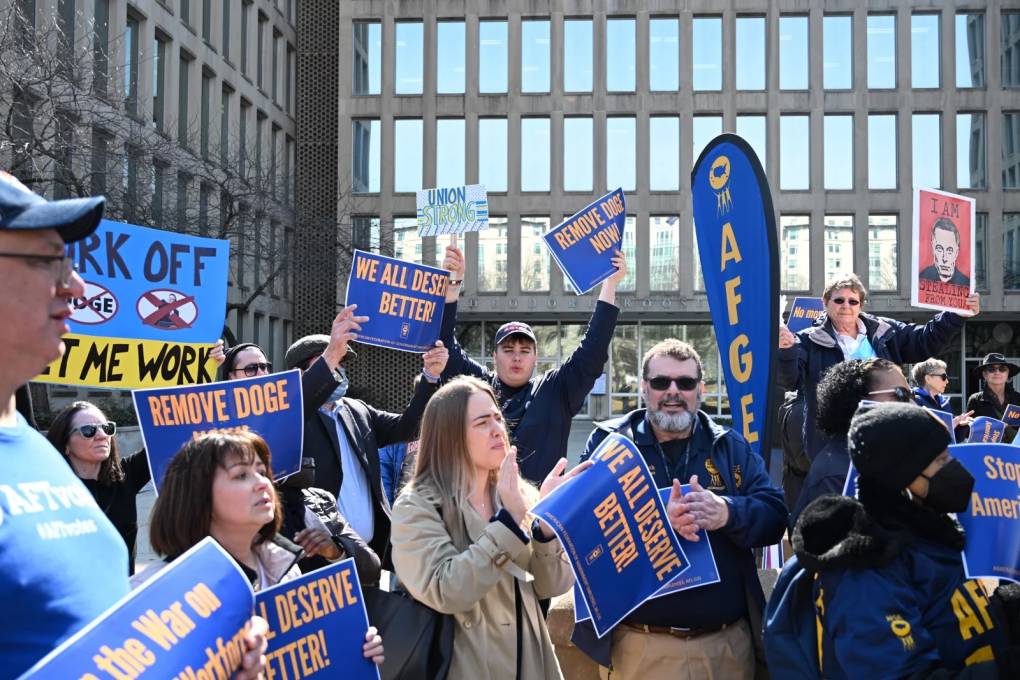
"caption": "Protesters hold signs in solidarity with the American Federation of Government Employees at a March 4 rally in support of federal workers at the Office of Personnel Management in Washington, DC.",
"credit": "Alex Wroblewski/AFP via Getty Images",
"altTag": "Protesters with banners and signs outside a building.",
"description": null,
"imgSizes": {
"medium": {
"file": "https://cdn.kqed.org/wp-content/uploads/sites/10/2025/03/npr.brightspotcdn-copy-14-800x534.jpg",
"width": 800,
"height": 534,
"mimeType": "image/jpeg"
},
"large": {
"file": "https://cdn.kqed.org/wp-content/uploads/sites/10/2025/03/npr.brightspotcdn-copy-14-1020x680.jpg",
"width": 1020,
"height": 680,
"mimeType": "image/jpeg"
},
"thumbnail": {
"file": "https://cdn.kqed.org/wp-content/uploads/sites/10/2025/03/npr.brightspotcdn-copy-14-160x107.jpg",
"width": 160,
"height": 107,
"mimeType": "image/jpeg"
},
"1536x1536": {
"file": "https://cdn.kqed.org/wp-content/uploads/sites/10/2025/03/npr.brightspotcdn-copy-14-1536x1024.jpg",
"width": 1536,
"height": 1024,
"mimeType": "image/jpeg"
},
"post-thumbnail": {
"file": "https://cdn.kqed.org/wp-content/uploads/sites/10/2025/03/npr.brightspotcdn-copy-14-672x372.jpg",
"width": 672,
"height": 372,
"mimeType": "image/jpeg"
},
"twentyfourteen-full-width": {
"file": "https://cdn.kqed.org/wp-content/uploads/sites/10/2025/03/npr.brightspotcdn-copy-14-1038x576.jpg",
"width": 1038,
"height": 576,
"mimeType": "image/jpeg"
},
"kqedFullSize": {
"file": "https://cdn.kqed.org/wp-content/uploads/sites/10/2025/03/npr.brightspotcdn-copy-14.jpg",
"width": 1600,
"height": 1067
}
},
"isLoading": false,
"fetchFailed": false
},
"news_12030595": {
"type": "attachments",
"id": "news_12030595",
"meta": {
"index": "attachments_1716263798",
"site": "news",
"id": "12030595",
"found": true
},
"title": "240617-VTAfile-22-BL_qed",
"publishDate": 1741630671,
"status": "inherit",
"parent": 12032033,
"modified": 1742575984,
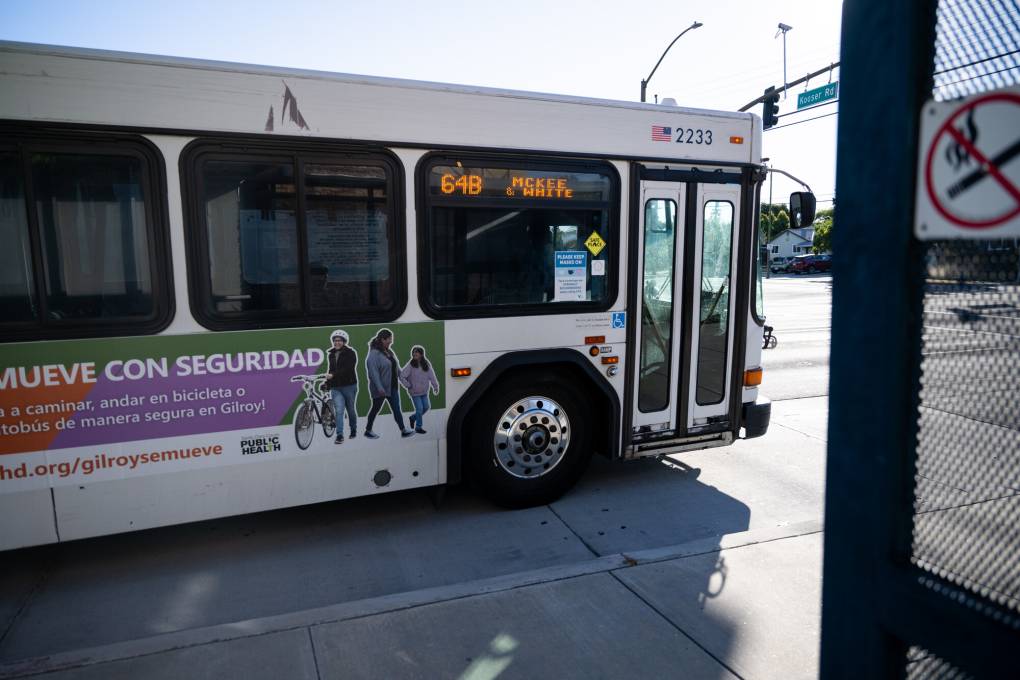
"caption": "A Santa Clara Valley Transportation Authority on Meridian Avenue and Kooser Road in San José on June 17, 2024.",
"credit": "Beth LaBerge/KQED",
"altTag": null,
"description": null,
"imgSizes": {
"medium": {
"file": "https://cdn.kqed.org/wp-content/uploads/sites/10/2025/03/240617-VTAfile-22-BL_qed-800x533.jpg",
"width": 800,
"height": 533,
"mimeType": "image/jpeg"
},
"large": {
"file": "https://cdn.kqed.org/wp-content/uploads/sites/10/2025/03/240617-VTAfile-22-BL_qed-1020x680.jpg",
"width": 1020,
"height": 680,
"mimeType": "image/jpeg"
},
"thumbnail": {
"file": "https://cdn.kqed.org/wp-content/uploads/sites/10/2025/03/240617-VTAfile-22-BL_qed-160x107.jpg",
"width": 160,
"height": 107,
"mimeType": "image/jpeg"
},
"1536x1536": {
"file": "https://cdn.kqed.org/wp-content/uploads/sites/10/2025/03/240617-VTAfile-22-BL_qed-1536x1024.jpg",
"width": 1536,
"height": 1024,
"mimeType": "image/jpeg"
},
"post-thumbnail": {
"file": "https://cdn.kqed.org/wp-content/uploads/sites/10/2025/03/240617-VTAfile-22-BL_qed-672x372.jpg",
"width": 672,
"height": 372,
"mimeType": "image/jpeg"
},
"twentyfourteen-full-width": {
"file": "https://cdn.kqed.org/wp-content/uploads/sites/10/2025/03/240617-VTAfile-22-BL_qed-1038x576.jpg",
"width": 1038,
"height": 576,
"mimeType": "image/jpeg"
},
"full-width": {
"file": "https://cdn.kqed.org/wp-content/uploads/sites/10/2025/03/240617-VTAfile-22-BL_qed-1920x1280.jpg",
"width": 1920,
"height": 1280,
"mimeType": "image/jpeg"
},
"kqedFullSize": {
"file": "https://cdn.kqed.org/wp-content/uploads/sites/10/2025/03/240617-VTAfile-22-BL_qed.jpg",
"width": 2000,
"height": 1333
}
},
"isLoading": false,
"fetchFailed": false
},
"news_12033404": {
"type": "attachments",
"id": "news_12033404",
"meta": {
"index": "attachments_1716263798",
"site": "news",
"id": "12033404",
"found": true
},
"title": "20250327_As-Vendor-Fund_DMB_00007",
"publishDate": 1743109905,
"status": "inherit",
"parent": 0,
"modified": 1743110630,
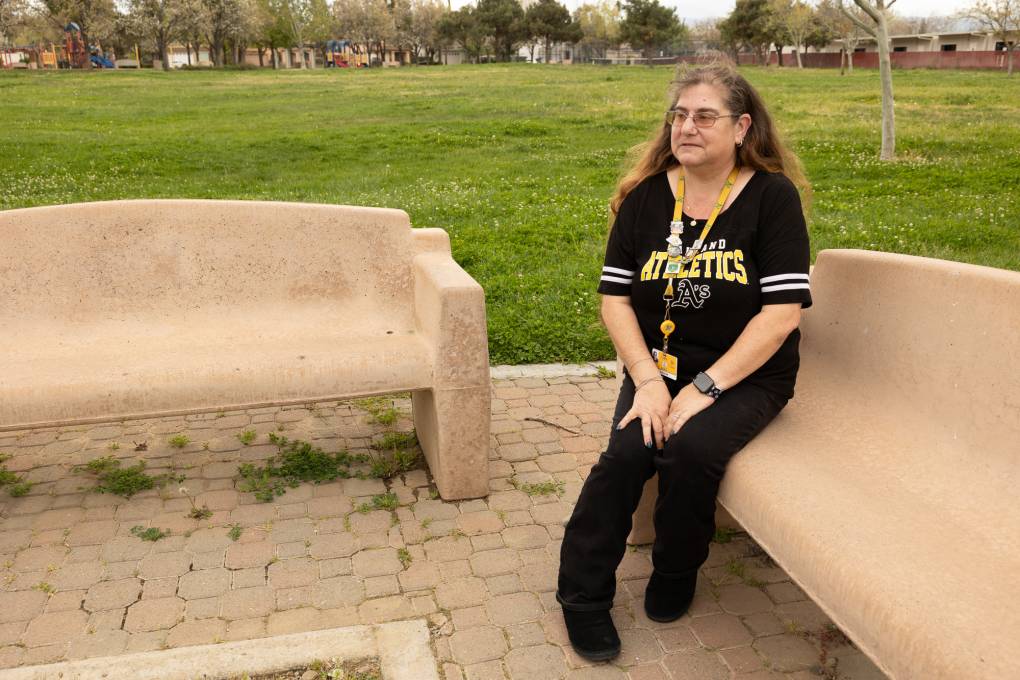
"caption": "Julie Silva, a Teamsters Local 853 member who spent over 15 years working retail and warehouse jobs for Aramark and Fanatics at the Oakland A’s, received $1,500 from the Oakland Coliseum Vendor Assistance Fund — but felt the support was inadequate. “ I really felt like they could have done better, especially for a lot of the people that have been there since the stadium opened,” Silva said.",
"credit": "David M. Barreda/KQED",
"altTag": null,
"description": null,
"imgSizes": {
"medium": {
"file": "https://cdn.kqed.org/wp-content/uploads/sites/10/2025/03/20250327_As-Vendor-Fund_DMB_00007-800x533.jpg",
"width": 800,
"height": 533,
"mimeType": "image/jpeg"
},
"large": {
"file": "https://cdn.kqed.org/wp-content/uploads/sites/10/2025/03/20250327_As-Vendor-Fund_DMB_00007-1020x680.jpg",
"width": 1020,
"height": 680,
"mimeType": "image/jpeg"
},
"thumbnail": {
"file": "https://cdn.kqed.org/wp-content/uploads/sites/10/2025/03/20250327_As-Vendor-Fund_DMB_00007-160x107.jpg",
"width": 160,
"height": 107,
"mimeType": "image/jpeg"
},
"1536x1536": {
"file": "https://cdn.kqed.org/wp-content/uploads/sites/10/2025/03/20250327_As-Vendor-Fund_DMB_00007-1536x1024.jpg",
"width": 1536,
"height": 1024,
"mimeType": "image/jpeg"
},
"post-thumbnail": {
"file": "https://cdn.kqed.org/wp-content/uploads/sites/10/2025/03/20250327_As-Vendor-Fund_DMB_00007-672x372.jpg",
"width": 672,
"height": 372,
"mimeType": "image/jpeg"
},
"twentyfourteen-full-width": {
"file": "https://cdn.kqed.org/wp-content/uploads/sites/10/2025/03/20250327_As-Vendor-Fund_DMB_00007-1038x576.jpg",
"width": 1038,
"height": 576,
"mimeType": "image/jpeg"
},
"full-width": {
"file": "https://cdn.kqed.org/wp-content/uploads/sites/10/2025/03/20250327_As-Vendor-Fund_DMB_00007-1920x1280.jpg",
"width": 1920,
"height": 1280,
"mimeType": "image/jpeg"
},
"kqedFullSize": {
"file": "https://cdn.kqed.org/wp-content/uploads/sites/10/2025/03/20250327_As-Vendor-Fund_DMB_00007.jpg",
"width": 2000,
"height": 1333
}
},
"isLoading": false,
"fetchFailed": false
},
"news_12033303": {
"type": "attachments",
"id": "news_12033303",
"meta": {
"index": "attachments_1716263798",
"site": "news",
"id": "12033303",
"found": true
},
"title": "stone countertop fabricator's hands are covered in dust",
"publishDate": 1743096258,
"status": "inherit",
"parent": 12033036,
"modified": 1743099792,
"caption": "A stone countertop fabricator's hands are covered in dust at a shop on Oct. 31, 2023, in Sun Valley, California. Inhaling fine particles can contribute to silicosis.",
"credit": "Brian van der Brug/Los Angeles Times via Getty Images",
"altTag": null,
"description": null,
"imgSizes": {
"medium": {
"file": "https://cdn.kqed.org/wp-content/uploads/sites/10/2025/03/StonecutterGetty-800x533.jpg",
"width": 800,
"height": 533,
"mimeType": "image/jpeg"
},
"large": {
"file": "https://cdn.kqed.org/wp-content/uploads/sites/10/2025/03/StonecutterGetty-1020x680.jpg",
"width": 1020,
"height": 680,
"mimeType": "image/jpeg"
},
"thumbnail": {
"file": "https://cdn.kqed.org/wp-content/uploads/sites/10/2025/03/StonecutterGetty-160x107.jpg",
"width": 160,
"height": 107,
"mimeType": "image/jpeg"
},
"1536x1536": {
"file": "https://cdn.kqed.org/wp-content/uploads/sites/10/2025/03/StonecutterGetty-1536x1024.jpg",
"width": 1536,
"height": 1024,
"mimeType": "image/jpeg"
},
"post-thumbnail": {
"file": "https://cdn.kqed.org/wp-content/uploads/sites/10/2025/03/StonecutterGetty-672x372.jpg",
"width": 672,
"height": 372,
"mimeType": "image/jpeg"
},
"twentyfourteen-full-width": {
"file": "https://cdn.kqed.org/wp-content/uploads/sites/10/2025/03/StonecutterGetty-1038x576.jpg",
"width": 1038,
"height": 576,
"mimeType": "image/jpeg"
},
"full-width": {
"file": "https://cdn.kqed.org/wp-content/uploads/sites/10/2025/03/StonecutterGetty-1920x1280.jpg",
"width": 1920,
"height": 1280,
"mimeType": "image/jpeg"
},
"kqedFullSize": {
"file": "https://cdn.kqed.org/wp-content/uploads/sites/10/2025/03/StonecutterGetty.jpg",
"width": 2000,
"height": 1333
}
},
"isLoading": false,
"fetchFailed": false
},
"news_12033239": {
"type": "attachments",
"id": "news_12033239",
"meta": {
"index": "attachments_1716263798",
"site": "news",
"id": "12033239",
"found": true
},
"title": "250326-VTACOURT.-JG-05-KQED",
"publishDate": 1743030702,
"status": "inherit",
"parent": 12033549,
"modified": 1743188757,
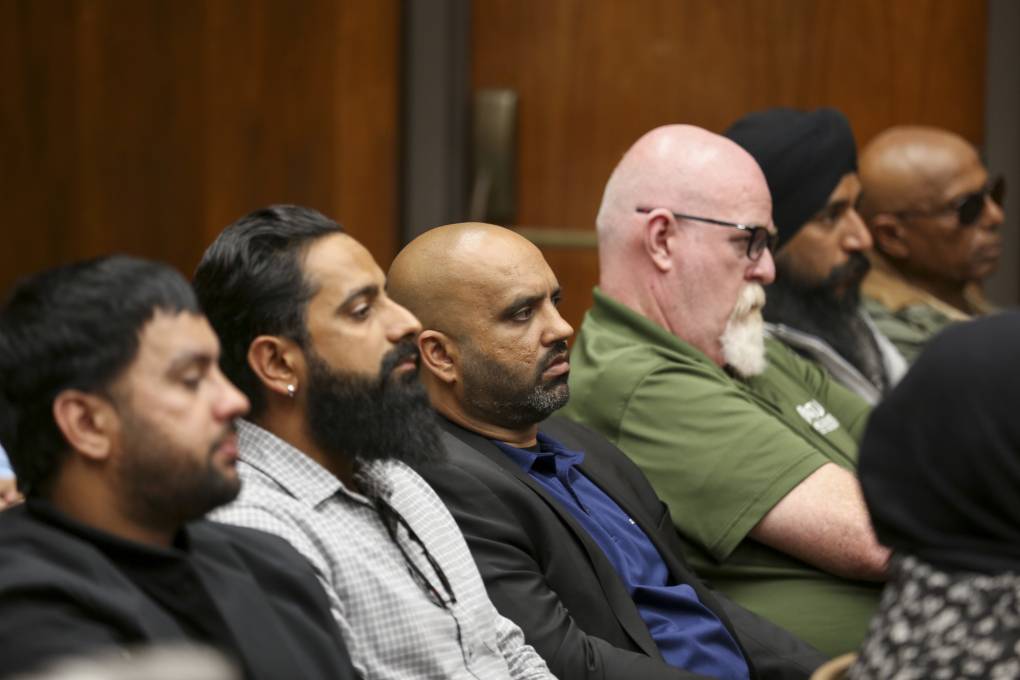
"caption": "Amalgamated Transit Union Local 265 President Raj Singh, center, watches a hearing in Santa Clara County Superior Court in San José on March 26, 2025.",
"credit": "Joseph Geha/KQED",
"altTag": null,
"description": null,
"imgSizes": {
"medium": {
"file": "https://cdn.kqed.org/wp-content/uploads/sites/10/2025/03/250326-VTACOURT.-JG-05-KQED-800x533.jpg",
"width": 800,
"height": 533,
"mimeType": "image/jpeg"
},
"large": {
"file": "https://cdn.kqed.org/wp-content/uploads/sites/10/2025/03/250326-VTACOURT.-JG-05-KQED-1020x680.jpg",
"width": 1020,
"height": 680,
"mimeType": "image/jpeg"
},
"thumbnail": {
"file": "https://cdn.kqed.org/wp-content/uploads/sites/10/2025/03/250326-VTACOURT.-JG-05-KQED-160x107.jpg",
"width": 160,
"height": 107,
"mimeType": "image/jpeg"
},
"1536x1536": {
"file": "https://cdn.kqed.org/wp-content/uploads/sites/10/2025/03/250326-VTACOURT.-JG-05-KQED-1536x1024.jpg",
"width": 1536,
"height": 1024,
"mimeType": "image/jpeg"
},
"post-thumbnail": {
"file": "https://cdn.kqed.org/wp-content/uploads/sites/10/2025/03/250326-VTACOURT.-JG-05-KQED-672x372.jpg",
"width": 672,
"height": 372,
"mimeType": "image/jpeg"
},
"twentyfourteen-full-width": {
"file": "https://cdn.kqed.org/wp-content/uploads/sites/10/2025/03/250326-VTACOURT.-JG-05-KQED-1038x576.jpg",
"width": 1038,
"height": 576,
"mimeType": "image/jpeg"
},
"full-width": {
"file": "https://cdn.kqed.org/wp-content/uploads/sites/10/2025/03/250326-VTACOURT.-JG-05-KQED-1920x1280.jpg",
"width": 1920,
"height": 1280,
"mimeType": "image/jpeg"
},
"kqedFullSize": {
"file": "https://cdn.kqed.org/wp-content/uploads/sites/10/2025/03/250326-VTACOURT.-JG-05-KQED.jpg",
"width": 2000,
"height": 1333
}
},
"isLoading": false,
"fetchFailed": false
},
"news_12032853": {
"type": "attachments",
"id": "news_12032853",
"meta": {
"index": "attachments_1716263798",
"site": "news",
"id": "12032853",
"found": true
},
"title": "VTA Day 15 Singh_qed",
"publishDate": 1742865306,
"status": "inherit",
"parent": 12032851,
"modified": 1742865399,
"caption": "Amalgamated Transit Union Local 265 President Raj Singh shares the results of a vote on a contract offer from the Santa Clara Valley Transportation Authority in San José on March 24, 2025.",
"credit": "Joseph Geha/KQED",
"altTag": null,
"description": null,
"imgSizes": {
"medium": {
"file": "https://cdn.kqed.org/wp-content/uploads/sites/10/2025/03/VTA-Day-15-Singh_qed-800x533.jpg",
"width": 800,
"height": 533,
"mimeType": "image/jpeg"
},
"large": {
"file": "https://cdn.kqed.org/wp-content/uploads/sites/10/2025/03/VTA-Day-15-Singh_qed-1020x680.jpg",
"width": 1020,
"height": 680,
"mimeType": "image/jpeg"
},
"thumbnail": {
"file": "https://cdn.kqed.org/wp-content/uploads/sites/10/2025/03/VTA-Day-15-Singh_qed-160x107.jpg",
"width": 160,
"height": 107,
"mimeType": "image/jpeg"
},
"1536x1536": {
"file": "https://cdn.kqed.org/wp-content/uploads/sites/10/2025/03/VTA-Day-15-Singh_qed-1536x1024.jpg",
"width": 1536,
"height": 1024,
"mimeType": "image/jpeg"
},
"post-thumbnail": {
"file": "https://cdn.kqed.org/wp-content/uploads/sites/10/2025/03/VTA-Day-15-Singh_qed-672x372.jpg",
"width": 672,
"height": 372,
"mimeType": "image/jpeg"
},
"twentyfourteen-full-width": {
"file": "https://cdn.kqed.org/wp-content/uploads/sites/10/2025/03/VTA-Day-15-Singh_qed-1038x576.jpg",
"width": 1038,
"height": 576,
"mimeType": "image/jpeg"
},
"full-width": {
"file": "https://cdn.kqed.org/wp-content/uploads/sites/10/2025/03/VTA-Day-15-Singh_qed-1920x1280.jpg",
"width": 1920,
"height": 1280,
"mimeType": "image/jpeg"
},
"kqedFullSize": {
"file": "https://cdn.kqed.org/wp-content/uploads/sites/10/2025/03/VTA-Day-15-Singh_qed.jpg",
"width": 1999,
"height": 1333
}
},
"isLoading": false,
"fetchFailed": false
},
"news_12032770": {
"type": "attachments",
"id": "news_12032770",
"meta": {
"index": "attachments_1716263798",
"site": "news",
"id": "12032770",
"found": true
},
"title": "20240324_SANTACLARAMEDICALSTRIKE_GC-9-KQED",
"publishDate": 1742842164,
"status": "inherit",
"parent": 0,
"modified": 1742850154,
"caption": "Dozens of Santa Clara County medical workers, represented by the Engineers and Scientists California Local 20, join a strike over what they call “bad faith” negotiating by the county during contract talks at the Santa Clara Valley Medical Center in San José on March 24, 2025.",
"credit": "Gina Castro/KQED",
"altTag": null,
"description": null,
"imgSizes": {
"medium": {
"file": "https://cdn.kqed.org/wp-content/uploads/sites/10/2025/03/20240324_SANTACLARAMEDICALSTRIKE_GC-9-KQED-800x533.jpg",
"width": 800,
"height": 533,
"mimeType": "image/jpeg"
},
"large": {
"file": "https://cdn.kqed.org/wp-content/uploads/sites/10/2025/03/20240324_SANTACLARAMEDICALSTRIKE_GC-9-KQED-1020x680.jpg",
"width": 1020,
"height": 680,
"mimeType": "image/jpeg"
},
"thumbnail": {
"file": "https://cdn.kqed.org/wp-content/uploads/sites/10/2025/03/20240324_SANTACLARAMEDICALSTRIKE_GC-9-KQED-160x107.jpg",
"width": 160,
"height": 107,
"mimeType": "image/jpeg"
},
"1536x1536": {
"file": "https://cdn.kqed.org/wp-content/uploads/sites/10/2025/03/20240324_SANTACLARAMEDICALSTRIKE_GC-9-KQED-1536x1024.jpg",
"width": 1536,
"height": 1024,
"mimeType": "image/jpeg"
},
"post-thumbnail": {
"file": "https://cdn.kqed.org/wp-content/uploads/sites/10/2025/03/20240324_SANTACLARAMEDICALSTRIKE_GC-9-KQED-672x372.jpg",
"width": 672,
"height": 372,
"mimeType": "image/jpeg"
},
"twentyfourteen-full-width": {
"file": "https://cdn.kqed.org/wp-content/uploads/sites/10/2025/03/20240324_SANTACLARAMEDICALSTRIKE_GC-9-KQED-1038x576.jpg",
"width": 1038,
"height": 576,
"mimeType": "image/jpeg"
},
"full-width": {
"file": "https://cdn.kqed.org/wp-content/uploads/sites/10/2025/03/20240324_SANTACLARAMEDICALSTRIKE_GC-9-KQED-1920x1280.jpg",
"width": 1920,
"height": 1280,
"mimeType": "image/jpeg"
},
"kqedFullSize": {
"file": "https://cdn.kqed.org/wp-content/uploads/sites/10/2025/03/20240324_SANTACLARAMEDICALSTRIKE_GC-9-KQED.jpg",
"width": 2000,
"height": 1333
}
},
"isLoading": false,
"fetchFailed": false
},
"news_12032513": {
"type": "attachments",
"id": "news_12032513",
"meta": {
"index": "attachments_1716263798",
"site": "news",
"id": "12032513",
"found": true
},
"title": "Natera_Daylaborers_250214_22a",
"publishDate": 1742590793,
"status": "inherit",
"parent": 12032505,
"modified": 1742590843,
"caption": "Day laborers, jornaleros in Spanish, have breakfast at the Multicultural Institute on Friday, February 14.",
"credit": "Ximena Natera, Berkeleyside/CatchLight Local",
"altTag": null,
"description": null,
"imgSizes": {
"thumbnail": {
"file": "https://cdn.kqed.org/wp-content/uploads/sites/10/2025/03/Natera_Daylaborers_250214_22a-160x114.jpeg",
"width": 160,
"height": 114,
"mimeType": "image/jpeg"
},
"post-thumbnail": {
"file": "https://cdn.kqed.org/wp-content/uploads/sites/10/2025/03/Natera_Daylaborers_250214_22a-672x372.jpeg",
"width": 672,
"height": 372,
"mimeType": "image/jpeg"
},
"kqedFullSize": {
"file": "https://cdn.kqed.org/wp-content/uploads/sites/10/2025/03/Natera_Daylaborers_250214_22a.jpeg",
"width": 780,
"height": 557
}
},
"isLoading": false,
"fetchFailed": false
},
"news_12032416": {
"type": "attachments",
"id": "news_12032416",
"meta": {
"index": "attachments_1716263798",
"site": "news",
"id": "12032416",
"found": true
},
"title": "20250311_VTAStrikeDay2_GC-6_qed",
"publishDate": 1742573597,
"status": "inherit",
"parent": 12032033,
"modified": 1749057788,
"caption": "Hundreds of Santa Clara Valley Transportation Authority workers, represented by the Amalgamated Transit Union Local 265, raise fists during a second-day strike in front of the VTA headquarters on North First Street in San José, demanding a better contract and an increase in wages on March 11, 2025. ",
"credit": "Gina Castro/KQED",
"altTag": null,
"description": null,
"imgSizes": {
"medium": {
"file": "https://cdn.kqed.org/wp-content/uploads/sites/10/2025/03/20250311_VTAStrikeDay2_GC-6_qed-800x533.jpg",
"width": 800,
"height": 533,
"mimeType": "image/jpeg"
},
"large": {
"file": "https://cdn.kqed.org/wp-content/uploads/sites/10/2025/03/20250311_VTAStrikeDay2_GC-6_qed-1020x680.jpg",
"width": 1020,
"height": 680,
"mimeType": "image/jpeg"
},
"thumbnail": {
"file": "https://cdn.kqed.org/wp-content/uploads/sites/10/2025/03/20250311_VTAStrikeDay2_GC-6_qed-160x107.jpg",
"width": 160,
"height": 107,
"mimeType": "image/jpeg"
},
"1536x1536": {
"file": "https://cdn.kqed.org/wp-content/uploads/sites/10/2025/03/20250311_VTAStrikeDay2_GC-6_qed-1536x1024.jpg",
"width": 1536,
"height": 1024,
"mimeType": "image/jpeg"
},
"post-thumbnail": {
"file": "https://cdn.kqed.org/wp-content/uploads/sites/10/2025/03/20250311_VTAStrikeDay2_GC-6_qed-672x372.jpg",
"width": 672,
"height": 372,
"mimeType": "image/jpeg"
},
"twentyfourteen-full-width": {
"file": "https://cdn.kqed.org/wp-content/uploads/sites/10/2025/03/20250311_VTAStrikeDay2_GC-6_qed-1038x576.jpg",
"width": 1038,
"height": 576,
"mimeType": "image/jpeg"
},
"full-width": {
"file": "https://cdn.kqed.org/wp-content/uploads/sites/10/2025/03/20250311_VTAStrikeDay2_GC-6_qed-1920x1280.jpg",
"width": 1920,
"height": 1280,
"mimeType": "image/jpeg"
},
"kqedFullSize": {
"file": "https://cdn.kqed.org/wp-content/uploads/sites/10/2025/03/20250311_VTAStrikeDay2_GC-6_qed.jpg",
"width": 2000,
"height": 1333
}
},
"isLoading": false,
"fetchFailed": false
},
"news_12032413": {
"type": "attachments",
"id": "news_12032413",
"meta": {
"index": "attachments_1716263798",
"site": "news",
"id": "12032413",
"found": true
},
"title": "20250311_VTAStrikeDay2_GC-7_qed",
"publishDate": 1742573433,
"status": "inherit",
"parent": 12031623,
"modified": 1742592774,
"caption": "Hundreds of Santa Clara Valley Transportation Authority workers and represented by the Amalgamated Transit Union Local 265, raise fists during a second-day strike in front of the VTA headquarters on North First Street in San José, demanding a better contract and an increase in wages on March 11, 2025.",
"credit": "Gina Castro/KQED",
"altTag": null,
"description": null,
"imgSizes": {
"medium": {
"file": "https://cdn.kqed.org/wp-content/uploads/sites/10/2025/03/20250311_VTAStrikeDay2_GC-7_qed-800x533.jpg",
"width": 800,
"height": 533,
"mimeType": "image/jpeg"
},
"large": {
"file": "https://cdn.kqed.org/wp-content/uploads/sites/10/2025/03/20250311_VTAStrikeDay2_GC-7_qed-1020x680.jpg",
"width": 1020,
"height": 680,
"mimeType": "image/jpeg"
},
"thumbnail": {
"file": "https://cdn.kqed.org/wp-content/uploads/sites/10/2025/03/20250311_VTAStrikeDay2_GC-7_qed-160x107.jpg",
"width": 160,
"height": 107,
"mimeType": "image/jpeg"
},
"1536x1536": {
"file": "https://cdn.kqed.org/wp-content/uploads/sites/10/2025/03/20250311_VTAStrikeDay2_GC-7_qed-1536x1024.jpg",
"width": 1536,
"height": 1024,
"mimeType": "image/jpeg"
},
"post-thumbnail": {
"file": "https://cdn.kqed.org/wp-content/uploads/sites/10/2025/03/20250311_VTAStrikeDay2_GC-7_qed-672x372.jpg",
"width": 672,
"height": 372,
"mimeType": "image/jpeg"
},
"twentyfourteen-full-width": {
"file": "https://cdn.kqed.org/wp-content/uploads/sites/10/2025/03/20250311_VTAStrikeDay2_GC-7_qed-1038x576.jpg",
"width": 1038,
"height": 576,
"mimeType": "image/jpeg"
},
"full-width": {
"file": "https://cdn.kqed.org/wp-content/uploads/sites/10/2025/03/20250311_VTAStrikeDay2_GC-7_qed-1920x1280.jpg",
"width": 1920,
"height": 1280,
"mimeType": "image/jpeg"
},
"kqedFullSize": {
"file": "https://cdn.kqed.org/wp-content/uploads/sites/10/2025/03/20250311_VTAStrikeDay2_GC-7_qed.jpg",
"width": 2000,
"height": 1333
}
},
"isLoading": false,
"fetchFailed": false
},
"news_12032262": {
"type": "attachments",
"id": "news_12032262",
"meta": {
"index": "attachments_1716263798",
"site": "news",
"id": "12032262",
"found": true
},
"title": "REI Sign",
"publishDate": 1742496205,
"status": "inherit",
"parent": 12032259,
"modified": 1742496290,
"caption": "The Recreational Equipment Incorporated (REI) outdoor clothing store in Dublin, California, July 23, 2018. ",
"credit": "Smith Collection/Gado/Getty Images",
"altTag": null,
"description": null,
"imgSizes": {
"medium": {
"file": "https://cdn.kqed.org/wp-content/uploads/sites/10/2025/03/REIDublinGetty-800x533.jpg",
"width": 800,
"height": 533,
"mimeType": "image/jpeg"
},
"large": {
"file": "https://cdn.kqed.org/wp-content/uploads/sites/10/2025/03/REIDublinGetty-1020x680.jpg",
"width": 1020,
"height": 680,
"mimeType": "image/jpeg"
},
"thumbnail": {
"file": "https://cdn.kqed.org/wp-content/uploads/sites/10/2025/03/REIDublinGetty-160x107.jpg",
"width": 160,
"height": 107,
"mimeType": "image/jpeg"
},
"1536x1536": {
"file": "https://cdn.kqed.org/wp-content/uploads/sites/10/2025/03/REIDublinGetty-1536x1024.jpg",
"width": 1536,
"height": 1024,
"mimeType": "image/jpeg"
},
"post-thumbnail": {
"file": "https://cdn.kqed.org/wp-content/uploads/sites/10/2025/03/REIDublinGetty-672x372.jpg",
"width": 672,
"height": 372,
"mimeType": "image/jpeg"
},
"twentyfourteen-full-width": {
"file": "https://cdn.kqed.org/wp-content/uploads/sites/10/2025/03/REIDublinGetty-1038x576.jpg",
"width": 1038,
"height": 576,
"mimeType": "image/jpeg"
},
"full-width": {
"file": "https://cdn.kqed.org/wp-content/uploads/sites/10/2025/03/REIDublinGetty-1920x1280.jpg",
"width": 1920,
"height": 1280,
"mimeType": "image/jpeg"
},
"kqedFullSize": {
"file": "https://cdn.kqed.org/wp-content/uploads/sites/10/2025/03/REIDublinGetty.jpg",
"width": 2000,
"height": 1333
}
},
"isLoading": false,
"fetchFailed": false
}
},
"audioPlayerReducer": {
"postId": "stream_live",
"isPaused": true,
"isPlaying": false,
"pfsActive": false,
"pledgeModalIsOpen": true,
"playerDrawerIsOpen": false,
"liveAudioPlayStartedAt": 0,
"liveAudioPlayContext": ""
},
"authorsReducer": {
"byline_news_12033535": {
"type": "authors",
"id": "byline_news_12033535",
"meta": {
"override": true
},
"slug": "byline_news_12033535",
"name": "\u003ca href=\"https://www.npr.org/people/536432406/andrea-hsu\">Andrea Hsu\u003c/a>, NPR",
"isLoading": false
},
"shossaini": {
"type": "authors",
"id": "3214",
"meta": {
"index": "authors_1716337520",
"id": "3214",
"found": true
},
"name": "Sara Hossaini",
"firstName": "Sara",
"lastName": "Hossaini",
"slug": "shossaini",
"email": "shossaini@kqed.org",
"display_author_email": true,
"staff_mastheads": [
"news"
],
"title": "KQED Reporter",
"bio": "Sara Hossaini came to general assignment reporting at KQED in 2013 after two winters reporting at Wyoming Public Radio. She holds a bachelor's degree in broadcast journalism from the University of Nebraska-Lincoln. Her radio romance began after a bitter breakup with documentary film (Ok, maybe it's still complicated). Her first simultaneous jobs in San Francisco were as Associate Producer on a PBS film series through the Center for Asian American Media and as a butler. She likes to trot, plot and make things with her hands.",
"avatar": "https://secure.gravatar.com/avatar/060e9f56b9554e17942e89f413242774?s=600&d=blank&r=g",
"twitter": "mshossaini",
"facebook": null,
"instagram": null,
"linkedin": null,
"sites": [
{
"site": "news",
"roles": [
"author"
]
},
{
"site": "stateofhealth",
"roles": [
"author"
]
}
],
"headData": {
"title": "Sara Hossaini | KQED",
"description": "KQED Reporter",
"ogImgSrc": "https://secure.gravatar.com/avatar/060e9f56b9554e17942e89f413242774?s=600&d=blank&r=g",
"twImgSrc": "https://secure.gravatar.com/avatar/060e9f56b9554e17942e89f413242774?s=600&d=blank&r=g"
},
"isLoading": false,
"link": "/author/shossaini"
},
"ecruzguevarra": {
"type": "authors",
"id": "8654",
"meta": {
"index": "authors_1716337520",
"id": "8654",
"found": true
},
"name": "Ericka Cruz Guevarra",
"firstName": "Ericka",
"lastName": "Cruz Guevarra",
"slug": "ecruzguevarra",
"email": "ecruzguevarra@kqed.org",
"display_author_email": true,
"staff_mastheads": [
"news"
],
"title": "Producer, The Bay Podcast",
"bio": "Ericka Cruz Guevarra is host of \u003ca href=\"https://www.kqed.org/podcasts/thebay\">\u003cem>The Bay\u003c/em>\u003c/a> podcast at KQED. Before host, she was the show’s producer. Her work in that capacity includes a three-part reported series on policing in Vallejo, which won a 2020 excellence in journalism award from the Society of Professional Journalists. Ericka has worked as a breaking news reporter at Oregon Public Broadcasting, helped produce the Code Switch podcast, and was KQED’s inaugural Raul Ramirez Diversity Fund intern. She’s also an alumna of NPR’s Next Generation Radio program. Send her an email if you have strong feelings about whether Fairfield and Suisun City are the Bay. Ericka is represented by SAG-AFTRA.",
"avatar": "https://secure.gravatar.com/avatar/accefc1de4bafc7e234b69bcb9b6f6536c130fd84709bc3069ef11a78787e1bb?s=600&d=blank&r=g",
"twitter": "NotoriousECG",
"bluesky": null,
"facebook": null,
"instagram": null,
"linkedin": null,
"sites": [
{
"site": "arts",
"roles": [
"subscriber"
]
},
{
"site": "news",
"roles": [
"editor",
"manage_categories"
]
},
{
"site": "futureofyou",
"roles": [
"subscriber"
]
},
{
"site": "stateofhealth",
"roles": [
"subscriber"
]
},
{
"site": "science",
"roles": [
"editor"
]
},
{
"site": "forum",
"roles": [
"subscriber"
]
}
],
"headData": {
"title": "Ericka Cruz Guevarra | KQED",
"description": "Producer, The Bay Podcast",
"ogImgSrc": "https://secure.gravatar.com/avatar/accefc1de4bafc7e234b69bcb9b6f6536c130fd84709bc3069ef11a78787e1bb?s=600&d=blank&r=g",
"twImgSrc": "https://secure.gravatar.com/avatar/accefc1de4bafc7e234b69bcb9b6f6536c130fd84709bc3069ef11a78787e1bb?s=600&d=blank&r=g"
},
"isLoading": false,
"link": "/author/ecruzguevarra"
},
"fjhabvala": {
"type": "authors",
"id": "8659",
"meta": {
"index": "authors_1716337520",
"id": "8659",
"found": true
},
"name": "Farida Jhabvala Romero",
"firstName": "Farida",
"lastName": "Jhabvala Romero",
"slug": "fjhabvala",
"email": "fjhabvala@kqed.org",
"display_author_email": true,
"staff_mastheads": [
"news"
],
"title": "KQED Contributor",
"bio": "Farida Jhabvala Romero is a Labor Correspondent for KQED. She previously covered immigration. Farida was \u003ca href=\"https://www.ccnma.org/2022-most-influential-latina-journalists\">named\u003c/a> one of the 10 Most Influential Latina Journalists in California in 2022 by the California Chicano News Media Association. Her work has won awards from the Society of Professional Journalists (Northern California), as well as a national and regional Edward M. Murrow Award for the collaborative reporting projects “Dangerous Air” and “Graying California.” Before joining KQED, Farida worked as a producer at Radio Bilingüe, a national public radio network. Farida earned her master’s degree in journalism from Stanford University.",
"avatar": "https://secure.gravatar.com/avatar/f9f022d4e2609741874222a1e9d41f48fea74011aa7c615eef91d9a50c944ebe?s=600&d=blank&r=g",
"twitter": "FaridaJhabvala",
"bluesky": null,
"facebook": null,
"instagram": null,
"linkedin": "https://www.linkedin.com/in/faridajhabvala/",
"sites": [
{
"site": "news",
"roles": [
"editor"
]
},
{
"site": "stateofhealth",
"roles": [
"author"
]
},
{
"site": "liveblog",
"roles": [
"author"
]
}
],
"headData": {
"title": "Farida Jhabvala Romero | KQED",
"description": "KQED Contributor",
"ogImgSrc": "https://secure.gravatar.com/avatar/f9f022d4e2609741874222a1e9d41f48fea74011aa7c615eef91d9a50c944ebe?s=600&d=blank&r=g",
"twImgSrc": "https://secure.gravatar.com/avatar/f9f022d4e2609741874222a1e9d41f48fea74011aa7c615eef91d9a50c944ebe?s=600&d=blank&r=g"
},
"isLoading": false,
"link": "/author/fjhabvala"
},
"amontecillo": {
"type": "authors",
"id": "11649",
"meta": {
"index": "authors_1716337520",
"id": "11649",
"found": true
},
"name": "Alan Montecillo",
"firstName": "Alan",
"lastName": "Montecillo",
"slug": "amontecillo",
"email": "amontecillo@kqed.org",
"display_author_email": false,
"staff_mastheads": [
"news"
],
"title": "KQED Contributor",
"bio": "Alan Montecillo is the senior editor of \u003cem>\u003ca href=\"http://kqed.org/thebay\">The Bay\u003c/a>, \u003c/em> KQED's local news podcast. Before moving to the Bay Area, he worked as a senior talk show producer for WILL in Champaign-Urbana, Illinois and at Oregon Public Broadcasting in Portland, Oregon. He has won journalism awards from the Society of Professional Journalists Northern California, the Public Media Journalists Association, The Signal Awards, and has also received a regional Edward R. Murrow award. Alan is a Filipino American from Hong Kong and a graduate of Reed College.",
"avatar": "https://secure.gravatar.com/avatar/268f53a2066899ea9efdd8a5900218b17c822d9862cbc9326cccec53ef41d349?s=600&d=blank&r=g",
"twitter": "alanmontecillo",
"bluesky": null,
"facebook": null,
"instagram": null,
"linkedin": null,
"sites": [
{
"site": "",
"roles": [
"editor"
]
},
{
"site": "news",
"roles": [
"editor",
"manage_categories"
]
}
],
"headData": {
"title": "Alan Montecillo | KQED",
"description": "KQED Contributor",
"ogImgSrc": "https://secure.gravatar.com/avatar/268f53a2066899ea9efdd8a5900218b17c822d9862cbc9326cccec53ef41d349?s=600&d=blank&r=g",
"twImgSrc": "https://secure.gravatar.com/avatar/268f53a2066899ea9efdd8a5900218b17c822d9862cbc9326cccec53ef41d349?s=600&d=blank&r=g"
},
"isLoading": false,
"link": "/author/amontecillo"
},
"adahlstromeckman": {
"type": "authors",
"id": "11785",
"meta": {
"index": "authors_1716337520",
"id": "11785",
"found": true
},
"name": "Azul Dahlstrom-Eckman",
"firstName": "Azul",
"lastName": "Dahlstrom-Eckman",
"slug": "adahlstromeckman",
"email": "adahlstrom-eckman@kqed.org",
"display_author_email": true,
"staff_mastheads": [],
"title": "Reporter",
"bio": "Azul is a reporter for KQED focusing on transportation and features. He joined KQED in 2021 as an alumna of KALW's Audio Academy radio journalism training program.",
"avatar": "https://secure.gravatar.com/avatar/9cb750298435add7815a777f55bf1f46845c1386bb8452555c60a7b820b5aba3?s=600&d=blank&r=g",
"twitter": "@zuliemann",
"bluesky": "@azul415.bsky.social",
"facebook": null,
"instagram": null,
"linkedin": null,
"sites": [
{
"site": "arts",
"roles": [
"editor"
]
},
{
"site": "news",
"roles": [
"editor"
]
},
{
"site": "science",
"roles": [
"editor"
]
},
{
"site": "liveblog",
"roles": [
"author"
]
}
],
"headData": {
"title": "Azul Dahlstrom-Eckman | KQED",
"description": "Reporter",
"ogImgSrc": "https://secure.gravatar.com/avatar/9cb750298435add7815a777f55bf1f46845c1386bb8452555c60a7b820b5aba3?s=600&d=blank&r=g",
"twImgSrc": "https://secure.gravatar.com/avatar/9cb750298435add7815a777f55bf1f46845c1386bb8452555c60a7b820b5aba3?s=600&d=blank&r=g"
},
"isLoading": false,
"link": "/author/adahlstromeckman"
},
"jessicakariisa": {
"type": "authors",
"id": "11831",
"meta": {
"index": "authors_1716337520",
"id": "11831",
"found": true
},
"name": "Jessica Kariisa",
"firstName": "Jessica",
"lastName": "Kariisa",
"slug": "jessicakariisa",
"email": "jkariisa@kqed.org",
"display_author_email": false,
"staff_mastheads": [],
"title": "Producer, The Bay",
"bio": "Jessica Kariisa is the producer of The Bay. She first joined KQED as an intern for The California Report Magazine, after which she became an on-call producer. She reported a Bay Curious episode on the use of rap lyrics in criminal trials which won a Society of Professional Journalists award in 2023 for Excellence in Features Journalism and the 2023 Signal Award for Best Conversation Starter. She’s worked on podcasts for Snap Judgment and American Public Media. Before embarking on her audio career, she was a music journalist.\r\n\r\nJessica Kariisa is represented by SAG-AFTRA.",
"avatar": "https://secure.gravatar.com/avatar/522e97b28ac0b3d411621c0fde8f3419c7b71ea2c5c262c57c4bb600963f328c?s=600&d=blank&r=g",
"twitter": null,
"bluesky": null,
"facebook": null,
"instagram": null,
"linkedin": null,
"sites": [
{
"site": "arts",
"roles": [
"author"
]
},
{
"site": "news",
"roles": [
"editor",
"manage_categories"
]
}
],
"headData": {
"title": "Jessica Kariisa | KQED",
"description": "Producer, The Bay",
"ogImgSrc": "https://secure.gravatar.com/avatar/522e97b28ac0b3d411621c0fde8f3419c7b71ea2c5c262c57c4bb600963f328c?s=600&d=blank&r=g",
"twImgSrc": "https://secure.gravatar.com/avatar/522e97b28ac0b3d411621c0fde8f3419c7b71ea2c5c262c57c4bb600963f328c?s=600&d=blank&r=g"
},
"isLoading": false,
"link": "/author/jessicakariisa"
},
"jgeha": {
"type": "authors",
"id": "11906",
"meta": {
"index": "authors_1716337520",
"id": "11906",
"found": true
},
"name": "Joseph Geha",
"firstName": "Joseph",
"lastName": "Geha",
"slug": "jgeha",
"email": "jgeha@kqed.org",
"display_author_email": false,
"staff_mastheads": [
"news",
"science"
],
"title": "KQED Contributor",
"bio": null,
"avatar": "https://secure.gravatar.com/avatar/ea84d2b6dd93d6369d453edf19dd583f117cd1759d2d9c9c92f9de77017354fe?s=600&d=blank&r=g",
"twitter": null,
"bluesky": null,
"facebook": null,
"instagram": null,
"linkedin": null,
"sites": [
{
"site": "news",
"roles": [
"editor"
]
},
{
"site": "liveblog",
"roles": [
"author"
]
}
],
"headData": {
"title": "Joseph Geha | KQED",
"description": "KQED Contributor",
"ogImgSrc": "https://secure.gravatar.com/avatar/ea84d2b6dd93d6369d453edf19dd583f117cd1759d2d9c9c92f9de77017354fe?s=600&d=blank&r=g",
"twImgSrc": "https://secure.gravatar.com/avatar/ea84d2b6dd93d6369d453edf19dd583f117cd1759d2d9c9c92f9de77017354fe?s=600&d=blank&r=g"
},
"isLoading": false,
"link": "/author/jgeha"
},
"slim": {
"type": "authors",
"id": "11920",
"meta": {
"index": "authors_1716337520",
"id": "11920",
"found": true
},
"name": "Samantha Lim",
"firstName": "Samantha",
"lastName": "Lim",
"slug": "slim",
"email": "slim@KQED.org",
"display_author_email": false,
"staff_mastheads": [],
"title": "KQED Contributor",
"bio": null,
"avatar": "https://secure.gravatar.com/avatar/82e592e6c15fe1a04d385e8ad0fb0b4e?s=600&d=blank&r=g",
"twitter": null,
"facebook": null,
"instagram": null,
"linkedin": null,
"sites": [
{
"site": "news",
"roles": []
}
],
"headData": {
"title": "Samantha Lim | KQED",
"description": "KQED Contributor",
"ogImgSrc": "https://secure.gravatar.com/avatar/82e592e6c15fe1a04d385e8ad0fb0b4e?s=600&d=blank&r=g",
"twImgSrc": "https://secure.gravatar.com/avatar/82e592e6c15fe1a04d385e8ad0fb0b4e?s=600&d=blank&r=g"
},
"isLoading": false,
"link": "/author/slim"
},
"mvelasquez": {
"type": "authors",
"id": "11939",
"meta": {
"index": "authors_1716337520",
"id": "11939",
"found": true
},
"name": "Mel Velasquez",
"firstName": "Mel",
"lastName": "Velasquez",
"slug": "mvelasquez",
"email": "mvelasquez@kqed.org",
"display_author_email": false,
"staff_mastheads": [],
"title": "KQED Contributor",
"bio": null,
"avatar": "https://secure.gravatar.com/avatar/409094312d56fab09fef4251e949ffa6?s=600&d=blank&r=g",
"twitter": null,
"facebook": null,
"instagram": null,
"linkedin": "www.linkedin.com/in/melanievelasquezz",
"sites": [
{
"site": "news",
"roles": [
"editor"
]
}
],
"headData": {
"title": "Mel Velasquez | KQED",
"description": "KQED Contributor",
"ogImgSrc": "https://secure.gravatar.com/avatar/409094312d56fab09fef4251e949ffa6?s=600&d=blank&r=g",
"twImgSrc": "https://secure.gravatar.com/avatar/409094312d56fab09fef4251e949ffa6?s=600&d=blank&r=g"
},
"isLoading": false,
"link": "/author/mvelasquez"
}
},
"pagesReducer": {
"news_tag_labor": {
"type": "terms",
"id": "news_19904",
"meta": {
"index": "terms_1716263798",
"site": "news",
"id": "19904",
"score": 8.558012
},
"name": "Labor",
"slug": "labor",
"taxonomy": "tag",
"description": null,
"featImg": null,
"headData": {
"title": "Labor | KQED News",
"description": null,
"ogTitle": null,
"ogDescription": null,
"ogImgId": null,
"twTitle": null,
"twDescription": null,
"twImgId": null
},
"ttid": 19921,
"isLoading": false,
"title": "Labor",
"pageMeta": {
"site": "news",
"WpPageTemplate": "page-topic-editorial",
"currentPage": 23
},
"blocks": [
{
"blockName": "kqed/post-list",
"attrs": {
"layout": "cardArticle2",
"query": "posts/news?tag=labor",
"seeMore": false,
"paginated": true,
"page": 23
}
},
{
"blockName": "kqed/ad"
}
]
}
},
"pfsSessionReducer": {},
"postsReducer": {
"stream_live": {
"type": "live",
"id": "stream_live",
"audioUrl": "https://streams.kqed.org/kqedradio",
"title": "Live Stream",
"excerpt": "Live Stream information currently unavailable.",
"link": "/radio",
"featImg": "",
"label": {
"name": "KQED Live",
"link": "/"
}
},
"stream_kqedNewscast": {
"type": "posts",
"id": "stream_kqedNewscast",
"audioUrl": "https://www.kqed.org/.stream/anon/radio/RDnews/newscast.mp3?_=1",
"title": "KQED Newscast",
"featImg": "",
"label": {
"name": "88.5 FM",
"link": "/"
}
},
"news_12033648": {
"type": "posts",
"id": "news_12033648",
"meta": {
"index": "posts_1716263798",
"site": "news",
"id": "12033648",
"score": null,
"sort": [
1743447652000
]
},
"guestAuthors": [],
"slug": "uber-lyft-withheld-billions-in-pay-california-alleges-settlement-talks-are-underway",
"title": "Uber, Lyft Withheld Billions in Pay, Drivers Say. California Settlement Talks Are Underway",
"publishDate": 1743447652,
"format": "standard",
"headTitle": "Uber, Lyft Withheld Billions in Pay, Drivers Say. California Settlement Talks Are Underway | KQED",
"labelTerm": {
"site": "news"
},
"content": "\u003cp>\u003cem>Updated 12 p.m. Monday\u003c/em>\u003c/p>\n\u003cp>Nearly half a decade after public officials sued Uber and Lyft, alleging that the companies were withholding what drivers say could amount to \u003ca href=\"https://www.kqed.org/news/12002988/some-gig-workers-say-they-are-seeing-little-of-prop-22-promises-and-lack-of-enforcement-from-state\">billions of dollars\u003c/a> in wages and compensation, negotiations with the state are set to begin Monday and continue for two weeks.\u003c/p>\n\u003cp>Drivers are demanding that the state push for a settlement that adequately recoups what they say are years of lost wages, improves workplace conditions — such as protections against drivers being deactivated from the apps — and raises wages moving forward.\u003c/p>\n\u003cp>More than 250,000 drivers who worked with Uber and Lyft between 2016 and 2020 could be eligible for the settlement, according to Rideshare Drivers United, an organization based in California. Roughly 5,000 drivers filed claims with the state labor commissioner’s office in 2020, alleging that they were denied overtime, mileage reimbursement and other benefits employees are entitled to.\u003c/p>\n\u003cp>[ad fullwidth]\u003c/p>\n\u003cp>That same year, then-California Attorney General Xavier Becerra and the city attorneys of San Francisco, Los Angeles and San Diego sued Uber and Lyft for misclassifying drivers as independent contractors. The labor commissioner’s office also sued the companies, alleging wage theft.\u003c/p>\n\u003cp>The two actions, in addition to several others filed on behalf of individual drivers, were combined into a single joint case before the San Francisco Superior Court. A closed-door mediation session with Uber is scheduled for Monday, while separate talks with Lyft are set to take place on April 8.\u003c/p>\n\u003cfigure id=\"attachment_11997574\" class=\"wp-caption aligncenter\" style=\"max-width: 1024px\">\u003ca href=\"https://cdn.kqed.org/wp-content/uploads/sites/10/2024/07/GettyImages-2003719181.jpg\">\u003cimg loading=\"lazy\" decoding=\"async\" class=\"size-full wp-image-11997574\" src=\"https://cdn.kqed.org/wp-content/uploads/sites/10/2024/07/GettyImages-2003719181.jpg\" alt=\"\" width=\"1024\" height=\"683\" srcset=\"https://cdn.kqed.org/wp-content/uploads/sites/10/2024/07/GettyImages-2003719181.jpg 1024w, https://cdn.kqed.org/wp-content/uploads/sites/10/2024/07/GettyImages-2003719181-800x534.jpg 800w, https://cdn.kqed.org/wp-content/uploads/sites/10/2024/07/GettyImages-2003719181-1020x680.jpg 1020w, https://cdn.kqed.org/wp-content/uploads/sites/10/2024/07/GettyImages-2003719181-160x107.jpg 160w\" sizes=\"auto, (max-width: 1024px) 100vw, 1024px\">\u003c/a>\u003cfigcaption class=\"wp-caption-text\">Members of the Rideshare Drivers United organization protest against Uber and Lyft during a demonstration in Los Angeles, California, on Feb.14, 2024. \u003ccite>(Frederic J. Brown/AFP via Getty Images)\u003c/cite>\u003c/figcaption>\u003c/figure>\n\u003cp>The lawsuits and subsequent negotiations cover a period of time before California voters passed Proposition 22, a ballot initiative that allowed Uber, Lyft and other gig companies to \u003ca href=\"https://www.kqed.org/news/11997373/california-supreme-court-upholds-keeping-gig-drivers-as-independent-contractors\">classify their drivers as independent contractors\u003c/a>.\u003c/p>\n\u003cp>The proposition, which received more than $200 million in backing from gig companies, including Uber and Lyft, promised that independent workers would receive better wages and treatment, a stipulation that some drivers allege was not met.\u003c/p>\n\u003cp>Uber and Lyft “have been doing what they want. They take more than half of our paycheck and then leave us in bad condition and deactivate us unfairly,” said Ibrahim Diallo, a San Francisco resident who started driving for Uber in 2015 before his account was deactivated in 2023. “More than half of the Uber drivers have to drive 12 hours six days a week, sometimes even seven days, to be able to meet the bills.”\u003c/p>\n\u003cp>Drivers don’t get paid enough to make ends meet, and they also have to deal with maintenance costs, registration fees and paying for gas, Diallo said, adding that the ride-hailing companies are paying their drivers less and less each year.\u003c/p>\n\u003cp>[aside postID=news_12033549 hero='https://cdn.kqed.org/wp-content/uploads/sites/10/2025/03/240617-VTAfile-22-BL_qed-1020x680.jpg']\u003c/p>\n\u003cp>“Uber and Lyft are useful, but we can do better,” he said. “We have to treat people with dignity. They have to get good pay to allow them to take weekends, at least spend time with their wife, with their children, and be happy.”\u003c/p>\n\u003cp>According to Uber, drivers earn at least 120% of minimum wage during active hours. The company also said it has invested more than $1 billion into direct benefits, including health care plans and accident insurance for workers.\u003c/p>\n\u003cp>“Drivers come to Uber precisely because of the unique flexibility that it provides,” an Uber spokesperson said in an email. “Prop 22 safeguarded their choice to work independently while ensuring important new protections. The voters of California have spoken — overwhelmingly — and we look forward to putting these years-old matters behind us.”\u003c/p>\n\u003cp>According to Veena Dubal, a law professor at UC Irvine who researches the ride-hailing industry and has been critical of Uber and Lyft, studies show drivers are making less money than they did before Proposition 22. Researchers at the UC Berkeley Labor Center \u003ca href=\"https://laborcenter.berkeley.edu/gig-passenger-and-delivery-driver-pay-in-five-metro-areas/\">found\u003c/a> last year that ride-hail drivers in the San Francisco Bay, Los Angeles and three other metro areas made an hourly average wage of $5.97 without tips and $7.63 with tips, after taking into account expenses and wait times.\u003c/p>\n\u003cp>However, Dubal said it’s unlikely that the companies will concede much in terms of future protections for workers because of how much they invested in Proposition 22.\u003c/p>\n\u003cp>Drivers “deserve every penny of the billions of dollars that are owed to them,” she said. “It’s tragic that this is primarily about getting workers what they were owed 10 years ago and not ensuring that workers today are at least protected by the minimum wage, at least protected by unemployment insurance. Proposition 22 really precluded all of that.”\u003c/p>\n\u003cp>\u003c/p>\n",
"blocks": [],
"excerpt": "Years after lawsuits alleging massive wage theft and worker misclassification, Uber and Lyft drivers want the state to take their demands into account during closed-door mediations.\r\n",
"status": "publish",
"parent": 0,
"modified": 1743449125,
"stats": {
"hasAudio": false,
"hasVideo": false,
"hasChartOrMap": false,
"iframeSrcs": [],
"hasGoogleForm": false,
"hasGallery": false,
"hasHearkenModule": false,
"hasPolis": false,
"paragraphCount": 19,
"wordCount": 816
},
"headData": {
"title": "Uber, Lyft Withheld Billions in Pay, Drivers Say. California Settlement Talks Are Underway | KQED",
"description": "Years after lawsuits alleging massive wage theft and worker misclassification, Uber and Lyft drivers want the state to take their demands into account during closed-door mediations.\r\n",
"ogTitle": "",
"ogDescription": "",
"ogImgId": "",
"twTitle": "",
"twDescription": "",
"twImgId": "",
"schema": {
"@context": "https://schema.org",
"@type": "NewsArticle",
"headline": "Uber, Lyft Withheld Billions in Pay, Drivers Say. California Settlement Talks Are Underway",
"datePublished": "2025-03-31T12:00:52-07:00",
"dateModified": "2025-03-31T12:25:25-07:00",
"image": "https://cdn.kqed.org/wp-content/uploads/2020/02/KQED-OG-Image@1x.png",
"isAccessibleForFree": "True",
"publisher": {
"@type": "NewsMediaOrganization",
"@id": "https://www.kqed.org/#organization",
"name": "KQED",
"logo": "https://cdn.kqed.org/wp-content/uploads/2020/02/KQED-OG-Image@1x.png",
"url": "https://www.kqed.org",
"sameAs": [
"https://www.facebook.com/KQED",
"https://twitter.com/KQED",
"https://www.instagram.com/kqed/",
"https://www.tiktok.com/@kqedofficial",
"https://www.linkedin.com/company/kqed",
"https://www.youtube.com/channel/UCeC0IOo7i1P_61zVUWbJ4nw"
]
}
}
},
"sticky": false,
"nprStoryId": "kqed-12033648",
"templateType": "standard",
"featuredImageType": "standard",
"excludeFromSiteSearch": "Include",
"articleAge": "0",
"path": "/news/12033648/uber-lyft-withheld-billions-in-pay-california-alleges-settlement-talks-are-underway",
"audioTrackLength": null,
"parsedContent": [
{
"type": "contentString",
"content": "\u003cdiv class=\"post-body\">\u003cp>\u003cp>\u003cem>Updated 12 p.m. Monday\u003c/em>\u003c/p>\n\u003cp>Nearly half a decade after public officials sued Uber and Lyft, alleging that the companies were withholding what drivers say could amount to \u003ca href=\"https://www.kqed.org/news/12002988/some-gig-workers-say-they-are-seeing-little-of-prop-22-promises-and-lack-of-enforcement-from-state\">billions of dollars\u003c/a> in wages and compensation, negotiations with the state are set to begin Monday and continue for two weeks.\u003c/p>\n\u003cp>Drivers are demanding that the state push for a settlement that adequately recoups what they say are years of lost wages, improves workplace conditions — such as protections against drivers being deactivated from the apps — and raises wages moving forward.\u003c/p>\n\u003cp>More than 250,000 drivers who worked with Uber and Lyft between 2016 and 2020 could be eligible for the settlement, according to Rideshare Drivers United, an organization based in California. Roughly 5,000 drivers filed claims with the state labor commissioner’s office in 2020, alleging that they were denied overtime, mileage reimbursement and other benefits employees are entitled to.\u003c/p>\n\u003cp>\u003c/p>\u003c/div>",
"attributes": {
"named": {},
"numeric": []
}
},
{
"type": "component",
"content": "",
"name": "ad",
"attributes": {
"named": {
"label": "fullwidth"
},
"numeric": [
"fullwidth"
]
}
},
{
"type": "contentString",
"content": "\u003cdiv class=\"post-body\">\u003cp>\u003c/p>\n\u003cp>That same year, then-California Attorney General Xavier Becerra and the city attorneys of San Francisco, Los Angeles and San Diego sued Uber and Lyft for misclassifying drivers as independent contractors. The labor commissioner’s office also sued the companies, alleging wage theft.\u003c/p>\n\u003cp>The two actions, in addition to several others filed on behalf of individual drivers, were combined into a single joint case before the San Francisco Superior Court. A closed-door mediation session with Uber is scheduled for Monday, while separate talks with Lyft are set to take place on April 8.\u003c/p>\n\u003cfigure id=\"attachment_11997574\" class=\"wp-caption aligncenter\" style=\"max-width: 1024px\">\u003ca href=\"https://cdn.kqed.org/wp-content/uploads/sites/10/2024/07/GettyImages-2003719181.jpg\">\u003cimg loading=\"lazy\" decoding=\"async\" class=\"size-full wp-image-11997574\" src=\"https://cdn.kqed.org/wp-content/uploads/sites/10/2024/07/GettyImages-2003719181.jpg\" alt=\"\" width=\"1024\" height=\"683\" srcset=\"https://cdn.kqed.org/wp-content/uploads/sites/10/2024/07/GettyImages-2003719181.jpg 1024w, https://cdn.kqed.org/wp-content/uploads/sites/10/2024/07/GettyImages-2003719181-800x534.jpg 800w, https://cdn.kqed.org/wp-content/uploads/sites/10/2024/07/GettyImages-2003719181-1020x680.jpg 1020w, https://cdn.kqed.org/wp-content/uploads/sites/10/2024/07/GettyImages-2003719181-160x107.jpg 160w\" sizes=\"auto, (max-width: 1024px) 100vw, 1024px\">\u003c/a>\u003cfigcaption class=\"wp-caption-text\">Members of the Rideshare Drivers United organization protest against Uber and Lyft during a demonstration in Los Angeles, California, on Feb.14, 2024. \u003ccite>(Frederic J. Brown/AFP via Getty Images)\u003c/cite>\u003c/figcaption>\u003c/figure>\n\u003cp>The lawsuits and subsequent negotiations cover a period of time before California voters passed Proposition 22, a ballot initiative that allowed Uber, Lyft and other gig companies to \u003ca href=\"https://www.kqed.org/news/11997373/california-supreme-court-upholds-keeping-gig-drivers-as-independent-contractors\">classify their drivers as independent contractors\u003c/a>.\u003c/p>\n\u003cp>The proposition, which received more than $200 million in backing from gig companies, including Uber and Lyft, promised that independent workers would receive better wages and treatment, a stipulation that some drivers allege was not met.\u003c/p>\n\u003cp>Uber and Lyft “have been doing what they want. They take more than half of our paycheck and then leave us in bad condition and deactivate us unfairly,” said Ibrahim Diallo, a San Francisco resident who started driving for Uber in 2015 before his account was deactivated in 2023. “More than half of the Uber drivers have to drive 12 hours six days a week, sometimes even seven days, to be able to meet the bills.”\u003c/p>\n\u003cp>Drivers don’t get paid enough to make ends meet, and they also have to deal with maintenance costs, registration fees and paying for gas, Diallo said, adding that the ride-hailing companies are paying their drivers less and less each year.\u003c/p>\n\u003cp>\u003c/p>\u003c/div>",
"attributes": {
"named": {},
"numeric": []
}
},
{
"type": "component",
"content": "",
"name": "aside",
"attributes": {
"named": {
"postid": "news_12033549",
"hero": "https://cdn.kqed.org/wp-content/uploads/sites/10/2025/03/240617-VTAfile-22-BL_qed-1020x680.jpg",
"label": ""
},
"numeric": []
}
},
{
"type": "contentString",
"content": "\u003cdiv class=\"post-body\">\u003cp>\u003c/p>\n\u003cp>“Uber and Lyft are useful, but we can do better,” he said. “We have to treat people with dignity. They have to get good pay to allow them to take weekends, at least spend time with their wife, with their children, and be happy.”\u003c/p>\n\u003cp>According to Uber, drivers earn at least 120% of minimum wage during active hours. The company also said it has invested more than $1 billion into direct benefits, including health care plans and accident insurance for workers.\u003c/p>\n\u003cp>“Drivers come to Uber precisely because of the unique flexibility that it provides,” an Uber spokesperson said in an email. “Prop 22 safeguarded their choice to work independently while ensuring important new protections. The voters of California have spoken — overwhelmingly — and we look forward to putting these years-old matters behind us.”\u003c/p>\n\u003cp>According to Veena Dubal, a law professor at UC Irvine who researches the ride-hailing industry and has been critical of Uber and Lyft, studies show drivers are making less money than they did before Proposition 22. Researchers at the UC Berkeley Labor Center \u003ca href=\"https://laborcenter.berkeley.edu/gig-passenger-and-delivery-driver-pay-in-five-metro-areas/\">found\u003c/a> last year that ride-hail drivers in the San Francisco Bay, Los Angeles and three other metro areas made an hourly average wage of $5.97 without tips and $7.63 with tips, after taking into account expenses and wait times.\u003c/p>\n\u003cp>However, Dubal said it’s unlikely that the companies will concede much in terms of future protections for workers because of how much they invested in Proposition 22.\u003c/p>\n\u003cp>Drivers “deserve every penny of the billions of dollars that are owed to them,” she said. “It’s tragic that this is primarily about getting workers what they were owed 10 years ago and not ensuring that workers today are at least protected by the minimum wage, at least protected by unemployment insurance. Proposition 22 really precluded all of that.”\u003c/p>\n\u003cp>\u003c/p>\n\u003c/div>\u003c/p>",
"attributes": {
"named": {},
"numeric": []
}
}
],
"link": "/news/12033648/uber-lyft-withheld-billions-in-pay-california-alleges-settlement-talks-are-underway",
"authors": [
"11920",
"8659"
],
"categories": [
"news_31795",
"news_34551",
"news_8"
],
"tags": [
"news_18538",
"news_27626",
"news_17994",
"news_26585",
"news_19904",
"news_24863",
"news_35207",
"news_34586",
"news_4523",
"news_18208"
],
"featImg": "news_12033651",
"label": "news"
},
"news_12033535": {
"type": "posts",
"id": "news_12033535",
"meta": {
"index": "posts_1716263798",
"site": "news",
"id": "12033535",
"score": null,
"sort": [
1743202824000
]
},
"guestAuthors": [],
"slug": "trump-signs-order-ending-union-bargaining-rights-for-wide-swaths-of-federal-employees",
"title": "Trump Signs Order Ending Union Bargaining Rights for Wide Swaths of Federal Employees",
"publishDate": 1743202824,
"format": "standard",
"headTitle": "Trump Signs Order Ending Union Bargaining Rights for Wide Swaths of Federal Employees | KQED",
"labelTerm": {
"term": 253,
"site": "news"
},
"content": "\u003cp>President Trump has signed \u003ca href=\"https://chcoc.gov/content/guidance-executive-order-exclusions-federal-labor-management-programs\">an executive order ending collective bargaining\u003c/a> for wide swaths of federal employees, as part of his broader campaign to reshape the U.S. government’s workforce. The largest federal employee union says the order affects over 1 million workers.\u003c/p>\n\u003cp>In \u003ca href=\"https://www.whitehouse.gov/fact-sheets/2025/03/fact-sheet-president-donald-j-trump-exempts-agencies-with-national-security-missions-from-federal-collective-bargaining-requirements/\">a fact sheet\u003c/a>, the White House says the Civil Service Reform Act of 1978 (CSRA) gives him the authority to halt collective bargaining at agencies with national security missions.\u003c/p>\n\u003cp>This provision has traditionally applied to certain employees at agencies such as the CIA, the FBI or the National Security Agency.\u003c/p>\n\u003cp>[ad fullwidth]\u003c/p>\n\u003cp>But Trump’s order, signed late Thursday, is more far-reaching, and includes employees whose jobs touch on national defense, border security, foreign relations, energy security, pandemic preparedness, the economy, public safety and cybersecurity.\u003c/p>\n\u003cp>It notably excludes law enforcement. “Police and firefighters will continue to collectively bargain,” the White House fact sheet states.\u003c/p>\n\u003cp>Unions are roundly condemning the move.\u003c/p>\n\u003cp>“This administration’s latest executive order is union busting, pure and simple,” said Irma Westmoreland, a registered nurse at a veterans hospital in Augusta, Ga., who spoke in her capacity as chair of Veterans Affairs for National Nurses United.\u003c/p>\n\u003cp>The union represents nurses caring for patients’ physical and mental health at veterans facilities around the country.\u003c/p>\n\u003cp>[aside postID=forum_2010101909033 hero='https://cdn.kqed.org/wp-content/uploads/sites/43/2025/02/GettyImages-2201345449-1-1020x574.jpg']\u003c/p>\n\u003cp>“We need to feel free as unionized nurses to speak up about patient safety issues,” said Westmoreland. “Veterans deserve nurses who are free to advocate for their care without fear of discipline or losing our jobs.”\u003c/p>\n\u003cp>Trump had previously issued executive actions eroding employee rights under union contracts. For example, one directive sought to invalidate collectively bargained telework provisions, declaring that they were in conflict with management rights. He’s also taken aim at the amount of time employees serving in union leadership positions could spend on collective bargaining and other union-related business.\u003c/p>\n\u003cp>The administration had also already ended collective bargaining rights for Transportation Security Administration officers who run airport checkpoints.\u003c/p>\n\u003cp>The executive order signed Thursday night covers all or some unionized employees at around 20 agencies, including the departments of Agriculture, Veterans Affairs, Health and Human Services, State, Justice, Energy, Interior, Treasury, Defense and others.\u003c/p>\n\u003cp>Unions point out that the CSRA granted federal workers collective bargaining rights in order to provide them a way to address workplace issues without disrupting government operations.\u003c/p>\n\u003cp>“Labor organizations and collective bargaining in the civil service are in the public interest,” \u003ca href=\"https://www.dol.gov/sites/dolgov/files/OASAM/legacy/files/Civil-Service-Reform-Act-1978.pdf\">the CSRA states (PDF)\u003c/a>.\u003c/p>\n\u003cp>In its fact sheet, the White House made clear it thought unions were standing in its way.\u003c/p>\n\u003cp>“Certain Federal unions have declared war on President Trump’s agenda,” the fact sheet states. “The CSRA enables hostile Federal unions to obstruct agency management.”[aside postID=news_12031166 hero='https://cdn.kqed.org/wp-content/uploads/sites/10/2025/01/DonaldTrumpEOGetty-1020x664.jpg']Federal employee unions have sued the Trump administration to block a number of its actions, including \u003ca href=\"https://www.npr.org/2025/02/27/nx-s1-5311445/federal-employees-firing-court-judge\">the mass firings of probationary employees\u003c/a>, \u003ca href=\"https://www.npr.org/2025/02/06/g-s1-46885/usaid-cuts-state-department-trump-rubio\">the dismantling of USAID\u003c/a> and \u003ca href=\"https://www.npr.org/2025/03/26/nx-s1-5339842/doge-data-access-privacy-act-social-security-treasury-opm-lawsuit\">access to sensitive data\u003c/a>.\u003c/p>\n\u003cp>Unions have also pushed back on the administration’s return-to-office demands, citing provisions in their contracts allowing for some telework, and were prepared to bargain over procedures related to upcoming reductions-in-force as their contracts allowed.\u003c/p>\n\u003cp>Now, labor leaders are calling Trump’s new executive order a “retaliatory attack.”\u003c/p>\n\u003cp>“President Trump’s latest executive order is a disgraceful and retaliatory attack on the rights of hundreds of thousands of patriotic American civil servants — nearly one-third of whom are veterans — simply because they are members of a union that stands up to his harmful policies,” wrote Everett Kelley, president of the American Federation of Government Employees, in a statement.\u003c/p>\n\u003cp>AFGE, which represents 800,000 civil servants, has vowed “immediate” legal action to fight it.\u003c/p>\n\u003cp>“AFGE isn’t going anywhere,” wrote Kelley. “Our members have bravely served this nation, often putting themselves in harm’s way, and they deserve far better than this blatant attempt at political punishment.”\u003c/p>\n\u003cp>\u003cem>Have information you want to share about ongoing changes across the federal government? NPR’s Andrea Hsu can be contacted through encrypted communications on Signal at andreahsu.08.\u003c/em>\u003c/p>\n\u003cp>\u003c/p>\n",
"blocks": [],
"excerpt": "President Trump has signed an executive order ending collective bargaining for wide swaths of federal employees. The largest federal employee union says the order affects over 1 million workers.",
"status": "publish",
"parent": 0,
"modified": 1743188197,
"stats": {
"hasAudio": false,
"hasVideo": false,
"hasChartOrMap": false,
"iframeSrcs": [],
"hasGoogleForm": false,
"hasGallery": false,
"hasHearkenModule": false,
"hasPolis": false,
"paragraphCount": 25,
"wordCount": 748
},
"headData": {
"title": "Trump Signs Order Ending Union Bargaining Rights for Wide Swaths of Federal Employees | KQED",
"description": "President Trump has signed an executive order ending collective bargaining for wide swaths of federal employees. The largest federal employee union says the order affects over 1 million workers.",
"ogTitle": "",
"ogDescription": "",
"ogImgId": "",
"twTitle": "",
"twDescription": "",
"twImgId": "",
"schema": {
"@context": "https://schema.org",
"@type": "NewsArticle",
"headline": "Trump Signs Order Ending Union Bargaining Rights for Wide Swaths of Federal Employees",
"datePublished": "2025-03-28T16:00:24-07:00",
"dateModified": "2025-03-28T11:56:37-07:00",
"image": "https://cdn.kqed.org/wp-content/uploads/2020/02/KQED-OG-Image@1x.png",
"isAccessibleForFree": "True",
"publisher": {
"@type": "NewsMediaOrganization",
"@id": "https://www.kqed.org/#organization",
"name": "KQED",
"logo": "https://cdn.kqed.org/wp-content/uploads/2020/02/KQED-OG-Image@1x.png",
"url": "https://www.kqed.org",
"sameAs": [
"https://www.facebook.com/KQED",
"https://twitter.com/KQED",
"https://www.instagram.com/kqed/",
"https://www.tiktok.com/@kqedofficial",
"https://www.linkedin.com/company/kqed",
"https://www.youtube.com/channel/UCeC0IOo7i1P_61zVUWbJ4nw"
]
}
}
},
"sticky": false,
"nprByline": "\u003ca href=\"https://www.npr.org/people/536432406/andrea-hsu\">Andrea Hsu\u003c/a>, NPR",
"templateType": "standard",
"featuredImageType": "standard",
"excludeFromSiteSearch": "Include",
"showOnAuthorArchivePages": "No",
"articleAge": "0",
"path": "/news/12033535/trump-signs-order-ending-union-bargaining-rights-for-wide-swaths-of-federal-employees",
"audioTrackLength": null,
"parsedContent": [
{
"type": "contentString",
"content": "\u003cdiv class=\"post-body\">\u003cp>\u003cp>President Trump has signed \u003ca href=\"https://chcoc.gov/content/guidance-executive-order-exclusions-federal-labor-management-programs\">an executive order ending collective bargaining\u003c/a> for wide swaths of federal employees, as part of his broader campaign to reshape the U.S. government’s workforce. The largest federal employee union says the order affects over 1 million workers.\u003c/p>\n\u003cp>In \u003ca href=\"https://www.whitehouse.gov/fact-sheets/2025/03/fact-sheet-president-donald-j-trump-exempts-agencies-with-national-security-missions-from-federal-collective-bargaining-requirements/\">a fact sheet\u003c/a>, the White House says the Civil Service Reform Act of 1978 (CSRA) gives him the authority to halt collective bargaining at agencies with national security missions.\u003c/p>\n\u003cp>This provision has traditionally applied to certain employees at agencies such as the CIA, the FBI or the National Security Agency.\u003c/p>\n\u003cp>\u003c/p>\u003c/div>",
"attributes": {
"named": {},
"numeric": []
}
},
{
"type": "component",
"content": "",
"name": "ad",
"attributes": {
"named": {
"label": "fullwidth"
},
"numeric": [
"fullwidth"
]
}
},
{
"type": "contentString",
"content": "\u003cdiv class=\"post-body\">\u003cp>\u003c/p>\n\u003cp>But Trump’s order, signed late Thursday, is more far-reaching, and includes employees whose jobs touch on national defense, border security, foreign relations, energy security, pandemic preparedness, the economy, public safety and cybersecurity.\u003c/p>\n\u003cp>It notably excludes law enforcement. “Police and firefighters will continue to collectively bargain,” the White House fact sheet states.\u003c/p>\n\u003cp>Unions are roundly condemning the move.\u003c/p>\n\u003cp>“This administration’s latest executive order is union busting, pure and simple,” said Irma Westmoreland, a registered nurse at a veterans hospital in Augusta, Ga., who spoke in her capacity as chair of Veterans Affairs for National Nurses United.\u003c/p>\n\u003cp>The union represents nurses caring for patients’ physical and mental health at veterans facilities around the country.\u003c/p>\n\u003cp>\u003c/p>\u003c/div>",
"attributes": {
"named": {},
"numeric": []
}
},
{
"type": "component",
"content": "",
"name": "aside",
"attributes": {
"named": {
"postid": "forum_2010101909033",
"hero": "https://cdn.kqed.org/wp-content/uploads/sites/43/2025/02/GettyImages-2201345449-1-1020x574.jpg",
"label": ""
},
"numeric": []
}
},
{
"type": "contentString",
"content": "\u003cdiv class=\"post-body\">\u003cp>\u003c/p>\n\u003cp>“We need to feel free as unionized nurses to speak up about patient safety issues,” said Westmoreland. “Veterans deserve nurses who are free to advocate for their care without fear of discipline or losing our jobs.”\u003c/p>\n\u003cp>Trump had previously issued executive actions eroding employee rights under union contracts. For example, one directive sought to invalidate collectively bargained telework provisions, declaring that they were in conflict with management rights. He’s also taken aim at the amount of time employees serving in union leadership positions could spend on collective bargaining and other union-related business.\u003c/p>\n\u003cp>The administration had also already ended collective bargaining rights for Transportation Security Administration officers who run airport checkpoints.\u003c/p>\n\u003cp>The executive order signed Thursday night covers all or some unionized employees at around 20 agencies, including the departments of Agriculture, Veterans Affairs, Health and Human Services, State, Justice, Energy, Interior, Treasury, Defense and others.\u003c/p>\n\u003cp>Unions point out that the CSRA granted federal workers collective bargaining rights in order to provide them a way to address workplace issues without disrupting government operations.\u003c/p>\n\u003cp>“Labor organizations and collective bargaining in the civil service are in the public interest,” \u003ca href=\"https://www.dol.gov/sites/dolgov/files/OASAM/legacy/files/Civil-Service-Reform-Act-1978.pdf\">the CSRA states (PDF)\u003c/a>.\u003c/p>\n\u003cp>In its fact sheet, the White House made clear it thought unions were standing in its way.\u003c/p>\n\u003cp>“Certain Federal unions have declared war on President Trump’s agenda,” the fact sheet states. “The CSRA enables hostile Federal unions to obstruct agency management.”\u003c/p>\u003c/div>",
"attributes": {
"named": {},
"numeric": []
}
},
{
"type": "component",
"content": "",
"name": "aside",
"attributes": {
"named": {
"postid": "news_12031166",
"hero": "https://cdn.kqed.org/wp-content/uploads/sites/10/2025/01/DonaldTrumpEOGetty-1020x664.jpg",
"label": ""
},
"numeric": []
}
},
{
"type": "contentString",
"content": "\u003cdiv class=\"post-body\">\u003cp>Federal employee unions have sued the Trump administration to block a number of its actions, including \u003ca href=\"https://www.npr.org/2025/02/27/nx-s1-5311445/federal-employees-firing-court-judge\">the mass firings of probationary employees\u003c/a>, \u003ca href=\"https://www.npr.org/2025/02/06/g-s1-46885/usaid-cuts-state-department-trump-rubio\">the dismantling of USAID\u003c/a> and \u003ca href=\"https://www.npr.org/2025/03/26/nx-s1-5339842/doge-data-access-privacy-act-social-security-treasury-opm-lawsuit\">access to sensitive data\u003c/a>.\u003c/p>\n\u003cp>Unions have also pushed back on the administration’s return-to-office demands, citing provisions in their contracts allowing for some telework, and were prepared to bargain over procedures related to upcoming reductions-in-force as their contracts allowed.\u003c/p>\n\u003cp>Now, labor leaders are calling Trump’s new executive order a “retaliatory attack.”\u003c/p>\n\u003cp>“President Trump’s latest executive order is a disgraceful and retaliatory attack on the rights of hundreds of thousands of patriotic American civil servants — nearly one-third of whom are veterans — simply because they are members of a union that stands up to his harmful policies,” wrote Everett Kelley, president of the American Federation of Government Employees, in a statement.\u003c/p>\n\u003cp>AFGE, which represents 800,000 civil servants, has vowed “immediate” legal action to fight it.\u003c/p>\n\u003cp>“AFGE isn’t going anywhere,” wrote Kelley. “Our members have bravely served this nation, often putting themselves in harm’s way, and they deserve far better than this blatant attempt at political punishment.”\u003c/p>\n\u003cp>\u003cem>Have information you want to share about ongoing changes across the federal government? NPR’s Andrea Hsu can be contacted through encrypted communications on Signal at andreahsu.08.\u003c/em>\u003c/p>\n\u003cp>\u003c/p>\n\u003c/div>\u003c/p>",
"attributes": {
"named": {},
"numeric": []
}
}
],
"link": "/news/12033535/trump-signs-order-ending-union-bargaining-rights-for-wide-swaths-of-federal-employees",
"authors": [
"byline_news_12033535"
],
"categories": [
"news_34551",
"news_6188",
"news_8",
"news_13"
],
"tags": [
"news_4750",
"news_1323",
"news_34957",
"news_34974",
"news_4691",
"news_19904",
"news_32377",
"news_29865",
"news_20482",
"news_20449"
],
"affiliates": [
"news_253"
],
"featImg": "news_12033536",
"label": "news_253"
},
"news_12033549": {
"type": "posts",
"id": "news_12033549",
"meta": {
"index": "posts_1716263798",
"site": "news",
"id": "12033549",
"score": null,
"sort": [
1743188981000
]
},
"guestAuthors": [],
"slug": "all-vta-bus-routes-rolling-after-strike-some-light-rail-returns-monday",
"title": "All VTA Bus Routes Rolling After Strike, Some Light Rail Returns Monday",
"publishDate": 1743188981,
"format": "standard",
"headTitle": "All VTA Bus Routes Rolling After Strike, Some Light Rail Returns Monday | KQED",
"labelTerm": {
"site": "news"
},
"content": "\u003cp>Less than two days after a judge\u003ca href=\"https://www.kqed.org/news/12033248/vta-strike-will-end-after-judges-order\"> issued an injunction to force striking transit workers back to their jobs\u003c/a> with Santa Clara Valley Transportation Authority, bus service in the region has fully resumed.\u003c/p>\n\u003cp>Immediately following the court ruling, the agency said it might only be able to offer partial bus service by Friday, but VTA Spokesperson Stacey Hendler Ross said all bus routes are now running.\u003c/p>\n\u003cp>The agency’s largest labor group, Amalgamated Transit Union Local 265 – which represents more than 1,500 bus drivers, train operators and maintenance workers – was on strike for 17 days over contract disputes, leaving tens of thousands of riders without critical public transit service, until the Wednesday injunction ended the work stoppage.\u003c/p>\n\u003cp>[ad fullwidth]\u003c/p>\n\u003cp>As for light rail trains, the agency expects at least partial service will be up and running by Monday, but more time may be needed for inspection and repairs to the system of tracks and overhead power cables before all three lines are back in operation, Hendler Ross said.\u003c/p>\n\u003cp>Copper wire that’s integral to the operation of the trains appears to have been stolen from different sections of all three VTA light rail lines, but the green line that runs from Santa Clara to Campbell was hit the hardest, she said.\u003c/p>\n\u003cfigure id=\"attachment_12032416\" class=\"wp-caption aligncenter\" style=\"max-width: 2000px\">\u003ca href=\"https://cdn.kqed.org/wp-content/uploads/sites/10/2025/03/20250311_VTAStrikeDay2_GC-6_qed.jpg\">\u003cimg loading=\"lazy\" decoding=\"async\" class=\"size-full wp-image-12032416\" src=\"https://cdn.kqed.org/wp-content/uploads/sites/10/2025/03/20250311_VTAStrikeDay2_GC-6_qed.jpg\" alt=\"\" width=\"2000\" height=\"1333\" srcset=\"https://cdn.kqed.org/wp-content/uploads/sites/10/2025/03/20250311_VTAStrikeDay2_GC-6_qed.jpg 2000w, https://cdn.kqed.org/wp-content/uploads/sites/10/2025/03/20250311_VTAStrikeDay2_GC-6_qed-800x533.jpg 800w, https://cdn.kqed.org/wp-content/uploads/sites/10/2025/03/20250311_VTAStrikeDay2_GC-6_qed-1020x680.jpg 1020w, https://cdn.kqed.org/wp-content/uploads/sites/10/2025/03/20250311_VTAStrikeDay2_GC-6_qed-160x107.jpg 160w, https://cdn.kqed.org/wp-content/uploads/sites/10/2025/03/20250311_VTAStrikeDay2_GC-6_qed-1536x1024.jpg 1536w, https://cdn.kqed.org/wp-content/uploads/sites/10/2025/03/20250311_VTAStrikeDay2_GC-6_qed-1920x1280.jpg 1920w\" sizes=\"auto, (max-width: 2000px) 100vw, 2000px\">\u003c/a>\u003cfigcaption class=\"wp-caption-text\">Hundreds of Santa Clara Valley Transportation Authority workers and represented by the Amalgamated Transit Union Local 265, raise fists during a second-day strike, in front of the VTA headquarters, on North First Street, in San José, demanding a better contract and an increase in wages, on March 11, 2025. \u003ccite>(Gina Castro/KQED)\u003c/cite>\u003c/figcaption>\u003c/figure>\n\u003cp>“As our crews continue to inspect the light rail system, they’re looking for any problems that may have arisen because we weren’t running service over the last two weeks and they’re checking the tracks and they are checking other equipment near the system,” Hendler Ross said Friday.\u003c/p>\n\u003cp>The crews found “increased incidences of copper wire missing in multiple locations along the system,” she said, which are under investigation. “We are working to replace that copper wire because the trains can’t run without it.”\u003c/p>\n\u003cp>During the few days a ride-hailing voucher program was active from Monday night through Thursday night, Hendler Ross said 6,130 trips were taken with Uber between VTA transit stops.\u003c/p>\n\u003cp>The program was a partnership between VTA and Uber, with the transit agency paying up to $5 per ride in the form of vouchers to help ease the burden on riders who were without bus and train service. The total cost to the agency was $30,405, she said.\u003c/p>\n\u003cp>[aside postID=news_12033248 hero='https://cdn.kqed.org/wp-content/uploads/sites/10/2025/03/250326-VTACOURT.-JG-05-KQED-1020x680.jpg']\u003c/p>\n\u003cp>While service has resumed, the agency and ATU still have not hammered out a new contract, despite more than six months of negotiations and ongoing mediation and swapping of proposals during the strike.\u003c/p>\n\u003cp>“Negotiations can start any time ATU is willing to come back to the table with something that can help resolve the conflict,” Hendler Ross said. “So in the meantime, we’re focused on getting service back to our customers. But that doesn’t impede getting back to the negotiating table.”\u003c/p>\n\u003cp>Raj Singh, the president of ATU Local 265, didn’t respond to calls for comment. The union said in a statement after the injunction was issued that the group intends to appeal the decision.\u003c/p>\n\u003cp>Jean Cohen, the executive officer of the South Bay Labor Council, which has been helping ATU with negotiations, said in a statement that the council and ATU Local 265 “remain committed to negotiating with VTA management in good faith to secure a contract that guarantees transit workers a fair wage, as well as the dignity, due process and safety they deserve.”\u003c/p>\n\u003cp>“We will continue to put pressure on VTA Board members who engage in regressive bargaining or who retaliate against workers for exercising their constitutionally-protected rights,” Cohen said.\u003c/p>\n\u003cp>\u003c/p>\n",
"blocks": [],
"excerpt": "Full bus service has resumed across Santa Clara County as VTA drivers returned to work after a judge ended their strike, but light rail service won’t begin until Monday. ",
"status": "publish",
"parent": 0,
"modified": 1743190958,
"stats": {
"hasAudio": false,
"hasVideo": false,
"hasChartOrMap": false,
"iframeSrcs": [],
"hasGoogleForm": false,
"hasGallery": false,
"hasHearkenModule": false,
"hasPolis": false,
"paragraphCount": 17,
"wordCount": 686
},
"headData": {
"title": "All VTA Bus Routes Rolling After Strike, Some Light Rail Returns Monday | KQED",
"description": "Full bus service has resumed across Santa Clara County as VTA drivers returned to work after a judge ended their strike, but light rail service won’t begin until Monday. ",
"ogTitle": "",
"ogDescription": "",
"ogImgId": "",
"twTitle": "",
"twDescription": "",
"twImgId": "",
"schema": {
"@context": "https://schema.org",
"@type": "NewsArticle",
"headline": "All VTA Bus Routes Rolling After Strike, Some Light Rail Returns Monday",
"datePublished": "2025-03-28T12:09:41-07:00",
"dateModified": "2025-03-28T12:42:38-07:00",
"image": "https://cdn.kqed.org/wp-content/uploads/2020/02/KQED-OG-Image@1x.png",
"isAccessibleForFree": "True",
"publisher": {
"@type": "NewsMediaOrganization",
"@id": "https://www.kqed.org/#organization",
"name": "KQED",
"logo": "https://cdn.kqed.org/wp-content/uploads/2020/02/KQED-OG-Image@1x.png",
"url": "https://www.kqed.org",
"sameAs": [
"https://www.facebook.com/KQED",
"https://twitter.com/KQED",
"https://www.instagram.com/kqed/",
"https://www.tiktok.com/@kqedofficial",
"https://www.linkedin.com/company/kqed",
"https://www.youtube.com/channel/UCeC0IOo7i1P_61zVUWbJ4nw"
]
}
}
},
"sticky": false,
"nprStoryId": "kqed-12033549",
"templateType": "standard",
"featuredImageType": "standard",
"excludeFromSiteSearch": "Include",
"articleAge": "0",
"path": "/news/12033549/all-vta-bus-routes-rolling-after-strike-some-light-rail-returns-monday",
"audioTrackLength": null,
"parsedContent": [
{
"type": "contentString",
"content": "\u003cdiv class=\"post-body\">\u003cp>\u003cp>Less than two days after a judge\u003ca href=\"https://www.kqed.org/news/12033248/vta-strike-will-end-after-judges-order\"> issued an injunction to force striking transit workers back to their jobs\u003c/a> with Santa Clara Valley Transportation Authority, bus service in the region has fully resumed.\u003c/p>\n\u003cp>Immediately following the court ruling, the agency said it might only be able to offer partial bus service by Friday, but VTA Spokesperson Stacey Hendler Ross said all bus routes are now running.\u003c/p>\n\u003cp>The agency’s largest labor group, Amalgamated Transit Union Local 265 – which represents more than 1,500 bus drivers, train operators and maintenance workers – was on strike for 17 days over contract disputes, leaving tens of thousands of riders without critical public transit service, until the Wednesday injunction ended the work stoppage.\u003c/p>\n\u003cp>\u003c/p>\u003c/div>",
"attributes": {
"named": {},
"numeric": []
}
},
{
"type": "component",
"content": "",
"name": "ad",
"attributes": {
"named": {
"label": "fullwidth"
},
"numeric": [
"fullwidth"
]
}
},
{
"type": "contentString",
"content": "\u003cdiv class=\"post-body\">\u003cp>\u003c/p>\n\u003cp>As for light rail trains, the agency expects at least partial service will be up and running by Monday, but more time may be needed for inspection and repairs to the system of tracks and overhead power cables before all three lines are back in operation, Hendler Ross said.\u003c/p>\n\u003cp>Copper wire that’s integral to the operation of the trains appears to have been stolen from different sections of all three VTA light rail lines, but the green line that runs from Santa Clara to Campbell was hit the hardest, she said.\u003c/p>\n\u003cfigure id=\"attachment_12032416\" class=\"wp-caption aligncenter\" style=\"max-width: 2000px\">\u003ca href=\"https://cdn.kqed.org/wp-content/uploads/sites/10/2025/03/20250311_VTAStrikeDay2_GC-6_qed.jpg\">\u003cimg loading=\"lazy\" decoding=\"async\" class=\"size-full wp-image-12032416\" src=\"https://cdn.kqed.org/wp-content/uploads/sites/10/2025/03/20250311_VTAStrikeDay2_GC-6_qed.jpg\" alt=\"\" width=\"2000\" height=\"1333\" srcset=\"https://cdn.kqed.org/wp-content/uploads/sites/10/2025/03/20250311_VTAStrikeDay2_GC-6_qed.jpg 2000w, https://cdn.kqed.org/wp-content/uploads/sites/10/2025/03/20250311_VTAStrikeDay2_GC-6_qed-800x533.jpg 800w, https://cdn.kqed.org/wp-content/uploads/sites/10/2025/03/20250311_VTAStrikeDay2_GC-6_qed-1020x680.jpg 1020w, https://cdn.kqed.org/wp-content/uploads/sites/10/2025/03/20250311_VTAStrikeDay2_GC-6_qed-160x107.jpg 160w, https://cdn.kqed.org/wp-content/uploads/sites/10/2025/03/20250311_VTAStrikeDay2_GC-6_qed-1536x1024.jpg 1536w, https://cdn.kqed.org/wp-content/uploads/sites/10/2025/03/20250311_VTAStrikeDay2_GC-6_qed-1920x1280.jpg 1920w\" sizes=\"auto, (max-width: 2000px) 100vw, 2000px\">\u003c/a>\u003cfigcaption class=\"wp-caption-text\">Hundreds of Santa Clara Valley Transportation Authority workers and represented by the Amalgamated Transit Union Local 265, raise fists during a second-day strike, in front of the VTA headquarters, on North First Street, in San José, demanding a better contract and an increase in wages, on March 11, 2025. \u003ccite>(Gina Castro/KQED)\u003c/cite>\u003c/figcaption>\u003c/figure>\n\u003cp>“As our crews continue to inspect the light rail system, they’re looking for any problems that may have arisen because we weren’t running service over the last two weeks and they’re checking the tracks and they are checking other equipment near the system,” Hendler Ross said Friday.\u003c/p>\n\u003cp>The crews found “increased incidences of copper wire missing in multiple locations along the system,” she said, which are under investigation. “We are working to replace that copper wire because the trains can’t run without it.”\u003c/p>\n\u003cp>During the few days a ride-hailing voucher program was active from Monday night through Thursday night, Hendler Ross said 6,130 trips were taken with Uber between VTA transit stops.\u003c/p>\n\u003cp>The program was a partnership between VTA and Uber, with the transit agency paying up to $5 per ride in the form of vouchers to help ease the burden on riders who were without bus and train service. The total cost to the agency was $30,405, she said.\u003c/p>\n\u003cp>\u003c/p>\u003c/div>",
"attributes": {
"named": {},
"numeric": []
}
},
{
"type": "component",
"content": "",
"name": "aside",
"attributes": {
"named": {
"postid": "news_12033248",
"hero": "https://cdn.kqed.org/wp-content/uploads/sites/10/2025/03/250326-VTACOURT.-JG-05-KQED-1020x680.jpg",
"label": ""
},
"numeric": []
}
},
{
"type": "contentString",
"content": "\u003cdiv class=\"post-body\">\u003cp>\u003c/p>\n\u003cp>While service has resumed, the agency and ATU still have not hammered out a new contract, despite more than six months of negotiations and ongoing mediation and swapping of proposals during the strike.\u003c/p>\n\u003cp>“Negotiations can start any time ATU is willing to come back to the table with something that can help resolve the conflict,” Hendler Ross said. “So in the meantime, we’re focused on getting service back to our customers. But that doesn’t impede getting back to the negotiating table.”\u003c/p>\n\u003cp>Raj Singh, the president of ATU Local 265, didn’t respond to calls for comment. The union said in a statement after the injunction was issued that the group intends to appeal the decision.\u003c/p>\n\u003cp>Jean Cohen, the executive officer of the South Bay Labor Council, which has been helping ATU with negotiations, said in a statement that the council and ATU Local 265 “remain committed to negotiating with VTA management in good faith to secure a contract that guarantees transit workers a fair wage, as well as the dignity, due process and safety they deserve.”\u003c/p>\n\u003cp>“We will continue to put pressure on VTA Board members who engage in regressive bargaining or who retaliate against workers for exercising their constitutionally-protected rights,” Cohen said.\u003c/p>\n\u003cp>\u003c/p>\n\u003c/div>\u003c/p>",
"attributes": {
"named": {},
"numeric": []
}
}
],
"link": "/news/12033549/all-vta-bus-routes-rolling-after-strike-some-light-rail-returns-monday",
"authors": [
"11906"
],
"categories": [
"news_34551",
"news_6188",
"news_8",
"news_1397"
],
"tags": [
"news_19904",
"news_24590",
"news_34052",
"news_18188",
"news_29087",
"news_20675"
],
"featImg": "news_12030595",
"label": "news"
},
"news_12033094": {
"type": "posts",
"id": "news_12033094",
"meta": {
"index": "posts_1716263798",
"site": "news",
"id": "12033094",
"score": null,
"sort": [
1743159637000
]
},
"guestAuthors": [],
"slug": "some-oakland-coliseum-workers-say-never-received-assistance-from-farewell-fund",
"title": "Some Oakland Coliseum Workers Say They Never Received Assistance From A’s Farewell Fund",
"publishDate": 1743159637,
"format": "standard",
"headTitle": "Some Oakland Coliseum Workers Say They Never Received Assistance From A’s Farewell Fund | KQED",
"labelTerm": {
"site": "news"
},
"content": "\u003cp>When the A’s packed their bags and left the \u003ca href=\"https://www.kqed.org/news/tag/oakland-coliseum\">Oakland Coliseum\u003c/a> for good last September, longtime ballpark workers like Erica Quinonez looked forward to a token of appreciation from the team. The A’s had created a $1 million “Oakland Coliseum Vendor Assistance Fund”, intended to help alleviate the financial hardship caused by the team’s departure.\u003c/p>\n\u003cp>“I was like, ‘Yes! This is going to help me move,” said Quinonez, a former supervisor for Allied Universal, which provided security services during A’s games at the Coliseum.\u003c/p>\n\u003cp>But her excitement quickly turned to despair and anger when her application was denied. It felt like a slap in the face, she said.\u003c/p>\n\u003cp>[ad fullwidth]\u003c/p>\n\u003cp>“I could have used that money. It really could have helped,” said Quinonez, who said the loss of income resulting from professional sports teams — like the A’s and Raiders — leaving Oakland made her decide to move away from the Bay Area.\u003c/p>\n\u003cp>“I just had a baby 11 months ago,” Quinonez said. “When we didn’t get the money, I was like, ‘Oh man, what are we going to do now?’”\u003c/p>\n\u003cp>Quinonez is one of four workers who told KQED they were upset by their experience applying to the fund. They described a variety of outcomes ranging from outright rejection of their application, to lack of a response, to disappointment over paltry amounts of cash. For some, the financial hardship will extend into the upcoming baseball season, as the A’s home opener is set for Monday at Sutter Health Park in West Sacramento.\u003c/p>\n\u003cfigure id=\"attachment_12033408\" class=\"wp-caption aligncenter\" style=\"max-width: 2000px\">\u003cimg loading=\"lazy\" decoding=\"async\" class=\"size-full wp-image-12033408\" src=\"https://cdn.kqed.org/wp-content/uploads/sites/10/2025/03/20250327_As-Vendor-Fund_DMB_00042.jpg\" alt=\"\" width=\"2000\" height=\"1333\" srcset=\"https://cdn.kqed.org/wp-content/uploads/sites/10/2025/03/20250327_As-Vendor-Fund_DMB_00042.jpg 2000w, https://cdn.kqed.org/wp-content/uploads/sites/10/2025/03/20250327_As-Vendor-Fund_DMB_00042-800x533.jpg 800w, https://cdn.kqed.org/wp-content/uploads/sites/10/2025/03/20250327_As-Vendor-Fund_DMB_00042-1020x680.jpg 1020w, https://cdn.kqed.org/wp-content/uploads/sites/10/2025/03/20250327_As-Vendor-Fund_DMB_00042-160x107.jpg 160w, https://cdn.kqed.org/wp-content/uploads/sites/10/2025/03/20250327_As-Vendor-Fund_DMB_00042-1536x1024.jpg 1536w, https://cdn.kqed.org/wp-content/uploads/sites/10/2025/03/20250327_As-Vendor-Fund_DMB_00042-1920x1280.jpg 1920w\" sizes=\"auto, (max-width: 2000px) 100vw, 2000px\">\u003cfigcaption class=\"wp-caption-text\">Julie Silva, a member of Teamsters Local 853, shows off her lanyard with pins and memorabilia from her time working for the Oakland A’s. \u003ccite>(David M. Barreda/KQED)\u003c/cite>\u003c/figcaption>\u003c/figure>\n\u003cp>The application and eligibility requirements for the Oakland Coliseum Vendor Assistance Fund appeared to be straightforward. According to a letter sent to workers, employees of third-party vendors — Aramark, Allied Universal, ASM, Fanatics and ProPark — had two and a half months to apply online to the fund, which would disburse a payout of between $250 and $2,500 in the form of a taxable grant.\u003c/p>\n\u003cp>Applicants had to be employed by one of the five vendors, have provided gameday services at the Oakland Coliseum and have worked a minimum number of hours between the 2023 and 2024 seasons. Relief Fund Services Group, a company that aims to streamline aid disbursement, administered the website where workers applied.\u003c/p>\n\u003cp>Quinonez told KQED she worked security for Allied Universal at the Coliseum “every game she could” from 2017 to 2024. After she applied for the fund, she found out she was denied for reasons not listed in the application.[aside postID=news_12032881 hero='https://cdn.kqed.org/wp-content/uploads/sites/10/2025/03/20250322_Roots_4275_qed-1020x680.jpg']An email sent to Quinonez from Oakland A’s People Operations and obtained by KQED stated the following: “In order to be eligible for the grant, employees needed to be regularly stationed at the Oakland branch, not Union City or Chase Center.”\u003c/p>\n\u003cp>Because Quinonez worked out of Allied Universal’s Union City office, not the Oakland branch, she was denied funds.\u003c/p>\n\u003cp>When KQED reached out to the A’s for comment, a spokesperson initially requested “additional details” but, after multiple follow-up messages, stopped responding to emails.\u003c/p>\n\u003cp>Relief Fund Services Group did not respond to interview requests.\u003c/p>\n\u003cp>Two other employees of Allied Universal who worked out of the Union City branch said they also applied for the Vendor Assistance Fund but did not hear back and never received any money.\u003c/p>\n\u003cp>“ There was a lot of us that worked every single game they let us work, and it wasn’t acknowledged in any way, shape or form,” said one worker, who is currently employed by Allied Universal and asked not to be named due to concerns of professional repercussions. The employee estimated that a few dozen other workers could have also been denied funds because they were based in Union City.\u003c/p>\n\u003cfigure id=\"attachment_12006733\" class=\"wp-caption aligncenter\" style=\"max-width: 2000px\">\u003cimg loading=\"lazy\" decoding=\"async\" class=\"size-full wp-image-12006733\" src=\"https://cdn.kqed.org/wp-content/uploads/sites/10/2024/09/240926-LAST-AS-HOME-GAME-MD-23-KQED.jpg\" alt=\"\" width=\"2000\" height=\"1333\" srcset=\"https://cdn.kqed.org/wp-content/uploads/sites/10/2024/09/240926-LAST-AS-HOME-GAME-MD-23-KQED.jpg 2000w, https://cdn.kqed.org/wp-content/uploads/sites/10/2024/09/240926-LAST-AS-HOME-GAME-MD-23-KQED-800x533.jpg 800w, https://cdn.kqed.org/wp-content/uploads/sites/10/2024/09/240926-LAST-AS-HOME-GAME-MD-23-KQED-1020x680.jpg 1020w, https://cdn.kqed.org/wp-content/uploads/sites/10/2024/09/240926-LAST-AS-HOME-GAME-MD-23-KQED-160x107.jpg 160w, https://cdn.kqed.org/wp-content/uploads/sites/10/2024/09/240926-LAST-AS-HOME-GAME-MD-23-KQED-1536x1024.jpg 1536w, https://cdn.kqed.org/wp-content/uploads/sites/10/2024/09/240926-LAST-AS-HOME-GAME-MD-23-KQED-1920x1280.jpg 1920w\" sizes=\"auto, (max-width: 2000px) 100vw, 2000px\">\u003cfigcaption class=\"wp-caption-text\">A fan holds a sign at the A’s last home game at the Oakland Coliseum in Oakland on Sept. 26, 2024.. \u003ccite>(Martin do Nascimento/KQED)\u003c/cite>\u003c/figcaption>\u003c/figure>\n\u003cp>“Even if it was $500, just something to acknowledge our hard work there.”\u003c/p>\n\u003cp>Allied Universal did not respond to interview requests.\u003c/p>\n\u003cp>Between 400 and 450 security officers represented by SEIU-USWW worked at the Coliseum and were employed by Allied Universal, according to Stephen Boardman, communications director for the union.\u003c/p>\n\u003cp>“Any SEIU-USWW member who worked at the Coliseum and feels they were wrongly denied this benefit should contact the union right away,” Boardman said in an email to KQED.\u003c/p>\n\u003cp>Bob Rosenthal, who worked at the Coliseum since the first A’s game there in 1968, most recently as a merchandise vendor at a fan store for the concessionaire Fanatics, applied to the fund and received money.[aside postID=news_12030157 hero='https://cdn.kqed.org/wp-content/uploads/sites/10/2024/10/20240818_LastBoB_GC-53_qed-1020x680.jpg']Rosenthal declined to say how much he was awarded but said it “ wasn’t a ton of money.”\u003c/p>\n\u003cp>“It did help as far as putting food on the table because obviously I was unemployed at the time,” he said.\u003c/p>\n\u003cp>Rosenthal is a member of Teamsters Local 853, which represented about 60 Coliseum vendors last baseball season. He said he hadn’t heard of anyone else being denied by the fund.\u003c/p>\n\u003cp>“Everybody I’m close to, that I work with, all got theirs,” he added. “This is news to me.”\u003c/p>\n\u003cp>Julie Silva, another member of Teamsters Local 853 who worked for the A’s as an employee of Aramark and Fanatics over 15 years doing retail and warehouse work, received $1,500 from the fund but was offended by the lack of support.\u003c/p>\n\u003cp>“ I really felt like they could have done better, especially for a lot of the people that have been there since the stadium opened,” Silva said. “It wasn’t even a hundred dollars for every year that I worked there, and I just felt like that was kind of cheap.”\u003c/p>\n\u003cfigure id=\"attachment_11947217\" class=\"wp-caption aligncenter\" style=\"max-width: 1920px\">\u003cimg loading=\"lazy\" decoding=\"async\" class=\"size-full wp-image-11947217\" src=\"https://cdn.kqed.org/wp-content/uploads/sites/10/2023/04/RS54992_005_KQED_BaseballFanEvent_04062022-qut.jpg\" alt=\"An Oakland A's baseball fan holds a special green and yellow book that chronicles 50 years of the team. She is wearing a white and blue floral top.\" width=\"1920\" height=\"1280\" srcset=\"https://cdn.kqed.org/wp-content/uploads/sites/10/2023/04/RS54992_005_KQED_BaseballFanEvent_04062022-qut.jpg 1920w, https://cdn.kqed.org/wp-content/uploads/sites/10/2023/04/RS54992_005_KQED_BaseballFanEvent_04062022-qut-800x533.jpg 800w, https://cdn.kqed.org/wp-content/uploads/sites/10/2023/04/RS54992_005_KQED_BaseballFanEvent_04062022-qut-1020x680.jpg 1020w, https://cdn.kqed.org/wp-content/uploads/sites/10/2023/04/RS54992_005_KQED_BaseballFanEvent_04062022-qut-160x107.jpg 160w, https://cdn.kqed.org/wp-content/uploads/sites/10/2023/04/RS54992_005_KQED_BaseballFanEvent_04062022-qut-1536x1024.jpg 1536w\" sizes=\"auto, (max-width: 1920px) 100vw, 1920px\">\u003cfigcaption class=\"wp-caption-text\">An Oakland A’s fan holds a book chronicling 50 years of the team during a fan event in San Francisco on April 6, 2022. \u003ccite>(Beth LaBerge/KQED)\u003c/cite>\u003c/figcaption>\u003c/figure>\n\u003cp>Unite Here Local 2, a labor union that represented around 400 Coliseum workers employed by the food-service giant Aramark, made an unsuccessful bid for severance and extended health benefits for its members before the vendor assistance fund was announced, according to Ted Waechter, a spokesperson for the union.\u003c/p>\n\u003cp>“We really have to fight to get anything out of these companies, and we didn’t have the leverage we needed,” Waechter told KQED. “We didn’t have anything to strike.”\u003c/p>\n\u003cp>Waechter said the union hasn’t heard of any of its members who applied to the Vendor Assistance Fund being denied.\u003c/p>\n\u003cp>Representatives from both Unite Here Local 2 and Teamsters 853 said that besides the Vendor Assistance Fund, there was no other monetary assistance offered to workers from the team or the companies they worked for upon the A’s departure from Oakland. Both unions said they were not in direct contact with the A’s about the creation of that fund.\u003c/p>\n\u003cp>With the A’s now based in West Sacramento, former Coliseum workers like Silva are bracing for a significant loss in income during a typically lucrative time of year. Working retail and earning commission during A’s games, Silva said she could make between $200 to $1,000 a night. Silva said she was not made aware of a hiring fair at the Sutter Health Park and has missed out on employment there.\u003c/p>\n\u003cp>“ It’s going to be a huge impact because it’s almost half of my income that I lose. It’s a very hefty chunk of change,” Silva said.\u003c/p>\n\u003cp>[ad floatright]\u003c/p>\n",
"blocks": [],
"excerpt": "Several employees of third-party vendors affected by the A’s departure from Oakland have complained that they were denied compensation from a workers’ support fund that the A’s set up. ",
"status": "publish",
"parent": 0,
"modified": 1743188918,
"stats": {
"hasAudio": false,
"hasVideo": false,
"hasChartOrMap": false,
"iframeSrcs": [],
"hasGoogleForm": false,
"hasGallery": false,
"hasHearkenModule": false,
"hasPolis": false,
"paragraphCount": 32,
"wordCount": 1379
},
"headData": {
"title": "Some Oakland Coliseum Workers Say They Never Received Assistance From A’s Farewell Fund | KQED",
"description": "Several employees of third-party vendors affected by the A’s departure from Oakland have complained that they were denied compensation from a workers’ support fund that the A’s set up. ",
"ogTitle": "",
"ogDescription": "",
"ogImgId": "",
"twTitle": "",
"twDescription": "",
"twImgId": "",
"schema": {
"@context": "https://schema.org",
"@type": "NewsArticle",
"headline": "Some Oakland Coliseum Workers Say They Never Received Assistance From A’s Farewell Fund",
"datePublished": "2025-03-28T04:00:37-07:00",
"dateModified": "2025-03-28T12:08:38-07:00",
"image": "https://cdn.kqed.org/wp-content/uploads/2020/02/KQED-OG-Image@1x.png",
"isAccessibleForFree": "True",
"publisher": {
"@type": "NewsMediaOrganization",
"@id": "https://www.kqed.org/#organization",
"name": "KQED",
"logo": "https://cdn.kqed.org/wp-content/uploads/2020/02/KQED-OG-Image@1x.png",
"url": "https://www.kqed.org",
"sameAs": [
"https://www.facebook.com/KQED",
"https://twitter.com/KQED",
"https://www.instagram.com/kqed/",
"https://www.tiktok.com/@kqedofficial",
"https://www.linkedin.com/company/kqed",
"https://www.youtube.com/channel/UCeC0IOo7i1P_61zVUWbJ4nw"
]
}
}
},
"audioUrl": "https://traffic.omny.fm/d/clips/0af137ef-751e-4b19-a055-aaef00d2d578/ffca7e9f-6831-41c5-bcaf-aaef00f5a073/f0e6b344-ce0f-453d-bc59-b2ae010fde72/audio.mp3",
"sticky": false,
"nprStoryId": "kqed-12033094",
"templateType": "standard",
"featuredImageType": "standard",
"excludeFromSiteSearch": "Include",
"articleAge": "0",
"path": "/news/12033094/some-oakland-coliseum-workers-say-never-received-assistance-from-farewell-fund",
"audioTrackLength": null,
"parsedContent": [
{
"type": "contentString",
"content": "\u003cdiv class=\"post-body\">\u003cp>\u003cp>When the A’s packed their bags and left the \u003ca href=\"https://www.kqed.org/news/tag/oakland-coliseum\">Oakland Coliseum\u003c/a> for good last September, longtime ballpark workers like Erica Quinonez looked forward to a token of appreciation from the team. The A’s had created a $1 million “Oakland Coliseum Vendor Assistance Fund”, intended to help alleviate the financial hardship caused by the team’s departure.\u003c/p>\n\u003cp>“I was like, ‘Yes! This is going to help me move,” said Quinonez, a former supervisor for Allied Universal, which provided security services during A’s games at the Coliseum.\u003c/p>\n\u003cp>But her excitement quickly turned to despair and anger when her application was denied. It felt like a slap in the face, she said.\u003c/p>\n\u003cp>\u003c/p>\u003c/div>",
"attributes": {
"named": {},
"numeric": []
}
},
{
"type": "component",
"content": "",
"name": "ad",
"attributes": {
"named": {
"label": "fullwidth"
},
"numeric": [
"fullwidth"
]
}
},
{
"type": "contentString",
"content": "\u003cdiv class=\"post-body\">\u003cp>\u003c/p>\n\u003cp>“I could have used that money. It really could have helped,” said Quinonez, who said the loss of income resulting from professional sports teams — like the A’s and Raiders — leaving Oakland made her decide to move away from the Bay Area.\u003c/p>\n\u003cp>“I just had a baby 11 months ago,” Quinonez said. “When we didn’t get the money, I was like, ‘Oh man, what are we going to do now?’”\u003c/p>\n\u003cp>Quinonez is one of four workers who told KQED they were upset by their experience applying to the fund. They described a variety of outcomes ranging from outright rejection of their application, to lack of a response, to disappointment over paltry amounts of cash. For some, the financial hardship will extend into the upcoming baseball season, as the A’s home opener is set for Monday at Sutter Health Park in West Sacramento.\u003c/p>\n\u003cfigure id=\"attachment_12033408\" class=\"wp-caption aligncenter\" style=\"max-width: 2000px\">\u003cimg loading=\"lazy\" decoding=\"async\" class=\"size-full wp-image-12033408\" src=\"https://cdn.kqed.org/wp-content/uploads/sites/10/2025/03/20250327_As-Vendor-Fund_DMB_00042.jpg\" alt=\"\" width=\"2000\" height=\"1333\" srcset=\"https://cdn.kqed.org/wp-content/uploads/sites/10/2025/03/20250327_As-Vendor-Fund_DMB_00042.jpg 2000w, https://cdn.kqed.org/wp-content/uploads/sites/10/2025/03/20250327_As-Vendor-Fund_DMB_00042-800x533.jpg 800w, https://cdn.kqed.org/wp-content/uploads/sites/10/2025/03/20250327_As-Vendor-Fund_DMB_00042-1020x680.jpg 1020w, https://cdn.kqed.org/wp-content/uploads/sites/10/2025/03/20250327_As-Vendor-Fund_DMB_00042-160x107.jpg 160w, https://cdn.kqed.org/wp-content/uploads/sites/10/2025/03/20250327_As-Vendor-Fund_DMB_00042-1536x1024.jpg 1536w, https://cdn.kqed.org/wp-content/uploads/sites/10/2025/03/20250327_As-Vendor-Fund_DMB_00042-1920x1280.jpg 1920w\" sizes=\"auto, (max-width: 2000px) 100vw, 2000px\">\u003cfigcaption class=\"wp-caption-text\">Julie Silva, a member of Teamsters Local 853, shows off her lanyard with pins and memorabilia from her time working for the Oakland A’s. \u003ccite>(David M. Barreda/KQED)\u003c/cite>\u003c/figcaption>\u003c/figure>\n\u003cp>The application and eligibility requirements for the Oakland Coliseum Vendor Assistance Fund appeared to be straightforward. According to a letter sent to workers, employees of third-party vendors — Aramark, Allied Universal, ASM, Fanatics and ProPark — had two and a half months to apply online to the fund, which would disburse a payout of between $250 and $2,500 in the form of a taxable grant.\u003c/p>\n\u003cp>Applicants had to be employed by one of the five vendors, have provided gameday services at the Oakland Coliseum and have worked a minimum number of hours between the 2023 and 2024 seasons. Relief Fund Services Group, a company that aims to streamline aid disbursement, administered the website where workers applied.\u003c/p>\n\u003cp>Quinonez told KQED she worked security for Allied Universal at the Coliseum “every game she could” from 2017 to 2024. After she applied for the fund, she found out she was denied for reasons not listed in the application.\u003c/p>\u003c/div>",
"attributes": {
"named": {},
"numeric": []
}
},
{
"type": "component",
"content": "",
"name": "aside",
"attributes": {
"named": {
"postid": "news_12032881",
"hero": "https://cdn.kqed.org/wp-content/uploads/sites/10/2025/03/20250322_Roots_4275_qed-1020x680.jpg",
"label": ""
},
"numeric": []
}
},
{
"type": "contentString",
"content": "\u003cdiv class=\"post-body\">\u003cp>An email sent to Quinonez from Oakland A’s People Operations and obtained by KQED stated the following: “In order to be eligible for the grant, employees needed to be regularly stationed at the Oakland branch, not Union City or Chase Center.”\u003c/p>\n\u003cp>Because Quinonez worked out of Allied Universal’s Union City office, not the Oakland branch, she was denied funds.\u003c/p>\n\u003cp>When KQED reached out to the A’s for comment, a spokesperson initially requested “additional details” but, after multiple follow-up messages, stopped responding to emails.\u003c/p>\n\u003cp>Relief Fund Services Group did not respond to interview requests.\u003c/p>\n\u003cp>Two other employees of Allied Universal who worked out of the Union City branch said they also applied for the Vendor Assistance Fund but did not hear back and never received any money.\u003c/p>\n\u003cp>“ There was a lot of us that worked every single game they let us work, and it wasn’t acknowledged in any way, shape or form,” said one worker, who is currently employed by Allied Universal and asked not to be named due to concerns of professional repercussions. The employee estimated that a few dozen other workers could have also been denied funds because they were based in Union City.\u003c/p>\n\u003cfigure id=\"attachment_12006733\" class=\"wp-caption aligncenter\" style=\"max-width: 2000px\">\u003cimg loading=\"lazy\" decoding=\"async\" class=\"size-full wp-image-12006733\" src=\"https://cdn.kqed.org/wp-content/uploads/sites/10/2024/09/240926-LAST-AS-HOME-GAME-MD-23-KQED.jpg\" alt=\"\" width=\"2000\" height=\"1333\" srcset=\"https://cdn.kqed.org/wp-content/uploads/sites/10/2024/09/240926-LAST-AS-HOME-GAME-MD-23-KQED.jpg 2000w, https://cdn.kqed.org/wp-content/uploads/sites/10/2024/09/240926-LAST-AS-HOME-GAME-MD-23-KQED-800x533.jpg 800w, https://cdn.kqed.org/wp-content/uploads/sites/10/2024/09/240926-LAST-AS-HOME-GAME-MD-23-KQED-1020x680.jpg 1020w, https://cdn.kqed.org/wp-content/uploads/sites/10/2024/09/240926-LAST-AS-HOME-GAME-MD-23-KQED-160x107.jpg 160w, https://cdn.kqed.org/wp-content/uploads/sites/10/2024/09/240926-LAST-AS-HOME-GAME-MD-23-KQED-1536x1024.jpg 1536w, https://cdn.kqed.org/wp-content/uploads/sites/10/2024/09/240926-LAST-AS-HOME-GAME-MD-23-KQED-1920x1280.jpg 1920w\" sizes=\"auto, (max-width: 2000px) 100vw, 2000px\">\u003cfigcaption class=\"wp-caption-text\">A fan holds a sign at the A’s last home game at the Oakland Coliseum in Oakland on Sept. 26, 2024.. \u003ccite>(Martin do Nascimento/KQED)\u003c/cite>\u003c/figcaption>\u003c/figure>\n\u003cp>“Even if it was $500, just something to acknowledge our hard work there.”\u003c/p>\n\u003cp>Allied Universal did not respond to interview requests.\u003c/p>\n\u003cp>Between 400 and 450 security officers represented by SEIU-USWW worked at the Coliseum and were employed by Allied Universal, according to Stephen Boardman, communications director for the union.\u003c/p>\n\u003cp>“Any SEIU-USWW member who worked at the Coliseum and feels they were wrongly denied this benefit should contact the union right away,” Boardman said in an email to KQED.\u003c/p>\n\u003cp>Bob Rosenthal, who worked at the Coliseum since the first A’s game there in 1968, most recently as a merchandise vendor at a fan store for the concessionaire Fanatics, applied to the fund and received money.\u003c/p>\u003c/div>",
"attributes": {
"named": {},
"numeric": []
}
},
{
"type": "component",
"content": "",
"name": "aside",
"attributes": {
"named": {
"postid": "news_12030157",
"hero": "https://cdn.kqed.org/wp-content/uploads/sites/10/2024/10/20240818_LastBoB_GC-53_qed-1020x680.jpg",
"label": ""
},
"numeric": []
}
},
{
"type": "contentString",
"content": "\u003cdiv class=\"post-body\">\u003cp>Rosenthal declined to say how much he was awarded but said it “ wasn’t a ton of money.”\u003c/p>\n\u003cp>“It did help as far as putting food on the table because obviously I was unemployed at the time,” he said.\u003c/p>\n\u003cp>Rosenthal is a member of Teamsters Local 853, which represented about 60 Coliseum vendors last baseball season. He said he hadn’t heard of anyone else being denied by the fund.\u003c/p>\n\u003cp>“Everybody I’m close to, that I work with, all got theirs,” he added. “This is news to me.”\u003c/p>\n\u003cp>Julie Silva, another member of Teamsters Local 853 who worked for the A’s as an employee of Aramark and Fanatics over 15 years doing retail and warehouse work, received $1,500 from the fund but was offended by the lack of support.\u003c/p>\n\u003cp>“ I really felt like they could have done better, especially for a lot of the people that have been there since the stadium opened,” Silva said. “It wasn’t even a hundred dollars for every year that I worked there, and I just felt like that was kind of cheap.”\u003c/p>\n\u003cfigure id=\"attachment_11947217\" class=\"wp-caption aligncenter\" style=\"max-width: 1920px\">\u003cimg loading=\"lazy\" decoding=\"async\" class=\"size-full wp-image-11947217\" src=\"https://cdn.kqed.org/wp-content/uploads/sites/10/2023/04/RS54992_005_KQED_BaseballFanEvent_04062022-qut.jpg\" alt=\"An Oakland A's baseball fan holds a special green and yellow book that chronicles 50 years of the team. She is wearing a white and blue floral top.\" width=\"1920\" height=\"1280\" srcset=\"https://cdn.kqed.org/wp-content/uploads/sites/10/2023/04/RS54992_005_KQED_BaseballFanEvent_04062022-qut.jpg 1920w, https://cdn.kqed.org/wp-content/uploads/sites/10/2023/04/RS54992_005_KQED_BaseballFanEvent_04062022-qut-800x533.jpg 800w, https://cdn.kqed.org/wp-content/uploads/sites/10/2023/04/RS54992_005_KQED_BaseballFanEvent_04062022-qut-1020x680.jpg 1020w, https://cdn.kqed.org/wp-content/uploads/sites/10/2023/04/RS54992_005_KQED_BaseballFanEvent_04062022-qut-160x107.jpg 160w, https://cdn.kqed.org/wp-content/uploads/sites/10/2023/04/RS54992_005_KQED_BaseballFanEvent_04062022-qut-1536x1024.jpg 1536w\" sizes=\"auto, (max-width: 1920px) 100vw, 1920px\">\u003cfigcaption class=\"wp-caption-text\">An Oakland A’s fan holds a book chronicling 50 years of the team during a fan event in San Francisco on April 6, 2022. \u003ccite>(Beth LaBerge/KQED)\u003c/cite>\u003c/figcaption>\u003c/figure>\n\u003cp>Unite Here Local 2, a labor union that represented around 400 Coliseum workers employed by the food-service giant Aramark, made an unsuccessful bid for severance and extended health benefits for its members before the vendor assistance fund was announced, according to Ted Waechter, a spokesperson for the union.\u003c/p>\n\u003cp>“We really have to fight to get anything out of these companies, and we didn’t have the leverage we needed,” Waechter told KQED. “We didn’t have anything to strike.”\u003c/p>\n\u003cp>Waechter said the union hasn’t heard of any of its members who applied to the Vendor Assistance Fund being denied.\u003c/p>\n\u003cp>Representatives from both Unite Here Local 2 and Teamsters 853 said that besides the Vendor Assistance Fund, there was no other monetary assistance offered to workers from the team or the companies they worked for upon the A’s departure from Oakland. Both unions said they were not in direct contact with the A’s about the creation of that fund.\u003c/p>\n\u003cp>With the A’s now based in West Sacramento, former Coliseum workers like Silva are bracing for a significant loss in income during a typically lucrative time of year. Working retail and earning commission during A’s games, Silva said she could make between $200 to $1,000 a night. Silva said she was not made aware of a hiring fair at the Sutter Health Park and has missed out on employment there.\u003c/p>\n\u003cp>“ It’s going to be a huge impact because it’s almost half of my income that I lose. It’s a very hefty chunk of change,” Silva said.\u003c/p>\n\u003cp>\u003c/p>\u003c/div>",
"attributes": {
"named": {},
"numeric": []
}
},
{
"type": "component",
"content": "",
"name": "ad",
"attributes": {
"named": {
"label": "floatright"
},
"numeric": [
"floatright"
]
}
},
{
"type": "contentString",
"content": "\u003cdiv class=\"post-body\">\u003cp>\u003c/p>\n\u003c/div>\u003c/p>",
"attributes": {
"named": {},
"numeric": []
}
}
],
"link": "/news/12033094/some-oakland-coliseum-workers-say-never-received-assistance-from-farewell-fund",
"authors": [
"11785"
],
"categories": [
"news_31795",
"news_8",
"news_10"
],
"tags": [
"news_18203",
"news_27626",
"news_19904",
"news_20482",
"news_4694",
"news_34054",
"news_161",
"news_34827",
"news_34078"
],
"featImg": "news_12033404",
"label": "news"
},
"news_12033036": {
"type": "posts",
"id": "news_12033036",
"meta": {
"index": "posts_1716263798",
"site": "news",
"id": "12033036",
"score": null,
"sort": [
1743096966000
]
},
"guestAuthors": [],
"slug": "california-bill-moves-forward-protect-stonecutters-deadly-disease",
"title": "California Bill Moves Forward to Protect Stonecutters From Deadly Disease",
"publishDate": 1743096966,
"format": "standard",
"headTitle": "California Bill Moves Forward to Protect Stonecutters From Deadly Disease | KQED",
"labelTerm": {
"site": "news"
},
"content": "\u003cp>A California bill aimed at preventing more stonecutters from \u003ca href=\"https://www.kqed.org/news/11969381/california-regulators-to-vote-on-emergency-rules-for-stonecutters-safety\">contracting a deadly lung disease\u003c/a> on the job cleared its first legislative hurdle on Wednesday.\u003c/p>\n\u003cp>The proposed law, SB 20, seeks to expand regulations to protect workers from inhaling toxic silica particles while power-cutting and polishing slabs of artificial stone for kitchen and bathroom countertops and other products.\u003c/p>\n\u003cp>Artificial stone countertops have exploded in popularity because they are cheaper and easier to clean than natural stone. However, cutting the factory-made slabs without proper protective equipment is linked to a more aggressive form of silicosis, a disease historically associated with miners and stonecutters.\u003c/p>\n\u003cp>[ad fullwidth]\u003c/p>\n\u003cp>Artificial stone is now the top countertop material in the U.S., with a market size of \u003ca href=\"https://www.dir.ca.gov/OSHSB/documents/Respirable-Crystalline-Silica-Emergency-FOE.pdf\">$17.7 billion\u003c/a>, according to a report by state workplace safety regulators. Critics argue that SB 20 won’t be enough to stem a growing public health crisis.\u003c/p>\n\u003cp>In California, health authorities have \u003ca href=\"https://www.cdph.ca.gov/Programs/CCDPHP/DEODC/OHB/Pages/essdashboard.aspx\">tracked\u003c/a> about 260 silicosis cases among mostly Latino countertop fabrication workers since 2019, with Los Angeles County’s San Fernando Valley as the epicenter of the outbreak. At least 15 people have died. Dozens underwent lung transplants.\u003c/p>\n\u003cp>State Sen. Caroline Menjivar (D-San Fernando Valley) introduced SB 20.\u003c/p>\n\u003cfigure id=\"attachment_12033047\" class=\"wp-caption aligncenter\" style=\"max-width: 1999px\">\u003cimg loading=\"lazy\" decoding=\"async\" class=\"size-full wp-image-12033047\" src=\"https://cdn.kqed.org/wp-content/uploads/sites/10/2025/03/231017-StonecutterSilicosis-002-BL_qed.jpg\" alt=\"\" width=\"1999\" height=\"1333\" srcset=\"https://cdn.kqed.org/wp-content/uploads/sites/10/2025/03/231017-StonecutterSilicosis-002-BL_qed.jpg 1999w, https://cdn.kqed.org/wp-content/uploads/sites/10/2025/03/231017-StonecutterSilicosis-002-BL_qed-800x533.jpg 800w, https://cdn.kqed.org/wp-content/uploads/sites/10/2025/03/231017-StonecutterSilicosis-002-BL_qed-1020x680.jpg 1020w, https://cdn.kqed.org/wp-content/uploads/sites/10/2025/03/231017-StonecutterSilicosis-002-BL_qed-160x107.jpg 160w, https://cdn.kqed.org/wp-content/uploads/sites/10/2025/03/231017-StonecutterSilicosis-002-BL_qed-1536x1024.jpg 1536w, https://cdn.kqed.org/wp-content/uploads/sites/10/2025/03/231017-StonecutterSilicosis-002-BL_qed-1920x1280.jpg 1920w\" sizes=\"auto, (max-width: 1999px) 100vw, 1999px\">\u003cfigcaption class=\"wp-caption-text\">A stone fabricator places his hand on a table that he cut at his home in San Francisco on Oct. 17, 2023. \u003ccite>(Beth LaBerge/KQED)\u003c/cite>\u003c/figcaption>\u003c/figure>\n\u003cp>“We need to do better to protect these individuals,” Menjivar told the Senate’s Labor, Public Employment and Retirement Committee at Wednesday’s hearing. “I’ve met someone who was in his early 30s who had a double lung transplant. This is no inexpensive disease. This is life threatening.”\u003c/p>\n\u003cp>Artificial stone, also known as quartz or engineered stone, is \u003ca href=\"https://www.kqed.org/news/11956246/california-fast-tracks-rules-to-protect-stonecutters-from-horrible-deaths\">uniquely hazardous to stonecutters\u003c/a> because it can contain up to 93% silica — significantly more than natural alternatives.\u003c/p>\n\u003cp>California workplace regulators \u003ca href=\"https://www.kqed.org/news/11969846/california-regulators-approve-emergency-rules-to-protect-stonecutters-from-deadly-disease\">approved emergency rules\u003c/a> in December 2023 banning the dry cutting of engineered stone. Fabrication shops must use wet-cutting saws and other tools that submerge slabs under water to suppress dust. Those Cal/OSHA rules \u003ca href=\"https://www.dir.ca.gov/DIRNews/2024/2024-111.html#:~:text=Sacramento%E2%80%94The%20Occupational%20Safety%20and%20Health%20Standards%20Board,stone%20containing%20more%20than%2010%%20crystalline%20silica.\">became permanent\u003c/a> a year later.\u003c/p>\n\u003cp>SB 20 would go further by establishing certification and training requirements for fabrication shops to operate safely while also prohibiting the supply of artificial stone to unlicensed businesses or people after January 2027. The bill, which the labor committee advanced with a unanimous vote, would also require the state to create a public online database that tracks enforcement actions against fabrication businesses. SB 20 heads next to a hearing at the Senate Health Committee.[aside postID=news_11969381 hero='https://ww2.kqed.org/app/uploads/sites/10/2023/10/231017-StonecutterSilicosis-016-BL-KQED-1020x680.jpg']Judy Yee, a legislative advocate with the State Building and Construction Trades Council of California, said many fabrication shops in Los Angeles County are unregulated, often operating out of garages or the backs of trailers. The businesses employ mostly non-unionized undocumented immigrants, who may fear speaking up about unsafe workplace practices.\u003c/p>\n\u003cp>Without proper training, tracking and prevention efforts, the state will continue to see a rise in silicosis cases and deaths, according to Yee and other supporters of Menjivar’s bill at the hearing. Representatives for industry groups and Cosentino, one of the world’s largest manufacturers of engineered stone, also attended.\u003c/p>\n\u003cp>“We believe SB 20 represents a critical step toward complementing California’s recently adopted silica regulations with a well-structured certification program for artificial stone fabricators,” Eric Rose, a spokesperson with the Stone Coalition, which represents manufacturers, distributors and fabricators, said in a statement. “A certification framework — paired with robust oversight and enforcement — will help ensure that all fabricators, particularly bad actors, are held to consistent health and safety standards.”\u003c/p>\n\u003cp>Hundreds of silicosis patients in California are suing the largest engineered stone manufacturers — Cosentino, Caesarstone and Cambria — arguing that the companies failed to adequately label and warn of the hazards of their products, according to James Nevin, one of the attorneys representing workers.\u003c/p>\n\u003cfigure id=\"attachment_11964918\" class=\"wp-caption aligncenter\" style=\"max-width: 2000px\">\u003cimg loading=\"lazy\" decoding=\"async\" class=\"size-full wp-image-11964918\" src=\"https://cdn.kqed.org/wp-content/uploads/sites/10/2023/10/231017-StonecutterSilicosis-003-BL-KQED.jpg\" alt=\"A hand holds a phone showing the photo of a stone fireplace.\" width=\"2000\" height=\"1333\" srcset=\"https://cdn.kqed.org/wp-content/uploads/sites/10/2023/10/231017-StonecutterSilicosis-003-BL-KQED.jpg 2000w, https://cdn.kqed.org/wp-content/uploads/sites/10/2023/10/231017-StonecutterSilicosis-003-BL-KQED-800x533.jpg 800w, https://cdn.kqed.org/wp-content/uploads/sites/10/2023/10/231017-StonecutterSilicosis-003-BL-KQED-1020x680.jpg 1020w, https://cdn.kqed.org/wp-content/uploads/sites/10/2023/10/231017-StonecutterSilicosis-003-BL-KQED-160x107.jpg 160w, https://cdn.kqed.org/wp-content/uploads/sites/10/2023/10/231017-StonecutterSilicosis-003-BL-KQED-1536x1024.jpg 1536w, https://cdn.kqed.org/wp-content/uploads/sites/10/2023/10/231017-StonecutterSilicosis-003-BL-KQED-1920x1280.jpg 1920w\" sizes=\"auto, (max-width: 2000px) 100vw, 2000px\">\u003cfigcaption class=\"wp-caption-text\">A stone fabrication worker shares a photo on his phone of stonecutting work from his job at his home in San Francisco on Oct. 17, 2023. \u003ccite>(Beth LaBerge/KQED)\u003c/cite>\u003c/figcaption>\u003c/figure>\n\u003cp>Nevin and other critics of SB 20 doubt a licensing process will protect most stonecutters. According to Nevin, many fabrication shops will continue operating without certification because they can’t afford the expensive equipment needed to comply with Cal/OSHA rules to handle the material safely.\u003c/p>\n\u003cp>San Francisco resident Jorge Estrella Moreno, one of the workers suing the manufacturers, was diagnosed with silicosis about two years ago. His symptoms — feeling like he can’t get enough air when talking or walking uphill — have worsened, he said.\u003c/p>\n\u003cp>The long-time stonecutter, who prides himself in having raised three kids in the U.S. with the job, continues to work at a fabrication shop that cuts artificial stone slabs dry, exposing him and others to dust clouds, he said.\u003c/p>\n\u003cp>“I don’t have another option. I have to pay bills and rent, and if I don’t work, I don’t have enough to eat,” Estrella Moreno, 49, told KQED in Spanish.[aside postID=news_12022784 hero='https://cdn.kqed.org/wp-content/uploads/sites/10/2025/01/20250117_Safeway-Injuries_DMB_00163-1020x680.jpg']Maegan Ortiz, who directs a labor center that educates countertop fabrication workers in the San Fernando Valley on work hazards, worried that SB 20 would further drive small fabrication shops underground.\u003c/p>\n\u003cp>“The only way to deal with the silicosis crisis is to actually stop the usage of this artificial stone with the high silica content,” said Ortiz, executive director at Instituto de Educación Popular del Sur de California. “Basically, all that this bill does is ensure that big companies and big shops have the above-ground market of artificial stone … As far as we are concerned, SB 20 is a gift to the industry and not a gift to workers.”\u003c/p>\n\u003cp>Australia became the first country to \u003ca href=\"https://www.dewr.gov.au/engineeredstone\">ban the use\u003c/a>, supply and manufacture of engineered stone last year due to a rising silicosis epidemic. Top engineered stone manufacturers hope to avoid that fate in California, where Cal/OSHA officials have suggested a ban may be needed if widespread noncompliance with safety rules continues.\u003c/p>\n\u003cp>Manufacturers maintain that the material is used safely to produce countertops when appropriate measures are followed and that a ban would unnecessarily decimate jobs. Representatives for Cosentino, a company based in Spain, and the Israel-based Caesarstone, told Cal/OSHA in 2023 that they would support creating a licensing program to sell artificial stone only to fabrication shops equipped to handle it safely.\u003c/p>\n\u003cp>SB 20 is nearly identical to a bill Menjivar co-authored last year. That bill’s main author, former Assemblymember Luz Rivas, who was elected to Congress in November, pulled \u003ca href=\"https://leginfo.legislature.ca.gov/faces/billTextClient.xhtml?bill_id=202320240AB3043\">AB 3043\u003c/a>, arguing that state regulators were “not receptive to creating a tracking system to identify licensed fabrication shops.”\u003c/p>\n\u003cp>Estrella Moreno said he would prefer to use safer stone alternatives at work and believes the most effective way to protect workers like himself would be for state regulators to prohibit the use and sale of artificial stone altogether.\u003c/p>\n\u003cp>“A ban would be the best thing for everyone,” he said.\u003c/p>\n\u003cp>[ad floatright]\u003c/p>\n",
"blocks": [],
"excerpt": "Critics question the effectiveness of the bill in combating the silicosis crisis that has affected mostly Latino countertop fabrication workers in California.",
"status": "publish",
"parent": 0,
"modified": 1743101574,
"stats": {
"hasAudio": false,
"hasVideo": false,
"hasChartOrMap": false,
"iframeSrcs": [],
"hasGoogleForm": false,
"hasGallery": false,
"hasHearkenModule": false,
"hasPolis": false,
"paragraphCount": 25,
"wordCount": 1234
},
"headData": {
"title": "California Bill Moves Forward to Protect Stonecutters From Deadly Disease | KQED",
"description": "Critics question the effectiveness of the bill in combating the silicosis crisis that has affected mostly Latino countertop fabrication workers in California.",
"ogTitle": "",
"ogDescription": "",
"ogImgId": "",
"twTitle": "",
"twDescription": "",
"twImgId": "",
"schema": {
"@context": "https://schema.org",
"@type": "NewsArticle",
"headline": "California Bill Moves Forward to Protect Stonecutters From Deadly Disease",
"datePublished": "2025-03-27T10:36:06-07:00",
"dateModified": "2025-03-27T11:52:54-07:00",
"image": "https://cdn.kqed.org/wp-content/uploads/2020/02/KQED-OG-Image@1x.png",
"isAccessibleForFree": "True",
"publisher": {
"@type": "NewsMediaOrganization",
"@id": "https://www.kqed.org/#organization",
"name": "KQED",
"logo": "https://cdn.kqed.org/wp-content/uploads/2020/02/KQED-OG-Image@1x.png",
"url": "https://www.kqed.org",
"sameAs": [
"https://www.facebook.com/KQED",
"https://twitter.com/KQED",
"https://www.instagram.com/kqed/",
"https://www.tiktok.com/@kqedofficial",
"https://www.linkedin.com/company/kqed",
"https://www.youtube.com/channel/UCeC0IOo7i1P_61zVUWbJ4nw"
]
}
}
},
"audioUrl": "https://traffic.omny.fm/d/clips/0af137ef-751e-4b19-a055-aaef00d2d578/ffca7e9f-6831-41c5-bcaf-aaef00f5a073/7617f237-6895-4a63-9eea-b2ad010b37b5/audio.mp3",
"sticky": false,
"nprStoryId": "kqed-12033036",
"templateType": "standard",
"featuredImageType": "standard",
"excludeFromSiteSearch": "Include",
"articleAge": "0",
"path": "/news/12033036/california-bill-moves-forward-protect-stonecutters-deadly-disease",
"audioTrackLength": null,
"parsedContent": [
{
"type": "contentString",
"content": "\u003cdiv class=\"post-body\">\u003cp>\u003cp>A California bill aimed at preventing more stonecutters from \u003ca href=\"https://www.kqed.org/news/11969381/california-regulators-to-vote-on-emergency-rules-for-stonecutters-safety\">contracting a deadly lung disease\u003c/a> on the job cleared its first legislative hurdle on Wednesday.\u003c/p>\n\u003cp>The proposed law, SB 20, seeks to expand regulations to protect workers from inhaling toxic silica particles while power-cutting and polishing slabs of artificial stone for kitchen and bathroom countertops and other products.\u003c/p>\n\u003cp>Artificial stone countertops have exploded in popularity because they are cheaper and easier to clean than natural stone. However, cutting the factory-made slabs without proper protective equipment is linked to a more aggressive form of silicosis, a disease historically associated with miners and stonecutters.\u003c/p>\n\u003cp>\u003c/p>\u003c/div>",
"attributes": {
"named": {},
"numeric": []
}
},
{
"type": "component",
"content": "",
"name": "ad",
"attributes": {
"named": {
"label": "fullwidth"
},
"numeric": [
"fullwidth"
]
}
},
{
"type": "contentString",
"content": "\u003cdiv class=\"post-body\">\u003cp>\u003c/p>\n\u003cp>Artificial stone is now the top countertop material in the U.S., with a market size of \u003ca href=\"https://www.dir.ca.gov/OSHSB/documents/Respirable-Crystalline-Silica-Emergency-FOE.pdf\">$17.7 billion\u003c/a>, according to a report by state workplace safety regulators. Critics argue that SB 20 won’t be enough to stem a growing public health crisis.\u003c/p>\n\u003cp>In California, health authorities have \u003ca href=\"https://www.cdph.ca.gov/Programs/CCDPHP/DEODC/OHB/Pages/essdashboard.aspx\">tracked\u003c/a> about 260 silicosis cases among mostly Latino countertop fabrication workers since 2019, with Los Angeles County’s San Fernando Valley as the epicenter of the outbreak. At least 15 people have died. Dozens underwent lung transplants.\u003c/p>\n\u003cp>State Sen. Caroline Menjivar (D-San Fernando Valley) introduced SB 20.\u003c/p>\n\u003cfigure id=\"attachment_12033047\" class=\"wp-caption aligncenter\" style=\"max-width: 1999px\">\u003cimg loading=\"lazy\" decoding=\"async\" class=\"size-full wp-image-12033047\" src=\"https://cdn.kqed.org/wp-content/uploads/sites/10/2025/03/231017-StonecutterSilicosis-002-BL_qed.jpg\" alt=\"\" width=\"1999\" height=\"1333\" srcset=\"https://cdn.kqed.org/wp-content/uploads/sites/10/2025/03/231017-StonecutterSilicosis-002-BL_qed.jpg 1999w, https://cdn.kqed.org/wp-content/uploads/sites/10/2025/03/231017-StonecutterSilicosis-002-BL_qed-800x533.jpg 800w, https://cdn.kqed.org/wp-content/uploads/sites/10/2025/03/231017-StonecutterSilicosis-002-BL_qed-1020x680.jpg 1020w, https://cdn.kqed.org/wp-content/uploads/sites/10/2025/03/231017-StonecutterSilicosis-002-BL_qed-160x107.jpg 160w, https://cdn.kqed.org/wp-content/uploads/sites/10/2025/03/231017-StonecutterSilicosis-002-BL_qed-1536x1024.jpg 1536w, https://cdn.kqed.org/wp-content/uploads/sites/10/2025/03/231017-StonecutterSilicosis-002-BL_qed-1920x1280.jpg 1920w\" sizes=\"auto, (max-width: 1999px) 100vw, 1999px\">\u003cfigcaption class=\"wp-caption-text\">A stone fabricator places his hand on a table that he cut at his home in San Francisco on Oct. 17, 2023. \u003ccite>(Beth LaBerge/KQED)\u003c/cite>\u003c/figcaption>\u003c/figure>\n\u003cp>“We need to do better to protect these individuals,” Menjivar told the Senate’s Labor, Public Employment and Retirement Committee at Wednesday’s hearing. “I’ve met someone who was in his early 30s who had a double lung transplant. This is no inexpensive disease. This is life threatening.”\u003c/p>\n\u003cp>Artificial stone, also known as quartz or engineered stone, is \u003ca href=\"https://www.kqed.org/news/11956246/california-fast-tracks-rules-to-protect-stonecutters-from-horrible-deaths\">uniquely hazardous to stonecutters\u003c/a> because it can contain up to 93% silica — significantly more than natural alternatives.\u003c/p>\n\u003cp>California workplace regulators \u003ca href=\"https://www.kqed.org/news/11969846/california-regulators-approve-emergency-rules-to-protect-stonecutters-from-deadly-disease\">approved emergency rules\u003c/a> in December 2023 banning the dry cutting of engineered stone. Fabrication shops must use wet-cutting saws and other tools that submerge slabs under water to suppress dust. Those Cal/OSHA rules \u003ca href=\"https://www.dir.ca.gov/DIRNews/2024/2024-111.html#:~:text=Sacramento%E2%80%94The%20Occupational%20Safety%20and%20Health%20Standards%20Board,stone%20containing%20more%20than%2010%%20crystalline%20silica.\">became permanent\u003c/a> a year later.\u003c/p>\n\u003cp>SB 20 would go further by establishing certification and training requirements for fabrication shops to operate safely while also prohibiting the supply of artificial stone to unlicensed businesses or people after January 2027. The bill, which the labor committee advanced with a unanimous vote, would also require the state to create a public online database that tracks enforcement actions against fabrication businesses. SB 20 heads next to a hearing at the Senate Health Committee.\u003c/p>\u003c/div>",
"attributes": {
"named": {},
"numeric": []
}
},
{
"type": "component",
"content": "",
"name": "aside",
"attributes": {
"named": {
"postid": "news_11969381",
"hero": "https://ww2.kqed.org/app/uploads/sites/10/2023/10/231017-StonecutterSilicosis-016-BL-KQED-1020x680.jpg",
"label": ""
},
"numeric": []
}
},
{
"type": "contentString",
"content": "\u003cdiv class=\"post-body\">\u003cp>Judy Yee, a legislative advocate with the State Building and Construction Trades Council of California, said many fabrication shops in Los Angeles County are unregulated, often operating out of garages or the backs of trailers. The businesses employ mostly non-unionized undocumented immigrants, who may fear speaking up about unsafe workplace practices.\u003c/p>\n\u003cp>Without proper training, tracking and prevention efforts, the state will continue to see a rise in silicosis cases and deaths, according to Yee and other supporters of Menjivar’s bill at the hearing. Representatives for industry groups and Cosentino, one of the world’s largest manufacturers of engineered stone, also attended.\u003c/p>\n\u003cp>“We believe SB 20 represents a critical step toward complementing California’s recently adopted silica regulations with a well-structured certification program for artificial stone fabricators,” Eric Rose, a spokesperson with the Stone Coalition, which represents manufacturers, distributors and fabricators, said in a statement. “A certification framework — paired with robust oversight and enforcement — will help ensure that all fabricators, particularly bad actors, are held to consistent health and safety standards.”\u003c/p>\n\u003cp>Hundreds of silicosis patients in California are suing the largest engineered stone manufacturers — Cosentino, Caesarstone and Cambria — arguing that the companies failed to adequately label and warn of the hazards of their products, according to James Nevin, one of the attorneys representing workers.\u003c/p>\n\u003cfigure id=\"attachment_11964918\" class=\"wp-caption aligncenter\" style=\"max-width: 2000px\">\u003cimg loading=\"lazy\" decoding=\"async\" class=\"size-full wp-image-11964918\" src=\"https://cdn.kqed.org/wp-content/uploads/sites/10/2023/10/231017-StonecutterSilicosis-003-BL-KQED.jpg\" alt=\"A hand holds a phone showing the photo of a stone fireplace.\" width=\"2000\" height=\"1333\" srcset=\"https://cdn.kqed.org/wp-content/uploads/sites/10/2023/10/231017-StonecutterSilicosis-003-BL-KQED.jpg 2000w, https://cdn.kqed.org/wp-content/uploads/sites/10/2023/10/231017-StonecutterSilicosis-003-BL-KQED-800x533.jpg 800w, https://cdn.kqed.org/wp-content/uploads/sites/10/2023/10/231017-StonecutterSilicosis-003-BL-KQED-1020x680.jpg 1020w, https://cdn.kqed.org/wp-content/uploads/sites/10/2023/10/231017-StonecutterSilicosis-003-BL-KQED-160x107.jpg 160w, https://cdn.kqed.org/wp-content/uploads/sites/10/2023/10/231017-StonecutterSilicosis-003-BL-KQED-1536x1024.jpg 1536w, https://cdn.kqed.org/wp-content/uploads/sites/10/2023/10/231017-StonecutterSilicosis-003-BL-KQED-1920x1280.jpg 1920w\" sizes=\"auto, (max-width: 2000px) 100vw, 2000px\">\u003cfigcaption class=\"wp-caption-text\">A stone fabrication worker shares a photo on his phone of stonecutting work from his job at his home in San Francisco on Oct. 17, 2023. \u003ccite>(Beth LaBerge/KQED)\u003c/cite>\u003c/figcaption>\u003c/figure>\n\u003cp>Nevin and other critics of SB 20 doubt a licensing process will protect most stonecutters. According to Nevin, many fabrication shops will continue operating without certification because they can’t afford the expensive equipment needed to comply with Cal/OSHA rules to handle the material safely.\u003c/p>\n\u003cp>San Francisco resident Jorge Estrella Moreno, one of the workers suing the manufacturers, was diagnosed with silicosis about two years ago. His symptoms — feeling like he can’t get enough air when talking or walking uphill — have worsened, he said.\u003c/p>\n\u003cp>The long-time stonecutter, who prides himself in having raised three kids in the U.S. with the job, continues to work at a fabrication shop that cuts artificial stone slabs dry, exposing him and others to dust clouds, he said.\u003c/p>\n\u003cp>“I don’t have another option. I have to pay bills and rent, and if I don’t work, I don’t have enough to eat,” Estrella Moreno, 49, told KQED in Spanish.\u003c/p>\u003c/div>",
"attributes": {
"named": {},
"numeric": []
}
},
{
"type": "component",
"content": "",
"name": "aside",
"attributes": {
"named": {
"postid": "news_12022784",
"hero": "https://cdn.kqed.org/wp-content/uploads/sites/10/2025/01/20250117_Safeway-Injuries_DMB_00163-1020x680.jpg",
"label": ""
},
"numeric": []
}
},
{
"type": "contentString",
"content": "\u003cdiv class=\"post-body\">\u003cp>Maegan Ortiz, who directs a labor center that educates countertop fabrication workers in the San Fernando Valley on work hazards, worried that SB 20 would further drive small fabrication shops underground.\u003c/p>\n\u003cp>“The only way to deal with the silicosis crisis is to actually stop the usage of this artificial stone with the high silica content,” said Ortiz, executive director at Instituto de Educación Popular del Sur de California. “Basically, all that this bill does is ensure that big companies and big shops have the above-ground market of artificial stone … As far as we are concerned, SB 20 is a gift to the industry and not a gift to workers.”\u003c/p>\n\u003cp>Australia became the first country to \u003ca href=\"https://www.dewr.gov.au/engineeredstone\">ban the use\u003c/a>, supply and manufacture of engineered stone last year due to a rising silicosis epidemic. Top engineered stone manufacturers hope to avoid that fate in California, where Cal/OSHA officials have suggested a ban may be needed if widespread noncompliance with safety rules continues.\u003c/p>\n\u003cp>Manufacturers maintain that the material is used safely to produce countertops when appropriate measures are followed and that a ban would unnecessarily decimate jobs. Representatives for Cosentino, a company based in Spain, and the Israel-based Caesarstone, told Cal/OSHA in 2023 that they would support creating a licensing program to sell artificial stone only to fabrication shops equipped to handle it safely.\u003c/p>\n\u003cp>SB 20 is nearly identical to a bill Menjivar co-authored last year. That bill’s main author, former Assemblymember Luz Rivas, who was elected to Congress in November, pulled \u003ca href=\"https://leginfo.legislature.ca.gov/faces/billTextClient.xhtml?bill_id=202320240AB3043\">AB 3043\u003c/a>, arguing that state regulators were “not receptive to creating a tracking system to identify licensed fabrication shops.”\u003c/p>\n\u003cp>Estrella Moreno said he would prefer to use safer stone alternatives at work and believes the most effective way to protect workers like himself would be for state regulators to prohibit the use and sale of artificial stone altogether.\u003c/p>\n\u003cp>“A ban would be the best thing for everyone,” he said.\u003c/p>\n\u003cp>\u003c/p>\u003c/div>",
"attributes": {
"named": {},
"numeric": []
}
},
{
"type": "component",
"content": "",
"name": "ad",
"attributes": {
"named": {
"label": "floatright"
},
"numeric": [
"floatright"
]
}
},
{
"type": "contentString",
"content": "\u003cdiv class=\"post-body\">\u003cp>\u003c/p>\n\u003c/div>\u003c/p>",
"attributes": {
"named": {},
"numeric": []
}
}
],
"link": "/news/12033036/california-bill-moves-forward-protect-stonecutters-deadly-disease",
"authors": [
"8659"
],
"categories": [
"news_31795",
"news_34551",
"news_8"
],
"tags": [
"news_18538",
"news_32132",
"news_18543",
"news_19904",
"news_18142",
"news_2215",
"news_38",
"news_32943"
],
"featImg": "news_12033303",
"label": "news"
},
"news_12033248": {
"type": "posts",
"id": "news_12033248",
"meta": {
"index": "posts_1716263798",
"site": "news",
"id": "12033248",
"score": null,
"sort": [
1743032216000
]
},
"guestAuthors": [],
"slug": "vta-strike-will-end-after-judges-order",
"title": "Historic VTA Strike Will End After Judge’s Order, Some Service to Resume by Friday",
"publishDate": 1743032216,
"format": "standard",
"headTitle": "Historic VTA Strike Will End After Judge’s Order, Some Service to Resume by Friday | KQED",
"labelTerm": {
"site": "news"
},
"content": "\u003cp>\u003cem>Updated 6 p.m. Wednesday\u003c/em>\u003c/p>\n\u003cp>A \u003ca href=\"https://www.kqed.org/news/12032851/transit-standoff-continues-union-vta-blame-each-other-as-riders-struggle\">historic strike\u003c/a> by South Bay transit workers that has affected tens of thousands of people who rely on public transportation will come to an end after a Santa Clara County Judge issued a preliminary injunction to halt it Wednesday afternoon.\u003c/p>\n\u003cp>The injunction, signed by Santa Clara County Superior Court Judge Daniel T. Nishigaya in a San José courtroom, means Santa Clara Valley Transportation Authority employees will need to return to work immediately, but it wasn’t clear how long it would take for all transit services to resume.\u003c/p>\n\u003cp>Leaders of the union representing the workers, Amalgamated Transit Union Local 265, said they were disappointed in the outcome.\u003c/p>\n\u003cp>[ad fullwidth]\u003c/p>\n\u003cp>“We’ll determine what happens tomorrow shortly, but we believe that the judge got this wrong,” ATU President Raj Singh said outside a downtown courthouse on Wednesday. “At the end of the day, the workers lost today.”\u003c/p>\n\u003cp>VTA spokesperson Stacey Hendler Ross said the agency is pleased with the outcome for riders and for workers.\u003c/p>\n\u003cp>“We are appreciative of this ruling so that our employees can get back to work. They’ve been two weeks without paychecks and tens of thousands of people have been two weeks without affordable transportation,” Hendler Ross said.\u003c/p>\n\u003cfigure id=\"attachment_12033241\" class=\"wp-caption aligncenter\" style=\"max-width: 2000px\">\u003cimg loading=\"lazy\" decoding=\"async\" class=\"size-full wp-image-12033241\" src=\"https://cdn.kqed.org/wp-content/uploads/sites/10/2025/03/250326-VTACOURT.-JG-09-KQED.jpg\" alt=\"\" width=\"2000\" height=\"1333\" srcset=\"https://cdn.kqed.org/wp-content/uploads/sites/10/2025/03/250326-VTACOURT.-JG-09-KQED.jpg 2000w, https://cdn.kqed.org/wp-content/uploads/sites/10/2025/03/250326-VTACOURT.-JG-09-KQED-800x533.jpg 800w, https://cdn.kqed.org/wp-content/uploads/sites/10/2025/03/250326-VTACOURT.-JG-09-KQED-1020x680.jpg 1020w, https://cdn.kqed.org/wp-content/uploads/sites/10/2025/03/250326-VTACOURT.-JG-09-KQED-160x107.jpg 160w, https://cdn.kqed.org/wp-content/uploads/sites/10/2025/03/250326-VTACOURT.-JG-09-KQED-1536x1024.jpg 1536w, https://cdn.kqed.org/wp-content/uploads/sites/10/2025/03/250326-VTACOURT.-JG-09-KQED-1920x1280.jpg 1920w\" sizes=\"auto, (max-width: 2000px) 100vw, 2000px\">\u003cfigcaption class=\"wp-caption-text\">Santa Clara County Superior Court Judge Daniel T. Nishigaya listens to an attorney speak during a hearing in San José on March 26, 2025. The Santa Clara Valley Transportation Authority asked the court to halt a strike by workers represented by Amalgamated Transit Union Local 265. \u003ccite>(Joseph Geha/KQED)\u003c/cite>\u003c/figcaption>\u003c/figure>\n\u003cp>Hendler Ross said Nishigaya’s injunction means striking VTA workers need to return to work right away. She said workers would be required to report to work on Thursday, and partial bus service would resume by Friday morning.\u003c/p>\n\u003cp>It wasn’t immediately clear when light rail trains will begin rolling again, as Hendler Ross said the tracks and overhead lines would need to be inspected before service can start.\u003c/p>\n\u003cp>The VTA initiated the legal process on March 10, the first day of the strike, by filing a complaint asking for an injunction and a temporary restraining order to halt the strike, claiming it violated a “no-strike clause” of a collective bargaining agreement between the agency and the union.\u003c/p>\n\u003cp>Nishigaya, on March 17, \u003ca href=\"https://www.kqed.org/news/12031632/vtas-legal-challenge-ongoing-transit-strike-hits-snag\">denied the agency’s request for a restraining order\u003c/a> but required the parties to come back to court on Wednesday so ATU could argue why its strike was not a violation of the contract.\u003c/p>\n\u003cp>[aside postID=news_12032851 hero='https://cdn.kqed.org/wp-content/uploads/sites/10/2025/03/VTA-Day-15-Singh_qed-1020x680.jpg']\u003c/p>\n\u003cp>The agency’s attorneys alleged in court filings that the union never gave VTA proper notice that it wanted to end or change the agreement and said the no-strike conditions remain in “full force and effect” for another year while negotiations for a new contract continue.\u003c/p>\n\u003cp>The agreement — which expired on March 3 — said the contract continues from “year to year” after its expiration and requires the two sides “continue to negotiate until there is a successor agreement,” the agency said.\u003c/p>\n\u003cp>“The court does believe that there is at least a reasonable interpretation of the collective bargaining agreement that would lead to the conclusion that the agreement, including the no-strike provision, remains in full force in effect until agreement is reached,” Nishigaya said.\u003c/p>\n\u003cp>The ATU countered that the contract rules were no longer applicable because bargaining for a new contract had ended, and the union declared an impasse a few days before the strike began.\u003c/p>\n\u003cp>The union also pointed to instances in which the agency’s officials seemed to telegraph the potential for a strike, like in a Feb. 27, 2025, memo to employees from the VTA’s Chief People Officer Sonya Morrison.\u003c/p>\n\u003cfigure id=\"attachment_12033250\" class=\"wp-caption aligncenter\" style=\"max-width: 2500px\">\u003cimg loading=\"lazy\" decoding=\"async\" class=\"size-full wp-image-12033250\" src=\"https://cdn.kqed.org/wp-content/uploads/sites/10/2025/03/Copy-of-KQED-side-by-side-downpage-image-14.jpg\" alt=\"\" width=\"2500\" height=\"833\" srcset=\"https://cdn.kqed.org/wp-content/uploads/sites/10/2025/03/Copy-of-KQED-side-by-side-downpage-image-14.jpg 2500w, https://cdn.kqed.org/wp-content/uploads/sites/10/2025/03/Copy-of-KQED-side-by-side-downpage-image-14-800x267.jpg 800w, https://cdn.kqed.org/wp-content/uploads/sites/10/2025/03/Copy-of-KQED-side-by-side-downpage-image-14-1020x340.jpg 1020w, https://cdn.kqed.org/wp-content/uploads/sites/10/2025/03/Copy-of-KQED-side-by-side-downpage-image-14-160x53.jpg 160w, https://cdn.kqed.org/wp-content/uploads/sites/10/2025/03/Copy-of-KQED-side-by-side-downpage-image-14-1536x512.jpg 1536w, https://cdn.kqed.org/wp-content/uploads/sites/10/2025/03/Copy-of-KQED-side-by-side-downpage-image-14-2048x682.jpg 2048w, https://cdn.kqed.org/wp-content/uploads/sites/10/2025/03/Copy-of-KQED-side-by-side-downpage-image-14-1920x640.jpg 1920w\" sizes=\"auto, (max-width: 2500px) 100vw, 2500px\">\u003cfigcaption class=\"wp-caption-text\">Left: Attorneys for Amalgamated Transit Union Local 265, Xudong (Brian) Fan (left) and Benjamin K. Lunch. Right: Ruth M. Bond, an attorney for Santa Clara Valley Transportation Authority, are seen during a hearing in Santa Clara County Superior Court in San José on March 26, 2025. \u003ccite>(Joseph Geha/KQED)\u003c/cite>\u003c/figcaption>\u003c/figure>\n\u003cp>Morrison’s memo said if a contract agreement was not reached by the expiration, “‘there is the potential for a work stoppage,’” the union’s attorneys wrote. “VTA thus acknowledged to all of its employees that the union may go on strike.”\u003c/p>\n\u003cp>“None of that would be necessary if VTA truly believed the contract was not expiring,” Benjamin Lunch, an attorney for the union, said to Nishigaya during the hearing. “For them to then turn around and say that the contract somehow did not expire, is a wild about-face for the agency to take.”\u003c/p>\n\u003cp>The VTA claimed Morrison’s statements do not change the rules of the contract agreement and disagrees that the two sides have reached an impasse.\u003c/p>\n\u003cp>Jenica Maldonado, an attorney for VTA, emphasized to Nishigaya that there was no impasse but noted that any impasse “would have evaporated by virtue of the fact that the parties continued to meet for bargaining sessions all last week to make additional proposals, and the union took votes on those proposals.”\u003c/p>\n\u003cp>Lunch also argued that VTA’s interpretation of how the contract should be enforced would take away the union’s right to strike and would create “an indefinite contract.” The agency has consistently pushed back on that claim.\u003c/p>\n\u003cp>While issuing his ruling, Nishigaya underscored that, in this case, it’s not the court’s role to litigate the entire case. His decision was based on the “reasonable probability of success” VTA has with its claim that the union is in breach of contract with its strike, and considering the harm that would occur if he did not issue the injunction, weighed against the harm to the union.\u003c/p>\n\u003cp>“This is not a final decision on the merits of any claims or lawsuits, but only to determine whether there is at least a colorable and reasonable probability that plaintiffs’ claims have merit,” Nishigaya said.\u003c/p>\n\u003cfigure id=\"attachment_12033237\" class=\"wp-caption aligncenter\" style=\"max-width: 2000px\">\u003cimg loading=\"lazy\" decoding=\"async\" class=\"size-full wp-image-12033237\" src=\"https://cdn.kqed.org/wp-content/uploads/sites/10/2025/03/250326-VTACOURT.-JG-01-KQED.jpg\" alt=\"\" width=\"2000\" height=\"1333\" srcset=\"https://cdn.kqed.org/wp-content/uploads/sites/10/2025/03/250326-VTACOURT.-JG-01-KQED.jpg 2000w, https://cdn.kqed.org/wp-content/uploads/sites/10/2025/03/250326-VTACOURT.-JG-01-KQED-800x533.jpg 800w, https://cdn.kqed.org/wp-content/uploads/sites/10/2025/03/250326-VTACOURT.-JG-01-KQED-1020x680.jpg 1020w, https://cdn.kqed.org/wp-content/uploads/sites/10/2025/03/250326-VTACOURT.-JG-01-KQED-160x107.jpg 160w, https://cdn.kqed.org/wp-content/uploads/sites/10/2025/03/250326-VTACOURT.-JG-01-KQED-1536x1024.jpg 1536w, https://cdn.kqed.org/wp-content/uploads/sites/10/2025/03/250326-VTACOURT.-JG-01-KQED-1920x1280.jpg 1920w\" sizes=\"auto, (max-width: 2000px) 100vw, 2000px\">\u003cfigcaption class=\"wp-caption-text\">Santa Clara Valley Transportation Authority Deputy General Manager Greg Richardson is seen during a hearing in Santa Clara County Superior Court in San José on March 26, 2025. \u003ccite>(Joseph Geha/KQED)\u003c/cite>\u003c/figcaption>\u003c/figure>\n\u003cp>The ruling comes two days after ATU members \u003ca href=\"https://www.kqed.org/news/12032851/transit-standoff-continues-union-vta-blame-each-other-as-riders-struggle\">roundly rejected\u003c/a> the latest contract offer from the VTA, with more than 80% of those who voted shooting it down.\u003c/p>\n\u003cp>That contract offer was finalized in a special closed-session meeting by the VTA board of directors on Sunday and included an 11% raise for the union members over three years while also asking for some concessions from workers, such as potential restrictions on overtime pay in certain circumstances.\u003c/p>\n\u003cp>Singh previously said Monday afternoon that VTA’s “aggressive bargaining” is part of why that offer was voted down, including the agency’s refusal to drop its lawsuit to stop the strike and to guarantee workers wouldn’t be disciplined for striking after returning to work.\u003c/p>\n\u003cp>The injunction represents a success for VTA, which has pursued multiple concurrent avenues to try and end the strike, including the legal challenge, as well as asking for the governor’s intervention and offering revised contract deals to the union.\u003c/p>\n\u003cp>The agency also announced late Monday a deal with Uber, in which people ordering rides between transit stops through the Uber app would get a $5 voucher during the strike.\u003c/p>\n\u003cp>The agency said the voucher would be paid for by VTA, up to two per day per person, and was aimed at reducing the cost of car transportation while transit services were unavailable.\u003c/p>\n\u003cp>“It was unfortunate that lawyers had to get involved because we were doing this on behalf of the tens of thousands of people who rely on public transportation,” Hendler Ross said. “They need public transportation, there are so many people who have no other option.”\u003c/p>\n\u003cp>[ad floatright]\u003c/p>\n",
"blocks": [],
"excerpt": "The order means South Bay transit workers must return to work immediately — but it’s unclear how long it will take for all transit services to resume.",
"status": "publish",
"parent": 0,
"modified": 1743109327,
"stats": {
"hasAudio": false,
"hasVideo": false,
"hasChartOrMap": false,
"iframeSrcs": [],
"hasGoogleForm": false,
"hasGallery": false,
"hasHearkenModule": false,
"hasPolis": false,
"paragraphCount": 33,
"wordCount": 1363
},
"headData": {
"title": "Historic VTA Strike Will End After Judge’s Order, Some Service to Resume by Friday | KQED",
"description": "The order means South Bay transit workers must return to work immediately — but it’s unclear how long it will take for all transit services to resume.",
"ogTitle": "",
"ogDescription": "",
"ogImgId": "",
"twTitle": "",
"twDescription": "",
"twImgId": "",
"schema": {
"@context": "https://schema.org",
"@type": "NewsArticle",
"headline": "Historic VTA Strike Will End After Judge’s Order, Some Service to Resume by Friday",
"datePublished": "2025-03-26T16:36:56-07:00",
"dateModified": "2025-03-27T14:02:07-07:00",
"image": "https://cdn.kqed.org/wp-content/uploads/2020/02/KQED-OG-Image@1x.png",
"isAccessibleForFree": "True",
"publisher": {
"@type": "NewsMediaOrganization",
"@id": "https://www.kqed.org/#organization",
"name": "KQED",
"logo": "https://cdn.kqed.org/wp-content/uploads/2020/02/KQED-OG-Image@1x.png",
"url": "https://www.kqed.org",
"sameAs": [
"https://www.facebook.com/KQED",
"https://twitter.com/KQED",
"https://www.instagram.com/kqed/",
"https://www.tiktok.com/@kqedofficial",
"https://www.linkedin.com/company/kqed",
"https://www.youtube.com/channel/UCeC0IOo7i1P_61zVUWbJ4nw"
]
}
}
},
"audioUrl": "https://traffic.omny.fm/d/clips/0af137ef-751e-4b19-a055-aaef00d2d578/ffca7e9f-6831-41c5-bcaf-aaef00f5a073/6e48d439-80fd-4aa3-8330-b2ad01581469/audio.mp3",
"sticky": false,
"nprStoryId": "kqed-12033248",
"templateType": "standard",
"featuredImageType": "standard",
"excludeFromSiteSearch": "Include",
"articleAge": "0",
"path": "/news/12033248/vta-strike-will-end-after-judges-order",
"audioTrackLength": null,
"parsedContent": [
{
"type": "contentString",
"content": "\u003cdiv class=\"post-body\">\u003cp>\u003cp>\u003cem>Updated 6 p.m. Wednesday\u003c/em>\u003c/p>\n\u003cp>A \u003ca href=\"https://www.kqed.org/news/12032851/transit-standoff-continues-union-vta-blame-each-other-as-riders-struggle\">historic strike\u003c/a> by South Bay transit workers that has affected tens of thousands of people who rely on public transportation will come to an end after a Santa Clara County Judge issued a preliminary injunction to halt it Wednesday afternoon.\u003c/p>\n\u003cp>The injunction, signed by Santa Clara County Superior Court Judge Daniel T. Nishigaya in a San José courtroom, means Santa Clara Valley Transportation Authority employees will need to return to work immediately, but it wasn’t clear how long it would take for all transit services to resume.\u003c/p>\n\u003cp>Leaders of the union representing the workers, Amalgamated Transit Union Local 265, said they were disappointed in the outcome.\u003c/p>\n\u003cp>\u003c/p>\u003c/div>",
"attributes": {
"named": {},
"numeric": []
}
},
{
"type": "component",
"content": "",
"name": "ad",
"attributes": {
"named": {
"label": "fullwidth"
},
"numeric": [
"fullwidth"
]
}
},
{
"type": "contentString",
"content": "\u003cdiv class=\"post-body\">\u003cp>\u003c/p>\n\u003cp>“We’ll determine what happens tomorrow shortly, but we believe that the judge got this wrong,” ATU President Raj Singh said outside a downtown courthouse on Wednesday. “At the end of the day, the workers lost today.”\u003c/p>\n\u003cp>VTA spokesperson Stacey Hendler Ross said the agency is pleased with the outcome for riders and for workers.\u003c/p>\n\u003cp>“We are appreciative of this ruling so that our employees can get back to work. They’ve been two weeks without paychecks and tens of thousands of people have been two weeks without affordable transportation,” Hendler Ross said.\u003c/p>\n\u003cfigure id=\"attachment_12033241\" class=\"wp-caption aligncenter\" style=\"max-width: 2000px\">\u003cimg loading=\"lazy\" decoding=\"async\" class=\"size-full wp-image-12033241\" src=\"https://cdn.kqed.org/wp-content/uploads/sites/10/2025/03/250326-VTACOURT.-JG-09-KQED.jpg\" alt=\"\" width=\"2000\" height=\"1333\" srcset=\"https://cdn.kqed.org/wp-content/uploads/sites/10/2025/03/250326-VTACOURT.-JG-09-KQED.jpg 2000w, https://cdn.kqed.org/wp-content/uploads/sites/10/2025/03/250326-VTACOURT.-JG-09-KQED-800x533.jpg 800w, https://cdn.kqed.org/wp-content/uploads/sites/10/2025/03/250326-VTACOURT.-JG-09-KQED-1020x680.jpg 1020w, https://cdn.kqed.org/wp-content/uploads/sites/10/2025/03/250326-VTACOURT.-JG-09-KQED-160x107.jpg 160w, https://cdn.kqed.org/wp-content/uploads/sites/10/2025/03/250326-VTACOURT.-JG-09-KQED-1536x1024.jpg 1536w, https://cdn.kqed.org/wp-content/uploads/sites/10/2025/03/250326-VTACOURT.-JG-09-KQED-1920x1280.jpg 1920w\" sizes=\"auto, (max-width: 2000px) 100vw, 2000px\">\u003cfigcaption class=\"wp-caption-text\">Santa Clara County Superior Court Judge Daniel T. Nishigaya listens to an attorney speak during a hearing in San José on March 26, 2025. The Santa Clara Valley Transportation Authority asked the court to halt a strike by workers represented by Amalgamated Transit Union Local 265. \u003ccite>(Joseph Geha/KQED)\u003c/cite>\u003c/figcaption>\u003c/figure>\n\u003cp>Hendler Ross said Nishigaya’s injunction means striking VTA workers need to return to work right away. She said workers would be required to report to work on Thursday, and partial bus service would resume by Friday morning.\u003c/p>\n\u003cp>It wasn’t immediately clear when light rail trains will begin rolling again, as Hendler Ross said the tracks and overhead lines would need to be inspected before service can start.\u003c/p>\n\u003cp>The VTA initiated the legal process on March 10, the first day of the strike, by filing a complaint asking for an injunction and a temporary restraining order to halt the strike, claiming it violated a “no-strike clause” of a collective bargaining agreement between the agency and the union.\u003c/p>\n\u003cp>Nishigaya, on March 17, \u003ca href=\"https://www.kqed.org/news/12031632/vtas-legal-challenge-ongoing-transit-strike-hits-snag\">denied the agency’s request for a restraining order\u003c/a> but required the parties to come back to court on Wednesday so ATU could argue why its strike was not a violation of the contract.\u003c/p>\n\u003cp>\u003c/p>\u003c/div>",
"attributes": {
"named": {},
"numeric": []
}
},
{
"type": "component",
"content": "",
"name": "aside",
"attributes": {
"named": {
"postid": "news_12032851",
"hero": "https://cdn.kqed.org/wp-content/uploads/sites/10/2025/03/VTA-Day-15-Singh_qed-1020x680.jpg",
"label": ""
},
"numeric": []
}
},
{
"type": "contentString",
"content": "\u003cdiv class=\"post-body\">\u003cp>\u003c/p>\n\u003cp>The agency’s attorneys alleged in court filings that the union never gave VTA proper notice that it wanted to end or change the agreement and said the no-strike conditions remain in “full force and effect” for another year while negotiations for a new contract continue.\u003c/p>\n\u003cp>The agreement — which expired on March 3 — said the contract continues from “year to year” after its expiration and requires the two sides “continue to negotiate until there is a successor agreement,” the agency said.\u003c/p>\n\u003cp>“The court does believe that there is at least a reasonable interpretation of the collective bargaining agreement that would lead to the conclusion that the agreement, including the no-strike provision, remains in full force in effect until agreement is reached,” Nishigaya said.\u003c/p>\n\u003cp>The ATU countered that the contract rules were no longer applicable because bargaining for a new contract had ended, and the union declared an impasse a few days before the strike began.\u003c/p>\n\u003cp>The union also pointed to instances in which the agency’s officials seemed to telegraph the potential for a strike, like in a Feb. 27, 2025, memo to employees from the VTA’s Chief People Officer Sonya Morrison.\u003c/p>\n\u003cfigure id=\"attachment_12033250\" class=\"wp-caption aligncenter\" style=\"max-width: 2500px\">\u003cimg loading=\"lazy\" decoding=\"async\" class=\"size-full wp-image-12033250\" src=\"https://cdn.kqed.org/wp-content/uploads/sites/10/2025/03/Copy-of-KQED-side-by-side-downpage-image-14.jpg\" alt=\"\" width=\"2500\" height=\"833\" srcset=\"https://cdn.kqed.org/wp-content/uploads/sites/10/2025/03/Copy-of-KQED-side-by-side-downpage-image-14.jpg 2500w, https://cdn.kqed.org/wp-content/uploads/sites/10/2025/03/Copy-of-KQED-side-by-side-downpage-image-14-800x267.jpg 800w, https://cdn.kqed.org/wp-content/uploads/sites/10/2025/03/Copy-of-KQED-side-by-side-downpage-image-14-1020x340.jpg 1020w, https://cdn.kqed.org/wp-content/uploads/sites/10/2025/03/Copy-of-KQED-side-by-side-downpage-image-14-160x53.jpg 160w, https://cdn.kqed.org/wp-content/uploads/sites/10/2025/03/Copy-of-KQED-side-by-side-downpage-image-14-1536x512.jpg 1536w, https://cdn.kqed.org/wp-content/uploads/sites/10/2025/03/Copy-of-KQED-side-by-side-downpage-image-14-2048x682.jpg 2048w, https://cdn.kqed.org/wp-content/uploads/sites/10/2025/03/Copy-of-KQED-side-by-side-downpage-image-14-1920x640.jpg 1920w\" sizes=\"auto, (max-width: 2500px) 100vw, 2500px\">\u003cfigcaption class=\"wp-caption-text\">Left: Attorneys for Amalgamated Transit Union Local 265, Xudong (Brian) Fan (left) and Benjamin K. Lunch. Right: Ruth M. Bond, an attorney for Santa Clara Valley Transportation Authority, are seen during a hearing in Santa Clara County Superior Court in San José on March 26, 2025. \u003ccite>(Joseph Geha/KQED)\u003c/cite>\u003c/figcaption>\u003c/figure>\n\u003cp>Morrison’s memo said if a contract agreement was not reached by the expiration, “‘there is the potential for a work stoppage,’” the union’s attorneys wrote. “VTA thus acknowledged to all of its employees that the union may go on strike.”\u003c/p>\n\u003cp>“None of that would be necessary if VTA truly believed the contract was not expiring,” Benjamin Lunch, an attorney for the union, said to Nishigaya during the hearing. “For them to then turn around and say that the contract somehow did not expire, is a wild about-face for the agency to take.”\u003c/p>\n\u003cp>The VTA claimed Morrison’s statements do not change the rules of the contract agreement and disagrees that the two sides have reached an impasse.\u003c/p>\n\u003cp>Jenica Maldonado, an attorney for VTA, emphasized to Nishigaya that there was no impasse but noted that any impasse “would have evaporated by virtue of the fact that the parties continued to meet for bargaining sessions all last week to make additional proposals, and the union took votes on those proposals.”\u003c/p>\n\u003cp>Lunch also argued that VTA’s interpretation of how the contract should be enforced would take away the union’s right to strike and would create “an indefinite contract.” The agency has consistently pushed back on that claim.\u003c/p>\n\u003cp>While issuing his ruling, Nishigaya underscored that, in this case, it’s not the court’s role to litigate the entire case. His decision was based on the “reasonable probability of success” VTA has with its claim that the union is in breach of contract with its strike, and considering the harm that would occur if he did not issue the injunction, weighed against the harm to the union.\u003c/p>\n\u003cp>“This is not a final decision on the merits of any claims or lawsuits, but only to determine whether there is at least a colorable and reasonable probability that plaintiffs’ claims have merit,” Nishigaya said.\u003c/p>\n\u003cfigure id=\"attachment_12033237\" class=\"wp-caption aligncenter\" style=\"max-width: 2000px\">\u003cimg loading=\"lazy\" decoding=\"async\" class=\"size-full wp-image-12033237\" src=\"https://cdn.kqed.org/wp-content/uploads/sites/10/2025/03/250326-VTACOURT.-JG-01-KQED.jpg\" alt=\"\" width=\"2000\" height=\"1333\" srcset=\"https://cdn.kqed.org/wp-content/uploads/sites/10/2025/03/250326-VTACOURT.-JG-01-KQED.jpg 2000w, https://cdn.kqed.org/wp-content/uploads/sites/10/2025/03/250326-VTACOURT.-JG-01-KQED-800x533.jpg 800w, https://cdn.kqed.org/wp-content/uploads/sites/10/2025/03/250326-VTACOURT.-JG-01-KQED-1020x680.jpg 1020w, https://cdn.kqed.org/wp-content/uploads/sites/10/2025/03/250326-VTACOURT.-JG-01-KQED-160x107.jpg 160w, https://cdn.kqed.org/wp-content/uploads/sites/10/2025/03/250326-VTACOURT.-JG-01-KQED-1536x1024.jpg 1536w, https://cdn.kqed.org/wp-content/uploads/sites/10/2025/03/250326-VTACOURT.-JG-01-KQED-1920x1280.jpg 1920w\" sizes=\"auto, (max-width: 2000px) 100vw, 2000px\">\u003cfigcaption class=\"wp-caption-text\">Santa Clara Valley Transportation Authority Deputy General Manager Greg Richardson is seen during a hearing in Santa Clara County Superior Court in San José on March 26, 2025. \u003ccite>(Joseph Geha/KQED)\u003c/cite>\u003c/figcaption>\u003c/figure>\n\u003cp>The ruling comes two days after ATU members \u003ca href=\"https://www.kqed.org/news/12032851/transit-standoff-continues-union-vta-blame-each-other-as-riders-struggle\">roundly rejected\u003c/a> the latest contract offer from the VTA, with more than 80% of those who voted shooting it down.\u003c/p>\n\u003cp>That contract offer was finalized in a special closed-session meeting by the VTA board of directors on Sunday and included an 11% raise for the union members over three years while also asking for some concessions from workers, such as potential restrictions on overtime pay in certain circumstances.\u003c/p>\n\u003cp>Singh previously said Monday afternoon that VTA’s “aggressive bargaining” is part of why that offer was voted down, including the agency’s refusal to drop its lawsuit to stop the strike and to guarantee workers wouldn’t be disciplined for striking after returning to work.\u003c/p>\n\u003cp>The injunction represents a success for VTA, which has pursued multiple concurrent avenues to try and end the strike, including the legal challenge, as well as asking for the governor’s intervention and offering revised contract deals to the union.\u003c/p>\n\u003cp>The agency also announced late Monday a deal with Uber, in which people ordering rides between transit stops through the Uber app would get a $5 voucher during the strike.\u003c/p>\n\u003cp>The agency said the voucher would be paid for by VTA, up to two per day per person, and was aimed at reducing the cost of car transportation while transit services were unavailable.\u003c/p>\n\u003cp>“It was unfortunate that lawyers had to get involved because we were doing this on behalf of the tens of thousands of people who rely on public transportation,” Hendler Ross said. “They need public transportation, there are so many people who have no other option.”\u003c/p>\n\u003cp>\u003c/p>\u003c/div>",
"attributes": {
"named": {},
"numeric": []
}
},
{
"type": "component",
"content": "",
"name": "ad",
"attributes": {
"named": {
"label": "floatright"
},
"numeric": [
"floatright"
]
}
},
{
"type": "contentString",
"content": "\u003cdiv class=\"post-body\">\u003cp>\u003c/p>\n\u003c/div>\u003c/p>",
"attributes": {
"named": {},
"numeric": []
}
}
],
"link": "/news/12033248/vta-strike-will-end-after-judges-order",
"authors": [
"11906"
],
"categories": [
"news_34551",
"news_6188",
"news_8",
"news_1397"
],
"tags": [
"news_27626",
"news_19904",
"news_24590",
"news_34052",
"news_18188",
"news_29087",
"news_20675"
],
"featImg": "news_12033239",
"label": "news"
},
"news_12032851": {
"type": "posts",
"id": "news_12032851",
"meta": {
"index": "posts_1716263798",
"site": "news",
"id": "12032851",
"score": null,
"sort": [
1742866395000
]
},
"guestAuthors": [],
"slug": "transit-standoff-continues-union-vta-blame-each-other-as-riders-struggle",
"title": "Transit Standoff Continues: Union, VTA Blame Each Other as Riders Struggle",
"publishDate": 1742866395,
"format": "standard",
"headTitle": "Transit Standoff Continues: Union, VTA Blame Each Other as Riders Struggle | KQED",
"labelTerm": {
"site": "news"
},
"content": "\u003cp>The strike by South Bay transit workers will continue for a 16th consecutive day on Tuesday, after Amalgamated Transit Union Local 265 members voted down the latest contract offer from the \u003ca href=\"https://www.kqed.org/news/tag/santa-clara-valley-transportation-authority\">Santa Clara Valley Transportation Authority\u003c/a>.\u003c/p>\n\u003cp>The contract proposal, which included an 11 percent wage increase over three years, was rejected by more than 80%, according to union officials who said 1,117 votes were cast with 919 members turning it down.\u003c/p>\n\u003cp>“Our members want to get back to work. The service our members provide this community is invaluable, and our customers have suffered greatly these past two weeks,” Raj Singh, president of the union, said Monday afternoon outside the Santa Clara County Fairgrounds building where ATU members cast their votes. “Our members will only return to work with a fair contract, one that guarantees their rights, their dignity and their safety.\u003c/p>\n\u003cp>“This has been a difficult time and a difficult vote.”\u003c/p>\n\u003cp>[ad fullwidth]\u003c/p>\n\u003cp>The historic strike by more than 1,500 bus drivers, light rail train operators, maintenance workers and dispatchers represented by ATU has halted transit for tens of thousands of daily riders in Santa Clara County, forcing many to \u003ca href=\"https://www.kqed.org/news/12030951/vta-strike-underscores-silicon-valleys-widening-income-inequality\">find alternate transportation\u003c/a>, sometimes at an increased cost.\u003c/p>\n\u003cp>The rejection comes one day after VTA’s Board of Directors held a special meeting to \u003ca href=\"https://www.kqed.org/news/12032652/vta-slightly-boosts-raise-offer-union-says-it-falls-far-short\">up their wage offer\u003c/a> to the union members while also including some concessions, such as potential restrictions on overtime pay.\u003c/p>\n\u003cp>“This is a more than fair proposal for employees and we at this point are very concerned about the tens of thousands of riders who are not getting to their minimum wage jobs and we need people to come back to work,” Stacey Hendler Ross, a VTA spokesperson, said Monday after the results of the vote were announced.\u003c/p>\n\u003cp>Singh said the offer was likely rejected, in part, because of what he called the agency’s “aggressive bargaining,” including that the VTA declined to guarantee workers wouldn’t be disciplined for striking after returning to work, refused to drop its lawsuit to \u003ca href=\"https://www.kqed.org/news/12031632/vtas-legal-challenge-ongoing-transit-strike-hits-snag\">stop the strike\u003c/a>, as well as overtime restrictions.\u003c/p>\n\u003cp>“Had they not done that, we might have had a different outcome,” Singh said.\u003c/p>\n\u003cfigure id=\"attachment_12030671\" class=\"wp-caption aligncenter\" style=\"max-width: 2000px\">\u003cimg loading=\"lazy\" decoding=\"async\" class=\"size-full wp-image-12030671\" src=\"https://cdn.kqed.org/wp-content/uploads/sites/10/2025/03/250220-VTASTRIKED1.-JG-3.jpg\" alt=\"\" width=\"2000\" height=\"1333\" srcset=\"https://cdn.kqed.org/wp-content/uploads/sites/10/2025/03/250220-VTASTRIKED1.-JG-3.jpg 2000w, https://cdn.kqed.org/wp-content/uploads/sites/10/2025/03/250220-VTASTRIKED1.-JG-3-800x533.jpg 800w, https://cdn.kqed.org/wp-content/uploads/sites/10/2025/03/250220-VTASTRIKED1.-JG-3-1020x680.jpg 1020w, https://cdn.kqed.org/wp-content/uploads/sites/10/2025/03/250220-VTASTRIKED1.-JG-3-160x107.jpg 160w, https://cdn.kqed.org/wp-content/uploads/sites/10/2025/03/250220-VTASTRIKED1.-JG-3-1536x1024.jpg 1536w, https://cdn.kqed.org/wp-content/uploads/sites/10/2025/03/250220-VTASTRIKED1.-JG-3-1920x1280.jpg 1920w\" sizes=\"auto, (max-width: 2000px) 100vw, 2000px\">\u003cfigcaption class=\"wp-caption-text\">The Baypointe light rail platform in San José has been vacant since March 10, 2025, the first day of a strike by the union representing VTA’s bus drivers and light rail train operators. \u003ccite>(Joseph Geha/KQED)\u003c/cite>\u003c/figcaption>\u003c/figure>\n\u003cp>The two sides continued to blame one another for the lack of a resolution and said new offers could be made to help resume negotiations. When asked about his message to riders who have been struggling without transit for more than two weeks, Singh pointed the finger at VTA.\u003c/p>\n\u003cp>“The agency has continued to play games and not put forth a serious effort in resolving things,” he said. “They are the ones that continue to stall these conversations instead of trying to come to an agreement and get service restored as soon as possible.”\u003c/p>\n\u003cp>Hendler Ross said the agency is “not interested in negotiating the contract in the media,” and added that “negotiations remain open for ATU to come to the table.”[aside postID=news_12031632 hero='https://cdn.kqed.org/wp-content/uploads/sites/10/2025/03/250220-VTASTRIKED1.-JG-4.jpg']\u003c/p>\n\u003cp>Before the vote, the agency said in a statement that its most recent offer provides “stability and opportunity” to its workers in an uncertain time across many industries.\u003c/p>\n\u003cp>“VTA’s latest proposal reflects our commitment to our workforce, and we urge our employees to embrace this chance to secure their future and return to work,” the statement said.\u003c/p>\n\u003cp>The agency said about 100,000 riders use bus and light rail services every weekday, a large proportion of whom earn lower incomes and are students.\u003c/p>\n\u003cp>VTA sued the union on the first day of the strike, alleging that the work stoppage violated a no-strike clause in the bargaining agreement between the agency and ATU.\u003c/p>\n\u003cp>A county judge rejected VTA’s request for a temporary restraining order to halt the strike on March 17, but asked ATU to come back to court on Wednesday to argue why the strike is not a violation of the agreement.\u003c/p>\n\u003cp>\u003c/p>\n",
"blocks": [],
"excerpt": "Tens of thousands of transit riders will remain without bus and light rail service as unionized workers rejected the latest contract offer from the VTA, vowing to continue their strike. ",
"status": "publish",
"parent": 0,
"modified": 1742923440,
"stats": {
"hasAudio": false,
"hasVideo": false,
"hasChartOrMap": false,
"iframeSrcs": [],
"hasGoogleForm": false,
"hasGallery": false,
"hasHearkenModule": false,
"hasPolis": false,
"paragraphCount": 19,
"wordCount": 723
},
"headData": {
"title": "Transit Standoff Continues: Union, VTA Blame Each Other as Riders Struggle | KQED",
"description": "Tens of thousands of transit riders will remain without bus and light rail service as unionized workers rejected the latest contract offer from the VTA, vowing to continue their strike. ",
"ogTitle": "",
"ogDescription": "",
"ogImgId": "",
"twTitle": "",
"twDescription": "",
"twImgId": "",
"schema": {
"@context": "https://schema.org",
"@type": "NewsArticle",
"headline": "Transit Standoff Continues: Union, VTA Blame Each Other as Riders Struggle",
"datePublished": "2025-03-24T18:33:15-07:00",
"dateModified": "2025-03-25T10:24:00-07:00",
"image": "https://cdn.kqed.org/wp-content/uploads/2020/02/KQED-OG-Image@1x.png",
"isAccessibleForFree": "True",
"publisher": {
"@type": "NewsMediaOrganization",
"@id": "https://www.kqed.org/#organization",
"name": "KQED",
"logo": "https://cdn.kqed.org/wp-content/uploads/2020/02/KQED-OG-Image@1x.png",
"url": "https://www.kqed.org",
"sameAs": [
"https://www.facebook.com/KQED",
"https://twitter.com/KQED",
"https://www.instagram.com/kqed/",
"https://www.tiktok.com/@kqedofficial",
"https://www.linkedin.com/company/kqed",
"https://www.youtube.com/channel/UCeC0IOo7i1P_61zVUWbJ4nw"
]
}
}
},
"sticky": false,
"nprStoryId": "kqed-12032851",
"templateType": "standard",
"featuredImageType": "standard",
"excludeFromSiteSearch": "Include",
"articleAge": "0",
"path": "/news/12032851/transit-standoff-continues-union-vta-blame-each-other-as-riders-struggle",
"audioTrackLength": null,
"parsedContent": [
{
"type": "contentString",
"content": "\u003cdiv class=\"post-body\">\u003cp>\u003cp>The strike by South Bay transit workers will continue for a 16th consecutive day on Tuesday, after Amalgamated Transit Union Local 265 members voted down the latest contract offer from the \u003ca href=\"https://www.kqed.org/news/tag/santa-clara-valley-transportation-authority\">Santa Clara Valley Transportation Authority\u003c/a>.\u003c/p>\n\u003cp>The contract proposal, which included an 11 percent wage increase over three years, was rejected by more than 80%, according to union officials who said 1,117 votes were cast with 919 members turning it down.\u003c/p>\n\u003cp>“Our members want to get back to work. The service our members provide this community is invaluable, and our customers have suffered greatly these past two weeks,” Raj Singh, president of the union, said Monday afternoon outside the Santa Clara County Fairgrounds building where ATU members cast their votes. “Our members will only return to work with a fair contract, one that guarantees their rights, their dignity and their safety.\u003c/p>\n\u003cp>“This has been a difficult time and a difficult vote.”\u003c/p>\n\u003cp>\u003c/p>\u003c/div>",
"attributes": {
"named": {},
"numeric": []
}
},
{
"type": "component",
"content": "",
"name": "ad",
"attributes": {
"named": {
"label": "fullwidth"
},
"numeric": [
"fullwidth"
]
}
},
{
"type": "contentString",
"content": "\u003cdiv class=\"post-body\">\u003cp>\u003c/p>\n\u003cp>The historic strike by more than 1,500 bus drivers, light rail train operators, maintenance workers and dispatchers represented by ATU has halted transit for tens of thousands of daily riders in Santa Clara County, forcing many to \u003ca href=\"https://www.kqed.org/news/12030951/vta-strike-underscores-silicon-valleys-widening-income-inequality\">find alternate transportation\u003c/a>, sometimes at an increased cost.\u003c/p>\n\u003cp>The rejection comes one day after VTA’s Board of Directors held a special meeting to \u003ca href=\"https://www.kqed.org/news/12032652/vta-slightly-boosts-raise-offer-union-says-it-falls-far-short\">up their wage offer\u003c/a> to the union members while also including some concessions, such as potential restrictions on overtime pay.\u003c/p>\n\u003cp>“This is a more than fair proposal for employees and we at this point are very concerned about the tens of thousands of riders who are not getting to their minimum wage jobs and we need people to come back to work,” Stacey Hendler Ross, a VTA spokesperson, said Monday after the results of the vote were announced.\u003c/p>\n\u003cp>Singh said the offer was likely rejected, in part, because of what he called the agency’s “aggressive bargaining,” including that the VTA declined to guarantee workers wouldn’t be disciplined for striking after returning to work, refused to drop its lawsuit to \u003ca href=\"https://www.kqed.org/news/12031632/vtas-legal-challenge-ongoing-transit-strike-hits-snag\">stop the strike\u003c/a>, as well as overtime restrictions.\u003c/p>\n\u003cp>“Had they not done that, we might have had a different outcome,” Singh said.\u003c/p>\n\u003cfigure id=\"attachment_12030671\" class=\"wp-caption aligncenter\" style=\"max-width: 2000px\">\u003cimg loading=\"lazy\" decoding=\"async\" class=\"size-full wp-image-12030671\" src=\"https://cdn.kqed.org/wp-content/uploads/sites/10/2025/03/250220-VTASTRIKED1.-JG-3.jpg\" alt=\"\" width=\"2000\" height=\"1333\" srcset=\"https://cdn.kqed.org/wp-content/uploads/sites/10/2025/03/250220-VTASTRIKED1.-JG-3.jpg 2000w, https://cdn.kqed.org/wp-content/uploads/sites/10/2025/03/250220-VTASTRIKED1.-JG-3-800x533.jpg 800w, https://cdn.kqed.org/wp-content/uploads/sites/10/2025/03/250220-VTASTRIKED1.-JG-3-1020x680.jpg 1020w, https://cdn.kqed.org/wp-content/uploads/sites/10/2025/03/250220-VTASTRIKED1.-JG-3-160x107.jpg 160w, https://cdn.kqed.org/wp-content/uploads/sites/10/2025/03/250220-VTASTRIKED1.-JG-3-1536x1024.jpg 1536w, https://cdn.kqed.org/wp-content/uploads/sites/10/2025/03/250220-VTASTRIKED1.-JG-3-1920x1280.jpg 1920w\" sizes=\"auto, (max-width: 2000px) 100vw, 2000px\">\u003cfigcaption class=\"wp-caption-text\">The Baypointe light rail platform in San José has been vacant since March 10, 2025, the first day of a strike by the union representing VTA’s bus drivers and light rail train operators. \u003ccite>(Joseph Geha/KQED)\u003c/cite>\u003c/figcaption>\u003c/figure>\n\u003cp>The two sides continued to blame one another for the lack of a resolution and said new offers could be made to help resume negotiations. When asked about his message to riders who have been struggling without transit for more than two weeks, Singh pointed the finger at VTA.\u003c/p>\n\u003cp>“The agency has continued to play games and not put forth a serious effort in resolving things,” he said. “They are the ones that continue to stall these conversations instead of trying to come to an agreement and get service restored as soon as possible.”\u003c/p>\n\u003cp>Hendler Ross said the agency is “not interested in negotiating the contract in the media,” and added that “negotiations remain open for ATU to come to the table.”\u003c/p>\u003c/div>",
"attributes": {
"named": {},
"numeric": []
}
},
{
"type": "component",
"content": "",
"name": "aside",
"attributes": {
"named": {
"postid": "news_12031632",
"hero": "https://cdn.kqed.org/wp-content/uploads/sites/10/2025/03/250220-VTASTRIKED1.-JG-4.jpg",
"label": ""
},
"numeric": []
}
},
{
"type": "contentString",
"content": "\u003cdiv class=\"post-body\">\u003cp>\u003c/p>\n\u003cp>Before the vote, the agency said in a statement that its most recent offer provides “stability and opportunity” to its workers in an uncertain time across many industries.\u003c/p>\n\u003cp>“VTA’s latest proposal reflects our commitment to our workforce, and we urge our employees to embrace this chance to secure their future and return to work,” the statement said.\u003c/p>\n\u003cp>The agency said about 100,000 riders use bus and light rail services every weekday, a large proportion of whom earn lower incomes and are students.\u003c/p>\n\u003cp>VTA sued the union on the first day of the strike, alleging that the work stoppage violated a no-strike clause in the bargaining agreement between the agency and ATU.\u003c/p>\n\u003cp>A county judge rejected VTA’s request for a temporary restraining order to halt the strike on March 17, but asked ATU to come back to court on Wednesday to argue why the strike is not a violation of the agreement.\u003c/p>\n\u003cp>\u003c/p>\n\u003c/div>\u003c/p>",
"attributes": {
"named": {},
"numeric": []
}
}
],
"link": "/news/12032851/transit-standoff-continues-union-vta-blame-each-other-as-riders-struggle",
"authors": [
"11906"
],
"categories": [
"news_31795",
"news_34551",
"news_8",
"news_1397"
],
"tags": [
"news_27626",
"news_19904",
"news_24590",
"news_34052",
"news_29087",
"news_2684",
"news_20517",
"news_20675"
],
"featImg": "news_12032853",
"label": "news"
},
"news_12032727": {
"type": "posts",
"id": "news_12032727",
"meta": {
"index": "posts_1716263798",
"site": "news",
"id": "12032727",
"score": null,
"sort": [
1742850009000
]
},
"guestAuthors": [],
"slug": "santa-clara-county-medical-workers-begin-3-day-strike",
"title": "Santa Clara County Medical Workers Begin 3-Day Strike",
"publishDate": 1742850009,
"format": "standard",
"headTitle": "Santa Clara County Medical Workers Begin 3-Day Strike | KQED",
"labelTerm": {
"site": "news"
},
"content": "\u003cp>After months of negotiations over a new contract \u003ca href=\"https://www.kqed.org/news/12031392/south-bay-public-medical-workers-planning-strike-over-contract-talks\">failed to produce a deal\u003c/a>, a group of Santa Clara County medical workers began a three-day strike on Monday.\u003c/p>\n\u003cp>Dozens of employees of the county’s hospital and public health system started picketing outside of Valley Medical Center in San José early Monday morning, chanting and waving signs as traffic whizzed by on Bascom Avenue, with some drivers offering up honks of support.\u003c/p>\n\u003cp>The workers are part of a group of roughly 200 striking clinical lab scientists, microbiologists and medical lab technicians represented by the Engineers and Scientists of California Local 20. The union’s members work at the Santa Clara County-run Valley Medical Center and O’Connor Hospital in San José, as well as St. Louise Regional Hospital in Gilroy and county public health labs.\u003c/p>\n\u003cp>[ad fullwidth]\u003c/p>\n\u003cp>“I’m proud that we’ve come together to fight for our rights,” Jenny Gargarita, a clinical laboratory scientist, said Monday while picketing outside the hospital. She said her group doesn’t feel seen or heard and is disappointed negotiations have reached this point.\u003c/p>\n\u003cp>“I was really hoping that our union and the county could come to a fair agreement,” she said.\u003c/p>\n\u003cfigure id=\"attachment_12032772\" class=\"wp-caption aligncenter\" style=\"max-width: 2000px\">\u003cimg loading=\"lazy\" decoding=\"async\" class=\"size-full wp-image-12032772\" src=\"https://cdn.kqed.org/wp-content/uploads/sites/10/2025/03/20240324_SANTACLARAMEDICALSTRIKE_GC-17-KQED.jpg\" alt=\"\" width=\"2000\" height=\"1333\" srcset=\"https://cdn.kqed.org/wp-content/uploads/sites/10/2025/03/20240324_SANTACLARAMEDICALSTRIKE_GC-17-KQED.jpg 2000w, https://cdn.kqed.org/wp-content/uploads/sites/10/2025/03/20240324_SANTACLARAMEDICALSTRIKE_GC-17-KQED-800x533.jpg 800w, https://cdn.kqed.org/wp-content/uploads/sites/10/2025/03/20240324_SANTACLARAMEDICALSTRIKE_GC-17-KQED-1020x680.jpg 1020w, https://cdn.kqed.org/wp-content/uploads/sites/10/2025/03/20240324_SANTACLARAMEDICALSTRIKE_GC-17-KQED-160x107.jpg 160w, https://cdn.kqed.org/wp-content/uploads/sites/10/2025/03/20240324_SANTACLARAMEDICALSTRIKE_GC-17-KQED-1536x1024.jpg 1536w, https://cdn.kqed.org/wp-content/uploads/sites/10/2025/03/20240324_SANTACLARAMEDICALSTRIKE_GC-17-KQED-1920x1280.jpg 1920w\" sizes=\"auto, (max-width: 2000px) 100vw, 2000px\">\u003cfigcaption class=\"wp-caption-text\">Jenny Gargarita, a clinical lab scientist, poses for a photo at the Santa Clara Valley Medical Center in San José on March 24, 2025. \u003ccite>(Gina Castro/KQED)\u003c/cite>\u003c/figcaption>\u003c/figure>\n\u003cp>Union leaders said they are holding the unfair labor practice strike because the county is negotiating in “bad faith” during months-long talks that began in July. Their previous contract expired in September.\u003c/p>\n\u003cp>“These are dedicated public servants who provide critical, laboratory-related services primarily for our hospital system. And we look forward to being able to reach an agreement with them,” County Executive James Williams said Monday.\u003c/p>\n\u003cp>The county and union have agreed to many items of the contract so far, but the two parties are divided over two key issues, including whether the union will be allowed to hold any future “sympathy strikes” in solidarity with other unions that might go on strike.\u003c/p>\n\u003cp>Union officials said the county wants to strip that right from them and has proposed a broader array of “management rights” that workers are worried would allow the county to shift workers from one location to another without their input.\u003c/p>\n\u003cfigure id=\"attachment_12032774\" class=\"wp-caption aligncenter\" style=\"max-width: 2000px\">\u003cimg loading=\"lazy\" decoding=\"async\" class=\"wp-image-12032774 size-full\" src=\"https://cdn.kqed.org/wp-content/uploads/sites/10/2025/03/20240324_SANTACLARAMEDICALSTRIKE_GC-35-KQED.jpg\" alt=\"\" width=\"2000\" height=\"1333\" srcset=\"https://cdn.kqed.org/wp-content/uploads/sites/10/2025/03/20240324_SANTACLARAMEDICALSTRIKE_GC-35-KQED.jpg 2000w, https://cdn.kqed.org/wp-content/uploads/sites/10/2025/03/20240324_SANTACLARAMEDICALSTRIKE_GC-35-KQED-800x533.jpg 800w, https://cdn.kqed.org/wp-content/uploads/sites/10/2025/03/20240324_SANTACLARAMEDICALSTRIKE_GC-35-KQED-1020x680.jpg 1020w, https://cdn.kqed.org/wp-content/uploads/sites/10/2025/03/20240324_SANTACLARAMEDICALSTRIKE_GC-35-KQED-160x107.jpg 160w, https://cdn.kqed.org/wp-content/uploads/sites/10/2025/03/20240324_SANTACLARAMEDICALSTRIKE_GC-35-KQED-1536x1024.jpg 1536w, https://cdn.kqed.org/wp-content/uploads/sites/10/2025/03/20240324_SANTACLARAMEDICALSTRIKE_GC-35-KQED-1920x1280.jpg 1920w\" sizes=\"auto, (max-width: 2000px) 100vw, 2000px\">\u003cfigcaption class=\"wp-caption-text\">Roughly 200 lab techs and other medical workers in the South Bay began a three-day strike over stalled contract negotiations at the Santa Clara Valley Medical Center in San José on March 24, 2025. \u003ccite>(Gina Castro/KQED)\u003c/cite>\u003c/figcaption>\u003c/figure>\n\u003cp>“The county has not been clear about what their intentions are with management rights,” Loan Yumul, a nuclear medicine technologist, said Monday. “And our concern is being transferred from one facility to the next and not having proper training or different equipment … So if we’re unfamiliar with it, it could be a detriment to our patients.”\u003c/p>\n\u003cp>Williams said the county has “not made a proposal to float or shift staff from one facility to another” and that his team welcomes the union’s engagement on any specific concerns they have over the language being proposed.\u003c/p>\n\u003cp>“All we’re seeking is very routine standard management rights and no-strikes language that ESC itself has agreed to with many, many, other public and private hospital systems,” Williams said Monday.[aside postID=news_12032652 hero='https://cdn.kqed.org/wp-content/uploads/sites/10/2025/03/20250311_VTAStrikeDay2_GC-6_qed-1020x680.jpg']“Our hospitals provide essential life-saving services and it’s vital that we have assurance that when entering into a contract with our labor partner that we know that there’s going to be labor peace for the duration of that contract,” Williams said.\u003c/p>\n\u003cp>The latest public offer from the county is from December, which was rejected by the union. It included a total 15.85% wage increase for the union members over a four-year contract term, with 5% in the first year, followed by 4% in the second year, and 3% in each of the last two years.\u003c/p>\n\u003cp>Jay Sandhu, a clinical laboratory scientist and a part of the union’s negotiating team, said the county has tied its current wage increase proposals to the proposed changes about strikes and management rights, pushing the union into its first strike.\u003c/p>\n\u003cp>“We’ve been going back and forth, back and forth with the county. And we just want to have a fair negotiation,” Sandhu said.\u003c/p>\n\u003cp>The union and the county have, as recently as last week, been in confidential mediation for the ongoing negotiations, but both Williams and union representatives said Monday they are waiting for the other side to restart negotiations.\u003c/p>\n\u003cfigure id=\"attachment_12032773\" class=\"wp-caption aligncenter\" style=\"max-width: 2000px\">\u003cimg loading=\"lazy\" decoding=\"async\" class=\"size-full wp-image-12032773\" src=\"https://cdn.kqed.org/wp-content/uploads/sites/10/2025/03/20240324_SANTACLARAMEDICALSTRIKE_GC-20-KQED.jpg\" alt=\"\" width=\"2000\" height=\"1333\" srcset=\"https://cdn.kqed.org/wp-content/uploads/sites/10/2025/03/20240324_SANTACLARAMEDICALSTRIKE_GC-20-KQED.jpg 2000w, https://cdn.kqed.org/wp-content/uploads/sites/10/2025/03/20240324_SANTACLARAMEDICALSTRIKE_GC-20-KQED-800x533.jpg 800w, https://cdn.kqed.org/wp-content/uploads/sites/10/2025/03/20240324_SANTACLARAMEDICALSTRIKE_GC-20-KQED-1020x680.jpg 1020w, https://cdn.kqed.org/wp-content/uploads/sites/10/2025/03/20240324_SANTACLARAMEDICALSTRIKE_GC-20-KQED-160x107.jpg 160w, https://cdn.kqed.org/wp-content/uploads/sites/10/2025/03/20240324_SANTACLARAMEDICALSTRIKE_GC-20-KQED-1536x1024.jpg 1536w, https://cdn.kqed.org/wp-content/uploads/sites/10/2025/03/20240324_SANTACLARAMEDICALSTRIKE_GC-20-KQED-1920x1280.jpg 1920w\" sizes=\"auto, (max-width: 2000px) 100vw, 2000px\">\u003cfigcaption class=\"wp-caption-text\">The Santa Clara Valley Medical Center campus in San José on March 24, 2025. \u003ccite>(Gina Castro/KQED)\u003c/cite>\u003c/figcaption>\u003c/figure>\n\u003cp>The first day of the strike for county medical workers also marked the beginning of the \u003ca href=\"https://www.kqed.org/news/12030951/vta-strike-underscores-silicon-valleys-widening-income-inequality\">third straight week of a strike by transit workers\u003c/a> employed by the Santa Clara Valley Transportation Authority over stalled contract negotiations.\u003c/p>\n\u003cp>Williams declined to comment on whether the VTA strike has affected the way his team is handling negotiations with the medical workers group, noting that union and labor negotiation situations are unique.\u003c/p>\n\u003cp>Sandhu said he hopes the strike his union is holding right now will help the county see how crucial employees like him are to the overall health care system.\u003c/p>\n\u003cp>“We may be a small group,” Sandhu said, “but what we do touches every aspect of patient care.”\u003c/p>\n\u003cp>\u003c/p>\n",
"blocks": [],
"excerpt": "Roughly 200 lab techs and other medical workers in the South Bay began a three-day strike on Monday morning over stalled contract negotiations. ",
"status": "publish",
"parent": 0,
"modified": 1742851367,
"stats": {
"hasAudio": false,
"hasVideo": false,
"hasChartOrMap": false,
"iframeSrcs": [],
"hasGoogleForm": false,
"hasGallery": false,
"hasHearkenModule": false,
"hasPolis": false,
"paragraphCount": 22,
"wordCount": 949
},
"headData": {
"title": "Santa Clara County Medical Workers Begin 3-Day Strike | KQED",
"description": "Roughly 200 lab techs and other medical workers in the South Bay began a three-day strike on Monday morning over stalled contract negotiations. ",
"ogTitle": "",
"ogDescription": "",
"ogImgId": "",
"twTitle": "",
"twDescription": "",
"twImgId": "",
"schema": {
"@context": "https://schema.org",
"@type": "NewsArticle",
"headline": "Santa Clara County Medical Workers Begin 3-Day Strike",
"datePublished": "2025-03-24T14:00:09-07:00",
"dateModified": "2025-03-24T14:22:47-07:00",
"image": "https://cdn.kqed.org/wp-content/uploads/2020/02/KQED-OG-Image@1x.png",
"isAccessibleForFree": "True",
"publisher": {
"@type": "NewsMediaOrganization",
"@id": "https://www.kqed.org/#organization",
"name": "KQED",
"logo": "https://cdn.kqed.org/wp-content/uploads/2020/02/KQED-OG-Image@1x.png",
"url": "https://www.kqed.org",
"sameAs": [
"https://www.facebook.com/KQED",
"https://twitter.com/KQED",
"https://www.instagram.com/kqed/",
"https://www.tiktok.com/@kqedofficial",
"https://www.linkedin.com/company/kqed",
"https://www.youtube.com/channel/UCeC0IOo7i1P_61zVUWbJ4nw"
]
}
}
},
"sticky": false,
"nprStoryId": "kqed-12032727",
"templateType": "standard",
"featuredImageType": "standard",
"excludeFromSiteSearch": "Include",
"articleAge": "0",
"path": "/news/12032727/santa-clara-county-medical-workers-begin-3-day-strike",
"audioTrackLength": null,
"parsedContent": [
{
"type": "contentString",
"content": "\u003cdiv class=\"post-body\">\u003cp>\u003cp>After months of negotiations over a new contract \u003ca href=\"https://www.kqed.org/news/12031392/south-bay-public-medical-workers-planning-strike-over-contract-talks\">failed to produce a deal\u003c/a>, a group of Santa Clara County medical workers began a three-day strike on Monday.\u003c/p>\n\u003cp>Dozens of employees of the county’s hospital and public health system started picketing outside of Valley Medical Center in San José early Monday morning, chanting and waving signs as traffic whizzed by on Bascom Avenue, with some drivers offering up honks of support.\u003c/p>\n\u003cp>The workers are part of a group of roughly 200 striking clinical lab scientists, microbiologists and medical lab technicians represented by the Engineers and Scientists of California Local 20. The union’s members work at the Santa Clara County-run Valley Medical Center and O’Connor Hospital in San José, as well as St. Louise Regional Hospital in Gilroy and county public health labs.\u003c/p>\n\u003cp>\u003c/p>\u003c/div>",
"attributes": {
"named": {},
"numeric": []
}
},
{
"type": "component",
"content": "",
"name": "ad",
"attributes": {
"named": {
"label": "fullwidth"
},
"numeric": [
"fullwidth"
]
}
},
{
"type": "contentString",
"content": "\u003cdiv class=\"post-body\">\u003cp>\u003c/p>\n\u003cp>“I’m proud that we’ve come together to fight for our rights,” Jenny Gargarita, a clinical laboratory scientist, said Monday while picketing outside the hospital. She said her group doesn’t feel seen or heard and is disappointed negotiations have reached this point.\u003c/p>\n\u003cp>“I was really hoping that our union and the county could come to a fair agreement,” she said.\u003c/p>\n\u003cfigure id=\"attachment_12032772\" class=\"wp-caption aligncenter\" style=\"max-width: 2000px\">\u003cimg loading=\"lazy\" decoding=\"async\" class=\"size-full wp-image-12032772\" src=\"https://cdn.kqed.org/wp-content/uploads/sites/10/2025/03/20240324_SANTACLARAMEDICALSTRIKE_GC-17-KQED.jpg\" alt=\"\" width=\"2000\" height=\"1333\" srcset=\"https://cdn.kqed.org/wp-content/uploads/sites/10/2025/03/20240324_SANTACLARAMEDICALSTRIKE_GC-17-KQED.jpg 2000w, https://cdn.kqed.org/wp-content/uploads/sites/10/2025/03/20240324_SANTACLARAMEDICALSTRIKE_GC-17-KQED-800x533.jpg 800w, https://cdn.kqed.org/wp-content/uploads/sites/10/2025/03/20240324_SANTACLARAMEDICALSTRIKE_GC-17-KQED-1020x680.jpg 1020w, https://cdn.kqed.org/wp-content/uploads/sites/10/2025/03/20240324_SANTACLARAMEDICALSTRIKE_GC-17-KQED-160x107.jpg 160w, https://cdn.kqed.org/wp-content/uploads/sites/10/2025/03/20240324_SANTACLARAMEDICALSTRIKE_GC-17-KQED-1536x1024.jpg 1536w, https://cdn.kqed.org/wp-content/uploads/sites/10/2025/03/20240324_SANTACLARAMEDICALSTRIKE_GC-17-KQED-1920x1280.jpg 1920w\" sizes=\"auto, (max-width: 2000px) 100vw, 2000px\">\u003cfigcaption class=\"wp-caption-text\">Jenny Gargarita, a clinical lab scientist, poses for a photo at the Santa Clara Valley Medical Center in San José on March 24, 2025. \u003ccite>(Gina Castro/KQED)\u003c/cite>\u003c/figcaption>\u003c/figure>\n\u003cp>Union leaders said they are holding the unfair labor practice strike because the county is negotiating in “bad faith” during months-long talks that began in July. Their previous contract expired in September.\u003c/p>\n\u003cp>“These are dedicated public servants who provide critical, laboratory-related services primarily for our hospital system. And we look forward to being able to reach an agreement with them,” County Executive James Williams said Monday.\u003c/p>\n\u003cp>The county and union have agreed to many items of the contract so far, but the two parties are divided over two key issues, including whether the union will be allowed to hold any future “sympathy strikes” in solidarity with other unions that might go on strike.\u003c/p>\n\u003cp>Union officials said the county wants to strip that right from them and has proposed a broader array of “management rights” that workers are worried would allow the county to shift workers from one location to another without their input.\u003c/p>\n\u003cfigure id=\"attachment_12032774\" class=\"wp-caption aligncenter\" style=\"max-width: 2000px\">\u003cimg loading=\"lazy\" decoding=\"async\" class=\"wp-image-12032774 size-full\" src=\"https://cdn.kqed.org/wp-content/uploads/sites/10/2025/03/20240324_SANTACLARAMEDICALSTRIKE_GC-35-KQED.jpg\" alt=\"\" width=\"2000\" height=\"1333\" srcset=\"https://cdn.kqed.org/wp-content/uploads/sites/10/2025/03/20240324_SANTACLARAMEDICALSTRIKE_GC-35-KQED.jpg 2000w, https://cdn.kqed.org/wp-content/uploads/sites/10/2025/03/20240324_SANTACLARAMEDICALSTRIKE_GC-35-KQED-800x533.jpg 800w, https://cdn.kqed.org/wp-content/uploads/sites/10/2025/03/20240324_SANTACLARAMEDICALSTRIKE_GC-35-KQED-1020x680.jpg 1020w, https://cdn.kqed.org/wp-content/uploads/sites/10/2025/03/20240324_SANTACLARAMEDICALSTRIKE_GC-35-KQED-160x107.jpg 160w, https://cdn.kqed.org/wp-content/uploads/sites/10/2025/03/20240324_SANTACLARAMEDICALSTRIKE_GC-35-KQED-1536x1024.jpg 1536w, https://cdn.kqed.org/wp-content/uploads/sites/10/2025/03/20240324_SANTACLARAMEDICALSTRIKE_GC-35-KQED-1920x1280.jpg 1920w\" sizes=\"auto, (max-width: 2000px) 100vw, 2000px\">\u003cfigcaption class=\"wp-caption-text\">Roughly 200 lab techs and other medical workers in the South Bay began a three-day strike over stalled contract negotiations at the Santa Clara Valley Medical Center in San José on March 24, 2025. \u003ccite>(Gina Castro/KQED)\u003c/cite>\u003c/figcaption>\u003c/figure>\n\u003cp>“The county has not been clear about what their intentions are with management rights,” Loan Yumul, a nuclear medicine technologist, said Monday. “And our concern is being transferred from one facility to the next and not having proper training or different equipment … So if we’re unfamiliar with it, it could be a detriment to our patients.”\u003c/p>\n\u003cp>Williams said the county has “not made a proposal to float or shift staff from one facility to another” and that his team welcomes the union’s engagement on any specific concerns they have over the language being proposed.\u003c/p>\n\u003cp>“All we’re seeking is very routine standard management rights and no-strikes language that ESC itself has agreed to with many, many, other public and private hospital systems,” Williams said Monday.\u003c/p>\u003c/div>",
"attributes": {
"named": {},
"numeric": []
}
},
{
"type": "component",
"content": "",
"name": "aside",
"attributes": {
"named": {
"postid": "news_12032652",
"hero": "https://cdn.kqed.org/wp-content/uploads/sites/10/2025/03/20250311_VTAStrikeDay2_GC-6_qed-1020x680.jpg",
"label": ""
},
"numeric": []
}
},
{
"type": "contentString",
"content": "\u003cdiv class=\"post-body\">\u003cp>“Our hospitals provide essential life-saving services and it’s vital that we have assurance that when entering into a contract with our labor partner that we know that there’s going to be labor peace for the duration of that contract,” Williams said.\u003c/p>\n\u003cp>The latest public offer from the county is from December, which was rejected by the union. It included a total 15.85% wage increase for the union members over a four-year contract term, with 5% in the first year, followed by 4% in the second year, and 3% in each of the last two years.\u003c/p>\n\u003cp>Jay Sandhu, a clinical laboratory scientist and a part of the union’s negotiating team, said the county has tied its current wage increase proposals to the proposed changes about strikes and management rights, pushing the union into its first strike.\u003c/p>\n\u003cp>“We’ve been going back and forth, back and forth with the county. And we just want to have a fair negotiation,” Sandhu said.\u003c/p>\n\u003cp>The union and the county have, as recently as last week, been in confidential mediation for the ongoing negotiations, but both Williams and union representatives said Monday they are waiting for the other side to restart negotiations.\u003c/p>\n\u003cfigure id=\"attachment_12032773\" class=\"wp-caption aligncenter\" style=\"max-width: 2000px\">\u003cimg loading=\"lazy\" decoding=\"async\" class=\"size-full wp-image-12032773\" src=\"https://cdn.kqed.org/wp-content/uploads/sites/10/2025/03/20240324_SANTACLARAMEDICALSTRIKE_GC-20-KQED.jpg\" alt=\"\" width=\"2000\" height=\"1333\" srcset=\"https://cdn.kqed.org/wp-content/uploads/sites/10/2025/03/20240324_SANTACLARAMEDICALSTRIKE_GC-20-KQED.jpg 2000w, https://cdn.kqed.org/wp-content/uploads/sites/10/2025/03/20240324_SANTACLARAMEDICALSTRIKE_GC-20-KQED-800x533.jpg 800w, https://cdn.kqed.org/wp-content/uploads/sites/10/2025/03/20240324_SANTACLARAMEDICALSTRIKE_GC-20-KQED-1020x680.jpg 1020w, https://cdn.kqed.org/wp-content/uploads/sites/10/2025/03/20240324_SANTACLARAMEDICALSTRIKE_GC-20-KQED-160x107.jpg 160w, https://cdn.kqed.org/wp-content/uploads/sites/10/2025/03/20240324_SANTACLARAMEDICALSTRIKE_GC-20-KQED-1536x1024.jpg 1536w, https://cdn.kqed.org/wp-content/uploads/sites/10/2025/03/20240324_SANTACLARAMEDICALSTRIKE_GC-20-KQED-1920x1280.jpg 1920w\" sizes=\"auto, (max-width: 2000px) 100vw, 2000px\">\u003cfigcaption class=\"wp-caption-text\">The Santa Clara Valley Medical Center campus in San José on March 24, 2025. \u003ccite>(Gina Castro/KQED)\u003c/cite>\u003c/figcaption>\u003c/figure>\n\u003cp>The first day of the strike for county medical workers also marked the beginning of the \u003ca href=\"https://www.kqed.org/news/12030951/vta-strike-underscores-silicon-valleys-widening-income-inequality\">third straight week of a strike by transit workers\u003c/a> employed by the Santa Clara Valley Transportation Authority over stalled contract negotiations.\u003c/p>\n\u003cp>Williams declined to comment on whether the VTA strike has affected the way his team is handling negotiations with the medical workers group, noting that union and labor negotiation situations are unique.\u003c/p>\n\u003cp>Sandhu said he hopes the strike his union is holding right now will help the county see how crucial employees like him are to the overall health care system.\u003c/p>\n\u003cp>“We may be a small group,” Sandhu said, “but what we do touches every aspect of patient care.”\u003c/p>\n\u003cp>\u003c/p>\n\u003c/div>\u003c/p>",
"attributes": {
"named": {},
"numeric": []
}
}
],
"link": "/news/12032727/santa-clara-county-medical-workers-begin-3-day-strike",
"authors": [
"11906"
],
"categories": [
"news_31795",
"news_34551",
"news_8"
],
"tags": [
"news_18538",
"news_28199",
"news_19904",
"news_24590",
"news_20482",
"news_18188",
"news_3187",
"news_21285"
],
"featImg": "news_12032770",
"label": "news"
},
"news_12032505": {
"type": "posts",
"id": "news_12032505",
"meta": {
"index": "posts_1716263798",
"site": "news",
"id": "12032505",
"score": null,
"sort": [
1742810421000
]
},
"guestAuthors": [],
"slug": "for-immigrant-day-laborers-hiding-is-not-a-viable-option",
"title": "For Immigrant Day Laborers, Hiding Is Not a Viable Option",
"publishDate": 1742810421,
"format": "audio",
"headTitle": "For Immigrant Day Laborers, Hiding Is Not a Viable Option | KQED",
"labelTerm": {},
"content": "\u003cp>\u003cspan style=\"font-weight: 400\">Day laborers, or jornaleros, can often be found standing at specific street corners, where they are hired on the spot for inexpensive manual labor. Most are Latino migrants and can be found all over the Bay Area.\u003c/span>\u003c/p>\n\u003cp>\u003cspan style=\"font-weight: 400\">Berkeleyside’s Ximena Natera joins us to talk about how jornaleros in Berkeley are dealing with increased fears of deportation, and where these workers are finding support in difficult times.\u003c/span>\u003c/p>\n\u003cp>\u003c!-- iframe plugin v.4.3 wordpress.org/plugins/iframe/ -->\u003cbr>\n\u003ciframe loading=\"lazy\" frameborder=\"0\" height=\"200\" scrolling=\"no\" src=\"https://playlist.megaphone.fm?e=KQINC5883367675\" width=\"100%\" class=\"iframe-class\">\u003c/iframe>\u003c/p>\n\u003cp>\u003cem>This is a computer-generated transcript. While our team has reviewed it, there may be errors.\u003c/em>\u003c/p>\n\u003cp>\u003cstrong>Ximena Natera \u003c/strong>[00:02:22] Jornaleros means jornada, which is like the day. So jornaleros is like, it’s literally day work.\u003c/p>\n\u003cp>[ad fullwidth]\u003c/p>\n\u003cp>\u003cstrong>Ericka Cruz Guevarra \u003c/strong>[00:02:30] Ximena Natera is a photojournalist at Berkeleyside. She reported this story with Berkeleyside reporter Vanessa Arredondo.\u003c/p>\n\u003cp>\u003cstrong>Ximena Natera \u003c/strong>[00:02:41] People are able to see mostly men standing along a couple of streets on Hearst Avenue in West Berkeley. It’s a seven street corridor where the city of Berkeley put up signs a few years ago that designates places where people can stand and wait for work and where clients can stop by and park their car and talk to the people. The scene is mostly younger men wearing like a backpack and they’re just like waiting either by small groups or they’re scattered around the corners along this first corridor.\u003c/p>\n\u003cp>\u003cstrong>Ericka Cruz Guevarra \u003c/strong>[00:03:28] And I have seen groups of day laborers in Vallejo, actually, where I live, and in other cities in the Bay Area. But I understand there’s a particular concentration of them in Berkeley. Why is that?\u003c/p>\n\u003cp>\u003cstrong>Ximena Natera \u003c/strong>[00:03:43] I think you can find jornaleros everywhere in the Bay. But Berkeley has its very particular group of people. I think it’s smaller. For many workers, they feel like it’s a good place because there’s less competition in contrast to Oakland, for example. A lot of people who go and hire jornaleros it’s like for garden keeping and bush keeping in big houses in the hills. So you know, people feel that it’s like a good area to go work.\u003c/p>\n\u003cp>\u003cstrong>Ericka Cruz Guevarra \u003c/strong>[00:04:17] This group of day laborers, are they mostly immigrants? Like who are we talking about is doing this work?\u003c/p>\n\u003cp>\u003cstrong>Ximena Natera \u003c/strong>[00:04:24] Many of the jornaleros may lack a legal authorization, but there is a mix of reasons. There’s people who are going through asylum cases and people who are on TPS, temporary protection status. There are even some, you know, like residents and citizens. Either people who recently arrived who have a language barrier or people who don’t have full work permits or who are in a little bit of a limbo in their immigration status. But it’s mostly for young men who are able to work many different things from landscaping to building houses.\u003c/p>\n\u003cp>\u003cstrong>Ángel \u003c/strong>[00:05:11] Well, I am from the city of Perote, Veracruz\u003c/p>\n\u003cp>\u003cstrong>Ximena Natera \u003c/strong>[00:05:15] We met Ángel who is a Mexican migrant. He’s I think 51. He is from El Perote, Veracruz. We decided to just identify the workers and the volunteers just by their first name as a way to ensure their safety. He has been in the U.S. I think a little bit over a year and a half and he is, you know, a jornalero through and through. He does landscaping, he does roof building, he does everything that he can with his hands.\u003c/p>\n\u003cp>\u003cstrong>Ángel \u003c/strong>[00:05:48] We do gardening, construction, whatever they give us, we will do it.\u003c/p>\n\u003cp>\u003cstrong>Ericka Cruz Guevarra \u003c/strong>[00:05:56] What exactly is his sort of day-to-day like and how much does he get paid for this work?\u003c/p>\n\u003cp>\u003cstrong>Ximena Natera \u003c/strong>[00:06:05] Ángel lives in Oakland. He shares a studio apartment with a few friends. They are all day laborers. He tries to arrive to Berkeley by 8 a.m. And then after that he finds a place that he is comfortable and then he just waits. 8 a .m. until 4 p.m., hopefully somebody will come and stop and ask him for like his rate and offer him a job. And if he does get a job, he will go with this person, go somewhere and like do the work and then get home and he goes to bed and then he goes, like he does the same thing the next day, six days a week. People can get to earn up to $600 a week, if it’s a good week.\u003c/p>\n\u003cp>\u003cstrong>Ericka Cruz Guevarra \u003c/strong>[00:06:54] Can you tell me a little bit about why he came to the US and what that has meant for his life?\u003c/p>\n\u003cp>\u003cstrong>Ximena Natera \u003c/strong>[00:07:04] Ángel came to the U.S. over a decade ago. He spent a brief time here working. He had like a young family back in Mexico. He wanted to support them and decided to go back because his family was there and he did not want to leave his family behind. So he went back and with whatever savings he had from his work here, he opened a business. He worked there, his family grew a little bit. And two years ago, his business was burned down by criminals.\u003c/p>\n\u003cp>\u003cstrong>Ángel \u003c/strong>[00:07:34] My motivation was because I had a business in Mexico and they burned it.\u003c/p>\n\u003cp>\u003cstrong>Ximena Natera \u003c/strong>[00:07:40] And a few months after that, he was assaulted, robbed, and stabbed. And he just thought that there was nothing else for him. He had lost every single backup plan that he had, and he still had to support his family. He has a young daughter, so he decided to come back.\u003c/p>\n\u003cp>\u003cstrong>Ángel \u003c/strong>[00:07:59] I was robbed and attacked, I was stabbed three times, so I decided to come here.\u003c/p>\n\u003cp>\u003cstrong>Ximena Natera \u003c/strong>[00:08:04] And Angel is in his fifties. Being a jornalero in your fifties, is pretty hard on the body, but he thought that it was one of the few things he was able to do, so he decided to come back.\u003c/p>\n\u003cp>\u003cstrong>Ericka Cruz Guevarra \u003c/strong>[00:08:20] It’s precarious, I imagine. It’s a precarious immigration status. And he’s also very visible outside in the same locations every single day. I guess how often are day laborers like him worrying about things like deportation?\u003c/p>\n\u003cp>\u003cstrong>Ximena Natera \u003c/strong>[00:08:40] I think there are a lot of stressors for jornaleros.\u003c/p>\n\u003cp>\u003cstrong>Ángel \u003c/strong>[00:08:43] Yes, it gives us fear, right? Because you say, well, if I go out and they get me, what am I going to do? They are going to deport me.\u003c/p>\n\u003cp>\u003cstrong>Ximena Natera \u003c/strong>[00:08:53] He was saying that, you know, in the past few years with this rise of anti-immigration rhetoric, he feels more afraid that somebody will do something to him just because of the way he looks. A few months ago, he was waiting with a group of friends and a couple of kids driving by shoot them with a BB gun.\u003c/p>\n\u003cp>\u003cstrong>Ángel \u003c/strong>[00:09:14] They shot us with plastic bullets. You get used to it, you can’t say anything, but you get use to it sometimes.\u003c/p>\n\u003cp>\u003cstrong>Ximena Natera \u003c/strong>[00:09:26] Definitely the mood was down for a lot of day laborers because while they’re not paying attention to exactly everything that is coming from the federal government, they can hear what their neighbors are saying, what people are saying on Facebook, and the worry is pretty high.\u003c/p>\n\u003cp>\u003cstrong>Ericka Cruz Guevarra \u003c/strong>[00:09:44] Has anything, I guess, changed for Angel since President Donald Trump entered office then? I mean, does he not show up to work as often or is life pretty much the same?\u003c/p>\n\u003cp>\u003cstrong>Ximena Natera \u003c/strong>[00:09:59] Life is technically pretty much the same just the fear is higher. That’s something that a lot of people told us like yes we are very worried but like we have to go out, we have to out and work we need to be outside we cannot just like not show up.\u003c/p>\n\u003cp>\u003cstrong>Ángel \u003c/strong>[00:10:14] But I have to go out because the bills are running, you have to pay rent, you have to call, you send some money to your relatives and you can’t be locked up all day. What would you do?\u003c/p>\n\u003cp>\u003cstrong>Ericka Cruz Guevarra \u003c/strong>[00:10:32] Besides the fear of deportation, day laborers are also vulnerable to potential abuse at work, like wage theft, not getting breaks, and even threats. And many workers don’t want to speak up for fear of retaliation or deportation. But another reason why there’s such a concentration of day laborers in Berkeley is the presence of a nonprofit there that supports day laborers, providing a sort of home base.\u003c/p>\n\u003cp>\u003cstrong>Ximena Natera \u003c/strong>[00:11:05] The Multicultural Institute is a nonprofit that is trying to be a little bit of a safe space for jornaleros in that area. They also have work in Oakland and in different places of the Alameda County. In Oakland, they have one space. It’s a house where people can go in the morning there and have coffee. People can go and charge their phones. They can use the bathroom. And this is something that is very useful for people who have most of their work is being outside waiting for people to come by. but they also bring some legal support, and also if somebody is not being paid on time or well, they can intervene. It’s a little bit of a backup to people in a safe space.\u003c/p>\n\u003cp>\u003cstrong>Juana \u003c/strong>[00:11:53] On Wednesdays, I helped with food distribution.\u003c/p>\n\u003cp>\u003cstrong>Ximena Natera \u003c/strong>[00:11:57] We talked to one volunteer, her name is Juana, she is 30 years old and she lives in Berkeley. She is from Mexico, but she is a resident in the U.S. She told us that she suffers from anxiety all the time. And one of the ways that she found that she can calm her anxiety is helping others.\u003c/p>\n\u003cp>\u003cstrong>Juana \u003c/strong>[00:12:25] I like to help people, I always like to help people.\u003c/p>\n\u003cp>\u003cstrong>Ximena Natera \u003c/strong>[00:12:28] And they also have helped people connect with health services. So Angel had a stroke last year, and the Multicultural Institute helped him get into Medicaid and help cover some of the big bills. And he was in a rush to be able to, like to heal, to be to go back into work. Because not being able to work for a few weeks or a month is like a crushing feeling for him.\u003c/p>\n\u003cp>\u003cstrong>Ericka Cruz Guevarra \u003c/strong>[00:13:01] I do want to come back to Angel, despite all the fear, despite the anxiety of this particular moment, what does he tell you about why it’s still so important for him to be out there?\u003c/p>\n\u003cp>\u003cstrong>Ximena Natera \u003c/strong>[00:13:16] He has a young daughter that for him every time, every year that he gets to work here will get her daughter closer to be able to go to college. I asked him, like, how would you compare the anxiety that you feel about being detained by ICE and migration compared to the anxiety of being persecuted by a narcotraffic criminal? He was like, I can’t compare them because when I go out here, I’m afraid that I’m going to be detained and deported. And when I’m in Mexico and I had to go out to work, I was afraid that was going to be killed or disappeared or murdered.\u003c/p>\n\u003cp>\u003cstrong>Ángel \u003c/strong>[00:13:56] The cartels are the same, maybe there is more fear there because you go out and they can rob you in any corner and here there is a little more security, that’s the difference.\u003c/p>\n\u003cp>\u003cstrong>Ericka Cruz Guevarra \u003c/strong>[00:14:12] And I understand that it was really important for you to ask some of these folks who are doing really difficult work every day, what do you like to do for fun? What did Angel tell you about that?\u003c/p>\n\u003cp>\u003cstrong>Ximena Natera \u003c/strong>[00:14:27] You know, I was trying to understand what his day-to-day looks like, how does his relationship with his roommates works. And he was like, well, we’re all usually very tired. We all just go to work and then go to bed. And that’s it. And then sometimes we cook and sometimes we buy some food and that’s. I was asking him, so what do you like to do? Like, can he mention that he really likes football? And I said, well the Bay is very famous for having pick-up leagues for football, you know, like, it’s very easy to find a team. And he was like, no, yeah. And I actually, I was a football player when I was younger and I’m pretty good. And I was like well, there you go. Why don’t you go play some football? And he’s like, well, I’m 50. What if I tore something, a muscle, or what if I twist my ankle? He’s like I can’t work. And if I can work, there’s nothing I can do.\u003c/p>\n\u003cp>\u003cstrong>Ángel \u003c/strong>[00:15:21] You don’t have insurance, who’s going to help you pay your rent?\u003c/p>\n\u003cp>\u003cstrong>Ximena Natera \u003c/strong>[00:15:27] You know, like this idea that he has to work and he has no backup is it like defines most of his life. I think we think of migration as this mass movement, people, faceless, and I think that it is very important for people to understand that these are our neighbors, that these people have their own lives and put like a face to these stories. These are singular stories. Everybody has a life and motivations. It’s very particular. So we wanted to put a lot of attention into personal stories and how these big fears impact people.\u003c/p>\n\u003cp>\u003cstrong>Ericka Cruz Guevarra \u003c/strong>[00:16:18] Well, Ximena, thank you so much for sharing your reporting with us. I appreciate it.\u003c/p>\n\u003cp>\u003cstrong>Ximena Natera \u003c/strong>[00:16:23] Thank you so much.\u003c/p>\n\u003cp>\u003cstrong>Ericka Cruz Guevarra \u003c/strong>[00:16:31] That was Ximena Natera, a photojournalist at Berkeleyside. Ximena reported this story with Berkeleyside’s Vanessa Arredondo. I’ll leave you a link to their story with Ximena’s photos in our show notes. This 30 minute conversation with Ximena was cut down and edited by senior editor, Alan Montecillo. It was produced and scored by Jessica Kariisa. The tape was translated by our intern, Mel Velasquez. Music courtesy of Audio Network, Blue Dot Sessions, and NPR. Some members of the KQED podcast team are represented by the Screen Actors Guild American Federation of Television and Radio Artists, San Francisco, Northern California Local. I’m Erika Cruz Guevarra, thanks so much for listening. Talk to you next time.\u003c/p>\n\u003cp>[ad floatright]\u003c/p>\n\u003cp>\u003cstrong>Links:\u003c/strong>\u003c/p>\n\u003cul>\n\u003cli class=\"entry-title entry-title--with-subtitle\">\u003ca href=\"https://www.berkeleyside.org/2025/02/19/for-berkeley-day-laborers-with-bills-and-fears-staying-home-is-not-an-option\">For Berkeley day laborers with bills and fears, staying home is not an option\u003c/a>\u003c/li>\n\u003cli>\n\u003cp class=\"entry-title entry-title--with-subtitle\">\u003ca href=\"https://www.berkeleyside.org/2025/02/20/jornaleros-berkeley-inmigracion-trump-instituto-multicultural\">Para los jornaleros de Berkeley, quedarse en casa no es opción, a pesar del miedo\u003c/a>\u003c/p>\n\u003c/li>\n\u003c/ul>\n\n",
"blocks": [],
"excerpt": "Berkeleyside’s Ximena Natera joins us to talk about how jornaleros in Berkeley are dealing with increased fears of deportation, and where these workers are finding support in difficult times.",
"status": "publish",
"parent": 0,
"modified": 1742838436,
"stats": {
"hasAudio": true,
"hasVideo": false,
"hasChartOrMap": false,
"iframeSrcs": [],
"hasGoogleForm": false,
"hasGallery": false,
"hasHearkenModule": false,
"hasPolis": false,
"paragraphCount": 50,
"wordCount": 2608
},
"headData": {
"title": "For Immigrant Day Laborers, Hiding Is Not a Viable Option | KQED",
"description": "Berkeleyside’s Ximena Natera joins us to talk about how jornaleros in Berkeley are dealing with increased fears of deportation, and where these workers are finding support in difficult times.",
"ogTitle": "",
"ogDescription": "",
"ogImgId": "",
"twTitle": "",
"twDescription": "",
"twImgId": "",
"schema": {
"@context": "https://schema.org",
"@type": "NewsArticle",
"headline": "For Immigrant Day Laborers, Hiding Is Not a Viable Option",
"datePublished": "2025-03-24T03:00:21-07:00",
"dateModified": "2025-03-24T10:47:16-07:00",
"image": "https://cdn.kqed.org/wp-content/uploads/2020/02/KQED-OG-Image@1x.png",
"isAccessibleForFree": "True",
"publisher": {
"@type": "NewsMediaOrganization",
"@id": "https://www.kqed.org/#organization",
"name": "KQED",
"logo": "https://cdn.kqed.org/wp-content/uploads/2020/02/KQED-OG-Image@1x.png",
"url": "https://www.kqed.org",
"sameAs": [
"https://www.facebook.com/KQED",
"https://twitter.com/KQED",
"https://www.instagram.com/kqed/",
"https://www.tiktok.com/@kqedofficial",
"https://www.linkedin.com/company/kqed",
"https://www.youtube.com/channel/UCeC0IOo7i1P_61zVUWbJ4nw"
]
}
}
},
"source": "The Bay",
"sourceUrl": "https://www.kqed.org/podcasts/thebay",
"audioUrl": "https://www.podtrac.com/pts/redirect.mp3/chrt.fm/track/G6C7C3/traffic.megaphone.fm/KQINC5883367675.mp3?updated=1742591422",
"sticky": false,
"nprStoryId": "kqed-12032505",
"templateType": "standard",
"featuredImageType": "standard",
"excludeFromSiteSearch": "Include",
"articleAge": "0",
"path": "/news/12032505/for-immigrant-day-laborers-hiding-is-not-a-viable-option",
"audioTrackLength": null,
"parsedContent": [
{
"type": "contentString",
"content": "\u003cdiv class=\"post-body\">\u003cp>\u003cp>\u003cspan style=\"font-weight: 400\">Day laborers, or jornaleros, can often be found standing at specific street corners, where they are hired on the spot for inexpensive manual labor. Most are Latino migrants and can be found all over the Bay Area.\u003c/span>\u003c/p>\n\u003cp>\u003cspan style=\"font-weight: 400\">Berkeleyside’s Ximena Natera joins us to talk about how jornaleros in Berkeley are dealing with increased fears of deportation, and where these workers are finding support in difficult times.\u003c/span>\u003c/p>\n\u003cp>\u003c!-- iframe plugin v.4.3 wordpress.org/plugins/iframe/ -->\u003cbr>\n\u003ciframe loading=\"lazy\" frameborder=\"0\" height=\"200\" scrolling=\"no\" src=\"https://playlist.megaphone.fm?e=KQINC5883367675\" width=\"100%\" class=\"iframe-class\">\u003c/iframe>\u003c/p>\n\u003cp>\u003cem>This is a computer-generated transcript. While our team has reviewed it, there may be errors.\u003c/em>\u003c/p>\n\u003cp>\u003cstrong>Ximena Natera \u003c/strong>[00:02:22] Jornaleros means jornada, which is like the day. So jornaleros is like, it’s literally day work.\u003c/p>\n\u003cp>\u003c/p>\u003c/div>",
"attributes": {
"named": {},
"numeric": []
}
},
{
"type": "component",
"content": "",
"name": "ad",
"attributes": {
"named": {
"label": "fullwidth"
},
"numeric": [
"fullwidth"
]
}
},
{
"type": "contentString",
"content": "\u003cdiv class=\"post-body\">\u003cp>\u003c/p>\n\u003cp>\u003cstrong>Ericka Cruz Guevarra \u003c/strong>[00:02:30] Ximena Natera is a photojournalist at Berkeleyside. She reported this story with Berkeleyside reporter Vanessa Arredondo.\u003c/p>\n\u003cp>\u003cstrong>Ximena Natera \u003c/strong>[00:02:41] People are able to see mostly men standing along a couple of streets on Hearst Avenue in West Berkeley. It’s a seven street corridor where the city of Berkeley put up signs a few years ago that designates places where people can stand and wait for work and where clients can stop by and park their car and talk to the people. The scene is mostly younger men wearing like a backpack and they’re just like waiting either by small groups or they’re scattered around the corners along this first corridor.\u003c/p>\n\u003cp>\u003cstrong>Ericka Cruz Guevarra \u003c/strong>[00:03:28] And I have seen groups of day laborers in Vallejo, actually, where I live, and in other cities in the Bay Area. But I understand there’s a particular concentration of them in Berkeley. Why is that?\u003c/p>\n\u003cp>\u003cstrong>Ximena Natera \u003c/strong>[00:03:43] I think you can find jornaleros everywhere in the Bay. But Berkeley has its very particular group of people. I think it’s smaller. For many workers, they feel like it’s a good place because there’s less competition in contrast to Oakland, for example. A lot of people who go and hire jornaleros it’s like for garden keeping and bush keeping in big houses in the hills. So you know, people feel that it’s like a good area to go work.\u003c/p>\n\u003cp>\u003cstrong>Ericka Cruz Guevarra \u003c/strong>[00:04:17] This group of day laborers, are they mostly immigrants? Like who are we talking about is doing this work?\u003c/p>\n\u003cp>\u003cstrong>Ximena Natera \u003c/strong>[00:04:24] Many of the jornaleros may lack a legal authorization, but there is a mix of reasons. There’s people who are going through asylum cases and people who are on TPS, temporary protection status. There are even some, you know, like residents and citizens. Either people who recently arrived who have a language barrier or people who don’t have full work permits or who are in a little bit of a limbo in their immigration status. But it’s mostly for young men who are able to work many different things from landscaping to building houses.\u003c/p>\n\u003cp>\u003cstrong>Ángel \u003c/strong>[00:05:11] Well, I am from the city of Perote, Veracruz\u003c/p>\n\u003cp>\u003cstrong>Ximena Natera \u003c/strong>[00:05:15] We met Ángel who is a Mexican migrant. He’s I think 51. He is from El Perote, Veracruz. We decided to just identify the workers and the volunteers just by their first name as a way to ensure their safety. He has been in the U.S. I think a little bit over a year and a half and he is, you know, a jornalero through and through. He does landscaping, he does roof building, he does everything that he can with his hands.\u003c/p>\n\u003cp>\u003cstrong>Ángel \u003c/strong>[00:05:48] We do gardening, construction, whatever they give us, we will do it.\u003c/p>\n\u003cp>\u003cstrong>Ericka Cruz Guevarra \u003c/strong>[00:05:56] What exactly is his sort of day-to-day like and how much does he get paid for this work?\u003c/p>\n\u003cp>\u003cstrong>Ximena Natera \u003c/strong>[00:06:05] Ángel lives in Oakland. He shares a studio apartment with a few friends. They are all day laborers. He tries to arrive to Berkeley by 8 a.m. And then after that he finds a place that he is comfortable and then he just waits. 8 a .m. until 4 p.m., hopefully somebody will come and stop and ask him for like his rate and offer him a job. And if he does get a job, he will go with this person, go somewhere and like do the work and then get home and he goes to bed and then he goes, like he does the same thing the next day, six days a week. People can get to earn up to $600 a week, if it’s a good week.\u003c/p>\n\u003cp>\u003cstrong>Ericka Cruz Guevarra \u003c/strong>[00:06:54] Can you tell me a little bit about why he came to the US and what that has meant for his life?\u003c/p>\n\u003cp>\u003cstrong>Ximena Natera \u003c/strong>[00:07:04] Ángel came to the U.S. over a decade ago. He spent a brief time here working. He had like a young family back in Mexico. He wanted to support them and decided to go back because his family was there and he did not want to leave his family behind. So he went back and with whatever savings he had from his work here, he opened a business. He worked there, his family grew a little bit. And two years ago, his business was burned down by criminals.\u003c/p>\n\u003cp>\u003cstrong>Ángel \u003c/strong>[00:07:34] My motivation was because I had a business in Mexico and they burned it.\u003c/p>\n\u003cp>\u003cstrong>Ximena Natera \u003c/strong>[00:07:40] And a few months after that, he was assaulted, robbed, and stabbed. And he just thought that there was nothing else for him. He had lost every single backup plan that he had, and he still had to support his family. He has a young daughter, so he decided to come back.\u003c/p>\n\u003cp>\u003cstrong>Ángel \u003c/strong>[00:07:59] I was robbed and attacked, I was stabbed three times, so I decided to come here.\u003c/p>\n\u003cp>\u003cstrong>Ximena Natera \u003c/strong>[00:08:04] And Angel is in his fifties. Being a jornalero in your fifties, is pretty hard on the body, but he thought that it was one of the few things he was able to do, so he decided to come back.\u003c/p>\n\u003cp>\u003cstrong>Ericka Cruz Guevarra \u003c/strong>[00:08:20] It’s precarious, I imagine. It’s a precarious immigration status. And he’s also very visible outside in the same locations every single day. I guess how often are day laborers like him worrying about things like deportation?\u003c/p>\n\u003cp>\u003cstrong>Ximena Natera \u003c/strong>[00:08:40] I think there are a lot of stressors for jornaleros.\u003c/p>\n\u003cp>\u003cstrong>Ángel \u003c/strong>[00:08:43] Yes, it gives us fear, right? Because you say, well, if I go out and they get me, what am I going to do? They are going to deport me.\u003c/p>\n\u003cp>\u003cstrong>Ximena Natera \u003c/strong>[00:08:53] He was saying that, you know, in the past few years with this rise of anti-immigration rhetoric, he feels more afraid that somebody will do something to him just because of the way he looks. A few months ago, he was waiting with a group of friends and a couple of kids driving by shoot them with a BB gun.\u003c/p>\n\u003cp>\u003cstrong>Ángel \u003c/strong>[00:09:14] They shot us with plastic bullets. You get used to it, you can’t say anything, but you get use to it sometimes.\u003c/p>\n\u003cp>\u003cstrong>Ximena Natera \u003c/strong>[00:09:26] Definitely the mood was down for a lot of day laborers because while they’re not paying attention to exactly everything that is coming from the federal government, they can hear what their neighbors are saying, what people are saying on Facebook, and the worry is pretty high.\u003c/p>\n\u003cp>\u003cstrong>Ericka Cruz Guevarra \u003c/strong>[00:09:44] Has anything, I guess, changed for Angel since President Donald Trump entered office then? I mean, does he not show up to work as often or is life pretty much the same?\u003c/p>\n\u003cp>\u003cstrong>Ximena Natera \u003c/strong>[00:09:59] Life is technically pretty much the same just the fear is higher. That’s something that a lot of people told us like yes we are very worried but like we have to go out, we have to out and work we need to be outside we cannot just like not show up.\u003c/p>\n\u003cp>\u003cstrong>Ángel \u003c/strong>[00:10:14] But I have to go out because the bills are running, you have to pay rent, you have to call, you send some money to your relatives and you can’t be locked up all day. What would you do?\u003c/p>\n\u003cp>\u003cstrong>Ericka Cruz Guevarra \u003c/strong>[00:10:32] Besides the fear of deportation, day laborers are also vulnerable to potential abuse at work, like wage theft, not getting breaks, and even threats. And many workers don’t want to speak up for fear of retaliation or deportation. But another reason why there’s such a concentration of day laborers in Berkeley is the presence of a nonprofit there that supports day laborers, providing a sort of home base.\u003c/p>\n\u003cp>\u003cstrong>Ximena Natera \u003c/strong>[00:11:05] The Multicultural Institute is a nonprofit that is trying to be a little bit of a safe space for jornaleros in that area. They also have work in Oakland and in different places of the Alameda County. In Oakland, they have one space. It’s a house where people can go in the morning there and have coffee. People can go and charge their phones. They can use the bathroom. And this is something that is very useful for people who have most of their work is being outside waiting for people to come by. but they also bring some legal support, and also if somebody is not being paid on time or well, they can intervene. It’s a little bit of a backup to people in a safe space.\u003c/p>\n\u003cp>\u003cstrong>Juana \u003c/strong>[00:11:53] On Wednesdays, I helped with food distribution.\u003c/p>\n\u003cp>\u003cstrong>Ximena Natera \u003c/strong>[00:11:57] We talked to one volunteer, her name is Juana, she is 30 years old and she lives in Berkeley. She is from Mexico, but she is a resident in the U.S. She told us that she suffers from anxiety all the time. And one of the ways that she found that she can calm her anxiety is helping others.\u003c/p>\n\u003cp>\u003cstrong>Juana \u003c/strong>[00:12:25] I like to help people, I always like to help people.\u003c/p>\n\u003cp>\u003cstrong>Ximena Natera \u003c/strong>[00:12:28] And they also have helped people connect with health services. So Angel had a stroke last year, and the Multicultural Institute helped him get into Medicaid and help cover some of the big bills. And he was in a rush to be able to, like to heal, to be to go back into work. Because not being able to work for a few weeks or a month is like a crushing feeling for him.\u003c/p>\n\u003cp>\u003cstrong>Ericka Cruz Guevarra \u003c/strong>[00:13:01] I do want to come back to Angel, despite all the fear, despite the anxiety of this particular moment, what does he tell you about why it’s still so important for him to be out there?\u003c/p>\n\u003cp>\u003cstrong>Ximena Natera \u003c/strong>[00:13:16] He has a young daughter that for him every time, every year that he gets to work here will get her daughter closer to be able to go to college. I asked him, like, how would you compare the anxiety that you feel about being detained by ICE and migration compared to the anxiety of being persecuted by a narcotraffic criminal? He was like, I can’t compare them because when I go out here, I’m afraid that I’m going to be detained and deported. And when I’m in Mexico and I had to go out to work, I was afraid that was going to be killed or disappeared or murdered.\u003c/p>\n\u003cp>\u003cstrong>Ángel \u003c/strong>[00:13:56] The cartels are the same, maybe there is more fear there because you go out and they can rob you in any corner and here there is a little more security, that’s the difference.\u003c/p>\n\u003cp>\u003cstrong>Ericka Cruz Guevarra \u003c/strong>[00:14:12] And I understand that it was really important for you to ask some of these folks who are doing really difficult work every day, what do you like to do for fun? What did Angel tell you about that?\u003c/p>\n\u003cp>\u003cstrong>Ximena Natera \u003c/strong>[00:14:27] You know, I was trying to understand what his day-to-day looks like, how does his relationship with his roommates works. And he was like, well, we’re all usually very tired. We all just go to work and then go to bed. And that’s it. And then sometimes we cook and sometimes we buy some food and that’s. I was asking him, so what do you like to do? Like, can he mention that he really likes football? And I said, well the Bay is very famous for having pick-up leagues for football, you know, like, it’s very easy to find a team. And he was like, no, yeah. And I actually, I was a football player when I was younger and I’m pretty good. And I was like well, there you go. Why don’t you go play some football? And he’s like, well, I’m 50. What if I tore something, a muscle, or what if I twist my ankle? He’s like I can’t work. And if I can work, there’s nothing I can do.\u003c/p>\n\u003cp>\u003cstrong>Ángel \u003c/strong>[00:15:21] You don’t have insurance, who’s going to help you pay your rent?\u003c/p>\n\u003cp>\u003cstrong>Ximena Natera \u003c/strong>[00:15:27] You know, like this idea that he has to work and he has no backup is it like defines most of his life. I think we think of migration as this mass movement, people, faceless, and I think that it is very important for people to understand that these are our neighbors, that these people have their own lives and put like a face to these stories. These are singular stories. Everybody has a life and motivations. It’s very particular. So we wanted to put a lot of attention into personal stories and how these big fears impact people.\u003c/p>\n\u003cp>\u003cstrong>Ericka Cruz Guevarra \u003c/strong>[00:16:18] Well, Ximena, thank you so much for sharing your reporting with us. I appreciate it.\u003c/p>\n\u003cp>\u003cstrong>Ximena Natera \u003c/strong>[00:16:23] Thank you so much.\u003c/p>\n\u003cp>\u003cstrong>Ericka Cruz Guevarra \u003c/strong>[00:16:31] That was Ximena Natera, a photojournalist at Berkeleyside. Ximena reported this story with Berkeleyside’s Vanessa Arredondo. I’ll leave you a link to their story with Ximena’s photos in our show notes. This 30 minute conversation with Ximena was cut down and edited by senior editor, Alan Montecillo. It was produced and scored by Jessica Kariisa. The tape was translated by our intern, Mel Velasquez. Music courtesy of Audio Network, Blue Dot Sessions, and NPR. Some members of the KQED podcast team are represented by the Screen Actors Guild American Federation of Television and Radio Artists, San Francisco, Northern California Local. I’m Erika Cruz Guevarra, thanks so much for listening. Talk to you next time.\u003c/p>\n\u003cp>\u003c/p>\u003c/div>",
"attributes": {
"named": {},
"numeric": []
}
},
{
"type": "component",
"content": "",
"name": "ad",
"attributes": {
"named": {
"label": "floatright"
},
"numeric": [
"floatright"
]
}
},
{
"type": "contentString",
"content": "\u003cdiv class=\"post-body\">\u003cp>\u003c/p>\n\u003cp>\u003cstrong>Links:\u003c/strong>\u003c/p>\n\u003cul>\n\u003cli class=\"entry-title entry-title--with-subtitle\">\u003ca href=\"https://www.berkeleyside.org/2025/02/19/for-berkeley-day-laborers-with-bills-and-fears-staying-home-is-not-an-option\">For Berkeley day laborers with bills and fears, staying home is not an option\u003c/a>\u003c/li>\n\u003cli>\n\u003cp class=\"entry-title entry-title--with-subtitle\">\u003ca href=\"https://www.berkeleyside.org/2025/02/20/jornaleros-berkeley-inmigracion-trump-instituto-multicultural\">Para los jornaleros de Berkeley, quedarse en casa no es opción, a pesar del miedo\u003c/a>\u003c/p>\n\u003c/li>\n\u003c/ul>\n\n\u003c/div>\u003c/p>",
"attributes": {
"named": {},
"numeric": []
}
}
],
"link": "/news/12032505/for-immigrant-day-laborers-hiding-is-not-a-viable-option",
"authors": [
"8654",
"11649",
"11939",
"11831"
],
"categories": [
"news_8"
],
"tags": [
"news_129",
"news_35134",
"news_20611",
"news_33812",
"news_19904",
"news_22598"
],
"featImg": "news_12032513",
"label": "source_news_12032505"
},
"news_12032652": {
"type": "posts",
"id": "news_12032652",
"meta": {
"index": "posts_1716263798",
"site": "news",
"id": "12032652",
"score": null,
"sort": [
1742777483000
]
},
"guestAuthors": [],
"slug": "vta-slightly-boosts-raise-offer-union-says-it-falls-far-short",
"title": "VTA Slightly Boosts Raise Offer, Union Says It Falls Far Short",
"publishDate": 1742777483,
"format": "standard",
"headTitle": "VTA Slightly Boosts Raise Offer, Union Says It Falls Far Short | KQED",
"labelTerm": {
"site": "news"
},
"content": "\u003cp>The Santa Clara Valley Transportation Authority is offering striking transit workers 11% raises over three years, a half a percentage point increase from the agency’s prior bid.\u003c/p>\n\u003cp>At a press conference Sunday following a special-closed session meeting, VTA Board Chair and Campbell Mayor Sergio Lopez said the offer would not include overtime pay for sick and injury time.\u003c/p>\n\u003cp>“It is, as I shared, a significant stretch of our resources,” said Lopez. “But we are committed to our riders and to the public, to getting to resolution, to ending the strike, and getting riders back on the road.”\u003c/p>\n\u003cp>[ad fullwidth]\u003c/p>\n\u003cp>Raj Singh, president of Amalgamated Transit Union Local 265, was pessimistic about the offer’s chance with workers, describing it as a meager wage increase accompanied by several steps backward in others areas — including overtime, as well as what he called a verbal promise from VTA leadership to include a memo containing assurances that the agency will not discipline or sue striking workers.\u003c/p>\n\u003cp>A VTA spokesperson confirmed to KQED that the memo was not included in the Sunday offer.\u003c/p>\n\u003cp>“The agency has been saying that the ATU leadership is the one that’s holding … negotiations hostage,” Singh said. “So we were going to remove ourselves from the conversation and let the members decide.”[aside postID=news_12031623 hero='https://cdn.kqed.org/wp-content/uploads/sites/10/2025/03/20250311_VTAStrikeDay2_GC-7_qed-1020x680.jpg']The more than 1,500 transit workers were originally slated to vote on the VTA’s previous offer — 10.5% raises over three years — on Sunday, but Singh said the agency asked them to hold off after it decided to hold the special meeting.\u003c/p>\n\u003cp>He criticized the fairness of wages at VTA, saying supervisors and upper management are “essentially making double what our employees are making.”\u003c/p>\n\u003cp>But VTA officials said their latest offer could cause financial pain for the agency.\u003c/p>\n\u003cp>“Whichever number, whether a previous offer or now at 11 [percent], there’s going to have to be difficult conversations about our fiscal responsibility to maintain service and protect that for our riders while also making sure that we’re offering a fair package,” Lopez said.\u003c/p>\n\u003cp>Singh said the union last offered to accept 15% wage increases over three years, but said “the agency would not budge.”\u003c/p>\n\u003cp> \u003c/p>\n\u003cp>\u003c/p>\n",
"blocks": [],
"excerpt": "The transit union's response means the historic strike will continue into its third week.",
"status": "publish",
"parent": 0,
"modified": 1742780030,
"stats": {
"hasAudio": false,
"hasVideo": false,
"hasChartOrMap": false,
"iframeSrcs": [],
"hasGoogleForm": false,
"hasGallery": false,
"hasHearkenModule": false,
"hasPolis": false,
"paragraphCount": 12,
"wordCount": 405
},
"headData": {
"title": "VTA Slightly Boosts Raise Offer, Union Says It Falls Far Short | KQED",
"description": "The transit union's response means the historic strike will continue into its third week.",
"ogTitle": "",
"ogDescription": "",
"ogImgId": "",
"twTitle": "",
"twDescription": "",
"twImgId": "",
"schema": {
"@context": "https://schema.org",
"@type": "NewsArticle",
"headline": "VTA Slightly Boosts Raise Offer, Union Says It Falls Far Short",
"datePublished": "2025-03-23T17:51:23-07:00",
"dateModified": "2025-03-23T18:33:50-07:00",
"image": "https://cdn.kqed.org/wp-content/uploads/2020/02/KQED-OG-Image@1x.png",
"isAccessibleForFree": "True",
"publisher": {
"@type": "NewsMediaOrganization",
"@id": "https://www.kqed.org/#organization",
"name": "KQED",
"logo": "https://cdn.kqed.org/wp-content/uploads/2020/02/KQED-OG-Image@1x.png",
"url": "https://www.kqed.org",
"sameAs": [
"https://www.facebook.com/KQED",
"https://twitter.com/KQED",
"https://www.instagram.com/kqed/",
"https://www.tiktok.com/@kqedofficial",
"https://www.linkedin.com/company/kqed",
"https://www.youtube.com/channel/UCeC0IOo7i1P_61zVUWbJ4nw"
]
}
}
},
"sticky": false,
"nprStoryId": "kqed-12032652",
"templateType": "standard",
"featuredImageType": "standard",
"excludeFromSiteSearch": "Include",
"articleAge": "0",
"path": "/news/12032652/vta-slightly-boosts-raise-offer-union-says-it-falls-far-short",
"audioTrackLength": null,
"parsedContent": [
{
"type": "contentString",
"content": "\u003cdiv class=\"post-body\">\u003cp>\u003cp>The Santa Clara Valley Transportation Authority is offering striking transit workers 11% raises over three years, a half a percentage point increase from the agency’s prior bid.\u003c/p>\n\u003cp>At a press conference Sunday following a special-closed session meeting, VTA Board Chair and Campbell Mayor Sergio Lopez said the offer would not include overtime pay for sick and injury time.\u003c/p>\n\u003cp>“It is, as I shared, a significant stretch of our resources,” said Lopez. “But we are committed to our riders and to the public, to getting to resolution, to ending the strike, and getting riders back on the road.”\u003c/p>\n\u003cp>\u003c/p>\u003c/div>",
"attributes": {
"named": {},
"numeric": []
}
},
{
"type": "component",
"content": "",
"name": "ad",
"attributes": {
"named": {
"label": "fullwidth"
},
"numeric": [
"fullwidth"
]
}
},
{
"type": "contentString",
"content": "\u003cdiv class=\"post-body\">\u003cp>\u003c/p>\n\u003cp>Raj Singh, president of Amalgamated Transit Union Local 265, was pessimistic about the offer’s chance with workers, describing it as a meager wage increase accompanied by several steps backward in others areas — including overtime, as well as what he called a verbal promise from VTA leadership to include a memo containing assurances that the agency will not discipline or sue striking workers.\u003c/p>\n\u003cp>A VTA spokesperson confirmed to KQED that the memo was not included in the Sunday offer.\u003c/p>\n\u003cp>“The agency has been saying that the ATU leadership is the one that’s holding … negotiations hostage,” Singh said. “So we were going to remove ourselves from the conversation and let the members decide.”\u003c/p>\u003c/div>",
"attributes": {
"named": {},
"numeric": []
}
},
{
"type": "component",
"content": "",
"name": "aside",
"attributes": {
"named": {
"postid": "news_12031623",
"hero": "https://cdn.kqed.org/wp-content/uploads/sites/10/2025/03/20250311_VTAStrikeDay2_GC-7_qed-1020x680.jpg",
"label": ""
},
"numeric": []
}
},
{
"type": "contentString",
"content": "\u003cdiv class=\"post-body\">\u003cp>The more than 1,500 transit workers were originally slated to vote on the VTA’s previous offer — 10.5% raises over three years — on Sunday, but Singh said the agency asked them to hold off after it decided to hold the special meeting.\u003c/p>\n\u003cp>He criticized the fairness of wages at VTA, saying supervisors and upper management are “essentially making double what our employees are making.”\u003c/p>\n\u003cp>But VTA officials said their latest offer could cause financial pain for the agency.\u003c/p>\n\u003cp>“Whichever number, whether a previous offer or now at 11 [percent], there’s going to have to be difficult conversations about our fiscal responsibility to maintain service and protect that for our riders while also making sure that we’re offering a fair package,” Lopez said.\u003c/p>\n\u003cp>Singh said the union last offered to accept 15% wage increases over three years, but said “the agency would not budge.”\u003c/p>\n\u003cp> \u003c/p>\n\u003cp>\u003c/p>\n\u003c/div>\u003c/p>",
"attributes": {
"named": {},
"numeric": []
}
}
],
"link": "/news/12032652/vta-slightly-boosts-raise-offer-union-says-it-falls-far-short",
"authors": [
"3214"
],
"categories": [
"news_34551",
"news_8",
"news_1397"
],
"tags": [
"news_27626",
"news_19904",
"news_24590",
"news_34052",
"news_29087",
"news_2684",
"news_20517",
"news_20675"
],
"featImg": "news_12032416",
"label": "news"
},
"news_12031623": {
"type": "posts",
"id": "news_12031623",
"meta": {
"index": "posts_1716263798",
"site": "news",
"id": "12031623",
"score": null,
"sort": [
1742606453000
]
},
"guestAuthors": [],
"slug": "vta-strike-nears-two-weeks-new-contract-offer-on-table",
"title": "VTA’s Striking Workers Postpone Contract Vote as Agency Plans Sunday Meeting",
"publishDate": 1742606453,
"format": "standard",
"headTitle": "VTA’s Striking Workers Postpone Contract Vote as Agency Plans Sunday Meeting | KQED",
"labelTerm": {
"site": "news"
},
"content": "\u003cp>\u003cem>Updated 6:20 p.m. Friday\u003c/em>\u003c/p>\n\u003cp>Striking transit workers in the South Bay will postpone a planned Saturday vote on a new contract offer from the Santa Clara Valley Transportation Authority, after the agency asked union leaders to hold off until a special closed-session meeting could be held Sunday, according to union officials.\u003c/p>\n\u003cp>The VTA Board of Directors will meet Sunday at 10 a.m. to further discuss the ongoing negotiations with Amalgamated Transit Union Local 265, according to the union’s president, Raj Singh. The meeting was announced after ATU leaders encouraged their members to vote against the latest contract offer from VTA negotiators. It could signal an 11th-hour attempt from VTA leaders to avoid allowing \u003ca href=\"https://www.kqed.org/news/12030951/vta-strike-underscores-silicon-valleys-widening-income-inequality\">the historic strike\u003c/a> by more than 1,500 bus drivers, train operators and maintenance workers to extend into a third week.\u003c/p>\n\u003cp>“The first two weeks now, essentially, the agency showed no urgency in trying to resolve the matter,” Singh said. “And so the fact that they’re [calling a special meeting] now, I hope it’s a step in the right direction.”\u003c/p>\n\u003cp>[ad fullwidth]\u003c/p>\n\u003cp>A spokesperson for the VTA confirmed the planned meeting late Friday.\u003c/p>\n\u003cp>Earlier Friday, the VTA said that it had revised its previous offer to ATU, whose members have been off the job since March 10 over stalled contract negotiations, affecting tens of thousands of people who rely daily on transit in the South Bay.\u003c/p>\n\u003cp>The VTA’s current offer to the union is a contract proposal that includes 10.5% raises over three years, with 4% in the first year, followed by 3%, and 3.5% in the subsequent years.\u003c/p>\n\u003cp>That proposal represents a 1.5% increase from the VTA’s previous offer of 9%, and comes a day after the VTA \u003ca href=\"https://www.kqed.org/news/12032271/vta-strike-stretches-into-11th-day-agency-says-progress-being-made-in-talks\">told KQED\u003c/a> progress was made in negotiations on Wednesday regarding other key sticking points, including tentative changes to arbitration when employees file grievances.\u003c/p>\n\u003cfigure id=\"attachment_12030671\" class=\"wp-caption aligncenter\" style=\"max-width: 2000px\">\u003ca href=\"https://cdn.kqed.org/wp-content/uploads/sites/10/2025/03/250220-VTASTRIKED1.-JG-3.jpg\">\u003cimg loading=\"lazy\" decoding=\"async\" class=\"size-full wp-image-12030671\" src=\"https://cdn.kqed.org/wp-content/uploads/sites/10/2025/03/250220-VTASTRIKED1.-JG-3.jpg\" alt=\"\" width=\"2000\" height=\"1333\" srcset=\"https://cdn.kqed.org/wp-content/uploads/sites/10/2025/03/250220-VTASTRIKED1.-JG-3.jpg 2000w, https://cdn.kqed.org/wp-content/uploads/sites/10/2025/03/250220-VTASTRIKED1.-JG-3-800x533.jpg 800w, https://cdn.kqed.org/wp-content/uploads/sites/10/2025/03/250220-VTASTRIKED1.-JG-3-1020x680.jpg 1020w, https://cdn.kqed.org/wp-content/uploads/sites/10/2025/03/250220-VTASTRIKED1.-JG-3-160x107.jpg 160w, https://cdn.kqed.org/wp-content/uploads/sites/10/2025/03/250220-VTASTRIKED1.-JG-3-1536x1024.jpg 1536w, https://cdn.kqed.org/wp-content/uploads/sites/10/2025/03/250220-VTASTRIKED1.-JG-3-1920x1280.jpg 1920w\" sizes=\"auto, (max-width: 2000px) 100vw, 2000px\">\u003c/a>\u003cfigcaption class=\"wp-caption-text\">The Baypointe light rail platform in San José is vacant on Monday, March 10, 2025, the first day of a strike by the union representing VTA’s bus drivers and light rail train operators. \u003ccite>(Joseph Geha/KQED)\u003c/cite>\u003c/figcaption>\u003c/figure>\n\u003cp>For several weeks, the union’s ask has been for an 18% raise over three years.\u003c/p>\n\u003cp>On Friday afternoon, Singh said the union agreed to a compromise on arbitration, and feels the agency’s wage offer isn’t a fair one, pointing to the 4% annual raise that VTA General Manager Carolyn Gonot received in January. Singh indicated a 12% raise over three years would be something the union might accept.\u003c/p>\n\u003cp>“I think it would be fair to give us essentially what they gave the general manager at least,” Singh said. “So at least seeing fours across the board would be fair.”\u003c/p>\n\u003cp>Singh said the union has also asked the VTA to guarantee that no union workers or leaders will face discipline or civil charges for their participation in the strike, and asked that all workers in the union be immediately reinstated when the strike ends, including those on probation or in training. Singh said the VTA in its previous offer rejected those asks.\u003c/p>\n\u003cp>It’s unclear what specifics the board members will discuss Sunday, or what revised offer, if any, they will make to the union.\u003c/p>\n\u003cp>[aside postID=news_12031387 hero='https://cdn.kqed.org/wp-content/uploads/sites/10/2025/01/01062023-Newsom-Inauguration-RL-CM-03-copy-1536x1024.jpg']\u003c/p>\n\u003cp>Earlier Friday, the agency said its latest offer “is highly competitive and fair,” and reiterated that VTA operators are the second-highest paid among Bay Area transit workers, and said its mechanics are the highest paid in the country.\u003c/p>\n\u003cp>“Throughout lengthy negotiations, VTA has gone above and beyond to accommodate union demands, including agreeing to the union’s proposed arbitration language and significantly enhancing dental coverage at the union’s request,” the agency said.\u003c/p>\n\u003cp>In a letter posted on its website earlier Friday, ATU’s leadership had notified members of the previously planned special membership meeting on Saturday, with voting also scheduled to take place.\u003c/p>\n\u003cp>The union leadership said it held two meetings with VTA officials on Thursday, and recommended that its members vote against the current contract.\u003c/p>\n\u003cp>“Management made it clear they would not offer more than a total 10.5% increase, justifying their position by citing reasons such as ATU’s highest offer in the past decade, claims that we are ‘uneducated workers,’ budget constraints, and the potential need to cut services,” the letter said.\u003c/p>\n\u003cp>“Since we have once again hit a deadlock and the agency refuses to budge, we are putting the offer to a membership vote. However, let there be no misunderstanding – your leadership has NOT agreed to this proposal. Your Negotiations Team is strongly recommending a UNANIMOUS NO VOTE,” the letter concluded.\u003c/p>\n\u003cp>Tens of thousands of people use VTA buses and light rail trains every day, according to the agency, with roughly 100,000 riders on weekdays, including large proportions of students and low-income earners.\u003c/p>\n\u003cp>The union has said in previous statements that its members were on strike due to what it perceived as the agency wasting time in six months of negotiations that began in August, as well as concerns over arbitration, extended leave for injury or illness, and respect and fairness for its members’ work.\u003c/p>\n\u003cp>Stacey Hendler Ross, a spokesperson for VTA, said earlier on Friday that the agency hopes union members will approve the new offer and choose to end the strike.\u003c/p>\n\u003cp>“VTA is trying to make incremental movement over the wage proposal just to get people back to work even though the agency is headed into a $40 million deficit for next year,” Hendler Ross said.\u003c/p>\n\u003cp>“We can only hope that workers will see this as the fair and competitive offer that it is and come back to work so we can get our passengers back on the road,” she said.\u003c/p>\n\u003cp>Singh, on Friday afternoon, seemed unconvinced about the agency’s inability to up its offer. “There is plenty of cushion in the budget for them to offer something more,” he said.\u003c/p>\n\u003cfigure id=\"attachment_12030673\" class=\"wp-caption aligncenter\" style=\"max-width: 2000px\">\u003ca href=\"https://cdn.kqed.org/wp-content/uploads/sites/10/2025/03/250220-VTASTRIKED1.-JG-8.jpg\">\u003cimg loading=\"lazy\" decoding=\"async\" class=\"size-full wp-image-12030673\" src=\"https://cdn.kqed.org/wp-content/uploads/sites/10/2025/03/250220-VTASTRIKED1.-JG-8.jpg\" alt=\"\" width=\"2000\" height=\"1333\" srcset=\"https://cdn.kqed.org/wp-content/uploads/sites/10/2025/03/250220-VTASTRIKED1.-JG-8.jpg 2000w, https://cdn.kqed.org/wp-content/uploads/sites/10/2025/03/250220-VTASTRIKED1.-JG-8-800x533.jpg 800w, https://cdn.kqed.org/wp-content/uploads/sites/10/2025/03/250220-VTASTRIKED1.-JG-8-1020x680.jpg 1020w, https://cdn.kqed.org/wp-content/uploads/sites/10/2025/03/250220-VTASTRIKED1.-JG-8-160x107.jpg 160w, https://cdn.kqed.org/wp-content/uploads/sites/10/2025/03/250220-VTASTRIKED1.-JG-8-1536x1024.jpg 1536w, https://cdn.kqed.org/wp-content/uploads/sites/10/2025/03/250220-VTASTRIKED1.-JG-8-1920x1280.jpg 1920w\" sizes=\"auto, (max-width: 2000px) 100vw, 2000px\">\u003c/a>\u003cfigcaption class=\"wp-caption-text\">Striking VTA workers picket acknowledge a passing honking car outside the agency’s headquarters on North First Street in San José on March 10, 2025. \u003ccite>(Joseph Geha/KQED)\u003c/cite>\u003c/figcaption>\u003c/figure>\n\u003cp>The agency and the union have traded sharp rhetoric during the now 12-day strike, including blaming one another for the work stoppage.\u003c/p>\n\u003cp>“ATU leadership has held its members and the riders who depend on public transportation for their livelihood hostage for two weeks,” the VTA said in its statement.\u003c/p>\n\u003cp>The union can choose to end the strike and allow employees back to work at any time, including before a new contract is made official.\u003c/p>\n\u003cp>[ad floatright]\u003c/p>\n",
"blocks": [],
"excerpt": "An expected Saturday vote by striking South Bay transit workers on a new contract offer is now postponed while the VTA’s leaders plan to hold a special meeting Sunday.",
"status": "publish",
"parent": 0,
"modified": 1742610394,
"stats": {
"hasAudio": false,
"hasVideo": false,
"hasChartOrMap": false,
"iframeSrcs": [],
"hasGoogleForm": false,
"hasGallery": false,
"hasHearkenModule": false,
"hasPolis": false,
"paragraphCount": 31,
"wordCount": 1160
},
"headData": {
"title": "VTA’s Striking Workers Postpone Contract Vote as Agency Plans Sunday Meeting | KQED",
"description": "An expected Saturday vote by striking South Bay transit workers on a new contract offer is now postponed while the VTA’s leaders plan to hold a special meeting Sunday.",
"ogTitle": "",
"ogDescription": "",
"ogImgId": "",
"twTitle": "",
"twDescription": "",
"twImgId": "",
"schema": {
"@context": "https://schema.org",
"@type": "NewsArticle",
"headline": "VTA’s Striking Workers Postpone Contract Vote as Agency Plans Sunday Meeting",
"datePublished": "2025-03-21T18:20:53-07:00",
"dateModified": "2025-03-21T19:26:34-07:00",
"image": "https://cdn.kqed.org/wp-content/uploads/2020/02/KQED-OG-Image@1x.png",
"isAccessibleForFree": "True",
"publisher": {
"@type": "NewsMediaOrganization",
"@id": "https://www.kqed.org/#organization",
"name": "KQED",
"logo": "https://cdn.kqed.org/wp-content/uploads/2020/02/KQED-OG-Image@1x.png",
"url": "https://www.kqed.org",
"sameAs": [
"https://www.facebook.com/KQED",
"https://twitter.com/KQED",
"https://www.instagram.com/kqed/",
"https://www.tiktok.com/@kqedofficial",
"https://www.linkedin.com/company/kqed",
"https://www.youtube.com/channel/UCeC0IOo7i1P_61zVUWbJ4nw"
]
}
}
},
"sticky": false,
"nprStoryId": "kqed-12031623",
"templateType": "standard",
"featuredImageType": "standard",
"excludeFromSiteSearch": "Include",
"articleAge": "0",
"path": "/news/12031623/vta-strike-nears-two-weeks-new-contract-offer-on-table",
"audioTrackLength": null,
"parsedContent": [
{
"type": "contentString",
"content": "\u003cdiv class=\"post-body\">\u003cp>\u003cp>\u003cem>Updated 6:20 p.m. Friday\u003c/em>\u003c/p>\n\u003cp>Striking transit workers in the South Bay will postpone a planned Saturday vote on a new contract offer from the Santa Clara Valley Transportation Authority, after the agency asked union leaders to hold off until a special closed-session meeting could be held Sunday, according to union officials.\u003c/p>\n\u003cp>The VTA Board of Directors will meet Sunday at 10 a.m. to further discuss the ongoing negotiations with Amalgamated Transit Union Local 265, according to the union’s president, Raj Singh. The meeting was announced after ATU leaders encouraged their members to vote against the latest contract offer from VTA negotiators. It could signal an 11th-hour attempt from VTA leaders to avoid allowing \u003ca href=\"https://www.kqed.org/news/12030951/vta-strike-underscores-silicon-valleys-widening-income-inequality\">the historic strike\u003c/a> by more than 1,500 bus drivers, train operators and maintenance workers to extend into a third week.\u003c/p>\n\u003cp>“The first two weeks now, essentially, the agency showed no urgency in trying to resolve the matter,” Singh said. “And so the fact that they’re [calling a special meeting] now, I hope it’s a step in the right direction.”\u003c/p>\n\u003cp>\u003c/p>\u003c/div>",
"attributes": {
"named": {},
"numeric": []
}
},
{
"type": "component",
"content": "",
"name": "ad",
"attributes": {
"named": {
"label": "fullwidth"
},
"numeric": [
"fullwidth"
]
}
},
{
"type": "contentString",
"content": "\u003cdiv class=\"post-body\">\u003cp>\u003c/p>\n\u003cp>A spokesperson for the VTA confirmed the planned meeting late Friday.\u003c/p>\n\u003cp>Earlier Friday, the VTA said that it had revised its previous offer to ATU, whose members have been off the job since March 10 over stalled contract negotiations, affecting tens of thousands of people who rely daily on transit in the South Bay.\u003c/p>\n\u003cp>The VTA’s current offer to the union is a contract proposal that includes 10.5% raises over three years, with 4% in the first year, followed by 3%, and 3.5% in the subsequent years.\u003c/p>\n\u003cp>That proposal represents a 1.5% increase from the VTA’s previous offer of 9%, and comes a day after the VTA \u003ca href=\"https://www.kqed.org/news/12032271/vta-strike-stretches-into-11th-day-agency-says-progress-being-made-in-talks\">told KQED\u003c/a> progress was made in negotiations on Wednesday regarding other key sticking points, including tentative changes to arbitration when employees file grievances.\u003c/p>\n\u003cfigure id=\"attachment_12030671\" class=\"wp-caption aligncenter\" style=\"max-width: 2000px\">\u003ca href=\"https://cdn.kqed.org/wp-content/uploads/sites/10/2025/03/250220-VTASTRIKED1.-JG-3.jpg\">\u003cimg loading=\"lazy\" decoding=\"async\" class=\"size-full wp-image-12030671\" src=\"https://cdn.kqed.org/wp-content/uploads/sites/10/2025/03/250220-VTASTRIKED1.-JG-3.jpg\" alt=\"\" width=\"2000\" height=\"1333\" srcset=\"https://cdn.kqed.org/wp-content/uploads/sites/10/2025/03/250220-VTASTRIKED1.-JG-3.jpg 2000w, https://cdn.kqed.org/wp-content/uploads/sites/10/2025/03/250220-VTASTRIKED1.-JG-3-800x533.jpg 800w, https://cdn.kqed.org/wp-content/uploads/sites/10/2025/03/250220-VTASTRIKED1.-JG-3-1020x680.jpg 1020w, https://cdn.kqed.org/wp-content/uploads/sites/10/2025/03/250220-VTASTRIKED1.-JG-3-160x107.jpg 160w, https://cdn.kqed.org/wp-content/uploads/sites/10/2025/03/250220-VTASTRIKED1.-JG-3-1536x1024.jpg 1536w, https://cdn.kqed.org/wp-content/uploads/sites/10/2025/03/250220-VTASTRIKED1.-JG-3-1920x1280.jpg 1920w\" sizes=\"auto, (max-width: 2000px) 100vw, 2000px\">\u003c/a>\u003cfigcaption class=\"wp-caption-text\">The Baypointe light rail platform in San José is vacant on Monday, March 10, 2025, the first day of a strike by the union representing VTA’s bus drivers and light rail train operators. \u003ccite>(Joseph Geha/KQED)\u003c/cite>\u003c/figcaption>\u003c/figure>\n\u003cp>For several weeks, the union’s ask has been for an 18% raise over three years.\u003c/p>\n\u003cp>On Friday afternoon, Singh said the union agreed to a compromise on arbitration, and feels the agency’s wage offer isn’t a fair one, pointing to the 4% annual raise that VTA General Manager Carolyn Gonot received in January. Singh indicated a 12% raise over three years would be something the union might accept.\u003c/p>\n\u003cp>“I think it would be fair to give us essentially what they gave the general manager at least,” Singh said. “So at least seeing fours across the board would be fair.”\u003c/p>\n\u003cp>Singh said the union has also asked the VTA to guarantee that no union workers or leaders will face discipline or civil charges for their participation in the strike, and asked that all workers in the union be immediately reinstated when the strike ends, including those on probation or in training. Singh said the VTA in its previous offer rejected those asks.\u003c/p>\n\u003cp>It’s unclear what specifics the board members will discuss Sunday, or what revised offer, if any, they will make to the union.\u003c/p>\n\u003cp>\u003c/p>\u003c/div>",
"attributes": {
"named": {},
"numeric": []
}
},
{
"type": "component",
"content": "",
"name": "aside",
"attributes": {
"named": {
"postid": "news_12031387",
"hero": "https://cdn.kqed.org/wp-content/uploads/sites/10/2025/01/01062023-Newsom-Inauguration-RL-CM-03-copy-1536x1024.jpg",
"label": ""
},
"numeric": []
}
},
{
"type": "contentString",
"content": "\u003cdiv class=\"post-body\">\u003cp>\u003c/p>\n\u003cp>Earlier Friday, the agency said its latest offer “is highly competitive and fair,” and reiterated that VTA operators are the second-highest paid among Bay Area transit workers, and said its mechanics are the highest paid in the country.\u003c/p>\n\u003cp>“Throughout lengthy negotiations, VTA has gone above and beyond to accommodate union demands, including agreeing to the union’s proposed arbitration language and significantly enhancing dental coverage at the union’s request,” the agency said.\u003c/p>\n\u003cp>In a letter posted on its website earlier Friday, ATU’s leadership had notified members of the previously planned special membership meeting on Saturday, with voting also scheduled to take place.\u003c/p>\n\u003cp>The union leadership said it held two meetings with VTA officials on Thursday, and recommended that its members vote against the current contract.\u003c/p>\n\u003cp>“Management made it clear they would not offer more than a total 10.5% increase, justifying their position by citing reasons such as ATU’s highest offer in the past decade, claims that we are ‘uneducated workers,’ budget constraints, and the potential need to cut services,” the letter said.\u003c/p>\n\u003cp>“Since we have once again hit a deadlock and the agency refuses to budge, we are putting the offer to a membership vote. However, let there be no misunderstanding – your leadership has NOT agreed to this proposal. Your Negotiations Team is strongly recommending a UNANIMOUS NO VOTE,” the letter concluded.\u003c/p>\n\u003cp>Tens of thousands of people use VTA buses and light rail trains every day, according to the agency, with roughly 100,000 riders on weekdays, including large proportions of students and low-income earners.\u003c/p>\n\u003cp>The union has said in previous statements that its members were on strike due to what it perceived as the agency wasting time in six months of negotiations that began in August, as well as concerns over arbitration, extended leave for injury or illness, and respect and fairness for its members’ work.\u003c/p>\n\u003cp>Stacey Hendler Ross, a spokesperson for VTA, said earlier on Friday that the agency hopes union members will approve the new offer and choose to end the strike.\u003c/p>\n\u003cp>“VTA is trying to make incremental movement over the wage proposal just to get people back to work even though the agency is headed into a $40 million deficit for next year,” Hendler Ross said.\u003c/p>\n\u003cp>“We can only hope that workers will see this as the fair and competitive offer that it is and come back to work so we can get our passengers back on the road,” she said.\u003c/p>\n\u003cp>Singh, on Friday afternoon, seemed unconvinced about the agency’s inability to up its offer. “There is plenty of cushion in the budget for them to offer something more,” he said.\u003c/p>\n\u003cfigure id=\"attachment_12030673\" class=\"wp-caption aligncenter\" style=\"max-width: 2000px\">\u003ca href=\"https://cdn.kqed.org/wp-content/uploads/sites/10/2025/03/250220-VTASTRIKED1.-JG-8.jpg\">\u003cimg loading=\"lazy\" decoding=\"async\" class=\"size-full wp-image-12030673\" src=\"https://cdn.kqed.org/wp-content/uploads/sites/10/2025/03/250220-VTASTRIKED1.-JG-8.jpg\" alt=\"\" width=\"2000\" height=\"1333\" srcset=\"https://cdn.kqed.org/wp-content/uploads/sites/10/2025/03/250220-VTASTRIKED1.-JG-8.jpg 2000w, https://cdn.kqed.org/wp-content/uploads/sites/10/2025/03/250220-VTASTRIKED1.-JG-8-800x533.jpg 800w, https://cdn.kqed.org/wp-content/uploads/sites/10/2025/03/250220-VTASTRIKED1.-JG-8-1020x680.jpg 1020w, https://cdn.kqed.org/wp-content/uploads/sites/10/2025/03/250220-VTASTRIKED1.-JG-8-160x107.jpg 160w, https://cdn.kqed.org/wp-content/uploads/sites/10/2025/03/250220-VTASTRIKED1.-JG-8-1536x1024.jpg 1536w, https://cdn.kqed.org/wp-content/uploads/sites/10/2025/03/250220-VTASTRIKED1.-JG-8-1920x1280.jpg 1920w\" sizes=\"auto, (max-width: 2000px) 100vw, 2000px\">\u003c/a>\u003cfigcaption class=\"wp-caption-text\">Striking VTA workers picket acknowledge a passing honking car outside the agency’s headquarters on North First Street in San José on March 10, 2025. \u003ccite>(Joseph Geha/KQED)\u003c/cite>\u003c/figcaption>\u003c/figure>\n\u003cp>The agency and the union have traded sharp rhetoric during the now 12-day strike, including blaming one another for the work stoppage.\u003c/p>\n\u003cp>“ATU leadership has held its members and the riders who depend on public transportation for their livelihood hostage for two weeks,” the VTA said in its statement.\u003c/p>\n\u003cp>The union can choose to end the strike and allow employees back to work at any time, including before a new contract is made official.\u003c/p>\n\u003cp>\u003c/p>\u003c/div>",
"attributes": {
"named": {},
"numeric": []
}
},
{
"type": "component",
"content": "",
"name": "ad",
"attributes": {
"named": {
"label": "floatright"
},
"numeric": [
"floatright"
]
}
},
{
"type": "contentString",
"content": "\u003cdiv class=\"post-body\">\u003cp>\u003c/p>\n\u003c/div>\u003c/p>",
"attributes": {
"named": {},
"numeric": []
}
}
],
"link": "/news/12031623/vta-strike-nears-two-weeks-new-contract-offer-on-table",
"authors": [
"11906"
],
"categories": [
"news_34551",
"news_8",
"news_1397"
],
"tags": [
"news_27626",
"news_19904",
"news_24590",
"news_1764",
"news_1533",
"news_1749",
"news_18188",
"news_29087",
"news_21285",
"news_20675"
],
"featImg": "news_12032413",
"label": "news"
},
"news_12032259": {
"type": "posts",
"id": "news_12032259",
"meta": {
"index": "posts_1716263798",
"site": "news",
"id": "12032259",
"score": null,
"sort": [
1742587760000
]
},
"guestAuthors": [],
"slug": "rei-punished-unionized-workers-in-berkeley-by-holding-back-raises-labor-board-alleges",
"title": "REI Punished Unionized Workers in Berkeley by Holding Back Raises, Labor Board Alleges",
"publishDate": 1742587760,
"format": "standard",
"headTitle": "REI Punished Unionized Workers in Berkeley by Holding Back Raises, Labor Board Alleges | KQED",
"labelTerm": {
"site": "news"
},
"content": "\u003cp>National Labor Relations Board investigators allege that outdoor equipment retailer REI illegally excluded unionized employees in \u003ca href=\"https://www.kqed.org/news/tag/berkeley\">Berkeley\u003c/a> and elsewhere from pay increases and bonuses given to non-unionized workers, according to a new complaint.\u003c/p>\n\u003cp>The complaint, issued Wednesday by the NLRB’s regional director in Oakland, means investigators have found enough evidence to support charges that REI withheld those benefits from hundreds of employees at nine stores to discourage union membership. For years, the company has regularly rewarded workers with annual merit raises and bonuses.\u003c/p>\n\u003cp>“It’s vindication, vindication that the workers deserve this pay,” said Jim Araby, who directs strategic campaigns for United Food and Commercial Workers Local 5, which represents REI employees in Berkeley. “It is a violation of the status quo to not give a benefit to workers just because they organized, where all the other workers in the REI co-op have received this.”\u003c/p>\n\u003cp>[ad fullwidth]\u003c/p>\n\u003cp>By law, employers are \u003ca href=\"https://www.kqed.org/news/11940014/inside-the-long-uphill-battle-to-unionize-workers-at-one-bay-area-nonprofit\">prohibited from retaliating against workers\u003c/a> for coming together to try to improve job conditions and from unilaterally changing the terms of employment while bargaining with a union for an initial contract. Of the 11 REI stores that have unionized since 2022, not one has reached a labor contract with the retailer, which operates more than 180 stores in the U.S. and has more than 16,000 employees.\u003c/p>\n\u003cp>A company spokesperson said REI will continue to bargain in good faith with the stores now represented by UFCW locals. The NLRB complaint covers the first two locations that successfully unionized in New York City and Berkeley, plus seven others.\u003c/p>\n\u003cp>“Federal law requires us to bargain in good faith on all aspects of the employment agreement, including pay and benefits, rather than making unilateral changes. We’re actively negotiating these topics with the union, so no pay changes have been implemented — there’s nothing to ‘withhold,’” the spokesperson wrote in an email.\u003c/p>\n\u003cp>[aside postID=news_12031623 hero='https://cdn.kqed.org/wp-content/uploads/sites/10/2025/03/20250311_VTAStrikeDay2_GC-7_qed-1020x680.jpg']\u003c/p>\n\u003cp>A hearing before an NLRB administrative law judge is scheduled to begin Dec. 9 unless the company settles the case before then.\u003c/p>\n\u003cp>The complaint comes after REI, which brands itself as a consumer co-op, has faced dozens of accusations of unfair labor practices during contract negotiations that workers say have moved at a glacial pace.\u003c/p>\n\u003cp>In 2023, REI hired the law firm Morgan Lewis to represent the company in bargaining and against charges of unfair labor practices before the NLRB. Morgan Lewis is also representing SpaceX in a separate case \u003ca href=\"https://www.kqed.org/forum/2010101907450/lawsuits-against-national-labor-relations-board-could-cloud-future-of-organized-labor\">challenging the constitutionality of the 90-year-old agency in federal court\u003c/a>.\u003c/p>\n\u003cp>The REI complaint also comes at a tumultuous time for the NLRB. Last month, President Trump — himself a one-time Morgan Lewis client — \u003ca href=\"https://www.npr.org/2025/01/28/nx-s1-5277103/nlrb-trump-wilcox-abruzzo-democrats-labor\">fired Democratic board member Gwynne Wilcox\u003c/a> before her term had expired, giving him three vacant seats to fill on the five-member board, which essentially functions as a panel of appeals judges for workers’ complaints.\u003c/p>\n\u003cp>After Wilcox sued, a federal judge reinstated her on March 6, finding that the president didn’t have the authority to remove her without cause. The administration appealed that ruling.\u003c/p>\n\u003cp>Trump’s actions and the barrage of litigation by employers threatening the agency’s existence could make it more challenging for workers to assert their rights to organize, according to Wilma Liebman, who chaired the NLRB during President Obama’s administration.\u003c/p>\n\u003cp>[aside postID=news_12032232 hero='https://cdn.kqed.org/wp-content/uploads/sites/10/2025/03/GettyImages-2201544551-1020x729.jpg']\u003c/p>\n\u003cp>“It’s a very volatile period in the law and in government that, I think, doesn’t bode well for the enforcement of workers’ rights,” said Liebman, an adjunct law professor at New York University who also served on the NLRB under Presidents Bush and Clinton. “Hopefully, the system works well enough that a case like this [on REI] can proceed.”\u003c/p>\n\u003cp>Samuel Wirt, who works at the REI Berkeley store helping customers select camping and climbing gear, said he hopes the complaint by the agency’s investigators pressures the company to live up to its co-op values.\u003c/p>\n\u003cp>Unionized employees are asking customer members to reject candidates to REI’s board, which oversees executive decisions, in protest, Wirt said. The company’s board election, which started earlier this month, ends May 1.\u003c/p>\n\u003cp>“If they’re not interested in doing the right thing by us, then we’re going to make them do the right thing by us,” said Wirt, 35, a bargaining committee member. “It’s our place as workers to assert that we’re worth something.”\u003c/p>\n\u003cp>\u003c/p>\n",
"blocks": [],
"excerpt": "National Labor Relations Board investigators allege REI illegally excluded employees in Berkeley and eight other unionized stores from merit raises and bonuses.",
"status": "publish",
"parent": 0,
"modified": 1742695730,
"stats": {
"hasAudio": false,
"hasVideo": false,
"hasChartOrMap": false,
"iframeSrcs": [],
"hasGoogleForm": false,
"hasGallery": false,
"hasHearkenModule": false,
"hasPolis": false,
"paragraphCount": 20,
"wordCount": 799
},
"headData": {
"title": "REI Punished Unionized Workers in Berkeley by Holding Back Raises, Labor Board Alleges | KQED",
"description": "National Labor Relations Board investigators allege REI illegally excluded employees in Berkeley and eight other unionized stores from merit raises and bonuses.",
"ogTitle": "",
"ogDescription": "",
"ogImgId": "",
"twTitle": "",
"twDescription": "",
"twImgId": "",
"schema": {
"@context": "https://schema.org",
"@type": "NewsArticle",
"headline": "REI Punished Unionized Workers in Berkeley by Holding Back Raises, Labor Board Alleges",
"datePublished": "2025-03-21T13:09:20-07:00",
"dateModified": "2025-03-22T19:08:50-07:00",
"image": "https://cdn.kqed.org/wp-content/uploads/2020/02/KQED-OG-Image@1x.png",
"isAccessibleForFree": "True",
"publisher": {
"@type": "NewsMediaOrganization",
"@id": "https://www.kqed.org/#organization",
"name": "KQED",
"logo": "https://cdn.kqed.org/wp-content/uploads/2020/02/KQED-OG-Image@1x.png",
"url": "https://www.kqed.org",
"sameAs": [
"https://www.facebook.com/KQED",
"https://twitter.com/KQED",
"https://www.instagram.com/kqed/",
"https://www.tiktok.com/@kqedofficial",
"https://www.linkedin.com/company/kqed",
"https://www.youtube.com/channel/UCeC0IOo7i1P_61zVUWbJ4nw"
]
}
}
},
"sticky": false,
"nprStoryId": "kqed-12032259",
"templateType": "standard",
"featuredImageType": "standard",
"excludeFromSiteSearch": "Include",
"articleAge": "0",
"path": "/news/12032259/rei-punished-unionized-workers-in-berkeley-by-holding-back-raises-labor-board-alleges",
"audioTrackLength": null,
"parsedContent": [
{
"type": "contentString",
"content": "\u003cdiv class=\"post-body\">\u003cp>\u003cp>National Labor Relations Board investigators allege that outdoor equipment retailer REI illegally excluded unionized employees in \u003ca href=\"https://www.kqed.org/news/tag/berkeley\">Berkeley\u003c/a> and elsewhere from pay increases and bonuses given to non-unionized workers, according to a new complaint.\u003c/p>\n\u003cp>The complaint, issued Wednesday by the NLRB’s regional director in Oakland, means investigators have found enough evidence to support charges that REI withheld those benefits from hundreds of employees at nine stores to discourage union membership. For years, the company has regularly rewarded workers with annual merit raises and bonuses.\u003c/p>\n\u003cp>“It’s vindication, vindication that the workers deserve this pay,” said Jim Araby, who directs strategic campaigns for United Food and Commercial Workers Local 5, which represents REI employees in Berkeley. “It is a violation of the status quo to not give a benefit to workers just because they organized, where all the other workers in the REI co-op have received this.”\u003c/p>\n\u003cp>\u003c/p>\u003c/div>",
"attributes": {
"named": {},
"numeric": []
}
},
{
"type": "component",
"content": "",
"name": "ad",
"attributes": {
"named": {
"label": "fullwidth"
},
"numeric": [
"fullwidth"
]
}
},
{
"type": "contentString",
"content": "\u003cdiv class=\"post-body\">\u003cp>\u003c/p>\n\u003cp>By law, employers are \u003ca href=\"https://www.kqed.org/news/11940014/inside-the-long-uphill-battle-to-unionize-workers-at-one-bay-area-nonprofit\">prohibited from retaliating against workers\u003c/a> for coming together to try to improve job conditions and from unilaterally changing the terms of employment while bargaining with a union for an initial contract. Of the 11 REI stores that have unionized since 2022, not one has reached a labor contract with the retailer, which operates more than 180 stores in the U.S. and has more than 16,000 employees.\u003c/p>\n\u003cp>A company spokesperson said REI will continue to bargain in good faith with the stores now represented by UFCW locals. The NLRB complaint covers the first two locations that successfully unionized in New York City and Berkeley, plus seven others.\u003c/p>\n\u003cp>“Federal law requires us to bargain in good faith on all aspects of the employment agreement, including pay and benefits, rather than making unilateral changes. We’re actively negotiating these topics with the union, so no pay changes have been implemented — there’s nothing to ‘withhold,’” the spokesperson wrote in an email.\u003c/p>\n\u003cp>\u003c/p>\u003c/div>",
"attributes": {
"named": {},
"numeric": []
}
},
{
"type": "component",
"content": "",
"name": "aside",
"attributes": {
"named": {
"postid": "news_12031623",
"hero": "https://cdn.kqed.org/wp-content/uploads/sites/10/2025/03/20250311_VTAStrikeDay2_GC-7_qed-1020x680.jpg",
"label": ""
},
"numeric": []
}
},
{
"type": "contentString",
"content": "\u003cdiv class=\"post-body\">\u003cp>\u003c/p>\n\u003cp>A hearing before an NLRB administrative law judge is scheduled to begin Dec. 9 unless the company settles the case before then.\u003c/p>\n\u003cp>The complaint comes after REI, which brands itself as a consumer co-op, has faced dozens of accusations of unfair labor practices during contract negotiations that workers say have moved at a glacial pace.\u003c/p>\n\u003cp>In 2023, REI hired the law firm Morgan Lewis to represent the company in bargaining and against charges of unfair labor practices before the NLRB. Morgan Lewis is also representing SpaceX in a separate case \u003ca href=\"https://www.kqed.org/forum/2010101907450/lawsuits-against-national-labor-relations-board-could-cloud-future-of-organized-labor\">challenging the constitutionality of the 90-year-old agency in federal court\u003c/a>.\u003c/p>\n\u003cp>The REI complaint also comes at a tumultuous time for the NLRB. Last month, President Trump — himself a one-time Morgan Lewis client — \u003ca href=\"https://www.npr.org/2025/01/28/nx-s1-5277103/nlrb-trump-wilcox-abruzzo-democrats-labor\">fired Democratic board member Gwynne Wilcox\u003c/a> before her term had expired, giving him three vacant seats to fill on the five-member board, which essentially functions as a panel of appeals judges for workers’ complaints.\u003c/p>\n\u003cp>After Wilcox sued, a federal judge reinstated her on March 6, finding that the president didn’t have the authority to remove her without cause. The administration appealed that ruling.\u003c/p>\n\u003cp>Trump’s actions and the barrage of litigation by employers threatening the agency’s existence could make it more challenging for workers to assert their rights to organize, according to Wilma Liebman, who chaired the NLRB during President Obama’s administration.\u003c/p>\n\u003cp>\u003c/p>\u003c/div>",
"attributes": {
"named": {},
"numeric": []
}
},
{
"type": "component",
"content": "",
"name": "aside",
"attributes": {
"named": {
"postid": "news_12032232",
"hero": "https://cdn.kqed.org/wp-content/uploads/sites/10/2025/03/GettyImages-2201544551-1020x729.jpg",
"label": ""
},
"numeric": []
}
},
{
"type": "contentString",
"content": "\u003cdiv class=\"post-body\">\u003cp>\u003c/p>\n\u003cp>“It’s a very volatile period in the law and in government that, I think, doesn’t bode well for the enforcement of workers’ rights,” said Liebman, an adjunct law professor at New York University who also served on the NLRB under Presidents Bush and Clinton. “Hopefully, the system works well enough that a case like this [on REI] can proceed.”\u003c/p>\n\u003cp>Samuel Wirt, who works at the REI Berkeley store helping customers select camping and climbing gear, said he hopes the complaint by the agency’s investigators pressures the company to live up to its co-op values.\u003c/p>\n\u003cp>Unionized employees are asking customer members to reject candidates to REI’s board, which oversees executive decisions, in protest, Wirt said. The company’s board election, which started earlier this month, ends May 1.\u003c/p>\n\u003cp>“If they’re not interested in doing the right thing by us, then we’re going to make them do the right thing by us,” said Wirt, 35, a bargaining committee member. “It’s our place as workers to assert that we’re worth something.”\u003c/p>\n\u003cp>\u003c/p>\n\u003c/div>\u003c/p>",
"attributes": {
"named": {},
"numeric": []
}
}
],
"link": "/news/12032259/rei-punished-unionized-workers-in-berkeley-by-holding-back-raises-labor-board-alleges",
"authors": [
"8659"
],
"categories": [
"news_31795",
"news_34551",
"news_8"
],
"tags": [
"news_129",
"news_18538",
"news_18352",
"news_19904",
"news_20482",
"news_34054"
],
"featImg": "news_12032262",
"label": "news"
}
},
"podcastsReducer": {
"isFetching": false,
"fetchFailed": false,
"hasFetched": false,
"podcasts": {}
},
"radioProgramsReducer": {
"isFetching": false,
"fetchFailed": false,
"hasFetched": false,
"radioPrograms": {}
},
"radioSearchSegmentsReducer": {},
"programsReducer": {
"all-things-considered": {
"id": "all-things-considered",
"title": "All Things Considered",
"info": "Every weekday, \u003cem>All Things Considered\u003c/em> hosts Robert Siegel, Audie Cornish, Ari Shapiro, and Kelly McEvers present the program's trademark mix of news, interviews, commentaries, reviews, and offbeat features. Michel Martin hosts on the weekends.",
"airtime": "MON-FRI 1pm-2pm, 4:30pm-6:30pm\u003cbr />SAT-SUN 5pm-6pm",
"imageSrc": "https://cdn.kqed.org/wp-content/uploads/2024/04/All-Things-Considered-Podcast-Tile-360x360-1.jpg",
"officialWebsiteLink": "https://www.npr.org/programs/all-things-considered/",
"meta": {
"site": "news",
"source": "npr"
},
"link": "/radio/program/all-things-considered"
},
"american-suburb-podcast": {
"id": "american-suburb-podcast",
"title": "American Suburb: The Podcast",
"tagline": "The flip side of gentrification, told through one town",
"info": "Gentrification is changing cities across America, forcing people from neighborhoods they have long called home. Call them the displaced. Now those priced out of the Bay Area are looking for a better life in an unlikely place. American Suburb follows this migration to one California town along the Delta, 45 miles from San Francisco. But is this once sleepy suburb ready for them?",
"imageSrc": "https://cdn.kqed.org/wp-content/uploads/2024/04/American-Suburb-Podcast-Tile-703x703-1.jpg",
"officialWebsiteLink": "/news/series/american-suburb-podcast",
"meta": {
"site": "news",
"source": "kqed",
"order": 19
},
"link": "/news/series/american-suburb-podcast/",
"subscribe": {
"npr": "https://rpb3r.app.goo.gl/RBrW",
"apple": "https://itunes.apple.com/WebObjects/MZStore.woa/wa/viewPodcast?mt=2&id=1287748328",
"tuneIn": "https://tunein.com/radio/American-Suburb-p1086805/",
"rss": "https://ww2.kqed.org/news/series/american-suburb-podcast/feed/podcast",
"google": "https://podcasts.google.com/feed/aHR0cHM6Ly9mZWVkcy5tZWdhcGhvbmUuZm0vS1FJTkMzMDExODgxNjA5"
}
},
"baycurious": {
"id": "baycurious",
"title": "Bay Curious",
"tagline": "Exploring the Bay Area, one question at a time",
"info": "KQED’s new podcast, Bay Curious, gets to the bottom of the mysteries — both profound and peculiar — that give the Bay Area its unique identity. And we’ll do it with your help! You ask the questions. You decide what Bay Curious investigates. And you join us on the journey to find the answers.",
"imageSrc": "https://cdn.kqed.org/wp-content/uploads/2024/04/Bay-Curious-Podcast-Tile-703x703-1.jpg",
"imageAlt": "KQED Bay Curious",
"officialWebsiteLink": "/news/series/baycurious",
"meta": {
"site": "news",
"source": "kqed",
"order": 3
},
"link": "/podcasts/baycurious",
"subscribe": {
"apple": "https://podcasts.apple.com/us/podcast/bay-curious/id1172473406",
"npr": "https://www.npr.org/podcasts/500557090/bay-curious",
"rss": "https://ww2.kqed.org/news/category/bay-curious-podcast/feed/podcast",
"amazon": "https://music.amazon.com/podcasts/9a90d476-aa04-455d-9a4c-0871ed6216d4/bay-curious",
"stitcher": "https://www.stitcher.com/podcast/kqed/bay-curious",
"spotify": "https://open.spotify.com/show/6O76IdmhixfijmhTZLIJ8k"
}
},
"bbc-world-service": {
"id": "bbc-world-service",
"title": "BBC World Service",
"info": "The day's top stories from BBC News compiled twice daily in the week, once at weekends.",
"airtime": "MON-FRI 9pm-10pm, TUE-FRI 1am-2am",
"imageSrc": "https://cdn.kqed.org/wp-content/uploads/2024/04/BBC-World-Service-Podcast-Tile-360x360-1.jpg",
"officialWebsiteLink": "https://www.bbc.co.uk/sounds/play/live:bbc_world_service",
"meta": {
"site": "news",
"source": "BBC World Service"
},
"link": "/radio/program/bbc-world-service",
"subscribe": {
"apple": "https://itunes.apple.com/us/podcast/global-news-podcast/id135067274?mt=2",
"tuneIn": "https://tunein.com/radio/BBC-World-Service-p455581/",
"rss": "https://podcasts.files.bbci.co.uk/p02nq0gn.rss"
}
},
"californiareport": {
"id": "californiareport",
"title": "The California Report",
"tagline": "California, day by day",
"info": "KQED’s statewide radio news program providing daily coverage of issues, trends and public policy decisions.",
"imageSrc": "https://cdn.kqed.org/wp-content/uploads/2024/04/The-California-Report-Podcast-Tile-703x703-1.jpg",
"imageAlt": "KQED The California Report",
"officialWebsiteLink": "/californiareport",
"meta": {
"site": "news",
"source": "kqed",
"order": 8
},
"link": "/californiareport",
"subscribe": {
"apple": "https://podcasts.apple.com/us/podcast/kqeds-the-california-report/id79681292",
"amazon": "https://music.amazon.com/podcasts/26099305-72af-4542-9dde-ac1807fe36d5/kqed-s-the-california-report",
"npr": "https://www.npr.org/podcasts/432285393/the-california-report",
"stitcher": "https://www.stitcher.com/podcast/kqedfm-kqeds-the-california-report-podcast-8838",
"rss": "https://ww2.kqed.org/news/tag/tcram/feed/podcast"
}
},
"californiareportmagazine": {
"id": "californiareportmagazine",
"title": "The California Report Magazine",
"tagline": "Your state, your stories",
"info": "Every week, The California Report Magazine takes you on a road trip for the ears: to visit the places and meet the people who make California unique. The in-depth storytelling podcast from the California Report.",
"airtime": "FRI 4:30pm-5pm, 6:30pm-7pm, 11pm-11:30pm",
"imageSrc": "https://cdn.kqed.org/wp-content/uploads/2024/04/The-California-Report-Magazine-Podcast-Tile-703x703-1.jpg",
"imageAlt": "KQED The California Report Magazine",
"officialWebsiteLink": "/californiareportmagazine",
"meta": {
"site": "news",
"source": "kqed",
"order": 10
},
"link": "/californiareportmagazine",
"subscribe": {
"apple": "https://podcasts.apple.com/us/podcast/the-california-report-magazine/id1314750545",
"google": "https://podcasts.google.com/feed/aHR0cHM6Ly9mZWVkcy5tZWdhcGhvbmUuZm0vS1FJTkM3NjkwNjk1OTAz",
"npr": "https://www.npr.org/podcasts/564733126/the-california-report-magazine",
"stitcher": "https://www.stitcher.com/podcast/kqed/the-california-report-magazine",
"rss": "https://ww2.kqed.org/news/tag/tcrmag/feed/podcast"
}
},
"city-arts": {
"id": "city-arts",
"title": "City Arts & Lectures",
"info": "A one-hour radio program to hear celebrated writers, artists and thinkers address contemporary ideas and values, often discussing the creative process. Please note: tapes or transcripts are not available",
"imageSrc": "https://ww2.kqed.org/radio/wp-content/uploads/sites/50/2018/05/cityartsandlecture-300x300.jpg",
"officialWebsiteLink": "https://www.cityarts.net/",
"airtime": "SUN 1pm-2pm, TUE 10pm, WED 1am",
"meta": {
"site": "news",
"source": "City Arts & Lectures"
},
"link": "https://www.cityarts.net",
"subscribe": {
"tuneIn": "https://tunein.com/radio/City-Arts-and-Lectures-p692/",
"rss": "https://www.cityarts.net/feed/"
}
},
"closealltabs": {
"id": "closealltabs",
"title": "Close All Tabs",
"tagline": "Your irreverent guide to the trends redefining our world",
"info": "Close All Tabs breaks down how digital culture shapes our world through thoughtful insights and irreverent humor.",
"imageSrc": "https://cdn.kqed.org/wp-content/uploads/2025/02/CAT_2_Tile-scaled.jpg",
"imageAlt": "KQED Close All Tabs",
"officialWebsiteLink": "/podcasts/closealltabs",
"meta": {
"site": "news",
"source": "kqed",
"order": 1
},
"link": "/podcasts/closealltabs",
"subscribe": {
"apple": "https://podcasts.apple.com/us/podcast/close-all-tabs/id214663465",
"rss": "https://feeds.megaphone.fm/KQINC6993880386",
"amazon": "https://music.amazon.com/podcasts/92d9d4ac-67a3-4eed-b10a-fb45d45b1ef2/close-all-tabs",
"spotify": "https://open.spotify.com/show/6LAJFHnGK1pYXYzv6SIol6?si=deb0cae19813417c"
}
},
"code-switch-life-kit": {
"id": "code-switch-life-kit",
"title": "Code Switch / Life Kit",
"info": "\u003cem>Code Switch\u003c/em>, which listeners will hear in the first part of the hour, has fearless and much-needed conversations about race. Hosted by journalists of color, the show tackles the subject of race head-on, exploring how it impacts every part of society — from politics and pop culture to history, sports and more.\u003cbr />\u003cbr />\u003cem>Life Kit\u003c/em>, which will be in the second part of the hour, guides you through spaces and feelings no one prepares you for — from finances to mental health, from workplace microaggressions to imposter syndrome, from relationships to parenting. The show features experts with real world experience and shares their knowledge. Because everyone needs a little help being human.\u003cbr />\u003cbr />\u003ca href=\"https://www.npr.org/podcasts/510312/codeswitch\">\u003cem>Code Switch\u003c/em> offical site and podcast\u003c/a>\u003cbr />\u003ca href=\"https://www.npr.org/lifekit\">\u003cem>Life Kit\u003c/em> offical site and podcast\u003c/a>\u003cbr />",
"airtime": "SUN 9pm-10pm",
"imageSrc": "https://cdn.kqed.org/wp-content/uploads/2024/04/Code-Switch-Life-Kit-Podcast-Tile-360x360-1.jpg",
"meta": {
"site": "radio",
"source": "npr"
},
"link": "/radio/program/code-switch-life-kit",
"subscribe": {
"apple": "https://podcasts.apple.com/podcast/1112190608?mt=2&at=11l79Y&ct=nprdirectory",
"google": "https://podcasts.google.com/feed/aHR0cHM6Ly93d3cubnByLm9yZy9yc3MvcG9kY2FzdC5waHA_aWQ9NTEwMzEy",
"spotify": "https://open.spotify.com/show/3bExJ9JQpkwNhoHvaIIuyV",
"rss": "https://feeds.npr.org/510312/podcast.xml"
}
},
"commonwealth-club": {
"id": "commonwealth-club",
"title": "Commonwealth Club of California Podcast",
"info": "The Commonwealth Club of California is the nation's oldest and largest public affairs forum. As a non-partisan forum, The Club brings to the public airwaves diverse viewpoints on important topics. The Club's weekly radio broadcast - the oldest in the U.S., dating back to 1924 - is carried across the nation on public radio stations and is now podcasting. Our website archive features audio of our recent programs, as well as selected speeches from our long and distinguished history. This podcast feed is usually updated twice a week and is always un-edited.",
"airtime": "THU 10pm, FRI 1am",
"imageSrc": "https://cdn.kqed.org/wp-content/uploads/2024/04/Commonwealth-Club-Podcast-Tile-360x360-1.jpg",
"officialWebsiteLink": "https://www.commonwealthclub.org/podcasts",
"meta": {
"site": "news",
"source": "Commonwealth Club of California"
},
"link": "/radio/program/commonwealth-club",
"subscribe": {
"apple": "https://itunes.apple.com/us/podcast/commonwealth-club-of-california-podcast/id976334034?mt=2",
"google": "https://podcasts.google.com/feed/aHR0cDovL3d3dy5jb21tb253ZWFsdGhjbHViLm9yZy9hdWRpby9wb2RjYXN0L3dlZWtseS54bWw",
"tuneIn": "https://tunein.com/radio/Commonwealth-Club-of-California-p1060/"
}
},
"forum": {
"id": "forum",
"title": "Forum",
"tagline": "The conversation starts here",
"info": "KQED’s live call-in program discussing local, state, national and international issues, as well as in-depth interviews.",
"airtime": "MON-FRI 9am-11am, 10pm-11pm",
"imageSrc": "https://cdn.kqed.org/wp-content/uploads/2024/04/Forum-Podcast-Tile-703x703-1.jpg",
"imageAlt": "KQED Forum with Mina Kim and Alexis Madrigal",
"officialWebsiteLink": "/forum",
"meta": {
"site": "news",
"source": "kqed",
"order": 9
},
"link": "/forum",
"subscribe": {
"apple": "https://podcasts.apple.com/us/podcast/kqeds-forum/id73329719",
"google": "https://podcasts.google.com/feed/aHR0cHM6Ly9mZWVkcy5tZWdhcGhvbmUuZm0vS1FJTkM5NTU3MzgxNjMz",
"npr": "https://www.npr.org/podcasts/432307980/forum",
"stitcher": "https://www.stitcher.com/podcast/kqedfm-kqeds-forum-podcast",
"rss": "https://feeds.megaphone.fm/KQINC9557381633"
}
},
"freakonomics-radio": {
"id": "freakonomics-radio",
"title": "Freakonomics Radio",
"info": "Freakonomics Radio is a one-hour award-winning podcast and public-radio project hosted by Stephen Dubner, with co-author Steve Levitt as a regular guest. It is produced in partnership with WNYC.",
"imageSrc": "https://ww2.kqed.org/news/wp-content/uploads/sites/10/2018/05/freakonomicsRadio.png",
"officialWebsiteLink": "http://freakonomics.com/",
"airtime": "SUN 1am-2am, SAT 3pm-4pm",
"meta": {
"site": "radio",
"source": "WNYC"
},
"link": "/radio/program/freakonomics-radio",
"subscribe": {
"npr": "https://rpb3r.app.goo.gl/4s8b",
"apple": "https://itunes.apple.com/us/podcast/freakonomics-radio/id354668519",
"tuneIn": "https://tunein.com/podcasts/WNYC-Podcasts/Freakonomics-Radio-p272293/",
"rss": "https://feeds.feedburner.com/freakonomicsradio"
}
},
"fresh-air": {
"id": "fresh-air",
"title": "Fresh Air",
"info": "Hosted by Terry Gross, \u003cem>Fresh Air from WHYY\u003c/em> is the Peabody Award-winning weekday magazine of contemporary arts and issues. One of public radio's most popular programs, Fresh Air features intimate conversations with today's biggest luminaries.",
"airtime": "MON-FRI 7pm-8pm",
"imageSrc": "https://cdn.kqed.org/wp-content/uploads/2024/04/Fresh-Air-Podcast-Tile-360x360-1.jpg",
"officialWebsiteLink": "https://www.npr.org/programs/fresh-air/",
"meta": {
"site": "radio",
"source": "npr"
},
"link": "/radio/program/fresh-air",
"subscribe": {
"npr": "https://rpb3r.app.goo.gl/4s8b",
"apple": "https://itunes.apple.com/WebObjects/MZStore.woa/wa/viewPodcast?s=143441&mt=2&id=214089682&at=11l79Y&ct=nprdirectory",
"tuneIn": "https://tunein.com/radio/Fresh-Air-p17/",
"rss": "https://feeds.npr.org/381444908/podcast.xml"
}
},
"here-and-now": {
"id": "here-and-now",
"title": "Here & Now",
"info": "A live production of NPR and WBUR Boston, in collaboration with stations across the country, Here & Now reflects the fluid world of news as it's happening in the middle of the day, with timely, in-depth news, interviews and conversation. Hosted by Robin Young, Jeremy Hobson and Tonya Mosley.",
"airtime": "MON-THU 11am-12pm",
"imageSrc": "https://cdn.kqed.org/wp-content/uploads/2024/04/Here-And-Now-Podcast-Tile-360x360-1.jpg",
"officialWebsiteLink": "http://www.wbur.org/hereandnow",
"meta": {
"site": "news",
"source": "npr"
},
"link": "/radio/program/here-and-now",
"subsdcribe": {
"apple": "https://itunes.apple.com/WebObjects/MZStore.woa/wa/viewPodcast?mt=2&id=426698661",
"tuneIn": "https://tunein.com/radio/Here--Now-p211/",
"rss": "https://feeds.npr.org/510051/podcast.xml"
}
},
"hidden-brain": {
"id": "hidden-brain",
"title": "Hidden Brain",
"info": "Shankar Vedantam uses science and storytelling to reveal the unconscious patterns that drive human behavior, shape our choices and direct our relationships.",
"imageSrc": "https://ww2.kqed.org/radio/wp-content/uploads/sites/50/2018/05/hiddenbrain.jpg",
"officialWebsiteLink": "https://www.npr.org/series/423302056/hidden-brain",
"airtime": "SUN 7pm-8pm",
"meta": {
"site": "news",
"source": "NPR"
},
"link": "/radio/program/hidden-brain",
"subscribe": {
"apple": "https://itunes.apple.com/us/podcast/hidden-brain/id1028908750?mt=2",
"tuneIn": "https://tunein.com/podcasts/Science-Podcasts/Hidden-Brain-p787503/",
"rss": "https://feeds.npr.org/510308/podcast.xml"
}
},
"how-i-built-this": {
"id": "how-i-built-this",
"title": "How I Built This with Guy Raz",
"info": "Guy Raz dives into the stories behind some of the world's best known companies. How I Built This weaves a narrative journey about innovators, entrepreneurs and idealists—and the movements they built.",
"imageSrc": "https://ww2.kqed.org/news/wp-content/uploads/sites/10/2018/05/howIBuiltThis.png",
"officialWebsiteLink": "https://www.npr.org/podcasts/510313/how-i-built-this",
"airtime": "SUN 7:30pm-8pm",
"meta": {
"site": "news",
"source": "npr"
},
"link": "/radio/program/how-i-built-this",
"subscribe": {
"npr": "https://rpb3r.app.goo.gl/3zxy",
"apple": "https://itunes.apple.com/us/podcast/how-i-built-this-with-guy-raz/id1150510297?mt=2",
"tuneIn": "https://tunein.com/podcasts/Arts--Culture-Podcasts/How-I-Built-This-p910896/",
"rss": "https://feeds.npr.org/510313/podcast.xml"
}
},
"hyphenacion": {
"id": "hyphenacion",
"title": "Hyphenación",
"tagline": "Where conversation and cultura meet",
"info": "What kind of no sabo word is Hyphenación? For us, it’s about living within a hyphenation. Like being a third-gen Mexican-American from the Texas border now living that Bay Area Chicano life. Like Xorje! Each week we bring together a couple of hyphenated Latinos to talk all about personal life choices: family, careers, relationships, belonging … everything is on the table. ",
"imageSrc": "https://cdn.kqed.org/wp-content/uploads/2025/03/Hyphenacion_FinalAssets_PodcastTile.png",
"imageAlt": "KQED Hyphenación",
"officialWebsiteLink": "/podcasts/hyphenacion",
"meta": {
"site": "news",
"source": "kqed",
"order": 15
},
"link": "/podcasts/hyphenacion",
"subscribe": {
"apple": "https://podcasts.apple.com/us/podcast/hyphenaci%C3%B3n/id1191591838",
"spotify": "https://open.spotify.com/show/2p3Fifq96nw9BPcmFdIq0o?si=39209f7b25774f38",
"youtube": "https://www.youtube.com/c/kqedarts",
"amazon": "https://music.amazon.com/podcasts/6c3dd23c-93fb-4aab-97ba-1725fa6315f1/hyphenaci%C3%B3n",
"rss": "https://feeds.megaphone.fm/KQINC2275451163"
}
},
"jerrybrown": {
"id": "jerrybrown",
"title": "The Political Mind of Jerry Brown",
"tagline": "Lessons from a lifetime in politics",
"info": "The Political Mind of Jerry Brown brings listeners the wisdom of the former Governor, Mayor, and presidential candidate. Scott Shafer interviewed Brown for more than 40 hours, covering the former governor's life and half-century in the political game – and Brown has some lessons he'd like to share. ",
"imageSrc": "https://cdn.kqed.org/wp-content/uploads/2024/04/The-Political-Mind-of-Jerry-Brown-Podcast-Tile-703x703-1.jpg",
"imageAlt": "KQED The Political Mind of Jerry Brown",
"officialWebsiteLink": "/podcasts/jerrybrown",
"meta": {
"site": "news",
"source": "kqed",
"order": 18
},
"link": "/podcasts/jerrybrown",
"subscribe": {
"npr": "https://www.npr.org/podcasts/790253322/the-political-mind-of-jerry-brown",
"apple": "https://itunes.apple.com/us/podcast/id1492194549",
"rss": "https://ww2.kqed.org/news/series/jerrybrown/feed/podcast/",
"tuneIn": "http://tun.in/pjGcK",
"stitcher": "https://www.stitcher.com/podcast/kqed/the-political-mind-of-jerry-brown",
"spotify": "https://open.spotify.com/show/54C1dmuyFyKMFttY6X2j6r?si=K8SgRCoISNK6ZbjpXrX5-w",
"amazon": "https://music.amazon.com/podcasts/44420f75-3b0e-4301-ab3b-16da6b09e543/the-political-mind-of-jerry-brown"
}
},
"latino-usa": {
"id": "latino-usa",
"title": "Latino USA",
"airtime": "MON 1am-2am, SUN 6pm-7pm",
"info": "Latino USA, the radio journal of news and culture, is the only national, English-language radio program produced from a Latino perspective.",
"imageSrc": "https://ww2.kqed.org/radio/wp-content/uploads/sites/50/2018/04/latinoUsa.jpg",
"officialWebsiteLink": "http://latinousa.org/",
"meta": {
"site": "news",
"source": "npr"
},
"link": "/radio/program/latino-usa",
"subscribe": {
"npr": "https://rpb3r.app.goo.gl/xtTd",
"apple": "https://itunes.apple.com/WebObjects/MZStore.woa/wa/viewPodcast?s=143441&mt=2&id=79681317&at=11l79Y&ct=nprdirectory",
"tuneIn": "https://tunein.com/radio/Latino-USA-p621/",
"rss": "https://feeds.npr.org/510016/podcast.xml"
}
},
"marketplace": {
"id": "marketplace",
"title": "Marketplace",
"info": "Our flagship program, helmed by Kai Ryssdal, examines what the day in money delivered, through stories, conversations, newsworthy numbers and more. Updated Monday through Friday at about 3:30 p.m. PT.",
"airtime": "MON-FRI 4pm-4:30pm, MON-WED 6:30pm-7pm",
"imageSrc": "https://cdn.kqed.org/wp-content/uploads/2024/04/Marketplace-Podcast-Tile-360x360-1.jpg",
"officialWebsiteLink": "https://www.marketplace.org/",
"meta": {
"site": "news",
"source": "American Public Media"
},
"link": "/radio/program/marketplace",
"subscribe": {
"apple": "https://itunes.apple.com/WebObjects/MZStore.woa/wa/viewPodcast?s=143441&mt=2&id=201853034&at=11l79Y&ct=nprdirectory",
"tuneIn": "https://tunein.com/radio/APM-Marketplace-p88/",
"rss": "https://feeds.publicradio.org/public_feeds/marketplace-pm/rss/rss"
}
},
"masters-of-scale": {
"id": "masters-of-scale",
"title": "Masters of Scale",
"info": "Masters of Scale is an original podcast in which LinkedIn co-founder and Greylock Partner Reid Hoffman sets out to describe and prove theories that explain how great entrepreneurs take their companies from zero to a gazillion in ingenious fashion.",
"airtime": "Every other Wednesday June 12 through October 16 at 8pm (repeats Thursdays at 2am)",
"imageSrc": "https://cdn.kqed.org/wp-content/uploads/2024/04/Masters-of-Scale-Podcast-Tile-360x360-1.jpg",
"officialWebsiteLink": "https://mastersofscale.com/",
"meta": {
"site": "radio",
"source": "WaitWhat"
},
"link": "/radio/program/masters-of-scale",
"subscribe": {
"apple": "http://mastersofscale.app.link/",
"rss": "https://rss.art19.com/masters-of-scale"
}
},
"mindshift": {
"id": "mindshift",
"title": "MindShift",
"tagline": "A podcast about the future of learning and how we raise our kids",
"info": "The MindShift podcast explores the innovations in education that are shaping how kids learn. Hosts Ki Sung and Katrina Schwartz introduce listeners to educators, researchers, parents and students who are developing effective ways to improve how kids learn. We cover topics like how fed-up administrators are developing surprising tactics to deal with classroom disruptions; how listening to podcasts are helping kids develop reading skills; the consequences of overparenting; and why interdisciplinary learning can engage students on all ends of the traditional achievement spectrum. This podcast is part of the MindShift education site, a division of KQED News. KQED is an NPR/PBS member station based in San Francisco. You can also visit the MindShift website for episodes and supplemental blog posts or tweet us \u003ca href=\"https://twitter.com/MindShiftKQED\">@MindShiftKQED\u003c/a> or visit us at \u003ca href=\"/mindshift\">MindShift.KQED.org\u003c/a>",
"imageSrc": "https://cdn.kqed.org/wp-content/uploads/2024/04/Mindshift-Podcast-Tile-703x703-1.jpg",
"imageAlt": "KQED MindShift: How We Will Learn",
"officialWebsiteLink": "/mindshift/",
"meta": {
"site": "news",
"source": "kqed",
"order": 12
},
"link": "/podcasts/mindshift",
"subscribe": {
"apple": "https://podcasts.apple.com/us/podcast/mindshift-podcast/id1078765985",
"google": "https://podcasts.google.com/feed/aHR0cHM6Ly9mZWVkcy5tZWdhcGhvbmUuZm0vS1FJTkM1NzY0NjAwNDI5",
"npr": "https://www.npr.org/podcasts/464615685/mind-shift-podcast",
"stitcher": "https://www.stitcher.com/podcast/kqed/stories-teachers-share",
"spotify": "https://open.spotify.com/show/0MxSpNYZKNprFLCl7eEtyx"
}
},
"morning-edition": {
"id": "morning-edition",
"title": "Morning Edition",
"info": "\u003cem>Morning Edition\u003c/em> takes listeners around the country and the world with multi-faceted stories and commentaries every weekday. Hosts Steve Inskeep, David Greene and Rachel Martin bring you the latest breaking news and features to prepare you for the day.",
"airtime": "MON-FRI 3am-9am",
"imageSrc": "https://cdn.kqed.org/wp-content/uploads/2024/04/Morning-Edition-Podcast-Tile-360x360-1.jpg",
"officialWebsiteLink": "https://www.npr.org/programs/morning-edition/",
"meta": {
"site": "news",
"source": "npr"
},
"link": "/radio/program/morning-edition"
},
"onourwatch": {
"id": "onourwatch",
"title": "On Our Watch",
"tagline": "Deeply-reported investigative journalism",
"info": "For decades, the process for how police police themselves has been inconsistent – if not opaque. In some states, like California, these proceedings were completely hidden. After a new police transparency law unsealed scores of internal affairs files, our reporters set out to examine these cases and the shadow world of police discipline. On Our Watch brings listeners into the rooms where officers are questioned and witnesses are interrogated to find out who this system is really protecting. Is it the officers, or the public they've sworn to serve?",
"imageSrc": "https://cdn.kqed.org/wp-content/uploads/2024/04/On-Our-Watch-Podcast-Tile-703x703-1.jpg",
"imageAlt": "On Our Watch from NPR and KQED",
"officialWebsiteLink": "/podcasts/onourwatch",
"meta": {
"site": "news",
"source": "kqed",
"order": 11
},
"link": "/podcasts/onourwatch",
"subscribe": {
"apple": "https://podcasts.apple.com/podcast/id1567098962",
"google": "https://podcasts.google.com/feed/aHR0cHM6Ly9mZWVkcy5ucHIub3JnLzUxMDM2MC9wb2RjYXN0LnhtbD9zYz1nb29nbGVwb2RjYXN0cw",
"npr": "https://rpb3r.app.goo.gl/onourwatch",
"spotify": "https://open.spotify.com/show/0OLWoyizopu6tY1XiuX70x",
"tuneIn": "https://tunein.com/radio/On-Our-Watch-p1436229/",
"stitcher": "https://www.stitcher.com/show/on-our-watch",
"rss": "https://feeds.npr.org/510360/podcast.xml"
}
},
"on-the-media": {
"id": "on-the-media",
"title": "On The Media",
"info": "Our weekly podcast explores how the media 'sausage' is made, casts an incisive eye on fluctuations in the marketplace of ideas, and examines threats to the freedom of information and expression in America and abroad. For one hour a week, the show tries to lift the veil from the process of \"making media,\" especially news media, because it's through that lens that we see the world and the world sees us",
"airtime": "SUN 2pm-3pm, MON 12am-1am",
"imageSrc": "https://ww2.kqed.org/radio/wp-content/uploads/sites/50/2018/04/onTheMedia.png",
"officialWebsiteLink": "https://www.wnycstudios.org/shows/otm",
"meta": {
"site": "news",
"source": "wnyc"
},
"link": "/radio/program/on-the-media",
"subscribe": {
"apple": "https://itunes.apple.com/us/podcast/on-the-media/id73330715?mt=2",
"tuneIn": "https://tunein.com/radio/On-the-Media-p69/",
"rss": "http://feeds.wnyc.org/onthemedia"
}
},
"pbs-newshour": {
"id": "pbs-newshour",
"title": "PBS NewsHour",
"info": "Analysis, background reports and updates from the PBS NewsHour putting today's news in context.",
"airtime": "MON-FRI 3pm-4pm",
"imageSrc": "https://cdn.kqed.org/wp-content/uploads/2024/04/PBS-News-Hour-Podcast-Tile-360x360-1.jpg",
"officialWebsiteLink": "https://www.pbs.org/newshour/",
"meta": {
"site": "news",
"source": "pbs"
},
"link": "/radio/program/pbs-newshour",
"subscribe": {
"apple": "https://itunes.apple.com/us/podcast/pbs-newshour-full-show/id394432287?mt=2",
"tuneIn": "https://tunein.com/radio/PBS-NewsHour---Full-Show-p425698/",
"rss": "https://www.pbs.org/newshour/feeds/rss/podcasts/show"
}
},
"perspectives": {
"id": "perspectives",
"title": "Perspectives",
"tagline": "KQED's series of daily listener commentaries since 1991",
"info": "KQED's series of daily listener commentaries since 1991.",
"imageSrc": "https://cdn.kqed.org/wp-content/uploads/2025/01/Perspectives_Tile_Final.jpg",
"imageAlt": "KQED Perspectives",
"officialWebsiteLink": "/perspectives/",
"meta": {
"site": "radio",
"source": "kqed",
"order": 14
},
"link": "/perspectives",
"subscribe": {
"apple": "https://podcasts.apple.com/us/podcast/id73801135",
"npr": "https://www.npr.org/podcasts/432309616/perspectives",
"rss": "https://ww2.kqed.org/perspectives/category/perspectives/feed/",
"google": "https://podcasts.google.com/feed/aHR0cHM6Ly93dzIua3FlZC5vcmcvcGVyc3BlY3RpdmVzL2NhdGVnb3J5L3BlcnNwZWN0aXZlcy9mZWVkLw"
}
},
"planet-money": {
"id": "planet-money",
"title": "Planet Money",
"info": "The economy explained. Imagine you could call up a friend and say, Meet me at the bar and tell me what's going on with the economy. Now imagine that's actually a fun evening.",
"airtime": "SUN 3pm-4pm",
"imageSrc": "https://ww2.kqed.org/radio/wp-content/uploads/sites/50/2018/04/planetmoney.jpg",
"officialWebsiteLink": "https://www.npr.org/sections/money/",
"meta": {
"site": "news",
"source": "npr"
},
"link": "/radio/program/planet-money",
"subscribe": {
"npr": "https://rpb3r.app.goo.gl/M4f5",
"apple": "https://itunes.apple.com/us/podcast/planet-money/id290783428?mt=2",
"tuneIn": "https://tunein.com/podcasts/Business--Economics-Podcasts/Planet-Money-p164680/",
"rss": "https://feeds.npr.org/510289/podcast.xml"
}
},
"politicalbreakdown": {
"id": "politicalbreakdown",
"title": "Political Breakdown",
"tagline": "Politics from a personal perspective",
"info": "Political Breakdown is a new series that explores the political intersection of California and the nation. Each week hosts Scott Shafer and Marisa Lagos are joined with a new special guest to unpack politics -- with personality — and offer an insider’s glimpse at how politics happens.",
"airtime": "THU 6:30pm-7pm",
"imageSrc": "https://cdn.kqed.org/wp-content/uploads/2024/04/Political-Breakdown-2024-Podcast-Tile-703x703-1.jpg",
"imageAlt": "KQED Political Breakdown",
"officialWebsiteLink": "/podcasts/politicalbreakdown",
"meta": {
"site": "radio",
"source": "kqed",
"order": 5
},
"link": "/podcasts/politicalbreakdown",
"subscribe": {
"apple": "https://podcasts.apple.com/us/podcast/political-breakdown/id1327641087",
"amazon": "https://music.amazon.com/podcasts/e0c2d153-ad36-4c8d-901d-f1da6a724824/political-breakdown",
"npr": "https://www.npr.org/podcasts/572155894/political-breakdown",
"stitcher": "https://www.stitcher.com/podcast/kqed/political-breakdown",
"spotify": "https://open.spotify.com/show/07RVyIjIdk2WDuVehvBMoN",
"rss": "https://ww2.kqed.org/news/tag/political-breakdown/feed/podcast"
}
},
"possible": {
"id": "possible",
"title": "Possible",
"info": "Possible is hosted by entrepreneur Reid Hoffman and writer Aria Finger. Together in Possible, Hoffman and Finger lead enlightening discussions about building a brighter collective future. The show features interviews with visionary guests like Trevor Noah, Sam Altman and Janette Sadik-Khan. Possible paints an optimistic portrait of the world we can create through science, policy, business, art and our shared humanity. It asks: What if everything goes right for once? How can we get there? Each episode also includes a short fiction story generated by advanced AI GPT-4, serving as a thought-provoking springboard to speculate how humanity could leverage technology for good.",
"airtime": "SUN 2pm",
"imageSrc": "https://cdn.kqed.org/wp-content/uploads/2024/04/Possible-Podcast-Tile-360x360-1.jpg",
"officialWebsiteLink": "https://www.possible.fm/",
"meta": {
"site": "news",
"source": "Possible"
},
"link": "/radio/program/possible",
"subscribe": {
"apple": "https://podcasts.apple.com/us/podcast/possible/id1677184070",
"spotify": "https://open.spotify.com/show/730YpdUSNlMyPQwNnyjp4k"
}
},
"pri-the-world": {
"id": "pri-the-world",
"title": "PRI's The World: Latest Edition",
"info": "Each weekday, host Marco Werman and his team of producers bring you the world's most interesting stories in an hour of radio that reminds us just how small our planet really is.",
"airtime": "MON-FRI 2pm-3pm",
"imageSrc": "https://cdn.kqed.org/wp-content/uploads/2024/04/The-World-Podcast-Tile-360x360-1.jpg",
"officialWebsiteLink": "https://www.pri.org/programs/the-world",
"meta": {
"site": "news",
"source": "PRI"
},
"link": "/radio/program/pri-the-world",
"subscribe": {
"apple": "https://itunes.apple.com/us/podcast/pris-the-world-latest-edition/id278196007?mt=2",
"tuneIn": "https://tunein.com/podcasts/News--Politics-Podcasts/PRIs-The-World-p24/",
"rss": "http://feeds.feedburner.com/pri/theworld"
}
},
"radiolab": {
"id": "radiolab",
"title": "Radiolab",
"info": "A two-time Peabody Award-winner, Radiolab is an investigation told through sounds and stories, and centered around one big idea. In the Radiolab world, information sounds like music and science and culture collide. Hosted by Jad Abumrad and Robert Krulwich, the show is designed for listeners who demand skepticism, but appreciate wonder. WNYC Studios is the producer of other leading podcasts including Freakonomics Radio, Death, Sex & Money, On the Media and many more.",
"airtime": "SUN 12am-1am, SAT 2pm-3pm",
"imageSrc": "https://ww2.kqed.org/radio/wp-content/uploads/sites/50/2018/04/radiolab1400.png",
"officialWebsiteLink": "https://www.wnycstudios.org/shows/radiolab/",
"meta": {
"site": "science",
"source": "WNYC"
},
"link": "/radio/program/radiolab",
"subscribe": {
"apple": "https://itunes.apple.com/us/podcast/radiolab/id152249110?mt=2",
"tuneIn": "https://tunein.com/radio/RadioLab-p68032/",
"rss": "https://feeds.wnyc.org/radiolab"
}
},
"reveal": {
"id": "reveal",
"title": "Reveal",
"info": "Created by The Center for Investigative Reporting and PRX, Reveal is public radios first one-hour weekly radio show and podcast dedicated to investigative reporting. Credible, fact based and without a partisan agenda, Reveal combines the power and artistry of driveway moment storytelling with data-rich reporting on critically important issues. The result is stories that inform and inspire, arming our listeners with information to right injustices, hold the powerful accountable and improve lives.Reveal is hosted by Al Letson and showcases the award-winning work of CIR and newsrooms large and small across the nation. In a radio and podcast market crowded with choices, Reveal focuses on important and often surprising stories that illuminate the world for our listeners.",
"airtime": "SAT 4pm-5pm",
"imageSrc": "https://ww2.kqed.org/radio/wp-content/uploads/sites/50/2018/04/reveal300px.png",
"officialWebsiteLink": "https://www.revealnews.org/episodes/",
"meta": {
"site": "news",
"source": "npr"
},
"link": "/radio/program/reveal",
"subscribe": {
"apple": "https://itunes.apple.com/us/podcast/reveal/id886009669",
"tuneIn": "https://tunein.com/radio/Reveal-p679597/",
"rss": "http://feeds.revealradio.org/revealpodcast"
}
},
"rightnowish": {
"id": "rightnowish",
"title": "Rightnowish",
"tagline": "Art is where you find it",
"info": "Rightnowish digs into life in the Bay Area right now… ish. Journalist Pendarvis Harshaw takes us to galleries painted on the sides of liquor stores in West Oakland. We'll dance in warehouses in the Bayview, make smoothies with kids in South Berkeley, and listen to classical music in a 1984 Cutlass Supreme in Richmond. Every week, Pen talks to movers and shakers about how the Bay Area shapes what they create, and how they shape the place we call home.",
"imageSrc": "https://cdn.kqed.org/wp-content/uploads/2024/04/Rightnowish-Podcast-Tile-500x500-1.jpg",
"imageAlt": "KQED Rightnowish with Pendarvis Harshaw",
"officialWebsiteLink": "/podcasts/rightnowish",
"meta": {
"site": "arts",
"source": "kqed",
"order": 16
},
"link": "/podcasts/rightnowish",
"subscribe": {
"npr": "https://www.npr.org/podcasts/721590300/rightnowish",
"rss": "https://ww2.kqed.org/arts/programs/rightnowish/feed/podcast",
"apple": "https://podcasts.apple.com/us/podcast/rightnowish/id1482187648",
"stitcher": "https://www.stitcher.com/podcast/kqed/rightnowish",
"google": "https://podcasts.google.com/feed/aHR0cHM6Ly9mZWVkcy5tZWdhcGhvbmUuZm0vS1FJTkMxMjU5MTY3NDc4",
"spotify": "https://open.spotify.com/show/7kEJuafTzTVan7B78ttz1I"
}
},
"science-friday": {
"id": "science-friday",
"title": "Science Friday",
"info": "Science Friday is a weekly science talk show, broadcast live over public radio stations nationwide. Each week, the show focuses on science topics that are in the news and tries to bring an educated, balanced discussion to bear on the scientific issues at hand. Panels of expert guests join host Ira Flatow, a veteran science journalist, to discuss science and to take questions from listeners during the call-in portion of the program.",
"airtime": "FRI 11am-1pm",
"imageSrc": "https://cdn.kqed.org/wp-content/uploads/2024/04/Science-Friday-Podcast-Tile-360x360-1.jpg",
"officialWebsiteLink": "https://www.wnycstudios.org/shows/science-friday",
"meta": {
"site": "news",
"source": "npr"
},
"link": "/radio/program/science-friday",
"subscribe": {
"apple": "https://itunes.apple.com/WebObjects/MZStore.woa/wa/viewPodcast?s=143441&mt=2&id=73329284&at=11l79Y&ct=nprdirectory",
"tuneIn": "https://tunein.com/radio/Science-Friday-p394/",
"rss": "http://feeds.wnyc.org/science-friday"
}
},
"snap-judgment": {
"id": "snap-judgment",
"title": "Snap Judgment",
"tagline": "Real stories with killer beats",
"info": "The Snap Judgment radio show and podcast mixes real stories with killer beats to produce cinematic, dramatic radio. Snap's musical brand of storytelling dares listeners to see the world through the eyes of another. This is storytelling... with a BEAT!! Snap first aired on public radio stations nationwide in July 2010. Today, Snap Judgment airs on over 450 public radio stations and is brought to the airwaves by KQED & PRX.",
"airtime": "SAT 1pm-2pm, 9pm-10pm",
"imageSrc": "https://cdn.kqed.org/wp-content/uploads/2024/05/Snap-Judgment-Podcast-Tile-703x703-1.jpg",
"imageAlt": "KQED Snap Judgment",
"officialWebsiteLink": "https://snapjudgment.org",
"meta": {
"site": "arts",
"source": "kqed",
"order": 4
},
"link": "https://snapjudgment.org",
"subscribe": {
"apple": "https://podcasts.apple.com/us/podcast/snap-judgment/id283657561",
"npr": "https://www.npr.org/podcasts/449018144/snap-judgment",
"stitcher": "https://www.pandora.com/podcast/snap-judgment/PC:241?source=stitcher-sunset",
"spotify": "https://open.spotify.com/show/3Cct7ZWmxHNAtLgBTqjC5v",
"rss": "https://snap.feed.snapjudgment.org/"
}
},
"soldout": {
"id": "soldout",
"title": "SOLD OUT: Rethinking Housing in America",
"tagline": "A new future for housing",
"info": "Sold Out: Rethinking Housing in America",
"imageSrc": "https://cdn.kqed.org/wp-content/uploads/2024/04/Sold-Out-Podcast-Tile-703x703-1.jpg",
"imageAlt": "KQED Sold Out: Rethinking Housing in America",
"officialWebsiteLink": "/podcasts/soldout",
"meta": {
"site": "news",
"source": "kqed",
"order": 13
},
"link": "/podcasts/soldout",
"subscribe": {
"npr": "https://www.npr.org/podcasts/911586047/s-o-l-d-o-u-t-a-new-future-for-housing",
"apple": "https://podcasts.apple.com/us/podcast/introducing-sold-out-rethinking-housing-in-america/id1531354937",
"rss": "https://feeds.megaphone.fm/soldout",
"spotify": "https://open.spotify.com/show/38dTBSk2ISFoPiyYNoKn1X",
"stitcher": "https://www.stitcher.com/podcast/kqed/sold-out-rethinking-housing-in-america",
"tunein": "https://tunein.com/radio/SOLD-OUT-Rethinking-Housing-in-America-p1365871/"
}
},
"spooked": {
"id": "spooked",
"title": "Spooked",
"tagline": "True-life supernatural stories",
"info": "",
"imageSrc": "https://cdn.kqed.org/wp-content/uploads/2024/10/Spooked-Podcast-Tile-703x703-1.jpg",
"imageAlt": "KQED Spooked",
"officialWebsiteLink": "https://spookedpodcast.org/",
"meta": {
"site": "news",
"source": "kqed",
"order": 7
},
"link": "https://spookedpodcast.org/",
"subscribe": {
"apple": "https://podcasts.apple.com/us/podcast/spooked/id1279361017",
"npr": "https://www.npr.org/podcasts/549547848/snap-judgment-presents-spooked",
"spotify": "https://open.spotify.com/show/76571Rfl3m7PLJQZKQIGCT",
"rss": "https://feeds.simplecast.com/TBotaapn"
}
},
"tech-nation": {
"id": "tech-nation",
"title": "Tech Nation Radio Podcast",
"info": "Tech Nation is a weekly public radio program, hosted by Dr. Moira Gunn. Founded in 1993, it has grown from a simple interview show to a multi-faceted production, featuring conversations with noted technology and science leaders, and a weekly science and technology-related commentary.",
"airtime": "FRI 10pm",
"imageSrc": "https://cdn.kqed.org/wp-content/uploads/2024/04/Tech-Nation-Radio-Podcast-Tile-360x360-1.jpg",
"officialWebsiteLink": "http://technation.podomatic.com/",
"meta": {
"site": "science",
"source": "Tech Nation Media"
},
"link": "/radio/program/tech-nation",
"subscribe": {
"rss": "https://technation.podomatic.com/rss2.xml"
}
},
"ted-radio-hour": {
"id": "ted-radio-hour",
"title": "TED Radio Hour",
"info": "The TED Radio Hour is a journey through fascinating ideas, astonishing inventions, fresh approaches to old problems, and new ways to think and create.",
"airtime": "SUN 3pm-4pm, SAT 10pm-11pm",
"imageSrc": "https://ww2.kqed.org/radio/wp-content/uploads/sites/50/2018/04/tedRadioHour.jpg",
"officialWebsiteLink": "https://www.npr.org/programs/ted-radio-hour/?showDate=2018-06-22",
"meta": {
"site": "news",
"source": "npr"
},
"link": "/radio/program/ted-radio-hour",
"subscribe": {
"npr": "https://rpb3r.app.goo.gl/8vsS",
"apple": "https://itunes.apple.com/WebObjects/MZStore.woa/wa/viewPodcast?s=143441&mt=2&id=523121474&at=11l79Y&ct=nprdirectory",
"tuneIn": "https://tunein.com/radio/TED-Radio-Hour-p418021/",
"rss": "https://feeds.npr.org/510298/podcast.xml"
}
},
"thebay": {
"id": "thebay",
"title": "The Bay",
"tagline": "Local news to keep you rooted",
"info": "Host Devin Katayama walks you through the biggest story of the day with reporters and newsmakers.",
"imageSrc": "https://cdn.kqed.org/wp-content/uploads/2024/04/The-Bay-Podcast-Tile-703x703-1.jpg",
"imageAlt": "KQED The Bay",
"officialWebsiteLink": "/podcasts/thebay",
"meta": {
"site": "radio",
"source": "kqed",
"order": 2
},
"link": "/podcasts/thebay",
"subscribe": {
"apple": "https://podcasts.apple.com/us/podcast/the-bay/id1350043452",
"amazon": "https://music.amazon.com/podcasts/d800ea4c-7a2c-42f2-b861-edaf78a5db0b/the-bay",
"npr": "https://www.npr.org/podcasts/586725995/the-bay",
"stitcher": "https://www.stitcher.com/podcast/kqed/the-bay",
"spotify": "https://open.spotify.com/show/4BIKBKIujizLHlIlBNaAqQ",
"rss": "https://feeds.megaphone.fm/KQINC8259786327"
}
},
"thelatest": {
"id": "thelatest",
"title": "The Latest",
"tagline": "Trusted local news in real time",
"info": "",
"imageSrc": "https://cdn.kqed.org/wp-content/uploads/2025/05/The-Latest-2025-Podcast-Tile-703x703-1.jpg",
"imageAlt": "KQED The Latest",
"officialWebsiteLink": "/thelatest",
"meta": {
"site": "news",
"source": "kqed",
"order": 6
},
"link": "/thelatest",
"subscribe": {
"apple": "https://podcasts.apple.com/us/podcast/the-latest-from-kqed/id1197721799",
"npr": "https://www.npr.org/podcasts/1257949365/the-latest-from-k-q-e-d",
"spotify": "https://open.spotify.com/show/5KIIXMgM9GTi5AepwOYvIZ?si=bd3053fec7244dba",
"rss": "https://feeds.megaphone.fm/KQINC9137121918"
}
},
"theleap": {
"id": "theleap",
"title": "The Leap",
"tagline": "What if you closed your eyes, and jumped?",
"info": "Stories about people making dramatic, risky changes, told by award-winning public radio reporter Judy Campbell.",
"imageSrc": "https://cdn.kqed.org/wp-content/uploads/2024/04/The-Leap-Podcast-Tile-703x703-1.jpg",
"imageAlt": "KQED The Leap",
"officialWebsiteLink": "/podcasts/theleap",
"meta": {
"site": "news",
"source": "kqed",
"order": 17
},
"link": "/podcasts/theleap",
"subscribe": {
"apple": "https://podcasts.apple.com/us/podcast/the-leap/id1046668171",
"npr": "https://www.npr.org/podcasts/447248267/the-leap",
"stitcher": "https://www.stitcher.com/podcast/kqed/the-leap",
"spotify": "https://open.spotify.com/show/3sSlVHHzU0ytLwuGs1SD1U",
"rss": "https://ww2.kqed.org/news/programs/the-leap/feed/podcast"
}
},
"the-moth-radio-hour": {
"id": "the-moth-radio-hour",
"title": "The Moth Radio Hour",
"info": "Since its launch in 1997, The Moth has presented thousands of true stories, told live and without notes, to standing-room-only crowds worldwide. Moth storytellers stand alone, under a spotlight, with only a microphone and a roomful of strangers. The storyteller and the audience embark on a high-wire act of shared experience which is both terrifying and exhilarating. Since 2008, The Moth podcast has featured many of our favorite stories told live on Moth stages around the country. For information on all of our programs and live events, visit themoth.org.",
"airtime": "SAT 8pm-9pm and SUN 11am-12pm",
"imageSrc": "https://ww2.kqed.org/radio/wp-content/uploads/sites/50/2018/04/theMoth.jpg",
"officialWebsiteLink": "https://themoth.org/",
"meta": {
"site": "arts",
"source": "prx"
},
"link": "/radio/program/the-moth-radio-hour",
"subscribe": {
"apple": "https://itunes.apple.com/us/podcast/the-moth-podcast/id275699983?mt=2",
"tuneIn": "https://tunein.com/radio/The-Moth-p273888/",
"rss": "http://feeds.themoth.org/themothpodcast"
}
},
"the-new-yorker-radio-hour": {
"id": "the-new-yorker-radio-hour",
"title": "The New Yorker Radio Hour",
"info": "The New Yorker Radio Hour is a weekly program presented by the magazine's editor, David Remnick, and produced by WNYC Studios and The New Yorker. Each episode features a diverse mix of interviews, profiles, storytelling, and an occasional burst of humor inspired by the magazine, and shaped by its writers, artists, and editors. This isn't a radio version of a magazine, but something all its own, reflecting the rich possibilities of audio storytelling and conversation. Theme music for the show was composed and performed by Merrill Garbus of tUnE-YArDs.",
"airtime": "SAT 10am-11am",
"imageSrc": "https://cdn.kqed.org/wp-content/uploads/2024/04/The-New-Yorker-Podcast-Tile-360x360-1.jpg",
"officialWebsiteLink": "https://www.wnycstudios.org/shows/tnyradiohour",
"meta": {
"site": "arts",
"source": "WNYC"
},
"link": "/radio/program/the-new-yorker-radio-hour",
"subscribe": {
"apple": "https://itunes.apple.com/us/podcast/id1050430296",
"tuneIn": "https://tunein.com/podcasts/WNYC-Podcasts/New-Yorker-Radio-Hour-p803804/",
"rss": "https://feeds.feedburner.com/newyorkerradiohour"
}
},
"the-sam-sanders-show": {
"id": "the-sam-sanders-show",
"title": "The Sam Sanders Show",
"info": "One of public radio's most dynamic voices, Sam Sanders helped launch The NPR Politics Podcast and hosted NPR's hit show It's Been A Minute. Now, the award-winning host returns with something brand new, The Sam Sanders Show. Every week, Sam Sanders and friends dig into the culture that shapes our lives: what's driving the biggest trends, how artists really think, and even the memes you can't stop scrolling past. Sam is beloved for his way of unpacking the world and bringing you up close to fresh currents and engaging conversations. The Sam Sanders Show is smart, funny and always a good time.",
"airtime": "FRI 12-1pm AND SAT 11am-12pm",
"imageSrc": "https://cdn.kqed.org/wp-content/uploads/2025/11/The-Sam-Sanders-Show-Podcast-Tile-400x400-1.jpg",
"officialWebsiteLink": "https://www.kcrw.com/shows/the-sam-sanders-show/latest",
"meta": {
"site": "arts",
"source": "KCRW"
},
"link": "https://www.kcrw.com/shows/the-sam-sanders-show/latest",
"subscribe": {
"rss": "https://feed.cdnstream1.com/zjb/feed/download/ac/28/59/ac28594c-e1d0-4231-8728-61865cdc80e8.xml"
}
},
"the-splendid-table": {
"id": "the-splendid-table",
"title": "The Splendid Table",
"info": "\u003cem>The Splendid Table\u003c/em> hosts our nation's conversations about cooking, sustainability and food culture.",
"imageSrc": "https://cdn.kqed.org/wp-content/uploads/2024/04/The-Splendid-Table-Podcast-Tile-360x360-1.jpg",
"officialWebsiteLink": "https://www.splendidtable.org/",
"airtime": "SUN 10-11 pm",
"meta": {
"site": "radio",
"source": "npr"
},
"link": "/radio/program/the-splendid-table"
},
"this-american-life": {
"id": "this-american-life",
"title": "This American Life",
"info": "This American Life is a weekly public radio show, heard by 2.2 million people on more than 500 stations. Another 2.5 million people download the weekly podcast. It is hosted by Ira Glass, produced in collaboration with Chicago Public Media, delivered to stations by PRX The Public Radio Exchange, and has won all of the major broadcasting awards.",
"airtime": "SAT 12pm-1pm, 7pm-8pm",
"imageSrc": "https://ww2.kqed.org/radio/wp-content/uploads/sites/50/2018/04/thisAmericanLife.png",
"officialWebsiteLink": "https://www.thisamericanlife.org/",
"meta": {
"site": "news",
"source": "wbez"
},
"link": "/radio/program/this-american-life",
"subscribe": {
"apple": "https://itunes.apple.com/WebObjects/MZStore.woa/wa/viewPodcast?s=143441&mt=2&id=201671138&at=11l79Y&ct=nprdirectory",
"rss": "https://www.thisamericanlife.org/podcast/rss.xml"
}
},
"tinydeskradio": {
"id": "tinydeskradio",
"title": "Tiny Desk Radio",
"info": "We're bringing the best of Tiny Desk to the airwaves, only on public radio.",
"airtime": "SUN 8pm and SAT 9pm",
"imageSrc": "https://cdn.kqed.org/wp-content/uploads/2025/04/300x300-For-Member-Station-Logo-Tiny-Desk-Radio-@2x.png",
"officialWebsiteLink": "https://www.npr.org/series/g-s1-52030/tiny-desk-radio",
"meta": {
"site": "news",
"source": "npr"
},
"link": "/radio/program/tinydeskradio",
"subscribe": {
"rss": "https://feeds.npr.org/g-s1-52030/rss.xml"
}
},
"wait-wait-dont-tell-me": {
"id": "wait-wait-dont-tell-me",
"title": "Wait Wait... Don't Tell Me!",
"info": "Peter Sagal and Bill Kurtis host the weekly NPR News quiz show alongside some of the best and brightest news and entertainment personalities.",
"airtime": "SUN 10am-11am, SAT 11am-12pm, SAT 6pm-7pm",
"imageSrc": "https://cdn.kqed.org/wp-content/uploads/2024/04/Wait-Wait-Podcast-Tile-300x300-1.jpg",
"officialWebsiteLink": "https://www.npr.org/programs/wait-wait-dont-tell-me/",
"meta": {
"site": "news",
"source": "npr"
},
"link": "/radio/program/wait-wait-dont-tell-me",
"subscribe": {
"npr": "https://rpb3r.app.goo.gl/Xogv",
"apple": "https://itunes.apple.com/WebObjects/MZStore.woa/wa/viewPodcast?s=143441&mt=2&id=121493804&at=11l79Y&ct=nprdirectory",
"tuneIn": "https://tunein.com/radio/Wait-Wait-Dont-Tell-Me-p46/",
"rss": "https://feeds.npr.org/344098539/podcast.xml"
}
},
"weekend-edition-saturday": {
"id": "weekend-edition-saturday",
"title": "Weekend Edition Saturday",
"info": "Weekend Edition Saturday wraps up the week's news and offers a mix of analysis and features on a wide range of topics, including arts, sports, entertainment, and human interest stories. The two-hour program is hosted by NPR's Peabody Award-winning Scott Simon.",
"airtime": "SAT 5am-10am",
"imageSrc": "https://cdn.kqed.org/wp-content/uploads/2024/04/Weekend-Edition-Podcast-Tile-360x360-1.jpg",
"officialWebsiteLink": "https://www.npr.org/programs/weekend-edition-saturday/",
"meta": {
"site": "news",
"source": "npr"
},
"link": "/radio/program/weekend-edition-saturday"
},
"weekend-edition-sunday": {
"id": "weekend-edition-sunday",
"title": "Weekend Edition Sunday",
"info": "Weekend Edition Sunday features interviews with newsmakers, artists, scientists, politicians, musicians, writers, theologians and historians. The program has covered news events from Nelson Mandela's 1990 release from a South African prison to the capture of Saddam Hussein.",
"airtime": "SUN 5am-10am",
"imageSrc": "https://cdn.kqed.org/wp-content/uploads/2024/04/Weekend-Edition-Podcast-Tile-360x360-1.jpg",
"officialWebsiteLink": "https://www.npr.org/programs/weekend-edition-sunday/",
"meta": {
"site": "news",
"source": "npr"
},
"link": "/radio/program/weekend-edition-sunday"
}
},
"racesReducer": {},
"racesGenElectionReducer": {},
"racesGenElection2026Reducer": {},
"radioSchedulesReducer": {},
"listsReducer": {
"posts/news?tag=labor": {
"isFetching": false,
"latestQuery": {
"from": 264,
"size": 12
},
"vitalsOnly": false,
"totalRequested": 12,
"isLoading": false,
"isLoadingMore": true,
"total": {
"value": 1072,
"relation": "eq"
},
"items": [
"news_12033648",
"news_12033535",
"news_12033549",
"news_12033094",
"news_12033036",
"news_12033248",
"news_12032851",
"news_12032727",
"news_12032505",
"news_12032652",
"news_12031623",
"news_12032259"
],
"complete": true
}
},
"recallGuideReducer": {
"intros": {},
"policy": {},
"candidates": {}
},
"savedArticleReducer": {
"articles": [],
"status": {}
},
"newslettersReducer": {
"isFetching": false,
"fetchFailed": false,
"hasFetched": false,
"newsletters": {},
"isSubscribing": false,
"isUnsubscribing": false,
"subscribedNewsletters": {}
},
"termsReducer": {
"about": {
"name": "About",
"type": "terms",
"id": "about",
"slug": "about",
"link": "/about",
"taxonomy": "site"
},
"arts": {
"name": "Arts & Culture",
"grouping": [
"arts",
"pop",
"trulyca"
],
"description": "KQED Arts provides daily in-depth coverage of the Bay Area's music, art, film, performing arts, literature and arts news, as well as cultural commentary and criticism.",
"type": "terms",
"id": "arts",
"slug": "arts",
"link": "/arts",
"taxonomy": "site"
},
"artschool": {
"name": "Art School",
"parent": "arts",
"type": "terms",
"id": "artschool",
"slug": "artschool",
"link": "/artschool",
"taxonomy": "site"
},
"bayareabites": {
"name": "KQED food",
"grouping": [
"food",
"bayareabites",
"checkplease"
],
"parent": "food",
"type": "terms",
"id": "bayareabites",
"slug": "bayareabites",
"link": "/food",
"taxonomy": "site"
},
"bayareahiphop": {
"name": "Bay Area Hiphop",
"type": "terms",
"id": "bayareahiphop",
"slug": "bayareahiphop",
"link": "/bayareahiphop",
"taxonomy": "site"
},
"campaign21": {
"name": "Campaign 21",
"type": "terms",
"id": "campaign21",
"slug": "campaign21",
"link": "/campaign21",
"taxonomy": "site"
},
"careers": {
"name": "Careers",
"type": "terms",
"id": "careers",
"slug": "careers",
"link": "/careers",
"taxonomy": "site"
},
"checkplease": {
"name": "KQED food",
"grouping": [
"food",
"bayareabites",
"checkplease"
],
"parent": "food",
"type": "terms",
"id": "checkplease",
"slug": "checkplease",
"link": "/food",
"taxonomy": "site"
},
"education": {
"name": "Education",
"grouping": [
"education"
],
"type": "terms",
"id": "education",
"slug": "education",
"link": "/education",
"taxonomy": "site"
},
"elections": {
"name": "Elections",
"type": "terms",
"id": "elections",
"slug": "elections",
"link": "/elections",
"taxonomy": "site"
},
"events": {
"name": "Events",
"type": "terms",
"id": "events",
"slug": "events",
"link": "/events",
"taxonomy": "site"
},
"event": {
"name": "Event",
"alias": "events",
"type": "terms",
"id": "event",
"slug": "event",
"link": "/event",
"taxonomy": "site"
},
"filmschoolshorts": {
"name": "Film School Shorts",
"type": "terms",
"id": "filmschoolshorts",
"slug": "filmschoolshorts",
"link": "/filmschoolshorts",
"taxonomy": "site"
},
"food": {
"name": "KQED food",
"grouping": [
"food",
"bayareabites",
"checkplease"
],
"type": "terms",
"id": "food",
"slug": "food",
"link": "/food",
"taxonomy": "site"
},
"forum": {
"name": "Forum",
"relatedContentQuery": "posts/forum?",
"parent": "news",
"type": "terms",
"id": "forum",
"slug": "forum",
"link": "/forum",
"taxonomy": "site"
},
"futureofyou": {
"name": "Future of You",
"grouping": [
"science",
"futureofyou"
],
"parent": "science",
"type": "terms",
"id": "futureofyou",
"slug": "futureofyou",
"link": "/futureofyou",
"taxonomy": "site"
},
"jpepinheart": {
"name": "KQED food",
"relatedContentQuery": "posts/food,bayareabites,checkplease",
"parent": "food",
"type": "terms",
"id": "jpepinheart",
"slug": "jpepinheart",
"link": "/food",
"taxonomy": "site"
},
"liveblog": {
"name": "Live Blog",
"type": "terms",
"id": "liveblog",
"slug": "liveblog",
"link": "/liveblog",
"taxonomy": "site"
},
"livetv": {
"name": "Live TV",
"parent": "tv",
"type": "terms",
"id": "livetv",
"slug": "livetv",
"link": "/livetv",
"taxonomy": "site"
},
"lowdown": {
"name": "The Lowdown",
"relatedContentQuery": "posts/lowdown?",
"parent": "news",
"type": "terms",
"id": "lowdown",
"slug": "lowdown",
"link": "/lowdown",
"taxonomy": "site"
},
"mindshift": {
"name": "Mindshift",
"parent": "news",
"description": "MindShift explores the future of education by highlighting the innovative – and sometimes counterintuitive – ways educators and parents are helping all children succeed.",
"type": "terms",
"id": "mindshift",
"slug": "mindshift",
"link": "/mindshift",
"taxonomy": "site"
},
"news": {
"name": "News",
"grouping": [
"news",
"forum"
],
"type": "terms",
"id": "news",
"slug": "news",
"link": "/news",
"taxonomy": "site"
},
"newsletters": {
"name": "newsletters",
"type": "terms",
"id": "newsletters",
"slug": "newsletters",
"link": "/newsletters",
"taxonomy": "site"
},
"perspectives": {
"name": "Perspectives",
"parent": "radio",
"type": "terms",
"id": "perspectives",
"slug": "perspectives",
"link": "/perspectives",
"taxonomy": "site"
},
"podcasts": {
"name": "Podcasts",
"type": "terms",
"id": "podcasts",
"slug": "podcasts",
"link": "/podcasts",
"taxonomy": "site"
},
"pop": {
"name": "Pop",
"parent": "arts",
"type": "terms",
"id": "pop",
"slug": "pop",
"link": "/pop",
"taxonomy": "site"
},
"pressroom": {
"name": "Pressroom",
"type": "terms",
"id": "pressroom",
"slug": "pressroom",
"link": "/pressroom",
"taxonomy": "site"
},
"quest": {
"name": "Quest",
"parent": "science",
"type": "terms",
"id": "quest",
"slug": "quest",
"link": "/quest",
"taxonomy": "site"
},
"radio": {
"name": "Radio",
"grouping": [
"forum",
"perspectives"
],
"description": "Listen to KQED Public Radio – home of Forum and The California Report – on 88.5 FM in San Francisco, 89.3 FM in Sacramento, 88.3 FM in Santa Rosa and 88.1 FM in Martinez.",
"type": "terms",
"id": "radio",
"slug": "radio",
"link": "/radio",
"taxonomy": "site"
},
"root": {
"name": "KQED",
"image": "https://ww2.kqed.org/app/uploads/2020/02/KQED-OG-Image@1x.png",
"imageWidth": 1200,
"imageHeight": 630,
"headData": {
"title": "KQED | News, Radio, Podcasts, TV | Public Media for Northern California",
"description": "KQED provides public radio, television, and independent reporting on issues that matter to the Bay Area. We’re the NPR and PBS member station for Northern California."
},
"type": "terms",
"id": "root",
"slug": "root",
"link": "/root",
"taxonomy": "site"
},
"science": {
"name": "Science",
"grouping": [
"science",
"futureofyou"
],
"description": "KQED Science brings you award-winning science and environment coverage from the Bay Area and beyond.",
"type": "terms",
"id": "science",
"slug": "science",
"link": "/science",
"taxonomy": "site"
},
"stateofhealth": {
"name": "State of Health",
"parent": "science",
"type": "terms",
"id": "stateofhealth",
"slug": "stateofhealth",
"link": "/stateofhealth",
"taxonomy": "site"
},
"support": {
"name": "Support",
"type": "terms",
"id": "support",
"slug": "support",
"link": "/support",
"taxonomy": "site"
},
"thedolist": {
"name": "The Do List",
"parent": "arts",
"type": "terms",
"id": "thedolist",
"slug": "thedolist",
"link": "/thedolist",
"taxonomy": "site"
},
"trulyca": {
"name": "Truly CA",
"grouping": [
"arts",
"pop",
"trulyca"
],
"parent": "arts",
"type": "terms",
"id": "trulyca",
"slug": "trulyca",
"link": "/trulyca",
"taxonomy": "site"
},
"tv": {
"name": "TV",
"type": "terms",
"id": "tv",
"slug": "tv",
"link": "/tv",
"taxonomy": "site"
},
"voterguide": {
"name": "Voter Guide",
"parent": "elections",
"alias": "elections",
"type": "terms",
"id": "voterguide",
"slug": "voterguide",
"link": "/voterguide",
"taxonomy": "site"
},
"guiaelectoral": {
"name": "Guia Electoral",
"parent": "elections",
"alias": "elections",
"type": "terms",
"id": "guiaelectoral",
"slug": "guiaelectoral",
"link": "/guiaelectoral",
"taxonomy": "site"
},
"news_tag_labor": {
"isLoading": true
},
"news_19904": {
"type": "terms",
"id": "news_19904",
"meta": {
"index": "terms_1716263798",
"site": "news",
"id": "19904",
"found": true
},
"relationships": {},
"name": "Labor",
"slug": "labor",
"taxonomy": "tag",
"description": null,
"featImg": null,
"headData": {
"title": "Labor | KQED News",
"description": null,
"ogTitle": null,
"ogDescription": null,
"ogImgId": null,
"twTitle": null,
"twDescription": null,
"twImgId": null
},
"ttid": 19921,
"isLoading": false,
"link": "/news/tag/labor"
},
"source_news_12032505": {
"type": "terms",
"id": "source_news_12032505",
"meta": {
"override": true
},
"name": "The Bay",
"link": "https://www.kqed.org/podcasts/thebay",
"isLoading": false
},
"news_31795": {
"type": "terms",
"id": "news_31795",
"meta": {
"index": "terms_1716263798",
"site": "news",
"id": "31795",
"found": true
},
"relationships": {},
"featImg": null,
"name": "California",
"description": null,
"taxonomy": "category",
"headData": {
"twImgId": null,
"twTitle": null,
"ogTitle": null,
"ogImgId": null,
"twDescription": null,
"description": null,
"title": "California Archives | KQED News",
"ogDescription": null
},
"ttid": 31812,
"slug": "california",
"isLoading": false,
"link": "/news/category/california"
},
"news_34551": {
"type": "terms",
"id": "news_34551",
"meta": {
"index": "terms_1716263798",
"site": "news",
"id": "34551",
"found": true
},
"relationships": {},
"name": "Labor",
"slug": "labor",
"taxonomy": "category",
"description": "We examine worker safety, workplace regulation, employment trends and union organizing.",
"featImg": null,
"headData": {
"title": "Labor | KQED News",
"description": "We examine worker safety, workplace regulation, employment trends and union organizing.",
"ogTitle": null,
"ogDescription": null,
"ogImgId": null,
"twTitle": null,
"twDescription": null,
"twImgId": null
},
"ttid": 34568,
"isLoading": false,
"link": "/news/category/labor"
},
"news_8": {
"type": "terms",
"id": "news_8",
"meta": {
"index": "terms_1716263798",
"site": "news",
"id": "8",
"found": true
},
"relationships": {},
"featImg": null,
"name": "News",
"description": null,
"taxonomy": "category",
"headData": {
"twImgId": null,
"twTitle": null,
"ogTitle": null,
"ogImgId": null,
"twDescription": null,
"description": null,
"title": "News Archives | KQED News",
"ogDescription": null
},
"ttid": 8,
"slug": "news",
"isLoading": false,
"link": "/news/category/news"
},
"news_18538": {
"type": "terms",
"id": "news_18538",
"meta": {
"index": "terms_1716263798",
"site": "news",
"id": "18538",
"found": true
},
"relationships": {},
"featImg": null,
"name": "California",
"description": null,
"taxonomy": "tag",
"headData": {
"twImgId": null,
"twTitle": null,
"ogTitle": null,
"ogImgId": null,
"twDescription": null,
"description": null,
"title": "California Archives | KQED News",
"ogDescription": null
},
"ttid": 31,
"slug": "california",
"isLoading": false,
"link": "/news/tag/california"
},
"news_27626": {
"type": "terms",
"id": "news_27626",
"meta": {
"index": "terms_1716263798",
"site": "news",
"id": "27626",
"found": true
},
"relationships": {},
"featImg": null,
"name": "featured-news",
"description": null,
"taxonomy": "tag",
"headData": {
"twImgId": null,
"twTitle": null,
"ogTitle": null,
"ogImgId": null,
"twDescription": null,
"description": null,
"title": "featured-news Archives | KQED News",
"ogDescription": null
},
"ttid": 27643,
"slug": "featured-news",
"isLoading": false,
"link": "/news/tag/featured-news"
},
"news_17994": {
"type": "terms",
"id": "news_17994",
"meta": {
"index": "terms_1716263798",
"site": "news",
"id": "17994",
"found": true
},
"relationships": {},
"featImg": null,
"name": "gig economy",
"description": null,
"taxonomy": "tag",
"headData": {
"twImgId": null,
"twTitle": null,
"ogTitle": null,
"ogImgId": null,
"twDescription": null,
"description": null,
"title": "gig economy Archives | KQED News",
"ogDescription": null
},
"ttid": 18028,
"slug": "gig-economy",
"isLoading": false,
"link": "/news/tag/gig-economy"
},
"news_26585": {
"type": "terms",
"id": "news_26585",
"meta": {
"index": "terms_1716263798",
"site": "news",
"id": "26585",
"found": true
},
"relationships": {},
"featImg": null,
"name": "gig workers",
"description": null,
"taxonomy": "tag",
"headData": {
"twImgId": null,
"twTitle": null,
"ogTitle": null,
"ogImgId": null,
"twDescription": null,
"description": null,
"title": "gig workers Archives | KQED News",
"ogDescription": null
},
"ttid": 26602,
"slug": "gig-workers",
"isLoading": false,
"link": "/news/tag/gig-workers"
},
"news_24863": {
"type": "terms",
"id": "news_24863",
"meta": {
"index": "terms_1716263798",
"site": "news",
"id": "24863",
"found": true
},
"relationships": {},
"featImg": null,
"name": "labor disputes",
"description": null,
"taxonomy": "tag",
"headData": {
"twImgId": null,
"twTitle": null,
"ogTitle": null,
"ogImgId": null,
"twDescription": null,
"description": null,
"title": "labor disputes Archives | KQED News",
"ogDescription": null
},
"ttid": 24880,
"slug": "labor-disputes",
"isLoading": false,
"link": "/news/tag/labor-disputes"
},
"news_35207": {
"type": "terms",
"id": "news_35207",
"meta": {
"index": "terms_1716263798",
"site": "news",
"id": "35207",
"found": true
},
"relationships": {},
"name": "ride hail drivers",
"slug": "ride-hail-drivers",
"taxonomy": "tag",
"description": null,
"featImg": null,
"headData": {
"title": "ride hail drivers | KQED News",
"description": null,
"ogTitle": null,
"ogDescription": null,
"ogImgId": null,
"twTitle": null,
"twDescription": null,
"twImgId": null
},
"ttid": 35224,
"isLoading": false,
"link": "/news/tag/ride-hail-drivers"
},
"news_34586": {
"type": "terms",
"id": "news_34586",
"meta": {
"index": "terms_1716263798",
"site": "news",
"id": "34586",
"found": true
},
"relationships": {},
"name": "Silicon Valley",
"slug": "silicon-valley",
"taxonomy": "tag",
"description": null,
"featImg": null,
"headData": {
"title": "Silicon Valley | KQED News",
"description": null,
"ogTitle": null,
"ogDescription": null,
"ogImgId": null,
"twTitle": null,
"twDescription": null,
"twImgId": null
},
"ttid": 34603,
"isLoading": false,
"link": "/news/tag/silicon-valley"
},
"news_4523": {
"type": "terms",
"id": "news_4523",
"meta": {
"index": "terms_1716263798",
"site": "news",
"id": "4523",
"found": true
},
"relationships": {},
"featImg": null,
"name": "Uber",
"description": null,
"taxonomy": "tag",
"headData": {
"twImgId": null,
"twTitle": null,
"ogTitle": null,
"ogImgId": null,
"twDescription": null,
"description": null,
"title": "Uber Archives | KQED News",
"ogDescription": null
},
"ttid": 4542,
"slug": "uber",
"isLoading": false,
"link": "/news/tag/uber"
},
"news_18208": {
"type": "terms",
"id": "news_18208",
"meta": {
"index": "terms_1716263798",
"site": "news",
"id": "18208",
"found": true
},
"relationships": {},
"featImg": null,
"name": "wage theft",
"description": null,
"taxonomy": "tag",
"headData": {
"twImgId": null,
"twTitle": null,
"ogTitle": null,
"ogImgId": null,
"twDescription": null,
"description": null,
"title": "wage theft Archives | KQED News",
"ogDescription": null
},
"ttid": 18242,
"slug": "wage-theft",
"isLoading": false,
"link": "/news/tag/wage-theft"
},
"news_33738": {
"type": "terms",
"id": "news_33738",
"meta": {
"index": "terms_1716263798",
"site": "news",
"id": "33738",
"found": true
},
"relationships": {},
"featImg": null,
"name": "California",
"description": null,
"taxonomy": "interest",
"headData": {
"twImgId": null,
"twTitle": null,
"ogTitle": null,
"ogImgId": null,
"twDescription": null,
"description": null,
"title": "California Archives | KQED News",
"ogDescription": null
},
"ttid": 33755,
"slug": "california",
"isLoading": false,
"link": "/news/interest/california"
},
"news_33733": {
"type": "terms",
"id": "news_33733",
"meta": {
"index": "terms_1716263798",
"site": "news",
"id": "33733",
"found": true
},
"relationships": {},
"featImg": null,
"name": "News",
"description": null,
"taxonomy": "interest",
"headData": {
"twImgId": null,
"twTitle": null,
"ogTitle": null,
"ogImgId": null,
"twDescription": null,
"description": null,
"title": "News Archives | KQED News",
"ogDescription": null
},
"ttid": 33750,
"slug": "news",
"isLoading": false,
"link": "/news/interest/news"
},
"news_33729": {
"type": "terms",
"id": "news_33729",
"meta": {
"index": "terms_1716263798",
"site": "news",
"id": "33729",
"found": true
},
"relationships": {},
"featImg": null,
"name": "San Francisco",
"description": null,
"taxonomy": "interest",
"headData": {
"twImgId": null,
"twTitle": null,
"ogTitle": null,
"ogImgId": null,
"twDescription": null,
"description": null,
"title": "San Francisco Archives | KQED News",
"ogDescription": null
},
"ttid": 33746,
"slug": "san-francisco",
"isLoading": false,
"link": "/news/interest/san-francisco"
},
"news_6188": {
"type": "terms",
"id": "news_6188",
"meta": {
"index": "terms_1716263798",
"site": "news",
"id": "6188",
"found": true
},
"relationships": {},
"featImg": null,
"name": "Law and Justice",
"description": null,
"taxonomy": "category",
"headData": {
"twImgId": null,
"twTitle": null,
"ogTitle": null,
"ogImgId": null,
"twDescription": null,
"description": null,
"title": "Law and Justice Archives | KQED News",
"ogDescription": null
},
"ttid": 6212,
"slug": "law-and-justice",
"isLoading": false,
"link": "/news/category/law-and-justice"
},
"news_13": {
"type": "terms",
"id": "news_13",
"meta": {
"index": "terms_1716263798",
"site": "news",
"id": "13",
"found": true
},
"relationships": {},
"name": "Politics",
"slug": "politics",
"taxonomy": "category",
"description": null,
"featImg": null,
"headData": {
"title": "Politics | KQED News",
"description": null,
"ogTitle": null,
"ogDescription": null,
"ogImgId": null,
"twTitle": null,
"twDescription": null,
"twImgId": null
},
"ttid": 13,
"isLoading": false,
"link": "/news/category/politics"
},
"news_4750": {
"type": "terms",
"id": "news_4750",
"meta": {
"index": "terms_1716263798",
"site": "news",
"id": "4750",
"found": true
},
"relationships": {},
"featImg": null,
"name": "civil rights",
"description": null,
"taxonomy": "tag",
"headData": {
"twImgId": null,
"twTitle": null,
"ogTitle": null,
"ogImgId": null,
"twDescription": null,
"description": null,
"title": "civil rights Archives | KQED News",
"ogDescription": null
},
"ttid": 4769,
"slug": "civil-rights",
"isLoading": false,
"link": "/news/tag/civil-rights"
},
"news_1323": {
"type": "terms",
"id": "news_1323",
"meta": {
"index": "terms_1716263798",
"site": "news",
"id": "1323",
"found": true
},
"relationships": {},
"featImg": null,
"name": "Donald Trump",
"description": null,
"taxonomy": "tag",
"headData": {
"twImgId": null,
"twTitle": null,
"ogTitle": null,
"ogImgId": null,
"twDescription": null,
"description": null,
"title": "Donald Trump Archives | KQED News",
"ogDescription": null
},
"ttid": 1335,
"slug": "donald-trump",
"isLoading": false,
"link": "/news/tag/donald-trump"
},
"news_34957": {
"type": "terms",
"id": "news_34957",
"meta": {
"index": "terms_1716263798",
"site": "news",
"id": "34957",
"found": true
},
"relationships": {},
"name": "federal employees",
"slug": "federal-employees",
"taxonomy": "tag",
"description": null,
"featImg": null,
"headData": {
"title": "federal employees | KQED News",
"description": null,
"ogTitle": null,
"ogDescription": null,
"ogImgId": null,
"twTitle": null,
"twDescription": null,
"twImgId": null
},
"ttid": 34974,
"isLoading": false,
"link": "/news/tag/federal-employees"
},
"news_34974": {
"type": "terms",
"id": "news_34974",
"meta": {
"index": "terms_1716263798",
"site": "news",
"id": "34974",
"found": true
},
"relationships": {},
"name": "federal workers",
"slug": "federal-workers",
"taxonomy": "tag",
"description": null,
"featImg": null,
"headData": {
"title": "federal workers | KQED News",
"description": null,
"ogTitle": null,
"ogDescription": null,
"ogImgId": null,
"twTitle": null,
"twDescription": null,
"twImgId": null
},
"ttid": 34991,
"isLoading": false,
"link": "/news/tag/federal-workers"
},
"news_4691": {
"type": "terms",
"id": "news_4691",
"meta": {
"index": "terms_1716263798",
"site": "news",
"id": "4691",
"found": true
},
"relationships": {},
"featImg": null,
"name": "human rights",
"description": null,
"taxonomy": "tag",
"headData": {
"twImgId": null,
"twTitle": null,
"ogTitle": null,
"ogImgId": null,
"twDescription": null,
"description": null,
"title": "human rights Archives | KQED News",
"ogDescription": null
},
"ttid": 4710,
"slug": "human-rights-2",
"isLoading": false,
"link": "/news/tag/human-rights-2"
},
"news_32377": {
"type": "terms",
"id": "news_32377",
"meta": {
"index": "terms_1716263798",
"site": "news",
"id": "32377",
"found": true
},
"relationships": {},
"featImg": null,
"name": "labor laws",
"description": null,
"taxonomy": "tag",
"headData": {
"twImgId": null,
"twTitle": null,
"ogTitle": null,
"ogImgId": null,
"twDescription": null,
"description": null,
"title": "labor laws Archives | KQED News",
"ogDescription": null
},
"ttid": 32394,
"slug": "labor-laws",
"isLoading": false,
"link": "/news/tag/labor-laws"
},
"news_29865": {
"type": "terms",
"id": "news_29865",
"meta": {
"index": "terms_1716263798",
"site": "news",
"id": "29865",
"found": true
},
"relationships": {},
"featImg": null,
"name": "labor rights",
"description": null,
"taxonomy": "tag",
"headData": {
"twImgId": null,
"twTitle": null,
"ogTitle": null,
"ogImgId": null,
"twDescription": null,
"description": null,
"title": "labor rights Archives | KQED News",
"ogDescription": null
},
"ttid": 29882,
"slug": "labor-rights",
"isLoading": false,
"link": "/news/tag/labor-rights"
},
"news_20482": {
"type": "terms",
"id": "news_20482",
"meta": {
"index": "terms_1716263798",
"site": "news",
"id": "20482",
"found": true
},
"relationships": {},
"featImg": null,
"name": "labor unions",
"description": null,
"taxonomy": "tag",
"headData": {
"twImgId": null,
"twTitle": null,
"ogTitle": null,
"ogImgId": null,
"twDescription": null,
"description": null,
"title": "labor unions Archives | KQED News",
"ogDescription": null
},
"ttid": 20499,
"slug": "labor-unions",
"isLoading": false,
"link": "/news/tag/labor-unions"
},
"news_20449": {
"type": "terms",
"id": "news_20449",
"meta": {
"index": "terms_1716263798",
"site": "news",
"id": "20449",
"found": true
},
"relationships": {},
"featImg": null,
"name": "White House",
"description": null,
"taxonomy": "tag",
"headData": {
"twImgId": null,
"twTitle": null,
"ogTitle": null,
"ogImgId": null,
"twDescription": null,
"description": null,
"title": "White House Archives | KQED News",
"ogDescription": null
},
"ttid": 20466,
"slug": "white-house",
"isLoading": false,
"link": "/news/tag/white-house"
},
"news_253": {
"type": "terms",
"id": "news_253",
"meta": {
"index": "terms_1716263798",
"site": "news",
"id": "253",
"found": true
},
"relationships": {},
"featImg": null,
"name": "NPR",
"description": null,
"taxonomy": "affiliate",
"headData": {
"twImgId": null,
"twTitle": null,
"ogTitle": null,
"ogImgId": null,
"twDescription": null,
"description": "KQED is the NPR station for the Bay Area, providing award-winning news, programming, and community engagement.",
"title": "NPR Archives - Get the Latest News and Reports from California | KQED",
"ogDescription": null
},
"ttid": 7083,
"slug": "npr",
"isLoading": false,
"link": "/news/affiliate/npr"
},
"news_1397": {
"type": "terms",
"id": "news_1397",
"meta": {
"index": "terms_1716263798",
"site": "news",
"id": "1397",
"found": true
},
"relationships": {},
"featImg": null,
"name": "Transportation",
"description": null,
"taxonomy": "category",
"headData": {
"twImgId": null,
"twTitle": null,
"ogTitle": null,
"ogImgId": null,
"twDescription": null,
"description": null,
"title": "Transportation Archives | KQED News",
"ogDescription": null
},
"ttid": 1409,
"slug": "transportation",
"isLoading": false,
"link": "/news/category/transportation"
},
"news_24590": {
"type": "terms",
"id": "news_24590",
"meta": {
"index": "terms_1716263798",
"site": "news",
"id": "24590",
"found": true
},
"relationships": {},
"featImg": null,
"name": "labor strikes",
"description": null,
"taxonomy": "tag",
"headData": {
"twImgId": null,
"twTitle": null,
"ogTitle": null,
"ogImgId": null,
"twDescription": null,
"description": null,
"title": "labor strikes Archives | KQED News",
"ogDescription": null
},
"ttid": 24607,
"slug": "labor-strikes",
"isLoading": false,
"link": "/news/tag/labor-strikes"
},
"news_34052": {
"type": "terms",
"id": "news_34052",
"meta": {
"index": "terms_1716263798",
"site": "news",
"id": "34052",
"found": true
},
"relationships": {},
"featImg": null,
"name": "labor union",
"description": null,
"taxonomy": "tag",
"headData": {
"twImgId": null,
"twTitle": null,
"ogTitle": null,
"ogImgId": null,
"twDescription": null,
"description": null,
"title": "labor union Archives | KQED News",
"ogDescription": null
},
"ttid": 34069,
"slug": "labor-union",
"isLoading": false,
"link": "/news/tag/labor-union"
},
"news_18188": {
"type": "terms",
"id": "news_18188",
"meta": {
"index": "terms_1716263798",
"site": "news",
"id": "18188",
"found": true
},
"relationships": {},
"featImg": null,
"name": "Santa Clara County",
"description": null,
"taxonomy": "tag",
"headData": {
"twImgId": null,
"twTitle": null,
"ogTitle": null,
"ogImgId": null,
"twDescription": null,
"description": null,
"title": "Santa Clara County Archives | KQED News",
"ogDescription": null
},
"ttid": 18222,
"slug": "santa-clara-county",
"isLoading": false,
"link": "/news/tag/santa-clara-county"
},
"news_29087": {
"type": "terms",
"id": "news_29087",
"meta": {
"index": "terms_1716263798",
"site": "news",
"id": "29087",
"found": true
},
"relationships": {},
"featImg": null,
"name": "Santa Clara Valley Transportation Authority",
"description": null,
"taxonomy": "tag",
"headData": {
"twImgId": null,
"twTitle": null,
"ogTitle": null,
"ogImgId": null,
"twDescription": null,
"description": null,
"title": "Santa Clara Valley Transportation Authority Archives | KQED News",
"ogDescription": null
},
"ttid": 29104,
"slug": "santa-clara-valley-transportation-authority",
"isLoading": false,
"link": "/news/tag/santa-clara-valley-transportation-authority"
},
"news_20675": {
"type": "terms",
"id": "news_20675",
"meta": {
"index": "terms_1716263798",
"site": "news",
"id": "20675",
"found": true
},
"relationships": {},
"featImg": null,
"name": "VTA",
"description": null,
"taxonomy": "tag",
"headData": {
"twImgId": null,
"twTitle": null,
"ogTitle": null,
"ogImgId": null,
"twDescription": null,
"description": null,
"title": "VTA Archives | KQED News",
"ogDescription": null
},
"ttid": 20692,
"slug": "vta",
"isLoading": false,
"link": "/news/tag/vta"
},
"news_33731": {
"type": "terms",
"id": "news_33731",
"meta": {
"index": "terms_1716263798",
"site": "news",
"id": "33731",
"found": true
},
"relationships": {},
"featImg": null,
"name": "South Bay",
"description": null,
"taxonomy": "interest",
"headData": {
"twImgId": null,
"twTitle": null,
"ogTitle": null,
"ogImgId": null,
"twDescription": null,
"description": null,
"title": "South Bay Archives | KQED News",
"ogDescription": null
},
"ttid": 33748,
"slug": "south-bay",
"isLoading": false,
"link": "/news/interest/south-bay"
},
"news_10": {
"type": "terms",
"id": "news_10",
"meta": {
"index": "terms_1716263798",
"site": "news",
"id": "10",
"found": true
},
"relationships": {},
"featImg": null,
"name": "Sports",
"description": null,
"taxonomy": "category",
"headData": {
"twImgId": null,
"twTitle": null,
"ogTitle": null,
"ogImgId": null,
"twDescription": null,
"description": null,
"title": "Sports Archives | KQED News",
"ogDescription": null
},
"ttid": 10,
"slug": "sports",
"isLoading": false,
"link": "/news/category/sports"
},
"news_18203": {
"type": "terms",
"id": "news_18203",
"meta": {
"index": "terms_1716263798",
"site": "news",
"id": "18203",
"found": true
},
"relationships": {},
"featImg": null,
"name": "baseball",
"description": null,
"taxonomy": "tag",
"headData": {
"twImgId": null,
"twTitle": null,
"ogTitle": null,
"ogImgId": null,
"twDescription": null,
"description": null,
"title": "baseball Archives | KQED News",
"ogDescription": null
},
"ttid": 18237,
"slug": "baseball",
"isLoading": false,
"link": "/news/tag/baseball"
},
"news_4694": {
"type": "terms",
"id": "news_4694",
"meta": {
"index": "terms_1716263798",
"site": "news",
"id": "4694",
"found": true
},
"relationships": {},
"featImg": null,
"name": "Major League Baseball",
"description": null,
"taxonomy": "tag",
"headData": {
"twImgId": null,
"twTitle": null,
"ogTitle": null,
"ogImgId": null,
"twDescription": null,
"description": null,
"title": "Major League Baseball Archives | KQED News",
"ogDescription": null
},
"ttid": 4713,
"slug": "major-league-baseball",
"isLoading": false,
"link": "/news/tag/major-league-baseball"
},
"news_34054": {
"type": "terms",
"id": "news_34054",
"meta": {
"index": "terms_1716263798",
"site": "news",
"id": "34054",
"found": true
},
"relationships": {},
"featImg": null,
"name": "oakland",
"description": null,
"taxonomy": "tag",
"headData": {
"twImgId": null,
"twTitle": null,
"ogTitle": null,
"ogImgId": null,
"twDescription": null,
"description": null,
"title": "oakland Archives | KQED News",
"ogDescription": null
},
"ttid": 34071,
"slug": "oakland",
"isLoading": false,
"link": "/news/tag/oakland"
},
"news_161": {
"type": "terms",
"id": "news_161",
"meta": {
"index": "terms_1716263798",
"site": "news",
"id": "161",
"found": true
},
"relationships": {},
"name": "Oakland As",
"slug": "oakland-as",
"taxonomy": "tag",
"description": null,
"featImg": null,
"headData": {
"title": "Oakland As | KQED News",
"description": null,
"ogTitle": null,
"ogDescription": null,
"ogImgId": null,
"twTitle": null,
"twDescription": null,
"twImgId": null
},
"ttid": 168,
"isLoading": false,
"link": "/news/tag/oakland-as"
},
"news_34827": {
"type": "terms",
"id": "news_34827",
"meta": {
"index": "terms_1716263798",
"site": "news",
"id": "34827",
"found": true
},
"relationships": {},
"name": "oakland athletics",
"slug": "oakland-athletics",
"taxonomy": "tag",
"description": null,
"featImg": null,
"headData": {
"title": "oakland athletics | KQED News",
"description": null,
"ogTitle": null,
"ogDescription": null,
"ogImgId": null,
"twTitle": null,
"twDescription": null,
"twImgId": null
},
"ttid": 34844,
"isLoading": false,
"link": "/news/tag/oakland-athletics"
},
"news_34078": {
"type": "terms",
"id": "news_34078",
"meta": {
"index": "terms_1716263798",
"site": "news",
"id": "34078",
"found": true
},
"relationships": {},
"featImg": null,
"name": "sports",
"description": null,
"taxonomy": "tag",
"headData": {
"twImgId": null,
"twTitle": null,
"ogTitle": null,
"ogImgId": null,
"twDescription": null,
"description": null,
"title": "sports Archives | KQED News",
"ogDescription": null
},
"ttid": 34095,
"slug": "sports",
"isLoading": false,
"link": "/news/tag/sports"
},
"news_33730": {
"type": "terms",
"id": "news_33730",
"meta": {
"index": "terms_1716263798",
"site": "news",
"id": "33730",
"found": true
},
"relationships": {},
"featImg": null,
"name": "Oakland",
"description": null,
"taxonomy": "interest",
"headData": {
"twImgId": null,
"twTitle": null,
"ogTitle": null,
"ogImgId": null,
"twDescription": null,
"description": null,
"title": "Oakland Archives | KQED News",
"ogDescription": null
},
"ttid": 33747,
"slug": "oakland",
"isLoading": false,
"link": "/news/interest/oakland"
},
"news_32132": {
"type": "terms",
"id": "news_32132",
"meta": {
"index": "terms_1716263798",
"site": "news",
"id": "32132",
"found": true
},
"relationships": {},
"featImg": null,
"name": "chronic disease",
"description": null,
"taxonomy": "tag",
"headData": {
"twImgId": null,
"twTitle": null,
"ogTitle": null,
"ogImgId": null,
"twDescription": null,
"description": null,
"title": "chronic disease Archives | KQED News",
"ogDescription": null
},
"ttid": 32149,
"slug": "chronic-disease",
"isLoading": false,
"link": "/news/tag/chronic-disease"
},
"news_18543": {
"type": "terms",
"id": "news_18543",
"meta": {
"index": "terms_1716263798",
"site": "news",
"id": "18543",
"found": true
},
"relationships": {},
"featImg": null,
"name": "Health",
"description": null,
"taxonomy": "tag",
"headData": {
"twImgId": null,
"twTitle": null,
"ogTitle": null,
"ogImgId": null,
"twDescription": null,
"description": null,
"title": "Health Archives | KQED News",
"ogDescription": null
},
"ttid": 466,
"slug": "health",
"isLoading": false,
"link": "/news/tag/health"
},
"news_18142": {
"type": "terms",
"id": "news_18142",
"meta": {
"index": "terms_1716263798",
"site": "news",
"id": "18142",
"found": true
},
"relationships": {},
"featImg": null,
"name": "Latinos",
"description": null,
"taxonomy": "tag",
"headData": {
"twImgId": null,
"twTitle": null,
"ogTitle": null,
"ogImgId": null,
"twDescription": null,
"description": null,
"title": "Latinos Archives | KQED News",
"ogDescription": null
},
"ttid": 18176,
"slug": "latinos",
"isLoading": false,
"link": "/news/tag/latinos"
},
"news_2215": {
"type": "terms",
"id": "news_2215",
"meta": {
"index": "terms_1716263798",
"site": "news",
"id": "2215",
"found": true
},
"relationships": {},
"featImg": null,
"name": "lungs",
"description": null,
"taxonomy": "tag",
"headData": {
"twImgId": null,
"twTitle": null,
"ogTitle": null,
"ogImgId": null,
"twDescription": null,
"description": null,
"title": "lungs Archives | KQED News",
"ogDescription": null
},
"ttid": 2230,
"slug": "lungs",
"isLoading": false,
"link": "/news/tag/lungs"
},
"news_38": {
"type": "terms",
"id": "news_38",
"meta": {
"index": "terms_1716263798",
"site": "news",
"id": "38",
"found": true
},
"relationships": {},
"featImg": null,
"name": "San Francisco",
"description": null,
"taxonomy": "tag",
"headData": {
"twImgId": null,
"twTitle": null,
"ogTitle": null,
"ogImgId": null,
"twDescription": null,
"description": null,
"title": "San Francisco Archives | KQED News",
"ogDescription": null
},
"ttid": 58,
"slug": "san-francisco",
"isLoading": false,
"link": "/news/tag/san-francisco"
},
"news_32943": {
"type": "terms",
"id": "news_32943",
"meta": {
"index": "terms_1716263798",
"site": "news",
"id": "32943",
"found": true
},
"relationships": {},
"featImg": null,
"name": "silicosis",
"description": null,
"taxonomy": "tag",
"headData": {
"twImgId": null,
"twTitle": null,
"ogTitle": null,
"ogImgId": null,
"twDescription": null,
"description": null,
"title": "silicosis Archives | KQED News",
"ogDescription": null
},
"ttid": 32960,
"slug": "silicosis",
"isLoading": false,
"link": "/news/tag/silicosis"
},
"news_33747": {
"type": "terms",
"id": "news_33747",
"meta": {
"index": "terms_1716263798",
"site": "news",
"id": "33747",
"found": true
},
"relationships": {},
"featImg": null,
"name": "Health",
"description": null,
"taxonomy": "interest",
"headData": {
"twImgId": null,
"twTitle": null,
"ogTitle": null,
"ogImgId": null,
"twDescription": null,
"description": null,
"title": "Health Archives | KQED News",
"ogDescription": null
},
"ttid": 33764,
"slug": "health",
"isLoading": false,
"link": "/news/interest/health"
},
"news_2684": {
"type": "terms",
"id": "news_2684",
"meta": {
"index": "terms_1716263798",
"site": "news",
"id": "2684",
"found": true
},
"relationships": {},
"featImg": null,
"name": "transit",
"description": null,
"taxonomy": "tag",
"headData": {
"twImgId": null,
"twTitle": null,
"ogTitle": null,
"ogImgId": null,
"twDescription": null,
"description": null,
"title": "transit Archives | KQED News",
"ogDescription": null
},
"ttid": 2701,
"slug": "transit",
"isLoading": false,
"link": "/news/tag/transit"
},
"news_20517": {
"type": "terms",
"id": "news_20517",
"meta": {
"index": "terms_1716263798",
"site": "news",
"id": "20517",
"found": true
},
"relationships": {},
"featImg": null,
"name": "transportation",
"description": null,
"taxonomy": "tag",
"headData": {
"twImgId": null,
"twTitle": null,
"ogTitle": null,
"ogImgId": null,
"twDescription": null,
"description": null,
"title": "transportation Archives | KQED News",
"ogDescription": null
},
"ttid": 20534,
"slug": "transportation",
"isLoading": false,
"link": "/news/tag/transportation"
},
"news_33744": {
"type": "terms",
"id": "news_33744",
"meta": {
"index": "terms_1716263798",
"site": "news",
"id": "33744",
"found": true
},
"relationships": {},
"featImg": null,
"name": "Peninsula",
"description": null,
"taxonomy": "interest",
"headData": {
"twImgId": null,
"twTitle": null,
"ogTitle": null,
"ogImgId": null,
"twDescription": null,
"description": null,
"title": "Peninsula Archives | KQED News",
"ogDescription": null
},
"ttid": 33761,
"slug": "peninsula",
"isLoading": false,
"link": "/news/interest/peninsula"
},
"news_28199": {
"type": "terms",
"id": "news_28199",
"meta": {
"index": "terms_1716263798",
"site": "news",
"id": "28199",
"found": true
},
"relationships": {},
"featImg": null,
"name": "featured-science",
"description": null,
"taxonomy": "tag",
"headData": {
"twImgId": null,
"twTitle": null,
"ogTitle": null,
"ogImgId": null,
"twDescription": null,
"description": null,
"title": "featured-science Archives | KQED News",
"ogDescription": null
},
"ttid": 28216,
"slug": "featured-science",
"isLoading": false,
"link": "/news/tag/featured-science"
},
"news_3187": {
"type": "terms",
"id": "news_3187",
"meta": {
"index": "terms_1716263798",
"site": "news",
"id": "3187",
"found": true
},
"relationships": {},
"featImg": null,
"name": "science",
"description": null,
"taxonomy": "tag",
"headData": {
"twImgId": null,
"twTitle": null,
"ogTitle": null,
"ogImgId": null,
"twDescription": null,
"description": null,
"title": "science Archives | KQED News",
"ogDescription": null
},
"ttid": 3205,
"slug": "science-2",
"isLoading": false,
"link": "/news/tag/science-2"
},
"news_21285": {
"type": "terms",
"id": "news_21285",
"meta": {
"index": "terms_1716263798",
"site": "news",
"id": "21285",
"found": true
},
"relationships": {},
"featImg": null,
"name": "South Bay",
"description": null,
"taxonomy": "tag",
"headData": {
"twImgId": null,
"twTitle": null,
"ogTitle": null,
"ogImgId": null,
"twDescription": null,
"description": null,
"title": "South Bay Archives | KQED News",
"ogDescription": null
},
"ttid": 21302,
"slug": "south-bay",
"isLoading": false,
"link": "/news/tag/south-bay"
},
"news_33737": {
"type": "terms",
"id": "news_33737",
"meta": {
"index": "terms_1716263798",
"site": "news",
"id": "33737",
"found": true
},
"relationships": {},
"featImg": null,
"name": "Science",
"description": null,
"taxonomy": "interest",
"headData": {
"twImgId": null,
"twTitle": null,
"ogTitle": null,
"ogImgId": null,
"twDescription": null,
"description": null,
"title": "Science Archives | KQED News",
"ogDescription": null
},
"ttid": 33754,
"slug": "science",
"isLoading": false,
"link": "/news/interest/science"
},
"news_129": {
"type": "terms",
"id": "news_129",
"meta": {
"index": "terms_1716263798",
"site": "news",
"id": "129",
"found": true
},
"relationships": {},
"featImg": null,
"name": "Berkeley",
"description": null,
"taxonomy": "tag",
"headData": {
"twImgId": null,
"twTitle": null,
"ogTitle": null,
"ogImgId": null,
"twDescription": null,
"description": null,
"title": "Berkeley Archives | KQED News",
"ogDescription": null
},
"ttid": 133,
"slug": "berkeley",
"isLoading": false,
"link": "/news/tag/berkeley"
},
"news_35134": {
"type": "terms",
"id": "news_35134",
"meta": {
"index": "terms_1716263798",
"site": "news",
"id": "35134",
"found": true
},
"relationships": {},
"name": "day laborers",
"slug": "day-laborers",
"taxonomy": "tag",
"description": null,
"featImg": null,
"headData": {
"title": "day laborers | KQED News",
"description": null,
"ogTitle": null,
"ogDescription": null,
"ogImgId": null,
"twTitle": null,
"twDescription": null,
"twImgId": null
},
"ttid": 35151,
"isLoading": false,
"link": "/news/tag/day-laborers"
},
"news_20611": {
"type": "terms",
"id": "news_20611",
"meta": {
"index": "terms_1716263798",
"site": "news",
"id": "20611",
"found": true
},
"relationships": {},
"featImg": null,
"name": "immigrant",
"description": null,
"taxonomy": "tag",
"headData": {
"twImgId": null,
"twTitle": null,
"ogTitle": null,
"ogImgId": null,
"twDescription": null,
"description": null,
"title": "immigrant Archives | KQED News",
"ogDescription": null
},
"ttid": 20628,
"slug": "immigrant",
"isLoading": false,
"link": "/news/tag/immigrant"
},
"news_33812": {
"type": "terms",
"id": "news_33812",
"meta": {
"index": "terms_1716263798",
"site": "news",
"id": "33812",
"found": true
},
"relationships": {},
"featImg": null,
"name": "Interests",
"description": null,
"taxonomy": "tag",
"headData": {
"twImgId": null,
"twTitle": null,
"ogTitle": null,
"ogImgId": null,
"twDescription": null,
"description": null,
"title": "Interests Archives | KQED News",
"ogDescription": null
},
"ttid": 33829,
"slug": "interests",
"isLoading": false,
"link": "/news/tag/interests"
},
"news_22598": {
"type": "terms",
"id": "news_22598",
"meta": {
"index": "terms_1716263798",
"site": "news",
"id": "22598",
"found": true
},
"relationships": {},
"featImg": null,
"name": "The Bay",
"description": "\u003cimg class=\"alignnone size-medium wp-image-11638190\" src=\"https://ww2.kqed.org/news/wp-content/uploads/sites/10/2018/02/TheBay_1200x6301.png\" alt=\"\" />\r\n\u003cbr/>\r\n\r\nEvery good story starts local. So that’s where we start. \u003ci>The Bay\u003c/i> is storytelling for daily news. KQED host Devin Katayama talks with reporters to help us make sense of what’s happening in the Bay Area. One story. One conversation. One idea.\r\n\r\n\u003cstrong>Subscribe to The Bay:\u003c/strong>\r\n\r\n\u003ca href=\"https://itunes.apple.com/us/podcast/the-bay/id1350043452?mt=2\">\u003cimg src=\"https://ww2.kqed.org/news/wp-content/uploads/sites/10/2018/01/Listen_on_Apple_Podcasts_sRGB_US-e1515635079510.png\" />\u003c/a>",
"taxonomy": "tag",
"headData": {
"twImgId": null,
"twTitle": null,
"ogTitle": null,
"ogImgId": null,
"twDescription": null,
"description": "Every good story starts local. So that’s where we start. The Bay is storytelling for daily news. KQED host Devin Katayama talks with reporters to help us make sense of what’s happening in the Bay Area. One story. One conversation. One idea. Subscribe to The Bay:",
"title": "The Bay Archives | KQED News",
"ogDescription": null
},
"ttid": 22615,
"slug": "the-bay",
"isLoading": false,
"link": "/news/tag/the-bay"
},
"news_1764": {
"type": "terms",
"id": "news_1764",
"meta": {
"index": "terms_1716263798",
"site": "news",
"id": "1764",
"found": true
},
"relationships": {},
"featImg": null,
"name": "public transit",
"description": null,
"taxonomy": "tag",
"headData": {
"twImgId": null,
"twTitle": null,
"ogTitle": null,
"ogImgId": null,
"twDescription": null,
"description": null,
"title": "public transit Archives | KQED News",
"ogDescription": null
},
"ttid": 1777,
"slug": "public-transit",
"isLoading": false,
"link": "/news/tag/public-transit"
},
"news_1533": {
"type": "terms",
"id": "news_1533",
"meta": {
"index": "terms_1716263798",
"site": "news",
"id": "1533",
"found": true
},
"relationships": {},
"featImg": null,
"name": "public transportation",
"description": null,
"taxonomy": "tag",
"headData": {
"twImgId": null,
"twTitle": null,
"ogTitle": null,
"ogImgId": null,
"twDescription": null,
"description": null,
"title": "public transportation Archives | KQED News",
"ogDescription": null
},
"ttid": 1545,
"slug": "public-transportation",
"isLoading": false,
"link": "/news/tag/public-transportation"
},
"news_1749": {
"type": "terms",
"id": "news_1749",
"meta": {
"index": "terms_1716263798",
"site": "news",
"id": "1749",
"found": true
},
"relationships": {},
"featImg": null,
"name": "Santa Clara",
"description": null,
"taxonomy": "tag",
"headData": {
"twImgId": null,
"twTitle": null,
"ogTitle": null,
"ogImgId": null,
"twDescription": null,
"description": null,
"title": "Santa Clara Archives | KQED News",
"ogDescription": null
},
"ttid": 1761,
"slug": "santa-clara",
"isLoading": false,
"link": "/news/tag/santa-clara"
},
"news_18352": {
"type": "terms",
"id": "news_18352",
"meta": {
"index": "terms_1716263798",
"site": "news",
"id": "18352",
"found": true
},
"relationships": {},
"featImg": null,
"name": "East Bay",
"description": null,
"taxonomy": "tag",
"headData": {
"twImgId": null,
"twTitle": null,
"ogTitle": null,
"ogImgId": null,
"twDescription": null,
"description": null,
"title": "East Bay Archives | KQED News",
"ogDescription": null
},
"ttid": 18386,
"slug": "east-bay",
"isLoading": false,
"link": "/news/tag/east-bay"
}
},
"userPermissionsReducer": {
"wpLoggedIn": false
},
"eventsReducer": {},
"fssReducer": {},
"tvDailyScheduleReducer": {},
"tvWeeklyScheduleReducer": {},
"tvPrimetimeScheduleReducer": {},
"tvMonthlyScheduleReducer": {},
"userAccountReducer": {
"user": {
"email": null,
"emailStatus": "EMAIL_UNVALIDATED",
"loggedStatus": "LOGGED_OUT",
"loggingChecked": false,
"articles": [],
"firstName": null,
"lastName": null,
"phoneNumber": null,
"fetchingMembership": false,
"membershipError": false,
"memberships": [
{
"id": null,
"startDate": null,
"firstName": null,
"lastName": null,
"familyNumber": null,
"memberNumber": null,
"memberSince": null,
"expirationDate": null,
"pfsEligible": false,
"isSustaining": false,
"membershipLevel": "Prospect",
"membershipStatus": "Non Member",
"lastGiftDate": null,
"renewalDate": null,
"lastDonationAmount": null
}
]
},
"authModal": {
"isOpen": false,
"view": "LANDING_VIEW"
},
"error": null
},
"youthMediaReducer": {},
"checkPleaseReducer": {
"filterData": {
"region": {
"key": "Restaurant Region",
"filters": [
"Any Region"
]
},
"cuisine": {
"key": "Restaurant Cuisine",
"filters": [
"Any Cuisine"
]
}
},
"restaurantDataById": {},
"restaurantIdsSorted": [],
"error": null
},
"userAgentReducer": {
"userAgent": "Mozilla/5.0 AppleWebKit/537.36 (KHTML, like Gecko; compatible; ClaudeBot/1.0; +claudebot@anthropic.com)",
"isBot": true
},
"requestOutcomesReducer": {
"notFound": []
}
}