window.__IS_SSR__=true
window.__INITIAL_STATE__={
"attachmentsReducer": {
"audio_0": {
"type": "attachments",
"id": "audio_0",
"imgSizes": {
"kqedFullSize": {
"file": "https://ww2.kqed.org/news/wp-content/themes/KQED-unified/img/audio_bgs/background0.jpg"
}
}
},
"audio_1": {
"type": "attachments",
"id": "audio_1",
"imgSizes": {
"kqedFullSize": {
"file": "https://ww2.kqed.org/news/wp-content/themes/KQED-unified/img/audio_bgs/background1.jpg"
}
}
},
"audio_2": {
"type": "attachments",
"id": "audio_2",
"imgSizes": {
"kqedFullSize": {
"file": "https://ww2.kqed.org/news/wp-content/themes/KQED-unified/img/audio_bgs/background2.jpg"
}
}
},
"audio_3": {
"type": "attachments",
"id": "audio_3",
"imgSizes": {
"kqedFullSize": {
"file": "https://ww2.kqed.org/news/wp-content/themes/KQED-unified/img/audio_bgs/background3.jpg"
}
}
},
"audio_4": {
"type": "attachments",
"id": "audio_4",
"imgSizes": {
"kqedFullSize": {
"file": "https://ww2.kqed.org/news/wp-content/themes/KQED-unified/img/audio_bgs/background4.jpg"
}
}
},
"placeholder": {
"type": "attachments",
"id": "placeholder",
"imgSizes": {
"thumbnail": {
"file": "https://cdn.kqed.org/wp-content/uploads/2024/12/KQED-Default-Image-816638274-2000x1333-1-160x107.jpg",
"width": 160,
"height": 107,
"mimeType": "image/jpeg"
},
"medium": {
"file": "https://cdn.kqed.org/wp-content/uploads/2024/12/KQED-Default-Image-816638274-2000x1333-1-800x533.jpg",
"width": 800,
"height": 533,
"mimeType": "image/jpeg"
},
"medium_large": {
"file": "https://cdn.kqed.org/wp-content/uploads/2024/12/KQED-Default-Image-816638274-2000x1333-1-768x512.jpg",
"width": 768,
"height": 512,
"mimeType": "image/jpeg"
},
"large": {
"file": "https://cdn.kqed.org/wp-content/uploads/2024/12/KQED-Default-Image-816638274-2000x1333-1-1020x680.jpg",
"width": 1020,
"height": 680,
"mimeType": "image/jpeg"
},
"1536x1536": {
"file": "https://cdn.kqed.org/wp-content/uploads/2024/12/KQED-Default-Image-816638274-2000x1333-1-1536x1024.jpg",
"width": 1536,
"height": 1024,
"mimeType": "image/jpeg"
},
"fd-lrg": {
"file": "https://cdn.kqed.org/wp-content/uploads/2024/12/KQED-Default-Image-816638274-2000x1333-1-1536x1024.jpg",
"width": 1536,
"height": 1024,
"mimeType": "image/jpeg"
},
"fd-med": {
"file": "https://cdn.kqed.org/wp-content/uploads/2024/12/KQED-Default-Image-816638274-2000x1333-1-1020x680.jpg",
"width": 1020,
"height": 680,
"mimeType": "image/jpeg"
},
"fd-sm": {
"file": "https://cdn.kqed.org/wp-content/uploads/2024/12/KQED-Default-Image-816638274-2000x1333-1-800x533.jpg",
"width": 800,
"height": 533,
"mimeType": "image/jpeg"
},
"post-thumbnail": {
"file": "https://cdn.kqed.org/wp-content/uploads/2024/12/KQED-Default-Image-816638274-2000x1333-1-672x372.jpg",
"width": 672,
"height": 372,
"mimeType": "image/jpeg"
},
"twentyfourteen-full-width": {
"file": "https://cdn.kqed.org/wp-content/uploads/2024/12/KQED-Default-Image-816638274-2000x1333-1-1038x576.jpg",
"width": 1038,
"height": 576,
"mimeType": "image/jpeg"
},
"xxsmall": {
"file": "https://cdn.kqed.org/wp-content/uploads/2024/12/KQED-Default-Image-816638274-2000x1333-1-160x107.jpg",
"width": 160,
"height": 107,
"mimeType": "image/jpeg"
},
"xsmall": {
"file": "https://cdn.kqed.org/wp-content/uploads/2024/12/KQED-Default-Image-816638274-2000x1333-1-672x372.jpg",
"width": 672,
"height": 372,
"mimeType": "image/jpeg"
},
"small": {
"file": "https://cdn.kqed.org/wp-content/uploads/2024/12/KQED-Default-Image-816638274-2000x1333-1-672x372.jpg",
"width": 672,
"height": 372,
"mimeType": "image/jpeg"
},
"xlarge": {
"file": "https://cdn.kqed.org/wp-content/uploads/2024/12/KQED-Default-Image-816638274-2000x1333-1-1020x680.jpg",
"width": 1020,
"height": 680,
"mimeType": "image/jpeg"
},
"full-width": {
"file": "https://cdn.kqed.org/wp-content/uploads/2024/12/KQED-Default-Image-816638274-2000x1333-1-1920x1280.jpg",
"width": 1920,
"height": 1280,
"mimeType": "image/jpeg"
},
"guest-author-32": {
"file": "https://cdn.kqed.org/wp-content/uploads/2025/01/KQED-Default-Image-816638274-1333x1333-1-160x160.jpg",
"width": 32,
"height": 32,
"mimeType": "image/jpeg"
},
"guest-author-50": {
"file": "https://cdn.kqed.org/wp-content/uploads/2025/01/KQED-Default-Image-816638274-1333x1333-1-160x160.jpg",
"width": 50,
"height": 50,
"mimeType": "image/jpeg"
},
"guest-author-64": {
"file": "https://cdn.kqed.org/wp-content/uploads/2025/01/KQED-Default-Image-816638274-1333x1333-1-160x160.jpg",
"width": 64,
"height": 64,
"mimeType": "image/jpeg"
},
"guest-author-96": {
"file": "https://cdn.kqed.org/wp-content/uploads/2025/01/KQED-Default-Image-816638274-1333x1333-1-160x160.jpg",
"width": 96,
"height": 96,
"mimeType": "image/jpeg"
},
"guest-author-128": {
"file": "https://cdn.kqed.org/wp-content/uploads/2025/01/KQED-Default-Image-816638274-1333x1333-1-160x160.jpg",
"width": 128,
"height": 128,
"mimeType": "image/jpeg"
},
"detail": {
"file": "https://cdn.kqed.org/wp-content/uploads/2025/01/KQED-Default-Image-816638274-1333x1333-1-160x160.jpg",
"width": 160,
"height": 160,
"mimeType": "image/jpeg"
},
"kqedFullSize": {
"file": "https://cdn.kqed.org/wp-content/uploads/2024/12/KQED-Default-Image-816638274-2000x1333-1.jpg",
"width": 2000,
"height": 1333
}
}
},
"news_12055477": {
"type": "attachments",
"id": "news_12055477",
"meta": {
"index": "attachments_1716263798",
"site": "news",
"id": "12055477",
"found": true
},
"title": "Mission Cliffs in San Francisco on Sept. 10, 2025.",
"publishDate": 1757537076,
"status": "inherit",
"parent": 0,
"modified": 1757537099,
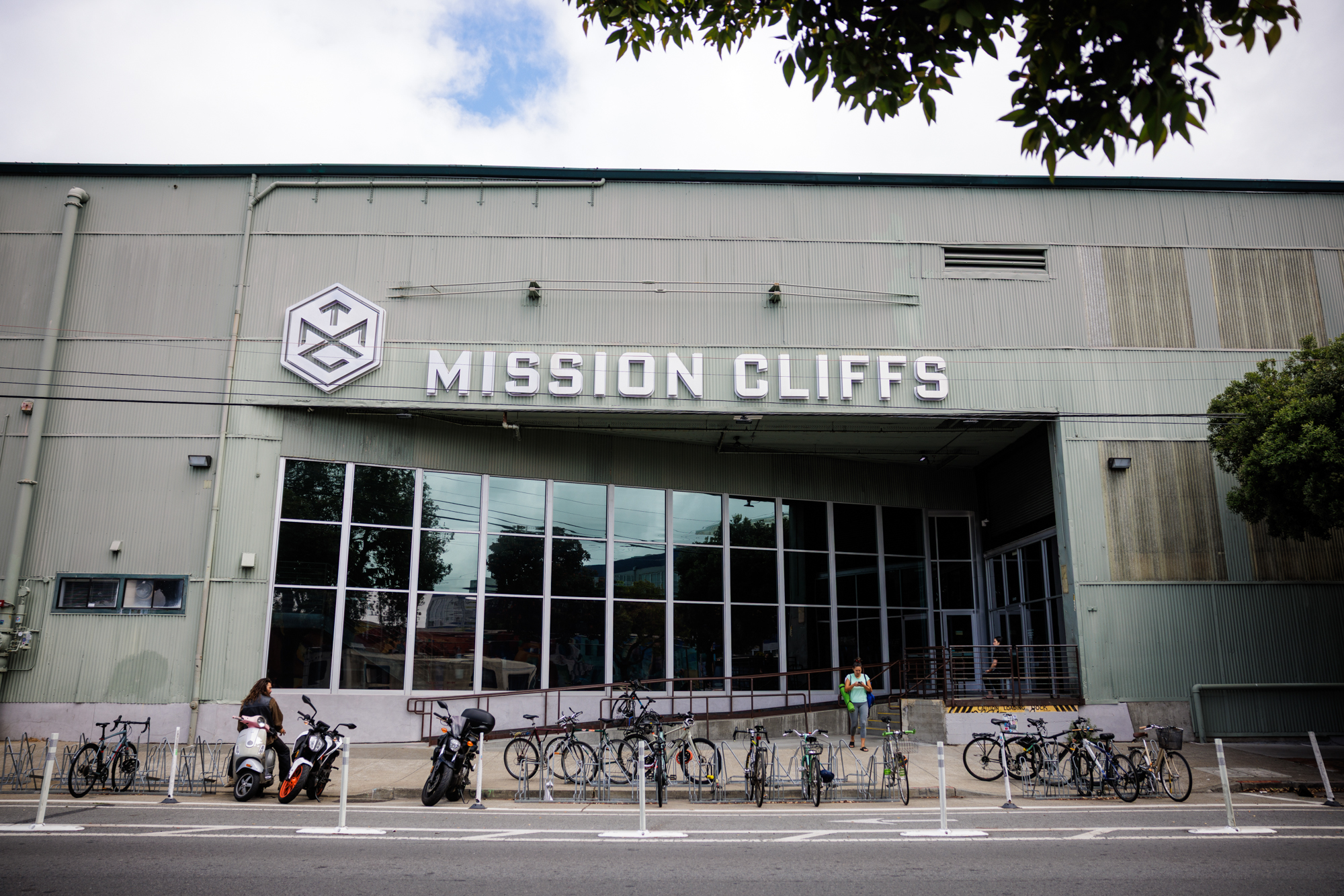
"caption": "Mission Cliffs in San Francisco on Sept. 10, 2025. Workers at some of the Bay Area’s most popular rock climbing gyms, which includes Mission Cliffs and Dogpatch Boulders in San Francisco, voted to unionize. The vote comes amid extended contract negotiations for the company’s unionized workers in Southern California. ",
"credit": "Martin do Nascimento/KQED",
"altTag": null,
"description": null,
"imgSizes": {
"thumbnail": {
"file": "https://cdn.kqed.org/wp-content/uploads/sites/10/2025/09/250910-MISSION-CLIFFS-MD-01-KQED-160x107.jpg",
"width": 160,
"height": 107,
"mimeType": "image/jpeg"
},
"1536x1536": {
"file": "https://cdn.kqed.org/wp-content/uploads/sites/10/2025/09/250910-MISSION-CLIFFS-MD-01-KQED-1536x1025.jpg",
"width": 1536,
"height": 1025,
"mimeType": "image/jpeg"
},
"post-thumbnail": {
"file": "https://cdn.kqed.org/wp-content/uploads/sites/10/2025/09/250910-MISSION-CLIFFS-MD-01-KQED-672x372.jpg",
"width": 672,
"height": 372,
"mimeType": "image/jpeg"
},
"twentyfourteen-full-width": {
"file": "https://cdn.kqed.org/wp-content/uploads/sites/10/2025/09/250910-MISSION-CLIFFS-MD-01-KQED-1038x576.jpg",
"width": 1038,
"height": 576,
"mimeType": "image/jpeg"
},
"kqedFullSize": {
"file": "https://cdn.kqed.org/wp-content/uploads/sites/10/2025/09/250910-MISSION-CLIFFS-MD-01-KQED.jpg",
"width": 2000,
"height": 1334
}
},
"isLoading": false,
"fetchFailed": false
},
"news_12055063": {
"type": "attachments",
"id": "news_12055063",
"meta": {
"index": "attachments_1716263798",
"site": "news",
"id": "12055063",
"found": true
},
"title": "250903-ICETRAINING_01023_TV-KQED",
"publishDate": 1757336633,
"status": "inherit",
"parent": 12071374,
"modified": 1769642299,
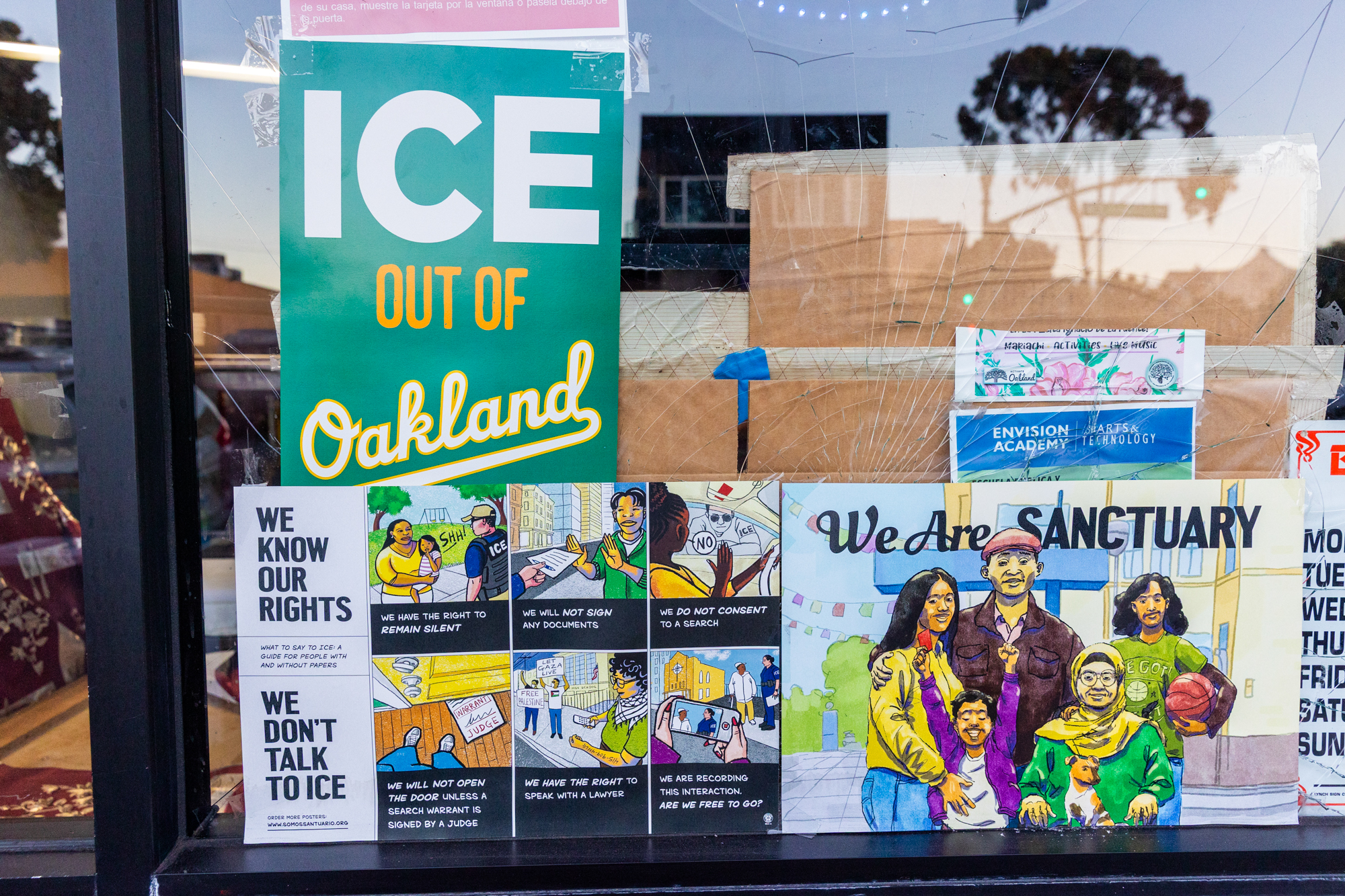
"caption": "Signs identify Taqueria La Gran Chiquita as a safe space for those at risk of deportation in Oakland on Sept. 3, 2025. Members of the Community of Fruitvale and East Bay Sanctuary Covenant gather to prepare for how to fight back against ICE.",
"credit": "Tâm Vũ/KQED",
"altTag": null,
"description": null,
"imgSizes": {
"thumbnail": {
"file": "https://cdn.kqed.org/wp-content/uploads/sites/10/2025/09/250903-ICETRAINING_01023_TV-KQED-160x107.jpg",
"width": 160,
"height": 107,
"mimeType": "image/jpeg"
},
"1536x1536": {
"file": "https://cdn.kqed.org/wp-content/uploads/sites/10/2025/09/250903-ICETRAINING_01023_TV-KQED-1536x1024.jpg",
"width": 1536,
"height": 1024,
"mimeType": "image/jpeg"
},
"post-thumbnail": {
"file": "https://cdn.kqed.org/wp-content/uploads/sites/10/2025/09/250903-ICETRAINING_01023_TV-KQED-672x372.jpg",
"width": 672,
"height": 372,
"mimeType": "image/jpeg"
},
"twentyfourteen-full-width": {
"file": "https://cdn.kqed.org/wp-content/uploads/sites/10/2025/09/250903-ICETRAINING_01023_TV-KQED-1038x576.jpg",
"width": 1038,
"height": 576,
"mimeType": "image/jpeg"
},
"kqedFullSize": {
"file": "https://cdn.kqed.org/wp-content/uploads/sites/10/2025/09/250903-ICETRAINING_01023_TV-KQED.jpg",
"width": 2000,
"height": 1333
}
},
"isLoading": false,
"fetchFailed": false
},
"news_12054922": {
"type": "attachments",
"id": "news_12054922",
"meta": {
"index": "attachments_1716263798",
"site": "news",
"id": "12054922",
"found": true
},
"title": "Carmen, a field supervisor, picks grapes at a field in Fresno on Sept. 3, 2025.",
"publishDate": 1757107577,
"status": "inherit",
"parent": 12054936,
"modified": 1757109850,
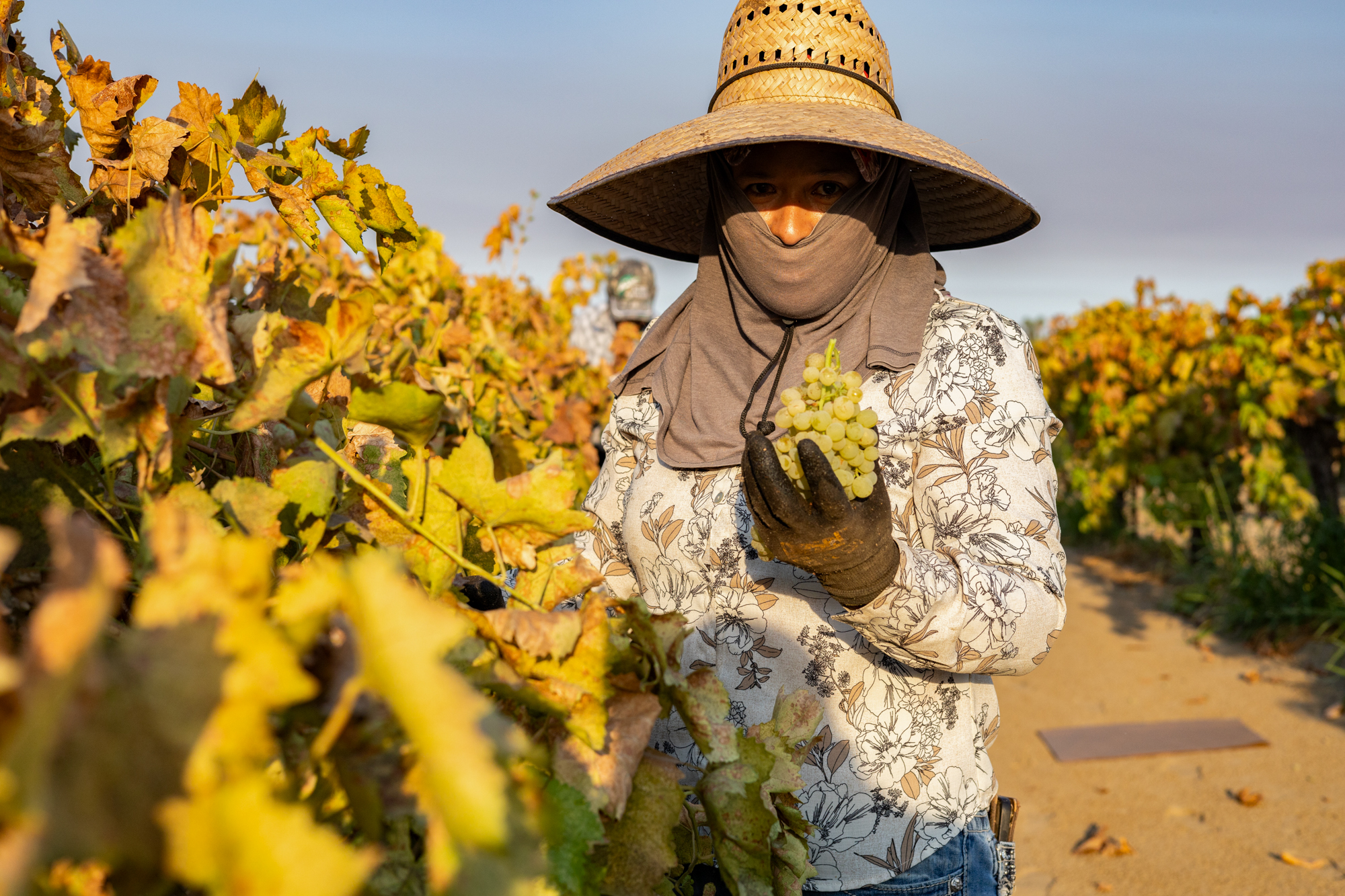
"caption": "Carmen, a field supervisor, picks grapes at a field in Fresno on Sept. 3, 2025.",
"credit": "Gina Castro for KQED",
"altTag": null,
"description": null,
"imgSizes": {
"thumbnail": {
"file": "https://cdn.kqed.org/wp-content/uploads/sites/10/2025/09/20250903_FARMLABORCRISIS_GC-20-KQED-160x107.jpg",
"width": 160,
"height": 107,
"mimeType": "image/jpeg"
},
"1536x1536": {
"file": "https://cdn.kqed.org/wp-content/uploads/sites/10/2025/09/20250903_FARMLABORCRISIS_GC-20-KQED-1536x1024.jpg",
"width": 1536,
"height": 1024,
"mimeType": "image/jpeg"
},
"post-thumbnail": {
"file": "https://cdn.kqed.org/wp-content/uploads/sites/10/2025/09/20250903_FARMLABORCRISIS_GC-20-KQED-672x372.jpg",
"width": 672,
"height": 372,
"mimeType": "image/jpeg"
},
"twentyfourteen-full-width": {
"file": "https://cdn.kqed.org/wp-content/uploads/sites/10/2025/09/20250903_FARMLABORCRISIS_GC-20-KQED-1038x576.jpg",
"width": 1038,
"height": 576,
"mimeType": "image/jpeg"
},
"kqedFullSize": {
"file": "https://cdn.kqed.org/wp-content/uploads/sites/10/2025/09/20250903_FARMLABORCRISIS_GC-20-KQED.jpg",
"width": 2000,
"height": 1333
}
},
"isLoading": false,
"fetchFailed": false
},
"news_12055075": {
"type": "attachments",
"id": "news_12055075",
"meta": {
"index": "attachments_1716263798",
"site": "news",
"id": "12055075",
"found": true
},
"title": "250905-ADOPTACORNER_00645_TV-KQED",
"publishDate": 1757337319,
"status": "inherit",
"parent": 0,
"modified": 1757348958,
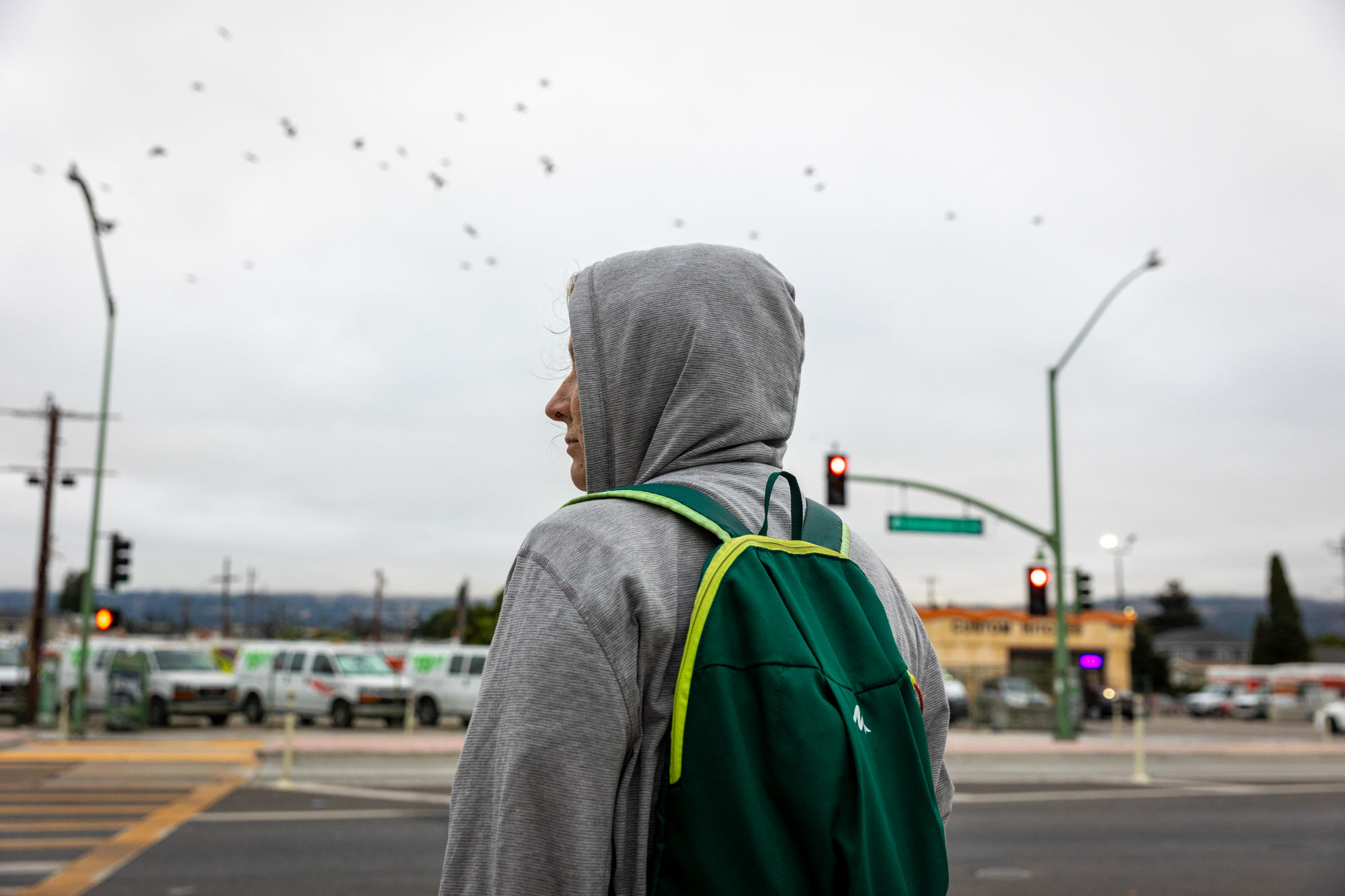
"caption": "Wendy, a volunteer who monitors ICE activity on busy streets near day laborer corners, patrols International Boulevard in front of a U-Haul in Oakland on Sept. 5, 2025. A nonprofit called “Adopt a Day Laborer Corner” has inspired Californians to volunteer their time to accompany day laborers, who are at risk of deportation, at highly visible intersections and monitor for immigration sweeps.",
"credit": "Tâm Vũ/KQED",
"altTag": null,
"description": null,
"imgSizes": {
"thumbnail": {
"file": "https://cdn.kqed.org/wp-content/uploads/sites/10/2025/09/250905-ADOPTACORNER_00645_TV-KQED-160x107.jpg",
"width": 160,
"height": 107,
"mimeType": "image/jpeg"
},
"1536x1536": {
"file": "https://cdn.kqed.org/wp-content/uploads/sites/10/2025/09/250905-ADOPTACORNER_00645_TV-KQED-1536x1024.jpg",
"width": 1536,
"height": 1024,
"mimeType": "image/jpeg"
},
"post-thumbnail": {
"file": "https://cdn.kqed.org/wp-content/uploads/sites/10/2025/09/250905-ADOPTACORNER_00645_TV-KQED-672x372.jpg",
"width": 672,
"height": 372,
"mimeType": "image/jpeg"
},
"twentyfourteen-full-width": {
"file": "https://cdn.kqed.org/wp-content/uploads/sites/10/2025/09/250905-ADOPTACORNER_00645_TV-KQED-1038x576.jpg",
"width": 1038,
"height": 576,
"mimeType": "image/jpeg"
},
"kqedFullSize": {
"file": "https://cdn.kqed.org/wp-content/uploads/sites/10/2025/09/250905-ADOPTACORNER_00645_TV-KQED.jpg",
"width": 2000,
"height": 1333
}
},
"isLoading": false,
"fetchFailed": false
},
"news_12054921": {
"type": "attachments",
"id": "news_12054921",
"meta": {
"index": "attachments_1716263798",
"site": "news",
"id": "12054921",
"found": true
},
"title": "A farmworker picks grapes at a field in Fresno on Sept. 3, 2025.",
"publishDate": 1757107574,
"status": "inherit",
"parent": 0,
"modified": 1757109024,
"caption": "A farmworker picks grapes at a field in Fresno, California, on Sept. 3, 2025.",
"credit": "Gina Castro for KQED",
"altTag": null,
"description": null,
"imgSizes": {
"thumbnail": {
"file": "https://cdn.kqed.org/wp-content/uploads/sites/10/2025/09/20250903_FARMLABORCRISIS_GC-18-KQED-160x107.jpg",
"width": 160,
"height": 107,
"mimeType": "image/jpeg"
},
"1536x1536": {
"file": "https://cdn.kqed.org/wp-content/uploads/sites/10/2025/09/20250903_FARMLABORCRISIS_GC-18-KQED-1536x1024.jpg",
"width": 1536,
"height": 1024,
"mimeType": "image/jpeg"
},
"post-thumbnail": {
"file": "https://cdn.kqed.org/wp-content/uploads/sites/10/2025/09/20250903_FARMLABORCRISIS_GC-18-KQED-672x372.jpg",
"width": 672,
"height": 372,
"mimeType": "image/jpeg"
},
"twentyfourteen-full-width": {
"file": "https://cdn.kqed.org/wp-content/uploads/sites/10/2025/09/20250903_FARMLABORCRISIS_GC-18-KQED-1038x576.jpg",
"width": 1038,
"height": 576,
"mimeType": "image/jpeg"
},
"kqedFullSize": {
"file": "https://cdn.kqed.org/wp-content/uploads/sites/10/2025/09/20250903_FARMLABORCRISIS_GC-18-KQED.jpg",
"width": 2000,
"height": 1333
}
},
"isLoading": false,
"fetchFailed": false
},
"news_12054621": {
"type": "attachments",
"id": "news_12054621",
"meta": {
"index": "attachments_1716263798",
"site": "news",
"id": "12054621",
"found": true
},
"title": "Sign at the entrance to the Barnes & Noble store in Midtown",
"publishDate": 1757008147,
"status": "inherit",
"parent": 12054603,
"modified": 1757008232,
"caption": "The entrance to the Barnes & Noble store in Midtown Manhattan in New York on June 9, 2025.",
"credit": "Erik McGregor/LightRocket via Getty Images",
"altTag": null,
"description": null,
"imgSizes": {
"thumbnail": {
"file": "https://cdn.kqed.org/wp-content/uploads/sites/10/2025/09/BarnesNobleGetty-160x107.jpg",
"width": 160,
"height": 107,
"mimeType": "image/jpeg"
},
"1536x1536": {
"file": "https://cdn.kqed.org/wp-content/uploads/sites/10/2025/09/BarnesNobleGetty-1536x1024.jpg",
"width": 1536,
"height": 1024,
"mimeType": "image/jpeg"
},
"post-thumbnail": {
"file": "https://cdn.kqed.org/wp-content/uploads/sites/10/2025/09/BarnesNobleGetty-672x372.jpg",
"width": 672,
"height": 372,
"mimeType": "image/jpeg"
},
"twentyfourteen-full-width": {
"file": "https://cdn.kqed.org/wp-content/uploads/sites/10/2025/09/BarnesNobleGetty-1038x576.jpg",
"width": 1038,
"height": 576,
"mimeType": "image/jpeg"
},
"kqedFullSize": {
"file": "https://cdn.kqed.org/wp-content/uploads/sites/10/2025/09/BarnesNobleGetty.jpg",
"width": 2000,
"height": 1333
}
},
"isLoading": false,
"fetchFailed": false
},
"news_11999040": {
"type": "attachments",
"id": "news_11999040",
"meta": {
"index": "attachments_1716263798",
"site": "news",
"id": "11999040",
"found": true
},
"title": "240628-Junk Fees Law-MD-02_qed",
"publishDate": 1722972915,
"status": "inherit",
"parent": 11999014,
"modified": 1722973021,
"caption": "Workers prepare food in the kitchen of a San Francisco restaurant on June 28. California law now mandates heat protections for all indoor workers — regardless of immigration status or work arrangement.",
"credit": "Martin do Nascimento/KQED",
"altTag": null,
"description": null,
"imgSizes": {
"medium": {
"file": "https://cdn.kqed.org/wp-content/uploads/sites/10/2024/08/240628-Junk-Fees-Law-MD-02_qed-800x533.jpg",
"width": 800,
"height": 533,
"mimeType": "image/jpeg"
},
"large": {
"file": "https://cdn.kqed.org/wp-content/uploads/sites/10/2024/08/240628-Junk-Fees-Law-MD-02_qed-1020x680.jpg",
"width": 1020,
"height": 680,
"mimeType": "image/jpeg"
},
"thumbnail": {
"file": "https://cdn.kqed.org/wp-content/uploads/sites/10/2024/08/240628-Junk-Fees-Law-MD-02_qed-160x107.jpg",
"width": 160,
"height": 107,
"mimeType": "image/jpeg"
},
"1536x1536": {
"file": "https://cdn.kqed.org/wp-content/uploads/sites/10/2024/08/240628-Junk-Fees-Law-MD-02_qed-1536x1024.jpg",
"width": 1536,
"height": 1024,
"mimeType": "image/jpeg"
},
"post-thumbnail": {
"file": "https://cdn.kqed.org/wp-content/uploads/sites/10/2024/08/240628-Junk-Fees-Law-MD-02_qed-672x372.jpg",
"width": 672,
"height": 372,
"mimeType": "image/jpeg"
},
"twentyfourteen-full-width": {
"file": "https://cdn.kqed.org/wp-content/uploads/sites/10/2024/08/240628-Junk-Fees-Law-MD-02_qed-1038x576.jpg",
"width": 1038,
"height": 576,
"mimeType": "image/jpeg"
},
"full-width": {
"file": "https://cdn.kqed.org/wp-content/uploads/sites/10/2024/08/240628-Junk-Fees-Law-MD-02_qed-1920x1280.jpg",
"width": 1920,
"height": 1280,
"mimeType": "image/jpeg"
},
"kqedFullSize": {
"file": "https://cdn.kqed.org/wp-content/uploads/sites/10/2024/08/240628-Junk-Fees-Law-MD-02_qed.jpg",
"width": 1999,
"height": 1333
}
},
"isLoading": false,
"fetchFailed": false
},
"news_11984239": {
"type": "attachments",
"id": "news_11984239",
"meta": {
"index": "attachments_1716263798",
"site": "news",
"id": "11984239",
"found": true
},
"title": "20240426_DEPTOFLABORANNOUNCEMENT-22-GC-KQED",
"publishDate": 1714168037,
"status": "inherit",
"parent": 0,
"modified": 1756850534,
"caption": "Former acting Secretary of Labor Julie Su speaks with farmworkers during a press conference in Santa Rosa on Friday, April 26, 2024. ",
"credit": "Gina Castro/KQED",
"altTag": "An older Asian woman in a red suit leans over as she speaks to a woman seen from behind.",
"description": "Acting Secretary of Labor Julie Su speaks with farmworkers during a press conference in Santa Rosa on Friday, April 26, 2024, announcing new protections for H2A immigrant farmworkers to ensure fair labor standards are met in the U.S. agricultural industry.",
"imgSizes": {
"medium": {
"file": "https://cdn.kqed.org/wp-content/uploads/sites/10/2024/04/20240426_DEPTOFLABORANNOUNCEMENT-22-GC-KQED-800x533.jpg",
"width": 800,
"height": 533,
"mimeType": "image/jpeg"
},
"large": {
"file": "https://cdn.kqed.org/wp-content/uploads/sites/10/2024/04/20240426_DEPTOFLABORANNOUNCEMENT-22-GC-KQED-1020x680.jpg",
"width": 1020,
"height": 680,
"mimeType": "image/jpeg"
},
"thumbnail": {
"file": "https://cdn.kqed.org/wp-content/uploads/sites/10/2024/04/20240426_DEPTOFLABORANNOUNCEMENT-22-GC-KQED-160x107.jpg",
"width": 160,
"height": 107,
"mimeType": "image/jpeg"
},
"1536x1536": {
"file": "https://cdn.kqed.org/wp-content/uploads/sites/10/2024/04/20240426_DEPTOFLABORANNOUNCEMENT-22-GC-KQED-1536x1024.jpg",
"width": 1536,
"height": 1024,
"mimeType": "image/jpeg"
},
"post-thumbnail": {
"file": "https://cdn.kqed.org/wp-content/uploads/sites/10/2024/04/20240426_DEPTOFLABORANNOUNCEMENT-22-GC-KQED-672x372.jpg",
"width": 672,
"height": 372,
"mimeType": "image/jpeg"
},
"twentyfourteen-full-width": {
"file": "https://cdn.kqed.org/wp-content/uploads/sites/10/2024/04/20240426_DEPTOFLABORANNOUNCEMENT-22-GC-KQED-1038x576.jpg",
"width": 1038,
"height": 576,
"mimeType": "image/jpeg"
},
"full-width": {
"file": "https://cdn.kqed.org/wp-content/uploads/sites/10/2024/04/20240426_DEPTOFLABORANNOUNCEMENT-22-GC-KQED-1920x1280.jpg",
"width": 1920,
"height": 1280,
"mimeType": "image/jpeg"
},
"kqedFullSize": {
"file": "https://cdn.kqed.org/wp-content/uploads/sites/10/2024/04/20240426_DEPTOFLABORANNOUNCEMENT-22-GC-KQED.jpg",
"width": 2000,
"height": 1333
}
},
"isLoading": false,
"fetchFailed": false
},
"news_12054314": {
"type": "attachments",
"id": "news_12054314",
"meta": {
"index": "attachments_1716263798",
"site": "news",
"id": "12054314",
"found": true
},
"title": "Untitled design",
"publishDate": 1756738999,
"status": "inherit",
"parent": 12054312,
"modified": 1756739048,
"caption": "Portrait of Dolores Huerta in 2024.",
"credit": "Photo courtesy of Dolores Huerta Foundation",
"altTag": null,
"description": null,
"imgSizes": {
"thumbnail": {
"file": "https://cdn.kqed.org/wp-content/uploads/sites/10/2025/09/Untitled-design-160x120.jpg",
"width": 160,
"height": 120,
"mimeType": "image/jpeg"
},
"post-thumbnail": {
"file": "https://cdn.kqed.org/wp-content/uploads/sites/10/2025/09/Untitled-design-672x372.jpg",
"width": 672,
"height": 372,
"mimeType": "image/jpeg"
},
"twentyfourteen-full-width": {
"file": "https://cdn.kqed.org/wp-content/uploads/sites/10/2025/09/Untitled-design-800x576.jpg",
"width": 800,
"height": 576,
"mimeType": "image/jpeg"
},
"kqedFullSize": {
"file": "https://cdn.kqed.org/wp-content/uploads/sites/10/2025/09/Untitled-design.jpg",
"width": 800,
"height": 600
}
},
"isLoading": false,
"fetchFailed": false
},
"news_12029489": {
"type": "attachments",
"id": "news_12029489",
"meta": {
"index": "attachments_1716263798",
"site": "news",
"id": "12029489",
"found": true
},
"title": "US-POLITICS-ENVIRONMENT-NATURE-PARKS-PROTEST",
"publishDate": 1741040569,
"status": "inherit",
"parent": 12029182,
"modified": 1741040606,
"caption": "A volunteer for the National Park Service welcomes visitors at the Exploration Center in Yosemite Valley, at Yosemite National Park on March 1, 2025.",
"credit": "Laure Andrillon/AFP via Getty",
"altTag": null,
"description": null,
"imgSizes": {
"medium": {
"file": "https://cdn.kqed.org/wp-content/uploads/sites/10/2025/03/CaliforniaPublicLandsGetty1-800x534.jpg",
"width": 800,
"height": 534,
"mimeType": "image/jpeg"
},
"large": {
"file": "https://cdn.kqed.org/wp-content/uploads/sites/10/2025/03/CaliforniaPublicLandsGetty1-1020x681.jpg",
"width": 1020,
"height": 681,
"mimeType": "image/jpeg"
},
"thumbnail": {
"file": "https://cdn.kqed.org/wp-content/uploads/sites/10/2025/03/CaliforniaPublicLandsGetty1-160x107.jpg",
"width": 160,
"height": 107,
"mimeType": "image/jpeg"
},
"1536x1536": {
"file": "https://cdn.kqed.org/wp-content/uploads/sites/10/2025/03/CaliforniaPublicLandsGetty1-1536x1025.jpg",
"width": 1536,
"height": 1025,
"mimeType": "image/jpeg"
},
"post-thumbnail": {
"file": "https://cdn.kqed.org/wp-content/uploads/sites/10/2025/03/CaliforniaPublicLandsGetty1-672x372.jpg",
"width": 672,
"height": 372,
"mimeType": "image/jpeg"
},
"twentyfourteen-full-width": {
"file": "https://cdn.kqed.org/wp-content/uploads/sites/10/2025/03/CaliforniaPublicLandsGetty1-1038x576.jpg",
"width": 1038,
"height": 576,
"mimeType": "image/jpeg"
},
"full-width": {
"file": "https://cdn.kqed.org/wp-content/uploads/sites/10/2025/03/CaliforniaPublicLandsGetty1-1920x1282.jpg",
"width": 1920,
"height": 1282,
"mimeType": "image/jpeg"
},
"kqedFullSize": {
"file": "https://cdn.kqed.org/wp-content/uploads/sites/10/2025/03/CaliforniaPublicLandsGetty1.jpg",
"width": 2000,
"height": 1335
}
},
"isLoading": false,
"fetchFailed": false
},
"news_12050644": {
"type": "attachments",
"id": "news_12050644",
"meta": {
"index": "attachments_1716263798",
"site": "news",
"id": "12050644",
"found": true
},
"title": "Construction at Sylvia Mendez Elementary School in Berkeley on Aug. 1, 2025.",
"publishDate": 1754072861,
"status": "inherit",
"parent": 12050640,
"modified": 1754079775,
"caption": "Construction workers operate atop scaffolding at Sylvia Mendez Elementary School in Berkeley on Aug. 1, 2025.",
"credit": "Martin do Nascimento/KQED",
"altTag": null,
"description": null,
"imgSizes": {
"thumbnail": {
"file": "https://cdn.kqed.org/wp-content/uploads/sites/10/2025/08/250801-BERKELEY-OSHA-DEATH-MD-01-KQED-160x107.jpg",
"width": 160,
"height": 107,
"mimeType": "image/jpeg"
},
"1536x1536": {
"file": "https://cdn.kqed.org/wp-content/uploads/sites/10/2025/08/250801-BERKELEY-OSHA-DEATH-MD-01-KQED-1536x1024.jpg",
"width": 1536,
"height": 1024,
"mimeType": "image/jpeg"
},
"post-thumbnail": {
"file": "https://cdn.kqed.org/wp-content/uploads/sites/10/2025/08/250801-BERKELEY-OSHA-DEATH-MD-01-KQED-672x372.jpg",
"width": 672,
"height": 372,
"mimeType": "image/jpeg"
},
"twentyfourteen-full-width": {
"file": "https://cdn.kqed.org/wp-content/uploads/sites/10/2025/08/250801-BERKELEY-OSHA-DEATH-MD-01-KQED-1038x576.jpg",
"width": 1038,
"height": 576,
"mimeType": "image/jpeg"
},
"kqedFullSize": {
"file": "https://cdn.kqed.org/wp-content/uploads/sites/10/2025/08/250801-BERKELEY-OSHA-DEATH-MD-01-KQED.jpg",
"width": 2000,
"height": 1333
}
},
"isLoading": false,
"fetchFailed": false
},
"news_12053962": {
"type": "attachments",
"id": "news_12053962",
"meta": {
"index": "attachments_1716263798",
"site": "news",
"id": "12053962",
"found": true
},
"title": "20230608_ksuzuki_adelanteschool 172_qed",
"publishDate": 1756333041,
"status": "inherit",
"parent": 12053938,
"modified": 1756401471,
"caption": "A sign outside Adelante Dual Language Academy is pictured in San José, California, on June 8, 2023. Records obtained by KQED show a music teacher arrested this year for sexually abusing 10 students at Adelante Academy had complaints at a different school for inappropriately touching students before he was transferred.",
"credit": "Kori Suzuki/KQED",
"altTag": null,
"description": null,
"imgSizes": {
"thumbnail": {
"file": "https://cdn.kqed.org/wp-content/uploads/sites/10/2025/08/20230608_ksuzuki_adelanteschool-172_qed-160x106.jpg",
"width": 160,
"height": 106,
"mimeType": "image/jpeg"
},
"1536x1536": {
"file": "https://cdn.kqed.org/wp-content/uploads/sites/10/2025/08/20230608_ksuzuki_adelanteschool-172_qed-1536x1022.jpg",
"width": 1536,
"height": 1022,
"mimeType": "image/jpeg"
},
"post-thumbnail": {
"file": "https://cdn.kqed.org/wp-content/uploads/sites/10/2025/08/20230608_ksuzuki_adelanteschool-172_qed-672x372.jpg",
"width": 672,
"height": 372,
"mimeType": "image/jpeg"
},
"twentyfourteen-full-width": {
"file": "https://cdn.kqed.org/wp-content/uploads/sites/10/2025/08/20230608_ksuzuki_adelanteschool-172_qed-1038x576.jpg",
"width": 1038,
"height": 576,
"mimeType": "image/jpeg"
},
"kqedFullSize": {
"file": "https://cdn.kqed.org/wp-content/uploads/sites/10/2025/08/20230608_ksuzuki_adelanteschool-172_qed.jpg",
"width": 2000,
"height": 1331
}
},
"isLoading": false,
"fetchFailed": false
}
},
"audioPlayerReducer": {
"postId": "stream_live",
"isPaused": true,
"isPlaying": false,
"pfsActive": false,
"pledgeModalIsOpen": true,
"playerDrawerIsOpen": false,
"liveAudioPlayStartedAt": 0,
"liveAudioPlayContext": ""
},
"authorsReducer": {
"scottshafer": {
"type": "authors",
"id": "255",
"meta": {
"index": "authors_1716337520",
"id": "255",
"found": true
},
"name": "Scott Shafer",
"firstName": "Scott",
"lastName": "Shafer",
"slug": "scottshafer",
"email": "sshafer@kqed.org",
"display_author_email": false,
"staff_mastheads": [
"news"
],
"title": "KQED Contributor",
"bio": "Scott Shafer is a senior editor with the KQED Politics and Government desk. He is co-host of Political Breakdown, the award-winning radio show and podcast with a personal take on the world of politics. Scott came to KQED in 1998 to host the statewide\u003cem> California Report\u003c/em>. Prior to that he had extended stints in politics and government\u003cem>.\u003c/em> He uses that inside experience at KQED in his, reporting, hosting and analysis for the politics desk. Scott collaborated \u003cem>Political Breakdown a\u003c/em>nd on \u003cem>The Political Mind of Jerry Brown, \u003c/em>an eight-part series about the life and extraordinary political career of the former governor. For fun, he plays water polo with the San Francisco Tsunami.",
"avatar": "https://secure.gravatar.com/avatar/a62ebae45b79d7aed1a39a0e3bf68104?s=600&d=blank&r=g",
"twitter": "scottshafer",
"bluesky": null,
"facebook": null,
"instagram": null,
"linkedin": null,
"sites": [
{
"site": "news",
"roles": [
"editor"
]
},
{
"site": "stateofhealth",
"roles": [
"author"
]
},
{
"site": "science",
"roles": [
"author"
]
},
{
"site": "forum",
"roles": [
"subscriber"
]
},
{
"site": "liveblog",
"roles": [
"author"
]
}
],
"headData": {
"title": "Scott Shafer | KQED",
"description": "KQED Contributor",
"ogImgSrc": "https://secure.gravatar.com/avatar/a62ebae45b79d7aed1a39a0e3bf68104?s=600&d=blank&r=g",
"twImgSrc": "https://secure.gravatar.com/avatar/a62ebae45b79d7aed1a39a0e3bf68104?s=600&d=blank&r=g"
},
"isLoading": false,
"link": "/author/scottshafer"
},
"mlagos": {
"type": "authors",
"id": "3239",
"meta": {
"index": "authors_1716337520",
"id": "3239",
"found": true
},
"name": "Marisa Lagos",
"firstName": "Marisa",
"lastName": "Lagos",
"slug": "mlagos",
"email": "mlagos@kqed.org",
"display_author_email": false,
"staff_mastheads": [
"news"
],
"title": "KQED Contributor",
"bio": "Marisa Lagos is a correspondent for KQED’s California Politics and Government Desk and co-hosts the award-winning show and podcast, Political Breakdown. At KQED, Lagos also conducts reporting, analysis and investigations into state, local and national politics for radio, TV, online and onstage. In 2022, she and co-host, Scott Shafer, moderated the only gubernatorial debate in California. In 2020, the \u003ci>Washington Post\u003c/i> named her one of the top political journalists in California; she was nominated for a Peabody and won several other awards for her work investigating the 2017 California wildfires. She has worked at the \u003ci>San Francisco Chronicle\u003c/i>, \u003ci>San Francisco Examiner\u003c/i> and \u003ci>Los Angeles Times\u003c/i>. A UC Santa Barbara graduate, she lives in San Francisco with her two sons and husband.",
"avatar": "https://secure.gravatar.com/avatar/a261a0d3696fc066871ef96b85b5e7d2?s=600&d=blank&r=g",
"twitter": "@mlagos",
"facebook": null,
"instagram": null,
"linkedin": null,
"sites": [
{
"site": "arts",
"roles": [
"author"
]
},
{
"site": "news",
"roles": [
"editor"
]
},
{
"site": "science",
"roles": [
"editor"
]
},
{
"site": "forum",
"roles": [
"author"
]
},
{
"site": "liveblog",
"roles": [
"author"
]
}
],
"headData": {
"title": "Marisa Lagos | KQED",
"description": "KQED Contributor",
"ogImgSrc": "https://secure.gravatar.com/avatar/a261a0d3696fc066871ef96b85b5e7d2?s=600&d=blank&r=g",
"twImgSrc": "https://secure.gravatar.com/avatar/a261a0d3696fc066871ef96b85b5e7d2?s=600&d=blank&r=g"
},
"isLoading": false,
"link": "/author/mlagos"
},
"fjhabvala": {
"type": "authors",
"id": "8659",
"meta": {
"index": "authors_1716337520",
"id": "8659",
"found": true
},
"name": "Farida Jhabvala Romero",
"firstName": "Farida",
"lastName": "Jhabvala Romero",
"slug": "fjhabvala",
"email": "fjhabvala@kqed.org",
"display_author_email": true,
"staff_mastheads": [
"news"
],
"title": "KQED Contributor",
"bio": "Farida Jhabvala Romero is a Labor Correspondent for KQED. She previously covered immigration. Farida was \u003ca href=\"https://www.ccnma.org/2022-most-influential-latina-journalists\">named\u003c/a> one of the 10 Most Influential Latina Journalists in California in 2022 by the California Chicano News Media Association. Her work has won awards from the Society of Professional Journalists (Northern California), as well as a national and regional Edward M. Murrow Award for the collaborative reporting projects “Dangerous Air” and “Graying California.” Before joining KQED, Farida worked as a producer at Radio Bilingüe, a national public radio network. Farida earned her master’s degree in journalism from Stanford University.",
"avatar": "https://secure.gravatar.com/avatar/f9f022d4e2609741874222a1e9d41f48fea74011aa7c615eef91d9a50c944ebe?s=600&d=blank&r=g",
"twitter": "FaridaJhabvala",
"bluesky": null,
"facebook": null,
"instagram": null,
"linkedin": "https://www.linkedin.com/in/faridajhabvala/",
"sites": [
{
"site": "news",
"roles": [
"editor"
]
},
{
"site": "stateofhealth",
"roles": [
"author"
]
},
{
"site": "liveblog",
"roles": [
"author"
]
}
],
"headData": {
"title": "Farida Jhabvala Romero | KQED",
"description": "KQED Contributor",
"ogImgSrc": "https://secure.gravatar.com/avatar/f9f022d4e2609741874222a1e9d41f48fea74011aa7c615eef91d9a50c944ebe?s=600&d=blank&r=g",
"twImgSrc": "https://secure.gravatar.com/avatar/f9f022d4e2609741874222a1e9d41f48fea74011aa7c615eef91d9a50c944ebe?s=600&d=blank&r=g"
},
"isLoading": false,
"link": "/author/fjhabvala"
},
"hmcdede": {
"type": "authors",
"id": "11635",
"meta": {
"index": "authors_1716337520",
"id": "11635",
"found": true
},
"name": "Holly McDede",
"firstName": "Holly",
"lastName": "McDede",
"slug": "hmcdede",
"email": "hmcdede@KQED.org",
"display_author_email": false,
"staff_mastheads": [],
"title": "KQED Contributor",
"bio": null,
"avatar": "https://secure.gravatar.com/avatar/999d9bf31bb3a2f0511932d99526cb3e?s=600&d=blank&r=g",
"twitter": null,
"facebook": null,
"instagram": null,
"linkedin": null,
"sites": [
{
"site": "arts",
"roles": [
"editor"
]
},
{
"site": "news",
"roles": [
"edit_others_posts",
"editor"
]
},
{
"site": "science",
"roles": [
"editor"
]
},
{
"site": "forum",
"roles": [
"editor"
]
},
{
"site": "perspectives",
"roles": [
"administrator"
]
}
],
"headData": {
"title": "Holly McDede | KQED",
"description": "KQED Contributor",
"ogImgSrc": "https://secure.gravatar.com/avatar/999d9bf31bb3a2f0511932d99526cb3e?s=600&d=blank&r=g",
"twImgSrc": "https://secure.gravatar.com/avatar/999d9bf31bb3a2f0511932d99526cb3e?s=600&d=blank&r=g"
},
"isLoading": false,
"link": "/author/hmcdede"
},
"ccabreralomeli": {
"type": "authors",
"id": "11708",
"meta": {
"index": "authors_1716337520",
"id": "11708",
"found": true
},
"name": "Carlos Cabrera-Lomelí",
"firstName": "Carlos",
"lastName": "Cabrera-Lomelí",
"slug": "ccabreralomeli",
"email": "ccabreralomeli@KQED.org",
"display_author_email": true,
"staff_mastheads": [
"news"
],
"title": "Community Reporter",
"bio": "Carlos Cabrera-Lomelí is a community reporter with KQED's digital engagement team. He also reports and co-produces for KQED's bilingual news hub KQED en Español. He grew up in San Francisco's Mission District and has previously worked with Univision, 48 Hills and REFORMA in Mexico City.",
"avatar": "https://secure.gravatar.com/avatar/c309be9665e484f887b818c89e273ecc673004f426f36b24d00a4d813a2e0518?s=600&d=blank&r=g",
"twitter": "@LomeliCabrera",
"bluesky": null,
"facebook": null,
"instagram": null,
"linkedin": null,
"sites": [
{
"site": "arts",
"roles": [
"editor"
]
},
{
"site": "news",
"roles": [
"editor"
]
},
{
"site": "about",
"roles": [
"editor"
]
},
{
"site": "science",
"roles": [
"editor"
]
},
{
"site": "perspectives",
"roles": [
"editor"
]
},
{
"site": "elections",
"roles": [
"editor"
]
},
{
"site": "liveblog",
"roles": [
"contributor"
]
}
],
"headData": {
"title": "Carlos Cabrera-Lomelí | KQED",
"description": "Community Reporter",
"ogImgSrc": "https://secure.gravatar.com/avatar/c309be9665e484f887b818c89e273ecc673004f426f36b24d00a4d813a2e0518?s=600&d=blank&r=g",
"twImgSrc": "https://secure.gravatar.com/avatar/c309be9665e484f887b818c89e273ecc673004f426f36b24d00a4d813a2e0518?s=600&d=blank&r=g"
},
"isLoading": false,
"link": "/author/ccabreralomeli"
},
"kmizuguchi": {
"type": "authors",
"id": "11739",
"meta": {
"index": "authors_1716337520",
"id": "11739",
"found": true
},
"name": "Keith Mizuguchi",
"firstName": "Keith",
"lastName": "Mizuguchi",
"slug": "kmizuguchi",
"email": "kmizuguchi@kqed.org",
"display_author_email": false,
"staff_mastheads": [],
"title": "KQED Contributor",
"bio": null,
"avatar": "https://secure.gravatar.com/avatar/64d8a7de0723d4099b9fe4e915136103febcc20809abce228ee4415bcb237023?s=600&d=blank&r=g",
"twitter": null,
"bluesky": null,
"facebook": null,
"instagram": null,
"linkedin": null,
"sites": [
{
"site": "news",
"roles": [
"editor"
]
},
{
"site": "science",
"roles": [
"editor"
]
}
],
"headData": {
"title": "Keith Mizuguchi | KQED",
"description": "KQED Contributor",
"ogImgSrc": "https://secure.gravatar.com/avatar/64d8a7de0723d4099b9fe4e915136103febcc20809abce228ee4415bcb237023?s=600&d=blank&r=g",
"twImgSrc": "https://secure.gravatar.com/avatar/64d8a7de0723d4099b9fe4e915136103febcc20809abce228ee4415bcb237023?s=600&d=blank&r=g"
},
"isLoading": false,
"link": "/author/kmizuguchi"
},
"adahlstromeckman": {
"type": "authors",
"id": "11785",
"meta": {
"index": "authors_1716337520",
"id": "11785",
"found": true
},
"name": "Azul Dahlstrom-Eckman",
"firstName": "Azul",
"lastName": "Dahlstrom-Eckman",
"slug": "adahlstromeckman",
"email": "adahlstrom-eckman@kqed.org",
"display_author_email": true,
"staff_mastheads": [],
"title": "Reporter",
"bio": "Azul is a reporter for KQED focusing on transportation and features. He joined KQED in 2021 as an alumna of KALW's Audio Academy radio journalism training program.",
"avatar": "https://secure.gravatar.com/avatar/9cb750298435add7815a777f55bf1f46845c1386bb8452555c60a7b820b5aba3?s=600&d=blank&r=g",
"twitter": "@zuliemann",
"bluesky": "@azul415.bsky.social",
"facebook": null,
"instagram": null,
"linkedin": null,
"sites": [
{
"site": "arts",
"roles": [
"editor"
]
},
{
"site": "news",
"roles": [
"editor"
]
},
{
"site": "science",
"roles": [
"editor"
]
},
{
"site": "liveblog",
"roles": [
"author"
]
}
],
"headData": {
"title": "Azul Dahlstrom-Eckman | KQED",
"description": "Reporter",
"ogImgSrc": "https://secure.gravatar.com/avatar/9cb750298435add7815a777f55bf1f46845c1386bb8452555c60a7b820b5aba3?s=600&d=blank&r=g",
"twImgSrc": "https://secure.gravatar.com/avatar/9cb750298435add7815a777f55bf1f46845c1386bb8452555c60a7b820b5aba3?s=600&d=blank&r=g"
},
"isLoading": false,
"link": "/author/adahlstromeckman"
},
"mbolanos": {
"type": "authors",
"id": "11895",
"meta": {
"index": "authors_1716337520",
"id": "11895",
"found": true
},
"name": "Madi Bolaños",
"firstName": "Madi",
"lastName": "Bolaños",
"slug": "mbolanos",
"email": "mbolanos@kqed.org",
"display_author_email": false,
"staff_mastheads": [],
"title": "KQED Contributor",
"bio": null,
"avatar": "https://secure.gravatar.com/avatar/e6df5601c1f2d951e46a3fb42764330f?s=600&d=blank&r=g",
"twitter": null,
"bluesky": null,
"facebook": null,
"instagram": null,
"linkedin": null,
"sites": [
{
"site": "news",
"roles": [
"author"
]
}
],
"headData": {
"title": "Madi Bolaños | KQED",
"description": "KQED Contributor",
"ogImgSrc": "https://secure.gravatar.com/avatar/e6df5601c1f2d951e46a3fb42764330f?s=600&d=blank&r=g",
"twImgSrc": "https://secure.gravatar.com/avatar/e6df5601c1f2d951e46a3fb42764330f?s=600&d=blank&r=g"
},
"isLoading": false,
"link": "/author/mbolanos"
},
"kdebenedetti": {
"type": "authors",
"id": "11913",
"meta": {
"index": "authors_1716337520",
"id": "11913",
"found": true
},
"name": "Katie DeBenedetti",
"firstName": "Katie",
"lastName": "DeBenedetti",
"slug": "kdebenedetti",
"email": "kdebenedetti@kqed.org",
"display_author_email": false,
"staff_mastheads": [
"news",
"science"
],
"title": "KQED Contributor",
"bio": "Katie DeBenedetti is a digital reporter covering daily news for the Express Desk. Prior to joining KQED as a culture reporting intern in January 2024, she covered education and city government for the Napa Valley Register.",
"avatar": "https://secure.gravatar.com/avatar/6e31073cb8f7e4214ab03f42771d0f45?s=600&d=blank&r=g",
"twitter": null,
"facebook": null,
"instagram": null,
"linkedin": null,
"sites": [
{
"site": "news",
"roles": [
"author"
]
},
{
"site": "science",
"roles": [
"author"
]
},
{
"site": "liveblog",
"roles": [
"author"
]
}
],
"headData": {
"title": "Katie DeBenedetti | KQED",
"description": "KQED Contributor",
"ogImgSrc": "https://secure.gravatar.com/avatar/6e31073cb8f7e4214ab03f42771d0f45?s=600&d=blank&r=g",
"twImgSrc": "https://secure.gravatar.com/avatar/6e31073cb8f7e4214ab03f42771d0f45?s=600&d=blank&r=g"
},
"isLoading": false,
"link": "/author/kdebenedetti"
},
"sarahwright": {
"type": "authors",
"id": "11956",
"meta": {
"index": "authors_1716337520",
"id": "11956",
"found": true
},
"name": "Sarah Wright",
"firstName": "Sarah",
"lastName": "Wright",
"slug": "sarahwright",
"email": "swright@kqed.org",
"display_author_email": true,
"staff_mastheads": [],
"title": "Outdoors Engagement Reporter",
"bio": "Sarah Wright is KQED's Outdoors Engagement Reporter. Originally from Lake Tahoe, she completed a thru-hike of the Pacific Crest Trail in 2019 and was a U.S. Fulbright Program grantee to Argentina in 2023. Her journalism has appeared in The Guardian, The San Francisco Standard, The Palo Alto Weekly and the Half Moon Bay Review.",
"avatar": "https://secure.gravatar.com/avatar/c161a3d6441865cba25e6db4fa561099ad665799e9432e34da2b84d7e371524c?s=600&d=blank&r=g",
"twitter": null,
"bluesky": null,
"facebook": null,
"instagram": null,
"linkedin": null,
"sites": [
{
"site": "arts",
"roles": [
"editor"
]
},
{
"site": "news",
"roles": [
"editor"
]
},
{
"site": "science",
"roles": [
"contributor",
"author"
]
},
{
"site": "forum",
"roles": [
"editor"
]
}
],
"headData": {
"title": "Sarah Wright | KQED",
"description": "Outdoors Engagement Reporter",
"ogImgSrc": "https://secure.gravatar.com/avatar/c161a3d6441865cba25e6db4fa561099ad665799e9432e34da2b84d7e371524c?s=600&d=blank&r=g",
"twImgSrc": "https://secure.gravatar.com/avatar/c161a3d6441865cba25e6db4fa561099ad665799e9432e34da2b84d7e371524c?s=600&d=blank&r=g"
},
"isLoading": false,
"link": "/author/sarahwright"
}
},
"pagesReducer": {
"news_tag_labor": {
"type": "terms",
"id": "news_19904",
"meta": {
"index": "terms_1716263798",
"site": "news",
"id": "19904",
"score": 8.558012
},
"name": "Labor",
"slug": "labor",
"taxonomy": "tag",
"description": null,
"featImg": null,
"headData": {
"title": "Labor | KQED News",
"description": null,
"ogTitle": null,
"ogDescription": null,
"ogImgId": null,
"twTitle": null,
"twDescription": null,
"twImgId": null
},
"ttid": 19921,
"isLoading": false,
"title": "Labor",
"pageMeta": {
"site": "news",
"WpPageTemplate": "page-topic-editorial",
"currentPage": 16
},
"blocks": [
{
"blockName": "kqed/post-list",
"attrs": {
"layout": "cardArticle2",
"query": "posts/news?tag=labor",
"seeMore": false,
"paginated": true,
"page": 16
}
},
{
"blockName": "kqed/ad"
}
]
}
},
"pfsSessionReducer": {},
"postsReducer": {
"stream_live": {
"type": "live",
"id": "stream_live",
"audioUrl": "https://streams.kqed.org/kqedradio",
"title": "Live Stream",
"excerpt": "Live Stream information currently unavailable.",
"link": "/radio",
"featImg": "",
"label": {
"name": "KQED Live",
"link": "/"
}
},
"stream_kqedNewscast": {
"type": "posts",
"id": "stream_kqedNewscast",
"audioUrl": "https://www.kqed.org/.stream/anon/radio/RDnews/newscast.mp3?_=1",
"title": "KQED Newscast",
"featImg": "",
"label": {
"name": "88.5 FM",
"link": "/"
}
},
"news_12055450": {
"type": "posts",
"id": "news_12055450",
"meta": {
"index": "posts_1716263798",
"site": "news",
"id": "12055450",
"score": null,
"sort": [
1757540195000
]
},
"guestAuthors": [],
"slug": "workers-at-4-popular-bay-area-rock-climbing-gyms-win-unionization-vote",
"title": "Workers at 4 Popular Bay Area Rock Climbing Gyms Win Unionization Vote",
"publishDate": 1757540195,
"format": "standard",
"headTitle": "Workers at 4 Popular Bay Area Rock Climbing Gyms Win Unionization Vote | KQED",
"labelTerm": {
"site": "news"
},
"content": "\u003cp>Workers at some of the Bay Area’s most popular \u003ca href=\"https://www.kqed.org/news/12042550/fun-and-affordable-sports-and-activities-to-try-in-the-bay-area\">rock climbing\u003c/a> gyms have voted to unionize, joining colleagues at five gyms in Southern California that are in contract negotiations with their employer, Touchstone Climbing.\u003c/p>\n\u003cp>Employees of Mission Cliffs and Dogpatch Boulders in San Francisco, as well as The Studio in San Jose and Diablo Rock Gym in Concord, won their unionization votes on Monday night.\u003c/p>\n\u003cp>“ I’m very excited; it’s excellent news,” said Max Dolso-Morey, a club coach at Mission Cliffs and a member of the union organizing committee.\u003c/p>\n\u003cp>[ad fullwidth]\u003c/p>\n\u003cp>Workers will aim to negotiate over wages, safety and other concerns with Touchstone, the largest operator of indoor climbing gyms in the state. Dolso-Morey said one of his motivations to unionize was to advocate for more safety staff at Mission Cliffs. Though hundreds of people may use the gym at peak hours, he said, only one person will be in charge of checking that people are climbing safely, among other tasks.\u003c/p>\n\u003cp>“ Accidents do happen, and usually it’s because of a lack of safety staff being able to make sure everyone is doing the correct protocols before they climb on the wall,” Dolso-Morey said.\u003c/p>\n\u003cp>Dolso-Morey said he also hopes unionizing will help workers negotiate for better wages. He said his most recent raise pushed up his wage by 4%, equal to 80 cents an hour.\u003c/p>\n\u003cfigure id=\"attachment_12055478\" class=\"wp-caption aligncenter\" style=\"max-width: 2000px\">\u003cimg loading=\"lazy\" decoding=\"async\" class=\"size-full wp-image-12055478\" src=\"https://cdn.kqed.org/wp-content/uploads/sites/10/2025/09/250910-MISSION-CLIFFS-MD-04-KQED.jpg\" alt=\"\" width=\"2000\" height=\"1334\" srcset=\"https://cdn.kqed.org/wp-content/uploads/sites/10/2025/09/250910-MISSION-CLIFFS-MD-04-KQED.jpg 2000w, https://cdn.kqed.org/wp-content/uploads/sites/10/2025/09/250910-MISSION-CLIFFS-MD-04-KQED-160x107.jpg 160w, https://cdn.kqed.org/wp-content/uploads/sites/10/2025/09/250910-MISSION-CLIFFS-MD-04-KQED-1536x1025.jpg 1536w\" sizes=\"auto, (max-width: 2000px) 100vw, 2000px\">\u003cfigcaption class=\"wp-caption-text\">Mission Cliffs in San Francisco on Sept. 10, 2025. \u003ccite>(Martin do Nascimento/KQED)\u003c/cite>\u003c/figcaption>\u003c/figure>\n\u003cp>“ Living in San Francisco is diabolically expensive,” Dolso-Morey said. “If we didn’t love doing this job and being part of this community, we wouldn’t be here. So we feel that we should be paid fairly and treated with dignity.”\u003c/p>\n\u003cp>The employees, who will be known as Touchstone Workers United, have joined Workers United, an affiliate of the Service Employees International Union.\u003c/p>\n\u003cp>Workers at five Touchstone gyms in Southern California voted to unionize in March of last year and have been in negotiations with the company since September 2024.\u003c/p>\n\u003cp>Alex Tillett-Saks, outside counsel for Workers United, has filed five separate unfair labor practice charges with the National Labor Relations Board against Touchstone on behalf of the workers. The complaints remain open.\u003c/p>\n\u003cp>“Touchstone has shown a constant and consistent lack of regard for the employee’s desire to bargain a contract,” Tillett-Saks said.[aside postID=news_12054083 hero='https://cdn.kqed.org/wp-content/uploads/sites/10/2025/03/CaliforniaPublicLandsGetty1-1020x681.jpg']Four of the complaints allege Touchstone retaliated against workers at its Southern California gyms for forming a union, including by increasing employees’ workload, removing employee perks and changing their health plan without bargaining the changes with the union.\u003c/p>\n\u003cp>One complaint, filed last week, alleges a supervisor at Dogpatch Boulders in San Francisco held a captive meeting with employees to inform them that employees were to take shorter breaks, and did so as a means to chill union activities.\u003c/p>\n\u003cp>Touchstone Climbing did not respond to multiple requests for comment by deadline.\u003c/p>\n\u003cp>The company has rapidly expanded in recent years, opening three new gyms in 2024 alone for a total of 18 statewide.\u003c/p>\n\u003cp>“As any company expands, you get additional layers of leadership, and we want to make sure that no matter how many layers of leadership pop up, the employees maintain an equitable voice when it comes to the direction of the company,” said Tyler Mitchell, who works at the front desk at Diablo Rock Gym in Concord and supported the unionization effort.\u003c/p>\n\u003cp>The vote at Diablo Rock Gym included fitness, guest and belay staff, as well as coaches. Mitchell said Touchstone challenged one of the ballots, successfully excluding one employee who sometimes works less than 4 hours per week. He added that routesetters, the employees who set the routes clients climb on and work at gyms throughout the Touchstone system, would be in a different voting unit and were not included in the vote.\u003c/p>\n\u003cp>The ongoing tension between Touchstone and its employees gave way to a routesetter strike in Southern California \u003ca href=\"https://www.climbing.com/news/touchstone-gym-union-routesetter-strike/\">earlier this year.\u003c/a> Some clients of Touchstone are also boycotting the company in support of the ongoing contract negotiations there.\u003c/p>\n\u003cp>In an FAQ on its website, Touchstone pushed back on the claim that it is not “coming to the table with proposals.”\u003c/p>\n\u003cp>“Touchstone regularly presents proposals during bargaining. As a company, we have a responsibility to balance the needs of all stakeholders — including principled commitments to our community, business partners, and the environment and a legal duty to shareholders,” the company wrote on its website.\u003c/p>\n\u003cp>Mitchell said he was expecting more pushback from Touchstone throughout the process and that at his gym, they have a good relationship with their management.\u003c/p>\n\u003cp>“I think that Touchstone understood that this isn’t something that can really be effectively fought against, and from my perspective, personally, it seems that they accepted that this would happen.”\u003c/p>\n\u003cp>\u003c/p>\n",
"blocks": [],
"excerpt": "The vote, which includes Mission Cliffs and Dogpatch Boulders in San Francisco, comes amid extended contract negotiations for the company’s unionized workers in Southern California. ",
"status": "publish",
"parent": 0,
"modified": 1757545106,
"stats": {
"hasAudio": false,
"hasVideo": false,
"hasChartOrMap": false,
"iframeSrcs": [],
"hasGoogleForm": false,
"hasGallery": false,
"hasHearkenModule": false,
"hasPolis": false,
"paragraphCount": 23,
"wordCount": 842
},
"headData": {
"title": "Workers at 4 Popular Bay Area Rock Climbing Gyms Win Unionization Vote | KQED",
"description": "The vote, which includes Mission Cliffs and Dogpatch Boulders in San Francisco, comes amid extended contract negotiations for the company’s unionized workers in Southern California. ",
"ogTitle": "",
"ogDescription": "",
"ogImgId": "",
"twTitle": "",
"twDescription": "",
"twImgId": "",
"schema": {
"@context": "https://schema.org",
"@type": "NewsArticle",
"headline": "Workers at 4 Popular Bay Area Rock Climbing Gyms Win Unionization Vote",
"datePublished": "2025-09-10T14:36:35-07:00",
"dateModified": "2025-09-10T15:58:26-07:00",
"image": "https://cdn.kqed.org/wp-content/uploads/2020/02/KQED-OG-Image@1x.png",
"isAccessibleForFree": "True",
"publisher": {
"@type": "NewsMediaOrganization",
"@id": "https://www.kqed.org/#organization",
"name": "KQED",
"logo": "https://cdn.kqed.org/wp-content/uploads/2020/02/KQED-OG-Image@1x.png",
"url": "https://www.kqed.org",
"sameAs": [
"https://www.facebook.com/KQED",
"https://twitter.com/KQED",
"https://www.instagram.com/kqed/",
"https://www.tiktok.com/@kqedofficial",
"https://www.linkedin.com/company/kqed",
"https://www.youtube.com/channel/UCeC0IOo7i1P_61zVUWbJ4nw"
]
}
}
},
"primaryCategory": {
"termId": 34551,
"slug": "labor",
"name": "Labor"
},
"sticky": false,
"nprStoryId": "kqed-12055450",
"templateType": "standard",
"featuredImageType": "standard",
"excludeFromSiteSearch": "Include",
"articleAge": "0",
"path": "/news/12055450/workers-at-4-popular-bay-area-rock-climbing-gyms-win-unionization-vote",
"audioTrackLength": null,
"parsedContent": [
{
"type": "contentString",
"content": "\u003cdiv class=\"post-body\">\u003cp>\u003cp>Workers at some of the Bay Area’s most popular \u003ca href=\"https://www.kqed.org/news/12042550/fun-and-affordable-sports-and-activities-to-try-in-the-bay-area\">rock climbing\u003c/a> gyms have voted to unionize, joining colleagues at five gyms in Southern California that are in contract negotiations with their employer, Touchstone Climbing.\u003c/p>\n\u003cp>Employees of Mission Cliffs and Dogpatch Boulders in San Francisco, as well as The Studio in San Jose and Diablo Rock Gym in Concord, won their unionization votes on Monday night.\u003c/p>\n\u003cp>“ I’m very excited; it’s excellent news,” said Max Dolso-Morey, a club coach at Mission Cliffs and a member of the union organizing committee.\u003c/p>\n\u003cp>\u003c/p>\u003c/div>",
"attributes": {
"named": {},
"numeric": []
}
},
{
"type": "component",
"content": "",
"name": "ad",
"attributes": {
"named": {
"label": "fullwidth"
},
"numeric": [
"fullwidth"
]
}
},
{
"type": "contentString",
"content": "\u003cdiv class=\"post-body\">\u003cp>\u003c/p>\n\u003cp>Workers will aim to negotiate over wages, safety and other concerns with Touchstone, the largest operator of indoor climbing gyms in the state. Dolso-Morey said one of his motivations to unionize was to advocate for more safety staff at Mission Cliffs. Though hundreds of people may use the gym at peak hours, he said, only one person will be in charge of checking that people are climbing safely, among other tasks.\u003c/p>\n\u003cp>“ Accidents do happen, and usually it’s because of a lack of safety staff being able to make sure everyone is doing the correct protocols before they climb on the wall,” Dolso-Morey said.\u003c/p>\n\u003cp>Dolso-Morey said he also hopes unionizing will help workers negotiate for better wages. He said his most recent raise pushed up his wage by 4%, equal to 80 cents an hour.\u003c/p>\n\u003cfigure id=\"attachment_12055478\" class=\"wp-caption aligncenter\" style=\"max-width: 2000px\">\u003cimg loading=\"lazy\" decoding=\"async\" class=\"size-full wp-image-12055478\" src=\"https://cdn.kqed.org/wp-content/uploads/sites/10/2025/09/250910-MISSION-CLIFFS-MD-04-KQED.jpg\" alt=\"\" width=\"2000\" height=\"1334\" srcset=\"https://cdn.kqed.org/wp-content/uploads/sites/10/2025/09/250910-MISSION-CLIFFS-MD-04-KQED.jpg 2000w, https://cdn.kqed.org/wp-content/uploads/sites/10/2025/09/250910-MISSION-CLIFFS-MD-04-KQED-160x107.jpg 160w, https://cdn.kqed.org/wp-content/uploads/sites/10/2025/09/250910-MISSION-CLIFFS-MD-04-KQED-1536x1025.jpg 1536w\" sizes=\"auto, (max-width: 2000px) 100vw, 2000px\">\u003cfigcaption class=\"wp-caption-text\">Mission Cliffs in San Francisco on Sept. 10, 2025. \u003ccite>(Martin do Nascimento/KQED)\u003c/cite>\u003c/figcaption>\u003c/figure>\n\u003cp>“ Living in San Francisco is diabolically expensive,” Dolso-Morey said. “If we didn’t love doing this job and being part of this community, we wouldn’t be here. So we feel that we should be paid fairly and treated with dignity.”\u003c/p>\n\u003cp>The employees, who will be known as Touchstone Workers United, have joined Workers United, an affiliate of the Service Employees International Union.\u003c/p>\n\u003cp>Workers at five Touchstone gyms in Southern California voted to unionize in March of last year and have been in negotiations with the company since September 2024.\u003c/p>\n\u003cp>Alex Tillett-Saks, outside counsel for Workers United, has filed five separate unfair labor practice charges with the National Labor Relations Board against Touchstone on behalf of the workers. The complaints remain open.\u003c/p>\n\u003cp>“Touchstone has shown a constant and consistent lack of regard for the employee’s desire to bargain a contract,” Tillett-Saks said.\u003c/p>\u003c/div>",
"attributes": {
"named": {},
"numeric": []
}
},
{
"type": "component",
"content": "",
"name": "aside",
"attributes": {
"named": {
"postid": "news_12054083",
"hero": "https://cdn.kqed.org/wp-content/uploads/sites/10/2025/03/CaliforniaPublicLandsGetty1-1020x681.jpg",
"label": ""
},
"numeric": []
}
},
{
"type": "contentString",
"content": "\u003cdiv class=\"post-body\">\u003cp>Four of the complaints allege Touchstone retaliated against workers at its Southern California gyms for forming a union, including by increasing employees’ workload, removing employee perks and changing their health plan without bargaining the changes with the union.\u003c/p>\n\u003cp>One complaint, filed last week, alleges a supervisor at Dogpatch Boulders in San Francisco held a captive meeting with employees to inform them that employees were to take shorter breaks, and did so as a means to chill union activities.\u003c/p>\n\u003cp>Touchstone Climbing did not respond to multiple requests for comment by deadline.\u003c/p>\n\u003cp>The company has rapidly expanded in recent years, opening three new gyms in 2024 alone for a total of 18 statewide.\u003c/p>\n\u003cp>“As any company expands, you get additional layers of leadership, and we want to make sure that no matter how many layers of leadership pop up, the employees maintain an equitable voice when it comes to the direction of the company,” said Tyler Mitchell, who works at the front desk at Diablo Rock Gym in Concord and supported the unionization effort.\u003c/p>\n\u003cp>The vote at Diablo Rock Gym included fitness, guest and belay staff, as well as coaches. Mitchell said Touchstone challenged one of the ballots, successfully excluding one employee who sometimes works less than 4 hours per week. He added that routesetters, the employees who set the routes clients climb on and work at gyms throughout the Touchstone system, would be in a different voting unit and were not included in the vote.\u003c/p>\n\u003cp>The ongoing tension between Touchstone and its employees gave way to a routesetter strike in Southern California \u003ca href=\"https://www.climbing.com/news/touchstone-gym-union-routesetter-strike/\">earlier this year.\u003c/a> Some clients of Touchstone are also boycotting the company in support of the ongoing contract negotiations there.\u003c/p>\n\u003cp>In an FAQ on its website, Touchstone pushed back on the claim that it is not “coming to the table with proposals.”\u003c/p>\n\u003cp>“Touchstone regularly presents proposals during bargaining. As a company, we have a responsibility to balance the needs of all stakeholders — including principled commitments to our community, business partners, and the environment and a legal duty to shareholders,” the company wrote on its website.\u003c/p>\n\u003cp>Mitchell said he was expecting more pushback from Touchstone throughout the process and that at his gym, they have a good relationship with their management.\u003c/p>\n\u003cp>“I think that Touchstone understood that this isn’t something that can really be effectively fought against, and from my perspective, personally, it seems that they accepted that this would happen.”\u003c/p>\n\u003cp>\u003c/p>\n\u003c/div>\u003c/p>",
"attributes": {
"named": {},
"numeric": []
}
}
],
"link": "/news/12055450/workers-at-4-popular-bay-area-rock-climbing-gyms-win-unionization-vote",
"authors": [
"11785"
],
"categories": [
"news_34551",
"news_28250",
"news_8"
],
"tags": [
"news_1386",
"news_19904",
"news_20482",
"news_38"
],
"featImg": "news_12055477",
"label": "news"
},
"news_12055279": {
"type": "posts",
"id": "news_12055279",
"meta": {
"index": "posts_1716263798",
"site": "news",
"id": "12055279",
"score": null,
"sort": [
1757509232000
]
},
"guestAuthors": [],
"slug": "oakland-latino-merchants-learn-rights-as-ice-targets-worksites",
"title": "Oakland Latino Merchants Learn Rights as ICE Targets Worksites",
"publishDate": 1757509232,
"format": "standard",
"headTitle": "Oakland Latino Merchants Learn Rights as ICE Targets Worksites | KQED",
"labelTerm": {
"site": "news"
},
"content": "\u003cp>For months, Ledy Ordoñez worried about what she would do if immigration officers arrived at her store in the heart of \u003ca href=\"https://www.kqed.org/news/tag/oakland\">Oakland\u003c/a>’s premier Latino neighborhood.\u003c/p>\n\u003cp>Like other local business owners with a largely immigrant clientele, she felt a responsibility to her customers but was also hampered by unanswered questions. Must she allow Immigration and Customs Enforcement into her business? Could neighboring restaurants close their doors to agents? Did customers have to answer questions if stopped?\u003c/p>\n\u003cp>“Me and other merchants here need to get informed, so that we know how to act if ICE comes,” Ordoñez said in Spanish after helping a mother and daughter select braided bracelets from a glass display at her shop, Ecuador Imports. “We have to support our people.”\u003c/p>\n\u003cp>[ad fullwidth]\u003c/p>\n\u003cp>As immigration authorities increasingly target worksites for arrests, hundreds of managers and business owners like Ordoñez have flocked to “Know Your Rights” training events in the Bay Area specifically \u003ca href=\"https://www.kqed.org/news/12025647/what-to-do-if-you-encounter-ice\">tailored to the workplace\u003c/a>, according to legal aid groups and worker advocates.\u003c/p>\n\u003cp>Employers in California must navigate additional responsibilities under state \u003ca href=\"https://www.dir.ca.gov/DIRNews/2025/2025-52.html\">labor laws\u003c/a> when it comes to immigration worksite inspections or raids.\u003c/p>\n\u003cfigure id=\"attachment_12055070\" class=\"wp-caption aligncenter\" style=\"max-width: 2000px\">\u003cimg loading=\"lazy\" decoding=\"async\" class=\"wp-image-12055070 size-full\" src=\"https://cdn.kqed.org/wp-content/uploads/sites/10/2025/09/250903-ICETRAINING_01090_TV-KQED-1.jpg\" alt=\"\" width=\"2000\" height=\"1333\" srcset=\"https://cdn.kqed.org/wp-content/uploads/sites/10/2025/09/250903-ICETRAINING_01090_TV-KQED-1.jpg 2000w, https://cdn.kqed.org/wp-content/uploads/sites/10/2025/09/250903-ICETRAINING_01090_TV-KQED-1-160x107.jpg 160w, https://cdn.kqed.org/wp-content/uploads/sites/10/2025/09/250903-ICETRAINING_01090_TV-KQED-1-1536x1024.jpg 1536w\" sizes=\"auto, (max-width: 2000px) 100vw, 2000px\">\u003cfigcaption class=\"wp-caption-text\">Ledy Ordoñez poses for a portrait during a training session on community rights in relation to ICE enforcement, at Taqueria La Gran Chiquita in Oakland on Sept. 3, 2025. \u003ccite>(Tâm Vũ/KQED)\u003c/cite>\u003c/figcaption>\u003c/figure>\n\u003cp>“Employers would be breaking California law if they voluntarily allow ICE to access employee records or private areas,” said Marisa Almor, a trainer with the nonprofit East Bay Sanctuary Covenant, referring to a state\u003ca href=\"https://www.dir.ca.gov/dlse/AB_450_QA.pdf\"> law\u003c/a> known as the Immigrant Worker Protection Act. “So we are informing employers of what their rights are and what they should also not do.”\u003c/p>\n\u003cp>Several merchants in the Fruitvale neighborhood said the more aggressive immigration crackdown they’ve watched unfold in Southern California gave them a sense of urgency to attend a recent training at Taqueria La Gran Chiquita, organized by a local business association.\u003c/p>\n\u003cp>Many attendees said they worry about the use of ethnic profiling to \u003ca href=\"https://www.kqed.org/news/12052452/you-cant-trust-anyone-in-oakland-fear-of-ice-raids-grips-day-laborers\">arrest noncriminal workers\u003c/a> from warehouses, \u003ca href=\"https://www.kqed.org/news/12055084/california-volunteers-stand-guard-at-day-laborer-corners-amid-ice-sweeps\">Home Depot parking lots\u003c/a> and bus stops.[aside postID=news_12025647 hero='https://cdn.kqed.org/wp-content/uploads/sites/10/2025/01/GettyImages-1243312873-1020x680.jpg']“What we see happening in LA is going to come up here. We have to get organized,” said Jose Antonio Dorado, who owns a bookkeeping and tax services business. “It’s only a matter of time.”\u003c/p>\n\u003cp>On Monday, the U.S. Supreme Court \u003ca href=\"https://www.documentcloud.org/documents/26085902-25a169-order/\">temporarily allowed\u003c/a> the Trump administration to continue using broad factors such as apparent ethnicity, language and occupation to conduct ICE raids in the LA area.\u003c/p>\n\u003cp>Critics said the justices’ 6–3 decision will likely embolden federal authorities to use similar tactics in other cities and could lead to Latino U.S. citizens being erroneously targeted because of the color of their skin, Spanish language, or type of work at car washes or as day laborers.\u003c/p>\n\u003cp>At La Gran Chiquita, stacks of flyers and handouts, including an employer preparedness checklist, greeted local merchants as they walked in.\u003c/p>\n\u003cp>Tables and chairs were moved aside to make way for couches, a projector and a white hanging sheet that functioned as a screen. At least one confused customer expecting tacos backed away after realizing the restaurant had been transformed into a classroom.\u003c/p>\n\u003cfigure id=\"attachment_12055069\" class=\"wp-caption aligncenter\" style=\"max-width: 2000px\">\u003cimg loading=\"lazy\" decoding=\"async\" class=\"wp-image-12055069 size-full\" src=\"https://cdn.kqed.org/wp-content/uploads/sites/10/2025/09/250903-ICETRAINING_01050_TV-KQED-1.jpg\" alt=\"\" width=\"2000\" height=\"1333\" srcset=\"https://cdn.kqed.org/wp-content/uploads/sites/10/2025/09/250903-ICETRAINING_01050_TV-KQED-1.jpg 2000w, https://cdn.kqed.org/wp-content/uploads/sites/10/2025/09/250903-ICETRAINING_01050_TV-KQED-1-160x107.jpg 160w, https://cdn.kqed.org/wp-content/uploads/sites/10/2025/09/250903-ICETRAINING_01050_TV-KQED-1-1536x1024.jpg 1536w\" sizes=\"auto, (max-width: 2000px) 100vw, 2000px\">\u003cfigcaption class=\"wp-caption-text\">Marisa Almor (left) answers Enrique Soriano’s (right) question about community rights in relation to ICE enforcement at Taqueria La Gran Chiquita, in Oakland, on Sept. 3, 2025. \u003ccite>(Tâm Vũ/KQED)\u003c/cite>\u003c/figcaption>\u003c/figure>\n\u003cp>Almor, who taught the training, advised merchants to plan ahead on how to respond if ICE visited their businesses. The Constitution guarantees that all people on U.S. soil — regardless of their immigration status — have the right to remain silent and request a lawyer if detained, she said.\u003c/p>\n\u003cp>“You must establish a response protocol,” Almor said as attendees took photos of presentation slides and scribbled notes. “Talk with your employees in advance and designate who is authorized to make decisions, who should interact with law enforcement in the name of the business and coworkers and who can document the interaction at a safe distance.”\u003c/p>\n\u003cp>Almor said brick-and-mortar business owners — especially in predominantly Latino areas — should identify which areas of their stores or offices are considered public versus private.[aside postID=news_12049326 hero='https://cdn.kqed.org/wp-content/uploads/sites/10/2025/07/250715-ImmigrationCourtProtests-07-BL_qed.jpg']The distinction is important because California employers don’t have to allow ICE into private spaces unless they present a valid judicial warrant, she said.\u003c/p>\n\u003cp>“It’s rare for immigration agents to carry a judicial warrant,” Almor said, pointing out the differences between that document and the administrative orders more commonly carried by immigration officers.\u003c/p>\n\u003cp>Erick Olivares, who hosted the training at his taqueria, said learning about his legal rights as a business owner made him feel more confident. He planned to meet with employees at his two restaurants in the Fruitvale and Richmond, as well as fellow merchants, to ensure they \u003ca href=\"https://www.kqed.org/news/12050993/a-day-in-the-life-of-san-joses-rapid-response-network-built-to-resist-ice-fear\">know their rights\u003c/a>.\u003c/p>\n\u003cp>“With all this information, I got more ideas about the things that I can do. First of all, for me is to prepare my business,” said Olivares, 44.\u003c/p>\n\u003cp>The naturalized U.S. citizen, who first arrived in the Fruitvale as an undocumented teen, said his life experience motivates him to protect his community from any immigration-related abuses. Olivares said he doesn’t want to interfere with ICE’s work but will stand up for his mostly Latino employees and customers if needed.\u003c/p>\n\u003cfigure id=\"attachment_12055071\" class=\"wp-caption aligncenter\" style=\"max-width: 2000px\">\u003cimg loading=\"lazy\" decoding=\"async\" class=\"size-full wp-image-12055071\" src=\"https://cdn.kqed.org/wp-content/uploads/sites/10/2025/09/250903-ICETRAINING_01102_TV-KQED-1.jpg\" alt=\"\" width=\"2000\" height=\"1333\" srcset=\"https://cdn.kqed.org/wp-content/uploads/sites/10/2025/09/250903-ICETRAINING_01102_TV-KQED-1.jpg 2000w, https://cdn.kqed.org/wp-content/uploads/sites/10/2025/09/250903-ICETRAINING_01102_TV-KQED-1-160x107.jpg 160w, https://cdn.kqed.org/wp-content/uploads/sites/10/2025/09/250903-ICETRAINING_01102_TV-KQED-1-1536x1024.jpg 1536w\" sizes=\"auto, (max-width: 2000px) 100vw, 2000px\">\u003cfigcaption class=\"wp-caption-text\">Erick Olivares poses for a portrait during a training session on community rights in relation to ICE enforcement, at Taqueria La Gran Chiquita in Oakland on Sept. 3, 2025. \u003ccite>(Tâm Vũ/KQED)\u003c/cite>\u003c/figcaption>\u003c/figure>\n\u003cp>“Now that I have the opportunity to protect my people, that’s what I want to do,” he said. “I want to help my community. I want to protect the businesses because these things that the federal government is doing to us; we cannot just let it be. We need to fight back.”\u003c/p>\n\u003cp>Dorado, who co-leads the Comunidad y Comerciantes de Fruitvale business association with Olivares, said he wants members to become trainers themselves and involve other merchants. The 77-year-old lifelong Fruitvale resident said that, as unsettling as recent immigration sweeps in other regions may be, he sees an opportunity in the Bay Area for employers to unite.\u003c/p>\n\u003cp>“We can talk to them about the importance of our coming together, and it’s not just the education,” said Dorado, a former police commissioner. “It’s also the multiplying force of our coming together as merchants and Latino merchants, especially here in the Fruitvale.”\u003c/p>\n\u003cp>[ad floatright]\u003c/p>\n",
"blocks": [],
"excerpt": "Business owners in Oakland’s Fruitvale neighborhood attended a workshop on workplace immigration enforcement, preparing to protect employees and customers under California law.",
"status": "publish",
"parent": 0,
"modified": 1757464672,
"stats": {
"hasAudio": false,
"hasVideo": false,
"hasChartOrMap": false,
"iframeSrcs": [],
"hasGoogleForm": false,
"hasGallery": false,
"hasHearkenModule": false,
"hasPolis": false,
"paragraphCount": 24,
"wordCount": 1165
},
"headData": {
"title": "Oakland Latino Merchants Learn Rights as ICE Targets Worksites | KQED",
"description": "Business owners in Oakland’s Fruitvale neighborhood attended a workshop on workplace immigration enforcement, preparing to protect employees and customers under California law.",
"ogTitle": "",
"ogDescription": "",
"ogImgId": "",
"twTitle": "",
"twDescription": "",
"twImgId": "",
"schema": {
"@context": "https://schema.org",
"@type": "NewsArticle",
"headline": "Oakland Latino Merchants Learn Rights as ICE Targets Worksites",
"datePublished": "2025-09-10T06:00:32-07:00",
"dateModified": "2025-09-09T17:37:52-07:00",
"image": "https://cdn.kqed.org/wp-content/uploads/2020/02/KQED-OG-Image@1x.png",
"isAccessibleForFree": "True",
"publisher": {
"@type": "NewsMediaOrganization",
"@id": "https://www.kqed.org/#organization",
"name": "KQED",
"logo": "https://cdn.kqed.org/wp-content/uploads/2020/02/KQED-OG-Image@1x.png",
"url": "https://www.kqed.org",
"sameAs": [
"https://www.facebook.com/KQED",
"https://twitter.com/KQED",
"https://www.instagram.com/kqed/",
"https://www.tiktok.com/@kqedofficial",
"https://www.linkedin.com/company/kqed",
"https://www.youtube.com/channel/UCeC0IOo7i1P_61zVUWbJ4nw"
]
}
}
},
"primaryCategory": {
"termId": 34551,
"slug": "labor",
"name": "Labor"
},
"audioUrl": "https://traffic.omny.fm/d/clips/0af137ef-751e-4b19-a055-aaef00d2d578/ffca7e9f-6831-41c5-bcaf-aaef00f5a073/466be45a-97f9-40fe-ac6c-b353011a4b96/audio.mp3",
"sticky": false,
"templateType": "standard",
"featuredImageType": "standard",
"excludeFromSiteSearch": "Include",
"articleAge": "0",
"path": "/news/12055279/oakland-latino-merchants-learn-rights-as-ice-targets-worksites",
"audioTrackLength": null,
"parsedContent": [
{
"type": "contentString",
"content": "\u003cdiv class=\"post-body\">\u003cp>\u003cp>For months, Ledy Ordoñez worried about what she would do if immigration officers arrived at her store in the heart of \u003ca href=\"https://www.kqed.org/news/tag/oakland\">Oakland\u003c/a>’s premier Latino neighborhood.\u003c/p>\n\u003cp>Like other local business owners with a largely immigrant clientele, she felt a responsibility to her customers but was also hampered by unanswered questions. Must she allow Immigration and Customs Enforcement into her business? Could neighboring restaurants close their doors to agents? Did customers have to answer questions if stopped?\u003c/p>\n\u003cp>“Me and other merchants here need to get informed, so that we know how to act if ICE comes,” Ordoñez said in Spanish after helping a mother and daughter select braided bracelets from a glass display at her shop, Ecuador Imports. “We have to support our people.”\u003c/p>\n\u003cp>\u003c/p>\u003c/div>",
"attributes": {
"named": {},
"numeric": []
}
},
{
"type": "component",
"content": "",
"name": "ad",
"attributes": {
"named": {
"label": "fullwidth"
},
"numeric": [
"fullwidth"
]
}
},
{
"type": "contentString",
"content": "\u003cdiv class=\"post-body\">\u003cp>\u003c/p>\n\u003cp>As immigration authorities increasingly target worksites for arrests, hundreds of managers and business owners like Ordoñez have flocked to “Know Your Rights” training events in the Bay Area specifically \u003ca href=\"https://www.kqed.org/news/12025647/what-to-do-if-you-encounter-ice\">tailored to the workplace\u003c/a>, according to legal aid groups and worker advocates.\u003c/p>\n\u003cp>Employers in California must navigate additional responsibilities under state \u003ca href=\"https://www.dir.ca.gov/DIRNews/2025/2025-52.html\">labor laws\u003c/a> when it comes to immigration worksite inspections or raids.\u003c/p>\n\u003cfigure id=\"attachment_12055070\" class=\"wp-caption aligncenter\" style=\"max-width: 2000px\">\u003cimg loading=\"lazy\" decoding=\"async\" class=\"wp-image-12055070 size-full\" src=\"https://cdn.kqed.org/wp-content/uploads/sites/10/2025/09/250903-ICETRAINING_01090_TV-KQED-1.jpg\" alt=\"\" width=\"2000\" height=\"1333\" srcset=\"https://cdn.kqed.org/wp-content/uploads/sites/10/2025/09/250903-ICETRAINING_01090_TV-KQED-1.jpg 2000w, https://cdn.kqed.org/wp-content/uploads/sites/10/2025/09/250903-ICETRAINING_01090_TV-KQED-1-160x107.jpg 160w, https://cdn.kqed.org/wp-content/uploads/sites/10/2025/09/250903-ICETRAINING_01090_TV-KQED-1-1536x1024.jpg 1536w\" sizes=\"auto, (max-width: 2000px) 100vw, 2000px\">\u003cfigcaption class=\"wp-caption-text\">Ledy Ordoñez poses for a portrait during a training session on community rights in relation to ICE enforcement, at Taqueria La Gran Chiquita in Oakland on Sept. 3, 2025. \u003ccite>(Tâm Vũ/KQED)\u003c/cite>\u003c/figcaption>\u003c/figure>\n\u003cp>“Employers would be breaking California law if they voluntarily allow ICE to access employee records or private areas,” said Marisa Almor, a trainer with the nonprofit East Bay Sanctuary Covenant, referring to a state\u003ca href=\"https://www.dir.ca.gov/dlse/AB_450_QA.pdf\"> law\u003c/a> known as the Immigrant Worker Protection Act. “So we are informing employers of what their rights are and what they should also not do.”\u003c/p>\n\u003cp>Several merchants in the Fruitvale neighborhood said the more aggressive immigration crackdown they’ve watched unfold in Southern California gave them a sense of urgency to attend a recent training at Taqueria La Gran Chiquita, organized by a local business association.\u003c/p>\n\u003cp>Many attendees said they worry about the use of ethnic profiling to \u003ca href=\"https://www.kqed.org/news/12052452/you-cant-trust-anyone-in-oakland-fear-of-ice-raids-grips-day-laborers\">arrest noncriminal workers\u003c/a> from warehouses, \u003ca href=\"https://www.kqed.org/news/12055084/california-volunteers-stand-guard-at-day-laborer-corners-amid-ice-sweeps\">Home Depot parking lots\u003c/a> and bus stops.\u003c/p>\u003c/div>",
"attributes": {
"named": {},
"numeric": []
}
},
{
"type": "component",
"content": "",
"name": "aside",
"attributes": {
"named": {
"postid": "news_12025647",
"hero": "https://cdn.kqed.org/wp-content/uploads/sites/10/2025/01/GettyImages-1243312873-1020x680.jpg",
"label": ""
},
"numeric": []
}
},
{
"type": "contentString",
"content": "\u003cdiv class=\"post-body\">\u003cp>“What we see happening in LA is going to come up here. We have to get organized,” said Jose Antonio Dorado, who owns a bookkeeping and tax services business. “It’s only a matter of time.”\u003c/p>\n\u003cp>On Monday, the U.S. Supreme Court \u003ca href=\"https://www.documentcloud.org/documents/26085902-25a169-order/\">temporarily allowed\u003c/a> the Trump administration to continue using broad factors such as apparent ethnicity, language and occupation to conduct ICE raids in the LA area.\u003c/p>\n\u003cp>Critics said the justices’ 6–3 decision will likely embolden federal authorities to use similar tactics in other cities and could lead to Latino U.S. citizens being erroneously targeted because of the color of their skin, Spanish language, or type of work at car washes or as day laborers.\u003c/p>\n\u003cp>At La Gran Chiquita, stacks of flyers and handouts, including an employer preparedness checklist, greeted local merchants as they walked in.\u003c/p>\n\u003cp>Tables and chairs were moved aside to make way for couches, a projector and a white hanging sheet that functioned as a screen. At least one confused customer expecting tacos backed away after realizing the restaurant had been transformed into a classroom.\u003c/p>\n\u003cfigure id=\"attachment_12055069\" class=\"wp-caption aligncenter\" style=\"max-width: 2000px\">\u003cimg loading=\"lazy\" decoding=\"async\" class=\"wp-image-12055069 size-full\" src=\"https://cdn.kqed.org/wp-content/uploads/sites/10/2025/09/250903-ICETRAINING_01050_TV-KQED-1.jpg\" alt=\"\" width=\"2000\" height=\"1333\" srcset=\"https://cdn.kqed.org/wp-content/uploads/sites/10/2025/09/250903-ICETRAINING_01050_TV-KQED-1.jpg 2000w, https://cdn.kqed.org/wp-content/uploads/sites/10/2025/09/250903-ICETRAINING_01050_TV-KQED-1-160x107.jpg 160w, https://cdn.kqed.org/wp-content/uploads/sites/10/2025/09/250903-ICETRAINING_01050_TV-KQED-1-1536x1024.jpg 1536w\" sizes=\"auto, (max-width: 2000px) 100vw, 2000px\">\u003cfigcaption class=\"wp-caption-text\">Marisa Almor (left) answers Enrique Soriano’s (right) question about community rights in relation to ICE enforcement at Taqueria La Gran Chiquita, in Oakland, on Sept. 3, 2025. \u003ccite>(Tâm Vũ/KQED)\u003c/cite>\u003c/figcaption>\u003c/figure>\n\u003cp>Almor, who taught the training, advised merchants to plan ahead on how to respond if ICE visited their businesses. The Constitution guarantees that all people on U.S. soil — regardless of their immigration status — have the right to remain silent and request a lawyer if detained, she said.\u003c/p>\n\u003cp>“You must establish a response protocol,” Almor said as attendees took photos of presentation slides and scribbled notes. “Talk with your employees in advance and designate who is authorized to make decisions, who should interact with law enforcement in the name of the business and coworkers and who can document the interaction at a safe distance.”\u003c/p>\n\u003cp>Almor said brick-and-mortar business owners — especially in predominantly Latino areas — should identify which areas of their stores or offices are considered public versus private.\u003c/p>\u003c/div>",
"attributes": {
"named": {},
"numeric": []
}
},
{
"type": "component",
"content": "",
"name": "aside",
"attributes": {
"named": {
"postid": "news_12049326",
"hero": "https://cdn.kqed.org/wp-content/uploads/sites/10/2025/07/250715-ImmigrationCourtProtests-07-BL_qed.jpg",
"label": ""
},
"numeric": []
}
},
{
"type": "contentString",
"content": "\u003cdiv class=\"post-body\">\u003cp>The distinction is important because California employers don’t have to allow ICE into private spaces unless they present a valid judicial warrant, she said.\u003c/p>\n\u003cp>“It’s rare for immigration agents to carry a judicial warrant,” Almor said, pointing out the differences between that document and the administrative orders more commonly carried by immigration officers.\u003c/p>\n\u003cp>Erick Olivares, who hosted the training at his taqueria, said learning about his legal rights as a business owner made him feel more confident. He planned to meet with employees at his two restaurants in the Fruitvale and Richmond, as well as fellow merchants, to ensure they \u003ca href=\"https://www.kqed.org/news/12050993/a-day-in-the-life-of-san-joses-rapid-response-network-built-to-resist-ice-fear\">know their rights\u003c/a>.\u003c/p>\n\u003cp>“With all this information, I got more ideas about the things that I can do. First of all, for me is to prepare my business,” said Olivares, 44.\u003c/p>\n\u003cp>The naturalized U.S. citizen, who first arrived in the Fruitvale as an undocumented teen, said his life experience motivates him to protect his community from any immigration-related abuses. Olivares said he doesn’t want to interfere with ICE’s work but will stand up for his mostly Latino employees and customers if needed.\u003c/p>\n\u003cfigure id=\"attachment_12055071\" class=\"wp-caption aligncenter\" style=\"max-width: 2000px\">\u003cimg loading=\"lazy\" decoding=\"async\" class=\"size-full wp-image-12055071\" src=\"https://cdn.kqed.org/wp-content/uploads/sites/10/2025/09/250903-ICETRAINING_01102_TV-KQED-1.jpg\" alt=\"\" width=\"2000\" height=\"1333\" srcset=\"https://cdn.kqed.org/wp-content/uploads/sites/10/2025/09/250903-ICETRAINING_01102_TV-KQED-1.jpg 2000w, https://cdn.kqed.org/wp-content/uploads/sites/10/2025/09/250903-ICETRAINING_01102_TV-KQED-1-160x107.jpg 160w, https://cdn.kqed.org/wp-content/uploads/sites/10/2025/09/250903-ICETRAINING_01102_TV-KQED-1-1536x1024.jpg 1536w\" sizes=\"auto, (max-width: 2000px) 100vw, 2000px\">\u003cfigcaption class=\"wp-caption-text\">Erick Olivares poses for a portrait during a training session on community rights in relation to ICE enforcement, at Taqueria La Gran Chiquita in Oakland on Sept. 3, 2025. \u003ccite>(Tâm Vũ/KQED)\u003c/cite>\u003c/figcaption>\u003c/figure>\n\u003cp>“Now that I have the opportunity to protect my people, that’s what I want to do,” he said. “I want to help my community. I want to protect the businesses because these things that the federal government is doing to us; we cannot just let it be. We need to fight back.”\u003c/p>\n\u003cp>Dorado, who co-leads the Comunidad y Comerciantes de Fruitvale business association with Olivares, said he wants members to become trainers themselves and involve other merchants. The 77-year-old lifelong Fruitvale resident said that, as unsettling as recent immigration sweeps in other regions may be, he sees an opportunity in the Bay Area for employers to unite.\u003c/p>\n\u003cp>“We can talk to them about the importance of our coming together, and it’s not just the education,” said Dorado, a former police commissioner. “It’s also the multiplying force of our coming together as merchants and Latino merchants, especially here in the Fruitvale.”\u003c/p>\n\u003cp>\u003c/p>\u003c/div>",
"attributes": {
"named": {},
"numeric": []
}
},
{
"type": "component",
"content": "",
"name": "ad",
"attributes": {
"named": {
"label": "floatright"
},
"numeric": [
"floatright"
]
}
},
{
"type": "contentString",
"content": "\u003cdiv class=\"post-body\">\u003cp>\u003c/p>\n\u003c/div>\u003c/p>",
"attributes": {
"named": {},
"numeric": []
}
}
],
"link": "/news/12055279/oakland-latino-merchants-learn-rights-as-ice-targets-worksites",
"authors": [
"8659"
],
"categories": [
"news_1169",
"news_34551",
"news_8"
],
"tags": [
"news_1386",
"news_18538",
"news_1323",
"news_27626",
"news_35825",
"news_20202",
"news_19904",
"news_38",
"news_27734",
"news_244"
],
"featImg": "news_12055063",
"label": "news"
},
"news_12055072": {
"type": "posts",
"id": "news_12055072",
"meta": {
"index": "posts_1716263798",
"site": "news",
"id": "12055072",
"score": null,
"sort": [
1757358622000
]
},
"guestAuthors": [],
"slug": "californias-aging-farm-labor-work-force-leaves-questions-about-the-future-of-agriculture",
"title": "California's Aging Farm Labor Work Force Leaves Questions About The Future Of Agriculture",
"publishDate": 1757358622,
"format": "audio",
"headTitle": "California’s Aging Farm Labor Work Force Leaves Questions About The Future Of Agriculture | KQED",
"labelTerm": {},
"content": "\u003cp>\u003cb>Here are the morning’s top stories on Monday, September 8, 2025…\u003c/b>\u003c/p>\n\u003cul>\n\u003cli style=\"font-weight: 400\">\u003cspan style=\"font-weight: 400\">California’s \u003ca href=\"https://www.kqed.org/news/12054936/without-people-we-are-nothing-californias-farm-workforce-is-growing-older\">farm labor force is aging and younger generations aren’t stepping in to fill those jobs.\u003c/a> At the same time, agriculture itself is changing, with new technology and immigration enforcement, leaving big questions about the future of the industry.\u003c/span>\u003c/li>\n\u003cli>John Burton, a towering figure in California politics, \u003ca href=\"https://www.kqed.org/news/12054886/john-burton-architect-of-california-democratic-machine-dies-at-92\">has died\u003c/a> at the age of 92. A family member confirmed his death to KQED.\u003c/li>\n\u003c/ul>\n\u003ch2>\u003ca href=\"https://www.kqed.org/news/12054936/without-people-we-are-nothing-californias-farm-workforce-is-growing-older\">\u003cb>‘Without People, We Are Nothing’: California’s Farm Workforce Is Growing Older\u003c/b>\u003c/a>\u003c/h2>\n\u003cp>\u003cspan style=\"font-weight: 400\">It’s a cool morning in the small farm town of Caruthers in Fresno County. The sun hasn’t risen yet, but Carmen, a mayordoma, or crew supervisor, hops out of her truck and begins prepping the tools her workers will need to harvest grapes: knives, containers, sheets of parchment paper. She’s expecting at least six people to show up. \u003c/span>\u003c/p>\n\u003cp>\u003cspan style=\"font-weight: 400\">That’s already a fraction of the crews she used to lead. After two decades in the fields herself, Carmen has spent the last four years as a supervisor. And lately, finding help is harder than ever. \u003c/span>\u003cspan style=\"font-weight: 400\">“Young people don’t want to work in the fields anymore,” she said in Spanish. “And those who used to work here don’t have the strength.” This morning, just three workers show up — all of them over 40.\u003c/span>\u003c/p>\n\u003cp>Carmen, 35, knows the work is tough and the Central Valley heat can be unforgiving. Like many parents who work in the field, she’s brought her kids to the fields so they can gain an appreciation for the work. But there’s the contradiction. Even as she pushes her own children toward college, she knows that’s part of the reason her crews keep shrinking. What feels like a triumph for her family only deepens the challenge she faces each day as a supervisor.\u003c/p>\n\u003cp>Her experience reflects a larger shift: California’s farm labor force is aging, and few younger workers are stepping in to replace them. Meanwhile, the workforce is also under strain from the Trump Administration’s immigration policies.\u003c/p>\n\u003cp>[ad fullwidth]\u003c/p>\n\u003cp>In 1979, the average California farmworker was 30 years old. Today it’s 40, with many still laboring well into their 60s and 70s, according to Edward Flores, faculty director of the UC Merced Community and Labor Center, who has studied these changes. Beginning in the 1970s, the U.S. experienced one of the largest migration waves in modern history: hundreds of thousands of young men and women came from Mexico to California, filling farm jobs that fueled the state’s agricultural boom. In 1969, the largest group of farmworkers was between 16 and 25. By the 1990s, it had shifted to 25 to 34, and the average age has only continued to rise. “If their parents have chronic health issues, struggle to make ends meet, and tell their kids to get an education instead, many children listen,” Flores said.\u003c/p>\n\u003ch2 class=\"routes-Site-routes-Post-Title-__Title__title\">\u003ca href=\"https://www.kqed.org/news/12054886/john-burton-architect-of-california-democratic-machine-dies-at-92\">\u003cstrong>John Burton, Architect Of California Democratic Machine, Dies At 92\u003c/strong>\u003c/a>\u003c/h2>\n\u003cp>John Burton, who with his late brother Phillip created the vaunted “Burton machine” that \u003ca href=\"https://www.kqed.org/news/11465091/democratic-heavyweight-john-burton-exiting-the-political-stage\">dominated San Francisco and California politics\u003c/a> for decades, died Sunday. He was 92 and had been in declining health for years.\u003c/p>\n\u003cp>During a decades-long career in Sacramento and Washington, D.C., Burton was known for his blunt, plain-spoken style — often laced with trademark obscenities — as he fought for labor unions and the working class. “That’s what Democrats do,” Burton told members of the California Democratic Party as he stepped down as chair in 2017. “There’s a lot of people out there that if we don’t fight for them, nobody’s going to fight for them because they don’t have any power.”\u003c/p>\n\u003cp>Rep. Nancy Pelosi, a protegé of Burton, once said of his salty tongue: “His language is authentic, his purpose is sincere and his effectiveness is undeniable.” “It’s amazing to think about the Bay Area, to think about California politics, to think of aspects of this country that have been profoundly improved because of the Burton family,” then-Lt. Gov. Gavin Newsom said in a 2017 video tribute. “John Burton will go down as the guy who gave life and structure and success to the California Democratic Party,” added then-Gov. Jerry Brown.\u003c/p>\n\u003cp>Burton was born in Cincinnati, Ohio, during the Great Depression, but grew up in San Francisco with his brothers Phillip and Bob Burton. Boosted by his powerful older brother Phil, Burton was elected to the California Assembly in 1964, the same year as Brown, his friend and longtime political ally, headed to the Assembly. His brother Phil also won a seat representing San Francisco in Congress that year.\u003c/p>\n\u003cp>\u003c/p>\n\u003cp>As John climbed the ladder in California, Phil Burton became a powerhouse in Washington, D.C., mastering the art of reapportionment — using oddly drawn or gerrymandered districts to help elect Democrats. The “Burton machine” united organized labor, Black churches, Asian Americans and the gay community, cementing decades of political dominance. In 1974, amid the Watergate scandal, Burton was elected to represent San Francisco and part of Marin County in Congress. He served until 1982, when he stepped down to address his cocaine addiction. After overcoming addiction, Burton returned to the Assembly in 1988. In 1996, Burton won a state Senate seat, rising to become president pro tem until term limits forced him out in 2004.\u003c/p>\n\n",
"blocks": [],
"excerpt": "In 1979, the average California farmworker was 30 years old. Today it’s 40, with many laboring far longer.",
"status": "publish",
"parent": 0,
"modified": 1757358622,
"stats": {
"hasAudio": false,
"hasVideo": false,
"hasChartOrMap": false,
"iframeSrcs": [],
"hasGoogleForm": false,
"hasGallery": false,
"hasHearkenModule": false,
"hasPolis": false,
"paragraphCount": 13,
"wordCount": 958
},
"headData": {
"title": "California's Aging Farm Labor Work Force Leaves Questions About The Future Of Agriculture | KQED",
"description": "In 1979, the average California farmworker was 30 years old. Today it’s 40, with many laboring far longer.",
"ogTitle": "",
"ogDescription": "",
"ogImgId": "",
"twTitle": "",
"twDescription": "",
"twImgId": "",
"schema": {
"@context": "https://schema.org",
"@type": "NewsArticle",
"headline": "California's Aging Farm Labor Work Force Leaves Questions About The Future Of Agriculture",
"datePublished": "2025-09-08T12:10:22-07:00",
"dateModified": "2025-09-08T12:10:22-07:00",
"image": "https://cdn.kqed.org/wp-content/uploads/2020/02/KQED-OG-Image@1x.png",
"isAccessibleForFree": "True",
"publisher": {
"@type": "NewsMediaOrganization",
"@id": "https://www.kqed.org/#organization",
"name": "KQED",
"logo": "https://cdn.kqed.org/wp-content/uploads/2020/02/KQED-OG-Image@1x.png",
"url": "https://www.kqed.org",
"sameAs": [
"https://www.facebook.com/KQED",
"https://twitter.com/KQED",
"https://www.instagram.com/kqed/",
"https://www.tiktok.com/@kqedofficial",
"https://www.linkedin.com/company/kqed",
"https://www.youtube.com/channel/UCeC0IOo7i1P_61zVUWbJ4nw"
]
}
}
},
"primaryCategory": {
"termId": 33520,
"slug": "podcast",
"name": "Podcast"
},
"source": "The California Report",
"sourceUrl": "https://www.kqed.org/news/tag/tcrarchive/",
"audioUrl": "https://www.podtrac.com/pts/redirect.mp3/chrt.fm/track/G6C7C3/traffic.megaphone.fm/KQINC8615963980.mp3?updated=1757340825",
"sticky": false,
"nprStoryId": "kqed-12055072",
"templateType": "standard",
"featuredImageType": "standard",
"excludeFromSiteSearch": "Include",
"articleAge": "0",
"path": "/news/12055072/californias-aging-farm-labor-work-force-leaves-questions-about-the-future-of-agriculture",
"audioTrackLength": null,
"parsedContent": [
{
"type": "contentString",
"content": "\u003cdiv class=\"post-body\">\u003cp>\u003cp>\u003cb>Here are the morning’s top stories on Monday, September 8, 2025…\u003c/b>\u003c/p>\n\u003cul>\n\u003cli style=\"font-weight: 400\">\u003cspan style=\"font-weight: 400\">California’s \u003ca href=\"https://www.kqed.org/news/12054936/without-people-we-are-nothing-californias-farm-workforce-is-growing-older\">farm labor force is aging and younger generations aren’t stepping in to fill those jobs.\u003c/a> At the same time, agriculture itself is changing, with new technology and immigration enforcement, leaving big questions about the future of the industry.\u003c/span>\u003c/li>\n\u003cli>John Burton, a towering figure in California politics, \u003ca href=\"https://www.kqed.org/news/12054886/john-burton-architect-of-california-democratic-machine-dies-at-92\">has died\u003c/a> at the age of 92. A family member confirmed his death to KQED.\u003c/li>\n\u003c/ul>\n\u003ch2>\u003ca href=\"https://www.kqed.org/news/12054936/without-people-we-are-nothing-californias-farm-workforce-is-growing-older\">\u003cb>‘Without People, We Are Nothing’: California’s Farm Workforce Is Growing Older\u003c/b>\u003c/a>\u003c/h2>\n\u003cp>\u003cspan style=\"font-weight: 400\">It’s a cool morning in the small farm town of Caruthers in Fresno County. The sun hasn’t risen yet, but Carmen, a mayordoma, or crew supervisor, hops out of her truck and begins prepping the tools her workers will need to harvest grapes: knives, containers, sheets of parchment paper. She’s expecting at least six people to show up. \u003c/span>\u003c/p>\n\u003cp>\u003cspan style=\"font-weight: 400\">That’s already a fraction of the crews she used to lead. After two decades in the fields herself, Carmen has spent the last four years as a supervisor. And lately, finding help is harder than ever. \u003c/span>\u003cspan style=\"font-weight: 400\">“Young people don’t want to work in the fields anymore,” she said in Spanish. “And those who used to work here don’t have the strength.” This morning, just three workers show up — all of them over 40.\u003c/span>\u003c/p>\n\u003cp>Carmen, 35, knows the work is tough and the Central Valley heat can be unforgiving. Like many parents who work in the field, she’s brought her kids to the fields so they can gain an appreciation for the work. But there’s the contradiction. Even as she pushes her own children toward college, she knows that’s part of the reason her crews keep shrinking. What feels like a triumph for her family only deepens the challenge she faces each day as a supervisor.\u003c/p>\n\u003cp>Her experience reflects a larger shift: California’s farm labor force is aging, and few younger workers are stepping in to replace them. Meanwhile, the workforce is also under strain from the Trump Administration’s immigration policies.\u003c/p>\n\u003cp>\u003c/p>\u003c/div>",
"attributes": {
"named": {},
"numeric": []
}
},
{
"type": "component",
"content": "",
"name": "ad",
"attributes": {
"named": {
"label": "fullwidth"
},
"numeric": [
"fullwidth"
]
}
},
{
"type": "contentString",
"content": "\u003cdiv class=\"post-body\">\u003cp>\u003c/p>\n\u003cp>In 1979, the average California farmworker was 30 years old. Today it’s 40, with many still laboring well into their 60s and 70s, according to Edward Flores, faculty director of the UC Merced Community and Labor Center, who has studied these changes. Beginning in the 1970s, the U.S. experienced one of the largest migration waves in modern history: hundreds of thousands of young men and women came from Mexico to California, filling farm jobs that fueled the state’s agricultural boom. In 1969, the largest group of farmworkers was between 16 and 25. By the 1990s, it had shifted to 25 to 34, and the average age has only continued to rise. “If their parents have chronic health issues, struggle to make ends meet, and tell their kids to get an education instead, many children listen,” Flores said.\u003c/p>\n\u003ch2 class=\"routes-Site-routes-Post-Title-__Title__title\">\u003ca href=\"https://www.kqed.org/news/12054886/john-burton-architect-of-california-democratic-machine-dies-at-92\">\u003cstrong>John Burton, Architect Of California Democratic Machine, Dies At 92\u003c/strong>\u003c/a>\u003c/h2>\n\u003cp>John Burton, who with his late brother Phillip created the vaunted “Burton machine” that \u003ca href=\"https://www.kqed.org/news/11465091/democratic-heavyweight-john-burton-exiting-the-political-stage\">dominated San Francisco and California politics\u003c/a> for decades, died Sunday. He was 92 and had been in declining health for years.\u003c/p>\n\u003cp>During a decades-long career in Sacramento and Washington, D.C., Burton was known for his blunt, plain-spoken style — often laced with trademark obscenities — as he fought for labor unions and the working class. “That’s what Democrats do,” Burton told members of the California Democratic Party as he stepped down as chair in 2017. “There’s a lot of people out there that if we don’t fight for them, nobody’s going to fight for them because they don’t have any power.”\u003c/p>\n\u003cp>Rep. Nancy Pelosi, a protegé of Burton, once said of his salty tongue: “His language is authentic, his purpose is sincere and his effectiveness is undeniable.” “It’s amazing to think about the Bay Area, to think about California politics, to think of aspects of this country that have been profoundly improved because of the Burton family,” then-Lt. Gov. Gavin Newsom said in a 2017 video tribute. “John Burton will go down as the guy who gave life and structure and success to the California Democratic Party,” added then-Gov. Jerry Brown.\u003c/p>\n\u003cp>Burton was born in Cincinnati, Ohio, during the Great Depression, but grew up in San Francisco with his brothers Phillip and Bob Burton. Boosted by his powerful older brother Phil, Burton was elected to the California Assembly in 1964, the same year as Brown, his friend and longtime political ally, headed to the Assembly. His brother Phil also won a seat representing San Francisco in Congress that year.\u003c/p>\n\u003cp>\u003c/p>\n\u003cp>As John climbed the ladder in California, Phil Burton became a powerhouse in Washington, D.C., mastering the art of reapportionment — using oddly drawn or gerrymandered districts to help elect Democrats. The “Burton machine” united organized labor, Black churches, Asian Americans and the gay community, cementing decades of political dominance. In 1974, amid the Watergate scandal, Burton was elected to represent San Francisco and part of Marin County in Congress. He served until 1982, when he stepped down to address his cocaine addiction. After overcoming addiction, Burton returned to the Assembly in 1988. In 1996, Burton won a state Senate seat, rising to become president pro tem until term limits forced him out in 2004.\u003c/p>\n\n\u003c/div>\u003c/p>",
"attributes": {
"named": {},
"numeric": []
}
}
],
"link": "/news/12055072/californias-aging-farm-labor-work-force-leaves-questions-about-the-future-of-agriculture",
"authors": [
"11739"
],
"programs": [
"news_72"
],
"categories": [
"news_33520",
"news_34018"
],
"tags": [
"news_34683",
"news_18269",
"news_35848",
"news_19904",
"news_21998",
"news_21268"
],
"featImg": "news_12054922",
"label": "source_news_12055072"
},
"news_12055084": {
"type": "posts",
"id": "news_12055084",
"meta": {
"index": "posts_1716263798",
"site": "news",
"id": "12055084",
"score": null,
"sort": [
1757354433000
]
},
"guestAuthors": [],
"slug": "california-volunteers-stand-guard-at-day-laborer-corners-amid-ice-sweeps",
"title": "California Volunteers Stand Guard at Day Laborer Corners Amid ICE Sweeps",
"publishDate": 1757354433,
"format": "standard",
"headTitle": "California Volunteers Stand Guard at Day Laborer Corners Amid ICE Sweeps | KQED",
"labelTerm": {
"site": "news"
},
"content": "\u003cp>When a Bay Area woman watched recent bystander videos of agents in military-style gear arresting day laborers, vendors and gardeners in Southern California — sometimes violently — she was appalled. The freelance interpreter couldn’t shake the images of masked immigration officers \u003ca href=\"https://www.kqed.org/news/12043346/sf-rallies-for-david-huerta-california-union-leader-arrested-in-la-immigration-raid\">pushing Latino workers\u003c/a> to the ground or even punching them before loading them into vehicles.\u003c/p>\n\u003cp>“Watching what was going on in LA just broke my heart,” said the woman, an Alameda resident who asked to be identified only as Christy because she fears reprisals. “I believe in social justice, I believe in right and wrong, and I can’t sit on my hands and say that’s wrong without doing something about it.”\u003c/p>\n\u003cp>The 60-year-old doomscrolled at home until she spotted a social media post offering a way to turn her distress into action. The solidarity call asked sympathetic Americans to choose a local spot where day laborers gather as they wait for work and commit to showing up regularly.\u003c/p>\n\u003cp>[ad fullwidth]\u003c/p>\n\u003cp>Christy is now one of hundreds of Californians volunteering to accompany workers at highly visible intersections and monitor for immigration sweeps, according to the National Day Laborer Organizing Network. The Pasadena-based nonprofit launched the “\u003ca href=\"https://ndlon.org/adopt-a-day-labor-corner/\">Adopt a Day Laborer Corner\u003c/a>” program in response to expanded Immigration and Customs Enforcement operations in Southern California, including at Home Depot parking lots.\u003c/p>\n\u003cp>“I decided this seems like something I can do,” said Christy, clutching her sweater one breezy morning near a U-Haul location in East Oakland, where about 10 day laborers lingered. “More active than marching. This is definitely a better way to be present for people.”\u003c/p>\n\u003cfigure id=\"attachment_12055074\" class=\"wp-caption aligncenter\" style=\"max-width: 2000px\">\u003cimg loading=\"lazy\" decoding=\"async\" class=\"size-full wp-image-12055074\" src=\"https://cdn.kqed.org/wp-content/uploads/sites/10/2025/09/250905-ADOPTACORNER_00602_TV-KQED.jpg\" alt=\"\" width=\"2000\" height=\"1333\" srcset=\"https://cdn.kqed.org/wp-content/uploads/sites/10/2025/09/250905-ADOPTACORNER_00602_TV-KQED.jpg 2000w, https://cdn.kqed.org/wp-content/uploads/sites/10/2025/09/250905-ADOPTACORNER_00602_TV-KQED-160x107.jpg 160w, https://cdn.kqed.org/wp-content/uploads/sites/10/2025/09/250905-ADOPTACORNER_00602_TV-KQED-1536x1024.jpg 1536w\" sizes=\"auto, (max-width: 2000px) 100vw, 2000px\">\u003cfigcaption class=\"wp-caption-text\">Wendy, a volunteer who monitors ICE activity on busy streets near day laborer corners, wears a volunteer pin in Oakland on Sept. 5, 2025. \u003ccite>(Tâm Vũ/KQED)\u003c/cite>\u003c/figcaption>\u003c/figure>\n\u003cp>On Sept. 2, a federal judge in San Francisco ruled that President Donald Trump \u003ca href=\"https://www.kqed.org/news/12054322/judge-rules-trump-violated-law-by-sending-troops-to-los-angeles\">violated federal law\u003c/a> when he deployed military troops to Los Angeles and barred their use for law enforcement, though the order does not go into effect until Friday.\u003c/p>\n\u003cp>In a separate case, the U.S. Supreme Court handed the administration a win Monday by \u003ca href=\"https://www.documentcloud.org/documents/26085902-25a169-order/\">temporarily lifting\u003c/a> a lower court’s \u003ca href=\"https://www.aclusocal.org/sites/default/files/vasquez-perdomo-v-noem-tro-granting.pdf\">order\u003c/a> that had restricted immigration authorities from using factors such as apparent ethnicity, occupation and language as reasonable suspicion for “roving” immigration stops in LA. Two of the plaintiffs in the case, Jorge Hernandez Viramontes and Jason Brian Gavidia, are U.S. citizens.[aside postID=news_12054668 hero='https://cdn.kqed.org/wp-content/uploads/sites/10/2025/09/GettyImages-2220320695-2000x1334.jpg']Agents briefly drove Hernandez Viramontes away from his longtime carwash job in Orange County and pushed Gavidia against a metal fence, twisting his arm near a Los Angeles County tow yard, even though both men said they were Americans and offered an ID, according to the complaint.\u003c/p>\n\u003cp>Each morning in California, tens of thousands of mostly Latino men gather at busy intersections and retail store parking lots to \u003ca href=\"https://www.kqed.org/news/12052452/you-cant-trust-anyone-in-oakland-fear-of-ice-raids-grips-day-laborers\">await short-term jobs\u003c/a> in construction, painting, landscaping and other projects. Day laborers, often low-income undocumented immigrants, are particularly exposed to ICE at the open-air hiring sites, said Palmira Figueroa, NDLON’s communication director.\u003c/p>\n\u003cp>For years, the organization encouraged employers, neighbors and others to get to know the workers, bring them coffee and establish relationships. But the summer sweeps in LA galvanized about 2,500 people nationwide to take NDLON’s training to adopt a corner, she said. Now, volunteers are monitoring dozens of corners in the state, Figueroa added.\u003c/p>\n\u003cp>On Christy’s first morning with fellow volunteer Wendy at the U-Haul parking lot, a trainer explained their main responsibilities over the roar of traffic.\u003c/p>\n\u003cfigure id=\"attachment_12055077\" class=\"wp-caption aligncenter\" style=\"max-width: 2000px\">\u003cimg loading=\"lazy\" decoding=\"async\" class=\"size-full wp-image-12055077\" src=\"https://cdn.kqed.org/wp-content/uploads/sites/10/2025/09/250905-ADOPTACORNER_00805_TV-KQED.jpg\" alt=\"\" width=\"2000\" height=\"1333\" srcset=\"https://cdn.kqed.org/wp-content/uploads/sites/10/2025/09/250905-ADOPTACORNER_00805_TV-KQED.jpg 2000w, https://cdn.kqed.org/wp-content/uploads/sites/10/2025/09/250905-ADOPTACORNER_00805_TV-KQED-160x107.jpg 160w, https://cdn.kqed.org/wp-content/uploads/sites/10/2025/09/250905-ADOPTACORNER_00805_TV-KQED-1536x1024.jpg 1536w\" sizes=\"auto, (max-width: 2000px) 100vw, 2000px\">\u003cfigcaption class=\"wp-caption-text\">Day laborers wait for work on International Boulevard at a U-Haul in Oakland on Sept. 5, 2025. \u003ccite>(Tâm Vũ/KQED)\u003c/cite>\u003c/figcaption>\u003c/figure>\n\u003cp>“Your position is more as a watch out. We want you to be very aware of your surroundings and very vigilant,” Steve Robles, with the local nonprofit Street Level Health Project, told them.\u003c/p>\n\u003cp>Christy and Wendy looked around at the busy intersection. At 7:45 a.m., parents hurried by with children in tow and people hopped onto buses to work. In the Bay Area, most recent immigration arrests have taken place at courthouses and ICE offices, according to immigrant advocates.\u003c/p>\n\u003cp>Still, if immigration agents showed up in this heavily Latino area, Robles said, the volunteers should quickly call a number that connects them to a network of advocates to sound the alarm.\u003c/p>\n\u003cfigure id=\"attachment_12055079\" class=\"wp-caption aligncenter\" style=\"max-width: 2000px\">\u003cimg loading=\"lazy\" decoding=\"async\" class=\"size-full wp-image-12055079\" src=\"https://cdn.kqed.org/wp-content/uploads/sites/10/2025/09/250905-ADOPTACORNER_00840_TV-KQED.jpg\" alt=\"\" width=\"2000\" height=\"1333\" srcset=\"https://cdn.kqed.org/wp-content/uploads/sites/10/2025/09/250905-ADOPTACORNER_00840_TV-KQED.jpg 2000w, https://cdn.kqed.org/wp-content/uploads/sites/10/2025/09/250905-ADOPTACORNER_00840_TV-KQED-160x107.jpg 160w, https://cdn.kqed.org/wp-content/uploads/sites/10/2025/09/250905-ADOPTACORNER_00840_TV-KQED-1536x1024.jpg 1536w\" sizes=\"auto, (max-width: 2000px) 100vw, 2000px\">\u003cfigcaption class=\"wp-caption-text\">A day laborer waits for work on International Boulevard at a U-Haul in Oakland on Sept. 5, 2025. A nonprofit called “Adopt a Day Laborer Corner” has inspired Californians to volunteer their time to accompany day laborers, who are at risk of deportation, at highly visible intersections and monitor for immigration sweeps. \u003ccite>(Tâm Vũ/KQED)\u003c/cite>\u003c/figcaption>\u003c/figure>\n\u003cp>The women should also be ready to whip out their phones and document what happens next.\u003c/p>\n\u003cp>“These raids are happening in maybe five minutes,” Robles said. “This is why this kind of project was needed, because by the time that the news would come around and our team would come out … they would be gone.”\u003c/p>\n\u003cp>Julio, a day laborer originally from Honduras who declined to use his full name because of his immigration status, kept a watchful eye on approaching vehicles, trying to assess whether they held potential employers or immigration agents. He said he feels at greater risk of deportation and likes having the volunteers around.[aside postID=news_12052452 hero='https://cdn.kqed.org/wp-content/uploads/sites/10/2025/07/20250725_OAKLANDDAYLABORERS_GC-3-KQED.jpg']“It’s good that they are here, because one feels more supported, less alone,” said Julio, 44, who has frequented the corner on and off for years to supplement longer-term jobs in construction and landscaping.\u003c/p>\n\u003cp>He chatted with Wendy, who has been stopping by the corner for an hour or longer several times each week, often with a hot cup of coffee on hand and apples from her backyard to share.\u003c/p>\n\u003cp>The public health professional sometimes works on her knitting for an hour before driving to work. On a weekend, she stays longer, from about 7 a.m. to noon.\u003c/p>\n\u003cp>Wendy is not keen on writing letters or calling government officials to complain about things she disagrees with. But adopting the corner — and introducing herself to the workers there — has helped her deal with feelings of despair by doing something she believes can help a broader community, she said.\u003c/p>\n\u003cp>“I can make time for it. It’s important,” Wendy, who lives in the neighborhood, said. “Using my privilege, of course. I’m white, middle-aged. I’m not going to intimidate anybody, and I’m also not going to be much of a target for immigration enforcement. So, yeah, I can be out.”\u003c/p>\n\u003cp>[ad floatright]\u003c/p>\n",
"blocks": [],
"excerpt": "Hundreds of Californians are volunteering at day laborer corners to monitor ICE sweeps and support immigrant workers vulnerable to deportation.",
"status": "publish",
"parent": 0,
"modified": 1757365560,
"stats": {
"hasAudio": false,
"hasVideo": false,
"hasChartOrMap": false,
"iframeSrcs": [],
"hasGoogleForm": false,
"hasGallery": false,
"hasHearkenModule": false,
"hasPolis": false,
"paragraphCount": 22,
"wordCount": 1183
},
"headData": {
"title": "California Volunteers Stand Guard at Day Laborer Corners Amid ICE Sweeps | KQED",
"description": "Hundreds of Californians are volunteering at day laborer corners to monitor ICE sweeps and support immigrant workers vulnerable to deportation.",
"ogTitle": "",
"ogDescription": "",
"ogImgId": "",
"twTitle": "",
"twDescription": "",
"twImgId": "",
"schema": {
"@context": "https://schema.org",
"@type": "NewsArticle",
"headline": "California Volunteers Stand Guard at Day Laborer Corners Amid ICE Sweeps",
"datePublished": "2025-09-08T11:00:33-07:00",
"dateModified": "2025-09-08T14:06:00-07:00",
"image": "https://cdn.kqed.org/wp-content/uploads/2020/02/KQED-OG-Image@1x.png",
"isAccessibleForFree": "True",
"publisher": {
"@type": "NewsMediaOrganization",
"@id": "https://www.kqed.org/#organization",
"name": "KQED",
"logo": "https://cdn.kqed.org/wp-content/uploads/2020/02/KQED-OG-Image@1x.png",
"url": "https://www.kqed.org",
"sameAs": [
"https://www.facebook.com/KQED",
"https://twitter.com/KQED",
"https://www.instagram.com/kqed/",
"https://www.tiktok.com/@kqedofficial",
"https://www.linkedin.com/company/kqed",
"https://www.youtube.com/channel/UCeC0IOo7i1P_61zVUWbJ4nw"
]
}
}
},
"primaryCategory": {
"termId": 34551,
"slug": "labor",
"name": "Labor"
},
"audioUrl": "https://traffic.omny.fm/d/clips/0af137ef-751e-4b19-a055-aaef00d2d578/ffca7e9f-6831-4[…]f-aaef00f5a073/d2ad1323-6e11-4fca-9d8a-b34c010ea8a5/audio.mp3",
"sticky": false,
"nprStoryId": "kqed-12055084",
"templateType": "standard",
"featuredImageType": "standard",
"excludeFromSiteSearch": "Include",
"articleAge": "0",
"path": "/news/12055084/california-volunteers-stand-guard-at-day-laborer-corners-amid-ice-sweeps",
"audioTrackLength": null,
"parsedContent": [
{
"type": "contentString",
"content": "\u003cdiv class=\"post-body\">\u003cp>\u003cp>When a Bay Area woman watched recent bystander videos of agents in military-style gear arresting day laborers, vendors and gardeners in Southern California — sometimes violently — she was appalled. The freelance interpreter couldn’t shake the images of masked immigration officers \u003ca href=\"https://www.kqed.org/news/12043346/sf-rallies-for-david-huerta-california-union-leader-arrested-in-la-immigration-raid\">pushing Latino workers\u003c/a> to the ground or even punching them before loading them into vehicles.\u003c/p>\n\u003cp>“Watching what was going on in LA just broke my heart,” said the woman, an Alameda resident who asked to be identified only as Christy because she fears reprisals. “I believe in social justice, I believe in right and wrong, and I can’t sit on my hands and say that’s wrong without doing something about it.”\u003c/p>\n\u003cp>The 60-year-old doomscrolled at home until she spotted a social media post offering a way to turn her distress into action. The solidarity call asked sympathetic Americans to choose a local spot where day laborers gather as they wait for work and commit to showing up regularly.\u003c/p>\n\u003cp>\u003c/p>\u003c/div>",
"attributes": {
"named": {},
"numeric": []
}
},
{
"type": "component",
"content": "",
"name": "ad",
"attributes": {
"named": {
"label": "fullwidth"
},
"numeric": [
"fullwidth"
]
}
},
{
"type": "contentString",
"content": "\u003cdiv class=\"post-body\">\u003cp>\u003c/p>\n\u003cp>Christy is now one of hundreds of Californians volunteering to accompany workers at highly visible intersections and monitor for immigration sweeps, according to the National Day Laborer Organizing Network. The Pasadena-based nonprofit launched the “\u003ca href=\"https://ndlon.org/adopt-a-day-labor-corner/\">Adopt a Day Laborer Corner\u003c/a>” program in response to expanded Immigration and Customs Enforcement operations in Southern California, including at Home Depot parking lots.\u003c/p>\n\u003cp>“I decided this seems like something I can do,” said Christy, clutching her sweater one breezy morning near a U-Haul location in East Oakland, where about 10 day laborers lingered. “More active than marching. This is definitely a better way to be present for people.”\u003c/p>\n\u003cfigure id=\"attachment_12055074\" class=\"wp-caption aligncenter\" style=\"max-width: 2000px\">\u003cimg loading=\"lazy\" decoding=\"async\" class=\"size-full wp-image-12055074\" src=\"https://cdn.kqed.org/wp-content/uploads/sites/10/2025/09/250905-ADOPTACORNER_00602_TV-KQED.jpg\" alt=\"\" width=\"2000\" height=\"1333\" srcset=\"https://cdn.kqed.org/wp-content/uploads/sites/10/2025/09/250905-ADOPTACORNER_00602_TV-KQED.jpg 2000w, https://cdn.kqed.org/wp-content/uploads/sites/10/2025/09/250905-ADOPTACORNER_00602_TV-KQED-160x107.jpg 160w, https://cdn.kqed.org/wp-content/uploads/sites/10/2025/09/250905-ADOPTACORNER_00602_TV-KQED-1536x1024.jpg 1536w\" sizes=\"auto, (max-width: 2000px) 100vw, 2000px\">\u003cfigcaption class=\"wp-caption-text\">Wendy, a volunteer who monitors ICE activity on busy streets near day laborer corners, wears a volunteer pin in Oakland on Sept. 5, 2025. \u003ccite>(Tâm Vũ/KQED)\u003c/cite>\u003c/figcaption>\u003c/figure>\n\u003cp>On Sept. 2, a federal judge in San Francisco ruled that President Donald Trump \u003ca href=\"https://www.kqed.org/news/12054322/judge-rules-trump-violated-law-by-sending-troops-to-los-angeles\">violated federal law\u003c/a> when he deployed military troops to Los Angeles and barred their use for law enforcement, though the order does not go into effect until Friday.\u003c/p>\n\u003cp>In a separate case, the U.S. Supreme Court handed the administration a win Monday by \u003ca href=\"https://www.documentcloud.org/documents/26085902-25a169-order/\">temporarily lifting\u003c/a> a lower court’s \u003ca href=\"https://www.aclusocal.org/sites/default/files/vasquez-perdomo-v-noem-tro-granting.pdf\">order\u003c/a> that had restricted immigration authorities from using factors such as apparent ethnicity, occupation and language as reasonable suspicion for “roving” immigration stops in LA. Two of the plaintiffs in the case, Jorge Hernandez Viramontes and Jason Brian Gavidia, are U.S. citizens.\u003c/p>\u003c/div>",
"attributes": {
"named": {},
"numeric": []
}
},
{
"type": "component",
"content": "",
"name": "aside",
"attributes": {
"named": {
"postid": "news_12054668",
"hero": "https://cdn.kqed.org/wp-content/uploads/sites/10/2025/09/GettyImages-2220320695-2000x1334.jpg",
"label": ""
},
"numeric": []
}
},
{
"type": "contentString",
"content": "\u003cdiv class=\"post-body\">\u003cp>Agents briefly drove Hernandez Viramontes away from his longtime carwash job in Orange County and pushed Gavidia against a metal fence, twisting his arm near a Los Angeles County tow yard, even though both men said they were Americans and offered an ID, according to the complaint.\u003c/p>\n\u003cp>Each morning in California, tens of thousands of mostly Latino men gather at busy intersections and retail store parking lots to \u003ca href=\"https://www.kqed.org/news/12052452/you-cant-trust-anyone-in-oakland-fear-of-ice-raids-grips-day-laborers\">await short-term jobs\u003c/a> in construction, painting, landscaping and other projects. Day laborers, often low-income undocumented immigrants, are particularly exposed to ICE at the open-air hiring sites, said Palmira Figueroa, NDLON’s communication director.\u003c/p>\n\u003cp>For years, the organization encouraged employers, neighbors and others to get to know the workers, bring them coffee and establish relationships. But the summer sweeps in LA galvanized about 2,500 people nationwide to take NDLON’s training to adopt a corner, she said. Now, volunteers are monitoring dozens of corners in the state, Figueroa added.\u003c/p>\n\u003cp>On Christy’s first morning with fellow volunteer Wendy at the U-Haul parking lot, a trainer explained their main responsibilities over the roar of traffic.\u003c/p>\n\u003cfigure id=\"attachment_12055077\" class=\"wp-caption aligncenter\" style=\"max-width: 2000px\">\u003cimg loading=\"lazy\" decoding=\"async\" class=\"size-full wp-image-12055077\" src=\"https://cdn.kqed.org/wp-content/uploads/sites/10/2025/09/250905-ADOPTACORNER_00805_TV-KQED.jpg\" alt=\"\" width=\"2000\" height=\"1333\" srcset=\"https://cdn.kqed.org/wp-content/uploads/sites/10/2025/09/250905-ADOPTACORNER_00805_TV-KQED.jpg 2000w, https://cdn.kqed.org/wp-content/uploads/sites/10/2025/09/250905-ADOPTACORNER_00805_TV-KQED-160x107.jpg 160w, https://cdn.kqed.org/wp-content/uploads/sites/10/2025/09/250905-ADOPTACORNER_00805_TV-KQED-1536x1024.jpg 1536w\" sizes=\"auto, (max-width: 2000px) 100vw, 2000px\">\u003cfigcaption class=\"wp-caption-text\">Day laborers wait for work on International Boulevard at a U-Haul in Oakland on Sept. 5, 2025. \u003ccite>(Tâm Vũ/KQED)\u003c/cite>\u003c/figcaption>\u003c/figure>\n\u003cp>“Your position is more as a watch out. We want you to be very aware of your surroundings and very vigilant,” Steve Robles, with the local nonprofit Street Level Health Project, told them.\u003c/p>\n\u003cp>Christy and Wendy looked around at the busy intersection. At 7:45 a.m., parents hurried by with children in tow and people hopped onto buses to work. In the Bay Area, most recent immigration arrests have taken place at courthouses and ICE offices, according to immigrant advocates.\u003c/p>\n\u003cp>Still, if immigration agents showed up in this heavily Latino area, Robles said, the volunteers should quickly call a number that connects them to a network of advocates to sound the alarm.\u003c/p>\n\u003cfigure id=\"attachment_12055079\" class=\"wp-caption aligncenter\" style=\"max-width: 2000px\">\u003cimg loading=\"lazy\" decoding=\"async\" class=\"size-full wp-image-12055079\" src=\"https://cdn.kqed.org/wp-content/uploads/sites/10/2025/09/250905-ADOPTACORNER_00840_TV-KQED.jpg\" alt=\"\" width=\"2000\" height=\"1333\" srcset=\"https://cdn.kqed.org/wp-content/uploads/sites/10/2025/09/250905-ADOPTACORNER_00840_TV-KQED.jpg 2000w, https://cdn.kqed.org/wp-content/uploads/sites/10/2025/09/250905-ADOPTACORNER_00840_TV-KQED-160x107.jpg 160w, https://cdn.kqed.org/wp-content/uploads/sites/10/2025/09/250905-ADOPTACORNER_00840_TV-KQED-1536x1024.jpg 1536w\" sizes=\"auto, (max-width: 2000px) 100vw, 2000px\">\u003cfigcaption class=\"wp-caption-text\">A day laborer waits for work on International Boulevard at a U-Haul in Oakland on Sept. 5, 2025. A nonprofit called “Adopt a Day Laborer Corner” has inspired Californians to volunteer their time to accompany day laborers, who are at risk of deportation, at highly visible intersections and monitor for immigration sweeps. \u003ccite>(Tâm Vũ/KQED)\u003c/cite>\u003c/figcaption>\u003c/figure>\n\u003cp>The women should also be ready to whip out their phones and document what happens next.\u003c/p>\n\u003cp>“These raids are happening in maybe five minutes,” Robles said. “This is why this kind of project was needed, because by the time that the news would come around and our team would come out … they would be gone.”\u003c/p>\n\u003cp>Julio, a day laborer originally from Honduras who declined to use his full name because of his immigration status, kept a watchful eye on approaching vehicles, trying to assess whether they held potential employers or immigration agents. He said he feels at greater risk of deportation and likes having the volunteers around.\u003c/p>\u003c/div>",
"attributes": {
"named": {},
"numeric": []
}
},
{
"type": "component",
"content": "",
"name": "aside",
"attributes": {
"named": {
"postid": "news_12052452",
"hero": "https://cdn.kqed.org/wp-content/uploads/sites/10/2025/07/20250725_OAKLANDDAYLABORERS_GC-3-KQED.jpg",
"label": ""
},
"numeric": []
}
},
{
"type": "contentString",
"content": "\u003cdiv class=\"post-body\">\u003cp>“It’s good that they are here, because one feels more supported, less alone,” said Julio, 44, who has frequented the corner on and off for years to supplement longer-term jobs in construction and landscaping.\u003c/p>\n\u003cp>He chatted with Wendy, who has been stopping by the corner for an hour or longer several times each week, often with a hot cup of coffee on hand and apples from her backyard to share.\u003c/p>\n\u003cp>The public health professional sometimes works on her knitting for an hour before driving to work. On a weekend, she stays longer, from about 7 a.m. to noon.\u003c/p>\n\u003cp>Wendy is not keen on writing letters or calling government officials to complain about things she disagrees with. But adopting the corner — and introducing herself to the workers there — has helped her deal with feelings of despair by doing something she believes can help a broader community, she said.\u003c/p>\n\u003cp>“I can make time for it. It’s important,” Wendy, who lives in the neighborhood, said. “Using my privilege, of course. I’m white, middle-aged. I’m not going to intimidate anybody, and I’m also not going to be much of a target for immigration enforcement. So, yeah, I can be out.”\u003c/p>\n\u003cp>\u003c/p>\u003c/div>",
"attributes": {
"named": {},
"numeric": []
}
},
{
"type": "component",
"content": "",
"name": "ad",
"attributes": {
"named": {
"label": "floatright"
},
"numeric": [
"floatright"
]
}
},
{
"type": "contentString",
"content": "\u003cdiv class=\"post-body\">\u003cp>\u003c/p>\n\u003c/div>\u003c/p>",
"attributes": {
"named": {},
"numeric": []
}
}
],
"link": "/news/12055084/california-volunteers-stand-guard-at-day-laborer-corners-amid-ice-sweeps",
"authors": [
"8659"
],
"categories": [
"news_31795",
"news_1169",
"news_34551",
"news_28250",
"news_8"
],
"tags": [
"news_18538",
"news_35134",
"news_1323",
"news_27626",
"news_20202",
"news_19904",
"news_244",
"news_32380"
],
"featImg": "news_12055075",
"label": "news"
},
"news_12054936": {
"type": "posts",
"id": "news_12054936",
"meta": {
"index": "posts_1716263798",
"site": "news",
"id": "12054936",
"score": null,
"sort": [
1757347245000
]
},
"guestAuthors": [],
"slug": "without-people-we-are-nothing-californias-farm-workforce-is-growing-older",
"title": "‘Without People, We Are Nothing’: California’s Farm Workforce Is Growing Older",
"publishDate": 1757347245,
"format": "standard",
"headTitle": "‘Without People, We Are Nothing’: California’s Farm Workforce Is Growing Older | KQED",
"labelTerm": {
"site": "news"
},
"content": "\u003cp>It’s a cool morning in the small farm town of Caruthers in \u003ca href=\"https://www.kqed.org/news/tag/fresno\">Fresno\u003c/a> County. The sun hasn’t risen yet, but Carmen, a mayordoma, or crew supervisor, hops out of her truck and begins prepping the tools her workers will need to harvest grapes: knives, containers, sheets of parchment paper. She’s expecting at least six people to show up.\u003c/p>\n\u003cp>That’s already a fraction of the crews she used to lead. After two decades in the fields herself, Carmen has spent the last four years as a supervisor. And lately, finding help is harder than ever.\u003c/p>\n\u003cp>“Young people don’t want to work in the fields anymore,” she said in Spanish. “And those who used to work here don’t have the strength.”\u003c/p>\n\u003cp>[ad fullwidth]\u003c/p>\n\u003cp>This morning, just three workers showed up — all of them over 40.\u003c/p>\n\u003cp>Carmen, 35, knows the work is tough and the Central Valley heat can be unforgiving. Like many parents who work in the field, she’s brought her kids to the fields so they can gain an appreciation for the work.\u003c/p>\n\u003cp>“And as an example of the kind of future they’ll have if they don’t pursue their education,” she said.\u003c/p>\n\u003cfigure id=\"attachment_12054922\" class=\"wp-caption aligncenter\" style=\"max-width: 2000px\">\u003cimg loading=\"lazy\" decoding=\"async\" class=\"size-full wp-image-12054922\" src=\"https://cdn.kqed.org/wp-content/uploads/sites/10/2025/09/20250903_FARMLABORCRISIS_GC-20-KQED.jpg\" alt=\"\" width=\"2000\" height=\"1333\" srcset=\"https://cdn.kqed.org/wp-content/uploads/sites/10/2025/09/20250903_FARMLABORCRISIS_GC-20-KQED.jpg 2000w, https://cdn.kqed.org/wp-content/uploads/sites/10/2025/09/20250903_FARMLABORCRISIS_GC-20-KQED-160x107.jpg 160w, https://cdn.kqed.org/wp-content/uploads/sites/10/2025/09/20250903_FARMLABORCRISIS_GC-20-KQED-1536x1024.jpg 1536w\" sizes=\"auto, (max-width: 2000px) 100vw, 2000px\">\u003cfigcaption class=\"wp-caption-text\">Carmen, a field supervisor, picks grapes at a field in Fresno on Sept. 3, 2025. \u003ccite>(Gina Castro for KQED)\u003c/cite>\u003c/figcaption>\u003c/figure>\n\u003cp>But there’s the contradiction. Even as she pushes her own children toward college, she knows that’s part of the reason her crews keep shrinking. What feels like a triumph for her family only deepens the challenge she faces each day as a supervisor.\u003c/p>\n\u003cp>Her experience reflects a larger shift: California’s farm labor force is aging, and few younger workers are stepping in to replace them. Meanwhile, the workforce is also under strain from the Trump Administration’s immigration policies.\u003c/p>\n\u003cp>In 1979, the average California farmworker was 30 years old. Today it’s 40, with many still laboring well into their 60s and 70s, according to Edward Flores, faculty director of the UC Merced Community and Labor Center, who has studied these changes.[aside postID=news_12052452 hero='https://cdn.kqed.org/wp-content/uploads/sites/10/2025/07/20250725_OAKLANDDAYLABORERS_GC-3-KQED.jpg']Beginning in the 1970s, the U.S. experienced one of the largest migration waves in modern history: hundreds of thousands of young men and women came from Mexico to California, filling farm jobs that fueled the state’s agricultural boom. In 1969, the largest group of farmworkers was between 16 and 25. By the 1990s, it had shifted to 25 to 34, and the average age has only continued to rise.\u003c/p>\n\u003cp>“If their parents have chronic health issues, struggle to make ends meet, and tell their kids to get an education instead, many children listen,” Flores said.\u003c/p>\n\u003cp>The UC Merced Community and Labor Center documents this trend in its report\u003ca href=\"https://clc.ucmerced.edu/sites/g/files/ufvvjh626/f/page/documents/a_golden_age.pdf?utm_source=chatgpt.com\"> \u003cem>A Golden Age: California’s Aging Immigrant Workforce and its Implications for Safety Net Policy\u003c/em>\u003c/a>. The research shows that California’s noncitizen workforce, especially in agriculture, is aging rapidly while being largely excluded from Social Security and unemployment benefits.\u003c/p>\n\u003cp>Flores, who co-authored the report, warns that this leaves many longtime farmworkers with no safety net.\u003c/p>\n\u003cp>“They harvest the food that we eat, but they cannot even afford to put food on their own table,” he said. “How do we care for those who have spent an entire lifetime in the fields and have no retirement?”\u003c/p>\n\u003cfigure id=\"attachment_12054920\" class=\"wp-caption aligncenter\" style=\"max-width: 2000px\">\u003cimg loading=\"lazy\" decoding=\"async\" class=\"size-full wp-image-12054920\" src=\"https://cdn.kqed.org/wp-content/uploads/sites/10/2025/09/20250903_FARMLABORCRISIS_GC-13-KQED.jpg\" alt=\"\" width=\"2000\" height=\"1333\" srcset=\"https://cdn.kqed.org/wp-content/uploads/sites/10/2025/09/20250903_FARMLABORCRISIS_GC-13-KQED.jpg 2000w, https://cdn.kqed.org/wp-content/uploads/sites/10/2025/09/20250903_FARMLABORCRISIS_GC-13-KQED-160x107.jpg 160w, https://cdn.kqed.org/wp-content/uploads/sites/10/2025/09/20250903_FARMLABORCRISIS_GC-13-KQED-1536x1024.jpg 1536w\" sizes=\"auto, (max-width: 2000px) 100vw, 2000px\">\u003cfigcaption class=\"wp-caption-text\">Farmworkers pick grapes at a field in Fresno on Sept. 3, 2025. \u003ccite>(Gina Castro for KQED)\u003c/cite>\u003c/figcaption>\u003c/figure>\n\u003cp>If California wants to attract new workers into agriculture, Flores argues, farm jobs need to pay enough to cover basic needs, come with stronger health and safety protections, and offer an economic safety net for workers as they age.\u003c/p>\n\u003cp>But demographics aren’t the only factor shaping who shows up to work. Recently, immigration enforcement has also kept crews thin.\u003c/p>\n\u003cp>The Trump administration has often sent mixed signals on immigration policy. Federal agents have carried out \u003ca href=\"https://www.cbsnews.com/news/more-than-300-arrested-immigration-raids-southern-california-farms-feds/\">raids on farms\u003c/a> in California, even as Trump has publicly \u003ca href=\"https://www.axios.com/2025/06/20/trump-immigration-raids-farms\">suggested\u003c/a> that farmworkers could be spared. Those contradictions have left growers scrambling and many crews living with uncertainty.[aside postID=science_1998136 hero='https://cdn.kqed.org/wp-content/uploads/sites/35/2025/07/250730-COMMUNITYFARM-08-KQED.jpg']Bryan Little of the California Farm Bureau said even the rumors of immigration enforcement have an impact on turnout.\u003c/p>\n\u003cp>“We’ve had scattered reports of people not showing up to complete harvesting operations,” he said.\u003c/p>\n\u003cp>That fear, layered on top of an already aging workforce, only deepens the shortage. And with fewer reliable hands, growers are already reshaping agriculture.\u003c/p>\n\u003cp>Little points to nut orchards, where once 20 workers harvested almonds with long poles, now a handful of people can run machines that shake trees and sweep nuts off the ground.\u003c/p>\n\u003cp>“Five people can do in half the time what 16 used to do all day,” Little said.\u003c/p>\n\u003cp>Some growers are experimenting with “assistive technologies,” like robotic carts that follow strawberry pickers down the rows. But Little cautions that without immigration reform and a more accessible guest worker program, those tools won’t be enough.\u003c/p>\n\u003cfigure id=\"attachment_12054919\" class=\"wp-caption aligncenter\" style=\"max-width: 2000px\">\u003cimg loading=\"lazy\" decoding=\"async\" class=\"wp-image-12054919 size-full\" src=\"https://cdn.kqed.org/wp-content/uploads/sites/10/2025/09/20250903_FARMLABORCRISIS_GC-10-KQED.jpg\" alt=\"\" width=\"2000\" height=\"1333\" srcset=\"https://cdn.kqed.org/wp-content/uploads/sites/10/2025/09/20250903_FARMLABORCRISIS_GC-10-KQED.jpg 2000w, https://cdn.kqed.org/wp-content/uploads/sites/10/2025/09/20250903_FARMLABORCRISIS_GC-10-KQED-160x107.jpg 160w, https://cdn.kqed.org/wp-content/uploads/sites/10/2025/09/20250903_FARMLABORCRISIS_GC-10-KQED-1536x1024.jpg 1536w\" sizes=\"auto, (max-width: 2000px) 100vw, 2000px\">\u003cfigcaption class=\"wp-caption-text\">Grapes hang on a vine in a field in Fresno on Sept. 3, 2025. \u003ccite>(Gina Castro for KQED)\u003c/cite>\u003c/figcaption>\u003c/figure>\n\u003cp>Farmers and advocates have been calling for that kind of change for decades, with little to show for it. The H2A program has long been criticized for being cumbersome and expensive.\u003c/p>\n\u003cp>Earlier this year, lawmakers \u003ca href=\"https://www.latimes.com/california/story/2025-03-12/california-farm-groups-look-to-stabilize-workforce-amid-crackdown-illegal-immigration\">reintroduced\u003c/a> the Farm Workforce Modernization Act, a bipartisan bill that would amend the guest worker program and create a path to legal status for longtime agricultural workers. But even after passing Congress in previous years, it remains stalled.\u003c/p>\n\u003cp>Colleges are also stepping in to address the gap. At Coalinga College, Dean Bobby Mahfoud said students often come in with outdated views of farm work.\u003c/p>\n\u003cp>“There’s a perception among young people that ag is just low-tech manual labor,” she said. “In reality, modern ag careers involve technology, sustainability, robotics, and data science.”\u003c/p>\n\u003cp>The school offers programs in plant science, irrigation systems, and precision agriculture. Dual enrollment lets high school students sample the coursework early.\u003c/p>\n\u003cfigure id=\"attachment_12054923\" class=\"wp-caption aligncenter\" style=\"max-width: 2000px\">\u003cimg loading=\"lazy\" decoding=\"async\" class=\"size-full wp-image-12054923\" src=\"https://cdn.kqed.org/wp-content/uploads/sites/10/2025/09/20250903_FARMLABORCRISIS_GC-26-KQED.jpg\" alt=\"\" width=\"2000\" height=\"1333\" srcset=\"https://cdn.kqed.org/wp-content/uploads/sites/10/2025/09/20250903_FARMLABORCRISIS_GC-26-KQED.jpg 2000w, https://cdn.kqed.org/wp-content/uploads/sites/10/2025/09/20250903_FARMLABORCRISIS_GC-26-KQED-160x107.jpg 160w, https://cdn.kqed.org/wp-content/uploads/sites/10/2025/09/20250903_FARMLABORCRISIS_GC-26-KQED-1536x1024.jpg 1536w\" sizes=\"auto, (max-width: 2000px) 100vw, 2000px\">\u003cfigcaption class=\"wp-caption-text\">A field of grapes in Fresno on Sept. 3, 2025. \u003ccite>(Gina Castro for KQED)\u003c/cite>\u003c/figcaption>\u003c/figure>\n\u003cp>“We’re trying to combat the perception,” Mahfoud said. “It looks a lot different than it used to look.”\u003c/p>\n\u003cp>Still, she admits that agriculture competes with other stable local employers, like state prisons and hospitals, which can offer clear benefits and retirement.\u003c/p>\n\u003cp>One of the few young people embracing agriculture is 27-year-old Francisco Marin. His parents harvested table grapes in Bakersfield, and he joined them during his high school summers. It was grueling work, long days in 100-degree heat for $9 an hour.\u003c/p>\n\u003cp>Instead of turning away, Francisco leaned in. He’s now training to become a licensed pest control advisor, a job that could pay upwards of $80,000 a year.\u003c/p>\n\u003cp>“My mom wanted me to hate the work so I’d stay in school,” he said. “But I fell in love with farming. Now she understands.”\u003c/p>\n\u003cp>Still, Francisco said he’s often the youngest in the field.\u003c/p>\n\u003cp>“I look around, and yeah, I’m one of the youngest guys there,” he said.\u003c/p>\n\u003cp>For Carmen, stories like Francisco’s are rare. In her crew, she only sees workers her age or older. Recruiting anyone under 30 feels impossible. She worries about what that means for the future of agriculture.\u003c/p>\n\u003cp>“Without people, we are nothing,” she said.\u003c/p>\n\u003cp>[ad floatright]\u003c/p>\n",
"blocks": [],
"excerpt": "California farms are facing a crisis as the workforce ages. In Caruthers, a grape harvest supervisor says recruiting anyone under 30 feels impossible. ",
"status": "publish",
"parent": 0,
"modified": 1757367063,
"stats": {
"hasAudio": false,
"hasVideo": false,
"hasChartOrMap": false,
"iframeSrcs": [],
"hasGoogleForm": false,
"hasGallery": false,
"hasHearkenModule": false,
"hasPolis": false,
"paragraphCount": 37,
"wordCount": 1309
},
"headData": {
"title": "‘Without People, We Are Nothing’: California’s Farm Workforce Is Growing Older | KQED",
"description": "California farms are facing a crisis as the workforce ages. In Caruthers, a grape harvest supervisor says recruiting anyone under 30 feels impossible. ",
"ogTitle": "",
"ogDescription": "",
"ogImgId": "",
"twTitle": "",
"twDescription": "",
"twImgId": "",
"schema": {
"@context": "https://schema.org",
"@type": "NewsArticle",
"headline": "‘Without People, We Are Nothing’: California’s Farm Workforce Is Growing Older",
"datePublished": "2025-09-08T09:00:45-07:00",
"dateModified": "2025-09-08T14:31:03-07:00",
"image": "https://cdn.kqed.org/wp-content/uploads/2020/02/KQED-OG-Image@1x.png",
"isAccessibleForFree": "True",
"publisher": {
"@type": "NewsMediaOrganization",
"@id": "https://www.kqed.org/#organization",
"name": "KQED",
"logo": "https://cdn.kqed.org/wp-content/uploads/2020/02/KQED-OG-Image@1x.png",
"url": "https://www.kqed.org",
"sameAs": [
"https://www.facebook.com/KQED",
"https://twitter.com/KQED",
"https://www.instagram.com/kqed/",
"https://www.tiktok.com/@kqedofficial",
"https://www.linkedin.com/company/kqed",
"https://www.youtube.com/channel/UCeC0IOo7i1P_61zVUWbJ4nw"
]
}
}
},
"primaryCategory": {
"termId": 34551,
"slug": "labor",
"name": "Labor"
},
"audioUrl": "https://traffic.omny.fm/d/clips/0af137ef-751e-4b19-a055-aaef00d2d578/ffca7e9f-6831-41c5-bcaf-aaef00f5a073/2304f0cf-97f2-4d5d-99b7-b3520113251c/audio.mp3",
"sticky": false,
"nprStoryId": "kqed-12054936",
"templateType": "standard",
"featuredImageType": "standard",
"excludeFromSiteSearch": "Include",
"articleAge": "0",
"path": "/news/12054936/without-people-we-are-nothing-californias-farm-workforce-is-growing-older",
"audioTrackLength": null,
"parsedContent": [
{
"type": "contentString",
"content": "\u003cdiv class=\"post-body\">\u003cp>\u003cp>It’s a cool morning in the small farm town of Caruthers in \u003ca href=\"https://www.kqed.org/news/tag/fresno\">Fresno\u003c/a> County. The sun hasn’t risen yet, but Carmen, a mayordoma, or crew supervisor, hops out of her truck and begins prepping the tools her workers will need to harvest grapes: knives, containers, sheets of parchment paper. She’s expecting at least six people to show up.\u003c/p>\n\u003cp>That’s already a fraction of the crews she used to lead. After two decades in the fields herself, Carmen has spent the last four years as a supervisor. And lately, finding help is harder than ever.\u003c/p>\n\u003cp>“Young people don’t want to work in the fields anymore,” she said in Spanish. “And those who used to work here don’t have the strength.”\u003c/p>\n\u003cp>\u003c/p>\u003c/div>",
"attributes": {
"named": {},
"numeric": []
}
},
{
"type": "component",
"content": "",
"name": "ad",
"attributes": {
"named": {
"label": "fullwidth"
},
"numeric": [
"fullwidth"
]
}
},
{
"type": "contentString",
"content": "\u003cdiv class=\"post-body\">\u003cp>\u003c/p>\n\u003cp>This morning, just three workers showed up — all of them over 40.\u003c/p>\n\u003cp>Carmen, 35, knows the work is tough and the Central Valley heat can be unforgiving. Like many parents who work in the field, she’s brought her kids to the fields so they can gain an appreciation for the work.\u003c/p>\n\u003cp>“And as an example of the kind of future they’ll have if they don’t pursue their education,” she said.\u003c/p>\n\u003cfigure id=\"attachment_12054922\" class=\"wp-caption aligncenter\" style=\"max-width: 2000px\">\u003cimg loading=\"lazy\" decoding=\"async\" class=\"size-full wp-image-12054922\" src=\"https://cdn.kqed.org/wp-content/uploads/sites/10/2025/09/20250903_FARMLABORCRISIS_GC-20-KQED.jpg\" alt=\"\" width=\"2000\" height=\"1333\" srcset=\"https://cdn.kqed.org/wp-content/uploads/sites/10/2025/09/20250903_FARMLABORCRISIS_GC-20-KQED.jpg 2000w, https://cdn.kqed.org/wp-content/uploads/sites/10/2025/09/20250903_FARMLABORCRISIS_GC-20-KQED-160x107.jpg 160w, https://cdn.kqed.org/wp-content/uploads/sites/10/2025/09/20250903_FARMLABORCRISIS_GC-20-KQED-1536x1024.jpg 1536w\" sizes=\"auto, (max-width: 2000px) 100vw, 2000px\">\u003cfigcaption class=\"wp-caption-text\">Carmen, a field supervisor, picks grapes at a field in Fresno on Sept. 3, 2025. \u003ccite>(Gina Castro for KQED)\u003c/cite>\u003c/figcaption>\u003c/figure>\n\u003cp>But there’s the contradiction. Even as she pushes her own children toward college, she knows that’s part of the reason her crews keep shrinking. What feels like a triumph for her family only deepens the challenge she faces each day as a supervisor.\u003c/p>\n\u003cp>Her experience reflects a larger shift: California’s farm labor force is aging, and few younger workers are stepping in to replace them. Meanwhile, the workforce is also under strain from the Trump Administration’s immigration policies.\u003c/p>\n\u003cp>In 1979, the average California farmworker was 30 years old. Today it’s 40, with many still laboring well into their 60s and 70s, according to Edward Flores, faculty director of the UC Merced Community and Labor Center, who has studied these changes.\u003c/p>\u003c/div>",
"attributes": {
"named": {},
"numeric": []
}
},
{
"type": "component",
"content": "",
"name": "aside",
"attributes": {
"named": {
"postid": "news_12052452",
"hero": "https://cdn.kqed.org/wp-content/uploads/sites/10/2025/07/20250725_OAKLANDDAYLABORERS_GC-3-KQED.jpg",
"label": ""
},
"numeric": []
}
},
{
"type": "contentString",
"content": "\u003cdiv class=\"post-body\">\u003cp>Beginning in the 1970s, the U.S. experienced one of the largest migration waves in modern history: hundreds of thousands of young men and women came from Mexico to California, filling farm jobs that fueled the state’s agricultural boom. In 1969, the largest group of farmworkers was between 16 and 25. By the 1990s, it had shifted to 25 to 34, and the average age has only continued to rise.\u003c/p>\n\u003cp>“If their parents have chronic health issues, struggle to make ends meet, and tell their kids to get an education instead, many children listen,” Flores said.\u003c/p>\n\u003cp>The UC Merced Community and Labor Center documents this trend in its report\u003ca href=\"https://clc.ucmerced.edu/sites/g/files/ufvvjh626/f/page/documents/a_golden_age.pdf?utm_source=chatgpt.com\"> \u003cem>A Golden Age: California’s Aging Immigrant Workforce and its Implications for Safety Net Policy\u003c/em>\u003c/a>. The research shows that California’s noncitizen workforce, especially in agriculture, is aging rapidly while being largely excluded from Social Security and unemployment benefits.\u003c/p>\n\u003cp>Flores, who co-authored the report, warns that this leaves many longtime farmworkers with no safety net.\u003c/p>\n\u003cp>“They harvest the food that we eat, but they cannot even afford to put food on their own table,” he said. “How do we care for those who have spent an entire lifetime in the fields and have no retirement?”\u003c/p>\n\u003cfigure id=\"attachment_12054920\" class=\"wp-caption aligncenter\" style=\"max-width: 2000px\">\u003cimg loading=\"lazy\" decoding=\"async\" class=\"size-full wp-image-12054920\" src=\"https://cdn.kqed.org/wp-content/uploads/sites/10/2025/09/20250903_FARMLABORCRISIS_GC-13-KQED.jpg\" alt=\"\" width=\"2000\" height=\"1333\" srcset=\"https://cdn.kqed.org/wp-content/uploads/sites/10/2025/09/20250903_FARMLABORCRISIS_GC-13-KQED.jpg 2000w, https://cdn.kqed.org/wp-content/uploads/sites/10/2025/09/20250903_FARMLABORCRISIS_GC-13-KQED-160x107.jpg 160w, https://cdn.kqed.org/wp-content/uploads/sites/10/2025/09/20250903_FARMLABORCRISIS_GC-13-KQED-1536x1024.jpg 1536w\" sizes=\"auto, (max-width: 2000px) 100vw, 2000px\">\u003cfigcaption class=\"wp-caption-text\">Farmworkers pick grapes at a field in Fresno on Sept. 3, 2025. \u003ccite>(Gina Castro for KQED)\u003c/cite>\u003c/figcaption>\u003c/figure>\n\u003cp>If California wants to attract new workers into agriculture, Flores argues, farm jobs need to pay enough to cover basic needs, come with stronger health and safety protections, and offer an economic safety net for workers as they age.\u003c/p>\n\u003cp>But demographics aren’t the only factor shaping who shows up to work. Recently, immigration enforcement has also kept crews thin.\u003c/p>\n\u003cp>The Trump administration has often sent mixed signals on immigration policy. Federal agents have carried out \u003ca href=\"https://www.cbsnews.com/news/more-than-300-arrested-immigration-raids-southern-california-farms-feds/\">raids on farms\u003c/a> in California, even as Trump has publicly \u003ca href=\"https://www.axios.com/2025/06/20/trump-immigration-raids-farms\">suggested\u003c/a> that farmworkers could be spared. Those contradictions have left growers scrambling and many crews living with uncertainty.\u003c/p>\u003c/div>",
"attributes": {
"named": {},
"numeric": []
}
},
{
"type": "component",
"content": "",
"name": "aside",
"attributes": {
"named": {
"postid": "science_1998136",
"hero": "https://cdn.kqed.org/wp-content/uploads/sites/35/2025/07/250730-COMMUNITYFARM-08-KQED.jpg",
"label": ""
},
"numeric": []
}
},
{
"type": "contentString",
"content": "\u003cdiv class=\"post-body\">\u003cp>Bryan Little of the California Farm Bureau said even the rumors of immigration enforcement have an impact on turnout.\u003c/p>\n\u003cp>“We’ve had scattered reports of people not showing up to complete harvesting operations,” he said.\u003c/p>\n\u003cp>That fear, layered on top of an already aging workforce, only deepens the shortage. And with fewer reliable hands, growers are already reshaping agriculture.\u003c/p>\n\u003cp>Little points to nut orchards, where once 20 workers harvested almonds with long poles, now a handful of people can run machines that shake trees and sweep nuts off the ground.\u003c/p>\n\u003cp>“Five people can do in half the time what 16 used to do all day,” Little said.\u003c/p>\n\u003cp>Some growers are experimenting with “assistive technologies,” like robotic carts that follow strawberry pickers down the rows. But Little cautions that without immigration reform and a more accessible guest worker program, those tools won’t be enough.\u003c/p>\n\u003cfigure id=\"attachment_12054919\" class=\"wp-caption aligncenter\" style=\"max-width: 2000px\">\u003cimg loading=\"lazy\" decoding=\"async\" class=\"wp-image-12054919 size-full\" src=\"https://cdn.kqed.org/wp-content/uploads/sites/10/2025/09/20250903_FARMLABORCRISIS_GC-10-KQED.jpg\" alt=\"\" width=\"2000\" height=\"1333\" srcset=\"https://cdn.kqed.org/wp-content/uploads/sites/10/2025/09/20250903_FARMLABORCRISIS_GC-10-KQED.jpg 2000w, https://cdn.kqed.org/wp-content/uploads/sites/10/2025/09/20250903_FARMLABORCRISIS_GC-10-KQED-160x107.jpg 160w, https://cdn.kqed.org/wp-content/uploads/sites/10/2025/09/20250903_FARMLABORCRISIS_GC-10-KQED-1536x1024.jpg 1536w\" sizes=\"auto, (max-width: 2000px) 100vw, 2000px\">\u003cfigcaption class=\"wp-caption-text\">Grapes hang on a vine in a field in Fresno on Sept. 3, 2025. \u003ccite>(Gina Castro for KQED)\u003c/cite>\u003c/figcaption>\u003c/figure>\n\u003cp>Farmers and advocates have been calling for that kind of change for decades, with little to show for it. The H2A program has long been criticized for being cumbersome and expensive.\u003c/p>\n\u003cp>Earlier this year, lawmakers \u003ca href=\"https://www.latimes.com/california/story/2025-03-12/california-farm-groups-look-to-stabilize-workforce-amid-crackdown-illegal-immigration\">reintroduced\u003c/a> the Farm Workforce Modernization Act, a bipartisan bill that would amend the guest worker program and create a path to legal status for longtime agricultural workers. But even after passing Congress in previous years, it remains stalled.\u003c/p>\n\u003cp>Colleges are also stepping in to address the gap. At Coalinga College, Dean Bobby Mahfoud said students often come in with outdated views of farm work.\u003c/p>\n\u003cp>“There’s a perception among young people that ag is just low-tech manual labor,” she said. “In reality, modern ag careers involve technology, sustainability, robotics, and data science.”\u003c/p>\n\u003cp>The school offers programs in plant science, irrigation systems, and precision agriculture. Dual enrollment lets high school students sample the coursework early.\u003c/p>\n\u003cfigure id=\"attachment_12054923\" class=\"wp-caption aligncenter\" style=\"max-width: 2000px\">\u003cimg loading=\"lazy\" decoding=\"async\" class=\"size-full wp-image-12054923\" src=\"https://cdn.kqed.org/wp-content/uploads/sites/10/2025/09/20250903_FARMLABORCRISIS_GC-26-KQED.jpg\" alt=\"\" width=\"2000\" height=\"1333\" srcset=\"https://cdn.kqed.org/wp-content/uploads/sites/10/2025/09/20250903_FARMLABORCRISIS_GC-26-KQED.jpg 2000w, https://cdn.kqed.org/wp-content/uploads/sites/10/2025/09/20250903_FARMLABORCRISIS_GC-26-KQED-160x107.jpg 160w, https://cdn.kqed.org/wp-content/uploads/sites/10/2025/09/20250903_FARMLABORCRISIS_GC-26-KQED-1536x1024.jpg 1536w\" sizes=\"auto, (max-width: 2000px) 100vw, 2000px\">\u003cfigcaption class=\"wp-caption-text\">A field of grapes in Fresno on Sept. 3, 2025. \u003ccite>(Gina Castro for KQED)\u003c/cite>\u003c/figcaption>\u003c/figure>\n\u003cp>“We’re trying to combat the perception,” Mahfoud said. “It looks a lot different than it used to look.”\u003c/p>\n\u003cp>Still, she admits that agriculture competes with other stable local employers, like state prisons and hospitals, which can offer clear benefits and retirement.\u003c/p>\n\u003cp>One of the few young people embracing agriculture is 27-year-old Francisco Marin. His parents harvested table grapes in Bakersfield, and he joined them during his high school summers. It was grueling work, long days in 100-degree heat for $9 an hour.\u003c/p>\n\u003cp>Instead of turning away, Francisco leaned in. He’s now training to become a licensed pest control advisor, a job that could pay upwards of $80,000 a year.\u003c/p>\n\u003cp>“My mom wanted me to hate the work so I’d stay in school,” he said. “But I fell in love with farming. Now she understands.”\u003c/p>\n\u003cp>Still, Francisco said he’s often the youngest in the field.\u003c/p>\n\u003cp>“I look around, and yeah, I’m one of the youngest guys there,” he said.\u003c/p>\n\u003cp>For Carmen, stories like Francisco’s are rare. In her crew, she only sees workers her age or older. Recruiting anyone under 30 feels impossible. She worries about what that means for the future of agriculture.\u003c/p>\n\u003cp>“Without people, we are nothing,” she said.\u003c/p>\n\u003cp>\u003c/p>\u003c/div>",
"attributes": {
"named": {},
"numeric": []
}
},
{
"type": "component",
"content": "",
"name": "ad",
"attributes": {
"named": {
"label": "floatright"
},
"numeric": [
"floatright"
]
}
},
{
"type": "contentString",
"content": "\u003cdiv class=\"post-body\">\u003cp>\u003c/p>\n\u003c/div>\u003c/p>",
"attributes": {
"named": {},
"numeric": []
}
}
],
"link": "/news/12054936/without-people-we-are-nothing-californias-farm-workforce-is-growing-older",
"authors": [
"11895"
],
"categories": [
"news_31795",
"news_1169",
"news_34551",
"news_8"
],
"tags": [
"news_18538",
"news_311",
"news_18163",
"news_18269",
"news_27626",
"news_37",
"news_20202",
"news_19904",
"news_3800"
],
"featImg": "news_12054921",
"label": "news"
},
"news_12054603": {
"type": "posts",
"id": "news_12054603",
"meta": {
"index": "posts_1716263798",
"site": "news",
"id": "12054603",
"score": null,
"sort": [
1757097366000
]
},
"guestAuthors": [],
"slug": "barnes-noble-buys-beloved-bay-area-chain-books-inc-for-3-25-million",
"title": "Barnes & Noble Buys Beloved Bay Area Chain Books Inc. for $3.25 Million",
"publishDate": 1757097366,
"format": "standard",
"headTitle": "Barnes & Noble Buys Beloved Bay Area Chain Books Inc. for $3.25 Million | KQED",
"labelTerm": {
"site": "news"
},
"content": "\u003cp>A longtime \u003ca href=\"https://www.kqed.org/news/tag/bay-area\">Bay Area\u003c/a> bookseller announced Wednesday that it would be acquired by bookstore giant Barnes & Noble, allowing it to keep its nine stores open after filing for bankruptcy earlier this year.\u003c/p>\n\u003cp>Books Inc., which has been a staple brick-and-morter bookstore in the Bay Area for more than 150 years, asked the U.S. Bankruptcy Court for the Northern District of California to approve its sale to BI Acquisition Co., a Barnes and Noble affiliate, for $3.25 million.\u003c/p>\n\u003cp>If the deal is approved, Books Inc. stores in San Francisco, the East Bay and on the Peninsula will get to keep their recognizable name, but have the resources of the larger corporation, according to CEO Andy Perham.\u003c/p>\n\u003cp>[ad fullwidth]\u003c/p>\n\u003cp>“This agreement will ensure that Book Inc.’s legacy will continue for the foreseeable future,” Perham said in a statement. “With Barnes & Noble’s deep resources and world-class support, Books Inc. will be able to quickly modernize its operations so we can focus on what we do best: connecting people with books, ideas and each other.”\u003c/p>\n\u003cp>Like many indie bookstores, Books Inc. has struggled to remain profitable as online booksellers like Amazon entered the market, offering faster delivery, lower prices and more convenience. In January, the company filed for Chapter 11 bankruptcy, citing revenue losses from rising operating costs and changing consumer habits during the COVID-19 pandemic, which shifted even more shopping online.\u003c/p>\n\u003cp>“Retail patterns have changed a lot since COVID,” said Vanessa Martini, who works as the head buyer for San Francisco’s Green Apple Books. “[Books Inc.] had locations like in places that were heavily dependent on commuting workers that don’t really shop in those areas anymore.”[aside postID=news_12051278 hero='https://cdn.kqed.org/wp-content/uploads/sites/10/2025/08/PhilzCoffeeGetty.jpg']Martini said she lives near the Books Inc. at Opera Plaza on Van Ness Avenue, which is “definitely an area that just simply sees fewer people coming in.”\u003c/p>\n\u003cp>She said the initial news that Books Inc. had filed for bankruptcy was “crushing,” but the announcement that it would be bought by Barnes & Noble felt more bittersweet.\u003c/p>\n\u003cp>“It is … disappointing to lose what was an indie bookstore to something that’s no longer indie,” she said, but added that the stores remaining open is a definite upside.\u003c/p>\n\u003cp>Another positive Martini sees in the deal is that Barnes & Noble is investing in the indie model — “they’re seeing where the money can actually be made,” she said.\u003c/p>\n\u003cp>In 2024, Barnes & Noble purchased Denver-based Tattered Cover’s book stores after it filed for Chapter 11 bankruptcy. The chain has also been opening smaller stores that feel more local and personable, Martini said.\u003c/p>\n\u003cp>“When you go into the newly opened Barnes & Noble that they are positioning, there are smaller footprints, they have much more obvious staff involvement, like handwritten shelf talkers, which didn’t used to be the case,” she told KQED. “They have front table displays that are definitely modeled after the indie selections.”\u003c/p>\n\u003cp>That’s because even as in-person book shopping declines, she said, indie bookstores offer a purchasing experience that’s different from Amazon, or even Barnes & Noble. At those neighborhood stores, she said, people are more often introduced to new authors or titles, and more likely to pick up a book in a genre they wouldn’t usually because it’s on one of their aesthetic display tables.\u003c/p>\n\u003cp>“What an indie bookstore does is [say] ‘OK, here’s the thing that you know about and have heard about, but here’s something else that you never would have picked up without somebody who’s plumbed through all of the thousands of pieces of publisher catalog copy to find the most interesting thing for you,’” Martini said. “The power of discovery is still what indie bookstores do best.”\u003c/p>\n\u003cp>\u003cem>KQED’s \u003c/em>\u003ca href=\"https://www.kqed.org/author/rachael-myrow\">\u003cem>Rachael Myrow\u003c/em>\u003c/a>\u003cem> contributed to this report. \u003c/em>\u003c/p>\n\u003cp>\u003c/p>\n",
"blocks": [],
"excerpt": "If the deal is approved, the book stores scattered across the Bay Area will get to keep their recognizable name, Books Inc. CEO Andy Perham said. ",
"status": "publish",
"parent": 0,
"modified": 1757101553,
"stats": {
"hasAudio": false,
"hasVideo": false,
"hasChartOrMap": false,
"iframeSrcs": [],
"hasGoogleForm": false,
"hasGallery": false,
"hasHearkenModule": false,
"hasPolis": false,
"paragraphCount": 16,
"wordCount": 699
},
"headData": {
"title": "Barnes & Noble Buys Beloved Bay Area Chain Books Inc. for $3.25 Million | KQED",
"description": "If the deal is approved, the book stores scattered across the Bay Area will get to keep their recognizable name, Books Inc. CEO Andy Perham said. ",
"ogTitle": "",
"ogDescription": "",
"ogImgId": "",
"twTitle": "",
"twDescription": "",
"twImgId": "",
"schema": {
"@context": "https://schema.org",
"@type": "NewsArticle",
"headline": "Barnes & Noble Buys Beloved Bay Area Chain Books Inc. for $3.25 Million",
"datePublished": "2025-09-05T11:36:06-07:00",
"dateModified": "2025-09-05T12:45:53-07:00",
"image": "https://cdn.kqed.org/wp-content/uploads/2020/02/KQED-OG-Image@1x.png",
"isAccessibleForFree": "True",
"publisher": {
"@type": "NewsMediaOrganization",
"@id": "https://www.kqed.org/#organization",
"name": "KQED",
"logo": "https://cdn.kqed.org/wp-content/uploads/2020/02/KQED-OG-Image@1x.png",
"url": "https://www.kqed.org",
"sameAs": [
"https://www.facebook.com/KQED",
"https://twitter.com/KQED",
"https://www.instagram.com/kqed/",
"https://www.tiktok.com/@kqedofficial",
"https://www.linkedin.com/company/kqed",
"https://www.youtube.com/channel/UCeC0IOo7i1P_61zVUWbJ4nw"
]
}
}
},
"primaryCategory": {
"termId": 28250,
"slug": "local",
"name": "Local"
},
"sticky": false,
"nprStoryId": "kqed-12054603",
"templateType": "standard",
"featuredImageType": "standard",
"excludeFromSiteSearch": "Include",
"articleAge": "0",
"path": "/news/12054603/barnes-noble-buys-beloved-bay-area-chain-books-inc-for-3-25-million",
"audioTrackLength": null,
"parsedContent": [
{
"type": "contentString",
"content": "\u003cdiv class=\"post-body\">\u003cp>\u003cp>A longtime \u003ca href=\"https://www.kqed.org/news/tag/bay-area\">Bay Area\u003c/a> bookseller announced Wednesday that it would be acquired by bookstore giant Barnes & Noble, allowing it to keep its nine stores open after filing for bankruptcy earlier this year.\u003c/p>\n\u003cp>Books Inc., which has been a staple brick-and-morter bookstore in the Bay Area for more than 150 years, asked the U.S. Bankruptcy Court for the Northern District of California to approve its sale to BI Acquisition Co., a Barnes and Noble affiliate, for $3.25 million.\u003c/p>\n\u003cp>If the deal is approved, Books Inc. stores in San Francisco, the East Bay and on the Peninsula will get to keep their recognizable name, but have the resources of the larger corporation, according to CEO Andy Perham.\u003c/p>\n\u003cp>\u003c/p>\u003c/div>",
"attributes": {
"named": {},
"numeric": []
}
},
{
"type": "component",
"content": "",
"name": "ad",
"attributes": {
"named": {
"label": "fullwidth"
},
"numeric": [
"fullwidth"
]
}
},
{
"type": "contentString",
"content": "\u003cdiv class=\"post-body\">\u003cp>\u003c/p>\n\u003cp>“This agreement will ensure that Book Inc.’s legacy will continue for the foreseeable future,” Perham said in a statement. “With Barnes & Noble’s deep resources and world-class support, Books Inc. will be able to quickly modernize its operations so we can focus on what we do best: connecting people with books, ideas and each other.”\u003c/p>\n\u003cp>Like many indie bookstores, Books Inc. has struggled to remain profitable as online booksellers like Amazon entered the market, offering faster delivery, lower prices and more convenience. In January, the company filed for Chapter 11 bankruptcy, citing revenue losses from rising operating costs and changing consumer habits during the COVID-19 pandemic, which shifted even more shopping online.\u003c/p>\n\u003cp>“Retail patterns have changed a lot since COVID,” said Vanessa Martini, who works as the head buyer for San Francisco’s Green Apple Books. “[Books Inc.] had locations like in places that were heavily dependent on commuting workers that don’t really shop in those areas anymore.”\u003c/p>\u003c/div>",
"attributes": {
"named": {},
"numeric": []
}
},
{
"type": "component",
"content": "",
"name": "aside",
"attributes": {
"named": {
"postid": "news_12051278",
"hero": "https://cdn.kqed.org/wp-content/uploads/sites/10/2025/08/PhilzCoffeeGetty.jpg",
"label": ""
},
"numeric": []
}
},
{
"type": "contentString",
"content": "\u003cdiv class=\"post-body\">\u003cp>Martini said she lives near the Books Inc. at Opera Plaza on Van Ness Avenue, which is “definitely an area that just simply sees fewer people coming in.”\u003c/p>\n\u003cp>She said the initial news that Books Inc. had filed for bankruptcy was “crushing,” but the announcement that it would be bought by Barnes & Noble felt more bittersweet.\u003c/p>\n\u003cp>“It is … disappointing to lose what was an indie bookstore to something that’s no longer indie,” she said, but added that the stores remaining open is a definite upside.\u003c/p>\n\u003cp>Another positive Martini sees in the deal is that Barnes & Noble is investing in the indie model — “they’re seeing where the money can actually be made,” she said.\u003c/p>\n\u003cp>In 2024, Barnes & Noble purchased Denver-based Tattered Cover’s book stores after it filed for Chapter 11 bankruptcy. The chain has also been opening smaller stores that feel more local and personable, Martini said.\u003c/p>\n\u003cp>“When you go into the newly opened Barnes & Noble that they are positioning, there are smaller footprints, they have much more obvious staff involvement, like handwritten shelf talkers, which didn’t used to be the case,” she told KQED. “They have front table displays that are definitely modeled after the indie selections.”\u003c/p>\n\u003cp>That’s because even as in-person book shopping declines, she said, indie bookstores offer a purchasing experience that’s different from Amazon, or even Barnes & Noble. At those neighborhood stores, she said, people are more often introduced to new authors or titles, and more likely to pick up a book in a genre they wouldn’t usually because it’s on one of their aesthetic display tables.\u003c/p>\n\u003cp>“What an indie bookstore does is [say] ‘OK, here’s the thing that you know about and have heard about, but here’s something else that you never would have picked up without somebody who’s plumbed through all of the thousands of pieces of publisher catalog copy to find the most interesting thing for you,’” Martini said. “The power of discovery is still what indie bookstores do best.”\u003c/p>\n\u003cp>\u003cem>KQED’s \u003c/em>\u003ca href=\"https://www.kqed.org/author/rachael-myrow\">\u003cem>Rachael Myrow\u003c/em>\u003c/a>\u003cem> contributed to this report. \u003c/em>\u003c/p>\n\u003cp>\u003c/p>\n\u003c/div>\u003c/p>",
"attributes": {
"named": {},
"numeric": []
}
}
],
"link": "/news/12054603/barnes-noble-buys-beloved-bay-area-chain-books-inc-for-3-25-million",
"authors": [
"11913"
],
"categories": [
"news_29992",
"news_34551",
"news_28250",
"news_8"
],
"tags": [
"news_1386",
"news_129",
"news_18880",
"news_35063",
"news_19904",
"news_38"
],
"featImg": "news_12054621",
"label": "news"
},
"news_11999014": {
"type": "posts",
"id": "news_11999014",
"meta": {
"index": "posts_1716263798",
"site": "news",
"id": "11999014",
"score": null,
"sort": [
1756912507000
]
},
"guestAuthors": [],
"slug": "working-inside-during-a-heat-wave-what-to-know-about-californias-new-protections",
"title": "Working Indoors During a Heat Wave? These California Rules Protect You",
"publishDate": 1756912507,
"format": "standard",
"headTitle": "Working Indoors During a Heat Wave? These California Rules Protect You | KQED",
"labelTerm": {
"site": "news"
},
"content": "\u003cp>\u003cem>\u003ca href=\"https://www.kqed.org/news/12002744/trabaja-en-interiores-durante-una-ola-de-calor-descubra-como-le-protegen-las-leyes-de-california\">\u003cstrong>Leer en español\u003c/strong>\u003c/a>\u003c/em>\u003c/p>\n\u003cp>[dropcap]A[/dropcap] year since \u003ca href=\"https://www.kqed.org/news/11991314/california-board-approves-long-awaited-heat-protections-for-most-indoor-workers\">California established heat rules for indoor workplaces\u003c/a>, labor organizers say employees are still being exposed to dangerously high temperatures on the job.\u003c/p>\n\u003cp>According to \u003ca href=\"https://californiafastfoodworkersunion.org/heatinfastfood/\">survey data released last month\u003c/a> by the California Fast Food Workers Union and Oakland-based labor rights group Worksafe, roughly 60% of fast food chain employees in the state are still dealing with excessive heat during their shifts — and almost half of those surveyed have experienced heat illness symptoms.\u003c/p>\n\u003cp>Out of the 338 employees surveyed across dozens of cities, only 9% said their employers actually complied with rules meant to protect workers from excessive heat on the job.\u003c/p>\n\u003cp>“California fast food workers fought for the\u003ca href=\"https://www.dir.ca.gov/dosh/heatillnessinfo.html\"> Indoor Heat Illness Prevention\u003c/a> standard, and now we are fighting to make its protections real,” wrote Anneisha Williams, member of the state’s Fast Food Council, \u003ca href=\"https://www.kqed.org/news/11974073/california-gave-fast-food-workers-a-seat-at-the-table-what-comes-next\">which negotiates working conditions with restaurant chains.\u003c/a>\u003c/p>\n\u003cp>[ad fullwidth]\u003c/p>\n\u003cp>In response to the data, labor organizers are asking local officials to organize more “know your rights” training for employees within the fast food industry.[aside postID=news_11991314]However, these \u003ca href=\"https://www.dir.ca.gov/dosh/heat-illness/indoor.html\">protections against excessive heat on the job\u003c/a> actually apply to all indoor workers in the state, including those employed in manufacturing, warehouses, supermarkets and offices. And the state’s workplace safety agency Cal/OSHA is responsible for making sure companies actually follow these rules — and investigates potential violations.\u003c/p>\n\u003cp>KQED spoke to both Cal/OSHA and labor rights advocates to understand these workplace protections and how workers can advocate for themselves if their employer is enabling a dangerously hot work environment.\u003c/p>\n\u003cp>And even if you don’t feel comfortable talking about these things with your supervisor, you should know: you still have options.\u003c/p>\n\u003cfigure id=\"attachment_11999047\" class=\"wp-caption aligncenter\" style=\"max-width: 2000px\">\u003cimg loading=\"lazy\" decoding=\"async\" class=\"size-full wp-image-11999047\" src=\"https://cdn.kqed.org/wp-content/uploads/sites/10/2024/08/20230927-Biggest-Pupusa-018-JY_qed.jpg\" alt=\"\" width=\"2000\" height=\"1333\" srcset=\"https://cdn.kqed.org/wp-content/uploads/sites/10/2024/08/20230927-Biggest-Pupusa-018-JY_qed.jpg 2000w, https://cdn.kqed.org/wp-content/uploads/sites/10/2024/08/20230927-Biggest-Pupusa-018-JY_qed-800x533.jpg 800w, https://cdn.kqed.org/wp-content/uploads/sites/10/2024/08/20230927-Biggest-Pupusa-018-JY_qed-1020x680.jpg 1020w, https://cdn.kqed.org/wp-content/uploads/sites/10/2024/08/20230927-Biggest-Pupusa-018-JY_qed-160x107.jpg 160w, https://cdn.kqed.org/wp-content/uploads/sites/10/2024/08/20230927-Biggest-Pupusa-018-JY_qed-1536x1024.jpg 1536w, https://cdn.kqed.org/wp-content/uploads/sites/10/2024/08/20230927-Biggest-Pupusa-018-JY_qed-1920x1280.jpg 1920w\" sizes=\"auto, (max-width: 2000px) 100vw, 2000px\">\u003cfigcaption class=\"wp-caption-text\">A worker places a finished pupusa on a plate at a restaurant in Hayward. \u003ccite>(Juliana Yamada/KQED)\u003c/cite>\u003c/figcaption>\u003c/figure>\n\u003ch2>What are California’s new heat protections for indoor workers?\u003c/h2>\n\u003cp>\u003ca href=\"https://www.dir.ca.gov/oshsb/documents/Indoor-Heat-updated-txtbrdconsider.pdf\">The state’s rules for indoor workplaces are about a dozen pages long\u003c/a> and are split into two sections:\u003c/p>\n\u003cul>\n\u003cli>Your rights as an employee — and responsibilities of your employer — when temperatures in the workplace \u003cstrong>reach or exceed 82 degrees.\u003c/strong>\u003c/li>\n\u003cli>What your employer must do when temperatures \u003cstrong>reach or exceed 87 degrees.\u003c/strong>\u003c/li>\n\u003c/ul>\n\u003cp>Remember, these rules refer to the temperature of the area where you work, not the temperature outside on the street. Once temperatures reach 82 degrees inside your indoor workplace, your employer needs to provide you with four things:\u003c/p>\n\u003cp>\u003cstrong>Water for employees\u003c/strong>\u003c/p>\n\u003cp>Employers must provide each worker with at least two gallons of water per day, which is about two 16.9 oz water bottles per hour.\u003c/p>\n\u003cp>This water should be “fresh, pure and suitably cool,” said Eric Berg, chief of health for Cal/OSHA. “Water should be free of charge. Employers can never charge employees for this,” he said.“It has to be as close as practicable where employees are working.”\u003c/p>\n\u003cp>If a worker needs more water during their shift, they should be able to drink all the water they need without fear of reprisal. If folks are running low on water, it’s the employer’s responsibility to have a plan in place to get more water before it runs out — not the employees’.\u003c/p>\n\u003cp>\u003cstrong>Cool-down areas for employees\u003c/strong>\u003c/p>\n\u003cp>“This can be an outdoor shaded area or an indoor rest area that’s cool,” Berg said. This space must stay at a temperature that’s less than 82 degrees and be available whenever a worker feels like they need it. These cool-down areas also must be big enough to comfortably fit employees and have fresh water that is easily accessible.\u003c/p>\n\u003cp>However, Berg adds, cool-down areas must also be spaces that workers aren’t discouraged from using, like a manager’s office. “It’s not going to feel comfortable to rest inside the manager’s office,” he said.\u003c/p>\n\u003cp>\u003cstrong>Rest for employees\u003c/strong>\u003c/p>\n\u003cp>According to the state’s indoor heat rules, workers in California have the right to take preventative cool-down rests whenever they feel close to overheating. This break can happen in the designated cool-down area anytime during a worker’s shift. While they’re taking that break, their supervisor needs to check in with them to ask if they are experiencing any symptoms of heat illness. A worker can keep resting until they feel ready to go back into the workplace.\u003c/p>\n\u003cp>If a worker feels or shows \u003ca href=\"https://www.cdc.gov/extreme-heat/signs-symptoms/index.html\">symptoms of heat illness\u003c/a> (like vomiting, feeling disoriented, walking unsteadily or acting irrationally), their supervisor needs to immediately provide first aid or get the affected employee medical attention. And if someone is, in fact, found to be experiencing heat illness, they can’t be ordered back to work until all their symptoms have gone away and they have fully recovered.\u003c/p>\n\u003cp>\u003cstrong>Training for employees and supervisors\u003c/strong>\u003c/p>\n\u003cp>Both employees and supervisors need to be trained about these new Cal/OSHA protections, which are required by law. Workers should know the symptoms of heat illness, while employers should ensure supervisors are trained on how to monitor the health of their team and what to do during an emergency.\u003c/p>\n\u003ch2>Your rights when indoor workplace temperatures reach 87 degrees\u003c/h2>\n\u003cp>Once your workplace reaches 87 degrees, your boss still needs to provide you with the four basic protections (water, cool-down areas, rest and training) above. But on top of those, they also need to start doing what Cal/OSHA calls “assessment and control measures.”\u003c/p>\n\u003cp>What does this mean? Put simply, your employer needs to start keeping a detailed record of the temperature in your workplace throughout the work shift. The records need to include the date, time, and specific location of all measurements.\u003c/p>\n\u003cp>And something important to clarify: your employer cannot just look at the weather app on their phone and record that temperature. They need to manually measure the temperature of the workspace itself using an actual thermometer.\u003c/p>\n\u003cp>[aside label='Our Guide for Outdoor Workers' postID=news_11886628]\u003c/p>\n\u003cp>Having this record in place can also help workers in the future if they need to report an unsafe workplace, said AnaStacia Nicol Wright, policy manager at Worksafe, an Oakland-based labor rights nonprofit that’s advocated for years in favor of indoor heat protections.\u003c/p>\n\u003cp>“If the employee chooses to take some kind of legal action, there are these records that were supposed to be kept that they can request access to,” she said.\u003c/p>\n\u003cp>Something else to keep in mind: if your job requires you to wear full body clothing throughout your shift, your employer is required to start keeping track of temperature earlier on, when it’s 82 degrees.\u003c/p>\n\u003cp>“Full body clothing would be protective equipment or coveralls meant to protect the product or protect the employee from contamination,” Berg from Cal/OSHA said. “It doesn’t include breathable clothing, like a uniform.”\u003c/p>\n\u003cfigure id=\"attachment_11999044\" class=\"wp-caption aligncenter\" style=\"max-width: 2000px\">\u003cimg loading=\"lazy\" decoding=\"async\" class=\"size-full wp-image-11999044\" src=\"https://cdn.kqed.org/wp-content/uploads/sites/10/2024/08/IMG_2471-headline-photo_qed.jpg\" alt=\"\" width=\"2000\" height=\"1333\" srcset=\"https://cdn.kqed.org/wp-content/uploads/sites/10/2024/08/IMG_2471-headline-photo_qed.jpg 2000w, https://cdn.kqed.org/wp-content/uploads/sites/10/2024/08/IMG_2471-headline-photo_qed-800x533.jpg 800w, https://cdn.kqed.org/wp-content/uploads/sites/10/2024/08/IMG_2471-headline-photo_qed-1020x680.jpg 1020w, https://cdn.kqed.org/wp-content/uploads/sites/10/2024/08/IMG_2471-headline-photo_qed-160x107.jpg 160w, https://cdn.kqed.org/wp-content/uploads/sites/10/2024/08/IMG_2471-headline-photo_qed-1536x1024.jpg 1536w, https://cdn.kqed.org/wp-content/uploads/sites/10/2024/08/IMG_2471-headline-photo_qed-1920x1280.jpg 1920w\" sizes=\"auto, (max-width: 2000px) 100vw, 2000px\">\u003cfigcaption class=\"wp-caption-text\">Workers assemble frozen meals at Amy’s Kitchen in Santa Rosa in 2022. California heat protections for indoor workers include guidelines for those who must wear full-body clothing. \u003ccite>(Farida Jhabvala Romero/KQED)\u003c/cite>\u003c/figcaption>\u003c/figure>\n\u003ch2>Is my employer required to have A/C installed during a heat wave?\u003c/h2>\n\u003cp>No, the new heat regulations don’t require employers to install air conditioning in the workplace if they don’t already have it.\u003c/p>\n\u003cp>In its \u003ca href=\"https://www.dir.ca.gov/oshsb/documents/Indoor-Heat-updated-txtbrdconsider.pdf\">rulebook\u003c/a>, Cal/OSHA considers air conditioning to be a type of “control measure” and employers “shall use control measures … to minimize the risk of heat illness.”\u003c/p>\n\u003cp>If A/C is available on-site, it should be turned on to bring the temperature down to below 87 degrees. The same goes for any cooling fans and swamp coolers available. And if this isn’t enough to bring temperatures below 87 degrees, employers then have to start applying other strategies, including:\u003c/p>\n\u003cul>\n\u003cli>Requiring cool-down breaks with more frequency\u003c/li>\n\u003cli>Rotating different workers in high-heat areas\u003c/li>\n\u003cli>Distributing personal heat-protective equipment to employees\u003c/li>\n\u003c/ul>\n\u003cp>But if there isn’t A/C already on-site — as is the case in many Bay Area homes and workplaces — an employer isn’t required to install it. That’s because Cal/OSHA has to take into account all the different types of workplaces in California before establishing a new rule, Berg said. This part of the rulebook “doesn’t dictate a specific measure,” he explained. “It just says to look at all the possible controls and implement what’s effective and what’s feasible for that workplace.”\u003c/p>\n\u003cp>However, that doesn’t prevent workers from coming together to request A/C if they feel they need it — as was the case of Acevedo and her coworkers at the Taco Bell in San José.\u003c/p>\n\u003ch2>Do these protections apply to everyone who works indoors?\u003c/h2>\n\u003cp>Cal/OSHA’s heat rules protect every person working indoors in California — with one exception: people who work in prisons, local detention facilities and juvenile facilities. California’s prisons \u003ca href=\"https://www.kqed.org/news/11993408/incarcerated-women-plead-for-help-after-central-valley-prison-death-amid-extreme-heat\">employ tens of thousands of guards, nurses, janitors and other positions\u003c/a>, along with nearly 39,000 incarcerated people who also have jobs in state prisons, \u003ca href=\"https://www.kqed.org/news/11983846/state-prisons-offset-new-inmate-wage-hikes-by-cutting-hours-for-some-workers\">most of whom make less than $1 per hour\u003c/a>.\u003c/p>\n\u003cp>Despite the fact that prisons are also exposed to extreme heat — officials are currently investigating the death of a woman imprisoned at the Central California Women’s Facility in Madera County that advocates \u003ca href=\"https://www.kqed.org/news/11993408/incarcerated-women-plead-for-help-after-central-valley-prison-death-amid-extreme-heat\">say was a case of heat exhaustion\u003c/a> — Cal/OSHA does not include this population in the new protections. That’s because regulators agreed to exempt state prisons as part of a compromise with Gov. Gavin Newsom’s administration, which claimed \u003ca href=\"https://www.kqed.org/news/11983396/prison-workers-excluded-from-indoor-heat-protections-by-california-regulators\">including prisons would cost these facilities billions of dollars to comply\u003c/a>.\u003c/p>\n\u003cp>[aside postID=news_11983396]\u003c/p>\n\u003cp>Outside of prisons, these regulations apply in every single indoor workplace in the state, including restaurants, schools, offices, shops, warehouses, factories and any other type of facility where employees work indoors.\u003c/p>\n\u003cp>They also apply when workers lack a permanent legal status in the United States. “All our regulations that protect workers apply regardless of what papers a person may have or not have,” Cal/OSHA’s Berg said. “Immigration status has no importance whatsoever.”\u003c/p>\n\u003cp>Heat protections also apply in workspaces where employees are working without a formal job contract in place. If there’s an exchange of money for work you’re doing, that establishes an employer-employee relationship, even without a signed contract.\u003cbr>\n\u003ca id=\"options\">\u003c/a>\u003c/p>\n\u003ch2>It’s over 82 degrees where I work, but my employer isn’t following the state’s rules. What can I do?\u003c/h2>\n\u003cp>Now that these rules are in place, workers have a role to play in making sure their employers actually follow them, Wright with Worksafe said.\u003c/p>\n\u003cp>“We can’t just rely on the goodness of humanity,” she said.\u003c/p>\n\u003cp>\u003cstrong>First, share the information\u003c/strong>\u003c/p>\n\u003cp>If your employer isn’t providing you and your coworkers with \u003ca href=\"#water\">enough water, rest or training\u003c/a> during a heat wave, you are protected by law to bring this up to your supervisor.\u003c/p>\n\u003cp>It might be possible that they are indeed unaware of the new regulations — and if that’s the case, you can share with them \u003ca href=\"https://www.dir.ca.gov/oshsb/documents/Indoor-Heat-updated-txtbrdconsider.pdf\">the complete Cal/OSHA rules\u003c/a> and let them know that the agency \u003ca href=\"https://www.dir.ca.gov/dosh/consultation_offices.html\">can even help them create a plan to fulfill all the requirements\u003c/a>.\u003c/p>\n\u003cp>\u003cstrong>Keep a record of what’s going on\u003c/strong>\u003c/p>\n\u003cp>Unfortunately, not all workers may have a positive relationship with their supervisor. If you think your employer is simply refusing to provide heat protections, Wright recommends that you start documenting what’s happening at work.\u003c/p>\n\u003cp>“Document, log and write down whenever your employer fails to provide these protections,” she said. These notes don’t have to be too complex, she adds — they can be as simple as making a quick note on your phone or on a piece of paper that you keep to yourself, which describes things like asking your supervisor for water or a cool-down break and being turned down.\u003c/p>\n\u003cp>“Just write down the date and time,” Wright said. She gives the following as an example of what an effective note could look like:\u003c/p>\n\u003cblockquote>\u003cp>July 1: there was no cooldown area provided. At 1:30 p.m., I asked my employer if I could sit down and take a break in his office because it has A/C and he said no. I asked again at 3:30 p.m. because I told him I wasn’t feeling well. He said no again.\u003c/p>\u003c/blockquote>\n\u003cp>Keeping track of everything going on at your workplace will help you later down the line if you choose to file a complaint against your employer with Cal/OSHA. With that in mind, Wright recommends talking with your employer about heat issues through email or text so you have a written record of their response as well.\u003c/p>\n\u003cp>“Now it gets tricky,” she said, “because once you start documenting things like that — especially if you work somewhere where you’re not normally talking via email correspondence — [your employer] will probably get the idea that you’re trying to lay the groundwork for a legal case.”\u003c/p>\n\u003cp>If you’re nervous about how your boss may react if you start talking about what’s happening at your job, another option is to first talk to your coworkers and check in if they’re also struggling with the heat. “If you act in pairs — if you were to go and complain with another employee, you’re engaging in what’s considered ‘concerted action’ and that gives you some additional protections,” Wright said.\u003c/p>\n\u003cp>[aside postID=news_11956413]\u003c/p>\n\u003cp>Stay calm and document anything you’re experiencing that goes against the rights the state legally affords you.\u003c/p>\n\u003cp>You can file a safety complaint against your employer with Cal/OSHA by contacting the agency’s field office closest to your place of work. \u003ca href=\"https://www.dir.ca.gov/dosh/DistrictOffices.htm\">A list with the contact information of each field office is available on the Cal/OSHA website\u003c/a>. You can even file a complaint anonymously if you fear possible retaliation by your employer.\u003c/p>\n\u003cp>If you feel nervous about contacting Cal/OSHA, you can also reach out to one of the many organizations in California that provides free legal aid to workers to talk about what’s happening at your job:\u003c/p>\n\u003cul>\n\u003cli>\u003ca href=\"https://legalaidatwork.org/clinics/workers-rights-clinic/\">Legal Aid at Work\u003c/a>: 415-404-9093\u003c/li>\n\u003cli>\u003ca href=\"https://www.asianlawcaucus.org/get-help#workers-rights\">Asian Law Caucus\u003c/a>: 415-896-1701\u003c/li>\n\u003cli>\u003ca href=\"https://www.centrolegal.org/workers-rights/\">Centro Legal de la Raza\u003c/a> (Oakland): 510-437-1554\u003c/li>\n\u003cli>\u003ca href=\"https://www.lrcl.org/workers-rights\">La Raza Centro Legal\u003c/a> (San Francisco): 415-575-3500\u003c/li>\n\u003cli>\u003ca href=\"https://www.tuwu.org/\">Trabajadores Unidos Workers United\u003c/a>: 415-621-4155\u003c/li>\n\u003cli>\u003ca href=\"https://www.rightscenter.org/get-help/\">Center for Workers’ Rights\u003c/a> (Sacramento): 916-905-5857\u003c/li>\n\u003cli>\u003ca href=\"https://crla.org/#block-views-block-get-help-terms-block-1\">California Rural Legal Assistance\u003c/a> (Central Valley): 800-337-0690\u003c/li>\n\u003c/ul>\n\u003ch2>What if your employer retaliates against you?\u003c/h2>\n\u003cp>Documenting when your employer isn’t keeping you safe — and speaking out about it — is protected in California by law. In fact, it’s illegal for an employer to fire or cut the hours of someone who speaks up about their labor rights.\u003c/p>\n\u003cp>But while that’s what the law says, the reality can be much more complicated.\u003c/p>\n\u003cp>“They can’t retaliate against you — but the reality is that they can,” Wright said.\u003c/p>\n\u003cp>Some employers will step up and start following safety rules once they see workers start to take action, she said. “Sometimes you put them on notice that you know your rights.”\u003c/p>\n\u003cp>“But you do have to unfortunately consider that this could put you on your employer’s radar and risk losing your job because of it,” Wright said. “It’s not fair. It’s not right. Anytime we have a client, we have to tell them of what may happen once you file against your employer.”\u003c/p>\n\u003cp>If you lose your job or hours after talking to your employer about heat protections, you have a reason to file a retaliation complaint with the state Labor Commissioner’s Office. You can \u003ca href=\"https://www.dir.ca.gov/dlse/rci_osha_complaint.htm\">file a retaliation complaint \u003c/a>\u003cspan style=\"margin: 0px; padding: 0px;\">\u003ca href=\"https://www.dir.ca.gov/dlse/rci_osha_complaint.htm\" target=\"_blank\" rel=\"noopener\">online \u003c/a>by\u003c/span> calling 714-558-4913 or \u003ca href=\"oshaRetaliation@dir.ca.gov\">through email\u003c/a>.\u003c/p>\n\u003cp>While it takes several months for a complaint to move through the Labor Commissioner’s Office, this agency does have the power to investigate employers, impose penalties and give affected workers their lost wages or even their job back.\u003c/p>\n\u003cp>[ad floatright]\u003c/p>\n\u003cp>\u003cem>This guide includes reporting from KQED’s Farida Jhabvala Romero and Brian Krans, and was originally published on August 6, 2024.\u003c/em>\u003c/p>\n\n",
"blocks": [],
"excerpt": "Explore a guide to asking your employer for protections against the heat. California law now mandates protections for all indoor workers — regardless of immigration status or work arrangement.",
"status": "publish",
"parent": 0,
"modified": 1756935581,
"stats": {
"hasAudio": false,
"hasVideo": false,
"hasChartOrMap": false,
"iframeSrcs": [],
"hasGoogleForm": false,
"hasGallery": false,
"hasHearkenModule": false,
"hasPolis": false,
"paragraphCount": 68,
"wordCount": 2800
},
"headData": {
"title": "Working Indoors During a Heat Wave? These California Rules Protect You | KQED",
"description": "Explore a guide to asking your employer for protections against the heat. California law now mandates protections for all indoor workers — regardless of immigration status or work arrangement.",
"ogTitle": "",
"ogDescription": "",
"ogImgId": "",
"twTitle": "",
"twDescription": "",
"twImgId": "",
"schema": {
"@context": "https://schema.org",
"@type": "NewsArticle",
"headline": "Working Indoors During a Heat Wave? These California Rules Protect You",
"datePublished": "2025-09-03T08:15:07-07:00",
"dateModified": "2025-09-03T14:39:41-07:00",
"image": "https://cdn.kqed.org/wp-content/uploads/2020/02/KQED-OG-Image@1x.png",
"isAccessibleForFree": "True",
"publisher": {
"@type": "NewsMediaOrganization",
"@id": "https://www.kqed.org/#organization",
"name": "KQED",
"logo": "https://cdn.kqed.org/wp-content/uploads/2020/02/KQED-OG-Image@1x.png",
"url": "https://www.kqed.org",
"sameAs": [
"https://www.facebook.com/KQED",
"https://twitter.com/KQED",
"https://www.instagram.com/kqed/",
"https://www.tiktok.com/@kqedofficial",
"https://www.linkedin.com/company/kqed",
"https://www.youtube.com/channel/UCeC0IOo7i1P_61zVUWbJ4nw"
]
}
}
},
"primaryCategory": {
"termId": 8,
"slug": "news",
"name": "News"
},
"sticky": false,
"nprStoryId": "kqed-11999014",
"templateType": "standard",
"featuredImageType": "standard",
"excludeFromSiteSearch": "Include",
"articleAge": "0",
"path": "/news/11999014/working-inside-during-a-heat-wave-what-to-know-about-californias-new-protections",
"audioTrackLength": null,
"parsedContent": [
{
"type": "contentString",
"content": "\u003cdiv class=\"post-body\">\u003cp>\u003cp>\u003cem>\u003ca href=\"https://www.kqed.org/news/12002744/trabaja-en-interiores-durante-una-ola-de-calor-descubra-como-le-protegen-las-leyes-de-california\">\u003cstrong>Leer en español\u003c/strong>\u003c/a>\u003c/em>\u003c/p>\n\u003cp>\u003c/p>\u003cp>\u003cspan class=\"utils-parseShortcode-shortcodes-__dropcapShortcode__dropcap\">A\u003c/span>\u003c/p>\u003cp> year since \u003ca href=\"https://www.kqed.org/news/11991314/california-board-approves-long-awaited-heat-protections-for-most-indoor-workers\">California established heat rules for indoor workplaces\u003c/a>, labor organizers say employees are still being exposed to dangerously high temperatures on the job.\u003c/p>\n\u003cp>According to \u003ca href=\"https://californiafastfoodworkersunion.org/heatinfastfood/\">survey data released last month\u003c/a> by the California Fast Food Workers Union and Oakland-based labor rights group Worksafe, roughly 60% of fast food chain employees in the state are still dealing with excessive heat during their shifts — and almost half of those surveyed have experienced heat illness symptoms.\u003c/p>\n\u003cp>Out of the 338 employees surveyed across dozens of cities, only 9% said their employers actually complied with rules meant to protect workers from excessive heat on the job.\u003c/p>\n\u003cp>“California fast food workers fought for the\u003ca href=\"https://www.dir.ca.gov/dosh/heatillnessinfo.html\"> Indoor Heat Illness Prevention\u003c/a> standard, and now we are fighting to make its protections real,” wrote Anneisha Williams, member of the state’s Fast Food Council, \u003ca href=\"https://www.kqed.org/news/11974073/california-gave-fast-food-workers-a-seat-at-the-table-what-comes-next\">which negotiates working conditions with restaurant chains.\u003c/a>\u003c/p>\n\u003cp>\u003c/p>\u003c/div>",
"attributes": {
"named": {},
"numeric": []
}
},
{
"type": "component",
"content": "",
"name": "ad",
"attributes": {
"named": {
"label": "fullwidth"
},
"numeric": [
"fullwidth"
]
}
},
{
"type": "contentString",
"content": "\u003cdiv class=\"post-body\">\u003cp>\u003c/p>\n\u003cp>In response to the data, labor organizers are asking local officials to organize more “know your rights” training for employees within the fast food industry.\u003c/p>\u003c/div>",
"attributes": {
"named": {},
"numeric": []
}
},
{
"type": "component",
"content": "",
"name": "aside",
"attributes": {
"named": {
"postid": "news_11991314",
"label": ""
},
"numeric": []
}
},
{
"type": "contentString",
"content": "\u003cdiv class=\"post-body\">\u003cp>However, these \u003ca href=\"https://www.dir.ca.gov/dosh/heat-illness/indoor.html\">protections against excessive heat on the job\u003c/a> actually apply to all indoor workers in the state, including those employed in manufacturing, warehouses, supermarkets and offices. And the state’s workplace safety agency Cal/OSHA is responsible for making sure companies actually follow these rules — and investigates potential violations.\u003c/p>\n\u003cp>KQED spoke to both Cal/OSHA and labor rights advocates to understand these workplace protections and how workers can advocate for themselves if their employer is enabling a dangerously hot work environment.\u003c/p>\n\u003cp>And even if you don’t feel comfortable talking about these things with your supervisor, you should know: you still have options.\u003c/p>\n\u003cfigure id=\"attachment_11999047\" class=\"wp-caption aligncenter\" style=\"max-width: 2000px\">\u003cimg loading=\"lazy\" decoding=\"async\" class=\"size-full wp-image-11999047\" src=\"https://cdn.kqed.org/wp-content/uploads/sites/10/2024/08/20230927-Biggest-Pupusa-018-JY_qed.jpg\" alt=\"\" width=\"2000\" height=\"1333\" srcset=\"https://cdn.kqed.org/wp-content/uploads/sites/10/2024/08/20230927-Biggest-Pupusa-018-JY_qed.jpg 2000w, https://cdn.kqed.org/wp-content/uploads/sites/10/2024/08/20230927-Biggest-Pupusa-018-JY_qed-800x533.jpg 800w, https://cdn.kqed.org/wp-content/uploads/sites/10/2024/08/20230927-Biggest-Pupusa-018-JY_qed-1020x680.jpg 1020w, https://cdn.kqed.org/wp-content/uploads/sites/10/2024/08/20230927-Biggest-Pupusa-018-JY_qed-160x107.jpg 160w, https://cdn.kqed.org/wp-content/uploads/sites/10/2024/08/20230927-Biggest-Pupusa-018-JY_qed-1536x1024.jpg 1536w, https://cdn.kqed.org/wp-content/uploads/sites/10/2024/08/20230927-Biggest-Pupusa-018-JY_qed-1920x1280.jpg 1920w\" sizes=\"auto, (max-width: 2000px) 100vw, 2000px\">\u003cfigcaption class=\"wp-caption-text\">A worker places a finished pupusa on a plate at a restaurant in Hayward. \u003ccite>(Juliana Yamada/KQED)\u003c/cite>\u003c/figcaption>\u003c/figure>\n\u003ch2>What are California’s new heat protections for indoor workers?\u003c/h2>\n\u003cp>\u003ca href=\"https://www.dir.ca.gov/oshsb/documents/Indoor-Heat-updated-txtbrdconsider.pdf\">The state’s rules for indoor workplaces are about a dozen pages long\u003c/a> and are split into two sections:\u003c/p>\n\u003cul>\n\u003cli>Your rights as an employee — and responsibilities of your employer — when temperatures in the workplace \u003cstrong>reach or exceed 82 degrees.\u003c/strong>\u003c/li>\n\u003cli>What your employer must do when temperatures \u003cstrong>reach or exceed 87 degrees.\u003c/strong>\u003c/li>\n\u003c/ul>\n\u003cp>Remember, these rules refer to the temperature of the area where you work, not the temperature outside on the street. Once temperatures reach 82 degrees inside your indoor workplace, your employer needs to provide you with four things:\u003c/p>\n\u003cp>\u003cstrong>Water for employees\u003c/strong>\u003c/p>\n\u003cp>Employers must provide each worker with at least two gallons of water per day, which is about two 16.9 oz water bottles per hour.\u003c/p>\n\u003cp>This water should be “fresh, pure and suitably cool,” said Eric Berg, chief of health for Cal/OSHA. “Water should be free of charge. Employers can never charge employees for this,” he said.“It has to be as close as practicable where employees are working.”\u003c/p>\n\u003cp>If a worker needs more water during their shift, they should be able to drink all the water they need without fear of reprisal. If folks are running low on water, it’s the employer’s responsibility to have a plan in place to get more water before it runs out — not the employees’.\u003c/p>\n\u003cp>\u003cstrong>Cool-down areas for employees\u003c/strong>\u003c/p>\n\u003cp>“This can be an outdoor shaded area or an indoor rest area that’s cool,” Berg said. This space must stay at a temperature that’s less than 82 degrees and be available whenever a worker feels like they need it. These cool-down areas also must be big enough to comfortably fit employees and have fresh water that is easily accessible.\u003c/p>\n\u003cp>However, Berg adds, cool-down areas must also be spaces that workers aren’t discouraged from using, like a manager’s office. “It’s not going to feel comfortable to rest inside the manager’s office,” he said.\u003c/p>\n\u003cp>\u003cstrong>Rest for employees\u003c/strong>\u003c/p>\n\u003cp>According to the state’s indoor heat rules, workers in California have the right to take preventative cool-down rests whenever they feel close to overheating. This break can happen in the designated cool-down area anytime during a worker’s shift. While they’re taking that break, their supervisor needs to check in with them to ask if they are experiencing any symptoms of heat illness. A worker can keep resting until they feel ready to go back into the workplace.\u003c/p>\n\u003cp>If a worker feels or shows \u003ca href=\"https://www.cdc.gov/extreme-heat/signs-symptoms/index.html\">symptoms of heat illness\u003c/a> (like vomiting, feeling disoriented, walking unsteadily or acting irrationally), their supervisor needs to immediately provide first aid or get the affected employee medical attention. And if someone is, in fact, found to be experiencing heat illness, they can’t be ordered back to work until all their symptoms have gone away and they have fully recovered.\u003c/p>\n\u003cp>\u003cstrong>Training for employees and supervisors\u003c/strong>\u003c/p>\n\u003cp>Both employees and supervisors need to be trained about these new Cal/OSHA protections, which are required by law. Workers should know the symptoms of heat illness, while employers should ensure supervisors are trained on how to monitor the health of their team and what to do during an emergency.\u003c/p>\n\u003ch2>Your rights when indoor workplace temperatures reach 87 degrees\u003c/h2>\n\u003cp>Once your workplace reaches 87 degrees, your boss still needs to provide you with the four basic protections (water, cool-down areas, rest and training) above. But on top of those, they also need to start doing what Cal/OSHA calls “assessment and control measures.”\u003c/p>\n\u003cp>What does this mean? Put simply, your employer needs to start keeping a detailed record of the temperature in your workplace throughout the work shift. The records need to include the date, time, and specific location of all measurements.\u003c/p>\n\u003cp>And something important to clarify: your employer cannot just look at the weather app on their phone and record that temperature. They need to manually measure the temperature of the workspace itself using an actual thermometer.\u003c/p>\n\u003cp>\u003c/p>\u003c/div>",
"attributes": {
"named": {},
"numeric": []
}
},
{
"type": "component",
"content": "",
"name": "aside",
"attributes": {
"named": {
"label": "Our Guide for Outdoor Workers ",
"postid": "news_11886628"
},
"numeric": []
}
},
{
"type": "contentString",
"content": "\u003cdiv class=\"post-body\">\u003cp>\u003c/p>\n\u003cp>Having this record in place can also help workers in the future if they need to report an unsafe workplace, said AnaStacia Nicol Wright, policy manager at Worksafe, an Oakland-based labor rights nonprofit that’s advocated for years in favor of indoor heat protections.\u003c/p>\n\u003cp>“If the employee chooses to take some kind of legal action, there are these records that were supposed to be kept that they can request access to,” she said.\u003c/p>\n\u003cp>Something else to keep in mind: if your job requires you to wear full body clothing throughout your shift, your employer is required to start keeping track of temperature earlier on, when it’s 82 degrees.\u003c/p>\n\u003cp>“Full body clothing would be protective equipment or coveralls meant to protect the product or protect the employee from contamination,” Berg from Cal/OSHA said. “It doesn’t include breathable clothing, like a uniform.”\u003c/p>\n\u003cfigure id=\"attachment_11999044\" class=\"wp-caption aligncenter\" style=\"max-width: 2000px\">\u003cimg loading=\"lazy\" decoding=\"async\" class=\"size-full wp-image-11999044\" src=\"https://cdn.kqed.org/wp-content/uploads/sites/10/2024/08/IMG_2471-headline-photo_qed.jpg\" alt=\"\" width=\"2000\" height=\"1333\" srcset=\"https://cdn.kqed.org/wp-content/uploads/sites/10/2024/08/IMG_2471-headline-photo_qed.jpg 2000w, https://cdn.kqed.org/wp-content/uploads/sites/10/2024/08/IMG_2471-headline-photo_qed-800x533.jpg 800w, https://cdn.kqed.org/wp-content/uploads/sites/10/2024/08/IMG_2471-headline-photo_qed-1020x680.jpg 1020w, https://cdn.kqed.org/wp-content/uploads/sites/10/2024/08/IMG_2471-headline-photo_qed-160x107.jpg 160w, https://cdn.kqed.org/wp-content/uploads/sites/10/2024/08/IMG_2471-headline-photo_qed-1536x1024.jpg 1536w, https://cdn.kqed.org/wp-content/uploads/sites/10/2024/08/IMG_2471-headline-photo_qed-1920x1280.jpg 1920w\" sizes=\"auto, (max-width: 2000px) 100vw, 2000px\">\u003cfigcaption class=\"wp-caption-text\">Workers assemble frozen meals at Amy’s Kitchen in Santa Rosa in 2022. California heat protections for indoor workers include guidelines for those who must wear full-body clothing. \u003ccite>(Farida Jhabvala Romero/KQED)\u003c/cite>\u003c/figcaption>\u003c/figure>\n\u003ch2>Is my employer required to have A/C installed during a heat wave?\u003c/h2>\n\u003cp>No, the new heat regulations don’t require employers to install air conditioning in the workplace if they don’t already have it.\u003c/p>\n\u003cp>In its \u003ca href=\"https://www.dir.ca.gov/oshsb/documents/Indoor-Heat-updated-txtbrdconsider.pdf\">rulebook\u003c/a>, Cal/OSHA considers air conditioning to be a type of “control measure” and employers “shall use control measures … to minimize the risk of heat illness.”\u003c/p>\n\u003cp>If A/C is available on-site, it should be turned on to bring the temperature down to below 87 degrees. The same goes for any cooling fans and swamp coolers available. And if this isn’t enough to bring temperatures below 87 degrees, employers then have to start applying other strategies, including:\u003c/p>\n\u003cul>\n\u003cli>Requiring cool-down breaks with more frequency\u003c/li>\n\u003cli>Rotating different workers in high-heat areas\u003c/li>\n\u003cli>Distributing personal heat-protective equipment to employees\u003c/li>\n\u003c/ul>\n\u003cp>But if there isn’t A/C already on-site — as is the case in many Bay Area homes and workplaces — an employer isn’t required to install it. That’s because Cal/OSHA has to take into account all the different types of workplaces in California before establishing a new rule, Berg said. This part of the rulebook “doesn’t dictate a specific measure,” he explained. “It just says to look at all the possible controls and implement what’s effective and what’s feasible for that workplace.”\u003c/p>\n\u003cp>However, that doesn’t prevent workers from coming together to request A/C if they feel they need it — as was the case of Acevedo and her coworkers at the Taco Bell in San José.\u003c/p>\n\u003ch2>Do these protections apply to everyone who works indoors?\u003c/h2>\n\u003cp>Cal/OSHA’s heat rules protect every person working indoors in California — with one exception: people who work in prisons, local detention facilities and juvenile facilities. California’s prisons \u003ca href=\"https://www.kqed.org/news/11993408/incarcerated-women-plead-for-help-after-central-valley-prison-death-amid-extreme-heat\">employ tens of thousands of guards, nurses, janitors and other positions\u003c/a>, along with nearly 39,000 incarcerated people who also have jobs in state prisons, \u003ca href=\"https://www.kqed.org/news/11983846/state-prisons-offset-new-inmate-wage-hikes-by-cutting-hours-for-some-workers\">most of whom make less than $1 per hour\u003c/a>.\u003c/p>\n\u003cp>Despite the fact that prisons are also exposed to extreme heat — officials are currently investigating the death of a woman imprisoned at the Central California Women’s Facility in Madera County that advocates \u003ca href=\"https://www.kqed.org/news/11993408/incarcerated-women-plead-for-help-after-central-valley-prison-death-amid-extreme-heat\">say was a case of heat exhaustion\u003c/a> — Cal/OSHA does not include this population in the new protections. That’s because regulators agreed to exempt state prisons as part of a compromise with Gov. Gavin Newsom’s administration, which claimed \u003ca href=\"https://www.kqed.org/news/11983396/prison-workers-excluded-from-indoor-heat-protections-by-california-regulators\">including prisons would cost these facilities billions of dollars to comply\u003c/a>.\u003c/p>\n\u003cp>\u003c/p>\u003c/div>",
"attributes": {
"named": {},
"numeric": []
}
},
{
"type": "component",
"content": "",
"name": "aside",
"attributes": {
"named": {
"postid": "news_11983396",
"label": ""
},
"numeric": []
}
},
{
"type": "contentString",
"content": "\u003cdiv class=\"post-body\">\u003cp>\u003c/p>\n\u003cp>Outside of prisons, these regulations apply in every single indoor workplace in the state, including restaurants, schools, offices, shops, warehouses, factories and any other type of facility where employees work indoors.\u003c/p>\n\u003cp>They also apply when workers lack a permanent legal status in the United States. “All our regulations that protect workers apply regardless of what papers a person may have or not have,” Cal/OSHA’s Berg said. “Immigration status has no importance whatsoever.”\u003c/p>\n\u003cp>Heat protections also apply in workspaces where employees are working without a formal job contract in place. If there’s an exchange of money for work you’re doing, that establishes an employer-employee relationship, even without a signed contract.\u003cbr>\n\u003ca id=\"options\">\u003c/a>\u003c/p>\n\u003ch2>It’s over 82 degrees where I work, but my employer isn’t following the state’s rules. What can I do?\u003c/h2>\n\u003cp>Now that these rules are in place, workers have a role to play in making sure their employers actually follow them, Wright with Worksafe said.\u003c/p>\n\u003cp>“We can’t just rely on the goodness of humanity,” she said.\u003c/p>\n\u003cp>\u003cstrong>First, share the information\u003c/strong>\u003c/p>\n\u003cp>If your employer isn’t providing you and your coworkers with \u003ca href=\"#water\">enough water, rest or training\u003c/a> during a heat wave, you are protected by law to bring this up to your supervisor.\u003c/p>\n\u003cp>It might be possible that they are indeed unaware of the new regulations — and if that’s the case, you can share with them \u003ca href=\"https://www.dir.ca.gov/oshsb/documents/Indoor-Heat-updated-txtbrdconsider.pdf\">the complete Cal/OSHA rules\u003c/a> and let them know that the agency \u003ca href=\"https://www.dir.ca.gov/dosh/consultation_offices.html\">can even help them create a plan to fulfill all the requirements\u003c/a>.\u003c/p>\n\u003cp>\u003cstrong>Keep a record of what’s going on\u003c/strong>\u003c/p>\n\u003cp>Unfortunately, not all workers may have a positive relationship with their supervisor. If you think your employer is simply refusing to provide heat protections, Wright recommends that you start documenting what’s happening at work.\u003c/p>\n\u003cp>“Document, log and write down whenever your employer fails to provide these protections,” she said. These notes don’t have to be too complex, she adds — they can be as simple as making a quick note on your phone or on a piece of paper that you keep to yourself, which describes things like asking your supervisor for water or a cool-down break and being turned down.\u003c/p>\n\u003cp>“Just write down the date and time,” Wright said. She gives the following as an example of what an effective note could look like:\u003c/p>\n\u003cblockquote>\u003cp>July 1: there was no cooldown area provided. At 1:30 p.m., I asked my employer if I could sit down and take a break in his office because it has A/C and he said no. I asked again at 3:30 p.m. because I told him I wasn’t feeling well. He said no again.\u003c/p>\u003c/blockquote>\n\u003cp>Keeping track of everything going on at your workplace will help you later down the line if you choose to file a complaint against your employer with Cal/OSHA. With that in mind, Wright recommends talking with your employer about heat issues through email or text so you have a written record of their response as well.\u003c/p>\n\u003cp>“Now it gets tricky,” she said, “because once you start documenting things like that — especially if you work somewhere where you’re not normally talking via email correspondence — [your employer] will probably get the idea that you’re trying to lay the groundwork for a legal case.”\u003c/p>\n\u003cp>If you’re nervous about how your boss may react if you start talking about what’s happening at your job, another option is to first talk to your coworkers and check in if they’re also struggling with the heat. “If you act in pairs — if you were to go and complain with another employee, you’re engaging in what’s considered ‘concerted action’ and that gives you some additional protections,” Wright said.\u003c/p>\n\u003cp>\u003c/p>\u003c/div>",
"attributes": {
"named": {},
"numeric": []
}
},
{
"type": "component",
"content": "",
"name": "aside",
"attributes": {
"named": {
"postid": "news_11956413",
"label": ""
},
"numeric": []
}
},
{
"type": "contentString",
"content": "\u003cdiv class=\"post-body\">\u003cp>\u003c/p>\n\u003cp>Stay calm and document anything you’re experiencing that goes against the rights the state legally affords you.\u003c/p>\n\u003cp>You can file a safety complaint against your employer with Cal/OSHA by contacting the agency’s field office closest to your place of work. \u003ca href=\"https://www.dir.ca.gov/dosh/DistrictOffices.htm\">A list with the contact information of each field office is available on the Cal/OSHA website\u003c/a>. You can even file a complaint anonymously if you fear possible retaliation by your employer.\u003c/p>\n\u003cp>If you feel nervous about contacting Cal/OSHA, you can also reach out to one of the many organizations in California that provides free legal aid to workers to talk about what’s happening at your job:\u003c/p>\n\u003cul>\n\u003cli>\u003ca href=\"https://legalaidatwork.org/clinics/workers-rights-clinic/\">Legal Aid at Work\u003c/a>: 415-404-9093\u003c/li>\n\u003cli>\u003ca href=\"https://www.asianlawcaucus.org/get-help#workers-rights\">Asian Law Caucus\u003c/a>: 415-896-1701\u003c/li>\n\u003cli>\u003ca href=\"https://www.centrolegal.org/workers-rights/\">Centro Legal de la Raza\u003c/a> (Oakland): 510-437-1554\u003c/li>\n\u003cli>\u003ca href=\"https://www.lrcl.org/workers-rights\">La Raza Centro Legal\u003c/a> (San Francisco): 415-575-3500\u003c/li>\n\u003cli>\u003ca href=\"https://www.tuwu.org/\">Trabajadores Unidos Workers United\u003c/a>: 415-621-4155\u003c/li>\n\u003cli>\u003ca href=\"https://www.rightscenter.org/get-help/\">Center for Workers’ Rights\u003c/a> (Sacramento): 916-905-5857\u003c/li>\n\u003cli>\u003ca href=\"https://crla.org/#block-views-block-get-help-terms-block-1\">California Rural Legal Assistance\u003c/a> (Central Valley): 800-337-0690\u003c/li>\n\u003c/ul>\n\u003ch2>What if your employer retaliates against you?\u003c/h2>\n\u003cp>Documenting when your employer isn’t keeping you safe — and speaking out about it — is protected in California by law. In fact, it’s illegal for an employer to fire or cut the hours of someone who speaks up about their labor rights.\u003c/p>\n\u003cp>But while that’s what the law says, the reality can be much more complicated.\u003c/p>\n\u003cp>“They can’t retaliate against you — but the reality is that they can,” Wright said.\u003c/p>\n\u003cp>Some employers will step up and start following safety rules once they see workers start to take action, she said. “Sometimes you put them on notice that you know your rights.”\u003c/p>\n\u003cp>“But you do have to unfortunately consider that this could put you on your employer’s radar and risk losing your job because of it,” Wright said. “It’s not fair. It’s not right. Anytime we have a client, we have to tell them of what may happen once you file against your employer.”\u003c/p>\n\u003cp>If you lose your job or hours after talking to your employer about heat protections, you have a reason to file a retaliation complaint with the state Labor Commissioner’s Office. You can \u003ca href=\"https://www.dir.ca.gov/dlse/rci_osha_complaint.htm\">file a retaliation complaint \u003c/a>\u003cspan style=\"margin: 0px; padding: 0px;\">\u003ca href=\"https://www.dir.ca.gov/dlse/rci_osha_complaint.htm\" target=\"_blank\" rel=\"noopener\">online \u003c/a>by\u003c/span> calling 714-558-4913 or \u003ca href=\"oshaRetaliation@dir.ca.gov\">through email\u003c/a>.\u003c/p>\n\u003cp>While it takes several months for a complaint to move through the Labor Commissioner’s Office, this agency does have the power to investigate employers, impose penalties and give affected workers their lost wages or even their job back.\u003c/p>\n\u003cp>\u003c/p>\u003c/div>",
"attributes": {
"named": {},
"numeric": []
}
},
{
"type": "component",
"content": "",
"name": "ad",
"attributes": {
"named": {
"label": "floatright"
},
"numeric": [
"floatright"
]
}
},
{
"type": "contentString",
"content": "\u003cdiv class=\"post-body\">\u003cp>\u003c/p>\n\u003cp>\u003cem>This guide includes reporting from KQED’s Farida Jhabvala Romero and Brian Krans, and was originally published on August 6, 2024.\u003c/em>\u003c/p>\n\n\u003c/div>\u003c/p>",
"attributes": {
"named": {},
"numeric": []
}
}
],
"link": "/news/11999014/working-inside-during-a-heat-wave-what-to-know-about-californias-new-protections",
"authors": [
"11708"
],
"categories": [
"news_19906",
"news_34168",
"news_457",
"news_34551",
"news_8"
],
"tags": [
"news_32707",
"news_34263",
"news_2929",
"news_21164",
"news_19904"
],
"featImg": "news_11999040",
"label": "news"
},
"news_12054394": {
"type": "posts",
"id": "news_12054394",
"meta": {
"index": "posts_1716263798",
"site": "news",
"id": "12054394",
"score": null,
"sort": [
1756855353000
]
},
"guestAuthors": [],
"slug": "former-acting-labor-secretary-calls-out-trumps-war-on-workers",
"title": "Former Acting Labor Secretary Calls Out Trump’s “War on Workers”",
"publishDate": 1756855353,
"format": "audio",
"headTitle": "Former Acting Labor Secretary Calls Out Trump’s “War on Workers” | KQED",
"labelTerm": {},
"content": "\u003cp>\u003cspan style=\"font-weight: 400\">Former acting U.S. Labor Secretary Julie Su is calling President Donald Trump’s actions on federal employees a “war on workers.” \u003c/span>\u003cspan style=\"font-weight: 400\">Those actions include mass firings of the federal workforce and stripping many of the remaining staff of their union protections. Marisa and Scott talk with Su\u003c/span>\u003cspan style=\"font-weight: 400\"> about the impact of Trump’s anti-labor policies and how organized labor is fighting back. \u003c/span>\u003c/p>\n\u003cp>[ad fullwidth]\u003c/p>\u003cp>\u003c/p>\n",
"blocks": [],
"excerpt": null,
"status": "publish",
"parent": 0,
"modified": 1756858344,
"stats": {
"hasAudio": false,
"hasVideo": false,
"hasChartOrMap": false,
"iframeSrcs": [],
"hasGoogleForm": false,
"hasGallery": false,
"hasHearkenModule": false,
"hasPolis": false,
"paragraphCount": 3,
"wordCount": 71
},
"headData": {
"title": "Former Acting Labor Secretary Calls Out Trump’s “War on Workers” | KQED",
"description": "Former acting U.S. Labor Secretary Julie Su is calling President Donald Trump’s actions on federal employees a “war on workers.” Those actions include mass firings of the federal workforce and stripping many of the remaining staff of their union protections. Marisa and Scott talk with Su about the impact of Trump’s anti-labor policies and how organized labor is fighting back.",
"ogTitle": "",
"ogDescription": "",
"ogImgId": "",
"twTitle": "",
"twDescription": "",
"twImgId": "",
"schema": {
"@context": "https://schema.org",
"@type": "NewsArticle",
"headline": "Former Acting Labor Secretary Calls Out Trump’s “War on Workers”",
"datePublished": "2025-09-02T16:22:33-07:00",
"dateModified": "2025-09-02T17:12:24-07:00",
"image": "https://cdn.kqed.org/wp-content/uploads/2020/02/KQED-OG-Image@1x.png",
"isAccessibleForFree": "True",
"publisher": {
"@type": "NewsMediaOrganization",
"@id": "https://www.kqed.org/#organization",
"name": "KQED",
"logo": "https://cdn.kqed.org/wp-content/uploads/2020/02/KQED-OG-Image@1x.png",
"url": "https://www.kqed.org",
"sameAs": [
"https://www.facebook.com/KQED",
"https://twitter.com/KQED",
"https://www.instagram.com/kqed/",
"https://www.tiktok.com/@kqedofficial",
"https://www.linkedin.com/company/kqed",
"https://www.youtube.com/channel/UCeC0IOo7i1P_61zVUWbJ4nw"
]
}
}
},
"primaryCategory": {
"termId": 8,
"slug": "news",
"name": "News"
},
"source": "Political Breakdown",
"audioUrl": "https://www.podtrac.com/pts/redirect.mp3/chrt.fm/track/G6C7C3/traffic.megaphone.fm/KQINC1914218467.mp3?updated=1756857171",
"sticky": false,
"nprStoryId": "kqed-12054394",
"templateType": "standard",
"featuredImageType": "standard",
"excludeFromSiteSearch": "Include",
"articleAge": "0",
"path": "/news/12054394/former-acting-labor-secretary-calls-out-trumps-war-on-workers",
"audioTrackLength": null,
"parsedContent": [
{
"type": "contentString",
"content": "\u003cdiv class=\"post-body\">\u003cp>\u003cp>\u003cspan style=\"font-weight: 400\">Former acting U.S. Labor Secretary Julie Su is calling President Donald Trump’s actions on federal employees a “war on workers.” \u003c/span>\u003cspan style=\"font-weight: 400\">Those actions include mass firings of the federal workforce and stripping many of the remaining staff of their union protections. Marisa and Scott talk with Su\u003c/span>\u003cspan style=\"font-weight: 400\"> about the impact of Trump’s anti-labor policies and how organized labor is fighting back. \u003c/span>\u003c/p>\n\u003cp>\u003c/p>\u003c/div>",
"attributes": {
"named": {},
"numeric": []
}
},
{
"type": "component",
"content": "",
"name": "ad",
"attributes": {
"named": {
"label": "fullwidth"
},
"numeric": [
"fullwidth"
]
}
},
{
"type": "contentString",
"content": "\u003cdiv class=\"post-body\">\u003cp>\u003c/p>\u003cp>\u003c/p>\n\u003c/div>\u003c/p>",
"attributes": {
"named": {},
"numeric": []
}
}
],
"link": "/news/12054394/former-acting-labor-secretary-calls-out-trumps-war-on-workers",
"authors": [
"255",
"3239"
],
"programs": [
"news_33544"
],
"categories": [
"news_8"
],
"tags": [
"news_34377",
"news_19904",
"news_22235",
"news_17968",
"news_34624"
],
"featImg": "news_11984239",
"label": "source_news_12054394"
},
"news_12054312": {
"type": "posts",
"id": "news_12054312",
"meta": {
"index": "posts_1716263798",
"site": "news",
"id": "12054312",
"score": null,
"sort": [
1756746052000
]
},
"guestAuthors": [],
"slug": "dolores-huerta-on-the-state-of-workers-rights-in-california",
"title": "Dolores Huerta On The State Of Worker's Rights In California",
"publishDate": 1756746052,
"format": "audio",
"headTitle": "Dolores Huerta On The State Of Worker’s Rights In California | KQED",
"labelTerm": {},
"content": "\u003cp>\u003cb>Here are the morning’s top stories on Monday, September 1, 2025…\u003c/b>\u003c/p>\n\u003cul>\n\u003cli style=\"font-weight: 400\">\u003cspan style=\"font-weight: 400\">On this Labor Day, we’re taking a closer look at the labor force here in California. With increased immigration enforcement from the Trump administration, the state of the immigrant workforce has perhaps never been more in flux.\u003c/span>\u003c/li>\n\u003c/ul>\n\u003ch2>\u003cstrong>Longtime Labor Advocate Dolores Huerta Says Immigration Enforcement Taking Toll On Workforce\u003c/strong>\u003c/h2>\n\u003cp>The Trump administration’s stepped-up immigration enforcement in California has rattled the immigrant community as a whole. But perhaps the biggest effect has been on immigrant workers in the state, many of whom are scared about the possibility of deportation.\u003c/p>\n\u003cp>Dolores Huerta is co-founder of the United Farm Workers and founder and president of the Dolores Huerta Foundation. “People are afraid to go to work, people are afraid go to school, people are afraid to go shopping,” she said. “It’s just a kind of reign of terror that has come upon the community. Kern County, we were the first place that was hit here, in Bakersfield. They arrested 90 people. Of the 90 people that they arrested, only one person had any kind of a criminal record.”\u003c/p>\n\u003cp>A longtime labor advocate, Huerta said the Trump administration has already taken steps when it comes to protections for labor unions. “So you have a situation today where labor unions – they organize the workers. Then they win the election, workers are voted for representation, and then the employers just refuse to bargain,” she said.\u003c/p>\n\u003cp>Huerta said that particularly when it come to farmworkers, there’s little understanding of how much pride immigrants take in the work they’re doing. “There’s an awful lot of pride,” she said. “This whole perception that the employers themselves have put out there that somehow a farm worker is below someone’s level of competence or someone’s level of pride that they have kind of created that mentality. And unfortunately that still sits there. ”\u003c/p>\n\u003cp>[ad fullwidth]\u003c/p>\n\u003cp>\u003c/p>\n\u003cp> \u003c/p>\n\n",
"blocks": [],
"excerpt": "The longtime activist said with increased immigration enforcement, there's growing fear within the worker community. ",
"status": "publish",
"parent": 0,
"modified": 1756833285,
"stats": {
"hasAudio": false,
"hasVideo": false,
"hasChartOrMap": false,
"iframeSrcs": [],
"hasGoogleForm": false,
"hasGallery": false,
"hasHearkenModule": false,
"hasPolis": false,
"paragraphCount": 7,
"wordCount": 347
},
"headData": {
"title": "Dolores Huerta On The State Of Worker's Rights In California | KQED",
"description": "The longtime activist said with increased immigration enforcement, there's growing fear within the worker community. ",
"ogTitle": "",
"ogDescription": "",
"ogImgId": "",
"twTitle": "",
"twDescription": "",
"twImgId": "",
"schema": {
"@context": "https://schema.org",
"@type": "NewsArticle",
"headline": "Dolores Huerta On The State Of Worker's Rights In California",
"datePublished": "2025-09-01T10:00:52-07:00",
"dateModified": "2025-09-02T10:14:45-07:00",
"image": "https://cdn.kqed.org/wp-content/uploads/2020/02/KQED-OG-Image@1x.png",
"isAccessibleForFree": "True",
"publisher": {
"@type": "NewsMediaOrganization",
"@id": "https://www.kqed.org/#organization",
"name": "KQED",
"logo": "https://cdn.kqed.org/wp-content/uploads/2020/02/KQED-OG-Image@1x.png",
"url": "https://www.kqed.org",
"sameAs": [
"https://www.facebook.com/KQED",
"https://twitter.com/KQED",
"https://www.instagram.com/kqed/",
"https://www.tiktok.com/@kqedofficial",
"https://www.linkedin.com/company/kqed",
"https://www.youtube.com/channel/UCeC0IOo7i1P_61zVUWbJ4nw"
]
}
}
},
"primaryCategory": {
"termId": 33520,
"slug": "podcast",
"name": "Podcast"
},
"source": "The California Report",
"sourceUrl": "https://www.kqed.org/news/tag/tcrarchive/",
"audioUrl": "https://www.podtrac.com/pts/redirect.mp3/chrt.fm/track/G6C7C3/traffic.megaphone.fm/KQINC8256180919.mp3?updated=1756740549",
"sticky": false,
"nprStoryId": "kqed-12054312",
"templateType": "standard",
"featuredImageType": "standard",
"excludeFromSiteSearch": "Include",
"articleAge": "0",
"path": "/news/12054312/dolores-huerta-on-the-state-of-workers-rights-in-california",
"audioTrackLength": null,
"parsedContent": [
{
"type": "contentString",
"content": "\u003cdiv class=\"post-body\">\u003cp>\u003cp>\u003cb>Here are the morning’s top stories on Monday, September 1, 2025…\u003c/b>\u003c/p>\n\u003cul>\n\u003cli style=\"font-weight: 400\">\u003cspan style=\"font-weight: 400\">On this Labor Day, we’re taking a closer look at the labor force here in California. With increased immigration enforcement from the Trump administration, the state of the immigrant workforce has perhaps never been more in flux.\u003c/span>\u003c/li>\n\u003c/ul>\n\u003ch2>\u003cstrong>Longtime Labor Advocate Dolores Huerta Says Immigration Enforcement Taking Toll On Workforce\u003c/strong>\u003c/h2>\n\u003cp>The Trump administration’s stepped-up immigration enforcement in California has rattled the immigrant community as a whole. But perhaps the biggest effect has been on immigrant workers in the state, many of whom are scared about the possibility of deportation.\u003c/p>\n\u003cp>Dolores Huerta is co-founder of the United Farm Workers and founder and president of the Dolores Huerta Foundation. “People are afraid to go to work, people are afraid go to school, people are afraid to go shopping,” she said. “It’s just a kind of reign of terror that has come upon the community. Kern County, we were the first place that was hit here, in Bakersfield. They arrested 90 people. Of the 90 people that they arrested, only one person had any kind of a criminal record.”\u003c/p>\n\u003cp>A longtime labor advocate, Huerta said the Trump administration has already taken steps when it comes to protections for labor unions. “So you have a situation today where labor unions – they organize the workers. Then they win the election, workers are voted for representation, and then the employers just refuse to bargain,” she said.\u003c/p>\n\u003cp>Huerta said that particularly when it come to farmworkers, there’s little understanding of how much pride immigrants take in the work they’re doing. “There’s an awful lot of pride,” she said. “This whole perception that the employers themselves have put out there that somehow a farm worker is below someone’s level of competence or someone’s level of pride that they have kind of created that mentality. And unfortunately that still sits there. ”\u003c/p>\n\u003cp>\u003c/p>\u003c/div>",
"attributes": {
"named": {},
"numeric": []
}
},
{
"type": "component",
"content": "",
"name": "ad",
"attributes": {
"named": {
"label": "fullwidth"
},
"numeric": [
"fullwidth"
]
}
},
{
"type": "contentString",
"content": "\u003cdiv class=\"post-body\">\u003cp>\u003c/p>\n\u003cp>\u003c/p>\n\u003cp> \u003c/p>\n\n\u003c/div>\u003c/p>",
"attributes": {
"named": {},
"numeric": []
}
}
],
"link": "/news/12054312/dolores-huerta-on-the-state-of-workers-rights-in-california",
"authors": [
"11739"
],
"programs": [
"news_72"
],
"categories": [
"news_33520",
"news_34018"
],
"tags": [
"news_886",
"news_18269",
"news_35825",
"news_19904",
"news_21998",
"news_21268"
],
"featImg": "news_12054314",
"label": "source_news_12054312"
},
"news_12054083": {
"type": "posts",
"id": "news_12054083",
"meta": {
"index": "posts_1716263798",
"site": "news",
"id": "12054083",
"score": null,
"sort": [
1756423117000
]
},
"guestAuthors": [],
"slug": "yosemite-sequoia-and-kings-canyon-workers-unionize-amid-fears-of-further-firings",
"title": "National Parks Staff at Yosemite and Sequoia Unionize, Citing DOGE Firings and Working Conditions",
"publishDate": 1756423117,
"format": "standard",
"headTitle": "National Parks Staff at Yosemite and Sequoia Unionize, Citing DOGE Firings and Working Conditions | KQED",
"labelTerm": {
"site": "news"
},
"content": "\u003cp>More than 600 staff across Yosemite and Sequoia & Kings Canyon National Parks have unionized after results of a summer election were \u003ca href=\"https://nffe.org/press-release/workers-at-yosemite-sequoia-kings-canyon-national-parks-organize-a-union-under-nffe/\">certified this week.\u003c/a>\u003c/p>\n\u003cp>According to the National Federation of Federal Employees, a union that represents employees of the federal government, 97% of employees voted to elect NFFE as their union representative. The voting lasted from July 22 to Aug. 19, and included both permanent and seasonal employees.\u003c/p>\n\u003cp>The NFFE already represents workers at a number of national parks across the country, including Yellowstone and Cuyahoga Valley National Parks. At the two California parks, all National Park Service employees — from park rangers to researchers to first responders — will be eligible for the union.\u003c/p>\n\u003cp>[ad fullwidth]\u003c/p>\n\u003cp>According to one park ranger who was part of the parks’ unionizing effort, who wished to remain anonymous for fear of retaliation, said the move was largely driven by the White House’s \u003ca href=\"https://www.kqed.org/news/12041320/in-crisis-mode-former-national-park-leaders-say-cuts-will-hit-public-lands-hard\">mass layoff of parks workers\u003c/a> in February — many of whom were reinstated as the legality of the firings is being \u003ca href=\"https://federalnewsnetwork.com/federal-report/2025/08/courts-ready-to-hear-arguments-on-fired-probationary-feds-cases/\">debated in court. \u003c/a>\u003c/p>\n\u003cp>“These firings kind of tipped over the scale,” the ranger said. “We need to have some protections, and I wish that we had had them before February, but better late than never.” (KQED has reached out to NPS for comment on the unionization.)\u003c/p>\n\u003ch2>‘Someone on our side’\u003c/h2>\n\u003cp>Under President Donald Trump’s second administration, National Park Service staff have found themselves increasingly under fire. In addition to the February layoffs and his \u003ca href=\"https://www.npr.org/2025/06/08/nx-s1-5424547/trumps-efforts-to-cut-national-parks-budget-faces-bipartisan-pushback\">proposal to slash the National Park Service’s budget\u003c/a>, Trump issued an executive order in March directing parks staff — and visitors — to \u003ca href=\"https://www.kqed.org/news/12049405/muir-woods-national-monument-exhibit-removal-trump-executive-order-national-parks-history-under-construction-sticky-notes\">flag any content on display within national parks that “inappropriately disparage[s] Americans past or living”\u003c/a> for removal.\u003c/p>\n\u003cp>\u003ca href=\"https://www.npca.org/articles/9551-staffing-crisis-at-national-parks-reaches-breaking-point-new-data-shows-24\">Permanent staffing at national parks around the United States has fallen 24% \u003c/a>since Trump took office, according to the National Parks Conservation Association.\u003c/p>\n\u003cfigure id=\"attachment_12029490\" class=\"wp-caption aligncenter\" style=\"max-width: 2000px\">\u003cimg loading=\"lazy\" decoding=\"async\" class=\"size-full wp-image-12029490\" src=\"https://cdn.kqed.org/wp-content/uploads/sites/10/2025/03/CaliforniaPublicLandGetty2.jpg\" alt=\"\" width=\"2000\" height=\"1335\" srcset=\"https://cdn.kqed.org/wp-content/uploads/sites/10/2025/03/CaliforniaPublicLandGetty2.jpg 2000w, https://cdn.kqed.org/wp-content/uploads/sites/10/2025/03/CaliforniaPublicLandGetty2-800x534.jpg 800w, https://cdn.kqed.org/wp-content/uploads/sites/10/2025/03/CaliforniaPublicLandGetty2-1020x681.jpg 1020w, https://cdn.kqed.org/wp-content/uploads/sites/10/2025/03/CaliforniaPublicLandGetty2-160x107.jpg 160w, https://cdn.kqed.org/wp-content/uploads/sites/10/2025/03/CaliforniaPublicLandGetty2-1536x1025.jpg 1536w, https://cdn.kqed.org/wp-content/uploads/sites/10/2025/03/CaliforniaPublicLandGetty2-1920x1282.jpg 1920w\" sizes=\"auto, (max-width: 2000px) 100vw, 2000px\">\u003cfigcaption class=\"wp-caption-text\">People demonstrate against federal employee layoffs at Yosemite National Park on March 1, 2025. \u003ccite>(Laure Andrillon/AFP via Getty)\u003c/cite>\u003c/figcaption>\u003c/figure>\n\u003cp>When it comes to contract negotiations, National President of the NFFE Randy Erwin said the union also hopes to address longstanding issues facing national parks workers like low pay and what he called “deplorable” housing conditions.\u003c/p>\n\u003cp>“They’re tired of their agencies and the work that they do being threatened,” he said, “and they understand that through a union, they can protect themselves and solve a lot of the problems that they’re dealing with right now.”\u003c/p>\n\u003cp>The park ranger who spoke to KQED echoed Erwin’s concerns about housing and other workplace safety issues, noting that while this year has brought \u003ca href=\"https://www.kqed.org/news/12053628/richmond-rally-national-parks-trump-white-house-rosie-the-riveter-world-war-ii-homefront\">unprecedented challenges to their workforce\u003c/a>, workers have long been calling for better working conditions.[aside postID=news_12053078 hero='https://cdn.kqed.org/wp-content/uploads/sites/10/2025/08/YosemiteTransFlagGetty.jpg']Park staff’s requests have included hazard pay for working outside amid \u003ca href=\"https://www.kqed.org/science/1926793/protecting-your-health-from-toxic-wildfire-smoke\">dangerous levels of wildfire smoke\u003c/a> and employer-provided housing that’s safe from contaminants like hantavirus — a disease \u003ca href=\"https://www.outsideonline.com/adventure-travel/national-parks/death-yosemite-story-behind-last-summers-hantavirus-outbreak/?scope=anon\">that has long posed a health problem at Yosemite\u003c/a>. That’s on top of their concerns that rising rent costs at the employer-provided housing are outpacing their pay increases, the ranger said.\u003c/p>\n\u003cp>“Our employer is not just responsible for our salary and workplace, but also they’re our landlord,” the ranger said. “So they control our rent, they control our housing quality … and so it just makes sense that there should be a contract that goes the other direction as well.”\u003c/p>\n\u003cp>Erwin said the union may face obstacles in negotiating with the federal government, as NFFE has been “\u003ca href=\"https://nffe.org/press-release/nffe-urges-house-members-to-sign-discharge-petition-to-force-vote-on-restoring-collective-bargaining-rights-for-federal-workers/\">getting all kinds of pushback from this administration in collective bargaining\u003c/a>.”\u003c/p>\n\u003cp>But in the near term, the ranger told KQED that park workers will have access to something new: legal representation should they get fired or be subject to any illegal practices.\u003c/p>\n\u003cp>“The union can hold [the administration] to some level of accountability, to do their diligence,” he said. “That would go a long ways in all of this — to feel like there’s someone on our side.”\u003c/p>\n\u003cp>\u003c/p>\n",
"blocks": [],
"excerpt": "February mass firings brought new urgency to the unionization effort.",
"status": "publish",
"parent": 0,
"modified": 1756426716,
"stats": {
"hasAudio": false,
"hasVideo": false,
"hasChartOrMap": false,
"iframeSrcs": [],
"hasGoogleForm": false,
"hasGallery": false,
"hasHearkenModule": false,
"hasPolis": false,
"paragraphCount": 16,
"wordCount": 711
},
"headData": {
"title": "National Parks Staff at Yosemite and Sequoia Unionize, Citing DOGE Firings and Working Conditions | KQED",
"description": "February mass firings brought new urgency to the unionization effort.",
"ogTitle": "",
"ogDescription": "",
"ogImgId": "",
"twTitle": "",
"twDescription": "",
"twImgId": "",
"schema": {
"@context": "https://schema.org",
"@type": "NewsArticle",
"headline": "National Parks Staff at Yosemite and Sequoia Unionize, Citing DOGE Firings and Working Conditions",
"datePublished": "2025-08-28T16:18:37-07:00",
"dateModified": "2025-08-28T17:18:36-07:00",
"image": "https://cdn.kqed.org/wp-content/uploads/2020/02/KQED-OG-Image@1x.png",
"isAccessibleForFree": "True",
"publisher": {
"@type": "NewsMediaOrganization",
"@id": "https://www.kqed.org/#organization",
"name": "KQED",
"logo": "https://cdn.kqed.org/wp-content/uploads/2020/02/KQED-OG-Image@1x.png",
"url": "https://www.kqed.org",
"sameAs": [
"https://www.facebook.com/KQED",
"https://twitter.com/KQED",
"https://www.instagram.com/kqed/",
"https://www.tiktok.com/@kqedofficial",
"https://www.linkedin.com/company/kqed",
"https://www.youtube.com/channel/UCeC0IOo7i1P_61zVUWbJ4nw"
]
}
}
},
"primaryCategory": {
"termId": 8,
"slug": "news",
"name": "News"
},
"sticky": false,
"nprStoryId": "kqed-12054083",
"templateType": "standard",
"featuredImageType": "standard",
"excludeFromSiteSearch": "Include",
"articleAge": "0",
"path": "/news/12054083/yosemite-sequoia-and-kings-canyon-workers-unionize-amid-fears-of-further-firings",
"audioTrackLength": null,
"parsedContent": [
{
"type": "contentString",
"content": "\u003cdiv class=\"post-body\">\u003cp>\u003cp>More than 600 staff across Yosemite and Sequoia & Kings Canyon National Parks have unionized after results of a summer election were \u003ca href=\"https://nffe.org/press-release/workers-at-yosemite-sequoia-kings-canyon-national-parks-organize-a-union-under-nffe/\">certified this week.\u003c/a>\u003c/p>\n\u003cp>According to the National Federation of Federal Employees, a union that represents employees of the federal government, 97% of employees voted to elect NFFE as their union representative. The voting lasted from July 22 to Aug. 19, and included both permanent and seasonal employees.\u003c/p>\n\u003cp>The NFFE already represents workers at a number of national parks across the country, including Yellowstone and Cuyahoga Valley National Parks. At the two California parks, all National Park Service employees — from park rangers to researchers to first responders — will be eligible for the union.\u003c/p>\n\u003cp>\u003c/p>\u003c/div>",
"attributes": {
"named": {},
"numeric": []
}
},
{
"type": "component",
"content": "",
"name": "ad",
"attributes": {
"named": {
"label": "fullwidth"
},
"numeric": [
"fullwidth"
]
}
},
{
"type": "contentString",
"content": "\u003cdiv class=\"post-body\">\u003cp>\u003c/p>\n\u003cp>According to one park ranger who was part of the parks’ unionizing effort, who wished to remain anonymous for fear of retaliation, said the move was largely driven by the White House’s \u003ca href=\"https://www.kqed.org/news/12041320/in-crisis-mode-former-national-park-leaders-say-cuts-will-hit-public-lands-hard\">mass layoff of parks workers\u003c/a> in February — many of whom were reinstated as the legality of the firings is being \u003ca href=\"https://federalnewsnetwork.com/federal-report/2025/08/courts-ready-to-hear-arguments-on-fired-probationary-feds-cases/\">debated in court. \u003c/a>\u003c/p>\n\u003cp>“These firings kind of tipped over the scale,” the ranger said. “We need to have some protections, and I wish that we had had them before February, but better late than never.” (KQED has reached out to NPS for comment on the unionization.)\u003c/p>\n\u003ch2>‘Someone on our side’\u003c/h2>\n\u003cp>Under President Donald Trump’s second administration, National Park Service staff have found themselves increasingly under fire. In addition to the February layoffs and his \u003ca href=\"https://www.npr.org/2025/06/08/nx-s1-5424547/trumps-efforts-to-cut-national-parks-budget-faces-bipartisan-pushback\">proposal to slash the National Park Service’s budget\u003c/a>, Trump issued an executive order in March directing parks staff — and visitors — to \u003ca href=\"https://www.kqed.org/news/12049405/muir-woods-national-monument-exhibit-removal-trump-executive-order-national-parks-history-under-construction-sticky-notes\">flag any content on display within national parks that “inappropriately disparage[s] Americans past or living”\u003c/a> for removal.\u003c/p>\n\u003cp>\u003ca href=\"https://www.npca.org/articles/9551-staffing-crisis-at-national-parks-reaches-breaking-point-new-data-shows-24\">Permanent staffing at national parks around the United States has fallen 24% \u003c/a>since Trump took office, according to the National Parks Conservation Association.\u003c/p>\n\u003cfigure id=\"attachment_12029490\" class=\"wp-caption aligncenter\" style=\"max-width: 2000px\">\u003cimg loading=\"lazy\" decoding=\"async\" class=\"size-full wp-image-12029490\" src=\"https://cdn.kqed.org/wp-content/uploads/sites/10/2025/03/CaliforniaPublicLandGetty2.jpg\" alt=\"\" width=\"2000\" height=\"1335\" srcset=\"https://cdn.kqed.org/wp-content/uploads/sites/10/2025/03/CaliforniaPublicLandGetty2.jpg 2000w, https://cdn.kqed.org/wp-content/uploads/sites/10/2025/03/CaliforniaPublicLandGetty2-800x534.jpg 800w, https://cdn.kqed.org/wp-content/uploads/sites/10/2025/03/CaliforniaPublicLandGetty2-1020x681.jpg 1020w, https://cdn.kqed.org/wp-content/uploads/sites/10/2025/03/CaliforniaPublicLandGetty2-160x107.jpg 160w, https://cdn.kqed.org/wp-content/uploads/sites/10/2025/03/CaliforniaPublicLandGetty2-1536x1025.jpg 1536w, https://cdn.kqed.org/wp-content/uploads/sites/10/2025/03/CaliforniaPublicLandGetty2-1920x1282.jpg 1920w\" sizes=\"auto, (max-width: 2000px) 100vw, 2000px\">\u003cfigcaption class=\"wp-caption-text\">People demonstrate against federal employee layoffs at Yosemite National Park on March 1, 2025. \u003ccite>(Laure Andrillon/AFP via Getty)\u003c/cite>\u003c/figcaption>\u003c/figure>\n\u003cp>When it comes to contract negotiations, National President of the NFFE Randy Erwin said the union also hopes to address longstanding issues facing national parks workers like low pay and what he called “deplorable” housing conditions.\u003c/p>\n\u003cp>“They’re tired of their agencies and the work that they do being threatened,” he said, “and they understand that through a union, they can protect themselves and solve a lot of the problems that they’re dealing with right now.”\u003c/p>\n\u003cp>The park ranger who spoke to KQED echoed Erwin’s concerns about housing and other workplace safety issues, noting that while this year has brought \u003ca href=\"https://www.kqed.org/news/12053628/richmond-rally-national-parks-trump-white-house-rosie-the-riveter-world-war-ii-homefront\">unprecedented challenges to their workforce\u003c/a>, workers have long been calling for better working conditions.\u003c/p>\u003c/div>",
"attributes": {
"named": {},
"numeric": []
}
},
{
"type": "component",
"content": "",
"name": "aside",
"attributes": {
"named": {
"postid": "news_12053078",
"hero": "https://cdn.kqed.org/wp-content/uploads/sites/10/2025/08/YosemiteTransFlagGetty.jpg",
"label": ""
},
"numeric": []
}
},
{
"type": "contentString",
"content": "\u003cdiv class=\"post-body\">\u003cp>Park staff’s requests have included hazard pay for working outside amid \u003ca href=\"https://www.kqed.org/science/1926793/protecting-your-health-from-toxic-wildfire-smoke\">dangerous levels of wildfire smoke\u003c/a> and employer-provided housing that’s safe from contaminants like hantavirus — a disease \u003ca href=\"https://www.outsideonline.com/adventure-travel/national-parks/death-yosemite-story-behind-last-summers-hantavirus-outbreak/?scope=anon\">that has long posed a health problem at Yosemite\u003c/a>. That’s on top of their concerns that rising rent costs at the employer-provided housing are outpacing their pay increases, the ranger said.\u003c/p>\n\u003cp>“Our employer is not just responsible for our salary and workplace, but also they’re our landlord,” the ranger said. “So they control our rent, they control our housing quality … and so it just makes sense that there should be a contract that goes the other direction as well.”\u003c/p>\n\u003cp>Erwin said the union may face obstacles in negotiating with the federal government, as NFFE has been “\u003ca href=\"https://nffe.org/press-release/nffe-urges-house-members-to-sign-discharge-petition-to-force-vote-on-restoring-collective-bargaining-rights-for-federal-workers/\">getting all kinds of pushback from this administration in collective bargaining\u003c/a>.”\u003c/p>\n\u003cp>But in the near term, the ranger told KQED that park workers will have access to something new: legal representation should they get fired or be subject to any illegal practices.\u003c/p>\n\u003cp>“The union can hold [the administration] to some level of accountability, to do their diligence,” he said. “That would go a long ways in all of this — to feel like there’s someone on our side.”\u003c/p>\n\u003cp>\u003c/p>\n\u003c/div>\u003c/p>",
"attributes": {
"named": {},
"numeric": []
}
}
],
"link": "/news/12054083/yosemite-sequoia-and-kings-canyon-workers-unionize-amid-fears-of-further-firings",
"authors": [
"11956"
],
"categories": [
"news_31795",
"news_34168",
"news_34551",
"news_8",
"news_13"
],
"tags": [
"news_32707",
"news_18538",
"news_24345",
"news_1323",
"news_27626",
"news_19904",
"news_20482",
"news_2715",
"news_35725",
"news_17968",
"news_17603",
"news_4746"
],
"featImg": "news_12029489",
"label": "news"
},
"news_12053862": {
"type": "posts",
"id": "news_12053862",
"meta": {
"index": "posts_1716263798",
"site": "news",
"id": "12053862",
"score": null,
"sort": [
1756403891000
]
},
"guestAuthors": [],
"slug": "california-lawmakers-slam-cal-osha-over-audit-showing-weak-worker-protections",
"title": "California Lawmakers Slam Cal/OSHA Over Audit Showing Weak Worker Protections",
"publishDate": 1756403891,
"format": "standard",
"headTitle": "California Lawmakers Slam Cal/OSHA Over Audit Showing Weak Worker Protections | KQED",
"labelTerm": {
"site": "news"
},
"content": "\u003cp>\u003ca href=\"https://www.kqed.org/news/tag/california\">California\u003c/a> lawmakers put top state officials tasked with protecting worker health and safety under intense fire on Wednesday for falling short of their mission, as highlighted by a recent state audit.\u003c/p>\n\u003cp>The hearing in Sacramento exposed deficiencies that are hampering Cal/OSHA’s ability to prevent job-related deaths and injuries. The agency failed to conduct some on-site inspections and levy appropriate fines, even when doing so would have better protected workers, \u003ca href=\"https://www.auditor.ca.gov/reports/2024-115/\">the report \u003c/a>published July 17 said.\u003c/p>\n\u003cp>The California State Auditor identified severe \u003ca href=\"https://www.kqed.org/news/12049005/california-osha-inspectors-dont-visit-worksites-even-when-workers-are-injured\">staffing shortages\u003c/a> and outdated policies and practices as “root causes,” including handling investigations primarily on paper, which makes it difficult to track more than 12,000 complaints Cal/OSHA receives annually.\u003c/p>\n\u003cp>[ad fullwidth]\u003c/p>\n\u003cp>“Employers who put workers in danger are not being held accountable,” Assemblymember Liz Ortega, D-San Leandro, told Cal/OSHA officials at the hearing, including agency Chief Debra Lee. “What I really hope my colleagues and the public understand is the severity of Cal/OSHA’s failure to protect workers.”\u003c/p>\n\u003cp>California has some of the nation’s strongest workplace safety laws, but advocates have \u003ca href=\"https://www.kqed.org/news/11875988/minimal-to-non-existent-safety-inspector-shortage-worsened-in-pandemic-leaving-california-workers-vulnerable\">long complained\u003c/a> that weak enforcement leaves \u003ca href=\"https://www.kqed.org/news/11932758/health-and-safety-are-at-risk-only-1-california-safety-inspector-is-bilingual-in-chinese-or-vietnamese\">employees at risk\u003c/a>, especially in construction, manufacturing and agriculture.\u003c/p>\n\u003cfigure id=\"attachment_12054060\" class=\"wp-caption aligncenter\" style=\"max-width: 1997px\">\u003cimg loading=\"lazy\" decoding=\"async\" class=\"size-full wp-image-12054060\" src=\"https://cdn.kqed.org/wp-content/uploads/sites/10/2025/08/DSC3491_qed.jpg\" alt=\"\" width=\"1997\" height=\"1333\" srcset=\"https://cdn.kqed.org/wp-content/uploads/sites/10/2025/08/DSC3491_qed.jpg 1997w, https://cdn.kqed.org/wp-content/uploads/sites/10/2025/08/DSC3491_qed-160x107.jpg 160w, https://cdn.kqed.org/wp-content/uploads/sites/10/2025/08/DSC3491_qed-1536x1025.jpg 1536w\" sizes=\"auto, (max-width: 1997px) 100vw, 1997px\">\u003cfigcaption class=\"wp-caption-text\">Assemblymember Liz Ortega, D-San Leandro, speaks at a rally in front of UCSF Benioff Children’s Hospital in Oakland on Sept. 6, 2019. \u003ccite>(Stephanie Lister/KQED)\u003c/cite>\u003c/figcaption>\u003c/figure>\n\u003cp>Cal/OSHA, also known as the California Division of Occupational Safety and Health, is generally supposed to send inspectors to a workplace soon after receiving a report of a fatality, serious injury or danger. On-site inspections can result in fines for the employer if violations are found. Less serious hazards are often addressed through letters asking employers to self-investigate and correct issues, without monetary penalties.\u003c/p>\n\u003cp>The auditor found Cal/OSHA closed complaints and accident reports without verifying employers had fixed safety hazards and declined to conduct on-site inspections even when state law likely required them. Some cases involved serious injuries, including a chainsaw laceration resulting in surgery and weeks of recovery, and a skull fracture rendering a worker unconscious for several minutes.\u003c/p>\n\u003cp>The agency also reduced penalties without documenting a rationale. In one case, a forklift accident that caused a worker’s death resulted in a $21,000 fine, though penalties could have been twice as high, according to the audit, which reviewed 60 complaints and accident files handled by Cal/OSHA between 2019 and 2024.[aside postID=news_12049005 hero='https://cdn.kqed.org/wp-content/uploads/sites/10/2025/07/070125-Farmworker-Harvest-LV-CM-54-copy.jpg']Staffing was another major issue. The agency had 32% of its positions unfilled last year, but vacancies were more severe in enforcement, where critical industrial hygienist positions were 81% unfilled.\u003c/p>\n\u003cp>California State Auditor Grant Parks told lawmakers that the agency needs enough staff, clear policies and systems to monitor employee performance.\u003c/p>\n\u003cp>“The problems that Cal-OSHA is facing is really a sort of a three-legged stool,” Parks said. “And currently, we don’t have any of those three legs fully fleshed out, in our opinion.”\u003c/p>\n\u003cp>State Sen. Lola Smallwood-Cuevas, D-Los Angeles, chair of the Senate Labor, Public Employment and Retirement Committee, said lawmakers must ensure Cal/OSHA implements needed changes.\u003c/p>\n\u003cp>“It’s incredible that an agency that has been around for decades doesn’t have any legs to its stool,” she said.\u003c/p>\n\u003cp>Lee, a 30-year employee at Cal/OSHA before she was appointed by Gov. Gavin Newsom to head the agency in 2024, seemed at times nervous and tepid in her responses. At one point, she referred to a manual before responding to a question by Ortega about when the agency refers cases for criminal prosecution.\u003c/p>\n\u003cp>Ortega repeatedly cited three workers who died after being crushed by machinery at a metal manufacturing and recycling plant in her district, without sufficient consequences for the employer.\u003c/p>\n\u003cfigure id=\"attachment_12054063\" class=\"wp-caption aligncenter\" style=\"max-width: 1999px\">\u003cimg loading=\"lazy\" decoding=\"async\" class=\"size-full wp-image-12054063\" src=\"https://cdn.kqed.org/wp-content/uploads/sites/10/2025/08/250801-BERKELEY-OSHA-DEATH-MD-04_qed.jpg\" alt=\"\" width=\"1999\" height=\"1333\" srcset=\"https://cdn.kqed.org/wp-content/uploads/sites/10/2025/08/250801-BERKELEY-OSHA-DEATH-MD-04_qed.jpg 1999w, https://cdn.kqed.org/wp-content/uploads/sites/10/2025/08/250801-BERKELEY-OSHA-DEATH-MD-04_qed-160x107.jpg 160w, https://cdn.kqed.org/wp-content/uploads/sites/10/2025/08/250801-BERKELEY-OSHA-DEATH-MD-04_qed-1536x1024.jpg 1536w\" sizes=\"auto, (max-width: 1999px) 100vw, 1999px\">\u003cfigcaption class=\"wp-caption-text\">Construction at Sylvia Mendez Elementary School in Berkeley on Aug. 1, 2025. \u003ccite>(Martin do Nascimento/KQED)\u003c/cite>\u003c/figcaption>\u003c/figure>\n\u003cp>“When do you decide that it’s time to hold an employer accountable? Is it after the first death? Is it the second death? Is it after the third death?” Ortega asked.\u003c/p>\n\u003cp>Lee quoted related labor codes but acknowledged that the agency does not yet have a clear policy for referring cases to district attorneys.\u003c/p>\n\u003cp>“I acknowledge the audit’s findings and their recommendations, which makes it clear and certain that improvements are needed at Cal/OSHA,” Lee said. “My priority is to improve the lives of California workers and empower employers to provide a safe workplace. In fact, under my leadership, Cal/OSHA was already working to fix issues identified by the state auditor.”\u003c/p>\n\u003cp>Records show the agency issued progressively stiffer \u003ca href=\"https://www.osha.gov/ords/imis/establishment.search?p_logger=1&establishment=Alco+Iron&State=CA&officetype=all&Office=all&sitezip=&p_case=all&p_violations_exist=all&startmonth=08&startday=26&startyear=2015&endmonth=08&endday=26&endyear=2025\">penalties\u003c/a> against San Leandro-based Alco Iron & Metal Co., the workplace Ortega referred to: $7,000 for a 2017 worker fatality, $18,185 for a second death in 2022, and $95,500 for a third earlier this year. It is unclear whether the company has paid the fines. Cal/OSHA did not immediately respond to requests for more information.\u003c/p>\n\u003cp>In an email, Michael Bercovic, chief operating officer at Alco Iron & Metal, declined to comment on the two most recent fatalities, which remain under investigation and in legal proceedings. He said that the 2017 accident was caused by a manufacturer’s design flaw in the equipment that crushed the worker.\u003c/p>\n\u003cp>“The employee’s family filed a lawsuit against the equipment manufacturer, and they reached a settlement prior to trial,” he said.\u003c/p>\n\u003cp>Cal/OSHA has prioritized hiring, reducing its overall vacancy rate to 12% this year after eliminating 66 positions due to budget cuts, according to Lee. Vacancies remain higher in enforcement, with 30% of field staff positions unfilled, a spokesperson said.\u003c/p>\n\u003cp>The agency is modernizing operations with a new electronic data management system that spokesperson Daniel Lopez called the “biggest technology project” in Cal/OSHA’s history. Officials said it will help collect and standardize information.\u003c/p>\n\u003cp>The state auditor’s office plans to follow up on Cal/OSHA’s progress next month.\u003c/p>\n\u003cp>\u003c/p>\n",
"blocks": [],
"excerpt": "A July 17 state audit found Cal/OSHA closed complaints without confirming hazards were fixed and failed to conduct required on-site inspections, even in cases involving serious injuries.",
"status": "publish",
"parent": 0,
"modified": 1756404832,
"stats": {
"hasAudio": false,
"hasVideo": false,
"hasChartOrMap": false,
"iframeSrcs": [],
"hasGoogleForm": false,
"hasGallery": false,
"hasHearkenModule": false,
"hasPolis": false,
"paragraphCount": 25,
"wordCount": 1042
},
"headData": {
"title": "California Lawmakers Slam Cal/OSHA Over Audit Showing Weak Worker Protections | KQED",
"description": "A July 17 state audit found Cal/OSHA closed complaints without confirming hazards were fixed and failed to conduct required on-site inspections, even in cases involving serious injuries.",
"ogTitle": "",
"ogDescription": "",
"ogImgId": "",
"twTitle": "",
"twDescription": "",
"twImgId": "",
"schema": {
"@context": "https://schema.org",
"@type": "NewsArticle",
"headline": "California Lawmakers Slam Cal/OSHA Over Audit Showing Weak Worker Protections",
"datePublished": "2025-08-28T10:58:11-07:00",
"dateModified": "2025-08-28T11:13:52-07:00",
"image": "https://cdn.kqed.org/wp-content/uploads/2020/02/KQED-OG-Image@1x.png",
"isAccessibleForFree": "True",
"publisher": {
"@type": "NewsMediaOrganization",
"@id": "https://www.kqed.org/#organization",
"name": "KQED",
"logo": "https://cdn.kqed.org/wp-content/uploads/2020/02/KQED-OG-Image@1x.png",
"url": "https://www.kqed.org",
"sameAs": [
"https://www.facebook.com/KQED",
"https://twitter.com/KQED",
"https://www.instagram.com/kqed/",
"https://www.tiktok.com/@kqedofficial",
"https://www.linkedin.com/company/kqed",
"https://www.youtube.com/channel/UCeC0IOo7i1P_61zVUWbJ4nw"
]
}
}
},
"primaryCategory": {
"termId": 8,
"slug": "news",
"name": "News"
},
"sticky": false,
"nprStoryId": "kqed-12053862",
"templateType": "standard",
"featuredImageType": "standard",
"excludeFromSiteSearch": "Include",
"articleAge": "0",
"path": "/news/12053862/california-lawmakers-slam-cal-osha-over-audit-showing-weak-worker-protections",
"audioTrackLength": null,
"parsedContent": [
{
"type": "contentString",
"content": "\u003cdiv class=\"post-body\">\u003cp>\u003cp>\u003ca href=\"https://www.kqed.org/news/tag/california\">California\u003c/a> lawmakers put top state officials tasked with protecting worker health and safety under intense fire on Wednesday for falling short of their mission, as highlighted by a recent state audit.\u003c/p>\n\u003cp>The hearing in Sacramento exposed deficiencies that are hampering Cal/OSHA’s ability to prevent job-related deaths and injuries. The agency failed to conduct some on-site inspections and levy appropriate fines, even when doing so would have better protected workers, \u003ca href=\"https://www.auditor.ca.gov/reports/2024-115/\">the report \u003c/a>published July 17 said.\u003c/p>\n\u003cp>The California State Auditor identified severe \u003ca href=\"https://www.kqed.org/news/12049005/california-osha-inspectors-dont-visit-worksites-even-when-workers-are-injured\">staffing shortages\u003c/a> and outdated policies and practices as “root causes,” including handling investigations primarily on paper, which makes it difficult to track more than 12,000 complaints Cal/OSHA receives annually.\u003c/p>\n\u003cp>\u003c/p>\u003c/div>",
"attributes": {
"named": {},
"numeric": []
}
},
{
"type": "component",
"content": "",
"name": "ad",
"attributes": {
"named": {
"label": "fullwidth"
},
"numeric": [
"fullwidth"
]
}
},
{
"type": "contentString",
"content": "\u003cdiv class=\"post-body\">\u003cp>\u003c/p>\n\u003cp>“Employers who put workers in danger are not being held accountable,” Assemblymember Liz Ortega, D-San Leandro, told Cal/OSHA officials at the hearing, including agency Chief Debra Lee. “What I really hope my colleagues and the public understand is the severity of Cal/OSHA’s failure to protect workers.”\u003c/p>\n\u003cp>California has some of the nation’s strongest workplace safety laws, but advocates have \u003ca href=\"https://www.kqed.org/news/11875988/minimal-to-non-existent-safety-inspector-shortage-worsened-in-pandemic-leaving-california-workers-vulnerable\">long complained\u003c/a> that weak enforcement leaves \u003ca href=\"https://www.kqed.org/news/11932758/health-and-safety-are-at-risk-only-1-california-safety-inspector-is-bilingual-in-chinese-or-vietnamese\">employees at risk\u003c/a>, especially in construction, manufacturing and agriculture.\u003c/p>\n\u003cfigure id=\"attachment_12054060\" class=\"wp-caption aligncenter\" style=\"max-width: 1997px\">\u003cimg loading=\"lazy\" decoding=\"async\" class=\"size-full wp-image-12054060\" src=\"https://cdn.kqed.org/wp-content/uploads/sites/10/2025/08/DSC3491_qed.jpg\" alt=\"\" width=\"1997\" height=\"1333\" srcset=\"https://cdn.kqed.org/wp-content/uploads/sites/10/2025/08/DSC3491_qed.jpg 1997w, https://cdn.kqed.org/wp-content/uploads/sites/10/2025/08/DSC3491_qed-160x107.jpg 160w, https://cdn.kqed.org/wp-content/uploads/sites/10/2025/08/DSC3491_qed-1536x1025.jpg 1536w\" sizes=\"auto, (max-width: 1997px) 100vw, 1997px\">\u003cfigcaption class=\"wp-caption-text\">Assemblymember Liz Ortega, D-San Leandro, speaks at a rally in front of UCSF Benioff Children’s Hospital in Oakland on Sept. 6, 2019. \u003ccite>(Stephanie Lister/KQED)\u003c/cite>\u003c/figcaption>\u003c/figure>\n\u003cp>Cal/OSHA, also known as the California Division of Occupational Safety and Health, is generally supposed to send inspectors to a workplace soon after receiving a report of a fatality, serious injury or danger. On-site inspections can result in fines for the employer if violations are found. Less serious hazards are often addressed through letters asking employers to self-investigate and correct issues, without monetary penalties.\u003c/p>\n\u003cp>The auditor found Cal/OSHA closed complaints and accident reports without verifying employers had fixed safety hazards and declined to conduct on-site inspections even when state law likely required them. Some cases involved serious injuries, including a chainsaw laceration resulting in surgery and weeks of recovery, and a skull fracture rendering a worker unconscious for several minutes.\u003c/p>\n\u003cp>The agency also reduced penalties without documenting a rationale. In one case, a forklift accident that caused a worker’s death resulted in a $21,000 fine, though penalties could have been twice as high, according to the audit, which reviewed 60 complaints and accident files handled by Cal/OSHA between 2019 and 2024.\u003c/p>\u003c/div>",
"attributes": {
"named": {},
"numeric": []
}
},
{
"type": "component",
"content": "",
"name": "aside",
"attributes": {
"named": {
"postid": "news_12049005",
"hero": "https://cdn.kqed.org/wp-content/uploads/sites/10/2025/07/070125-Farmworker-Harvest-LV-CM-54-copy.jpg",
"label": ""
},
"numeric": []
}
},
{
"type": "contentString",
"content": "\u003cdiv class=\"post-body\">\u003cp>Staffing was another major issue. The agency had 32% of its positions unfilled last year, but vacancies were more severe in enforcement, where critical industrial hygienist positions were 81% unfilled.\u003c/p>\n\u003cp>California State Auditor Grant Parks told lawmakers that the agency needs enough staff, clear policies and systems to monitor employee performance.\u003c/p>\n\u003cp>“The problems that Cal-OSHA is facing is really a sort of a three-legged stool,” Parks said. “And currently, we don’t have any of those three legs fully fleshed out, in our opinion.”\u003c/p>\n\u003cp>State Sen. Lola Smallwood-Cuevas, D-Los Angeles, chair of the Senate Labor, Public Employment and Retirement Committee, said lawmakers must ensure Cal/OSHA implements needed changes.\u003c/p>\n\u003cp>“It’s incredible that an agency that has been around for decades doesn’t have any legs to its stool,” she said.\u003c/p>\n\u003cp>Lee, a 30-year employee at Cal/OSHA before she was appointed by Gov. Gavin Newsom to head the agency in 2024, seemed at times nervous and tepid in her responses. At one point, she referred to a manual before responding to a question by Ortega about when the agency refers cases for criminal prosecution.\u003c/p>\n\u003cp>Ortega repeatedly cited three workers who died after being crushed by machinery at a metal manufacturing and recycling plant in her district, without sufficient consequences for the employer.\u003c/p>\n\u003cfigure id=\"attachment_12054063\" class=\"wp-caption aligncenter\" style=\"max-width: 1999px\">\u003cimg loading=\"lazy\" decoding=\"async\" class=\"size-full wp-image-12054063\" src=\"https://cdn.kqed.org/wp-content/uploads/sites/10/2025/08/250801-BERKELEY-OSHA-DEATH-MD-04_qed.jpg\" alt=\"\" width=\"1999\" height=\"1333\" srcset=\"https://cdn.kqed.org/wp-content/uploads/sites/10/2025/08/250801-BERKELEY-OSHA-DEATH-MD-04_qed.jpg 1999w, https://cdn.kqed.org/wp-content/uploads/sites/10/2025/08/250801-BERKELEY-OSHA-DEATH-MD-04_qed-160x107.jpg 160w, https://cdn.kqed.org/wp-content/uploads/sites/10/2025/08/250801-BERKELEY-OSHA-DEATH-MD-04_qed-1536x1024.jpg 1536w\" sizes=\"auto, (max-width: 1999px) 100vw, 1999px\">\u003cfigcaption class=\"wp-caption-text\">Construction at Sylvia Mendez Elementary School in Berkeley on Aug. 1, 2025. \u003ccite>(Martin do Nascimento/KQED)\u003c/cite>\u003c/figcaption>\u003c/figure>\n\u003cp>“When do you decide that it’s time to hold an employer accountable? Is it after the first death? Is it the second death? Is it after the third death?” Ortega asked.\u003c/p>\n\u003cp>Lee quoted related labor codes but acknowledged that the agency does not yet have a clear policy for referring cases to district attorneys.\u003c/p>\n\u003cp>“I acknowledge the audit’s findings and their recommendations, which makes it clear and certain that improvements are needed at Cal/OSHA,” Lee said. “My priority is to improve the lives of California workers and empower employers to provide a safe workplace. In fact, under my leadership, Cal/OSHA was already working to fix issues identified by the state auditor.”\u003c/p>\n\u003cp>Records show the agency issued progressively stiffer \u003ca href=\"https://www.osha.gov/ords/imis/establishment.search?p_logger=1&establishment=Alco+Iron&State=CA&officetype=all&Office=all&sitezip=&p_case=all&p_violations_exist=all&startmonth=08&startday=26&startyear=2015&endmonth=08&endday=26&endyear=2025\">penalties\u003c/a> against San Leandro-based Alco Iron & Metal Co., the workplace Ortega referred to: $7,000 for a 2017 worker fatality, $18,185 for a second death in 2022, and $95,500 for a third earlier this year. It is unclear whether the company has paid the fines. Cal/OSHA did not immediately respond to requests for more information.\u003c/p>\n\u003cp>In an email, Michael Bercovic, chief operating officer at Alco Iron & Metal, declined to comment on the two most recent fatalities, which remain under investigation and in legal proceedings. He said that the 2017 accident was caused by a manufacturer’s design flaw in the equipment that crushed the worker.\u003c/p>\n\u003cp>“The employee’s family filed a lawsuit against the equipment manufacturer, and they reached a settlement prior to trial,” he said.\u003c/p>\n\u003cp>Cal/OSHA has prioritized hiring, reducing its overall vacancy rate to 12% this year after eliminating 66 positions due to budget cuts, according to Lee. Vacancies remain higher in enforcement, with 30% of field staff positions unfilled, a spokesperson said.\u003c/p>\n\u003cp>The agency is modernizing operations with a new electronic data management system that spokesperson Daniel Lopez called the “biggest technology project” in Cal/OSHA’s history. Officials said it will help collect and standardize information.\u003c/p>\n\u003cp>The state auditor’s office plans to follow up on Cal/OSHA’s progress next month.\u003c/p>\n\u003cp>\u003c/p>\n\u003c/div>\u003c/p>",
"attributes": {
"named": {},
"numeric": []
}
}
],
"link": "/news/12053862/california-lawmakers-slam-cal-osha-over-audit-showing-weak-worker-protections",
"authors": [
"8659"
],
"categories": [
"news_31795",
"news_34551",
"news_28250",
"news_8"
],
"tags": [
"news_6145",
"news_18538",
"news_29593",
"news_5043",
"news_35134",
"news_18269",
"news_19904",
"news_35754",
"news_23063"
],
"featImg": "news_12050644",
"label": "news"
},
"news_12053938": {
"type": "posts",
"id": "news_12053938",
"meta": {
"index": "posts_1716263798",
"site": "news",
"id": "12053938",
"score": null,
"sort": [
1756400654000
]
},
"guestAuthors": [],
"slug": "former-san-jose-principal-sues-alum-rock-school-district-alleging-retaliation-over-abuse-report",
"title": "Former San José Principal Sues Alum Rock School District, Alleging Retaliation Over Abuse Report",
"publishDate": 1756400654,
"format": "standard",
"headTitle": "Former San José Principal Sues Alum Rock School District, Alleging Retaliation Over Abuse Report | KQED",
"labelTerm": {
"site": "news"
},
"content": "\u003cp>More than two years ago, parents of children at Adelante Dual Language Academy in San José called on the district to bring back their principal, Maria Gutierrez. Now, Gutierrez is suing Alum Rock Union School District, alleging she was placed on leave and eventually terminated in retaliation for \u003ca href=\"https://www.kqed.org/news/11990571/east-san-jose-school-conspired-to-hide-teachers-sexual-abuse-11-victims-allege-in-lawsuit\">reporting the school’s music teacher\u003c/a>, Israel Santiago, to authorities for suspected abuse.\u003c/p>\n\u003cp>Gutierrez said she was a well-respected principal, known for her dedication to student success and fostering a supportive school culture. But she claims district administrators responded with hostility, engaging in a systemic effort to discredit, intimidate and isolate her.\u003c/p>\n\u003cp>The Alum Rock Union School District declined to comment on pending litigation.\u003c/p>\n\u003cp>According to the complaint, Gutierrez reported Santiago to Child Protective Services and law enforcement in November 2022, triggering a criminal investigation that led to his arrest for multiple counts of molestation and lewd acts on a child by force. Santiago is currently serving a prison sentence for the abuse.\u003c/p>\n\u003cp>[ad fullwidth]\u003c/p>\n\u003cp>Days after reporting Santiago, Gutierrez said she was placed on administrative leave and later terminated. She alleges the district reported her to the Commission on Teacher Credentialing in an effort to damage her career prospects and prevent future employment in education.\u003c/p>\n\u003cp>“Defendants made Plaintiff a scapegoat for their systemic failures in addressing Santiago’s misconduct,” the suit reads. “Rather than taking accountability, they shifted blame onto Plaintiff to protect their reputations and evade responsibility for their inaction.”\u003c/p>\n\u003cfigure id=\"attachment_12053963\" class=\"wp-caption aligncenter\" style=\"max-width: 2000px\">\u003cimg loading=\"lazy\" decoding=\"async\" class=\"size-full wp-image-12053963\" src=\"https://cdn.kqed.org/wp-content/uploads/sites/10/2025/08/20230608_ksuzuki_adelanteschool-081_qed.jpg\" alt=\"\" width=\"2000\" height=\"1331\" srcset=\"https://cdn.kqed.org/wp-content/uploads/sites/10/2025/08/20230608_ksuzuki_adelanteschool-081_qed.jpg 2000w, https://cdn.kqed.org/wp-content/uploads/sites/10/2025/08/20230608_ksuzuki_adelanteschool-081_qed-160x106.jpg 160w, https://cdn.kqed.org/wp-content/uploads/sites/10/2025/08/20230608_ksuzuki_adelanteschool-081_qed-1536x1022.jpg 1536w\" sizes=\"auto, (max-width: 2000px) 100vw, 2000px\">\u003cfigcaption class=\"wp-caption-text\">A sign outside Adelante Dual Language Academy is pictured in San José, California on June 8 2023. Records obtained by KQED show a music teacher arrested this year for sexually abusing 10 students at Adelante Academy had complaints at a different school for inappropriately touching students before he was transferred. \u003ccite>(Kori Suzuki/KQED)\u003c/cite>\u003c/figcaption>\u003c/figure>\n\u003cp>Records obtained by KQED show that students at two other district schools had reported Santiago’s behavior from 2012 through 2014. Despite repeated complaints of inappropriate touching, the district issued a letter of reprimand and transferred him to another school.\u003c/p>\n\u003cp>After transferring Santiago to Adelante, the district did not inform site leadership or parents about his history of complaints, according to the lawsuit. Gutierrez alleges she was punished for exposing the district’s institutional failures, while those who failed to report or shielded Santiago were not disciplined.\u003c/p>\n\u003cp>Imee Almazan, the former Sheppard Middle School principal who investigated Santiago in 2014, was appointed interim superintendent in 2024, though she is no longer with the district, according to her LinkedIn.[aside postID=news_11990571 hero='https://cdn.kqed.org/wp-content/uploads/sites/10/2023/06/RS66175_20230608_ksuzuki_adelanteschool-111-KQED-1020x678.jpg']The Alum Rock school board is also facing scrutiny over its decision to close or consolidate schools, and the abrupt firing of its most recent superintendent. In an interview with \u003ca href=\"https://sanjosespotlight.com/east-san-jose-alum-rock-union-school-district-leader-fired-for-looking-into-questionable-expenses/\">\u003cem>San José Spotlight\u003c/em>\u003c/a>, former superintendent German Cerda said he was let go after asking board members to reimburse questionable expenses billed to the district. Cerda said Board Vice President Andres Quintero received more than $27,000 in reimbursements from the district for an online doctorate program.\u003c/p>\n\u003cp>In a written statement, Quintero called the claims “baseless,” saying every reimbursement request he submitted followed proper procedures and was approved by district administration.\u003c/p>\n\u003cp>He is calling on Cerda to release his own personnel file.\u003c/p>\n\u003cp>“The Alum Rock community deserves facts, not insinuations. While I remain committed to transparency and accountability, I will not be silent in the face of false and damaging accusations,” Quintero wrote.\u003c/p>\n\u003cp>The Santa Clara County Office of Education has \u003ca href=\"https://www.sccoe.org/news/NR/Pages/audit-request-ARUSD.aspx\">requested an audit\u003c/a> of the Alum Rock Union School District in response to concerns regarding the “reimbursement of board members for education and training.”\u003c/p>\n\u003cp>The next Alum Rock board meeting is scheduled for Thursday night.\u003c/p>\n\u003cp>\u003c/p>\n",
"blocks": [],
"excerpt": "The lawsuit highlights alleged retaliation against a principal who reported child abuse, raising questions about district oversight, board accountability and student safety in San José schools.",
"status": "publish",
"parent": 0,
"modified": 1756402247,
"stats": {
"hasAudio": false,
"hasVideo": false,
"hasChartOrMap": false,
"iframeSrcs": [],
"hasGoogleForm": false,
"hasGallery": false,
"hasHearkenModule": false,
"hasPolis": false,
"paragraphCount": 16,
"wordCount": 634
},
"headData": {
"title": "Former San José Principal Sues Alum Rock School District, Alleging Retaliation Over Abuse Report | KQED",
"description": "The lawsuit highlights alleged retaliation against a principal who reported child abuse, raising questions about district oversight, board accountability and student safety in San José schools.",
"ogTitle": "",
"ogDescription": "",
"ogImgId": "",
"twTitle": "",
"twDescription": "",
"twImgId": "",
"schema": {
"@context": "https://schema.org",
"@type": "NewsArticle",
"headline": "Former San José Principal Sues Alum Rock School District, Alleging Retaliation Over Abuse Report",
"datePublished": "2025-08-28T10:04:14-07:00",
"dateModified": "2025-08-28T10:30:47-07:00",
"image": "https://cdn.kqed.org/wp-content/uploads/2020/02/KQED-OG-Image@1x.png",
"isAccessibleForFree": "True",
"publisher": {
"@type": "NewsMediaOrganization",
"@id": "https://www.kqed.org/#organization",
"name": "KQED",
"logo": "https://cdn.kqed.org/wp-content/uploads/2020/02/KQED-OG-Image@1x.png",
"url": "https://www.kqed.org",
"sameAs": [
"https://www.facebook.com/KQED",
"https://twitter.com/KQED",
"https://www.instagram.com/kqed/",
"https://www.tiktok.com/@kqedofficial",
"https://www.linkedin.com/company/kqed",
"https://www.youtube.com/channel/UCeC0IOo7i1P_61zVUWbJ4nw"
]
}
}
},
"primaryCategory": {
"termId": 8,
"slug": "news",
"name": "News"
},
"sticky": false,
"nprStoryId": "kqed-12053938",
"templateType": "standard",
"featuredImageType": "standard",
"excludeFromSiteSearch": "Include",
"articleAge": "0",
"path": "/news/12053938/former-san-jose-principal-sues-alum-rock-school-district-alleging-retaliation-over-abuse-report",
"audioTrackLength": null,
"parsedContent": [
{
"type": "contentString",
"content": "\u003cdiv class=\"post-body\">\u003cp>\u003cp>More than two years ago, parents of children at Adelante Dual Language Academy in San José called on the district to bring back their principal, Maria Gutierrez. Now, Gutierrez is suing Alum Rock Union School District, alleging she was placed on leave and eventually terminated in retaliation for \u003ca href=\"https://www.kqed.org/news/11990571/east-san-jose-school-conspired-to-hide-teachers-sexual-abuse-11-victims-allege-in-lawsuit\">reporting the school’s music teacher\u003c/a>, Israel Santiago, to authorities for suspected abuse.\u003c/p>\n\u003cp>Gutierrez said she was a well-respected principal, known for her dedication to student success and fostering a supportive school culture. But she claims district administrators responded with hostility, engaging in a systemic effort to discredit, intimidate and isolate her.\u003c/p>\n\u003cp>The Alum Rock Union School District declined to comment on pending litigation.\u003c/p>\n\u003cp>According to the complaint, Gutierrez reported Santiago to Child Protective Services and law enforcement in November 2022, triggering a criminal investigation that led to his arrest for multiple counts of molestation and lewd acts on a child by force. Santiago is currently serving a prison sentence for the abuse.\u003c/p>\n\u003cp>\u003c/p>\u003c/div>",
"attributes": {
"named": {},
"numeric": []
}
},
{
"type": "component",
"content": "",
"name": "ad",
"attributes": {
"named": {
"label": "fullwidth"
},
"numeric": [
"fullwidth"
]
}
},
{
"type": "contentString",
"content": "\u003cdiv class=\"post-body\">\u003cp>\u003c/p>\n\u003cp>Days after reporting Santiago, Gutierrez said she was placed on administrative leave and later terminated. She alleges the district reported her to the Commission on Teacher Credentialing in an effort to damage her career prospects and prevent future employment in education.\u003c/p>\n\u003cp>“Defendants made Plaintiff a scapegoat for their systemic failures in addressing Santiago’s misconduct,” the suit reads. “Rather than taking accountability, they shifted blame onto Plaintiff to protect their reputations and evade responsibility for their inaction.”\u003c/p>\n\u003cfigure id=\"attachment_12053963\" class=\"wp-caption aligncenter\" style=\"max-width: 2000px\">\u003cimg loading=\"lazy\" decoding=\"async\" class=\"size-full wp-image-12053963\" src=\"https://cdn.kqed.org/wp-content/uploads/sites/10/2025/08/20230608_ksuzuki_adelanteschool-081_qed.jpg\" alt=\"\" width=\"2000\" height=\"1331\" srcset=\"https://cdn.kqed.org/wp-content/uploads/sites/10/2025/08/20230608_ksuzuki_adelanteschool-081_qed.jpg 2000w, https://cdn.kqed.org/wp-content/uploads/sites/10/2025/08/20230608_ksuzuki_adelanteschool-081_qed-160x106.jpg 160w, https://cdn.kqed.org/wp-content/uploads/sites/10/2025/08/20230608_ksuzuki_adelanteschool-081_qed-1536x1022.jpg 1536w\" sizes=\"auto, (max-width: 2000px) 100vw, 2000px\">\u003cfigcaption class=\"wp-caption-text\">A sign outside Adelante Dual Language Academy is pictured in San José, California on June 8 2023. Records obtained by KQED show a music teacher arrested this year for sexually abusing 10 students at Adelante Academy had complaints at a different school for inappropriately touching students before he was transferred. \u003ccite>(Kori Suzuki/KQED)\u003c/cite>\u003c/figcaption>\u003c/figure>\n\u003cp>Records obtained by KQED show that students at two other district schools had reported Santiago’s behavior from 2012 through 2014. Despite repeated complaints of inappropriate touching, the district issued a letter of reprimand and transferred him to another school.\u003c/p>\n\u003cp>After transferring Santiago to Adelante, the district did not inform site leadership or parents about his history of complaints, according to the lawsuit. Gutierrez alleges she was punished for exposing the district’s institutional failures, while those who failed to report or shielded Santiago were not disciplined.\u003c/p>\n\u003cp>Imee Almazan, the former Sheppard Middle School principal who investigated Santiago in 2014, was appointed interim superintendent in 2024, though she is no longer with the district, according to her LinkedIn.\u003c/p>\u003c/div>",
"attributes": {
"named": {},
"numeric": []
}
},
{
"type": "component",
"content": "",
"name": "aside",
"attributes": {
"named": {
"postid": "news_11990571",
"hero": "https://cdn.kqed.org/wp-content/uploads/sites/10/2023/06/RS66175_20230608_ksuzuki_adelanteschool-111-KQED-1020x678.jpg",
"label": ""
},
"numeric": []
}
},
{
"type": "contentString",
"content": "\u003cdiv class=\"post-body\">\u003cp>The Alum Rock school board is also facing scrutiny over its decision to close or consolidate schools, and the abrupt firing of its most recent superintendent. In an interview with \u003ca href=\"https://sanjosespotlight.com/east-san-jose-alum-rock-union-school-district-leader-fired-for-looking-into-questionable-expenses/\">\u003cem>San José Spotlight\u003c/em>\u003c/a>, former superintendent German Cerda said he was let go after asking board members to reimburse questionable expenses billed to the district. Cerda said Board Vice President Andres Quintero received more than $27,000 in reimbursements from the district for an online doctorate program.\u003c/p>\n\u003cp>In a written statement, Quintero called the claims “baseless,” saying every reimbursement request he submitted followed proper procedures and was approved by district administration.\u003c/p>\n\u003cp>He is calling on Cerda to release his own personnel file.\u003c/p>\n\u003cp>“The Alum Rock community deserves facts, not insinuations. While I remain committed to transparency and accountability, I will not be silent in the face of false and damaging accusations,” Quintero wrote.\u003c/p>\n\u003cp>The Santa Clara County Office of Education has \u003ca href=\"https://www.sccoe.org/news/NR/Pages/audit-request-ARUSD.aspx\">requested an audit\u003c/a> of the Alum Rock Union School District in response to concerns regarding the “reimbursement of board members for education and training.”\u003c/p>\n\u003cp>The next Alum Rock board meeting is scheduled for Thursday night.\u003c/p>\n\u003cp>\u003c/p>\n\u003c/div>\u003c/p>",
"attributes": {
"named": {},
"numeric": []
}
}
],
"link": "/news/12053938/former-san-jose-principal-sues-alum-rock-school-district-alleging-retaliation-over-abuse-report",
"authors": [
"11635"
],
"categories": [
"news_34167",
"news_18540",
"news_8"
],
"tags": [
"news_17725",
"news_20013",
"news_27626",
"news_19904",
"news_18541",
"news_2700",
"news_21285"
],
"featImg": "news_12053962",
"label": "news"
}
},
"podcastsReducer": {
"isFetching": false,
"fetchFailed": false,
"hasFetched": false,
"podcasts": {}
},
"radioProgramsReducer": {
"isFetching": false,
"fetchFailed": false,
"hasFetched": false,
"radioPrograms": {}
},
"radioSearchSegmentsReducer": {},
"programsReducer": {
"all-things-considered": {
"id": "all-things-considered",
"title": "All Things Considered",
"info": "Every weekday, \u003cem>All Things Considered\u003c/em> hosts Robert Siegel, Audie Cornish, Ari Shapiro, and Kelly McEvers present the program's trademark mix of news, interviews, commentaries, reviews, and offbeat features. Michel Martin hosts on the weekends.",
"airtime": "MON-FRI 1pm-2pm, 4:30pm-6:30pm\u003cbr />SAT-SUN 5pm-6pm",
"imageSrc": "https://cdn.kqed.org/wp-content/uploads/2024/04/All-Things-Considered-Podcast-Tile-360x360-1.jpg",
"officialWebsiteLink": "https://www.npr.org/programs/all-things-considered/",
"meta": {
"site": "news",
"source": "npr"
},
"link": "/radio/program/all-things-considered"
},
"american-suburb-podcast": {
"id": "american-suburb-podcast",
"title": "American Suburb: The Podcast",
"tagline": "The flip side of gentrification, told through one town",
"info": "Gentrification is changing cities across America, forcing people from neighborhoods they have long called home. Call them the displaced. Now those priced out of the Bay Area are looking for a better life in an unlikely place. American Suburb follows this migration to one California town along the Delta, 45 miles from San Francisco. But is this once sleepy suburb ready for them?",
"imageSrc": "https://cdn.kqed.org/wp-content/uploads/2024/04/American-Suburb-Podcast-Tile-703x703-1.jpg",
"officialWebsiteLink": "/news/series/american-suburb-podcast",
"meta": {
"site": "news",
"source": "kqed",
"order": 19
},
"link": "/news/series/american-suburb-podcast/",
"subscribe": {
"npr": "https://rpb3r.app.goo.gl/RBrW",
"apple": "https://itunes.apple.com/WebObjects/MZStore.woa/wa/viewPodcast?mt=2&id=1287748328",
"tuneIn": "https://tunein.com/radio/American-Suburb-p1086805/",
"rss": "https://ww2.kqed.org/news/series/american-suburb-podcast/feed/podcast",
"google": "https://podcasts.google.com/feed/aHR0cHM6Ly9mZWVkcy5tZWdhcGhvbmUuZm0vS1FJTkMzMDExODgxNjA5"
}
},
"baycurious": {
"id": "baycurious",
"title": "Bay Curious",
"tagline": "Exploring the Bay Area, one question at a time",
"info": "KQED’s new podcast, Bay Curious, gets to the bottom of the mysteries — both profound and peculiar — that give the Bay Area its unique identity. And we’ll do it with your help! You ask the questions. You decide what Bay Curious investigates. And you join us on the journey to find the answers.",
"imageSrc": "https://cdn.kqed.org/wp-content/uploads/2024/04/Bay-Curious-Podcast-Tile-703x703-1.jpg",
"imageAlt": "KQED Bay Curious",
"officialWebsiteLink": "/news/series/baycurious",
"meta": {
"site": "news",
"source": "kqed",
"order": 3
},
"link": "/podcasts/baycurious",
"subscribe": {
"apple": "https://podcasts.apple.com/us/podcast/bay-curious/id1172473406",
"npr": "https://www.npr.org/podcasts/500557090/bay-curious",
"rss": "https://ww2.kqed.org/news/category/bay-curious-podcast/feed/podcast",
"amazon": "https://music.amazon.com/podcasts/9a90d476-aa04-455d-9a4c-0871ed6216d4/bay-curious",
"stitcher": "https://www.stitcher.com/podcast/kqed/bay-curious",
"spotify": "https://open.spotify.com/show/6O76IdmhixfijmhTZLIJ8k"
}
},
"bbc-world-service": {
"id": "bbc-world-service",
"title": "BBC World Service",
"info": "The day's top stories from BBC News compiled twice daily in the week, once at weekends.",
"airtime": "MON-FRI 9pm-10pm, TUE-FRI 1am-2am",
"imageSrc": "https://cdn.kqed.org/wp-content/uploads/2024/04/BBC-World-Service-Podcast-Tile-360x360-1.jpg",
"officialWebsiteLink": "https://www.bbc.co.uk/sounds/play/live:bbc_world_service",
"meta": {
"site": "news",
"source": "BBC World Service"
},
"link": "/radio/program/bbc-world-service",
"subscribe": {
"apple": "https://itunes.apple.com/us/podcast/global-news-podcast/id135067274?mt=2",
"tuneIn": "https://tunein.com/radio/BBC-World-Service-p455581/",
"rss": "https://podcasts.files.bbci.co.uk/p02nq0gn.rss"
}
},
"californiareport": {
"id": "californiareport",
"title": "The California Report",
"tagline": "California, day by day",
"info": "KQED’s statewide radio news program providing daily coverage of issues, trends and public policy decisions.",
"imageSrc": "https://cdn.kqed.org/wp-content/uploads/2024/04/The-California-Report-Podcast-Tile-703x703-1.jpg",
"imageAlt": "KQED The California Report",
"officialWebsiteLink": "/californiareport",
"meta": {
"site": "news",
"source": "kqed",
"order": 8
},
"link": "/californiareport",
"subscribe": {
"apple": "https://podcasts.apple.com/us/podcast/kqeds-the-california-report/id79681292",
"amazon": "https://music.amazon.com/podcasts/26099305-72af-4542-9dde-ac1807fe36d5/kqed-s-the-california-report",
"npr": "https://www.npr.org/podcasts/432285393/the-california-report",
"stitcher": "https://www.stitcher.com/podcast/kqedfm-kqeds-the-california-report-podcast-8838",
"rss": "https://ww2.kqed.org/news/tag/tcram/feed/podcast"
}
},
"californiareportmagazine": {
"id": "californiareportmagazine",
"title": "The California Report Magazine",
"tagline": "Your state, your stories",
"info": "Every week, The California Report Magazine takes you on a road trip for the ears: to visit the places and meet the people who make California unique. The in-depth storytelling podcast from the California Report.",
"airtime": "FRI 4:30pm-5pm, 6:30pm-7pm, 11pm-11:30pm",
"imageSrc": "https://cdn.kqed.org/wp-content/uploads/2024/04/The-California-Report-Magazine-Podcast-Tile-703x703-1.jpg",
"imageAlt": "KQED The California Report Magazine",
"officialWebsiteLink": "/californiareportmagazine",
"meta": {
"site": "news",
"source": "kqed",
"order": 10
},
"link": "/californiareportmagazine",
"subscribe": {
"apple": "https://podcasts.apple.com/us/podcast/the-california-report-magazine/id1314750545",
"google": "https://podcasts.google.com/feed/aHR0cHM6Ly9mZWVkcy5tZWdhcGhvbmUuZm0vS1FJTkM3NjkwNjk1OTAz",
"npr": "https://www.npr.org/podcasts/564733126/the-california-report-magazine",
"stitcher": "https://www.stitcher.com/podcast/kqed/the-california-report-magazine",
"rss": "https://ww2.kqed.org/news/tag/tcrmag/feed/podcast"
}
},
"city-arts": {
"id": "city-arts",
"title": "City Arts & Lectures",
"info": "A one-hour radio program to hear celebrated writers, artists and thinkers address contemporary ideas and values, often discussing the creative process. Please note: tapes or transcripts are not available",
"imageSrc": "https://ww2.kqed.org/radio/wp-content/uploads/sites/50/2018/05/cityartsandlecture-300x300.jpg",
"officialWebsiteLink": "https://www.cityarts.net/",
"airtime": "SUN 1pm-2pm, TUE 10pm, WED 1am",
"meta": {
"site": "news",
"source": "City Arts & Lectures"
},
"link": "https://www.cityarts.net",
"subscribe": {
"tuneIn": "https://tunein.com/radio/City-Arts-and-Lectures-p692/",
"rss": "https://www.cityarts.net/feed/"
}
},
"closealltabs": {
"id": "closealltabs",
"title": "Close All Tabs",
"tagline": "Your irreverent guide to the trends redefining our world",
"info": "Close All Tabs breaks down how digital culture shapes our world through thoughtful insights and irreverent humor.",
"imageSrc": "https://cdn.kqed.org/wp-content/uploads/2025/02/CAT_2_Tile-scaled.jpg",
"imageAlt": "KQED Close All Tabs",
"officialWebsiteLink": "/podcasts/closealltabs",
"meta": {
"site": "news",
"source": "kqed",
"order": 1
},
"link": "/podcasts/closealltabs",
"subscribe": {
"apple": "https://podcasts.apple.com/us/podcast/close-all-tabs/id214663465",
"rss": "https://feeds.megaphone.fm/KQINC6993880386",
"amazon": "https://music.amazon.com/podcasts/92d9d4ac-67a3-4eed-b10a-fb45d45b1ef2/close-all-tabs",
"spotify": "https://open.spotify.com/show/6LAJFHnGK1pYXYzv6SIol6?si=deb0cae19813417c"
}
},
"code-switch-life-kit": {
"id": "code-switch-life-kit",
"title": "Code Switch / Life Kit",
"info": "\u003cem>Code Switch\u003c/em>, which listeners will hear in the first part of the hour, has fearless and much-needed conversations about race. Hosted by journalists of color, the show tackles the subject of race head-on, exploring how it impacts every part of society — from politics and pop culture to history, sports and more.\u003cbr />\u003cbr />\u003cem>Life Kit\u003c/em>, which will be in the second part of the hour, guides you through spaces and feelings no one prepares you for — from finances to mental health, from workplace microaggressions to imposter syndrome, from relationships to parenting. The show features experts with real world experience and shares their knowledge. Because everyone needs a little help being human.\u003cbr />\u003cbr />\u003ca href=\"https://www.npr.org/podcasts/510312/codeswitch\">\u003cem>Code Switch\u003c/em> offical site and podcast\u003c/a>\u003cbr />\u003ca href=\"https://www.npr.org/lifekit\">\u003cem>Life Kit\u003c/em> offical site and podcast\u003c/a>\u003cbr />",
"airtime": "SUN 9pm-10pm",
"imageSrc": "https://cdn.kqed.org/wp-content/uploads/2024/04/Code-Switch-Life-Kit-Podcast-Tile-360x360-1.jpg",
"meta": {
"site": "radio",
"source": "npr"
},
"link": "/radio/program/code-switch-life-kit",
"subscribe": {
"apple": "https://podcasts.apple.com/podcast/1112190608?mt=2&at=11l79Y&ct=nprdirectory",
"google": "https://podcasts.google.com/feed/aHR0cHM6Ly93d3cubnByLm9yZy9yc3MvcG9kY2FzdC5waHA_aWQ9NTEwMzEy",
"spotify": "https://open.spotify.com/show/3bExJ9JQpkwNhoHvaIIuyV",
"rss": "https://feeds.npr.org/510312/podcast.xml"
}
},
"commonwealth-club": {
"id": "commonwealth-club",
"title": "Commonwealth Club of California Podcast",
"info": "The Commonwealth Club of California is the nation's oldest and largest public affairs forum. As a non-partisan forum, The Club brings to the public airwaves diverse viewpoints on important topics. The Club's weekly radio broadcast - the oldest in the U.S., dating back to 1924 - is carried across the nation on public radio stations and is now podcasting. Our website archive features audio of our recent programs, as well as selected speeches from our long and distinguished history. This podcast feed is usually updated twice a week and is always un-edited.",
"airtime": "THU 10pm, FRI 1am",
"imageSrc": "https://cdn.kqed.org/wp-content/uploads/2024/04/Commonwealth-Club-Podcast-Tile-360x360-1.jpg",
"officialWebsiteLink": "https://www.commonwealthclub.org/podcasts",
"meta": {
"site": "news",
"source": "Commonwealth Club of California"
},
"link": "/radio/program/commonwealth-club",
"subscribe": {
"apple": "https://itunes.apple.com/us/podcast/commonwealth-club-of-california-podcast/id976334034?mt=2",
"google": "https://podcasts.google.com/feed/aHR0cDovL3d3dy5jb21tb253ZWFsdGhjbHViLm9yZy9hdWRpby9wb2RjYXN0L3dlZWtseS54bWw",
"tuneIn": "https://tunein.com/radio/Commonwealth-Club-of-California-p1060/"
}
},
"forum": {
"id": "forum",
"title": "Forum",
"tagline": "The conversation starts here",
"info": "KQED’s live call-in program discussing local, state, national and international issues, as well as in-depth interviews.",
"airtime": "MON-FRI 9am-11am, 10pm-11pm",
"imageSrc": "https://cdn.kqed.org/wp-content/uploads/2024/04/Forum-Podcast-Tile-703x703-1.jpg",
"imageAlt": "KQED Forum with Mina Kim and Alexis Madrigal",
"officialWebsiteLink": "/forum",
"meta": {
"site": "news",
"source": "kqed",
"order": 9
},
"link": "/forum",
"subscribe": {
"apple": "https://podcasts.apple.com/us/podcast/kqeds-forum/id73329719",
"google": "https://podcasts.google.com/feed/aHR0cHM6Ly9mZWVkcy5tZWdhcGhvbmUuZm0vS1FJTkM5NTU3MzgxNjMz",
"npr": "https://www.npr.org/podcasts/432307980/forum",
"stitcher": "https://www.stitcher.com/podcast/kqedfm-kqeds-forum-podcast",
"rss": "https://feeds.megaphone.fm/KQINC9557381633"
}
},
"freakonomics-radio": {
"id": "freakonomics-radio",
"title": "Freakonomics Radio",
"info": "Freakonomics Radio is a one-hour award-winning podcast and public-radio project hosted by Stephen Dubner, with co-author Steve Levitt as a regular guest. It is produced in partnership with WNYC.",
"imageSrc": "https://ww2.kqed.org/news/wp-content/uploads/sites/10/2018/05/freakonomicsRadio.png",
"officialWebsiteLink": "http://freakonomics.com/",
"airtime": "SUN 1am-2am, SAT 3pm-4pm",
"meta": {
"site": "radio",
"source": "WNYC"
},
"link": "/radio/program/freakonomics-radio",
"subscribe": {
"npr": "https://rpb3r.app.goo.gl/4s8b",
"apple": "https://itunes.apple.com/us/podcast/freakonomics-radio/id354668519",
"tuneIn": "https://tunein.com/podcasts/WNYC-Podcasts/Freakonomics-Radio-p272293/",
"rss": "https://feeds.feedburner.com/freakonomicsradio"
}
},
"fresh-air": {
"id": "fresh-air",
"title": "Fresh Air",
"info": "Hosted by Terry Gross, \u003cem>Fresh Air from WHYY\u003c/em> is the Peabody Award-winning weekday magazine of contemporary arts and issues. One of public radio's most popular programs, Fresh Air features intimate conversations with today's biggest luminaries.",
"airtime": "MON-FRI 7pm-8pm",
"imageSrc": "https://cdn.kqed.org/wp-content/uploads/2024/04/Fresh-Air-Podcast-Tile-360x360-1.jpg",
"officialWebsiteLink": "https://www.npr.org/programs/fresh-air/",
"meta": {
"site": "radio",
"source": "npr"
},
"link": "/radio/program/fresh-air",
"subscribe": {
"npr": "https://rpb3r.app.goo.gl/4s8b",
"apple": "https://itunes.apple.com/WebObjects/MZStore.woa/wa/viewPodcast?s=143441&mt=2&id=214089682&at=11l79Y&ct=nprdirectory",
"tuneIn": "https://tunein.com/radio/Fresh-Air-p17/",
"rss": "https://feeds.npr.org/381444908/podcast.xml"
}
},
"here-and-now": {
"id": "here-and-now",
"title": "Here & Now",
"info": "A live production of NPR and WBUR Boston, in collaboration with stations across the country, Here & Now reflects the fluid world of news as it's happening in the middle of the day, with timely, in-depth news, interviews and conversation. Hosted by Robin Young, Jeremy Hobson and Tonya Mosley.",
"airtime": "MON-THU 11am-12pm",
"imageSrc": "https://cdn.kqed.org/wp-content/uploads/2024/04/Here-And-Now-Podcast-Tile-360x360-1.jpg",
"officialWebsiteLink": "http://www.wbur.org/hereandnow",
"meta": {
"site": "news",
"source": "npr"
},
"link": "/radio/program/here-and-now",
"subsdcribe": {
"apple": "https://itunes.apple.com/WebObjects/MZStore.woa/wa/viewPodcast?mt=2&id=426698661",
"tuneIn": "https://tunein.com/radio/Here--Now-p211/",
"rss": "https://feeds.npr.org/510051/podcast.xml"
}
},
"hidden-brain": {
"id": "hidden-brain",
"title": "Hidden Brain",
"info": "Shankar Vedantam uses science and storytelling to reveal the unconscious patterns that drive human behavior, shape our choices and direct our relationships.",
"imageSrc": "https://ww2.kqed.org/radio/wp-content/uploads/sites/50/2018/05/hiddenbrain.jpg",
"officialWebsiteLink": "https://www.npr.org/series/423302056/hidden-brain",
"airtime": "SUN 7pm-8pm",
"meta": {
"site": "news",
"source": "NPR"
},
"link": "/radio/program/hidden-brain",
"subscribe": {
"apple": "https://itunes.apple.com/us/podcast/hidden-brain/id1028908750?mt=2",
"tuneIn": "https://tunein.com/podcasts/Science-Podcasts/Hidden-Brain-p787503/",
"rss": "https://feeds.npr.org/510308/podcast.xml"
}
},
"how-i-built-this": {
"id": "how-i-built-this",
"title": "How I Built This with Guy Raz",
"info": "Guy Raz dives into the stories behind some of the world's best known companies. How I Built This weaves a narrative journey about innovators, entrepreneurs and idealists—and the movements they built.",
"imageSrc": "https://ww2.kqed.org/news/wp-content/uploads/sites/10/2018/05/howIBuiltThis.png",
"officialWebsiteLink": "https://www.npr.org/podcasts/510313/how-i-built-this",
"airtime": "SUN 7:30pm-8pm",
"meta": {
"site": "news",
"source": "npr"
},
"link": "/radio/program/how-i-built-this",
"subscribe": {
"npr": "https://rpb3r.app.goo.gl/3zxy",
"apple": "https://itunes.apple.com/us/podcast/how-i-built-this-with-guy-raz/id1150510297?mt=2",
"tuneIn": "https://tunein.com/podcasts/Arts--Culture-Podcasts/How-I-Built-This-p910896/",
"rss": "https://feeds.npr.org/510313/podcast.xml"
}
},
"hyphenacion": {
"id": "hyphenacion",
"title": "Hyphenación",
"tagline": "Where conversation and cultura meet",
"info": "What kind of no sabo word is Hyphenación? For us, it’s about living within a hyphenation. Like being a third-gen Mexican-American from the Texas border now living that Bay Area Chicano life. Like Xorje! Each week we bring together a couple of hyphenated Latinos to talk all about personal life choices: family, careers, relationships, belonging … everything is on the table. ",
"imageSrc": "https://cdn.kqed.org/wp-content/uploads/2025/03/Hyphenacion_FinalAssets_PodcastTile.png",
"imageAlt": "KQED Hyphenación",
"officialWebsiteLink": "/podcasts/hyphenacion",
"meta": {
"site": "news",
"source": "kqed",
"order": 15
},
"link": "/podcasts/hyphenacion",
"subscribe": {
"apple": "https://podcasts.apple.com/us/podcast/hyphenaci%C3%B3n/id1191591838",
"spotify": "https://open.spotify.com/show/2p3Fifq96nw9BPcmFdIq0o?si=39209f7b25774f38",
"youtube": "https://www.youtube.com/c/kqedarts",
"amazon": "https://music.amazon.com/podcasts/6c3dd23c-93fb-4aab-97ba-1725fa6315f1/hyphenaci%C3%B3n",
"rss": "https://feeds.megaphone.fm/KQINC2275451163"
}
},
"jerrybrown": {
"id": "jerrybrown",
"title": "The Political Mind of Jerry Brown",
"tagline": "Lessons from a lifetime in politics",
"info": "The Political Mind of Jerry Brown brings listeners the wisdom of the former Governor, Mayor, and presidential candidate. Scott Shafer interviewed Brown for more than 40 hours, covering the former governor's life and half-century in the political game – and Brown has some lessons he'd like to share. ",
"imageSrc": "https://cdn.kqed.org/wp-content/uploads/2024/04/The-Political-Mind-of-Jerry-Brown-Podcast-Tile-703x703-1.jpg",
"imageAlt": "KQED The Political Mind of Jerry Brown",
"officialWebsiteLink": "/podcasts/jerrybrown",
"meta": {
"site": "news",
"source": "kqed",
"order": 18
},
"link": "/podcasts/jerrybrown",
"subscribe": {
"npr": "https://www.npr.org/podcasts/790253322/the-political-mind-of-jerry-brown",
"apple": "https://itunes.apple.com/us/podcast/id1492194549",
"rss": "https://ww2.kqed.org/news/series/jerrybrown/feed/podcast/",
"tuneIn": "http://tun.in/pjGcK",
"stitcher": "https://www.stitcher.com/podcast/kqed/the-political-mind-of-jerry-brown",
"spotify": "https://open.spotify.com/show/54C1dmuyFyKMFttY6X2j6r?si=K8SgRCoISNK6ZbjpXrX5-w",
"amazon": "https://music.amazon.com/podcasts/44420f75-3b0e-4301-ab3b-16da6b09e543/the-political-mind-of-jerry-brown"
}
},
"latino-usa": {
"id": "latino-usa",
"title": "Latino USA",
"airtime": "MON 1am-2am, SUN 6pm-7pm",
"info": "Latino USA, the radio journal of news and culture, is the only national, English-language radio program produced from a Latino perspective.",
"imageSrc": "https://ww2.kqed.org/radio/wp-content/uploads/sites/50/2018/04/latinoUsa.jpg",
"officialWebsiteLink": "http://latinousa.org/",
"meta": {
"site": "news",
"source": "npr"
},
"link": "/radio/program/latino-usa",
"subscribe": {
"npr": "https://rpb3r.app.goo.gl/xtTd",
"apple": "https://itunes.apple.com/WebObjects/MZStore.woa/wa/viewPodcast?s=143441&mt=2&id=79681317&at=11l79Y&ct=nprdirectory",
"tuneIn": "https://tunein.com/radio/Latino-USA-p621/",
"rss": "https://feeds.npr.org/510016/podcast.xml"
}
},
"marketplace": {
"id": "marketplace",
"title": "Marketplace",
"info": "Our flagship program, helmed by Kai Ryssdal, examines what the day in money delivered, through stories, conversations, newsworthy numbers and more. Updated Monday through Friday at about 3:30 p.m. PT.",
"airtime": "MON-FRI 4pm-4:30pm, MON-WED 6:30pm-7pm",
"imageSrc": "https://cdn.kqed.org/wp-content/uploads/2024/04/Marketplace-Podcast-Tile-360x360-1.jpg",
"officialWebsiteLink": "https://www.marketplace.org/",
"meta": {
"site": "news",
"source": "American Public Media"
},
"link": "/radio/program/marketplace",
"subscribe": {
"apple": "https://itunes.apple.com/WebObjects/MZStore.woa/wa/viewPodcast?s=143441&mt=2&id=201853034&at=11l79Y&ct=nprdirectory",
"tuneIn": "https://tunein.com/radio/APM-Marketplace-p88/",
"rss": "https://feeds.publicradio.org/public_feeds/marketplace-pm/rss/rss"
}
},
"masters-of-scale": {
"id": "masters-of-scale",
"title": "Masters of Scale",
"info": "Masters of Scale is an original podcast in which LinkedIn co-founder and Greylock Partner Reid Hoffman sets out to describe and prove theories that explain how great entrepreneurs take their companies from zero to a gazillion in ingenious fashion.",
"airtime": "Every other Wednesday June 12 through October 16 at 8pm (repeats Thursdays at 2am)",
"imageSrc": "https://cdn.kqed.org/wp-content/uploads/2024/04/Masters-of-Scale-Podcast-Tile-360x360-1.jpg",
"officialWebsiteLink": "https://mastersofscale.com/",
"meta": {
"site": "radio",
"source": "WaitWhat"
},
"link": "/radio/program/masters-of-scale",
"subscribe": {
"apple": "http://mastersofscale.app.link/",
"rss": "https://rss.art19.com/masters-of-scale"
}
},
"mindshift": {
"id": "mindshift",
"title": "MindShift",
"tagline": "A podcast about the future of learning and how we raise our kids",
"info": "The MindShift podcast explores the innovations in education that are shaping how kids learn. Hosts Ki Sung and Katrina Schwartz introduce listeners to educators, researchers, parents and students who are developing effective ways to improve how kids learn. We cover topics like how fed-up administrators are developing surprising tactics to deal with classroom disruptions; how listening to podcasts are helping kids develop reading skills; the consequences of overparenting; and why interdisciplinary learning can engage students on all ends of the traditional achievement spectrum. This podcast is part of the MindShift education site, a division of KQED News. KQED is an NPR/PBS member station based in San Francisco. You can also visit the MindShift website for episodes and supplemental blog posts or tweet us \u003ca href=\"https://twitter.com/MindShiftKQED\">@MindShiftKQED\u003c/a> or visit us at \u003ca href=\"/mindshift\">MindShift.KQED.org\u003c/a>",
"imageSrc": "https://cdn.kqed.org/wp-content/uploads/2024/04/Mindshift-Podcast-Tile-703x703-1.jpg",
"imageAlt": "KQED MindShift: How We Will Learn",
"officialWebsiteLink": "/mindshift/",
"meta": {
"site": "news",
"source": "kqed",
"order": 12
},
"link": "/podcasts/mindshift",
"subscribe": {
"apple": "https://podcasts.apple.com/us/podcast/mindshift-podcast/id1078765985",
"google": "https://podcasts.google.com/feed/aHR0cHM6Ly9mZWVkcy5tZWdhcGhvbmUuZm0vS1FJTkM1NzY0NjAwNDI5",
"npr": "https://www.npr.org/podcasts/464615685/mind-shift-podcast",
"stitcher": "https://www.stitcher.com/podcast/kqed/stories-teachers-share",
"spotify": "https://open.spotify.com/show/0MxSpNYZKNprFLCl7eEtyx"
}
},
"morning-edition": {
"id": "morning-edition",
"title": "Morning Edition",
"info": "\u003cem>Morning Edition\u003c/em> takes listeners around the country and the world with multi-faceted stories and commentaries every weekday. Hosts Steve Inskeep, David Greene and Rachel Martin bring you the latest breaking news and features to prepare you for the day.",
"airtime": "MON-FRI 3am-9am",
"imageSrc": "https://cdn.kqed.org/wp-content/uploads/2024/04/Morning-Edition-Podcast-Tile-360x360-1.jpg",
"officialWebsiteLink": "https://www.npr.org/programs/morning-edition/",
"meta": {
"site": "news",
"source": "npr"
},
"link": "/radio/program/morning-edition"
},
"onourwatch": {
"id": "onourwatch",
"title": "On Our Watch",
"tagline": "Deeply-reported investigative journalism",
"info": "For decades, the process for how police police themselves has been inconsistent – if not opaque. In some states, like California, these proceedings were completely hidden. After a new police transparency law unsealed scores of internal affairs files, our reporters set out to examine these cases and the shadow world of police discipline. On Our Watch brings listeners into the rooms where officers are questioned and witnesses are interrogated to find out who this system is really protecting. Is it the officers, or the public they've sworn to serve?",
"imageSrc": "https://cdn.kqed.org/wp-content/uploads/2024/04/On-Our-Watch-Podcast-Tile-703x703-1.jpg",
"imageAlt": "On Our Watch from NPR and KQED",
"officialWebsiteLink": "/podcasts/onourwatch",
"meta": {
"site": "news",
"source": "kqed",
"order": 11
},
"link": "/podcasts/onourwatch",
"subscribe": {
"apple": "https://podcasts.apple.com/podcast/id1567098962",
"google": "https://podcasts.google.com/feed/aHR0cHM6Ly9mZWVkcy5ucHIub3JnLzUxMDM2MC9wb2RjYXN0LnhtbD9zYz1nb29nbGVwb2RjYXN0cw",
"npr": "https://rpb3r.app.goo.gl/onourwatch",
"spotify": "https://open.spotify.com/show/0OLWoyizopu6tY1XiuX70x",
"tuneIn": "https://tunein.com/radio/On-Our-Watch-p1436229/",
"stitcher": "https://www.stitcher.com/show/on-our-watch",
"rss": "https://feeds.npr.org/510360/podcast.xml"
}
},
"on-the-media": {
"id": "on-the-media",
"title": "On The Media",
"info": "Our weekly podcast explores how the media 'sausage' is made, casts an incisive eye on fluctuations in the marketplace of ideas, and examines threats to the freedom of information and expression in America and abroad. For one hour a week, the show tries to lift the veil from the process of \"making media,\" especially news media, because it's through that lens that we see the world and the world sees us",
"airtime": "SUN 2pm-3pm, MON 12am-1am",
"imageSrc": "https://ww2.kqed.org/radio/wp-content/uploads/sites/50/2018/04/onTheMedia.png",
"officialWebsiteLink": "https://www.wnycstudios.org/shows/otm",
"meta": {
"site": "news",
"source": "wnyc"
},
"link": "/radio/program/on-the-media",
"subscribe": {
"apple": "https://itunes.apple.com/us/podcast/on-the-media/id73330715?mt=2",
"tuneIn": "https://tunein.com/radio/On-the-Media-p69/",
"rss": "http://feeds.wnyc.org/onthemedia"
}
},
"pbs-newshour": {
"id": "pbs-newshour",
"title": "PBS NewsHour",
"info": "Analysis, background reports and updates from the PBS NewsHour putting today's news in context.",
"airtime": "MON-FRI 3pm-4pm",
"imageSrc": "https://cdn.kqed.org/wp-content/uploads/2024/04/PBS-News-Hour-Podcast-Tile-360x360-1.jpg",
"officialWebsiteLink": "https://www.pbs.org/newshour/",
"meta": {
"site": "news",
"source": "pbs"
},
"link": "/radio/program/pbs-newshour",
"subscribe": {
"apple": "https://itunes.apple.com/us/podcast/pbs-newshour-full-show/id394432287?mt=2",
"tuneIn": "https://tunein.com/radio/PBS-NewsHour---Full-Show-p425698/",
"rss": "https://www.pbs.org/newshour/feeds/rss/podcasts/show"
}
},
"perspectives": {
"id": "perspectives",
"title": "Perspectives",
"tagline": "KQED's series of daily listener commentaries since 1991",
"info": "KQED's series of daily listener commentaries since 1991.",
"imageSrc": "https://cdn.kqed.org/wp-content/uploads/2025/01/Perspectives_Tile_Final.jpg",
"imageAlt": "KQED Perspectives",
"officialWebsiteLink": "/perspectives/",
"meta": {
"site": "radio",
"source": "kqed",
"order": 14
},
"link": "/perspectives",
"subscribe": {
"apple": "https://podcasts.apple.com/us/podcast/id73801135",
"npr": "https://www.npr.org/podcasts/432309616/perspectives",
"rss": "https://ww2.kqed.org/perspectives/category/perspectives/feed/",
"google": "https://podcasts.google.com/feed/aHR0cHM6Ly93dzIua3FlZC5vcmcvcGVyc3BlY3RpdmVzL2NhdGVnb3J5L3BlcnNwZWN0aXZlcy9mZWVkLw"
}
},
"planet-money": {
"id": "planet-money",
"title": "Planet Money",
"info": "The economy explained. Imagine you could call up a friend and say, Meet me at the bar and tell me what's going on with the economy. Now imagine that's actually a fun evening.",
"airtime": "SUN 3pm-4pm",
"imageSrc": "https://ww2.kqed.org/radio/wp-content/uploads/sites/50/2018/04/planetmoney.jpg",
"officialWebsiteLink": "https://www.npr.org/sections/money/",
"meta": {
"site": "news",
"source": "npr"
},
"link": "/radio/program/planet-money",
"subscribe": {
"npr": "https://rpb3r.app.goo.gl/M4f5",
"apple": "https://itunes.apple.com/us/podcast/planet-money/id290783428?mt=2",
"tuneIn": "https://tunein.com/podcasts/Business--Economics-Podcasts/Planet-Money-p164680/",
"rss": "https://feeds.npr.org/510289/podcast.xml"
}
},
"politicalbreakdown": {
"id": "politicalbreakdown",
"title": "Political Breakdown",
"tagline": "Politics from a personal perspective",
"info": "Political Breakdown is a new series that explores the political intersection of California and the nation. Each week hosts Scott Shafer and Marisa Lagos are joined with a new special guest to unpack politics -- with personality — and offer an insider’s glimpse at how politics happens.",
"airtime": "THU 6:30pm-7pm",
"imageSrc": "https://cdn.kqed.org/wp-content/uploads/2024/04/Political-Breakdown-2024-Podcast-Tile-703x703-1.jpg",
"imageAlt": "KQED Political Breakdown",
"officialWebsiteLink": "/podcasts/politicalbreakdown",
"meta": {
"site": "radio",
"source": "kqed",
"order": 5
},
"link": "/podcasts/politicalbreakdown",
"subscribe": {
"apple": "https://podcasts.apple.com/us/podcast/political-breakdown/id1327641087",
"amazon": "https://music.amazon.com/podcasts/e0c2d153-ad36-4c8d-901d-f1da6a724824/political-breakdown",
"npr": "https://www.npr.org/podcasts/572155894/political-breakdown",
"stitcher": "https://www.stitcher.com/podcast/kqed/political-breakdown",
"spotify": "https://open.spotify.com/show/07RVyIjIdk2WDuVehvBMoN",
"rss": "https://ww2.kqed.org/news/tag/political-breakdown/feed/podcast"
}
},
"possible": {
"id": "possible",
"title": "Possible",
"info": "Possible is hosted by entrepreneur Reid Hoffman and writer Aria Finger. Together in Possible, Hoffman and Finger lead enlightening discussions about building a brighter collective future. The show features interviews with visionary guests like Trevor Noah, Sam Altman and Janette Sadik-Khan. Possible paints an optimistic portrait of the world we can create through science, policy, business, art and our shared humanity. It asks: What if everything goes right for once? How can we get there? Each episode also includes a short fiction story generated by advanced AI GPT-4, serving as a thought-provoking springboard to speculate how humanity could leverage technology for good.",
"airtime": "SUN 2pm",
"imageSrc": "https://cdn.kqed.org/wp-content/uploads/2024/04/Possible-Podcast-Tile-360x360-1.jpg",
"officialWebsiteLink": "https://www.possible.fm/",
"meta": {
"site": "news",
"source": "Possible"
},
"link": "/radio/program/possible",
"subscribe": {
"apple": "https://podcasts.apple.com/us/podcast/possible/id1677184070",
"spotify": "https://open.spotify.com/show/730YpdUSNlMyPQwNnyjp4k"
}
},
"pri-the-world": {
"id": "pri-the-world",
"title": "PRI's The World: Latest Edition",
"info": "Each weekday, host Marco Werman and his team of producers bring you the world's most interesting stories in an hour of radio that reminds us just how small our planet really is.",
"airtime": "MON-FRI 2pm-3pm",
"imageSrc": "https://cdn.kqed.org/wp-content/uploads/2024/04/The-World-Podcast-Tile-360x360-1.jpg",
"officialWebsiteLink": "https://www.pri.org/programs/the-world",
"meta": {
"site": "news",
"source": "PRI"
},
"link": "/radio/program/pri-the-world",
"subscribe": {
"apple": "https://itunes.apple.com/us/podcast/pris-the-world-latest-edition/id278196007?mt=2",
"tuneIn": "https://tunein.com/podcasts/News--Politics-Podcasts/PRIs-The-World-p24/",
"rss": "http://feeds.feedburner.com/pri/theworld"
}
},
"radiolab": {
"id": "radiolab",
"title": "Radiolab",
"info": "A two-time Peabody Award-winner, Radiolab is an investigation told through sounds and stories, and centered around one big idea. In the Radiolab world, information sounds like music and science and culture collide. Hosted by Jad Abumrad and Robert Krulwich, the show is designed for listeners who demand skepticism, but appreciate wonder. WNYC Studios is the producer of other leading podcasts including Freakonomics Radio, Death, Sex & Money, On the Media and many more.",
"airtime": "SUN 12am-1am, SAT 2pm-3pm",
"imageSrc": "https://ww2.kqed.org/radio/wp-content/uploads/sites/50/2018/04/radiolab1400.png",
"officialWebsiteLink": "https://www.wnycstudios.org/shows/radiolab/",
"meta": {
"site": "science",
"source": "WNYC"
},
"link": "/radio/program/radiolab",
"subscribe": {
"apple": "https://itunes.apple.com/us/podcast/radiolab/id152249110?mt=2",
"tuneIn": "https://tunein.com/radio/RadioLab-p68032/",
"rss": "https://feeds.wnyc.org/radiolab"
}
},
"reveal": {
"id": "reveal",
"title": "Reveal",
"info": "Created by The Center for Investigative Reporting and PRX, Reveal is public radios first one-hour weekly radio show and podcast dedicated to investigative reporting. Credible, fact based and without a partisan agenda, Reveal combines the power and artistry of driveway moment storytelling with data-rich reporting on critically important issues. The result is stories that inform and inspire, arming our listeners with information to right injustices, hold the powerful accountable and improve lives.Reveal is hosted by Al Letson and showcases the award-winning work of CIR and newsrooms large and small across the nation. In a radio and podcast market crowded with choices, Reveal focuses on important and often surprising stories that illuminate the world for our listeners.",
"airtime": "SAT 4pm-5pm",
"imageSrc": "https://ww2.kqed.org/radio/wp-content/uploads/sites/50/2018/04/reveal300px.png",
"officialWebsiteLink": "https://www.revealnews.org/episodes/",
"meta": {
"site": "news",
"source": "npr"
},
"link": "/radio/program/reveal",
"subscribe": {
"apple": "https://itunes.apple.com/us/podcast/reveal/id886009669",
"tuneIn": "https://tunein.com/radio/Reveal-p679597/",
"rss": "http://feeds.revealradio.org/revealpodcast"
}
},
"rightnowish": {
"id": "rightnowish",
"title": "Rightnowish",
"tagline": "Art is where you find it",
"info": "Rightnowish digs into life in the Bay Area right now… ish. Journalist Pendarvis Harshaw takes us to galleries painted on the sides of liquor stores in West Oakland. We'll dance in warehouses in the Bayview, make smoothies with kids in South Berkeley, and listen to classical music in a 1984 Cutlass Supreme in Richmond. Every week, Pen talks to movers and shakers about how the Bay Area shapes what they create, and how they shape the place we call home.",
"imageSrc": "https://cdn.kqed.org/wp-content/uploads/2024/04/Rightnowish-Podcast-Tile-500x500-1.jpg",
"imageAlt": "KQED Rightnowish with Pendarvis Harshaw",
"officialWebsiteLink": "/podcasts/rightnowish",
"meta": {
"site": "arts",
"source": "kqed",
"order": 16
},
"link": "/podcasts/rightnowish",
"subscribe": {
"npr": "https://www.npr.org/podcasts/721590300/rightnowish",
"rss": "https://ww2.kqed.org/arts/programs/rightnowish/feed/podcast",
"apple": "https://podcasts.apple.com/us/podcast/rightnowish/id1482187648",
"stitcher": "https://www.stitcher.com/podcast/kqed/rightnowish",
"google": "https://podcasts.google.com/feed/aHR0cHM6Ly9mZWVkcy5tZWdhcGhvbmUuZm0vS1FJTkMxMjU5MTY3NDc4",
"spotify": "https://open.spotify.com/show/7kEJuafTzTVan7B78ttz1I"
}
},
"science-friday": {
"id": "science-friday",
"title": "Science Friday",
"info": "Science Friday is a weekly science talk show, broadcast live over public radio stations nationwide. Each week, the show focuses on science topics that are in the news and tries to bring an educated, balanced discussion to bear on the scientific issues at hand. Panels of expert guests join host Ira Flatow, a veteran science journalist, to discuss science and to take questions from listeners during the call-in portion of the program.",
"airtime": "FRI 11am-1pm",
"imageSrc": "https://cdn.kqed.org/wp-content/uploads/2024/04/Science-Friday-Podcast-Tile-360x360-1.jpg",
"officialWebsiteLink": "https://www.wnycstudios.org/shows/science-friday",
"meta": {
"site": "news",
"source": "npr"
},
"link": "/radio/program/science-friday",
"subscribe": {
"apple": "https://itunes.apple.com/WebObjects/MZStore.woa/wa/viewPodcast?s=143441&mt=2&id=73329284&at=11l79Y&ct=nprdirectory",
"tuneIn": "https://tunein.com/radio/Science-Friday-p394/",
"rss": "http://feeds.wnyc.org/science-friday"
}
},
"snap-judgment": {
"id": "snap-judgment",
"title": "Snap Judgment",
"tagline": "Real stories with killer beats",
"info": "The Snap Judgment radio show and podcast mixes real stories with killer beats to produce cinematic, dramatic radio. Snap's musical brand of storytelling dares listeners to see the world through the eyes of another. This is storytelling... with a BEAT!! Snap first aired on public radio stations nationwide in July 2010. Today, Snap Judgment airs on over 450 public radio stations and is brought to the airwaves by KQED & PRX.",
"airtime": "SAT 1pm-2pm, 9pm-10pm",
"imageSrc": "https://cdn.kqed.org/wp-content/uploads/2024/05/Snap-Judgment-Podcast-Tile-703x703-1.jpg",
"imageAlt": "KQED Snap Judgment",
"officialWebsiteLink": "https://snapjudgment.org",
"meta": {
"site": "arts",
"source": "kqed",
"order": 4
},
"link": "https://snapjudgment.org",
"subscribe": {
"apple": "https://podcasts.apple.com/us/podcast/snap-judgment/id283657561",
"npr": "https://www.npr.org/podcasts/449018144/snap-judgment",
"stitcher": "https://www.pandora.com/podcast/snap-judgment/PC:241?source=stitcher-sunset",
"spotify": "https://open.spotify.com/show/3Cct7ZWmxHNAtLgBTqjC5v",
"rss": "https://snap.feed.snapjudgment.org/"
}
},
"soldout": {
"id": "soldout",
"title": "SOLD OUT: Rethinking Housing in America",
"tagline": "A new future for housing",
"info": "Sold Out: Rethinking Housing in America",
"imageSrc": "https://cdn.kqed.org/wp-content/uploads/2024/04/Sold-Out-Podcast-Tile-703x703-1.jpg",
"imageAlt": "KQED Sold Out: Rethinking Housing in America",
"officialWebsiteLink": "/podcasts/soldout",
"meta": {
"site": "news",
"source": "kqed",
"order": 13
},
"link": "/podcasts/soldout",
"subscribe": {
"npr": "https://www.npr.org/podcasts/911586047/s-o-l-d-o-u-t-a-new-future-for-housing",
"apple": "https://podcasts.apple.com/us/podcast/introducing-sold-out-rethinking-housing-in-america/id1531354937",
"rss": "https://feeds.megaphone.fm/soldout",
"spotify": "https://open.spotify.com/show/38dTBSk2ISFoPiyYNoKn1X",
"stitcher": "https://www.stitcher.com/podcast/kqed/sold-out-rethinking-housing-in-america",
"tunein": "https://tunein.com/radio/SOLD-OUT-Rethinking-Housing-in-America-p1365871/"
}
},
"spooked": {
"id": "spooked",
"title": "Spooked",
"tagline": "True-life supernatural stories",
"info": "",
"imageSrc": "https://cdn.kqed.org/wp-content/uploads/2024/10/Spooked-Podcast-Tile-703x703-1.jpg",
"imageAlt": "KQED Spooked",
"officialWebsiteLink": "https://spookedpodcast.org/",
"meta": {
"site": "news",
"source": "kqed",
"order": 7
},
"link": "https://spookedpodcast.org/",
"subscribe": {
"apple": "https://podcasts.apple.com/us/podcast/spooked/id1279361017",
"npr": "https://www.npr.org/podcasts/549547848/snap-judgment-presents-spooked",
"spotify": "https://open.spotify.com/show/76571Rfl3m7PLJQZKQIGCT",
"rss": "https://feeds.simplecast.com/TBotaapn"
}
},
"tech-nation": {
"id": "tech-nation",
"title": "Tech Nation Radio Podcast",
"info": "Tech Nation is a weekly public radio program, hosted by Dr. Moira Gunn. Founded in 1993, it has grown from a simple interview show to a multi-faceted production, featuring conversations with noted technology and science leaders, and a weekly science and technology-related commentary.",
"airtime": "FRI 10pm",
"imageSrc": "https://cdn.kqed.org/wp-content/uploads/2024/04/Tech-Nation-Radio-Podcast-Tile-360x360-1.jpg",
"officialWebsiteLink": "http://technation.podomatic.com/",
"meta": {
"site": "science",
"source": "Tech Nation Media"
},
"link": "/radio/program/tech-nation",
"subscribe": {
"rss": "https://technation.podomatic.com/rss2.xml"
}
},
"ted-radio-hour": {
"id": "ted-radio-hour",
"title": "TED Radio Hour",
"info": "The TED Radio Hour is a journey through fascinating ideas, astonishing inventions, fresh approaches to old problems, and new ways to think and create.",
"airtime": "SUN 3pm-4pm, SAT 10pm-11pm",
"imageSrc": "https://ww2.kqed.org/radio/wp-content/uploads/sites/50/2018/04/tedRadioHour.jpg",
"officialWebsiteLink": "https://www.npr.org/programs/ted-radio-hour/?showDate=2018-06-22",
"meta": {
"site": "news",
"source": "npr"
},
"link": "/radio/program/ted-radio-hour",
"subscribe": {
"npr": "https://rpb3r.app.goo.gl/8vsS",
"apple": "https://itunes.apple.com/WebObjects/MZStore.woa/wa/viewPodcast?s=143441&mt=2&id=523121474&at=11l79Y&ct=nprdirectory",
"tuneIn": "https://tunein.com/radio/TED-Radio-Hour-p418021/",
"rss": "https://feeds.npr.org/510298/podcast.xml"
}
},
"thebay": {
"id": "thebay",
"title": "The Bay",
"tagline": "Local news to keep you rooted",
"info": "Host Devin Katayama walks you through the biggest story of the day with reporters and newsmakers.",
"imageSrc": "https://cdn.kqed.org/wp-content/uploads/2024/04/The-Bay-Podcast-Tile-703x703-1.jpg",
"imageAlt": "KQED The Bay",
"officialWebsiteLink": "/podcasts/thebay",
"meta": {
"site": "radio",
"source": "kqed",
"order": 2
},
"link": "/podcasts/thebay",
"subscribe": {
"apple": "https://podcasts.apple.com/us/podcast/the-bay/id1350043452",
"amazon": "https://music.amazon.com/podcasts/d800ea4c-7a2c-42f2-b861-edaf78a5db0b/the-bay",
"npr": "https://www.npr.org/podcasts/586725995/the-bay",
"stitcher": "https://www.stitcher.com/podcast/kqed/the-bay",
"spotify": "https://open.spotify.com/show/4BIKBKIujizLHlIlBNaAqQ",
"rss": "https://feeds.megaphone.fm/KQINC8259786327"
}
},
"thelatest": {
"id": "thelatest",
"title": "The Latest",
"tagline": "Trusted local news in real time",
"info": "",
"imageSrc": "https://cdn.kqed.org/wp-content/uploads/2025/05/The-Latest-2025-Podcast-Tile-703x703-1.jpg",
"imageAlt": "KQED The Latest",
"officialWebsiteLink": "/thelatest",
"meta": {
"site": "news",
"source": "kqed",
"order": 6
},
"link": "/thelatest",
"subscribe": {
"apple": "https://podcasts.apple.com/us/podcast/the-latest-from-kqed/id1197721799",
"npr": "https://www.npr.org/podcasts/1257949365/the-latest-from-k-q-e-d",
"spotify": "https://open.spotify.com/show/5KIIXMgM9GTi5AepwOYvIZ?si=bd3053fec7244dba",
"rss": "https://feeds.megaphone.fm/KQINC9137121918"
}
},
"theleap": {
"id": "theleap",
"title": "The Leap",
"tagline": "What if you closed your eyes, and jumped?",
"info": "Stories about people making dramatic, risky changes, told by award-winning public radio reporter Judy Campbell.",
"imageSrc": "https://cdn.kqed.org/wp-content/uploads/2024/04/The-Leap-Podcast-Tile-703x703-1.jpg",
"imageAlt": "KQED The Leap",
"officialWebsiteLink": "/podcasts/theleap",
"meta": {
"site": "news",
"source": "kqed",
"order": 17
},
"link": "/podcasts/theleap",
"subscribe": {
"apple": "https://podcasts.apple.com/us/podcast/the-leap/id1046668171",
"npr": "https://www.npr.org/podcasts/447248267/the-leap",
"stitcher": "https://www.stitcher.com/podcast/kqed/the-leap",
"spotify": "https://open.spotify.com/show/3sSlVHHzU0ytLwuGs1SD1U",
"rss": "https://ww2.kqed.org/news/programs/the-leap/feed/podcast"
}
},
"the-moth-radio-hour": {
"id": "the-moth-radio-hour",
"title": "The Moth Radio Hour",
"info": "Since its launch in 1997, The Moth has presented thousands of true stories, told live and without notes, to standing-room-only crowds worldwide. Moth storytellers stand alone, under a spotlight, with only a microphone and a roomful of strangers. The storyteller and the audience embark on a high-wire act of shared experience which is both terrifying and exhilarating. Since 2008, The Moth podcast has featured many of our favorite stories told live on Moth stages around the country. For information on all of our programs and live events, visit themoth.org.",
"airtime": "SAT 8pm-9pm and SUN 11am-12pm",
"imageSrc": "https://ww2.kqed.org/radio/wp-content/uploads/sites/50/2018/04/theMoth.jpg",
"officialWebsiteLink": "https://themoth.org/",
"meta": {
"site": "arts",
"source": "prx"
},
"link": "/radio/program/the-moth-radio-hour",
"subscribe": {
"apple": "https://itunes.apple.com/us/podcast/the-moth-podcast/id275699983?mt=2",
"tuneIn": "https://tunein.com/radio/The-Moth-p273888/",
"rss": "http://feeds.themoth.org/themothpodcast"
}
},
"the-new-yorker-radio-hour": {
"id": "the-new-yorker-radio-hour",
"title": "The New Yorker Radio Hour",
"info": "The New Yorker Radio Hour is a weekly program presented by the magazine's editor, David Remnick, and produced by WNYC Studios and The New Yorker. Each episode features a diverse mix of interviews, profiles, storytelling, and an occasional burst of humor inspired by the magazine, and shaped by its writers, artists, and editors. This isn't a radio version of a magazine, but something all its own, reflecting the rich possibilities of audio storytelling and conversation. Theme music for the show was composed and performed by Merrill Garbus of tUnE-YArDs.",
"airtime": "SAT 10am-11am",
"imageSrc": "https://cdn.kqed.org/wp-content/uploads/2024/04/The-New-Yorker-Podcast-Tile-360x360-1.jpg",
"officialWebsiteLink": "https://www.wnycstudios.org/shows/tnyradiohour",
"meta": {
"site": "arts",
"source": "WNYC"
},
"link": "/radio/program/the-new-yorker-radio-hour",
"subscribe": {
"apple": "https://itunes.apple.com/us/podcast/id1050430296",
"tuneIn": "https://tunein.com/podcasts/WNYC-Podcasts/New-Yorker-Radio-Hour-p803804/",
"rss": "https://feeds.feedburner.com/newyorkerradiohour"
}
},
"the-sam-sanders-show": {
"id": "the-sam-sanders-show",
"title": "The Sam Sanders Show",
"info": "One of public radio's most dynamic voices, Sam Sanders helped launch The NPR Politics Podcast and hosted NPR's hit show It's Been A Minute. Now, the award-winning host returns with something brand new, The Sam Sanders Show. Every week, Sam Sanders and friends dig into the culture that shapes our lives: what's driving the biggest trends, how artists really think, and even the memes you can't stop scrolling past. Sam is beloved for his way of unpacking the world and bringing you up close to fresh currents and engaging conversations. The Sam Sanders Show is smart, funny and always a good time.",
"airtime": "FRI 12-1pm AND SAT 11am-12pm",
"imageSrc": "https://cdn.kqed.org/wp-content/uploads/2025/11/The-Sam-Sanders-Show-Podcast-Tile-400x400-1.jpg",
"officialWebsiteLink": "https://www.kcrw.com/shows/the-sam-sanders-show/latest",
"meta": {
"site": "arts",
"source": "KCRW"
},
"link": "https://www.kcrw.com/shows/the-sam-sanders-show/latest",
"subscribe": {
"rss": "https://feed.cdnstream1.com/zjb/feed/download/ac/28/59/ac28594c-e1d0-4231-8728-61865cdc80e8.xml"
}
},
"the-splendid-table": {
"id": "the-splendid-table",
"title": "The Splendid Table",
"info": "\u003cem>The Splendid Table\u003c/em> hosts our nation's conversations about cooking, sustainability and food culture.",
"imageSrc": "https://cdn.kqed.org/wp-content/uploads/2024/04/The-Splendid-Table-Podcast-Tile-360x360-1.jpg",
"officialWebsiteLink": "https://www.splendidtable.org/",
"airtime": "SUN 10-11 pm",
"meta": {
"site": "radio",
"source": "npr"
},
"link": "/radio/program/the-splendid-table"
},
"this-american-life": {
"id": "this-american-life",
"title": "This American Life",
"info": "This American Life is a weekly public radio show, heard by 2.2 million people on more than 500 stations. Another 2.5 million people download the weekly podcast. It is hosted by Ira Glass, produced in collaboration with Chicago Public Media, delivered to stations by PRX The Public Radio Exchange, and has won all of the major broadcasting awards.",
"airtime": "SAT 12pm-1pm, 7pm-8pm",
"imageSrc": "https://ww2.kqed.org/radio/wp-content/uploads/sites/50/2018/04/thisAmericanLife.png",
"officialWebsiteLink": "https://www.thisamericanlife.org/",
"meta": {
"site": "news",
"source": "wbez"
},
"link": "/radio/program/this-american-life",
"subscribe": {
"apple": "https://itunes.apple.com/WebObjects/MZStore.woa/wa/viewPodcast?s=143441&mt=2&id=201671138&at=11l79Y&ct=nprdirectory",
"rss": "https://www.thisamericanlife.org/podcast/rss.xml"
}
},
"tinydeskradio": {
"id": "tinydeskradio",
"title": "Tiny Desk Radio",
"info": "We're bringing the best of Tiny Desk to the airwaves, only on public radio.",
"airtime": "SUN 8pm and SAT 9pm",
"imageSrc": "https://cdn.kqed.org/wp-content/uploads/2025/04/300x300-For-Member-Station-Logo-Tiny-Desk-Radio-@2x.png",
"officialWebsiteLink": "https://www.npr.org/series/g-s1-52030/tiny-desk-radio",
"meta": {
"site": "news",
"source": "npr"
},
"link": "/radio/program/tinydeskradio",
"subscribe": {
"rss": "https://feeds.npr.org/g-s1-52030/rss.xml"
}
},
"wait-wait-dont-tell-me": {
"id": "wait-wait-dont-tell-me",
"title": "Wait Wait... Don't Tell Me!",
"info": "Peter Sagal and Bill Kurtis host the weekly NPR News quiz show alongside some of the best and brightest news and entertainment personalities.",
"airtime": "SUN 10am-11am, SAT 11am-12pm, SAT 6pm-7pm",
"imageSrc": "https://cdn.kqed.org/wp-content/uploads/2024/04/Wait-Wait-Podcast-Tile-300x300-1.jpg",
"officialWebsiteLink": "https://www.npr.org/programs/wait-wait-dont-tell-me/",
"meta": {
"site": "news",
"source": "npr"
},
"link": "/radio/program/wait-wait-dont-tell-me",
"subscribe": {
"npr": "https://rpb3r.app.goo.gl/Xogv",
"apple": "https://itunes.apple.com/WebObjects/MZStore.woa/wa/viewPodcast?s=143441&mt=2&id=121493804&at=11l79Y&ct=nprdirectory",
"tuneIn": "https://tunein.com/radio/Wait-Wait-Dont-Tell-Me-p46/",
"rss": "https://feeds.npr.org/344098539/podcast.xml"
}
},
"weekend-edition-saturday": {
"id": "weekend-edition-saturday",
"title": "Weekend Edition Saturday",
"info": "Weekend Edition Saturday wraps up the week's news and offers a mix of analysis and features on a wide range of topics, including arts, sports, entertainment, and human interest stories. The two-hour program is hosted by NPR's Peabody Award-winning Scott Simon.",
"airtime": "SAT 5am-10am",
"imageSrc": "https://cdn.kqed.org/wp-content/uploads/2024/04/Weekend-Edition-Podcast-Tile-360x360-1.jpg",
"officialWebsiteLink": "https://www.npr.org/programs/weekend-edition-saturday/",
"meta": {
"site": "news",
"source": "npr"
},
"link": "/radio/program/weekend-edition-saturday"
},
"weekend-edition-sunday": {
"id": "weekend-edition-sunday",
"title": "Weekend Edition Sunday",
"info": "Weekend Edition Sunday features interviews with newsmakers, artists, scientists, politicians, musicians, writers, theologians and historians. The program has covered news events from Nelson Mandela's 1990 release from a South African prison to the capture of Saddam Hussein.",
"airtime": "SUN 5am-10am",
"imageSrc": "https://cdn.kqed.org/wp-content/uploads/2024/04/Weekend-Edition-Podcast-Tile-360x360-1.jpg",
"officialWebsiteLink": "https://www.npr.org/programs/weekend-edition-sunday/",
"meta": {
"site": "news",
"source": "npr"
},
"link": "/radio/program/weekend-edition-sunday"
}
},
"racesReducer": {},
"racesGenElectionReducer": {},
"racesGenElection2026Reducer": {},
"radioSchedulesReducer": {},
"listsReducer": {
"posts/news?tag=labor": {
"isFetching": false,
"latestQuery": {
"from": 180,
"size": 12
},
"vitalsOnly": false,
"totalRequested": 12,
"isLoading": false,
"isLoadingMore": true,
"total": {
"value": 1072,
"relation": "eq"
},
"items": [
"news_12055450",
"news_12055279",
"news_12055072",
"news_12055084",
"news_12054936",
"news_12054603",
"news_11999014",
"news_12054394",
"news_12054312",
"news_12054083",
"news_12053862",
"news_12053938"
],
"complete": true
}
},
"recallGuideReducer": {
"intros": {},
"policy": {},
"candidates": {}
},
"savedArticleReducer": {
"articles": [],
"status": {}
},
"newslettersReducer": {
"isFetching": false,
"fetchFailed": false,
"hasFetched": false,
"newsletters": {},
"isSubscribing": false,
"isUnsubscribing": false,
"subscribedNewsletters": {}
},
"termsReducer": {
"about": {
"name": "About",
"type": "terms",
"id": "about",
"slug": "about",
"link": "/about",
"taxonomy": "site"
},
"arts": {
"name": "Arts & Culture",
"grouping": [
"arts",
"pop",
"trulyca"
],
"description": "KQED Arts provides daily in-depth coverage of the Bay Area's music, art, film, performing arts, literature and arts news, as well as cultural commentary and criticism.",
"type": "terms",
"id": "arts",
"slug": "arts",
"link": "/arts",
"taxonomy": "site"
},
"artschool": {
"name": "Art School",
"parent": "arts",
"type": "terms",
"id": "artschool",
"slug": "artschool",
"link": "/artschool",
"taxonomy": "site"
},
"bayareabites": {
"name": "KQED food",
"grouping": [
"food",
"bayareabites",
"checkplease"
],
"parent": "food",
"type": "terms",
"id": "bayareabites",
"slug": "bayareabites",
"link": "/food",
"taxonomy": "site"
},
"bayareahiphop": {
"name": "Bay Area Hiphop",
"type": "terms",
"id": "bayareahiphop",
"slug": "bayareahiphop",
"link": "/bayareahiphop",
"taxonomy": "site"
},
"campaign21": {
"name": "Campaign 21",
"type": "terms",
"id": "campaign21",
"slug": "campaign21",
"link": "/campaign21",
"taxonomy": "site"
},
"careers": {
"name": "Careers",
"type": "terms",
"id": "careers",
"slug": "careers",
"link": "/careers",
"taxonomy": "site"
},
"checkplease": {
"name": "KQED food",
"grouping": [
"food",
"bayareabites",
"checkplease"
],
"parent": "food",
"type": "terms",
"id": "checkplease",
"slug": "checkplease",
"link": "/food",
"taxonomy": "site"
},
"education": {
"name": "Education",
"grouping": [
"education"
],
"type": "terms",
"id": "education",
"slug": "education",
"link": "/education",
"taxonomy": "site"
},
"elections": {
"name": "Elections",
"type": "terms",
"id": "elections",
"slug": "elections",
"link": "/elections",
"taxonomy": "site"
},
"events": {
"name": "Events",
"type": "terms",
"id": "events",
"slug": "events",
"link": "/events",
"taxonomy": "site"
},
"event": {
"name": "Event",
"alias": "events",
"type": "terms",
"id": "event",
"slug": "event",
"link": "/event",
"taxonomy": "site"
},
"filmschoolshorts": {
"name": "Film School Shorts",
"type": "terms",
"id": "filmschoolshorts",
"slug": "filmschoolshorts",
"link": "/filmschoolshorts",
"taxonomy": "site"
},
"food": {
"name": "KQED food",
"grouping": [
"food",
"bayareabites",
"checkplease"
],
"type": "terms",
"id": "food",
"slug": "food",
"link": "/food",
"taxonomy": "site"
},
"forum": {
"name": "Forum",
"relatedContentQuery": "posts/forum?",
"parent": "news",
"type": "terms",
"id": "forum",
"slug": "forum",
"link": "/forum",
"taxonomy": "site"
},
"futureofyou": {
"name": "Future of You",
"grouping": [
"science",
"futureofyou"
],
"parent": "science",
"type": "terms",
"id": "futureofyou",
"slug": "futureofyou",
"link": "/futureofyou",
"taxonomy": "site"
},
"jpepinheart": {
"name": "KQED food",
"relatedContentQuery": "posts/food,bayareabites,checkplease",
"parent": "food",
"type": "terms",
"id": "jpepinheart",
"slug": "jpepinheart",
"link": "/food",
"taxonomy": "site"
},
"liveblog": {
"name": "Live Blog",
"type": "terms",
"id": "liveblog",
"slug": "liveblog",
"link": "/liveblog",
"taxonomy": "site"
},
"livetv": {
"name": "Live TV",
"parent": "tv",
"type": "terms",
"id": "livetv",
"slug": "livetv",
"link": "/livetv",
"taxonomy": "site"
},
"lowdown": {
"name": "The Lowdown",
"relatedContentQuery": "posts/lowdown?",
"parent": "news",
"type": "terms",
"id": "lowdown",
"slug": "lowdown",
"link": "/lowdown",
"taxonomy": "site"
},
"mindshift": {
"name": "Mindshift",
"parent": "news",
"description": "MindShift explores the future of education by highlighting the innovative – and sometimes counterintuitive – ways educators and parents are helping all children succeed.",
"type": "terms",
"id": "mindshift",
"slug": "mindshift",
"link": "/mindshift",
"taxonomy": "site"
},
"news": {
"name": "News",
"grouping": [
"news",
"forum"
],
"type": "terms",
"id": "news",
"slug": "news",
"link": "/news",
"taxonomy": "site"
},
"newsletters": {
"name": "newsletters",
"type": "terms",
"id": "newsletters",
"slug": "newsletters",
"link": "/newsletters",
"taxonomy": "site"
},
"perspectives": {
"name": "Perspectives",
"parent": "radio",
"type": "terms",
"id": "perspectives",
"slug": "perspectives",
"link": "/perspectives",
"taxonomy": "site"
},
"podcasts": {
"name": "Podcasts",
"type": "terms",
"id": "podcasts",
"slug": "podcasts",
"link": "/podcasts",
"taxonomy": "site"
},
"pop": {
"name": "Pop",
"parent": "arts",
"type": "terms",
"id": "pop",
"slug": "pop",
"link": "/pop",
"taxonomy": "site"
},
"pressroom": {
"name": "Pressroom",
"type": "terms",
"id": "pressroom",
"slug": "pressroom",
"link": "/pressroom",
"taxonomy": "site"
},
"quest": {
"name": "Quest",
"parent": "science",
"type": "terms",
"id": "quest",
"slug": "quest",
"link": "/quest",
"taxonomy": "site"
},
"radio": {
"name": "Radio",
"grouping": [
"forum",
"perspectives"
],
"description": "Listen to KQED Public Radio – home of Forum and The California Report – on 88.5 FM in San Francisco, 89.3 FM in Sacramento, 88.3 FM in Santa Rosa and 88.1 FM in Martinez.",
"type": "terms",
"id": "radio",
"slug": "radio",
"link": "/radio",
"taxonomy": "site"
},
"root": {
"name": "KQED",
"image": "https://ww2.kqed.org/app/uploads/2020/02/KQED-OG-Image@1x.png",
"imageWidth": 1200,
"imageHeight": 630,
"headData": {
"title": "KQED | News, Radio, Podcasts, TV | Public Media for Northern California",
"description": "KQED provides public radio, television, and independent reporting on issues that matter to the Bay Area. We’re the NPR and PBS member station for Northern California."
},
"type": "terms",
"id": "root",
"slug": "root",
"link": "/root",
"taxonomy": "site"
},
"science": {
"name": "Science",
"grouping": [
"science",
"futureofyou"
],
"description": "KQED Science brings you award-winning science and environment coverage from the Bay Area and beyond.",
"type": "terms",
"id": "science",
"slug": "science",
"link": "/science",
"taxonomy": "site"
},
"stateofhealth": {
"name": "State of Health",
"parent": "science",
"type": "terms",
"id": "stateofhealth",
"slug": "stateofhealth",
"link": "/stateofhealth",
"taxonomy": "site"
},
"support": {
"name": "Support",
"type": "terms",
"id": "support",
"slug": "support",
"link": "/support",
"taxonomy": "site"
},
"thedolist": {
"name": "The Do List",
"parent": "arts",
"type": "terms",
"id": "thedolist",
"slug": "thedolist",
"link": "/thedolist",
"taxonomy": "site"
},
"trulyca": {
"name": "Truly CA",
"grouping": [
"arts",
"pop",
"trulyca"
],
"parent": "arts",
"type": "terms",
"id": "trulyca",
"slug": "trulyca",
"link": "/trulyca",
"taxonomy": "site"
},
"tv": {
"name": "TV",
"type": "terms",
"id": "tv",
"slug": "tv",
"link": "/tv",
"taxonomy": "site"
},
"voterguide": {
"name": "Voter Guide",
"parent": "elections",
"alias": "elections",
"type": "terms",
"id": "voterguide",
"slug": "voterguide",
"link": "/voterguide",
"taxonomy": "site"
},
"guiaelectoral": {
"name": "Guia Electoral",
"parent": "elections",
"alias": "elections",
"type": "terms",
"id": "guiaelectoral",
"slug": "guiaelectoral",
"link": "/guiaelectoral",
"taxonomy": "site"
},
"news_tag_labor": {
"isLoading": true
},
"news_19904": {
"type": "terms",
"id": "news_19904",
"meta": {
"index": "terms_1716263798",
"site": "news",
"id": "19904",
"found": true
},
"relationships": {},
"name": "Labor",
"slug": "labor",
"taxonomy": "tag",
"description": null,
"featImg": null,
"headData": {
"title": "Labor | KQED News",
"description": null,
"ogTitle": null,
"ogDescription": null,
"ogImgId": null,
"twTitle": null,
"twDescription": null,
"twImgId": null
},
"ttid": 19921,
"isLoading": false,
"link": "/news/tag/labor"
},
"source_news_12055072": {
"type": "terms",
"id": "source_news_12055072",
"meta": {
"override": true
},
"name": "The California Report",
"link": "https://www.kqed.org/news/tag/tcrarchive/",
"isLoading": false
},
"source_news_12054394": {
"type": "terms",
"id": "source_news_12054394",
"meta": {
"override": true
},
"name": "Political Breakdown",
"isLoading": false
},
"source_news_12054312": {
"type": "terms",
"id": "source_news_12054312",
"meta": {
"override": true
},
"name": "The California Report",
"link": "https://www.kqed.org/news/tag/tcrarchive/",
"isLoading": false
},
"news_34551": {
"type": "terms",
"id": "news_34551",
"meta": {
"index": "terms_1716263798",
"site": "news",
"id": "34551",
"found": true
},
"relationships": {},
"name": "Labor",
"slug": "labor",
"taxonomy": "category",
"description": "We examine worker safety, workplace regulation, employment trends and union organizing.",
"featImg": null,
"headData": {
"title": "Labor | KQED News",
"description": "We examine worker safety, workplace regulation, employment trends and union organizing.",
"ogTitle": null,
"ogDescription": null,
"ogImgId": null,
"twTitle": null,
"twDescription": null,
"twImgId": null
},
"ttid": 34568,
"isLoading": false,
"link": "/news/category/labor"
},
"news_28250": {
"type": "terms",
"id": "news_28250",
"meta": {
"index": "terms_1716263798",
"site": "news",
"id": "28250",
"found": true
},
"relationships": {},
"featImg": null,
"name": "Local",
"description": null,
"taxonomy": "category",
"headData": {
"twImgId": null,
"twTitle": null,
"ogTitle": null,
"ogImgId": null,
"twDescription": null,
"description": null,
"title": "Local Archives | KQED News",
"ogDescription": null
},
"ttid": 28267,
"slug": "local",
"isLoading": false,
"link": "/news/category/local"
},
"news_8": {
"type": "terms",
"id": "news_8",
"meta": {
"index": "terms_1716263798",
"site": "news",
"id": "8",
"found": true
},
"relationships": {},
"featImg": null,
"name": "News",
"description": null,
"taxonomy": "category",
"headData": {
"twImgId": null,
"twTitle": null,
"ogTitle": null,
"ogImgId": null,
"twDescription": null,
"description": null,
"title": "News Archives | KQED News",
"ogDescription": null
},
"ttid": 8,
"slug": "news",
"isLoading": false,
"link": "/news/category/news"
},
"news_1386": {
"type": "terms",
"id": "news_1386",
"meta": {
"index": "terms_1716263798",
"site": "news",
"id": "1386",
"found": true
},
"relationships": {},
"featImg": null,
"name": "Bay Area",
"description": null,
"taxonomy": "tag",
"headData": {
"twImgId": null,
"twTitle": null,
"ogTitle": null,
"ogImgId": null,
"twDescription": null,
"description": null,
"title": "Bay Area Archives | KQED News",
"ogDescription": null
},
"ttid": 1398,
"slug": "bay-area",
"isLoading": false,
"link": "/news/tag/bay-area"
},
"news_20482": {
"type": "terms",
"id": "news_20482",
"meta": {
"index": "terms_1716263798",
"site": "news",
"id": "20482",
"found": true
},
"relationships": {},
"featImg": null,
"name": "labor unions",
"description": null,
"taxonomy": "tag",
"headData": {
"twImgId": null,
"twTitle": null,
"ogTitle": null,
"ogImgId": null,
"twDescription": null,
"description": null,
"title": "labor unions Archives | KQED News",
"ogDescription": null
},
"ttid": 20499,
"slug": "labor-unions",
"isLoading": false,
"link": "/news/tag/labor-unions"
},
"news_38": {
"type": "terms",
"id": "news_38",
"meta": {
"index": "terms_1716263798",
"site": "news",
"id": "38",
"found": true
},
"relationships": {},
"featImg": null,
"name": "San Francisco",
"description": null,
"taxonomy": "tag",
"headData": {
"twImgId": null,
"twTitle": null,
"ogTitle": null,
"ogImgId": null,
"twDescription": null,
"description": null,
"title": "San Francisco Archives | KQED News",
"ogDescription": null
},
"ttid": 58,
"slug": "san-francisco",
"isLoading": false,
"link": "/news/tag/san-francisco"
},
"news_33738": {
"type": "terms",
"id": "news_33738",
"meta": {
"index": "terms_1716263798",
"site": "news",
"id": "33738",
"found": true
},
"relationships": {},
"featImg": null,
"name": "California",
"description": null,
"taxonomy": "interest",
"headData": {
"twImgId": null,
"twTitle": null,
"ogTitle": null,
"ogImgId": null,
"twDescription": null,
"description": null,
"title": "California Archives | KQED News",
"ogDescription": null
},
"ttid": 33755,
"slug": "california",
"isLoading": false,
"link": "/news/interest/california"
},
"news_33733": {
"type": "terms",
"id": "news_33733",
"meta": {
"index": "terms_1716263798",
"site": "news",
"id": "33733",
"found": true
},
"relationships": {},
"featImg": null,
"name": "News",
"description": null,
"taxonomy": "interest",
"headData": {
"twImgId": null,
"twTitle": null,
"ogTitle": null,
"ogImgId": null,
"twDescription": null,
"description": null,
"title": "News Archives | KQED News",
"ogDescription": null
},
"ttid": 33750,
"slug": "news",
"isLoading": false,
"link": "/news/interest/news"
},
"news_1169": {
"type": "terms",
"id": "news_1169",
"meta": {
"index": "terms_1716263798",
"site": "news",
"id": "1169",
"found": true
},
"relationships": {},
"featImg": null,
"name": "Immigration",
"description": null,
"taxonomy": "category",
"headData": {
"twImgId": null,
"twTitle": null,
"ogTitle": null,
"ogImgId": null,
"twDescription": null,
"description": null,
"title": "Immigration Archives | KQED News",
"ogDescription": null
},
"ttid": 1180,
"slug": "immigration",
"isLoading": false,
"link": "/news/category/immigration"
},
"news_18538": {
"type": "terms",
"id": "news_18538",
"meta": {
"index": "terms_1716263798",
"site": "news",
"id": "18538",
"found": true
},
"relationships": {},
"featImg": null,
"name": "California",
"description": null,
"taxonomy": "tag",
"headData": {
"twImgId": null,
"twTitle": null,
"ogTitle": null,
"ogImgId": null,
"twDescription": null,
"description": null,
"title": "California Archives | KQED News",
"ogDescription": null
},
"ttid": 31,
"slug": "california",
"isLoading": false,
"link": "/news/tag/california"
},
"news_1323": {
"type": "terms",
"id": "news_1323",
"meta": {
"index": "terms_1716263798",
"site": "news",
"id": "1323",
"found": true
},
"relationships": {},
"featImg": null,
"name": "Donald Trump",
"description": null,
"taxonomy": "tag",
"headData": {
"twImgId": null,
"twTitle": null,
"ogTitle": null,
"ogImgId": null,
"twDescription": null,
"description": null,
"title": "Donald Trump Archives | KQED News",
"ogDescription": null
},
"ttid": 1335,
"slug": "donald-trump",
"isLoading": false,
"link": "/news/tag/donald-trump"
},
"news_27626": {
"type": "terms",
"id": "news_27626",
"meta": {
"index": "terms_1716263798",
"site": "news",
"id": "27626",
"found": true
},
"relationships": {},
"featImg": null,
"name": "featured-news",
"description": null,
"taxonomy": "tag",
"headData": {
"twImgId": null,
"twTitle": null,
"ogTitle": null,
"ogImgId": null,
"twDescription": null,
"description": null,
"title": "featured-news Archives | KQED News",
"ogDescription": null
},
"ttid": 27643,
"slug": "featured-news",
"isLoading": false,
"link": "/news/tag/featured-news"
},
"news_35825": {
"type": "terms",
"id": "news_35825",
"meta": {
"index": "terms_1716263798",
"site": "news",
"id": "35825",
"found": true
},
"relationships": {},
"name": "immigrant workers",
"slug": "immigrant-workers",
"taxonomy": "tag",
"description": null,
"featImg": null,
"headData": {
"title": "immigrant workers | KQED News",
"description": null,
"ogTitle": null,
"ogDescription": null,
"ogImgId": null,
"twTitle": null,
"twDescription": null,
"twImgId": null
},
"ttid": 35842,
"isLoading": false,
"link": "/news/tag/immigrant-workers"
},
"news_20202": {
"type": "terms",
"id": "news_20202",
"meta": {
"index": "terms_1716263798",
"site": "news",
"id": "20202",
"found": true
},
"relationships": {},
"featImg": null,
"name": "immigration",
"description": null,
"taxonomy": "tag",
"headData": {
"twImgId": null,
"twTitle": null,
"ogTitle": null,
"ogImgId": null,
"twDescription": null,
"description": null,
"title": "immigration Archives | KQED News",
"ogDescription": null
},
"ttid": 20219,
"slug": "immigration",
"isLoading": false,
"link": "/news/tag/immigration"
},
"news_27734": {
"type": "terms",
"id": "news_27734",
"meta": {
"index": "terms_1716263798",
"site": "news",
"id": "27734",
"found": true
},
"relationships": {},
"featImg": null,
"name": "small businesses",
"description": null,
"taxonomy": "tag",
"headData": {
"twImgId": null,
"twTitle": null,
"ogTitle": null,
"ogImgId": null,
"twDescription": null,
"description": null,
"title": "small businesses Archives | KQED News",
"ogDescription": null
},
"ttid": 27751,
"slug": "small-businesses",
"isLoading": false,
"link": "/news/tag/small-businesses"
},
"news_244": {
"type": "terms",
"id": "news_244",
"meta": {
"index": "terms_1716263798",
"site": "news",
"id": "244",
"found": true
},
"relationships": {},
"featImg": null,
"name": "undocumented immigrants",
"description": null,
"taxonomy": "tag",
"headData": {
"twImgId": null,
"twTitle": null,
"ogTitle": null,
"ogImgId": null,
"twDescription": null,
"description": null,
"title": "undocumented immigrants Archives | KQED News",
"ogDescription": null
},
"ttid": 252,
"slug": "undocumented-immigrants",
"isLoading": false,
"link": "/news/tag/undocumented-immigrants"
},
"news_33748": {
"type": "terms",
"id": "news_33748",
"meta": {
"index": "terms_1716263798",
"site": "news",
"id": "33748",
"found": true
},
"relationships": {},
"featImg": null,
"name": "Immigration",
"description": null,
"taxonomy": "interest",
"headData": {
"twImgId": null,
"twTitle": null,
"ogTitle": null,
"ogImgId": null,
"twDescription": null,
"description": null,
"title": "Immigration Archives | KQED News",
"ogDescription": null
},
"ttid": 33765,
"slug": "immigration",
"isLoading": false,
"link": "/news/interest/immigration"
},
"news_72": {
"type": "terms",
"id": "news_72",
"meta": {
"index": "terms_1716263798",
"site": "news",
"id": "72",
"found": true
},
"relationships": {},
"featImg": "https://ww2.kqed.org/app/uploads/sites/10/2014/10/TCR-2-Logo-Web-Banners-03.png",
"name": "The California Report",
"description": null,
"taxonomy": "program",
"headData": {
"twImgId": null,
"twTitle": null,
"ogTitle": null,
"ogImgId": null,
"twDescription": null,
"description": null,
"title": "The California Report Archives | KQED News",
"ogDescription": null
},
"ttid": 6969,
"slug": "the-california-report",
"isLoading": false,
"link": "/news/program/the-california-report"
},
"news_33520": {
"type": "terms",
"id": "news_33520",
"meta": {
"index": "terms_1716263798",
"site": "news",
"id": "33520",
"found": true
},
"relationships": {},
"featImg": null,
"name": "Podcast",
"description": null,
"taxonomy": "category",
"headData": {
"twImgId": null,
"twTitle": null,
"ogTitle": null,
"ogImgId": null,
"twDescription": null,
"description": null,
"title": "Podcast Archives | KQED News",
"ogDescription": null
},
"ttid": 33537,
"slug": "podcast",
"isLoading": false,
"link": "/news/category/podcast"
},
"news_34018": {
"type": "terms",
"id": "news_34018",
"meta": {
"index": "terms_1716263798",
"site": "news",
"id": "34018",
"found": true
},
"relationships": {},
"featImg": null,
"name": "tcr",
"description": null,
"taxonomy": "category",
"headData": {
"twImgId": null,
"twTitle": null,
"ogTitle": null,
"ogImgId": null,
"twDescription": null,
"description": null,
"title": "tcr Archives | KQED News",
"ogDescription": null
},
"ttid": 34035,
"slug": "tcr",
"isLoading": false,
"link": "/news/category/tcr"
},
"news_34683": {
"type": "terms",
"id": "news_34683",
"meta": {
"index": "terms_1716263798",
"site": "news",
"id": "34683",
"found": true
},
"relationships": {},
"name": "farming",
"slug": "farming",
"taxonomy": "tag",
"description": null,
"featImg": null,
"headData": {
"title": "farming | KQED News",
"description": null,
"ogTitle": null,
"ogDescription": null,
"ogImgId": null,
"twTitle": null,
"twDescription": null,
"twImgId": null
},
"ttid": 34700,
"isLoading": false,
"link": "/news/tag/farming"
},
"news_18269": {
"type": "terms",
"id": "news_18269",
"meta": {
"index": "terms_1716263798",
"site": "news",
"id": "18269",
"found": true
},
"relationships": {},
"featImg": null,
"name": "farmworkers",
"description": null,
"taxonomy": "tag",
"headData": {
"twImgId": null,
"twTitle": null,
"ogTitle": null,
"ogImgId": null,
"twDescription": null,
"description": null,
"title": "farmworkers Archives | KQED News",
"ogDescription": null
},
"ttid": 18303,
"slug": "farmworkers",
"isLoading": false,
"link": "/news/tag/farmworkers"
},
"news_35848": {
"type": "terms",
"id": "news_35848",
"meta": {
"index": "terms_1716263798",
"site": "news",
"id": "35848",
"found": true
},
"relationships": {},
"name": "John Burton",
"slug": "john-burton",
"taxonomy": "tag",
"description": null,
"featImg": null,
"headData": {
"title": "John Burton | KQED News",
"description": null,
"ogTitle": null,
"ogDescription": null,
"ogImgId": null,
"twTitle": null,
"twDescription": null,
"twImgId": null
},
"ttid": 35865,
"isLoading": false,
"link": "/news/tag/john-burton"
},
"news_21998": {
"type": "terms",
"id": "news_21998",
"meta": {
"index": "terms_1716263798",
"site": "news",
"id": "21998",
"found": true
},
"relationships": {},
"featImg": null,
"name": "TCRAM",
"description": null,
"taxonomy": "tag",
"headData": {
"twImgId": null,
"twTitle": null,
"ogTitle": null,
"ogImgId": null,
"twDescription": null,
"description": null,
"title": "TCRAM Archives | KQED News",
"ogDescription": null
},
"ttid": 22015,
"slug": "tcram",
"isLoading": false,
"link": "/news/tag/tcram"
},
"news_21268": {
"type": "terms",
"id": "news_21268",
"meta": {
"index": "terms_1716263798",
"site": "news",
"id": "21268",
"found": true
},
"relationships": {},
"featImg": null,
"name": "tcrarchive",
"description": null,
"taxonomy": "tag",
"headData": {
"twImgId": null,
"twTitle": null,
"ogTitle": null,
"ogImgId": null,
"twDescription": null,
"description": null,
"title": "tcrarchive Archives | KQED News",
"ogDescription": null
},
"ttid": 21285,
"slug": "tcrarchive",
"isLoading": false,
"link": "/news/tag/tcrarchive"
},
"news_31795": {
"type": "terms",
"id": "news_31795",
"meta": {
"index": "terms_1716263798",
"site": "news",
"id": "31795",
"found": true
},
"relationships": {},
"featImg": null,
"name": "California",
"description": null,
"taxonomy": "category",
"headData": {
"twImgId": null,
"twTitle": null,
"ogTitle": null,
"ogImgId": null,
"twDescription": null,
"description": null,
"title": "California Archives | KQED News",
"ogDescription": null
},
"ttid": 31812,
"slug": "california",
"isLoading": false,
"link": "/news/category/california"
},
"news_35134": {
"type": "terms",
"id": "news_35134",
"meta": {
"index": "terms_1716263798",
"site": "news",
"id": "35134",
"found": true
},
"relationships": {},
"name": "day laborers",
"slug": "day-laborers",
"taxonomy": "tag",
"description": null,
"featImg": null,
"headData": {
"title": "day laborers | KQED News",
"description": null,
"ogTitle": null,
"ogDescription": null,
"ogImgId": null,
"twTitle": null,
"twDescription": null,
"twImgId": null
},
"ttid": 35151,
"isLoading": false,
"link": "/news/tag/day-laborers"
},
"news_32380": {
"type": "terms",
"id": "news_32380",
"meta": {
"index": "terms_1716263798",
"site": "news",
"id": "32380",
"found": true
},
"relationships": {},
"featImg": null,
"name": "undocumented workers",
"description": null,
"taxonomy": "tag",
"headData": {
"twImgId": null,
"twTitle": null,
"ogTitle": null,
"ogImgId": null,
"twDescription": null,
"description": null,
"title": "undocumented workers Archives | KQED News",
"ogDescription": null
},
"ttid": 32397,
"slug": "undocumented-workers",
"isLoading": false,
"link": "/news/tag/undocumented-workers"
},
"news_311": {
"type": "terms",
"id": "news_311",
"meta": {
"index": "terms_1716263798",
"site": "news",
"id": "311",
"found": true
},
"relationships": {},
"featImg": null,
"name": "Central Valley",
"description": null,
"taxonomy": "tag",
"headData": {
"twImgId": null,
"twTitle": null,
"ogTitle": null,
"ogImgId": null,
"twDescription": null,
"description": null,
"title": "Central Valley Archives | KQED News",
"ogDescription": null
},
"ttid": 319,
"slug": "central-valley",
"isLoading": false,
"link": "/news/tag/central-valley"
},
"news_18163": {
"type": "terms",
"id": "news_18163",
"meta": {
"index": "terms_1716263798",
"site": "news",
"id": "18163",
"found": true
},
"relationships": {},
"featImg": null,
"name": "Farmers",
"description": null,
"taxonomy": "tag",
"headData": {
"twImgId": null,
"twTitle": null,
"ogTitle": null,
"ogImgId": null,
"twDescription": null,
"description": null,
"title": "Farmers Archives | KQED News",
"ogDescription": null
},
"ttid": 18197,
"slug": "farmers",
"isLoading": false,
"link": "/news/tag/farmers"
},
"news_37": {
"type": "terms",
"id": "news_37",
"meta": {
"index": "terms_1716263798",
"site": "news",
"id": "37",
"found": true
},
"relationships": {},
"featImg": null,
"name": "Fresno",
"description": null,
"taxonomy": "tag",
"headData": {
"twImgId": null,
"twTitle": null,
"ogTitle": null,
"ogImgId": null,
"twDescription": null,
"description": null,
"title": "Fresno Archives | KQED News",
"ogDescription": null
},
"ttid": 37,
"slug": "fresno",
"isLoading": false,
"link": "/news/tag/fresno"
},
"news_3800": {
"type": "terms",
"id": "news_3800",
"meta": {
"index": "terms_1716263798",
"site": "news",
"id": "3800",
"found": true
},
"relationships": {},
"featImg": null,
"name": "vineyards",
"description": null,
"taxonomy": "tag",
"headData": {
"twImgId": null,
"twTitle": null,
"ogTitle": null,
"ogImgId": null,
"twDescription": null,
"description": null,
"title": "vineyards Archives | KQED News",
"ogDescription": null
},
"ttid": 3819,
"slug": "vineyards",
"isLoading": false,
"link": "/news/tag/vineyards"
},
"news_29992": {
"type": "terms",
"id": "news_29992",
"meta": {
"index": "terms_1716263798",
"site": "news",
"id": "29992",
"found": true
},
"relationships": {},
"featImg": null,
"name": "Arts",
"description": null,
"taxonomy": "category",
"headData": {
"twImgId": null,
"twTitle": null,
"ogTitle": null,
"ogImgId": null,
"twDescription": null,
"description": null,
"title": "Arts Archives | KQED News",
"ogDescription": null
},
"ttid": 30009,
"slug": "arts",
"isLoading": false,
"link": "/news/category/arts"
},
"news_129": {
"type": "terms",
"id": "news_129",
"meta": {
"index": "terms_1716263798",
"site": "news",
"id": "129",
"found": true
},
"relationships": {},
"featImg": null,
"name": "Berkeley",
"description": null,
"taxonomy": "tag",
"headData": {
"twImgId": null,
"twTitle": null,
"ogTitle": null,
"ogImgId": null,
"twDescription": null,
"description": null,
"title": "Berkeley Archives | KQED News",
"ogDescription": null
},
"ttid": 133,
"slug": "berkeley",
"isLoading": false,
"link": "/news/tag/berkeley"
},
"news_18880": {
"type": "terms",
"id": "news_18880",
"meta": {
"index": "terms_1716263798",
"site": "news",
"id": "18880",
"found": true
},
"relationships": {},
"featImg": null,
"name": "books",
"description": null,
"taxonomy": "tag",
"headData": {
"twImgId": null,
"twTitle": null,
"ogTitle": null,
"ogImgId": null,
"twDescription": null,
"description": null,
"title": "books Archives | KQED News",
"ogDescription": null
},
"ttid": 18897,
"slug": "books",
"isLoading": false,
"link": "/news/tag/books"
},
"news_35063": {
"type": "terms",
"id": "news_35063",
"meta": {
"index": "terms_1716263798",
"site": "news",
"id": "35063",
"found": true
},
"relationships": {},
"name": "federal funding",
"slug": "federal-funding",
"taxonomy": "tag",
"description": null,
"featImg": null,
"headData": {
"title": "federal funding | KQED News",
"description": null,
"ogTitle": null,
"ogDescription": null,
"ogImgId": null,
"twTitle": null,
"twDescription": null,
"twImgId": null
},
"ttid": 35080,
"isLoading": false,
"link": "/news/tag/federal-funding"
},
"news_33742": {
"type": "terms",
"id": "news_33742",
"meta": {
"index": "terms_1716263798",
"site": "news",
"id": "33742",
"found": true
},
"relationships": {},
"featImg": null,
"name": "Berkeley",
"description": null,
"taxonomy": "interest",
"headData": {
"twImgId": null,
"twTitle": null,
"ogTitle": null,
"ogImgId": null,
"twDescription": null,
"description": null,
"title": "Berkeley Archives | KQED News",
"ogDescription": null
},
"ttid": 33759,
"slug": "berkeley",
"isLoading": false,
"link": "/news/interest/berkeley"
},
"news_33729": {
"type": "terms",
"id": "news_33729",
"meta": {
"index": "terms_1716263798",
"site": "news",
"id": "33729",
"found": true
},
"relationships": {},
"featImg": null,
"name": "San Francisco",
"description": null,
"taxonomy": "interest",
"headData": {
"twImgId": null,
"twTitle": null,
"ogTitle": null,
"ogImgId": null,
"twDescription": null,
"description": null,
"title": "San Francisco Archives | KQED News",
"ogDescription": null
},
"ttid": 33746,
"slug": "san-francisco",
"isLoading": false,
"link": "/news/interest/san-francisco"
},
"news_19906": {
"type": "terms",
"id": "news_19906",
"meta": {
"index": "terms_1716263798",
"site": "news",
"id": "19906",
"found": true
},
"relationships": {},
"featImg": null,
"name": "Environment",
"description": null,
"taxonomy": "category",
"headData": {
"twImgId": null,
"twTitle": null,
"ogTitle": null,
"ogImgId": null,
"twDescription": null,
"description": null,
"title": "Environment Archives | KQED News",
"ogDescription": null
},
"ttid": 19923,
"slug": "environment",
"isLoading": false,
"link": "/news/category/environment"
},
"news_34168": {
"type": "terms",
"id": "news_34168",
"meta": {
"index": "terms_1716263798",
"site": "news",
"id": "34168",
"found": true
},
"relationships": {},
"name": "Guides and Explainers",
"slug": "guides-and-explainers",
"taxonomy": "category",
"description": null,
"featImg": null,
"headData": {
"title": "Guides and Explainers Archives | KQED News",
"description": null,
"ogTitle": null,
"ogDescription": null,
"ogImgId": null,
"twTitle": null,
"twDescription": null,
"twImgId": null
},
"ttid": 34185,
"isLoading": false,
"link": "/news/category/guides-and-explainers"
},
"news_457": {
"type": "terms",
"id": "news_457",
"meta": {
"index": "terms_1716263798",
"site": "news",
"id": "457",
"found": true
},
"relationships": {},
"featImg": null,
"name": "Health",
"description": null,
"taxonomy": "category",
"headData": {
"twImgId": null,
"twTitle": null,
"ogTitle": null,
"ogImgId": null,
"twDescription": null,
"description": null,
"title": "Health Archives | KQED News",
"ogDescription": null
},
"ttid": 16998,
"slug": "health",
"isLoading": false,
"link": "/news/category/health"
},
"news_32707": {
"type": "terms",
"id": "news_32707",
"meta": {
"index": "terms_1716263798",
"site": "news",
"id": "32707",
"found": true
},
"relationships": {},
"featImg": null,
"name": "audience-news",
"description": null,
"taxonomy": "tag",
"headData": {
"twImgId": null,
"twTitle": null,
"ogTitle": null,
"ogImgId": null,
"twDescription": null,
"description": null,
"title": "audience-news Archives | KQED News",
"ogDescription": null
},
"ttid": 32724,
"slug": "audience-news",
"isLoading": false,
"link": "/news/tag/audience-news"
},
"news_34263": {
"type": "terms",
"id": "news_34263",
"meta": {
"index": "terms_1716263798",
"site": "news",
"id": "34263",
"found": true
},
"relationships": {},
"name": "Extreme Heat",
"slug": "extreme-heat",
"taxonomy": "tag",
"description": null,
"featImg": null,
"headData": {
"title": "Extreme Heat Archives | KQED News",
"description": null,
"ogTitle": null,
"ogDescription": null,
"ogImgId": null,
"twTitle": null,
"twDescription": null,
"twImgId": null
},
"ttid": 34280,
"isLoading": false,
"link": "/news/tag/extreme-heat"
},
"news_2929": {
"type": "terms",
"id": "news_2929",
"meta": {
"index": "terms_1716263798",
"site": "news",
"id": "2929",
"found": true
},
"relationships": {},
"featImg": null,
"name": "heat",
"description": null,
"taxonomy": "tag",
"headData": {
"twImgId": null,
"twTitle": null,
"ogTitle": null,
"ogImgId": null,
"twDescription": null,
"description": null,
"title": "heat Archives | KQED News",
"ogDescription": null
},
"ttid": 2947,
"slug": "heat",
"isLoading": false,
"link": "/news/tag/heat"
},
"news_21164": {
"type": "terms",
"id": "news_21164",
"meta": {
"index": "terms_1716263798",
"site": "news",
"id": "21164",
"found": true
},
"relationships": {},
"featImg": null,
"name": "heatwave",
"description": null,
"taxonomy": "tag",
"headData": {
"twImgId": null,
"twTitle": null,
"ogTitle": null,
"ogImgId": null,
"twDescription": null,
"description": null,
"title": "heatwave Archives | KQED News",
"ogDescription": null
},
"ttid": 21181,
"slug": "heatwave",
"isLoading": false,
"link": "/news/tag/heatwave"
},
"news_33750": {
"type": "terms",
"id": "news_33750",
"meta": {
"index": "terms_1716263798",
"site": "news",
"id": "33750",
"found": true
},
"relationships": {},
"featImg": null,
"name": "Climate",
"description": null,
"taxonomy": "interest",
"headData": {
"twImgId": null,
"twTitle": null,
"ogTitle": null,
"ogImgId": null,
"twDescription": null,
"description": null,
"title": "Climate Archives | KQED News",
"ogDescription": null
},
"ttid": 33767,
"slug": "climate",
"isLoading": false,
"link": "/news/interest/climate"
},
"news_33747": {
"type": "terms",
"id": "news_33747",
"meta": {
"index": "terms_1716263798",
"site": "news",
"id": "33747",
"found": true
},
"relationships": {},
"featImg": null,
"name": "Health",
"description": null,
"taxonomy": "interest",
"headData": {
"twImgId": null,
"twTitle": null,
"ogTitle": null,
"ogImgId": null,
"twDescription": null,
"description": null,
"title": "Health Archives | KQED News",
"ogDescription": null
},
"ttid": 33764,
"slug": "health",
"isLoading": false,
"link": "/news/interest/health"
},
"news_33544": {
"type": "terms",
"id": "news_33544",
"meta": {
"index": "terms_1716263798",
"site": "news",
"id": "33544",
"found": true
},
"relationships": {},
"featImg": null,
"name": "Political Breakdown",
"description": null,
"taxonomy": "program",
"headData": {
"twImgId": null,
"twTitle": null,
"ogTitle": null,
"ogImgId": null,
"twDescription": null,
"description": null,
"title": "Political Breakdown Archives | KQED News",
"ogDescription": null
},
"ttid": 33561,
"slug": "political-breakdown",
"isLoading": false,
"link": "/news/program/political-breakdown"
},
"news_34377": {
"type": "terms",
"id": "news_34377",
"meta": {
"index": "terms_1716263798",
"site": "news",
"id": "34377",
"found": true
},
"relationships": {},
"name": "featured-politics",
"slug": "featured-politics",
"taxonomy": "tag",
"description": null,
"featImg": null,
"headData": {
"title": "featured-politics Archives | KQED News",
"description": null,
"ogTitle": null,
"ogDescription": null,
"ogImgId": null,
"twTitle": null,
"twDescription": null,
"twImgId": null
},
"ttid": 34394,
"isLoading": false,
"link": "/news/tag/featured-politics"
},
"news_22235": {
"type": "terms",
"id": "news_22235",
"meta": {
"index": "terms_1716263798",
"site": "news",
"id": "22235",
"found": true
},
"relationships": {},
"featImg": null,
"name": "Political Breakdown",
"description": "\u003cimg class=\"alignnone size-medium wp-image-11638190\" src=\"https://ww2.kqed.org/news/wp-content/uploads/sites/10/2018/01/PB-for-FB-links.png\" alt=\"\" />\r\n\r\nJoin hosts\u003cstrong> Scott Shafer\u003c/strong> and \u003cstrong>Marisa Lagos\u003c/strong> as they unpack the week in politics with a California perspective. Featuring interviews with reporters and other insiders involved in the craft of politics—including elected officials, candidates, pollsters, campaign managers, fundraisers, and other political players—\u003ci>Political Breakdown \u003c/i>pulls back the curtain to offer an insider’s glimpse at how politics works today.\r\n\r\n\u003ca href=\"https://itunes.apple.com/us/podcast/political-breakdown/id1327641087?mt=2\">\u003cimg src=\"https://ww2.kqed.org/news/wp-content/uploads/sites/10/2018/01/Listen_on_Apple_Podcasts_sRGB_US-e1515635079510.png\" />\u003c/a>",
"taxonomy": "tag",
"headData": {
"twImgId": null,
"twTitle": null,
"ogTitle": null,
"ogImgId": null,
"twDescription": null,
"description": "Join hosts Scott Shafer and Marisa Lagos as they unpack the week in politics with a California perspective. Featuring interviews with reporters and other insiders involved in the craft of politics—including elected officials, candidates, pollsters, campaign managers, fundraisers, and other political players—Political Breakdown pulls back the curtain to offer an insider’s glimpse at how politics works today.",
"title": "Political Breakdown Archives | KQED News",
"ogDescription": null
},
"ttid": 22252,
"slug": "political-breakdown",
"isLoading": false,
"link": "/news/tag/political-breakdown"
},
"news_17968": {
"type": "terms",
"id": "news_17968",
"meta": {
"index": "terms_1716263798",
"site": "news",
"id": "17968",
"found": true
},
"relationships": {},
"name": "Politics",
"slug": "politics",
"taxonomy": "tag",
"description": null,
"featImg": null,
"headData": {
"title": "Politics | KQED News",
"description": null,
"ogTitle": null,
"ogDescription": null,
"ogImgId": null,
"twTitle": null,
"twDescription": null,
"twImgId": null
},
"ttid": 18002,
"isLoading": false,
"link": "/news/tag/politics"
},
"news_34624": {
"type": "terms",
"id": "news_34624",
"meta": {
"index": "terms_1716263798",
"site": "news",
"id": "34624",
"found": true
},
"relationships": {},
"name": "politics featured",
"slug": "politics-featured",
"taxonomy": "tag",
"description": null,
"featImg": null,
"headData": {
"title": "politics featured | KQED News",
"description": null,
"ogTitle": null,
"ogDescription": null,
"ogImgId": null,
"twTitle": null,
"twDescription": null,
"twImgId": null
},
"ttid": 34641,
"isLoading": false,
"link": "/news/tag/politics-featured"
},
"news_886": {
"type": "terms",
"id": "news_886",
"meta": {
"index": "terms_1716263798",
"site": "news",
"id": "886",
"found": true
},
"relationships": {},
"name": "Dolores Huerta",
"slug": "dolores-huerta",
"taxonomy": "tag",
"description": null,
"featImg": null,
"headData": {
"title": "Dolores Huerta | KQED News",
"description": null,
"ogTitle": null,
"ogDescription": null,
"ogImgId": null,
"twTitle": null,
"twDescription": null,
"twImgId": null,
"metaRobotsNoIndex": "noindex"
},
"ttid": 896,
"isLoading": false,
"link": "/news/tag/dolores-huerta"
},
"news_13": {
"type": "terms",
"id": "news_13",
"meta": {
"index": "terms_1716263798",
"site": "news",
"id": "13",
"found": true
},
"relationships": {},
"name": "Politics",
"slug": "politics",
"taxonomy": "category",
"description": null,
"featImg": null,
"headData": {
"title": "Politics | KQED News",
"description": null,
"ogTitle": null,
"ogDescription": null,
"ogImgId": null,
"twTitle": null,
"twDescription": null,
"twImgId": null
},
"ttid": 13,
"isLoading": false,
"link": "/news/category/politics"
},
"news_24345": {
"type": "terms",
"id": "news_24345",
"meta": {
"index": "terms_1716263798",
"site": "news",
"id": "24345",
"found": true
},
"relationships": {},
"featImg": null,
"name": "California State Parks",
"description": null,
"taxonomy": "tag",
"headData": {
"twImgId": null,
"twTitle": null,
"ogTitle": null,
"ogImgId": null,
"twDescription": null,
"description": null,
"title": "California State Parks Archives | KQED News",
"ogDescription": null
},
"ttid": 24362,
"slug": "california-state-parks",
"isLoading": false,
"link": "/news/tag/california-state-parks"
},
"news_2715": {
"type": "terms",
"id": "news_2715",
"meta": {
"index": "terms_1716263798",
"site": "news",
"id": "2715",
"found": true
},
"relationships": {},
"featImg": null,
"name": "national parks",
"description": null,
"taxonomy": "tag",
"headData": {
"twImgId": null,
"twTitle": null,
"ogTitle": null,
"ogImgId": null,
"twDescription": null,
"description": null,
"title": "national parks Archives | KQED News",
"ogDescription": null
},
"ttid": 2733,
"slug": "national-parks",
"isLoading": false,
"link": "/news/tag/national-parks"
},
"news_35725": {
"type": "terms",
"id": "news_35725",
"meta": {
"index": "terms_1716263798",
"site": "news",
"id": "35725",
"found": true
},
"relationships": {},
"name": "National Parks Service",
"slug": "national-parks-service",
"taxonomy": "tag",
"description": null,
"featImg": null,
"headData": {
"title": "National Parks Service | KQED News",
"description": null,
"ogTitle": null,
"ogDescription": null,
"ogImgId": null,
"twTitle": null,
"twDescription": null,
"twImgId": null
},
"ttid": 35742,
"isLoading": false,
"link": "/news/tag/national-parks-service"
},
"news_17603": {
"type": "terms",
"id": "news_17603",
"meta": {
"index": "terms_1716263798",
"site": "news",
"id": "17603",
"found": true
},
"relationships": {},
"featImg": null,
"name": "Yosemite",
"description": null,
"taxonomy": "tag",
"headData": {
"twImgId": null,
"twTitle": null,
"ogTitle": null,
"ogImgId": null,
"twDescription": null,
"description": null,
"title": "Yosemite Archives | KQED News",
"ogDescription": null
},
"ttid": 17637,
"slug": "yosemite",
"isLoading": false,
"link": "/news/tag/yosemite"
},
"news_4746": {
"type": "terms",
"id": "news_4746",
"meta": {
"index": "terms_1716263798",
"site": "news",
"id": "4746",
"found": true
},
"relationships": {},
"featImg": null,
"name": "Yosemite National Park",
"description": null,
"taxonomy": "tag",
"headData": {
"twImgId": null,
"twTitle": null,
"ogTitle": null,
"ogImgId": null,
"twDescription": null,
"description": null,
"title": "Yosemite National Park Archives | KQED News",
"ogDescription": null
},
"ttid": 4765,
"slug": "yosemite-national-park",
"isLoading": false,
"link": "/news/tag/yosemite-national-park"
},
"news_33734": {
"type": "terms",
"id": "news_33734",
"meta": {
"index": "terms_1716263798",
"site": "news",
"id": "33734",
"found": true
},
"relationships": {},
"featImg": null,
"name": "Local Politics",
"description": null,
"taxonomy": "interest",
"headData": {
"twImgId": null,
"twTitle": null,
"ogTitle": null,
"ogImgId": null,
"twDescription": null,
"description": null,
"title": "Local Politics Archives | KQED News",
"ogDescription": null
},
"ttid": 33751,
"slug": "local-politics",
"isLoading": false,
"link": "/news/interest/local-politics"
},
"news_6145": {
"type": "terms",
"id": "news_6145",
"meta": {
"index": "terms_1716263798",
"site": "news",
"id": "6145",
"found": true
},
"relationships": {},
"featImg": null,
"name": "Cal-OSHA",
"description": null,
"taxonomy": "tag",
"headData": {
"twImgId": null,
"twTitle": null,
"ogTitle": null,
"ogImgId": null,
"twDescription": null,
"description": null,
"title": "Cal-OSHA Archives | KQED News",
"ogDescription": null
},
"ttid": 6169,
"slug": "cal-osha",
"isLoading": false,
"link": "/news/tag/cal-osha"
},
"news_29593": {
"type": "terms",
"id": "news_29593",
"meta": {
"index": "terms_1716263798",
"site": "news",
"id": "29593",
"found": true
},
"relationships": {},
"name": "California Occupational Safety and Health Standards Board",
"slug": "california-occupational-safety-and-health-standards-board",
"taxonomy": "tag",
"description": null,
"featImg": null,
"headData": {
"title": "California Occupational Safety and Health Standards Board | KQED News",
"description": null,
"ogTitle": null,
"ogDescription": null,
"ogImgId": null,
"twTitle": null,
"twDescription": null,
"twImgId": null,
"metaRobotsNoIndex": "noindex"
},
"ttid": 29610,
"isLoading": false,
"link": "/news/tag/california-occupational-safety-and-health-standards-board"
},
"news_5043": {
"type": "terms",
"id": "news_5043",
"meta": {
"index": "terms_1716263798",
"site": "news",
"id": "5043",
"found": true
},
"relationships": {},
"featImg": null,
"name": "CalOSHA",
"description": null,
"taxonomy": "tag",
"headData": {
"twImgId": null,
"twTitle": null,
"ogTitle": null,
"ogImgId": null,
"twDescription": null,
"description": null,
"title": "CalOSHA Archives | KQED News",
"ogDescription": null
},
"ttid": 5063,
"slug": "calosha",
"isLoading": false,
"link": "/news/tag/calosha"
},
"news_35754": {
"type": "terms",
"id": "news_35754",
"meta": {
"index": "terms_1716263798",
"site": "news",
"id": "35754",
"found": true
},
"relationships": {},
"name": "workplace protections",
"slug": "workplace-protections",
"taxonomy": "tag",
"description": null,
"featImg": null,
"headData": {
"title": "workplace protections | KQED News",
"description": null,
"ogTitle": null,
"ogDescription": null,
"ogImgId": null,
"twTitle": null,
"twDescription": null,
"twImgId": null
},
"ttid": 35771,
"isLoading": false,
"link": "/news/tag/workplace-protections"
},
"news_23063": {
"type": "terms",
"id": "news_23063",
"meta": {
"index": "terms_1716263798",
"site": "news",
"id": "23063",
"found": true
},
"relationships": {},
"featImg": null,
"name": "workplace safety",
"description": null,
"taxonomy": "tag",
"headData": {
"twImgId": null,
"twTitle": null,
"ogTitle": null,
"ogImgId": null,
"twDescription": null,
"description": null,
"title": "workplace safety Archives | KQED News",
"ogDescription": null
},
"ttid": 23080,
"slug": "workplace-safety",
"isLoading": false,
"link": "/news/tag/workplace-safety"
},
"news_34167": {
"type": "terms",
"id": "news_34167",
"meta": {
"index": "terms_1716263798",
"site": "news",
"id": "34167",
"found": true
},
"relationships": {},
"name": "Criminal Justice",
"slug": "criminal-justice",
"taxonomy": "category",
"description": null,
"featImg": null,
"headData": {
"title": "Criminal Justice Archives | KQED News",
"description": null,
"ogTitle": null,
"ogDescription": null,
"ogImgId": null,
"twTitle": null,
"twDescription": null,
"twImgId": null
},
"ttid": 34184,
"isLoading": false,
"link": "/news/category/criminal-justice"
},
"news_18540": {
"type": "terms",
"id": "news_18540",
"meta": {
"index": "terms_1716263798",
"site": "news",
"id": "18540",
"found": true
},
"relationships": {},
"featImg": null,
"name": "Education",
"description": null,
"taxonomy": "category",
"headData": {
"twImgId": null,
"twTitle": null,
"ogTitle": null,
"ogImgId": null,
"twDescription": null,
"description": null,
"title": "Education Archives | KQED News",
"ogDescription": null
},
"ttid": 2595,
"slug": "education",
"isLoading": false,
"link": "/news/category/education"
},
"news_17725": {
"type": "terms",
"id": "news_17725",
"meta": {
"index": "terms_1716263798",
"site": "news",
"id": "17725",
"found": true
},
"relationships": {},
"featImg": null,
"name": "criminal justice",
"description": null,
"taxonomy": "tag",
"headData": {
"twImgId": null,
"twTitle": null,
"ogTitle": null,
"ogImgId": null,
"twDescription": null,
"description": null,
"title": "criminal justice Archives | KQED News",
"ogDescription": null
},
"ttid": 17759,
"slug": "criminal-justice",
"isLoading": false,
"link": "/news/tag/criminal-justice"
},
"news_20013": {
"type": "terms",
"id": "news_20013",
"meta": {
"index": "terms_1716263798",
"site": "news",
"id": "20013",
"found": true
},
"relationships": {},
"featImg": null,
"name": "education",
"description": null,
"taxonomy": "tag",
"headData": {
"twImgId": null,
"twTitle": null,
"ogTitle": null,
"ogImgId": null,
"twDescription": null,
"description": null,
"title": "education Archives | KQED News",
"ogDescription": null
},
"ttid": 20030,
"slug": "education",
"isLoading": false,
"link": "/news/tag/education"
},
"news_18541": {
"type": "terms",
"id": "news_18541",
"meta": {
"index": "terms_1716263798",
"site": "news",
"id": "18541",
"found": true
},
"relationships": {},
"featImg": null,
"name": "San Jose",
"description": null,
"taxonomy": "tag",
"headData": {
"twImgId": null,
"twTitle": null,
"ogTitle": null,
"ogImgId": null,
"twDescription": null,
"description": null,
"title": "San Jose Archives | KQED News",
"ogDescription": null
},
"ttid": 91,
"slug": "san-jose",
"isLoading": false,
"link": "/news/tag/san-jose"
},
"news_2700": {
"type": "terms",
"id": "news_2700",
"meta": {
"index": "terms_1716263798",
"site": "news",
"id": "2700",
"found": true
},
"relationships": {},
"featImg": null,
"name": "sexual abuse",
"description": null,
"taxonomy": "tag",
"headData": {
"twImgId": null,
"twTitle": null,
"ogTitle": null,
"ogImgId": null,
"twDescription": null,
"description": null,
"title": "sexual abuse Archives | KQED News",
"ogDescription": null
},
"ttid": 2718,
"slug": "sexual-abuse",
"isLoading": false,
"link": "/news/tag/sexual-abuse"
},
"news_21285": {
"type": "terms",
"id": "news_21285",
"meta": {
"index": "terms_1716263798",
"site": "news",
"id": "21285",
"found": true
},
"relationships": {},
"featImg": null,
"name": "South Bay",
"description": null,
"taxonomy": "tag",
"headData": {
"twImgId": null,
"twTitle": null,
"ogTitle": null,
"ogImgId": null,
"twDescription": null,
"description": null,
"title": "South Bay Archives | KQED News",
"ogDescription": null
},
"ttid": 21302,
"slug": "south-bay",
"isLoading": false,
"link": "/news/tag/south-bay"
},
"news_33745": {
"type": "terms",
"id": "news_33745",
"meta": {
"index": "terms_1716263798",
"site": "news",
"id": "33745",
"found": true
},
"relationships": {},
"featImg": null,
"name": "Criminal Justice",
"description": null,
"taxonomy": "interest",
"headData": {
"twImgId": null,
"twTitle": null,
"ogTitle": null,
"ogImgId": null,
"twDescription": null,
"description": null,
"title": "Criminal Justice Archives | KQED News",
"ogDescription": null
},
"ttid": 33762,
"slug": "criminal-justice",
"isLoading": false,
"link": "/news/interest/criminal-justice"
},
"news_33731": {
"type": "terms",
"id": "news_33731",
"meta": {
"index": "terms_1716263798",
"site": "news",
"id": "33731",
"found": true
},
"relationships": {},
"featImg": null,
"name": "South Bay",
"description": null,
"taxonomy": "interest",
"headData": {
"twImgId": null,
"twTitle": null,
"ogTitle": null,
"ogImgId": null,
"twDescription": null,
"description": null,
"title": "South Bay Archives | KQED News",
"ogDescription": null
},
"ttid": 33748,
"slug": "south-bay",
"isLoading": false,
"link": "/news/interest/south-bay"
}
},
"userPermissionsReducer": {
"wpLoggedIn": false
},
"eventsReducer": {},
"fssReducer": {},
"tvDailyScheduleReducer": {},
"tvWeeklyScheduleReducer": {},
"tvPrimetimeScheduleReducer": {},
"tvMonthlyScheduleReducer": {},
"userAccountReducer": {
"user": {
"email": null,
"emailStatus": "EMAIL_UNVALIDATED",
"loggedStatus": "LOGGED_OUT",
"loggingChecked": false,
"articles": [],
"firstName": null,
"lastName": null,
"phoneNumber": null,
"fetchingMembership": false,
"membershipError": false,
"memberships": [
{
"id": null,
"startDate": null,
"firstName": null,
"lastName": null,
"familyNumber": null,
"memberNumber": null,
"memberSince": null,
"expirationDate": null,
"pfsEligible": false,
"isSustaining": false,
"membershipLevel": "Prospect",
"membershipStatus": "Non Member",
"lastGiftDate": null,
"renewalDate": null,
"lastDonationAmount": null
}
]
},
"authModal": {
"isOpen": false,
"view": "LANDING_VIEW"
},
"error": null
},
"youthMediaReducer": {},
"checkPleaseReducer": {
"filterData": {
"region": {
"key": "Restaurant Region",
"filters": [
"Any Region"
]
},
"cuisine": {
"key": "Restaurant Cuisine",
"filters": [
"Any Cuisine"
]
}
},
"restaurantDataById": {},
"restaurantIdsSorted": [],
"error": null
},
"userAgentReducer": {
"userAgent": "Mozilla/5.0 AppleWebKit/537.36 (KHTML, like Gecko; compatible; ClaudeBot/1.0; +claudebot@anthropic.com)",
"isBot": true
},
"requestOutcomesReducer": {
"notFound": []
}
}