window.__IS_SSR__=true
window.__INITIAL_STATE__={
"attachmentsReducer": {
"audio_0": {
"type": "attachments",
"id": "audio_0",
"imgSizes": {
"kqedFullSize": {
"file": "https://ww2.kqed.org/news/wp-content/themes/KQED-unified/img/audio_bgs/background0.jpg"
}
}
},
"audio_1": {
"type": "attachments",
"id": "audio_1",
"imgSizes": {
"kqedFullSize": {
"file": "https://ww2.kqed.org/news/wp-content/themes/KQED-unified/img/audio_bgs/background1.jpg"
}
}
},
"audio_2": {
"type": "attachments",
"id": "audio_2",
"imgSizes": {
"kqedFullSize": {
"file": "https://ww2.kqed.org/news/wp-content/themes/KQED-unified/img/audio_bgs/background2.jpg"
}
}
},
"audio_3": {
"type": "attachments",
"id": "audio_3",
"imgSizes": {
"kqedFullSize": {
"file": "https://ww2.kqed.org/news/wp-content/themes/KQED-unified/img/audio_bgs/background3.jpg"
}
}
},
"audio_4": {
"type": "attachments",
"id": "audio_4",
"imgSizes": {
"kqedFullSize": {
"file": "https://ww2.kqed.org/news/wp-content/themes/KQED-unified/img/audio_bgs/background4.jpg"
}
}
},
"placeholder": {
"type": "attachments",
"id": "placeholder",
"imgSizes": {
"thumbnail": {
"file": "https://cdn.kqed.org/wp-content/uploads/2024/12/KQED-Default-Image-816638274-2000x1333-1-160x107.jpg",
"width": 160,
"height": 107,
"mimeType": "image/jpeg"
},
"medium": {
"file": "https://cdn.kqed.org/wp-content/uploads/2024/12/KQED-Default-Image-816638274-2000x1333-1-800x533.jpg",
"width": 800,
"height": 533,
"mimeType": "image/jpeg"
},
"medium_large": {
"file": "https://cdn.kqed.org/wp-content/uploads/2024/12/KQED-Default-Image-816638274-2000x1333-1-768x512.jpg",
"width": 768,
"height": 512,
"mimeType": "image/jpeg"
},
"large": {
"file": "https://cdn.kqed.org/wp-content/uploads/2024/12/KQED-Default-Image-816638274-2000x1333-1-1020x680.jpg",
"width": 1020,
"height": 680,
"mimeType": "image/jpeg"
},
"1536x1536": {
"file": "https://cdn.kqed.org/wp-content/uploads/2024/12/KQED-Default-Image-816638274-2000x1333-1-1536x1024.jpg",
"width": 1536,
"height": 1024,
"mimeType": "image/jpeg"
},
"fd-lrg": {
"file": "https://cdn.kqed.org/wp-content/uploads/2024/12/KQED-Default-Image-816638274-2000x1333-1-1536x1024.jpg",
"width": 1536,
"height": 1024,
"mimeType": "image/jpeg"
},
"fd-med": {
"file": "https://cdn.kqed.org/wp-content/uploads/2024/12/KQED-Default-Image-816638274-2000x1333-1-1020x680.jpg",
"width": 1020,
"height": 680,
"mimeType": "image/jpeg"
},
"fd-sm": {
"file": "https://cdn.kqed.org/wp-content/uploads/2024/12/KQED-Default-Image-816638274-2000x1333-1-800x533.jpg",
"width": 800,
"height": 533,
"mimeType": "image/jpeg"
},
"post-thumbnail": {
"file": "https://cdn.kqed.org/wp-content/uploads/2024/12/KQED-Default-Image-816638274-2000x1333-1-672x372.jpg",
"width": 672,
"height": 372,
"mimeType": "image/jpeg"
},
"twentyfourteen-full-width": {
"file": "https://cdn.kqed.org/wp-content/uploads/2024/12/KQED-Default-Image-816638274-2000x1333-1-1038x576.jpg",
"width": 1038,
"height": 576,
"mimeType": "image/jpeg"
},
"xxsmall": {
"file": "https://cdn.kqed.org/wp-content/uploads/2024/12/KQED-Default-Image-816638274-2000x1333-1-160x107.jpg",
"width": 160,
"height": 107,
"mimeType": "image/jpeg"
},
"xsmall": {
"file": "https://cdn.kqed.org/wp-content/uploads/2024/12/KQED-Default-Image-816638274-2000x1333-1-672x372.jpg",
"width": 672,
"height": 372,
"mimeType": "image/jpeg"
},
"small": {
"file": "https://cdn.kqed.org/wp-content/uploads/2024/12/KQED-Default-Image-816638274-2000x1333-1-672x372.jpg",
"width": 672,
"height": 372,
"mimeType": "image/jpeg"
},
"xlarge": {
"file": "https://cdn.kqed.org/wp-content/uploads/2024/12/KQED-Default-Image-816638274-2000x1333-1-1020x680.jpg",
"width": 1020,
"height": 680,
"mimeType": "image/jpeg"
},
"full-width": {
"file": "https://cdn.kqed.org/wp-content/uploads/2024/12/KQED-Default-Image-816638274-2000x1333-1-1920x1280.jpg",
"width": 1920,
"height": 1280,
"mimeType": "image/jpeg"
},
"guest-author-32": {
"file": "https://cdn.kqed.org/wp-content/uploads/2025/01/KQED-Default-Image-816638274-1333x1333-1-160x160.jpg",
"width": 32,
"height": 32,
"mimeType": "image/jpeg"
},
"guest-author-50": {
"file": "https://cdn.kqed.org/wp-content/uploads/2025/01/KQED-Default-Image-816638274-1333x1333-1-160x160.jpg",
"width": 50,
"height": 50,
"mimeType": "image/jpeg"
},
"guest-author-64": {
"file": "https://cdn.kqed.org/wp-content/uploads/2025/01/KQED-Default-Image-816638274-1333x1333-1-160x160.jpg",
"width": 64,
"height": 64,
"mimeType": "image/jpeg"
},
"guest-author-96": {
"file": "https://cdn.kqed.org/wp-content/uploads/2025/01/KQED-Default-Image-816638274-1333x1333-1-160x160.jpg",
"width": 96,
"height": 96,
"mimeType": "image/jpeg"
},
"guest-author-128": {
"file": "https://cdn.kqed.org/wp-content/uploads/2025/01/KQED-Default-Image-816638274-1333x1333-1-160x160.jpg",
"width": 128,
"height": 128,
"mimeType": "image/jpeg"
},
"detail": {
"file": "https://cdn.kqed.org/wp-content/uploads/2025/01/KQED-Default-Image-816638274-1333x1333-1-160x160.jpg",
"width": 160,
"height": 160,
"mimeType": "image/jpeg"
},
"kqedFullSize": {
"file": "https://cdn.kqed.org/wp-content/uploads/2024/12/KQED-Default-Image-816638274-2000x1333-1.jpg",
"width": 2000,
"height": 1333
}
}
},
"news_11954080": {
"type": "attachments",
"id": "news_11954080",
"meta": {
"index": "attachments_1716263798",
"site": "news",
"id": "11954080",
"found": true
},
"parent": 0,
"imgSizes": {
"twentyfourteen-full-width": {
"file": "https://ww2.kqed.org/app/uploads/sites/10/2023/06/230626-CALIFORNIA-PRISONERS-AP-RP-KQED-1038x576.jpg",
"width": 1038,
"mimeType": "image/jpeg",
"height": 576
},
"thumbnail": {
"file": "https://ww2.kqed.org/app/uploads/sites/10/2023/06/230626-CALIFORNIA-PRISONERS-AP-RP-KQED-160x115.jpg",
"width": 160,
"mimeType": "image/jpeg",
"height": 115
},
"post-thumbnail": {
"file": "https://ww2.kqed.org/app/uploads/sites/10/2023/06/230626-CALIFORNIA-PRISONERS-AP-RP-KQED-672x372.jpg",
"width": 672,
"mimeType": "image/jpeg",
"height": 372
},
"kqedFullSize": {
"file": "https://ww2.kqed.org/app/uploads/sites/10/2023/06/230626-CALIFORNIA-PRISONERS-AP-RP-KQED.jpg",
"width": 2000,
"height": 1442
},
"large": {
"file": "https://ww2.kqed.org/app/uploads/sites/10/2023/06/230626-CALIFORNIA-PRISONERS-AP-RP-KQED-1020x735.jpg",
"width": 1020,
"mimeType": "image/jpeg",
"height": 735
},
"1536x1536": {
"file": "https://ww2.kqed.org/app/uploads/sites/10/2023/06/230626-CALIFORNIA-PRISONERS-AP-RP-KQED-1536x1107.jpg",
"width": 1536,
"mimeType": "image/jpeg",
"height": 1107
},
"full-width": {
"file": "https://ww2.kqed.org/app/uploads/sites/10/2023/06/230626-CALIFORNIA-PRISONERS-AP-RP-KQED-1920x1384.jpg",
"width": 1920,
"mimeType": "image/jpeg",
"height": 1384
},
"medium": {
"file": "https://ww2.kqed.org/app/uploads/sites/10/2023/06/230626-CALIFORNIA-PRISONERS-AP-RP-KQED-800x577.jpg",
"width": 800,
"mimeType": "image/jpeg",
"height": 577
}
},
"publishDate": 1687803767,
"modified": 1687803893,
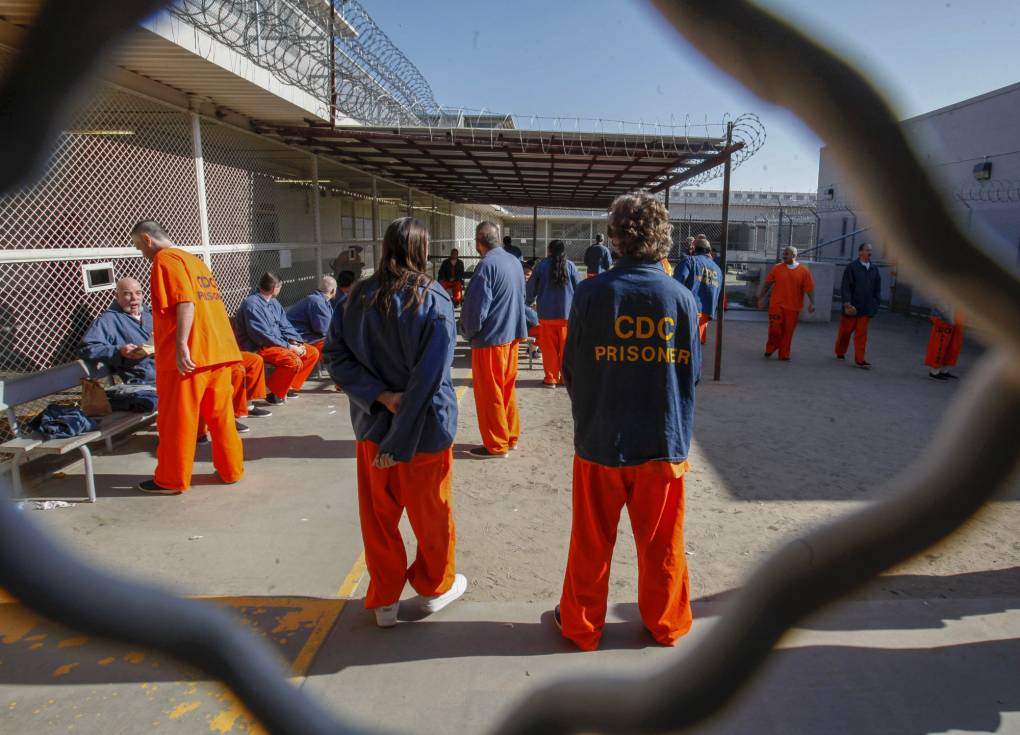
"caption": "Incarcerated individuals stand in a recreation yard at the Deuel Vocational Institution in Tracy on Jan. 12, 2012.",
"description": null,
"title": "New Laws California",
"credit": "Rich Pedroncelli/AP Photo",
"status": "inherit",
"altTag": "Men dressed in blue long-sleeved shirts and bright orange pants stand and walk in an open outdoor area surrounded by fencing and barbed wire.",
"isLoading": false,
"fetchFailed": false
},
"news_11952522": {
"type": "attachments",
"id": "news_11952522",
"meta": {
"index": "attachments_1716263798",
"site": "news",
"id": "11952522",
"found": true
},
"parent": 11952517,
"imgSizes": {
"twentyfourteen-full-width": {
"file": "https://ww2.kqed.org/app/uploads/sites/10/2023/06/RS66128_GettyImages-1321831966-qut-1038x576.jpg",
"width": 1038,
"mimeType": "image/jpeg",
"height": 576
},
"thumbnail": {
"file": "https://ww2.kqed.org/app/uploads/sites/10/2023/06/RS66128_GettyImages-1321831966-qut-160x97.jpg",
"width": 160,
"mimeType": "image/jpeg",
"height": 97
},
"post-thumbnail": {
"file": "https://ww2.kqed.org/app/uploads/sites/10/2023/06/RS66128_GettyImages-1321831966-qut-672x372.jpg",
"width": 672,
"mimeType": "image/jpeg",
"height": 372
},
"kqedFullSize": {
"file": "https://ww2.kqed.org/app/uploads/sites/10/2023/06/RS66128_GettyImages-1321831966-qut.jpg",
"width": 1920,
"height": 1164
},
"large": {
"file": "https://ww2.kqed.org/app/uploads/sites/10/2023/06/RS66128_GettyImages-1321831966-qut-1020x618.jpg",
"width": 1020,
"mimeType": "image/jpeg",
"height": 618
},
"1536x1536": {
"file": "https://ww2.kqed.org/app/uploads/sites/10/2023/06/RS66128_GettyImages-1321831966-qut-1536x931.jpg",
"width": 1536,
"mimeType": "image/jpeg",
"height": 931
},
"medium": {
"file": "https://ww2.kqed.org/app/uploads/sites/10/2023/06/RS66128_GettyImages-1321831966-qut-800x485.jpg",
"width": 800,
"mimeType": "image/jpeg",
"height": 485
}
},
"publishDate": 1686180596,
"modified": 1686181154,
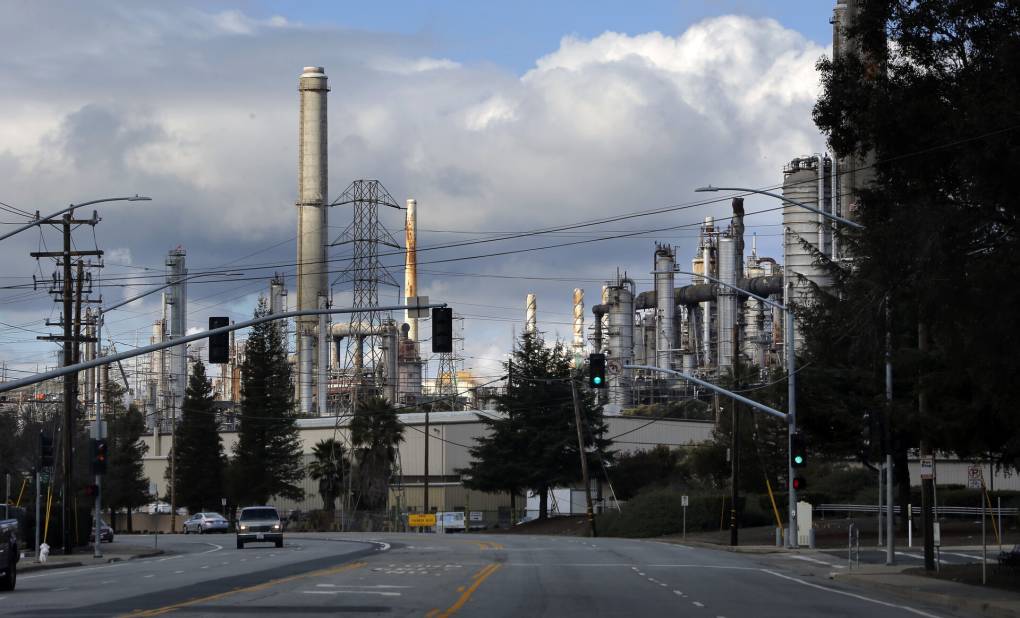
"caption": "After PBF Energy's Martinez refinery released 24 tons of potentially hazardous material into the surrounding community last November, residents said their neighborhoods were coated in a substance resembling ash.",
"description": null,
"title": "The Shell refinery in seen on Tuesday Jan. 24, 2017, in Martinez, Ca.",
"credit": "Michael Macor/The San Francisco Chronicle via Getty Images",
"status": "inherit",
"altTag": "The silver smoke stacks of a large oil refinery loom above a city street where vehicles and a stoplight appear in the foreground",
"isLoading": false,
"fetchFailed": false
},
"news_11952545": {
"type": "attachments",
"id": "news_11952545",
"meta": {
"index": "attachments_1716263798",
"site": "news",
"id": "11952545",
"found": true
},
"title": "RS66141_016_KQED_SheriffPressConference_06082023-KQED",
"publishDate": 1686251655,
"status": "inherit",
"parent": 0,
"modified": 1717610445,
"caption": "San Francisco sheriff's deputies listen to a news conference in San Francisco's Civic Center on June 8, 2023, where Sheriff Paul Miyamoto (not pictured) announced the activation of a six-month plan focused on areas of the Tenderloin and SoMa neighborhoods to reduce open-air drug dealing and drug use.",
"credit": "Beth LaBerge/KQED",
"altTag": "A group of half a dozen law enforcement officers stand in front of squad cars parked in an open area in front of an ornate columned building.",
"description": null,
"imgSizes": {
"medium": {
"file": "https://cdn.kqed.org/wp-content/uploads/sites/10/2023/06/RS66141_016_KQED_SheriffPressConference_06082023-KQED-800x533.jpg",
"width": 800,
"height": 533,
"mimeType": "image/jpeg"
},
"large": {
"file": "https://cdn.kqed.org/wp-content/uploads/sites/10/2023/06/RS66141_016_KQED_SheriffPressConference_06082023-KQED-1020x680.jpg",
"width": 1020,
"height": 680,
"mimeType": "image/jpeg"
},
"thumbnail": {
"file": "https://cdn.kqed.org/wp-content/uploads/sites/10/2023/06/RS66141_016_KQED_SheriffPressConference_06082023-KQED-160x107.jpg",
"width": 160,
"height": 107,
"mimeType": "image/jpeg"
},
"1536x1536": {
"file": "https://cdn.kqed.org/wp-content/uploads/sites/10/2023/06/RS66141_016_KQED_SheriffPressConference_06082023-KQED-1536x1024.jpg",
"width": 1536,
"height": 1024,
"mimeType": "image/jpeg"
},
"post-thumbnail": {
"file": "https://cdn.kqed.org/wp-content/uploads/sites/10/2023/06/RS66141_016_KQED_SheriffPressConference_06082023-KQED-672x372.jpg",
"width": 672,
"height": 372,
"mimeType": "image/jpeg"
},
"twentyfourteen-full-width": {
"file": "https://cdn.kqed.org/wp-content/uploads/sites/10/2023/06/RS66141_016_KQED_SheriffPressConference_06082023-KQED-1038x576.jpg",
"width": 1038,
"height": 576,
"mimeType": "image/jpeg"
},
"kqedFullSize": {
"file": "https://cdn.kqed.org/wp-content/uploads/sites/10/2023/06/RS66141_016_KQED_SheriffPressConference_06082023-KQED.jpg",
"width": 1920,
"height": 1280
}
},
"isLoading": false,
"fetchFailed": false
},
"news_11952219": {
"type": "attachments",
"id": "news_11952219",
"meta": {
"index": "attachments_1716263798",
"site": "news",
"id": "11952219",
"found": true
},
"parent": 0,
"imgSizes": {
"twentyfourteen-full-width": {
"file": "https://ww2.kqed.org/app/uploads/sites/10/2023/06/060523-COURT-JUDGE-GETTY-IK-KQED-1038x576.jpg",
"width": 1038,
"mimeType": "image/jpeg",
"height": 576
},
"thumbnail": {
"file": "https://ww2.kqed.org/app/uploads/sites/10/2023/06/060523-COURT-JUDGE-GETTY-IK-KQED-160x107.jpg",
"width": 160,
"mimeType": "image/jpeg",
"height": 107
},
"post-thumbnail": {
"file": "https://ww2.kqed.org/app/uploads/sites/10/2023/06/060523-COURT-JUDGE-GETTY-IK-KQED-672x372.jpg",
"width": 672,
"mimeType": "image/jpeg",
"height": 372
},
"kqedFullSize": {
"file": "https://ww2.kqed.org/app/uploads/sites/10/2023/06/060523-COURT-JUDGE-GETTY-IK-KQED.jpg",
"width": 1920,
"height": 1280
},
"large": {
"file": "https://ww2.kqed.org/app/uploads/sites/10/2023/06/060523-COURT-JUDGE-GETTY-IK-KQED-1020x680.jpg",
"width": 1020,
"mimeType": "image/jpeg",
"height": 680
},
"1536x1536": {
"file": "https://ww2.kqed.org/app/uploads/sites/10/2023/06/060523-COURT-JUDGE-GETTY-IK-KQED-1536x1024.jpg",
"width": 1536,
"mimeType": "image/jpeg",
"height": 1024
},
"medium": {
"file": "https://ww2.kqed.org/app/uploads/sites/10/2023/06/060523-COURT-JUDGE-GETTY-IK-KQED-800x533.jpg",
"width": 800,
"mimeType": "image/jpeg",
"height": 533
}
},
"publishDate": 1685996648,
"modified": 1696359688,
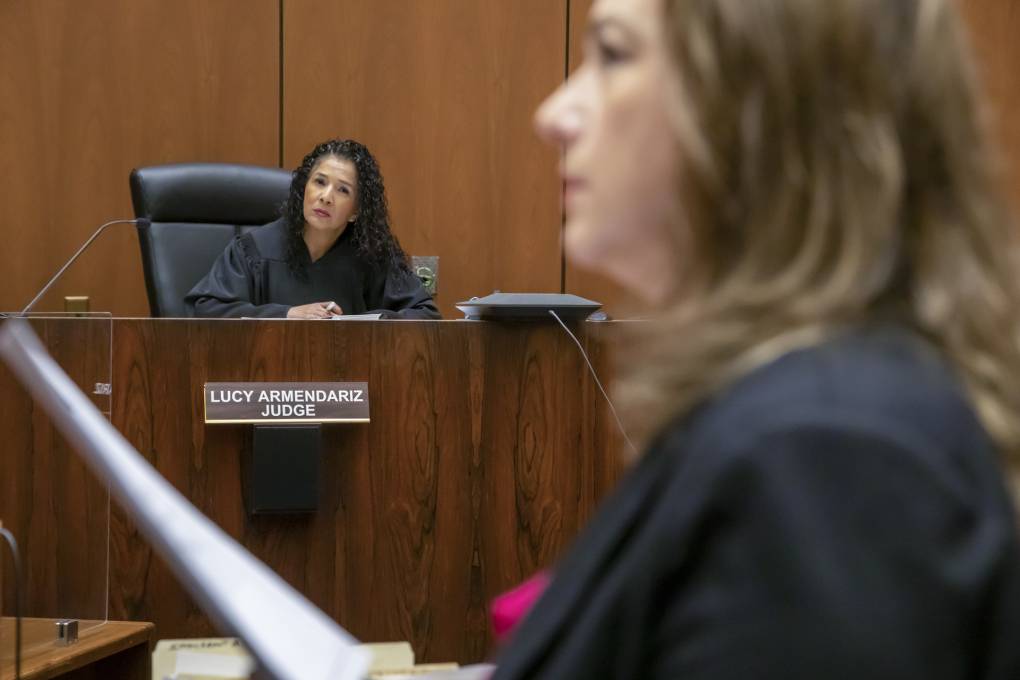
"caption": "A judge presides over a courtroom in Los Angeles on May 24, 2023. San Francisco is among 8 California counties this year, including Los Angeles, poised to implement CARE Courts, which allow first responders, family members, clinicians and others to ask a judge to order treatment plans for people diagnosed with schizophrenia and other psychotic disorders.",
"description": null,
"title": null,
"credit": "Irfan Khan/Los Angeles Times via Getty Images",
"status": "inherit",
"altTag": "A judge presides over a wood-paneled courtroom and looks at a defense attorney.",
"isLoading": false,
"fetchFailed": false
},
"news_11952019": {
"type": "attachments",
"id": "news_11952019",
"meta": {
"index": "attachments_1716263798",
"site": "news",
"id": "11952019",
"found": true
},
"parent": 11952012,
"imgSizes": {
"twentyfourteen-full-width": {
"file": "https://ww2.kqed.org/app/uploads/sites/10/2023/06/RS62458_006_KQED_LagunaHondaHospital_01312023-qut-1038x576.jpg",
"width": 1038,
"mimeType": "image/jpeg",
"height": 576
},
"thumbnail": {
"file": "https://ww2.kqed.org/app/uploads/sites/10/2023/06/RS62458_006_KQED_LagunaHondaHospital_01312023-qut-160x107.jpg",
"width": 160,
"mimeType": "image/jpeg",
"height": 107
},
"post-thumbnail": {
"file": "https://ww2.kqed.org/app/uploads/sites/10/2023/06/RS62458_006_KQED_LagunaHondaHospital_01312023-qut-672x372.jpg",
"width": 672,
"mimeType": "image/jpeg",
"height": 372
},
"kqedFullSize": {
"file": "https://ww2.kqed.org/app/uploads/sites/10/2023/06/RS62458_006_KQED_LagunaHondaHospital_01312023-qut.jpg",
"width": 1920,
"height": 1280
},
"large": {
"file": "https://ww2.kqed.org/app/uploads/sites/10/2023/06/RS62458_006_KQED_LagunaHondaHospital_01312023-qut-1020x680.jpg",
"width": 1020,
"mimeType": "image/jpeg",
"height": 680
},
"1536x1536": {
"file": "https://ww2.kqed.org/app/uploads/sites/10/2023/06/RS62458_006_KQED_LagunaHondaHospital_01312023-qut-1536x1024.jpg",
"width": 1536,
"mimeType": "image/jpeg",
"height": 1024
},
"medium": {
"file": "https://ww2.kqed.org/app/uploads/sites/10/2023/06/RS62458_006_KQED_LagunaHondaHospital_01312023-qut-800x533.jpg",
"width": 800,
"mimeType": "image/jpeg",
"height": 533
}
},
"publishDate": 1685665842,
"modified": 1685665877,
"caption": "A campus map for Laguna Honda Hospital and Rehabilitation Center in San Francisco on Jan. 31, 2023.",
"description": null,
"title": "RS62458_006_KQED_LagunaHondaHospital_01312023-qut",
"credit": "Beth LaBerge/KQED",
"status": "inherit",
"altTag": "A campus map of Laguna Honda Hospital.",
"isLoading": false,
"fetchFailed": false
},
"news_11924205": {
"type": "attachments",
"id": "news_11924205",
"meta": {
"index": "attachments_1716263798",
"site": "news",
"id": "11924205",
"found": true
},
"parent": 11924117,
"imgSizes": {
"twentyfourteen-full-width": {
"file": "https://ww2.kqed.org/app/uploads/sites/10/2022/08/RS58238_GettyImages-1238594058-qut-1038x576.jpg",
"width": 1038,
"mimeType": "image/jpeg",
"height": 576
},
"thumbnail": {
"file": "https://ww2.kqed.org/app/uploads/sites/10/2022/08/RS58238_GettyImages-1238594058-qut-160x107.jpg",
"width": 160,
"mimeType": "image/jpeg",
"height": 107
},
"post-thumbnail": {
"file": "https://ww2.kqed.org/app/uploads/sites/10/2022/08/RS58238_GettyImages-1238594058-qut-672x372.jpg",
"width": 672,
"mimeType": "image/jpeg",
"height": 372
},
"kqedFullSize": {
"file": "https://ww2.kqed.org/app/uploads/sites/10/2022/08/RS58238_GettyImages-1238594058-qut.jpg",
"width": 1920,
"height": 1280
},
"large": {
"file": "https://ww2.kqed.org/app/uploads/sites/10/2022/08/RS58238_GettyImages-1238594058-qut-1020x680.jpg",
"width": 1020,
"mimeType": "image/jpeg",
"height": 680
},
"1536x1536": {
"file": "https://ww2.kqed.org/app/uploads/sites/10/2022/08/RS58238_GettyImages-1238594058-qut-1536x1024.jpg",
"width": 1536,
"mimeType": "image/jpeg",
"height": 1024
},
"medium": {
"file": "https://ww2.kqed.org/app/uploads/sites/10/2022/08/RS58238_GettyImages-1238594058-qut-800x533.jpg",
"width": 800,
"mimeType": "image/jpeg",
"height": 533
}
},
"publishDate": 1661963945,
"modified": 1685626707,
"caption": "Gov. Gavin Newsom signs legislation to institute CARE Court, his plan to overhaul the state's approach to mental health care for people diagnosed with schizophrenia and other psychotic disorders.",
"description": null,
"title": "Governor Gavin Newsom speaks during a press conference to unveil the next phase of California's pandemic response",
"credit": "Allen J. Schaben/Los Angeles Times via Getty Images",
"status": "inherit",
"altTag": "Gavin Newsom speaks at a press conference",
"isLoading": false,
"fetchFailed": false
},
"news_11950995": {
"type": "attachments",
"id": "news_11950995",
"meta": {
"index": "attachments_1716263798",
"site": "news",
"id": "11950995",
"found": true
},
"parent": 11950806,
"imgSizes": {
"twentyfourteen-full-width": {
"file": "https://ww2.kqed.org/app/uploads/sites/10/2023/05/GettyImages-1077097578-1038x576.jpg",
"width": 1038,
"mimeType": "image/jpeg",
"height": 576
},
"thumbnail": {
"file": "https://ww2.kqed.org/app/uploads/sites/10/2023/05/GettyImages-1077097578-160x112.jpg",
"width": 160,
"mimeType": "image/jpeg",
"height": 112
},
"post-thumbnail": {
"file": "https://ww2.kqed.org/app/uploads/sites/10/2023/05/GettyImages-1077097578-672x372.jpg",
"width": 672,
"mimeType": "image/jpeg",
"height": 372
},
"kqedFullSize": {
"file": "https://ww2.kqed.org/app/uploads/sites/10/2023/05/GettyImages-1077097578.jpg",
"width": 2065,
"height": 1451
},
"2048x2048": {
"file": "https://ww2.kqed.org/app/uploads/sites/10/2023/05/GettyImages-1077097578-2048x1439.jpg",
"width": 2048,
"mimeType": "image/jpeg",
"height": 1439
},
"large": {
"file": "https://ww2.kqed.org/app/uploads/sites/10/2023/05/GettyImages-1077097578-1020x717.jpg",
"width": 1020,
"mimeType": "image/jpeg",
"height": 717
},
"1536x1536": {
"file": "https://ww2.kqed.org/app/uploads/sites/10/2023/05/GettyImages-1077097578-1536x1079.jpg",
"width": 1536,
"mimeType": "image/jpeg",
"height": 1079
},
"full-width": {
"file": "https://ww2.kqed.org/app/uploads/sites/10/2023/05/GettyImages-1077097578-1920x1349.jpg",
"width": 1920,
"mimeType": "image/jpeg",
"height": 1349
},
"medium": {
"file": "https://ww2.kqed.org/app/uploads/sites/10/2023/05/GettyImages-1077097578-800x562.jpg",
"width": 800,
"mimeType": "image/jpeg",
"height": 562
}
},
"publishDate": 1685143630,
"modified": 1685143757,
"caption": null,
"description": null,
"title": "Cleaning up before dinner",
"credit": "LaylaBird/Getty Images",
"status": "inherit",
"altTag": "Cropped shot of an unrecognizable little girl washing her hands at home",
"isLoading": false,
"fetchFailed": false
},
"news_11950522": {
"type": "attachments",
"id": "news_11950522",
"meta": {
"index": "attachments_1716263798",
"site": "news",
"id": "11950522",
"found": true
},
"parent": 11950520,
"imgSizes": {
"twentyfourteen-full-width": {
"file": "https://ww2.kqed.org/app/uploads/sites/10/2023/05/003_KQED_LondonBreedQA_05232023-1038x576.jpg",
"width": 1038,
"mimeType": "image/jpeg",
"height": 576
},
"thumbnail": {
"file": "https://ww2.kqed.org/app/uploads/sites/10/2023/05/003_KQED_LondonBreedQA_05232023-160x107.jpg",
"width": 160,
"mimeType": "image/jpeg",
"height": 107
},
"post-thumbnail": {
"file": "https://ww2.kqed.org/app/uploads/sites/10/2023/05/003_KQED_LondonBreedQA_05232023-672x372.jpg",
"width": 672,
"mimeType": "image/jpeg",
"height": 372
},
"kqedFullSize": {
"file": "https://ww2.kqed.org/app/uploads/sites/10/2023/05/003_KQED_LondonBreedQA_05232023.jpg",
"width": 1920,
"height": 1280
},
"large": {
"file": "https://ww2.kqed.org/app/uploads/sites/10/2023/05/003_KQED_LondonBreedQA_05232023-1020x680.jpg",
"width": 1020,
"mimeType": "image/jpeg",
"height": 680
},
"1536x1536": {
"file": "https://ww2.kqed.org/app/uploads/sites/10/2023/05/003_KQED_LondonBreedQA_05232023-1536x1024.jpg",
"width": 1536,
"mimeType": "image/jpeg",
"height": 1024
},
"medium": {
"file": "https://ww2.kqed.org/app/uploads/sites/10/2023/05/003_KQED_LondonBreedQA_05232023-800x533.jpg",
"width": 800,
"mimeType": "image/jpeg",
"height": 533
}
},
"publishDate": 1684887693,
"modified": 1684900244,
"caption": "San Francisco Mayor London Breed speaks to a crowd gathered at San Francisco's United Nations Plaza on May 23, 2023, during a public discussion with the Board of Supervisors about the city's fentanyl drug crisis.",
"description": null,
"title": "003_KQED_LondonBreedQA_05232023",
"credit": "Beth LaBerge/KQED",
"status": "inherit",
"altTag": "Mayor London Breed speaks outside at a lectern, next to a bearded white man, as a large crowd looks on.",
"isLoading": false,
"fetchFailed": false
},
"news_11950485": {
"type": "attachments",
"id": "news_11950485",
"meta": {
"index": "attachments_1716263798",
"site": "news",
"id": "11950485",
"found": true
},
"parent": 11950467,
"imgSizes": {
"twentyfourteen-full-width": {
"file": "https://ww2.kqed.org/app/uploads/sites/10/2023/05/GettyImages-1481201395-1024x576.jpg",
"width": 1024,
"mimeType": "image/jpeg",
"height": 576
},
"thumbnail": {
"file": "https://ww2.kqed.org/app/uploads/sites/10/2023/05/GettyImages-1481201395-160x99.jpg",
"width": 160,
"mimeType": "image/jpeg",
"height": 99
},
"post-thumbnail": {
"file": "https://ww2.kqed.org/app/uploads/sites/10/2023/05/GettyImages-1481201395-672x372.jpg",
"width": 672,
"mimeType": "image/jpeg",
"height": 372
},
"kqedFullSize": {
"file": "https://ww2.kqed.org/app/uploads/sites/10/2023/05/GettyImages-1481201395.jpg",
"width": 1024,
"height": 636
},
"large": {
"file": "https://ww2.kqed.org/app/uploads/sites/10/2023/05/GettyImages-1481201395-1020x634.jpg",
"width": 1020,
"mimeType": "image/jpeg",
"height": 634
},
"medium": {
"file": "https://ww2.kqed.org/app/uploads/sites/10/2023/05/GettyImages-1481201395-800x497.jpg",
"width": 800,
"mimeType": "image/jpeg",
"height": 497
}
},
"publishDate": 1684874431,
"modified": 1684879977,
"caption": "A billboard put up by Families Against Fentanyl on Interstate 10 near Peck Road in El Monte, on Thursday, April 6, 2023. Jim Rauh founded Families Against Fentanyl after the drug claimed the life of his 37-year-old son, Thomas, in 2015.",
"description": null,
"title": "Man posts Fentanyl billboards in California",
"credit": "Paul Bersebach/MediaNews Group/Orange County Register via Getty Images",
"status": "inherit",
"altTag": "A billboard sign reads \"Fenanyl is the #1 cause of death for Americans Age 18 to 45.\"",
"isLoading": false,
"fetchFailed": false
},
"news_11950446": {
"type": "attachments",
"id": "news_11950446",
"meta": {
"index": "attachments_1716263798",
"site": "news",
"id": "11950446",
"found": true
},
"title": "antigen-testing-2025",
"publishDate": 1684804155,
"status": "inherit",
"parent": 11950386,
"modified": 1754669457,
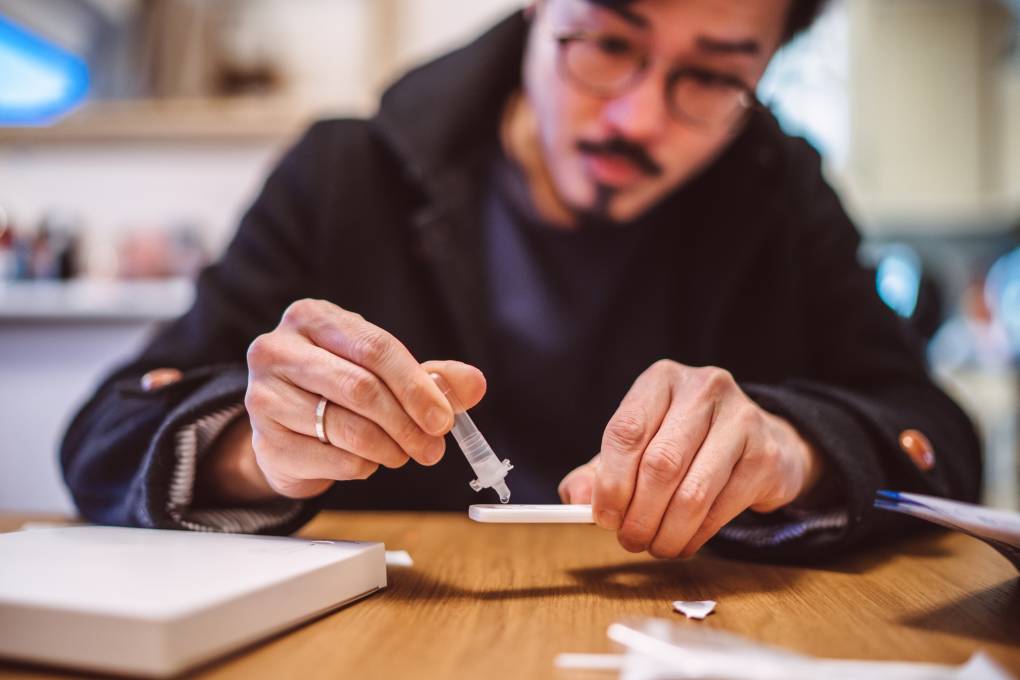
"caption": "What to know about COVID symptoms, testing and incubation in 2025. ",
"credit": "Tang Ming Tung/Getty Images",
"altTag": "A man squeezes the sample liquid on a test strip while carrying out a COVID-19 rapid self test at home.",
"description": null,
"imgSizes": {
"medium": {
"file": "https://cdn.kqed.org/wp-content/uploads/sites/10/2023/05/GettyImages-1369841386-800x533.jpg",
"width": 800,
"height": 533,
"mimeType": "image/jpeg"
},
"large": {
"file": "https://cdn.kqed.org/wp-content/uploads/sites/10/2023/05/GettyImages-1369841386-1020x680.jpg",
"width": 1020,
"height": 680,
"mimeType": "image/jpeg"
},
"thumbnail": {
"file": "https://cdn.kqed.org/wp-content/uploads/sites/10/2023/05/GettyImages-1369841386-160x107.jpg",
"width": 160,
"height": 107,
"mimeType": "image/jpeg"
},
"1536x1536": {
"file": "https://cdn.kqed.org/wp-content/uploads/sites/10/2023/05/GettyImages-1369841386-1536x1024.jpg",
"width": 1536,
"height": 1024,
"mimeType": "image/jpeg"
},
"2048x2048": {
"file": "https://cdn.kqed.org/wp-content/uploads/sites/10/2023/05/GettyImages-1369841386-2048x1365.jpg",
"width": 2048,
"height": 1365,
"mimeType": "image/jpeg"
},
"post-thumbnail": {
"file": "https://cdn.kqed.org/wp-content/uploads/sites/10/2023/05/GettyImages-1369841386-672x372.jpg",
"width": 672,
"height": 372,
"mimeType": "image/jpeg"
},
"twentyfourteen-full-width": {
"file": "https://cdn.kqed.org/wp-content/uploads/sites/10/2023/05/GettyImages-1369841386-1038x576.jpg",
"width": 1038,
"height": 576,
"mimeType": "image/jpeg"
},
"full-width": {
"file": "https://cdn.kqed.org/wp-content/uploads/sites/10/2023/05/GettyImages-1369841386-1920x1280.jpg",
"width": 1920,
"height": 1280,
"mimeType": "image/jpeg"
},
"kqedFullSize": {
"file": "https://cdn.kqed.org/wp-content/uploads/sites/10/2023/05/GettyImages-1369841386-scaled.jpg",
"width": 2560,
"height": 1707
}
},
"isLoading": false,
"fetchFailed": false
},
"news_11950397": {
"type": "attachments",
"id": "news_11950397",
"meta": {
"index": "attachments_1716263798",
"site": "news",
"id": "11950397",
"found": true
},
"parent": 11950351,
"imgSizes": {
"twentyfourteen-full-width": {
"file": "https://ww2.kqed.org/app/uploads/sites/10/2023/05/RS44792_006_KQED_SanFrancisco_OrangeSky_09092020-qut-1038x576.jpg",
"width": 1038,
"mimeType": "image/jpeg",
"height": 576
},
"thumbnail": {
"file": "https://ww2.kqed.org/app/uploads/sites/10/2023/05/RS44792_006_KQED_SanFrancisco_OrangeSky_09092020-qut-160x107.jpg",
"width": 160,
"mimeType": "image/jpeg",
"height": 107
},
"post-thumbnail": {
"file": "https://ww2.kqed.org/app/uploads/sites/10/2023/05/RS44792_006_KQED_SanFrancisco_OrangeSky_09092020-qut-672x372.jpg",
"width": 672,
"mimeType": "image/jpeg",
"height": 372
},
"kqedFullSize": {
"file": "https://ww2.kqed.org/app/uploads/sites/10/2023/05/RS44792_006_KQED_SanFrancisco_OrangeSky_09092020-qut.jpg",
"width": 1920,
"height": 1280
},
"large": {
"file": "https://ww2.kqed.org/app/uploads/sites/10/2023/05/RS44792_006_KQED_SanFrancisco_OrangeSky_09092020-qut-1020x680.jpg",
"width": 1020,
"mimeType": "image/jpeg",
"height": 680
},
"1536x1536": {
"file": "https://ww2.kqed.org/app/uploads/sites/10/2023/05/RS44792_006_KQED_SanFrancisco_OrangeSky_09092020-qut-1536x1024.jpg",
"width": 1536,
"mimeType": "image/jpeg",
"height": 1024
},
"medium": {
"file": "https://ww2.kqed.org/app/uploads/sites/10/2023/05/RS44792_006_KQED_SanFrancisco_OrangeSky_09092020-qut-800x533.jpg",
"width": 800,
"mimeType": "image/jpeg",
"height": 533
}
},
"publishDate": 1684792955,
"modified": 1684793078,
"caption": "A view of the San Francisco skyline from Dolores Park in San Francisco on Sept. 9, 2020.",
"description": null,
"title": "RS44792_006_KQED_SanFrancisco_OrangeSky_09092020-qut",
"credit": "Beth LaBerge/KQED",
"status": "inherit",
"altTag": "A photo of a polluted orange-colored city skyline with palm trees.",
"isLoading": false,
"fetchFailed": false
},
"news_11950217": {
"type": "attachments",
"id": "news_11950217",
"meta": {
"index": "attachments_1716263798",
"site": "news",
"id": "11950217",
"found": true
},
"parent": 11950203,
"imgSizes": {
"twentyfourteen-full-width": {
"file": "https://ww2.kqed.org/app/uploads/sites/10/2023/05/GettyImages-1219033596-1024x576.jpg",
"width": 1024,
"mimeType": "image/jpeg",
"height": 576
},
"thumbnail": {
"file": "https://ww2.kqed.org/app/uploads/sites/10/2023/05/GettyImages-1219033596-160x107.jpg",
"width": 160,
"mimeType": "image/jpeg",
"height": 107
},
"post-thumbnail": {
"file": "https://ww2.kqed.org/app/uploads/sites/10/2023/05/GettyImages-1219033596-672x372.jpg",
"width": 672,
"mimeType": "image/jpeg",
"height": 372
},
"kqedFullSize": {
"file": "https://ww2.kqed.org/app/uploads/sites/10/2023/05/GettyImages-1219033596.jpg",
"width": 1024,
"height": 682
},
"large": {
"file": "https://ww2.kqed.org/app/uploads/sites/10/2023/05/GettyImages-1219033596-1020x679.jpg",
"width": 1020,
"mimeType": "image/jpeg",
"height": 679
},
"medium": {
"file": "https://ww2.kqed.org/app/uploads/sites/10/2023/05/GettyImages-1219033596-800x533.jpg",
"width": 800,
"mimeType": "image/jpeg",
"height": 533
}
},
"publishDate": 1684521428,
"modified": 1684876116,
"caption": "Pump jacks in the parking lot of a restaurant in the city of Signal Hill in Los Angeles County. Oil wells are still mixed in among residential neighborhoods in this once-massive oil-producing area.",
"description": null,
"title": "Oil well and pump jacks in parking lot of a restaurant in the City of Signal Hill",
"credit": "Citizen of the Planet/Education Images/Universal Images Group via Getty Images",
"status": "inherit",
"altTag": "Oil well in a residential area with a cafe next to it.",
"isLoading": false,
"fetchFailed": false
}
},
"audioPlayerReducer": {
"postId": "stream_live",
"isPaused": true,
"isPlaying": false,
"pfsActive": false,
"pledgeModalIsOpen": true,
"playerDrawerIsOpen": false,
"liveAudioPlayStartedAt": 0,
"liveAudioPlayContext": ""
},
"authorsReducer": {
"byline_news_11954055": {
"type": "authors",
"id": "byline_news_11954055",
"meta": {
"override": true
},
"slug": "byline_news_11954055",
"name": "\u003ca href=\"https://calmatters.org/author/anabelsosa/\">Anabel Sosa\u003c/a>",
"isLoading": false
},
"byline_news_11950467": {
"type": "authors",
"id": "byline_news_11950467",
"meta": {
"override": true
},
"slug": "byline_news_11950467",
"name": "Don Thompson",
"isLoading": false
},
"byline_news_11950351": {
"type": "authors",
"id": "byline_news_11950351",
"meta": {
"override": true
},
"slug": "byline_news_11950351",
"name": "Molly Peterson (The California Newsroom) and Dillon Bergin (MuckRock)",
"isLoading": false
},
"byline_news_11950203": {
"type": "authors",
"id": "byline_news_11950203",
"meta": {
"override": true
},
"slug": "byline_news_11950203",
"name": "Sophie Austin\u003cbr>The Associated Press",
"isLoading": false
},
"danbrekke": {
"type": "authors",
"id": "222",
"meta": {
"index": "authors_1716337520",
"id": "222",
"found": true
},
"name": "Dan Brekke",
"firstName": "Dan",
"lastName": "Brekke",
"slug": "danbrekke",
"email": "dbrekke@kqed.org",
"display_author_email": true,
"staff_mastheads": [
"news",
"science"
],
"title": "KQED Editor and Reporter",
"bio": "Dan Brekke is a reporter and editor for KQED News, responsible for coverage of topics ranging from California water issues to the Bay Area's transportation challenges. In a newsroom career that began in Chicago in 1972, Dan has worked for \u003cem>The San Francisco Examiner,\u003c/em> Wired and TechTV and has been published in The New York Times, The New York Times Magazine, Business 2.0, Salon and elsewhere.\r\n\r\nSince joining KQED in 2007, Dan has reported, edited and produced both radio and online features and breaking news pieces. He has shared as both editor and reporter in four Society of Professional Journalists Norcal Excellence in Journalism awards and one Edward R. Murrow regional award. He was chosen for a spring 2017 residency at the Mesa Refuge to advance his research on California salmon.\r\n\r\nEmail Dan at: \u003ca href=\"mailto:dbrekke@kqed.org\">dbrekke@kqed.org\u003c/a>\r\n\r\n\u003cstrong>Twitter:\u003c/strong> \u003ca href=\"https://twitter.com/danbrekke\" rel=\"noopener noreferrer\">twitter.com/danbrekke\u003c/a>\r\n\u003cstrong>Facebook:\u003c/strong> \u003ca href=\"https://www.facebook.com/danbrekke\" rel=\"noopener noreferrer\">www.facebook.com/danbrekke\u003c/a>\r\n\u003cstrong>LinkedIn:\u003c/strong> \u003ca href=\"https://www.linkedin.com/in/danbrekke\" rel=\"noopener noreferrer\">www.linkedin.com/in/danbrekke\u003c/a>",
"avatar": "https://secure.gravatar.com/avatar/c8126230345efca3f7aa89b1a402be45?s=600&d=mm&r=g",
"twitter": "danbrekke",
"facebook": null,
"instagram": "https://www.instagram.com/dan.brekke/",
"linkedin": "https://www.linkedin.com/in/danbrekke/",
"sites": [
{
"site": "news",
"roles": [
"administrator",
"create_posts"
]
},
{
"site": "stateofhealth",
"roles": [
"editor"
]
},
{
"site": "science",
"roles": [
"editor"
]
},
{
"site": "quest",
"roles": [
"contributor"
]
},
{
"site": "food",
"roles": [
"contributor"
]
},
{
"site": "forum",
"roles": [
"contributor"
]
},
{
"site": "liveblog",
"roles": [
"editor"
]
}
],
"headData": {
"title": "Dan Brekke | KQED",
"description": "KQED Editor and Reporter",
"ogImgSrc": "https://secure.gravatar.com/avatar/c8126230345efca3f7aa89b1a402be45?s=600&d=mm&r=g",
"twImgSrc": "https://secure.gravatar.com/avatar/c8126230345efca3f7aa89b1a402be45?s=600&d=mm&r=g"
},
"isLoading": false,
"link": "/author/danbrekke"
},
"scottshafer": {
"type": "authors",
"id": "255",
"meta": {
"index": "authors_1716337520",
"id": "255",
"found": true
},
"name": "Scott Shafer",
"firstName": "Scott",
"lastName": "Shafer",
"slug": "scottshafer",
"email": "sshafer@kqed.org",
"display_author_email": false,
"staff_mastheads": [
"news"
],
"title": "KQED Contributor",
"bio": "Scott Shafer is a senior editor with the KQED Politics and Government desk. He is co-host of Political Breakdown, the award-winning radio show and podcast with a personal take on the world of politics. Scott came to KQED in 1998 to host the statewide\u003cem> California Report\u003c/em>. Prior to that he had extended stints in politics and government\u003cem>.\u003c/em> He uses that inside experience at KQED in his, reporting, hosting and analysis for the politics desk. Scott collaborated \u003cem>Political Breakdown a\u003c/em>nd on \u003cem>The Political Mind of Jerry Brown, \u003c/em>an eight-part series about the life and extraordinary political career of the former governor. For fun, he plays water polo with the San Francisco Tsunami.",
"avatar": "https://secure.gravatar.com/avatar/a62ebae45b79d7aed1a39a0e3bf68104?s=600&d=blank&r=g",
"twitter": "scottshafer",
"bluesky": null,
"facebook": null,
"instagram": null,
"linkedin": null,
"sites": [
{
"site": "news",
"roles": [
"editor"
]
},
{
"site": "stateofhealth",
"roles": [
"author"
]
},
{
"site": "science",
"roles": [
"author"
]
},
{
"site": "forum",
"roles": [
"subscriber"
]
},
{
"site": "liveblog",
"roles": [
"author"
]
}
],
"headData": {
"title": "Scott Shafer | KQED",
"description": "KQED Contributor",
"ogImgSrc": "https://secure.gravatar.com/avatar/a62ebae45b79d7aed1a39a0e3bf68104?s=600&d=blank&r=g",
"twImgSrc": "https://secure.gravatar.com/avatar/a62ebae45b79d7aed1a39a0e3bf68104?s=600&d=blank&r=g"
},
"isLoading": false,
"link": "/author/scottshafer"
},
"tgoldberg": {
"type": "authors",
"id": "258",
"meta": {
"index": "authors_1716337520",
"id": "258",
"found": true
},
"name": "Ted Goldberg",
"firstName": "Ted",
"lastName": "Goldberg",
"slug": "tgoldberg",
"email": "tgoldberg@kqed.org",
"display_author_email": true,
"staff_mastheads": [
"news"
],
"title": "KQED Managing Editor, News and Newscasts",
"bio": "Ted Goldberg is Managing Editor of News and Newscasts at KQED. His main reporting beat is the Bay Area's oil refining industry.\r\n\r\nPrior to joining KQED in 2014, Ted worked at CBS News and WCBS AM in New York and Bay City News and KCBS Radio in San Francisco. He graduated from Oberlin College in Ohio in 1998.",
"avatar": "https://secure.gravatar.com/avatar/30ce2e4fe89135e104f89be2394d16225b9d36c121b5b3cb7651ce642978b96f?s=600&d=blank&r=g",
"twitter": "TedrickG",
"bluesky": null,
"facebook": null,
"instagram": null,
"linkedin": null,
"sites": [
{
"site": "news",
"roles": [
"editor"
]
},
{
"site": "science",
"roles": [
"editor"
]
}
],
"headData": {
"title": "Ted Goldberg | KQED",
"description": "KQED Managing Editor, News and Newscasts",
"ogImgSrc": "https://secure.gravatar.com/avatar/30ce2e4fe89135e104f89be2394d16225b9d36c121b5b3cb7651ce642978b96f?s=600&d=blank&r=g",
"twImgSrc": "https://secure.gravatar.com/avatar/30ce2e4fe89135e104f89be2394d16225b9d36c121b5b3cb7651ce642978b96f?s=600&d=blank&r=g"
},
"isLoading": false,
"link": "/author/tgoldberg"
},
"carlysevern": {
"type": "authors",
"id": "3243",
"meta": {
"index": "authors_1716337520",
"id": "3243",
"found": true
},
"name": "Carly Severn",
"firstName": "Carly",
"lastName": "Severn",
"slug": "carlysevern",
"email": "csevern@kqed.org",
"display_author_email": false,
"staff_mastheads": [
"news"
],
"title": "Senior Editor, Audience News ",
"bio": "Carly is KQED's Senior Editor of Audience News on the Digital News team, and has reported for the California Report Magazine, Bay Curious and KQED Arts. She's formerly the host of \u003ca href=\"http://ww2.kqed.org/pop/category/the-cooler/\" rel=\"noopener noreferrer\">The Cooler\u003c/a> podcast.",
"avatar": "https://secure.gravatar.com/avatar/54037bf5c128fe678f0ef26cec97a93f2e7f220a22d7285703328f12c42c1b1d?s=600&d=blank&r=g",
"twitter": "teacupinthebay",
"bluesky": null,
"facebook": null,
"instagram": null,
"linkedin": null,
"sites": [
{
"site": "",
"roles": [
"editor"
]
},
{
"site": "arts",
"roles": [
"editor"
]
},
{
"site": "news",
"roles": [
"administrator"
]
},
{
"site": "pop",
"roles": [
"editor"
]
},
{
"site": "futureofyou",
"roles": [
"editor"
]
},
{
"site": "about",
"roles": [
"administrator"
]
},
{
"site": "mindshift",
"roles": [
"editor"
]
},
{
"site": "bayareabites",
"roles": [
"editor"
]
},
{
"site": "stateofhealth",
"roles": [
"editor"
]
},
{
"site": "science",
"roles": [
"editor"
]
},
{
"site": "food",
"roles": [
"contributor"
]
},
{
"site": "forum",
"roles": [
"editor"
]
},
{
"site": "perspectives",
"roles": [
"administrator"
]
},
{
"site": "liveblog",
"roles": [
"editor"
]
}
],
"headData": {
"title": "Carly Severn | KQED",
"description": "Senior Editor, Audience News ",
"ogImgSrc": "https://secure.gravatar.com/avatar/54037bf5c128fe678f0ef26cec97a93f2e7f220a22d7285703328f12c42c1b1d?s=600&d=blank&r=g",
"twImgSrc": "https://secure.gravatar.com/avatar/54037bf5c128fe678f0ef26cec97a93f2e7f220a22d7285703328f12c42c1b1d?s=600&d=blank&r=g"
},
"isLoading": false,
"link": "/author/carlysevern"
},
"ecruzguevarra": {
"type": "authors",
"id": "8654",
"meta": {
"index": "authors_1716337520",
"id": "8654",
"found": true
},
"name": "Ericka Cruz Guevarra",
"firstName": "Ericka",
"lastName": "Cruz Guevarra",
"slug": "ecruzguevarra",
"email": "ecruzguevarra@kqed.org",
"display_author_email": true,
"staff_mastheads": [
"news"
],
"title": "Producer, The Bay Podcast",
"bio": "Ericka Cruz Guevarra is host of \u003ca href=\"https://www.kqed.org/podcasts/thebay\">\u003cem>The Bay\u003c/em>\u003c/a> podcast at KQED. Before host, she was the show’s producer. Her work in that capacity includes a three-part reported series on policing in Vallejo, which won a 2020 excellence in journalism award from the Society of Professional Journalists. Ericka has worked as a breaking news reporter at Oregon Public Broadcasting, helped produce the Code Switch podcast, and was KQED’s inaugural Raul Ramirez Diversity Fund intern. She’s also an alumna of NPR’s Next Generation Radio program. Send her an email if you have strong feelings about whether Fairfield and Suisun City are the Bay. Ericka is represented by SAG-AFTRA.",
"avatar": "https://secure.gravatar.com/avatar/accefc1de4bafc7e234b69bcb9b6f6536c130fd84709bc3069ef11a78787e1bb?s=600&d=blank&r=g",
"twitter": "NotoriousECG",
"bluesky": null,
"facebook": null,
"instagram": null,
"linkedin": null,
"sites": [
{
"site": "arts",
"roles": [
"subscriber"
]
},
{
"site": "news",
"roles": [
"editor",
"manage_categories"
]
},
{
"site": "futureofyou",
"roles": [
"subscriber"
]
},
{
"site": "stateofhealth",
"roles": [
"subscriber"
]
},
{
"site": "science",
"roles": [
"editor"
]
},
{
"site": "forum",
"roles": [
"subscriber"
]
}
],
"headData": {
"title": "Ericka Cruz Guevarra | KQED",
"description": "Producer, The Bay Podcast",
"ogImgSrc": "https://secure.gravatar.com/avatar/accefc1de4bafc7e234b69bcb9b6f6536c130fd84709bc3069ef11a78787e1bb?s=600&d=blank&r=g",
"twImgSrc": "https://secure.gravatar.com/avatar/accefc1de4bafc7e234b69bcb9b6f6536c130fd84709bc3069ef11a78787e1bb?s=600&d=blank&r=g"
},
"isLoading": false,
"link": "/author/ecruzguevarra"
},
"amontecillo": {
"type": "authors",
"id": "11649",
"meta": {
"index": "authors_1716337520",
"id": "11649",
"found": true
},
"name": "Alan Montecillo",
"firstName": "Alan",
"lastName": "Montecillo",
"slug": "amontecillo",
"email": "amontecillo@kqed.org",
"display_author_email": false,
"staff_mastheads": [
"news"
],
"title": "KQED Contributor",
"bio": "Alan Montecillo is the senior editor of \u003cem>\u003ca href=\"http://kqed.org/thebay\">The Bay\u003c/a>, \u003c/em> KQED's local news podcast. Before moving to the Bay Area, he worked as a senior talk show producer for WILL in Champaign-Urbana, Illinois and at Oregon Public Broadcasting in Portland, Oregon. He has won journalism awards from the Society of Professional Journalists Northern California, the Public Media Journalists Association, The Signal Awards, and has also received a regional Edward R. Murrow award. Alan is a Filipino American from Hong Kong and a graduate of Reed College.",
"avatar": "https://secure.gravatar.com/avatar/268f53a2066899ea9efdd8a5900218b17c822d9862cbc9326cccec53ef41d349?s=600&d=blank&r=g",
"twitter": "alanmontecillo",
"bluesky": null,
"facebook": null,
"instagram": null,
"linkedin": null,
"sites": [
{
"site": "",
"roles": [
"editor"
]
},
{
"site": "news",
"roles": [
"editor",
"manage_categories"
]
}
],
"headData": {
"title": "Alan Montecillo | KQED",
"description": "KQED Contributor",
"ogImgSrc": "https://secure.gravatar.com/avatar/268f53a2066899ea9efdd8a5900218b17c822d9862cbc9326cccec53ef41d349?s=600&d=blank&r=g",
"twImgSrc": "https://secure.gravatar.com/avatar/268f53a2066899ea9efdd8a5900218b17c822d9862cbc9326cccec53ef41d349?s=600&d=blank&r=g"
},
"isLoading": false,
"link": "/author/amontecillo"
},
"mesquinca": {
"type": "authors",
"id": "11802",
"meta": {
"index": "authors_1716337520",
"id": "11802",
"found": true
},
"name": "Maria Esquinca",
"firstName": "Maria",
"lastName": "Esquinca",
"slug": "mesquinca",
"email": "mesquinca@kqed.org",
"display_author_email": false,
"staff_mastheads": [],
"title": "Producer, The Bay",
"bio": "María Esquinca is a producer of The Bay. Before that, she was a New York Women’s Foundation IGNITE Fellow at Latino USA. She worked at Radio Bilingue where she covered the San Joaquin Valley. Maria has interned at WLRN, News 21, The New York Times Student Journalism Institute and at Crain’s Detroit Business as a Dow Jones News Fund Business Reporting Intern. She is an MFA graduate from the University of Miami. In 2017, she graduated from the Walter Cronkite School of Journalism and Mass Communication with a Master of Mass Communication. A fronteriza, she was born in Ciudad Juárez, Chihuahua, Mexico and grew up in El Paso, Texas.",
"avatar": "https://secure.gravatar.com/avatar/77cedba18aae91da775038ba06dcd8d0?s=600&d=blank&r=g",
"twitter": "@m_esquinca",
"facebook": null,
"instagram": null,
"linkedin": null,
"sites": [
{
"site": "news",
"roles": []
}
],
"headData": {
"title": "Maria Esquinca | KQED",
"description": "Producer, The Bay",
"ogImgSrc": "https://secure.gravatar.com/avatar/77cedba18aae91da775038ba06dcd8d0?s=600&d=blank&r=g",
"twImgSrc": "https://secure.gravatar.com/avatar/77cedba18aae91da775038ba06dcd8d0?s=600&d=blank&r=g"
},
"isLoading": false,
"link": "/author/mesquinca"
},
"daisynguyen": {
"type": "authors",
"id": "11829",
"meta": {
"index": "authors_1716337520",
"id": "11829",
"found": true
},
"name": "Daisy Nguyen",
"firstName": "Daisy",
"lastName": "Nguyen",
"slug": "daisynguyen",
"email": "daisynguyen@kqed.org",
"display_author_email": true,
"staff_mastheads": [
"news"
],
"title": "KQED Contributor",
"bio": "I have covered early childhood education and child care for KQED since 2022. I focus on policies aimed at increasing access to early care and education and how they shape individual lives. I've been a journalist for more than two decades, with most of that time devoted to covering breaking news throughout California for The Associated Press. I grew up in San Francisco and studied at UC Davis and Columbia University's Graduate School of Journalism. I live in Oakland with my husband and two kids.",
"avatar": "https://secure.gravatar.com/avatar/2da2127c27f7143b53ebd419800fd55f?s=600&d=blank&r=g",
"twitter": null,
"facebook": null,
"instagram": null,
"linkedin": "https://www.linkedin.com/in/daisynguyen/",
"sites": [
{
"site": "news",
"roles": [
"author"
]
},
{
"site": "liveblog",
"roles": [
"author"
]
}
],
"headData": {
"title": "Daisy Nguyen | KQED",
"description": "KQED Contributor",
"ogImgSrc": "https://secure.gravatar.com/avatar/2da2127c27f7143b53ebd419800fd55f?s=600&d=blank&r=g",
"twImgSrc": "https://secure.gravatar.com/avatar/2da2127c27f7143b53ebd419800fd55f?s=600&d=blank&r=g"
},
"isLoading": false,
"link": "/author/daisynguyen"
},
"sjohnson": {
"type": "authors",
"id": "11840",
"meta": {
"index": "authors_1716337520",
"id": "11840",
"found": true
},
"name": "Sydney Johnson",
"firstName": "Sydney",
"lastName": "Johnson",
"slug": "sjohnson",
"email": "sjohnson@kqed.org",
"display_author_email": false,
"staff_mastheads": [
"news"
],
"title": "KQED Reporter",
"bio": "Sydney Johnson is a general assignment reporter at KQED. She previously reported on public health and city government at the San Francisco Examiner, and before that, she covered statewide education policy for EdSource. Her reporting has won multiple local, state and national awards. Sydney is a graduate of the University of California, Berkeley and lives in San Francisco.",
"avatar": "https://secure.gravatar.com/avatar/97855f2719b72ad6190b7c535fe642c8?s=600&d=blank&r=g",
"twitter": "sydneyfjohnson",
"facebook": null,
"instagram": null,
"linkedin": null,
"sites": [
{
"site": "news",
"roles": [
"editor"
]
}
],
"headData": {
"title": "Sydney Johnson | KQED",
"description": "KQED Reporter",
"ogImgSrc": "https://secure.gravatar.com/avatar/97855f2719b72ad6190b7c535fe642c8?s=600&d=blank&r=g",
"twImgSrc": "https://secure.gravatar.com/avatar/97855f2719b72ad6190b7c535fe642c8?s=600&d=blank&r=g"
},
"isLoading": false,
"link": "/author/sjohnson"
}
},
"pagesReducer": {
"news_tag_health": {
"type": "terms",
"id": "news_18543",
"meta": {
"index": "terms_1716263798",
"site": "news",
"id": "18543",
"score": 6.886699
},
"featImg": null,
"name": "Health",
"description": null,
"taxonomy": "tag",
"headData": {
"twImgId": null,
"twTitle": null,
"ogTitle": null,
"ogImgId": null,
"twDescription": null,
"description": null,
"title": "Health Archives | KQED News",
"ogDescription": null
},
"ttid": 466,
"slug": "health",
"isLoading": false,
"title": "Health",
"pageMeta": {
"site": "news",
"WpPageTemplate": "page-topic-editorial",
"currentPage": 44
},
"blocks": [
{
"blockName": "kqed/post-list",
"attrs": {
"layout": "cardArticle2",
"query": "posts/news?tag=health",
"seeMore": false,
"paginated": true,
"page": 44
}
},
{
"blockName": "kqed/ad"
}
]
}
},
"pfsSessionReducer": {},
"postsReducer": {
"stream_live": {
"type": "live",
"id": "stream_live",
"audioUrl": "https://streams.kqed.org/kqedradio",
"title": "Live Stream",
"excerpt": "Live Stream information currently unavailable.",
"link": "/radio",
"featImg": "",
"label": {
"name": "KQED Live",
"link": "/"
}
},
"stream_kqedNewscast": {
"type": "posts",
"id": "stream_kqedNewscast",
"audioUrl": "https://www.kqed.org/.stream/anon/radio/RDnews/newscast.mp3?_=1",
"title": "KQED Newscast",
"featImg": "",
"label": {
"name": "88.5 FM",
"link": "/"
}
},
"news_11954055": {
"type": "posts",
"id": "news_11954055",
"meta": {
"index": "posts_1716263798",
"site": "news",
"id": "11954055",
"score": null,
"sort": [
1687811873000
]
},
"guestAuthors": [],
"slug": "more-of-californias-imprisoned-are-applying-for-gender-affirming-health-care",
"title": "More of California's Imprisoned Are Applying for Gender-Affirming Health Care",
"publishDate": 1687811873,
"format": "standard",
"headTitle": "More of California’s Imprisoned Are Applying for Gender-Affirming Health Care | KQED",
"labelTerm": {},
"content": "\u003cp>\u003cem>Listen to this special episode of Ear Hustle in honor of Pride Month.\u003c/em>\u003c/p>\n\u003cp>[audio src=\"https://ww2.kqed.org/app/uploads/sites/10/2023/06/1109_PRIDE_FOR_PODCAST_FEED_SEG_A_16.mp3\" /]\u003c/p>\n\u003cp>The number of incarcerated Californians requesting gender-affirming health care more than doubled last year, and the state’s corrections agency expects the trend to continue even as the overall population of imprisoned people in California is projected to decline.\u003c/p>\n\u003cp>The estimate comes from budget documents detailing the agency’s responsibilities for two groundbreaking policies the state adopted over the last seven years.\u003c/p>\n\u003cp>One, in 2017, made California the first state to set standards that would grant gender-affirmation surgery to incarcerated people in state prison. It followed the state’s approval of surgery for a \u003ca href=\"https://apnews.com/article/prisons-california-us-news-ca-state-wire-7c3b2f14287849a18e2f9bb27362c05a\">transgender woman\u003c/a> serving a life sentence. She was later transferred to a women’s prison.\u003c/p>\n\u003cp>The other, a 2021 law signed by Gov. Gavin Newsom, requires that every person upon entering prison be asked \u003ca href=\"https://legiscan.com/CA/text/SB132/2019\">gender-specific questions\u003c/a> to determine whether they should be housed in a men’s or women’s facility.\u003c/p>\n\u003cp>[ad fullwidth]\u003c/p>\n\u003cp>Since the changes took effect, the California Department of Corrections and Rehabilitation found that the number of incarcerated transgender, intersex and nonbinary people consistently grew each year, rising to 1,617 last year. That’s a 234% increase over 2017, according to the documents.\u003c/p>\n\u003cp>“The vulnerable, transgender and transgender diverse population in CDCR has grown and continues to grow and there are enduring needs that need to be met,” Trisha Wallis, a department senior psychologist who specializes in gender health care, said during a budget committee hearing in March.[pullquote size=\"medium\" align=\"right\" citation=\"Trisha Wallis, department senior psychologist\"]‘The vulnerable, transgender and transgender diverse population in CDCR has grown and continues to grow and there are enduring needs that need to be met.’[/pullquote]The agency this year sought a slight boost in funding — $2.2 million — to provide the mandated care. The agency’s request was not controversial and moved through the Legislature without pushback this spring. Budget negotiations between Gov. Newsom and the Legislature are expected to conclude this week.\u003c/p>\n\u003cp>Wallis at the hearing said the program was originally meant to “address equitable access” to safe and optimal gender-affirming care, but she acknowledged that staff shortages led to treatment backlogs.\u003c/p>\n\u003ch2>Backlog grows for gender-affirming care\u003c/h2>\n\u003cp>As of December, 20 incarcerated people since 2017 had received gender-affirming surgery. Another 150 surgeries had been approved, but not completed, according to the budget documents.\u003c/p>\n\u003cp>In the 2021-22 California government budget year, 270 incarcerated people requested gender-affirming surgeries — up from 99 the previous year.\u003c/p>\n\u003cp>The state projects 348 incarcerated people will request gender-affirming treatment this year, and 462 next year. The corrections agency says its staff can evaluate no more than three requests each week.\u003c/p>\n\u003cp>The agency also has received over 364 housing transfer requests since 2021. Only 35 of those were approved and sent to the Central California Women’s Facility in Chowchilla.\u003c/p>\n\u003cp>Advocates for transgender and nonbinary incarcerated people have urged the state to move faster in providing the surgeries and evaluating other incarcerated people’s requests to transfer to facilities that better suit their needs.\u003c/p>\n\u003cp>Some of them criticized the agency’s budget request, arguing the state’s $15 billion-a-year prison system already had plenty of money to carry out the policies.\u003c/p>\n\u003cp>“It’s ridiculous. Two million dollars for stuff they should already be doing?” said Alex Binsfield, a policy analyst with TGI Justice Project, a San Francisco nonprofit that \u003ca href=\"https://tgijp.org/\">advocates for incarcerated transgender people\u003c/a>. “I don’t think pumping any more money into CDCR is going to fix health care there.”[aside label='More on Transgender Rights' tag='transgender-prisoners']Transgender advocates also are on guard for signs that the state is refusing transfers for incarcerated people who identify as transgender but who have not received gender-affirming medical care.\u003c/p>\n\u003cp>“Ultimately the housing question should not be a medical question,” said Jen Orthwein, a psychologist who previously provided treatment to transgender incarcerated people in prisons across California.\u003c/p>\n\u003cp>Terri Hardy, spokesperson for the California Department of Corrections and Rehabilitation, said those fears are unfounded.\u003c/p>\n\u003cp>“Incarcerated people are not required to have gender-affirming surgery in order to transfer to an institution consistent with their gender identity,” Hardy wrote in an email to CalMatters.\u003c/p>\n\u003ch2>Lawsuit challenges California prison transfers\u003c/h2>\n\u003cp>Outside of the Capitol, some conservative-leaning and feminist groups have opposed the prison agency’s gender-affirming policies.\u003c/p>\n\u003cp>The \u003ca href=\"https://womensliberationfront.org/chandler-v-cdcr\">Women’s Liberation Front\u003c/a>, a feminist advocacy group based in Washington, D.C., sued the state in 2021 to halt \u003ca href=\"https://www.scribd.com/document/540465542/Women-s-Liberation-Front-Lawsuit-against-the-California-Department-of-Corrections-and-Rehabilitation\">certain transfers to the state’s women’s prison\u003c/a> in Chowchilla. It argued the transfers put incarcerated females at greater risk of violence and sexual assault. The lawsuit is playing out in the U.S. Eastern District Court of California.\u003c/p>\n\u003cp>“The reality that men and women are factually, materially, immutably different, in ways that disadvantage women and necessitate attention to women’s unique needs, supports protection of incarcerated women by providing women-only correctional facilities,” the lawsuit reads.[pullquote size=\"medium\" align=\"right\" citation=\"Jen Orthwein, psychologist\"]‘There should be no difference to their treatment than that of cisgender people. They shouldn’t have to jump through a number of barriers and be poked and prodded for housing.’[/pullquote]The Transgender Law Center and the American Civil Liberties Union filed a brief challenging that suit. The two liberal organizations contend the 2021 law allowing prison transfers protects vulnerable incarcerated transgender people.\u003c/p>\n\u003cp>Several states have followed California in adopting gender-affirming policies for incarcerated people. Massachusetts and Connecticut allow incarcerated people to be transferred to facilities according to their chosen gender identity. New Jersey, New York City and Rhode Island also require that incarcerated people be housed at facilities appropriate to their gender.\u003c/p>\n\u003cp>Orthwein, the psychologist, urged the state to accommodate more care.\u003c/p>\n\u003cp>“There should be no difference to their treatment than that of cisgender people,” Orthwein said. “They shouldn’t have to jump through a number of barriers and be poked and prodded for housing.”\u003c/p>\n\u003cp>\u003c/p>\n",
"blocks": [],
"excerpt": "California's incarcerated transgender population surged by 234% in the years since it adopted a first-in-the-nation policy allowing gender-affirming health care.",
"status": "publish",
"parent": 0,
"modified": 1738782745,
"stats": {
"hasAudio": true,
"hasVideo": false,
"hasChartOrMap": false,
"iframeSrcs": [],
"hasGoogleForm": false,
"hasGallery": false,
"hasHearkenModule": false,
"hasPolis": false,
"paragraphCount": 26,
"wordCount": 1062
},
"headData": {
"title": "More of California's Imprisoned Are Applying for Gender-Affirming Health Care | KQED",
"description": "California's incarcerated transgender population surged by 234% in the years since it adopted a first-in-the-nation policy allowing gender-affirming health care.",
"ogTitle": "",
"ogDescription": "",
"ogImgId": "",
"twTitle": "",
"twDescription": "",
"twImgId": "",
"schema": {
"@context": "https://schema.org",
"@type": "NewsArticle",
"headline": "More of California's Imprisoned Are Applying for Gender-Affirming Health Care",
"datePublished": "2023-06-26T13:37:53-07:00",
"dateModified": "2025-02-05T11:12:25-08:00",
"image": "https://cdn.kqed.org/wp-content/uploads/2020/02/KQED-OG-Image@1x.png",
"isAccessibleForFree": "True",
"publisher": {
"@type": "NewsMediaOrganization",
"@id": "https://www.kqed.org/#organization",
"name": "KQED",
"logo": "https://cdn.kqed.org/wp-content/uploads/2020/02/KQED-OG-Image@1x.png",
"url": "https://www.kqed.org",
"sameAs": [
"https://www.facebook.com/KQED",
"https://twitter.com/KQED",
"https://www.instagram.com/kqed/",
"https://www.tiktok.com/@kqedofficial",
"https://www.linkedin.com/company/kqed",
"https://www.youtube.com/channel/UCeC0IOo7i1P_61zVUWbJ4nw"
]
}
}
},
"source": "CalMatters",
"sourceUrl": "https://calmatters.org/",
"sticky": false,
"nprByline": "\u003ca href=\"https://calmatters.org/author/anabelsosa/\">Anabel Sosa\u003c/a>",
"excludeFromSiteSearch": "Include",
"showOnAuthorArchivePages": "No",
"articleAge": "0",
"path": "/news/11954055/more-of-californias-imprisoned-are-applying-for-gender-affirming-health-care",
"audioUrl": "https://ww2.kqed.org/app/uploads/sites/10/2023/06/1109_PRIDE_FOR_PODCAST_FEED_SEG_A_16.mp3",
"audioDuration": null,
"audioTrackLength": null,
"parsedContent": [
{
"type": "contentString",
"content": "\u003cdiv class=\"post-body\">\u003cp>\u003cp>\u003cem>Listen to this special episode of Ear Hustle in honor of Pride Month.\u003c/em>\u003c/p>\n\u003cp>\u003c/p>\u003c/div>",
"attributes": {
"named": {},
"numeric": []
}
},
{
"type": "component",
"content": "",
"name": "audio",
"attributes": {
"named": {
"src": "https://ww2.kqed.org/app/uploads/sites/10/2023/06/1109_PRIDE_FOR_PODCAST_FEED_SEG_A_16.mp3",
"label": ""
},
"numeric": []
}
},
{
"type": "contentString",
"content": "\u003cdiv class=\"post-body\">\u003cp>\u003c/p>\n\u003cp>The number of incarcerated Californians requesting gender-affirming health care more than doubled last year, and the state’s corrections agency expects the trend to continue even as the overall population of imprisoned people in California is projected to decline.\u003c/p>\n\u003cp>The estimate comes from budget documents detailing the agency’s responsibilities for two groundbreaking policies the state adopted over the last seven years.\u003c/p>\n\u003cp>One, in 2017, made California the first state to set standards that would grant gender-affirmation surgery to incarcerated people in state prison. It followed the state’s approval of surgery for a \u003ca href=\"https://apnews.com/article/prisons-california-us-news-ca-state-wire-7c3b2f14287849a18e2f9bb27362c05a\">transgender woman\u003c/a> serving a life sentence. She was later transferred to a women’s prison.\u003c/p>\n\u003cp>The other, a 2021 law signed by Gov. Gavin Newsom, requires that every person upon entering prison be asked \u003ca href=\"https://legiscan.com/CA/text/SB132/2019\">gender-specific questions\u003c/a> to determine whether they should be housed in a men’s or women’s facility.\u003c/p>\n\u003cp>\u003c/p>\u003c/div>",
"attributes": {
"named": {},
"numeric": []
}
},
{
"type": "component",
"content": "",
"name": "ad",
"attributes": {
"named": {
"label": "fullwidth"
},
"numeric": [
"fullwidth"
]
}
},
{
"type": "contentString",
"content": "\u003cdiv class=\"post-body\">\u003cp>\u003c/p>\n\u003cp>Since the changes took effect, the California Department of Corrections and Rehabilitation found that the number of incarcerated transgender, intersex and nonbinary people consistently grew each year, rising to 1,617 last year. That’s a 234% increase over 2017, according to the documents.\u003c/p>\n\u003cp>“The vulnerable, transgender and transgender diverse population in CDCR has grown and continues to grow and there are enduring needs that need to be met,” Trisha Wallis, a department senior psychologist who specializes in gender health care, said during a budget committee hearing in March.\u003c/p>\u003c/div>",
"attributes": {
"named": {},
"numeric": []
}
},
{
"type": "component",
"content": "‘The vulnerable, transgender and transgender diverse population in CDCR has grown and continues to grow and there are enduring needs that need to be met.’",
"name": "pullquote",
"attributes": {
"named": {
"size": "medium",
"align": "right",
"citation": "Trisha Wallis, department senior psychologist",
"label": ""
},
"numeric": []
}
},
{
"type": "contentString",
"content": "\u003cdiv class=\"post-body\">\u003cp>The agency this year sought a slight boost in funding — $2.2 million — to provide the mandated care. The agency’s request was not controversial and moved through the Legislature without pushback this spring. Budget negotiations between Gov. Newsom and the Legislature are expected to conclude this week.\u003c/p>\n\u003cp>Wallis at the hearing said the program was originally meant to “address equitable access” to safe and optimal gender-affirming care, but she acknowledged that staff shortages led to treatment backlogs.\u003c/p>\n\u003ch2>Backlog grows for gender-affirming care\u003c/h2>\n\u003cp>As of December, 20 incarcerated people since 2017 had received gender-affirming surgery. Another 150 surgeries had been approved, but not completed, according to the budget documents.\u003c/p>\n\u003cp>In the 2021-22 California government budget year, 270 incarcerated people requested gender-affirming surgeries — up from 99 the previous year.\u003c/p>\n\u003cp>The state projects 348 incarcerated people will request gender-affirming treatment this year, and 462 next year. The corrections agency says its staff can evaluate no more than three requests each week.\u003c/p>\n\u003cp>The agency also has received over 364 housing transfer requests since 2021. Only 35 of those were approved and sent to the Central California Women’s Facility in Chowchilla.\u003c/p>\n\u003cp>Advocates for transgender and nonbinary incarcerated people have urged the state to move faster in providing the surgeries and evaluating other incarcerated people’s requests to transfer to facilities that better suit their needs.\u003c/p>\n\u003cp>Some of them criticized the agency’s budget request, arguing the state’s $15 billion-a-year prison system already had plenty of money to carry out the policies.\u003c/p>\n\u003cp>“It’s ridiculous. Two million dollars for stuff they should already be doing?” said Alex Binsfield, a policy analyst with TGI Justice Project, a San Francisco nonprofit that \u003ca href=\"https://tgijp.org/\">advocates for incarcerated transgender people\u003c/a>. “I don’t think pumping any more money into CDCR is going to fix health care there.”\u003c/p>\u003c/div>",
"attributes": {
"named": {},
"numeric": []
}
},
{
"type": "component",
"content": "",
"name": "aside",
"attributes": {
"named": {
"label": "More on Transgender Rights ",
"tag": "transgender-prisoners"
},
"numeric": []
}
},
{
"type": "contentString",
"content": "\u003cdiv class=\"post-body\">\u003cp>Transgender advocates also are on guard for signs that the state is refusing transfers for incarcerated people who identify as transgender but who have not received gender-affirming medical care.\u003c/p>\n\u003cp>“Ultimately the housing question should not be a medical question,” said Jen Orthwein, a psychologist who previously provided treatment to transgender incarcerated people in prisons across California.\u003c/p>\n\u003cp>Terri Hardy, spokesperson for the California Department of Corrections and Rehabilitation, said those fears are unfounded.\u003c/p>\n\u003cp>“Incarcerated people are not required to have gender-affirming surgery in order to transfer to an institution consistent with their gender identity,” Hardy wrote in an email to CalMatters.\u003c/p>\n\u003ch2>Lawsuit challenges California prison transfers\u003c/h2>\n\u003cp>Outside of the Capitol, some conservative-leaning and feminist groups have opposed the prison agency’s gender-affirming policies.\u003c/p>\n\u003cp>The \u003ca href=\"https://womensliberationfront.org/chandler-v-cdcr\">Women’s Liberation Front\u003c/a>, a feminist advocacy group based in Washington, D.C., sued the state in 2021 to halt \u003ca href=\"https://www.scribd.com/document/540465542/Women-s-Liberation-Front-Lawsuit-against-the-California-Department-of-Corrections-and-Rehabilitation\">certain transfers to the state’s women’s prison\u003c/a> in Chowchilla. It argued the transfers put incarcerated females at greater risk of violence and sexual assault. The lawsuit is playing out in the U.S. Eastern District Court of California.\u003c/p>\n\u003cp>“The reality that men and women are factually, materially, immutably different, in ways that disadvantage women and necessitate attention to women’s unique needs, supports protection of incarcerated women by providing women-only correctional facilities,” the lawsuit reads.\u003c/p>\u003c/div>",
"attributes": {
"named": {},
"numeric": []
}
},
{
"type": "component",
"content": "‘There should be no difference to their treatment than that of cisgender people. They shouldn’t have to jump through a number of barriers and be poked and prodded for housing.’",
"name": "pullquote",
"attributes": {
"named": {
"size": "medium",
"align": "right",
"citation": "Jen Orthwein, psychologist",
"label": ""
},
"numeric": []
}
},
{
"type": "contentString",
"content": "\u003cdiv class=\"post-body\">\u003cp>The Transgender Law Center and the American Civil Liberties Union filed a brief challenging that suit. The two liberal organizations contend the 2021 law allowing prison transfers protects vulnerable incarcerated transgender people.\u003c/p>\n\u003cp>Several states have followed California in adopting gender-affirming policies for incarcerated people. Massachusetts and Connecticut allow incarcerated people to be transferred to facilities according to their chosen gender identity. New Jersey, New York City and Rhode Island also require that incarcerated people be housed at facilities appropriate to their gender.\u003c/p>\n\u003cp>Orthwein, the psychologist, urged the state to accommodate more care.\u003c/p>\n\u003cp>“There should be no difference to their treatment than that of cisgender people,” Orthwein said. “They shouldn’t have to jump through a number of barriers and be poked and prodded for housing.”\u003c/p>\n\u003cp>\u003c/p>\n\u003c/div>\u003c/p>",
"attributes": {
"named": {},
"numeric": []
}
}
],
"link": "/news/11954055/more-of-californias-imprisoned-are-applying-for-gender-affirming-health-care",
"authors": [
"byline_news_11954055"
],
"categories": [
"news_31795",
"news_457",
"news_6188",
"news_8"
],
"tags": [
"news_18538",
"news_27626",
"news_18543",
"news_28654",
"news_2727",
"news_2997",
"news_1471",
"news_2486"
],
"affiliates": [
"news_18481"
],
"featImg": "news_11954080",
"label": "source_news_11954055"
},
"news_11952517": {
"type": "posts",
"id": "news_11952517",
"meta": {
"index": "posts_1716263798",
"site": "news",
"id": "11952517",
"score": null,
"sort": [
1686267342000
]
},
"guestAuthors": [],
"slug": "martinez-refinery-chemical-release-poses-no-long-term-hazard-tests-find",
"title": "Martinez Refinery's Chemical Release Poses No Long-Term Hazard, Tests Find",
"publishDate": 1686267342,
"format": "standard",
"headTitle": "Martinez Refinery’s Chemical Release Poses No Long-Term Hazard, Tests Find | KQED",
"labelTerm": {
"site": "news"
},
"content": "\u003cp>\u003cem>Updated 6:10 p.m. Thursday\u003c/em>\u003c/p>\n\u003cp>Contra Costa County health officials announced Thursday that soil testing conducted in the months after a Martinez oil refinery released nearly 50,000 pounds of powdered industrial chemicals last November has found no long-term health risks to residents in the area.\u003c/p>\n\u003cp>Contra Costa Health Officer Dr. Ori Tzvieli said the county is immediately lifting \u003ca href=\"https://ccc.cchealth.org/press-releases/2023/0307-Safety-Advice-Near-Martinez-Refinery-Health-Advisory.pdf\" target=\"_blank\" rel=\"noopener\">a March 7 advisory (PDF)\u003c/a> that recommended residents refrain from consuming fruits and vegetables grown in soil that had received fallout from the Martinez Refining Company’s release. The refinery company is owned and operated by PBF Energy, based in Parsippany, New Jersey.\u003c/p>\n\u003cp>Tzvieli said the soil testing and an associated risk assessment “confirms that the primary health risk from the spent catalyst release occurred in the initial hours and days after the refinery release.”\u003c/p>\n\u003cp>The soil-testing results were released to \u003ca href=\"https://ccc.cchealth.org/hazmat/mrc/\">a community oversight committee\u003c/a> formed after the \u003ca href=\"https://www.kqed.org/forum/2010101892741/martinez-residents-seek-answers-on-toxic-refinery-release\">releases\u003c/a>, which occurred last Nov. 24–25, on Thanksgiving and the following day.\u003c/p>\n\u003cp>[ad fullwidth]\u003c/p>\n\u003cp>Tzvieli added during a media briefing that followed the committee meeting that because PBF failed to immediately notify officials about the release, questions remain about what health effects residents might experience because of their exposure to the toxic dust immediately after it settled on their neighborhoods.\u003c/p>\n\u003cp>“We weren’t able to do measurement in real time because we didn’t know this was going on until several days later,” Tzvieli said. “So had we been able to do measurement in real time, we would have been able to look at concentrations — what was in the air.”\u003c/p>\n\u003cp>Some of the heavy metals in the dust, such as nickel, pose health concerns, he said.\u003c/p>\n\u003cp>“Some of those can have effects on the immune system, some of these metals can be carcinogenic. So it is a concerning incident,” he said.\u003c/p>\n\u003cp>At the same time, he added, the inability to measure the November release as it was occurring makes it hard to distinguish the hazard the incident posed from the impact of ongoing refinery emissions.\u003c/p>\n\u003cp>“So that’s why it’s hard to give people specific information about the risks that stemmed from this particular release,” Tzvieli said.\u003c/p>\n\u003cp>Consultants hired by the county analyzed soil samples from 14 sites stretching from El Sobrante to Benicia for more than a dozen metals that may have been associated with the release of 24 tons of refinery dust — material described as “spent catalyst” used in the refining process.\u003c/p>\n\u003cp>The results for most of the heavy metals the samples were analyzed for, including aluminum, copper, nickel, zinc and chromium, all came back both within an expected regional background range and below residential health limits set by the state Department of Toxic Substances Control.\u003c/p>\n\u003cp>Jenny Phillips, a toxicologist employed by consultant TRC, reported that samples of arsenic and lead were close to or exceeded state health limits at a handful of sites. But she added that the higher levels of those two toxic metals were probably unrelated to last November’s refinery release. TRC’s report will be made available to the public sometime in the next two weeks, and it will be open for comment for 45 days.\u003c/p>\n\u003cp>[pullquote size=\"medium\" align=\"right\" citation=\"Tony Semenza, Martinez resident and member of the oversight committee\"]‘One hundred ninety-four days after the release, we are now at the point where we’re telling people it’s OK to eat the fresh fruits and vegetables. The process is flawed.’[/pullquote]Matt Kaufmann, Contra Costa County’s deputy health director, emphasized that the investigation of the Martinez incident is far from over. The county has hired a consultant to perform an independent root cause analysis of the release, and county prosecutors are weighing potential charges against the refinery.\u003c/p>\n\u003cp>Kaufmann criticized the refining company for failing to immediately notify local officials when the incident occurred.\u003c/p>\n\u003cp>The test results released Thursday “do not excuse the Martinez Refining Company for the lack of notification at the onset of this incident,” he said. “The lack of timely notification negated our ability as health officials to protect our community, including those most vulnerable, namely the medically compromised, the elderly and the children within our community.”\u003c/p>\n\u003cp>In a statement, PBF Energy spokesperson Brandon Matson said the company was “pleased” the county had released the soil-testing analysis and lifted its health advisory.\u003c/p>\n\u003cp>“The results are in line with our initial statements about the material,” Matson said. He also offered the latest in a string of apologies the company has offered to Martinez residents, saying the company has investigated the release, has identified corrective actions and is committed to implementing them.\u003c/p>\n\u003cp>Tony Semenza, a Martinez resident serving on the oversight committee, expressed frustration that it has taken so long to assess the hazard posed by the releases.\u003c/p>\n\u003cp>“One hundred ninety-four days after the release, we are now at the point where we’re telling people it’s OK to eat the fresh fruits and vegetables,” Semenza said. “The process is flawed. This should have been done much quicker, a while ago. … I’m upset with the way the process works.”\u003c/p>\n\u003cp>[aside label='More Refinery Coverage' postID=news_11947977]The test results come less than two weeks after the FBI confirmed it has launched a joint investigation with the U.S. Environmental Protection Agency into the Martinez plant’s spent catalyst release.\u003c/p>\n\u003cp>Members of the refinery accountability group \u003ca href=\"https://www.healthymartinez.org/\" rel=\"noopener\" target=\"_blank\">Healthy Martinez\u003c/a> welcomed the largely reassuring test results, but expressed continuing misgivings about PBF and the refinery. \u003c/p>\n\u003cp>“I’m grateful that the Thanksgiving release no longer poses serious danger and that Contra Costa Health has demonstrated leadership in this process, but I still don’t trust the refinery that didn’t report it,” said Martinez resident group member Jillian Elliott. \u003c/p>\n\u003cp>“Today’s results are only one piece of the larger issue,” said Heidi Taylor, a longtime Martinez resident and Healthy Martinez member. “It doesn’t change the fact that this oil refinery dumped toxic metals on our community (and) didn’t report it to county health.” \u003c/p>\n\u003cp>Healthy Martinez has also called on PBF to install improved emissions control and air monitoring equipment at the refinery. \u003c/p>\n\u003cp>FBI agents and EPA personnel have gone door to door asking residents about their experience during and after the incident. The probe also has included circulation of an online survey.\u003c/p>\n\u003cp>Martinez resident Wendy Ke said representatives from both federal agencies approached her late last month and asked a series of questions.\u003c/p>\n\u003cp>“It was primarily, ‘Do you have photos, do you have videos, do you have factual documentation? Did you touch the spent catalyst? Did you see it?’” Ke said.\u003c/p>\n\u003cp>She said the morning after Thanksgiving, her neighborhood was coated with what looked like ash, as if there had been a major wildfire nearby.\u003c/p>\n\u003cp>“But it did look a little bit different,” she said. “It didn’t have a light-weight ash to it, like flaky ash. It seemed a little more sticky.”\u003c/p>\n\u003cp>The same morning, resident Zachary Taylor found his neighborhood covered in dust.\u003c/p>\n\u003cp>“Just a consistent coating across everything, almost like a snowfall, like a light dusting, but then we go out across the street and absolutely everything is covered with it,” Taylor said.\u003c/p>\n\u003cfigure id=\"attachment_11952523\" class=\"wp-caption alignright\" style=\"max-width: 800px\">\u003cimg loading=\"lazy\" decoding=\"async\" class=\"size-full wp-image-11952523\" src=\"https://ww2.kqed.org/app/uploads/sites/10/2023/06/060723-MARTINEZ-DUST-KQED.jpg\" alt=\"A fine white powder collected on the edges and near the windshield wiper of a car shown in close detail.\" width=\"800\" height=\"1067\" srcset=\"https://cdn.kqed.org/wp-content/uploads/sites/10/2023/06/060723-MARTINEZ-DUST-KQED.jpg 800w, https://cdn.kqed.org/wp-content/uploads/sites/10/2023/06/060723-MARTINEZ-DUST-KQED-160x213.jpg 160w\" sizes=\"(max-width: 800px) 100vw, 800px\">\u003cfigcaption class=\"wp-caption-text\">Refinery dust known as ‘spent catalyst’ from the PBF Energy plant sits on a car windshield in Martinez in late November 2022. \u003ccite>(Courtesy of Anna Encarnacion)\u003c/cite>\u003c/figcaption>\u003c/figure>\n\u003cp>Refinery catalyst is a powdered chemical compound used in the process of breaking down crude petroleum into products like gasoline. Spent catalyst is the material left over after the high-temperature refining process and contains a mix of potentially hazardous components.\u003c/p>\n\u003cp>Before Thursday’s test results were released, county health officials told Martinez residents that \u003ca href=\"https://ccc.cchealth.org/hazmat/pdf/MRC-Catalyst-Release-FAQs.pdf\">the dust that coated homes, vehicles, lawns, gardens and a nearby schoolyard included heavy metals (PDF)\u003c/a>, including aluminum, chromium, nickel, vanadium and zinc. The county health department said there could have been short-term respiratory problems from breathing in the dust right after the incident, and that potential long-term health impacts would depend on each person’s exposure.\u003c/p>\n\u003cp>Contra Costa County hired TRC, a Connecticut-based consulting and engineering firm, to take \u003ca href=\"https://cchealth.org/hazmat/mrc/pdf/Proposed-Sample-Locations-2023-0427.pdf\">soil samples in 14 locations (PDF)\u003c/a> from El Sobrante to Martinez to Benicia. Those locations were chosen after local air regulators \u003ca href=\"https://legistarweb-production.s3.amazonaws.com/uploads/attachment/pdf/1867499/Martinez-City-Meeting-MRC_Incident_Slides-v5.pdf\">mapped fallout from the release (PDF)\u003c/a>. Crews began collecting samples in May. Health officials say the samples were taken to a lab to see which health risks they might pose through touching, inhaling or consuming food.\u003c/p>\n\u003cp>In March, months after the refinery accident, \u003ca href=\"https://ccc.cchealth.org/press-releases/2023/0307-Safety-Advice-Near-Martinez-Refinery-Health-Advisory.pdf\">the health department urged residents to refrain from eating food grown in soil that might contain the refinery dust (PDF)\u003c/a>.\u003c/p>\n\u003cp>The department also asked local prosecutors to file charges against PBF Energy. That request is under review, according to Ted Asregadoo, a Contra Costa County District Attorney spokesperson.\u003c/p>\n\u003cp>Asregadoo said the office is investigating whether PBF violated the law by failing to report an actual or threatened hazardous material release to county officials and whether the company made illegal discharges into the county stormwater system.\u003c/p>\n\u003cp>County officials have emphasized that \u003ca href=\"https://ccc.cchealth.org/press-releases/2022/1130-Hazardous-Materials-Release-at-Martinez-Oil-Refinery.php\">they learned about the releases not from the refinery but instead from residents\u003c/a>. The refinery initially told residents that its testing suggested the release consisted of only nontoxic material. The company also offered free carwash vouchers to Martinez residents.\u003c/p>\n\u003cp>The Bay Area Air Quality Management District has said \u003ca href=\"https://www.baaqmd.gov/~/media/files/compliance-and-enforcement/incident-reports/2022/updated-incident-report-pbf-mrc-120922-draft-eg-pdf.pdf?la=en&rev=26aa2da8823e4d11b06437a9be2e9717\">the release was caused by a malfunction (PDF)\u003c/a> within the refinery’s fluid catalytic cracking unit. The air district has issued 21 notices of violation against PBF in connection with the November release and continues to investigate the incident, according to district spokesperson Ralph Borrmann.\u003c/p>\n\u003cp>PBF representatives have apologized for the releases, noting the company has cooperated with regulators and made changes to prevent a repeat of the Thanksgiving incident.\u003c/p>\n\u003cp>Nevertheless, some refinery neighbors say their sense of safety has been shattered.\u003c/p>\n\u003cp>[ad floatright]\u003c/p>\n\u003cp>“At this point I feel very uncertain about what I’m breathing, knowing what the potential is for release on a daily basis,” said Ke, who has lived in Martinez for more than a decade.\u003c/p>\n\n",
"blocks": [],
"excerpt": "November 2022 incident spread nearly 50,000 pounds of powdered industrial chemicals over town, alarming residents and prompting advisory to avoid consuming food grown in soil affected by fallout. ",
"status": "publish",
"parent": 0,
"modified": 1726004917,
"stats": {
"hasAudio": false,
"hasVideo": false,
"hasChartOrMap": false,
"iframeSrcs": [],
"hasGoogleForm": false,
"hasGallery": false,
"hasHearkenModule": false,
"hasPolis": false,
"paragraphCount": 46,
"wordCount": 1744
},
"headData": {
"title": "Martinez Refinery's Chemical Release Poses No Long-Term Hazard, Tests Find | KQED",
"description": "November 2022 incident spread nearly 50,000 pounds of powdered industrial chemicals over town, alarming residents and prompting advisory to avoid consuming food grown in soil affected by fallout. ",
"ogTitle": "",
"ogDescription": "",
"ogImgId": "",
"twTitle": "",
"twDescription": "",
"twImgId": "",
"schema": {
"@context": "https://schema.org",
"@type": "NewsArticle",
"headline": "Martinez Refinery's Chemical Release Poses No Long-Term Hazard, Tests Find",
"datePublished": "2023-06-08T16:35:42-07:00",
"dateModified": "2024-09-10T14:48:37-07:00",
"image": "https://cdn.kqed.org/wp-content/uploads/2020/02/KQED-OG-Image@1x.png",
"isAccessibleForFree": "True",
"publisher": {
"@type": "NewsMediaOrganization",
"@id": "https://www.kqed.org/#organization",
"name": "KQED",
"logo": "https://cdn.kqed.org/wp-content/uploads/2020/02/KQED-OG-Image@1x.png",
"url": "https://www.kqed.org",
"sameAs": [
"https://www.facebook.com/KQED",
"https://twitter.com/KQED",
"https://www.instagram.com/kqed/",
"https://www.tiktok.com/@kqedofficial",
"https://www.linkedin.com/company/kqed",
"https://www.youtube.com/channel/UCeC0IOo7i1P_61zVUWbJ4nw"
]
}
}
},
"sticky": false,
"WpOldSlug": "martinez-refinerys-dust-release-poses-no-long-term-hazard-tests-find",
"excludeFromSiteSearch": "Include",
"articleAge": "0",
"path": "/news/11952517/martinez-refinery-chemical-release-poses-no-long-term-hazard-tests-find",
"audioTrackLength": null,
"parsedContent": [
{
"type": "contentString",
"content": "\u003cdiv class=\"post-body\">\u003cp>\u003cp>\u003cem>Updated 6:10 p.m. Thursday\u003c/em>\u003c/p>\n\u003cp>Contra Costa County health officials announced Thursday that soil testing conducted in the months after a Martinez oil refinery released nearly 50,000 pounds of powdered industrial chemicals last November has found no long-term health risks to residents in the area.\u003c/p>\n\u003cp>Contra Costa Health Officer Dr. Ori Tzvieli said the county is immediately lifting \u003ca href=\"https://ccc.cchealth.org/press-releases/2023/0307-Safety-Advice-Near-Martinez-Refinery-Health-Advisory.pdf\" target=\"_blank\" rel=\"noopener\">a March 7 advisory (PDF)\u003c/a> that recommended residents refrain from consuming fruits and vegetables grown in soil that had received fallout from the Martinez Refining Company’s release. The refinery company is owned and operated by PBF Energy, based in Parsippany, New Jersey.\u003c/p>\n\u003cp>Tzvieli said the soil testing and an associated risk assessment “confirms that the primary health risk from the spent catalyst release occurred in the initial hours and days after the refinery release.”\u003c/p>\n\u003cp>The soil-testing results were released to \u003ca href=\"https://ccc.cchealth.org/hazmat/mrc/\">a community oversight committee\u003c/a> formed after the \u003ca href=\"https://www.kqed.org/forum/2010101892741/martinez-residents-seek-answers-on-toxic-refinery-release\">releases\u003c/a>, which occurred last Nov. 24–25, on Thanksgiving and the following day.\u003c/p>\n\u003cp>\u003c/p>\u003c/div>",
"attributes": {
"named": {},
"numeric": []
}
},
{
"type": "component",
"content": "",
"name": "ad",
"attributes": {
"named": {
"label": "fullwidth"
},
"numeric": [
"fullwidth"
]
}
},
{
"type": "contentString",
"content": "\u003cdiv class=\"post-body\">\u003cp>\u003c/p>\n\u003cp>Tzvieli added during a media briefing that followed the committee meeting that because PBF failed to immediately notify officials about the release, questions remain about what health effects residents might experience because of their exposure to the toxic dust immediately after it settled on their neighborhoods.\u003c/p>\n\u003cp>“We weren’t able to do measurement in real time because we didn’t know this was going on until several days later,” Tzvieli said. “So had we been able to do measurement in real time, we would have been able to look at concentrations — what was in the air.”\u003c/p>\n\u003cp>Some of the heavy metals in the dust, such as nickel, pose health concerns, he said.\u003c/p>\n\u003cp>“Some of those can have effects on the immune system, some of these metals can be carcinogenic. So it is a concerning incident,” he said.\u003c/p>\n\u003cp>At the same time, he added, the inability to measure the November release as it was occurring makes it hard to distinguish the hazard the incident posed from the impact of ongoing refinery emissions.\u003c/p>\n\u003cp>“So that’s why it’s hard to give people specific information about the risks that stemmed from this particular release,” Tzvieli said.\u003c/p>\n\u003cp>Consultants hired by the county analyzed soil samples from 14 sites stretching from El Sobrante to Benicia for more than a dozen metals that may have been associated with the release of 24 tons of refinery dust — material described as “spent catalyst” used in the refining process.\u003c/p>\n\u003cp>The results for most of the heavy metals the samples were analyzed for, including aluminum, copper, nickel, zinc and chromium, all came back both within an expected regional background range and below residential health limits set by the state Department of Toxic Substances Control.\u003c/p>\n\u003cp>Jenny Phillips, a toxicologist employed by consultant TRC, reported that samples of arsenic and lead were close to or exceeded state health limits at a handful of sites. But she added that the higher levels of those two toxic metals were probably unrelated to last November’s refinery release. TRC’s report will be made available to the public sometime in the next two weeks, and it will be open for comment for 45 days.\u003c/p>\n\u003cp>\u003c/p>\u003c/div>",
"attributes": {
"named": {},
"numeric": []
}
},
{
"type": "component",
"content": "‘One hundred ninety-four days after the release, we are now at the point where we’re telling people it’s OK to eat the fresh fruits and vegetables. The process is flawed.’",
"name": "pullquote",
"attributes": {
"named": {
"size": "medium",
"align": "right",
"citation": "Tony Semenza, Martinez resident and member of the oversight committee",
"label": ""
},
"numeric": []
}
},
{
"type": "contentString",
"content": "\u003cdiv class=\"post-body\">\u003cp>Matt Kaufmann, Contra Costa County’s deputy health director, emphasized that the investigation of the Martinez incident is far from over. The county has hired a consultant to perform an independent root cause analysis of the release, and county prosecutors are weighing potential charges against the refinery.\u003c/p>\n\u003cp>Kaufmann criticized the refining company for failing to immediately notify local officials when the incident occurred.\u003c/p>\n\u003cp>The test results released Thursday “do not excuse the Martinez Refining Company for the lack of notification at the onset of this incident,” he said. “The lack of timely notification negated our ability as health officials to protect our community, including those most vulnerable, namely the medically compromised, the elderly and the children within our community.”\u003c/p>\n\u003cp>In a statement, PBF Energy spokesperson Brandon Matson said the company was “pleased” the county had released the soil-testing analysis and lifted its health advisory.\u003c/p>\n\u003cp>“The results are in line with our initial statements about the material,” Matson said. He also offered the latest in a string of apologies the company has offered to Martinez residents, saying the company has investigated the release, has identified corrective actions and is committed to implementing them.\u003c/p>\n\u003cp>Tony Semenza, a Martinez resident serving on the oversight committee, expressed frustration that it has taken so long to assess the hazard posed by the releases.\u003c/p>\n\u003cp>“One hundred ninety-four days after the release, we are now at the point where we’re telling people it’s OK to eat the fresh fruits and vegetables,” Semenza said. “The process is flawed. This should have been done much quicker, a while ago. … I’m upset with the way the process works.”\u003c/p>\n\u003cp>\u003c/p>\u003c/div>",
"attributes": {
"named": {},
"numeric": []
}
},
{
"type": "component",
"content": "",
"name": "aside",
"attributes": {
"named": {
"label": "More Refinery Coverage ",
"postid": "news_11947977"
},
"numeric": []
}
},
{
"type": "contentString",
"content": "\u003cdiv class=\"post-body\">\u003cp>The test results come less than two weeks after the FBI confirmed it has launched a joint investigation with the U.S. Environmental Protection Agency into the Martinez plant’s spent catalyst release.\u003c/p>\n\u003cp>Members of the refinery accountability group \u003ca href=\"https://www.healthymartinez.org/\" rel=\"noopener\" target=\"_blank\">Healthy Martinez\u003c/a> welcomed the largely reassuring test results, but expressed continuing misgivings about PBF and the refinery. \u003c/p>\n\u003cp>“I’m grateful that the Thanksgiving release no longer poses serious danger and that Contra Costa Health has demonstrated leadership in this process, but I still don’t trust the refinery that didn’t report it,” said Martinez resident group member Jillian Elliott. \u003c/p>\n\u003cp>“Today’s results are only one piece of the larger issue,” said Heidi Taylor, a longtime Martinez resident and Healthy Martinez member. “It doesn’t change the fact that this oil refinery dumped toxic metals on our community (and) didn’t report it to county health.” \u003c/p>\n\u003cp>Healthy Martinez has also called on PBF to install improved emissions control and air monitoring equipment at the refinery. \u003c/p>\n\u003cp>FBI agents and EPA personnel have gone door to door asking residents about their experience during and after the incident. The probe also has included circulation of an online survey.\u003c/p>\n\u003cp>Martinez resident Wendy Ke said representatives from both federal agencies approached her late last month and asked a series of questions.\u003c/p>\n\u003cp>“It was primarily, ‘Do you have photos, do you have videos, do you have factual documentation? Did you touch the spent catalyst? Did you see it?’” Ke said.\u003c/p>\n\u003cp>She said the morning after Thanksgiving, her neighborhood was coated with what looked like ash, as if there had been a major wildfire nearby.\u003c/p>\n\u003cp>“But it did look a little bit different,” she said. “It didn’t have a light-weight ash to it, like flaky ash. It seemed a little more sticky.”\u003c/p>\n\u003cp>The same morning, resident Zachary Taylor found his neighborhood covered in dust.\u003c/p>\n\u003cp>“Just a consistent coating across everything, almost like a snowfall, like a light dusting, but then we go out across the street and absolutely everything is covered with it,” Taylor said.\u003c/p>\n\u003cfigure id=\"attachment_11952523\" class=\"wp-caption alignright\" style=\"max-width: 800px\">\u003cimg loading=\"lazy\" decoding=\"async\" class=\"size-full wp-image-11952523\" src=\"https://ww2.kqed.org/app/uploads/sites/10/2023/06/060723-MARTINEZ-DUST-KQED.jpg\" alt=\"A fine white powder collected on the edges and near the windshield wiper of a car shown in close detail.\" width=\"800\" height=\"1067\" srcset=\"https://cdn.kqed.org/wp-content/uploads/sites/10/2023/06/060723-MARTINEZ-DUST-KQED.jpg 800w, https://cdn.kqed.org/wp-content/uploads/sites/10/2023/06/060723-MARTINEZ-DUST-KQED-160x213.jpg 160w\" sizes=\"(max-width: 800px) 100vw, 800px\">\u003cfigcaption class=\"wp-caption-text\">Refinery dust known as ‘spent catalyst’ from the PBF Energy plant sits on a car windshield in Martinez in late November 2022. \u003ccite>(Courtesy of Anna Encarnacion)\u003c/cite>\u003c/figcaption>\u003c/figure>\n\u003cp>Refinery catalyst is a powdered chemical compound used in the process of breaking down crude petroleum into products like gasoline. Spent catalyst is the material left over after the high-temperature refining process and contains a mix of potentially hazardous components.\u003c/p>\n\u003cp>Before Thursday’s test results were released, county health officials told Martinez residents that \u003ca href=\"https://ccc.cchealth.org/hazmat/pdf/MRC-Catalyst-Release-FAQs.pdf\">the dust that coated homes, vehicles, lawns, gardens and a nearby schoolyard included heavy metals (PDF)\u003c/a>, including aluminum, chromium, nickel, vanadium and zinc. The county health department said there could have been short-term respiratory problems from breathing in the dust right after the incident, and that potential long-term health impacts would depend on each person’s exposure.\u003c/p>\n\u003cp>Contra Costa County hired TRC, a Connecticut-based consulting and engineering firm, to take \u003ca href=\"https://cchealth.org/hazmat/mrc/pdf/Proposed-Sample-Locations-2023-0427.pdf\">soil samples in 14 locations (PDF)\u003c/a> from El Sobrante to Martinez to Benicia. Those locations were chosen after local air regulators \u003ca href=\"https://legistarweb-production.s3.amazonaws.com/uploads/attachment/pdf/1867499/Martinez-City-Meeting-MRC_Incident_Slides-v5.pdf\">mapped fallout from the release (PDF)\u003c/a>. Crews began collecting samples in May. Health officials say the samples were taken to a lab to see which health risks they might pose through touching, inhaling or consuming food.\u003c/p>\n\u003cp>In March, months after the refinery accident, \u003ca href=\"https://ccc.cchealth.org/press-releases/2023/0307-Safety-Advice-Near-Martinez-Refinery-Health-Advisory.pdf\">the health department urged residents to refrain from eating food grown in soil that might contain the refinery dust (PDF)\u003c/a>.\u003c/p>\n\u003cp>The department also asked local prosecutors to file charges against PBF Energy. That request is under review, according to Ted Asregadoo, a Contra Costa County District Attorney spokesperson.\u003c/p>\n\u003cp>Asregadoo said the office is investigating whether PBF violated the law by failing to report an actual or threatened hazardous material release to county officials and whether the company made illegal discharges into the county stormwater system.\u003c/p>\n\u003cp>County officials have emphasized that \u003ca href=\"https://ccc.cchealth.org/press-releases/2022/1130-Hazardous-Materials-Release-at-Martinez-Oil-Refinery.php\">they learned about the releases not from the refinery but instead from residents\u003c/a>. The refinery initially told residents that its testing suggested the release consisted of only nontoxic material. The company also offered free carwash vouchers to Martinez residents.\u003c/p>\n\u003cp>The Bay Area Air Quality Management District has said \u003ca href=\"https://www.baaqmd.gov/~/media/files/compliance-and-enforcement/incident-reports/2022/updated-incident-report-pbf-mrc-120922-draft-eg-pdf.pdf?la=en&rev=26aa2da8823e4d11b06437a9be2e9717\">the release was caused by a malfunction (PDF)\u003c/a> within the refinery’s fluid catalytic cracking unit. The air district has issued 21 notices of violation against PBF in connection with the November release and continues to investigate the incident, according to district spokesperson Ralph Borrmann.\u003c/p>\n\u003cp>PBF representatives have apologized for the releases, noting the company has cooperated with regulators and made changes to prevent a repeat of the Thanksgiving incident.\u003c/p>\n\u003cp>Nevertheless, some refinery neighbors say their sense of safety has been shattered.\u003c/p>\n\u003cp>\u003c/p>\u003c/div>",
"attributes": {
"named": {},
"numeric": []
}
},
{
"type": "component",
"content": "",
"name": "ad",
"attributes": {
"named": {
"label": "floatright"
},
"numeric": [
"floatright"
]
}
},
{
"type": "contentString",
"content": "\u003cdiv class=\"post-body\">\u003cp>\u003c/p>\n\u003cp>“At this point I feel very uncertain about what I’m breathing, knowing what the potential is for release on a daily basis,” said Ke, who has lived in Martinez for more than a decade.\u003c/p>\n\n\u003c/div>\u003c/p>",
"attributes": {
"named": {},
"numeric": []
}
}
],
"link": "/news/11952517/martinez-refinery-chemical-release-poses-no-long-term-hazard-tests-find",
"authors": [
"258",
"222"
],
"categories": [
"news_19906",
"news_457",
"news_8"
],
"tags": [
"news_2036",
"news_20389",
"news_20023",
"news_18543",
"news_227",
"news_20455",
"news_21107",
"news_226",
"news_29527",
"news_2920",
"news_26179",
"news_2919"
],
"featImg": "news_11952522",
"label": "news"
},
"news_11952571": {
"type": "posts",
"id": "news_11952571",
"meta": {
"index": "posts_1716263798",
"site": "news",
"id": "11952571",
"score": null,
"sort": [
1686263975000
]
},
"guestAuthors": [],
"slug": "san-francisco-to-deploy-130-sheriffs-deputies-in-downtown-drug-crackdown",
"title": "San Francisco to Deploy 130 Sheriff's Deputies in Downtown Drug Crackdown",
"publishDate": 1686263975,
"format": "standard",
"headTitle": "San Francisco to Deploy 130 Sheriff’s Deputies in Downtown Drug Crackdown | KQED",
"labelTerm": {
"site": "news"
},
"content": "\u003cp>The San Francisco Sheriff’s Office is tasking its emergency unit with arresting and compelling treatment for people who use drugs or are intoxicated in public, city leaders announced Thursday.\u003c/p>\n\u003cp>The plan comes shortly after \u003ca href=\"https://www.kqed.org/news/11950520/compassion-is-killing-people-london-breed-pushes-for-more-arrests-to-tackle-sfs-drug-crisis\">Mayor London Breed last month told the Board of Supervisors that “force” needs to be part of the city’s response to drug use\u003c/a>. The sheriff’s plan includes deploying 130 additional deputies to the Tenderloin and South of Market neighborhoods, two areas where drug use, sales and overdoses are concentrated in the city.\u003c/p>\n\u003cp>The deputies will work overtime for a six-month deployment beginning this month.\u003c/p>\n\u003cp>“In many cases, individuals suffering from drug addiction only seek help when they hit their lowest point, and the sad truth for many is that the low point is incarceration,” Sheriff Paul Miyamoto said at a press conference Thursday morning outside City Hall.\u003c/p>\n\u003cp>The Emergency Services Unit at the sheriff’s office will work with the Mayor’s Office to increase arrests for drug sellers as well as people using drugs outdoors and in public settings, particularly those who are deemed to pose a threat to themselves or others.\u003c/p>\n\u003cfigure id=\"attachment_11952546\" class=\"wp-caption aligncenter\" style=\"max-width: 1920px\">\u003cimg loading=\"lazy\" decoding=\"async\" class=\"size-full wp-image-11952546\" src=\"https://ww2.kqed.org/app/uploads/sites/10/2023/06/RS66153_031_KQED_SheriffPressConference_06082023-KQED.jpg\" alt=\"A man in an official uniform with a starred badge pinned to it speaks into an array of microphones from an outdoor lectern, flanked by law enforcement officers and others.\" width=\"1920\" height=\"1280\" srcset=\"https://cdn.kqed.org/wp-content/uploads/sites/10/2023/06/RS66153_031_KQED_SheriffPressConference_06082023-KQED.jpg 1920w, https://cdn.kqed.org/wp-content/uploads/sites/10/2023/06/RS66153_031_KQED_SheriffPressConference_06082023-KQED-800x533.jpg 800w, https://cdn.kqed.org/wp-content/uploads/sites/10/2023/06/RS66153_031_KQED_SheriffPressConference_06082023-KQED-1020x680.jpg 1020w, https://cdn.kqed.org/wp-content/uploads/sites/10/2023/06/RS66153_031_KQED_SheriffPressConference_06082023-KQED-160x107.jpg 160w, https://cdn.kqed.org/wp-content/uploads/sites/10/2023/06/RS66153_031_KQED_SheriffPressConference_06082023-KQED-1536x1024.jpg 1536w\" sizes=\"(max-width: 1920px) 100vw, 1920px\">\u003cfigcaption class=\"wp-caption-text\">Sheriff Paul Miyamoto speaks during a news conference outside City Hall Thursday morning. \u003ccite>(Beth LaBerge/KQED)\u003c/cite>\u003c/figcaption>\u003c/figure>\n\u003cp>Law enforcement including the San Francisco Police Department, \u003ca href=\"https://www.kqed.org/news/11948062/newsom-taps-chp-national-guard-to-fight-san-franciscos-fentanyl-crisis\">the California Highway Patrol and the National Guard\u003c/a> in recent months have renewed focus on the Tenderloin and SoMa, two areas that have become central to ongoing debates over how to respond to challenges around outdoor drug use and sales, homelessness and substance use disorders.\u003c/p>\n\u003cp>[ad fullwidth]\u003c/p>\n\u003cp>“Part of the solution is making sure we have enough law enforcement on the ground in the Tenderloin, South of Market and in the Civic Center area to make sure drug dealers understand that their behavior will not be tolerated any longer in this city and that those who are struggling with addiction get the help they so desperately need,” District Attorney Brooke Jenkins told reporters at Thursday’s press conference.\u003c/p>\n\u003cp>But public health experts have historically decried the notion put forward Thursday that jails can rehabilitate substance use disorders for many. And incarceration can make life much worse for some people seeking employment or housing upon release.\u003c/p>\n\u003cp>Some fear the approach mimics tried-and-failed approaches to cracking down on drugs in the past, which led to outsized incarceration for members of Black and brown communities.\u003c/p>\n\u003cp>“Rounding up individuals for being under the influence is another war-on-drugs tactic that we know from decades of experience and research will not be effective in addressing our city’s public health crisis,” said San Francisco Public Defender Mano Raju in a statement following Thursday’s press conference. “Our jails, which already subject people to frequent lockdowns, little contact with family, and no sunlight, are not well-equipped to treat individuals with substance use disorder.”\u003c/p>\n\u003cfigure id=\"attachment_11952547\" class=\"wp-caption aligncenter\" style=\"max-width: 1920px\">\u003cimg loading=\"lazy\" decoding=\"async\" class=\"size-full wp-image-11952547\" src=\"https://ww2.kqed.org/app/uploads/sites/10/2023/06/RS66158_040_KQED_SheriffPressConference_06082023-KQED.jpg\" alt=\"A woman in a purple suit speaks into an array of microphones from an outdoor lectern, flanked by law enforcement officers and others.\" width=\"1920\" height=\"1280\" srcset=\"https://cdn.kqed.org/wp-content/uploads/sites/10/2023/06/RS66158_040_KQED_SheriffPressConference_06082023-KQED.jpg 1920w, https://cdn.kqed.org/wp-content/uploads/sites/10/2023/06/RS66158_040_KQED_SheriffPressConference_06082023-KQED-800x533.jpg 800w, https://cdn.kqed.org/wp-content/uploads/sites/10/2023/06/RS66158_040_KQED_SheriffPressConference_06082023-KQED-1020x680.jpg 1020w, https://cdn.kqed.org/wp-content/uploads/sites/10/2023/06/RS66158_040_KQED_SheriffPressConference_06082023-KQED-160x107.jpg 160w, https://cdn.kqed.org/wp-content/uploads/sites/10/2023/06/RS66158_040_KQED_SheriffPressConference_06082023-KQED-1536x1024.jpg 1536w\" sizes=\"(max-width: 1920px) 100vw, 1920px\">\u003cfigcaption class=\"wp-caption-text\">San Francisco District Attorney Brooke Jenkins speaks during Thursday’s press conference. \u003ccite>(Beth LaBerge/KQED)\u003c/cite>\u003c/figcaption>\u003c/figure>\n\u003cp>Numerous studies show that \u003ca href=\"https://www.kqed.org/news/11948421/newsoms-plan-to-crack-down-on-fentanyl-in-san-francisco-could-cause-more-harm-than-good-some-addiction-experts-say\">efforts to criminalize drug use can also lead to increased overdoses\u003c/a> once targeted operations subside, and even immediately after individual arrests themselves.\u003c/p>\n\u003cp>In Indianapolis, \u003ca href=\"https://ajph.aphapublications.org/doi/10.2105/AJPH.2023.307329\">researchers found that opioid overdose deaths doubled within a 500-meter radius of each drug arrest\u003c/a>. “Elevated fatal and nonfatal opioid overdoses were sustained over one, two and three weeks,” reads \u003ca href=\"https://ajph.aphapublications.org/doi/10.2105/AJPH.2023.307329\">a report published June 7, 2023, in the \u003cem>American Journal of Public Health\u003c/em>\u003c/a>.\u003c/p>\n\u003cp>One reason for the uptick in overdoses, the paper explains, is that disrupting the drug supply can drive drug users to find new suppliers who may have tainted substances, and pushing people to use drugs alone or secretly can lead to more erratic drug use.\u003c/p>\n\u003cp>Earlier this week, Breed applauded arrests made on 25 people for public intoxication with drugs or alcohol in the Tenderloin and SoMa. But, \u003cem>The San Francisco Chronicle \u003c/em>reported, \u003ca href=\"https://www.sfchronicle.com/sf/article/sf-mayor-breed-arrests-drug-dealers-treatment-18135871.php\">none of them accepted drug treatment upon release from jail\u003c/a>.\u003c/p>\n\u003cp>[aside label='Related Coverage' tag='overdose,overdoses,fentanyl,fatal-overdoses,fentanyl-overdoses']Law enforcement officials on Thursday expressed awareness that arrests alone won’t fix the problematic drug use or crime trends. They suggested that it was part of a broader effort.\u003c/p>\n\u003cp>“While it’s an unpopular stance to take, arresting and putting people in jail, it can be a critical gateway to help and needs to be a part of the multipronged approach,” Miyamoto said. “We’re not advocating for harsher punishments or increased incarceration for those who are struggling with harmful choices. There needs to be a multipronged approach to these problems, not just a single focus on harm reduction and treating this as a health crisis.”\u003c/p>\n\u003cp>Although the six-month-long deployment will be focused on SoMa and the Tenderloin, the sheriff said it could potentially reach into other neighborhoods. The deputies will patrol in marked vehicles and on foot, Miyamoto said. In a press release, officials said that deputies “undergo extensive, specialized training for handling situations that require intervention for destructive or criminal behavior.”\u003c/p>\n\u003cp>The latest push to criminalize drug use in the Tenderloin and SoMa comes amid a staffing shortage in both SFPD and the Sheriff’s Office. Also on Thursday, city leaders held a hearing on those staffing challenges, for which some have called for additional funding to resolve.\u003c/p>\n\u003cp>“We have to be funded properly. We have to be staffed properly, and we definitely are working toward getting in that direction,” Police Chief Bill Scott said Thursday at the press conference. “But that doesn’t happen without our elected officials supporting us.”\u003c/p>\n\u003cp>\u003cem>KQED reporter Billy Cruz contributed to this story.\u003c/em>\u003c/p>\n\u003cp>\u003c/p>\n\u003cp>\u003cem>This story has been updated.\u003c/em>\u003c/p>\n\n",
"blocks": [],
"excerpt": "Mayor London Breed has said that 'force' must be part of the city’s response to outdoor drug use and dealing.",
"status": "publish",
"parent": 0,
"modified": 1726004921,
"stats": {
"hasAudio": false,
"hasVideo": false,
"hasChartOrMap": false,
"iframeSrcs": [],
"hasGoogleForm": false,
"hasGallery": false,
"hasHearkenModule": false,
"hasPolis": false,
"paragraphCount": 23,
"wordCount": 963
},
"headData": {
"title": "San Francisco to Deploy 130 Sheriff's Deputies in Downtown Drug Crackdown | KQED",
"description": "Mayor London Breed has said that 'force' must be part of the city’s response to outdoor drug use and dealing.",
"ogTitle": "",
"ogDescription": "",
"ogImgId": "",
"twTitle": "",
"twDescription": "",
"twImgId": "",
"schema": {
"@context": "https://schema.org",
"@type": "NewsArticle",
"headline": "San Francisco to Deploy 130 Sheriff's Deputies in Downtown Drug Crackdown",
"datePublished": "2023-06-08T15:39:35-07:00",
"dateModified": "2024-09-10T14:48:41-07:00",
"image": "https://cdn.kqed.org/wp-content/uploads/2020/02/KQED-OG-Image@1x.png",
"isAccessibleForFree": "True",
"publisher": {
"@type": "NewsMediaOrganization",
"@id": "https://www.kqed.org/#organization",
"name": "KQED",
"logo": "https://cdn.kqed.org/wp-content/uploads/2020/02/KQED-OG-Image@1x.png",
"url": "https://www.kqed.org",
"sameAs": [
"https://www.facebook.com/KQED",
"https://twitter.com/KQED",
"https://www.instagram.com/kqed/",
"https://www.tiktok.com/@kqedofficial",
"https://www.linkedin.com/company/kqed",
"https://www.youtube.com/channel/UCeC0IOo7i1P_61zVUWbJ4nw"
]
}
}
},
"sticky": false,
"excludeFromSiteSearch": "Include",
"articleAge": "0",
"path": "/news/11952571/san-francisco-to-deploy-130-sheriffs-deputies-in-downtown-drug-crackdown",
"audioTrackLength": null,
"parsedContent": [
{
"type": "contentString",
"content": "\u003cdiv class=\"post-body\">\u003cp>\u003cp>The San Francisco Sheriff’s Office is tasking its emergency unit with arresting and compelling treatment for people who use drugs or are intoxicated in public, city leaders announced Thursday.\u003c/p>\n\u003cp>The plan comes shortly after \u003ca href=\"https://www.kqed.org/news/11950520/compassion-is-killing-people-london-breed-pushes-for-more-arrests-to-tackle-sfs-drug-crisis\">Mayor London Breed last month told the Board of Supervisors that “force” needs to be part of the city’s response to drug use\u003c/a>. The sheriff’s plan includes deploying 130 additional deputies to the Tenderloin and South of Market neighborhoods, two areas where drug use, sales and overdoses are concentrated in the city.\u003c/p>\n\u003cp>The deputies will work overtime for a six-month deployment beginning this month.\u003c/p>\n\u003cp>“In many cases, individuals suffering from drug addiction only seek help when they hit their lowest point, and the sad truth for many is that the low point is incarceration,” Sheriff Paul Miyamoto said at a press conference Thursday morning outside City Hall.\u003c/p>\n\u003cp>The Emergency Services Unit at the sheriff’s office will work with the Mayor’s Office to increase arrests for drug sellers as well as people using drugs outdoors and in public settings, particularly those who are deemed to pose a threat to themselves or others.\u003c/p>\n\u003cfigure id=\"attachment_11952546\" class=\"wp-caption aligncenter\" style=\"max-width: 1920px\">\u003cimg loading=\"lazy\" decoding=\"async\" class=\"size-full wp-image-11952546\" src=\"https://ww2.kqed.org/app/uploads/sites/10/2023/06/RS66153_031_KQED_SheriffPressConference_06082023-KQED.jpg\" alt=\"A man in an official uniform with a starred badge pinned to it speaks into an array of microphones from an outdoor lectern, flanked by law enforcement officers and others.\" width=\"1920\" height=\"1280\" srcset=\"https://cdn.kqed.org/wp-content/uploads/sites/10/2023/06/RS66153_031_KQED_SheriffPressConference_06082023-KQED.jpg 1920w, https://cdn.kqed.org/wp-content/uploads/sites/10/2023/06/RS66153_031_KQED_SheriffPressConference_06082023-KQED-800x533.jpg 800w, https://cdn.kqed.org/wp-content/uploads/sites/10/2023/06/RS66153_031_KQED_SheriffPressConference_06082023-KQED-1020x680.jpg 1020w, https://cdn.kqed.org/wp-content/uploads/sites/10/2023/06/RS66153_031_KQED_SheriffPressConference_06082023-KQED-160x107.jpg 160w, https://cdn.kqed.org/wp-content/uploads/sites/10/2023/06/RS66153_031_KQED_SheriffPressConference_06082023-KQED-1536x1024.jpg 1536w\" sizes=\"(max-width: 1920px) 100vw, 1920px\">\u003cfigcaption class=\"wp-caption-text\">Sheriff Paul Miyamoto speaks during a news conference outside City Hall Thursday morning. \u003ccite>(Beth LaBerge/KQED)\u003c/cite>\u003c/figcaption>\u003c/figure>\n\u003cp>Law enforcement including the San Francisco Police Department, \u003ca href=\"https://www.kqed.org/news/11948062/newsom-taps-chp-national-guard-to-fight-san-franciscos-fentanyl-crisis\">the California Highway Patrol and the National Guard\u003c/a> in recent months have renewed focus on the Tenderloin and SoMa, two areas that have become central to ongoing debates over how to respond to challenges around outdoor drug use and sales, homelessness and substance use disorders.\u003c/p>\n\u003cp>\u003c/p>\u003c/div>",
"attributes": {
"named": {},
"numeric": []
}
},
{
"type": "component",
"content": "",
"name": "ad",
"attributes": {
"named": {
"label": "fullwidth"
},
"numeric": [
"fullwidth"
]
}
},
{
"type": "contentString",
"content": "\u003cdiv class=\"post-body\">\u003cp>\u003c/p>\n\u003cp>“Part of the solution is making sure we have enough law enforcement on the ground in the Tenderloin, South of Market and in the Civic Center area to make sure drug dealers understand that their behavior will not be tolerated any longer in this city and that those who are struggling with addiction get the help they so desperately need,” District Attorney Brooke Jenkins told reporters at Thursday’s press conference.\u003c/p>\n\u003cp>But public health experts have historically decried the notion put forward Thursday that jails can rehabilitate substance use disorders for many. And incarceration can make life much worse for some people seeking employment or housing upon release.\u003c/p>\n\u003cp>Some fear the approach mimics tried-and-failed approaches to cracking down on drugs in the past, which led to outsized incarceration for members of Black and brown communities.\u003c/p>\n\u003cp>“Rounding up individuals for being under the influence is another war-on-drugs tactic that we know from decades of experience and research will not be effective in addressing our city’s public health crisis,” said San Francisco Public Defender Mano Raju in a statement following Thursday’s press conference. “Our jails, which already subject people to frequent lockdowns, little contact with family, and no sunlight, are not well-equipped to treat individuals with substance use disorder.”\u003c/p>\n\u003cfigure id=\"attachment_11952547\" class=\"wp-caption aligncenter\" style=\"max-width: 1920px\">\u003cimg loading=\"lazy\" decoding=\"async\" class=\"size-full wp-image-11952547\" src=\"https://ww2.kqed.org/app/uploads/sites/10/2023/06/RS66158_040_KQED_SheriffPressConference_06082023-KQED.jpg\" alt=\"A woman in a purple suit speaks into an array of microphones from an outdoor lectern, flanked by law enforcement officers and others.\" width=\"1920\" height=\"1280\" srcset=\"https://cdn.kqed.org/wp-content/uploads/sites/10/2023/06/RS66158_040_KQED_SheriffPressConference_06082023-KQED.jpg 1920w, https://cdn.kqed.org/wp-content/uploads/sites/10/2023/06/RS66158_040_KQED_SheriffPressConference_06082023-KQED-800x533.jpg 800w, https://cdn.kqed.org/wp-content/uploads/sites/10/2023/06/RS66158_040_KQED_SheriffPressConference_06082023-KQED-1020x680.jpg 1020w, https://cdn.kqed.org/wp-content/uploads/sites/10/2023/06/RS66158_040_KQED_SheriffPressConference_06082023-KQED-160x107.jpg 160w, https://cdn.kqed.org/wp-content/uploads/sites/10/2023/06/RS66158_040_KQED_SheriffPressConference_06082023-KQED-1536x1024.jpg 1536w\" sizes=\"(max-width: 1920px) 100vw, 1920px\">\u003cfigcaption class=\"wp-caption-text\">San Francisco District Attorney Brooke Jenkins speaks during Thursday’s press conference. \u003ccite>(Beth LaBerge/KQED)\u003c/cite>\u003c/figcaption>\u003c/figure>\n\u003cp>Numerous studies show that \u003ca href=\"https://www.kqed.org/news/11948421/newsoms-plan-to-crack-down-on-fentanyl-in-san-francisco-could-cause-more-harm-than-good-some-addiction-experts-say\">efforts to criminalize drug use can also lead to increased overdoses\u003c/a> once targeted operations subside, and even immediately after individual arrests themselves.\u003c/p>\n\u003cp>In Indianapolis, \u003ca href=\"https://ajph.aphapublications.org/doi/10.2105/AJPH.2023.307329\">researchers found that opioid overdose deaths doubled within a 500-meter radius of each drug arrest\u003c/a>. “Elevated fatal and nonfatal opioid overdoses were sustained over one, two and three weeks,” reads \u003ca href=\"https://ajph.aphapublications.org/doi/10.2105/AJPH.2023.307329\">a report published June 7, 2023, in the \u003cem>American Journal of Public Health\u003c/em>\u003c/a>.\u003c/p>\n\u003cp>One reason for the uptick in overdoses, the paper explains, is that disrupting the drug supply can drive drug users to find new suppliers who may have tainted substances, and pushing people to use drugs alone or secretly can lead to more erratic drug use.\u003c/p>\n\u003cp>Earlier this week, Breed applauded arrests made on 25 people for public intoxication with drugs or alcohol in the Tenderloin and SoMa. But, \u003cem>The San Francisco Chronicle \u003c/em>reported, \u003ca href=\"https://www.sfchronicle.com/sf/article/sf-mayor-breed-arrests-drug-dealers-treatment-18135871.php\">none of them accepted drug treatment upon release from jail\u003c/a>.\u003c/p>\n\u003cp>\u003c/p>\u003c/div>",
"attributes": {
"named": {},
"numeric": []
}
},
{
"type": "component",
"content": "",
"name": "aside",
"attributes": {
"named": {
"label": "Related Coverage ",
"tag": "overdose,overdoses,fentanyl,fatal-overdoses,fentanyl-overdoses"
},
"numeric": []
}
},
{
"type": "contentString",
"content": "\u003cdiv class=\"post-body\">\u003cp>Law enforcement officials on Thursday expressed awareness that arrests alone won’t fix the problematic drug use or crime trends. They suggested that it was part of a broader effort.\u003c/p>\n\u003cp>“While it’s an unpopular stance to take, arresting and putting people in jail, it can be a critical gateway to help and needs to be a part of the multipronged approach,” Miyamoto said. “We’re not advocating for harsher punishments or increased incarceration for those who are struggling with harmful choices. There needs to be a multipronged approach to these problems, not just a single focus on harm reduction and treating this as a health crisis.”\u003c/p>\n\u003cp>Although the six-month-long deployment will be focused on SoMa and the Tenderloin, the sheriff said it could potentially reach into other neighborhoods. The deputies will patrol in marked vehicles and on foot, Miyamoto said. In a press release, officials said that deputies “undergo extensive, specialized training for handling situations that require intervention for destructive or criminal behavior.”\u003c/p>\n\u003cp>The latest push to criminalize drug use in the Tenderloin and SoMa comes amid a staffing shortage in both SFPD and the Sheriff’s Office. Also on Thursday, city leaders held a hearing on those staffing challenges, for which some have called for additional funding to resolve.\u003c/p>\n\u003cp>“We have to be funded properly. We have to be staffed properly, and we definitely are working toward getting in that direction,” Police Chief Bill Scott said Thursday at the press conference. “But that doesn’t happen without our elected officials supporting us.”\u003c/p>\n\u003cp>\u003cem>KQED reporter Billy Cruz contributed to this story.\u003c/em>\u003c/p>\n\u003cp>\u003c/p>\n\u003cp>\u003cem>This story has been updated.\u003c/em>\u003c/p>\n\n\u003c/div>\u003c/p>",
"attributes": {
"named": {},
"numeric": []
}
}
],
"link": "/news/11952571/san-francisco-to-deploy-130-sheriffs-deputies-in-downtown-drug-crackdown",
"authors": [
"11840"
],
"categories": [
"news_457",
"news_6188",
"news_28250",
"news_8",
"news_13"
],
"tags": [
"news_31298",
"news_21536",
"news_17725",
"news_25703",
"news_27626",
"news_23051",
"news_29524",
"news_18543",
"news_6931",
"news_22661",
"news_38",
"news_6544",
"news_3181"
],
"featImg": "news_11952545",
"label": "news"
},
"news_11952228": {
"type": "posts",
"id": "news_11952228",
"meta": {
"index": "posts_1716263798",
"site": "news",
"id": "11952228",
"score": null,
"sort": [
1686056444000
]
},
"guestAuthors": [],
"slug": "san-francisco-to-implement-newsoms-care-court-plan-to-treat-severe-mental-illness",
"title": "San Francisco to Implement Newsom's CARE Court Plan to Treat Severe Mental Illness",
"publishDate": 1686056444,
"format": "standard",
"headTitle": "San Francisco to Implement Newsom’s CARE Court Plan to Treat Severe Mental Illness | KQED",
"labelTerm": {
"term": 72,
"site": "news"
},
"content": "\u003cp>For the past few years, San Francisco’s international reputation as a vibrant and scenic destination for tourists and conventions has been overtaken by a drumbeat of stories focused on homelessness, an epidemic of fentanyl overdose deaths and people with severe and untreated psychoses living on the streets.\u003c/p>\n\u003cp>[pullquote size=\"medium\" align=\"right\" citation=\"San Francisco Mayor London Breed\"]‘There’s never enough money for anything. Period. But the fact is that can’t be an excuse for not trying.’[/pullquote]Now, San Francisco is poised to be among the first eight counties in California this year to implement CARE Court, a new approach to treating severe mental illness that Gov. Gavin Newsom calls a “paradigm shift,” but which supporters and opponents alike fear will fail to deliver on its sweeping promises.\u003c/p>\n\u003cp>Supporters of the program, like Mayor London Breed, said it’s time for the city to undergo a course correction.\u003c/p>\n\u003cfigure id=\"attachment_11952229\" class=\"wp-caption aligncenter\" style=\"max-width: 800px\">\u003ca href=\"https://ww2.kqed.org/app/uploads/sites/10/2023/06/RS57121_006_KQED_DABrookeJenkins_07072022-qut-KQED.jpg\">\u003cimg loading=\"lazy\" decoding=\"async\" class=\"wp-image-11952229 size-medium\" src=\"https://ww2.kqed.org/app/uploads/sites/10/2023/06/RS57121_006_KQED_DABrookeJenkins_07072022-qut-KQED-800x533.jpg\" alt=\"A Black woman with shoulder-length black, curly hair and bright red lipstick, wearing a blue blazer and an ochre blouse, gestures as she speaks in front of a flag of California inside what appears to be a large room.\" width=\"800\" height=\"533\" srcset=\"https://cdn.kqed.org/wp-content/uploads/sites/10/2023/06/RS57121_006_KQED_DABrookeJenkins_07072022-qut-KQED-800x533.jpg 800w, https://cdn.kqed.org/wp-content/uploads/sites/10/2023/06/RS57121_006_KQED_DABrookeJenkins_07072022-qut-KQED-1020x680.jpg 1020w, https://cdn.kqed.org/wp-content/uploads/sites/10/2023/06/RS57121_006_KQED_DABrookeJenkins_07072022-qut-KQED-160x107.jpg 160w, https://cdn.kqed.org/wp-content/uploads/sites/10/2023/06/RS57121_006_KQED_DABrookeJenkins_07072022-qut-KQED-1536x1024.jpg 1536w, https://cdn.kqed.org/wp-content/uploads/sites/10/2023/06/RS57121_006_KQED_DABrookeJenkins_07072022-qut-KQED.jpg 1920w\" sizes=\"auto, (max-width: 800px) 100vw, 800px\">\u003c/a>\u003cfigcaption class=\"wp-caption-text\">San Francisco Mayor London Breed speaks at a press event at City Hall on July 7, 2022. \u003ccite>(Beth LaBerge/KQED)\u003c/cite>\u003c/figcaption>\u003c/figure>\n\u003cp>“We’ve got to start having honest conversations about the fact that things are changing, and it is not OK to allow what’s happening on the street to happen on the streets,” she recently told KQED.\u003c/p>\n\u003cp>The new courts — CARE stands for Community Assistance, Recovery and Empowerment — will allow first responders, family members, clinicians and others to ask a judge to order treatment plans for people diagnosed with schizophrenia and other psychotic disorders. While not limited to people who are also experiencing homelessness, the program focuses on people who are not currently receiving mental health treatment. Every county in California will have to implement the new civil courts by 2024.\u003c/p>\n\u003cp>[ad fullwidth]\u003c/p>\n\u003cp>Participation is voluntary, but supporters hope the so-called “black robe effect” — where people ordered to do something by a judge feel compelled to do so — will increase compliance.\u003c/p>\n\u003cp>Opponents of the program, including the American Civil Liberties Union and Disability Rights California, have argued that people, particularly Black Californians, will be targeted to enter the program because Black residents are overrepresented in both the number of \u003ca href=\"https://files.hudexchange.info/reports/published/CoC_PopSub_State_CA_2020.pdf\">people experiencing homelessness (PDF)\u003c/a> and the number of \u003ca href=\"https://www.ncbi.nlm.nih.gov/pmc/articles/PMC4274585/\">people diagnosed with psychotic disorders\u003c/a>.\u003c/p>\n\u003cp>Johnny Crawford, who works on a cleaning crew in San Francisco, said he shared those concerns.\u003c/p>\n\u003cp>“I have mental health issues and I’ve dealt with addiction,” he said. “I think trying to push somebody into doing something they don’t want to do, it’s not fair. It’s not right. I wouldn’t do it.”\u003c/p>\n\u003cp>Supervisor Rafael Mandelman said those \u003ca href=\"https://www.kqed.org/news/11944448/a-war-of-compassion-debate-over-forced-treatment-of-mental-illness-splits-california-liberals\">civil liberty concerns\u003c/a> were being trumped by a larger concern: how to get people who aren’t engaged in mental health services into treatment.\u003c/p>\n\u003cp>“There are certainly folks on the Board of Supervisors and there are certainly people in the broader ballot body politic who really don’t want to see any more coercion of people into care who are not voluntarily seeking it,” Mandelman said, adding, “There’s a larger group of people who want these problems solved and want to see people get care.”\u003c/p>\n\u003cp>[aside postID=\"news_11944448,news_11924117,news_11914873\" label=\"Related Posts\"]Supporters argue a treatment plan developed through CARE Court will be less restrictive than alternatives, such as state hospitalization or conservatorship.\u003c/p>\n\u003cp>To qualify, an individual must be 18 years or older, diagnosed with schizophrenia or another psychotic disorder, deemed likely to benefit from a supervised treatment plan and found to be at risk of harming themselves or others.\u003c/p>\n\u003cp>A recent analysis by the Benioff Homelessness and Housing Initiative at UCSF and the California Policy Lab found that, based on data from hospital emergency rooms and the criminal justice system, \u003ca href=\"https://www.capolicylab.org/news/new-analysis-estimates-766-people-may-be-eligible-for-referral-to-care-court-in-san-francisco-though-capacity-is-a-concern/\">upwards of 760 people in San Francisco might be eligible\u003c/a> for referral to CARE Court when the program begins in October. Some experts expect the number to be more than 1,000.\u003c/p>\n\u003cp>Ensuring counties have enough funding to run the new CARE Courts is a concern shared by critics and supporters alike. Among the agencies involved in implementing CARE Court will be the Superior Court, the Department of Public Health, the Human Services Agency, the Department of Homelessness and Supportive Housing, the City Attorney’s Office and the Public Defender’s Office.\u003c/p>\n\u003cp>San Francisco City Attorney David Chiu said each participant will be required to go through five court hearings before a treatment plan is approved. But, he said, the state hasn’t allocated any additional funds for that.\u003c/p>\n\u003cp>“In addition to the work our office is going to do, there’s the work of, say, public defenders and other advocates, work of the court itself. And all of these actors are going to need additional resources,” Chiu said.\u003c/p>\n\u003cp>And, once someone has a treatment plan in place, San Francisco social worker Charlie Berman said, it isn’t clear whether the city’s existing facilities will be able to absorb new patients. For the past decade, Berman has worked on the streets of San Francisco with people suffering from severe mental illness — exactly the population CARE Court targets.\u003c/p>\n\u003cp>“I think CARE Court really isn’t going to do much of anything more than the existing programs we have, because those existing programs are already not really able to do their job as well as they should due to lack of capacity,” he said. “And that means so many people who are cycling in and out of the [psychiatric] emergency room aren’t getting inpatient services because half the people at S.F. General [Hospital] are awaiting placement.”\u003c/p>\n\u003cp>Supervisor Hillary Ronen is frustrated and worried that CARE Courts will simply shift attention and funding away from other programs aimed at helping the city’s unhoused population, including those with serious mental illness.\u003c/p>\n\u003cp>“It’s not the design of CARE Court that I have a problem with,” she said. “It’s the constant diversion of attention and strategies and the inability to just stick with one strategy and see it through.”\u003c/p>\n\u003cp>Ronen added, “Overall, the diversion from everything that we were already doing in San Francisco towards implementing CARE Court is a net negative for the city.”\u003c/p>\n\u003cp>Breed — who may ultimately be held accountable for the success or failure of the program — dismisses those concerns.\u003c/p>\n\u003cp>[ad floatright]\u003c/p>\n\u003cp>“There’s never enough money for anything. Period. But the fact is that can’t be an excuse for not trying,” she said. “People are sick and tired, and we have to clean up the streets.”\u003c/p>\n\n",
"blocks": [],
"excerpt": "San Francisco is poised to be among the first eight counties in California this year to implement CARE Court, a new approach to treating severe mental illness.",
"status": "publish",
"parent": 0,
"modified": 1740516568,
"stats": {
"hasAudio": false,
"hasVideo": false,
"hasChartOrMap": false,
"iframeSrcs": [],
"hasGoogleForm": false,
"hasGallery": false,
"hasHearkenModule": false,
"hasPolis": false,
"paragraphCount": 26,
"wordCount": 1137
},
"headData": {
"title": "San Francisco to Implement Newsom's CARE Court Plan to Treat Severe Mental Illness | KQED",
"description": "San Francisco is poised to be among the first eight counties in California this year to implement CARE Court, a new approach to treating severe mental illness.",
"ogTitle": "",
"ogDescription": "",
"ogImgId": "",
"twTitle": "",
"twDescription": "",
"twImgId": "",
"schema": {
"@context": "https://schema.org",
"@type": "NewsArticle",
"headline": "San Francisco to Implement Newsom's CARE Court Plan to Treat Severe Mental Illness",
"datePublished": "2023-06-06T06:00:44-07:00",
"dateModified": "2025-02-25T12:49:28-08:00",
"image": "https://cdn.kqed.org/wp-content/uploads/2020/02/KQED-OG-Image@1x.png",
"isAccessibleForFree": "True",
"publisher": {
"@type": "NewsMediaOrganization",
"@id": "https://www.kqed.org/#organization",
"name": "KQED",
"logo": "https://cdn.kqed.org/wp-content/uploads/2020/02/KQED-OG-Image@1x.png",
"url": "https://www.kqed.org",
"sameAs": [
"https://www.facebook.com/KQED",
"https://twitter.com/KQED",
"https://www.instagram.com/kqed/",
"https://www.tiktok.com/@kqedofficial",
"https://www.linkedin.com/company/kqed",
"https://www.youtube.com/channel/UCeC0IOo7i1P_61zVUWbJ4nw"
]
}
}
},
"audioUrl": "https://traffic.omny.fm/d/clips/0af137ef-751e-4b19-a055-aaef00d2d578/ffca7e9f-6831-41c5-bcaf-aaef00f5a073/811e205c-b26e-404c-ba90-b01400eaa4f6/audio.mp3",
"sticky": false,
"excludeFromSiteSearch": "Include",
"articleAge": "0",
"path": "/news/11952228/san-francisco-to-implement-newsoms-care-court-plan-to-treat-severe-mental-illness",
"audioTrackLength": null,
"parsedContent": [
{
"type": "contentString",
"content": "\u003cdiv class=\"post-body\">\u003cp>\u003cp>For the past few years, San Francisco’s international reputation as a vibrant and scenic destination for tourists and conventions has been overtaken by a drumbeat of stories focused on homelessness, an epidemic of fentanyl overdose deaths and people with severe and untreated psychoses living on the streets.\u003c/p>\n\u003cp>\u003c/p>\u003c/div>",
"attributes": {
"named": {},
"numeric": []
}
},
{
"type": "component",
"content": "‘There’s never enough money for anything. Period. But the fact is that can’t be an excuse for not trying.’",
"name": "pullquote",
"attributes": {
"named": {
"size": "medium",
"align": "right",
"citation": "San Francisco Mayor London Breed",
"label": ""
},
"numeric": []
}
},
{
"type": "contentString",
"content": "\u003cdiv class=\"post-body\">\u003cp>Now, San Francisco is poised to be among the first eight counties in California this year to implement CARE Court, a new approach to treating severe mental illness that Gov. Gavin Newsom calls a “paradigm shift,” but which supporters and opponents alike fear will fail to deliver on its sweeping promises.\u003c/p>\n\u003cp>Supporters of the program, like Mayor London Breed, said it’s time for the city to undergo a course correction.\u003c/p>\n\u003cfigure id=\"attachment_11952229\" class=\"wp-caption aligncenter\" style=\"max-width: 800px\">\u003ca href=\"https://ww2.kqed.org/app/uploads/sites/10/2023/06/RS57121_006_KQED_DABrookeJenkins_07072022-qut-KQED.jpg\">\u003cimg loading=\"lazy\" decoding=\"async\" class=\"wp-image-11952229 size-medium\" src=\"https://ww2.kqed.org/app/uploads/sites/10/2023/06/RS57121_006_KQED_DABrookeJenkins_07072022-qut-KQED-800x533.jpg\" alt=\"A Black woman with shoulder-length black, curly hair and bright red lipstick, wearing a blue blazer and an ochre blouse, gestures as she speaks in front of a flag of California inside what appears to be a large room.\" width=\"800\" height=\"533\" srcset=\"https://cdn.kqed.org/wp-content/uploads/sites/10/2023/06/RS57121_006_KQED_DABrookeJenkins_07072022-qut-KQED-800x533.jpg 800w, https://cdn.kqed.org/wp-content/uploads/sites/10/2023/06/RS57121_006_KQED_DABrookeJenkins_07072022-qut-KQED-1020x680.jpg 1020w, https://cdn.kqed.org/wp-content/uploads/sites/10/2023/06/RS57121_006_KQED_DABrookeJenkins_07072022-qut-KQED-160x107.jpg 160w, https://cdn.kqed.org/wp-content/uploads/sites/10/2023/06/RS57121_006_KQED_DABrookeJenkins_07072022-qut-KQED-1536x1024.jpg 1536w, https://cdn.kqed.org/wp-content/uploads/sites/10/2023/06/RS57121_006_KQED_DABrookeJenkins_07072022-qut-KQED.jpg 1920w\" sizes=\"auto, (max-width: 800px) 100vw, 800px\">\u003c/a>\u003cfigcaption class=\"wp-caption-text\">San Francisco Mayor London Breed speaks at a press event at City Hall on July 7, 2022. \u003ccite>(Beth LaBerge/KQED)\u003c/cite>\u003c/figcaption>\u003c/figure>\n\u003cp>“We’ve got to start having honest conversations about the fact that things are changing, and it is not OK to allow what’s happening on the street to happen on the streets,” she recently told KQED.\u003c/p>\n\u003cp>The new courts — CARE stands for Community Assistance, Recovery and Empowerment — will allow first responders, family members, clinicians and others to ask a judge to order treatment plans for people diagnosed with schizophrenia and other psychotic disorders. While not limited to people who are also experiencing homelessness, the program focuses on people who are not currently receiving mental health treatment. Every county in California will have to implement the new civil courts by 2024.\u003c/p>\n\u003cp>\u003c/p>\u003c/div>",
"attributes": {
"named": {},
"numeric": []
}
},
{
"type": "component",
"content": "",
"name": "ad",
"attributes": {
"named": {
"label": "fullwidth"
},
"numeric": [
"fullwidth"
]
}
},
{
"type": "contentString",
"content": "\u003cdiv class=\"post-body\">\u003cp>\u003c/p>\n\u003cp>Participation is voluntary, but supporters hope the so-called “black robe effect” — where people ordered to do something by a judge feel compelled to do so — will increase compliance.\u003c/p>\n\u003cp>Opponents of the program, including the American Civil Liberties Union and Disability Rights California, have argued that people, particularly Black Californians, will be targeted to enter the program because Black residents are overrepresented in both the number of \u003ca href=\"https://files.hudexchange.info/reports/published/CoC_PopSub_State_CA_2020.pdf\">people experiencing homelessness (PDF)\u003c/a> and the number of \u003ca href=\"https://www.ncbi.nlm.nih.gov/pmc/articles/PMC4274585/\">people diagnosed with psychotic disorders\u003c/a>.\u003c/p>\n\u003cp>Johnny Crawford, who works on a cleaning crew in San Francisco, said he shared those concerns.\u003c/p>\n\u003cp>“I have mental health issues and I’ve dealt with addiction,” he said. “I think trying to push somebody into doing something they don’t want to do, it’s not fair. It’s not right. I wouldn’t do it.”\u003c/p>\n\u003cp>Supervisor Rafael Mandelman said those \u003ca href=\"https://www.kqed.org/news/11944448/a-war-of-compassion-debate-over-forced-treatment-of-mental-illness-splits-california-liberals\">civil liberty concerns\u003c/a> were being trumped by a larger concern: how to get people who aren’t engaged in mental health services into treatment.\u003c/p>\n\u003cp>“There are certainly folks on the Board of Supervisors and there are certainly people in the broader ballot body politic who really don’t want to see any more coercion of people into care who are not voluntarily seeking it,” Mandelman said, adding, “There’s a larger group of people who want these problems solved and want to see people get care.”\u003c/p>\n\u003cp>\u003c/p>\u003c/div>",
"attributes": {
"named": {},
"numeric": []
}
},
{
"type": "component",
"content": "",
"name": "aside",
"attributes": {
"named": {
"postid": "news_11944448,news_11924117,news_11914873",
"label": "Related Posts "
},
"numeric": []
}
},
{
"type": "contentString",
"content": "\u003cdiv class=\"post-body\">\u003cp>Supporters argue a treatment plan developed through CARE Court will be less restrictive than alternatives, such as state hospitalization or conservatorship.\u003c/p>\n\u003cp>To qualify, an individual must be 18 years or older, diagnosed with schizophrenia or another psychotic disorder, deemed likely to benefit from a supervised treatment plan and found to be at risk of harming themselves or others.\u003c/p>\n\u003cp>A recent analysis by the Benioff Homelessness and Housing Initiative at UCSF and the California Policy Lab found that, based on data from hospital emergency rooms and the criminal justice system, \u003ca href=\"https://www.capolicylab.org/news/new-analysis-estimates-766-people-may-be-eligible-for-referral-to-care-court-in-san-francisco-though-capacity-is-a-concern/\">upwards of 760 people in San Francisco might be eligible\u003c/a> for referral to CARE Court when the program begins in October. Some experts expect the number to be more than 1,000.\u003c/p>\n\u003cp>Ensuring counties have enough funding to run the new CARE Courts is a concern shared by critics and supporters alike. Among the agencies involved in implementing CARE Court will be the Superior Court, the Department of Public Health, the Human Services Agency, the Department of Homelessness and Supportive Housing, the City Attorney’s Office and the Public Defender’s Office.\u003c/p>\n\u003cp>San Francisco City Attorney David Chiu said each participant will be required to go through five court hearings before a treatment plan is approved. But, he said, the state hasn’t allocated any additional funds for that.\u003c/p>\n\u003cp>“In addition to the work our office is going to do, there’s the work of, say, public defenders and other advocates, work of the court itself. And all of these actors are going to need additional resources,” Chiu said.\u003c/p>\n\u003cp>And, once someone has a treatment plan in place, San Francisco social worker Charlie Berman said, it isn’t clear whether the city’s existing facilities will be able to absorb new patients. For the past decade, Berman has worked on the streets of San Francisco with people suffering from severe mental illness — exactly the population CARE Court targets.\u003c/p>\n\u003cp>“I think CARE Court really isn’t going to do much of anything more than the existing programs we have, because those existing programs are already not really able to do their job as well as they should due to lack of capacity,” he said. “And that means so many people who are cycling in and out of the [psychiatric] emergency room aren’t getting inpatient services because half the people at S.F. General [Hospital] are awaiting placement.”\u003c/p>\n\u003cp>Supervisor Hillary Ronen is frustrated and worried that CARE Courts will simply shift attention and funding away from other programs aimed at helping the city’s unhoused population, including those with serious mental illness.\u003c/p>\n\u003cp>“It’s not the design of CARE Court that I have a problem with,” she said. “It’s the constant diversion of attention and strategies and the inability to just stick with one strategy and see it through.”\u003c/p>\n\u003cp>Ronen added, “Overall, the diversion from everything that we were already doing in San Francisco towards implementing CARE Court is a net negative for the city.”\u003c/p>\n\u003cp>Breed — who may ultimately be held accountable for the success or failure of the program — dismisses those concerns.\u003c/p>\n\u003cp>\u003c/p>\u003c/div>",
"attributes": {
"named": {},
"numeric": []
}
},
{
"type": "component",
"content": "",
"name": "ad",
"attributes": {
"named": {
"label": "floatright"
},
"numeric": [
"floatright"
]
}
},
{
"type": "contentString",
"content": "\u003cdiv class=\"post-body\">\u003cp>\u003c/p>\n\u003cp>“There’s never enough money for anything. Period. But the fact is that can’t be an excuse for not trying,” she said. “People are sick and tired, and we have to clean up the streets.”\u003c/p>\n\n\u003c/div>\u003c/p>",
"attributes": {
"named": {},
"numeric": []
}
}
],
"link": "/news/11952228/san-francisco-to-implement-newsoms-care-court-plan-to-treat-severe-mental-illness",
"authors": [
"255"
],
"programs": [
"news_72"
],
"categories": [
"news_457",
"news_6266",
"news_8",
"news_33520"
],
"tags": [
"news_31336",
"news_16",
"news_18543",
"news_4020",
"news_1775",
"news_6931",
"news_17983",
"news_17968",
"news_29607"
],
"featImg": "news_11952219",
"label": "news_72"
},
"news_11952012": {
"type": "posts",
"id": "news_11952012",
"meta": {
"index": "posts_1716263798",
"site": "news",
"id": "11952012",
"score": null,
"sort": [
1685667049000
]
},
"guestAuthors": [],
"slug": "san-francisco-to-pay-2-2-million-settlement-to-victims-in-laguna-honda-patient-abuse-scandal",
"title": "San Francisco to Pay $2.2 Million Settlement to Victims in Laguna Honda Patient Abuse Scandal",
"publishDate": 1685667049,
"format": "standard",
"headTitle": "San Francisco to Pay $2.2 Million Settlement to Victims in Laguna Honda Patient Abuse Scandal | KQED",
"labelTerm": {
"site": "news"
},
"content": "\u003cp>San Francisco is poised to pay $2.2 million to settle a lawsuit over a \u003ca href=\"https://www.kqed.org/news/11782161/newly-uncovered-cases-of-patient-abuse-at-laguna-honda-bring-incident-count-to-130\">patient abuse scandal at Laguna Honda Hospital and Rehabilitation Center\u003c/a>, where a group of nurses were found to have taken nude photos of some patients and drugged and abused others between 2016 and 2019.\u003c/p>\n\u003cp>The lawsuit involved 11 older residents at the city-run hospital who were under conservatorship, in which a court-appointed family member or other individual was charged with overseeing their finances and medical care. Each of the victims will be compensated based on the extent of abuses they suffered.\u003c/p>\n\u003cp>The settlement amount was agreed to Thursday by the Board of Supervisors’ Government Audit and Oversight Committee and now heads to the full board and mayor for final approval.\u003c/p>\n\u003cp>“We believe this is an appropriate resolution given all of the circumstances,” said Jen Kwart, spokesperson for the City Attorney’s Office. “Laguna Honda Hospital is committed to providing excellent care and treating all residents with dignity.”\u003c/p>\n\u003cp>The lawsuit stems from a \u003ca href=\"https://www.documentcloud.org/documents/23831881-laguna-honda-2567-1\">2019 California Department of Public Health investigation (PDF)\u003c/a> that confirmed multiple claims of patient abuse by six former nurses at the hospital.\u003c/p>\n\u003cp>[aside label=\"related coverage\" tag=\"laguna-honda\"]“This first settlement is really a step in the direction to try to get justice for those people who have been experiencing neglect and, in my own opinion, still experiencing neglect up at Laguna Honda,” said Kathryn Stebner, an attorney who represented the plaintiffs and is pursuing two other pending cases against the city related to abuses at the hospital.\u003c/p>\n\u003cp>“One of the women had a gag over her mouth and part of her breasts were showing,” she added. “Other people were given medications without their consent.”\u003c/p>\n\u003cp>The 2021 lawsuit was filed just months before the hospital — one of the country’s oldest and largest skilled nursing and rehabilitation centers — reported two nonfatal patient overdoses involving smuggled methamphetamine and fentanyl. That disclosure triggered a series of on-site inspections from state and federal officials, which eventually resulted in regulators decertifying the 157-year-old hospital.\u003c/p>\n\u003cp>Last year, Laguna Honda was found to still be out of compliance on a number of safety issues, \u003ca href=\"https://www.kqed.org/news/11950092/san-francisco-laguna-honda-hospital-granted-extension\">prompting federal regulators to cut Medicare and Medi-Cal funding\u003c/a>, which covers the majority of its mostly lower-income patients. The hospital was also required to draft a closure plan and begin discharging or relocating patients by September 2022.\u003c/p>\n\u003cp>But of the 57 patients who were initially transferred or discharged, 12 died shortly after being relocated. San Francisco subsequently sued the federal government, temporarily halting the transfer process.\u003c/p>\n\u003cp>Last month, \u003ca href=\"https://www.kqed.org/news/11950092/san-francisco-laguna-honda-hospital-granted-extension\">regulators again postponed the transfer deadline\u003c/a>, to Sept. 19, 2023, and have allowed subsidized Medicare and Medi-Cal payments for remaining patients at the hospital to continue through March 2024.\u003c/p>\n\u003cp>Stebner’s firm is also representing families of patients — as part of a class-action suit against the city — who died after being discharged in 2022.\u003c/p>\n\u003cp>“This is a good start,” Stebner said of the most recent settlement. But, she added, “we still have a lot of work to do.”\u003cbr>\n[ad fullwidth]\u003c/p>\n\u003cp>\u003c/p>\n",
"blocks": [],
"excerpt": "The lawsuit stems from a 2019 state report that found six former nurses at the hospital took nude photos of some elderly patients, and drugged and physically assaulted others. It is the first of at least three pending cases against the city related to abuses at the facility.",
"status": "publish",
"parent": 0,
"modified": 1738186360,
"stats": {
"hasAudio": false,
"hasVideo": false,
"hasChartOrMap": false,
"iframeSrcs": [],
"hasGoogleForm": false,
"hasGallery": false,
"hasHearkenModule": false,
"hasPolis": false,
"paragraphCount": 14,
"wordCount": 535
},
"headData": {
"title": "San Francisco to Pay $2.2 Million Settlement to Victims in Laguna Honda Patient Abuse Scandal | KQED",
"description": "The lawsuit stems from a 2019 state report that found six former nurses at the hospital took nude photos of some elderly patients, and drugged and physically assaulted others. It is the first of at least three pending cases against the city related to abuses at the facility.",
"ogTitle": "",
"ogDescription": "",
"ogImgId": "",
"twTitle": "",
"twDescription": "",
"twImgId": "",
"schema": {
"@context": "https://schema.org",
"@type": "NewsArticle",
"headline": "San Francisco to Pay $2.2 Million Settlement to Victims in Laguna Honda Patient Abuse Scandal",
"datePublished": "2023-06-01T17:50:49-07:00",
"dateModified": "2025-01-29T13:32:40-08:00",
"image": "https://cdn.kqed.org/wp-content/uploads/2020/02/KQED-OG-Image@1x.png",
"isAccessibleForFree": "True",
"publisher": {
"@type": "NewsMediaOrganization",
"@id": "https://www.kqed.org/#organization",
"name": "KQED",
"logo": "https://cdn.kqed.org/wp-content/uploads/2020/02/KQED-OG-Image@1x.png",
"url": "https://www.kqed.org",
"sameAs": [
"https://www.facebook.com/KQED",
"https://twitter.com/KQED",
"https://www.instagram.com/kqed/",
"https://www.tiktok.com/@kqedofficial",
"https://www.linkedin.com/company/kqed",
"https://www.youtube.com/channel/UCeC0IOo7i1P_61zVUWbJ4nw"
]
}
}
},
"sticky": false,
"excludeFromSiteSearch": "Include",
"articleAge": "0",
"path": "/news/11952012/san-francisco-to-pay-2-2-million-settlement-to-victims-in-laguna-honda-patient-abuse-scandal",
"audioTrackLength": null,
"parsedContent": [
{
"type": "contentString",
"content": "\u003cdiv class=\"post-body\">\u003cp>\u003cp>San Francisco is poised to pay $2.2 million to settle a lawsuit over a \u003ca href=\"https://www.kqed.org/news/11782161/newly-uncovered-cases-of-patient-abuse-at-laguna-honda-bring-incident-count-to-130\">patient abuse scandal at Laguna Honda Hospital and Rehabilitation Center\u003c/a>, where a group of nurses were found to have taken nude photos of some patients and drugged and abused others between 2016 and 2019.\u003c/p>\n\u003cp>The lawsuit involved 11 older residents at the city-run hospital who were under conservatorship, in which a court-appointed family member or other individual was charged with overseeing their finances and medical care. Each of the victims will be compensated based on the extent of abuses they suffered.\u003c/p>\n\u003cp>The settlement amount was agreed to Thursday by the Board of Supervisors’ Government Audit and Oversight Committee and now heads to the full board and mayor for final approval.\u003c/p>\n\u003cp>“We believe this is an appropriate resolution given all of the circumstances,” said Jen Kwart, spokesperson for the City Attorney’s Office. “Laguna Honda Hospital is committed to providing excellent care and treating all residents with dignity.”\u003c/p>\n\u003cp>The lawsuit stems from a \u003ca href=\"https://www.documentcloud.org/documents/23831881-laguna-honda-2567-1\">2019 California Department of Public Health investigation (PDF)\u003c/a> that confirmed multiple claims of patient abuse by six former nurses at the hospital.\u003c/p>\n\u003cp>\u003c/p>\u003c/div>",
"attributes": {
"named": {},
"numeric": []
}
},
{
"type": "component",
"content": "",
"name": "aside",
"attributes": {
"named": {
"label": "related coverage ",
"tag": "laguna-honda"
},
"numeric": []
}
},
{
"type": "contentString",
"content": "\u003cdiv class=\"post-body\">\u003cp>“This first settlement is really a step in the direction to try to get justice for those people who have been experiencing neglect and, in my own opinion, still experiencing neglect up at Laguna Honda,” said Kathryn Stebner, an attorney who represented the plaintiffs and is pursuing two other pending cases against the city related to abuses at the hospital.\u003c/p>\n\u003cp>“One of the women had a gag over her mouth and part of her breasts were showing,” she added. “Other people were given medications without their consent.”\u003c/p>\n\u003cp>The 2021 lawsuit was filed just months before the hospital — one of the country’s oldest and largest skilled nursing and rehabilitation centers — reported two nonfatal patient overdoses involving smuggled methamphetamine and fentanyl. That disclosure triggered a series of on-site inspections from state and federal officials, which eventually resulted in regulators decertifying the 157-year-old hospital.\u003c/p>\n\u003cp>Last year, Laguna Honda was found to still be out of compliance on a number of safety issues, \u003ca href=\"https://www.kqed.org/news/11950092/san-francisco-laguna-honda-hospital-granted-extension\">prompting federal regulators to cut Medicare and Medi-Cal funding\u003c/a>, which covers the majority of its mostly lower-income patients. The hospital was also required to draft a closure plan and begin discharging or relocating patients by September 2022.\u003c/p>\n\u003cp>But of the 57 patients who were initially transferred or discharged, 12 died shortly after being relocated. San Francisco subsequently sued the federal government, temporarily halting the transfer process.\u003c/p>\n\u003cp>Last month, \u003ca href=\"https://www.kqed.org/news/11950092/san-francisco-laguna-honda-hospital-granted-extension\">regulators again postponed the transfer deadline\u003c/a>, to Sept. 19, 2023, and have allowed subsidized Medicare and Medi-Cal payments for remaining patients at the hospital to continue through March 2024.\u003c/p>\n\u003cp>Stebner’s firm is also representing families of patients — as part of a class-action suit against the city — who died after being discharged in 2022.\u003c/p>\n\u003cp>“This is a good start,” Stebner said of the most recent settlement. But, she added, “we still have a lot of work to do.”\u003cbr>\n\u003c/p>\u003c/div>",
"attributes": {
"named": {},
"numeric": []
}
},
{
"type": "component",
"content": "",
"name": "ad",
"attributes": {
"named": {
"label": "fullwidth"
},
"numeric": [
"fullwidth"
]
}
},
{
"type": "contentString",
"content": "\u003cdiv class=\"post-body\">\u003cp>\u003c/p>\n\u003cp>\u003c/p>\n\u003c/div>\u003c/p>",
"attributes": {
"named": {},
"numeric": []
}
}
],
"link": "/news/11952012/san-francisco-to-pay-2-2-million-settlement-to-victims-in-laguna-honda-patient-abuse-scandal",
"authors": [
"11840"
],
"categories": [
"news_18540",
"news_457",
"news_8"
],
"tags": [
"news_18543",
"news_26092",
"news_2605",
"news_26763"
],
"featImg": "news_11952019",
"label": "news"
},
"news_11951103": {
"type": "posts",
"id": "news_11951103",
"meta": {
"index": "posts_1716263798",
"site": "news",
"id": "11951103",
"score": null,
"sort": [
1685527258000
]
},
"guestAuthors": [],
"slug": "san-francisco-prepares-to-roll-out-care-court",
"title": "San Francisco Prepares to Roll Out CARE Court",
"publishDate": 1685527258,
"format": "audio",
"headTitle": "San Francisco Prepares to Roll Out CARE Court | KQED",
"labelTerm": {},
"content": "\u003cp>\u003cspan style=\"font-weight: 400\">Gov. Gavin Newsom has been talking a big game about CARE (Community Assistance, Recovery and Empowerment) Court, the state’s new plan for treating people with severe mental illness. CARE Court, which every county in California will have to implement by next year, focuses on steering people suffering from severe psychosis, such as schizophrenia, and addiction into treatment. It will allow first responders, family members, clinicians and others to ask a judge to order treatment plans for unhoused people with severe psychotic disorders.\u003c/span>\u003c/p>\n\u003cp>\u003cspan style=\"font-weight: 400\">San Francisco is gearing up to launch this program by Oct. 1. Can CARE Court actually deliver what the governor promises?\u003c/span>\u003c/p>\n\u003cp>\u003ca href=\"https://bit.ly/42AlWVW\">\u003cem>Episode transcript\u003c/em>\u003c/a>\u003c/p>\n\u003cp>\u003cb>Guest: \u003c/b>\u003ca href=\"https://twitter.com/scottshafer\">\u003cspan style=\"font-weight: 400\">Scott Shafer\u003c/span>\u003c/a>\u003cspan style=\"font-weight: 400\">, senior editor of KQED’s Politics and Government Desk\u003c/span>\u003c/p>\n\u003cp id=\"embed-code\" class=\"inconsolata\">\n\u003c!-- iframe plugin v.4.3 wordpress.org/plugins/iframe/ -->\u003cbr>\n\u003ciframe loading=\"lazy\" frameborder=\"0\" height=\"200\" scrolling=\"no\" src=\"https://playlist.megaphone.fm/?e=KQINC5972549195&light=true\" width=\"100%\" class=\"iframe-class\">\u003c/iframe>\u003c/p>\n\u003cp>[ad fullwidth]\u003c/p>\u003cp>\u003c/p>\n",
"blocks": [],
"excerpt": "San Francisco is gearing up to launch its CARE (Community Assistance, Recovery and Empowerment) Court program, the state’s new plan for treating people with severe mental illness.\r\n",
"status": "publish",
"parent": 0,
"modified": 1726004929,
"stats": {
"hasAudio": true,
"hasVideo": false,
"hasChartOrMap": false,
"iframeSrcs": [],
"hasGoogleForm": false,
"hasGallery": false,
"hasHearkenModule": false,
"hasPolis": false,
"paragraphCount": 6,
"wordCount": 122
},
"headData": {
"title": "San Francisco Prepares to Roll Out CARE Court | KQED",
"description": "San Francisco is gearing up to launch its CARE (Community Assistance, Recovery and Empowerment) Court program, the state’s new plan for treating people with severe mental illness.\r\n",
"ogTitle": "",
"ogDescription": "",
"ogImgId": "",
"twTitle": "",
"twDescription": "",
"twImgId": "",
"schema": {
"@context": "https://schema.org",
"@type": "NewsArticle",
"headline": "San Francisco Prepares to Roll Out CARE Court",
"datePublished": "2023-05-31T03:00:58-07:00",
"dateModified": "2024-09-10T14:48:49-07:00",
"image": "https://cdn.kqed.org/wp-content/uploads/2020/02/KQED-OG-Image@1x.png",
"isAccessibleForFree": "True",
"publisher": {
"@type": "NewsMediaOrganization",
"@id": "https://www.kqed.org/#organization",
"name": "KQED",
"logo": "https://cdn.kqed.org/wp-content/uploads/2020/02/KQED-OG-Image@1x.png",
"url": "https://www.kqed.org",
"sameAs": [
"https://www.facebook.com/KQED",
"https://twitter.com/KQED",
"https://www.instagram.com/kqed/",
"https://www.tiktok.com/@kqedofficial",
"https://www.linkedin.com/company/kqed",
"https://www.youtube.com/channel/UCeC0IOo7i1P_61zVUWbJ4nw"
]
}
}
},
"source": "The Bay",
"sourceUrl": "https://www.kqed.org/podcasts/thebay",
"audioUrl": "https://www.podtrac.com/pts/redirect.mp3/chrt.fm/track/G6C7C3/traffic.megaphone.fm/KQINC5972549195.mp3?updated=1685480019",
"sticky": false,
"excludeFromSiteSearch": "Include",
"articleAge": "0",
"path": "/news/11951103/san-francisco-prepares-to-roll-out-care-court",
"audioTrackLength": null,
"parsedContent": [
{
"type": "contentString",
"content": "\u003cdiv class=\"post-body\">\u003cp>\u003cp>\u003cspan style=\"font-weight: 400\">Gov. Gavin Newsom has been talking a big game about CARE (Community Assistance, Recovery and Empowerment) Court, the state’s new plan for treating people with severe mental illness. CARE Court, which every county in California will have to implement by next year, focuses on steering people suffering from severe psychosis, such as schizophrenia, and addiction into treatment. It will allow first responders, family members, clinicians and others to ask a judge to order treatment plans for unhoused people with severe psychotic disorders.\u003c/span>\u003c/p>\n\u003cp>\u003cspan style=\"font-weight: 400\">San Francisco is gearing up to launch this program by Oct. 1. Can CARE Court actually deliver what the governor promises?\u003c/span>\u003c/p>\n\u003cp>\u003ca href=\"https://bit.ly/42AlWVW\">\u003cem>Episode transcript\u003c/em>\u003c/a>\u003c/p>\n\u003cp>\u003cb>Guest: \u003c/b>\u003ca href=\"https://twitter.com/scottshafer\">\u003cspan style=\"font-weight: 400\">Scott Shafer\u003c/span>\u003c/a>\u003cspan style=\"font-weight: 400\">, senior editor of KQED’s Politics and Government Desk\u003c/span>\u003c/p>\n\u003cp id=\"embed-code\" class=\"inconsolata\">\n\u003c!-- iframe plugin v.4.3 wordpress.org/plugins/iframe/ -->\u003cbr>\n\u003ciframe loading=\"lazy\" frameborder=\"0\" height=\"200\" scrolling=\"no\" src=\"https://playlist.megaphone.fm/?e=KQINC5972549195&light=true\" width=\"100%\" class=\"iframe-class\">\u003c/iframe>\u003c/p>\n\u003cp>\u003c/p>\u003c/div>",
"attributes": {
"named": {},
"numeric": []
}
},
{
"type": "component",
"content": "",
"name": "ad",
"attributes": {
"named": {
"label": "fullwidth"
},
"numeric": [
"fullwidth"
]
}
},
{
"type": "contentString",
"content": "\u003cdiv class=\"post-body\">\u003cp>\u003c/p>\u003cp>\u003c/p>\n\u003c/div>\u003c/p>",
"attributes": {
"named": {},
"numeric": []
}
}
],
"link": "/news/11951103/san-francisco-prepares-to-roll-out-care-court",
"authors": [
"8654",
"11649",
"11802",
"255"
],
"programs": [
"news_28779"
],
"categories": [
"news_457",
"news_8",
"news_33520"
],
"tags": [
"news_28991",
"news_31336",
"news_16",
"news_18543",
"news_22598"
],
"featImg": "news_11924205",
"label": "source_news_11951103"
},
"news_11950806": {
"type": "posts",
"id": "news_11950806",
"meta": {
"index": "posts_1716263798",
"site": "news",
"id": "11950806",
"score": null,
"sort": [
1685139379000
]
},
"guestAuthors": [],
"slug": "1-in-4-california-child-care-centers-has-unsafe-levels-of-lead-in-drinking-water-first-mandatory-testing-finds",
"title": "1 in 4 California Child Care Centers That Responded to First State Testing Requirement Had Unsafe Lead Levels in Drinking Water",
"publishDate": 1685139379,
"format": "standard",
"headTitle": "1 in 4 California Child Care Centers That Responded to First State Testing Requirement Had Unsafe Lead Levels in Drinking Water | KQED",
"labelTerm": {},
"content": "\u003cp>For the first time in state history, child care centers in California had to test their drinking water for possible lead contamination, and preliminary results show about a quarter of those that reported results contained unsafe levels of lead, according to data recently reported by state regulators.\u003c/p>\n\u003cp>Of the nearly 6,900 centers whose results have been disclosed, almost 1,700 had lead levels that exceeded 5 parts per billion (ppb) — the state’s allowable limit for child care centers. Of those, \u003ca href=\"https://www.ewg.org/news-insights/news-release/2023/05/1-4-california-child-care-centers-found-have-alarming-levels\">13 had lead levels above 500 ppb\u003c/a>, including four in the Bay Area.\u003c/p>\n\u003cp>La Petite Academy in San Diego reported the highest levels of lead — 11,300 ppb — of any child care center in the state. That’s more than 2,200 times higher than what California allows, and comes close to some of the highest levels detected \u003ca href=\"https://www.ncbi.nlm.nih.gov/pmc/articles/PMC5353852/#:~:text=In%20the%20wake%20of%20the,23%2C%20100%20%CE%BCg%2FL.\">during the catastrophic water crisis in Flint, Michigan\u003c/a>, nearly a decade ago.\u003c/p>\n\u003cp>The facility has since gotten rid of two drinking fountains with the highest lead samples and found its remaining water sources safe after retesting them, said Joanna Cline, spokesperson for the center.[pullquote align=\"right\" size=\"medium\" citation=\"Susan Little, senior advocate, Environmental Working Group\"]‘What’s so tragic about this is that this testing is not only an indicator of existing problems, but it also is an indicator of what could have been going on for decades in the drinking water in these centers throughout the state.’[/pullquote]The results indicate that the young children at those centers have been drinking lead-contaminated water for years, which is particularly worrisome because their bodies can absorb significantly more lead —\u003ca href=\"https://www.who.int/news-room/fact-sheets/detail/lead-poisoning-and-health#:~:text=Young%20children%20are%20particularly%20vulnerable%20to%20lead%20poisoning%20because%20they,adults%20from%20a%20given%20source.\"> up to five times as much\u003c/a> — than those of adults, said Susan Little, a senior advocate with the \u003ca href=\"https://www.ewg.org/news-insights/news-release/2023/05/1-4-california-child-care-centers-found-have-alarming-levels\">Environmental Working Group\u003c/a>, the nonprofit that analyzed the test results.\u003c/p>\n\u003cp>“What’s so tragic about this is that this testing is not only an indicator of existing problems, but it also is an indicator of what could have been going on for decades in the drinking water in these centers throughout the state,” Little told KQED.\u003c/p>\n\u003cp>Lead is a toxic metal found throughout the environment that can enter drinking water from corroded pipes, and has been found to \u003ca href=\"https://www.cdc.gov/nceh/lead/prevention/children.htm\">harm children’s nervous systems and brain development\u003c/a> if ingested in highly concentrated amounts. Exposure to lead — even at low levels — has been linked to developmental delays and cognition and behavioral problems.\u003c/p>\n\u003cp>For those reasons, the \u003ca href=\"https://publications.aap.org/pediatrics/article/138/1/e20161493/52600/Prevention-of-Childhood-Lead-Toxicity?_ga=2.241873154.1051551116.1684909652-1546072125.1684909652\">American Academy of Pediatrics in 2016 recommended\u003c/a> that lead concentrations in drinking water at schools not exceed 1 ppb.\u003c/p>\n\u003cp>EWG’s study stems from a state law passed in 2018, \u003ca href=\"https://leginfo.legislature.ca.gov/faces/billTextClient.xhtml?bill_id=201720180AB2370\">AB 2370\u003c/a>, that required all licensed child care centers located in buildings constructed before 2010 to test every faucet for lead contamination by January of this year, and then retest the water every five years.\u003c/p>\n\u003cp>[ad fullwidth]\u003c/p>\n\u003cp>Under the law, the state would order any facilities with water exceeding the limit of 5 ppb to reduce lead levels to as close to zero as possible.\u003c/p>\n\u003cp>The standards for child care centers are higher than those at elementary, middle and high schools, which don’t have to test every tap and are not required to replace fixtures or notify parents unless lead levels exceed 15 ppb.\u003c/p>\n\u003cp>Assemblymember Chris Holden, who authored AB 2370, introduced a bill this year that would require schools to meet the same standards as child care centers.\u003c/p>\n\u003cp>“By aligning childcare and school lead testing standards we can protect children from the toxic effects of lead,” Holden said in a statement.\u003c/p>\n\u003cp>Child care centers had a two-year window to have their drinking water tested for lead contamination. But so far, months past the deadline, hundreds have still not reported results, according to EWG’s analysis.\u003c/p>\n\u003cp>\u003ca href=\"https://ww2.kqed.org/app/uploads/sites/10/2023/05/8UZvG-california-child-care-centers-that-reported-lead-levels-above-500-ppb-5.png\">\u003cimg loading=\"lazy\" decoding=\"async\" class=\"alignnone size-full wp-image-11950822\" src=\"https://ww2.kqed.org/app/uploads/sites/10/2023/05/8UZvG-california-child-care-centers-that-reported-lead-levels-above-500-ppb-5.png\" alt=\"A bar chart showing 13 child care centers in California with the highest lead levels.\" width=\"1640\" height=\"1032\" srcset=\"https://cdn.kqed.org/wp-content/uploads/sites/10/2023/05/8UZvG-california-child-care-centers-that-reported-lead-levels-above-500-ppb-5.png 1640w, https://cdn.kqed.org/wp-content/uploads/sites/10/2023/05/8UZvG-california-child-care-centers-that-reported-lead-levels-above-500-ppb-5-800x503.png 800w, https://cdn.kqed.org/wp-content/uploads/sites/10/2023/05/8UZvG-california-child-care-centers-that-reported-lead-levels-above-500-ppb-5-1020x642.png 1020w, https://cdn.kqed.org/wp-content/uploads/sites/10/2023/05/8UZvG-california-child-care-centers-that-reported-lead-levels-above-500-ppb-5-160x101.png 160w, https://cdn.kqed.org/wp-content/uploads/sites/10/2023/05/8UZvG-california-child-care-centers-that-reported-lead-levels-above-500-ppb-5-1536x967.png 1536w\" sizes=\"(max-width: 1640px) 100vw, 1640px\">\u003c/a>\u003c/p>\n\u003cp>Little said she expects the number of facilities with unhealthy lead exposure to grow as more test results come in.\u003c/p>\n\u003cp>“It appears this is the tip of the iceberg,” she said, noting that licensed family child care homes in California, which outnumber child care centers, are not even required to test their water for lead.\u003c/p>\n\u003cp>Little advises parents who send their children to family child care homes to encourage their providers to install newer faucets and lead-removing filters.\u003c/p>\n\u003cp>Parents who send their children to a center \u003ca href=\"https://static.ewg.org/upload/pdf/California_statewide_childcare_testing_results_as_of_April_23_2023_-_Statewide_results_as_of_4.27.23.pdf?_gl=1*1wkx0xy*_gcl_au*MTQyNzQ2MDgzNy4xNjg0OTA2Mzk4*_ga*MTEwNTE3ODc1OS4xNjg0OTA2Mzk4*_ga_CS21GC49KT*MTY4NDkwOTY0OS4yLjEuMTY4NDkxMTY2MS4wLjAuMA..&_ga=2.69131411.367003707.1684906398-1105178759.1684906398\">can look up lead-level results (PDF)\u003c/a> in EWG’s database and, if the results from that facility are missing, press them to test their water.\u003c/p>\n\u003cp>If the center has been found to have an unsafe level of lead in its water, Little encourages parents to ask providers for details on what they have done to lower those levels.\u003c/p>\n\u003cp>Kumiko Inui, director of ABC Preschool in San Francisco, whose lead levels ranked fourth highest in the study, said that result was due to an outdoor sink that hadn’t been used in years and has since been shut off. But she said other fixtures at the Japanese-English bilingual preschool were below 5 ppb, and that the school uses a filter in its kitchen sink and supplies bottled water to students.[aside postID=news_11926006 hero='https://ww2.kqed.org/app/uploads/sites/10/2022/09/Screen-Shot-2022-09-15-at-8.16.23-PM-1200x750-1-1020x638.png']“I’m disappointed to get this kind of attention,” she said.\u003c/p>\n\u003cp>Jessica Griswold, principal of St. Catherine of Siena in Martinez, which ranked fifth in the statewide study, said high levels of lead were found in water from a sink in the director’s office that similarly hadn’t been used for several years. As a precaution, she said, students now get their drinking water from dispensers instead of fountains.\u003c/p>\n\u003cp>A spokesperson for Kidango Linda Vista in San José, which had the 11th highest lead levels, said the center replaced problematic fixtures and supply lines and retested the water.\u003c/p>\n\u003cp>“We are pleased to report that each classroom at Linda Vista now has alternate fixtures that dispense water containing zero lead particles,” the spokesperson, Mario Fierro-Hernandez, said in a statement.\u003c/p>\n\u003cp>Tiffany Teele, the director of the Bunker Hill Parents Participation Nursery School in San Mateo, which ranked 13th in lead levels, said an outdoor faucet that was only used for washing hands was the problematic fixture. The school has since replaced the faucet, retested the water and has been cleared, she said.\u003c/p>\n\u003cp>[ad floatright]\u003c/p>\n",
"blocks": [],
"excerpt": "The findings stem from a 2018 law requiring all licensed child care centers located in buildings constructed before 2010 to test every faucet for lead contamination by January of this year.",
"status": "publish",
"parent": 0,
"modified": 1726598184,
"stats": {
"hasAudio": false,
"hasVideo": false,
"hasChartOrMap": false,
"iframeSrcs": [],
"hasGoogleForm": false,
"hasGallery": false,
"hasHearkenModule": false,
"hasPolis": false,
"paragraphCount": 26,
"wordCount": 1084
},
"headData": {
"title": "1 in 4 California Child Care Centers That Responded to First State Testing Requirement Had Unsafe Lead Levels in Drinking Water | KQED",
"description": "The findings stem from a 2018 law requiring all licensed child care centers located in buildings constructed before 2010 to test every faucet for lead contamination by January of this year.",
"ogTitle": "",
"ogDescription": "",
"ogImgId": "",
"twTitle": "",
"twDescription": "",
"twImgId": "",
"schema": {
"@context": "https://schema.org",
"@type": "NewsArticle",
"headline": "1 in 4 California Child Care Centers That Responded to First State Testing Requirement Had Unsafe Lead Levels in Drinking Water",
"datePublished": "2023-05-26T15:16:19-07:00",
"dateModified": "2024-09-17T11:36:24-07:00",
"image": "https://cdn.kqed.org/wp-content/uploads/2020/02/KQED-OG-Image@1x.png",
"isAccessibleForFree": "True",
"publisher": {
"@type": "NewsMediaOrganization",
"@id": "https://www.kqed.org/#organization",
"name": "KQED",
"logo": "https://cdn.kqed.org/wp-content/uploads/2020/02/KQED-OG-Image@1x.png",
"url": "https://www.kqed.org",
"sameAs": [
"https://www.facebook.com/KQED",
"https://twitter.com/KQED",
"https://www.instagram.com/kqed/",
"https://www.tiktok.com/@kqedofficial",
"https://www.linkedin.com/company/kqed",
"https://www.youtube.com/channel/UCeC0IOo7i1P_61zVUWbJ4nw"
]
}
}
},
"source": "Early Childhood Education and Care",
"sourceUrl": "https://www.kqed.org/early-childhood-education-and-care",
"sticky": false,
"excludeFromSiteSearch": "Include",
"articleAge": "0",
"path": "/news/11950806/1-in-4-california-child-care-centers-has-unsafe-levels-of-lead-in-drinking-water-first-mandatory-testing-finds",
"audioTrackLength": null,
"parsedContent": [
{
"type": "contentString",
"content": "\u003cdiv class=\"post-body\">\u003cp>\u003cp>For the first time in state history, child care centers in California had to test their drinking water for possible lead contamination, and preliminary results show about a quarter of those that reported results contained unsafe levels of lead, according to data recently reported by state regulators.\u003c/p>\n\u003cp>Of the nearly 6,900 centers whose results have been disclosed, almost 1,700 had lead levels that exceeded 5 parts per billion (ppb) — the state’s allowable limit for child care centers. Of those, \u003ca href=\"https://www.ewg.org/news-insights/news-release/2023/05/1-4-california-child-care-centers-found-have-alarming-levels\">13 had lead levels above 500 ppb\u003c/a>, including four in the Bay Area.\u003c/p>\n\u003cp>La Petite Academy in San Diego reported the highest levels of lead — 11,300 ppb — of any child care center in the state. That’s more than 2,200 times higher than what California allows, and comes close to some of the highest levels detected \u003ca href=\"https://www.ncbi.nlm.nih.gov/pmc/articles/PMC5353852/#:~:text=In%20the%20wake%20of%20the,23%2C%20100%20%CE%BCg%2FL.\">during the catastrophic water crisis in Flint, Michigan\u003c/a>, nearly a decade ago.\u003c/p>\n\u003cp>The facility has since gotten rid of two drinking fountains with the highest lead samples and found its remaining water sources safe after retesting them, said Joanna Cline, spokesperson for the center.\u003c/p>\u003c/div>",
"attributes": {
"named": {},
"numeric": []
}
},
{
"type": "component",
"content": "‘What’s so tragic about this is that this testing is not only an indicator of existing problems, but it also is an indicator of what could have been going on for decades in the drinking water in these centers throughout the state.’",
"name": "pullquote",
"attributes": {
"named": {
"align": "right",
"size": "medium",
"citation": "Susan Little, senior advocate, Environmental Working Group",
"label": ""
},
"numeric": []
}
},
{
"type": "contentString",
"content": "\u003cdiv class=\"post-body\">\u003cp>The results indicate that the young children at those centers have been drinking lead-contaminated water for years, which is particularly worrisome because their bodies can absorb significantly more lead —\u003ca href=\"https://www.who.int/news-room/fact-sheets/detail/lead-poisoning-and-health#:~:text=Young%20children%20are%20particularly%20vulnerable%20to%20lead%20poisoning%20because%20they,adults%20from%20a%20given%20source.\"> up to five times as much\u003c/a> — than those of adults, said Susan Little, a senior advocate with the \u003ca href=\"https://www.ewg.org/news-insights/news-release/2023/05/1-4-california-child-care-centers-found-have-alarming-levels\">Environmental Working Group\u003c/a>, the nonprofit that analyzed the test results.\u003c/p>\n\u003cp>“What’s so tragic about this is that this testing is not only an indicator of existing problems, but it also is an indicator of what could have been going on for decades in the drinking water in these centers throughout the state,” Little told KQED.\u003c/p>\n\u003cp>Lead is a toxic metal found throughout the environment that can enter drinking water from corroded pipes, and has been found to \u003ca href=\"https://www.cdc.gov/nceh/lead/prevention/children.htm\">harm children’s nervous systems and brain development\u003c/a> if ingested in highly concentrated amounts. Exposure to lead — even at low levels — has been linked to developmental delays and cognition and behavioral problems.\u003c/p>\n\u003cp>For those reasons, the \u003ca href=\"https://publications.aap.org/pediatrics/article/138/1/e20161493/52600/Prevention-of-Childhood-Lead-Toxicity?_ga=2.241873154.1051551116.1684909652-1546072125.1684909652\">American Academy of Pediatrics in 2016 recommended\u003c/a> that lead concentrations in drinking water at schools not exceed 1 ppb.\u003c/p>\n\u003cp>EWG’s study stems from a state law passed in 2018, \u003ca href=\"https://leginfo.legislature.ca.gov/faces/billTextClient.xhtml?bill_id=201720180AB2370\">AB 2370\u003c/a>, that required all licensed child care centers located in buildings constructed before 2010 to test every faucet for lead contamination by January of this year, and then retest the water every five years.\u003c/p>\n\u003cp>\u003c/p>\u003c/div>",
"attributes": {
"named": {},
"numeric": []
}
},
{
"type": "component",
"content": "",
"name": "ad",
"attributes": {
"named": {
"label": "fullwidth"
},
"numeric": [
"fullwidth"
]
}
},
{
"type": "contentString",
"content": "\u003cdiv class=\"post-body\">\u003cp>\u003c/p>\n\u003cp>Under the law, the state would order any facilities with water exceeding the limit of 5 ppb to reduce lead levels to as close to zero as possible.\u003c/p>\n\u003cp>The standards for child care centers are higher than those at elementary, middle and high schools, which don’t have to test every tap and are not required to replace fixtures or notify parents unless lead levels exceed 15 ppb.\u003c/p>\n\u003cp>Assemblymember Chris Holden, who authored AB 2370, introduced a bill this year that would require schools to meet the same standards as child care centers.\u003c/p>\n\u003cp>“By aligning childcare and school lead testing standards we can protect children from the toxic effects of lead,” Holden said in a statement.\u003c/p>\n\u003cp>Child care centers had a two-year window to have their drinking water tested for lead contamination. But so far, months past the deadline, hundreds have still not reported results, according to EWG’s analysis.\u003c/p>\n\u003cp>\u003ca href=\"https://ww2.kqed.org/app/uploads/sites/10/2023/05/8UZvG-california-child-care-centers-that-reported-lead-levels-above-500-ppb-5.png\">\u003cimg loading=\"lazy\" decoding=\"async\" class=\"alignnone size-full wp-image-11950822\" src=\"https://ww2.kqed.org/app/uploads/sites/10/2023/05/8UZvG-california-child-care-centers-that-reported-lead-levels-above-500-ppb-5.png\" alt=\"A bar chart showing 13 child care centers in California with the highest lead levels.\" width=\"1640\" height=\"1032\" srcset=\"https://cdn.kqed.org/wp-content/uploads/sites/10/2023/05/8UZvG-california-child-care-centers-that-reported-lead-levels-above-500-ppb-5.png 1640w, https://cdn.kqed.org/wp-content/uploads/sites/10/2023/05/8UZvG-california-child-care-centers-that-reported-lead-levels-above-500-ppb-5-800x503.png 800w, https://cdn.kqed.org/wp-content/uploads/sites/10/2023/05/8UZvG-california-child-care-centers-that-reported-lead-levels-above-500-ppb-5-1020x642.png 1020w, https://cdn.kqed.org/wp-content/uploads/sites/10/2023/05/8UZvG-california-child-care-centers-that-reported-lead-levels-above-500-ppb-5-160x101.png 160w, https://cdn.kqed.org/wp-content/uploads/sites/10/2023/05/8UZvG-california-child-care-centers-that-reported-lead-levels-above-500-ppb-5-1536x967.png 1536w\" sizes=\"(max-width: 1640px) 100vw, 1640px\">\u003c/a>\u003c/p>\n\u003cp>Little said she expects the number of facilities with unhealthy lead exposure to grow as more test results come in.\u003c/p>\n\u003cp>“It appears this is the tip of the iceberg,” she said, noting that licensed family child care homes in California, which outnumber child care centers, are not even required to test their water for lead.\u003c/p>\n\u003cp>Little advises parents who send their children to family child care homes to encourage their providers to install newer faucets and lead-removing filters.\u003c/p>\n\u003cp>Parents who send their children to a center \u003ca href=\"https://static.ewg.org/upload/pdf/California_statewide_childcare_testing_results_as_of_April_23_2023_-_Statewide_results_as_of_4.27.23.pdf?_gl=1*1wkx0xy*_gcl_au*MTQyNzQ2MDgzNy4xNjg0OTA2Mzk4*_ga*MTEwNTE3ODc1OS4xNjg0OTA2Mzk4*_ga_CS21GC49KT*MTY4NDkwOTY0OS4yLjEuMTY4NDkxMTY2MS4wLjAuMA..&_ga=2.69131411.367003707.1684906398-1105178759.1684906398\">can look up lead-level results (PDF)\u003c/a> in EWG’s database and, if the results from that facility are missing, press them to test their water.\u003c/p>\n\u003cp>If the center has been found to have an unsafe level of lead in its water, Little encourages parents to ask providers for details on what they have done to lower those levels.\u003c/p>\n\u003cp>Kumiko Inui, director of ABC Preschool in San Francisco, whose lead levels ranked fourth highest in the study, said that result was due to an outdoor sink that hadn’t been used in years and has since been shut off. But she said other fixtures at the Japanese-English bilingual preschool were below 5 ppb, and that the school uses a filter in its kitchen sink and supplies bottled water to students.\u003c/p>\u003c/div>",
"attributes": {
"named": {},
"numeric": []
}
},
{
"type": "component",
"content": "",
"name": "aside",
"attributes": {
"named": {
"postid": "news_11926006",
"hero": "https://ww2.kqed.org/app/uploads/sites/10/2022/09/Screen-Shot-2022-09-15-at-8.16.23-PM-1200x750-1-1020x638.png",
"label": ""
},
"numeric": []
}
},
{
"type": "contentString",
"content": "\u003cdiv class=\"post-body\">\u003cp>“I’m disappointed to get this kind of attention,” she said.\u003c/p>\n\u003cp>Jessica Griswold, principal of St. Catherine of Siena in Martinez, which ranked fifth in the statewide study, said high levels of lead were found in water from a sink in the director’s office that similarly hadn’t been used for several years. As a precaution, she said, students now get their drinking water from dispensers instead of fountains.\u003c/p>\n\u003cp>A spokesperson for Kidango Linda Vista in San José, which had the 11th highest lead levels, said the center replaced problematic fixtures and supply lines and retested the water.\u003c/p>\n\u003cp>“We are pleased to report that each classroom at Linda Vista now has alternate fixtures that dispense water containing zero lead particles,” the spokesperson, Mario Fierro-Hernandez, said in a statement.\u003c/p>\n\u003cp>Tiffany Teele, the director of the Bunker Hill Parents Participation Nursery School in San Mateo, which ranked 13th in lead levels, said an outdoor faucet that was only used for washing hands was the problematic fixture. The school has since replaced the faucet, retested the water and has been cleared, she said.\u003c/p>\n\u003cp>\u003c/p>\u003c/div>",
"attributes": {
"named": {},
"numeric": []
}
},
{
"type": "component",
"content": "",
"name": "ad",
"attributes": {
"named": {
"label": "floatright"
},
"numeric": [
"floatright"
]
}
},
{
"type": "contentString",
"content": "\u003cdiv class=\"post-body\">\u003cp>\u003c/p>\n\u003c/div>\u003c/p>",
"attributes": {
"named": {},
"numeric": []
}
}
],
"link": "/news/11950806/1-in-4-california-child-care-centers-has-unsafe-levels-of-lead-in-drinking-water-first-mandatory-testing-finds",
"authors": [
"11829"
],
"categories": [
"news_18540",
"news_19906",
"news_457",
"news_8"
],
"tags": [
"news_32768",
"news_32102",
"news_20013",
"news_27626",
"news_18543",
"news_3025",
"news_5356",
"news_17763"
],
"featImg": "news_11950995",
"label": "source_news_11950806"
},
"news_11950520": {
"type": "posts",
"id": "news_11950520",
"meta": {
"index": "posts_1716263798",
"site": "news",
"id": "11950520",
"score": null,
"sort": [
1684892132000
]
},
"guestAuthors": [],
"slug": "compassion-is-killing-people-london-breed-pushes-for-more-arrests-to-tackle-sfs-drug-crisis",
"title": "'Compassion Is Killing People': SF Mayor London Breed Pushes for More Arrests to Tackle City's Drug Crisis",
"publishDate": 1684892132,
"format": "standard",
"headTitle": "‘Compassion Is Killing People’: SF Mayor London Breed Pushes for More Arrests to Tackle City’s Drug Crisis | KQED",
"labelTerm": {
"site": "news"
},
"content": "\u003cp>An attempt by San Francisco leaders to hold an outdoor question-and-answer session about the city’s drug crisis was thwarted Tuesday afternoon after protesters at United Nations Plaza shouted over Mayor London Breed and Board of Supervisors President Aaron Peskin.\u003c/p>\n\u003cp>After retreating to City Hall, Breed and Peskin — who had requested the special off-site location for the full Board of Supervisors meeting to put a spotlight on problems in the area — continued to discuss how the city is addressing ongoing problems with open-air drug dealing, drug use and dangerous street conditions, all of which UN Plaza has come to symbolize.\u003c/p>\n\u003cp>Breed touted many of the mental health services and programs the city has under her leadership and praised efforts to prioritize treatment over punitive approaches. But she also said accountability has been lacking, and suggested that the city’s public health-based approaches have reached their limits of efficacy in tackling the current crisis.\u003c/p>\n\u003cp>“Force is going to have to be a part of it, whether people like it or not. We’re going to have to do more,” Breed told the Board of Supervisors inside City Hall, in response to a question from Peskin about whether she intended to clear outdoor drug dealing and potentially reignite emergency orders, such as the one she \u003ca href=\"https://www.kqed.org/news/11899726/sf-mayor-breed-declares-state-of-emergency-in-tenderloin\">declared in 2021 for the Tenderloin neighborhood\u003c/a>; for 90 days, the order galvanized multiple city departments to address challenges in the area.\u003c/p>\n\u003cp>“At the end of the day, we can’t just keep throwing up our hands and think all of a sudden what we are doing is working,” she said. “Compassion is killing people. And we have to push forth some tough love to change what’s happening on the streets of San Francisco.”\u003c/p>\n\u003cp>[ad fullwidth]\u003c/p>\n\u003cp>Although Breed did not specifically comment on a potential new emergency order, she highlighted the San Francisco Police Department’s new partnership with the California Highway Patrol and the California Army National Guard, or CalGuard — \u003ca href=\"https://www.kqed.org/news/11948062/newsom-taps-chp-national-guard-to-fight-san-franciscos-fentanyl-crisis\">announced by Gov. Gavin Newsom at the end of April\u003c/a> — targeting drug trafficking and dealing in the city.\u003c/p>\n\u003cp>“We can’t force the state and the feds to come to the table, but finally they are coming to the table in a way that’s not necessarily traditional,” Breed said. “They are invited to work with us even to the point where if they want to oversee the operation … we will follow direction. Whatever it takes. I am willing to humble the city to do whatever is necessary to get to a better place.”\u003c/p>\n\u003cp>Breed also asked the board to pass her upcoming budget without any reductions and to “support the arrests for those who are struggling with addiction, especially when they break the law, to get them into drug treatment court and the support they so desperately need.”\u003c/p>\n\u003cp>Supervisor Dean Preston, whose district includes the Tenderloin, compared the approach to tough-on-crime drug policies known collectively as the war on drugs, which began in the ’70s under President Richard Nixon and was greatly expanded in the ’80s under President Ronald Reagan. Black men in particular were vastly overrepresented in the increased arrests during the crack and heroin epidemics.\u003c/p>\n\u003cp>“What she’s proposing is arresting people for drug use. And that is a key part of the war on drugs, and it does nothing other than get people off the streets temporarily — and then in the end, increased drug use and increased overdoses,” Preston told KQED. “The only thing that this accomplishes is getting people out of sight for a few hours at a very high price to the city.”\u003c/p>\n\u003cp>In a press release, Preston later added: “If the Mayor, Supervisors, and other City leaders care about the Tenderloin, they should make sure the Tenderloin gets the investments the community needs in the budget process, support our $10 million emergency Tenderloin public safety supplemental, deliver the long promised Tenderloin wellness hub without further delay, house people who are unhoused, and make treatment on demand a reality.”\u003c/p>\n\u003cfigure id=\"attachment_11950525\" class=\"wp-caption aligncenter\" style=\"max-width: 1920px\">\u003cimg loading=\"lazy\" decoding=\"async\" class=\"size-full wp-image-11950525\" src=\"https://ww2.kqed.org/app/uploads/sites/10/2023/05/RS65801_010_KQED_LondonBreedQA_05232023-qut.jpg\" alt=\"A middle-aged Black man stands behind a camera, in a crowd, shouting.\" width=\"1920\" height=\"1280\" srcset=\"https://cdn.kqed.org/wp-content/uploads/sites/10/2023/05/RS65801_010_KQED_LondonBreedQA_05232023-qut.jpg 1920w, https://cdn.kqed.org/wp-content/uploads/sites/10/2023/05/RS65801_010_KQED_LondonBreedQA_05232023-qut-800x533.jpg 800w, https://cdn.kqed.org/wp-content/uploads/sites/10/2023/05/RS65801_010_KQED_LondonBreedQA_05232023-qut-1020x680.jpg 1020w, https://cdn.kqed.org/wp-content/uploads/sites/10/2023/05/RS65801_010_KQED_LondonBreedQA_05232023-qut-160x107.jpg 160w, https://cdn.kqed.org/wp-content/uploads/sites/10/2023/05/RS65801_010_KQED_LondonBreedQA_05232023-qut-1536x1024.jpg 1536w\" sizes=\"(max-width: 1920px) 100vw, 1920px\">\u003cfigcaption class=\"wp-caption-text\">A protester shouts during an unusual public Q&A session with San Francisco Mayor London Breed and Board of Supervisors President Aaron Peskin. \u003ccite>(Beth LaBerge/KQED)\u003c/cite>\u003c/figcaption>\u003c/figure>\n\u003cp>The city is currently developing a pilot program to address when someone on the street is “so far under the influence of drugs that they may pose a danger to themselves or others,” according to a spokesperson for the city’s Department of Emergency Management.\u003c/p>\n\u003cp>The program, which could involve enforcing public intoxication laws, will be included in the mayor’s upcoming budget proposal.\u003c/p>\n\u003cp>“The uncomfortable conversations have to happen. I get that people have an issue that we are getting more aggressive to people with addiction,” Breed told the board. “I’m one of those people. I lost a sister to drug overdose.”\u003c/p>\n\u003cp>But while Breed’s sister struggled to access treatment services years ago, Breed said, many more facilities and beds have become available under her leadership, and the wait time for treatment has since dropped.\u003c/p>\n\u003cp>Public health and addiction advocates, however, stress that there are still not enough resources to meet the need San Francisco is facing due to fentanyl, an opioid 50 times more potent than heroin that has led to a spike in overdose deaths in the city in recent years.\u003c/p>\n\u003cp>And they point to research that has shown that more incarceration could lead to higher overdose rates among offenders shortly after their release.\u003c/p>\n\u003cp>[aside label=\"related coverage\" tag=\"fentanyl\"]Located in the heart of San Francisco a short walk from City Hall, the historic UN Plaza is flanked by the Orpheum Theater to the west and Market Street to the south. On Wednesdays, it hosts one of the city’s largest farmers markets. But the plaza has also become ground zero for debates over policing the drug use and sales that frequently occur there.\u003c/p>\n\u003cp>Around 100 people gathered in the plaza Tuesday for the unusual, short-lived Board of Supervisors meeting, which \u003ca href=\"https://sfstandard.com/politics/political-theater-mayor-london-breed-drug-crisis-united-nations-plaza-aaron-peskin/\">cost more than $4,000 to stage, according to The San Francisco Standard\u003c/a>.\u003c/p>\n\u003cp>One protester allegedly threw a brick toward the speaking area after Supervisor Peskin recessed the outdoor hearing and moved it back to City Hall.\u003c/p>\n\u003cp>Other demonstrators held signs and demanded justice for Banko Brown, a 24-year-old Black trans man who was shot and killed by a Walgreens security guard last month. \u003ca href=\"https://www.kqed.org/news/11949558/district-attorney-releases-video-of-banko-brown-shooting-at-walgreens-wont-files-charges-against-security-gaurd\">District Attorney Brooke Jenkins recently declined to prosecute the guard.\u003c/a>\u003c/p>\n\u003cp>“Mayor London Breed needs to step down. She could not handle it,” said Charie Pittman, one of the protesters, who said she works at a shelter in the Bayview. “It is over her head. She has too much piled up on her plate, starting from COVID, chemical warfare, racism and religion.”\u003c/p>\n\u003cp>\u003cem>KQED’s Joe Fitzgerald Rodriguez contributed to this story.\u003c/em>\u003cbr>\n\u003cem>This story has been updated.\u003c/em>\u003c/p>\n\u003cp>[ad floatright]\u003c/p>\n",
"blocks": [],
"excerpt": "Following her attendance at a chaotic Board of Supervisors meeting staged at United Nations Plaza, Breed urged supervisors to support more aggressive enforcement measures to crack down on open-air drug use and dealing in the city.",
"status": "publish",
"parent": 0,
"modified": 1726004939,
"stats": {
"hasAudio": false,
"hasVideo": false,
"hasChartOrMap": false,
"iframeSrcs": [],
"hasGoogleForm": false,
"hasGallery": false,
"hasHearkenModule": false,
"hasPolis": false,
"paragraphCount": 25,
"wordCount": 1186
},
"headData": {
"title": "'Compassion Is Killing People': SF Mayor London Breed Pushes for More Arrests to Tackle City's Drug Crisis | KQED",
"description": "Following her attendance at a chaotic Board of Supervisors meeting staged at United Nations Plaza, Breed urged supervisors to support more aggressive enforcement measures to crack down on open-air drug use and dealing in the city.",
"ogTitle": "",
"ogDescription": "",
"ogImgId": "",
"twTitle": "",
"twDescription": "",
"twImgId": "",
"schema": {
"@context": "https://schema.org",
"@type": "NewsArticle",
"headline": "'Compassion Is Killing People': SF Mayor London Breed Pushes for More Arrests to Tackle City's Drug Crisis",
"datePublished": "2023-05-23T18:35:32-07:00",
"dateModified": "2024-09-10T14:48:59-07:00",
"image": "https://cdn.kqed.org/wp-content/uploads/2020/02/KQED-OG-Image@1x.png",
"isAccessibleForFree": "True",
"publisher": {
"@type": "NewsMediaOrganization",
"@id": "https://www.kqed.org/#organization",
"name": "KQED",
"logo": "https://cdn.kqed.org/wp-content/uploads/2020/02/KQED-OG-Image@1x.png",
"url": "https://www.kqed.org",
"sameAs": [
"https://www.facebook.com/KQED",
"https://twitter.com/KQED",
"https://www.instagram.com/kqed/",
"https://www.tiktok.com/@kqedofficial",
"https://www.linkedin.com/company/kqed",
"https://www.youtube.com/channel/UCeC0IOo7i1P_61zVUWbJ4nw"
]
}
}
},
"sticky": false,
"excludeFromSiteSearch": "Include",
"articleAge": "0",
"path": "/news/11950520/compassion-is-killing-people-london-breed-pushes-for-more-arrests-to-tackle-sfs-drug-crisis",
"audioTrackLength": null,
"parsedContent": [
{
"type": "contentString",
"content": "\u003cdiv class=\"post-body\">\u003cp>\u003cp>An attempt by San Francisco leaders to hold an outdoor question-and-answer session about the city’s drug crisis was thwarted Tuesday afternoon after protesters at United Nations Plaza shouted over Mayor London Breed and Board of Supervisors President Aaron Peskin.\u003c/p>\n\u003cp>After retreating to City Hall, Breed and Peskin — who had requested the special off-site location for the full Board of Supervisors meeting to put a spotlight on problems in the area — continued to discuss how the city is addressing ongoing problems with open-air drug dealing, drug use and dangerous street conditions, all of which UN Plaza has come to symbolize.\u003c/p>\n\u003cp>Breed touted many of the mental health services and programs the city has under her leadership and praised efforts to prioritize treatment over punitive approaches. But she also said accountability has been lacking, and suggested that the city’s public health-based approaches have reached their limits of efficacy in tackling the current crisis.\u003c/p>\n\u003cp>“Force is going to have to be a part of it, whether people like it or not. We’re going to have to do more,” Breed told the Board of Supervisors inside City Hall, in response to a question from Peskin about whether she intended to clear outdoor drug dealing and potentially reignite emergency orders, such as the one she \u003ca href=\"https://www.kqed.org/news/11899726/sf-mayor-breed-declares-state-of-emergency-in-tenderloin\">declared in 2021 for the Tenderloin neighborhood\u003c/a>; for 90 days, the order galvanized multiple city departments to address challenges in the area.\u003c/p>\n\u003cp>“At the end of the day, we can’t just keep throwing up our hands and think all of a sudden what we are doing is working,” she said. “Compassion is killing people. And we have to push forth some tough love to change what’s happening on the streets of San Francisco.”\u003c/p>\n\u003cp>\u003c/p>\u003c/div>",
"attributes": {
"named": {},
"numeric": []
}
},
{
"type": "component",
"content": "",
"name": "ad",
"attributes": {
"named": {
"label": "fullwidth"
},
"numeric": [
"fullwidth"
]
}
},
{
"type": "contentString",
"content": "\u003cdiv class=\"post-body\">\u003cp>\u003c/p>\n\u003cp>Although Breed did not specifically comment on a potential new emergency order, she highlighted the San Francisco Police Department’s new partnership with the California Highway Patrol and the California Army National Guard, or CalGuard — \u003ca href=\"https://www.kqed.org/news/11948062/newsom-taps-chp-national-guard-to-fight-san-franciscos-fentanyl-crisis\">announced by Gov. Gavin Newsom at the end of April\u003c/a> — targeting drug trafficking and dealing in the city.\u003c/p>\n\u003cp>“We can’t force the state and the feds to come to the table, but finally they are coming to the table in a way that’s not necessarily traditional,” Breed said. “They are invited to work with us even to the point where if they want to oversee the operation … we will follow direction. Whatever it takes. I am willing to humble the city to do whatever is necessary to get to a better place.”\u003c/p>\n\u003cp>Breed also asked the board to pass her upcoming budget without any reductions and to “support the arrests for those who are struggling with addiction, especially when they break the law, to get them into drug treatment court and the support they so desperately need.”\u003c/p>\n\u003cp>Supervisor Dean Preston, whose district includes the Tenderloin, compared the approach to tough-on-crime drug policies known collectively as the war on drugs, which began in the ’70s under President Richard Nixon and was greatly expanded in the ’80s under President Ronald Reagan. Black men in particular were vastly overrepresented in the increased arrests during the crack and heroin epidemics.\u003c/p>\n\u003cp>“What she’s proposing is arresting people for drug use. And that is a key part of the war on drugs, and it does nothing other than get people off the streets temporarily — and then in the end, increased drug use and increased overdoses,” Preston told KQED. “The only thing that this accomplishes is getting people out of sight for a few hours at a very high price to the city.”\u003c/p>\n\u003cp>In a press release, Preston later added: “If the Mayor, Supervisors, and other City leaders care about the Tenderloin, they should make sure the Tenderloin gets the investments the community needs in the budget process, support our $10 million emergency Tenderloin public safety supplemental, deliver the long promised Tenderloin wellness hub without further delay, house people who are unhoused, and make treatment on demand a reality.”\u003c/p>\n\u003cfigure id=\"attachment_11950525\" class=\"wp-caption aligncenter\" style=\"max-width: 1920px\">\u003cimg loading=\"lazy\" decoding=\"async\" class=\"size-full wp-image-11950525\" src=\"https://ww2.kqed.org/app/uploads/sites/10/2023/05/RS65801_010_KQED_LondonBreedQA_05232023-qut.jpg\" alt=\"A middle-aged Black man stands behind a camera, in a crowd, shouting.\" width=\"1920\" height=\"1280\" srcset=\"https://cdn.kqed.org/wp-content/uploads/sites/10/2023/05/RS65801_010_KQED_LondonBreedQA_05232023-qut.jpg 1920w, https://cdn.kqed.org/wp-content/uploads/sites/10/2023/05/RS65801_010_KQED_LondonBreedQA_05232023-qut-800x533.jpg 800w, https://cdn.kqed.org/wp-content/uploads/sites/10/2023/05/RS65801_010_KQED_LondonBreedQA_05232023-qut-1020x680.jpg 1020w, https://cdn.kqed.org/wp-content/uploads/sites/10/2023/05/RS65801_010_KQED_LondonBreedQA_05232023-qut-160x107.jpg 160w, https://cdn.kqed.org/wp-content/uploads/sites/10/2023/05/RS65801_010_KQED_LondonBreedQA_05232023-qut-1536x1024.jpg 1536w\" sizes=\"(max-width: 1920px) 100vw, 1920px\">\u003cfigcaption class=\"wp-caption-text\">A protester shouts during an unusual public Q&A session with San Francisco Mayor London Breed and Board of Supervisors President Aaron Peskin. \u003ccite>(Beth LaBerge/KQED)\u003c/cite>\u003c/figcaption>\u003c/figure>\n\u003cp>The city is currently developing a pilot program to address when someone on the street is “so far under the influence of drugs that they may pose a danger to themselves or others,” according to a spokesperson for the city’s Department of Emergency Management.\u003c/p>\n\u003cp>The program, which could involve enforcing public intoxication laws, will be included in the mayor’s upcoming budget proposal.\u003c/p>\n\u003cp>“The uncomfortable conversations have to happen. I get that people have an issue that we are getting more aggressive to people with addiction,” Breed told the board. “I’m one of those people. I lost a sister to drug overdose.”\u003c/p>\n\u003cp>But while Breed’s sister struggled to access treatment services years ago, Breed said, many more facilities and beds have become available under her leadership, and the wait time for treatment has since dropped.\u003c/p>\n\u003cp>Public health and addiction advocates, however, stress that there are still not enough resources to meet the need San Francisco is facing due to fentanyl, an opioid 50 times more potent than heroin that has led to a spike in overdose deaths in the city in recent years.\u003c/p>\n\u003cp>And they point to research that has shown that more incarceration could lead to higher overdose rates among offenders shortly after their release.\u003c/p>\n\u003cp>\u003c/p>\u003c/div>",
"attributes": {
"named": {},
"numeric": []
}
},
{
"type": "component",
"content": "",
"name": "aside",
"attributes": {
"named": {
"label": "related coverage ",
"tag": "fentanyl"
},
"numeric": []
}
},
{
"type": "contentString",
"content": "\u003cdiv class=\"post-body\">\u003cp>Located in the heart of San Francisco a short walk from City Hall, the historic UN Plaza is flanked by the Orpheum Theater to the west and Market Street to the south. On Wednesdays, it hosts one of the city’s largest farmers markets. But the plaza has also become ground zero for debates over policing the drug use and sales that frequently occur there.\u003c/p>\n\u003cp>Around 100 people gathered in the plaza Tuesday for the unusual, short-lived Board of Supervisors meeting, which \u003ca href=\"https://sfstandard.com/politics/political-theater-mayor-london-breed-drug-crisis-united-nations-plaza-aaron-peskin/\">cost more than $4,000 to stage, according to The San Francisco Standard\u003c/a>.\u003c/p>\n\u003cp>One protester allegedly threw a brick toward the speaking area after Supervisor Peskin recessed the outdoor hearing and moved it back to City Hall.\u003c/p>\n\u003cp>Other demonstrators held signs and demanded justice for Banko Brown, a 24-year-old Black trans man who was shot and killed by a Walgreens security guard last month. \u003ca href=\"https://www.kqed.org/news/11949558/district-attorney-releases-video-of-banko-brown-shooting-at-walgreens-wont-files-charges-against-security-gaurd\">District Attorney Brooke Jenkins recently declined to prosecute the guard.\u003c/a>\u003c/p>\n\u003cp>“Mayor London Breed needs to step down. She could not handle it,” said Charie Pittman, one of the protesters, who said she works at a shelter in the Bayview. “It is over her head. She has too much piled up on her plate, starting from COVID, chemical warfare, racism and religion.”\u003c/p>\n\u003cp>\u003cem>KQED’s Joe Fitzgerald Rodriguez contributed to this story.\u003c/em>\u003cbr>\n\u003cem>This story has been updated.\u003c/em>\u003c/p>\n\u003cp>\u003c/p>\u003c/div>",
"attributes": {
"named": {},
"numeric": []
}
},
{
"type": "component",
"content": "",
"name": "ad",
"attributes": {
"named": {
"label": "floatright"
},
"numeric": [
"floatright"
]
}
},
{
"type": "contentString",
"content": "\u003cdiv class=\"post-body\">\u003cp>\u003c/p>\n\u003c/div>\u003c/p>",
"attributes": {
"named": {},
"numeric": []
}
}
],
"link": "/news/11950520/compassion-is-killing-people-london-breed-pushes-for-more-arrests-to-tackle-sfs-drug-crisis",
"authors": [
"11840"
],
"categories": [
"news_457",
"news_6188",
"news_8"
],
"tags": [
"news_23051",
"news_18543",
"news_6931",
"news_19960",
"news_196"
],
"featImg": "news_11950522",
"label": "news"
},
"news_11950467": {
"type": "posts",
"id": "news_11950467",
"meta": {
"index": "posts_1716263798",
"site": "news",
"id": "11950467",
"score": null,
"sort": [
1684883902000
]
},
"guestAuthors": [],
"slug": "drug-overdoses-driven-by-fentanyl-have-gotten-worse-in-california",
"title": "Drug Overdoses Driven by Fentanyl Have Gotten Worse in California",
"publishDate": 1684883902,
"format": "standard",
"headTitle": "Drug Overdoses Driven by Fentanyl Have Gotten Worse in California | KQED",
"labelTerm": {},
"content": "\u003cp>California has allocated \u003ca href=\"https://www.gov.ca.gov/wp-content/uploads/2023/03/Fentanyl-Opioids-Glossy-Plan_3.20.23.pdf?emrc=86c07e\">more than $1 billion (PDF)\u003c/a> in recent years to combating its opioid crisis. Much of the money has been used to distribute fentanyl test strips and the overdose-reversal drug naloxone, as well as to deliver medical care to unhoused people. The state has an \u003ca href=\"https://californiamat.org/matproject/youth-opioid-education-and-awareness-and-fentanyl-education-and-awareness-campaign/\">opioid awareness campaign\u003c/a> tailored to youth and recently \u003ca href=\"https://www.gov.ca.gov/2023/04/28/sf-fentanyl-operation/\">called on the National Guard\u003c/a> to help detect drug traffickers.\u003c/p>\n\u003cp>Yet the problem keeps getting worse.\u003c/p>\n\u003cp>[pullquote size=\"medium\" align=\"right\" citation=\"Keith Humphreys, professor of psychiatry and behavioral sciences, Stanford University\"]‘Even if we do a lot of things right in policy, we’re going to have a fair amount of deaths in the coming years.’[/pullquote]Driven largely by the prevalence of fentanyl, a synthetic opioid up to 100 times stronger than morphine, \u003ca href=\"https://calhps.com/wp-content/uploads/2023/04/2023-04_CalHPS_CA_Overdose_Report_Final.pdf\">drug overdoses in California now kill more than twice as many people as car accidents (PDF)\u003c/a>, more than four times as many as homicides, and more than either diabetes or lung cancer, according to California Health Policy Strategies, a Sacramento consulting group. And the state’s overdose surveillance dashboard indicates \u003ca href=\"https://skylab.cdph.ca.gov/ODdash/?tab=Home\">most opioid overdose deaths involve fentanyl\u003c/a>.\u003c/p>\n\u003cp>Provisional data for last year from the Centers for Disease Control and Prevention shows \u003ca href=\"https://www.cdc.gov/nchs/nvss/vsrr/drug-overdose-data.htm\">a small annual increase in overdose deaths in California, to nearly 12,000\u003c/a>. Across the U.S., overdose deaths again topped 100,000.\u003c/p>\n\u003cp>“As a parent, it scares the hell out of me. As a governor, I see it, I recognize the nature of what’s occurred on the streets,” Gov. Gavin Newsom said May 12 in announcing more funding for \u003ca href=\"https://ebudget.ca.gov/2023-24/pdf/Revised/BudgetSummary/HealthandHumanServices.pdf\">California to produce its own naloxone (PDF)\u003c/a>.\u003c/p>\n\u003cp>[ad fullwidth]\u003c/p>\n\u003cp>[aside tag=\"fentanyl\" label=\"Related Posts\"]Despite all the state is doing to reduce drug overdose deaths, public health policy experts say there are no easy or clear answers. Drug policy experts applaud California’s effort to make naloxone as commonly available as fire extinguishers \u003ca href=\"https://leginfo.legislature.ca.gov/faces/billNavClient.xhtml?bill_id=202320240SB10\">in schools\u003c/a>, \u003ca href=\"https://leginfo.legislature.ca.gov/faces/billNavClient.xhtml?bill_id=202320240AB24\">bars, libraries and gas stations\u003c/a>, but they also recommend diverting more offenders from prisons and jails into treatment and encourage ramping up the use of anti-addiction medication.\u003c/p>\n\u003cp>“Even if we do a lot of things right in policy, we’re going to have a fair amount of deaths in the coming years,” said Keith Humphreys, professor of psychiatry and behavioral sciences at Stanford University and a drug policy expert.\u003c/p>\n\u003cp>He said lawmakers should examine the underlying, complex causes of addiction if they want to make lasting change. Lawmakers have created a \u003ca href=\"https://www.assembly.ca.gov/committees/select-select-committee-on-fentanyl%2C-opioid-addiction%2C-and-overdose-prevention-regular-session\">Select Committee on Fentanyl, Opioid Addiction and Overdose Prevention\u003c/a> and are advancing a bill to create a \u003ca href=\"https://leginfo.legislature.ca.gov/faces/billTextClient.xhtml?bill_id=202320240AB33\">Fentanyl Addiction and Overdose Prevention Task Force\u003c/a>. The bill would require the task force to start meeting next year and submit an interim report by January 2025 and recommendations by July 2025.\u003c/p>\n\u003cp>“It really is something, like COVID, that we have to focus on and make some permanent structural changes, like to health care, mental health care and funding to deal with addiction,” Humphreys said.\u003c/p>\n\u003cp>Newsom acknowledged as much, saying, “We have a lot more work to do.”\u003c/p>\n\u003cp>The Democratic governor was joined last month by Attorney General Rob Bonta in calling on the California National Guard, California Highway Patrol and state Department of Justice to crack down on fentanyl dealing in San Francisco, where fatal overdoses jumped more than 40% in the first three months of this year over 2022.\u003c/p>\n\u003cp>The move was criticized as “a law enforcement-first approach to matters of public health” in a joint statement from 28 organizations including the American Civil Liberties Union of Northern California and the San Francisco Public Defender’s Office.\u003c/p>\n\u003cp>While the governor has focused on fentanyl trafficking and making naloxone more readily available, state lawmakers have recently been debating whether and how to stiffen punishments for dealers, many of whom also use fentanyl.\u003c/p>\n\u003cp>Several proposals have already stalled, such as one to send \u003ca href=\"https://leginfo.legislature.ca.gov/faces/billNavClient.xhtml?bill_id=202320240AB955\">dealers to jail for up to nine years\u003c/a> if they sell fentanyl on a social media platform and another warning \u003ca href=\"https://sd34.senate.ca.gov/sb-44\">dealers they could be charged with murder\u003c/a> if someone dies taking their drugs. Lawmakers kept alive two bills to boost punishments for \u003ca href=\"https://leginfo.legislature.ca.gov/faces/billTextClient.xhtml?bill_id=202320240AB701\">dealers of large volumes of fentanyl\u003c/a> and those who \u003ca href=\"https://leginfo.legislature.ca.gov/faces/billNavClient.xhtml?bill_id=202320240AB675\">carry a gun\u003c/a>.\u003c/p>\n\u003cp>Democrats who control the Legislature’s public safety committees are reluctant to support tougher penalties for fear of sparking a new war on drugs or reprising the steep penalties around crack cocaine that criminalized Black people disproportionately.\u003c/p>\n\u003cp>Black and Latino Californians experienced an increase in overdose deaths of more than 200% between 2017 and 2021, according to Konrad Franco, who conducted the research for California Health Policy Strategies. Black people make up 6% of California’s population but accounted for 13% of its overdose deaths in 2021.\u003c/p>\n\u003cp>“We cannot go backwards and fill our prisons with kids of color,” said Assemblymember Liz Ortega, a Democrat from San Leandro, during a special hearing last month on fentanyl-related bills.\u003c/p>\n\u003cp>Georges Benjamin, executive director of the American Public Health Association, questioned the effectiveness of increased penalties for people who are largely controlled by their addictions.\u003c/p>\n\u003cp>Benjamin said lawmakers should instead support drug courts that promote treatment programs over incarceration, though he said incarceration may be needed to protect the public mostly from violent offenders who refuse treatment and harm others.\u003c/p>\n\u003cp>Humphreys pointed to the \u003ca href=\"https://nij.ojp.gov/topics/articles/hopeful-approach-understanding-implications-hope-program\">Honest Opportunity Probation With Enforcement\u003c/a> and \u003ca href=\"https://wesavelives.org/solve-the-problem/247-sobriety-program/\">24/7 Sobriety\u003c/a> programs as models. They combine regularly testing offenders for drugs and alcohol, with short penalties for violations.\u003c/p>\n\u003cp>“You use the criminal justice system in a way that in the long run actually reduces incarceration rather than increasing it,” Humphreys said of the approach.\u003c/p>\n\u003cp>Yet, Tanya Tilghman, a Black woman from San Francisco, supports tougher penalties for fentanyl dealers and said the issue crosses racial lines. She became an activist with \u003ca href=\"https://madaad.org/who-we-are\">Mothers Against Drug Addiction and Deaths\u003c/a> after her son became addicted to methamphetamine and more recently to fentanyl.\u003c/p>\n\u003cp>“When people are doing drugs, it doesn’t see color or racial boundaries,” she said. “It’s killing a lot more people and it’s killing a lot of Black people.”\u003c/p>\n\u003cp>Daniel Ciccarone, a drug policy expert at UCSF, said enforcement efforts may be popular with the public but “simply don’t work as well as we want them to.” At minimum, he said, any crackdown should be coupled with an equal public health approach.\u003c/p>\n\u003cp>“We’ve thrown tens of billions of dollars at the war on drugs over two generations, almost three generations now, and believe it or not, drugs across category — from marijuana to cocaine to heroin/fentanyl — drugs are ever more pure and ever cheaper despite impressive levels of effort,” Ciccarone said. “The most honest answer is there’s no clear answer as to what to do about the fentanyl crisis.”\u003c/p>\n\u003cp>He recommended California allow supervised consumption sites where opioid users could legally use drugs, \u003ca href=\"https://apnews.com/article/covid-health-los-angeles-san-francisco-gavin-newsom-51414d98c6d41caed29373e147ca146f\">an idea Newsom vetoed last fall\u003c/a> but that Ciccarone said can ease people into treatment. Other harm-reduction strategies, including expanding the use of test strips and other chemical analyses to check drugs for contamination with fentanyl, can also save lives, he said.\u003c/p>\n\u003cp>Humphreys led \u003ca href=\"https://opioids.stanford.edu/commission-recommendations\">a 17-member commission that examined the opioid crisis and made recommendations\u003c/a> including expanding the availability of prescription drugs such as buprenorphine, naltrexone and methadone to ease drug cravings and withdrawal symptoms.\u003c/p>\n\u003cp>Still, some parents of children who have experienced opioid addiction say tougher penalties must be part of the response.\u003c/p>\n\u003cp>“What they don’t understand is that fentanyl has changed the drug landscape like no other drug has in the history of the United States of America,” said Jaime Puerta, whose only son, Daniel, died from fentanyl in 2020 at age 16.\u003c/p>\n\u003cp>[ad floatright]\u003c/p>\n\u003cp>\u003ci>\u003cspan style=\"font-weight: 400\">California Healthline is a service of the California Health Care Foundation produced by Kaiser Health News.\u003c/span>\u003c/i>\u003c/p>\n\n",
"blocks": [],
"excerpt": "According to consulting firm California Health Policy Strategies, drug overdoses in California now kill more than twice as many people as car accidents, more than four times as many as homicides, and more than either diabetes or lung cancer.",
"status": "publish",
"parent": 0,
"modified": 1738095923,
"stats": {
"hasAudio": false,
"hasVideo": false,
"hasChartOrMap": false,
"iframeSrcs": [],
"hasGoogleForm": false,
"hasGallery": false,
"hasHearkenModule": false,
"hasPolis": false,
"paragraphCount": 32,
"wordCount": 1333
},
"headData": {
"title": "Drug Overdoses Driven by Fentanyl Have Gotten Worse in California | KQED",
"description": "According to consulting firm California Health Policy Strategies, drug overdoses in California now kill more than twice as many people as car accidents, more than four times as many as homicides, and more than either diabetes or lung cancer.",
"ogTitle": "",
"ogDescription": "",
"ogImgId": "",
"twTitle": "",
"twDescription": "",
"twImgId": "",
"schema": {
"@context": "https://schema.org",
"@type": "NewsArticle",
"headline": "Drug Overdoses Driven by Fentanyl Have Gotten Worse in California",
"datePublished": "2023-05-23T16:18:22-07:00",
"dateModified": "2025-01-28T12:25:23-08:00",
"image": "https://cdn.kqed.org/wp-content/uploads/2020/02/KQED-OG-Image@1x.png",
"isAccessibleForFree": "True",
"publisher": {
"@type": "NewsMediaOrganization",
"@id": "https://www.kqed.org/#organization",
"name": "KQED",
"logo": "https://cdn.kqed.org/wp-content/uploads/2020/02/KQED-OG-Image@1x.png",
"url": "https://www.kqed.org",
"sameAs": [
"https://www.facebook.com/KQED",
"https://twitter.com/KQED",
"https://www.instagram.com/kqed/",
"https://www.tiktok.com/@kqedofficial",
"https://www.linkedin.com/company/kqed",
"https://www.youtube.com/channel/UCeC0IOo7i1P_61zVUWbJ4nw"
]
}
}
},
"source": "California Healthline",
"sourceUrl": "https://californiahealthline.org/",
"sticky": false,
"nprByline": "Don Thompson",
"excludeFromSiteSearch": "Include",
"showOnAuthorArchivePages": "No",
"articleAge": "0",
"path": "/news/11950467/drug-overdoses-driven-by-fentanyl-have-gotten-worse-in-california",
"audioTrackLength": null,
"parsedContent": [
{
"type": "contentString",
"content": "\u003cdiv class=\"post-body\">\u003cp>\u003cp>California has allocated \u003ca href=\"https://www.gov.ca.gov/wp-content/uploads/2023/03/Fentanyl-Opioids-Glossy-Plan_3.20.23.pdf?emrc=86c07e\">more than $1 billion (PDF)\u003c/a> in recent years to combating its opioid crisis. Much of the money has been used to distribute fentanyl test strips and the overdose-reversal drug naloxone, as well as to deliver medical care to unhoused people. The state has an \u003ca href=\"https://californiamat.org/matproject/youth-opioid-education-and-awareness-and-fentanyl-education-and-awareness-campaign/\">opioid awareness campaign\u003c/a> tailored to youth and recently \u003ca href=\"https://www.gov.ca.gov/2023/04/28/sf-fentanyl-operation/\">called on the National Guard\u003c/a> to help detect drug traffickers.\u003c/p>\n\u003cp>Yet the problem keeps getting worse.\u003c/p>\n\u003cp>\u003c/p>\u003c/div>",
"attributes": {
"named": {},
"numeric": []
}
},
{
"type": "component",
"content": "‘Even if we do a lot of things right in policy, we’re going to have a fair amount of deaths in the coming years.’",
"name": "pullquote",
"attributes": {
"named": {
"size": "medium",
"align": "right",
"citation": "Keith Humphreys, professor of psychiatry and behavioral sciences, Stanford University",
"label": ""
},
"numeric": []
}
},
{
"type": "contentString",
"content": "\u003cdiv class=\"post-body\">\u003cp>Driven largely by the prevalence of fentanyl, a synthetic opioid up to 100 times stronger than morphine, \u003ca href=\"https://calhps.com/wp-content/uploads/2023/04/2023-04_CalHPS_CA_Overdose_Report_Final.pdf\">drug overdoses in California now kill more than twice as many people as car accidents (PDF)\u003c/a>, more than four times as many as homicides, and more than either diabetes or lung cancer, according to California Health Policy Strategies, a Sacramento consulting group. And the state’s overdose surveillance dashboard indicates \u003ca href=\"https://skylab.cdph.ca.gov/ODdash/?tab=Home\">most opioid overdose deaths involve fentanyl\u003c/a>.\u003c/p>\n\u003cp>Provisional data for last year from the Centers for Disease Control and Prevention shows \u003ca href=\"https://www.cdc.gov/nchs/nvss/vsrr/drug-overdose-data.htm\">a small annual increase in overdose deaths in California, to nearly 12,000\u003c/a>. Across the U.S., overdose deaths again topped 100,000.\u003c/p>\n\u003cp>“As a parent, it scares the hell out of me. As a governor, I see it, I recognize the nature of what’s occurred on the streets,” Gov. Gavin Newsom said May 12 in announcing more funding for \u003ca href=\"https://ebudget.ca.gov/2023-24/pdf/Revised/BudgetSummary/HealthandHumanServices.pdf\">California to produce its own naloxone (PDF)\u003c/a>.\u003c/p>\n\u003cp>\u003c/p>\u003c/div>",
"attributes": {
"named": {},
"numeric": []
}
},
{
"type": "component",
"content": "",
"name": "ad",
"attributes": {
"named": {
"label": "fullwidth"
},
"numeric": [
"fullwidth"
]
}
},
{
"type": "contentString",
"content": "\u003cdiv class=\"post-body\">\u003cp>\u003c/p>\n\u003cp>\u003c/p>\u003c/div>",
"attributes": {
"named": {},
"numeric": []
}
},
{
"type": "component",
"content": "",
"name": "aside",
"attributes": {
"named": {
"tag": "fentanyl",
"label": "Related Posts "
},
"numeric": []
}
},
{
"type": "contentString",
"content": "\u003cdiv class=\"post-body\">\u003cp>Despite all the state is doing to reduce drug overdose deaths, public health policy experts say there are no easy or clear answers. Drug policy experts applaud California’s effort to make naloxone as commonly available as fire extinguishers \u003ca href=\"https://leginfo.legislature.ca.gov/faces/billNavClient.xhtml?bill_id=202320240SB10\">in schools\u003c/a>, \u003ca href=\"https://leginfo.legislature.ca.gov/faces/billNavClient.xhtml?bill_id=202320240AB24\">bars, libraries and gas stations\u003c/a>, but they also recommend diverting more offenders from prisons and jails into treatment and encourage ramping up the use of anti-addiction medication.\u003c/p>\n\u003cp>“Even if we do a lot of things right in policy, we’re going to have a fair amount of deaths in the coming years,” said Keith Humphreys, professor of psychiatry and behavioral sciences at Stanford University and a drug policy expert.\u003c/p>\n\u003cp>He said lawmakers should examine the underlying, complex causes of addiction if they want to make lasting change. Lawmakers have created a \u003ca href=\"https://www.assembly.ca.gov/committees/select-select-committee-on-fentanyl%2C-opioid-addiction%2C-and-overdose-prevention-regular-session\">Select Committee on Fentanyl, Opioid Addiction and Overdose Prevention\u003c/a> and are advancing a bill to create a \u003ca href=\"https://leginfo.legislature.ca.gov/faces/billTextClient.xhtml?bill_id=202320240AB33\">Fentanyl Addiction and Overdose Prevention Task Force\u003c/a>. The bill would require the task force to start meeting next year and submit an interim report by January 2025 and recommendations by July 2025.\u003c/p>\n\u003cp>“It really is something, like COVID, that we have to focus on and make some permanent structural changes, like to health care, mental health care and funding to deal with addiction,” Humphreys said.\u003c/p>\n\u003cp>Newsom acknowledged as much, saying, “We have a lot more work to do.”\u003c/p>\n\u003cp>The Democratic governor was joined last month by Attorney General Rob Bonta in calling on the California National Guard, California Highway Patrol and state Department of Justice to crack down on fentanyl dealing in San Francisco, where fatal overdoses jumped more than 40% in the first three months of this year over 2022.\u003c/p>\n\u003cp>The move was criticized as “a law enforcement-first approach to matters of public health” in a joint statement from 28 organizations including the American Civil Liberties Union of Northern California and the San Francisco Public Defender’s Office.\u003c/p>\n\u003cp>While the governor has focused on fentanyl trafficking and making naloxone more readily available, state lawmakers have recently been debating whether and how to stiffen punishments for dealers, many of whom also use fentanyl.\u003c/p>\n\u003cp>Several proposals have already stalled, such as one to send \u003ca href=\"https://leginfo.legislature.ca.gov/faces/billNavClient.xhtml?bill_id=202320240AB955\">dealers to jail for up to nine years\u003c/a> if they sell fentanyl on a social media platform and another warning \u003ca href=\"https://sd34.senate.ca.gov/sb-44\">dealers they could be charged with murder\u003c/a> if someone dies taking their drugs. Lawmakers kept alive two bills to boost punishments for \u003ca href=\"https://leginfo.legislature.ca.gov/faces/billTextClient.xhtml?bill_id=202320240AB701\">dealers of large volumes of fentanyl\u003c/a> and those who \u003ca href=\"https://leginfo.legislature.ca.gov/faces/billNavClient.xhtml?bill_id=202320240AB675\">carry a gun\u003c/a>.\u003c/p>\n\u003cp>Democrats who control the Legislature’s public safety committees are reluctant to support tougher penalties for fear of sparking a new war on drugs or reprising the steep penalties around crack cocaine that criminalized Black people disproportionately.\u003c/p>\n\u003cp>Black and Latino Californians experienced an increase in overdose deaths of more than 200% between 2017 and 2021, according to Konrad Franco, who conducted the research for California Health Policy Strategies. Black people make up 6% of California’s population but accounted for 13% of its overdose deaths in 2021.\u003c/p>\n\u003cp>“We cannot go backwards and fill our prisons with kids of color,” said Assemblymember Liz Ortega, a Democrat from San Leandro, during a special hearing last month on fentanyl-related bills.\u003c/p>\n\u003cp>Georges Benjamin, executive director of the American Public Health Association, questioned the effectiveness of increased penalties for people who are largely controlled by their addictions.\u003c/p>\n\u003cp>Benjamin said lawmakers should instead support drug courts that promote treatment programs over incarceration, though he said incarceration may be needed to protect the public mostly from violent offenders who refuse treatment and harm others.\u003c/p>\n\u003cp>Humphreys pointed to the \u003ca href=\"https://nij.ojp.gov/topics/articles/hopeful-approach-understanding-implications-hope-program\">Honest Opportunity Probation With Enforcement\u003c/a> and \u003ca href=\"https://wesavelives.org/solve-the-problem/247-sobriety-program/\">24/7 Sobriety\u003c/a> programs as models. They combine regularly testing offenders for drugs and alcohol, with short penalties for violations.\u003c/p>\n\u003cp>“You use the criminal justice system in a way that in the long run actually reduces incarceration rather than increasing it,” Humphreys said of the approach.\u003c/p>\n\u003cp>Yet, Tanya Tilghman, a Black woman from San Francisco, supports tougher penalties for fentanyl dealers and said the issue crosses racial lines. She became an activist with \u003ca href=\"https://madaad.org/who-we-are\">Mothers Against Drug Addiction and Deaths\u003c/a> after her son became addicted to methamphetamine and more recently to fentanyl.\u003c/p>\n\u003cp>“When people are doing drugs, it doesn’t see color or racial boundaries,” she said. “It’s killing a lot more people and it’s killing a lot of Black people.”\u003c/p>\n\u003cp>Daniel Ciccarone, a drug policy expert at UCSF, said enforcement efforts may be popular with the public but “simply don’t work as well as we want them to.” At minimum, he said, any crackdown should be coupled with an equal public health approach.\u003c/p>\n\u003cp>“We’ve thrown tens of billions of dollars at the war on drugs over two generations, almost three generations now, and believe it or not, drugs across category — from marijuana to cocaine to heroin/fentanyl — drugs are ever more pure and ever cheaper despite impressive levels of effort,” Ciccarone said. “The most honest answer is there’s no clear answer as to what to do about the fentanyl crisis.”\u003c/p>\n\u003cp>He recommended California allow supervised consumption sites where opioid users could legally use drugs, \u003ca href=\"https://apnews.com/article/covid-health-los-angeles-san-francisco-gavin-newsom-51414d98c6d41caed29373e147ca146f\">an idea Newsom vetoed last fall\u003c/a> but that Ciccarone said can ease people into treatment. Other harm-reduction strategies, including expanding the use of test strips and other chemical analyses to check drugs for contamination with fentanyl, can also save lives, he said.\u003c/p>\n\u003cp>Humphreys led \u003ca href=\"https://opioids.stanford.edu/commission-recommendations\">a 17-member commission that examined the opioid crisis and made recommendations\u003c/a> including expanding the availability of prescription drugs such as buprenorphine, naltrexone and methadone to ease drug cravings and withdrawal symptoms.\u003c/p>\n\u003cp>Still, some parents of children who have experienced opioid addiction say tougher penalties must be part of the response.\u003c/p>\n\u003cp>“What they don’t understand is that fentanyl has changed the drug landscape like no other drug has in the history of the United States of America,” said Jaime Puerta, whose only son, Daniel, died from fentanyl in 2020 at age 16.\u003c/p>\n\u003cp>\u003c/p>\u003c/div>",
"attributes": {
"named": {},
"numeric": []
}
},
{
"type": "component",
"content": "",
"name": "ad",
"attributes": {
"named": {
"label": "floatright"
},
"numeric": [
"floatright"
]
}
},
{
"type": "contentString",
"content": "\u003cdiv class=\"post-body\">\u003cp>\u003c/p>\n\u003cp>\u003ci>\u003cspan style=\"font-weight: 400\">California Healthline is a service of the California Health Care Foundation produced by Kaiser Health News.\u003c/span>\u003c/i>\u003c/p>\n\n\u003c/div>\u003c/p>",
"attributes": {
"named": {},
"numeric": []
}
}
],
"link": "/news/11950467/drug-overdoses-driven-by-fentanyl-have-gotten-worse-in-california",
"authors": [
"byline_news_11950467"
],
"categories": [
"news_457",
"news_8"
],
"tags": [
"news_29524",
"news_18543",
"news_30252",
"news_22774"
],
"affiliates": [
"news_20286"
],
"featImg": "news_11950485",
"label": "source_news_11950467"
},
"news_11950386": {
"type": "posts",
"id": "news_11950386",
"meta": {
"index": "posts_1716263798",
"site": "news",
"id": "11950386",
"score": null,
"sort": [
1684867720000
]
},
"guestAuthors": [],
"slug": "at-home-covid-tests-are-still-effective-in-2023-and-you-can-still-get-them-for-free",
"title": "Free At-Home COVID Tests Remain Effective in 2023",
"publishDate": 1684867720,
"format": "standard",
"headTitle": "Free At-Home COVID Tests Remain Effective in 2023 | KQED",
"labelTerm": {
"site": "news"
},
"content": "\u003cp>\u003cstrong>Update, June 20: As of June 1, you can no longer \u003ca href=\"https://covidtests.gov/\">order free COVID-19 tests from the federal government and USPS\u003c/a>. A message on the \u003ca href=\"https://covidtests.gov/\">covidtests.gov site\u003c/a> says that ordering has “been suspended to preserve remaining supply.” \u003c/strong>\u003c/p>\n\u003cp>As a new COVID-19 variant rapidly emerges, many are wondering how tools such as at-home testing will fare against the latest virus evolutions.\u003c/p>\n\u003cp>The good news is that testing, along with vaccines and post-infection treatments, are still readily available, and infectious disease experts say these remain some of our best defenses against the spread of COVID-19.\u003c/p>\n\u003ch2>Do at-home antigen tests work with the latest COVID-19 variant?\u003c/h2>\n\u003cp>Yes! There is little evidence showing that at-home COVID-19 antigen tests work any differently with the newer strains of the virus, including XBB.1.16, also known as arcturus.\u003c/p>\n\u003cp>“The FDA data suggests the antigen tests currently in use are as effective in detecting arcturus as they are with other subvariants of omicron,” said Dr. John Swartzberg, clinical professor emeritus of the Infectious Diseases and Vaccinology division at UC Berkeley.[pullquote align=\"right\" size=\"medium\" citation=\"Dr. John Swartzberg, clinical professor emeritus, UC Berkeley\"]‘The FDA data suggests the antigen tests currently in use are as effective in detecting arcturus as they are with other subvariants of omicron.’[/pullquote]In general, rapid antigen tests are less sensitive and therefore less likely to detect an infection compared with polymerase chain reaction (PCR) tests. PCR tests look for viral genetic material, according to the Centers for Disease Control and Prevention, whereas antigen tests detect proteins on the surface of the virus.\u003c/p>\n\u003ch2>When (and how) should I use an antigen rapid test to get the most accurate result?\u003c/h2>\n\u003cp>If you were exposed to someone with COVID-19, but are not experiencing symptoms, or your symptoms are mild, one rule of thumb is to test five days after the exposure, according to Dr. Peter Chin-Hong, an infectious disease expert and professor at UCSF.\u003c/p>\n\u003cp>If you’re looking to test before a large event or before visiting someone who may be particularly vulnerable to COVID-19, test right before the visit to get the most accurate read.\u003c/p>\n\u003cp>“Test just before the visit if you’re going to check before seeing Grandma,” Chin-Hong said.\u003c/p>\n\u003cp>And, if you have COVID symptoms and test negative, “take precautions as if you have COVID and repeat the test every one to two days,” Swartzberg said.\u003cbr>\n[ad fullwidth]\u003c/p>\n\u003ch2>What about false positives or negatives?\u003c/h2>\n\u003cp>Overall, hospitalizations and deaths stemming from COVID-19 are near their lowest since the start of the pandemic. During lulls like this, there is a higher likelihood that an antigen test could yield a false positive.\u003c/p>\n\u003cp>“The lower it is in the community, the higher the chance you might get a false positive. If you get a positive out of the blue, try to track down a PCR,” said Chin-Hong.\u003c/p>\n\u003cp>However, false positives are still quite rare. “If the antigen test is positive, it is very likely you have COVID,” said Swartzberg. “If it is negative, you cannot feel confident you do not have COVID,” he added, saying that many tests will show up negative in the early stages of infection.[aside label='More Guides from KQED' tag='layoffs']Improving your sample collection for at-home tests will also improve your chances of getting an accurate result. For example, when swabbing the nostril, scrape the inner lining of the nose rather than just the snot and boogers hanging about. That’s why antigen tests generally recommend you blow your nose before swabbing.\u003c/p>\n\u003cp>“Make sure you’re not just swabbing snot but you’re swabbing the cells in your nose. You have to swab relatively hard,” Chin-Hong said.\u003c/p>\n\u003cp>Some but not all doctors recommend swabbing the inside of the throat also, especially if a sore throat is presenting as a symptom.\u003c/p>\n\u003cp>Also important when buying at-home tests is to make sure the tests have not expired (more on that below) and that they are not counterfeit. Most major pharmacies carry only FDA-approved antigen tests. If you’re not sure, check for a few indicators like misspellings or lack of an expiration date.\u003c/p>\n\u003cp>\u003ca href=\"https://www.fda.gov/medical-devices/coronavirus-covid-19-and-medical-devices/home-otc-covid-19-diagnostic-tests\">A full list of FDA-approved tests can be found here.\u003c/a>\u003c/p>\n\u003ch2>Can I still get free antigen tests anywhere?\u003c/h2>\n\u003cp>There’s no getting around this fact: In 2023, finding free or low-cost antigen COVID tests is much harder than in previous years of the pandemic. And certainly, the days when packs of antigen COVID tests were given out for free are gone.\u003c/p>\n\u003cp>Here’s how to keep getting free or low-cost antigen tests:\u003c/p>\n\u003cp>\u003cstrong>Order your (last) four free tests from the White House via USPS\u003c/strong>\u003c/p>\n\u003cp>The White House website \u003ca href=\"https://www.covid.gov/tests\">covid.gov/tests\u003c/a> has been offering separate orders of free COVID antigen tests for each household during the pandemic. This program looks to be continuing after the federal public health emergency ended on May 11, but it’s unclear how much longer it’ll last. So if your household hasn’t ordered any free tests since Dec. 15, 2022, consider placing your order for another four free COVID tests ASAP — in case the program ends abruptly.\u003c/p>\n\u003cp>\u003cstrong>If you have health insurance, get eight antigen tests reimbursed per month\u003c/strong>\u003c/p>\n\u003cp>In other states, the recent end of the federal public health emergency for COVID means insurers no longer have to keep covering the costs of up to eight over-the-counter antigen tests a month.\u003c/p>\n\u003cp>But California has enacted laws that \u003ca href=\"https://www.kqed.org/news/11948759/how-to-access-covid-care-in-california-as-u-s-public-health-emergency-ends\">force insurers to keep reimbursing their members for the costs of eight tests each month (as well as Paxlovid)\u003c/a>. This also applies to people on Medi-Cal, but this is \u003ca href=\"https://www.latimes.com/california/story/2023-02-07/with-covid-emergency-ending-will-i-have-to-pay-for-tests\">only in effect until Nov. 11\u003c/a>. Read about \u003ca href=\"https://www.kqed.org/news/11902122/at-home-covid-test-reimbursement-from-blue-shield-to-kaiser-how-to-get-your-health-insurance-to-pay-you-back\">how to get reimbursed for COVID tests by your insurer\u003c/a>.\u003c/p>\n\u003cp>If you’re on Medicare Part B (medical insurance), \u003ca href=\"https://www.medicare.gov/medicare-coronavirus\">you can keep getting eight free over-the-counter COVID tests after May 11\u003c/a>. However, people on Medicare Part A (hospital insurance) have lost access to those free tests.\u003c/p>\n\u003cp>\u003cstrong>For free testing, consider getting a PCR test instead\u003c/strong>\u003c/p>\n\u003cp>PCR testing is more accurate than an antigen test — because it’s more sensitive at picking up traces of the coronavirus in your body — but it may take longer to get your results than with an at-home test, which could affect your ability to source a prescription for Paxlovid quickly (see below).\u003c/p>\n\u003cp>Currently, there are still some sites offering free COVID testing around the state; go to \u003ca href=\"https://myturn.ca.gov/testing.html\">myturn.ca.gov/testing\u003c/a> and apply the “Free Sites” filter from the drop-down menu. It’s not yet clear how many of these sites will continue operating in the coming months after the end of the federal public health emergency. If you have health insurance, you may be able to get a PCR test ordered by your health care provider with the costs covered.\u003c/p>\n\u003cp>\u003ca href=\"https://www.kqed.org/news/11940562/how-to-find-a-free-covid-test-near-you-in-2023-because-its-getting-harder\">For more ideas on how to find a free or low-cost COVID test near you, see the KQED guide.\u003c/a>\u003c/p>\n\u003ch2>Another key use for antigen tests: Getting Paxlovid in time\u003c/h2>\n\u003cp>As of Feb. 2023, you no longer need proof of a positive COVID test \u003ca href=\"https://www.kqed.org/news/11942172/should-everyone-be-trying-to-get-paxlovid-for-covid-now-yes-basically\">to get a prescription for Paxlovid, the powerful antiviral COVID treatment\u003c/a>.\u003c/p>\n\u003cp>But for it to be effective, health officials recommend starting a course of Paxlovid within five days of a positive test. This means it is still very important to take a test as soon as you suspect you have COVID — and a big part of that is having swift access to a test. Now that there’s no shortage of Paxlovid, the drug is no longer reserved for people most at risk of severe illness from COVID, and everyone is encouraged to contact a health care provider to see whether they qualify.[aside postID=\"news_11942172\" hero=\"https://ww2.kqed.org/app/uploads/sites/10/2023/03/RS63490_GettyImages-1407371840-qut-1038x576.jpg\"]Since results from PCR tests can take longer, and some testing sites may not be available at certain times you need the test — like evenings and weekends — consider using the methods listed above to make sure you have access to at least one antigen test available at home if you begin to feel the symptoms of COVID.\u003c/p>\n\u003ch2>How to check whether your antigen tests have expired — or had their shelf life extended\u003c/h2>\n\u003cp>You may be lucky enough to have an existing supply of antigen tests from a while back — but it’s important to check that using those tests will still give you an accurate COVID test result.\u003c/p>\n\u003cp>Check the expiration date on the box, but don’t panic if it’s passed. Before you toss the box, \u003ca href=\"https://www.fda.gov/medical-devices/coronavirus-covid-19-and-medical-devices/home-otc-covid-19-diagnostic-tests#list\">check the FDA’s list of antigen test types to see whether the one you’re holding has had its shelf life extended by the manufacturer\u003c/a>. The FDA says that if a test’s shelf life has been extended, it’s because the manufacturer has given the agency enough “data showing that the shelf-life is longer than was known when the test was first authorized.” In other words, it’s still OK to use that test.\u003c/p>\n\u003cp>[ad fullwidth]\u003c/p>\n\u003cp>[ad floatright]\u003c/p>\n",
"blocks": [],
"excerpt": "Testing, along with vaccines and post-infection treatments, are still readily available, and infectious disease experts say these remain some of our best defenses against the spread of COVID-19.",
"status": "publish",
"parent": 0,
"modified": 1746548425,
"stats": {
"hasAudio": false,
"hasVideo": false,
"hasChartOrMap": false,
"iframeSrcs": [],
"hasGoogleForm": false,
"hasGallery": false,
"hasHearkenModule": false,
"hasPolis": false,
"paragraphCount": 34,
"wordCount": 1580
},
"headData": {
"title": "Free At-Home COVID Tests Still Effective in 2023 | KQED",
"description": "Discover how at-home COVID tests remain effective in 2023 and learn how you can still obtain them for free. Stay informed and protected with easy access.",
"ogTitle": "",
"ogDescription": "",
"ogImgId": "",
"twTitle": "",
"twDescription": "",
"twImgId": "",
"socialTitle": "Free At-Home COVID Tests Still Effective in 2023 | KQED",
"socialDescription": "Discover how at-home COVID tests remain effective in 2023 and learn how you can still obtain them for free. Stay informed and protected with easy access.",
"schema": {
"@context": "https://schema.org",
"@type": "NewsArticle",
"headline": "Free At-Home COVID Tests Remain Effective in 2023",
"datePublished": "2023-05-23T11:48:40-07:00",
"dateModified": "2025-05-06T09:20:25-07:00",
"image": "https://cdn.kqed.org/wp-content/uploads/2020/02/KQED-OG-Image@1x.png",
"isAccessibleForFree": "True",
"publisher": {
"@type": "NewsMediaOrganization",
"@id": "https://www.kqed.org/#organization",
"name": "KQED",
"logo": "https://cdn.kqed.org/wp-content/uploads/2020/02/KQED-OG-Image@1x.png",
"url": "https://www.kqed.org",
"sameAs": [
"https://www.facebook.com/KQED",
"https://twitter.com/KQED",
"https://www.instagram.com/kqed/",
"https://www.tiktok.com/@kqedofficial",
"https://www.linkedin.com/company/kqed",
"https://www.youtube.com/channel/UCeC0IOo7i1P_61zVUWbJ4nw"
]
}
}
},
"sticky": false,
"templateType": "standard",
"featuredImageType": "standard",
"excludeFromSiteSearch": "Include",
"articleAge": "0",
"path": "/news/11950386/at-home-covid-tests-are-still-effective-in-2023-and-you-can-still-get-them-for-free",
"audioTrackLength": null,
"parsedContent": [
{
"type": "contentString",
"content": "\u003cdiv class=\"post-body\">\u003cp>\u003cp>\u003cstrong>Update, June 20: As of June 1, you can no longer \u003ca href=\"https://covidtests.gov/\">order free COVID-19 tests from the federal government and USPS\u003c/a>. A message on the \u003ca href=\"https://covidtests.gov/\">covidtests.gov site\u003c/a> says that ordering has “been suspended to preserve remaining supply.” \u003c/strong>\u003c/p>\n\u003cp>As a new COVID-19 variant rapidly emerges, many are wondering how tools such as at-home testing will fare against the latest virus evolutions.\u003c/p>\n\u003cp>The good news is that testing, along with vaccines and post-infection treatments, are still readily available, and infectious disease experts say these remain some of our best defenses against the spread of COVID-19.\u003c/p>\n\u003ch2>Do at-home antigen tests work with the latest COVID-19 variant?\u003c/h2>\n\u003cp>Yes! There is little evidence showing that at-home COVID-19 antigen tests work any differently with the newer strains of the virus, including XBB.1.16, also known as arcturus.\u003c/p>\n\u003cp>“The FDA data suggests the antigen tests currently in use are as effective in detecting arcturus as they are with other subvariants of omicron,” said Dr. John Swartzberg, clinical professor emeritus of the Infectious Diseases and Vaccinology division at UC Berkeley.\u003c/p>\u003c/div>",
"attributes": {
"named": {},
"numeric": []
}
},
{
"type": "component",
"content": "‘The FDA data suggests the antigen tests currently in use are as effective in detecting arcturus as they are with other subvariants of omicron.’",
"name": "pullquote",
"attributes": {
"named": {
"align": "right",
"size": "medium",
"citation": "Dr. John Swartzberg, clinical professor emeritus, UC Berkeley",
"label": ""
},
"numeric": []
}
},
{
"type": "contentString",
"content": "\u003cdiv class=\"post-body\">\u003cp>In general, rapid antigen tests are less sensitive and therefore less likely to detect an infection compared with polymerase chain reaction (PCR) tests. PCR tests look for viral genetic material, according to the Centers for Disease Control and Prevention, whereas antigen tests detect proteins on the surface of the virus.\u003c/p>\n\u003ch2>When (and how) should I use an antigen rapid test to get the most accurate result?\u003c/h2>\n\u003cp>If you were exposed to someone with COVID-19, but are not experiencing symptoms, or your symptoms are mild, one rule of thumb is to test five days after the exposure, according to Dr. Peter Chin-Hong, an infectious disease expert and professor at UCSF.\u003c/p>\n\u003cp>If you’re looking to test before a large event or before visiting someone who may be particularly vulnerable to COVID-19, test right before the visit to get the most accurate read.\u003c/p>\n\u003cp>“Test just before the visit if you’re going to check before seeing Grandma,” Chin-Hong said.\u003c/p>\n\u003cp>And, if you have COVID symptoms and test negative, “take precautions as if you have COVID and repeat the test every one to two days,” Swartzberg said.\u003cbr>\n\u003c/p>\u003c/div>",
"attributes": {
"named": {},
"numeric": []
}
},
{
"type": "component",
"content": "",
"name": "ad",
"attributes": {
"named": {
"label": "fullwidth"
},
"numeric": [
"fullwidth"
]
}
},
{
"type": "contentString",
"content": "\u003cdiv class=\"post-body\">\u003cp>\u003c/p>\n\u003ch2>What about false positives or negatives?\u003c/h2>\n\u003cp>Overall, hospitalizations and deaths stemming from COVID-19 are near their lowest since the start of the pandemic. During lulls like this, there is a higher likelihood that an antigen test could yield a false positive.\u003c/p>\n\u003cp>“The lower it is in the community, the higher the chance you might get a false positive. If you get a positive out of the blue, try to track down a PCR,” said Chin-Hong.\u003c/p>\n\u003cp>However, false positives are still quite rare. “If the antigen test is positive, it is very likely you have COVID,” said Swartzberg. “If it is negative, you cannot feel confident you do not have COVID,” he added, saying that many tests will show up negative in the early stages of infection.\u003c/p>\u003c/div>",
"attributes": {
"named": {},
"numeric": []
}
},
{
"type": "component",
"content": "",
"name": "aside",
"attributes": {
"named": {
"label": "More Guides from KQED ",
"tag": "layoffs"
},
"numeric": []
}
},
{
"type": "contentString",
"content": "\u003cdiv class=\"post-body\">\u003cp>Improving your sample collection for at-home tests will also improve your chances of getting an accurate result. For example, when swabbing the nostril, scrape the inner lining of the nose rather than just the snot and boogers hanging about. That’s why antigen tests generally recommend you blow your nose before swabbing.\u003c/p>\n\u003cp>“Make sure you’re not just swabbing snot but you’re swabbing the cells in your nose. You have to swab relatively hard,” Chin-Hong said.\u003c/p>\n\u003cp>Some but not all doctors recommend swabbing the inside of the throat also, especially if a sore throat is presenting as a symptom.\u003c/p>\n\u003cp>Also important when buying at-home tests is to make sure the tests have not expired (more on that below) and that they are not counterfeit. Most major pharmacies carry only FDA-approved antigen tests. If you’re not sure, check for a few indicators like misspellings or lack of an expiration date.\u003c/p>\n\u003cp>\u003ca href=\"https://www.fda.gov/medical-devices/coronavirus-covid-19-and-medical-devices/home-otc-covid-19-diagnostic-tests\">A full list of FDA-approved tests can be found here.\u003c/a>\u003c/p>\n\u003ch2>Can I still get free antigen tests anywhere?\u003c/h2>\n\u003cp>There’s no getting around this fact: In 2023, finding free or low-cost antigen COVID tests is much harder than in previous years of the pandemic. And certainly, the days when packs of antigen COVID tests were given out for free are gone.\u003c/p>\n\u003cp>Here’s how to keep getting free or low-cost antigen tests:\u003c/p>\n\u003cp>\u003cstrong>Order your (last) four free tests from the White House via USPS\u003c/strong>\u003c/p>\n\u003cp>The White House website \u003ca href=\"https://www.covid.gov/tests\">covid.gov/tests\u003c/a> has been offering separate orders of free COVID antigen tests for each household during the pandemic. This program looks to be continuing after the federal public health emergency ended on May 11, but it’s unclear how much longer it’ll last. So if your household hasn’t ordered any free tests since Dec. 15, 2022, consider placing your order for another four free COVID tests ASAP — in case the program ends abruptly.\u003c/p>\n\u003cp>\u003cstrong>If you have health insurance, get eight antigen tests reimbursed per month\u003c/strong>\u003c/p>\n\u003cp>In other states, the recent end of the federal public health emergency for COVID means insurers no longer have to keep covering the costs of up to eight over-the-counter antigen tests a month.\u003c/p>\n\u003cp>But California has enacted laws that \u003ca href=\"https://www.kqed.org/news/11948759/how-to-access-covid-care-in-california-as-u-s-public-health-emergency-ends\">force insurers to keep reimbursing their members for the costs of eight tests each month (as well as Paxlovid)\u003c/a>. This also applies to people on Medi-Cal, but this is \u003ca href=\"https://www.latimes.com/california/story/2023-02-07/with-covid-emergency-ending-will-i-have-to-pay-for-tests\">only in effect until Nov. 11\u003c/a>. Read about \u003ca href=\"https://www.kqed.org/news/11902122/at-home-covid-test-reimbursement-from-blue-shield-to-kaiser-how-to-get-your-health-insurance-to-pay-you-back\">how to get reimbursed for COVID tests by your insurer\u003c/a>.\u003c/p>\n\u003cp>If you’re on Medicare Part B (medical insurance), \u003ca href=\"https://www.medicare.gov/medicare-coronavirus\">you can keep getting eight free over-the-counter COVID tests after May 11\u003c/a>. However, people on Medicare Part A (hospital insurance) have lost access to those free tests.\u003c/p>\n\u003cp>\u003cstrong>For free testing, consider getting a PCR test instead\u003c/strong>\u003c/p>\n\u003cp>PCR testing is more accurate than an antigen test — because it’s more sensitive at picking up traces of the coronavirus in your body — but it may take longer to get your results than with an at-home test, which could affect your ability to source a prescription for Paxlovid quickly (see below).\u003c/p>\n\u003cp>Currently, there are still some sites offering free COVID testing around the state; go to \u003ca href=\"https://myturn.ca.gov/testing.html\">myturn.ca.gov/testing\u003c/a> and apply the “Free Sites” filter from the drop-down menu. It’s not yet clear how many of these sites will continue operating in the coming months after the end of the federal public health emergency. If you have health insurance, you may be able to get a PCR test ordered by your health care provider with the costs covered.\u003c/p>\n\u003cp>\u003ca href=\"https://www.kqed.org/news/11940562/how-to-find-a-free-covid-test-near-you-in-2023-because-its-getting-harder\">For more ideas on how to find a free or low-cost COVID test near you, see the KQED guide.\u003c/a>\u003c/p>\n\u003ch2>Another key use for antigen tests: Getting Paxlovid in time\u003c/h2>\n\u003cp>As of Feb. 2023, you no longer need proof of a positive COVID test \u003ca href=\"https://www.kqed.org/news/11942172/should-everyone-be-trying-to-get-paxlovid-for-covid-now-yes-basically\">to get a prescription for Paxlovid, the powerful antiviral COVID treatment\u003c/a>.\u003c/p>\n\u003cp>But for it to be effective, health officials recommend starting a course of Paxlovid within five days of a positive test. This means it is still very important to take a test as soon as you suspect you have COVID — and a big part of that is having swift access to a test. Now that there’s no shortage of Paxlovid, the drug is no longer reserved for people most at risk of severe illness from COVID, and everyone is encouraged to contact a health care provider to see whether they qualify.\u003c/p>\u003c/div>",
"attributes": {
"named": {},
"numeric": []
}
},
{
"type": "component",
"content": "",
"name": "aside",
"attributes": {
"named": {
"postid": "news_11942172",
"hero": "https://ww2.kqed.org/app/uploads/sites/10/2023/03/RS63490_GettyImages-1407371840-qut-1038x576.jpg",
"label": ""
},
"numeric": []
}
},
{
"type": "contentString",
"content": "\u003cdiv class=\"post-body\">\u003cp>Since results from PCR tests can take longer, and some testing sites may not be available at certain times you need the test — like evenings and weekends — consider using the methods listed above to make sure you have access to at least one antigen test available at home if you begin to feel the symptoms of COVID.\u003c/p>\n\u003ch2>How to check whether your antigen tests have expired — or had their shelf life extended\u003c/h2>\n\u003cp>You may be lucky enough to have an existing supply of antigen tests from a while back — but it’s important to check that using those tests will still give you an accurate COVID test result.\u003c/p>\n\u003cp>Check the expiration date on the box, but don’t panic if it’s passed. Before you toss the box, \u003ca href=\"https://www.fda.gov/medical-devices/coronavirus-covid-19-and-medical-devices/home-otc-covid-19-diagnostic-tests#list\">check the FDA’s list of antigen test types to see whether the one you’re holding has had its shelf life extended by the manufacturer\u003c/a>. The FDA says that if a test’s shelf life has been extended, it’s because the manufacturer has given the agency enough “data showing that the shelf-life is longer than was known when the test was first authorized.” In other words, it’s still OK to use that test.\u003c/p>\n\u003cp>\u003c/p>\u003c/div>",
"attributes": {
"named": {},
"numeric": []
}
},
{
"type": "component",
"content": "",
"name": "ad",
"attributes": {
"named": {
"label": "fullwidth"
},
"numeric": [
"fullwidth"
]
}
},
{
"type": "contentString",
"content": "\u003cdiv class=\"post-body\">\u003cp>\u003c/p>\n\u003cp>\u003c/p>\u003c/div>",
"attributes": {
"named": {},
"numeric": []
}
},
{
"type": "component",
"content": "",
"name": "ad",
"attributes": {
"named": {
"label": "floatright"
},
"numeric": [
"floatright"
]
}
},
{
"type": "contentString",
"content": "\u003cdiv class=\"post-body\">\u003cp>\u003c/p>\n\u003c/div>\u003c/p>",
"attributes": {
"named": {},
"numeric": []
}
}
],
"link": "/news/11950386/at-home-covid-tests-are-still-effective-in-2023-and-you-can-still-get-them-for-free",
"authors": [
"11840",
"3243"
],
"categories": [
"news_457",
"news_8"
],
"tags": [
"news_32707",
"news_27350",
"news_27646",
"news_27989",
"news_27504",
"news_27626",
"news_18543",
"news_26702"
],
"featImg": "news_11950446",
"label": "news"
},
"news_11950351": {
"type": "posts",
"id": "news_11950351",
"meta": {
"index": "posts_1716263798",
"site": "news",
"id": "11950351",
"score": null,
"sort": [
1684846846000
]
},
"guestAuthors": [],
"slug": "as-wildfire-smoke-worsens-public-health-government-watchdog-calls-epa-response-ad-hoc",
"title": "As Wildfire Smoke Worsens Public Health, Government Watchdog Calls EPA Response ‘Ad Hoc’",
"publishDate": 1684846846,
"format": "standard",
"headTitle": "As Wildfire Smoke Worsens Public Health, Government Watchdog Calls EPA Response ‘Ad Hoc’ | KQED",
"labelTerm": {
"site": "news"
},
"content": "\u003cp>A new father drove home from the hospital in downtown Modesto, scared — not by having a newborn baby, but by smoke-filled, “apocalyptic-looking skies.” Tom Helme couldn’t see past the next stoplight on the flat, straight road ahead. On that fall day in 2017, it was dark, he said, “like if a nuclear bomb went off, or something blocked the sun.” The San Joaquin Valley was already years into what regulators now say is a downward slide in air quality, choked by smoke from frequent wildfires.\u003c/p>\n\u003cp>In a recent report, the U.S. Government Accountability Office, the investigative arm of Congress, concluded that the Environmental Protection Agency’s response to wildfire smoke is “ad hoc,” poorly resourced and muddled by a lack of coordination with other agencies.\u003c/p>\n\u003cp>\u003cstrong>Jump straight to:\u003c/strong>\u003c/p>\n\u003cul>\n\u003cli>\u003cstrong>\u003ca href=\"#howwildfiresmokeimpactsyou\">How has wildfire smoke impacted your life? Let us know\u003c/a>\u003c/strong>\u003c/li>\n\u003c/ul>\n\u003cp>[pullquote size=\"medium\" align=\"right\" citation=\"Meredith Bauer, assistant director for the air and radiation division, Environmental Protection Agency\"]‘If pollution is created by people and it’s controllable, that’s what we want to manage.’[/pullquote]“You could ask anybody working on wildfire smoke and the answer is no, we’re not doing enough,” said Meredith Bauer, assistant director for the air and radiation division in EPA Region 9, which includes California. “Not yet. Not yet.”\u003c/p>\n\u003cp>Over the last three decades, \u003ca href=\"https://github.com/MuckRock/gao-wildfire-exceptions\">the number of acres burned by wildfire\u003c/a> has grown, spewing smoke across California and the country. The new GAO report highlights how a loophole in the Clean Air Act permits the EPA to erase pollution — not from the sky, but from the record.\u003c/p>\n\u003cp>The tool for erasing some of the worst air-pollution days is called the “exceptional events” rule — a legal pathway that allows local regulators to make a case that air pollution from “natural” wildfires shouldn’t count against their federal air quality goals.\u003c/p>\n\u003cp>Local regulators who seek to designate wildfires as exceptional events say doing so sets off a complex, burdensome process that is nonetheless essential to avoid slipping further away from meeting air quality standards — even if removing wildfire smoke from the record doesn’t actually clean up the air. According to the GAO, federal \u003ca href=\"https://github.com/MuckRock/gao-wildfire-exceptions\">regulators have granted such requests more often\u003c/a> over the last decade.\u003c/p>\n\u003cp>In Modesto, Helme first heard about exceptional events more than a year before his son’s birth, as a member of an environmental justice advisory group that meets with regulators. Officials at the San Joaquin Valley Air Pollution Control District had explained to the group that federal law permitted communities to avoid tighter regulation when pollution is “outside the control of the region.”\u003c/p>\n\u003cp>Helme says that at that meeting, he wondered out loud whether smoke from fires was going to become the norm. “Do you picture a time when it’s not going to be considered exceptional because it happens every single year?” he asked. “And what are our options with that?”\u003c/p>\n\u003cp>\u003c!-- iframe plugin v.4.3 wordpress.org/plugins/iframe/ -->\u003cbr>\n\u003ciframe loading=\"lazy\" src=\"https://felt.com/embed/map/Wildfires-by-decade-1980-2021-QBFznerjRpK6BWnGzY9BRYC?lat=40.428019&lon=-101.796478&zoom=4.24\" width=\"800\" height=\"600\" scrolling=\"yes\" class=\"iframe-class\" frameborder=\"0\">\u003c/iframe>\u003c/p>\n\u003ch2>Erasing dangerous smoke from the data\u003c/h2>\n\u003cp>[aside postID=\"science_1982166,science_1982448,science_1982494\" label=\"Related Posts\"]Wildfire smoke is one of the fastest-growing sources of air pollution in the United States. Particulate pollution from fires drives health risks that are significant to pregnant people, children, outdoor workers, residents of leaky buildings and anyone with heart or lung ailments. Ozone produced by wildfires can cause irritation and inflammation of the lungs; even short-term exposure above certain levels raises the risk of premature death.\u003c/p>\n\u003cp>Yet, the 1970 Clean Air Act gives regulators little ability to take actions that could limit wildfire smoke. That’s because the landmark law focused on soot spewing from smokestacks and tailpipes. Policymakers viewed human-made pollution as the primary threat to public health, said University of Colorado at Boulder geographer Katie Clifford. “Ultimately the thinking about pollution was not about natural risks,” she said.\u003c/p>\n\u003cp>In contrast, the EPA, which enforces the Clean Air Act, has treated some wildfires, dust storms and volcanic eruptions as naturally occurring outliers.\u003c/p>\n\u003cp>“If pollution is created by people and it’s controllable, that’s what we want to manage,” said the EPA’s Meredith Bauer. “It’s everything that’s outside of that that we would call an exceptional event.”\u003c/p>\n\u003cp>The exceptional events rule, added to the Clean Air Act in 2005, has enabled regulators to ignore pollution data from some events when deciding whether a particular region must do more to improve its air quality. The closer that regions come to meeting federal air quality standards, the fewer restrictions local businesses and other polluters face. Forgiving wildfire pollution helps them meet those standards — and it has been happening more frequently over the last decade, according to the new GAO analysis, which named California, Colorado, Rhode Island and Texas as places that have sought to have wildfire pollution data excused.\u003c/p>\n\u003cp>\u003c!-- iframe plugin v.4.3 wordpress.org/plugins/iframe/ -->\u003cbr>\n\u003ciframe loading=\"lazy\" src=\"https://datawrapper.dwcdn.net/534YN/6/\" width=\"1000\" height=\"350\" scrolling=\"yes\" class=\"iframe-class\" frameborder=\"0\">\u003c/iframe>\u003c/p>\n\u003cp>Michael Wara, a Stanford Law School professor who directs the Climate and Energy Policy Program at the Stanford Woods Institute for the Environment, says the GAO’s findings are concerning.\u003c/p>\n\u003cp>“The whole point of the Clean Air Act is to protect people,” he said. “If a part of the law that was seldom used becomes frequently used, then the entire purposes of the act are being undermined.”\u003c/p>\n\u003cp>The GAO report makes it clear that the exceptional events rule is one of the few tools the EPA has to respond to the problem.\u003c/p>\n\u003cp>“There’s very little legal or regulatory language defining EPA’s role in smoke management other than our exceptional events program,” said Anna Mebust, an atmospheric scientist at the Environmental Protection Agency who works on exceptional events.\u003c/p>\n\u003cp>Wildfire smoke is “not something that the law was written to handle,” added Wara.\u003c/p>\n\u003ch2>Hundreds of hours, hundreds of thousands of dollars\u003c/h2>\n\u003cp>The GAO’s investigation also found that proving an exceptional event is burdensome. The EPA told the watchdog that “providing guidance for and reviewing the analyses demand a significant resource investment” for its regional offices. Local regulators described the process as overly cumbersome and convoluted.\u003c/p>\n\u003cp>“It is literally hundreds of hours of work” to prove that smoke pollution is an exceptional event, said Mark Loutzenhiser, who manages monitoring, programs and rules for the Sacramento Metropolitan Air Quality Management District.\u003c/p>\n\u003cp>Exceptional event demonstrations can run to hundreds of pages, just to write off smoke pollution for a day or two. Successful arguments help local communities avoid having to enforce stricter pollution controls.\u003c/p>\n\u003cp>“You have to show where the wildfire is. Was the wind actually blowing it there? Do you have satellite proof?” Loutzenhiser said. The EPA “look[s] at all of the pollutants. They look at all the weather conditions and they check to see, what do we think the pollution should have been, versus what did we actually measure? And you have to do this for every day of these exceptional events.”\u003c/p>\n\u003cp>[ad fullwidth]\u003c/p>\n\u003cp>Julie Hunter, interim air pollution control officer for the Northern Sierra Air Quality Management District, says preparing for a future exceptional event designation also means extra work tracking public health advisories and media reports about fire severity — even while it’s still burning.\u003c/p>\n\u003cp>All that effort during and after wildfires is costly. The GAO says some local and state regulators hire consultants to help, including government scientists at the National Oceanic and Atmospheric Administration. In public documents, states estimate it can cost from $50,000 to $150,000 to prepare a filing.\u003c/p>\n\u003cp>As \u003ca href=\"https://www.kqed.org/science/1982166/the-epa-wants-cleaner-air-but-fire-experts-worry-new-rule-risks-making-it-worse\">the EPA considers tightening the national standard for fine particulates\u003c/a>, and as conditions for wildfires are worsening with climate change, regulators say they may see more requests to excuse that pollution.\u003c/p>\n\u003cp>“We do need some help here. If the EPA will be constantly asking us for these large, resource-intensive packages … can we not streamline that, with EPA assisting us, saying, yes, we know that there was this giant wildfire?” Hunter said. “That’s our plea to EPA: Please help us streamline this process.”\u003c/p>\n\u003cp>\u003c!-- iframe plugin v.4.3 wordpress.org/plugins/iframe/ -->\u003cbr>\n\u003ciframe loading=\"lazy\" src=\"https://datawrapper.dwcdn.net/EjL0r/2/\" width=\"800\" height=\"800\" scrolling=\"yes\" class=\"iframe-class\" frameborder=\"0\">\u003c/iframe>\u003c/p>\n\u003ch2>Health risks grow, resources don’t\u003c/h2>\n\u003cp>Even as smoke pollutes our air, the GAO reports that the EPA “does not have a coordinated agency-wide program or dedicated staff and resources for the agency’s work related to helping communities prepare for and respond to wildfire smoke.”\u003c/p>\n\u003cp>According to the report, work on wildfire smoke by the EPA is “done in addition to employees’ regular job duties.” Working on wildfire pollution is “like our Cinderella project — you know, after you’ve cleaned everything, you can go to the ball,” said EPA’s Bauer. “We work on this out of a passion for helping people.”\u003c/p>\n\u003cp>“It’s very difficult to tap resources when we don’t have a mandate,” said the EPA’s Mebust. “I think our federal partners, their roles are more clearly defined.”\u003c/p>\n\u003cp>The GAO report makes a number of recommendations for the EPA to begin to better address pollution caused by wildfires. They include coordinating with other agencies to communicate risk and looking for ways to help reduce the likelihood of future smoke events.\u003c/p>\n\u003cp>In its response, EPA officials told the GAO that the programs that would accomplish these goals are underfunded and that it is “limited by its resources in its ability to respond to this growing threat.”\u003c/p>\n\u003cp>Meanwhile, exceptional events for wildfires are becoming less and less exceptional. “The data demonstrates that,” said Wara. “And we should be concerned.”\u003c/p>\n\u003cp>The federal Office of Management and Budget estimates \u003ca href=\"https://www.whitehouse.gov/wp-content/uploads/2022/04/OMB_Climate_Risk_Exposure_2022.pdf\">wildfire smoke exposure could increase federal health care expenditures by $128 million (PDF)\u003c/a> to $226 million each year by the end of the century.\u003c/p>\n\u003cp>In the San Joaquin Valley, Tom Helme’s son, now 5, struggles with asthma.\u003c/p>\n\u003cp>Helme knows there are always going to be wildfires in California. But he’s not satisfied with the response of officials to those fires. “I don’t think they’re completely outside our control,” he said.\u003c/p>\n\u003cp>\u003cstrong>\u003ca id=\"howwildfiresmokeimpactsyou\">\u003c/a>How has wildfire smoke impacted your life? Let us know\u003c/strong>\u003c/p>\n\u003cp>\u003c!-- iframe plugin v.4.3 wordpress.org/plugins/iframe/ -->\u003cbr>\n\u003ciframe loading=\"lazy\" src=\"https://airtable.com/embed/shrtUxclfxepSjs9C?backgroundColor=purple\" width=\"800\" height=\"800\" scrolling=\"yes\" class=\"iframe-class\" frameborder=\"0\">\u003c/iframe>\u003c/p>\n\u003cp>\u003cem>The California Newsroom is a collaboration of California public radio stations. MuckRock is a nonprofit, collaborative platform and newsroom that brings together journalists, researchers and the public to request, analyze and share primary source data and documents in the public interest.\u003c/em>\u003c/p>\n\u003cp>[ad floatright]\u003c/p>\n",
"blocks": [],
"excerpt": "Over the last three decades, the number of acres burned by wildfire has grown, spewing smoke across California and the country. A new GAO report highlights how a loophole in the Clean Air Act permits the EPA to erase pollution — not from the sky, but from the record.",
"status": "publish",
"parent": 0,
"modified": 1726004948,
"stats": {
"hasAudio": false,
"hasVideo": false,
"hasChartOrMap": true,
"iframeSrcs": [
"https://felt.com/embed/map/Wildfires-by-decade-1980-2021-QBFznerjRpK6BWnGzY9BRYC",
"https://datawrapper.dwcdn.net/534YN/6/",
"https://datawrapper.dwcdn.net/EjL0r/2/",
"https://airtable.com/embed/shrtUxclfxepSjs9C"
],
"hasGoogleForm": false,
"hasGallery": false,
"hasHearkenModule": false,
"hasPolis": false,
"paragraphCount": 44,
"wordCount": 1783
},
"headData": {
"title": "As Wildfire Smoke Worsens Public Health, Government Watchdog Calls EPA Response ‘Ad Hoc’ | KQED",
"description": "Over the last three decades, the number of acres burned by wildfire has grown, spewing smoke across California and the country. A new GAO report highlights how a loophole in the Clean Air Act permits the EPA to erase pollution — not from the sky, but from the record.",
"ogTitle": "",
"ogDescription": "",
"ogImgId": "",
"twTitle": "",
"twDescription": "",
"twImgId": "",
"schema": {
"@context": "https://schema.org",
"@type": "NewsArticle",
"headline": "As Wildfire Smoke Worsens Public Health, Government Watchdog Calls EPA Response ‘Ad Hoc’",
"datePublished": "2023-05-23T06:00:46-07:00",
"dateModified": "2024-09-10T14:49:08-07:00",
"image": "https://cdn.kqed.org/wp-content/uploads/2020/02/KQED-OG-Image@1x.png",
"isAccessibleForFree": "True",
"publisher": {
"@type": "NewsMediaOrganization",
"@id": "https://www.kqed.org/#organization",
"name": "KQED",
"logo": "https://cdn.kqed.org/wp-content/uploads/2020/02/KQED-OG-Image@1x.png",
"url": "https://www.kqed.org",
"sameAs": [
"https://www.facebook.com/KQED",
"https://twitter.com/KQED",
"https://www.instagram.com/kqed/",
"https://www.tiktok.com/@kqedofficial",
"https://www.linkedin.com/company/kqed",
"https://www.youtube.com/channel/UCeC0IOo7i1P_61zVUWbJ4nw"
]
}
}
},
"sticky": false,
"nprByline": "Molly Peterson (The California Newsroom) and Dillon Bergin (MuckRock)",
"excludeFromSiteSearch": "Include",
"showOnAuthorArchivePages": "No",
"articleAge": "0",
"path": "/news/11950351/as-wildfire-smoke-worsens-public-health-government-watchdog-calls-epa-response-ad-hoc",
"audioTrackLength": null,
"parsedContent": [
{
"type": "contentString",
"content": "\u003cdiv class=\"post-body\">\u003cp>\u003cp>A new father drove home from the hospital in downtown Modesto, scared — not by having a newborn baby, but by smoke-filled, “apocalyptic-looking skies.” Tom Helme couldn’t see past the next stoplight on the flat, straight road ahead. On that fall day in 2017, it was dark, he said, “like if a nuclear bomb went off, or something blocked the sun.” The San Joaquin Valley was already years into what regulators now say is a downward slide in air quality, choked by smoke from frequent wildfires.\u003c/p>\n\u003cp>In a recent report, the U.S. Government Accountability Office, the investigative arm of Congress, concluded that the Environmental Protection Agency’s response to wildfire smoke is “ad hoc,” poorly resourced and muddled by a lack of coordination with other agencies.\u003c/p>\n\u003cp>\u003cstrong>Jump straight to:\u003c/strong>\u003c/p>\n\u003cul>\n\u003cli>\u003cstrong>\u003ca href=\"#howwildfiresmokeimpactsyou\">How has wildfire smoke impacted your life? Let us know\u003c/a>\u003c/strong>\u003c/li>\n\u003c/ul>\n\u003cp>\u003c/p>\u003c/div>",
"attributes": {
"named": {},
"numeric": []
}
},
{
"type": "component",
"content": "‘If pollution is created by people and it’s controllable, that’s what we want to manage.’",
"name": "pullquote",
"attributes": {
"named": {
"size": "medium",
"align": "right",
"citation": "Meredith Bauer, assistant director for the air and radiation division, Environmental Protection Agency",
"label": ""
},
"numeric": []
}
},
{
"type": "contentString",
"content": "\u003cdiv class=\"post-body\">\u003cp>“You could ask anybody working on wildfire smoke and the answer is no, we’re not doing enough,” said Meredith Bauer, assistant director for the air and radiation division in EPA Region 9, which includes California. “Not yet. Not yet.”\u003c/p>\n\u003cp>Over the last three decades, \u003ca href=\"https://github.com/MuckRock/gao-wildfire-exceptions\">the number of acres burned by wildfire\u003c/a> has grown, spewing smoke across California and the country. The new GAO report highlights how a loophole in the Clean Air Act permits the EPA to erase pollution — not from the sky, but from the record.\u003c/p>\n\u003cp>The tool for erasing some of the worst air-pollution days is called the “exceptional events” rule — a legal pathway that allows local regulators to make a case that air pollution from “natural” wildfires shouldn’t count against their federal air quality goals.\u003c/p>\n\u003cp>Local regulators who seek to designate wildfires as exceptional events say doing so sets off a complex, burdensome process that is nonetheless essential to avoid slipping further away from meeting air quality standards — even if removing wildfire smoke from the record doesn’t actually clean up the air. According to the GAO, federal \u003ca href=\"https://github.com/MuckRock/gao-wildfire-exceptions\">regulators have granted such requests more often\u003c/a> over the last decade.\u003c/p>\n\u003cp>In Modesto, Helme first heard about exceptional events more than a year before his son’s birth, as a member of an environmental justice advisory group that meets with regulators. Officials at the San Joaquin Valley Air Pollution Control District had explained to the group that federal law permitted communities to avoid tighter regulation when pollution is “outside the control of the region.”\u003c/p>\n\u003cp>Helme says that at that meeting, he wondered out loud whether smoke from fires was going to become the norm. “Do you picture a time when it’s not going to be considered exceptional because it happens every single year?” he asked. “And what are our options with that?”\u003c/p>\n\u003cp>\u003c!-- iframe plugin v.4.3 wordpress.org/plugins/iframe/ -->\u003cbr>\n\u003ciframe loading=\"lazy\" src=\"https://felt.com/embed/map/Wildfires-by-decade-1980-2021-QBFznerjRpK6BWnGzY9BRYC?lat=40.428019&lon=-101.796478&zoom=4.24\" width=\"800\" height=\"600\" scrolling=\"yes\" class=\"iframe-class\" frameborder=\"0\">\u003c/iframe>\u003c/p>\n\u003ch2>Erasing dangerous smoke from the data\u003c/h2>\n\u003cp>\u003c/p>\u003c/div>",
"attributes": {
"named": {},
"numeric": []
}
},
{
"type": "component",
"content": "",
"name": "aside",
"attributes": {
"named": {
"postid": "science_1982166,science_1982448,science_1982494",
"label": "Related Posts "
},
"numeric": []
}
},
{
"type": "contentString",
"content": "\u003cdiv class=\"post-body\">\u003cp>Wildfire smoke is one of the fastest-growing sources of air pollution in the United States. Particulate pollution from fires drives health risks that are significant to pregnant people, children, outdoor workers, residents of leaky buildings and anyone with heart or lung ailments. Ozone produced by wildfires can cause irritation and inflammation of the lungs; even short-term exposure above certain levels raises the risk of premature death.\u003c/p>\n\u003cp>Yet, the 1970 Clean Air Act gives regulators little ability to take actions that could limit wildfire smoke. That’s because the landmark law focused on soot spewing from smokestacks and tailpipes. Policymakers viewed human-made pollution as the primary threat to public health, said University of Colorado at Boulder geographer Katie Clifford. “Ultimately the thinking about pollution was not about natural risks,” she said.\u003c/p>\n\u003cp>In contrast, the EPA, which enforces the Clean Air Act, has treated some wildfires, dust storms and volcanic eruptions as naturally occurring outliers.\u003c/p>\n\u003cp>“If pollution is created by people and it’s controllable, that’s what we want to manage,” said the EPA’s Meredith Bauer. “It’s everything that’s outside of that that we would call an exceptional event.”\u003c/p>\n\u003cp>The exceptional events rule, added to the Clean Air Act in 2005, has enabled regulators to ignore pollution data from some events when deciding whether a particular region must do more to improve its air quality. The closer that regions come to meeting federal air quality standards, the fewer restrictions local businesses and other polluters face. Forgiving wildfire pollution helps them meet those standards — and it has been happening more frequently over the last decade, according to the new GAO analysis, which named California, Colorado, Rhode Island and Texas as places that have sought to have wildfire pollution data excused.\u003c/p>\n\u003cp>\u003c!-- iframe plugin v.4.3 wordpress.org/plugins/iframe/ -->\u003cbr>\n\u003ciframe loading=\"lazy\" src=\"https://datawrapper.dwcdn.net/534YN/6/\" width=\"1000\" height=\"350\" scrolling=\"yes\" class=\"iframe-class\" frameborder=\"0\">\u003c/iframe>\u003c/p>\n\u003cp>Michael Wara, a Stanford Law School professor who directs the Climate and Energy Policy Program at the Stanford Woods Institute for the Environment, says the GAO’s findings are concerning.\u003c/p>\n\u003cp>“The whole point of the Clean Air Act is to protect people,” he said. “If a part of the law that was seldom used becomes frequently used, then the entire purposes of the act are being undermined.”\u003c/p>\n\u003cp>The GAO report makes it clear that the exceptional events rule is one of the few tools the EPA has to respond to the problem.\u003c/p>\n\u003cp>“There’s very little legal or regulatory language defining EPA’s role in smoke management other than our exceptional events program,” said Anna Mebust, an atmospheric scientist at the Environmental Protection Agency who works on exceptional events.\u003c/p>\n\u003cp>Wildfire smoke is “not something that the law was written to handle,” added Wara.\u003c/p>\n\u003ch2>Hundreds of hours, hundreds of thousands of dollars\u003c/h2>\n\u003cp>The GAO’s investigation also found that proving an exceptional event is burdensome. The EPA told the watchdog that “providing guidance for and reviewing the analyses demand a significant resource investment” for its regional offices. Local regulators described the process as overly cumbersome and convoluted.\u003c/p>\n\u003cp>“It is literally hundreds of hours of work” to prove that smoke pollution is an exceptional event, said Mark Loutzenhiser, who manages monitoring, programs and rules for the Sacramento Metropolitan Air Quality Management District.\u003c/p>\n\u003cp>Exceptional event demonstrations can run to hundreds of pages, just to write off smoke pollution for a day or two. Successful arguments help local communities avoid having to enforce stricter pollution controls.\u003c/p>\n\u003cp>“You have to show where the wildfire is. Was the wind actually blowing it there? Do you have satellite proof?” Loutzenhiser said. The EPA “look[s] at all of the pollutants. They look at all the weather conditions and they check to see, what do we think the pollution should have been, versus what did we actually measure? And you have to do this for every day of these exceptional events.”\u003c/p>\n\u003cp>\u003c/p>\u003c/div>",
"attributes": {
"named": {},
"numeric": []
}
},
{
"type": "component",
"content": "",
"name": "ad",
"attributes": {
"named": {
"label": "fullwidth"
},
"numeric": [
"fullwidth"
]
}
},
{
"type": "contentString",
"content": "\u003cdiv class=\"post-body\">\u003cp>\u003c/p>\n\u003cp>Julie Hunter, interim air pollution control officer for the Northern Sierra Air Quality Management District, says preparing for a future exceptional event designation also means extra work tracking public health advisories and media reports about fire severity — even while it’s still burning.\u003c/p>\n\u003cp>All that effort during and after wildfires is costly. The GAO says some local and state regulators hire consultants to help, including government scientists at the National Oceanic and Atmospheric Administration. In public documents, states estimate it can cost from $50,000 to $150,000 to prepare a filing.\u003c/p>\n\u003cp>As \u003ca href=\"https://www.kqed.org/science/1982166/the-epa-wants-cleaner-air-but-fire-experts-worry-new-rule-risks-making-it-worse\">the EPA considers tightening the national standard for fine particulates\u003c/a>, and as conditions for wildfires are worsening with climate change, regulators say they may see more requests to excuse that pollution.\u003c/p>\n\u003cp>“We do need some help here. If the EPA will be constantly asking us for these large, resource-intensive packages … can we not streamline that, with EPA assisting us, saying, yes, we know that there was this giant wildfire?” Hunter said. “That’s our plea to EPA: Please help us streamline this process.”\u003c/p>\n\u003cp>\u003c!-- iframe plugin v.4.3 wordpress.org/plugins/iframe/ -->\u003cbr>\n\u003ciframe loading=\"lazy\" src=\"https://datawrapper.dwcdn.net/EjL0r/2/\" width=\"800\" height=\"800\" scrolling=\"yes\" class=\"iframe-class\" frameborder=\"0\">\u003c/iframe>\u003c/p>\n\u003ch2>Health risks grow, resources don’t\u003c/h2>\n\u003cp>Even as smoke pollutes our air, the GAO reports that the EPA “does not have a coordinated agency-wide program or dedicated staff and resources for the agency’s work related to helping communities prepare for and respond to wildfire smoke.”\u003c/p>\n\u003cp>According to the report, work on wildfire smoke by the EPA is “done in addition to employees’ regular job duties.” Working on wildfire pollution is “like our Cinderella project — you know, after you’ve cleaned everything, you can go to the ball,” said EPA’s Bauer. “We work on this out of a passion for helping people.”\u003c/p>\n\u003cp>“It’s very difficult to tap resources when we don’t have a mandate,” said the EPA’s Mebust. “I think our federal partners, their roles are more clearly defined.”\u003c/p>\n\u003cp>The GAO report makes a number of recommendations for the EPA to begin to better address pollution caused by wildfires. They include coordinating with other agencies to communicate risk and looking for ways to help reduce the likelihood of future smoke events.\u003c/p>\n\u003cp>In its response, EPA officials told the GAO that the programs that would accomplish these goals are underfunded and that it is “limited by its resources in its ability to respond to this growing threat.”\u003c/p>\n\u003cp>Meanwhile, exceptional events for wildfires are becoming less and less exceptional. “The data demonstrates that,” said Wara. “And we should be concerned.”\u003c/p>\n\u003cp>The federal Office of Management and Budget estimates \u003ca href=\"https://www.whitehouse.gov/wp-content/uploads/2022/04/OMB_Climate_Risk_Exposure_2022.pdf\">wildfire smoke exposure could increase federal health care expenditures by $128 million (PDF)\u003c/a> to $226 million each year by the end of the century.\u003c/p>\n\u003cp>In the San Joaquin Valley, Tom Helme’s son, now 5, struggles with asthma.\u003c/p>\n\u003cp>Helme knows there are always going to be wildfires in California. But he’s not satisfied with the response of officials to those fires. “I don’t think they’re completely outside our control,” he said.\u003c/p>\n\u003cp>\u003cstrong>\u003ca id=\"howwildfiresmokeimpactsyou\">\u003c/a>How has wildfire smoke impacted your life? Let us know\u003c/strong>\u003c/p>\n\u003cp>\u003c!-- iframe plugin v.4.3 wordpress.org/plugins/iframe/ -->\u003cbr>\n\u003ciframe loading=\"lazy\" src=\"https://airtable.com/embed/shrtUxclfxepSjs9C?backgroundColor=purple\" width=\"800\" height=\"800\" scrolling=\"yes\" class=\"iframe-class\" frameborder=\"0\">\u003c/iframe>\u003c/p>\n\u003cp>\u003cem>The California Newsroom is a collaboration of California public radio stations. MuckRock is a nonprofit, collaborative platform and newsroom that brings together journalists, researchers and the public to request, analyze and share primary source data and documents in the public interest.\u003c/em>\u003c/p>\n\u003cp>\u003c/p>\u003c/div>",
"attributes": {
"named": {},
"numeric": []
}
},
{
"type": "component",
"content": "",
"name": "ad",
"attributes": {
"named": {
"label": "floatright"
},
"numeric": [
"floatright"
]
}
},
{
"type": "contentString",
"content": "\u003cdiv class=\"post-body\">\u003cp>\u003c/p>\n\u003c/div>\u003c/p>",
"attributes": {
"named": {},
"numeric": []
}
}
],
"link": "/news/11950351/as-wildfire-smoke-worsens-public-health-government-watchdog-calls-epa-response-ad-hoc",
"authors": [
"byline_news_11950351"
],
"categories": [
"news_457",
"news_8",
"news_356"
],
"tags": [
"news_2036",
"news_2928",
"news_18543",
"news_29851"
],
"featImg": "news_11950397",
"label": "news"
},
"news_11950203": {
"type": "posts",
"id": "news_11950203",
"meta": {
"index": "posts_1716263798",
"site": "news",
"id": "11950203",
"score": null,
"sort": [
1684523505000
]
},
"guestAuthors": [],
"slug": "california-legislators-block-key-bills-including-1-allowing-people-to-sue-oil-companies-over-health-problems",
"title": "California Legislators Block Key Bills, Including 1 Allowing Oil Companies to Be Liable for Health Issues",
"publishDate": 1684523505,
"format": "standard",
"headTitle": "California Legislators Block Key Bills, Including 1 Allowing Oil Companies to Be Liable for Health Issues | KQED",
"labelTerm": {
"site": "news"
},
"content": "\u003cp>\u003ca href=\"#anchor\">\u003cem>This report contains corrections.\u003c/em>\u003c/a>\u003c/p>\n\u003cp>California lawmakers blocked two big environmental bills Thursday: one that would have ramped up the state’s emissions targets, and another that would have made oil companies liable for the health problems of people who live close to oil wells.\u003c/p>\n\u003cp>They are among the hundreds of bills that did not survive the Legislature’s suspense file, a mysterious process where lawmakers decide — with no explanation — which bills will get a chance to become law later this year and which should not move forward.\u003c/p>\n\u003cp>Last year, Gov. Gavin Newsom signed a law that bans drilling new oil wells within 3,200 feet of sensitive areas like homes and schools. But the law hasn’t taken effect because \u003ca href=\"https://apnews.com/article/los-angeles-gavin-newsom-california-business-climate-and-environment-f4bb3c242252ebf0a0c8cf5c3f55f637\">the oil industry qualified a referendum\u003c/a> on the 2024 ballot asking voters to overturn it.[pullquote align=\"right\" size=\"medium\" citation=\"Sen. Lena Gonzalez (D-Long Beach)\"]‘Today, we missed a key opportunity to advance legislation that would hold polluters accountable and prevent further harm to families who are just trying to stay healthy and have a better quality of life.’[/pullquote]That referendum angered environmental and health advocates; they decided if the oil industry wanted to block that law, then they would try to pass another law to let people who get sick from living too close to wells sue the oil companies responsible for them. The bill, authored by Sen. Lena Gonzalez (D-Long Beach), would have required oil companies to pay up to $1 million to people who have cancer or other health problems associated with the wells.\u003c/p>\n\u003cp>“Today, we missed a key opportunity to advance legislation that would hold polluters accountable and prevent further harm to families who are just trying to stay healthy and have a better quality of life,” Gonzalez said in a statement.\u003c/p>\n\u003cp>The Senate Appropriations Committee stopped the bill from getting a vote by the full Senate, meaning it is not likely to become law this year. Jamie Court, president of the advocacy group Consumer Watchdog, blamed committee chair Sen. Anthony Portantino, a Democrat from Burbank who is also running for Congress.\u003c/p>\n\u003cp>“A bill like this should get a hearing by the full Senate and not be shoved in a drawer by one politician when we have millions of people living within a half-mile of oil wells whose lives and health are at threat every damn day,” Court said.\u003c/p>\n\u003cp>Portantino’s office did not respond to an email seeking comment about why the bill was held.[aside postID=news_11940704 hero='https://ww2.kqed.org/app/uploads/sites/10/2023/02/RS62774_GettyImages-941954046-qut-1020x680.jpg']Kara Greene, spokesperson for the Western States Petroleum Association, which opposed the bill, said it would have been unfair to oil and gas companies and done more harm than good.\u003c/p>\n\u003cp>“The billions of dollars and the fiscal mess that this bill would have caused to the State and local governments from their own liabilities, the fiscal responsibility of inherited wells, and the cost to the court system, would be substantial,” Greene said in a statement.\u003c/p>\n\u003cp>State Sen. Henry Stern, a Los Angeles Democrat, introduced another bill this year that would have required the state to reduce its planet-warming emissions to 55% below the 1990 level by the end of 2030. The state has already set out to reduce those emissions by 40% by that same deadline.\u003c/p>\n\u003cp>“The bill dying was a reflection of the impasse I worry we’re heading towards on climate in California,” Stern said in a statement. “As the world races ahead, we may get stuck debating pathways forward.”\u003c/p>\n\u003cp>A similar bill introduced last year didn’t make it to the governor’s desk.\u003c/p>\n\u003cp>California is also aiming to achieve \u003ca href=\"https://apnews.com/article/california-agriculture-climate-and-environment-2591f7c60f1a143e08b599610dc49fce#:~:text=The%20plan%20sets%20out%20to,86%25%20within%20that%20time%20frame.\">carbon neutrality\u003c/a>, meaning the state would remove as many carbon emissions as it released, by 2045. The state Air Resources Board has approved rules to limit pollution from \u003ca href=\"https://apnews.com/article/technology-california-air-resources-board-climate-and-environment-dc75c11280f85a8ab134cf392497be68\">cars\u003c/a>, \u003ca href=\"https://apnews.com/article/california-truck-drayage-emissions-climate-change-ab703c7f6274e35d408e020c7a1a823e\">trucks\u003c/a>, \u003ca href=\"https://apnews.com/article/business-gavin-newsom-california-pollution-environment-and-nature-a0110d773785d920558134c0009ba694\">lawn mowers\u003c/a> and \u003ca href=\"https://apnews.com/article/california-rail-train-emissions-climate-change-1b3e39ea4731422bc630a07c08c6a826\">trains\u003c/a>.[pullquote align=\"right\" size=\"medium\" citation=\"Jamie Court, president, Consumer Watchdog\"]‘A bill like this should get a hearing by the full Senate and not be shoved in a drawer by one politician when we have millions of people living within a half-mile of oil wells whose lives and health are at threat every damn day.’[/pullquote]Bills that were held in the Senate and Assembly appropriations committees are not likely to pass this year, with a June 2 deadline looming for legislation to advance from one chamber.\u003c/p>\n\u003cp>Other bills that failed included a plan to allow people struggling with suicidal thoughts to voluntarily register themselves on a “do not sell” list for firearms, and a proposal to ban people under 21 years old from using mobile phones, even hands-free, while driving. A bill that would require the Department of Justice to investigate all police use-of-force incidents that result in the death of civilians also didn’t make it through Thursday, nor did legislation that would have expanded access to mental health treatment for incarcerated people.\u003c/p>\n\u003cp>Some proposals, including legislation to create a mental health hotline for California State University students system and a bill to stock government bathrooms with free menstrual products, were designated as two-year bills, meaning they won’t be voted on before January.\u003c/p>\n\u003cp>Once bills are voted on in the Senate or Assembly, those that passed will move on to the other chamber. The Legislature has until mid-September to pass bills, and then Newsom has about a month to reject them or sign them into law.\u003c/p>\n\u003cp>\u003cem>\u003ca id=\"anchor\">\u003c/a>The Associated Press erroneously reported that Sen. Henry Stern is from Malibu. He is from Los Angeles. The AP also incorrectly described legislation as allowing people who live near oil wells to sue the oil companies over health issues. Oil companies can already be sued but the legislation would make them liable for those health issues under certain conditions.\u003c/em>\u003c/p>\n\u003cp>[ad fullwidth]\u003c/p>\n\u003cp>\u003c/p>\n",
"blocks": [],
"excerpt": "The Legislature's 'suspense file' process saw hundreds of bills scrapped, including two key environmental bills, one of which would have set more ambitious greenhouse gas emissions targets, and another that would have made oil companies liable for health problems among people living near oil wells, under certain conditions.",
"status": "publish",
"parent": 0,
"modified": 1726004951,
"stats": {
"hasAudio": false,
"hasVideo": false,
"hasChartOrMap": false,
"iframeSrcs": [],
"hasGoogleForm": false,
"hasGallery": false,
"hasHearkenModule": false,
"hasPolis": false,
"paragraphCount": 19,
"wordCount": 1011
},
"headData": {
"title": "California Legislators Block Key Bills, Including 1 Allowing Oil Companies to Be Liable for Health Issues | KQED",
"description": "The Legislature's 'suspense file' process saw hundreds of bills scrapped, including two key environmental bills, one of which would have set more ambitious greenhouse gas emissions targets, and another that would have made oil companies liable for health problems among people living near oil wells, under certain conditions.",
"ogTitle": "",
"ogDescription": "",
"ogImgId": "",
"twTitle": "",
"twDescription": "",
"twImgId": "",
"schema": {
"@context": "https://schema.org",
"@type": "NewsArticle",
"headline": "California Legislators Block Key Bills, Including 1 Allowing Oil Companies to Be Liable for Health Issues",
"datePublished": "2023-05-19T12:11:45-07:00",
"dateModified": "2024-09-10T14:49:11-07:00",
"image": "https://cdn.kqed.org/wp-content/uploads/2020/02/KQED-OG-Image@1x.png",
"isAccessibleForFree": "True",
"publisher": {
"@type": "NewsMediaOrganization",
"@id": "https://www.kqed.org/#organization",
"name": "KQED",
"logo": "https://cdn.kqed.org/wp-content/uploads/2020/02/KQED-OG-Image@1x.png",
"url": "https://www.kqed.org",
"sameAs": [
"https://www.facebook.com/KQED",
"https://twitter.com/KQED",
"https://www.instagram.com/kqed/",
"https://www.tiktok.com/@kqedofficial",
"https://www.linkedin.com/company/kqed",
"https://www.youtube.com/channel/UCeC0IOo7i1P_61zVUWbJ4nw"
]
}
}
},
"sticky": false,
"nprByline": "Sophie Austin\u003cbr>The Associated Press",
"excludeFromSiteSearch": "Include",
"showOnAuthorArchivePages": "No",
"articleAge": "0",
"path": "/news/11950203/california-legislators-block-key-bills-including-1-allowing-people-to-sue-oil-companies-over-health-problems",
"audioTrackLength": null,
"parsedContent": [
{
"type": "contentString",
"content": "\u003cdiv class=\"post-body\">\u003cp>\u003cp>\u003ca href=\"#anchor\">\u003cem>This report contains corrections.\u003c/em>\u003c/a>\u003c/p>\n\u003cp>California lawmakers blocked two big environmental bills Thursday: one that would have ramped up the state’s emissions targets, and another that would have made oil companies liable for the health problems of people who live close to oil wells.\u003c/p>\n\u003cp>They are among the hundreds of bills that did not survive the Legislature’s suspense file, a mysterious process where lawmakers decide — with no explanation — which bills will get a chance to become law later this year and which should not move forward.\u003c/p>\n\u003cp>Last year, Gov. Gavin Newsom signed a law that bans drilling new oil wells within 3,200 feet of sensitive areas like homes and schools. But the law hasn’t taken effect because \u003ca href=\"https://apnews.com/article/los-angeles-gavin-newsom-california-business-climate-and-environment-f4bb3c242252ebf0a0c8cf5c3f55f637\">the oil industry qualified a referendum\u003c/a> on the 2024 ballot asking voters to overturn it.\u003c/p>\u003c/div>",
"attributes": {
"named": {},
"numeric": []
}
},
{
"type": "component",
"content": "‘Today, we missed a key opportunity to advance legislation that would hold polluters accountable and prevent further harm to families who are just trying to stay healthy and have a better quality of life.’",
"name": "pullquote",
"attributes": {
"named": {
"align": "right",
"size": "medium",
"citation": "Sen. Lena Gonzalez (D-Long Beach)",
"label": ""
},
"numeric": []
}
},
{
"type": "contentString",
"content": "\u003cdiv class=\"post-body\">\u003cp>That referendum angered environmental and health advocates; they decided if the oil industry wanted to block that law, then they would try to pass another law to let people who get sick from living too close to wells sue the oil companies responsible for them. The bill, authored by Sen. Lena Gonzalez (D-Long Beach), would have required oil companies to pay up to $1 million to people who have cancer or other health problems associated with the wells.\u003c/p>\n\u003cp>“Today, we missed a key opportunity to advance legislation that would hold polluters accountable and prevent further harm to families who are just trying to stay healthy and have a better quality of life,” Gonzalez said in a statement.\u003c/p>\n\u003cp>The Senate Appropriations Committee stopped the bill from getting a vote by the full Senate, meaning it is not likely to become law this year. Jamie Court, president of the advocacy group Consumer Watchdog, blamed committee chair Sen. Anthony Portantino, a Democrat from Burbank who is also running for Congress.\u003c/p>\n\u003cp>“A bill like this should get a hearing by the full Senate and not be shoved in a drawer by one politician when we have millions of people living within a half-mile of oil wells whose lives and health are at threat every damn day,” Court said.\u003c/p>\n\u003cp>Portantino’s office did not respond to an email seeking comment about why the bill was held.\u003c/p>\u003c/div>",
"attributes": {
"named": {},
"numeric": []
}
},
{
"type": "component",
"content": "",
"name": "aside",
"attributes": {
"named": {
"postid": "news_11940704",
"hero": "https://ww2.kqed.org/app/uploads/sites/10/2023/02/RS62774_GettyImages-941954046-qut-1020x680.jpg",
"label": ""
},
"numeric": []
}
},
{
"type": "contentString",
"content": "\u003cdiv class=\"post-body\">\u003cp>Kara Greene, spokesperson for the Western States Petroleum Association, which opposed the bill, said it would have been unfair to oil and gas companies and done more harm than good.\u003c/p>\n\u003cp>“The billions of dollars and the fiscal mess that this bill would have caused to the State and local governments from their own liabilities, the fiscal responsibility of inherited wells, and the cost to the court system, would be substantial,” Greene said in a statement.\u003c/p>\n\u003cp>State Sen. Henry Stern, a Los Angeles Democrat, introduced another bill this year that would have required the state to reduce its planet-warming emissions to 55% below the 1990 level by the end of 2030. The state has already set out to reduce those emissions by 40% by that same deadline.\u003c/p>\n\u003cp>“The bill dying was a reflection of the impasse I worry we’re heading towards on climate in California,” Stern said in a statement. “As the world races ahead, we may get stuck debating pathways forward.”\u003c/p>\n\u003cp>A similar bill introduced last year didn’t make it to the governor’s desk.\u003c/p>\n\u003cp>California is also aiming to achieve \u003ca href=\"https://apnews.com/article/california-agriculture-climate-and-environment-2591f7c60f1a143e08b599610dc49fce#:~:text=The%20plan%20sets%20out%20to,86%25%20within%20that%20time%20frame.\">carbon neutrality\u003c/a>, meaning the state would remove as many carbon emissions as it released, by 2045. The state Air Resources Board has approved rules to limit pollution from \u003ca href=\"https://apnews.com/article/technology-california-air-resources-board-climate-and-environment-dc75c11280f85a8ab134cf392497be68\">cars\u003c/a>, \u003ca href=\"https://apnews.com/article/california-truck-drayage-emissions-climate-change-ab703c7f6274e35d408e020c7a1a823e\">trucks\u003c/a>, \u003ca href=\"https://apnews.com/article/business-gavin-newsom-california-pollution-environment-and-nature-a0110d773785d920558134c0009ba694\">lawn mowers\u003c/a> and \u003ca href=\"https://apnews.com/article/california-rail-train-emissions-climate-change-1b3e39ea4731422bc630a07c08c6a826\">trains\u003c/a>.\u003c/p>\u003c/div>",
"attributes": {
"named": {},
"numeric": []
}
},
{
"type": "component",
"content": "‘A bill like this should get a hearing by the full Senate and not be shoved in a drawer by one politician when we have millions of people living within a half-mile of oil wells whose lives and health are at threat every damn day.’",
"name": "pullquote",
"attributes": {
"named": {
"align": "right",
"size": "medium",
"citation": "Jamie Court, president, Consumer Watchdog",
"label": ""
},
"numeric": []
}
},
{
"type": "contentString",
"content": "\u003cdiv class=\"post-body\">\u003cp>Bills that were held in the Senate and Assembly appropriations committees are not likely to pass this year, with a June 2 deadline looming for legislation to advance from one chamber.\u003c/p>\n\u003cp>Other bills that failed included a plan to allow people struggling with suicidal thoughts to voluntarily register themselves on a “do not sell” list for firearms, and a proposal to ban people under 21 years old from using mobile phones, even hands-free, while driving. A bill that would require the Department of Justice to investigate all police use-of-force incidents that result in the death of civilians also didn’t make it through Thursday, nor did legislation that would have expanded access to mental health treatment for incarcerated people.\u003c/p>\n\u003cp>Some proposals, including legislation to create a mental health hotline for California State University students system and a bill to stock government bathrooms with free menstrual products, were designated as two-year bills, meaning they won’t be voted on before January.\u003c/p>\n\u003cp>Once bills are voted on in the Senate or Assembly, those that passed will move on to the other chamber. The Legislature has until mid-September to pass bills, and then Newsom has about a month to reject them or sign them into law.\u003c/p>\n\u003cp>\u003cem>\u003ca id=\"anchor\">\u003c/a>The Associated Press erroneously reported that Sen. Henry Stern is from Malibu. He is from Los Angeles. The AP also incorrectly described legislation as allowing people who live near oil wells to sue the oil companies over health issues. Oil companies can already be sued but the legislation would make them liable for those health issues under certain conditions.\u003c/em>\u003c/p>\n\u003cp>\u003c/p>\u003c/div>",
"attributes": {
"named": {},
"numeric": []
}
},
{
"type": "component",
"content": "",
"name": "ad",
"attributes": {
"named": {
"label": "fullwidth"
},
"numeric": [
"fullwidth"
]
}
},
{
"type": "contentString",
"content": "\u003cdiv class=\"post-body\">\u003cp>\u003c/p>\n\u003cp>\u003c/p>\n\u003c/div>\u003c/p>",
"attributes": {
"named": {},
"numeric": []
}
}
],
"link": "/news/11950203/california-legislators-block-key-bills-including-1-allowing-people-to-sue-oil-companies-over-health-problems",
"authors": [
"byline_news_11950203"
],
"categories": [
"news_19906",
"news_457",
"news_8",
"news_13"
],
"tags": [
"news_2704",
"news_20023",
"news_18543",
"news_3111",
"news_17968"
],
"featImg": "news_11950217",
"label": "news"
}
},
"podcastsReducer": {
"isFetching": false,
"fetchFailed": false,
"hasFetched": false,
"podcasts": {}
},
"radioProgramsReducer": {
"isFetching": false,
"fetchFailed": false,
"hasFetched": false,
"radioPrograms": {}
},
"radioSearchSegmentsReducer": {},
"programsReducer": {
"all-things-considered": {
"id": "all-things-considered",
"title": "All Things Considered",
"info": "Every weekday, \u003cem>All Things Considered\u003c/em> hosts Robert Siegel, Audie Cornish, Ari Shapiro, and Kelly McEvers present the program's trademark mix of news, interviews, commentaries, reviews, and offbeat features. Michel Martin hosts on the weekends.",
"airtime": "MON-FRI 1pm-2pm, 4:30pm-6:30pm\u003cbr />SAT-SUN 5pm-6pm",
"imageSrc": "https://cdn.kqed.org/wp-content/uploads/2024/04/All-Things-Considered-Podcast-Tile-360x360-1.jpg",
"officialWebsiteLink": "https://www.npr.org/programs/all-things-considered/",
"meta": {
"site": "news",
"source": "npr"
},
"link": "/radio/program/all-things-considered"
},
"american-suburb-podcast": {
"id": "american-suburb-podcast",
"title": "American Suburb: The Podcast",
"tagline": "The flip side of gentrification, told through one town",
"info": "Gentrification is changing cities across America, forcing people from neighborhoods they have long called home. Call them the displaced. Now those priced out of the Bay Area are looking for a better life in an unlikely place. American Suburb follows this migration to one California town along the Delta, 45 miles from San Francisco. But is this once sleepy suburb ready for them?",
"imageSrc": "https://cdn.kqed.org/wp-content/uploads/2024/04/American-Suburb-Podcast-Tile-703x703-1.jpg",
"officialWebsiteLink": "/news/series/american-suburb-podcast",
"meta": {
"site": "news",
"source": "kqed",
"order": 19
},
"link": "/news/series/american-suburb-podcast/",
"subscribe": {
"npr": "https://rpb3r.app.goo.gl/RBrW",
"apple": "https://itunes.apple.com/WebObjects/MZStore.woa/wa/viewPodcast?mt=2&id=1287748328",
"tuneIn": "https://tunein.com/radio/American-Suburb-p1086805/",
"rss": "https://ww2.kqed.org/news/series/american-suburb-podcast/feed/podcast",
"google": "https://podcasts.google.com/feed/aHR0cHM6Ly9mZWVkcy5tZWdhcGhvbmUuZm0vS1FJTkMzMDExODgxNjA5"
}
},
"baycurious": {
"id": "baycurious",
"title": "Bay Curious",
"tagline": "Exploring the Bay Area, one question at a time",
"info": "KQED’s new podcast, Bay Curious, gets to the bottom of the mysteries — both profound and peculiar — that give the Bay Area its unique identity. And we’ll do it with your help! You ask the questions. You decide what Bay Curious investigates. And you join us on the journey to find the answers.",
"imageSrc": "https://cdn.kqed.org/wp-content/uploads/2024/04/Bay-Curious-Podcast-Tile-703x703-1.jpg",
"imageAlt": "KQED Bay Curious",
"officialWebsiteLink": "/news/series/baycurious",
"meta": {
"site": "news",
"source": "kqed",
"order": 3
},
"link": "/podcasts/baycurious",
"subscribe": {
"apple": "https://podcasts.apple.com/us/podcast/bay-curious/id1172473406",
"npr": "https://www.npr.org/podcasts/500557090/bay-curious",
"rss": "https://ww2.kqed.org/news/category/bay-curious-podcast/feed/podcast",
"amazon": "https://music.amazon.com/podcasts/9a90d476-aa04-455d-9a4c-0871ed6216d4/bay-curious",
"stitcher": "https://www.stitcher.com/podcast/kqed/bay-curious",
"spotify": "https://open.spotify.com/show/6O76IdmhixfijmhTZLIJ8k"
}
},
"bbc-world-service": {
"id": "bbc-world-service",
"title": "BBC World Service",
"info": "The day's top stories from BBC News compiled twice daily in the week, once at weekends.",
"airtime": "MON-FRI 9pm-10pm, TUE-FRI 1am-2am",
"imageSrc": "https://cdn.kqed.org/wp-content/uploads/2024/04/BBC-World-Service-Podcast-Tile-360x360-1.jpg",
"officialWebsiteLink": "https://www.bbc.co.uk/sounds/play/live:bbc_world_service",
"meta": {
"site": "news",
"source": "BBC World Service"
},
"link": "/radio/program/bbc-world-service",
"subscribe": {
"apple": "https://itunes.apple.com/us/podcast/global-news-podcast/id135067274?mt=2",
"tuneIn": "https://tunein.com/radio/BBC-World-Service-p455581/",
"rss": "https://podcasts.files.bbci.co.uk/p02nq0gn.rss"
}
},
"californiareport": {
"id": "californiareport",
"title": "The California Report",
"tagline": "California, day by day",
"info": "KQED’s statewide radio news program providing daily coverage of issues, trends and public policy decisions.",
"imageSrc": "https://cdn.kqed.org/wp-content/uploads/2024/04/The-California-Report-Podcast-Tile-703x703-1.jpg",
"imageAlt": "KQED The California Report",
"officialWebsiteLink": "/californiareport",
"meta": {
"site": "news",
"source": "kqed",
"order": 8
},
"link": "/californiareport",
"subscribe": {
"apple": "https://podcasts.apple.com/us/podcast/kqeds-the-california-report/id79681292",
"amazon": "https://music.amazon.com/podcasts/26099305-72af-4542-9dde-ac1807fe36d5/kqed-s-the-california-report",
"npr": "https://www.npr.org/podcasts/432285393/the-california-report",
"stitcher": "https://www.stitcher.com/podcast/kqedfm-kqeds-the-california-report-podcast-8838",
"rss": "https://ww2.kqed.org/news/tag/tcram/feed/podcast"
}
},
"californiareportmagazine": {
"id": "californiareportmagazine",
"title": "The California Report Magazine",
"tagline": "Your state, your stories",
"info": "Every week, The California Report Magazine takes you on a road trip for the ears: to visit the places and meet the people who make California unique. The in-depth storytelling podcast from the California Report.",
"airtime": "FRI 4:30pm-5pm, 6:30pm-7pm, 11pm-11:30pm",
"imageSrc": "https://cdn.kqed.org/wp-content/uploads/2024/04/The-California-Report-Magazine-Podcast-Tile-703x703-1.jpg",
"imageAlt": "KQED The California Report Magazine",
"officialWebsiteLink": "/californiareportmagazine",
"meta": {
"site": "news",
"source": "kqed",
"order": 10
},
"link": "/californiareportmagazine",
"subscribe": {
"apple": "https://podcasts.apple.com/us/podcast/the-california-report-magazine/id1314750545",
"google": "https://podcasts.google.com/feed/aHR0cHM6Ly9mZWVkcy5tZWdhcGhvbmUuZm0vS1FJTkM3NjkwNjk1OTAz",
"npr": "https://www.npr.org/podcasts/564733126/the-california-report-magazine",
"stitcher": "https://www.stitcher.com/podcast/kqed/the-california-report-magazine",
"rss": "https://ww2.kqed.org/news/tag/tcrmag/feed/podcast"
}
},
"city-arts": {
"id": "city-arts",
"title": "City Arts & Lectures",
"info": "A one-hour radio program to hear celebrated writers, artists and thinkers address contemporary ideas and values, often discussing the creative process. Please note: tapes or transcripts are not available",
"imageSrc": "https://ww2.kqed.org/radio/wp-content/uploads/sites/50/2018/05/cityartsandlecture-300x300.jpg",
"officialWebsiteLink": "https://www.cityarts.net/",
"airtime": "SUN 1pm-2pm, TUE 10pm, WED 1am",
"meta": {
"site": "news",
"source": "City Arts & Lectures"
},
"link": "https://www.cityarts.net",
"subscribe": {
"tuneIn": "https://tunein.com/radio/City-Arts-and-Lectures-p692/",
"rss": "https://www.cityarts.net/feed/"
}
},
"closealltabs": {
"id": "closealltabs",
"title": "Close All Tabs",
"tagline": "Your irreverent guide to the trends redefining our world",
"info": "Close All Tabs breaks down how digital culture shapes our world through thoughtful insights and irreverent humor.",
"imageSrc": "https://cdn.kqed.org/wp-content/uploads/2025/02/CAT_2_Tile-scaled.jpg",
"imageAlt": "KQED Close All Tabs",
"officialWebsiteLink": "/podcasts/closealltabs",
"meta": {
"site": "news",
"source": "kqed",
"order": 1
},
"link": "/podcasts/closealltabs",
"subscribe": {
"apple": "https://podcasts.apple.com/us/podcast/close-all-tabs/id214663465",
"rss": "https://feeds.megaphone.fm/KQINC6993880386",
"amazon": "https://music.amazon.com/podcasts/92d9d4ac-67a3-4eed-b10a-fb45d45b1ef2/close-all-tabs",
"spotify": "https://open.spotify.com/show/6LAJFHnGK1pYXYzv6SIol6?si=deb0cae19813417c"
}
},
"code-switch-life-kit": {
"id": "code-switch-life-kit",
"title": "Code Switch / Life Kit",
"info": "\u003cem>Code Switch\u003c/em>, which listeners will hear in the first part of the hour, has fearless and much-needed conversations about race. Hosted by journalists of color, the show tackles the subject of race head-on, exploring how it impacts every part of society — from politics and pop culture to history, sports and more.\u003cbr />\u003cbr />\u003cem>Life Kit\u003c/em>, which will be in the second part of the hour, guides you through spaces and feelings no one prepares you for — from finances to mental health, from workplace microaggressions to imposter syndrome, from relationships to parenting. The show features experts with real world experience and shares their knowledge. Because everyone needs a little help being human.\u003cbr />\u003cbr />\u003ca href=\"https://www.npr.org/podcasts/510312/codeswitch\">\u003cem>Code Switch\u003c/em> offical site and podcast\u003c/a>\u003cbr />\u003ca href=\"https://www.npr.org/lifekit\">\u003cem>Life Kit\u003c/em> offical site and podcast\u003c/a>\u003cbr />",
"airtime": "SUN 9pm-10pm",
"imageSrc": "https://cdn.kqed.org/wp-content/uploads/2024/04/Code-Switch-Life-Kit-Podcast-Tile-360x360-1.jpg",
"meta": {
"site": "radio",
"source": "npr"
},
"link": "/radio/program/code-switch-life-kit",
"subscribe": {
"apple": "https://podcasts.apple.com/podcast/1112190608?mt=2&at=11l79Y&ct=nprdirectory",
"google": "https://podcasts.google.com/feed/aHR0cHM6Ly93d3cubnByLm9yZy9yc3MvcG9kY2FzdC5waHA_aWQ9NTEwMzEy",
"spotify": "https://open.spotify.com/show/3bExJ9JQpkwNhoHvaIIuyV",
"rss": "https://feeds.npr.org/510312/podcast.xml"
}
},
"commonwealth-club": {
"id": "commonwealth-club",
"title": "Commonwealth Club of California Podcast",
"info": "The Commonwealth Club of California is the nation's oldest and largest public affairs forum. As a non-partisan forum, The Club brings to the public airwaves diverse viewpoints on important topics. The Club's weekly radio broadcast - the oldest in the U.S., dating back to 1924 - is carried across the nation on public radio stations and is now podcasting. Our website archive features audio of our recent programs, as well as selected speeches from our long and distinguished history. This podcast feed is usually updated twice a week and is always un-edited.",
"airtime": "THU 10pm, FRI 1am",
"imageSrc": "https://cdn.kqed.org/wp-content/uploads/2024/04/Commonwealth-Club-Podcast-Tile-360x360-1.jpg",
"officialWebsiteLink": "https://www.commonwealthclub.org/podcasts",
"meta": {
"site": "news",
"source": "Commonwealth Club of California"
},
"link": "/radio/program/commonwealth-club",
"subscribe": {
"apple": "https://itunes.apple.com/us/podcast/commonwealth-club-of-california-podcast/id976334034?mt=2",
"google": "https://podcasts.google.com/feed/aHR0cDovL3d3dy5jb21tb253ZWFsdGhjbHViLm9yZy9hdWRpby9wb2RjYXN0L3dlZWtseS54bWw",
"tuneIn": "https://tunein.com/radio/Commonwealth-Club-of-California-p1060/"
}
},
"forum": {
"id": "forum",
"title": "Forum",
"tagline": "The conversation starts here",
"info": "KQED’s live call-in program discussing local, state, national and international issues, as well as in-depth interviews.",
"airtime": "MON-FRI 9am-11am, 10pm-11pm",
"imageSrc": "https://cdn.kqed.org/wp-content/uploads/2024/04/Forum-Podcast-Tile-703x703-1.jpg",
"imageAlt": "KQED Forum with Mina Kim and Alexis Madrigal",
"officialWebsiteLink": "/forum",
"meta": {
"site": "news",
"source": "kqed",
"order": 9
},
"link": "/forum",
"subscribe": {
"apple": "https://podcasts.apple.com/us/podcast/kqeds-forum/id73329719",
"google": "https://podcasts.google.com/feed/aHR0cHM6Ly9mZWVkcy5tZWdhcGhvbmUuZm0vS1FJTkM5NTU3MzgxNjMz",
"npr": "https://www.npr.org/podcasts/432307980/forum",
"stitcher": "https://www.stitcher.com/podcast/kqedfm-kqeds-forum-podcast",
"rss": "https://feeds.megaphone.fm/KQINC9557381633"
}
},
"freakonomics-radio": {
"id": "freakonomics-radio",
"title": "Freakonomics Radio",
"info": "Freakonomics Radio is a one-hour award-winning podcast and public-radio project hosted by Stephen Dubner, with co-author Steve Levitt as a regular guest. It is produced in partnership with WNYC.",
"imageSrc": "https://ww2.kqed.org/news/wp-content/uploads/sites/10/2018/05/freakonomicsRadio.png",
"officialWebsiteLink": "http://freakonomics.com/",
"airtime": "SUN 1am-2am, SAT 3pm-4pm",
"meta": {
"site": "radio",
"source": "WNYC"
},
"link": "/radio/program/freakonomics-radio",
"subscribe": {
"npr": "https://rpb3r.app.goo.gl/4s8b",
"apple": "https://itunes.apple.com/us/podcast/freakonomics-radio/id354668519",
"tuneIn": "https://tunein.com/podcasts/WNYC-Podcasts/Freakonomics-Radio-p272293/",
"rss": "https://feeds.feedburner.com/freakonomicsradio"
}
},
"fresh-air": {
"id": "fresh-air",
"title": "Fresh Air",
"info": "Hosted by Terry Gross, \u003cem>Fresh Air from WHYY\u003c/em> is the Peabody Award-winning weekday magazine of contemporary arts and issues. One of public radio's most popular programs, Fresh Air features intimate conversations with today's biggest luminaries.",
"airtime": "MON-FRI 7pm-8pm",
"imageSrc": "https://cdn.kqed.org/wp-content/uploads/2024/04/Fresh-Air-Podcast-Tile-360x360-1.jpg",
"officialWebsiteLink": "https://www.npr.org/programs/fresh-air/",
"meta": {
"site": "radio",
"source": "npr"
},
"link": "/radio/program/fresh-air",
"subscribe": {
"npr": "https://rpb3r.app.goo.gl/4s8b",
"apple": "https://itunes.apple.com/WebObjects/MZStore.woa/wa/viewPodcast?s=143441&mt=2&id=214089682&at=11l79Y&ct=nprdirectory",
"tuneIn": "https://tunein.com/radio/Fresh-Air-p17/",
"rss": "https://feeds.npr.org/381444908/podcast.xml"
}
},
"here-and-now": {
"id": "here-and-now",
"title": "Here & Now",
"info": "A live production of NPR and WBUR Boston, in collaboration with stations across the country, Here & Now reflects the fluid world of news as it's happening in the middle of the day, with timely, in-depth news, interviews and conversation. Hosted by Robin Young, Jeremy Hobson and Tonya Mosley.",
"airtime": "MON-THU 11am-12pm",
"imageSrc": "https://cdn.kqed.org/wp-content/uploads/2024/04/Here-And-Now-Podcast-Tile-360x360-1.jpg",
"officialWebsiteLink": "http://www.wbur.org/hereandnow",
"meta": {
"site": "news",
"source": "npr"
},
"link": "/radio/program/here-and-now",
"subsdcribe": {
"apple": "https://itunes.apple.com/WebObjects/MZStore.woa/wa/viewPodcast?mt=2&id=426698661",
"tuneIn": "https://tunein.com/radio/Here--Now-p211/",
"rss": "https://feeds.npr.org/510051/podcast.xml"
}
},
"hidden-brain": {
"id": "hidden-brain",
"title": "Hidden Brain",
"info": "Shankar Vedantam uses science and storytelling to reveal the unconscious patterns that drive human behavior, shape our choices and direct our relationships.",
"imageSrc": "https://ww2.kqed.org/radio/wp-content/uploads/sites/50/2018/05/hiddenbrain.jpg",
"officialWebsiteLink": "https://www.npr.org/series/423302056/hidden-brain",
"airtime": "SUN 7pm-8pm",
"meta": {
"site": "news",
"source": "NPR"
},
"link": "/radio/program/hidden-brain",
"subscribe": {
"apple": "https://itunes.apple.com/us/podcast/hidden-brain/id1028908750?mt=2",
"tuneIn": "https://tunein.com/podcasts/Science-Podcasts/Hidden-Brain-p787503/",
"rss": "https://feeds.npr.org/510308/podcast.xml"
}
},
"how-i-built-this": {
"id": "how-i-built-this",
"title": "How I Built This with Guy Raz",
"info": "Guy Raz dives into the stories behind some of the world's best known companies. How I Built This weaves a narrative journey about innovators, entrepreneurs and idealists—and the movements they built.",
"imageSrc": "https://ww2.kqed.org/news/wp-content/uploads/sites/10/2018/05/howIBuiltThis.png",
"officialWebsiteLink": "https://www.npr.org/podcasts/510313/how-i-built-this",
"airtime": "SUN 7:30pm-8pm",
"meta": {
"site": "news",
"source": "npr"
},
"link": "/radio/program/how-i-built-this",
"subscribe": {
"npr": "https://rpb3r.app.goo.gl/3zxy",
"apple": "https://itunes.apple.com/us/podcast/how-i-built-this-with-guy-raz/id1150510297?mt=2",
"tuneIn": "https://tunein.com/podcasts/Arts--Culture-Podcasts/How-I-Built-This-p910896/",
"rss": "https://feeds.npr.org/510313/podcast.xml"
}
},
"hyphenacion": {
"id": "hyphenacion",
"title": "Hyphenación",
"tagline": "Where conversation and cultura meet",
"info": "What kind of no sabo word is Hyphenación? For us, it’s about living within a hyphenation. Like being a third-gen Mexican-American from the Texas border now living that Bay Area Chicano life. Like Xorje! Each week we bring together a couple of hyphenated Latinos to talk all about personal life choices: family, careers, relationships, belonging … everything is on the table. ",
"imageSrc": "https://cdn.kqed.org/wp-content/uploads/2025/03/Hyphenacion_FinalAssets_PodcastTile.png",
"imageAlt": "KQED Hyphenación",
"officialWebsiteLink": "/podcasts/hyphenacion",
"meta": {
"site": "news",
"source": "kqed",
"order": 15
},
"link": "/podcasts/hyphenacion",
"subscribe": {
"apple": "https://podcasts.apple.com/us/podcast/hyphenaci%C3%B3n/id1191591838",
"spotify": "https://open.spotify.com/show/2p3Fifq96nw9BPcmFdIq0o?si=39209f7b25774f38",
"youtube": "https://www.youtube.com/c/kqedarts",
"amazon": "https://music.amazon.com/podcasts/6c3dd23c-93fb-4aab-97ba-1725fa6315f1/hyphenaci%C3%B3n",
"rss": "https://feeds.megaphone.fm/KQINC2275451163"
}
},
"jerrybrown": {
"id": "jerrybrown",
"title": "The Political Mind of Jerry Brown",
"tagline": "Lessons from a lifetime in politics",
"info": "The Political Mind of Jerry Brown brings listeners the wisdom of the former Governor, Mayor, and presidential candidate. Scott Shafer interviewed Brown for more than 40 hours, covering the former governor's life and half-century in the political game – and Brown has some lessons he'd like to share. ",
"imageSrc": "https://cdn.kqed.org/wp-content/uploads/2024/04/The-Political-Mind-of-Jerry-Brown-Podcast-Tile-703x703-1.jpg",
"imageAlt": "KQED The Political Mind of Jerry Brown",
"officialWebsiteLink": "/podcasts/jerrybrown",
"meta": {
"site": "news",
"source": "kqed",
"order": 18
},
"link": "/podcasts/jerrybrown",
"subscribe": {
"npr": "https://www.npr.org/podcasts/790253322/the-political-mind-of-jerry-brown",
"apple": "https://itunes.apple.com/us/podcast/id1492194549",
"rss": "https://ww2.kqed.org/news/series/jerrybrown/feed/podcast/",
"tuneIn": "http://tun.in/pjGcK",
"stitcher": "https://www.stitcher.com/podcast/kqed/the-political-mind-of-jerry-brown",
"spotify": "https://open.spotify.com/show/54C1dmuyFyKMFttY6X2j6r?si=K8SgRCoISNK6ZbjpXrX5-w",
"amazon": "https://music.amazon.com/podcasts/44420f75-3b0e-4301-ab3b-16da6b09e543/the-political-mind-of-jerry-brown"
}
},
"latino-usa": {
"id": "latino-usa",
"title": "Latino USA",
"airtime": "MON 1am-2am, SUN 6pm-7pm",
"info": "Latino USA, the radio journal of news and culture, is the only national, English-language radio program produced from a Latino perspective.",
"imageSrc": "https://ww2.kqed.org/radio/wp-content/uploads/sites/50/2018/04/latinoUsa.jpg",
"officialWebsiteLink": "http://latinousa.org/",
"meta": {
"site": "news",
"source": "npr"
},
"link": "/radio/program/latino-usa",
"subscribe": {
"npr": "https://rpb3r.app.goo.gl/xtTd",
"apple": "https://itunes.apple.com/WebObjects/MZStore.woa/wa/viewPodcast?s=143441&mt=2&id=79681317&at=11l79Y&ct=nprdirectory",
"tuneIn": "https://tunein.com/radio/Latino-USA-p621/",
"rss": "https://feeds.npr.org/510016/podcast.xml"
}
},
"marketplace": {
"id": "marketplace",
"title": "Marketplace",
"info": "Our flagship program, helmed by Kai Ryssdal, examines what the day in money delivered, through stories, conversations, newsworthy numbers and more. Updated Monday through Friday at about 3:30 p.m. PT.",
"airtime": "MON-FRI 4pm-4:30pm, MON-WED 6:30pm-7pm",
"imageSrc": "https://cdn.kqed.org/wp-content/uploads/2024/04/Marketplace-Podcast-Tile-360x360-1.jpg",
"officialWebsiteLink": "https://www.marketplace.org/",
"meta": {
"site": "news",
"source": "American Public Media"
},
"link": "/radio/program/marketplace",
"subscribe": {
"apple": "https://itunes.apple.com/WebObjects/MZStore.woa/wa/viewPodcast?s=143441&mt=2&id=201853034&at=11l79Y&ct=nprdirectory",
"tuneIn": "https://tunein.com/radio/APM-Marketplace-p88/",
"rss": "https://feeds.publicradio.org/public_feeds/marketplace-pm/rss/rss"
}
},
"masters-of-scale": {
"id": "masters-of-scale",
"title": "Masters of Scale",
"info": "Masters of Scale is an original podcast in which LinkedIn co-founder and Greylock Partner Reid Hoffman sets out to describe and prove theories that explain how great entrepreneurs take their companies from zero to a gazillion in ingenious fashion.",
"airtime": "Every other Wednesday June 12 through October 16 at 8pm (repeats Thursdays at 2am)",
"imageSrc": "https://cdn.kqed.org/wp-content/uploads/2024/04/Masters-of-Scale-Podcast-Tile-360x360-1.jpg",
"officialWebsiteLink": "https://mastersofscale.com/",
"meta": {
"site": "radio",
"source": "WaitWhat"
},
"link": "/radio/program/masters-of-scale",
"subscribe": {
"apple": "http://mastersofscale.app.link/",
"rss": "https://rss.art19.com/masters-of-scale"
}
},
"mindshift": {
"id": "mindshift",
"title": "MindShift",
"tagline": "A podcast about the future of learning and how we raise our kids",
"info": "The MindShift podcast explores the innovations in education that are shaping how kids learn. Hosts Ki Sung and Katrina Schwartz introduce listeners to educators, researchers, parents and students who are developing effective ways to improve how kids learn. We cover topics like how fed-up administrators are developing surprising tactics to deal with classroom disruptions; how listening to podcasts are helping kids develop reading skills; the consequences of overparenting; and why interdisciplinary learning can engage students on all ends of the traditional achievement spectrum. This podcast is part of the MindShift education site, a division of KQED News. KQED is an NPR/PBS member station based in San Francisco. You can also visit the MindShift website for episodes and supplemental blog posts or tweet us \u003ca href=\"https://twitter.com/MindShiftKQED\">@MindShiftKQED\u003c/a> or visit us at \u003ca href=\"/mindshift\">MindShift.KQED.org\u003c/a>",
"imageSrc": "https://cdn.kqed.org/wp-content/uploads/2024/04/Mindshift-Podcast-Tile-703x703-1.jpg",
"imageAlt": "KQED MindShift: How We Will Learn",
"officialWebsiteLink": "/mindshift/",
"meta": {
"site": "news",
"source": "kqed",
"order": 12
},
"link": "/podcasts/mindshift",
"subscribe": {
"apple": "https://podcasts.apple.com/us/podcast/mindshift-podcast/id1078765985",
"google": "https://podcasts.google.com/feed/aHR0cHM6Ly9mZWVkcy5tZWdhcGhvbmUuZm0vS1FJTkM1NzY0NjAwNDI5",
"npr": "https://www.npr.org/podcasts/464615685/mind-shift-podcast",
"stitcher": "https://www.stitcher.com/podcast/kqed/stories-teachers-share",
"spotify": "https://open.spotify.com/show/0MxSpNYZKNprFLCl7eEtyx"
}
},
"morning-edition": {
"id": "morning-edition",
"title": "Morning Edition",
"info": "\u003cem>Morning Edition\u003c/em> takes listeners around the country and the world with multi-faceted stories and commentaries every weekday. Hosts Steve Inskeep, David Greene and Rachel Martin bring you the latest breaking news and features to prepare you for the day.",
"airtime": "MON-FRI 3am-9am",
"imageSrc": "https://cdn.kqed.org/wp-content/uploads/2024/04/Morning-Edition-Podcast-Tile-360x360-1.jpg",
"officialWebsiteLink": "https://www.npr.org/programs/morning-edition/",
"meta": {
"site": "news",
"source": "npr"
},
"link": "/radio/program/morning-edition"
},
"onourwatch": {
"id": "onourwatch",
"title": "On Our Watch",
"tagline": "Deeply-reported investigative journalism",
"info": "For decades, the process for how police police themselves has been inconsistent – if not opaque. In some states, like California, these proceedings were completely hidden. After a new police transparency law unsealed scores of internal affairs files, our reporters set out to examine these cases and the shadow world of police discipline. On Our Watch brings listeners into the rooms where officers are questioned and witnesses are interrogated to find out who this system is really protecting. Is it the officers, or the public they've sworn to serve?",
"imageSrc": "https://cdn.kqed.org/wp-content/uploads/2024/04/On-Our-Watch-Podcast-Tile-703x703-1.jpg",
"imageAlt": "On Our Watch from NPR and KQED",
"officialWebsiteLink": "/podcasts/onourwatch",
"meta": {
"site": "news",
"source": "kqed",
"order": 11
},
"link": "/podcasts/onourwatch",
"subscribe": {
"apple": "https://podcasts.apple.com/podcast/id1567098962",
"google": "https://podcasts.google.com/feed/aHR0cHM6Ly9mZWVkcy5ucHIub3JnLzUxMDM2MC9wb2RjYXN0LnhtbD9zYz1nb29nbGVwb2RjYXN0cw",
"npr": "https://rpb3r.app.goo.gl/onourwatch",
"spotify": "https://open.spotify.com/show/0OLWoyizopu6tY1XiuX70x",
"tuneIn": "https://tunein.com/radio/On-Our-Watch-p1436229/",
"stitcher": "https://www.stitcher.com/show/on-our-watch",
"rss": "https://feeds.npr.org/510360/podcast.xml"
}
},
"on-the-media": {
"id": "on-the-media",
"title": "On The Media",
"info": "Our weekly podcast explores how the media 'sausage' is made, casts an incisive eye on fluctuations in the marketplace of ideas, and examines threats to the freedom of information and expression in America and abroad. For one hour a week, the show tries to lift the veil from the process of \"making media,\" especially news media, because it's through that lens that we see the world and the world sees us",
"airtime": "SUN 2pm-3pm, MON 12am-1am",
"imageSrc": "https://ww2.kqed.org/radio/wp-content/uploads/sites/50/2018/04/onTheMedia.png",
"officialWebsiteLink": "https://www.wnycstudios.org/shows/otm",
"meta": {
"site": "news",
"source": "wnyc"
},
"link": "/radio/program/on-the-media",
"subscribe": {
"apple": "https://itunes.apple.com/us/podcast/on-the-media/id73330715?mt=2",
"tuneIn": "https://tunein.com/radio/On-the-Media-p69/",
"rss": "http://feeds.wnyc.org/onthemedia"
}
},
"pbs-newshour": {
"id": "pbs-newshour",
"title": "PBS NewsHour",
"info": "Analysis, background reports and updates from the PBS NewsHour putting today's news in context.",
"airtime": "MON-FRI 3pm-4pm",
"imageSrc": "https://cdn.kqed.org/wp-content/uploads/2024/04/PBS-News-Hour-Podcast-Tile-360x360-1.jpg",
"officialWebsiteLink": "https://www.pbs.org/newshour/",
"meta": {
"site": "news",
"source": "pbs"
},
"link": "/radio/program/pbs-newshour",
"subscribe": {
"apple": "https://itunes.apple.com/us/podcast/pbs-newshour-full-show/id394432287?mt=2",
"tuneIn": "https://tunein.com/radio/PBS-NewsHour---Full-Show-p425698/",
"rss": "https://www.pbs.org/newshour/feeds/rss/podcasts/show"
}
},
"perspectives": {
"id": "perspectives",
"title": "Perspectives",
"tagline": "KQED's series of daily listener commentaries since 1991",
"info": "KQED's series of daily listener commentaries since 1991.",
"imageSrc": "https://cdn.kqed.org/wp-content/uploads/2025/01/Perspectives_Tile_Final.jpg",
"imageAlt": "KQED Perspectives",
"officialWebsiteLink": "/perspectives/",
"meta": {
"site": "radio",
"source": "kqed",
"order": 14
},
"link": "/perspectives",
"subscribe": {
"apple": "https://podcasts.apple.com/us/podcast/id73801135",
"npr": "https://www.npr.org/podcasts/432309616/perspectives",
"rss": "https://ww2.kqed.org/perspectives/category/perspectives/feed/",
"google": "https://podcasts.google.com/feed/aHR0cHM6Ly93dzIua3FlZC5vcmcvcGVyc3BlY3RpdmVzL2NhdGVnb3J5L3BlcnNwZWN0aXZlcy9mZWVkLw"
}
},
"planet-money": {
"id": "planet-money",
"title": "Planet Money",
"info": "The economy explained. Imagine you could call up a friend and say, Meet me at the bar and tell me what's going on with the economy. Now imagine that's actually a fun evening.",
"airtime": "SUN 3pm-4pm",
"imageSrc": "https://ww2.kqed.org/radio/wp-content/uploads/sites/50/2018/04/planetmoney.jpg",
"officialWebsiteLink": "https://www.npr.org/sections/money/",
"meta": {
"site": "news",
"source": "npr"
},
"link": "/radio/program/planet-money",
"subscribe": {
"npr": "https://rpb3r.app.goo.gl/M4f5",
"apple": "https://itunes.apple.com/us/podcast/planet-money/id290783428?mt=2",
"tuneIn": "https://tunein.com/podcasts/Business--Economics-Podcasts/Planet-Money-p164680/",
"rss": "https://feeds.npr.org/510289/podcast.xml"
}
},
"politicalbreakdown": {
"id": "politicalbreakdown",
"title": "Political Breakdown",
"tagline": "Politics from a personal perspective",
"info": "Political Breakdown is a new series that explores the political intersection of California and the nation. Each week hosts Scott Shafer and Marisa Lagos are joined with a new special guest to unpack politics -- with personality — and offer an insider’s glimpse at how politics happens.",
"airtime": "THU 6:30pm-7pm",
"imageSrc": "https://cdn.kqed.org/wp-content/uploads/2024/04/Political-Breakdown-2024-Podcast-Tile-703x703-1.jpg",
"imageAlt": "KQED Political Breakdown",
"officialWebsiteLink": "/podcasts/politicalbreakdown",
"meta": {
"site": "radio",
"source": "kqed",
"order": 5
},
"link": "/podcasts/politicalbreakdown",
"subscribe": {
"apple": "https://podcasts.apple.com/us/podcast/political-breakdown/id1327641087",
"amazon": "https://music.amazon.com/podcasts/e0c2d153-ad36-4c8d-901d-f1da6a724824/political-breakdown",
"npr": "https://www.npr.org/podcasts/572155894/political-breakdown",
"stitcher": "https://www.stitcher.com/podcast/kqed/political-breakdown",
"spotify": "https://open.spotify.com/show/07RVyIjIdk2WDuVehvBMoN",
"rss": "https://ww2.kqed.org/news/tag/political-breakdown/feed/podcast"
}
},
"possible": {
"id": "possible",
"title": "Possible",
"info": "Possible is hosted by entrepreneur Reid Hoffman and writer Aria Finger. Together in Possible, Hoffman and Finger lead enlightening discussions about building a brighter collective future. The show features interviews with visionary guests like Trevor Noah, Sam Altman and Janette Sadik-Khan. Possible paints an optimistic portrait of the world we can create through science, policy, business, art and our shared humanity. It asks: What if everything goes right for once? How can we get there? Each episode also includes a short fiction story generated by advanced AI GPT-4, serving as a thought-provoking springboard to speculate how humanity could leverage technology for good.",
"airtime": "SUN 2pm",
"imageSrc": "https://cdn.kqed.org/wp-content/uploads/2024/04/Possible-Podcast-Tile-360x360-1.jpg",
"officialWebsiteLink": "https://www.possible.fm/",
"meta": {
"site": "news",
"source": "Possible"
},
"link": "/radio/program/possible",
"subscribe": {
"apple": "https://podcasts.apple.com/us/podcast/possible/id1677184070",
"spotify": "https://open.spotify.com/show/730YpdUSNlMyPQwNnyjp4k"
}
},
"pri-the-world": {
"id": "pri-the-world",
"title": "PRI's The World: Latest Edition",
"info": "Each weekday, host Marco Werman and his team of producers bring you the world's most interesting stories in an hour of radio that reminds us just how small our planet really is.",
"airtime": "MON-FRI 2pm-3pm",
"imageSrc": "https://cdn.kqed.org/wp-content/uploads/2024/04/The-World-Podcast-Tile-360x360-1.jpg",
"officialWebsiteLink": "https://www.pri.org/programs/the-world",
"meta": {
"site": "news",
"source": "PRI"
},
"link": "/radio/program/pri-the-world",
"subscribe": {
"apple": "https://itunes.apple.com/us/podcast/pris-the-world-latest-edition/id278196007?mt=2",
"tuneIn": "https://tunein.com/podcasts/News--Politics-Podcasts/PRIs-The-World-p24/",
"rss": "http://feeds.feedburner.com/pri/theworld"
}
},
"radiolab": {
"id": "radiolab",
"title": "Radiolab",
"info": "A two-time Peabody Award-winner, Radiolab is an investigation told through sounds and stories, and centered around one big idea. In the Radiolab world, information sounds like music and science and culture collide. Hosted by Jad Abumrad and Robert Krulwich, the show is designed for listeners who demand skepticism, but appreciate wonder. WNYC Studios is the producer of other leading podcasts including Freakonomics Radio, Death, Sex & Money, On the Media and many more.",
"airtime": "SUN 12am-1am, SAT 2pm-3pm",
"imageSrc": "https://ww2.kqed.org/radio/wp-content/uploads/sites/50/2018/04/radiolab1400.png",
"officialWebsiteLink": "https://www.wnycstudios.org/shows/radiolab/",
"meta": {
"site": "science",
"source": "WNYC"
},
"link": "/radio/program/radiolab",
"subscribe": {
"apple": "https://itunes.apple.com/us/podcast/radiolab/id152249110?mt=2",
"tuneIn": "https://tunein.com/radio/RadioLab-p68032/",
"rss": "https://feeds.wnyc.org/radiolab"
}
},
"reveal": {
"id": "reveal",
"title": "Reveal",
"info": "Created by The Center for Investigative Reporting and PRX, Reveal is public radios first one-hour weekly radio show and podcast dedicated to investigative reporting. Credible, fact based and without a partisan agenda, Reveal combines the power and artistry of driveway moment storytelling with data-rich reporting on critically important issues. The result is stories that inform and inspire, arming our listeners with information to right injustices, hold the powerful accountable and improve lives.Reveal is hosted by Al Letson and showcases the award-winning work of CIR and newsrooms large and small across the nation. In a radio and podcast market crowded with choices, Reveal focuses on important and often surprising stories that illuminate the world for our listeners.",
"airtime": "SAT 4pm-5pm",
"imageSrc": "https://ww2.kqed.org/radio/wp-content/uploads/sites/50/2018/04/reveal300px.png",
"officialWebsiteLink": "https://www.revealnews.org/episodes/",
"meta": {
"site": "news",
"source": "npr"
},
"link": "/radio/program/reveal",
"subscribe": {
"apple": "https://itunes.apple.com/us/podcast/reveal/id886009669",
"tuneIn": "https://tunein.com/radio/Reveal-p679597/",
"rss": "http://feeds.revealradio.org/revealpodcast"
}
},
"rightnowish": {
"id": "rightnowish",
"title": "Rightnowish",
"tagline": "Art is where you find it",
"info": "Rightnowish digs into life in the Bay Area right now… ish. Journalist Pendarvis Harshaw takes us to galleries painted on the sides of liquor stores in West Oakland. We'll dance in warehouses in the Bayview, make smoothies with kids in South Berkeley, and listen to classical music in a 1984 Cutlass Supreme in Richmond. Every week, Pen talks to movers and shakers about how the Bay Area shapes what they create, and how they shape the place we call home.",
"imageSrc": "https://cdn.kqed.org/wp-content/uploads/2024/04/Rightnowish-Podcast-Tile-500x500-1.jpg",
"imageAlt": "KQED Rightnowish with Pendarvis Harshaw",
"officialWebsiteLink": "/podcasts/rightnowish",
"meta": {
"site": "arts",
"source": "kqed",
"order": 16
},
"link": "/podcasts/rightnowish",
"subscribe": {
"npr": "https://www.npr.org/podcasts/721590300/rightnowish",
"rss": "https://ww2.kqed.org/arts/programs/rightnowish/feed/podcast",
"apple": "https://podcasts.apple.com/us/podcast/rightnowish/id1482187648",
"stitcher": "https://www.stitcher.com/podcast/kqed/rightnowish",
"google": "https://podcasts.google.com/feed/aHR0cHM6Ly9mZWVkcy5tZWdhcGhvbmUuZm0vS1FJTkMxMjU5MTY3NDc4",
"spotify": "https://open.spotify.com/show/7kEJuafTzTVan7B78ttz1I"
}
},
"science-friday": {
"id": "science-friday",
"title": "Science Friday",
"info": "Science Friday is a weekly science talk show, broadcast live over public radio stations nationwide. Each week, the show focuses on science topics that are in the news and tries to bring an educated, balanced discussion to bear on the scientific issues at hand. Panels of expert guests join host Ira Flatow, a veteran science journalist, to discuss science and to take questions from listeners during the call-in portion of the program.",
"airtime": "FRI 11am-1pm",
"imageSrc": "https://cdn.kqed.org/wp-content/uploads/2024/04/Science-Friday-Podcast-Tile-360x360-1.jpg",
"officialWebsiteLink": "https://www.wnycstudios.org/shows/science-friday",
"meta": {
"site": "news",
"source": "npr"
},
"link": "/radio/program/science-friday",
"subscribe": {
"apple": "https://itunes.apple.com/WebObjects/MZStore.woa/wa/viewPodcast?s=143441&mt=2&id=73329284&at=11l79Y&ct=nprdirectory",
"tuneIn": "https://tunein.com/radio/Science-Friday-p394/",
"rss": "http://feeds.wnyc.org/science-friday"
}
},
"snap-judgment": {
"id": "snap-judgment",
"title": "Snap Judgment",
"tagline": "Real stories with killer beats",
"info": "The Snap Judgment radio show and podcast mixes real stories with killer beats to produce cinematic, dramatic radio. Snap's musical brand of storytelling dares listeners to see the world through the eyes of another. This is storytelling... with a BEAT!! Snap first aired on public radio stations nationwide in July 2010. Today, Snap Judgment airs on over 450 public radio stations and is brought to the airwaves by KQED & PRX.",
"airtime": "SAT 1pm-2pm, 9pm-10pm",
"imageSrc": "https://cdn.kqed.org/wp-content/uploads/2024/05/Snap-Judgment-Podcast-Tile-703x703-1.jpg",
"imageAlt": "KQED Snap Judgment",
"officialWebsiteLink": "https://snapjudgment.org",
"meta": {
"site": "arts",
"source": "kqed",
"order": 4
},
"link": "https://snapjudgment.org",
"subscribe": {
"apple": "https://podcasts.apple.com/us/podcast/snap-judgment/id283657561",
"npr": "https://www.npr.org/podcasts/449018144/snap-judgment",
"stitcher": "https://www.pandora.com/podcast/snap-judgment/PC:241?source=stitcher-sunset",
"spotify": "https://open.spotify.com/show/3Cct7ZWmxHNAtLgBTqjC5v",
"rss": "https://snap.feed.snapjudgment.org/"
}
},
"soldout": {
"id": "soldout",
"title": "SOLD OUT: Rethinking Housing in America",
"tagline": "A new future for housing",
"info": "Sold Out: Rethinking Housing in America",
"imageSrc": "https://cdn.kqed.org/wp-content/uploads/2024/04/Sold-Out-Podcast-Tile-703x703-1.jpg",
"imageAlt": "KQED Sold Out: Rethinking Housing in America",
"officialWebsiteLink": "/podcasts/soldout",
"meta": {
"site": "news",
"source": "kqed",
"order": 13
},
"link": "/podcasts/soldout",
"subscribe": {
"npr": "https://www.npr.org/podcasts/911586047/s-o-l-d-o-u-t-a-new-future-for-housing",
"apple": "https://podcasts.apple.com/us/podcast/introducing-sold-out-rethinking-housing-in-america/id1531354937",
"rss": "https://feeds.megaphone.fm/soldout",
"spotify": "https://open.spotify.com/show/38dTBSk2ISFoPiyYNoKn1X",
"stitcher": "https://www.stitcher.com/podcast/kqed/sold-out-rethinking-housing-in-america",
"tunein": "https://tunein.com/radio/SOLD-OUT-Rethinking-Housing-in-America-p1365871/"
}
},
"spooked": {
"id": "spooked",
"title": "Spooked",
"tagline": "True-life supernatural stories",
"info": "",
"imageSrc": "https://cdn.kqed.org/wp-content/uploads/2024/10/Spooked-Podcast-Tile-703x703-1.jpg",
"imageAlt": "KQED Spooked",
"officialWebsiteLink": "https://spookedpodcast.org/",
"meta": {
"site": "news",
"source": "kqed",
"order": 7
},
"link": "https://spookedpodcast.org/",
"subscribe": {
"apple": "https://podcasts.apple.com/us/podcast/spooked/id1279361017",
"npr": "https://www.npr.org/podcasts/549547848/snap-judgment-presents-spooked",
"spotify": "https://open.spotify.com/show/76571Rfl3m7PLJQZKQIGCT",
"rss": "https://feeds.simplecast.com/TBotaapn"
}
},
"tech-nation": {
"id": "tech-nation",
"title": "Tech Nation Radio Podcast",
"info": "Tech Nation is a weekly public radio program, hosted by Dr. Moira Gunn. Founded in 1993, it has grown from a simple interview show to a multi-faceted production, featuring conversations with noted technology and science leaders, and a weekly science and technology-related commentary.",
"airtime": "FRI 10pm",
"imageSrc": "https://cdn.kqed.org/wp-content/uploads/2024/04/Tech-Nation-Radio-Podcast-Tile-360x360-1.jpg",
"officialWebsiteLink": "http://technation.podomatic.com/",
"meta": {
"site": "science",
"source": "Tech Nation Media"
},
"link": "/radio/program/tech-nation",
"subscribe": {
"rss": "https://technation.podomatic.com/rss2.xml"
}
},
"ted-radio-hour": {
"id": "ted-radio-hour",
"title": "TED Radio Hour",
"info": "The TED Radio Hour is a journey through fascinating ideas, astonishing inventions, fresh approaches to old problems, and new ways to think and create.",
"airtime": "SUN 3pm-4pm, SAT 10pm-11pm",
"imageSrc": "https://ww2.kqed.org/radio/wp-content/uploads/sites/50/2018/04/tedRadioHour.jpg",
"officialWebsiteLink": "https://www.npr.org/programs/ted-radio-hour/?showDate=2018-06-22",
"meta": {
"site": "news",
"source": "npr"
},
"link": "/radio/program/ted-radio-hour",
"subscribe": {
"npr": "https://rpb3r.app.goo.gl/8vsS",
"apple": "https://itunes.apple.com/WebObjects/MZStore.woa/wa/viewPodcast?s=143441&mt=2&id=523121474&at=11l79Y&ct=nprdirectory",
"tuneIn": "https://tunein.com/radio/TED-Radio-Hour-p418021/",
"rss": "https://feeds.npr.org/510298/podcast.xml"
}
},
"thebay": {
"id": "thebay",
"title": "The Bay",
"tagline": "Local news to keep you rooted",
"info": "Host Devin Katayama walks you through the biggest story of the day with reporters and newsmakers.",
"imageSrc": "https://cdn.kqed.org/wp-content/uploads/2024/04/The-Bay-Podcast-Tile-703x703-1.jpg",
"imageAlt": "KQED The Bay",
"officialWebsiteLink": "/podcasts/thebay",
"meta": {
"site": "radio",
"source": "kqed",
"order": 2
},
"link": "/podcasts/thebay",
"subscribe": {
"apple": "https://podcasts.apple.com/us/podcast/the-bay/id1350043452",
"amazon": "https://music.amazon.com/podcasts/d800ea4c-7a2c-42f2-b861-edaf78a5db0b/the-bay",
"npr": "https://www.npr.org/podcasts/586725995/the-bay",
"stitcher": "https://www.stitcher.com/podcast/kqed/the-bay",
"spotify": "https://open.spotify.com/show/4BIKBKIujizLHlIlBNaAqQ",
"rss": "https://feeds.megaphone.fm/KQINC8259786327"
}
},
"thelatest": {
"id": "thelatest",
"title": "The Latest",
"tagline": "Trusted local news in real time",
"info": "",
"imageSrc": "https://cdn.kqed.org/wp-content/uploads/2025/05/The-Latest-2025-Podcast-Tile-703x703-1.jpg",
"imageAlt": "KQED The Latest",
"officialWebsiteLink": "/thelatest",
"meta": {
"site": "news",
"source": "kqed",
"order": 6
},
"link": "/thelatest",
"subscribe": {
"apple": "https://podcasts.apple.com/us/podcast/the-latest-from-kqed/id1197721799",
"npr": "https://www.npr.org/podcasts/1257949365/the-latest-from-k-q-e-d",
"spotify": "https://open.spotify.com/show/5KIIXMgM9GTi5AepwOYvIZ?si=bd3053fec7244dba",
"rss": "https://feeds.megaphone.fm/KQINC9137121918"
}
},
"theleap": {
"id": "theleap",
"title": "The Leap",
"tagline": "What if you closed your eyes, and jumped?",
"info": "Stories about people making dramatic, risky changes, told by award-winning public radio reporter Judy Campbell.",
"imageSrc": "https://cdn.kqed.org/wp-content/uploads/2024/04/The-Leap-Podcast-Tile-703x703-1.jpg",
"imageAlt": "KQED The Leap",
"officialWebsiteLink": "/podcasts/theleap",
"meta": {
"site": "news",
"source": "kqed",
"order": 17
},
"link": "/podcasts/theleap",
"subscribe": {
"apple": "https://podcasts.apple.com/us/podcast/the-leap/id1046668171",
"npr": "https://www.npr.org/podcasts/447248267/the-leap",
"stitcher": "https://www.stitcher.com/podcast/kqed/the-leap",
"spotify": "https://open.spotify.com/show/3sSlVHHzU0ytLwuGs1SD1U",
"rss": "https://ww2.kqed.org/news/programs/the-leap/feed/podcast"
}
},
"the-moth-radio-hour": {
"id": "the-moth-radio-hour",
"title": "The Moth Radio Hour",
"info": "Since its launch in 1997, The Moth has presented thousands of true stories, told live and without notes, to standing-room-only crowds worldwide. Moth storytellers stand alone, under a spotlight, with only a microphone and a roomful of strangers. The storyteller and the audience embark on a high-wire act of shared experience which is both terrifying and exhilarating. Since 2008, The Moth podcast has featured many of our favorite stories told live on Moth stages around the country. For information on all of our programs and live events, visit themoth.org.",
"airtime": "SAT 8pm-9pm and SUN 11am-12pm",
"imageSrc": "https://ww2.kqed.org/radio/wp-content/uploads/sites/50/2018/04/theMoth.jpg",
"officialWebsiteLink": "https://themoth.org/",
"meta": {
"site": "arts",
"source": "prx"
},
"link": "/radio/program/the-moth-radio-hour",
"subscribe": {
"apple": "https://itunes.apple.com/us/podcast/the-moth-podcast/id275699983?mt=2",
"tuneIn": "https://tunein.com/radio/The-Moth-p273888/",
"rss": "http://feeds.themoth.org/themothpodcast"
}
},
"the-new-yorker-radio-hour": {
"id": "the-new-yorker-radio-hour",
"title": "The New Yorker Radio Hour",
"info": "The New Yorker Radio Hour is a weekly program presented by the magazine's editor, David Remnick, and produced by WNYC Studios and The New Yorker. Each episode features a diverse mix of interviews, profiles, storytelling, and an occasional burst of humor inspired by the magazine, and shaped by its writers, artists, and editors. This isn't a radio version of a magazine, but something all its own, reflecting the rich possibilities of audio storytelling and conversation. Theme music for the show was composed and performed by Merrill Garbus of tUnE-YArDs.",
"airtime": "SAT 10am-11am",
"imageSrc": "https://cdn.kqed.org/wp-content/uploads/2024/04/The-New-Yorker-Podcast-Tile-360x360-1.jpg",
"officialWebsiteLink": "https://www.wnycstudios.org/shows/tnyradiohour",
"meta": {
"site": "arts",
"source": "WNYC"
},
"link": "/radio/program/the-new-yorker-radio-hour",
"subscribe": {
"apple": "https://itunes.apple.com/us/podcast/id1050430296",
"tuneIn": "https://tunein.com/podcasts/WNYC-Podcasts/New-Yorker-Radio-Hour-p803804/",
"rss": "https://feeds.feedburner.com/newyorkerradiohour"
}
},
"the-sam-sanders-show": {
"id": "the-sam-sanders-show",
"title": "The Sam Sanders Show",
"info": "One of public radio's most dynamic voices, Sam Sanders helped launch The NPR Politics Podcast and hosted NPR's hit show It's Been A Minute. Now, the award-winning host returns with something brand new, The Sam Sanders Show. Every week, Sam Sanders and friends dig into the culture that shapes our lives: what's driving the biggest trends, how artists really think, and even the memes you can't stop scrolling past. Sam is beloved for his way of unpacking the world and bringing you up close to fresh currents and engaging conversations. The Sam Sanders Show is smart, funny and always a good time.",
"airtime": "FRI 12-1pm AND SAT 11am-12pm",
"imageSrc": "https://cdn.kqed.org/wp-content/uploads/2025/11/The-Sam-Sanders-Show-Podcast-Tile-400x400-1.jpg",
"officialWebsiteLink": "https://www.kcrw.com/shows/the-sam-sanders-show/latest",
"meta": {
"site": "arts",
"source": "KCRW"
},
"link": "https://www.kcrw.com/shows/the-sam-sanders-show/latest",
"subscribe": {
"rss": "https://feed.cdnstream1.com/zjb/feed/download/ac/28/59/ac28594c-e1d0-4231-8728-61865cdc80e8.xml"
}
},
"the-splendid-table": {
"id": "the-splendid-table",
"title": "The Splendid Table",
"info": "\u003cem>The Splendid Table\u003c/em> hosts our nation's conversations about cooking, sustainability and food culture.",
"imageSrc": "https://cdn.kqed.org/wp-content/uploads/2024/04/The-Splendid-Table-Podcast-Tile-360x360-1.jpg",
"officialWebsiteLink": "https://www.splendidtable.org/",
"airtime": "SUN 10-11 pm",
"meta": {
"site": "radio",
"source": "npr"
},
"link": "/radio/program/the-splendid-table"
},
"this-american-life": {
"id": "this-american-life",
"title": "This American Life",
"info": "This American Life is a weekly public radio show, heard by 2.2 million people on more than 500 stations. Another 2.5 million people download the weekly podcast. It is hosted by Ira Glass, produced in collaboration with Chicago Public Media, delivered to stations by PRX The Public Radio Exchange, and has won all of the major broadcasting awards.",
"airtime": "SAT 12pm-1pm, 7pm-8pm",
"imageSrc": "https://ww2.kqed.org/radio/wp-content/uploads/sites/50/2018/04/thisAmericanLife.png",
"officialWebsiteLink": "https://www.thisamericanlife.org/",
"meta": {
"site": "news",
"source": "wbez"
},
"link": "/radio/program/this-american-life",
"subscribe": {
"apple": "https://itunes.apple.com/WebObjects/MZStore.woa/wa/viewPodcast?s=143441&mt=2&id=201671138&at=11l79Y&ct=nprdirectory",
"rss": "https://www.thisamericanlife.org/podcast/rss.xml"
}
},
"tinydeskradio": {
"id": "tinydeskradio",
"title": "Tiny Desk Radio",
"info": "We're bringing the best of Tiny Desk to the airwaves, only on public radio.",
"airtime": "SUN 8pm and SAT 9pm",
"imageSrc": "https://cdn.kqed.org/wp-content/uploads/2025/04/300x300-For-Member-Station-Logo-Tiny-Desk-Radio-@2x.png",
"officialWebsiteLink": "https://www.npr.org/series/g-s1-52030/tiny-desk-radio",
"meta": {
"site": "news",
"source": "npr"
},
"link": "/radio/program/tinydeskradio",
"subscribe": {
"rss": "https://feeds.npr.org/g-s1-52030/rss.xml"
}
},
"wait-wait-dont-tell-me": {
"id": "wait-wait-dont-tell-me",
"title": "Wait Wait... Don't Tell Me!",
"info": "Peter Sagal and Bill Kurtis host the weekly NPR News quiz show alongside some of the best and brightest news and entertainment personalities.",
"airtime": "SUN 10am-11am, SAT 11am-12pm, SAT 6pm-7pm",
"imageSrc": "https://cdn.kqed.org/wp-content/uploads/2024/04/Wait-Wait-Podcast-Tile-300x300-1.jpg",
"officialWebsiteLink": "https://www.npr.org/programs/wait-wait-dont-tell-me/",
"meta": {
"site": "news",
"source": "npr"
},
"link": "/radio/program/wait-wait-dont-tell-me",
"subscribe": {
"npr": "https://rpb3r.app.goo.gl/Xogv",
"apple": "https://itunes.apple.com/WebObjects/MZStore.woa/wa/viewPodcast?s=143441&mt=2&id=121493804&at=11l79Y&ct=nprdirectory",
"tuneIn": "https://tunein.com/radio/Wait-Wait-Dont-Tell-Me-p46/",
"rss": "https://feeds.npr.org/344098539/podcast.xml"
}
},
"weekend-edition-saturday": {
"id": "weekend-edition-saturday",
"title": "Weekend Edition Saturday",
"info": "Weekend Edition Saturday wraps up the week's news and offers a mix of analysis and features on a wide range of topics, including arts, sports, entertainment, and human interest stories. The two-hour program is hosted by NPR's Peabody Award-winning Scott Simon.",
"airtime": "SAT 5am-10am",
"imageSrc": "https://cdn.kqed.org/wp-content/uploads/2024/04/Weekend-Edition-Podcast-Tile-360x360-1.jpg",
"officialWebsiteLink": "https://www.npr.org/programs/weekend-edition-saturday/",
"meta": {
"site": "news",
"source": "npr"
},
"link": "/radio/program/weekend-edition-saturday"
},
"weekend-edition-sunday": {
"id": "weekend-edition-sunday",
"title": "Weekend Edition Sunday",
"info": "Weekend Edition Sunday features interviews with newsmakers, artists, scientists, politicians, musicians, writers, theologians and historians. The program has covered news events from Nelson Mandela's 1990 release from a South African prison to the capture of Saddam Hussein.",
"airtime": "SUN 5am-10am",
"imageSrc": "https://cdn.kqed.org/wp-content/uploads/2024/04/Weekend-Edition-Podcast-Tile-360x360-1.jpg",
"officialWebsiteLink": "https://www.npr.org/programs/weekend-edition-sunday/",
"meta": {
"site": "news",
"source": "npr"
},
"link": "/radio/program/weekend-edition-sunday"
}
},
"racesReducer": {},
"racesGenElectionReducer": {},
"racesGenElection2026Reducer": {},
"radioSchedulesReducer": {},
"listsReducer": {
"posts/news?tag=health": {
"isFetching": false,
"latestQuery": {
"from": 516,
"size": 12
},
"vitalsOnly": false,
"totalRequested": 12,
"isLoading": false,
"isLoadingMore": true,
"total": {
"value": 1634,
"relation": "eq"
},
"items": [
"news_11954055",
"news_11952517",
"news_11952571",
"news_11952228",
"news_11952012",
"news_11951103",
"news_11950806",
"news_11950520",
"news_11950467",
"news_11950386",
"news_11950351",
"news_11950203"
],
"complete": true
}
},
"recallGuideReducer": {
"intros": {},
"policy": {},
"candidates": {}
},
"savedArticleReducer": {
"articles": [],
"status": {}
},
"newslettersReducer": {
"isFetching": false,
"fetchFailed": false,
"hasFetched": false,
"newsletters": {},
"isSubscribing": false,
"isUnsubscribing": false,
"subscribedNewsletters": {}
},
"termsReducer": {
"about": {
"name": "About",
"type": "terms",
"id": "about",
"slug": "about",
"link": "/about",
"taxonomy": "site"
},
"arts": {
"name": "Arts & Culture",
"grouping": [
"arts",
"pop",
"trulyca"
],
"description": "KQED Arts provides daily in-depth coverage of the Bay Area's music, art, film, performing arts, literature and arts news, as well as cultural commentary and criticism.",
"type": "terms",
"id": "arts",
"slug": "arts",
"link": "/arts",
"taxonomy": "site"
},
"artschool": {
"name": "Art School",
"parent": "arts",
"type": "terms",
"id": "artschool",
"slug": "artschool",
"link": "/artschool",
"taxonomy": "site"
},
"bayareabites": {
"name": "KQED food",
"grouping": [
"food",
"bayareabites",
"checkplease"
],
"parent": "food",
"type": "terms",
"id": "bayareabites",
"slug": "bayareabites",
"link": "/food",
"taxonomy": "site"
},
"bayareahiphop": {
"name": "Bay Area Hiphop",
"type": "terms",
"id": "bayareahiphop",
"slug": "bayareahiphop",
"link": "/bayareahiphop",
"taxonomy": "site"
},
"campaign21": {
"name": "Campaign 21",
"type": "terms",
"id": "campaign21",
"slug": "campaign21",
"link": "/campaign21",
"taxonomy": "site"
},
"careers": {
"name": "Careers",
"type": "terms",
"id": "careers",
"slug": "careers",
"link": "/careers",
"taxonomy": "site"
},
"checkplease": {
"name": "KQED food",
"grouping": [
"food",
"bayareabites",
"checkplease"
],
"parent": "food",
"type": "terms",
"id": "checkplease",
"slug": "checkplease",
"link": "/food",
"taxonomy": "site"
},
"education": {
"name": "Education",
"grouping": [
"education"
],
"type": "terms",
"id": "education",
"slug": "education",
"link": "/education",
"taxonomy": "site"
},
"elections": {
"name": "Elections",
"type": "terms",
"id": "elections",
"slug": "elections",
"link": "/elections",
"taxonomy": "site"
},
"events": {
"name": "Events",
"type": "terms",
"id": "events",
"slug": "events",
"link": "/events",
"taxonomy": "site"
},
"event": {
"name": "Event",
"alias": "events",
"type": "terms",
"id": "event",
"slug": "event",
"link": "/event",
"taxonomy": "site"
},
"filmschoolshorts": {
"name": "Film School Shorts",
"type": "terms",
"id": "filmschoolshorts",
"slug": "filmschoolshorts",
"link": "/filmschoolshorts",
"taxonomy": "site"
},
"food": {
"name": "KQED food",
"grouping": [
"food",
"bayareabites",
"checkplease"
],
"type": "terms",
"id": "food",
"slug": "food",
"link": "/food",
"taxonomy": "site"
},
"forum": {
"name": "Forum",
"relatedContentQuery": "posts/forum?",
"parent": "news",
"type": "terms",
"id": "forum",
"slug": "forum",
"link": "/forum",
"taxonomy": "site"
},
"futureofyou": {
"name": "Future of You",
"grouping": [
"science",
"futureofyou"
],
"parent": "science",
"type": "terms",
"id": "futureofyou",
"slug": "futureofyou",
"link": "/futureofyou",
"taxonomy": "site"
},
"jpepinheart": {
"name": "KQED food",
"relatedContentQuery": "posts/food,bayareabites,checkplease",
"parent": "food",
"type": "terms",
"id": "jpepinheart",
"slug": "jpepinheart",
"link": "/food",
"taxonomy": "site"
},
"liveblog": {
"name": "Live Blog",
"type": "terms",
"id": "liveblog",
"slug": "liveblog",
"link": "/liveblog",
"taxonomy": "site"
},
"livetv": {
"name": "Live TV",
"parent": "tv",
"type": "terms",
"id": "livetv",
"slug": "livetv",
"link": "/livetv",
"taxonomy": "site"
},
"lowdown": {
"name": "The Lowdown",
"relatedContentQuery": "posts/lowdown?",
"parent": "news",
"type": "terms",
"id": "lowdown",
"slug": "lowdown",
"link": "/lowdown",
"taxonomy": "site"
},
"mindshift": {
"name": "Mindshift",
"parent": "news",
"description": "MindShift explores the future of education by highlighting the innovative – and sometimes counterintuitive – ways educators and parents are helping all children succeed.",
"type": "terms",
"id": "mindshift",
"slug": "mindshift",
"link": "/mindshift",
"taxonomy": "site"
},
"news": {
"name": "News",
"grouping": [
"news",
"forum"
],
"type": "terms",
"id": "news",
"slug": "news",
"link": "/news",
"taxonomy": "site"
},
"newsletters": {
"name": "newsletters",
"type": "terms",
"id": "newsletters",
"slug": "newsletters",
"link": "/newsletters",
"taxonomy": "site"
},
"perspectives": {
"name": "Perspectives",
"parent": "radio",
"type": "terms",
"id": "perspectives",
"slug": "perspectives",
"link": "/perspectives",
"taxonomy": "site"
},
"podcasts": {
"name": "Podcasts",
"type": "terms",
"id": "podcasts",
"slug": "podcasts",
"link": "/podcasts",
"taxonomy": "site"
},
"pop": {
"name": "Pop",
"parent": "arts",
"type": "terms",
"id": "pop",
"slug": "pop",
"link": "/pop",
"taxonomy": "site"
},
"pressroom": {
"name": "Pressroom",
"type": "terms",
"id": "pressroom",
"slug": "pressroom",
"link": "/pressroom",
"taxonomy": "site"
},
"quest": {
"name": "Quest",
"parent": "science",
"type": "terms",
"id": "quest",
"slug": "quest",
"link": "/quest",
"taxonomy": "site"
},
"radio": {
"name": "Radio",
"grouping": [
"forum",
"perspectives"
],
"description": "Listen to KQED Public Radio – home of Forum and The California Report – on 88.5 FM in San Francisco, 89.3 FM in Sacramento, 88.3 FM in Santa Rosa and 88.1 FM in Martinez.",
"type": "terms",
"id": "radio",
"slug": "radio",
"link": "/radio",
"taxonomy": "site"
},
"root": {
"name": "KQED",
"image": "https://ww2.kqed.org/app/uploads/2020/02/KQED-OG-Image@1x.png",
"imageWidth": 1200,
"imageHeight": 630,
"headData": {
"title": "KQED | News, Radio, Podcasts, TV | Public Media for Northern California",
"description": "KQED provides public radio, television, and independent reporting on issues that matter to the Bay Area. We’re the NPR and PBS member station for Northern California."
},
"type": "terms",
"id": "root",
"slug": "root",
"link": "/root",
"taxonomy": "site"
},
"science": {
"name": "Science",
"grouping": [
"science",
"futureofyou"
],
"description": "KQED Science brings you award-winning science and environment coverage from the Bay Area and beyond.",
"type": "terms",
"id": "science",
"slug": "science",
"link": "/science",
"taxonomy": "site"
},
"stateofhealth": {
"name": "State of Health",
"parent": "science",
"type": "terms",
"id": "stateofhealth",
"slug": "stateofhealth",
"link": "/stateofhealth",
"taxonomy": "site"
},
"support": {
"name": "Support",
"type": "terms",
"id": "support",
"slug": "support",
"link": "/support",
"taxonomy": "site"
},
"thedolist": {
"name": "The Do List",
"parent": "arts",
"type": "terms",
"id": "thedolist",
"slug": "thedolist",
"link": "/thedolist",
"taxonomy": "site"
},
"trulyca": {
"name": "Truly CA",
"grouping": [
"arts",
"pop",
"trulyca"
],
"parent": "arts",
"type": "terms",
"id": "trulyca",
"slug": "trulyca",
"link": "/trulyca",
"taxonomy": "site"
},
"tv": {
"name": "TV",
"type": "terms",
"id": "tv",
"slug": "tv",
"link": "/tv",
"taxonomy": "site"
},
"voterguide": {
"name": "Voter Guide",
"parent": "elections",
"alias": "elections",
"type": "terms",
"id": "voterguide",
"slug": "voterguide",
"link": "/voterguide",
"taxonomy": "site"
},
"guiaelectoral": {
"name": "Guia Electoral",
"parent": "elections",
"alias": "elections",
"type": "terms",
"id": "guiaelectoral",
"slug": "guiaelectoral",
"link": "/guiaelectoral",
"taxonomy": "site"
},
"news_tag_health": {
"isLoading": true
},
"news_18543": {
"type": "terms",
"id": "news_18543",
"meta": {
"index": "terms_1716263798",
"site": "news",
"id": "18543",
"found": true
},
"relationships": {},
"featImg": null,
"name": "Health",
"description": null,
"taxonomy": "tag",
"headData": {
"twImgId": null,
"twTitle": null,
"ogTitle": null,
"ogImgId": null,
"twDescription": null,
"description": null,
"title": "Health Archives | KQED News",
"ogDescription": null
},
"ttid": 466,
"slug": "health",
"isLoading": false,
"link": "/news/tag/health"
},
"source_news_11954055": {
"type": "terms",
"id": "source_news_11954055",
"meta": {
"override": true
},
"name": "CalMatters",
"link": "https://calmatters.org/",
"isLoading": false
},
"source_news_11951103": {
"type": "terms",
"id": "source_news_11951103",
"meta": {
"override": true
},
"name": "The Bay",
"link": "https://www.kqed.org/podcasts/thebay",
"isLoading": false
},
"source_news_11950806": {
"type": "terms",
"id": "source_news_11950806",
"meta": {
"override": true
},
"name": "Early Childhood Education and Care",
"link": "https://www.kqed.org/early-childhood-education-and-care",
"isLoading": false
},
"source_news_11950467": {
"type": "terms",
"id": "source_news_11950467",
"meta": {
"override": true
},
"name": "California Healthline",
"link": "https://californiahealthline.org/",
"isLoading": false
},
"news_31795": {
"type": "terms",
"id": "news_31795",
"meta": {
"index": "terms_1716263798",
"site": "news",
"id": "31795",
"found": true
},
"relationships": {},
"featImg": null,
"name": "California",
"description": null,
"taxonomy": "category",
"headData": {
"twImgId": null,
"twTitle": null,
"ogTitle": null,
"ogImgId": null,
"twDescription": null,
"description": null,
"title": "California Archives | KQED News",
"ogDescription": null
},
"ttid": 31812,
"slug": "california",
"isLoading": false,
"link": "/news/category/california"
},
"news_457": {
"type": "terms",
"id": "news_457",
"meta": {
"index": "terms_1716263798",
"site": "news",
"id": "457",
"found": true
},
"relationships": {},
"featImg": null,
"name": "Health",
"description": null,
"taxonomy": "category",
"headData": {
"twImgId": null,
"twTitle": null,
"ogTitle": null,
"ogImgId": null,
"twDescription": null,
"description": null,
"title": "Health Archives | KQED News",
"ogDescription": null
},
"ttid": 16998,
"slug": "health",
"isLoading": false,
"link": "/news/category/health"
},
"news_6188": {
"type": "terms",
"id": "news_6188",
"meta": {
"index": "terms_1716263798",
"site": "news",
"id": "6188",
"found": true
},
"relationships": {},
"featImg": null,
"name": "Law and Justice",
"description": null,
"taxonomy": "category",
"headData": {
"twImgId": null,
"twTitle": null,
"ogTitle": null,
"ogImgId": null,
"twDescription": null,
"description": null,
"title": "Law and Justice Archives | KQED News",
"ogDescription": null
},
"ttid": 6212,
"slug": "law-and-justice",
"isLoading": false,
"link": "/news/category/law-and-justice"
},
"news_8": {
"type": "terms",
"id": "news_8",
"meta": {
"index": "terms_1716263798",
"site": "news",
"id": "8",
"found": true
},
"relationships": {},
"featImg": null,
"name": "News",
"description": null,
"taxonomy": "category",
"headData": {
"twImgId": null,
"twTitle": null,
"ogTitle": null,
"ogImgId": null,
"twDescription": null,
"description": null,
"title": "News Archives | KQED News",
"ogDescription": null
},
"ttid": 8,
"slug": "news",
"isLoading": false,
"link": "/news/category/news"
},
"news_18538": {
"type": "terms",
"id": "news_18538",
"meta": {
"index": "terms_1716263798",
"site": "news",
"id": "18538",
"found": true
},
"relationships": {},
"featImg": null,
"name": "California",
"description": null,
"taxonomy": "tag",
"headData": {
"twImgId": null,
"twTitle": null,
"ogTitle": null,
"ogImgId": null,
"twDescription": null,
"description": null,
"title": "California Archives | KQED News",
"ogDescription": null
},
"ttid": 31,
"slug": "california",
"isLoading": false,
"link": "/news/tag/california"
},
"news_27626": {
"type": "terms",
"id": "news_27626",
"meta": {
"index": "terms_1716263798",
"site": "news",
"id": "27626",
"found": true
},
"relationships": {},
"featImg": null,
"name": "featured-news",
"description": null,
"taxonomy": "tag",
"headData": {
"twImgId": null,
"twTitle": null,
"ogTitle": null,
"ogImgId": null,
"twDescription": null,
"description": null,
"title": "featured-news Archives | KQED News",
"ogDescription": null
},
"ttid": 27643,
"slug": "featured-news",
"isLoading": false,
"link": "/news/tag/featured-news"
},
"news_28654": {
"type": "terms",
"id": "news_28654",
"meta": {
"index": "terms_1716263798",
"site": "news",
"id": "28654",
"found": true
},
"relationships": {},
"featImg": null,
"name": "incarcerated",
"description": null,
"taxonomy": "tag",
"headData": {
"twImgId": null,
"twTitle": null,
"ogTitle": null,
"ogImgId": null,
"twDescription": null,
"description": null,
"title": "incarcerated Archives | KQED News",
"ogDescription": null
},
"ttid": 28671,
"slug": "incarcerated",
"isLoading": false,
"link": "/news/tag/incarcerated"
},
"news_2727": {
"type": "terms",
"id": "news_2727",
"meta": {
"index": "terms_1716263798",
"site": "news",
"id": "2727",
"found": true
},
"relationships": {},
"featImg": null,
"name": "inmates",
"description": null,
"taxonomy": "tag",
"headData": {
"twImgId": null,
"twTitle": null,
"ogTitle": null,
"ogImgId": null,
"twDescription": null,
"description": null,
"title": "inmates Archives | KQED News",
"ogDescription": null
},
"ttid": 2745,
"slug": "inmates",
"isLoading": false,
"link": "/news/tag/inmates"
},
"news_2997": {
"type": "terms",
"id": "news_2997",
"meta": {
"index": "terms_1716263798",
"site": "news",
"id": "2997",
"found": true
},
"relationships": {},
"featImg": null,
"name": "justice",
"description": null,
"taxonomy": "tag",
"headData": {
"twImgId": null,
"twTitle": null,
"ogTitle": null,
"ogImgId": null,
"twDescription": null,
"description": null,
"title": "justice Archives | KQED News",
"ogDescription": null
},
"ttid": 3015,
"slug": "justice",
"isLoading": false,
"link": "/news/tag/justice"
},
"news_1471": {
"type": "terms",
"id": "news_1471",
"meta": {
"index": "terms_1716263798",
"site": "news",
"id": "1471",
"found": true
},
"relationships": {},
"featImg": null,
"name": "prisons",
"description": null,
"taxonomy": "tag",
"headData": {
"twImgId": null,
"twTitle": null,
"ogTitle": null,
"ogImgId": null,
"twDescription": null,
"description": null,
"title": "prisons Archives | KQED News",
"ogDescription": null
},
"ttid": 1483,
"slug": "prisons",
"isLoading": false,
"link": "/news/tag/prisons"
},
"news_2486": {
"type": "terms",
"id": "news_2486",
"meta": {
"index": "terms_1716263798",
"site": "news",
"id": "2486",
"found": true
},
"relationships": {},
"featImg": null,
"name": "transgender",
"description": null,
"taxonomy": "tag",
"headData": {
"twImgId": null,
"twTitle": null,
"ogTitle": null,
"ogImgId": null,
"twDescription": null,
"description": null,
"title": "transgender Archives | KQED News",
"ogDescription": null
},
"ttid": 2501,
"slug": "transgender",
"isLoading": false,
"link": "/news/tag/transgender"
},
"news_18481": {
"type": "terms",
"id": "news_18481",
"meta": {
"index": "terms_1716263798",
"site": "news",
"id": "18481",
"found": true
},
"relationships": {},
"featImg": null,
"name": "CALmatters",
"description": null,
"taxonomy": "affiliate",
"headData": {
"twImgId": null,
"twTitle": null,
"ogTitle": null,
"ogImgId": null,
"twDescription": null,
"description": null,
"title": "CALmatters Archives | KQED Arts",
"ogDescription": null
},
"ttid": 18515,
"slug": "calmatters",
"isLoading": false,
"link": "/news/affiliate/calmatters"
},
"news_19906": {
"type": "terms",
"id": "news_19906",
"meta": {
"index": "terms_1716263798",
"site": "news",
"id": "19906",
"found": true
},
"relationships": {},
"featImg": null,
"name": "Environment",
"description": null,
"taxonomy": "category",
"headData": {
"twImgId": null,
"twTitle": null,
"ogTitle": null,
"ogImgId": null,
"twDescription": null,
"description": null,
"title": "Environment Archives | KQED News",
"ogDescription": null
},
"ttid": 19923,
"slug": "environment",
"isLoading": false,
"link": "/news/category/environment"
},
"news_2036": {
"type": "terms",
"id": "news_2036",
"meta": {
"index": "terms_1716263798",
"site": "news",
"id": "2036",
"found": true
},
"relationships": {},
"featImg": null,
"name": "air pollution",
"description": null,
"taxonomy": "tag",
"headData": {
"twImgId": null,
"twTitle": null,
"ogTitle": null,
"ogImgId": null,
"twDescription": null,
"description": null,
"title": "air pollution Archives | KQED News",
"ogDescription": null
},
"ttid": 2051,
"slug": "air-pollution",
"isLoading": false,
"link": "/news/tag/air-pollution"
},
"news_20389": {
"type": "terms",
"id": "news_20389",
"meta": {
"index": "terms_1716263798",
"site": "news",
"id": "20389",
"found": true
},
"relationships": {},
"featImg": null,
"name": "Bay Area refineries",
"description": null,
"taxonomy": "tag",
"headData": {
"twImgId": null,
"twTitle": null,
"ogTitle": null,
"ogImgId": null,
"twDescription": null,
"description": null,
"title": "Bay Area refineries Archives | KQED News",
"ogDescription": null
},
"ttid": 20406,
"slug": "bay-area-refineries",
"isLoading": false,
"link": "/news/tag/bay-area-refineries"
},
"news_20023": {
"type": "terms",
"id": "news_20023",
"meta": {
"index": "terms_1716263798",
"site": "news",
"id": "20023",
"found": true
},
"relationships": {},
"featImg": null,
"name": "environment",
"description": null,
"taxonomy": "tag",
"headData": {
"twImgId": null,
"twTitle": null,
"ogTitle": null,
"ogImgId": null,
"twDescription": null,
"description": null,
"title": "environment Archives | KQED News",
"ogDescription": null
},
"ttid": 20040,
"slug": "environment",
"isLoading": false,
"link": "/news/tag/environment"
},
"news_227": {
"type": "terms",
"id": "news_227",
"meta": {
"index": "terms_1716263798",
"site": "news",
"id": "227",
"found": true
},
"relationships": {},
"featImg": null,
"name": "Martinez",
"description": null,
"taxonomy": "tag",
"headData": {
"twImgId": null,
"twTitle": null,
"ogTitle": null,
"ogImgId": null,
"twDescription": null,
"description": null,
"title": "Martinez Archives | KQED News",
"ogDescription": null
},
"ttid": 235,
"slug": "martinez",
"isLoading": false,
"link": "/news/tag/martinez"
},
"news_20455": {
"type": "terms",
"id": "news_20455",
"meta": {
"index": "terms_1716263798",
"site": "news",
"id": "20455",
"found": true
},
"relationships": {},
"featImg": null,
"name": "Martinez Refinery",
"description": null,
"taxonomy": "tag",
"headData": {
"twImgId": null,
"twTitle": null,
"ogTitle": null,
"ogImgId": null,
"twDescription": null,
"description": null,
"title": "Martinez Refinery Archives | KQED News",
"ogDescription": null
},
"ttid": 20472,
"slug": "martinez-refinery",
"isLoading": false,
"link": "/news/tag/martinez-refinery"
},
"news_21107": {
"type": "terms",
"id": "news_21107",
"meta": {
"index": "terms_1716263798",
"site": "news",
"id": "21107",
"found": true
},
"relationships": {},
"featImg": null,
"name": "oil refineries",
"description": null,
"taxonomy": "tag",
"headData": {
"twImgId": null,
"twTitle": null,
"ogTitle": null,
"ogImgId": null,
"twDescription": null,
"description": null,
"title": "oil refineries Archives | KQED News",
"ogDescription": null
},
"ttid": 21124,
"slug": "oil-refineries",
"isLoading": false,
"link": "/news/tag/oil-refineries"
},
"news_226": {
"type": "terms",
"id": "news_226",
"meta": {
"index": "terms_1716263798",
"site": "news",
"id": "226",
"found": true
},
"relationships": {},
"featImg": null,
"name": "oil refinery",
"description": null,
"taxonomy": "tag",
"headData": {
"twImgId": null,
"twTitle": null,
"ogTitle": null,
"ogImgId": null,
"twDescription": null,
"description": null,
"title": "oil refinery Archives | KQED News",
"ogDescription": null
},
"ttid": 234,
"slug": "oil-refinery",
"isLoading": false,
"link": "/news/tag/oil-refinery"
},
"news_29527": {
"type": "terms",
"id": "news_29527",
"meta": {
"index": "terms_1716263798",
"site": "news",
"id": "29527",
"found": true
},
"relationships": {},
"featImg": null,
"name": "PBF Energy",
"description": null,
"taxonomy": "tag",
"headData": {
"twImgId": null,
"twTitle": null,
"ogTitle": null,
"ogImgId": null,
"twDescription": null,
"description": null,
"title": "PBF Energy Archives | KQED News",
"ogDescription": null
},
"ttid": 29544,
"slug": "pbf-energy",
"isLoading": false,
"link": "/news/tag/pbf-energy"
},
"news_2920": {
"type": "terms",
"id": "news_2920",
"meta": {
"index": "terms_1716263798",
"site": "news",
"id": "2920",
"found": true
},
"relationships": {},
"featImg": null,
"name": "pollution",
"description": null,
"taxonomy": "tag",
"headData": {
"twImgId": null,
"twTitle": null,
"ogTitle": null,
"ogImgId": null,
"twDescription": null,
"description": null,
"title": "pollution Archives | KQED News",
"ogDescription": null
},
"ttid": 2938,
"slug": "pollution",
"isLoading": false,
"link": "/news/tag/pollution"
},
"news_26179": {
"type": "terms",
"id": "news_26179",
"meta": {
"index": "terms_1716263798",
"site": "news",
"id": "26179",
"found": true
},
"relationships": {},
"featImg": null,
"name": "refineries",
"description": null,
"taxonomy": "tag",
"headData": {
"twImgId": null,
"twTitle": null,
"ogTitle": null,
"ogImgId": null,
"twDescription": null,
"description": null,
"title": "refineries Archives | KQED News",
"ogDescription": null
},
"ttid": 26196,
"slug": "refineries",
"isLoading": false,
"link": "/news/tag/refineries"
},
"news_2919": {
"type": "terms",
"id": "news_2919",
"meta": {
"index": "terms_1716263798",
"site": "news",
"id": "2919",
"found": true
},
"relationships": {},
"featImg": null,
"name": "refinery",
"description": null,
"taxonomy": "tag",
"headData": {
"twImgId": null,
"twTitle": null,
"ogTitle": null,
"ogImgId": null,
"twDescription": null,
"description": null,
"title": "refinery Archives | KQED News",
"ogDescription": null
},
"ttid": 2937,
"slug": "refinery",
"isLoading": false,
"link": "/news/tag/refinery"
},
"news_28250": {
"type": "terms",
"id": "news_28250",
"meta": {
"index": "terms_1716263798",
"site": "news",
"id": "28250",
"found": true
},
"relationships": {},
"featImg": null,
"name": "Local",
"description": null,
"taxonomy": "category",
"headData": {
"twImgId": null,
"twTitle": null,
"ogTitle": null,
"ogImgId": null,
"twDescription": null,
"description": null,
"title": "Local Archives | KQED News",
"ogDescription": null
},
"ttid": 28267,
"slug": "local",
"isLoading": false,
"link": "/news/category/local"
},
"news_13": {
"type": "terms",
"id": "news_13",
"meta": {
"index": "terms_1716263798",
"site": "news",
"id": "13",
"found": true
},
"relationships": {},
"name": "Politics",
"slug": "politics",
"taxonomy": "category",
"description": null,
"featImg": null,
"headData": {
"title": "Politics | KQED News",
"description": null,
"ogTitle": null,
"ogDescription": null,
"ogImgId": null,
"twTitle": null,
"twDescription": null,
"twImgId": null
},
"ttid": 13,
"isLoading": false,
"link": "/news/category/politics"
},
"news_31298": {
"type": "terms",
"id": "news_31298",
"meta": {
"index": "terms_1716263798",
"site": "news",
"id": "31298",
"found": true
},
"relationships": {},
"name": "Brooke Jenkins",
"slug": "brooke-jenkins",
"taxonomy": "tag",
"description": null,
"featImg": null,
"headData": {
"title": "Brooke Jenkins | KQED News",
"description": null,
"ogTitle": null,
"ogDescription": null,
"ogImgId": null,
"twTitle": null,
"twDescription": null,
"twImgId": null,
"metaRobotsNoIndex": "index"
},
"ttid": 31315,
"isLoading": false,
"link": "/news/tag/brooke-jenkins"
},
"news_21536": {
"type": "terms",
"id": "news_21536",
"meta": {
"index": "terms_1716263798",
"site": "news",
"id": "21536",
"found": true
},
"relationships": {},
"featImg": null,
"name": "Civic Center",
"description": null,
"taxonomy": "tag",
"headData": {
"twImgId": null,
"twTitle": null,
"ogTitle": null,
"ogImgId": null,
"twDescription": null,
"description": null,
"title": "Civic Center Archives | KQED News",
"ogDescription": null
},
"ttid": 21553,
"slug": "civic-center",
"isLoading": false,
"link": "/news/tag/civic-center"
},
"news_17725": {
"type": "terms",
"id": "news_17725",
"meta": {
"index": "terms_1716263798",
"site": "news",
"id": "17725",
"found": true
},
"relationships": {},
"featImg": null,
"name": "criminal justice",
"description": null,
"taxonomy": "tag",
"headData": {
"twImgId": null,
"twTitle": null,
"ogTitle": null,
"ogImgId": null,
"twDescription": null,
"description": null,
"title": "criminal justice Archives | KQED News",
"ogDescription": null
},
"ttid": 17759,
"slug": "criminal-justice",
"isLoading": false,
"link": "/news/tag/criminal-justice"
},
"news_25703": {
"type": "terms",
"id": "news_25703",
"meta": {
"index": "terms_1716263798",
"site": "news",
"id": "25703",
"found": true
},
"relationships": {},
"featImg": null,
"name": "drug abuse",
"description": null,
"taxonomy": "tag",
"headData": {
"twImgId": null,
"twTitle": null,
"ogTitle": null,
"ogImgId": null,
"twDescription": null,
"description": null,
"title": "drug abuse Archives | KQED News",
"ogDescription": null
},
"ttid": 25720,
"slug": "drug-abuse",
"isLoading": false,
"link": "/news/tag/drug-abuse"
},
"news_23051": {
"type": "terms",
"id": "news_23051",
"meta": {
"index": "terms_1716263798",
"site": "news",
"id": "23051",
"found": true
},
"relationships": {},
"featImg": null,
"name": "fentanyl",
"description": null,
"taxonomy": "tag",
"headData": {
"twImgId": null,
"twTitle": null,
"ogTitle": null,
"ogImgId": null,
"twDescription": null,
"description": null,
"title": "fentanyl Archives | KQED News",
"ogDescription": null
},
"ttid": 23068,
"slug": "fentanyl",
"isLoading": false,
"link": "/news/tag/fentanyl"
},
"news_29524": {
"type": "terms",
"id": "news_29524",
"meta": {
"index": "terms_1716263798",
"site": "news",
"id": "29524",
"found": true
},
"relationships": {},
"featImg": null,
"name": "Fentanyl overdoses",
"description": null,
"taxonomy": "tag",
"headData": {
"twImgId": null,
"twTitle": null,
"ogTitle": null,
"ogImgId": null,
"twDescription": null,
"description": null,
"title": "Fentanyl overdoses Archives | KQED News",
"ogDescription": null
},
"ttid": 29541,
"slug": "fentanyl-overdoses",
"isLoading": false,
"link": "/news/tag/fentanyl-overdoses"
},
"news_6931": {
"type": "terms",
"id": "news_6931",
"meta": {
"index": "terms_1716263798",
"site": "news",
"id": "6931",
"found": true
},
"relationships": {},
"featImg": null,
"name": "London Breed",
"description": null,
"taxonomy": "tag",
"headData": {
"twImgId": null,
"twTitle": null,
"ogTitle": null,
"ogImgId": null,
"twDescription": null,
"description": null,
"title": "London Breed Archives | KQED News",
"ogDescription": null
},
"ttid": 6955,
"slug": "london-breed",
"isLoading": false,
"link": "/news/tag/london-breed"
},
"news_22661": {
"type": "terms",
"id": "news_22661",
"meta": {
"index": "terms_1716263798",
"site": "news",
"id": "22661",
"found": true
},
"relationships": {},
"featImg": null,
"name": "overdose",
"description": null,
"taxonomy": "tag",
"headData": {
"twImgId": null,
"twTitle": null,
"ogTitle": null,
"ogImgId": null,
"twDescription": null,
"description": null,
"title": "overdose Archives | KQED News",
"ogDescription": null
},
"ttid": 22678,
"slug": "overdose",
"isLoading": false,
"link": "/news/tag/overdose"
},
"news_38": {
"type": "terms",
"id": "news_38",
"meta": {
"index": "terms_1716263798",
"site": "news",
"id": "38",
"found": true
},
"relationships": {},
"featImg": null,
"name": "San Francisco",
"description": null,
"taxonomy": "tag",
"headData": {
"twImgId": null,
"twTitle": null,
"ogTitle": null,
"ogImgId": null,
"twDescription": null,
"description": null,
"title": "San Francisco Archives | KQED News",
"ogDescription": null
},
"ttid": 58,
"slug": "san-francisco",
"isLoading": false,
"link": "/news/tag/san-francisco"
},
"news_6544": {
"type": "terms",
"id": "news_6544",
"meta": {
"index": "terms_1716263798",
"site": "news",
"id": "6544",
"found": true
},
"relationships": {},
"featImg": null,
"name": "SOMA",
"description": null,
"taxonomy": "tag",
"headData": {
"twImgId": null,
"twTitle": null,
"ogTitle": null,
"ogImgId": null,
"twDescription": null,
"description": null,
"title": "SOMA Archives | KQED News",
"ogDescription": null
},
"ttid": 6568,
"slug": "soma",
"isLoading": false,
"link": "/news/tag/soma"
},
"news_3181": {
"type": "terms",
"id": "news_3181",
"meta": {
"index": "terms_1716263798",
"site": "news",
"id": "3181",
"found": true
},
"relationships": {},
"featImg": null,
"name": "Tenderloin",
"description": null,
"taxonomy": "tag",
"headData": {
"twImgId": null,
"twTitle": null,
"ogTitle": null,
"ogImgId": null,
"twDescription": null,
"description": null,
"title": "Tenderloin Archives | KQED News",
"ogDescription": null
},
"ttid": 3199,
"slug": "tenderloin",
"isLoading": false,
"link": "/news/tag/tenderloin"
},
"news_72": {
"type": "terms",
"id": "news_72",
"meta": {
"index": "terms_1716263798",
"site": "news",
"id": "72",
"found": true
},
"relationships": {},
"featImg": "https://ww2.kqed.org/app/uploads/sites/10/2014/10/TCR-2-Logo-Web-Banners-03.png",
"name": "The California Report",
"description": null,
"taxonomy": "program",
"headData": {
"twImgId": null,
"twTitle": null,
"ogTitle": null,
"ogImgId": null,
"twDescription": null,
"description": null,
"title": "The California Report Archives | KQED News",
"ogDescription": null
},
"ttid": 6969,
"slug": "the-california-report",
"isLoading": false,
"link": "/news/program/the-california-report"
},
"news_6266": {
"type": "terms",
"id": "news_6266",
"meta": {
"index": "terms_1716263798",
"site": "news",
"id": "6266",
"found": true
},
"relationships": {},
"featImg": null,
"name": "Housing",
"description": null,
"taxonomy": "category",
"headData": {
"twImgId": null,
"twTitle": null,
"ogTitle": null,
"ogImgId": null,
"twDescription": null,
"description": null,
"title": "Housing Archives | KQED News",
"ogDescription": null
},
"ttid": 6290,
"slug": "housing",
"isLoading": false,
"link": "/news/category/housing"
},
"news_33520": {
"type": "terms",
"id": "news_33520",
"meta": {
"index": "terms_1716263798",
"site": "news",
"id": "33520",
"found": true
},
"relationships": {},
"featImg": null,
"name": "Podcast",
"description": null,
"taxonomy": "category",
"headData": {
"twImgId": null,
"twTitle": null,
"ogTitle": null,
"ogImgId": null,
"twDescription": null,
"description": null,
"title": "Podcast Archives | KQED News",
"ogDescription": null
},
"ttid": 33537,
"slug": "podcast",
"isLoading": false,
"link": "/news/category/podcast"
},
"news_31336": {
"type": "terms",
"id": "news_31336",
"meta": {
"index": "terms_1716263798",
"site": "news",
"id": "31336",
"found": true
},
"relationships": {},
"featImg": null,
"name": "CARE court",
"description": null,
"taxonomy": "tag",
"headData": {
"twImgId": null,
"twTitle": null,
"ogTitle": null,
"ogImgId": null,
"twDescription": null,
"description": null,
"title": "CARE court Archives | KQED News",
"ogDescription": null
},
"ttid": 31353,
"slug": "care-court",
"isLoading": false,
"link": "/news/tag/care-court"
},
"news_16": {
"type": "terms",
"id": "news_16",
"meta": {
"index": "terms_1716263798",
"site": "news",
"id": "16",
"found": true
},
"relationships": {},
"featImg": null,
"name": "Gavin Newsom",
"description": null,
"taxonomy": "tag",
"headData": {
"twImgId": null,
"twTitle": null,
"ogTitle": null,
"ogImgId": null,
"twDescription": null,
"description": null,
"title": "Gavin Newsom Archives | KQED News",
"ogDescription": null
},
"ttid": 16,
"slug": "gavin-newsom",
"isLoading": false,
"link": "/news/tag/gavin-newsom"
},
"news_4020": {
"type": "terms",
"id": "news_4020",
"meta": {
"index": "terms_1716263798",
"site": "news",
"id": "4020",
"found": true
},
"relationships": {},
"name": "Homelessness",
"slug": "homelessness",
"taxonomy": "tag",
"description": null,
"featImg": null,
"headData": {
"title": "Homelessness | KQED News",
"description": null,
"ogTitle": null,
"ogDescription": null,
"ogImgId": null,
"twTitle": null,
"twDescription": null,
"twImgId": null,
"metaRobotsNoIndex": "index"
},
"ttid": 4039,
"isLoading": false,
"link": "/news/tag/homelessness"
},
"news_1775": {
"type": "terms",
"id": "news_1775",
"meta": {
"index": "terms_1716263798",
"site": "news",
"id": "1775",
"found": true
},
"relationships": {},
"featImg": null,
"name": "housing",
"description": null,
"taxonomy": "tag",
"headData": {
"twImgId": null,
"twTitle": null,
"ogTitle": null,
"ogImgId": null,
"twDescription": null,
"description": null,
"title": "housing Archives | KQED News",
"ogDescription": null
},
"ttid": 1790,
"slug": "housing",
"isLoading": false,
"link": "/news/tag/housing"
},
"news_17983": {
"type": "terms",
"id": "news_17983",
"meta": {
"index": "terms_1716263798",
"site": "news",
"id": "17983",
"found": true
},
"relationships": {},
"featImg": null,
"name": "mental illness",
"description": null,
"taxonomy": "tag",
"headData": {
"twImgId": null,
"twTitle": null,
"ogTitle": null,
"ogImgId": null,
"twDescription": null,
"description": null,
"title": "mental illness Archives | KQED News",
"ogDescription": null
},
"ttid": 18017,
"slug": "mental-illness",
"isLoading": false,
"link": "/news/tag/mental-illness"
},
"news_17968": {
"type": "terms",
"id": "news_17968",
"meta": {
"index": "terms_1716263798",
"site": "news",
"id": "17968",
"found": true
},
"relationships": {},
"name": "Politics",
"slug": "politics",
"taxonomy": "tag",
"description": null,
"featImg": null,
"headData": {
"title": "Politics | KQED News",
"description": null,
"ogTitle": null,
"ogDescription": null,
"ogImgId": null,
"twTitle": null,
"twDescription": null,
"twImgId": null
},
"ttid": 18002,
"isLoading": false,
"link": "/news/tag/politics"
},
"news_29607": {
"type": "terms",
"id": "news_29607",
"meta": {
"index": "terms_1716263798",
"site": "news",
"id": "29607",
"found": true
},
"relationships": {},
"featImg": null,
"name": "unhoused",
"description": null,
"taxonomy": "tag",
"headData": {
"twImgId": null,
"twTitle": null,
"ogTitle": null,
"ogImgId": null,
"twDescription": null,
"description": null,
"title": "unhoused Archives | KQED News",
"ogDescription": null
},
"ttid": 29624,
"slug": "unhoused",
"isLoading": false,
"link": "/news/tag/unhoused"
},
"news_18540": {
"type": "terms",
"id": "news_18540",
"meta": {
"index": "terms_1716263798",
"site": "news",
"id": "18540",
"found": true
},
"relationships": {},
"featImg": null,
"name": "Education",
"description": null,
"taxonomy": "category",
"headData": {
"twImgId": null,
"twTitle": null,
"ogTitle": null,
"ogImgId": null,
"twDescription": null,
"description": null,
"title": "Education Archives | KQED News",
"ogDescription": null
},
"ttid": 2595,
"slug": "education",
"isLoading": false,
"link": "/news/category/education"
},
"news_26092": {
"type": "terms",
"id": "news_26092",
"meta": {
"index": "terms_1716263798",
"site": "news",
"id": "26092",
"found": true
},
"relationships": {},
"featImg": null,
"name": "laguna honda hospital",
"description": null,
"taxonomy": "tag",
"headData": {
"twImgId": null,
"twTitle": null,
"ogTitle": null,
"ogImgId": null,
"twDescription": null,
"description": null,
"title": "laguna honda hospital Archives | KQED News",
"ogDescription": null
},
"ttid": 26109,
"slug": "laguna-honda-hospital",
"isLoading": false,
"link": "/news/tag/laguna-honda-hospital"
},
"news_2605": {
"type": "terms",
"id": "news_2605",
"meta": {
"index": "terms_1716263798",
"site": "news",
"id": "2605",
"found": true
},
"relationships": {},
"featImg": null,
"name": "Medi-Cal",
"description": null,
"taxonomy": "tag",
"headData": {
"twImgId": null,
"twTitle": null,
"ogTitle": null,
"ogImgId": null,
"twDescription": null,
"description": null,
"title": "Medi-Cal Archives | KQED News",
"ogDescription": null
},
"ttid": 2621,
"slug": "medi-cal",
"isLoading": false,
"link": "/news/tag/medi-cal"
},
"news_26763": {
"type": "terms",
"id": "news_26763",
"meta": {
"index": "terms_1716263798",
"site": "news",
"id": "26763",
"found": true
},
"relationships": {},
"featImg": null,
"name": "Medicare",
"description": null,
"taxonomy": "tag",
"headData": {
"twImgId": null,
"twTitle": null,
"ogTitle": null,
"ogImgId": null,
"twDescription": null,
"description": null,
"title": "Medicare Archives | KQED News",
"ogDescription": null
},
"ttid": 26780,
"slug": "medicare",
"isLoading": false,
"link": "/news/tag/medicare"
},
"news_28779": {
"type": "terms",
"id": "news_28779",
"meta": {
"index": "terms_1716263798",
"site": "news",
"id": "28779",
"found": true
},
"relationships": {},
"featImg": null,
"name": "The Bay",
"description": null,
"taxonomy": "program",
"headData": {
"twImgId": null,
"twTitle": null,
"ogTitle": null,
"ogImgId": null,
"twDescription": null,
"description": "The Bay is a daily news and culture program from KQED that covers the latest headlines, trends, and stories that matter to the Bay Area.",
"title": "The Bay Area Archives | KQED",
"ogDescription": null
},
"ttid": 28796,
"slug": "the-bay",
"isLoading": false,
"link": "/news/program/the-bay"
},
"news_28991": {
"type": "terms",
"id": "news_28991",
"meta": {
"index": "terms_1716263798",
"site": "news",
"id": "28991",
"found": true
},
"relationships": {},
"featImg": null,
"name": "addiction treatment",
"description": null,
"taxonomy": "tag",
"headData": {
"twImgId": null,
"twTitle": null,
"ogTitle": null,
"ogImgId": null,
"twDescription": null,
"description": null,
"title": "addiction treatment Archives | KQED News",
"ogDescription": null
},
"ttid": 29008,
"slug": "addiction-treatment",
"isLoading": false,
"link": "/news/tag/addiction-treatment"
},
"news_22598": {
"type": "terms",
"id": "news_22598",
"meta": {
"index": "terms_1716263798",
"site": "news",
"id": "22598",
"found": true
},
"relationships": {},
"featImg": null,
"name": "The Bay",
"description": "\u003cimg class=\"alignnone size-medium wp-image-11638190\" src=\"https://ww2.kqed.org/news/wp-content/uploads/sites/10/2018/02/TheBay_1200x6301.png\" alt=\"\" />\r\n\u003cbr/>\r\n\r\nEvery good story starts local. So that’s where we start. \u003ci>The Bay\u003c/i> is storytelling for daily news. KQED host Devin Katayama talks with reporters to help us make sense of what’s happening in the Bay Area. One story. One conversation. One idea.\r\n\r\n\u003cstrong>Subscribe to The Bay:\u003c/strong>\r\n\r\n\u003ca href=\"https://itunes.apple.com/us/podcast/the-bay/id1350043452?mt=2\">\u003cimg src=\"https://ww2.kqed.org/news/wp-content/uploads/sites/10/2018/01/Listen_on_Apple_Podcasts_sRGB_US-e1515635079510.png\" />\u003c/a>",
"taxonomy": "tag",
"headData": {
"twImgId": null,
"twTitle": null,
"ogTitle": null,
"ogImgId": null,
"twDescription": null,
"description": "Every good story starts local. So that’s where we start. The Bay is storytelling for daily news. KQED host Devin Katayama talks with reporters to help us make sense of what’s happening in the Bay Area. One story. One conversation. One idea. Subscribe to The Bay:",
"title": "The Bay Archives | KQED News",
"ogDescription": null
},
"ttid": 22615,
"slug": "the-bay",
"isLoading": false,
"link": "/news/tag/the-bay"
},
"news_32768": {
"type": "terms",
"id": "news_32768",
"meta": {
"index": "terms_1716263798",
"site": "news",
"id": "32768",
"found": true
},
"relationships": {},
"featImg": null,
"name": "child care centers",
"description": null,
"taxonomy": "tag",
"headData": {
"twImgId": null,
"twTitle": null,
"ogTitle": null,
"ogImgId": null,
"twDescription": null,
"description": null,
"title": "child care centers Archives | KQED News",
"ogDescription": null
},
"ttid": 32785,
"slug": "child-care-centers",
"isLoading": false,
"link": "/news/tag/child-care-centers"
},
"news_32102": {
"type": "terms",
"id": "news_32102",
"meta": {
"index": "terms_1716263798",
"site": "news",
"id": "32102",
"found": true
},
"relationships": {},
"featImg": null,
"name": "early childhood education and care",
"description": null,
"taxonomy": "tag",
"headData": {
"twImgId": null,
"twTitle": null,
"ogTitle": null,
"ogImgId": null,
"twDescription": null,
"description": null,
"title": "early childhood education and care Archives | KQED News",
"ogDescription": null
},
"ttid": 32119,
"slug": "early-childhood-education-and-care",
"isLoading": false,
"link": "/news/tag/early-childhood-education-and-care"
},
"news_20013": {
"type": "terms",
"id": "news_20013",
"meta": {
"index": "terms_1716263798",
"site": "news",
"id": "20013",
"found": true
},
"relationships": {},
"featImg": null,
"name": "education",
"description": null,
"taxonomy": "tag",
"headData": {
"twImgId": null,
"twTitle": null,
"ogTitle": null,
"ogImgId": null,
"twDescription": null,
"description": null,
"title": "education Archives | KQED News",
"ogDescription": null
},
"ttid": 20030,
"slug": "education",
"isLoading": false,
"link": "/news/tag/education"
},
"news_3025": {
"type": "terms",
"id": "news_3025",
"meta": {
"index": "terms_1716263798",
"site": "news",
"id": "3025",
"found": true
},
"relationships": {},
"featImg": null,
"name": "lead",
"description": null,
"taxonomy": "tag",
"headData": {
"twImgId": null,
"twTitle": null,
"ogTitle": null,
"ogImgId": null,
"twDescription": null,
"description": null,
"title": "lead Archives | KQED News",
"ogDescription": null
},
"ttid": 3043,
"slug": "lead",
"isLoading": false,
"link": "/news/tag/lead"
},
"news_5356": {
"type": "terms",
"id": "news_5356",
"meta": {
"index": "terms_1716263798",
"site": "news",
"id": "5356",
"found": true
},
"relationships": {},
"featImg": null,
"name": "lead poisoning",
"description": null,
"taxonomy": "tag",
"headData": {
"twImgId": null,
"twTitle": null,
"ogTitle": null,
"ogImgId": null,
"twDescription": null,
"description": null,
"title": "lead poisoning Archives | KQED News",
"ogDescription": null
},
"ttid": 5378,
"slug": "lead-poisoning",
"isLoading": false,
"link": "/news/tag/lead-poisoning"
},
"news_17763": {
"type": "terms",
"id": "news_17763",
"meta": {
"index": "terms_1716263798",
"site": "news",
"id": "17763",
"found": true
},
"relationships": {},
"featImg": null,
"name": "preschool",
"description": null,
"taxonomy": "tag",
"headData": {
"twImgId": null,
"twTitle": null,
"ogTitle": null,
"ogImgId": null,
"twDescription": null,
"description": null,
"title": "preschool Archives | KQED News",
"ogDescription": null
},
"ttid": 17797,
"slug": "preschool",
"isLoading": false,
"link": "/news/tag/preschool"
},
"news_19960": {
"type": "terms",
"id": "news_19960",
"meta": {
"index": "terms_1716263798",
"site": "news",
"id": "19960",
"found": true
},
"relationships": {},
"featImg": null,
"name": "public health",
"description": null,
"taxonomy": "tag",
"headData": {
"twImgId": null,
"twTitle": null,
"ogTitle": null,
"ogImgId": null,
"twDescription": null,
"description": null,
"title": "public health Archives | KQED News",
"ogDescription": null
},
"ttid": 19977,
"slug": "public-health",
"isLoading": false,
"link": "/news/tag/public-health"
},
"news_196": {
"type": "terms",
"id": "news_196",
"meta": {
"index": "terms_1716263798",
"site": "news",
"id": "196",
"found": true
},
"relationships": {},
"featImg": null,
"name": "San Francisco Board of Supervisors",
"description": null,
"taxonomy": "tag",
"headData": {
"twImgId": null,
"twTitle": null,
"ogTitle": null,
"ogImgId": null,
"twDescription": null,
"description": null,
"title": "San Francisco Board of Supervisors Archives | KQED News",
"ogDescription": null
},
"ttid": 204,
"slug": "san-francisco-board-of-supervisors",
"isLoading": false,
"link": "/news/tag/san-francisco-board-of-supervisors"
},
"news_30252": {
"type": "terms",
"id": "news_30252",
"meta": {
"index": "terms_1716263798",
"site": "news",
"id": "30252",
"found": true
},
"relationships": {},
"featImg": null,
"name": "Naloxone",
"description": null,
"taxonomy": "tag",
"headData": {
"twImgId": null,
"twTitle": null,
"ogTitle": null,
"ogImgId": null,
"twDescription": null,
"description": null,
"title": "Naloxone Archives | KQED News",
"ogDescription": null
},
"ttid": 30269,
"slug": "naloxone",
"isLoading": false,
"link": "/news/tag/naloxone"
},
"news_22774": {
"type": "terms",
"id": "news_22774",
"meta": {
"index": "terms_1716263798",
"site": "news",
"id": "22774",
"found": true
},
"relationships": {},
"featImg": null,
"name": "opioids",
"description": null,
"taxonomy": "tag",
"headData": {
"twImgId": null,
"twTitle": null,
"ogTitle": null,
"ogImgId": null,
"twDescription": null,
"description": null,
"title": "opioids Archives | KQED News",
"ogDescription": null
},
"ttid": 22791,
"slug": "opioids",
"isLoading": false,
"link": "/news/tag/opioids"
},
"news_20286": {
"type": "terms",
"id": "news_20286",
"meta": {
"index": "terms_1716263798",
"site": "news",
"id": "20286",
"found": true
},
"relationships": {},
"featImg": null,
"name": "California Healthline",
"description": null,
"taxonomy": "affiliate",
"headData": {
"twImgId": null,
"twTitle": null,
"ogTitle": null,
"ogImgId": null,
"twDescription": null,
"description": null,
"title": "California Healthline Archives | KQED Arts",
"ogDescription": null
},
"ttid": 20303,
"slug": "california-healthline",
"isLoading": false,
"link": "/news/affiliate/california-healthline"
},
"news_32707": {
"type": "terms",
"id": "news_32707",
"meta": {
"index": "terms_1716263798",
"site": "news",
"id": "32707",
"found": true
},
"relationships": {},
"featImg": null,
"name": "audience-news",
"description": null,
"taxonomy": "tag",
"headData": {
"twImgId": null,
"twTitle": null,
"ogTitle": null,
"ogImgId": null,
"twDescription": null,
"description": null,
"title": "audience-news Archives | KQED News",
"ogDescription": null
},
"ttid": 32724,
"slug": "audience-news",
"isLoading": false,
"link": "/news/tag/audience-news"
},
"news_27350": {
"type": "terms",
"id": "news_27350",
"meta": {
"index": "terms_1716263798",
"site": "news",
"id": "27350",
"found": true
},
"relationships": {},
"featImg": null,
"name": "coronavirus",
"description": null,
"taxonomy": "tag",
"headData": {
"twImgId": null,
"twTitle": null,
"ogTitle": null,
"ogImgId": null,
"twDescription": null,
"description": null,
"title": "coronavirus Archives | KQED News",
"ogDescription": null
},
"ttid": 27367,
"slug": "coronavirus",
"isLoading": false,
"link": "/news/tag/coronavirus"
},
"news_27646": {
"type": "terms",
"id": "news_27646",
"meta": {
"index": "terms_1716263798",
"site": "news",
"id": "27646",
"found": true
},
"relationships": {},
"featImg": null,
"name": "coronavirus testing",
"description": null,
"taxonomy": "tag",
"headData": {
"twImgId": null,
"twTitle": null,
"ogTitle": null,
"ogImgId": null,
"twDescription": null,
"description": null,
"title": "coronavirus testing Archives | KQED News",
"ogDescription": null
},
"ttid": 27663,
"slug": "coronavirus-testing",
"isLoading": false,
"link": "/news/tag/coronavirus-testing"
},
"news_27989": {
"type": "terms",
"id": "news_27989",
"meta": {
"index": "terms_1716263798",
"site": "news",
"id": "27989",
"found": true
},
"relationships": {},
"featImg": null,
"name": "covid",
"description": null,
"taxonomy": "tag",
"headData": {
"twImgId": null,
"twTitle": null,
"ogTitle": null,
"ogImgId": null,
"twDescription": null,
"description": null,
"title": "covid Archives | KQED News",
"ogDescription": null
},
"ttid": 28006,
"slug": "covid",
"isLoading": false,
"link": "/news/tag/covid"
},
"news_27504": {
"type": "terms",
"id": "news_27504",
"meta": {
"index": "terms_1716263798",
"site": "news",
"id": "27504",
"found": true
},
"relationships": {},
"featImg": null,
"name": "covid-19",
"description": null,
"taxonomy": "tag",
"headData": {
"twImgId": null,
"twTitle": null,
"ogTitle": null,
"ogImgId": null,
"twDescription": null,
"description": null,
"title": "covid-19 Archives | KQED News",
"ogDescription": null
},
"ttid": 27521,
"slug": "covid-19",
"isLoading": false,
"link": "/news/tag/covid-19"
},
"news_26702": {
"type": "terms",
"id": "news_26702",
"meta": {
"index": "terms_1716263798",
"site": "news",
"id": "26702",
"found": true
},
"relationships": {},
"featImg": null,
"name": "KQED guides",
"description": null,
"taxonomy": "tag",
"headData": {
"twImgId": null,
"twTitle": null,
"ogTitle": null,
"ogImgId": null,
"twDescription": null,
"description": null,
"title": "KQED guides Archives | KQED News",
"ogDescription": null
},
"ttid": 26719,
"slug": "kqed-guides",
"isLoading": false,
"link": "/news/tag/kqed-guides"
},
"news_356": {
"type": "terms",
"id": "news_356",
"meta": {
"index": "terms_1716263798",
"site": "news",
"id": "356",
"found": true
},
"relationships": {},
"featImg": null,
"name": "Science",
"description": null,
"taxonomy": "category",
"headData": {
"twImgId": null,
"twTitle": null,
"ogTitle": null,
"ogImgId": null,
"twDescription": null,
"description": null,
"title": "Science Archives | KQED News",
"ogDescription": null
},
"ttid": 364,
"slug": "science",
"isLoading": false,
"link": "/news/category/science"
},
"news_2928": {
"type": "terms",
"id": "news_2928",
"meta": {
"index": "terms_1716263798",
"site": "news",
"id": "2928",
"found": true
},
"relationships": {},
"featImg": null,
"name": "air quality",
"description": null,
"taxonomy": "tag",
"headData": {
"twImgId": null,
"twTitle": null,
"ogTitle": null,
"ogImgId": null,
"twDescription": null,
"description": null,
"title": "air quality Archives | KQED News",
"ogDescription": null
},
"ttid": 2946,
"slug": "air-quality",
"isLoading": false,
"link": "/news/tag/air-quality"
},
"news_29851": {
"type": "terms",
"id": "news_29851",
"meta": {
"index": "terms_1716263798",
"site": "news",
"id": "29851",
"found": true
},
"relationships": {},
"featImg": null,
"name": "wildfire smoke",
"description": null,
"taxonomy": "tag",
"headData": {
"twImgId": null,
"twTitle": null,
"ogTitle": null,
"ogImgId": null,
"twDescription": null,
"description": null,
"title": "wildfire smoke Archives | KQED News",
"ogDescription": null
},
"ttid": 29868,
"slug": "wildfire-smoke",
"isLoading": false,
"link": "/news/tag/wildfire-smoke"
},
"news_2704": {
"type": "terms",
"id": "news_2704",
"meta": {
"index": "terms_1716263798",
"site": "news",
"id": "2704",
"found": true
},
"relationships": {},
"featImg": null,
"name": "California Legislature",
"description": null,
"taxonomy": "tag",
"headData": {
"twImgId": null,
"twTitle": null,
"ogTitle": null,
"ogImgId": null,
"twDescription": null,
"description": null,
"title": "California Legislature Archives | KQED News",
"ogDescription": null
},
"ttid": 2722,
"slug": "california-legislature",
"isLoading": false,
"link": "/news/tag/california-legislature"
},
"news_3111": {
"type": "terms",
"id": "news_3111",
"meta": {
"index": "terms_1716263798",
"site": "news",
"id": "3111",
"found": true
},
"relationships": {},
"featImg": null,
"name": "oil",
"description": null,
"taxonomy": "tag",
"headData": {
"twImgId": null,
"twTitle": null,
"ogTitle": null,
"ogImgId": null,
"twDescription": null,
"description": null,
"title": "oil Archives | KQED News",
"ogDescription": null
},
"ttid": 3129,
"slug": "oil",
"isLoading": false,
"link": "/news/tag/oil"
}
},
"userPermissionsReducer": {
"wpLoggedIn": false
},
"eventsReducer": {},
"fssReducer": {},
"tvDailyScheduleReducer": {},
"tvWeeklyScheduleReducer": {},
"tvPrimetimeScheduleReducer": {},
"tvMonthlyScheduleReducer": {},
"userAccountReducer": {
"user": {
"email": null,
"emailStatus": "EMAIL_UNVALIDATED",
"loggedStatus": "LOGGED_OUT",
"loggingChecked": false,
"articles": [],
"firstName": null,
"lastName": null,
"phoneNumber": null,
"fetchingMembership": false,
"membershipError": false,
"memberships": [
{
"id": null,
"startDate": null,
"firstName": null,
"lastName": null,
"familyNumber": null,
"memberNumber": null,
"memberSince": null,
"expirationDate": null,
"pfsEligible": false,
"isSustaining": false,
"membershipLevel": "Prospect",
"membershipStatus": "Non Member",
"lastGiftDate": null,
"renewalDate": null,
"lastDonationAmount": null
}
]
},
"authModal": {
"isOpen": false,
"view": "LANDING_VIEW"
},
"error": null
},
"youthMediaReducer": {},
"checkPleaseReducer": {
"filterData": {
"region": {
"key": "Restaurant Region",
"filters": [
"Any Region"
]
},
"cuisine": {
"key": "Restaurant Cuisine",
"filters": [
"Any Cuisine"
]
}
},
"restaurantDataById": {},
"restaurantIdsSorted": [],
"error": null
},
"userAgentReducer": {
"userAgent": "Mozilla/5.0 AppleWebKit/537.36 (KHTML, like Gecko; compatible; ClaudeBot/1.0; +claudebot@anthropic.com)",
"isBot": true
},
"requestOutcomesReducer": {
"notFound": []
}
}