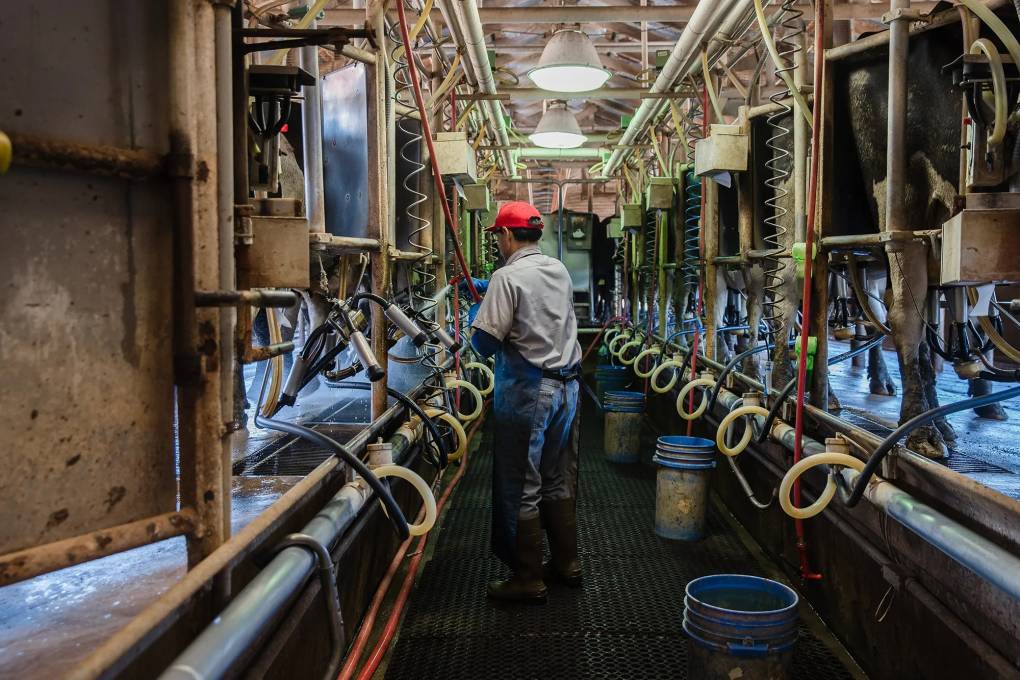
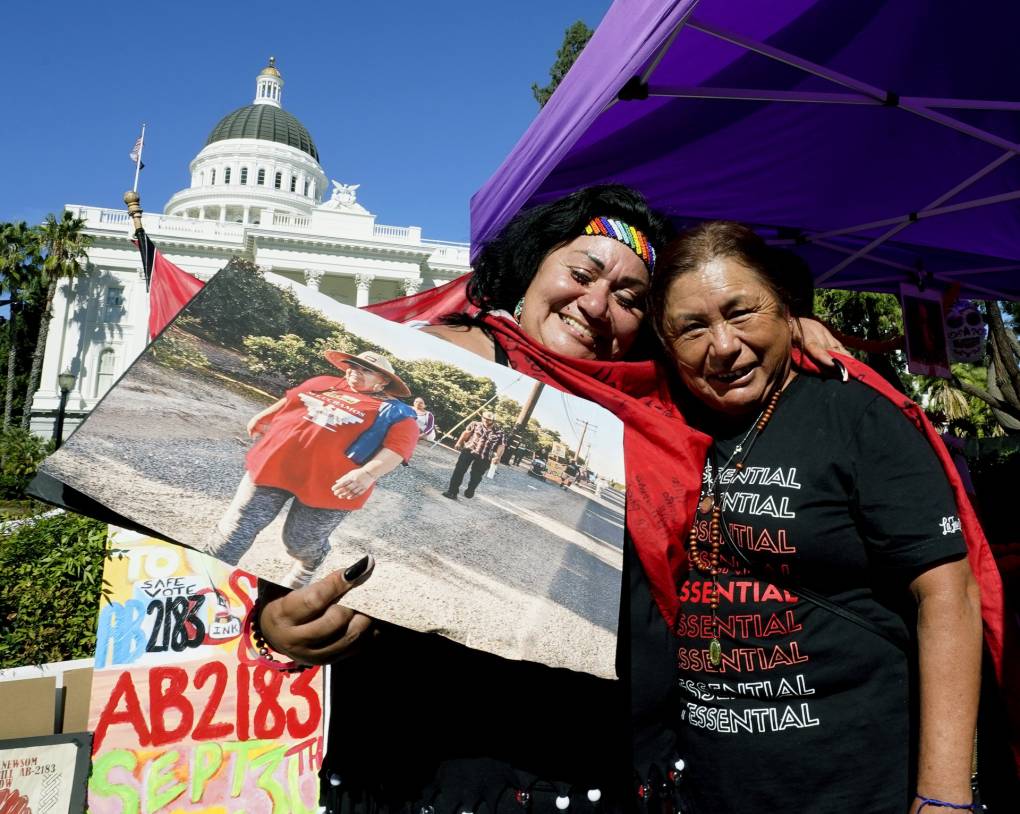
window.__IS_SSR__=true
window.__INITIAL_STATE__={
"attachmentsReducer": {
"audio_0": {
"type": "attachments",
"id": "audio_0",
"imgSizes": {
"kqedFullSize": {
"file": "https://ww2.kqed.org/news/wp-content/themes/KQED-unified/img/audio_bgs/background0.jpg"
}
}
},
"audio_1": {
"type": "attachments",
"id": "audio_1",
"imgSizes": {
"kqedFullSize": {
"file": "https://ww2.kqed.org/news/wp-content/themes/KQED-unified/img/audio_bgs/background1.jpg"
}
}
},
"audio_2": {
"type": "attachments",
"id": "audio_2",
"imgSizes": {
"kqedFullSize": {
"file": "https://ww2.kqed.org/news/wp-content/themes/KQED-unified/img/audio_bgs/background2.jpg"
}
}
},
"audio_3": {
"type": "attachments",
"id": "audio_3",
"imgSizes": {
"kqedFullSize": {
"file": "https://ww2.kqed.org/news/wp-content/themes/KQED-unified/img/audio_bgs/background3.jpg"
}
}
},
"audio_4": {
"type": "attachments",
"id": "audio_4",
"imgSizes": {
"kqedFullSize": {
"file": "https://ww2.kqed.org/news/wp-content/themes/KQED-unified/img/audio_bgs/background4.jpg"
}
}
},
"placeholder": {
"type": "attachments",
"id": "placeholder",
"imgSizes": {
"thumbnail": {
"file": "https://cdn.kqed.org/wp-content/uploads/2024/12/KQED-Default-Image-816638274-2000x1333-1-160x107.jpg",
"width": 160,
"height": 107,
"mimeType": "image/jpeg"
},
"medium": {
"file": "https://cdn.kqed.org/wp-content/uploads/2024/12/KQED-Default-Image-816638274-2000x1333-1-800x533.jpg",
"width": 800,
"height": 533,
"mimeType": "image/jpeg"
},
"medium_large": {
"file": "https://cdn.kqed.org/wp-content/uploads/2024/12/KQED-Default-Image-816638274-2000x1333-1-768x512.jpg",
"width": 768,
"height": 512,
"mimeType": "image/jpeg"
},
"large": {
"file": "https://cdn.kqed.org/wp-content/uploads/2024/12/KQED-Default-Image-816638274-2000x1333-1-1020x680.jpg",
"width": 1020,
"height": 680,
"mimeType": "image/jpeg"
},
"1536x1536": {
"file": "https://cdn.kqed.org/wp-content/uploads/2024/12/KQED-Default-Image-816638274-2000x1333-1-1536x1024.jpg",
"width": 1536,
"height": 1024,
"mimeType": "image/jpeg"
},
"fd-lrg": {
"file": "https://cdn.kqed.org/wp-content/uploads/2024/12/KQED-Default-Image-816638274-2000x1333-1-1536x1024.jpg",
"width": 1536,
"height": 1024,
"mimeType": "image/jpeg"
},
"fd-med": {
"file": "https://cdn.kqed.org/wp-content/uploads/2024/12/KQED-Default-Image-816638274-2000x1333-1-1020x680.jpg",
"width": 1020,
"height": 680,
"mimeType": "image/jpeg"
},
"fd-sm": {
"file": "https://cdn.kqed.org/wp-content/uploads/2024/12/KQED-Default-Image-816638274-2000x1333-1-800x533.jpg",
"width": 800,
"height": 533,
"mimeType": "image/jpeg"
},
"post-thumbnail": {
"file": "https://cdn.kqed.org/wp-content/uploads/2024/12/KQED-Default-Image-816638274-2000x1333-1-672x372.jpg",
"width": 672,
"height": 372,
"mimeType": "image/jpeg"
},
"twentyfourteen-full-width": {
"file": "https://cdn.kqed.org/wp-content/uploads/2024/12/KQED-Default-Image-816638274-2000x1333-1-1038x576.jpg",
"width": 1038,
"height": 576,
"mimeType": "image/jpeg"
},
"xxsmall": {
"file": "https://cdn.kqed.org/wp-content/uploads/2024/12/KQED-Default-Image-816638274-2000x1333-1-160x107.jpg",
"width": 160,
"height": 107,
"mimeType": "image/jpeg"
},
"xsmall": {
"file": "https://cdn.kqed.org/wp-content/uploads/2024/12/KQED-Default-Image-816638274-2000x1333-1-672x372.jpg",
"width": 672,
"height": 372,
"mimeType": "image/jpeg"
},
"small": {
"file": "https://cdn.kqed.org/wp-content/uploads/2024/12/KQED-Default-Image-816638274-2000x1333-1-672x372.jpg",
"width": 672,
"height": 372,
"mimeType": "image/jpeg"
},
"xlarge": {
"file": "https://cdn.kqed.org/wp-content/uploads/2024/12/KQED-Default-Image-816638274-2000x1333-1-1020x680.jpg",
"width": 1020,
"height": 680,
"mimeType": "image/jpeg"
},
"full-width": {
"file": "https://cdn.kqed.org/wp-content/uploads/2024/12/KQED-Default-Image-816638274-2000x1333-1-1920x1280.jpg",
"width": 1920,
"height": 1280,
"mimeType": "image/jpeg"
},
"guest-author-32": {
"file": "https://cdn.kqed.org/wp-content/uploads/2025/01/KQED-Default-Image-816638274-1333x1333-1-160x160.jpg",
"width": 32,
"height": 32,
"mimeType": "image/jpeg"
},
"guest-author-50": {
"file": "https://cdn.kqed.org/wp-content/uploads/2025/01/KQED-Default-Image-816638274-1333x1333-1-160x160.jpg",
"width": 50,
"height": 50,
"mimeType": "image/jpeg"
},
"guest-author-64": {
"file": "https://cdn.kqed.org/wp-content/uploads/2025/01/KQED-Default-Image-816638274-1333x1333-1-160x160.jpg",
"width": 64,
"height": 64,
"mimeType": "image/jpeg"
},
"guest-author-96": {
"file": "https://cdn.kqed.org/wp-content/uploads/2025/01/KQED-Default-Image-816638274-1333x1333-1-160x160.jpg",
"width": 96,
"height": 96,
"mimeType": "image/jpeg"
},
"guest-author-128": {
"file": "https://cdn.kqed.org/wp-content/uploads/2025/01/KQED-Default-Image-816638274-1333x1333-1-160x160.jpg",
"width": 128,
"height": 128,
"mimeType": "image/jpeg"
},
"detail": {
"file": "https://cdn.kqed.org/wp-content/uploads/2025/01/KQED-Default-Image-816638274-1333x1333-1-160x160.jpg",
"width": 160,
"height": 160,
"mimeType": "image/jpeg"
},
"kqedFullSize": {
"file": "https://cdn.kqed.org/wp-content/uploads/2024/12/KQED-Default-Image-816638274-2000x1333-1.jpg",
"width": 2000,
"height": 1333
}
}
},
"news_12012123": {
"type": "attachments",
"id": "news_12012123",
"meta": {
"index": "attachments_1716263798",
"site": "news",
"id": "12012123",
"found": true
},
"title": "041620_Dairy-Worker_GETTY_CM_01 copy",
"publishDate": 1730486935,
"status": "inherit",
"parent": 12012121,
"modified": 1730488948,
"caption": "A strain of bird flu has infected cattle at California dairies and jumped to farmworkers over the past month. The state has distributed protective gear but has not tested widely for the virus among people.",
"credit": "Ariana Drehsler/AFP via Getty Images",
"altTag": null,
"description": null,
"imgSizes": {
"medium": {
"file": "https://cdn.kqed.org/wp-content/uploads/sites/10/2024/11/041620_Dairy-Worker_GETTY_CM_01-copy-800x533.jpg",
"width": 800,
"height": 533,
"mimeType": "image/jpeg"
},
"large": {
"file": "https://cdn.kqed.org/wp-content/uploads/sites/10/2024/11/041620_Dairy-Worker_GETTY_CM_01-copy-1020x680.jpg",
"width": 1020,
"height": 680,
"mimeType": "image/jpeg"
},
"thumbnail": {
"file": "https://cdn.kqed.org/wp-content/uploads/sites/10/2024/11/041620_Dairy-Worker_GETTY_CM_01-copy-160x107.jpg",
"width": 160,
"height": 107,
"mimeType": "image/jpeg"
},
"1536x1536": {
"file": "https://cdn.kqed.org/wp-content/uploads/sites/10/2024/11/041620_Dairy-Worker_GETTY_CM_01-copy-1536x1024.jpg",
"width": 1536,
"height": 1024,
"mimeType": "image/jpeg"
},
"post-thumbnail": {
"file": "https://cdn.kqed.org/wp-content/uploads/sites/10/2024/11/041620_Dairy-Worker_GETTY_CM_01-copy-672x372.jpg",
"width": 672,
"height": 372,
"mimeType": "image/jpeg"
},
"twentyfourteen-full-width": {
"file": "https://cdn.kqed.org/wp-content/uploads/sites/10/2024/11/041620_Dairy-Worker_GETTY_CM_01-copy-1038x576.jpg",
"width": 1038,
"height": 576,
"mimeType": "image/jpeg"
},
"full-width": {
"file": "https://cdn.kqed.org/wp-content/uploads/sites/10/2024/11/041620_Dairy-Worker_GETTY_CM_01-copy-1920x1280.jpg",
"width": 1920,
"height": 1280,
"mimeType": "image/jpeg"
},
"kqedFullSize": {
"file": "https://cdn.kqed.org/wp-content/uploads/sites/10/2024/11/041620_Dairy-Worker_GETTY_CM_01-copy.jpg",
"width": 2000,
"height": 1333
}
},
"isLoading": false,
"fetchFailed": false
},
"news_12008697": {
"type": "attachments",
"id": "news_12008697",
"meta": {
"index": "attachments_1716263798",
"site": "news",
"id": "12008697",
"found": true
},
"title": "MixCollage-09-Oct-2024-07-09-AM-4358",
"publishDate": 1728483015,
"status": "inherit",
"parent": 12008694,
"modified": 1728511942,
"caption": "Scott Baugh (left), candidate for California's 47th Congressional District, speaks to the media as he joins Republican National Committee (RNC), the California Republican Party (CAGOP) and top Orange County Republican Candidates during a rally ahead of the November elections in Newport Beach Monday, Sept. 26, 2022. And Dave Min (right), Democrat running for California's 45th Congressional district seat in Congress, speaks during the DEMOC PAC's candidate forum at the University Synagogue in Irvine, Calif., on Tuesday, May 22, 2018. California is holding its primary election on June 5, 2018.",
"credit": "Allen J. Schaben / Los Angeles Times via Getty Images and Bill Clark/CQ Roll Call",
"altTag": "Scott Baugh, Dave Min",
"description": null,
"imgSizes": {
"medium": {
"file": "https://cdn.kqed.org/wp-content/uploads/sites/10/2024/10/MixCollage-09-Oct-2024-07-09-AM-4358-800x1000.jpg",
"width": 800,
"height": 1000,
"mimeType": "image/jpeg"
},
"large": {
"file": "https://cdn.kqed.org/wp-content/uploads/sites/10/2024/10/MixCollage-09-Oct-2024-07-09-AM-4358-1020x1275.jpg",
"width": 1020,
"height": 1275,
"mimeType": "image/jpeg"
},
"thumbnail": {
"file": "https://cdn.kqed.org/wp-content/uploads/sites/10/2024/10/MixCollage-09-Oct-2024-07-09-AM-4358-160x200.jpg",
"width": 160,
"height": 200,
"mimeType": "image/jpeg"
},
"1536x1536": {
"file": "https://cdn.kqed.org/wp-content/uploads/sites/10/2024/10/MixCollage-09-Oct-2024-07-09-AM-4358-1229x1536.jpg",
"width": 1229,
"height": 1536,
"mimeType": "image/jpeg"
},
"2048x2048": {
"file": "https://cdn.kqed.org/wp-content/uploads/sites/10/2024/10/MixCollage-09-Oct-2024-07-09-AM-4358-1638x2048.jpg",
"width": 1638,
"height": 2048,
"mimeType": "image/jpeg"
},
"post-thumbnail": {
"file": "https://cdn.kqed.org/wp-content/uploads/sites/10/2024/10/MixCollage-09-Oct-2024-07-09-AM-4358-672x372.jpg",
"width": 672,
"height": 372,
"mimeType": "image/jpeg"
},
"twentyfourteen-full-width": {
"file": "https://cdn.kqed.org/wp-content/uploads/sites/10/2024/10/MixCollage-09-Oct-2024-07-09-AM-4358-1038x576.jpg",
"width": 1038,
"height": 576,
"mimeType": "image/jpeg"
},
"full-width": {
"file": "https://cdn.kqed.org/wp-content/uploads/sites/10/2024/10/MixCollage-09-Oct-2024-07-09-AM-4358-1920x2400.jpg",
"width": 1920,
"height": 2400,
"mimeType": "image/jpeg"
},
"kqedFullSize": {
"file": "https://cdn.kqed.org/wp-content/uploads/sites/10/2024/10/MixCollage-09-Oct-2024-07-09-AM-4358-scaled.jpg",
"width": 2048,
"height": 2560
}
},
"isLoading": false,
"fetchFailed": false
},
"news_12008542": {
"type": "attachments",
"id": "news_12008542",
"meta": {
"index": "attachments_1716263798",
"site": "news",
"id": "12008542",
"found": true
},
"title": "002_qed",
"publishDate": 1728420375,
"status": "inherit",
"parent": 12008531,
"modified": 1728431205,
"caption": "A Salinas farmworker pulls weeds and trims strawberry runners to focus the crop’s energy on producing flavorful berries on April 13, 2017. Cal/OSHA announced yesterday it cited a California farm labor contractor for not protecting employees from heat illness. Farmworkers pushed for a bill that would have made getting workers' compensation for heat-related illnesses easier. But that bill, SB 1299, was vetoed by Gov. Gavin Newsom a few days ago.",
"credit": "Deborah Svoboda/KQED",
"altTag": null,
"description": null,
"imgSizes": {
"medium": {
"file": "https://cdn.kqed.org/wp-content/uploads/sites/10/2024/10/002_qed-800x533.jpg",
"width": 800,
"height": 533,
"mimeType": "image/jpeg"
},
"large": {
"file": "https://cdn.kqed.org/wp-content/uploads/sites/10/2024/10/002_qed-1020x680.jpg",
"width": 1020,
"height": 680,
"mimeType": "image/jpeg"
},
"thumbnail": {
"file": "https://cdn.kqed.org/wp-content/uploads/sites/10/2024/10/002_qed-160x107.jpg",
"width": 160,
"height": 107,
"mimeType": "image/jpeg"
},
"1536x1536": {
"file": "https://cdn.kqed.org/wp-content/uploads/sites/10/2024/10/002_qed-1536x1024.jpg",
"width": 1536,
"height": 1024,
"mimeType": "image/jpeg"
},
"post-thumbnail": {
"file": "https://cdn.kqed.org/wp-content/uploads/sites/10/2024/10/002_qed-672x372.jpg",
"width": 672,
"height": 372,
"mimeType": "image/jpeg"
},
"twentyfourteen-full-width": {
"file": "https://cdn.kqed.org/wp-content/uploads/sites/10/2024/10/002_qed-1038x576.jpg",
"width": 1038,
"height": 576,
"mimeType": "image/jpeg"
},
"full-width": {
"file": "https://cdn.kqed.org/wp-content/uploads/sites/10/2024/10/002_qed-1920x1280.jpg",
"width": 1920,
"height": 1280,
"mimeType": "image/jpeg"
},
"kqedFullSize": {
"file": "https://cdn.kqed.org/wp-content/uploads/sites/10/2024/10/002_qed.jpg",
"width": 2000,
"height": 1333
}
},
"isLoading": false,
"fetchFailed": false
},
"news_12003271": {
"type": "attachments",
"id": "news_12003271",
"meta": {
"index": "attachments_1716263798",
"site": "news",
"id": "12003271",
"found": true
},
"title": "66a30dc4e91bf.image",
"publishDate": 1725561948,
"status": "inherit",
"parent": 12003268,
"modified": 1725561961,
"caption": null,
"credit": "Miguel Carrion / Coastside News Group",
"altTag": null,
"description": null,
"imgSizes": {
"medium": {
"file": "https://cdn.kqed.org/wp-content/uploads/sites/10/2024/09/66a30dc4e91bf.image_-800x533.jpg",
"width": 800,
"height": 533,
"mimeType": "image/jpeg"
},
"large": {
"file": "https://cdn.kqed.org/wp-content/uploads/sites/10/2024/09/66a30dc4e91bf.image_-1020x680.jpg",
"width": 1020,
"height": 680,
"mimeType": "image/jpeg"
},
"thumbnail": {
"file": "https://cdn.kqed.org/wp-content/uploads/sites/10/2024/09/66a30dc4e91bf.image_-160x107.jpg",
"width": 160,
"height": 107,
"mimeType": "image/jpeg"
},
"post-thumbnail": {
"file": "https://cdn.kqed.org/wp-content/uploads/sites/10/2024/09/66a30dc4e91bf.image_-672x372.jpg",
"width": 672,
"height": 372,
"mimeType": "image/jpeg"
},
"twentyfourteen-full-width": {
"file": "https://cdn.kqed.org/wp-content/uploads/sites/10/2024/09/66a30dc4e91bf.image_-1035x576.jpg",
"width": 1035,
"height": 576,
"mimeType": "image/jpeg"
},
"kqedFullSize": {
"file": "https://cdn.kqed.org/wp-content/uploads/sites/10/2024/09/66a30dc4e91bf.image_.jpg",
"width": 1035,
"height": 690
}
},
"isLoading": false,
"fetchFailed": false
},
"news_12005403": {
"type": "attachments",
"id": "news_12005403",
"meta": {
"index": "attachments_1716263798",
"site": "news",
"id": "12005403",
"found": true
},
"title": "240903-MARIN SUBSTANDARD AG WORKER HOUSING-MD-04-KQED-2",
"publishDate": 1726704016,
"status": "inherit",
"parent": 12002972,
"modified": 1726704038,
"caption": "Yesenia Bernal Martinez outside of former Coast Guard housing that CLAM, the Community Land Trust of West Marin, aims to turn into affordable housing in Point Reyes Station on Sept. 3, 2024. Bernal Martinez, who works at CLAM, grew up in housing on ranches and said the report's findings are \"not surprising.\"",
"credit": "Martin do Nascimento/KQED",
"altTag": null,
"description": null,
"imgSizes": {
"medium": {
"file": "https://cdn.kqed.org/wp-content/uploads/sites/10/2024/09/240903-MARIN-SUBSTANDARD-AG-WORKER-HOUSING-MD-04-KQED-2-800x533.jpg",
"width": 800,
"height": 533,
"mimeType": "image/jpeg"
},
"large": {
"file": "https://cdn.kqed.org/wp-content/uploads/sites/10/2024/09/240903-MARIN-SUBSTANDARD-AG-WORKER-HOUSING-MD-04-KQED-2-1020x680.jpg",
"width": 1020,
"height": 680,
"mimeType": "image/jpeg"
},
"thumbnail": {
"file": "https://cdn.kqed.org/wp-content/uploads/sites/10/2024/09/240903-MARIN-SUBSTANDARD-AG-WORKER-HOUSING-MD-04-KQED-2-160x107.jpg",
"width": 160,
"height": 107,
"mimeType": "image/jpeg"
},
"1536x1536": {
"file": "https://cdn.kqed.org/wp-content/uploads/sites/10/2024/09/240903-MARIN-SUBSTANDARD-AG-WORKER-HOUSING-MD-04-KQED-2-1536x1024.jpg",
"width": 1536,
"height": 1024,
"mimeType": "image/jpeg"
},
"post-thumbnail": {
"file": "https://cdn.kqed.org/wp-content/uploads/sites/10/2024/09/240903-MARIN-SUBSTANDARD-AG-WORKER-HOUSING-MD-04-KQED-2-672x372.jpg",
"width": 672,
"height": 372,
"mimeType": "image/jpeg"
},
"twentyfourteen-full-width": {
"file": "https://cdn.kqed.org/wp-content/uploads/sites/10/2024/09/240903-MARIN-SUBSTANDARD-AG-WORKER-HOUSING-MD-04-KQED-2-1038x576.jpg",
"width": 1038,
"height": 576,
"mimeType": "image/jpeg"
},
"kqedFullSize": {
"file": "https://cdn.kqed.org/wp-content/uploads/sites/10/2024/09/240903-MARIN-SUBSTANDARD-AG-WORKER-HOUSING-MD-04-KQED-2.jpg",
"width": 1920,
"height": 1280
}
},
"isLoading": false,
"fetchFailed": false
},
"news_12000015": {
"type": "attachments",
"id": "news_12000015",
"meta": {
"index": "attachments_1716263798",
"site": "news",
"id": "12000015",
"found": true
},
"title": "10Sandra-fields9_qed",
"publishDate": 1723576632,
"status": "inherit",
"parent": 11999978,
"modified": 1723576698,
"caption": "SB 1299 would make it easier to win workers’ compensation claims for heat-related illnesses or deaths in the agricultural industry. Opponents say it could lead to unfair costs for employers.",
"credit": "Grace Rubenstein/KQED",
"altTag": null,
"description": null,
"imgSizes": {
"medium": {
"file": "https://cdn.kqed.org/wp-content/uploads/sites/10/2024/08/10Sandra-fields9_qed-800x533.jpg",
"width": 800,
"height": 533,
"mimeType": "image/jpeg"
},
"large": {
"file": "https://cdn.kqed.org/wp-content/uploads/sites/10/2024/08/10Sandra-fields9_qed-1020x680.jpg",
"width": 1020,
"height": 680,
"mimeType": "image/jpeg"
},
"thumbnail": {
"file": "https://cdn.kqed.org/wp-content/uploads/sites/10/2024/08/10Sandra-fields9_qed-160x107.jpg",
"width": 160,
"height": 107,
"mimeType": "image/jpeg"
},
"1536x1536": {
"file": "https://cdn.kqed.org/wp-content/uploads/sites/10/2024/08/10Sandra-fields9_qed-1536x1024.jpg",
"width": 1536,
"height": 1024,
"mimeType": "image/jpeg"
},
"post-thumbnail": {
"file": "https://cdn.kqed.org/wp-content/uploads/sites/10/2024/08/10Sandra-fields9_qed-672x372.jpg",
"width": 672,
"height": 372,
"mimeType": "image/jpeg"
},
"twentyfourteen-full-width": {
"file": "https://cdn.kqed.org/wp-content/uploads/sites/10/2024/08/10Sandra-fields9_qed-1038x576.jpg",
"width": 1038,
"height": 576,
"mimeType": "image/jpeg"
},
"full-width": {
"file": "https://cdn.kqed.org/wp-content/uploads/sites/10/2024/08/10Sandra-fields9_qed-1920x1280.jpg",
"width": 1920,
"height": 1280,
"mimeType": "image/jpeg"
},
"kqedFullSize": {
"file": "https://cdn.kqed.org/wp-content/uploads/sites/10/2024/08/10Sandra-fields9_qed.jpg",
"width": 2000,
"height": 1333
}
},
"isLoading": false,
"fetchFailed": false
},
"news_11999173": {
"type": "attachments",
"id": "news_11999173",
"meta": {
"index": "attachments_1716263798",
"site": "news",
"id": "11999173",
"found": true
},
"title": "061024_Heat-Farm-Workers-LA_CM_06 copy",
"publishDate": 1723052969,
"status": "inherit",
"parent": 11999172,
"modified": 1723053000,
"caption": "Farmworker Isidro Fierros Hernandez, 68, at City Park in Winters on June 10, 2024. He is among a group of workers who lost their jobs at a tomato field after they decided to go home early after feeling sick due to the heat.",
"credit": "Laure Andrillon for CalMatters",
"altTag": null,
"description": null,
"imgSizes": {
"medium": {
"file": "https://cdn.kqed.org/wp-content/uploads/sites/10/2024/08/061024_Heat-Farm-Workers-LA_CM_06-copy-800x533.jpg",
"width": 800,
"height": 533,
"mimeType": "image/jpeg"
},
"large": {
"file": "https://cdn.kqed.org/wp-content/uploads/sites/10/2024/08/061024_Heat-Farm-Workers-LA_CM_06-copy-1020x680.jpg",
"width": 1020,
"height": 680,
"mimeType": "image/jpeg"
},
"thumbnail": {
"file": "https://cdn.kqed.org/wp-content/uploads/sites/10/2024/08/061024_Heat-Farm-Workers-LA_CM_06-copy-160x107.jpg",
"width": 160,
"height": 107,
"mimeType": "image/jpeg"
},
"1536x1536": {
"file": "https://cdn.kqed.org/wp-content/uploads/sites/10/2024/08/061024_Heat-Farm-Workers-LA_CM_06-copy-1536x1024.jpg",
"width": 1536,
"height": 1024,
"mimeType": "image/jpeg"
},
"post-thumbnail": {
"file": "https://cdn.kqed.org/wp-content/uploads/sites/10/2024/08/061024_Heat-Farm-Workers-LA_CM_06-copy-672x372.jpg",
"width": 672,
"height": 372,
"mimeType": "image/jpeg"
},
"twentyfourteen-full-width": {
"file": "https://cdn.kqed.org/wp-content/uploads/sites/10/2024/08/061024_Heat-Farm-Workers-LA_CM_06-copy-1038x576.jpg",
"width": 1038,
"height": 576,
"mimeType": "image/jpeg"
},
"full-width": {
"file": "https://cdn.kqed.org/wp-content/uploads/sites/10/2024/08/061024_Heat-Farm-Workers-LA_CM_06-copy-1920x1280.jpg",
"width": 1920,
"height": 1280,
"mimeType": "image/jpeg"
},
"kqedFullSize": {
"file": "https://cdn.kqed.org/wp-content/uploads/sites/10/2024/08/061024_Heat-Farm-Workers-LA_CM_06-copy.jpg",
"width": 2000,
"height": 1333
}
},
"isLoading": false,
"fetchFailed": false
},
"news_11999284": {
"type": "attachments",
"id": "news_11999284",
"meta": {
"index": "attachments_1716263798",
"site": "news",
"id": "11999284",
"found": true
},
"title": "Immigrant Laborers Harvest California's Produce",
"publishDate": 1723066592,
"status": "inherit",
"parent": 11999237,
"modified": 1723067098,
"caption": "Farmworkers harvest strawberries at a farm in Carlsbad, California, on April 28, 2006.",
"credit": "Sandy Huffaker/Getty Images",
"altTag": null,
"description": null,
"imgSizes": {
"medium": {
"file": "https://cdn.kqed.org/wp-content/uploads/sites/10/2024/08/farmlabor20120427_qed-800x438.jpg",
"width": 800,
"height": 438,
"mimeType": "image/jpeg"
},
"large": {
"file": "https://cdn.kqed.org/wp-content/uploads/sites/10/2024/08/farmlabor20120427_qed-1020x558.jpg",
"width": 1020,
"height": 558,
"mimeType": "image/jpeg"
},
"thumbnail": {
"file": "https://cdn.kqed.org/wp-content/uploads/sites/10/2024/08/farmlabor20120427_qed-160x88.jpg",
"width": 160,
"height": 88,
"mimeType": "image/jpeg"
},
"1536x1536": {
"file": "https://cdn.kqed.org/wp-content/uploads/sites/10/2024/08/farmlabor20120427_qed-1536x840.jpg",
"width": 1536,
"height": 840,
"mimeType": "image/jpeg"
},
"post-thumbnail": {
"file": "https://cdn.kqed.org/wp-content/uploads/sites/10/2024/08/farmlabor20120427_qed-672x372.jpg",
"width": 672,
"height": 372,
"mimeType": "image/jpeg"
},
"twentyfourteen-full-width": {
"file": "https://cdn.kqed.org/wp-content/uploads/sites/10/2024/08/farmlabor20120427_qed-1038x576.jpg",
"width": 1038,
"height": 576,
"mimeType": "image/jpeg"
},
"full-width": {
"file": "https://cdn.kqed.org/wp-content/uploads/sites/10/2024/08/farmlabor20120427_qed-1920x1050.jpg",
"width": 1920,
"height": 1050,
"mimeType": "image/jpeg"
},
"kqedFullSize": {
"file": "https://cdn.kqed.org/wp-content/uploads/sites/10/2024/08/farmlabor20120427_qed.jpg",
"width": 2000,
"height": 1094
}
},
"isLoading": false,
"fetchFailed": false
},
"news_11989509": {
"type": "attachments",
"id": "news_11989509",
"meta": {
"index": "attachments_1716263798",
"site": "news",
"id": "11989509",
"found": true
},
"title": "GettyImages-992012812 copy",
"publishDate": 1717798236,
"status": "inherit",
"parent": 11989505,
"modified": 1717804721,
"caption": "Scientists warn that the bird flu virus could mutate and spread from person to person, like the seasonal flu, which could spark a pandemic. ",
"credit": "E+/Getty Images",
"altTag": null,
"description": null,
"imgSizes": {
"medium": {
"file": "https://cdn.kqed.org/wp-content/uploads/sites/10/2024/06/GettyImages-992012812-copy-800x533.jpg",
"width": 800,
"height": 533,
"mimeType": "image/jpeg"
},
"large": {
"file": "https://cdn.kqed.org/wp-content/uploads/sites/10/2024/06/GettyImages-992012812-copy-1020x680.jpg",
"width": 1020,
"height": 680,
"mimeType": "image/jpeg"
},
"thumbnail": {
"file": "https://cdn.kqed.org/wp-content/uploads/sites/10/2024/06/GettyImages-992012812-copy-160x107.jpg",
"width": 160,
"height": 107,
"mimeType": "image/jpeg"
},
"1536x1536": {
"file": "https://cdn.kqed.org/wp-content/uploads/sites/10/2024/06/GettyImages-992012812-copy-1536x1024.jpg",
"width": 1536,
"height": 1024,
"mimeType": "image/jpeg"
},
"post-thumbnail": {
"file": "https://cdn.kqed.org/wp-content/uploads/sites/10/2024/06/GettyImages-992012812-copy-672x372.jpg",
"width": 672,
"height": 372,
"mimeType": "image/jpeg"
},
"twentyfourteen-full-width": {
"file": "https://cdn.kqed.org/wp-content/uploads/sites/10/2024/06/GettyImages-992012812-copy-1038x576.jpg",
"width": 1038,
"height": 576,
"mimeType": "image/jpeg"
},
"full-width": {
"file": "https://cdn.kqed.org/wp-content/uploads/sites/10/2024/06/GettyImages-992012812-copy-1920x1280.jpg",
"width": 1920,
"height": 1280,
"mimeType": "image/jpeg"
},
"kqedFullSize": {
"file": "https://cdn.kqed.org/wp-content/uploads/sites/10/2024/06/GettyImages-992012812-copy.jpg",
"width": 2048,
"height": 1365
}
},
"isLoading": false,
"fetchFailed": false
},
"news_11971712": {
"type": "attachments",
"id": "news_11971712",
"meta": {
"index": "attachments_1716263798",
"site": "news",
"id": "11971712",
"found": true
},
"parent": 11973071,
"imgSizes": {
"twentyfourteen-full-width": {
"file": "https://cdn.kqed.org/wp-content/uploads/sites/10/2024/01/240103-HMBFARMS-10-BL-KQED-1038x576.jpg",
"width": 1038,
"mimeType": "image/jpeg",
"height": 576
},
"thumbnail": {
"file": "https://cdn.kqed.org/wp-content/uploads/sites/10/2024/01/240103-HMBFARMS-10-BL-KQED-160x107.jpg",
"width": 160,
"mimeType": "image/jpeg",
"height": 107
},
"post-thumbnail": {
"file": "https://cdn.kqed.org/wp-content/uploads/sites/10/2024/01/240103-HMBFARMS-10-BL-KQED-672x372.jpg",
"width": 672,
"mimeType": "image/jpeg",
"height": 372
},
"kqedFullSize": {
"file": "https://cdn.kqed.org/wp-content/uploads/sites/10/2024/01/240103-HMBFARMS-10-BL-KQED.jpg",
"width": 2000,
"height": 1333
},
"large": {
"file": "https://cdn.kqed.org/wp-content/uploads/sites/10/2024/01/240103-HMBFARMS-10-BL-KQED-1020x680.jpg",
"width": 1020,
"mimeType": "image/jpeg",
"height": 680
},
"1536x1536": {
"file": "https://cdn.kqed.org/wp-content/uploads/sites/10/2024/01/240103-HMBFARMS-10-BL-KQED-1536x1024.jpg",
"width": 1536,
"mimeType": "image/jpeg",
"height": 1024
},
"full-width": {
"file": "https://cdn.kqed.org/wp-content/uploads/sites/10/2024/01/240103-HMBFARMS-10-BL-KQED-1920x1280.jpg",
"width": 1920,
"mimeType": "image/jpeg",
"height": 1280
},
"medium": {
"file": "https://cdn.kqed.org/wp-content/uploads/sites/10/2024/01/240103-HMBFARMS-10-BL-KQED-800x533.jpg",
"width": 800,
"mimeType": "image/jpeg",
"height": 533
}
},
"publishDate": 1704414534,
"modified": 1716251525,
"caption": "Concord Farms can be seen in the distance in Half Moon Bay on Jan. 3, 2024.",
"description": null,
"title": "Concord Farms can be seen in the distance in Half Moon Bay on Jan. 3, 2024.",
"credit": "Beth LaBerge/KQED",
"status": "inherit",
"altTag": "a farm seen from the road",
"isLoading": false,
"fetchFailed": false
},
"news_11985681": {
"type": "attachments",
"id": "news_11985681",
"meta": {
"index": "attachments_1716263798",
"site": "news",
"id": "11985681",
"found": true
},
"parent": 11985677,
"imgSizes": {
"twentyfourteen-full-width": {
"file": "https://cdn.kqed.org/wp-content/uploads/sites/10/2024/05/AP24120732437208-1038x576.jpg",
"width": 1038,
"mimeType": "image/jpeg",
"height": 576
},
"thumbnail": {
"file": "https://cdn.kqed.org/wp-content/uploads/sites/10/2024/05/AP24120732437208-160x128.jpg",
"width": 160,
"mimeType": "image/jpeg",
"height": 128
},
"post-thumbnail": {
"file": "https://cdn.kqed.org/wp-content/uploads/sites/10/2024/05/AP24120732437208-672x372.jpg",
"width": 672,
"mimeType": "image/jpeg",
"height": 372
},
"kqedFullSize": {
"file": "https://cdn.kqed.org/wp-content/uploads/sites/10/2024/05/AP24120732437208.jpg",
"width": 1920,
"height": 1532
},
"large": {
"file": "https://cdn.kqed.org/wp-content/uploads/sites/10/2024/05/AP24120732437208-1020x814.jpg",
"width": 1020,
"mimeType": "image/jpeg",
"height": 814
},
"1536x1536": {
"file": "https://cdn.kqed.org/wp-content/uploads/sites/10/2024/05/AP24120732437208-1536x1226.jpg",
"width": 1536,
"mimeType": "image/jpeg",
"height": 1226
},
"medium": {
"file": "https://cdn.kqed.org/wp-content/uploads/sites/10/2024/05/AP24120732437208-800x638.jpg",
"width": 800,
"mimeType": "image/jpeg",
"height": 638
}
},
"publishDate": 1715361519,
"modified": 1715361582,
"caption": "Farmworkers Cynthia Burgos, left and Teresa Maldonado, right, hug after Gov. Gavin Newsom signed a bill aimed at making it easier for farmworkers to unionize in Sacramento, Calif., Sept. 28, 2022. A battle between The Wonderful Co. which grows pistachios, pomegranates, citrus and other crops and United Farm Workers is over new rules in California aimed at making it easier for farmworkers to form unions. ",
"description": null,
"title": "California Farmworkers Unions",
"credit": "Rich Pedroncelli/AP Photo",
"status": "inherit",
"altTag": null,
"isLoading": false,
"fetchFailed": false
},
"news_11984239": {
"type": "attachments",
"id": "news_11984239",
"meta": {
"index": "attachments_1716263798",
"site": "news",
"id": "11984239",
"found": true
},
"title": "20240426_DEPTOFLABORANNOUNCEMENT-22-GC-KQED",
"publishDate": 1714168037,
"status": "inherit",
"parent": 0,
"modified": 1756850534,
"caption": "Former acting Secretary of Labor Julie Su speaks with farmworkers during a press conference in Santa Rosa on Friday, April 26, 2024. ",
"credit": "Gina Castro/KQED",
"altTag": "An older Asian woman in a red suit leans over as she speaks to a woman seen from behind.",
"description": "Acting Secretary of Labor Julie Su speaks with farmworkers during a press conference in Santa Rosa on Friday, April 26, 2024, announcing new protections for H2A immigrant farmworkers to ensure fair labor standards are met in the U.S. agricultural industry.",
"imgSizes": {
"medium": {
"file": "https://cdn.kqed.org/wp-content/uploads/sites/10/2024/04/20240426_DEPTOFLABORANNOUNCEMENT-22-GC-KQED-800x533.jpg",
"width": 800,
"height": 533,
"mimeType": "image/jpeg"
},
"large": {
"file": "https://cdn.kqed.org/wp-content/uploads/sites/10/2024/04/20240426_DEPTOFLABORANNOUNCEMENT-22-GC-KQED-1020x680.jpg",
"width": 1020,
"height": 680,
"mimeType": "image/jpeg"
},
"thumbnail": {
"file": "https://cdn.kqed.org/wp-content/uploads/sites/10/2024/04/20240426_DEPTOFLABORANNOUNCEMENT-22-GC-KQED-160x107.jpg",
"width": 160,
"height": 107,
"mimeType": "image/jpeg"
},
"1536x1536": {
"file": "https://cdn.kqed.org/wp-content/uploads/sites/10/2024/04/20240426_DEPTOFLABORANNOUNCEMENT-22-GC-KQED-1536x1024.jpg",
"width": 1536,
"height": 1024,
"mimeType": "image/jpeg"
},
"post-thumbnail": {
"file": "https://cdn.kqed.org/wp-content/uploads/sites/10/2024/04/20240426_DEPTOFLABORANNOUNCEMENT-22-GC-KQED-672x372.jpg",
"width": 672,
"height": 372,
"mimeType": "image/jpeg"
},
"twentyfourteen-full-width": {
"file": "https://cdn.kqed.org/wp-content/uploads/sites/10/2024/04/20240426_DEPTOFLABORANNOUNCEMENT-22-GC-KQED-1038x576.jpg",
"width": 1038,
"height": 576,
"mimeType": "image/jpeg"
},
"full-width": {
"file": "https://cdn.kqed.org/wp-content/uploads/sites/10/2024/04/20240426_DEPTOFLABORANNOUNCEMENT-22-GC-KQED-1920x1280.jpg",
"width": 1920,
"height": 1280,
"mimeType": "image/jpeg"
},
"kqedFullSize": {
"file": "https://cdn.kqed.org/wp-content/uploads/sites/10/2024/04/20240426_DEPTOFLABORANNOUNCEMENT-22-GC-KQED.jpg",
"width": 2000,
"height": 1333
}
},
"isLoading": false,
"fetchFailed": false
}
},
"audioPlayerReducer": {
"postId": "stream_live",
"isPaused": true,
"isPlaying": false,
"pfsActive": false,
"pledgeModalIsOpen": true,
"playerDrawerIsOpen": false,
"liveAudioPlayStartedAt": 0,
"liveAudioPlayContext": ""
},
"authorsReducer": {
"byline_news_12012121": {
"type": "authors",
"id": "byline_news_12012121",
"meta": {
"override": true
},
"slug": "byline_news_12012121",
"name": "\u003ca href=\"https://calmatters.org/author/kristen-hwang/\">Kristen Hwang\u003c/a>",
"isLoading": false
},
"byline_news_11999172": {
"type": "authors",
"id": "byline_news_11999172",
"meta": {
"override": true
},
"slug": "byline_news_11999172",
"name": "\u003ca href=\"https://calmatters.org/author/jeanne-kuang/\">Jeanne Kuang\u003c/a>, CalMatters",
"isLoading": false
},
"byline_news_11989505": {
"type": "authors",
"id": "byline_news_11989505",
"meta": {
"override": true
},
"slug": "byline_news_11989505",
"name": "\u003ca href=\"https://kffhealthnews.org/news/author/tony-leys/\">Tony Leys\u003c/a> and \u003ca href=\"https://kffhealthnews.org/news/author/amy-maxmen/\">Amy Maxmen\u003c/a>, KFF Health News",
"isLoading": false
},
"byline_news_11985677": {
"type": "authors",
"id": "byline_news_11985677",
"meta": {
"override": true
},
"slug": "byline_news_11985677",
"name": "Amy Taxin, The Associated Press",
"isLoading": false
},
"ecruzguevarra": {
"type": "authors",
"id": "8654",
"meta": {
"index": "authors_1716337520",
"id": "8654",
"found": true
},
"name": "Ericka Cruz Guevarra",
"firstName": "Ericka",
"lastName": "Cruz Guevarra",
"slug": "ecruzguevarra",
"email": "ecruzguevarra@kqed.org",
"display_author_email": true,
"staff_mastheads": [
"news"
],
"title": "Producer, The Bay Podcast",
"bio": "Ericka Cruz Guevarra is host of \u003ca href=\"https://www.kqed.org/podcasts/thebay\">\u003cem>The Bay\u003c/em>\u003c/a> podcast at KQED. Before host, she was the show’s producer. Her work in that capacity includes a three-part reported series on policing in Vallejo, which won a 2020 excellence in journalism award from the Society of Professional Journalists. Ericka has worked as a breaking news reporter at Oregon Public Broadcasting, helped produce the Code Switch podcast, and was KQED’s inaugural Raul Ramirez Diversity Fund intern. She’s also an alumna of NPR’s Next Generation Radio program. Send her an email if you have strong feelings about whether Fairfield and Suisun City are the Bay. Ericka is represented by SAG-AFTRA.",
"avatar": "https://secure.gravatar.com/avatar/25e5ab8d3d53fad2dcc7bb2b5c506b1a?s=600&d=blank&r=g",
"twitter": "NotoriousECG",
"facebook": null,
"instagram": null,
"linkedin": null,
"sites": [
{
"site": "arts",
"roles": [
"subscriber"
]
},
{
"site": "news",
"roles": [
"editor",
"manage_categories"
]
},
{
"site": "futureofyou",
"roles": [
"subscriber"
]
},
{
"site": "stateofhealth",
"roles": [
"subscriber"
]
},
{
"site": "science",
"roles": [
"editor"
]
},
{
"site": "forum",
"roles": [
"subscriber"
]
}
],
"headData": {
"title": "Ericka Cruz Guevarra | KQED",
"description": "Producer, The Bay Podcast",
"ogImgSrc": "https://secure.gravatar.com/avatar/25e5ab8d3d53fad2dcc7bb2b5c506b1a?s=600&d=blank&r=g",
"twImgSrc": "https://secure.gravatar.com/avatar/25e5ab8d3d53fad2dcc7bb2b5c506b1a?s=600&d=blank&r=g"
},
"isLoading": false,
"link": "/author/ecruzguevarra"
},
"fjhabvala": {
"type": "authors",
"id": "8659",
"meta": {
"index": "authors_1716337520",
"id": "8659",
"found": true
},
"name": "Farida Jhabvala Romero",
"firstName": "Farida",
"lastName": "Jhabvala Romero",
"slug": "fjhabvala",
"email": "fjhabvala@kqed.org",
"display_author_email": true,
"staff_mastheads": [
"news"
],
"title": "KQED Contributor",
"bio": "\u003cspan style=\"font-weight: 400;\">Farida Jhabvala Romero is a Labor Correspondent for KQED. She previously covered immigration. Farida was \u003ca href=\"https://www.ccnma.org/2022-most-influential-latina-journalists\">named\u003c/a> one of the 10 Most Influential Latina Journalists in California in 2022 by the California Chicano News Media Association. Her work has won awards from the Society of Professional Journalists (Northern California), as well as a national and regional Edward M. Murrow Award for the collaborative reporting projects “Dangerous Air” and “Graying California.” \u003c/span>\u003cspan style=\"font-weight: 400;\">Before joining KQED, Farida worked as a producer at Radio Bilingüe, a national public radio network. Farida earned her master’s degree in journalism from Stanford University.\u003c/span>",
"avatar": "https://secure.gravatar.com/avatar/c3ab27c5554b67b478f80971e515aa02?s=600&d=blank&r=g",
"twitter": "FaridaJhabvala",
"facebook": null,
"instagram": null,
"linkedin": "https://www.linkedin.com/in/faridajhabvala/",
"sites": [
{
"site": "news",
"roles": [
"editor"
]
},
{
"site": "stateofhealth",
"roles": [
"author"
]
}
],
"headData": {
"title": "Farida Jhabvala Romero | KQED",
"description": "KQED Contributor",
"ogImgSrc": "https://secure.gravatar.com/avatar/c3ab27c5554b67b478f80971e515aa02?s=600&d=blank&r=g",
"twImgSrc": "https://secure.gravatar.com/avatar/c3ab27c5554b67b478f80971e515aa02?s=600&d=blank&r=g"
},
"isLoading": false,
"link": "/author/fjhabvala"
},
"lsarah": {
"type": "authors",
"id": "11626",
"meta": {
"index": "authors_1716337520",
"id": "11626",
"found": true
},
"name": "Lakshmi Sarah",
"firstName": "Lakshmi",
"lastName": "Sarah",
"slug": "lsarah",
"email": "lsarah@kqed.org",
"display_author_email": false,
"staff_mastheads": [],
"title": "Digital Producer",
"bio": "Lakshmi Sarah is an educator, author and journalist with a focus on innovative storytelling. She has worked with newspapers, radio and magazines from Ahmedabad, India to Los Angeles, California. She has written and produced for Die Zeit, Global Voices, AJ+, KQED, Fusion Media Group and the New York Times.",
"avatar": "https://secure.gravatar.com/avatar/652dcaecd8b28826fc17a8b2d6bb4e93?s=600&d=blank&r=g",
"twitter": "lakitalki",
"facebook": null,
"instagram": "https://www.instagram.com/laki.talki/",
"linkedin": "https://www.linkedin.com/in/lakisarah/",
"sites": [
{
"site": "arts",
"roles": []
},
{
"site": "news",
"roles": []
},
{
"site": "bayareabites",
"roles": []
},
{
"site": "science",
"roles": []
}
],
"headData": {
"title": "Lakshmi Sarah | KQED",
"description": "Digital Producer",
"ogImgSrc": "https://secure.gravatar.com/avatar/652dcaecd8b28826fc17a8b2d6bb4e93?s=600&d=blank&r=g",
"twImgSrc": "https://secure.gravatar.com/avatar/652dcaecd8b28826fc17a8b2d6bb4e93?s=600&d=blank&r=g"
},
"isLoading": false,
"link": "/author/lsarah"
},
"amontecillo": {
"type": "authors",
"id": "11649",
"meta": {
"index": "authors_1716337520",
"id": "11649",
"found": true
},
"name": "Alan Montecillo",
"firstName": "Alan",
"lastName": "Montecillo",
"slug": "amontecillo",
"email": "amontecillo@kqed.org",
"display_author_email": false,
"staff_mastheads": [
"news"
],
"title": "KQED Contributor",
"bio": "Alan Montecillo is the senior editor of \u003cem>\u003ca href=\"http://kqed.org/thebay\">The Bay\u003c/a>, \u003c/em> KQED's local news podcast. Before moving to the Bay Area, he worked as a senior talk show producer for WILL in Champaign-Urbana, Illinois and at Oregon Public Broadcasting in Portland, Oregon. He has won journalism awards from the Society of Professional Journalists Northern California, the Public Media Journalists Association, The Signal Awards, and has also received a regional Edward R. Murrow award. Alan is a Filipino American from Hong Kong and a graduate of Reed College.",
"avatar": "https://secure.gravatar.com/avatar/d5e4e7a76481969ccba76f4e2b5ccabc?s=600&d=blank&r=g",
"twitter": "alanmontecillo",
"facebook": null,
"instagram": null,
"linkedin": null,
"sites": [
{
"site": "",
"roles": [
"editor"
]
},
{
"site": "news",
"roles": [
"editor",
"manage_categories"
]
}
],
"headData": {
"title": "Alan Montecillo | KQED",
"description": "KQED Contributor",
"ogImgSrc": "https://secure.gravatar.com/avatar/d5e4e7a76481969ccba76f4e2b5ccabc?s=600&d=blank&r=g",
"twImgSrc": "https://secure.gravatar.com/avatar/d5e4e7a76481969ccba76f4e2b5ccabc?s=600&d=blank&r=g"
},
"isLoading": false,
"link": "/author/amontecillo"
},
"ccabreralomeli": {
"type": "authors",
"id": "11708",
"meta": {
"index": "authors_1716337520",
"id": "11708",
"found": true
},
"name": "Carlos Cabrera-Lomelí",
"firstName": "Carlos",
"lastName": "Cabrera-Lomelí",
"slug": "ccabreralomeli",
"email": "ccabreralomeli@KQED.org",
"display_author_email": true,
"staff_mastheads": [
"news"
],
"title": "Community Reporter",
"bio": "Carlos Cabrera-Lomelí is a community reporter with KQED's digital engagement team. He also reports and co-produces for KQED's bilingual news hub KQED en Español. He grew up in San Francisco's Mission District and has previously worked with Univision, 48 Hills and REFORMA in Mexico City.",
"avatar": "https://secure.gravatar.com/avatar/e95ff80bb2eaf18a8f2af4dcf7ffb54b?s=600&d=mm&r=g",
"twitter": "@LomeliCabrera",
"facebook": null,
"instagram": null,
"linkedin": null,
"sites": [
{
"site": "arts",
"roles": [
"editor"
]
},
{
"site": "news",
"roles": [
"editor"
]
},
{
"site": "about",
"roles": [
"editor"
]
},
{
"site": "science",
"roles": [
"editor"
]
},
{
"site": "perspectives",
"roles": [
"editor"
]
},
{
"site": "elections",
"roles": [
"editor"
]
},
{
"site": "liveblog",
"roles": [
"contributor"
]
}
],
"headData": {
"title": "Carlos Cabrera-Lomelí | KQED",
"description": "Community Reporter",
"ogImgSrc": "https://secure.gravatar.com/avatar/e95ff80bb2eaf18a8f2af4dcf7ffb54b?s=600&d=mm&r=g",
"twImgSrc": "https://secure.gravatar.com/avatar/e95ff80bb2eaf18a8f2af4dcf7ffb54b?s=600&d=mm&r=g"
},
"isLoading": false,
"link": "/author/ccabreralomeli"
},
"kmizuguchi": {
"type": "authors",
"id": "11739",
"meta": {
"index": "authors_1716337520",
"id": "11739",
"found": true
},
"name": "Keith Mizuguchi",
"firstName": "Keith",
"lastName": "Mizuguchi",
"slug": "kmizuguchi",
"email": "kmizuguchi@kqed.org",
"display_author_email": false,
"staff_mastheads": [],
"title": "KQED Contributor",
"bio": null,
"avatar": "https://secure.gravatar.com/avatar/64d8a7de0723d4099b9fe4e915136103febcc20809abce228ee4415bcb237023?s=600&d=blank&r=g",
"twitter": null,
"bluesky": null,
"facebook": null,
"instagram": null,
"linkedin": null,
"sites": [
{
"site": "news",
"roles": [
"editor"
]
},
{
"site": "science",
"roles": [
"editor"
]
}
],
"headData": {
"title": "Keith Mizuguchi | KQED",
"description": "KQED Contributor",
"ogImgSrc": "https://secure.gravatar.com/avatar/64d8a7de0723d4099b9fe4e915136103febcc20809abce228ee4415bcb237023?s=600&d=blank&r=g",
"twImgSrc": "https://secure.gravatar.com/avatar/64d8a7de0723d4099b9fe4e915136103febcc20809abce228ee4415bcb237023?s=600&d=blank&r=g"
},
"isLoading": false,
"link": "/author/kmizuguchi"
},
"sminobucheli": {
"type": "authors",
"id": "11764",
"meta": {
"index": "authors_1716337520",
"id": "11764",
"found": true
},
"name": "Sebastian Miño-Bucheli",
"firstName": "Sebastian",
"lastName": "Miño-Bucheli",
"slug": "sminobucheli",
"email": "sminobucheli@kqed.org",
"display_author_email": false,
"staff_mastheads": [],
"title": "KQED Contributor",
"bio": "Sebastian Miño-Bucheli is a bilingual multimedia reporter and contributor to KQED Digital News. His reporting has been featured for Bay Curious, the California Report Magazine and KQED Arts. ",
"avatar": "https://secure.gravatar.com/avatar/f9124e32dd53d2b2f9022992c2014fc2?s=600&d=blank&r=g",
"twitter": "@BucheliMino",
"facebook": null,
"instagram": null,
"linkedin": null,
"sites": [
{
"site": "arts",
"roles": []
},
{
"site": "news",
"roles": []
}
],
"headData": {
"title": "Sebastian Miño-Bucheli | KQED",
"description": "KQED Contributor",
"ogImgSrc": "https://secure.gravatar.com/avatar/f9124e32dd53d2b2f9022992c2014fc2?s=600&d=blank&r=g",
"twImgSrc": "https://secure.gravatar.com/avatar/f9124e32dd53d2b2f9022992c2014fc2?s=600&d=blank&r=g"
},
"isLoading": false,
"link": "/author/sminobucheli"
}
},
"pagesReducer": {
"news_tag_farmworkers": {
"type": "terms",
"id": "news_18269",
"meta": {
"index": "terms_1716263798",
"site": "news",
"id": "18269",
"score": 8.934093
},
"featImg": null,
"name": "farmworkers",
"description": null,
"taxonomy": "tag",
"headData": {
"twImgId": null,
"twTitle": null,
"ogTitle": null,
"ogImgId": null,
"twDescription": null,
"description": null,
"title": "farmworkers Archives | KQED News",
"ogDescription": null
},
"ttid": 18303,
"slug": "farmworkers",
"isLoading": false,
"title": "farmworkers",
"pageMeta": {
"site": "news",
"WpPageTemplate": "page-topic-editorial",
"currentPage": 4
},
"blocks": [
{
"blockName": "kqed/post-list",
"attrs": {
"layout": "cardArticle2",
"query": "posts/news?tag=farmworkers",
"seeMore": false,
"paginated": true,
"page": 4
}
},
{
"blockName": "kqed/ad"
}
]
}
},
"pfsSessionReducer": {},
"postsReducer": {
"stream_live": {
"type": "live",
"id": "stream_live",
"audioUrl": "https://streams.kqed.org/kqedradio",
"title": "Live Stream",
"excerpt": "Live Stream information currently unavailable.",
"link": "/radio",
"featImg": "",
"label": {
"name": "KQED Live",
"link": "/"
}
},
"stream_kqedNewscast": {
"type": "posts",
"id": "stream_kqedNewscast",
"audioUrl": "https://www.kqed.org/.stream/anon/radio/RDnews/newscast.mp3?_=1",
"title": "KQED Newscast",
"featImg": "",
"label": {
"name": "88.5 FM",
"link": "/"
}
},
"news_12012121": {
"type": "posts",
"id": "news_12012121",
"meta": {
"index": "posts_1716263798",
"site": "news",
"id": "12012121",
"score": null,
"sort": [
1730496618000
]
},
"guestAuthors": [],
"slug": "bird-flu-jumped-from-cows-to-people-now-advocates-want-more-farmworkers-tested",
"title": "Bird Flu Jumped From Cows to People. Now Advocates Want More Farmworkers Tested",
"publishDate": 1730496618,
"format": "standard",
"headTitle": "Bird Flu Jumped From Cows to People. Now Advocates Want More Farmworkers Tested | KQED",
"labelTerm": {},
"content": "\u003cp>In the heart of California’s dairy country, workers kitted in respirators, face shields and gloves are grappling with one of the largest bird flu outbreaks in history. California has reported 16 human cases of bird flu this month, and worker advocates say the state isn’t doing enough to protect dairy workers.\u003c/p>\n\u003cp>Only 39 people have been tested for H5N1, the strain of bird flu ravaging herds of cattle, according to the California Department of Public Health. California’s confirmed cases of sick workers account for almost \u003ca href=\"https://www.cdc.gov/bird-flu/situation-summary/index.html\">all of the country’s cattle-to-human transmissions\u003c/a>, according to the Centers for Disease Control and Prevention.\u003c/p>\n\u003cp>Human cases in California have been mild, with no hospitalizations, officials say. Sick workers have reported \u003ca href=\"https://www.cdph.ca.gov/Programs/CID/DCDC/pages/Bird-Flu.aspx\">flu-like symptoms in addition to pink eye\u003c/a>. There have been no documented cases of human-to-human transmission, state health officials say, and the general public’s risk is low.\u003c/p>\n\u003cp>[ad fullwidth]\u003c/p>\n\u003cp>The current bird flu surveillance strategy places the majority of the responsibility on farmers to self-report disease among animals and employees, which is problematic, said Elizabeth Strater, a spokesperson for United Farm Workers.\u003c/p>\n\u003cp>“Workers are actively avoiding testing, I can assure you,” Strater said. “We have heard directly from farmworker communities and veterinarians that they can see that there are workers out there who are sick.”\u003c/p>\n\u003cp>Workers, who often have low income, can’t afford the 10-day isolation period with no pay if they are positive, Strater said.\u003c/p>\n\u003cp>Millions of poultry have been slaughtered since the virus first took hold in California farms two years ago, and this year, the highly transmissible virus jumped to cattle, posing a new threat to those who work with the animals.\u003c/p>\n\u003cp>Authorities have confirmed bird flu infections at 178 California dairies since it first emerged in August, according to the state Department of Food and Agriculture, and there is no sign of infections among cows slowing. The transmission from cows to humans is thought to occur through close and prolonged contact with sick animals.\u003c/p>\n\u003cp>“The most concerning data we have is how little data we have,” Strater said. “Hundreds of herds have tested positive, and the number of people tested is in the dozens — that’s a problem.”\u003c/p>\n\u003cp>Dr. Erica Pan, chief epidemiologist with the state health department, said about 20 to 30 people are screened weekly for various influenza variants, including bird flu, in the course of routine flu monitoring.\u003c/p>\n\u003cp>The difference between testing for bird flu and COVID-19, which requires widespread surveillance, Pan said, is that the eye needs to be swabbed, which must be done by a clinician.\u003c/p>\n\u003cp>“This is about looking for symptoms and then testing for them instead of testing people without symptoms,” Pan said.\u003c/p>\n\u003ch2>California distributes PPE for bird flu\u003c/h2>\n\u003cp>The state and local health departments are focusing on distributing protective gear and educating workers on how to use it, Pan said. More than 3.3 million pieces of PPE have been distributed to local health departments and farms, according to the state health department.\u003c/p>\n\u003cp>The state also deployed 5,000 doses of seasonal flu vaccine for farm workers. Although that vaccine won’t protect against bird flu, it reduces the chances of a severe coinfection.\u003c/p>\n\u003cp>Last week, \u003ca href=\"https://kffhealthnews.org/news/article/bird-flu-farmworkers-emails-tracking-human-cases-obstacles-california/\">KFF Health News\u003c/a> reported that farmers in other states have refused to cooperate with local health departments and disease investigators.\u003c/p>\n\u003cp>Tricia Stever Blattler, executive director of the Tulare County Farm Bureau, said she has not heard of any instances of local employers refusing to cooperate with authorities.\u003c/p>\n\u003cp>\u003ca href=\"https://tchhsa.org/eng/public-health/avian-influenza-h5n1-bird-flu/\">Tulare County\u003c/a>, the nation’s largest milk producer, has been the epicenter of the outbreak among cattle and dairy workers, reporting the state’s first human cases in early October. Cases have since been reported in surrounding counties.\u003c/p>\n\u003cp>Early in October, when temperatures soared above 100 degrees, it was difficult to get workers to don additional protective equipment, said Stever Blattler, but that concern has abated with cooling temperatures.\u003c/p>\n\u003ch2>Dairies surprised by bird flu\u003c/h2>\n\u003cp>The severity of the disease for cattle and its rapid spread among herds caught the industry off-guard, Stever Blattler said, and has had “a huge economic ripple.”\u003c/p>\n\u003cp>“Our dairies are really trying to fast-track their learning on the situation,” Stever Blattler said. “They’re trying to create an appropriate and safe workplace, and they’re also trying to increase the care and monitoring of the cattle itself.”[aside label=\"Related Stories\" postID=\"news_12007854,news_11990735,news_11993547\"]Carrie Monteiro, a spokesperson for Tulare public health, said farmers in the county have cooperated with efforts to mitigate the spread of the virus.\u003c/p>\n\u003cp>“They really are reporting and making sure we’re getting the care to their workers and the medication to help their employees recover from this illness,” Monteiro said.\u003c/p>\n\u003cp>The county has increased its testing capacity to include 15 community doctors, although they are still relying on people with symptoms coming forward. If someone tests positive, they and their household are monitored for 10 days and given antiviral flu medication, Monteiro said.\u003c/p>\n\u003cp>Still, Strater said she’d like to see the state do more to assure farmworkers, who often work grueling jobs for low pay, that they will be compensated if they get sick on the job. Doing so would encourage workers to come forward if they are sick. The federal government has committed \u003ca href=\"https://www.hhs.gov/about/news/2024/10/24/usda-hhs-fact-sheet-biden-harris-administration-new-action-halt-spread-bird-flu-california-washington.html\">financial assistance to farmers\u003c/a> to help pay for lost milk, PPE and measures to prevent infection, but no such offerings have been made to workers.\u003c/p>\n\u003cp>According to the state Department of Industrial Relations, workers who get sick with bird flu qualify for workers’ compensation regardless of immigration status. Employers are required to give employees a workers’ compensation claim form, and they are also \u003ca href=\"https://www.dir.ca.gov/dosh/avian-flu/For-Employers.html\">required to report cases to the local health department\u003c/a>.\u003c/p>\n\u003cp>“I would like to see public health agencies working together with (industrial relations) and doing a push to reassure people to get tested,” Strater said. “If you test positive, all of your lost wages should be compensated by workers comp.”\u003c/p>\n\u003cp>\u003cem>Supported by the California Health Care Foundation (CHCF), which works to ensure that people have access to the care they need, when they need it, at a price they can afford. Visit www.chcf.org to learn more.\u003c/em>\u003c/p>\n\u003cp>[ad floatright]\u003c/p>\n",
"blocks": [],
"excerpt": "A strain of bird flu that imperiled California poultry and cattle has jumped to people. In humans, the symptoms are mild and the virus has not been transmitted among people.",
"status": "publish",
"parent": 0,
"modified": 1730496735,
"stats": {
"hasAudio": false,
"hasVideo": false,
"hasChartOrMap": false,
"iframeSrcs": [],
"hasGoogleForm": false,
"hasGallery": false,
"hasHearkenModule": false,
"hasPolis": false,
"paragraphCount": 28,
"wordCount": 1077
},
"headData": {
"title": "Bird Flu Jumped From Cows to People. Now Advocates Want More Farmworkers Tested | KQED",
"description": "A strain of bird flu that imperiled California poultry and cattle has jumped to people. In humans, the symptoms are mild and the virus has not been transmitted among people.",
"ogTitle": "",
"ogDescription": "",
"ogImgId": "",
"twTitle": "",
"twDescription": "",
"twImgId": "",
"schema": {
"@context": "https://schema.org",
"@type": "NewsArticle",
"headline": "Bird Flu Jumped From Cows to People. Now Advocates Want More Farmworkers Tested",
"datePublished": "2024-11-01T14:30:18-07:00",
"dateModified": "2024-11-01T14:32:15-07:00",
"image": "https://cdn.kqed.org/wp-content/uploads/2020/02/KQED-OG-Image@1x.png",
"isAccessibleForFree": "True",
"publisher": {
"@type": "NewsMediaOrganization",
"@id": "https://www.kqed.org/#organization",
"name": "KQED",
"logo": "https://cdn.kqed.org/wp-content/uploads/2020/02/KQED-OG-Image@1x.png",
"url": "https://www.kqed.org",
"sameAs": [
"https://www.facebook.com/KQED",
"https://twitter.com/KQED",
"https://www.instagram.com/kqed/",
"https://www.tiktok.com/@kqedofficial",
"https://www.linkedin.com/company/kqed",
"https://www.youtube.com/channel/UCeC0IOo7i1P_61zVUWbJ4nw"
]
}
}
},
"source": "Food",
"sourceUrl": "https://www.kqed.org/food",
"sticky": false,
"nprByline": "\u003ca href=\"https://calmatters.org/author/kristen-hwang/\">Kristen Hwang\u003c/a>",
"nprStoryId": "kqed-12012121",
"excludeFromSiteSearch": "Include",
"showOnAuthorArchivePages": "No",
"articleAge": "0",
"path": "/news/12012121/bird-flu-jumped-from-cows-to-people-now-advocates-want-more-farmworkers-tested",
"audioTrackLength": null,
"parsedContent": [
{
"type": "contentString",
"content": "\u003cdiv class=\"post-body\">\u003cp>\u003cp>In the heart of California’s dairy country, workers kitted in respirators, face shields and gloves are grappling with one of the largest bird flu outbreaks in history. California has reported 16 human cases of bird flu this month, and worker advocates say the state isn’t doing enough to protect dairy workers.\u003c/p>\n\u003cp>Only 39 people have been tested for H5N1, the strain of bird flu ravaging herds of cattle, according to the California Department of Public Health. California’s confirmed cases of sick workers account for almost \u003ca href=\"https://www.cdc.gov/bird-flu/situation-summary/index.html\">all of the country’s cattle-to-human transmissions\u003c/a>, according to the Centers for Disease Control and Prevention.\u003c/p>\n\u003cp>Human cases in California have been mild, with no hospitalizations, officials say. Sick workers have reported \u003ca href=\"https://www.cdph.ca.gov/Programs/CID/DCDC/pages/Bird-Flu.aspx\">flu-like symptoms in addition to pink eye\u003c/a>. There have been no documented cases of human-to-human transmission, state health officials say, and the general public’s risk is low.\u003c/p>\n\u003cp>\u003c/p>\u003c/div>",
"attributes": {
"named": {},
"numeric": []
}
},
{
"type": "component",
"content": "",
"name": "ad",
"attributes": {
"named": {
"label": "fullwidth"
},
"numeric": [
"fullwidth"
]
}
},
{
"type": "contentString",
"content": "\u003cdiv class=\"post-body\">\u003cp>\u003c/p>\n\u003cp>The current bird flu surveillance strategy places the majority of the responsibility on farmers to self-report disease among animals and employees, which is problematic, said Elizabeth Strater, a spokesperson for United Farm Workers.\u003c/p>\n\u003cp>“Workers are actively avoiding testing, I can assure you,” Strater said. “We have heard directly from farmworker communities and veterinarians that they can see that there are workers out there who are sick.”\u003c/p>\n\u003cp>Workers, who often have low income, can’t afford the 10-day isolation period with no pay if they are positive, Strater said.\u003c/p>\n\u003cp>Millions of poultry have been slaughtered since the virus first took hold in California farms two years ago, and this year, the highly transmissible virus jumped to cattle, posing a new threat to those who work with the animals.\u003c/p>\n\u003cp>Authorities have confirmed bird flu infections at 178 California dairies since it first emerged in August, according to the state Department of Food and Agriculture, and there is no sign of infections among cows slowing. The transmission from cows to humans is thought to occur through close and prolonged contact with sick animals.\u003c/p>\n\u003cp>“The most concerning data we have is how little data we have,” Strater said. “Hundreds of herds have tested positive, and the number of people tested is in the dozens — that’s a problem.”\u003c/p>\n\u003cp>Dr. Erica Pan, chief epidemiologist with the state health department, said about 20 to 30 people are screened weekly for various influenza variants, including bird flu, in the course of routine flu monitoring.\u003c/p>\n\u003cp>The difference between testing for bird flu and COVID-19, which requires widespread surveillance, Pan said, is that the eye needs to be swabbed, which must be done by a clinician.\u003c/p>\n\u003cp>“This is about looking for symptoms and then testing for them instead of testing people without symptoms,” Pan said.\u003c/p>\n\u003ch2>California distributes PPE for bird flu\u003c/h2>\n\u003cp>The state and local health departments are focusing on distributing protective gear and educating workers on how to use it, Pan said. More than 3.3 million pieces of PPE have been distributed to local health departments and farms, according to the state health department.\u003c/p>\n\u003cp>The state also deployed 5,000 doses of seasonal flu vaccine for farm workers. Although that vaccine won’t protect against bird flu, it reduces the chances of a severe coinfection.\u003c/p>\n\u003cp>Last week, \u003ca href=\"https://kffhealthnews.org/news/article/bird-flu-farmworkers-emails-tracking-human-cases-obstacles-california/\">KFF Health News\u003c/a> reported that farmers in other states have refused to cooperate with local health departments and disease investigators.\u003c/p>\n\u003cp>Tricia Stever Blattler, executive director of the Tulare County Farm Bureau, said she has not heard of any instances of local employers refusing to cooperate with authorities.\u003c/p>\n\u003cp>\u003ca href=\"https://tchhsa.org/eng/public-health/avian-influenza-h5n1-bird-flu/\">Tulare County\u003c/a>, the nation’s largest milk producer, has been the epicenter of the outbreak among cattle and dairy workers, reporting the state’s first human cases in early October. Cases have since been reported in surrounding counties.\u003c/p>\n\u003cp>Early in October, when temperatures soared above 100 degrees, it was difficult to get workers to don additional protective equipment, said Stever Blattler, but that concern has abated with cooling temperatures.\u003c/p>\n\u003ch2>Dairies surprised by bird flu\u003c/h2>\n\u003cp>The severity of the disease for cattle and its rapid spread among herds caught the industry off-guard, Stever Blattler said, and has had “a huge economic ripple.”\u003c/p>\n\u003cp>“Our dairies are really trying to fast-track their learning on the situation,” Stever Blattler said. “They’re trying to create an appropriate and safe workplace, and they’re also trying to increase the care and monitoring of the cattle itself.”\u003c/p>\u003c/div>",
"attributes": {
"named": {},
"numeric": []
}
},
{
"type": "component",
"content": "",
"name": "aside",
"attributes": {
"named": {
"label": "Related Stories ",
"postid": "news_12007854,news_11990735,news_11993547"
},
"numeric": []
}
},
{
"type": "contentString",
"content": "\u003cdiv class=\"post-body\">\u003cp>Carrie Monteiro, a spokesperson for Tulare public health, said farmers in the county have cooperated with efforts to mitigate the spread of the virus.\u003c/p>\n\u003cp>“They really are reporting and making sure we’re getting the care to their workers and the medication to help their employees recover from this illness,” Monteiro said.\u003c/p>\n\u003cp>The county has increased its testing capacity to include 15 community doctors, although they are still relying on people with symptoms coming forward. If someone tests positive, they and their household are monitored for 10 days and given antiviral flu medication, Monteiro said.\u003c/p>\n\u003cp>Still, Strater said she’d like to see the state do more to assure farmworkers, who often work grueling jobs for low pay, that they will be compensated if they get sick on the job. Doing so would encourage workers to come forward if they are sick. The federal government has committed \u003ca href=\"https://www.hhs.gov/about/news/2024/10/24/usda-hhs-fact-sheet-biden-harris-administration-new-action-halt-spread-bird-flu-california-washington.html\">financial assistance to farmers\u003c/a> to help pay for lost milk, PPE and measures to prevent infection, but no such offerings have been made to workers.\u003c/p>\n\u003cp>According to the state Department of Industrial Relations, workers who get sick with bird flu qualify for workers’ compensation regardless of immigration status. Employers are required to give employees a workers’ compensation claim form, and they are also \u003ca href=\"https://www.dir.ca.gov/dosh/avian-flu/For-Employers.html\">required to report cases to the local health department\u003c/a>.\u003c/p>\n\u003cp>“I would like to see public health agencies working together with (industrial relations) and doing a push to reassure people to get tested,” Strater said. “If you test positive, all of your lost wages should be compensated by workers comp.”\u003c/p>\n\u003cp>\u003cem>Supported by the California Health Care Foundation (CHCF), which works to ensure that people have access to the care they need, when they need it, at a price they can afford. Visit www.chcf.org to learn more.\u003c/em>\u003c/p>\n\u003cp>\u003c/p>\u003c/div>",
"attributes": {
"named": {},
"numeric": []
}
},
{
"type": "component",
"content": "",
"name": "ad",
"attributes": {
"named": {
"label": "floatright"
},
"numeric": [
"floatright"
]
}
},
{
"type": "contentString",
"content": "\u003cdiv class=\"post-body\">\u003cp>\u003c/p>\n\u003c/div>\u003c/p>",
"attributes": {
"named": {},
"numeric": []
}
}
],
"link": "/news/12012121/bird-flu-jumped-from-cows-to-people-now-advocates-want-more-farmworkers-tested",
"authors": [
"byline_news_12012121"
],
"categories": [
"news_31795",
"news_34165",
"news_19906",
"news_24114",
"news_457",
"news_8",
"news_356"
],
"tags": [
"news_33648",
"news_18334",
"news_18269",
"news_34617",
"news_18543"
],
"affiliates": [
"news_18481"
],
"featImg": "news_12012123",
"label": "source_news_12012121"
},
"news_12008694": {
"type": "posts",
"id": "news_12008694",
"meta": {
"index": "posts_1716263798",
"site": "news",
"id": "12008694",
"score": null,
"sort": [
1728500829000
]
},
"guestAuthors": [],
"slug": "orange-county-congressional-race-could-be-key-to-control-of-house",
"title": "Orange County Congressional Race Could Be Key To Control Of House",
"publishDate": 1728500829,
"format": "standard",
"headTitle": "Orange County Congressional Race Could Be Key To Control Of House | KQED",
"labelTerm": {},
"content": "\u003cp>\u003cb>Here are the morning’s top stories on Wednesday, October 9, 2024…\u003c/b>\u003c/p>\n\u003cul>\n\u003cli style=\"font-weight: 400\">\u003cspan style=\"font-weight: 400\">In the race for control of Congress, all eyes are on California. Election analysts see more competitive contests for the House of Representatives here than in any other state. One of those is \u003c/span>\u003ca href=\"https://laist.com/news/politics/2024-election-california-general-us-representative-los-angeles-county-orange-county#district-47\">\u003cspan style=\"font-weight: 400\">the 47th District\u003c/span>\u003c/a>\u003cspan style=\"font-weight: 400\"> in Orange County, where Democrat Dave Min is taking on Republican Scott Baugh.\u003c/span>\u003c/li>\n\u003cli style=\"font-weight: 400\">\u003cspan style=\"font-weight: 400\">State workplace regulators have \u003c/span>\u003ca href=\"https://www.kqed.org/news/12008531/california-contractor-accused-of-firing-farmworkers-who-suffered-in-extreme-heat-is-fined\">\u003cspan style=\"font-weight: 400\">fined a farm labor contractor\u003c/span>\u003c/a>\u003cspan style=\"font-weight: 400\"> near Sacramento more than $17,000 for serious heat safety violations.\u003c/span>\u003c/li>\n\u003cli>California tenants who used Section 8 housing vouchers were denied rental contracts by more than 200 landlords, \u003ca href=\"https://apnews.com/article/california-section-8-housing-vouchers-discrimination-investigation-e248f2c3fdf4818a28da8478084321b3\">according to an undercover investigation\u003c/a>.\u003c/li>\n\u003c/ul>\n\u003ch2>\u003cstrong>Open Seat For Congress Going Down To The Wire\u003c/strong>\u003c/h2>\n\u003cp>The race for control of Congress will likely depend on a handful of races here in California. That includes the 47th District seat in Orange County, pitting Democrat Dave Min against Republican Scott Baugh.\u003c/p>\n\u003cp>\u003ca class=\"Link\" href=\"https://www.congress.gov/member/district/katie-porter/P000618\" target=\"_blank\" rel=\"noopener\" data-cms-ai=\"0\">The district \u003c/a>covers a coastal portion of Orange County, including Seal Beach, Huntington Beach, Costa Mesa, Irvine, Newport Beach and Laguna Beach. And voter registration numbers are just about equal between Democrats and Republicans.\u003c/p>\n\u003cp>The district is currently represented by Katie Porter, who has been a leader in changing Orange County from reliably Republican to more politically competitive. But Porter ran for U.S. Senate and did not run for reelection, leaving the seat open.\u003c/p>\n\u003ch2 class=\"routes-Site-routes-Post-Title-__Title__title\">\u003ca href=\"https://www.kqed.org/news/12008531/california-contractor-accused-of-firing-farmworkers-who-suffered-in-extreme-heat-is-fined\">\u003cstrong>California Contractor Accused of Firing Farmworkers Who Suffered in Extreme Heat Is Fined\u003c/strong>\u003c/a>\u003c/h2>\n\u003cp>\u003ca href=\"https://www.kqed.org/news/tag/california\">California\u003c/a> workplace safety regulators have fined a farm labor contractor for heat-related issues, months after former employees alleged they were fired for walking out amid extreme temperatures and called out the contractor as an example of the need for bolstering heat-illness protections for farmworkers.\u003c/p>\n\u003cp>[ad fullwidth]\u003c/p>\n\u003cp>The Division of Occupational Safety and Health, known as Cal/OSHA, \u003ca href=\"https://www.dir.ca.gov/DIRNews/2024/2024-85.html\">issued nearly $17,600\u003c/a> in initial penalties against Ruiz Farm Labor on Monday for three serious heat-related safety violations, including failing to train employees on steps to prevent overheating.\u003c/p>\n\u003cp>Six workers who picked tomatoes for Ruiz Farm Labor \u003ca href=\"https://www.kqed.org/news/11999978/california-farmworkers-call-for-more-employers-to-comply-with-heat-illness-prevention\">said they were fired\u003c/a> in June after leaving their shifts early during triple-digit heat in Yolo County. Erika Barros, one of the farmworkers now known as the “Yolo Six,” said she experienced heat stroke symptoms, such as nausea and shivering, but didn’t know that she had the right to rest in the shade while on the job.\u003c/p>\n\u003cp>Barros told KQED she’s hopeful that the Cal/OSHA citations will push her former employer to improve conditions for current and future employees as heat waves continue. “The lack of shade, the lack of water, it was just something he wasn’t doing right,” Barros, a 32-year-old single mother of three who lives in Davis, said in Spanish. “One way or another, he’s going to have to comply with the law.”\u003c/p>\n\u003ch2 class=\"Page-headline\">\u003ca href=\"https://apnews.com/article/california-section-8-housing-vouchers-discrimination-investigation-e248f2c3fdf4818a28da8478084321b3\">Investigation Finds Widespread Discrimination Against Section 8 Tenants In California\u003c/a>\u003c/h2>\n\u003cp>California tenants who held Section 8 housing vouchers were refused rental contracts by more than 200 landlords, including major real estate firms, according to an undercover investigation that found widespread discrimination in the state.\u003c/p>\n\u003cp>The investigative nonprofit Housing Rights Initiative announced Tuesday that it has filed complaints with the California Civil Rights Department, alleging landlords violated a state law against denying leases to renters who pay with vouchers. It seeks penalties against 203 companies and individuals.\u003c/p>\n\u003cp>The nonprofit is also pushing for more state funding to adequately enforce the law, which Democratic Gov. Gavin Newsom signed in 2019.\u003c/p>\n\u003cp>\u003c/p>\n\u003cp> \u003c/p>\n\n",
"blocks": [],
"excerpt": null,
"status": "publish",
"parent": 0,
"modified": 1729131794,
"stats": {
"hasAudio": false,
"hasVideo": false,
"hasChartOrMap": false,
"iframeSrcs": [],
"hasGoogleForm": false,
"hasGallery": false,
"hasHearkenModule": false,
"hasPolis": false,
"paragraphCount": 13,
"wordCount": 592
},
"headData": {
"title": "Orange County Congressional Race Could Be Key To Control Of House | KQED",
"description": "Here are the morning’s top stories on Wednesday, October 9, 2024… In the race for control of Congress, all eyes are on California. Election analysts see more competitive contests for the House of Representatives here than in any other state. One of those is the 47th District in Orange County, where Democrat Dave Min is taking on Republican Scott Baugh. State workplace regulators have fined a farm labor contractor near Sacramento more than $17,000 for serious heat safety violations. California tenants who used Section 8 housing vouchers were denied rental contracts by more than 200 landlords, according to an undercover",
"ogTitle": "",
"ogDescription": "",
"ogImgId": "",
"twTitle": "",
"twDescription": "",
"twImgId": "",
"schema": {
"@context": "https://schema.org",
"@type": "NewsArticle",
"headline": "Orange County Congressional Race Could Be Key To Control Of House",
"datePublished": "2024-10-09T12:07:09-07:00",
"dateModified": "2024-10-16T19:23:14-07:00",
"image": "https://cdn.kqed.org/wp-content/uploads/2020/02/KQED-OG-Image@1x.png",
"isAccessibleForFree": "True",
"publisher": {
"@type": "NewsMediaOrganization",
"@id": "https://www.kqed.org/#organization",
"name": "KQED",
"logo": "https://cdn.kqed.org/wp-content/uploads/2020/02/KQED-OG-Image@1x.png",
"url": "https://www.kqed.org",
"sameAs": [
"https://www.facebook.com/KQED",
"https://twitter.com/KQED",
"https://www.instagram.com/kqed/",
"https://www.tiktok.com/@kqedofficial",
"https://www.linkedin.com/company/kqed",
"https://www.youtube.com/channel/UCeC0IOo7i1P_61zVUWbJ4nw"
]
}
}
},
"source": "The California Report",
"sourceUrl": "https://www.kqed.org/news/tag/tcrarchive/",
"audioUrl": "https://www.podtrac.com/pts/redirect.mp3/chrt.fm/track/G6C7C3/traffic.megaphone.fm/KQINC2977924157.mp3?updated=1728484480",
"sticky": false,
"nprStoryId": "kqed-12008694",
"excludeFromSiteSearch": "Include",
"articleAge": "0",
"path": "/news/12008694/orange-county-congressional-race-could-be-key-to-control-of-house",
"audioTrackLength": null,
"parsedContent": [
{
"type": "contentString",
"content": "\u003cdiv class=\"post-body\">\u003cp>\u003cp>\u003cb>Here are the morning’s top stories on Wednesday, October 9, 2024…\u003c/b>\u003c/p>\n\u003cul>\n\u003cli style=\"font-weight: 400\">\u003cspan style=\"font-weight: 400\">In the race for control of Congress, all eyes are on California. Election analysts see more competitive contests for the House of Representatives here than in any other state. One of those is \u003c/span>\u003ca href=\"https://laist.com/news/politics/2024-election-california-general-us-representative-los-angeles-county-orange-county#district-47\">\u003cspan style=\"font-weight: 400\">the 47th District\u003c/span>\u003c/a>\u003cspan style=\"font-weight: 400\"> in Orange County, where Democrat Dave Min is taking on Republican Scott Baugh.\u003c/span>\u003c/li>\n\u003cli style=\"font-weight: 400\">\u003cspan style=\"font-weight: 400\">State workplace regulators have \u003c/span>\u003ca href=\"https://www.kqed.org/news/12008531/california-contractor-accused-of-firing-farmworkers-who-suffered-in-extreme-heat-is-fined\">\u003cspan style=\"font-weight: 400\">fined a farm labor contractor\u003c/span>\u003c/a>\u003cspan style=\"font-weight: 400\"> near Sacramento more than $17,000 for serious heat safety violations.\u003c/span>\u003c/li>\n\u003cli>California tenants who used Section 8 housing vouchers were denied rental contracts by more than 200 landlords, \u003ca href=\"https://apnews.com/article/california-section-8-housing-vouchers-discrimination-investigation-e248f2c3fdf4818a28da8478084321b3\">according to an undercover investigation\u003c/a>.\u003c/li>\n\u003c/ul>\n\u003ch2>\u003cstrong>Open Seat For Congress Going Down To The Wire\u003c/strong>\u003c/h2>\n\u003cp>The race for control of Congress will likely depend on a handful of races here in California. That includes the 47th District seat in Orange County, pitting Democrat Dave Min against Republican Scott Baugh.\u003c/p>\n\u003cp>\u003ca class=\"Link\" href=\"https://www.congress.gov/member/district/katie-porter/P000618\" target=\"_blank\" rel=\"noopener\" data-cms-ai=\"0\">The district \u003c/a>covers a coastal portion of Orange County, including Seal Beach, Huntington Beach, Costa Mesa, Irvine, Newport Beach and Laguna Beach. And voter registration numbers are just about equal between Democrats and Republicans.\u003c/p>\n\u003cp>The district is currently represented by Katie Porter, who has been a leader in changing Orange County from reliably Republican to more politically competitive. But Porter ran for U.S. Senate and did not run for reelection, leaving the seat open.\u003c/p>\n\u003ch2 class=\"routes-Site-routes-Post-Title-__Title__title\">\u003ca href=\"https://www.kqed.org/news/12008531/california-contractor-accused-of-firing-farmworkers-who-suffered-in-extreme-heat-is-fined\">\u003cstrong>California Contractor Accused of Firing Farmworkers Who Suffered in Extreme Heat Is Fined\u003c/strong>\u003c/a>\u003c/h2>\n\u003cp>\u003ca href=\"https://www.kqed.org/news/tag/california\">California\u003c/a> workplace safety regulators have fined a farm labor contractor for heat-related issues, months after former employees alleged they were fired for walking out amid extreme temperatures and called out the contractor as an example of the need for bolstering heat-illness protections for farmworkers.\u003c/p>\n\u003cp>\u003c/p>\u003c/div>",
"attributes": {
"named": {},
"numeric": []
}
},
{
"type": "component",
"content": "",
"name": "ad",
"attributes": {
"named": {
"label": "fullwidth"
},
"numeric": [
"fullwidth"
]
}
},
{
"type": "contentString",
"content": "\u003cdiv class=\"post-body\">\u003cp>\u003c/p>\n\u003cp>The Division of Occupational Safety and Health, known as Cal/OSHA, \u003ca href=\"https://www.dir.ca.gov/DIRNews/2024/2024-85.html\">issued nearly $17,600\u003c/a> in initial penalties against Ruiz Farm Labor on Monday for three serious heat-related safety violations, including failing to train employees on steps to prevent overheating.\u003c/p>\n\u003cp>Six workers who picked tomatoes for Ruiz Farm Labor \u003ca href=\"https://www.kqed.org/news/11999978/california-farmworkers-call-for-more-employers-to-comply-with-heat-illness-prevention\">said they were fired\u003c/a> in June after leaving their shifts early during triple-digit heat in Yolo County. Erika Barros, one of the farmworkers now known as the “Yolo Six,” said she experienced heat stroke symptoms, such as nausea and shivering, but didn’t know that she had the right to rest in the shade while on the job.\u003c/p>\n\u003cp>Barros told KQED she’s hopeful that the Cal/OSHA citations will push her former employer to improve conditions for current and future employees as heat waves continue. “The lack of shade, the lack of water, it was just something he wasn’t doing right,” Barros, a 32-year-old single mother of three who lives in Davis, said in Spanish. “One way or another, he’s going to have to comply with the law.”\u003c/p>\n\u003ch2 class=\"Page-headline\">\u003ca href=\"https://apnews.com/article/california-section-8-housing-vouchers-discrimination-investigation-e248f2c3fdf4818a28da8478084321b3\">Investigation Finds Widespread Discrimination Against Section 8 Tenants In California\u003c/a>\u003c/h2>\n\u003cp>California tenants who held Section 8 housing vouchers were refused rental contracts by more than 200 landlords, including major real estate firms, according to an undercover investigation that found widespread discrimination in the state.\u003c/p>\n\u003cp>The investigative nonprofit Housing Rights Initiative announced Tuesday that it has filed complaints with the California Civil Rights Department, alleging landlords violated a state law against denying leases to renters who pay with vouchers. It seeks penalties against 203 companies and individuals.\u003c/p>\n\u003cp>The nonprofit is also pushing for more state funding to adequately enforce the law, which Democratic Gov. Gavin Newsom signed in 2019.\u003c/p>\n\u003cp>\u003c/p>\n\u003cp> \u003c/p>\n\n\u003c/div>\u003c/p>",
"attributes": {
"named": {},
"numeric": []
}
}
],
"link": "/news/12008694/orange-county-congressional-race-could-be-key-to-control-of-house",
"authors": [
"11739"
],
"programs": [
"news_72"
],
"categories": [
"news_33520",
"news_34018"
],
"tags": [
"news_34629",
"news_20149",
"news_34630",
"news_18269",
"news_2929",
"news_34631",
"news_20809",
"news_21998",
"news_21268"
],
"featImg": "news_12008697",
"label": "source_news_12008694"
},
"news_12008531": {
"type": "posts",
"id": "news_12008531",
"meta": {
"index": "posts_1716263798",
"site": "news",
"id": "12008531",
"score": null,
"sort": [
1728429974000
]
},
"guestAuthors": [],
"slug": "california-contractor-accused-of-firing-farmworkers-who-suffered-in-extreme-heat-is-fined",
"title": "California Contractor Accused of Firing Farmworkers Who Suffered in Extreme Heat Is Fined",
"publishDate": 1728429974,
"format": "standard",
"headTitle": "California Contractor Accused of Firing Farmworkers Who Suffered in Extreme Heat Is Fined | KQED",
"labelTerm": {
"term": 72,
"site": "news"
},
"content": "\u003cp>\u003ca href=\"https://www.kqed.org/news/tag/california\">California\u003c/a> workplace safety regulators have fined a farm labor contractor for heat-related issues, months after former employees alleged they were fired for walking out amid extreme temperatures and called out the contractor as an example of the need for bolstering heat-illness protections for farmworkers.\u003c/p>\n\u003cp>The Division of Occupational Safety and Health, known as Cal/OSHA, \u003ca href=\"https://www.dir.ca.gov/DIRNews/2024/2024-85.html\">issued nearly $17,600\u003c/a> in initial penalties against Ruiz Farm Labor on Monday for three serious heat-related safety violations, including failing to train employees on steps to prevent overheating.\u003c/p>\n\u003cp>“Employees deserve a safe work environment, especially in extreme conditions, and businesses that fail to follow the rules will be held accountable,” Cal/OSHA Chief Debra Lee said in a statement. “Every worker should be treated with dignity and respect, and no one should face retaliation for protecting their health.”\u003c/p>\n\u003cp>[ad fullwidth]\u003c/p>\n\u003cp>Six workers who picked tomatoes for Ruiz Farm Labor \u003ca href=\"https://www.kqed.org/news/11999978/california-farmworkers-call-for-more-employers-to-comply-with-heat-illness-prevention\">said they were fired\u003c/a> in June after leaving their shifts early during triple-digit heat in Yolo County. Erika Barros, one of the farmworkers now known as the “Yolo Six,” said she experienced heat stroke symptoms, such as nausea and shivering, but didn’t know that she had the right to rest in the shade while on the job.\u003c/p>\n\u003cp>Barros told KQED she’s hopeful that the Cal/OSHA citations will push her former employer to improve conditions for current and future employees as heat waves continue.\u003c/p>\n\u003cfigure id=\"attachment_12008547\" class=\"wp-caption aligncenter\" style=\"max-width: 2000px\">\u003cimg loading=\"lazy\" decoding=\"async\" class=\"size-full wp-image-12008547\" src=\"https://cdn.kqed.org/wp-content/uploads/sites/10/2024/10/Carrillo-1_qed.jpg\" alt=\"\" width=\"2000\" height=\"1333\" srcset=\"https://cdn.kqed.org/wp-content/uploads/sites/10/2024/10/Carrillo-1_qed.jpg 2000w, https://cdn.kqed.org/wp-content/uploads/sites/10/2024/10/Carrillo-1_qed-800x533.jpg 800w, https://cdn.kqed.org/wp-content/uploads/sites/10/2024/10/Carrillo-1_qed-1020x680.jpg 1020w, https://cdn.kqed.org/wp-content/uploads/sites/10/2024/10/Carrillo-1_qed-160x107.jpg 160w, https://cdn.kqed.org/wp-content/uploads/sites/10/2024/10/Carrillo-1_qed-1536x1024.jpg 1536w, https://cdn.kqed.org/wp-content/uploads/sites/10/2024/10/Carrillo-1_qed-1920x1280.jpg 1920w\" sizes=\"(max-width: 2000px) 100vw, 2000px\">\u003cfigcaption class=\"wp-caption-text\">A farmworker harvests mandarins in an orchard west of Fresno on March 21, 2017. \u003ccite>(Alexandra Hall/KQED)\u003c/cite>\u003c/figcaption>\u003c/figure>\n\u003cp>“The lack of shade, the lack of water, it was just something he wasn’t doing right,” Barros, a 32-year-old single mother of three who lives in Davis, said in Spanish. “One way or another, he’s going to have to comply with the law.”\u003c/p>\n\u003cp>Ruiz Farm Labor, based in Dixon, near Sacramento, has appealed the initial penalties. The company, which also contested a Cal/OSHA fine of more than \u003ca href=\"https://www.osha.gov/ords/imis/establishment.inspection_detail?id=1483044.015\">$7,800\u003c/a> in 2020, could not be reached for comment.\u003c/p>\n\u003cp>California employers \u003ca href=\"https://www.dir.ca.gov/dosh/heatillnessinfo.html#:~:text=On%20June%2020%2C%202024%2C%20the,both%20indoor%20and%20outdoor%20workplaces.\">are required\u003c/a> to allow outdoor workers to take cool-down breaks in the shade when temperatures exceed 80 degrees Fahrenheit and provide clean drinking water.\u003c/p>\n\u003cp>[aside postID=news_11999978 hero='https://cdn.kqed.org/wp-content/uploads/sites/10/2024/10/SFUSDStudentsGetty-1020x681.jpg']\u003c/p>\n\u003cp>Agricultural laborers, who often do strenuous physical labor in direct sun, are \u003ca href=\"https://www.lung.org/blog/climate-change-impacts-farmworkers#:~:text=As%20outdoor%20workers%2C%20they%20are,harmful%20exposures%20to%20wildfire%20smoke.\">more likely to die\u003c/a> from heat-related stress than workers in other industries. The federal government estimates that roughly \u003ca href=\"https://www.ers.usda.gov/topics/farm-economy/farm-labor/#legalstatus\">half of the farmworkers\u003c/a> in the U.S. are undocumented. Many don’t know about their rights or worry that they could be fired if they complain about problems at their worksite.\u003c/p>\n\u003cp>Last month, Gov. Gavin Newsom \u003ca href=\"https://leginfo.legislature.ca.gov/faces/billStatusClient.xhtml?bill_id=202320240SB1299\">vetoed\u003c/a> a bill supported by the Yolo Six as well as the United Farm Workers. SB 1299 would have made it easier for agricultural laborers to win workers’ compensation insurance if they were hurt by heat.\u003c/p>\n\u003cp>The proposed measure, opposed by a long list of agricultural and business groups, created a presumption that a farmworker’s heat-related injury or death arose from their job if the employer was shown to have violated heat safety rules. Newsom concluded that it was not an effective way to protect farmworkers from increasing heat hazards.\u003c/p>\n\u003cp>“I stand firmly committed to continuing to work with the Legislature and worker advocates on strengthening safety and health enforcement strategies to ensure aggrieved workers can come forward without fear of retaliation,” Newsom wrote in his veto message. “However, conditioning a workers’ compensation presumption on compliance with standards set and enforced by another regulatory division is not an effective way to improve working conditions.”\u003c/p>\n\u003cp>The California Labor Commissioner’s Office continues investigating the allegation of retaliation against Ruiz Farm Labor involving the Yolo Six. If the contractor is found guilty, remedies may include lost wages for the workers and other penalties.\u003c/p>\n\u003cp>Meanwhile, Barros said she hasn’t been able to find steady work to support her family, working only a couple of weeks in recent months.\u003c/p>\n\u003cp>“It’s been a really complicated and difficult situation,” she said. “But we are trying. Surviving day by day.”\u003c/p>\n\u003cp>\u003c/p>\n",
"blocks": [],
"excerpt": "California regulators issued nearly $17,600 in initial penalties against Ruiz Farm Labor, months after former employees said they were fired for walking out amid triple-digit heat.",
"status": "publish",
"parent": 0,
"modified": 1728493329,
"stats": {
"hasAudio": false,
"hasVideo": false,
"hasChartOrMap": false,
"iframeSrcs": [],
"hasGoogleForm": false,
"hasGallery": false,
"hasHearkenModule": false,
"hasPolis": false,
"paragraphCount": 18,
"wordCount": 713
},
"headData": {
"title": "California Contractor Accused of Firing Farmworkers Who Suffered in Extreme Heat Is Fined | KQED",
"description": "California regulators issued nearly $17,600 in initial penalties against Ruiz Farm Labor, months after former employees said they were fired for walking out amid triple-digit heat.",
"ogTitle": "",
"ogDescription": "",
"ogImgId": "",
"twTitle": "",
"twDescription": "",
"twImgId": "",
"schema": {
"@context": "https://schema.org",
"@type": "NewsArticle",
"headline": "California Contractor Accused of Firing Farmworkers Who Suffered in Extreme Heat Is Fined",
"datePublished": "2024-10-08T16:26:14-07:00",
"dateModified": "2024-10-09T10:02:09-07:00",
"image": "https://cdn.kqed.org/wp-content/uploads/2020/02/KQED-OG-Image@1x.png",
"isAccessibleForFree": "True",
"publisher": {
"@type": "NewsMediaOrganization",
"@id": "https://www.kqed.org/#organization",
"name": "KQED",
"logo": "https://cdn.kqed.org/wp-content/uploads/2020/02/KQED-OG-Image@1x.png",
"url": "https://www.kqed.org",
"sameAs": [
"https://www.facebook.com/KQED",
"https://twitter.com/KQED",
"https://www.instagram.com/kqed/",
"https://www.tiktok.com/@kqedofficial",
"https://www.linkedin.com/company/kqed",
"https://www.youtube.com/channel/UCeC0IOo7i1P_61zVUWbJ4nw"
]
}
}
},
"audioUrl": "https://traffic.omny.fm/d/clips/0af137ef-751e-4b19-a055-aaef00d2d578/ffca7e9f-6831-41c5-bcaf-aaef00f5a073/8afbefdc-1bb3-4afb-b493-b2040104f66f/audio.mp3",
"sticky": false,
"nprStoryId": "kqed-12008531",
"excludeFromSiteSearch": "Include",
"articleAge": "0",
"path": "/news/12008531/california-contractor-accused-of-firing-farmworkers-who-suffered-in-extreme-heat-is-fined",
"audioTrackLength": null,
"parsedContent": [
{
"type": "contentString",
"content": "\u003cdiv class=\"post-body\">\u003cp>\u003cp>\u003ca href=\"https://www.kqed.org/news/tag/california\">California\u003c/a> workplace safety regulators have fined a farm labor contractor for heat-related issues, months after former employees alleged they were fired for walking out amid extreme temperatures and called out the contractor as an example of the need for bolstering heat-illness protections for farmworkers.\u003c/p>\n\u003cp>The Division of Occupational Safety and Health, known as Cal/OSHA, \u003ca href=\"https://www.dir.ca.gov/DIRNews/2024/2024-85.html\">issued nearly $17,600\u003c/a> in initial penalties against Ruiz Farm Labor on Monday for three serious heat-related safety violations, including failing to train employees on steps to prevent overheating.\u003c/p>\n\u003cp>“Employees deserve a safe work environment, especially in extreme conditions, and businesses that fail to follow the rules will be held accountable,” Cal/OSHA Chief Debra Lee said in a statement. “Every worker should be treated with dignity and respect, and no one should face retaliation for protecting their health.”\u003c/p>\n\u003cp>\u003c/p>\u003c/div>",
"attributes": {
"named": {},
"numeric": []
}
},
{
"type": "component",
"content": "",
"name": "ad",
"attributes": {
"named": {
"label": "fullwidth"
},
"numeric": [
"fullwidth"
]
}
},
{
"type": "contentString",
"content": "\u003cdiv class=\"post-body\">\u003cp>\u003c/p>\n\u003cp>Six workers who picked tomatoes for Ruiz Farm Labor \u003ca href=\"https://www.kqed.org/news/11999978/california-farmworkers-call-for-more-employers-to-comply-with-heat-illness-prevention\">said they were fired\u003c/a> in June after leaving their shifts early during triple-digit heat in Yolo County. Erika Barros, one of the farmworkers now known as the “Yolo Six,” said she experienced heat stroke symptoms, such as nausea and shivering, but didn’t know that she had the right to rest in the shade while on the job.\u003c/p>\n\u003cp>Barros told KQED she’s hopeful that the Cal/OSHA citations will push her former employer to improve conditions for current and future employees as heat waves continue.\u003c/p>\n\u003cfigure id=\"attachment_12008547\" class=\"wp-caption aligncenter\" style=\"max-width: 2000px\">\u003cimg loading=\"lazy\" decoding=\"async\" class=\"size-full wp-image-12008547\" src=\"https://cdn.kqed.org/wp-content/uploads/sites/10/2024/10/Carrillo-1_qed.jpg\" alt=\"\" width=\"2000\" height=\"1333\" srcset=\"https://cdn.kqed.org/wp-content/uploads/sites/10/2024/10/Carrillo-1_qed.jpg 2000w, https://cdn.kqed.org/wp-content/uploads/sites/10/2024/10/Carrillo-1_qed-800x533.jpg 800w, https://cdn.kqed.org/wp-content/uploads/sites/10/2024/10/Carrillo-1_qed-1020x680.jpg 1020w, https://cdn.kqed.org/wp-content/uploads/sites/10/2024/10/Carrillo-1_qed-160x107.jpg 160w, https://cdn.kqed.org/wp-content/uploads/sites/10/2024/10/Carrillo-1_qed-1536x1024.jpg 1536w, https://cdn.kqed.org/wp-content/uploads/sites/10/2024/10/Carrillo-1_qed-1920x1280.jpg 1920w\" sizes=\"(max-width: 2000px) 100vw, 2000px\">\u003cfigcaption class=\"wp-caption-text\">A farmworker harvests mandarins in an orchard west of Fresno on March 21, 2017. \u003ccite>(Alexandra Hall/KQED)\u003c/cite>\u003c/figcaption>\u003c/figure>\n\u003cp>“The lack of shade, the lack of water, it was just something he wasn’t doing right,” Barros, a 32-year-old single mother of three who lives in Davis, said in Spanish. “One way or another, he’s going to have to comply with the law.”\u003c/p>\n\u003cp>Ruiz Farm Labor, based in Dixon, near Sacramento, has appealed the initial penalties. The company, which also contested a Cal/OSHA fine of more than \u003ca href=\"https://www.osha.gov/ords/imis/establishment.inspection_detail?id=1483044.015\">$7,800\u003c/a> in 2020, could not be reached for comment.\u003c/p>\n\u003cp>California employers \u003ca href=\"https://www.dir.ca.gov/dosh/heatillnessinfo.html#:~:text=On%20June%2020%2C%202024%2C%20the,both%20indoor%20and%20outdoor%20workplaces.\">are required\u003c/a> to allow outdoor workers to take cool-down breaks in the shade when temperatures exceed 80 degrees Fahrenheit and provide clean drinking water.\u003c/p>\n\u003cp>\u003c/p>\u003c/div>",
"attributes": {
"named": {},
"numeric": []
}
},
{
"type": "component",
"content": "",
"name": "aside",
"attributes": {
"named": {
"postid": "news_11999978",
"hero": "https://cdn.kqed.org/wp-content/uploads/sites/10/2024/10/SFUSDStudentsGetty-1020x681.jpg",
"label": ""
},
"numeric": []
}
},
{
"type": "contentString",
"content": "\u003cdiv class=\"post-body\">\u003cp>\u003c/p>\n\u003cp>Agricultural laborers, who often do strenuous physical labor in direct sun, are \u003ca href=\"https://www.lung.org/blog/climate-change-impacts-farmworkers#:~:text=As%20outdoor%20workers%2C%20they%20are,harmful%20exposures%20to%20wildfire%20smoke.\">more likely to die\u003c/a> from heat-related stress than workers in other industries. The federal government estimates that roughly \u003ca href=\"https://www.ers.usda.gov/topics/farm-economy/farm-labor/#legalstatus\">half of the farmworkers\u003c/a> in the U.S. are undocumented. Many don’t know about their rights or worry that they could be fired if they complain about problems at their worksite.\u003c/p>\n\u003cp>Last month, Gov. Gavin Newsom \u003ca href=\"https://leginfo.legislature.ca.gov/faces/billStatusClient.xhtml?bill_id=202320240SB1299\">vetoed\u003c/a> a bill supported by the Yolo Six as well as the United Farm Workers. SB 1299 would have made it easier for agricultural laborers to win workers’ compensation insurance if they were hurt by heat.\u003c/p>\n\u003cp>The proposed measure, opposed by a long list of agricultural and business groups, created a presumption that a farmworker’s heat-related injury or death arose from their job if the employer was shown to have violated heat safety rules. Newsom concluded that it was not an effective way to protect farmworkers from increasing heat hazards.\u003c/p>\n\u003cp>“I stand firmly committed to continuing to work with the Legislature and worker advocates on strengthening safety and health enforcement strategies to ensure aggrieved workers can come forward without fear of retaliation,” Newsom wrote in his veto message. “However, conditioning a workers’ compensation presumption on compliance with standards set and enforced by another regulatory division is not an effective way to improve working conditions.”\u003c/p>\n\u003cp>The California Labor Commissioner’s Office continues investigating the allegation of retaliation against Ruiz Farm Labor involving the Yolo Six. If the contractor is found guilty, remedies may include lost wages for the workers and other penalties.\u003c/p>\n\u003cp>Meanwhile, Barros said she hasn’t been able to find steady work to support her family, working only a couple of weeks in recent months.\u003c/p>\n\u003cp>“It’s been a really complicated and difficult situation,” she said. “But we are trying. Surviving day by day.”\u003c/p>\n\u003cp>\u003c/p>\n\u003c/div>\u003c/p>",
"attributes": {
"named": {},
"numeric": []
}
}
],
"link": "/news/12008531/california-contractor-accused-of-firing-farmworkers-who-suffered-in-extreme-heat-is-fined",
"authors": [
"8659"
],
"programs": [
"news_72"
],
"categories": [
"news_31795",
"news_34551",
"news_8"
],
"tags": [
"news_18538",
"news_18269",
"news_31551",
"news_32889",
"news_19904",
"news_29865",
"news_3733"
],
"featImg": "news_12008542",
"label": "news_72"
},
"news_12003363": {
"type": "posts",
"id": "news_12003363",
"meta": {
"index": "posts_1716263798",
"site": "news",
"id": "12003363",
"score": null,
"sort": [
1726048811000
]
},
"guestAuthors": [],
"slug": "inside-a-community-for-farmworkers-and-low-income-families-near-half-moon-bay",
"title": "Inside a Community For Farmworkers and Low-Income Families Near Half Moon Bay",
"publishDate": 1726048811,
"format": "audio",
"headTitle": "Inside a Community For Farmworkers and Low-Income Families Near Half Moon Bay | KQED",
"labelTerm": {},
"content": "\u003cp class=\"p1\">\u003ca href=\"#episode-transcript\">\u003ci>View the full episode transcript.\u003c/i>\u003c/a>\u003c/p>\n\u003cp>\u003cspan style=\"font-weight: 400\">Moonridge is an affordable housing community of 160 homes for low-income residents and farmworkers just outside of Half Moon Bay. It was built more than 20 years ago.\u003c/span>\u003c/p>\n\u003cp>\u003cspan style=\"font-weight: 400\">As Half Moon Bay debates the issue of farmworker housing construction, reporter Sebastian Miño-Bucheli visits Moonridge to see how living there stacks up with negative comments from city residents.\u003c/span>\u003c/p>\n\u003cdiv class=\"card card--enclosed grey\">\n\u003cp id=\"embed-code\" class=\"inconsolata\">\n\u003c!-- iframe plugin v.4.3 wordpress.org/plugins/iframe/ -->\u003cbr>\n\u003ciframe loading=\"lazy\" frameborder=\"0\" height=\"200\" scrolling=\"no\" src=\"https://playlist.megaphone.fm/?e=KQINC3900585725&light=true\" width=\"100%\" class=\"iframe-class\">\u003c/iframe>\n\u003c/p>\n\u003cp>\u003cstrong>Links:\u003c/strong>\u003c/p>\n\u003cul>\n\u003cli>\u003ca href=\"https://www.coastsidenews.com/magazine/take-a-closer-look-at-moonridge/article_ee68ceef-927f-5485-b13c-e4a1b817138e.html#comments\">Take a closer look at Moonridge\u003c/a>\u003c/li>\n\u003c/ul>\n\u003ch2 id=\"episode-transcript\">Episode Transcript\u003c/h2>\n\u003cp class=\"p1\">\u003ci>This is a computer-generated transcript. While our team has reviewed it, there may be errors.\u003c/i>\u003c/p>\n\u003cp>\u003cstrong>Ericka Cruz Guevarra: \u003c/strong> I’m Ericka Cruz Guevarra and welcome to the bay. Local news to keep you rooted. If you think the housing crisis is bad, it’s even worse for farm workers whose housing is often tied to their work.\u003c/p>\n\u003cp>\u003cstrong>Ericka Cruz Guevarra: \u003c/strong>But just outside of Half Moon Bay is a housing development for farmworkers and low income families that’s been there for decades. It’s an example of housing that farmworkers can actually own and a place to build community.\u003c/p>\n\u003cp>\u003cstrong>Giovanni: \u003c/strong>My neighbors, my best friend, we’ve been friends since we’re born, so everyone’s nice to each other. Everybody knows each other and it’s comfortable here.\u003c/p>\n\u003cp>\u003cstrong>Ericka Cruz Guevarra: \u003c/strong>Moonridge which is just south of Half Moon Bay in the unincorporated outskirts. And some in the city say there should be more farmworker housing like it. After a mass shooting last year uncovered just how bad farm worker living conditions can be.\u003c/p>\n\u003cp>\u003cstrong>Ericka Cruz Guevarra: \u003c/strong>But some residents also say Moon Ridge is an example of what not to build in Half Moon Bay. They claim it’s overcrowded and unsafe. So today, reporter Sebastian Miño-Bucheli takes us to Moon Ridge to talk with people about what it’s actually like to live there.\u003c/p>\n\u003cp>\u003cstrong>Sebastian Miño-Bucheli: \u003c/strong>Moonridge was developed by Medmen. They’re a nonprofit developer. It’s south of having Bay. It’s an unincorporated area of San Mateo County. 160 homes. Some of the homes are 1 or 2 story townhomes, and it’s all in a 42 acre development spread out when they built it back 20 years ago or so.\u003c/p>\n\u003cp>\u003cstrong>Sebastian Miño-Bucheli: \u003c/strong>The whole point was phase one was going to be for income earners. And then the second phase was for farm workers. And the point was we want to give them affordable housing that they could actually pay rent and they could feel like they own something.\u003c/p>\n\u003cp>\u003cstrong>Ericka Cruz Guevarra: \u003c/strong>What were people saying about Moon Ridge before you went there? Where were the kinds of things people were saying about this community that really drove you to eventually go there yourself?\u003c/p>\n\u003cp>\u003cstrong>Sebastian Miño-Bucheli: \u003c/strong>Some residents were saying online or next door or they said it in a public comment setting that a lot of people are living in one room or that they’re renting a hallways, that there’s not even farm workers anymore. At the housing development.\u003c/p>\n\u003cp>\u003cstrong>Unknown Speaker \u003c/strong>If you look at Moon Ridge, what’s going on down there, that is a mess. They ought to be embarrassed. The county and Midwin should be embarrassed that way. That’s being run.\u003c/p>\n\u003cp>\u003cstrong>Sebastian Miño-Bucheli: \u003c/strong>And I think the other thing I heard a lot was that there was that it was unsafe, that a lot of the times that people hear sirens is because it’s probably going to Moon Ridge. They were painting it like we don’t want more affordable housing because it might bring people that we don’t want into our town.\u003c/p>\n\u003cp>\u003cstrong>Unknown Speaker \u003c/strong>The project will cause a density parking problem that is uncomfortable. The residents of this project will have family and friends likely for extended visits, creating an unwanted density and parking problem. Just look to the street parking around Moon Ridge and other similar projects.\u003c/p>\n\u003cp>\u003cstrong>Ericka Cruz Guevarra: \u003c/strong>And that, I guess, is what prompted you to actually go to Moon Ridge when you got there. What did it look like for people who may have never been there?\u003c/p>\n\u003cp>\u003cstrong>Sebastian Miño-Bucheli: \u003c/strong>I went for two separate days, just for a couple hours. I got a tour of this site.\u003c/p>\n\u003cp>\u003cstrong>Sebastian Miño-Bucheli: \u003c/strong>Wow. So have the characteristics of, like, a farm town. You know, there’s some space. They have access to a community garden. There are playgrounds spread out even throughout the whole area. There’s a soccer yard. They have access to childcare, free childcare. There’s also a community hub where residents can go and take classes. I attended a graduation of the second Group of eight.\u003c/p>\n\u003cp>\u003cstrong>Sebastian Miño-Bucheli: \u003c/strong>They were taking ESL online classes and it was great to be amongst them because then I could just care for myself that these are residents who are are happy to be there, that they are taking advantage of all the programing that’s being offered to them. I mean, to me it was like. A mini town with a hub, and it was more community focus.\u003c/p>\n\u003cp>\u003cstrong>Giovanni: \u003c/strong>Actually, my neighbors, my best friend. We’ve been friends since we’re born, so.\u003c/p>\n\u003cp>\u003cstrong>Sebastian Miño-Bucheli: \u003c/strong>So I met Giovanni. He’s a 16 year old who lives there in Moon Ridge. He attends Huffman Bay High and is in the soccer team. He was there to watch his dad graduate from one of those ESL programs. And you’ve been here all your life?\u003c/p>\n\u003cp>\u003cstrong>Giovanni: \u003c/strong>Yes. All 16 years of my life I’ve been here.\u003c/p>\n\u003cp>\u003cstrong>Ericka Cruz Guevarra: \u003c/strong>I mean, how does he feel about living there? What does he tell you about that?\u003c/p>\n\u003cp>\u003cstrong>Sebastian Miño-Bucheli: \u003c/strong>He tells me that his friends that he’s made at Moon Ridge, they’re like his neighbors. So they’ve grown up together, that they play soccer on their off time.\u003c/p>\n\u003cp>\u003cstrong>Giovanni: \u003c/strong>Where I live, there’s a big, like, yard outside our house. It’s all grass like that. We would build goals. We just play soccer.\u003c/p>\n\u003cp>\u003cstrong>Sebastian Miño-Bucheli: \u003c/strong>He feels very much like happy to be amongst everyone there. Something I picked up in Moon Ridge was that people who pass by, they’re going to do the laundry or something. They strike up a conversation like, Hey, neighbor, it’s been a minute since I seen you.\u003c/p>\n\u003cp>\u003cstrong>Sebastian Miño-Bucheli: \u003c/strong>Or How’s your kid? Some other kids might tell the adults. Hi, Theo. You know, they’re like, We’re not related, but they feel like they’re related because they’ve just grown up together for such a long time.\u003c/p>\n\u003cp>\u003cstrong>Ericka Cruz Guevarra: \u003c/strong>Yeah, it’s just very much a tight knit community. It sounds like everyone knows everyone.\u003c/p>\n\u003cp>\u003cstrong>Sebastian Miño-Bucheli: \u003c/strong>Yeah. Yeah.\u003c/p>\n\u003cp>\u003cstrong>Giovanni: \u003c/strong>One thing I really love about living in Moonridge is the peace that we have here. Everyone’s nice to each other. Everybody knows each other, and it’s comfortable here.\u003c/p>\n\u003cp>\u003cstrong>Ericka Cruz Guevarra: \u003c/strong>Was he aware of how people talk about his community, this place where he grew up?\u003c/p>\n\u003cp>\u003cstrong>Sebastian Miño-Bucheli: \u003c/strong>Giovanni knows he’s seen some of the comments being spread online.\u003c/p>\n\u003cp>\u003cstrong>Giovanni: \u003c/strong>There’s a lot of stuff about one image that they’ve put on there, like about the shootings and all of this stuff and.\u003c/p>\n\u003cp>\u003cstrong>Sebastian Miño-Bucheli: \u003c/strong>Johnny brought up that, you know, there has been some crime in the past, but he also said it’s just, you know, we should focus on the good.\u003c/p>\n\u003cp>\u003cstrong>Giovanni: \u003c/strong>It’s like if they’re just seeing that our neighborhood is like trash, basically. Right. And it’s really not it’s I think it’s a good neighborhood to live in. It’s peaceful and everything that’s that’s a fence for them to see that. And they’ve never stepped in Wynonna’s ever in their life.\u003c/p>\n\u003cp>\u003cstrong>Sebastian Miño-Bucheli: \u003c/strong>So and you know, when I was there on the tour, we came across a patrol car just driving by, probably under five miles per hour. And it was just waving at us and just went on by.\u003c/p>\n\u003cp>\u003cstrong>Sebastian Miño-Bucheli: \u003c/strong>By the central hub, there’s like a little office for San Mateo County sheriffs who operate in having to talk about it that bring some sort of sadness to his eyes, something that I could I could see not just him with other men, which presents when I asked them, how do these comments make you feel? And they respond like it’s hurtful.\u003c/p>\n\u003cp>\u003cstrong>Ericka Cruz Guevarra: \u003c/strong>Over the last few months, a vocal critic of Moon Ridge has been the San Mateo County Farm Bureau, which represents farmers and ranchers in the area. They claim Moon Ridge is mismanaged and that there wouldn’t be a farmworker housing crisis if mid pan housing. The property developer did a better job of tracking whether farm workers actually live in Moon Ridge.\u003c/p>\n\u003cp>\u003cstrong>Ericka Cruz Guevarra: \u003c/strong>Middlemen told Sebastian that they do check on this. But either way, it’s clear that the perception of Moon Ridge has big implications for how people talk about building new farmworker housing in Half Moon Bay. How did I guess all the conversation about Moon Ridge stack up with your experience of actually being there?\u003c/p>\n\u003cp>\u003cstrong>Sebastian Miño-Bucheli: \u003c/strong>I left feeling a little heartbroken that it’s like this is a community that they’re not going to respond back online. I’m sure that they don’t want to fight people or they don’t want to argue at a public setting.\u003c/p>\n\u003cp>\u003cstrong>Sebastian Miño-Bucheli: \u003c/strong>This housing talk is not going to go away anytime soon. In San Mateo County in California, cities in California are going to have to deal with needing to build more housing. Now, knowing what I know, what I’ve seen, it’s like this is a great place to live in.\u003c/p>\n\u003cp>\u003cstrong>Sebastian Miño-Bucheli: \u003c/strong>This is a housing project that works. You know, this is something that maybe we see more of this around, that it would solve some of the housing problems that are happening on the coast side.\u003c/p>\n\u003cp>\u003cstrong>Ericka Cruz Guevarra: \u003c/strong>Well, Sebastian, thanks so much for sharing your reporting. I appreciate it.\u003c/p>\n\u003cp>\u003cstrong>Sebastian Miño-Bucheli: \u003c/strong>Thank you.\u003c/p>\n\u003cp>\u003cstrong>Ericka Cruz Guevarra: \u003c/strong>That was Sebastian Miño-Bucheli, a local news fellow with cosigned news in Half Moon Bay and a reporter for KQED. We’ll leave you a link to his reporting in our notes. This 35 minute conversation with Sebastian was cut down and edited by senior editor Alan Montecillo.\u003c/p>\n\u003cp>\u003cstrong>Ericka Cruz Guevarra: \u003c/strong>I produced this episode, scored it, and added all the tape music courtesy of Audio Network. The Bay is made by me and Alan Montecillo with support from Jen Chien, Katie Sprenger, Maha Sanad, Holly Kernan. We are a production of listeners supported KQED in San Francisco. I’m Ericka Cruz Guevarra. Thanks so much for listening. Talk to you next time.\u003c/p>\n\u003c/div>\n\u003cp>[ad fullwidth]\u003c/p>\u003cp>[ad floatright]\u003c/p>\n",
"blocks": [],
"excerpt": "Moonridge is an affordable housing community of 160 homes for low-income residents and farmworkers just outside of Half Moon Bay. It was built more than 20 years ago.",
"status": "publish",
"parent": 0,
"modified": 1729891769,
"stats": {
"hasAudio": true,
"hasVideo": false,
"hasChartOrMap": false,
"iframeSrcs": [],
"hasGoogleForm": false,
"hasGallery": false,
"hasHearkenModule": false,
"hasPolis": false,
"paragraphCount": 48,
"wordCount": 1949
},
"headData": {
"title": "Inside a Community For Farmworkers and Low-Income Families Near Half Moon Bay | KQED",
"description": "Moonridge is an affordable housing community of 160 homes for low-income residents and farmworkers just outside of Half Moon Bay. It was built more than 20 years ago.",
"ogTitle": "",
"ogDescription": "",
"ogImgId": "",
"twTitle": "",
"twDescription": "",
"twImgId": "",
"schema": {
"@context": "https://schema.org",
"@type": "NewsArticle",
"headline": "Inside a Community For Farmworkers and Low-Income Families Near Half Moon Bay",
"datePublished": "2024-09-11T03:00:11-07:00",
"dateModified": "2024-10-25T14:29:29-07:00",
"image": "https://cdn.kqed.org/wp-content/uploads/2020/02/KQED-OG-Image@1x.png",
"isAccessibleForFree": "True",
"publisher": {
"@type": "NewsMediaOrganization",
"@id": "https://www.kqed.org/#organization",
"name": "KQED",
"logo": "https://cdn.kqed.org/wp-content/uploads/2020/02/KQED-OG-Image@1x.png",
"url": "https://www.kqed.org",
"sameAs": [
"https://www.facebook.com/KQED",
"https://twitter.com/KQED",
"https://www.instagram.com/kqed/",
"https://www.tiktok.com/@kqedofficial",
"https://www.linkedin.com/company/kqed",
"https://www.youtube.com/channel/UCeC0IOo7i1P_61zVUWbJ4nw"
]
}
}
},
"source": "The Bay",
"sourceUrl": "https://www.kqed.org/podcasts/thebay",
"audioUrl": "https://www.podtrac.com/pts/redirect.mp3/chrt.fm/track/G6C7C3/traffic.megaphone.fm/KQINC3900585725.mp3?updated=1725562383",
"sticky": false,
"nprStoryId": "kqed-12003363",
"excludeFromSiteSearch": "Include",
"articleAge": "0",
"path": "/news/12003363/inside-a-community-for-farmworkers-and-low-income-families-near-half-moon-bay",
"audioTrackLength": null,
"parsedContent": [
{
"type": "contentString",
"content": "\u003cdiv class=\"post-body\">\u003cp>\u003cp class=\"p1\">\u003ca href=\"#episode-transcript\">\u003ci>View the full episode transcript.\u003c/i>\u003c/a>\u003c/p>\n\u003cp>\u003cspan style=\"font-weight: 400\">Moonridge is an affordable housing community of 160 homes for low-income residents and farmworkers just outside of Half Moon Bay. It was built more than 20 years ago.\u003c/span>\u003c/p>\n\u003cp>\u003cspan style=\"font-weight: 400\">As Half Moon Bay debates the issue of farmworker housing construction, reporter Sebastian Miño-Bucheli visits Moonridge to see how living there stacks up with negative comments from city residents.\u003c/span>\u003c/p>\n\u003cdiv class=\"card card--enclosed grey\">\n\u003cp id=\"embed-code\" class=\"inconsolata\">\n\u003c!-- iframe plugin v.4.3 wordpress.org/plugins/iframe/ -->\u003cbr>\n\u003ciframe loading=\"lazy\" frameborder=\"0\" height=\"200\" scrolling=\"no\" src=\"https://playlist.megaphone.fm/?e=KQINC3900585725&light=true\" width=\"100%\" class=\"iframe-class\">\u003c/iframe>\n\u003c/p>\n\u003cp>\u003cstrong>Links:\u003c/strong>\u003c/p>\n\u003cul>\n\u003cli>\u003ca href=\"https://www.coastsidenews.com/magazine/take-a-closer-look-at-moonridge/article_ee68ceef-927f-5485-b13c-e4a1b817138e.html#comments\">Take a closer look at Moonridge\u003c/a>\u003c/li>\n\u003c/ul>\u003c/div>",
"attributes": {
"named": {},
"numeric": []
}
},
{
"type": "contentString",
"content": "\u003cdiv class=\"post-content post-body\">\u003ch2 id=\"episode-transcript\">Episode Transcript\u003c/h2>\n\u003cp class=\"p1\">\u003ci>This is a computer-generated transcript. While our team has reviewed it, there may be errors.\u003c/i>\u003c/p>\n\u003cp>\u003cstrong>Ericka Cruz Guevarra: \u003c/strong> I’m Ericka Cruz Guevarra and welcome to the bay. Local news to keep you rooted. If you think the housing crisis is bad, it’s even worse for farm workers whose housing is often tied to their work.\u003c/p>\n\u003cp>\u003cstrong>Ericka Cruz Guevarra: \u003c/strong>But just outside of Half Moon Bay is a housing development for farmworkers and low income families that’s been there for decades. It’s an example of housing that farmworkers can actually own and a place to build community.\u003c/p>\n\u003cp>\u003cstrong>Giovanni: \u003c/strong>My neighbors, my best friend, we’ve been friends since we’re born, so everyone’s nice to each other. Everybody knows each other and it’s comfortable here.\u003c/p>\n\u003cp>\u003cstrong>Ericka Cruz Guevarra: \u003c/strong>Moonridge which is just south of Half Moon Bay in the unincorporated outskirts. And some in the city say there should be more farmworker housing like it. After a mass shooting last year uncovered just how bad farm worker living conditions can be.\u003c/p>\n\u003cp>\u003cstrong>Ericka Cruz Guevarra: \u003c/strong>But some residents also say Moon Ridge is an example of what not to build in Half Moon Bay. They claim it’s overcrowded and unsafe. So today, reporter Sebastian Miño-Bucheli takes us to Moon Ridge to talk with people about what it’s actually like to live there.\u003c/p>\n\u003cp>\u003cstrong>Sebastian Miño-Bucheli: \u003c/strong>Moonridge was developed by Medmen. They’re a nonprofit developer. It’s south of having Bay. It’s an unincorporated area of San Mateo County. 160 homes. Some of the homes are 1 or 2 story townhomes, and it’s all in a 42 acre development spread out when they built it back 20 years ago or so.\u003c/p>\n\u003cp>\u003cstrong>Sebastian Miño-Bucheli: \u003c/strong>The whole point was phase one was going to be for income earners. And then the second phase was for farm workers. And the point was we want to give them affordable housing that they could actually pay rent and they could feel like they own something.\u003c/p>\n\u003cp>\u003cstrong>Ericka Cruz Guevarra: \u003c/strong>What were people saying about Moon Ridge before you went there? Where were the kinds of things people were saying about this community that really drove you to eventually go there yourself?\u003c/p>\n\u003cp>\u003cstrong>Sebastian Miño-Bucheli: \u003c/strong>Some residents were saying online or next door or they said it in a public comment setting that a lot of people are living in one room or that they’re renting a hallways, that there’s not even farm workers anymore. At the housing development.\u003c/p>\n\u003cp>\u003cstrong>Unknown Speaker \u003c/strong>If you look at Moon Ridge, what’s going on down there, that is a mess. They ought to be embarrassed. The county and Midwin should be embarrassed that way. That’s being run.\u003c/p>\n\u003cp>\u003cstrong>Sebastian Miño-Bucheli: \u003c/strong>And I think the other thing I heard a lot was that there was that it was unsafe, that a lot of the times that people hear sirens is because it’s probably going to Moon Ridge. They were painting it like we don’t want more affordable housing because it might bring people that we don’t want into our town.\u003c/p>\n\u003cp>\u003cstrong>Unknown Speaker \u003c/strong>The project will cause a density parking problem that is uncomfortable. The residents of this project will have family and friends likely for extended visits, creating an unwanted density and parking problem. Just look to the street parking around Moon Ridge and other similar projects.\u003c/p>\n\u003cp>\u003cstrong>Ericka Cruz Guevarra: \u003c/strong>And that, I guess, is what prompted you to actually go to Moon Ridge when you got there. What did it look like for people who may have never been there?\u003c/p>\n\u003cp>\u003cstrong>Sebastian Miño-Bucheli: \u003c/strong>I went for two separate days, just for a couple hours. I got a tour of this site.\u003c/p>\n\u003cp>\u003cstrong>Sebastian Miño-Bucheli: \u003c/strong>Wow. So have the characteristics of, like, a farm town. You know, there’s some space. They have access to a community garden. There are playgrounds spread out even throughout the whole area. There’s a soccer yard. They have access to childcare, free childcare. There’s also a community hub where residents can go and take classes. I attended a graduation of the second Group of eight.\u003c/p>\n\u003cp>\u003cstrong>Sebastian Miño-Bucheli: \u003c/strong>They were taking ESL online classes and it was great to be amongst them because then I could just care for myself that these are residents who are are happy to be there, that they are taking advantage of all the programing that’s being offered to them. I mean, to me it was like. A mini town with a hub, and it was more community focus.\u003c/p>\n\u003cp>\u003cstrong>Giovanni: \u003c/strong>Actually, my neighbors, my best friend. We’ve been friends since we’re born, so.\u003c/p>\n\u003cp>\u003cstrong>Sebastian Miño-Bucheli: \u003c/strong>So I met Giovanni. He’s a 16 year old who lives there in Moon Ridge. He attends Huffman Bay High and is in the soccer team. He was there to watch his dad graduate from one of those ESL programs. And you’ve been here all your life?\u003c/p>\n\u003cp>\u003cstrong>Giovanni: \u003c/strong>Yes. All 16 years of my life I’ve been here.\u003c/p>\n\u003cp>\u003cstrong>Ericka Cruz Guevarra: \u003c/strong>I mean, how does he feel about living there? What does he tell you about that?\u003c/p>\n\u003cp>\u003cstrong>Sebastian Miño-Bucheli: \u003c/strong>He tells me that his friends that he’s made at Moon Ridge, they’re like his neighbors. So they’ve grown up together, that they play soccer on their off time.\u003c/p>\n\u003cp>\u003cstrong>Giovanni: \u003c/strong>Where I live, there’s a big, like, yard outside our house. It’s all grass like that. We would build goals. We just play soccer.\u003c/p>\n\u003cp>\u003cstrong>Sebastian Miño-Bucheli: \u003c/strong>He feels very much like happy to be amongst everyone there. Something I picked up in Moon Ridge was that people who pass by, they’re going to do the laundry or something. They strike up a conversation like, Hey, neighbor, it’s been a minute since I seen you.\u003c/p>\n\u003cp>\u003cstrong>Sebastian Miño-Bucheli: \u003c/strong>Or How’s your kid? Some other kids might tell the adults. Hi, Theo. You know, they’re like, We’re not related, but they feel like they’re related because they’ve just grown up together for such a long time.\u003c/p>\n\u003cp>\u003cstrong>Ericka Cruz Guevarra: \u003c/strong>Yeah, it’s just very much a tight knit community. It sounds like everyone knows everyone.\u003c/p>\n\u003cp>\u003cstrong>Sebastian Miño-Bucheli: \u003c/strong>Yeah. Yeah.\u003c/p>\n\u003cp>\u003cstrong>Giovanni: \u003c/strong>One thing I really love about living in Moonridge is the peace that we have here. Everyone’s nice to each other. Everybody knows each other, and it’s comfortable here.\u003c/p>\n\u003cp>\u003cstrong>Ericka Cruz Guevarra: \u003c/strong>Was he aware of how people talk about his community, this place where he grew up?\u003c/p>\n\u003cp>\u003cstrong>Sebastian Miño-Bucheli: \u003c/strong>Giovanni knows he’s seen some of the comments being spread online.\u003c/p>\n\u003cp>\u003cstrong>Giovanni: \u003c/strong>There’s a lot of stuff about one image that they’ve put on there, like about the shootings and all of this stuff and.\u003c/p>\n\u003cp>\u003cstrong>Sebastian Miño-Bucheli: \u003c/strong>Johnny brought up that, you know, there has been some crime in the past, but he also said it’s just, you know, we should focus on the good.\u003c/p>\n\u003cp>\u003cstrong>Giovanni: \u003c/strong>It’s like if they’re just seeing that our neighborhood is like trash, basically. Right. And it’s really not it’s I think it’s a good neighborhood to live in. It’s peaceful and everything that’s that’s a fence for them to see that. And they’ve never stepped in Wynonna’s ever in their life.\u003c/p>\n\u003cp>\u003cstrong>Sebastian Miño-Bucheli: \u003c/strong>So and you know, when I was there on the tour, we came across a patrol car just driving by, probably under five miles per hour. And it was just waving at us and just went on by.\u003c/p>\n\u003cp>\u003cstrong>Sebastian Miño-Bucheli: \u003c/strong>By the central hub, there’s like a little office for San Mateo County sheriffs who operate in having to talk about it that bring some sort of sadness to his eyes, something that I could I could see not just him with other men, which presents when I asked them, how do these comments make you feel? And they respond like it’s hurtful.\u003c/p>\n\u003cp>\u003cstrong>Ericka Cruz Guevarra: \u003c/strong>Over the last few months, a vocal critic of Moon Ridge has been the San Mateo County Farm Bureau, which represents farmers and ranchers in the area. They claim Moon Ridge is mismanaged and that there wouldn’t be a farmworker housing crisis if mid pan housing. The property developer did a better job of tracking whether farm workers actually live in Moon Ridge.\u003c/p>\n\u003cp>\u003cstrong>Ericka Cruz Guevarra: \u003c/strong>Middlemen told Sebastian that they do check on this. But either way, it’s clear that the perception of Moon Ridge has big implications for how people talk about building new farmworker housing in Half Moon Bay. How did I guess all the conversation about Moon Ridge stack up with your experience of actually being there?\u003c/p>\n\u003cp>\u003cstrong>Sebastian Miño-Bucheli: \u003c/strong>I left feeling a little heartbroken that it’s like this is a community that they’re not going to respond back online. I’m sure that they don’t want to fight people or they don’t want to argue at a public setting.\u003c/p>\n\u003cp>\u003cstrong>Sebastian Miño-Bucheli: \u003c/strong>This housing talk is not going to go away anytime soon. In San Mateo County in California, cities in California are going to have to deal with needing to build more housing. Now, knowing what I know, what I’ve seen, it’s like this is a great place to live in.\u003c/p>\n\u003cp>\u003cstrong>Sebastian Miño-Bucheli: \u003c/strong>This is a housing project that works. You know, this is something that maybe we see more of this around, that it would solve some of the housing problems that are happening on the coast side.\u003c/p>\n\u003cp>\u003cstrong>Ericka Cruz Guevarra: \u003c/strong>Well, Sebastian, thanks so much for sharing your reporting. I appreciate it.\u003c/p>\n\u003cp>\u003cstrong>Sebastian Miño-Bucheli: \u003c/strong>Thank you.\u003c/p>\n\u003cp>\u003cstrong>Ericka Cruz Guevarra: \u003c/strong>That was Sebastian Miño-Bucheli, a local news fellow with cosigned news in Half Moon Bay and a reporter for KQED. We’ll leave you a link to his reporting in our notes. This 35 minute conversation with Sebastian was cut down and edited by senior editor Alan Montecillo.\u003c/p>\n\u003cp>\u003cstrong>Ericka Cruz Guevarra: \u003c/strong>I produced this episode, scored it, and added all the tape music courtesy of Audio Network. The Bay is made by me and Alan Montecillo with support from Jen Chien, Katie Sprenger, Maha Sanad, Holly Kernan. We are a production of listeners supported KQED in San Francisco. I’m Ericka Cruz Guevarra. Thanks so much for listening. Talk to you next time.\u003c/p>\n\u003c/div>\n\u003cp>\u003c/p>\u003cp>\u003c/p>\n\u003c/div>"
}
],
"link": "/news/12003363/inside-a-community-for-farmworkers-and-low-income-families-near-half-moon-bay",
"authors": [
"8654",
"11764",
"11649"
],
"programs": [
"news_28779"
],
"categories": [
"news_6266",
"news_8",
"news_33520"
],
"tags": [
"news_18269",
"news_1775",
"news_33812",
"news_34503",
"news_22598"
],
"featImg": "news_12003271",
"label": "source_news_12003363"
},
"news_12002972": {
"type": "posts",
"id": "news_12002972",
"meta": {
"index": "posts_1716263798",
"site": "news",
"id": "12002972",
"score": null,
"sort": [
1725644497000
]
},
"guestAuthors": [],
"slug": "west-marin-worker-housing-often-substandard-and-faulty-new-report-finds",
"title": "West Marin Worker Housing Often Substandard and Faulty, New Report Finds",
"publishDate": 1725644497,
"format": "standard",
"headTitle": "West Marin Worker Housing Often Substandard and Faulty, New Report Finds | KQED",
"labelTerm": {
"site": "news"
},
"content": "\u003cp>Low-wage Latino workers who reside in \u003ca href=\"https://www.kqed.org/news/tag/marin-county\">Marin County\u003c/a>’s western region often live in substandard rentals with mold, mice and other serious problems because they have no other affordable options, according to a report released Thursday.\u003c/p>\n\u003cp>The \u003ca href=\"https://www.wmhousingsolutions.org/\">study\u003c/a> on the West Marin housing landscape, which was funded by the county and philanthropic organizations, offers a glimpse into the living conditions of the population, relegated to a largely underground rental market that powers the agriculture and tourism industries in the bucolic area.\u003c/p>\n\u003cp>Nearly 80% of the study’s participants lived in units with several major health and safety violations, according to interviews with dozens of Latino workers, representing the experience of more than 280 adults and children. The conditions, ranging from non-functioning toilets to holes in the walls and leaky ceilings, were particularly acute at housing on ranches, where most of the respondents resided, according to researchers.\u003c/p>\n\u003cp>[ad fullwidth]\u003c/p>\n\u003cp>Jasmine Bravo, who lived as a child in local ranches where her father worked, remembers the smell of mold, which can be toxic, in the shower and while falling asleep. Rats scratched the walls. She hopes the findings stir the local community and county to act.\u003c/p>\n\u003cp>“People have been aware of these conditions for so many years and have just looked away or have wanted to help, but nothing has come out of it,” said Bravo, 29, who was an interviewer for the report. “This survey is putting facts on paper. You cannot look away any longer.”\u003c/p>\n\u003cfigure id=\"attachment_12003102\" class=\"wp-caption aligncenter\" style=\"max-width: 2000px\">\u003cimg loading=\"lazy\" decoding=\"async\" class=\"size-full wp-image-12003102\" src=\"https://cdn.kqed.org/wp-content/uploads/sites/10/2024/09/240903-MARIN-SUBSTANDARD-AG-WORKER-HOUSING-MD-01-KQED.jpg\" alt=\"\" width=\"2000\" height=\"1333\" srcset=\"https://cdn.kqed.org/wp-content/uploads/sites/10/2024/09/240903-MARIN-SUBSTANDARD-AG-WORKER-HOUSING-MD-01-KQED.jpg 2000w, https://cdn.kqed.org/wp-content/uploads/sites/10/2024/09/240903-MARIN-SUBSTANDARD-AG-WORKER-HOUSING-MD-01-KQED-800x533.jpg 800w, https://cdn.kqed.org/wp-content/uploads/sites/10/2024/09/240903-MARIN-SUBSTANDARD-AG-WORKER-HOUSING-MD-01-KQED-1020x680.jpg 1020w, https://cdn.kqed.org/wp-content/uploads/sites/10/2024/09/240903-MARIN-SUBSTANDARD-AG-WORKER-HOUSING-MD-01-KQED-160x107.jpg 160w, https://cdn.kqed.org/wp-content/uploads/sites/10/2024/09/240903-MARIN-SUBSTANDARD-AG-WORKER-HOUSING-MD-01-KQED-1536x1024.jpg 1536w, https://cdn.kqed.org/wp-content/uploads/sites/10/2024/09/240903-MARIN-SUBSTANDARD-AG-WORKER-HOUSING-MD-01-KQED-1920x1280.jpg 1920w\" sizes=\"(max-width: 2000px) 100vw, 2000px\">\u003cfigcaption class=\"wp-caption-text\">Jasmine Bravo in Point Reyes Station on Sept. 3, 2024. \u003ccite>(Martin do Nascimento/KQED)\u003c/cite>\u003c/figcaption>\u003c/figure>\n\u003cp>According to the report titled \u003cem>Growing Together: Advancing Housing Solutions for Workers in West Marin\u003c/em>, the area needs a bare minimum of 460 additional units of quality housing but likely closer to 1,000.\u003c/p>\n\u003cp>The lack of decent housing for agricultural and other lower-income workers and their families is threatening the survival of local farms, restaurants and other businesses, according to employers surveyed for the report.\u003c/p>\n\u003cp>Much of the land in West Marin, spanning from Stinson Beach in the south to Tomales in the north, is protected from development and dedicated to parks or agriculture. Restrictive land use policies, limited infrastructure for water and septic systems and community resistance to new developments have made housing scarce and very expensive, researchers concluded.\u003c/p>\n\u003cp>Most Latino households in the rural area rent their homes. Researchers found that many long-term rentals are unpermitted, old and often mobile homes or conversions of buildings not designed for residential use.\u003c/p>\n\u003cp>Ranches are a top provider of affordable housing in West Marin. Most of the surveyed dairy and cattle workers lived in employer-provided housing. Other ranches have closed agricultural operations but continue to offer rentals.\u003c/p>\n\u003cp>About half of the 68 Latino workers who participated in the in-depth interviews had one or more household members working in agriculture, including oyster and vegetable farms. The rest had jobs in fields such as food service, landscaping and housekeeping.\u003c/p>\n\u003cp>Many reported reluctance to request repairs because they feared losing the only housing they could afford near their jobs. Half of the participants were undocumented immigrants, even though all reported living in the United States for 20 years on average.\u003c/p>\n\u003cp>In Bravo’s case, rent for her family of six was taken out of her father’s paycheck.\u003c/p>\n\u003cp>“That’s another reason a lot of these people don’t feel like they have the right to say something because it’s tied to their employment, and they fear losing their employment if they speak up about these conditions in their homes,” said Bravo, who became a community advocate with the Bolinas Community Land Trust and is pushing for fair and secure housing.\u003c/p>\n\u003cfigure id=\"attachment_12003104\" class=\"wp-caption aligncenter\" style=\"max-width: 2000px\">\u003cimg loading=\"lazy\" decoding=\"async\" class=\"size-full wp-image-12003104\" src=\"https://cdn.kqed.org/wp-content/uploads/sites/10/2024/09/240903-MARIN-SUBSTANDARD-AG-WORKER-HOUSING-MD-03-KQED.jpg\" alt=\"\" width=\"2000\" height=\"1333\" srcset=\"https://cdn.kqed.org/wp-content/uploads/sites/10/2024/09/240903-MARIN-SUBSTANDARD-AG-WORKER-HOUSING-MD-03-KQED.jpg 2000w, https://cdn.kqed.org/wp-content/uploads/sites/10/2024/09/240903-MARIN-SUBSTANDARD-AG-WORKER-HOUSING-MD-03-KQED-800x533.jpg 800w, https://cdn.kqed.org/wp-content/uploads/sites/10/2024/09/240903-MARIN-SUBSTANDARD-AG-WORKER-HOUSING-MD-03-KQED-1020x680.jpg 1020w, https://cdn.kqed.org/wp-content/uploads/sites/10/2024/09/240903-MARIN-SUBSTANDARD-AG-WORKER-HOUSING-MD-03-KQED-160x107.jpg 160w, https://cdn.kqed.org/wp-content/uploads/sites/10/2024/09/240903-MARIN-SUBSTANDARD-AG-WORKER-HOUSING-MD-03-KQED-1536x1024.jpg 1536w, https://cdn.kqed.org/wp-content/uploads/sites/10/2024/09/240903-MARIN-SUBSTANDARD-AG-WORKER-HOUSING-MD-03-KQED-1920x1280.jpg 1920w\" sizes=\"(max-width: 2000px) 100vw, 2000px\">\u003cfigcaption class=\"wp-caption-text\">Former Coast Guard housing that CLAM, the Community Land Trust of West Marin, aims to turn into affordable housing in Point Reyes Station on Sept. 3, 2024. \u003ccite>(Martin do Nascimento/KQED)\u003c/cite>\u003c/figcaption>\u003c/figure>\n\u003cp>In 2022, the county found dozens of Latino families living with \u003ca href=\"https://www.marinij.com/2023/10/21/bolinas-rv-camp-proposed-for-emergency-housing/?clearUserState=true\">raw sewage on the ground\u003c/a> and using water through garden hoses in unpermitted mobile homes at a Bolinas ranch. The property, which was cited about 30 years ago for unsanitary living conditions, now hosts a temporary recreational vehicle park secured by the Bolinas Community Land Trust while it \u003ca href=\"https://www.sfchronicle.com/bayarea/article/marin-bolinas-housing-workers-19717600.php\">attempts to build\u003c/a> permanent homes.\u003c/p>\n\u003cp>With its natural coastal beauty and uninhabited open space, West Marin draws millions of visitors each year and most likely don’t see where the people shucking oysters, milking cows or making organic cheese live.\u003c/p>\n\u003cp>As more workers in West Marin commute from Sonoma and East Bay counties, local employers face increased competition from other businesses that are also recruiting for jobs, according to the researchers, who surveyed a total of 150 workers and 17 agricultural employers.\u003c/p>\n\u003cfigure id=\"attachment_12003108\" class=\"wp-caption aligncenter\" style=\"max-width: 2000px\">\u003cimg loading=\"lazy\" decoding=\"async\" class=\"size-full wp-image-12003108\" src=\"https://cdn.kqed.org/wp-content/uploads/sites/10/2024/09/240903-MARIN-SUBSTANDARD-AG-WORKER-HOUSING-MD-10-KQED.jpg\" alt=\"\" width=\"2000\" height=\"1333\" srcset=\"https://cdn.kqed.org/wp-content/uploads/sites/10/2024/09/240903-MARIN-SUBSTANDARD-AG-WORKER-HOUSING-MD-10-KQED.jpg 2000w, https://cdn.kqed.org/wp-content/uploads/sites/10/2024/09/240903-MARIN-SUBSTANDARD-AG-WORKER-HOUSING-MD-10-KQED-800x533.jpg 800w, https://cdn.kqed.org/wp-content/uploads/sites/10/2024/09/240903-MARIN-SUBSTANDARD-AG-WORKER-HOUSING-MD-10-KQED-1020x680.jpg 1020w, https://cdn.kqed.org/wp-content/uploads/sites/10/2024/09/240903-MARIN-SUBSTANDARD-AG-WORKER-HOUSING-MD-10-KQED-160x107.jpg 160w, https://cdn.kqed.org/wp-content/uploads/sites/10/2024/09/240903-MARIN-SUBSTANDARD-AG-WORKER-HOUSING-MD-10-KQED-1536x1024.jpg 1536w, https://cdn.kqed.org/wp-content/uploads/sites/10/2024/09/240903-MARIN-SUBSTANDARD-AG-WORKER-HOUSING-MD-10-KQED-1920x1280.jpg 1920w\" sizes=\"(max-width: 2000px) 100vw, 2000px\">\u003cfigcaption class=\"wp-caption-text\">Tamara Hicks closes a gate to a pasture where goats are grazing on her ranch in Tomales on Sept. 3, 2024. \u003ccite>(Martin do Nascimento/KQED)\u003c/cite>\u003c/figcaption>\u003c/figure>\n\u003cp>Tamara Hicks, co-owner of Toluma Farms & Tomales Farmstead Creamery, bought permitted Airstream and Park Model trailers to house four of her 10 employees at the 160-acre property. They share a kitchen with all the amenities in a separate building. But that’s not a long-term solution, she said. She expects her workers, currently single and in their 20s, to move on to have families and better housing.\u003c/p>\n\u003cp>“The biggest rate-limiting factor of maintaining great people is the housing by far. And so, I’ve lost most of our really fantastic people to Vermont, to Maine, to Arizona,” said Hicks, who has owned the certified-organic goat and sheep farm with her husband for 21 years.\u003c/p>\n\u003cp>Hicks said many farms and ranches in the region are more than a century old. Some landowners now fear that trying to fix or build units could lead to inspections that open the door to costly penalties due to other code violations, she said.\u003c/p>\n\u003cp>“There’s not a good, streamlined, affordable, fast, easy way for people to either rehab existing housing or build new housing,” Hicks, 56, said.\u003c/p>\n\u003cp>She and her husband have plans that were drawn a decade ago to build a couple of units for workers on their land. But the biggest obstacles have been permits and the money to do it, Hicks said.\u003c/p>\n\u003cfigure id=\"attachment_12003106\" class=\"wp-caption aligncenter\" style=\"max-width: 2000px\">\u003cimg loading=\"lazy\" decoding=\"async\" class=\"size-full wp-image-12003106\" src=\"https://cdn.kqed.org/wp-content/uploads/sites/10/2024/09/240903-MARIN-SUBSTANDARD-AG-WORKER-HOUSING-MD-06-KQED.jpg\" alt=\"\" width=\"2000\" height=\"1333\" srcset=\"https://cdn.kqed.org/wp-content/uploads/sites/10/2024/09/240903-MARIN-SUBSTANDARD-AG-WORKER-HOUSING-MD-06-KQED.jpg 2000w, https://cdn.kqed.org/wp-content/uploads/sites/10/2024/09/240903-MARIN-SUBSTANDARD-AG-WORKER-HOUSING-MD-06-KQED-800x533.jpg 800w, https://cdn.kqed.org/wp-content/uploads/sites/10/2024/09/240903-MARIN-SUBSTANDARD-AG-WORKER-HOUSING-MD-06-KQED-1020x680.jpg 1020w, https://cdn.kqed.org/wp-content/uploads/sites/10/2024/09/240903-MARIN-SUBSTANDARD-AG-WORKER-HOUSING-MD-06-KQED-160x107.jpg 160w, https://cdn.kqed.org/wp-content/uploads/sites/10/2024/09/240903-MARIN-SUBSTANDARD-AG-WORKER-HOUSING-MD-06-KQED-1536x1024.jpg 1536w, https://cdn.kqed.org/wp-content/uploads/sites/10/2024/09/240903-MARIN-SUBSTANDARD-AG-WORKER-HOUSING-MD-06-KQED-1920x1280.jpg 1920w\" sizes=\"(max-width: 2000px) 100vw, 2000px\">\u003cfigcaption class=\"wp-caption-text\">Tamara Hicks’ home on her ranch in Tomales on Sept. 3, 2024. \u003ccite>(Martin do Nascimento/KQED)\u003c/cite>\u003c/figcaption>\u003c/figure>\n\u003cp>The study makes several recommendations to counteract what authors call decades of inaction limiting affordable housing. They include, among other things, proposed reforms to zoning and permitting and a code amnesty and financial assistance for landowners who want to improve housing.\u003c/p>\n\u003cp>“I wish there was one solution. I’d say housing is a team sport,” said Cassandra Benjamin, who led the study and is interim director of housing at the Marin Community Foundation. “The way to solve this is through everybody flexing and doing more than they’re doing now — from the county to the local foundations, to the nonprofits, to businesses, to residents. So everybody has to be in this.”\u003c/p>\n\u003cp>[aside postID=news_12002081 hero='https://cdn.kqed.org/wp-content/uploads/sites/10/2024/08/014_qed-1020x680.jpg']\u003c/p>\n\u003cp>The report also recommends that foundations invest in strengthening Latino organizing and advocacy so that agricultural workers and other residents can participate in housing solutions. Racist and exclusionary policies have long constrained opportunities for this workforce in Marin County, the most segregated in the Bay Area, according to the researchers.\u003c/p>\n\u003cp>“We really became very restrictive, both in terms of community acceptance but also regulation about housing,” Benjamin said at her office in Point Reyes Station. “That’s part of what we have to turn around in this work. And what’s exciting is that county supervisors know we need more housing. The ranchers are advocating for it. Certainly, the workers are. So I’m hopeful.”\u003c/p>\n\u003cp>Edward Flores, who studies farmworker wellbeing at the UC Merced Community and Labor Center, said the \u003ca href=\"https://www.kqed.org/news/11973396/half-moon-bay-commemorates-1-year-anniversary-of-mass-shooting-that-killed-7\">mass shooting that killed seven workers at two farms in Half Moon Bay last year\u003c/a> highlighted deplorable living conditions for farmworkers at those sites, increasing awareness about the issue throughout the state.\u003c/p>\n\u003cp>If Marin County decides to use public funds to help agriculture businesses build housing, Flores said it would be an opportunity to support employers that raise pay and safety standards for laborers.\u003c/p>\n\u003cp>“The question is, how do you best support the farms that want to do the right thing?” he said. “Because the competition is so stiff that if you’re not providing public subsidies to those farms that want to do the right thing, they might be pushed out of business, and that’s not in the public interest.”\u003c/p>\n\u003cp>[ad floatright]\u003c/p>\n",
"blocks": [],
"excerpt": "Researchers found that housing conditions on ranches, where most respondents lived, were especially dire, with issues like non-functioning toilets, mold, holes in walls and leaky ceilings.",
"status": "publish",
"parent": 0,
"modified": 1726704041,
"stats": {
"hasAudio": false,
"hasVideo": false,
"hasChartOrMap": false,
"iframeSrcs": [],
"hasGoogleForm": false,
"hasGallery": false,
"hasHearkenModule": false,
"hasPolis": false,
"paragraphCount": 32,
"wordCount": 1479
},
"headData": {
"title": "West Marin Worker Housing Often Substandard and Faulty, New Report Finds | KQED",
"description": "Researchers found that housing conditions on ranches, where most respondents lived, were especially dire, with issues like non-functioning toilets, mold, holes in walls and leaky ceilings.",
"ogTitle": "",
"ogDescription": "",
"ogImgId": "",
"twTitle": "",
"twDescription": "",
"twImgId": "",
"schema": {
"@context": "https://schema.org",
"@type": "NewsArticle",
"headline": "West Marin Worker Housing Often Substandard and Faulty, New Report Finds",
"datePublished": "2024-09-06T10:41:37-07:00",
"dateModified": "2024-09-18T17:00:41-07:00",
"image": "https://cdn.kqed.org/wp-content/uploads/2020/02/KQED-OG-Image@1x.png",
"isAccessibleForFree": "True",
"publisher": {
"@type": "NewsMediaOrganization",
"@id": "https://www.kqed.org/#organization",
"name": "KQED",
"logo": "https://cdn.kqed.org/wp-content/uploads/2020/02/KQED-OG-Image@1x.png",
"url": "https://www.kqed.org",
"sameAs": [
"https://www.facebook.com/KQED",
"https://twitter.com/KQED",
"https://www.instagram.com/kqed/",
"https://www.tiktok.com/@kqedofficial",
"https://www.linkedin.com/company/kqed",
"https://www.youtube.com/channel/UCeC0IOo7i1P_61zVUWbJ4nw"
]
}
}
},
"audioUrl": "https://traffic.omny.fm/d/clips/0af137ef-751e-4b19-a055-aaef00d2d578/ffca7e9f-6831-41c5-bcaf-aaef00f5a073/4e322814-c483-493e-915a-b1e2010941bc/audio.mp3",
"sticky": false,
"nprStoryId": "kqed-12002972",
"excludeFromSiteSearch": "Include",
"articleAge": "0",
"path": "/news/12002972/west-marin-worker-housing-often-substandard-and-faulty-new-report-finds",
"audioTrackLength": null,
"parsedContent": [
{
"type": "contentString",
"content": "\u003cdiv class=\"post-body\">\u003cp>\u003cp>Low-wage Latino workers who reside in \u003ca href=\"https://www.kqed.org/news/tag/marin-county\">Marin County\u003c/a>’s western region often live in substandard rentals with mold, mice and other serious problems because they have no other affordable options, according to a report released Thursday.\u003c/p>\n\u003cp>The \u003ca href=\"https://www.wmhousingsolutions.org/\">study\u003c/a> on the West Marin housing landscape, which was funded by the county and philanthropic organizations, offers a glimpse into the living conditions of the population, relegated to a largely underground rental market that powers the agriculture and tourism industries in the bucolic area.\u003c/p>\n\u003cp>Nearly 80% of the study’s participants lived in units with several major health and safety violations, according to interviews with dozens of Latino workers, representing the experience of more than 280 adults and children. The conditions, ranging from non-functioning toilets to holes in the walls and leaky ceilings, were particularly acute at housing on ranches, where most of the respondents resided, according to researchers.\u003c/p>\n\u003cp>\u003c/p>\u003c/div>",
"attributes": {
"named": {},
"numeric": []
}
},
{
"type": "component",
"content": "",
"name": "ad",
"attributes": {
"named": {
"label": "fullwidth"
},
"numeric": [
"fullwidth"
]
}
},
{
"type": "contentString",
"content": "\u003cdiv class=\"post-body\">\u003cp>\u003c/p>\n\u003cp>Jasmine Bravo, who lived as a child in local ranches where her father worked, remembers the smell of mold, which can be toxic, in the shower and while falling asleep. Rats scratched the walls. She hopes the findings stir the local community and county to act.\u003c/p>\n\u003cp>“People have been aware of these conditions for so many years and have just looked away or have wanted to help, but nothing has come out of it,” said Bravo, 29, who was an interviewer for the report. “This survey is putting facts on paper. You cannot look away any longer.”\u003c/p>\n\u003cfigure id=\"attachment_12003102\" class=\"wp-caption aligncenter\" style=\"max-width: 2000px\">\u003cimg loading=\"lazy\" decoding=\"async\" class=\"size-full wp-image-12003102\" src=\"https://cdn.kqed.org/wp-content/uploads/sites/10/2024/09/240903-MARIN-SUBSTANDARD-AG-WORKER-HOUSING-MD-01-KQED.jpg\" alt=\"\" width=\"2000\" height=\"1333\" srcset=\"https://cdn.kqed.org/wp-content/uploads/sites/10/2024/09/240903-MARIN-SUBSTANDARD-AG-WORKER-HOUSING-MD-01-KQED.jpg 2000w, https://cdn.kqed.org/wp-content/uploads/sites/10/2024/09/240903-MARIN-SUBSTANDARD-AG-WORKER-HOUSING-MD-01-KQED-800x533.jpg 800w, https://cdn.kqed.org/wp-content/uploads/sites/10/2024/09/240903-MARIN-SUBSTANDARD-AG-WORKER-HOUSING-MD-01-KQED-1020x680.jpg 1020w, https://cdn.kqed.org/wp-content/uploads/sites/10/2024/09/240903-MARIN-SUBSTANDARD-AG-WORKER-HOUSING-MD-01-KQED-160x107.jpg 160w, https://cdn.kqed.org/wp-content/uploads/sites/10/2024/09/240903-MARIN-SUBSTANDARD-AG-WORKER-HOUSING-MD-01-KQED-1536x1024.jpg 1536w, https://cdn.kqed.org/wp-content/uploads/sites/10/2024/09/240903-MARIN-SUBSTANDARD-AG-WORKER-HOUSING-MD-01-KQED-1920x1280.jpg 1920w\" sizes=\"(max-width: 2000px) 100vw, 2000px\">\u003cfigcaption class=\"wp-caption-text\">Jasmine Bravo in Point Reyes Station on Sept. 3, 2024. \u003ccite>(Martin do Nascimento/KQED)\u003c/cite>\u003c/figcaption>\u003c/figure>\n\u003cp>According to the report titled \u003cem>Growing Together: Advancing Housing Solutions for Workers in West Marin\u003c/em>, the area needs a bare minimum of 460 additional units of quality housing but likely closer to 1,000.\u003c/p>\n\u003cp>The lack of decent housing for agricultural and other lower-income workers and their families is threatening the survival of local farms, restaurants and other businesses, according to employers surveyed for the report.\u003c/p>\n\u003cp>Much of the land in West Marin, spanning from Stinson Beach in the south to Tomales in the north, is protected from development and dedicated to parks or agriculture. Restrictive land use policies, limited infrastructure for water and septic systems and community resistance to new developments have made housing scarce and very expensive, researchers concluded.\u003c/p>\n\u003cp>Most Latino households in the rural area rent their homes. Researchers found that many long-term rentals are unpermitted, old and often mobile homes or conversions of buildings not designed for residential use.\u003c/p>\n\u003cp>Ranches are a top provider of affordable housing in West Marin. Most of the surveyed dairy and cattle workers lived in employer-provided housing. Other ranches have closed agricultural operations but continue to offer rentals.\u003c/p>\n\u003cp>About half of the 68 Latino workers who participated in the in-depth interviews had one or more household members working in agriculture, including oyster and vegetable farms. The rest had jobs in fields such as food service, landscaping and housekeeping.\u003c/p>\n\u003cp>Many reported reluctance to request repairs because they feared losing the only housing they could afford near their jobs. Half of the participants were undocumented immigrants, even though all reported living in the United States for 20 years on average.\u003c/p>\n\u003cp>In Bravo’s case, rent for her family of six was taken out of her father’s paycheck.\u003c/p>\n\u003cp>“That’s another reason a lot of these people don’t feel like they have the right to say something because it’s tied to their employment, and they fear losing their employment if they speak up about these conditions in their homes,” said Bravo, who became a community advocate with the Bolinas Community Land Trust and is pushing for fair and secure housing.\u003c/p>\n\u003cfigure id=\"attachment_12003104\" class=\"wp-caption aligncenter\" style=\"max-width: 2000px\">\u003cimg loading=\"lazy\" decoding=\"async\" class=\"size-full wp-image-12003104\" src=\"https://cdn.kqed.org/wp-content/uploads/sites/10/2024/09/240903-MARIN-SUBSTANDARD-AG-WORKER-HOUSING-MD-03-KQED.jpg\" alt=\"\" width=\"2000\" height=\"1333\" srcset=\"https://cdn.kqed.org/wp-content/uploads/sites/10/2024/09/240903-MARIN-SUBSTANDARD-AG-WORKER-HOUSING-MD-03-KQED.jpg 2000w, https://cdn.kqed.org/wp-content/uploads/sites/10/2024/09/240903-MARIN-SUBSTANDARD-AG-WORKER-HOUSING-MD-03-KQED-800x533.jpg 800w, https://cdn.kqed.org/wp-content/uploads/sites/10/2024/09/240903-MARIN-SUBSTANDARD-AG-WORKER-HOUSING-MD-03-KQED-1020x680.jpg 1020w, https://cdn.kqed.org/wp-content/uploads/sites/10/2024/09/240903-MARIN-SUBSTANDARD-AG-WORKER-HOUSING-MD-03-KQED-160x107.jpg 160w, https://cdn.kqed.org/wp-content/uploads/sites/10/2024/09/240903-MARIN-SUBSTANDARD-AG-WORKER-HOUSING-MD-03-KQED-1536x1024.jpg 1536w, https://cdn.kqed.org/wp-content/uploads/sites/10/2024/09/240903-MARIN-SUBSTANDARD-AG-WORKER-HOUSING-MD-03-KQED-1920x1280.jpg 1920w\" sizes=\"(max-width: 2000px) 100vw, 2000px\">\u003cfigcaption class=\"wp-caption-text\">Former Coast Guard housing that CLAM, the Community Land Trust of West Marin, aims to turn into affordable housing in Point Reyes Station on Sept. 3, 2024. \u003ccite>(Martin do Nascimento/KQED)\u003c/cite>\u003c/figcaption>\u003c/figure>\n\u003cp>In 2022, the county found dozens of Latino families living with \u003ca href=\"https://www.marinij.com/2023/10/21/bolinas-rv-camp-proposed-for-emergency-housing/?clearUserState=true\">raw sewage on the ground\u003c/a> and using water through garden hoses in unpermitted mobile homes at a Bolinas ranch. The property, which was cited about 30 years ago for unsanitary living conditions, now hosts a temporary recreational vehicle park secured by the Bolinas Community Land Trust while it \u003ca href=\"https://www.sfchronicle.com/bayarea/article/marin-bolinas-housing-workers-19717600.php\">attempts to build\u003c/a> permanent homes.\u003c/p>\n\u003cp>With its natural coastal beauty and uninhabited open space, West Marin draws millions of visitors each year and most likely don’t see where the people shucking oysters, milking cows or making organic cheese live.\u003c/p>\n\u003cp>As more workers in West Marin commute from Sonoma and East Bay counties, local employers face increased competition from other businesses that are also recruiting for jobs, according to the researchers, who surveyed a total of 150 workers and 17 agricultural employers.\u003c/p>\n\u003cfigure id=\"attachment_12003108\" class=\"wp-caption aligncenter\" style=\"max-width: 2000px\">\u003cimg loading=\"lazy\" decoding=\"async\" class=\"size-full wp-image-12003108\" src=\"https://cdn.kqed.org/wp-content/uploads/sites/10/2024/09/240903-MARIN-SUBSTANDARD-AG-WORKER-HOUSING-MD-10-KQED.jpg\" alt=\"\" width=\"2000\" height=\"1333\" srcset=\"https://cdn.kqed.org/wp-content/uploads/sites/10/2024/09/240903-MARIN-SUBSTANDARD-AG-WORKER-HOUSING-MD-10-KQED.jpg 2000w, https://cdn.kqed.org/wp-content/uploads/sites/10/2024/09/240903-MARIN-SUBSTANDARD-AG-WORKER-HOUSING-MD-10-KQED-800x533.jpg 800w, https://cdn.kqed.org/wp-content/uploads/sites/10/2024/09/240903-MARIN-SUBSTANDARD-AG-WORKER-HOUSING-MD-10-KQED-1020x680.jpg 1020w, https://cdn.kqed.org/wp-content/uploads/sites/10/2024/09/240903-MARIN-SUBSTANDARD-AG-WORKER-HOUSING-MD-10-KQED-160x107.jpg 160w, https://cdn.kqed.org/wp-content/uploads/sites/10/2024/09/240903-MARIN-SUBSTANDARD-AG-WORKER-HOUSING-MD-10-KQED-1536x1024.jpg 1536w, https://cdn.kqed.org/wp-content/uploads/sites/10/2024/09/240903-MARIN-SUBSTANDARD-AG-WORKER-HOUSING-MD-10-KQED-1920x1280.jpg 1920w\" sizes=\"(max-width: 2000px) 100vw, 2000px\">\u003cfigcaption class=\"wp-caption-text\">Tamara Hicks closes a gate to a pasture where goats are grazing on her ranch in Tomales on Sept. 3, 2024. \u003ccite>(Martin do Nascimento/KQED)\u003c/cite>\u003c/figcaption>\u003c/figure>\n\u003cp>Tamara Hicks, co-owner of Toluma Farms & Tomales Farmstead Creamery, bought permitted Airstream and Park Model trailers to house four of her 10 employees at the 160-acre property. They share a kitchen with all the amenities in a separate building. But that’s not a long-term solution, she said. She expects her workers, currently single and in their 20s, to move on to have families and better housing.\u003c/p>\n\u003cp>“The biggest rate-limiting factor of maintaining great people is the housing by far. And so, I’ve lost most of our really fantastic people to Vermont, to Maine, to Arizona,” said Hicks, who has owned the certified-organic goat and sheep farm with her husband for 21 years.\u003c/p>\n\u003cp>Hicks said many farms and ranches in the region are more than a century old. Some landowners now fear that trying to fix or build units could lead to inspections that open the door to costly penalties due to other code violations, she said.\u003c/p>\n\u003cp>“There’s not a good, streamlined, affordable, fast, easy way for people to either rehab existing housing or build new housing,” Hicks, 56, said.\u003c/p>\n\u003cp>She and her husband have plans that were drawn a decade ago to build a couple of units for workers on their land. But the biggest obstacles have been permits and the money to do it, Hicks said.\u003c/p>\n\u003cfigure id=\"attachment_12003106\" class=\"wp-caption aligncenter\" style=\"max-width: 2000px\">\u003cimg loading=\"lazy\" decoding=\"async\" class=\"size-full wp-image-12003106\" src=\"https://cdn.kqed.org/wp-content/uploads/sites/10/2024/09/240903-MARIN-SUBSTANDARD-AG-WORKER-HOUSING-MD-06-KQED.jpg\" alt=\"\" width=\"2000\" height=\"1333\" srcset=\"https://cdn.kqed.org/wp-content/uploads/sites/10/2024/09/240903-MARIN-SUBSTANDARD-AG-WORKER-HOUSING-MD-06-KQED.jpg 2000w, https://cdn.kqed.org/wp-content/uploads/sites/10/2024/09/240903-MARIN-SUBSTANDARD-AG-WORKER-HOUSING-MD-06-KQED-800x533.jpg 800w, https://cdn.kqed.org/wp-content/uploads/sites/10/2024/09/240903-MARIN-SUBSTANDARD-AG-WORKER-HOUSING-MD-06-KQED-1020x680.jpg 1020w, https://cdn.kqed.org/wp-content/uploads/sites/10/2024/09/240903-MARIN-SUBSTANDARD-AG-WORKER-HOUSING-MD-06-KQED-160x107.jpg 160w, https://cdn.kqed.org/wp-content/uploads/sites/10/2024/09/240903-MARIN-SUBSTANDARD-AG-WORKER-HOUSING-MD-06-KQED-1536x1024.jpg 1536w, https://cdn.kqed.org/wp-content/uploads/sites/10/2024/09/240903-MARIN-SUBSTANDARD-AG-WORKER-HOUSING-MD-06-KQED-1920x1280.jpg 1920w\" sizes=\"(max-width: 2000px) 100vw, 2000px\">\u003cfigcaption class=\"wp-caption-text\">Tamara Hicks’ home on her ranch in Tomales on Sept. 3, 2024. \u003ccite>(Martin do Nascimento/KQED)\u003c/cite>\u003c/figcaption>\u003c/figure>\n\u003cp>The study makes several recommendations to counteract what authors call decades of inaction limiting affordable housing. They include, among other things, proposed reforms to zoning and permitting and a code amnesty and financial assistance for landowners who want to improve housing.\u003c/p>\n\u003cp>“I wish there was one solution. I’d say housing is a team sport,” said Cassandra Benjamin, who led the study and is interim director of housing at the Marin Community Foundation. “The way to solve this is through everybody flexing and doing more than they’re doing now — from the county to the local foundations, to the nonprofits, to businesses, to residents. So everybody has to be in this.”\u003c/p>\n\u003cp>\u003c/p>\u003c/div>",
"attributes": {
"named": {},
"numeric": []
}
},
{
"type": "component",
"content": "",
"name": "aside",
"attributes": {
"named": {
"postid": "news_12002081",
"hero": "https://cdn.kqed.org/wp-content/uploads/sites/10/2024/08/014_qed-1020x680.jpg",
"label": ""
},
"numeric": []
}
},
{
"type": "contentString",
"content": "\u003cdiv class=\"post-body\">\u003cp>\u003c/p>\n\u003cp>The report also recommends that foundations invest in strengthening Latino organizing and advocacy so that agricultural workers and other residents can participate in housing solutions. Racist and exclusionary policies have long constrained opportunities for this workforce in Marin County, the most segregated in the Bay Area, according to the researchers.\u003c/p>\n\u003cp>“We really became very restrictive, both in terms of community acceptance but also regulation about housing,” Benjamin said at her office in Point Reyes Station. “That’s part of what we have to turn around in this work. And what’s exciting is that county supervisors know we need more housing. The ranchers are advocating for it. Certainly, the workers are. So I’m hopeful.”\u003c/p>\n\u003cp>Edward Flores, who studies farmworker wellbeing at the UC Merced Community and Labor Center, said the \u003ca href=\"https://www.kqed.org/news/11973396/half-moon-bay-commemorates-1-year-anniversary-of-mass-shooting-that-killed-7\">mass shooting that killed seven workers at two farms in Half Moon Bay last year\u003c/a> highlighted deplorable living conditions for farmworkers at those sites, increasing awareness about the issue throughout the state.\u003c/p>\n\u003cp>If Marin County decides to use public funds to help agriculture businesses build housing, Flores said it would be an opportunity to support employers that raise pay and safety standards for laborers.\u003c/p>\n\u003cp>“The question is, how do you best support the farms that want to do the right thing?” he said. “Because the competition is so stiff that if you’re not providing public subsidies to those farms that want to do the right thing, they might be pushed out of business, and that’s not in the public interest.”\u003c/p>\n\u003cp>\u003c/p>\u003c/div>",
"attributes": {
"named": {},
"numeric": []
}
},
{
"type": "component",
"content": "",
"name": "ad",
"attributes": {
"named": {
"label": "floatright"
},
"numeric": [
"floatright"
]
}
},
{
"type": "contentString",
"content": "\u003cdiv class=\"post-body\">\u003cp>\u003c/p>\n\u003c/div>\u003c/p>",
"attributes": {
"named": {},
"numeric": []
}
}
],
"link": "/news/12002972/west-marin-worker-housing-often-substandard-and-faulty-new-report-finds",
"authors": [
"8659"
],
"categories": [
"news_31795",
"news_6266",
"news_1169",
"news_8"
],
"tags": [
"news_4092",
"news_18538",
"news_18269",
"news_27626",
"news_1775",
"news_20202",
"news_19904",
"news_18142",
"news_6505"
],
"featImg": "news_12005403",
"label": "news"
},
"news_11999978": {
"type": "posts",
"id": "news_11999978",
"meta": {
"index": "posts_1716263798",
"site": "news",
"id": "11999978",
"score": null,
"sort": [
1723577320000
]
},
"guestAuthors": [],
"slug": "california-farmworkers-call-for-more-employers-to-comply-with-heat-illness-prevention",
"title": "California Farmworkers Call For More Employers to Comply with Heat-Illness Prevention",
"publishDate": 1723577320,
"format": "standard",
"headTitle": "California Farmworkers Call For More Employers to Comply with Heat-Illness Prevention | KQED",
"labelTerm": {
"site": "news"
},
"content": "\u003cp>California \u003ca href=\"https://www.kqed.org/news/tag/farmworkers\">farmworkers\u003c/a> who say they’ve faced dangerously hot worksites spoke Monday in support of a bill that seeks to protect them from extreme heat.\u003c/p>\n\u003cp>The proposed legislation, SB 1299, would make it easier for agricultural laborers to win workers’ compensation claims for heat-related illnesses or deaths. Opponents of the bill, which faces a legislative deadline this week, said it could lead to unfair costs for employers even if they comply with existing worker protections. But supporters hope it will save lives by boosting compliance.\u003c/p>\n\u003cp>Many farmworkers are low-wage immigrants who are reluctant to complain to state authorities about problems at their worksites because they fear losing their jobs. Erika Barros, who experienced heat stroke symptoms in June while picking tomatoes on a day when the temperature surpassed triple digits, didn’t know she had the right to rest breaks in the shade.\u003c/p>\n\u003cp>She said her employer, Ruiz Farm Labor, did not provide any training on heat illness prevention as required by state state law.\u003c/p>\n\u003cp>[ad fullwidth]\u003c/p>\n\u003cp>“Workers have rights when it’s hot, but those rights aren’t good for much if bosses don’t respect them,” Barros, 32, said in Spanish at a press conference in Sacramento. “That’s why I’m here today because I want things to actually change. We don’t want to risk our lives when we go to work.”\u003c/p>\n\u003cp>On Monday, workers in agriculture, fast food, airports and other industries across the U.S. kicked off “Heat Week,” a campaign led by the Service Employees International Union. The union is calling on the Biden Administration to implement recently proposed nationwide protections for both indoor and outdoor workers and on employers to voluntarily do more to keep staffers safe.\u003c/p>\n\u003cp>Nearly 500 workers in the U.S. died from heat-related causes from 2011 to 2022, and almost 34,000 injuries and illnesses resulted in days away from work, according to the U.S. Bureau of Labor Statistics. Workers in agriculture are much \u003ca href=\"https://www.lung.org/blog/climate-change-impacts-farmworkers#:~:text=As%20outdoor%20workers%2C%20they%20are,harmful%20exposures%20to%20wildfire%20smoke.\">more likely\u003c/a> to die from heat-related stress than in other industries, according to research, partly because of the strenuous physical work they often do in direct sun.\u003c/p>\n\u003cfigure id=\"attachment_12000022\" class=\"wp-caption aligncenter\" style=\"max-width: 2000px\">\u003cimg loading=\"lazy\" decoding=\"async\" class=\"size-full wp-image-12000022\" src=\"https://cdn.kqed.org/wp-content/uploads/sites/10/2024/08/oranges-lining-road-2_qed.jpg\" alt=\"\" width=\"2000\" height=\"1333\" srcset=\"https://cdn.kqed.org/wp-content/uploads/sites/10/2024/08/oranges-lining-road-2_qed.jpg 2000w, https://cdn.kqed.org/wp-content/uploads/sites/10/2024/08/oranges-lining-road-2_qed-800x533.jpg 800w, https://cdn.kqed.org/wp-content/uploads/sites/10/2024/08/oranges-lining-road-2_qed-1020x680.jpg 1020w, https://cdn.kqed.org/wp-content/uploads/sites/10/2024/08/oranges-lining-road-2_qed-160x107.jpg 160w, https://cdn.kqed.org/wp-content/uploads/sites/10/2024/08/oranges-lining-road-2_qed-1536x1024.jpg 1536w, https://cdn.kqed.org/wp-content/uploads/sites/10/2024/08/oranges-lining-road-2_qed-1920x1280.jpg 1920w\" sizes=\"(max-width: 2000px) 100vw, 2000px\">\u003cfigcaption class=\"wp-caption-text\">Lindsay, California, is a town of about 12,000 in the heart of the state’s citrus farming belt in Tulare County. \u003ccite>(Kerry Klein/KQED)\u003c/cite>\u003c/figcaption>\u003c/figure>\n\u003cp>After four workers died from heat illnesses in 2005, California became the first state to require employers to offer drinking water, shade and rest breaks at outdoor worksites when the temperature exceeds 80 degrees. However, agricultural laborers \u003ca href=\"https://insideclimatenews.org/news/31122023/california-farmworkers-dying-in-the-heat/#:~:text=According%20to%20the%202022%20annual,exposure%20between%202018%20and%202022.\">still died\u003c/a> or got sick from excessive heat, though how many exactly is hard to pinpoint.\u003c/p>\n\u003cp>About 15% of farmworkers reported employers never provided enough breaks or shade when it was 80 degrees or warmer, according to a \u003ca href=\"https://clc.ucmerced.edu/sites/clc.ucmerced.edu/files/page/documents/fwhs_report_2.2.2383.pdf\">survey\u003c/a> of 1,200 agricultural workers published by UC Merced researchers in 2022.\u003c/p>\n\u003cp>The state agency tasked with enforcing workplace safety rules, the California Division of Occupational Safety and Health, known as Cal/OSHA, has struggled for years with severe understaffing. More than \u003ca href=\"https://www.dir.ca.gov/dosh/DOSH-Recruitment-Hiring.html\">one in three\u003c/a> of the agency’s enforcement positions remained vacant in June.\u003c/p>\n\u003cp>“The enforcement-only approach is not enough, and we have seen it,” said Teresa Romero, president of the United Farm Workers, which is sponsoring SB 1299. “Every year, the UFW receives complaints from workers who are experiencing dangerous, out-of-compliance workplaces during extreme heat. The question has been what to do about it. And we believe that SB 1299 is the best path forward.”\u003c/p>\n\u003cp>The state Senate passed SB 1299 in May, and the state Assembly’s Appropriations Committee is expected to decide on Thursday whether to advance the measure to a full floor vote.\u003c/p>\n\u003cp>It can often be difficult for workers to prove that a heat illness was developed at their job. According to the proposed legislation, authored by state Sen. Dave Cortese (D- San Jose), a farmworkers’ heat-related illness or death would be presumed to have occurred on the job if a worker or a surviving relative proves the employer was not following heat safety regulations. Employers would have an opportunity to rebut claims.\u003c/p>\n\u003cp>[aside postID=news_11999237 hero='https://cdn.kqed.org/wp-content/uploads/sites/10/2024/08/farmlabor20120427_qed-1020x558.jpg']\u003c/p>\n\u003cp>A long list of agricultural and business groups, as well as some insurance carriers, oppose the bill. Bryan Little, who directs employment policy at the California Farm Bureau, worries that the Workers Compensation Appeals Board, rather than experienced inspectors at Cal/OSHA, would decide whether an employer violated heat regulations if SB 1299 becomes law.\u003c/p>\n\u003cp>“People by and large are in compliance and doing the things that the heat prevention standard requires them to do,” said Little, who has led dozens of employer trainings on the state’s heat rules. “A lot of our employers are not always perfect in their compliance, but they’re working very hard at it and training their employees and training the supervisors, and making sure that everyone understands how we protect ourselves.”\u003c/p>\n\u003cp>Heat illness can develop gradually over days, and workers may get sick due to other activities or pre-existing conditions, he added.\u003c/p>\n\u003cp>“It’s a terrible thing when someone suffers from a heart attack in the months between April and September, but that doesn’t mean that every heart attack that someone suffers from is heat-related,” Little said.\u003c/p>\n\u003cp>Barros, a mother of three, said she shivered and felt nauseous — both symptoms of the body overheating — while working in a tomato field in Yolo County on June 6. The temperature reached 105 degrees. She and five co-workers ended up leaving the worksite near Winters after checking in with a supervisor. When they returned to work the next day, Barros said they were fired.\u003c/p>\n\u003cp>Cal/OSHA is \u003ca href=\"https://www.osha.gov/ords/imis/establishment.inspection_detail?id=1755569.015\">investigating\u003c/a> Ruiz Farm Labor over workplace safety. The California Labor Commissioner is also investigating the business for potential retaliation.\u003c/p>\n\u003cp>A Cal/OSHA spokesperson told KQED in a statement that the agency is working to increase hiring and create a new, first-ever agricultural unit to significantly expand enforcement, with new offices planned in Salinas, Bakersfield, Fresno and other communities to better protect workers.\u003c/p>\n\u003cp>Heat inspections by the agency increased last year, as compared to 2021, according to the spokesperson.\u003c/p>\n\u003cp>\u003c/p>\n",
"blocks": [],
"excerpt": "SB 1299 would make it easier to win workers’ compensation claims for heat-related illnesses or deaths in the agricultural industry. Opponents say it could lead to unfair costs for employers.",
"status": "publish",
"parent": 0,
"modified": 1723655473,
"stats": {
"hasAudio": false,
"hasVideo": false,
"hasChartOrMap": false,
"iframeSrcs": [],
"hasGoogleForm": false,
"hasGallery": false,
"hasHearkenModule": false,
"hasPolis": false,
"paragraphCount": 24,
"wordCount": 1069
},
"headData": {
"title": "California Farmworkers Call For More Employers to Comply with Heat-Illness Prevention | KQED",
"description": "SB 1299 would make it easier to win workers’ compensation claims for heat-related illnesses or deaths in the agricultural industry. Opponents say it could lead to unfair costs for employers.",
"ogTitle": "",
"ogDescription": "",
"ogImgId": "",
"twTitle": "",
"twDescription": "",
"twImgId": "",
"schema": {
"@context": "https://schema.org",
"@type": "NewsArticle",
"headline": "California Farmworkers Call For More Employers to Comply with Heat-Illness Prevention",
"datePublished": "2024-08-13T12:28:40-07:00",
"dateModified": "2024-08-14T10:11:13-07:00",
"image": "https://cdn.kqed.org/wp-content/uploads/2020/02/KQED-OG-Image@1x.png",
"isAccessibleForFree": "True",
"publisher": {
"@type": "NewsMediaOrganization",
"@id": "https://www.kqed.org/#organization",
"name": "KQED",
"logo": "https://cdn.kqed.org/wp-content/uploads/2020/02/KQED-OG-Image@1x.png",
"url": "https://www.kqed.org",
"sameAs": [
"https://www.facebook.com/KQED",
"https://twitter.com/KQED",
"https://www.instagram.com/kqed/",
"https://www.tiktok.com/@kqedofficial",
"https://www.linkedin.com/company/kqed",
"https://www.youtube.com/channel/UCeC0IOo7i1P_61zVUWbJ4nw"
]
}
}
},
"audioUrl": "https://traffic.omny.fm/d/clips/0af137ef-751e-4b19-a055-aaef00d2d578/ffca7e9f-6831-4[…]f-aaef00f5a073/67ebc884-ea8b-47af-bce8-b1cc01072890/audio.mp3",
"sticky": false,
"nprStoryId": "kqed-11999978",
"excludeFromSiteSearch": "Include",
"articleAge": "0",
"path": "/news/11999978/california-farmworkers-call-for-more-employers-to-comply-with-heat-illness-prevention",
"audioTrackLength": null,
"parsedContent": [
{
"type": "contentString",
"content": "\u003cdiv class=\"post-body\">\u003cp>\u003cp>California \u003ca href=\"https://www.kqed.org/news/tag/farmworkers\">farmworkers\u003c/a> who say they’ve faced dangerously hot worksites spoke Monday in support of a bill that seeks to protect them from extreme heat.\u003c/p>\n\u003cp>The proposed legislation, SB 1299, would make it easier for agricultural laborers to win workers’ compensation claims for heat-related illnesses or deaths. Opponents of the bill, which faces a legislative deadline this week, said it could lead to unfair costs for employers even if they comply with existing worker protections. But supporters hope it will save lives by boosting compliance.\u003c/p>\n\u003cp>Many farmworkers are low-wage immigrants who are reluctant to complain to state authorities about problems at their worksites because they fear losing their jobs. Erika Barros, who experienced heat stroke symptoms in June while picking tomatoes on a day when the temperature surpassed triple digits, didn’t know she had the right to rest breaks in the shade.\u003c/p>\n\u003cp>She said her employer, Ruiz Farm Labor, did not provide any training on heat illness prevention as required by state state law.\u003c/p>\n\u003cp>\u003c/p>\u003c/div>",
"attributes": {
"named": {},
"numeric": []
}
},
{
"type": "component",
"content": "",
"name": "ad",
"attributes": {
"named": {
"label": "fullwidth"
},
"numeric": [
"fullwidth"
]
}
},
{
"type": "contentString",
"content": "\u003cdiv class=\"post-body\">\u003cp>\u003c/p>\n\u003cp>“Workers have rights when it’s hot, but those rights aren’t good for much if bosses don’t respect them,” Barros, 32, said in Spanish at a press conference in Sacramento. “That’s why I’m here today because I want things to actually change. We don’t want to risk our lives when we go to work.”\u003c/p>\n\u003cp>On Monday, workers in agriculture, fast food, airports and other industries across the U.S. kicked off “Heat Week,” a campaign led by the Service Employees International Union. The union is calling on the Biden Administration to implement recently proposed nationwide protections for both indoor and outdoor workers and on employers to voluntarily do more to keep staffers safe.\u003c/p>\n\u003cp>Nearly 500 workers in the U.S. died from heat-related causes from 2011 to 2022, and almost 34,000 injuries and illnesses resulted in days away from work, according to the U.S. Bureau of Labor Statistics. Workers in agriculture are much \u003ca href=\"https://www.lung.org/blog/climate-change-impacts-farmworkers#:~:text=As%20outdoor%20workers%2C%20they%20are,harmful%20exposures%20to%20wildfire%20smoke.\">more likely\u003c/a> to die from heat-related stress than in other industries, according to research, partly because of the strenuous physical work they often do in direct sun.\u003c/p>\n\u003cfigure id=\"attachment_12000022\" class=\"wp-caption aligncenter\" style=\"max-width: 2000px\">\u003cimg loading=\"lazy\" decoding=\"async\" class=\"size-full wp-image-12000022\" src=\"https://cdn.kqed.org/wp-content/uploads/sites/10/2024/08/oranges-lining-road-2_qed.jpg\" alt=\"\" width=\"2000\" height=\"1333\" srcset=\"https://cdn.kqed.org/wp-content/uploads/sites/10/2024/08/oranges-lining-road-2_qed.jpg 2000w, https://cdn.kqed.org/wp-content/uploads/sites/10/2024/08/oranges-lining-road-2_qed-800x533.jpg 800w, https://cdn.kqed.org/wp-content/uploads/sites/10/2024/08/oranges-lining-road-2_qed-1020x680.jpg 1020w, https://cdn.kqed.org/wp-content/uploads/sites/10/2024/08/oranges-lining-road-2_qed-160x107.jpg 160w, https://cdn.kqed.org/wp-content/uploads/sites/10/2024/08/oranges-lining-road-2_qed-1536x1024.jpg 1536w, https://cdn.kqed.org/wp-content/uploads/sites/10/2024/08/oranges-lining-road-2_qed-1920x1280.jpg 1920w\" sizes=\"(max-width: 2000px) 100vw, 2000px\">\u003cfigcaption class=\"wp-caption-text\">Lindsay, California, is a town of about 12,000 in the heart of the state’s citrus farming belt in Tulare County. \u003ccite>(Kerry Klein/KQED)\u003c/cite>\u003c/figcaption>\u003c/figure>\n\u003cp>After four workers died from heat illnesses in 2005, California became the first state to require employers to offer drinking water, shade and rest breaks at outdoor worksites when the temperature exceeds 80 degrees. However, agricultural laborers \u003ca href=\"https://insideclimatenews.org/news/31122023/california-farmworkers-dying-in-the-heat/#:~:text=According%20to%20the%202022%20annual,exposure%20between%202018%20and%202022.\">still died\u003c/a> or got sick from excessive heat, though how many exactly is hard to pinpoint.\u003c/p>\n\u003cp>About 15% of farmworkers reported employers never provided enough breaks or shade when it was 80 degrees or warmer, according to a \u003ca href=\"https://clc.ucmerced.edu/sites/clc.ucmerced.edu/files/page/documents/fwhs_report_2.2.2383.pdf\">survey\u003c/a> of 1,200 agricultural workers published by UC Merced researchers in 2022.\u003c/p>\n\u003cp>The state agency tasked with enforcing workplace safety rules, the California Division of Occupational Safety and Health, known as Cal/OSHA, has struggled for years with severe understaffing. More than \u003ca href=\"https://www.dir.ca.gov/dosh/DOSH-Recruitment-Hiring.html\">one in three\u003c/a> of the agency’s enforcement positions remained vacant in June.\u003c/p>\n\u003cp>“The enforcement-only approach is not enough, and we have seen it,” said Teresa Romero, president of the United Farm Workers, which is sponsoring SB 1299. “Every year, the UFW receives complaints from workers who are experiencing dangerous, out-of-compliance workplaces during extreme heat. The question has been what to do about it. And we believe that SB 1299 is the best path forward.”\u003c/p>\n\u003cp>The state Senate passed SB 1299 in May, and the state Assembly’s Appropriations Committee is expected to decide on Thursday whether to advance the measure to a full floor vote.\u003c/p>\n\u003cp>It can often be difficult for workers to prove that a heat illness was developed at their job. According to the proposed legislation, authored by state Sen. Dave Cortese (D- San Jose), a farmworkers’ heat-related illness or death would be presumed to have occurred on the job if a worker or a surviving relative proves the employer was not following heat safety regulations. Employers would have an opportunity to rebut claims.\u003c/p>\n\u003cp>\u003c/p>\u003c/div>",
"attributes": {
"named": {},
"numeric": []
}
},
{
"type": "component",
"content": "",
"name": "aside",
"attributes": {
"named": {
"postid": "news_11999237",
"hero": "https://cdn.kqed.org/wp-content/uploads/sites/10/2024/08/farmlabor20120427_qed-1020x558.jpg",
"label": ""
},
"numeric": []
}
},
{
"type": "contentString",
"content": "\u003cdiv class=\"post-body\">\u003cp>\u003c/p>\n\u003cp>A long list of agricultural and business groups, as well as some insurance carriers, oppose the bill. Bryan Little, who directs employment policy at the California Farm Bureau, worries that the Workers Compensation Appeals Board, rather than experienced inspectors at Cal/OSHA, would decide whether an employer violated heat regulations if SB 1299 becomes law.\u003c/p>\n\u003cp>“People by and large are in compliance and doing the things that the heat prevention standard requires them to do,” said Little, who has led dozens of employer trainings on the state’s heat rules. “A lot of our employers are not always perfect in their compliance, but they’re working very hard at it and training their employees and training the supervisors, and making sure that everyone understands how we protect ourselves.”\u003c/p>\n\u003cp>Heat illness can develop gradually over days, and workers may get sick due to other activities or pre-existing conditions, he added.\u003c/p>\n\u003cp>“It’s a terrible thing when someone suffers from a heart attack in the months between April and September, but that doesn’t mean that every heart attack that someone suffers from is heat-related,” Little said.\u003c/p>\n\u003cp>Barros, a mother of three, said she shivered and felt nauseous — both symptoms of the body overheating — while working in a tomato field in Yolo County on June 6. The temperature reached 105 degrees. She and five co-workers ended up leaving the worksite near Winters after checking in with a supervisor. When they returned to work the next day, Barros said they were fired.\u003c/p>\n\u003cp>Cal/OSHA is \u003ca href=\"https://www.osha.gov/ords/imis/establishment.inspection_detail?id=1755569.015\">investigating\u003c/a> Ruiz Farm Labor over workplace safety. The California Labor Commissioner is also investigating the business for potential retaliation.\u003c/p>\n\u003cp>A Cal/OSHA spokesperson told KQED in a statement that the agency is working to increase hiring and create a new, first-ever agricultural unit to significantly expand enforcement, with new offices planned in Salinas, Bakersfield, Fresno and other communities to better protect workers.\u003c/p>\n\u003cp>Heat inspections by the agency increased last year, as compared to 2021, according to the spokesperson.\u003c/p>\n\u003cp>\u003c/p>\n\u003c/div>\u003c/p>",
"attributes": {
"named": {},
"numeric": []
}
}
],
"link": "/news/11999978/california-farmworkers-call-for-more-employers-to-comply-with-heat-illness-prevention",
"authors": [
"8659"
],
"categories": [
"news_457",
"news_8"
],
"tags": [
"news_18538",
"news_34263",
"news_18269",
"news_27626",
"news_18543",
"news_2929",
"news_31551",
"news_32889",
"news_20579",
"news_17708",
"news_19904"
],
"featImg": "news_12000015",
"label": "news"
},
"news_11999172": {
"type": "posts",
"id": "news_11999172",
"meta": {
"index": "posts_1716263798",
"site": "news",
"id": "11999172",
"score": null,
"sort": [
1723150812000
]
},
"guestAuthors": [],
"slug": "californians-say-they-were-fired-for-leaving-their-jobs-in-sweltering-heat-is-the-state-on-their-side",
"title": "They Were Fired After Leaving Their Jobs in Sweltering Heat. Is the State on Their Side?",
"publishDate": 1723150812,
"format": "standard",
"headTitle": "They Were Fired After Leaving Their Jobs in Sweltering Heat. Is the State on Their Side? | KQED",
"labelTerm": {
"term": 18481,
"site": "news"
},
"content": "\u003cp>They worked nearly three triple-digit days before it felt unsafe to go on.\u003c/p>\n\u003cp>Maria Paredes said she already had a headache while working in a tomato field near Dixon on June 5, when high temperatures hit between 99 to 107 degrees. The hotter the next day got, the 40-year-old farmworker said, “the more it started to go back to my head, and I started to feel like vomiting.”\u003c/p>\n\u003cp>Seeing other workers feeling ill, Paredes and five coworkers said they got their forewoman’s permission to go home early on June 6, during one of the first heat waves this year.\u003c/p>\n\u003cp>But when they showed up again at dawn the next day, they were given their last checks — and told there was no more work for them.\u003c/p>\n\u003cp>[ad fullwidth]\u003c/p>\n\u003cp>Two state agencies are investigating the incident as a retaliatory firing. Conrad Ruiz, owner of the contractor that employed the workers, denied that’s what happened but declined to explain further.\u003c/p>\n\u003cp>As California confronts the dangers of extreme heat, labor advocates say some workers are underprotected despite the state’s nearly two-decade-old outdoor workplace heat rules. \u003ca href=\"https://calmatters.org/politics/capitol/2024/02/california-farmworkers-safety/\">Enforcement is slow, the Division of Occupational Safety and Health is understaffed\u003c/a> and hesitance to report poor conditions is widespread among low-wage workers. After a sharp decrease in inspections during the COVID-19 pandemic, Cal/OSHA reports show the agency hasn’t returned to its pre-pandemic heat enforcement levels.\u003c/p>\n\u003cp>Following up on the workers’ complaint, the agency is investigating whether Ruiz had followed the heat rules, which require water, shade, breaks, training for workers and a plan to prevent heat illness.\u003c/p>\n\u003cp>Those who were let go say they’re worried the incident will discourage their former coworkers from taking breaks or raising concerns. As they await the results of the state’s investigations, they have embarked on a series of media interviews to warn other farmworkers of the risks of heat illness.\u003c/p>\n\u003cp>“If you die in the fields, what will happen to your kids?” asks Paredes, who made $16 an hour in the tomato field.\u003c/p>\n\u003cfigure id=\"attachment_11999176\" class=\"wp-caption alignnone\" style=\"max-width: 1548px\">\u003cimg loading=\"lazy\" decoding=\"async\" class=\"size-full wp-image-11999176\" src=\"https://cdn.kqed.org/wp-content/uploads/sites/10/2024/08/061024_Heat-Farm-Workers-LA_CM_15-copy-e1723053362522.jpg\" alt=\"\" width=\"1548\" height=\"944\" srcset=\"https://cdn.kqed.org/wp-content/uploads/sites/10/2024/08/061024_Heat-Farm-Workers-LA_CM_15-copy-e1723053362522.jpg 1548w, https://cdn.kqed.org/wp-content/uploads/sites/10/2024/08/061024_Heat-Farm-Workers-LA_CM_15-copy-e1723053362522-800x488.jpg 800w, https://cdn.kqed.org/wp-content/uploads/sites/10/2024/08/061024_Heat-Farm-Workers-LA_CM_15-copy-e1723053362522-1020x622.jpg 1020w, https://cdn.kqed.org/wp-content/uploads/sites/10/2024/08/061024_Heat-Farm-Workers-LA_CM_15-copy-e1723053362522-160x98.jpg 160w, https://cdn.kqed.org/wp-content/uploads/sites/10/2024/08/061024_Heat-Farm-Workers-LA_CM_15-copy-e1723053362522-1536x937.jpg 1536w\" sizes=\"(max-width: 1548px) 100vw, 1548px\">\u003cfigcaption class=\"wp-caption-text\">Farmworker Maria Paredes, 40, at City Park in Winters on June 10, 2024. She lost her job at a tomato field the day after she decided to go home early after feeling sick due to the heat. \u003ccite>(Laure Andrillon for CalMatters)\u003c/cite>\u003c/figcaption>\u003c/figure>\n\u003cp>A 2022 \u003ca href=\"https://clc.ucmerced.edu/sites/clc.ucmerced.edu/files/page/documents/fwhs_report_2.2.2383.pdf\">UC Merced study (PDF)\u003c/a> found that 20% of surveyed farmworkers said their employers never monitored the temperature on hot days, as required by the state rules, and 15% said they were never provided shade. More than a quarter of workers said they were unaware of their right to file safety complaints, and nearly two-thirds said they would not report a violation out of fear of retaliation or concern they’d lose their jobs.\u003c/p>\n\u003cp>The United Farm Workers union this year is pushing a bill that they say will prompt employers to make farm work safer.\u003c/p>\n\u003cp>\u003ca href=\"https://digitaldemocracy.calmatters.org/bills/ca_202320240sb1299?slug=CA_202320240SB1299\">Senate Bill 1299\u003c/a> — authored by Silicon Valley Democratic Sen. \u003ca href=\"https://digitaldemocracy.calmatters.org/legislators/dave-cortese-164699\">Dave Cortese\u003c/a>, a former farmworker, and co-authored by Assembly Speaker \u003ca href=\"https://digitaldemocracy.calmatters.org/legislators/robert-rivas-165041\">Robert Rivas\u003c/a>, a Salinas Democrat and \u003ca href=\"https://x.com/EytanWallace/status/1590921265019486208\">son of farmworkers\u003c/a> — would make it easier for workers to make a workers’ compensation claim for heat illness. It would specifically apply when employers can’t prove they were taking all the required precautions under the heat rule.\u003c/p>\n\u003cp>Workers’ compensation claims cover all workplace injuries regardless of whether the employer is at fault. An approved claim can cover costs such as medical care, lost wages and death benefits to family members; it’s paid for by insurance policies that employers purchase. But it’s often difficult to prove heat illness cases were developed at work, said Megan Ruble, president of the California Applicants’ Attorneys Association, whose members represent injured workers.\u003c/p>\n\u003cp>[aside label=\"Related Stories\" postID=\"news_11999014,news_11886628,news_11991314\"]\u003c/p>\n\u003cp>The bill proposes tying eligibility for workers’ comp coverage to not following the Cal/OSHA heat rules, despite the two systems being handled by separate state agencies — a novel approach that the union says adds financial pressure for employers to protect workers.\u003c/p>\n\u003cp>“Cal/OSHA’s enforcement is limited,” UFW President Teresa Romero said during a June hearing on the bill. “It is nearly impossible, and no amount of money can monitor approximately 40,000 farms in this state. For the basic standards in outdoor heat regulations, this bill encourages employer compliance.”\u003c/p>\n\u003cp>The California Chamber of Commerce and insurance carriers, however, \u003ca href=\"https://advocacy.calchamber.com/2024/08/05/advertising-tax-ai-regulation-and-other-bills-to-watch-in-final-month-of-legislative-session/\">oppose the bill\u003c/a>, arguing that the workers’ comp system should not be enforcing Cal/OSHA’s rules. They also warn the bill could saddle employers and insurance companies with unrelated injuries. A study \u003ca href=\"https://www.cwci.org/document.php?file=5767.pdf\">conducted by an insurers’ organization (PDF)\u003c/a> found less than 1% of California agricultural workers’ comp claims involved heat injuries.\u003c/p>\n\u003cp>Bryan Little, director of labor affairs at the California Farm Bureau, an association of growers and labor contractors, is skeptical that more regulation is needed. He said he regularly educates farm employers on heat safety; many have responded to extreme heat by shifting work schedules, using more machinery instead of hired labor or at times even scheduling shifts at night. It’s not uncommon, he said, for supervisors to cut the workday short rather than risk workers’ safety.\u003c/p>\n\u003cp>“The regulations have been in place a long time, everybody understands it, and it works as a result,” Little said.\u003c/p>\n\u003cp>Still, the bill has sailed through the Legislature so far with the endorsement of liberal politicians eager to stake a claim on protecting vulnerable groups in the face of climate change. Attorney General Rob Bonta also supports the legislation, which could be heard in the Assembly Appropriations Committee as soon as today.\u003c/p>\n\u003cp>Nationally, policymakers are looking at California as they grapple with how to prevent workplace heat illness. The Biden administration last month announced a federal workplace heat rule that mirrors many of the state’s requirements. Tuesday, Health and Human Services Secretary Xavier Becerra marked \u003ca href=\"https://x.com/SenToniAtkins/status/1820862594107994180\">Farmworker Appreciation Day\u003c/a> by meeting a group of grape pickers in the Sacramento Delta and touting planned programs to give farmworkers and employers “advance warnings” of extreme heat and wildfire smoke levels.\u003c/p>\n\u003cp>Some of the workers he met said they worry about the heat — but worry about paying their bills more. Sayda Turcios, a Yolo County farmworker and member of the advocacy group Líderes Campesinas, said the hotter it gets, the more she sees her hours cut when supervisors decide it’s unsafe to work.\u003c/p>\n\u003cp>“It affects us in pay,” she said. “They end work early, three or four hours. At the end of the week, when they pay us, it’s reduced a lot.”\u003c/p>\n\u003cfigure id=\"attachment_11999179\" class=\"wp-caption alignnone\" style=\"max-width: 1568px\">\u003cimg loading=\"lazy\" decoding=\"async\" class=\"size-full wp-image-11999179\" src=\"https://cdn.kqed.org/wp-content/uploads/sites/10/2024/08/072723-Farmworkers-LV_CM_05-copy.jpg\" alt=\"\" width=\"1568\" height=\"1045\" srcset=\"https://cdn.kqed.org/wp-content/uploads/sites/10/2024/08/072723-Farmworkers-LV_CM_05-copy.jpg 1568w, https://cdn.kqed.org/wp-content/uploads/sites/10/2024/08/072723-Farmworkers-LV_CM_05-copy-800x533.jpg 800w, https://cdn.kqed.org/wp-content/uploads/sites/10/2024/08/072723-Farmworkers-LV_CM_05-copy-1020x680.jpg 1020w, https://cdn.kqed.org/wp-content/uploads/sites/10/2024/08/072723-Farmworkers-LV_CM_05-copy-160x107.jpg 160w, https://cdn.kqed.org/wp-content/uploads/sites/10/2024/08/072723-Farmworkers-LV_CM_05-copy-1536x1024.jpg 1536w\" sizes=\"(max-width: 1568px) 100vw, 1568px\">\u003cfigcaption class=\"wp-caption-text\">Farmworkers work on a field outside Mendota in Fresno County on July 12, 2023. \u003ccite>(Larry Valenzuela/CalMatters/CatchLight Local)\u003c/cite>\u003c/figcaption>\u003c/figure>\n\u003cp>California was the first state in the nation to adopt outdoor heat rules in 2005 after the deaths of four farmworkers.\u003c/p>\n\u003cp>The rules require outdoor employers to provide water, shade, breaks and training to workers on preventing heat illness. On days hotter than 95 degrees, even stricter regulations apply for certain industries, including agriculture and construction. Farm employers must provide 10-minute breaks every two hours of work.\u003c/p>\n\u003cp>The United Farm Workers sued twice, in 2009 and 2012, to boost Cal/OSHA’s enforcement of the rule. It’s now \u003ca href=\"https://www.dir.ca.gov/dosh/statistics/Frequently-cited-standards.html\">one of the most-cited\u003c/a> workplace safety violations. The agency must respond to complaints with an in-person inspection rather than an \u003ca href=\"https://calmatters.org/california-divide/2020/10/cal-osha-response-covid-complaints/\">inquiry “by letter.”\u003c/a>\u003c/p>\n\u003cp>However, state reports\u003cstrong> \u003c/strong>show that the enforcement of heat rules has declined in recent years, even as heat waves grow longer \u003ca href=\"https://earthobservatory.nasa.gov/images/147256/california-heatwave-fits-a-trend\">and more intense\u003c/a>. A Cal/OSHA report, which includes data for almost all of 2023, shows the agency opened 1,000 fewer heat-related inspections than in 2019 and issued nearly 800 fewer citations.\u003c/p>\n\u003cp>\u003cimg loading=\"lazy\" decoding=\"async\" class=\"alignnone size-full wp-image-11999193\" src=\"https://cdn.kqed.org/wp-content/uploads/sites/10/2024/08/Image-8-7-24-at-2.29%E2%80%AFPM-scaled-e1723055678276.jpg\" alt=\"\" width=\"2150\" height=\"840\" srcset=\"https://cdn.kqed.org/wp-content/uploads/sites/10/2024/08/Image-8-7-24-at-2.29 PM-scaled-e1723055678276.jpg 2150w, https://cdn.kqed.org/wp-content/uploads/sites/10/2024/08/Image-8-7-24-at-2.29 PM-scaled-e1723055678276-800x313.jpg 800w, https://cdn.kqed.org/wp-content/uploads/sites/10/2024/08/Image-8-7-24-at-2.29 PM-scaled-e1723055678276-1020x399.jpg 1020w, https://cdn.kqed.org/wp-content/uploads/sites/10/2024/08/Image-8-7-24-at-2.29 PM-scaled-e1723055678276-160x63.jpg 160w, https://cdn.kqed.org/wp-content/uploads/sites/10/2024/08/Image-8-7-24-at-2.29 PM-scaled-e1723055678276-1536x600.jpg 1536w, https://cdn.kqed.org/wp-content/uploads/sites/10/2024/08/Image-8-7-24-at-2.29 PM-scaled-e1723055678276-2048x800.jpg 2048w, https://cdn.kqed.org/wp-content/uploads/sites/10/2024/08/Image-8-7-24-at-2.29 PM-scaled-e1723055678276-1920x750.jpg 1920w\" sizes=\"(max-width: 2150px) 100vw, 2150px\">\u003c/p>\n\u003cp>Two months after being let go, the group of workers at the Dixon tomato farm are still waiting to hear the results of their complaints.\u003c/p>\n\u003cp>Jorge Santana said he called Cal/OSHA to report concerns about heat safety at Ruiz Farm Labor the day the workers were dismissed but said he only spoke with an inspector about three weeks later.\u003c/p>\n\u003cp>Some of the workers said they spoke in June with the Agricultural Labor Relations Board, which confirmed it has opened an investigation into the dismissals. And some, with the help of local advocate and United Farm Workers spokesperson Antonio De Loera-Brust, also filed a retaliation complaint at the state Labor Commissioner’s Office.\u003c/p>\n\u003cfigure id=\"attachment_11999180\" class=\"wp-caption alignnone\" style=\"max-width: 1568px\">\u003cimg loading=\"lazy\" decoding=\"async\" class=\"size-full wp-image-11999180\" src=\"https://cdn.kqed.org/wp-content/uploads/sites/10/2024/08/061024_Heat-Farm-Workers_LA_CM_13-copy.jpg\" alt=\"\" width=\"1568\" height=\"1045\" srcset=\"https://cdn.kqed.org/wp-content/uploads/sites/10/2024/08/061024_Heat-Farm-Workers_LA_CM_13-copy.jpg 1568w, https://cdn.kqed.org/wp-content/uploads/sites/10/2024/08/061024_Heat-Farm-Workers_LA_CM_13-copy-800x533.jpg 800w, https://cdn.kqed.org/wp-content/uploads/sites/10/2024/08/061024_Heat-Farm-Workers_LA_CM_13-copy-1020x680.jpg 1020w, https://cdn.kqed.org/wp-content/uploads/sites/10/2024/08/061024_Heat-Farm-Workers_LA_CM_13-copy-160x107.jpg 160w, https://cdn.kqed.org/wp-content/uploads/sites/10/2024/08/061024_Heat-Farm-Workers_LA_CM_13-copy-1536x1024.jpg 1536w\" sizes=\"(max-width: 1568px) 100vw, 1568px\">\u003cfigcaption class=\"wp-caption-text\">Farmworker Jorge Santana, 61, at City Park in Winters on June 10, 2024. \u003ccite>(Laure Andrillon for CalMatters)\u003c/cite>\u003c/figcaption>\u003c/figure>\n\u003cp>Reached by phone in July, Ruiz, the labor contractor, said none of the workers had been fired. “They weren’t fired, they were let go,” he said. “Everybody’s got it wrong. You’re going to have to talk to my lawyer.”\u003c/p>\n\u003cp>But he declined to refer a reporter to the attorney, saying only, “She’s telling me to say no comment.”\u003c/p>\n\u003cp>CalMatters spoke with five of the six who were dismissed, including Paredes. Their accounts match hers and the retaliation complaint. Several said they saw other workers who felt ill but finished the workday.\u003c/p>\n\u003cp>Santana, 61, said he knew the state’s heat rules from previous work in construction. He said there was water and shade for workers at the tomato field, but on forecasted hot days, supervisors didn’t always hold meetings to remind workers of the risks, which he said is common in other fields. When he saw others getting sick on June 6, he didn’t want to risk it and left along with Paredes and four others.\u003c/p>\n\u003cp>When they were handed their checks the next day, Santana said he argued with Ruiz over the phone.\u003c/p>\n\u003cp>“I tried to tell him, there was a lot of people around here feeling sick and getting sick because of the heat,” Santana said. “He said, ‘The checks are made out, I don’t have to explain.’”\u003c/p>\n\u003cfigure id=\"attachment_11999182\" class=\"wp-caption alignnone\" style=\"max-width: 1568px\">\u003cimg loading=\"lazy\" decoding=\"async\" class=\"size-full wp-image-11999182\" src=\"https://cdn.kqed.org/wp-content/uploads/sites/10/2024/08/061024_Heat-Farm-Workers_LA_CM_07-copy-e1723054680594.jpg\" alt=\"\" width=\"1568\" height=\"976\" srcset=\"https://cdn.kqed.org/wp-content/uploads/sites/10/2024/08/061024_Heat-Farm-Workers_LA_CM_07-copy-e1723054680594.jpg 1568w, https://cdn.kqed.org/wp-content/uploads/sites/10/2024/08/061024_Heat-Farm-Workers_LA_CM_07-copy-e1723054680594-800x498.jpg 800w, https://cdn.kqed.org/wp-content/uploads/sites/10/2024/08/061024_Heat-Farm-Workers_LA_CM_07-copy-e1723054680594-1020x635.jpg 1020w, https://cdn.kqed.org/wp-content/uploads/sites/10/2024/08/061024_Heat-Farm-Workers_LA_CM_07-copy-e1723054680594-160x100.jpg 160w, https://cdn.kqed.org/wp-content/uploads/sites/10/2024/08/061024_Heat-Farm-Workers_LA_CM_07-copy-e1723054680594-1536x956.jpg 1536w\" sizes=\"(max-width: 1568px) 100vw, 1568px\">\u003cfigcaption class=\"wp-caption-text\">Farmworker Gerardo Reyes, 69, at City Park in Winters on June 10, 2024. \u003ccite>(Laure Andrillon for CalMatters)\u003c/cite>\u003c/figcaption>\u003c/figure>\n\u003cp>Santana and another worker, Gerardo Reyes, disputed Ruiz’s characterization and said the six workers were fired in retaliation for raising concerns about heat. They said there was still work on June 7 for all the crew members who hadn’t left the field.\u003c/p>\n\u003cp>Santana said he doesn’t regret raising concerns: “I’d rather lose a couple of hours of work than lose my life.”\u003c/p>\n\u003cp>The worker who felt the most ill, a 32-year-old woman, felt differently. “If I had known they were going to fire me,” the next day, she said, “I would have stayed. I would have held on.”\u003c/p>\n\u003cp>The worker declined to file a complaint out of fear of jeopardizing an immigration case and agreed to an interview only if she was not named.\u003c/p>\n\u003cp>She said she had felt sick on a hot day about two weeks prior, and a relative of the forewoman had taken her home early. Reyes, a longtime farmworker with whom the 32-year-old carpools, corroborated her account.\u003c/p>\n\u003cp>On June 6, she said, she again felt dizzy and nauseated. At the forewoman’s direction, she took a break under a tree, taking off her hat, gloves and shoes. It helped, she said, but when she returned to work, temperatures had climbed. She was shaking, had stopped sweating and said she thought she might fall over.\u003c/p>\n\u003cp>It was Reyes who insisted she couldn’t keep working; he was among those who left — with the forewoman’s permission, he said — so that he could drive her home.\u003c/p>\n\u003cp>The pair have since found a couple of other jobs in the fields, but both times, the work ran out after about a week. In one of them, the woman said she felt ill again and missed a day of work during the early July heat wave. Around her, she said, she saw older workers falling ill with hardly any shade. But she didn’t make a report.\u003c/p>\n\u003cp>With debts to pay and three children to support overseas, she said she’s desperate to find another job. She considers farm work her only prospect, though she said she now knows of the dangers of working outside in extreme heat.\u003c/p>\n\u003cp>“I’m the one who has to adapt,” she said. “The weather is something no one can control.”\u003c/p>\n\u003cp>\u003cem>CalMatters’ Carlos Aviles contributed to this story.\u003c/em>\u003c/p>\n\u003cp>[ad floatright]\u003c/p>\n",
"blocks": [],
"excerpt": "While California has rules to protect farmworkers from excessive heat, inspections and citations are significantly down. A bill before the Legislature would make it easier to file workers’ compensation claims for heat illnesses.",
"status": "publish",
"parent": 0,
"modified": 1723070026,
"stats": {
"hasAudio": false,
"hasVideo": false,
"hasChartOrMap": false,
"iframeSrcs": [],
"hasGoogleForm": false,
"hasGallery": false,
"hasHearkenModule": false,
"hasPolis": false,
"paragraphCount": 50,
"wordCount": 2157
},
"headData": {
"title": "They Were Fired After Leaving Their Jobs in Sweltering Heat. Is the State on Their Side? | KQED",
"description": "While California has rules to protect farmworkers from excessive heat, inspections and citations are significantly down. A bill before the Legislature would make it easier to file workers’ compensation claims for heat illnesses.",
"ogTitle": "",
"ogDescription": "",
"ogImgId": "",
"twTitle": "",
"twDescription": "",
"twImgId": "",
"schema": {
"@context": "https://schema.org",
"@type": "NewsArticle",
"headline": "They Were Fired After Leaving Their Jobs in Sweltering Heat. Is the State on Their Side?",
"datePublished": "2024-08-08T14:00:12-07:00",
"dateModified": "2024-08-07T15:33:46-07:00",
"image": "https://cdn.kqed.org/wp-content/uploads/2020/02/KQED-OG-Image@1x.png",
"isAccessibleForFree": "True",
"publisher": {
"@type": "NewsMediaOrganization",
"@id": "https://www.kqed.org/#organization",
"name": "KQED",
"logo": "https://cdn.kqed.org/wp-content/uploads/2020/02/KQED-OG-Image@1x.png",
"url": "https://www.kqed.org",
"sameAs": [
"https://www.facebook.com/KQED",
"https://twitter.com/KQED",
"https://www.instagram.com/kqed/",
"https://www.tiktok.com/@kqedofficial",
"https://www.linkedin.com/company/kqed",
"https://www.youtube.com/channel/UCeC0IOo7i1P_61zVUWbJ4nw"
]
}
}
},
"sticky": false,
"nprByline": "\u003ca href=\"https://calmatters.org/author/jeanne-kuang/\">Jeanne Kuang\u003c/a>, CalMatters",
"excludeFromSiteSearch": "Include",
"showOnAuthorArchivePages": "No",
"articleAge": "0",
"path": "/news/11999172/californians-say-they-were-fired-for-leaving-their-jobs-in-sweltering-heat-is-the-state-on-their-side",
"audioTrackLength": null,
"parsedContent": [
{
"type": "contentString",
"content": "\u003cdiv class=\"post-body\">\u003cp>\u003cp>They worked nearly three triple-digit days before it felt unsafe to go on.\u003c/p>\n\u003cp>Maria Paredes said she already had a headache while working in a tomato field near Dixon on June 5, when high temperatures hit between 99 to 107 degrees. The hotter the next day got, the 40-year-old farmworker said, “the more it started to go back to my head, and I started to feel like vomiting.”\u003c/p>\n\u003cp>Seeing other workers feeling ill, Paredes and five coworkers said they got their forewoman’s permission to go home early on June 6, during one of the first heat waves this year.\u003c/p>\n\u003cp>But when they showed up again at dawn the next day, they were given their last checks — and told there was no more work for them.\u003c/p>\n\u003cp>\u003c/p>\u003c/div>",
"attributes": {
"named": {},
"numeric": []
}
},
{
"type": "component",
"content": "",
"name": "ad",
"attributes": {
"named": {
"label": "fullwidth"
},
"numeric": [
"fullwidth"
]
}
},
{
"type": "contentString",
"content": "\u003cdiv class=\"post-body\">\u003cp>\u003c/p>\n\u003cp>Two state agencies are investigating the incident as a retaliatory firing. Conrad Ruiz, owner of the contractor that employed the workers, denied that’s what happened but declined to explain further.\u003c/p>\n\u003cp>As California confronts the dangers of extreme heat, labor advocates say some workers are underprotected despite the state’s nearly two-decade-old outdoor workplace heat rules. \u003ca href=\"https://calmatters.org/politics/capitol/2024/02/california-farmworkers-safety/\">Enforcement is slow, the Division of Occupational Safety and Health is understaffed\u003c/a> and hesitance to report poor conditions is widespread among low-wage workers. After a sharp decrease in inspections during the COVID-19 pandemic, Cal/OSHA reports show the agency hasn’t returned to its pre-pandemic heat enforcement levels.\u003c/p>\n\u003cp>Following up on the workers’ complaint, the agency is investigating whether Ruiz had followed the heat rules, which require water, shade, breaks, training for workers and a plan to prevent heat illness.\u003c/p>\n\u003cp>Those who were let go say they’re worried the incident will discourage their former coworkers from taking breaks or raising concerns. As they await the results of the state’s investigations, they have embarked on a series of media interviews to warn other farmworkers of the risks of heat illness.\u003c/p>\n\u003cp>“If you die in the fields, what will happen to your kids?” asks Paredes, who made $16 an hour in the tomato field.\u003c/p>\n\u003cfigure id=\"attachment_11999176\" class=\"wp-caption alignnone\" style=\"max-width: 1548px\">\u003cimg loading=\"lazy\" decoding=\"async\" class=\"size-full wp-image-11999176\" src=\"https://cdn.kqed.org/wp-content/uploads/sites/10/2024/08/061024_Heat-Farm-Workers-LA_CM_15-copy-e1723053362522.jpg\" alt=\"\" width=\"1548\" height=\"944\" srcset=\"https://cdn.kqed.org/wp-content/uploads/sites/10/2024/08/061024_Heat-Farm-Workers-LA_CM_15-copy-e1723053362522.jpg 1548w, https://cdn.kqed.org/wp-content/uploads/sites/10/2024/08/061024_Heat-Farm-Workers-LA_CM_15-copy-e1723053362522-800x488.jpg 800w, https://cdn.kqed.org/wp-content/uploads/sites/10/2024/08/061024_Heat-Farm-Workers-LA_CM_15-copy-e1723053362522-1020x622.jpg 1020w, https://cdn.kqed.org/wp-content/uploads/sites/10/2024/08/061024_Heat-Farm-Workers-LA_CM_15-copy-e1723053362522-160x98.jpg 160w, https://cdn.kqed.org/wp-content/uploads/sites/10/2024/08/061024_Heat-Farm-Workers-LA_CM_15-copy-e1723053362522-1536x937.jpg 1536w\" sizes=\"(max-width: 1548px) 100vw, 1548px\">\u003cfigcaption class=\"wp-caption-text\">Farmworker Maria Paredes, 40, at City Park in Winters on June 10, 2024. She lost her job at a tomato field the day after she decided to go home early after feeling sick due to the heat. \u003ccite>(Laure Andrillon for CalMatters)\u003c/cite>\u003c/figcaption>\u003c/figure>\n\u003cp>A 2022 \u003ca href=\"https://clc.ucmerced.edu/sites/clc.ucmerced.edu/files/page/documents/fwhs_report_2.2.2383.pdf\">UC Merced study (PDF)\u003c/a> found that 20% of surveyed farmworkers said their employers never monitored the temperature on hot days, as required by the state rules, and 15% said they were never provided shade. More than a quarter of workers said they were unaware of their right to file safety complaints, and nearly two-thirds said they would not report a violation out of fear of retaliation or concern they’d lose their jobs.\u003c/p>\n\u003cp>The United Farm Workers union this year is pushing a bill that they say will prompt employers to make farm work safer.\u003c/p>\n\u003cp>\u003ca href=\"https://digitaldemocracy.calmatters.org/bills/ca_202320240sb1299?slug=CA_202320240SB1299\">Senate Bill 1299\u003c/a> — authored by Silicon Valley Democratic Sen. \u003ca href=\"https://digitaldemocracy.calmatters.org/legislators/dave-cortese-164699\">Dave Cortese\u003c/a>, a former farmworker, and co-authored by Assembly Speaker \u003ca href=\"https://digitaldemocracy.calmatters.org/legislators/robert-rivas-165041\">Robert Rivas\u003c/a>, a Salinas Democrat and \u003ca href=\"https://x.com/EytanWallace/status/1590921265019486208\">son of farmworkers\u003c/a> — would make it easier for workers to make a workers’ compensation claim for heat illness. It would specifically apply when employers can’t prove they were taking all the required precautions under the heat rule.\u003c/p>\n\u003cp>Workers’ compensation claims cover all workplace injuries regardless of whether the employer is at fault. An approved claim can cover costs such as medical care, lost wages and death benefits to family members; it’s paid for by insurance policies that employers purchase. But it’s often difficult to prove heat illness cases were developed at work, said Megan Ruble, president of the California Applicants’ Attorneys Association, whose members represent injured workers.\u003c/p>\n\u003cp>\u003c/p>\u003c/div>",
"attributes": {
"named": {},
"numeric": []
}
},
{
"type": "component",
"content": "",
"name": "aside",
"attributes": {
"named": {
"label": "Related Stories ",
"postid": "news_11999014,news_11886628,news_11991314"
},
"numeric": []
}
},
{
"type": "contentString",
"content": "\u003cdiv class=\"post-body\">\u003cp>\u003c/p>\n\u003cp>The bill proposes tying eligibility for workers’ comp coverage to not following the Cal/OSHA heat rules, despite the two systems being handled by separate state agencies — a novel approach that the union says adds financial pressure for employers to protect workers.\u003c/p>\n\u003cp>“Cal/OSHA’s enforcement is limited,” UFW President Teresa Romero said during a June hearing on the bill. “It is nearly impossible, and no amount of money can monitor approximately 40,000 farms in this state. For the basic standards in outdoor heat regulations, this bill encourages employer compliance.”\u003c/p>\n\u003cp>The California Chamber of Commerce and insurance carriers, however, \u003ca href=\"https://advocacy.calchamber.com/2024/08/05/advertising-tax-ai-regulation-and-other-bills-to-watch-in-final-month-of-legislative-session/\">oppose the bill\u003c/a>, arguing that the workers’ comp system should not be enforcing Cal/OSHA’s rules. They also warn the bill could saddle employers and insurance companies with unrelated injuries. A study \u003ca href=\"https://www.cwci.org/document.php?file=5767.pdf\">conducted by an insurers’ organization (PDF)\u003c/a> found less than 1% of California agricultural workers’ comp claims involved heat injuries.\u003c/p>\n\u003cp>Bryan Little, director of labor affairs at the California Farm Bureau, an association of growers and labor contractors, is skeptical that more regulation is needed. He said he regularly educates farm employers on heat safety; many have responded to extreme heat by shifting work schedules, using more machinery instead of hired labor or at times even scheduling shifts at night. It’s not uncommon, he said, for supervisors to cut the workday short rather than risk workers’ safety.\u003c/p>\n\u003cp>“The regulations have been in place a long time, everybody understands it, and it works as a result,” Little said.\u003c/p>\n\u003cp>Still, the bill has sailed through the Legislature so far with the endorsement of liberal politicians eager to stake a claim on protecting vulnerable groups in the face of climate change. Attorney General Rob Bonta also supports the legislation, which could be heard in the Assembly Appropriations Committee as soon as today.\u003c/p>\n\u003cp>Nationally, policymakers are looking at California as they grapple with how to prevent workplace heat illness. The Biden administration last month announced a federal workplace heat rule that mirrors many of the state’s requirements. Tuesday, Health and Human Services Secretary Xavier Becerra marked \u003ca href=\"https://x.com/SenToniAtkins/status/1820862594107994180\">Farmworker Appreciation Day\u003c/a> by meeting a group of grape pickers in the Sacramento Delta and touting planned programs to give farmworkers and employers “advance warnings” of extreme heat and wildfire smoke levels.\u003c/p>\n\u003cp>Some of the workers he met said they worry about the heat — but worry about paying their bills more. Sayda Turcios, a Yolo County farmworker and member of the advocacy group Líderes Campesinas, said the hotter it gets, the more she sees her hours cut when supervisors decide it’s unsafe to work.\u003c/p>\n\u003cp>“It affects us in pay,” she said. “They end work early, three or four hours. At the end of the week, when they pay us, it’s reduced a lot.”\u003c/p>\n\u003cfigure id=\"attachment_11999179\" class=\"wp-caption alignnone\" style=\"max-width: 1568px\">\u003cimg loading=\"lazy\" decoding=\"async\" class=\"size-full wp-image-11999179\" src=\"https://cdn.kqed.org/wp-content/uploads/sites/10/2024/08/072723-Farmworkers-LV_CM_05-copy.jpg\" alt=\"\" width=\"1568\" height=\"1045\" srcset=\"https://cdn.kqed.org/wp-content/uploads/sites/10/2024/08/072723-Farmworkers-LV_CM_05-copy.jpg 1568w, https://cdn.kqed.org/wp-content/uploads/sites/10/2024/08/072723-Farmworkers-LV_CM_05-copy-800x533.jpg 800w, https://cdn.kqed.org/wp-content/uploads/sites/10/2024/08/072723-Farmworkers-LV_CM_05-copy-1020x680.jpg 1020w, https://cdn.kqed.org/wp-content/uploads/sites/10/2024/08/072723-Farmworkers-LV_CM_05-copy-160x107.jpg 160w, https://cdn.kqed.org/wp-content/uploads/sites/10/2024/08/072723-Farmworkers-LV_CM_05-copy-1536x1024.jpg 1536w\" sizes=\"(max-width: 1568px) 100vw, 1568px\">\u003cfigcaption class=\"wp-caption-text\">Farmworkers work on a field outside Mendota in Fresno County on July 12, 2023. \u003ccite>(Larry Valenzuela/CalMatters/CatchLight Local)\u003c/cite>\u003c/figcaption>\u003c/figure>\n\u003cp>California was the first state in the nation to adopt outdoor heat rules in 2005 after the deaths of four farmworkers.\u003c/p>\n\u003cp>The rules require outdoor employers to provide water, shade, breaks and training to workers on preventing heat illness. On days hotter than 95 degrees, even stricter regulations apply for certain industries, including agriculture and construction. Farm employers must provide 10-minute breaks every two hours of work.\u003c/p>\n\u003cp>The United Farm Workers sued twice, in 2009 and 2012, to boost Cal/OSHA’s enforcement of the rule. It’s now \u003ca href=\"https://www.dir.ca.gov/dosh/statistics/Frequently-cited-standards.html\">one of the most-cited\u003c/a> workplace safety violations. The agency must respond to complaints with an in-person inspection rather than an \u003ca href=\"https://calmatters.org/california-divide/2020/10/cal-osha-response-covid-complaints/\">inquiry “by letter.”\u003c/a>\u003c/p>\n\u003cp>However, state reports\u003cstrong> \u003c/strong>show that the enforcement of heat rules has declined in recent years, even as heat waves grow longer \u003ca href=\"https://earthobservatory.nasa.gov/images/147256/california-heatwave-fits-a-trend\">and more intense\u003c/a>. A Cal/OSHA report, which includes data for almost all of 2023, shows the agency opened 1,000 fewer heat-related inspections than in 2019 and issued nearly 800 fewer citations.\u003c/p>\n\u003cp>\u003cimg loading=\"lazy\" decoding=\"async\" class=\"alignnone size-full wp-image-11999193\" src=\"https://cdn.kqed.org/wp-content/uploads/sites/10/2024/08/Image-8-7-24-at-2.29%E2%80%AFPM-scaled-e1723055678276.jpg\" alt=\"\" width=\"2150\" height=\"840\" srcset=\"https://cdn.kqed.org/wp-content/uploads/sites/10/2024/08/Image-8-7-24-at-2.29 PM-scaled-e1723055678276.jpg 2150w, https://cdn.kqed.org/wp-content/uploads/sites/10/2024/08/Image-8-7-24-at-2.29 PM-scaled-e1723055678276-800x313.jpg 800w, https://cdn.kqed.org/wp-content/uploads/sites/10/2024/08/Image-8-7-24-at-2.29 PM-scaled-e1723055678276-1020x399.jpg 1020w, https://cdn.kqed.org/wp-content/uploads/sites/10/2024/08/Image-8-7-24-at-2.29 PM-scaled-e1723055678276-160x63.jpg 160w, https://cdn.kqed.org/wp-content/uploads/sites/10/2024/08/Image-8-7-24-at-2.29 PM-scaled-e1723055678276-1536x600.jpg 1536w, https://cdn.kqed.org/wp-content/uploads/sites/10/2024/08/Image-8-7-24-at-2.29 PM-scaled-e1723055678276-2048x800.jpg 2048w, https://cdn.kqed.org/wp-content/uploads/sites/10/2024/08/Image-8-7-24-at-2.29 PM-scaled-e1723055678276-1920x750.jpg 1920w\" sizes=\"(max-width: 2150px) 100vw, 2150px\">\u003c/p>\n\u003cp>Two months after being let go, the group of workers at the Dixon tomato farm are still waiting to hear the results of their complaints.\u003c/p>\n\u003cp>Jorge Santana said he called Cal/OSHA to report concerns about heat safety at Ruiz Farm Labor the day the workers were dismissed but said he only spoke with an inspector about three weeks later.\u003c/p>\n\u003cp>Some of the workers said they spoke in June with the Agricultural Labor Relations Board, which confirmed it has opened an investigation into the dismissals. And some, with the help of local advocate and United Farm Workers spokesperson Antonio De Loera-Brust, also filed a retaliation complaint at the state Labor Commissioner’s Office.\u003c/p>\n\u003cfigure id=\"attachment_11999180\" class=\"wp-caption alignnone\" style=\"max-width: 1568px\">\u003cimg loading=\"lazy\" decoding=\"async\" class=\"size-full wp-image-11999180\" src=\"https://cdn.kqed.org/wp-content/uploads/sites/10/2024/08/061024_Heat-Farm-Workers_LA_CM_13-copy.jpg\" alt=\"\" width=\"1568\" height=\"1045\" srcset=\"https://cdn.kqed.org/wp-content/uploads/sites/10/2024/08/061024_Heat-Farm-Workers_LA_CM_13-copy.jpg 1568w, https://cdn.kqed.org/wp-content/uploads/sites/10/2024/08/061024_Heat-Farm-Workers_LA_CM_13-copy-800x533.jpg 800w, https://cdn.kqed.org/wp-content/uploads/sites/10/2024/08/061024_Heat-Farm-Workers_LA_CM_13-copy-1020x680.jpg 1020w, https://cdn.kqed.org/wp-content/uploads/sites/10/2024/08/061024_Heat-Farm-Workers_LA_CM_13-copy-160x107.jpg 160w, https://cdn.kqed.org/wp-content/uploads/sites/10/2024/08/061024_Heat-Farm-Workers_LA_CM_13-copy-1536x1024.jpg 1536w\" sizes=\"(max-width: 1568px) 100vw, 1568px\">\u003cfigcaption class=\"wp-caption-text\">Farmworker Jorge Santana, 61, at City Park in Winters on June 10, 2024. \u003ccite>(Laure Andrillon for CalMatters)\u003c/cite>\u003c/figcaption>\u003c/figure>\n\u003cp>Reached by phone in July, Ruiz, the labor contractor, said none of the workers had been fired. “They weren’t fired, they were let go,” he said. “Everybody’s got it wrong. You’re going to have to talk to my lawyer.”\u003c/p>\n\u003cp>But he declined to refer a reporter to the attorney, saying only, “She’s telling me to say no comment.”\u003c/p>\n\u003cp>CalMatters spoke with five of the six who were dismissed, including Paredes. Their accounts match hers and the retaliation complaint. Several said they saw other workers who felt ill but finished the workday.\u003c/p>\n\u003cp>Santana, 61, said he knew the state’s heat rules from previous work in construction. He said there was water and shade for workers at the tomato field, but on forecasted hot days, supervisors didn’t always hold meetings to remind workers of the risks, which he said is common in other fields. When he saw others getting sick on June 6, he didn’t want to risk it and left along with Paredes and four others.\u003c/p>\n\u003cp>When they were handed their checks the next day, Santana said he argued with Ruiz over the phone.\u003c/p>\n\u003cp>“I tried to tell him, there was a lot of people around here feeling sick and getting sick because of the heat,” Santana said. “He said, ‘The checks are made out, I don’t have to explain.’”\u003c/p>\n\u003cfigure id=\"attachment_11999182\" class=\"wp-caption alignnone\" style=\"max-width: 1568px\">\u003cimg loading=\"lazy\" decoding=\"async\" class=\"size-full wp-image-11999182\" src=\"https://cdn.kqed.org/wp-content/uploads/sites/10/2024/08/061024_Heat-Farm-Workers_LA_CM_07-copy-e1723054680594.jpg\" alt=\"\" width=\"1568\" height=\"976\" srcset=\"https://cdn.kqed.org/wp-content/uploads/sites/10/2024/08/061024_Heat-Farm-Workers_LA_CM_07-copy-e1723054680594.jpg 1568w, https://cdn.kqed.org/wp-content/uploads/sites/10/2024/08/061024_Heat-Farm-Workers_LA_CM_07-copy-e1723054680594-800x498.jpg 800w, https://cdn.kqed.org/wp-content/uploads/sites/10/2024/08/061024_Heat-Farm-Workers_LA_CM_07-copy-e1723054680594-1020x635.jpg 1020w, https://cdn.kqed.org/wp-content/uploads/sites/10/2024/08/061024_Heat-Farm-Workers_LA_CM_07-copy-e1723054680594-160x100.jpg 160w, https://cdn.kqed.org/wp-content/uploads/sites/10/2024/08/061024_Heat-Farm-Workers_LA_CM_07-copy-e1723054680594-1536x956.jpg 1536w\" sizes=\"(max-width: 1568px) 100vw, 1568px\">\u003cfigcaption class=\"wp-caption-text\">Farmworker Gerardo Reyes, 69, at City Park in Winters on June 10, 2024. \u003ccite>(Laure Andrillon for CalMatters)\u003c/cite>\u003c/figcaption>\u003c/figure>\n\u003cp>Santana and another worker, Gerardo Reyes, disputed Ruiz’s characterization and said the six workers were fired in retaliation for raising concerns about heat. They said there was still work on June 7 for all the crew members who hadn’t left the field.\u003c/p>\n\u003cp>Santana said he doesn’t regret raising concerns: “I’d rather lose a couple of hours of work than lose my life.”\u003c/p>\n\u003cp>The worker who felt the most ill, a 32-year-old woman, felt differently. “If I had known they were going to fire me,” the next day, she said, “I would have stayed. I would have held on.”\u003c/p>\n\u003cp>The worker declined to file a complaint out of fear of jeopardizing an immigration case and agreed to an interview only if she was not named.\u003c/p>\n\u003cp>She said she had felt sick on a hot day about two weeks prior, and a relative of the forewoman had taken her home early. Reyes, a longtime farmworker with whom the 32-year-old carpools, corroborated her account.\u003c/p>\n\u003cp>On June 6, she said, she again felt dizzy and nauseated. At the forewoman’s direction, she took a break under a tree, taking off her hat, gloves and shoes. It helped, she said, but when she returned to work, temperatures had climbed. She was shaking, had stopped sweating and said she thought she might fall over.\u003c/p>\n\u003cp>It was Reyes who insisted she couldn’t keep working; he was among those who left — with the forewoman’s permission, he said — so that he could drive her home.\u003c/p>\n\u003cp>The pair have since found a couple of other jobs in the fields, but both times, the work ran out after about a week. In one of them, the woman said she felt ill again and missed a day of work during the early July heat wave. Around her, she said, she saw older workers falling ill with hardly any shade. But she didn’t make a report.\u003c/p>\n\u003cp>With debts to pay and three children to support overseas, she said she’s desperate to find another job. She considers farm work her only prospect, though she said she now knows of the dangers of working outside in extreme heat.\u003c/p>\n\u003cp>“I’m the one who has to adapt,” she said. “The weather is something no one can control.”\u003c/p>\n\u003cp>\u003cem>CalMatters’ Carlos Aviles contributed to this story.\u003c/em>\u003c/p>\n\u003cp>\u003c/p>\u003c/div>",
"attributes": {
"named": {},
"numeric": []
}
},
{
"type": "component",
"content": "",
"name": "ad",
"attributes": {
"named": {
"label": "floatright"
},
"numeric": [
"floatright"
]
}
},
{
"type": "contentString",
"content": "\u003cdiv class=\"post-body\">\u003cp>\u003c/p>\n\u003c/div>\u003c/p>",
"attributes": {
"named": {},
"numeric": []
}
}
],
"link": "/news/11999172/californians-say-they-were-fired-for-leaving-their-jobs-in-sweltering-heat-is-the-state-on-their-side",
"authors": [
"byline_news_11999172"
],
"categories": [
"news_1758",
"news_19906",
"news_457",
"news_8"
],
"tags": [
"news_18269",
"news_2929",
"news_31551",
"news_19904"
],
"affiliates": [
"news_18481"
],
"featImg": "news_11999173",
"label": "news_18481"
},
"news_11999237": {
"type": "posts",
"id": "news_11999237",
"meta": {
"index": "posts_1716263798",
"site": "news",
"id": "11999237",
"score": null,
"sort": [
1723066977000
]
},
"guestAuthors": [],
"slug": "epa-bans-pesticide-linked-to-lifelong-harm-for-pregnant-farmworkers-children",
"title": "EPA Bans Pesticide Linked to Lifelong Harm for Pregnant Farmworkers' Children",
"publishDate": 1723066977,
"format": "standard",
"headTitle": "EPA Bans Pesticide Linked to Lifelong Harm for Pregnant Farmworkers’ Children | KQED",
"labelTerm": {
"site": "news"
},
"content": "\u003cp>For the first time in 40 years, the Environmental Protection Agency has taken \u003ca href=\"https://www.federalregister.gov/documents/2024/08/07/2024-17431/pesticides-emergency-order-suspending-the-registrations-of-all-pesticide-products-containing\">emergency action\u003c/a> to ban the use of a pesticide linked to serious \u003ca href=\"https://www.kqed.org/news/tag/health\">health\u003c/a> problems for fetuses.\u003c/p>\n\u003cp>The weed killer called dimethyl tetrachloroterephthalate, or DCPA, is manufactured only by one company, AMVAC Chemical Corporation, based in California. It is registered for use on crops such as broccoli, cabbage, cauliflower, Brussels sprouts and strawberries.\u003c/p>\n\u003cp>“This is a big deal, and sad at the same time,” said Tracey J. Woodruff, professor and director of the \u003ca href=\"https://earth.ucsf.edu/\">Environmental Research and Translation for Health \u003c/a>(EaRTH) Center at UC San Francisco, who said the ban was “a long time coming.”\u003c/p>\n\u003cp>The EPA has repeatedly asked AMVAC to submit data on studies to evaluate the impact of the chemical, but it didn’t do so — for 10 years, according to the agency.\u003c/p>\n\u003cp>[ad fullwidth]\u003c/p>\n\u003cp>“People were continuing to be exposed, particularly farmworkers,” Woodruff said.\u003c/p>\n\u003cp>Mark Weller, campaign director for the organization Californians for Pesticide Reform, called it “outrageous that it took more than a decade after the manufacturer, AMVAC, was supposed to submit their study on thyroid damage.”\u003c/p>\n\u003cp>Throughout that time, pregnant farmworkers exposed to crops treated with DCPA were at the most serious risk, according to the EPA, which said the pesticide could result in lifelong health effects for their children due to changes to fetal thyroid hormone levels — linked to low birth weight, impaired brain development, decreased IQ and impaired motor skills.\u003c/p>\n\u003cp>“Thyroid hormones are really important during fetal development,” Woodruff said.\u003c/p>\n\u003cp>\u003cspan style=\"font-weight: 400\">[aside postID=news_11984268 hero='https://cdn.kqed.org/wp-content/uploads/sites/10/2024/04/20240426_DEPTOFLABORANNOUNCEMENT-22-GC-KQED-1020x680.jpg']\u003c/span>\u003c/p>\n\u003cp>The emergency order comes 15 years after the pesticide was banned in the European Union.\u003c/p>\n\u003cp>“In California, for example, there are more than 130 pesticides banned or not approved by the EU that are applied in ag[ricultural] fields every year,” Weller said. In Santa Cruz County, where Weller lives, “two-thirds of all the pesticides applied by pounds are banned in the EU,” he said.\u003c/p>\n\u003cp>According to the emergency order, AMVAC has attempted to address these concerns, but the EPA determined there is “no combination of practicable mitigations under which DCPA use can continue without presenting an imminent hazard.”\u003c/p>\n\u003cp>“DCPA is so dangerous that it needs to be removed from the market immediately,” Michal Freedhoff, assistant administrator for the Office of Chemical Safety and Pollution Prevention, said in a statement released by the EPA. “It’s EPA’s job to protect people from exposure to dangerous chemicals. In this case, pregnant women who may never even know they were exposed could give birth to babies that experience irreversible lifelong health problems.”\u003c/p>\n\u003cp>AMVAC did not respond to a request for comment.\u003c/p>\n\u003cp>Weller also sees an unjust process of pesticide regulation on the county level. After the EPA warned states over a year ago that the allowable uses of DCPA “could expose pregnant women to levels 1,500 times above what EPA considered safe,” he said, states could have taken protective action. “They didn’t. They sat on their hands. Even at the county level, farmworker communities asked for help.”\u003c/p>\n\u003cp>In Monterey County, where Weller said half of all DCPA in California is applied, the environmental justice group Safe Ag Safe Schools requested the county agricultural commissioner implement a one-mile safety zone around schools, but the commissioner refused.\u003c/p>\n\u003cp>Going forward, Woodruff would like to see the EPA act quickly when the negative impacts are clear.\u003c/p>\n\u003cp>“What we’ve seen with federal regulation of pesticides is that they tend to not be moving swift enough,” Woodruff said. “It’s good that the EPA is acting on the data. I want to see this for all chemicals.”\u003c/p>\n\u003cp>\u003c/p>\n",
"blocks": [],
"excerpt": "The weed killer known as DCPA, manufactured only by one California-based company, was already banned in the European Union 15 years ago.",
"status": "publish",
"parent": 0,
"modified": 1723081571,
"stats": {
"hasAudio": false,
"hasVideo": false,
"hasChartOrMap": false,
"iframeSrcs": [],
"hasGoogleForm": false,
"hasGallery": false,
"hasHearkenModule": false,
"hasPolis": false,
"paragraphCount": 20,
"wordCount": 651
},
"headData": {
"title": "EPA Bans Pesticide Linked to Lifelong Harm for Pregnant Farmworkers' Children | KQED",
"description": "The weed killer known as DCPA, manufactured only by one California-based company, was already banned in the European Union 15 years ago.",
"ogTitle": "",
"ogDescription": "",
"ogImgId": "",
"twTitle": "",
"twDescription": "",
"twImgId": "",
"schema": {
"@context": "https://schema.org",
"@type": "NewsArticle",
"headline": "EPA Bans Pesticide Linked to Lifelong Harm for Pregnant Farmworkers' Children",
"datePublished": "2024-08-07T14:42:57-07:00",
"dateModified": "2024-08-07T18:46:11-07:00",
"image": "https://cdn.kqed.org/wp-content/uploads/2020/02/KQED-OG-Image@1x.png",
"isAccessibleForFree": "True",
"publisher": {
"@type": "NewsMediaOrganization",
"@id": "https://www.kqed.org/#organization",
"name": "KQED",
"logo": "https://cdn.kqed.org/wp-content/uploads/2020/02/KQED-OG-Image@1x.png",
"url": "https://www.kqed.org",
"sameAs": [
"https://www.facebook.com/KQED",
"https://twitter.com/KQED",
"https://www.instagram.com/kqed/",
"https://www.tiktok.com/@kqedofficial",
"https://www.linkedin.com/company/kqed",
"https://www.youtube.com/channel/UCeC0IOo7i1P_61zVUWbJ4nw"
]
}
}
},
"sticky": false,
"nprStoryId": "kqed-11999237",
"excludeFromSiteSearch": "Include",
"articleAge": "0",
"path": "/news/11999237/epa-bans-pesticide-linked-to-lifelong-harm-for-pregnant-farmworkers-children",
"audioTrackLength": null,
"parsedContent": [
{
"type": "contentString",
"content": "\u003cdiv class=\"post-body\">\u003cp>\u003cp>For the first time in 40 years, the Environmental Protection Agency has taken \u003ca href=\"https://www.federalregister.gov/documents/2024/08/07/2024-17431/pesticides-emergency-order-suspending-the-registrations-of-all-pesticide-products-containing\">emergency action\u003c/a> to ban the use of a pesticide linked to serious \u003ca href=\"https://www.kqed.org/news/tag/health\">health\u003c/a> problems for fetuses.\u003c/p>\n\u003cp>The weed killer called dimethyl tetrachloroterephthalate, or DCPA, is manufactured only by one company, AMVAC Chemical Corporation, based in California. It is registered for use on crops such as broccoli, cabbage, cauliflower, Brussels sprouts and strawberries.\u003c/p>\n\u003cp>“This is a big deal, and sad at the same time,” said Tracey J. Woodruff, professor and director of the \u003ca href=\"https://earth.ucsf.edu/\">Environmental Research and Translation for Health \u003c/a>(EaRTH) Center at UC San Francisco, who said the ban was “a long time coming.”\u003c/p>\n\u003cp>The EPA has repeatedly asked AMVAC to submit data on studies to evaluate the impact of the chemical, but it didn’t do so — for 10 years, according to the agency.\u003c/p>\n\u003cp>\u003c/p>\u003c/div>",
"attributes": {
"named": {},
"numeric": []
}
},
{
"type": "component",
"content": "",
"name": "ad",
"attributes": {
"named": {
"label": "fullwidth"
},
"numeric": [
"fullwidth"
]
}
},
{
"type": "contentString",
"content": "\u003cdiv class=\"post-body\">\u003cp>\u003c/p>\n\u003cp>“People were continuing to be exposed, particularly farmworkers,” Woodruff said.\u003c/p>\n\u003cp>Mark Weller, campaign director for the organization Californians for Pesticide Reform, called it “outrageous that it took more than a decade after the manufacturer, AMVAC, was supposed to submit their study on thyroid damage.”\u003c/p>\n\u003cp>Throughout that time, pregnant farmworkers exposed to crops treated with DCPA were at the most serious risk, according to the EPA, which said the pesticide could result in lifelong health effects for their children due to changes to fetal thyroid hormone levels — linked to low birth weight, impaired brain development, decreased IQ and impaired motor skills.\u003c/p>\n\u003cp>“Thyroid hormones are really important during fetal development,” Woodruff said.\u003c/p>\n\u003cp>\u003cspan style=\"font-weight: 400\">\u003c/p>\u003c/div>",
"attributes": {
"named": {},
"numeric": []
}
},
{
"type": "component",
"content": "",
"name": "aside",
"attributes": {
"named": {
"postid": "news_11984268",
"hero": "https://cdn.kqed.org/wp-content/uploads/sites/10/2024/04/20240426_DEPTOFLABORANNOUNCEMENT-22-GC-KQED-1020x680.jpg",
"label": ""
},
"numeric": []
}
},
{
"type": "contentString",
"content": "\u003cdiv class=\"post-body\">\u003cp>\u003c/span>\u003c/p>\n\u003cp>The emergency order comes 15 years after the pesticide was banned in the European Union.\u003c/p>\n\u003cp>“In California, for example, there are more than 130 pesticides banned or not approved by the EU that are applied in ag[ricultural] fields every year,” Weller said. In Santa Cruz County, where Weller lives, “two-thirds of all the pesticides applied by pounds are banned in the EU,” he said.\u003c/p>\n\u003cp>According to the emergency order, AMVAC has attempted to address these concerns, but the EPA determined there is “no combination of practicable mitigations under which DCPA use can continue without presenting an imminent hazard.”\u003c/p>\n\u003cp>“DCPA is so dangerous that it needs to be removed from the market immediately,” Michal Freedhoff, assistant administrator for the Office of Chemical Safety and Pollution Prevention, said in a statement released by the EPA. “It’s EPA’s job to protect people from exposure to dangerous chemicals. In this case, pregnant women who may never even know they were exposed could give birth to babies that experience irreversible lifelong health problems.”\u003c/p>\n\u003cp>AMVAC did not respond to a request for comment.\u003c/p>\n\u003cp>Weller also sees an unjust process of pesticide regulation on the county level. After the EPA warned states over a year ago that the allowable uses of DCPA “could expose pregnant women to levels 1,500 times above what EPA considered safe,” he said, states could have taken protective action. “They didn’t. They sat on their hands. Even at the county level, farmworker communities asked for help.”\u003c/p>\n\u003cp>In Monterey County, where Weller said half of all DCPA in California is applied, the environmental justice group Safe Ag Safe Schools requested the county agricultural commissioner implement a one-mile safety zone around schools, but the commissioner refused.\u003c/p>\n\u003cp>Going forward, Woodruff would like to see the EPA act quickly when the negative impacts are clear.\u003c/p>\n\u003cp>“What we’ve seen with federal regulation of pesticides is that they tend to not be moving swift enough,” Woodruff said. “It’s good that the EPA is acting on the data. I want to see this for all chemicals.”\u003c/p>\n\u003cp>\u003c/p>\n\u003c/div>\u003c/p>",
"attributes": {
"named": {},
"numeric": []
}
}
],
"link": "/news/11999237/epa-bans-pesticide-linked-to-lifelong-harm-for-pregnant-farmworkers-children",
"authors": [
"11626"
],
"categories": [
"news_8"
],
"tags": [
"news_4092",
"news_21506",
"news_18269",
"news_32889",
"news_20579",
"news_6701",
"news_22225",
"news_19960",
"news_22456",
"news_18541"
],
"featImg": "news_11999284",
"label": "news"
},
"news_11989505": {
"type": "posts",
"id": "news_11989505",
"meta": {
"index": "posts_1716263798",
"site": "news",
"id": "11989505",
"score": null,
"sort": [
1717941627000
]
},
"guestAuthors": [],
"slug": "farmworkers-face-high-risk-exposures-to-bird-flu-but-testing-isnt-reaching-them",
"title": "Farmworkers Face High-Risk Exposures to Bird Flu, but Testing Isn't Reaching Them",
"publishDate": 1717941627,
"format": "standard",
"headTitle": "Farmworkers Face High-Risk Exposures to Bird Flu, but Testing Isn’t Reaching Them | KQED",
"labelTerm": {
"site": "news"
},
"content": "\u003cp>Farmworkers face some of the most intense exposures to the bird flu virus, but advocates say many of them would lack resources to fall back on if they became ill.\u003c/p>\n\u003cp>As of May 30, only three people in the United States had tested positive after being exposed to a wave of bird flu spreading among cows. Those people, dairy farm workers in Texas and Michigan, experienced eye irritation. One of them also had a cough and sore throat.\u003c/p>\n\u003cp>Scientists warn that the virus could mutate to spread from person to person like the seasonal flu, sparking a pandemic. By monitoring farmworkers, researchers could track infections, learn how dangerous they are, and be alerted if the virus becomes more infectious.\u003c/p>\n\u003cp>[ad fullwidth]\u003c/p>\n\u003cp>But people generally get tested when they seek treatment for illnesses. Farmworkers rarely do that because many lack health insurance and paid sick leave, said Elizabeth Strater, director of strategic campaigns for the national group United Farm Workers. They are unlikely to go to a doctor unless they become very ill.\u003c/p>\n\u003cp>Strater said about 150,000 people work in U.S. dairies. She said many worker advocates believe the virus has spread to more people than tests are showing. “The method being used to surveil at-risk workers has been very passive,” she said.\u003c/p>\n\u003cp>Federal officials told reporters on May 22 that just 40 people connected to U.S. dairy farms had been tested for the virus, although others are being “actively monitored” for symptoms.\u003c/p>\n\u003cp>Federal authorities \u003ca href=\"https://www.nbcnews.com/health/health-news/bird-flu-cow-test-farmers-incentive-us-government-rcna151645\">recently announced\u003c/a> they would pay farmworkers $75 each to be tested for the virus as part of a new program offering incentives for farm owners to allow testing of their dairy herds.\u003c/p>\n\u003cp>Officials of the federal Centers for Disease Control and Prevention said they recognize the importance of gaining cooperation and trust from front-line dairy employees.\u003c/p>\n\u003cp>CDC spokesperson Rosa Norman said in an email that the incentive payment compensates workers for their time contributing to the monitoring of how many people are infected, how sick they become, and whether humans are spreading the virus to each other.\u003c/p>\n\u003cp>She noted the CDC believes the virus currently poses a \u003ca href=\"https://www.cdc.gov/flu/avianflu/avian-flu-summary.htm\">low risk to public health\u003c/a>.\u003c/p>\n\u003cp>But Strater is skeptical of the incentive for farmworkers to be checked for the virus. If a worker tests positive, they’d likely be instructed to go to a clinic and then stay home from work. She said they couldn’t afford to do either.\u003c/p>\n\u003cp>“That starts to sound like a really bad deal for 75 bucks because, at the end of the week, they’re supposed to feed their families,” she said.\u003c/p>\n\u003cp>Katherine Wells, director of public health in Lubbock, Texas, said that in her state, health officials would provide short-term medical care, such as giving farmworkers the flu treatment Tamiflu. Those arrangements wouldn’t necessarily cover hospitalization if it were needed, she said.\u003c/p>\n\u003cp>She said the workers’ bigger concern appears to be that they would have to stay home from work or might even lose their jobs if they tested positive.\u003c/p>\n\u003cp>Many farmworkers \u003ca href=\"https://www.kff.org/racial-equity-and-health-policy/issue-brief/who-is-at-risk-amid-the-h5n1-influenza-outbreak-characteristics-and-health-coverage-of-animal-production-workers/\">are from other countries\u003c/a>, and they often labor in grueling conditions for little pay.\u003c/p>\n\u003cp>They may fear attention to cases among them will inflame anti-immigrant fervor, said Monica Schoch-Spana, a medical anthropologist at the Johns Hopkins Center for Health Security.\u003c/p>\n\u003cp>Societies have a long \u003ca href=\"https://pubmed.ncbi.nlm.nih.gov/20825335/\">history of blaming\u003c/a> marginalized communities for the spread of contagious diseases. Latino immigrants were verbally attacked during the H1N1 “swine flu” pandemic in 2009, for example, and some media personalities used the outbreak to push for a crackdown on immigration.\u003c/p>\n\u003cp>Bethany Boggess Alcauter, director of research and public health programs at the National Center for Farmworker Health, said many workers on dairy farms have been told very little about this new disease spreading in the cows they handle. “Education needs to be a part of testing efforts, with time for workers to ask questions,” she said.\u003c/p>\n\u003cp>These conversations should be conducted in the farmworkers’ language, with people they are likely to trust, she said.\u003c/p>\n\u003cp>Georges Benjamin, executive director of the American Public Health Association, said public health officials must make clear that workers’ immigration status will not be reported as part of the investigation into the new flu virus. “We’re not going to be the police,” he said.\u003c/p>\n\u003cp>Dawn O’Connell, an administrator at the Department of Health and Human Services, said in a press conference on May 22 that nearly 5 million doses of a vaccine against H5N1, the bird flu virus circulating in cattle, are being prepared. However, officials have not decided whether the shots will be offered to farmworkers when they’re ready later this year.\u003c/p>\n\u003cp>[aside label=\"Related Stories\" postID=\"news_11988972,science_1992816,news_11969913\"]The CDC asked states in early May to share personal protective equipment with farm owners to help them shield workers from the bird flu virus. State health departments in California, Texas, and Wisconsin, which have large dairy industries, all said they have offered to distribute such equipment.\u003c/p>\n\u003cp>Chris Van Deusen, a Texas health department spokesperson, said four dairy farms had requested protective equipment from the state stockpile. He said other farms may already have had what they needed. Spokespeople for the California and Wisconsin health departments said they did not immediately receive requests from farm owners for the extra equipment.\u003c/p>\n\u003cp>Strater, the United Farm Workers official, said protective equipment offerings need to be practical.\u003c/p>\n\u003cp>Most dairy workers already wear waterproof aprons, boots, and gloves, she said. It wouldn’t be realistic to expect them to also wear N95 face masks in the wet, hot conditions of a milking operation, she said. Plastic face shields seem like a better option for that environment, especially to prevent milk from spraying into workers’ eyes, where it could cause infection, she said.\u003c/p>\n\u003cp>Other types of agricultural workers, including those who work with chickens, also face potential infection. But scientists say the version of the virus spreading in cows could be particularly dangerous because it has adapted to live in mammals.\u003c/p>\n\u003cp>Strater said she’s most worried about dairy workers, who spend 10 to 12 hours a day in enclosed spaces with cows.\u003c/p>\n\u003cp>“Their faces are approximately 5 inches away from the milk and the udders all day long,” she said. “The intimacy of it, where their face is so very close to the infectious material, is different.”\u003c/p>\n\u003cp>[ad floatright]\u003c/p>\n",
"blocks": [],
"excerpt": "Farmworkers face some of the most intense exposures to the bird flu virus, but advocates say many of them would lack resources to fall back on if they became ill.",
"status": "publish",
"parent": 0,
"modified": 1738186206,
"stats": {
"hasAudio": false,
"hasVideo": false,
"hasChartOrMap": false,
"iframeSrcs": [],
"hasGoogleForm": false,
"hasGallery": false,
"hasHearkenModule": false,
"hasPolis": false,
"paragraphCount": 30,
"wordCount": 1090
},
"headData": {
"title": "Farmworkers Face High-Risk Exposures to Bird Flu, but Testing Isn't Reaching Them | KQED",
"description": "Farmworkers face some of the most intense exposures to the bird flu virus, but advocates say many of them would lack resources to fall back on if they became ill.",
"ogTitle": "",
"ogDescription": "",
"ogImgId": "",
"twTitle": "",
"twDescription": "",
"twImgId": "",
"schema": {
"@context": "https://schema.org",
"@type": "NewsArticle",
"headline": "Farmworkers Face High-Risk Exposures to Bird Flu, but Testing Isn't Reaching Them",
"datePublished": "2024-06-09T07:00:27-07:00",
"dateModified": "2025-01-29T13:30:06-08:00",
"image": "https://cdn.kqed.org/wp-content/uploads/2020/02/KQED-OG-Image@1x.png",
"isAccessibleForFree": "True",
"publisher": {
"@type": "NewsMediaOrganization",
"@id": "https://www.kqed.org/#organization",
"name": "KQED",
"logo": "https://cdn.kqed.org/wp-content/uploads/2020/02/KQED-OG-Image@1x.png",
"url": "https://www.kqed.org",
"sameAs": [
"https://www.facebook.com/KQED",
"https://twitter.com/KQED",
"https://www.instagram.com/kqed/",
"https://www.tiktok.com/@kqedofficial",
"https://www.linkedin.com/company/kqed",
"https://www.youtube.com/channel/UCeC0IOo7i1P_61zVUWbJ4nw"
]
}
}
},
"sticky": false,
"nprByline": "\u003ca href=\"https://kffhealthnews.org/news/author/tony-leys/\">Tony Leys\u003c/a> and \u003ca href=\"https://kffhealthnews.org/news/author/amy-maxmen/\">Amy Maxmen\u003c/a>, KFF Health News",
"excludeFromSiteSearch": "Include",
"showOnAuthorArchivePages": "No",
"articleAge": "0",
"path": "/news/11989505/farmworkers-face-high-risk-exposures-to-bird-flu-but-testing-isnt-reaching-them",
"audioTrackLength": null,
"parsedContent": [
{
"type": "contentString",
"content": "\u003cdiv class=\"post-body\">\u003cp>\u003cp>Farmworkers face some of the most intense exposures to the bird flu virus, but advocates say many of them would lack resources to fall back on if they became ill.\u003c/p>\n\u003cp>As of May 30, only three people in the United States had tested positive after being exposed to a wave of bird flu spreading among cows. Those people, dairy farm workers in Texas and Michigan, experienced eye irritation. One of them also had a cough and sore throat.\u003c/p>\n\u003cp>Scientists warn that the virus could mutate to spread from person to person like the seasonal flu, sparking a pandemic. By monitoring farmworkers, researchers could track infections, learn how dangerous they are, and be alerted if the virus becomes more infectious.\u003c/p>\n\u003cp>\u003c/p>\u003c/div>",
"attributes": {
"named": {},
"numeric": []
}
},
{
"type": "component",
"content": "",
"name": "ad",
"attributes": {
"named": {
"label": "fullwidth"
},
"numeric": [
"fullwidth"
]
}
},
{
"type": "contentString",
"content": "\u003cdiv class=\"post-body\">\u003cp>\u003c/p>\n\u003cp>But people generally get tested when they seek treatment for illnesses. Farmworkers rarely do that because many lack health insurance and paid sick leave, said Elizabeth Strater, director of strategic campaigns for the national group United Farm Workers. They are unlikely to go to a doctor unless they become very ill.\u003c/p>\n\u003cp>Strater said about 150,000 people work in U.S. dairies. She said many worker advocates believe the virus has spread to more people than tests are showing. “The method being used to surveil at-risk workers has been very passive,” she said.\u003c/p>\n\u003cp>Federal officials told reporters on May 22 that just 40 people connected to U.S. dairy farms had been tested for the virus, although others are being “actively monitored” for symptoms.\u003c/p>\n\u003cp>Federal authorities \u003ca href=\"https://www.nbcnews.com/health/health-news/bird-flu-cow-test-farmers-incentive-us-government-rcna151645\">recently announced\u003c/a> they would pay farmworkers $75 each to be tested for the virus as part of a new program offering incentives for farm owners to allow testing of their dairy herds.\u003c/p>\n\u003cp>Officials of the federal Centers for Disease Control and Prevention said they recognize the importance of gaining cooperation and trust from front-line dairy employees.\u003c/p>\n\u003cp>CDC spokesperson Rosa Norman said in an email that the incentive payment compensates workers for their time contributing to the monitoring of how many people are infected, how sick they become, and whether humans are spreading the virus to each other.\u003c/p>\n\u003cp>She noted the CDC believes the virus currently poses a \u003ca href=\"https://www.cdc.gov/flu/avianflu/avian-flu-summary.htm\">low risk to public health\u003c/a>.\u003c/p>\n\u003cp>But Strater is skeptical of the incentive for farmworkers to be checked for the virus. If a worker tests positive, they’d likely be instructed to go to a clinic and then stay home from work. She said they couldn’t afford to do either.\u003c/p>\n\u003cp>“That starts to sound like a really bad deal for 75 bucks because, at the end of the week, they’re supposed to feed their families,” she said.\u003c/p>\n\u003cp>Katherine Wells, director of public health in Lubbock, Texas, said that in her state, health officials would provide short-term medical care, such as giving farmworkers the flu treatment Tamiflu. Those arrangements wouldn’t necessarily cover hospitalization if it were needed, she said.\u003c/p>\n\u003cp>She said the workers’ bigger concern appears to be that they would have to stay home from work or might even lose their jobs if they tested positive.\u003c/p>\n\u003cp>Many farmworkers \u003ca href=\"https://www.kff.org/racial-equity-and-health-policy/issue-brief/who-is-at-risk-amid-the-h5n1-influenza-outbreak-characteristics-and-health-coverage-of-animal-production-workers/\">are from other countries\u003c/a>, and they often labor in grueling conditions for little pay.\u003c/p>\n\u003cp>They may fear attention to cases among them will inflame anti-immigrant fervor, said Monica Schoch-Spana, a medical anthropologist at the Johns Hopkins Center for Health Security.\u003c/p>\n\u003cp>Societies have a long \u003ca href=\"https://pubmed.ncbi.nlm.nih.gov/20825335/\">history of blaming\u003c/a> marginalized communities for the spread of contagious diseases. Latino immigrants were verbally attacked during the H1N1 “swine flu” pandemic in 2009, for example, and some media personalities used the outbreak to push for a crackdown on immigration.\u003c/p>\n\u003cp>Bethany Boggess Alcauter, director of research and public health programs at the National Center for Farmworker Health, said many workers on dairy farms have been told very little about this new disease spreading in the cows they handle. “Education needs to be a part of testing efforts, with time for workers to ask questions,” she said.\u003c/p>\n\u003cp>These conversations should be conducted in the farmworkers’ language, with people they are likely to trust, she said.\u003c/p>\n\u003cp>Georges Benjamin, executive director of the American Public Health Association, said public health officials must make clear that workers’ immigration status will not be reported as part of the investigation into the new flu virus. “We’re not going to be the police,” he said.\u003c/p>\n\u003cp>Dawn O’Connell, an administrator at the Department of Health and Human Services, said in a press conference on May 22 that nearly 5 million doses of a vaccine against H5N1, the bird flu virus circulating in cattle, are being prepared. However, officials have not decided whether the shots will be offered to farmworkers when they’re ready later this year.\u003c/p>\n\u003cp>\u003c/p>\u003c/div>",
"attributes": {
"named": {},
"numeric": []
}
},
{
"type": "component",
"content": "",
"name": "aside",
"attributes": {
"named": {
"label": "Related Stories ",
"postid": "news_11988972,science_1992816,news_11969913"
},
"numeric": []
}
},
{
"type": "contentString",
"content": "\u003cdiv class=\"post-body\">\u003cp>The CDC asked states in early May to share personal protective equipment with farm owners to help them shield workers from the bird flu virus. State health departments in California, Texas, and Wisconsin, which have large dairy industries, all said they have offered to distribute such equipment.\u003c/p>\n\u003cp>Chris Van Deusen, a Texas health department spokesperson, said four dairy farms had requested protective equipment from the state stockpile. He said other farms may already have had what they needed. Spokespeople for the California and Wisconsin health departments said they did not immediately receive requests from farm owners for the extra equipment.\u003c/p>\n\u003cp>Strater, the United Farm Workers official, said protective equipment offerings need to be practical.\u003c/p>\n\u003cp>Most dairy workers already wear waterproof aprons, boots, and gloves, she said. It wouldn’t be realistic to expect them to also wear N95 face masks in the wet, hot conditions of a milking operation, she said. Plastic face shields seem like a better option for that environment, especially to prevent milk from spraying into workers’ eyes, where it could cause infection, she said.\u003c/p>\n\u003cp>Other types of agricultural workers, including those who work with chickens, also face potential infection. But scientists say the version of the virus spreading in cows could be particularly dangerous because it has adapted to live in mammals.\u003c/p>\n\u003cp>Strater said she’s most worried about dairy workers, who spend 10 to 12 hours a day in enclosed spaces with cows.\u003c/p>\n\u003cp>“Their faces are approximately 5 inches away from the milk and the udders all day long,” she said. “The intimacy of it, where their face is so very close to the infectious material, is different.”\u003c/p>\n\u003cp>\u003c/p>\u003c/div>",
"attributes": {
"named": {},
"numeric": []
}
},
{
"type": "component",
"content": "",
"name": "ad",
"attributes": {
"named": {
"label": "floatright"
},
"numeric": [
"floatright"
]
}
},
{
"type": "contentString",
"content": "\u003cdiv class=\"post-body\">\u003cp>\u003c/p>\n\u003c/div>\u003c/p>",
"attributes": {
"named": {},
"numeric": []
}
}
],
"link": "/news/11989505/farmworkers-face-high-risk-exposures-to-bird-flu-but-testing-isnt-reaching-them",
"authors": [
"byline_news_11989505"
],
"categories": [
"news_8"
],
"tags": [
"news_33648",
"news_18269",
"news_27626",
"news_18543",
"news_1054",
"news_1602"
],
"featImg": "news_11989509",
"label": "news"
},
"news_11987049": {
"type": "posts",
"id": "news_11987049",
"meta": {
"index": "posts_1716263798",
"site": "news",
"id": "11987049",
"score": null,
"sort": [
1716251849000
]
},
"parent": 0,
"labelTerm": {
"site": "news"
},
"blocks": [],
"publishDate": 1716251849,
"format": "standard",
"title": "Half Moon Bay Farm Where Mass Shooting Took Place Settles Workplace Violations For More Than $400,000",
"headTitle": "Half Moon Bay Farm Where Mass Shooting Took Place Settles Workplace Violations For More Than $400,000 | KQED",
"content": "\u003cp>The second of two mushroom farms where seven farmworkers were \u003ca href=\"https://www.kqed.org/news/11939361/im-afraid-half-moon-bay-shootings-may-have-been-extreme-case-of-workplace-violence\">fatally shot in Half Moon Bay last year\u003c/a> has agreed to pay $374,000 in back wages and damages to workers, according to an \u003ca href=\"https://www.dol.gov/newsroom/releases/whd/whd20240520-0\">announcement\u003c/a> on Monday by the U.S. Department of Labor.\u003c/p>\n\u003cp>As part of its settlement, Concord Farms has also agreed to pay $29,000 in penalties to the U.S. Treasury.\u003c/p>\n\u003cp>Investigators found that the employer housed farmworkers in moldy, makeshift rooms in a greenhouse infested with insects and failed to pay overtime wages.\u003c/p>\n\u003cp>Earlier this year, KQED \u003ca href=\"https://www.kqed.org/news/11974555/half-moon-bay-farm-involved-in-shooting-paid-126000-in-workplace-violations\">reported\u003c/a> that California Terra Garden, the other farm where the shooting took place, paid more than $126,000 in back wages and penalties for violations uncovered by regulators.\u003c/p>\n\u003cp>“Our investigators found workers at California Terra Gardens and Concord Farms housed in sickening conditions, forced to sleep near garbage and with insects all around,” Alberto Raymond, assistant district director at the Department of Labor, said in a statement.\u003c/p>\n\u003cp>[aside postID=news_11940176,news_11974555,news_11954144,news_11939470]“The Department of Labor is determined to hold employers accountable when they ignore their legal responsibilities to provide suitable housing when required and pay workers all their legally earned wages,” he added.\u003c/p>\n\u003cp>The day after the shooting, which happened on Jan. 23, 2023, Gov. Gavin Newsom told reporters that the farmworkers were \u003ca href=\"https://www.kqed.org/news/11939470/deplorable-heartbreaking-officials-pledge-to-investigate-labor-conditions-at-mushroom-farms-targeted-in-half-moon-bay-shootings\">living in “shipping containers”\u003c/a> and earned only $9 per hour, far below the state’s minimum wage.\u003c/p>\n\u003cp>\u003ca href=\"https://www.kqed.org/news/11938972/7-killed-in-monday-shooting-massacre-in-half-moon-bay\">The accused gunman Chunli Zhao\u003c/a> was indicted in January. At the time of the shooting, Zhao worked at California Terra Gardens, where five people were shot, one of whom survived. Three more people were shot and killed at nearby Concord Farms, where Zhao had previously worked.\u003c/p>\n\u003cp>Concord Farms has already paid about half of the total back wages and damages it owes, roughly $187,000, a labor department spokesman said.\u003c/p>\n\u003cp>Sandra Sencion, who directs the farmworker program at Ayudando a Latinos a Soñar in Half Moon Bay, said the nonprofit has been helping eligible workers and victims’ families recover the money they are also owed in the earlier California Terra Garden settlement.\u003c/p>\n\u003cp>Sencion described the latest development about Concord Farms’ agreement as “great news.”\u003c/p>\n\u003cp>“It’s great for other farmworkers to see that justice is served,” she told KQED. “There’s a lot of fear that workers have to speak up. And I hope it makes them feel like their voice matters, that their work matters.”\u003c/p>\n\u003cp>Efforts to contact Concord Farm’s owner, Grace Tung, for comment were unsuccessful.\u003c/p>\n\u003cp>In addition to the federal investigations, state regulators have also taken action to enforce workplace regulations against the two farms.\u003c/p>\n\u003cp>Last summer, the California Division of Occupational Safety and Health issued \u003ca href=\"https://www.dir.ca.gov/DIRNews/2023/2023-46.html\">proposed penalties\u003c/a> of nearly $114,000 against \u003ca href=\"https://www.osha.gov/ords/imis/establishment.inspection_detail?id=1646557.015\">California Terra Garden\u003c/a> for 22 workplace safety violations. The agency also \u003ca href=\"https://www.osha.gov/ords/imis/establishment.inspection_detail?id=1647115.015\">cited Concord Farms\u003c/a> more than $51,000 for 19 violations. Both cases appear to be open, according to federal OSHA business records available online.\u003c/p>\n\u003cp>The California Labor Commissioner’s Office additionally cited California Terra Garden for violations of paid sick leave laws. The business \u003ca href=\"https://www.kqed.org/news/11973396/half-moon-bay-commemorates-1-year-anniversary-of-mass-shooting-that-killed-7\">had settled for $150,000\u003c/a> as of January, according to an agency spokesperson.\u003c/p>\n\u003cp>[ad fullwidth]\u003c/p>\n\u003cp>\u003c/p>\n",
"stats": {
"hasVideo": false,
"hasChartOrMap": false,
"hasAudio": false,
"hasPolis": false,
"wordCount": 542,
"hasGoogleForm": false,
"hasGallery": false,
"hasHearkenModule": false,
"iframeSrcs": [],
"paragraphCount": 18
},
"modified": 1716262069,
"excerpt": "U.S. Department of Labor investigators found Concord Farms housed workers in moldy, makeshift rooms and failed to pay overtime wages. ",
"headData": {
"twImgId": "",
"twTitle": "",
"ogTitle": "",
"ogImgId": "",
"twDescription": "",
"description": "U.S. Department of Labor investigators found Concord Farms housed workers in moldy, makeshift rooms and failed to pay overtime wages. ",
"title": "Half Moon Bay Farm Where Mass Shooting Took Place Settles Workplace Violations For More Than $400,000 | KQED",
"ogDescription": "",
"schema": {
"@context": "https://schema.org",
"@type": "NewsArticle",
"headline": "Half Moon Bay Farm Where Mass Shooting Took Place Settles Workplace Violations For More Than $400,000",
"datePublished": "2024-05-20T17:37:29-07:00",
"dateModified": "2024-05-20T20:27:49-07:00",
"image": "https://cdn.kqed.org/wp-content/uploads/2020/02/KQED-OG-Image@1x.png",
"isAccessibleForFree": "True",
"publisher": {
"@type": "NewsMediaOrganization",
"@id": "https://www.kqed.org/#organization",
"name": "KQED",
"logo": "https://cdn.kqed.org/wp-content/uploads/2020/02/KQED-OG-Image@1x.png",
"url": "https://www.kqed.org",
"sameAs": [
"https://www.facebook.com/KQED",
"https://twitter.com/KQED",
"https://www.instagram.com/kqed/",
"https://www.tiktok.com/@kqedofficial",
"https://www.linkedin.com/company/kqed",
"https://www.youtube.com/channel/UCeC0IOo7i1P_61zVUWbJ4nw"
]
}
}
},
"guestAuthors": [],
"slug": "half-moon-bay-farm-where-mass-shooting-took-place-settles-workplace-violations-for-nearly-400000",
"status": "publish",
"excludeFromSiteSearch": "Include",
"sticky": false,
"articleAge": "0",
"nprStoryId": "kqed-11987049",
"path": "/news/11987049/half-moon-bay-farm-where-mass-shooting-took-place-settles-workplace-violations-for-nearly-400000",
"audioTrackLength": null,
"parsedContent": [
{
"type": "contentString",
"content": "\u003cdiv class=\"post-body\">\u003cp>\u003cp>The second of two mushroom farms where seven farmworkers were \u003ca href=\"https://www.kqed.org/news/11939361/im-afraid-half-moon-bay-shootings-may-have-been-extreme-case-of-workplace-violence\">fatally shot in Half Moon Bay last year\u003c/a> has agreed to pay $374,000 in back wages and damages to workers, according to an \u003ca href=\"https://www.dol.gov/newsroom/releases/whd/whd20240520-0\">announcement\u003c/a> on Monday by the U.S. Department of Labor.\u003c/p>\n\u003cp>As part of its settlement, Concord Farms has also agreed to pay $29,000 in penalties to the U.S. Treasury.\u003c/p>\n\u003cp>Investigators found that the employer housed farmworkers in moldy, makeshift rooms in a greenhouse infested with insects and failed to pay overtime wages.\u003c/p>\n\u003cp>Earlier this year, KQED \u003ca href=\"https://www.kqed.org/news/11974555/half-moon-bay-farm-involved-in-shooting-paid-126000-in-workplace-violations\">reported\u003c/a> that California Terra Garden, the other farm where the shooting took place, paid more than $126,000 in back wages and penalties for violations uncovered by regulators.\u003c/p>\n\u003cp>“Our investigators found workers at California Terra Gardens and Concord Farms housed in sickening conditions, forced to sleep near garbage and with insects all around,” Alberto Raymond, assistant district director at the Department of Labor, said in a statement.\u003c/p>\n\u003cp>\u003c/p>\u003c/div>",
"attributes": {
"named": {},
"numeric": []
}
},
{
"type": "component",
"content": "",
"name": "aside",
"attributes": {
"named": {
"postid": "news_11940176,news_11974555,news_11954144,news_11939470",
"label": ""
},
"numeric": []
}
},
{
"type": "contentString",
"content": "\u003cdiv class=\"post-body\">\u003cp>“The Department of Labor is determined to hold employers accountable when they ignore their legal responsibilities to provide suitable housing when required and pay workers all their legally earned wages,” he added.\u003c/p>\n\u003cp>The day after the shooting, which happened on Jan. 23, 2023, Gov. Gavin Newsom told reporters that the farmworkers were \u003ca href=\"https://www.kqed.org/news/11939470/deplorable-heartbreaking-officials-pledge-to-investigate-labor-conditions-at-mushroom-farms-targeted-in-half-moon-bay-shootings\">living in “shipping containers”\u003c/a> and earned only $9 per hour, far below the state’s minimum wage.\u003c/p>\n\u003cp>\u003ca href=\"https://www.kqed.org/news/11938972/7-killed-in-monday-shooting-massacre-in-half-moon-bay\">The accused gunman Chunli Zhao\u003c/a> was indicted in January. At the time of the shooting, Zhao worked at California Terra Gardens, where five people were shot, one of whom survived. Three more people were shot and killed at nearby Concord Farms, where Zhao had previously worked.\u003c/p>\n\u003cp>Concord Farms has already paid about half of the total back wages and damages it owes, roughly $187,000, a labor department spokesman said.\u003c/p>\n\u003cp>Sandra Sencion, who directs the farmworker program at Ayudando a Latinos a Soñar in Half Moon Bay, said the nonprofit has been helping eligible workers and victims’ families recover the money they are also owed in the earlier California Terra Garden settlement.\u003c/p>\n\u003cp>Sencion described the latest development about Concord Farms’ agreement as “great news.”\u003c/p>\n\u003cp>“It’s great for other farmworkers to see that justice is served,” she told KQED. “There’s a lot of fear that workers have to speak up. And I hope it makes them feel like their voice matters, that their work matters.”\u003c/p>\n\u003cp>Efforts to contact Concord Farm’s owner, Grace Tung, for comment were unsuccessful.\u003c/p>\n\u003cp>In addition to the federal investigations, state regulators have also taken action to enforce workplace regulations against the two farms.\u003c/p>\n\u003cp>Last summer, the California Division of Occupational Safety and Health issued \u003ca href=\"https://www.dir.ca.gov/DIRNews/2023/2023-46.html\">proposed penalties\u003c/a> of nearly $114,000 against \u003ca href=\"https://www.osha.gov/ords/imis/establishment.inspection_detail?id=1646557.015\">California Terra Garden\u003c/a> for 22 workplace safety violations. The agency also \u003ca href=\"https://www.osha.gov/ords/imis/establishment.inspection_detail?id=1647115.015\">cited Concord Farms\u003c/a> more than $51,000 for 19 violations. Both cases appear to be open, according to federal OSHA business records available online.\u003c/p>\n\u003cp>The California Labor Commissioner’s Office additionally cited California Terra Garden for violations of paid sick leave laws. The business \u003ca href=\"https://www.kqed.org/news/11973396/half-moon-bay-commemorates-1-year-anniversary-of-mass-shooting-that-killed-7\">had settled for $150,000\u003c/a> as of January, according to an agency spokesperson.\u003c/p>\n\u003cp>\u003c/p>\u003c/div>",
"attributes": {
"named": {},
"numeric": []
}
},
{
"type": "component",
"content": "",
"name": "ad",
"attributes": {
"named": {
"label": "fullwidth"
},
"numeric": [
"fullwidth"
]
}
},
{
"type": "contentString",
"content": "\u003cdiv class=\"post-body\">\u003cp>\u003c/p>\n\u003cp>\u003c/p>\n\u003c/div>\u003c/p>",
"attributes": {
"named": {},
"numeric": []
}
}
],
"link": "/news/11987049/half-moon-bay-farm-where-mass-shooting-took-place-settles-workplace-violations-for-nearly-400000",
"authors": [
"8659"
],
"categories": [
"news_8"
],
"tags": [
"news_18269",
"news_27626",
"news_1164",
"news_32332"
],
"featImg": "news_11971712",
"label": "news"
},
"news_11985677": {
"type": "posts",
"id": "news_11985677",
"meta": {
"index": "posts_1716263798",
"site": "news",
"id": "11985677",
"score": null,
"sort": [
1715374826000
]
},
"guestAuthors": [],
"slug": "key-california-ag-giant-and-united-farm-workers-clash-amid-union-drive-efforts",
"title": "Key California Ag Giant and United Farm Workers Clash Amid Union-Drive Efforts",
"publishDate": 1715374826,
"format": "standard",
"headTitle": "Key California Ag Giant and United Farm Workers Clash Amid Union-Drive Efforts | KQED",
"labelTerm": {
"site": "news"
},
"content": "\u003cp>In a meeting room at a hotel in California’s crop-rich Central Valley, a fight is taking place that could help shape the future of farm labor in fields that grow a chunk of the country’s food.\u003c/p>\n\u003cp>The battle between a unit of the Wonderful Co. — one of the state’s most well-known farm companies that grows pistachios, pomegranates and citrus — and United Farm Workers — the country’s biggest farm worker union — comes after California \u003ca style=\"font-weight: var(--font-weight-reg)\" href=\"https://apnews.com/article/biden-business-california-kamala-harris-gavin-newsom-d9ec4ee77d9430c4bf8ec7b17b68c3fc\">passed a law\u003c/a> in 2022 aimed at making it easier for agricultural laborers to organize.\u003c/p>\n\u003cp>Several hundred workers filed papers this year to unionize at Wonderful Nurseries in Wasco, California, a move the company claimed was fraudulent. The allegations are being heard in proceedings that could uphold the newly formed union or revoke its certification.\u003c/p>\n\u003cp>Meanwhile, farmer and labor advocates are watching closely to determine the new law’s impact in a state where most farmworkers are not organized.\u003c/p>\n\u003cp>[ad fullwidth]\u003c/p>\n\u003cp>Four groups of California farmworkers have so far organized under the law, marking the UFW’s first successful attempts at farmworker unionization since 2016, said Elizabeth Strater, the union’s director of strategic campaigns.\u003c/p>\n\u003cp>“We’re going to see a continued rise in California of farmworker organizing because there is a tremendous need,” Strater said. “Every time there’s a union win in the community, that raises the standard for other employers.”\u003c/p>\n\u003cp>Farmworkers aren’t covered by federal rules for labor organizing in the United States. However, California, which harvests much of the country’s produce, enacted a law and created a special board in 1975 to protect their right to unionize.\u003c/p>\n\u003cp>\u003ca href=\"https://apnews.com/article/biden-business-california-kamala-harris-gavin-newsom-d9ec4ee77d9430c4bf8ec7b17b68c3fc\">The 2022 law lets the workers unionize\u003c/a> by collecting a majority of signatures without holding an election at a polling place — a move proponents said would protect workers from union busting and employers said lacked safeguards to prevent fraud.\u003c/p>\n\u003cp>Democratic Gov. Gavin Newsom reluctantly approved the changes with a nudge from the White House after farmworkers led a weekslong march to the state Capitol.[aside label='Related Coverage' tag='immigration']Farmworkers in California are overwhelmingly Latino and among the state’s poorest and most vulnerable residents. Many are seasonal workers, which makes it tough to organize a job site, and many lack legal status in the United States.\u003c/p>\n\u003cp>The new law could lead to a rise in union influence and a resurgence of the UFW, which represented tens of thousands of farmworkers at its peak but has seen its numbers dwindle, said Christian Paiz, a professor of ethnic studies at UC Berkeley.\u003c/p>\n\u003cp>“It is one of the most dangerous jobs in the country,” Paiz said.\u003c/p>\n\u003cp>“There’s an absurdity to the claim these individuals would say, ‘No, I’m cool, I trust my employer.’”\u003c/p>\n\u003cp>Farm industry leaders contend that the lack of a secret ballot makes workers vulnerable to coercion by unions and fraud. They want farmworkers to be able to revoke their signatures if they change their mind about organizing, and they want unions to clarify in writing that a signature essentially constitutes a worker’s vote.\u003c/p>\n\u003cp>Bryan Little, director of labor policy for the California Farm Bureau Federation, said he expects more union filings under the new law.\u003c/p>\n\u003cp>“Our members are very concerned about it,” Little said. “You have a union, and all of a sudden, you have a business partner in effect telling you how to operate your business.”\u003c/p>\n\u003cp>The clash at Wonderful Nurseries began when a group of workers filed in February to organize over concerns about assignments and scheduling, Strater said.\u003c/p>\n\u003cp>A 640-worker unit was certified by the state’s Agricultural Labor Relations Board. But Wonderful filed a complaint saying its workers didn’t want a union and thought cards they signed were to access $600 payments under a federal pandemic relief program the UFW helps administer. The UFW denied it and claimed Wonderful was calling meetings to try to get workers to withdraw their cards.\u003c/p>\n\u003cp>The issue is now before the board with an administrative law judge taking testimony from workers during a weekslong hearing that started in person and continues remotely with lawyers sparring over computer screens while farmworkers speak from a Bakersfield meeting room with help from a Spanish interpreter.\u003c/p>\n\u003cp>Wonderful Nurseries contends the board has failed to ensure an honest process for the unit’s 60 permanent employees and as many as 1,500 seasonal workers.\u003c/p>\n\u003cp>“Our company’s history of working with agricultural workers is rooted in mutual trust, collaboration, and respect, all of which stands in contrast to the UFW actions,” Rob Yraceburu, president of Wonderful Nurseries, said in a statement.\u003c/p>\n\u003cp>The Agricultural Labor Relations Board had no immediate comment on the case but said the hearing would allow all parties to be heard.\u003c/p>\n\u003cp>The push to organize farm labor follows a \u003ca style=\"font-weight: var(--font-weight-reg)\" href=\"https://apnews.com/article/technology-starbucks-corp-labor-unions-amazoncom-inc-business-1d9ce765edef24211b5160d55b3f9c90\">decadeslong decline in union membership\u003c/a> in the United States. However, public support for unions has recently grown, and the National Labor Relations Board, which governs non-farmworkers’ right to organize, reported the \u003ca style=\"font-weight: var(--font-weight-reg)\" href=\"https://apnews.com/article/unions-membership-rates-uaw-government-a3fc7bc50dd59a89f414230e8837d7e6\">highest number of filings\u003c/a> for union representation in eight years during the 2023 fiscal year.\u003c/p>\n\u003cp>Other California companies where farmworkers have organized are much smaller than Wonderful, a $6 billion company founded by Stewart and Lynda Resnick, who have donated to \u003ca style=\"font-weight: var(--font-weight-reg)\" href=\"https://apnews.com/article/biden-farm-workers-union-endorsement-2024-labor-issues-b3259c0bfaede763c122e53c505ffa82\">President Joe Biden\u003c/a> and Newsom.\u003c/p>\n\u003cp>At DMB Packing, Guadalupe Luna said he signed up to form a union because he previously worked at a unionized farm where he earned 5 cents more for each bucket of tomatoes picked. Now, he said a contract may soon be signed.\u003c/p>\n\u003cp>“We think this year things are going to be better for us,” the 55-year-old said. “We want better pay and benefits; that’s what we’re asking the ranchers for, and they seem willing to negotiate with us.”\u003c/p>\n\u003cp>\u003c/p>\n",
"blocks": [],
"excerpt": "In California, a conflict has emerged between the Wonderful Co. and the United Farm Workers over worker organization under a new labor law. Since its enactment, four groups of farm laborers, including those from Wonderful Nurseries in Wasco, have sought to unionize.",
"status": "publish",
"parent": 0,
"modified": 1721145957,
"stats": {
"hasAudio": false,
"hasVideo": false,
"hasChartOrMap": false,
"iframeSrcs": [],
"hasGoogleForm": false,
"hasGallery": false,
"hasHearkenModule": false,
"hasPolis": false,
"paragraphCount": 27,
"wordCount": 1007
},
"headData": {
"title": "Key California Ag Giant and United Farm Workers Clash Amid Union-Drive Efforts | KQED",
"description": "In California, a conflict has emerged between the Wonderful Co. and the United Farm Workers over worker organization under a new labor law. Since its enactment, four groups of farm laborers, including those from Wonderful Nurseries in Wasco, have sought to unionize.",
"ogTitle": "",
"ogDescription": "",
"ogImgId": "",
"twTitle": "",
"twDescription": "",
"twImgId": "",
"schema": {
"@context": "https://schema.org",
"@type": "NewsArticle",
"headline": "Key California Ag Giant and United Farm Workers Clash Amid Union-Drive Efforts",
"datePublished": "2024-05-10T14:00:26-07:00",
"dateModified": "2024-07-16T09:05:57-07:00",
"image": "https://cdn.kqed.org/wp-content/uploads/2020/02/KQED-OG-Image@1x.png",
"isAccessibleForFree": "True",
"publisher": {
"@type": "NewsMediaOrganization",
"@id": "https://www.kqed.org/#organization",
"name": "KQED",
"logo": "https://cdn.kqed.org/wp-content/uploads/2020/02/KQED-OG-Image@1x.png",
"url": "https://www.kqed.org",
"sameAs": [
"https://www.facebook.com/KQED",
"https://twitter.com/KQED",
"https://www.instagram.com/kqed/",
"https://www.tiktok.com/@kqedofficial",
"https://www.linkedin.com/company/kqed",
"https://www.youtube.com/channel/UCeC0IOo7i1P_61zVUWbJ4nw"
]
}
}
},
"sticky": false,
"nprByline": "Amy Taxin, The Associated Press",
"excludeFromSiteSearch": "Include",
"showOnAuthorArchivePages": "No",
"articleAge": "0",
"path": "/news/11985677/key-california-ag-giant-and-united-farm-workers-clash-amid-union-drive-efforts",
"audioTrackLength": null,
"parsedContent": [
{
"type": "contentString",
"content": "\u003cdiv class=\"post-body\">\u003cp>\u003cp>In a meeting room at a hotel in California’s crop-rich Central Valley, a fight is taking place that could help shape the future of farm labor in fields that grow a chunk of the country’s food.\u003c/p>\n\u003cp>The battle between a unit of the Wonderful Co. — one of the state’s most well-known farm companies that grows pistachios, pomegranates and citrus — and United Farm Workers — the country’s biggest farm worker union — comes after California \u003ca style=\"font-weight: var(--font-weight-reg)\" href=\"https://apnews.com/article/biden-business-california-kamala-harris-gavin-newsom-d9ec4ee77d9430c4bf8ec7b17b68c3fc\">passed a law\u003c/a> in 2022 aimed at making it easier for agricultural laborers to organize.\u003c/p>\n\u003cp>Several hundred workers filed papers this year to unionize at Wonderful Nurseries in Wasco, California, a move the company claimed was fraudulent. The allegations are being heard in proceedings that could uphold the newly formed union or revoke its certification.\u003c/p>\n\u003cp>Meanwhile, farmer and labor advocates are watching closely to determine the new law’s impact in a state where most farmworkers are not organized.\u003c/p>\n\u003cp>\u003c/p>\u003c/div>",
"attributes": {
"named": {},
"numeric": []
}
},
{
"type": "component",
"content": "",
"name": "ad",
"attributes": {
"named": {
"label": "fullwidth"
},
"numeric": [
"fullwidth"
]
}
},
{
"type": "contentString",
"content": "\u003cdiv class=\"post-body\">\u003cp>\u003c/p>\n\u003cp>Four groups of California farmworkers have so far organized under the law, marking the UFW’s first successful attempts at farmworker unionization since 2016, said Elizabeth Strater, the union’s director of strategic campaigns.\u003c/p>\n\u003cp>“We’re going to see a continued rise in California of farmworker organizing because there is a tremendous need,” Strater said. “Every time there’s a union win in the community, that raises the standard for other employers.”\u003c/p>\n\u003cp>Farmworkers aren’t covered by federal rules for labor organizing in the United States. However, California, which harvests much of the country’s produce, enacted a law and created a special board in 1975 to protect their right to unionize.\u003c/p>\n\u003cp>\u003ca href=\"https://apnews.com/article/biden-business-california-kamala-harris-gavin-newsom-d9ec4ee77d9430c4bf8ec7b17b68c3fc\">The 2022 law lets the workers unionize\u003c/a> by collecting a majority of signatures without holding an election at a polling place — a move proponents said would protect workers from union busting and employers said lacked safeguards to prevent fraud.\u003c/p>\n\u003cp>Democratic Gov. Gavin Newsom reluctantly approved the changes with a nudge from the White House after farmworkers led a weekslong march to the state Capitol.\u003c/p>\u003c/div>",
"attributes": {
"named": {},
"numeric": []
}
},
{
"type": "component",
"content": "",
"name": "aside",
"attributes": {
"named": {
"label": "Related Coverage ",
"tag": "immigration"
},
"numeric": []
}
},
{
"type": "contentString",
"content": "\u003cdiv class=\"post-body\">\u003cp>Farmworkers in California are overwhelmingly Latino and among the state’s poorest and most vulnerable residents. Many are seasonal workers, which makes it tough to organize a job site, and many lack legal status in the United States.\u003c/p>\n\u003cp>The new law could lead to a rise in union influence and a resurgence of the UFW, which represented tens of thousands of farmworkers at its peak but has seen its numbers dwindle, said Christian Paiz, a professor of ethnic studies at UC Berkeley.\u003c/p>\n\u003cp>“It is one of the most dangerous jobs in the country,” Paiz said.\u003c/p>\n\u003cp>“There’s an absurdity to the claim these individuals would say, ‘No, I’m cool, I trust my employer.’”\u003c/p>\n\u003cp>Farm industry leaders contend that the lack of a secret ballot makes workers vulnerable to coercion by unions and fraud. They want farmworkers to be able to revoke their signatures if they change their mind about organizing, and they want unions to clarify in writing that a signature essentially constitutes a worker’s vote.\u003c/p>\n\u003cp>Bryan Little, director of labor policy for the California Farm Bureau Federation, said he expects more union filings under the new law.\u003c/p>\n\u003cp>“Our members are very concerned about it,” Little said. “You have a union, and all of a sudden, you have a business partner in effect telling you how to operate your business.”\u003c/p>\n\u003cp>The clash at Wonderful Nurseries began when a group of workers filed in February to organize over concerns about assignments and scheduling, Strater said.\u003c/p>\n\u003cp>A 640-worker unit was certified by the state’s Agricultural Labor Relations Board. But Wonderful filed a complaint saying its workers didn’t want a union and thought cards they signed were to access $600 payments under a federal pandemic relief program the UFW helps administer. The UFW denied it and claimed Wonderful was calling meetings to try to get workers to withdraw their cards.\u003c/p>\n\u003cp>The issue is now before the board with an administrative law judge taking testimony from workers during a weekslong hearing that started in person and continues remotely with lawyers sparring over computer screens while farmworkers speak from a Bakersfield meeting room with help from a Spanish interpreter.\u003c/p>\n\u003cp>Wonderful Nurseries contends the board has failed to ensure an honest process for the unit’s 60 permanent employees and as many as 1,500 seasonal workers.\u003c/p>\n\u003cp>“Our company’s history of working with agricultural workers is rooted in mutual trust, collaboration, and respect, all of which stands in contrast to the UFW actions,” Rob Yraceburu, president of Wonderful Nurseries, said in a statement.\u003c/p>\n\u003cp>The Agricultural Labor Relations Board had no immediate comment on the case but said the hearing would allow all parties to be heard.\u003c/p>\n\u003cp>The push to organize farm labor follows a \u003ca style=\"font-weight: var(--font-weight-reg)\" href=\"https://apnews.com/article/technology-starbucks-corp-labor-unions-amazoncom-inc-business-1d9ce765edef24211b5160d55b3f9c90\">decadeslong decline in union membership\u003c/a> in the United States. However, public support for unions has recently grown, and the National Labor Relations Board, which governs non-farmworkers’ right to organize, reported the \u003ca style=\"font-weight: var(--font-weight-reg)\" href=\"https://apnews.com/article/unions-membership-rates-uaw-government-a3fc7bc50dd59a89f414230e8837d7e6\">highest number of filings\u003c/a> for union representation in eight years during the 2023 fiscal year.\u003c/p>\n\u003cp>Other California companies where farmworkers have organized are much smaller than Wonderful, a $6 billion company founded by Stewart and Lynda Resnick, who have donated to \u003ca style=\"font-weight: var(--font-weight-reg)\" href=\"https://apnews.com/article/biden-farm-workers-union-endorsement-2024-labor-issues-b3259c0bfaede763c122e53c505ffa82\">President Joe Biden\u003c/a> and Newsom.\u003c/p>\n\u003cp>At DMB Packing, Guadalupe Luna said he signed up to form a union because he previously worked at a unionized farm where he earned 5 cents more for each bucket of tomatoes picked. Now, he said a contract may soon be signed.\u003c/p>\n\u003cp>“We think this year things are going to be better for us,” the 55-year-old said. “We want better pay and benefits; that’s what we’re asking the ranchers for, and they seem willing to negotiate with us.”\u003c/p>\n\u003cp>\u003c/p>\n\u003c/div>\u003c/p>",
"attributes": {
"named": {},
"numeric": []
}
}
],
"link": "/news/11985677/key-california-ag-giant-and-united-farm-workers-clash-amid-union-drive-efforts",
"authors": [
"byline_news_11985677"
],
"categories": [
"news_31795",
"news_1169",
"news_8"
],
"tags": [
"news_18269",
"news_20202",
"news_19904",
"news_1602"
],
"featImg": "news_11985681",
"label": "news"
},
"news_11984268": {
"type": "posts",
"id": "news_11984268",
"meta": {
"index": "posts_1716263798",
"site": "news",
"id": "11984268",
"score": null,
"sort": [
1714215656000
]
},
"guestAuthors": [],
"slug": "us-department-of-labor-hails-expanded-protections-for-h-2a-farmworkers-in-santa-rosa",
"title": "US Department of Labor Hails Expanded Protections for H-2A Farmworkers in Santa Rosa",
"publishDate": 1714215656,
"format": "standard",
"headTitle": "US Department of Labor Hails Expanded Protections for H-2A Farmworkers in Santa Rosa | KQED",
"labelTerm": {
"site": "news"
},
"content": "\u003cp>Federal labor officials announced Friday increased protections for the growing number of seasonal foreign workers whom agricultural employers rely upon as they navigate domestic labor shortages.\u003c/p>\n\u003cp>The \u003ca href=\"https://www.dol.gov/agencies/whd/agriculture/h2a/final-rule\">final \u003c/a>rule aims to reduce abuses faced by temporary agricultural laborers with H-2A visas, including human trafficking and wage theft, according to the U.S. Department of Labor.\u003c/p>\n\u003cp>The regulations will help ensure the program treats workers fairly while promoting employer accountability, Acting Labor Secretary Julie Su said during a press conference in Santa Rosa.\u003c/p>\n\u003cp>“We have seen far too often the rights of those workers are violated,” said Su, who previously served as California Labor Secretary. The new rule “both strengthens existing protections and expands some protections. We are also improving the DOL’s ability to enforce the laws that are in place against fraud and bad actors who violated workers’ rights previously.”\u003c/p>\n\u003cp>The \u003ca href=\"https://www.uscis.gov/working-in-the-united-states/temporary-workers/h-2a-temporary-agricultural-workers\">H-2A\u003c/a> program allows U.S. agricultural employers to fill temporary jobs with workers from other countries when they can’t find enough workers in the U.S. The program has \u003ca href=\"https://calag.ucanr.edu/Archive/?article=ca.2021a0020\">quadrupled in size\u003c/a> since 2000, with nearly \u003ca href=\"https://www.dol.gov/sites/dolgov/files/ETA/oflc/pdfs/H-2A_Selected_Statistics_FY2023_Q4.pdf\">380,000 H-2A\u003c/a> positions certified nationwide last year.\u003c/p>\n\u003cp>[ad fullwidth]\u003c/p>\n\u003cp>The farmworkers, many who are from Mexico, depend on employers for their housing and transportation and can be deported if they are fired. That power imbalance often contributes to exploitative job conditions, according to experts who’ve studied the program.\u003c/p>\n\u003cp>H-2A workers “are afraid of retaliation from their employers. They do not raise their voice when working under abusive conditions,” said Maria Casillas, a member of the United Farm Workers Foundation who pushed for the protections. “All farmworkers, including H-2A and American workers, deserve the right to have a voice in the workplace.”\u003c/p>\n\u003cp>The labor department’s wage and hour division found violations in 88% of the H-2A investigations it opened in the last five years. However, most farm employers are never inspected by the agency because it lacks funding and staffing, according to a recent \u003ca href=\"https://www.epi.org/publication/record-low-farm-investigations/\">study\u003c/a> from the Economic Policy Institute.\u003c/p>\n\u003cp>Su said the new regulations, which include clarifying that an employer can only terminate a worker when they fail to comply with outlined job duties or employer policies, are a “significant milestone” in the Biden administration’s pro-worker efforts.\u003c/p>\n\u003cp>California employers requested almost 41,000 H-2A workers last year, making the state the second top user of these visas behind Florida.\u003c/p>\n\u003cp>Agriculture employers in California have argued the regulations would make an already burdensome program more complex and costly as they seek to bridge the gap of growing labor shortages.\u003c/p>\n\u003cfigure id=\"attachment_11984235\" class=\"wp-caption alignnone\" style=\"max-width: 2000px\">\u003cimg loading=\"lazy\" decoding=\"async\" class=\"size-full wp-image-11984235\" src=\"https://cdn.kqed.org/wp-content/uploads/sites/10/2024/04/20240426_DEPTOFLABORANNOUNCEMENT-3-GC-KQED.jpg\" alt=\"\" width=\"2000\" height=\"1247\" srcset=\"https://cdn.kqed.org/wp-content/uploads/sites/10/2024/04/20240426_DEPTOFLABORANNOUNCEMENT-3-GC-KQED.jpg 2000w, https://cdn.kqed.org/wp-content/uploads/sites/10/2024/04/20240426_DEPTOFLABORANNOUNCEMENT-3-GC-KQED-800x499.jpg 800w, https://cdn.kqed.org/wp-content/uploads/sites/10/2024/04/20240426_DEPTOFLABORANNOUNCEMENT-3-GC-KQED-1020x636.jpg 1020w, https://cdn.kqed.org/wp-content/uploads/sites/10/2024/04/20240426_DEPTOFLABORANNOUNCEMENT-3-GC-KQED-160x100.jpg 160w, https://cdn.kqed.org/wp-content/uploads/sites/10/2024/04/20240426_DEPTOFLABORANNOUNCEMENT-3-GC-KQED-1536x958.jpg 1536w, https://cdn.kqed.org/wp-content/uploads/sites/10/2024/04/20240426_DEPTOFLABORANNOUNCEMENT-3-GC-KQED-1920x1197.jpg 1920w\" sizes=\"(max-width: 2000px) 100vw, 2000px\">\u003cfigcaption class=\"wp-caption-text\">Daysi Estrada (right), a farmworker in Sonoma County, speaks next to United Farm Workers President Teresa Romero at a press conference held by Acting Secretary of Labor Julie Su in Santa Rosa on Friday, April 26, 2024. \u003ccite>(Gina Castro/KQED)\u003c/cite>\u003c/figcaption>\u003c/figure>\n\u003cp>The California Farm Bureau Federation, which has nearly 29,000 members, \u003ca href=\"https://www.regulations.gov/comment/ETA-2023-0003-0322\">encouraged\u003c/a> the labor department to drop provisions such as those granting labor groups access to workers at employer-provided housing out of privacy concerns and adding requirements to justify firing a worker.\u003c/p>\n\u003cp>Matthew Viohl, federal policy director for the California Farm Bureau, told KQED that while the organization was still processing the 600-page rule, their initial review “is one of disappointment and concern.”\u003c/p>\n\u003cp>“With the overwhelming majority of H-2A employers acting in good faith, we would ask the Acting Secretary to withdraw this rule and work more closely with industry partners to better improve our guest worker programs in a more sustainable and practical manner,” Viohl said in a statement.\u003c/p>\n\u003cp>“Despite the Department of Labor routinely referencing many of the concerns raised by the agricultural industry, it appears most of those suggestions were ignored in favor of regulatory overreach to the benefit of organized labor groups,” Viohl added.\u003c/p>\n\u003cp>Under the regulations, employers are prohibited from holding or confiscating a worker’s passport, visa or other identification documents, which is a tactic used to exploit workers, according to the labor department.\u003c/p>\n\u003cp>To make the recruitment process more transparent, U.S. employers must also disclose their agreements with agents in Mexico, Central America and elsewhere who solicit prospective H-2A workers. KQED previously \u003ca href=\"https://www.kqed.org/news/11918317/blacklisted-for-speaking-up-how-california-farmworkers-fighting-abuses-are-vulnerable-to-retaliation\">reported\u003c/a> that agents blacklist employees who speak up while employed in the U.S.\u003c/p>\n\u003cp>Most workers pay illegal recruitment fees that put them in debt even before they start working in the U.S., said attorney Daniel Costa, a former senior advisor to the California attorney general on immigration and labor.\u003c/p>\n\u003cp>[aside label=\"Related Stories\" postID=\"news_11982817,forum_2010101892120,news_11918317\"]Costa expects legal challenges to the new rule, but he said the Department of Labor has the authority to make these “modest and reasonable” changes to the H-2A program’s standards.\u003c/p>\n\u003cp>“The law requires that the U.S. government protect labor standards in the H-2A program, so they have a lot of authority to set that program up,” said Costa, director of immigration law and policy research at the Economic Policy Institute. “And I think it’s good to use that authority to have updated protections that reflect the reality for H-2A workers.”\u003c/p>\n\u003cp>The rule is set to be effective on June 28. H-2A applications filed before August 28 will be processed according to the previous standards.\u003c/p>\n\u003cp>Farmworker advocates who attended the press conference in Santa Rosa welcomed the changes, including those that allow workers to decline going to employer-sponsored meetings where they are discouraged from organizing.\u003c/p>\n\u003cp>“They peddle fear and hopelessness and tell workers that you can’t make a difference…and you should just not organize,” said Davida Sotelo Escobedo with North Bay Jobs With Justice. “It’s a matter of workers having the power to step up and hold companies accountable.”\u003c/p>\n\u003cp>\u003c/p>\n",
"blocks": [],
"excerpt": "The new regulations, which go into effect this summer, aim to reduce abuses faced by seasonal foreign farmworkers with H-2A visas. California employers worry the program will become more complex and costly as they deal with U.S. labor shortages.",
"status": "publish",
"parent": 0,
"modified": 1721130267,
"stats": {
"hasAudio": false,
"hasVideo": false,
"hasChartOrMap": false,
"iframeSrcs": [],
"hasGoogleForm": false,
"hasGallery": false,
"hasHearkenModule": false,
"hasPolis": false,
"paragraphCount": 25,
"wordCount": 989
},
"headData": {
"title": "US Department of Labor Hails Expanded Protections for H-2A Farmworkers in Santa Rosa | KQED",
"description": "The new regulations, which go into effect this summer, aim to reduce abuses faced by seasonal foreign farmworkers with H-2A visas. California employers worry the program will become more complex and costly as they deal with U.S. labor shortages.",
"ogTitle": "",
"ogDescription": "",
"ogImgId": "",
"twTitle": "",
"twDescription": "",
"twImgId": "",
"schema": {
"@context": "https://schema.org",
"@type": "NewsArticle",
"headline": "US Department of Labor Hails Expanded Protections for H-2A Farmworkers in Santa Rosa",
"datePublished": "2024-04-27T04:00:56-07:00",
"dateModified": "2024-07-16T04:44:27-07:00",
"image": "https://cdn.kqed.org/wp-content/uploads/2020/02/KQED-OG-Image@1x.png",
"isAccessibleForFree": "True",
"publisher": {
"@type": "NewsMediaOrganization",
"@id": "https://www.kqed.org/#organization",
"name": "KQED",
"logo": "https://cdn.kqed.org/wp-content/uploads/2020/02/KQED-OG-Image@1x.png",
"url": "https://www.kqed.org",
"sameAs": [
"https://www.facebook.com/KQED",
"https://twitter.com/KQED",
"https://www.instagram.com/kqed/",
"https://www.tiktok.com/@kqedofficial",
"https://www.linkedin.com/company/kqed",
"https://www.youtube.com/channel/UCeC0IOo7i1P_61zVUWbJ4nw"
]
}
}
},
"sticky": false,
"nprStoryId": "kqed-11984268",
"excludeFromSiteSearch": "Include",
"articleAge": "0",
"path": "/news/11984268/us-department-of-labor-hails-expanded-protections-for-h-2a-farmworkers-in-santa-rosa",
"audioTrackLength": null,
"parsedContent": [
{
"type": "contentString",
"content": "\u003cdiv class=\"post-body\">\u003cp>\u003cp>Federal labor officials announced Friday increased protections for the growing number of seasonal foreign workers whom agricultural employers rely upon as they navigate domestic labor shortages.\u003c/p>\n\u003cp>The \u003ca href=\"https://www.dol.gov/agencies/whd/agriculture/h2a/final-rule\">final \u003c/a>rule aims to reduce abuses faced by temporary agricultural laborers with H-2A visas, including human trafficking and wage theft, according to the U.S. Department of Labor.\u003c/p>\n\u003cp>The regulations will help ensure the program treats workers fairly while promoting employer accountability, Acting Labor Secretary Julie Su said during a press conference in Santa Rosa.\u003c/p>\n\u003cp>“We have seen far too often the rights of those workers are violated,” said Su, who previously served as California Labor Secretary. The new rule “both strengthens existing protections and expands some protections. We are also improving the DOL’s ability to enforce the laws that are in place against fraud and bad actors who violated workers’ rights previously.”\u003c/p>\n\u003cp>The \u003ca href=\"https://www.uscis.gov/working-in-the-united-states/temporary-workers/h-2a-temporary-agricultural-workers\">H-2A\u003c/a> program allows U.S. agricultural employers to fill temporary jobs with workers from other countries when they can’t find enough workers in the U.S. The program has \u003ca href=\"https://calag.ucanr.edu/Archive/?article=ca.2021a0020\">quadrupled in size\u003c/a> since 2000, with nearly \u003ca href=\"https://www.dol.gov/sites/dolgov/files/ETA/oflc/pdfs/H-2A_Selected_Statistics_FY2023_Q4.pdf\">380,000 H-2A\u003c/a> positions certified nationwide last year.\u003c/p>\n\u003cp>\u003c/p>\u003c/div>",
"attributes": {
"named": {},
"numeric": []
}
},
{
"type": "component",
"content": "",
"name": "ad",
"attributes": {
"named": {
"label": "fullwidth"
},
"numeric": [
"fullwidth"
]
}
},
{
"type": "contentString",
"content": "\u003cdiv class=\"post-body\">\u003cp>\u003c/p>\n\u003cp>The farmworkers, many who are from Mexico, depend on employers for their housing and transportation and can be deported if they are fired. That power imbalance often contributes to exploitative job conditions, according to experts who’ve studied the program.\u003c/p>\n\u003cp>H-2A workers “are afraid of retaliation from their employers. They do not raise their voice when working under abusive conditions,” said Maria Casillas, a member of the United Farm Workers Foundation who pushed for the protections. “All farmworkers, including H-2A and American workers, deserve the right to have a voice in the workplace.”\u003c/p>\n\u003cp>The labor department’s wage and hour division found violations in 88% of the H-2A investigations it opened in the last five years. However, most farm employers are never inspected by the agency because it lacks funding and staffing, according to a recent \u003ca href=\"https://www.epi.org/publication/record-low-farm-investigations/\">study\u003c/a> from the Economic Policy Institute.\u003c/p>\n\u003cp>Su said the new regulations, which include clarifying that an employer can only terminate a worker when they fail to comply with outlined job duties or employer policies, are a “significant milestone” in the Biden administration’s pro-worker efforts.\u003c/p>\n\u003cp>California employers requested almost 41,000 H-2A workers last year, making the state the second top user of these visas behind Florida.\u003c/p>\n\u003cp>Agriculture employers in California have argued the regulations would make an already burdensome program more complex and costly as they seek to bridge the gap of growing labor shortages.\u003c/p>\n\u003cfigure id=\"attachment_11984235\" class=\"wp-caption alignnone\" style=\"max-width: 2000px\">\u003cimg loading=\"lazy\" decoding=\"async\" class=\"size-full wp-image-11984235\" src=\"https://cdn.kqed.org/wp-content/uploads/sites/10/2024/04/20240426_DEPTOFLABORANNOUNCEMENT-3-GC-KQED.jpg\" alt=\"\" width=\"2000\" height=\"1247\" srcset=\"https://cdn.kqed.org/wp-content/uploads/sites/10/2024/04/20240426_DEPTOFLABORANNOUNCEMENT-3-GC-KQED.jpg 2000w, https://cdn.kqed.org/wp-content/uploads/sites/10/2024/04/20240426_DEPTOFLABORANNOUNCEMENT-3-GC-KQED-800x499.jpg 800w, https://cdn.kqed.org/wp-content/uploads/sites/10/2024/04/20240426_DEPTOFLABORANNOUNCEMENT-3-GC-KQED-1020x636.jpg 1020w, https://cdn.kqed.org/wp-content/uploads/sites/10/2024/04/20240426_DEPTOFLABORANNOUNCEMENT-3-GC-KQED-160x100.jpg 160w, https://cdn.kqed.org/wp-content/uploads/sites/10/2024/04/20240426_DEPTOFLABORANNOUNCEMENT-3-GC-KQED-1536x958.jpg 1536w, https://cdn.kqed.org/wp-content/uploads/sites/10/2024/04/20240426_DEPTOFLABORANNOUNCEMENT-3-GC-KQED-1920x1197.jpg 1920w\" sizes=\"(max-width: 2000px) 100vw, 2000px\">\u003cfigcaption class=\"wp-caption-text\">Daysi Estrada (right), a farmworker in Sonoma County, speaks next to United Farm Workers President Teresa Romero at a press conference held by Acting Secretary of Labor Julie Su in Santa Rosa on Friday, April 26, 2024. \u003ccite>(Gina Castro/KQED)\u003c/cite>\u003c/figcaption>\u003c/figure>\n\u003cp>The California Farm Bureau Federation, which has nearly 29,000 members, \u003ca href=\"https://www.regulations.gov/comment/ETA-2023-0003-0322\">encouraged\u003c/a> the labor department to drop provisions such as those granting labor groups access to workers at employer-provided housing out of privacy concerns and adding requirements to justify firing a worker.\u003c/p>\n\u003cp>Matthew Viohl, federal policy director for the California Farm Bureau, told KQED that while the organization was still processing the 600-page rule, their initial review “is one of disappointment and concern.”\u003c/p>\n\u003cp>“With the overwhelming majority of H-2A employers acting in good faith, we would ask the Acting Secretary to withdraw this rule and work more closely with industry partners to better improve our guest worker programs in a more sustainable and practical manner,” Viohl said in a statement.\u003c/p>\n\u003cp>“Despite the Department of Labor routinely referencing many of the concerns raised by the agricultural industry, it appears most of those suggestions were ignored in favor of regulatory overreach to the benefit of organized labor groups,” Viohl added.\u003c/p>\n\u003cp>Under the regulations, employers are prohibited from holding or confiscating a worker’s passport, visa or other identification documents, which is a tactic used to exploit workers, according to the labor department.\u003c/p>\n\u003cp>To make the recruitment process more transparent, U.S. employers must also disclose their agreements with agents in Mexico, Central America and elsewhere who solicit prospective H-2A workers. KQED previously \u003ca href=\"https://www.kqed.org/news/11918317/blacklisted-for-speaking-up-how-california-farmworkers-fighting-abuses-are-vulnerable-to-retaliation\">reported\u003c/a> that agents blacklist employees who speak up while employed in the U.S.\u003c/p>\n\u003cp>Most workers pay illegal recruitment fees that put them in debt even before they start working in the U.S., said attorney Daniel Costa, a former senior advisor to the California attorney general on immigration and labor.\u003c/p>\n\u003cp>\u003c/p>\u003c/div>",
"attributes": {
"named": {},
"numeric": []
}
},
{
"type": "component",
"content": "",
"name": "aside",
"attributes": {
"named": {
"label": "Related Stories ",
"postid": "news_11982817,forum_2010101892120,news_11918317"
},
"numeric": []
}
},
{
"type": "contentString",
"content": "\u003cdiv class=\"post-body\">\u003cp>Costa expects legal challenges to the new rule, but he said the Department of Labor has the authority to make these “modest and reasonable” changes to the H-2A program’s standards.\u003c/p>\n\u003cp>“The law requires that the U.S. government protect labor standards in the H-2A program, so they have a lot of authority to set that program up,” said Costa, director of immigration law and policy research at the Economic Policy Institute. “And I think it’s good to use that authority to have updated protections that reflect the reality for H-2A workers.”\u003c/p>\n\u003cp>The rule is set to be effective on June 28. H-2A applications filed before August 28 will be processed according to the previous standards.\u003c/p>\n\u003cp>Farmworker advocates who attended the press conference in Santa Rosa welcomed the changes, including those that allow workers to decline going to employer-sponsored meetings where they are discouraged from organizing.\u003c/p>\n\u003cp>“They peddle fear and hopelessness and tell workers that you can’t make a difference…and you should just not organize,” said Davida Sotelo Escobedo with North Bay Jobs With Justice. “It’s a matter of workers having the power to step up and hold companies accountable.”\u003c/p>\n\u003cp>\u003c/p>\n\u003c/div>\u003c/p>",
"attributes": {
"named": {},
"numeric": []
}
}
],
"link": "/news/11984268/us-department-of-labor-hails-expanded-protections-for-h-2a-farmworkers-in-santa-rosa",
"authors": [
"8659",
"11708"
],
"categories": [
"news_1169",
"news_8"
],
"tags": [
"news_4092",
"news_18269",
"news_27626",
"news_20202",
"news_19904",
"news_1602",
"news_31320"
],
"featImg": "news_11984239",
"label": "news"
}
},
"podcastsReducer": {
"isFetching": false,
"fetchFailed": false,
"hasFetched": false,
"podcasts": {}
},
"radioProgramsReducer": {
"isFetching": false,
"fetchFailed": false,
"hasFetched": false,
"radioPrograms": {}
},
"programsReducer": {
"all-things-considered": {
"id": "all-things-considered",
"title": "All Things Considered",
"info": "Every weekday, \u003cem>All Things Considered\u003c/em> hosts Robert Siegel, Audie Cornish, Ari Shapiro, and Kelly McEvers present the program's trademark mix of news, interviews, commentaries, reviews, and offbeat features. Michel Martin hosts on the weekends.",
"airtime": "MON-FRI 1pm-2pm, 4:30pm-6:30pm\u003cbr />SAT-SUN 5pm-6pm",
"imageSrc": "https://cdn.kqed.org/wp-content/uploads/2024/04/All-Things-Considered-Podcast-Tile-360x360-1.jpg",
"officialWebsiteLink": "https://www.npr.org/programs/all-things-considered/",
"meta": {
"site": "news",
"source": "npr"
},
"link": "/radio/program/all-things-considered"
},
"american-suburb-podcast": {
"id": "american-suburb-podcast",
"title": "American Suburb: The Podcast",
"tagline": "The flip side of gentrification, told through one town",
"info": "Gentrification is changing cities across America, forcing people from neighborhoods they have long called home. Call them the displaced. Now those priced out of the Bay Area are looking for a better life in an unlikely place. American Suburb follows this migration to one California town along the Delta, 45 miles from San Francisco. But is this once sleepy suburb ready for them?",
"imageSrc": "https://cdn.kqed.org/wp-content/uploads/2024/04/American-Suburb-Podcast-Tile-703x703-1.jpg",
"officialWebsiteLink": "/news/series/american-suburb-podcast",
"meta": {
"site": "news",
"source": "kqed",
"order": 19
},
"link": "/news/series/american-suburb-podcast/",
"subscribe": {
"npr": "https://rpb3r.app.goo.gl/RBrW",
"apple": "https://itunes.apple.com/WebObjects/MZStore.woa/wa/viewPodcast?mt=2&id=1287748328",
"tuneIn": "https://tunein.com/radio/American-Suburb-p1086805/",
"rss": "https://ww2.kqed.org/news/series/american-suburb-podcast/feed/podcast",
"google": "https://podcasts.google.com/feed/aHR0cHM6Ly9mZWVkcy5tZWdhcGhvbmUuZm0vS1FJTkMzMDExODgxNjA5"
}
},
"baycurious": {
"id": "baycurious",
"title": "Bay Curious",
"tagline": "Exploring the Bay Area, one question at a time",
"info": "KQED’s new podcast, Bay Curious, gets to the bottom of the mysteries — both profound and peculiar — that give the Bay Area its unique identity. And we’ll do it with your help! You ask the questions. You decide what Bay Curious investigates. And you join us on the journey to find the answers.",
"imageSrc": "https://cdn.kqed.org/wp-content/uploads/2024/04/Bay-Curious-Podcast-Tile-703x703-1.jpg",
"imageAlt": "KQED Bay Curious",
"officialWebsiteLink": "/news/series/baycurious",
"meta": {
"site": "news",
"source": "kqed",
"order": 3
},
"link": "/podcasts/baycurious",
"subscribe": {
"apple": "https://podcasts.apple.com/us/podcast/bay-curious/id1172473406",
"npr": "https://www.npr.org/podcasts/500557090/bay-curious",
"rss": "https://ww2.kqed.org/news/category/bay-curious-podcast/feed/podcast",
"amazon": "https://music.amazon.com/podcasts/9a90d476-aa04-455d-9a4c-0871ed6216d4/bay-curious",
"stitcher": "https://www.stitcher.com/podcast/kqed/bay-curious",
"spotify": "https://open.spotify.com/show/6O76IdmhixfijmhTZLIJ8k"
}
},
"bbc-world-service": {
"id": "bbc-world-service",
"title": "BBC World Service",
"info": "The day's top stories from BBC News compiled twice daily in the week, once at weekends.",
"airtime": "MON-FRI 9pm-10pm, TUE-FRI 1am-2am",
"imageSrc": "https://cdn.kqed.org/wp-content/uploads/2024/04/BBC-World-Service-Podcast-Tile-360x360-1.jpg",
"officialWebsiteLink": "https://www.bbc.co.uk/sounds/play/live:bbc_world_service",
"meta": {
"site": "news",
"source": "BBC World Service"
},
"link": "/radio/program/bbc-world-service",
"subscribe": {
"apple": "https://itunes.apple.com/us/podcast/global-news-podcast/id135067274?mt=2",
"tuneIn": "https://tunein.com/radio/BBC-World-Service-p455581/",
"rss": "https://podcasts.files.bbci.co.uk/p02nq0gn.rss"
}
},
"californiareport": {
"id": "californiareport",
"title": "The California Report",
"tagline": "California, day by day",
"info": "KQED’s statewide radio news program providing daily coverage of issues, trends and public policy decisions.",
"imageSrc": "https://cdn.kqed.org/wp-content/uploads/2024/04/The-California-Report-Podcast-Tile-703x703-1.jpg",
"imageAlt": "KQED The California Report",
"officialWebsiteLink": "/californiareport",
"meta": {
"site": "news",
"source": "kqed",
"order": 8
},
"link": "/californiareport",
"subscribe": {
"apple": "https://podcasts.apple.com/us/podcast/kqeds-the-california-report/id79681292",
"amazon": "https://music.amazon.com/podcasts/26099305-72af-4542-9dde-ac1807fe36d5/kqed-s-the-california-report",
"npr": "https://www.npr.org/podcasts/432285393/the-california-report",
"stitcher": "https://www.stitcher.com/podcast/kqedfm-kqeds-the-california-report-podcast-8838",
"rss": "https://ww2.kqed.org/news/tag/tcram/feed/podcast"
}
},
"californiareportmagazine": {
"id": "californiareportmagazine",
"title": "The California Report Magazine",
"tagline": "Your state, your stories",
"info": "Every week, The California Report Magazine takes you on a road trip for the ears: to visit the places and meet the people who make California unique. The in-depth storytelling podcast from the California Report.",
"airtime": "FRI 4:30pm-5pm, 6:30pm-7pm, 11pm-11:30pm",
"imageSrc": "https://cdn.kqed.org/wp-content/uploads/2024/04/The-California-Report-Magazine-Podcast-Tile-703x703-1.jpg",
"imageAlt": "KQED The California Report Magazine",
"officialWebsiteLink": "/californiareportmagazine",
"meta": {
"site": "news",
"source": "kqed",
"order": 10
},
"link": "/californiareportmagazine",
"subscribe": {
"apple": "https://podcasts.apple.com/us/podcast/the-california-report-magazine/id1314750545",
"google": "https://podcasts.google.com/feed/aHR0cHM6Ly9mZWVkcy5tZWdhcGhvbmUuZm0vS1FJTkM3NjkwNjk1OTAz",
"npr": "https://www.npr.org/podcasts/564733126/the-california-report-magazine",
"stitcher": "https://www.stitcher.com/podcast/kqed/the-california-report-magazine",
"rss": "https://ww2.kqed.org/news/tag/tcrmag/feed/podcast"
}
},
"city-arts": {
"id": "city-arts",
"title": "City Arts & Lectures",
"info": "A one-hour radio program to hear celebrated writers, artists and thinkers address contemporary ideas and values, often discussing the creative process. Please note: tapes or transcripts are not available",
"imageSrc": "https://ww2.kqed.org/radio/wp-content/uploads/sites/50/2018/05/cityartsandlecture-300x300.jpg",
"officialWebsiteLink": "https://www.cityarts.net/",
"airtime": "SUN 1pm-2pm, TUE 10pm, WED 1am",
"meta": {
"site": "news",
"source": "City Arts & Lectures"
},
"link": "https://www.cityarts.net",
"subscribe": {
"tuneIn": "https://tunein.com/radio/City-Arts-and-Lectures-p692/",
"rss": "https://www.cityarts.net/feed/"
}
},
"closealltabs": {
"id": "closealltabs",
"title": "Close All Tabs",
"tagline": "Your irreverent guide to the trends redefining our world",
"info": "Close All Tabs breaks down how digital culture shapes our world through thoughtful insights and irreverent humor.",
"imageSrc": "https://cdn.kqed.org/wp-content/uploads/2025/02/CAT_2_Tile-scaled.jpg",
"imageAlt": "KQED Close All Tabs",
"officialWebsiteLink": "/podcasts/closealltabs",
"meta": {
"site": "news",
"source": "kqed",
"order": 1
},
"link": "/podcasts/closealltabs",
"subscribe": {
"apple": "https://podcasts.apple.com/us/podcast/close-all-tabs/id214663465",
"rss": "https://feeds.megaphone.fm/KQINC6993880386",
"amazon": "https://music.amazon.com/podcasts/92d9d4ac-67a3-4eed-b10a-fb45d45b1ef2/close-all-tabs",
"spotify": "https://open.spotify.com/show/6LAJFHnGK1pYXYzv6SIol6?si=deb0cae19813417c"
}
},
"code-switch-life-kit": {
"id": "code-switch-life-kit",
"title": "Code Switch / Life Kit",
"info": "\u003cem>Code Switch\u003c/em>, which listeners will hear in the first part of the hour, has fearless and much-needed conversations about race. Hosted by journalists of color, the show tackles the subject of race head-on, exploring how it impacts every part of society — from politics and pop culture to history, sports and more.\u003cbr />\u003cbr />\u003cem>Life Kit\u003c/em>, which will be in the second part of the hour, guides you through spaces and feelings no one prepares you for — from finances to mental health, from workplace microaggressions to imposter syndrome, from relationships to parenting. The show features experts with real world experience and shares their knowledge. Because everyone needs a little help being human.\u003cbr />\u003cbr />\u003ca href=\"https://www.npr.org/podcasts/510312/codeswitch\">\u003cem>Code Switch\u003c/em> offical site and podcast\u003c/a>\u003cbr />\u003ca href=\"https://www.npr.org/lifekit\">\u003cem>Life Kit\u003c/em> offical site and podcast\u003c/a>\u003cbr />",
"airtime": "SUN 9pm-10pm",
"imageSrc": "https://cdn.kqed.org/wp-content/uploads/2024/04/Code-Switch-Life-Kit-Podcast-Tile-360x360-1.jpg",
"meta": {
"site": "radio",
"source": "npr"
},
"link": "/radio/program/code-switch-life-kit",
"subscribe": {
"apple": "https://podcasts.apple.com/podcast/1112190608?mt=2&at=11l79Y&ct=nprdirectory",
"google": "https://podcasts.google.com/feed/aHR0cHM6Ly93d3cubnByLm9yZy9yc3MvcG9kY2FzdC5waHA_aWQ9NTEwMzEy",
"spotify": "https://open.spotify.com/show/3bExJ9JQpkwNhoHvaIIuyV",
"rss": "https://feeds.npr.org/510312/podcast.xml"
}
},
"commonwealth-club": {
"id": "commonwealth-club",
"title": "Commonwealth Club of California Podcast",
"info": "The Commonwealth Club of California is the nation's oldest and largest public affairs forum. As a non-partisan forum, The Club brings to the public airwaves diverse viewpoints on important topics. The Club's weekly radio broadcast - the oldest in the U.S., dating back to 1924 - is carried across the nation on public radio stations and is now podcasting. Our website archive features audio of our recent programs, as well as selected speeches from our long and distinguished history. This podcast feed is usually updated twice a week and is always un-edited.",
"airtime": "THU 10pm, FRI 1am",
"imageSrc": "https://cdn.kqed.org/wp-content/uploads/2024/04/Commonwealth-Club-Podcast-Tile-360x360-1.jpg",
"officialWebsiteLink": "https://www.commonwealthclub.org/podcasts",
"meta": {
"site": "news",
"source": "Commonwealth Club of California"
},
"link": "/radio/program/commonwealth-club",
"subscribe": {
"apple": "https://itunes.apple.com/us/podcast/commonwealth-club-of-california-podcast/id976334034?mt=2",
"google": "https://podcasts.google.com/feed/aHR0cDovL3d3dy5jb21tb253ZWFsdGhjbHViLm9yZy9hdWRpby9wb2RjYXN0L3dlZWtseS54bWw",
"tuneIn": "https://tunein.com/radio/Commonwealth-Club-of-California-p1060/"
}
},
"forum": {
"id": "forum",
"title": "Forum",
"tagline": "The conversation starts here",
"info": "KQED’s live call-in program discussing local, state, national and international issues, as well as in-depth interviews.",
"airtime": "MON-FRI 9am-11am, 10pm-11pm",
"imageSrc": "https://cdn.kqed.org/wp-content/uploads/2024/04/Forum-Podcast-Tile-703x703-1.jpg",
"imageAlt": "KQED Forum with Mina Kim and Alexis Madrigal",
"officialWebsiteLink": "/forum",
"meta": {
"site": "news",
"source": "kqed",
"order": 9
},
"link": "/forum",
"subscribe": {
"apple": "https://podcasts.apple.com/us/podcast/kqeds-forum/id73329719",
"google": "https://podcasts.google.com/feed/aHR0cHM6Ly9mZWVkcy5tZWdhcGhvbmUuZm0vS1FJTkM5NTU3MzgxNjMz",
"npr": "https://www.npr.org/podcasts/432307980/forum",
"stitcher": "https://www.stitcher.com/podcast/kqedfm-kqeds-forum-podcast",
"rss": "https://feeds.megaphone.fm/KQINC9557381633"
}
},
"freakonomics-radio": {
"id": "freakonomics-radio",
"title": "Freakonomics Radio",
"info": "Freakonomics Radio is a one-hour award-winning podcast and public-radio project hosted by Stephen Dubner, with co-author Steve Levitt as a regular guest. It is produced in partnership with WNYC.",
"imageSrc": "https://ww2.kqed.org/news/wp-content/uploads/sites/10/2018/05/freakonomicsRadio.png",
"officialWebsiteLink": "http://freakonomics.com/",
"airtime": "SUN 1am-2am, SAT 3pm-4pm",
"meta": {
"site": "radio",
"source": "WNYC"
},
"link": "/radio/program/freakonomics-radio",
"subscribe": {
"npr": "https://rpb3r.app.goo.gl/4s8b",
"apple": "https://itunes.apple.com/us/podcast/freakonomics-radio/id354668519",
"tuneIn": "https://tunein.com/podcasts/WNYC-Podcasts/Freakonomics-Radio-p272293/",
"rss": "https://feeds.feedburner.com/freakonomicsradio"
}
},
"fresh-air": {
"id": "fresh-air",
"title": "Fresh Air",
"info": "Hosted by Terry Gross, \u003cem>Fresh Air from WHYY\u003c/em> is the Peabody Award-winning weekday magazine of contemporary arts and issues. One of public radio's most popular programs, Fresh Air features intimate conversations with today's biggest luminaries.",
"airtime": "MON-FRI 7pm-8pm",
"imageSrc": "https://cdn.kqed.org/wp-content/uploads/2024/04/Fresh-Air-Podcast-Tile-360x360-1.jpg",
"officialWebsiteLink": "https://www.npr.org/programs/fresh-air/",
"meta": {
"site": "radio",
"source": "npr"
},
"link": "/radio/program/fresh-air",
"subscribe": {
"npr": "https://rpb3r.app.goo.gl/4s8b",
"apple": "https://itunes.apple.com/WebObjects/MZStore.woa/wa/viewPodcast?s=143441&mt=2&id=214089682&at=11l79Y&ct=nprdirectory",
"tuneIn": "https://tunein.com/radio/Fresh-Air-p17/",
"rss": "https://feeds.npr.org/381444908/podcast.xml"
}
},
"here-and-now": {
"id": "here-and-now",
"title": "Here & Now",
"info": "A live production of NPR and WBUR Boston, in collaboration with stations across the country, Here & Now reflects the fluid world of news as it's happening in the middle of the day, with timely, in-depth news, interviews and conversation. Hosted by Robin Young, Jeremy Hobson and Tonya Mosley.",
"airtime": "MON-THU 11am-12pm",
"imageSrc": "https://cdn.kqed.org/wp-content/uploads/2024/04/Here-And-Now-Podcast-Tile-360x360-1.jpg",
"officialWebsiteLink": "http://www.wbur.org/hereandnow",
"meta": {
"site": "news",
"source": "npr"
},
"link": "/radio/program/here-and-now",
"subsdcribe": {
"apple": "https://itunes.apple.com/WebObjects/MZStore.woa/wa/viewPodcast?mt=2&id=426698661",
"tuneIn": "https://tunein.com/radio/Here--Now-p211/",
"rss": "https://feeds.npr.org/510051/podcast.xml"
}
},
"hidden-brain": {
"id": "hidden-brain",
"title": "Hidden Brain",
"info": "Shankar Vedantam uses science and storytelling to reveal the unconscious patterns that drive human behavior, shape our choices and direct our relationships.",
"imageSrc": "https://ww2.kqed.org/radio/wp-content/uploads/sites/50/2018/05/hiddenbrain.jpg",
"officialWebsiteLink": "https://www.npr.org/series/423302056/hidden-brain",
"airtime": "SUN 7pm-8pm",
"meta": {
"site": "news",
"source": "NPR"
},
"link": "/radio/program/hidden-brain",
"subscribe": {
"apple": "https://itunes.apple.com/us/podcast/hidden-brain/id1028908750?mt=2",
"tuneIn": "https://tunein.com/podcasts/Science-Podcasts/Hidden-Brain-p787503/",
"rss": "https://feeds.npr.org/510308/podcast.xml"
}
},
"how-i-built-this": {
"id": "how-i-built-this",
"title": "How I Built This with Guy Raz",
"info": "Guy Raz dives into the stories behind some of the world's best known companies. How I Built This weaves a narrative journey about innovators, entrepreneurs and idealists—and the movements they built.",
"imageSrc": "https://ww2.kqed.org/news/wp-content/uploads/sites/10/2018/05/howIBuiltThis.png",
"officialWebsiteLink": "https://www.npr.org/podcasts/510313/how-i-built-this",
"airtime": "SUN 7:30pm-8pm",
"meta": {
"site": "news",
"source": "npr"
},
"link": "/radio/program/how-i-built-this",
"subscribe": {
"npr": "https://rpb3r.app.goo.gl/3zxy",
"apple": "https://itunes.apple.com/us/podcast/how-i-built-this-with-guy-raz/id1150510297?mt=2",
"tuneIn": "https://tunein.com/podcasts/Arts--Culture-Podcasts/How-I-Built-This-p910896/",
"rss": "https://feeds.npr.org/510313/podcast.xml"
}
},
"hyphenacion": {
"id": "hyphenacion",
"title": "Hyphenación",
"tagline": "Where conversation and cultura meet",
"info": "What kind of no sabo word is Hyphenación? For us, it’s about living within a hyphenation. Like being a third-gen Mexican-American from the Texas border now living that Bay Area Chicano life. Like Xorje! Each week we bring together a couple of hyphenated Latinos to talk all about personal life choices: family, careers, relationships, belonging … everything is on the table. ",
"imageSrc": "https://cdn.kqed.org/wp-content/uploads/2025/03/Hyphenacion_FinalAssets_PodcastTile.png",
"imageAlt": "KQED Hyphenación",
"officialWebsiteLink": "/podcasts/hyphenacion",
"meta": {
"site": "news",
"source": "kqed",
"order": 15
},
"link": "/podcasts/hyphenacion",
"subscribe": {
"apple": "https://podcasts.apple.com/us/podcast/hyphenaci%C3%B3n/id1191591838",
"spotify": "https://open.spotify.com/show/2p3Fifq96nw9BPcmFdIq0o?si=39209f7b25774f38",
"youtube": "https://www.youtube.com/c/kqedarts",
"amazon": "https://music.amazon.com/podcasts/6c3dd23c-93fb-4aab-97ba-1725fa6315f1/hyphenaci%C3%B3n",
"rss": "https://feeds.megaphone.fm/KQINC2275451163"
}
},
"jerrybrown": {
"id": "jerrybrown",
"title": "The Political Mind of Jerry Brown",
"tagline": "Lessons from a lifetime in politics",
"info": "The Political Mind of Jerry Brown brings listeners the wisdom of the former Governor, Mayor, and presidential candidate. Scott Shafer interviewed Brown for more than 40 hours, covering the former governor's life and half-century in the political game – and Brown has some lessons he'd like to share. ",
"imageSrc": "https://cdn.kqed.org/wp-content/uploads/2024/04/The-Political-Mind-of-Jerry-Brown-Podcast-Tile-703x703-1.jpg",
"imageAlt": "KQED The Political Mind of Jerry Brown",
"officialWebsiteLink": "/podcasts/jerrybrown",
"meta": {
"site": "news",
"source": "kqed",
"order": 18
},
"link": "/podcasts/jerrybrown",
"subscribe": {
"npr": "https://www.npr.org/podcasts/790253322/the-political-mind-of-jerry-brown",
"apple": "https://itunes.apple.com/us/podcast/id1492194549",
"rss": "https://ww2.kqed.org/news/series/jerrybrown/feed/podcast/",
"tuneIn": "http://tun.in/pjGcK",
"stitcher": "https://www.stitcher.com/podcast/kqed/the-political-mind-of-jerry-brown",
"spotify": "https://open.spotify.com/show/54C1dmuyFyKMFttY6X2j6r?si=K8SgRCoISNK6ZbjpXrX5-w",
"amazon": "https://music.amazon.com/podcasts/44420f75-3b0e-4301-ab3b-16da6b09e543/the-political-mind-of-jerry-brown"
}
},
"latino-usa": {
"id": "latino-usa",
"title": "Latino USA",
"airtime": "MON 1am-2am, SUN 6pm-7pm",
"info": "Latino USA, the radio journal of news and culture, is the only national, English-language radio program produced from a Latino perspective.",
"imageSrc": "https://ww2.kqed.org/radio/wp-content/uploads/sites/50/2018/04/latinoUsa.jpg",
"officialWebsiteLink": "http://latinousa.org/",
"meta": {
"site": "news",
"source": "npr"
},
"link": "/radio/program/latino-usa",
"subscribe": {
"npr": "https://rpb3r.app.goo.gl/xtTd",
"apple": "https://itunes.apple.com/WebObjects/MZStore.woa/wa/viewPodcast?s=143441&mt=2&id=79681317&at=11l79Y&ct=nprdirectory",
"tuneIn": "https://tunein.com/radio/Latino-USA-p621/",
"rss": "https://feeds.npr.org/510016/podcast.xml"
}
},
"marketplace": {
"id": "marketplace",
"title": "Marketplace",
"info": "Our flagship program, helmed by Kai Ryssdal, examines what the day in money delivered, through stories, conversations, newsworthy numbers and more. Updated Monday through Friday at about 3:30 p.m. PT.",
"airtime": "MON-FRI 4pm-4:30pm, MON-WED 6:30pm-7pm",
"imageSrc": "https://cdn.kqed.org/wp-content/uploads/2024/04/Marketplace-Podcast-Tile-360x360-1.jpg",
"officialWebsiteLink": "https://www.marketplace.org/",
"meta": {
"site": "news",
"source": "American Public Media"
},
"link": "/radio/program/marketplace",
"subscribe": {
"apple": "https://itunes.apple.com/WebObjects/MZStore.woa/wa/viewPodcast?s=143441&mt=2&id=201853034&at=11l79Y&ct=nprdirectory",
"tuneIn": "https://tunein.com/radio/APM-Marketplace-p88/",
"rss": "https://feeds.publicradio.org/public_feeds/marketplace-pm/rss/rss"
}
},
"masters-of-scale": {
"id": "masters-of-scale",
"title": "Masters of Scale",
"info": "Masters of Scale is an original podcast in which LinkedIn co-founder and Greylock Partner Reid Hoffman sets out to describe and prove theories that explain how great entrepreneurs take their companies from zero to a gazillion in ingenious fashion.",
"airtime": "Every other Wednesday June 12 through October 16 at 8pm (repeats Thursdays at 2am)",
"imageSrc": "https://cdn.kqed.org/wp-content/uploads/2024/04/Masters-of-Scale-Podcast-Tile-360x360-1.jpg",
"officialWebsiteLink": "https://mastersofscale.com/",
"meta": {
"site": "radio",
"source": "WaitWhat"
},
"link": "/radio/program/masters-of-scale",
"subscribe": {
"apple": "http://mastersofscale.app.link/",
"rss": "https://rss.art19.com/masters-of-scale"
}
},
"mindshift": {
"id": "mindshift",
"title": "MindShift",
"tagline": "A podcast about the future of learning and how we raise our kids",
"info": "The MindShift podcast explores the innovations in education that are shaping how kids learn. Hosts Ki Sung and Katrina Schwartz introduce listeners to educators, researchers, parents and students who are developing effective ways to improve how kids learn. We cover topics like how fed-up administrators are developing surprising tactics to deal with classroom disruptions; how listening to podcasts are helping kids develop reading skills; the consequences of overparenting; and why interdisciplinary learning can engage students on all ends of the traditional achievement spectrum. This podcast is part of the MindShift education site, a division of KQED News. KQED is an NPR/PBS member station based in San Francisco. You can also visit the MindShift website for episodes and supplemental blog posts or tweet us \u003ca href=\"https://twitter.com/MindShiftKQED\">@MindShiftKQED\u003c/a> or visit us at \u003ca href=\"/mindshift\">MindShift.KQED.org\u003c/a>",
"imageSrc": "https://cdn.kqed.org/wp-content/uploads/2024/04/Mindshift-Podcast-Tile-703x703-1.jpg",
"imageAlt": "KQED MindShift: How We Will Learn",
"officialWebsiteLink": "/mindshift/",
"meta": {
"site": "news",
"source": "kqed",
"order": 12
},
"link": "/podcasts/mindshift",
"subscribe": {
"apple": "https://podcasts.apple.com/us/podcast/mindshift-podcast/id1078765985",
"google": "https://podcasts.google.com/feed/aHR0cHM6Ly9mZWVkcy5tZWdhcGhvbmUuZm0vS1FJTkM1NzY0NjAwNDI5",
"npr": "https://www.npr.org/podcasts/464615685/mind-shift-podcast",
"stitcher": "https://www.stitcher.com/podcast/kqed/stories-teachers-share",
"spotify": "https://open.spotify.com/show/0MxSpNYZKNprFLCl7eEtyx"
}
},
"morning-edition": {
"id": "morning-edition",
"title": "Morning Edition",
"info": "\u003cem>Morning Edition\u003c/em> takes listeners around the country and the world with multi-faceted stories and commentaries every weekday. Hosts Steve Inskeep, David Greene and Rachel Martin bring you the latest breaking news and features to prepare you for the day.",
"airtime": "MON-FRI 3am-9am",
"imageSrc": "https://cdn.kqed.org/wp-content/uploads/2024/04/Morning-Edition-Podcast-Tile-360x360-1.jpg",
"officialWebsiteLink": "https://www.npr.org/programs/morning-edition/",
"meta": {
"site": "news",
"source": "npr"
},
"link": "/radio/program/morning-edition"
},
"onourwatch": {
"id": "onourwatch",
"title": "On Our Watch",
"tagline": "Deeply-reported investigative journalism",
"info": "For decades, the process for how police police themselves has been inconsistent – if not opaque. In some states, like California, these proceedings were completely hidden. After a new police transparency law unsealed scores of internal affairs files, our reporters set out to examine these cases and the shadow world of police discipline. On Our Watch brings listeners into the rooms where officers are questioned and witnesses are interrogated to find out who this system is really protecting. Is it the officers, or the public they've sworn to serve?",
"imageSrc": "https://cdn.kqed.org/wp-content/uploads/2024/04/On-Our-Watch-Podcast-Tile-703x703-1.jpg",
"imageAlt": "On Our Watch from NPR and KQED",
"officialWebsiteLink": "/podcasts/onourwatch",
"meta": {
"site": "news",
"source": "kqed",
"order": 11
},
"link": "/podcasts/onourwatch",
"subscribe": {
"apple": "https://podcasts.apple.com/podcast/id1567098962",
"google": "https://podcasts.google.com/feed/aHR0cHM6Ly9mZWVkcy5ucHIub3JnLzUxMDM2MC9wb2RjYXN0LnhtbD9zYz1nb29nbGVwb2RjYXN0cw",
"npr": "https://rpb3r.app.goo.gl/onourwatch",
"spotify": "https://open.spotify.com/show/0OLWoyizopu6tY1XiuX70x",
"tuneIn": "https://tunein.com/radio/On-Our-Watch-p1436229/",
"stitcher": "https://www.stitcher.com/show/on-our-watch",
"rss": "https://feeds.npr.org/510360/podcast.xml"
}
},
"on-the-media": {
"id": "on-the-media",
"title": "On The Media",
"info": "Our weekly podcast explores how the media 'sausage' is made, casts an incisive eye on fluctuations in the marketplace of ideas, and examines threats to the freedom of information and expression in America and abroad. For one hour a week, the show tries to lift the veil from the process of \"making media,\" especially news media, because it's through that lens that we see the world and the world sees us",
"airtime": "SUN 2pm-3pm, MON 12am-1am",
"imageSrc": "https://ww2.kqed.org/radio/wp-content/uploads/sites/50/2018/04/onTheMedia.png",
"officialWebsiteLink": "https://www.wnycstudios.org/shows/otm",
"meta": {
"site": "news",
"source": "wnyc"
},
"link": "/radio/program/on-the-media",
"subscribe": {
"apple": "https://itunes.apple.com/us/podcast/on-the-media/id73330715?mt=2",
"tuneIn": "https://tunein.com/radio/On-the-Media-p69/",
"rss": "http://feeds.wnyc.org/onthemedia"
}
},
"pbs-newshour": {
"id": "pbs-newshour",
"title": "PBS NewsHour",
"info": "Analysis, background reports and updates from the PBS NewsHour putting today's news in context.",
"airtime": "MON-FRI 3pm-4pm",
"imageSrc": "https://cdn.kqed.org/wp-content/uploads/2024/04/PBS-News-Hour-Podcast-Tile-360x360-1.jpg",
"officialWebsiteLink": "https://www.pbs.org/newshour/",
"meta": {
"site": "news",
"source": "pbs"
},
"link": "/radio/program/pbs-newshour",
"subscribe": {
"apple": "https://itunes.apple.com/us/podcast/pbs-newshour-full-show/id394432287?mt=2",
"tuneIn": "https://tunein.com/radio/PBS-NewsHour---Full-Show-p425698/",
"rss": "https://www.pbs.org/newshour/feeds/rss/podcasts/show"
}
},
"perspectives": {
"id": "perspectives",
"title": "Perspectives",
"tagline": "KQED's series of daily listener commentaries since 1991",
"info": "KQED's series of daily listener commentaries since 1991.",
"imageSrc": "https://cdn.kqed.org/wp-content/uploads/2025/01/Perspectives_Tile_Final.jpg",
"imageAlt": "KQED Perspectives",
"officialWebsiteLink": "/perspectives/",
"meta": {
"site": "radio",
"source": "kqed",
"order": 14
},
"link": "/perspectives",
"subscribe": {
"apple": "https://podcasts.apple.com/us/podcast/id73801135",
"npr": "https://www.npr.org/podcasts/432309616/perspectives",
"rss": "https://ww2.kqed.org/perspectives/category/perspectives/feed/",
"google": "https://podcasts.google.com/feed/aHR0cHM6Ly93dzIua3FlZC5vcmcvcGVyc3BlY3RpdmVzL2NhdGVnb3J5L3BlcnNwZWN0aXZlcy9mZWVkLw"
}
},
"planet-money": {
"id": "planet-money",
"title": "Planet Money",
"info": "The economy explained. Imagine you could call up a friend and say, Meet me at the bar and tell me what's going on with the economy. Now imagine that's actually a fun evening.",
"airtime": "SUN 3pm-4pm",
"imageSrc": "https://ww2.kqed.org/radio/wp-content/uploads/sites/50/2018/04/planetmoney.jpg",
"officialWebsiteLink": "https://www.npr.org/sections/money/",
"meta": {
"site": "news",
"source": "npr"
},
"link": "/radio/program/planet-money",
"subscribe": {
"npr": "https://rpb3r.app.goo.gl/M4f5",
"apple": "https://itunes.apple.com/us/podcast/planet-money/id290783428?mt=2",
"tuneIn": "https://tunein.com/podcasts/Business--Economics-Podcasts/Planet-Money-p164680/",
"rss": "https://feeds.npr.org/510289/podcast.xml"
}
},
"politicalbreakdown": {
"id": "politicalbreakdown",
"title": "Political Breakdown",
"tagline": "Politics from a personal perspective",
"info": "Political Breakdown is a new series that explores the political intersection of California and the nation. Each week hosts Scott Shafer and Marisa Lagos are joined with a new special guest to unpack politics -- with personality — and offer an insider’s glimpse at how politics happens.",
"airtime": "THU 6:30pm-7pm",
"imageSrc": "https://cdn.kqed.org/wp-content/uploads/2024/04/Political-Breakdown-2024-Podcast-Tile-703x703-1.jpg",
"imageAlt": "KQED Political Breakdown",
"officialWebsiteLink": "/podcasts/politicalbreakdown",
"meta": {
"site": "radio",
"source": "kqed",
"order": 5
},
"link": "/podcasts/politicalbreakdown",
"subscribe": {
"apple": "https://podcasts.apple.com/us/podcast/political-breakdown/id1327641087",
"amazon": "https://music.amazon.com/podcasts/e0c2d153-ad36-4c8d-901d-f1da6a724824/political-breakdown",
"npr": "https://www.npr.org/podcasts/572155894/political-breakdown",
"stitcher": "https://www.stitcher.com/podcast/kqed/political-breakdown",
"spotify": "https://open.spotify.com/show/07RVyIjIdk2WDuVehvBMoN",
"rss": "https://ww2.kqed.org/news/tag/political-breakdown/feed/podcast"
}
},
"possible": {
"id": "possible",
"title": "Possible",
"info": "Possible is hosted by entrepreneur Reid Hoffman and writer Aria Finger. Together in Possible, Hoffman and Finger lead enlightening discussions about building a brighter collective future. The show features interviews with visionary guests like Trevor Noah, Sam Altman and Janette Sadik-Khan. Possible paints an optimistic portrait of the world we can create through science, policy, business, art and our shared humanity. It asks: What if everything goes right for once? How can we get there? Each episode also includes a short fiction story generated by advanced AI GPT-4, serving as a thought-provoking springboard to speculate how humanity could leverage technology for good.",
"airtime": "SUN 2pm",
"imageSrc": "https://cdn.kqed.org/wp-content/uploads/2024/04/Possible-Podcast-Tile-360x360-1.jpg",
"officialWebsiteLink": "https://www.possible.fm/",
"meta": {
"site": "news",
"source": "Possible"
},
"link": "/radio/program/possible",
"subscribe": {
"apple": "https://podcasts.apple.com/us/podcast/possible/id1677184070",
"spotify": "https://open.spotify.com/show/730YpdUSNlMyPQwNnyjp4k"
}
},
"pri-the-world": {
"id": "pri-the-world",
"title": "PRI's The World: Latest Edition",
"info": "Each weekday, host Marco Werman and his team of producers bring you the world's most interesting stories in an hour of radio that reminds us just how small our planet really is.",
"airtime": "MON-FRI 2pm-3pm",
"imageSrc": "https://cdn.kqed.org/wp-content/uploads/2024/04/The-World-Podcast-Tile-360x360-1.jpg",
"officialWebsiteLink": "https://www.pri.org/programs/the-world",
"meta": {
"site": "news",
"source": "PRI"
},
"link": "/radio/program/pri-the-world",
"subscribe": {
"apple": "https://itunes.apple.com/us/podcast/pris-the-world-latest-edition/id278196007?mt=2",
"tuneIn": "https://tunein.com/podcasts/News--Politics-Podcasts/PRIs-The-World-p24/",
"rss": "http://feeds.feedburner.com/pri/theworld"
}
},
"radiolab": {
"id": "radiolab",
"title": "Radiolab",
"info": "A two-time Peabody Award-winner, Radiolab is an investigation told through sounds and stories, and centered around one big idea. In the Radiolab world, information sounds like music and science and culture collide. Hosted by Jad Abumrad and Robert Krulwich, the show is designed for listeners who demand skepticism, but appreciate wonder. WNYC Studios is the producer of other leading podcasts including Freakonomics Radio, Death, Sex & Money, On the Media and many more.",
"airtime": "SUN 12am-1am, SAT 2pm-3pm",
"imageSrc": "https://ww2.kqed.org/radio/wp-content/uploads/sites/50/2018/04/radiolab1400.png",
"officialWebsiteLink": "https://www.wnycstudios.org/shows/radiolab/",
"meta": {
"site": "science",
"source": "WNYC"
},
"link": "/radio/program/radiolab",
"subscribe": {
"apple": "https://itunes.apple.com/us/podcast/radiolab/id152249110?mt=2",
"tuneIn": "https://tunein.com/radio/RadioLab-p68032/",
"rss": "https://feeds.wnyc.org/radiolab"
}
},
"reveal": {
"id": "reveal",
"title": "Reveal",
"info": "Created by The Center for Investigative Reporting and PRX, Reveal is public radios first one-hour weekly radio show and podcast dedicated to investigative reporting. Credible, fact based and without a partisan agenda, Reveal combines the power and artistry of driveway moment storytelling with data-rich reporting on critically important issues. The result is stories that inform and inspire, arming our listeners with information to right injustices, hold the powerful accountable and improve lives.Reveal is hosted by Al Letson and showcases the award-winning work of CIR and newsrooms large and small across the nation. In a radio and podcast market crowded with choices, Reveal focuses on important and often surprising stories that illuminate the world for our listeners.",
"airtime": "SAT 4pm-5pm",
"imageSrc": "https://ww2.kqed.org/radio/wp-content/uploads/sites/50/2018/04/reveal300px.png",
"officialWebsiteLink": "https://www.revealnews.org/episodes/",
"meta": {
"site": "news",
"source": "npr"
},
"link": "/radio/program/reveal",
"subscribe": {
"apple": "https://itunes.apple.com/us/podcast/reveal/id886009669",
"tuneIn": "https://tunein.com/radio/Reveal-p679597/",
"rss": "http://feeds.revealradio.org/revealpodcast"
}
},
"rightnowish": {
"id": "rightnowish",
"title": "Rightnowish",
"tagline": "Art is where you find it",
"info": "Rightnowish digs into life in the Bay Area right now… ish. Journalist Pendarvis Harshaw takes us to galleries painted on the sides of liquor stores in West Oakland. We'll dance in warehouses in the Bayview, make smoothies with kids in South Berkeley, and listen to classical music in a 1984 Cutlass Supreme in Richmond. Every week, Pen talks to movers and shakers about how the Bay Area shapes what they create, and how they shape the place we call home.",
"imageSrc": "https://cdn.kqed.org/wp-content/uploads/2024/04/Rightnowish-Podcast-Tile-500x500-1.jpg",
"imageAlt": "KQED Rightnowish with Pendarvis Harshaw",
"officialWebsiteLink": "/podcasts/rightnowish",
"meta": {
"site": "arts",
"source": "kqed",
"order": 16
},
"link": "/podcasts/rightnowish",
"subscribe": {
"npr": "https://www.npr.org/podcasts/721590300/rightnowish",
"rss": "https://ww2.kqed.org/arts/programs/rightnowish/feed/podcast",
"apple": "https://podcasts.apple.com/us/podcast/rightnowish/id1482187648",
"stitcher": "https://www.stitcher.com/podcast/kqed/rightnowish",
"google": "https://podcasts.google.com/feed/aHR0cHM6Ly9mZWVkcy5tZWdhcGhvbmUuZm0vS1FJTkMxMjU5MTY3NDc4",
"spotify": "https://open.spotify.com/show/7kEJuafTzTVan7B78ttz1I"
}
},
"science-friday": {
"id": "science-friday",
"title": "Science Friday",
"info": "Science Friday is a weekly science talk show, broadcast live over public radio stations nationwide. Each week, the show focuses on science topics that are in the news and tries to bring an educated, balanced discussion to bear on the scientific issues at hand. Panels of expert guests join host Ira Flatow, a veteran science journalist, to discuss science and to take questions from listeners during the call-in portion of the program.",
"airtime": "FRI 11am-1pm",
"imageSrc": "https://cdn.kqed.org/wp-content/uploads/2024/04/Science-Friday-Podcast-Tile-360x360-1.jpg",
"officialWebsiteLink": "https://www.wnycstudios.org/shows/science-friday",
"meta": {
"site": "news",
"source": "npr"
},
"link": "/radio/program/science-friday",
"subscribe": {
"apple": "https://itunes.apple.com/WebObjects/MZStore.woa/wa/viewPodcast?s=143441&mt=2&id=73329284&at=11l79Y&ct=nprdirectory",
"tuneIn": "https://tunein.com/radio/Science-Friday-p394/",
"rss": "http://feeds.wnyc.org/science-friday"
}
},
"snap-judgment": {
"id": "snap-judgment",
"title": "Snap Judgment",
"tagline": "Real stories with killer beats",
"info": "The Snap Judgment radio show and podcast mixes real stories with killer beats to produce cinematic, dramatic radio. Snap's musical brand of storytelling dares listeners to see the world through the eyes of another. This is storytelling... with a BEAT!! Snap first aired on public radio stations nationwide in July 2010. Today, Snap Judgment airs on over 450 public radio stations and is brought to the airwaves by KQED & PRX.",
"airtime": "SAT 1pm-2pm, 9pm-10pm",
"imageSrc": "https://cdn.kqed.org/wp-content/uploads/2024/05/Snap-Judgment-Podcast-Tile-703x703-1.jpg",
"imageAlt": "KQED Snap Judgment",
"officialWebsiteLink": "https://snapjudgment.org",
"meta": {
"site": "arts",
"source": "kqed",
"order": 4
},
"link": "https://snapjudgment.org",
"subscribe": {
"apple": "https://podcasts.apple.com/us/podcast/snap-judgment/id283657561",
"npr": "https://www.npr.org/podcasts/449018144/snap-judgment",
"stitcher": "https://www.pandora.com/podcast/snap-judgment/PC:241?source=stitcher-sunset",
"spotify": "https://open.spotify.com/show/3Cct7ZWmxHNAtLgBTqjC5v",
"rss": "https://snap.feed.snapjudgment.org/"
}
},
"soldout": {
"id": "soldout",
"title": "SOLD OUT: Rethinking Housing in America",
"tagline": "A new future for housing",
"info": "Sold Out: Rethinking Housing in America",
"imageSrc": "https://cdn.kqed.org/wp-content/uploads/2024/04/Sold-Out-Podcast-Tile-703x703-1.jpg",
"imageAlt": "KQED Sold Out: Rethinking Housing in America",
"officialWebsiteLink": "/podcasts/soldout",
"meta": {
"site": "news",
"source": "kqed",
"order": 13
},
"link": "/podcasts/soldout",
"subscribe": {
"npr": "https://www.npr.org/podcasts/911586047/s-o-l-d-o-u-t-a-new-future-for-housing",
"apple": "https://podcasts.apple.com/us/podcast/introducing-sold-out-rethinking-housing-in-america/id1531354937",
"rss": "https://feeds.megaphone.fm/soldout",
"spotify": "https://open.spotify.com/show/38dTBSk2ISFoPiyYNoKn1X",
"stitcher": "https://www.stitcher.com/podcast/kqed/sold-out-rethinking-housing-in-america",
"tunein": "https://tunein.com/radio/SOLD-OUT-Rethinking-Housing-in-America-p1365871/"
}
},
"spooked": {
"id": "spooked",
"title": "Spooked",
"tagline": "True-life supernatural stories",
"info": "",
"imageSrc": "https://cdn.kqed.org/wp-content/uploads/2024/10/Spooked-Podcast-Tile-703x703-1.jpg",
"imageAlt": "KQED Spooked",
"officialWebsiteLink": "https://spookedpodcast.org/",
"meta": {
"site": "news",
"source": "kqed",
"order": 7
},
"link": "https://spookedpodcast.org/",
"subscribe": {
"apple": "https://podcasts.apple.com/us/podcast/spooked/id1279361017",
"npr": "https://www.npr.org/podcasts/549547848/snap-judgment-presents-spooked",
"spotify": "https://open.spotify.com/show/76571Rfl3m7PLJQZKQIGCT",
"rss": "https://feeds.simplecast.com/TBotaapn"
}
},
"tech-nation": {
"id": "tech-nation",
"title": "Tech Nation Radio Podcast",
"info": "Tech Nation is a weekly public radio program, hosted by Dr. Moira Gunn. Founded in 1993, it has grown from a simple interview show to a multi-faceted production, featuring conversations with noted technology and science leaders, and a weekly science and technology-related commentary.",
"airtime": "FRI 10pm",
"imageSrc": "https://cdn.kqed.org/wp-content/uploads/2024/04/Tech-Nation-Radio-Podcast-Tile-360x360-1.jpg",
"officialWebsiteLink": "http://technation.podomatic.com/",
"meta": {
"site": "science",
"source": "Tech Nation Media"
},
"link": "/radio/program/tech-nation",
"subscribe": {
"rss": "https://technation.podomatic.com/rss2.xml"
}
},
"ted-radio-hour": {
"id": "ted-radio-hour",
"title": "TED Radio Hour",
"info": "The TED Radio Hour is a journey through fascinating ideas, astonishing inventions, fresh approaches to old problems, and new ways to think and create.",
"airtime": "SUN 3pm-4pm, SAT 10pm-11pm",
"imageSrc": "https://ww2.kqed.org/radio/wp-content/uploads/sites/50/2018/04/tedRadioHour.jpg",
"officialWebsiteLink": "https://www.npr.org/programs/ted-radio-hour/?showDate=2018-06-22",
"meta": {
"site": "news",
"source": "npr"
},
"link": "/radio/program/ted-radio-hour",
"subscribe": {
"npr": "https://rpb3r.app.goo.gl/8vsS",
"apple": "https://itunes.apple.com/WebObjects/MZStore.woa/wa/viewPodcast?s=143441&mt=2&id=523121474&at=11l79Y&ct=nprdirectory",
"tuneIn": "https://tunein.com/radio/TED-Radio-Hour-p418021/",
"rss": "https://feeds.npr.org/510298/podcast.xml"
}
},
"thebay": {
"id": "thebay",
"title": "The Bay",
"tagline": "Local news to keep you rooted",
"info": "Host Devin Katayama walks you through the biggest story of the day with reporters and newsmakers.",
"imageSrc": "https://cdn.kqed.org/wp-content/uploads/2024/04/The-Bay-Podcast-Tile-703x703-1.jpg",
"imageAlt": "KQED The Bay",
"officialWebsiteLink": "/podcasts/thebay",
"meta": {
"site": "radio",
"source": "kqed",
"order": 2
},
"link": "/podcasts/thebay",
"subscribe": {
"apple": "https://podcasts.apple.com/us/podcast/the-bay/id1350043452",
"amazon": "https://music.amazon.com/podcasts/d800ea4c-7a2c-42f2-b861-edaf78a5db0b/the-bay",
"npr": "https://www.npr.org/podcasts/586725995/the-bay",
"stitcher": "https://www.stitcher.com/podcast/kqed/the-bay",
"spotify": "https://open.spotify.com/show/4BIKBKIujizLHlIlBNaAqQ",
"rss": "https://feeds.megaphone.fm/KQINC8259786327"
}
},
"thelatest": {
"id": "thelatest",
"title": "The Latest",
"tagline": "Trusted local news in real time",
"info": "",
"imageSrc": "https://cdn.kqed.org/wp-content/uploads/2025/05/The-Latest-2025-Podcast-Tile-703x703-1.jpg",
"imageAlt": "KQED The Latest",
"officialWebsiteLink": "/thelatest",
"meta": {
"site": "news",
"source": "kqed",
"order": 6
},
"link": "/thelatest",
"subscribe": {
"apple": "https://podcasts.apple.com/us/podcast/the-latest-from-kqed/id1197721799",
"npr": "https://www.npr.org/podcasts/1257949365/the-latest-from-k-q-e-d",
"spotify": "https://open.spotify.com/show/5KIIXMgM9GTi5AepwOYvIZ?si=bd3053fec7244dba",
"rss": "https://feeds.megaphone.fm/KQINC9137121918"
}
},
"theleap": {
"id": "theleap",
"title": "The Leap",
"tagline": "What if you closed your eyes, and jumped?",
"info": "Stories about people making dramatic, risky changes, told by award-winning public radio reporter Judy Campbell.",
"imageSrc": "https://cdn.kqed.org/wp-content/uploads/2024/04/The-Leap-Podcast-Tile-703x703-1.jpg",
"imageAlt": "KQED The Leap",
"officialWebsiteLink": "/podcasts/theleap",
"meta": {
"site": "news",
"source": "kqed",
"order": 17
},
"link": "/podcasts/theleap",
"subscribe": {
"apple": "https://podcasts.apple.com/us/podcast/the-leap/id1046668171",
"npr": "https://www.npr.org/podcasts/447248267/the-leap",
"stitcher": "https://www.stitcher.com/podcast/kqed/the-leap",
"spotify": "https://open.spotify.com/show/3sSlVHHzU0ytLwuGs1SD1U",
"rss": "https://ww2.kqed.org/news/programs/the-leap/feed/podcast"
}
},
"the-moth-radio-hour": {
"id": "the-moth-radio-hour",
"title": "The Moth Radio Hour",
"info": "Since its launch in 1997, The Moth has presented thousands of true stories, told live and without notes, to standing-room-only crowds worldwide. Moth storytellers stand alone, under a spotlight, with only a microphone and a roomful of strangers. The storyteller and the audience embark on a high-wire act of shared experience which is both terrifying and exhilarating. Since 2008, The Moth podcast has featured many of our favorite stories told live on Moth stages around the country. For information on all of our programs and live events, visit themoth.org.",
"airtime": "SAT 8pm-9pm and SUN 11am-12pm",
"imageSrc": "https://ww2.kqed.org/radio/wp-content/uploads/sites/50/2018/04/theMoth.jpg",
"officialWebsiteLink": "https://themoth.org/",
"meta": {
"site": "arts",
"source": "prx"
},
"link": "/radio/program/the-moth-radio-hour",
"subscribe": {
"apple": "https://itunes.apple.com/us/podcast/the-moth-podcast/id275699983?mt=2",
"tuneIn": "https://tunein.com/radio/The-Moth-p273888/",
"rss": "http://feeds.themoth.org/themothpodcast"
}
},
"the-new-yorker-radio-hour": {
"id": "the-new-yorker-radio-hour",
"title": "The New Yorker Radio Hour",
"info": "The New Yorker Radio Hour is a weekly program presented by the magazine's editor, David Remnick, and produced by WNYC Studios and The New Yorker. Each episode features a diverse mix of interviews, profiles, storytelling, and an occasional burst of humor inspired by the magazine, and shaped by its writers, artists, and editors. This isn't a radio version of a magazine, but something all its own, reflecting the rich possibilities of audio storytelling and conversation. Theme music for the show was composed and performed by Merrill Garbus of tUnE-YArDs.",
"airtime": "SAT 10am-11am",
"imageSrc": "https://cdn.kqed.org/wp-content/uploads/2024/04/The-New-Yorker-Podcast-Tile-360x360-1.jpg",
"officialWebsiteLink": "https://www.wnycstudios.org/shows/tnyradiohour",
"meta": {
"site": "arts",
"source": "WNYC"
},
"link": "/radio/program/the-new-yorker-radio-hour",
"subscribe": {
"apple": "https://itunes.apple.com/us/podcast/id1050430296",
"tuneIn": "https://tunein.com/podcasts/WNYC-Podcasts/New-Yorker-Radio-Hour-p803804/",
"rss": "https://feeds.feedburner.com/newyorkerradiohour"
}
},
"the-sam-sanders-show": {
"id": "the-sam-sanders-show",
"title": "The Sam Sanders Show",
"info": "One of public radio's most dynamic voices, Sam Sanders helped launch The NPR Politics Podcast and hosted NPR's hit show It's Been A Minute. Now, the award-winning host returns with something brand new, The Sam Sanders Show. Every week, Sam Sanders and friends dig into the culture that shapes our lives: what's driving the biggest trends, how artists really think, and even the memes you can't stop scrolling past. Sam is beloved for his way of unpacking the world and bringing you up close to fresh currents and engaging conversations. The Sam Sanders Show is smart, funny and always a good time.",
"airtime": "FRI 12-1pm AND SAT 11am-12pm",
"imageSrc": "https://cdn.kqed.org/wp-content/uploads/2025/11/The-Sam-Sanders-Show-Podcast-Tile-400x400-1.jpg",
"officialWebsiteLink": "https://www.kcrw.com/shows/the-sam-sanders-show/latest",
"meta": {
"site": "arts",
"source": "KCRW"
},
"link": "https://www.kcrw.com/shows/the-sam-sanders-show/latest",
"subscribe": {
"rss": "https://feed.cdnstream1.com/zjb/feed/download/ac/28/59/ac28594c-e1d0-4231-8728-61865cdc80e8.xml"
}
},
"the-splendid-table": {
"id": "the-splendid-table",
"title": "The Splendid Table",
"info": "\u003cem>The Splendid Table\u003c/em> hosts our nation's conversations about cooking, sustainability and food culture.",
"imageSrc": "https://cdn.kqed.org/wp-content/uploads/2024/04/The-Splendid-Table-Podcast-Tile-360x360-1.jpg",
"officialWebsiteLink": "https://www.splendidtable.org/",
"airtime": "SUN 10-11 pm",
"meta": {
"site": "radio",
"source": "npr"
},
"link": "/radio/program/the-splendid-table"
},
"this-american-life": {
"id": "this-american-life",
"title": "This American Life",
"info": "This American Life is a weekly public radio show, heard by 2.2 million people on more than 500 stations. Another 2.5 million people download the weekly podcast. It is hosted by Ira Glass, produced in collaboration with Chicago Public Media, delivered to stations by PRX The Public Radio Exchange, and has won all of the major broadcasting awards.",
"airtime": "SAT 12pm-1pm, 7pm-8pm",
"imageSrc": "https://ww2.kqed.org/radio/wp-content/uploads/sites/50/2018/04/thisAmericanLife.png",
"officialWebsiteLink": "https://www.thisamericanlife.org/",
"meta": {
"site": "news",
"source": "wbez"
},
"link": "/radio/program/this-american-life",
"subscribe": {
"apple": "https://itunes.apple.com/WebObjects/MZStore.woa/wa/viewPodcast?s=143441&mt=2&id=201671138&at=11l79Y&ct=nprdirectory",
"rss": "https://www.thisamericanlife.org/podcast/rss.xml"
}
},
"tinydeskradio": {
"id": "tinydeskradio",
"title": "Tiny Desk Radio",
"info": "We're bringing the best of Tiny Desk to the airwaves, only on public radio.",
"airtime": "SUN 8pm and SAT 9pm",
"imageSrc": "https://cdn.kqed.org/wp-content/uploads/2025/04/300x300-For-Member-Station-Logo-Tiny-Desk-Radio-@2x.png",
"officialWebsiteLink": "https://www.npr.org/series/g-s1-52030/tiny-desk-radio",
"meta": {
"site": "news",
"source": "npr"
},
"link": "/radio/program/tinydeskradio",
"subscribe": {
"rss": "https://feeds.npr.org/g-s1-52030/rss.xml"
}
},
"wait-wait-dont-tell-me": {
"id": "wait-wait-dont-tell-me",
"title": "Wait Wait... Don't Tell Me!",
"info": "Peter Sagal and Bill Kurtis host the weekly NPR News quiz show alongside some of the best and brightest news and entertainment personalities.",
"airtime": "SUN 10am-11am, SAT 11am-12pm, SAT 6pm-7pm",
"imageSrc": "https://cdn.kqed.org/wp-content/uploads/2024/04/Wait-Wait-Podcast-Tile-300x300-1.jpg",
"officialWebsiteLink": "https://www.npr.org/programs/wait-wait-dont-tell-me/",
"meta": {
"site": "news",
"source": "npr"
},
"link": "/radio/program/wait-wait-dont-tell-me",
"subscribe": {
"npr": "https://rpb3r.app.goo.gl/Xogv",
"apple": "https://itunes.apple.com/WebObjects/MZStore.woa/wa/viewPodcast?s=143441&mt=2&id=121493804&at=11l79Y&ct=nprdirectory",
"tuneIn": "https://tunein.com/radio/Wait-Wait-Dont-Tell-Me-p46/",
"rss": "https://feeds.npr.org/344098539/podcast.xml"
}
},
"weekend-edition-saturday": {
"id": "weekend-edition-saturday",
"title": "Weekend Edition Saturday",
"info": "Weekend Edition Saturday wraps up the week's news and offers a mix of analysis and features on a wide range of topics, including arts, sports, entertainment, and human interest stories. The two-hour program is hosted by NPR's Peabody Award-winning Scott Simon.",
"airtime": "SAT 5am-10am",
"imageSrc": "https://cdn.kqed.org/wp-content/uploads/2024/04/Weekend-Edition-Podcast-Tile-360x360-1.jpg",
"officialWebsiteLink": "https://www.npr.org/programs/weekend-edition-saturday/",
"meta": {
"site": "news",
"source": "npr"
},
"link": "/radio/program/weekend-edition-saturday"
},
"weekend-edition-sunday": {
"id": "weekend-edition-sunday",
"title": "Weekend Edition Sunday",
"info": "Weekend Edition Sunday features interviews with newsmakers, artists, scientists, politicians, musicians, writers, theologians and historians. The program has covered news events from Nelson Mandela's 1990 release from a South African prison to the capture of Saddam Hussein.",
"airtime": "SUN 5am-10am",
"imageSrc": "https://cdn.kqed.org/wp-content/uploads/2024/04/Weekend-Edition-Podcast-Tile-360x360-1.jpg",
"officialWebsiteLink": "https://www.npr.org/programs/weekend-edition-sunday/",
"meta": {
"site": "news",
"source": "npr"
},
"link": "/radio/program/weekend-edition-sunday"
}
},
"racesReducer": {},
"racesGenElectionReducer": {},
"racesGenElection2026Reducer": {},
"radioSchedulesReducer": {},
"listsReducer": {
"posts/news?tag=farmworkers": {
"isFetching": false,
"latestQuery": {
"from": 36,
"size": 12
},
"vitalsOnly": false,
"totalRequested": 12,
"isLoading": false,
"isLoadingMore": true,
"total": {
"value": 155,
"relation": "eq"
},
"items": [
"news_12012121",
"news_12008694",
"news_12008531",
"news_12003363",
"news_12002972",
"news_11999978",
"news_11999172",
"news_11999237",
"news_11989505",
"news_11987049",
"news_11985677",
"news_11984268"
],
"complete": true
}
},
"recallGuideReducer": {
"intros": {},
"policy": {},
"candidates": {}
},
"savedArticleReducer": {
"articles": [],
"status": {}
},
"newslettersReducer": {
"isFetching": false,
"fetchFailed": false,
"hasFetched": false,
"newsletters": {},
"isSubscribing": false,
"isUnsubscribing": false,
"subscribedNewsletters": {}
},
"termsReducer": {
"about": {
"name": "About",
"type": "terms",
"id": "about",
"slug": "about",
"link": "/about",
"taxonomy": "site"
},
"arts": {
"name": "Arts & Culture",
"grouping": [
"arts",
"pop",
"trulyca"
],
"description": "KQED Arts provides daily in-depth coverage of the Bay Area's music, art, film, performing arts, literature and arts news, as well as cultural commentary and criticism.",
"type": "terms",
"id": "arts",
"slug": "arts",
"link": "/arts",
"taxonomy": "site"
},
"artschool": {
"name": "Art School",
"parent": "arts",
"type": "terms",
"id": "artschool",
"slug": "artschool",
"link": "/artschool",
"taxonomy": "site"
},
"bayareabites": {
"name": "KQED food",
"grouping": [
"food",
"bayareabites",
"checkplease"
],
"parent": "food",
"type": "terms",
"id": "bayareabites",
"slug": "bayareabites",
"link": "/food",
"taxonomy": "site"
},
"bayareahiphop": {
"name": "Bay Area Hiphop",
"type": "terms",
"id": "bayareahiphop",
"slug": "bayareahiphop",
"link": "/bayareahiphop",
"taxonomy": "site"
},
"campaign21": {
"name": "Campaign 21",
"type": "terms",
"id": "campaign21",
"slug": "campaign21",
"link": "/campaign21",
"taxonomy": "site"
},
"careers": {
"name": "Careers",
"type": "terms",
"id": "careers",
"slug": "careers",
"link": "/careers",
"taxonomy": "site"
},
"checkplease": {
"name": "KQED food",
"grouping": [
"food",
"bayareabites",
"checkplease"
],
"parent": "food",
"type": "terms",
"id": "checkplease",
"slug": "checkplease",
"link": "/food",
"taxonomy": "site"
},
"education": {
"name": "Education",
"grouping": [
"education"
],
"type": "terms",
"id": "education",
"slug": "education",
"link": "/education",
"taxonomy": "site"
},
"elections": {
"name": "Elections",
"type": "terms",
"id": "elections",
"slug": "elections",
"link": "/elections",
"taxonomy": "site"
},
"events": {
"name": "Events",
"type": "terms",
"id": "events",
"slug": "events",
"link": "/events",
"taxonomy": "site"
},
"event": {
"name": "Event",
"alias": "events",
"type": "terms",
"id": "event",
"slug": "event",
"link": "/event",
"taxonomy": "site"
},
"filmschoolshorts": {
"name": "Film School Shorts",
"type": "terms",
"id": "filmschoolshorts",
"slug": "filmschoolshorts",
"link": "/filmschoolshorts",
"taxonomy": "site"
},
"food": {
"name": "KQED food",
"grouping": [
"food",
"bayareabites",
"checkplease"
],
"type": "terms",
"id": "food",
"slug": "food",
"link": "/food",
"taxonomy": "site"
},
"forum": {
"name": "Forum",
"relatedContentQuery": "posts/forum?",
"parent": "news",
"type": "terms",
"id": "forum",
"slug": "forum",
"link": "/forum",
"taxonomy": "site"
},
"futureofyou": {
"name": "Future of You",
"grouping": [
"science",
"futureofyou"
],
"parent": "science",
"type": "terms",
"id": "futureofyou",
"slug": "futureofyou",
"link": "/futureofyou",
"taxonomy": "site"
},
"jpepinheart": {
"name": "KQED food",
"relatedContentQuery": "posts/food,bayareabites,checkplease",
"parent": "food",
"type": "terms",
"id": "jpepinheart",
"slug": "jpepinheart",
"link": "/food",
"taxonomy": "site"
},
"liveblog": {
"name": "Live Blog",
"type": "terms",
"id": "liveblog",
"slug": "liveblog",
"link": "/liveblog",
"taxonomy": "site"
},
"livetv": {
"name": "Live TV",
"parent": "tv",
"type": "terms",
"id": "livetv",
"slug": "livetv",
"link": "/livetv",
"taxonomy": "site"
},
"lowdown": {
"name": "The Lowdown",
"relatedContentQuery": "posts/lowdown?",
"parent": "news",
"type": "terms",
"id": "lowdown",
"slug": "lowdown",
"link": "/lowdown",
"taxonomy": "site"
},
"mindshift": {
"name": "Mindshift",
"parent": "news",
"description": "MindShift explores the future of education by highlighting the innovative – and sometimes counterintuitive – ways educators and parents are helping all children succeed.",
"type": "terms",
"id": "mindshift",
"slug": "mindshift",
"link": "/mindshift",
"taxonomy": "site"
},
"news": {
"name": "News",
"grouping": [
"news",
"forum"
],
"type": "terms",
"id": "news",
"slug": "news",
"link": "/news",
"taxonomy": "site"
},
"newsletters": {
"name": "newsletters",
"type": "terms",
"id": "newsletters",
"slug": "newsletters",
"link": "/newsletters",
"taxonomy": "site"
},
"perspectives": {
"name": "Perspectives",
"parent": "radio",
"type": "terms",
"id": "perspectives",
"slug": "perspectives",
"link": "/perspectives",
"taxonomy": "site"
},
"podcasts": {
"name": "Podcasts",
"type": "terms",
"id": "podcasts",
"slug": "podcasts",
"link": "/podcasts",
"taxonomy": "site"
},
"pop": {
"name": "Pop",
"parent": "arts",
"type": "terms",
"id": "pop",
"slug": "pop",
"link": "/pop",
"taxonomy": "site"
},
"pressroom": {
"name": "Pressroom",
"type": "terms",
"id": "pressroom",
"slug": "pressroom",
"link": "/pressroom",
"taxonomy": "site"
},
"quest": {
"name": "Quest",
"parent": "science",
"type": "terms",
"id": "quest",
"slug": "quest",
"link": "/quest",
"taxonomy": "site"
},
"radio": {
"name": "Radio",
"grouping": [
"forum",
"perspectives"
],
"description": "Listen to KQED Public Radio – home of Forum and The California Report – on 88.5 FM in San Francisco, 89.3 FM in Sacramento, 88.3 FM in Santa Rosa and 88.1 FM in Martinez.",
"type": "terms",
"id": "radio",
"slug": "radio",
"link": "/radio",
"taxonomy": "site"
},
"root": {
"name": "KQED",
"image": "https://ww2.kqed.org/app/uploads/2020/02/KQED-OG-Image@1x.png",
"imageWidth": 1200,
"imageHeight": 630,
"headData": {
"title": "KQED | News, Radio, Podcasts, TV | Public Media for Northern California",
"description": "KQED provides public radio, television, and independent reporting on issues that matter to the Bay Area. We’re the NPR and PBS member station for Northern California."
},
"type": "terms",
"id": "root",
"slug": "root",
"link": "/root",
"taxonomy": "site"
},
"science": {
"name": "Science",
"grouping": [
"science",
"futureofyou"
],
"description": "KQED Science brings you award-winning science and environment coverage from the Bay Area and beyond.",
"type": "terms",
"id": "science",
"slug": "science",
"link": "/science",
"taxonomy": "site"
},
"stateofhealth": {
"name": "State of Health",
"parent": "science",
"type": "terms",
"id": "stateofhealth",
"slug": "stateofhealth",
"link": "/stateofhealth",
"taxonomy": "site"
},
"support": {
"name": "Support",
"type": "terms",
"id": "support",
"slug": "support",
"link": "/support",
"taxonomy": "site"
},
"thedolist": {
"name": "The Do List",
"parent": "arts",
"type": "terms",
"id": "thedolist",
"slug": "thedolist",
"link": "/thedolist",
"taxonomy": "site"
},
"trulyca": {
"name": "Truly CA",
"grouping": [
"arts",
"pop",
"trulyca"
],
"parent": "arts",
"type": "terms",
"id": "trulyca",
"slug": "trulyca",
"link": "/trulyca",
"taxonomy": "site"
},
"tv": {
"name": "TV",
"type": "terms",
"id": "tv",
"slug": "tv",
"link": "/tv",
"taxonomy": "site"
},
"voterguide": {
"name": "Voter Guide",
"parent": "elections",
"alias": "elections",
"type": "terms",
"id": "voterguide",
"slug": "voterguide",
"link": "/voterguide",
"taxonomy": "site"
},
"guiaelectoral": {
"name": "Guia Electoral",
"parent": "elections",
"alias": "elections",
"type": "terms",
"id": "guiaelectoral",
"slug": "guiaelectoral",
"link": "/guiaelectoral",
"taxonomy": "site"
},
"news_tag_farmworkers": {
"isLoading": true
},
"news_18269": {
"type": "terms",
"id": "news_18269",
"meta": {
"index": "terms_1716263798",
"site": "news",
"id": "18269",
"found": true
},
"relationships": {},
"featImg": null,
"name": "farmworkers",
"description": null,
"taxonomy": "tag",
"headData": {
"twImgId": null,
"twTitle": null,
"ogTitle": null,
"ogImgId": null,
"twDescription": null,
"description": null,
"title": "farmworkers Archives | KQED News",
"ogDescription": null
},
"ttid": 18303,
"slug": "farmworkers",
"isLoading": false,
"link": "/news/tag/farmworkers"
},
"source_news_12012121": {
"type": "terms",
"id": "source_news_12012121",
"meta": {
"override": true
},
"name": "Food",
"link": "https://www.kqed.org/food",
"isLoading": false
},
"source_news_12008694": {
"type": "terms",
"id": "source_news_12008694",
"meta": {
"override": true
},
"name": "The California Report",
"link": "https://www.kqed.org/news/tag/tcrarchive/",
"isLoading": false
},
"source_news_12003363": {
"type": "terms",
"id": "source_news_12003363",
"meta": {
"override": true
},
"name": "The Bay",
"link": "https://www.kqed.org/podcasts/thebay",
"isLoading": false
},
"news_31795": {
"type": "terms",
"id": "news_31795",
"meta": {
"index": "terms_1716263798",
"site": "news",
"id": "31795",
"found": true
},
"relationships": {},
"featImg": null,
"name": "California",
"description": null,
"taxonomy": "category",
"headData": {
"twImgId": null,
"twTitle": null,
"ogTitle": null,
"ogImgId": null,
"twDescription": null,
"description": null,
"title": "California Archives | KQED News",
"ogDescription": null
},
"ttid": 31812,
"slug": "california",
"isLoading": false,
"link": "/news/category/california"
},
"news_34165": {
"type": "terms",
"id": "news_34165",
"meta": {
"index": "terms_1716263798",
"site": "news",
"id": "34165",
"found": true
},
"relationships": {},
"name": "Climate",
"slug": "climate",
"taxonomy": "category",
"description": null,
"featImg": null,
"headData": {
"title": "Climate Archives | KQED News",
"description": null,
"ogTitle": null,
"ogDescription": null,
"ogImgId": null,
"twTitle": null,
"twDescription": null,
"twImgId": null
},
"ttid": 34182,
"isLoading": false,
"link": "/news/category/climate"
},
"news_19906": {
"type": "terms",
"id": "news_19906",
"meta": {
"index": "terms_1716263798",
"site": "news",
"id": "19906",
"found": true
},
"relationships": {},
"featImg": null,
"name": "Environment",
"description": null,
"taxonomy": "category",
"headData": {
"twImgId": null,
"twTitle": null,
"ogTitle": null,
"ogImgId": null,
"twDescription": null,
"description": null,
"title": "Environment Archives | KQED News",
"ogDescription": null
},
"ttid": 19923,
"slug": "environment",
"isLoading": false,
"link": "/news/category/environment"
},
"news_24114": {
"type": "terms",
"id": "news_24114",
"meta": {
"index": "terms_1716263798",
"site": "news",
"id": "24114",
"found": true
},
"relationships": {},
"featImg": null,
"name": "Food",
"description": null,
"taxonomy": "category",
"headData": {
"twImgId": null,
"twTitle": null,
"ogTitle": null,
"ogImgId": null,
"twDescription": null,
"description": null,
"title": "Food Archives | KQED News",
"ogDescription": null
},
"ttid": 24131,
"slug": "food",
"isLoading": false,
"link": "/news/category/food"
},
"news_457": {
"type": "terms",
"id": "news_457",
"meta": {
"index": "terms_1716263798",
"site": "news",
"id": "457",
"found": true
},
"relationships": {},
"featImg": null,
"name": "Health",
"description": null,
"taxonomy": "category",
"headData": {
"twImgId": null,
"twTitle": null,
"ogTitle": null,
"ogImgId": null,
"twDescription": null,
"description": null,
"title": "Health Archives | KQED News",
"ogDescription": null
},
"ttid": 16998,
"slug": "health",
"isLoading": false,
"link": "/news/category/health"
},
"news_8": {
"type": "terms",
"id": "news_8",
"meta": {
"index": "terms_1716263798",
"site": "news",
"id": "8",
"found": true
},
"relationships": {},
"featImg": null,
"name": "News",
"description": null,
"taxonomy": "category",
"headData": {
"twImgId": null,
"twTitle": null,
"ogTitle": null,
"ogImgId": null,
"twDescription": null,
"description": null,
"title": "News Archives | KQED News",
"ogDescription": null
},
"ttid": 8,
"slug": "news",
"isLoading": false,
"link": "/news/category/news"
},
"news_356": {
"type": "terms",
"id": "news_356",
"meta": {
"index": "terms_1716263798",
"site": "news",
"id": "356",
"found": true
},
"relationships": {},
"featImg": null,
"name": "Science",
"description": null,
"taxonomy": "category",
"headData": {
"twImgId": null,
"twTitle": null,
"ogTitle": null,
"ogImgId": null,
"twDescription": null,
"description": null,
"title": "Science Archives | KQED News",
"ogDescription": null
},
"ttid": 364,
"slug": "science",
"isLoading": false,
"link": "/news/category/science"
},
"news_33648": {
"type": "terms",
"id": "news_33648",
"meta": {
"index": "terms_1716263798",
"site": "news",
"id": "33648",
"found": true
},
"relationships": {},
"featImg": null,
"name": "bird flu",
"description": null,
"taxonomy": "tag",
"headData": {
"twImgId": null,
"twTitle": null,
"ogTitle": null,
"ogImgId": null,
"twDescription": null,
"description": null,
"title": "bird flu Archives | KQED News",
"ogDescription": null
},
"ttid": 33665,
"slug": "bird-flu",
"isLoading": false,
"link": "/news/tag/bird-flu"
},
"news_18334": {
"type": "terms",
"id": "news_18334",
"meta": {
"index": "terms_1716263798",
"site": "news",
"id": "18334",
"found": true
},
"relationships": {},
"featImg": null,
"name": "cattle ranchers",
"description": null,
"taxonomy": "tag",
"headData": {
"twImgId": null,
"twTitle": null,
"ogTitle": null,
"ogImgId": null,
"twDescription": null,
"description": null,
"title": "cattle ranchers Archives | KQED News",
"ogDescription": null
},
"ttid": 18368,
"slug": "cattle-ranchers",
"isLoading": false,
"link": "/news/tag/cattle-ranchers"
},
"news_34617": {
"type": "terms",
"id": "news_34617",
"meta": {
"index": "terms_1716263798",
"site": "news",
"id": "34617",
"found": true
},
"relationships": {},
"name": "H5N1",
"slug": "h5n1",
"taxonomy": "tag",
"description": null,
"featImg": null,
"headData": {
"title": "H5N1 | KQED News",
"description": null,
"ogTitle": null,
"ogDescription": null,
"ogImgId": null,
"twTitle": null,
"twDescription": null,
"twImgId": null,
"metaRobotsNoIndex": "noindex"
},
"ttid": 34634,
"isLoading": false,
"link": "/news/tag/h5n1"
},
"news_18543": {
"type": "terms",
"id": "news_18543",
"meta": {
"index": "terms_1716263798",
"site": "news",
"id": "18543",
"found": true
},
"relationships": {},
"featImg": null,
"name": "Health",
"description": null,
"taxonomy": "tag",
"headData": {
"twImgId": null,
"twTitle": null,
"ogTitle": null,
"ogImgId": null,
"twDescription": null,
"description": null,
"title": "Health Archives | KQED News",
"ogDescription": null
},
"ttid": 466,
"slug": "health",
"isLoading": false,
"link": "/news/tag/health"
},
"news_18481": {
"type": "terms",
"id": "news_18481",
"meta": {
"index": "terms_1716263798",
"site": "news",
"id": "18481",
"found": true
},
"relationships": {},
"featImg": null,
"name": "CALmatters",
"description": null,
"taxonomy": "affiliate",
"headData": {
"twImgId": null,
"twTitle": null,
"ogTitle": null,
"ogImgId": null,
"twDescription": null,
"description": null,
"title": "CALmatters Archives | KQED Arts",
"ogDescription": null
},
"ttid": 18515,
"slug": "calmatters",
"isLoading": false,
"link": "/news/affiliate/calmatters"
},
"news_33738": {
"type": "terms",
"id": "news_33738",
"meta": {
"index": "terms_1716263798",
"site": "news",
"id": "33738",
"found": true
},
"relationships": {},
"featImg": null,
"name": "California",
"description": null,
"taxonomy": "interest",
"headData": {
"twImgId": null,
"twTitle": null,
"ogTitle": null,
"ogImgId": null,
"twDescription": null,
"description": null,
"title": "California Archives | KQED News",
"ogDescription": null
},
"ttid": 33755,
"slug": "california",
"isLoading": false,
"link": "/news/interest/california"
},
"news_33750": {
"type": "terms",
"id": "news_33750",
"meta": {
"index": "terms_1716263798",
"site": "news",
"id": "33750",
"found": true
},
"relationships": {},
"featImg": null,
"name": "Climate",
"description": null,
"taxonomy": "interest",
"headData": {
"twImgId": null,
"twTitle": null,
"ogTitle": null,
"ogImgId": null,
"twDescription": null,
"description": null,
"title": "Climate Archives | KQED News",
"ogDescription": null
},
"ttid": 33767,
"slug": "climate",
"isLoading": false,
"link": "/news/interest/climate"
},
"news_33747": {
"type": "terms",
"id": "news_33747",
"meta": {
"index": "terms_1716263798",
"site": "news",
"id": "33747",
"found": true
},
"relationships": {},
"featImg": null,
"name": "Health",
"description": null,
"taxonomy": "interest",
"headData": {
"twImgId": null,
"twTitle": null,
"ogTitle": null,
"ogImgId": null,
"twDescription": null,
"description": null,
"title": "Health Archives | KQED News",
"ogDescription": null
},
"ttid": 33764,
"slug": "health",
"isLoading": false,
"link": "/news/interest/health"
},
"news_33733": {
"type": "terms",
"id": "news_33733",
"meta": {
"index": "terms_1716263798",
"site": "news",
"id": "33733",
"found": true
},
"relationships": {},
"featImg": null,
"name": "News",
"description": null,
"taxonomy": "interest",
"headData": {
"twImgId": null,
"twTitle": null,
"ogTitle": null,
"ogImgId": null,
"twDescription": null,
"description": null,
"title": "News Archives | KQED News",
"ogDescription": null
},
"ttid": 33750,
"slug": "news",
"isLoading": false,
"link": "/news/interest/news"
},
"news_33737": {
"type": "terms",
"id": "news_33737",
"meta": {
"index": "terms_1716263798",
"site": "news",
"id": "33737",
"found": true
},
"relationships": {},
"featImg": null,
"name": "Science",
"description": null,
"taxonomy": "interest",
"headData": {
"twImgId": null,
"twTitle": null,
"ogTitle": null,
"ogImgId": null,
"twDescription": null,
"description": null,
"title": "Science Archives | KQED News",
"ogDescription": null
},
"ttid": 33754,
"slug": "science",
"isLoading": false,
"link": "/news/interest/science"
},
"news_72": {
"type": "terms",
"id": "news_72",
"meta": {
"index": "terms_1716263798",
"site": "news",
"id": "72",
"found": true
},
"relationships": {},
"featImg": "https://ww2.kqed.org/app/uploads/sites/10/2014/10/TCR-2-Logo-Web-Banners-03.png",
"name": "The California Report",
"description": null,
"taxonomy": "program",
"headData": {
"twImgId": null,
"twTitle": null,
"ogTitle": null,
"ogImgId": null,
"twDescription": null,
"description": null,
"title": "The California Report Archives | KQED News",
"ogDescription": null
},
"ttid": 6969,
"slug": "the-california-report",
"isLoading": false,
"link": "/news/program/the-california-report"
},
"news_33520": {
"type": "terms",
"id": "news_33520",
"meta": {
"index": "terms_1716263798",
"site": "news",
"id": "33520",
"found": true
},
"relationships": {},
"featImg": null,
"name": "Podcast",
"description": null,
"taxonomy": "category",
"headData": {
"twImgId": null,
"twTitle": null,
"ogTitle": null,
"ogImgId": null,
"twDescription": null,
"description": null,
"title": "Podcast Archives | KQED News",
"ogDescription": null
},
"ttid": 33537,
"slug": "podcast",
"isLoading": false,
"link": "/news/category/podcast"
},
"news_34018": {
"type": "terms",
"id": "news_34018",
"meta": {
"index": "terms_1716263798",
"site": "news",
"id": "34018",
"found": true
},
"relationships": {},
"featImg": null,
"name": "tcr",
"description": null,
"taxonomy": "category",
"headData": {
"twImgId": null,
"twTitle": null,
"ogTitle": null,
"ogImgId": null,
"twDescription": null,
"description": null,
"title": "tcr Archives | KQED News",
"ogDescription": null
},
"ttid": 34035,
"slug": "tcr",
"isLoading": false,
"link": "/news/category/tcr"
},
"news_34629": {
"type": "terms",
"id": "news_34629",
"meta": {
"index": "terms_1716263798",
"site": "news",
"id": "34629",
"found": true
},
"relationships": {},
"name": "47th District",
"slug": "47th-district",
"taxonomy": "tag",
"description": null,
"featImg": null,
"headData": {
"title": "47th District | KQED News",
"description": null,
"ogTitle": null,
"ogDescription": null,
"ogImgId": null,
"twTitle": null,
"twDescription": null,
"twImgId": null,
"metaRobotsNoIndex": "noindex"
},
"ttid": 34646,
"isLoading": false,
"link": "/news/tag/47th-district"
},
"news_20149": {
"type": "terms",
"id": "news_20149",
"meta": {
"index": "terms_1716263798",
"site": "news",
"id": "20149",
"found": true
},
"relationships": {},
"featImg": null,
"name": "Congress",
"description": null,
"taxonomy": "tag",
"headData": {
"twImgId": null,
"twTitle": null,
"ogTitle": null,
"ogImgId": null,
"twDescription": null,
"description": null,
"title": "Congress Archives | KQED News",
"ogDescription": null
},
"ttid": 20166,
"slug": "congress",
"isLoading": false,
"link": "/news/tag/congress"
},
"news_34630": {
"type": "terms",
"id": "news_34630",
"meta": {
"index": "terms_1716263798",
"site": "news",
"id": "34630",
"found": true
},
"relationships": {},
"name": "Dave Min",
"slug": "dave-min",
"taxonomy": "tag",
"description": null,
"featImg": null,
"headData": {
"title": "Dave Min | KQED News",
"description": null,
"ogTitle": null,
"ogDescription": null,
"ogImgId": null,
"twTitle": null,
"twDescription": null,
"twImgId": null,
"metaRobotsNoIndex": "noindex"
},
"ttid": 34647,
"isLoading": false,
"link": "/news/tag/dave-min"
},
"news_2929": {
"type": "terms",
"id": "news_2929",
"meta": {
"index": "terms_1716263798",
"site": "news",
"id": "2929",
"found": true
},
"relationships": {},
"featImg": null,
"name": "heat",
"description": null,
"taxonomy": "tag",
"headData": {
"twImgId": null,
"twTitle": null,
"ogTitle": null,
"ogImgId": null,
"twDescription": null,
"description": null,
"title": "heat Archives | KQED News",
"ogDescription": null
},
"ttid": 2947,
"slug": "heat",
"isLoading": false,
"link": "/news/tag/heat"
},
"news_34631": {
"type": "terms",
"id": "news_34631",
"meta": {
"index": "terms_1716263798",
"site": "news",
"id": "34631",
"found": true
},
"relationships": {},
"name": "Scott Baugh",
"slug": "scott-baugh",
"taxonomy": "tag",
"description": null,
"featImg": null,
"headData": {
"title": "Scott Baugh | KQED News",
"description": null,
"ogTitle": null,
"ogDescription": null,
"ogImgId": null,
"twTitle": null,
"twDescription": null,
"twImgId": null,
"metaRobotsNoIndex": "noindex"
},
"ttid": 34648,
"isLoading": false,
"link": "/news/tag/scott-baugh"
},
"news_20809": {
"type": "terms",
"id": "news_20809",
"meta": {
"index": "terms_1716263798",
"site": "news",
"id": "20809",
"found": true
},
"relationships": {},
"featImg": null,
"name": "Section 8",
"description": null,
"taxonomy": "tag",
"headData": {
"twImgId": null,
"twTitle": null,
"ogTitle": null,
"ogImgId": null,
"twDescription": null,
"description": null,
"title": "Section 8 Archives | KQED News",
"ogDescription": null
},
"ttid": 20826,
"slug": "section-8",
"isLoading": false,
"link": "/news/tag/section-8"
},
"news_21998": {
"type": "terms",
"id": "news_21998",
"meta": {
"index": "terms_1716263798",
"site": "news",
"id": "21998",
"found": true
},
"relationships": {},
"featImg": null,
"name": "TCRAM",
"description": null,
"taxonomy": "tag",
"headData": {
"twImgId": null,
"twTitle": null,
"ogTitle": null,
"ogImgId": null,
"twDescription": null,
"description": null,
"title": "TCRAM Archives | KQED News",
"ogDescription": null
},
"ttid": 22015,
"slug": "tcram",
"isLoading": false,
"link": "/news/tag/tcram"
},
"news_21268": {
"type": "terms",
"id": "news_21268",
"meta": {
"index": "terms_1716263798",
"site": "news",
"id": "21268",
"found": true
},
"relationships": {},
"featImg": null,
"name": "tcrarchive",
"description": null,
"taxonomy": "tag",
"headData": {
"twImgId": null,
"twTitle": null,
"ogTitle": null,
"ogImgId": null,
"twDescription": null,
"description": null,
"title": "tcrarchive Archives | KQED News",
"ogDescription": null
},
"ttid": 21285,
"slug": "tcrarchive",
"isLoading": false,
"link": "/news/tag/tcrarchive"
},
"news_34551": {
"type": "terms",
"id": "news_34551",
"meta": {
"index": "terms_1716263798",
"site": "news",
"id": "34551",
"found": true
},
"relationships": {},
"name": "Labor",
"slug": "labor",
"taxonomy": "category",
"description": "We examine worker safety, workplace regulation, employment trends and union organizing.",
"featImg": null,
"headData": {
"title": "Labor | KQED News",
"description": "We examine worker safety, workplace regulation, employment trends and union organizing.",
"ogTitle": null,
"ogDescription": null,
"ogImgId": null,
"twTitle": null,
"twDescription": null,
"twImgId": null
},
"ttid": 34568,
"isLoading": false,
"link": "/news/category/labor"
},
"news_18538": {
"type": "terms",
"id": "news_18538",
"meta": {
"index": "terms_1716263798",
"site": "news",
"id": "18538",
"found": true
},
"relationships": {},
"featImg": null,
"name": "California",
"description": null,
"taxonomy": "tag",
"headData": {
"twImgId": null,
"twTitle": null,
"ogTitle": null,
"ogImgId": null,
"twDescription": null,
"description": null,
"title": "California Archives | KQED News",
"ogDescription": null
},
"ttid": 31,
"slug": "california",
"isLoading": false,
"link": "/news/tag/california"
},
"news_31551": {
"type": "terms",
"id": "news_31551",
"meta": {
"index": "terms_1716263798",
"site": "news",
"id": "31551",
"found": true
},
"relationships": {},
"featImg": null,
"name": "heat illness",
"description": null,
"taxonomy": "tag",
"headData": {
"twImgId": null,
"twTitle": null,
"ogTitle": null,
"ogImgId": null,
"twDescription": null,
"description": null,
"title": "heat illness Archives | KQED News",
"ogDescription": null
},
"ttid": 31568,
"slug": "heat-illness",
"isLoading": false,
"link": "/news/tag/heat-illness"
},
"news_32889": {
"type": "terms",
"id": "news_32889",
"meta": {
"index": "terms_1716263798",
"site": "news",
"id": "32889",
"found": true
},
"relationships": {},
"featImg": null,
"name": "immigrant farmworkers",
"description": null,
"taxonomy": "tag",
"headData": {
"twImgId": null,
"twTitle": null,
"ogTitle": null,
"ogImgId": null,
"twDescription": null,
"description": null,
"title": "immigrant farmworkers Archives | KQED News",
"ogDescription": null
},
"ttid": 32906,
"slug": "immigrant-farmworkers",
"isLoading": false,
"link": "/news/tag/immigrant-farmworkers"
},
"news_19904": {
"type": "terms",
"id": "news_19904",
"meta": {
"index": "terms_1716263798",
"site": "news",
"id": "19904",
"found": true
},
"relationships": {},
"name": "Labor",
"slug": "labor",
"taxonomy": "tag",
"description": null,
"featImg": null,
"headData": {
"title": "Labor | KQED News",
"description": null,
"ogTitle": null,
"ogDescription": null,
"ogImgId": null,
"twTitle": null,
"twDescription": null,
"twImgId": null
},
"ttid": 19921,
"isLoading": false,
"link": "/news/tag/labor"
},
"news_29865": {
"type": "terms",
"id": "news_29865",
"meta": {
"index": "terms_1716263798",
"site": "news",
"id": "29865",
"found": true
},
"relationships": {},
"featImg": null,
"name": "labor rights",
"description": null,
"taxonomy": "tag",
"headData": {
"twImgId": null,
"twTitle": null,
"ogTitle": null,
"ogImgId": null,
"twDescription": null,
"description": null,
"title": "labor rights Archives | KQED News",
"ogDescription": null
},
"ttid": 29882,
"slug": "labor-rights",
"isLoading": false,
"link": "/news/tag/labor-rights"
},
"news_3733": {
"type": "terms",
"id": "news_3733",
"meta": {
"index": "terms_1716263798",
"site": "news",
"id": "3733",
"found": true
},
"relationships": {},
"featImg": null,
"name": "wages",
"description": null,
"taxonomy": "tag",
"headData": {
"twImgId": null,
"twTitle": null,
"ogTitle": null,
"ogImgId": null,
"twDescription": null,
"description": null,
"title": "wages Archives | KQED News",
"ogDescription": null
},
"ttid": 3751,
"slug": "wages",
"isLoading": false,
"link": "/news/tag/wages"
},
"news_33748": {
"type": "terms",
"id": "news_33748",
"meta": {
"index": "terms_1716263798",
"site": "news",
"id": "33748",
"found": true
},
"relationships": {},
"featImg": null,
"name": "Immigration",
"description": null,
"taxonomy": "interest",
"headData": {
"twImgId": null,
"twTitle": null,
"ogTitle": null,
"ogImgId": null,
"twDescription": null,
"description": null,
"title": "Immigration Archives | KQED News",
"ogDescription": null
},
"ttid": 33765,
"slug": "immigration",
"isLoading": false,
"link": "/news/interest/immigration"
},
"news_28779": {
"type": "terms",
"id": "news_28779",
"meta": {
"index": "terms_1716263798",
"site": "news",
"id": "28779",
"found": true
},
"relationships": {},
"featImg": null,
"name": "The Bay",
"description": null,
"taxonomy": "program",
"headData": {
"twImgId": null,
"twTitle": null,
"ogTitle": null,
"ogImgId": null,
"twDescription": null,
"description": "The Bay is a daily news and culture program from KQED that covers the latest headlines, trends, and stories that matter to the Bay Area.",
"title": "The Bay Area Archives | KQED",
"ogDescription": null
},
"ttid": 28796,
"slug": "the-bay",
"isLoading": false,
"link": "/news/program/the-bay"
},
"news_6266": {
"type": "terms",
"id": "news_6266",
"meta": {
"index": "terms_1716263798",
"site": "news",
"id": "6266",
"found": true
},
"relationships": {},
"featImg": null,
"name": "Housing",
"description": null,
"taxonomy": "category",
"headData": {
"twImgId": null,
"twTitle": null,
"ogTitle": null,
"ogImgId": null,
"twDescription": null,
"description": null,
"title": "Housing Archives | KQED News",
"ogDescription": null
},
"ttid": 6290,
"slug": "housing",
"isLoading": false,
"link": "/news/category/housing"
},
"news_1775": {
"type": "terms",
"id": "news_1775",
"meta": {
"index": "terms_1716263798",
"site": "news",
"id": "1775",
"found": true
},
"relationships": {},
"featImg": null,
"name": "housing",
"description": null,
"taxonomy": "tag",
"headData": {
"twImgId": null,
"twTitle": null,
"ogTitle": null,
"ogImgId": null,
"twDescription": null,
"description": null,
"title": "housing Archives | KQED News",
"ogDescription": null
},
"ttid": 1790,
"slug": "housing",
"isLoading": false,
"link": "/news/tag/housing"
},
"news_33812": {
"type": "terms",
"id": "news_33812",
"meta": {
"index": "terms_1716263798",
"site": "news",
"id": "33812",
"found": true
},
"relationships": {},
"featImg": null,
"name": "Interests",
"description": null,
"taxonomy": "tag",
"headData": {
"twImgId": null,
"twTitle": null,
"ogTitle": null,
"ogImgId": null,
"twDescription": null,
"description": null,
"title": "Interests Archives | KQED News",
"ogDescription": null
},
"ttid": 33829,
"slug": "interests",
"isLoading": false,
"link": "/news/tag/interests"
},
"news_34503": {
"type": "terms",
"id": "news_34503",
"meta": {
"index": "terms_1716263798",
"site": "news",
"id": "34503",
"found": true
},
"relationships": {},
"name": "moonridge",
"slug": "moonridge",
"taxonomy": "tag",
"description": null,
"featImg": null,
"headData": {
"title": "moonridge | KQED News",
"description": null,
"ogTitle": null,
"ogDescription": null,
"ogImgId": null,
"twTitle": null,
"twDescription": null,
"twImgId": null,
"metaRobotsNoIndex": "noindex"
},
"ttid": 34520,
"isLoading": false,
"link": "/news/tag/moonridge"
},
"news_22598": {
"type": "terms",
"id": "news_22598",
"meta": {
"index": "terms_1716263798",
"site": "news",
"id": "22598",
"found": true
},
"relationships": {},
"featImg": null,
"name": "The Bay",
"description": "\u003cimg class=\"alignnone size-medium wp-image-11638190\" src=\"https://ww2.kqed.org/news/wp-content/uploads/sites/10/2018/02/TheBay_1200x6301.png\" alt=\"\" />\r\n\u003cbr/>\r\n\r\nEvery good story starts local. So that’s where we start. \u003ci>The Bay\u003c/i> is storytelling for daily news. KQED host Devin Katayama talks with reporters to help us make sense of what’s happening in the Bay Area. One story. One conversation. One idea.\r\n\r\n\u003cstrong>Subscribe to The Bay:\u003c/strong>\r\n\r\n\u003ca href=\"https://itunes.apple.com/us/podcast/the-bay/id1350043452?mt=2\">\u003cimg src=\"https://ww2.kqed.org/news/wp-content/uploads/sites/10/2018/01/Listen_on_Apple_Podcasts_sRGB_US-e1515635079510.png\" />\u003c/a>",
"taxonomy": "tag",
"headData": {
"twImgId": null,
"twTitle": null,
"ogTitle": null,
"ogImgId": null,
"twDescription": null,
"description": "Every good story starts local. So that’s where we start. The Bay is storytelling for daily news. KQED host Devin Katayama talks with reporters to help us make sense of what’s happening in the Bay Area. One story. One conversation. One idea. Subscribe to The Bay:",
"title": "The Bay Archives | KQED News",
"ogDescription": null
},
"ttid": 22615,
"slug": "the-bay",
"isLoading": false,
"link": "/news/tag/the-bay"
},
"news_1169": {
"type": "terms",
"id": "news_1169",
"meta": {
"index": "terms_1716263798",
"site": "news",
"id": "1169",
"found": true
},
"relationships": {},
"featImg": null,
"name": "Immigration",
"description": null,
"taxonomy": "category",
"headData": {
"twImgId": null,
"twTitle": null,
"ogTitle": null,
"ogImgId": null,
"twDescription": null,
"description": null,
"title": "Immigration Archives | KQED News",
"ogDescription": null
},
"ttid": 1180,
"slug": "immigration",
"isLoading": false,
"link": "/news/category/immigration"
},
"news_4092": {
"type": "terms",
"id": "news_4092",
"meta": {
"index": "terms_1716263798",
"site": "news",
"id": "4092",
"found": true
},
"relationships": {},
"featImg": null,
"name": "agriculture",
"description": null,
"taxonomy": "tag",
"headData": {
"twImgId": null,
"twTitle": null,
"ogTitle": null,
"ogImgId": null,
"twDescription": null,
"description": null,
"title": "agriculture Archives | KQED News",
"ogDescription": null
},
"ttid": 4111,
"slug": "agriculture-2",
"isLoading": false,
"link": "/news/tag/agriculture-2"
},
"news_27626": {
"type": "terms",
"id": "news_27626",
"meta": {
"index": "terms_1716263798",
"site": "news",
"id": "27626",
"found": true
},
"relationships": {},
"featImg": null,
"name": "featured-news",
"description": null,
"taxonomy": "tag",
"headData": {
"twImgId": null,
"twTitle": null,
"ogTitle": null,
"ogImgId": null,
"twDescription": null,
"description": null,
"title": "featured-news Archives | KQED News",
"ogDescription": null
},
"ttid": 27643,
"slug": "featured-news",
"isLoading": false,
"link": "/news/tag/featured-news"
},
"news_20202": {
"type": "terms",
"id": "news_20202",
"meta": {
"index": "terms_1716263798",
"site": "news",
"id": "20202",
"found": true
},
"relationships": {},
"featImg": null,
"name": "immigration",
"description": null,
"taxonomy": "tag",
"headData": {
"twImgId": null,
"twTitle": null,
"ogTitle": null,
"ogImgId": null,
"twDescription": null,
"description": null,
"title": "immigration Archives | KQED News",
"ogDescription": null
},
"ttid": 20219,
"slug": "immigration",
"isLoading": false,
"link": "/news/tag/immigration"
},
"news_18142": {
"type": "terms",
"id": "news_18142",
"meta": {
"index": "terms_1716263798",
"site": "news",
"id": "18142",
"found": true
},
"relationships": {},
"featImg": null,
"name": "Latinos",
"description": null,
"taxonomy": "tag",
"headData": {
"twImgId": null,
"twTitle": null,
"ogTitle": null,
"ogImgId": null,
"twDescription": null,
"description": null,
"title": "Latinos Archives | KQED News",
"ogDescription": null
},
"ttid": 18176,
"slug": "latinos",
"isLoading": false,
"link": "/news/tag/latinos"
},
"news_6505": {
"type": "terms",
"id": "news_6505",
"meta": {
"index": "terms_1716263798",
"site": "news",
"id": "6505",
"found": true
},
"relationships": {},
"featImg": null,
"name": "Marin",
"description": null,
"taxonomy": "tag",
"headData": {
"twImgId": null,
"twTitle": null,
"ogTitle": null,
"ogImgId": null,
"twDescription": null,
"description": null,
"title": "Marin Archives | KQED News",
"ogDescription": null
},
"ttid": 6529,
"slug": "marin",
"isLoading": false,
"link": "/news/tag/marin"
},
"news_34263": {
"type": "terms",
"id": "news_34263",
"meta": {
"index": "terms_1716263798",
"site": "news",
"id": "34263",
"found": true
},
"relationships": {},
"name": "Extreme Heat",
"slug": "extreme-heat",
"taxonomy": "tag",
"description": null,
"featImg": null,
"headData": {
"title": "Extreme Heat Archives | KQED News",
"description": null,
"ogTitle": null,
"ogDescription": null,
"ogImgId": null,
"twTitle": null,
"twDescription": null,
"twImgId": null
},
"ttid": 34280,
"isLoading": false,
"link": "/news/tag/extreme-heat"
},
"news_20579": {
"type": "terms",
"id": "news_20579",
"meta": {
"index": "terms_1716263798",
"site": "news",
"id": "20579",
"found": true
},
"relationships": {},
"featImg": null,
"name": "immigrant rights",
"description": null,
"taxonomy": "tag",
"headData": {
"twImgId": null,
"twTitle": null,
"ogTitle": null,
"ogImgId": null,
"twDescription": null,
"description": null,
"title": "immigrant rights Archives | KQED News",
"ogDescription": null
},
"ttid": 20596,
"slug": "immigrant-rights",
"isLoading": false,
"link": "/news/tag/immigrant-rights"
},
"news_17708": {
"type": "terms",
"id": "news_17708",
"meta": {
"index": "terms_1716263798",
"site": "news",
"id": "17708",
"found": true
},
"relationships": {},
"featImg": null,
"name": "immigrants",
"description": null,
"taxonomy": "tag",
"headData": {
"twImgId": null,
"twTitle": null,
"ogTitle": null,
"ogImgId": null,
"twDescription": null,
"description": null,
"title": "immigrants Archives | KQED News",
"ogDescription": null
},
"ttid": 17742,
"slug": "immigrants",
"isLoading": false,
"link": "/news/tag/immigrants"
},
"news_1758": {
"type": "terms",
"id": "news_1758",
"meta": {
"index": "terms_1716263798",
"site": "news",
"id": "1758",
"found": true
},
"relationships": {},
"featImg": null,
"name": "Economy",
"description": null,
"taxonomy": "category",
"headData": {
"twImgId": null,
"twTitle": null,
"ogTitle": null,
"ogImgId": null,
"twDescription": null,
"description": "Full coverage of the economy",
"title": "Economy Archives | KQED News",
"ogDescription": null
},
"ttid": 2648,
"slug": "economy",
"isLoading": false,
"link": "/news/category/economy"
},
"news_21506": {
"type": "terms",
"id": "news_21506",
"meta": {
"index": "terms_1716263798",
"site": "news",
"id": "21506",
"found": true
},
"relationships": {},
"featImg": null,
"name": "Environmental Protection Agency",
"description": null,
"taxonomy": "tag",
"headData": {
"twImgId": null,
"twTitle": null,
"ogTitle": null,
"ogImgId": null,
"twDescription": null,
"description": null,
"title": "Environmental Protection Agency Archives | KQED News",
"ogDescription": null
},
"ttid": 21523,
"slug": "environmental-protection-agency",
"isLoading": false,
"link": "/news/tag/environmental-protection-agency"
},
"news_6701": {
"type": "terms",
"id": "news_6701",
"meta": {
"index": "terms_1716263798",
"site": "news",
"id": "6701",
"found": true
},
"relationships": {},
"featImg": null,
"name": "pesticide spraying",
"description": null,
"taxonomy": "tag",
"headData": {
"twImgId": null,
"twTitle": null,
"ogTitle": null,
"ogImgId": null,
"twDescription": null,
"description": null,
"title": "pesticide spraying Archives | KQED News",
"ogDescription": null
},
"ttid": 6725,
"slug": "pesticide-spraying",
"isLoading": false,
"link": "/news/tag/pesticide-spraying"
},
"news_22225": {
"type": "terms",
"id": "news_22225",
"meta": {
"index": "terms_1716263798",
"site": "news",
"id": "22225",
"found": true
},
"relationships": {},
"featImg": null,
"name": "pesticides",
"description": null,
"taxonomy": "tag",
"headData": {
"twImgId": null,
"twTitle": null,
"ogTitle": null,
"ogImgId": null,
"twDescription": null,
"description": null,
"title": "pesticides Archives | KQED News",
"ogDescription": null
},
"ttid": 22242,
"slug": "pesticides",
"isLoading": false,
"link": "/news/tag/pesticides"
},
"news_19960": {
"type": "terms",
"id": "news_19960",
"meta": {
"index": "terms_1716263798",
"site": "news",
"id": "19960",
"found": true
},
"relationships": {},
"featImg": null,
"name": "public health",
"description": null,
"taxonomy": "tag",
"headData": {
"twImgId": null,
"twTitle": null,
"ogTitle": null,
"ogImgId": null,
"twDescription": null,
"description": null,
"title": "public health Archives | KQED News",
"ogDescription": null
},
"ttid": 19977,
"slug": "public-health",
"isLoading": false,
"link": "/news/tag/public-health"
},
"news_22456": {
"type": "terms",
"id": "news_22456",
"meta": {
"index": "terms_1716263798",
"site": "news",
"id": "22456",
"found": true
},
"relationships": {},
"featImg": null,
"name": "public safety",
"description": null,
"taxonomy": "tag",
"headData": {
"twImgId": null,
"twTitle": null,
"ogTitle": null,
"ogImgId": null,
"twDescription": null,
"description": null,
"title": "public safety Archives | KQED News",
"ogDescription": null
},
"ttid": 22473,
"slug": "public-safety",
"isLoading": false,
"link": "/news/tag/public-safety"
},
"news_18541": {
"type": "terms",
"id": "news_18541",
"meta": {
"index": "terms_1716263798",
"site": "news",
"id": "18541",
"found": true
},
"relationships": {},
"featImg": null,
"name": "San Jose",
"description": null,
"taxonomy": "tag",
"headData": {
"twImgId": null,
"twTitle": null,
"ogTitle": null,
"ogImgId": null,
"twDescription": null,
"description": null,
"title": "San Jose Archives | KQED News",
"ogDescription": null
},
"ttid": 91,
"slug": "san-jose",
"isLoading": false,
"link": "/news/tag/san-jose"
},
"news_33731": {
"type": "terms",
"id": "news_33731",
"meta": {
"index": "terms_1716263798",
"site": "news",
"id": "33731",
"found": true
},
"relationships": {},
"featImg": null,
"name": "South Bay",
"description": null,
"taxonomy": "interest",
"headData": {
"twImgId": null,
"twTitle": null,
"ogTitle": null,
"ogImgId": null,
"twDescription": null,
"description": null,
"title": "South Bay Archives | KQED News",
"ogDescription": null
},
"ttid": 33748,
"slug": "south-bay",
"isLoading": false,
"link": "/news/interest/south-bay"
},
"news_1054": {
"type": "terms",
"id": "news_1054",
"meta": {
"index": "terms_1716263798",
"site": "news",
"id": "1054",
"found": true
},
"relationships": {},
"featImg": null,
"name": "health insurance",
"description": null,
"taxonomy": "tag",
"headData": {
"twImgId": null,
"twTitle": null,
"ogTitle": null,
"ogImgId": null,
"twDescription": null,
"description": null,
"title": "health insurance Archives | KQED News",
"ogDescription": null
},
"ttid": 1065,
"slug": "health-insurance",
"isLoading": false,
"link": "/news/tag/health-insurance"
},
"news_1602": {
"type": "terms",
"id": "news_1602",
"meta": {
"index": "terms_1716263798",
"site": "news",
"id": "1602",
"found": true
},
"relationships": {},
"featImg": null,
"name": "united farm workers",
"description": null,
"taxonomy": "tag",
"headData": {
"twImgId": null,
"twTitle": null,
"ogTitle": null,
"ogImgId": null,
"twDescription": null,
"description": null,
"title": "united farm workers Archives | KQED News",
"ogDescription": null
},
"ttid": 1614,
"slug": "united-farm-workers",
"isLoading": false,
"link": "/news/tag/united-farm-workers"
},
"news_1164": {
"type": "terms",
"id": "news_1164",
"meta": {
"index": "terms_1716263798",
"site": "news",
"id": "1164",
"found": true
},
"relationships": {},
"featImg": null,
"name": "Half Moon Bay",
"description": null,
"taxonomy": "tag",
"headData": {
"twImgId": null,
"twTitle": null,
"ogTitle": null,
"ogImgId": null,
"twDescription": null,
"description": null,
"title": "Half Moon Bay Archives | KQED News",
"ogDescription": null
},
"ttid": 1175,
"slug": "half-moon-bay",
"isLoading": false,
"link": "/news/tag/half-moon-bay"
},
"news_32332": {
"type": "terms",
"id": "news_32332",
"meta": {
"index": "terms_1716263798",
"site": "news",
"id": "32332",
"found": true
},
"relationships": {},
"featImg": null,
"name": "half moon bay shooting",
"description": null,
"taxonomy": "tag",
"headData": {
"twImgId": null,
"twTitle": null,
"ogTitle": null,
"ogImgId": null,
"twDescription": null,
"description": null,
"title": "half moon bay shooting Archives | KQED News",
"ogDescription": null
},
"ttid": 32349,
"slug": "half-moon-bay-shooting",
"isLoading": false,
"link": "/news/tag/half-moon-bay-shooting"
},
"news_31320": {
"type": "terms",
"id": "news_31320",
"meta": {
"index": "terms_1716263798",
"site": "news",
"id": "31320",
"found": true
},
"relationships": {},
"name": "visa H-2A",
"slug": "visa-h-2a",
"taxonomy": "tag",
"description": null,
"featImg": null,
"headData": {
"title": "visa H-2A | KQED News",
"description": null,
"ogTitle": null,
"ogDescription": null,
"ogImgId": null,
"twTitle": null,
"twDescription": null,
"twImgId": null,
"metaRobotsNoIndex": "noindex"
},
"ttid": 31337,
"isLoading": false,
"link": "/news/tag/visa-h-2a"
}
},
"userPermissionsReducer": {
"wpLoggedIn": false
},
"eventsReducer": {},
"fssReducer": {},
"tvDailyScheduleReducer": {},
"tvWeeklyScheduleReducer": {},
"tvPrimetimeScheduleReducer": {},
"tvMonthlyScheduleReducer": {},
"userAccountReducer": {
"user": {
"email": null,
"emailStatus": "EMAIL_UNVALIDATED",
"loggedStatus": "LOGGED_OUT",
"loggingChecked": false,
"articles": [],
"firstName": null,
"lastName": null,
"phoneNumber": null,
"fetchingMembership": false,
"membershipError": false,
"memberships": [
{
"id": null,
"startDate": null,
"firstName": null,
"lastName": null,
"familyNumber": null,
"memberNumber": null,
"memberSince": null,
"expirationDate": null,
"pfsEligible": false,
"isSustaining": false,
"membershipLevel": "Prospect",
"membershipStatus": "Non Member",
"lastGiftDate": null,
"renewalDate": null,
"lastDonationAmount": null
}
]
},
"authModal": {
"isOpen": false,
"view": "LANDING_VIEW"
},
"error": null
},
"youthMediaReducer": {},
"checkPleaseReducer": {
"filterData": {
"region": {
"key": "Restaurant Region",
"filters": [
"Any Region"
]
},
"cuisine": {
"key": "Restaurant Cuisine",
"filters": [
"Any Cuisine"
]
}
},
"restaurantDataById": {},
"restaurantIdsSorted": [],
"error": null
},
"userAgentReducer": {
"userAgent": "Mozilla/5.0 AppleWebKit/537.36 (KHTML, like Gecko; compatible; ClaudeBot/1.0; +claudebot@anthropic.com)",
"isBot": true
}
}