window.__IS_SSR__=true
window.__INITIAL_STATE__={
"attachmentsReducer": {
"audio_0": {
"type": "attachments",
"id": "audio_0",
"imgSizes": {
"kqedFullSize": {
"file": "https://ww2.kqed.org/news/wp-content/themes/KQED-unified/img/audio_bgs/background0.jpg"
}
}
},
"audio_1": {
"type": "attachments",
"id": "audio_1",
"imgSizes": {
"kqedFullSize": {
"file": "https://ww2.kqed.org/news/wp-content/themes/KQED-unified/img/audio_bgs/background1.jpg"
}
}
},
"audio_2": {
"type": "attachments",
"id": "audio_2",
"imgSizes": {
"kqedFullSize": {
"file": "https://ww2.kqed.org/news/wp-content/themes/KQED-unified/img/audio_bgs/background2.jpg"
}
}
},
"audio_3": {
"type": "attachments",
"id": "audio_3",
"imgSizes": {
"kqedFullSize": {
"file": "https://ww2.kqed.org/news/wp-content/themes/KQED-unified/img/audio_bgs/background3.jpg"
}
}
},
"audio_4": {
"type": "attachments",
"id": "audio_4",
"imgSizes": {
"kqedFullSize": {
"file": "https://ww2.kqed.org/news/wp-content/themes/KQED-unified/img/audio_bgs/background4.jpg"
}
}
},
"placeholder": {
"type": "attachments",
"id": "placeholder",
"imgSizes": {
"thumbnail": {
"file": "https://cdn.kqed.org/wp-content/uploads/2024/12/KQED-Default-Image-816638274-2000x1333-1-160x107.jpg",
"width": 160,
"height": 107,
"mimeType": "image/jpeg"
},
"medium": {
"file": "https://cdn.kqed.org/wp-content/uploads/2024/12/KQED-Default-Image-816638274-2000x1333-1-800x533.jpg",
"width": 800,
"height": 533,
"mimeType": "image/jpeg"
},
"medium_large": {
"file": "https://cdn.kqed.org/wp-content/uploads/2024/12/KQED-Default-Image-816638274-2000x1333-1-768x512.jpg",
"width": 768,
"height": 512,
"mimeType": "image/jpeg"
},
"large": {
"file": "https://cdn.kqed.org/wp-content/uploads/2024/12/KQED-Default-Image-816638274-2000x1333-1-1020x680.jpg",
"width": 1020,
"height": 680,
"mimeType": "image/jpeg"
},
"1536x1536": {
"file": "https://cdn.kqed.org/wp-content/uploads/2024/12/KQED-Default-Image-816638274-2000x1333-1-1536x1024.jpg",
"width": 1536,
"height": 1024,
"mimeType": "image/jpeg"
},
"fd-lrg": {
"file": "https://cdn.kqed.org/wp-content/uploads/2024/12/KQED-Default-Image-816638274-2000x1333-1-1536x1024.jpg",
"width": 1536,
"height": 1024,
"mimeType": "image/jpeg"
},
"fd-med": {
"file": "https://cdn.kqed.org/wp-content/uploads/2024/12/KQED-Default-Image-816638274-2000x1333-1-1020x680.jpg",
"width": 1020,
"height": 680,
"mimeType": "image/jpeg"
},
"fd-sm": {
"file": "https://cdn.kqed.org/wp-content/uploads/2024/12/KQED-Default-Image-816638274-2000x1333-1-800x533.jpg",
"width": 800,
"height": 533,
"mimeType": "image/jpeg"
},
"post-thumbnail": {
"file": "https://cdn.kqed.org/wp-content/uploads/2024/12/KQED-Default-Image-816638274-2000x1333-1-672x372.jpg",
"width": 672,
"height": 372,
"mimeType": "image/jpeg"
},
"twentyfourteen-full-width": {
"file": "https://cdn.kqed.org/wp-content/uploads/2024/12/KQED-Default-Image-816638274-2000x1333-1-1038x576.jpg",
"width": 1038,
"height": 576,
"mimeType": "image/jpeg"
},
"xxsmall": {
"file": "https://cdn.kqed.org/wp-content/uploads/2024/12/KQED-Default-Image-816638274-2000x1333-1-160x107.jpg",
"width": 160,
"height": 107,
"mimeType": "image/jpeg"
},
"xsmall": {
"file": "https://cdn.kqed.org/wp-content/uploads/2024/12/KQED-Default-Image-816638274-2000x1333-1-672x372.jpg",
"width": 672,
"height": 372,
"mimeType": "image/jpeg"
},
"small": {
"file": "https://cdn.kqed.org/wp-content/uploads/2024/12/KQED-Default-Image-816638274-2000x1333-1-672x372.jpg",
"width": 672,
"height": 372,
"mimeType": "image/jpeg"
},
"xlarge": {
"file": "https://cdn.kqed.org/wp-content/uploads/2024/12/KQED-Default-Image-816638274-2000x1333-1-1020x680.jpg",
"width": 1020,
"height": 680,
"mimeType": "image/jpeg"
},
"full-width": {
"file": "https://cdn.kqed.org/wp-content/uploads/2024/12/KQED-Default-Image-816638274-2000x1333-1-1920x1280.jpg",
"width": 1920,
"height": 1280,
"mimeType": "image/jpeg"
},
"guest-author-32": {
"file": "https://cdn.kqed.org/wp-content/uploads/2025/01/KQED-Default-Image-816638274-1333x1333-1-160x160.jpg",
"width": 32,
"height": 32,
"mimeType": "image/jpeg"
},
"guest-author-50": {
"file": "https://cdn.kqed.org/wp-content/uploads/2025/01/KQED-Default-Image-816638274-1333x1333-1-160x160.jpg",
"width": 50,
"height": 50,
"mimeType": "image/jpeg"
},
"guest-author-64": {
"file": "https://cdn.kqed.org/wp-content/uploads/2025/01/KQED-Default-Image-816638274-1333x1333-1-160x160.jpg",
"width": 64,
"height": 64,
"mimeType": "image/jpeg"
},
"guest-author-96": {
"file": "https://cdn.kqed.org/wp-content/uploads/2025/01/KQED-Default-Image-816638274-1333x1333-1-160x160.jpg",
"width": 96,
"height": 96,
"mimeType": "image/jpeg"
},
"guest-author-128": {
"file": "https://cdn.kqed.org/wp-content/uploads/2025/01/KQED-Default-Image-816638274-1333x1333-1-160x160.jpg",
"width": 128,
"height": 128,
"mimeType": "image/jpeg"
},
"detail": {
"file": "https://cdn.kqed.org/wp-content/uploads/2025/01/KQED-Default-Image-816638274-1333x1333-1-160x160.jpg",
"width": 160,
"height": 160,
"mimeType": "image/jpeg"
},
"kqedFullSize": {
"file": "https://cdn.kqed.org/wp-content/uploads/2024/12/KQED-Default-Image-816638274-2000x1333-1.jpg",
"width": 2000,
"height": 1333
}
}
},
"news_11070694": {
"type": "attachments",
"id": "news_11070694",
"meta": {
"index": "attachments_1716263798",
"site": "news",
"id": "11070694",
"found": true
},
"parent": 11070546,
"imgSizes": {
"twentyfourteen-full-width": {
"file": "https://ww2.kqed.org/app/uploads/sites/10/2016/09/FarmworkerLettuce-1038x576.jpg",
"width": 1038,
"mimeType": "image/jpeg",
"height": 576
},
"thumbnail": {
"file": "https://ww2.kqed.org/app/uploads/sites/10/2016/09/FarmworkerLettuce-400x256.jpg",
"width": 400,
"mimeType": "image/jpeg",
"height": 256
},
"fd-sm": {
"file": "https://ww2.kqed.org/app/uploads/sites/10/2016/09/FarmworkerLettuce-960x616.jpg",
"width": 960,
"mimeType": "image/jpeg",
"height": 616
},
"post-thumbnail": {
"file": "https://ww2.kqed.org/app/uploads/sites/10/2016/09/FarmworkerLettuce-672x372.jpg",
"width": 672,
"mimeType": "image/jpeg",
"height": 372
},
"kqedFullSize": {
"file": "https://ww2.kqed.org/app/uploads/sites/10/2016/09/FarmworkerLettuce.jpg",
"width": 1920,
"height": 1231
},
"large": {
"file": "https://ww2.kqed.org/app/uploads/sites/10/2016/09/FarmworkerLettuce-1920x1231.jpg",
"width": 1920,
"mimeType": "image/jpeg",
"height": 1231
},
"guest-author-50": {
"file": "https://ww2.kqed.org/app/uploads/sites/10/2016/09/FarmworkerLettuce-50x50.jpg",
"width": 50,
"mimeType": "image/jpeg",
"height": 50
},
"guest-author-96": {
"file": "https://ww2.kqed.org/app/uploads/sites/10/2016/09/FarmworkerLettuce-96x96.jpg",
"width": 96,
"mimeType": "image/jpeg",
"height": 96
},
"medium": {
"file": "https://ww2.kqed.org/app/uploads/sites/10/2016/09/FarmworkerLettuce-800x513.jpg",
"width": 800,
"mimeType": "image/jpeg",
"height": 513
},
"guest-author-64": {
"file": "https://ww2.kqed.org/app/uploads/sites/10/2016/09/FarmworkerLettuce-64x64.jpg",
"width": 64,
"mimeType": "image/jpeg",
"height": 64
},
"guest-author-32": {
"file": "https://ww2.kqed.org/app/uploads/sites/10/2016/09/FarmworkerLettuce-32x32.jpg",
"width": 32,
"mimeType": "image/jpeg",
"height": 32
},
"jmtc-small-thumb": {
"file": "https://ww2.kqed.org/app/uploads/sites/10/2016/09/FarmworkerLettuce-280x150.jpg",
"width": 280,
"mimeType": "image/jpeg",
"height": 150
},
"fd-lrg": {
"file": "https://ww2.kqed.org/app/uploads/sites/10/2016/09/FarmworkerLettuce-1920x1231.jpg",
"width": 1920,
"mimeType": "image/jpeg",
"height": 1231
},
"fd-med": {
"file": "https://ww2.kqed.org/app/uploads/sites/10/2016/09/FarmworkerLettuce-1180x757.jpg",
"width": 1180,
"mimeType": "image/jpeg",
"height": 757
},
"detail": {
"file": "https://ww2.kqed.org/app/uploads/sites/10/2016/09/FarmworkerLettuce-150x150.jpg",
"width": 150,
"mimeType": "image/jpeg",
"height": 150
},
"guest-author-128": {
"file": "https://ww2.kqed.org/app/uploads/sites/10/2016/09/FarmworkerLettuce-128x128.jpg",
"width": 128,
"mimeType": "image/jpeg",
"height": 128
}
},
"publishDate": 1472848268,
"modified": 1493056806,
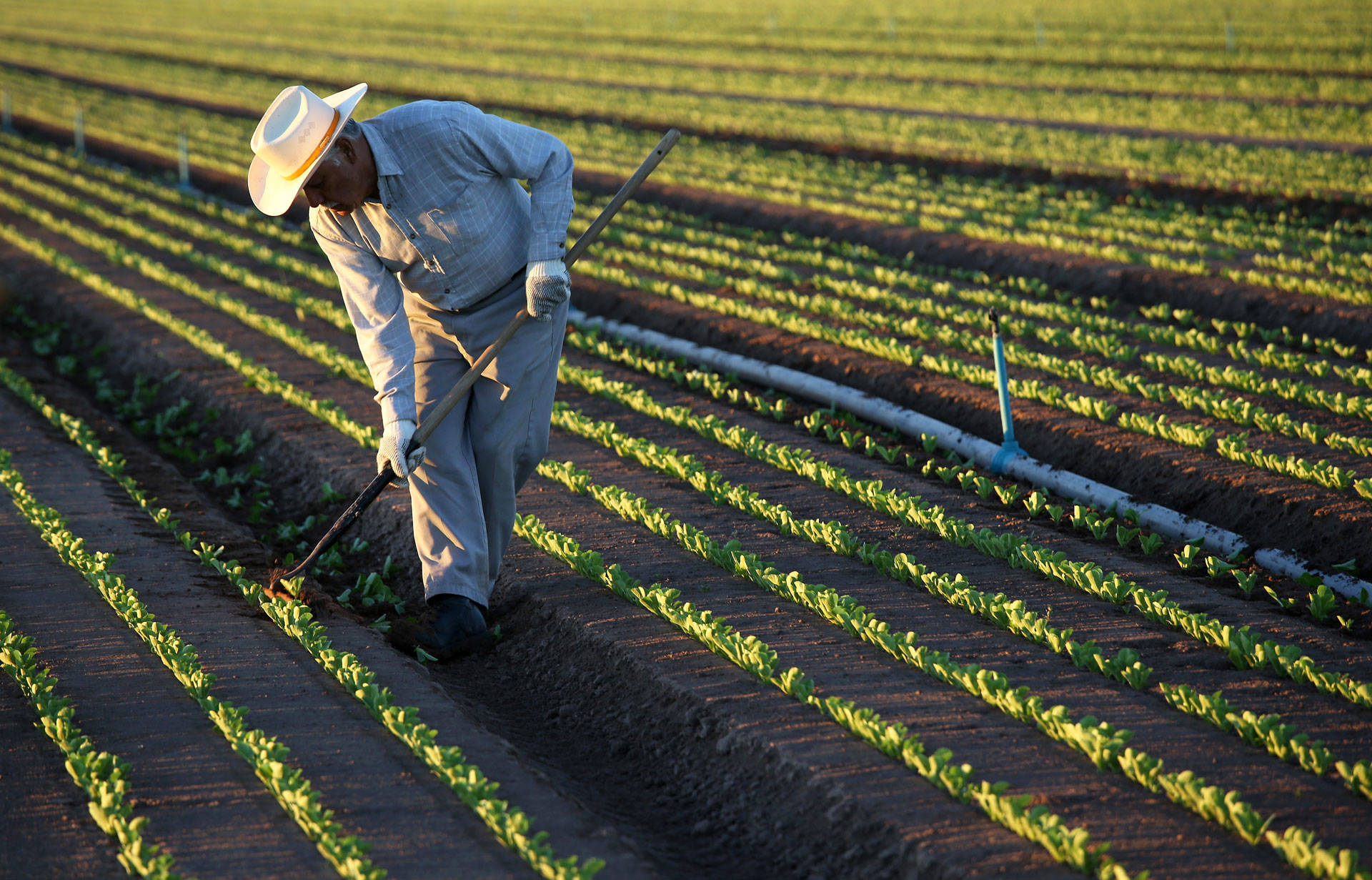
"caption": "A farmworker cultivates lettuce in October 2013 in the Imperial County town of Holtville.",
"description": "A farmworker cultivates lettuce in October, 2013 in Holtville.",
"title": "FarmworkerLettuce",
"credit": "John Moore/Getty Images",
"status": "inherit",
"isLoading": false,
"fetchFailed": false
},
"news_11066111": {
"type": "attachments",
"id": "news_11066111",
"meta": {
"index": "attachments_1716263798",
"site": "news",
"id": "11066111",
"found": true
},
"parent": 11066107,
"imgSizes": {
"twentyfourteen-full-width": {
"file": "https://ww2.kqed.org/app/uploads/sites/10/2016/08/FarmworkerHat-1038x576.jpg",
"width": 1038,
"mimeType": "image/jpeg",
"height": 576
},
"thumbnail": {
"file": "https://ww2.kqed.org/app/uploads/sites/10/2016/08/FarmworkerHat-400x225.jpg",
"width": 400,
"mimeType": "image/jpeg",
"height": 225
},
"fd-sm": {
"file": "https://ww2.kqed.org/app/uploads/sites/10/2016/08/FarmworkerHat-960x540.jpg",
"width": 960,
"mimeType": "image/jpeg",
"height": 540
},
"post-thumbnail": {
"file": "https://ww2.kqed.org/app/uploads/sites/10/2016/08/FarmworkerHat-672x372.jpg",
"width": 672,
"mimeType": "image/jpeg",
"height": 372
},
"kqedFullSize": {
"file": "https://ww2.kqed.org/app/uploads/sites/10/2016/08/FarmworkerHat.jpg",
"width": 1920,
"height": 1079
},
"large": {
"file": "https://ww2.kqed.org/app/uploads/sites/10/2016/08/FarmworkerHat-1920x1079.jpg",
"width": 1920,
"mimeType": "image/jpeg",
"height": 1079
},
"guest-author-50": {
"file": "https://ww2.kqed.org/app/uploads/sites/10/2016/08/FarmworkerHat-50x50.jpg",
"width": 50,
"mimeType": "image/jpeg",
"height": 50
},
"guest-author-96": {
"file": "https://ww2.kqed.org/app/uploads/sites/10/2016/08/FarmworkerHat-96x96.jpg",
"width": 96,
"mimeType": "image/jpeg",
"height": 96
},
"medium": {
"file": "https://ww2.kqed.org/app/uploads/sites/10/2016/08/FarmworkerHat-800x450.jpg",
"width": 800,
"mimeType": "image/jpeg",
"height": 450
},
"guest-author-64": {
"file": "https://ww2.kqed.org/app/uploads/sites/10/2016/08/FarmworkerHat-64x64.jpg",
"width": 64,
"mimeType": "image/jpeg",
"height": 64
},
"guest-author-32": {
"file": "https://ww2.kqed.org/app/uploads/sites/10/2016/08/FarmworkerHat-32x32.jpg",
"width": 32,
"mimeType": "image/jpeg",
"height": 32
},
"jmtc-small-thumb": {
"file": "https://ww2.kqed.org/app/uploads/sites/10/2016/08/FarmworkerHat-280x150.jpg",
"width": 280,
"mimeType": "image/jpeg",
"height": 150
},
"fd-lrg": {
"file": "https://ww2.kqed.org/app/uploads/sites/10/2016/08/FarmworkerHat-1920x1079.jpg",
"width": 1920,
"mimeType": "image/jpeg",
"height": 1079
},
"fd-med": {
"file": "https://ww2.kqed.org/app/uploads/sites/10/2016/08/FarmworkerHat-1180x663.jpg",
"width": 1180,
"mimeType": "image/jpeg",
"height": 663
},
"detail": {
"file": "https://ww2.kqed.org/app/uploads/sites/10/2016/08/FarmworkerHat-150x150.jpg",
"width": 150,
"mimeType": "image/jpeg",
"height": 150
},
"guest-author-128": {
"file": "https://ww2.kqed.org/app/uploads/sites/10/2016/08/FarmworkerHat-128x128.jpg",
"width": 128,
"mimeType": "image/jpeg",
"height": 128
}
},
"publishDate": 1472595668,
"modified": 1472595703,
"caption": "Farmworker Maria Diaz works in the pepper fields of Dixon.",
"description": "Farmworker Maria Diaz works in the pepper fields of Dixon.",
"title": "FarmworkerHat",
"credit": "Julia Mitric/Capital Public Radio",
"status": "inherit",
"isLoading": false,
"fetchFailed": false
},
"news_11065133": {
"type": "attachments",
"id": "news_11065133",
"meta": {
"index": "attachments_1716263798",
"site": "news",
"id": "11065133",
"found": true
},
"parent": 11065125,
"imgSizes": {
"twentyfourteen-full-width": {
"file": "https://ww2.kqed.org/app/uploads/sites/10/2016/08/FarmworkersBerries-1038x576.jpg",
"width": 1038,
"mimeType": "image/jpeg",
"height": 576
},
"thumbnail": {
"file": "https://ww2.kqed.org/app/uploads/sites/10/2016/08/FarmworkersBerries-400x219.jpg",
"width": 400,
"mimeType": "image/jpeg",
"height": 219
},
"fd-sm": {
"file": "https://ww2.kqed.org/app/uploads/sites/10/2016/08/FarmworkersBerries-960x525.jpg",
"width": 960,
"mimeType": "image/jpeg",
"height": 525
},
"post-thumbnail": {
"file": "https://ww2.kqed.org/app/uploads/sites/10/2016/08/FarmworkersBerries-672x372.jpg",
"width": 672,
"mimeType": "image/jpeg",
"height": 372
},
"kqedFullSize": {
"file": "https://ww2.kqed.org/app/uploads/sites/10/2016/08/FarmworkersBerries.jpg",
"width": 1920,
"height": 1050
},
"large": {
"file": "https://ww2.kqed.org/app/uploads/sites/10/2016/08/FarmworkersBerries-1920x1050.jpg",
"width": 1920,
"mimeType": "image/jpeg",
"height": 1050
},
"guest-author-50": {
"file": "https://ww2.kqed.org/app/uploads/sites/10/2016/08/FarmworkersBerries-50x50.jpg",
"width": 50,
"mimeType": "image/jpeg",
"height": 50
},
"guest-author-96": {
"file": "https://ww2.kqed.org/app/uploads/sites/10/2016/08/FarmworkersBerries-96x96.jpg",
"width": 96,
"mimeType": "image/jpeg",
"height": 96
},
"medium": {
"file": "https://ww2.kqed.org/app/uploads/sites/10/2016/08/FarmworkersBerries-800x438.jpg",
"width": 800,
"mimeType": "image/jpeg",
"height": 438
},
"guest-author-64": {
"file": "https://ww2.kqed.org/app/uploads/sites/10/2016/08/FarmworkersBerries-64x64.jpg",
"width": 64,
"mimeType": "image/jpeg",
"height": 64
},
"guest-author-32": {
"file": "https://ww2.kqed.org/app/uploads/sites/10/2016/08/FarmworkersBerries-32x32.jpg",
"width": 32,
"mimeType": "image/jpeg",
"height": 32
},
"jmtc-small-thumb": {
"file": "https://ww2.kqed.org/app/uploads/sites/10/2016/08/FarmworkersBerries-280x150.jpg",
"width": 280,
"mimeType": "image/jpeg",
"height": 150
},
"fd-lrg": {
"file": "https://ww2.kqed.org/app/uploads/sites/10/2016/08/FarmworkersBerries-1920x1050.jpg",
"width": 1920,
"mimeType": "image/jpeg",
"height": 1050
},
"fd-med": {
"file": "https://ww2.kqed.org/app/uploads/sites/10/2016/08/FarmworkersBerries-1180x645.jpg",
"width": 1180,
"mimeType": "image/jpeg",
"height": 645
},
"detail": {
"file": "https://ww2.kqed.org/app/uploads/sites/10/2016/08/FarmworkersBerries-150x150.jpg",
"width": 150,
"mimeType": "image/jpeg",
"height": 150
},
"guest-author-128": {
"file": "https://ww2.kqed.org/app/uploads/sites/10/2016/08/FarmworkersBerries-128x128.jpg",
"width": 128,
"mimeType": "image/jpeg",
"height": 128
}
},
"publishDate": 1472516994,
"modified": 1472517055,
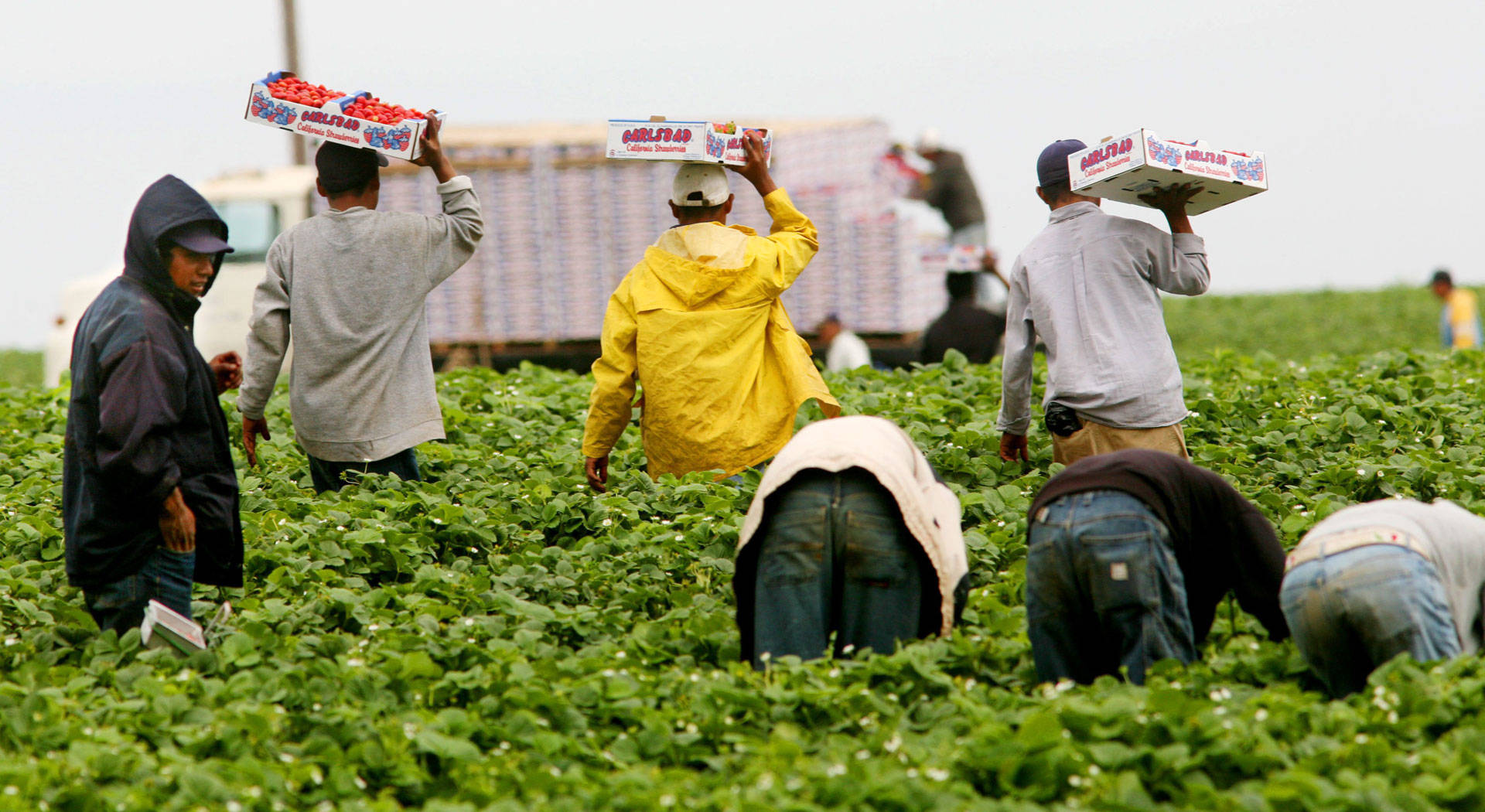
"caption": "Farmworkers harvest strawberries in Carlsbad.",
"description": "Farmworkers harvest strawberries in Carlsbad.",
"title": "FarmworkersBerries",
"credit": "Sandy Huffaker/Getty Images",
"status": "inherit",
"isLoading": false,
"fetchFailed": false
},
"news_11061175": {
"type": "attachments",
"id": "news_11061175",
"meta": {
"index": "attachments_1716263798",
"site": "news",
"id": "11061175",
"found": true
},
"parent": 11061082,
"imgSizes": {
"twentyfourteen-full-width": {
"file": "https://ww2.kqed.org/app/uploads/sites/10/2016/08/FarmworkersWRendon-1038x576.jpg",
"width": 1038,
"mimeType": "image/jpeg",
"height": 576
},
"thumbnail": {
"file": "https://ww2.kqed.org/app/uploads/sites/10/2016/08/FarmworkersWRendon-400x246.jpg",
"width": 400,
"mimeType": "image/jpeg",
"height": 246
},
"fd-sm": {
"file": "https://ww2.kqed.org/app/uploads/sites/10/2016/08/FarmworkersWRendon-960x590.jpg",
"width": 960,
"mimeType": "image/jpeg",
"height": 590
},
"post-thumbnail": {
"file": "https://ww2.kqed.org/app/uploads/sites/10/2016/08/FarmworkersWRendon-672x372.jpg",
"width": 672,
"mimeType": "image/jpeg",
"height": 372
},
"kqedFullSize": {
"file": "https://ww2.kqed.org/app/uploads/sites/10/2016/08/FarmworkersWRendon.jpg",
"width": 1920,
"height": 1179
},
"large": {
"file": "https://ww2.kqed.org/app/uploads/sites/10/2016/08/FarmworkersWRendon-1920x1179.jpg",
"width": 1920,
"mimeType": "image/jpeg",
"height": 1179
},
"guest-author-50": {
"file": "https://ww2.kqed.org/app/uploads/sites/10/2016/08/FarmworkersWRendon-50x50.jpg",
"width": 50,
"mimeType": "image/jpeg",
"height": 50
},
"guest-author-96": {
"file": "https://ww2.kqed.org/app/uploads/sites/10/2016/08/FarmworkersWRendon-96x96.jpg",
"width": 96,
"mimeType": "image/jpeg",
"height": 96
},
"medium": {
"file": "https://ww2.kqed.org/app/uploads/sites/10/2016/08/FarmworkersWRendon-800x491.jpg",
"width": 800,
"mimeType": "image/jpeg",
"height": 491
},
"guest-author-64": {
"file": "https://ww2.kqed.org/app/uploads/sites/10/2016/08/FarmworkersWRendon-64x64.jpg",
"width": 64,
"mimeType": "image/jpeg",
"height": 64
},
"guest-author-32": {
"file": "https://ww2.kqed.org/app/uploads/sites/10/2016/08/FarmworkersWRendon-32x32.jpg",
"width": 32,
"mimeType": "image/jpeg",
"height": 32
},
"jmtc-small-thumb": {
"file": "https://ww2.kqed.org/app/uploads/sites/10/2016/08/FarmworkersWRendon-280x150.jpg",
"width": 280,
"mimeType": "image/jpeg",
"height": 150
},
"fd-lrg": {
"file": "https://ww2.kqed.org/app/uploads/sites/10/2016/08/FarmworkersWRendon-1920x1179.jpg",
"width": 1920,
"mimeType": "image/jpeg",
"height": 1179
},
"fd-med": {
"file": "https://ww2.kqed.org/app/uploads/sites/10/2016/08/FarmworkersWRendon-1180x725.jpg",
"width": 1180,
"mimeType": "image/jpeg",
"height": 725
},
"detail": {
"file": "https://ww2.kqed.org/app/uploads/sites/10/2016/08/FarmworkersWRendon-150x150.jpg",
"width": 150,
"mimeType": "image/jpeg",
"height": 150
},
"guest-author-128": {
"file": "https://ww2.kqed.org/app/uploads/sites/10/2016/08/FarmworkersWRendon-128x128.jpg",
"width": 128,
"mimeType": "image/jpeg",
"height": 128
}
},
"publishDate": 1472171753,
"modified": 1472249373,
"caption": "United Farmworkers President Arturo Rodriguez (L, arms raised) and Assembly Speaker Anthony Rendon (C) emerge after meeting about AB 1066 on Thursday, Aug. 25, 2016.",
"description": "United Farmworkers President Arturo Rodriguez (L, arms raised) and Assembly Speaker Anthony Rendon (C) emerge after meeting about AB 1066 on Thursday, August 25, 2016.",
"title": "FarmworkersWRendon",
"credit": "Katie Orr/KQED",
"status": "inherit",
"isLoading": false,
"fetchFailed": false
},
"news_10905415": {
"type": "attachments",
"id": "news_10905415",
"meta": {
"index": "attachments_1716263798",
"site": "news",
"id": "10905415",
"found": true
},
"parent": 10900787,
"imgSizes": {
"twentyfourteen-full-width": {
"file": "https://ww2.kqed.org/app/uploads/sites/10/2016/03/MayorRamonaVillarrealPadilla-1038x576.jpg",
"width": 1038,
"mimeType": "image/jpeg",
"height": 576
},
"thumbnail": {
"file": "https://ww2.kqed.org/app/uploads/sites/10/2016/03/MayorRamonaVillarrealPadilla-400x263.jpg",
"width": 400,
"mimeType": "image/jpeg",
"height": 263
},
"fd-sm": {
"file": "https://ww2.kqed.org/app/uploads/sites/10/2016/03/MayorRamonaVillarrealPadilla-960x631.jpg",
"width": 960,
"mimeType": "image/jpeg",
"height": 631
},
"post-thumbnail": {
"file": "https://ww2.kqed.org/app/uploads/sites/10/2016/03/MayorRamonaVillarrealPadilla-672x372.jpg",
"width": 672,
"mimeType": "image/jpeg",
"height": 372
},
"kqedFullSize": {
"file": "https://ww2.kqed.org/app/uploads/sites/10/2016/03/MayorRamonaVillarrealPadilla.jpg",
"width": 1920,
"height": 1261
},
"large": {
"file": "https://ww2.kqed.org/app/uploads/sites/10/2016/03/MayorRamonaVillarrealPadilla-1920x1261.jpg",
"width": 1920,
"mimeType": "image/jpeg",
"height": 1261
},
"guest-author-96": {
"file": "https://ww2.kqed.org/app/uploads/sites/10/2016/03/MayorRamonaVillarrealPadilla-96x96.jpg",
"width": 96,
"mimeType": "image/jpeg",
"height": 96
},
"medium": {
"file": "https://ww2.kqed.org/app/uploads/sites/10/2016/03/MayorRamonaVillarrealPadilla-800x525.jpg",
"width": 800,
"mimeType": "image/jpeg",
"height": 525
},
"guest-author-64": {
"file": "https://ww2.kqed.org/app/uploads/sites/10/2016/03/MayorRamonaVillarrealPadilla-64x64.jpg",
"width": 64,
"mimeType": "image/jpeg",
"height": 64
},
"guest-author-32": {
"file": "https://ww2.kqed.org/app/uploads/sites/10/2016/03/MayorRamonaVillarrealPadilla-32x32.jpg",
"width": 32,
"mimeType": "image/jpeg",
"height": 32
},
"jmtc-small-thumb": {
"file": "https://ww2.kqed.org/app/uploads/sites/10/2016/03/MayorRamonaVillarrealPadilla-280x150.jpg",
"width": 280,
"mimeType": "image/jpeg",
"height": 150
},
"fd-lrg": {
"file": "https://ww2.kqed.org/app/uploads/sites/10/2016/03/MayorRamonaVillarrealPadilla-1920x1261.jpg",
"width": 1920,
"mimeType": "image/jpeg",
"height": 1261
},
"fd-med": {
"file": "https://ww2.kqed.org/app/uploads/sites/10/2016/03/MayorRamonaVillarrealPadilla-1180x775.jpg",
"width": 1180,
"mimeType": "image/jpeg",
"height": 775
},
"detail": {
"file": "https://ww2.kqed.org/app/uploads/sites/10/2016/03/MayorRamonaVillarrealPadilla-75x75.jpg",
"width": 75,
"mimeType": "image/jpeg",
"height": 75
},
"guest-author-128": {
"file": "https://ww2.kqed.org/app/uploads/sites/10/2016/03/MayorRamonaVillarrealPadilla-128x128.jpg",
"width": 128,
"mimeType": "image/jpeg",
"height": 128
}
},
"publishDate": 1458678695,
"modified": 1458678741,
"caption": "Ramona Villarreal-Padilla is Lindsay's first Latina mayor. The mayorship pays $75 a year and rotates among City Council members. She won her seat by about 50 votes in the 2014 election.",
"description": "Ramona Villarreal-Padilla is Lindsay's first Latina mayor. The mayorship pays $75 a year and rotates among City Council members. She won her seat by about 50 votes in the 2014 election.",
"title": "MayorRamonaVillarrealPadilla",
"credit": "Kerry Klein/KQED",
"status": "inherit",
"isLoading": false,
"fetchFailed": false
},
"news_10762301": {
"type": "attachments",
"id": "news_10762301",
"meta": {
"index": "attachments_1716263798",
"site": "news",
"id": "10762301",
"found": true
},
"parent": 10761293,
"imgSizes": {
"twentyfourteen-full-width": {
"file": "https://ww2.kqed.org/app/uploads/sites/10/2015/11/KingCityTCR-1038x576.jpg",
"width": 1038,
"mimeType": "image/jpeg",
"height": 576
},
"thumbnail": {
"file": "https://ww2.kqed.org/app/uploads/sites/10/2015/11/KingCityTCR-400x299.jpg",
"width": 400,
"mimeType": "image/jpeg",
"height": 299
},
"fd-sm": {
"file": "https://ww2.kqed.org/app/uploads/sites/10/2015/11/KingCityTCR-960x719.jpg",
"width": 960,
"mimeType": "image/jpeg",
"height": 719
},
"post-thumbnail": {
"file": "https://ww2.kqed.org/app/uploads/sites/10/2015/11/KingCityTCR-672x372.jpg",
"width": 672,
"mimeType": "image/jpeg",
"height": 372
},
"kqedFullSize": {
"file": "https://ww2.kqed.org/app/uploads/sites/10/2015/11/KingCityTCR.jpg",
"width": 1920,
"height": 1437
},
"large": {
"file": "https://ww2.kqed.org/app/uploads/sites/10/2015/11/KingCityTCR-1440x1078.jpg",
"width": 1440,
"mimeType": "image/jpeg",
"height": 1078
},
"guest-author-96": {
"file": "https://ww2.kqed.org/app/uploads/sites/10/2015/11/KingCityTCR-96x96.jpg",
"width": 96,
"mimeType": "image/jpeg",
"height": 96
},
"medium": {
"file": "https://ww2.kqed.org/app/uploads/sites/10/2015/11/KingCityTCR-800x599.jpg",
"width": 800,
"mimeType": "image/jpeg",
"height": 599
},
"guest-author-64": {
"file": "https://ww2.kqed.org/app/uploads/sites/10/2015/11/KingCityTCR-64x64.jpg",
"width": 64,
"mimeType": "image/jpeg",
"height": 64
},
"guest-author-32": {
"file": "https://ww2.kqed.org/app/uploads/sites/10/2015/11/KingCityTCR-32x32.jpg",
"width": 32,
"mimeType": "image/jpeg",
"height": 32
},
"jmtc-small-thumb": {
"file": "https://ww2.kqed.org/app/uploads/sites/10/2015/11/KingCityTCR-280x150.jpg",
"width": 280,
"mimeType": "image/jpeg",
"height": 150
},
"fd-lrg": {
"file": "https://ww2.kqed.org/app/uploads/sites/10/2015/11/KingCityTCR-1920x1437.jpg",
"width": 1920,
"mimeType": "image/jpeg",
"height": 1437
},
"fd-med": {
"file": "https://ww2.kqed.org/app/uploads/sites/10/2015/11/KingCityTCR-1180x883.jpg",
"width": 1180,
"mimeType": "image/jpeg",
"height": 883
},
"detail": {
"file": "https://ww2.kqed.org/app/uploads/sites/10/2015/11/KingCityTCR-75x75.jpg",
"width": 75,
"mimeType": "image/jpeg",
"height": 75
},
"guest-author-128": {
"file": "https://ww2.kqed.org/app/uploads/sites/10/2015/11/KingCityTCR-128x128.jpg",
"width": 128,
"mimeType": "image/jpeg",
"height": 128
}
},
"publishDate": 1447784234,
"modified": 1447800329,
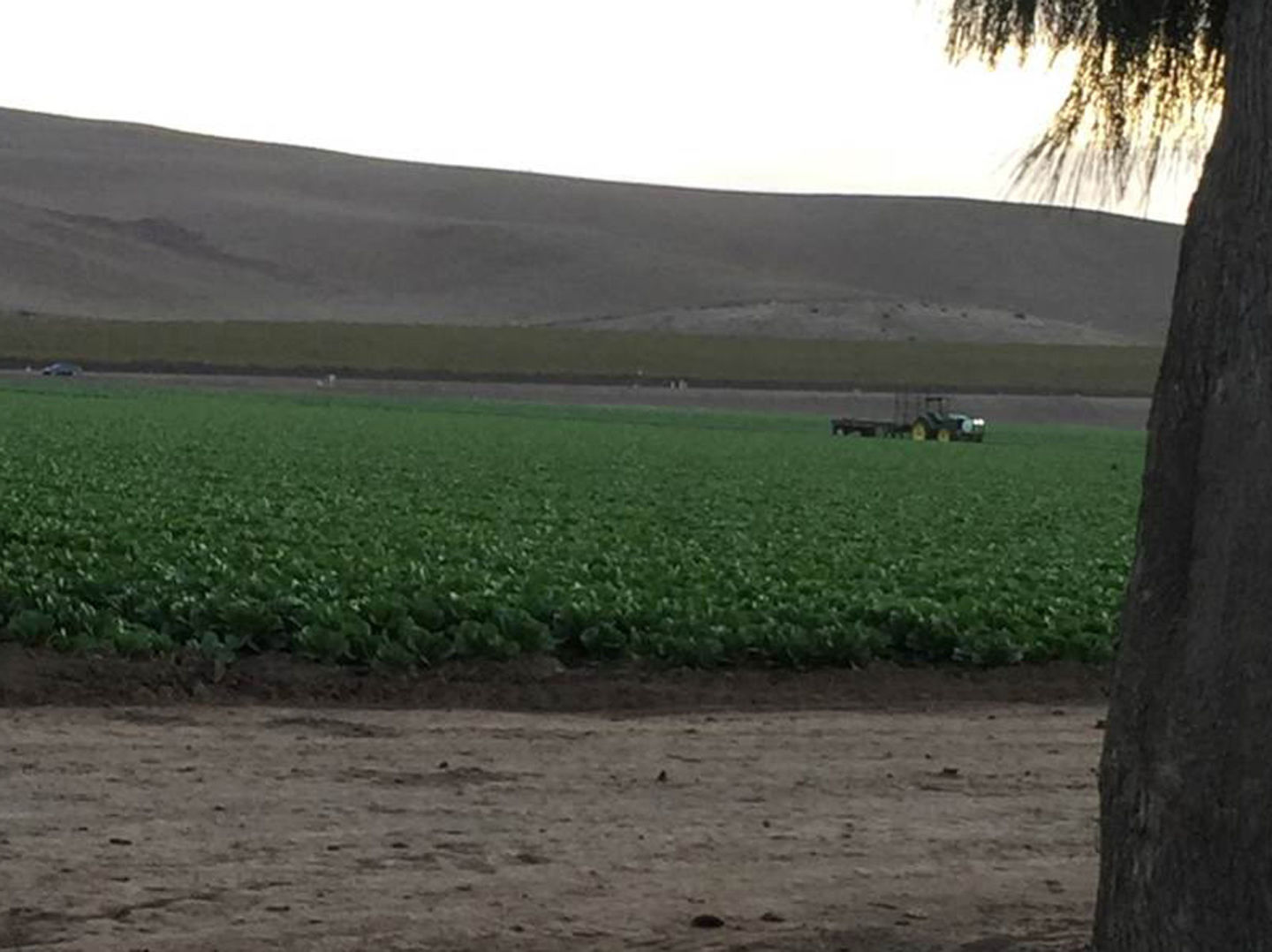
"caption": "Fields outside King City.",
"description": null,
"title": "KingCityTCR",
"credit": "Leslie Griffy/KQED",
"status": "inherit",
"isLoading": false,
"fetchFailed": false
},
"news_10727445": {
"type": "attachments",
"id": "news_10727445",
"meta": {
"index": "attachments_1716263798",
"site": "news",
"id": "10727445",
"found": true
},
"parent": 10727365,
"imgSizes": {
"twentyfourteen-full-width": {
"file": "https://ww2.kqed.org/app/uploads/sites/10/2015/10/RS17139_Zenaida-1.JPG-qut-800x576.jpg",
"width": 800,
"mimeType": "image/jpeg",
"height": 576
},
"jmtc-small-thumb": {
"file": "https://ww2.kqed.org/app/uploads/sites/10/2015/10/RS17139_Zenaida-1.JPG-qut-280x150.jpg",
"width": 280,
"mimeType": "image/jpeg",
"height": 150
},
"thumbnail": {
"file": "https://ww2.kqed.org/app/uploads/sites/10/2015/10/RS17139_Zenaida-1.JPG-qut-400x294.jpg",
"width": 400,
"mimeType": "image/jpeg",
"height": 294
},
"post-thumbnail": {
"file": "https://ww2.kqed.org/app/uploads/sites/10/2015/10/RS17139_Zenaida-1.JPG-qut-672x372.jpg",
"width": 672,
"mimeType": "image/jpeg",
"height": 372
},
"kqedFullSize": {
"file": "https://ww2.kqed.org/app/uploads/sites/10/2015/10/RS17139_Zenaida-1.JPG-qut.jpg",
"width": 800,
"height": 587
},
"guest-author-96": {
"file": "https://ww2.kqed.org/app/uploads/sites/10/2015/10/RS17139_Zenaida-1.JPG-qut-96x96.jpg",
"width": 96,
"mimeType": "image/jpeg",
"height": 96
},
"medium": {
"file": "https://ww2.kqed.org/app/uploads/sites/10/2015/10/RS17139_Zenaida-1.JPG-qut-800x587.jpg",
"width": 800,
"mimeType": "image/jpeg",
"height": 587
},
"guest-author-64": {
"file": "https://ww2.kqed.org/app/uploads/sites/10/2015/10/RS17139_Zenaida-1.JPG-qut-64x64.jpg",
"width": 64,
"mimeType": "image/jpeg",
"height": 64
},
"detail": {
"file": "https://ww2.kqed.org/app/uploads/sites/10/2015/10/RS17139_Zenaida-1.JPG-qut-75x75.jpg",
"width": 75,
"mimeType": "image/jpeg",
"height": 75
},
"guest-author-32": {
"file": "https://ww2.kqed.org/app/uploads/sites/10/2015/10/RS17139_Zenaida-1.JPG-qut-32x32.jpg",
"width": 32,
"mimeType": "image/jpeg",
"height": 32
},
"guest-author-128": {
"file": "https://ww2.kqed.org/app/uploads/sites/10/2015/10/RS17139_Zenaida-1.JPG-qut-128x128.jpg",
"width": 128,
"mimeType": "image/jpeg",
"height": 128
}
},
"publishDate": 1445459638,
"modified": 1445637745,
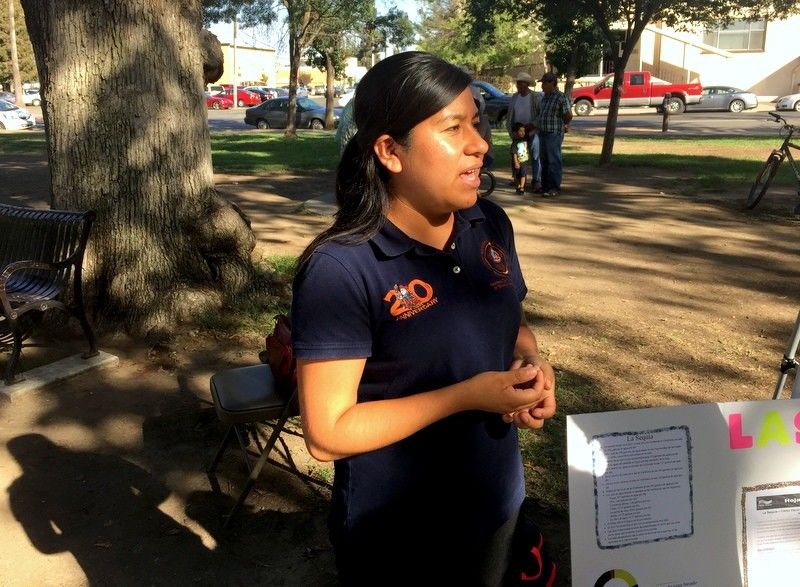
"caption": "Zenaida Ventura, a former farmworker, conducts surveys of indigenous farmworkers at the farmers market in Madera. 'For me, everything is connected, immigration, health and the drought. I think we need to find a way that we can work this from the roots,' she says.",
"description": null,
"title": "RS17139_Zenaida 1.JPG-qut",
"credit": "Sasha Khokha/KQED",
"status": "inherit",
"isLoading": false,
"fetchFailed": false
},
"bayareabites_101392": {
"type": "attachments",
"id": "bayareabites_101392",
"meta": {
"index": "attachments_1716263798",
"site": "bayareabites",
"id": "101392",
"found": true
},
"parent": 101391,
"imgSizes": {
"twentyfourteen-full-width": {
"file": "https://ww2.kqed.org/app/uploads/sites/24/2015/09/gettyimages-468840748_custom-93ed36dc67cafc6a445ad9d93d2f390eb79e771d-1038x576.jpg",
"width": 1038,
"mimeType": "image/jpeg",
"height": 576
},
"thumbnail": {
"file": "https://ww2.kqed.org/app/uploads/sites/24/2015/09/gettyimages-468840748_custom-93ed36dc67cafc6a445ad9d93d2f390eb79e771d-400x267.jpg",
"width": 400,
"mimeType": "image/jpeg",
"height": 267
},
"fd-sm": {
"file": "https://ww2.kqed.org/app/uploads/sites/24/2015/09/gettyimages-468840748_custom-93ed36dc67cafc6a445ad9d93d2f390eb79e771d-960x641.jpg",
"width": 960,
"mimeType": "image/jpeg",
"height": 641
},
"post-thumbnail": {
"file": "https://ww2.kqed.org/app/uploads/sites/24/2015/09/gettyimages-468840748_custom-93ed36dc67cafc6a445ad9d93d2f390eb79e771d-672x372.jpg",
"width": 672,
"mimeType": "image/jpeg",
"height": 372
},
"kqedFullSize": {
"file": "https://ww2.kqed.org/app/uploads/sites/24/2015/09/gettyimages-468840748_custom-93ed36dc67cafc6a445ad9d93d2f390eb79e771d.jpg",
"width": 3000,
"height": 2003
},
"large": {
"file": "https://ww2.kqed.org/app/uploads/sites/24/2015/09/gettyimages-468840748_custom-93ed36dc67cafc6a445ad9d93d2f390eb79e771d-1440x961.jpg",
"width": 1440,
"mimeType": "image/jpeg",
"height": 961
},
"guest-author-96": {
"file": "https://ww2.kqed.org/app/uploads/sites/24/2015/09/gettyimages-468840748_custom-93ed36dc67cafc6a445ad9d93d2f390eb79e771d-96x96.jpg",
"width": 96,
"mimeType": "image/jpeg",
"height": 96
},
"medium": {
"file": "https://ww2.kqed.org/app/uploads/sites/24/2015/09/gettyimages-468840748_custom-93ed36dc67cafc6a445ad9d93d2f390eb79e771d-800x534.jpg",
"width": 800,
"mimeType": "image/jpeg",
"height": 534
},
"guest-author-64": {
"file": "https://ww2.kqed.org/app/uploads/sites/24/2015/09/gettyimages-468840748_custom-93ed36dc67cafc6a445ad9d93d2f390eb79e771d-64x64.jpg",
"width": 64,
"mimeType": "image/jpeg",
"height": 64
},
"guest-author-32": {
"file": "https://ww2.kqed.org/app/uploads/sites/24/2015/09/gettyimages-468840748_custom-93ed36dc67cafc6a445ad9d93d2f390eb79e771d-32x32.jpg",
"width": 32,
"mimeType": "image/jpeg",
"height": 32
},
"cat_post_thumb_sizecategory-posts-2": {
"file": "https://ww2.kqed.org/app/uploads/sites/24/2015/09/gettyimages-468840748_custom-93ed36dc67cafc6a445ad9d93d2f390eb79e771d-150x150.jpg",
"width": 150,
"mimeType": "image/jpeg",
"height": 150
},
"fd-lrg": {
"file": "https://ww2.kqed.org/app/uploads/sites/24/2015/09/gettyimages-468840748_custom-93ed36dc67cafc6a445ad9d93d2f390eb79e771d-1920x1282.jpg",
"width": 1920,
"mimeType": "image/jpeg",
"height": 1282
},
"fd-med": {
"file": "https://ww2.kqed.org/app/uploads/sites/24/2015/09/gettyimages-468840748_custom-93ed36dc67cafc6a445ad9d93d2f390eb79e771d-1180x788.jpg",
"width": 1180,
"mimeType": "image/jpeg",
"height": 788
},
"detail": {
"file": "https://ww2.kqed.org/app/uploads/sites/24/2015/09/gettyimages-468840748_custom-93ed36dc67cafc6a445ad9d93d2f390eb79e771d-75x75.jpg",
"width": 75,
"mimeType": "image/jpeg",
"height": 75
},
"guest-author-128": {
"file": "https://ww2.kqed.org/app/uploads/sites/24/2015/09/gettyimages-468840748_custom-93ed36dc67cafc6a445ad9d93d2f390eb79e771d-128x128.jpg",
"width": 128,
"mimeType": "image/jpeg",
"height": 128
}
},
"publishDate": 1443498968,
"modified": 1443499137,
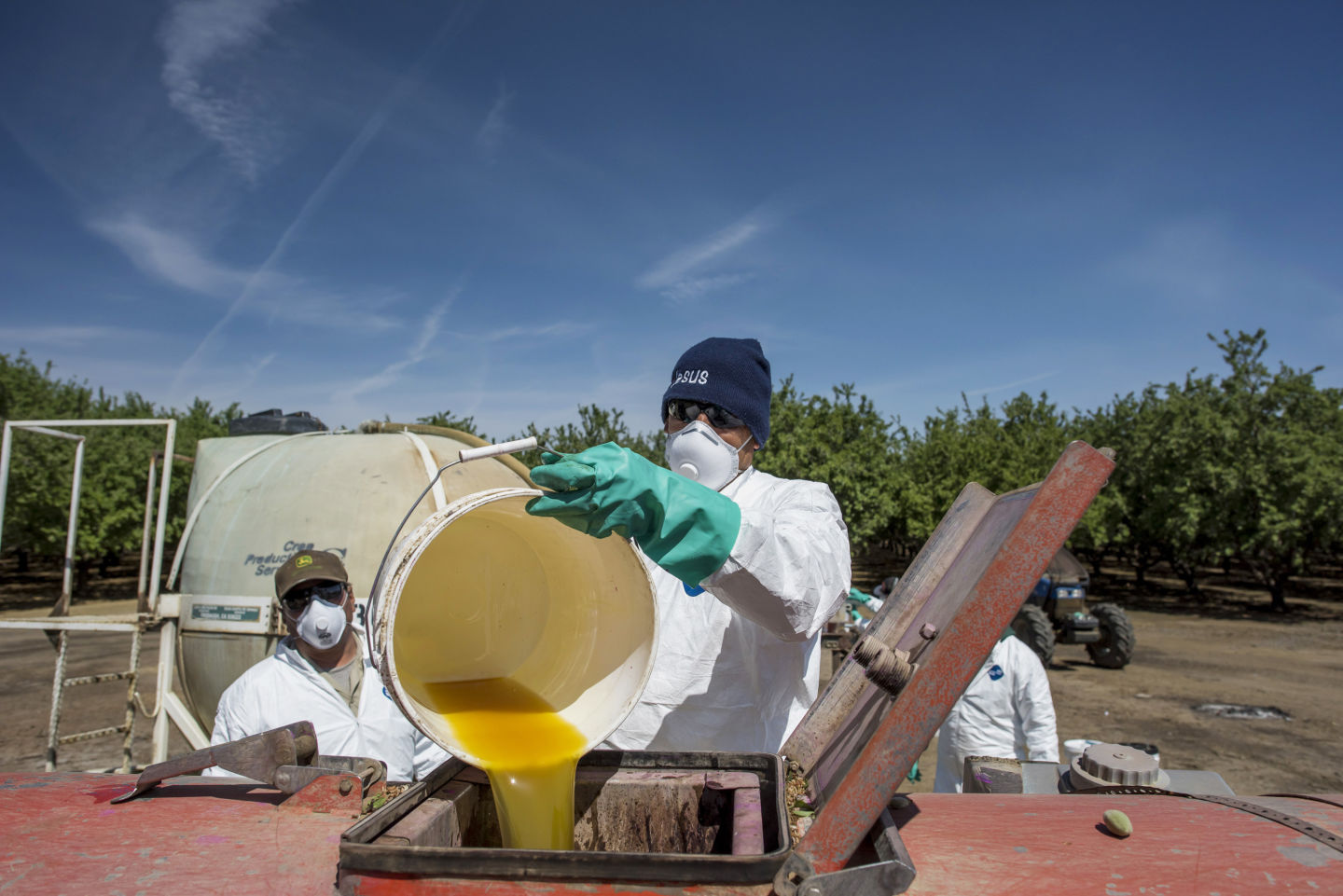
"caption": "A worker pours a bucket of pesticide into a machine to be sprayed on almond trees at Del Bosque Farms Inc. in Firebaugh, Calif., on April 6, 2015. California and Washington already have adopted, through state regulation, many of the rules that the EPA now wants to put in place nationwide.",
"description": "A worker pours a bucket of pesticide into a machine to be sprayed on almond trees at Del Bosque Farms Inc. in Firebaugh, Calif., on April 6, 2015. California and Washington already have adopted, through state regulation, many of the rules that the EPA now wants to put in place nationwide",
"title": "A worker pours a bucket of pesticide into a machine to be sprayed on almond trees at Del Bosque Farms Inc. in Firebaugh, Calif., on April 6, 2015. California and Washington already have adopted, through state regulation, many of the rules that the EPA now wants to put in place nationwide.",
"credit": "David Paul Morris/Bloomberg/Getty Images",
"status": "inherit",
"isLoading": false,
"fetchFailed": false
},
"news_10686943": {
"type": "attachments",
"id": "news_10686943",
"meta": {
"index": "attachments_1716263798",
"site": "news",
"id": "10686943",
"found": true
},
"parent": 10686857,
"imgSizes": {
"twentyfourteen-full-width": {
"file": "https://ww2.kqed.org/app/uploads/sites/10/2015/09/IMG_90831-1038x576.jpg",
"width": 1038,
"mimeType": "image/jpeg",
"height": 576
},
"thumbnail": {
"file": "https://ww2.kqed.org/app/uploads/sites/10/2015/09/IMG_90831-400x267.jpg",
"width": 400,
"mimeType": "image/jpeg",
"height": 267
},
"fd-sm": {
"file": "https://ww2.kqed.org/app/uploads/sites/10/2015/09/IMG_90831-960x640.jpg",
"width": 960,
"mimeType": "image/jpeg",
"height": 640
},
"post-thumbnail": {
"file": "https://ww2.kqed.org/app/uploads/sites/10/2015/09/IMG_90831-672x372.jpg",
"width": 672,
"mimeType": "image/jpeg",
"height": 372
},
"kqedFullSize": {
"file": "https://ww2.kqed.org/app/uploads/sites/10/2015/09/IMG_90831.jpg",
"width": 4272,
"height": 2848
},
"large": {
"file": "https://ww2.kqed.org/app/uploads/sites/10/2015/09/IMG_90831-1440x960.jpg",
"width": 1440,
"mimeType": "image/jpeg",
"height": 960
},
"guest-author-96": {
"file": "https://ww2.kqed.org/app/uploads/sites/10/2015/09/IMG_90831-96x96.jpg",
"width": 96,
"mimeType": "image/jpeg",
"height": 96
},
"medium": {
"file": "https://ww2.kqed.org/app/uploads/sites/10/2015/09/IMG_90831-800x533.jpg",
"width": 800,
"mimeType": "image/jpeg",
"height": 533
},
"guest-author-64": {
"file": "https://ww2.kqed.org/app/uploads/sites/10/2015/09/IMG_90831-64x64.jpg",
"width": 64,
"mimeType": "image/jpeg",
"height": 64
},
"guest-author-32": {
"file": "https://ww2.kqed.org/app/uploads/sites/10/2015/09/IMG_90831-32x32.jpg",
"width": 32,
"mimeType": "image/jpeg",
"height": 32
},
"jmtc-small-thumb": {
"file": "https://ww2.kqed.org/app/uploads/sites/10/2015/09/IMG_90831-280x150.jpg",
"width": 280,
"mimeType": "image/jpeg",
"height": 150
},
"fd-lrg": {
"file": "https://ww2.kqed.org/app/uploads/sites/10/2015/09/IMG_90831-1920x1280.jpg",
"width": 1920,
"mimeType": "image/jpeg",
"height": 1280
},
"fd-med": {
"file": "https://ww2.kqed.org/app/uploads/sites/10/2015/09/IMG_90831-1180x787.jpg",
"width": 1180,
"mimeType": "image/jpeg",
"height": 787
},
"detail": {
"file": "https://ww2.kqed.org/app/uploads/sites/10/2015/09/IMG_90831-75x75.jpg",
"width": 75,
"mimeType": "image/jpeg",
"height": 75
},
"guest-author-128": {
"file": "https://ww2.kqed.org/app/uploads/sites/10/2015/09/IMG_90831-128x128.jpg",
"width": 128,
"mimeType": "image/jpeg",
"height": 128
}
},
"publishDate": 1442529405,
"modified": 1442533186,
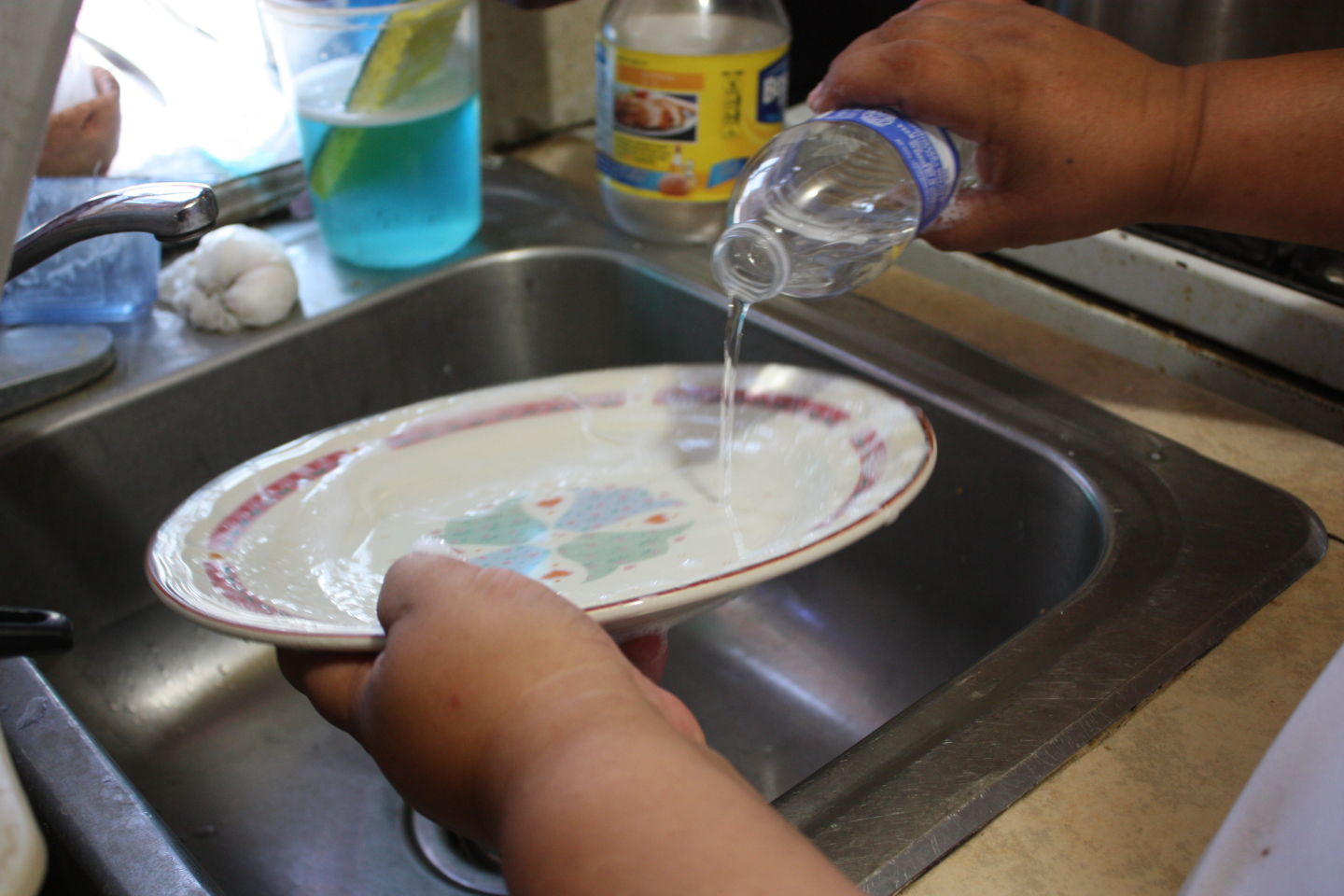
"caption": "Without a working faucet, Maria Medina washes dishes with little 16-ounce water bottles. She says each dish requires about half a bottle. ",
"description": "Without a working faucet, Maria Medina washes dishes with little 16-ounce water bottles. She says each dish requires about half a bottle. ",
"title": "IMG_9083",
"credit": "Kerry Klein/KQED",
"status": "inherit",
"isLoading": false,
"fetchFailed": false
},
"news_10667613": {
"type": "attachments",
"id": "news_10667613",
"meta": {
"index": "attachments_1716263798",
"site": "news",
"id": "10667613",
"found": true
},
"parent": 10666155,
"imgSizes": {
"twentyfourteen-full-width": {
"file": "https://ww2.kqed.org/app/uploads/sites/10/2015/09/HoldingPortrait1-1038x576.jpg",
"width": 1038,
"mimeType": "image/jpeg",
"height": 576
},
"thumbnail": {
"file": "https://ww2.kqed.org/app/uploads/sites/10/2015/09/HoldingPortrait1-400x223.jpg",
"width": 400,
"mimeType": "image/jpeg",
"height": 223
},
"fd-sm": {
"file": "https://ww2.kqed.org/app/uploads/sites/10/2015/09/HoldingPortrait1-960x535.jpg",
"width": 960,
"mimeType": "image/jpeg",
"height": 535
},
"post-thumbnail": {
"file": "https://ww2.kqed.org/app/uploads/sites/10/2015/09/HoldingPortrait1-672x372.jpg",
"width": 672,
"mimeType": "image/jpeg",
"height": 372
},
"kqedFullSize": {
"file": "https://ww2.kqed.org/app/uploads/sites/10/2015/09/HoldingPortrait1.jpg",
"width": 1920,
"height": 1069
},
"large": {
"file": "https://ww2.kqed.org/app/uploads/sites/10/2015/09/HoldingPortrait1-1440x802.jpg",
"width": 1440,
"mimeType": "image/jpeg",
"height": 802
},
"guest-author-96": {
"file": "https://ww2.kqed.org/app/uploads/sites/10/2015/09/HoldingPortrait1-96x96.jpg",
"width": 96,
"mimeType": "image/jpeg",
"height": 96
},
"medium": {
"file": "https://ww2.kqed.org/app/uploads/sites/10/2015/09/HoldingPortrait1-800x445.jpg",
"width": 800,
"mimeType": "image/jpeg",
"height": 445
},
"guest-author-64": {
"file": "https://ww2.kqed.org/app/uploads/sites/10/2015/09/HoldingPortrait1-64x64.jpg",
"width": 64,
"mimeType": "image/jpeg",
"height": 64
},
"guest-author-32": {
"file": "https://ww2.kqed.org/app/uploads/sites/10/2015/09/HoldingPortrait1-32x32.jpg",
"width": 32,
"mimeType": "image/jpeg",
"height": 32
},
"jmtc-small-thumb": {
"file": "https://ww2.kqed.org/app/uploads/sites/10/2015/09/HoldingPortrait1-280x150.jpg",
"width": 280,
"mimeType": "image/jpeg",
"height": 150
},
"fd-lrg": {
"file": "https://ww2.kqed.org/app/uploads/sites/10/2015/09/HoldingPortrait1-1920x1069.jpg",
"width": 1920,
"mimeType": "image/jpeg",
"height": 1069
},
"fd-med": {
"file": "https://ww2.kqed.org/app/uploads/sites/10/2015/09/HoldingPortrait1-1180x657.jpg",
"width": 1180,
"mimeType": "image/jpeg",
"height": 657
},
"detail": {
"file": "https://ww2.kqed.org/app/uploads/sites/10/2015/09/HoldingPortrait1-75x75.jpg",
"width": 75,
"mimeType": "image/jpeg",
"height": 75
},
"guest-author-128": {
"file": "https://ww2.kqed.org/app/uploads/sites/10/2015/09/HoldingPortrait1-128x128.jpg",
"width": 128,
"mimeType": "image/jpeg",
"height": 128
}
},
"publishDate": 1441322844,
"modified": 1441322862,
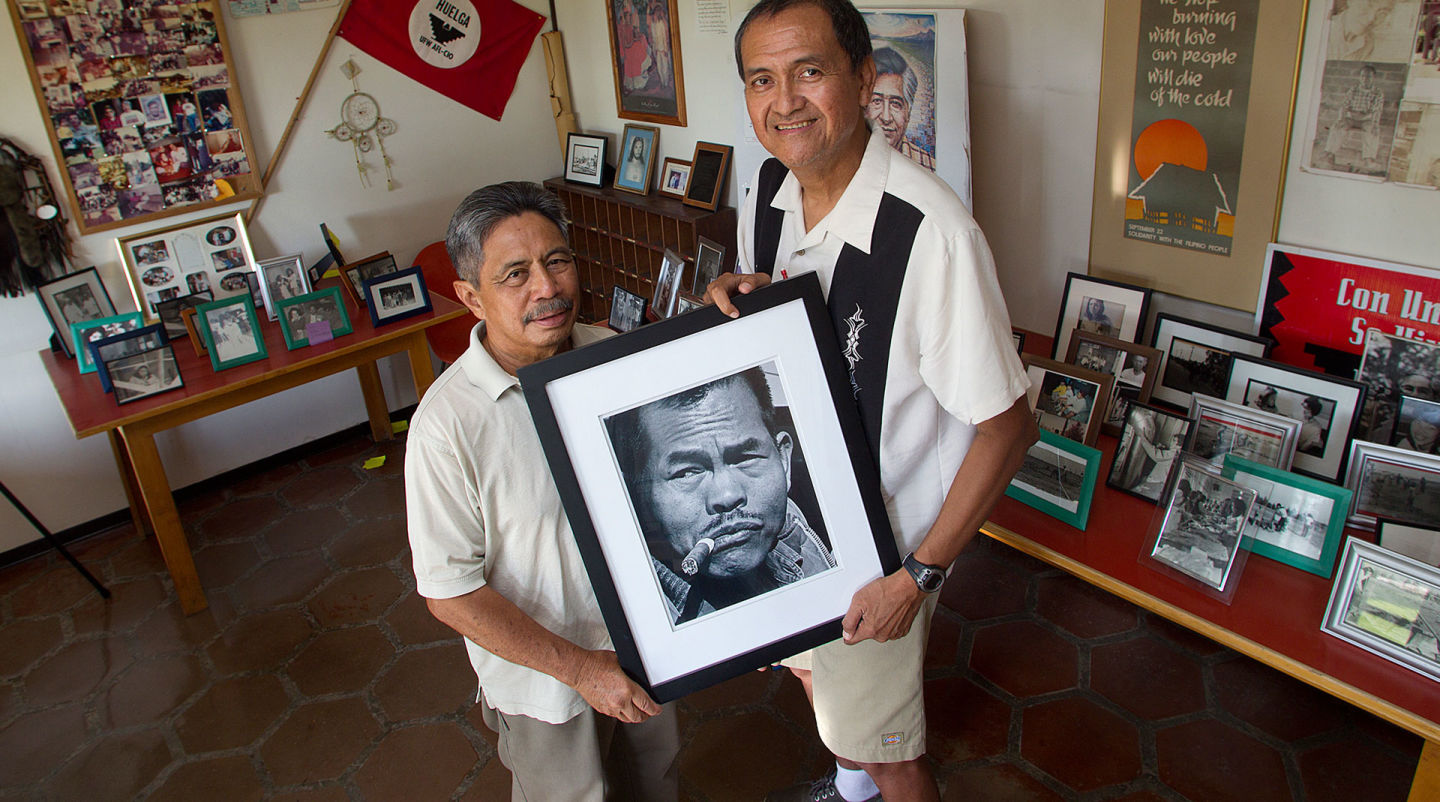
"caption": "At the Paulo Agbayani Village west of Delano, Roger Gadiano (L) and Alex Edillor hold a photo of grape strike leader Larry Itliong, whom they respectfully refer to as \"The Man.\"",
"description": "At the Paulo Agbayani Village west of Delano, Roger Gadiano (L) and Alex Edillor hold a photo of grape strike leader Larry Itliong, whom they respectfully refer to as \"The Man.\"",
"title": "HoldingPortrait",
"credit": "Henry A. Barrios/FERN",
"status": "inherit",
"isLoading": false,
"fetchFailed": false
},
"news_10577042": {
"type": "attachments",
"id": "news_10577042",
"meta": {
"index": "attachments_1716263798",
"site": "news",
"id": "10577042",
"found": true
},
"parent": 10576983,
"imgSizes": {
"twentyfourteen-full-width": {
"file": "https://ww2.kqed.org/app/uploads/sites/10/2015/06/FarmworkerGrapesCIR-1038x576.jpg",
"width": 1038,
"mimeType": "image/jpeg",
"height": 576
},
"thumbnail": {
"file": "https://ww2.kqed.org/app/uploads/sites/10/2015/06/FarmworkerGrapesCIR-400x225.jpg",
"width": 400,
"mimeType": "image/jpeg",
"height": 225
},
"fd-sm": {
"file": "https://ww2.kqed.org/app/uploads/sites/10/2015/06/FarmworkerGrapesCIR-960x540.jpg",
"width": 960,
"mimeType": "image/jpeg",
"height": 540
},
"post-thumbnail": {
"file": "https://ww2.kqed.org/app/uploads/sites/10/2015/06/FarmworkerGrapesCIR-672x372.jpg",
"width": 672,
"mimeType": "image/jpeg",
"height": 372
},
"kqedFullSize": {
"file": "https://ww2.kqed.org/app/uploads/sites/10/2015/06/FarmworkerGrapesCIR.jpg",
"width": 1920,
"height": 1080
},
"large": {
"file": "https://ww2.kqed.org/app/uploads/sites/10/2015/06/FarmworkerGrapesCIR-1440x810.jpg",
"width": 1440,
"mimeType": "image/jpeg",
"height": 810
},
"guest-author-96": {
"file": "https://ww2.kqed.org/app/uploads/sites/10/2015/06/FarmworkerGrapesCIR-96x96.jpg",
"width": 96,
"mimeType": "image/jpeg",
"height": 96
},
"medium": {
"file": "https://ww2.kqed.org/app/uploads/sites/10/2015/06/FarmworkerGrapesCIR-800x450.jpg",
"width": 800,
"mimeType": "image/jpeg",
"height": 450
},
"guest-author-64": {
"file": "https://ww2.kqed.org/app/uploads/sites/10/2015/06/FarmworkerGrapesCIR-64x64.jpg",
"width": 64,
"mimeType": "image/jpeg",
"height": 64
},
"guest-author-32": {
"file": "https://ww2.kqed.org/app/uploads/sites/10/2015/06/FarmworkerGrapesCIR-32x32.jpg",
"width": 32,
"mimeType": "image/jpeg",
"height": 32
},
"jmtc-small-thumb": {
"file": "https://ww2.kqed.org/app/uploads/sites/10/2015/06/FarmworkerGrapesCIR-280x150.jpg",
"width": 280,
"mimeType": "image/jpeg",
"height": 150
},
"fd-med": {
"file": "https://ww2.kqed.org/app/uploads/sites/10/2015/06/FarmworkerGrapesCIR-1180x664.jpg",
"width": 1180,
"mimeType": "image/jpeg",
"height": 664
},
"detail": {
"file": "https://ww2.kqed.org/app/uploads/sites/10/2015/06/FarmworkerGrapesCIR-75x75.jpg",
"width": 75,
"mimeType": "image/jpeg",
"height": 75
},
"guest-author-128": {
"file": "https://ww2.kqed.org/app/uploads/sites/10/2015/06/FarmworkerGrapesCIR-128x128.jpg",
"width": 128,
"mimeType": "image/jpeg",
"height": 128
}
},
"publishDate": 1435262266,
"modified": 1435267352,
"caption": "A female farmworker harvests grapes. ",
"description": "A female farmworker harvests grapes. ",
"title": "FarmworkerGrapesCIR",
"credit": "Andrés Cediel/IRP",
"status": "inherit",
"isLoading": false,
"fetchFailed": false
}
},
"audioPlayerReducer": {
"postId": "stream_live",
"isPaused": true,
"isPlaying": false,
"pfsActive": false,
"pledgeModalIsOpen": true,
"playerDrawerIsOpen": false,
"liveAudioPlayStartedAt": 0,
"liveAudioPlayContext": ""
},
"authorsReducer": {
"byline_news_11066107": {
"type": "authors",
"id": "byline_news_11066107",
"meta": {
"override": true
},
"slug": "byline_news_11066107",
"name": "Julia Mitric",
"isLoading": false
},
"byline_news_11065125": {
"type": "authors",
"id": "byline_news_11065125",
"meta": {
"override": true
},
"slug": "byline_news_11065125",
"name": "Alison Noon\u003cbr>Associated Press",
"isLoading": false
},
"byline_news_10761293": {
"type": "authors",
"id": "byline_news_10761293",
"meta": {
"override": true
},
"slug": "byline_news_10761293",
"name": "Leslie Griffy",
"isLoading": false
},
"byline_bayareabites_101391": {
"type": "authors",
"id": "byline_bayareabites_101391",
"meta": {
"override": true
},
"slug": "byline_bayareabites_101391",
"name": "Dan Charles, \u003ca href=\"https://ww2.kqed.org/bayareabites/category/npr-food/\">NPR Food\u003c/a>",
"isLoading": false
},
"byline_news_10686857": {
"type": "authors",
"id": "byline_news_10686857",
"meta": {
"override": true
},
"slug": "byline_news_10686857",
"name": "\u003cstrong>\u003ca>Kerry Klein and Sasha Khokha\u003c/a>\u003c/strong>",
"isLoading": false
},
"sasha-khokha": {
"type": "authors",
"id": "254",
"meta": {
"index": "authors_1716337520",
"id": "254",
"found": true
},
"name": "Sasha Khokha",
"firstName": "Sasha",
"lastName": "Khokha",
"slug": "sasha-khokha",
"email": "skhokha@kqed.org",
"display_author_email": true,
"staff_mastheads": [
"news"
],
"title": "Host, The California Report Magazine",
"bio": "Sasha Khokha is the host of \u003cem>The California Report's \u003c/em> weekly magazine program, which takes listeners on sound-rich excursions to meet the people that make the Golden State unique -- through audio documentaries and long-form stories. As \u003cem>The California Report's\u003c/em> Central Valley Bureau Chief based in Fresno for nearly a dozen years, Sasha brought the lives and concerns of rural Californians to listeners around the state. Her reporting helped expose the hidden price immigrant women janitors and farmworkers may pay to keep their jobs: sexual assault at work. It inspired two new California laws to protect them from sexual harassment. She was a key member of the reporting team for the Frontline film \u003cem>Rape on the Night Shift, \u003c/em>which was nominated for two national Emmys. Sasha has also won a national Edward R. Murrow and a national PRNDI award for investigative reporting, as well as multiple prizes from the Society for Professional Journalists. Sasha is a proud alum of the UC Berkeley Graduate School of Journalism and Brown University and a member of the South Asian Journalists Association.",
"avatar": "https://secure.gravatar.com/avatar/e4b5e1541aaeea2aa356aa1fb2a68950?s=600&d=blank&r=g",
"twitter": "KQEDSashaKhokha",
"facebook": null,
"instagram": null,
"linkedin": null,
"sites": [
{
"site": "news",
"roles": [
"editor"
]
},
{
"site": "stateofhealth",
"roles": [
"author"
]
},
{
"site": "science",
"roles": [
"author"
]
},
{
"site": "quest",
"roles": [
"subscriber"
]
}
],
"headData": {
"title": "Sasha Khokha | KQED",
"description": "Host, The California Report Magazine",
"ogImgSrc": "https://secure.gravatar.com/avatar/e4b5e1541aaeea2aa356aa1fb2a68950?s=600&d=blank&r=g",
"twImgSrc": "https://secure.gravatar.com/avatar/e4b5e1541aaeea2aa356aa1fb2a68950?s=600&d=blank&r=g"
},
"isLoading": false,
"link": "/author/sasha-khokha"
},
"tgoldberg": {
"type": "authors",
"id": "258",
"meta": {
"index": "authors_1716337520",
"id": "258",
"found": true
},
"name": "Ted Goldberg",
"firstName": "Ted",
"lastName": "Goldberg",
"slug": "tgoldberg",
"email": "tgoldberg@kqed.org",
"display_author_email": true,
"staff_mastheads": [
"news"
],
"title": "KQED Managing Editor, News and Newscasts",
"bio": "Ted Goldberg is Managing Editor of News and Newscasts at KQED. His main reporting beat is the Bay Area's oil refining industry.\r\n\r\nPrior to joining KQED in 2014, Ted worked at CBS News and WCBS AM in New York and Bay City News and KCBS Radio in San Francisco. He graduated from Oberlin College in Ohio in 1998.",
"avatar": "https://secure.gravatar.com/avatar/16d702c9ec5f696d78dbfb76b592cf0a?s=600&d=blank&r=g",
"twitter": "TedrickG",
"bluesky": null,
"facebook": null,
"instagram": null,
"linkedin": null,
"sites": [
{
"site": "news",
"roles": [
"editor"
]
},
{
"site": "science",
"roles": [
"editor"
]
}
],
"headData": {
"title": "Ted Goldberg | KQED",
"description": "KQED Managing Editor, News and Newscasts",
"ogImgSrc": "https://secure.gravatar.com/avatar/16d702c9ec5f696d78dbfb76b592cf0a?s=600&d=blank&r=g",
"twImgSrc": "https://secure.gravatar.com/avatar/16d702c9ec5f696d78dbfb76b592cf0a?s=600&d=blank&r=g"
},
"isLoading": false,
"link": "/author/tgoldberg"
},
"lmorehouse": {
"type": "authors",
"id": "3229",
"meta": {
"index": "authors_1716337520",
"id": "3229",
"found": true
},
"name": "Lisa Morehouse",
"firstName": "Lisa",
"lastName": "Morehouse",
"slug": "lmorehouse",
"email": "morehouse.lisa@gmail.com",
"display_author_email": false,
"staff_mastheads": [],
"title": "KQED Contributor",
"bio": "Lisa Morehouse is an award-winning public radio and print journalist, who has filed for National Public Radio, American Public Media, KQED Public Radio, Edutopia, and McSweeney’s. Her reporting has taken her from Samoan traveling circuses to Mississippi Delta classrooms to the homes of Lao refugees in rural Iowa. In addition to reporting, she teaches radio production to at-risk youth in the Bay Area. Her series \u003ca href=\"http://afterthegoldrushradio.com/\">After the Gold Rush\u003c/a> featured the changing industries, populations and identities of rural towns throughout California. She’s now producing \u003ca href=\"http://www.californiafoodways.com/\">California Foodways\u003c/a>, a series exploring the intersections of food, culture, economics, history and labor. Follow along on the \u003ca href=\"https://www.facebook.com/californiafoodways?ref=hl\">Facebook page\u003c/a> or on Twitter @cafoodways.",
"avatar": "https://secure.gravatar.com/avatar/dae74b002a6e256f39abb19d6f5acaea?s=600&d=blank&r=g",
"twitter": null,
"facebook": null,
"instagram": null,
"linkedin": null,
"sites": [
{
"site": "",
"roles": [
"editor"
]
},
{
"site": "news",
"roles": [
"author"
]
}
],
"headData": {
"title": "Lisa Morehouse | KQED",
"description": "KQED Contributor",
"ogImgSrc": "https://secure.gravatar.com/avatar/dae74b002a6e256f39abb19d6f5acaea?s=600&d=blank&r=g",
"twImgSrc": "https://secure.gravatar.com/avatar/dae74b002a6e256f39abb19d6f5acaea?s=600&d=blank&r=g"
},
"isLoading": false,
"link": "/author/lmorehouse"
},
"korr": {
"type": "authors",
"id": "11200",
"meta": {
"index": "authors_1716337520",
"id": "11200",
"found": true
},
"name": "Katie Orr",
"firstName": "Katie",
"lastName": "Orr",
"slug": "korr",
"email": "korr@kqed.org",
"display_author_email": false,
"staff_mastheads": [],
"title": "KQED Contributor",
"bio": "Katie Orr was a Sacramento-based reporter for KQED's Politics and Government Desk, covering the state Capitol and a variety of issues including women in politics, voting and elections and legislation. Prior to joining KQED in 2016, Katie was state government reporter for Capital Public Radio in Sacramento. She's also worked for KPBS in San Diego, where she covered City Hall.\r\n\r\nKatie received her masters degree in political science from San Diego State University and holds a Bachelors degree in broadcast journalism from Arizona State University.\r\n\r\nIn 2015 Katie won a national Clarion Award for a series of stories she did on women in California politics. She's been honored by the Society for Professional Journalists and, in 2013, was named by \u003cem>The Washington Post\u003c/em> as one of the country's top state Capitol reporters. She's also reported for the award-winning documentary series \u003cem>The View from Here \u003c/em>and was part of the team that won national PRNDI and Gabriel Awards in 2015. She lives in Sacramento with her husband. Twitter: @1KatieOrr",
"avatar": "https://secure.gravatar.com/avatar/41a40b25845adc78f50808670860449e?s=600&d=blank&r=g",
"twitter": "1katieorr",
"facebook": null,
"instagram": null,
"linkedin": null,
"sites": [
{
"site": "news",
"roles": [
"subscriber"
]
},
{
"site": "stateofhealth",
"roles": [
"author"
]
},
{
"site": "forum",
"roles": [
"author"
]
}
],
"headData": {
"title": "Katie Orr | KQED",
"description": "KQED Contributor",
"ogImgSrc": "https://secure.gravatar.com/avatar/41a40b25845adc78f50808670860449e?s=600&d=blank&r=g",
"twImgSrc": "https://secure.gravatar.com/avatar/41a40b25845adc78f50808670860449e?s=600&d=blank&r=g"
},
"isLoading": false,
"link": "/author/korr"
}
},
"pagesReducer": {
"news_tag_farmworkers": {
"type": "terms",
"id": "news_18269",
"meta": {
"index": "terms_1716263798",
"site": "news",
"id": "18269",
"score": 8.934682
},
"featImg": null,
"name": "farmworkers",
"description": null,
"taxonomy": "tag",
"headData": {
"twImgId": null,
"twTitle": null,
"ogTitle": null,
"ogImgId": null,
"twDescription": null,
"description": null,
"title": "farmworkers Archives | KQED News",
"ogDescription": null
},
"ttid": 18303,
"slug": "farmworkers",
"isLoading": false,
"title": "farmworkers",
"pageMeta": {
"site": "news",
"WpPageTemplate": "page-topic-editorial",
"currentPage": 13
},
"blocks": [
{
"blockName": "kqed/post-list",
"attrs": {
"layout": "cardArticle2",
"query": "posts/news?tag=farmworkers",
"seeMore": false,
"paginated": true,
"page": 13
}
},
{
"blockName": "kqed/ad"
}
]
}
},
"pfsSessionReducer": {},
"postsReducer": {
"stream_live": {
"type": "live",
"id": "stream_live",
"audioUrl": "https://streams.kqed.org/kqedradio",
"title": "Live Stream",
"excerpt": "Live Stream information currently unavailable.",
"link": "/radio",
"featImg": "",
"label": {
"name": "KQED Live",
"link": "/"
}
},
"stream_kqedNewscast": {
"type": "posts",
"id": "stream_kqedNewscast",
"audioUrl": "https://www.kqed.org/.stream/anon/radio/RDnews/newscast.mp3?_=1",
"title": "KQED Newscast",
"featImg": "",
"label": {
"name": "88.5 FM",
"link": "/"
}
},
"news_11070546": {
"type": "posts",
"id": "news_11070546",
"meta": {
"index": "posts_1716263798",
"site": "news",
"id": "11070546",
"score": null,
"sort": [
1472847574000
]
},
"parent": 0,
"labelTerm": {
"site": "news",
"term": 72
},
"blocks": [],
"publishDate": 1472847574,
"format": "image",
"disqusTitle": "Labor Secretary Calls on Gov. Brown to Sign Farmworker Overtime Bill",
"title": "Labor Secretary Calls on Gov. Brown to Sign Farmworker Overtime Bill",
"headTitle": "The California Report | KQED News",
"content": "\u003cp>The nation's top labor official says he supports California's just-passed bill to expand overtime pay for farmworkers and is urging Gov. Jerry Brown to sign it.\u003c/p>\n\u003cp>\"Farmworkers who put food on our table should be able to put food on their own table and make enough money to do so,\" Labor Secretary Thomas Perez said in an interview Friday.\u003c/p>\n\u003cp>\"Once again California can play a leadership role in demonstrating that we can take care of all our employees and do so in a way that is sensible and doesn't break the bank,\" Perez said.\u003c/p>\n\u003cp>On Monday \u003ca href=\"https://ww2.kqed.org/news/2016/08/29/in-historic-vote-assembly-oks-hiking-overtime-pay-for-farmworkers/\">the Assembly approved a proposal\u003c/a> that calls for farmworkers to receive the same overtime pay as hourly workers in other industries.\u003c/p>\n\u003cp>[soundcloud url=\"https://api.soundcloud.com/tracks/281106466\" params=\"color=ff5500&auto_play=false&hide_related=false&show_comments=true&show_user=true&show_reposts=false\" width=\"100%\" height=\"166\" iframe=\"true\" /]\u003c/p>\n\u003cp>Currently, farmworkers get time-and-a-half pay after working 10 hours in a day or 60 hours in a week. Most other hourly workers are entitled to overtime pay after eight hours in a day or 40 hours in a week.\u003c/p>\n\u003cp>[ad fullwidth]\u003c/p>\n\u003cp>Critics of the proposal include Assemblyman \u003ca href=\"https://ad01.asmrc.org/\">Brian Dahle\u003c/a>, R-Lassen County, who is a farm owner.\u003c/p>\n\u003cp>\"It's not just this one bill that is killing my farm,\" Dahle said. \"It is that we just increased the minimum wage, and it's going to go potentially up to $15 an hour by 2020. It's the air quality standards that my trucks and tractors have to respond to. It's the groundwater regulations that have been passed in the last two sessions.\"\u003c/p>\n\u003cp>Some of the bill's \u003ca href=\"http://www.latimes.com/politics/essential/la-pol-sac-essential-politics-updates-emotions-flare-over-legislation-to-1472161654-htmlstory.html\">other critics\u003c/a> say the added costs will hurt farmers and force them to cut their workers' hours.\u003c/p>\n\u003cp>But Perez notes that the new overtime rules would be phased in over several years.\u003c/p>\n\u003cp>\"They're giving growers a pretty wide-glide path to implementation,\" Perez said.\u003c/p>\n\u003cp>The labor secretary says there's little chance the Obama administration would follow California's lead, given that congressional Republicans are opposing an increase in the federal minimum wage.\u003c/p>\n\u003cp>\u003c/p>\n\u003cp>\"I'd like to say I have optimism that we could do more for farmworkers in this administration, but that would require a legislative fix,\" Perez said.\u003c/p>\n\n",
"disqusIdentifier": "11070546 http://ww2.kqed.org/news/?p=11070546",
"disqusUrl": "https://ww2.kqed.org/news/2016/09/02/labor-secretary-calls-on-gov-brown-to-sign-farmworker-overtime-bill/",
"stats": {
"hasVideo": false,
"hasChartOrMap": false,
"hasAudio": false,
"hasPolis": false,
"wordCount": 385,
"hasGoogleForm": false,
"hasGallery": false,
"hasHearkenModule": false,
"iframeSrcs": [],
"paragraphCount": 15
},
"modified": 1472850949,
"excerpt": "He praises California for showing leadership on this issue, but says Republicans are opposing hike in federal minimum wage. ",
"headData": {
"twImgId": "",
"twTitle": "",
"ogTitle": "",
"ogImgId": "",
"twDescription": "",
"description": "He praises California for showing leadership on this issue, but says Republicans are opposing hike in federal minimum wage. ",
"title": "Labor Secretary Calls on Gov. Brown to Sign Farmworker Overtime Bill | KQED",
"ogDescription": "",
"schema": {
"@context": "https://schema.org",
"@type": "NewsArticle",
"headline": "Labor Secretary Calls on Gov. Brown to Sign Farmworker Overtime Bill",
"datePublished": "2016-09-02T13:19:34-07:00",
"dateModified": "2016-09-02T14:15:49-07:00",
"image": "https://cdn.kqed.org/wp-content/uploads/2020/02/KQED-OG-Image@1x.png",
"isAccessibleForFree": "True",
"publisher": {
"@type": "NewsMediaOrganization",
"@id": "https://www.kqed.org/#organization",
"name": "KQED",
"logo": "https://cdn.kqed.org/wp-content/uploads/2020/02/KQED-OG-Image@1x.png",
"url": "https://www.kqed.org",
"sameAs": [
"https://www.facebook.com/KQED",
"https://twitter.com/KQED",
"https://www.instagram.com/kqed/",
"https://www.tiktok.com/@kqedofficial",
"https://www.linkedin.com/company/kqed",
"https://www.youtube.com/channel/UCeC0IOo7i1P_61zVUWbJ4nw"
]
}
}
},
"guestAuthors": [],
"slug": "labor-secretary-calls-on-gov-brown-to-sign-farmworker-overtime-bill",
"status": "publish",
"nprStoryId": "492447339",
"path": "/news/11070546/labor-secretary-calls-on-gov-brown-to-sign-farmworker-overtime-bill",
"audioTrackLength": null,
"parsedContent": [
{
"type": "contentString",
"content": "\u003cdiv class=\"post-body\">\u003cp>\u003cp>The nation's top labor official says he supports California's just-passed bill to expand overtime pay for farmworkers and is urging Gov. Jerry Brown to sign it.\u003c/p>\n\u003cp>\"Farmworkers who put food on our table should be able to put food on their own table and make enough money to do so,\" Labor Secretary Thomas Perez said in an interview Friday.\u003c/p>\n\u003cp>\"Once again California can play a leadership role in demonstrating that we can take care of all our employees and do so in a way that is sensible and doesn't break the bank,\" Perez said.\u003c/p>\n\u003cp>On Monday \u003ca href=\"https://ww2.kqed.org/news/2016/08/29/in-historic-vote-assembly-oks-hiking-overtime-pay-for-farmworkers/\">the Assembly approved a proposal\u003c/a> that calls for farmworkers to receive the same overtime pay as hourly workers in other industries.\u003c/p>\n\u003cp>\u003c/p>\u003cp>\u003cdiv class='utils-parseShortcode-shortcodes-__shortcodes__shortcodeWrapper'>\n \u003ciframe width='100%' height='166'\n scrolling='no' frameborder='no'\n src='https://w.soundcloud.com/player/?url=https://api.soundcloud.com/tracks/281106466&visual=true&color=ff5500&auto_play=false&hide_related=false&show_comments=true&show_user=true&show_reposts=false'\n title='https://api.soundcloud.com/tracks/281106466'>\n \u003c/iframe>\n \u003c/div>\u003c/p>\u003cp>\u003c/p>\n\u003cp>Currently, farmworkers get time-and-a-half pay after working 10 hours in a day or 60 hours in a week. Most other hourly workers are entitled to overtime pay after eight hours in a day or 40 hours in a week.\u003c/p>\n\u003cp>\u003c/p>\u003c/div>",
"attributes": {
"named": {},
"numeric": []
}
},
{
"type": "component",
"content": "",
"name": "ad",
"attributes": {
"named": {
"label": "fullwidth"
},
"numeric": [
"fullwidth"
]
}
},
{
"type": "contentString",
"content": "\u003cdiv class=\"post-body\">\u003cp>\u003c/p>\n\u003cp>Critics of the proposal include Assemblyman \u003ca href=\"https://ad01.asmrc.org/\">Brian Dahle\u003c/a>, R-Lassen County, who is a farm owner.\u003c/p>\n\u003cp>\"It's not just this one bill that is killing my farm,\" Dahle said. \"It is that we just increased the minimum wage, and it's going to go potentially up to $15 an hour by 2020. It's the air quality standards that my trucks and tractors have to respond to. It's the groundwater regulations that have been passed in the last two sessions.\"\u003c/p>\n\u003cp>Some of the bill's \u003ca href=\"http://www.latimes.com/politics/essential/la-pol-sac-essential-politics-updates-emotions-flare-over-legislation-to-1472161654-htmlstory.html\">other critics\u003c/a> say the added costs will hurt farmers and force them to cut their workers' hours.\u003c/p>\n\u003cp>But Perez notes that the new overtime rules would be phased in over several years.\u003c/p>\n\u003cp>\"They're giving growers a pretty wide-glide path to implementation,\" Perez said.\u003c/p>\n\u003cp>The labor secretary says there's little chance the Obama administration would follow California's lead, given that congressional Republicans are opposing an increase in the federal minimum wage.\u003c/p>\n\u003cp>\u003c/p>\n\u003cp>\"I'd like to say I have optimism that we could do more for farmworkers in this administration, but that would require a legislative fix,\" Perez said.\u003c/p>\n\n\u003c/div>\u003c/p>",
"attributes": {
"named": {},
"numeric": []
}
}
],
"link": "/news/11070546/labor-secretary-calls-on-gov-brown-to-sign-farmworker-overtime-bill",
"authors": [
"258"
],
"programs": [
"news_6944",
"news_72"
],
"categories": [
"news_1758",
"news_8"
],
"tags": [
"news_18269",
"news_19904",
"news_2141",
"news_17286",
"news_17041"
],
"featImg": "news_11070694",
"label": "news_72"
},
"news_11066107": {
"type": "posts",
"id": "news_11066107",
"meta": {
"index": "posts_1716263798",
"site": "news",
"id": "11066107",
"score": null,
"sort": [
1472596331000
]
},
"parent": 0,
"labelTerm": {},
"blocks": [],
"publishDate": 1472596331,
"format": "standard",
"disqusTitle": "Why California's New Farmworker Overtime Bill May Not Mean Bigger Paychecks",
"title": "Why California's New Farmworker Overtime Bill May Not Mean Bigger Paychecks",
"headTitle": "The California Report | KQED News",
"content": "\u003cp>Maria Diaz sorts green bell peppers along an outdoor conveyor belt on a farm 25 miles west of Sacramento, discarding leaves and stems quickly before peppers are swept away by a mini-roller coaster onto a tractor-trailer.\u003c/p>\n\u003cp>Diaz, a single parent of three, is one of roughly 800,000 farmworkers in California. Under a \u003ca href=\"https://ww2.kqed.org/news/2016/08/29/in-historic-vote-assembly-oks-hiking-overtime-pay-for-farmworkers/\" target=\"_blank\">bill recently passed by the California Legislature\u003c/a>, Diaz could collect overtime pay.\u003c/p>\n\u003cp>Diaz says growers should pay overtime after eight hours. She adds that those extra earnings would help her cover child care.\u003c/p>\n\u003cp>[contextly_sidebar id=\"eRmuXDk7o0X12CcunUvtKItAnEcf5gPM\"]\u003c/p>\n\u003cp>California farmworkers currently earn overtime after 10 hours a day or after working 60 hours a week. But under a bill awaiting action from Gov. Jerry Brown, they would be eligible for overtime the way most laborers are — if they work more than eight hours in a day or more than 40 hours in a week. The change would be a first for farmworkers in the U.S.\u003c/p>\n\u003cp>[ad fullwidth]\u003c/p>\n\u003cp>But it turns out it might not add up to bigger paychecks.\u003c/p>\n\u003cp>Two-thirds of U.S. fruits and nuts and one-third of vegetables come from California, so higher labor costs could mean higher food bills no matter where you live in the country. If Brown signs the bill, Jeff Merwin, an alfalfa farmer and president of the Yolo County Farm Bureau, says his employees will end up losing money.\u003c/p>\n\u003cp>\"They're not being told the story. What they're being fed is this utopian line of 'It'll be great, you'll get all this overtime because they'll pay it. You know they'll pay it.' How?\" he says.\u003c/p>\n\u003cfigure id=\"attachment_11066109\" class=\"wp-caption alignright\" style=\"max-width: 800px\">\u003ca href=\"http://ww2.kqed.org/news/wp-content/uploads/sites/10/2016/08/merwin_vert-8930cb917f3b27a36aad7c780d213c84f844923f.jpg\">\u003cimg class=\"size-medium wp-image-11066109\" src=\"http://ww2.kqed.org/news/wp-content/uploads/sites/10/2016/08/merwin_vert-8930cb917f3b27a36aad7c780d213c84f844923f-800x1067.jpg\" alt=\"Third-generation farmer Jeff Merwin farms alfalfa and seed crops in Clarksburg.\" width=\"800\" height=\"1067\" srcset=\"https://ww2.kqed.org/app/uploads/sites/10/2016/08/merwin_vert-8930cb917f3b27a36aad7c780d213c84f844923f-800x1067.jpg 800w, https://ww2.kqed.org/app/uploads/sites/10/2016/08/merwin_vert-8930cb917f3b27a36aad7c780d213c84f844923f-400x533.jpg 400w, https://ww2.kqed.org/app/uploads/sites/10/2016/08/merwin_vert-8930cb917f3b27a36aad7c780d213c84f844923f-1180x1573.jpg 1180w, https://ww2.kqed.org/app/uploads/sites/10/2016/08/merwin_vert-8930cb917f3b27a36aad7c780d213c84f844923f-960x1280.jpg 960w, https://ww2.kqed.org/app/uploads/sites/10/2016/08/merwin_vert-8930cb917f3b27a36aad7c780d213c84f844923f.jpg 1224w\" sizes=\"(max-width: 800px) 100vw, 800px\">\u003c/a>\u003cfigcaption class=\"wp-caption-text\">Third-generation farmer Jeff Merwin farms alfalfa and seed crops in Clarksburg. \u003ccite>(Julia Mitric/Capital Public Radio)\u003c/cite>\u003c/figcaption>\u003c/figure>\n\u003cp>Right now Merwin's employees work about 60 hours at straight time. He says he can't afford to pay overtime, so he'll just have to cut back their hours — or find a way to do the same work in less time.\u003c/p>\n\u003cp>\"And I'm not the Grinch here. All I'm saying is it's Economics 101,\" he says. \"If the money's not there, you can't pay it. And the money is not there.\"\u003c/p>\n\u003cp>Philip Martin, professor emeritus of agricultural economics at the University of California, Davis, says there are no data on exactly who works how many hours when it comes to U.S. farmworkers. He says that's the big problem with predicting how new overtime rules will affect farmworkers and their employers.\u003c/p>\n\u003cp>\"So in a sense, we're making policy based on assumptions which may or may not be true,\" he says.\u003c/p>\n\u003cp>Right now, Martin says, California is a crazy patchwork when it comes to regulating farm labor. Farmworkers are excluded from certain rights; in other cases, they receive special protections.\u003c/p>\n\u003cp>Martin says the first step in coming up with a more comprehensive solution is updating the picture of farmworkers — from Dust Bowl-era \u003cem>Grapes of Wrath\u003c/em> to the 21st century.\u003c/p>\n\u003cp>\"It's a different story than many people have in their mind, from the days when most farmworkers were single men who lived on the farm where they worked and lived in dorms and things like that. That still exists, but it's very rare,\" he says.\u003c/p>\n\u003cp>If the governor signs the bill by Wednesday, the new overtime rules will be phased in over the next six years in California.\u003c/p>\n\u003cp>\u003c/p>\n\u003cp>Copyright 2016 Capital Public Radio. To see more, visit \u003ca href=\"http://www.capradio.org\">Capital Public Radio\u003c/a>.\u003c/p>\n\n",
"disqusIdentifier": "11066107 http://ww2.kqed.org/news/?p=11066107",
"disqusUrl": "https://ww2.kqed.org/news/2016/08/30/why-californias-new-farmworker-overtime-bill-may-not-mean-bigger-paychecks/",
"stats": {
"hasVideo": false,
"hasChartOrMap": false,
"hasAudio": false,
"hasPolis": false,
"wordCount": 583,
"hasGoogleForm": false,
"hasGallery": false,
"hasHearkenModule": false,
"iframeSrcs": [],
"paragraphCount": 19
},
"modified": 1472603448,
"excerpt": "California lawmakers just passed a landmark bill boosting overtime pay for farmworkers, but some farmers say they can't afford it.",
"headData": {
"twImgId": "",
"twTitle": "",
"ogTitle": "",
"ogImgId": "",
"twDescription": "",
"description": "California lawmakers just passed a landmark bill boosting overtime pay for farmworkers, but some farmers say they can't afford it.",
"title": "Why California's New Farmworker Overtime Bill May Not Mean Bigger Paychecks | KQED",
"ogDescription": "",
"schema": {
"@context": "https://schema.org",
"@type": "NewsArticle",
"headline": "Why California's New Farmworker Overtime Bill May Not Mean Bigger Paychecks",
"datePublished": "2016-08-30T15:32:11-07:00",
"dateModified": "2016-08-30T17:30:48-07:00",
"image": "https://cdn.kqed.org/wp-content/uploads/2020/02/KQED-OG-Image@1x.png",
"isAccessibleForFree": "True",
"publisher": {
"@type": "NewsMediaOrganization",
"@id": "https://www.kqed.org/#organization",
"name": "KQED",
"logo": "https://cdn.kqed.org/wp-content/uploads/2020/02/KQED-OG-Image@1x.png",
"url": "https://www.kqed.org",
"sameAs": [
"https://www.facebook.com/KQED",
"https://twitter.com/KQED",
"https://www.instagram.com/kqed/",
"https://www.tiktok.com/@kqedofficial",
"https://www.linkedin.com/company/kqed",
"https://www.youtube.com/channel/UCeC0IOo7i1P_61zVUWbJ4nw"
]
}
}
},
"guestAuthors": [],
"slug": "why-californias-new-farmworker-overtime-bill-may-not-mean-bigger-paychecks",
"status": "publish",
"nprApiLink": "http://api.npr.org/query?id=491944679&apiKey=MDAxOTAwOTE4MDEyMTkxMDAzNjczZDljZA004",
"nprStoryDate": "Tue, 30 Aug 2016 16:12:00 -0400",
"nprLastModifiedDate": "Tue, 30 Aug 2016 17:27:13 -0400",
"nprHtmlLink": "http://www.npr.org/sections/thesalt/2016/08/30/491944679/why-californias-new-farmworker-overtime-bill-may-not-mean-bigger-paychecks?ft=nprml&f=491944679",
"nprAudio": "https://ondemand.npr.org/anon.npr-mp3/npr/atc/2016/08/20160830_atc_californias_farmworker_overtime_bill_may_not_mean_bigger_paychecks.mp3?orgId=285&topicId=1053&d=203&p=2&story=491944679&t=progseg&e=491916660&seg=15&ft=nprml&f=491944679",
"nprImageAgency": "Capital Public Radio",
"source": "NPR",
"nprAudioM3u": "http://api.npr.org/m3u/1491984348-dc1d40.m3u?orgId=285&topicId=1053&d=203&p=2&story=491944679&t=progseg&e=491916660&seg=15&ft=nprml&f=491944679",
"nprStoryId": "491944679",
"sourceUrl": "http://www.npr.org/",
"nprByline": "Julia Mitric",
"nprImageCredit": "Julia Mitric",
"nprRetrievedStory": "1",
"nprPubDate": "Tue, 30 Aug 2016 17:30:00 -0400",
"path": "/news/11066107/why-californias-new-farmworker-overtime-bill-may-not-mean-bigger-paychecks",
"audioUrl": "https://ondemand.npr.org/anon.npr-mp3/npr/atc/2016/08/20160830_atc_californias_farmworker_overtime_bill_may_not_mean_bigger_paychecks.mp3?orgId=285&topicId=1053&d=203&p=2&story=491944679&t=progseg&e=491916660&seg=15&ft=nprml&f=491944679",
"audioTrackLength": null,
"parsedContent": [
{
"type": "contentString",
"content": "\u003cdiv class=\"post-body\">\u003cp>\u003cp>Maria Diaz sorts green bell peppers along an outdoor conveyor belt on a farm 25 miles west of Sacramento, discarding leaves and stems quickly before peppers are swept away by a mini-roller coaster onto a tractor-trailer.\u003c/p>\n\u003cp>Diaz, a single parent of three, is one of roughly 800,000 farmworkers in California. Under a \u003ca href=\"https://ww2.kqed.org/news/2016/08/29/in-historic-vote-assembly-oks-hiking-overtime-pay-for-farmworkers/\" target=\"_blank\">bill recently passed by the California Legislature\u003c/a>, Diaz could collect overtime pay.\u003c/p>\n\u003cp>Diaz says growers should pay overtime after eight hours. She adds that those extra earnings would help her cover child care.\u003c/p>\n\u003cp>\u003c/p>\u003cp>\u003c/p>\u003cp>\u003c/p>\n\u003cp>California farmworkers currently earn overtime after 10 hours a day or after working 60 hours a week. But under a bill awaiting action from Gov. Jerry Brown, they would be eligible for overtime the way most laborers are — if they work more than eight hours in a day or more than 40 hours in a week. The change would be a first for farmworkers in the U.S.\u003c/p>\n\u003cp>\u003c/p>\u003c/div>",
"attributes": {
"named": {},
"numeric": []
}
},
{
"type": "component",
"content": "",
"name": "ad",
"attributes": {
"named": {
"label": "fullwidth"
},
"numeric": [
"fullwidth"
]
}
},
{
"type": "contentString",
"content": "\u003cdiv class=\"post-body\">\u003cp>\u003c/p>\n\u003cp>But it turns out it might not add up to bigger paychecks.\u003c/p>\n\u003cp>Two-thirds of U.S. fruits and nuts and one-third of vegetables come from California, so higher labor costs could mean higher food bills no matter where you live in the country. If Brown signs the bill, Jeff Merwin, an alfalfa farmer and president of the Yolo County Farm Bureau, says his employees will end up losing money.\u003c/p>\n\u003cp>\"They're not being told the story. What they're being fed is this utopian line of 'It'll be great, you'll get all this overtime because they'll pay it. You know they'll pay it.' How?\" he says.\u003c/p>\n\u003cfigure id=\"attachment_11066109\" class=\"wp-caption alignright\" style=\"max-width: 800px\">\u003ca href=\"http://ww2.kqed.org/news/wp-content/uploads/sites/10/2016/08/merwin_vert-8930cb917f3b27a36aad7c780d213c84f844923f.jpg\">\u003cimg class=\"size-medium wp-image-11066109\" src=\"http://ww2.kqed.org/news/wp-content/uploads/sites/10/2016/08/merwin_vert-8930cb917f3b27a36aad7c780d213c84f844923f-800x1067.jpg\" alt=\"Third-generation farmer Jeff Merwin farms alfalfa and seed crops in Clarksburg.\" width=\"800\" height=\"1067\" srcset=\"https://ww2.kqed.org/app/uploads/sites/10/2016/08/merwin_vert-8930cb917f3b27a36aad7c780d213c84f844923f-800x1067.jpg 800w, https://ww2.kqed.org/app/uploads/sites/10/2016/08/merwin_vert-8930cb917f3b27a36aad7c780d213c84f844923f-400x533.jpg 400w, https://ww2.kqed.org/app/uploads/sites/10/2016/08/merwin_vert-8930cb917f3b27a36aad7c780d213c84f844923f-1180x1573.jpg 1180w, https://ww2.kqed.org/app/uploads/sites/10/2016/08/merwin_vert-8930cb917f3b27a36aad7c780d213c84f844923f-960x1280.jpg 960w, https://ww2.kqed.org/app/uploads/sites/10/2016/08/merwin_vert-8930cb917f3b27a36aad7c780d213c84f844923f.jpg 1224w\" sizes=\"(max-width: 800px) 100vw, 800px\">\u003c/a>\u003cfigcaption class=\"wp-caption-text\">Third-generation farmer Jeff Merwin farms alfalfa and seed crops in Clarksburg. \u003ccite>(Julia Mitric/Capital Public Radio)\u003c/cite>\u003c/figcaption>\u003c/figure>\n\u003cp>Right now Merwin's employees work about 60 hours at straight time. He says he can't afford to pay overtime, so he'll just have to cut back their hours — or find a way to do the same work in less time.\u003c/p>\n\u003cp>\"And I'm not the Grinch here. All I'm saying is it's Economics 101,\" he says. \"If the money's not there, you can't pay it. And the money is not there.\"\u003c/p>\n\u003cp>Philip Martin, professor emeritus of agricultural economics at the University of California, Davis, says there are no data on exactly who works how many hours when it comes to U.S. farmworkers. He says that's the big problem with predicting how new overtime rules will affect farmworkers and their employers.\u003c/p>\n\u003cp>\"So in a sense, we're making policy based on assumptions which may or may not be true,\" he says.\u003c/p>\n\u003cp>Right now, Martin says, California is a crazy patchwork when it comes to regulating farm labor. Farmworkers are excluded from certain rights; in other cases, they receive special protections.\u003c/p>\n\u003cp>Martin says the first step in coming up with a more comprehensive solution is updating the picture of farmworkers — from Dust Bowl-era \u003cem>Grapes of Wrath\u003c/em> to the 21st century.\u003c/p>\n\u003cp>\"It's a different story than many people have in their mind, from the days when most farmworkers were single men who lived on the farm where they worked and lived in dorms and things like that. That still exists, but it's very rare,\" he says.\u003c/p>\n\u003cp>If the governor signs the bill by Wednesday, the new overtime rules will be phased in over the next six years in California.\u003c/p>\n\u003cp>\u003c/p>\n\u003cp>Copyright 2016 Capital Public Radio. To see more, visit \u003ca href=\"http://www.capradio.org\">Capital Public Radio\u003c/a>.\u003c/p>\n\n\u003c/div>\u003c/p>",
"attributes": {
"named": {},
"numeric": []
}
}
],
"link": "/news/11066107/why-californias-new-farmworker-overtime-bill-may-not-mean-bigger-paychecks",
"authors": [
"byline_news_11066107"
],
"programs": [
"news_72"
],
"categories": [
"news_1758",
"news_8",
"news_13"
],
"tags": [
"news_18269",
"news_333",
"news_19904",
"news_17286",
"news_17041"
],
"affiliates": [
"news_253"
],
"featImg": "news_11066111",
"label": "source_news_11066107"
},
"news_11065125": {
"type": "posts",
"id": "news_11065125",
"meta": {
"index": "posts_1716263798",
"site": "news",
"id": "11065125",
"score": null,
"sort": [
1472520102000
]
},
"parent": 0,
"labelTerm": {
"site": "news",
"term": 72
},
"blocks": [],
"publishDate": 1472520102,
"format": "image",
"disqusTitle": "In Historic Vote, Assembly OKs Hiking Overtime Pay for Farmworkers",
"title": "In Historic Vote, Assembly OKs Hiking Overtime Pay for Farmworkers",
"headTitle": "The California Report | KQED News",
"content": "\u003cp>SACRAMENTO — Four decades after he signed the nation's first law giving farmworkers collective bargaining rights, Gov. Jerry Brown will again consider a historic proposal calling for farmworkers to receive the same overtime pay as other hourly workers, after the Assembly approved legislation Monday to phase in the change.\u003c/p>\n\u003cp>California employers are already mandated to pay time-and-a-half to farmworkers after 10 hours in a day or 60 hours in a week. That's longer than the overtime pay for all other workers, who get it after eight hours in a day or 40 hours a week.\u003c/p>\n\u003cp>The Assembly passed the proposal with a 44-32 vote after two hours of debate over whether the increase in wages would cause managers to cut hours or jobs.\u003c/p>\n\u003cp>\"There may be situations where people may believe that they will lose something in terms of economics, but my father taught me that it was more than about the money. It was about who he was as a man and it was about him being respected by everyone else like everyone else,\" said Assemblywoman Shirley Weber (D-San Diego). \"Sometimes, for that reason, you make that economic sacrifice.\"\u003c/p>\n\u003cp>Last week, \u003ca href=\"http://leginfo.legislature.ca.gov/faces/billTextClient.xhtml?bill_id=201520160AB1066\" target=\"_blank\">AB 1066\u003c/a> didn't initially get a vote at all after Assembly leaders were unsure whether it had the 41 votes needed to pass. Tensions flared when roughly 300 farmworkers and union leaders who had planned to join a rally learned that Assembly Speaker Anthony Rendon (D-Paramount) had postponed the vote. About 100 people congregated outside Rendon's office, chanted \"overtime\" and sang \"De Colores,\" a Mexican folk song that was a staple at strikes and union meetings when Cesar Chavez led the UFW.\u003c/p>\n\u003cp>[ad fullwidth]\u003c/p>\n\u003cp>After United Farm Workers President Arturo Rodriguez and others met with Rendon, the speaker \u003ca href=\"https://ww2.kqed.org/news/2016/08/26/assembly-to-vote-on-farmworker-overtime-bill-after-protest/\" target=\"_blank\">announced the bill would get a vote\u003c/a> on Monday.\u003c/p>\n\u003cp>The bill was previously passed in the state Senate 21-14. Brown spokeswoman Deborah Hoffman said he has not yet taken a position on it.\u003c/p>\n\u003cp>[contextly_sidebar id=\"BXdKq6CSTNtqvk0xUr3LQwZo4X8gKN0z\"]\u003c/p>\n\u003cp>Assemblywoman Lorena Gonzalez (D-San Diego) proposed that the state phase in time-and-a-half pay for farm laborers who exceed eight hours in one day by 2022 on large farms and by 2025 for farms with 25 or fewer employees.\u003c/p>\n\u003cp>\"We're asking for equality eventually. It starts today, however,\" Gonzalez said.\u003c/p>\n\u003cp>Opponents argue the seasonal nature of farm work does not lend itself to overtime. They said the added costs will require employers to cut workers' hours, ultimately hurting farmworkers.\u003c/p>\n\u003cp>\"There was a special standard set for farming so that we could bring the crop in and be the leader, in California, to not only the world but the nation, and that our farmworkers would be taken care of,\" said Assemblywoman Shannon Grove (R-Bakersfield).\u003c/p>\n\u003cp>The Assembly rejected the proposal in June, when eight Democrats opposed it and another six refused to vote. In what Gonzalez has described as an unprecedented move to revive the bill, she worked around the Legislature's rules and reinserted the proposal in another bill, angering Republicans who objected to the breach in procedure.\u003c/p>\n\u003cp>Gonzalez waged a social media campaign to pressure her Democratic colleagues to back AB 1066; agreed to compromises to win votes, including giving small farms an extra three years to pay more overtime; and led a squad of Democratic allies in a 24-hour fast paying homage to the weeks-long fast that legendary farmworker activist Cesar Chavez staged when the \"Salad Bowl\" strike of 1970 initially failed.\u003c/p>\n\u003cp>Brown, currently serving in an unprecedented fourth term as California governor, first ran for the job on the heels of the nation's largest agricultural labor strike. Thousands of workers walked off farms in 1970, picketing for farm owners to recognize and negotiate fair labor conditions with the union that Chavez had established nearly a decade earlier.\u003c/p>\n\u003cp>The strike fizzled with no legislative accomplishments under former Republican Gov. Ronald Reagan. The movement came alive again with Brown's election to the governor's office in 1974.\u003c/p>\n\u003cp>\u003c/p>\n\u003cp>California lawmakers passed a similar bill in 2010 that would have deleted the exemption of agricultural employees from overtime requirements. Former Republican Gov. Arnold Schwarzenegger vetoed it.\u003c/p>\n\n",
"disqusIdentifier": "11065125 http://ww2.kqed.org/news/?p=11065125",
"disqusUrl": "https://ww2.kqed.org/news/2016/08/29/in-historic-vote-assembly-oks-hiking-overtime-pay-for-farmworkers/",
"stats": {
"hasVideo": false,
"hasChartOrMap": false,
"hasAudio": false,
"hasPolis": false,
"wordCount": 700,
"hasGoogleForm": false,
"hasGallery": false,
"hasHearkenModule": false,
"iframeSrcs": [],
"paragraphCount": 19
},
"modified": 1472595980,
"excerpt": "Four decades after signing the nation’s first law giving farmworkers collective bargaining rights, Gov. Jerry Brown will again consider a historic proposal.",
"headData": {
"twImgId": "",
"twTitle": "",
"ogTitle": "",
"ogImgId": "",
"twDescription": "",
"description": "Four decades after signing the nation’s first law giving farmworkers collective bargaining rights, Gov. Jerry Brown will again consider a historic proposal.",
"title": "In Historic Vote, Assembly OKs Hiking Overtime Pay for Farmworkers | KQED",
"ogDescription": "",
"schema": {
"@context": "https://schema.org",
"@type": "NewsArticle",
"headline": "In Historic Vote, Assembly OKs Hiking Overtime Pay for Farmworkers",
"datePublished": "2016-08-29T18:21:42-07:00",
"dateModified": "2016-08-30T15:26:20-07:00",
"image": "https://cdn.kqed.org/wp-content/uploads/2020/02/KQED-OG-Image@1x.png",
"isAccessibleForFree": "True",
"publisher": {
"@type": "NewsMediaOrganization",
"@id": "https://www.kqed.org/#organization",
"name": "KQED",
"logo": "https://cdn.kqed.org/wp-content/uploads/2020/02/KQED-OG-Image@1x.png",
"url": "https://www.kqed.org",
"sameAs": [
"https://www.facebook.com/KQED",
"https://twitter.com/KQED",
"https://www.instagram.com/kqed/",
"https://www.tiktok.com/@kqedofficial",
"https://www.linkedin.com/company/kqed",
"https://www.youtube.com/channel/UCeC0IOo7i1P_61zVUWbJ4nw"
]
}
}
},
"guestAuthors": [],
"slug": "in-historic-vote-assembly-oks-hiking-overtime-pay-for-farmworkers",
"status": "publish",
"nprByline": "Alison Noon\u003cbr>Associated Press",
"nprStoryId": "491884283",
"path": "/news/11065125/in-historic-vote-assembly-oks-hiking-overtime-pay-for-farmworkers",
"audioTrackLength": null,
"parsedContent": [
{
"type": "contentString",
"content": "\u003cdiv class=\"post-body\">\u003cp>\u003cp>SACRAMENTO — Four decades after he signed the nation's first law giving farmworkers collective bargaining rights, Gov. Jerry Brown will again consider a historic proposal calling for farmworkers to receive the same overtime pay as other hourly workers, after the Assembly approved legislation Monday to phase in the change.\u003c/p>\n\u003cp>California employers are already mandated to pay time-and-a-half to farmworkers after 10 hours in a day or 60 hours in a week. That's longer than the overtime pay for all other workers, who get it after eight hours in a day or 40 hours a week.\u003c/p>\n\u003cp>The Assembly passed the proposal with a 44-32 vote after two hours of debate over whether the increase in wages would cause managers to cut hours or jobs.\u003c/p>\n\u003cp>\"There may be situations where people may believe that they will lose something in terms of economics, but my father taught me that it was more than about the money. It was about who he was as a man and it was about him being respected by everyone else like everyone else,\" said Assemblywoman Shirley Weber (D-San Diego). \"Sometimes, for that reason, you make that economic sacrifice.\"\u003c/p>\n\u003cp>Last week, \u003ca href=\"http://leginfo.legislature.ca.gov/faces/billTextClient.xhtml?bill_id=201520160AB1066\" target=\"_blank\">AB 1066\u003c/a> didn't initially get a vote at all after Assembly leaders were unsure whether it had the 41 votes needed to pass. Tensions flared when roughly 300 farmworkers and union leaders who had planned to join a rally learned that Assembly Speaker Anthony Rendon (D-Paramount) had postponed the vote. About 100 people congregated outside Rendon's office, chanted \"overtime\" and sang \"De Colores,\" a Mexican folk song that was a staple at strikes and union meetings when Cesar Chavez led the UFW.\u003c/p>\n\u003cp>\u003c/p>\u003c/div>",
"attributes": {
"named": {},
"numeric": []
}
},
{
"type": "component",
"content": "",
"name": "ad",
"attributes": {
"named": {
"label": "fullwidth"
},
"numeric": [
"fullwidth"
]
}
},
{
"type": "contentString",
"content": "\u003cdiv class=\"post-body\">\u003cp>\u003c/p>\n\u003cp>After United Farm Workers President Arturo Rodriguez and others met with Rendon, the speaker \u003ca href=\"https://ww2.kqed.org/news/2016/08/26/assembly-to-vote-on-farmworker-overtime-bill-after-protest/\" target=\"_blank\">announced the bill would get a vote\u003c/a> on Monday.\u003c/p>\n\u003cp>The bill was previously passed in the state Senate 21-14. Brown spokeswoman Deborah Hoffman said he has not yet taken a position on it.\u003c/p>\n\u003cp>\u003c/p>\u003cp>\u003c/p>\u003cp>\u003c/p>\n\u003cp>Assemblywoman Lorena Gonzalez (D-San Diego) proposed that the state phase in time-and-a-half pay for farm laborers who exceed eight hours in one day by 2022 on large farms and by 2025 for farms with 25 or fewer employees.\u003c/p>\n\u003cp>\"We're asking for equality eventually. It starts today, however,\" Gonzalez said.\u003c/p>\n\u003cp>Opponents argue the seasonal nature of farm work does not lend itself to overtime. They said the added costs will require employers to cut workers' hours, ultimately hurting farmworkers.\u003c/p>\n\u003cp>\"There was a special standard set for farming so that we could bring the crop in and be the leader, in California, to not only the world but the nation, and that our farmworkers would be taken care of,\" said Assemblywoman Shannon Grove (R-Bakersfield).\u003c/p>\n\u003cp>The Assembly rejected the proposal in June, when eight Democrats opposed it and another six refused to vote. In what Gonzalez has described as an unprecedented move to revive the bill, she worked around the Legislature's rules and reinserted the proposal in another bill, angering Republicans who objected to the breach in procedure.\u003c/p>\n\u003cp>Gonzalez waged a social media campaign to pressure her Democratic colleagues to back AB 1066; agreed to compromises to win votes, including giving small farms an extra three years to pay more overtime; and led a squad of Democratic allies in a 24-hour fast paying homage to the weeks-long fast that legendary farmworker activist Cesar Chavez staged when the \"Salad Bowl\" strike of 1970 initially failed.\u003c/p>\n\u003cp>Brown, currently serving in an unprecedented fourth term as California governor, first ran for the job on the heels of the nation's largest agricultural labor strike. Thousands of workers walked off farms in 1970, picketing for farm owners to recognize and negotiate fair labor conditions with the union that Chavez had established nearly a decade earlier.\u003c/p>\n\u003cp>The strike fizzled with no legislative accomplishments under former Republican Gov. Ronald Reagan. The movement came alive again with Brown's election to the governor's office in 1974.\u003c/p>\n\u003cp>\u003c/p>\n\u003cp>California lawmakers passed a similar bill in 2010 that would have deleted the exemption of agricultural employees from overtime requirements. Former Republican Gov. Arnold Schwarzenegger vetoed it.\u003c/p>\n\n\u003c/div>\u003c/p>",
"attributes": {
"named": {},
"numeric": []
}
}
],
"link": "/news/11065125/in-historic-vote-assembly-oks-hiking-overtime-pay-for-farmworkers",
"authors": [
"byline_news_11065125"
],
"programs": [
"news_72"
],
"categories": [
"news_1758",
"news_1169",
"news_8",
"news_13"
],
"tags": [
"news_18269",
"news_19904",
"news_17286",
"news_17041"
],
"featImg": "news_11065133",
"label": "news_72"
},
"news_11061082": {
"type": "posts",
"id": "news_11061082",
"meta": {
"index": "posts_1716263798",
"site": "news",
"id": "11061082",
"score": null,
"sort": [
1472195434000
]
},
"parent": 0,
"labelTerm": {
"site": "news",
"term": 72
},
"blocks": [],
"publishDate": 1472195434,
"format": "standard",
"disqusTitle": "Assembly to Vote on Farmworker Overtime Bill After Protest",
"title": "Assembly to Vote on Farmworker Overtime Bill After Protest",
"headTitle": "The California Report | KQED News",
"content": "\u003cp>Hundreds of California farmworkers filled the hall in front of Assembly Speaker Anthony Rendon's office and spilled into the Capitol rotunda. They chanted and sang in protest after a bill they had traveled to Sacramento to support failed to get a vote in the Assembly.\u003c/p>\n\u003cp>[soundcloud url=\"https://api.soundcloud.com/tracks/280024521\" params=\"color=ff5500&auto_play=false&hide_related=false&show_comments=true&show_user=true&show_reposts=false\" width=\"100%\" height=\"166\" iframe=\"true\" /]\u003c/p>\n\u003cp>\u003ca href=\"http://leginfo.legislature.ca.gov/faces/billTextClient.xhtml?bill_id=201520160AB1066\">AB 1066\u003c/a> would allow workers to be paid overtime after they work eight hours a day or 40 hours a week. Right now they must work 10 hours a day or 60 hours a week to get extra pay. The bill faces tough opposition. Supporters knew it could be close, but they were shocked when it wasn't even put up for a vote after Assembly leaders were unsure whether it had the 41 votes needed to pass.\u003c/p>\n\u003cp>After the Assembly adjourned for the rest of the week, the farmworkers gathered near Rendon's office. United Farm Workers President Arturo Rodriguez insisted the votes were there.\u003c/p>\n\u003caside class=\"pullquote alignright\">'We did not take a vote today. We will take a vote next week.'\u003ccite>Assembly Speaker Anthony Rendon\u003c/cite>\u003c/aside>\n\u003cp>\"We believe we do have the 41 votes necessary to win this,\" he said. \"The farmworkers have been visiting and going out and talking to members of the state Assembly all throughout the state now for weeks.\"\u003c/p>\n\u003cp>[ad fullwidth]\u003c/p>\n\u003cp>In search of answers, Rodriguez and other representatives met with Rendon (D-Paramount). After awhile the group emerged. Flanked by lawmakers, including the bill's author, Assemblywoman Lorena Gonzalez (D-San Diego), Rendon reassured the crowd their bill would get a vote.\u003c/p>\n\u003cp>“I know a lot of people came here, you took time off from work, you missed out on a day of pay, because you understand how significant this issue is to you, to your families and to all Californians,\" he said. \"We did not take a vote today. We will take a vote next week.\"\u003c/p>\n\u003cp>\u003c/p>\n\u003cp>Rendon said the bill will come up on Monday -- and he implored the farmworkers to help him get it passed.\u003c/p>\n\n",
"disqusIdentifier": "11061082 http://ww2.kqed.org/news/?p=11061082",
"disqusUrl": "https://ww2.kqed.org/news/2016/08/26/assembly-to-vote-on-farmworker-overtime-bill-after-protest/",
"stats": {
"hasVideo": false,
"hasChartOrMap": false,
"hasAudio": false,
"hasPolis": false,
"wordCount": 363,
"hasGoogleForm": false,
"hasGallery": false,
"hasHearkenModule": false,
"iframeSrcs": [],
"paragraphCount": 10
},
"modified": 1472249962,
"excerpt": "Farmworkers from across California refused to go home quietly Thursday after a bill they support failed to get a vote on the state Assembly floor. ",
"headData": {
"twImgId": "",
"twTitle": "",
"ogTitle": "",
"ogImgId": "",
"twDescription": "",
"description": "Farmworkers from across California refused to go home quietly Thursday after a bill they support failed to get a vote on the state Assembly floor. ",
"title": "Assembly to Vote on Farmworker Overtime Bill After Protest | KQED",
"ogDescription": "",
"schema": {
"@context": "https://schema.org",
"@type": "NewsArticle",
"headline": "Assembly to Vote on Farmworker Overtime Bill After Protest",
"datePublished": "2016-08-26T00:10:34-07:00",
"dateModified": "2016-08-26T15:19:22-07:00",
"image": "https://cdn.kqed.org/wp-content/uploads/2020/02/KQED-OG-Image@1x.png",
"isAccessibleForFree": "True",
"publisher": {
"@type": "NewsMediaOrganization",
"@id": "https://www.kqed.org/#organization",
"name": "KQED",
"logo": "https://cdn.kqed.org/wp-content/uploads/2020/02/KQED-OG-Image@1x.png",
"url": "https://www.kqed.org",
"sameAs": [
"https://www.facebook.com/KQED",
"https://twitter.com/KQED",
"https://www.instagram.com/kqed/",
"https://www.tiktok.com/@kqedofficial",
"https://www.linkedin.com/company/kqed",
"https://www.youtube.com/channel/UCeC0IOo7i1P_61zVUWbJ4nw"
]
}
}
},
"guestAuthors": [],
"slug": "assembly-to-vote-on-farmworker-overtime-bill-after-protest",
"status": "publish",
"path": "/news/11061082/assembly-to-vote-on-farmworker-overtime-bill-after-protest",
"audioTrackLength": null,
"parsedContent": [
{
"type": "contentString",
"content": "\u003cdiv class=\"post-body\">\u003cp>\u003cp>Hundreds of California farmworkers filled the hall in front of Assembly Speaker Anthony Rendon's office and spilled into the Capitol rotunda. They chanted and sang in protest after a bill they had traveled to Sacramento to support failed to get a vote in the Assembly.\u003c/p>\n\u003cp>\u003c/p>\u003cp>\u003cdiv class='utils-parseShortcode-shortcodes-__shortcodes__shortcodeWrapper'>\n \u003ciframe width='100%' height='166'\n scrolling='no' frameborder='no'\n src='https://w.soundcloud.com/player/?url=https://api.soundcloud.com/tracks/280024521&visual=true&color=ff5500&auto_play=false&hide_related=false&show_comments=true&show_user=true&show_reposts=false'\n title='https://api.soundcloud.com/tracks/280024521'>\n \u003c/iframe>\n \u003c/div>\u003c/p>\u003cp>\u003c/p>\n\u003cp>\u003ca href=\"http://leginfo.legislature.ca.gov/faces/billTextClient.xhtml?bill_id=201520160AB1066\">AB 1066\u003c/a> would allow workers to be paid overtime after they work eight hours a day or 40 hours a week. Right now they must work 10 hours a day or 60 hours a week to get extra pay. The bill faces tough opposition. Supporters knew it could be close, but they were shocked when it wasn't even put up for a vote after Assembly leaders were unsure whether it had the 41 votes needed to pass.\u003c/p>\n\u003cp>After the Assembly adjourned for the rest of the week, the farmworkers gathered near Rendon's office. United Farm Workers President Arturo Rodriguez insisted the votes were there.\u003c/p>\n\u003caside class=\"pullquote alignright\">'We did not take a vote today. We will take a vote next week.'\u003ccite>Assembly Speaker Anthony Rendon\u003c/cite>\u003c/aside>\n\u003cp>\"We believe we do have the 41 votes necessary to win this,\" he said. \"The farmworkers have been visiting and going out and talking to members of the state Assembly all throughout the state now for weeks.\"\u003c/p>\n\u003cp>\u003c/p>\u003c/div>",
"attributes": {
"named": {},
"numeric": []
}
},
{
"type": "component",
"content": "",
"name": "ad",
"attributes": {
"named": {
"label": "fullwidth"
},
"numeric": [
"fullwidth"
]
}
},
{
"type": "contentString",
"content": "\u003cdiv class=\"post-body\">\u003cp>\u003c/p>\n\u003cp>In search of answers, Rodriguez and other representatives met with Rendon (D-Paramount). After awhile the group emerged. Flanked by lawmakers, including the bill's author, Assemblywoman Lorena Gonzalez (D-San Diego), Rendon reassured the crowd their bill would get a vote.\u003c/p>\n\u003cp>“I know a lot of people came here, you took time off from work, you missed out on a day of pay, because you understand how significant this issue is to you, to your families and to all Californians,\" he said. \"We did not take a vote today. We will take a vote next week.\"\u003c/p>\n\u003cp>\u003c/p>\n\u003cp>Rendon said the bill will come up on Monday -- and he implored the farmworkers to help him get it passed.\u003c/p>\n\n\u003c/div>\u003c/p>",
"attributes": {
"named": {},
"numeric": []
}
}
],
"link": "/news/11061082/assembly-to-vote-on-farmworker-overtime-bill-after-protest",
"authors": [
"11200"
],
"programs": [
"news_72"
],
"categories": [
"news_1758",
"news_8",
"news_13"
],
"tags": [
"news_19085",
"news_18269",
"news_19904",
"news_1852",
"news_17286",
"news_17041"
],
"featImg": "news_11061175",
"label": "news_72"
},
"news_10900787": {
"type": "posts",
"id": "news_10900787",
"meta": {
"index": "posts_1716263798",
"site": "news",
"id": "10900787",
"score": null,
"sort": [
1458716724000
]
},
"guestAuthors": [],
"slug": "latinos-majority-in-small-farm-town-but-will-their-political-influence-wane-if-young-people-dont-vote",
"title": "Will Central Valley Town’s Latinos Lose Political Clout If Youth Don’t Vote?",
"publishDate": 1458716724,
"format": "standard",
"headTitle": "Will Central Valley Town’s Latinos Lose Political Clout If Youth Don’t Vote? | KQED",
"labelTerm": {
"term": 72,
"site": "news"
},
"content": "\u003cp>When we \u003ca href=\"http://ww2.kqed.org/news/2016/02/24/central-valley-teen-is-familys-only-vote-but-will-she-cast-a-ballot\">last visited the Central Valley farm town of Lindsay\u003c/a>, Amy Huerta and her brother, Luis, were in the middle of a pretty intense dinnertime conversation about voting.\u003c/p>\n\u003cp>“I mean, these are things that matter,” says Luis, who can’t vote because he’s undocumented. Amy is 18, and she could be the first in her family to vote, so he’s putting a lot of pressure on her.\u003c/p>\n\u003cp>“I don’t always take his side,” laughs Amy. “I don’t always do what he tells me to do, because we both have different minds.”\u003c/p>\n\u003cp>[soundcloud url=”https://api.soundcloud.com/tracks/255017454″ params=”color=ff5500&auto_play=false&hide_related=false&show_comments=true&show_user=true&show_reposts=false” width=”100%” height=”166″ iframe=”true” /]\u003c/p>\n\u003cp>But other potential young voters in Lindsay come from families where politics are not a main course during family dinner.\u003c/p>\n\u003cp>[ad fullwidth]\u003c/p>\n\u003cp>\u003cstrong>‘It Doesn’t Matter If I Vote or Not’\u003c/strong>\u003c/p>\n\u003cp>Across town from the Huerta household, 22-year-old Cassandra Baca’s daughter, Amoriee, just woke up from a nap.\u003c/p>\n\u003cp>Baca says she hasn’t really thought at all about voting. She’s got enough on her plate as a single mom with a baby. She works as a kitchen assistant in a facility for senior citizens.\u003c/p>\n\u003cp>“It doesn’t matter if I vote or not. I don’t think it would count. It really doesn’t have anything to do with me,” she says, as she tries to distract the baby by jangling her car keys.\u003c/p>\n\u003cp>Cassandra’s dad migrated from Mexico to work in the fields. After she got her GED, she picked fruit in the citrus orchards, too, climbing on top of the tall ladders and braving the thorny branches to pick lemons.\u003c/p>\n\u003cfigure id=\"attachment_10905494\" class=\"wp-caption alignright\" style=\"max-width: 800px\">\u003cimg loading=\"lazy\" decoding=\"async\" src=\"http://ww2.kqed.org/news/wp-content/uploads/sites/10/2016/03/CassandraBaca-800x827.jpg\" alt=\"Cassandra Baca, 22, and her baby daughter, Amoriee. Baca says she's too busy as a working single mom to think about voting.\" width=\"800\" height=\"827\" class=\"size-medium wp-image-10905494\" srcset=\"https://cdn.kqed.org/wp-content/uploads/sites/10/2016/03/CassandraBaca-800x827.jpg 800w, https://cdn.kqed.org/wp-content/uploads/sites/10/2016/03/CassandraBaca-400x414.jpg 400w, https://cdn.kqed.org/wp-content/uploads/sites/10/2016/03/CassandraBaca.jpg 1920w, https://cdn.kqed.org/wp-content/uploads/sites/10/2016/03/CassandraBaca-1180x1220.jpg 1180w, https://cdn.kqed.org/wp-content/uploads/sites/10/2016/03/CassandraBaca-960x993.jpg 960w, https://cdn.kqed.org/wp-content/uploads/sites/10/2016/03/CassandraBaca-32x32.jpg 32w\" sizes=\"(max-width: 800px) 100vw, 800px\">\u003cfigcaption class=\"wp-caption-text\">Cassandra Baca, 22, and her baby daughter, Amoriee. Baca says she’s too busy as a working single mom to think about voting. \u003ccite>(Sasha Khokha/KQED)\u003c/cite>\u003c/figcaption>\u003c/figure>\n\u003cp>As for working in the fields?\u003c/p>\n\u003cp>“It was hard, but it was a lesson,” she says.\u003c/p>\n\u003cp>Was the lesson that she didn’t want to do it?\u003c/p>\n\u003cp>“Yeah, to do something better than working in the fields. It was a good experience to know you can work hard for your money, and that’s not an easy job,” she says. “A lot of Americans just sit around on their desk while immigrants are actually out here, from the dawn to when the sun goes down, working in the fields.”\u003c/p>\n\u003cp>In fact, the only thing that’s caught her attention this election season has been Donald Trump’s message about immigrants.\u003c/p>\n\u003cp>“Some of the stuff he’s been saying about Mexicans,” says Baca. “If it wasn’t for the immigrants, we wouldn’t have any fruit or vegetables. So I think it’s pretty cruel for him to be out there doing that.”\u003c/p>\n\u003cp>Maybe, just maybe, she says, Trump might be enough to drive her to the polls.\u003c/p>\n\u003cp>But so far, no one has ever encouraged her to register to vote or to cast a ballot.\u003c/p>\n\u003cp>“I think that makes perfect sense,” says Lindsay’s first Latina mayor, \u003ca href=\"http://www.lindsay.ca.us/citygov/council/\">Ramona Villarreal-Padilla\u003c/a>. “If you’ve never heard why it’s important to vote, if you’ve never seen Latinos moving forward and being in office, if you’ve never seen or been exposed to that, how would one make that first move?”\u003c/p>\n\u003cp>\u003cstrong>Latinos’ Hard-Won Political Power\u003c/strong>\u003c/p>\n\u003cp>Latinos make up more than 85 percent of Lindsay’s population. Padilla is in her 50s, and she says when she was growing up here, the town was mostly white, and controlled by white farmers.\u003c/p>\n\u003caside class=\"pullquote alignright\">‘If everybody thought voting wasn’t important, we wouldn’t be moving forward in the Latino movement.’\u003ccite>Mayor Ramona Villarreal-Padilla\u003c/cite>\u003c/aside>\n\u003cp>She says it’s taken a long time for Latinos to achieve a balance of power in local government. Now three out of the five members on the \u003ca href=\"http://www.lindsay.ca.us/citygov/council/\">City Council\u003c/a> are Latino.\u003c/p>\n\u003cp>But she worries that the activism that helped sweep Latinos like her into power in Lindsay could be diminished by a generation of would-be voters who are less politically engaged.\u003c/p>\n\u003cp>“If everybody thought voting wasn’t important, we wouldn’t be moving forward in the Latino movement, the Latino caucus, or anywhere you see that Latinos make a difference, because we are the majority,” says Padilla.\u003c/p>\n\u003cp>Padilla says her father marched with Cesar Chavez, and farmworkers were always stopping by their house for advice.\u003c/p>\n\u003cp>“Even though my dad wasn’t on city council or anything, he was an activist for the people’s voice,” explains Padilla. “I think that’s the ethic and the legacy that I’m taking over from my father, still being a voice for here in the town where I was raised.”\u003c/p>\n\u003cp>Padilla says her dad, who had only a second-grade education, taught his 14 children the importance of voting.\u003c/p>\n\u003cp>“I didn’t think it really mattered. But my dad, if he left anything for any of us to know, he says, ‘If you don’t vote, or don’t register to vote, then the government will take your voice away.'”\u003c/p>\n\u003cfigure id=\"attachment_10905499\" class=\"wp-caption aligncenter\" style=\"max-width: 800px\">\u003cimg loading=\"lazy\" decoding=\"async\" src=\"http://ww2.kqed.org/news/wp-content/uploads/sites/10/2016/03/DowntownLindsay-800x503.jpg\" alt=\"Lindsay, California is a town of about 12,000 in the heart of the state's citrus farming belt in Tulare County.\" width=\"800\" height=\"503\" class=\"size-medium wp-image-10905499\" srcset=\"https://cdn.kqed.org/wp-content/uploads/sites/10/2016/03/DowntownLindsay-800x503.jpg 800w, https://cdn.kqed.org/wp-content/uploads/sites/10/2016/03/DowntownLindsay-400x251.jpg 400w, https://cdn.kqed.org/wp-content/uploads/sites/10/2016/03/DowntownLindsay.jpg 1920w, https://cdn.kqed.org/wp-content/uploads/sites/10/2016/03/DowntownLindsay-1180x742.jpg 1180w, https://cdn.kqed.org/wp-content/uploads/sites/10/2016/03/DowntownLindsay-960x604.jpg 960w\" sizes=\"(max-width: 800px) 100vw, 800px\">\u003cfigcaption class=\"wp-caption-text\">Lindsay, California is a town of about 12,000 in the heart of the state’s citrus farming belt in Tulare County. \u003ccite>(Kerry Klein/KQED)\u003c/cite>\u003c/figcaption>\u003c/figure>\n\u003cp>Like a lot of mayors from small towns and mid-size cities, Padilla is hardly a fat-cat politician. As mayor, she receives only a $75 stipend each month. Her day job is as a mental health clinician in the schools. She’s also working toward a Ph.D. in psychology.\u003c/p>\n\u003cp>Padilla takes me on a tour of the \u003ca href=\"http://www.mcdermontfieldhouse.com/\">McDermont Field House\u003c/a>, a former citrus packinghouse that the city turned into 172,000-square-foot indoor sports complex. It’s got indoor soccer fields, the largest laser tag space in the world and an indoor wave rider where landlocked farm kids can hang ten on a man-made swell.\u003c/p>\n\u003cp>“This was a project for Lindsay to be a fit city,” explains Padilla. “To improve engagement of youth in Lindsay, to have a place where they can come and not get themselves into trouble.”\u003c/p>\n\u003cp>[contextly_sidebar id=”TP90BZhO4e3Q1CC3ok1y0YzLetfcYjS7″]\u003c/p>\n\u003cp>But trouble came nonetheless. Not from kids, but through alleged financial mismanagement by previous city leaders that has left Lindsay’s current administration trying to figure out to pay for the sports complex.\u003c/p>\n\u003cp>Padilla says she’s trying to bring more transparency to the city and to get residents engaged. And that means all residents, including undocumented farmworkers who can’t vote. And their children, who can, but maybe don’t.\u003c/p>\n\u003cp>Like Amy Huerta. The mayor has a message for her:\u003c/p>\n\u003cp>“Amy, I get the sense that you’re thinking that it might not make a difference whether you would vote,” Padilla says. \u003c/p>\n\u003cp>“I’d like to say to you that it does make a difference because I remember from Lindsay City Council, people won by one vote. That (one vote) could be you.”\u003c/p>\n\u003cp>[ad floatright]\u003c/p>\n\u003cp>\u003cem>California Counts is a collaboration of KPBS, KPCC, KQED and Capital Public Radio to report on the 2016 election. The coverage focuses on major issues and solicits diverse voices on what’s important to the future of California.\u003c/em>\u003c/p>\n\n",
"blocks": [],
"excerpt": "A majority of Lindsay’s leaders are Latino. But they worry their hard-won gains could be diminished by a less politically engaged generation.",
"status": "publish",
"parent": 0,
"modified": 1721151035,
"stats": {
"hasAudio": false,
"hasVideo": false,
"hasChartOrMap": false,
"iframeSrcs": [],
"hasGoogleForm": false,
"hasGallery": false,
"hasHearkenModule": false,
"hasPolis": false,
"paragraphCount": 40,
"wordCount": 1316
},
"headData": {
"title": "Will Central Valley Town’s Latinos Lose Political Clout If Youth Don’t Vote? | KQED",
"description": "A majority of Lindsay’s leaders are Latino. But they worry their hard-won gains could be diminished by a less politically engaged generation.",
"ogTitle": "",
"ogDescription": "",
"ogImgId": "",
"twTitle": "",
"twDescription": "",
"twImgId": "",
"schema": {
"@context": "https://schema.org",
"@type": "NewsArticle",
"headline": "Will Central Valley Town’s Latinos Lose Political Clout If Youth Don’t Vote?",
"datePublished": "2016-03-23T00:05:24-07:00",
"dateModified": "2024-07-16T10:30:35-07:00",
"image": "https://cdn.kqed.org/wp-content/uploads/2020/02/KQED-OG-Image@1x.png",
"isAccessibleForFree": "True",
"publisher": {
"@type": "NewsMediaOrganization",
"@id": "https://www.kqed.org/#organization",
"name": "KQED",
"logo": "https://cdn.kqed.org/wp-content/uploads/2020/02/KQED-OG-Image@1x.png",
"url": "https://www.kqed.org",
"sameAs": [
"https://www.facebook.com/KQED",
"https://twitter.com/KQED",
"https://www.instagram.com/kqed/",
"https://www.tiktok.com/@kqedofficial",
"https://www.linkedin.com/company/kqed",
"https://www.youtube.com/channel/UCeC0IOo7i1P_61zVUWbJ4nw"
]
}
}
},
"sticky": false,
"path": "/news/10900787/latinos-majority-in-small-farm-town-but-will-their-political-influence-wane-if-young-people-dont-vote",
"audioTrackLength": null,
"parsedContent": [
{
"type": "contentString",
"content": "\u003cdiv class=\"post-body\">\u003cp>\u003cp>When we \u003ca href=\"http://ww2.kqed.org/news/2016/02/24/central-valley-teen-is-familys-only-vote-but-will-she-cast-a-ballot\">last visited the Central Valley farm town of Lindsay\u003c/a>, Amy Huerta and her brother, Luis, were in the middle of a pretty intense dinnertime conversation about voting.\u003c/p>\n\u003cp>“I mean, these are things that matter,” says Luis, who can’t vote because he’s undocumented. Amy is 18, and she could be the first in her family to vote, so he’s putting a lot of pressure on her.\u003c/p>\n\u003cp>“I don’t always take his side,” laughs Amy. “I don’t always do what he tells me to do, because we both have different minds.”\u003c/p>\n\u003cp>\u003c/p>\u003cp>\u003cdiv class='utils-parseShortcode-shortcodes-__shortcodes__shortcodeWrapper'>\n \u003ciframe width='”100%”' height='”166″'\n scrolling='no' frameborder='no'\n src='https://w.soundcloud.com/player/?url=”https://api.soundcloud.com/tracks/255017454″&visual=true&”color=ff5500&auto_play=false&hide_related=false&show_comments=true&show_user=true&show_reposts=false”'\n title='”https://api.soundcloud.com/tracks/255017454″'>\n \u003c/iframe>\n \u003c/div>\u003c/p>\u003cp>\u003c/p>\n\u003cp>But other potential young voters in Lindsay come from families where politics are not a main course during family dinner.\u003c/p>\n\u003cp>\u003c/p>\u003c/div>",
"attributes": {
"named": {},
"numeric": []
}
},
{
"type": "component",
"content": "",
"name": "ad",
"attributes": {
"named": {
"label": "fullwidth"
},
"numeric": [
"fullwidth"
]
}
},
{
"type": "contentString",
"content": "\u003cdiv class=\"post-body\">\u003cp>\u003c/p>\n\u003cp>\u003cstrong>‘It Doesn’t Matter If I Vote or Not’\u003c/strong>\u003c/p>\n\u003cp>Across town from the Huerta household, 22-year-old Cassandra Baca’s daughter, Amoriee, just woke up from a nap.\u003c/p>\n\u003cp>Baca says she hasn’t really thought at all about voting. She’s got enough on her plate as a single mom with a baby. She works as a kitchen assistant in a facility for senior citizens.\u003c/p>\n\u003cp>“It doesn’t matter if I vote or not. I don’t think it would count. It really doesn’t have anything to do with me,” she says, as she tries to distract the baby by jangling her car keys.\u003c/p>\n\u003cp>Cassandra’s dad migrated from Mexico to work in the fields. After she got her GED, she picked fruit in the citrus orchards, too, climbing on top of the tall ladders and braving the thorny branches to pick lemons.\u003c/p>\n\u003cfigure id=\"attachment_10905494\" class=\"wp-caption alignright\" style=\"max-width: 800px\">\u003cimg loading=\"lazy\" decoding=\"async\" src=\"http://ww2.kqed.org/news/wp-content/uploads/sites/10/2016/03/CassandraBaca-800x827.jpg\" alt=\"Cassandra Baca, 22, and her baby daughter, Amoriee. Baca says she's too busy as a working single mom to think about voting.\" width=\"800\" height=\"827\" class=\"size-medium wp-image-10905494\" srcset=\"https://cdn.kqed.org/wp-content/uploads/sites/10/2016/03/CassandraBaca-800x827.jpg 800w, https://cdn.kqed.org/wp-content/uploads/sites/10/2016/03/CassandraBaca-400x414.jpg 400w, https://cdn.kqed.org/wp-content/uploads/sites/10/2016/03/CassandraBaca.jpg 1920w, https://cdn.kqed.org/wp-content/uploads/sites/10/2016/03/CassandraBaca-1180x1220.jpg 1180w, https://cdn.kqed.org/wp-content/uploads/sites/10/2016/03/CassandraBaca-960x993.jpg 960w, https://cdn.kqed.org/wp-content/uploads/sites/10/2016/03/CassandraBaca-32x32.jpg 32w\" sizes=\"(max-width: 800px) 100vw, 800px\">\u003cfigcaption class=\"wp-caption-text\">Cassandra Baca, 22, and her baby daughter, Amoriee. Baca says she’s too busy as a working single mom to think about voting. \u003ccite>(Sasha Khokha/KQED)\u003c/cite>\u003c/figcaption>\u003c/figure>\n\u003cp>As for working in the fields?\u003c/p>\n\u003cp>“It was hard, but it was a lesson,” she says.\u003c/p>\n\u003cp>Was the lesson that she didn’t want to do it?\u003c/p>\n\u003cp>“Yeah, to do something better than working in the fields. It was a good experience to know you can work hard for your money, and that’s not an easy job,” she says. “A lot of Americans just sit around on their desk while immigrants are actually out here, from the dawn to when the sun goes down, working in the fields.”\u003c/p>\n\u003cp>In fact, the only thing that’s caught her attention this election season has been Donald Trump’s message about immigrants.\u003c/p>\n\u003cp>“Some of the stuff he’s been saying about Mexicans,” says Baca. “If it wasn’t for the immigrants, we wouldn’t have any fruit or vegetables. So I think it’s pretty cruel for him to be out there doing that.”\u003c/p>\n\u003cp>Maybe, just maybe, she says, Trump might be enough to drive her to the polls.\u003c/p>\n\u003cp>But so far, no one has ever encouraged her to register to vote or to cast a ballot.\u003c/p>\n\u003cp>“I think that makes perfect sense,” says Lindsay’s first Latina mayor, \u003ca href=\"http://www.lindsay.ca.us/citygov/council/\">Ramona Villarreal-Padilla\u003c/a>. “If you’ve never heard why it’s important to vote, if you’ve never seen Latinos moving forward and being in office, if you’ve never seen or been exposed to that, how would one make that first move?”\u003c/p>\n\u003cp>\u003cstrong>Latinos’ Hard-Won Political Power\u003c/strong>\u003c/p>\n\u003cp>Latinos make up more than 85 percent of Lindsay’s population. Padilla is in her 50s, and she says when she was growing up here, the town was mostly white, and controlled by white farmers.\u003c/p>\n\u003caside class=\"pullquote alignright\">‘If everybody thought voting wasn’t important, we wouldn’t be moving forward in the Latino movement.’\u003ccite>Mayor Ramona Villarreal-Padilla\u003c/cite>\u003c/aside>\n\u003cp>She says it’s taken a long time for Latinos to achieve a balance of power in local government. Now three out of the five members on the \u003ca href=\"http://www.lindsay.ca.us/citygov/council/\">City Council\u003c/a> are Latino.\u003c/p>\n\u003cp>But she worries that the activism that helped sweep Latinos like her into power in Lindsay could be diminished by a generation of would-be voters who are less politically engaged.\u003c/p>\n\u003cp>“If everybody thought voting wasn’t important, we wouldn’t be moving forward in the Latino movement, the Latino caucus, or anywhere you see that Latinos make a difference, because we are the majority,” says Padilla.\u003c/p>\n\u003cp>Padilla says her father marched with Cesar Chavez, and farmworkers were always stopping by their house for advice.\u003c/p>\n\u003cp>“Even though my dad wasn’t on city council or anything, he was an activist for the people’s voice,” explains Padilla. “I think that’s the ethic and the legacy that I’m taking over from my father, still being a voice for here in the town where I was raised.”\u003c/p>\n\u003cp>Padilla says her dad, who had only a second-grade education, taught his 14 children the importance of voting.\u003c/p>\n\u003cp>“I didn’t think it really mattered. But my dad, if he left anything for any of us to know, he says, ‘If you don’t vote, or don’t register to vote, then the government will take your voice away.'”\u003c/p>\n\u003cfigure id=\"attachment_10905499\" class=\"wp-caption aligncenter\" style=\"max-width: 800px\">\u003cimg loading=\"lazy\" decoding=\"async\" src=\"http://ww2.kqed.org/news/wp-content/uploads/sites/10/2016/03/DowntownLindsay-800x503.jpg\" alt=\"Lindsay, California is a town of about 12,000 in the heart of the state's citrus farming belt in Tulare County.\" width=\"800\" height=\"503\" class=\"size-medium wp-image-10905499\" srcset=\"https://cdn.kqed.org/wp-content/uploads/sites/10/2016/03/DowntownLindsay-800x503.jpg 800w, https://cdn.kqed.org/wp-content/uploads/sites/10/2016/03/DowntownLindsay-400x251.jpg 400w, https://cdn.kqed.org/wp-content/uploads/sites/10/2016/03/DowntownLindsay.jpg 1920w, https://cdn.kqed.org/wp-content/uploads/sites/10/2016/03/DowntownLindsay-1180x742.jpg 1180w, https://cdn.kqed.org/wp-content/uploads/sites/10/2016/03/DowntownLindsay-960x604.jpg 960w\" sizes=\"(max-width: 800px) 100vw, 800px\">\u003cfigcaption class=\"wp-caption-text\">Lindsay, California is a town of about 12,000 in the heart of the state’s citrus farming belt in Tulare County. \u003ccite>(Kerry Klein/KQED)\u003c/cite>\u003c/figcaption>\u003c/figure>\n\u003cp>Like a lot of mayors from small towns and mid-size cities, Padilla is hardly a fat-cat politician. As mayor, she receives only a $75 stipend each month. Her day job is as a mental health clinician in the schools. She’s also working toward a Ph.D. in psychology.\u003c/p>\n\u003cp>Padilla takes me on a tour of the \u003ca href=\"http://www.mcdermontfieldhouse.com/\">McDermont Field House\u003c/a>, a former citrus packinghouse that the city turned into 172,000-square-foot indoor sports complex. It’s got indoor soccer fields, the largest laser tag space in the world and an indoor wave rider where landlocked farm kids can hang ten on a man-made swell.\u003c/p>\n\u003cp>“This was a project for Lindsay to be a fit city,” explains Padilla. “To improve engagement of youth in Lindsay, to have a place where they can come and not get themselves into trouble.”\u003c/p>\n\u003cp>\u003c/p>\u003cp>\u003c/p>\u003cp>\u003c/p>\n\u003cp>But trouble came nonetheless. Not from kids, but through alleged financial mismanagement by previous city leaders that has left Lindsay’s current administration trying to figure out to pay for the sports complex.\u003c/p>\n\u003cp>Padilla says she’s trying to bring more transparency to the city and to get residents engaged. And that means all residents, including undocumented farmworkers who can’t vote. And their children, who can, but maybe don’t.\u003c/p>\n\u003cp>Like Amy Huerta. The mayor has a message for her:\u003c/p>\n\u003cp>“Amy, I get the sense that you’re thinking that it might not make a difference whether you would vote,” Padilla says. \u003c/p>\n\u003cp>“I’d like to say to you that it does make a difference because I remember from Lindsay City Council, people won by one vote. That (one vote) could be you.”\u003c/p>\n\u003cp>\u003c/p>\u003c/div>",
"attributes": {
"named": {},
"numeric": []
}
},
{
"type": "component",
"content": "",
"name": "ad",
"attributes": {
"named": {
"label": "floatright"
},
"numeric": [
"floatright"
]
}
},
{
"type": "contentString",
"content": "\u003cdiv class=\"post-body\">\u003cp>\u003c/p>\n\u003cp>\u003cem>California Counts is a collaboration of KPBS, KPCC, KQED and Capital Public Radio to report on the 2016 election. The coverage focuses on major issues and solicits diverse voices on what’s important to the future of California.\u003c/em>\u003c/p>\n\n\u003c/div>\u003c/p>",
"attributes": {
"named": {},
"numeric": []
}
}
],
"link": "/news/10900787/latinos-majority-in-small-farm-town-but-will-their-political-influence-wane-if-young-people-dont-vote",
"authors": [
"254"
],
"programs": [
"news_72"
],
"series": [
"news_19101"
],
"categories": [
"news_1169",
"news_8",
"news_13"
],
"tags": [
"news_19217",
"news_311",
"news_18269",
"news_18142",
"news_17286",
"news_17041",
"news_2027",
"news_98"
],
"featImg": "news_10905415",
"label": "news_72"
},
"news_10761293": {
"type": "posts",
"id": "news_10761293",
"meta": {
"index": "posts_1716263798",
"site": "news",
"id": "10761293",
"score": null,
"sort": [
1447798611000
]
},
"guestAuthors": [],
"slug": "for-migrant-farmworkers-educating-kids-presents-wrenching-choices",
"title": "For Migrant Farmworkers, Educating Kids Presents Wrenching Choices",
"publishDate": 1447798611,
"format": "standard",
"headTitle": "For Migrant Farmworkers, Educating Kids Presents Wrenching Choices | KQED",
"labelTerm": {
"term": 72,
"site": "news"
},
"content": "\u003cp>As the growing season wraps up in the Salinas Valley, some workers are facing an age-old decision: move with the seasons or stay.\u003c/p>\n\u003cp>The annual trek following harvests up and down the West Coast is called \u003cem>la corrida\u003c/em>. And although it has gone on for generations, it’s especially hard on families.\u003c/p>\n\u003cp>Myra Gomez and Maricela Herrera are two farmworkers whose children attend classes in the same school district. The choices they must make to give their kids a decent education can be wrenching.\u003c/p>\n\u003cp>It’s still dark outside King City as Myra Gomez huddles in her gray sweatshirt, pulling the hood up over her hair as she gets ready to go into the fields to cut row upon row of red peppers.\u003c/p>\n\u003cp>Soon the work will dry up and so will the money. Gomez has thought about following the harvest to Arizona. But she decided it is not worth the paycheck.\u003c/p>\n\u003cp>[ad fullwidth]\u003c/p>\n\u003cp>“I don’t want to move my kids,” she says. “I don’t want to move them because they are used to their school here, and all of my family is here.”\u003c/p>\n\u003cp>[soundcloud url=”https://api.soundcloud.com/tracks/233466207″ params=”color=ff5500&auto_play=false&hide_related=false&show_comments=true&show_user=true&show_reposts=false” width=”100%” height=”166″ iframe=”true” /]\u003c/p>\n\u003cp>Because Gomez is a citizen, she has a fallback option. Like seasonal workers in fishing or construction, she can collect unemployment during the fallow time.\u003c/p>\n\u003cp>It’s a smaller check, so it requires some belt-tightening, but it offers other perks.\u003c/p>\n\u003cp>“It’s good,” she says. “I mean because my kid gets this vacation off school, too. So we just go out to places like the park. Places they can have fun in.”\u003c/p>\n\u003cp>Staying put provides her 6-year-old son and preschool-age daughter with stability. But putting the kids first isn’t an option for the majority of farmworker families in the state. Most are undocumented and a handful are here on visas. They don’t qualify for unemployment and must keep moving, says law professor Maria Ontiveros, who specializes in labor law and immigration at the University of San Francisco.\u003c/p>\n\u003cp>“It is not uncommon for a child of a migrant family to go to two or three different schools in a school year,” says Ontiveros. “And it makes it incredibly difficult for the child to graduate on time or even to graduate with a high school diploma.”\u003c/p>\n\u003cp>Those are the challenges facing farmworker Maricela Herrera’s family. They trek up and down the state, from Orange County to Monterey County. Sometimes the jobs last only a month. Once it was just 15 days. The work provides money the family needs, but not stability for Herrera’s 9-year-old daughter, Lilibeth.\u003c/p>\n\u003cp>She’s one of nearly 140,000 young people whom California identifies as migrant youth.\u003c/p>\n\u003cp>“It’s traumatic for them to meet new classmates, new teachers,” says Herrera in Spanish. “They fall behind academically.”\u003c/p>\n\u003cp>Herrera and her husband came to the United States to work in the fields about a decade ago, and they’ve been on the move ever since.\u003c/p>\n\u003cp>“It’s not that we decide. It has to be done,” says Herrera. “My husband’s job finishes here, and he has to continue and move on. His boss tells him, ‘You have a job; you need to continue in Yuma.’ ”\u003c/p>\n\u003cp>This year Herrera has found an afterschool program that Lilibeth adores. So Herrera and her husband have decided that when he moves on to Yuma later this month, she will stay behind in King City. That way Lilibeth can at least finish the semester before she has to move again and start over in a new school.\u003c/p>\n\u003cp>That kind of strategy is encouraged by the migrant education program here in Monterey County.\u003c/p>\n\u003cp>Through the program, Lilibeth gets the afterschool classes she loves and Herrera has found her voice as a mentor to other migrant parents.\u003c/p>\n\u003cp>In a portable classroom at Lilibeth’s elementary school, Herrera and some other moms practice a presentation they’ll give to farmworker parents.\u003c/p>\n\u003cp>\u003c/p>\n\u003cp>Her message? Small sacrifices — like staying behind while a spouse moves on so kids can finish up school — won’t create a perfectly stable life for their children, but they can help buffer youngsters from the upheavals of migration.\u003c/p>\n\n",
"blocks": [],
"excerpt": "Many still follow the harvest to make a living, but their children's schooling suffers from repeated moves.",
"status": "publish",
"parent": 0,
"modified": 1721108285,
"stats": {
"hasAudio": false,
"hasVideo": false,
"hasChartOrMap": false,
"iframeSrcs": [],
"hasGoogleForm": false,
"hasGallery": false,
"hasHearkenModule": false,
"hasPolis": false,
"paragraphCount": 24,
"wordCount": 776
},
"headData": {
"title": "For Migrant Farmworkers, Educating Kids Presents Wrenching Choices | KQED",
"description": "Many still follow the harvest to make a living, but their children's schooling suffers from repeated moves.",
"ogTitle": "",
"ogDescription": "",
"ogImgId": "",
"twTitle": "",
"twDescription": "",
"twImgId": "",
"schema": {
"@context": "https://schema.org",
"@type": "NewsArticle",
"headline": "For Migrant Farmworkers, Educating Kids Presents Wrenching Choices",
"datePublished": "2015-11-17T14:16:51-08:00",
"dateModified": "2024-07-15T22:38:05-07:00",
"image": "https://cdn.kqed.org/wp-content/uploads/2020/02/KQED-OG-Image@1x.png",
"isAccessibleForFree": "True",
"publisher": {
"@type": "NewsMediaOrganization",
"@id": "https://www.kqed.org/#organization",
"name": "KQED",
"logo": "https://cdn.kqed.org/wp-content/uploads/2020/02/KQED-OG-Image@1x.png",
"url": "https://www.kqed.org",
"sameAs": [
"https://www.facebook.com/KQED",
"https://twitter.com/KQED",
"https://www.instagram.com/kqed/",
"https://www.tiktok.com/@kqedofficial",
"https://www.linkedin.com/company/kqed",
"https://www.youtube.com/channel/UCeC0IOo7i1P_61zVUWbJ4nw"
]
}
}
},
"sticky": false,
"nprByline": "Leslie Griffy",
"path": "/news/10761293/for-migrant-farmworkers-educating-kids-presents-wrenching-choices",
"audioTrackLength": null,
"parsedContent": [
{
"type": "contentString",
"content": "\u003cdiv class=\"post-body\">\u003cp>\u003cp>As the growing season wraps up in the Salinas Valley, some workers are facing an age-old decision: move with the seasons or stay.\u003c/p>\n\u003cp>The annual trek following harvests up and down the West Coast is called \u003cem>la corrida\u003c/em>. And although it has gone on for generations, it’s especially hard on families.\u003c/p>\n\u003cp>Myra Gomez and Maricela Herrera are two farmworkers whose children attend classes in the same school district. The choices they must make to give their kids a decent education can be wrenching.\u003c/p>\n\u003cp>It’s still dark outside King City as Myra Gomez huddles in her gray sweatshirt, pulling the hood up over her hair as she gets ready to go into the fields to cut row upon row of red peppers.\u003c/p>\n\u003cp>Soon the work will dry up and so will the money. Gomez has thought about following the harvest to Arizona. But she decided it is not worth the paycheck.\u003c/p>\n\u003cp>\u003c/p>\u003c/div>",
"attributes": {
"named": {},
"numeric": []
}
},
{
"type": "component",
"content": "",
"name": "ad",
"attributes": {
"named": {
"label": "fullwidth"
},
"numeric": [
"fullwidth"
]
}
},
{
"type": "contentString",
"content": "\u003cdiv class=\"post-body\">\u003cp>\u003c/p>\n\u003cp>“I don’t want to move my kids,” she says. “I don’t want to move them because they are used to their school here, and all of my family is here.”\u003c/p>\n\u003cp>\u003c/p>\u003cp>\u003cdiv class='utils-parseShortcode-shortcodes-__shortcodes__shortcodeWrapper'>\n \u003ciframe width='”100%”' height='”166″'\n scrolling='no' frameborder='no'\n src='https://w.soundcloud.com/player/?url=”https://api.soundcloud.com/tracks/233466207″&visual=true&”color=ff5500&auto_play=false&hide_related=false&show_comments=true&show_user=true&show_reposts=false”'\n title='”https://api.soundcloud.com/tracks/233466207″'>\n \u003c/iframe>\n \u003c/div>\u003c/p>\u003cp>\u003c/p>\n\u003cp>Because Gomez is a citizen, she has a fallback option. Like seasonal workers in fishing or construction, she can collect unemployment during the fallow time.\u003c/p>\n\u003cp>It’s a smaller check, so it requires some belt-tightening, but it offers other perks.\u003c/p>\n\u003cp>“It’s good,” she says. “I mean because my kid gets this vacation off school, too. So we just go out to places like the park. Places they can have fun in.”\u003c/p>\n\u003cp>Staying put provides her 6-year-old son and preschool-age daughter with stability. But putting the kids first isn’t an option for the majority of farmworker families in the state. Most are undocumented and a handful are here on visas. They don’t qualify for unemployment and must keep moving, says law professor Maria Ontiveros, who specializes in labor law and immigration at the University of San Francisco.\u003c/p>\n\u003cp>“It is not uncommon for a child of a migrant family to go to two or three different schools in a school year,” says Ontiveros. “And it makes it incredibly difficult for the child to graduate on time or even to graduate with a high school diploma.”\u003c/p>\n\u003cp>Those are the challenges facing farmworker Maricela Herrera’s family. They trek up and down the state, from Orange County to Monterey County. Sometimes the jobs last only a month. Once it was just 15 days. The work provides money the family needs, but not stability for Herrera’s 9-year-old daughter, Lilibeth.\u003c/p>\n\u003cp>She’s one of nearly 140,000 young people whom California identifies as migrant youth.\u003c/p>\n\u003cp>“It’s traumatic for them to meet new classmates, new teachers,” says Herrera in Spanish. “They fall behind academically.”\u003c/p>\n\u003cp>Herrera and her husband came to the United States to work in the fields about a decade ago, and they’ve been on the move ever since.\u003c/p>\n\u003cp>“It’s not that we decide. It has to be done,” says Herrera. “My husband’s job finishes here, and he has to continue and move on. His boss tells him, ‘You have a job; you need to continue in Yuma.’ ”\u003c/p>\n\u003cp>This year Herrera has found an afterschool program that Lilibeth adores. So Herrera and her husband have decided that when he moves on to Yuma later this month, she will stay behind in King City. That way Lilibeth can at least finish the semester before she has to move again and start over in a new school.\u003c/p>\n\u003cp>That kind of strategy is encouraged by the migrant education program here in Monterey County.\u003c/p>\n\u003cp>Through the program, Lilibeth gets the afterschool classes she loves and Herrera has found her voice as a mentor to other migrant parents.\u003c/p>\n\u003cp>In a portable classroom at Lilibeth’s elementary school, Herrera and some other moms practice a presentation they’ll give to farmworker parents.\u003c/p>\n\u003cp>\u003c/p>\n\u003cp>Her message? Small sacrifices — like staying behind while a spouse moves on so kids can finish up school — won’t create a perfectly stable life for their children, but they can help buffer youngsters from the upheavals of migration.\u003c/p>\n\n\u003c/div>\u003c/p>",
"attributes": {
"named": {},
"numeric": []
}
}
],
"link": "/news/10761293/for-migrant-farmworkers-educating-kids-presents-wrenching-choices",
"authors": [
"byline_news_10761293"
],
"programs": [
"news_72"
],
"series": [
"news_18211"
],
"categories": [
"news_18540",
"news_1169",
"news_8"
],
"tags": [
"news_18269",
"news_4889",
"news_17286"
],
"featImg": "news_10762301",
"label": "news_72"
},
"news_10727365": {
"type": "posts",
"id": "news_10727365",
"meta": {
"index": "posts_1716263798",
"site": "news",
"id": "10727365",
"score": null,
"sort": [
1445691665000
]
},
"parent": 0,
"labelTerm": {
"site": "news",
"term": 72
},
"blocks": [],
"publishDate": 1445691665,
"format": "standard",
"disqusTitle": "Drought Survey: Jobs Drying Up for Indigenous Farmworkers",
"title": "Drought Survey: Jobs Drying Up for Indigenous Farmworkers",
"headTitle": "The California Report | KQED News",
"content": "\u003cp>I first met Zenaida Ventura 11 years ago, when she was just a teenager. She was wielding giant clippers, pruning gnarled grapevines in a field south of Fresno one cold morning. She was working alongside her father, Rufino, and I showed up with my microphone to ask them how they protected themselves from pesticides.\u003c/p>\n\u003caside class=\"alignright\">\n\u003ch2>Rufino Ventura on protecting farmworkers from pesticide, 2004\u003c/h2>\n\u003cp>[soundcloud url=\"https://api.soundcloud.com/tracks/229813009\" params=\"color=ff5500&inverse=false&auto_play=false&show_user=true\" width=\"100%\" height=\"20\" iframe=\"true\" /]\u003cbr>\n\u003c/p>\u003c/aside>\n\u003cp>The Venturas were recent immigrants then, who spoke Mixteco, an indigenous language from Oaxaca. The term “indigenous” means their language and culture predate the Spanish conquest of Mexico.\u003c/p>\n\u003cp>I ran into Zenaida again a few weeks ago. Now she’s 29 and trilingual -- she speaks Spanish, Mixteco and English. She has become a community leader, and is helping to conduct a unique survey of other \u003ca href=\"http://www.indigenousfarmworkers.org/index.shtml\">indigenous farmworkers\u003c/a> through the \u003ca href=\"http://centrobinacional.org/en/about-us/\">Binational Center for the Development of Oaxacan Indigenous Communities\u003c/a> (CBDIO), a nonprofit that works in both Mexico and the U.S.\u003c/p>\n\u003cp>She’s standing at a booth at a farmers market in Madera County, home to one of the highest concentrations of Mexican indigenous immigrants in California.\u003c/p>\n\u003cp>[soundcloud url=\"https://api.soundcloud.com/tracks/229804366\" params=\"color=ff5500&auto_play=false&hide_related=false&show_comments=true&show_user=true&show_reposts=false\" width=\"100%\" height=\"166\" iframe=\"true\" /]\u003c/p>\n\u003cp>“We’re doing surveys, especially to the farmworkers that are indigenous from Oaxaca, or Guerrero, Pueblo,” she explains. “Have they worked in the fields? Have they been affected because of the drought?”\u003c/p>\n\u003cp>[ad fullwidth]\u003c/p>\n\u003cp>A woman pushing her kids in a stroller approaches Ventura’s booth and agrees to answer the survey questions. She says her husband went to Washington state this year for the first time to pick blueberries. It was just too hard to piece together enough hours of work in California.\u003c/p>\n\u003cp>Studies have tried to quantify the economic impact of the drought on workers. One recent \u003ca href=\"https://watershed.ucdavis.edu/files/biblio/Final_Drought%20Report_08182015_Full_Report_WithAppendices.pdf\">UC Davis forecast\u003c/a>, for example, estimates more than 10,000 California farmworkers will have lost their jobs this year due to farms having less water. What those studies don’t show is that indigenous farmworkers are more likely to be undocumented and among the first to lose their jobs.\u003c/p>\n\u003cfigure id=\"attachment_10727448\" class=\"wp-caption alignright\" style=\"max-width: 800px\">\u003cimg src=\"http://ww2.kqed.org/news/wp-content/uploads/sites/10/2015/10/RS17133_Dona-Maura-2.JPG-qut1-800x533.jpg\" alt=\"Maura Lukas is Mixteca, part of an indigenous group from Oaxaca, in southern Mexico. She says with the drought, this year has been the hardest to make ends in the fields since she came to the U.S. a dozen years ago.\" width=\"800\" height=\"533\" class=\"size-medium wp-image-10727448\" srcset=\"https://ww2.kqed.org/app/uploads/sites/10/2015/10/RS17133_Dona-Maura-2.JPG-qut1-800x533.jpg 800w, https://ww2.kqed.org/app/uploads/sites/10/2015/10/RS17133_Dona-Maura-2.JPG-qut1-400x267.jpg 400w, https://ww2.kqed.org/app/uploads/sites/10/2015/10/RS17133_Dona-Maura-2.JPG-qut1-1440x960.jpg 1440w, https://ww2.kqed.org/app/uploads/sites/10/2015/10/RS17133_Dona-Maura-2.JPG-qut1.jpg 1920w, https://ww2.kqed.org/app/uploads/sites/10/2015/10/RS17133_Dona-Maura-2.JPG-qut1-1180x787.jpg 1180w, https://ww2.kqed.org/app/uploads/sites/10/2015/10/RS17133_Dona-Maura-2.JPG-qut1-960x640.jpg 960w\" sizes=\"(max-width: 800px) 100vw, 800px\">\u003cfigcaption class=\"wp-caption-text\">Maura Lukas is Mixteca, part of an indigenous group from Oaxaca, in southern Mexico. She says with the drought, this year has been the hardest to make ends in the fields since she came to the U.S. a dozen years ago. \u003ccite>(Sasha Khokha/KQED)\u003c/cite>\u003c/figcaption>\u003c/figure>\n\u003cp>“Many people do not realize, but there is a pecking order, a hierarchy, in the labor force in agriculture,” says Professor \u003ca href=\"http://www.labor.ucla.edu/gaspar-rivera-salgado/\">Gaspar Rivera-Salgado\u003c/a>. He studies Mexican migration at the UCLA Labor Center.\u003c/p>\n\u003cp>“Not only hierarchy in terms of when you migrated,\" he explains, \"but also this ethnic hierarchy, because these indigenous migrants that come from Mexico also tend to be very discriminated against, not only in Mexico, but also here in the United States.\u003cstrong>”\u003c/strong>\u003c/p>\n\u003cp>They’re less likely to get more stable jobs as tractor drivers or supervisors. Those jobs usually go to mestizos, Mexicans who have mixed Spanish and indigenous heritage.\u003c/p>\n\u003cp>Rivera-Salgado says this new grass-roots survey of more than 350 farmworkers -- a collaboration between several nonprofit organizations in Fresno and Madera County, including CBDIO, \u003ca href=\"http://centralcallegal.org\" target=\"_blank\">Central California Legal Services\u003c/a> and the\u003ca href=\"http://www.crlaf.org/\" target=\"_blank\"> CRLA Foundation\u003c/a> -- is taking an important pulse of the drought.\u003c/p>\n\u003cp>“They’ve been really picking up a lot of details about how tough it has been for families to make ends meet,\" says Rivera-Salgado. \"A lot of these families, they’re really at a crossroads.”\u003c/p>\n\u003cfigure id=\"attachment_10727449\" class=\"wp-caption alignnone\" style=\"max-width: 800px\">\u003ca href=\"http://ww2.kqed.org/news/wp-content/uploads/sites/10/2015/10/RS17136_Dona-Maura-w-garden-3.JPG-qut.jpg\">\u003cimg class=\"size-medium wp-image-10727449\" src=\"http://ww2.kqed.org/news/wp-content/uploads/sites/10/2015/10/RS17136_Dona-Maura-w-garden-3.JPG-qut-800x533.jpg\" alt=\"Maura Lukas and her husband have only been able to pay the landlord half the rent for months, and are struggling to make meals stretch to feed her family.\" width=\"800\" height=\"533\" srcset=\"https://ww2.kqed.org/app/uploads/sites/10/2015/10/RS17136_Dona-Maura-w-garden-3.JPG-qut-800x533.jpg 800w, https://ww2.kqed.org/app/uploads/sites/10/2015/10/RS17136_Dona-Maura-w-garden-3.JPG-qut-400x267.jpg 400w, https://ww2.kqed.org/app/uploads/sites/10/2015/10/RS17136_Dona-Maura-w-garden-3.JPG-qut-1440x960.jpg 1440w, https://ww2.kqed.org/app/uploads/sites/10/2015/10/RS17136_Dona-Maura-w-garden-3.JPG-qut.jpg 1920w, https://ww2.kqed.org/app/uploads/sites/10/2015/10/RS17136_Dona-Maura-w-garden-3.JPG-qut-1180x787.jpg 1180w, https://ww2.kqed.org/app/uploads/sites/10/2015/10/RS17136_Dona-Maura-w-garden-3.JPG-qut-960x640.jpg 960w\" sizes=\"(max-width: 800px) 100vw, 800px\">\u003c/a>\u003cfigcaption class=\"wp-caption-text\">Maura Lukas and her husband have only been able to pay the landlord half the rent for months, and are struggling to make meals stretch to feed her family. \u003ccite>(Sasha Khokha/KQED)\u003c/cite>\u003c/figcaption>\u003c/figure>\n\u003cp>In fact, 92 percent of the indigenous farmworkers surveyed in this project say they’ve had less work or no work because of the drought.\u003c/p>\n\u003cp>Like Maura Lukas, a Mixteca woman who lives in a cramped two-bedroom apartment with her husband and four children near downtown Fresno. She’s chopping some onions she got at a food bank on a table set up in a patch of dirt in front of her apartment, next to where she hangs laundry.\u003c/p>\n\u003cp>[contextly_sidebar id=\"5GjcnjOHzCAbIoB2R0KlLWzNmzzC9R2i\"]\u003c/p>\n\u003cp>“Our rent is $600, and the truth is, we could only pay half, $300,” she tells me. “Our electricity was $119. I have to pay that in payments, too. There just isn’t money for everything. We don’t have enough to eat. That’s what we really need.”\u003c/p>\n\u003cp>Lukas says this year has been the hardest since they came to the U.S. from Oaxaca. They’ve scrambled to get enough hours picking grapes, raisins and cherries.\u003c/p>\n\u003cp>She says she’s trying to make meals stretch as best she can, especially as winter approaches. Normally, that’s the time when farmworkers try to live off the savings they’ve scraped together from the harvest season.\u003c/p>\n\u003cp>But this year, she says, there aren’t any savings.\u003c/p>\n\u003cp>Zenaida Ventura says the workers she’s surveyed who \u003cem>do\u003c/em> have jobs say working conditions have gotten worse.\u003c/p>\n\u003cfigure id=\"attachment_10727450\" class=\"wp-caption alignright\" style=\"max-width: 800px\">\u003ca href=\"http://ww2.kqed.org/news/wp-content/uploads/sites/10/2015/10/RS17137_Dona-Mauras-apartment-bldg-1.JPG-qut.jpg\">\u003cimg class=\"size-medium wp-image-10727450\" src=\"http://ww2.kqed.org/news/wp-content/uploads/sites/10/2015/10/RS17137_Dona-Mauras-apartment-bldg-1.JPG-qut-800x533.jpg\" alt=\"Farmworker Maura Lukas lives in a cramped two-bedroom apartment with her husband and four children near downtown Fresno.\" width=\"800\" height=\"533\" srcset=\"https://ww2.kqed.org/app/uploads/sites/10/2015/10/RS17137_Dona-Mauras-apartment-bldg-1.JPG-qut-800x533.jpg 800w, https://ww2.kqed.org/app/uploads/sites/10/2015/10/RS17137_Dona-Mauras-apartment-bldg-1.JPG-qut-400x267.jpg 400w, https://ww2.kqed.org/app/uploads/sites/10/2015/10/RS17137_Dona-Mauras-apartment-bldg-1.JPG-qut-1440x960.jpg 1440w, https://ww2.kqed.org/app/uploads/sites/10/2015/10/RS17137_Dona-Mauras-apartment-bldg-1.JPG-qut.jpg 1920w, https://ww2.kqed.org/app/uploads/sites/10/2015/10/RS17137_Dona-Mauras-apartment-bldg-1.JPG-qut-1180x787.jpg 1180w, https://ww2.kqed.org/app/uploads/sites/10/2015/10/RS17137_Dona-Mauras-apartment-bldg-1.JPG-qut-960x640.jpg 960w\" sizes=\"(max-width: 800px) 100vw, 800px\">\u003c/a>\u003cfigcaption class=\"wp-caption-text\">Farmworker Maura Lukas lives in a cramped two-bedroom apartment with her husband and four children near downtown Fresno. \u003ccite>(Sasha Khokha/KQED)\u003c/cite>\u003c/figcaption>\u003c/figure>\n\u003cp>“Because of the lack of jobs, you have to do whatever it takes to stay there, no matter if they don’t give you shade or water or your rights. Your working rights. \"\u003c/p>\n\u003cp>Ventura isn’t surprised that 81 percent of those surveyed have no knowledge of any programs to help farmworkers affected by the drought.\u003c/p>\n\u003cp>But even if they knew about them, Ventura says, they’re not necessarily eligible. Some \u003ca href=\"http://fresnocitycollege.edu/index.aspx?page=3158\">drought-related job retraining programs \u003c/a>for farmworkers require a Social Security number, GED or high school diploma. Farmworkers can’t get unemployment benefits if they’re undocumented.\u003c/p>\n\u003cp>“The documented farmworkers, they can go and apply for unemployment,” says Ventura, “or they can look for another job, if there’s an opening for a restaurant to do dishes. But for the undocumented farmworker, there’s nothing. Nothing.”\u003c/p>\n\u003cp>[ad floatright]\u003c/p>\n\u003cp>The nonprofit groups conducting the surveys plan to present their results at a legislative briefing in Sacramento next week.\u003c/p>\n\n",
"disqusIdentifier": "10727365 http://ww2.kqed.org/news/?p=10727365",
"disqusUrl": "https://ww2.kqed.org/news/2015/10/24/drought-survey-jobs-drying-up-for-indigenous-farmworkers/",
"stats": {
"hasVideo": false,
"hasChartOrMap": false,
"hasAudio": false,
"hasPolis": false,
"wordCount": 1106,
"hasGoogleForm": false,
"hasGallery": false,
"hasHearkenModule": false,
"iframeSrcs": [],
"paragraphCount": 29
},
"modified": 1445883088,
"excerpt": "'They’ve been really picking up a lot of details about how tough it has been for families to make ends meet.'",
"headData": {
"twImgId": "",
"twTitle": "",
"ogTitle": "",
"ogImgId": "",
"twDescription": "",
"description": "'They’ve been really picking up a lot of details about how tough it has been for families to make ends meet.'",
"title": "Drought Survey: Jobs Drying Up for Indigenous Farmworkers | KQED",
"ogDescription": "",
"schema": {
"@context": "https://schema.org",
"@type": "NewsArticle",
"headline": "Drought Survey: Jobs Drying Up for Indigenous Farmworkers",
"datePublished": "2015-10-24T06:01:05-07:00",
"dateModified": "2015-10-26T11:11:28-07:00",
"image": "https://cdn.kqed.org/wp-content/uploads/2020/02/KQED-OG-Image@1x.png",
"isAccessibleForFree": "True",
"publisher": {
"@type": "NewsMediaOrganization",
"@id": "https://www.kqed.org/#organization",
"name": "KQED",
"logo": "https://cdn.kqed.org/wp-content/uploads/2020/02/KQED-OG-Image@1x.png",
"url": "https://www.kqed.org",
"sameAs": [
"https://www.facebook.com/KQED",
"https://twitter.com/KQED",
"https://www.instagram.com/kqed/",
"https://www.tiktok.com/@kqedofficial",
"https://www.linkedin.com/company/kqed",
"https://www.youtube.com/channel/UCeC0IOo7i1P_61zVUWbJ4nw"
]
}
}
},
"guestAuthors": [],
"slug": "drought-survey-jobs-drying-up-for-indigenous-farmworkers",
"status": "publish",
"path": "/news/10727365/drought-survey-jobs-drying-up-for-indigenous-farmworkers",
"audioTrackLength": null,
"parsedContent": [
{
"type": "contentString",
"content": "\u003cdiv class=\"post-body\">\u003cp>\u003cp>I first met Zenaida Ventura 11 years ago, when she was just a teenager. She was wielding giant clippers, pruning gnarled grapevines in a field south of Fresno one cold morning. She was working alongside her father, Rufino, and I showed up with my microphone to ask them how they protected themselves from pesticides.\u003c/p>\n\u003caside class=\"alignright\">\n\u003ch2>Rufino Ventura on protecting farmworkers from pesticide, 2004\u003c/h2>\n\u003cp>\u003c/p>\u003cp>\u003cdiv class='utils-parseShortcode-shortcodes-__shortcodes__shortcodeWrapper'>\n \u003ciframe width='100%' height='20'\n scrolling='no' frameborder='no'\n src='https://w.soundcloud.com/player/?url=https://api.soundcloud.com/tracks/229813009&visual=true&color=ff5500&inverse=false&auto_play=false&show_user=true'\n title='https://api.soundcloud.com/tracks/229813009'>\n \u003c/iframe>\n \u003c/div>\u003c/p>\u003cp>\u003cbr>\n\u003c/p>\u003c/aside>\n\u003cp>The Venturas were recent immigrants then, who spoke Mixteco, an indigenous language from Oaxaca. The term “indigenous” means their language and culture predate the Spanish conquest of Mexico.\u003c/p>\n\u003cp>I ran into Zenaida again a few weeks ago. Now she’s 29 and trilingual -- she speaks Spanish, Mixteco and English. She has become a community leader, and is helping to conduct a unique survey of other \u003ca href=\"http://www.indigenousfarmworkers.org/index.shtml\">indigenous farmworkers\u003c/a> through the \u003ca href=\"http://centrobinacional.org/en/about-us/\">Binational Center for the Development of Oaxacan Indigenous Communities\u003c/a> (CBDIO), a nonprofit that works in both Mexico and the U.S.\u003c/p>\n\u003cp>She’s standing at a booth at a farmers market in Madera County, home to one of the highest concentrations of Mexican indigenous immigrants in California.\u003c/p>\n\u003cp>\u003c/p>\u003cp>\u003cdiv class='utils-parseShortcode-shortcodes-__shortcodes__shortcodeWrapper'>\n \u003ciframe width='100%' height='166'\n scrolling='no' frameborder='no'\n src='https://w.soundcloud.com/player/?url=https://api.soundcloud.com/tracks/229804366&visual=true&color=ff5500&auto_play=false&hide_related=false&show_comments=true&show_user=true&show_reposts=false'\n title='https://api.soundcloud.com/tracks/229804366'>\n \u003c/iframe>\n \u003c/div>\u003c/p>\u003cp>\u003c/p>\n\u003cp>“We’re doing surveys, especially to the farmworkers that are indigenous from Oaxaca, or Guerrero, Pueblo,” she explains. “Have they worked in the fields? Have they been affected because of the drought?”\u003c/p>\n\u003cp>\u003c/p>\u003c/div>",
"attributes": {
"named": {},
"numeric": []
}
},
{
"type": "component",
"content": "",
"name": "ad",
"attributes": {
"named": {
"label": "fullwidth"
},
"numeric": [
"fullwidth"
]
}
},
{
"type": "contentString",
"content": "\u003cdiv class=\"post-body\">\u003cp>\u003c/p>\n\u003cp>A woman pushing her kids in a stroller approaches Ventura’s booth and agrees to answer the survey questions. She says her husband went to Washington state this year for the first time to pick blueberries. It was just too hard to piece together enough hours of work in California.\u003c/p>\n\u003cp>Studies have tried to quantify the economic impact of the drought on workers. One recent \u003ca href=\"https://watershed.ucdavis.edu/files/biblio/Final_Drought%20Report_08182015_Full_Report_WithAppendices.pdf\">UC Davis forecast\u003c/a>, for example, estimates more than 10,000 California farmworkers will have lost their jobs this year due to farms having less water. What those studies don’t show is that indigenous farmworkers are more likely to be undocumented and among the first to lose their jobs.\u003c/p>\n\u003cfigure id=\"attachment_10727448\" class=\"wp-caption alignright\" style=\"max-width: 800px\">\u003cimg src=\"http://ww2.kqed.org/news/wp-content/uploads/sites/10/2015/10/RS17133_Dona-Maura-2.JPG-qut1-800x533.jpg\" alt=\"Maura Lukas is Mixteca, part of an indigenous group from Oaxaca, in southern Mexico. She says with the drought, this year has been the hardest to make ends in the fields since she came to the U.S. a dozen years ago.\" width=\"800\" height=\"533\" class=\"size-medium wp-image-10727448\" srcset=\"https://ww2.kqed.org/app/uploads/sites/10/2015/10/RS17133_Dona-Maura-2.JPG-qut1-800x533.jpg 800w, https://ww2.kqed.org/app/uploads/sites/10/2015/10/RS17133_Dona-Maura-2.JPG-qut1-400x267.jpg 400w, https://ww2.kqed.org/app/uploads/sites/10/2015/10/RS17133_Dona-Maura-2.JPG-qut1-1440x960.jpg 1440w, https://ww2.kqed.org/app/uploads/sites/10/2015/10/RS17133_Dona-Maura-2.JPG-qut1.jpg 1920w, https://ww2.kqed.org/app/uploads/sites/10/2015/10/RS17133_Dona-Maura-2.JPG-qut1-1180x787.jpg 1180w, https://ww2.kqed.org/app/uploads/sites/10/2015/10/RS17133_Dona-Maura-2.JPG-qut1-960x640.jpg 960w\" sizes=\"(max-width: 800px) 100vw, 800px\">\u003cfigcaption class=\"wp-caption-text\">Maura Lukas is Mixteca, part of an indigenous group from Oaxaca, in southern Mexico. She says with the drought, this year has been the hardest to make ends in the fields since she came to the U.S. a dozen years ago. \u003ccite>(Sasha Khokha/KQED)\u003c/cite>\u003c/figcaption>\u003c/figure>\n\u003cp>“Many people do not realize, but there is a pecking order, a hierarchy, in the labor force in agriculture,” says Professor \u003ca href=\"http://www.labor.ucla.edu/gaspar-rivera-salgado/\">Gaspar Rivera-Salgado\u003c/a>. He studies Mexican migration at the UCLA Labor Center.\u003c/p>\n\u003cp>“Not only hierarchy in terms of when you migrated,\" he explains, \"but also this ethnic hierarchy, because these indigenous migrants that come from Mexico also tend to be very discriminated against, not only in Mexico, but also here in the United States.\u003cstrong>”\u003c/strong>\u003c/p>\n\u003cp>They’re less likely to get more stable jobs as tractor drivers or supervisors. Those jobs usually go to mestizos, Mexicans who have mixed Spanish and indigenous heritage.\u003c/p>\n\u003cp>Rivera-Salgado says this new grass-roots survey of more than 350 farmworkers -- a collaboration between several nonprofit organizations in Fresno and Madera County, including CBDIO, \u003ca href=\"http://centralcallegal.org\" target=\"_blank\">Central California Legal Services\u003c/a> and the\u003ca href=\"http://www.crlaf.org/\" target=\"_blank\"> CRLA Foundation\u003c/a> -- is taking an important pulse of the drought.\u003c/p>\n\u003cp>“They’ve been really picking up a lot of details about how tough it has been for families to make ends meet,\" says Rivera-Salgado. \"A lot of these families, they’re really at a crossroads.”\u003c/p>\n\u003cfigure id=\"attachment_10727449\" class=\"wp-caption alignnone\" style=\"max-width: 800px\">\u003ca href=\"http://ww2.kqed.org/news/wp-content/uploads/sites/10/2015/10/RS17136_Dona-Maura-w-garden-3.JPG-qut.jpg\">\u003cimg class=\"size-medium wp-image-10727449\" src=\"http://ww2.kqed.org/news/wp-content/uploads/sites/10/2015/10/RS17136_Dona-Maura-w-garden-3.JPG-qut-800x533.jpg\" alt=\"Maura Lukas and her husband have only been able to pay the landlord half the rent for months, and are struggling to make meals stretch to feed her family.\" width=\"800\" height=\"533\" srcset=\"https://ww2.kqed.org/app/uploads/sites/10/2015/10/RS17136_Dona-Maura-w-garden-3.JPG-qut-800x533.jpg 800w, https://ww2.kqed.org/app/uploads/sites/10/2015/10/RS17136_Dona-Maura-w-garden-3.JPG-qut-400x267.jpg 400w, https://ww2.kqed.org/app/uploads/sites/10/2015/10/RS17136_Dona-Maura-w-garden-3.JPG-qut-1440x960.jpg 1440w, https://ww2.kqed.org/app/uploads/sites/10/2015/10/RS17136_Dona-Maura-w-garden-3.JPG-qut.jpg 1920w, https://ww2.kqed.org/app/uploads/sites/10/2015/10/RS17136_Dona-Maura-w-garden-3.JPG-qut-1180x787.jpg 1180w, https://ww2.kqed.org/app/uploads/sites/10/2015/10/RS17136_Dona-Maura-w-garden-3.JPG-qut-960x640.jpg 960w\" sizes=\"(max-width: 800px) 100vw, 800px\">\u003c/a>\u003cfigcaption class=\"wp-caption-text\">Maura Lukas and her husband have only been able to pay the landlord half the rent for months, and are struggling to make meals stretch to feed her family. \u003ccite>(Sasha Khokha/KQED)\u003c/cite>\u003c/figcaption>\u003c/figure>\n\u003cp>In fact, 92 percent of the indigenous farmworkers surveyed in this project say they’ve had less work or no work because of the drought.\u003c/p>\n\u003cp>Like Maura Lukas, a Mixteca woman who lives in a cramped two-bedroom apartment with her husband and four children near downtown Fresno. She’s chopping some onions she got at a food bank on a table set up in a patch of dirt in front of her apartment, next to where she hangs laundry.\u003c/p>\n\u003cp>\u003c/p>\u003cp>\u003c/p>\u003cp>\u003c/p>\n\u003cp>“Our rent is $600, and the truth is, we could only pay half, $300,” she tells me. “Our electricity was $119. I have to pay that in payments, too. There just isn’t money for everything. We don’t have enough to eat. That’s what we really need.”\u003c/p>\n\u003cp>Lukas says this year has been the hardest since they came to the U.S. from Oaxaca. They’ve scrambled to get enough hours picking grapes, raisins and cherries.\u003c/p>\n\u003cp>She says she’s trying to make meals stretch as best she can, especially as winter approaches. Normally, that’s the time when farmworkers try to live off the savings they’ve scraped together from the harvest season.\u003c/p>\n\u003cp>But this year, she says, there aren’t any savings.\u003c/p>\n\u003cp>Zenaida Ventura says the workers she’s surveyed who \u003cem>do\u003c/em> have jobs say working conditions have gotten worse.\u003c/p>\n\u003cfigure id=\"attachment_10727450\" class=\"wp-caption alignright\" style=\"max-width: 800px\">\u003ca href=\"http://ww2.kqed.org/news/wp-content/uploads/sites/10/2015/10/RS17137_Dona-Mauras-apartment-bldg-1.JPG-qut.jpg\">\u003cimg class=\"size-medium wp-image-10727450\" src=\"http://ww2.kqed.org/news/wp-content/uploads/sites/10/2015/10/RS17137_Dona-Mauras-apartment-bldg-1.JPG-qut-800x533.jpg\" alt=\"Farmworker Maura Lukas lives in a cramped two-bedroom apartment with her husband and four children near downtown Fresno.\" width=\"800\" height=\"533\" srcset=\"https://ww2.kqed.org/app/uploads/sites/10/2015/10/RS17137_Dona-Mauras-apartment-bldg-1.JPG-qut-800x533.jpg 800w, https://ww2.kqed.org/app/uploads/sites/10/2015/10/RS17137_Dona-Mauras-apartment-bldg-1.JPG-qut-400x267.jpg 400w, https://ww2.kqed.org/app/uploads/sites/10/2015/10/RS17137_Dona-Mauras-apartment-bldg-1.JPG-qut-1440x960.jpg 1440w, https://ww2.kqed.org/app/uploads/sites/10/2015/10/RS17137_Dona-Mauras-apartment-bldg-1.JPG-qut.jpg 1920w, https://ww2.kqed.org/app/uploads/sites/10/2015/10/RS17137_Dona-Mauras-apartment-bldg-1.JPG-qut-1180x787.jpg 1180w, https://ww2.kqed.org/app/uploads/sites/10/2015/10/RS17137_Dona-Mauras-apartment-bldg-1.JPG-qut-960x640.jpg 960w\" sizes=\"(max-width: 800px) 100vw, 800px\">\u003c/a>\u003cfigcaption class=\"wp-caption-text\">Farmworker Maura Lukas lives in a cramped two-bedroom apartment with her husband and four children near downtown Fresno. \u003ccite>(Sasha Khokha/KQED)\u003c/cite>\u003c/figcaption>\u003c/figure>\n\u003cp>“Because of the lack of jobs, you have to do whatever it takes to stay there, no matter if they don’t give you shade or water or your rights. Your working rights. \"\u003c/p>\n\u003cp>Ventura isn’t surprised that 81 percent of those surveyed have no knowledge of any programs to help farmworkers affected by the drought.\u003c/p>\n\u003cp>But even if they knew about them, Ventura says, they’re not necessarily eligible. Some \u003ca href=\"http://fresnocitycollege.edu/index.aspx?page=3158\">drought-related job retraining programs \u003c/a>for farmworkers require a Social Security number, GED or high school diploma. Farmworkers can’t get unemployment benefits if they’re undocumented.\u003c/p>\n\u003cp>“The documented farmworkers, they can go and apply for unemployment,” says Ventura, “or they can look for another job, if there’s an opening for a restaurant to do dishes. But for the undocumented farmworker, there’s nothing. Nothing.”\u003c/p>\n\u003cp>\u003c/p>\u003c/div>",
"attributes": {
"named": {},
"numeric": []
}
},
{
"type": "component",
"content": "",
"name": "ad",
"attributes": {
"named": {
"label": "floatright"
},
"numeric": [
"floatright"
]
}
},
{
"type": "contentString",
"content": "\u003cdiv class=\"post-body\">\u003cp>\u003c/p>\n\u003cp>The nonprofit groups conducting the surveys plan to present their results at a legislative briefing in Sacramento next week.\u003c/p>\n\n\u003c/div>\u003c/p>",
"attributes": {
"named": {},
"numeric": []
}
}
],
"link": "/news/10727365/drought-survey-jobs-drying-up-for-indigenous-farmworkers",
"authors": [
"254"
],
"programs": [
"news_72"
],
"categories": [
"news_19906",
"news_1169",
"news_8"
],
"tags": [
"news_17601",
"news_18269",
"news_19904",
"news_17286"
],
"featImg": "news_10727445",
"label": "news_72"
},
"bayareabites_101391": {
"type": "posts",
"id": "bayareabites_101391",
"meta": {
"index": "posts_1716263798",
"site": "bayareabites",
"id": "101391",
"score": null,
"sort": [
1443499523000
]
},
"parent": 0,
"labelTerm": {},
"blocks": [],
"publishDate": 1443499523,
"format": "standard",
"disqusTitle": "EPA Announces New Rules To Protect Farmworkers From Pesticides",
"title": "EPA Announces New Rules To Protect Farmworkers From Pesticides",
"headTitle": "Bay Area Bites | KQED Food",
"content": "\u003cp>The Environmental Protection Agency has \u003ca href=\"http://www2.epa.gov/pesticide-worker-safety/revisions-worker-protection-standard#when\">released\u003c/a> a final version of updated rules intended to keep farmworkers from being poisoned by pesticides. The previous \"worker protection standard\" for farms has been in effect since 1992.\u003c/p>\n\u003cp>The new rules require farms to make a host of changes. Employers will have to train workers on the risks of pesticides every year, rather than every five years. Workers will have to stay farther away from contaminated fields. Farmers will have to keep more records on exactly when and where they used specific pesticides. And no children under the age of 18 will be allowed to handle the chemicals.\u003c/p>\n\u003cp>There's very little solid data on exactly how many workers are exposed to hazardous levels of pesticides, though the EPA estimates that 10,000 to 20,000 workers may be poisoned by pesticides each year. Many others are exposed to hazardous chemicals but experience less severe symptoms.\u003c/p>\n\u003cp>Farmworker advocates praised the new rules. \"We've been fighting for more than 20 years from some of these improvements,\" says Virginia Ruiz, director of occupational and environmental health at \u003ca href=\"https://www.farmworkerjustice.org/\">Farmworker Justice\u003c/a>.\u003c/p>\n\u003cp>But the new rules do not go as far as some had hoped. They do not, for instance, require routine medical monitoring of workers who specialize in applying the most dangerous pesticides. Both California and Washington require such monitoring, and these programs have identified workers who had been been exposed to pesticides and were at risk for developing more serious health problems. The EPA, however, \u003ca href=\"http://www2.epa.gov/sites/production/files/2015-09/documents/agricultural_worker_protection_standard_revisions.pdf\">decided\u003c/a> that requiring such monitoring across the nation would cost too much.\u003c/p>\n\u003cp>[ad fullwidth]\u003c/p>\n\u003cp>The agency also decided not to demand that employers and pesticide manufacturers translate their safety documents into Spanish or other languages that workers \u003ca href=\"http://www.npr.org/sections/thesalt/2013/07/17/203015727/how-to-better-protect-farm-workers-from-pesticides-use-spanish\">may understand\u003c/a> better than English. According to the EPA, there's little convincing evidence that such a requirement would improve safety, although the agency still \"encourages ... employers to display this information in such a way that workers and handlers can understand, including translation.\"\u003c/p>\n\u003cp>California and Washington already have adopted, through state regulation, many of the rules that the EPA now wants to put in place nationwide. The EPA rules will take effect about 14 months from now.\u003c/p>\n\u003cp>The rules will not apply, however, to farm owners and their immediate families. This was intended to reduce the regulatory burden on small, family-operated farms. \u003c/p>\n\u003cp>\u003c/p>\n\u003cp>\u003cem>Copyright 2015 \u003ca href=\"http://www.npr.org/\" target=\"_blank\">NPR\u003c/a>.\u003c/em>\u003c/p>\n\n",
"disqusIdentifier": "101391 http://ww2.kqed.org/bayareabites/?p=101391",
"disqusUrl": "https://ww2.kqed.org/bayareabites/2015/09/28/epa-announces-new-rules-to-protect-farmworkers-from-pesticides/",
"stats": {
"hasVideo": false,
"hasChartOrMap": false,
"hasAudio": false,
"hasPolis": false,
"wordCount": 392,
"hasGoogleForm": false,
"hasGallery": false,
"hasHearkenModule": false,
"iframeSrcs": [],
"paragraphCount": 11
},
"modified": 1443499523,
"excerpt": "The federal government is requiring farmers to keep more records on exactly when and where they used specific pesticides. And no children under the age of 18 will be allowed to handle the chemicals.",
"headData": {
"twImgId": "",
"twTitle": "",
"ogTitle": "",
"ogImgId": "",
"twDescription": "",
"description": "The federal government is requiring farmers to keep more records on exactly when and where they used specific pesticides. And no children under the age of 18 will be allowed to handle the chemicals.",
"title": "EPA Announces New Rules To Protect Farmworkers From Pesticides | KQED",
"ogDescription": "",
"schema": {
"@context": "https://schema.org",
"@type": "Article",
"headline": "EPA Announces New Rules To Protect Farmworkers From Pesticides",
"datePublished": "2015-09-28T21:05:23-07:00",
"dateModified": "2015-09-28T21:05:23-07:00",
"image": "https://cdn.kqed.org/wp-content/uploads/2020/02/KQED-OG-Image@1x.png"
}
},
"guestAuthors": [],
"slug": "epa-announces-new-rules-to-protect-farmworkers-from-pesticides",
"status": "publish",
"sourceUrl": "https://ww2.kqed.org/bayareabites/category/politics-activism-food-safety/",
"nprApiLink": "http://api.npr.org/query?id=444220963&apiKey=MDAxOTAwOTE4MDEyMTkxMDAzNjczZDljZA004",
"nprByline": "Dan Charles, \u003ca href=\"https://ww2.kqed.org/bayareabites/category/npr-food/\">NPR Food\u003c/a>",
"nprStoryDate": "Mon, 28 Sep 2015 18:09:22 -0400",
"nprLastModifiedDate": "Mon, 28 Sep 2015 18:09:22 -0400",
"nprHtmlLink": "http://www.npr.org/sections/thesalt/2015/09/28/444220963/epa-announces-new-rules-to-protect-farmworkers-from-pesticides?ft=nprml&f=444220963",
"source": "Health and Politics",
"nprStoryId": "444220963",
"nprRetrievedStory": "1",
"nprPubDate": "Mon, 28 Sep 2015 18:09:00 -0400",
"path": "/bayareabites/101391/epa-announces-new-rules-to-protect-farmworkers-from-pesticides",
"audioTrackLength": null,
"parsedContent": [
{
"type": "contentString",
"content": "\u003cdiv class=\"post-body\">\u003cp>\u003cp>The Environmental Protection Agency has \u003ca href=\"http://www2.epa.gov/pesticide-worker-safety/revisions-worker-protection-standard#when\">released\u003c/a> a final version of updated rules intended to keep farmworkers from being poisoned by pesticides. The previous \"worker protection standard\" for farms has been in effect since 1992.\u003c/p>\n\u003cp>The new rules require farms to make a host of changes. Employers will have to train workers on the risks of pesticides every year, rather than every five years. Workers will have to stay farther away from contaminated fields. Farmers will have to keep more records on exactly when and where they used specific pesticides. And no children under the age of 18 will be allowed to handle the chemicals.\u003c/p>\n\u003cp>There's very little solid data on exactly how many workers are exposed to hazardous levels of pesticides, though the EPA estimates that 10,000 to 20,000 workers may be poisoned by pesticides each year. Many others are exposed to hazardous chemicals but experience less severe symptoms.\u003c/p>\n\u003cp>Farmworker advocates praised the new rules. \"We've been fighting for more than 20 years from some of these improvements,\" says Virginia Ruiz, director of occupational and environmental health at \u003ca href=\"https://www.farmworkerjustice.org/\">Farmworker Justice\u003c/a>.\u003c/p>\n\u003cp>But the new rules do not go as far as some had hoped. They do not, for instance, require routine medical monitoring of workers who specialize in applying the most dangerous pesticides. Both California and Washington require such monitoring, and these programs have identified workers who had been been exposed to pesticides and were at risk for developing more serious health problems. The EPA, however, \u003ca href=\"http://www2.epa.gov/sites/production/files/2015-09/documents/agricultural_worker_protection_standard_revisions.pdf\">decided\u003c/a> that requiring such monitoring across the nation would cost too much.\u003c/p>\n\u003cp>\u003c/p>\u003c/div>",
"attributes": {
"named": {},
"numeric": []
}
},
{
"type": "component",
"content": "",
"name": "ad",
"attributes": {
"named": {
"label": "fullwidth"
},
"numeric": [
"fullwidth"
]
}
},
{
"type": "contentString",
"content": "\u003cdiv class=\"post-body\">\u003cp>\u003c/p>\n\u003cp>The agency also decided not to demand that employers and pesticide manufacturers translate their safety documents into Spanish or other languages that workers \u003ca href=\"http://www.npr.org/sections/thesalt/2013/07/17/203015727/how-to-better-protect-farm-workers-from-pesticides-use-spanish\">may understand\u003c/a> better than English. According to the EPA, there's little convincing evidence that such a requirement would improve safety, although the agency still \"encourages ... employers to display this information in such a way that workers and handlers can understand, including translation.\"\u003c/p>\n\u003cp>California and Washington already have adopted, through state regulation, many of the rules that the EPA now wants to put in place nationwide. The EPA rules will take effect about 14 months from now.\u003c/p>\n\u003cp>The rules will not apply, however, to farm owners and their immediate families. This was intended to reduce the regulatory burden on small, family-operated farms. \u003c/p>\n\u003cp>\u003c/p>\n\u003cp>\u003cem>Copyright 2015 \u003ca href=\"http://www.npr.org/\" target=\"_blank\">NPR\u003c/a>.\u003c/em>\u003c/p>\n\n\u003c/div>\u003c/p>",
"attributes": {
"named": {},
"numeric": []
}
}
],
"link": "/bayareabites/101391/epa-announces-new-rules-to-protect-farmworkers-from-pesticides",
"authors": [
"byline_bayareabites_101391"
],
"categories": [
"bayareabites_1874",
"bayareabites_10028",
"bayareabites_1245",
"bayareabites_10916",
"bayareabites_2035",
"bayareabites_60"
],
"tags": [
"bayareabites_11952",
"bayareabites_3644",
"bayareabites_11445"
],
"featImg": "bayareabites_101392",
"label": "source_bayareabites_101391"
},
"news_10686857": {
"type": "posts",
"id": "news_10686857",
"meta": {
"index": "posts_1716263798",
"site": "news",
"id": "10686857",
"score": null,
"sort": [
1442667633000
]
},
"parent": 0,
"labelTerm": {
"site": "news",
"term": 72
},
"blocks": [],
"publishDate": 1442667633,
"format": "image",
"disqusTitle": "Hundreds of Millions in Drought Relief Failing to Reach Many Californians",
"title": "Hundreds of Millions in Drought Relief Failing to Reach Many Californians",
"headTitle": "The California Report | KQED News",
"content": "\u003cp>The next time you bring home a case of those little 16-ounce bottles of water, imagine living out of them: pouring a little out every time you wash a dish and dumping them into buckets to shower or flush the toilet.\u003c/p>\n\u003cp>That’s what Maria Medina’s family has done since their well went dry 18 months ago.\u003c/p>\n\u003cp>“I use just a little bit of water,” Medina explains in Spanish as she trickles water over a dirty plate. “It takes about half of one of these bottles to wash a single dish. I have to use enough water to get the soap off.\"\u003c/p>\n\u003cp>Medina, her husband and two children live in Okieville, a cluster of ramshackle houses and trailer homes in rural Tulare County. Originally settled by Dust Bowl migrants, the unincorporated community is now home to mostly Mexican farmworkers and their families. Because of the drought, many of them have seen their wells slow to a trickle -- or go completely dry.\u003c/p>\n\u003cp>“A year and a half and no water. It’s really hard,” sighs Medina. “Okieville used to be such a pretty place. I had grass. Now I just have a poor dog chained up to a dead tree. The situation just feels so impossible.”\u003c/p>\n\u003cfigure id=\"attachment_10686936\" class=\"wp-caption alignright\" style=\"max-width: 800px\">\u003ca href=\"http://ww2.kqed.org/news/wp-content/uploads/sites/10/2015/09/IMG_9119.jpg\">\u003cimg class=\"wp-image-10686936 size-medium\" src=\"http://ww2.kqed.org/news/wp-content/uploads/sites/10/2015/09/IMG_9119-800x533.jpg\" alt=\"Maria Medina, right, and her 20-year-old daughter Guadalupe outside their Okieville house, where they haven’t had running water for 18 months.\" width=\"800\" height=\"533\" srcset=\"https://ww2.kqed.org/app/uploads/sites/10/2015/09/IMG_9119-800x533.jpg 800w, https://ww2.kqed.org/app/uploads/sites/10/2015/09/IMG_9119-400x267.jpg 400w, https://ww2.kqed.org/app/uploads/sites/10/2015/09/IMG_9119-1440x960.jpg 1440w, https://ww2.kqed.org/app/uploads/sites/10/2015/09/IMG_9119-1920x1280.jpg 1920w, https://ww2.kqed.org/app/uploads/sites/10/2015/09/IMG_9119-1180x787.jpg 1180w, https://ww2.kqed.org/app/uploads/sites/10/2015/09/IMG_9119-960x640.jpg 960w\" sizes=\"(max-width: 800px) 100vw, 800px\">\u003c/a>\u003cfigcaption class=\"wp-caption-text\">Maria Medina, right, and her 20-year-old daughter, Guadalupe, outside their Okieville house, where they haven’t had running water for 18 months. \u003ccite>(Kerry Klein/KQED)\u003c/cite>\u003c/figcaption>\u003c/figure>\n\u003cp>She and her 18-year-old son, Ricardo, fan themselves in their sweltering kitchen.\u003c/p>\n\u003cp>[ad fullwidth]\u003c/p>\n\u003cp>“We can’t even turn on the swamp cooler,” he says. “No water, no cooler.”\u003c/p>\n\u003cp>“I’m telling you,” his mother jokes. “Sometimes the only way we get a bath is from our own sweat.”\u003c/p>\n\u003cp>Over the last year and a half, Gov. Jerry Brown has set aside $587 million for immediate emergency drought relief. But a third of that money still hasn’t been spent. And the Medinas have yet to see any of it.\u003c/p>\n\u003cp>“Where is it?” Medina asks, throwing her hands up in the air. “We’re here. And there isn’t any help.”\u003c/p>\n\u003cp>\u003cstrong>Communications Gap\u003cbr>\n\u003c/strong>\u003c/p>\n\u003cp>Part of the problem is that some families, like the Medinas, haven’t reported their dry wells to the county because they don’t know that help is available.\u003c/p>\n\u003cp>At a recent open house for a new \u003ca href=\"http://www.cset.org/droughtresources\">drought assistance center in nearby Porterville\u003c/a>, county officials and nonprofits tried to get the word out.\u003c/p>\n\u003cp>[soundcloud url=\"https://api.soundcloud.com/tracks/224884468\" params=\"color=ff5500&auto_play=false&hide_related=false&show_comments=true&show_user=true&show_reposts=false\" width=\"100%\" height=\"166\" iframe=\"true\" /]\u003c/p>\n\u003cp>“If your well goes dry, you want to sign up immediately for the bottled drinking water program,” advised Tulare County’s Melissa Withnell, “because you want to make sure you have water to drink.”\u003c/p>\n\u003cp>Withnell says Tulare County is \u003ca href=\"http://tularecounty.ca.gov/emergencies/index.cfm/drought/household-bottled-water-program/\">delivering bottles of water\u003c/a> to about 1,200 homes where wells have gone dry. \u003ca href=\"http://www.selfhelpenterprises.org/programs/community-development/drought-response/\">Another program\u003c/a> installs tanks of water at homes so people can shower and flush toilets. But the Medinas, who don’t own their home, don’t qualify for a tank because, so far, state funds can’t be used to pay for upgrades to rental properties.\u003c/p>\n\u003cp>“As far as falling through the cracks, the people that might be are renters who live in homes that are without water,” explains Withnell. “Unfortunately, the county's not in a position where we can do any type of enforcement toward landlords.”\u003c/p>\n\u003cp>There’s a waiting list for homeowners, too. So far, the county has installed more than 360 tanks, although wells for more than 1,700 homes have gone dry. And yet Tulare County’s program is the most aggressive in the region. Nearby Fresno County has installed just eight household water tanks. The state estimates close to 150 homes in the county are without water, but there could be more.\u003c/p>\n\u003cp>\u003cstrong>Flying Blind\u003c/strong>\u003c/p>\n\u003cp>“We don’t have any way of keeping track of all the wells that have gone dry,” says Wayne Fox, with the Fresno County Health Department.\u003c/p>\n\u003cfigure id=\"attachment_10686942\" class=\"wp-caption alignright\" style=\"max-width: 800px\">\u003ca href=\"http://ww2.kqed.org/news/wp-content/uploads/sites/10/2015/09/Alvaro-Alvarez-in-front-of-the-tank-installed-after-his-well-went-dry-a-year-and-a-half-ago..jpg\">\u003cimg class=\"size-medium wp-image-10686942\" src=\"http://ww2.kqed.org/news/wp-content/uploads/sites/10/2015/09/Alvaro-Alvarez-in-front-of-the-tank-installed-after-his-well-went-dry-a-year-and-a-half-ago.-800x533.jpg\" alt=\"Alvaro Alvarez and his family had been out of water for almost 18 months before a county-sponsored nonprofit installed a water tank at their Porterville home last month. Neighbors shared water with them for months until their well ran dry, too.\" width=\"800\" height=\"533\" srcset=\"https://ww2.kqed.org/app/uploads/sites/10/2015/09/Alvaro-Alvarez-in-front-of-the-tank-installed-after-his-well-went-dry-a-year-and-a-half-ago.-800x533.jpg 800w, https://ww2.kqed.org/app/uploads/sites/10/2015/09/Alvaro-Alvarez-in-front-of-the-tank-installed-after-his-well-went-dry-a-year-and-a-half-ago.-400x267.jpg 400w, https://ww2.kqed.org/app/uploads/sites/10/2015/09/Alvaro-Alvarez-in-front-of-the-tank-installed-after-his-well-went-dry-a-year-and-a-half-ago.-1440x960.jpg 1440w, https://ww2.kqed.org/app/uploads/sites/10/2015/09/Alvaro-Alvarez-in-front-of-the-tank-installed-after-his-well-went-dry-a-year-and-a-half-ago.-1920x1280.jpg 1920w, https://ww2.kqed.org/app/uploads/sites/10/2015/09/Alvaro-Alvarez-in-front-of-the-tank-installed-after-his-well-went-dry-a-year-and-a-half-ago.-1180x787.jpg 1180w, https://ww2.kqed.org/app/uploads/sites/10/2015/09/Alvaro-Alvarez-in-front-of-the-tank-installed-after-his-well-went-dry-a-year-and-a-half-ago.-960x640.jpg 960w\" sizes=\"(max-width: 800px) 100vw, 800px\">\u003c/a>\u003cfigcaption class=\"wp-caption-text\">Alvaro Alvarez and his family had been out of water for almost 18 months before a county-sponsored nonprofit installed a water tank at their Porterville home last month. Neighbors shared water with them for months until their well ran dry, too. \u003ccite>(Kerry Klein/KQED)\u003c/cite>\u003c/figcaption>\u003c/figure>\n\u003cp>To estimate the number of dry wells in the county, says Fox, they rely on state data combined with a list of county residents who’ve applied for permits to drill new wells on their property. But only homeowners who can potentially foot the bill for a new well -- typically thousands of dollars -- will be on that list.\u003c/p>\n\u003cp>Many counties don’t collect data on private wells serving individual homes. Yet it’s the counties that have to work out the best ways to provide relief, says Eric Lamoureux with the state Office of Emergency Services. His agency is coordinating drought relief with individual counties -- the state estimates that \u003ca href=\"http://ca.gov/drought/pdf/Weekly-Drought-Update.pdf\">some 12,000 household wells have gone dry in the drought\u003c/a>.\u003c/p>\n\u003cp>“We’ve never dealt with a drought response of this magnitude in California,” he explains.\u003c/p>\n\u003cp>So far, the state has distributed nearly 900,000 food boxes to food banks in drought-stricken communities and has distributed over $400,000 to help low-income families pay their water bills. That's an unprecedented level of assistance, according to Lamoureux, who acknowledges that water tank programs were slow to ramp up. Local agencies had to figure out how to build and install them, and the state had to find the water to fill them.\u003c/p>\n\u003cp>“This tank program was something we had never done in the history of California,” he says, “so understanding what the logistical challenges were going to be on the front end was very difficult.”\u003c/p>\n\u003cp>\u003cstrong>Failing Grade\u003c/strong>\u003c/p>\n\u003cp>But Omar Carillo, an advocate with the nonprofit \u003ca href=\"http://www.communitywatercenter.org/\">Community Water Center\u003c/a>, headquartered in Tulare County, says the state hasn’t worked fast enough for families like the Medinas.\u003c/p>\n\u003cp>“That is not an appropriate response,” he says. “If you have an individual home and they haven’t had water for 18 months, that is a big problem. That is a huge problem.”\u003c/p>\n\u003cfigure id=\"attachment_10686934\" class=\"wp-caption aligncenter\" style=\"max-width: 4272px\">\u003ca href=\"http://ww2.kqed.org/news/wp-content/uploads/sites/10/2015/09/IMG_9108.jpg\">\u003cimg class=\"size-full wp-image-10686934\" src=\"http://ww2.kqed.org/news/wp-content/uploads/sites/10/2015/09/IMG_9108.jpg\" alt=\"Medina’s daughter Guadalupe prepares for dinner, pouring bottles of water into a pot to make macaroni and cheese. \" width=\"4272\" height=\"2848\" srcset=\"https://ww2.kqed.org/app/uploads/sites/10/2015/09/IMG_9108.jpg 4272w, https://ww2.kqed.org/app/uploads/sites/10/2015/09/IMG_9108-400x267.jpg 400w, https://ww2.kqed.org/app/uploads/sites/10/2015/09/IMG_9108-800x533.jpg 800w, https://ww2.kqed.org/app/uploads/sites/10/2015/09/IMG_9108-1440x960.jpg 1440w, https://ww2.kqed.org/app/uploads/sites/10/2015/09/IMG_9108-1920x1280.jpg 1920w, https://ww2.kqed.org/app/uploads/sites/10/2015/09/IMG_9108-1180x787.jpg 1180w, https://ww2.kqed.org/app/uploads/sites/10/2015/09/IMG_9108-960x640.jpg 960w\" sizes=\"(max-width: 4272px) 100vw, 4272px\">\u003c/a>\u003cfigcaption class=\"wp-caption-text\">Medina’s daughter, Guadalupe, prepares for dinner, pouring bottles of water into a pot to make macaroni and cheese. \u003ccite>(Kerry Klein/KQED)\u003c/cite>\u003c/figcaption>\u003c/figure>\n\u003cp>He blames the state’s alphabet soup of agencies working to address the drought with different pockets of money, and questions whether the state’s emergency services office, which traditionally handles wildfires and earthquakes, is the most qualified agency to coordinate the efforts.\u003c/p>\n\u003cp>“The Office of Emergency Services is more set up to address maybe more short-term needs,” he says, “but ultimately what we’re looking at here is a multiyear drought.”\u003c/p>\n\u003cp>Funds are earmarked for a range of emergency relief efforts, from drinking water to public showers to food boxes for farmworkers. State officials acknowledge the slow pace of spending, but point out that the vast majority of the nearly $4 billion in total drought funding is meant for longer-term construction projects, such as connecting homes to existing city water systems.\u003c/p>\n\u003cp>In the meantime, Maria Medina says she will stay in her house without water because she has no choice. The drought has cost her husband his longtime job in the cotton fields.\u003c/p>\n\u003cp>“We’ve looked,” Medina says. “We can’t move because another house is more expensive. And we can’t pay more; there’s no work.”\u003c/p>\n\u003cp>Medina’s son, Ricardo, can’t even make money mowing lawns for his neighbors.\u003c/p>\n\u003cp>“Pretty much I used to cut every yard out here; now, no water, no yard,” he shrugs. “I’m going down.”\u003c/p>\n\u003cp>The state has allocated about $6 million to help families relocate. But so far, none of that money has made its way to people like the Medinas.\u003c/p>\n\u003cp>[ad floatright]\u003c/p>\n\u003cp>Meanwhile, a Bay Area nonprofit has launched a new online fundraising effort. Through the \u003ca href=\"http://www.droughtrelief.org/\">Drought Relief Fund\u003c/a>, individual Californians can donate to help fill in the gaps for families that have had no help from the state or county government.\u003c/p>\n\n",
"disqusIdentifier": "10686857 http://ww2.kqed.org/news/?p=10686857",
"disqusUrl": "https://ww2.kqed.org/news/2015/09/19/hundreds-of-millions-in-drought-relief-failing-to-reach-many-californians/",
"stats": {
"hasVideo": false,
"hasChartOrMap": false,
"hasAudio": false,
"hasPolis": false,
"wordCount": 1433,
"hasGoogleForm": false,
"hasGallery": false,
"hasHearkenModule": false,
"iframeSrcs": [],
"paragraphCount": 39
},
"modified": 1442883779,
"excerpt": "State and county officials say they're in uncharted territory with the drought. ",
"headData": {
"twImgId": "",
"twTitle": "",
"ogTitle": "",
"ogImgId": "",
"twDescription": "",
"description": "State and county officials say they're in uncharted territory with the drought. ",
"title": "Hundreds of Millions in Drought Relief Failing to Reach Many Californians | KQED",
"ogDescription": "",
"schema": {
"@context": "https://schema.org",
"@type": "NewsArticle",
"headline": "Hundreds of Millions in Drought Relief Failing to Reach Many Californians",
"datePublished": "2015-09-19T06:00:33-07:00",
"dateModified": "2015-09-21T18:02:59-07:00",
"image": "https://cdn.kqed.org/wp-content/uploads/2020/02/KQED-OG-Image@1x.png",
"isAccessibleForFree": "True",
"publisher": {
"@type": "NewsMediaOrganization",
"@id": "https://www.kqed.org/#organization",
"name": "KQED",
"logo": "https://cdn.kqed.org/wp-content/uploads/2020/02/KQED-OG-Image@1x.png",
"url": "https://www.kqed.org",
"sameAs": [
"https://www.facebook.com/KQED",
"https://twitter.com/KQED",
"https://www.instagram.com/kqed/",
"https://www.tiktok.com/@kqedofficial",
"https://www.linkedin.com/company/kqed",
"https://www.youtube.com/channel/UCeC0IOo7i1P_61zVUWbJ4nw"
]
}
}
},
"guestAuthors": [],
"slug": "hundreds-of-millions-in-drought-relief-failing-to-reach-many-californians",
"status": "publish",
"nprByline": "\u003cstrong>\u003ca>Kerry Klein and Sasha Khokha\u003c/a>\u003c/strong>",
"path": "/news/10686857/hundreds-of-millions-in-drought-relief-failing-to-reach-many-californians",
"audioTrackLength": null,
"parsedContent": [
{
"type": "contentString",
"content": "\u003cdiv class=\"post-body\">\u003cp>\u003cp>The next time you bring home a case of those little 16-ounce bottles of water, imagine living out of them: pouring a little out every time you wash a dish and dumping them into buckets to shower or flush the toilet.\u003c/p>\n\u003cp>That’s what Maria Medina’s family has done since their well went dry 18 months ago.\u003c/p>\n\u003cp>“I use just a little bit of water,” Medina explains in Spanish as she trickles water over a dirty plate. “It takes about half of one of these bottles to wash a single dish. I have to use enough water to get the soap off.\"\u003c/p>\n\u003cp>Medina, her husband and two children live in Okieville, a cluster of ramshackle houses and trailer homes in rural Tulare County. Originally settled by Dust Bowl migrants, the unincorporated community is now home to mostly Mexican farmworkers and their families. Because of the drought, many of them have seen their wells slow to a trickle -- or go completely dry.\u003c/p>\n\u003cp>“A year and a half and no water. It’s really hard,” sighs Medina. “Okieville used to be such a pretty place. I had grass. Now I just have a poor dog chained up to a dead tree. The situation just feels so impossible.”\u003c/p>\n\u003cfigure id=\"attachment_10686936\" class=\"wp-caption alignright\" style=\"max-width: 800px\">\u003ca href=\"http://ww2.kqed.org/news/wp-content/uploads/sites/10/2015/09/IMG_9119.jpg\">\u003cimg class=\"wp-image-10686936 size-medium\" src=\"http://ww2.kqed.org/news/wp-content/uploads/sites/10/2015/09/IMG_9119-800x533.jpg\" alt=\"Maria Medina, right, and her 20-year-old daughter Guadalupe outside their Okieville house, where they haven’t had running water for 18 months.\" width=\"800\" height=\"533\" srcset=\"https://ww2.kqed.org/app/uploads/sites/10/2015/09/IMG_9119-800x533.jpg 800w, https://ww2.kqed.org/app/uploads/sites/10/2015/09/IMG_9119-400x267.jpg 400w, https://ww2.kqed.org/app/uploads/sites/10/2015/09/IMG_9119-1440x960.jpg 1440w, https://ww2.kqed.org/app/uploads/sites/10/2015/09/IMG_9119-1920x1280.jpg 1920w, https://ww2.kqed.org/app/uploads/sites/10/2015/09/IMG_9119-1180x787.jpg 1180w, https://ww2.kqed.org/app/uploads/sites/10/2015/09/IMG_9119-960x640.jpg 960w\" sizes=\"(max-width: 800px) 100vw, 800px\">\u003c/a>\u003cfigcaption class=\"wp-caption-text\">Maria Medina, right, and her 20-year-old daughter, Guadalupe, outside their Okieville house, where they haven’t had running water for 18 months. \u003ccite>(Kerry Klein/KQED)\u003c/cite>\u003c/figcaption>\u003c/figure>\n\u003cp>She and her 18-year-old son, Ricardo, fan themselves in their sweltering kitchen.\u003c/p>\n\u003cp>\u003c/p>\u003c/div>",
"attributes": {
"named": {},
"numeric": []
}
},
{
"type": "component",
"content": "",
"name": "ad",
"attributes": {
"named": {
"label": "fullwidth"
},
"numeric": [
"fullwidth"
]
}
},
{
"type": "contentString",
"content": "\u003cdiv class=\"post-body\">\u003cp>\u003c/p>\n\u003cp>“We can’t even turn on the swamp cooler,” he says. “No water, no cooler.”\u003c/p>\n\u003cp>“I’m telling you,” his mother jokes. “Sometimes the only way we get a bath is from our own sweat.”\u003c/p>\n\u003cp>Over the last year and a half, Gov. Jerry Brown has set aside $587 million for immediate emergency drought relief. But a third of that money still hasn’t been spent. And the Medinas have yet to see any of it.\u003c/p>\n\u003cp>“Where is it?” Medina asks, throwing her hands up in the air. “We’re here. And there isn’t any help.”\u003c/p>\n\u003cp>\u003cstrong>Communications Gap\u003cbr>\n\u003c/strong>\u003c/p>\n\u003cp>Part of the problem is that some families, like the Medinas, haven’t reported their dry wells to the county because they don’t know that help is available.\u003c/p>\n\u003cp>At a recent open house for a new \u003ca href=\"http://www.cset.org/droughtresources\">drought assistance center in nearby Porterville\u003c/a>, county officials and nonprofits tried to get the word out.\u003c/p>\n\u003cp>\u003c/p>\u003cp>\u003cdiv class='utils-parseShortcode-shortcodes-__shortcodes__shortcodeWrapper'>\n \u003ciframe width='100%' height='166'\n scrolling='no' frameborder='no'\n src='https://w.soundcloud.com/player/?url=https://api.soundcloud.com/tracks/224884468&visual=true&color=ff5500&auto_play=false&hide_related=false&show_comments=true&show_user=true&show_reposts=false'\n title='https://api.soundcloud.com/tracks/224884468'>\n \u003c/iframe>\n \u003c/div>\u003c/p>\u003cp>\u003c/p>\n\u003cp>“If your well goes dry, you want to sign up immediately for the bottled drinking water program,” advised Tulare County’s Melissa Withnell, “because you want to make sure you have water to drink.”\u003c/p>\n\u003cp>Withnell says Tulare County is \u003ca href=\"http://tularecounty.ca.gov/emergencies/index.cfm/drought/household-bottled-water-program/\">delivering bottles of water\u003c/a> to about 1,200 homes where wells have gone dry. \u003ca href=\"http://www.selfhelpenterprises.org/programs/community-development/drought-response/\">Another program\u003c/a> installs tanks of water at homes so people can shower and flush toilets. But the Medinas, who don’t own their home, don’t qualify for a tank because, so far, state funds can’t be used to pay for upgrades to rental properties.\u003c/p>\n\u003cp>“As far as falling through the cracks, the people that might be are renters who live in homes that are without water,” explains Withnell. “Unfortunately, the county's not in a position where we can do any type of enforcement toward landlords.”\u003c/p>\n\u003cp>There’s a waiting list for homeowners, too. So far, the county has installed more than 360 tanks, although wells for more than 1,700 homes have gone dry. And yet Tulare County’s program is the most aggressive in the region. Nearby Fresno County has installed just eight household water tanks. The state estimates close to 150 homes in the county are without water, but there could be more.\u003c/p>\n\u003cp>\u003cstrong>Flying Blind\u003c/strong>\u003c/p>\n\u003cp>“We don’t have any way of keeping track of all the wells that have gone dry,” says Wayne Fox, with the Fresno County Health Department.\u003c/p>\n\u003cfigure id=\"attachment_10686942\" class=\"wp-caption alignright\" style=\"max-width: 800px\">\u003ca href=\"http://ww2.kqed.org/news/wp-content/uploads/sites/10/2015/09/Alvaro-Alvarez-in-front-of-the-tank-installed-after-his-well-went-dry-a-year-and-a-half-ago..jpg\">\u003cimg class=\"size-medium wp-image-10686942\" src=\"http://ww2.kqed.org/news/wp-content/uploads/sites/10/2015/09/Alvaro-Alvarez-in-front-of-the-tank-installed-after-his-well-went-dry-a-year-and-a-half-ago.-800x533.jpg\" alt=\"Alvaro Alvarez and his family had been out of water for almost 18 months before a county-sponsored nonprofit installed a water tank at their Porterville home last month. Neighbors shared water with them for months until their well ran dry, too.\" width=\"800\" height=\"533\" srcset=\"https://ww2.kqed.org/app/uploads/sites/10/2015/09/Alvaro-Alvarez-in-front-of-the-tank-installed-after-his-well-went-dry-a-year-and-a-half-ago.-800x533.jpg 800w, https://ww2.kqed.org/app/uploads/sites/10/2015/09/Alvaro-Alvarez-in-front-of-the-tank-installed-after-his-well-went-dry-a-year-and-a-half-ago.-400x267.jpg 400w, https://ww2.kqed.org/app/uploads/sites/10/2015/09/Alvaro-Alvarez-in-front-of-the-tank-installed-after-his-well-went-dry-a-year-and-a-half-ago.-1440x960.jpg 1440w, https://ww2.kqed.org/app/uploads/sites/10/2015/09/Alvaro-Alvarez-in-front-of-the-tank-installed-after-his-well-went-dry-a-year-and-a-half-ago.-1920x1280.jpg 1920w, https://ww2.kqed.org/app/uploads/sites/10/2015/09/Alvaro-Alvarez-in-front-of-the-tank-installed-after-his-well-went-dry-a-year-and-a-half-ago.-1180x787.jpg 1180w, https://ww2.kqed.org/app/uploads/sites/10/2015/09/Alvaro-Alvarez-in-front-of-the-tank-installed-after-his-well-went-dry-a-year-and-a-half-ago.-960x640.jpg 960w\" sizes=\"(max-width: 800px) 100vw, 800px\">\u003c/a>\u003cfigcaption class=\"wp-caption-text\">Alvaro Alvarez and his family had been out of water for almost 18 months before a county-sponsored nonprofit installed a water tank at their Porterville home last month. Neighbors shared water with them for months until their well ran dry, too. \u003ccite>(Kerry Klein/KQED)\u003c/cite>\u003c/figcaption>\u003c/figure>\n\u003cp>To estimate the number of dry wells in the county, says Fox, they rely on state data combined with a list of county residents who’ve applied for permits to drill new wells on their property. But only homeowners who can potentially foot the bill for a new well -- typically thousands of dollars -- will be on that list.\u003c/p>\n\u003cp>Many counties don’t collect data on private wells serving individual homes. Yet it’s the counties that have to work out the best ways to provide relief, says Eric Lamoureux with the state Office of Emergency Services. His agency is coordinating drought relief with individual counties -- the state estimates that \u003ca href=\"http://ca.gov/drought/pdf/Weekly-Drought-Update.pdf\">some 12,000 household wells have gone dry in the drought\u003c/a>.\u003c/p>\n\u003cp>“We’ve never dealt with a drought response of this magnitude in California,” he explains.\u003c/p>\n\u003cp>So far, the state has distributed nearly 900,000 food boxes to food banks in drought-stricken communities and has distributed over $400,000 to help low-income families pay their water bills. That's an unprecedented level of assistance, according to Lamoureux, who acknowledges that water tank programs were slow to ramp up. Local agencies had to figure out how to build and install them, and the state had to find the water to fill them.\u003c/p>\n\u003cp>“This tank program was something we had never done in the history of California,” he says, “so understanding what the logistical challenges were going to be on the front end was very difficult.”\u003c/p>\n\u003cp>\u003cstrong>Failing Grade\u003c/strong>\u003c/p>\n\u003cp>But Omar Carillo, an advocate with the nonprofit \u003ca href=\"http://www.communitywatercenter.org/\">Community Water Center\u003c/a>, headquartered in Tulare County, says the state hasn’t worked fast enough for families like the Medinas.\u003c/p>\n\u003cp>“That is not an appropriate response,” he says. “If you have an individual home and they haven’t had water for 18 months, that is a big problem. That is a huge problem.”\u003c/p>\n\u003cfigure id=\"attachment_10686934\" class=\"wp-caption aligncenter\" style=\"max-width: 4272px\">\u003ca href=\"http://ww2.kqed.org/news/wp-content/uploads/sites/10/2015/09/IMG_9108.jpg\">\u003cimg class=\"size-full wp-image-10686934\" src=\"http://ww2.kqed.org/news/wp-content/uploads/sites/10/2015/09/IMG_9108.jpg\" alt=\"Medina’s daughter Guadalupe prepares for dinner, pouring bottles of water into a pot to make macaroni and cheese. \" width=\"4272\" height=\"2848\" srcset=\"https://ww2.kqed.org/app/uploads/sites/10/2015/09/IMG_9108.jpg 4272w, https://ww2.kqed.org/app/uploads/sites/10/2015/09/IMG_9108-400x267.jpg 400w, https://ww2.kqed.org/app/uploads/sites/10/2015/09/IMG_9108-800x533.jpg 800w, https://ww2.kqed.org/app/uploads/sites/10/2015/09/IMG_9108-1440x960.jpg 1440w, https://ww2.kqed.org/app/uploads/sites/10/2015/09/IMG_9108-1920x1280.jpg 1920w, https://ww2.kqed.org/app/uploads/sites/10/2015/09/IMG_9108-1180x787.jpg 1180w, https://ww2.kqed.org/app/uploads/sites/10/2015/09/IMG_9108-960x640.jpg 960w\" sizes=\"(max-width: 4272px) 100vw, 4272px\">\u003c/a>\u003cfigcaption class=\"wp-caption-text\">Medina’s daughter, Guadalupe, prepares for dinner, pouring bottles of water into a pot to make macaroni and cheese. \u003ccite>(Kerry Klein/KQED)\u003c/cite>\u003c/figcaption>\u003c/figure>\n\u003cp>He blames the state’s alphabet soup of agencies working to address the drought with different pockets of money, and questions whether the state’s emergency services office, which traditionally handles wildfires and earthquakes, is the most qualified agency to coordinate the efforts.\u003c/p>\n\u003cp>“The Office of Emergency Services is more set up to address maybe more short-term needs,” he says, “but ultimately what we’re looking at here is a multiyear drought.”\u003c/p>\n\u003cp>Funds are earmarked for a range of emergency relief efforts, from drinking water to public showers to food boxes for farmworkers. State officials acknowledge the slow pace of spending, but point out that the vast majority of the nearly $4 billion in total drought funding is meant for longer-term construction projects, such as connecting homes to existing city water systems.\u003c/p>\n\u003cp>In the meantime, Maria Medina says she will stay in her house without water because she has no choice. The drought has cost her husband his longtime job in the cotton fields.\u003c/p>\n\u003cp>“We’ve looked,” Medina says. “We can’t move because another house is more expensive. And we can’t pay more; there’s no work.”\u003c/p>\n\u003cp>Medina’s son, Ricardo, can’t even make money mowing lawns for his neighbors.\u003c/p>\n\u003cp>“Pretty much I used to cut every yard out here; now, no water, no yard,” he shrugs. “I’m going down.”\u003c/p>\n\u003cp>The state has allocated about $6 million to help families relocate. But so far, none of that money has made its way to people like the Medinas.\u003c/p>\n\u003cp>\u003c/p>\u003c/div>",
"attributes": {
"named": {},
"numeric": []
}
},
{
"type": "component",
"content": "",
"name": "ad",
"attributes": {
"named": {
"label": "floatright"
},
"numeric": [
"floatright"
]
}
},
{
"type": "contentString",
"content": "\u003cdiv class=\"post-body\">\u003cp>\u003c/p>\n\u003cp>Meanwhile, a Bay Area nonprofit has launched a new online fundraising effort. Through the \u003ca href=\"http://www.droughtrelief.org/\">Drought Relief Fund\u003c/a>, individual Californians can donate to help fill in the gaps for families that have had no help from the state or county government.\u003c/p>\n\n\u003c/div>\u003c/p>",
"attributes": {
"named": {},
"numeric": []
}
}
],
"link": "/news/10686857/hundreds-of-millions-in-drought-relief-failing-to-reach-many-californians",
"authors": [
"byline_news_10686857"
],
"programs": [
"news_72"
],
"categories": [
"news_457",
"news_6266",
"news_8",
"news_356"
],
"tags": [
"news_17601",
"news_18269",
"news_312",
"news_17286",
"news_17041",
"news_483"
],
"featImg": "news_10686943",
"label": "news_72"
},
"news_10666155": {
"type": "posts",
"id": "news_10666155",
"meta": {
"index": "posts_1716263798",
"site": "news",
"id": "10666155",
"score": null,
"sort": [
1441630809000
]
},
"parent": 0,
"labelTerm": {
"site": "news",
"term": 72
},
"blocks": [],
"publishDate": 1441630809,
"format": "image",
"disqusTitle": "The Forgotten Filipino-Americans Who Led the ’65 Delano Grape Strike",
"title": "The Forgotten Filipino-Americans Who Led the ’65 Delano Grape Strike",
"headTitle": "California Foodways | The California Report | KQED News",
"content": "\u003cp>Today, grapes in the grocery store don’t seem that controversial. But 50 years ago, a historic strike in California’s Central Valley vineyards set in motion the most significant campaign in modern labor history: the farmworker movement.\u003c/p>\n\u003cp>While the \u003ca href=\"http://www.ufw.org/\">United Farm Workers\u003c/a> and Cesar Chavez are widely known for running the Delano Grape Strike and prompting an international boycott of table grapes, the origins of that movement are rarely discussed. Some people in the town of Delano and across the state are determined to change that.\u003c/p>\n\u003cp>[soundcloud url=\"https://api.soundcloud.com/tracks/222406205\" params=\"color=ff5500&auto_play=false&hide_related=false&show_comments=true&show_user=true&show_reposts=false\" width=\"100%\" height=\"166\" iframe=\"true\" /]\u003c/p>\n\u003cp>It would be easy to drive through Delano and have no idea that history was made here. It’s a dry, hot Central Valley town, and places of historical importance -- such as a retirement home, a church, and acres and acres of farmland -- look ordinary on the outside.\u003c/p>\n\u003cfigure id=\"attachment_10667541\" class=\"wp-caption alignright\" style=\"max-width: 800px\">\u003cimg class=\"size-medium wp-image-10667541\" src=\"http://ww2.kqed.org/news/wp-content/uploads/sites/10/2015/09/StrikingWorkersPicket-800x532.jpg\" alt=\"Filipino farmworkers were the first to walk out of vineyards in 1965, prompting the Delano Grape Strike and, ultimately, the formation of the United Farm Workers along with Mexican farmworkers led by Cesar Chavez.\" width=\"800\" height=\"532\" srcset=\"https://ww2.kqed.org/app/uploads/sites/10/2015/09/StrikingWorkersPicket-800x532.jpg 800w, https://ww2.kqed.org/app/uploads/sites/10/2015/09/StrikingWorkersPicket-400x266.jpg 400w, https://ww2.kqed.org/app/uploads/sites/10/2015/09/StrikingWorkersPicket-1440x958.jpg 1440w, https://ww2.kqed.org/app/uploads/sites/10/2015/09/StrikingWorkersPicket.jpg 1920w, https://ww2.kqed.org/app/uploads/sites/10/2015/09/StrikingWorkersPicket-1180x785.jpg 1180w, https://ww2.kqed.org/app/uploads/sites/10/2015/09/StrikingWorkersPicket-960x639.jpg 960w\" sizes=\"(max-width: 800px) 100vw, 800px\">\u003cfigcaption class=\"wp-caption-text\">Filipino farmworkers were the first to walk out of vineyards in 1965, prompting the Delano Grape Strike and, ultimately, the formation of the United Farm Workers along with Mexican farmworkers led by Cesar Chavez. \u003ccite>(Farmworker Movement Documentation Project/UC San Diego Library)\u003c/cite>\u003c/figcaption>\u003c/figure>\n\u003cp>For many people, though, these places are sacred ground: the vineyards, picketed for years by farmworkers and their supporters; the high school auditorium where Sen. Bobby Kennedy spoke; a white stucco building on the edge of town where Cesar Chavez carried out a hunger strike and became a national symbol of farmworker rights; and a utilitarian community center known as Filipino Hall.\u003c/p>\n\u003cp>[ad fullwidth]\u003c/p>\n\u003cp>To resident Roger Gadiano, Filipino Hall is a shrine. “This is our Mecca,” he says. “I guess it’s our Selma. This is it!” Because in this building, on the night of Sept. 7, 1965, farmworkers voted to go on strike the next day. They were almost all Filipino.\u003c/p>\n\u003cp>“People don’t know who in the heck walked in here … but I do.” Gadiano says. “It tickles me. We’re a part of a big history. We took a step that was bold and that no one else would take.”\u003c/p>\n\u003cp>Most of those voting -- and striking -- were elders called Manongs, the mostly migrant, bachelor Filipino farmworkers whose names and stories few people know, even in Delano.\u003c/p>\n\u003cfigure id=\"attachment_10667678\" class=\"wp-caption aligncenter\" style=\"max-width: 800px\">\u003cimg class=\"size-medium wp-image-10667678\" src=\"http://ww2.kqed.org/news/wp-content/uploads/sites/10/2015/09/CommunityCenter-800x542.jpg\" alt=\"Alex Edillor was an elementary school student when the 1965 grape strike started. The Filipino Hall became the center of activity as Mexicans joined forces with Filipino grape pickers.\" width=\"800\" height=\"542\" srcset=\"https://ww2.kqed.org/app/uploads/sites/10/2015/09/CommunityCenter-800x542.jpg 800w, https://ww2.kqed.org/app/uploads/sites/10/2015/09/CommunityCenter-400x271.jpg 400w, https://ww2.kqed.org/app/uploads/sites/10/2015/09/CommunityCenter-1440x975.jpg 1440w, https://ww2.kqed.org/app/uploads/sites/10/2015/09/CommunityCenter.jpg 1920w, https://ww2.kqed.org/app/uploads/sites/10/2015/09/CommunityCenter-1180x799.jpg 1180w, https://ww2.kqed.org/app/uploads/sites/10/2015/09/CommunityCenter-960x650.jpg 960w\" sizes=\"(max-width: 800px) 100vw, 800px\">\u003cfigcaption class=\"wp-caption-text\">Alex Edillor was an elementary school student when the 1965 grape strike started. The Filipino Hall became the center of activity as Mexicans joined forces with Filipino grape pickers. \u003ccite>(Henry A. Barrios/FERN)\u003c/cite>\u003c/figcaption>\u003c/figure>\n\u003cp>During Philippine Weekend, a cultural celebration and kind of family reunion, a group of young women say they never learned about the farmworker movement in school. Anhelica Perez says her Latina grandmother and other relatives actually participated in the strike and ensuing boycott, “So it was active family history, but it was not taught -- or talked about -- at all.”\u003c/p>\n\u003cp>Even though she’s in her late 20s, Melanie Retuda says she learned about the Filipino origins of the strike only last year. “I’d known of Cesar Chavez and Hispanics being involved,” she says. “Being Filipino, it’s like, ‘Wow.’ Filipinos actually made an impact in the process. It makes me proud that they were involved.”\u003c/p>\n\u003cp>Perez is outraged that this history is not known because the actions those Filipinos took improved her family’s lives. “I mean, I’m extremely proud that Cesar Chavez was the right face at the right time, but a lot of the dirty work was already done.”\u003c/p>\n\u003cfigure id=\"attachment_10667728\" class=\"wp-caption alignright\" style=\"max-width: 800px\">\u003cimg class=\"size-medium wp-image-10667728\" src=\"http://ww2.kqed.org/news/wp-content/uploads/sites/10/2015/09/Larry800-800x1010.jpg\" alt=\"Larry Itliong, key organizer of the Filipino farmworkers who started the Delano Grape Strike. Legislation was recently passed to recognize Larry Itliong Day in California.\" width=\"800\" height=\"1010\" srcset=\"https://ww2.kqed.org/app/uploads/sites/10/2015/09/Larry800.jpg 800w, https://ww2.kqed.org/app/uploads/sites/10/2015/09/Larry800-400x505.jpg 400w\" sizes=\"(max-width: 800px) 100vw, 800px\">\u003cfigcaption class=\"wp-caption-text\">Larry Itliong, key organizer of the Filipino farmworkers who started the Delano Grape Strike. Legislation was recently passed to recognize Larry Itliong Day in California. \u003ccite>(Farmworker Movement Documentation Project/UC San Diego Library)\u003c/cite>\u003c/figcaption>\u003c/figure>\n\u003cp>In many ways, Filipino farmworkers and labor organizers had prepared for the Delano Grape Strike for decades. Dawn Mabalon, professor of history at San Francisco State University, says they’d been fighting for better working conditions since the 1920s, and had a key win in 1939 in the Sacramento-San Joaquin Delta.\u003c/p>\n\u003cp>“Five to seven thousand Filipinos in asparagus fields all walk out at the height of the season, on Good Friday,” threatening the availability of asparagus on Easter dinner tables, Mabalon says. “Growers capitulated in a day. So Filipinos know that if they all walk out, in absolute unity, with absolute militancy, they’re probably going to win.”\u003c/p>\n\u003cp>By the ’60s, though, conditions for farmworkers across the state were still dismal. Mabalon describes conducting oral histories in which she heard stories of field crews sharing just one tin cup of water. “You still had no bathrooms in the fields, poor wages, no workers' comp, no unemployment, no Social Security,” she says.\u003c/p>\n\u003cp>So, in the summer of 1965, when growers cut the pay of Filipinos picking grapes in the Coachella Valley, they were prepared to act. These workers, members of the Agricultural Workers Organizing Committee, were “led by this really charismatic, seasoned, militant labor leader, Larry Itliong,” Mabalon says, “and they make a stand against the farmers in Coachella and they win: $1.40 an hour.”\u003c/p>\n\u003cp>[contextly_sidebar id=\"Xotg4AWAehe1ZfO0noGLK1OdPcrHAvPQ\"]\u003c/p>\n\u003cp>When they migrated north to Delano, organizers like Itliong, Philip Vera Cruz and Pete Velasco urged local families to join them in asking for improved conditions (the same raise to $1.40 an hour). Growers balked.\u003c/p>\n\u003cp>Retired journalist Alex Edillor was only 11 years old, but he remembers his farmworker parents coming back from heated meetings, and talking about a potential strike over the kitchen table. “There were people with mortgages, with families to feed, considering a strike action,” he says.\u003c/p>\n\u003cfigure id=\"attachment_10667730\" class=\"wp-caption alignleft\" style=\"max-width: 800px\">\u003cimg class=\"size-medium wp-image-10667730\" src=\"http://ww2.kqed.org/news/wp-content/uploads/sites/10/2015/09/ManongPlaque-800x581.jpg\" alt=\"At the Agbayani Village, a retirement home built for the Manongs, Roger Gadiano stands next to a plaque honoring the Manong Filipino workers who started the 1965 grape strike.\" width=\"800\" height=\"581\" srcset=\"https://ww2.kqed.org/app/uploads/sites/10/2015/09/ManongPlaque-800x581.jpg 800w, https://ww2.kqed.org/app/uploads/sites/10/2015/09/ManongPlaque-400x290.jpg 400w, https://ww2.kqed.org/app/uploads/sites/10/2015/09/ManongPlaque-1440x1046.jpg 1440w, https://ww2.kqed.org/app/uploads/sites/10/2015/09/ManongPlaque.jpg 1920w, https://ww2.kqed.org/app/uploads/sites/10/2015/09/ManongPlaque-1180x857.jpg 1180w, https://ww2.kqed.org/app/uploads/sites/10/2015/09/ManongPlaque-960x697.jpg 960w\" sizes=\"(max-width: 800px) 100vw, 800px\">\u003cfigcaption class=\"wp-caption-text\">At the Agbayani Village, a retirement home built for the Manongs, Roger Gadiano stands next to a plaque honoring the Manong Filipino workers who started the 1965 grape strike. \u003ccite>(Henry A. Barrios/FERN)\u003c/cite>\u003c/figcaption>\u003c/figure>\n\u003cp>On the evening of Sept. 7, workers gathered at Filipino Hall and voted to strike. The next morning they went out to the vineyards, as they always did, but made a dramatic stand. Edillor remembers: \u003ci>“\u003c/i>It was the first day of school, I was all prepared to come home, watch a little TV,” but when he came home, his parents were there. Like the Manongs, and other locals, they’d worked a full day, then left the harvested crop on the ground and walked off the vineyard.\u003c/p>\n\u003cp>Gadiano, who had family members join the strike, adds, “Just imagine over 1,500 old Filipino men at different labor camps, different vineyards, all walking out at same time. How awesome is that!”\u003c/p>\n\u003cp>It was Gadiano’s first day of his senior year of high school. He remembers walking into his Spanish II class, and being approached by a grower’s son. “‘Hey Rog, your Uncle Max just went on strike.’ I went, ‘He did? They just want a raise.’ ”\u003c/p>\n\u003cp>Workers got kicked out of labor camps. Gadiano says, “The farmers were going to use the Mexicans to break the strike.”\u003c/p>\n\u003cp>Cesar Chavez and others, like Dolores Huerta and Gil Padilla, had been organizing Mexican workers around Delano for a few years through the National Farm Workers Association, but a strike wasn’t in their immediate plans. So Larry Itliong appealed to Chavez, and two weeks later, the much more sizable group of Mexican workers joined the strike. Soon, the two unions came together to form what would become United Farm Workers, with Larry Itliong assistant director under Chavez. It was a historic interracial union.\u003c/p>\n\u003cfigure id=\"attachment_10667734\" class=\"wp-caption alignright\" style=\"max-width: 800px\">\u003cimg class=\"size-medium wp-image-10667734\" src=\"http://ww2.kqed.org/news/wp-content/uploads/sites/10/2015/09/PicketCigar-800x522.jpg\" alt=\"A picketing Filipino farmworker in 1965.\" width=\"800\" height=\"522\" srcset=\"https://ww2.kqed.org/app/uploads/sites/10/2015/09/PicketCigar.jpg 800w, https://ww2.kqed.org/app/uploads/sites/10/2015/09/PicketCigar-400x261.jpg 400w\" sizes=\"(max-width: 800px) 100vw, 800px\">\u003cfigcaption class=\"wp-caption-text\">A picketing Filipino farmworker in 1965. \u003ccite>(Farmworker Movement Documentation Project/UC San Diego Library)\u003c/cite>\u003c/figcaption>\u003c/figure>\n\u003cp>“These two groups that had been kept apart for so long, coming together, that is the power in the Delano Grape Strike,” says historian Mabalon.\u003c/p>\n\u003cp>Mexicans and Filipinos gathered at Filipino Hall, eating fishhead soup and preparing strikers’ meals, organizing, even sleeping there. Gadiano passed by every day on his way to high school and saw the steps filled with picket signs.\u003c/p>\n\u003cp>“They’d eat breakfast and pick up their signs and go to a field location and picket,” he remembers. It took five years of striking, plus an international boycott of table grapes, before growers signed contracts with the United Farm Workers.\u003c/p>\n\u003cp>Those years weren’t easy on strikers, families or Delano.\u003c/p>\n\u003cp>Gadiano shows me around the grocery store his dad once owned. As the only supplier of Filipino goods in the region, it was popular with townspeople and labor camps, where the family delivered fish, meat and other goods.\u003c/p>\n\u003cp>“A common order was a 100-pound sack of Calrose rice, sticky rice,” Gadiano remembers.\u003c/p>\n\u003cfigure id=\"attachment_10667737\" class=\"wp-caption alignleft\" style=\"max-width: 800px\">\u003cimg class=\"size-medium wp-image-10667737\" src=\"http://ww2.kqed.org/news/wp-content/uploads/sites/10/2015/09/ExaminingGrapes-800x675.jpg\" alt=\"Under a shade from the hot August sun, Josefina Zarate packs grapes in a vineyard southeast of Delano. Grapes are still a top commodity in Kern County.\" width=\"800\" height=\"675\" srcset=\"https://ww2.kqed.org/app/uploads/sites/10/2015/09/ExaminingGrapes-800x675.jpg 800w, https://ww2.kqed.org/app/uploads/sites/10/2015/09/ExaminingGrapes-400x338.jpg 400w, https://ww2.kqed.org/app/uploads/sites/10/2015/09/ExaminingGrapes-1440x1216.jpg 1440w, https://ww2.kqed.org/app/uploads/sites/10/2015/09/ExaminingGrapes.jpg 1920w, https://ww2.kqed.org/app/uploads/sites/10/2015/09/ExaminingGrapes-1180x996.jpg 1180w, https://ww2.kqed.org/app/uploads/sites/10/2015/09/ExaminingGrapes-960x811.jpg 960w\" sizes=\"(max-width: 800px) 100vw, 800px\">\u003cfigcaption class=\"wp-caption-text\">Under a shade from the hot August sun, Josefina Zarate packs grapes in a vineyard southeast of Delano. Grapes are still a top commodity in Kern County. \u003ccite>(Henry A. Barrios/FERN)\u003c/cite>\u003c/figcaption>\u003c/figure>\n\u003cp>His dad also helped out families of striking workers.\u003c/p>\n\u003cp>“We were giving them credit to pay us back when work started. We carried hundreds of families. We were stuck in the middle because we had the store.”\u003c/p>\n\u003cp>Many families were like Alex Edillor’s: his parents walked off the fields initially, but after a few weeks they felt they had to return to work. He remembers the tension, even in places like church.\u003c/p>\n\u003cp>“It was kind of split down the middle of the church: This is where the strikers went, this is where the people who went back to work went,” he says. “There was a strange division among us.”\u003c/p>\n\u003cp>Now, though, people who sat on either side of the aisle join in wanting to share this history. “We came back together because, looking back on it, we were very proud of that moment,\" Edillor says.\u003c/p>\n\u003cp>Mabalon says, growing up not knowing this history, she and her peers feel the hurt of a generation. “It’s our story, and it demands our love and attention and respect, and we need to tell this story.”\u003c/p>\n\u003cfigure id=\"attachment_10667732\" class=\"wp-caption aligncenter\" style=\"max-width: 800px\">\u003cimg class=\"size-medium wp-image-10667732\" src=\"http://ww2.kqed.org/news/wp-content/uploads/sites/10/2015/09/GirlsMural-800x585.jpg\" alt=\"Angelica Perez, Melanie Retuda and Larissa Portillo (L-R) in front of a recently-completed mural in downtown Delano featuring Philip Vera Cruz, Cesar Chavez and Larry Itliong.\" width=\"800\" height=\"585\" srcset=\"https://ww2.kqed.org/app/uploads/sites/10/2015/09/GirlsMural-800x585.jpg 800w, https://ww2.kqed.org/app/uploads/sites/10/2015/09/GirlsMural-400x292.jpg 400w, https://ww2.kqed.org/app/uploads/sites/10/2015/09/GirlsMural-1440x1052.jpg 1440w, https://ww2.kqed.org/app/uploads/sites/10/2015/09/GirlsMural.jpg 1920w, https://ww2.kqed.org/app/uploads/sites/10/2015/09/GirlsMural-1180x862.jpg 1180w, https://ww2.kqed.org/app/uploads/sites/10/2015/09/GirlsMural-960x702.jpg 960w\" sizes=\"(max-width: 800px) 100vw, 800px\">\u003cfigcaption class=\"wp-caption-text\">Anhelica Perez, Melanie Retuda and Larissa Portillo (L-R) in front of a recently completed mural in downtown Delano featuring Philip Vera Cruz, Cesar Chavez and Larry Itliong. \u003ccite>(Lisa Morehouse/KQED)\u003c/cite>\u003c/figcaption>\u003c/figure>\n\u003cp>That’s happening more and more. Mabalon is writing a biography of Larry Itliong; Edillor and Gadiano have organized a \u003ca href=\"https://roundtown.com/event/10151147/Bold-Step-Celebration-the-50th-Anniversary-the-Delano-Grape-Strike-Delano-CA\" target=\"_blank\" rel=\"noopener noreferrer\">celebration\u003c/a> in Delano over Labor Day weekend; and a \u003ca href=\"http://www.delanomanongs.com/\">documentary\u003c/a> on the Manongs came out last year.\u003c/p>\n\u003cp>Recently, California Gov. Jerry Brown signed two pieces of legislation, one recognizing \u003ca href=\"http://www.capradio.org/articles/2015/07/06/california-to-recognize-filipino-american-larry-itliong-on-oct-25\">Larry Itliong Day\u003c/a>, the other \u003ca href=\"http://leginfo.legislature.ca.gov/faces/billNavClient.xhtml?bill_id=201320140AB123\">requiring public schools\u003c/a> to teach this history. Rob Bonta, the state’s only Filipino-American Assembly member, introduced those bills. Although his parents were farm labor organizers and he grew up in UFW headquarters, he says, “When I cracked the history books in high school and college, I didn’t see those stories being told.”\u003c/p>\n\u003cp>In Delano, Gadiano ends a tour of the town at one last, ordinary place: Larry Itliong’s simple gravesite. The headstone says only, “Beloved husband and father.”\u003c/p>\n\u003cp>“He gave our people some dignity,\" Gadiano says. \"He gave his guts.\"\u003c/p>\n\u003cp>\u003cem>This piece was reported for \u003ca href=\"http://www.californiafoodways.com/\">California Foodways,\u003c/a> in collaboration with the\u003ca href=\"http://thefern.org/\"> Food & Environment Reporting Network\u003c/a>, a nonprofit, investigative news organization.\u003c/em>\u003c/p>\n\u003cp>[ad floatright]\u003c/p>\n\u003cp>\u003cem>Music by Susie Ibarra and Los Lobos.\u003c/em>\u003c/p>\n\n",
"disqusIdentifier": "10666155 http://ww2.kqed.org/news/?p=10666155",
"disqusUrl": "https://ww2.kqed.org/news/2015/09/07/50-years-later-the-forgotten-origins-of-the-historic-delano-grape-strike/",
"stats": {
"hasVideo": false,
"hasChartOrMap": false,
"hasAudio": false,
"hasPolis": false,
"wordCount": 1929,
"hasGoogleForm": false,
"hasGallery": false,
"hasHearkenModule": false,
"iframeSrcs": [],
"paragraphCount": 43
},
"modified": 1628279601,
"excerpt": "Fifty years ago, Filipino grape pickers walked off vineyards and helped launch the farmworker movement.",
"headData": {
"twImgId": "",
"twTitle": "",
"ogTitle": "",
"ogImgId": "",
"twDescription": "",
"description": "Fifty years ago, Filipino grape pickers walked off vineyards and helped launch the farmworker movement.",
"title": "The Forgotten Filipino-Americans Who Led the ’65 Delano Grape Strike | KQED",
"ogDescription": "",
"schema": {
"@context": "https://schema.org",
"@type": "NewsArticle",
"headline": "The Forgotten Filipino-Americans Who Led the ’65 Delano Grape Strike",
"datePublished": "2015-09-07T06:00:09-07:00",
"dateModified": "2021-08-06T12:53:21-07:00",
"image": "https://cdn.kqed.org/wp-content/uploads/2020/02/KQED-OG-Image@1x.png",
"isAccessibleForFree": "True",
"publisher": {
"@type": "NewsMediaOrganization",
"@id": "https://www.kqed.org/#organization",
"name": "KQED",
"logo": "https://cdn.kqed.org/wp-content/uploads/2020/02/KQED-OG-Image@1x.png",
"url": "https://www.kqed.org",
"sameAs": [
"https://www.facebook.com/KQED",
"https://twitter.com/KQED",
"https://www.instagram.com/kqed/",
"https://www.tiktok.com/@kqedofficial",
"https://www.linkedin.com/company/kqed",
"https://www.youtube.com/channel/UCeC0IOo7i1P_61zVUWbJ4nw"
]
}
}
},
"guestAuthors": [],
"slug": "50-years-later-the-forgotten-origins-of-the-historic-delano-grape-strike",
"status": "publish",
"customPermalink": "2015/09/04/50-years-later-the-forgotten-origins-of-the-historic-delano-grape-strike/",
"audioUrl": "https://traffic.omny.fm/d/clips/0af137ef-751e-4b19-a055-aaef00d2d578/ffca7e9f-6831-41c5-bcaf-aaef00f5a073/90dc6076-a741-45fb-97f4-ad7c0138ed87/audio.mp3",
"path": "/news/10666155/50-years-later-the-forgotten-origins-of-the-historic-delano-grape-strike",
"audioTrackLength": null,
"parsedContent": [
{
"type": "contentString",
"content": "\u003cdiv class=\"post-body\">\u003cp>\u003cp>Today, grapes in the grocery store don’t seem that controversial. But 50 years ago, a historic strike in California’s Central Valley vineyards set in motion the most significant campaign in modern labor history: the farmworker movement.\u003c/p>\n\u003cp>While the \u003ca href=\"http://www.ufw.org/\">United Farm Workers\u003c/a> and Cesar Chavez are widely known for running the Delano Grape Strike and prompting an international boycott of table grapes, the origins of that movement are rarely discussed. Some people in the town of Delano and across the state are determined to change that.\u003c/p>\n\u003cp>\u003c/p>\u003cp>\u003cdiv class='utils-parseShortcode-shortcodes-__shortcodes__shortcodeWrapper'>\n \u003ciframe width='100%' height='166'\n scrolling='no' frameborder='no'\n src='https://w.soundcloud.com/player/?url=https://api.soundcloud.com/tracks/222406205&visual=true&color=ff5500&auto_play=false&hide_related=false&show_comments=true&show_user=true&show_reposts=false'\n title='https://api.soundcloud.com/tracks/222406205'>\n \u003c/iframe>\n \u003c/div>\u003c/p>\u003cp>\u003c/p>\n\u003cp>It would be easy to drive through Delano and have no idea that history was made here. It’s a dry, hot Central Valley town, and places of historical importance -- such as a retirement home, a church, and acres and acres of farmland -- look ordinary on the outside.\u003c/p>\n\u003cfigure id=\"attachment_10667541\" class=\"wp-caption alignright\" style=\"max-width: 800px\">\u003cimg class=\"size-medium wp-image-10667541\" src=\"http://ww2.kqed.org/news/wp-content/uploads/sites/10/2015/09/StrikingWorkersPicket-800x532.jpg\" alt=\"Filipino farmworkers were the first to walk out of vineyards in 1965, prompting the Delano Grape Strike and, ultimately, the formation of the United Farm Workers along with Mexican farmworkers led by Cesar Chavez.\" width=\"800\" height=\"532\" srcset=\"https://ww2.kqed.org/app/uploads/sites/10/2015/09/StrikingWorkersPicket-800x532.jpg 800w, https://ww2.kqed.org/app/uploads/sites/10/2015/09/StrikingWorkersPicket-400x266.jpg 400w, https://ww2.kqed.org/app/uploads/sites/10/2015/09/StrikingWorkersPicket-1440x958.jpg 1440w, https://ww2.kqed.org/app/uploads/sites/10/2015/09/StrikingWorkersPicket.jpg 1920w, https://ww2.kqed.org/app/uploads/sites/10/2015/09/StrikingWorkersPicket-1180x785.jpg 1180w, https://ww2.kqed.org/app/uploads/sites/10/2015/09/StrikingWorkersPicket-960x639.jpg 960w\" sizes=\"(max-width: 800px) 100vw, 800px\">\u003cfigcaption class=\"wp-caption-text\">Filipino farmworkers were the first to walk out of vineyards in 1965, prompting the Delano Grape Strike and, ultimately, the formation of the United Farm Workers along with Mexican farmworkers led by Cesar Chavez. \u003ccite>(Farmworker Movement Documentation Project/UC San Diego Library)\u003c/cite>\u003c/figcaption>\u003c/figure>\n\u003cp>For many people, though, these places are sacred ground: the vineyards, picketed for years by farmworkers and their supporters; the high school auditorium where Sen. Bobby Kennedy spoke; a white stucco building on the edge of town where Cesar Chavez carried out a hunger strike and became a national symbol of farmworker rights; and a utilitarian community center known as Filipino Hall.\u003c/p>\n\u003cp>\u003c/p>\u003c/div>",
"attributes": {
"named": {},
"numeric": []
}
},
{
"type": "component",
"content": "",
"name": "ad",
"attributes": {
"named": {
"label": "fullwidth"
},
"numeric": [
"fullwidth"
]
}
},
{
"type": "contentString",
"content": "\u003cdiv class=\"post-body\">\u003cp>\u003c/p>\n\u003cp>To resident Roger Gadiano, Filipino Hall is a shrine. “This is our Mecca,” he says. “I guess it’s our Selma. This is it!” Because in this building, on the night of Sept. 7, 1965, farmworkers voted to go on strike the next day. They were almost all Filipino.\u003c/p>\n\u003cp>“People don’t know who in the heck walked in here … but I do.” Gadiano says. “It tickles me. We’re a part of a big history. We took a step that was bold and that no one else would take.”\u003c/p>\n\u003cp>Most of those voting -- and striking -- were elders called Manongs, the mostly migrant, bachelor Filipino farmworkers whose names and stories few people know, even in Delano.\u003c/p>\n\u003cfigure id=\"attachment_10667678\" class=\"wp-caption aligncenter\" style=\"max-width: 800px\">\u003cimg class=\"size-medium wp-image-10667678\" src=\"http://ww2.kqed.org/news/wp-content/uploads/sites/10/2015/09/CommunityCenter-800x542.jpg\" alt=\"Alex Edillor was an elementary school student when the 1965 grape strike started. The Filipino Hall became the center of activity as Mexicans joined forces with Filipino grape pickers.\" width=\"800\" height=\"542\" srcset=\"https://ww2.kqed.org/app/uploads/sites/10/2015/09/CommunityCenter-800x542.jpg 800w, https://ww2.kqed.org/app/uploads/sites/10/2015/09/CommunityCenter-400x271.jpg 400w, https://ww2.kqed.org/app/uploads/sites/10/2015/09/CommunityCenter-1440x975.jpg 1440w, https://ww2.kqed.org/app/uploads/sites/10/2015/09/CommunityCenter.jpg 1920w, https://ww2.kqed.org/app/uploads/sites/10/2015/09/CommunityCenter-1180x799.jpg 1180w, https://ww2.kqed.org/app/uploads/sites/10/2015/09/CommunityCenter-960x650.jpg 960w\" sizes=\"(max-width: 800px) 100vw, 800px\">\u003cfigcaption class=\"wp-caption-text\">Alex Edillor was an elementary school student when the 1965 grape strike started. The Filipino Hall became the center of activity as Mexicans joined forces with Filipino grape pickers. \u003ccite>(Henry A. Barrios/FERN)\u003c/cite>\u003c/figcaption>\u003c/figure>\n\u003cp>During Philippine Weekend, a cultural celebration and kind of family reunion, a group of young women say they never learned about the farmworker movement in school. Anhelica Perez says her Latina grandmother and other relatives actually participated in the strike and ensuing boycott, “So it was active family history, but it was not taught -- or talked about -- at all.”\u003c/p>\n\u003cp>Even though she’s in her late 20s, Melanie Retuda says she learned about the Filipino origins of the strike only last year. “I’d known of Cesar Chavez and Hispanics being involved,” she says. “Being Filipino, it’s like, ‘Wow.’ Filipinos actually made an impact in the process. It makes me proud that they were involved.”\u003c/p>\n\u003cp>Perez is outraged that this history is not known because the actions those Filipinos took improved her family’s lives. “I mean, I’m extremely proud that Cesar Chavez was the right face at the right time, but a lot of the dirty work was already done.”\u003c/p>\n\u003cfigure id=\"attachment_10667728\" class=\"wp-caption alignright\" style=\"max-width: 800px\">\u003cimg class=\"size-medium wp-image-10667728\" src=\"http://ww2.kqed.org/news/wp-content/uploads/sites/10/2015/09/Larry800-800x1010.jpg\" alt=\"Larry Itliong, key organizer of the Filipino farmworkers who started the Delano Grape Strike. Legislation was recently passed to recognize Larry Itliong Day in California.\" width=\"800\" height=\"1010\" srcset=\"https://ww2.kqed.org/app/uploads/sites/10/2015/09/Larry800.jpg 800w, https://ww2.kqed.org/app/uploads/sites/10/2015/09/Larry800-400x505.jpg 400w\" sizes=\"(max-width: 800px) 100vw, 800px\">\u003cfigcaption class=\"wp-caption-text\">Larry Itliong, key organizer of the Filipino farmworkers who started the Delano Grape Strike. Legislation was recently passed to recognize Larry Itliong Day in California. \u003ccite>(Farmworker Movement Documentation Project/UC San Diego Library)\u003c/cite>\u003c/figcaption>\u003c/figure>\n\u003cp>In many ways, Filipino farmworkers and labor organizers had prepared for the Delano Grape Strike for decades. Dawn Mabalon, professor of history at San Francisco State University, says they’d been fighting for better working conditions since the 1920s, and had a key win in 1939 in the Sacramento-San Joaquin Delta.\u003c/p>\n\u003cp>“Five to seven thousand Filipinos in asparagus fields all walk out at the height of the season, on Good Friday,” threatening the availability of asparagus on Easter dinner tables, Mabalon says. “Growers capitulated in a day. So Filipinos know that if they all walk out, in absolute unity, with absolute militancy, they’re probably going to win.”\u003c/p>\n\u003cp>By the ’60s, though, conditions for farmworkers across the state were still dismal. Mabalon describes conducting oral histories in which she heard stories of field crews sharing just one tin cup of water. “You still had no bathrooms in the fields, poor wages, no workers' comp, no unemployment, no Social Security,” she says.\u003c/p>\n\u003cp>So, in the summer of 1965, when growers cut the pay of Filipinos picking grapes in the Coachella Valley, they were prepared to act. These workers, members of the Agricultural Workers Organizing Committee, were “led by this really charismatic, seasoned, militant labor leader, Larry Itliong,” Mabalon says, “and they make a stand against the farmers in Coachella and they win: $1.40 an hour.”\u003c/p>\n\u003cp>\u003c/p>\u003cp>\u003c/p>\u003cp>\u003c/p>\n\u003cp>When they migrated north to Delano, organizers like Itliong, Philip Vera Cruz and Pete Velasco urged local families to join them in asking for improved conditions (the same raise to $1.40 an hour). Growers balked.\u003c/p>\n\u003cp>Retired journalist Alex Edillor was only 11 years old, but he remembers his farmworker parents coming back from heated meetings, and talking about a potential strike over the kitchen table. “There were people with mortgages, with families to feed, considering a strike action,” he says.\u003c/p>\n\u003cfigure id=\"attachment_10667730\" class=\"wp-caption alignleft\" style=\"max-width: 800px\">\u003cimg class=\"size-medium wp-image-10667730\" src=\"http://ww2.kqed.org/news/wp-content/uploads/sites/10/2015/09/ManongPlaque-800x581.jpg\" alt=\"At the Agbayani Village, a retirement home built for the Manongs, Roger Gadiano stands next to a plaque honoring the Manong Filipino workers who started the 1965 grape strike.\" width=\"800\" height=\"581\" srcset=\"https://ww2.kqed.org/app/uploads/sites/10/2015/09/ManongPlaque-800x581.jpg 800w, https://ww2.kqed.org/app/uploads/sites/10/2015/09/ManongPlaque-400x290.jpg 400w, https://ww2.kqed.org/app/uploads/sites/10/2015/09/ManongPlaque-1440x1046.jpg 1440w, https://ww2.kqed.org/app/uploads/sites/10/2015/09/ManongPlaque.jpg 1920w, https://ww2.kqed.org/app/uploads/sites/10/2015/09/ManongPlaque-1180x857.jpg 1180w, https://ww2.kqed.org/app/uploads/sites/10/2015/09/ManongPlaque-960x697.jpg 960w\" sizes=\"(max-width: 800px) 100vw, 800px\">\u003cfigcaption class=\"wp-caption-text\">At the Agbayani Village, a retirement home built for the Manongs, Roger Gadiano stands next to a plaque honoring the Manong Filipino workers who started the 1965 grape strike. \u003ccite>(Henry A. Barrios/FERN)\u003c/cite>\u003c/figcaption>\u003c/figure>\n\u003cp>On the evening of Sept. 7, workers gathered at Filipino Hall and voted to strike. The next morning they went out to the vineyards, as they always did, but made a dramatic stand. Edillor remembers: \u003ci>“\u003c/i>It was the first day of school, I was all prepared to come home, watch a little TV,” but when he came home, his parents were there. Like the Manongs, and other locals, they’d worked a full day, then left the harvested crop on the ground and walked off the vineyard.\u003c/p>\n\u003cp>Gadiano, who had family members join the strike, adds, “Just imagine over 1,500 old Filipino men at different labor camps, different vineyards, all walking out at same time. How awesome is that!”\u003c/p>\n\u003cp>It was Gadiano’s first day of his senior year of high school. He remembers walking into his Spanish II class, and being approached by a grower’s son. “‘Hey Rog, your Uncle Max just went on strike.’ I went, ‘He did? They just want a raise.’ ”\u003c/p>\n\u003cp>Workers got kicked out of labor camps. Gadiano says, “The farmers were going to use the Mexicans to break the strike.”\u003c/p>\n\u003cp>Cesar Chavez and others, like Dolores Huerta and Gil Padilla, had been organizing Mexican workers around Delano for a few years through the National Farm Workers Association, but a strike wasn’t in their immediate plans. So Larry Itliong appealed to Chavez, and two weeks later, the much more sizable group of Mexican workers joined the strike. Soon, the two unions came together to form what would become United Farm Workers, with Larry Itliong assistant director under Chavez. It was a historic interracial union.\u003c/p>\n\u003cfigure id=\"attachment_10667734\" class=\"wp-caption alignright\" style=\"max-width: 800px\">\u003cimg class=\"size-medium wp-image-10667734\" src=\"http://ww2.kqed.org/news/wp-content/uploads/sites/10/2015/09/PicketCigar-800x522.jpg\" alt=\"A picketing Filipino farmworker in 1965.\" width=\"800\" height=\"522\" srcset=\"https://ww2.kqed.org/app/uploads/sites/10/2015/09/PicketCigar.jpg 800w, https://ww2.kqed.org/app/uploads/sites/10/2015/09/PicketCigar-400x261.jpg 400w\" sizes=\"(max-width: 800px) 100vw, 800px\">\u003cfigcaption class=\"wp-caption-text\">A picketing Filipino farmworker in 1965. \u003ccite>(Farmworker Movement Documentation Project/UC San Diego Library)\u003c/cite>\u003c/figcaption>\u003c/figure>\n\u003cp>“These two groups that had been kept apart for so long, coming together, that is the power in the Delano Grape Strike,” says historian Mabalon.\u003c/p>\n\u003cp>Mexicans and Filipinos gathered at Filipino Hall, eating fishhead soup and preparing strikers’ meals, organizing, even sleeping there. Gadiano passed by every day on his way to high school and saw the steps filled with picket signs.\u003c/p>\n\u003cp>“They’d eat breakfast and pick up their signs and go to a field location and picket,” he remembers. It took five years of striking, plus an international boycott of table grapes, before growers signed contracts with the United Farm Workers.\u003c/p>\n\u003cp>Those years weren’t easy on strikers, families or Delano.\u003c/p>\n\u003cp>Gadiano shows me around the grocery store his dad once owned. As the only supplier of Filipino goods in the region, it was popular with townspeople and labor camps, where the family delivered fish, meat and other goods.\u003c/p>\n\u003cp>“A common order was a 100-pound sack of Calrose rice, sticky rice,” Gadiano remembers.\u003c/p>\n\u003cfigure id=\"attachment_10667737\" class=\"wp-caption alignleft\" style=\"max-width: 800px\">\u003cimg class=\"size-medium wp-image-10667737\" src=\"http://ww2.kqed.org/news/wp-content/uploads/sites/10/2015/09/ExaminingGrapes-800x675.jpg\" alt=\"Under a shade from the hot August sun, Josefina Zarate packs grapes in a vineyard southeast of Delano. Grapes are still a top commodity in Kern County.\" width=\"800\" height=\"675\" srcset=\"https://ww2.kqed.org/app/uploads/sites/10/2015/09/ExaminingGrapes-800x675.jpg 800w, https://ww2.kqed.org/app/uploads/sites/10/2015/09/ExaminingGrapes-400x338.jpg 400w, https://ww2.kqed.org/app/uploads/sites/10/2015/09/ExaminingGrapes-1440x1216.jpg 1440w, https://ww2.kqed.org/app/uploads/sites/10/2015/09/ExaminingGrapes.jpg 1920w, https://ww2.kqed.org/app/uploads/sites/10/2015/09/ExaminingGrapes-1180x996.jpg 1180w, https://ww2.kqed.org/app/uploads/sites/10/2015/09/ExaminingGrapes-960x811.jpg 960w\" sizes=\"(max-width: 800px) 100vw, 800px\">\u003cfigcaption class=\"wp-caption-text\">Under a shade from the hot August sun, Josefina Zarate packs grapes in a vineyard southeast of Delano. Grapes are still a top commodity in Kern County. \u003ccite>(Henry A. Barrios/FERN)\u003c/cite>\u003c/figcaption>\u003c/figure>\n\u003cp>His dad also helped out families of striking workers.\u003c/p>\n\u003cp>“We were giving them credit to pay us back when work started. We carried hundreds of families. We were stuck in the middle because we had the store.”\u003c/p>\n\u003cp>Many families were like Alex Edillor’s: his parents walked off the fields initially, but after a few weeks they felt they had to return to work. He remembers the tension, even in places like church.\u003c/p>\n\u003cp>“It was kind of split down the middle of the church: This is where the strikers went, this is where the people who went back to work went,” he says. “There was a strange division among us.”\u003c/p>\n\u003cp>Now, though, people who sat on either side of the aisle join in wanting to share this history. “We came back together because, looking back on it, we were very proud of that moment,\" Edillor says.\u003c/p>\n\u003cp>Mabalon says, growing up not knowing this history, she and her peers feel the hurt of a generation. “It’s our story, and it demands our love and attention and respect, and we need to tell this story.”\u003c/p>\n\u003cfigure id=\"attachment_10667732\" class=\"wp-caption aligncenter\" style=\"max-width: 800px\">\u003cimg class=\"size-medium wp-image-10667732\" src=\"http://ww2.kqed.org/news/wp-content/uploads/sites/10/2015/09/GirlsMural-800x585.jpg\" alt=\"Angelica Perez, Melanie Retuda and Larissa Portillo (L-R) in front of a recently-completed mural in downtown Delano featuring Philip Vera Cruz, Cesar Chavez and Larry Itliong.\" width=\"800\" height=\"585\" srcset=\"https://ww2.kqed.org/app/uploads/sites/10/2015/09/GirlsMural-800x585.jpg 800w, https://ww2.kqed.org/app/uploads/sites/10/2015/09/GirlsMural-400x292.jpg 400w, https://ww2.kqed.org/app/uploads/sites/10/2015/09/GirlsMural-1440x1052.jpg 1440w, https://ww2.kqed.org/app/uploads/sites/10/2015/09/GirlsMural.jpg 1920w, https://ww2.kqed.org/app/uploads/sites/10/2015/09/GirlsMural-1180x862.jpg 1180w, https://ww2.kqed.org/app/uploads/sites/10/2015/09/GirlsMural-960x702.jpg 960w\" sizes=\"(max-width: 800px) 100vw, 800px\">\u003cfigcaption class=\"wp-caption-text\">Anhelica Perez, Melanie Retuda and Larissa Portillo (L-R) in front of a recently completed mural in downtown Delano featuring Philip Vera Cruz, Cesar Chavez and Larry Itliong. \u003ccite>(Lisa Morehouse/KQED)\u003c/cite>\u003c/figcaption>\u003c/figure>\n\u003cp>That’s happening more and more. Mabalon is writing a biography of Larry Itliong; Edillor and Gadiano have organized a \u003ca href=\"https://roundtown.com/event/10151147/Bold-Step-Celebration-the-50th-Anniversary-the-Delano-Grape-Strike-Delano-CA\" target=\"_blank\" rel=\"noopener noreferrer\">celebration\u003c/a> in Delano over Labor Day weekend; and a \u003ca href=\"http://www.delanomanongs.com/\">documentary\u003c/a> on the Manongs came out last year.\u003c/p>\n\u003cp>Recently, California Gov. Jerry Brown signed two pieces of legislation, one recognizing \u003ca href=\"http://www.capradio.org/articles/2015/07/06/california-to-recognize-filipino-american-larry-itliong-on-oct-25\">Larry Itliong Day\u003c/a>, the other \u003ca href=\"http://leginfo.legislature.ca.gov/faces/billNavClient.xhtml?bill_id=201320140AB123\">requiring public schools\u003c/a> to teach this history. Rob Bonta, the state’s only Filipino-American Assembly member, introduced those bills. Although his parents were farm labor organizers and he grew up in UFW headquarters, he says, “When I cracked the history books in high school and college, I didn’t see those stories being told.”\u003c/p>\n\u003cp>In Delano, Gadiano ends a tour of the town at one last, ordinary place: Larry Itliong’s simple gravesite. The headstone says only, “Beloved husband and father.”\u003c/p>\n\u003cp>“He gave our people some dignity,\" Gadiano says. \"He gave his guts.\"\u003c/p>\n\u003cp>\u003cem>This piece was reported for \u003ca href=\"http://www.californiafoodways.com/\">California Foodways,\u003c/a> in collaboration with the\u003ca href=\"http://thefern.org/\"> Food & Environment Reporting Network\u003c/a>, a nonprofit, investigative news organization.\u003c/em>\u003c/p>\n\u003cp>\u003c/p>\u003c/div>",
"attributes": {
"named": {},
"numeric": []
}
},
{
"type": "component",
"content": "",
"name": "ad",
"attributes": {
"named": {
"label": "floatright"
},
"numeric": [
"floatright"
]
}
},
{
"type": "contentString",
"content": "\u003cdiv class=\"post-body\">\u003cp>\u003c/p>\n\u003cp>\u003cem>Music by Susie Ibarra and Los Lobos.\u003c/em>\u003c/p>\n\n\u003c/div>\u003c/p>",
"attributes": {
"named": {},
"numeric": []
}
}
],
"link": "/news/10666155/50-years-later-the-forgotten-origins-of-the-historic-delano-grape-strike",
"authors": [
"3229"
],
"programs": [
"news_6944",
"news_72"
],
"series": [
"news_17045"
],
"categories": [
"news_1758",
"news_457",
"news_1169",
"news_6188",
"news_8",
"news_13"
],
"tags": [
"news_18269",
"news_5056",
"news_160",
"news_19904",
"news_17996",
"news_17286",
"news_17041",
"news_794"
],
"featImg": "news_10667613",
"label": "news_72"
},
"news_10576983": {
"type": "posts",
"id": "news_10576983",
"meta": {
"index": "posts_1716263798",
"site": "news",
"id": "10576983",
"score": null,
"sort": [
1435263170000
]
},
"parent": 0,
"labelTerm": {
"site": "news",
"term": 72
},
"blocks": [],
"publishDate": 1435263170,
"format": "standard",
"disqusTitle": "Big Win for Farmworkers in Sexual Harassment Case",
"title": "Big Win for Farmworkers in Sexual Harassment Case",
"headTitle": "The California Report | KQED News",
"content": "\u003cp>Just as our series \u003ca href=\"http://ww2.kqed.org/news/tag/night-shift\">\"Rape on the Night Shift\"\u003c/a> launches this week, there's news related to our earlier project \u003ca href=\"http://www.pbs.org/wgbh/pages/frontline/rape-in-the-fields/\" target=\"_blank\">\"Rape in the Fields,\"\u003c/a> which broke ground in exposing sexual harassment and abuse of farmworkers. The federal Equal Employment Opportunity Commission has \u003ca href=\"http://www1.eeoc.gov//eeoc/newsroom/release/6-24-15c.cfm?renderforprint=1\" target=\"_blank\">announced a $330,000 settlement\u003c/a> in a sexual harassment case involving 10 Latino farmworkers at Zoria Farms, once one of the largest dried fruit processors in the country.\u003c/p>\n\u003cp>The EEOC case alleged that since 2007, at least two supervisors for the Madera-based company would make unwelcome sexual comments, hug and kiss Latina farmworkers, and pressure them for dates or sex. Court filings say that both female and male farmworkers reported the harassment, but the company failed to take immediate action. After Zoria Farms sold the company to Z Foods in 2008, many of the workers were denied jobs at the new operation, and the EEOC charge says that was because of retaliation for complaints.\u003c/p>\n\u003cp>[contextly_sidebar id=\"KqZcV1GeD3B83e9kaYIYmgiDz2Y3B6IE\"]\u003c/p>\n\u003cp>\"The agricultural industry in particular needs to recognize the susceptibility of its workforce to sexual harassment and make protecting workers a priority,\" says Anna Park, regional attorney for the EEOC in Los Angeles. She's also \u003ca href=\"http://ww2.kqed.org/news/2015/06/23/working-alone-at-night-janitors-risk-sexual-violence-rape-on-the-night-shift/\" target=\"_blank\">featured in this week's series \u003c/a> as the lead prosecutor in a class-action lawsuit involving janitors who were sexually harassed and raped in the Central Valley.\u003c/p>\n\u003cp>The \u003ca href=\"http://s3.documentcloud.org/documents/2110428/eeoc-v-zoria-farms-signed-consent-decree-2015.txt\" target=\"_blank\">five-year consent decree \u003c/a>signed this week not only provides monetary relief to the 10 farmworkers, but the company also agreed to change its policies and practices should it decide to re-open -- including a centralized tracking system for complaints of discrimination and retaliation. \u003ca href=\"http://www.eeoc.gov/eeoc/newsroom/release/9-2-10.cfm\" target=\"_blank\">Similar agreements\u003c/a> have been reached in EEOC settlements involving the janitorial industry.\u003c/p>\n\u003cp>[ad fullwidth]\u003c/p>\n\u003cp>The $330,000 settlement is significant, but not as large as other settlements that farmworkers have been paid for sexual harassment. As \u003ca href=\"http://www.npr.org/templates/story/story.php?storyId=5597646\" target=\"_blank\">we reported\u003c/a> back in 2006, a farmworker who said she was raped at Harris Farms was awarded $1 million in damages and lost wages.\u003c/p>\n\u003cp>\u003c/p>\n\u003cp>The EEOC filed a case against both Zoria Farms and Z Foods in federal court in Fresno in September 2013. The case against Z Foods is still pending.\u003c/p>\n\n",
"disqusIdentifier": "10576983 http://ww2.kqed.org/news/?p=10576983",
"disqusUrl": "https://ww2.kqed.org/news/2015/06/25/big-win-for-farmworkers-in-sexual-harassment-case/",
"stats": {
"hasVideo": false,
"hasChartOrMap": false,
"hasAudio": false,
"hasPolis": false,
"wordCount": 360,
"hasGoogleForm": false,
"hasGallery": false,
"hasHearkenModule": false,
"iframeSrcs": [],
"paragraphCount": 9
},
"modified": 1435271053,
"excerpt": "The case involves 10 farmworkers at Zoria Farms, once one of the largest dried fruit processors.",
"headData": {
"twImgId": "",
"twTitle": "",
"ogTitle": "",
"ogImgId": "",
"twDescription": "",
"description": "The case involves 10 farmworkers at Zoria Farms, once one of the largest dried fruit processors.",
"title": "Big Win for Farmworkers in Sexual Harassment Case | KQED",
"ogDescription": "",
"schema": {
"@context": "https://schema.org",
"@type": "NewsArticle",
"headline": "Big Win for Farmworkers in Sexual Harassment Case",
"datePublished": "2015-06-25T13:12:50-07:00",
"dateModified": "2015-06-25T15:24:13-07:00",
"image": "https://cdn.kqed.org/wp-content/uploads/2020/02/KQED-OG-Image@1x.png",
"isAccessibleForFree": "True",
"publisher": {
"@type": "NewsMediaOrganization",
"@id": "https://www.kqed.org/#organization",
"name": "KQED",
"logo": "https://cdn.kqed.org/wp-content/uploads/2020/02/KQED-OG-Image@1x.png",
"url": "https://www.kqed.org",
"sameAs": [
"https://www.facebook.com/KQED",
"https://twitter.com/KQED",
"https://www.instagram.com/kqed/",
"https://www.tiktok.com/@kqedofficial",
"https://www.linkedin.com/company/kqed",
"https://www.youtube.com/channel/UCeC0IOo7i1P_61zVUWbJ4nw"
]
}
}
},
"guestAuthors": [],
"slug": "big-win-for-farmworkers-in-sexual-harassment-case",
"status": "publish",
"path": "/news/10576983/big-win-for-farmworkers-in-sexual-harassment-case",
"audioTrackLength": null,
"parsedContent": [
{
"type": "contentString",
"content": "\u003cdiv class=\"post-body\">\u003cp>\u003cp>Just as our series \u003ca href=\"http://ww2.kqed.org/news/tag/night-shift\">\"Rape on the Night Shift\"\u003c/a> launches this week, there's news related to our earlier project \u003ca href=\"http://www.pbs.org/wgbh/pages/frontline/rape-in-the-fields/\" target=\"_blank\">\"Rape in the Fields,\"\u003c/a> which broke ground in exposing sexual harassment and abuse of farmworkers. The federal Equal Employment Opportunity Commission has \u003ca href=\"http://www1.eeoc.gov//eeoc/newsroom/release/6-24-15c.cfm?renderforprint=1\" target=\"_blank\">announced a $330,000 settlement\u003c/a> in a sexual harassment case involving 10 Latino farmworkers at Zoria Farms, once one of the largest dried fruit processors in the country.\u003c/p>\n\u003cp>The EEOC case alleged that since 2007, at least two supervisors for the Madera-based company would make unwelcome sexual comments, hug and kiss Latina farmworkers, and pressure them for dates or sex. Court filings say that both female and male farmworkers reported the harassment, but the company failed to take immediate action. After Zoria Farms sold the company to Z Foods in 2008, many of the workers were denied jobs at the new operation, and the EEOC charge says that was because of retaliation for complaints.\u003c/p>\n\u003cp>\u003c/p>\u003cp>\u003c/p>\u003cp>\u003c/p>\n\u003cp>\"The agricultural industry in particular needs to recognize the susceptibility of its workforce to sexual harassment and make protecting workers a priority,\" says Anna Park, regional attorney for the EEOC in Los Angeles. She's also \u003ca href=\"http://ww2.kqed.org/news/2015/06/23/working-alone-at-night-janitors-risk-sexual-violence-rape-on-the-night-shift/\" target=\"_blank\">featured in this week's series \u003c/a> as the lead prosecutor in a class-action lawsuit involving janitors who were sexually harassed and raped in the Central Valley.\u003c/p>\n\u003cp>The \u003ca href=\"http://s3.documentcloud.org/documents/2110428/eeoc-v-zoria-farms-signed-consent-decree-2015.txt\" target=\"_blank\">five-year consent decree \u003c/a>signed this week not only provides monetary relief to the 10 farmworkers, but the company also agreed to change its policies and practices should it decide to re-open -- including a centralized tracking system for complaints of discrimination and retaliation. \u003ca href=\"http://www.eeoc.gov/eeoc/newsroom/release/9-2-10.cfm\" target=\"_blank\">Similar agreements\u003c/a> have been reached in EEOC settlements involving the janitorial industry.\u003c/p>\n\u003cp>\u003c/p>\u003c/div>",
"attributes": {
"named": {},
"numeric": []
}
},
{
"type": "component",
"content": "",
"name": "ad",
"attributes": {
"named": {
"label": "fullwidth"
},
"numeric": [
"fullwidth"
]
}
},
{
"type": "contentString",
"content": "\u003cdiv class=\"post-body\">\u003cp>\u003c/p>\n\u003cp>The $330,000 settlement is significant, but not as large as other settlements that farmworkers have been paid for sexual harassment. As \u003ca href=\"http://www.npr.org/templates/story/story.php?storyId=5597646\" target=\"_blank\">we reported\u003c/a> back in 2006, a farmworker who said she was raped at Harris Farms was awarded $1 million in damages and lost wages.\u003c/p>\n\u003cp>\u003c/p>\n\u003cp>The EEOC filed a case against both Zoria Farms and Z Foods in federal court in Fresno in September 2013. The case against Z Foods is still pending.\u003c/p>\n\n\u003c/div>\u003c/p>",
"attributes": {
"named": {},
"numeric": []
}
}
],
"link": "/news/10576983/big-win-for-farmworkers-in-sexual-harassment-case",
"authors": [
"254"
],
"programs": [
"news_72"
],
"categories": [
"news_6188",
"news_8"
],
"tags": [
"news_18269",
"news_2838",
"news_17286",
"news_17041"
],
"featImg": "news_10577042",
"label": "news_72"
}
},
"podcastsReducer": {
"isFetching": false,
"fetchFailed": false,
"hasFetched": false,
"podcasts": {}
},
"radioProgramsReducer": {
"isFetching": false,
"fetchFailed": false,
"hasFetched": false,
"radioPrograms": {}
},
"programsReducer": {
"all-things-considered": {
"id": "all-things-considered",
"title": "All Things Considered",
"info": "Every weekday, \u003cem>All Things Considered\u003c/em> hosts Robert Siegel, Audie Cornish, Ari Shapiro, and Kelly McEvers present the program's trademark mix of news, interviews, commentaries, reviews, and offbeat features. Michel Martin hosts on the weekends.",
"airtime": "MON-FRI 1pm-2pm, 4:30pm-6:30pm\u003cbr />SAT-SUN 5pm-6pm",
"imageSrc": "https://cdn.kqed.org/wp-content/uploads/2024/04/All-Things-Considered-Podcast-Tile-360x360-1.jpg",
"officialWebsiteLink": "https://www.npr.org/programs/all-things-considered/",
"meta": {
"site": "news",
"source": "npr"
},
"link": "/radio/program/all-things-considered"
},
"american-suburb-podcast": {
"id": "american-suburb-podcast",
"title": "American Suburb: The Podcast",
"tagline": "The flip side of gentrification, told through one town",
"info": "Gentrification is changing cities across America, forcing people from neighborhoods they have long called home. Call them the displaced. Now those priced out of the Bay Area are looking for a better life in an unlikely place. American Suburb follows this migration to one California town along the Delta, 45 miles from San Francisco. But is this once sleepy suburb ready for them?",
"imageSrc": "https://cdn.kqed.org/wp-content/uploads/2024/04/American-Suburb-Podcast-Tile-703x703-1.jpg",
"officialWebsiteLink": "/news/series/american-suburb-podcast",
"meta": {
"site": "news",
"source": "kqed",
"order": 19
},
"link": "/news/series/american-suburb-podcast/",
"subscribe": {
"npr": "https://rpb3r.app.goo.gl/RBrW",
"apple": "https://itunes.apple.com/WebObjects/MZStore.woa/wa/viewPodcast?mt=2&id=1287748328",
"tuneIn": "https://tunein.com/radio/American-Suburb-p1086805/",
"rss": "https://ww2.kqed.org/news/series/american-suburb-podcast/feed/podcast",
"google": "https://podcasts.google.com/feed/aHR0cHM6Ly9mZWVkcy5tZWdhcGhvbmUuZm0vS1FJTkMzMDExODgxNjA5"
}
},
"baycurious": {
"id": "baycurious",
"title": "Bay Curious",
"tagline": "Exploring the Bay Area, one question at a time",
"info": "KQED’s new podcast, Bay Curious, gets to the bottom of the mysteries — both profound and peculiar — that give the Bay Area its unique identity. And we’ll do it with your help! You ask the questions. You decide what Bay Curious investigates. And you join us on the journey to find the answers.",
"imageSrc": "https://cdn.kqed.org/wp-content/uploads/2024/04/Bay-Curious-Podcast-Tile-703x703-1.jpg",
"imageAlt": "KQED Bay Curious",
"officialWebsiteLink": "/news/series/baycurious",
"meta": {
"site": "news",
"source": "kqed",
"order": 3
},
"link": "/podcasts/baycurious",
"subscribe": {
"apple": "https://podcasts.apple.com/us/podcast/bay-curious/id1172473406",
"npr": "https://www.npr.org/podcasts/500557090/bay-curious",
"rss": "https://ww2.kqed.org/news/category/bay-curious-podcast/feed/podcast",
"amazon": "https://music.amazon.com/podcasts/9a90d476-aa04-455d-9a4c-0871ed6216d4/bay-curious",
"stitcher": "https://www.stitcher.com/podcast/kqed/bay-curious",
"spotify": "https://open.spotify.com/show/6O76IdmhixfijmhTZLIJ8k"
}
},
"bbc-world-service": {
"id": "bbc-world-service",
"title": "BBC World Service",
"info": "The day's top stories from BBC News compiled twice daily in the week, once at weekends.",
"airtime": "MON-FRI 9pm-10pm, TUE-FRI 1am-2am",
"imageSrc": "https://cdn.kqed.org/wp-content/uploads/2024/04/BBC-World-Service-Podcast-Tile-360x360-1.jpg",
"officialWebsiteLink": "https://www.bbc.co.uk/sounds/play/live:bbc_world_service",
"meta": {
"site": "news",
"source": "BBC World Service"
},
"link": "/radio/program/bbc-world-service",
"subscribe": {
"apple": "https://itunes.apple.com/us/podcast/global-news-podcast/id135067274?mt=2",
"tuneIn": "https://tunein.com/radio/BBC-World-Service-p455581/",
"rss": "https://podcasts.files.bbci.co.uk/p02nq0gn.rss"
}
},
"californiareport": {
"id": "californiareport",
"title": "The California Report",
"tagline": "California, day by day",
"info": "KQED’s statewide radio news program providing daily coverage of issues, trends and public policy decisions.",
"imageSrc": "https://cdn.kqed.org/wp-content/uploads/2024/04/The-California-Report-Podcast-Tile-703x703-1.jpg",
"imageAlt": "KQED The California Report",
"officialWebsiteLink": "/californiareport",
"meta": {
"site": "news",
"source": "kqed",
"order": 8
},
"link": "/californiareport",
"subscribe": {
"apple": "https://podcasts.apple.com/us/podcast/kqeds-the-california-report/id79681292",
"amazon": "https://music.amazon.com/podcasts/26099305-72af-4542-9dde-ac1807fe36d5/kqed-s-the-california-report",
"npr": "https://www.npr.org/podcasts/432285393/the-california-report",
"stitcher": "https://www.stitcher.com/podcast/kqedfm-kqeds-the-california-report-podcast-8838",
"rss": "https://ww2.kqed.org/news/tag/tcram/feed/podcast"
}
},
"californiareportmagazine": {
"id": "californiareportmagazine",
"title": "The California Report Magazine",
"tagline": "Your state, your stories",
"info": "Every week, The California Report Magazine takes you on a road trip for the ears: to visit the places and meet the people who make California unique. The in-depth storytelling podcast from the California Report.",
"airtime": "FRI 4:30pm-5pm, 6:30pm-7pm, 11pm-11:30pm",
"imageSrc": "https://cdn.kqed.org/wp-content/uploads/2024/04/The-California-Report-Magazine-Podcast-Tile-703x703-1.jpg",
"imageAlt": "KQED The California Report Magazine",
"officialWebsiteLink": "/californiareportmagazine",
"meta": {
"site": "news",
"source": "kqed",
"order": 10
},
"link": "/californiareportmagazine",
"subscribe": {
"apple": "https://podcasts.apple.com/us/podcast/the-california-report-magazine/id1314750545",
"google": "https://podcasts.google.com/feed/aHR0cHM6Ly9mZWVkcy5tZWdhcGhvbmUuZm0vS1FJTkM3NjkwNjk1OTAz",
"npr": "https://www.npr.org/podcasts/564733126/the-california-report-magazine",
"stitcher": "https://www.stitcher.com/podcast/kqed/the-california-report-magazine",
"rss": "https://ww2.kqed.org/news/tag/tcrmag/feed/podcast"
}
},
"city-arts": {
"id": "city-arts",
"title": "City Arts & Lectures",
"info": "A one-hour radio program to hear celebrated writers, artists and thinkers address contemporary ideas and values, often discussing the creative process. Please note: tapes or transcripts are not available",
"imageSrc": "https://ww2.kqed.org/radio/wp-content/uploads/sites/50/2018/05/cityartsandlecture-300x300.jpg",
"officialWebsiteLink": "https://www.cityarts.net/",
"airtime": "SUN 1pm-2pm, TUE 10pm, WED 1am",
"meta": {
"site": "news",
"source": "City Arts & Lectures"
},
"link": "https://www.cityarts.net",
"subscribe": {
"tuneIn": "https://tunein.com/radio/City-Arts-and-Lectures-p692/",
"rss": "https://www.cityarts.net/feed/"
}
},
"closealltabs": {
"id": "closealltabs",
"title": "Close All Tabs",
"tagline": "Your irreverent guide to the trends redefining our world",
"info": "Close All Tabs breaks down how digital culture shapes our world through thoughtful insights and irreverent humor.",
"imageSrc": "https://cdn.kqed.org/wp-content/uploads/2025/02/CAT_2_Tile-scaled.jpg",
"imageAlt": "KQED Close All Tabs",
"officialWebsiteLink": "/podcasts/closealltabs",
"meta": {
"site": "news",
"source": "kqed",
"order": 1
},
"link": "/podcasts/closealltabs",
"subscribe": {
"apple": "https://podcasts.apple.com/us/podcast/close-all-tabs/id214663465",
"rss": "https://feeds.megaphone.fm/KQINC6993880386",
"amazon": "https://music.amazon.com/podcasts/92d9d4ac-67a3-4eed-b10a-fb45d45b1ef2/close-all-tabs",
"spotify": "https://open.spotify.com/show/6LAJFHnGK1pYXYzv6SIol6?si=deb0cae19813417c"
}
},
"code-switch-life-kit": {
"id": "code-switch-life-kit",
"title": "Code Switch / Life Kit",
"info": "\u003cem>Code Switch\u003c/em>, which listeners will hear in the first part of the hour, has fearless and much-needed conversations about race. Hosted by journalists of color, the show tackles the subject of race head-on, exploring how it impacts every part of society — from politics and pop culture to history, sports and more.\u003cbr />\u003cbr />\u003cem>Life Kit\u003c/em>, which will be in the second part of the hour, guides you through spaces and feelings no one prepares you for — from finances to mental health, from workplace microaggressions to imposter syndrome, from relationships to parenting. The show features experts with real world experience and shares their knowledge. Because everyone needs a little help being human.\u003cbr />\u003cbr />\u003ca href=\"https://www.npr.org/podcasts/510312/codeswitch\">\u003cem>Code Switch\u003c/em> offical site and podcast\u003c/a>\u003cbr />\u003ca href=\"https://www.npr.org/lifekit\">\u003cem>Life Kit\u003c/em> offical site and podcast\u003c/a>\u003cbr />",
"airtime": "SUN 9pm-10pm",
"imageSrc": "https://cdn.kqed.org/wp-content/uploads/2024/04/Code-Switch-Life-Kit-Podcast-Tile-360x360-1.jpg",
"meta": {
"site": "radio",
"source": "npr"
},
"link": "/radio/program/code-switch-life-kit",
"subscribe": {
"apple": "https://podcasts.apple.com/podcast/1112190608?mt=2&at=11l79Y&ct=nprdirectory",
"google": "https://podcasts.google.com/feed/aHR0cHM6Ly93d3cubnByLm9yZy9yc3MvcG9kY2FzdC5waHA_aWQ9NTEwMzEy",
"spotify": "https://open.spotify.com/show/3bExJ9JQpkwNhoHvaIIuyV",
"rss": "https://feeds.npr.org/510312/podcast.xml"
}
},
"commonwealth-club": {
"id": "commonwealth-club",
"title": "Commonwealth Club of California Podcast",
"info": "The Commonwealth Club of California is the nation's oldest and largest public affairs forum. As a non-partisan forum, The Club brings to the public airwaves diverse viewpoints on important topics. The Club's weekly radio broadcast - the oldest in the U.S., dating back to 1924 - is carried across the nation on public radio stations and is now podcasting. Our website archive features audio of our recent programs, as well as selected speeches from our long and distinguished history. This podcast feed is usually updated twice a week and is always un-edited.",
"airtime": "THU 10pm, FRI 1am",
"imageSrc": "https://cdn.kqed.org/wp-content/uploads/2024/04/Commonwealth-Club-Podcast-Tile-360x360-1.jpg",
"officialWebsiteLink": "https://www.commonwealthclub.org/podcasts",
"meta": {
"site": "news",
"source": "Commonwealth Club of California"
},
"link": "/radio/program/commonwealth-club",
"subscribe": {
"apple": "https://itunes.apple.com/us/podcast/commonwealth-club-of-california-podcast/id976334034?mt=2",
"google": "https://podcasts.google.com/feed/aHR0cDovL3d3dy5jb21tb253ZWFsdGhjbHViLm9yZy9hdWRpby9wb2RjYXN0L3dlZWtseS54bWw",
"tuneIn": "https://tunein.com/radio/Commonwealth-Club-of-California-p1060/"
}
},
"forum": {
"id": "forum",
"title": "Forum",
"tagline": "The conversation starts here",
"info": "KQED’s live call-in program discussing local, state, national and international issues, as well as in-depth interviews.",
"airtime": "MON-FRI 9am-11am, 10pm-11pm",
"imageSrc": "https://cdn.kqed.org/wp-content/uploads/2024/04/Forum-Podcast-Tile-703x703-1.jpg",
"imageAlt": "KQED Forum with Mina Kim and Alexis Madrigal",
"officialWebsiteLink": "/forum",
"meta": {
"site": "news",
"source": "kqed",
"order": 9
},
"link": "/forum",
"subscribe": {
"apple": "https://podcasts.apple.com/us/podcast/kqeds-forum/id73329719",
"google": "https://podcasts.google.com/feed/aHR0cHM6Ly9mZWVkcy5tZWdhcGhvbmUuZm0vS1FJTkM5NTU3MzgxNjMz",
"npr": "https://www.npr.org/podcasts/432307980/forum",
"stitcher": "https://www.stitcher.com/podcast/kqedfm-kqeds-forum-podcast",
"rss": "https://feeds.megaphone.fm/KQINC9557381633"
}
},
"freakonomics-radio": {
"id": "freakonomics-radio",
"title": "Freakonomics Radio",
"info": "Freakonomics Radio is a one-hour award-winning podcast and public-radio project hosted by Stephen Dubner, with co-author Steve Levitt as a regular guest. It is produced in partnership with WNYC.",
"imageSrc": "https://ww2.kqed.org/news/wp-content/uploads/sites/10/2018/05/freakonomicsRadio.png",
"officialWebsiteLink": "http://freakonomics.com/",
"airtime": "SUN 1am-2am, SAT 3pm-4pm",
"meta": {
"site": "radio",
"source": "WNYC"
},
"link": "/radio/program/freakonomics-radio",
"subscribe": {
"npr": "https://rpb3r.app.goo.gl/4s8b",
"apple": "https://itunes.apple.com/us/podcast/freakonomics-radio/id354668519",
"tuneIn": "https://tunein.com/podcasts/WNYC-Podcasts/Freakonomics-Radio-p272293/",
"rss": "https://feeds.feedburner.com/freakonomicsradio"
}
},
"fresh-air": {
"id": "fresh-air",
"title": "Fresh Air",
"info": "Hosted by Terry Gross, \u003cem>Fresh Air from WHYY\u003c/em> is the Peabody Award-winning weekday magazine of contemporary arts and issues. One of public radio's most popular programs, Fresh Air features intimate conversations with today's biggest luminaries.",
"airtime": "MON-FRI 7pm-8pm",
"imageSrc": "https://cdn.kqed.org/wp-content/uploads/2024/04/Fresh-Air-Podcast-Tile-360x360-1.jpg",
"officialWebsiteLink": "https://www.npr.org/programs/fresh-air/",
"meta": {
"site": "radio",
"source": "npr"
},
"link": "/radio/program/fresh-air",
"subscribe": {
"npr": "https://rpb3r.app.goo.gl/4s8b",
"apple": "https://itunes.apple.com/WebObjects/MZStore.woa/wa/viewPodcast?s=143441&mt=2&id=214089682&at=11l79Y&ct=nprdirectory",
"tuneIn": "https://tunein.com/radio/Fresh-Air-p17/",
"rss": "https://feeds.npr.org/381444908/podcast.xml"
}
},
"here-and-now": {
"id": "here-and-now",
"title": "Here & Now",
"info": "A live production of NPR and WBUR Boston, in collaboration with stations across the country, Here & Now reflects the fluid world of news as it's happening in the middle of the day, with timely, in-depth news, interviews and conversation. Hosted by Robin Young, Jeremy Hobson and Tonya Mosley.",
"airtime": "MON-THU 11am-12pm",
"imageSrc": "https://cdn.kqed.org/wp-content/uploads/2024/04/Here-And-Now-Podcast-Tile-360x360-1.jpg",
"officialWebsiteLink": "http://www.wbur.org/hereandnow",
"meta": {
"site": "news",
"source": "npr"
},
"link": "/radio/program/here-and-now",
"subsdcribe": {
"apple": "https://itunes.apple.com/WebObjects/MZStore.woa/wa/viewPodcast?mt=2&id=426698661",
"tuneIn": "https://tunein.com/radio/Here--Now-p211/",
"rss": "https://feeds.npr.org/510051/podcast.xml"
}
},
"hidden-brain": {
"id": "hidden-brain",
"title": "Hidden Brain",
"info": "Shankar Vedantam uses science and storytelling to reveal the unconscious patterns that drive human behavior, shape our choices and direct our relationships.",
"imageSrc": "https://ww2.kqed.org/radio/wp-content/uploads/sites/50/2018/05/hiddenbrain.jpg",
"officialWebsiteLink": "https://www.npr.org/series/423302056/hidden-brain",
"airtime": "SUN 7pm-8pm",
"meta": {
"site": "news",
"source": "NPR"
},
"link": "/radio/program/hidden-brain",
"subscribe": {
"apple": "https://itunes.apple.com/us/podcast/hidden-brain/id1028908750?mt=2",
"tuneIn": "https://tunein.com/podcasts/Science-Podcasts/Hidden-Brain-p787503/",
"rss": "https://feeds.npr.org/510308/podcast.xml"
}
},
"how-i-built-this": {
"id": "how-i-built-this",
"title": "How I Built This with Guy Raz",
"info": "Guy Raz dives into the stories behind some of the world's best known companies. How I Built This weaves a narrative journey about innovators, entrepreneurs and idealists—and the movements they built.",
"imageSrc": "https://ww2.kqed.org/news/wp-content/uploads/sites/10/2018/05/howIBuiltThis.png",
"officialWebsiteLink": "https://www.npr.org/podcasts/510313/how-i-built-this",
"airtime": "SUN 7:30pm-8pm",
"meta": {
"site": "news",
"source": "npr"
},
"link": "/radio/program/how-i-built-this",
"subscribe": {
"npr": "https://rpb3r.app.goo.gl/3zxy",
"apple": "https://itunes.apple.com/us/podcast/how-i-built-this-with-guy-raz/id1150510297?mt=2",
"tuneIn": "https://tunein.com/podcasts/Arts--Culture-Podcasts/How-I-Built-This-p910896/",
"rss": "https://feeds.npr.org/510313/podcast.xml"
}
},
"hyphenacion": {
"id": "hyphenacion",
"title": "Hyphenación",
"tagline": "Where conversation and cultura meet",
"info": "What kind of no sabo word is Hyphenación? For us, it’s about living within a hyphenation. Like being a third-gen Mexican-American from the Texas border now living that Bay Area Chicano life. Like Xorje! Each week we bring together a couple of hyphenated Latinos to talk all about personal life choices: family, careers, relationships, belonging … everything is on the table. ",
"imageSrc": "https://cdn.kqed.org/wp-content/uploads/2025/03/Hyphenacion_FinalAssets_PodcastTile.png",
"imageAlt": "KQED Hyphenación",
"officialWebsiteLink": "/podcasts/hyphenacion",
"meta": {
"site": "news",
"source": "kqed",
"order": 15
},
"link": "/podcasts/hyphenacion",
"subscribe": {
"apple": "https://podcasts.apple.com/us/podcast/hyphenaci%C3%B3n/id1191591838",
"spotify": "https://open.spotify.com/show/2p3Fifq96nw9BPcmFdIq0o?si=39209f7b25774f38",
"youtube": "https://www.youtube.com/c/kqedarts",
"amazon": "https://music.amazon.com/podcasts/6c3dd23c-93fb-4aab-97ba-1725fa6315f1/hyphenaci%C3%B3n",
"rss": "https://feeds.megaphone.fm/KQINC2275451163"
}
},
"jerrybrown": {
"id": "jerrybrown",
"title": "The Political Mind of Jerry Brown",
"tagline": "Lessons from a lifetime in politics",
"info": "The Political Mind of Jerry Brown brings listeners the wisdom of the former Governor, Mayor, and presidential candidate. Scott Shafer interviewed Brown for more than 40 hours, covering the former governor's life and half-century in the political game – and Brown has some lessons he'd like to share. ",
"imageSrc": "https://cdn.kqed.org/wp-content/uploads/2024/04/The-Political-Mind-of-Jerry-Brown-Podcast-Tile-703x703-1.jpg",
"imageAlt": "KQED The Political Mind of Jerry Brown",
"officialWebsiteLink": "/podcasts/jerrybrown",
"meta": {
"site": "news",
"source": "kqed",
"order": 18
},
"link": "/podcasts/jerrybrown",
"subscribe": {
"npr": "https://www.npr.org/podcasts/790253322/the-political-mind-of-jerry-brown",
"apple": "https://itunes.apple.com/us/podcast/id1492194549",
"rss": "https://ww2.kqed.org/news/series/jerrybrown/feed/podcast/",
"tuneIn": "http://tun.in/pjGcK",
"stitcher": "https://www.stitcher.com/podcast/kqed/the-political-mind-of-jerry-brown",
"spotify": "https://open.spotify.com/show/54C1dmuyFyKMFttY6X2j6r?si=K8SgRCoISNK6ZbjpXrX5-w",
"amazon": "https://music.amazon.com/podcasts/44420f75-3b0e-4301-ab3b-16da6b09e543/the-political-mind-of-jerry-brown"
}
},
"latino-usa": {
"id": "latino-usa",
"title": "Latino USA",
"airtime": "MON 1am-2am, SUN 6pm-7pm",
"info": "Latino USA, the radio journal of news and culture, is the only national, English-language radio program produced from a Latino perspective.",
"imageSrc": "https://ww2.kqed.org/radio/wp-content/uploads/sites/50/2018/04/latinoUsa.jpg",
"officialWebsiteLink": "http://latinousa.org/",
"meta": {
"site": "news",
"source": "npr"
},
"link": "/radio/program/latino-usa",
"subscribe": {
"npr": "https://rpb3r.app.goo.gl/xtTd",
"apple": "https://itunes.apple.com/WebObjects/MZStore.woa/wa/viewPodcast?s=143441&mt=2&id=79681317&at=11l79Y&ct=nprdirectory",
"tuneIn": "https://tunein.com/radio/Latino-USA-p621/",
"rss": "https://feeds.npr.org/510016/podcast.xml"
}
},
"marketplace": {
"id": "marketplace",
"title": "Marketplace",
"info": "Our flagship program, helmed by Kai Ryssdal, examines what the day in money delivered, through stories, conversations, newsworthy numbers and more. Updated Monday through Friday at about 3:30 p.m. PT.",
"airtime": "MON-FRI 4pm-4:30pm, MON-WED 6:30pm-7pm",
"imageSrc": "https://cdn.kqed.org/wp-content/uploads/2024/04/Marketplace-Podcast-Tile-360x360-1.jpg",
"officialWebsiteLink": "https://www.marketplace.org/",
"meta": {
"site": "news",
"source": "American Public Media"
},
"link": "/radio/program/marketplace",
"subscribe": {
"apple": "https://itunes.apple.com/WebObjects/MZStore.woa/wa/viewPodcast?s=143441&mt=2&id=201853034&at=11l79Y&ct=nprdirectory",
"tuneIn": "https://tunein.com/radio/APM-Marketplace-p88/",
"rss": "https://feeds.publicradio.org/public_feeds/marketplace-pm/rss/rss"
}
},
"masters-of-scale": {
"id": "masters-of-scale",
"title": "Masters of Scale",
"info": "Masters of Scale is an original podcast in which LinkedIn co-founder and Greylock Partner Reid Hoffman sets out to describe and prove theories that explain how great entrepreneurs take their companies from zero to a gazillion in ingenious fashion.",
"airtime": "Every other Wednesday June 12 through October 16 at 8pm (repeats Thursdays at 2am)",
"imageSrc": "https://cdn.kqed.org/wp-content/uploads/2024/04/Masters-of-Scale-Podcast-Tile-360x360-1.jpg",
"officialWebsiteLink": "https://mastersofscale.com/",
"meta": {
"site": "radio",
"source": "WaitWhat"
},
"link": "/radio/program/masters-of-scale",
"subscribe": {
"apple": "http://mastersofscale.app.link/",
"rss": "https://rss.art19.com/masters-of-scale"
}
},
"mindshift": {
"id": "mindshift",
"title": "MindShift",
"tagline": "A podcast about the future of learning and how we raise our kids",
"info": "The MindShift podcast explores the innovations in education that are shaping how kids learn. Hosts Ki Sung and Katrina Schwartz introduce listeners to educators, researchers, parents and students who are developing effective ways to improve how kids learn. We cover topics like how fed-up administrators are developing surprising tactics to deal with classroom disruptions; how listening to podcasts are helping kids develop reading skills; the consequences of overparenting; and why interdisciplinary learning can engage students on all ends of the traditional achievement spectrum. This podcast is part of the MindShift education site, a division of KQED News. KQED is an NPR/PBS member station based in San Francisco. You can also visit the MindShift website for episodes and supplemental blog posts or tweet us \u003ca href=\"https://twitter.com/MindShiftKQED\">@MindShiftKQED\u003c/a> or visit us at \u003ca href=\"/mindshift\">MindShift.KQED.org\u003c/a>",
"imageSrc": "https://cdn.kqed.org/wp-content/uploads/2024/04/Mindshift-Podcast-Tile-703x703-1.jpg",
"imageAlt": "KQED MindShift: How We Will Learn",
"officialWebsiteLink": "/mindshift/",
"meta": {
"site": "news",
"source": "kqed",
"order": 12
},
"link": "/podcasts/mindshift",
"subscribe": {
"apple": "https://podcasts.apple.com/us/podcast/mindshift-podcast/id1078765985",
"google": "https://podcasts.google.com/feed/aHR0cHM6Ly9mZWVkcy5tZWdhcGhvbmUuZm0vS1FJTkM1NzY0NjAwNDI5",
"npr": "https://www.npr.org/podcasts/464615685/mind-shift-podcast",
"stitcher": "https://www.stitcher.com/podcast/kqed/stories-teachers-share",
"spotify": "https://open.spotify.com/show/0MxSpNYZKNprFLCl7eEtyx"
}
},
"morning-edition": {
"id": "morning-edition",
"title": "Morning Edition",
"info": "\u003cem>Morning Edition\u003c/em> takes listeners around the country and the world with multi-faceted stories and commentaries every weekday. Hosts Steve Inskeep, David Greene and Rachel Martin bring you the latest breaking news and features to prepare you for the day.",
"airtime": "MON-FRI 3am-9am",
"imageSrc": "https://cdn.kqed.org/wp-content/uploads/2024/04/Morning-Edition-Podcast-Tile-360x360-1.jpg",
"officialWebsiteLink": "https://www.npr.org/programs/morning-edition/",
"meta": {
"site": "news",
"source": "npr"
},
"link": "/radio/program/morning-edition"
},
"onourwatch": {
"id": "onourwatch",
"title": "On Our Watch",
"tagline": "Deeply-reported investigative journalism",
"info": "For decades, the process for how police police themselves has been inconsistent – if not opaque. In some states, like California, these proceedings were completely hidden. After a new police transparency law unsealed scores of internal affairs files, our reporters set out to examine these cases and the shadow world of police discipline. On Our Watch brings listeners into the rooms where officers are questioned and witnesses are interrogated to find out who this system is really protecting. Is it the officers, or the public they've sworn to serve?",
"imageSrc": "https://cdn.kqed.org/wp-content/uploads/2024/04/On-Our-Watch-Podcast-Tile-703x703-1.jpg",
"imageAlt": "On Our Watch from NPR and KQED",
"officialWebsiteLink": "/podcasts/onourwatch",
"meta": {
"site": "news",
"source": "kqed",
"order": 11
},
"link": "/podcasts/onourwatch",
"subscribe": {
"apple": "https://podcasts.apple.com/podcast/id1567098962",
"google": "https://podcasts.google.com/feed/aHR0cHM6Ly9mZWVkcy5ucHIub3JnLzUxMDM2MC9wb2RjYXN0LnhtbD9zYz1nb29nbGVwb2RjYXN0cw",
"npr": "https://rpb3r.app.goo.gl/onourwatch",
"spotify": "https://open.spotify.com/show/0OLWoyizopu6tY1XiuX70x",
"tuneIn": "https://tunein.com/radio/On-Our-Watch-p1436229/",
"stitcher": "https://www.stitcher.com/show/on-our-watch",
"rss": "https://feeds.npr.org/510360/podcast.xml"
}
},
"on-the-media": {
"id": "on-the-media",
"title": "On The Media",
"info": "Our weekly podcast explores how the media 'sausage' is made, casts an incisive eye on fluctuations in the marketplace of ideas, and examines threats to the freedom of information and expression in America and abroad. For one hour a week, the show tries to lift the veil from the process of \"making media,\" especially news media, because it's through that lens that we see the world and the world sees us",
"airtime": "SUN 2pm-3pm, MON 12am-1am",
"imageSrc": "https://ww2.kqed.org/radio/wp-content/uploads/sites/50/2018/04/onTheMedia.png",
"officialWebsiteLink": "https://www.wnycstudios.org/shows/otm",
"meta": {
"site": "news",
"source": "wnyc"
},
"link": "/radio/program/on-the-media",
"subscribe": {
"apple": "https://itunes.apple.com/us/podcast/on-the-media/id73330715?mt=2",
"tuneIn": "https://tunein.com/radio/On-the-Media-p69/",
"rss": "http://feeds.wnyc.org/onthemedia"
}
},
"pbs-newshour": {
"id": "pbs-newshour",
"title": "PBS NewsHour",
"info": "Analysis, background reports and updates from the PBS NewsHour putting today's news in context.",
"airtime": "MON-FRI 3pm-4pm",
"imageSrc": "https://cdn.kqed.org/wp-content/uploads/2024/04/PBS-News-Hour-Podcast-Tile-360x360-1.jpg",
"officialWebsiteLink": "https://www.pbs.org/newshour/",
"meta": {
"site": "news",
"source": "pbs"
},
"link": "/radio/program/pbs-newshour",
"subscribe": {
"apple": "https://itunes.apple.com/us/podcast/pbs-newshour-full-show/id394432287?mt=2",
"tuneIn": "https://tunein.com/radio/PBS-NewsHour---Full-Show-p425698/",
"rss": "https://www.pbs.org/newshour/feeds/rss/podcasts/show"
}
},
"perspectives": {
"id": "perspectives",
"title": "Perspectives",
"tagline": "KQED's series of daily listener commentaries since 1991",
"info": "KQED's series of daily listener commentaries since 1991.",
"imageSrc": "https://cdn.kqed.org/wp-content/uploads/2025/01/Perspectives_Tile_Final.jpg",
"imageAlt": "KQED Perspectives",
"officialWebsiteLink": "/perspectives/",
"meta": {
"site": "radio",
"source": "kqed",
"order": 14
},
"link": "/perspectives",
"subscribe": {
"apple": "https://podcasts.apple.com/us/podcast/id73801135",
"npr": "https://www.npr.org/podcasts/432309616/perspectives",
"rss": "https://ww2.kqed.org/perspectives/category/perspectives/feed/",
"google": "https://podcasts.google.com/feed/aHR0cHM6Ly93dzIua3FlZC5vcmcvcGVyc3BlY3RpdmVzL2NhdGVnb3J5L3BlcnNwZWN0aXZlcy9mZWVkLw"
}
},
"planet-money": {
"id": "planet-money",
"title": "Planet Money",
"info": "The economy explained. Imagine you could call up a friend and say, Meet me at the bar and tell me what's going on with the economy. Now imagine that's actually a fun evening.",
"airtime": "SUN 3pm-4pm",
"imageSrc": "https://ww2.kqed.org/radio/wp-content/uploads/sites/50/2018/04/planetmoney.jpg",
"officialWebsiteLink": "https://www.npr.org/sections/money/",
"meta": {
"site": "news",
"source": "npr"
},
"link": "/radio/program/planet-money",
"subscribe": {
"npr": "https://rpb3r.app.goo.gl/M4f5",
"apple": "https://itunes.apple.com/us/podcast/planet-money/id290783428?mt=2",
"tuneIn": "https://tunein.com/podcasts/Business--Economics-Podcasts/Planet-Money-p164680/",
"rss": "https://feeds.npr.org/510289/podcast.xml"
}
},
"politicalbreakdown": {
"id": "politicalbreakdown",
"title": "Political Breakdown",
"tagline": "Politics from a personal perspective",
"info": "Political Breakdown is a new series that explores the political intersection of California and the nation. Each week hosts Scott Shafer and Marisa Lagos are joined with a new special guest to unpack politics -- with personality — and offer an insider’s glimpse at how politics happens.",
"airtime": "THU 6:30pm-7pm",
"imageSrc": "https://cdn.kqed.org/wp-content/uploads/2024/04/Political-Breakdown-2024-Podcast-Tile-703x703-1.jpg",
"imageAlt": "KQED Political Breakdown",
"officialWebsiteLink": "/podcasts/politicalbreakdown",
"meta": {
"site": "radio",
"source": "kqed",
"order": 5
},
"link": "/podcasts/politicalbreakdown",
"subscribe": {
"apple": "https://podcasts.apple.com/us/podcast/political-breakdown/id1327641087",
"amazon": "https://music.amazon.com/podcasts/e0c2d153-ad36-4c8d-901d-f1da6a724824/political-breakdown",
"npr": "https://www.npr.org/podcasts/572155894/political-breakdown",
"stitcher": "https://www.stitcher.com/podcast/kqed/political-breakdown",
"spotify": "https://open.spotify.com/show/07RVyIjIdk2WDuVehvBMoN",
"rss": "https://ww2.kqed.org/news/tag/political-breakdown/feed/podcast"
}
},
"possible": {
"id": "possible",
"title": "Possible",
"info": "Possible is hosted by entrepreneur Reid Hoffman and writer Aria Finger. Together in Possible, Hoffman and Finger lead enlightening discussions about building a brighter collective future. The show features interviews with visionary guests like Trevor Noah, Sam Altman and Janette Sadik-Khan. Possible paints an optimistic portrait of the world we can create through science, policy, business, art and our shared humanity. It asks: What if everything goes right for once? How can we get there? Each episode also includes a short fiction story generated by advanced AI GPT-4, serving as a thought-provoking springboard to speculate how humanity could leverage technology for good.",
"airtime": "SUN 2pm",
"imageSrc": "https://cdn.kqed.org/wp-content/uploads/2024/04/Possible-Podcast-Tile-360x360-1.jpg",
"officialWebsiteLink": "https://www.possible.fm/",
"meta": {
"site": "news",
"source": "Possible"
},
"link": "/radio/program/possible",
"subscribe": {
"apple": "https://podcasts.apple.com/us/podcast/possible/id1677184070",
"spotify": "https://open.spotify.com/show/730YpdUSNlMyPQwNnyjp4k"
}
},
"pri-the-world": {
"id": "pri-the-world",
"title": "PRI's The World: Latest Edition",
"info": "Each weekday, host Marco Werman and his team of producers bring you the world's most interesting stories in an hour of radio that reminds us just how small our planet really is.",
"airtime": "MON-FRI 2pm-3pm",
"imageSrc": "https://cdn.kqed.org/wp-content/uploads/2024/04/The-World-Podcast-Tile-360x360-1.jpg",
"officialWebsiteLink": "https://www.pri.org/programs/the-world",
"meta": {
"site": "news",
"source": "PRI"
},
"link": "/radio/program/pri-the-world",
"subscribe": {
"apple": "https://itunes.apple.com/us/podcast/pris-the-world-latest-edition/id278196007?mt=2",
"tuneIn": "https://tunein.com/podcasts/News--Politics-Podcasts/PRIs-The-World-p24/",
"rss": "http://feeds.feedburner.com/pri/theworld"
}
},
"radiolab": {
"id": "radiolab",
"title": "Radiolab",
"info": "A two-time Peabody Award-winner, Radiolab is an investigation told through sounds and stories, and centered around one big idea. In the Radiolab world, information sounds like music and science and culture collide. Hosted by Jad Abumrad and Robert Krulwich, the show is designed for listeners who demand skepticism, but appreciate wonder. WNYC Studios is the producer of other leading podcasts including Freakonomics Radio, Death, Sex & Money, On the Media and many more.",
"airtime": "SUN 12am-1am, SAT 2pm-3pm",
"imageSrc": "https://ww2.kqed.org/radio/wp-content/uploads/sites/50/2018/04/radiolab1400.png",
"officialWebsiteLink": "https://www.wnycstudios.org/shows/radiolab/",
"meta": {
"site": "science",
"source": "WNYC"
},
"link": "/radio/program/radiolab",
"subscribe": {
"apple": "https://itunes.apple.com/us/podcast/radiolab/id152249110?mt=2",
"tuneIn": "https://tunein.com/radio/RadioLab-p68032/",
"rss": "https://feeds.wnyc.org/radiolab"
}
},
"reveal": {
"id": "reveal",
"title": "Reveal",
"info": "Created by The Center for Investigative Reporting and PRX, Reveal is public radios first one-hour weekly radio show and podcast dedicated to investigative reporting. Credible, fact based and without a partisan agenda, Reveal combines the power and artistry of driveway moment storytelling with data-rich reporting on critically important issues. The result is stories that inform and inspire, arming our listeners with information to right injustices, hold the powerful accountable and improve lives.Reveal is hosted by Al Letson and showcases the award-winning work of CIR and newsrooms large and small across the nation. In a radio and podcast market crowded with choices, Reveal focuses on important and often surprising stories that illuminate the world for our listeners.",
"airtime": "SAT 4pm-5pm",
"imageSrc": "https://ww2.kqed.org/radio/wp-content/uploads/sites/50/2018/04/reveal300px.png",
"officialWebsiteLink": "https://www.revealnews.org/episodes/",
"meta": {
"site": "news",
"source": "npr"
},
"link": "/radio/program/reveal",
"subscribe": {
"apple": "https://itunes.apple.com/us/podcast/reveal/id886009669",
"tuneIn": "https://tunein.com/radio/Reveal-p679597/",
"rss": "http://feeds.revealradio.org/revealpodcast"
}
},
"rightnowish": {
"id": "rightnowish",
"title": "Rightnowish",
"tagline": "Art is where you find it",
"info": "Rightnowish digs into life in the Bay Area right now… ish. Journalist Pendarvis Harshaw takes us to galleries painted on the sides of liquor stores in West Oakland. We'll dance in warehouses in the Bayview, make smoothies with kids in South Berkeley, and listen to classical music in a 1984 Cutlass Supreme in Richmond. Every week, Pen talks to movers and shakers about how the Bay Area shapes what they create, and how they shape the place we call home.",
"imageSrc": "https://cdn.kqed.org/wp-content/uploads/2024/04/Rightnowish-Podcast-Tile-500x500-1.jpg",
"imageAlt": "KQED Rightnowish with Pendarvis Harshaw",
"officialWebsiteLink": "/podcasts/rightnowish",
"meta": {
"site": "arts",
"source": "kqed",
"order": 16
},
"link": "/podcasts/rightnowish",
"subscribe": {
"npr": "https://www.npr.org/podcasts/721590300/rightnowish",
"rss": "https://ww2.kqed.org/arts/programs/rightnowish/feed/podcast",
"apple": "https://podcasts.apple.com/us/podcast/rightnowish/id1482187648",
"stitcher": "https://www.stitcher.com/podcast/kqed/rightnowish",
"google": "https://podcasts.google.com/feed/aHR0cHM6Ly9mZWVkcy5tZWdhcGhvbmUuZm0vS1FJTkMxMjU5MTY3NDc4",
"spotify": "https://open.spotify.com/show/7kEJuafTzTVan7B78ttz1I"
}
},
"science-friday": {
"id": "science-friday",
"title": "Science Friday",
"info": "Science Friday is a weekly science talk show, broadcast live over public radio stations nationwide. Each week, the show focuses on science topics that are in the news and tries to bring an educated, balanced discussion to bear on the scientific issues at hand. Panels of expert guests join host Ira Flatow, a veteran science journalist, to discuss science and to take questions from listeners during the call-in portion of the program.",
"airtime": "FRI 11am-1pm",
"imageSrc": "https://cdn.kqed.org/wp-content/uploads/2024/04/Science-Friday-Podcast-Tile-360x360-1.jpg",
"officialWebsiteLink": "https://www.wnycstudios.org/shows/science-friday",
"meta": {
"site": "news",
"source": "npr"
},
"link": "/radio/program/science-friday",
"subscribe": {
"apple": "https://itunes.apple.com/WebObjects/MZStore.woa/wa/viewPodcast?s=143441&mt=2&id=73329284&at=11l79Y&ct=nprdirectory",
"tuneIn": "https://tunein.com/radio/Science-Friday-p394/",
"rss": "http://feeds.wnyc.org/science-friday"
}
},
"snap-judgment": {
"id": "snap-judgment",
"title": "Snap Judgment",
"tagline": "Real stories with killer beats",
"info": "The Snap Judgment radio show and podcast mixes real stories with killer beats to produce cinematic, dramatic radio. Snap's musical brand of storytelling dares listeners to see the world through the eyes of another. This is storytelling... with a BEAT!! Snap first aired on public radio stations nationwide in July 2010. Today, Snap Judgment airs on over 450 public radio stations and is brought to the airwaves by KQED & PRX.",
"airtime": "SAT 1pm-2pm, 9pm-10pm",
"imageSrc": "https://cdn.kqed.org/wp-content/uploads/2024/05/Snap-Judgment-Podcast-Tile-703x703-1.jpg",
"imageAlt": "KQED Snap Judgment",
"officialWebsiteLink": "https://snapjudgment.org",
"meta": {
"site": "arts",
"source": "kqed",
"order": 4
},
"link": "https://snapjudgment.org",
"subscribe": {
"apple": "https://podcasts.apple.com/us/podcast/snap-judgment/id283657561",
"npr": "https://www.npr.org/podcasts/449018144/snap-judgment",
"stitcher": "https://www.pandora.com/podcast/snap-judgment/PC:241?source=stitcher-sunset",
"spotify": "https://open.spotify.com/show/3Cct7ZWmxHNAtLgBTqjC5v",
"rss": "https://snap.feed.snapjudgment.org/"
}
},
"soldout": {
"id": "soldout",
"title": "SOLD OUT: Rethinking Housing in America",
"tagline": "A new future for housing",
"info": "Sold Out: Rethinking Housing in America",
"imageSrc": "https://cdn.kqed.org/wp-content/uploads/2024/04/Sold-Out-Podcast-Tile-703x703-1.jpg",
"imageAlt": "KQED Sold Out: Rethinking Housing in America",
"officialWebsiteLink": "/podcasts/soldout",
"meta": {
"site": "news",
"source": "kqed",
"order": 13
},
"link": "/podcasts/soldout",
"subscribe": {
"npr": "https://www.npr.org/podcasts/911586047/s-o-l-d-o-u-t-a-new-future-for-housing",
"apple": "https://podcasts.apple.com/us/podcast/introducing-sold-out-rethinking-housing-in-america/id1531354937",
"rss": "https://feeds.megaphone.fm/soldout",
"spotify": "https://open.spotify.com/show/38dTBSk2ISFoPiyYNoKn1X",
"stitcher": "https://www.stitcher.com/podcast/kqed/sold-out-rethinking-housing-in-america",
"tunein": "https://tunein.com/radio/SOLD-OUT-Rethinking-Housing-in-America-p1365871/"
}
},
"spooked": {
"id": "spooked",
"title": "Spooked",
"tagline": "True-life supernatural stories",
"info": "",
"imageSrc": "https://cdn.kqed.org/wp-content/uploads/2024/10/Spooked-Podcast-Tile-703x703-1.jpg",
"imageAlt": "KQED Spooked",
"officialWebsiteLink": "https://spookedpodcast.org/",
"meta": {
"site": "news",
"source": "kqed",
"order": 7
},
"link": "https://spookedpodcast.org/",
"subscribe": {
"apple": "https://podcasts.apple.com/us/podcast/spooked/id1279361017",
"npr": "https://www.npr.org/podcasts/549547848/snap-judgment-presents-spooked",
"spotify": "https://open.spotify.com/show/76571Rfl3m7PLJQZKQIGCT",
"rss": "https://feeds.simplecast.com/TBotaapn"
}
},
"tech-nation": {
"id": "tech-nation",
"title": "Tech Nation Radio Podcast",
"info": "Tech Nation is a weekly public radio program, hosted by Dr. Moira Gunn. Founded in 1993, it has grown from a simple interview show to a multi-faceted production, featuring conversations with noted technology and science leaders, and a weekly science and technology-related commentary.",
"airtime": "FRI 10pm",
"imageSrc": "https://cdn.kqed.org/wp-content/uploads/2024/04/Tech-Nation-Radio-Podcast-Tile-360x360-1.jpg",
"officialWebsiteLink": "http://technation.podomatic.com/",
"meta": {
"site": "science",
"source": "Tech Nation Media"
},
"link": "/radio/program/tech-nation",
"subscribe": {
"rss": "https://technation.podomatic.com/rss2.xml"
}
},
"ted-radio-hour": {
"id": "ted-radio-hour",
"title": "TED Radio Hour",
"info": "The TED Radio Hour is a journey through fascinating ideas, astonishing inventions, fresh approaches to old problems, and new ways to think and create.",
"airtime": "SUN 3pm-4pm, SAT 10pm-11pm",
"imageSrc": "https://ww2.kqed.org/radio/wp-content/uploads/sites/50/2018/04/tedRadioHour.jpg",
"officialWebsiteLink": "https://www.npr.org/programs/ted-radio-hour/?showDate=2018-06-22",
"meta": {
"site": "news",
"source": "npr"
},
"link": "/radio/program/ted-radio-hour",
"subscribe": {
"npr": "https://rpb3r.app.goo.gl/8vsS",
"apple": "https://itunes.apple.com/WebObjects/MZStore.woa/wa/viewPodcast?s=143441&mt=2&id=523121474&at=11l79Y&ct=nprdirectory",
"tuneIn": "https://tunein.com/radio/TED-Radio-Hour-p418021/",
"rss": "https://feeds.npr.org/510298/podcast.xml"
}
},
"thebay": {
"id": "thebay",
"title": "The Bay",
"tagline": "Local news to keep you rooted",
"info": "Host Devin Katayama walks you through the biggest story of the day with reporters and newsmakers.",
"imageSrc": "https://cdn.kqed.org/wp-content/uploads/2024/04/The-Bay-Podcast-Tile-703x703-1.jpg",
"imageAlt": "KQED The Bay",
"officialWebsiteLink": "/podcasts/thebay",
"meta": {
"site": "radio",
"source": "kqed",
"order": 2
},
"link": "/podcasts/thebay",
"subscribe": {
"apple": "https://podcasts.apple.com/us/podcast/the-bay/id1350043452",
"amazon": "https://music.amazon.com/podcasts/d800ea4c-7a2c-42f2-b861-edaf78a5db0b/the-bay",
"npr": "https://www.npr.org/podcasts/586725995/the-bay",
"stitcher": "https://www.stitcher.com/podcast/kqed/the-bay",
"spotify": "https://open.spotify.com/show/4BIKBKIujizLHlIlBNaAqQ",
"rss": "https://feeds.megaphone.fm/KQINC8259786327"
}
},
"thelatest": {
"id": "thelatest",
"title": "The Latest",
"tagline": "Trusted local news in real time",
"info": "",
"imageSrc": "https://cdn.kqed.org/wp-content/uploads/2025/05/The-Latest-2025-Podcast-Tile-703x703-1.jpg",
"imageAlt": "KQED The Latest",
"officialWebsiteLink": "/thelatest",
"meta": {
"site": "news",
"source": "kqed",
"order": 6
},
"link": "/thelatest",
"subscribe": {
"apple": "https://podcasts.apple.com/us/podcast/the-latest-from-kqed/id1197721799",
"npr": "https://www.npr.org/podcasts/1257949365/the-latest-from-k-q-e-d",
"spotify": "https://open.spotify.com/show/5KIIXMgM9GTi5AepwOYvIZ?si=bd3053fec7244dba",
"rss": "https://feeds.megaphone.fm/KQINC9137121918"
}
},
"theleap": {
"id": "theleap",
"title": "The Leap",
"tagline": "What if you closed your eyes, and jumped?",
"info": "Stories about people making dramatic, risky changes, told by award-winning public radio reporter Judy Campbell.",
"imageSrc": "https://cdn.kqed.org/wp-content/uploads/2024/04/The-Leap-Podcast-Tile-703x703-1.jpg",
"imageAlt": "KQED The Leap",
"officialWebsiteLink": "/podcasts/theleap",
"meta": {
"site": "news",
"source": "kqed",
"order": 17
},
"link": "/podcasts/theleap",
"subscribe": {
"apple": "https://podcasts.apple.com/us/podcast/the-leap/id1046668171",
"npr": "https://www.npr.org/podcasts/447248267/the-leap",
"stitcher": "https://www.stitcher.com/podcast/kqed/the-leap",
"spotify": "https://open.spotify.com/show/3sSlVHHzU0ytLwuGs1SD1U",
"rss": "https://ww2.kqed.org/news/programs/the-leap/feed/podcast"
}
},
"the-moth-radio-hour": {
"id": "the-moth-radio-hour",
"title": "The Moth Radio Hour",
"info": "Since its launch in 1997, The Moth has presented thousands of true stories, told live and without notes, to standing-room-only crowds worldwide. Moth storytellers stand alone, under a spotlight, with only a microphone and a roomful of strangers. The storyteller and the audience embark on a high-wire act of shared experience which is both terrifying and exhilarating. Since 2008, The Moth podcast has featured many of our favorite stories told live on Moth stages around the country. For information on all of our programs and live events, visit themoth.org.",
"airtime": "SAT 8pm-9pm and SUN 11am-12pm",
"imageSrc": "https://ww2.kqed.org/radio/wp-content/uploads/sites/50/2018/04/theMoth.jpg",
"officialWebsiteLink": "https://themoth.org/",
"meta": {
"site": "arts",
"source": "prx"
},
"link": "/radio/program/the-moth-radio-hour",
"subscribe": {
"apple": "https://itunes.apple.com/us/podcast/the-moth-podcast/id275699983?mt=2",
"tuneIn": "https://tunein.com/radio/The-Moth-p273888/",
"rss": "http://feeds.themoth.org/themothpodcast"
}
},
"the-new-yorker-radio-hour": {
"id": "the-new-yorker-radio-hour",
"title": "The New Yorker Radio Hour",
"info": "The New Yorker Radio Hour is a weekly program presented by the magazine's editor, David Remnick, and produced by WNYC Studios and The New Yorker. Each episode features a diverse mix of interviews, profiles, storytelling, and an occasional burst of humor inspired by the magazine, and shaped by its writers, artists, and editors. This isn't a radio version of a magazine, but something all its own, reflecting the rich possibilities of audio storytelling and conversation. Theme music for the show was composed and performed by Merrill Garbus of tUnE-YArDs.",
"airtime": "SAT 10am-11am",
"imageSrc": "https://cdn.kqed.org/wp-content/uploads/2024/04/The-New-Yorker-Podcast-Tile-360x360-1.jpg",
"officialWebsiteLink": "https://www.wnycstudios.org/shows/tnyradiohour",
"meta": {
"site": "arts",
"source": "WNYC"
},
"link": "/radio/program/the-new-yorker-radio-hour",
"subscribe": {
"apple": "https://itunes.apple.com/us/podcast/id1050430296",
"tuneIn": "https://tunein.com/podcasts/WNYC-Podcasts/New-Yorker-Radio-Hour-p803804/",
"rss": "https://feeds.feedburner.com/newyorkerradiohour"
}
},
"the-sam-sanders-show": {
"id": "the-sam-sanders-show",
"title": "The Sam Sanders Show",
"info": "One of public radio's most dynamic voices, Sam Sanders helped launch The NPR Politics Podcast and hosted NPR's hit show It's Been A Minute. Now, the award-winning host returns with something brand new, The Sam Sanders Show. Every week, Sam Sanders and friends dig into the culture that shapes our lives: what's driving the biggest trends, how artists really think, and even the memes you can't stop scrolling past. Sam is beloved for his way of unpacking the world and bringing you up close to fresh currents and engaging conversations. The Sam Sanders Show is smart, funny and always a good time.",
"airtime": "FRI 12-1pm AND SAT 11am-12pm",
"imageSrc": "https://cdn.kqed.org/wp-content/uploads/2025/11/The-Sam-Sanders-Show-Podcast-Tile-400x400-1.jpg",
"officialWebsiteLink": "https://www.kcrw.com/shows/the-sam-sanders-show/latest",
"meta": {
"site": "arts",
"source": "KCRW"
},
"link": "https://www.kcrw.com/shows/the-sam-sanders-show/latest",
"subscribe": {
"rss": "https://feed.cdnstream1.com/zjb/feed/download/ac/28/59/ac28594c-e1d0-4231-8728-61865cdc80e8.xml"
}
},
"the-splendid-table": {
"id": "the-splendid-table",
"title": "The Splendid Table",
"info": "\u003cem>The Splendid Table\u003c/em> hosts our nation's conversations about cooking, sustainability and food culture.",
"imageSrc": "https://cdn.kqed.org/wp-content/uploads/2024/04/The-Splendid-Table-Podcast-Tile-360x360-1.jpg",
"officialWebsiteLink": "https://www.splendidtable.org/",
"airtime": "SUN 10-11 pm",
"meta": {
"site": "radio",
"source": "npr"
},
"link": "/radio/program/the-splendid-table"
},
"this-american-life": {
"id": "this-american-life",
"title": "This American Life",
"info": "This American Life is a weekly public radio show, heard by 2.2 million people on more than 500 stations. Another 2.5 million people download the weekly podcast. It is hosted by Ira Glass, produced in collaboration with Chicago Public Media, delivered to stations by PRX The Public Radio Exchange, and has won all of the major broadcasting awards.",
"airtime": "SAT 12pm-1pm, 7pm-8pm",
"imageSrc": "https://ww2.kqed.org/radio/wp-content/uploads/sites/50/2018/04/thisAmericanLife.png",
"officialWebsiteLink": "https://www.thisamericanlife.org/",
"meta": {
"site": "news",
"source": "wbez"
},
"link": "/radio/program/this-american-life",
"subscribe": {
"apple": "https://itunes.apple.com/WebObjects/MZStore.woa/wa/viewPodcast?s=143441&mt=2&id=201671138&at=11l79Y&ct=nprdirectory",
"rss": "https://www.thisamericanlife.org/podcast/rss.xml"
}
},
"tinydeskradio": {
"id": "tinydeskradio",
"title": "Tiny Desk Radio",
"info": "We're bringing the best of Tiny Desk to the airwaves, only on public radio.",
"airtime": "SUN 8pm and SAT 9pm",
"imageSrc": "https://cdn.kqed.org/wp-content/uploads/2025/04/300x300-For-Member-Station-Logo-Tiny-Desk-Radio-@2x.png",
"officialWebsiteLink": "https://www.npr.org/series/g-s1-52030/tiny-desk-radio",
"meta": {
"site": "news",
"source": "npr"
},
"link": "/radio/program/tinydeskradio",
"subscribe": {
"rss": "https://feeds.npr.org/g-s1-52030/rss.xml"
}
},
"wait-wait-dont-tell-me": {
"id": "wait-wait-dont-tell-me",
"title": "Wait Wait... Don't Tell Me!",
"info": "Peter Sagal and Bill Kurtis host the weekly NPR News quiz show alongside some of the best and brightest news and entertainment personalities.",
"airtime": "SUN 10am-11am, SAT 11am-12pm, SAT 6pm-7pm",
"imageSrc": "https://cdn.kqed.org/wp-content/uploads/2024/04/Wait-Wait-Podcast-Tile-300x300-1.jpg",
"officialWebsiteLink": "https://www.npr.org/programs/wait-wait-dont-tell-me/",
"meta": {
"site": "news",
"source": "npr"
},
"link": "/radio/program/wait-wait-dont-tell-me",
"subscribe": {
"npr": "https://rpb3r.app.goo.gl/Xogv",
"apple": "https://itunes.apple.com/WebObjects/MZStore.woa/wa/viewPodcast?s=143441&mt=2&id=121493804&at=11l79Y&ct=nprdirectory",
"tuneIn": "https://tunein.com/radio/Wait-Wait-Dont-Tell-Me-p46/",
"rss": "https://feeds.npr.org/344098539/podcast.xml"
}
},
"weekend-edition-saturday": {
"id": "weekend-edition-saturday",
"title": "Weekend Edition Saturday",
"info": "Weekend Edition Saturday wraps up the week's news and offers a mix of analysis and features on a wide range of topics, including arts, sports, entertainment, and human interest stories. The two-hour program is hosted by NPR's Peabody Award-winning Scott Simon.",
"airtime": "SAT 5am-10am",
"imageSrc": "https://cdn.kqed.org/wp-content/uploads/2024/04/Weekend-Edition-Podcast-Tile-360x360-1.jpg",
"officialWebsiteLink": "https://www.npr.org/programs/weekend-edition-saturday/",
"meta": {
"site": "news",
"source": "npr"
},
"link": "/radio/program/weekend-edition-saturday"
},
"weekend-edition-sunday": {
"id": "weekend-edition-sunday",
"title": "Weekend Edition Sunday",
"info": "Weekend Edition Sunday features interviews with newsmakers, artists, scientists, politicians, musicians, writers, theologians and historians. The program has covered news events from Nelson Mandela's 1990 release from a South African prison to the capture of Saddam Hussein.",
"airtime": "SUN 5am-10am",
"imageSrc": "https://cdn.kqed.org/wp-content/uploads/2024/04/Weekend-Edition-Podcast-Tile-360x360-1.jpg",
"officialWebsiteLink": "https://www.npr.org/programs/weekend-edition-sunday/",
"meta": {
"site": "news",
"source": "npr"
},
"link": "/radio/program/weekend-edition-sunday"
}
},
"racesReducer": {},
"racesGenElectionReducer": {},
"racesGenElection2026Reducer": {},
"radioSchedulesReducer": {},
"listsReducer": {
"posts/news?tag=farmworkers": {
"isFetching": false,
"latestQuery": {
"from": 144,
"size": 12
},
"vitalsOnly": false,
"totalRequested": 11,
"isLoading": false,
"isLoadingMore": true,
"total": {
"value": 155,
"relation": "eq"
},
"items": [
"news_11070546",
"news_11066107",
"news_11065125",
"news_11061082",
"news_10900787",
"news_10761293",
"news_10727365",
"bayareabites_101391",
"news_10686857",
"news_10666155",
"news_10576983"
],
"complete": true
}
},
"recallGuideReducer": {
"intros": {},
"policy": {},
"candidates": {}
},
"savedArticleReducer": {
"articles": [],
"status": {}
},
"newslettersReducer": {
"isFetching": false,
"fetchFailed": false,
"hasFetched": false,
"newsletters": {},
"isSubscribing": false,
"isUnsubscribing": false,
"subscribedNewsletters": {}
},
"termsReducer": {
"about": {
"name": "About",
"type": "terms",
"id": "about",
"slug": "about",
"link": "/about",
"taxonomy": "site"
},
"arts": {
"name": "Arts & Culture",
"grouping": [
"arts",
"pop",
"trulyca"
],
"description": "KQED Arts provides daily in-depth coverage of the Bay Area's music, art, film, performing arts, literature and arts news, as well as cultural commentary and criticism.",
"type": "terms",
"id": "arts",
"slug": "arts",
"link": "/arts",
"taxonomy": "site"
},
"artschool": {
"name": "Art School",
"parent": "arts",
"type": "terms",
"id": "artschool",
"slug": "artschool",
"link": "/artschool",
"taxonomy": "site"
},
"bayareabites": {
"name": "KQED food",
"grouping": [
"food",
"bayareabites",
"checkplease"
],
"parent": "food",
"type": "terms",
"id": "bayareabites",
"slug": "bayareabites",
"link": "/food",
"taxonomy": "site"
},
"bayareahiphop": {
"name": "Bay Area Hiphop",
"type": "terms",
"id": "bayareahiphop",
"slug": "bayareahiphop",
"link": "/bayareahiphop",
"taxonomy": "site"
},
"campaign21": {
"name": "Campaign 21",
"type": "terms",
"id": "campaign21",
"slug": "campaign21",
"link": "/campaign21",
"taxonomy": "site"
},
"careers": {
"name": "Careers",
"type": "terms",
"id": "careers",
"slug": "careers",
"link": "/careers",
"taxonomy": "site"
},
"checkplease": {
"name": "KQED food",
"grouping": [
"food",
"bayareabites",
"checkplease"
],
"parent": "food",
"type": "terms",
"id": "checkplease",
"slug": "checkplease",
"link": "/food",
"taxonomy": "site"
},
"education": {
"name": "Education",
"grouping": [
"education"
],
"type": "terms",
"id": "education",
"slug": "education",
"link": "/education",
"taxonomy": "site"
},
"elections": {
"name": "Elections",
"type": "terms",
"id": "elections",
"slug": "elections",
"link": "/elections",
"taxonomy": "site"
},
"events": {
"name": "Events",
"type": "terms",
"id": "events",
"slug": "events",
"link": "/events",
"taxonomy": "site"
},
"event": {
"name": "Event",
"alias": "events",
"type": "terms",
"id": "event",
"slug": "event",
"link": "/event",
"taxonomy": "site"
},
"filmschoolshorts": {
"name": "Film School Shorts",
"type": "terms",
"id": "filmschoolshorts",
"slug": "filmschoolshorts",
"link": "/filmschoolshorts",
"taxonomy": "site"
},
"food": {
"name": "KQED food",
"grouping": [
"food",
"bayareabites",
"checkplease"
],
"type": "terms",
"id": "food",
"slug": "food",
"link": "/food",
"taxonomy": "site"
},
"forum": {
"name": "Forum",
"relatedContentQuery": "posts/forum?",
"parent": "news",
"type": "terms",
"id": "forum",
"slug": "forum",
"link": "/forum",
"taxonomy": "site"
},
"futureofyou": {
"name": "Future of You",
"grouping": [
"science",
"futureofyou"
],
"parent": "science",
"type": "terms",
"id": "futureofyou",
"slug": "futureofyou",
"link": "/futureofyou",
"taxonomy": "site"
},
"jpepinheart": {
"name": "KQED food",
"relatedContentQuery": "posts/food,bayareabites,checkplease",
"parent": "food",
"type": "terms",
"id": "jpepinheart",
"slug": "jpepinheart",
"link": "/food",
"taxonomy": "site"
},
"liveblog": {
"name": "Live Blog",
"type": "terms",
"id": "liveblog",
"slug": "liveblog",
"link": "/liveblog",
"taxonomy": "site"
},
"livetv": {
"name": "Live TV",
"parent": "tv",
"type": "terms",
"id": "livetv",
"slug": "livetv",
"link": "/livetv",
"taxonomy": "site"
},
"lowdown": {
"name": "The Lowdown",
"relatedContentQuery": "posts/lowdown?",
"parent": "news",
"type": "terms",
"id": "lowdown",
"slug": "lowdown",
"link": "/lowdown",
"taxonomy": "site"
},
"mindshift": {
"name": "Mindshift",
"parent": "news",
"description": "MindShift explores the future of education by highlighting the innovative – and sometimes counterintuitive – ways educators and parents are helping all children succeed.",
"type": "terms",
"id": "mindshift",
"slug": "mindshift",
"link": "/mindshift",
"taxonomy": "site"
},
"news": {
"name": "News",
"grouping": [
"news",
"forum"
],
"type": "terms",
"id": "news",
"slug": "news",
"link": "/news",
"taxonomy": "site"
},
"newsletters": {
"name": "newsletters",
"type": "terms",
"id": "newsletters",
"slug": "newsletters",
"link": "/newsletters",
"taxonomy": "site"
},
"perspectives": {
"name": "Perspectives",
"parent": "radio",
"type": "terms",
"id": "perspectives",
"slug": "perspectives",
"link": "/perspectives",
"taxonomy": "site"
},
"podcasts": {
"name": "Podcasts",
"type": "terms",
"id": "podcasts",
"slug": "podcasts",
"link": "/podcasts",
"taxonomy": "site"
},
"pop": {
"name": "Pop",
"parent": "arts",
"type": "terms",
"id": "pop",
"slug": "pop",
"link": "/pop",
"taxonomy": "site"
},
"pressroom": {
"name": "Pressroom",
"type": "terms",
"id": "pressroom",
"slug": "pressroom",
"link": "/pressroom",
"taxonomy": "site"
},
"quest": {
"name": "Quest",
"parent": "science",
"type": "terms",
"id": "quest",
"slug": "quest",
"link": "/quest",
"taxonomy": "site"
},
"radio": {
"name": "Radio",
"grouping": [
"forum",
"perspectives"
],
"description": "Listen to KQED Public Radio – home of Forum and The California Report – on 88.5 FM in San Francisco, 89.3 FM in Sacramento, 88.3 FM in Santa Rosa and 88.1 FM in Martinez.",
"type": "terms",
"id": "radio",
"slug": "radio",
"link": "/radio",
"taxonomy": "site"
},
"root": {
"name": "KQED",
"image": "https://ww2.kqed.org/app/uploads/2020/02/KQED-OG-Image@1x.png",
"imageWidth": 1200,
"imageHeight": 630,
"headData": {
"title": "KQED | News, Radio, Podcasts, TV | Public Media for Northern California",
"description": "KQED provides public radio, television, and independent reporting on issues that matter to the Bay Area. We’re the NPR and PBS member station for Northern California."
},
"type": "terms",
"id": "root",
"slug": "root",
"link": "/root",
"taxonomy": "site"
},
"science": {
"name": "Science",
"grouping": [
"science",
"futureofyou"
],
"description": "KQED Science brings you award-winning science and environment coverage from the Bay Area and beyond.",
"type": "terms",
"id": "science",
"slug": "science",
"link": "/science",
"taxonomy": "site"
},
"stateofhealth": {
"name": "State of Health",
"parent": "science",
"type": "terms",
"id": "stateofhealth",
"slug": "stateofhealth",
"link": "/stateofhealth",
"taxonomy": "site"
},
"support": {
"name": "Support",
"type": "terms",
"id": "support",
"slug": "support",
"link": "/support",
"taxonomy": "site"
},
"thedolist": {
"name": "The Do List",
"parent": "arts",
"type": "terms",
"id": "thedolist",
"slug": "thedolist",
"link": "/thedolist",
"taxonomy": "site"
},
"trulyca": {
"name": "Truly CA",
"grouping": [
"arts",
"pop",
"trulyca"
],
"parent": "arts",
"type": "terms",
"id": "trulyca",
"slug": "trulyca",
"link": "/trulyca",
"taxonomy": "site"
},
"tv": {
"name": "TV",
"type": "terms",
"id": "tv",
"slug": "tv",
"link": "/tv",
"taxonomy": "site"
},
"voterguide": {
"name": "Voter Guide",
"parent": "elections",
"alias": "elections",
"type": "terms",
"id": "voterguide",
"slug": "voterguide",
"link": "/voterguide",
"taxonomy": "site"
},
"guiaelectoral": {
"name": "Guia Electoral",
"parent": "elections",
"alias": "elections",
"type": "terms",
"id": "guiaelectoral",
"slug": "guiaelectoral",
"link": "/guiaelectoral",
"taxonomy": "site"
},
"news_tag_farmworkers": {
"isLoading": true
},
"news_18269": {
"type": "terms",
"id": "news_18269",
"meta": {
"index": "terms_1716263798",
"site": "news",
"id": "18269",
"found": true
},
"relationships": {},
"featImg": null,
"name": "farmworkers",
"description": null,
"taxonomy": "tag",
"headData": {
"twImgId": null,
"twTitle": null,
"ogTitle": null,
"ogImgId": null,
"twDescription": null,
"description": null,
"title": "farmworkers Archives | KQED News",
"ogDescription": null
},
"ttid": 18303,
"slug": "farmworkers",
"isLoading": false,
"link": "/news/tag/farmworkers"
},
"source_news_11066107": {
"type": "terms",
"id": "source_news_11066107",
"meta": {
"override": true
},
"name": "NPR",
"link": "http://www.npr.org/",
"isLoading": false
},
"source_bayareabites_101391": {
"type": "terms",
"id": "source_bayareabites_101391",
"meta": {
"override": true
},
"name": "Health and Politics",
"link": "https://ww2.kqed.org/bayareabites/category/politics-activism-food-safety/",
"isLoading": false
},
"news_6944": {
"type": "terms",
"id": "news_6944",
"meta": {
"index": "terms_1716263798",
"site": "news",
"id": "6944",
"found": true
},
"relationships": {},
"featImg": "https://ww2.kqed.org/app/uploads/sites/10/2014/10/News-Fix-Logo-Web-Banners-04.png",
"name": "News Fix",
"description": null,
"taxonomy": "program",
"headData": {
"twImgId": null,
"twTitle": null,
"ogTitle": null,
"ogImgId": null,
"twDescription": null,
"description": "The News Fix is a daily news podcast from KQED that breaks down the latest headlines and provides in-depth analysis of the stories that matter to the Bay Area.",
"title": "News Fix - Daily Dose of Bay Area News | KQED",
"ogDescription": null
},
"ttid": 6968,
"slug": "news-fix",
"isLoading": false,
"link": "/news/program/news-fix"
},
"news_72": {
"type": "terms",
"id": "news_72",
"meta": {
"index": "terms_1716263798",
"site": "news",
"id": "72",
"found": true
},
"relationships": {},
"featImg": "https://ww2.kqed.org/app/uploads/sites/10/2014/10/TCR-2-Logo-Web-Banners-03.png",
"name": "The California Report",
"description": null,
"taxonomy": "program",
"headData": {
"twImgId": null,
"twTitle": null,
"ogTitle": null,
"ogImgId": null,
"twDescription": null,
"description": null,
"title": "The California Report Archives | KQED News",
"ogDescription": null
},
"ttid": 6969,
"slug": "the-california-report",
"isLoading": false,
"link": "/news/program/the-california-report"
},
"news_1758": {
"type": "terms",
"id": "news_1758",
"meta": {
"index": "terms_1716263798",
"site": "news",
"id": "1758",
"found": true
},
"relationships": {},
"featImg": null,
"name": "Economy",
"description": null,
"taxonomy": "category",
"headData": {
"twImgId": null,
"twTitle": null,
"ogTitle": null,
"ogImgId": null,
"twDescription": null,
"description": "Full coverage of the economy",
"title": "Economy Archives | KQED News",
"ogDescription": null
},
"ttid": 2648,
"slug": "economy",
"isLoading": false,
"link": "/news/category/economy"
},
"news_8": {
"type": "terms",
"id": "news_8",
"meta": {
"index": "terms_1716263798",
"site": "news",
"id": "8",
"found": true
},
"relationships": {},
"featImg": null,
"name": "News",
"description": null,
"taxonomy": "category",
"headData": {
"twImgId": null,
"twTitle": null,
"ogTitle": null,
"ogImgId": null,
"twDescription": null,
"description": null,
"title": "News Archives | KQED News",
"ogDescription": null
},
"ttid": 8,
"slug": "news",
"isLoading": false,
"link": "/news/category/news"
},
"news_19904": {
"type": "terms",
"id": "news_19904",
"meta": {
"index": "terms_1716263798",
"site": "news",
"id": "19904",
"found": true
},
"relationships": {},
"name": "Labor",
"slug": "labor",
"taxonomy": "tag",
"description": null,
"featImg": null,
"headData": {
"title": "Labor | KQED News",
"description": null,
"ogTitle": null,
"ogDescription": null,
"ogImgId": null,
"twTitle": null,
"twDescription": null,
"twImgId": null
},
"ttid": 19921,
"isLoading": false,
"link": "/news/tag/labor"
},
"news_2141": {
"type": "terms",
"id": "news_2141",
"meta": {
"index": "terms_1716263798",
"site": "news",
"id": "2141",
"found": true
},
"relationships": {},
"featImg": null,
"name": "minimum wage",
"description": null,
"taxonomy": "tag",
"headData": {
"twImgId": null,
"twTitle": null,
"ogTitle": null,
"ogImgId": null,
"twDescription": null,
"description": null,
"title": "minimum wage Archives | KQED News",
"ogDescription": null
},
"ttid": 2156,
"slug": "minimum-wage",
"isLoading": false,
"link": "/news/tag/minimum-wage"
},
"news_17286": {
"type": "terms",
"id": "news_17286",
"meta": {
"index": "terms_1716263798",
"site": "news",
"id": "17286",
"found": true
},
"relationships": {},
"featImg": null,
"name": "tcr",
"description": null,
"taxonomy": "tag",
"headData": {
"twImgId": null,
"twTitle": null,
"ogTitle": null,
"ogImgId": null,
"twDescription": null,
"description": null,
"title": "tcr Archives | KQED News",
"ogDescription": null
},
"ttid": 17318,
"slug": "tcr",
"isLoading": false,
"link": "/news/tag/tcr"
},
"news_17041": {
"type": "terms",
"id": "news_17041",
"meta": {
"index": "terms_1716263798",
"site": "news",
"id": "17041",
"found": true
},
"relationships": {},
"featImg": null,
"name": "the-california-report-featured",
"description": null,
"taxonomy": "tag",
"headData": {
"twImgId": null,
"twTitle": null,
"ogTitle": null,
"ogImgId": null,
"twDescription": null,
"description": null,
"title": "the-california-report-featured Archives | KQED News",
"ogDescription": null
},
"ttid": 17067,
"slug": "the-california-report-featured",
"isLoading": false,
"link": "/news/tag/the-california-report-featured"
},
"news_13": {
"type": "terms",
"id": "news_13",
"meta": {
"index": "terms_1716263798",
"site": "news",
"id": "13",
"found": true
},
"relationships": {},
"name": "Politics",
"slug": "politics",
"taxonomy": "category",
"description": null,
"featImg": null,
"headData": {
"title": "Politics | KQED News",
"description": null,
"ogTitle": null,
"ogDescription": null,
"ogImgId": null,
"twTitle": null,
"twDescription": null,
"twImgId": null
},
"ttid": 13,
"isLoading": false,
"link": "/news/category/politics"
},
"news_333": {
"type": "terms",
"id": "news_333",
"meta": {
"index": "terms_1716263798",
"site": "news",
"id": "333",
"found": true
},
"relationships": {},
"featImg": null,
"name": "Food",
"description": null,
"taxonomy": "tag",
"headData": {
"twImgId": null,
"twTitle": null,
"ogTitle": null,
"ogImgId": null,
"twDescription": null,
"description": null,
"title": "Food Archives | KQED News",
"ogDescription": null
},
"ttid": 341,
"slug": "food",
"isLoading": false,
"link": "/news/tag/food"
},
"news_253": {
"type": "terms",
"id": "news_253",
"meta": {
"index": "terms_1716263798",
"site": "news",
"id": "253",
"found": true
},
"relationships": {},
"featImg": null,
"name": "NPR",
"description": null,
"taxonomy": "affiliate",
"headData": {
"twImgId": null,
"twTitle": null,
"ogTitle": null,
"ogImgId": null,
"twDescription": null,
"description": "KQED is the NPR station for the Bay Area, providing award-winning news, programming, and community engagement.",
"title": "NPR Archives - Get the Latest News and Reports from California | KQED",
"ogDescription": null
},
"ttid": 7083,
"slug": "npr",
"isLoading": false,
"link": "/news/affiliate/npr"
},
"news_1169": {
"type": "terms",
"id": "news_1169",
"meta": {
"index": "terms_1716263798",
"site": "news",
"id": "1169",
"found": true
},
"relationships": {},
"featImg": null,
"name": "Immigration",
"description": null,
"taxonomy": "category",
"headData": {
"twImgId": null,
"twTitle": null,
"ogTitle": null,
"ogImgId": null,
"twDescription": null,
"description": null,
"title": "Immigration Archives | KQED News",
"ogDescription": null
},
"ttid": 1180,
"slug": "immigration",
"isLoading": false,
"link": "/news/category/immigration"
},
"news_19085": {
"type": "terms",
"id": "news_19085",
"meta": {
"index": "terms_1716263798",
"site": "news",
"id": "19085",
"found": true
},
"relationships": {},
"featImg": null,
"name": "Anthony Rendon",
"description": null,
"taxonomy": "tag",
"headData": {
"twImgId": null,
"twTitle": null,
"ogTitle": null,
"ogImgId": null,
"twDescription": null,
"description": null,
"title": "Anthony Rendon Archives | KQED News",
"ogDescription": null
},
"ttid": 19102,
"slug": "anthony-rendon",
"isLoading": false,
"link": "/news/tag/anthony-rendon"
},
"news_1852": {
"type": "terms",
"id": "news_1852",
"meta": {
"index": "terms_1716263798",
"site": "news",
"id": "1852",
"found": true
},
"relationships": {},
"featImg": null,
"name": "legislature",
"description": null,
"taxonomy": "tag",
"headData": {
"twImgId": null,
"twTitle": null,
"ogTitle": null,
"ogImgId": null,
"twDescription": null,
"description": null,
"title": "legislature Archives | KQED News",
"ogDescription": null
},
"ttid": 1867,
"slug": "legislature",
"isLoading": false,
"link": "/news/tag/legislature"
},
"news_19101": {
"type": "terms",
"id": "news_19101",
"meta": {
"index": "terms_1716263798",
"site": "news",
"id": "19101",
"found": true
},
"relationships": {},
"featImg": "https://ww2.kqed.org/app/uploads/sites/10/2016/04/election2016_hor.png",
"name": "Election 2016",
"description": null,
"taxonomy": "series",
"headData": {
"twImgId": null,
"twTitle": null,
"ogTitle": null,
"ogImgId": null,
"twDescription": null,
"description": null,
"title": "Election 2016 Archives | KQED News",
"ogDescription": null
},
"ttid": 19118,
"slug": "election-2016",
"isLoading": false,
"link": "/news/series/election-2016"
},
"news_19217": {
"type": "terms",
"id": "news_19217",
"meta": {
"index": "terms_1716263798",
"site": "news",
"id": "19217",
"found": true
},
"relationships": {},
"featImg": null,
"name": "CACounts",
"description": null,
"taxonomy": "tag",
"headData": {
"twImgId": null,
"twTitle": null,
"ogTitle": null,
"ogImgId": null,
"twDescription": null,
"description": null,
"title": "CACounts Archives | KQED News",
"ogDescription": null
},
"ttid": 19234,
"slug": "cacounts",
"isLoading": false,
"link": "/news/tag/cacounts"
},
"news_311": {
"type": "terms",
"id": "news_311",
"meta": {
"index": "terms_1716263798",
"site": "news",
"id": "311",
"found": true
},
"relationships": {},
"featImg": null,
"name": "Central Valley",
"description": null,
"taxonomy": "tag",
"headData": {
"twImgId": null,
"twTitle": null,
"ogTitle": null,
"ogImgId": null,
"twDescription": null,
"description": null,
"title": "Central Valley Archives | KQED News",
"ogDescription": null
},
"ttid": 319,
"slug": "central-valley",
"isLoading": false,
"link": "/news/tag/central-valley"
},
"news_18142": {
"type": "terms",
"id": "news_18142",
"meta": {
"index": "terms_1716263798",
"site": "news",
"id": "18142",
"found": true
},
"relationships": {},
"featImg": null,
"name": "Latinos",
"description": null,
"taxonomy": "tag",
"headData": {
"twImgId": null,
"twTitle": null,
"ogTitle": null,
"ogImgId": null,
"twDescription": null,
"description": null,
"title": "Latinos Archives | KQED News",
"ogDescription": null
},
"ttid": 18176,
"slug": "latinos",
"isLoading": false,
"link": "/news/tag/latinos"
},
"news_2027": {
"type": "terms",
"id": "news_2027",
"meta": {
"index": "terms_1716263798",
"site": "news",
"id": "2027",
"found": true
},
"relationships": {},
"featImg": null,
"name": "voting",
"description": null,
"taxonomy": "tag",
"headData": {
"twImgId": null,
"twTitle": null,
"ogTitle": null,
"ogImgId": null,
"twDescription": null,
"description": null,
"title": "voting Archives | KQED News",
"ogDescription": null
},
"ttid": 2042,
"slug": "voting",
"isLoading": false,
"link": "/news/tag/voting"
},
"news_98": {
"type": "terms",
"id": "news_98",
"meta": {
"index": "terms_1716263798",
"site": "news",
"id": "98",
"found": true
},
"relationships": {},
"featImg": null,
"name": "Youth",
"description": null,
"taxonomy": "tag",
"headData": {
"twImgId": null,
"twTitle": null,
"ogTitle": null,
"ogImgId": null,
"twDescription": null,
"description": null,
"title": "Youth Archives | KQED News",
"ogDescription": null
},
"ttid": 101,
"slug": "youth",
"isLoading": false,
"link": "/news/tag/youth"
},
"news_18211": {
"type": "terms",
"id": "news_18211",
"meta": {
"index": "terms_1716263798",
"site": "news",
"id": "18211",
"found": true
},
"relationships": {},
"featImg": "https://ww2.kqed.org/app/uploads/sites/10/2015/07/ImmShiftFeat1.jpg",
"name": "Immigrant Shift: The Changing California Workforce",
"description": "\u003ch1>\u003cstrong>Immigrant Shift\u003c/strong>\u003c/h1>\r\n\u003ch2>The Changing California Workforce\u003c/h2>\r\n\r\nCalifornia has the seventh-largest economy in the world, and immigrants have a long history in building that prosperity. Today, one out of every three working people in California is an immigrant – and their share has grown in recent decades. Our economy is shaped by these workers and entrepreneurs – 6 million people who’ve found a job in the Golden State.\r\n\r\nIn our series “Immigrant Shift,” KQED and The California Report will explore the work they do, the challenges they face and the policies that affect them. How California's immigrant workers actually fare will mean a lot for the state's future.",
"taxonomy": "series",
"headData": {
"twImgId": null,
"twTitle": null,
"ogTitle": null,
"ogImgId": null,
"twDescription": null,
"description": "Immigrant Shift The Changing California Workforce California has the seventh-largest economy in the world, and immigrants have a long history in building that prosperity. Today, one out of every three working people in California is an immigrant – and their share has grown in recent decades. Our economy is shaped by these workers and entrepreneurs – 6 million people who’ve found a job in the Golden State. In our series “Immigrant Shift,” KQED and The California Report will explore the work they do, the challenges they face and the policies that affect them. How California's immigrant workers actually fare will mean a lot for the state's future.",
"title": "Immigrant Shift: The Changing California Workforce Archives | KQED News",
"ogDescription": null
},
"ttid": 18245,
"slug": "california-immigrants-at-work",
"isLoading": false,
"link": "/news/series/california-immigrants-at-work"
},
"news_18540": {
"type": "terms",
"id": "news_18540",
"meta": {
"index": "terms_1716263798",
"site": "news",
"id": "18540",
"found": true
},
"relationships": {},
"featImg": null,
"name": "Education",
"description": null,
"taxonomy": "category",
"headData": {
"twImgId": null,
"twTitle": null,
"ogTitle": null,
"ogImgId": null,
"twDescription": null,
"description": null,
"title": "Education Archives | KQED News",
"ogDescription": null
},
"ttid": 2595,
"slug": "education",
"isLoading": false,
"link": "/news/category/education"
},
"news_4889": {
"type": "terms",
"id": "news_4889",
"meta": {
"index": "terms_1716263798",
"site": "news",
"id": "4889",
"found": true
},
"relationships": {},
"featImg": null,
"name": "Salinas",
"description": null,
"taxonomy": "tag",
"headData": {
"twImgId": null,
"twTitle": null,
"ogTitle": null,
"ogImgId": null,
"twDescription": null,
"description": null,
"title": "Salinas Archives | KQED News",
"ogDescription": null
},
"ttid": 4908,
"slug": "salinas",
"isLoading": false,
"link": "/news/tag/salinas"
},
"news_19906": {
"type": "terms",
"id": "news_19906",
"meta": {
"index": "terms_1716263798",
"site": "news",
"id": "19906",
"found": true
},
"relationships": {},
"featImg": null,
"name": "Environment",
"description": null,
"taxonomy": "category",
"headData": {
"twImgId": null,
"twTitle": null,
"ogTitle": null,
"ogImgId": null,
"twDescription": null,
"description": null,
"title": "Environment Archives | KQED News",
"ogDescription": null
},
"ttid": 19923,
"slug": "environment",
"isLoading": false,
"link": "/news/category/environment"
},
"news_17601": {
"type": "terms",
"id": "news_17601",
"meta": {
"index": "terms_1716263798",
"site": "news",
"id": "17601",
"found": true
},
"relationships": {},
"featImg": null,
"name": "Drought",
"description": null,
"taxonomy": "tag",
"headData": {
"twImgId": null,
"twTitle": null,
"ogTitle": null,
"ogImgId": null,
"twDescription": null,
"description": null,
"title": "Drought Archives | KQED News",
"ogDescription": null
},
"ttid": 17635,
"slug": "drought",
"isLoading": false,
"link": "/news/tag/drought"
},
"bayareabites_1874": {
"type": "terms",
"id": "bayareabites_1874",
"meta": {
"index": "terms_1716263798",
"site": "bayareabites",
"id": "1874",
"found": true
},
"relationships": {},
"featImg": null,
"name": "farmers and farms",
"description": null,
"taxonomy": "category",
"headData": {
"twImgId": null,
"twTitle": null,
"ogTitle": null,
"ogImgId": null,
"twDescription": null,
"description": null,
"title": "farmers and farms Archives | KQED Bay Area Bites",
"ogDescription": null
},
"ttid": 1452,
"slug": "farmers-farmers-markets",
"isLoading": false,
"link": "/bayareabites/category/farmers-farmers-markets"
},
"bayareabites_10028": {
"type": "terms",
"id": "bayareabites_10028",
"meta": {
"index": "terms_1716263798",
"site": "bayareabites",
"id": "10028",
"found": true
},
"relationships": {},
"featImg": null,
"name": "food news",
"description": null,
"taxonomy": "category",
"headData": {
"twImgId": null,
"twTitle": null,
"ogTitle": null,
"ogImgId": null,
"twDescription": null,
"description": null,
"title": "food news Archives | KQED Bay Area Bites",
"ogDescription": null
},
"ttid": 8301,
"slug": "food-news",
"isLoading": false,
"link": "/bayareabites/category/food-news"
},
"bayareabites_1245": {
"type": "terms",
"id": "bayareabites_1245",
"meta": {
"index": "terms_1716263798",
"site": "bayareabites",
"id": "1245",
"found": true
},
"relationships": {},
"featImg": null,
"name": "health and nutrition",
"description": null,
"taxonomy": "category",
"headData": {
"twImgId": null,
"twTitle": null,
"ogTitle": null,
"ogImgId": null,
"twDescription": null,
"description": null,
"title": "health and nutrition Archives | KQED Bay Area Bites",
"ogDescription": null
},
"ttid": 1078,
"slug": "health-and-nutrition",
"isLoading": false,
"link": "/bayareabites/category/health-and-nutrition"
},
"bayareabites_10916": {
"type": "terms",
"id": "bayareabites_10916",
"meta": {
"index": "terms_1716263798",
"site": "bayareabites",
"id": "10916",
"found": true
},
"relationships": {},
"featImg": null,
"name": "NPR food",
"description": null,
"taxonomy": "category",
"headData": {
"twImgId": null,
"twTitle": null,
"ogTitle": null,
"ogImgId": null,
"twDescription": null,
"description": null,
"title": "NPR food Archives | KQED Bay Area Bites",
"ogDescription": null
},
"ttid": 5375,
"slug": "npr-food",
"isLoading": false,
"link": "/bayareabites/category/npr-food"
},
"bayareabites_2035": {
"type": "terms",
"id": "bayareabites_2035",
"meta": {
"index": "terms_1716263798",
"site": "bayareabites",
"id": "2035",
"found": true
},
"relationships": {},
"featImg": null,
"name": "politics, activism, food safety",
"description": null,
"taxonomy": "category",
"headData": {
"twImgId": null,
"twTitle": null,
"ogTitle": null,
"ogImgId": null,
"twDescription": null,
"description": null,
"title": "politics, activism, food safety Archives | KQED Bay Area Bites",
"ogDescription": null
},
"ttid": 943,
"slug": "politics-activism-food-safety",
"isLoading": false,
"link": "/bayareabites/category/politics-activism-food-safety"
},
"bayareabites_60": {
"type": "terms",
"id": "bayareabites_60",
"meta": {
"index": "terms_1716263798",
"site": "bayareabites",
"id": "60",
"found": true
},
"relationships": {},
"featImg": null,
"name": "sustainability, environment, climate change",
"description": null,
"taxonomy": "category",
"headData": {
"twImgId": null,
"twTitle": null,
"ogTitle": null,
"ogImgId": null,
"twDescription": null,
"description": null,
"title": "sustainability, environment, climate change Archives | KQED Bay Area Bites",
"ogDescription": null
},
"ttid": 23,
"slug": "sustainability",
"isLoading": false,
"link": "/bayareabites/category/sustainability"
},
"bayareabites_11952": {
"type": "terms",
"id": "bayareabites_11952",
"meta": {
"index": "terms_1716263798",
"site": "bayareabites",
"id": "11952",
"found": true
},
"relationships": {},
"featImg": null,
"name": "EPA",
"description": null,
"taxonomy": "tag",
"headData": {
"twImgId": null,
"twTitle": null,
"ogTitle": null,
"ogImgId": null,
"twDescription": null,
"description": null,
"title": "EPA Archives | KQED Bay Area Bites",
"ogDescription": null
},
"ttid": 6414,
"slug": "epa",
"isLoading": false,
"link": "/bayareabites/tag/epa"
},
"bayareabites_3644": {
"type": "terms",
"id": "bayareabites_3644",
"meta": {
"index": "terms_1716263798",
"site": "bayareabites",
"id": "3644",
"found": true
},
"relationships": {},
"featImg": null,
"name": "farmworkers",
"description": null,
"taxonomy": "tag",
"headData": {
"twImgId": null,
"twTitle": null,
"ogTitle": null,
"ogImgId": null,
"twDescription": null,
"description": null,
"title": "farmworkers Archives | KQED Bay Area Bites",
"ogDescription": null
},
"ttid": 2408,
"slug": "farmworkers",
"isLoading": false,
"link": "/bayareabites/tag/farmworkers"
},
"bayareabites_11445": {
"type": "terms",
"id": "bayareabites_11445",
"meta": {
"index": "terms_1716263798",
"site": "bayareabites",
"id": "11445",
"found": true
},
"relationships": {},
"featImg": null,
"name": "pesticides",
"description": null,
"taxonomy": "tag",
"headData": {
"twImgId": null,
"twTitle": null,
"ogTitle": null,
"ogImgId": null,
"twDescription": null,
"description": null,
"title": "pesticides Archives | KQED Bay Area Bites",
"ogDescription": null
},
"ttid": 5905,
"slug": "pesticides",
"isLoading": false,
"link": "/bayareabites/tag/pesticides"
},
"news_457": {
"type": "terms",
"id": "news_457",
"meta": {
"index": "terms_1716263798",
"site": "news",
"id": "457",
"found": true
},
"relationships": {},
"featImg": null,
"name": "Health",
"description": null,
"taxonomy": "category",
"headData": {
"twImgId": null,
"twTitle": null,
"ogTitle": null,
"ogImgId": null,
"twDescription": null,
"description": null,
"title": "Health Archives | KQED News",
"ogDescription": null
},
"ttid": 16998,
"slug": "health",
"isLoading": false,
"link": "/news/category/health"
},
"news_6266": {
"type": "terms",
"id": "news_6266",
"meta": {
"index": "terms_1716263798",
"site": "news",
"id": "6266",
"found": true
},
"relationships": {},
"featImg": null,
"name": "Housing",
"description": null,
"taxonomy": "category",
"headData": {
"twImgId": null,
"twTitle": null,
"ogTitle": null,
"ogImgId": null,
"twDescription": null,
"description": null,
"title": "Housing Archives | KQED News",
"ogDescription": null
},
"ttid": 6290,
"slug": "housing",
"isLoading": false,
"link": "/news/category/housing"
},
"news_356": {
"type": "terms",
"id": "news_356",
"meta": {
"index": "terms_1716263798",
"site": "news",
"id": "356",
"found": true
},
"relationships": {},
"featImg": null,
"name": "Science",
"description": null,
"taxonomy": "category",
"headData": {
"twImgId": null,
"twTitle": null,
"ogTitle": null,
"ogImgId": null,
"twDescription": null,
"description": null,
"title": "Science Archives | KQED News",
"ogDescription": null
},
"ttid": 364,
"slug": "science",
"isLoading": false,
"link": "/news/category/science"
},
"news_312": {
"type": "terms",
"id": "news_312",
"meta": {
"index": "terms_1716263798",
"site": "news",
"id": "312",
"found": true
},
"relationships": {},
"featImg": null,
"name": "San Joaquin Valley",
"description": null,
"taxonomy": "tag",
"headData": {
"twImgId": null,
"twTitle": null,
"ogTitle": null,
"ogImgId": null,
"twDescription": null,
"description": null,
"title": "San Joaquin Valley Archives | KQED News",
"ogDescription": null
},
"ttid": 320,
"slug": "san-joaquin-valley",
"isLoading": false,
"link": "/news/tag/san-joaquin-valley"
},
"news_483": {
"type": "terms",
"id": "news_483",
"meta": {
"index": "terms_1716263798",
"site": "news",
"id": "483",
"found": true
},
"relationships": {},
"featImg": null,
"name": "water",
"description": null,
"taxonomy": "tag",
"headData": {
"twImgId": null,
"twTitle": null,
"ogTitle": null,
"ogImgId": null,
"twDescription": null,
"description": null,
"title": "water Archives | KQED News",
"ogDescription": null
},
"ttid": 492,
"slug": "water-2",
"isLoading": false,
"link": "/news/tag/water-2"
},
"news_17045": {
"type": "terms",
"id": "news_17045",
"meta": {
"index": "terms_1716263798",
"site": "news",
"id": "17045",
"found": true
},
"relationships": {},
"featImg": null,
"name": "California Foodways",
"description": "\u003ca href=\"http://www.californiafoodways.com/\" target=\"_blank\">California Foodways\u003c/a> is a series by independent producer Lisa Morehouse. She's traveling county by county reporting on people and places at the intersection of food, culture, history and economy.\r\n\r\nFollow the series on \u003ca href=\"https://www.facebook.com/californiafoodways\">Facebook\u003c/a> and Twitter \u003ca href=\"https://twitter.com/cafoodways\">@cafoodways.\r\n\u003c/a>\r\n\u003cem>Funded in part by \u003ca href=\"http://www.calhum.org/\">Cal Humanities\u003c/a>.\u003c/em>",
"taxonomy": "series",
"headData": {
"twImgId": null,
"twTitle": null,
"ogTitle": null,
"ogImgId": null,
"twDescription": null,
"description": "California Foodways is a series by independent producer Lisa Morehouse. She's traveling county by county reporting on people and places at the intersection of food, culture, history and economy. Follow the series on Facebook and Twitter @cafoodways. Funded in part by Cal Humanities.",
"title": "California Foodways Archives | KQED News",
"ogDescription": null
},
"ttid": 17073,
"slug": "california-foodways",
"isLoading": false,
"link": "/news/series/california-foodways"
},
"news_6188": {
"type": "terms",
"id": "news_6188",
"meta": {
"index": "terms_1716263798",
"site": "news",
"id": "6188",
"found": true
},
"relationships": {},
"featImg": null,
"name": "Law and Justice",
"description": null,
"taxonomy": "category",
"headData": {
"twImgId": null,
"twTitle": null,
"ogTitle": null,
"ogImgId": null,
"twDescription": null,
"description": null,
"title": "Law and Justice Archives | KQED News",
"ogDescription": null
},
"ttid": 6212,
"slug": "law-and-justice",
"isLoading": false,
"link": "/news/category/law-and-justice"
},
"news_5056": {
"type": "terms",
"id": "news_5056",
"meta": {
"index": "terms_1716263798",
"site": "news",
"id": "5056",
"found": true
},
"relationships": {},
"featImg": null,
"name": "Filipino Americans",
"description": null,
"taxonomy": "tag",
"headData": {
"twImgId": null,
"twTitle": null,
"ogTitle": null,
"ogImgId": null,
"twDescription": null,
"description": null,
"title": "Filipino Americans Archives | KQED News",
"ogDescription": null
},
"ttid": 5077,
"slug": "filipino-americans",
"isLoading": false,
"link": "/news/tag/filipino-americans"
},
"news_160": {
"type": "terms",
"id": "news_160",
"meta": {
"index": "terms_1716263798",
"site": "news",
"id": "160",
"found": true
},
"relationships": {},
"featImg": null,
"name": "history",
"description": null,
"taxonomy": "tag",
"headData": {
"twImgId": null,
"twTitle": null,
"ogTitle": null,
"ogImgId": null,
"twDescription": null,
"description": null,
"title": "history Archives | KQED News",
"ogDescription": null
},
"ttid": 167,
"slug": "history",
"isLoading": false,
"link": "/news/tag/history"
},
"news_17996": {
"type": "terms",
"id": "news_17996",
"meta": {
"index": "terms_1716263798",
"site": "news",
"id": "17996",
"found": true
},
"relationships": {},
"featImg": null,
"name": "News",
"description": null,
"taxonomy": "tag",
"headData": {
"twImgId": null,
"twTitle": null,
"ogTitle": null,
"ogImgId": null,
"twDescription": null,
"description": null,
"title": "News Archives | KQED News",
"ogDescription": null
},
"ttid": 18030,
"slug": "news",
"isLoading": false,
"link": "/news/tag/news"
},
"news_794": {
"type": "terms",
"id": "news_794",
"meta": {
"index": "terms_1716263798",
"site": "news",
"id": "794",
"found": true
},
"relationships": {},
"name": "Unions",
"slug": "unions",
"taxonomy": "tag",
"description": null,
"featImg": null,
"headData": {
"title": "Unions | KQED News",
"description": null,
"ogTitle": null,
"ogDescription": null,
"ogImgId": null,
"twTitle": null,
"twDescription": null,
"twImgId": null
},
"ttid": 804,
"isLoading": false,
"link": "/news/tag/unions"
},
"news_2838": {
"type": "terms",
"id": "news_2838",
"meta": {
"index": "terms_1716263798",
"site": "news",
"id": "2838",
"found": true
},
"relationships": {},
"featImg": null,
"name": "sexual harassment",
"description": null,
"taxonomy": "tag",
"headData": {
"twImgId": null,
"twTitle": null,
"ogTitle": null,
"ogImgId": null,
"twDescription": null,
"description": null,
"title": "sexual harassment Archives | KQED News",
"ogDescription": null
},
"ttid": 2856,
"slug": "sexual-harassment",
"isLoading": false,
"link": "/news/tag/sexual-harassment"
}
},
"userPermissionsReducer": {
"wpLoggedIn": false
},
"eventsReducer": {},
"fssReducer": {},
"tvDailyScheduleReducer": {},
"tvWeeklyScheduleReducer": {},
"tvPrimetimeScheduleReducer": {},
"tvMonthlyScheduleReducer": {},
"userAccountReducer": {
"user": {
"email": null,
"emailStatus": "EMAIL_UNVALIDATED",
"loggedStatus": "LOGGED_OUT",
"loggingChecked": false,
"articles": [],
"firstName": null,
"lastName": null,
"phoneNumber": null,
"fetchingMembership": false,
"membershipError": false,
"memberships": [
{
"id": null,
"startDate": null,
"firstName": null,
"lastName": null,
"familyNumber": null,
"memberNumber": null,
"memberSince": null,
"expirationDate": null,
"pfsEligible": false,
"isSustaining": false,
"membershipLevel": "Prospect",
"membershipStatus": "Non Member",
"lastGiftDate": null,
"renewalDate": null,
"lastDonationAmount": null
}
]
},
"authModal": {
"isOpen": false,
"view": "LANDING_VIEW"
},
"error": null
},
"youthMediaReducer": {},
"checkPleaseReducer": {
"filterData": {
"region": {
"key": "Restaurant Region",
"filters": [
"Any Region"
]
},
"cuisine": {
"key": "Restaurant Cuisine",
"filters": [
"Any Cuisine"
]
}
},
"restaurantDataById": {},
"restaurantIdsSorted": [],
"error": null
},
"userAgentReducer": {
"userAgent": "Mozilla/5.0 AppleWebKit/537.36 (KHTML, like Gecko; compatible; ClaudeBot/1.0; +claudebot@anthropic.com)",
"isBot": true
}
}