window.__IS_SSR__=true
window.__INITIAL_STATE__={
"attachmentsReducer": {
"audio_0": {
"type": "attachments",
"id": "audio_0",
"imgSizes": {
"kqedFullSize": {
"file": "https://ww2.kqed.org/news/wp-content/themes/KQED-unified/img/audio_bgs/background0.jpg"
}
}
},
"audio_1": {
"type": "attachments",
"id": "audio_1",
"imgSizes": {
"kqedFullSize": {
"file": "https://ww2.kqed.org/news/wp-content/themes/KQED-unified/img/audio_bgs/background1.jpg"
}
}
},
"audio_2": {
"type": "attachments",
"id": "audio_2",
"imgSizes": {
"kqedFullSize": {
"file": "https://ww2.kqed.org/news/wp-content/themes/KQED-unified/img/audio_bgs/background2.jpg"
}
}
},
"audio_3": {
"type": "attachments",
"id": "audio_3",
"imgSizes": {
"kqedFullSize": {
"file": "https://ww2.kqed.org/news/wp-content/themes/KQED-unified/img/audio_bgs/background3.jpg"
}
}
},
"audio_4": {
"type": "attachments",
"id": "audio_4",
"imgSizes": {
"kqedFullSize": {
"file": "https://ww2.kqed.org/news/wp-content/themes/KQED-unified/img/audio_bgs/background4.jpg"
}
}
},
"placeholder": {
"type": "attachments",
"id": "placeholder",
"imgSizes": {
"thumbnail": {
"file": "https://cdn.kqed.org/wp-content/uploads/2024/12/KQED-Default-Image-816638274-2000x1333-1-160x107.jpg",
"width": 160,
"height": 107,
"mimeType": "image/jpeg"
},
"medium": {
"file": "https://cdn.kqed.org/wp-content/uploads/2024/12/KQED-Default-Image-816638274-2000x1333-1-800x533.jpg",
"width": 800,
"height": 533,
"mimeType": "image/jpeg"
},
"medium_large": {
"file": "https://cdn.kqed.org/wp-content/uploads/2024/12/KQED-Default-Image-816638274-2000x1333-1-768x512.jpg",
"width": 768,
"height": 512,
"mimeType": "image/jpeg"
},
"large": {
"file": "https://cdn.kqed.org/wp-content/uploads/2024/12/KQED-Default-Image-816638274-2000x1333-1-1020x680.jpg",
"width": 1020,
"height": 680,
"mimeType": "image/jpeg"
},
"1536x1536": {
"file": "https://cdn.kqed.org/wp-content/uploads/2024/12/KQED-Default-Image-816638274-2000x1333-1-1536x1024.jpg",
"width": 1536,
"height": 1024,
"mimeType": "image/jpeg"
},
"fd-lrg": {
"file": "https://cdn.kqed.org/wp-content/uploads/2024/12/KQED-Default-Image-816638274-2000x1333-1-1536x1024.jpg",
"width": 1536,
"height": 1024,
"mimeType": "image/jpeg"
},
"fd-med": {
"file": "https://cdn.kqed.org/wp-content/uploads/2024/12/KQED-Default-Image-816638274-2000x1333-1-1020x680.jpg",
"width": 1020,
"height": 680,
"mimeType": "image/jpeg"
},
"fd-sm": {
"file": "https://cdn.kqed.org/wp-content/uploads/2024/12/KQED-Default-Image-816638274-2000x1333-1-800x533.jpg",
"width": 800,
"height": 533,
"mimeType": "image/jpeg"
},
"post-thumbnail": {
"file": "https://cdn.kqed.org/wp-content/uploads/2024/12/KQED-Default-Image-816638274-2000x1333-1-672x372.jpg",
"width": 672,
"height": 372,
"mimeType": "image/jpeg"
},
"twentyfourteen-full-width": {
"file": "https://cdn.kqed.org/wp-content/uploads/2024/12/KQED-Default-Image-816638274-2000x1333-1-1038x576.jpg",
"width": 1038,
"height": 576,
"mimeType": "image/jpeg"
},
"xxsmall": {
"file": "https://cdn.kqed.org/wp-content/uploads/2024/12/KQED-Default-Image-816638274-2000x1333-1-160x107.jpg",
"width": 160,
"height": 107,
"mimeType": "image/jpeg"
},
"xsmall": {
"file": "https://cdn.kqed.org/wp-content/uploads/2024/12/KQED-Default-Image-816638274-2000x1333-1-672x372.jpg",
"width": 672,
"height": 372,
"mimeType": "image/jpeg"
},
"small": {
"file": "https://cdn.kqed.org/wp-content/uploads/2024/12/KQED-Default-Image-816638274-2000x1333-1-672x372.jpg",
"width": 672,
"height": 372,
"mimeType": "image/jpeg"
},
"xlarge": {
"file": "https://cdn.kqed.org/wp-content/uploads/2024/12/KQED-Default-Image-816638274-2000x1333-1-1020x680.jpg",
"width": 1020,
"height": 680,
"mimeType": "image/jpeg"
},
"full-width": {
"file": "https://cdn.kqed.org/wp-content/uploads/2024/12/KQED-Default-Image-816638274-2000x1333-1-1920x1280.jpg",
"width": 1920,
"height": 1280,
"mimeType": "image/jpeg"
},
"guest-author-32": {
"file": "https://cdn.kqed.org/wp-content/uploads/2025/01/KQED-Default-Image-816638274-1333x1333-1-160x160.jpg",
"width": 32,
"height": 32,
"mimeType": "image/jpeg"
},
"guest-author-50": {
"file": "https://cdn.kqed.org/wp-content/uploads/2025/01/KQED-Default-Image-816638274-1333x1333-1-160x160.jpg",
"width": 50,
"height": 50,
"mimeType": "image/jpeg"
},
"guest-author-64": {
"file": "https://cdn.kqed.org/wp-content/uploads/2025/01/KQED-Default-Image-816638274-1333x1333-1-160x160.jpg",
"width": 64,
"height": 64,
"mimeType": "image/jpeg"
},
"guest-author-96": {
"file": "https://cdn.kqed.org/wp-content/uploads/2025/01/KQED-Default-Image-816638274-1333x1333-1-160x160.jpg",
"width": 96,
"height": 96,
"mimeType": "image/jpeg"
},
"guest-author-128": {
"file": "https://cdn.kqed.org/wp-content/uploads/2025/01/KQED-Default-Image-816638274-1333x1333-1-160x160.jpg",
"width": 128,
"height": 128,
"mimeType": "image/jpeg"
},
"detail": {
"file": "https://cdn.kqed.org/wp-content/uploads/2025/01/KQED-Default-Image-816638274-1333x1333-1-160x160.jpg",
"width": 160,
"height": 160,
"mimeType": "image/jpeg"
},
"kqedFullSize": {
"file": "https://cdn.kqed.org/wp-content/uploads/2024/12/KQED-Default-Image-816638274-2000x1333-1.jpg",
"width": 2000,
"height": 1333
}
}
},
"news_11541311": {
"type": "attachments",
"id": "news_11541311",
"meta": {
"index": "attachments_1716263798",
"site": "news",
"id": "11541311",
"found": true
},
"parent": 11540965,
"imgSizes": {
"small": {
"file": "https://ww2.kqed.org/app/uploads/sites/10/2017/06/RS4606_alt_587-520x347.jpg",
"width": 520,
"mimeType": "image/jpeg",
"height": 347
},
"twentyfourteen-full-width": {
"file": "https://ww2.kqed.org/app/uploads/sites/10/2017/06/RS4606_alt_587-1038x576.jpg",
"width": 1038,
"mimeType": "image/jpeg",
"height": 576
},
"thumbnail": {
"file": "https://ww2.kqed.org/app/uploads/sites/10/2017/06/RS4606_alt_587-160x107.jpg",
"width": 160,
"mimeType": "image/jpeg",
"height": 107
},
"fd-sm": {
"file": "https://ww2.kqed.org/app/uploads/sites/10/2017/06/RS4606_alt_587-960x640.jpg",
"width": 960,
"mimeType": "image/jpeg",
"height": 640
},
"post-thumbnail": {
"file": "https://ww2.kqed.org/app/uploads/sites/10/2017/06/RS4606_alt_587-672x372.jpg",
"width": 672,
"mimeType": "image/jpeg",
"height": 372
},
"xsmall": {
"file": "https://ww2.kqed.org/app/uploads/sites/10/2017/06/RS4606_alt_587-375x250.jpg",
"width": 375,
"mimeType": "image/jpeg",
"height": 250
},
"kqedFullSize": {
"file": "https://ww2.kqed.org/app/uploads/sites/10/2017/06/RS4606_alt_587.jpg",
"width": 1920,
"height": 1280
},
"large": {
"file": "https://ww2.kqed.org/app/uploads/sites/10/2017/06/RS4606_alt_587-1020x680.jpg",
"width": 1020,
"mimeType": "image/jpeg",
"height": 680
},
"xlarge": {
"file": "https://ww2.kqed.org/app/uploads/sites/10/2017/06/RS4606_alt_587-1180x787.jpg",
"width": 1180,
"mimeType": "image/jpeg",
"height": 787
},
"guest-author-50": {
"file": "https://ww2.kqed.org/app/uploads/sites/10/2017/06/RS4606_alt_587-50x50.jpg",
"width": 50,
"mimeType": "image/jpeg",
"height": 50
},
"guest-author-96": {
"file": "https://ww2.kqed.org/app/uploads/sites/10/2017/06/RS4606_alt_587-96x96.jpg",
"width": 96,
"mimeType": "image/jpeg",
"height": 96
},
"medium": {
"file": "https://ww2.kqed.org/app/uploads/sites/10/2017/06/RS4606_alt_587-800x533.jpg",
"width": 800,
"mimeType": "image/jpeg",
"height": 533
},
"guest-author-64": {
"file": "https://ww2.kqed.org/app/uploads/sites/10/2017/06/RS4606_alt_587-64x64.jpg",
"width": 64,
"mimeType": "image/jpeg",
"height": 64
},
"guest-author-32": {
"file": "https://ww2.kqed.org/app/uploads/sites/10/2017/06/RS4606_alt_587-32x32.jpg",
"width": 32,
"mimeType": "image/jpeg",
"height": 32
},
"fd-lrg": {
"file": "https://ww2.kqed.org/app/uploads/sites/10/2017/06/RS4606_alt_587-1920x1280.jpg",
"width": 1920,
"mimeType": "image/jpeg",
"height": 1280
},
"fd-med": {
"file": "https://ww2.kqed.org/app/uploads/sites/10/2017/06/RS4606_alt_587-1180x787.jpg",
"width": 1180,
"mimeType": "image/jpeg",
"height": 787
},
"full-width": {
"file": "https://ww2.kqed.org/app/uploads/sites/10/2017/06/RS4606_alt_587-1920x1280.jpg",
"width": 1920,
"mimeType": "image/jpeg",
"height": 1280
},
"detail": {
"file": "https://ww2.kqed.org/app/uploads/sites/10/2017/06/RS4606_alt_587-150x150.jpg",
"width": 150,
"mimeType": "image/jpeg",
"height": 150
},
"guest-author-128": {
"file": "https://ww2.kqed.org/app/uploads/sites/10/2017/06/RS4606_alt_587-128x128.jpg",
"width": 128,
"mimeType": "image/jpeg",
"height": 128
},
"xxsmall": {
"file": "https://ww2.kqed.org/app/uploads/sites/10/2017/06/RS4606_alt_587-240x160.jpg",
"width": 240,
"mimeType": "image/jpeg",
"height": 160
}
},
"publishDate": 1498864280,
"modified": 1498864332,
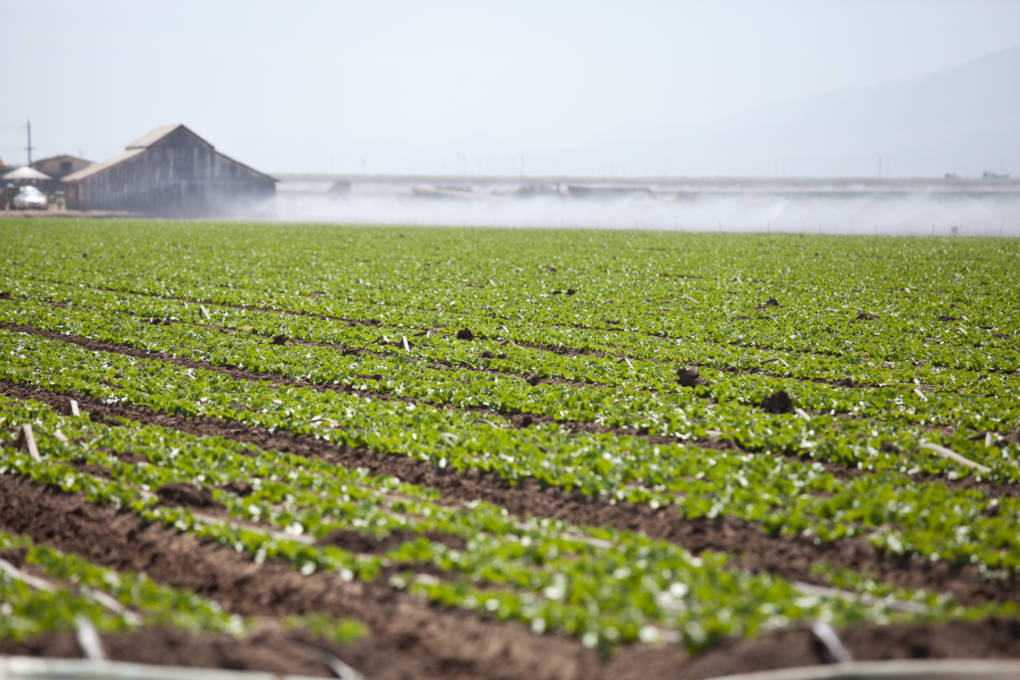
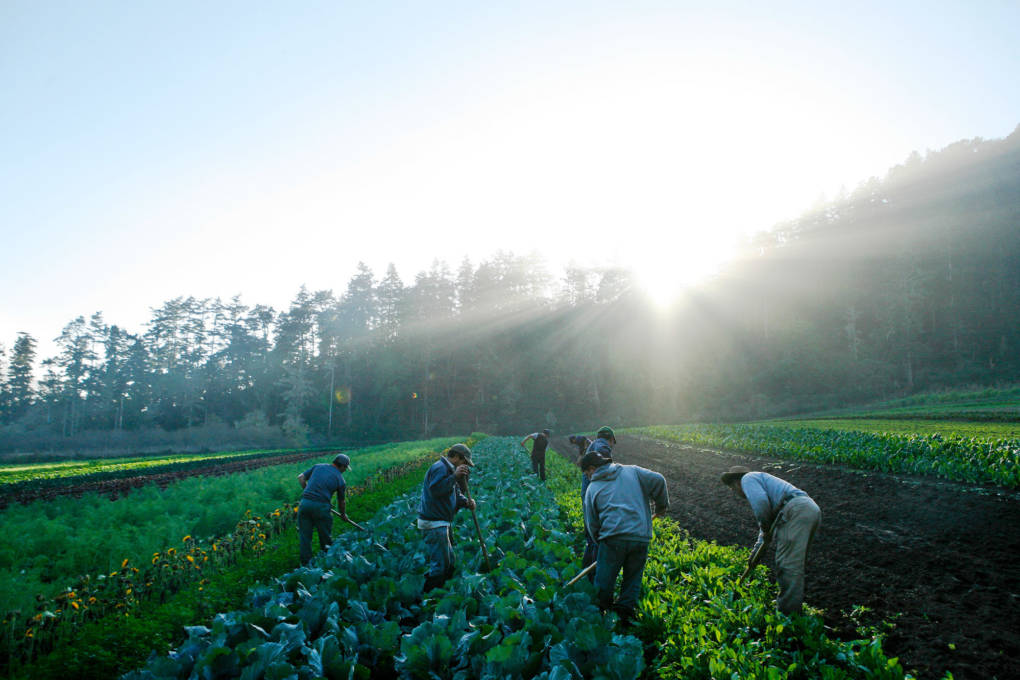
"caption": "Farm fields in Salinas.",
"description": "Farm fields in Salinas.",
"title": "RS4606_alt_587",
"credit": "Deborah Svoboda/KQED",
"status": "inherit",
"isLoading": false,
"fetchFailed": false
},
"news_11568045": {
"type": "attachments",
"id": "news_11568045",
"meta": {
"index": "attachments_1716263798",
"site": "news",
"id": "11568045",
"found": true
},
"parent": 11512311,
"imgSizes": {
"small": {
"file": "https://ww2.kqed.org/app/uploads/sites/10/2017/07/NoLongerNameless1-520x270.jpg",
"width": 520,
"mimeType": "image/jpeg",
"height": 270
},
"twentyfourteen-full-width": {
"file": "https://ww2.kqed.org/app/uploads/sites/10/2017/07/NoLongerNameless1-1038x576.jpg",
"width": 1038,
"mimeType": "image/jpeg",
"height": 576
},
"thumbnail": {
"file": "https://ww2.kqed.org/app/uploads/sites/10/2017/07/NoLongerNameless1-160x83.jpg",
"width": 160,
"mimeType": "image/jpeg",
"height": 83
},
"fd-sm": {
"file": "https://ww2.kqed.org/app/uploads/sites/10/2017/07/NoLongerNameless1-960x499.jpg",
"width": 960,
"mimeType": "image/jpeg",
"height": 499
},
"post-thumbnail": {
"file": "https://ww2.kqed.org/app/uploads/sites/10/2017/07/NoLongerNameless1-672x372.jpg",
"width": 672,
"mimeType": "image/jpeg",
"height": 372
},
"xsmall": {
"file": "https://ww2.kqed.org/app/uploads/sites/10/2017/07/NoLongerNameless1-375x195.jpg",
"width": 375,
"mimeType": "image/jpeg",
"height": 195
},
"kqedFullSize": {
"file": "https://ww2.kqed.org/app/uploads/sites/10/2017/07/NoLongerNameless1.jpg",
"width": 1920,
"height": 997
},
"large": {
"file": "https://ww2.kqed.org/app/uploads/sites/10/2017/07/NoLongerNameless1-1020x530.jpg",
"width": 1020,
"mimeType": "image/jpeg",
"height": 530
},
"xlarge": {
"file": "https://ww2.kqed.org/app/uploads/sites/10/2017/07/NoLongerNameless1-1180x613.jpg",
"width": 1180,
"mimeType": "image/jpeg",
"height": 613
},
"guest-author-50": {
"file": "https://ww2.kqed.org/app/uploads/sites/10/2017/07/NoLongerNameless1-50x50.jpg",
"width": 50,
"mimeType": "image/jpeg",
"height": 50
},
"guest-author-96": {
"file": "https://ww2.kqed.org/app/uploads/sites/10/2017/07/NoLongerNameless1-96x96.jpg",
"width": 96,
"mimeType": "image/jpeg",
"height": 96
},
"medium": {
"file": "https://ww2.kqed.org/app/uploads/sites/10/2017/07/NoLongerNameless1-800x415.jpg",
"width": 800,
"mimeType": "image/jpeg",
"height": 415
},
"guest-author-64": {
"file": "https://ww2.kqed.org/app/uploads/sites/10/2017/07/NoLongerNameless1-64x64.jpg",
"width": 64,
"mimeType": "image/jpeg",
"height": 64
},
"guest-author-32": {
"file": "https://ww2.kqed.org/app/uploads/sites/10/2017/07/NoLongerNameless1-32x32.jpg",
"width": 32,
"mimeType": "image/jpeg",
"height": 32
},
"fd-lrg": {
"file": "https://ww2.kqed.org/app/uploads/sites/10/2017/07/NoLongerNameless1-1920x997.jpg",
"width": 1920,
"mimeType": "image/jpeg",
"height": 997
},
"fd-med": {
"file": "https://ww2.kqed.org/app/uploads/sites/10/2017/07/NoLongerNameless1-1180x613.jpg",
"width": 1180,
"mimeType": "image/jpeg",
"height": 613
},
"full-width": {
"file": "https://ww2.kqed.org/app/uploads/sites/10/2017/07/NoLongerNameless1-1920x997.jpg",
"width": 1920,
"mimeType": "image/jpeg",
"height": 997
},
"detail": {
"file": "https://ww2.kqed.org/app/uploads/sites/10/2017/07/NoLongerNameless1-150x150.jpg",
"width": 150,
"mimeType": "image/jpeg",
"height": 150
},
"guest-author-128": {
"file": "https://ww2.kqed.org/app/uploads/sites/10/2017/07/NoLongerNameless1-128x128.jpg",
"width": 128,
"mimeType": "image/jpeg",
"height": 128
},
"xxsmall": {
"file": "https://ww2.kqed.org/app/uploads/sites/10/2017/07/NoLongerNameless1-240x125.jpg",
"width": 240,
"mimeType": "image/jpeg",
"height": 125
}
},
"publishDate": 1500070484,
"modified": 1500076813,
"caption": "A video for Lance Canales and the Flood's version of Woody Guthrie’s ballad 'Deportee' features author Tim Z. Hernandez whispering the names of those who died in the 1948 plane crash, and of people holding signs painted with those names.",
"description": "A video for Lance Canales and the Flood's version of Woodie Guthrie’s ballad 'Deportee' features author Tim Z. Hernandez whispering the names of those who died in the 1948 plane crash, and of people holding signs painted with those names.",
"title": "NoLongerNameless1",
"credit": "YouTube",
"status": "inherit",
"isLoading": false,
"fetchFailed": false
},
"news_11431960": {
"type": "attachments",
"id": "news_11431960",
"meta": {
"index": "attachments_1716263798",
"site": "news",
"id": "11431960",
"found": true
},
"parent": 11406733,
"imgSizes": {
"small": {
"file": "https://ww2.kqed.org/app/uploads/sites/10/2017/04/FloresFam-520x321.jpg",
"width": 520,
"mimeType": "image/jpeg",
"height": 321
},
"twentyfourteen-full-width": {
"file": "https://ww2.kqed.org/app/uploads/sites/10/2017/04/FloresFam-1038x576.jpg",
"width": 1038,
"mimeType": "image/jpeg",
"height": 576
},
"thumbnail": {
"file": "https://ww2.kqed.org/app/uploads/sites/10/2017/04/FloresFam-160x99.jpg",
"width": 160,
"mimeType": "image/jpeg",
"height": 99
},
"fd-sm": {
"file": "https://ww2.kqed.org/app/uploads/sites/10/2017/04/FloresFam-960x593.jpg",
"width": 960,
"mimeType": "image/jpeg",
"height": 593
},
"post-thumbnail": {
"file": "https://ww2.kqed.org/app/uploads/sites/10/2017/04/FloresFam-672x372.jpg",
"width": 672,
"mimeType": "image/jpeg",
"height": 372
},
"xsmall": {
"file": "https://ww2.kqed.org/app/uploads/sites/10/2017/04/FloresFam-375x231.jpg",
"width": 375,
"mimeType": "image/jpeg",
"height": 231
},
"kqedFullSize": {
"file": "https://ww2.kqed.org/app/uploads/sites/10/2017/04/FloresFam.jpg",
"width": 1920,
"height": 1185
},
"large": {
"file": "https://ww2.kqed.org/app/uploads/sites/10/2017/04/FloresFam-1020x630.jpg",
"width": 1020,
"mimeType": "image/jpeg",
"height": 630
},
"xlarge": {
"file": "https://ww2.kqed.org/app/uploads/sites/10/2017/04/FloresFam-1180x728.jpg",
"width": 1180,
"mimeType": "image/jpeg",
"height": 728
},
"guest-author-50": {
"file": "https://ww2.kqed.org/app/uploads/sites/10/2017/04/FloresFam-50x50.jpg",
"width": 50,
"mimeType": "image/jpeg",
"height": 50
},
"guest-author-96": {
"file": "https://ww2.kqed.org/app/uploads/sites/10/2017/04/FloresFam-96x96.jpg",
"width": 96,
"mimeType": "image/jpeg",
"height": 96
},
"medium": {
"file": "https://ww2.kqed.org/app/uploads/sites/10/2017/04/FloresFam-800x494.jpg",
"width": 800,
"mimeType": "image/jpeg",
"height": 494
},
"guest-author-64": {
"file": "https://ww2.kqed.org/app/uploads/sites/10/2017/04/FloresFam-64x64.jpg",
"width": 64,
"mimeType": "image/jpeg",
"height": 64
},
"guest-author-32": {
"file": "https://ww2.kqed.org/app/uploads/sites/10/2017/04/FloresFam-32x32.jpg",
"width": 32,
"mimeType": "image/jpeg",
"height": 32
},
"fd-lrg": {
"file": "https://ww2.kqed.org/app/uploads/sites/10/2017/04/FloresFam-1920x1185.jpg",
"width": 1920,
"mimeType": "image/jpeg",
"height": 1185
},
"fd-med": {
"file": "https://ww2.kqed.org/app/uploads/sites/10/2017/04/FloresFam-1180x728.jpg",
"width": 1180,
"mimeType": "image/jpeg",
"height": 728
},
"full-width": {
"file": "https://ww2.kqed.org/app/uploads/sites/10/2017/04/FloresFam-1920x1185.jpg",
"width": 1920,
"mimeType": "image/jpeg",
"height": 1185
},
"detail": {
"file": "https://ww2.kqed.org/app/uploads/sites/10/2017/04/FloresFam-150x150.jpg",
"width": 150,
"mimeType": "image/jpeg",
"height": 150
},
"guest-author-128": {
"file": "https://ww2.kqed.org/app/uploads/sites/10/2017/04/FloresFam-128x128.jpg",
"width": 128,
"mimeType": "image/jpeg",
"height": 128
},
"xxsmall": {
"file": "https://ww2.kqed.org/app/uploads/sites/10/2017/04/FloresFam-240x148.jpg",
"width": 240,
"mimeType": "image/jpeg",
"height": 148
}
},
"publishDate": 1493426463,
"modified": 1493426488,
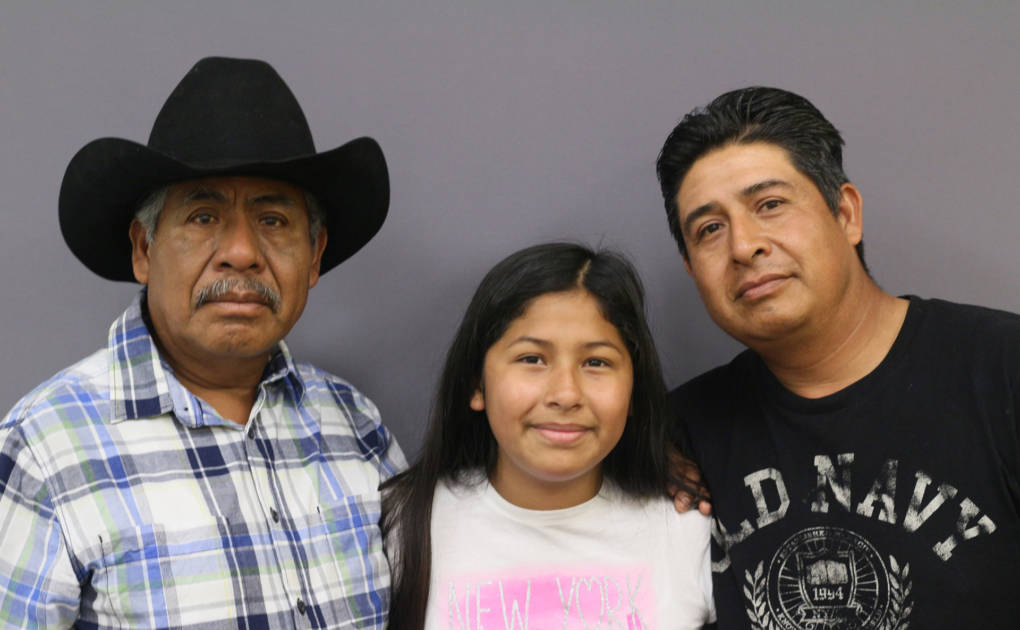
"caption": "59-year-old Julián Flores, his 12-year-old granddaughter Angelina and his 36-year-old son Luis talked about Julian's life growing up in Mexico and moving his family to the United States. ",
"description": "59-year-old Julián Flores, his 12-year-old granddaughter Angelina and his 36-year-old son Luis talked about Julian's life growing up in Mexico and moving his family to the United States. ",
"title": "FloresFam",
"credit": "Photo courtesy of StoryCorps",
"status": "inherit",
"isLoading": false,
"fetchFailed": false
},
"news_11383693": {
"type": "attachments",
"id": "news_11383693",
"meta": {
"index": "attachments_1716263798",
"site": "news",
"id": "11383693",
"found": true
},
"parent": 11383624,
"imgSizes": {
"small": {
"file": "https://ww2.kqed.org/app/uploads/sites/10/2017/03/RS24817_Manuel_Jiminez_and_Olga_Jiminez_01-qut-520x347.jpg",
"width": 520,
"mimeType": "image/jpeg",
"height": 347
},
"twentyfourteen-full-width": {
"file": "https://ww2.kqed.org/app/uploads/sites/10/2017/03/RS24817_Manuel_Jiminez_and_Olga_Jiminez_01-qut-1038x576.jpg",
"width": 1038,
"mimeType": "image/jpeg",
"height": 576
},
"thumbnail": {
"file": "https://ww2.kqed.org/app/uploads/sites/10/2017/03/RS24817_Manuel_Jiminez_and_Olga_Jiminez_01-qut-160x107.jpg",
"width": 160,
"mimeType": "image/jpeg",
"height": 107
},
"fd-sm": {
"file": "https://ww2.kqed.org/app/uploads/sites/10/2017/03/RS24817_Manuel_Jiminez_and_Olga_Jiminez_01-qut-960x640.jpg",
"width": 960,
"mimeType": "image/jpeg",
"height": 640
},
"post-thumbnail": {
"file": "https://ww2.kqed.org/app/uploads/sites/10/2017/03/RS24817_Manuel_Jiminez_and_Olga_Jiminez_01-qut-672x372.jpg",
"width": 672,
"mimeType": "image/jpeg",
"height": 372
},
"xsmall": {
"file": "https://ww2.kqed.org/app/uploads/sites/10/2017/03/RS24817_Manuel_Jiminez_and_Olga_Jiminez_01-qut-375x250.jpg",
"width": 375,
"mimeType": "image/jpeg",
"height": 250
},
"kqedFullSize": {
"file": "https://ww2.kqed.org/app/uploads/sites/10/2017/03/RS24817_Manuel_Jiminez_and_Olga_Jiminez_01-qut.jpg",
"width": 1920,
"height": 1280
},
"large": {
"file": "https://ww2.kqed.org/app/uploads/sites/10/2017/03/RS24817_Manuel_Jiminez_and_Olga_Jiminez_01-qut-1020x680.jpg",
"width": 1020,
"mimeType": "image/jpeg",
"height": 680
},
"xlarge": {
"file": "https://ww2.kqed.org/app/uploads/sites/10/2017/03/RS24817_Manuel_Jiminez_and_Olga_Jiminez_01-qut-1180x787.jpg",
"width": 1180,
"mimeType": "image/jpeg",
"height": 787
},
"guest-author-50": {
"file": "https://ww2.kqed.org/app/uploads/sites/10/2017/03/RS24817_Manuel_Jiminez_and_Olga_Jiminez_01-qut-50x50.jpg",
"width": 50,
"mimeType": "image/jpeg",
"height": 50
},
"guest-author-96": {
"file": "https://ww2.kqed.org/app/uploads/sites/10/2017/03/RS24817_Manuel_Jiminez_and_Olga_Jiminez_01-qut-96x96.jpg",
"width": 96,
"mimeType": "image/jpeg",
"height": 96
},
"medium": {
"file": "https://ww2.kqed.org/app/uploads/sites/10/2017/03/RS24817_Manuel_Jiminez_and_Olga_Jiminez_01-qut-800x533.jpg",
"width": 800,
"mimeType": "image/jpeg",
"height": 533
},
"guest-author-64": {
"file": "https://ww2.kqed.org/app/uploads/sites/10/2017/03/RS24817_Manuel_Jiminez_and_Olga_Jiminez_01-qut-64x64.jpg",
"width": 64,
"mimeType": "image/jpeg",
"height": 64
},
"guest-author-32": {
"file": "https://ww2.kqed.org/app/uploads/sites/10/2017/03/RS24817_Manuel_Jiminez_and_Olga_Jiminez_01-qut-32x32.jpg",
"width": 32,
"mimeType": "image/jpeg",
"height": 32
},
"fd-lrg": {
"file": "https://ww2.kqed.org/app/uploads/sites/10/2017/03/RS24817_Manuel_Jiminez_and_Olga_Jiminez_01-qut-1920x1280.jpg",
"width": 1920,
"mimeType": "image/jpeg",
"height": 1280
},
"fd-med": {
"file": "https://ww2.kqed.org/app/uploads/sites/10/2017/03/RS24817_Manuel_Jiminez_and_Olga_Jiminez_01-qut-1180x787.jpg",
"width": 1180,
"mimeType": "image/jpeg",
"height": 787
},
"full-width": {
"file": "https://ww2.kqed.org/app/uploads/sites/10/2017/03/RS24817_Manuel_Jiminez_and_Olga_Jiminez_01-qut-1920x1280.jpg",
"width": 1920,
"mimeType": "image/jpeg",
"height": 1280
},
"detail": {
"file": "https://ww2.kqed.org/app/uploads/sites/10/2017/03/RS24817_Manuel_Jiminez_and_Olga_Jiminez_01-qut-150x150.jpg",
"width": 150,
"mimeType": "image/jpeg",
"height": 150
},
"guest-author-128": {
"file": "https://ww2.kqed.org/app/uploads/sites/10/2017/03/RS24817_Manuel_Jiminez_and_Olga_Jiminez_01-qut-128x128.jpg",
"width": 128,
"mimeType": "image/jpeg",
"height": 128
},
"xxsmall": {
"file": "https://ww2.kqed.org/app/uploads/sites/10/2017/03/RS24817_Manuel_Jiminez_and_Olga_Jiminez_01-qut-240x160.jpg",
"width": 240,
"mimeType": "image/jpeg",
"height": 160
}
},
"publishDate": 1490907313,
"modified": 1490918593,
"caption": "Manuel Jimenez interviews his wife, Olga, about her life and her family in a StoryCorps interview.",
"description": null,
"title": "Manuel and Olga",
"credit": "Photo courtesy of StoryCorps",
"status": "inherit",
"isLoading": false,
"fetchFailed": false
},
"news_11363904": {
"type": "attachments",
"id": "news_11363904",
"meta": {
"index": "attachments_1716263798",
"site": "news",
"id": "11363904",
"found": true
},
"parent": 11363886,
"imgSizes": {
"small": {
"file": "https://ww2.kqed.org/app/uploads/sites/10/2017/03/RS24648_2-qut-520x345.jpg",
"width": 520,
"mimeType": "image/jpeg",
"height": 345
},
"twentyfourteen-full-width": {
"file": "https://ww2.kqed.org/app/uploads/sites/10/2017/03/RS24648_2-qut-1038x576.jpg",
"width": 1038,
"mimeType": "image/jpeg",
"height": 576
},
"thumbnail": {
"file": "https://ww2.kqed.org/app/uploads/sites/10/2017/03/RS24648_2-qut-160x106.jpg",
"width": 160,
"mimeType": "image/jpeg",
"height": 106
},
"fd-sm": {
"file": "https://ww2.kqed.org/app/uploads/sites/10/2017/03/RS24648_2-qut-960x636.jpg",
"width": 960,
"mimeType": "image/jpeg",
"height": 636
},
"post-thumbnail": {
"file": "https://ww2.kqed.org/app/uploads/sites/10/2017/03/RS24648_2-qut-672x372.jpg",
"width": 672,
"mimeType": "image/jpeg",
"height": 372
},
"xsmall": {
"file": "https://ww2.kqed.org/app/uploads/sites/10/2017/03/RS24648_2-qut-375x248.jpg",
"width": 375,
"mimeType": "image/jpeg",
"height": 248
},
"kqedFullSize": {
"file": "https://ww2.kqed.org/app/uploads/sites/10/2017/03/RS24648_2-qut.jpg",
"width": 1920,
"height": 1272
},
"large": {
"file": "https://ww2.kqed.org/app/uploads/sites/10/2017/03/RS24648_2-qut-1020x676.jpg",
"width": 1020,
"mimeType": "image/jpeg",
"height": 676
},
"xlarge": {
"file": "https://ww2.kqed.org/app/uploads/sites/10/2017/03/RS24648_2-qut-1180x782.jpg",
"width": 1180,
"mimeType": "image/jpeg",
"height": 782
},
"guest-author-50": {
"file": "https://ww2.kqed.org/app/uploads/sites/10/2017/03/RS24648_2-qut-50x50.jpg",
"width": 50,
"mimeType": "image/jpeg",
"height": 50
},
"guest-author-96": {
"file": "https://ww2.kqed.org/app/uploads/sites/10/2017/03/RS24648_2-qut-96x96.jpg",
"width": 96,
"mimeType": "image/jpeg",
"height": 96
},
"medium": {
"file": "https://ww2.kqed.org/app/uploads/sites/10/2017/03/RS24648_2-qut-800x530.jpg",
"width": 800,
"mimeType": "image/jpeg",
"height": 530
},
"guest-author-64": {
"file": "https://ww2.kqed.org/app/uploads/sites/10/2017/03/RS24648_2-qut-64x64.jpg",
"width": 64,
"mimeType": "image/jpeg",
"height": 64
},
"guest-author-32": {
"file": "https://ww2.kqed.org/app/uploads/sites/10/2017/03/RS24648_2-qut-32x32.jpg",
"width": 32,
"mimeType": "image/jpeg",
"height": 32
},
"fd-lrg": {
"file": "https://ww2.kqed.org/app/uploads/sites/10/2017/03/RS24648_2-qut-1920x1272.jpg",
"width": 1920,
"mimeType": "image/jpeg",
"height": 1272
},
"fd-med": {
"file": "https://ww2.kqed.org/app/uploads/sites/10/2017/03/RS24648_2-qut-1180x782.jpg",
"width": 1180,
"mimeType": "image/jpeg",
"height": 782
},
"full-width": {
"file": "https://ww2.kqed.org/app/uploads/sites/10/2017/03/RS24648_2-qut-1920x1272.jpg",
"width": 1920,
"mimeType": "image/jpeg",
"height": 1272
},
"detail": {
"file": "https://ww2.kqed.org/app/uploads/sites/10/2017/03/RS24648_2-qut-150x150.jpg",
"width": 150,
"mimeType": "image/jpeg",
"height": 150
},
"guest-author-128": {
"file": "https://ww2.kqed.org/app/uploads/sites/10/2017/03/RS24648_2-qut-128x128.jpg",
"width": 128,
"mimeType": "image/jpeg",
"height": 128
},
"xxsmall": {
"file": "https://ww2.kqed.org/app/uploads/sites/10/2017/03/RS24648_2-qut-240x159.jpg",
"width": 240,
"mimeType": "image/jpeg",
"height": 159
}
},
"publishDate": 1489779865,
"modified": 1490135811,
"caption": "An undocumented immigrant worker harvests avocados in Santa Paula, California. Workers climb up ladders into fruit trees and gather fruits in canvas sacks weighing up to 80 pounds.",
"description": "An undocumented immigrant worker harvests avocados in Santa Paula, California. Workers climb up ladders into fruit trees and gather fruits in canvas sacks weighing up to 80 pounds.",
"title": "Avocado Farm",
"credit": "Marcus Teply/KQED",
"status": "inherit",
"isLoading": false,
"fetchFailed": false
},
"news_11353204": {
"type": "attachments",
"id": "news_11353204",
"meta": {
"index": "attachments_1716263798",
"site": "news",
"id": "11353204",
"found": true
},
"parent": 11353134,
"imgSizes": {
"small": {
"file": "https://ww2.kqed.org/app/uploads/sites/10/2017/03/Richard-Herron-and-Graciela-Martinez-520x347.jpg",
"width": 520,
"mimeType": "image/jpeg",
"height": 347
},
"twentyfourteen-full-width": {
"file": "https://ww2.kqed.org/app/uploads/sites/10/2017/03/Richard-Herron-and-Graciela-Martinez-1038x576.jpg",
"width": 1038,
"mimeType": "image/jpeg",
"height": 576
},
"thumbnail": {
"file": "https://ww2.kqed.org/app/uploads/sites/10/2017/03/Richard-Herron-and-Graciela-Martinez-160x107.jpg",
"width": 160,
"mimeType": "image/jpeg",
"height": 107
},
"fd-sm": {
"file": "https://ww2.kqed.org/app/uploads/sites/10/2017/03/Richard-Herron-and-Graciela-Martinez-960x640.jpg",
"width": 960,
"mimeType": "image/jpeg",
"height": 640
},
"post-thumbnail": {
"file": "https://ww2.kqed.org/app/uploads/sites/10/2017/03/Richard-Herron-and-Graciela-Martinez-672x372.jpg",
"width": 672,
"mimeType": "image/jpeg",
"height": 372
},
"xsmall": {
"file": "https://ww2.kqed.org/app/uploads/sites/10/2017/03/Richard-Herron-and-Graciela-Martinez-375x250.jpg",
"width": 375,
"mimeType": "image/jpeg",
"height": 250
},
"kqedFullSize": {
"file": "https://ww2.kqed.org/app/uploads/sites/10/2017/03/Richard-Herron-and-Graciela-Martinez.jpg",
"width": 1920,
"height": 1280
},
"large": {
"file": "https://ww2.kqed.org/app/uploads/sites/10/2017/03/Richard-Herron-and-Graciela-Martinez-1020x680.jpg",
"width": 1020,
"mimeType": "image/jpeg",
"height": 680
},
"xlarge": {
"file": "https://ww2.kqed.org/app/uploads/sites/10/2017/03/Richard-Herron-and-Graciela-Martinez-1180x787.jpg",
"width": 1180,
"mimeType": "image/jpeg",
"height": 787
},
"guest-author-50": {
"file": "https://ww2.kqed.org/app/uploads/sites/10/2017/03/Richard-Herron-and-Graciela-Martinez-50x50.jpg",
"width": 50,
"mimeType": "image/jpeg",
"height": 50
},
"guest-author-96": {
"file": "https://ww2.kqed.org/app/uploads/sites/10/2017/03/Richard-Herron-and-Graciela-Martinez-96x96.jpg",
"width": 96,
"mimeType": "image/jpeg",
"height": 96
},
"medium": {
"file": "https://ww2.kqed.org/app/uploads/sites/10/2017/03/Richard-Herron-and-Graciela-Martinez-800x533.jpg",
"width": 800,
"mimeType": "image/jpeg",
"height": 533
},
"guest-author-64": {
"file": "https://ww2.kqed.org/app/uploads/sites/10/2017/03/Richard-Herron-and-Graciela-Martinez-64x64.jpg",
"width": 64,
"mimeType": "image/jpeg",
"height": 64
},
"guest-author-32": {
"file": "https://ww2.kqed.org/app/uploads/sites/10/2017/03/Richard-Herron-and-Graciela-Martinez-32x32.jpg",
"width": 32,
"mimeType": "image/jpeg",
"height": 32
},
"fd-lrg": {
"file": "https://ww2.kqed.org/app/uploads/sites/10/2017/03/Richard-Herron-and-Graciela-Martinez-1920x1280.jpg",
"width": 1920,
"mimeType": "image/jpeg",
"height": 1280
},
"fd-med": {
"file": "https://ww2.kqed.org/app/uploads/sites/10/2017/03/Richard-Herron-and-Graciela-Martinez-1180x787.jpg",
"width": 1180,
"mimeType": "image/jpeg",
"height": 787
},
"full-width": {
"file": "https://ww2.kqed.org/app/uploads/sites/10/2017/03/Richard-Herron-and-Graciela-Martinez-1920x1280.jpg",
"width": 1920,
"mimeType": "image/jpeg",
"height": 1280
},
"detail": {
"file": "https://ww2.kqed.org/app/uploads/sites/10/2017/03/Richard-Herron-and-Graciela-Martinez-150x150.jpg",
"width": 150,
"mimeType": "image/jpeg",
"height": 150
},
"guest-author-128": {
"file": "https://ww2.kqed.org/app/uploads/sites/10/2017/03/Richard-Herron-and-Graciela-Martinez-128x128.jpg",
"width": 128,
"mimeType": "image/jpeg",
"height": 128
},
"xxsmall": {
"file": "https://ww2.kqed.org/app/uploads/sites/10/2017/03/Richard-Herron-and-Graciela-Martinez-240x160.jpg",
"width": 240,
"mimeType": "image/jpeg",
"height": 160
}
},
"publishDate": 1489174055,
"modified": 1489197614,
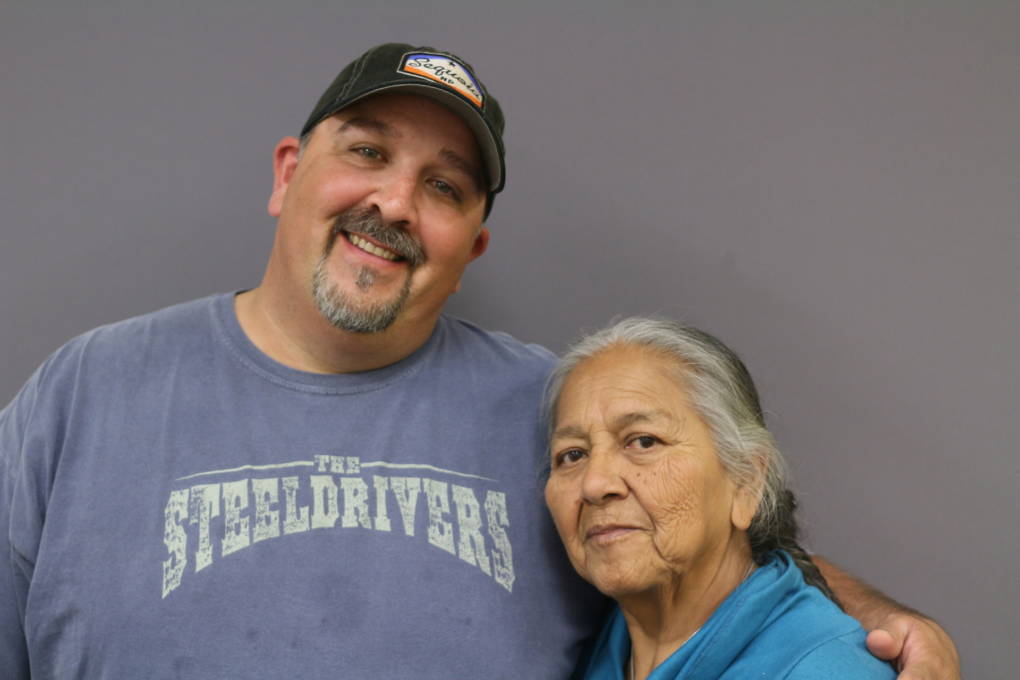
"caption": "Richard Herron (left) and his mother, Graciela Martinez (right), pose for a photo as part of California State University, Fresno's StoryCorps project to capture the voices of Central Valley Latinos.",
"description": null,
"title": "Richard Herron and Graciela Martinez",
"credit": "Photo courtesy of StoryCorps",
"status": "inherit",
"isLoading": false,
"fetchFailed": false
},
"news_11350379": {
"type": "attachments",
"id": "news_11350379",
"meta": {
"index": "attachments_1716263798",
"site": "news",
"id": "11350379",
"found": true
},
"parent": 11350369,
"imgSizes": {
"small": {
"file": "https://ww2.kqed.org/app/uploads/sites/10/2017/03/FarmworkerField-520x349.jpg",
"width": 520,
"mimeType": "image/jpeg",
"height": 349
},
"twentyfourteen-full-width": {
"file": "https://ww2.kqed.org/app/uploads/sites/10/2017/03/FarmworkerField-1038x576.jpg",
"width": 1038,
"mimeType": "image/jpeg",
"height": 576
},
"thumbnail": {
"file": "https://ww2.kqed.org/app/uploads/sites/10/2017/03/FarmworkerField-160x107.jpg",
"width": 160,
"mimeType": "image/jpeg",
"height": 107
},
"fd-sm": {
"file": "https://ww2.kqed.org/app/uploads/sites/10/2017/03/FarmworkerField-960x645.jpg",
"width": 960,
"mimeType": "image/jpeg",
"height": 645
},
"post-thumbnail": {
"file": "https://ww2.kqed.org/app/uploads/sites/10/2017/03/FarmworkerField-672x372.jpg",
"width": 672,
"mimeType": "image/jpeg",
"height": 372
},
"xsmall": {
"file": "https://ww2.kqed.org/app/uploads/sites/10/2017/03/FarmworkerField-375x252.jpg",
"width": 375,
"mimeType": "image/jpeg",
"height": 252
},
"kqedFullSize": {
"file": "https://ww2.kqed.org/app/uploads/sites/10/2017/03/FarmworkerField.jpg",
"width": 1920,
"height": 1289
},
"large": {
"file": "https://ww2.kqed.org/app/uploads/sites/10/2017/03/FarmworkerField-1020x685.jpg",
"width": 1020,
"mimeType": "image/jpeg",
"height": 685
},
"xlarge": {
"file": "https://ww2.kqed.org/app/uploads/sites/10/2017/03/FarmworkerField-1180x792.jpg",
"width": 1180,
"mimeType": "image/jpeg",
"height": 792
},
"guest-author-50": {
"file": "https://ww2.kqed.org/app/uploads/sites/10/2017/03/FarmworkerField-50x50.jpg",
"width": 50,
"mimeType": "image/jpeg",
"height": 50
},
"guest-author-96": {
"file": "https://ww2.kqed.org/app/uploads/sites/10/2017/03/FarmworkerField-96x96.jpg",
"width": 96,
"mimeType": "image/jpeg",
"height": 96
},
"medium": {
"file": "https://ww2.kqed.org/app/uploads/sites/10/2017/03/FarmworkerField-800x537.jpg",
"width": 800,
"mimeType": "image/jpeg",
"height": 537
},
"guest-author-64": {
"file": "https://ww2.kqed.org/app/uploads/sites/10/2017/03/FarmworkerField-64x64.jpg",
"width": 64,
"mimeType": "image/jpeg",
"height": 64
},
"guest-author-32": {
"file": "https://ww2.kqed.org/app/uploads/sites/10/2017/03/FarmworkerField-32x32.jpg",
"width": 32,
"mimeType": "image/jpeg",
"height": 32
},
"fd-lrg": {
"file": "https://ww2.kqed.org/app/uploads/sites/10/2017/03/FarmworkerField-1920x1289.jpg",
"width": 1920,
"mimeType": "image/jpeg",
"height": 1289
},
"fd-med": {
"file": "https://ww2.kqed.org/app/uploads/sites/10/2017/03/FarmworkerField-1180x792.jpg",
"width": 1180,
"mimeType": "image/jpeg",
"height": 792
},
"full-width": {
"file": "https://ww2.kqed.org/app/uploads/sites/10/2017/03/FarmworkerField-1920x1289.jpg",
"width": 1920,
"mimeType": "image/jpeg",
"height": 1289
},
"detail": {
"file": "https://ww2.kqed.org/app/uploads/sites/10/2017/03/FarmworkerField-150x150.jpg",
"width": 150,
"mimeType": "image/jpeg",
"height": 150
},
"guest-author-128": {
"file": "https://ww2.kqed.org/app/uploads/sites/10/2017/03/FarmworkerField-128x128.jpg",
"width": 128,
"mimeType": "image/jpeg",
"height": 128
},
"xxsmall": {
"file": "https://ww2.kqed.org/app/uploads/sites/10/2017/03/FarmworkerField-240x161.jpg",
"width": 240,
"mimeType": "image/jpeg",
"height": 161
}
},
"publishDate": 1489009961,
"modified": 1489012324,
"caption": "A Mexican farmworker cultivates lettuce in Holtville. 'It’s estimated by the U.S. Department of Agriculture that at least 50 percent of those who do the harvesting are undocumented,' says UCLA Anderson senior economist Jerry Nickelsburg. 'If they’re not there, who’s going to pick the crops?'",
"description": "A Mexican farmworker cultivates lettuce in Holtville. 'It’s estimated by the U.S. Dept. of Agriculture that at least 50 percent of those who do the harvesting are undocumented,' says UCLA Anderson Senior Economist Jerry Nickelsburg. 'If they’re not there, who’s going to pick the crops?'",
"title": "FarmworkerField",
"credit": "John Moore/Getty Images",
"status": "inherit",
"isLoading": false,
"fetchFailed": false
},
"news_11256927": {
"type": "attachments",
"id": "news_11256927",
"meta": {
"index": "attachments_1716263798",
"site": "news",
"id": "11256927",
"found": true
},
"parent": 11234439,
"imgSizes": {
"small": {
"file": "https://ww2.kqed.org/app/uploads/sites/10/2017/01/Farmworkers-520x338.jpg",
"width": 520,
"mimeType": "image/jpeg",
"height": 338
},
"twentyfourteen-full-width": {
"file": "https://ww2.kqed.org/app/uploads/sites/10/2017/01/Farmworkers-1038x576.jpg",
"width": 1038,
"mimeType": "image/jpeg",
"height": 576
},
"thumbnail": {
"file": "https://ww2.kqed.org/app/uploads/sites/10/2017/01/Farmworkers-160x104.jpg",
"width": 160,
"mimeType": "image/jpeg",
"height": 104
},
"fd-sm": {
"file": "https://ww2.kqed.org/app/uploads/sites/10/2017/01/Farmworkers-960x625.jpg",
"width": 960,
"mimeType": "image/jpeg",
"height": 625
},
"post-thumbnail": {
"file": "https://ww2.kqed.org/app/uploads/sites/10/2017/01/Farmworkers-672x372.jpg",
"width": 672,
"mimeType": "image/jpeg",
"height": 372
},
"xsmall": {
"file": "https://ww2.kqed.org/app/uploads/sites/10/2017/01/Farmworkers-375x244.jpg",
"width": 375,
"mimeType": "image/jpeg",
"height": 244
},
"kqedFullSize": {
"file": "https://ww2.kqed.org/app/uploads/sites/10/2017/01/Farmworkers.jpg",
"width": 1920,
"height": 1249
},
"large": {
"file": "https://ww2.kqed.org/app/uploads/sites/10/2017/01/Farmworkers-1020x664.jpg",
"width": 1020,
"mimeType": "image/jpeg",
"height": 664
},
"xlarge": {
"file": "https://ww2.kqed.org/app/uploads/sites/10/2017/01/Farmworkers-1180x768.jpg",
"width": 1180,
"mimeType": "image/jpeg",
"height": 768
},
"guest-author-50": {
"file": "https://ww2.kqed.org/app/uploads/sites/10/2017/01/Farmworkers-50x50.jpg",
"width": 50,
"mimeType": "image/jpeg",
"height": 50
},
"guest-author-96": {
"file": "https://ww2.kqed.org/app/uploads/sites/10/2017/01/Farmworkers-96x96.jpg",
"width": 96,
"mimeType": "image/jpeg",
"height": 96
},
"medium": {
"file": "https://ww2.kqed.org/app/uploads/sites/10/2017/01/Farmworkers-800x520.jpg",
"width": 800,
"mimeType": "image/jpeg",
"height": 520
},
"guest-author-64": {
"file": "https://ww2.kqed.org/app/uploads/sites/10/2017/01/Farmworkers-64x64.jpg",
"width": 64,
"mimeType": "image/jpeg",
"height": 64
},
"guest-author-32": {
"file": "https://ww2.kqed.org/app/uploads/sites/10/2017/01/Farmworkers-32x32.jpg",
"width": 32,
"mimeType": "image/jpeg",
"height": 32
},
"jmtc-small-thumb": {
"file": "https://ww2.kqed.org/app/uploads/sites/10/2017/01/Farmworkers-280x150.jpg",
"width": 280,
"mimeType": "image/jpeg",
"height": 150
},
"fd-lrg": {
"file": "https://ww2.kqed.org/app/uploads/sites/10/2017/01/Farmworkers-1920x1249.jpg",
"width": 1920,
"mimeType": "image/jpeg",
"height": 1249
},
"fd-med": {
"file": "https://ww2.kqed.org/app/uploads/sites/10/2017/01/Farmworkers-1180x768.jpg",
"width": 1180,
"mimeType": "image/jpeg",
"height": 768
},
"full-width": {
"file": "https://ww2.kqed.org/app/uploads/sites/10/2017/01/Farmworkers-1920x1249.jpg",
"width": 1920,
"mimeType": "image/jpeg",
"height": 1249
},
"detail": {
"file": "https://ww2.kqed.org/app/uploads/sites/10/2017/01/Farmworkers-150x150.jpg",
"width": 150,
"mimeType": "image/jpeg",
"height": 150
},
"guest-author-128": {
"file": "https://ww2.kqed.org/app/uploads/sites/10/2017/01/Farmworkers-128x128.jpg",
"width": 128,
"mimeType": "image/jpeg",
"height": 128
},
"xxsmall": {
"file": "https://ww2.kqed.org/app/uploads/sites/10/2017/01/Farmworkers-240x156.jpg",
"width": 240,
"mimeType": "image/jpeg",
"height": 156
}
},
"publishDate": 1483727654,
"modified": 1483741889,
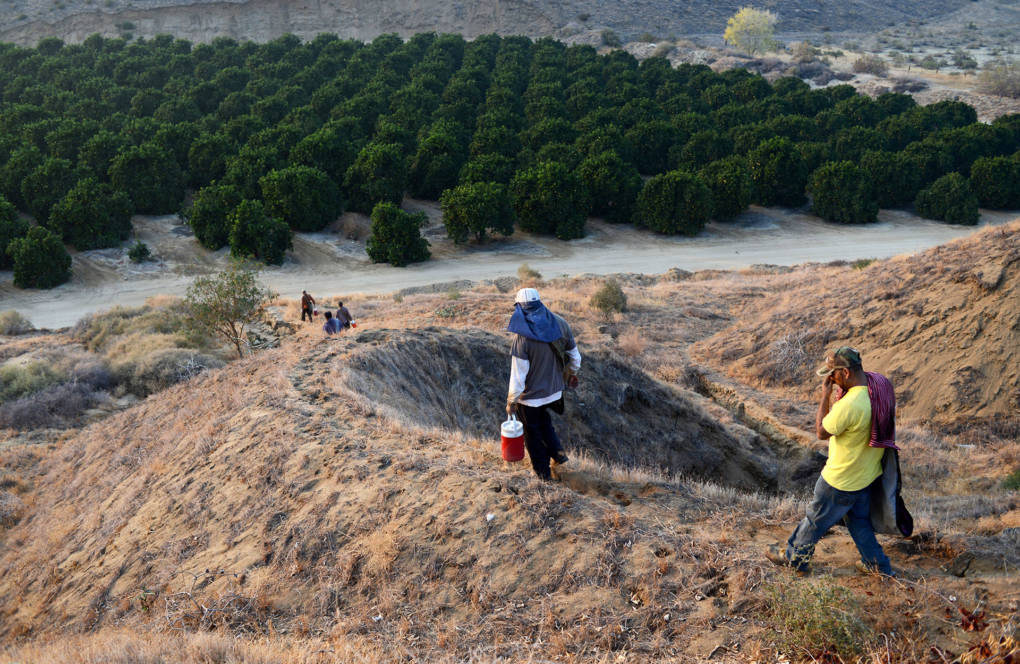
"caption": "Farmworkers head home after a day of picking at a large citrus farm in Edison, near Bakersfield.",
"description": "Farmworkers head home after day of picking at a large citrus farm in Edison, near Bakersfield.",
"title": "farmworkers",
"credit": "Sean Havey/KQED",
"status": "inherit",
"isLoading": false,
"fetchFailed": false
},
"news_10965147": {
"type": "attachments",
"id": "news_10965147",
"meta": {
"index": "attachments_1716263798",
"site": "news",
"id": "10965147",
"found": true
},
"parent": 10962317,
"imgSizes": {
"twentyfourteen-full-width": {
"file": "https://ww2.kqed.org/app/uploads/sites/10/2017/05/YurianaAguilar-1038x576.jpg",
"width": 1038,
"mimeType": "image/jpeg",
"height": 576
},
"thumbnail": {
"file": "https://ww2.kqed.org/app/uploads/sites/10/2017/05/YurianaAguilar-400x274.jpg",
"width": 400,
"mimeType": "image/jpeg",
"height": 274
},
"fd-sm": {
"file": "https://ww2.kqed.org/app/uploads/sites/10/2017/05/YurianaAguilar-960x657.jpg",
"width": 960,
"mimeType": "image/jpeg",
"height": 657
},
"post-thumbnail": {
"file": "https://ww2.kqed.org/app/uploads/sites/10/2017/05/YurianaAguilar-672x372.jpg",
"width": 672,
"mimeType": "image/jpeg",
"height": 372
},
"kqedFullSize": {
"file": "https://ww2.kqed.org/app/uploads/sites/10/2017/05/YurianaAguilar.jpg",
"width": 1920,
"height": 1313
},
"large": {
"file": "https://ww2.kqed.org/app/uploads/sites/10/2017/05/YurianaAguilar-1920x1313.jpg",
"width": 1920,
"mimeType": "image/jpeg",
"height": 1313
},
"guest-author-50": {
"file": "https://ww2.kqed.org/app/uploads/sites/10/2017/05/YurianaAguilar-50x50.jpg",
"width": 50,
"mimeType": "image/jpeg",
"height": 50
},
"guest-author-96": {
"file": "https://ww2.kqed.org/app/uploads/sites/10/2017/05/YurianaAguilar-96x96.jpg",
"width": 96,
"mimeType": "image/jpeg",
"height": 96
},
"medium": {
"file": "https://ww2.kqed.org/app/uploads/sites/10/2017/05/YurianaAguilar-800x547.jpg",
"width": 800,
"mimeType": "image/jpeg",
"height": 547
},
"guest-author-64": {
"file": "https://ww2.kqed.org/app/uploads/sites/10/2017/05/YurianaAguilar-64x64.jpg",
"width": 64,
"mimeType": "image/jpeg",
"height": 64
},
"guest-author-32": {
"file": "https://ww2.kqed.org/app/uploads/sites/10/2017/05/YurianaAguilar-32x32.jpg",
"width": 32,
"mimeType": "image/jpeg",
"height": 32
},
"jmtc-small-thumb": {
"file": "https://ww2.kqed.org/app/uploads/sites/10/2017/05/YurianaAguilar-280x150.jpg",
"width": 280,
"mimeType": "image/jpeg",
"height": 150
},
"fd-lrg": {
"file": "https://ww2.kqed.org/app/uploads/sites/10/2017/05/YurianaAguilar-1920x1313.jpg",
"width": 1920,
"mimeType": "image/jpeg",
"height": 1313
},
"fd-med": {
"file": "https://ww2.kqed.org/app/uploads/sites/10/2017/05/YurianaAguilar-1180x807.jpg",
"width": 1180,
"mimeType": "image/jpeg",
"height": 807
},
"detail": {
"file": "https://ww2.kqed.org/app/uploads/sites/10/2017/05/YurianaAguilar-150x150.jpg",
"width": 150,
"mimeType": "image/jpeg",
"height": 150
},
"guest-author-128": {
"file": "https://ww2.kqed.org/app/uploads/sites/10/2017/05/YurianaAguilar-128x128.jpg",
"width": 128,
"mimeType": "image/jpeg",
"height": 128
}
},
"publishDate": 1464036691,
"modified": 1464036724,
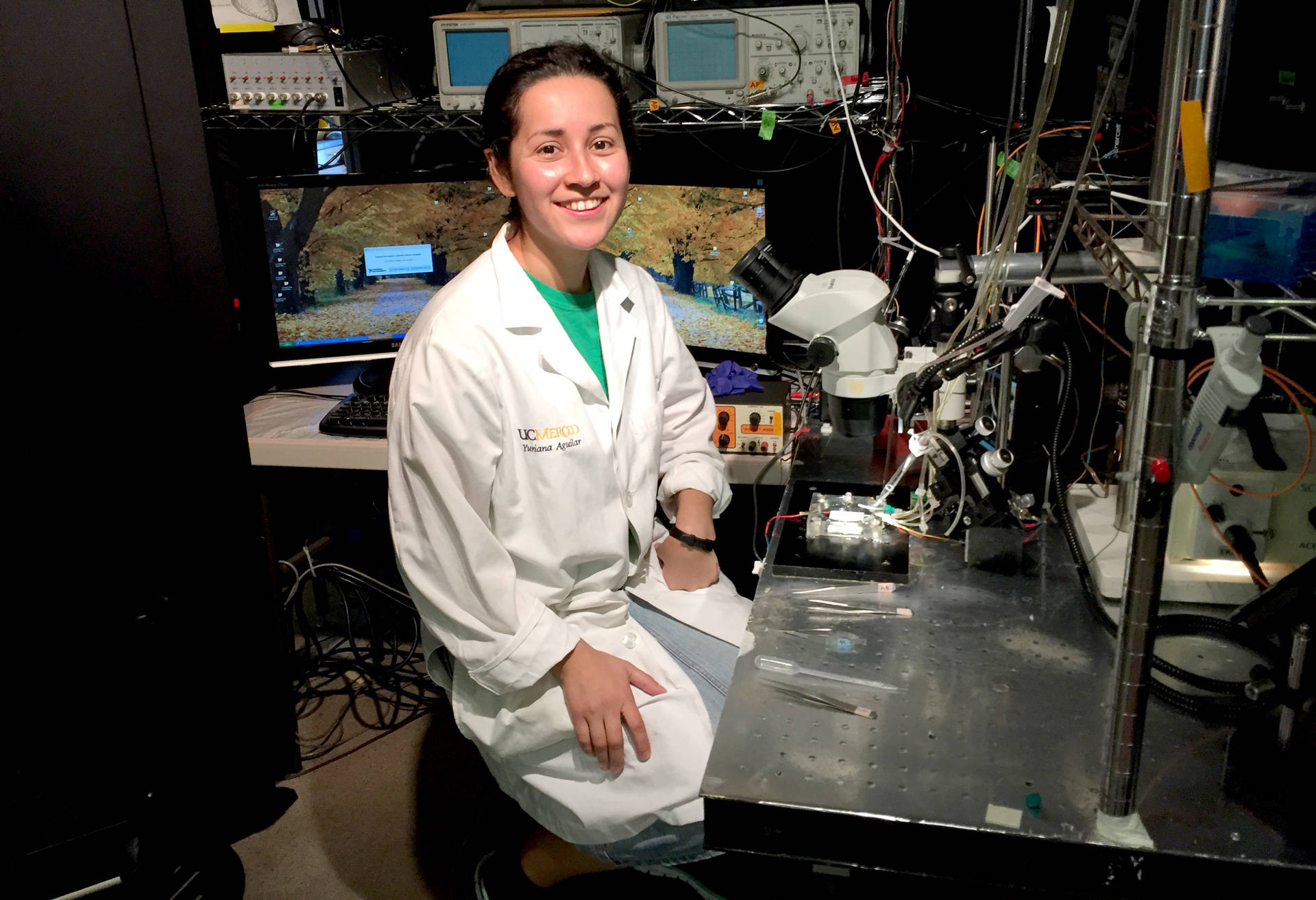
"caption": "Yuriana Aguilar sits at her microscope in a biomedical lab at UC Merced that studies sudden cardiac death.",
"description": "Yuriana Aguilar sits at her microscope in a biomedical lab at UC Merced that studies sudden cardiac death.",
"title": "YurianaAguilar",
"credit": "Sasha Khokha/KQED",
"status": "inherit",
"isLoading": false,
"fetchFailed": false
},
"bayareabites_114400": {
"type": "attachments",
"id": "bayareabites_114400",
"meta": {
"index": "attachments_1716263798",
"site": "bayareabites",
"id": "114400",
"found": true
},
"parent": 114399,
"imgSizes": {
"small": {
"file": "https://ww2.kqed.org/app/uploads/sites/24/2016/12/farm-workers_slide-7dac7935e215c1cb2790d2f6510e4e595f71e9ba-520x347.jpg",
"width": 520,
"mimeType": "image/jpeg",
"height": 347
},
"twentyfourteen-full-width": {
"file": "https://ww2.kqed.org/app/uploads/sites/24/2016/12/farm-workers_slide-7dac7935e215c1cb2790d2f6510e4e595f71e9ba-1038x576.jpg",
"width": 1038,
"mimeType": "image/jpeg",
"height": 576
},
"thumbnail": {
"file": "https://ww2.kqed.org/app/uploads/sites/24/2016/12/farm-workers_slide-7dac7935e215c1cb2790d2f6510e4e595f71e9ba-160x107.jpg",
"width": 160,
"mimeType": "image/jpeg",
"height": 107
},
"fd-sm": {
"file": "https://ww2.kqed.org/app/uploads/sites/24/2016/12/farm-workers_slide-7dac7935e215c1cb2790d2f6510e4e595f71e9ba-960x640.jpg",
"width": 960,
"mimeType": "image/jpeg",
"height": 640
},
"post-thumbnail": {
"file": "https://ww2.kqed.org/app/uploads/sites/24/2016/12/farm-workers_slide-7dac7935e215c1cb2790d2f6510e4e595f71e9ba-672x372.jpg",
"width": 672,
"mimeType": "image/jpeg",
"height": 372
},
"xsmall": {
"file": "https://ww2.kqed.org/app/uploads/sites/24/2016/12/farm-workers_slide-7dac7935e215c1cb2790d2f6510e4e595f71e9ba-375x250.jpg",
"width": 375,
"mimeType": "image/jpeg",
"height": 250
},
"kqedFullSize": {
"file": "https://ww2.kqed.org/app/uploads/sites/24/2016/12/farm-workers_slide-7dac7935e215c1cb2790d2f6510e4e595f71e9ba.jpg",
"width": 1998,
"height": 1332
},
"large": {
"file": "https://ww2.kqed.org/app/uploads/sites/24/2016/12/farm-workers_slide-7dac7935e215c1cb2790d2f6510e4e595f71e9ba-1020x680.jpg",
"width": 1020,
"mimeType": "image/jpeg",
"height": 680
},
"xlarge": {
"file": "https://ww2.kqed.org/app/uploads/sites/24/2016/12/farm-workers_slide-7dac7935e215c1cb2790d2f6510e4e595f71e9ba-1180x787.jpg",
"width": 1180,
"mimeType": "image/jpeg",
"height": 787
},
"guest-author-50": {
"file": "https://ww2.kqed.org/app/uploads/sites/24/2016/12/farm-workers_slide-7dac7935e215c1cb2790d2f6510e4e595f71e9ba-50x50.jpg",
"width": 50,
"mimeType": "image/jpeg",
"height": 50
},
"guest-author-96": {
"file": "https://ww2.kqed.org/app/uploads/sites/24/2016/12/farm-workers_slide-7dac7935e215c1cb2790d2f6510e4e595f71e9ba-96x96.jpg",
"width": 96,
"mimeType": "image/jpeg",
"height": 96
},
"medium": {
"file": "https://ww2.kqed.org/app/uploads/sites/24/2016/12/farm-workers_slide-7dac7935e215c1cb2790d2f6510e4e595f71e9ba-800x533.jpg",
"width": 800,
"mimeType": "image/jpeg",
"height": 533
},
"guest-author-64": {
"file": "https://ww2.kqed.org/app/uploads/sites/24/2016/12/farm-workers_slide-7dac7935e215c1cb2790d2f6510e4e595f71e9ba-64x64.jpg",
"width": 64,
"mimeType": "image/jpeg",
"height": 64
},
"guest-author-32": {
"file": "https://ww2.kqed.org/app/uploads/sites/24/2016/12/farm-workers_slide-7dac7935e215c1cb2790d2f6510e4e595f71e9ba-32x32.jpg",
"width": 32,
"mimeType": "image/jpeg",
"height": 32
},
"fd-lrg": {
"file": "https://ww2.kqed.org/app/uploads/sites/24/2016/12/farm-workers_slide-7dac7935e215c1cb2790d2f6510e4e595f71e9ba-1920x1280.jpg",
"width": 1920,
"mimeType": "image/jpeg",
"height": 1280
},
"fd-med": {
"file": "https://ww2.kqed.org/app/uploads/sites/24/2016/12/farm-workers_slide-7dac7935e215c1cb2790d2f6510e4e595f71e9ba-1180x787.jpg",
"width": 1180,
"mimeType": "image/jpeg",
"height": 787
},
"full-width": {
"file": "https://ww2.kqed.org/app/uploads/sites/24/2016/12/farm-workers_slide-7dac7935e215c1cb2790d2f6510e4e595f71e9ba-1920x1280.jpg",
"width": 1920,
"mimeType": "image/jpeg",
"height": 1280
},
"detail": {
"file": "https://ww2.kqed.org/app/uploads/sites/24/2016/12/farm-workers_slide-7dac7935e215c1cb2790d2f6510e4e595f71e9ba-150x150.jpg",
"width": 150,
"mimeType": "image/jpeg",
"height": 150
},
"medium_large": {
"file": "https://ww2.kqed.org/app/uploads/sites/24/2016/12/farm-workers_slide-7dac7935e215c1cb2790d2f6510e4e595f71e9ba-768x512.jpg",
"width": 768,
"mimeType": "image/jpeg",
"height": 512
},
"guest-author-128": {
"file": "https://ww2.kqed.org/app/uploads/sites/24/2016/12/farm-workers_slide-7dac7935e215c1cb2790d2f6510e4e595f71e9ba-128x128.jpg",
"width": 128,
"mimeType": "image/jpeg",
"height": 128
},
"xxsmall": {
"file": "https://ww2.kqed.org/app/uploads/sites/24/2016/12/farm-workers_slide-7dac7935e215c1cb2790d2f6510e4e595f71e9ba-240x160.jpg",
"width": 240,
"mimeType": "image/jpeg",
"height": 160
}
},
"publishDate": 1483030981,
"modified": 1483031812,
"caption": "Many large-scale farms rely heavily on immigrant labor. And many farmers are opposed to Donald Trump's strong stance against illegal immigrant.",
"description": "Many large-scale farms rely heavily on immigrant labor. And many farmers are opposed to Donald Trump's strong stance against illegal immigrant",
"title": "Many large-scale farms rely heavily on immigrant labor. And many farmers are opposed to Donald Trump's strong stance against illegal immigrant.",
"credit": "Ryan Anson/Bloomberg via Getty Images",
"status": "inherit",
"isLoading": false,
"fetchFailed": false
},
"news_11159709": {
"type": "attachments",
"id": "news_11159709",
"meta": {
"index": "attachments_1716263798",
"site": "news",
"id": "11159709",
"found": true
},
"parent": 11155240,
"imgSizes": {
"small": {
"file": "https://ww2.kqed.org/app/uploads/sites/10/2016/11/MotherRocio-520x337.jpg",
"width": 520,
"mimeType": "image/jpeg",
"height": 337
},
"twentyfourteen-full-width": {
"file": "https://ww2.kqed.org/app/uploads/sites/10/2016/11/MotherRocio-1038x576.jpg",
"width": 1038,
"mimeType": "image/jpeg",
"height": 576
},
"thumbnail": {
"file": "https://ww2.kqed.org/app/uploads/sites/10/2016/11/MotherRocio-160x104.jpg",
"width": 160,
"mimeType": "image/jpeg",
"height": 104
},
"fd-sm": {
"file": "https://ww2.kqed.org/app/uploads/sites/10/2016/11/MotherRocio-960x622.jpg",
"width": 960,
"mimeType": "image/jpeg",
"height": 622
},
"post-thumbnail": {
"file": "https://ww2.kqed.org/app/uploads/sites/10/2016/11/MotherRocio-672x372.jpg",
"width": 672,
"mimeType": "image/jpeg",
"height": 372
},
"xsmall": {
"file": "https://ww2.kqed.org/app/uploads/sites/10/2016/11/MotherRocio-375x243.jpg",
"width": 375,
"mimeType": "image/jpeg",
"height": 243
},
"kqedFullSize": {
"file": "https://ww2.kqed.org/app/uploads/sites/10/2016/11/MotherRocio.jpg",
"width": 1920,
"height": 1244
},
"large": {
"file": "https://ww2.kqed.org/app/uploads/sites/10/2016/11/MotherRocio-1020x661.jpg",
"width": 1020,
"mimeType": "image/jpeg",
"height": 661
},
"xlarge": {
"file": "https://ww2.kqed.org/app/uploads/sites/10/2016/11/MotherRocio-1180x765.jpg",
"width": 1180,
"mimeType": "image/jpeg",
"height": 765
},
"guest-author-50": {
"file": "https://ww2.kqed.org/app/uploads/sites/10/2016/11/MotherRocio-50x50.jpg",
"width": 50,
"mimeType": "image/jpeg",
"height": 50
},
"guest-author-96": {
"file": "https://ww2.kqed.org/app/uploads/sites/10/2016/11/MotherRocio-96x96.jpg",
"width": 96,
"mimeType": "image/jpeg",
"height": 96
},
"medium": {
"file": "https://ww2.kqed.org/app/uploads/sites/10/2016/11/MotherRocio-800x518.jpg",
"width": 800,
"mimeType": "image/jpeg",
"height": 518
},
"guest-author-64": {
"file": "https://ww2.kqed.org/app/uploads/sites/10/2016/11/MotherRocio-64x64.jpg",
"width": 64,
"mimeType": "image/jpeg",
"height": 64
},
"guest-author-32": {
"file": "https://ww2.kqed.org/app/uploads/sites/10/2016/11/MotherRocio-32x32.jpg",
"width": 32,
"mimeType": "image/jpeg",
"height": 32
},
"jmtc-small-thumb": {
"file": "https://ww2.kqed.org/app/uploads/sites/10/2016/11/MotherRocio-280x150.jpg",
"width": 280,
"mimeType": "image/jpeg",
"height": 150
},
"fd-lrg": {
"file": "https://ww2.kqed.org/app/uploads/sites/10/2016/11/MotherRocio-1920x1244.jpg",
"width": 1920,
"mimeType": "image/jpeg",
"height": 1244
},
"fd-med": {
"file": "https://ww2.kqed.org/app/uploads/sites/10/2016/11/MotherRocio-1180x765.jpg",
"width": 1180,
"mimeType": "image/jpeg",
"height": 765
},
"full-width": {
"file": "https://ww2.kqed.org/app/uploads/sites/10/2016/11/MotherRocio-1920x1244.jpg",
"width": 1920,
"mimeType": "image/jpeg",
"height": 1244
},
"detail": {
"file": "https://ww2.kqed.org/app/uploads/sites/10/2016/11/MotherRocio-150x150.jpg",
"width": 150,
"mimeType": "image/jpeg",
"height": 150
},
"guest-author-128": {
"file": "https://ww2.kqed.org/app/uploads/sites/10/2016/11/MotherRocio-128x128.jpg",
"width": 128,
"mimeType": "image/jpeg",
"height": 128
},
"xxsmall": {
"file": "https://ww2.kqed.org/app/uploads/sites/10/2016/11/MotherRocio-240x156.jpg",
"width": 240,
"mimeType": "image/jpeg",
"height": 156
}
},
"publishDate": 1478298108,
"modified": 1478298264,
"caption": "Farmworker Rocio Tafoya works in the fields for $500 to $600 per week. She shares this barely two-bedroom house with 10 other people in East Salinas.",
"description": "Farmworker Rocio Tafoya works in the fields for $500 to $600 per week. She shares this barely two-bedroom house with 10 other people in East Salinas.",
"title": "motherrocio",
"credit": "Lisa Morehouse/KQED",
"status": "inherit",
"isLoading": false,
"fetchFailed": false
},
"news_11085392": {
"type": "attachments",
"id": "news_11085392",
"meta": {
"index": "attachments_1716263798",
"site": "news",
"id": "11085392",
"found": true
},
"parent": 11085391,
"imgSizes": {
"twentyfourteen-full-width": {
"file": "https://ww2.kqed.org/app/uploads/sites/10/2016/09/FarmworkerMelonToss-1038x576.jpg",
"width": 1038,
"mimeType": "image/jpeg",
"height": 576
},
"thumbnail": {
"file": "https://ww2.kqed.org/app/uploads/sites/10/2016/09/FarmworkerMelonToss-400x251.jpg",
"width": 400,
"mimeType": "image/jpeg",
"height": 251
},
"fd-sm": {
"file": "https://ww2.kqed.org/app/uploads/sites/10/2016/09/FarmworkerMelonToss-960x602.jpg",
"width": 960,
"mimeType": "image/jpeg",
"height": 602
},
"post-thumbnail": {
"file": "https://ww2.kqed.org/app/uploads/sites/10/2016/09/FarmworkerMelonToss-672x372.jpg",
"width": 672,
"mimeType": "image/jpeg",
"height": 372
},
"kqedFullSize": {
"file": "https://ww2.kqed.org/app/uploads/sites/10/2016/09/FarmworkerMelonToss.jpg",
"width": 1920,
"height": 1204
},
"large": {
"file": "https://ww2.kqed.org/app/uploads/sites/10/2016/09/FarmworkerMelonToss-1920x1204.jpg",
"width": 1920,
"mimeType": "image/jpeg",
"height": 1204
},
"guest-author-50": {
"file": "https://ww2.kqed.org/app/uploads/sites/10/2016/09/FarmworkerMelonToss-50x50.jpg",
"width": 50,
"mimeType": "image/jpeg",
"height": 50
},
"guest-author-96": {
"file": "https://ww2.kqed.org/app/uploads/sites/10/2016/09/FarmworkerMelonToss-96x96.jpg",
"width": 96,
"mimeType": "image/jpeg",
"height": 96
},
"medium": {
"file": "https://ww2.kqed.org/app/uploads/sites/10/2016/09/FarmworkerMelonToss-800x502.jpg",
"width": 800,
"mimeType": "image/jpeg",
"height": 502
},
"guest-author-64": {
"file": "https://ww2.kqed.org/app/uploads/sites/10/2016/09/FarmworkerMelonToss-64x64.jpg",
"width": 64,
"mimeType": "image/jpeg",
"height": 64
},
"guest-author-32": {
"file": "https://ww2.kqed.org/app/uploads/sites/10/2016/09/FarmworkerMelonToss-32x32.jpg",
"width": 32,
"mimeType": "image/jpeg",
"height": 32
},
"jmtc-small-thumb": {
"file": "https://ww2.kqed.org/app/uploads/sites/10/2016/09/FarmworkerMelonToss-280x150.jpg",
"width": 280,
"mimeType": "image/jpeg",
"height": 150
},
"fd-lrg": {
"file": "https://ww2.kqed.org/app/uploads/sites/10/2016/09/FarmworkerMelonToss-1920x1204.jpg",
"width": 1920,
"mimeType": "image/jpeg",
"height": 1204
},
"fd-med": {
"file": "https://ww2.kqed.org/app/uploads/sites/10/2016/09/FarmworkerMelonToss-1180x740.jpg",
"width": 1180,
"mimeType": "image/jpeg",
"height": 740
},
"detail": {
"file": "https://ww2.kqed.org/app/uploads/sites/10/2016/09/FarmworkerMelonToss-150x150.jpg",
"width": 150,
"mimeType": "image/jpeg",
"height": 150
},
"guest-author-128": {
"file": "https://ww2.kqed.org/app/uploads/sites/10/2016/09/FarmworkerMelonToss-128x128.jpg",
"width": 128,
"mimeType": "image/jpeg",
"height": 128
}
},
"publishDate": 1473714398,
"modified": 1473714439,
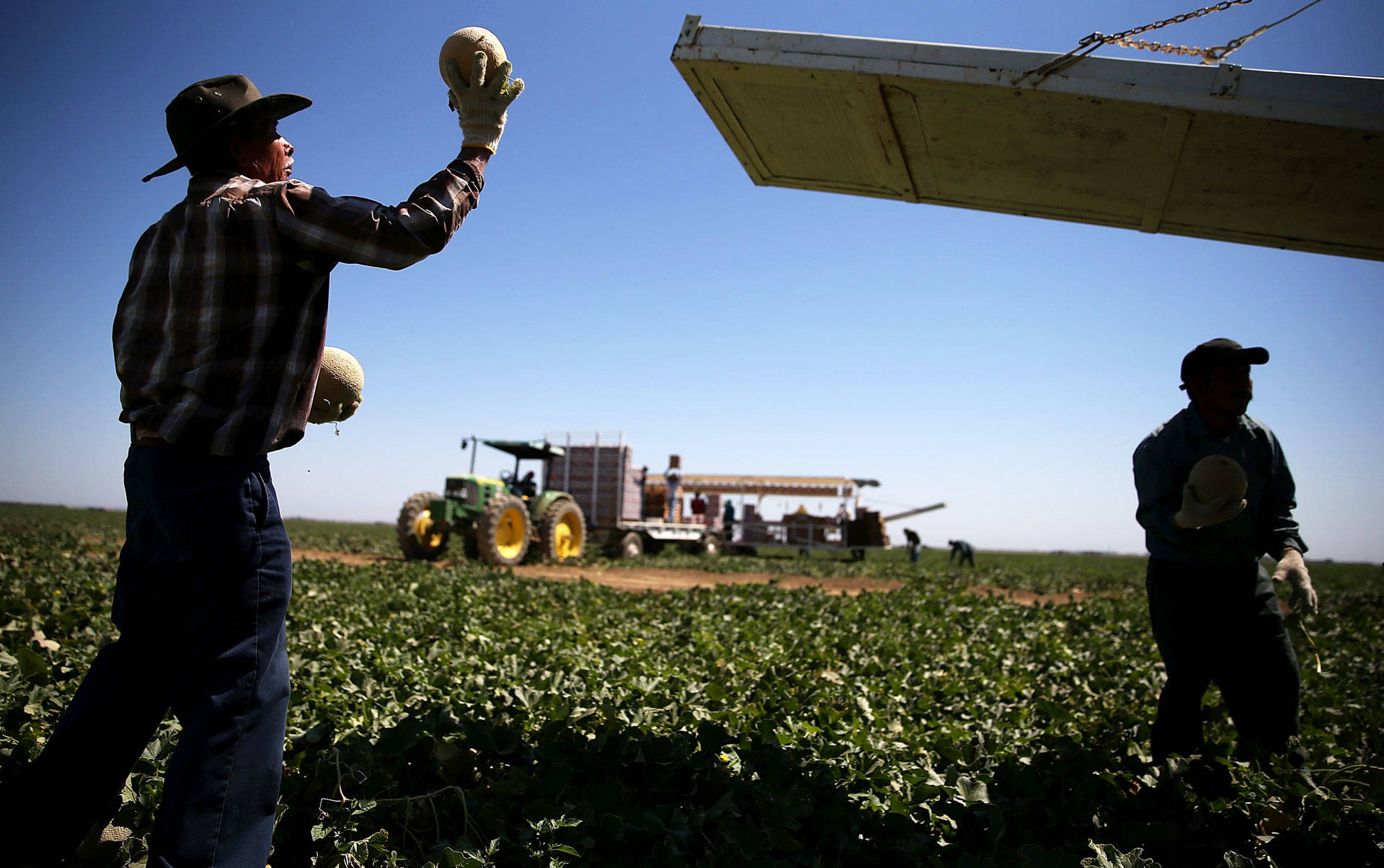
"caption": "A farmworker harvests cantaloupes on a farm near Firebaugh.",
"description": "A farmworker harvests cantaloupes on a farm near Firebaugh.",
"title": "FarmworkerMelonToss",
"credit": "Justin Sullivan/Getty Images",
"status": "inherit",
"isLoading": false,
"fetchFailed": false
}
},
"audioPlayerReducer": {
"postId": "stream_live",
"isPaused": true,
"isPlaying": false,
"pfsActive": false,
"pledgeModalIsOpen": true,
"playerDrawerIsOpen": false,
"liveAudioPlayStartedAt": 0,
"liveAudioPlayContext": ""
},
"authorsReducer": {
"byline_news_11363886": {
"type": "authors",
"id": "byline_news_11363886",
"meta": {
"override": true
},
"slug": "byline_news_11363886",
"name": "\u003cstrong>Valerie Hamilton\u003c/strong>",
"isLoading": false
},
"byline_news_11350369": {
"type": "authors",
"id": "byline_news_11350369",
"meta": {
"override": true
},
"slug": "byline_news_11350369",
"name": "\u003cstrong>\u003ca href=\"http://www.scpr.org/about/people/staff/ben-bergman\">Ben Bergman\u003c/a>\u003c/strong>",
"isLoading": false
},
"byline_bayareabites_114399": {
"type": "authors",
"id": "byline_bayareabites_114399",
"meta": {
"override": true
},
"slug": "byline_bayareabites_114399",
"name": "Dan Charles and Allison Aubrey, NPR Food",
"isLoading": false
},
"byline_news_11085391": {
"type": "authors",
"id": "byline_news_11085391",
"meta": {
"override": true
},
"slug": "byline_news_11085391",
"name": "Jonathan J. Cooper\u003cbr>Associated Press",
"isLoading": false
},
"sasha-khokha": {
"type": "authors",
"id": "254",
"meta": {
"index": "authors_1716337520",
"id": "254",
"found": true
},
"name": "Sasha Khokha",
"firstName": "Sasha",
"lastName": "Khokha",
"slug": "sasha-khokha",
"email": "skhokha@kqed.org",
"display_author_email": true,
"staff_mastheads": [
"news"
],
"title": "Host, The California Report Magazine",
"bio": "Sasha Khokha is the host of \u003cem>The California Report's \u003c/em> weekly magazine program, which takes listeners on sound-rich excursions to meet the people that make the Golden State unique -- through audio documentaries and long-form stories. As \u003cem>The California Report's\u003c/em> Central Valley Bureau Chief based in Fresno for nearly a dozen years, Sasha brought the lives and concerns of rural Californians to listeners around the state. Her reporting helped expose the hidden price immigrant women janitors and farmworkers may pay to keep their jobs: sexual assault at work. It inspired two new California laws to protect them from sexual harassment. She was a key member of the reporting team for the Frontline film \u003cem>Rape on the Night Shift, \u003c/em>which was nominated for two national Emmys. Sasha has also won a national Edward R. Murrow and a national PRNDI award for investigative reporting, as well as multiple prizes from the Society for Professional Journalists. Sasha is a proud alum of the UC Berkeley Graduate School of Journalism and Brown University and a member of the South Asian Journalists Association.",
"avatar": "https://secure.gravatar.com/avatar/e4b5e1541aaeea2aa356aa1fb2a68950?s=600&d=blank&r=g",
"twitter": "KQEDSashaKhokha",
"facebook": null,
"instagram": null,
"linkedin": null,
"sites": [
{
"site": "news",
"roles": [
"editor"
]
},
{
"site": "stateofhealth",
"roles": [
"author"
]
},
{
"site": "science",
"roles": [
"author"
]
},
{
"site": "quest",
"roles": [
"subscriber"
]
}
],
"headData": {
"title": "Sasha Khokha | KQED",
"description": "Host, The California Report Magazine",
"ogImgSrc": "https://secure.gravatar.com/avatar/e4b5e1541aaeea2aa356aa1fb2a68950?s=600&d=blank&r=g",
"twImgSrc": "https://secure.gravatar.com/avatar/e4b5e1541aaeea2aa356aa1fb2a68950?s=600&d=blank&r=g"
},
"isLoading": false,
"link": "/author/sasha-khokha"
},
"tgoldberg": {
"type": "authors",
"id": "258",
"meta": {
"index": "authors_1716337520",
"id": "258",
"found": true
},
"name": "Ted Goldberg",
"firstName": "Ted",
"lastName": "Goldberg",
"slug": "tgoldberg",
"email": "tgoldberg@kqed.org",
"display_author_email": true,
"staff_mastheads": [
"news"
],
"title": "KQED Managing Editor, News and Newscasts",
"bio": "Ted Goldberg is Managing Editor of News and Newscasts at KQED. His main reporting beat is the Bay Area's oil refining industry.\r\n\r\nPrior to joining KQED in 2014, Ted worked at CBS News and WCBS AM in New York and Bay City News and KCBS Radio in San Francisco. He graduated from Oberlin College in Ohio in 1998.",
"avatar": "https://secure.gravatar.com/avatar/30ce2e4fe89135e104f89be2394d16225b9d36c121b5b3cb7651ce642978b96f?s=600&d=blank&r=g",
"twitter": "TedrickG",
"bluesky": null,
"facebook": null,
"instagram": null,
"linkedin": null,
"sites": [
{
"site": "news",
"roles": [
"editor"
]
},
{
"site": "science",
"roles": [
"editor"
]
}
],
"headData": {
"title": "Ted Goldberg | KQED",
"description": "KQED Managing Editor, News and Newscasts",
"ogImgSrc": "https://secure.gravatar.com/avatar/30ce2e4fe89135e104f89be2394d16225b9d36c121b5b3cb7651ce642978b96f?s=600&d=blank&r=g",
"twImgSrc": "https://secure.gravatar.com/avatar/30ce2e4fe89135e104f89be2394d16225b9d36c121b5b3cb7651ce642978b96f?s=600&d=blank&r=g"
},
"isLoading": false,
"link": "/author/tgoldberg"
},
"lmorehouse": {
"type": "authors",
"id": "3229",
"meta": {
"index": "authors_1716337520",
"id": "3229",
"found": true
},
"name": "Lisa Morehouse",
"firstName": "Lisa",
"lastName": "Morehouse",
"slug": "lmorehouse",
"email": "morehouse.lisa@gmail.com",
"display_author_email": false,
"staff_mastheads": [],
"title": "KQED Contributor",
"bio": "Lisa Morehouse is an award-winning public radio and print journalist, who has filed for National Public Radio, American Public Media, KQED Public Radio, Edutopia, and McSweeney’s. Her reporting has taken her from Samoan traveling circuses to Mississippi Delta classrooms to the homes of Lao refugees in rural Iowa. In addition to reporting, she teaches radio production to at-risk youth in the Bay Area. Her series \u003ca href=\"http://afterthegoldrushradio.com/\">After the Gold Rush\u003c/a> featured the changing industries, populations and identities of rural towns throughout California. She’s now producing \u003ca href=\"http://www.californiafoodways.com/\">California Foodways\u003c/a>, a series exploring the intersections of food, culture, economics, history and labor. Follow along on the \u003ca href=\"https://www.facebook.com/californiafoodways?ref=hl\">Facebook page\u003c/a> or on Twitter @cafoodways.",
"avatar": "https://secure.gravatar.com/avatar/dae74b002a6e256f39abb19d6f5acaea?s=600&d=blank&r=g",
"twitter": null,
"facebook": null,
"instagram": null,
"linkedin": null,
"sites": [
{
"site": "",
"roles": [
"editor"
]
},
{
"site": "news",
"roles": [
"author"
]
}
],
"headData": {
"title": "Lisa Morehouse | KQED",
"description": "KQED Contributor",
"ogImgSrc": "https://secure.gravatar.com/avatar/dae74b002a6e256f39abb19d6f5acaea?s=600&d=blank&r=g",
"twImgSrc": "https://secure.gravatar.com/avatar/dae74b002a6e256f39abb19d6f5acaea?s=600&d=blank&r=g"
},
"isLoading": false,
"link": "/author/lmorehouse"
},
"rlevi": {
"type": "authors",
"id": "11260",
"meta": {
"index": "authors_1716337520",
"id": "11260",
"found": true
},
"name": "Ryan Levi",
"firstName": "Ryan",
"lastName": "Levi",
"slug": "rlevi",
"email": "rlevi@KQED.org",
"display_author_email": false,
"staff_mastheads": [],
"title": "KQED Contributor",
"bio": "Ryan Levi was a reporter and podcast producer at KQED News from 2016-2019. He worked on \u003ca href=\"https://www.kqed.org/news/series/baycurious\">Bay Curious\u003c/a>, \u003ca href=\"https://www.kqed.org/news/tag/the-bay/\">The Bay, \u003c/a>and \u003ca href=\"https://podcasts.apple.com/us/podcast/the-california-report-magazine/id1314750545\">The California Report Magazine\u003c/a>, as well as hosting and producing the weekly \u003ca href=\"https://www.kqed.org/news/program/qedup/\">Q'ed Up podcast. \u003c/a>He also helped inaugurate KQED's weekend news coverage in 2017 as one of two original digital producers. Ryan holds degrees in multimedia journalism and Spanish from the University of Missouri.",
"avatar": "https://secure.gravatar.com/avatar/4cb2ddd028ac8807d1adf09609c5555d?s=600&d=blank&r=g",
"twitter": "ryan_levi",
"facebook": null,
"instagram": null,
"linkedin": null,
"sites": [
{
"site": "arts",
"roles": [
"editor"
]
},
{
"site": "news",
"roles": [
"subscriber"
]
},
{
"site": "stateofhealth",
"roles": [
"editor"
]
},
{
"site": "science",
"roles": [
"editor"
]
},
{
"site": "forum",
"roles": [
"administrator"
]
},
{
"site": "perspectives",
"roles": [
"administrator"
]
}
],
"headData": {
"title": "Ryan Levi | KQED",
"description": "KQED Contributor",
"ogImgSrc": "https://secure.gravatar.com/avatar/4cb2ddd028ac8807d1adf09609c5555d?s=600&d=blank&r=g",
"twImgSrc": "https://secure.gravatar.com/avatar/4cb2ddd028ac8807d1adf09609c5555d?s=600&d=blank&r=g"
},
"isLoading": false,
"link": "/author/rlevi"
},
"vrancano": {
"type": "authors",
"id": "11276",
"meta": {
"index": "authors_1716337520",
"id": "11276",
"found": true
},
"name": "Vanessa Rancaño",
"firstName": "Vanessa",
"lastName": "Rancaño",
"slug": "vrancano",
"email": "vrancano@kqed.org",
"display_author_email": false,
"staff_mastheads": [
"news"
],
"title": "Reporter, Housing",
"bio": "Vanessa Rancaño is a features reporter for KQED. She’s also covered homelessness and education for the station and reported from the Central Valley. Her work has aired across public radio, from flagship national news shows to longform narrative podcasts. Before taking up a mic, she worked as a freelance print journalist. She’s been recognized with a number of national and regional awards. Vanessa grew up in California's Central Valley. She's a former NPR Kroc Fellow, and a graduate of the UC Berkeley Graduate School of Journalism.",
"avatar": "https://secure.gravatar.com/avatar/b3a383dfb0e7ee1c17568f2cf067904ab654d6e3de9743fc661f3c788ade1bed?s=600&d=blank&r=g",
"twitter": "vanessarancano",
"bluesky": null,
"facebook": null,
"instagram": null,
"linkedin": null,
"sites": [
{
"site": "arts",
"roles": [
"editor"
]
},
{
"site": "news",
"roles": [
"editor"
]
},
{
"site": "liveblog",
"roles": [
"contributor"
]
}
],
"headData": {
"title": "Vanessa Rancaño | KQED",
"description": "Reporter, Housing",
"ogImgSrc": "https://secure.gravatar.com/avatar/b3a383dfb0e7ee1c17568f2cf067904ab654d6e3de9743fc661f3c788ade1bed?s=600&d=blank&r=g",
"twImgSrc": "https://secure.gravatar.com/avatar/b3a383dfb0e7ee1c17568f2cf067904ab654d6e3de9743fc661f3c788ade1bed?s=600&d=blank&r=g"
},
"isLoading": false,
"link": "/author/vrancano"
}
},
"pagesReducer": {
"news_tag_farmworkers": {
"type": "terms",
"id": "news_18269",
"meta": {
"index": "terms_1716263798",
"site": "news",
"id": "18269",
"score": 8.934093
},
"featImg": null,
"name": "farmworkers",
"description": null,
"taxonomy": "tag",
"headData": {
"twImgId": null,
"twTitle": null,
"ogTitle": null,
"ogImgId": null,
"twDescription": null,
"description": null,
"title": "farmworkers Archives | KQED News",
"ogDescription": null
},
"ttid": 18303,
"slug": "farmworkers",
"isLoading": false,
"title": "farmworkers",
"pageMeta": {
"site": "news",
"WpPageTemplate": "page-topic-editorial",
"currentPage": 12
},
"blocks": [
{
"blockName": "kqed/post-list",
"attrs": {
"layout": "cardArticle2",
"query": "posts/news?tag=farmworkers",
"seeMore": false,
"paginated": true,
"page": 12
}
},
{
"blockName": "kqed/ad"
}
]
}
},
"pfsSessionReducer": {},
"postsReducer": {
"stream_live": {
"type": "live",
"id": "stream_live",
"audioUrl": "https://streams.kqed.org/kqedradio",
"title": "Live Stream",
"excerpt": "Live Stream information currently unavailable.",
"link": "/radio",
"featImg": "",
"label": {
"name": "KQED Live",
"link": "/"
}
},
"stream_kqedNewscast": {
"type": "posts",
"id": "stream_kqedNewscast",
"audioUrl": "https://www.kqed.org/.stream/anon/radio/RDnews/newscast.mp3?_=1",
"title": "KQED Newscast",
"featImg": "",
"label": {
"name": "88.5 FM",
"link": "/"
}
},
"news_11598859": {
"type": "posts",
"id": "news_11598859",
"meta": {
"index": "posts_1716263798",
"site": "news",
"id": "11598859",
"score": null,
"sort": [
1501592750000
]
},
"parent": 0,
"labelTerm": {
"site": "news",
"term": 72
},
"blocks": [],
"publishDate": 1501592750,
"format": "image",
"disqusTitle": "Dole, Driscoll’s Tied to Watsonville Chemical Incident That Sickened Farmworkers",
"title": "Dole, Driscoll’s Tied to Watsonville Chemical Incident That Sickened Farmworkers",
"headTitle": "The California Report | KQED News",
"content": "\u003cp>\u003cstrong>\u003cem>Updated 1 p.m. Aug. 1, 2017\u003c/em>\u003c/strong>\u003c/p>\n\u003cp>Two firms affiliated with the Dole Food Co. and another tied to Driscoll's, a major berry distributor, are under investigation in connection with a release of insecticides, fungicides and other chemicals believed to have sickened raspberry workers in Watsonville in late June.\u003c/p>\n\u003cp>A Santa Cruz County official released the names after a California Public Records Act request by KQED following several refusals by the county's agricultural commissioner to identify the firms tied to the June 29 incident near Highway 152, which caused some of the workers to vomit.\u003c/p>\n\u003cp>The agricultural commissioner is investigating Coastal Berry North, Garrett Farms, FMG Farm Contracting and Los Amigos Harvesting, according to Jason Hoppin, a Santa Cruz County spokesman, who stressed that the companies' inclusion in the investigation does not imply guilt.\u003c/p>\n\u003cp>Coastal Berry was bought by Dole in 2004 and operates under the name Dole Berry Co., according to Dole spokesman William Goldfield. Dole Berry uses FMG as a farm labor contractor, said Goldfield.\u003c/p>\n\u003cp>[ad fullwidth]\u003c/p>\n\u003cp>Garrett Farms does work for Driscoll's.\u003c/p>\n\u003cp>Word that major produce firms were tied to a local investigation into potential pesticide illnesses prompted a strong response from farmworker advocates.\u003c/p>\n\u003cp>\"It's really concerning and it's really disappointing that large-scale growers put the health of farmworkers and even the communities surrounding agricultural fields at risk in order to grow the large amount of berries that they grow,\" said Lucia Calderon, an organizer for \u003ca href=\"http://safeagsafeschools.org/home\" target=\"_blank\" rel=\"noopener noreferrer\">Safe Ag Safe Schools\u003c/a>, a coalition of groups that aims to reduce the use of dangerous pesticides in the Monterey Bay area.\u003c/p>\n\u003cp>[contextly_sidebar id=\"UtBi2ZiJi6bRaL6LD3Vur08e0JfFvKym\"]\u003c/p>\n\u003cp>The owner of Garrett Farms, the firm that works for Driscoll's, was not happy his company's name was identified in connection with farmworker illnesses.\u003c/p>\n\u003cp>\"We're disappointed in the decision to name Garrett Farms as part of this ongoing investigation, as formal conclusions have not been reached,\" Steve Garrett said in an email.\u003c/p>\n\u003cp>The company is cooperating with the investigation into the incident that took place in a field near his farm, Garrett said.\u003c/p>\n\u003cp>\"We greatly respect all agricultural workers, and value their contribution to the Watsonville community. Our thoughts are with those workers involved in the incident, and we hope for their quick recovery,\" Garrett said. He added that the farm is family-owned and a long-standing member of the area's agricultural community that strives to make safety a \"number one priority.\"\u003c/p>\n\u003cp>Driscoll's issued a similar statement.\u003c/p>\n\u003cp>\"Our thoughts are with those farmworkers who became ill, and we hope for a quick recovery,\" the company said in an email.\u003c/p>\n\u003cp>\"We do know that the incident occurred in a field near one of our independent growers. We have been in contact with the involved operations to understand the circumstances behind the incident and to provide any needed support,\" the statement reads. \"Driscoll's is committed to working with independent growers who not only adhere to all applicable local laws but also strive to make safety a number one priority.\"\u003c/p>\n\u003cp>Goldfield, the Dole spokesman, said in an email Tuesday the six workers taken to the hospital all worked for FMG.\u003c/p>\n\u003cp>While the FMG workers were picking raspberries, Goldfield said, an employee from another company working on a neighboring block began to spray a pesticide mixture.\u003c/p>\n\u003cp>The Watsonville incident was one of \u003ca href=\"https://ww2.kqed.org/news/2017/06/30/chemicals-sicken-two-dozen-central-coast-farm-workers-in-one-week/\" target=\"_blank\" rel=\"noopener noreferrer\">two apparent chemical-drift cases\u003c/a> in Santa Cruz and Monterey counties in June that sent a total of 24 agricultural employees to the hospital, \u003ca href=\"https://ww2.kqed.org/news/2017/07/06/advocates-concerned-about-chemical-drifts-that-sickened-central-coast-farmworkers/\" target=\"_blank\" rel=\"noopener noreferrer\">alarming labor experts and advocates\u003c/a> for farmworkers.\u003c/p>\n\u003cp>Monterey County's agricultural commissioner is investigating a release that may be responsible for sending 18 celery workers to the Salinas Valley Memorial Healthcare System's emergency room after some of them became ill on June 22.\u003c/p>\n\u003cp>The county identified Tanimura & Antle as the company it’s investigating in connection with that incident.\u003c/p>\n\u003cp>Santa Cruz County agricultural commissioner Juan Hidalgo refused several times to release the names in the Watsonville case.\u003c/p>\n\u003cp>Hidalgo initially said that the growers his agency would interview might not feel comfortable talking to investigators if they were publicly identified.\u003c/p>\n\u003cp>On July 5 Hidalgo said he would release the names after those interviews.\u003c/p>\n\u003cp>\"We hope to conclude interviews late next week at which point I would be able to release the name of the operation under investigation,\" Hidalgo wrote in an email that day.\u003c/p>\n\u003cp>However, when asked to identify the growers close to two weeks later, he refused again. \"The names of the companies involved as well as conclusions reached in this case will be available once the investigation is complete,\" he wrote on July 17.\u003c/p>\n\u003cp>When KQED reminded him of his email, suggesting he would release the names after interviews, Hildago again refused. \"I feel it is essential to maintain the integrity of the investigation,\" he wrote July 18.\u003c/p>\n\u003cp>That lack of disclosure has bothered farmworker advocates.\u003c/p>\n\u003cp>\"We believe that it's the public's right to know what growers are hurting our farmworkers and our communities,\" said Calderon from Safe Ag Safe Schools. \"We are really concerned that it took so much effort just to get that simple information out. By not releasing the information of the growers, they were protecting identity of ... Driscoll's.\"\u003c/p>\n\u003cp>\u003c/p>\n\u003cp>\u003cem>Story updated to include new information about the two companies tied to the Dole Food Co. that were involved in the June incident near Watsonville.\u003c/em>\u003c/p>\n\n",
"disqusIdentifier": "11598859 https://ww2.kqed.org/news/?p=11598859",
"disqusUrl": "https://ww2.kqed.org/news/2017/08/01/driscolls-tied-to-central-coast-chemical-incident-that-sickened-farmworkers/",
"stats": {
"hasVideo": false,
"hasChartOrMap": false,
"hasAudio": false,
"hasPolis": false,
"wordCount": 901,
"hasGoogleForm": false,
"hasGallery": false,
"hasHearkenModule": false,
"iframeSrcs": [],
"paragraphCount": 32
},
"modified": 1501627801,
"excerpt": "Santa Cruz County identifies growers being investigated in connection with release believed to have sickened raspberry pickers in Watsonville in late June.",
"headData": {
"twImgId": "",
"twTitle": "",
"ogTitle": "",
"ogImgId": "",
"twDescription": "",
"description": "Santa Cruz County identifies growers being investigated in connection with release believed to have sickened raspberry pickers in Watsonville in late June.",
"title": "Dole, Driscoll’s Tied to Watsonville Chemical Incident That Sickened Farmworkers | KQED",
"ogDescription": "",
"schema": {
"@context": "https://schema.org",
"@type": "NewsArticle",
"headline": "Dole, Driscoll’s Tied to Watsonville Chemical Incident That Sickened Farmworkers",
"datePublished": "2017-08-01T06:05:50-07:00",
"dateModified": "2017-08-01T15:50:01-07:00",
"image": "https://cdn.kqed.org/wp-content/uploads/2020/02/KQED-OG-Image@1x.png",
"isAccessibleForFree": "True",
"publisher": {
"@type": "NewsMediaOrganization",
"@id": "https://www.kqed.org/#organization",
"name": "KQED",
"logo": "https://cdn.kqed.org/wp-content/uploads/2020/02/KQED-OG-Image@1x.png",
"url": "https://www.kqed.org",
"sameAs": [
"https://www.facebook.com/KQED",
"https://twitter.com/KQED",
"https://www.instagram.com/kqed/",
"https://www.tiktok.com/@kqedofficial",
"https://www.linkedin.com/company/kqed",
"https://www.youtube.com/channel/UCeC0IOo7i1P_61zVUWbJ4nw"
]
}
}
},
"guestAuthors": [],
"slug": "driscolls-tied-to-central-coast-chemical-incident-that-sickened-farmworkers",
"status": "publish",
"path": "/news/11598859/driscolls-tied-to-central-coast-chemical-incident-that-sickened-farmworkers",
"audioTrackLength": null,
"parsedContent": [
{
"type": "contentString",
"content": "\u003cdiv class=\"post-body\">\u003cp>\u003cp>\u003cstrong>\u003cem>Updated 1 p.m. Aug. 1, 2017\u003c/em>\u003c/strong>\u003c/p>\n\u003cp>Two firms affiliated with the Dole Food Co. and another tied to Driscoll's, a major berry distributor, are under investigation in connection with a release of insecticides, fungicides and other chemicals believed to have sickened raspberry workers in Watsonville in late June.\u003c/p>\n\u003cp>A Santa Cruz County official released the names after a California Public Records Act request by KQED following several refusals by the county's agricultural commissioner to identify the firms tied to the June 29 incident near Highway 152, which caused some of the workers to vomit.\u003c/p>\n\u003cp>The agricultural commissioner is investigating Coastal Berry North, Garrett Farms, FMG Farm Contracting and Los Amigos Harvesting, according to Jason Hoppin, a Santa Cruz County spokesman, who stressed that the companies' inclusion in the investigation does not imply guilt.\u003c/p>\n\u003cp>Coastal Berry was bought by Dole in 2004 and operates under the name Dole Berry Co., according to Dole spokesman William Goldfield. Dole Berry uses FMG as a farm labor contractor, said Goldfield.\u003c/p>\n\u003cp>\u003c/p>\u003c/div>",
"attributes": {
"named": {},
"numeric": []
}
},
{
"type": "component",
"content": "",
"name": "ad",
"attributes": {
"named": {
"label": "fullwidth"
},
"numeric": [
"fullwidth"
]
}
},
{
"type": "contentString",
"content": "\u003cdiv class=\"post-body\">\u003cp>\u003c/p>\n\u003cp>Garrett Farms does work for Driscoll's.\u003c/p>\n\u003cp>Word that major produce firms were tied to a local investigation into potential pesticide illnesses prompted a strong response from farmworker advocates.\u003c/p>\n\u003cp>\"It's really concerning and it's really disappointing that large-scale growers put the health of farmworkers and even the communities surrounding agricultural fields at risk in order to grow the large amount of berries that they grow,\" said Lucia Calderon, an organizer for \u003ca href=\"http://safeagsafeschools.org/home\" target=\"_blank\" rel=\"noopener noreferrer\">Safe Ag Safe Schools\u003c/a>, a coalition of groups that aims to reduce the use of dangerous pesticides in the Monterey Bay area.\u003c/p>\n\u003cp>\u003c/p>\u003cp>\u003c/p>\u003cp>\u003c/p>\n\u003cp>The owner of Garrett Farms, the firm that works for Driscoll's, was not happy his company's name was identified in connection with farmworker illnesses.\u003c/p>\n\u003cp>\"We're disappointed in the decision to name Garrett Farms as part of this ongoing investigation, as formal conclusions have not been reached,\" Steve Garrett said in an email.\u003c/p>\n\u003cp>The company is cooperating with the investigation into the incident that took place in a field near his farm, Garrett said.\u003c/p>\n\u003cp>\"We greatly respect all agricultural workers, and value their contribution to the Watsonville community. Our thoughts are with those workers involved in the incident, and we hope for their quick recovery,\" Garrett said. He added that the farm is family-owned and a long-standing member of the area's agricultural community that strives to make safety a \"number one priority.\"\u003c/p>\n\u003cp>Driscoll's issued a similar statement.\u003c/p>\n\u003cp>\"Our thoughts are with those farmworkers who became ill, and we hope for a quick recovery,\" the company said in an email.\u003c/p>\n\u003cp>\"We do know that the incident occurred in a field near one of our independent growers. We have been in contact with the involved operations to understand the circumstances behind the incident and to provide any needed support,\" the statement reads. \"Driscoll's is committed to working with independent growers who not only adhere to all applicable local laws but also strive to make safety a number one priority.\"\u003c/p>\n\u003cp>Goldfield, the Dole spokesman, said in an email Tuesday the six workers taken to the hospital all worked for FMG.\u003c/p>\n\u003cp>While the FMG workers were picking raspberries, Goldfield said, an employee from another company working on a neighboring block began to spray a pesticide mixture.\u003c/p>\n\u003cp>The Watsonville incident was one of \u003ca href=\"https://ww2.kqed.org/news/2017/06/30/chemicals-sicken-two-dozen-central-coast-farm-workers-in-one-week/\" target=\"_blank\" rel=\"noopener noreferrer\">two apparent chemical-drift cases\u003c/a> in Santa Cruz and Monterey counties in June that sent a total of 24 agricultural employees to the hospital, \u003ca href=\"https://ww2.kqed.org/news/2017/07/06/advocates-concerned-about-chemical-drifts-that-sickened-central-coast-farmworkers/\" target=\"_blank\" rel=\"noopener noreferrer\">alarming labor experts and advocates\u003c/a> for farmworkers.\u003c/p>\n\u003cp>Monterey County's agricultural commissioner is investigating a release that may be responsible for sending 18 celery workers to the Salinas Valley Memorial Healthcare System's emergency room after some of them became ill on June 22.\u003c/p>\n\u003cp>The county identified Tanimura & Antle as the company it’s investigating in connection with that incident.\u003c/p>\n\u003cp>Santa Cruz County agricultural commissioner Juan Hidalgo refused several times to release the names in the Watsonville case.\u003c/p>\n\u003cp>Hidalgo initially said that the growers his agency would interview might not feel comfortable talking to investigators if they were publicly identified.\u003c/p>\n\u003cp>On July 5 Hidalgo said he would release the names after those interviews.\u003c/p>\n\u003cp>\"We hope to conclude interviews late next week at which point I would be able to release the name of the operation under investigation,\" Hidalgo wrote in an email that day.\u003c/p>\n\u003cp>However, when asked to identify the growers close to two weeks later, he refused again. \"The names of the companies involved as well as conclusions reached in this case will be available once the investigation is complete,\" he wrote on July 17.\u003c/p>\n\u003cp>When KQED reminded him of his email, suggesting he would release the names after interviews, Hildago again refused. \"I feel it is essential to maintain the integrity of the investigation,\" he wrote July 18.\u003c/p>\n\u003cp>That lack of disclosure has bothered farmworker advocates.\u003c/p>\n\u003cp>\"We believe that it's the public's right to know what growers are hurting our farmworkers and our communities,\" said Calderon from Safe Ag Safe Schools. \"We are really concerned that it took so much effort just to get that simple information out. By not releasing the information of the growers, they were protecting identity of ... Driscoll's.\"\u003c/p>\n\u003cp>\u003c/p>\n\u003cp>\u003cem>Story updated to include new information about the two companies tied to the Dole Food Co. that were involved in the June incident near Watsonville.\u003c/em>\u003c/p>\n\n\u003c/div>\u003c/p>",
"attributes": {
"named": {},
"numeric": []
}
}
],
"link": "/news/11598859/driscolls-tied-to-central-coast-chemical-incident-that-sickened-farmworkers",
"authors": [
"258"
],
"programs": [
"news_6944",
"news_72"
],
"categories": [
"news_1758",
"news_19906",
"news_457",
"news_8",
"news_356"
],
"tags": [
"news_18269",
"news_19542",
"news_19904",
"news_17041"
],
"featImg": "news_11541311",
"label": "news_72"
},
"news_11512311": {
"type": "posts",
"id": "news_11512311",
"meta": {
"index": "posts_1716263798",
"site": "news",
"id": "11512311",
"score": null,
"sort": [
1500073267000
]
},
"parent": 0,
"labelTerm": {
"site": "news",
"term": 72
},
"blocks": [],
"publishDate": 1500073267,
"format": "audio",
"disqusTitle": "Immortalized by Woody Guthrie, ‘Deportees’ Who Died in Plane Crash Are Nameless No Longer",
"title": "Immortalized by Woody Guthrie, ‘Deportees’ Who Died in Plane Crash Are Nameless No Longer",
"headTitle": "The California Report | KQED News",
"content": "\u003cp>So many artists -- from Bruce Springsteen to Bob Dylan -- have recorded Woody Guthrie's famous ballad \"Deportee,\" about one of the worst airplane disasters in California history. But a big piece of the story was missing. Until now.\u003c/p>\n\u003cp>One cold winter morning in January 1948, 32 passengers were killed when a plane crashed in Los Gatos Canyon, near the Central Valley town of Coalinga.\u003c/p>\n\u003cp>The dead included 28 Mexican workers in the process of being deported by the U.S. government. Guthrie was outraged that newspaper accounts of the crash omitted the names of the Mexican passengers, simply calling them “deportees.\" So he penned a song, giving symbolic names to the dead:\u003c/p>\n\u003cp>\u003ci>\u003cspan style=\"font-weight: 400\">Goodbye to my Juan, g\u003c/span>\u003c/i>\u003ci>\u003cspan style=\"font-weight: 400\">oodbye, Rosalita\u003cbr>\n\u003c/span>\u003c/i>\u003ci>\u003cspan style=\"font-weight: 400\">Adios mis Amigos, Jesus y Maria;\u003cbr>\n\u003c/span>\u003c/i>\u003ci>\u003cspan style=\"font-weight: 400\">You won’t have your names when you ride the big airplane,\u003cbr>\n\u003c/span>\u003c/i>\u003ci>\u003cspan style=\"font-weight: 400\">All they will call you will be \"deportees\"\u003c/span>\u003c/i>\u003c/p>\n\u003cp>For seven decades, the real names of those deportees were unknown, their bodies buried in a mass grave in Fresno. Until \u003ca href=\"https://timzhernandez.com/\">Tim Z. Hernandez\u003c/a> -- a previous winner of the American Book Award for poetry -- spent years investigating in both Mexico and the U.S., interviewing families and unearthing records.\u003c/p>\n\u003cp>[ad fullwidth]\u003c/p>\n\u003cp>The band Lance Canales and the Flood play a version of Woody Guthrie's \"Deportee,\" with author Tim Z. Hernandez whispering the names of those who died in the 1948 plane crash.\u003c/p>\n\u003cp>https://www.youtube.com/watch?v=CeCstLTB0EI\u003c/p>\n\u003cp>Hernandez's new book, “\u003ca href=\"http://www.uapress.arizona.edu/Books/bid2680.htm\">All They Will Call You\u003c/a>,” explores his journey uncovering their stories. From the book's forward:\u003c/p>\n\u003cblockquote>\u003cp>To stumble upon a plane crash is to stumble upon the fragmented and broken shards of stories, and to have faith that from these clues, our own glaring humanity offers enough light to fill in the unknown. The facts of what occurred on that day are not, nor have they ever been, the purpose of this book. The telling is not interested in the calculable details, but rather, the testimonies themselves, from the people whose lives were touched in incalculable ways. How a tragedy and a song had a profound, lasting effect on the people who lived it.\u003c/p>\u003c/blockquote>\n\u003cfigure id=\"attachment_11567947\" class=\"wp-caption aligncenter\" style=\"max-width: 800px\">\u003cimg class=\"size-medium wp-image-11567947\" src=\"https://ww2.kqed.org/news/wp-content/uploads/sites/10/2017/07/HernandezDC3-800x589.jpg\" alt=\"Author Tim Z. Hernandez inside a Douglas DC-3 airplane, similar to the one that crashed in 1948.\" width=\"800\" height=\"589\" srcset=\"https://ww2.kqed.org/app/uploads/sites/10/2017/07/HernandezDC3.jpg 800w, https://ww2.kqed.org/app/uploads/sites/10/2017/07/HernandezDC3-160x118.jpg 160w, https://ww2.kqed.org/app/uploads/sites/10/2017/07/HernandezDC3-240x177.jpg 240w, https://ww2.kqed.org/app/uploads/sites/10/2017/07/HernandezDC3-375x276.jpg 375w, https://ww2.kqed.org/app/uploads/sites/10/2017/07/HernandezDC3-520x383.jpg 520w\" sizes=\"(max-width: 800px) 100vw, 800px\">\u003cfigcaption class=\"wp-caption-text\">Author Tim Z. Hernandez inside a Douglas DC-3 airplane, similar to the one that crashed in 1948. \u003ccite>(Courtesy Tim Z. Hernandez)\u003c/cite>\u003c/figcaption>\u003c/figure>\n\u003cp>\"I’m the son of migrant farmworkers,\" explains Hernandez. \"It was raw curiosity that sprung me forth to look for these names. I wanted to know who they were.\"\u003c/p>\n\u003cp>But he had few leads to go on. Only a single shred of newspaper from an Associated Press report after the crash, which didn’t include any names of the Mexican passengers. He found an erroneous list of names Guthrie fans had tried to compile on the internet. He then went to Fresno's Holy Cross Cemetery, where the remains of the Mexican passengers were buried in an unmarked grave. The cemetery had a list, but instead of individual names, it logged the term “Mexican National” 28 times.\u003c/p>\n\u003cp>Hernandez pushed on, digging up records and putting an ad in a bilingual newspaper looking for family members. After years of traveling across the U.S. and Mexico, he managed to locate the families of seven passengers.\u003c/p>\n\u003cfigure id=\"attachment_11512422\" class=\"wp-caption aligncenter\" style=\"max-width: 640px\">\u003cimg class=\"wp-image-11512422 size-full\" src=\"https://ww2.kqed.org/news/wp-content/uploads/sites/10/2017/06/RS25685_image002-qut.jpg\" alt=\"Guillermo and Jaime Ramirez, brothers who are related to two of the passengers who died in the 1948 plane crash.\" width=\"640\" height=\"480\" srcset=\"https://ww2.kqed.org/app/uploads/sites/10/2017/06/RS25685_image002-qut.jpg 640w, https://ww2.kqed.org/app/uploads/sites/10/2017/06/RS25685_image002-qut-160x120.jpg 160w, https://ww2.kqed.org/app/uploads/sites/10/2017/06/RS25685_image002-qut-240x180.jpg 240w, https://ww2.kqed.org/app/uploads/sites/10/2017/06/RS25685_image002-qut-375x281.jpg 375w, https://ww2.kqed.org/app/uploads/sites/10/2017/06/RS25685_image002-qut-520x390.jpg 520w\" sizes=\"(max-width: 640px) 100vw, 640px\">\u003cfigcaption class=\"wp-caption-text\">Guillermo and Jaime Ramirez, brothers who are related to two of the passengers who died in the 1948 plane crash. \u003ccite>(Photo courtesy of Tim Z. Hernandez)\u003c/cite>\u003c/figcaption>\u003c/figure>\n\u003cp>The book reconstructs profiles of those passengers, fleshing out their love affairs, families and histories -- expanding the narrative of their lives beyond their identities as laborers or farmworkers.\u003c/p>\n\u003cp>Like Ramon Paredes Gonzales, who crossed back and forth to work in the U.S. for years, and whose daughter, Caratina Paredes Murillo, was just 10 years old when he died in the crash. Decades later, an elderly Murillo still remembers the lyrics of the song her father sang every time he returned to their village.\u003c/p>\n\u003cp>\"For so grim a subject, one of the jobs was to find the light in each of their stories,\" says Hernandez. \"I always asked the families to tell me one of their fondest memories of their relatives.\"\u003c/p>\n\u003cp>The book doesn’t just include the intimate stories of the Mexican farmworkers, but also the stories of witnesses to the crash, the pilot, stewardess and the immigration agent accompanying the deportees.\u003c/p>\n\u003cfigure id=\"attachment_11567953\" class=\"wp-caption aligncenter\" style=\"max-width: 800px\">\u003cimg class=\"size-medium wp-image-11567953\" src=\"https://ww2.kqed.org/news/wp-content/uploads/sites/10/2017/07/HernandezStone-800x493.jpg\" alt=\"Tim Z. Hernandez with the updated headstone that lists the full names of those who died in the plane crash. \" width=\"800\" height=\"493\" srcset=\"https://ww2.kqed.org/app/uploads/sites/10/2017/07/HernandezStone-800x493.jpg 800w, https://ww2.kqed.org/app/uploads/sites/10/2017/07/HernandezStone-160x99.jpg 160w, https://ww2.kqed.org/app/uploads/sites/10/2017/07/HernandezStone-1020x629.jpg 1020w, https://ww2.kqed.org/app/uploads/sites/10/2017/07/HernandezStone.jpg 1920w, https://ww2.kqed.org/app/uploads/sites/10/2017/07/HernandezStone-1180x728.jpg 1180w, https://ww2.kqed.org/app/uploads/sites/10/2017/07/HernandezStone-960x592.jpg 960w, https://ww2.kqed.org/app/uploads/sites/10/2017/07/HernandezStone-240x148.jpg 240w, https://ww2.kqed.org/app/uploads/sites/10/2017/07/HernandezStone-375x231.jpg 375w, https://ww2.kqed.org/app/uploads/sites/10/2017/07/HernandezStone-520x321.jpg 520w\" sizes=\"(max-width: 800px) 100vw, 800px\">\u003cfigcaption class=\"wp-caption-text\">Tim Z. Hernandez with the updated headstone that lists the full names of those who died in the plane crash. \u003ccite>(Juan Esparza Loera)\u003c/cite>\u003c/figcaption>\u003c/figure>\n\u003cp>\"Omissions are wrong,\" says Hernandez. \"Erasure is wrong, no matter what your background is, or nationality you are. Let's talk about the Mexican nationals, and the pilot and the stewardess, the family who owned the ranch whose children saw people falling out of the sky. And later on, how the song affected the people who made the melody, who sang it. This one incident had such a ripple effect across borders, and across lives.\"\u003c/p>\n\u003cp>Hernandez \u003ca href=\"http://audio.californiareport.org/archive/R201303291630/c\">helped get a headstone \u003c/a>with some of the names he discovered placed on the mass grave for the deportees. People all over the San Joaquin Valley helped raise money to make these names visible.\u003c/p>\n\u003cp>Hernandez also re-recorded a new version of the song with musician Lance Canales. He whispers the actual names as Canales sings the lyrics.\u003c/p>\n\u003cp>“It’s important to honor all of us. To honor that we have had a history and a legacy, and that we once were here on earth, loving,” says Hernandez.\u003c/p>\n\u003cfigure id=\"attachment_11512426\" class=\"wp-caption aligncenter\" style=\"max-width: 800px\">\u003cimg class=\"size-medium wp-image-11512426\" src=\"https://ww2.kqed.org/news/wp-content/uploads/sites/10/2017/06/RS25684_image001-qut-800x600.jpg\" alt=\"\" width=\"800\" height=\"600\" srcset=\"https://ww2.kqed.org/app/uploads/sites/10/2017/06/RS25684_image001-qut.jpg 800w, https://ww2.kqed.org/app/uploads/sites/10/2017/06/RS25684_image001-qut-160x120.jpg 160w, https://ww2.kqed.org/app/uploads/sites/10/2017/06/RS25684_image001-qut-240x180.jpg 240w, https://ww2.kqed.org/app/uploads/sites/10/2017/06/RS25684_image001-qut-375x281.jpg 375w, https://ww2.kqed.org/app/uploads/sites/10/2017/06/RS25684_image001-qut-520x390.jpg 520w\" sizes=\"(max-width: 800px) 100vw, 800px\">\u003cfigcaption class=\"wp-caption-text\">Author Tim Z. Hernandez with the families of two of the passengers in Charco de Pantoja, Guanajuato, Mexico. \u003ccite>(Courtesy Tim Z. Hernandez)\u003c/cite>\u003c/figcaption>\u003c/figure>\n\u003cp>\"We have much more in common side by side than we do differences, and certainly, this airplane that crashed, becomes almost a kind of analogy,\" he adds. \"We’re all in this ship together, hurling toward a common fate.\"\u003c/p>\n\u003cp>The story, he says, is deeply relevant to today’s political climate.\u003c/p>\n\u003cp>[ad floatright]\u003c/p>\n\u003cp>“Back then, they referred to the Mexican passengers simply as 'deportees.' That kind of rhetoric perpetuates this idea of a single narrative, one way of looking at these folks who come to this country and work to feed us,\" he says. \"Today we hear other words being used, 'illegal,' or 'alien.' All those kind of abstractions are used to erase the face, or the stories, of the people we’re talking about.\"\u003c/p>\n\n",
"disqusIdentifier": "11512311 https://ww2.kqed.org/news/?p=11512311",
"disqusUrl": "https://ww2.kqed.org/news/2017/07/14/immortalized-by-woody-guthrie-deportees-who-died-in-plane-crash-are-nameless-no-longer/",
"stats": {
"hasVideo": true,
"hasChartOrMap": false,
"hasAudio": false,
"hasPolis": false,
"wordCount": 1064,
"hasGoogleForm": false,
"hasGallery": false,
"hasHearkenModule": false,
"iframeSrcs": [],
"paragraphCount": 24
},
"modified": 1500664441,
"excerpt": "Tim Z. Hernandez spent years unearthing the names and stories of 28 people who died in one of California's worst plane crashes, until now identified only as ‘deportees.’",
"headData": {
"twImgId": "",
"twTitle": "",
"ogTitle": "",
"ogImgId": "",
"twDescription": "",
"description": "Tim Z. Hernandez spent years unearthing the names and stories of 28 people who died in one of California's worst plane crashes, until now identified only as ‘deportees.’",
"title": "Immortalized by Woody Guthrie, ‘Deportees’ Who Died in Plane Crash Are Nameless No Longer | KQED",
"ogDescription": "",
"schema": {
"@context": "https://schema.org",
"@type": "NewsArticle",
"headline": "Immortalized by Woody Guthrie, ‘Deportees’ Who Died in Plane Crash Are Nameless No Longer",
"datePublished": "2017-07-14T16:01:07-07:00",
"dateModified": "2017-07-21T12:14:01-07:00",
"image": "https://cdn.kqed.org/wp-content/uploads/2020/02/KQED-OG-Image@1x.png",
"isAccessibleForFree": "True",
"publisher": {
"@type": "NewsMediaOrganization",
"@id": "https://www.kqed.org/#organization",
"name": "KQED",
"logo": "https://cdn.kqed.org/wp-content/uploads/2020/02/KQED-OG-Image@1x.png",
"url": "https://www.kqed.org",
"sameAs": [
"https://www.facebook.com/KQED",
"https://twitter.com/KQED",
"https://www.instagram.com/kqed/",
"https://www.tiktok.com/@kqedofficial",
"https://www.linkedin.com/company/kqed",
"https://www.youtube.com/channel/UCeC0IOo7i1P_61zVUWbJ4nw"
]
}
}
},
"guestAuthors": [],
"slug": "immortalized-by-woody-guthrie-deportees-who-died-in-plane-crash-are-nameless-no-longer",
"status": "publish",
"audioUrl": "http://www.kqed.org/.stream/anon/radio/tcrmag/2017/07/Deportees.mp3",
"guestFields": "0",
"path": "/news/11512311/immortalized-by-woody-guthrie-deportees-who-died-in-plane-crash-are-nameless-no-longer",
"audioTrackLength": null,
"parsedContent": [
{
"type": "contentString",
"content": "\u003cdiv class=\"post-body\">\u003cp>\u003cp>So many artists -- from Bruce Springsteen to Bob Dylan -- have recorded Woody Guthrie's famous ballad \"Deportee,\" about one of the worst airplane disasters in California history. But a big piece of the story was missing. Until now.\u003c/p>\n\u003cp>One cold winter morning in January 1948, 32 passengers were killed when a plane crashed in Los Gatos Canyon, near the Central Valley town of Coalinga.\u003c/p>\n\u003cp>The dead included 28 Mexican workers in the process of being deported by the U.S. government. Guthrie was outraged that newspaper accounts of the crash omitted the names of the Mexican passengers, simply calling them “deportees.\" So he penned a song, giving symbolic names to the dead:\u003c/p>\n\u003cp>\u003ci>\u003cspan style=\"font-weight: 400\">Goodbye to my Juan, g\u003c/span>\u003c/i>\u003ci>\u003cspan style=\"font-weight: 400\">oodbye, Rosalita\u003cbr>\n\u003c/span>\u003c/i>\u003ci>\u003cspan style=\"font-weight: 400\">Adios mis Amigos, Jesus y Maria;\u003cbr>\n\u003c/span>\u003c/i>\u003ci>\u003cspan style=\"font-weight: 400\">You won’t have your names when you ride the big airplane,\u003cbr>\n\u003c/span>\u003c/i>\u003ci>\u003cspan style=\"font-weight: 400\">All they will call you will be \"deportees\"\u003c/span>\u003c/i>\u003c/p>\n\u003cp>For seven decades, the real names of those deportees were unknown, their bodies buried in a mass grave in Fresno. Until \u003ca href=\"https://timzhernandez.com/\">Tim Z. Hernandez\u003c/a> -- a previous winner of the American Book Award for poetry -- spent years investigating in both Mexico and the U.S., interviewing families and unearthing records.\u003c/p>\n\u003cp>\u003c/p>\u003c/div>",
"attributes": {
"named": {},
"numeric": []
}
},
{
"type": "component",
"content": "",
"name": "ad",
"attributes": {
"named": {
"label": "fullwidth"
},
"numeric": [
"fullwidth"
]
}
},
{
"type": "contentString",
"content": "\u003cdiv class=\"post-body\">\u003cp>\u003c/p>\n\u003cp>The band Lance Canales and the Flood play a version of Woody Guthrie's \"Deportee,\" with author Tim Z. Hernandez whispering the names of those who died in the 1948 plane crash.\u003c/p>\u003c/p>\u003cp>\u003cspan class='utils-parseShortcode-shortcodes-__youtubeShortcode__embedYoutube'>\n \u003cspan class='utils-parseShortcode-shortcodes-__youtubeShortcode__embedYoutubeInside'>\n \u003ciframe\n loading='lazy'\n class='utils-parseShortcode-shortcodes-__youtubeShortcode__youtubePlayer'\n type='text/html'\n src='//www.youtube.com/embed/CeCstLTB0EI'\n title='//www.youtube.com/embed/CeCstLTB0EI'\n allowfullscreen='true'\n style='border:0;'>\u003c/iframe>\n \u003c/span>\n \u003c/span>\u003c/p>\u003cp>\u003cp>Hernandez's new book, “\u003ca href=\"http://www.uapress.arizona.edu/Books/bid2680.htm\">All They Will Call You\u003c/a>,” explores his journey uncovering their stories. From the book's forward:\u003c/p>\n\u003cblockquote>\u003cp>To stumble upon a plane crash is to stumble upon the fragmented and broken shards of stories, and to have faith that from these clues, our own glaring humanity offers enough light to fill in the unknown. The facts of what occurred on that day are not, nor have they ever been, the purpose of this book. The telling is not interested in the calculable details, but rather, the testimonies themselves, from the people whose lives were touched in incalculable ways. How a tragedy and a song had a profound, lasting effect on the people who lived it.\u003c/p>\u003c/blockquote>\n\u003cfigure id=\"attachment_11567947\" class=\"wp-caption aligncenter\" style=\"max-width: 800px\">\u003cimg class=\"size-medium wp-image-11567947\" src=\"https://ww2.kqed.org/news/wp-content/uploads/sites/10/2017/07/HernandezDC3-800x589.jpg\" alt=\"Author Tim Z. Hernandez inside a Douglas DC-3 airplane, similar to the one that crashed in 1948.\" width=\"800\" height=\"589\" srcset=\"https://ww2.kqed.org/app/uploads/sites/10/2017/07/HernandezDC3.jpg 800w, https://ww2.kqed.org/app/uploads/sites/10/2017/07/HernandezDC3-160x118.jpg 160w, https://ww2.kqed.org/app/uploads/sites/10/2017/07/HernandezDC3-240x177.jpg 240w, https://ww2.kqed.org/app/uploads/sites/10/2017/07/HernandezDC3-375x276.jpg 375w, https://ww2.kqed.org/app/uploads/sites/10/2017/07/HernandezDC3-520x383.jpg 520w\" sizes=\"(max-width: 800px) 100vw, 800px\">\u003cfigcaption class=\"wp-caption-text\">Author Tim Z. Hernandez inside a Douglas DC-3 airplane, similar to the one that crashed in 1948. \u003ccite>(Courtesy Tim Z. Hernandez)\u003c/cite>\u003c/figcaption>\u003c/figure>\n\u003cp>\"I’m the son of migrant farmworkers,\" explains Hernandez. \"It was raw curiosity that sprung me forth to look for these names. I wanted to know who they were.\"\u003c/p>\n\u003cp>But he had few leads to go on. Only a single shred of newspaper from an Associated Press report after the crash, which didn’t include any names of the Mexican passengers. He found an erroneous list of names Guthrie fans had tried to compile on the internet. He then went to Fresno's Holy Cross Cemetery, where the remains of the Mexican passengers were buried in an unmarked grave. The cemetery had a list, but instead of individual names, it logged the term “Mexican National” 28 times.\u003c/p>\n\u003cp>Hernandez pushed on, digging up records and putting an ad in a bilingual newspaper looking for family members. After years of traveling across the U.S. and Mexico, he managed to locate the families of seven passengers.\u003c/p>\n\u003cfigure id=\"attachment_11512422\" class=\"wp-caption aligncenter\" style=\"max-width: 640px\">\u003cimg class=\"wp-image-11512422 size-full\" src=\"https://ww2.kqed.org/news/wp-content/uploads/sites/10/2017/06/RS25685_image002-qut.jpg\" alt=\"Guillermo and Jaime Ramirez, brothers who are related to two of the passengers who died in the 1948 plane crash.\" width=\"640\" height=\"480\" srcset=\"https://ww2.kqed.org/app/uploads/sites/10/2017/06/RS25685_image002-qut.jpg 640w, https://ww2.kqed.org/app/uploads/sites/10/2017/06/RS25685_image002-qut-160x120.jpg 160w, https://ww2.kqed.org/app/uploads/sites/10/2017/06/RS25685_image002-qut-240x180.jpg 240w, https://ww2.kqed.org/app/uploads/sites/10/2017/06/RS25685_image002-qut-375x281.jpg 375w, https://ww2.kqed.org/app/uploads/sites/10/2017/06/RS25685_image002-qut-520x390.jpg 520w\" sizes=\"(max-width: 640px) 100vw, 640px\">\u003cfigcaption class=\"wp-caption-text\">Guillermo and Jaime Ramirez, brothers who are related to two of the passengers who died in the 1948 plane crash. \u003ccite>(Photo courtesy of Tim Z. Hernandez)\u003c/cite>\u003c/figcaption>\u003c/figure>\n\u003cp>The book reconstructs profiles of those passengers, fleshing out their love affairs, families and histories -- expanding the narrative of their lives beyond their identities as laborers or farmworkers.\u003c/p>\n\u003cp>Like Ramon Paredes Gonzales, who crossed back and forth to work in the U.S. for years, and whose daughter, Caratina Paredes Murillo, was just 10 years old when he died in the crash. Decades later, an elderly Murillo still remembers the lyrics of the song her father sang every time he returned to their village.\u003c/p>\n\u003cp>\"For so grim a subject, one of the jobs was to find the light in each of their stories,\" says Hernandez. \"I always asked the families to tell me one of their fondest memories of their relatives.\"\u003c/p>\n\u003cp>The book doesn’t just include the intimate stories of the Mexican farmworkers, but also the stories of witnesses to the crash, the pilot, stewardess and the immigration agent accompanying the deportees.\u003c/p>\n\u003cfigure id=\"attachment_11567953\" class=\"wp-caption aligncenter\" style=\"max-width: 800px\">\u003cimg class=\"size-medium wp-image-11567953\" src=\"https://ww2.kqed.org/news/wp-content/uploads/sites/10/2017/07/HernandezStone-800x493.jpg\" alt=\"Tim Z. Hernandez with the updated headstone that lists the full names of those who died in the plane crash. \" width=\"800\" height=\"493\" srcset=\"https://ww2.kqed.org/app/uploads/sites/10/2017/07/HernandezStone-800x493.jpg 800w, https://ww2.kqed.org/app/uploads/sites/10/2017/07/HernandezStone-160x99.jpg 160w, https://ww2.kqed.org/app/uploads/sites/10/2017/07/HernandezStone-1020x629.jpg 1020w, https://ww2.kqed.org/app/uploads/sites/10/2017/07/HernandezStone.jpg 1920w, https://ww2.kqed.org/app/uploads/sites/10/2017/07/HernandezStone-1180x728.jpg 1180w, https://ww2.kqed.org/app/uploads/sites/10/2017/07/HernandezStone-960x592.jpg 960w, https://ww2.kqed.org/app/uploads/sites/10/2017/07/HernandezStone-240x148.jpg 240w, https://ww2.kqed.org/app/uploads/sites/10/2017/07/HernandezStone-375x231.jpg 375w, https://ww2.kqed.org/app/uploads/sites/10/2017/07/HernandezStone-520x321.jpg 520w\" sizes=\"(max-width: 800px) 100vw, 800px\">\u003cfigcaption class=\"wp-caption-text\">Tim Z. Hernandez with the updated headstone that lists the full names of those who died in the plane crash. \u003ccite>(Juan Esparza Loera)\u003c/cite>\u003c/figcaption>\u003c/figure>\n\u003cp>\"Omissions are wrong,\" says Hernandez. \"Erasure is wrong, no matter what your background is, or nationality you are. Let's talk about the Mexican nationals, and the pilot and the stewardess, the family who owned the ranch whose children saw people falling out of the sky. And later on, how the song affected the people who made the melody, who sang it. This one incident had such a ripple effect across borders, and across lives.\"\u003c/p>\n\u003cp>Hernandez \u003ca href=\"http://audio.californiareport.org/archive/R201303291630/c\">helped get a headstone \u003c/a>with some of the names he discovered placed on the mass grave for the deportees. People all over the San Joaquin Valley helped raise money to make these names visible.\u003c/p>\n\u003cp>Hernandez also re-recorded a new version of the song with musician Lance Canales. He whispers the actual names as Canales sings the lyrics.\u003c/p>\n\u003cp>“It’s important to honor all of us. To honor that we have had a history and a legacy, and that we once were here on earth, loving,” says Hernandez.\u003c/p>\n\u003cfigure id=\"attachment_11512426\" class=\"wp-caption aligncenter\" style=\"max-width: 800px\">\u003cimg class=\"size-medium wp-image-11512426\" src=\"https://ww2.kqed.org/news/wp-content/uploads/sites/10/2017/06/RS25684_image001-qut-800x600.jpg\" alt=\"\" width=\"800\" height=\"600\" srcset=\"https://ww2.kqed.org/app/uploads/sites/10/2017/06/RS25684_image001-qut.jpg 800w, https://ww2.kqed.org/app/uploads/sites/10/2017/06/RS25684_image001-qut-160x120.jpg 160w, https://ww2.kqed.org/app/uploads/sites/10/2017/06/RS25684_image001-qut-240x180.jpg 240w, https://ww2.kqed.org/app/uploads/sites/10/2017/06/RS25684_image001-qut-375x281.jpg 375w, https://ww2.kqed.org/app/uploads/sites/10/2017/06/RS25684_image001-qut-520x390.jpg 520w\" sizes=\"(max-width: 800px) 100vw, 800px\">\u003cfigcaption class=\"wp-caption-text\">Author Tim Z. Hernandez with the families of two of the passengers in Charco de Pantoja, Guanajuato, Mexico. \u003ccite>(Courtesy Tim Z. Hernandez)\u003c/cite>\u003c/figcaption>\u003c/figure>\n\u003cp>\"We have much more in common side by side than we do differences, and certainly, this airplane that crashed, becomes almost a kind of analogy,\" he adds. \"We’re all in this ship together, hurling toward a common fate.\"\u003c/p>\n\u003cp>The story, he says, is deeply relevant to today’s political climate.\u003c/p>\n\u003cp>\u003c/p>\u003c/div>",
"attributes": {
"named": {},
"numeric": []
}
},
{
"type": "component",
"content": "",
"name": "ad",
"attributes": {
"named": {
"label": "floatright"
},
"numeric": [
"floatright"
]
}
},
{
"type": "contentString",
"content": "\u003cdiv class=\"post-body\">\u003cp>\u003c/p>\n\u003cp>“Back then, they referred to the Mexican passengers simply as 'deportees.' That kind of rhetoric perpetuates this idea of a single narrative, one way of looking at these folks who come to this country and work to feed us,\" he says. \"Today we hear other words being used, 'illegal,' or 'alien.' All those kind of abstractions are used to erase the face, or the stories, of the people we’re talking about.\"\u003c/p>\n\n\u003c/div>\u003c/p>",
"attributes": {
"named": {},
"numeric": []
}
}
],
"link": "/news/11512311/immortalized-by-woody-guthrie-deportees-who-died-in-plane-crash-are-nameless-no-longer",
"authors": [
"254"
],
"programs": [
"news_72"
],
"categories": [
"news_223",
"news_1169",
"news_8"
],
"tags": [
"news_20397",
"news_311",
"news_18269",
"news_160",
"news_18142",
"news_1425",
"news_17286",
"news_17041"
],
"featImg": "news_11568045",
"label": "news_72"
},
"news_11406733": {
"type": "posts",
"id": "news_11406733",
"meta": {
"index": "posts_1716263798",
"site": "news",
"id": "11406733",
"score": null,
"sort": [
1493492416000
]
},
"guestAuthors": [],
"slug": "grandfather-shares-his-mexican-roots-with-mijita",
"title": "A Grandfather Shares His Mexican Roots With 'Mijita'",
"publishDate": 1493492416,
"format": "audio",
"headTitle": "A Grandfather Shares His Mexican Roots With ‘Mijita’ | KQED",
"labelTerm": {
"term": 72,
"site": "news"
},
"content": "\u003cp>\u003cem>The\u003ca href=\"https://library.fresnostate.edu/about\"> Henry Madden Library\u003c/a> at California State University, Fresno has partnered with \u003ca href=\"http://www.storycorps.org/\" target=\"_blank\" rel=\"noopener\">StoryCorps\u003c/a> to \u003ca href=\"http://www.fresnostatenews.com/2016/02/11/madden-library-partners-with-storycorps-to-record-stories-of-area-latino-families/\" target=\"_blank\" rel=\"noopener\">record and preserve\u003c/a> the stories of Latino families in the San Joaquin Valley. \u003c/em>\u003c/p>\n\u003cp>\u003cem>We’re airing excerpts of some of those conversations on \u003c/em>The California Report Magazine. \u003cem>Our final conversation includes three languages (English, Spanish and \u003ca href=\"http://www.omniglot.com/writing/mixtec.htm\" target=\"_blank\" rel=\"noopener\">Mixteco\u003c/a>) and three generations of the Flores family: 12-year-old Angelina, her 36-year-old father Luis and her 58-year-old grandfather Julián, who tells his family about his life growing up as an immigrant from Mexico.\u003c/em>\u003c/p>\n\u003cp>Julián Flores started working when he was seven years old in Mexico.\u003c/p>\n\u003cp>“I didn’t have a choice,” Julián tells his son Luis and his granddaughter Angelina of going to work at such a young age. “I didn’t have a chance to go to school. That’s why I can’t read.”\u003c/p>\n\u003cp>He also only spoke the indigenous language Mixteco. Not being able to communicate in Spanish made his job delivering lunches to laborers sometimes difficult.\u003c/p>\n\u003cp>[ad fullwidth]\u003c/p>\n\u003cp>“I suffered a lot because sometimes the bosses would send me to get something, and I didn’t know how to ask for it,” Julián says.\u003c/p>\n\u003cfigure id=\"attachment_11406898\" class=\"wp-caption alignright\" style=\"max-width: 800px\">\u003cimg loading=\"lazy\" decoding=\"async\" class=\"wp-image-11406898 size-medium\" src=\"https://ww2.kqed.org/news/wp-content/uploads/sites/10/2017/04/Angelina-and-Julian-800x1200.jpg\" alt=\""I want to thank him because without him being from Mexico, we wouldn't have all this culture. And I think it's really special that we have all this," says Angelina Flores to her grandfather Julián Flores, who brought the family from Mexico to California.\" width=\"800\" height=\"1200\" srcset=\"https://cdn.kqed.org/wp-content/uploads/sites/10/2017/04/Angelina-and-Julian-800x1200.jpg 800w, https://cdn.kqed.org/wp-content/uploads/sites/10/2017/04/Angelina-and-Julian-160x240.jpg 160w, https://cdn.kqed.org/wp-content/uploads/sites/10/2017/04/Angelina-and-Julian-1020x1530.jpg 1020w, https://cdn.kqed.org/wp-content/uploads/sites/10/2017/04/Angelina-and-Julian-1920x2880.jpg 1920w, https://cdn.kqed.org/wp-content/uploads/sites/10/2017/04/Angelina-and-Julian-1180x1770.jpg 1180w, https://cdn.kqed.org/wp-content/uploads/sites/10/2017/04/Angelina-and-Julian-960x1440.jpg 960w, https://cdn.kqed.org/wp-content/uploads/sites/10/2017/04/Angelina-and-Julian-240x360.jpg 240w, https://cdn.kqed.org/wp-content/uploads/sites/10/2017/04/Angelina-and-Julian-375x563.jpg 375w, https://cdn.kqed.org/wp-content/uploads/sites/10/2017/04/Angelina-and-Julian-520x780.jpg 520w\" sizes=\"(max-width: 800px) 100vw, 800px\">\u003cfigcaption class=\"wp-caption-text\">“I want to thank him because without him being from Mexico, we wouldn’t have all this culture. And I think it’s really special that we have all this,” says Angelina Flores to her grandfather Julián Flores, who speaks the indigenous language Mixteco, and brought the family from Mexico to California. \u003ccite>(Photo courtesy of StoryCorps)\u003c/cite>\u003c/figcaption>\u003c/figure>\n\u003cp>Julián first came to California when he was 16 for seasonal farm labor, picking strawberries in Carlsbad. Years later, he moved his family to California permanently.\u003c/p>\n\u003cp>Angelina asks her dad if he thinks their life would be different if not for their Mexican heritage.\u003c/p>\n\u003cp>“I think it would have been a bit different because you wouldn’t have this culture,” he says. “You wouldn’t have this history that your grandfather is telling us about, how he grew up and how he suffered to bring us here to the United States.”\u003c/p>\n\u003cp>Angelina ends the interview by thanking her grandfather for being from Mexico and making that culture a part of her life.\u003c/p>\n\u003cp>\u003c/p>\n\u003cp>“I think it’s really special that we have all this,” she says.\u003c/p>\n\n",
"blocks": [],
"excerpt": "Julián Flores tells his son Luis and granddaughter Angelina more about their family's story over three generations, and in three languages: English, Spanish and Mixteco.",
"status": "publish",
"parent": 0,
"modified": 1721152421,
"stats": {
"hasAudio": false,
"hasVideo": false,
"hasChartOrMap": false,
"iframeSrcs": [],
"hasGoogleForm": false,
"hasGallery": false,
"hasHearkenModule": false,
"hasPolis": false,
"paragraphCount": 13,
"wordCount": 420
},
"headData": {
"title": "A Grandfather Shares His Mexican Roots With 'Mijita' | KQED",
"description": "Julián Flores tells his son Luis and granddaughter Angelina more about their family's story over three generations, and in three languages: English, Spanish and Mixteco.",
"ogTitle": "",
"ogDescription": "",
"ogImgId": "",
"twTitle": "",
"twDescription": "",
"twImgId": "",
"schema": {
"@context": "https://schema.org",
"@type": "NewsArticle",
"headline": "A Grandfather Shares His Mexican Roots With 'Mijita'",
"datePublished": "2017-04-29T12:00:16-07:00",
"dateModified": "2024-07-16T10:53:41-07:00",
"image": "https://cdn.kqed.org/wp-content/uploads/2020/02/KQED-OG-Image@1x.png",
"isAccessibleForFree": "True",
"publisher": {
"@type": "NewsMediaOrganization",
"@id": "https://www.kqed.org/#organization",
"name": "KQED",
"logo": "https://cdn.kqed.org/wp-content/uploads/2020/02/KQED-OG-Image@1x.png",
"url": "https://www.kqed.org",
"sameAs": [
"https://www.facebook.com/KQED",
"https://twitter.com/KQED",
"https://www.instagram.com/kqed/",
"https://www.tiktok.com/@kqedofficial",
"https://www.linkedin.com/company/kqed",
"https://www.youtube.com/channel/UCeC0IOo7i1P_61zVUWbJ4nw"
]
}
}
},
"audioUrl": "http://www.kqed.org/.stream/anon/radio/tcrmag/2017/04/2017-04-28d-tcrmag.mp3",
"guestFields": "0",
"sticky": false,
"path": "/news/11406733/grandfather-shares-his-mexican-roots-with-mijita",
"audioTrackLength": null,
"parsedContent": [
{
"type": "contentString",
"content": "\u003cdiv class=\"post-body\">\u003cp>\u003cp>\u003cem>The\u003ca href=\"https://library.fresnostate.edu/about\"> Henry Madden Library\u003c/a> at California State University, Fresno has partnered with \u003ca href=\"http://www.storycorps.org/\" target=\"_blank\" rel=\"noopener\">StoryCorps\u003c/a> to \u003ca href=\"http://www.fresnostatenews.com/2016/02/11/madden-library-partners-with-storycorps-to-record-stories-of-area-latino-families/\" target=\"_blank\" rel=\"noopener\">record and preserve\u003c/a> the stories of Latino families in the San Joaquin Valley. \u003c/em>\u003c/p>\n\u003cp>\u003cem>We’re airing excerpts of some of those conversations on \u003c/em>The California Report Magazine. \u003cem>Our final conversation includes three languages (English, Spanish and \u003ca href=\"http://www.omniglot.com/writing/mixtec.htm\" target=\"_blank\" rel=\"noopener\">Mixteco\u003c/a>) and three generations of the Flores family: 12-year-old Angelina, her 36-year-old father Luis and her 58-year-old grandfather Julián, who tells his family about his life growing up as an immigrant from Mexico.\u003c/em>\u003c/p>\n\u003cp>Julián Flores started working when he was seven years old in Mexico.\u003c/p>\n\u003cp>“I didn’t have a choice,” Julián tells his son Luis and his granddaughter Angelina of going to work at such a young age. “I didn’t have a chance to go to school. That’s why I can’t read.”\u003c/p>\n\u003cp>He also only spoke the indigenous language Mixteco. Not being able to communicate in Spanish made his job delivering lunches to laborers sometimes difficult.\u003c/p>\n\u003cp>\u003c/p>\u003c/div>",
"attributes": {
"named": {},
"numeric": []
}
},
{
"type": "component",
"content": "",
"name": "ad",
"attributes": {
"named": {
"label": "fullwidth"
},
"numeric": [
"fullwidth"
]
}
},
{
"type": "contentString",
"content": "\u003cdiv class=\"post-body\">\u003cp>\u003c/p>\n\u003cp>“I suffered a lot because sometimes the bosses would send me to get something, and I didn’t know how to ask for it,” Julián says.\u003c/p>\n\u003cfigure id=\"attachment_11406898\" class=\"wp-caption alignright\" style=\"max-width: 800px\">\u003cimg loading=\"lazy\" decoding=\"async\" class=\"wp-image-11406898 size-medium\" src=\"https://ww2.kqed.org/news/wp-content/uploads/sites/10/2017/04/Angelina-and-Julian-800x1200.jpg\" alt=\""I want to thank him because without him being from Mexico, we wouldn't have all this culture. And I think it's really special that we have all this," says Angelina Flores to her grandfather Julián Flores, who brought the family from Mexico to California.\" width=\"800\" height=\"1200\" srcset=\"https://cdn.kqed.org/wp-content/uploads/sites/10/2017/04/Angelina-and-Julian-800x1200.jpg 800w, https://cdn.kqed.org/wp-content/uploads/sites/10/2017/04/Angelina-and-Julian-160x240.jpg 160w, https://cdn.kqed.org/wp-content/uploads/sites/10/2017/04/Angelina-and-Julian-1020x1530.jpg 1020w, https://cdn.kqed.org/wp-content/uploads/sites/10/2017/04/Angelina-and-Julian-1920x2880.jpg 1920w, https://cdn.kqed.org/wp-content/uploads/sites/10/2017/04/Angelina-and-Julian-1180x1770.jpg 1180w, https://cdn.kqed.org/wp-content/uploads/sites/10/2017/04/Angelina-and-Julian-960x1440.jpg 960w, https://cdn.kqed.org/wp-content/uploads/sites/10/2017/04/Angelina-and-Julian-240x360.jpg 240w, https://cdn.kqed.org/wp-content/uploads/sites/10/2017/04/Angelina-and-Julian-375x563.jpg 375w, https://cdn.kqed.org/wp-content/uploads/sites/10/2017/04/Angelina-and-Julian-520x780.jpg 520w\" sizes=\"(max-width: 800px) 100vw, 800px\">\u003cfigcaption class=\"wp-caption-text\">“I want to thank him because without him being from Mexico, we wouldn’t have all this culture. And I think it’s really special that we have all this,” says Angelina Flores to her grandfather Julián Flores, who speaks the indigenous language Mixteco, and brought the family from Mexico to California. \u003ccite>(Photo courtesy of StoryCorps)\u003c/cite>\u003c/figcaption>\u003c/figure>\n\u003cp>Julián first came to California when he was 16 for seasonal farm labor, picking strawberries in Carlsbad. Years later, he moved his family to California permanently.\u003c/p>\n\u003cp>Angelina asks her dad if he thinks their life would be different if not for their Mexican heritage.\u003c/p>\n\u003cp>“I think it would have been a bit different because you wouldn’t have this culture,” he says. “You wouldn’t have this history that your grandfather is telling us about, how he grew up and how he suffered to bring us here to the United States.”\u003c/p>\n\u003cp>Angelina ends the interview by thanking her grandfather for being from Mexico and making that culture a part of her life.\u003c/p>\n\u003cp>\u003c/p>\n\u003cp>“I think it’s really special that we have all this,” she says.\u003c/p>\n\n\u003c/div>\u003c/p>",
"attributes": {
"named": {},
"numeric": []
}
}
],
"link": "/news/11406733/grandfather-shares-his-mexican-roots-with-mijita",
"authors": [
"11260"
],
"programs": [
"news_72"
],
"categories": [
"news_1169",
"news_8"
],
"tags": [
"news_18143",
"news_18269",
"news_18142",
"news_17286"
],
"featImg": "news_11431960",
"label": "news_72"
},
"news_11383624": {
"type": "posts",
"id": "news_11383624",
"meta": {
"index": "posts_1716263798",
"site": "news",
"id": "11383624",
"score": null,
"sort": [
1491247550000
]
},
"parent": 0,
"labelTerm": {
"site": "news",
"term": 72
},
"blocks": [],
"publishDate": 1491247550,
"format": "standard",
"disqusTitle": "Even as a U.S. Kid, I Was Afraid of 'La Migra'",
"title": "Even as a U.S. Kid, I Was Afraid of 'La Migra'",
"headTitle": "The California Report | KQED News",
"content": "\u003cp>\u003cem>In honor of Cesar Chavez Day, the\u003ca href=\"https://library.fresnostate.edu/about\"> Henry Madden Library\u003c/a> at California State University, Fresno partnered with \u003ca href=\"http://www.storycorps.org/\" target=\"_blank\">StoryCorps\u003c/a> to \u003ca href=\"http://www.fresnostatenews.com/2016/02/11/madden-library-partners-with-storycorps-to-record-stories-of-area-latino-families/\" target=\"_blank\">record and preserve\u003c/a> the stories of Latino families in the San Joaquin Valley. \u003c/em>\u003c/p>\n\u003cp>\u003cem>We’re airing excerpts of some of those conversations on \u003c/em>The California Report Magazine. \u003cem>In this one, Olga Jimenez tells her husband, Manuel, about the fear she had of the Border Patrol as a child, and the sacrifices she has made for her family. Listen to the full conversation below.\u003c/em>\u003c/p>\n\u003cp>[audio src=\"http://www.kqed.org/.stream/anon/radio/tcrmag/2017/03/2017-03-31e-tcrmag.mp3\" title=\"Stories of San Joaquin Valley's Latino families” program=\"The California Report Magazine\" image=\"https://ww2.kqed.org/news/wp-content/uploads/sites/10/2017/03/RS24817_Manuel_Jiminez_and_Olga_Jiminez_01-qut-1180x787.jpg\"]\u003c/p>\n\u003cp>Olga Jimenez was born in Pharr, Texas, on the U.S.-Mexico border.\u003c/p>\n\u003cp>\"P-h-a-r-r,\" Olga spells out for her husband, Manuel. \"And it was far.\"\u003c/p>\n\u003cp>[ad fullwidth]\u003c/p>\n\u003cp>Olga says her family lived in a field of hay, and she remembers her mother's warnings to stay quiet when \u003cem>la migra\u003c/em>, or the border patrol, was around.\u003c/p>\n\u003cp>\"I didn't know what the \u003cem>migra \u003c/em>was, but if my mom said to be very quiet, we listened,\" says Olga.\u003c/p>\n\u003cp>Her large family eventually moved to Woodlake, California, to work in the fields, and in 1970 she married Manuel.\u003c/p>\n\u003cp>Olga had plans to go to Fresno State for school, but those plans changed when her first son was born in 1971.\u003c/p>\n\u003cp>\u003cspan style=\"font-weight: 400\">\"I had been a caretaker all my life,\" Olga says. \"I had one child on my hip throughout my life, and it was a very easy role for me to take on.\"\u003c/span>\u003c/p>\n\u003cp>Manuel also dropped out of school, but he eventually returned to Fresno State while Olga went to work packing oranges.\u003c/p>\n\u003cp>Manuel Jimenez went on to become a successful farm adviser for the University of California, helping small farmers and pioneering crops like \u003ca href=\"http://audio.californiareport.org/archive/R606231630/c\">blueberries and mangos in the San Joaquin Valley. \u003c/a>\u003c/p>\n\u003cp>\u003cspan style=\"font-weight: 400\">\"You were much smarter than I,\" Manuel tells Olga. \"You're a better student than I ever was, but you gave that up for your family.\"\u003c/span>\u003c/p>\n\u003cp>Later, Manuel and Olga together planted a remarkable \u003ca href=\"http://www.tularecountytreasures.org/bravo-lake-botanical-garden-v.html\">public botanical garden\u003c/a> in the farmworker town of Woodlake.\u003c/p>\n\u003cp>\u003c/p>\n\u003cp>\u003cem>The project was co-sponsored by the California State University, Fresno Office of the President, the College of Arts and Humanities, the College of Social Sciences and Valley Public Radio.\u003c/em>\u003c/p>\n\n",
"disqusIdentifier": "11383624 https://ww2.kqed.org/news/?p=11383624",
"disqusUrl": "https://ww2.kqed.org/news/2017/04/03/even-as-a-u-s-kid-i-was-afraid-of-la-migra/",
"stats": {
"hasVideo": false,
"hasChartOrMap": false,
"hasAudio": true,
"hasPolis": false,
"wordCount": 422,
"hasGoogleForm": false,
"hasGallery": false,
"hasHearkenModule": false,
"iframeSrcs": [],
"paragraphCount": 16
},
"modified": 1491254824,
"excerpt": "StoryCorps and CSU Fresno are preserving the stories of the valley's Latino families. This is one story.",
"headData": {
"twImgId": "",
"twTitle": "",
"ogTitle": "",
"ogImgId": "",
"twDescription": "",
"description": "StoryCorps and CSU Fresno are preserving the stories of the valley's Latino families. This is one story.",
"title": "Even as a U.S. Kid, I Was Afraid of 'La Migra' | KQED",
"ogDescription": "",
"schema": {
"@context": "https://schema.org",
"@type": "NewsArticle",
"headline": "Even as a U.S. Kid, I Was Afraid of 'La Migra'",
"datePublished": "2017-04-03T12:25:50-07:00",
"dateModified": "2017-04-03T14:27:04-07:00",
"image": "https://cdn.kqed.org/wp-content/uploads/2020/02/KQED-OG-Image@1x.png",
"isAccessibleForFree": "True",
"publisher": {
"@type": "NewsMediaOrganization",
"@id": "https://www.kqed.org/#organization",
"name": "KQED",
"logo": "https://cdn.kqed.org/wp-content/uploads/2020/02/KQED-OG-Image@1x.png",
"url": "https://www.kqed.org",
"sameAs": [
"https://www.facebook.com/KQED",
"https://twitter.com/KQED",
"https://www.instagram.com/kqed/",
"https://www.tiktok.com/@kqedofficial",
"https://www.linkedin.com/company/kqed",
"https://www.youtube.com/channel/UCeC0IOo7i1P_61zVUWbJ4nw"
]
}
}
},
"guestAuthors": [],
"slug": "even-as-a-u-s-kid-i-was-afraid-of-la-migra",
"status": "publish",
"path": "/news/11383624/even-as-a-u-s-kid-i-was-afraid-of-la-migra",
"audioTrackLength": null,
"parsedContent": [
{
"type": "contentString",
"content": "\u003cdiv class=\"post-body\">\u003cp>\u003cp>\u003cem>In honor of Cesar Chavez Day, the\u003ca href=\"https://library.fresnostate.edu/about\"> Henry Madden Library\u003c/a> at California State University, Fresno partnered with \u003ca href=\"http://www.storycorps.org/\" target=\"_blank\">StoryCorps\u003c/a> to \u003ca href=\"http://www.fresnostatenews.com/2016/02/11/madden-library-partners-with-storycorps-to-record-stories-of-area-latino-families/\" target=\"_blank\">record and preserve\u003c/a> the stories of Latino families in the San Joaquin Valley. \u003c/em>\u003c/p>\n\u003cp>\u003cem>We’re airing excerpts of some of those conversations on \u003c/em>The California Report Magazine. \u003cem>In this one, Olga Jimenez tells her husband, Manuel, about the fear she had of the Border Patrol as a child, and the sacrifices she has made for her family. Listen to the full conversation below.\u003c/em>\u003c/p>\n\u003cp>\u003c/p>\u003c/div>",
"attributes": {
"named": {},
"numeric": []
}
},
{
"type": "component",
"content": "",
"name": "audio",
"attributes": {
"named": {
"src": "http://www.kqed.org/.stream/anon/radio/tcrmag/2017/03/2017-03-31e-tcrmag.mp3",
"program": "The California Report Magazine",
"image": "https://ww2.kqed.org/news/wp-content/uploads/sites/10/2017/03/RS24817_Manuel_Jiminez_and_Olga_Jiminez_01-qut-1180x787.jpg",
"label": "title=\"Stories of San Joaquin Valley's Latino families”"
},
"numeric": [
"title=\"Stories",
"of",
"San",
"Joaquin",
"Valley's",
"Latino",
"families”"
]
}
},
{
"type": "contentString",
"content": "\u003cdiv class=\"post-body\">\u003cp>\u003c/p>\n\u003cp>Olga Jimenez was born in Pharr, Texas, on the U.S.-Mexico border.\u003c/p>\n\u003cp>\"P-h-a-r-r,\" Olga spells out for her husband, Manuel. \"And it was far.\"\u003c/p>\n\u003cp>\u003c/p>\u003c/div>",
"attributes": {
"named": {},
"numeric": []
}
},
{
"type": "component",
"content": "",
"name": "ad",
"attributes": {
"named": {
"label": "fullwidth"
},
"numeric": [
"fullwidth"
]
}
},
{
"type": "contentString",
"content": "\u003cdiv class=\"post-body\">\u003cp>\u003c/p>\n\u003cp>Olga says her family lived in a field of hay, and she remembers her mother's warnings to stay quiet when \u003cem>la migra\u003c/em>, or the border patrol, was around.\u003c/p>\n\u003cp>\"I didn't know what the \u003cem>migra \u003c/em>was, but if my mom said to be very quiet, we listened,\" says Olga.\u003c/p>\n\u003cp>Her large family eventually moved to Woodlake, California, to work in the fields, and in 1970 she married Manuel.\u003c/p>\n\u003cp>Olga had plans to go to Fresno State for school, but those plans changed when her first son was born in 1971.\u003c/p>\n\u003cp>\u003cspan style=\"font-weight: 400\">\"I had been a caretaker all my life,\" Olga says. \"I had one child on my hip throughout my life, and it was a very easy role for me to take on.\"\u003c/span>\u003c/p>\n\u003cp>Manuel also dropped out of school, but he eventually returned to Fresno State while Olga went to work packing oranges.\u003c/p>\n\u003cp>Manuel Jimenez went on to become a successful farm adviser for the University of California, helping small farmers and pioneering crops like \u003ca href=\"http://audio.californiareport.org/archive/R606231630/c\">blueberries and mangos in the San Joaquin Valley. \u003c/a>\u003c/p>\n\u003cp>\u003cspan style=\"font-weight: 400\">\"You were much smarter than I,\" Manuel tells Olga. \"You're a better student than I ever was, but you gave that up for your family.\"\u003c/span>\u003c/p>\n\u003cp>Later, Manuel and Olga together planted a remarkable \u003ca href=\"http://www.tularecountytreasures.org/bravo-lake-botanical-garden-v.html\">public botanical garden\u003c/a> in the farmworker town of Woodlake.\u003c/p>\n\u003cp>\u003c/p>\n\u003cp>\u003cem>The project was co-sponsored by the California State University, Fresno Office of the President, the College of Arts and Humanities, the College of Social Sciences and Valley Public Radio.\u003c/em>\u003c/p>\n\n\u003c/div>\u003c/p>",
"attributes": {
"named": {},
"numeric": []
}
}
],
"link": "/news/11383624/even-as-a-u-s-kid-i-was-afraid-of-la-migra",
"authors": [
"11260"
],
"programs": [
"news_72"
],
"categories": [
"news_1169",
"news_8"
],
"tags": [
"news_18269",
"news_20202",
"news_312",
"news_17286"
],
"featImg": "news_11383693",
"label": "news_72"
},
"news_11363886": {
"type": "posts",
"id": "news_11363886",
"meta": {
"index": "posts_1716263798",
"site": "news",
"id": "11363886",
"score": null,
"sort": [
1490041420000
]
},
"parent": 0,
"labelTerm": {
"site": "news",
"term": 72
},
"blocks": [],
"publishDate": 1490041420,
"format": "audio",
"disqusTitle": "Deportation Threats Worry Farmworkers -- and Farm Owners",
"title": "Deportation Threats Worry Farmworkers -- and Farm Owners",
"headTitle": "The California Report | KQED News",
"content": "\u003cp>In the rolling hills above the farm community of Santa Paula, acres and acres of avocado and citrus trees spread out like a postcard from California's small-farm past. This is a rural area, but people here aren't Donald Trump voters -- Santa Paula voted 2-1 against him. The town of 30,000 in Ventura County is largely Latino, with an economy based on agriculture -- an economy that depends on immigrant workers, many of them undocumented.\u003c/p>\n\u003cp>When I first meet Luis, he's standing on top of a ladder in an avocado tree, cutting fruit for harvest. He collects up to 80 pounds of avocados in a canvas sack on his back, then climbs down and lugs it to a collection bin, dumping the fruit with a rumble.\u003c/p>\n\u003cp>\"It's a pretty nice workout,” he jokes. Then he starts back up the tree for another round.\u003c/p>\n\u003cfigure id=\"attachment_11363911\" class=\"wp-caption alignnone\" style=\"max-width: 800px\">\u003cimg class=\"wp-image-11363911 size-medium\" src=\"https://ww2.kqed.org/news/wp-content/uploads/sites/10/2017/03/RS24650_4-qut-800x533.jpg\" alt=\"Ventura County is one of the United States' top agricultural producers, growing citrus, avocados and strawberries sold nationwide. According to the Ventura County farm bureau, as many as 36,000 field workers bring the harvest in every season -- almost all of them immigrants.\" width=\"800\" height=\"533\" srcset=\"https://ww2.kqed.org/app/uploads/sites/10/2017/03/RS24650_4-qut-800x533.jpg 800w, https://ww2.kqed.org/app/uploads/sites/10/2017/03/RS24650_4-qut-160x107.jpg 160w, https://ww2.kqed.org/app/uploads/sites/10/2017/03/RS24650_4-qut-1020x679.jpg 1020w, https://ww2.kqed.org/app/uploads/sites/10/2017/03/RS24650_4-qut.jpg 1920w, https://ww2.kqed.org/app/uploads/sites/10/2017/03/RS24650_4-qut-1180x785.jpg 1180w, https://ww2.kqed.org/app/uploads/sites/10/2017/03/RS24650_4-qut-960x639.jpg 960w, https://ww2.kqed.org/app/uploads/sites/10/2017/03/RS24650_4-qut-240x160.jpg 240w, https://ww2.kqed.org/app/uploads/sites/10/2017/03/RS24650_4-qut-375x250.jpg 375w, https://ww2.kqed.org/app/uploads/sites/10/2017/03/RS24650_4-qut-520x346.jpg 520w\" sizes=\"(max-width: 800px) 100vw, 800px\">\u003cfigcaption class=\"wp-caption-text\">Ventura County is one of the United States' top agricultural producers, growing citrus, avocados and strawberries sold nationwide. According to the Ventura County farm bureau, as many as 36,000 field workers bring the harvest in every season -- almost all of them immigrants. \u003ccite>(Marcus Teply/KQED)\u003c/cite>\u003c/figcaption>\u003c/figure>\n\u003cp>It's his fourth year on the harvest, and like many workers in Ventura County, Luis is an undocumented immigrant from Mexico. I'm identifying him only by his first name over fears he could be deported.\u003c/p>\n\u003cp>\"We work like a lot of people,\" he says, “We don't have papers. We cross the border, they say, 'illegally.' \"\u003c/p>\n\u003cp>[ad fullwidth]\u003c/p>\n\u003cp>He says he likes his job, and he's good at it. That's why the farm, \u003ca href=\"http://www.cuesa.org/seller/brokaw-ranch-company\">Brokaw Ranch Co.\u003c/a>, wants to keep him and the rest of the contracted crew he works on.\u003c/p>\n\u003caside class=\"pullquote alignright\">'There's no way that we can take care of and pick our crops without immigrant labor.'\u003ccite>Ellen Brokaw, Brokaw Ranch owner\u003c/cite>\u003c/aside>\n\u003cp>Brokaw Ranch manager Jose Alcaraz explains it's hard to find harvest crews who can work quickly and efficiently, and it's time-consuming to train new ones.\u003c/p>\n\u003cp>“If we have a good crew, we don't want to lose it,” he says.\u003c/p>\n\u003cp>Alcaraz is a U.S. citizen now, but decades ago he came to Santa Paula from Mexico just like Luis. So, he understands why farmworkers are worried about President Trump -- farming businesses are worried, too.\u003c/p>\n\u003cp>“We are in the same boat,” he says. “We need each other, so we are concerned -- if they are concerned, we are concerned, too.\"\u003c/p>\n\u003cp>[gallery type=\"rectangular\" ids=\"11363918,11363919,11363904\"]\u003c/p>\n\u003cp>Trump's promises to deport people in the country without authorization have people on edge, especially in California agriculture.\u003c/p>\n\u003cp>Ventura County's farm bureau estimates there are about 36,000 immigrant workers, many of them undocumented, bringing in the county's $2 billion harvest. According to an estimate by the \u003ca href=\"http://www.farmworkerfamily.org/\">Center for Farmworker Families\u003c/a>, about 75 percent of California's agricultural workers are unauthorized immigrants.\u003c/p>\n\u003cp>But authorization or not, farms need workers, and they were scraping to find them even before Trump's election. Field work is hard, and the pay's not great -- about $12 an hour to start, although fast, experienced crews like Luis' can earn up to $20 an hour on a piecework rate. But it's hot, dirty, physical work, and farms all over the country have struggled to find legal workers willing to do it.\u003c/p>\n\u003cp>[contextly_sidebar id=\"ujgqEGdx4Ucr1zJN37MDbFfBHC7zDLzI\"]\u003c/p>\n\u003cp>Ranch owner Ellen Brokaw says she's tried to hire U.S. workers, as part of federal rules linked to a guest worker program she has turned to since the labor supply started to dry up. But she says U.S.-born workers don't want the jobs, and so she depends on immigrants to keep the business going.\u003c/p>\n\u003cp>\"Some people apply, but almost never do any of them stay. So there's no way that we can take care of and pick our crops without immigrant labor,\" she says.\u003c/p>\n\u003cp>If mass deportations hit Santa Paula, she and Alcaraz both say Brokaw Ranch would lose much of its harvest.\u003c/p>\n\u003cp>\"We would have to abandon most of our crops,\" Brokaw says.\u003c/p>\n\u003cp>Brokaw says what agriculture here needs is \"humane and reasonable\" immigration reform. Instead, with Trump in the White House, Santa Paula and other farm communities are worried he'll deport their workforce, who also happen to be their neighbors.\u003c/p>\n\u003cfigure id=\"attachment_11363913\" class=\"wp-caption alignnone\" style=\"max-width: 800px\">\u003cimg class=\"wp-image-11363913 size-medium\" src=\"https://ww2.kqed.org/news/wp-content/uploads/sites/10/2017/03/RS24649_3-qut1-800x533.jpg\" alt=\"Ellen Brokaw owns Brokaw Ranch Company, which produces avocados, oranges, lemons, and other fruits in Ventura County. “There's no way that we can take care of and pick our crops without immigrant labor,” she says.\" width=\"800\" height=\"533\" srcset=\"https://ww2.kqed.org/app/uploads/sites/10/2017/03/RS24649_3-qut1-800x533.jpg 800w, https://ww2.kqed.org/app/uploads/sites/10/2017/03/RS24649_3-qut1-160x107.jpg 160w, https://ww2.kqed.org/app/uploads/sites/10/2017/03/RS24649_3-qut1-1020x679.jpg 1020w, https://ww2.kqed.org/app/uploads/sites/10/2017/03/RS24649_3-qut1.jpg 1920w, https://ww2.kqed.org/app/uploads/sites/10/2017/03/RS24649_3-qut1-1180x785.jpg 1180w, https://ww2.kqed.org/app/uploads/sites/10/2017/03/RS24649_3-qut1-960x639.jpg 960w, https://ww2.kqed.org/app/uploads/sites/10/2017/03/RS24649_3-qut1-240x160.jpg 240w, https://ww2.kqed.org/app/uploads/sites/10/2017/03/RS24649_3-qut1-375x250.jpg 375w, https://ww2.kqed.org/app/uploads/sites/10/2017/03/RS24649_3-qut1-520x346.jpg 520w\" sizes=\"(max-width: 800px) 100vw, 800px\">\u003cfigcaption class=\"wp-caption-text\">Ellen Brokaw owns Brokaw Ranch Co., which produces avocados, oranges, lemons and other fruits in Ventura County. 'There's no way that we can take care of and pick our crops without immigrant labor,' she says. \u003ccite>(Marcus Teply/KQED)\u003c/cite>\u003c/figcaption>\u003c/figure>\n\u003cp>\"Anybody who gets stopped or confronted who doesn't have papers is vulnerable. It's an awful way to live, under that shadow.\" Brokaw says, adding that the threat of raids is disruptive to a community of which undocumented workers are “absolutely, absolutely” a part.\u003c/p>\n\u003cp>“These people who are here cultivating and harvesting our crops are hard-working people who just want to live safely and support their families. And the way in which they are demonized is ... deeply distressing. And totally inaccurate,” she says.\u003c/p>\n\u003cp>Rumors of raids have been flying, and there already have been arrests reported in nearby communities. Alcaraz says people in Santa Paula are scared.\u003c/p>\n\u003cp>[contextly_sidebar id=\"JDb1XvQiTA3KOtw8x1KBZdTxXx8IU0Gz\"]\u003c/p>\n\u003cp>So they're preparing for the worst. Local community groups are doing outreach, setting up town hall meetings with lawyers and advocates to make sure undocumented people know their rights. One group has set up a text alert system to warn of ICE raids.\u003c/p>\n\u003cp>As he hauls yet another sack of avocados, Luis says he's keeping his head down and staying on the right side of the law as much as he can.\u003c/p>\n\u003cp>\"I'm trying to do good, you know? Because I'm planning to live my whole life right here,\" he says. \"I really like it. California's a pretty good state.\"\u003c/p>\n\u003cp>\u003c/p>\n\u003cp>And with a wave, he heads off back to work.\u003c/p>\n\n",
"disqusIdentifier": "11363886 https://ww2.kqed.org/news/?p=11363886",
"disqusUrl": "https://ww2.kqed.org/news/2017/03/20/deportation-threats-worry-farmworkers-and-owners/",
"stats": {
"hasVideo": false,
"hasChartOrMap": false,
"hasAudio": false,
"hasPolis": false,
"wordCount": 998,
"hasGoogleForm": false,
"hasGallery": true,
"hasHearkenModule": false,
"iframeSrcs": [],
"paragraphCount": 30
},
"modified": 1490054992,
"excerpt": "‘There's no way that we can take care of and pick our crops without immigrant labor,’ says one Ventura County farm owner.",
"headData": {
"twImgId": "",
"twTitle": "",
"ogTitle": "",
"ogImgId": "",
"twDescription": "",
"description": "‘There's no way that we can take care of and pick our crops without immigrant labor,’ says one Ventura County farm owner.",
"title": "Deportation Threats Worry Farmworkers -- and Farm Owners | KQED",
"ogDescription": "",
"schema": {
"@context": "https://schema.org",
"@type": "NewsArticle",
"headline": "Deportation Threats Worry Farmworkers -- and Farm Owners",
"datePublished": "2017-03-20T13:23:40-07:00",
"dateModified": "2017-03-20T17:09:52-07:00",
"image": "https://cdn.kqed.org/wp-content/uploads/2020/02/KQED-OG-Image@1x.png",
"isAccessibleForFree": "True",
"publisher": {
"@type": "NewsMediaOrganization",
"@id": "https://www.kqed.org/#organization",
"name": "KQED",
"logo": "https://cdn.kqed.org/wp-content/uploads/2020/02/KQED-OG-Image@1x.png",
"url": "https://www.kqed.org",
"sameAs": [
"https://www.facebook.com/KQED",
"https://twitter.com/KQED",
"https://www.instagram.com/kqed/",
"https://www.tiktok.com/@kqedofficial",
"https://www.linkedin.com/company/kqed",
"https://www.youtube.com/channel/UCeC0IOo7i1P_61zVUWbJ4nw"
]
}
}
},
"guestAuthors": [],
"slug": "deportation-threats-worry-farmworkers-and-owners",
"status": "publish",
"audioUrl": "http://www.kqed.org/.stream/anon/radio/tcrmag/2017/03/2017-03-17b-tcrmag.mp3",
"nprByline": "\u003cstrong>Valerie Hamilton\u003c/strong>",
"guestFields": "0",
"path": "/news/11363886/deportation-threats-worry-farmworkers-and-owners",
"audioTrackLength": null,
"parsedContent": [
{
"type": "contentString",
"content": "\u003cdiv class=\"post-body\">\u003cp>\u003cp>In the rolling hills above the farm community of Santa Paula, acres and acres of avocado and citrus trees spread out like a postcard from California's small-farm past. This is a rural area, but people here aren't Donald Trump voters -- Santa Paula voted 2-1 against him. The town of 30,000 in Ventura County is largely Latino, with an economy based on agriculture -- an economy that depends on immigrant workers, many of them undocumented.\u003c/p>\n\u003cp>When I first meet Luis, he's standing on top of a ladder in an avocado tree, cutting fruit for harvest. He collects up to 80 pounds of avocados in a canvas sack on his back, then climbs down and lugs it to a collection bin, dumping the fruit with a rumble.\u003c/p>\n\u003cp>\"It's a pretty nice workout,” he jokes. Then he starts back up the tree for another round.\u003c/p>\n\u003cfigure id=\"attachment_11363911\" class=\"wp-caption alignnone\" style=\"max-width: 800px\">\u003cimg class=\"wp-image-11363911 size-medium\" src=\"https://ww2.kqed.org/news/wp-content/uploads/sites/10/2017/03/RS24650_4-qut-800x533.jpg\" alt=\"Ventura County is one of the United States' top agricultural producers, growing citrus, avocados and strawberries sold nationwide. According to the Ventura County farm bureau, as many as 36,000 field workers bring the harvest in every season -- almost all of them immigrants.\" width=\"800\" height=\"533\" srcset=\"https://ww2.kqed.org/app/uploads/sites/10/2017/03/RS24650_4-qut-800x533.jpg 800w, https://ww2.kqed.org/app/uploads/sites/10/2017/03/RS24650_4-qut-160x107.jpg 160w, https://ww2.kqed.org/app/uploads/sites/10/2017/03/RS24650_4-qut-1020x679.jpg 1020w, https://ww2.kqed.org/app/uploads/sites/10/2017/03/RS24650_4-qut.jpg 1920w, https://ww2.kqed.org/app/uploads/sites/10/2017/03/RS24650_4-qut-1180x785.jpg 1180w, https://ww2.kqed.org/app/uploads/sites/10/2017/03/RS24650_4-qut-960x639.jpg 960w, https://ww2.kqed.org/app/uploads/sites/10/2017/03/RS24650_4-qut-240x160.jpg 240w, https://ww2.kqed.org/app/uploads/sites/10/2017/03/RS24650_4-qut-375x250.jpg 375w, https://ww2.kqed.org/app/uploads/sites/10/2017/03/RS24650_4-qut-520x346.jpg 520w\" sizes=\"(max-width: 800px) 100vw, 800px\">\u003cfigcaption class=\"wp-caption-text\">Ventura County is one of the United States' top agricultural producers, growing citrus, avocados and strawberries sold nationwide. According to the Ventura County farm bureau, as many as 36,000 field workers bring the harvest in every season -- almost all of them immigrants. \u003ccite>(Marcus Teply/KQED)\u003c/cite>\u003c/figcaption>\u003c/figure>\n\u003cp>It's his fourth year on the harvest, and like many workers in Ventura County, Luis is an undocumented immigrant from Mexico. I'm identifying him only by his first name over fears he could be deported.\u003c/p>\n\u003cp>\"We work like a lot of people,\" he says, “We don't have papers. We cross the border, they say, 'illegally.' \"\u003c/p>\n\u003cp>\u003c/p>\u003c/div>",
"attributes": {
"named": {},
"numeric": []
}
},
{
"type": "component",
"content": "",
"name": "ad",
"attributes": {
"named": {
"label": "fullwidth"
},
"numeric": [
"fullwidth"
]
}
},
{
"type": "contentString",
"content": "\u003cdiv class=\"post-body\">\u003cp>\u003c/p>\n\u003cp>He says he likes his job, and he's good at it. That's why the farm, \u003ca href=\"http://www.cuesa.org/seller/brokaw-ranch-company\">Brokaw Ranch Co.\u003c/a>, wants to keep him and the rest of the contracted crew he works on.\u003c/p>\n\u003caside class=\"pullquote alignright\">'There's no way that we can take care of and pick our crops without immigrant labor.'\u003ccite>Ellen Brokaw, Brokaw Ranch owner\u003c/cite>\u003c/aside>\n\u003cp>Brokaw Ranch manager Jose Alcaraz explains it's hard to find harvest crews who can work quickly and efficiently, and it's time-consuming to train new ones.\u003c/p>\n\u003cp>“If we have a good crew, we don't want to lose it,” he says.\u003c/p>\n\u003cp>Alcaraz is a U.S. citizen now, but decades ago he came to Santa Paula from Mexico just like Luis. So, he understands why farmworkers are worried about President Trump -- farming businesses are worried, too.\u003c/p>\n\u003cp>“We are in the same boat,” he says. “We need each other, so we are concerned -- if they are concerned, we are concerned, too.\"\u003c/p>\n\u003cp>\u003c/p>\u003c/div>",
"attributes": {
"named": {},
"numeric": []
}
},
{
"type": "component",
"content": "",
"name": "gallery",
"attributes": {
"named": {
"type": "rectangular",
"ids": "11363918,11363919,11363904",
"label": ""
},
"numeric": []
}
},
{
"type": "contentString",
"content": "\u003cdiv class=\"post-body\">\u003cp>\u003c/p>\n\u003cp>Trump's promises to deport people in the country without authorization have people on edge, especially in California agriculture.\u003c/p>\n\u003cp>Ventura County's farm bureau estimates there are about 36,000 immigrant workers, many of them undocumented, bringing in the county's $2 billion harvest. According to an estimate by the \u003ca href=\"http://www.farmworkerfamily.org/\">Center for Farmworker Families\u003c/a>, about 75 percent of California's agricultural workers are unauthorized immigrants.\u003c/p>\n\u003cp>But authorization or not, farms need workers, and they were scraping to find them even before Trump's election. Field work is hard, and the pay's not great -- about $12 an hour to start, although fast, experienced crews like Luis' can earn up to $20 an hour on a piecework rate. But it's hot, dirty, physical work, and farms all over the country have struggled to find legal workers willing to do it.\u003c/p>\n\u003cp>\u003c/p>\u003cp>\u003c/p>\u003cp>\u003c/p>\n\u003cp>Ranch owner Ellen Brokaw says she's tried to hire U.S. workers, as part of federal rules linked to a guest worker program she has turned to since the labor supply started to dry up. But she says U.S.-born workers don't want the jobs, and so she depends on immigrants to keep the business going.\u003c/p>\n\u003cp>\"Some people apply, but almost never do any of them stay. So there's no way that we can take care of and pick our crops without immigrant labor,\" she says.\u003c/p>\n\u003cp>If mass deportations hit Santa Paula, she and Alcaraz both say Brokaw Ranch would lose much of its harvest.\u003c/p>\n\u003cp>\"We would have to abandon most of our crops,\" Brokaw says.\u003c/p>\n\u003cp>Brokaw says what agriculture here needs is \"humane and reasonable\" immigration reform. Instead, with Trump in the White House, Santa Paula and other farm communities are worried he'll deport their workforce, who also happen to be their neighbors.\u003c/p>\n\u003cfigure id=\"attachment_11363913\" class=\"wp-caption alignnone\" style=\"max-width: 800px\">\u003cimg class=\"wp-image-11363913 size-medium\" src=\"https://ww2.kqed.org/news/wp-content/uploads/sites/10/2017/03/RS24649_3-qut1-800x533.jpg\" alt=\"Ellen Brokaw owns Brokaw Ranch Company, which produces avocados, oranges, lemons, and other fruits in Ventura County. “There's no way that we can take care of and pick our crops without immigrant labor,” she says.\" width=\"800\" height=\"533\" srcset=\"https://ww2.kqed.org/app/uploads/sites/10/2017/03/RS24649_3-qut1-800x533.jpg 800w, https://ww2.kqed.org/app/uploads/sites/10/2017/03/RS24649_3-qut1-160x107.jpg 160w, https://ww2.kqed.org/app/uploads/sites/10/2017/03/RS24649_3-qut1-1020x679.jpg 1020w, https://ww2.kqed.org/app/uploads/sites/10/2017/03/RS24649_3-qut1.jpg 1920w, https://ww2.kqed.org/app/uploads/sites/10/2017/03/RS24649_3-qut1-1180x785.jpg 1180w, https://ww2.kqed.org/app/uploads/sites/10/2017/03/RS24649_3-qut1-960x639.jpg 960w, https://ww2.kqed.org/app/uploads/sites/10/2017/03/RS24649_3-qut1-240x160.jpg 240w, https://ww2.kqed.org/app/uploads/sites/10/2017/03/RS24649_3-qut1-375x250.jpg 375w, https://ww2.kqed.org/app/uploads/sites/10/2017/03/RS24649_3-qut1-520x346.jpg 520w\" sizes=\"(max-width: 800px) 100vw, 800px\">\u003cfigcaption class=\"wp-caption-text\">Ellen Brokaw owns Brokaw Ranch Co., which produces avocados, oranges, lemons and other fruits in Ventura County. 'There's no way that we can take care of and pick our crops without immigrant labor,' she says. \u003ccite>(Marcus Teply/KQED)\u003c/cite>\u003c/figcaption>\u003c/figure>\n\u003cp>\"Anybody who gets stopped or confronted who doesn't have papers is vulnerable. It's an awful way to live, under that shadow.\" Brokaw says, adding that the threat of raids is disruptive to a community of which undocumented workers are “absolutely, absolutely” a part.\u003c/p>\n\u003cp>“These people who are here cultivating and harvesting our crops are hard-working people who just want to live safely and support their families. And the way in which they are demonized is ... deeply distressing. And totally inaccurate,” she says.\u003c/p>\n\u003cp>Rumors of raids have been flying, and there already have been arrests reported in nearby communities. Alcaraz says people in Santa Paula are scared.\u003c/p>\n\u003cp>\u003c/p>\u003cp>\u003c/p>\u003cp>\u003c/p>\n\u003cp>So they're preparing for the worst. Local community groups are doing outreach, setting up town hall meetings with lawyers and advocates to make sure undocumented people know their rights. One group has set up a text alert system to warn of ICE raids.\u003c/p>\n\u003cp>As he hauls yet another sack of avocados, Luis says he's keeping his head down and staying on the right side of the law as much as he can.\u003c/p>\n\u003cp>\"I'm trying to do good, you know? Because I'm planning to live my whole life right here,\" he says. \"I really like it. California's a pretty good state.\"\u003c/p>\n\u003cp>\u003c/p>\n\u003cp>And with a wave, he heads off back to work.\u003c/p>\n\n\u003c/div>\u003c/p>",
"attributes": {
"named": {},
"numeric": []
}
}
],
"link": "/news/11363886/deportation-threats-worry-farmworkers-and-owners",
"authors": [
"byline_news_11363886"
],
"programs": [
"news_6944",
"news_72"
],
"categories": [
"news_1169",
"news_8",
"news_13"
],
"tags": [
"news_4092",
"news_18269",
"news_19542",
"news_19904",
"news_17286",
"news_17041",
"news_244"
],
"featImg": "news_11363904",
"label": "news_72"
},
"news_11353134": {
"type": "posts",
"id": "news_11353134",
"meta": {
"index": "posts_1716263798",
"site": "news",
"id": "11353134",
"score": null,
"sort": [
1489433043000
]
},
"guestAuthors": [],
"slug": "septuagenarian-recalls-roots-of-a-lifelong-battle-for-justice",
"title": "Septuagenarian Recalls Roots of a 'Lifelong Battle' for Justice",
"publishDate": 1489433043,
"format": "standard",
"headTitle": "Septuagenarian Recalls Roots of a ‘Lifelong Battle’ for Justice | KQED",
"labelTerm": {
"term": 72,
"site": "news"
},
"content": "\u003cp>\u003cem>In honor of Cesar Chavez Day, the\u003ca href=\"https://library.fresnostate.edu/about\"> Henry Madden Library\u003c/a> at California State University, Fresno has partnered with \u003ca href=\"http://www.storycorps.org\" target=\"_blank\" rel=\"noopener\">StoryCorps\u003c/a> to \u003ca href=\"http://www.fresnostatenews.com/2016/02/11/madden-library-partners-with-storycorps-to-record-stories-of-area-latino-families/\" target=\"_blank\" rel=\"noopener\">record and preserve\u003c/a> the stories of Latino families in the San Joaquin Valley. \u003c/em>\u003c/p>\n\u003cp>\u003cem>We’ll be airing excerpts of some of those conversations over the next several weeks on \u003c/em>The California Report Magazine. \u003cem>This week, we hear from farmworker activist Graciela Martinez and her son, Richard Herron.\u003c/em>\u003c/p>\n\u003cp>Graciela Martinez has a long history of civil rights activism.\u003c/p>\n\u003cp>The septuagenarian joined up with the \u003ca href=\"http://www.ufw.org/\">United Farm Workers\u003c/a> at 19 with dreams of becoming Cesar Chavez’s personal secretary — a dream she would eventually realize.\u003c/p>\n\u003cp>[audio src=\"http://www.kqed.org/.stream/anon/radio/tcr/2017/03/20170310dtcrmag.mp3\" Image=\"https://ww2.kqed.org/news/wp-content/uploads/sites/10/2017/03/Richard-Herron-and-Graciela-Martinez-672x372.jpg\" Title=\"Septuagenarian Recalls Roots of a 'Lifelong Battle' for Justice\" program=\"The California Report\"]\u003c/p>\n\u003cp>She worked for many years with the \u003ca href=\"https://www.afsc.org/\" target=\"_blank\" rel=\"noopener\">American Friends Service Committee\u003c/a> and got the opportunity to go to Montgomery, Ala. to march with Dr. Martin Luther King Jr.\u003c/p>\n\u003cp>[ad fullwidth]\u003c/p>\n\u003cp>She spent decades as a typist, secretary and interpreter helping provide legal services to farmworkers.\u003c/p>\n\u003cp>“The lullabies that you went to sleep with was the clack of my typewriter,” Graciela tells her son, Richard Herron.\u003c/p>\n\u003cp>Richard remembers watching television with his sisters in the living room while his mom transcribed in the kitchen.\u003c/p>\n\u003cp>“I\u003cspan style=\"font-weight: 400\">t sounded like you were typing 5,000 words per minute,” Richard said, “and you would look at the TV and sometimes carry on short conversations at the same time while you would transcribe, and I always thought that was just amazing that you could do that.”\u003c/span>\u003c/p>\n\u003cp>Richard sat down with his mom for a StoryCorps interview to learn more about her life of activism.\u003c/p>\n\u003cp>\u003c/p>\n\u003cp>\u003cem>The project was co-sponsored by the California State University, Fresno Office of the President, the College of Arts and Humanities, the College of Social Sciences and Valley Public Radio.\u003c/em>\u003c/p>\n\n",
"blocks": [],
"excerpt": "Graciela Martinez, a longtime farmworker activist, talks with her son in a StoryCorps conversation.",
"status": "publish",
"parent": 0,
"modified": 1721152435,
"stats": {
"hasAudio": true,
"hasVideo": false,
"hasChartOrMap": false,
"iframeSrcs": [],
"hasGoogleForm": false,
"hasGallery": false,
"hasHearkenModule": false,
"hasPolis": false,
"paragraphCount": 13,
"wordCount": 348
},
"headData": {
"title": "Septuagenarian Recalls Roots of a 'Lifelong Battle' for Justice | KQED",
"description": "Graciela Martinez, a longtime farmworker activist, talks with her son in a StoryCorps conversation.",
"ogTitle": "",
"ogDescription": "",
"ogImgId": "",
"twTitle": "",
"twDescription": "",
"twImgId": "",
"schema": {
"@context": "https://schema.org",
"@type": "NewsArticle",
"headline": "Septuagenarian Recalls Roots of a 'Lifelong Battle' for Justice",
"datePublished": "2017-03-13T12:24:03-07:00",
"dateModified": "2024-07-16T10:53:55-07:00",
"image": "https://cdn.kqed.org/wp-content/uploads/2020/02/KQED-OG-Image@1x.png",
"isAccessibleForFree": "True",
"publisher": {
"@type": "NewsMediaOrganization",
"@id": "https://www.kqed.org/#organization",
"name": "KQED",
"logo": "https://cdn.kqed.org/wp-content/uploads/2020/02/KQED-OG-Image@1x.png",
"url": "https://www.kqed.org",
"sameAs": [
"https://www.facebook.com/KQED",
"https://twitter.com/KQED",
"https://www.instagram.com/kqed/",
"https://www.tiktok.com/@kqedofficial",
"https://www.linkedin.com/company/kqed",
"https://www.youtube.com/channel/UCeC0IOo7i1P_61zVUWbJ4nw"
]
}
}
},
"guestFields": "0",
"sticky": false,
"path": "/news/11353134/septuagenarian-recalls-roots-of-a-lifelong-battle-for-justice",
"audioTrackLength": null,
"parsedContent": [
{
"type": "contentString",
"content": "\u003cdiv class=\"post-body\">\u003cp>\u003cp>\u003cem>In honor of Cesar Chavez Day, the\u003ca href=\"https://library.fresnostate.edu/about\"> Henry Madden Library\u003c/a> at California State University, Fresno has partnered with \u003ca href=\"http://www.storycorps.org\" target=\"_blank\" rel=\"noopener\">StoryCorps\u003c/a> to \u003ca href=\"http://www.fresnostatenews.com/2016/02/11/madden-library-partners-with-storycorps-to-record-stories-of-area-latino-families/\" target=\"_blank\" rel=\"noopener\">record and preserve\u003c/a> the stories of Latino families in the San Joaquin Valley. \u003c/em>\u003c/p>\n\u003cp>\u003cem>We’ll be airing excerpts of some of those conversations over the next several weeks on \u003c/em>The California Report Magazine. \u003cem>This week, we hear from farmworker activist Graciela Martinez and her son, Richard Herron.\u003c/em>\u003c/p>\n\u003cp>Graciela Martinez has a long history of civil rights activism.\u003c/p>\n\u003cp>The septuagenarian joined up with the \u003ca href=\"http://www.ufw.org/\">United Farm Workers\u003c/a> at 19 with dreams of becoming Cesar Chavez’s personal secretary — a dream she would eventually realize.\u003c/p>\n\u003cp>\u003c/p>\u003c/div>",
"attributes": {
"named": {},
"numeric": []
}
},
{
"type": "component",
"content": "",
"name": "audio",
"attributes": {
"named": {
"src": "http://www.kqed.org/.stream/anon/radio/tcr/2017/03/20170310dtcrmag.mp3",
"image": "https://ww2.kqed.org/news/wp-content/uploads/sites/10/2017/03/Richard-Herron-and-Graciela-Martinez-672x372.jpg",
"title": "Septuagenarian Recalls Roots of a 'Lifelong Battle' for Justice",
"program": "The California Report",
"label": ""
},
"numeric": []
}
},
{
"type": "contentString",
"content": "\u003cdiv class=\"post-body\">\u003cp>\u003c/p>\n\u003cp>She worked for many years with the \u003ca href=\"https://www.afsc.org/\" target=\"_blank\" rel=\"noopener\">American Friends Service Committee\u003c/a> and got the opportunity to go to Montgomery, Ala. to march with Dr. Martin Luther King Jr.\u003c/p>\n\u003cp>\u003c/p>\u003c/div>",
"attributes": {
"named": {},
"numeric": []
}
},
{
"type": "component",
"content": "",
"name": "ad",
"attributes": {
"named": {
"label": "fullwidth"
},
"numeric": [
"fullwidth"
]
}
},
{
"type": "contentString",
"content": "\u003cdiv class=\"post-body\">\u003cp>\u003c/p>\n\u003cp>She spent decades as a typist, secretary and interpreter helping provide legal services to farmworkers.\u003c/p>\n\u003cp>“The lullabies that you went to sleep with was the clack of my typewriter,” Graciela tells her son, Richard Herron.\u003c/p>\n\u003cp>Richard remembers watching television with his sisters in the living room while his mom transcribed in the kitchen.\u003c/p>\n\u003cp>“I\u003cspan style=\"font-weight: 400\">t sounded like you were typing 5,000 words per minute,” Richard said, “and you would look at the TV and sometimes carry on short conversations at the same time while you would transcribe, and I always thought that was just amazing that you could do that.”\u003c/span>\u003c/p>\n\u003cp>Richard sat down with his mom for a StoryCorps interview to learn more about her life of activism.\u003c/p>\n\u003cp>\u003c/p>\n\u003cp>\u003cem>The project was co-sponsored by the California State University, Fresno Office of the President, the College of Arts and Humanities, the College of Social Sciences and Valley Public Radio.\u003c/em>\u003c/p>\n\n\u003c/div>\u003c/p>",
"attributes": {
"named": {},
"numeric": []
}
}
],
"link": "/news/11353134/septuagenarian-recalls-roots-of-a-lifelong-battle-for-justice",
"authors": [
"11260"
],
"programs": [
"news_72"
],
"categories": [
"news_223",
"news_8"
],
"tags": [
"news_885",
"news_18269",
"news_312",
"news_17286",
"news_1602"
],
"featImg": "news_11353204",
"label": "news_72"
},
"news_11350369": {
"type": "posts",
"id": "news_11350369",
"meta": {
"index": "posts_1716263798",
"site": "news",
"id": "11350369",
"score": null,
"sort": [
1489010213000
]
},
"parent": 0,
"labelTerm": {},
"blocks": [],
"publishDate": 1489010213,
"format": "image",
"disqusTitle": "Trump Immigration Policies Could Hurt California, Economists Warn",
"title": "Trump Immigration Policies Could Hurt California, Economists Warn",
"headTitle": "The California Report | KQED News",
"content": "\u003cp>There has been considerable coverage lately about the human effects of President Trump’s stricter immigration policies,\u003ca href=\"http://www.scpr.org/news/2017/03/07/69635/attorney-uphill-battle-to-keep-highland-park-dad-i/\"> such as families torn apart by deportations.\u003c/a> But there are also economic effects that could have big implications for several key sectors in California, according to \u003ca href=\"http://www.anderson.ucla.edu/centers/ucla-anderson-forecast/march-2017-economic-outlook\">the latest UCLA Anderson Forecast released Wednesday morning.\u003c/a>\u003c/p>\n\u003cp>\"The threat to deport millions of undocumented immigrants, a threat that the current Attorney General has endorsed, is a risk to the forecast,\" the report states. \"Were this to occur, there could well be a significant reduction in the production of food, in food processing, particularly the slaughter and preparation of meat products, in garment manufacturing and in residential construction.\"\u003c/p>\n\u003cp>\u003ca href=\"https://ucanr.edu/repositoryfiles/ca2016a0011-162257.pdf\">The estimated 839,300 people\u003c/a> who work in California's agriculture industry could be particularly affected.\u003c/p>\n\u003cp>“It’s estimated by the U.S. Department of Agriculture that \u003ca href=\"https://www.ers.usda.gov/topics/in-the-news/immigration-and-the-rural-workforce/\">at least 50 percent of those who do the harvesting are undocumented,\"\u003c/a> says UCLA Anderson senior economist Jerry Nickelsburg. \"If they’re not there, who’s going to pick the crops?”\u003c/p>\n\u003cp>The Anderson economists usually provide precise numbers to illustrate how California’s economy would be impacted by such policies, but in this case they’re in the dark, like everyone else, about what specific actions the administration will take, \u003ca href=\"http://www.californiaavocadogrowers.com/articles/update-immigration-and-possible-enforcement-actions\">such as rounding up immigrants here illegally.\u003c/a>\u003c/p>\n\u003cp>[ad fullwidth]\u003c/p>\n\u003cp>\"The open questions are, will the new rules of engagement lead to the detention of large numbers of workers in these sectors or, will the businesses that hire these workers, particularly in agriculture, use their influence to temper this?\" the report says. \"We don’t have good answers at this time.\"\u003c/p>\n\u003ch2>Worries About California's Tourism Industry\u003c/h2>\n\u003cp>The Anderson economists are also concerned about \u003ca href=\"http://www.scpr.org/programs/take-two/2017/03/07/55468/trump-s-travel-ban-could-hurt-la-s-tourism-industr/\">California’s tourism industry being hurt if foreigners don’t feel as welcome in the U.S.\u003c/a> and if the dollar continues to strengthen, which makes it more expensive for overseas visitors to take trips here.\u003c/p>\n\u003cp>The state could lose out on $7.5 billion and $9.2 billion in direct income in 2017 and 2018 respectively because of the decline in visitors. That is a relative drop in the bucket for California's $2.5 trillion economy, but tourism is still an important sector.\u003c/p>\n\u003cp>\u003c/p>\n\u003cp>\"Though the numbers are not huge, the individuals involved are typically low skilled and are those most vulnerable to the effects of California’s rising minimum wage,\" the report says. \"Moreover, they tend to have a high propensity to consume, so the loss in income will have a greater employment (impact) and income impact than these numbers suggest.\"\u003c/p>\n\n",
"disqusIdentifier": "11350369 https://ww2.kqed.org/news/?p=11350369",
"disqusUrl": "https://ww2.kqed.org/news/2017/03/08/trump-immigration-policies-could-hurt-california-economists-warn/",
"stats": {
"hasVideo": false,
"hasChartOrMap": false,
"hasAudio": false,
"hasPolis": false,
"wordCount": 436,
"hasGoogleForm": false,
"hasGallery": false,
"hasHearkenModule": false,
"iframeSrcs": [],
"paragraphCount": 11
},
"modified": 1489012328,
"excerpt": "The UCLA Anderson School's new forecast warns that if immigrants are deported in huge numbers, it would hurt the construction, home maintenance and agriculture business sectors.",
"headData": {
"twImgId": "",
"twTitle": "",
"ogTitle": "",
"ogImgId": "",
"twDescription": "",
"description": "The UCLA Anderson School's new forecast warns that if immigrants are deported in huge numbers, it would hurt the construction, home maintenance and agriculture business sectors.",
"title": "Trump Immigration Policies Could Hurt California, Economists Warn | KQED",
"ogDescription": "",
"schema": {
"@context": "https://schema.org",
"@type": "NewsArticle",
"headline": "Trump Immigration Policies Could Hurt California, Economists Warn",
"datePublished": "2017-03-08T13:56:53-08:00",
"dateModified": "2017-03-08T14:32:08-08:00",
"image": "https://cdn.kqed.org/wp-content/uploads/2020/02/KQED-OG-Image@1x.png",
"isAccessibleForFree": "True",
"publisher": {
"@type": "NewsMediaOrganization",
"@id": "https://www.kqed.org/#organization",
"name": "KQED",
"logo": "https://cdn.kqed.org/wp-content/uploads/2020/02/KQED-OG-Image@1x.png",
"url": "https://www.kqed.org",
"sameAs": [
"https://www.facebook.com/KQED",
"https://twitter.com/KQED",
"https://www.instagram.com/kqed/",
"https://www.tiktok.com/@kqedofficial",
"https://www.linkedin.com/company/kqed",
"https://www.youtube.com/channel/UCeC0IOo7i1P_61zVUWbJ4nw"
]
}
}
},
"guestAuthors": [],
"slug": "trump-immigration-policies-could-hurt-california-economists-warn",
"status": "publish",
"nprByline": "\u003cstrong>\u003ca href=\"http://www.scpr.org/about/people/staff/ben-bergman\">Ben Bergman\u003c/a>\u003c/strong>",
"source": "KPCC",
"path": "/news/11350369/trump-immigration-policies-could-hurt-california-economists-warn",
"audioTrackLength": null,
"parsedContent": [
{
"type": "contentString",
"content": "\u003cdiv class=\"post-body\">\u003cp>\u003cp>There has been considerable coverage lately about the human effects of President Trump’s stricter immigration policies,\u003ca href=\"http://www.scpr.org/news/2017/03/07/69635/attorney-uphill-battle-to-keep-highland-park-dad-i/\"> such as families torn apart by deportations.\u003c/a> But there are also economic effects that could have big implications for several key sectors in California, according to \u003ca href=\"http://www.anderson.ucla.edu/centers/ucla-anderson-forecast/march-2017-economic-outlook\">the latest UCLA Anderson Forecast released Wednesday morning.\u003c/a>\u003c/p>\n\u003cp>\"The threat to deport millions of undocumented immigrants, a threat that the current Attorney General has endorsed, is a risk to the forecast,\" the report states. \"Were this to occur, there could well be a significant reduction in the production of food, in food processing, particularly the slaughter and preparation of meat products, in garment manufacturing and in residential construction.\"\u003c/p>\n\u003cp>\u003ca href=\"https://ucanr.edu/repositoryfiles/ca2016a0011-162257.pdf\">The estimated 839,300 people\u003c/a> who work in California's agriculture industry could be particularly affected.\u003c/p>\n\u003cp>“It’s estimated by the U.S. Department of Agriculture that \u003ca href=\"https://www.ers.usda.gov/topics/in-the-news/immigration-and-the-rural-workforce/\">at least 50 percent of those who do the harvesting are undocumented,\"\u003c/a> says UCLA Anderson senior economist Jerry Nickelsburg. \"If they’re not there, who’s going to pick the crops?”\u003c/p>\n\u003cp>The Anderson economists usually provide precise numbers to illustrate how California’s economy would be impacted by such policies, but in this case they’re in the dark, like everyone else, about what specific actions the administration will take, \u003ca href=\"http://www.californiaavocadogrowers.com/articles/update-immigration-and-possible-enforcement-actions\">such as rounding up immigrants here illegally.\u003c/a>\u003c/p>\n\u003cp>\u003c/p>\u003c/div>",
"attributes": {
"named": {},
"numeric": []
}
},
{
"type": "component",
"content": "",
"name": "ad",
"attributes": {
"named": {
"label": "fullwidth"
},
"numeric": [
"fullwidth"
]
}
},
{
"type": "contentString",
"content": "\u003cdiv class=\"post-body\">\u003cp>\u003c/p>\n\u003cp>\"The open questions are, will the new rules of engagement lead to the detention of large numbers of workers in these sectors or, will the businesses that hire these workers, particularly in agriculture, use their influence to temper this?\" the report says. \"We don’t have good answers at this time.\"\u003c/p>\n\u003ch2>Worries About California's Tourism Industry\u003c/h2>\n\u003cp>The Anderson economists are also concerned about \u003ca href=\"http://www.scpr.org/programs/take-two/2017/03/07/55468/trump-s-travel-ban-could-hurt-la-s-tourism-industr/\">California’s tourism industry being hurt if foreigners don’t feel as welcome in the U.S.\u003c/a> and if the dollar continues to strengthen, which makes it more expensive for overseas visitors to take trips here.\u003c/p>\n\u003cp>The state could lose out on $7.5 billion and $9.2 billion in direct income in 2017 and 2018 respectively because of the decline in visitors. That is a relative drop in the bucket for California's $2.5 trillion economy, but tourism is still an important sector.\u003c/p>\n\u003cp>\u003c/p>\n\u003cp>\"Though the numbers are not huge, the individuals involved are typically low skilled and are those most vulnerable to the effects of California’s rising minimum wage,\" the report says. \"Moreover, they tend to have a high propensity to consume, so the loss in income will have a greater employment (impact) and income impact than these numbers suggest.\"\u003c/p>\n\n\u003c/div>\u003c/p>",
"attributes": {
"named": {},
"numeric": []
}
}
],
"link": "/news/11350369/trump-immigration-policies-could-hurt-california-economists-warn",
"authors": [
"byline_news_11350369"
],
"programs": [
"news_6944",
"news_72"
],
"categories": [
"news_1758",
"news_1169",
"news_8",
"news_13"
],
"tags": [
"news_1323",
"news_18269",
"news_17286",
"news_244"
],
"featImg": "news_11350379",
"label": "source_news_11350369"
},
"news_11234439": {
"type": "posts",
"id": "news_11234439",
"meta": {
"index": "posts_1716263798",
"site": "news",
"id": "11234439",
"score": null,
"sort": [
1483734717000
]
},
"parent": 0,
"labelTerm": {
"site": "news",
"term": 72
},
"blocks": [],
"publishDate": 1483734717,
"format": "image",
"disqusTitle": "Is California’s Ag Industry Worried About a Labor Shortage Under Trump?",
"title": "Is California’s Ag Industry Worried About a Labor Shortage Under Trump?",
"headTitle": "The California Report | KQED News",
"content": "\u003cp>In the Central Valley there’s a bumper sticker you see all over the place. It’s shaped like California, and reads \u003ca href=\"http://www.myjobdependsonag.com/\" target=\"_blank\">“My job depends on Ag.\"\u003c/a> In California, that agriculture depends on immigrant labor.\u003c/p>\n\u003cp>Many farmers here supported Donald Trump despite his hard-line stance on immigration. So as the new Trump administration prepares to take office, what's the thinking of those involved in the region's biggest industry?\u003c/p>\n\u003cp>Just after the workday ends, men in dirty jeans and work boots stream into a small record store in the farming town of \u003ca href=\"http://ci.mendota.ca.us/\" target=\"_blank\">Mendota.\u003c/a> Racks of CDs and music posters line the walls, but nobody’s browsing. The guys are in line to use the store’s wire transfer service. They’re sending money home to families in Mexico and El Salvador.\u003c/p>\n\u003cp>\"We just came in from the fields -- nine hours pruning pistachio trees,\" says a weary-looking man in a dust-covered sweatshirt. He’ll say only that his name is Pablo because, like all the farmworkers I talked to for this story, he’s in the country illegally.\u003c/p>\n\u003cp>I ask him what he thinks of Donald Trump’s tough talk on immigration.\u003c/p>\n\u003cp>[ad fullwidth]\u003c/p>\n\u003cp>“You think a gringo’s gonna be pruning pistachios?” he asks me in Spanish. He says in his 17 years working the California fields, he's seen only Latinos -- mostly immigrants -- doing this work. So he's not buying the idea that he’s taking away a job from a U.S. citizen.\u003c/p>\n\u003cp>[soundcloud url=\"https://api.soundcloud.com/tracks/301228183\" params=\"auto_play=false&hide_related=false&show_comments=true&show_user=true&show_reposts=false&visual=true\" width=\"100%\" height=\"450\" iframe=\"true\" /]\u003c/p>\n\u003cp>I also visit \u003ca href=\"https://murrayfamilyfarms.com/california-farm-diversifies-for-success/\" target=\"_blank\">Steve Murray’s farm\u003c/a> outside Bakersfield, where a few workers are crouched among rows of strawberries that will sell at farmers markets around the region. As Murray watches them work, he explains why he needs foreign workers.\u003c/p>\n\u003cp>Even though this area has one of the highest unemployment rates in the state, Murray says he has a hard time finding people to pick his fruit. He didn't vote for Trump, and he says his business would suffer if the new administration carries through on plans for mass deportations of immigrants.\u003c/p>\n\u003cp>\"When the economy went south -- what was that, in 2007, 2008 and 2009 -- and jobs dried up, there were people that returned to Mexico and didn't come back,” he says. \"It's hard to imagine that things could get much worse.\"\u003c/p>\n\u003cp>An hour north, near \u003ca href=\"http://www.ci.porterville.ca.us/\" target=\"_blank\">Porterville\u003c/a>, Dairy farmer \u003ca href=\"http://www.barcellosfarms.com/Contact_Us.html\" target=\"_blank\">Tom Barcellos\u003c/a> is feeling more optimistic. He tells me he met Trump, and he’s betting the president-elect’s business-friendly side will win out.\u003c/p>\n\u003cp>\"Of course you heard about him saying 'build a wall,' \" Barcellos says. \"Well, what he told us is that wall is going to have a door in it and we're going to talk to the right people that want to come in and work, and they're going to have an opportunity to do that.\"\u003c/p>\n\u003cfigure id=\"attachment_11256933\" class=\"wp-caption aligncenter\" style=\"max-width: 800px\">\u003cimg class=\"size-medium wp-image-11256933\" src=\"http://ww2.kqed.org/news/wp-content/uploads/sites/10/2017/01/Barcellos-800x521.jpg\" alt=\"Dairy farmer Tom Barcellos.\" width=\"800\" height=\"521\" srcset=\"https://ww2.kqed.org/app/uploads/sites/10/2017/01/Barcellos-800x521.jpg 800w, https://ww2.kqed.org/app/uploads/sites/10/2017/01/Barcellos-160x104.jpg 160w, https://ww2.kqed.org/app/uploads/sites/10/2017/01/Barcellos-1020x665.jpg 1020w, https://ww2.kqed.org/app/uploads/sites/10/2017/01/Barcellos.jpg 1920w, https://ww2.kqed.org/app/uploads/sites/10/2017/01/Barcellos-1180x769.jpg 1180w, https://ww2.kqed.org/app/uploads/sites/10/2017/01/Barcellos-960x626.jpg 960w, https://ww2.kqed.org/app/uploads/sites/10/2017/01/Barcellos-240x156.jpg 240w, https://ww2.kqed.org/app/uploads/sites/10/2017/01/Barcellos-375x244.jpg 375w, https://ww2.kqed.org/app/uploads/sites/10/2017/01/Barcellos-520x339.jpg 520w\" sizes=\"(max-width: 800px) 100vw, 800px\">\u003cfigcaption class=\"wp-caption-text\">Dairy farmer Tom Barcellos. \u003ccite>(Vanessa Rancano/KQED)\u003c/cite>\u003c/figcaption>\u003c/figure>\n\u003cp>There’s already an agricultural guest worker program -- the \u003ca href=\"https://www.uscis.gov/working-united-states/temporary-workers/h-2a-temporary-agricultural-workers\" target=\"_blank\">H-2A visa \u003c/a>program. And use has gone up steadily over the past five years as fewer workers enter the country illegally.\u003c/p>\n\u003cp>But every farmer I talked to complained about it, calling it cumbersome and expensive. Some experts speculate a Trump administration might strip away worker protections and create a program that's more favorable to employers.\u003c/p>\n\u003cp>Barcellos says Trump assured him people who have been working in the United States for years will have a chance to get temporary visas, too. But he says, \"Citizenship ... that’s a different animal and let’s not mix up the two.\"\u003c/p>\n\u003cp>A path to citizenship doesn’t seem likely under Trump. And not every farmworker I spoke with wants U.S. citizenship.\u003c/p>\n\u003cp>Take 36-year-old Eugenio. I meet him while he’s pruning pistachio trees on Steve Murray’s farm near\u003ca href=\"http://www.bakersfieldcity.us/\" target=\"_blank\"> Bakersfield. \u003c/a>Eugenio’s wife and kids are in Mexico. \"So I make a little money, then go back to Oaxaca where I’m building a house,\" he says.\u003c/p>\n\u003cp>[contextly_sidebar id=\"ehOfQyjgoFtLx51iJp2ymBUFjGA2292H\"]\u003c/p>\n\u003cp>Eugenio tells me he’s crossed the border eight times illegally. But he says border security is so tight now he hasn’t been home to Mexico in five years. “I’m trying to figure out how to come with a work visa,” he says. \"I'd really like that.\"\u003c/p>\n\u003cp>Then there are people like Elfego, who’s working on a tree nearby. He doesn’t like the idea of visas. He’s been in the United States 17 years. His family is here. \"What would happen if Trump starts giving visas to people over there?\" he asks.\u003c/p>\n\u003cp>Elfego worries legal guest workers from Mexico would replace him. “What happens with those of us who are here? He’ll deport us because we’re illegal,” he says.\u003c/p>\n\u003cp>Some worry the future under President Trump could bring more immigration raids, less enforcement of farmworker protection laws or the forced use of \u003ca href=\"https://www.uscis.gov/e-verify\" target=\"_blank\">E-Verify\u003c/a>, a government tool for checking employment eligibility.\u003c/p>\n\u003cp>\u003c/p>\n\u003cp>For now, the only thing certain is that the Central Valley’s $35 billion agricultural economy depends on policies that balance the needs of both growers and workers.\u003c/p>\n\n",
"disqusIdentifier": "11234439 http://ww2.kqed.org/news/?p=11234439",
"disqusUrl": "https://ww2.kqed.org/news/2017/01/06/is-californias-ag-industry-worried-about-a-labor-shortage-under-trump/",
"stats": {
"hasVideo": false,
"hasChartOrMap": false,
"hasAudio": false,
"hasPolis": false,
"wordCount": 920,
"hasGoogleForm": false,
"hasGallery": false,
"hasHearkenModule": false,
"iframeSrcs": [],
"paragraphCount": 25
},
"modified": 1483742299,
"excerpt": "Central Valley farmers who supported Donald Trump are staying optimistic, but they may face a dire labor shortage if Trump follows through on mass deportations. \r\n",
"headData": {
"twImgId": "",
"twTitle": "",
"ogTitle": "",
"ogImgId": "",
"twDescription": "",
"description": "Central Valley farmers who supported Donald Trump are staying optimistic, but they may face a dire labor shortage if Trump follows through on mass deportations. \r\n",
"title": "Is California’s Ag Industry Worried About a Labor Shortage Under Trump? | KQED",
"ogDescription": "",
"schema": {
"@context": "https://schema.org",
"@type": "NewsArticle",
"headline": "Is California’s Ag Industry Worried About a Labor Shortage Under Trump?",
"datePublished": "2017-01-06T12:31:57-08:00",
"dateModified": "2017-01-06T14:38:19-08:00",
"image": "https://cdn.kqed.org/wp-content/uploads/2020/02/KQED-OG-Image@1x.png",
"isAccessibleForFree": "True",
"publisher": {
"@type": "NewsMediaOrganization",
"@id": "https://www.kqed.org/#organization",
"name": "KQED",
"logo": "https://cdn.kqed.org/wp-content/uploads/2020/02/KQED-OG-Image@1x.png",
"url": "https://www.kqed.org",
"sameAs": [
"https://www.facebook.com/KQED",
"https://twitter.com/KQED",
"https://www.instagram.com/kqed/",
"https://www.tiktok.com/@kqedofficial",
"https://www.linkedin.com/company/kqed",
"https://www.youtube.com/channel/UCeC0IOo7i1P_61zVUWbJ4nw"
]
}
}
},
"guestAuthors": [],
"slug": "is-californias-ag-industry-worried-about-a-labor-shortage-under-trump",
"status": "publish",
"path": "/news/11234439/is-californias-ag-industry-worried-about-a-labor-shortage-under-trump",
"audioTrackLength": null,
"parsedContent": [
{
"type": "contentString",
"content": "\u003cdiv class=\"post-body\">\u003cp>\u003cp>In the Central Valley there’s a bumper sticker you see all over the place. It’s shaped like California, and reads \u003ca href=\"http://www.myjobdependsonag.com/\" target=\"_blank\">“My job depends on Ag.\"\u003c/a> In California, that agriculture depends on immigrant labor.\u003c/p>\n\u003cp>Many farmers here supported Donald Trump despite his hard-line stance on immigration. So as the new Trump administration prepares to take office, what's the thinking of those involved in the region's biggest industry?\u003c/p>\n\u003cp>Just after the workday ends, men in dirty jeans and work boots stream into a small record store in the farming town of \u003ca href=\"http://ci.mendota.ca.us/\" target=\"_blank\">Mendota.\u003c/a> Racks of CDs and music posters line the walls, but nobody’s browsing. The guys are in line to use the store’s wire transfer service. They’re sending money home to families in Mexico and El Salvador.\u003c/p>\n\u003cp>\"We just came in from the fields -- nine hours pruning pistachio trees,\" says a weary-looking man in a dust-covered sweatshirt. He’ll say only that his name is Pablo because, like all the farmworkers I talked to for this story, he’s in the country illegally.\u003c/p>\n\u003cp>I ask him what he thinks of Donald Trump’s tough talk on immigration.\u003c/p>\n\u003cp>\u003c/p>\u003c/div>",
"attributes": {
"named": {},
"numeric": []
}
},
{
"type": "component",
"content": "",
"name": "ad",
"attributes": {
"named": {
"label": "fullwidth"
},
"numeric": [
"fullwidth"
]
}
},
{
"type": "contentString",
"content": "\u003cdiv class=\"post-body\">\u003cp>\u003c/p>\n\u003cp>“You think a gringo’s gonna be pruning pistachios?” he asks me in Spanish. He says in his 17 years working the California fields, he's seen only Latinos -- mostly immigrants -- doing this work. So he's not buying the idea that he’s taking away a job from a U.S. citizen.\u003c/p>\n\u003cp>\u003c/p>\u003cp>\u003cdiv class='utils-parseShortcode-shortcodes-__shortcodes__shortcodeWrapper'>\n \u003ciframe width='100%' height='450'\n scrolling='no' frameborder='no'\n src='https://w.soundcloud.com/player/?url=https://api.soundcloud.com/tracks/301228183&visual=true&auto_play=false&hide_related=false&show_comments=true&show_user=true&show_reposts=false&visual=true'\n title='https://api.soundcloud.com/tracks/301228183'>\n \u003c/iframe>\n \u003c/div>\u003c/p>\u003cp>\u003c/p>\n\u003cp>I also visit \u003ca href=\"https://murrayfamilyfarms.com/california-farm-diversifies-for-success/\" target=\"_blank\">Steve Murray’s farm\u003c/a> outside Bakersfield, where a few workers are crouched among rows of strawberries that will sell at farmers markets around the region. As Murray watches them work, he explains why he needs foreign workers.\u003c/p>\n\u003cp>Even though this area has one of the highest unemployment rates in the state, Murray says he has a hard time finding people to pick his fruit. He didn't vote for Trump, and he says his business would suffer if the new administration carries through on plans for mass deportations of immigrants.\u003c/p>\n\u003cp>\"When the economy went south -- what was that, in 2007, 2008 and 2009 -- and jobs dried up, there were people that returned to Mexico and didn't come back,” he says. \"It's hard to imagine that things could get much worse.\"\u003c/p>\n\u003cp>An hour north, near \u003ca href=\"http://www.ci.porterville.ca.us/\" target=\"_blank\">Porterville\u003c/a>, Dairy farmer \u003ca href=\"http://www.barcellosfarms.com/Contact_Us.html\" target=\"_blank\">Tom Barcellos\u003c/a> is feeling more optimistic. He tells me he met Trump, and he’s betting the president-elect’s business-friendly side will win out.\u003c/p>\n\u003cp>\"Of course you heard about him saying 'build a wall,' \" Barcellos says. \"Well, what he told us is that wall is going to have a door in it and we're going to talk to the right people that want to come in and work, and they're going to have an opportunity to do that.\"\u003c/p>\n\u003cfigure id=\"attachment_11256933\" class=\"wp-caption aligncenter\" style=\"max-width: 800px\">\u003cimg class=\"size-medium wp-image-11256933\" src=\"http://ww2.kqed.org/news/wp-content/uploads/sites/10/2017/01/Barcellos-800x521.jpg\" alt=\"Dairy farmer Tom Barcellos.\" width=\"800\" height=\"521\" srcset=\"https://ww2.kqed.org/app/uploads/sites/10/2017/01/Barcellos-800x521.jpg 800w, https://ww2.kqed.org/app/uploads/sites/10/2017/01/Barcellos-160x104.jpg 160w, https://ww2.kqed.org/app/uploads/sites/10/2017/01/Barcellos-1020x665.jpg 1020w, https://ww2.kqed.org/app/uploads/sites/10/2017/01/Barcellos.jpg 1920w, https://ww2.kqed.org/app/uploads/sites/10/2017/01/Barcellos-1180x769.jpg 1180w, https://ww2.kqed.org/app/uploads/sites/10/2017/01/Barcellos-960x626.jpg 960w, https://ww2.kqed.org/app/uploads/sites/10/2017/01/Barcellos-240x156.jpg 240w, https://ww2.kqed.org/app/uploads/sites/10/2017/01/Barcellos-375x244.jpg 375w, https://ww2.kqed.org/app/uploads/sites/10/2017/01/Barcellos-520x339.jpg 520w\" sizes=\"(max-width: 800px) 100vw, 800px\">\u003cfigcaption class=\"wp-caption-text\">Dairy farmer Tom Barcellos. \u003ccite>(Vanessa Rancano/KQED)\u003c/cite>\u003c/figcaption>\u003c/figure>\n\u003cp>There’s already an agricultural guest worker program -- the \u003ca href=\"https://www.uscis.gov/working-united-states/temporary-workers/h-2a-temporary-agricultural-workers\" target=\"_blank\">H-2A visa \u003c/a>program. And use has gone up steadily over the past five years as fewer workers enter the country illegally.\u003c/p>\n\u003cp>But every farmer I talked to complained about it, calling it cumbersome and expensive. Some experts speculate a Trump administration might strip away worker protections and create a program that's more favorable to employers.\u003c/p>\n\u003cp>Barcellos says Trump assured him people who have been working in the United States for years will have a chance to get temporary visas, too. But he says, \"Citizenship ... that’s a different animal and let’s not mix up the two.\"\u003c/p>\n\u003cp>A path to citizenship doesn’t seem likely under Trump. And not every farmworker I spoke with wants U.S. citizenship.\u003c/p>\n\u003cp>Take 36-year-old Eugenio. I meet him while he’s pruning pistachio trees on Steve Murray’s farm near\u003ca href=\"http://www.bakersfieldcity.us/\" target=\"_blank\"> Bakersfield. \u003c/a>Eugenio’s wife and kids are in Mexico. \"So I make a little money, then go back to Oaxaca where I’m building a house,\" he says.\u003c/p>\n\u003cp>\u003c/p>\u003cp>\u003c/p>\u003cp>\u003c/p>\n\u003cp>Eugenio tells me he’s crossed the border eight times illegally. But he says border security is so tight now he hasn’t been home to Mexico in five years. “I’m trying to figure out how to come with a work visa,” he says. \"I'd really like that.\"\u003c/p>\n\u003cp>Then there are people like Elfego, who’s working on a tree nearby. He doesn’t like the idea of visas. He’s been in the United States 17 years. His family is here. \"What would happen if Trump starts giving visas to people over there?\" he asks.\u003c/p>\n\u003cp>Elfego worries legal guest workers from Mexico would replace him. “What happens with those of us who are here? He’ll deport us because we’re illegal,” he says.\u003c/p>\n\u003cp>Some worry the future under President Trump could bring more immigration raids, less enforcement of farmworker protection laws or the forced use of \u003ca href=\"https://www.uscis.gov/e-verify\" target=\"_blank\">E-Verify\u003c/a>, a government tool for checking employment eligibility.\u003c/p>\n\u003cp>\u003c/p>\n\u003cp>For now, the only thing certain is that the Central Valley’s $35 billion agricultural economy depends on policies that balance the needs of both growers and workers.\u003c/p>\n\n\u003c/div>\u003c/p>",
"attributes": {
"named": {},
"numeric": []
}
}
],
"link": "/news/11234439/is-californias-ag-industry-worried-about-a-labor-shortage-under-trump",
"authors": [
"11276"
],
"programs": [
"news_72"
],
"categories": [
"news_1758",
"news_1169",
"news_8",
"news_13"
],
"tags": [
"news_4092",
"news_311",
"news_1323",
"news_18269",
"news_17286",
"news_17041",
"news_244"
],
"featImg": "news_11256927",
"label": "news_72"
},
"news_10962317": {
"type": "posts",
"id": "news_10962317",
"meta": {
"index": "posts_1716263798",
"site": "news",
"id": "10962317",
"score": null,
"sort": [
1483135233000
]
},
"parent": 0,
"labelTerm": {
"site": "news",
"term": 72
},
"blocks": [],
"publishDate": 1483135233,
"format": "image",
"disqusTitle": "Undocumented Ph.D. Makes History at UC Merced",
"title": "Undocumented Ph.D. Makes History at UC Merced",
"headTitle": "The California Report | KQED News",
"content": "\u003cp>\u003cem>This story was originally published on May 23, 2016.\u003c/em>\u003c/p>\n\u003cp>UPDATE: Since this story first aired, Yuriana Aguilar is now a postdoc in Chicago, continuing her cardiovascular research. She says she’s currently feeling very insecure about the fate of undocumented students like her once President-elect Trump takes office.\u003c/p>\n\u003cp>Have you ever seen a beating heart, pulsing on its own for hours, outside of the body? I got to see one last week, after it had been removed from a mouse.\u003c/p>\n\u003cp>“You can see that it’s still beating,” says 26-year-old Yuriana Aguilar, a newly minted Ph.D. in a white lab coat. “It’s a very impressive organ.”\u003c/p>\n\u003cp>Aguilar is injecting a special dye into the heart, so she can look at the electrical signaling going on in the membrane of each cell. She's a researcher in a biomedical lab at UC Merced, the University of California’s newest campus. She’s also the \u003ca href=\"http://www.ucmerced.edu/news/2016/undocumented-student-makes-history-phd\">first undocumented student\u003c/a> to get her doctorate at UC Merced.\u003c/p>\n\u003cp>[ad fullwidth]\u003c/p>\n\u003cp>[soundcloud url=\"https://api.soundcloud.com/tracks/265150534\" params=\"color=ff5500&auto_play=false&hide_related=false&show_comments=true&show_user=true&show_reposts=false\" width=\"100%\" height=\"166\" iframe=\"true\" /]\u003c/p>\n\u003cp>Aguilar is looking at mouse hearts to figure out what happens in the human heart just before sudden cardiac death, which kills hundreds of thousands of people each year.\u003c/p>\n\u003cp>Professor Ariel Escobar, who runs the lab, says Aguilar is the best student he’s ever taught.\u003c/p>\n\u003cp>\"She presented her work at the \u003ca href=\"http://www.biophysics.org/Meetings/AnnualMeeting/tabid/85/Default.aspx\">Biophysical Society\u003c/a> meeting. She was the only student in that session. They were all full professors and chairmen of departments, and her!” he exclaims. “She’s superb, superb!\"\u003c/p>\n\u003caside class=\"pullquote alignright\">DACA allowed Yuriana to get a temporary work permit. She has to renew it every two years, but has no path to permanent legal status.\u003c/aside>\n\u003cp>But Aguilar’s future is uncertain. She came to California from Mexico with her farmworker parents when she was 5. None of them have immigration papers.\u003c/p>\n\u003cp>\"Everybody has the American dream,\" Aguilar says. “They think, ‘We’re going to strive, we’re going to have our own homes, our own businesses.' My parents have not been better off economically. But they see the American dream fulfilling in me. That keeps me going.\"\u003c/p>\n\u003cp>Aguilar has worked her way through school picking watermelons, cleaning hotels and selling produce at flea markets.\u003c/p>\n\u003cp>\"There are fears. I fear that if I’m in the flea market, and they're doing deportations or something, nobody's going to care that I have a title,\" she says.\u003c/p>\n\u003cfigure id=\"attachment_10965233\" class=\"wp-caption aligncenter\" style=\"max-width: 800px\">\u003cimg class=\"wp-image-10965233 size-medium\" src=\"http://ww2.kqed.org/news/wp-content/uploads/sites/10/2017/05/AguilarsField-800x626.jpg\" alt=\"Yuriana Aguilar with her family in their squash field: (L-R) Arturo Aguilar, Yuriana and her daughter Victoria, Ana Torres, and Yuriana's husband, Ismael. Yuriana is the first undocumented student to graduate with a Ph.D. from UC Merced.\" width=\"800\" height=\"626\" srcset=\"https://ww2.kqed.org/app/uploads/sites/10/2017/05/AguilarsField-800x626.jpg 800w, https://ww2.kqed.org/app/uploads/sites/10/2017/05/AguilarsField-400x313.jpg 400w, https://ww2.kqed.org/app/uploads/sites/10/2017/05/AguilarsField.jpg 1920w, https://ww2.kqed.org/app/uploads/sites/10/2017/05/AguilarsField-1180x924.jpg 1180w, https://ww2.kqed.org/app/uploads/sites/10/2017/05/AguilarsField-960x752.jpg 960w\" sizes=\"(max-width: 800px) 100vw, 800px\">\u003cfigcaption class=\"wp-caption-text\">Yuriana Aguilar with her family in their squash field: (L-R) Arturo Aguilar, Yuriana and her daughter Victoria, Ana Torres, and Yuriana's husband, Ismael. Yuriana is the first undocumented student to graduate with a Ph.D. from UC Merced. \u003ccite>(Sasha Khokha/KQED)\u003c/cite>\u003c/figcaption>\u003c/figure>\n\u003cp>As an undergraduate, Aguilar wasn’t eligible for many grants and scholarships. Her parents sold enchiladas and vegetables to help pay her costs. Once she got her bachelor's degree, she was working as an unpaid volunteer in the lab when the Obama administration announced\u003ca href=\"https://www.uscis.gov/humanitarian/consideration-deferred-action-childhood-arrivals-daca\"> Deferred Action for Childhood Arrivals\u003c/a>, or DACA.\u003c/p>\n\u003cp>\"I remember, I was here in the lab when I was watching the news about DACA. I cried,\" she says. \"I was here with the heart, so that was very emotional. To see that I could actually do this, that it would allow me to continue to work here.\"\u003c/p>\n\u003cp>[contextly_sidebar id=\"FkEmmd0lIiGlNtVKdEhyXBRcNUlU76bk\"]\u003c/p>\n\u003cp>DACA allowed Aguilar to get a temporary work permit. She has to renew it every two years, but has no path to permanent legal status. Without that, she can't apply for a lot of government grants and fellowships. She also can't travel to visit the scientists she’s collaborated with in Brazil, Spain and Argentina.\u003c/p>\n\u003cp>\"When you don’t have papers, you are very limited. But science just doesn’t have borders. That's very impressive to me. They don’t exist because that would limit the advancement of technologies and how much progress we’re making in the field,\" Aguilar says.\u003c/p>\n\u003cp>An \u003ca href=\"http://www.mercedsunstar.com/news/local/education/uc-merced/article77336967.html\">article\u003c/a> about her in the local Merced Sun-Star newspaper prompted a number of readers to write in, saying she shouldn't be at the university taking the space of a U.S. citizen, or that she should be deported. I asked her how she felt about that.\u003c/p>\n\u003cp>\"You know, you get discouraged, but I am used to hearing those comments. There are shortages of researchers and physicians. Definitely, if somebody's more qualified, go for it,\" says Aguilar. \"We all compete for the same spots.\"\u003c/p>\n\u003caside class=\"alignright\">\n\u003ch3>Yuriana Explains Her Research With Mouse Hearts\u003c/h3>\n\u003cp>\u003c!-- iframe plugin v.4.3 wordpress.org/plugins/iframe/ -->\u003cbr>\n\u003ciframe width=\"560\" height=\"315\" src=\"https://www.youtube.com/embed/aKhlXw88wzI\" frameborder=\"0\" scrolling=\"yes\" class=\"iframe-class\">\u003c/iframe>\u003c/p>\n\u003c/aside>\n\u003cp>\"She hasn’t taken anybody’s spot. She earned that,\" says Alex Delgadillo, who runs a \u003ca href=\"http://undoc.ucmerced.edu/\">special office at UC Merced \u003c/a> to help undocumented students, and to train faculty and staff about how to assist them.\u003c/p>\n\u003cp>\"Yuriana came here as an undergraduate, distinguished herself at her high school, she continued and excelled, did research here,\" says Delgadillo. \"She was up against competitive candidates, and she distinguished herself in that regard, just like any competitive candidate has to meet the rigorous requirements of a UC.\"\u003c/p>\n\u003cp>Serving low-income immigrant students is core to UC Merced’s mission. About two-thirds of its students are the first in their family to go to college, and many are immigrants, like Aguilar. UC President Janet Napolitano recently\u003ca href=\"http://universityofcalifornia.edu/press-room/uc-president-napolitano-proposes-multi-year-support-undocumented-students\"> earmarked $8.4 million \u003c/a>to expand support for undocumented students across the UC system.\u003c/p>\n\u003cp>\u003cstrong>How Did Two Farmworkers Put Five Kids Through College?\u003c/strong>\u003c/p>\n\u003cp>After working at the lab, Aguilar drives with her husband and 1-year-old daughter, Victoria, to visit her parents on their farm in West Fresno. It’s right in the heart of one the\u003ca href=\"http://ww2.kqed.org/stateofhealth/2013/04/23/worried-about-pollution-where-you-live-check-how-your-zip-code-ranks/\"> most impoverished ZIP codes \u003c/a>in the state.\u003c/p>\n\u003cp>Her parents rent a plot of land to raise goats and grow squash and cucumbers they sell at markets in San Jose.\u003c/p>\n\u003cp>Yuriana's mother, Ana Torres, is a tough lady. She climbs a tall metal fence and leaps down into the goat pen to help a 3-day-old goat nurse on the mama goat she calls Bambi.\u003c/p>\n\u003cfigure id=\"attachment_10965237\" class=\"wp-caption aligncenter\" style=\"max-width: 800px\">\u003cimg class=\"size-medium wp-image-10965237\" src=\"http://ww2.kqed.org/news/wp-content/uploads/sites/10/2017/05/BabyGoats-800x528.jpg\" alt=\"Ana Torres shows off a baby goat to her daughter Yuriana and granddaughter Victoria.\" width=\"800\" height=\"528\" srcset=\"https://ww2.kqed.org/app/uploads/sites/10/2017/05/BabyGoats-800x528.jpg 800w, https://ww2.kqed.org/app/uploads/sites/10/2017/05/BabyGoats-400x264.jpg 400w, https://ww2.kqed.org/app/uploads/sites/10/2017/05/BabyGoats.jpg 1920w, https://ww2.kqed.org/app/uploads/sites/10/2017/05/BabyGoats-1180x779.jpg 1180w, https://ww2.kqed.org/app/uploads/sites/10/2017/05/BabyGoats-960x634.jpg 960w\" sizes=\"(max-width: 800px) 100vw, 800px\">\u003cfigcaption class=\"wp-caption-text\">Ana Torres shows off a baby goat to her daughter Yuriana and granddaughter Victoria. \u003ccite>(Sasha Khokha/KQED)\u003c/cite>\u003c/figcaption>\u003c/figure>\n\u003cp>\"I have to be tough,\" she tells me in Spanish. \"I raised five kids, and they’re all getting their degrees.\"\u003c/p>\n\u003cp>Tending the goats and picking zucchini has destroyed Torres' fancy manicure. She normally doesn't get her nails done, she tells me, but two of her children graduated this week -- Yuriana with her doctorate, and a son as a pilot.\u003c/p>\n\u003cp>I ask Torres and her husband, Arturo Aguilar, what their secret is. How did two farmworker parents who didn’t finish elementary school put five kids through college?\u003c/p>\n\u003cp>\"We'd talk to them a lot, tell them they're smart,\" says Arturo. \"And we would pay them $20 for every A and B they got. They had to pay us $25 or $30 if they got an F. We had to work harder to earn more money if they got A's, but it was worth it.\"\u003c/p>\n\u003cp>And if they didn't do a good job in school, they had to do longer shifts on the farm, picking spiny cactus. Ana and Arturo say they were tough on their kids, but loving, present, involved.\u003c/p>\n\u003cfigure id=\"attachment_10965240\" class=\"wp-caption alignright\" style=\"max-width: 800px\">\u003cimg class=\"wp-image-10965240 size-medium\" src=\"http://ww2.kqed.org/news/wp-content/uploads/sites/10/2017/05/AguilarsWSquash-800x888.jpg\" alt=\"Farmworkers Arturo Aguilar and Ana Torres have put their five children through college, including Yuriana, UC Merced's first undocumented Ph.D.\" width=\"800\" height=\"888\" srcset=\"https://ww2.kqed.org/app/uploads/sites/10/2017/05/AguilarsWSquash-800x888.jpg 800w, https://ww2.kqed.org/app/uploads/sites/10/2017/05/AguilarsWSquash-400x444.jpg 400w, https://ww2.kqed.org/app/uploads/sites/10/2017/05/AguilarsWSquash.jpg 1920w, https://ww2.kqed.org/app/uploads/sites/10/2017/05/AguilarsWSquash-1180x1310.jpg 1180w, https://ww2.kqed.org/app/uploads/sites/10/2017/05/AguilarsWSquash-960x1066.jpg 960w\" sizes=\"(max-width: 800px) 100vw, 800px\">\u003cfigcaption class=\"wp-caption-text\">Farmworkers Arturo Aguilar and Ana Torres have put their five children through college, including Yuriana, UC Merced's first undocumented Ph.D. \u003ccite>(Sasha Khokha/KQED)\u003c/cite>\u003c/figcaption>\u003c/figure>\n\u003cp>Arturo says a lot of immigrants come from Mexico wanting to buy fancy trucks or cars. \"But the best investment you can make is your children’s education,\" he says. \"A car or truck only stays new and shiny for a while. But a child’s education lasts their whole life.\"\u003c/p>\n\u003cp>Ana Torres starts to cry as she tells me how proud she is of her daughter getting her Ph.D. She walks over to hug her.\u003c/p>\n\u003cp>\"I am crying, but they're happy tears,\" says Torres. \"Before, I was crying tears of sadness. Especially when Yuriana would call me to tell me that people cared more about her documents than about her intelligence or her perseverance in getting ahead.\"\u003c/p>\n\u003cp>\"Thank you for believing in me,\" says Yuriana, \"even though there were so many obstacles in our way. I remember you always told me that no one can take away your education. The government may not give you papers, but they can’t take away your learning.\"\u003c/p>\n\u003cp>\"That's right,\" says Torres. \"I always told you that learning lasts you your whole life. It's the only inheritance you're going to get from us, and as long as we have feet to stand on and hands to work, we’re going to support you.\"\u003c/p>\n\u003cp>[ad floatright]\u003c/p>\n\u003cp>Yuriana Aguilar says she hopes to open her own medical research lab. She’s got faith that somehow she’ll find a path to citizenship. But even then, she won’t mind working in the fields sometimes -- or even buying a lot of land to farm someday. You have to do every job with dignity, she says, and with your heart.\u003c/p>\n\n",
"disqusIdentifier": "10962317 http://ww2.kqed.org/news/?p=10962317",
"disqusUrl": "https://ww2.kqed.org/news/2016/12/30/shes-good-at-picking-squash-and-researching-heart-failure/",
"stats": {
"hasVideo": true,
"hasChartOrMap": false,
"hasAudio": false,
"hasPolis": false,
"wordCount": 1568,
"hasGoogleForm": false,
"hasGallery": false,
"hasHearkenModule": false,
"iframeSrcs": [],
"paragraphCount": 41
},
"modified": 1483137661,
"excerpt": "Yuriana Aguilar worked her way through school picking watermelons, cleaning hotels and selling produce. Her research could help fight heart disease.",
"headData": {
"twImgId": "",
"twTitle": "",
"ogTitle": "",
"ogImgId": "",
"twDescription": "",
"description": "Yuriana Aguilar worked her way through school picking watermelons, cleaning hotels and selling produce. Her research could help fight heart disease.",
"title": "Undocumented Ph.D. Makes History at UC Merced | KQED",
"ogDescription": "",
"schema": {
"@context": "https://schema.org",
"@type": "NewsArticle",
"headline": "Undocumented Ph.D. Makes History at UC Merced",
"datePublished": "2016-12-30T14:00:33-08:00",
"dateModified": "2016-12-30T14:41:01-08:00",
"image": "https://cdn.kqed.org/wp-content/uploads/2020/02/KQED-OG-Image@1x.png",
"isAccessibleForFree": "True",
"publisher": {
"@type": "NewsMediaOrganization",
"@id": "https://www.kqed.org/#organization",
"name": "KQED",
"logo": "https://cdn.kqed.org/wp-content/uploads/2020/02/KQED-OG-Image@1x.png",
"url": "https://www.kqed.org",
"sameAs": [
"https://www.facebook.com/KQED",
"https://twitter.com/KQED",
"https://www.instagram.com/kqed/",
"https://www.tiktok.com/@kqedofficial",
"https://www.linkedin.com/company/kqed",
"https://www.youtube.com/channel/UCeC0IOo7i1P_61zVUWbJ4nw"
]
}
}
},
"guestAuthors": [],
"slug": "shes-good-at-picking-squash-and-researching-heart-failure",
"status": "publish",
"customPermalink": "2016/05/23/shes-good-at-picking-squash-and-researching-heart-failure/",
"nprStoryId": "479234404",
"path": "/news/10962317/shes-good-at-picking-squash-and-researching-heart-failure",
"audioTrackLength": null,
"parsedContent": [
{
"type": "contentString",
"content": "\u003cdiv class=\"post-body\">\u003cp>\u003cp>\u003cem>This story was originally published on May 23, 2016.\u003c/em>\u003c/p>\n\u003cp>UPDATE: Since this story first aired, Yuriana Aguilar is now a postdoc in Chicago, continuing her cardiovascular research. She says she’s currently feeling very insecure about the fate of undocumented students like her once President-elect Trump takes office.\u003c/p>\n\u003cp>Have you ever seen a beating heart, pulsing on its own for hours, outside of the body? I got to see one last week, after it had been removed from a mouse.\u003c/p>\n\u003cp>“You can see that it’s still beating,” says 26-year-old Yuriana Aguilar, a newly minted Ph.D. in a white lab coat. “It’s a very impressive organ.”\u003c/p>\n\u003cp>Aguilar is injecting a special dye into the heart, so she can look at the electrical signaling going on in the membrane of each cell. She's a researcher in a biomedical lab at UC Merced, the University of California’s newest campus. She’s also the \u003ca href=\"http://www.ucmerced.edu/news/2016/undocumented-student-makes-history-phd\">first undocumented student\u003c/a> to get her doctorate at UC Merced.\u003c/p>\n\u003cp>\u003c/p>\u003c/div>",
"attributes": {
"named": {},
"numeric": []
}
},
{
"type": "component",
"content": "",
"name": "ad",
"attributes": {
"named": {
"label": "fullwidth"
},
"numeric": [
"fullwidth"
]
}
},
{
"type": "contentString",
"content": "\u003cdiv class=\"post-body\">\u003cp>\u003c/p>\n\u003cp>\u003c/p>\u003cp>\u003cdiv class='utils-parseShortcode-shortcodes-__shortcodes__shortcodeWrapper'>\n \u003ciframe width='100%' height='166'\n scrolling='no' frameborder='no'\n src='https://w.soundcloud.com/player/?url=https://api.soundcloud.com/tracks/265150534&visual=true&color=ff5500&auto_play=false&hide_related=false&show_comments=true&show_user=true&show_reposts=false'\n title='https://api.soundcloud.com/tracks/265150534'>\n \u003c/iframe>\n \u003c/div>\u003c/p>\u003cp>\u003c/p>\n\u003cp>Aguilar is looking at mouse hearts to figure out what happens in the human heart just before sudden cardiac death, which kills hundreds of thousands of people each year.\u003c/p>\n\u003cp>Professor Ariel Escobar, who runs the lab, says Aguilar is the best student he’s ever taught.\u003c/p>\n\u003cp>\"She presented her work at the \u003ca href=\"http://www.biophysics.org/Meetings/AnnualMeeting/tabid/85/Default.aspx\">Biophysical Society\u003c/a> meeting. She was the only student in that session. They were all full professors and chairmen of departments, and her!” he exclaims. “She’s superb, superb!\"\u003c/p>\n\u003caside class=\"pullquote alignright\">DACA allowed Yuriana to get a temporary work permit. She has to renew it every two years, but has no path to permanent legal status.\u003c/aside>\n\u003cp>But Aguilar’s future is uncertain. She came to California from Mexico with her farmworker parents when she was 5. None of them have immigration papers.\u003c/p>\n\u003cp>\"Everybody has the American dream,\" Aguilar says. “They think, ‘We’re going to strive, we’re going to have our own homes, our own businesses.' My parents have not been better off economically. But they see the American dream fulfilling in me. That keeps me going.\"\u003c/p>\n\u003cp>Aguilar has worked her way through school picking watermelons, cleaning hotels and selling produce at flea markets.\u003c/p>\n\u003cp>\"There are fears. I fear that if I’m in the flea market, and they're doing deportations or something, nobody's going to care that I have a title,\" she says.\u003c/p>\n\u003cfigure id=\"attachment_10965233\" class=\"wp-caption aligncenter\" style=\"max-width: 800px\">\u003cimg class=\"wp-image-10965233 size-medium\" src=\"http://ww2.kqed.org/news/wp-content/uploads/sites/10/2017/05/AguilarsField-800x626.jpg\" alt=\"Yuriana Aguilar with her family in their squash field: (L-R) Arturo Aguilar, Yuriana and her daughter Victoria, Ana Torres, and Yuriana's husband, Ismael. Yuriana is the first undocumented student to graduate with a Ph.D. from UC Merced.\" width=\"800\" height=\"626\" srcset=\"https://ww2.kqed.org/app/uploads/sites/10/2017/05/AguilarsField-800x626.jpg 800w, https://ww2.kqed.org/app/uploads/sites/10/2017/05/AguilarsField-400x313.jpg 400w, https://ww2.kqed.org/app/uploads/sites/10/2017/05/AguilarsField.jpg 1920w, https://ww2.kqed.org/app/uploads/sites/10/2017/05/AguilarsField-1180x924.jpg 1180w, https://ww2.kqed.org/app/uploads/sites/10/2017/05/AguilarsField-960x752.jpg 960w\" sizes=\"(max-width: 800px) 100vw, 800px\">\u003cfigcaption class=\"wp-caption-text\">Yuriana Aguilar with her family in their squash field: (L-R) Arturo Aguilar, Yuriana and her daughter Victoria, Ana Torres, and Yuriana's husband, Ismael. Yuriana is the first undocumented student to graduate with a Ph.D. from UC Merced. \u003ccite>(Sasha Khokha/KQED)\u003c/cite>\u003c/figcaption>\u003c/figure>\n\u003cp>As an undergraduate, Aguilar wasn’t eligible for many grants and scholarships. Her parents sold enchiladas and vegetables to help pay her costs. Once she got her bachelor's degree, she was working as an unpaid volunteer in the lab when the Obama administration announced\u003ca href=\"https://www.uscis.gov/humanitarian/consideration-deferred-action-childhood-arrivals-daca\"> Deferred Action for Childhood Arrivals\u003c/a>, or DACA.\u003c/p>\n\u003cp>\"I remember, I was here in the lab when I was watching the news about DACA. I cried,\" she says. \"I was here with the heart, so that was very emotional. To see that I could actually do this, that it would allow me to continue to work here.\"\u003c/p>\n\u003cp>\u003c/p>\u003cp>\u003c/p>\u003cp>\u003c/p>\n\u003cp>DACA allowed Aguilar to get a temporary work permit. She has to renew it every two years, but has no path to permanent legal status. Without that, she can't apply for a lot of government grants and fellowships. She also can't travel to visit the scientists she’s collaborated with in Brazil, Spain and Argentina.\u003c/p>\n\u003cp>\"When you don’t have papers, you are very limited. But science just doesn’t have borders. That's very impressive to me. They don’t exist because that would limit the advancement of technologies and how much progress we’re making in the field,\" Aguilar says.\u003c/p>\n\u003cp>An \u003ca href=\"http://www.mercedsunstar.com/news/local/education/uc-merced/article77336967.html\">article\u003c/a> about her in the local Merced Sun-Star newspaper prompted a number of readers to write in, saying she shouldn't be at the university taking the space of a U.S. citizen, or that she should be deported. I asked her how she felt about that.\u003c/p>\n\u003cp>\"You know, you get discouraged, but I am used to hearing those comments. There are shortages of researchers and physicians. Definitely, if somebody's more qualified, go for it,\" says Aguilar. \"We all compete for the same spots.\"\u003c/p>\n\u003caside class=\"alignright\">\n\u003ch3>Yuriana Explains Her Research With Mouse Hearts\u003c/h3>\n\u003cp>\u003c!-- iframe plugin v.4.3 wordpress.org/plugins/iframe/ -->\u003cbr>\n\u003ciframe width=\"560\" height=\"315\" src=\"https://www.youtube.com/embed/aKhlXw88wzI\" frameborder=\"0\" scrolling=\"yes\" class=\"iframe-class\">\u003c/iframe>\u003c/p>\n\u003c/aside>\n\u003cp>\"She hasn’t taken anybody’s spot. She earned that,\" says Alex Delgadillo, who runs a \u003ca href=\"http://undoc.ucmerced.edu/\">special office at UC Merced \u003c/a> to help undocumented students, and to train faculty and staff about how to assist them.\u003c/p>\n\u003cp>\"Yuriana came here as an undergraduate, distinguished herself at her high school, she continued and excelled, did research here,\" says Delgadillo. \"She was up against competitive candidates, and she distinguished herself in that regard, just like any competitive candidate has to meet the rigorous requirements of a UC.\"\u003c/p>\n\u003cp>Serving low-income immigrant students is core to UC Merced’s mission. About two-thirds of its students are the first in their family to go to college, and many are immigrants, like Aguilar. UC President Janet Napolitano recently\u003ca href=\"http://universityofcalifornia.edu/press-room/uc-president-napolitano-proposes-multi-year-support-undocumented-students\"> earmarked $8.4 million \u003c/a>to expand support for undocumented students across the UC system.\u003c/p>\n\u003cp>\u003cstrong>How Did Two Farmworkers Put Five Kids Through College?\u003c/strong>\u003c/p>\n\u003cp>After working at the lab, Aguilar drives with her husband and 1-year-old daughter, Victoria, to visit her parents on their farm in West Fresno. It’s right in the heart of one the\u003ca href=\"http://ww2.kqed.org/stateofhealth/2013/04/23/worried-about-pollution-where-you-live-check-how-your-zip-code-ranks/\"> most impoverished ZIP codes \u003c/a>in the state.\u003c/p>\n\u003cp>Her parents rent a plot of land to raise goats and grow squash and cucumbers they sell at markets in San Jose.\u003c/p>\n\u003cp>Yuriana's mother, Ana Torres, is a tough lady. She climbs a tall metal fence and leaps down into the goat pen to help a 3-day-old goat nurse on the mama goat she calls Bambi.\u003c/p>\n\u003cfigure id=\"attachment_10965237\" class=\"wp-caption aligncenter\" style=\"max-width: 800px\">\u003cimg class=\"size-medium wp-image-10965237\" src=\"http://ww2.kqed.org/news/wp-content/uploads/sites/10/2017/05/BabyGoats-800x528.jpg\" alt=\"Ana Torres shows off a baby goat to her daughter Yuriana and granddaughter Victoria.\" width=\"800\" height=\"528\" srcset=\"https://ww2.kqed.org/app/uploads/sites/10/2017/05/BabyGoats-800x528.jpg 800w, https://ww2.kqed.org/app/uploads/sites/10/2017/05/BabyGoats-400x264.jpg 400w, https://ww2.kqed.org/app/uploads/sites/10/2017/05/BabyGoats.jpg 1920w, https://ww2.kqed.org/app/uploads/sites/10/2017/05/BabyGoats-1180x779.jpg 1180w, https://ww2.kqed.org/app/uploads/sites/10/2017/05/BabyGoats-960x634.jpg 960w\" sizes=\"(max-width: 800px) 100vw, 800px\">\u003cfigcaption class=\"wp-caption-text\">Ana Torres shows off a baby goat to her daughter Yuriana and granddaughter Victoria. \u003ccite>(Sasha Khokha/KQED)\u003c/cite>\u003c/figcaption>\u003c/figure>\n\u003cp>\"I have to be tough,\" she tells me in Spanish. \"I raised five kids, and they’re all getting their degrees.\"\u003c/p>\n\u003cp>Tending the goats and picking zucchini has destroyed Torres' fancy manicure. She normally doesn't get her nails done, she tells me, but two of her children graduated this week -- Yuriana with her doctorate, and a son as a pilot.\u003c/p>\n\u003cp>I ask Torres and her husband, Arturo Aguilar, what their secret is. How did two farmworker parents who didn’t finish elementary school put five kids through college?\u003c/p>\n\u003cp>\"We'd talk to them a lot, tell them they're smart,\" says Arturo. \"And we would pay them $20 for every A and B they got. They had to pay us $25 or $30 if they got an F. We had to work harder to earn more money if they got A's, but it was worth it.\"\u003c/p>\n\u003cp>And if they didn't do a good job in school, they had to do longer shifts on the farm, picking spiny cactus. Ana and Arturo say they were tough on their kids, but loving, present, involved.\u003c/p>\n\u003cfigure id=\"attachment_10965240\" class=\"wp-caption alignright\" style=\"max-width: 800px\">\u003cimg class=\"wp-image-10965240 size-medium\" src=\"http://ww2.kqed.org/news/wp-content/uploads/sites/10/2017/05/AguilarsWSquash-800x888.jpg\" alt=\"Farmworkers Arturo Aguilar and Ana Torres have put their five children through college, including Yuriana, UC Merced's first undocumented Ph.D.\" width=\"800\" height=\"888\" srcset=\"https://ww2.kqed.org/app/uploads/sites/10/2017/05/AguilarsWSquash-800x888.jpg 800w, https://ww2.kqed.org/app/uploads/sites/10/2017/05/AguilarsWSquash-400x444.jpg 400w, https://ww2.kqed.org/app/uploads/sites/10/2017/05/AguilarsWSquash.jpg 1920w, https://ww2.kqed.org/app/uploads/sites/10/2017/05/AguilarsWSquash-1180x1310.jpg 1180w, https://ww2.kqed.org/app/uploads/sites/10/2017/05/AguilarsWSquash-960x1066.jpg 960w\" sizes=\"(max-width: 800px) 100vw, 800px\">\u003cfigcaption class=\"wp-caption-text\">Farmworkers Arturo Aguilar and Ana Torres have put their five children through college, including Yuriana, UC Merced's first undocumented Ph.D. \u003ccite>(Sasha Khokha/KQED)\u003c/cite>\u003c/figcaption>\u003c/figure>\n\u003cp>Arturo says a lot of immigrants come from Mexico wanting to buy fancy trucks or cars. \"But the best investment you can make is your children’s education,\" he says. \"A car or truck only stays new and shiny for a while. But a child’s education lasts their whole life.\"\u003c/p>\n\u003cp>Ana Torres starts to cry as she tells me how proud she is of her daughter getting her Ph.D. She walks over to hug her.\u003c/p>\n\u003cp>\"I am crying, but they're happy tears,\" says Torres. \"Before, I was crying tears of sadness. Especially when Yuriana would call me to tell me that people cared more about her documents than about her intelligence or her perseverance in getting ahead.\"\u003c/p>\n\u003cp>\"Thank you for believing in me,\" says Yuriana, \"even though there were so many obstacles in our way. I remember you always told me that no one can take away your education. The government may not give you papers, but they can’t take away your learning.\"\u003c/p>\n\u003cp>\"That's right,\" says Torres. \"I always told you that learning lasts you your whole life. It's the only inheritance you're going to get from us, and as long as we have feet to stand on and hands to work, we’re going to support you.\"\u003c/p>\n\u003cp>\u003c/p>\u003c/div>",
"attributes": {
"named": {},
"numeric": []
}
},
{
"type": "component",
"content": "",
"name": "ad",
"attributes": {
"named": {
"label": "floatright"
},
"numeric": [
"floatright"
]
}
},
{
"type": "contentString",
"content": "\u003cdiv class=\"post-body\">\u003cp>\u003c/p>\n\u003cp>Yuriana Aguilar says she hopes to open her own medical research lab. She’s got faith that somehow she’ll find a path to citizenship. But even then, she won’t mind working in the fields sometimes -- or even buying a lot of land to farm someday. You have to do every job with dignity, she says, and with your heart.\u003c/p>\n\n\u003c/div>\u003c/p>",
"attributes": {
"named": {},
"numeric": []
}
}
],
"link": "/news/10962317/shes-good-at-picking-squash-and-researching-heart-failure",
"authors": [
"254"
],
"programs": [
"news_72"
],
"categories": [
"news_18540",
"news_1169",
"news_8",
"news_356"
],
"tags": [
"news_18269",
"news_17286",
"news_244"
],
"featImg": "news_10965147",
"label": "news_72"
},
"bayareabites_114399": {
"type": "posts",
"id": "bayareabites_114399",
"meta": {
"index": "posts_1716263798",
"site": "bayareabites",
"id": "114399",
"score": null,
"sort": [
1483032072000
]
},
"parent": 0,
"labelTerm": {},
"blocks": [],
"publishDate": 1483032072,
"format": "standard",
"disqusTitle": "Big Battles Over Farm And Food Policies May Be Brewing As Trump Era Begins",
"title": "Big Battles Over Farm And Food Policies May Be Brewing As Trump Era Begins",
"headTitle": "Bay Area Bites | KQED Food",
"content": "\u003cp>At first glance, food policy seems to be an afterthought in the Trump administration. The campaign saw few debates about food or farming. And the president-elect hasn't yet nominated someone to head the Department of Agriculture or the Food and Drug Administration.\u003c/p>\n\u003cp>But Donald Trump's lack of attention won't make future food battles any less cutthroat. Plenty of people in Washington, including powerful factions within the Republican majority in Congress, are hoping to change a wide variety of food-related policies, and believe that the new administration offers a prime opportunity to make those changes happen. Kip Tom, a farmer in Indiana who was a member of Trump's advisory committee on agricultural policy, recently told The Salt that this is a time to \"swing for the fences.\"\u003c/p>\n\u003cp>Parke Wilde, an expert on food policy at Tufts University, told us in an email that shortly after the election, he had predicted that food policies would escape radical changes simply because they enjoyed a lower profile. He has changed his mind since, because \"every news report seems to show that the incoming administration plans to pursue 100 fights simultaneously. I have never seen that approach work in American politics previously. But, in these wild times, who knows?\"\u003c/p>\n\u003cp>Here is a list of potential changes to watch for.\u003c/p>\n\u003cp>\u003cstrong>1. Will the successful alliance of farmers and poverty advocates crumble?\u003c/strong>\u003c/p>\n\u003cp>[ad fullwidth]\u003c/p>\n\u003cp>The Farm Bill, which funds both food stamps (now known as SNAP) and farm subsidies, is due to be renegotiated by the end of 2018. Some conservative Republicans probably will renew their efforts, previously unsuccessful, to scuttle the whole package, separating the farm-related provisions and the nutrition programs into separate bills. Many observers believe that this would leave each of them more vulnerable to attack. The political factions that have traditionally supported this bill, though, including farm groups and poverty advocates, are likely to mount a fierce counterattack. The stakes are high. SNAP, in particular, is one of the country's most important \"safety net\" programs for the poor.\u003c/p>\n\u003cp>\u003cstrong>2. School lunch reforms and nutrition standards may be under attack\u003c/strong>\u003c/p>\n\u003cp>There could be attempts to roll back parts of the school lunch reforms ushered in during the Obama administration. Margo Wootan of the Center for Science in the Public Interest, who has been a key player in pushing for healthier food in schools, told us that \"given the deregulatory, anti-science rhetoric during the [Trump] campaign, we are on high alert.\" She says Congress \"might try to rollback school meal standards or try to dismantle the National School Lunch Program\" by converting them into \"block grants\" that states could manage with only limited federal oversight.\u003c/p>\n\u003cp>Wootan says other nutrition policies at risk include new menu labeling rules. Federal standards requiring chain restaurants to list calories on menus or menu boards are set to go into effect in 2017. Those rules were mandated by the Affordable Care Act. But Wootan says she's concerned that changes being considered by the incoming administration could \"weaken the provision of information to consumers.\" And she says the Dietary Guidelines for Americans that were updated this year and serve as the basis for national nutrition programs \"could be part of anti-science efforts\" during the Trump administration. The guidelines are set to be updated again in 2020.\u003c/p>\n\u003cp>\u003cstrong>3. Will the administration compromise on farmworkers?\u003c/strong>\u003c/p>\n\u003cp>Hostility to illegal immigration was central to Trump's campaign. But farm groups, many of them bedrock supporters of the Republican Party, are adamantly opposed to any wholesale deportation of immigrants who aren't in the country legally. Many large-scale dairy farmers, and growers of fruits and vegetables, rely heavily on immigrant labor. This promises to be a delicate backroom negotiation.\u003c/p>\n\u003cp>\u003cstrong>4. Environmental regulations. Which will go first?\u003c/strong>\u003c/p>\n\u003cp>Among farmers, few regulations have inspired more hostility than the Environmental Protection Agency's Clean Water Rule. It laid out, among other things, a definition of which waterways should be subject to regulation under the Clean Water Act. Farmers were outraged to discover that some of their streams and ponds might be subject to federal regulation. It's likely that the EPA, under Scott Pruitt, will look for ways to withdraw or revise that rule.\u003c/p>\n\u003cp>Other environmental regulations that are less well-known but probably more significant may also face scrutiny. Among them are the \"conservation compliance\" provisions of the Farm Bill. Under this law, farmers who plow up native grasslands or drain wetlands can lose their federal crop subsidies. The EPA also could reduce the number of large-scale animal feeding operations that it regulates as \"point sources\" of pollution.\u003c/p>\n\u003cp>Environmental groups are concerned about what Trump's pick for EPA administrator will mean for the plight of bees. Bees are important to agriculture since so many crops rely on the pollination services they provide. And as \u003ca href=\"http://www.npr.org/sections/thesalt/2015/11/24/457130929/as-beekeepers-lose-more-hives-time-for-new-rules-on-pesticides\">we've reported\u003c/a>, scientists are concerned that the widespread use of neonicotinoid (neonic) pesticides on crops such as corn and soybeans is linked to bee decline. Under the Obama administration, the EPA has been reviewing the safety of neonics. The Sierra Club is watching this issue closely. It pointed out in an email to its supporters that \"If Scott Pruitt is confirmed as EPA head ... it is clear he will severely weaken the EPA's power.\" The Sierra Club email continues: \"the fate of bees — and all the crops and ecosystems that depend on them — may come down to a standoff between the Trump administration and science itself.\"\u003c/p>\n\u003cp>\u003cstrong>5. Will political inertia trump Trump?\u003c/strong>\u003c/p>\n\u003cp>Ferd Hoefner is one of the true veterans of Washington's food policy community. He has been part of these debates for almost four decades and has been policy director of the National Sustainable Agriculture Coalition, which represents small farmers, for 28 years. And Hoefner, in contrast to every other policy advocate and lobbyist whom we contacted, believes that the Trump administration may choose to continue some pieces of\u003cstrong> \u003c/strong>Obama's legacy in food and farm policy.\u003c/p>\n\u003cp>Take the environment, he says. Alongside the predictable push to dismantle some environmental regulations, Hoefner sees a good chance that the next Farm Bill might actually contain a new initiative that environmentalists will welcome. It will focus on ways to improve the fertility and microbial health of farmland soil. Soil health has always been central to the concerns of organic farmers. \"We have witnessed in the last several years a tremendous amount of interest in soil health from more conventional farms and organizations,\" Hoefner writes, in an email to The Salt.\u003c/p>\n\u003cp>Hoefner also predicts that the Trump administration will end up supporting another piece of the Obama legacy, a controversial regulation issued in recent weeks, that protects farmers from abuse at the hands of meat packers and large-scale poultry producers. According to Hoefner, it makes little sense, politically, for Trump to dump a rule that benefits some of his strongest supporters, small farmers who raise cattle, hogs and poultry.\u003c/p>\n\u003cp>[ad floatright]\u003c/p>\n\u003cp> \u003cem>Copyright 2016 \u003ca href=\"http://www.npr.org/\" target=\"_blank\">NPR\u003c/a>.\u003c/em> \u003c/p>\n\n",
"disqusIdentifier": "114399 http://ww2.kqed.org/bayareabites/?p=114399",
"disqusUrl": "https://ww2.kqed.org/bayareabites/2016/12/29/big-battles-over-farm-and-food-policies-may-be-brewing-as-trump-era-begins/",
"stats": {
"hasVideo": false,
"hasChartOrMap": false,
"hasAudio": false,
"hasPolis": false,
"wordCount": 1168,
"hasGoogleForm": false,
"hasGallery": false,
"hasHearkenModule": false,
"iframeSrcs": [],
"paragraphCount": 22
},
"modified": 1483032072,
"excerpt": "President-elect Donald Trump hasn't said much about food and farm policy or named his choices for top food-related jobs. But the coming years will likely see profound battles over food and nutrition.",
"headData": {
"twImgId": "",
"twTitle": "",
"ogTitle": "",
"ogImgId": "",
"twDescription": "",
"description": "President-elect Donald Trump hasn't said much about food and farm policy or named his choices for top food-related jobs. But the coming years will likely see profound battles over food and nutrition.",
"title": "Big Battles Over Farm And Food Policies May Be Brewing As Trump Era Begins | KQED",
"ogDescription": "",
"schema": {
"@context": "https://schema.org",
"@type": "Article",
"headline": "Big Battles Over Farm And Food Policies May Be Brewing As Trump Era Begins",
"datePublished": "2016-12-29T09:21:12-08:00",
"dateModified": "2016-12-29T09:21:12-08:00",
"image": "https://cdn.kqed.org/wp-content/uploads/2020/02/KQED-OG-Image@1x.png"
}
},
"guestAuthors": [],
"slug": "big-battles-over-farm-and-food-policies-may-be-brewing-as-trump-era-begins",
"status": "publish",
"sourceUrl": "https://ww2.kqed.org/bayareabites/category/politics-activism-food-safety/",
"nprApiLink": "http://api.npr.org/query?id=506592753&apiKey=MDAxOTAwOTE4MDEyMTkxMDAzNjczZDljZA004",
"nprByline": "Dan Charles and Allison Aubrey, NPR Food",
"nprStoryDate": "Wed, 28 Dec 2016 15:00:00 -0500",
"nprLastModifiedDate": "Wed, 28 Dec 2016 15:30:00 -0500",
"nprHtmlLink": "http://www.npr.org/sections/thesalt/2016/12/28/506592753/big-battles-over-farm-and-food-policies-may-be-brewing-as-trump-era-begins?ft=nprml&f=506592753",
"nprImageAgency": "Bloomberg via Getty Images",
"nprImageCredit": "Ryan Anson",
"source": "Food Politics",
"nprStoryId": "506592753",
"nprRetrievedStory": "1",
"nprPubDate": "Wed, 28 Dec 2016 15:30:00 -0500",
"path": "/bayareabites/114399/big-battles-over-farm-and-food-policies-may-be-brewing-as-trump-era-begins",
"audioTrackLength": null,
"parsedContent": [
{
"type": "contentString",
"content": "\u003cdiv class=\"post-body\">\u003cp>\u003cp>At first glance, food policy seems to be an afterthought in the Trump administration. The campaign saw few debates about food or farming. And the president-elect hasn't yet nominated someone to head the Department of Agriculture or the Food and Drug Administration.\u003c/p>\n\u003cp>But Donald Trump's lack of attention won't make future food battles any less cutthroat. Plenty of people in Washington, including powerful factions within the Republican majority in Congress, are hoping to change a wide variety of food-related policies, and believe that the new administration offers a prime opportunity to make those changes happen. Kip Tom, a farmer in Indiana who was a member of Trump's advisory committee on agricultural policy, recently told The Salt that this is a time to \"swing for the fences.\"\u003c/p>\n\u003cp>Parke Wilde, an expert on food policy at Tufts University, told us in an email that shortly after the election, he had predicted that food policies would escape radical changes simply because they enjoyed a lower profile. He has changed his mind since, because \"every news report seems to show that the incoming administration plans to pursue 100 fights simultaneously. I have never seen that approach work in American politics previously. But, in these wild times, who knows?\"\u003c/p>\n\u003cp>Here is a list of potential changes to watch for.\u003c/p>\n\u003cp>\u003cstrong>1. Will the successful alliance of farmers and poverty advocates crumble?\u003c/strong>\u003c/p>\n\u003cp>\u003c/p>\u003c/div>",
"attributes": {
"named": {},
"numeric": []
}
},
{
"type": "component",
"content": "",
"name": "ad",
"attributes": {
"named": {
"label": "fullwidth"
},
"numeric": [
"fullwidth"
]
}
},
{
"type": "contentString",
"content": "\u003cdiv class=\"post-body\">\u003cp>\u003c/p>\n\u003cp>The Farm Bill, which funds both food stamps (now known as SNAP) and farm subsidies, is due to be renegotiated by the end of 2018. Some conservative Republicans probably will renew their efforts, previously unsuccessful, to scuttle the whole package, separating the farm-related provisions and the nutrition programs into separate bills. Many observers believe that this would leave each of them more vulnerable to attack. The political factions that have traditionally supported this bill, though, including farm groups and poverty advocates, are likely to mount a fierce counterattack. The stakes are high. SNAP, in particular, is one of the country's most important \"safety net\" programs for the poor.\u003c/p>\n\u003cp>\u003cstrong>2. School lunch reforms and nutrition standards may be under attack\u003c/strong>\u003c/p>\n\u003cp>There could be attempts to roll back parts of the school lunch reforms ushered in during the Obama administration. Margo Wootan of the Center for Science in the Public Interest, who has been a key player in pushing for healthier food in schools, told us that \"given the deregulatory, anti-science rhetoric during the [Trump] campaign, we are on high alert.\" She says Congress \"might try to rollback school meal standards or try to dismantle the National School Lunch Program\" by converting them into \"block grants\" that states could manage with only limited federal oversight.\u003c/p>\n\u003cp>Wootan says other nutrition policies at risk include new menu labeling rules. Federal standards requiring chain restaurants to list calories on menus or menu boards are set to go into effect in 2017. Those rules were mandated by the Affordable Care Act. But Wootan says she's concerned that changes being considered by the incoming administration could \"weaken the provision of information to consumers.\" And she says the Dietary Guidelines for Americans that were updated this year and serve as the basis for national nutrition programs \"could be part of anti-science efforts\" during the Trump administration. The guidelines are set to be updated again in 2020.\u003c/p>\n\u003cp>\u003cstrong>3. Will the administration compromise on farmworkers?\u003c/strong>\u003c/p>\n\u003cp>Hostility to illegal immigration was central to Trump's campaign. But farm groups, many of them bedrock supporters of the Republican Party, are adamantly opposed to any wholesale deportation of immigrants who aren't in the country legally. Many large-scale dairy farmers, and growers of fruits and vegetables, rely heavily on immigrant labor. This promises to be a delicate backroom negotiation.\u003c/p>\n\u003cp>\u003cstrong>4. Environmental regulations. Which will go first?\u003c/strong>\u003c/p>\n\u003cp>Among farmers, few regulations have inspired more hostility than the Environmental Protection Agency's Clean Water Rule. It laid out, among other things, a definition of which waterways should be subject to regulation under the Clean Water Act. Farmers were outraged to discover that some of their streams and ponds might be subject to federal regulation. It's likely that the EPA, under Scott Pruitt, will look for ways to withdraw or revise that rule.\u003c/p>\n\u003cp>Other environmental regulations that are less well-known but probably more significant may also face scrutiny. Among them are the \"conservation compliance\" provisions of the Farm Bill. Under this law, farmers who plow up native grasslands or drain wetlands can lose their federal crop subsidies. The EPA also could reduce the number of large-scale animal feeding operations that it regulates as \"point sources\" of pollution.\u003c/p>\n\u003cp>Environmental groups are concerned about what Trump's pick for EPA administrator will mean for the plight of bees. Bees are important to agriculture since so many crops rely on the pollination services they provide. And as \u003ca href=\"http://www.npr.org/sections/thesalt/2015/11/24/457130929/as-beekeepers-lose-more-hives-time-for-new-rules-on-pesticides\">we've reported\u003c/a>, scientists are concerned that the widespread use of neonicotinoid (neonic) pesticides on crops such as corn and soybeans is linked to bee decline. Under the Obama administration, the EPA has been reviewing the safety of neonics. The Sierra Club is watching this issue closely. It pointed out in an email to its supporters that \"If Scott Pruitt is confirmed as EPA head ... it is clear he will severely weaken the EPA's power.\" The Sierra Club email continues: \"the fate of bees — and all the crops and ecosystems that depend on them — may come down to a standoff between the Trump administration and science itself.\"\u003c/p>\n\u003cp>\u003cstrong>5. Will political inertia trump Trump?\u003c/strong>\u003c/p>\n\u003cp>Ferd Hoefner is one of the true veterans of Washington's food policy community. He has been part of these debates for almost four decades and has been policy director of the National Sustainable Agriculture Coalition, which represents small farmers, for 28 years. And Hoefner, in contrast to every other policy advocate and lobbyist whom we contacted, believes that the Trump administration may choose to continue some pieces of\u003cstrong> \u003c/strong>Obama's legacy in food and farm policy.\u003c/p>\n\u003cp>Take the environment, he says. Alongside the predictable push to dismantle some environmental regulations, Hoefner sees a good chance that the next Farm Bill might actually contain a new initiative that environmentalists will welcome. It will focus on ways to improve the fertility and microbial health of farmland soil. Soil health has always been central to the concerns of organic farmers. \"We have witnessed in the last several years a tremendous amount of interest in soil health from more conventional farms and organizations,\" Hoefner writes, in an email to The Salt.\u003c/p>\n\u003cp>Hoefner also predicts that the Trump administration will end up supporting another piece of the Obama legacy, a controversial regulation issued in recent weeks, that protects farmers from abuse at the hands of meat packers and large-scale poultry producers. According to Hoefner, it makes little sense, politically, for Trump to dump a rule that benefits some of his strongest supporters, small farmers who raise cattle, hogs and poultry.\u003c/p>\n\u003cp>\u003c/p>\u003c/div>",
"attributes": {
"named": {},
"numeric": []
}
},
{
"type": "component",
"content": "",
"name": "ad",
"attributes": {
"named": {
"label": "floatright"
},
"numeric": [
"floatright"
]
}
},
{
"type": "contentString",
"content": "\u003cdiv class=\"post-body\">\u003cp>\u003c/p>\n\u003cp> \u003cem>Copyright 2016 \u003ca href=\"http://www.npr.org/\" target=\"_blank\">NPR\u003c/a>.\u003c/em> \u003c/p>\n\n\u003c/div>\u003c/p>",
"attributes": {
"named": {},
"numeric": []
}
}
],
"link": "/bayareabites/114399/big-battles-over-farm-and-food-policies-may-be-brewing-as-trump-era-begins",
"authors": [
"byline_bayareabites_114399"
],
"categories": [
"bayareabites_1874",
"bayareabites_10028",
"bayareabites_4084",
"bayareabites_2035",
"bayareabites_358",
"bayareabites_60"
],
"tags": [
"bayareabites_1111",
"bayareabites_11497",
"bayareabites_450"
],
"featImg": "bayareabites_114400",
"label": "source_bayareabites_114399"
},
"news_11155240": {
"type": "posts",
"id": "news_11155240",
"meta": {
"index": "posts_1716263798",
"site": "news",
"id": "11155240",
"score": null,
"sort": [
1478329500000
]
},
"parent": 0,
"labelTerm": {
"site": "news",
"term": 72
},
"blocks": [],
"publishDate": 1478329500,
"format": "image",
"disqusTitle": "How a Farmworker ‘Company Town’ Is Taking Shape in the Salinas Valley",
"title": "How a Farmworker ‘Company Town’ Is Taking Shape in the Salinas Valley",
"headTitle": "California Foodways | The California Report | KQED News",
"content": "\u003cp>If you’ve read your John Steinbeck and listened to your Merle Haggard, or if you grew up in a farmworker family, you know that farm laborers in California have struggled to find decent housing for decades.\u003c/p>\n\u003cp>Except in a few cases, growers have no legal obligation to house employees, and there’s not a lot of state and federal money earmarked for farmworker housing. In the Salinas Valley -- the fifth- least-affordable place to live in the country -- there’s just not enough decent housing for all the people needed to pick crops like lettuce and strawberries.\u003c/p>\n\u003cp>If you’re a farmworker in the Salinas Valley, odds are, you’re living in the neighborhood of East Salinas. When I visit 18-year-old Rocio Tafoya at her apartment here, one of the first things she shows me is the bathroom. It has water damage and mold, and a tiny shower she can barely turn around in.\u003c/p>\n\u003cp>\"This is how we open the cold water.\" She grabs a wrench, and yanks on what’s left of the knob. “We don't have hot water right now, it's just cold.\"\u003c/p>\n\u003cp>[soundcloud url=\"https://api.soundcloud.com/tracks/291572885\" params=\"auto_play=false&hide_related=false&show_comments=true&show_user=true&show_reposts=false&visual=true\" width=\"100%\" height=\"450\" iframe=\"true\" /]\u003c/p>\n\u003cp>This is the only bathroom shared by the 11 people who live in this barely two-bedroom house. Her mother, also named Rocio Tafoya, walks in the door after a day working in the fields transplanting broccoli, cauliflower and radicchio. She wears a blue hardhat for safety, a bandana to protect her from both sun and cold, and carries a transistor radio in another bandana attached to her belt loop.\u003c/p>\n\u003cp>[ad fullwidth]\u003c/p>\n\u003cp>In Spanish she says, \"I have to have my music!\" and laughs.\u003c/p>\n\u003cp>I ask how much she makes.\u003c/p>\n\u003cp>\"I usually make $500 or $600 a week.\"\u003c/p>\n\u003cp>But rent is $1,600 a month, for a house where she says she can hear “rats dancing.” Her teenage daughters work with her during the summer, but, I ask, how does she make that math work?\u003c/p>\n\u003cp>“Well, with the help of God,” she says.\u003c/p>\n\u003cp>Her oldest daughter, Rocio, tells me this is better than their last place.\u003c/p>\n\u003cp>\"That house, no lie, we used to live 34 people in total,\" she says.\u003c/p>\n\u003cp>Her family of nine shared one room. She says the landlady even made bunk beds in the laundry room, which she would rent out to older men, often drug addicts and drunkards. When her mom would leave for the fields at 3 or 4 in the morning, Rocio Tafoya says sometimes they'd come knocking on the door.\u003c/p>\n\u003cp>\"Trying to make us open the door,\" she says. \"That's something scary I don't want to experience again.\"\u003c/p>\n\u003cfigure id=\"attachment_11159786\" class=\"wp-caption aligncenter\" style=\"max-width: 800px\">\u003cimg class=\"size-medium wp-image-11159786\" src=\"http://ww2.kqed.org/news/wp-content/uploads/sites/10/2016/11/FamilyHouse-800x511.jpg\" alt=\"Rocio Tafoya (in green) with some of her children at the East Salinas apartment they rent.\" width=\"800\" height=\"511\" srcset=\"https://ww2.kqed.org/app/uploads/sites/10/2016/11/FamilyHouse-800x511.jpg 800w, https://ww2.kqed.org/app/uploads/sites/10/2016/11/FamilyHouse-160x102.jpg 160w, https://ww2.kqed.org/app/uploads/sites/10/2016/11/FamilyHouse-1020x651.jpg 1020w, https://ww2.kqed.org/app/uploads/sites/10/2016/11/FamilyHouse.jpg 1920w, https://ww2.kqed.org/app/uploads/sites/10/2016/11/FamilyHouse-1180x753.jpg 1180w, https://ww2.kqed.org/app/uploads/sites/10/2016/11/FamilyHouse-960x613.jpg 960w, https://ww2.kqed.org/app/uploads/sites/10/2016/11/FamilyHouse-240x153.jpg 240w, https://ww2.kqed.org/app/uploads/sites/10/2016/11/FamilyHouse-375x239.jpg 375w, https://ww2.kqed.org/app/uploads/sites/10/2016/11/FamilyHouse-520x332.jpg 520w\" sizes=\"(max-width: 800px) 100vw, 800px\">\u003cfigcaption class=\"wp-caption-text\">Rocio Tafoya (in green) with some of her children at the East Salinas apartment they rent. \u003ccite>(Lisa Morehouse/KQED)\u003c/cite>\u003c/figcaption>\u003c/figure>\n\u003cp>I meet the Tafoya family through community organizer Joel Hernandez, who gives me a tour of East Salinas, where he grew up. The housing density is claustrophobic.\u003c/p>\n\u003cp>\"You’ll see just apartment complexes everywhere,” he says. “Every single piece of property is crowded with one, two, three layers of them.\"\u003c/p>\n\u003cp>He points out mobile homes and converted sheds stuffed into available yard spaces.\u003c/p>\n\u003cp>\"In some situations, garages are being rented out,\" he says.\u003c/p>\n\u003cp>Where houses stand alone, the number of vehicles overflowing from the street, parked on lawns, indicate these aren’t single-family homes. Hernandez says typically renters won’t report substandard conditions for fear of becoming homeless.\u003c/p>\n\u003cp>Today’s Salinas Valley would be unrecognizable to those who lived here in the late 1800s, according to community historians Jim Ross Riley and Ken Dursa.\u003c/p>\n\u003cp>“The Salinas Valley was just grains, hay and grains, and cattle,” says Riley.\u003c/p>\n\u003cp>When “suddenly the industrial revolution shows up in 1898, big time, big time,” Dursa says.\u003c/p>\n\u003cfigure id=\"attachment_11159794\" class=\"wp-caption aligncenter\" style=\"max-width: 800px\">\u003cimg class=\"size-medium wp-image-11159794\" src=\"http://ww2.kqed.org/news/wp-content/uploads/sites/10/2016/11/Riley-800x549.jpg\" alt=\"Ken Dursa stands in front of the former “company home” he owns in Spreckels. Dursa worked at the Spreckels Sugar factory’s warehouse and electric shop and represented the union for years. \" width=\"800\" height=\"549\" srcset=\"https://ww2.kqed.org/app/uploads/sites/10/2016/11/Riley-800x549.jpg 800w, https://ww2.kqed.org/app/uploads/sites/10/2016/11/Riley-160x110.jpg 160w, https://ww2.kqed.org/app/uploads/sites/10/2016/11/Riley-1020x700.jpg 1020w, https://ww2.kqed.org/app/uploads/sites/10/2016/11/Riley.jpg 1920w, https://ww2.kqed.org/app/uploads/sites/10/2016/11/Riley-1180x809.jpg 1180w, https://ww2.kqed.org/app/uploads/sites/10/2016/11/Riley-960x659.jpg 960w, https://ww2.kqed.org/app/uploads/sites/10/2016/11/Riley-240x165.jpg 240w, https://ww2.kqed.org/app/uploads/sites/10/2016/11/Riley-375x257.jpg 375w, https://ww2.kqed.org/app/uploads/sites/10/2016/11/Riley-520x357.jpg 520w\" sizes=\"(max-width: 800px) 100vw, 800px\">\u003cfigcaption class=\"wp-caption-text\">Ken Dursa stands in front of the former 'company home' he owns in Spreckels. Dursa worked at the Spreckels Sugar factory’s warehouse and electric shop and represented the union for years. \u003ccite>(Lisa Morehouse/KQED)\u003c/cite>\u003c/figcaption>\u003c/figure>\n\u003cp>International sugar production magnate Claus Spreckels \u003ca href=\"http://www.spreckelssugar.com/history.aspx\">convinced local farmers to grow sugar beets\u003c/a>, and he built a state-of-the-art factory, the biggest in the world, just outside Salinas.\u003c/p>\n\u003cp>“That was his trademark,” says Dursa. “The biggest and the best. The most modern.”\u003c/p>\n\u003cp>Around his factory, Spreckels built a town he named after himself, with simple, four-room houses for some workers, grander homes around the park for supervisors.\u003c/p>\n\u003cp>“You had to work for Spreckels Sugar to live in the town,” says Riley, who still lives in the house his grandfather got to rent, dirt cheap.\u003c/p>\n\u003cp>[contextly_sidebar id=\"YOjvu1TH7VzqHtrRahIKuzMMuMFGvad5\"]\u003c/p>\n\u003cp>Ken Dursa worked in the warehouse and electric shop and represented the union for years.\u003c/p>\n\u003cp>“The whistle went day and night like an air raid siren,” he says. “They even ran it at midnight,” for folks working graveyard shift.\u003c/p>\n\u003cp>Dursa rifles through memorabilia, showing me the time cards of one John Steinbeck. He tells me, during the big sugar processing campaigns, “If you were anybody you worked at the factory.”\u003c/p>\n\u003cp>John Steinbeck may have made agriculture in this valley famous, but Claus Spreckels made it possible.\u003c/p>\n\u003cp>“He introduced modern row crop agriculture to the entire Salinas Valley,” says Riley.\u003c/p>\n\u003cp>Dursa adds, “The main impact was irrigation. He built the ditches, built the pumps, laid out fields, brought in agronomists. No irrigation, no sugar beets.”\u003c/p>\n\u003cfigure id=\"attachment_11159799\" class=\"wp-caption aligncenter\" style=\"max-width: 800px\">\u003cimg class=\"size-medium wp-image-11159799\" src=\"http://ww2.kqed.org/news/wp-content/uploads/sites/10/2016/11/FactoryBroccoli-800x515.jpg\" alt=\"Broccoli fields now occupy land in front of the old Spreckels sugar factory site.\" width=\"800\" height=\"515\" srcset=\"https://ww2.kqed.org/app/uploads/sites/10/2016/11/FactoryBroccoli-800x515.jpg 800w, https://ww2.kqed.org/app/uploads/sites/10/2016/11/FactoryBroccoli-160x103.jpg 160w, https://ww2.kqed.org/app/uploads/sites/10/2016/11/FactoryBroccoli-1020x656.jpg 1020w, https://ww2.kqed.org/app/uploads/sites/10/2016/11/FactoryBroccoli.jpg 1920w, https://ww2.kqed.org/app/uploads/sites/10/2016/11/FactoryBroccoli-1180x759.jpg 1180w, https://ww2.kqed.org/app/uploads/sites/10/2016/11/FactoryBroccoli-960x618.jpg 960w, https://ww2.kqed.org/app/uploads/sites/10/2016/11/FactoryBroccoli-240x154.jpg 240w, https://ww2.kqed.org/app/uploads/sites/10/2016/11/FactoryBroccoli-375x241.jpg 375w, https://ww2.kqed.org/app/uploads/sites/10/2016/11/FactoryBroccoli-520x334.jpg 520w\" sizes=\"(max-width: 800px) 100vw, 800px\">\u003cfigcaption class=\"wp-caption-text\">Broccoli fields now occupy land in front of the old Spreckels Sugar factory site. \u003ccite>(Lisa Morehouse/KQED)\u003c/cite>\u003c/figcaption>\u003c/figure>\n\u003cp>Those innovations had unintended consequences down the line. Crops like lettuce flourished (people referred to iceberg as “green gold”) and became more profitable than sugar beets. Local farmers stopped growing them, and transportation of beets from other parts of the state became too expensive. The factory stopped all operations in 1995.\u003c/p>\n\u003cp>“And it’s gone now,” says Ken Dursa, tearing up. “The factory’s what fed us. Fed us and supported us. A lot of good people worked there and it’s just gone.”\u003c/p>\n\u003cp>Two years later the site was purchased by agriculture giant \u003ca href=\"http://www.taproduce.com/\">Tanimura and Antle\u003c/a> -- which probably grew the lettuce in your last salad. This past spring, the company built new housing for workers where the factory once stood.\u003c/p>\n\u003cp>After eight hours packing artisan romaine lettuce, Lucia Jaquez and Maricela Williams show me the apartment they share with three other women. Two bedroom/bathroom suites open onto a common living room and kitchen. It’s like a suite at a really spacious dorm.\u003c/p>\n\u003cfigure id=\"attachment_11159806\" class=\"wp-caption aligncenter\" style=\"max-width: 800px\">\u003cimg class=\"size-medium wp-image-11159806\" src=\"http://ww2.kqed.org/news/wp-content/uploads/sites/10/2016/11/MakingDinner-800x540.jpg\" alt=\"Maricela Williams and Lucia Jacquez cook at their apartment built by Tanimura and Antle.\" width=\"800\" height=\"540\" srcset=\"https://ww2.kqed.org/app/uploads/sites/10/2016/11/MakingDinner-800x540.jpg 800w, https://ww2.kqed.org/app/uploads/sites/10/2016/11/MakingDinner-160x108.jpg 160w, https://ww2.kqed.org/app/uploads/sites/10/2016/11/MakingDinner-1020x689.jpg 1020w, https://ww2.kqed.org/app/uploads/sites/10/2016/11/MakingDinner.jpg 1920w, https://ww2.kqed.org/app/uploads/sites/10/2016/11/MakingDinner-1180x797.jpg 1180w, https://ww2.kqed.org/app/uploads/sites/10/2016/11/MakingDinner-960x648.jpg 960w, https://ww2.kqed.org/app/uploads/sites/10/2016/11/MakingDinner-240x162.jpg 240w, https://ww2.kqed.org/app/uploads/sites/10/2016/11/MakingDinner-375x253.jpg 375w, https://ww2.kqed.org/app/uploads/sites/10/2016/11/MakingDinner-520x351.jpg 520w\" sizes=\"(max-width: 800px) 100vw, 800px\">\u003cfigcaption class=\"wp-caption-text\">Maricela Williams and Lucia Jaquez cook at their apartment built by Tanimura and Antle. \u003ccite>(Lisa Morehouse/KQED)\u003c/cite>\u003c/figcaption>\u003c/figure>\n\u003cp>They invite me to stay for dinner -- chicken mole and rice. Both women are based near Yuma, Arizona, and work for Tanimura and Antle there. But last year, Jaquez decided to come up to work for the company for the Salinas Valley’s longer, more profitable season.\u003c/p>\n\u003cp>All she could afford to rent was a single, windowless room on a tough East Salinas street. With no access to a kitchen, she had to eat out, and some days she could afford only one meal. She says she felt so uncomfortable and unsafe, she swore she’d never return.\u003c/p>\n\u003cp>At this new worker housing called \u003ca href=\"http://www.avilaconst.com/Avila/Agriculture/Pages/Spreckels_Crossing,_Spreckles.html\">Spreckels Crossing\u003c/a>, she has private security and low rent and lots of amenities like laundry and a convenience store, even sports fields and ESL classes. That seems great, except to a number of residents of modern-day Spreckels.\u003c/p>\n\u003cfigure id=\"attachment_11159824\" class=\"wp-caption aligncenter\" style=\"max-width: 800px\">\u003cimg class=\"size-medium wp-image-11159824\" src=\"http://ww2.kqed.org/news/wp-content/uploads/sites/10/2016/11/NewHousing-800x534.jpg\" alt=\"Ag giant Tanimura and Antle, after struggling to find workers in 2015, built these new apartments in anticipation of needing temporary guest workers (H2A), for whom they would need to provide housing.\" width=\"800\" height=\"534\" srcset=\"https://ww2.kqed.org/app/uploads/sites/10/2016/11/NewHousing-800x534.jpg 800w, https://ww2.kqed.org/app/uploads/sites/10/2016/11/NewHousing-160x107.jpg 160w, https://ww2.kqed.org/app/uploads/sites/10/2016/11/NewHousing-1020x681.jpg 1020w, https://ww2.kqed.org/app/uploads/sites/10/2016/11/NewHousing.jpg 1920w, https://ww2.kqed.org/app/uploads/sites/10/2016/11/NewHousing-1180x787.jpg 1180w, https://ww2.kqed.org/app/uploads/sites/10/2016/11/NewHousing-960x641.jpg 960w, https://ww2.kqed.org/app/uploads/sites/10/2016/11/NewHousing-240x160.jpg 240w, https://ww2.kqed.org/app/uploads/sites/10/2016/11/NewHousing-375x250.jpg 375w, https://ww2.kqed.org/app/uploads/sites/10/2016/11/NewHousing-520x347.jpg 520w\" sizes=\"(max-width: 800px) 100vw, 800px\">\u003cfigcaption class=\"wp-caption-text\">Ag giant Tanimura and Antle, after struggling to find workers in 2015, built these new apartments in anticipation of needing temporary guest workers (H2A), for whom they would need to provide housing. \u003ccite>(Lisa Morehouse/KQED)\u003c/cite>\u003c/figcaption>\u003c/figure>\n\u003cp>The town is a quiet, peaceful enclave, only four blocks square with just over 700 residents. It has one park, one church, one general store without much on its shelves. The surprise announcement that Tanimura and Antle wanted to house up to 800 single workers in apartments on the edge of town made some residents worry their quality of life was in jeopardy.\u003c/p>\n\u003cp>In public meetings, they raised concerns about the well-being of the farmworkers, especially citing the isolation they might feel so far from shopping and activities in Salinas. They also worried about infrastructure like water and sewage and traffic, about potential drops in housing prices. Some feared the project could draw prostitution, drug use, cockfights. Lifelong resident Jim Ross Riley collected and presented many of his neighbors’ concerns.\u003c/p>\n\u003cp>\"Some news media said that we were racist,\" Riley says. \"I don’t care what church, or race or nationality they are, they are single males in their 20s and 30s and they don’t stay home and knit.\"\u003c/p>\n\u003cp>It got pretty heated. But nothing compared to what happened in the town of Nipomo, two hours south. Seven farmworker houses under construction were burned to the ground. Everyone I talked to in Spreckels says that would never happen here.\u003c/p>\n\u003cp>\"I am not against farmworkers coming to the area,\" says Riley. “They are needed. I’m very concerned about their living conditions.\"\u003c/p>\n\u003cfigure id=\"attachment_11159816\" class=\"wp-caption aligncenter\" style=\"max-width: 800px\">\u003cimg class=\"size-medium wp-image-11159816\" src=\"http://ww2.kqed.org/news/wp-content/uploads/sites/10/2016/11/Riley-1-800x471.jpg\" alt=\"Jim Ross Riley is a life-long resident of Spreckels. His grandfather moved here to work for the Spreckels Sugar factory.\" width=\"800\" height=\"471\" srcset=\"https://ww2.kqed.org/app/uploads/sites/10/2016/11/Riley-1-800x471.jpg 800w, https://ww2.kqed.org/app/uploads/sites/10/2016/11/Riley-1-160x94.jpg 160w, https://ww2.kqed.org/app/uploads/sites/10/2016/11/Riley-1-1020x600.jpg 1020w, https://ww2.kqed.org/app/uploads/sites/10/2016/11/Riley-1.jpg 1920w, https://ww2.kqed.org/app/uploads/sites/10/2016/11/Riley-1-1180x694.jpg 1180w, https://ww2.kqed.org/app/uploads/sites/10/2016/11/Riley-1-960x565.jpg 960w, https://ww2.kqed.org/app/uploads/sites/10/2016/11/Riley-1-240x141.jpg 240w, https://ww2.kqed.org/app/uploads/sites/10/2016/11/Riley-1-375x221.jpg 375w, https://ww2.kqed.org/app/uploads/sites/10/2016/11/Riley-1-520x306.jpg 520w\" sizes=\"(max-width: 800px) 100vw, 800px\">\u003cfigcaption class=\"wp-caption-text\">Jim Ross Riley is a lifelong resident of Spreckels. His grandfather moved here to work for the Spreckels Sugar factory. \u003ccite>(Lisa Morehouse/KQED)\u003c/cite>\u003c/figcaption>\u003c/figure>\n\u003cp>But some Spreckels residents say Tanimura and Antle isn’t paying enough attention to their concerns.\u003c/p>\n\u003cp>\"That's what upsets people is they get to do whatever they want,\" Riley says.\u003c/p>\n\u003cp>And Tanimura and Antle wanted worker housing. Let’s be really clear. This was a business decision.\u003c/p>\n\u003cp>President and CEO Rick Antle says the company never had a problem attracting workers in the Salinas Valley, “but in April of 2015, we actually depleted all of our lists of people looking for jobs, and we ended up about 200, 300 workers short,” he explains.\u003c/p>\n\u003cp>That's about 15 percent of their workforce. He says crops rotted in the field. “What it told us was that the situation was only going to get worse.\"\u003c/p>\n\u003cfigure id=\"attachment_11159827\" class=\"wp-caption aligncenter\" style=\"max-width: 800px\">\u003cimg class=\"size-medium wp-image-11159827\" src=\"http://ww2.kqed.org/news/wp-content/uploads/sites/10/2016/11/Farmworkers-800x525.jpg\" alt=\"Farmworkers labor in a field near Spreckels.\" width=\"800\" height=\"525\" srcset=\"https://ww2.kqed.org/app/uploads/sites/10/2016/11/Farmworkers-800x525.jpg 800w, https://ww2.kqed.org/app/uploads/sites/10/2016/11/Farmworkers-160x105.jpg 160w, https://ww2.kqed.org/app/uploads/sites/10/2016/11/Farmworkers-1020x669.jpg 1020w, https://ww2.kqed.org/app/uploads/sites/10/2016/11/Farmworkers.jpg 1920w, https://ww2.kqed.org/app/uploads/sites/10/2016/11/Farmworkers-1180x774.jpg 1180w, https://ww2.kqed.org/app/uploads/sites/10/2016/11/Farmworkers-960x630.jpg 960w, https://ww2.kqed.org/app/uploads/sites/10/2016/11/Farmworkers-240x158.jpg 240w, https://ww2.kqed.org/app/uploads/sites/10/2016/11/Farmworkers-375x246.jpg 375w, https://ww2.kqed.org/app/uploads/sites/10/2016/11/Farmworkers-520x341.jpg 520w\" sizes=\"(max-width: 800px) 100vw, 800px\">\u003cfigcaption class=\"wp-caption-text\">Farmworkers labor in a field near Spreckels. \u003ccite>(Lisa Morehouse/KQED)\u003c/cite>\u003c/figcaption>\u003c/figure>\n\u003cp>Now, he’d heard the stories of 20 workers sharing two-bedroom homes, and people living in garages -- but the company hadn’t made the connection between the housing shortage and the labor shortage.\u003c/p>\n\u003cp>So Tanimura and Antle started planning to hire temporary guest workers on what’s called H2A visas. California is bringing them in at a faster rate than the rest of the country, and the Salinas Valley is driving that surge. Employers must provide housing for temporary workers. Some growers and labor contractors rented out whole hotels, but Antle says the company decided to build their own, at a cost of $17 million.\u003c/p>\n\u003cp>To the company’s surprise, their domestic workers based in the San Joaquin Valley and Arizona -- people like Lucia Jaquez and Maricela Williams -- said, \"If you build affordable housing in Spreckels, we’ll come.\" Nearly 300 employees did.\u003c/p>\n\u003cp>“With that we’ve been about to fully staff our crews,” Antle says. “We’ve had no losses in crops this year.”\u003c/p>\n\u003cfigure id=\"attachment_11159834\" class=\"wp-caption aligncenter\" style=\"max-width: 800px\">\u003cimg class=\"size-medium wp-image-11159834\" src=\"http://ww2.kqed.org/news/wp-content/uploads/sites/10/2016/11/TinyRoom-800x534.jpg\" alt=\"Tafoya family friend Ricardo rents a closet-sized room in their East Salinas apartment.\" width=\"800\" height=\"534\" srcset=\"https://ww2.kqed.org/app/uploads/sites/10/2016/11/TinyRoom-800x534.jpg 800w, https://ww2.kqed.org/app/uploads/sites/10/2016/11/TinyRoom-160x107.jpg 160w, https://ww2.kqed.org/app/uploads/sites/10/2016/11/TinyRoom-1020x681.jpg 1020w, https://ww2.kqed.org/app/uploads/sites/10/2016/11/TinyRoom.jpg 1920w, https://ww2.kqed.org/app/uploads/sites/10/2016/11/TinyRoom-1180x787.jpg 1180w, https://ww2.kqed.org/app/uploads/sites/10/2016/11/TinyRoom-960x641.jpg 960w, https://ww2.kqed.org/app/uploads/sites/10/2016/11/TinyRoom-240x160.jpg 240w, https://ww2.kqed.org/app/uploads/sites/10/2016/11/TinyRoom-375x250.jpg 375w, https://ww2.kqed.org/app/uploads/sites/10/2016/11/TinyRoom-520x347.jpg 520w\" sizes=\"(max-width: 800px) 100vw, 800px\">\u003cfigcaption class=\"wp-caption-text\">Tafoya family friend Ricardo rents a closet-size room in their East Salinas apartment. \u003ccite>(Lisa Morehouse/KQED)\u003c/cite>\u003c/figcaption>\u003c/figure>\n\u003cp>For much of the last century, workers in the Salinas Valley and across California often lived in worker housing: labor camps, close to the fields on growers’ land. Historians and housing advocates told me that, in the 1970s, after victories in the farmworker movement, the state enacted laws regulating employee housing. Many growers started tearing down substandard camps. Now, many workers have to find their own housing, and nonprofits are trying to fill in the gaps.\u003c/p>\n\u003cp>Housing advocates are holding up Tanimura and Antle’s project as a model, but most growers can’t afford such an investment. Plus, this housing’s not a fix for year-round Salinas Valley workers. And even though it’s estimated that 80 percent of California farmworkers have home bases and families, Tanimura and Antle’s housing is only for employees: no kids allowed. I ask Antle: Isn’t the real need for farmworker family housing?\u003c/p>\n\u003cp>\"Yes,\" he says. “And we’ll be addressing that.\"\u003c/p>\n\u003cp>While he wouldn’t give me more details, he later pointed out two huge storage sheds right next to the new housing he says will be Phase Two. Meanwhile, one nearby grower is getting permits to build similar apartments, and local governments are investing in a farmworker housing study.\u003c/p>\n\u003cfigure id=\"attachment_11159839\" class=\"wp-caption aligncenter\" style=\"max-width: 800px\">\u003cimg class=\"size-medium wp-image-11159839\" src=\"http://ww2.kqed.org/news/wp-content/uploads/sites/10/2016/11/Futbol-800x559.jpg\" alt=\"With remnants of the old sugar factory in the background, Tanimura and Antle employees play soccer after working in the fields.\" width=\"800\" height=\"559\" srcset=\"https://ww2.kqed.org/app/uploads/sites/10/2016/11/Futbol-800x559.jpg 800w, https://ww2.kqed.org/app/uploads/sites/10/2016/11/Futbol-160x112.jpg 160w, https://ww2.kqed.org/app/uploads/sites/10/2016/11/Futbol-1020x712.jpg 1020w, https://ww2.kqed.org/app/uploads/sites/10/2016/11/Futbol.jpg 1920w, https://ww2.kqed.org/app/uploads/sites/10/2016/11/Futbol-1180x824.jpg 1180w, https://ww2.kqed.org/app/uploads/sites/10/2016/11/Futbol-960x671.jpg 960w, https://ww2.kqed.org/app/uploads/sites/10/2016/11/Futbol-240x168.jpg 240w, https://ww2.kqed.org/app/uploads/sites/10/2016/11/Futbol-375x262.jpg 375w, https://ww2.kqed.org/app/uploads/sites/10/2016/11/Futbol-520x363.jpg 520w\" sizes=\"(max-width: 800px) 100vw, 800px\">\u003cfigcaption class=\"wp-caption-text\">With remnants of the old sugar factory in the background, Tanimura and Antle employees play soccer after working in the fields. \u003ccite>(Lisa Morehouse/KQED)\u003c/cite>\u003c/figcaption>\u003c/figure>\n\u003cp>This doesn’t change life for the Tafoya family in that cramped East Salinas house. That study won’t address their immediate needs, and, as a family, they wouldn’t qualify for worker-only housing. I ask: Who’s responsible for making sure there’s affordable housing for farmworkers? Mom says local politicians are. She and her daughter, Rocio Tafoya, both say growers should chip in. Then the younger Tafoya points out the bigger picture.\u003c/p>\n\u003cp>\"California is the one that produces the lettuce for everyone in the United States and probably it's something the state should do, too,\" Tafoya says, \"because we're the workers. I don't want to say we feed you, but ...\"\u003c/p>\n\u003cp>She says they deserve better.\u003c/p>\n\u003cp>[ad floatright]\u003c/p>\n\u003cp>\u003cem>Lisa Morehouse reported this story as part of the UC Berkeley-11th Hour Food and Farming Journalism Fellowship. California Foodways is supported in part by California Humanities. She received research help from Meradith Hoddinott.\u003c/em>\u003c/p>\n\n",
"disqusIdentifier": "11155240 http://ww2.kqed.org/news/?p=11155240",
"disqusUrl": "https://ww2.kqed.org/news/2016/11/05/how-a-farmworker-company-town-is-taking-shape-in-the-salinas-valley/",
"stats": {
"hasVideo": false,
"hasChartOrMap": false,
"hasAudio": false,
"hasPolis": false,
"wordCount": 2336,
"hasGoogleForm": false,
"hasGallery": false,
"hasHearkenModule": false,
"iframeSrcs": [],
"paragraphCount": 65
},
"modified": 1478544333,
"excerpt": "After a serious farmworker shortage, a light bulb went on for a Salinas Valley ag company: build affordable, safe housing for farmworkers.",
"headData": {
"twImgId": "",
"twTitle": "",
"ogTitle": "",
"ogImgId": "",
"twDescription": "",
"description": "After a serious farmworker shortage, a light bulb went on for a Salinas Valley ag company: build affordable, safe housing for farmworkers.",
"title": "How a Farmworker ‘Company Town’ Is Taking Shape in the Salinas Valley | KQED",
"ogDescription": "",
"schema": {
"@context": "https://schema.org",
"@type": "NewsArticle",
"headline": "How a Farmworker ‘Company Town’ Is Taking Shape in the Salinas Valley",
"datePublished": "2016-11-05T00:05:00-07:00",
"dateModified": "2016-11-07T10:45:33-08:00",
"image": "https://cdn.kqed.org/wp-content/uploads/2020/02/KQED-OG-Image@1x.png",
"isAccessibleForFree": "True",
"publisher": {
"@type": "NewsMediaOrganization",
"@id": "https://www.kqed.org/#organization",
"name": "KQED",
"logo": "https://cdn.kqed.org/wp-content/uploads/2020/02/KQED-OG-Image@1x.png",
"url": "https://www.kqed.org",
"sameAs": [
"https://www.facebook.com/KQED",
"https://twitter.com/KQED",
"https://www.instagram.com/kqed/",
"https://www.tiktok.com/@kqedofficial",
"https://www.linkedin.com/company/kqed",
"https://www.youtube.com/channel/UCeC0IOo7i1P_61zVUWbJ4nw"
]
}
}
},
"guestAuthors": [],
"slug": "how-a-farmworker-company-town-is-taking-shape-in-the-salinas-valley",
"status": "publish",
"path": "/news/11155240/how-a-farmworker-company-town-is-taking-shape-in-the-salinas-valley",
"audioTrackLength": null,
"parsedContent": [
{
"type": "contentString",
"content": "\u003cdiv class=\"post-body\">\u003cp>\u003cp>If you’ve read your John Steinbeck and listened to your Merle Haggard, or if you grew up in a farmworker family, you know that farm laborers in California have struggled to find decent housing for decades.\u003c/p>\n\u003cp>Except in a few cases, growers have no legal obligation to house employees, and there’s not a lot of state and federal money earmarked for farmworker housing. In the Salinas Valley -- the fifth- least-affordable place to live in the country -- there’s just not enough decent housing for all the people needed to pick crops like lettuce and strawberries.\u003c/p>\n\u003cp>If you’re a farmworker in the Salinas Valley, odds are, you’re living in the neighborhood of East Salinas. When I visit 18-year-old Rocio Tafoya at her apartment here, one of the first things she shows me is the bathroom. It has water damage and mold, and a tiny shower she can barely turn around in.\u003c/p>\n\u003cp>\"This is how we open the cold water.\" She grabs a wrench, and yanks on what’s left of the knob. “We don't have hot water right now, it's just cold.\"\u003c/p>\n\u003cp>\u003c/p>\u003cp>\u003cdiv class='utils-parseShortcode-shortcodes-__shortcodes__shortcodeWrapper'>\n \u003ciframe width='100%' height='450'\n scrolling='no' frameborder='no'\n src='https://w.soundcloud.com/player/?url=https://api.soundcloud.com/tracks/291572885&visual=true&auto_play=false&hide_related=false&show_comments=true&show_user=true&show_reposts=false&visual=true'\n title='https://api.soundcloud.com/tracks/291572885'>\n \u003c/iframe>\n \u003c/div>\u003c/p>\u003cp>\u003c/p>\n\u003cp>This is the only bathroom shared by the 11 people who live in this barely two-bedroom house. Her mother, also named Rocio Tafoya, walks in the door after a day working in the fields transplanting broccoli, cauliflower and radicchio. She wears a blue hardhat for safety, a bandana to protect her from both sun and cold, and carries a transistor radio in another bandana attached to her belt loop.\u003c/p>\n\u003cp>\u003c/p>\u003c/div>",
"attributes": {
"named": {},
"numeric": []
}
},
{
"type": "component",
"content": "",
"name": "ad",
"attributes": {
"named": {
"label": "fullwidth"
},
"numeric": [
"fullwidth"
]
}
},
{
"type": "contentString",
"content": "\u003cdiv class=\"post-body\">\u003cp>\u003c/p>\n\u003cp>In Spanish she says, \"I have to have my music!\" and laughs.\u003c/p>\n\u003cp>I ask how much she makes.\u003c/p>\n\u003cp>\"I usually make $500 or $600 a week.\"\u003c/p>\n\u003cp>But rent is $1,600 a month, for a house where she says she can hear “rats dancing.” Her teenage daughters work with her during the summer, but, I ask, how does she make that math work?\u003c/p>\n\u003cp>“Well, with the help of God,” she says.\u003c/p>\n\u003cp>Her oldest daughter, Rocio, tells me this is better than their last place.\u003c/p>\n\u003cp>\"That house, no lie, we used to live 34 people in total,\" she says.\u003c/p>\n\u003cp>Her family of nine shared one room. She says the landlady even made bunk beds in the laundry room, which she would rent out to older men, often drug addicts and drunkards. When her mom would leave for the fields at 3 or 4 in the morning, Rocio Tafoya says sometimes they'd come knocking on the door.\u003c/p>\n\u003cp>\"Trying to make us open the door,\" she says. \"That's something scary I don't want to experience again.\"\u003c/p>\n\u003cfigure id=\"attachment_11159786\" class=\"wp-caption aligncenter\" style=\"max-width: 800px\">\u003cimg class=\"size-medium wp-image-11159786\" src=\"http://ww2.kqed.org/news/wp-content/uploads/sites/10/2016/11/FamilyHouse-800x511.jpg\" alt=\"Rocio Tafoya (in green) with some of her children at the East Salinas apartment they rent.\" width=\"800\" height=\"511\" srcset=\"https://ww2.kqed.org/app/uploads/sites/10/2016/11/FamilyHouse-800x511.jpg 800w, https://ww2.kqed.org/app/uploads/sites/10/2016/11/FamilyHouse-160x102.jpg 160w, https://ww2.kqed.org/app/uploads/sites/10/2016/11/FamilyHouse-1020x651.jpg 1020w, https://ww2.kqed.org/app/uploads/sites/10/2016/11/FamilyHouse.jpg 1920w, https://ww2.kqed.org/app/uploads/sites/10/2016/11/FamilyHouse-1180x753.jpg 1180w, https://ww2.kqed.org/app/uploads/sites/10/2016/11/FamilyHouse-960x613.jpg 960w, https://ww2.kqed.org/app/uploads/sites/10/2016/11/FamilyHouse-240x153.jpg 240w, https://ww2.kqed.org/app/uploads/sites/10/2016/11/FamilyHouse-375x239.jpg 375w, https://ww2.kqed.org/app/uploads/sites/10/2016/11/FamilyHouse-520x332.jpg 520w\" sizes=\"(max-width: 800px) 100vw, 800px\">\u003cfigcaption class=\"wp-caption-text\">Rocio Tafoya (in green) with some of her children at the East Salinas apartment they rent. \u003ccite>(Lisa Morehouse/KQED)\u003c/cite>\u003c/figcaption>\u003c/figure>\n\u003cp>I meet the Tafoya family through community organizer Joel Hernandez, who gives me a tour of East Salinas, where he grew up. The housing density is claustrophobic.\u003c/p>\n\u003cp>\"You’ll see just apartment complexes everywhere,” he says. “Every single piece of property is crowded with one, two, three layers of them.\"\u003c/p>\n\u003cp>He points out mobile homes and converted sheds stuffed into available yard spaces.\u003c/p>\n\u003cp>\"In some situations, garages are being rented out,\" he says.\u003c/p>\n\u003cp>Where houses stand alone, the number of vehicles overflowing from the street, parked on lawns, indicate these aren’t single-family homes. Hernandez says typically renters won’t report substandard conditions for fear of becoming homeless.\u003c/p>\n\u003cp>Today’s Salinas Valley would be unrecognizable to those who lived here in the late 1800s, according to community historians Jim Ross Riley and Ken Dursa.\u003c/p>\n\u003cp>“The Salinas Valley was just grains, hay and grains, and cattle,” says Riley.\u003c/p>\n\u003cp>When “suddenly the industrial revolution shows up in 1898, big time, big time,” Dursa says.\u003c/p>\n\u003cfigure id=\"attachment_11159794\" class=\"wp-caption aligncenter\" style=\"max-width: 800px\">\u003cimg class=\"size-medium wp-image-11159794\" src=\"http://ww2.kqed.org/news/wp-content/uploads/sites/10/2016/11/Riley-800x549.jpg\" alt=\"Ken Dursa stands in front of the former “company home” he owns in Spreckels. Dursa worked at the Spreckels Sugar factory’s warehouse and electric shop and represented the union for years. \" width=\"800\" height=\"549\" srcset=\"https://ww2.kqed.org/app/uploads/sites/10/2016/11/Riley-800x549.jpg 800w, https://ww2.kqed.org/app/uploads/sites/10/2016/11/Riley-160x110.jpg 160w, https://ww2.kqed.org/app/uploads/sites/10/2016/11/Riley-1020x700.jpg 1020w, https://ww2.kqed.org/app/uploads/sites/10/2016/11/Riley.jpg 1920w, https://ww2.kqed.org/app/uploads/sites/10/2016/11/Riley-1180x809.jpg 1180w, https://ww2.kqed.org/app/uploads/sites/10/2016/11/Riley-960x659.jpg 960w, https://ww2.kqed.org/app/uploads/sites/10/2016/11/Riley-240x165.jpg 240w, https://ww2.kqed.org/app/uploads/sites/10/2016/11/Riley-375x257.jpg 375w, https://ww2.kqed.org/app/uploads/sites/10/2016/11/Riley-520x357.jpg 520w\" sizes=\"(max-width: 800px) 100vw, 800px\">\u003cfigcaption class=\"wp-caption-text\">Ken Dursa stands in front of the former 'company home' he owns in Spreckels. Dursa worked at the Spreckels Sugar factory’s warehouse and electric shop and represented the union for years. \u003ccite>(Lisa Morehouse/KQED)\u003c/cite>\u003c/figcaption>\u003c/figure>\n\u003cp>International sugar production magnate Claus Spreckels \u003ca href=\"http://www.spreckelssugar.com/history.aspx\">convinced local farmers to grow sugar beets\u003c/a>, and he built a state-of-the-art factory, the biggest in the world, just outside Salinas.\u003c/p>\n\u003cp>“That was his trademark,” says Dursa. “The biggest and the best. The most modern.”\u003c/p>\n\u003cp>Around his factory, Spreckels built a town he named after himself, with simple, four-room houses for some workers, grander homes around the park for supervisors.\u003c/p>\n\u003cp>“You had to work for Spreckels Sugar to live in the town,” says Riley, who still lives in the house his grandfather got to rent, dirt cheap.\u003c/p>\n\u003cp>\u003c/p>\u003cp>\u003c/p>\u003cp>\u003c/p>\n\u003cp>Ken Dursa worked in the warehouse and electric shop and represented the union for years.\u003c/p>\n\u003cp>“The whistle went day and night like an air raid siren,” he says. “They even ran it at midnight,” for folks working graveyard shift.\u003c/p>\n\u003cp>Dursa rifles through memorabilia, showing me the time cards of one John Steinbeck. He tells me, during the big sugar processing campaigns, “If you were anybody you worked at the factory.”\u003c/p>\n\u003cp>John Steinbeck may have made agriculture in this valley famous, but Claus Spreckels made it possible.\u003c/p>\n\u003cp>“He introduced modern row crop agriculture to the entire Salinas Valley,” says Riley.\u003c/p>\n\u003cp>Dursa adds, “The main impact was irrigation. He built the ditches, built the pumps, laid out fields, brought in agronomists. No irrigation, no sugar beets.”\u003c/p>\n\u003cfigure id=\"attachment_11159799\" class=\"wp-caption aligncenter\" style=\"max-width: 800px\">\u003cimg class=\"size-medium wp-image-11159799\" src=\"http://ww2.kqed.org/news/wp-content/uploads/sites/10/2016/11/FactoryBroccoli-800x515.jpg\" alt=\"Broccoli fields now occupy land in front of the old Spreckels sugar factory site.\" width=\"800\" height=\"515\" srcset=\"https://ww2.kqed.org/app/uploads/sites/10/2016/11/FactoryBroccoli-800x515.jpg 800w, https://ww2.kqed.org/app/uploads/sites/10/2016/11/FactoryBroccoli-160x103.jpg 160w, https://ww2.kqed.org/app/uploads/sites/10/2016/11/FactoryBroccoli-1020x656.jpg 1020w, https://ww2.kqed.org/app/uploads/sites/10/2016/11/FactoryBroccoli.jpg 1920w, https://ww2.kqed.org/app/uploads/sites/10/2016/11/FactoryBroccoli-1180x759.jpg 1180w, https://ww2.kqed.org/app/uploads/sites/10/2016/11/FactoryBroccoli-960x618.jpg 960w, https://ww2.kqed.org/app/uploads/sites/10/2016/11/FactoryBroccoli-240x154.jpg 240w, https://ww2.kqed.org/app/uploads/sites/10/2016/11/FactoryBroccoli-375x241.jpg 375w, https://ww2.kqed.org/app/uploads/sites/10/2016/11/FactoryBroccoli-520x334.jpg 520w\" sizes=\"(max-width: 800px) 100vw, 800px\">\u003cfigcaption class=\"wp-caption-text\">Broccoli fields now occupy land in front of the old Spreckels Sugar factory site. \u003ccite>(Lisa Morehouse/KQED)\u003c/cite>\u003c/figcaption>\u003c/figure>\n\u003cp>Those innovations had unintended consequences down the line. Crops like lettuce flourished (people referred to iceberg as “green gold”) and became more profitable than sugar beets. Local farmers stopped growing them, and transportation of beets from other parts of the state became too expensive. The factory stopped all operations in 1995.\u003c/p>\n\u003cp>“And it’s gone now,” says Ken Dursa, tearing up. “The factory’s what fed us. Fed us and supported us. A lot of good people worked there and it’s just gone.”\u003c/p>\n\u003cp>Two years later the site was purchased by agriculture giant \u003ca href=\"http://www.taproduce.com/\">Tanimura and Antle\u003c/a> -- which probably grew the lettuce in your last salad. This past spring, the company built new housing for workers where the factory once stood.\u003c/p>\n\u003cp>After eight hours packing artisan romaine lettuce, Lucia Jaquez and Maricela Williams show me the apartment they share with three other women. Two bedroom/bathroom suites open onto a common living room and kitchen. It’s like a suite at a really spacious dorm.\u003c/p>\n\u003cfigure id=\"attachment_11159806\" class=\"wp-caption aligncenter\" style=\"max-width: 800px\">\u003cimg class=\"size-medium wp-image-11159806\" src=\"http://ww2.kqed.org/news/wp-content/uploads/sites/10/2016/11/MakingDinner-800x540.jpg\" alt=\"Maricela Williams and Lucia Jacquez cook at their apartment built by Tanimura and Antle.\" width=\"800\" height=\"540\" srcset=\"https://ww2.kqed.org/app/uploads/sites/10/2016/11/MakingDinner-800x540.jpg 800w, https://ww2.kqed.org/app/uploads/sites/10/2016/11/MakingDinner-160x108.jpg 160w, https://ww2.kqed.org/app/uploads/sites/10/2016/11/MakingDinner-1020x689.jpg 1020w, https://ww2.kqed.org/app/uploads/sites/10/2016/11/MakingDinner.jpg 1920w, https://ww2.kqed.org/app/uploads/sites/10/2016/11/MakingDinner-1180x797.jpg 1180w, https://ww2.kqed.org/app/uploads/sites/10/2016/11/MakingDinner-960x648.jpg 960w, https://ww2.kqed.org/app/uploads/sites/10/2016/11/MakingDinner-240x162.jpg 240w, https://ww2.kqed.org/app/uploads/sites/10/2016/11/MakingDinner-375x253.jpg 375w, https://ww2.kqed.org/app/uploads/sites/10/2016/11/MakingDinner-520x351.jpg 520w\" sizes=\"(max-width: 800px) 100vw, 800px\">\u003cfigcaption class=\"wp-caption-text\">Maricela Williams and Lucia Jaquez cook at their apartment built by Tanimura and Antle. \u003ccite>(Lisa Morehouse/KQED)\u003c/cite>\u003c/figcaption>\u003c/figure>\n\u003cp>They invite me to stay for dinner -- chicken mole and rice. Both women are based near Yuma, Arizona, and work for Tanimura and Antle there. But last year, Jaquez decided to come up to work for the company for the Salinas Valley’s longer, more profitable season.\u003c/p>\n\u003cp>All she could afford to rent was a single, windowless room on a tough East Salinas street. With no access to a kitchen, she had to eat out, and some days she could afford only one meal. She says she felt so uncomfortable and unsafe, she swore she’d never return.\u003c/p>\n\u003cp>At this new worker housing called \u003ca href=\"http://www.avilaconst.com/Avila/Agriculture/Pages/Spreckels_Crossing,_Spreckles.html\">Spreckels Crossing\u003c/a>, she has private security and low rent and lots of amenities like laundry and a convenience store, even sports fields and ESL classes. That seems great, except to a number of residents of modern-day Spreckels.\u003c/p>\n\u003cfigure id=\"attachment_11159824\" class=\"wp-caption aligncenter\" style=\"max-width: 800px\">\u003cimg class=\"size-medium wp-image-11159824\" src=\"http://ww2.kqed.org/news/wp-content/uploads/sites/10/2016/11/NewHousing-800x534.jpg\" alt=\"Ag giant Tanimura and Antle, after struggling to find workers in 2015, built these new apartments in anticipation of needing temporary guest workers (H2A), for whom they would need to provide housing.\" width=\"800\" height=\"534\" srcset=\"https://ww2.kqed.org/app/uploads/sites/10/2016/11/NewHousing-800x534.jpg 800w, https://ww2.kqed.org/app/uploads/sites/10/2016/11/NewHousing-160x107.jpg 160w, https://ww2.kqed.org/app/uploads/sites/10/2016/11/NewHousing-1020x681.jpg 1020w, https://ww2.kqed.org/app/uploads/sites/10/2016/11/NewHousing.jpg 1920w, https://ww2.kqed.org/app/uploads/sites/10/2016/11/NewHousing-1180x787.jpg 1180w, https://ww2.kqed.org/app/uploads/sites/10/2016/11/NewHousing-960x641.jpg 960w, https://ww2.kqed.org/app/uploads/sites/10/2016/11/NewHousing-240x160.jpg 240w, https://ww2.kqed.org/app/uploads/sites/10/2016/11/NewHousing-375x250.jpg 375w, https://ww2.kqed.org/app/uploads/sites/10/2016/11/NewHousing-520x347.jpg 520w\" sizes=\"(max-width: 800px) 100vw, 800px\">\u003cfigcaption class=\"wp-caption-text\">Ag giant Tanimura and Antle, after struggling to find workers in 2015, built these new apartments in anticipation of needing temporary guest workers (H2A), for whom they would need to provide housing. \u003ccite>(Lisa Morehouse/KQED)\u003c/cite>\u003c/figcaption>\u003c/figure>\n\u003cp>The town is a quiet, peaceful enclave, only four blocks square with just over 700 residents. It has one park, one church, one general store without much on its shelves. The surprise announcement that Tanimura and Antle wanted to house up to 800 single workers in apartments on the edge of town made some residents worry their quality of life was in jeopardy.\u003c/p>\n\u003cp>In public meetings, they raised concerns about the well-being of the farmworkers, especially citing the isolation they might feel so far from shopping and activities in Salinas. They also worried about infrastructure like water and sewage and traffic, about potential drops in housing prices. Some feared the project could draw prostitution, drug use, cockfights. Lifelong resident Jim Ross Riley collected and presented many of his neighbors’ concerns.\u003c/p>\n\u003cp>\"Some news media said that we were racist,\" Riley says. \"I don’t care what church, or race or nationality they are, they are single males in their 20s and 30s and they don’t stay home and knit.\"\u003c/p>\n\u003cp>It got pretty heated. But nothing compared to what happened in the town of Nipomo, two hours south. Seven farmworker houses under construction were burned to the ground. Everyone I talked to in Spreckels says that would never happen here.\u003c/p>\n\u003cp>\"I am not against farmworkers coming to the area,\" says Riley. “They are needed. I’m very concerned about their living conditions.\"\u003c/p>\n\u003cfigure id=\"attachment_11159816\" class=\"wp-caption aligncenter\" style=\"max-width: 800px\">\u003cimg class=\"size-medium wp-image-11159816\" src=\"http://ww2.kqed.org/news/wp-content/uploads/sites/10/2016/11/Riley-1-800x471.jpg\" alt=\"Jim Ross Riley is a life-long resident of Spreckels. His grandfather moved here to work for the Spreckels Sugar factory.\" width=\"800\" height=\"471\" srcset=\"https://ww2.kqed.org/app/uploads/sites/10/2016/11/Riley-1-800x471.jpg 800w, https://ww2.kqed.org/app/uploads/sites/10/2016/11/Riley-1-160x94.jpg 160w, https://ww2.kqed.org/app/uploads/sites/10/2016/11/Riley-1-1020x600.jpg 1020w, https://ww2.kqed.org/app/uploads/sites/10/2016/11/Riley-1.jpg 1920w, https://ww2.kqed.org/app/uploads/sites/10/2016/11/Riley-1-1180x694.jpg 1180w, https://ww2.kqed.org/app/uploads/sites/10/2016/11/Riley-1-960x565.jpg 960w, https://ww2.kqed.org/app/uploads/sites/10/2016/11/Riley-1-240x141.jpg 240w, https://ww2.kqed.org/app/uploads/sites/10/2016/11/Riley-1-375x221.jpg 375w, https://ww2.kqed.org/app/uploads/sites/10/2016/11/Riley-1-520x306.jpg 520w\" sizes=\"(max-width: 800px) 100vw, 800px\">\u003cfigcaption class=\"wp-caption-text\">Jim Ross Riley is a lifelong resident of Spreckels. His grandfather moved here to work for the Spreckels Sugar factory. \u003ccite>(Lisa Morehouse/KQED)\u003c/cite>\u003c/figcaption>\u003c/figure>\n\u003cp>But some Spreckels residents say Tanimura and Antle isn’t paying enough attention to their concerns.\u003c/p>\n\u003cp>\"That's what upsets people is they get to do whatever they want,\" Riley says.\u003c/p>\n\u003cp>And Tanimura and Antle wanted worker housing. Let’s be really clear. This was a business decision.\u003c/p>\n\u003cp>President and CEO Rick Antle says the company never had a problem attracting workers in the Salinas Valley, “but in April of 2015, we actually depleted all of our lists of people looking for jobs, and we ended up about 200, 300 workers short,” he explains.\u003c/p>\n\u003cp>That's about 15 percent of their workforce. He says crops rotted in the field. “What it told us was that the situation was only going to get worse.\"\u003c/p>\n\u003cfigure id=\"attachment_11159827\" class=\"wp-caption aligncenter\" style=\"max-width: 800px\">\u003cimg class=\"size-medium wp-image-11159827\" src=\"http://ww2.kqed.org/news/wp-content/uploads/sites/10/2016/11/Farmworkers-800x525.jpg\" alt=\"Farmworkers labor in a field near Spreckels.\" width=\"800\" height=\"525\" srcset=\"https://ww2.kqed.org/app/uploads/sites/10/2016/11/Farmworkers-800x525.jpg 800w, https://ww2.kqed.org/app/uploads/sites/10/2016/11/Farmworkers-160x105.jpg 160w, https://ww2.kqed.org/app/uploads/sites/10/2016/11/Farmworkers-1020x669.jpg 1020w, https://ww2.kqed.org/app/uploads/sites/10/2016/11/Farmworkers.jpg 1920w, https://ww2.kqed.org/app/uploads/sites/10/2016/11/Farmworkers-1180x774.jpg 1180w, https://ww2.kqed.org/app/uploads/sites/10/2016/11/Farmworkers-960x630.jpg 960w, https://ww2.kqed.org/app/uploads/sites/10/2016/11/Farmworkers-240x158.jpg 240w, https://ww2.kqed.org/app/uploads/sites/10/2016/11/Farmworkers-375x246.jpg 375w, https://ww2.kqed.org/app/uploads/sites/10/2016/11/Farmworkers-520x341.jpg 520w\" sizes=\"(max-width: 800px) 100vw, 800px\">\u003cfigcaption class=\"wp-caption-text\">Farmworkers labor in a field near Spreckels. \u003ccite>(Lisa Morehouse/KQED)\u003c/cite>\u003c/figcaption>\u003c/figure>\n\u003cp>Now, he’d heard the stories of 20 workers sharing two-bedroom homes, and people living in garages -- but the company hadn’t made the connection between the housing shortage and the labor shortage.\u003c/p>\n\u003cp>So Tanimura and Antle started planning to hire temporary guest workers on what’s called H2A visas. California is bringing them in at a faster rate than the rest of the country, and the Salinas Valley is driving that surge. Employers must provide housing for temporary workers. Some growers and labor contractors rented out whole hotels, but Antle says the company decided to build their own, at a cost of $17 million.\u003c/p>\n\u003cp>To the company’s surprise, their domestic workers based in the San Joaquin Valley and Arizona -- people like Lucia Jaquez and Maricela Williams -- said, \"If you build affordable housing in Spreckels, we’ll come.\" Nearly 300 employees did.\u003c/p>\n\u003cp>“With that we’ve been about to fully staff our crews,” Antle says. “We’ve had no losses in crops this year.”\u003c/p>\n\u003cfigure id=\"attachment_11159834\" class=\"wp-caption aligncenter\" style=\"max-width: 800px\">\u003cimg class=\"size-medium wp-image-11159834\" src=\"http://ww2.kqed.org/news/wp-content/uploads/sites/10/2016/11/TinyRoom-800x534.jpg\" alt=\"Tafoya family friend Ricardo rents a closet-sized room in their East Salinas apartment.\" width=\"800\" height=\"534\" srcset=\"https://ww2.kqed.org/app/uploads/sites/10/2016/11/TinyRoom-800x534.jpg 800w, https://ww2.kqed.org/app/uploads/sites/10/2016/11/TinyRoom-160x107.jpg 160w, https://ww2.kqed.org/app/uploads/sites/10/2016/11/TinyRoom-1020x681.jpg 1020w, https://ww2.kqed.org/app/uploads/sites/10/2016/11/TinyRoom.jpg 1920w, https://ww2.kqed.org/app/uploads/sites/10/2016/11/TinyRoom-1180x787.jpg 1180w, https://ww2.kqed.org/app/uploads/sites/10/2016/11/TinyRoom-960x641.jpg 960w, https://ww2.kqed.org/app/uploads/sites/10/2016/11/TinyRoom-240x160.jpg 240w, https://ww2.kqed.org/app/uploads/sites/10/2016/11/TinyRoom-375x250.jpg 375w, https://ww2.kqed.org/app/uploads/sites/10/2016/11/TinyRoom-520x347.jpg 520w\" sizes=\"(max-width: 800px) 100vw, 800px\">\u003cfigcaption class=\"wp-caption-text\">Tafoya family friend Ricardo rents a closet-size room in their East Salinas apartment. \u003ccite>(Lisa Morehouse/KQED)\u003c/cite>\u003c/figcaption>\u003c/figure>\n\u003cp>For much of the last century, workers in the Salinas Valley and across California often lived in worker housing: labor camps, close to the fields on growers’ land. Historians and housing advocates told me that, in the 1970s, after victories in the farmworker movement, the state enacted laws regulating employee housing. Many growers started tearing down substandard camps. Now, many workers have to find their own housing, and nonprofits are trying to fill in the gaps.\u003c/p>\n\u003cp>Housing advocates are holding up Tanimura and Antle’s project as a model, but most growers can’t afford such an investment. Plus, this housing’s not a fix for year-round Salinas Valley workers. And even though it’s estimated that 80 percent of California farmworkers have home bases and families, Tanimura and Antle’s housing is only for employees: no kids allowed. I ask Antle: Isn’t the real need for farmworker family housing?\u003c/p>\n\u003cp>\"Yes,\" he says. “And we’ll be addressing that.\"\u003c/p>\n\u003cp>While he wouldn’t give me more details, he later pointed out two huge storage sheds right next to the new housing he says will be Phase Two. Meanwhile, one nearby grower is getting permits to build similar apartments, and local governments are investing in a farmworker housing study.\u003c/p>\n\u003cfigure id=\"attachment_11159839\" class=\"wp-caption aligncenter\" style=\"max-width: 800px\">\u003cimg class=\"size-medium wp-image-11159839\" src=\"http://ww2.kqed.org/news/wp-content/uploads/sites/10/2016/11/Futbol-800x559.jpg\" alt=\"With remnants of the old sugar factory in the background, Tanimura and Antle employees play soccer after working in the fields.\" width=\"800\" height=\"559\" srcset=\"https://ww2.kqed.org/app/uploads/sites/10/2016/11/Futbol-800x559.jpg 800w, https://ww2.kqed.org/app/uploads/sites/10/2016/11/Futbol-160x112.jpg 160w, https://ww2.kqed.org/app/uploads/sites/10/2016/11/Futbol-1020x712.jpg 1020w, https://ww2.kqed.org/app/uploads/sites/10/2016/11/Futbol.jpg 1920w, https://ww2.kqed.org/app/uploads/sites/10/2016/11/Futbol-1180x824.jpg 1180w, https://ww2.kqed.org/app/uploads/sites/10/2016/11/Futbol-960x671.jpg 960w, https://ww2.kqed.org/app/uploads/sites/10/2016/11/Futbol-240x168.jpg 240w, https://ww2.kqed.org/app/uploads/sites/10/2016/11/Futbol-375x262.jpg 375w, https://ww2.kqed.org/app/uploads/sites/10/2016/11/Futbol-520x363.jpg 520w\" sizes=\"(max-width: 800px) 100vw, 800px\">\u003cfigcaption class=\"wp-caption-text\">With remnants of the old sugar factory in the background, Tanimura and Antle employees play soccer after working in the fields. \u003ccite>(Lisa Morehouse/KQED)\u003c/cite>\u003c/figcaption>\u003c/figure>\n\u003cp>This doesn’t change life for the Tafoya family in that cramped East Salinas house. That study won’t address their immediate needs, and, as a family, they wouldn’t qualify for worker-only housing. I ask: Who’s responsible for making sure there’s affordable housing for farmworkers? Mom says local politicians are. She and her daughter, Rocio Tafoya, both say growers should chip in. Then the younger Tafoya points out the bigger picture.\u003c/p>\n\u003cp>\"California is the one that produces the lettuce for everyone in the United States and probably it's something the state should do, too,\" Tafoya says, \"because we're the workers. I don't want to say we feed you, but ...\"\u003c/p>\n\u003cp>She says they deserve better.\u003c/p>\n\u003cp>\u003c/p>\u003c/div>",
"attributes": {
"named": {},
"numeric": []
}
},
{
"type": "component",
"content": "",
"name": "ad",
"attributes": {
"named": {
"label": "floatright"
},
"numeric": [
"floatright"
]
}
},
{
"type": "contentString",
"content": "\u003cdiv class=\"post-body\">\u003cp>\u003c/p>\n\u003cp>\u003cem>Lisa Morehouse reported this story as part of the UC Berkeley-11th Hour Food and Farming Journalism Fellowship. California Foodways is supported in part by California Humanities. She received research help from Meradith Hoddinott.\u003c/em>\u003c/p>\n\n\u003c/div>\u003c/p>",
"attributes": {
"named": {},
"numeric": []
}
}
],
"link": "/news/11155240/how-a-farmworker-company-town-is-taking-shape-in-the-salinas-valley",
"authors": [
"3229"
],
"programs": [
"news_72"
],
"series": [
"news_17045"
],
"categories": [
"news_6266",
"news_1169",
"news_8"
],
"tags": [
"news_3921",
"news_18269",
"news_19542",
"news_333",
"news_1775",
"news_19904",
"news_4889",
"news_17286",
"news_17041"
],
"featImg": "news_11159709",
"label": "news_72"
},
"news_11085391": {
"type": "posts",
"id": "news_11085391",
"meta": {
"index": "posts_1716263798",
"site": "news",
"id": "11085391",
"score": null,
"sort": [
1473715149000
]
},
"parent": 0,
"labelTerm": {
"site": "news",
"term": 72
},
"blocks": [],
"publishDate": 1473715149,
"format": "image",
"disqusTitle": "Brown Signs Historic Overtime Pay Bill for Farmworkers",
"title": "Brown Signs Historic Overtime Pay Bill for Farmworkers",
"headTitle": "The California Report | KQED News",
"content": "\u003cp>SACRAMENTO -- Farmworkers in the nation's largest agricultural state will be entitled to the same overtime pay as most other hourly workers under a law Gov. Jerry Brown said Monday that he had signed.\u003c/p>\n\u003cp>The new law, which will be phased in beginning in 2019, is the first of its kind in the nation to end the 80-year-old practice of applying separate labor rules to agricultural laborers.\u003c/p>\n\u003cp>California employers currently must pay time-and-a-half to farmworkers after 10 hours in a day or 60 hours in a week. That's longer than the overtime pay for other workers, who get it after eight hours a day or 40 hours a week.\u003c/p>\n\u003cp>AB1066 will gradually lower the number of hours that irrigators, ranchhands and people who sow and harvest fields must work before accruing additional compensation.\u003c/p>\n\u003cp>It will take full effect in 2022 for most businesses and in 2025 for farms with 25 or fewer employees.\u003c/p>\n\u003cp>[ad fullwidth]\u003c/p>\n\u003cp>Brown signed the bill \u003ca href=\"https://ww2.kqed.org/news/2016/08/26/assembly-to-vote-on-farmworker-overtime-bill-after-protest/\" target=\"_blank\">following a push by the United Farm Workers union and its allies\u003c/a>, who say exempting farmworkers from labor laws is racist and unfair. The governor had declined to comment on the bill throughout the legislative process and again on Monday through spokeswoman Deborah Hoffman.\u003c/p>\n\u003cp>[contextly_sidebar id=\"ZgYbcHc0v1D5SdsNGlLYbGo2HIdokIRb\"]\u003c/p>\n\u003cp>Opponents argued the seasonal nature of farm work does not lend itself to overtime. They said the legislation would raise costs for farmers and make it more difficult for them to compete with rivals in other states and countries, and that added costs would force employers to cut workers' hours, \u003ca href=\"https://ww2.kqed.org/news/2016/08/30/why-californias-new-farmworker-overtime-bill-may-not-mean-bigger-paychecks/\" target=\"_blank\">ultimately hurting\u003c/a> hundreds of thousands of farmworkers in California.\u003c/p>\n\u003cp>Farmworkers have been exempt from overtime pay requirements since Congress approved the Fair Labor Standards Act in 1938 to outline workplace protections.\u003c/p>\n\u003cp>Farmworkers were again exempted in 1999 when California guaranteed overtime pay after eight hours in a day, not just 40 in a week.\u003c/p>\n\u003cp>California has for decades been a battleground over farmworker rights. Cesar Chavez brought together farmworkers and founded the UFW in the Central Valley in the 1960s, organizing thousands of workers who demanded better wages and working conditions.\u003c/p>\n\u003cp>\u003c/p>\n\u003cp>California was the first state to give farmworkers collective bargaining rights, workers' compensation and unemployment service. The state also requires that employers provide rest breaks and access to water and shade.\u003c/p>\n\n",
"disqusIdentifier": "11085391 http://ww2.kqed.org/news/?p=11085391",
"disqusUrl": "https://ww2.kqed.org/news/2016/09/12/brown-signs-historic-overtime-pay-bill-for-farmworkers/",
"stats": {
"hasVideo": false,
"hasChartOrMap": false,
"hasAudio": false,
"hasPolis": false,
"wordCount": 384,
"hasGoogleForm": false,
"hasGallery": false,
"hasHearkenModule": false,
"iframeSrcs": [],
"paragraphCount": 14
},
"modified": 1473716138,
"excerpt": "The new law is the first of its kind in the nation to end the 80-year-old practice of applying separate labor rules to agricultural laborers.",
"headData": {
"twImgId": "",
"twTitle": "",
"ogTitle": "",
"ogImgId": "",
"twDescription": "",
"description": "The new law is the first of its kind in the nation to end the 80-year-old practice of applying separate labor rules to agricultural laborers.",
"title": "Brown Signs Historic Overtime Pay Bill for Farmworkers | KQED",
"ogDescription": "",
"schema": {
"@context": "https://schema.org",
"@type": "NewsArticle",
"headline": "Brown Signs Historic Overtime Pay Bill for Farmworkers",
"datePublished": "2016-09-12T14:19:09-07:00",
"dateModified": "2016-09-12T14:35:38-07:00",
"image": "https://cdn.kqed.org/wp-content/uploads/2020/02/KQED-OG-Image@1x.png",
"isAccessibleForFree": "True",
"publisher": {
"@type": "NewsMediaOrganization",
"@id": "https://www.kqed.org/#organization",
"name": "KQED",
"logo": "https://cdn.kqed.org/wp-content/uploads/2020/02/KQED-OG-Image@1x.png",
"url": "https://www.kqed.org",
"sameAs": [
"https://www.facebook.com/KQED",
"https://twitter.com/KQED",
"https://www.instagram.com/kqed/",
"https://www.tiktok.com/@kqedofficial",
"https://www.linkedin.com/company/kqed",
"https://www.youtube.com/channel/UCeC0IOo7i1P_61zVUWbJ4nw"
]
}
}
},
"guestAuthors": [],
"slug": "brown-signs-historic-overtime-pay-bill-for-farmworkers",
"status": "publish",
"nprByline": "Jonathan J. Cooper\u003cbr>Associated Press",
"nprStoryId": "493666564",
"path": "/news/11085391/brown-signs-historic-overtime-pay-bill-for-farmworkers",
"audioTrackLength": null,
"parsedContent": [
{
"type": "contentString",
"content": "\u003cdiv class=\"post-body\">\u003cp>\u003cp>SACRAMENTO -- Farmworkers in the nation's largest agricultural state will be entitled to the same overtime pay as most other hourly workers under a law Gov. Jerry Brown said Monday that he had signed.\u003c/p>\n\u003cp>The new law, which will be phased in beginning in 2019, is the first of its kind in the nation to end the 80-year-old practice of applying separate labor rules to agricultural laborers.\u003c/p>\n\u003cp>California employers currently must pay time-and-a-half to farmworkers after 10 hours in a day or 60 hours in a week. That's longer than the overtime pay for other workers, who get it after eight hours a day or 40 hours a week.\u003c/p>\n\u003cp>AB1066 will gradually lower the number of hours that irrigators, ranchhands and people who sow and harvest fields must work before accruing additional compensation.\u003c/p>\n\u003cp>It will take full effect in 2022 for most businesses and in 2025 for farms with 25 or fewer employees.\u003c/p>\n\u003cp>\u003c/p>\u003c/div>",
"attributes": {
"named": {},
"numeric": []
}
},
{
"type": "component",
"content": "",
"name": "ad",
"attributes": {
"named": {
"label": "fullwidth"
},
"numeric": [
"fullwidth"
]
}
},
{
"type": "contentString",
"content": "\u003cdiv class=\"post-body\">\u003cp>\u003c/p>\n\u003cp>Brown signed the bill \u003ca href=\"https://ww2.kqed.org/news/2016/08/26/assembly-to-vote-on-farmworker-overtime-bill-after-protest/\" target=\"_blank\">following a push by the United Farm Workers union and its allies\u003c/a>, who say exempting farmworkers from labor laws is racist and unfair. The governor had declined to comment on the bill throughout the legislative process and again on Monday through spokeswoman Deborah Hoffman.\u003c/p>\n\u003cp>\u003c/p>\u003cp>\u003c/p>\u003cp>\u003c/p>\n\u003cp>Opponents argued the seasonal nature of farm work does not lend itself to overtime. They said the legislation would raise costs for farmers and make it more difficult for them to compete with rivals in other states and countries, and that added costs would force employers to cut workers' hours, \u003ca href=\"https://ww2.kqed.org/news/2016/08/30/why-californias-new-farmworker-overtime-bill-may-not-mean-bigger-paychecks/\" target=\"_blank\">ultimately hurting\u003c/a> hundreds of thousands of farmworkers in California.\u003c/p>\n\u003cp>Farmworkers have been exempt from overtime pay requirements since Congress approved the Fair Labor Standards Act in 1938 to outline workplace protections.\u003c/p>\n\u003cp>Farmworkers were again exempted in 1999 when California guaranteed overtime pay after eight hours in a day, not just 40 in a week.\u003c/p>\n\u003cp>California has for decades been a battleground over farmworker rights. Cesar Chavez brought together farmworkers and founded the UFW in the Central Valley in the 1960s, organizing thousands of workers who demanded better wages and working conditions.\u003c/p>\n\u003cp>\u003c/p>\n\u003cp>California was the first state to give farmworkers collective bargaining rights, workers' compensation and unemployment service. The state also requires that employers provide rest breaks and access to water and shade.\u003c/p>\n\n\u003c/div>\u003c/p>",
"attributes": {
"named": {},
"numeric": []
}
}
],
"link": "/news/11085391/brown-signs-historic-overtime-pay-bill-for-farmworkers",
"authors": [
"byline_news_11085391"
],
"programs": [
"news_72"
],
"categories": [
"news_1758",
"news_1169",
"news_8"
],
"tags": [
"news_18269",
"news_19904",
"news_17286",
"news_17041"
],
"featImg": "news_11085392",
"label": "news_72"
}
},
"podcastsReducer": {
"isFetching": false,
"fetchFailed": false,
"hasFetched": false,
"podcasts": {}
},
"radioProgramsReducer": {
"isFetching": false,
"fetchFailed": false,
"hasFetched": false,
"radioPrograms": {}
},
"programsReducer": {
"all-things-considered": {
"id": "all-things-considered",
"title": "All Things Considered",
"info": "Every weekday, \u003cem>All Things Considered\u003c/em> hosts Robert Siegel, Audie Cornish, Ari Shapiro, and Kelly McEvers present the program's trademark mix of news, interviews, commentaries, reviews, and offbeat features. Michel Martin hosts on the weekends.",
"airtime": "MON-FRI 1pm-2pm, 4:30pm-6:30pm\u003cbr />SAT-SUN 5pm-6pm",
"imageSrc": "https://cdn.kqed.org/wp-content/uploads/2024/04/All-Things-Considered-Podcast-Tile-360x360-1.jpg",
"officialWebsiteLink": "https://www.npr.org/programs/all-things-considered/",
"meta": {
"site": "news",
"source": "npr"
},
"link": "/radio/program/all-things-considered"
},
"american-suburb-podcast": {
"id": "american-suburb-podcast",
"title": "American Suburb: The Podcast",
"tagline": "The flip side of gentrification, told through one town",
"info": "Gentrification is changing cities across America, forcing people from neighborhoods they have long called home. Call them the displaced. Now those priced out of the Bay Area are looking for a better life in an unlikely place. American Suburb follows this migration to one California town along the Delta, 45 miles from San Francisco. But is this once sleepy suburb ready for them?",
"imageSrc": "https://cdn.kqed.org/wp-content/uploads/2024/04/American-Suburb-Podcast-Tile-703x703-1.jpg",
"officialWebsiteLink": "/news/series/american-suburb-podcast",
"meta": {
"site": "news",
"source": "kqed",
"order": 19
},
"link": "/news/series/american-suburb-podcast/",
"subscribe": {
"npr": "https://rpb3r.app.goo.gl/RBrW",
"apple": "https://itunes.apple.com/WebObjects/MZStore.woa/wa/viewPodcast?mt=2&id=1287748328",
"tuneIn": "https://tunein.com/radio/American-Suburb-p1086805/",
"rss": "https://ww2.kqed.org/news/series/american-suburb-podcast/feed/podcast",
"google": "https://podcasts.google.com/feed/aHR0cHM6Ly9mZWVkcy5tZWdhcGhvbmUuZm0vS1FJTkMzMDExODgxNjA5"
}
},
"baycurious": {
"id": "baycurious",
"title": "Bay Curious",
"tagline": "Exploring the Bay Area, one question at a time",
"info": "KQED’s new podcast, Bay Curious, gets to the bottom of the mysteries — both profound and peculiar — that give the Bay Area its unique identity. And we’ll do it with your help! You ask the questions. You decide what Bay Curious investigates. And you join us on the journey to find the answers.",
"imageSrc": "https://cdn.kqed.org/wp-content/uploads/2024/04/Bay-Curious-Podcast-Tile-703x703-1.jpg",
"imageAlt": "KQED Bay Curious",
"officialWebsiteLink": "/news/series/baycurious",
"meta": {
"site": "news",
"source": "kqed",
"order": 3
},
"link": "/podcasts/baycurious",
"subscribe": {
"apple": "https://podcasts.apple.com/us/podcast/bay-curious/id1172473406",
"npr": "https://www.npr.org/podcasts/500557090/bay-curious",
"rss": "https://ww2.kqed.org/news/category/bay-curious-podcast/feed/podcast",
"amazon": "https://music.amazon.com/podcasts/9a90d476-aa04-455d-9a4c-0871ed6216d4/bay-curious",
"stitcher": "https://www.stitcher.com/podcast/kqed/bay-curious",
"spotify": "https://open.spotify.com/show/6O76IdmhixfijmhTZLIJ8k"
}
},
"bbc-world-service": {
"id": "bbc-world-service",
"title": "BBC World Service",
"info": "The day's top stories from BBC News compiled twice daily in the week, once at weekends.",
"airtime": "MON-FRI 9pm-10pm, TUE-FRI 1am-2am",
"imageSrc": "https://cdn.kqed.org/wp-content/uploads/2024/04/BBC-World-Service-Podcast-Tile-360x360-1.jpg",
"officialWebsiteLink": "https://www.bbc.co.uk/sounds/play/live:bbc_world_service",
"meta": {
"site": "news",
"source": "BBC World Service"
},
"link": "/radio/program/bbc-world-service",
"subscribe": {
"apple": "https://itunes.apple.com/us/podcast/global-news-podcast/id135067274?mt=2",
"tuneIn": "https://tunein.com/radio/BBC-World-Service-p455581/",
"rss": "https://podcasts.files.bbci.co.uk/p02nq0gn.rss"
}
},
"californiareport": {
"id": "californiareport",
"title": "The California Report",
"tagline": "California, day by day",
"info": "KQED’s statewide radio news program providing daily coverage of issues, trends and public policy decisions.",
"imageSrc": "https://cdn.kqed.org/wp-content/uploads/2024/04/The-California-Report-Podcast-Tile-703x703-1.jpg",
"imageAlt": "KQED The California Report",
"officialWebsiteLink": "/californiareport",
"meta": {
"site": "news",
"source": "kqed",
"order": 8
},
"link": "/californiareport",
"subscribe": {
"apple": "https://podcasts.apple.com/us/podcast/kqeds-the-california-report/id79681292",
"amazon": "https://music.amazon.com/podcasts/26099305-72af-4542-9dde-ac1807fe36d5/kqed-s-the-california-report",
"npr": "https://www.npr.org/podcasts/432285393/the-california-report",
"stitcher": "https://www.stitcher.com/podcast/kqedfm-kqeds-the-california-report-podcast-8838",
"rss": "https://ww2.kqed.org/news/tag/tcram/feed/podcast"
}
},
"californiareportmagazine": {
"id": "californiareportmagazine",
"title": "The California Report Magazine",
"tagline": "Your state, your stories",
"info": "Every week, The California Report Magazine takes you on a road trip for the ears: to visit the places and meet the people who make California unique. The in-depth storytelling podcast from the California Report.",
"airtime": "FRI 4:30pm-5pm, 6:30pm-7pm, 11pm-11:30pm",
"imageSrc": "https://cdn.kqed.org/wp-content/uploads/2024/04/The-California-Report-Magazine-Podcast-Tile-703x703-1.jpg",
"imageAlt": "KQED The California Report Magazine",
"officialWebsiteLink": "/californiareportmagazine",
"meta": {
"site": "news",
"source": "kqed",
"order": 10
},
"link": "/californiareportmagazine",
"subscribe": {
"apple": "https://podcasts.apple.com/us/podcast/the-california-report-magazine/id1314750545",
"google": "https://podcasts.google.com/feed/aHR0cHM6Ly9mZWVkcy5tZWdhcGhvbmUuZm0vS1FJTkM3NjkwNjk1OTAz",
"npr": "https://www.npr.org/podcasts/564733126/the-california-report-magazine",
"stitcher": "https://www.stitcher.com/podcast/kqed/the-california-report-magazine",
"rss": "https://ww2.kqed.org/news/tag/tcrmag/feed/podcast"
}
},
"city-arts": {
"id": "city-arts",
"title": "City Arts & Lectures",
"info": "A one-hour radio program to hear celebrated writers, artists and thinkers address contemporary ideas and values, often discussing the creative process. Please note: tapes or transcripts are not available",
"imageSrc": "https://ww2.kqed.org/radio/wp-content/uploads/sites/50/2018/05/cityartsandlecture-300x300.jpg",
"officialWebsiteLink": "https://www.cityarts.net/",
"airtime": "SUN 1pm-2pm, TUE 10pm, WED 1am",
"meta": {
"site": "news",
"source": "City Arts & Lectures"
},
"link": "https://www.cityarts.net",
"subscribe": {
"tuneIn": "https://tunein.com/radio/City-Arts-and-Lectures-p692/",
"rss": "https://www.cityarts.net/feed/"
}
},
"closealltabs": {
"id": "closealltabs",
"title": "Close All Tabs",
"tagline": "Your irreverent guide to the trends redefining our world",
"info": "Close All Tabs breaks down how digital culture shapes our world through thoughtful insights and irreverent humor.",
"imageSrc": "https://cdn.kqed.org/wp-content/uploads/2025/02/CAT_2_Tile-scaled.jpg",
"imageAlt": "KQED Close All Tabs",
"officialWebsiteLink": "/podcasts/closealltabs",
"meta": {
"site": "news",
"source": "kqed",
"order": 1
},
"link": "/podcasts/closealltabs",
"subscribe": {
"apple": "https://podcasts.apple.com/us/podcast/close-all-tabs/id214663465",
"rss": "https://feeds.megaphone.fm/KQINC6993880386",
"amazon": "https://music.amazon.com/podcasts/92d9d4ac-67a3-4eed-b10a-fb45d45b1ef2/close-all-tabs",
"spotify": "https://open.spotify.com/show/6LAJFHnGK1pYXYzv6SIol6?si=deb0cae19813417c"
}
},
"code-switch-life-kit": {
"id": "code-switch-life-kit",
"title": "Code Switch / Life Kit",
"info": "\u003cem>Code Switch\u003c/em>, which listeners will hear in the first part of the hour, has fearless and much-needed conversations about race. Hosted by journalists of color, the show tackles the subject of race head-on, exploring how it impacts every part of society — from politics and pop culture to history, sports and more.\u003cbr />\u003cbr />\u003cem>Life Kit\u003c/em>, which will be in the second part of the hour, guides you through spaces and feelings no one prepares you for — from finances to mental health, from workplace microaggressions to imposter syndrome, from relationships to parenting. The show features experts with real world experience and shares their knowledge. Because everyone needs a little help being human.\u003cbr />\u003cbr />\u003ca href=\"https://www.npr.org/podcasts/510312/codeswitch\">\u003cem>Code Switch\u003c/em> offical site and podcast\u003c/a>\u003cbr />\u003ca href=\"https://www.npr.org/lifekit\">\u003cem>Life Kit\u003c/em> offical site and podcast\u003c/a>\u003cbr />",
"airtime": "SUN 9pm-10pm",
"imageSrc": "https://cdn.kqed.org/wp-content/uploads/2024/04/Code-Switch-Life-Kit-Podcast-Tile-360x360-1.jpg",
"meta": {
"site": "radio",
"source": "npr"
},
"link": "/radio/program/code-switch-life-kit",
"subscribe": {
"apple": "https://podcasts.apple.com/podcast/1112190608?mt=2&at=11l79Y&ct=nprdirectory",
"google": "https://podcasts.google.com/feed/aHR0cHM6Ly93d3cubnByLm9yZy9yc3MvcG9kY2FzdC5waHA_aWQ9NTEwMzEy",
"spotify": "https://open.spotify.com/show/3bExJ9JQpkwNhoHvaIIuyV",
"rss": "https://feeds.npr.org/510312/podcast.xml"
}
},
"commonwealth-club": {
"id": "commonwealth-club",
"title": "Commonwealth Club of California Podcast",
"info": "The Commonwealth Club of California is the nation's oldest and largest public affairs forum. As a non-partisan forum, The Club brings to the public airwaves diverse viewpoints on important topics. The Club's weekly radio broadcast - the oldest in the U.S., dating back to 1924 - is carried across the nation on public radio stations and is now podcasting. Our website archive features audio of our recent programs, as well as selected speeches from our long and distinguished history. This podcast feed is usually updated twice a week and is always un-edited.",
"airtime": "THU 10pm, FRI 1am",
"imageSrc": "https://cdn.kqed.org/wp-content/uploads/2024/04/Commonwealth-Club-Podcast-Tile-360x360-1.jpg",
"officialWebsiteLink": "https://www.commonwealthclub.org/podcasts",
"meta": {
"site": "news",
"source": "Commonwealth Club of California"
},
"link": "/radio/program/commonwealth-club",
"subscribe": {
"apple": "https://itunes.apple.com/us/podcast/commonwealth-club-of-california-podcast/id976334034?mt=2",
"google": "https://podcasts.google.com/feed/aHR0cDovL3d3dy5jb21tb253ZWFsdGhjbHViLm9yZy9hdWRpby9wb2RjYXN0L3dlZWtseS54bWw",
"tuneIn": "https://tunein.com/radio/Commonwealth-Club-of-California-p1060/"
}
},
"forum": {
"id": "forum",
"title": "Forum",
"tagline": "The conversation starts here",
"info": "KQED’s live call-in program discussing local, state, national and international issues, as well as in-depth interviews.",
"airtime": "MON-FRI 9am-11am, 10pm-11pm",
"imageSrc": "https://cdn.kqed.org/wp-content/uploads/2024/04/Forum-Podcast-Tile-703x703-1.jpg",
"imageAlt": "KQED Forum with Mina Kim and Alexis Madrigal",
"officialWebsiteLink": "/forum",
"meta": {
"site": "news",
"source": "kqed",
"order": 9
},
"link": "/forum",
"subscribe": {
"apple": "https://podcasts.apple.com/us/podcast/kqeds-forum/id73329719",
"google": "https://podcasts.google.com/feed/aHR0cHM6Ly9mZWVkcy5tZWdhcGhvbmUuZm0vS1FJTkM5NTU3MzgxNjMz",
"npr": "https://www.npr.org/podcasts/432307980/forum",
"stitcher": "https://www.stitcher.com/podcast/kqedfm-kqeds-forum-podcast",
"rss": "https://feeds.megaphone.fm/KQINC9557381633"
}
},
"freakonomics-radio": {
"id": "freakonomics-radio",
"title": "Freakonomics Radio",
"info": "Freakonomics Radio is a one-hour award-winning podcast and public-radio project hosted by Stephen Dubner, with co-author Steve Levitt as a regular guest. It is produced in partnership with WNYC.",
"imageSrc": "https://ww2.kqed.org/news/wp-content/uploads/sites/10/2018/05/freakonomicsRadio.png",
"officialWebsiteLink": "http://freakonomics.com/",
"airtime": "SUN 1am-2am, SAT 3pm-4pm",
"meta": {
"site": "radio",
"source": "WNYC"
},
"link": "/radio/program/freakonomics-radio",
"subscribe": {
"npr": "https://rpb3r.app.goo.gl/4s8b",
"apple": "https://itunes.apple.com/us/podcast/freakonomics-radio/id354668519",
"tuneIn": "https://tunein.com/podcasts/WNYC-Podcasts/Freakonomics-Radio-p272293/",
"rss": "https://feeds.feedburner.com/freakonomicsradio"
}
},
"fresh-air": {
"id": "fresh-air",
"title": "Fresh Air",
"info": "Hosted by Terry Gross, \u003cem>Fresh Air from WHYY\u003c/em> is the Peabody Award-winning weekday magazine of contemporary arts and issues. One of public radio's most popular programs, Fresh Air features intimate conversations with today's biggest luminaries.",
"airtime": "MON-FRI 7pm-8pm",
"imageSrc": "https://cdn.kqed.org/wp-content/uploads/2024/04/Fresh-Air-Podcast-Tile-360x360-1.jpg",
"officialWebsiteLink": "https://www.npr.org/programs/fresh-air/",
"meta": {
"site": "radio",
"source": "npr"
},
"link": "/radio/program/fresh-air",
"subscribe": {
"npr": "https://rpb3r.app.goo.gl/4s8b",
"apple": "https://itunes.apple.com/WebObjects/MZStore.woa/wa/viewPodcast?s=143441&mt=2&id=214089682&at=11l79Y&ct=nprdirectory",
"tuneIn": "https://tunein.com/radio/Fresh-Air-p17/",
"rss": "https://feeds.npr.org/381444908/podcast.xml"
}
},
"here-and-now": {
"id": "here-and-now",
"title": "Here & Now",
"info": "A live production of NPR and WBUR Boston, in collaboration with stations across the country, Here & Now reflects the fluid world of news as it's happening in the middle of the day, with timely, in-depth news, interviews and conversation. Hosted by Robin Young, Jeremy Hobson and Tonya Mosley.",
"airtime": "MON-THU 11am-12pm",
"imageSrc": "https://cdn.kqed.org/wp-content/uploads/2024/04/Here-And-Now-Podcast-Tile-360x360-1.jpg",
"officialWebsiteLink": "http://www.wbur.org/hereandnow",
"meta": {
"site": "news",
"source": "npr"
},
"link": "/radio/program/here-and-now",
"subsdcribe": {
"apple": "https://itunes.apple.com/WebObjects/MZStore.woa/wa/viewPodcast?mt=2&id=426698661",
"tuneIn": "https://tunein.com/radio/Here--Now-p211/",
"rss": "https://feeds.npr.org/510051/podcast.xml"
}
},
"hidden-brain": {
"id": "hidden-brain",
"title": "Hidden Brain",
"info": "Shankar Vedantam uses science and storytelling to reveal the unconscious patterns that drive human behavior, shape our choices and direct our relationships.",
"imageSrc": "https://ww2.kqed.org/radio/wp-content/uploads/sites/50/2018/05/hiddenbrain.jpg",
"officialWebsiteLink": "https://www.npr.org/series/423302056/hidden-brain",
"airtime": "SUN 7pm-8pm",
"meta": {
"site": "news",
"source": "NPR"
},
"link": "/radio/program/hidden-brain",
"subscribe": {
"apple": "https://itunes.apple.com/us/podcast/hidden-brain/id1028908750?mt=2",
"tuneIn": "https://tunein.com/podcasts/Science-Podcasts/Hidden-Brain-p787503/",
"rss": "https://feeds.npr.org/510308/podcast.xml"
}
},
"how-i-built-this": {
"id": "how-i-built-this",
"title": "How I Built This with Guy Raz",
"info": "Guy Raz dives into the stories behind some of the world's best known companies. How I Built This weaves a narrative journey about innovators, entrepreneurs and idealists—and the movements they built.",
"imageSrc": "https://ww2.kqed.org/news/wp-content/uploads/sites/10/2018/05/howIBuiltThis.png",
"officialWebsiteLink": "https://www.npr.org/podcasts/510313/how-i-built-this",
"airtime": "SUN 7:30pm-8pm",
"meta": {
"site": "news",
"source": "npr"
},
"link": "/radio/program/how-i-built-this",
"subscribe": {
"npr": "https://rpb3r.app.goo.gl/3zxy",
"apple": "https://itunes.apple.com/us/podcast/how-i-built-this-with-guy-raz/id1150510297?mt=2",
"tuneIn": "https://tunein.com/podcasts/Arts--Culture-Podcasts/How-I-Built-This-p910896/",
"rss": "https://feeds.npr.org/510313/podcast.xml"
}
},
"hyphenacion": {
"id": "hyphenacion",
"title": "Hyphenación",
"tagline": "Where conversation and cultura meet",
"info": "What kind of no sabo word is Hyphenación? For us, it’s about living within a hyphenation. Like being a third-gen Mexican-American from the Texas border now living that Bay Area Chicano life. Like Xorje! Each week we bring together a couple of hyphenated Latinos to talk all about personal life choices: family, careers, relationships, belonging … everything is on the table. ",
"imageSrc": "https://cdn.kqed.org/wp-content/uploads/2025/03/Hyphenacion_FinalAssets_PodcastTile.png",
"imageAlt": "KQED Hyphenación",
"officialWebsiteLink": "/podcasts/hyphenacion",
"meta": {
"site": "news",
"source": "kqed",
"order": 15
},
"link": "/podcasts/hyphenacion",
"subscribe": {
"apple": "https://podcasts.apple.com/us/podcast/hyphenaci%C3%B3n/id1191591838",
"spotify": "https://open.spotify.com/show/2p3Fifq96nw9BPcmFdIq0o?si=39209f7b25774f38",
"youtube": "https://www.youtube.com/c/kqedarts",
"amazon": "https://music.amazon.com/podcasts/6c3dd23c-93fb-4aab-97ba-1725fa6315f1/hyphenaci%C3%B3n",
"rss": "https://feeds.megaphone.fm/KQINC2275451163"
}
},
"jerrybrown": {
"id": "jerrybrown",
"title": "The Political Mind of Jerry Brown",
"tagline": "Lessons from a lifetime in politics",
"info": "The Political Mind of Jerry Brown brings listeners the wisdom of the former Governor, Mayor, and presidential candidate. Scott Shafer interviewed Brown for more than 40 hours, covering the former governor's life and half-century in the political game – and Brown has some lessons he'd like to share. ",
"imageSrc": "https://cdn.kqed.org/wp-content/uploads/2024/04/The-Political-Mind-of-Jerry-Brown-Podcast-Tile-703x703-1.jpg",
"imageAlt": "KQED The Political Mind of Jerry Brown",
"officialWebsiteLink": "/podcasts/jerrybrown",
"meta": {
"site": "news",
"source": "kqed",
"order": 18
},
"link": "/podcasts/jerrybrown",
"subscribe": {
"npr": "https://www.npr.org/podcasts/790253322/the-political-mind-of-jerry-brown",
"apple": "https://itunes.apple.com/us/podcast/id1492194549",
"rss": "https://ww2.kqed.org/news/series/jerrybrown/feed/podcast/",
"tuneIn": "http://tun.in/pjGcK",
"stitcher": "https://www.stitcher.com/podcast/kqed/the-political-mind-of-jerry-brown",
"spotify": "https://open.spotify.com/show/54C1dmuyFyKMFttY6X2j6r?si=K8SgRCoISNK6ZbjpXrX5-w",
"amazon": "https://music.amazon.com/podcasts/44420f75-3b0e-4301-ab3b-16da6b09e543/the-political-mind-of-jerry-brown"
}
},
"latino-usa": {
"id": "latino-usa",
"title": "Latino USA",
"airtime": "MON 1am-2am, SUN 6pm-7pm",
"info": "Latino USA, the radio journal of news and culture, is the only national, English-language radio program produced from a Latino perspective.",
"imageSrc": "https://ww2.kqed.org/radio/wp-content/uploads/sites/50/2018/04/latinoUsa.jpg",
"officialWebsiteLink": "http://latinousa.org/",
"meta": {
"site": "news",
"source": "npr"
},
"link": "/radio/program/latino-usa",
"subscribe": {
"npr": "https://rpb3r.app.goo.gl/xtTd",
"apple": "https://itunes.apple.com/WebObjects/MZStore.woa/wa/viewPodcast?s=143441&mt=2&id=79681317&at=11l79Y&ct=nprdirectory",
"tuneIn": "https://tunein.com/radio/Latino-USA-p621/",
"rss": "https://feeds.npr.org/510016/podcast.xml"
}
},
"marketplace": {
"id": "marketplace",
"title": "Marketplace",
"info": "Our flagship program, helmed by Kai Ryssdal, examines what the day in money delivered, through stories, conversations, newsworthy numbers and more. Updated Monday through Friday at about 3:30 p.m. PT.",
"airtime": "MON-FRI 4pm-4:30pm, MON-WED 6:30pm-7pm",
"imageSrc": "https://cdn.kqed.org/wp-content/uploads/2024/04/Marketplace-Podcast-Tile-360x360-1.jpg",
"officialWebsiteLink": "https://www.marketplace.org/",
"meta": {
"site": "news",
"source": "American Public Media"
},
"link": "/radio/program/marketplace",
"subscribe": {
"apple": "https://itunes.apple.com/WebObjects/MZStore.woa/wa/viewPodcast?s=143441&mt=2&id=201853034&at=11l79Y&ct=nprdirectory",
"tuneIn": "https://tunein.com/radio/APM-Marketplace-p88/",
"rss": "https://feeds.publicradio.org/public_feeds/marketplace-pm/rss/rss"
}
},
"masters-of-scale": {
"id": "masters-of-scale",
"title": "Masters of Scale",
"info": "Masters of Scale is an original podcast in which LinkedIn co-founder and Greylock Partner Reid Hoffman sets out to describe and prove theories that explain how great entrepreneurs take their companies from zero to a gazillion in ingenious fashion.",
"airtime": "Every other Wednesday June 12 through October 16 at 8pm (repeats Thursdays at 2am)",
"imageSrc": "https://cdn.kqed.org/wp-content/uploads/2024/04/Masters-of-Scale-Podcast-Tile-360x360-1.jpg",
"officialWebsiteLink": "https://mastersofscale.com/",
"meta": {
"site": "radio",
"source": "WaitWhat"
},
"link": "/radio/program/masters-of-scale",
"subscribe": {
"apple": "http://mastersofscale.app.link/",
"rss": "https://rss.art19.com/masters-of-scale"
}
},
"mindshift": {
"id": "mindshift",
"title": "MindShift",
"tagline": "A podcast about the future of learning and how we raise our kids",
"info": "The MindShift podcast explores the innovations in education that are shaping how kids learn. Hosts Ki Sung and Katrina Schwartz introduce listeners to educators, researchers, parents and students who are developing effective ways to improve how kids learn. We cover topics like how fed-up administrators are developing surprising tactics to deal with classroom disruptions; how listening to podcasts are helping kids develop reading skills; the consequences of overparenting; and why interdisciplinary learning can engage students on all ends of the traditional achievement spectrum. This podcast is part of the MindShift education site, a division of KQED News. KQED is an NPR/PBS member station based in San Francisco. You can also visit the MindShift website for episodes and supplemental blog posts or tweet us \u003ca href=\"https://twitter.com/MindShiftKQED\">@MindShiftKQED\u003c/a> or visit us at \u003ca href=\"/mindshift\">MindShift.KQED.org\u003c/a>",
"imageSrc": "https://cdn.kqed.org/wp-content/uploads/2024/04/Mindshift-Podcast-Tile-703x703-1.jpg",
"imageAlt": "KQED MindShift: How We Will Learn",
"officialWebsiteLink": "/mindshift/",
"meta": {
"site": "news",
"source": "kqed",
"order": 12
},
"link": "/podcasts/mindshift",
"subscribe": {
"apple": "https://podcasts.apple.com/us/podcast/mindshift-podcast/id1078765985",
"google": "https://podcasts.google.com/feed/aHR0cHM6Ly9mZWVkcy5tZWdhcGhvbmUuZm0vS1FJTkM1NzY0NjAwNDI5",
"npr": "https://www.npr.org/podcasts/464615685/mind-shift-podcast",
"stitcher": "https://www.stitcher.com/podcast/kqed/stories-teachers-share",
"spotify": "https://open.spotify.com/show/0MxSpNYZKNprFLCl7eEtyx"
}
},
"morning-edition": {
"id": "morning-edition",
"title": "Morning Edition",
"info": "\u003cem>Morning Edition\u003c/em> takes listeners around the country and the world with multi-faceted stories and commentaries every weekday. Hosts Steve Inskeep, David Greene and Rachel Martin bring you the latest breaking news and features to prepare you for the day.",
"airtime": "MON-FRI 3am-9am",
"imageSrc": "https://cdn.kqed.org/wp-content/uploads/2024/04/Morning-Edition-Podcast-Tile-360x360-1.jpg",
"officialWebsiteLink": "https://www.npr.org/programs/morning-edition/",
"meta": {
"site": "news",
"source": "npr"
},
"link": "/radio/program/morning-edition"
},
"onourwatch": {
"id": "onourwatch",
"title": "On Our Watch",
"tagline": "Deeply-reported investigative journalism",
"info": "For decades, the process for how police police themselves has been inconsistent – if not opaque. In some states, like California, these proceedings were completely hidden. After a new police transparency law unsealed scores of internal affairs files, our reporters set out to examine these cases and the shadow world of police discipline. On Our Watch brings listeners into the rooms where officers are questioned and witnesses are interrogated to find out who this system is really protecting. Is it the officers, or the public they've sworn to serve?",
"imageSrc": "https://cdn.kqed.org/wp-content/uploads/2024/04/On-Our-Watch-Podcast-Tile-703x703-1.jpg",
"imageAlt": "On Our Watch from NPR and KQED",
"officialWebsiteLink": "/podcasts/onourwatch",
"meta": {
"site": "news",
"source": "kqed",
"order": 11
},
"link": "/podcasts/onourwatch",
"subscribe": {
"apple": "https://podcasts.apple.com/podcast/id1567098962",
"google": "https://podcasts.google.com/feed/aHR0cHM6Ly9mZWVkcy5ucHIub3JnLzUxMDM2MC9wb2RjYXN0LnhtbD9zYz1nb29nbGVwb2RjYXN0cw",
"npr": "https://rpb3r.app.goo.gl/onourwatch",
"spotify": "https://open.spotify.com/show/0OLWoyizopu6tY1XiuX70x",
"tuneIn": "https://tunein.com/radio/On-Our-Watch-p1436229/",
"stitcher": "https://www.stitcher.com/show/on-our-watch",
"rss": "https://feeds.npr.org/510360/podcast.xml"
}
},
"on-the-media": {
"id": "on-the-media",
"title": "On The Media",
"info": "Our weekly podcast explores how the media 'sausage' is made, casts an incisive eye on fluctuations in the marketplace of ideas, and examines threats to the freedom of information and expression in America and abroad. For one hour a week, the show tries to lift the veil from the process of \"making media,\" especially news media, because it's through that lens that we see the world and the world sees us",
"airtime": "SUN 2pm-3pm, MON 12am-1am",
"imageSrc": "https://ww2.kqed.org/radio/wp-content/uploads/sites/50/2018/04/onTheMedia.png",
"officialWebsiteLink": "https://www.wnycstudios.org/shows/otm",
"meta": {
"site": "news",
"source": "wnyc"
},
"link": "/radio/program/on-the-media",
"subscribe": {
"apple": "https://itunes.apple.com/us/podcast/on-the-media/id73330715?mt=2",
"tuneIn": "https://tunein.com/radio/On-the-Media-p69/",
"rss": "http://feeds.wnyc.org/onthemedia"
}
},
"pbs-newshour": {
"id": "pbs-newshour",
"title": "PBS NewsHour",
"info": "Analysis, background reports and updates from the PBS NewsHour putting today's news in context.",
"airtime": "MON-FRI 3pm-4pm",
"imageSrc": "https://cdn.kqed.org/wp-content/uploads/2024/04/PBS-News-Hour-Podcast-Tile-360x360-1.jpg",
"officialWebsiteLink": "https://www.pbs.org/newshour/",
"meta": {
"site": "news",
"source": "pbs"
},
"link": "/radio/program/pbs-newshour",
"subscribe": {
"apple": "https://itunes.apple.com/us/podcast/pbs-newshour-full-show/id394432287?mt=2",
"tuneIn": "https://tunein.com/radio/PBS-NewsHour---Full-Show-p425698/",
"rss": "https://www.pbs.org/newshour/feeds/rss/podcasts/show"
}
},
"perspectives": {
"id": "perspectives",
"title": "Perspectives",
"tagline": "KQED's series of daily listener commentaries since 1991",
"info": "KQED's series of daily listener commentaries since 1991.",
"imageSrc": "https://cdn.kqed.org/wp-content/uploads/2025/01/Perspectives_Tile_Final.jpg",
"imageAlt": "KQED Perspectives",
"officialWebsiteLink": "/perspectives/",
"meta": {
"site": "radio",
"source": "kqed",
"order": 14
},
"link": "/perspectives",
"subscribe": {
"apple": "https://podcasts.apple.com/us/podcast/id73801135",
"npr": "https://www.npr.org/podcasts/432309616/perspectives",
"rss": "https://ww2.kqed.org/perspectives/category/perspectives/feed/",
"google": "https://podcasts.google.com/feed/aHR0cHM6Ly93dzIua3FlZC5vcmcvcGVyc3BlY3RpdmVzL2NhdGVnb3J5L3BlcnNwZWN0aXZlcy9mZWVkLw"
}
},
"planet-money": {
"id": "planet-money",
"title": "Planet Money",
"info": "The economy explained. Imagine you could call up a friend and say, Meet me at the bar and tell me what's going on with the economy. Now imagine that's actually a fun evening.",
"airtime": "SUN 3pm-4pm",
"imageSrc": "https://ww2.kqed.org/radio/wp-content/uploads/sites/50/2018/04/planetmoney.jpg",
"officialWebsiteLink": "https://www.npr.org/sections/money/",
"meta": {
"site": "news",
"source": "npr"
},
"link": "/radio/program/planet-money",
"subscribe": {
"npr": "https://rpb3r.app.goo.gl/M4f5",
"apple": "https://itunes.apple.com/us/podcast/planet-money/id290783428?mt=2",
"tuneIn": "https://tunein.com/podcasts/Business--Economics-Podcasts/Planet-Money-p164680/",
"rss": "https://feeds.npr.org/510289/podcast.xml"
}
},
"politicalbreakdown": {
"id": "politicalbreakdown",
"title": "Political Breakdown",
"tagline": "Politics from a personal perspective",
"info": "Political Breakdown is a new series that explores the political intersection of California and the nation. Each week hosts Scott Shafer and Marisa Lagos are joined with a new special guest to unpack politics -- with personality — and offer an insider’s glimpse at how politics happens.",
"airtime": "THU 6:30pm-7pm",
"imageSrc": "https://cdn.kqed.org/wp-content/uploads/2024/04/Political-Breakdown-2024-Podcast-Tile-703x703-1.jpg",
"imageAlt": "KQED Political Breakdown",
"officialWebsiteLink": "/podcasts/politicalbreakdown",
"meta": {
"site": "radio",
"source": "kqed",
"order": 5
},
"link": "/podcasts/politicalbreakdown",
"subscribe": {
"apple": "https://podcasts.apple.com/us/podcast/political-breakdown/id1327641087",
"amazon": "https://music.amazon.com/podcasts/e0c2d153-ad36-4c8d-901d-f1da6a724824/political-breakdown",
"npr": "https://www.npr.org/podcasts/572155894/political-breakdown",
"stitcher": "https://www.stitcher.com/podcast/kqed/political-breakdown",
"spotify": "https://open.spotify.com/show/07RVyIjIdk2WDuVehvBMoN",
"rss": "https://ww2.kqed.org/news/tag/political-breakdown/feed/podcast"
}
},
"possible": {
"id": "possible",
"title": "Possible",
"info": "Possible is hosted by entrepreneur Reid Hoffman and writer Aria Finger. Together in Possible, Hoffman and Finger lead enlightening discussions about building a brighter collective future. The show features interviews with visionary guests like Trevor Noah, Sam Altman and Janette Sadik-Khan. Possible paints an optimistic portrait of the world we can create through science, policy, business, art and our shared humanity. It asks: What if everything goes right for once? How can we get there? Each episode also includes a short fiction story generated by advanced AI GPT-4, serving as a thought-provoking springboard to speculate how humanity could leverage technology for good.",
"airtime": "SUN 2pm",
"imageSrc": "https://cdn.kqed.org/wp-content/uploads/2024/04/Possible-Podcast-Tile-360x360-1.jpg",
"officialWebsiteLink": "https://www.possible.fm/",
"meta": {
"site": "news",
"source": "Possible"
},
"link": "/radio/program/possible",
"subscribe": {
"apple": "https://podcasts.apple.com/us/podcast/possible/id1677184070",
"spotify": "https://open.spotify.com/show/730YpdUSNlMyPQwNnyjp4k"
}
},
"pri-the-world": {
"id": "pri-the-world",
"title": "PRI's The World: Latest Edition",
"info": "Each weekday, host Marco Werman and his team of producers bring you the world's most interesting stories in an hour of radio that reminds us just how small our planet really is.",
"airtime": "MON-FRI 2pm-3pm",
"imageSrc": "https://cdn.kqed.org/wp-content/uploads/2024/04/The-World-Podcast-Tile-360x360-1.jpg",
"officialWebsiteLink": "https://www.pri.org/programs/the-world",
"meta": {
"site": "news",
"source": "PRI"
},
"link": "/radio/program/pri-the-world",
"subscribe": {
"apple": "https://itunes.apple.com/us/podcast/pris-the-world-latest-edition/id278196007?mt=2",
"tuneIn": "https://tunein.com/podcasts/News--Politics-Podcasts/PRIs-The-World-p24/",
"rss": "http://feeds.feedburner.com/pri/theworld"
}
},
"radiolab": {
"id": "radiolab",
"title": "Radiolab",
"info": "A two-time Peabody Award-winner, Radiolab is an investigation told through sounds and stories, and centered around one big idea. In the Radiolab world, information sounds like music and science and culture collide. Hosted by Jad Abumrad and Robert Krulwich, the show is designed for listeners who demand skepticism, but appreciate wonder. WNYC Studios is the producer of other leading podcasts including Freakonomics Radio, Death, Sex & Money, On the Media and many more.",
"airtime": "SUN 12am-1am, SAT 2pm-3pm",
"imageSrc": "https://ww2.kqed.org/radio/wp-content/uploads/sites/50/2018/04/radiolab1400.png",
"officialWebsiteLink": "https://www.wnycstudios.org/shows/radiolab/",
"meta": {
"site": "science",
"source": "WNYC"
},
"link": "/radio/program/radiolab",
"subscribe": {
"apple": "https://itunes.apple.com/us/podcast/radiolab/id152249110?mt=2",
"tuneIn": "https://tunein.com/radio/RadioLab-p68032/",
"rss": "https://feeds.wnyc.org/radiolab"
}
},
"reveal": {
"id": "reveal",
"title": "Reveal",
"info": "Created by The Center for Investigative Reporting and PRX, Reveal is public radios first one-hour weekly radio show and podcast dedicated to investigative reporting. Credible, fact based and without a partisan agenda, Reveal combines the power and artistry of driveway moment storytelling with data-rich reporting on critically important issues. The result is stories that inform and inspire, arming our listeners with information to right injustices, hold the powerful accountable and improve lives.Reveal is hosted by Al Letson and showcases the award-winning work of CIR and newsrooms large and small across the nation. In a radio and podcast market crowded with choices, Reveal focuses on important and often surprising stories that illuminate the world for our listeners.",
"airtime": "SAT 4pm-5pm",
"imageSrc": "https://ww2.kqed.org/radio/wp-content/uploads/sites/50/2018/04/reveal300px.png",
"officialWebsiteLink": "https://www.revealnews.org/episodes/",
"meta": {
"site": "news",
"source": "npr"
},
"link": "/radio/program/reveal",
"subscribe": {
"apple": "https://itunes.apple.com/us/podcast/reveal/id886009669",
"tuneIn": "https://tunein.com/radio/Reveal-p679597/",
"rss": "http://feeds.revealradio.org/revealpodcast"
}
},
"rightnowish": {
"id": "rightnowish",
"title": "Rightnowish",
"tagline": "Art is where you find it",
"info": "Rightnowish digs into life in the Bay Area right now… ish. Journalist Pendarvis Harshaw takes us to galleries painted on the sides of liquor stores in West Oakland. We'll dance in warehouses in the Bayview, make smoothies with kids in South Berkeley, and listen to classical music in a 1984 Cutlass Supreme in Richmond. Every week, Pen talks to movers and shakers about how the Bay Area shapes what they create, and how they shape the place we call home.",
"imageSrc": "https://cdn.kqed.org/wp-content/uploads/2024/04/Rightnowish-Podcast-Tile-500x500-1.jpg",
"imageAlt": "KQED Rightnowish with Pendarvis Harshaw",
"officialWebsiteLink": "/podcasts/rightnowish",
"meta": {
"site": "arts",
"source": "kqed",
"order": 16
},
"link": "/podcasts/rightnowish",
"subscribe": {
"npr": "https://www.npr.org/podcasts/721590300/rightnowish",
"rss": "https://ww2.kqed.org/arts/programs/rightnowish/feed/podcast",
"apple": "https://podcasts.apple.com/us/podcast/rightnowish/id1482187648",
"stitcher": "https://www.stitcher.com/podcast/kqed/rightnowish",
"google": "https://podcasts.google.com/feed/aHR0cHM6Ly9mZWVkcy5tZWdhcGhvbmUuZm0vS1FJTkMxMjU5MTY3NDc4",
"spotify": "https://open.spotify.com/show/7kEJuafTzTVan7B78ttz1I"
}
},
"science-friday": {
"id": "science-friday",
"title": "Science Friday",
"info": "Science Friday is a weekly science talk show, broadcast live over public radio stations nationwide. Each week, the show focuses on science topics that are in the news and tries to bring an educated, balanced discussion to bear on the scientific issues at hand. Panels of expert guests join host Ira Flatow, a veteran science journalist, to discuss science and to take questions from listeners during the call-in portion of the program.",
"airtime": "FRI 11am-1pm",
"imageSrc": "https://cdn.kqed.org/wp-content/uploads/2024/04/Science-Friday-Podcast-Tile-360x360-1.jpg",
"officialWebsiteLink": "https://www.wnycstudios.org/shows/science-friday",
"meta": {
"site": "news",
"source": "npr"
},
"link": "/radio/program/science-friday",
"subscribe": {
"apple": "https://itunes.apple.com/WebObjects/MZStore.woa/wa/viewPodcast?s=143441&mt=2&id=73329284&at=11l79Y&ct=nprdirectory",
"tuneIn": "https://tunein.com/radio/Science-Friday-p394/",
"rss": "http://feeds.wnyc.org/science-friday"
}
},
"snap-judgment": {
"id": "snap-judgment",
"title": "Snap Judgment",
"tagline": "Real stories with killer beats",
"info": "The Snap Judgment radio show and podcast mixes real stories with killer beats to produce cinematic, dramatic radio. Snap's musical brand of storytelling dares listeners to see the world through the eyes of another. This is storytelling... with a BEAT!! Snap first aired on public radio stations nationwide in July 2010. Today, Snap Judgment airs on over 450 public radio stations and is brought to the airwaves by KQED & PRX.",
"airtime": "SAT 1pm-2pm, 9pm-10pm",
"imageSrc": "https://cdn.kqed.org/wp-content/uploads/2024/05/Snap-Judgment-Podcast-Tile-703x703-1.jpg",
"imageAlt": "KQED Snap Judgment",
"officialWebsiteLink": "https://snapjudgment.org",
"meta": {
"site": "arts",
"source": "kqed",
"order": 4
},
"link": "https://snapjudgment.org",
"subscribe": {
"apple": "https://podcasts.apple.com/us/podcast/snap-judgment/id283657561",
"npr": "https://www.npr.org/podcasts/449018144/snap-judgment",
"stitcher": "https://www.pandora.com/podcast/snap-judgment/PC:241?source=stitcher-sunset",
"spotify": "https://open.spotify.com/show/3Cct7ZWmxHNAtLgBTqjC5v",
"rss": "https://snap.feed.snapjudgment.org/"
}
},
"soldout": {
"id": "soldout",
"title": "SOLD OUT: Rethinking Housing in America",
"tagline": "A new future for housing",
"info": "Sold Out: Rethinking Housing in America",
"imageSrc": "https://cdn.kqed.org/wp-content/uploads/2024/04/Sold-Out-Podcast-Tile-703x703-1.jpg",
"imageAlt": "KQED Sold Out: Rethinking Housing in America",
"officialWebsiteLink": "/podcasts/soldout",
"meta": {
"site": "news",
"source": "kqed",
"order": 13
},
"link": "/podcasts/soldout",
"subscribe": {
"npr": "https://www.npr.org/podcasts/911586047/s-o-l-d-o-u-t-a-new-future-for-housing",
"apple": "https://podcasts.apple.com/us/podcast/introducing-sold-out-rethinking-housing-in-america/id1531354937",
"rss": "https://feeds.megaphone.fm/soldout",
"spotify": "https://open.spotify.com/show/38dTBSk2ISFoPiyYNoKn1X",
"stitcher": "https://www.stitcher.com/podcast/kqed/sold-out-rethinking-housing-in-america",
"tunein": "https://tunein.com/radio/SOLD-OUT-Rethinking-Housing-in-America-p1365871/"
}
},
"spooked": {
"id": "spooked",
"title": "Spooked",
"tagline": "True-life supernatural stories",
"info": "",
"imageSrc": "https://cdn.kqed.org/wp-content/uploads/2024/10/Spooked-Podcast-Tile-703x703-1.jpg",
"imageAlt": "KQED Spooked",
"officialWebsiteLink": "https://spookedpodcast.org/",
"meta": {
"site": "news",
"source": "kqed",
"order": 7
},
"link": "https://spookedpodcast.org/",
"subscribe": {
"apple": "https://podcasts.apple.com/us/podcast/spooked/id1279361017",
"npr": "https://www.npr.org/podcasts/549547848/snap-judgment-presents-spooked",
"spotify": "https://open.spotify.com/show/76571Rfl3m7PLJQZKQIGCT",
"rss": "https://feeds.simplecast.com/TBotaapn"
}
},
"tech-nation": {
"id": "tech-nation",
"title": "Tech Nation Radio Podcast",
"info": "Tech Nation is a weekly public radio program, hosted by Dr. Moira Gunn. Founded in 1993, it has grown from a simple interview show to a multi-faceted production, featuring conversations with noted technology and science leaders, and a weekly science and technology-related commentary.",
"airtime": "FRI 10pm",
"imageSrc": "https://cdn.kqed.org/wp-content/uploads/2024/04/Tech-Nation-Radio-Podcast-Tile-360x360-1.jpg",
"officialWebsiteLink": "http://technation.podomatic.com/",
"meta": {
"site": "science",
"source": "Tech Nation Media"
},
"link": "/radio/program/tech-nation",
"subscribe": {
"rss": "https://technation.podomatic.com/rss2.xml"
}
},
"ted-radio-hour": {
"id": "ted-radio-hour",
"title": "TED Radio Hour",
"info": "The TED Radio Hour is a journey through fascinating ideas, astonishing inventions, fresh approaches to old problems, and new ways to think and create.",
"airtime": "SUN 3pm-4pm, SAT 10pm-11pm",
"imageSrc": "https://ww2.kqed.org/radio/wp-content/uploads/sites/50/2018/04/tedRadioHour.jpg",
"officialWebsiteLink": "https://www.npr.org/programs/ted-radio-hour/?showDate=2018-06-22",
"meta": {
"site": "news",
"source": "npr"
},
"link": "/radio/program/ted-radio-hour",
"subscribe": {
"npr": "https://rpb3r.app.goo.gl/8vsS",
"apple": "https://itunes.apple.com/WebObjects/MZStore.woa/wa/viewPodcast?s=143441&mt=2&id=523121474&at=11l79Y&ct=nprdirectory",
"tuneIn": "https://tunein.com/radio/TED-Radio-Hour-p418021/",
"rss": "https://feeds.npr.org/510298/podcast.xml"
}
},
"thebay": {
"id": "thebay",
"title": "The Bay",
"tagline": "Local news to keep you rooted",
"info": "Host Devin Katayama walks you through the biggest story of the day with reporters and newsmakers.",
"imageSrc": "https://cdn.kqed.org/wp-content/uploads/2024/04/The-Bay-Podcast-Tile-703x703-1.jpg",
"imageAlt": "KQED The Bay",
"officialWebsiteLink": "/podcasts/thebay",
"meta": {
"site": "radio",
"source": "kqed",
"order": 2
},
"link": "/podcasts/thebay",
"subscribe": {
"apple": "https://podcasts.apple.com/us/podcast/the-bay/id1350043452",
"amazon": "https://music.amazon.com/podcasts/d800ea4c-7a2c-42f2-b861-edaf78a5db0b/the-bay",
"npr": "https://www.npr.org/podcasts/586725995/the-bay",
"stitcher": "https://www.stitcher.com/podcast/kqed/the-bay",
"spotify": "https://open.spotify.com/show/4BIKBKIujizLHlIlBNaAqQ",
"rss": "https://feeds.megaphone.fm/KQINC8259786327"
}
},
"thelatest": {
"id": "thelatest",
"title": "The Latest",
"tagline": "Trusted local news in real time",
"info": "",
"imageSrc": "https://cdn.kqed.org/wp-content/uploads/2025/05/The-Latest-2025-Podcast-Tile-703x703-1.jpg",
"imageAlt": "KQED The Latest",
"officialWebsiteLink": "/thelatest",
"meta": {
"site": "news",
"source": "kqed",
"order": 6
},
"link": "/thelatest",
"subscribe": {
"apple": "https://podcasts.apple.com/us/podcast/the-latest-from-kqed/id1197721799",
"npr": "https://www.npr.org/podcasts/1257949365/the-latest-from-k-q-e-d",
"spotify": "https://open.spotify.com/show/5KIIXMgM9GTi5AepwOYvIZ?si=bd3053fec7244dba",
"rss": "https://feeds.megaphone.fm/KQINC9137121918"
}
},
"theleap": {
"id": "theleap",
"title": "The Leap",
"tagline": "What if you closed your eyes, and jumped?",
"info": "Stories about people making dramatic, risky changes, told by award-winning public radio reporter Judy Campbell.",
"imageSrc": "https://cdn.kqed.org/wp-content/uploads/2024/04/The-Leap-Podcast-Tile-703x703-1.jpg",
"imageAlt": "KQED The Leap",
"officialWebsiteLink": "/podcasts/theleap",
"meta": {
"site": "news",
"source": "kqed",
"order": 17
},
"link": "/podcasts/theleap",
"subscribe": {
"apple": "https://podcasts.apple.com/us/podcast/the-leap/id1046668171",
"npr": "https://www.npr.org/podcasts/447248267/the-leap",
"stitcher": "https://www.stitcher.com/podcast/kqed/the-leap",
"spotify": "https://open.spotify.com/show/3sSlVHHzU0ytLwuGs1SD1U",
"rss": "https://ww2.kqed.org/news/programs/the-leap/feed/podcast"
}
},
"the-moth-radio-hour": {
"id": "the-moth-radio-hour",
"title": "The Moth Radio Hour",
"info": "Since its launch in 1997, The Moth has presented thousands of true stories, told live and without notes, to standing-room-only crowds worldwide. Moth storytellers stand alone, under a spotlight, with only a microphone and a roomful of strangers. The storyteller and the audience embark on a high-wire act of shared experience which is both terrifying and exhilarating. Since 2008, The Moth podcast has featured many of our favorite stories told live on Moth stages around the country. For information on all of our programs and live events, visit themoth.org.",
"airtime": "SAT 8pm-9pm and SUN 11am-12pm",
"imageSrc": "https://ww2.kqed.org/radio/wp-content/uploads/sites/50/2018/04/theMoth.jpg",
"officialWebsiteLink": "https://themoth.org/",
"meta": {
"site": "arts",
"source": "prx"
},
"link": "/radio/program/the-moth-radio-hour",
"subscribe": {
"apple": "https://itunes.apple.com/us/podcast/the-moth-podcast/id275699983?mt=2",
"tuneIn": "https://tunein.com/radio/The-Moth-p273888/",
"rss": "http://feeds.themoth.org/themothpodcast"
}
},
"the-new-yorker-radio-hour": {
"id": "the-new-yorker-radio-hour",
"title": "The New Yorker Radio Hour",
"info": "The New Yorker Radio Hour is a weekly program presented by the magazine's editor, David Remnick, and produced by WNYC Studios and The New Yorker. Each episode features a diverse mix of interviews, profiles, storytelling, and an occasional burst of humor inspired by the magazine, and shaped by its writers, artists, and editors. This isn't a radio version of a magazine, but something all its own, reflecting the rich possibilities of audio storytelling and conversation. Theme music for the show was composed and performed by Merrill Garbus of tUnE-YArDs.",
"airtime": "SAT 10am-11am",
"imageSrc": "https://cdn.kqed.org/wp-content/uploads/2024/04/The-New-Yorker-Podcast-Tile-360x360-1.jpg",
"officialWebsiteLink": "https://www.wnycstudios.org/shows/tnyradiohour",
"meta": {
"site": "arts",
"source": "WNYC"
},
"link": "/radio/program/the-new-yorker-radio-hour",
"subscribe": {
"apple": "https://itunes.apple.com/us/podcast/id1050430296",
"tuneIn": "https://tunein.com/podcasts/WNYC-Podcasts/New-Yorker-Radio-Hour-p803804/",
"rss": "https://feeds.feedburner.com/newyorkerradiohour"
}
},
"the-sam-sanders-show": {
"id": "the-sam-sanders-show",
"title": "The Sam Sanders Show",
"info": "One of public radio's most dynamic voices, Sam Sanders helped launch The NPR Politics Podcast and hosted NPR's hit show It's Been A Minute. Now, the award-winning host returns with something brand new, The Sam Sanders Show. Every week, Sam Sanders and friends dig into the culture that shapes our lives: what's driving the biggest trends, how artists really think, and even the memes you can't stop scrolling past. Sam is beloved for his way of unpacking the world and bringing you up close to fresh currents and engaging conversations. The Sam Sanders Show is smart, funny and always a good time.",
"airtime": "FRI 12-1pm AND SAT 11am-12pm",
"imageSrc": "https://cdn.kqed.org/wp-content/uploads/2025/11/The-Sam-Sanders-Show-Podcast-Tile-400x400-1.jpg",
"officialWebsiteLink": "https://www.kcrw.com/shows/the-sam-sanders-show/latest",
"meta": {
"site": "arts",
"source": "KCRW"
},
"link": "https://www.kcrw.com/shows/the-sam-sanders-show/latest",
"subscribe": {
"rss": "https://feed.cdnstream1.com/zjb/feed/download/ac/28/59/ac28594c-e1d0-4231-8728-61865cdc80e8.xml"
}
},
"the-splendid-table": {
"id": "the-splendid-table",
"title": "The Splendid Table",
"info": "\u003cem>The Splendid Table\u003c/em> hosts our nation's conversations about cooking, sustainability and food culture.",
"imageSrc": "https://cdn.kqed.org/wp-content/uploads/2024/04/The-Splendid-Table-Podcast-Tile-360x360-1.jpg",
"officialWebsiteLink": "https://www.splendidtable.org/",
"airtime": "SUN 10-11 pm",
"meta": {
"site": "radio",
"source": "npr"
},
"link": "/radio/program/the-splendid-table"
},
"this-american-life": {
"id": "this-american-life",
"title": "This American Life",
"info": "This American Life is a weekly public radio show, heard by 2.2 million people on more than 500 stations. Another 2.5 million people download the weekly podcast. It is hosted by Ira Glass, produced in collaboration with Chicago Public Media, delivered to stations by PRX The Public Radio Exchange, and has won all of the major broadcasting awards.",
"airtime": "SAT 12pm-1pm, 7pm-8pm",
"imageSrc": "https://ww2.kqed.org/radio/wp-content/uploads/sites/50/2018/04/thisAmericanLife.png",
"officialWebsiteLink": "https://www.thisamericanlife.org/",
"meta": {
"site": "news",
"source": "wbez"
},
"link": "/radio/program/this-american-life",
"subscribe": {
"apple": "https://itunes.apple.com/WebObjects/MZStore.woa/wa/viewPodcast?s=143441&mt=2&id=201671138&at=11l79Y&ct=nprdirectory",
"rss": "https://www.thisamericanlife.org/podcast/rss.xml"
}
},
"tinydeskradio": {
"id": "tinydeskradio",
"title": "Tiny Desk Radio",
"info": "We're bringing the best of Tiny Desk to the airwaves, only on public radio.",
"airtime": "SUN 8pm and SAT 9pm",
"imageSrc": "https://cdn.kqed.org/wp-content/uploads/2025/04/300x300-For-Member-Station-Logo-Tiny-Desk-Radio-@2x.png",
"officialWebsiteLink": "https://www.npr.org/series/g-s1-52030/tiny-desk-radio",
"meta": {
"site": "news",
"source": "npr"
},
"link": "/radio/program/tinydeskradio",
"subscribe": {
"rss": "https://feeds.npr.org/g-s1-52030/rss.xml"
}
},
"wait-wait-dont-tell-me": {
"id": "wait-wait-dont-tell-me",
"title": "Wait Wait... Don't Tell Me!",
"info": "Peter Sagal and Bill Kurtis host the weekly NPR News quiz show alongside some of the best and brightest news and entertainment personalities.",
"airtime": "SUN 10am-11am, SAT 11am-12pm, SAT 6pm-7pm",
"imageSrc": "https://cdn.kqed.org/wp-content/uploads/2024/04/Wait-Wait-Podcast-Tile-300x300-1.jpg",
"officialWebsiteLink": "https://www.npr.org/programs/wait-wait-dont-tell-me/",
"meta": {
"site": "news",
"source": "npr"
},
"link": "/radio/program/wait-wait-dont-tell-me",
"subscribe": {
"npr": "https://rpb3r.app.goo.gl/Xogv",
"apple": "https://itunes.apple.com/WebObjects/MZStore.woa/wa/viewPodcast?s=143441&mt=2&id=121493804&at=11l79Y&ct=nprdirectory",
"tuneIn": "https://tunein.com/radio/Wait-Wait-Dont-Tell-Me-p46/",
"rss": "https://feeds.npr.org/344098539/podcast.xml"
}
},
"weekend-edition-saturday": {
"id": "weekend-edition-saturday",
"title": "Weekend Edition Saturday",
"info": "Weekend Edition Saturday wraps up the week's news and offers a mix of analysis and features on a wide range of topics, including arts, sports, entertainment, and human interest stories. The two-hour program is hosted by NPR's Peabody Award-winning Scott Simon.",
"airtime": "SAT 5am-10am",
"imageSrc": "https://cdn.kqed.org/wp-content/uploads/2024/04/Weekend-Edition-Podcast-Tile-360x360-1.jpg",
"officialWebsiteLink": "https://www.npr.org/programs/weekend-edition-saturday/",
"meta": {
"site": "news",
"source": "npr"
},
"link": "/radio/program/weekend-edition-saturday"
},
"weekend-edition-sunday": {
"id": "weekend-edition-sunday",
"title": "Weekend Edition Sunday",
"info": "Weekend Edition Sunday features interviews with newsmakers, artists, scientists, politicians, musicians, writers, theologians and historians. The program has covered news events from Nelson Mandela's 1990 release from a South African prison to the capture of Saddam Hussein.",
"airtime": "SUN 5am-10am",
"imageSrc": "https://cdn.kqed.org/wp-content/uploads/2024/04/Weekend-Edition-Podcast-Tile-360x360-1.jpg",
"officialWebsiteLink": "https://www.npr.org/programs/weekend-edition-sunday/",
"meta": {
"site": "news",
"source": "npr"
},
"link": "/radio/program/weekend-edition-sunday"
}
},
"racesReducer": {},
"racesGenElectionReducer": {},
"racesGenElection2026Reducer": {},
"radioSchedulesReducer": {},
"listsReducer": {
"posts/news?tag=farmworkers": {
"isFetching": false,
"latestQuery": {
"from": 132,
"size": 12
},
"vitalsOnly": false,
"totalRequested": 12,
"isLoading": false,
"isLoadingMore": true,
"total": {
"value": 155,
"relation": "eq"
},
"items": [
"news_11598859",
"news_11512311",
"news_11406733",
"news_11383624",
"news_11363886",
"news_11353134",
"news_11350369",
"news_11234439",
"news_10962317",
"bayareabites_114399",
"news_11155240",
"news_11085391"
],
"complete": true
}
},
"recallGuideReducer": {
"intros": {},
"policy": {},
"candidates": {}
},
"savedArticleReducer": {
"articles": [],
"status": {}
},
"newslettersReducer": {
"isFetching": false,
"fetchFailed": false,
"hasFetched": false,
"newsletters": {},
"isSubscribing": false,
"isUnsubscribing": false,
"subscribedNewsletters": {}
},
"termsReducer": {
"about": {
"name": "About",
"type": "terms",
"id": "about",
"slug": "about",
"link": "/about",
"taxonomy": "site"
},
"arts": {
"name": "Arts & Culture",
"grouping": [
"arts",
"pop",
"trulyca"
],
"description": "KQED Arts provides daily in-depth coverage of the Bay Area's music, art, film, performing arts, literature and arts news, as well as cultural commentary and criticism.",
"type": "terms",
"id": "arts",
"slug": "arts",
"link": "/arts",
"taxonomy": "site"
},
"artschool": {
"name": "Art School",
"parent": "arts",
"type": "terms",
"id": "artschool",
"slug": "artschool",
"link": "/artschool",
"taxonomy": "site"
},
"bayareabites": {
"name": "KQED food",
"grouping": [
"food",
"bayareabites",
"checkplease"
],
"parent": "food",
"type": "terms",
"id": "bayareabites",
"slug": "bayareabites",
"link": "/food",
"taxonomy": "site"
},
"bayareahiphop": {
"name": "Bay Area Hiphop",
"type": "terms",
"id": "bayareahiphop",
"slug": "bayareahiphop",
"link": "/bayareahiphop",
"taxonomy": "site"
},
"campaign21": {
"name": "Campaign 21",
"type": "terms",
"id": "campaign21",
"slug": "campaign21",
"link": "/campaign21",
"taxonomy": "site"
},
"careers": {
"name": "Careers",
"type": "terms",
"id": "careers",
"slug": "careers",
"link": "/careers",
"taxonomy": "site"
},
"checkplease": {
"name": "KQED food",
"grouping": [
"food",
"bayareabites",
"checkplease"
],
"parent": "food",
"type": "terms",
"id": "checkplease",
"slug": "checkplease",
"link": "/food",
"taxonomy": "site"
},
"education": {
"name": "Education",
"grouping": [
"education"
],
"type": "terms",
"id": "education",
"slug": "education",
"link": "/education",
"taxonomy": "site"
},
"elections": {
"name": "Elections",
"type": "terms",
"id": "elections",
"slug": "elections",
"link": "/elections",
"taxonomy": "site"
},
"events": {
"name": "Events",
"type": "terms",
"id": "events",
"slug": "events",
"link": "/events",
"taxonomy": "site"
},
"event": {
"name": "Event",
"alias": "events",
"type": "terms",
"id": "event",
"slug": "event",
"link": "/event",
"taxonomy": "site"
},
"filmschoolshorts": {
"name": "Film School Shorts",
"type": "terms",
"id": "filmschoolshorts",
"slug": "filmschoolshorts",
"link": "/filmschoolshorts",
"taxonomy": "site"
},
"food": {
"name": "KQED food",
"grouping": [
"food",
"bayareabites",
"checkplease"
],
"type": "terms",
"id": "food",
"slug": "food",
"link": "/food",
"taxonomy": "site"
},
"forum": {
"name": "Forum",
"relatedContentQuery": "posts/forum?",
"parent": "news",
"type": "terms",
"id": "forum",
"slug": "forum",
"link": "/forum",
"taxonomy": "site"
},
"futureofyou": {
"name": "Future of You",
"grouping": [
"science",
"futureofyou"
],
"parent": "science",
"type": "terms",
"id": "futureofyou",
"slug": "futureofyou",
"link": "/futureofyou",
"taxonomy": "site"
},
"jpepinheart": {
"name": "KQED food",
"relatedContentQuery": "posts/food,bayareabites,checkplease",
"parent": "food",
"type": "terms",
"id": "jpepinheart",
"slug": "jpepinheart",
"link": "/food",
"taxonomy": "site"
},
"liveblog": {
"name": "Live Blog",
"type": "terms",
"id": "liveblog",
"slug": "liveblog",
"link": "/liveblog",
"taxonomy": "site"
},
"livetv": {
"name": "Live TV",
"parent": "tv",
"type": "terms",
"id": "livetv",
"slug": "livetv",
"link": "/livetv",
"taxonomy": "site"
},
"lowdown": {
"name": "The Lowdown",
"relatedContentQuery": "posts/lowdown?",
"parent": "news",
"type": "terms",
"id": "lowdown",
"slug": "lowdown",
"link": "/lowdown",
"taxonomy": "site"
},
"mindshift": {
"name": "Mindshift",
"parent": "news",
"description": "MindShift explores the future of education by highlighting the innovative – and sometimes counterintuitive – ways educators and parents are helping all children succeed.",
"type": "terms",
"id": "mindshift",
"slug": "mindshift",
"link": "/mindshift",
"taxonomy": "site"
},
"news": {
"name": "News",
"grouping": [
"news",
"forum"
],
"type": "terms",
"id": "news",
"slug": "news",
"link": "/news",
"taxonomy": "site"
},
"newsletters": {
"name": "newsletters",
"type": "terms",
"id": "newsletters",
"slug": "newsletters",
"link": "/newsletters",
"taxonomy": "site"
},
"perspectives": {
"name": "Perspectives",
"parent": "radio",
"type": "terms",
"id": "perspectives",
"slug": "perspectives",
"link": "/perspectives",
"taxonomy": "site"
},
"podcasts": {
"name": "Podcasts",
"type": "terms",
"id": "podcasts",
"slug": "podcasts",
"link": "/podcasts",
"taxonomy": "site"
},
"pop": {
"name": "Pop",
"parent": "arts",
"type": "terms",
"id": "pop",
"slug": "pop",
"link": "/pop",
"taxonomy": "site"
},
"pressroom": {
"name": "Pressroom",
"type": "terms",
"id": "pressroom",
"slug": "pressroom",
"link": "/pressroom",
"taxonomy": "site"
},
"quest": {
"name": "Quest",
"parent": "science",
"type": "terms",
"id": "quest",
"slug": "quest",
"link": "/quest",
"taxonomy": "site"
},
"radio": {
"name": "Radio",
"grouping": [
"forum",
"perspectives"
],
"description": "Listen to KQED Public Radio – home of Forum and The California Report – on 88.5 FM in San Francisco, 89.3 FM in Sacramento, 88.3 FM in Santa Rosa and 88.1 FM in Martinez.",
"type": "terms",
"id": "radio",
"slug": "radio",
"link": "/radio",
"taxonomy": "site"
},
"root": {
"name": "KQED",
"image": "https://ww2.kqed.org/app/uploads/2020/02/KQED-OG-Image@1x.png",
"imageWidth": 1200,
"imageHeight": 630,
"headData": {
"title": "KQED | News, Radio, Podcasts, TV | Public Media for Northern California",
"description": "KQED provides public radio, television, and independent reporting on issues that matter to the Bay Area. We’re the NPR and PBS member station for Northern California."
},
"type": "terms",
"id": "root",
"slug": "root",
"link": "/root",
"taxonomy": "site"
},
"science": {
"name": "Science",
"grouping": [
"science",
"futureofyou"
],
"description": "KQED Science brings you award-winning science and environment coverage from the Bay Area and beyond.",
"type": "terms",
"id": "science",
"slug": "science",
"link": "/science",
"taxonomy": "site"
},
"stateofhealth": {
"name": "State of Health",
"parent": "science",
"type": "terms",
"id": "stateofhealth",
"slug": "stateofhealth",
"link": "/stateofhealth",
"taxonomy": "site"
},
"support": {
"name": "Support",
"type": "terms",
"id": "support",
"slug": "support",
"link": "/support",
"taxonomy": "site"
},
"thedolist": {
"name": "The Do List",
"parent": "arts",
"type": "terms",
"id": "thedolist",
"slug": "thedolist",
"link": "/thedolist",
"taxonomy": "site"
},
"trulyca": {
"name": "Truly CA",
"grouping": [
"arts",
"pop",
"trulyca"
],
"parent": "arts",
"type": "terms",
"id": "trulyca",
"slug": "trulyca",
"link": "/trulyca",
"taxonomy": "site"
},
"tv": {
"name": "TV",
"type": "terms",
"id": "tv",
"slug": "tv",
"link": "/tv",
"taxonomy": "site"
},
"voterguide": {
"name": "Voter Guide",
"parent": "elections",
"alias": "elections",
"type": "terms",
"id": "voterguide",
"slug": "voterguide",
"link": "/voterguide",
"taxonomy": "site"
},
"guiaelectoral": {
"name": "Guia Electoral",
"parent": "elections",
"alias": "elections",
"type": "terms",
"id": "guiaelectoral",
"slug": "guiaelectoral",
"link": "/guiaelectoral",
"taxonomy": "site"
},
"news_tag_farmworkers": {
"isLoading": true
},
"news_18269": {
"type": "terms",
"id": "news_18269",
"meta": {
"index": "terms_1716263798",
"site": "news",
"id": "18269",
"found": true
},
"relationships": {},
"featImg": null,
"name": "farmworkers",
"description": null,
"taxonomy": "tag",
"headData": {
"twImgId": null,
"twTitle": null,
"ogTitle": null,
"ogImgId": null,
"twDescription": null,
"description": null,
"title": "farmworkers Archives | KQED News",
"ogDescription": null
},
"ttid": 18303,
"slug": "farmworkers",
"isLoading": false,
"link": "/news/tag/farmworkers"
},
"source_news_11350369": {
"type": "terms",
"id": "source_news_11350369",
"meta": {
"override": true
},
"name": "KPCC",
"isLoading": false
},
"source_bayareabites_114399": {
"type": "terms",
"id": "source_bayareabites_114399",
"meta": {
"override": true
},
"name": "Food Politics",
"link": "https://ww2.kqed.org/bayareabites/category/politics-activism-food-safety/",
"isLoading": false
},
"news_6944": {
"type": "terms",
"id": "news_6944",
"meta": {
"index": "terms_1716263798",
"site": "news",
"id": "6944",
"found": true
},
"relationships": {},
"featImg": "https://ww2.kqed.org/app/uploads/sites/10/2014/10/News-Fix-Logo-Web-Banners-04.png",
"name": "News Fix",
"description": null,
"taxonomy": "program",
"headData": {
"twImgId": null,
"twTitle": null,
"ogTitle": null,
"ogImgId": null,
"twDescription": null,
"description": "The News Fix is a daily news podcast from KQED that breaks down the latest headlines and provides in-depth analysis of the stories that matter to the Bay Area.",
"title": "News Fix - Daily Dose of Bay Area News | KQED",
"ogDescription": null
},
"ttid": 6968,
"slug": "news-fix",
"isLoading": false,
"link": "/news/program/news-fix"
},
"news_72": {
"type": "terms",
"id": "news_72",
"meta": {
"index": "terms_1716263798",
"site": "news",
"id": "72",
"found": true
},
"relationships": {},
"featImg": "https://ww2.kqed.org/app/uploads/sites/10/2014/10/TCR-2-Logo-Web-Banners-03.png",
"name": "The California Report",
"description": null,
"taxonomy": "program",
"headData": {
"twImgId": null,
"twTitle": null,
"ogTitle": null,
"ogImgId": null,
"twDescription": null,
"description": null,
"title": "The California Report Archives | KQED News",
"ogDescription": null
},
"ttid": 6969,
"slug": "the-california-report",
"isLoading": false,
"link": "/news/program/the-california-report"
},
"news_1758": {
"type": "terms",
"id": "news_1758",
"meta": {
"index": "terms_1716263798",
"site": "news",
"id": "1758",
"found": true
},
"relationships": {},
"featImg": null,
"name": "Economy",
"description": null,
"taxonomy": "category",
"headData": {
"twImgId": null,
"twTitle": null,
"ogTitle": null,
"ogImgId": null,
"twDescription": null,
"description": "Full coverage of the economy",
"title": "Economy Archives | KQED News",
"ogDescription": null
},
"ttid": 2648,
"slug": "economy",
"isLoading": false,
"link": "/news/category/economy"
},
"news_19906": {
"type": "terms",
"id": "news_19906",
"meta": {
"index": "terms_1716263798",
"site": "news",
"id": "19906",
"found": true
},
"relationships": {},
"featImg": null,
"name": "Environment",
"description": null,
"taxonomy": "category",
"headData": {
"twImgId": null,
"twTitle": null,
"ogTitle": null,
"ogImgId": null,
"twDescription": null,
"description": null,
"title": "Environment Archives | KQED News",
"ogDescription": null
},
"ttid": 19923,
"slug": "environment",
"isLoading": false,
"link": "/news/category/environment"
},
"news_457": {
"type": "terms",
"id": "news_457",
"meta": {
"index": "terms_1716263798",
"site": "news",
"id": "457",
"found": true
},
"relationships": {},
"featImg": null,
"name": "Health",
"description": null,
"taxonomy": "category",
"headData": {
"twImgId": null,
"twTitle": null,
"ogTitle": null,
"ogImgId": null,
"twDescription": null,
"description": null,
"title": "Health Archives | KQED News",
"ogDescription": null
},
"ttid": 16998,
"slug": "health",
"isLoading": false,
"link": "/news/category/health"
},
"news_8": {
"type": "terms",
"id": "news_8",
"meta": {
"index": "terms_1716263798",
"site": "news",
"id": "8",
"found": true
},
"relationships": {},
"featImg": null,
"name": "News",
"description": null,
"taxonomy": "category",
"headData": {
"twImgId": null,
"twTitle": null,
"ogTitle": null,
"ogImgId": null,
"twDescription": null,
"description": null,
"title": "News Archives | KQED News",
"ogDescription": null
},
"ttid": 8,
"slug": "news",
"isLoading": false,
"link": "/news/category/news"
},
"news_356": {
"type": "terms",
"id": "news_356",
"meta": {
"index": "terms_1716263798",
"site": "news",
"id": "356",
"found": true
},
"relationships": {},
"featImg": null,
"name": "Science",
"description": null,
"taxonomy": "category",
"headData": {
"twImgId": null,
"twTitle": null,
"ogTitle": null,
"ogImgId": null,
"twDescription": null,
"description": null,
"title": "Science Archives | KQED News",
"ogDescription": null
},
"ttid": 364,
"slug": "science",
"isLoading": false,
"link": "/news/category/science"
},
"news_19542": {
"type": "terms",
"id": "news_19542",
"meta": {
"index": "terms_1716263798",
"site": "news",
"id": "19542",
"found": true
},
"relationships": {},
"featImg": null,
"name": "featured",
"description": null,
"taxonomy": "tag",
"headData": {
"twImgId": null,
"twTitle": null,
"ogTitle": null,
"ogImgId": null,
"twDescription": null,
"description": null,
"title": "featured Archives | KQED News",
"ogDescription": null
},
"ttid": 19559,
"slug": "featured",
"isLoading": false,
"link": "/news/tag/featured"
},
"news_19904": {
"type": "terms",
"id": "news_19904",
"meta": {
"index": "terms_1716263798",
"site": "news",
"id": "19904",
"found": true
},
"relationships": {},
"name": "Labor",
"slug": "labor",
"taxonomy": "tag",
"description": null,
"featImg": null,
"headData": {
"title": "Labor | KQED News",
"description": null,
"ogTitle": null,
"ogDescription": null,
"ogImgId": null,
"twTitle": null,
"twDescription": null,
"twImgId": null
},
"ttid": 19921,
"isLoading": false,
"link": "/news/tag/labor"
},
"news_17041": {
"type": "terms",
"id": "news_17041",
"meta": {
"index": "terms_1716263798",
"site": "news",
"id": "17041",
"found": true
},
"relationships": {},
"featImg": null,
"name": "the-california-report-featured",
"description": null,
"taxonomy": "tag",
"headData": {
"twImgId": null,
"twTitle": null,
"ogTitle": null,
"ogImgId": null,
"twDescription": null,
"description": null,
"title": "the-california-report-featured Archives | KQED News",
"ogDescription": null
},
"ttid": 17067,
"slug": "the-california-report-featured",
"isLoading": false,
"link": "/news/tag/the-california-report-featured"
},
"news_223": {
"type": "terms",
"id": "news_223",
"meta": {
"index": "terms_1716263798",
"site": "news",
"id": "223",
"found": true
},
"relationships": {},
"featImg": null,
"name": "Arts and Culture",
"description": null,
"taxonomy": "category",
"headData": {
"twImgId": null,
"twTitle": null,
"ogTitle": null,
"ogImgId": null,
"twDescription": null,
"description": null,
"title": "Arts and Culture Archives | KQED News",
"ogDescription": null
},
"ttid": 231,
"slug": "arts-and-culture",
"isLoading": false,
"link": "/news/category/arts-and-culture"
},
"news_1169": {
"type": "terms",
"id": "news_1169",
"meta": {
"index": "terms_1716263798",
"site": "news",
"id": "1169",
"found": true
},
"relationships": {},
"featImg": null,
"name": "Immigration",
"description": null,
"taxonomy": "category",
"headData": {
"twImgId": null,
"twTitle": null,
"ogTitle": null,
"ogImgId": null,
"twDescription": null,
"description": null,
"title": "Immigration Archives | KQED News",
"ogDescription": null
},
"ttid": 1180,
"slug": "immigration",
"isLoading": false,
"link": "/news/category/immigration"
},
"news_20397": {
"type": "terms",
"id": "news_20397",
"meta": {
"index": "terms_1716263798",
"site": "news",
"id": "20397",
"found": true
},
"relationships": {},
"featImg": null,
"name": "California history",
"description": null,
"taxonomy": "tag",
"headData": {
"twImgId": null,
"twTitle": null,
"ogTitle": null,
"ogImgId": null,
"twDescription": null,
"description": null,
"title": "California history Archives | KQED News",
"ogDescription": null
},
"ttid": 20414,
"slug": "california-history",
"isLoading": false,
"link": "/news/tag/california-history"
},
"news_311": {
"type": "terms",
"id": "news_311",
"meta": {
"index": "terms_1716263798",
"site": "news",
"id": "311",
"found": true
},
"relationships": {},
"featImg": null,
"name": "Central Valley",
"description": null,
"taxonomy": "tag",
"headData": {
"twImgId": null,
"twTitle": null,
"ogTitle": null,
"ogImgId": null,
"twDescription": null,
"description": null,
"title": "Central Valley Archives | KQED News",
"ogDescription": null
},
"ttid": 319,
"slug": "central-valley",
"isLoading": false,
"link": "/news/tag/central-valley"
},
"news_160": {
"type": "terms",
"id": "news_160",
"meta": {
"index": "terms_1716263798",
"site": "news",
"id": "160",
"found": true
},
"relationships": {},
"featImg": null,
"name": "history",
"description": null,
"taxonomy": "tag",
"headData": {
"twImgId": null,
"twTitle": null,
"ogTitle": null,
"ogImgId": null,
"twDescription": null,
"description": null,
"title": "history Archives | KQED News",
"ogDescription": null
},
"ttid": 167,
"slug": "history",
"isLoading": false,
"link": "/news/tag/history"
},
"news_18142": {
"type": "terms",
"id": "news_18142",
"meta": {
"index": "terms_1716263798",
"site": "news",
"id": "18142",
"found": true
},
"relationships": {},
"featImg": null,
"name": "Latinos",
"description": null,
"taxonomy": "tag",
"headData": {
"twImgId": null,
"twTitle": null,
"ogTitle": null,
"ogImgId": null,
"twDescription": null,
"description": null,
"title": "Latinos Archives | KQED News",
"ogDescription": null
},
"ttid": 18176,
"slug": "latinos",
"isLoading": false,
"link": "/news/tag/latinos"
},
"news_1425": {
"type": "terms",
"id": "news_1425",
"meta": {
"index": "terms_1716263798",
"site": "news",
"id": "1425",
"found": true
},
"relationships": {},
"featImg": null,
"name": "music",
"description": null,
"taxonomy": "tag",
"headData": {
"twImgId": null,
"twTitle": null,
"ogTitle": null,
"ogImgId": null,
"twDescription": null,
"description": null,
"title": "music Archives | KQED News",
"ogDescription": null
},
"ttid": 1437,
"slug": "music",
"isLoading": false,
"link": "/news/tag/music"
},
"news_17286": {
"type": "terms",
"id": "news_17286",
"meta": {
"index": "terms_1716263798",
"site": "news",
"id": "17286",
"found": true
},
"relationships": {},
"featImg": null,
"name": "tcr",
"description": null,
"taxonomy": "tag",
"headData": {
"twImgId": null,
"twTitle": null,
"ogTitle": null,
"ogImgId": null,
"twDescription": null,
"description": null,
"title": "tcr Archives | KQED News",
"ogDescription": null
},
"ttid": 17318,
"slug": "tcr",
"isLoading": false,
"link": "/news/tag/tcr"
},
"news_18143": {
"type": "terms",
"id": "news_18143",
"meta": {
"index": "terms_1716263798",
"site": "news",
"id": "18143",
"found": true
},
"relationships": {},
"featImg": null,
"name": "family",
"description": null,
"taxonomy": "tag",
"headData": {
"twImgId": null,
"twTitle": null,
"ogTitle": null,
"ogImgId": null,
"twDescription": null,
"description": null,
"title": "family Archives | KQED News",
"ogDescription": null
},
"ttid": 18177,
"slug": "family",
"isLoading": false,
"link": "/news/tag/family"
},
"news_20202": {
"type": "terms",
"id": "news_20202",
"meta": {
"index": "terms_1716263798",
"site": "news",
"id": "20202",
"found": true
},
"relationships": {},
"featImg": null,
"name": "immigration",
"description": null,
"taxonomy": "tag",
"headData": {
"twImgId": null,
"twTitle": null,
"ogTitle": null,
"ogImgId": null,
"twDescription": null,
"description": null,
"title": "immigration Archives | KQED News",
"ogDescription": null
},
"ttid": 20219,
"slug": "immigration",
"isLoading": false,
"link": "/news/tag/immigration"
},
"news_312": {
"type": "terms",
"id": "news_312",
"meta": {
"index": "terms_1716263798",
"site": "news",
"id": "312",
"found": true
},
"relationships": {},
"featImg": null,
"name": "San Joaquin Valley",
"description": null,
"taxonomy": "tag",
"headData": {
"twImgId": null,
"twTitle": null,
"ogTitle": null,
"ogImgId": null,
"twDescription": null,
"description": null,
"title": "San Joaquin Valley Archives | KQED News",
"ogDescription": null
},
"ttid": 320,
"slug": "san-joaquin-valley",
"isLoading": false,
"link": "/news/tag/san-joaquin-valley"
},
"news_13": {
"type": "terms",
"id": "news_13",
"meta": {
"index": "terms_1716263798",
"site": "news",
"id": "13",
"found": true
},
"relationships": {},
"name": "Politics",
"slug": "politics",
"taxonomy": "category",
"description": null,
"featImg": null,
"headData": {
"title": "Politics | KQED News",
"description": null,
"ogTitle": null,
"ogDescription": null,
"ogImgId": null,
"twTitle": null,
"twDescription": null,
"twImgId": null
},
"ttid": 13,
"isLoading": false,
"link": "/news/category/politics"
},
"news_4092": {
"type": "terms",
"id": "news_4092",
"meta": {
"index": "terms_1716263798",
"site": "news",
"id": "4092",
"found": true
},
"relationships": {},
"featImg": null,
"name": "agriculture",
"description": null,
"taxonomy": "tag",
"headData": {
"twImgId": null,
"twTitle": null,
"ogTitle": null,
"ogImgId": null,
"twDescription": null,
"description": null,
"title": "agriculture Archives | KQED News",
"ogDescription": null
},
"ttid": 4111,
"slug": "agriculture-2",
"isLoading": false,
"link": "/news/tag/agriculture-2"
},
"news_244": {
"type": "terms",
"id": "news_244",
"meta": {
"index": "terms_1716263798",
"site": "news",
"id": "244",
"found": true
},
"relationships": {},
"featImg": null,
"name": "undocumented immigrants",
"description": null,
"taxonomy": "tag",
"headData": {
"twImgId": null,
"twTitle": null,
"ogTitle": null,
"ogImgId": null,
"twDescription": null,
"description": null,
"title": "undocumented immigrants Archives | KQED News",
"ogDescription": null
},
"ttid": 252,
"slug": "undocumented-immigrants",
"isLoading": false,
"link": "/news/tag/undocumented-immigrants"
},
"news_885": {
"type": "terms",
"id": "news_885",
"meta": {
"index": "terms_1716263798",
"site": "news",
"id": "885",
"found": true
},
"relationships": {},
"featImg": null,
"name": "Cesar Chavez",
"description": null,
"taxonomy": "tag",
"headData": {
"twImgId": null,
"twTitle": null,
"ogTitle": null,
"ogImgId": null,
"twDescription": null,
"description": null,
"title": "Cesar Chavez Archives | KQED News",
"ogDescription": null
},
"ttid": 895,
"slug": "cesar-chavez",
"isLoading": false,
"link": "/news/tag/cesar-chavez"
},
"news_1602": {
"type": "terms",
"id": "news_1602",
"meta": {
"index": "terms_1716263798",
"site": "news",
"id": "1602",
"found": true
},
"relationships": {},
"featImg": null,
"name": "united farm workers",
"description": null,
"taxonomy": "tag",
"headData": {
"twImgId": null,
"twTitle": null,
"ogTitle": null,
"ogImgId": null,
"twDescription": null,
"description": null,
"title": "united farm workers Archives | KQED News",
"ogDescription": null
},
"ttid": 1614,
"slug": "united-farm-workers",
"isLoading": false,
"link": "/news/tag/united-farm-workers"
},
"news_1323": {
"type": "terms",
"id": "news_1323",
"meta": {
"index": "terms_1716263798",
"site": "news",
"id": "1323",
"found": true
},
"relationships": {},
"featImg": null,
"name": "Donald Trump",
"description": null,
"taxonomy": "tag",
"headData": {
"twImgId": null,
"twTitle": null,
"ogTitle": null,
"ogImgId": null,
"twDescription": null,
"description": null,
"title": "Donald Trump Archives | KQED News",
"ogDescription": null
},
"ttid": 1335,
"slug": "donald-trump",
"isLoading": false,
"link": "/news/tag/donald-trump"
},
"news_18540": {
"type": "terms",
"id": "news_18540",
"meta": {
"index": "terms_1716263798",
"site": "news",
"id": "18540",
"found": true
},
"relationships": {},
"featImg": null,
"name": "Education",
"description": null,
"taxonomy": "category",
"headData": {
"twImgId": null,
"twTitle": null,
"ogTitle": null,
"ogImgId": null,
"twDescription": null,
"description": null,
"title": "Education Archives | KQED News",
"ogDescription": null
},
"ttid": 2595,
"slug": "education",
"isLoading": false,
"link": "/news/category/education"
},
"bayareabites_1874": {
"type": "terms",
"id": "bayareabites_1874",
"meta": {
"index": "terms_1716263798",
"site": "bayareabites",
"id": "1874",
"found": true
},
"relationships": {},
"featImg": null,
"name": "farmers and farms",
"description": null,
"taxonomy": "category",
"headData": {
"twImgId": null,
"twTitle": null,
"ogTitle": null,
"ogImgId": null,
"twDescription": null,
"description": null,
"title": "farmers and farms Archives | KQED Bay Area Bites",
"ogDescription": null
},
"ttid": 1452,
"slug": "farmers-farmers-markets",
"isLoading": false,
"link": "/bayareabites/category/farmers-farmers-markets"
},
"bayareabites_10028": {
"type": "terms",
"id": "bayareabites_10028",
"meta": {
"index": "terms_1716263798",
"site": "bayareabites",
"id": "10028",
"found": true
},
"relationships": {},
"featImg": null,
"name": "food news",
"description": null,
"taxonomy": "category",
"headData": {
"twImgId": null,
"twTitle": null,
"ogTitle": null,
"ogImgId": null,
"twDescription": null,
"description": null,
"title": "food news Archives | KQED Bay Area Bites",
"ogDescription": null
},
"ttid": 8301,
"slug": "food-news",
"isLoading": false,
"link": "/bayareabites/category/food-news"
},
"bayareabites_4084": {
"type": "terms",
"id": "bayareabites_4084",
"meta": {
"index": "terms_1716263798",
"site": "bayareabites",
"id": "4084",
"found": true
},
"relationships": {},
"featImg": null,
"name": "food trends and technology",
"description": null,
"taxonomy": "category",
"headData": {
"twImgId": null,
"twTitle": null,
"ogTitle": null,
"ogImgId": null,
"twDescription": null,
"description": null,
"title": "food trends and technology Archives | KQED Bay Area Bites",
"ogDescription": null
},
"ttid": 2573,
"slug": "food-and-technology",
"isLoading": false,
"link": "/bayareabites/category/food-and-technology"
},
"bayareabites_2035": {
"type": "terms",
"id": "bayareabites_2035",
"meta": {
"index": "terms_1716263798",
"site": "bayareabites",
"id": "2035",
"found": true
},
"relationships": {},
"featImg": null,
"name": "politics, activism, food safety",
"description": null,
"taxonomy": "category",
"headData": {
"twImgId": null,
"twTitle": null,
"ogTitle": null,
"ogImgId": null,
"twDescription": null,
"description": null,
"title": "politics, activism, food safety Archives | KQED Bay Area Bites",
"ogDescription": null
},
"ttid": 943,
"slug": "politics-activism-food-safety",
"isLoading": false,
"link": "/bayareabites/category/politics-activism-food-safety"
},
"bayareabites_358": {
"type": "terms",
"id": "bayareabites_358",
"meta": {
"index": "terms_1716263798",
"site": "bayareabites",
"id": "358",
"found": true
},
"relationships": {},
"featImg": null,
"name": "science",
"description": null,
"taxonomy": "category",
"headData": {
"twImgId": null,
"twTitle": null,
"ogTitle": null,
"ogImgId": null,
"twDescription": null,
"description": null,
"title": "science Archives | KQED Bay Area Bites",
"ogDescription": null
},
"ttid": 7943,
"slug": "science",
"isLoading": false,
"link": "/bayareabites/category/science"
},
"bayareabites_60": {
"type": "terms",
"id": "bayareabites_60",
"meta": {
"index": "terms_1716263798",
"site": "bayareabites",
"id": "60",
"found": true
},
"relationships": {},
"featImg": null,
"name": "sustainability, environment, climate change",
"description": null,
"taxonomy": "category",
"headData": {
"twImgId": null,
"twTitle": null,
"ogTitle": null,
"ogImgId": null,
"twDescription": null,
"description": null,
"title": "sustainability, environment, climate change Archives | KQED Bay Area Bites",
"ogDescription": null
},
"ttid": 23,
"slug": "sustainability",
"isLoading": false,
"link": "/bayareabites/category/sustainability"
},
"bayareabites_1111": {
"type": "terms",
"id": "bayareabites_1111",
"meta": {
"index": "terms_1716263798",
"site": "bayareabites",
"id": "1111",
"found": true
},
"relationships": {},
"featImg": null,
"name": "Donald Trump",
"description": null,
"taxonomy": "tag",
"headData": {
"twImgId": null,
"twTitle": null,
"ogTitle": null,
"ogImgId": null,
"twDescription": null,
"description": null,
"title": "Donald Trump Archives | KQED Bay Area Bites",
"ogDescription": null
},
"ttid": 994,
"slug": "donald-trump",
"isLoading": false,
"link": "/bayareabites/tag/donald-trump"
},
"bayareabites_11497": {
"type": "terms",
"id": "bayareabites_11497",
"meta": {
"index": "terms_1716263798",
"site": "bayareabites",
"id": "11497",
"found": true
},
"relationships": {},
"featImg": null,
"name": "food policy",
"description": null,
"taxonomy": "tag",
"headData": {
"twImgId": null,
"twTitle": null,
"ogTitle": null,
"ogImgId": null,
"twDescription": null,
"description": null,
"title": "food policy Archives | KQED Bay Area Bites",
"ogDescription": null
},
"ttid": 5958,
"slug": "food-policy",
"isLoading": false,
"link": "/bayareabites/tag/food-policy"
},
"bayareabites_450": {
"type": "terms",
"id": "bayareabites_450",
"meta": {
"index": "terms_1716263798",
"site": "bayareabites",
"id": "450",
"found": true
},
"relationships": {},
"featImg": null,
"name": "school lunch",
"description": null,
"taxonomy": "tag",
"headData": {
"twImgId": null,
"twTitle": null,
"ogTitle": null,
"ogImgId": null,
"twDescription": null,
"description": null,
"title": "school lunch Archives | KQED Bay Area Bites",
"ogDescription": null
},
"ttid": 415,
"slug": "school-lunch",
"isLoading": false,
"link": "/bayareabites/tag/school-lunch"
},
"news_17045": {
"type": "terms",
"id": "news_17045",
"meta": {
"index": "terms_1716263798",
"site": "news",
"id": "17045",
"found": true
},
"relationships": {},
"featImg": null,
"name": "California Foodways",
"description": "\u003ca href=\"http://www.californiafoodways.com/\" target=\"_blank\">California Foodways\u003c/a> is a series by independent producer Lisa Morehouse. She's traveling county by county reporting on people and places at the intersection of food, culture, history and economy.\r\n\r\nFollow the series on \u003ca href=\"https://www.facebook.com/californiafoodways\">Facebook\u003c/a> and Twitter \u003ca href=\"https://twitter.com/cafoodways\">@cafoodways.\r\n\u003c/a>\r\n\u003cem>Funded in part by \u003ca href=\"http://www.calhum.org/\">Cal Humanities\u003c/a>.\u003c/em>",
"taxonomy": "series",
"headData": {
"twImgId": null,
"twTitle": null,
"ogTitle": null,
"ogImgId": null,
"twDescription": null,
"description": "California Foodways is a series by independent producer Lisa Morehouse. She's traveling county by county reporting on people and places at the intersection of food, culture, history and economy. Follow the series on Facebook and Twitter @cafoodways. Funded in part by Cal Humanities.",
"title": "California Foodways Archives | KQED News",
"ogDescription": null
},
"ttid": 17073,
"slug": "california-foodways",
"isLoading": false,
"link": "/news/series/california-foodways"
},
"news_6266": {
"type": "terms",
"id": "news_6266",
"meta": {
"index": "terms_1716263798",
"site": "news",
"id": "6266",
"found": true
},
"relationships": {},
"featImg": null,
"name": "Housing",
"description": null,
"taxonomy": "category",
"headData": {
"twImgId": null,
"twTitle": null,
"ogTitle": null,
"ogImgId": null,
"twDescription": null,
"description": null,
"title": "Housing Archives | KQED News",
"ogDescription": null
},
"ttid": 6290,
"slug": "housing",
"isLoading": false,
"link": "/news/category/housing"
},
"news_3921": {
"type": "terms",
"id": "news_3921",
"meta": {
"index": "terms_1716263798",
"site": "news",
"id": "3921",
"found": true
},
"relationships": {},
"featImg": null,
"name": "affordable housing",
"description": null,
"taxonomy": "tag",
"headData": {
"twImgId": null,
"twTitle": null,
"ogTitle": null,
"ogImgId": null,
"twDescription": null,
"description": null,
"title": "affordable housing Archives | KQED News",
"ogDescription": null
},
"ttid": 3940,
"slug": "affordable-housing",
"isLoading": false,
"link": "/news/tag/affordable-housing"
},
"news_333": {
"type": "terms",
"id": "news_333",
"meta": {
"index": "terms_1716263798",
"site": "news",
"id": "333",
"found": true
},
"relationships": {},
"featImg": null,
"name": "Food",
"description": null,
"taxonomy": "tag",
"headData": {
"twImgId": null,
"twTitle": null,
"ogTitle": null,
"ogImgId": null,
"twDescription": null,
"description": null,
"title": "Food Archives | KQED News",
"ogDescription": null
},
"ttid": 341,
"slug": "food",
"isLoading": false,
"link": "/news/tag/food"
},
"news_1775": {
"type": "terms",
"id": "news_1775",
"meta": {
"index": "terms_1716263798",
"site": "news",
"id": "1775",
"found": true
},
"relationships": {},
"featImg": null,
"name": "housing",
"description": null,
"taxonomy": "tag",
"headData": {
"twImgId": null,
"twTitle": null,
"ogTitle": null,
"ogImgId": null,
"twDescription": null,
"description": null,
"title": "housing Archives | KQED News",
"ogDescription": null
},
"ttid": 1790,
"slug": "housing",
"isLoading": false,
"link": "/news/tag/housing"
},
"news_4889": {
"type": "terms",
"id": "news_4889",
"meta": {
"index": "terms_1716263798",
"site": "news",
"id": "4889",
"found": true
},
"relationships": {},
"featImg": null,
"name": "Salinas",
"description": null,
"taxonomy": "tag",
"headData": {
"twImgId": null,
"twTitle": null,
"ogTitle": null,
"ogImgId": null,
"twDescription": null,
"description": null,
"title": "Salinas Archives | KQED News",
"ogDescription": null
},
"ttid": 4908,
"slug": "salinas",
"isLoading": false,
"link": "/news/tag/salinas"
}
},
"userPermissionsReducer": {
"wpLoggedIn": false
},
"eventsReducer": {},
"fssReducer": {},
"tvDailyScheduleReducer": {},
"tvWeeklyScheduleReducer": {},
"tvPrimetimeScheduleReducer": {},
"tvMonthlyScheduleReducer": {},
"userAccountReducer": {
"user": {
"email": null,
"emailStatus": "EMAIL_UNVALIDATED",
"loggedStatus": "LOGGED_OUT",
"loggingChecked": false,
"articles": [],
"firstName": null,
"lastName": null,
"phoneNumber": null,
"fetchingMembership": false,
"membershipError": false,
"memberships": [
{
"id": null,
"startDate": null,
"firstName": null,
"lastName": null,
"familyNumber": null,
"memberNumber": null,
"memberSince": null,
"expirationDate": null,
"pfsEligible": false,
"isSustaining": false,
"membershipLevel": "Prospect",
"membershipStatus": "Non Member",
"lastGiftDate": null,
"renewalDate": null,
"lastDonationAmount": null
}
]
},
"authModal": {
"isOpen": false,
"view": "LANDING_VIEW"
},
"error": null
},
"youthMediaReducer": {},
"checkPleaseReducer": {
"filterData": {
"region": {
"key": "Restaurant Region",
"filters": [
"Any Region"
]
},
"cuisine": {
"key": "Restaurant Cuisine",
"filters": [
"Any Cuisine"
]
}
},
"restaurantDataById": {},
"restaurantIdsSorted": [],
"error": null
},
"userAgentReducer": {
"userAgent": "Mozilla/5.0 AppleWebKit/537.36 (KHTML, like Gecko; compatible; ClaudeBot/1.0; +claudebot@anthropic.com)",
"isBot": true
}
}