window.__IS_SSR__=true
window.__INITIAL_STATE__={
"attachmentsReducer": {
"audio_0": {
"type": "attachments",
"id": "audio_0",
"imgSizes": {
"kqedFullSize": {
"file": "https://ww2.kqed.org/news/wp-content/themes/KQED-unified/img/audio_bgs/background0.jpg"
}
}
},
"audio_1": {
"type": "attachments",
"id": "audio_1",
"imgSizes": {
"kqedFullSize": {
"file": "https://ww2.kqed.org/news/wp-content/themes/KQED-unified/img/audio_bgs/background1.jpg"
}
}
},
"audio_2": {
"type": "attachments",
"id": "audio_2",
"imgSizes": {
"kqedFullSize": {
"file": "https://ww2.kqed.org/news/wp-content/themes/KQED-unified/img/audio_bgs/background2.jpg"
}
}
},
"audio_3": {
"type": "attachments",
"id": "audio_3",
"imgSizes": {
"kqedFullSize": {
"file": "https://ww2.kqed.org/news/wp-content/themes/KQED-unified/img/audio_bgs/background3.jpg"
}
}
},
"audio_4": {
"type": "attachments",
"id": "audio_4",
"imgSizes": {
"kqedFullSize": {
"file": "https://ww2.kqed.org/news/wp-content/themes/KQED-unified/img/audio_bgs/background4.jpg"
}
}
},
"placeholder": {
"type": "attachments",
"id": "placeholder",
"imgSizes": {
"thumbnail": {
"file": "https://cdn.kqed.org/wp-content/uploads/2024/12/KQED-Default-Image-816638274-2000x1333-1-160x107.jpg",
"width": 160,
"height": 107,
"mimeType": "image/jpeg"
},
"medium": {
"file": "https://cdn.kqed.org/wp-content/uploads/2024/12/KQED-Default-Image-816638274-2000x1333-1-800x533.jpg",
"width": 800,
"height": 533,
"mimeType": "image/jpeg"
},
"medium_large": {
"file": "https://cdn.kqed.org/wp-content/uploads/2024/12/KQED-Default-Image-816638274-2000x1333-1-768x512.jpg",
"width": 768,
"height": 512,
"mimeType": "image/jpeg"
},
"large": {
"file": "https://cdn.kqed.org/wp-content/uploads/2024/12/KQED-Default-Image-816638274-2000x1333-1-1020x680.jpg",
"width": 1020,
"height": 680,
"mimeType": "image/jpeg"
},
"1536x1536": {
"file": "https://cdn.kqed.org/wp-content/uploads/2024/12/KQED-Default-Image-816638274-2000x1333-1-1536x1024.jpg",
"width": 1536,
"height": 1024,
"mimeType": "image/jpeg"
},
"fd-lrg": {
"file": "https://cdn.kqed.org/wp-content/uploads/2024/12/KQED-Default-Image-816638274-2000x1333-1-1536x1024.jpg",
"width": 1536,
"height": 1024,
"mimeType": "image/jpeg"
},
"fd-med": {
"file": "https://cdn.kqed.org/wp-content/uploads/2024/12/KQED-Default-Image-816638274-2000x1333-1-1020x680.jpg",
"width": 1020,
"height": 680,
"mimeType": "image/jpeg"
},
"fd-sm": {
"file": "https://cdn.kqed.org/wp-content/uploads/2024/12/KQED-Default-Image-816638274-2000x1333-1-800x533.jpg",
"width": 800,
"height": 533,
"mimeType": "image/jpeg"
},
"post-thumbnail": {
"file": "https://cdn.kqed.org/wp-content/uploads/2024/12/KQED-Default-Image-816638274-2000x1333-1-672x372.jpg",
"width": 672,
"height": 372,
"mimeType": "image/jpeg"
},
"twentyfourteen-full-width": {
"file": "https://cdn.kqed.org/wp-content/uploads/2024/12/KQED-Default-Image-816638274-2000x1333-1-1038x576.jpg",
"width": 1038,
"height": 576,
"mimeType": "image/jpeg"
},
"xxsmall": {
"file": "https://cdn.kqed.org/wp-content/uploads/2024/12/KQED-Default-Image-816638274-2000x1333-1-160x107.jpg",
"width": 160,
"height": 107,
"mimeType": "image/jpeg"
},
"xsmall": {
"file": "https://cdn.kqed.org/wp-content/uploads/2024/12/KQED-Default-Image-816638274-2000x1333-1-672x372.jpg",
"width": 672,
"height": 372,
"mimeType": "image/jpeg"
},
"small": {
"file": "https://cdn.kqed.org/wp-content/uploads/2024/12/KQED-Default-Image-816638274-2000x1333-1-672x372.jpg",
"width": 672,
"height": 372,
"mimeType": "image/jpeg"
},
"xlarge": {
"file": "https://cdn.kqed.org/wp-content/uploads/2024/12/KQED-Default-Image-816638274-2000x1333-1-1020x680.jpg",
"width": 1020,
"height": 680,
"mimeType": "image/jpeg"
},
"full-width": {
"file": "https://cdn.kqed.org/wp-content/uploads/2024/12/KQED-Default-Image-816638274-2000x1333-1-1920x1280.jpg",
"width": 1920,
"height": 1280,
"mimeType": "image/jpeg"
},
"guest-author-32": {
"file": "https://cdn.kqed.org/wp-content/uploads/2025/01/KQED-Default-Image-816638274-1333x1333-1-160x160.jpg",
"width": 32,
"height": 32,
"mimeType": "image/jpeg"
},
"guest-author-50": {
"file": "https://cdn.kqed.org/wp-content/uploads/2025/01/KQED-Default-Image-816638274-1333x1333-1-160x160.jpg",
"width": 50,
"height": 50,
"mimeType": "image/jpeg"
},
"guest-author-64": {
"file": "https://cdn.kqed.org/wp-content/uploads/2025/01/KQED-Default-Image-816638274-1333x1333-1-160x160.jpg",
"width": 64,
"height": 64,
"mimeType": "image/jpeg"
},
"guest-author-96": {
"file": "https://cdn.kqed.org/wp-content/uploads/2025/01/KQED-Default-Image-816638274-1333x1333-1-160x160.jpg",
"width": 96,
"height": 96,
"mimeType": "image/jpeg"
},
"guest-author-128": {
"file": "https://cdn.kqed.org/wp-content/uploads/2025/01/KQED-Default-Image-816638274-1333x1333-1-160x160.jpg",
"width": 128,
"height": 128,
"mimeType": "image/jpeg"
},
"detail": {
"file": "https://cdn.kqed.org/wp-content/uploads/2025/01/KQED-Default-Image-816638274-1333x1333-1-160x160.jpg",
"width": 160,
"height": 160,
"mimeType": "image/jpeg"
},
"kqedFullSize": {
"file": "https://cdn.kqed.org/wp-content/uploads/2024/12/KQED-Default-Image-816638274-2000x1333-1.jpg",
"width": 2000,
"height": 1333
}
}
},
"futureofyou_437623": {
"type": "attachments",
"id": "futureofyou_437623",
"meta": {
"index": "attachments_1716263798",
"site": "futureofyou",
"id": "437623",
"found": true
},
"parent": 437621,
"imgSizes": {
"small": {
"file": "https://ww2.kqed.org/app/uploads/sites/13/2017/12/Screen-Shot-2017-12-12-at-10.17.53-AM-520x290.png",
"width": 520,
"mimeType": "image/png",
"height": 290
},
"twentyfourteen-full-width": {
"file": "https://ww2.kqed.org/app/uploads/sites/13/2017/12/Screen-Shot-2017-12-12-at-10.17.53-AM-1038x576.png",
"width": 1038,
"mimeType": "image/png",
"height": 576
},
"thumbnail": {
"file": "https://ww2.kqed.org/app/uploads/sites/13/2017/12/Screen-Shot-2017-12-12-at-10.17.53-AM-160x89.png",
"width": 160,
"mimeType": "image/png",
"height": 89
},
"fd-sm": {
"file": "https://ww2.kqed.org/app/uploads/sites/13/2017/12/Screen-Shot-2017-12-12-at-10.17.53-AM-960x536.png",
"width": 960,
"mimeType": "image/png",
"height": 536
},
"post-thumbnail": {
"file": "https://ww2.kqed.org/app/uploads/sites/13/2017/12/Screen-Shot-2017-12-12-at-10.17.53-AM-672x372.png",
"width": 672,
"mimeType": "image/png",
"height": 372
},
"xsmall": {
"file": "https://ww2.kqed.org/app/uploads/sites/13/2017/12/Screen-Shot-2017-12-12-at-10.17.53-AM-375x209.png",
"width": 375,
"mimeType": "image/png",
"height": 209
},
"kqedFullSize": {
"file": "https://ww2.kqed.org/app/uploads/sites/13/2017/12/Screen-Shot-2017-12-12-at-10.17.53-AM.png",
"width": 1708,
"height": 954
},
"large": {
"file": "https://ww2.kqed.org/app/uploads/sites/13/2017/12/Screen-Shot-2017-12-12-at-10.17.53-AM-1020x570.png",
"width": 1020,
"mimeType": "image/png",
"height": 570
},
"xlarge": {
"file": "https://ww2.kqed.org/app/uploads/sites/13/2017/12/Screen-Shot-2017-12-12-at-10.17.53-AM-1180x659.png",
"width": 1180,
"mimeType": "image/png",
"height": 659
},
"guest-author-50": {
"file": "https://ww2.kqed.org/app/uploads/sites/13/2017/12/Screen-Shot-2017-12-12-at-10.17.53-AM-50x50.png",
"width": 50,
"mimeType": "image/png",
"height": 50
},
"guest-author-96": {
"file": "https://ww2.kqed.org/app/uploads/sites/13/2017/12/Screen-Shot-2017-12-12-at-10.17.53-AM-96x96.png",
"width": 96,
"mimeType": "image/png",
"height": 96
},
"medium": {
"file": "https://ww2.kqed.org/app/uploads/sites/13/2017/12/Screen-Shot-2017-12-12-at-10.17.53-AM-800x447.png",
"width": 800,
"mimeType": "image/png",
"height": 447
},
"guest-author-64": {
"file": "https://ww2.kqed.org/app/uploads/sites/13/2017/12/Screen-Shot-2017-12-12-at-10.17.53-AM-64x64.png",
"width": 64,
"mimeType": "image/png",
"height": 64
},
"guest-author-32": {
"file": "https://ww2.kqed.org/app/uploads/sites/13/2017/12/Screen-Shot-2017-12-12-at-10.17.53-AM-32x32.png",
"width": 32,
"mimeType": "image/png",
"height": 32
},
"fd-med": {
"file": "https://ww2.kqed.org/app/uploads/sites/13/2017/12/Screen-Shot-2017-12-12-at-10.17.53-AM-1180x659.png",
"width": 1180,
"mimeType": "image/png",
"height": 659
},
"detail": {
"file": "https://ww2.kqed.org/app/uploads/sites/13/2017/12/Screen-Shot-2017-12-12-at-10.17.53-AM-150x150.png",
"width": 150,
"mimeType": "image/png",
"height": 150
},
"medium_large": {
"file": "https://ww2.kqed.org/app/uploads/sites/13/2017/12/Screen-Shot-2017-12-12-at-10.17.53-AM-768x429.png",
"width": 768,
"mimeType": "image/png",
"height": 429
},
"guest-author-128": {
"file": "https://ww2.kqed.org/app/uploads/sites/13/2017/12/Screen-Shot-2017-12-12-at-10.17.53-AM-128x128.png",
"width": 128,
"mimeType": "image/png",
"height": 128
},
"xxsmall": {
"file": "https://ww2.kqed.org/app/uploads/sites/13/2017/12/Screen-Shot-2017-12-12-at-10.17.53-AM-240x134.png",
"width": 240,
"mimeType": "image/png",
"height": 134
}
},
"publishDate": 1513102750,
"modified": 1513102802,
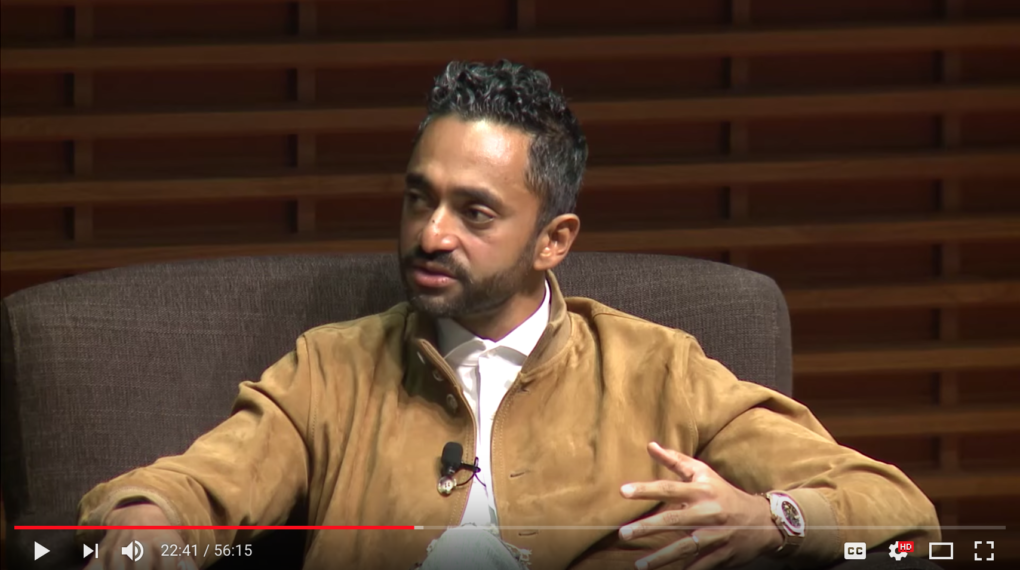
"caption": "Screenshot from the Stanford Graduate School of Business \u003ca href=\"https://www.youtube.com/watch?v=PMotykw0SIk&feature=youtu.be&t=21m21s\">YouTube channel\u003c/a>",
"description": null,
"title": "Screen Shot 2017-12-12 at 10.17.53 AM",
"credit": "YouTube",
"status": "inherit",
"isLoading": false,
"fetchFailed": false
},
"news_11630402": {
"type": "attachments",
"id": "news_11630402",
"meta": {
"index": "attachments_1716263798",
"site": "news",
"id": "11630402",
"found": true
},
"parent": 11630356,
"imgSizes": {
"small": {
"file": "https://ww2.kqed.org/app/uploads/sites/10/2017/11/GoogleSign-520x324.jpg",
"width": 520,
"mimeType": "image/jpeg",
"height": 324
},
"twentyfourteen-full-width": {
"file": "https://ww2.kqed.org/app/uploads/sites/10/2017/11/GoogleSign-1038x576.jpg",
"width": 1038,
"mimeType": "image/jpeg",
"height": 576
},
"thumbnail": {
"file": "https://ww2.kqed.org/app/uploads/sites/10/2017/11/GoogleSign-160x100.jpg",
"width": 160,
"mimeType": "image/jpeg",
"height": 100
},
"fd-sm": {
"file": "https://ww2.kqed.org/app/uploads/sites/10/2017/11/GoogleSign-960x599.jpg",
"width": 960,
"mimeType": "image/jpeg",
"height": 599
},
"post-thumbnail": {
"file": "https://ww2.kqed.org/app/uploads/sites/10/2017/11/GoogleSign-672x372.jpg",
"width": 672,
"mimeType": "image/jpeg",
"height": 372
},
"xsmall": {
"file": "https://ww2.kqed.org/app/uploads/sites/10/2017/11/GoogleSign-375x234.jpg",
"width": 375,
"mimeType": "image/jpeg",
"height": 234
},
"kqedFullSize": {
"file": "https://ww2.kqed.org/app/uploads/sites/10/2017/11/GoogleSign.jpg",
"width": 1920,
"height": 1198
},
"large": {
"file": "https://ww2.kqed.org/app/uploads/sites/10/2017/11/GoogleSign-1020x636.jpg",
"width": 1020,
"mimeType": "image/jpeg",
"height": 636
},
"xlarge": {
"file": "https://ww2.kqed.org/app/uploads/sites/10/2017/11/GoogleSign-1180x736.jpg",
"width": 1180,
"mimeType": "image/jpeg",
"height": 736
},
"guest-author-50": {
"file": "https://ww2.kqed.org/app/uploads/sites/10/2017/11/GoogleSign-50x50.jpg",
"width": 50,
"mimeType": "image/jpeg",
"height": 50
},
"guest-author-96": {
"file": "https://ww2.kqed.org/app/uploads/sites/10/2017/11/GoogleSign-96x96.jpg",
"width": 96,
"mimeType": "image/jpeg",
"height": 96
},
"medium": {
"file": "https://ww2.kqed.org/app/uploads/sites/10/2017/11/GoogleSign-800x499.jpg",
"width": 800,
"mimeType": "image/jpeg",
"height": 499
},
"guest-author-64": {
"file": "https://ww2.kqed.org/app/uploads/sites/10/2017/11/GoogleSign-64x64.jpg",
"width": 64,
"mimeType": "image/jpeg",
"height": 64
},
"guest-author-32": {
"file": "https://ww2.kqed.org/app/uploads/sites/10/2017/11/GoogleSign-32x32.jpg",
"width": 32,
"mimeType": "image/jpeg",
"height": 32
},
"fd-lrg": {
"file": "https://ww2.kqed.org/app/uploads/sites/10/2017/11/GoogleSign-1920x1198.jpg",
"width": 1920,
"mimeType": "image/jpeg",
"height": 1198
},
"fd-med": {
"file": "https://ww2.kqed.org/app/uploads/sites/10/2017/11/GoogleSign-1180x736.jpg",
"width": 1180,
"mimeType": "image/jpeg",
"height": 736
},
"full-width": {
"file": "https://ww2.kqed.org/app/uploads/sites/10/2017/11/GoogleSign-1920x1198.jpg",
"width": 1920,
"mimeType": "image/jpeg",
"height": 1198
},
"detail": {
"file": "https://ww2.kqed.org/app/uploads/sites/10/2017/11/GoogleSign-150x150.jpg",
"width": 150,
"mimeType": "image/jpeg",
"height": 150
},
"guest-author-128": {
"file": "https://ww2.kqed.org/app/uploads/sites/10/2017/11/GoogleSign-128x128.jpg",
"width": 128,
"mimeType": "image/jpeg",
"height": 128
},
"xxsmall": {
"file": "https://ww2.kqed.org/app/uploads/sites/10/2017/11/GoogleSign-240x150.jpg",
"width": 240,
"mimeType": "image/jpeg",
"height": 150
}
},
"publishDate": 1510606351,
"modified": 1510614351,
"caption": "After they negotiated some changes, Google and Facebook are supporting a bill that would give trafficking victims legal grounds to sue online platforms.",
"description": "After they negotiated some changes to it, Google and Facebook are supporting a bill that would give trafficking victims legal grounds to sue online platforms.",
"title": "GoogleSign",
"credit": "JOSH EDELSON/AFP/Getty Images",
"status": "inherit",
"isLoading": false,
"fetchFailed": false
},
"news_11628174": {
"type": "attachments",
"id": "news_11628174",
"meta": {
"index": "attachments_1716263798",
"site": "news",
"id": "11628174",
"found": true
},
"parent": 11628166,
"imgSizes": {
"small": {
"file": "https://ww2.kqed.org/app/uploads/sites/10/2017/11/MARQUEE_WEB_NR505-520x293.jpg",
"width": 520,
"mimeType": "image/jpeg",
"height": 293
},
"twentyfourteen-full-width": {
"file": "https://ww2.kqed.org/app/uploads/sites/10/2017/11/MARQUEE_WEB_NR505-1038x576.jpg",
"width": 1038,
"mimeType": "image/jpeg",
"height": 576
},
"thumbnail": {
"file": "https://ww2.kqed.org/app/uploads/sites/10/2017/11/MARQUEE_WEB_NR505-160x90.jpg",
"width": 160,
"mimeType": "image/jpeg",
"height": 90
},
"fd-sm": {
"file": "https://ww2.kqed.org/app/uploads/sites/10/2017/11/MARQUEE_WEB_NR505-960x540.jpg",
"width": 960,
"mimeType": "image/jpeg",
"height": 540
},
"post-thumbnail": {
"file": "https://ww2.kqed.org/app/uploads/sites/10/2017/11/MARQUEE_WEB_NR505-672x372.jpg",
"width": 672,
"mimeType": "image/jpeg",
"height": 372
},
"xsmall": {
"file": "https://ww2.kqed.org/app/uploads/sites/10/2017/11/MARQUEE_WEB_NR505-375x211.jpg",
"width": 375,
"mimeType": "image/jpeg",
"height": 211
},
"kqedFullSize": {
"file": "https://ww2.kqed.org/app/uploads/sites/10/2017/11/MARQUEE_WEB_NR505.jpg",
"width": 1280,
"height": 720
},
"large": {
"file": "https://ww2.kqed.org/app/uploads/sites/10/2017/11/MARQUEE_WEB_NR505-1020x574.jpg",
"width": 1020,
"mimeType": "image/jpeg",
"height": 574
},
"xlarge": {
"file": "https://ww2.kqed.org/app/uploads/sites/10/2017/11/MARQUEE_WEB_NR505-1180x664.jpg",
"width": 1180,
"mimeType": "image/jpeg",
"height": 664
},
"guest-author-50": {
"file": "https://ww2.kqed.org/app/uploads/sites/10/2017/11/MARQUEE_WEB_NR505-50x50.jpg",
"width": 50,
"mimeType": "image/jpeg",
"height": 50
},
"guest-author-96": {
"file": "https://ww2.kqed.org/app/uploads/sites/10/2017/11/MARQUEE_WEB_NR505-96x96.jpg",
"width": 96,
"mimeType": "image/jpeg",
"height": 96
},
"medium": {
"file": "https://ww2.kqed.org/app/uploads/sites/10/2017/11/MARQUEE_WEB_NR505-800x450.jpg",
"width": 800,
"mimeType": "image/jpeg",
"height": 450
},
"guest-author-64": {
"file": "https://ww2.kqed.org/app/uploads/sites/10/2017/11/MARQUEE_WEB_NR505-64x64.jpg",
"width": 64,
"mimeType": "image/jpeg",
"height": 64
},
"guest-author-32": {
"file": "https://ww2.kqed.org/app/uploads/sites/10/2017/11/MARQUEE_WEB_NR505-32x32.jpg",
"width": 32,
"mimeType": "image/jpeg",
"height": 32
},
"fd-med": {
"file": "https://ww2.kqed.org/app/uploads/sites/10/2017/11/MARQUEE_WEB_NR505-1180x664.jpg",
"width": 1180,
"mimeType": "image/jpeg",
"height": 664
},
"detail": {
"file": "https://ww2.kqed.org/app/uploads/sites/10/2017/11/MARQUEE_WEB_NR505-150x150.jpg",
"width": 150,
"mimeType": "image/jpeg",
"height": 150
},
"guest-author-128": {
"file": "https://ww2.kqed.org/app/uploads/sites/10/2017/11/MARQUEE_WEB_NR505-128x128.jpg",
"width": 128,
"mimeType": "image/jpeg",
"height": 128
},
"xxsmall": {
"file": "https://ww2.kqed.org/app/uploads/sites/10/2017/11/MARQUEE_WEB_NR505-240x135.jpg",
"width": 240,
"mimeType": "image/jpeg",
"height": 135
}
},
"publishDate": 1509754190,
"modified": 1509754190,
"caption": null,
"description": null,
"title": "MARQUEE_WEB_NR505",
"credit": null,
"status": "inherit",
"isLoading": false,
"fetchFailed": false
},
"news_11628700": {
"type": "attachments",
"id": "news_11628700",
"meta": {
"index": "attachments_1716263798",
"site": "news",
"id": "11628700",
"found": true
},
"parent": 11628696,
"imgSizes": {
"small": {
"file": "https://ww2.kqed.org/app/uploads/sites/10/2017/11/schiff-web-520x287.jpg",
"width": 520,
"mimeType": "image/jpeg",
"height": 287
},
"twentyfourteen-full-width": {
"file": "https://ww2.kqed.org/app/uploads/sites/10/2017/11/schiff-web-1038x576.jpg",
"width": 1038,
"mimeType": "image/jpeg",
"height": 576
},
"thumbnail": {
"file": "https://ww2.kqed.org/app/uploads/sites/10/2017/11/schiff-web-160x88.jpg",
"width": 160,
"mimeType": "image/jpeg",
"height": 88
},
"fd-sm": {
"file": "https://ww2.kqed.org/app/uploads/sites/10/2017/11/schiff-web-960x529.jpg",
"width": 960,
"mimeType": "image/jpeg",
"height": 529
},
"post-thumbnail": {
"file": "https://ww2.kqed.org/app/uploads/sites/10/2017/11/schiff-web-672x372.jpg",
"width": 672,
"mimeType": "image/jpeg",
"height": 372
},
"xsmall": {
"file": "https://ww2.kqed.org/app/uploads/sites/10/2017/11/schiff-web-375x207.jpg",
"width": 375,
"mimeType": "image/jpeg",
"height": 207
},
"kqedFullSize": {
"file": "https://ww2.kqed.org/app/uploads/sites/10/2017/11/schiff-web.jpg",
"width": 1672,
"height": 922
},
"large": {
"file": "https://ww2.kqed.org/app/uploads/sites/10/2017/11/schiff-web-1020x562.jpg",
"width": 1020,
"mimeType": "image/jpeg",
"height": 562
},
"xlarge": {
"file": "https://ww2.kqed.org/app/uploads/sites/10/2017/11/schiff-web-1180x651.jpg",
"width": 1180,
"mimeType": "image/jpeg",
"height": 651
},
"guest-author-50": {
"file": "https://ww2.kqed.org/app/uploads/sites/10/2017/11/schiff-web-50x50.jpg",
"width": 50,
"mimeType": "image/jpeg",
"height": 50
},
"guest-author-96": {
"file": "https://ww2.kqed.org/app/uploads/sites/10/2017/11/schiff-web-96x96.jpg",
"width": 96,
"mimeType": "image/jpeg",
"height": 96
},
"medium": {
"file": "https://ww2.kqed.org/app/uploads/sites/10/2017/11/schiff-web-800x441.jpg",
"width": 800,
"mimeType": "image/jpeg",
"height": 441
},
"guest-author-64": {
"file": "https://ww2.kqed.org/app/uploads/sites/10/2017/11/schiff-web-64x64.jpg",
"width": 64,
"mimeType": "image/jpeg",
"height": 64
},
"guest-author-32": {
"file": "https://ww2.kqed.org/app/uploads/sites/10/2017/11/schiff-web-32x32.jpg",
"width": 32,
"mimeType": "image/jpeg",
"height": 32
},
"fd-med": {
"file": "https://ww2.kqed.org/app/uploads/sites/10/2017/11/schiff-web-1180x651.jpg",
"width": 1180,
"mimeType": "image/jpeg",
"height": 651
},
"detail": {
"file": "https://ww2.kqed.org/app/uploads/sites/10/2017/11/schiff-web-150x150.jpg",
"width": 150,
"mimeType": "image/jpeg",
"height": 150
},
"guest-author-128": {
"file": "https://ww2.kqed.org/app/uploads/sites/10/2017/11/schiff-web-128x128.jpg",
"width": 128,
"mimeType": "image/jpeg",
"height": 128
},
"xxsmall": {
"file": "https://ww2.kqed.org/app/uploads/sites/10/2017/11/schiff-web-240x132.jpg",
"width": 240,
"mimeType": "image/jpeg",
"height": 132
}
},
"publishDate": 1510018621,
"modified": 1510018621,
"caption": null,
"description": null,
"title": "schiff web",
"credit": null,
"status": "inherit",
"isLoading": false,
"fetchFailed": false
},
"news_11627466": {
"type": "attachments",
"id": "news_11627466",
"meta": {
"index": "attachments_1716263798",
"site": "news",
"id": "11627466",
"found": true
},
"parent": 11627465,
"imgSizes": {
"small": {
"file": "https://ww2.kqed.org/app/uploads/sites/10/2017/11/gettyimages-868706144_custom-e98841022204bc9279cef51035cf8339849772d7-520x278.jpg",
"width": 520,
"mimeType": "image/jpeg",
"height": 278
},
"twentyfourteen-full-width": {
"file": "https://ww2.kqed.org/app/uploads/sites/10/2017/11/gettyimages-868706144_custom-e98841022204bc9279cef51035cf8339849772d7-1038x576.jpg",
"width": 1038,
"mimeType": "image/jpeg",
"height": 576
},
"thumbnail": {
"file": "https://ww2.kqed.org/app/uploads/sites/10/2017/11/gettyimages-868706144_custom-e98841022204bc9279cef51035cf8339849772d7-160x86.jpg",
"width": 160,
"mimeType": "image/jpeg",
"height": 86
},
"fd-sm": {
"file": "https://ww2.kqed.org/app/uploads/sites/10/2017/11/gettyimages-868706144_custom-e98841022204bc9279cef51035cf8339849772d7-960x514.jpg",
"width": 960,
"mimeType": "image/jpeg",
"height": 514
},
"post-thumbnail": {
"file": "https://ww2.kqed.org/app/uploads/sites/10/2017/11/gettyimages-868706144_custom-e98841022204bc9279cef51035cf8339849772d7-672x372.jpg",
"width": 672,
"mimeType": "image/jpeg",
"height": 372
},
"xsmall": {
"file": "https://ww2.kqed.org/app/uploads/sites/10/2017/11/gettyimages-868706144_custom-e98841022204bc9279cef51035cf8339849772d7-375x201.jpg",
"width": 375,
"mimeType": "image/jpeg",
"height": 201
},
"kqedFullSize": {
"file": "https://ww2.kqed.org/app/uploads/sites/10/2017/11/gettyimages-868706144_custom-e98841022204bc9279cef51035cf8339849772d7-e1509573555157.jpg",
"width": 1920,
"height": 1028
},
"large": {
"file": "https://ww2.kqed.org/app/uploads/sites/10/2017/11/gettyimages-868706144_custom-e98841022204bc9279cef51035cf8339849772d7-1020x546.jpg",
"width": 1020,
"mimeType": "image/jpeg",
"height": 546
},
"xlarge": {
"file": "https://ww2.kqed.org/app/uploads/sites/10/2017/11/gettyimages-868706144_custom-e98841022204bc9279cef51035cf8339849772d7-1180x632.jpg",
"width": 1180,
"mimeType": "image/jpeg",
"height": 632
},
"guest-author-50": {
"file": "https://ww2.kqed.org/app/uploads/sites/10/2017/11/gettyimages-868706144_custom-e98841022204bc9279cef51035cf8339849772d7-50x50.jpg",
"width": 50,
"mimeType": "image/jpeg",
"height": 50
},
"guest-author-96": {
"file": "https://ww2.kqed.org/app/uploads/sites/10/2017/11/gettyimages-868706144_custom-e98841022204bc9279cef51035cf8339849772d7-96x96.jpg",
"width": 96,
"mimeType": "image/jpeg",
"height": 96
},
"medium": {
"file": "https://ww2.kqed.org/app/uploads/sites/10/2017/11/gettyimages-868706144_custom-e98841022204bc9279cef51035cf8339849772d7-800x428.jpg",
"width": 800,
"mimeType": "image/jpeg",
"height": 428
},
"guest-author-64": {
"file": "https://ww2.kqed.org/app/uploads/sites/10/2017/11/gettyimages-868706144_custom-e98841022204bc9279cef51035cf8339849772d7-64x64.jpg",
"width": 64,
"mimeType": "image/jpeg",
"height": 64
},
"guest-author-32": {
"file": "https://ww2.kqed.org/app/uploads/sites/10/2017/11/gettyimages-868706144_custom-e98841022204bc9279cef51035cf8339849772d7-32x32.jpg",
"width": 32,
"mimeType": "image/jpeg",
"height": 32
},
"fd-lrg": {
"file": "https://ww2.kqed.org/app/uploads/sites/10/2017/11/gettyimages-868706144_custom-e98841022204bc9279cef51035cf8339849772d7-1920x1028.jpg",
"width": 1920,
"mimeType": "image/jpeg",
"height": 1028
},
"fd-med": {
"file": "https://ww2.kqed.org/app/uploads/sites/10/2017/11/gettyimages-868706144_custom-e98841022204bc9279cef51035cf8339849772d7-1180x632.jpg",
"width": 1180,
"mimeType": "image/jpeg",
"height": 632
},
"full-width": {
"file": "https://ww2.kqed.org/app/uploads/sites/10/2017/11/gettyimages-868706144_custom-e98841022204bc9279cef51035cf8339849772d7-1920x1028.jpg",
"width": 1920,
"mimeType": "image/jpeg",
"height": 1028
},
"detail": {
"file": "https://ww2.kqed.org/app/uploads/sites/10/2017/11/gettyimages-868706144_custom-e98841022204bc9279cef51035cf8339849772d7-150x150.jpg",
"width": 150,
"mimeType": "image/jpeg",
"height": 150
},
"guest-author-128": {
"file": "https://ww2.kqed.org/app/uploads/sites/10/2017/11/gettyimages-868706144_custom-e98841022204bc9279cef51035cf8339849772d7-128x128.jpg",
"width": 128,
"mimeType": "image/jpeg",
"height": 128
},
"xxsmall": {
"file": "https://ww2.kqed.org/app/uploads/sites/10/2017/11/gettyimages-868706144_custom-e98841022204bc9279cef51035cf8339849772d7-240x129.jpg",
"width": 240,
"mimeType": "image/jpeg",
"height": 129
}
},
"publishDate": 1509573372,
"modified": 1509573546,
"caption": "Colin Stretch (left), general counsel of Facebook; Sean Edgett (center), acting general counsel of Twitter; and Richard Salgado, director of law enforcement and information security of Google, are sworn in prior to testifying during a U.S. Senate Judiciary subcommittee hearing on Russian influence on social networks on Capitol Hill on Tuesday.",
"description": "Colin Stretch (left), general counsel of Facebook; Sean Edgett (center), acting general counsel of Twitter; and Richard Salgado, director of law enforcement and information security of Google, are sworn in prior to testifying during a U.S. Senate Judiciary subcommittee hearing on Russian influence on social networks on Capitol Hill on Tuesday.",
"title": "Colin Stretch (left), general counsel of Facebook; Sean Edgett (center), acting general counsel of Twitter; and Richard Salgado, director of law enforcement and information security of Google, are sworn in prior to testifying during a U.S. Senate Judiciary subcommittee hearing on Russian influence on social networks on Capitol Hill on Tuesday.",
"credit": "Saul Loeb/AFP/Getty Images",
"status": "inherit",
"isLoading": false,
"fetchFailed": false
},
"news_11627281": {
"type": "attachments",
"id": "news_11627281",
"meta": {
"index": "attachments_1716263798",
"site": "news",
"id": "11627281",
"found": true
},
"parent": 11627280,
"imgSizes": {
"small": {
"file": "https://ww2.kqed.org/app/uploads/sites/10/2017/10/2017-08-03-uscapitol-ljdoyle-017-1-_custom-50e4994d469b1f286c8fae7c92601d94beb3ee10-520x291.jpg",
"width": 520,
"mimeType": "image/jpeg",
"height": 291
},
"twentyfourteen-full-width": {
"file": "https://ww2.kqed.org/app/uploads/sites/10/2017/10/2017-08-03-uscapitol-ljdoyle-017-1-_custom-50e4994d469b1f286c8fae7c92601d94beb3ee10-1038x576.jpg",
"width": 1038,
"mimeType": "image/jpeg",
"height": 576
},
"thumbnail": {
"file": "https://ww2.kqed.org/app/uploads/sites/10/2017/10/2017-08-03-uscapitol-ljdoyle-017-1-_custom-50e4994d469b1f286c8fae7c92601d94beb3ee10-160x90.jpg",
"width": 160,
"mimeType": "image/jpeg",
"height": 90
},
"fd-sm": {
"file": "https://ww2.kqed.org/app/uploads/sites/10/2017/10/2017-08-03-uscapitol-ljdoyle-017-1-_custom-50e4994d469b1f286c8fae7c92601d94beb3ee10-960x537.jpg",
"width": 960,
"mimeType": "image/jpeg",
"height": 537
},
"post-thumbnail": {
"file": "https://ww2.kqed.org/app/uploads/sites/10/2017/10/2017-08-03-uscapitol-ljdoyle-017-1-_custom-50e4994d469b1f286c8fae7c92601d94beb3ee10-672x372.jpg",
"width": 672,
"mimeType": "image/jpeg",
"height": 372
},
"xsmall": {
"file": "https://ww2.kqed.org/app/uploads/sites/10/2017/10/2017-08-03-uscapitol-ljdoyle-017-1-_custom-50e4994d469b1f286c8fae7c92601d94beb3ee10-375x210.jpg",
"width": 375,
"mimeType": "image/jpeg",
"height": 210
},
"kqedFullSize": {
"file": "https://ww2.kqed.org/app/uploads/sites/10/2017/10/2017-08-03-uscapitol-ljdoyle-017-1-_custom-50e4994d469b1f286c8fae7c92601d94beb3ee10-e1509492236323.jpg",
"width": 1920,
"height": 1075
},
"large": {
"file": "https://ww2.kqed.org/app/uploads/sites/10/2017/10/2017-08-03-uscapitol-ljdoyle-017-1-_custom-50e4994d469b1f286c8fae7c92601d94beb3ee10-1020x571.jpg",
"width": 1020,
"mimeType": "image/jpeg",
"height": 571
},
"xlarge": {
"file": "https://ww2.kqed.org/app/uploads/sites/10/2017/10/2017-08-03-uscapitol-ljdoyle-017-1-_custom-50e4994d469b1f286c8fae7c92601d94beb3ee10-1180x660.jpg",
"width": 1180,
"mimeType": "image/jpeg",
"height": 660
},
"guest-author-50": {
"file": "https://ww2.kqed.org/app/uploads/sites/10/2017/10/2017-08-03-uscapitol-ljdoyle-017-1-_custom-50e4994d469b1f286c8fae7c92601d94beb3ee10-50x50.jpg",
"width": 50,
"mimeType": "image/jpeg",
"height": 50
},
"guest-author-96": {
"file": "https://ww2.kqed.org/app/uploads/sites/10/2017/10/2017-08-03-uscapitol-ljdoyle-017-1-_custom-50e4994d469b1f286c8fae7c92601d94beb3ee10-96x96.jpg",
"width": 96,
"mimeType": "image/jpeg",
"height": 96
},
"medium": {
"file": "https://ww2.kqed.org/app/uploads/sites/10/2017/10/2017-08-03-uscapitol-ljdoyle-017-1-_custom-50e4994d469b1f286c8fae7c92601d94beb3ee10-800x448.jpg",
"width": 800,
"mimeType": "image/jpeg",
"height": 448
},
"guest-author-64": {
"file": "https://ww2.kqed.org/app/uploads/sites/10/2017/10/2017-08-03-uscapitol-ljdoyle-017-1-_custom-50e4994d469b1f286c8fae7c92601d94beb3ee10-64x64.jpg",
"width": 64,
"mimeType": "image/jpeg",
"height": 64
},
"guest-author-32": {
"file": "https://ww2.kqed.org/app/uploads/sites/10/2017/10/2017-08-03-uscapitol-ljdoyle-017-1-_custom-50e4994d469b1f286c8fae7c92601d94beb3ee10-32x32.jpg",
"width": 32,
"mimeType": "image/jpeg",
"height": 32
},
"fd-lrg": {
"file": "https://ww2.kqed.org/app/uploads/sites/10/2017/10/2017-08-03-uscapitol-ljdoyle-017-1-_custom-50e4994d469b1f286c8fae7c92601d94beb3ee10-1920x1075.jpg",
"width": 1920,
"mimeType": "image/jpeg",
"height": 1075
},
"fd-med": {
"file": "https://ww2.kqed.org/app/uploads/sites/10/2017/10/2017-08-03-uscapitol-ljdoyle-017-1-_custom-50e4994d469b1f286c8fae7c92601d94beb3ee10-1180x660.jpg",
"width": 1180,
"mimeType": "image/jpeg",
"height": 660
},
"full-width": {
"file": "https://ww2.kqed.org/app/uploads/sites/10/2017/10/2017-08-03-uscapitol-ljdoyle-017-1-_custom-50e4994d469b1f286c8fae7c92601d94beb3ee10-1920x1075.jpg",
"width": 1920,
"mimeType": "image/jpeg",
"height": 1075
},
"detail": {
"file": "https://ww2.kqed.org/app/uploads/sites/10/2017/10/2017-08-03-uscapitol-ljdoyle-017-1-_custom-50e4994d469b1f286c8fae7c92601d94beb3ee10-150x150.jpg",
"width": 150,
"mimeType": "image/jpeg",
"height": 150
},
"guest-author-128": {
"file": "https://ww2.kqed.org/app/uploads/sites/10/2017/10/2017-08-03-uscapitol-ljdoyle-017-1-_custom-50e4994d469b1f286c8fae7c92601d94beb3ee10-128x128.jpg",
"width": 128,
"mimeType": "image/jpeg",
"height": 128
},
"xxsmall": {
"file": "https://ww2.kqed.org/app/uploads/sites/10/2017/10/2017-08-03-uscapitol-ljdoyle-017-1-_custom-50e4994d469b1f286c8fae7c92601d94beb3ee10-240x134.jpg",
"width": 240,
"mimeType": "image/jpeg",
"height": 134
}
},
"publishDate": 1509492107,
"modified": 1509492263,
"caption": "Representatives of Facebook, Google and Twitter testified on Capitol Hill on Tuesday about Russia's use of their platforms.",
"description": "Representatives of Facebook, Google and Twitter testified on Capitol Hill on Tuesday about Russia's use of their platforms.",
"title": "Representatives of Facebook, Google and Twitter are testifying on Capitol Hill on Tuesday about Russia's use of their platforms.",
"credit": "Liam James Doyle/NPR",
"status": "inherit",
"isLoading": false,
"fetchFailed": false
},
"news_11627231": {
"type": "attachments",
"id": "news_11627231",
"meta": {
"index": "attachments_1716263798",
"site": "news",
"id": "11627231",
"found": true
},
"parent": 11627222,
"imgSizes": {
"small": {
"file": "https://ww2.kqed.org/app/uploads/sites/10/2017/10/tricktreat_103117_final-520x520.jpg",
"width": 520,
"mimeType": "image/jpeg",
"height": 520
},
"twentyfourteen-full-width": {
"file": "https://ww2.kqed.org/app/uploads/sites/10/2017/10/tricktreat_103117_final-1038x576.jpg",
"width": 1038,
"mimeType": "image/jpeg",
"height": 576
},
"thumbnail": {
"file": "https://ww2.kqed.org/app/uploads/sites/10/2017/10/tricktreat_103117_final-160x160.jpg",
"width": 160,
"mimeType": "image/jpeg",
"height": 160
},
"fd-sm": {
"file": "https://ww2.kqed.org/app/uploads/sites/10/2017/10/tricktreat_103117_final-960x960.jpg",
"width": 960,
"mimeType": "image/jpeg",
"height": 960
},
"post-thumbnail": {
"file": "https://ww2.kqed.org/app/uploads/sites/10/2017/10/tricktreat_103117_final-672x372.jpg",
"width": 672,
"mimeType": "image/jpeg",
"height": 372
},
"xsmall": {
"file": "https://ww2.kqed.org/app/uploads/sites/10/2017/10/tricktreat_103117_final-375x375.jpg",
"width": 375,
"mimeType": "image/jpeg",
"height": 375
},
"kqedFullSize": {
"file": "https://ww2.kqed.org/app/uploads/sites/10/2017/10/tricktreat_103117_final.jpg",
"width": 1920,
"height": 1920
},
"large": {
"file": "https://ww2.kqed.org/app/uploads/sites/10/2017/10/tricktreat_103117_final-1020x1020.jpg",
"width": 1020,
"mimeType": "image/jpeg",
"height": 1020
},
"xlarge": {
"file": "https://ww2.kqed.org/app/uploads/sites/10/2017/10/tricktreat_103117_final-1180x1180.jpg",
"width": 1180,
"mimeType": "image/jpeg",
"height": 1180
},
"guest-author-50": {
"file": "https://ww2.kqed.org/app/uploads/sites/10/2017/10/tricktreat_103117_final-50x50.jpg",
"width": 50,
"mimeType": "image/jpeg",
"height": 50
},
"guest-author-96": {
"file": "https://ww2.kqed.org/app/uploads/sites/10/2017/10/tricktreat_103117_final-96x96.jpg",
"width": 96,
"mimeType": "image/jpeg",
"height": 96
},
"medium": {
"file": "https://ww2.kqed.org/app/uploads/sites/10/2017/10/tricktreat_103117_final-800x800.jpg",
"width": 800,
"mimeType": "image/jpeg",
"height": 800
},
"guest-author-64": {
"file": "https://ww2.kqed.org/app/uploads/sites/10/2017/10/tricktreat_103117_final-64x64.jpg",
"width": 64,
"mimeType": "image/jpeg",
"height": 64
},
"guest-author-32": {
"file": "https://ww2.kqed.org/app/uploads/sites/10/2017/10/tricktreat_103117_final-32x32.jpg",
"width": 32,
"mimeType": "image/jpeg",
"height": 32
},
"fd-lrg": {
"file": "https://ww2.kqed.org/app/uploads/sites/10/2017/10/tricktreat_103117_final-1920x1920.jpg",
"width": 1920,
"mimeType": "image/jpeg",
"height": 1920
},
"fd-med": {
"file": "https://ww2.kqed.org/app/uploads/sites/10/2017/10/tricktreat_103117_final-1180x1180.jpg",
"width": 1180,
"mimeType": "image/jpeg",
"height": 1180
},
"full-width": {
"file": "https://ww2.kqed.org/app/uploads/sites/10/2017/10/tricktreat_103117_final-1920x1920.jpg",
"width": 1920,
"mimeType": "image/jpeg",
"height": 1920
},
"detail": {
"file": "https://ww2.kqed.org/app/uploads/sites/10/2017/10/tricktreat_103117_final-150x150.jpg",
"width": 150,
"mimeType": "image/jpeg",
"height": 150
},
"guest-author-128": {
"file": "https://ww2.kqed.org/app/uploads/sites/10/2017/10/tricktreat_103117_final-128x128.jpg",
"width": 128,
"mimeType": "image/jpeg",
"height": 128
},
"xxsmall": {
"file": "https://ww2.kqed.org/app/uploads/sites/10/2017/10/tricktreat_103117_final-240x240.jpg",
"width": 240,
"mimeType": "image/jpeg",
"height": 240
}
},
"publishDate": 1509488025,
"modified": 1509488052,
"caption": null,
"description": null,
"title": "tricktreat_103117_final",
"credit": null,
"status": "inherit",
"isLoading": false,
"fetchFailed": false
},
"news_11627121": {
"type": "attachments",
"id": "news_11627121",
"meta": {
"index": "attachments_1716263798",
"site": "news",
"id": "11627121",
"found": true
},
"parent": 11627120,
"imgSizes": {
"small": {
"file": "https://ww2.kqed.org/app/uploads/sites/10/2017/10/gettyimages-669889770-11100d0a098a432034c98fc7dca866905f412715-520x390.jpg",
"width": 520,
"mimeType": "image/jpeg",
"height": 390
},
"twentyfourteen-full-width": {
"file": "https://ww2.kqed.org/app/uploads/sites/10/2017/10/gettyimages-669889770-11100d0a098a432034c98fc7dca866905f412715-1038x576.jpg",
"width": 1038,
"mimeType": "image/jpeg",
"height": 576
},
"thumbnail": {
"file": "https://ww2.kqed.org/app/uploads/sites/10/2017/10/gettyimages-669889770-11100d0a098a432034c98fc7dca866905f412715-160x120.jpg",
"width": 160,
"mimeType": "image/jpeg",
"height": 120
},
"fd-sm": {
"file": "https://ww2.kqed.org/app/uploads/sites/10/2017/10/gettyimages-669889770-11100d0a098a432034c98fc7dca866905f412715-960x720.jpg",
"width": 960,
"mimeType": "image/jpeg",
"height": 720
},
"post-thumbnail": {
"file": "https://ww2.kqed.org/app/uploads/sites/10/2017/10/gettyimages-669889770-11100d0a098a432034c98fc7dca866905f412715-672x372.jpg",
"width": 672,
"mimeType": "image/jpeg",
"height": 372
},
"xsmall": {
"file": "https://ww2.kqed.org/app/uploads/sites/10/2017/10/gettyimages-669889770-11100d0a098a432034c98fc7dca866905f412715-375x281.jpg",
"width": 375,
"mimeType": "image/jpeg",
"height": 281
},
"kqedFullSize": {
"file": "https://ww2.kqed.org/app/uploads/sites/10/2017/10/gettyimages-669889770-11100d0a098a432034c98fc7dca866905f412715-e1509482516422.jpg",
"width": 1920,
"height": 1439
},
"large": {
"file": "https://ww2.kqed.org/app/uploads/sites/10/2017/10/gettyimages-669889770-11100d0a098a432034c98fc7dca866905f412715-1020x765.jpg",
"width": 1020,
"mimeType": "image/jpeg",
"height": 765
},
"xlarge": {
"file": "https://ww2.kqed.org/app/uploads/sites/10/2017/10/gettyimages-669889770-11100d0a098a432034c98fc7dca866905f412715-1180x885.jpg",
"width": 1180,
"mimeType": "image/jpeg",
"height": 885
},
"guest-author-50": {
"file": "https://ww2.kqed.org/app/uploads/sites/10/2017/10/gettyimages-669889770-11100d0a098a432034c98fc7dca866905f412715-50x50.jpg",
"width": 50,
"mimeType": "image/jpeg",
"height": 50
},
"guest-author-96": {
"file": "https://ww2.kqed.org/app/uploads/sites/10/2017/10/gettyimages-669889770-11100d0a098a432034c98fc7dca866905f412715-96x96.jpg",
"width": 96,
"mimeType": "image/jpeg",
"height": 96
},
"medium": {
"file": "https://ww2.kqed.org/app/uploads/sites/10/2017/10/gettyimages-669889770-11100d0a098a432034c98fc7dca866905f412715-800x600.jpg",
"width": 800,
"mimeType": "image/jpeg",
"height": 600
},
"guest-author-64": {
"file": "https://ww2.kqed.org/app/uploads/sites/10/2017/10/gettyimages-669889770-11100d0a098a432034c98fc7dca866905f412715-64x64.jpg",
"width": 64,
"mimeType": "image/jpeg",
"height": 64
},
"guest-author-32": {
"file": "https://ww2.kqed.org/app/uploads/sites/10/2017/10/gettyimages-669889770-11100d0a098a432034c98fc7dca866905f412715-32x32.jpg",
"width": 32,
"mimeType": "image/jpeg",
"height": 32
},
"fd-lrg": {
"file": "https://ww2.kqed.org/app/uploads/sites/10/2017/10/gettyimages-669889770-11100d0a098a432034c98fc7dca866905f412715-1920x1439.jpg",
"width": 1920,
"mimeType": "image/jpeg",
"height": 1439
},
"fd-med": {
"file": "https://ww2.kqed.org/app/uploads/sites/10/2017/10/gettyimages-669889770-11100d0a098a432034c98fc7dca866905f412715-1180x885.jpg",
"width": 1180,
"mimeType": "image/jpeg",
"height": 885
},
"full-width": {
"file": "https://ww2.kqed.org/app/uploads/sites/10/2017/10/gettyimages-669889770-11100d0a098a432034c98fc7dca866905f412715-1920x1439.jpg",
"width": 1920,
"mimeType": "image/jpeg",
"height": 1439
},
"detail": {
"file": "https://ww2.kqed.org/app/uploads/sites/10/2017/10/gettyimages-669889770-11100d0a098a432034c98fc7dca866905f412715-150x150.jpg",
"width": 150,
"mimeType": "image/jpeg",
"height": 150
},
"guest-author-128": {
"file": "https://ww2.kqed.org/app/uploads/sites/10/2017/10/gettyimages-669889770-11100d0a098a432034c98fc7dca866905f412715-128x128.jpg",
"width": 128,
"mimeType": "image/jpeg",
"height": 128
},
"xxsmall": {
"file": "https://ww2.kqed.org/app/uploads/sites/10/2017/10/gettyimages-669889770-11100d0a098a432034c98fc7dca866905f412715-240x180.jpg",
"width": 240,
"mimeType": "image/jpeg",
"height": 180
}
},
"publishDate": 1509482432,
"modified": 1509482503,
"caption": "Facebook CEO Mark Zuckerberg has said connecting the world means bringing people together. But increasingly the platform is being used by some very powerful elements to sow divisions.",
"description": "Facebook CEO Mark Zuckerberg has said connecting the world means bringing people together. But increasingly the platform is being used by some very powerful elements to sow division",
"title": "Facebook CEO Mark Zuckerberg has said connecting the world means bringing people together. But increasingly the platform is being used by some very powerful elements to sow divisions.",
"credit": "Justin Sullivan/Getty Images",
"status": "inherit",
"isLoading": false,
"fetchFailed": false
},
"news_11535268": {
"type": "attachments",
"id": "news_11535268",
"meta": {
"index": "attachments_1716263798",
"site": "news",
"id": "11535268",
"found": true
},
"parent": 11535262,
"imgSizes": {
"small": {
"file": "https://ww2.kqed.org/app/uploads/sites/10/2017/06/RS23343_GettyImages-624830956-qut-520x347.jpg",
"width": 520,
"mimeType": "image/jpeg",
"height": 347
},
"twentyfourteen-full-width": {
"file": "https://ww2.kqed.org/app/uploads/sites/10/2017/06/RS23343_GettyImages-624830956-qut-1038x576.jpg",
"width": 1038,
"mimeType": "image/jpeg",
"height": 576
},
"thumbnail": {
"file": "https://ww2.kqed.org/app/uploads/sites/10/2017/06/RS23343_GettyImages-624830956-qut-160x107.jpg",
"width": 160,
"mimeType": "image/jpeg",
"height": 107
},
"fd-sm": {
"file": "https://ww2.kqed.org/app/uploads/sites/10/2017/06/RS23343_GettyImages-624830956-qut-960x640.jpg",
"width": 960,
"mimeType": "image/jpeg",
"height": 640
},
"post-thumbnail": {
"file": "https://ww2.kqed.org/app/uploads/sites/10/2017/06/RS23343_GettyImages-624830956-qut-672x372.jpg",
"width": 672,
"mimeType": "image/jpeg",
"height": 372
},
"xsmall": {
"file": "https://ww2.kqed.org/app/uploads/sites/10/2017/06/RS23343_GettyImages-624830956-qut-375x250.jpg",
"width": 375,
"mimeType": "image/jpeg",
"height": 250
},
"kqedFullSize": {
"file": "https://ww2.kqed.org/app/uploads/sites/10/2017/06/RS23343_GettyImages-624830956-qut.jpg",
"width": 1920,
"height": 1280
},
"large": {
"file": "https://ww2.kqed.org/app/uploads/sites/10/2017/06/RS23343_GettyImages-624830956-qut-1020x680.jpg",
"width": 1020,
"mimeType": "image/jpeg",
"height": 680
},
"xlarge": {
"file": "https://ww2.kqed.org/app/uploads/sites/10/2017/06/RS23343_GettyImages-624830956-qut-1180x787.jpg",
"width": 1180,
"mimeType": "image/jpeg",
"height": 787
},
"guest-author-50": {
"file": "https://ww2.kqed.org/app/uploads/sites/10/2017/06/RS23343_GettyImages-624830956-qut-50x50.jpg",
"width": 50,
"mimeType": "image/jpeg",
"height": 50
},
"guest-author-96": {
"file": "https://ww2.kqed.org/app/uploads/sites/10/2017/06/RS23343_GettyImages-624830956-qut-96x96.jpg",
"width": 96,
"mimeType": "image/jpeg",
"height": 96
},
"medium": {
"file": "https://ww2.kqed.org/app/uploads/sites/10/2017/06/RS23343_GettyImages-624830956-qut-800x533.jpg",
"width": 800,
"mimeType": "image/jpeg",
"height": 533
},
"guest-author-64": {
"file": "https://ww2.kqed.org/app/uploads/sites/10/2017/06/RS23343_GettyImages-624830956-qut-64x64.jpg",
"width": 64,
"mimeType": "image/jpeg",
"height": 64
},
"guest-author-32": {
"file": "https://ww2.kqed.org/app/uploads/sites/10/2017/06/RS23343_GettyImages-624830956-qut-32x32.jpg",
"width": 32,
"mimeType": "image/jpeg",
"height": 32
},
"fd-lrg": {
"file": "https://ww2.kqed.org/app/uploads/sites/10/2017/06/RS23343_GettyImages-624830956-qut-1920x1280.jpg",
"width": 1920,
"mimeType": "image/jpeg",
"height": 1280
},
"fd-med": {
"file": "https://ww2.kqed.org/app/uploads/sites/10/2017/06/RS23343_GettyImages-624830956-qut-1180x787.jpg",
"width": 1180,
"mimeType": "image/jpeg",
"height": 787
},
"full-width": {
"file": "https://ww2.kqed.org/app/uploads/sites/10/2017/06/RS23343_GettyImages-624830956-qut-1920x1280.jpg",
"width": 1920,
"mimeType": "image/jpeg",
"height": 1280
},
"detail": {
"file": "https://ww2.kqed.org/app/uploads/sites/10/2017/06/RS23343_GettyImages-624830956-qut-150x150.jpg",
"width": 150,
"mimeType": "image/jpeg",
"height": 150
},
"guest-author-128": {
"file": "https://ww2.kqed.org/app/uploads/sites/10/2017/06/RS23343_GettyImages-624830956-qut-128x128.jpg",
"width": 128,
"mimeType": "image/jpeg",
"height": 128
},
"xxsmall": {
"file": "https://ww2.kqed.org/app/uploads/sites/10/2017/06/RS23343_GettyImages-624830956-qut-240x160.jpg",
"width": 240,
"mimeType": "image/jpeg",
"height": 160
}
},
"publishDate": 1498587247,
"modified": 1498602015,
"caption": "Facebook logos are pictured on the screens of a smartphone and a laptop computer in central London on Nov. 21, 2016.",
"description": null,
"title": "RS23343_GettyImages-624830956-qut",
"credit": "Justin Tallis/Getty images",
"status": "inherit",
"isLoading": false,
"fetchFailed": false
},
"news_11622623": {
"type": "attachments",
"id": "news_11622623",
"meta": {
"index": "attachments_1716263798",
"site": "news",
"id": "11622623",
"found": true
},
"parent": 11622517,
"imgSizes": {
"small": {
"file": "https://ww2.kqed.org/app/uploads/sites/10/2017/10/Airbnb-520x347.jpg",
"width": 520,
"mimeType": "image/jpeg",
"height": 347
},
"twentyfourteen-full-width": {
"file": "https://ww2.kqed.org/app/uploads/sites/10/2017/10/Airbnb-1038x576.jpg",
"width": 1038,
"mimeType": "image/jpeg",
"height": 576
},
"thumbnail": {
"file": "https://ww2.kqed.org/app/uploads/sites/10/2017/10/Airbnb-160x107.jpg",
"width": 160,
"mimeType": "image/jpeg",
"height": 107
},
"fd-sm": {
"file": "https://ww2.kqed.org/app/uploads/sites/10/2017/10/Airbnb-960x640.jpg",
"width": 960,
"mimeType": "image/jpeg",
"height": 640
},
"post-thumbnail": {
"file": "https://ww2.kqed.org/app/uploads/sites/10/2017/10/Airbnb-672x372.jpg",
"width": 672,
"mimeType": "image/jpeg",
"height": 372
},
"xsmall": {
"file": "https://ww2.kqed.org/app/uploads/sites/10/2017/10/Airbnb-375x250.jpg",
"width": 375,
"mimeType": "image/jpeg",
"height": 250
},
"kqedFullSize": {
"file": "https://ww2.kqed.org/app/uploads/sites/10/2017/10/Airbnb.jpg",
"width": 1920,
"height": 1280
},
"large": {
"file": "https://ww2.kqed.org/app/uploads/sites/10/2017/10/Airbnb-1020x680.jpg",
"width": 1020,
"mimeType": "image/jpeg",
"height": 680
},
"xlarge": {
"file": "https://ww2.kqed.org/app/uploads/sites/10/2017/10/Airbnb-1180x787.jpg",
"width": 1180,
"mimeType": "image/jpeg",
"height": 787
},
"guest-author-50": {
"file": "https://ww2.kqed.org/app/uploads/sites/10/2017/10/Airbnb-50x50.jpg",
"width": 50,
"mimeType": "image/jpeg",
"height": 50
},
"guest-author-96": {
"file": "https://ww2.kqed.org/app/uploads/sites/10/2017/10/Airbnb-96x96.jpg",
"width": 96,
"mimeType": "image/jpeg",
"height": 96
},
"medium": {
"file": "https://ww2.kqed.org/app/uploads/sites/10/2017/10/Airbnb-800x533.jpg",
"width": 800,
"mimeType": "image/jpeg",
"height": 533
},
"guest-author-64": {
"file": "https://ww2.kqed.org/app/uploads/sites/10/2017/10/Airbnb-64x64.jpg",
"width": 64,
"mimeType": "image/jpeg",
"height": 64
},
"guest-author-32": {
"file": "https://ww2.kqed.org/app/uploads/sites/10/2017/10/Airbnb-32x32.jpg",
"width": 32,
"mimeType": "image/jpeg",
"height": 32
},
"fd-lrg": {
"file": "https://ww2.kqed.org/app/uploads/sites/10/2017/10/Airbnb-1920x1280.jpg",
"width": 1920,
"mimeType": "image/jpeg",
"height": 1280
},
"fd-med": {
"file": "https://ww2.kqed.org/app/uploads/sites/10/2017/10/Airbnb-1180x787.jpg",
"width": 1180,
"mimeType": "image/jpeg",
"height": 787
},
"full-width": {
"file": "https://ww2.kqed.org/app/uploads/sites/10/2017/10/Airbnb-1920x1280.jpg",
"width": 1920,
"mimeType": "image/jpeg",
"height": 1280
},
"detail": {
"file": "https://ww2.kqed.org/app/uploads/sites/10/2017/10/Airbnb-150x150.jpg",
"width": 150,
"mimeType": "image/jpeg",
"height": 150
},
"guest-author-128": {
"file": "https://ww2.kqed.org/app/uploads/sites/10/2017/10/Airbnb-128x128.jpg",
"width": 128,
"mimeType": "image/jpeg",
"height": 128
},
"xxsmall": {
"file": "https://ww2.kqed.org/app/uploads/sites/10/2017/10/Airbnb-240x160.jpg",
"width": 240,
"mimeType": "image/jpeg",
"height": 160
}
},
"publishDate": 1507763247,
"modified": 1507765084,
"caption": "After Airbnb activated its disaster response tool to help those impacted by the fires on Monday, more than 200 people signed up so far to host evacuees.",
"description": "After Airbnb activated its disaster response tool to help those impacted by the fires on Monday, more than 200 people have signed up to host evacuees.",
"title": "Airbnb",
"credit": "Carl Court/Getty Images",
"status": "inherit",
"isLoading": false,
"fetchFailed": false
},
"news_11620862": {
"type": "attachments",
"id": "news_11620862",
"meta": {
"index": "attachments_1716263798",
"site": "news",
"id": "11620862",
"found": true
},
"parent": 11620861,
"imgSizes": {
"small": {
"file": "https://ww2.kqed.org/app/uploads/sites/10/2017/10/gettyimages-856646990-274d580d00647fc0991f421e47cb36c6bf3e1ad8-520x390.jpg",
"width": 520,
"mimeType": "image/jpeg",
"height": 390
},
"twentyfourteen-full-width": {
"file": "https://ww2.kqed.org/app/uploads/sites/10/2017/10/gettyimages-856646990-274d580d00647fc0991f421e47cb36c6bf3e1ad8-1038x576.jpg",
"width": 1038,
"mimeType": "image/jpeg",
"height": 576
},
"thumbnail": {
"file": "https://ww2.kqed.org/app/uploads/sites/10/2017/10/gettyimages-856646990-274d580d00647fc0991f421e47cb36c6bf3e1ad8-160x120.jpg",
"width": 160,
"mimeType": "image/jpeg",
"height": 120
},
"fd-sm": {
"file": "https://ww2.kqed.org/app/uploads/sites/10/2017/10/gettyimages-856646990-274d580d00647fc0991f421e47cb36c6bf3e1ad8-960x720.jpg",
"width": 960,
"mimeType": "image/jpeg",
"height": 720
},
"post-thumbnail": {
"file": "https://ww2.kqed.org/app/uploads/sites/10/2017/10/gettyimages-856646990-274d580d00647fc0991f421e47cb36c6bf3e1ad8-672x372.jpg",
"width": 672,
"mimeType": "image/jpeg",
"height": 372
},
"xsmall": {
"file": "https://ww2.kqed.org/app/uploads/sites/10/2017/10/gettyimages-856646990-274d580d00647fc0991f421e47cb36c6bf3e1ad8-375x281.jpg",
"width": 375,
"mimeType": "image/jpeg",
"height": 281
},
"kqedFullSize": {
"file": "https://ww2.kqed.org/app/uploads/sites/10/2017/10/gettyimages-856646990-274d580d00647fc0991f421e47cb36c6bf3e1ad8-e1507132598584.jpg",
"width": 1920,
"height": 1439
},
"large": {
"file": "https://ww2.kqed.org/app/uploads/sites/10/2017/10/gettyimages-856646990-274d580d00647fc0991f421e47cb36c6bf3e1ad8-1020x765.jpg",
"width": 1020,
"mimeType": "image/jpeg",
"height": 765
},
"xlarge": {
"file": "https://ww2.kqed.org/app/uploads/sites/10/2017/10/gettyimages-856646990-274d580d00647fc0991f421e47cb36c6bf3e1ad8-1180x885.jpg",
"width": 1180,
"mimeType": "image/jpeg",
"height": 885
},
"guest-author-50": {
"file": "https://ww2.kqed.org/app/uploads/sites/10/2017/10/gettyimages-856646990-274d580d00647fc0991f421e47cb36c6bf3e1ad8-50x50.jpg",
"width": 50,
"mimeType": "image/jpeg",
"height": 50
},
"guest-author-96": {
"file": "https://ww2.kqed.org/app/uploads/sites/10/2017/10/gettyimages-856646990-274d580d00647fc0991f421e47cb36c6bf3e1ad8-96x96.jpg",
"width": 96,
"mimeType": "image/jpeg",
"height": 96
},
"medium": {
"file": "https://ww2.kqed.org/app/uploads/sites/10/2017/10/gettyimages-856646990-274d580d00647fc0991f421e47cb36c6bf3e1ad8-800x600.jpg",
"width": 800,
"mimeType": "image/jpeg",
"height": 600
},
"guest-author-64": {
"file": "https://ww2.kqed.org/app/uploads/sites/10/2017/10/gettyimages-856646990-274d580d00647fc0991f421e47cb36c6bf3e1ad8-64x64.jpg",
"width": 64,
"mimeType": "image/jpeg",
"height": 64
},
"guest-author-32": {
"file": "https://ww2.kqed.org/app/uploads/sites/10/2017/10/gettyimages-856646990-274d580d00647fc0991f421e47cb36c6bf3e1ad8-32x32.jpg",
"width": 32,
"mimeType": "image/jpeg",
"height": 32
},
"fd-lrg": {
"file": "https://ww2.kqed.org/app/uploads/sites/10/2017/10/gettyimages-856646990-274d580d00647fc0991f421e47cb36c6bf3e1ad8-1920x1439.jpg",
"width": 1920,
"mimeType": "image/jpeg",
"height": 1439
},
"fd-med": {
"file": "https://ww2.kqed.org/app/uploads/sites/10/2017/10/gettyimages-856646990-274d580d00647fc0991f421e47cb36c6bf3e1ad8-1180x885.jpg",
"width": 1180,
"mimeType": "image/jpeg",
"height": 885
},
"full-width": {
"file": "https://ww2.kqed.org/app/uploads/sites/10/2017/10/gettyimages-856646990-274d580d00647fc0991f421e47cb36c6bf3e1ad8-1920x1439.jpg",
"width": 1920,
"mimeType": "image/jpeg",
"height": 1439
},
"detail": {
"file": "https://ww2.kqed.org/app/uploads/sites/10/2017/10/gettyimages-856646990-274d580d00647fc0991f421e47cb36c6bf3e1ad8-150x150.jpg",
"width": 150,
"mimeType": "image/jpeg",
"height": 150
},
"guest-author-128": {
"file": "https://ww2.kqed.org/app/uploads/sites/10/2017/10/gettyimages-856646990-274d580d00647fc0991f421e47cb36c6bf3e1ad8-128x128.jpg",
"width": 128,
"mimeType": "image/jpeg",
"height": 128
},
"xxsmall": {
"file": "https://ww2.kqed.org/app/uploads/sites/10/2017/10/gettyimages-856646990-274d580d00647fc0991f421e47cb36c6bf3e1ad8-240x180.jpg",
"width": 240,
"mimeType": "image/jpeg",
"height": 180
}
},
"publishDate": 1507132162,
"modified": 1507249965,
"caption": "Police form a perimeter around the road leading to the Mandalay Bay Resort and Casino after a gunman killed 58 people and injured more than 500 others when he opened fire Sunday night on a country music concert in Las Vegas.",
"description": null,
"title": null,
"credit": "Mark Ralston/AFP/Getty Images",
"status": "inherit",
"isLoading": false,
"fetchFailed": false
},
"news_11620464": {
"type": "attachments",
"id": "news_11620464",
"meta": {
"index": "attachments_1716263798",
"site": "news",
"id": "11620464",
"found": true
},
"parent": 11620463,
"imgSizes": {
"small": {
"file": "https://ww2.kqed.org/app/uploads/sites/10/2017/10/gettyimages-621183242_custom-9256e21a532bb39958a4100ee7cc99d50914f789-520x271.jpg",
"width": 520,
"mimeType": "image/jpeg",
"height": 271
},
"twentyfourteen-full-width": {
"file": "https://ww2.kqed.org/app/uploads/sites/10/2017/10/gettyimages-621183242_custom-9256e21a532bb39958a4100ee7cc99d50914f789-1038x576.jpg",
"width": 1038,
"mimeType": "image/jpeg",
"height": 576
},
"thumbnail": {
"file": "https://ww2.kqed.org/app/uploads/sites/10/2017/10/gettyimages-621183242_custom-9256e21a532bb39958a4100ee7cc99d50914f789-160x83.jpg",
"width": 160,
"mimeType": "image/jpeg",
"height": 83
},
"fd-sm": {
"file": "https://ww2.kqed.org/app/uploads/sites/10/2017/10/gettyimages-621183242_custom-9256e21a532bb39958a4100ee7cc99d50914f789-960x501.jpg",
"width": 960,
"mimeType": "image/jpeg",
"height": 501
},
"post-thumbnail": {
"file": "https://ww2.kqed.org/app/uploads/sites/10/2017/10/gettyimages-621183242_custom-9256e21a532bb39958a4100ee7cc99d50914f789-672x372.jpg",
"width": 672,
"mimeType": "image/jpeg",
"height": 372
},
"xsmall": {
"file": "https://ww2.kqed.org/app/uploads/sites/10/2017/10/gettyimages-621183242_custom-9256e21a532bb39958a4100ee7cc99d50914f789-375x196.jpg",
"width": 375,
"mimeType": "image/jpeg",
"height": 196
},
"kqedFullSize": {
"file": "https://ww2.kqed.org/app/uploads/sites/10/2017/10/gettyimages-621183242_custom-9256e21a532bb39958a4100ee7cc99d50914f789.jpg",
"width": 4278,
"height": 2232
},
"large": {
"file": "https://ww2.kqed.org/app/uploads/sites/10/2017/10/gettyimages-621183242_custom-9256e21a532bb39958a4100ee7cc99d50914f789-1020x532.jpg",
"width": 1020,
"mimeType": "image/jpeg",
"height": 532
},
"xlarge": {
"file": "https://ww2.kqed.org/app/uploads/sites/10/2017/10/gettyimages-621183242_custom-9256e21a532bb39958a4100ee7cc99d50914f789-1180x616.jpg",
"width": 1180,
"mimeType": "image/jpeg",
"height": 616
},
"guest-author-50": {
"file": "https://ww2.kqed.org/app/uploads/sites/10/2017/10/gettyimages-621183242_custom-9256e21a532bb39958a4100ee7cc99d50914f789-50x50.jpg",
"width": 50,
"mimeType": "image/jpeg",
"height": 50
},
"guest-author-96": {
"file": "https://ww2.kqed.org/app/uploads/sites/10/2017/10/gettyimages-621183242_custom-9256e21a532bb39958a4100ee7cc99d50914f789-96x96.jpg",
"width": 96,
"mimeType": "image/jpeg",
"height": 96
},
"medium": {
"file": "https://ww2.kqed.org/app/uploads/sites/10/2017/10/gettyimages-621183242_custom-9256e21a532bb39958a4100ee7cc99d50914f789-800x417.jpg",
"width": 800,
"mimeType": "image/jpeg",
"height": 417
},
"guest-author-64": {
"file": "https://ww2.kqed.org/app/uploads/sites/10/2017/10/gettyimages-621183242_custom-9256e21a532bb39958a4100ee7cc99d50914f789-64x64.jpg",
"width": 64,
"mimeType": "image/jpeg",
"height": 64
},
"guest-author-32": {
"file": "https://ww2.kqed.org/app/uploads/sites/10/2017/10/gettyimages-621183242_custom-9256e21a532bb39958a4100ee7cc99d50914f789-32x32.jpg",
"width": 32,
"mimeType": "image/jpeg",
"height": 32
},
"fd-lrg": {
"file": "https://ww2.kqed.org/app/uploads/sites/10/2017/10/gettyimages-621183242_custom-9256e21a532bb39958a4100ee7cc99d50914f789-1920x1002.jpg",
"width": 1920,
"mimeType": "image/jpeg",
"height": 1002
},
"fd-med": {
"file": "https://ww2.kqed.org/app/uploads/sites/10/2017/10/gettyimages-621183242_custom-9256e21a532bb39958a4100ee7cc99d50914f789-1180x616.jpg",
"width": 1180,
"mimeType": "image/jpeg",
"height": 616
},
"full-width": {
"file": "https://ww2.kqed.org/app/uploads/sites/10/2017/10/gettyimages-621183242_custom-9256e21a532bb39958a4100ee7cc99d50914f789-1920x1002.jpg",
"width": 1920,
"mimeType": "image/jpeg",
"height": 1002
},
"detail": {
"file": "https://ww2.kqed.org/app/uploads/sites/10/2017/10/gettyimages-621183242_custom-9256e21a532bb39958a4100ee7cc99d50914f789-150x150.jpg",
"width": 150,
"mimeType": "image/jpeg",
"height": 150
},
"guest-author-128": {
"file": "https://ww2.kqed.org/app/uploads/sites/10/2017/10/gettyimages-621183242_custom-9256e21a532bb39958a4100ee7cc99d50914f789-128x128.jpg",
"width": 128,
"mimeType": "image/jpeg",
"height": 128
},
"xxsmall": {
"file": "https://ww2.kqed.org/app/uploads/sites/10/2017/10/gettyimages-621183242_custom-9256e21a532bb39958a4100ee7cc99d50914f789-240x125.jpg",
"width": 240,
"mimeType": "image/jpeg",
"height": 125
}
},
"publishDate": 1506979091,
"modified": 1506979234,
"caption": "Facebook has handed over ads linked to Russia's interference in the 2016 presidential election.",
"description": "Facebook has handed over ads linked to Russia's interference in the 2016 presidential election.",
"title": "gettyimages-621183242_custom-9256e21a532bb39958a4100ee7cc99d50914f789",
"credit": "Josh Edelson/AFP/Getty Images",
"status": "inherit",
"isLoading": false,
"fetchFailed": false
}
},
"audioPlayerReducer": {
"postId": "stream_live",
"isPaused": true,
"isPlaying": false,
"pfsActive": false,
"pledgeModalIsOpen": true,
"playerDrawerIsOpen": false,
"liveAudioPlayStartedAt": 0,
"liveAudioPlayContext": ""
},
"authorsReducer": {
"byline_news_11627465": {
"type": "authors",
"id": "byline_news_11627465",
"meta": {
"override": true
},
"slug": "byline_news_11627465",
"name": "Miles Parks",
"isLoading": false
},
"byline_news_11627280": {
"type": "authors",
"id": "byline_news_11627280",
"meta": {
"override": true
},
"slug": "byline_news_11627280",
"name": "Miles Parks",
"isLoading": false
},
"byline_news_11627120": {
"type": "authors",
"id": "byline_news_11627120",
"meta": {
"override": true
},
"slug": "byline_news_11627120",
"name": "Aarti Shahani",
"isLoading": false
},
"byline_news_11620861": {
"type": "authors",
"id": "byline_news_11620861",
"meta": {
"override": true
},
"slug": "byline_news_11620861",
"name": "\u003cstrong/>Laura Sydell\u003c/br>NPR\u003cstrong>",
"isLoading": false
},
"byline_news_11620463": {
"type": "authors",
"id": "byline_news_11620463",
"meta": {
"override": true
},
"slug": "byline_news_11620463",
"name": "\u003cstrong>Philip Ewing\u003c/strong>",
"isLoading": false
},
"kqed": {
"type": "authors",
"id": "236",
"meta": {
"index": "authors_1716337520",
"id": "236",
"found": true
},
"name": "KQED News Staff",
"firstName": "KQED News Staff",
"lastName": null,
"slug": "kqed",
"email": "faq@kqed.org",
"display_author_email": false,
"staff_mastheads": [],
"title": null,
"bio": null,
"avatar": "https://secure.gravatar.com/avatar/ef0e801a68c4c54afa9180db14084167?s=600&d=blank&r=g",
"twitter": null,
"facebook": null,
"instagram": null,
"linkedin": null,
"sites": [
{
"site": "arts",
"roles": [
"contributor"
]
},
{
"site": "news",
"roles": [
"editor"
]
},
{
"site": "futureofyou",
"roles": [
"author"
]
}
],
"headData": {
"title": "KQED News Staff | KQED",
"description": null,
"ogImgSrc": "https://secure.gravatar.com/avatar/ef0e801a68c4c54afa9180db14084167?s=600&d=blank&r=g",
"twImgSrc": "https://secure.gravatar.com/avatar/ef0e801a68c4c54afa9180db14084167?s=600&d=blank&r=g"
},
"isLoading": false,
"link": "/author/kqed"
},
"markfiore": {
"type": "authors",
"id": "3236",
"meta": {
"index": "authors_1716337520",
"id": "3236",
"found": true
},
"name": "Mark Fiore",
"firstName": "Mark",
"lastName": "Fiore",
"slug": "markfiore",
"email": "mark@markfiore.com",
"display_author_email": false,
"staff_mastheads": [
"news"
],
"title": "KQED News Cartoonist",
"bio": "\u003ca href=\"http://www.MarkFiore.com\">MarkFiore.com\u003c/a> | \u003ca href=\"https://twitter.com/markfiore\">Follow on Twitter\u003c/a> | \u003ca href=\"https://www.facebook.com/pages/Mark-Fiore-Animated-Political-Cartoons/94451707396?ref=bookmarks\">Facebook\u003c/a> | \u003ca href=\"mailto:mark@markfiore.com\">email\u003c/a>\r\n\r\nPulitzer Prize-winner, Mark Fiore, who the Wall Street Journal has called “the undisputed guru of the form,” creates animated political cartoons in San Francisco, where his work has been featured regularly on the San Francisco Chronicle’s web site, SFGate.com. His work has appeared on Newsweek.com, Slate.com, CBSNews.com, MotherJones.com, DailyKos.com and NPR’s web site. Fiore’s political animation has appeared on CNN, Frontline, Bill Moyers Journal, Salon.com and cable and broadcast outlets across the globe.\r\n\r\nBeginning his professional life by drawing traditional political cartoons for newspapers, Fiore’s work appeared in publications ranging from the Washington Post to the Los Angeles Times. In the late 1990s, he began to experiment with animating political cartoons and, after a short stint at the San Jose Mercury News as their staff cartoonist, Fiore devoted all his energies to animation.\r\nGrowing up in California, Fiore also spent a good portion of his life in the backwoods of Idaho. It was this combination that shaped him politically. Mark majored in political science at Colorado College, where, in a perfect send-off for a cartoonist, he received his diploma in 1991 as commencement speaker Dick Cheney smiled approvingly.\r\nMark Fiore was awarded the Pulitzer Prize for political cartooning in 2010, a Robert F. Kennedy Journalism Award in 2004 and has twice received an Online Journalism Award for commentary from the Online News Association (2002, 2008). Fiore has received two awards for his work in new media from the National Cartoonists Society (2001, 2002), and in 2006 received The James Madison Freedom of Information Award from The Society of Professional Journalists.",
"avatar": "https://secure.gravatar.com/avatar/fc4e2a612b15b67bad0c6f0e1db4ca9b?s=600&d=blank&r=g",
"twitter": "MarkFiore",
"facebook": null,
"instagram": "https://www.instagram.com/markfiore/?hl=en",
"linkedin": null,
"sites": [
{
"site": "arts",
"roles": [
"contributor"
]
},
{
"site": "news",
"roles": [
"editor"
]
},
{
"site": "futureofyou",
"roles": [
"editor"
]
},
{
"site": "science",
"roles": [
"editor"
]
}
],
"headData": {
"title": "Mark Fiore | KQED",
"description": "KQED News Cartoonist",
"ogImgSrc": "https://secure.gravatar.com/avatar/fc4e2a612b15b67bad0c6f0e1db4ca9b?s=600&d=blank&r=g",
"twImgSrc": "https://secure.gravatar.com/avatar/fc4e2a612b15b67bad0c6f0e1db4ca9b?s=600&d=blank&r=g"
},
"isLoading": false,
"link": "/author/markfiore"
},
"dventon": {
"type": "authors",
"id": "11088",
"meta": {
"index": "authors_1716337520",
"id": "11088",
"found": true
},
"name": "Danielle Venton",
"firstName": "Danielle",
"lastName": "Venton",
"slug": "dventon",
"email": "dventon@kqed.org",
"display_author_email": true,
"staff_mastheads": [
"science"
],
"title": "Science reporter",
"bio": "Danielle Venton is a reporter for KQED Science. She covers wildfires, space and oceans (though she is prone to sea sickness).\r\n\r\nBefore joining KQED in 2015, Danielle was a staff reporter at KRCB in Sonoma County and a freelancer. She studied science communication at UC Santa Cruz and formerly worked at CERN in Geneva, Switzerland where she wrote about computing. She lives in Sonoma County and enjoys backpacking.",
"avatar": "https://secure.gravatar.com/avatar/37b292b5c40c8d93959c4f48d73b5286f41b7abd8588277e941905a3ed4c801c?s=600&d=blank&r=g",
"twitter": "DanielleVenton",
"bluesky": null,
"facebook": null,
"instagram": null,
"linkedin": null,
"sites": [
{
"site": "arts",
"roles": [
"contributor"
]
},
{
"site": "news",
"roles": [
"editor"
]
},
{
"site": "futureofyou",
"roles": [
"editor"
]
},
{
"site": "science",
"roles": [
"editor"
]
},
{
"site": "liveblog",
"roles": [
"contributor"
]
}
],
"headData": {
"title": "Danielle Venton | KQED",
"description": "Science reporter",
"ogImgSrc": "https://secure.gravatar.com/avatar/37b292b5c40c8d93959c4f48d73b5286f41b7abd8588277e941905a3ed4c801c?s=600&d=blank&r=g",
"twImgSrc": "https://secure.gravatar.com/avatar/37b292b5c40c8d93959c4f48d73b5286f41b7abd8588277e941905a3ed4c801c?s=600&d=blank&r=g"
},
"isLoading": false,
"link": "/author/dventon"
},
"tmosley": {
"type": "authors",
"id": "11373",
"meta": {
"index": "authors_1716337520",
"id": "11373",
"found": true
},
"name": "Tonya Mosley",
"firstName": "Tonya",
"lastName": "Mosley",
"slug": "tmosley",
"email": "tmosley@kqed.org",
"display_author_email": false,
"staff_mastheads": [],
"title": "KQED Contributor",
"bio": "Tonya Mosley is a former Silicon Valley bureau chief for KQED. She served as the senior editor, leading a team of journalists covering the impacts of technology companies on the South Bay and society. Tonya is also a former host and reporter for KQED.\r\n\r\nPrior to KQED, Tonya served as a television reporter & anchor for several media outlets, including Al Jazeera America.\r\n\r\nIn 2015, Tonya was awarded a John S. Knight Journalism Fellowship at Stanford University where she co-created a workshop for journalists on the impacts of implicit bias, and co-wrote a Belgian/American experimental study on the effects of protest coverage.\r\n\r\nTonya has won several national awards for her work, most recently an Emmy Award in 2016 for her televised piece \"Beyond Ferguson,\" and a national Edward R. Murrow award for her public radio series \"Black in Seattle.\"\r\n\r\nYou can reach Tonya at: tmosley@kqed.org.",
"avatar": "https://secure.gravatar.com/avatar/0b2ea2bbfed6bafaacd21e9398c68e5e?s=600&d=blank&r=g",
"twitter": "tonyamosley",
"facebook": null,
"instagram": null,
"linkedin": null,
"sites": [
{
"site": "arts",
"roles": [
"editor"
]
},
{
"site": "news",
"roles": [
"subscriber"
]
},
{
"site": "about",
"roles": [
"author"
]
},
{
"site": "forum",
"roles": [
"author"
]
}
],
"headData": {
"title": "Tonya Mosley | KQED",
"description": "KQED Contributor",
"ogImgSrc": "https://secure.gravatar.com/avatar/0b2ea2bbfed6bafaacd21e9398c68e5e?s=600&d=blank&r=g",
"twImgSrc": "https://secure.gravatar.com/avatar/0b2ea2bbfed6bafaacd21e9398c68e5e?s=600&d=blank&r=g"
},
"isLoading": false,
"link": "/author/tmosley"
},
"mcheng": {
"type": "authors",
"id": "11392",
"meta": {
"index": "authors_1716337520",
"id": "11392",
"found": true
},
"name": "Michelle Cheng",
"firstName": "Michelle",
"lastName": "Cheng",
"slug": "mcheng",
"email": "michellebrittany15@gmail.com",
"display_author_email": false,
"staff_mastheads": [],
"title": "KQED Contributor",
"bio": "Michelle Cheng is an on-call interactive producer at KQED. She has written for FiveThirtyEight, Forbes, and MIT Technology Review. She received her undergraduate degree at Boston University -- but doesn't miss the cold. Prior to becoming a journalist, she was a competitive dancer. Reach her at mcheng@kqed.org or on Twitter @mbcheng15.",
"avatar": "https://secure.gravatar.com/avatar/14ee002b5eca4a81008be56ade91b3e326b80fbd81023881c7df7a7d2ed1499c?s=600&d=blank&r=g",
"twitter": null,
"bluesky": null,
"facebook": null,
"instagram": null,
"linkedin": null,
"sites": [
{
"site": "news",
"roles": [
"subscriber"
]
}
],
"headData": {
"title": "Michelle Cheng | KQED",
"description": "KQED Contributor",
"ogImgSrc": "https://secure.gravatar.com/avatar/14ee002b5eca4a81008be56ade91b3e326b80fbd81023881c7df7a7d2ed1499c?s=600&d=blank&r=g",
"twImgSrc": "https://secure.gravatar.com/avatar/14ee002b5eca4a81008be56ade91b3e326b80fbd81023881c7df7a7d2ed1499c?s=600&d=blank&r=g"
},
"isLoading": false,
"link": "/author/mcheng"
}
},
"pagesReducer": {
"news_tag_facebook": {
"type": "terms",
"id": "news_249",
"meta": {
"index": "terms_1716263798",
"site": "news",
"id": "249",
"score": 8.457257
},
"featImg": null,
"name": "Facebook",
"description": null,
"taxonomy": "tag",
"headData": {
"twImgId": null,
"twTitle": null,
"ogTitle": null,
"ogImgId": null,
"twDescription": null,
"description": null,
"title": "Facebook Archives | KQED News",
"ogDescription": null
},
"ttid": 257,
"slug": "facebook",
"isLoading": false,
"title": "Facebook",
"pageMeta": {
"site": "news",
"WpPageTemplate": "page-topic-editorial",
"currentPage": 18
},
"blocks": [
{
"blockName": "kqed/post-list",
"attrs": {
"layout": "cardArticle2",
"query": "posts/news?tag=facebook",
"seeMore": false,
"paginated": true,
"page": 18
}
},
{
"blockName": "kqed/ad"
}
]
}
},
"pfsSessionReducer": {},
"postsReducer": {
"stream_live": {
"type": "live",
"id": "stream_live",
"audioUrl": "https://streams.kqed.org/kqedradio",
"title": "Live Stream",
"excerpt": "Live Stream information currently unavailable.",
"link": "/radio",
"featImg": "",
"label": {
"name": "KQED Live",
"link": "/"
}
},
"stream_kqedNewscast": {
"type": "posts",
"id": "stream_kqedNewscast",
"audioUrl": "https://www.kqed.org/.stream/anon/radio/RDnews/newscast.mp3?_=1",
"title": "KQED Newscast",
"featImg": "",
"label": {
"name": "88.5 FM",
"link": "/"
}
},
"futureofyou_437621": {
"type": "posts",
"id": "futureofyou_437621",
"meta": {
"index": "posts_1716263798",
"site": "futureofyou",
"id": "437621",
"score": null,
"sort": [
1513105776000
]
},
"parent": 0,
"labelTerm": {},
"blocks": [],
"publishDate": 1513105776,
"format": "aside",
"disqusTitle": "Former Facebook Executive Says Social Media is Dangerous to Civil Society",
"title": "Former Facebook Executive Says Social Media is Dangerous to Civil Society",
"headTitle": "KQED Future of You | KQED Science",
"content": "\u003cp>https://youtu.be/PMotykw0SIk\u003c/p>\n\u003cp>You might want to post this on Facebook.\u003c/p>\n\u003cp>Actually, you might not want to post this on Facebook.\u003c/p>\n\u003cp class=\"p1\">Video of a former executive of the social media company that ate the world is making the rounds on the internet today.\u003c/p>\n\u003cp>Chamath Palihapitiya, whose \u003ca href=\"https://www.linkedin.com/in/chamath\" target=\"_blank\" rel=\"noopener\">LinkedIn page\u003c/a> says he was Facebook's vice president of user growth for mobile and international, said in an interview at the Stanford Graduate School of Business that social media is eroding civil society around the world.\u003c/p>\n\u003cp>[ad fullwidth]\u003c/p>\n\u003cp class=\"p1\">[contextly_sidebar id=\"So6uXBYvpPvYGdV1Uz7IHJ486LHGxQ6C\"]\"I feel tremendous guilt,\" said Palihapitiya. \"I think we have created tools that are ripping apart the social fabric of how society works. ... No civil discourse, no cooperation; misinformation, mistruth.\"\u003c/p>\n\u003cp class=\"p1\">The problem goes beyond the Russians buying pro-Trump ads, he said. \"This is a global problem.\"\u003c/p>\n\u003cp class=\"p1\">Palihapitiya, who post-Facebook became the founder and CEO of the venture capital firm Social Capital, also discusses a \u003ca href=\"http://www.bgr.in/news/fake-whatsapp-messages-lead-to-killing-of-7-alleged-kidnappers-in-jharkhand/\" target=\"_blank\" rel=\"noopener\">recent incident in India\u003c/a> where fake WhatsApp messages warning of hoax kidnappings lead to the death of seven innocent people by lynching.\u003c/p>\n\u003cp class=\"p1\">[contextly_sidebar id=\"Lw5Mvc0G9zydFy9AasACIr6hIbvOYYlz\"]\"It is eroding the core foundations of how people behave by and between each other.\"\u003c/p>\n\u003cp>He recommended people take a \"hard break\" from social media.\u003c/p>\n\u003cp class=\"p1\">Start watching from roughly 21:21. It may cause you to question your relationship to a world of \"likes,\" \"hearts\" and \"thumbs ups.\"\u003c/p>\n\u003cp> \u003c/p>\n\u003cp>\u003c/p>\n\u003cp class=\"p1\">\n\u003c/p>\n",
"disqusIdentifier": "437621 https://ww2.kqed.org/futureofyou/?p=437621",
"disqusUrl": "https://ww2.kqed.org/futureofyou/2017/12/12/former-facebook-executive-says-social-media-is-danger-to-civil-society/",
"stats": {
"hasVideo": false,
"hasChartOrMap": false,
"hasAudio": false,
"hasPolis": false,
"wordCount": 229,
"hasGoogleForm": false,
"hasGallery": false,
"hasHearkenModule": false,
"iframeSrcs": [],
"paragraphCount": 6
},
"modified": 1513114343,
"excerpt": "During a talk at the Stanford Graduate School of Business former Facebook executive Chamath Palihapitiya recommends people take a “hard break” from social media.",
"headData": {
"twImgId": "",
"twTitle": "",
"ogTitle": "",
"ogImgId": "",
"twDescription": "",
"description": "During a talk at the Stanford Graduate School of Business former Facebook executive Chamath Palihapitiya recommends people take a “hard break” from social media.",
"title": "Former Facebook Executive Says Social Media is Dangerous to Civil Society | KQED",
"ogDescription": "",
"schema": {
"@context": "https://schema.org",
"@type": "Article",
"headline": "Former Facebook Executive Says Social Media is Dangerous to Civil Society",
"datePublished": "2017-12-12T11:09:36-08:00",
"dateModified": "2017-12-12T13:32:23-08:00",
"image": "https://cdn.kqed.org/wp-content/uploads/2020/02/KQED-OG-Image@1x.png"
}
},
"guestAuthors": [],
"slug": "former-facebook-executive-says-social-media-is-danger-to-civil-society",
"status": "publish",
"source": "KQED Future of You",
"path": "/futureofyou/437621/former-facebook-executive-says-social-media-is-danger-to-civil-society",
"audioTrackLength": null,
"parsedContent": [
{
"type": "contentString",
"content": "\u003cdiv class=\"post-body\">\u003cp>\u003c/p>\u003cp>\u003cspan class='utils-parseShortcode-shortcodes-__youtubeShortcode__embedYoutube'>\n \u003cspan class='utils-parseShortcode-shortcodes-__youtubeShortcode__embedYoutubeInside'>\n \u003ciframe\n loading='lazy'\n class='utils-parseShortcode-shortcodes-__youtubeShortcode__youtubePlayer'\n type='text/html'\n src='//www.youtube.com/embed/PMotykw0SIk'\n title='//www.youtube.com/embed/PMotykw0SIk'\n allowfullscreen='true'\n style='border:0;'>\u003c/iframe>\n \u003c/span>\n \u003c/span>\u003c/p>\u003cp>\u003cp>You might want to post this on Facebook.\u003c/p>\n\u003cp>Actually, you might not want to post this on Facebook.\u003c/p>\n\u003cp class=\"p1\">Video of a former executive of the social media company that ate the world is making the rounds on the internet today.\u003c/p>\n\u003cp>Chamath Palihapitiya, whose \u003ca href=\"https://www.linkedin.com/in/chamath\" target=\"_blank\" rel=\"noopener\">LinkedIn page\u003c/a> says he was Facebook's vice president of user growth for mobile and international, said in an interview at the Stanford Graduate School of Business that social media is eroding civil society around the world.\u003c/p>\n\u003cp>\u003c/p>\u003c/div>",
"attributes": {
"named": {},
"numeric": []
}
},
{
"type": "component",
"content": "",
"name": "ad",
"attributes": {
"named": {
"label": "fullwidth"
},
"numeric": [
"fullwidth"
]
}
},
{
"type": "contentString",
"content": "\u003cdiv class=\"post-body\">\u003cp>\u003c/p>\n\u003cp class=\"p1\">\u003c/p>\u003cp>\u003c/p>\u003cp>\"I feel tremendous guilt,\" said Palihapitiya. \"I think we have created tools that are ripping apart the social fabric of how society works. ... No civil discourse, no cooperation; misinformation, mistruth.\"\u003c/p>\n\u003cp class=\"p1\">The problem goes beyond the Russians buying pro-Trump ads, he said. \"This is a global problem.\"\u003c/p>\n\u003cp class=\"p1\">Palihapitiya, who post-Facebook became the founder and CEO of the venture capital firm Social Capital, also discusses a \u003ca href=\"http://www.bgr.in/news/fake-whatsapp-messages-lead-to-killing-of-7-alleged-kidnappers-in-jharkhand/\" target=\"_blank\" rel=\"noopener\">recent incident in India\u003c/a> where fake WhatsApp messages warning of hoax kidnappings lead to the death of seven innocent people by lynching.\u003c/p>\n\u003cp class=\"p1\">\u003c/p>\u003cp>\u003c/p>\u003cp>\"It is eroding the core foundations of how people behave by and between each other.\"\u003c/p>\n\u003cp>He recommended people take a \"hard break\" from social media.\u003c/p>\n\u003cp class=\"p1\">Start watching from roughly 21:21. It may cause you to question your relationship to a world of \"likes,\" \"hearts\" and \"thumbs ups.\"\u003c/p>\n\u003cp> \u003c/p>\n\u003cp>\u003c/p>\n\u003cp class=\"p1\">\n\u003c/p>\n\u003c/div>\u003c/p>",
"attributes": {
"named": {},
"numeric": []
}
}
],
"link": "/futureofyou/437621/former-facebook-executive-says-social-media-is-danger-to-civil-society",
"authors": [
"11088"
],
"categories": [
"futureofyou_1",
"futureofyou_73",
"futureofyou_1061"
],
"tags": [
"futureofyou_178",
"futureofyou_174"
],
"collections": [
"futureofyou_1096"
],
"featImg": "futureofyou_437623",
"label": "source_futureofyou_437621"
},
"news_11630356": {
"type": "posts",
"id": "news_11630356",
"meta": {
"index": "posts_1716263798",
"site": "news",
"id": "11630356",
"score": null,
"sort": [
1510607184000
]
},
"guestAuthors": [],
"slug": "internet-companies-drop-opposition-to-sex-trafficking-bill",
"title": "Internet Companies Drop Opposition to Sex Trafficking Bill",
"publishDate": 1510607184,
"format": "audio",
"headTitle": "Internet Companies Drop Opposition to Sex Trafficking Bill | KQED",
"labelTerm": {
"term": 72,
"site": "news"
},
"content": "\u003cp>A bill before Congress would give sex trafficking victims legal grounds to sue online platforms like Google and Facebook.\u003c/p>\n\u003cp>With the ongoing investigation of \u003ca href=\"https://ww2.kqed.org/news/tag/russian-meddling/\" target=\"_blank\" rel=\"noopener\">Russian meddling\u003c/a> in the 2016 presidential election, the bill comes at a time of increased scrutiny for tech companies.\u003c/p>\n\u003cp>[contextly_sidebar id=”iR4fJ4wRVzQmfeI4SRLAZOK8sVejErDg”]\u003c/p>\n\u003cp>Up until a few weeks ago, companies like Google and Facebook had fiercely opposed this legislation. That’s because the current law from 1996 — Section 230 of the Communications Decency Act — provided the very foundation for these internet companies to thrive.\u003c/p>\n\u003cp>“Many of those sites exist, in large part, because Congress said they wouldn’t be responsible for what third parties say or do using their tools,” says Santa Clara University law professor Eric Goldman.\u003c/p>\n\u003cp>[ad fullwidth]\u003c/p>\n\u003cp>This all came to a head after the classified ads site Backpage.com allowed sex traffickers to post and solicit children on its platform.\u003c/p>\n\u003cp>A Senate Committee on Homeland Security and Governmental Affairs investigation found Backpage knew this was happening and didn’t report it.\u003c/p>\n\u003cp>[contextly_sidebar id=”dfC8Bv10SBs2kATSL5n4Ef3gHY9ONR8m”]\u003c/p>\n\u003cp>In August, legislators introduced a bill that would make web companies liable for criminal activity on their platforms. But some web companies argued this would mean they’d have to police all of the content on their sites.\u003c/p>\n\u003cp>Now, after weeks of negotiations, the Internet Association — which represents Google and Facebook — announced its support of an amended version of a bipartisan Senate bill.\u003c/p>\n\u003cp>“They believe that the bill isn’t likely to expose them to a lot of risk,” said Goldman. “And they’re willing to take the remaining risk.”\u003c/p>\n\u003cp>Changes to the bill include requiring that prosecutors meet federal rather than state standards when seeking to sue websites.\u003c/p>\n\u003cp>\u003c/p>\n\u003cp>And they’d have to prove a website knew or supported sex trafficking on its platform. The legislation could come up for a vote as early as this week.\u003c/p>\n\n",
"blocks": [],
"excerpt": "After negotiating some changes, Google and Facebook are supporting a bill that would give trafficking victims legal grounds to sue online platforms.",
"status": "publish",
"parent": 0,
"modified": 1729029456,
"stats": {
"hasAudio": false,
"hasVideo": false,
"hasChartOrMap": false,
"iframeSrcs": [],
"hasGoogleForm": false,
"hasGallery": false,
"hasHearkenModule": false,
"hasPolis": false,
"paragraphCount": 15,
"wordCount": 330
},
"headData": {
"title": "Internet Companies Drop Opposition to Sex Trafficking Bill | KQED",
"description": "After negotiating some changes, Google and Facebook are supporting a bill that would give trafficking victims legal grounds to sue online platforms.",
"ogTitle": "",
"ogDescription": "",
"ogImgId": "",
"twTitle": "",
"twDescription": "",
"twImgId": "",
"schema": {
"@context": "https://schema.org",
"@type": "NewsArticle",
"headline": "Internet Companies Drop Opposition to Sex Trafficking Bill",
"datePublished": "2017-11-13T13:06:24-08:00",
"dateModified": "2024-10-15T14:57:36-07:00",
"image": "https://cdn.kqed.org/wp-content/uploads/2020/02/KQED-OG-Image@1x.png",
"isAccessibleForFree": "True",
"publisher": {
"@type": "NewsMediaOrganization",
"@id": "https://www.kqed.org/#organization",
"name": "KQED",
"logo": "https://cdn.kqed.org/wp-content/uploads/2020/02/KQED-OG-Image@1x.png",
"url": "https://www.kqed.org",
"sameAs": [
"https://www.facebook.com/KQED",
"https://twitter.com/KQED",
"https://www.instagram.com/kqed/",
"https://www.tiktok.com/@kqedofficial",
"https://www.linkedin.com/company/kqed",
"https://www.youtube.com/channel/UCeC0IOo7i1P_61zVUWbJ4nw"
]
}
}
},
"audioUrl": "https://www.kqed.org/.stream/anon/radio/tcr/2017/11/GoogleFBSexTraffickingMosely171113.mp3",
"sticky": false,
"path": "/news/11630356/internet-companies-drop-opposition-to-sex-trafficking-bill",
"audioTrackLength": null,
"parsedContent": [
{
"type": "contentString",
"content": "\u003cdiv class=\"post-body\">\u003cp>\u003cp>A bill before Congress would give sex trafficking victims legal grounds to sue online platforms like Google and Facebook.\u003c/p>\n\u003cp>With the ongoing investigation of \u003ca href=\"https://ww2.kqed.org/news/tag/russian-meddling/\" target=\"_blank\" rel=\"noopener\">Russian meddling\u003c/a> in the 2016 presidential election, the bill comes at a time of increased scrutiny for tech companies.\u003c/p>\n\u003cp>\u003c/p>\u003cp>\u003c/p>\u003cp>\u003c/p>\n\u003cp>Up until a few weeks ago, companies like Google and Facebook had fiercely opposed this legislation. That’s because the current law from 1996 — Section 230 of the Communications Decency Act — provided the very foundation for these internet companies to thrive.\u003c/p>\n\u003cp>“Many of those sites exist, in large part, because Congress said they wouldn’t be responsible for what third parties say or do using their tools,” says Santa Clara University law professor Eric Goldman.\u003c/p>\n\u003cp>\u003c/p>\u003c/div>",
"attributes": {
"named": {},
"numeric": []
}
},
{
"type": "component",
"content": "",
"name": "ad",
"attributes": {
"named": {
"label": "fullwidth"
},
"numeric": [
"fullwidth"
]
}
},
{
"type": "contentString",
"content": "\u003cdiv class=\"post-body\">\u003cp>\u003c/p>\n\u003cp>This all came to a head after the classified ads site Backpage.com allowed sex traffickers to post and solicit children on its platform.\u003c/p>\n\u003cp>A Senate Committee on Homeland Security and Governmental Affairs investigation found Backpage knew this was happening and didn’t report it.\u003c/p>\n\u003cp>\u003c/p>\u003cp>\u003c/p>\u003cp>\u003c/p>\n\u003cp>In August, legislators introduced a bill that would make web companies liable for criminal activity on their platforms. But some web companies argued this would mean they’d have to police all of the content on their sites.\u003c/p>\n\u003cp>Now, after weeks of negotiations, the Internet Association — which represents Google and Facebook — announced its support of an amended version of a bipartisan Senate bill.\u003c/p>\n\u003cp>“They believe that the bill isn’t likely to expose them to a lot of risk,” said Goldman. “And they’re willing to take the remaining risk.”\u003c/p>\n\u003cp>Changes to the bill include requiring that prosecutors meet federal rather than state standards when seeking to sue websites.\u003c/p>\n\u003cp>\u003c/p>\n\u003cp>And they’d have to prove a website knew or supported sex trafficking on its platform. The legislation could come up for a vote as early as this week.\u003c/p>\n\n\u003c/div>\u003c/p>",
"attributes": {
"named": {},
"numeric": []
}
}
],
"link": "/news/11630356/internet-companies-drop-opposition-to-sex-trafficking-bill",
"authors": [
"11373"
],
"programs": [
"news_6944",
"news_72"
],
"categories": [
"news_6188",
"news_8",
"news_33520",
"news_248"
],
"tags": [
"news_249",
"news_93",
"news_685",
"news_23372",
"news_17286",
"news_1631",
"news_22396"
],
"featImg": "news_11630402",
"label": "news_72"
},
"news_11628166": {
"type": "posts",
"id": "news_11628166",
"meta": {
"index": "posts_1716263798",
"site": "news",
"id": "11628166",
"score": null,
"sort": [
1509755808000
]
},
"guestAuthors": [],
"slug": "tech-giants-testify-in-russian-hearings-muellers-indictments-gop-tax-reform-helping-puerto-rico",
"title": "Tech Giants Testify in Russian Hearings, Mueller's Indictments, GOP Tax Reform, Helping Puerto Rico",
"publishDate": 1509755808,
"format": "video",
"headTitle": "Tech Giants Testify in Russian Hearings, Mueller’s Indictments, GOP Tax Reform, Helping Puerto Rico | KQED",
"labelTerm": {
"term": 7052,
"site": "news"
},
"content": "\u003cp>\u003cb>Tech giants testify in Russian hearings\u003cbr>\n\u003c/b>\u003cspan style=\"font-weight: 400\">Silicon Valley executives testified before Congress this week about the role their companies played in allowing Russian misinformation to spread in the run-up to the presidential election. Congressman Adam Schiff (D-Calif.), who led the hearings, says many questions continue to revolve around how Russian operatives were able to pose as Americans and spread content through Facebook, Google and Twitter on divisive issues such as immigration and race relations.\u003c/span>\u003c/p>\n\u003cp>\u003cb>Political Analysis: Mueller’s indictments and GOP tax reform\u003cbr>\n\u003c/b>\u003cspan style=\"font-weight: 400\">Our political experts analyze the week’s key developments, from indictments handed down by special counsel Bob Mueller in the investigation into alleged Russian meddling in U.S. politics to the GOP’s tax reform proposal. \u003c/span>\u003c/p>\n\u003cp>\u003cspan style=\"font-weight: 400\">Guests:\u003c/span>\u003c/p>\n\u003cul>\n\u003cli style=\"font-weight: 400\">\u003cspan style=\"font-weight: 400\">Lanhee Chen, Hoover Institution fellow\u003c/span>\u003c/li>\n\u003cli style=\"font-weight: 400\">\u003cspan style=\"font-weight: 400\">Carla Marinucci, POLITICO senior writer \u003c/span>\u003c/li>\n\u003cli style=\"font-weight: 400\">\u003cspan style=\"font-weight: 400\">Tim Miller, Definers Public Affairs partner\u003c/span>\u003c/li>\n\u003c/ul>\n\u003cp>\u003cb>Helping Puerto Rico\u003cbr>\n\u003c/b>\u003cspan style=\"font-weight: 400\">Six weeks after Hurricane Maria tore through Puerto Rico, roughly 70 percent of the U.S. territory remains without power. Last month the Registered Nurse Response Network sent 50 volunteer nurses on a two-week relief mission. We hear from two California nurses about what they witnessed and why residents are still desperate for assistance.\u003cbr>\n\u003c/span>\u003cspan style=\"font-weight: 400\">\u003cbr>\n\u003c/span>\u003cspan style=\"font-weight: 400\">Guests:\u003c/span>\u003c/p>\n\u003cul>\n\u003cli style=\"font-weight: 400\">\u003cspan style=\"font-weight: 400\">Sandy Adler Killen, Registered Nurse Response Network\u003c/span>\u003c/li>\n\u003cli style=\"font-weight: 400\">\u003cspan style=\"font-weight: 400\">Randee Litten, Registered Nurse Response Network\u003c/span>\u003c/li>\n\u003c/ul>\n\u003cp>\u003cem>\u003cspan style=\"font-weight: 400\">To contribute to Randee Litten’s Go Fund Me page, visit: \u003c/span>\u003ca href=\"https://www.gofundme.com/hurricanemarianurserelief\">\u003cspan style=\"font-weight: 400\">https://www.gofundme.com/hurricanemarianurserelief\u003c/span>\u003c/a>\u003c/em>\u003c/p>\n\u003cp>[ad fullwidth]\u003c/p>\u003cp>\u003c/p>\n",
"blocks": [],
"excerpt": "Silicon Valley executives testified before Congress this week about the role their companies played in allowing Russian misinformation to spread.",
"status": "publish",
"parent": 0,
"modified": 1729029460,
"stats": {
"hasAudio": false,
"hasVideo": false,
"hasChartOrMap": false,
"iframeSrcs": [],
"hasGoogleForm": false,
"hasGallery": false,
"hasHearkenModule": false,
"hasPolis": false,
"paragraphCount": 7,
"wordCount": 233
},
"headData": {
"title": "Tech Giants Testify in Russian Hearings, Mueller's Indictments, GOP Tax Reform, Helping Puerto Rico | KQED",
"description": "Silicon Valley executives testified before Congress this week about the role their companies played in allowing Russian misinformation to spread.",
"ogTitle": "",
"ogDescription": "",
"ogImgId": "",
"twTitle": "",
"twDescription": "",
"twImgId": "",
"schema": {
"@context": "https://schema.org",
"@type": "NewsArticle",
"headline": "Tech Giants Testify in Russian Hearings, Mueller's Indictments, GOP Tax Reform, Helping Puerto Rico",
"datePublished": "2017-11-03T17:36:48-07:00",
"dateModified": "2024-10-15T14:57:40-07:00",
"image": "https://cdn.kqed.org/wp-content/uploads/2020/02/KQED-OG-Image@1x.png",
"isAccessibleForFree": "True",
"publisher": {
"@type": "NewsMediaOrganization",
"@id": "https://www.kqed.org/#organization",
"name": "KQED",
"logo": "https://cdn.kqed.org/wp-content/uploads/2020/02/KQED-OG-Image@1x.png",
"url": "https://www.kqed.org",
"sameAs": [
"https://www.facebook.com/KQED",
"https://twitter.com/KQED",
"https://www.instagram.com/kqed/",
"https://www.tiktok.com/@kqedofficial",
"https://www.linkedin.com/company/kqed",
"https://www.youtube.com/channel/UCeC0IOo7i1P_61zVUWbJ4nw"
]
}
}
},
"videoEmbed": "https://youtu.be/CRI1T9JwrOQ",
"sticky": false,
"path": "/news/11628166/tech-giants-testify-in-russian-hearings-muellers-indictments-gop-tax-reform-helping-puerto-rico",
"audioTrackLength": null,
"parsedContent": [
{
"type": "contentString",
"content": "\u003cdiv class=\"post-body\">\u003cp>\u003cp>\u003cb>Tech giants testify in Russian hearings\u003cbr>\n\u003c/b>\u003cspan style=\"font-weight: 400\">Silicon Valley executives testified before Congress this week about the role their companies played in allowing Russian misinformation to spread in the run-up to the presidential election. Congressman Adam Schiff (D-Calif.), who led the hearings, says many questions continue to revolve around how Russian operatives were able to pose as Americans and spread content through Facebook, Google and Twitter on divisive issues such as immigration and race relations.\u003c/span>\u003c/p>\n\u003cp>\u003cb>Political Analysis: Mueller’s indictments and GOP tax reform\u003cbr>\n\u003c/b>\u003cspan style=\"font-weight: 400\">Our political experts analyze the week’s key developments, from indictments handed down by special counsel Bob Mueller in the investigation into alleged Russian meddling in U.S. politics to the GOP’s tax reform proposal. \u003c/span>\u003c/p>\n\u003cp>\u003cspan style=\"font-weight: 400\">Guests:\u003c/span>\u003c/p>\n\u003cul>\n\u003cli style=\"font-weight: 400\">\u003cspan style=\"font-weight: 400\">Lanhee Chen, Hoover Institution fellow\u003c/span>\u003c/li>\n\u003cli style=\"font-weight: 400\">\u003cspan style=\"font-weight: 400\">Carla Marinucci, POLITICO senior writer \u003c/span>\u003c/li>\n\u003cli style=\"font-weight: 400\">\u003cspan style=\"font-weight: 400\">Tim Miller, Definers Public Affairs partner\u003c/span>\u003c/li>\n\u003c/ul>\n\u003cp>\u003cb>Helping Puerto Rico\u003cbr>\n\u003c/b>\u003cspan style=\"font-weight: 400\">Six weeks after Hurricane Maria tore through Puerto Rico, roughly 70 percent of the U.S. territory remains without power. Last month the Registered Nurse Response Network sent 50 volunteer nurses on a two-week relief mission. We hear from two California nurses about what they witnessed and why residents are still desperate for assistance.\u003cbr>\n\u003c/span>\u003cspan style=\"font-weight: 400\">\u003cbr>\n\u003c/span>\u003cspan style=\"font-weight: 400\">Guests:\u003c/span>\u003c/p>\n\u003cul>\n\u003cli style=\"font-weight: 400\">\u003cspan style=\"font-weight: 400\">Sandy Adler Killen, Registered Nurse Response Network\u003c/span>\u003c/li>\n\u003cli style=\"font-weight: 400\">\u003cspan style=\"font-weight: 400\">Randee Litten, Registered Nurse Response Network\u003c/span>\u003c/li>\n\u003c/ul>\n\u003cp>\u003cem>\u003cspan style=\"font-weight: 400\">To contribute to Randee Litten’s Go Fund Me page, visit: \u003c/span>\u003ca href=\"https://www.gofundme.com/hurricanemarianurserelief\">\u003cspan style=\"font-weight: 400\">https://www.gofundme.com/hurricanemarianurserelief\u003c/span>\u003c/a>\u003c/em>\u003c/p>\n\u003cp>\u003c/p>\u003c/div>",
"attributes": {
"named": {},
"numeric": []
}
},
{
"type": "component",
"content": "",
"name": "ad",
"attributes": {
"named": {
"label": "fullwidth"
},
"numeric": [
"fullwidth"
]
}
},
{
"type": "contentString",
"content": "\u003cdiv class=\"post-body\">\u003cp>\u003c/p>\u003cp>\u003c/p>\n\u003c/div>\u003c/p>",
"attributes": {
"named": {},
"numeric": []
}
}
],
"link": "/news/11628166/tech-giants-testify-in-russian-hearings-muellers-indictments-gop-tax-reform-helping-puerto-rico",
"authors": [
"236"
],
"programs": [
"news_7052"
],
"categories": [
"news_1758",
"news_457",
"news_1169",
"news_6188",
"news_8",
"news_13",
"news_248"
],
"tags": [
"news_20716",
"news_262",
"news_249",
"news_20261",
"news_93",
"news_18543",
"news_20297",
"news_20052",
"news_19177",
"news_21899",
"news_20696",
"news_17968",
"news_20963",
"news_21120",
"news_21254",
"news_21900",
"news_1631",
"news_346"
],
"featImg": "news_11628174",
"label": "news_7052"
},
"news_11628696": {
"type": "posts",
"id": "news_11628696",
"meta": {
"index": "posts_1716263798",
"site": "news",
"id": "11628696",
"score": null,
"sort": [
1509755502000
]
},
"guestAuthors": [],
"slug": "update-on-tech-hearings-and-indictments-with-rep-adam-schiff",
"title": "Rep. Adam Schiff: Tech Giants Testify in Russian Hearings",
"publishDate": 1509755502,
"format": "video",
"headTitle": "Rep. Adam Schiff: Tech Giants Testify in Russian Hearings | KQED",
"labelTerm": {
"term": 7052,
"site": "news"
},
"content": "\u003cp>Silicon Valley executives testified before Congress this week about the role their companies played in allowing Russian misinformation to spread in the run-up to the presidential election. Congressman Adam Schiff (D-Calif.), who led the hearings, says many questions continue to revolve around how Russian operatives were able to pose as Americans and spread content through Facebook, Google and Twitter on divisive issues such as immigration and race relations.\u003c/p>\n\u003cp>[ad fullwidth]\u003c/p>\u003cp>\u003c/p>\n",
"blocks": [],
"excerpt": "Silicon Valley executives testified before Congress this week about the role their companies played in allowing Russian misinformation to spread in the run-up to the presidential election.",
"status": "publish",
"parent": 0,
"modified": 1729029464,
"stats": {
"hasAudio": false,
"hasVideo": false,
"hasChartOrMap": false,
"iframeSrcs": [],
"hasGoogleForm": false,
"hasGallery": false,
"hasHearkenModule": false,
"hasPolis": false,
"paragraphCount": 3,
"wordCount": 72
},
"headData": {
"title": "Rep. Adam Schiff: Tech Giants Testify in Russian Hearings | KQED",
"description": "Silicon Valley executives testified before Congress this week about the role their companies played in allowing Russian misinformation to spread in the run-up to the presidential election.",
"ogTitle": "",
"ogDescription": "",
"ogImgId": "",
"twTitle": "",
"twDescription": "",
"twImgId": "",
"schema": {
"@context": "https://schema.org",
"@type": "NewsArticle",
"headline": "Rep. Adam Schiff: Tech Giants Testify in Russian Hearings",
"datePublished": "2017-11-03T17:31:42-07:00",
"dateModified": "2024-10-15T14:57:44-07:00",
"image": "https://cdn.kqed.org/wp-content/uploads/2020/02/KQED-OG-Image@1x.png",
"isAccessibleForFree": "True",
"publisher": {
"@type": "NewsMediaOrganization",
"@id": "https://www.kqed.org/#organization",
"name": "KQED",
"logo": "https://cdn.kqed.org/wp-content/uploads/2020/02/KQED-OG-Image@1x.png",
"url": "https://www.kqed.org",
"sameAs": [
"https://www.facebook.com/KQED",
"https://twitter.com/KQED",
"https://www.instagram.com/kqed/",
"https://www.tiktok.com/@kqedofficial",
"https://www.linkedin.com/company/kqed",
"https://www.youtube.com/channel/UCeC0IOo7i1P_61zVUWbJ4nw"
]
}
}
},
"videoEmbed": "https://youtu.be/TYo7wL5ew8U",
"sticky": false,
"path": "/news/11628696/update-on-tech-hearings-and-indictments-with-rep-adam-schiff",
"audioTrackLength": null,
"parsedContent": [
{
"type": "contentString",
"content": "\u003cdiv class=\"post-body\">\u003cp>\u003cp>Silicon Valley executives testified before Congress this week about the role their companies played in allowing Russian misinformation to spread in the run-up to the presidential election. Congressman Adam Schiff (D-Calif.), who led the hearings, says many questions continue to revolve around how Russian operatives were able to pose as Americans and spread content through Facebook, Google and Twitter on divisive issues such as immigration and race relations.\u003c/p>\n\u003cp>\u003c/p>\u003c/div>",
"attributes": {
"named": {},
"numeric": []
}
},
{
"type": "component",
"content": "",
"name": "ad",
"attributes": {
"named": {
"label": "fullwidth"
},
"numeric": [
"fullwidth"
]
}
},
{
"type": "contentString",
"content": "\u003cdiv class=\"post-body\">\u003cp>\u003c/p>\u003cp>\u003c/p>\n\u003c/div>\u003c/p>",
"attributes": {
"named": {},
"numeric": []
}
}
],
"link": "/news/11628696/update-on-tech-hearings-and-indictments-with-rep-adam-schiff",
"authors": [
"236"
],
"programs": [
"news_7052"
],
"categories": [
"news_6188",
"news_8",
"news_13",
"news_248"
],
"tags": [
"news_20716",
"news_23394",
"news_249",
"news_21719",
"news_93",
"news_20052",
"news_20696",
"news_20963",
"news_21120",
"news_21254",
"news_1631",
"news_346"
],
"featImg": "news_11628700",
"label": "news_7052"
},
"news_11627465": {
"type": "posts",
"id": "news_11627465",
"meta": {
"index": "posts_1716263798",
"site": "news",
"id": "11627465",
"score": null,
"sort": [
1509574234000
]
},
"parent": 0,
"labelTerm": {},
"blocks": [],
"publishDate": 1509574234,
"format": "standard",
"disqusTitle": "How Russian-Backed Agitation Online Spilled Into the Real World in 2016",
"title": "How Russian-Backed Agitation Online Spilled Into the Real World in 2016",
"headTitle": "The California Report | KQED News",
"content": "\u003cp>Sen. Richard Burr wasted no time on Wednesday connecting the abstract and amorphous story that is Russian election interference to strife in the real world.\u003c/p>\n\u003cp>With lawyers from Facebook, Twitter, and Google sitting before him, the Senate Intelligence Committee chairman described a divisive scene in Houston last year — engineered entirely by Russian influence-mongers.\u003c/p>\n\u003cp>One Facebook group, the \"Heart of Texas,\" posted anti-immigrant and anti-Muslim content, then began promoting an event on May 21, 2016 marketed to \"stop the Islamization of Texas.\"\u003c/p>\n\u003cp>[contextly_sidebar id=\"yMQPdlTlOXYwGLnzfeUTeh8nxJtfmUdr\"]\u003c/p>\n\u003cp>A second group \"United Muslims of America,\" also began advertising an event to \"save Islamic Knowledge\" — across the street from the \"Heart of Texas\" rally.\u003c/p>\n\u003cp>[ad fullwidth]\u003c/p>\n\u003cp>Combined, the advertising and social media campaign cost about $200, but created a tangible show of polarization that brought out crowds and \u003ca href=\"http://www.cnn.com/2017/10/05/politics/heart-of-texas-russia-event/index.html\">received news coverage\u003c/a>.\u003c/p>\n\u003cp>\"I'm certain that our adversaries are learning from the Russian activities and even watching us today,\" Burr told the witnesses. \"Simply put, you must do better to protect the American people, and frankly, all of your users from this kind of manipulation.\"\u003c/p>\n\u003cp>The lawyers spoke with the Senate Intel Committee Wednesday morning, and with the House Intelligence Committee in the afternoon.\u003c/p>\n\u003ch2>Watch the House Intel Hearing\u003c/h2>\n\u003cp>\u003c!-- iframe plugin v.4.3 wordpress.org/plugins/iframe/ -->\u003cbr>\n\u003ciframe width=\"800\" height=\"338\" src=\"https://www.npr.org/templates/event/embeddedVideo.php?storyId=560481387&mediaId=560484663\" frameborder=\"0\" scrolling=\"no\" class=\"iframe-class\">\u003c/iframe>\u003c/p>\n\u003cp>In a similarly interesting look into the content of the Russian interference efforts, on Wednesday, the House committee \u003ca href=\"https://democrats-intelligence.house.gov/hpsci-11-1/\">released a small sample\u003c/a> of the ads Russia was pushing.\u003c/p>\n\u003cp>The ads take on a number of issues, but mostly focus on polarizing issues within American culture. One refers to Democratic presidential nominee Hillary Clinton as \"Killary Clinton\" and another says \"racism won, ignorance won, sexual assault won\" in reference to President Trump's election victory. \u003c/p>\n\u003cp>Others focused on social issues like LGBT rights and the treatment of Muslims in America. Ranking Democrat Adam Schiff made the point that regardless of who creates the content, foreign adversary or American user, the fact that the social media business model is based on exciting and inflammatory content is inherently a problem.\u003c/p>\n\u003cp>[contextly_sidebar id=\"QQA75ePovX8tEHsfcgswKwDlDnpWWXVQ\"]\u003c/p>\n\u003cp>\"These algorithms, which are designed to attract our attention and keep our eyes focused on the platform for advertising purposes, may also have the unintended consequences of widening divisions among our society – polarizing people,\" Schiff said.\u003c/p>\n\u003cp>Schiff pushed the companies on whether they had an interest in letting users know if they saw or were the target of Russia-backed content. The companies deflected and pointed to technical difficulties, based on the fact that their numbers are based on modelling and not counting specific instances.\u003c/p>\n\u003cp>The two hearings Wednesday came after a Tuesday session before a \u003ca href=\"http://www.npr.org/2017/10/31/560481040/russian-interference-campaign-was-broader-than-first-known-big-tech-tells-hill\">Senate Judiciary subcommittee\u003c/a>, and Wednesday's were noticeably more heated. Multiple lawmakers wondered aloud why they were talking to \u003ca href=\"https://www.recode.net/2017/10/31/16562342/facebook-russia-congress-google-twitter-lawyers-ads\">the general counsels\u003c/a> for the companies, instead of the CEOs.\u003c/p>\n\u003cp>\"I have more than a little bit of frustration that many of us on this committee have been raising this issue since the beginning of this year and our claims were frankly blown off by the leaderships of your companies,\" said the ranking Democrat on the committee, Sen. Mark Warner, D-Va. \"Candidly, your companies know more about Americans than the United States government does and the idea that you had no idea that any of this was happening strains my credibility.\"\u003c/p>\n\u003ch2>Watch the Senate Intel Hearing\u003c/h2>\n\u003cp>\u003c!-- iframe plugin v.4.3 wordpress.org/plugins/iframe/ -->\u003cbr>\n\u003ciframe width=\"800\" height=\"338\" src=\"https://www.npr.org/templates/event/embeddedVideo.php?storyId=560481387&mediaId=560483469\" frameborder=\"0\" scrolling=\"no\" class=\"iframe-class\">\u003c/iframe>\u003c/p>\n\u003cp>The Big Tech lawyers said they were sympathetic, but would not completely commit on the record to \u003ca href=\"http://www.npr.org/2017/10/19/558847414/what-you-need-to-know-about-the-honest-ads-act\">supporting legislation\u003c/a> that would regulate transparency for political ads on their platforms. They did say they agreed that more transparency is needed.\u003c/p>\n\u003cp>New numbers about the scope of Russian interference were also revealed: about 20 million Americans may have seen content pushed by Russian operatives on Instagram leading up to the 2016 election.\u003c/p>\n\u003cp>[contextly_sidebar id=\"0AuHPwu6wfuJcYxyhezCYeh6Q4rT7U74\"]\u003c/p>\n\u003cp>That was according to Facebook General Counsel Colin Stretch, who revealed earlier in the week that an additional 126 million users may have seen the Russia-promoted content on Facebook.\u003c/p>\n\u003cp>\u003c/p>\n\u003cp>The intelligence committees in both the House and Senate are among the congressional panels investigating Russian interference in the 2016 election cycle and possible ties between the Trump campaign and Russian operatives. \u003c/p>\n\u003cdiv class=\"fullattribution\">Copyright 2017 NPR. To see more, visit http://www.npr.org/.\u003cimg src=\"https://www.google-analytics.com/__utm.gif?utmac=UA-5828686-4&utmdt=How+Russian-Backed+Agitation+Online+Spilled+Into+The+Real+World+In+2016&utme=8(APIKey)9(MDAxOTAwOTE4MDEyMTkxMDAzNjczZDljZA004)\">\u003c/div>\n\n",
"disqusIdentifier": "11627465 https://ww2.kqed.org/news/?p=11627465",
"disqusUrl": "https://ww2.kqed.org/news/2017/11/01/how-russian-backed-agitation-online-spilled-into-the-real-world-in-2016/",
"stats": {
"hasVideo": false,
"hasChartOrMap": false,
"hasAudio": false,
"hasPolis": false,
"wordCount": 697,
"hasGoogleForm": false,
"hasGallery": false,
"hasHearkenModule": false,
"iframeSrcs": [],
"paragraphCount": 25
},
"modified": 1509574234,
"excerpt": "Facebook, Twitter and Google faced questions from the Senate and House Intelligence Committees on Wednesday, revealing more than ever about last year's Russian interference campaign.",
"headData": {
"twImgId": "",
"twTitle": "",
"ogTitle": "",
"ogImgId": "",
"twDescription": "",
"description": "Facebook, Twitter and Google faced questions from the Senate and House Intelligence Committees on Wednesday, revealing more than ever about last year's Russian interference campaign.",
"title": "How Russian-Backed Agitation Online Spilled Into the Real World in 2016 | KQED",
"ogDescription": "",
"schema": {
"@context": "https://schema.org",
"@type": "NewsArticle",
"headline": "How Russian-Backed Agitation Online Spilled Into the Real World in 2016",
"datePublished": "2017-11-01T15:10:34-07:00",
"dateModified": "2017-11-01T15:10:34-07:00",
"image": "https://cdn.kqed.org/wp-content/uploads/2020/02/KQED-OG-Image@1x.png",
"isAccessibleForFree": "True",
"publisher": {
"@type": "NewsMediaOrganization",
"@id": "https://www.kqed.org/#organization",
"name": "KQED",
"logo": "https://cdn.kqed.org/wp-content/uploads/2020/02/KQED-OG-Image@1x.png",
"url": "https://www.kqed.org",
"sameAs": [
"https://www.facebook.com/KQED",
"https://twitter.com/KQED",
"https://www.instagram.com/kqed/",
"https://www.tiktok.com/@kqedofficial",
"https://www.linkedin.com/company/kqed",
"https://www.youtube.com/channel/UCeC0IOo7i1P_61zVUWbJ4nw"
]
}
}
},
"guestAuthors": [],
"slug": "how-russian-backed-agitation-online-spilled-into-the-real-world-in-2016",
"status": "publish",
"sourceUrl": "http://www.npr.org/",
"nprApiLink": "http://api.npr.org/query?id=560481387&apiKey=MDAxOTAwOTE4MDEyMTkxMDAzNjczZDljZA004",
"nprByline": "Miles Parks",
"nprStoryDate": "Wed, 01 Nov 2017 09:38:00 -0400",
"nprLastModifiedDate": "Wed, 01 Nov 2017 17:42:11 -0400",
"nprHtmlLink": "http://www.npr.org/2017/11/01/560481387/how-russian-backed-agitation-online-spilled-into-the-real-world-in-2016?ft=nprml&f=560481387",
"nprImageAgency": "AFP/Getty Images",
"nprImageCredit": "Saul Loeb",
"source": "NPR",
"nprStoryId": "560481387",
"nprRetrievedStory": "1",
"nprPubDate": "Wed, 01 Nov 2017 14:07:00 -0400",
"path": "/news/11627465/how-russian-backed-agitation-online-spilled-into-the-real-world-in-2016",
"audioTrackLength": null,
"parsedContent": [
{
"type": "contentString",
"content": "\u003cdiv class=\"post-body\">\u003cp>\u003cp>Sen. Richard Burr wasted no time on Wednesday connecting the abstract and amorphous story that is Russian election interference to strife in the real world.\u003c/p>\n\u003cp>With lawyers from Facebook, Twitter, and Google sitting before him, the Senate Intelligence Committee chairman described a divisive scene in Houston last year — engineered entirely by Russian influence-mongers.\u003c/p>\n\u003cp>One Facebook group, the \"Heart of Texas,\" posted anti-immigrant and anti-Muslim content, then began promoting an event on May 21, 2016 marketed to \"stop the Islamization of Texas.\"\u003c/p>\n\u003cp>\u003c/p>\u003cp>\u003c/p>\u003cp>\u003c/p>\n\u003cp>A second group \"United Muslims of America,\" also began advertising an event to \"save Islamic Knowledge\" — across the street from the \"Heart of Texas\" rally.\u003c/p>\n\u003cp>\u003c/p>\u003c/div>",
"attributes": {
"named": {},
"numeric": []
}
},
{
"type": "component",
"content": "",
"name": "ad",
"attributes": {
"named": {
"label": "fullwidth"
},
"numeric": [
"fullwidth"
]
}
},
{
"type": "contentString",
"content": "\u003cdiv class=\"post-body\">\u003cp>\u003c/p>\n\u003cp>Combined, the advertising and social media campaign cost about $200, but created a tangible show of polarization that brought out crowds and \u003ca href=\"http://www.cnn.com/2017/10/05/politics/heart-of-texas-russia-event/index.html\">received news coverage\u003c/a>.\u003c/p>\n\u003cp>\"I'm certain that our adversaries are learning from the Russian activities and even watching us today,\" Burr told the witnesses. \"Simply put, you must do better to protect the American people, and frankly, all of your users from this kind of manipulation.\"\u003c/p>\n\u003cp>The lawyers spoke with the Senate Intel Committee Wednesday morning, and with the House Intelligence Committee in the afternoon.\u003c/p>\n\u003ch2>Watch the House Intel Hearing\u003c/h2>\n\u003cp>\u003c!-- iframe plugin v.4.3 wordpress.org/plugins/iframe/ -->\u003cbr>\n\u003ciframe width=\"800\" height=\"338\" src=\"https://www.npr.org/templates/event/embeddedVideo.php?storyId=560481387&mediaId=560484663\" frameborder=\"0\" scrolling=\"no\" class=\"iframe-class\">\u003c/iframe>\u003c/p>\n\u003cp>In a similarly interesting look into the content of the Russian interference efforts, on Wednesday, the House committee \u003ca href=\"https://democrats-intelligence.house.gov/hpsci-11-1/\">released a small sample\u003c/a> of the ads Russia was pushing.\u003c/p>\n\u003cp>The ads take on a number of issues, but mostly focus on polarizing issues within American culture. One refers to Democratic presidential nominee Hillary Clinton as \"Killary Clinton\" and another says \"racism won, ignorance won, sexual assault won\" in reference to President Trump's election victory. \u003c/p>\n\u003cp>Others focused on social issues like LGBT rights and the treatment of Muslims in America. Ranking Democrat Adam Schiff made the point that regardless of who creates the content, foreign adversary or American user, the fact that the social media business model is based on exciting and inflammatory content is inherently a problem.\u003c/p>\n\u003cp>\u003c/p>\u003cp>\u003c/p>\u003cp>\u003c/p>\n\u003cp>\"These algorithms, which are designed to attract our attention and keep our eyes focused on the platform for advertising purposes, may also have the unintended consequences of widening divisions among our society – polarizing people,\" Schiff said.\u003c/p>\n\u003cp>Schiff pushed the companies on whether they had an interest in letting users know if they saw or were the target of Russia-backed content. The companies deflected and pointed to technical difficulties, based on the fact that their numbers are based on modelling and not counting specific instances.\u003c/p>\n\u003cp>The two hearings Wednesday came after a Tuesday session before a \u003ca href=\"http://www.npr.org/2017/10/31/560481040/russian-interference-campaign-was-broader-than-first-known-big-tech-tells-hill\">Senate Judiciary subcommittee\u003c/a>, and Wednesday's were noticeably more heated. Multiple lawmakers wondered aloud why they were talking to \u003ca href=\"https://www.recode.net/2017/10/31/16562342/facebook-russia-congress-google-twitter-lawyers-ads\">the general counsels\u003c/a> for the companies, instead of the CEOs.\u003c/p>\n\u003cp>\"I have more than a little bit of frustration that many of us on this committee have been raising this issue since the beginning of this year and our claims were frankly blown off by the leaderships of your companies,\" said the ranking Democrat on the committee, Sen. Mark Warner, D-Va. \"Candidly, your companies know more about Americans than the United States government does and the idea that you had no idea that any of this was happening strains my credibility.\"\u003c/p>\n\u003ch2>Watch the Senate Intel Hearing\u003c/h2>\n\u003cp>\u003c!-- iframe plugin v.4.3 wordpress.org/plugins/iframe/ -->\u003cbr>\n\u003ciframe width=\"800\" height=\"338\" src=\"https://www.npr.org/templates/event/embeddedVideo.php?storyId=560481387&mediaId=560483469\" frameborder=\"0\" scrolling=\"no\" class=\"iframe-class\">\u003c/iframe>\u003c/p>\n\u003cp>The Big Tech lawyers said they were sympathetic, but would not completely commit on the record to \u003ca href=\"http://www.npr.org/2017/10/19/558847414/what-you-need-to-know-about-the-honest-ads-act\">supporting legislation\u003c/a> that would regulate transparency for political ads on their platforms. They did say they agreed that more transparency is needed.\u003c/p>\n\u003cp>New numbers about the scope of Russian interference were also revealed: about 20 million Americans may have seen content pushed by Russian operatives on Instagram leading up to the 2016 election.\u003c/p>\n\u003cp>\u003c/p>\u003cp>\u003c/p>\u003cp>\u003c/p>\n\u003cp>That was according to Facebook General Counsel Colin Stretch, who revealed earlier in the week that an additional 126 million users may have seen the Russia-promoted content on Facebook.\u003c/p>\n\u003cp>\u003c/p>\n\u003cp>The intelligence committees in both the House and Senate are among the congressional panels investigating Russian interference in the 2016 election cycle and possible ties between the Trump campaign and Russian operatives. \u003c/p>\n\u003cdiv class=\"fullattribution\">Copyright 2017 NPR. To see more, visit http://www.npr.org/.\u003cimg src=\"https://www.google-analytics.com/__utm.gif?utmac=UA-5828686-4&utmdt=How+Russian-Backed+Agitation+Online+Spilled+Into+The+Real+World+In+2016&utme=8(APIKey)9(MDAxOTAwOTE4MDEyMTkxMDAzNjczZDljZA004)\">\u003c/div>\n\n\u003c/div>\u003c/p>",
"attributes": {
"named": {},
"numeric": []
}
}
],
"link": "/news/11627465/how-russian-backed-agitation-online-spilled-into-the-real-world-in-2016",
"authors": [
"byline_news_11627465"
],
"programs": [
"news_6944",
"news_72"
],
"categories": [
"news_8",
"news_13",
"news_248"
],
"tags": [
"news_249",
"news_93",
"news_21254",
"news_17286",
"news_346"
],
"affiliates": [
"news_253"
],
"featImg": "news_11627466",
"label": "source_news_11627465"
},
"news_11627280": {
"type": "posts",
"id": "news_11627280",
"meta": {
"index": "posts_1716263798",
"site": "news",
"id": "11627280",
"score": null,
"sort": [
1509492412000
]
},
"parent": 0,
"labelTerm": {},
"blocks": [],
"publishDate": 1509492412,
"format": "image",
"disqusTitle": "Russian Interference Campaign Was Broader Than First Known, Big Tech Tells Hill",
"title": "Russian Interference Campaign Was Broader Than First Known, Big Tech Tells Hill",
"headTitle": "The California Report | KQED News",
"content": "\u003cp>Russian interference efforts in the 2016 presidential election were broader than anyone first knew, as representatives for Facebook, Twitter and Google told lawmakers on Capitol Hill Tuesday.\u003c/p>\n\u003cp>The total number of users across those platforms who may have seen content created by Russian operatives leading up to the election is now estimated at more than 100 million, according to lawyers for the companies.\u003c/p>\n\u003cp>That's just one consequence of the explosion in popularity of social media.\u003c/p>\n\u003cp>\"Not only do we use it, not only does the president use it, millions of Americans use your technology to share the first step of a grandchild, to talk about good and bad things in our lives, and I would like to say to all of you that you've enriched America,\" said Sen. Lindsey Graham, R-S.C., the chairman of the Senate Judiciary Subcommittee on Crime and Terrorism.\u003c/p>\n\u003cp>\"But the bottom line is these technologies also can be used to undermine our democracy and put our nation at risk.\"\u003c/p>\n\u003cp>[ad fullwidth]\u003c/p>\n\u003cp>https://www.youtube.com/watch?v=oii8xkze7Bo\u003c/p>\n\u003cp>Facebook's general counsel, Colin Stretch, explained in his opening statement that as many as 126 million Facebook users may have seen content \"that originated from the Russian operation.\"\u003c/p>\n\u003cp>Facebook had said before that 10 million users may have been exposed to ads \u003ca href=\"http://www.npr.org/2017/10/02/555103005/facebook-surrenders-russian-linked-influence-ads-to-congress\">purchased by Russian operatives\u003c/a>. But the company had not previously discussed how many people saw Russia-linked interference content shared organically through the site.\u003c/p>\n\u003cp>Much of that content was aimed at widening divides in American culture, touching on topics from LGBT matters to race issues to immigration to gun rights.\u003c/p>\n\u003cp>[contextly_sidebar id=\"u0dHvXWegqltzhWAKvcjuKj4jSXtcMdQ\"]\u003c/p>\n\u003cp>\"Many of these ads and posts are inflammatory, some are downright offensive, and much of it will be particularly painful to communities that engaged with this content believing it to be authentic,\" Stretch said. \"They have every right to expect more from us.\"\u003c/p>\n\u003cp>Stretch and his colleagues are set to face more questions on Capitol Hill Wednesday in an all-day marathon. First they go before the Senate Intelligence Committee in the morning and then before the House Intelligence Committee in the afternoon.\u003c/p>\n\u003cp>Twitter also revealed that the breadth of Russian propaganda machine was greater than previously reported. Sean Edgett, Twitter's deputy general counsel, said in his opening statement that the company had uncovered 2,752 Russia-linked accounts and more than 36,000 automated \"bots.\" Those accounts tweeted 1.4 million times about the election last fall.\u003c/p>\n\u003cp>\"This type of activity just creates not only a bad user experience, but a distrust for the platform,\" Edgett said. \"So we are committed to working every single day to solving this problem.\"\u003c/p>\n\u003cp>For Sen. Amy Klobuchar, D-Minn., that commitment isn't enough. She's \u003ca href=\"http://www.npr.org/2017/10/19/558847414/what-you-need-to-know-about-the-honest-ads-act\">pushing legislation\u003c/a> that would regulate political ads on the social media sites, similar to how ads are regulated on television and radio.\u003c/p>\n\u003cp>She pressed the witnesses on whether they would offer support for her bill. They declined to offer their unequivocal backing, but Google's top security security officer, Richard Salgado said they wanted to achieve the same ends.\u003c/p>\n\u003cp>[contextly_sidebar id=\"9HVmeTkr7KxjnC46HsQWjFvCjcRKkOo4\"]\u003c/p>\n\u003cp>\"We certainly support the goals of the legislation and would like to work through the nuances to make it work for all of us.\"\u003c/p>\n\u003cp>Overall, the hearing offered few fireworks.\u003c/p>\n\u003cp>At one point, Sen. John Kennedy, R-La., expressed his frustration with Facebook for suggesting that it could track the source of funding for all 5 million of its monthly advertisers.\u003c/p>\n\u003cp>\"I think you do enormous good, but your power scares me,\" he said.\u003c/p>\n\u003cp>Sen. Al Franken, D-Minn., grew annoyed when Facebook's Stretch wouldn't commit to not accepting money for political ads in other currencies other than the American dollar.\u003c/p>\n\u003cp>Franken rose his voice as he complained about not being able to understand why it took the social media companies --which market themselves as the keeper of millions of bits of data --so long to see that the Russian government was using them to influence the American election.\u003c/p>\n\u003cp>\u003c/p>\n\u003cp>\"In hindsight, we should've had a broader lens,\" replied Stetch. \"There were signals we missed.\" \u003c/p>\n\u003cdiv class=\"fullattribution\">Copyright 2017 NPR. To see more, visit http://www.npr.org/.\u003cimg src=\"https://www.google-analytics.com/__utm.gif?utmac=UA-5828686-4&utmdt=Russian+Interference+Campaign+Was+Broader+Than+First+Known%2C+Big+Tech+Tells+Hill&utme=8(APIKey)9(MDAxOTAwOTE4MDEyMTkxMDAzNjczZDljZA004)\">\u003c/div>\n\n",
"disqusIdentifier": "11627280 https://ww2.kqed.org/news/?p=11627280",
"disqusUrl": "https://ww2.kqed.org/news/2017/10/31/russian-interference-campaign-was-broader-than-first-known-big-tech-tells-hill/",
"stats": {
"hasVideo": true,
"hasChartOrMap": false,
"hasAudio": false,
"hasPolis": false,
"wordCount": 697,
"hasGoogleForm": false,
"hasGallery": false,
"hasHearkenModule": false,
"iframeSrcs": [],
"paragraphCount": 25
},
"modified": 1509492412,
"excerpt": "Facebook, Twitter and Google are telling members of Congress on Tuesday and Wednesday they've discovered even more use of their platforms by influence-mongers in 2016.",
"headData": {
"twImgId": "",
"twTitle": "",
"ogTitle": "",
"ogImgId": "",
"twDescription": "",
"description": "Facebook, Twitter and Google are telling members of Congress on Tuesday and Wednesday they've discovered even more use of their platforms by influence-mongers in 2016.",
"title": "Russian Interference Campaign Was Broader Than First Known, Big Tech Tells Hill | KQED",
"ogDescription": "",
"schema": {
"@context": "https://schema.org",
"@type": "NewsArticle",
"headline": "Russian Interference Campaign Was Broader Than First Known, Big Tech Tells Hill",
"datePublished": "2017-10-31T16:26:52-07:00",
"dateModified": "2017-10-31T16:26:52-07:00",
"image": "https://cdn.kqed.org/wp-content/uploads/2020/02/KQED-OG-Image@1x.png",
"isAccessibleForFree": "True",
"publisher": {
"@type": "NewsMediaOrganization",
"@id": "https://www.kqed.org/#organization",
"name": "KQED",
"logo": "https://cdn.kqed.org/wp-content/uploads/2020/02/KQED-OG-Image@1x.png",
"url": "https://www.kqed.org",
"sameAs": [
"https://www.facebook.com/KQED",
"https://twitter.com/KQED",
"https://www.instagram.com/kqed/",
"https://www.tiktok.com/@kqedofficial",
"https://www.linkedin.com/company/kqed",
"https://www.youtube.com/channel/UCeC0IOo7i1P_61zVUWbJ4nw"
]
}
}
},
"guestAuthors": [],
"slug": "russian-interference-campaign-was-broader-than-first-known-big-tech-tells-hill",
"status": "publish",
"sourceUrl": "http://www.npr.org/",
"nprApiLink": "http://api.npr.org/query?id=560481040&apiKey=MDAxOTAwOTE4MDEyMTkxMDAzNjczZDljZA004",
"nprByline": "Miles Parks",
"nprStoryDate": "Tue, 31 Oct 2017 14:29:00 -0400",
"nprLastModifiedDate": "Tue, 31 Oct 2017 19:18:38 -0400",
"nprHtmlLink": "http://www.npr.org/2017/10/31/560481040/russian-interference-campaign-was-broader-than-first-known-big-tech-tells-hill?ft=nprml&f=560481040",
"nprImageAgency": "NPR",
"nprImageCredit": "Liam James Doyle",
"source": "NPR",
"nprStoryId": "560481040",
"nprRetrievedStory": "1",
"nprPubDate": "Tue, 31 Oct 2017 19:18:00 -0400",
"path": "/news/11627280/russian-interference-campaign-was-broader-than-first-known-big-tech-tells-hill",
"audioTrackLength": null,
"parsedContent": [
{
"type": "contentString",
"content": "\u003cdiv class=\"post-body\">\u003cp>\u003cp>Russian interference efforts in the 2016 presidential election were broader than anyone first knew, as representatives for Facebook, Twitter and Google told lawmakers on Capitol Hill Tuesday.\u003c/p>\n\u003cp>The total number of users across those platforms who may have seen content created by Russian operatives leading up to the election is now estimated at more than 100 million, according to lawyers for the companies.\u003c/p>\n\u003cp>That's just one consequence of the explosion in popularity of social media.\u003c/p>\n\u003cp>\"Not only do we use it, not only does the president use it, millions of Americans use your technology to share the first step of a grandchild, to talk about good and bad things in our lives, and I would like to say to all of you that you've enriched America,\" said Sen. Lindsey Graham, R-S.C., the chairman of the Senate Judiciary Subcommittee on Crime and Terrorism.\u003c/p>\n\u003cp>\"But the bottom line is these technologies also can be used to undermine our democracy and put our nation at risk.\"\u003c/p>\n\u003cp>\u003c/p>\u003c/div>",
"attributes": {
"named": {},
"numeric": []
}
},
{
"type": "component",
"content": "",
"name": "ad",
"attributes": {
"named": {
"label": "fullwidth"
},
"numeric": [
"fullwidth"
]
}
},
{
"type": "contentString",
"content": "\u003cdiv class=\"post-body\">\u003cp>\u003c/p>\u003c/p>\u003cp>\u003cspan class='utils-parseShortcode-shortcodes-__youtubeShortcode__embedYoutube'>\n \u003cspan class='utils-parseShortcode-shortcodes-__youtubeShortcode__embedYoutubeInside'>\n \u003ciframe\n loading='lazy'\n class='utils-parseShortcode-shortcodes-__youtubeShortcode__youtubePlayer'\n type='text/html'\n src='//www.youtube.com/embed/oii8xkze7Bo'\n title='//www.youtube.com/embed/oii8xkze7Bo'\n allowfullscreen='true'\n style='border:0;'>\u003c/iframe>\n \u003c/span>\n \u003c/span>\u003c/p>\u003cp>\u003cp>Facebook's general counsel, Colin Stretch, explained in his opening statement that as many as 126 million Facebook users may have seen content \"that originated from the Russian operation.\"\u003c/p>\n\u003cp>Facebook had said before that 10 million users may have been exposed to ads \u003ca href=\"http://www.npr.org/2017/10/02/555103005/facebook-surrenders-russian-linked-influence-ads-to-congress\">purchased by Russian operatives\u003c/a>. But the company had not previously discussed how many people saw Russia-linked interference content shared organically through the site.\u003c/p>\n\u003cp>Much of that content was aimed at widening divides in American culture, touching on topics from LGBT matters to race issues to immigration to gun rights.\u003c/p>\n\u003cp>\u003c/p>\u003cp>\u003c/p>\u003cp>\u003c/p>\n\u003cp>\"Many of these ads and posts are inflammatory, some are downright offensive, and much of it will be particularly painful to communities that engaged with this content believing it to be authentic,\" Stretch said. \"They have every right to expect more from us.\"\u003c/p>\n\u003cp>Stretch and his colleagues are set to face more questions on Capitol Hill Wednesday in an all-day marathon. First they go before the Senate Intelligence Committee in the morning and then before the House Intelligence Committee in the afternoon.\u003c/p>\n\u003cp>Twitter also revealed that the breadth of Russian propaganda machine was greater than previously reported. Sean Edgett, Twitter's deputy general counsel, said in his opening statement that the company had uncovered 2,752 Russia-linked accounts and more than 36,000 automated \"bots.\" Those accounts tweeted 1.4 million times about the election last fall.\u003c/p>\n\u003cp>\"This type of activity just creates not only a bad user experience, but a distrust for the platform,\" Edgett said. \"So we are committed to working every single day to solving this problem.\"\u003c/p>\n\u003cp>For Sen. Amy Klobuchar, D-Minn., that commitment isn't enough. She's \u003ca href=\"http://www.npr.org/2017/10/19/558847414/what-you-need-to-know-about-the-honest-ads-act\">pushing legislation\u003c/a> that would regulate political ads on the social media sites, similar to how ads are regulated on television and radio.\u003c/p>\n\u003cp>She pressed the witnesses on whether they would offer support for her bill. They declined to offer their unequivocal backing, but Google's top security security officer, Richard Salgado said they wanted to achieve the same ends.\u003c/p>\n\u003cp>\u003c/p>\u003cp>\u003c/p>\u003cp>\u003c/p>\n\u003cp>\"We certainly support the goals of the legislation and would like to work through the nuances to make it work for all of us.\"\u003c/p>\n\u003cp>Overall, the hearing offered few fireworks.\u003c/p>\n\u003cp>At one point, Sen. John Kennedy, R-La., expressed his frustration with Facebook for suggesting that it could track the source of funding for all 5 million of its monthly advertisers.\u003c/p>\n\u003cp>\"I think you do enormous good, but your power scares me,\" he said.\u003c/p>\n\u003cp>Sen. Al Franken, D-Minn., grew annoyed when Facebook's Stretch wouldn't commit to not accepting money for political ads in other currencies other than the American dollar.\u003c/p>\n\u003cp>Franken rose his voice as he complained about not being able to understand why it took the social media companies --which market themselves as the keeper of millions of bits of data --so long to see that the Russian government was using them to influence the American election.\u003c/p>\n\u003cp>\u003c/p>\n\u003cp>\"In hindsight, we should've had a broader lens,\" replied Stetch. \"There were signals we missed.\" \u003c/p>\n\u003cdiv class=\"fullattribution\">Copyright 2017 NPR. To see more, visit http://www.npr.org/.\u003cimg src=\"https://www.google-analytics.com/__utm.gif?utmac=UA-5828686-4&utmdt=Russian+Interference+Campaign+Was+Broader+Than+First+Known%2C+Big+Tech+Tells+Hill&utme=8(APIKey)9(MDAxOTAwOTE4MDEyMTkxMDAzNjczZDljZA004)\">\u003c/div>\n\n\u003c/div>\u003c/p>",
"attributes": {
"named": {},
"numeric": []
}
}
],
"link": "/news/11627280/russian-interference-campaign-was-broader-than-first-known-big-tech-tells-hill",
"authors": [
"byline_news_11627280"
],
"programs": [
"news_6944",
"news_72"
],
"categories": [
"news_6188",
"news_8",
"news_13",
"news_248"
],
"tags": [
"news_249",
"news_93",
"news_21254",
"news_17286",
"news_346"
],
"affiliates": [
"news_253"
],
"featImg": "news_11627281",
"label": "source_news_11627280"
},
"news_11627222": {
"type": "posts",
"id": "news_11627222",
"meta": {
"index": "posts_1716263798",
"site": "news",
"id": "11627222",
"score": null,
"sort": [
1509488872000
]
},
"parent": 0,
"labelTerm": {
"site": "news",
"term": 18515
},
"blocks": [],
"publishDate": 1509488872,
"format": "standard",
"disqusTitle": "Trick or Tweet",
"title": "Trick or Tweet",
"headTitle": "Mark Fiore: Drawn to the Bay | KQED News",
"content": "\u003cp>Russian trolls used social media to \u003ca href=\"https://ww2.kqed.org/news/2017/10/31/how-russian-trolls-used-silicon-valleys-influence-to-create-divisions/\">sow divisions in an attempt to influence voters\u003c/a> and sway the 2016 presidential election.\u003c/p>\n\u003cp>Representatives from Google, Facebook and Twitter \u003ca href=\"https://ww2.kqed.org/news/2017/10/31/russian-interference-campaign-was-broader-than-first-known-big-tech-tells-hill/\" rel=\"noopener\" target=\"_blank\">testified\u003c/a> before a Senate judiciary subcommittee on Tuesday.\u003c/p>\n\u003cp>The Silicon Valley companies revealed that the secret Russian social media campaign targeting Americans was much bigger than initially reported.\u003c/p>\n\u003cp>[ad fullwidth]\u003c/p>\u003cp>\u003c/p>\n",
"disqusIdentifier": "11627222 https://ww2.kqed.org/news/?p=11627222",
"disqusUrl": "https://ww2.kqed.org/news/2017/10/31/trick-or-tweet/",
"stats": {
"hasVideo": false,
"hasChartOrMap": false,
"hasAudio": false,
"hasPolis": false,
"wordCount": 56,
"hasGoogleForm": false,
"hasGallery": false,
"hasHearkenModule": false,
"iframeSrcs": [],
"paragraphCount": 5
},
"modified": 1509492445,
"excerpt": "Russian trolls used social media to sow divisions in an attempt to influence voters. Google, Facebook and Twitter testified on Capitol Hill on Tuesday.",
"headData": {
"twImgId": "",
"twTitle": "",
"ogTitle": "",
"ogImgId": "",
"twDescription": "",
"description": "Russian trolls used social media to sow divisions in an attempt to influence voters. Google, Facebook and Twitter testified on Capitol Hill on Tuesday.",
"title": "Trick or Tweet | KQED",
"ogDescription": "",
"schema": {
"@context": "https://schema.org",
"@type": "NewsArticle",
"headline": "Trick or Tweet",
"datePublished": "2017-10-31T15:27:52-07:00",
"dateModified": "2017-10-31T16:27:25-07:00",
"image": "https://cdn.kqed.org/wp-content/uploads/2020/02/KQED-OG-Image@1x.png",
"isAccessibleForFree": "True",
"publisher": {
"@type": "NewsMediaOrganization",
"@id": "https://www.kqed.org/#organization",
"name": "KQED",
"logo": "https://cdn.kqed.org/wp-content/uploads/2020/02/KQED-OG-Image@1x.png",
"url": "https://www.kqed.org",
"sameAs": [
"https://www.facebook.com/KQED",
"https://twitter.com/KQED",
"https://www.instagram.com/kqed/",
"https://www.tiktok.com/@kqedofficial",
"https://www.linkedin.com/company/kqed",
"https://www.youtube.com/channel/UCeC0IOo7i1P_61zVUWbJ4nw"
]
}
}
},
"guestAuthors": [],
"slug": "trick-or-tweet",
"status": "publish",
"path": "/news/11627222/trick-or-tweet",
"audioTrackLength": null,
"parsedContent": [
{
"type": "contentString",
"content": "\u003cdiv class=\"post-body\">\u003cp>\u003cp>Russian trolls used social media to \u003ca href=\"https://ww2.kqed.org/news/2017/10/31/how-russian-trolls-used-silicon-valleys-influence-to-create-divisions/\">sow divisions in an attempt to influence voters\u003c/a> and sway the 2016 presidential election.\u003c/p>\n\u003cp>Representatives from Google, Facebook and Twitter \u003ca href=\"https://ww2.kqed.org/news/2017/10/31/russian-interference-campaign-was-broader-than-first-known-big-tech-tells-hill/\" rel=\"noopener\" target=\"_blank\">testified\u003c/a> before a Senate judiciary subcommittee on Tuesday.\u003c/p>\n\u003cp>The Silicon Valley companies revealed that the secret Russian social media campaign targeting Americans was much bigger than initially reported.\u003c/p>\n\u003cp>\u003c/p>\u003c/div>",
"attributes": {
"named": {},
"numeric": []
}
},
{
"type": "component",
"content": "",
"name": "ad",
"attributes": {
"named": {
"label": "fullwidth"
},
"numeric": [
"fullwidth"
]
}
},
{
"type": "contentString",
"content": "\u003cdiv class=\"post-body\">\u003cp>\u003c/p>\u003cp>\u003c/p>\n\u003c/div>\u003c/p>",
"attributes": {
"named": {},
"numeric": []
}
}
],
"link": "/news/11627222/trick-or-tweet",
"authors": [
"3236"
],
"series": [
"news_18515"
],
"categories": [
"news_223",
"news_6188",
"news_8",
"news_13"
],
"tags": [
"news_20150",
"news_249",
"news_93",
"news_20949",
"news_21120",
"news_21254",
"news_1089",
"news_346"
],
"featImg": "news_11627231",
"label": "news_18515"
},
"news_11627120": {
"type": "posts",
"id": "news_11627120",
"meta": {
"index": "posts_1716263798",
"site": "news",
"id": "11627120",
"score": null,
"sort": [
1509483181000
]
},
"parent": 0,
"labelTerm": {},
"blocks": [],
"publishDate": 1509483181,
"format": "standard",
"disqusTitle": "Mark Zuckerberg's Big Blind Spot and the Conflict Within Facebook",
"title": "Mark Zuckerberg's Big Blind Spot and the Conflict Within Facebook",
"headTitle": "The California Report | KQED News",
"content": "\u003cp>In July 2016, the aftermath of a police shooting of an African-American man was broadcast live on Facebook. Instantly, Americans of all stripes used the platform to step up the race wars and \u003ca href=\"http://www.npr.org/sections/alltechconsidered/2016/07/14/486036166/in-wake-of-shootings-facebook-struggles-to-define-hate-speech\">attack each other\u003c/a>. Across the world, in India this past summer, a post of a cartoon of the Prophet Muhammad on Facebook \u003ca href=\"https://qz.com/1030653/west-bengal-violence-how-a-facebook-post-broke-the-decades-long-communal-peace-of-a-west-bengal-town/\">sparked mob violence\u003c/a> in which one person died.\u003c/p>\n\u003cp>And now, U.S. lawmakers are looking into Facebook's culpability after evidence that \u003ca href=\"https://newsroom.fb.com/news/2017/09/information-operations-update/\">Russia-linked operatives\u003c/a> placed ads on its platform during the 2016 presidential election in an effort to disrupt democracy.\u003c/p>\n\u003cp>In whatever corner of the world Facebook is operating, it has become clear that people are using this powerful platform as a communications tool in ways that Mark Zuckerberg never envisioned. He started the company as a young Harvard undergrad 13 years ago to connect students. It expanded exponentially since then under his supremely techno-utopian vision of connecting the world.\u003c/p>\n\u003cp>[contextly_sidebar id=\"Vu9Q670eTzSGLHprbo6AuCD6wlKU6xB3\"]\u003c/p>\n\u003cp>For Zuckerberg, connecting the world means \u003ca href=\"https://www.facebook.com/notes/mark-zuckerberg/bringing-the-world-closer-together/10154944663901634/\">bringing people together\u003c/a>. But increasingly the platform is being used by some very powerful elements to do the exact opposite: sow divisions. That's led Facebook struggling almost every week\u003cstrong> \u003c/strong>to offer explanations for misleading and divisive news on its platform.\u003c/p>\n\u003cp>[ad fullwidth]\u003c/p>\n\u003cp>It's a huge blind spot for Zuckerberg, by his own acknowledgement. Indeed, he is fast coming to terms with the power of his platform to cause harm. Last November, Zuckerberg dismissed as \u003ca href=\"http://www.npr.org/sections/alltechconsidered/2016/11/11/501743684/zuckerberg-denies-fake-news-on-facebook-had-impact-on-the-election\">\"a pretty crazy idea\"\u003c/a> the notion that fake news influenced the U.S. presidential election.\u003c/p>\n\u003cp>But in the face of evidence, he shifted his stance. In September this year, he put up \u003ca href=\"https://www.facebook.com/zuck/posts/10104067130714241\">a post on his personal page\u003c/a> saying he regretted calling it crazy: \"This is too important an issue to be dismissive.\" He followed that up with \u003ca href=\"https://www.facebook.com/zuck/posts/10104074437830721\">another post \u003c/a>promising to do better: \"For the ways my work was used to divide people rather than bring us together, I ask forgiveness and I will work to do better.\" According to interviews with current and former employees and other technology leaders close to the company, the 33-year-old CEO is now struggling to course correct.\u003c/p>\n\u003cp>\"When it was Harvard or just the Ivies, they had norms that worked,\" says Tarleton Gillespie, a communications expert at Microsoft Research who is writing a book about harmful speech online titled \u003cem>Custodians of the Internet\u003c/em>. But once everyone from \u003ca href=\"https://www.facebook.com/bfmamatalk/\">moms breastfeeding\u003c/a> their babies\u003cem> to\u003c/em> white supremacists came in, he says, the system broke down. \"Facebook was less prepared to make decisions about acceptable speech,\" he says.\u003c/p>\n\u003cp>[contextly_sidebar id=\"N6EsSUHxFfCYEoj13FRWb0zD07fnrPyy\"]\u003c/p>\n\u003cp>Couple that lack of preparedness with the desire to ramp up a company at unimaginable speed. Facebook has grown in the span of just 13 years from a handful of college students to over 2 billion monthly users; with advertising revenue close to \u003ca href=\"https://www.statista.com/statistics/271258/facebooks-advertising-revenue-worldwide/\">$27 billion\u003c/a> last year alone. Along the way, it has hooked legacy media too. Many news organizations depend on Facebook to drive traffic and a number of other outlets, including NPR, have paid partnerships with Facebook.\u003c/p>\n\u003cp>Call it ambition or naïveté. The company's early mantra, \"move fast and break things,\" proved to be a winning approach to software development. Not so much to human relationships. It was a classic Silicon Valley case of product before purpose.\u003c/p>\n\u003cp>Facebook leaders now say that, perhaps by moving too quickly, they failed to anticipate all the ways in which people could abuse their platform. For a group of engineers focused on data and algorithms, it's like the modern version of Frankenstein: they've created a monster whose powers they're just beginning to understand.\u003c/p>\n\u003cp>To do it, the company will need to shift the focus of its metrics. People who've work at Facebook say that from Day 1, Zuckerberg has been fixated on measuring engagement: how much you like, click, share, up to what second you watch a video. In product meetings, current and former employees say, any suggestion to tweak News Feed — Facebook's signature product — must include a deep analysis of how that would increase or decrease engagement. This dogged focus on metrics is also apparent from the company's own blog posts and research.\u003c/p>\n\u003cp>[contextly_sidebar id=\"PaRFKj98HL1tfhhew3rQb40kFXILH4PN\"]\u003c/p>\n\u003cp>But it's the negative engagement — Russian operatives, trolls, hate groups — that the CEO and his leadership team has been far slower to register. Now the company is scrambling to figure out how to monitor and quantify the bad. It's hiring more than 4,000 new employees to weed out fake accounts and violators.\u003c/p>\n\u003cp>One problem: A key data source the company has been relying on — users to report bad content — is chronically unreliable, according to people at Facebook who've had to analyze it. Users flag a lot of things that they shouldn't. For instance, they can report a post as fake news because they disagree with it; others can say a business page is offensive when actually it's just a competitor they want to take down. Facebook's leaders have publicly said they stand behind this crowdsourcing approach. But, inside the company, people know this system just doesn't work.\u003c/p>\n\u003cp>One Facebook employee tells NPR that recently, engineers in-house began to do random sampling of News Feed — to proactively look for violations (not just wait for users to flag content). \"We're trying,\" the employee says. \"But you can't look for new bad behavior. It's a hopeless exercise.\" Meaning, you can only find violations that you know to look for. Prior to 2016, political interference in elections wasn't even a category on the radar of the engineers leading these efforts.\u003c/p>\n\u003cp>[contextly_sidebar id=\"hGsfQLI0vOF5woiOWyPUEockMPNwm2vN\"]\u003c/p>\n\u003cp>There's political pressure to clean up. This week the House and Senate are holding three hearings on election interference by the Russians, calling on Facebook, Twitter and Google representatives to testify.\u003c/p>\n\u003cp>There's also a notable shift in the zeitgeist of Silicon Valley. In a \u003ca href=\"http://money.cnn.com/video/technology/culture/2017/09/14/ev-williams-misinformation-internet-facebook-ads-russia-twitter-bots.cnnmoney/index.html\">recent interview\u003c/a> with CNN, Twitter co-founder Evan Williams said \"Facebook is filled with crap ads\"; and that all the ad-driven platforms (Twitter included) are benefiting from fake information, \"generating attention at pretty much any cost. That's the most broken thing about the information economy we live in.\"\u003c/p>\n\u003cp>Inside Facebook, there's a deep conflict. On the one hand, employees who've spoken with NPR feel terribly that Facebook is a space for Russian operatives, hate speech and extremists. Engineers and product managers are racing to fix it, working overtime, reading history books on Russian propaganda techniques — just to try to wrap their minds around how the past is repeating itself, through new technologies.\u003c/p>\n\u003cp>At the same time, they're indignant, believing they've created a beautiful, seamless technology that does more good than harm, and that Facebook engineers aren't responsible for human nature.\u003c/p>\n\u003cp>[ad floatright]\u003c/p>\n\u003cp>What's clear is that Facebook is trying to understand its own platform's ability to cause harm. What's unclear is: Can Facebook stop it? \u003c/p>\n\u003cdiv class=\"fullattribution\">Copyright 2017 NPR. To see more, visit http://www.npr.org/.\u003cimg src=\"https://www.google-analytics.com/__utm.gif?utmac=UA-5828686-4&utmdt=Mark+Zuckerberg%27s+Big+Blind+Spot+And+The+Conflict+Within+Facebook&utme=8(APIKey)9(MDAxOTAwOTE4MDEyMTkxMDAzNjczZDljZA004)\">\u003c/div>\n\n",
"disqusIdentifier": "11627120 https://ww2.kqed.org/news/?p=11627120",
"disqusUrl": "https://ww2.kqed.org/news/2017/10/31/mark-zuckerbergs-big-blind-spot-and-the-conflict-within-facebook/",
"stats": {
"hasVideo": false,
"hasChartOrMap": false,
"hasAudio": false,
"hasPolis": false,
"wordCount": 1186,
"hasGoogleForm": false,
"hasGallery": false,
"hasHearkenModule": false,
"iframeSrcs": [],
"paragraphCount": 25
},
"modified": 1509483181,
"excerpt": "In whatever corner of the world Facebook is operating, it has become clear that people are using this powerful platform as a communications tool in ways that founder Mark Zuckerberg never envisioned.",
"headData": {
"twImgId": "",
"twTitle": "",
"ogTitle": "",
"ogImgId": "",
"twDescription": "",
"description": "In whatever corner of the world Facebook is operating, it has become clear that people are using this powerful platform as a communications tool in ways that founder Mark Zuckerberg never envisioned.",
"title": "Mark Zuckerberg's Big Blind Spot and the Conflict Within Facebook | KQED",
"ogDescription": "",
"schema": {
"@context": "https://schema.org",
"@type": "NewsArticle",
"headline": "Mark Zuckerberg's Big Blind Spot and the Conflict Within Facebook",
"datePublished": "2017-10-31T13:53:01-07:00",
"dateModified": "2017-10-31T13:53:01-07:00",
"image": "https://cdn.kqed.org/wp-content/uploads/2020/02/KQED-OG-Image@1x.png",
"isAccessibleForFree": "True",
"publisher": {
"@type": "NewsMediaOrganization",
"@id": "https://www.kqed.org/#organization",
"name": "KQED",
"logo": "https://cdn.kqed.org/wp-content/uploads/2020/02/KQED-OG-Image@1x.png",
"url": "https://www.kqed.org",
"sameAs": [
"https://www.facebook.com/KQED",
"https://twitter.com/KQED",
"https://www.instagram.com/kqed/",
"https://www.tiktok.com/@kqedofficial",
"https://www.linkedin.com/company/kqed",
"https://www.youtube.com/channel/UCeC0IOo7i1P_61zVUWbJ4nw"
]
}
}
},
"guestAuthors": [
{
"lastName": "Shahani",
"yahooim": "",
"website": "",
"jabber": "",
"aim": "",
"displayName": "Aarti Shahani",
"linkedAccount": "aartishahani",
"description": "",
"type": "guest-author",
"userNicename": "aarti-shahani",
"userLogin": "aarti-shahani",
"firstName": "Aarti",
"userEmail": "ashahani@kqed.org",
"ID": "98603"
}
],
"slug": "mark-zuckerbergs-big-blind-spot-and-the-conflict-within-facebook",
"status": "publish",
"sourceUrl": "http://www.npr.org/",
"nprApiLink": "http://api.npr.org/query?id=560667628&apiKey=MDAxOTAwOTE4MDEyMTkxMDAzNjczZDljZA004",
"nprByline": "Aarti Shahani",
"nprStoryDate": "Tue, 31 Oct 2017 14:28:28 -0400",
"nprLastModifiedDate": "Tue, 31 Oct 2017 14:28:28 -0400",
"nprHtmlLink": "http://www.npr.org/sections/alltechconsidered/2017/10/31/560667628/mark-zuckerbergs-big-blind-spot-and-the-conflict-within-facebook?ft=nprml&f=560667628",
"nprImageAgency": "Getty Images",
"nprImageCredit": "Justin Sullivan",
"source": "NPR",
"nprStoryId": "560667628",
"nprRetrievedStory": "1",
"nprPubDate": "Tue, 31 Oct 2017 14:28:00 -0400",
"path": "/news/11627120/mark-zuckerbergs-big-blind-spot-and-the-conflict-within-facebook",
"audioTrackLength": null,
"parsedContent": [
{
"type": "contentString",
"content": "\u003cdiv class=\"post-body\">\u003cp>\u003cp>In July 2016, the aftermath of a police shooting of an African-American man was broadcast live on Facebook. Instantly, Americans of all stripes used the platform to step up the race wars and \u003ca href=\"http://www.npr.org/sections/alltechconsidered/2016/07/14/486036166/in-wake-of-shootings-facebook-struggles-to-define-hate-speech\">attack each other\u003c/a>. Across the world, in India this past summer, a post of a cartoon of the Prophet Muhammad on Facebook \u003ca href=\"https://qz.com/1030653/west-bengal-violence-how-a-facebook-post-broke-the-decades-long-communal-peace-of-a-west-bengal-town/\">sparked mob violence\u003c/a> in which one person died.\u003c/p>\n\u003cp>And now, U.S. lawmakers are looking into Facebook's culpability after evidence that \u003ca href=\"https://newsroom.fb.com/news/2017/09/information-operations-update/\">Russia-linked operatives\u003c/a> placed ads on its platform during the 2016 presidential election in an effort to disrupt democracy.\u003c/p>\n\u003cp>In whatever corner of the world Facebook is operating, it has become clear that people are using this powerful platform as a communications tool in ways that Mark Zuckerberg never envisioned. He started the company as a young Harvard undergrad 13 years ago to connect students. It expanded exponentially since then under his supremely techno-utopian vision of connecting the world.\u003c/p>\n\u003cp>\u003c/p>\u003cp>\u003c/p>\u003cp>\u003c/p>\n\u003cp>For Zuckerberg, connecting the world means \u003ca href=\"https://www.facebook.com/notes/mark-zuckerberg/bringing-the-world-closer-together/10154944663901634/\">bringing people together\u003c/a>. But increasingly the platform is being used by some very powerful elements to do the exact opposite: sow divisions. That's led Facebook struggling almost every week\u003cstrong> \u003c/strong>to offer explanations for misleading and divisive news on its platform.\u003c/p>\n\u003cp>\u003c/p>\u003c/div>",
"attributes": {
"named": {},
"numeric": []
}
},
{
"type": "component",
"content": "",
"name": "ad",
"attributes": {
"named": {
"label": "fullwidth"
},
"numeric": [
"fullwidth"
]
}
},
{
"type": "contentString",
"content": "\u003cdiv class=\"post-body\">\u003cp>\u003c/p>\n\u003cp>It's a huge blind spot for Zuckerberg, by his own acknowledgement. Indeed, he is fast coming to terms with the power of his platform to cause harm. Last November, Zuckerberg dismissed as \u003ca href=\"http://www.npr.org/sections/alltechconsidered/2016/11/11/501743684/zuckerberg-denies-fake-news-on-facebook-had-impact-on-the-election\">\"a pretty crazy idea\"\u003c/a> the notion that fake news influenced the U.S. presidential election.\u003c/p>\n\u003cp>But in the face of evidence, he shifted his stance. In September this year, he put up \u003ca href=\"https://www.facebook.com/zuck/posts/10104067130714241\">a post on his personal page\u003c/a> saying he regretted calling it crazy: \"This is too important an issue to be dismissive.\" He followed that up with \u003ca href=\"https://www.facebook.com/zuck/posts/10104074437830721\">another post \u003c/a>promising to do better: \"For the ways my work was used to divide people rather than bring us together, I ask forgiveness and I will work to do better.\" According to interviews with current and former employees and other technology leaders close to the company, the 33-year-old CEO is now struggling to course correct.\u003c/p>\n\u003cp>\"When it was Harvard or just the Ivies, they had norms that worked,\" says Tarleton Gillespie, a communications expert at Microsoft Research who is writing a book about harmful speech online titled \u003cem>Custodians of the Internet\u003c/em>. But once everyone from \u003ca href=\"https://www.facebook.com/bfmamatalk/\">moms breastfeeding\u003c/a> their babies\u003cem> to\u003c/em> white supremacists came in, he says, the system broke down. \"Facebook was less prepared to make decisions about acceptable speech,\" he says.\u003c/p>\n\u003cp>\u003c/p>\u003cp>\u003c/p>\u003cp>\u003c/p>\n\u003cp>Couple that lack of preparedness with the desire to ramp up a company at unimaginable speed. Facebook has grown in the span of just 13 years from a handful of college students to over 2 billion monthly users; with advertising revenue close to \u003ca href=\"https://www.statista.com/statistics/271258/facebooks-advertising-revenue-worldwide/\">$27 billion\u003c/a> last year alone. Along the way, it has hooked legacy media too. Many news organizations depend on Facebook to drive traffic and a number of other outlets, including NPR, have paid partnerships with Facebook.\u003c/p>\n\u003cp>Call it ambition or naïveté. The company's early mantra, \"move fast and break things,\" proved to be a winning approach to software development. Not so much to human relationships. It was a classic Silicon Valley case of product before purpose.\u003c/p>\n\u003cp>Facebook leaders now say that, perhaps by moving too quickly, they failed to anticipate all the ways in which people could abuse their platform. For a group of engineers focused on data and algorithms, it's like the modern version of Frankenstein: they've created a monster whose powers they're just beginning to understand.\u003c/p>\n\u003cp>To do it, the company will need to shift the focus of its metrics. People who've work at Facebook say that from Day 1, Zuckerberg has been fixated on measuring engagement: how much you like, click, share, up to what second you watch a video. In product meetings, current and former employees say, any suggestion to tweak News Feed — Facebook's signature product — must include a deep analysis of how that would increase or decrease engagement. This dogged focus on metrics is also apparent from the company's own blog posts and research.\u003c/p>\n\u003cp>\u003c/p>\u003cp>\u003c/p>\u003cp>\u003c/p>\n\u003cp>But it's the negative engagement — Russian operatives, trolls, hate groups — that the CEO and his leadership team has been far slower to register. Now the company is scrambling to figure out how to monitor and quantify the bad. It's hiring more than 4,000 new employees to weed out fake accounts and violators.\u003c/p>\n\u003cp>One problem: A key data source the company has been relying on — users to report bad content — is chronically unreliable, according to people at Facebook who've had to analyze it. Users flag a lot of things that they shouldn't. For instance, they can report a post as fake news because they disagree with it; others can say a business page is offensive when actually it's just a competitor they want to take down. Facebook's leaders have publicly said they stand behind this crowdsourcing approach. But, inside the company, people know this system just doesn't work.\u003c/p>\n\u003cp>One Facebook employee tells NPR that recently, engineers in-house began to do random sampling of News Feed — to proactively look for violations (not just wait for users to flag content). \"We're trying,\" the employee says. \"But you can't look for new bad behavior. It's a hopeless exercise.\" Meaning, you can only find violations that you know to look for. Prior to 2016, political interference in elections wasn't even a category on the radar of the engineers leading these efforts.\u003c/p>\n\u003cp>\u003c/p>\u003cp>\u003c/p>\u003cp>\u003c/p>\n\u003cp>There's political pressure to clean up. This week the House and Senate are holding three hearings on election interference by the Russians, calling on Facebook, Twitter and Google representatives to testify.\u003c/p>\n\u003cp>There's also a notable shift in the zeitgeist of Silicon Valley. In a \u003ca href=\"http://money.cnn.com/video/technology/culture/2017/09/14/ev-williams-misinformation-internet-facebook-ads-russia-twitter-bots.cnnmoney/index.html\">recent interview\u003c/a> with CNN, Twitter co-founder Evan Williams said \"Facebook is filled with crap ads\"; and that all the ad-driven platforms (Twitter included) are benefiting from fake information, \"generating attention at pretty much any cost. That's the most broken thing about the information economy we live in.\"\u003c/p>\n\u003cp>Inside Facebook, there's a deep conflict. On the one hand, employees who've spoken with NPR feel terribly that Facebook is a space for Russian operatives, hate speech and extremists. Engineers and product managers are racing to fix it, working overtime, reading history books on Russian propaganda techniques — just to try to wrap their minds around how the past is repeating itself, through new technologies.\u003c/p>\n\u003cp>At the same time, they're indignant, believing they've created a beautiful, seamless technology that does more good than harm, and that Facebook engineers aren't responsible for human nature.\u003c/p>\n\u003cp>\u003c/p>\u003c/div>",
"attributes": {
"named": {},
"numeric": []
}
},
{
"type": "component",
"content": "",
"name": "ad",
"attributes": {
"named": {
"label": "floatright"
},
"numeric": [
"floatright"
]
}
},
{
"type": "contentString",
"content": "\u003cdiv class=\"post-body\">\u003cp>\u003c/p>\n\u003cp>What's clear is that Facebook is trying to understand its own platform's ability to cause harm. What's unclear is: Can Facebook stop it? \u003c/p>\n\u003cdiv class=\"fullattribution\">Copyright 2017 NPR. To see more, visit http://www.npr.org/.\u003cimg src=\"https://www.google-analytics.com/__utm.gif?utmac=UA-5828686-4&utmdt=Mark+Zuckerberg%27s+Big+Blind+Spot+And+The+Conflict+Within+Facebook&utme=8(APIKey)9(MDAxOTAwOTE4MDEyMTkxMDAzNjczZDljZA004)\">\u003c/div>\n\n\u003c/div>\u003c/p>",
"attributes": {
"named": {},
"numeric": []
}
}
],
"link": "/news/11627120/mark-zuckerbergs-big-blind-spot-and-the-conflict-within-facebook",
"authors": [
"byline_news_11627120"
],
"programs": [
"news_6944",
"news_72"
],
"categories": [
"news_8",
"news_13",
"news_248"
],
"tags": [
"news_249",
"news_250",
"news_21254",
"news_17286"
],
"affiliates": [
"news_253"
],
"featImg": "news_11627121",
"label": "source_news_11627120"
},
"news_11626859": {
"type": "posts",
"id": "news_11626859",
"meta": {
"index": "posts_1716263798",
"site": "news",
"id": "11626859",
"score": null,
"sort": [
1509472088000
]
},
"guestAuthors": [],
"slug": "how-russian-trolls-used-silicon-valleys-influence-to-create-divisions",
"title": "How Russian Trolls Used Silicon Valley's Influence to Create Divisions",
"publishDate": 1509472088,
"format": "audio",
"headTitle": "How Russian Trolls Used Silicon Valley’s Influence to Create Divisions | KQED",
"labelTerm": {
"term": 72,
"site": "news"
},
"content": "\u003cp>The Russians who posed as Americans last year on social media tried several different disguises — from gun rights activists to Black Lives Matter supporters — all in an attempt to influence voters during the 2016 election. How was all of this done?\u003c/p>\n\u003cp>That’s what the Senate Intelligence Committee will be asking Facebook, Twitter and Google at a hearing this week. Members of the committee want to know how Russian operatives were able to use the social media platforms to spread propaganda and what the media companies are doing to stop it from happening again.\u003c/p>\n\u003cp>Some users, like Kimberly Foster, had an inkling last year that trolls were spreading propaganda messages.\u003c/p>\n\u003cp>[contextly_sidebar id=”n0P6IxrTTajCxdnLuf9QAMcIikYHYZZI”]\u003c/p>\n\u003cp>Foster is the CEO of “\u003ca href=\"http://www.forharriet.com/#axzz4x6aTebCc\" target=\"_blank\" rel=\"noopener\">For Harriet\u003c/a>,” a digital platform for black people. She has more than 31,000 followers on Twitter, and she tweets a lot. But when it comes to retweets, Foster has learned to be careful.\u003c/p>\n\u003cp>[ad fullwidth]\u003c/p>\n\u003cp>“I’m really dedicated to making sure that the information that I engage with and the people that I connect with are real,” she said.\u003c/p>\n\u003cp>A few months ago, Foster started seeing other Twitter influencers retweet a person named “Crystal Johnson.” The account posted all kinds of content, incendiary posts from the right and the left, mostly about race. And even though the Crystal Johnson profile picture was that of a black woman, Foster thought there was something off about it.\u003c/p>\n\u003cp>“When I see accounts like Crystal Johnson with an image that is clearly a stock photo with no original content, it really was a hallmark fake account,” Foster said.\u003c/p>\n\u003cp>\u003cimg loading=\"lazy\" decoding=\"async\" class=\"alignnone size-full wp-image-11626972\" src=\"https://ww2.kqed.org/news/wp-content/uploads/sites/10/2017/10/Screen-Shot-2017-10-30-at-5.24.34-PM.png\" alt=\"\" width=\"584\" height=\"532\" srcset=\"https://cdn.kqed.org/wp-content/uploads/sites/10/2017/10/Screen-Shot-2017-10-30-at-5.24.34-PM.png 584w, https://cdn.kqed.org/wp-content/uploads/sites/10/2017/10/Screen-Shot-2017-10-30-at-5.24.34-PM-160x146.png 160w, https://cdn.kqed.org/wp-content/uploads/sites/10/2017/10/Screen-Shot-2017-10-30-at-5.24.34-PM-240x219.png 240w, https://cdn.kqed.org/wp-content/uploads/sites/10/2017/10/Screen-Shot-2017-10-30-at-5.24.34-PM-375x342.png 375w, https://cdn.kqed.org/wp-content/uploads/sites/10/2017/10/Screen-Shot-2017-10-30-at-5.24.34-PM-520x474.png 520w\" sizes=\"(max-width: 584px) 100vw, 584px\">\u003c/p>\n\u003cp>Foster even tweeted a few months ago that she thought the account was fake. And she was right. Twitter suspended the Crystal Johnson account and 200 others believed to be linked to Russian operatives. And under pressure from members of Congress, Facebook announced it would hand over 3,000 political ads bought by Russian sources that ran during the presidential election campaign.\u003c/p>\n\u003cp>It’s believed that Russian operatives used topics like race to divide the country.\u003c/p>\n\u003cp>“The issue of race and racial injustice is at the forefront of so many of our minds right now,” Foster said. “It makes perfect sense to me that the Russians utilized these platforms to incite racial discord.”\u003c/p>\n\u003cp>One example is an account called Blacktivist on Facebook and Twitter. Organizers of the page, believed to be Russian trolls, presented themselves as Black Lives Matter supporters. Jonathan Albright, research director of the Tow Center for Digital Journalism at Columbia University, published research showing a snapshot of the reach Russian operatives were able to get through social media.\u003c/p>\n\u003cp>For example, Blacktivist content, according to Albright’s\u003ca href=\"https://public.tableau.com/profile/d1gi#!/vizhome/FB4/TotalReachbyPage\" target=\"_blank\" rel=\"noopener\"> research\u003c/a>, was shared more than 103 million times during and after the presidential campaign.\u003c/p>\n\u003cfigure id=\"attachment_11626973\" class=\"wp-caption alignnone\" style=\"max-width: 754px\">\u003cimg loading=\"lazy\" decoding=\"async\" class=\"size-full wp-image-11626973\" src=\"https://ww2.kqed.org/news/wp-content/uploads/sites/10/2017/10/Screen-Shot-2017-10-30-at-5.26.31-PM.png\" alt=\"\" width=\"754\" height=\"421\" srcset=\"https://cdn.kqed.org/wp-content/uploads/sites/10/2017/10/Screen-Shot-2017-10-30-at-5.26.31-PM.png 754w, https://cdn.kqed.org/wp-content/uploads/sites/10/2017/10/Screen-Shot-2017-10-30-at-5.26.31-PM-160x89.png 160w, https://cdn.kqed.org/wp-content/uploads/sites/10/2017/10/Screen-Shot-2017-10-30-at-5.26.31-PM-240x134.png 240w, https://cdn.kqed.org/wp-content/uploads/sites/10/2017/10/Screen-Shot-2017-10-30-at-5.26.31-PM-375x209.png 375w, https://cdn.kqed.org/wp-content/uploads/sites/10/2017/10/Screen-Shot-2017-10-30-at-5.26.31-PM-520x290.png 520w\" sizes=\"(max-width: 754px) 100vw, 754px\">\u003cfigcaption class=\"wp-caption-text\">An example of a Blacktivist post on Twitter. The account has since been deleted.\u003c/figcaption>\u003c/figure>\n\u003cp>The tweets however, weren’t just about race. Craig Timberg, technology reporter with the Washington Post, has been reporting on this story and found there were other sophisticated ways Russian operatives used the social media platforms to incite discord.\u003c/p>\n\u003cp>Timberg gives one example of an anti-Hillary Clinton ad paid for by the Mercer family, who are big Donald Trump supporters.\u003c/p>\n\u003cp>“The ad ran on television in some battleground states,” Timberg said. “But then it got tweeted out by a Twitter account that was supposedly the Tennessee Republican Party, but it was in fact controlled by Russian trolls.”\u003c/p>\n\u003cp>And once it got tweeted out by Russian trolls, it was then retweeted by lots of other people, including Michael Flynn, who later became the national security adviser to President Trump.\u003c/p>\n\u003cp>[contextly_sidebar id=”mRuYFVwSK0gT9vWRClxgUu6L58rg4c5n”]\u003c/p>\n\u003cp>“Keith Olbermann and Ann Coulter and Nicki Minaj, you name it, a whole host of people across the celebrity and political and journalism worlds fell for this phony account, and that’s just one of thousands upon thousands upon thousands of social media accounts that the Russians created and controlled,” Timberg said.\u003c/p>\n\u003cp>As part of the Senate Intelligence Committee hearing, Facebook, Twitter and Google will also be asked to explain the steps they’re taking to mitigate foreign interference in the future.\u003c/p>\n\u003cp>“I am worried that disinformation disrupts democracy,” said Malkia Cyril, founder and executive director of the Center for Media Justice in Oakland. “This is a global affair, and it’s something we should all be afraid (of).”\u003c/p>\n\u003cp>Cyril and others have been pushing companies like Facebook to hire more humans and rely less on algorithms to assist in weeding out disinformation on their platforms.\u003c/p>\n\u003cp>“Human beings can see context,” Cyril said. “So Facebook, Twitter and other social media outlets should be hiring folks who are in the editorial process looking at content and making some decisions about what’s fake and what’s real.”\u003c/p>\n\u003cp>[youtube https://www.youtube.com/watch?v=wsUhyiO31DY]\u003c/p>\n\u003cp>Facebook founder Mark Zuckerberg said during a video about the Russian-bought ads that the social media giant will require more transparency from those who purchase ads on the site. For instance, Facebook will allow users to visit an advertiser’s page and see the ads the advertisers have running throughout the network.\u003c/p>\n\u003cp>As for the general public, Foster said, people also have to be smarter social media consumers.\u003c/p>\n\u003cp>\u003c/p>\n\u003cp>“I think we absolutely need to be telling people to vet their sources, to actually click links before we share them,” Foster said.\u003c/p>\n\n",
"blocks": [],
"excerpt": "A Senate committee wants to know how Russian operatives used social media to spread propaganda in the 2016 election and what can be done to stop it.",
"status": "publish",
"parent": 0,
"modified": 1729029468,
"stats": {
"hasAudio": false,
"hasVideo": true,
"hasChartOrMap": false,
"iframeSrcs": [],
"hasGoogleForm": false,
"hasGallery": false,
"hasHearkenModule": false,
"hasPolis": false,
"paragraphCount": 30,
"wordCount": 934
},
"headData": {
"title": "How Russian Trolls Used Silicon Valley's Influence to Create Divisions | KQED",
"description": "A Senate committee wants to know how Russian operatives used social media to spread propaganda in the 2016 election and what can be done to stop it.",
"ogTitle": "",
"ogDescription": "",
"ogImgId": "",
"twTitle": "",
"twDescription": "",
"twImgId": "",
"schema": {
"@context": "https://schema.org",
"@type": "NewsArticle",
"headline": "How Russian Trolls Used Silicon Valley's Influence to Create Divisions",
"datePublished": "2017-10-31T10:48:08-07:00",
"dateModified": "2024-10-15T14:57:48-07:00",
"image": "https://cdn.kqed.org/wp-content/uploads/2020/02/KQED-OG-Image@1x.png",
"isAccessibleForFree": "True",
"publisher": {
"@type": "NewsMediaOrganization",
"@id": "https://www.kqed.org/#organization",
"name": "KQED",
"logo": "https://cdn.kqed.org/wp-content/uploads/2020/02/KQED-OG-Image@1x.png",
"url": "https://www.kqed.org",
"sameAs": [
"https://www.facebook.com/KQED",
"https://twitter.com/KQED",
"https://www.instagram.com/kqed/",
"https://www.tiktok.com/@kqedofficial",
"https://www.linkedin.com/company/kqed",
"https://www.youtube.com/channel/UCeC0IOo7i1P_61zVUWbJ4nw"
]
}
}
},
"audioUrl": "https://www.kqed.org/.stream/anon/radio/RDnews/2017/10/MosleyTechHearingsPreview.mp3",
"sticky": false,
"path": "/news/11626859/how-russian-trolls-used-silicon-valleys-influence-to-create-divisions",
"audioTrackLength": null,
"parsedContent": [
{
"type": "contentString",
"content": "\u003cdiv class=\"post-body\">\u003cp>\u003cp>The Russians who posed as Americans last year on social media tried several different disguises — from gun rights activists to Black Lives Matter supporters — all in an attempt to influence voters during the 2016 election. How was all of this done?\u003c/p>\n\u003cp>That’s what the Senate Intelligence Committee will be asking Facebook, Twitter and Google at a hearing this week. Members of the committee want to know how Russian operatives were able to use the social media platforms to spread propaganda and what the media companies are doing to stop it from happening again.\u003c/p>\n\u003cp>Some users, like Kimberly Foster, had an inkling last year that trolls were spreading propaganda messages.\u003c/p>\n\u003cp>\u003c/p>\u003cp>\u003c/p>\u003cp>\u003c/p>\n\u003cp>Foster is the CEO of “\u003ca href=\"http://www.forharriet.com/#axzz4x6aTebCc\" target=\"_blank\" rel=\"noopener\">For Harriet\u003c/a>,” a digital platform for black people. She has more than 31,000 followers on Twitter, and she tweets a lot. But when it comes to retweets, Foster has learned to be careful.\u003c/p>\n\u003cp>\u003c/p>\u003c/div>",
"attributes": {
"named": {},
"numeric": []
}
},
{
"type": "component",
"content": "",
"name": "ad",
"attributes": {
"named": {
"label": "fullwidth"
},
"numeric": [
"fullwidth"
]
}
},
{
"type": "contentString",
"content": "\u003cdiv class=\"post-body\">\u003cp>\u003c/p>\n\u003cp>“I’m really dedicated to making sure that the information that I engage with and the people that I connect with are real,” she said.\u003c/p>\n\u003cp>A few months ago, Foster started seeing other Twitter influencers retweet a person named “Crystal Johnson.” The account posted all kinds of content, incendiary posts from the right and the left, mostly about race. And even though the Crystal Johnson profile picture was that of a black woman, Foster thought there was something off about it.\u003c/p>\n\u003cp>“When I see accounts like Crystal Johnson with an image that is clearly a stock photo with no original content, it really was a hallmark fake account,” Foster said.\u003c/p>\n\u003cp>\u003cimg loading=\"lazy\" decoding=\"async\" class=\"alignnone size-full wp-image-11626972\" src=\"https://ww2.kqed.org/news/wp-content/uploads/sites/10/2017/10/Screen-Shot-2017-10-30-at-5.24.34-PM.png\" alt=\"\" width=\"584\" height=\"532\" srcset=\"https://cdn.kqed.org/wp-content/uploads/sites/10/2017/10/Screen-Shot-2017-10-30-at-5.24.34-PM.png 584w, https://cdn.kqed.org/wp-content/uploads/sites/10/2017/10/Screen-Shot-2017-10-30-at-5.24.34-PM-160x146.png 160w, https://cdn.kqed.org/wp-content/uploads/sites/10/2017/10/Screen-Shot-2017-10-30-at-5.24.34-PM-240x219.png 240w, https://cdn.kqed.org/wp-content/uploads/sites/10/2017/10/Screen-Shot-2017-10-30-at-5.24.34-PM-375x342.png 375w, https://cdn.kqed.org/wp-content/uploads/sites/10/2017/10/Screen-Shot-2017-10-30-at-5.24.34-PM-520x474.png 520w\" sizes=\"(max-width: 584px) 100vw, 584px\">\u003c/p>\n\u003cp>Foster even tweeted a few months ago that she thought the account was fake. And she was right. Twitter suspended the Crystal Johnson account and 200 others believed to be linked to Russian operatives. And under pressure from members of Congress, Facebook announced it would hand over 3,000 political ads bought by Russian sources that ran during the presidential election campaign.\u003c/p>\n\u003cp>It’s believed that Russian operatives used topics like race to divide the country.\u003c/p>\n\u003cp>“The issue of race and racial injustice is at the forefront of so many of our minds right now,” Foster said. “It makes perfect sense to me that the Russians utilized these platforms to incite racial discord.”\u003c/p>\n\u003cp>One example is an account called Blacktivist on Facebook and Twitter. Organizers of the page, believed to be Russian trolls, presented themselves as Black Lives Matter supporters. Jonathan Albright, research director of the Tow Center for Digital Journalism at Columbia University, published research showing a snapshot of the reach Russian operatives were able to get through social media.\u003c/p>\n\u003cp>For example, Blacktivist content, according to Albright’s\u003ca href=\"https://public.tableau.com/profile/d1gi#!/vizhome/FB4/TotalReachbyPage\" target=\"_blank\" rel=\"noopener\"> research\u003c/a>, was shared more than 103 million times during and after the presidential campaign.\u003c/p>\n\u003cfigure id=\"attachment_11626973\" class=\"wp-caption alignnone\" style=\"max-width: 754px\">\u003cimg loading=\"lazy\" decoding=\"async\" class=\"size-full wp-image-11626973\" src=\"https://ww2.kqed.org/news/wp-content/uploads/sites/10/2017/10/Screen-Shot-2017-10-30-at-5.26.31-PM.png\" alt=\"\" width=\"754\" height=\"421\" srcset=\"https://cdn.kqed.org/wp-content/uploads/sites/10/2017/10/Screen-Shot-2017-10-30-at-5.26.31-PM.png 754w, https://cdn.kqed.org/wp-content/uploads/sites/10/2017/10/Screen-Shot-2017-10-30-at-5.26.31-PM-160x89.png 160w, https://cdn.kqed.org/wp-content/uploads/sites/10/2017/10/Screen-Shot-2017-10-30-at-5.26.31-PM-240x134.png 240w, https://cdn.kqed.org/wp-content/uploads/sites/10/2017/10/Screen-Shot-2017-10-30-at-5.26.31-PM-375x209.png 375w, https://cdn.kqed.org/wp-content/uploads/sites/10/2017/10/Screen-Shot-2017-10-30-at-5.26.31-PM-520x290.png 520w\" sizes=\"(max-width: 754px) 100vw, 754px\">\u003cfigcaption class=\"wp-caption-text\">An example of a Blacktivist post on Twitter. The account has since been deleted.\u003c/figcaption>\u003c/figure>\n\u003cp>The tweets however, weren’t just about race. Craig Timberg, technology reporter with the Washington Post, has been reporting on this story and found there were other sophisticated ways Russian operatives used the social media platforms to incite discord.\u003c/p>\n\u003cp>Timberg gives one example of an anti-Hillary Clinton ad paid for by the Mercer family, who are big Donald Trump supporters.\u003c/p>\n\u003cp>“The ad ran on television in some battleground states,” Timberg said. “But then it got tweeted out by a Twitter account that was supposedly the Tennessee Republican Party, but it was in fact controlled by Russian trolls.”\u003c/p>\n\u003cp>And once it got tweeted out by Russian trolls, it was then retweeted by lots of other people, including Michael Flynn, who later became the national security adviser to President Trump.\u003c/p>\n\u003cp>\u003c/p>\u003cp>\u003c/p>\u003cp>\u003c/p>\n\u003cp>“Keith Olbermann and Ann Coulter and Nicki Minaj, you name it, a whole host of people across the celebrity and political and journalism worlds fell for this phony account, and that’s just one of thousands upon thousands upon thousands of social media accounts that the Russians created and controlled,” Timberg said.\u003c/p>\n\u003cp>As part of the Senate Intelligence Committee hearing, Facebook, Twitter and Google will also be asked to explain the steps they’re taking to mitigate foreign interference in the future.\u003c/p>\n\u003cp>“I am worried that disinformation disrupts democracy,” said Malkia Cyril, founder and executive director of the Center for Media Justice in Oakland. “This is a global affair, and it’s something we should all be afraid (of).”\u003c/p>\n\u003cp>Cyril and others have been pushing companies like Facebook to hire more humans and rely less on algorithms to assist in weeding out disinformation on their platforms.\u003c/p>\n\u003cp>“Human beings can see context,” Cyril said. “So Facebook, Twitter and other social media outlets should be hiring folks who are in the editorial process looking at content and making some decisions about what’s fake and what’s real.”\u003c/p>\n\u003cp>\u003c/p>\u003cp>\u003cspan class='utils-parseShortcode-shortcodes-__youtubeShortcode__embedYoutube'>\n \u003cspan class='utils-parseShortcode-shortcodes-__youtubeShortcode__embedYoutubeInside'>\n \u003ciframe\n loading='lazy'\n class='utils-parseShortcode-shortcodes-__youtubeShortcode__youtubePlayer'\n type='text/html'\n src='//www.youtube.com/embed/wsUhyiO31DY'\n title='//www.youtube.com/embed/wsUhyiO31DY'\n allowfullscreen='true'\n style='border:0;'>\u003c/iframe>\n \u003c/span>\n \u003c/span>\u003c/p>\u003cp>\u003c/p>\n\u003cp>Facebook founder Mark Zuckerberg said during a video about the Russian-bought ads that the social media giant will require more transparency from those who purchase ads on the site. For instance, Facebook will allow users to visit an advertiser’s page and see the ads the advertisers have running throughout the network.\u003c/p>\n\u003cp>As for the general public, Foster said, people also have to be smarter social media consumers.\u003c/p>\n\u003cp>\u003c/p>\n\u003cp>“I think we absolutely need to be telling people to vet their sources, to actually click links before we share them,” Foster said.\u003c/p>\n\n\u003c/div>\u003c/p>",
"attributes": {
"named": {},
"numeric": []
}
}
],
"link": "/news/11626859/how-russian-trolls-used-silicon-valleys-influence-to-create-divisions",
"authors": [
"11373"
],
"programs": [
"news_6944",
"news_72"
],
"categories": [
"news_6188",
"news_8",
"news_33520",
"news_13",
"news_248"
],
"tags": [
"news_249",
"news_20279",
"news_21254",
"news_1089",
"news_23372",
"news_17286",
"news_1631",
"news_17041",
"news_22396",
"news_346"
],
"featImg": "news_11535268",
"label": "news_72"
},
"news_11622517": {
"type": "posts",
"id": "news_11622517",
"meta": {
"index": "posts_1716263798",
"site": "news",
"id": "11622517",
"score": null,
"sort": [
1507765814000
]
},
"guestAuthors": [],
"slug": "tech-giants-respond-to-wildfires-close-to-home",
"title": "Tech Giants Respond to Wildfires Close to Home",
"publishDate": 1507765814,
"format": "standard",
"headTitle": "Tech Giants Respond to Wildfires Close to Home | KQED",
"labelTerm": {
"term": 72,
"site": "news"
},
"content": "\u003cp>As deadly wildfires \u003ca href=\"https://ww2.kqed.org/news/2017/10/11/at-least-21-dead-3500-structures-destroyed-in-northern-california-fires/\" target=\"_blank\" rel=\"noopener\">continue to rip through Northern California\u003c/a>, Bay Area-based tech giants are responding to the crisis with digital features and by working with local communities.\u003c/p>\n\u003cp>Since Airbnb \u003ca href=\"https://www.airbnb.com/welcome/evacuees/northerncaliforniafireevacuees\">activated its disaster response tool\u003c/a> to help those impacted by the fires on Monday, more than 200 people have signed up to host people who have been displaced. As part of that program, hosts in nearby areas are able to make their spaces available for free through Oct. 30.\u003c/p>\n\u003cp>Lara McCole and her husband, who have been Airbnb hosts for two years, decided to open their East Richmond home to evacuees Tuesday morning after hearing about it on the news. McCole said that several evacuees contacted them within a few hours, including a Santa Rosa couple who lost their home to the fire. The couple is now confirmed to stay with them later this week.\u003c/p>\n\u003cp>“It’s a great opportunity for the community to support other people in the community,” said McCole, whose sister in Southern California also recently evacuated because of a fire. “A lot of people just told us their stories. I wish I had more availability and can take more people in. … It’s heartbreaking.”\u003c/p>\n\u003cfigure id=\"attachment_11622664\" class=\"wp-caption aligncenter\" style=\"max-width: 800px\">\u003cimg loading=\"lazy\" decoding=\"async\" class=\"size-medium wp-image-11622664\" src=\"https://ww2.kqed.org/news/wp-content/uploads/sites/10/2017/10/HomesAndDebris-800x530.jpg\" alt=\"Firefighters work near burned homes and debris in Santa Rosa's Coffey Park subdivision.\" width=\"800\" height=\"530\" srcset=\"https://cdn.kqed.org/wp-content/uploads/sites/10/2017/10/HomesAndDebris-800x530.jpg 800w, https://cdn.kqed.org/wp-content/uploads/sites/10/2017/10/HomesAndDebris-160x106.jpg 160w, https://cdn.kqed.org/wp-content/uploads/sites/10/2017/10/HomesAndDebris-1020x676.jpg 1020w, https://cdn.kqed.org/wp-content/uploads/sites/10/2017/10/HomesAndDebris.jpg 1920w, https://cdn.kqed.org/wp-content/uploads/sites/10/2017/10/HomesAndDebris-1180x782.jpg 1180w, https://cdn.kqed.org/wp-content/uploads/sites/10/2017/10/HomesAndDebris-960x636.jpg 960w, https://cdn.kqed.org/wp-content/uploads/sites/10/2017/10/HomesAndDebris-240x159.jpg 240w, https://cdn.kqed.org/wp-content/uploads/sites/10/2017/10/HomesAndDebris-375x248.jpg 375w, https://cdn.kqed.org/wp-content/uploads/sites/10/2017/10/HomesAndDebris-520x345.jpg 520w\" sizes=\"(max-width: 800px) 100vw, 800px\">\u003cfigcaption class=\"wp-caption-text\">Firefighters work near burned homes and debris in Santa Rosa’s Coffey Park subdivision. \u003ccite>(Sheraz Sadiq/KQED)\u003c/cite>\u003c/figcaption>\u003c/figure>\n\u003cp>While San Francisco began \u003ca href=\"https://ww2.kqed.org/news/2017/05/01/san-francisco-and-airbnb-reach-agreement-to-settle-lawsuit/\">imposing short-term rental regulations on Airbnb a few years ago\u003c/a>, the city is currently allowing people to bypass the normal regulations, said Lauren Jones, San Francisco’s Department of Technology communications director.\u003c/p>\n\u003cp>[ad fullwidth]\u003c/p>\n\u003cp>“We may have different approaches on how to tackle the problem, but we ultimately have the same goal, which is to serve the residents, businesses and visitors,” said Jones.\u003c/p>\n\u003cp>In the past few days, other tech companies have responded with online tools to help those in need — which helps with the widespread power outage. Since the fires began, Facebook activated its Safety Check feature in many of the affected areas.\u003c/p>\n\u003cp>Google has launched an \u003ca href=\"https://www.google.com/search?q=napa+valley&source=lnms&sa=X&ved=0ahUKEwin_KS00enWAhWEw1QKHVD-DAQQ_AUICSgA&biw=1279&bih=581&dpr=2\" target=\"_blank\" rel=\"noopener\">SOS alert\u003c/a> on its search engines, which compiles updates, maps and links to resources.\u003c/p>\n\u003cp>[contextly_sidebar id=”E9WFT6JspFgLlwWQLirW2MfsTXF5wAqG”]\u003c/p>\n\u003cp>While many roads continue to be shut down, Lyft is offering \u003ca href=\"https://www.lyft.com/invite/SAFERIDESNORCAL\" target=\"_blank\" rel=\"noopener\">relief rides\u003c/a> to assist riders from the evacuation sites to hospitals and vice versa.\u003c/p>\n\u003cp>Due to the poor air quality in the city, Uber is offering \u003ca href=\"https://www.uber.com/blog/san-francisco/our-initial-response-to-the-california-wildfires/\" target=\"_blank\" rel=\"noopener\">free and discounted rides\u003c/a> to and from certain San Francisco Public Library branches serving as filtered air centers.\u003c/p>\n\u003cp>The ride-hailing company is also partnering with \u003ca href=\"https://www.openhand.org/\" target=\"_blank\" rel=\"noopener\">Project Open Hand\u003c/a> to provide free rides for seniors and low-income individuals.\u003c/p>\n\u003cp>“We continue to monitor the situation and will be adjusting our response, depending on the conditions and needs in the emergency area,” said an Uber spokesperson.\u003c/p>\n\u003cp>Many of the tech giants are also donating to local communities and organizations, which is one of the most effective ways in times of crisis.\u003c/p>\n\u003cp>\u003c/p>\n\u003cp>Facebook is contributing $1 million to local organizations in Northern and Southern California responding to the fires, according to Facebook’s spokesperson. Google says it’s donating $500,000 to support those impacted by the fires.\u003c/p>\n\n",
"blocks": [],
"excerpt": "Since Airbnb activated its disaster response tool, more than 200 people have signed up to host evacuees for free.",
"status": "publish",
"parent": 0,
"modified": 1722638734,
"stats": {
"hasAudio": false,
"hasVideo": false,
"hasChartOrMap": false,
"iframeSrcs": [],
"hasGoogleForm": false,
"hasGallery": false,
"hasHearkenModule": false,
"hasPolis": false,
"paragraphCount": 17,
"wordCount": 530
},
"headData": {
"title": "Tech Giants Respond to Wildfires Close to Home | KQED",
"description": "Since Airbnb activated its disaster response tool, more than 200 people have signed up to host evacuees for free.",
"ogTitle": "",
"ogDescription": "",
"ogImgId": "",
"twTitle": "",
"twDescription": "",
"twImgId": "",
"schema": {
"@context": "https://schema.org",
"@type": "NewsArticle",
"headline": "Tech Giants Respond to Wildfires Close to Home",
"datePublished": "2017-10-11T16:50:14-07:00",
"dateModified": "2024-08-02T15:45:34-07:00",
"image": "https://cdn.kqed.org/wp-content/uploads/2020/02/KQED-OG-Image@1x.png",
"isAccessibleForFree": "True",
"publisher": {
"@type": "NewsMediaOrganization",
"@id": "https://www.kqed.org/#organization",
"name": "KQED",
"logo": "https://cdn.kqed.org/wp-content/uploads/2020/02/KQED-OG-Image@1x.png",
"url": "https://www.kqed.org",
"sameAs": [
"https://www.facebook.com/KQED",
"https://twitter.com/KQED",
"https://www.instagram.com/kqed/",
"https://www.tiktok.com/@kqedofficial",
"https://www.linkedin.com/company/kqed",
"https://www.youtube.com/channel/UCeC0IOo7i1P_61zVUWbJ4nw"
]
}
}
},
"sticky": false,
"path": "/news/11622517/tech-giants-respond-to-wildfires-close-to-home",
"audioTrackLength": null,
"parsedContent": [
{
"type": "contentString",
"content": "\u003cdiv class=\"post-body\">\u003cp>\u003cp>As deadly wildfires \u003ca href=\"https://ww2.kqed.org/news/2017/10/11/at-least-21-dead-3500-structures-destroyed-in-northern-california-fires/\" target=\"_blank\" rel=\"noopener\">continue to rip through Northern California\u003c/a>, Bay Area-based tech giants are responding to the crisis with digital features and by working with local communities.\u003c/p>\n\u003cp>Since Airbnb \u003ca href=\"https://www.airbnb.com/welcome/evacuees/northerncaliforniafireevacuees\">activated its disaster response tool\u003c/a> to help those impacted by the fires on Monday, more than 200 people have signed up to host people who have been displaced. As part of that program, hosts in nearby areas are able to make their spaces available for free through Oct. 30.\u003c/p>\n\u003cp>Lara McCole and her husband, who have been Airbnb hosts for two years, decided to open their East Richmond home to evacuees Tuesday morning after hearing about it on the news. McCole said that several evacuees contacted them within a few hours, including a Santa Rosa couple who lost their home to the fire. The couple is now confirmed to stay with them later this week.\u003c/p>\n\u003cp>“It’s a great opportunity for the community to support other people in the community,” said McCole, whose sister in Southern California also recently evacuated because of a fire. “A lot of people just told us their stories. I wish I had more availability and can take more people in. … It’s heartbreaking.”\u003c/p>\n\u003cfigure id=\"attachment_11622664\" class=\"wp-caption aligncenter\" style=\"max-width: 800px\">\u003cimg loading=\"lazy\" decoding=\"async\" class=\"size-medium wp-image-11622664\" src=\"https://ww2.kqed.org/news/wp-content/uploads/sites/10/2017/10/HomesAndDebris-800x530.jpg\" alt=\"Firefighters work near burned homes and debris in Santa Rosa's Coffey Park subdivision.\" width=\"800\" height=\"530\" srcset=\"https://cdn.kqed.org/wp-content/uploads/sites/10/2017/10/HomesAndDebris-800x530.jpg 800w, https://cdn.kqed.org/wp-content/uploads/sites/10/2017/10/HomesAndDebris-160x106.jpg 160w, https://cdn.kqed.org/wp-content/uploads/sites/10/2017/10/HomesAndDebris-1020x676.jpg 1020w, https://cdn.kqed.org/wp-content/uploads/sites/10/2017/10/HomesAndDebris.jpg 1920w, https://cdn.kqed.org/wp-content/uploads/sites/10/2017/10/HomesAndDebris-1180x782.jpg 1180w, https://cdn.kqed.org/wp-content/uploads/sites/10/2017/10/HomesAndDebris-960x636.jpg 960w, https://cdn.kqed.org/wp-content/uploads/sites/10/2017/10/HomesAndDebris-240x159.jpg 240w, https://cdn.kqed.org/wp-content/uploads/sites/10/2017/10/HomesAndDebris-375x248.jpg 375w, https://cdn.kqed.org/wp-content/uploads/sites/10/2017/10/HomesAndDebris-520x345.jpg 520w\" sizes=\"(max-width: 800px) 100vw, 800px\">\u003cfigcaption class=\"wp-caption-text\">Firefighters work near burned homes and debris in Santa Rosa’s Coffey Park subdivision. \u003ccite>(Sheraz Sadiq/KQED)\u003c/cite>\u003c/figcaption>\u003c/figure>\n\u003cp>While San Francisco began \u003ca href=\"https://ww2.kqed.org/news/2017/05/01/san-francisco-and-airbnb-reach-agreement-to-settle-lawsuit/\">imposing short-term rental regulations on Airbnb a few years ago\u003c/a>, the city is currently allowing people to bypass the normal regulations, said Lauren Jones, San Francisco’s Department of Technology communications director.\u003c/p>\n\u003cp>\u003c/p>\u003c/div>",
"attributes": {
"named": {},
"numeric": []
}
},
{
"type": "component",
"content": "",
"name": "ad",
"attributes": {
"named": {
"label": "fullwidth"
},
"numeric": [
"fullwidth"
]
}
},
{
"type": "contentString",
"content": "\u003cdiv class=\"post-body\">\u003cp>\u003c/p>\n\u003cp>“We may have different approaches on how to tackle the problem, but we ultimately have the same goal, which is to serve the residents, businesses and visitors,” said Jones.\u003c/p>\n\u003cp>In the past few days, other tech companies have responded with online tools to help those in need — which helps with the widespread power outage. Since the fires began, Facebook activated its Safety Check feature in many of the affected areas.\u003c/p>\n\u003cp>Google has launched an \u003ca href=\"https://www.google.com/search?q=napa+valley&source=lnms&sa=X&ved=0ahUKEwin_KS00enWAhWEw1QKHVD-DAQQ_AUICSgA&biw=1279&bih=581&dpr=2\" target=\"_blank\" rel=\"noopener\">SOS alert\u003c/a> on its search engines, which compiles updates, maps and links to resources.\u003c/p>\n\u003cp>\u003c/p>\u003cp>\u003c/p>\u003cp>\u003c/p>\n\u003cp>While many roads continue to be shut down, Lyft is offering \u003ca href=\"https://www.lyft.com/invite/SAFERIDESNORCAL\" target=\"_blank\" rel=\"noopener\">relief rides\u003c/a> to assist riders from the evacuation sites to hospitals and vice versa.\u003c/p>\n\u003cp>Due to the poor air quality in the city, Uber is offering \u003ca href=\"https://www.uber.com/blog/san-francisco/our-initial-response-to-the-california-wildfires/\" target=\"_blank\" rel=\"noopener\">free and discounted rides\u003c/a> to and from certain San Francisco Public Library branches serving as filtered air centers.\u003c/p>\n\u003cp>The ride-hailing company is also partnering with \u003ca href=\"https://www.openhand.org/\" target=\"_blank\" rel=\"noopener\">Project Open Hand\u003c/a> to provide free rides for seniors and low-income individuals.\u003c/p>\n\u003cp>“We continue to monitor the situation and will be adjusting our response, depending on the conditions and needs in the emergency area,” said an Uber spokesperson.\u003c/p>\n\u003cp>Many of the tech giants are also donating to local communities and organizations, which is one of the most effective ways in times of crisis.\u003c/p>\n\u003cp>\u003c/p>\n\u003cp>Facebook is contributing $1 million to local organizations in Northern and Southern California responding to the fires, according to Facebook’s spokesperson. Google says it’s donating $500,000 to support those impacted by the fires.\u003c/p>\n\n\u003c/div>\u003c/p>",
"attributes": {
"named": {},
"numeric": []
}
}
],
"link": "/news/11622517/tech-giants-respond-to-wildfires-close-to-home",
"authors": [
"11392"
],
"programs": [
"news_6944",
"news_72"
],
"categories": [
"news_19906",
"news_8",
"news_248"
],
"tags": [
"news_1735",
"news_249",
"news_93",
"news_4524",
"news_21774",
"news_38",
"news_17286",
"news_4523",
"news_4463"
],
"featImg": "news_11622623",
"label": "news_72"
},
"news_11620861": {
"type": "posts",
"id": "news_11620861",
"meta": {
"index": "posts_1716263798",
"site": "news",
"id": "11620861",
"score": null,
"sort": [
1507132795000
]
},
"parent": 0,
"labelTerm": {},
"blocks": [],
"publishDate": 1507132795,
"format": "standard",
"disqusTitle": "Facebook, Google Spread Misinformation About Las Vegas Shooting. What Went Wrong?",
"title": "Facebook, Google Spread Misinformation About Las Vegas Shooting. What Went Wrong?",
"headTitle": "The California Report | KQED News",
"content": "\u003cp>In the hours just after the massacre in Las Vegas, some fake news started showing up on Google and Facebook. A man was falsely accused of being the shooter. His name bubbled up on Facebook emergency sites and when you searched his name on Google, links of sites connecting him with the shooting topped the first page.\u003c/p>\n\u003cp>It appears to be another case of automation working so fast that humans can't keep pace. Unfortunately, these powerful tech companies continue to be a main destination for news and it's not clear how they can solve the problem.\u003c/p>\n\u003cp>In this particular case, the man's name first appeared on a message board on a site called 4chan. It's known as a gathering spot for underground hackers and the \"alt-right.\" Everyone who posts is anonymous. And we're not publishing the man's name because he's been through enough.\u003c/p>\n\u003cp>Shortly after the shooting, police announced that a woman named Marilou Danley was a person of interest. She had been living with the shooter in his Nevada home.\u003c/p>\n\u003cp>On a message board called /Pol/- Politically Incorrect, someone said her ex-husband was the shooter. His Facebook page indicated he was a liberal, and the far-right trolls on Pol went to work to spread the word.\u003c/p>\n\u003cp>[ad fullwidth]\u003c/p>\n\u003cp>Even after police identified the shooter, the wrong man's name appeared for hours in tweets. On Facebook, it appeared on an official \u003ca href=\"https://www.fastcompany.com/40475749/facebooks-safety-check-page-for-the-las-vegas-shooting-promotes-alt-right-news\" target=\"_blank\" rel=\"noopener\">\"safety check\" page\u003c/a> for the Las Vegas shooting, which displayed a post from a site called Alt-Right News. And on Google, top searches linked to sites that said he was the shooter. When you searched his name, a 4chan thread about him was promoted as a top story.\u003c/p>\n\u003cp>So, why did parts of these hugely powerful companies continue to point to an innocent man?\u003c/p>\n\u003cp>Bill Hartzer, an expert on search, says Google is constantly crawling the web and picking up new information as it appears. The innocent man went from hardly having anything online to have a whole bunch of stuff.\u003c/p>\n\u003cp>\"Google has not had the time to really vet the search results yet,\" Hartzer says. \"So what they'll do is they will show what they know about this particular name or this particular keyword.\"\u003c/p>\n\u003cp>In a statement, Google said the results should not have appeared, but the company will \"continue to make algorithmic improvements to prevent this from happening in the future.\"\u003c/p>\n\u003cp>One improvement that Greg Sterling thinks Google should make is putting less weight on certain websites, like 4chan. \"In this particular context had they weighted sites that were deemed credible more heavily you might not have seen that,\" says Sterling, a contributing editor at Search Engine Land. On the other hand, he says \"if news sites ... were given some sort of preference in this context, you might not have seen that.\"\u003c/p>\n\u003cp>Unfortunately, it seemed like Facebook was giving those same sites credibility. In a statement, Facebook said it was working on a way to fix the issue that caused the fake news to appear. (Disclosure: Facebook pays NPR and other leading news organizations to produce live video streams that run on the site.)\u003c/p>\n\u003cp>But Sterling says part of the issue with having these companies determine what's news is that they're run by engineers. \"For the most part the engineers and the people who are running Google search don't think like journalists,\" he says. \"They think like engineers running a product that's very important.\"\u003c/p>\n\u003cp>And then there is the scale of what Google and Facebook do. They are huge. And that's only possible because computers do a lot of the work. Yochai Benkler, a law professor at Harvard, says that with such massive scale, even if there were humans helping out there would be mistakes.\u003c/p>\n\u003cp>Benkler says that even if Facebook and Google blocked sites like 4chan, it wouldn't solve the problem. \"Tomorrow in another situation like this someone will find some other workaround,\" Benkler says. \"It's not realistic to imagine perfect filtering in real time in moments of such crisis.\"\u003c/p>\n\u003cp>\u003c/p>\n\u003cp>But, for the man who spent hours being accused of mass murder, the technical problems at Google and Facebook probably aren't much comfort. And they won't be much comfort to the next person who lands in the crosshairs of fake news.\u003c/p>\n\u003cdiv class=\"fullattribution\">Copyright 2017 NPR. To see more, visit http://www.npr.org/.\u003cimg src=\"https://www.google-analytics.com/__utm.gif?utmac=UA-5828686-4&utmdt=Facebook%2C+Google+Spread+Misinformation+About+Las+Vegas+Shooting.+What+Went+Wrong%3F&utme=8(APIKey)9(MDAxOTAwOTE4MDEyMTkxMDAzNjczZDljZA004)\">\u003c/div>\n\n",
"disqusIdentifier": "11620861 https://ww2.kqed.org/news/?p=11620861",
"disqusUrl": "https://ww2.kqed.org/news/2017/10/04/facebook-google-spread-misinformation-about-las-vegas-shooting-what-went-wrong/",
"stats": {
"hasVideo": false,
"hasChartOrMap": false,
"hasAudio": false,
"hasPolis": false,
"wordCount": 738,
"hasGoogleForm": false,
"hasGallery": false,
"hasHearkenModule": false,
"iframeSrcs": [],
"paragraphCount": 18
},
"modified": 1507250237,
"excerpt": "The platforms promoted the name of a man falsely accused of being the shooter by surfacing less credible sites. ",
"headData": {
"twImgId": "",
"twTitle": "",
"ogTitle": "",
"ogImgId": "",
"twDescription": "",
"description": "The platforms promoted the name of a man falsely accused of being the shooter by surfacing less credible sites. ",
"title": "Facebook, Google Spread Misinformation About Las Vegas Shooting. What Went Wrong? | KQED",
"ogDescription": "",
"schema": {
"@context": "https://schema.org",
"@type": "NewsArticle",
"headline": "Facebook, Google Spread Misinformation About Las Vegas Shooting. What Went Wrong?",
"datePublished": "2017-10-04T08:59:55-07:00",
"dateModified": "2017-10-05T17:37:17-07:00",
"image": "https://cdn.kqed.org/wp-content/uploads/2020/02/KQED-OG-Image@1x.png",
"isAccessibleForFree": "True",
"publisher": {
"@type": "NewsMediaOrganization",
"@id": "https://www.kqed.org/#organization",
"name": "KQED",
"logo": "https://cdn.kqed.org/wp-content/uploads/2020/02/KQED-OG-Image@1x.png",
"url": "https://www.kqed.org",
"sameAs": [
"https://www.facebook.com/KQED",
"https://twitter.com/KQED",
"https://www.instagram.com/kqed/",
"https://www.tiktok.com/@kqedofficial",
"https://www.linkedin.com/company/kqed",
"https://www.youtube.com/channel/UCeC0IOo7i1P_61zVUWbJ4nw"
]
}
}
},
"guestAuthors": [],
"slug": "facebook-google-spread-misinformation-about-las-vegas-shooting-what-went-wrong",
"status": "publish",
"nprApiLink": "http://api.npr.org/query?id=555320532&apiKey=MDAxOTAwOTE4MDEyMTkxMDAzNjczZDljZA004",
"nprStoryDate": "Tue, 03 Oct 2017 18:16:00 -0400",
"nprLastModifiedDate": "Wed, 04 Oct 2017 09:52:22 -0400",
"nprHtmlLink": "http://www.npr.org/sections/alltechconsidered/2017/10/03/555320532/facebook-google-spread-misinformation-about-las-vegas-shooting-what-went-wrong?ft=nprml&f=555320532",
"nprAudio": "https://ondemand.npr.org/anon.npr-mp3/npr/atc/2017/10/20171003_atc_facebook_google_spread_misinformation_about_las_vegas_shooting_what_went_wrong.mp3?orgId=1&topicId=1019&d=238&p=2&story=555320532&t=progseg&e=555295128&seg=4&ft=nprml&f=555320532",
"nprImageAgency": "AFP/Getty Images",
"source": "NPR",
"nprAudioM3u": "http://api.npr.org/m3u/1555425851-f4ef71.m3u?orgId=1&topicId=1019&d=238&p=2&story=555320532&t=progseg&e=555295128&seg=4&ft=nprml&f=555320532",
"nprStoryId": "555320532",
"sourceUrl": "www.npr.org",
"nprByline": "\u003cstrong/>Laura Sydell\u003c/br>NPR\u003cstrong>",
"nprImageCredit": "Mark Ralston",
"nprRetrievedStory": "1",
"nprPubDate": "Wed, 04 Oct 2017 09:35:00 -0400",
"path": "/news/11620861/facebook-google-spread-misinformation-about-las-vegas-shooting-what-went-wrong",
"audioUrl": "https://ondemand.npr.org/anon.npr-mp3/npr/atc/2017/10/20171003_atc_facebook_google_spread_misinformation_about_las_vegas_shooting_what_went_wrong.mp3?orgId=1&topicId=1019&d=238&p=2&story=555320532&t=progseg&e=555295128&seg=4&ft=nprml&f=555320532",
"audioTrackLength": null,
"parsedContent": [
{
"type": "contentString",
"content": "\u003cdiv class=\"post-body\">\u003cp>\u003cp>In the hours just after the massacre in Las Vegas, some fake news started showing up on Google and Facebook. A man was falsely accused of being the shooter. His name bubbled up on Facebook emergency sites and when you searched his name on Google, links of sites connecting him with the shooting topped the first page.\u003c/p>\n\u003cp>It appears to be another case of automation working so fast that humans can't keep pace. Unfortunately, these powerful tech companies continue to be a main destination for news and it's not clear how they can solve the problem.\u003c/p>\n\u003cp>In this particular case, the man's name first appeared on a message board on a site called 4chan. It's known as a gathering spot for underground hackers and the \"alt-right.\" Everyone who posts is anonymous. And we're not publishing the man's name because he's been through enough.\u003c/p>\n\u003cp>Shortly after the shooting, police announced that a woman named Marilou Danley was a person of interest. She had been living with the shooter in his Nevada home.\u003c/p>\n\u003cp>On a message board called /Pol/- Politically Incorrect, someone said her ex-husband was the shooter. His Facebook page indicated he was a liberal, and the far-right trolls on Pol went to work to spread the word.\u003c/p>\n\u003cp>\u003c/p>\u003c/div>",
"attributes": {
"named": {},
"numeric": []
}
},
{
"type": "component",
"content": "",
"name": "ad",
"attributes": {
"named": {
"label": "fullwidth"
},
"numeric": [
"fullwidth"
]
}
},
{
"type": "contentString",
"content": "\u003cdiv class=\"post-body\">\u003cp>\u003c/p>\n\u003cp>Even after police identified the shooter, the wrong man's name appeared for hours in tweets. On Facebook, it appeared on an official \u003ca href=\"https://www.fastcompany.com/40475749/facebooks-safety-check-page-for-the-las-vegas-shooting-promotes-alt-right-news\" target=\"_blank\" rel=\"noopener\">\"safety check\" page\u003c/a> for the Las Vegas shooting, which displayed a post from a site called Alt-Right News. And on Google, top searches linked to sites that said he was the shooter. When you searched his name, a 4chan thread about him was promoted as a top story.\u003c/p>\n\u003cp>So, why did parts of these hugely powerful companies continue to point to an innocent man?\u003c/p>\n\u003cp>Bill Hartzer, an expert on search, says Google is constantly crawling the web and picking up new information as it appears. The innocent man went from hardly having anything online to have a whole bunch of stuff.\u003c/p>\n\u003cp>\"Google has not had the time to really vet the search results yet,\" Hartzer says. \"So what they'll do is they will show what they know about this particular name or this particular keyword.\"\u003c/p>\n\u003cp>In a statement, Google said the results should not have appeared, but the company will \"continue to make algorithmic improvements to prevent this from happening in the future.\"\u003c/p>\n\u003cp>One improvement that Greg Sterling thinks Google should make is putting less weight on certain websites, like 4chan. \"In this particular context had they weighted sites that were deemed credible more heavily you might not have seen that,\" says Sterling, a contributing editor at Search Engine Land. On the other hand, he says \"if news sites ... were given some sort of preference in this context, you might not have seen that.\"\u003c/p>\n\u003cp>Unfortunately, it seemed like Facebook was giving those same sites credibility. In a statement, Facebook said it was working on a way to fix the issue that caused the fake news to appear. (Disclosure: Facebook pays NPR and other leading news organizations to produce live video streams that run on the site.)\u003c/p>\n\u003cp>But Sterling says part of the issue with having these companies determine what's news is that they're run by engineers. \"For the most part the engineers and the people who are running Google search don't think like journalists,\" he says. \"They think like engineers running a product that's very important.\"\u003c/p>\n\u003cp>And then there is the scale of what Google and Facebook do. They are huge. And that's only possible because computers do a lot of the work. Yochai Benkler, a law professor at Harvard, says that with such massive scale, even if there were humans helping out there would be mistakes.\u003c/p>\n\u003cp>Benkler says that even if Facebook and Google blocked sites like 4chan, it wouldn't solve the problem. \"Tomorrow in another situation like this someone will find some other workaround,\" Benkler says. \"It's not realistic to imagine perfect filtering in real time in moments of such crisis.\"\u003c/p>\n\u003cp>\u003c/p>\n\u003cp>But, for the man who spent hours being accused of mass murder, the technical problems at Google and Facebook probably aren't much comfort. And they won't be much comfort to the next person who lands in the crosshairs of fake news.\u003c/p>\n\u003cdiv class=\"fullattribution\">Copyright 2017 NPR. To see more, visit http://www.npr.org/.\u003cimg src=\"https://www.google-analytics.com/__utm.gif?utmac=UA-5828686-4&utmdt=Facebook%2C+Google+Spread+Misinformation+About+Las+Vegas+Shooting.+What+Went+Wrong%3F&utme=8(APIKey)9(MDAxOTAwOTE4MDEyMTkxMDAzNjczZDljZA004)\">\u003c/div>\n\n\u003c/div>\u003c/p>",
"attributes": {
"named": {},
"numeric": []
}
}
],
"link": "/news/11620861/facebook-google-spread-misinformation-about-las-vegas-shooting-what-went-wrong",
"authors": [
"byline_news_11620861"
],
"programs": [
"news_6944",
"news_72"
],
"categories": [
"news_6188",
"news_8",
"news_248"
],
"tags": [
"news_249",
"news_20261",
"news_93",
"news_21720"
],
"featImg": "news_11620862",
"label": "source_news_11620861"
},
"news_11620463": {
"type": "posts",
"id": "news_11620463",
"meta": {
"index": "posts_1716263798",
"site": "news",
"id": "11620463",
"score": null,
"sort": [
1506980181000
]
},
"parent": 0,
"labelTerm": {},
"blocks": [],
"publishDate": 1506980181,
"format": "standard",
"disqusTitle": "Facebook Surrenders Russian-Linked Influence Ads to Congress",
"title": "Facebook Surrenders Russian-Linked Influence Ads to Congress",
"headTitle": "The California Report | KQED News",
"content": "\u003cp>\u003cstrong>Updated at 1:26 p.m. PT\u003c/strong>\u003c/p>\n\u003cp>Facebook said on Monday it has given Congress thousands of ads linked with Russian influence operations in the United States and is tightening its policies to make such interference more difficult.\u003c/p>\n\u003cp>\"Many [of the ads] appear to amplify racial and social divisions,\" it said.\u003c/p>\n\u003cp>The social media giant confirmed that it \u003ca href=\"https://ww2.kqed.org/news/2017/09/27/facebook-faces-growing-scrutiny-over-election-related-russian-ads/\">discovered the ad sales earlier this year\u003c/a> and gave copies to Justice Department special counsel Robert Mueller, who is investigating Russian interference in the 2016 election.\u003c/p>\n\u003cp>Facebook had shown the ads to congressional investigators but not turned them over. After complaints by the leaders of the Senate Intelligence Committee, the company decided to give them up after all.\u003c/p>\n\u003cp>[ad fullwidth]\u003c/p>\n\u003cp>\"We are sharing these ads with Congress because we want to do our part to help investigators gain a deeper understanding of Russian interference in the US political system and explain those activities to the public,\" \u003ca href=\"https://newsroom.fb.com/news/2017/10/improving-enforcement-and-transparency/\">said a statement by Joel Kaplan\u003c/a>, Facebook's vice president for global public policy.\u003c/p>\n\u003cp>The leaders of the Senate and House Intelligence committees, \u003ca href=\"https://ww2.kqed.org/news/2017/09/07/facebooks-russia-ads-could-be-tip-of-the-iceberg-warns-senate-intel-dem/\">which are investigating Russia's attack on the 2016 presidential election\u003c/a>, have complained that Facebook, Twitter and other online platforms haven't cooperated as much with their investigations as they wish.\u003c/p>\n\u003cp>House Intelligence Committee ranking member Adam Schiff, D-Calif., acknowledged receipt of the ads on Monday but said there are still important unanswered questions about the social media campaigns.\u003c/p>\n\u003cp>\"As we fully examine these ads in the coming days, we will be particularly interested in understanding their full reach, in particular to determine what groups and individuals were most heavily targeted and why,\" he said.\u003c/p>\n\u003cp>Schiff said he hopes to release a \"representative sampling\" of the ads Facebook has turned over as soon as possible.\u003c/p>\n\u003cp>And both panels want to schedule open hearings with representatives of the companies this month or next, although Facebook and Twitter haven't said whether they'll participate.\u003c/p>\n\u003cp>Representatives from Twitter visited Capitol Hill last week to brief investigators on their findings, but at least one leader wasn't satisfied: Senate Intelligence Committee Vice Chairman Mark Warner, D-Va., called the session \"\u003ca href=\"https://www.recode.net/2017/9/28/16381296/senate-congress-warner-twitter-russia-fake-news-2016-election\">frankly inadequate\u003c/a>.\"\u003c/p>\n\u003cp>Meanwhile, the use of social networks in influence operations \u003ca href=\"http://www.npr.org/2017/09/28/554024047/as-scrutiny-of-social-networks-grows-influence-attacks-continue-in-real-time\">continues apace\u003c/a>.\u003c/p>\n\u003cp>Facebook CEO Mark Zuckerberg has vowed that his company will change the policies that made possible some of the influence operations that he, Congress and Robert Mueller are investigating.\u003c/p>\n\u003cp>To that end, Kaplan said on Monday that the company was rolling out tweaks: Facebook plans to show users more information about the ads they're seeing, including other messages the buyer is running that target other users.\u003c/p>\n\u003cp>It also says it plans to better enforce restrictions on \"improper\" material, require more documentation from buyers of election ads and collaborate with its competitors.\u003c/p>\n\u003cp>The next milestone in this story could take place on Wednesday, when Senate Intelligence Committee Chairman Richard Burr, R-N.C., and Warner are scheduled to convene a joint news conference in Washington, D.C.\u003c/p>\n\u003cp>\u003c/p>\n\u003cp>(Facebook pays NPR and many other media companies to create video content on the site.)\u003c/p>\n\n",
"disqusIdentifier": "11620463 https://ww2.kqed.org/news/?p=11620463",
"disqusUrl": "https://ww2.kqed.org/news/2017/10/02/facebook-surrenders-russian-linked-influence-ads-to-congress/",
"stats": {
"hasVideo": false,
"hasChartOrMap": false,
"hasAudio": false,
"hasPolis": false,
"wordCount": 510,
"hasGoogleForm": false,
"hasGallery": false,
"hasHearkenModule": false,
"iframeSrcs": [],
"paragraphCount": 20
},
"modified": 1506981783,
"excerpt": "Facebook turned over thousands of ads and vowed to change its policies.",
"headData": {
"twImgId": "",
"twTitle": "",
"ogTitle": "",
"ogImgId": "",
"twDescription": "",
"description": "Facebook turned over thousands of ads and vowed to change its policies.",
"title": "Facebook Surrenders Russian-Linked Influence Ads to Congress | KQED",
"ogDescription": "",
"schema": {
"@context": "https://schema.org",
"@type": "NewsArticle",
"headline": "Facebook Surrenders Russian-Linked Influence Ads to Congress",
"datePublished": "2017-10-02T14:36:21-07:00",
"dateModified": "2017-10-02T15:03:03-07:00",
"image": "https://cdn.kqed.org/wp-content/uploads/2020/02/KQED-OG-Image@1x.png",
"isAccessibleForFree": "True",
"publisher": {
"@type": "NewsMediaOrganization",
"@id": "https://www.kqed.org/#organization",
"name": "KQED",
"logo": "https://cdn.kqed.org/wp-content/uploads/2020/02/KQED-OG-Image@1x.png",
"url": "https://www.kqed.org",
"sameAs": [
"https://www.facebook.com/KQED",
"https://twitter.com/KQED",
"https://www.instagram.com/kqed/",
"https://www.tiktok.com/@kqedofficial",
"https://www.linkedin.com/company/kqed",
"https://www.youtube.com/channel/UCeC0IOo7i1P_61zVUWbJ4nw"
]
}
}
},
"guestAuthors": [],
"slug": "facebook-surrenders-russian-linked-influence-ads-to-congress",
"status": "publish",
"sourceUrl": "http://www.npr.org/sections/news/",
"nprApiLink": "http://api.npr.org/query?id=555103005&apiKey=MDAxOTAwOTE4MDEyMTkxMDAzNjczZDljZA004",
"nprByline": "\u003cstrong>Philip Ewing\u003c/strong>",
"nprStoryDate": "Mon, 02 Oct 2017 15:15:00 -0400",
"nprLastModifiedDate": "Mon, 02 Oct 2017 15:55:46 -0400",
"nprHtmlLink": "http://www.npr.org/2017/10/02/555103005/facebook-surrenders-russian-linked-influence-ads-to-congress?ft=nprml&f=555103005",
"nprImageAgency": "AFP/Getty Images",
"nprImageCredit": "Josh Edelson",
"source": "NPR",
"nprStoryId": "555103005",
"nprRetrievedStory": "1",
"nprPubDate": "Mon, 02 Oct 2017 15:55:00 -0400",
"path": "/news/11620463/facebook-surrenders-russian-linked-influence-ads-to-congress",
"audioTrackLength": null,
"parsedContent": [
{
"type": "contentString",
"content": "\u003cdiv class=\"post-body\">\u003cp>\u003cp>\u003cstrong>Updated at 1:26 p.m. PT\u003c/strong>\u003c/p>\n\u003cp>Facebook said on Monday it has given Congress thousands of ads linked with Russian influence operations in the United States and is tightening its policies to make such interference more difficult.\u003c/p>\n\u003cp>\"Many [of the ads] appear to amplify racial and social divisions,\" it said.\u003c/p>\n\u003cp>The social media giant confirmed that it \u003ca href=\"https://ww2.kqed.org/news/2017/09/27/facebook-faces-growing-scrutiny-over-election-related-russian-ads/\">discovered the ad sales earlier this year\u003c/a> and gave copies to Justice Department special counsel Robert Mueller, who is investigating Russian interference in the 2016 election.\u003c/p>\n\u003cp>Facebook had shown the ads to congressional investigators but not turned them over. After complaints by the leaders of the Senate Intelligence Committee, the company decided to give them up after all.\u003c/p>\n\u003cp>\u003c/p>\u003c/div>",
"attributes": {
"named": {},
"numeric": []
}
},
{
"type": "component",
"content": "",
"name": "ad",
"attributes": {
"named": {
"label": "fullwidth"
},
"numeric": [
"fullwidth"
]
}
},
{
"type": "contentString",
"content": "\u003cdiv class=\"post-body\">\u003cp>\u003c/p>\n\u003cp>\"We are sharing these ads with Congress because we want to do our part to help investigators gain a deeper understanding of Russian interference in the US political system and explain those activities to the public,\" \u003ca href=\"https://newsroom.fb.com/news/2017/10/improving-enforcement-and-transparency/\">said a statement by Joel Kaplan\u003c/a>, Facebook's vice president for global public policy.\u003c/p>\n\u003cp>The leaders of the Senate and House Intelligence committees, \u003ca href=\"https://ww2.kqed.org/news/2017/09/07/facebooks-russia-ads-could-be-tip-of-the-iceberg-warns-senate-intel-dem/\">which are investigating Russia's attack on the 2016 presidential election\u003c/a>, have complained that Facebook, Twitter and other online platforms haven't cooperated as much with their investigations as they wish.\u003c/p>\n\u003cp>House Intelligence Committee ranking member Adam Schiff, D-Calif., acknowledged receipt of the ads on Monday but said there are still important unanswered questions about the social media campaigns.\u003c/p>\n\u003cp>\"As we fully examine these ads in the coming days, we will be particularly interested in understanding their full reach, in particular to determine what groups and individuals were most heavily targeted and why,\" he said.\u003c/p>\n\u003cp>Schiff said he hopes to release a \"representative sampling\" of the ads Facebook has turned over as soon as possible.\u003c/p>\n\u003cp>And both panels want to schedule open hearings with representatives of the companies this month or next, although Facebook and Twitter haven't said whether they'll participate.\u003c/p>\n\u003cp>Representatives from Twitter visited Capitol Hill last week to brief investigators on their findings, but at least one leader wasn't satisfied: Senate Intelligence Committee Vice Chairman Mark Warner, D-Va., called the session \"\u003ca href=\"https://www.recode.net/2017/9/28/16381296/senate-congress-warner-twitter-russia-fake-news-2016-election\">frankly inadequate\u003c/a>.\"\u003c/p>\n\u003cp>Meanwhile, the use of social networks in influence operations \u003ca href=\"http://www.npr.org/2017/09/28/554024047/as-scrutiny-of-social-networks-grows-influence-attacks-continue-in-real-time\">continues apace\u003c/a>.\u003c/p>\n\u003cp>Facebook CEO Mark Zuckerberg has vowed that his company will change the policies that made possible some of the influence operations that he, Congress and Robert Mueller are investigating.\u003c/p>\n\u003cp>To that end, Kaplan said on Monday that the company was rolling out tweaks: Facebook plans to show users more information about the ads they're seeing, including other messages the buyer is running that target other users.\u003c/p>\n\u003cp>It also says it plans to better enforce restrictions on \"improper\" material, require more documentation from buyers of election ads and collaborate with its competitors.\u003c/p>\n\u003cp>The next milestone in this story could take place on Wednesday, when Senate Intelligence Committee Chairman Richard Burr, R-N.C., and Warner are scheduled to convene a joint news conference in Washington, D.C.\u003c/p>\n\u003cp>\u003c/p>\n\u003cp>(Facebook pays NPR and many other media companies to create video content on the site.)\u003c/p>\n\n\u003c/div>\u003c/p>",
"attributes": {
"named": {},
"numeric": []
}
}
],
"link": "/news/11620463/facebook-surrenders-russian-linked-influence-ads-to-congress",
"authors": [
"byline_news_11620463"
],
"programs": [
"news_6944",
"news_72"
],
"categories": [
"news_8",
"news_13",
"news_248"
],
"tags": [
"news_18432",
"news_249",
"news_21719",
"news_250",
"news_21254"
],
"featImg": "news_11620464",
"label": "source_news_11620463"
}
},
"podcastsReducer": {
"isFetching": false,
"fetchFailed": false,
"hasFetched": false,
"podcasts": {}
},
"radioProgramsReducer": {
"isFetching": false,
"fetchFailed": false,
"hasFetched": false,
"radioPrograms": {}
},
"radioSearchSegmentsReducer": {},
"programsReducer": {
"all-things-considered": {
"id": "all-things-considered",
"title": "All Things Considered",
"info": "Every weekday, \u003cem>All Things Considered\u003c/em> hosts Robert Siegel, Audie Cornish, Ari Shapiro, and Kelly McEvers present the program's trademark mix of news, interviews, commentaries, reviews, and offbeat features. Michel Martin hosts on the weekends.",
"airtime": "MON-FRI 1pm-2pm, 4:30pm-6:30pm\u003cbr />SAT-SUN 5pm-6pm",
"imageSrc": "https://cdn.kqed.org/wp-content/uploads/2024/04/All-Things-Considered-Podcast-Tile-360x360-1.jpg",
"officialWebsiteLink": "https://www.npr.org/programs/all-things-considered/",
"meta": {
"site": "news",
"source": "npr"
},
"link": "/radio/program/all-things-considered"
},
"american-suburb-podcast": {
"id": "american-suburb-podcast",
"title": "American Suburb: The Podcast",
"tagline": "The flip side of gentrification, told through one town",
"info": "Gentrification is changing cities across America, forcing people from neighborhoods they have long called home. Call them the displaced. Now those priced out of the Bay Area are looking for a better life in an unlikely place. American Suburb follows this migration to one California town along the Delta, 45 miles from San Francisco. But is this once sleepy suburb ready for them?",
"imageSrc": "https://cdn.kqed.org/wp-content/uploads/2024/04/American-Suburb-Podcast-Tile-703x703-1.jpg",
"officialWebsiteLink": "/news/series/american-suburb-podcast",
"meta": {
"site": "news",
"source": "kqed",
"order": 19
},
"link": "/news/series/american-suburb-podcast/",
"subscribe": {
"npr": "https://rpb3r.app.goo.gl/RBrW",
"apple": "https://itunes.apple.com/WebObjects/MZStore.woa/wa/viewPodcast?mt=2&id=1287748328",
"tuneIn": "https://tunein.com/radio/American-Suburb-p1086805/",
"rss": "https://ww2.kqed.org/news/series/american-suburb-podcast/feed/podcast",
"google": "https://podcasts.google.com/feed/aHR0cHM6Ly9mZWVkcy5tZWdhcGhvbmUuZm0vS1FJTkMzMDExODgxNjA5"
}
},
"baycurious": {
"id": "baycurious",
"title": "Bay Curious",
"tagline": "Exploring the Bay Area, one question at a time",
"info": "KQED’s new podcast, Bay Curious, gets to the bottom of the mysteries — both profound and peculiar — that give the Bay Area its unique identity. And we’ll do it with your help! You ask the questions. You decide what Bay Curious investigates. And you join us on the journey to find the answers.",
"imageSrc": "https://cdn.kqed.org/wp-content/uploads/2024/04/Bay-Curious-Podcast-Tile-703x703-1.jpg",
"imageAlt": "KQED Bay Curious",
"officialWebsiteLink": "/news/series/baycurious",
"meta": {
"site": "news",
"source": "kqed",
"order": 3
},
"link": "/podcasts/baycurious",
"subscribe": {
"apple": "https://podcasts.apple.com/us/podcast/bay-curious/id1172473406",
"npr": "https://www.npr.org/podcasts/500557090/bay-curious",
"rss": "https://ww2.kqed.org/news/category/bay-curious-podcast/feed/podcast",
"amazon": "https://music.amazon.com/podcasts/9a90d476-aa04-455d-9a4c-0871ed6216d4/bay-curious",
"stitcher": "https://www.stitcher.com/podcast/kqed/bay-curious",
"spotify": "https://open.spotify.com/show/6O76IdmhixfijmhTZLIJ8k"
}
},
"bbc-world-service": {
"id": "bbc-world-service",
"title": "BBC World Service",
"info": "The day's top stories from BBC News compiled twice daily in the week, once at weekends.",
"airtime": "MON-FRI 9pm-10pm, TUE-FRI 1am-2am",
"imageSrc": "https://cdn.kqed.org/wp-content/uploads/2024/04/BBC-World-Service-Podcast-Tile-360x360-1.jpg",
"officialWebsiteLink": "https://www.bbc.co.uk/sounds/play/live:bbc_world_service",
"meta": {
"site": "news",
"source": "BBC World Service"
},
"link": "/radio/program/bbc-world-service",
"subscribe": {
"apple": "https://itunes.apple.com/us/podcast/global-news-podcast/id135067274?mt=2",
"tuneIn": "https://tunein.com/radio/BBC-World-Service-p455581/",
"rss": "https://podcasts.files.bbci.co.uk/p02nq0gn.rss"
}
},
"californiareport": {
"id": "californiareport",
"title": "The California Report",
"tagline": "California, day by day",
"info": "KQED’s statewide radio news program providing daily coverage of issues, trends and public policy decisions.",
"imageSrc": "https://cdn.kqed.org/wp-content/uploads/2024/04/The-California-Report-Podcast-Tile-703x703-1.jpg",
"imageAlt": "KQED The California Report",
"officialWebsiteLink": "/californiareport",
"meta": {
"site": "news",
"source": "kqed",
"order": 8
},
"link": "/californiareport",
"subscribe": {
"apple": "https://podcasts.apple.com/us/podcast/kqeds-the-california-report/id79681292",
"amazon": "https://music.amazon.com/podcasts/26099305-72af-4542-9dde-ac1807fe36d5/kqed-s-the-california-report",
"npr": "https://www.npr.org/podcasts/432285393/the-california-report",
"stitcher": "https://www.stitcher.com/podcast/kqedfm-kqeds-the-california-report-podcast-8838",
"rss": "https://ww2.kqed.org/news/tag/tcram/feed/podcast"
}
},
"californiareportmagazine": {
"id": "californiareportmagazine",
"title": "The California Report Magazine",
"tagline": "Your state, your stories",
"info": "Every week, The California Report Magazine takes you on a road trip for the ears: to visit the places and meet the people who make California unique. The in-depth storytelling podcast from the California Report.",
"airtime": "FRI 4:30pm-5pm, 6:30pm-7pm, 11pm-11:30pm",
"imageSrc": "https://cdn.kqed.org/wp-content/uploads/2024/04/The-California-Report-Magazine-Podcast-Tile-703x703-1.jpg",
"imageAlt": "KQED The California Report Magazine",
"officialWebsiteLink": "/californiareportmagazine",
"meta": {
"site": "news",
"source": "kqed",
"order": 10
},
"link": "/californiareportmagazine",
"subscribe": {
"apple": "https://podcasts.apple.com/us/podcast/the-california-report-magazine/id1314750545",
"google": "https://podcasts.google.com/feed/aHR0cHM6Ly9mZWVkcy5tZWdhcGhvbmUuZm0vS1FJTkM3NjkwNjk1OTAz",
"npr": "https://www.npr.org/podcasts/564733126/the-california-report-magazine",
"stitcher": "https://www.stitcher.com/podcast/kqed/the-california-report-magazine",
"rss": "https://ww2.kqed.org/news/tag/tcrmag/feed/podcast"
}
},
"city-arts": {
"id": "city-arts",
"title": "City Arts & Lectures",
"info": "A one-hour radio program to hear celebrated writers, artists and thinkers address contemporary ideas and values, often discussing the creative process. Please note: tapes or transcripts are not available",
"imageSrc": "https://ww2.kqed.org/radio/wp-content/uploads/sites/50/2018/05/cityartsandlecture-300x300.jpg",
"officialWebsiteLink": "https://www.cityarts.net/",
"airtime": "SUN 1pm-2pm, TUE 10pm, WED 1am",
"meta": {
"site": "news",
"source": "City Arts & Lectures"
},
"link": "https://www.cityarts.net",
"subscribe": {
"tuneIn": "https://tunein.com/radio/City-Arts-and-Lectures-p692/",
"rss": "https://www.cityarts.net/feed/"
}
},
"closealltabs": {
"id": "closealltabs",
"title": "Close All Tabs",
"tagline": "Your irreverent guide to the trends redefining our world",
"info": "Close All Tabs breaks down how digital culture shapes our world through thoughtful insights and irreverent humor.",
"imageSrc": "https://cdn.kqed.org/wp-content/uploads/2025/02/CAT_2_Tile-scaled.jpg",
"imageAlt": "KQED Close All Tabs",
"officialWebsiteLink": "/podcasts/closealltabs",
"meta": {
"site": "news",
"source": "kqed",
"order": 1
},
"link": "/podcasts/closealltabs",
"subscribe": {
"apple": "https://podcasts.apple.com/us/podcast/close-all-tabs/id214663465",
"rss": "https://feeds.megaphone.fm/KQINC6993880386",
"amazon": "https://music.amazon.com/podcasts/92d9d4ac-67a3-4eed-b10a-fb45d45b1ef2/close-all-tabs",
"spotify": "https://open.spotify.com/show/6LAJFHnGK1pYXYzv6SIol6?si=deb0cae19813417c"
}
},
"code-switch-life-kit": {
"id": "code-switch-life-kit",
"title": "Code Switch / Life Kit",
"info": "\u003cem>Code Switch\u003c/em>, which listeners will hear in the first part of the hour, has fearless and much-needed conversations about race. Hosted by journalists of color, the show tackles the subject of race head-on, exploring how it impacts every part of society — from politics and pop culture to history, sports and more.\u003cbr />\u003cbr />\u003cem>Life Kit\u003c/em>, which will be in the second part of the hour, guides you through spaces and feelings no one prepares you for — from finances to mental health, from workplace microaggressions to imposter syndrome, from relationships to parenting. The show features experts with real world experience and shares their knowledge. Because everyone needs a little help being human.\u003cbr />\u003cbr />\u003ca href=\"https://www.npr.org/podcasts/510312/codeswitch\">\u003cem>Code Switch\u003c/em> offical site and podcast\u003c/a>\u003cbr />\u003ca href=\"https://www.npr.org/lifekit\">\u003cem>Life Kit\u003c/em> offical site and podcast\u003c/a>\u003cbr />",
"airtime": "SUN 9pm-10pm",
"imageSrc": "https://cdn.kqed.org/wp-content/uploads/2024/04/Code-Switch-Life-Kit-Podcast-Tile-360x360-1.jpg",
"meta": {
"site": "radio",
"source": "npr"
},
"link": "/radio/program/code-switch-life-kit",
"subscribe": {
"apple": "https://podcasts.apple.com/podcast/1112190608?mt=2&at=11l79Y&ct=nprdirectory",
"google": "https://podcasts.google.com/feed/aHR0cHM6Ly93d3cubnByLm9yZy9yc3MvcG9kY2FzdC5waHA_aWQ9NTEwMzEy",
"spotify": "https://open.spotify.com/show/3bExJ9JQpkwNhoHvaIIuyV",
"rss": "https://feeds.npr.org/510312/podcast.xml"
}
},
"commonwealth-club": {
"id": "commonwealth-club",
"title": "Commonwealth Club of California Podcast",
"info": "The Commonwealth Club of California is the nation's oldest and largest public affairs forum. As a non-partisan forum, The Club brings to the public airwaves diverse viewpoints on important topics. The Club's weekly radio broadcast - the oldest in the U.S., dating back to 1924 - is carried across the nation on public radio stations and is now podcasting. Our website archive features audio of our recent programs, as well as selected speeches from our long and distinguished history. This podcast feed is usually updated twice a week and is always un-edited.",
"airtime": "THU 10pm, FRI 1am",
"imageSrc": "https://cdn.kqed.org/wp-content/uploads/2024/04/Commonwealth-Club-Podcast-Tile-360x360-1.jpg",
"officialWebsiteLink": "https://www.commonwealthclub.org/podcasts",
"meta": {
"site": "news",
"source": "Commonwealth Club of California"
},
"link": "/radio/program/commonwealth-club",
"subscribe": {
"apple": "https://itunes.apple.com/us/podcast/commonwealth-club-of-california-podcast/id976334034?mt=2",
"google": "https://podcasts.google.com/feed/aHR0cDovL3d3dy5jb21tb253ZWFsdGhjbHViLm9yZy9hdWRpby9wb2RjYXN0L3dlZWtseS54bWw",
"tuneIn": "https://tunein.com/radio/Commonwealth-Club-of-California-p1060/"
}
},
"forum": {
"id": "forum",
"title": "Forum",
"tagline": "The conversation starts here",
"info": "KQED’s live call-in program discussing local, state, national and international issues, as well as in-depth interviews.",
"airtime": "MON-FRI 9am-11am, 10pm-11pm",
"imageSrc": "https://cdn.kqed.org/wp-content/uploads/2024/04/Forum-Podcast-Tile-703x703-1.jpg",
"imageAlt": "KQED Forum with Mina Kim and Alexis Madrigal",
"officialWebsiteLink": "/forum",
"meta": {
"site": "news",
"source": "kqed",
"order": 9
},
"link": "/forum",
"subscribe": {
"apple": "https://podcasts.apple.com/us/podcast/kqeds-forum/id73329719",
"google": "https://podcasts.google.com/feed/aHR0cHM6Ly9mZWVkcy5tZWdhcGhvbmUuZm0vS1FJTkM5NTU3MzgxNjMz",
"npr": "https://www.npr.org/podcasts/432307980/forum",
"stitcher": "https://www.stitcher.com/podcast/kqedfm-kqeds-forum-podcast",
"rss": "https://feeds.megaphone.fm/KQINC9557381633"
}
},
"freakonomics-radio": {
"id": "freakonomics-radio",
"title": "Freakonomics Radio",
"info": "Freakonomics Radio is a one-hour award-winning podcast and public-radio project hosted by Stephen Dubner, with co-author Steve Levitt as a regular guest. It is produced in partnership with WNYC.",
"imageSrc": "https://ww2.kqed.org/news/wp-content/uploads/sites/10/2018/05/freakonomicsRadio.png",
"officialWebsiteLink": "http://freakonomics.com/",
"airtime": "SUN 1am-2am, SAT 3pm-4pm",
"meta": {
"site": "radio",
"source": "WNYC"
},
"link": "/radio/program/freakonomics-radio",
"subscribe": {
"npr": "https://rpb3r.app.goo.gl/4s8b",
"apple": "https://itunes.apple.com/us/podcast/freakonomics-radio/id354668519",
"tuneIn": "https://tunein.com/podcasts/WNYC-Podcasts/Freakonomics-Radio-p272293/",
"rss": "https://feeds.feedburner.com/freakonomicsradio"
}
},
"fresh-air": {
"id": "fresh-air",
"title": "Fresh Air",
"info": "Hosted by Terry Gross, \u003cem>Fresh Air from WHYY\u003c/em> is the Peabody Award-winning weekday magazine of contemporary arts and issues. One of public radio's most popular programs, Fresh Air features intimate conversations with today's biggest luminaries.",
"airtime": "MON-FRI 7pm-8pm",
"imageSrc": "https://cdn.kqed.org/wp-content/uploads/2024/04/Fresh-Air-Podcast-Tile-360x360-1.jpg",
"officialWebsiteLink": "https://www.npr.org/programs/fresh-air/",
"meta": {
"site": "radio",
"source": "npr"
},
"link": "/radio/program/fresh-air",
"subscribe": {
"npr": "https://rpb3r.app.goo.gl/4s8b",
"apple": "https://itunes.apple.com/WebObjects/MZStore.woa/wa/viewPodcast?s=143441&mt=2&id=214089682&at=11l79Y&ct=nprdirectory",
"tuneIn": "https://tunein.com/radio/Fresh-Air-p17/",
"rss": "https://feeds.npr.org/381444908/podcast.xml"
}
},
"here-and-now": {
"id": "here-and-now",
"title": "Here & Now",
"info": "A live production of NPR and WBUR Boston, in collaboration with stations across the country, Here & Now reflects the fluid world of news as it's happening in the middle of the day, with timely, in-depth news, interviews and conversation. Hosted by Robin Young, Jeremy Hobson and Tonya Mosley.",
"airtime": "MON-THU 11am-12pm",
"imageSrc": "https://cdn.kqed.org/wp-content/uploads/2024/04/Here-And-Now-Podcast-Tile-360x360-1.jpg",
"officialWebsiteLink": "http://www.wbur.org/hereandnow",
"meta": {
"site": "news",
"source": "npr"
},
"link": "/radio/program/here-and-now",
"subsdcribe": {
"apple": "https://itunes.apple.com/WebObjects/MZStore.woa/wa/viewPodcast?mt=2&id=426698661",
"tuneIn": "https://tunein.com/radio/Here--Now-p211/",
"rss": "https://feeds.npr.org/510051/podcast.xml"
}
},
"hidden-brain": {
"id": "hidden-brain",
"title": "Hidden Brain",
"info": "Shankar Vedantam uses science and storytelling to reveal the unconscious patterns that drive human behavior, shape our choices and direct our relationships.",
"imageSrc": "https://ww2.kqed.org/radio/wp-content/uploads/sites/50/2018/05/hiddenbrain.jpg",
"officialWebsiteLink": "https://www.npr.org/series/423302056/hidden-brain",
"airtime": "SUN 7pm-8pm",
"meta": {
"site": "news",
"source": "NPR"
},
"link": "/radio/program/hidden-brain",
"subscribe": {
"apple": "https://itunes.apple.com/us/podcast/hidden-brain/id1028908750?mt=2",
"tuneIn": "https://tunein.com/podcasts/Science-Podcasts/Hidden-Brain-p787503/",
"rss": "https://feeds.npr.org/510308/podcast.xml"
}
},
"how-i-built-this": {
"id": "how-i-built-this",
"title": "How I Built This with Guy Raz",
"info": "Guy Raz dives into the stories behind some of the world's best known companies. How I Built This weaves a narrative journey about innovators, entrepreneurs and idealists—and the movements they built.",
"imageSrc": "https://ww2.kqed.org/news/wp-content/uploads/sites/10/2018/05/howIBuiltThis.png",
"officialWebsiteLink": "https://www.npr.org/podcasts/510313/how-i-built-this",
"airtime": "SUN 7:30pm-8pm",
"meta": {
"site": "news",
"source": "npr"
},
"link": "/radio/program/how-i-built-this",
"subscribe": {
"npr": "https://rpb3r.app.goo.gl/3zxy",
"apple": "https://itunes.apple.com/us/podcast/how-i-built-this-with-guy-raz/id1150510297?mt=2",
"tuneIn": "https://tunein.com/podcasts/Arts--Culture-Podcasts/How-I-Built-This-p910896/",
"rss": "https://feeds.npr.org/510313/podcast.xml"
}
},
"hyphenacion": {
"id": "hyphenacion",
"title": "Hyphenación",
"tagline": "Where conversation and cultura meet",
"info": "What kind of no sabo word is Hyphenación? For us, it’s about living within a hyphenation. Like being a third-gen Mexican-American from the Texas border now living that Bay Area Chicano life. Like Xorje! Each week we bring together a couple of hyphenated Latinos to talk all about personal life choices: family, careers, relationships, belonging … everything is on the table. ",
"imageSrc": "https://cdn.kqed.org/wp-content/uploads/2025/03/Hyphenacion_FinalAssets_PodcastTile.png",
"imageAlt": "KQED Hyphenación",
"officialWebsiteLink": "/podcasts/hyphenacion",
"meta": {
"site": "news",
"source": "kqed",
"order": 15
},
"link": "/podcasts/hyphenacion",
"subscribe": {
"apple": "https://podcasts.apple.com/us/podcast/hyphenaci%C3%B3n/id1191591838",
"spotify": "https://open.spotify.com/show/2p3Fifq96nw9BPcmFdIq0o?si=39209f7b25774f38",
"youtube": "https://www.youtube.com/c/kqedarts",
"amazon": "https://music.amazon.com/podcasts/6c3dd23c-93fb-4aab-97ba-1725fa6315f1/hyphenaci%C3%B3n",
"rss": "https://feeds.megaphone.fm/KQINC2275451163"
}
},
"jerrybrown": {
"id": "jerrybrown",
"title": "The Political Mind of Jerry Brown",
"tagline": "Lessons from a lifetime in politics",
"info": "The Political Mind of Jerry Brown brings listeners the wisdom of the former Governor, Mayor, and presidential candidate. Scott Shafer interviewed Brown for more than 40 hours, covering the former governor's life and half-century in the political game – and Brown has some lessons he'd like to share. ",
"imageSrc": "https://cdn.kqed.org/wp-content/uploads/2024/04/The-Political-Mind-of-Jerry-Brown-Podcast-Tile-703x703-1.jpg",
"imageAlt": "KQED The Political Mind of Jerry Brown",
"officialWebsiteLink": "/podcasts/jerrybrown",
"meta": {
"site": "news",
"source": "kqed",
"order": 18
},
"link": "/podcasts/jerrybrown",
"subscribe": {
"npr": "https://www.npr.org/podcasts/790253322/the-political-mind-of-jerry-brown",
"apple": "https://itunes.apple.com/us/podcast/id1492194549",
"rss": "https://ww2.kqed.org/news/series/jerrybrown/feed/podcast/",
"tuneIn": "http://tun.in/pjGcK",
"stitcher": "https://www.stitcher.com/podcast/kqed/the-political-mind-of-jerry-brown",
"spotify": "https://open.spotify.com/show/54C1dmuyFyKMFttY6X2j6r?si=K8SgRCoISNK6ZbjpXrX5-w",
"amazon": "https://music.amazon.com/podcasts/44420f75-3b0e-4301-ab3b-16da6b09e543/the-political-mind-of-jerry-brown"
}
},
"latino-usa": {
"id": "latino-usa",
"title": "Latino USA",
"airtime": "MON 1am-2am, SUN 6pm-7pm",
"info": "Latino USA, the radio journal of news and culture, is the only national, English-language radio program produced from a Latino perspective.",
"imageSrc": "https://ww2.kqed.org/radio/wp-content/uploads/sites/50/2018/04/latinoUsa.jpg",
"officialWebsiteLink": "http://latinousa.org/",
"meta": {
"site": "news",
"source": "npr"
},
"link": "/radio/program/latino-usa",
"subscribe": {
"npr": "https://rpb3r.app.goo.gl/xtTd",
"apple": "https://itunes.apple.com/WebObjects/MZStore.woa/wa/viewPodcast?s=143441&mt=2&id=79681317&at=11l79Y&ct=nprdirectory",
"tuneIn": "https://tunein.com/radio/Latino-USA-p621/",
"rss": "https://feeds.npr.org/510016/podcast.xml"
}
},
"marketplace": {
"id": "marketplace",
"title": "Marketplace",
"info": "Our flagship program, helmed by Kai Ryssdal, examines what the day in money delivered, through stories, conversations, newsworthy numbers and more. Updated Monday through Friday at about 3:30 p.m. PT.",
"airtime": "MON-FRI 4pm-4:30pm, MON-WED 6:30pm-7pm",
"imageSrc": "https://cdn.kqed.org/wp-content/uploads/2024/04/Marketplace-Podcast-Tile-360x360-1.jpg",
"officialWebsiteLink": "https://www.marketplace.org/",
"meta": {
"site": "news",
"source": "American Public Media"
},
"link": "/radio/program/marketplace",
"subscribe": {
"apple": "https://itunes.apple.com/WebObjects/MZStore.woa/wa/viewPodcast?s=143441&mt=2&id=201853034&at=11l79Y&ct=nprdirectory",
"tuneIn": "https://tunein.com/radio/APM-Marketplace-p88/",
"rss": "https://feeds.publicradio.org/public_feeds/marketplace-pm/rss/rss"
}
},
"masters-of-scale": {
"id": "masters-of-scale",
"title": "Masters of Scale",
"info": "Masters of Scale is an original podcast in which LinkedIn co-founder and Greylock Partner Reid Hoffman sets out to describe and prove theories that explain how great entrepreneurs take their companies from zero to a gazillion in ingenious fashion.",
"airtime": "Every other Wednesday June 12 through October 16 at 8pm (repeats Thursdays at 2am)",
"imageSrc": "https://cdn.kqed.org/wp-content/uploads/2024/04/Masters-of-Scale-Podcast-Tile-360x360-1.jpg",
"officialWebsiteLink": "https://mastersofscale.com/",
"meta": {
"site": "radio",
"source": "WaitWhat"
},
"link": "/radio/program/masters-of-scale",
"subscribe": {
"apple": "http://mastersofscale.app.link/",
"rss": "https://rss.art19.com/masters-of-scale"
}
},
"mindshift": {
"id": "mindshift",
"title": "MindShift",
"tagline": "A podcast about the future of learning and how we raise our kids",
"info": "The MindShift podcast explores the innovations in education that are shaping how kids learn. Hosts Ki Sung and Katrina Schwartz introduce listeners to educators, researchers, parents and students who are developing effective ways to improve how kids learn. We cover topics like how fed-up administrators are developing surprising tactics to deal with classroom disruptions; how listening to podcasts are helping kids develop reading skills; the consequences of overparenting; and why interdisciplinary learning can engage students on all ends of the traditional achievement spectrum. This podcast is part of the MindShift education site, a division of KQED News. KQED is an NPR/PBS member station based in San Francisco. You can also visit the MindShift website for episodes and supplemental blog posts or tweet us \u003ca href=\"https://twitter.com/MindShiftKQED\">@MindShiftKQED\u003c/a> or visit us at \u003ca href=\"/mindshift\">MindShift.KQED.org\u003c/a>",
"imageSrc": "https://cdn.kqed.org/wp-content/uploads/2024/04/Mindshift-Podcast-Tile-703x703-1.jpg",
"imageAlt": "KQED MindShift: How We Will Learn",
"officialWebsiteLink": "/mindshift/",
"meta": {
"site": "news",
"source": "kqed",
"order": 12
},
"link": "/podcasts/mindshift",
"subscribe": {
"apple": "https://podcasts.apple.com/us/podcast/mindshift-podcast/id1078765985",
"google": "https://podcasts.google.com/feed/aHR0cHM6Ly9mZWVkcy5tZWdhcGhvbmUuZm0vS1FJTkM1NzY0NjAwNDI5",
"npr": "https://www.npr.org/podcasts/464615685/mind-shift-podcast",
"stitcher": "https://www.stitcher.com/podcast/kqed/stories-teachers-share",
"spotify": "https://open.spotify.com/show/0MxSpNYZKNprFLCl7eEtyx"
}
},
"morning-edition": {
"id": "morning-edition",
"title": "Morning Edition",
"info": "\u003cem>Morning Edition\u003c/em> takes listeners around the country and the world with multi-faceted stories and commentaries every weekday. Hosts Steve Inskeep, David Greene and Rachel Martin bring you the latest breaking news and features to prepare you for the day.",
"airtime": "MON-FRI 3am-9am",
"imageSrc": "https://cdn.kqed.org/wp-content/uploads/2024/04/Morning-Edition-Podcast-Tile-360x360-1.jpg",
"officialWebsiteLink": "https://www.npr.org/programs/morning-edition/",
"meta": {
"site": "news",
"source": "npr"
},
"link": "/radio/program/morning-edition"
},
"onourwatch": {
"id": "onourwatch",
"title": "On Our Watch",
"tagline": "Deeply-reported investigative journalism",
"info": "For decades, the process for how police police themselves has been inconsistent – if not opaque. In some states, like California, these proceedings were completely hidden. After a new police transparency law unsealed scores of internal affairs files, our reporters set out to examine these cases and the shadow world of police discipline. On Our Watch brings listeners into the rooms where officers are questioned and witnesses are interrogated to find out who this system is really protecting. Is it the officers, or the public they've sworn to serve?",
"imageSrc": "https://cdn.kqed.org/wp-content/uploads/2024/04/On-Our-Watch-Podcast-Tile-703x703-1.jpg",
"imageAlt": "On Our Watch from NPR and KQED",
"officialWebsiteLink": "/podcasts/onourwatch",
"meta": {
"site": "news",
"source": "kqed",
"order": 11
},
"link": "/podcasts/onourwatch",
"subscribe": {
"apple": "https://podcasts.apple.com/podcast/id1567098962",
"google": "https://podcasts.google.com/feed/aHR0cHM6Ly9mZWVkcy5ucHIub3JnLzUxMDM2MC9wb2RjYXN0LnhtbD9zYz1nb29nbGVwb2RjYXN0cw",
"npr": "https://rpb3r.app.goo.gl/onourwatch",
"spotify": "https://open.spotify.com/show/0OLWoyizopu6tY1XiuX70x",
"tuneIn": "https://tunein.com/radio/On-Our-Watch-p1436229/",
"stitcher": "https://www.stitcher.com/show/on-our-watch",
"rss": "https://feeds.npr.org/510360/podcast.xml"
}
},
"on-the-media": {
"id": "on-the-media",
"title": "On The Media",
"info": "Our weekly podcast explores how the media 'sausage' is made, casts an incisive eye on fluctuations in the marketplace of ideas, and examines threats to the freedom of information and expression in America and abroad. For one hour a week, the show tries to lift the veil from the process of \"making media,\" especially news media, because it's through that lens that we see the world and the world sees us",
"airtime": "SUN 2pm-3pm, MON 12am-1am",
"imageSrc": "https://ww2.kqed.org/radio/wp-content/uploads/sites/50/2018/04/onTheMedia.png",
"officialWebsiteLink": "https://www.wnycstudios.org/shows/otm",
"meta": {
"site": "news",
"source": "wnyc"
},
"link": "/radio/program/on-the-media",
"subscribe": {
"apple": "https://itunes.apple.com/us/podcast/on-the-media/id73330715?mt=2",
"tuneIn": "https://tunein.com/radio/On-the-Media-p69/",
"rss": "http://feeds.wnyc.org/onthemedia"
}
},
"pbs-newshour": {
"id": "pbs-newshour",
"title": "PBS NewsHour",
"info": "Analysis, background reports and updates from the PBS NewsHour putting today's news in context.",
"airtime": "MON-FRI 3pm-4pm",
"imageSrc": "https://cdn.kqed.org/wp-content/uploads/2024/04/PBS-News-Hour-Podcast-Tile-360x360-1.jpg",
"officialWebsiteLink": "https://www.pbs.org/newshour/",
"meta": {
"site": "news",
"source": "pbs"
},
"link": "/radio/program/pbs-newshour",
"subscribe": {
"apple": "https://itunes.apple.com/us/podcast/pbs-newshour-full-show/id394432287?mt=2",
"tuneIn": "https://tunein.com/radio/PBS-NewsHour---Full-Show-p425698/",
"rss": "https://www.pbs.org/newshour/feeds/rss/podcasts/show"
}
},
"perspectives": {
"id": "perspectives",
"title": "Perspectives",
"tagline": "KQED's series of daily listener commentaries since 1991",
"info": "KQED's series of daily listener commentaries since 1991.",
"imageSrc": "https://cdn.kqed.org/wp-content/uploads/2025/01/Perspectives_Tile_Final.jpg",
"imageAlt": "KQED Perspectives",
"officialWebsiteLink": "/perspectives/",
"meta": {
"site": "radio",
"source": "kqed",
"order": 14
},
"link": "/perspectives",
"subscribe": {
"apple": "https://podcasts.apple.com/us/podcast/id73801135",
"npr": "https://www.npr.org/podcasts/432309616/perspectives",
"rss": "https://ww2.kqed.org/perspectives/category/perspectives/feed/",
"google": "https://podcasts.google.com/feed/aHR0cHM6Ly93dzIua3FlZC5vcmcvcGVyc3BlY3RpdmVzL2NhdGVnb3J5L3BlcnNwZWN0aXZlcy9mZWVkLw"
}
},
"planet-money": {
"id": "planet-money",
"title": "Planet Money",
"info": "The economy explained. Imagine you could call up a friend and say, Meet me at the bar and tell me what's going on with the economy. Now imagine that's actually a fun evening.",
"airtime": "SUN 3pm-4pm",
"imageSrc": "https://ww2.kqed.org/radio/wp-content/uploads/sites/50/2018/04/planetmoney.jpg",
"officialWebsiteLink": "https://www.npr.org/sections/money/",
"meta": {
"site": "news",
"source": "npr"
},
"link": "/radio/program/planet-money",
"subscribe": {
"npr": "https://rpb3r.app.goo.gl/M4f5",
"apple": "https://itunes.apple.com/us/podcast/planet-money/id290783428?mt=2",
"tuneIn": "https://tunein.com/podcasts/Business--Economics-Podcasts/Planet-Money-p164680/",
"rss": "https://feeds.npr.org/510289/podcast.xml"
}
},
"politicalbreakdown": {
"id": "politicalbreakdown",
"title": "Political Breakdown",
"tagline": "Politics from a personal perspective",
"info": "Political Breakdown is a new series that explores the political intersection of California and the nation. Each week hosts Scott Shafer and Marisa Lagos are joined with a new special guest to unpack politics -- with personality — and offer an insider’s glimpse at how politics happens.",
"airtime": "THU 6:30pm-7pm",
"imageSrc": "https://cdn.kqed.org/wp-content/uploads/2024/04/Political-Breakdown-2024-Podcast-Tile-703x703-1.jpg",
"imageAlt": "KQED Political Breakdown",
"officialWebsiteLink": "/podcasts/politicalbreakdown",
"meta": {
"site": "radio",
"source": "kqed",
"order": 5
},
"link": "/podcasts/politicalbreakdown",
"subscribe": {
"apple": "https://podcasts.apple.com/us/podcast/political-breakdown/id1327641087",
"amazon": "https://music.amazon.com/podcasts/e0c2d153-ad36-4c8d-901d-f1da6a724824/political-breakdown",
"npr": "https://www.npr.org/podcasts/572155894/political-breakdown",
"stitcher": "https://www.stitcher.com/podcast/kqed/political-breakdown",
"spotify": "https://open.spotify.com/show/07RVyIjIdk2WDuVehvBMoN",
"rss": "https://ww2.kqed.org/news/tag/political-breakdown/feed/podcast"
}
},
"possible": {
"id": "possible",
"title": "Possible",
"info": "Possible is hosted by entrepreneur Reid Hoffman and writer Aria Finger. Together in Possible, Hoffman and Finger lead enlightening discussions about building a brighter collective future. The show features interviews with visionary guests like Trevor Noah, Sam Altman and Janette Sadik-Khan. Possible paints an optimistic portrait of the world we can create through science, policy, business, art and our shared humanity. It asks: What if everything goes right for once? How can we get there? Each episode also includes a short fiction story generated by advanced AI GPT-4, serving as a thought-provoking springboard to speculate how humanity could leverage technology for good.",
"airtime": "SUN 2pm",
"imageSrc": "https://cdn.kqed.org/wp-content/uploads/2024/04/Possible-Podcast-Tile-360x360-1.jpg",
"officialWebsiteLink": "https://www.possible.fm/",
"meta": {
"site": "news",
"source": "Possible"
},
"link": "/radio/program/possible",
"subscribe": {
"apple": "https://podcasts.apple.com/us/podcast/possible/id1677184070",
"spotify": "https://open.spotify.com/show/730YpdUSNlMyPQwNnyjp4k"
}
},
"pri-the-world": {
"id": "pri-the-world",
"title": "PRI's The World: Latest Edition",
"info": "Each weekday, host Marco Werman and his team of producers bring you the world's most interesting stories in an hour of radio that reminds us just how small our planet really is.",
"airtime": "MON-FRI 2pm-3pm",
"imageSrc": "https://cdn.kqed.org/wp-content/uploads/2024/04/The-World-Podcast-Tile-360x360-1.jpg",
"officialWebsiteLink": "https://www.pri.org/programs/the-world",
"meta": {
"site": "news",
"source": "PRI"
},
"link": "/radio/program/pri-the-world",
"subscribe": {
"apple": "https://itunes.apple.com/us/podcast/pris-the-world-latest-edition/id278196007?mt=2",
"tuneIn": "https://tunein.com/podcasts/News--Politics-Podcasts/PRIs-The-World-p24/",
"rss": "http://feeds.feedburner.com/pri/theworld"
}
},
"radiolab": {
"id": "radiolab",
"title": "Radiolab",
"info": "A two-time Peabody Award-winner, Radiolab is an investigation told through sounds and stories, and centered around one big idea. In the Radiolab world, information sounds like music and science and culture collide. Hosted by Jad Abumrad and Robert Krulwich, the show is designed for listeners who demand skepticism, but appreciate wonder. WNYC Studios is the producer of other leading podcasts including Freakonomics Radio, Death, Sex & Money, On the Media and many more.",
"airtime": "SUN 12am-1am, SAT 2pm-3pm",
"imageSrc": "https://ww2.kqed.org/radio/wp-content/uploads/sites/50/2018/04/radiolab1400.png",
"officialWebsiteLink": "https://www.wnycstudios.org/shows/radiolab/",
"meta": {
"site": "science",
"source": "WNYC"
},
"link": "/radio/program/radiolab",
"subscribe": {
"apple": "https://itunes.apple.com/us/podcast/radiolab/id152249110?mt=2",
"tuneIn": "https://tunein.com/radio/RadioLab-p68032/",
"rss": "https://feeds.wnyc.org/radiolab"
}
},
"reveal": {
"id": "reveal",
"title": "Reveal",
"info": "Created by The Center for Investigative Reporting and PRX, Reveal is public radios first one-hour weekly radio show and podcast dedicated to investigative reporting. Credible, fact based and without a partisan agenda, Reveal combines the power and artistry of driveway moment storytelling with data-rich reporting on critically important issues. The result is stories that inform and inspire, arming our listeners with information to right injustices, hold the powerful accountable and improve lives.Reveal is hosted by Al Letson and showcases the award-winning work of CIR and newsrooms large and small across the nation. In a radio and podcast market crowded with choices, Reveal focuses on important and often surprising stories that illuminate the world for our listeners.",
"airtime": "SAT 4pm-5pm",
"imageSrc": "https://ww2.kqed.org/radio/wp-content/uploads/sites/50/2018/04/reveal300px.png",
"officialWebsiteLink": "https://www.revealnews.org/episodes/",
"meta": {
"site": "news",
"source": "npr"
},
"link": "/radio/program/reveal",
"subscribe": {
"apple": "https://itunes.apple.com/us/podcast/reveal/id886009669",
"tuneIn": "https://tunein.com/radio/Reveal-p679597/",
"rss": "http://feeds.revealradio.org/revealpodcast"
}
},
"rightnowish": {
"id": "rightnowish",
"title": "Rightnowish",
"tagline": "Art is where you find it",
"info": "Rightnowish digs into life in the Bay Area right now… ish. Journalist Pendarvis Harshaw takes us to galleries painted on the sides of liquor stores in West Oakland. We'll dance in warehouses in the Bayview, make smoothies with kids in South Berkeley, and listen to classical music in a 1984 Cutlass Supreme in Richmond. Every week, Pen talks to movers and shakers about how the Bay Area shapes what they create, and how they shape the place we call home.",
"imageSrc": "https://cdn.kqed.org/wp-content/uploads/2024/04/Rightnowish-Podcast-Tile-500x500-1.jpg",
"imageAlt": "KQED Rightnowish with Pendarvis Harshaw",
"officialWebsiteLink": "/podcasts/rightnowish",
"meta": {
"site": "arts",
"source": "kqed",
"order": 16
},
"link": "/podcasts/rightnowish",
"subscribe": {
"npr": "https://www.npr.org/podcasts/721590300/rightnowish",
"rss": "https://ww2.kqed.org/arts/programs/rightnowish/feed/podcast",
"apple": "https://podcasts.apple.com/us/podcast/rightnowish/id1482187648",
"stitcher": "https://www.stitcher.com/podcast/kqed/rightnowish",
"google": "https://podcasts.google.com/feed/aHR0cHM6Ly9mZWVkcy5tZWdhcGhvbmUuZm0vS1FJTkMxMjU5MTY3NDc4",
"spotify": "https://open.spotify.com/show/7kEJuafTzTVan7B78ttz1I"
}
},
"science-friday": {
"id": "science-friday",
"title": "Science Friday",
"info": "Science Friday is a weekly science talk show, broadcast live over public radio stations nationwide. Each week, the show focuses on science topics that are in the news and tries to bring an educated, balanced discussion to bear on the scientific issues at hand. Panels of expert guests join host Ira Flatow, a veteran science journalist, to discuss science and to take questions from listeners during the call-in portion of the program.",
"airtime": "FRI 11am-1pm",
"imageSrc": "https://cdn.kqed.org/wp-content/uploads/2024/04/Science-Friday-Podcast-Tile-360x360-1.jpg",
"officialWebsiteLink": "https://www.wnycstudios.org/shows/science-friday",
"meta": {
"site": "news",
"source": "npr"
},
"link": "/radio/program/science-friday",
"subscribe": {
"apple": "https://itunes.apple.com/WebObjects/MZStore.woa/wa/viewPodcast?s=143441&mt=2&id=73329284&at=11l79Y&ct=nprdirectory",
"tuneIn": "https://tunein.com/radio/Science-Friday-p394/",
"rss": "http://feeds.wnyc.org/science-friday"
}
},
"snap-judgment": {
"id": "snap-judgment",
"title": "Snap Judgment",
"tagline": "Real stories with killer beats",
"info": "The Snap Judgment radio show and podcast mixes real stories with killer beats to produce cinematic, dramatic radio. Snap's musical brand of storytelling dares listeners to see the world through the eyes of another. This is storytelling... with a BEAT!! Snap first aired on public radio stations nationwide in July 2010. Today, Snap Judgment airs on over 450 public radio stations and is brought to the airwaves by KQED & PRX.",
"airtime": "SAT 1pm-2pm, 9pm-10pm",
"imageSrc": "https://cdn.kqed.org/wp-content/uploads/2024/05/Snap-Judgment-Podcast-Tile-703x703-1.jpg",
"imageAlt": "KQED Snap Judgment",
"officialWebsiteLink": "https://snapjudgment.org",
"meta": {
"site": "arts",
"source": "kqed",
"order": 4
},
"link": "https://snapjudgment.org",
"subscribe": {
"apple": "https://podcasts.apple.com/us/podcast/snap-judgment/id283657561",
"npr": "https://www.npr.org/podcasts/449018144/snap-judgment",
"stitcher": "https://www.pandora.com/podcast/snap-judgment/PC:241?source=stitcher-sunset",
"spotify": "https://open.spotify.com/show/3Cct7ZWmxHNAtLgBTqjC5v",
"rss": "https://snap.feed.snapjudgment.org/"
}
},
"soldout": {
"id": "soldout",
"title": "SOLD OUT: Rethinking Housing in America",
"tagline": "A new future for housing",
"info": "Sold Out: Rethinking Housing in America",
"imageSrc": "https://cdn.kqed.org/wp-content/uploads/2024/04/Sold-Out-Podcast-Tile-703x703-1.jpg",
"imageAlt": "KQED Sold Out: Rethinking Housing in America",
"officialWebsiteLink": "/podcasts/soldout",
"meta": {
"site": "news",
"source": "kqed",
"order": 13
},
"link": "/podcasts/soldout",
"subscribe": {
"npr": "https://www.npr.org/podcasts/911586047/s-o-l-d-o-u-t-a-new-future-for-housing",
"apple": "https://podcasts.apple.com/us/podcast/introducing-sold-out-rethinking-housing-in-america/id1531354937",
"rss": "https://feeds.megaphone.fm/soldout",
"spotify": "https://open.spotify.com/show/38dTBSk2ISFoPiyYNoKn1X",
"stitcher": "https://www.stitcher.com/podcast/kqed/sold-out-rethinking-housing-in-america",
"tunein": "https://tunein.com/radio/SOLD-OUT-Rethinking-Housing-in-America-p1365871/"
}
},
"spooked": {
"id": "spooked",
"title": "Spooked",
"tagline": "True-life supernatural stories",
"info": "",
"imageSrc": "https://cdn.kqed.org/wp-content/uploads/2024/10/Spooked-Podcast-Tile-703x703-1.jpg",
"imageAlt": "KQED Spooked",
"officialWebsiteLink": "https://spookedpodcast.org/",
"meta": {
"site": "news",
"source": "kqed",
"order": 7
},
"link": "https://spookedpodcast.org/",
"subscribe": {
"apple": "https://podcasts.apple.com/us/podcast/spooked/id1279361017",
"npr": "https://www.npr.org/podcasts/549547848/snap-judgment-presents-spooked",
"spotify": "https://open.spotify.com/show/76571Rfl3m7PLJQZKQIGCT",
"rss": "https://feeds.simplecast.com/TBotaapn"
}
},
"tech-nation": {
"id": "tech-nation",
"title": "Tech Nation Radio Podcast",
"info": "Tech Nation is a weekly public radio program, hosted by Dr. Moira Gunn. Founded in 1993, it has grown from a simple interview show to a multi-faceted production, featuring conversations with noted technology and science leaders, and a weekly science and technology-related commentary.",
"airtime": "FRI 10pm",
"imageSrc": "https://cdn.kqed.org/wp-content/uploads/2024/04/Tech-Nation-Radio-Podcast-Tile-360x360-1.jpg",
"officialWebsiteLink": "http://technation.podomatic.com/",
"meta": {
"site": "science",
"source": "Tech Nation Media"
},
"link": "/radio/program/tech-nation",
"subscribe": {
"rss": "https://technation.podomatic.com/rss2.xml"
}
},
"ted-radio-hour": {
"id": "ted-radio-hour",
"title": "TED Radio Hour",
"info": "The TED Radio Hour is a journey through fascinating ideas, astonishing inventions, fresh approaches to old problems, and new ways to think and create.",
"airtime": "SUN 3pm-4pm, SAT 10pm-11pm",
"imageSrc": "https://ww2.kqed.org/radio/wp-content/uploads/sites/50/2018/04/tedRadioHour.jpg",
"officialWebsiteLink": "https://www.npr.org/programs/ted-radio-hour/?showDate=2018-06-22",
"meta": {
"site": "news",
"source": "npr"
},
"link": "/radio/program/ted-radio-hour",
"subscribe": {
"npr": "https://rpb3r.app.goo.gl/8vsS",
"apple": "https://itunes.apple.com/WebObjects/MZStore.woa/wa/viewPodcast?s=143441&mt=2&id=523121474&at=11l79Y&ct=nprdirectory",
"tuneIn": "https://tunein.com/radio/TED-Radio-Hour-p418021/",
"rss": "https://feeds.npr.org/510298/podcast.xml"
}
},
"thebay": {
"id": "thebay",
"title": "The Bay",
"tagline": "Local news to keep you rooted",
"info": "Host Devin Katayama walks you through the biggest story of the day with reporters and newsmakers.",
"imageSrc": "https://cdn.kqed.org/wp-content/uploads/2024/04/The-Bay-Podcast-Tile-703x703-1.jpg",
"imageAlt": "KQED The Bay",
"officialWebsiteLink": "/podcasts/thebay",
"meta": {
"site": "radio",
"source": "kqed",
"order": 2
},
"link": "/podcasts/thebay",
"subscribe": {
"apple": "https://podcasts.apple.com/us/podcast/the-bay/id1350043452",
"amazon": "https://music.amazon.com/podcasts/d800ea4c-7a2c-42f2-b861-edaf78a5db0b/the-bay",
"npr": "https://www.npr.org/podcasts/586725995/the-bay",
"stitcher": "https://www.stitcher.com/podcast/kqed/the-bay",
"spotify": "https://open.spotify.com/show/4BIKBKIujizLHlIlBNaAqQ",
"rss": "https://feeds.megaphone.fm/KQINC8259786327"
}
},
"thelatest": {
"id": "thelatest",
"title": "The Latest",
"tagline": "Trusted local news in real time",
"info": "",
"imageSrc": "https://cdn.kqed.org/wp-content/uploads/2025/05/The-Latest-2025-Podcast-Tile-703x703-1.jpg",
"imageAlt": "KQED The Latest",
"officialWebsiteLink": "/thelatest",
"meta": {
"site": "news",
"source": "kqed",
"order": 6
},
"link": "/thelatest",
"subscribe": {
"apple": "https://podcasts.apple.com/us/podcast/the-latest-from-kqed/id1197721799",
"npr": "https://www.npr.org/podcasts/1257949365/the-latest-from-k-q-e-d",
"spotify": "https://open.spotify.com/show/5KIIXMgM9GTi5AepwOYvIZ?si=bd3053fec7244dba",
"rss": "https://feeds.megaphone.fm/KQINC9137121918"
}
},
"theleap": {
"id": "theleap",
"title": "The Leap",
"tagline": "What if you closed your eyes, and jumped?",
"info": "Stories about people making dramatic, risky changes, told by award-winning public radio reporter Judy Campbell.",
"imageSrc": "https://cdn.kqed.org/wp-content/uploads/2024/04/The-Leap-Podcast-Tile-703x703-1.jpg",
"imageAlt": "KQED The Leap",
"officialWebsiteLink": "/podcasts/theleap",
"meta": {
"site": "news",
"source": "kqed",
"order": 17
},
"link": "/podcasts/theleap",
"subscribe": {
"apple": "https://podcasts.apple.com/us/podcast/the-leap/id1046668171",
"npr": "https://www.npr.org/podcasts/447248267/the-leap",
"stitcher": "https://www.stitcher.com/podcast/kqed/the-leap",
"spotify": "https://open.spotify.com/show/3sSlVHHzU0ytLwuGs1SD1U",
"rss": "https://ww2.kqed.org/news/programs/the-leap/feed/podcast"
}
},
"the-moth-radio-hour": {
"id": "the-moth-radio-hour",
"title": "The Moth Radio Hour",
"info": "Since its launch in 1997, The Moth has presented thousands of true stories, told live and without notes, to standing-room-only crowds worldwide. Moth storytellers stand alone, under a spotlight, with only a microphone and a roomful of strangers. The storyteller and the audience embark on a high-wire act of shared experience which is both terrifying and exhilarating. Since 2008, The Moth podcast has featured many of our favorite stories told live on Moth stages around the country. For information on all of our programs and live events, visit themoth.org.",
"airtime": "SAT 8pm-9pm and SUN 11am-12pm",
"imageSrc": "https://ww2.kqed.org/radio/wp-content/uploads/sites/50/2018/04/theMoth.jpg",
"officialWebsiteLink": "https://themoth.org/",
"meta": {
"site": "arts",
"source": "prx"
},
"link": "/radio/program/the-moth-radio-hour",
"subscribe": {
"apple": "https://itunes.apple.com/us/podcast/the-moth-podcast/id275699983?mt=2",
"tuneIn": "https://tunein.com/radio/The-Moth-p273888/",
"rss": "http://feeds.themoth.org/themothpodcast"
}
},
"the-new-yorker-radio-hour": {
"id": "the-new-yorker-radio-hour",
"title": "The New Yorker Radio Hour",
"info": "The New Yorker Radio Hour is a weekly program presented by the magazine's editor, David Remnick, and produced by WNYC Studios and The New Yorker. Each episode features a diverse mix of interviews, profiles, storytelling, and an occasional burst of humor inspired by the magazine, and shaped by its writers, artists, and editors. This isn't a radio version of a magazine, but something all its own, reflecting the rich possibilities of audio storytelling and conversation. Theme music for the show was composed and performed by Merrill Garbus of tUnE-YArDs.",
"airtime": "SAT 10am-11am",
"imageSrc": "https://cdn.kqed.org/wp-content/uploads/2024/04/The-New-Yorker-Podcast-Tile-360x360-1.jpg",
"officialWebsiteLink": "https://www.wnycstudios.org/shows/tnyradiohour",
"meta": {
"site": "arts",
"source": "WNYC"
},
"link": "/radio/program/the-new-yorker-radio-hour",
"subscribe": {
"apple": "https://itunes.apple.com/us/podcast/id1050430296",
"tuneIn": "https://tunein.com/podcasts/WNYC-Podcasts/New-Yorker-Radio-Hour-p803804/",
"rss": "https://feeds.feedburner.com/newyorkerradiohour"
}
},
"the-sam-sanders-show": {
"id": "the-sam-sanders-show",
"title": "The Sam Sanders Show",
"info": "One of public radio's most dynamic voices, Sam Sanders helped launch The NPR Politics Podcast and hosted NPR's hit show It's Been A Minute. Now, the award-winning host returns with something brand new, The Sam Sanders Show. Every week, Sam Sanders and friends dig into the culture that shapes our lives: what's driving the biggest trends, how artists really think, and even the memes you can't stop scrolling past. Sam is beloved for his way of unpacking the world and bringing you up close to fresh currents and engaging conversations. The Sam Sanders Show is smart, funny and always a good time.",
"airtime": "FRI 12-1pm AND SAT 11am-12pm",
"imageSrc": "https://cdn.kqed.org/wp-content/uploads/2025/11/The-Sam-Sanders-Show-Podcast-Tile-400x400-1.jpg",
"officialWebsiteLink": "https://www.kcrw.com/shows/the-sam-sanders-show/latest",
"meta": {
"site": "arts",
"source": "KCRW"
},
"link": "https://www.kcrw.com/shows/the-sam-sanders-show/latest",
"subscribe": {
"rss": "https://feed.cdnstream1.com/zjb/feed/download/ac/28/59/ac28594c-e1d0-4231-8728-61865cdc80e8.xml"
}
},
"the-splendid-table": {
"id": "the-splendid-table",
"title": "The Splendid Table",
"info": "\u003cem>The Splendid Table\u003c/em> hosts our nation's conversations about cooking, sustainability and food culture.",
"imageSrc": "https://cdn.kqed.org/wp-content/uploads/2024/04/The-Splendid-Table-Podcast-Tile-360x360-1.jpg",
"officialWebsiteLink": "https://www.splendidtable.org/",
"airtime": "SUN 10-11 pm",
"meta": {
"site": "radio",
"source": "npr"
},
"link": "/radio/program/the-splendid-table"
},
"this-american-life": {
"id": "this-american-life",
"title": "This American Life",
"info": "This American Life is a weekly public radio show, heard by 2.2 million people on more than 500 stations. Another 2.5 million people download the weekly podcast. It is hosted by Ira Glass, produced in collaboration with Chicago Public Media, delivered to stations by PRX The Public Radio Exchange, and has won all of the major broadcasting awards.",
"airtime": "SAT 12pm-1pm, 7pm-8pm",
"imageSrc": "https://ww2.kqed.org/radio/wp-content/uploads/sites/50/2018/04/thisAmericanLife.png",
"officialWebsiteLink": "https://www.thisamericanlife.org/",
"meta": {
"site": "news",
"source": "wbez"
},
"link": "/radio/program/this-american-life",
"subscribe": {
"apple": "https://itunes.apple.com/WebObjects/MZStore.woa/wa/viewPodcast?s=143441&mt=2&id=201671138&at=11l79Y&ct=nprdirectory",
"rss": "https://www.thisamericanlife.org/podcast/rss.xml"
}
},
"tinydeskradio": {
"id": "tinydeskradio",
"title": "Tiny Desk Radio",
"info": "We're bringing the best of Tiny Desk to the airwaves, only on public radio.",
"airtime": "SUN 8pm and SAT 9pm",
"imageSrc": "https://cdn.kqed.org/wp-content/uploads/2025/04/300x300-For-Member-Station-Logo-Tiny-Desk-Radio-@2x.png",
"officialWebsiteLink": "https://www.npr.org/series/g-s1-52030/tiny-desk-radio",
"meta": {
"site": "news",
"source": "npr"
},
"link": "/radio/program/tinydeskradio",
"subscribe": {
"rss": "https://feeds.npr.org/g-s1-52030/rss.xml"
}
},
"wait-wait-dont-tell-me": {
"id": "wait-wait-dont-tell-me",
"title": "Wait Wait... Don't Tell Me!",
"info": "Peter Sagal and Bill Kurtis host the weekly NPR News quiz show alongside some of the best and brightest news and entertainment personalities.",
"airtime": "SUN 10am-11am, SAT 11am-12pm, SAT 6pm-7pm",
"imageSrc": "https://cdn.kqed.org/wp-content/uploads/2024/04/Wait-Wait-Podcast-Tile-300x300-1.jpg",
"officialWebsiteLink": "https://www.npr.org/programs/wait-wait-dont-tell-me/",
"meta": {
"site": "news",
"source": "npr"
},
"link": "/radio/program/wait-wait-dont-tell-me",
"subscribe": {
"npr": "https://rpb3r.app.goo.gl/Xogv",
"apple": "https://itunes.apple.com/WebObjects/MZStore.woa/wa/viewPodcast?s=143441&mt=2&id=121493804&at=11l79Y&ct=nprdirectory",
"tuneIn": "https://tunein.com/radio/Wait-Wait-Dont-Tell-Me-p46/",
"rss": "https://feeds.npr.org/344098539/podcast.xml"
}
},
"weekend-edition-saturday": {
"id": "weekend-edition-saturday",
"title": "Weekend Edition Saturday",
"info": "Weekend Edition Saturday wraps up the week's news and offers a mix of analysis and features on a wide range of topics, including arts, sports, entertainment, and human interest stories. The two-hour program is hosted by NPR's Peabody Award-winning Scott Simon.",
"airtime": "SAT 5am-10am",
"imageSrc": "https://cdn.kqed.org/wp-content/uploads/2024/04/Weekend-Edition-Podcast-Tile-360x360-1.jpg",
"officialWebsiteLink": "https://www.npr.org/programs/weekend-edition-saturday/",
"meta": {
"site": "news",
"source": "npr"
},
"link": "/radio/program/weekend-edition-saturday"
},
"weekend-edition-sunday": {
"id": "weekend-edition-sunday",
"title": "Weekend Edition Sunday",
"info": "Weekend Edition Sunday features interviews with newsmakers, artists, scientists, politicians, musicians, writers, theologians and historians. The program has covered news events from Nelson Mandela's 1990 release from a South African prison to the capture of Saddam Hussein.",
"airtime": "SUN 5am-10am",
"imageSrc": "https://cdn.kqed.org/wp-content/uploads/2024/04/Weekend-Edition-Podcast-Tile-360x360-1.jpg",
"officialWebsiteLink": "https://www.npr.org/programs/weekend-edition-sunday/",
"meta": {
"site": "news",
"source": "npr"
},
"link": "/radio/program/weekend-edition-sunday"
}
},
"racesReducer": {},
"racesGenElectionReducer": {},
"racesGenElection2026Reducer": {},
"radioSchedulesReducer": {},
"listsReducer": {
"posts/news?tag=facebook": {
"isFetching": false,
"latestQuery": {
"from": 204,
"size": 12
},
"vitalsOnly": false,
"totalRequested": 12,
"isLoading": false,
"isLoadingMore": true,
"total": {
"value": 358,
"relation": "eq"
},
"items": [
"futureofyou_437621",
"news_11630356",
"news_11628166",
"news_11628696",
"news_11627465",
"news_11627280",
"news_11627222",
"news_11627120",
"news_11626859",
"news_11622517",
"news_11620861",
"news_11620463"
],
"complete": true
}
},
"recallGuideReducer": {
"intros": {},
"policy": {},
"candidates": {}
},
"savedArticleReducer": {
"articles": [],
"status": {}
},
"newslettersReducer": {
"isFetching": false,
"fetchFailed": false,
"hasFetched": false,
"newsletters": {},
"isSubscribing": false,
"isUnsubscribing": false,
"subscribedNewsletters": {}
},
"termsReducer": {
"about": {
"name": "About",
"type": "terms",
"id": "about",
"slug": "about",
"link": "/about",
"taxonomy": "site"
},
"arts": {
"name": "Arts & Culture",
"grouping": [
"arts",
"pop",
"trulyca"
],
"description": "KQED Arts provides daily in-depth coverage of the Bay Area's music, art, film, performing arts, literature and arts news, as well as cultural commentary and criticism.",
"type": "terms",
"id": "arts",
"slug": "arts",
"link": "/arts",
"taxonomy": "site"
},
"artschool": {
"name": "Art School",
"parent": "arts",
"type": "terms",
"id": "artschool",
"slug": "artschool",
"link": "/artschool",
"taxonomy": "site"
},
"bayareabites": {
"name": "KQED food",
"grouping": [
"food",
"bayareabites",
"checkplease"
],
"parent": "food",
"type": "terms",
"id": "bayareabites",
"slug": "bayareabites",
"link": "/food",
"taxonomy": "site"
},
"bayareahiphop": {
"name": "Bay Area Hiphop",
"type": "terms",
"id": "bayareahiphop",
"slug": "bayareahiphop",
"link": "/bayareahiphop",
"taxonomy": "site"
},
"campaign21": {
"name": "Campaign 21",
"type": "terms",
"id": "campaign21",
"slug": "campaign21",
"link": "/campaign21",
"taxonomy": "site"
},
"careers": {
"name": "Careers",
"type": "terms",
"id": "careers",
"slug": "careers",
"link": "/careers",
"taxonomy": "site"
},
"checkplease": {
"name": "KQED food",
"grouping": [
"food",
"bayareabites",
"checkplease"
],
"parent": "food",
"type": "terms",
"id": "checkplease",
"slug": "checkplease",
"link": "/food",
"taxonomy": "site"
},
"education": {
"name": "Education",
"grouping": [
"education"
],
"type": "terms",
"id": "education",
"slug": "education",
"link": "/education",
"taxonomy": "site"
},
"elections": {
"name": "Elections",
"type": "terms",
"id": "elections",
"slug": "elections",
"link": "/elections",
"taxonomy": "site"
},
"events": {
"name": "Events",
"type": "terms",
"id": "events",
"slug": "events",
"link": "/events",
"taxonomy": "site"
},
"event": {
"name": "Event",
"alias": "events",
"type": "terms",
"id": "event",
"slug": "event",
"link": "/event",
"taxonomy": "site"
},
"filmschoolshorts": {
"name": "Film School Shorts",
"type": "terms",
"id": "filmschoolshorts",
"slug": "filmschoolshorts",
"link": "/filmschoolshorts",
"taxonomy": "site"
},
"food": {
"name": "KQED food",
"grouping": [
"food",
"bayareabites",
"checkplease"
],
"type": "terms",
"id": "food",
"slug": "food",
"link": "/food",
"taxonomy": "site"
},
"forum": {
"name": "Forum",
"relatedContentQuery": "posts/forum?",
"parent": "news",
"type": "terms",
"id": "forum",
"slug": "forum",
"link": "/forum",
"taxonomy": "site"
},
"futureofyou": {
"name": "Future of You",
"grouping": [
"science",
"futureofyou"
],
"parent": "science",
"type": "terms",
"id": "futureofyou",
"slug": "futureofyou",
"link": "/futureofyou",
"taxonomy": "site"
},
"jpepinheart": {
"name": "KQED food",
"relatedContentQuery": "posts/food,bayareabites,checkplease",
"parent": "food",
"type": "terms",
"id": "jpepinheart",
"slug": "jpepinheart",
"link": "/food",
"taxonomy": "site"
},
"liveblog": {
"name": "Live Blog",
"type": "terms",
"id": "liveblog",
"slug": "liveblog",
"link": "/liveblog",
"taxonomy": "site"
},
"livetv": {
"name": "Live TV",
"parent": "tv",
"type": "terms",
"id": "livetv",
"slug": "livetv",
"link": "/livetv",
"taxonomy": "site"
},
"lowdown": {
"name": "The Lowdown",
"relatedContentQuery": "posts/lowdown?",
"parent": "news",
"type": "terms",
"id": "lowdown",
"slug": "lowdown",
"link": "/lowdown",
"taxonomy": "site"
},
"mindshift": {
"name": "Mindshift",
"parent": "news",
"description": "MindShift explores the future of education by highlighting the innovative – and sometimes counterintuitive – ways educators and parents are helping all children succeed.",
"type": "terms",
"id": "mindshift",
"slug": "mindshift",
"link": "/mindshift",
"taxonomy": "site"
},
"news": {
"name": "News",
"grouping": [
"news",
"forum"
],
"type": "terms",
"id": "news",
"slug": "news",
"link": "/news",
"taxonomy": "site"
},
"newsletters": {
"name": "newsletters",
"type": "terms",
"id": "newsletters",
"slug": "newsletters",
"link": "/newsletters",
"taxonomy": "site"
},
"perspectives": {
"name": "Perspectives",
"parent": "radio",
"type": "terms",
"id": "perspectives",
"slug": "perspectives",
"link": "/perspectives",
"taxonomy": "site"
},
"podcasts": {
"name": "Podcasts",
"type": "terms",
"id": "podcasts",
"slug": "podcasts",
"link": "/podcasts",
"taxonomy": "site"
},
"pop": {
"name": "Pop",
"parent": "arts",
"type": "terms",
"id": "pop",
"slug": "pop",
"link": "/pop",
"taxonomy": "site"
},
"pressroom": {
"name": "Pressroom",
"type": "terms",
"id": "pressroom",
"slug": "pressroom",
"link": "/pressroom",
"taxonomy": "site"
},
"quest": {
"name": "Quest",
"parent": "science",
"type": "terms",
"id": "quest",
"slug": "quest",
"link": "/quest",
"taxonomy": "site"
},
"radio": {
"name": "Radio",
"grouping": [
"forum",
"perspectives"
],
"description": "Listen to KQED Public Radio – home of Forum and The California Report – on 88.5 FM in San Francisco, 89.3 FM in Sacramento, 88.3 FM in Santa Rosa and 88.1 FM in Martinez.",
"type": "terms",
"id": "radio",
"slug": "radio",
"link": "/radio",
"taxonomy": "site"
},
"root": {
"name": "KQED",
"image": "https://ww2.kqed.org/app/uploads/2020/02/KQED-OG-Image@1x.png",
"imageWidth": 1200,
"imageHeight": 630,
"headData": {
"title": "KQED | News, Radio, Podcasts, TV | Public Media for Northern California",
"description": "KQED provides public radio, television, and independent reporting on issues that matter to the Bay Area. We’re the NPR and PBS member station for Northern California."
},
"type": "terms",
"id": "root",
"slug": "root",
"link": "/root",
"taxonomy": "site"
},
"science": {
"name": "Science",
"grouping": [
"science",
"futureofyou"
],
"description": "KQED Science brings you award-winning science and environment coverage from the Bay Area and beyond.",
"type": "terms",
"id": "science",
"slug": "science",
"link": "/science",
"taxonomy": "site"
},
"stateofhealth": {
"name": "State of Health",
"parent": "science",
"type": "terms",
"id": "stateofhealth",
"slug": "stateofhealth",
"link": "/stateofhealth",
"taxonomy": "site"
},
"support": {
"name": "Support",
"type": "terms",
"id": "support",
"slug": "support",
"link": "/support",
"taxonomy": "site"
},
"thedolist": {
"name": "The Do List",
"parent": "arts",
"type": "terms",
"id": "thedolist",
"slug": "thedolist",
"link": "/thedolist",
"taxonomy": "site"
},
"trulyca": {
"name": "Truly CA",
"grouping": [
"arts",
"pop",
"trulyca"
],
"parent": "arts",
"type": "terms",
"id": "trulyca",
"slug": "trulyca",
"link": "/trulyca",
"taxonomy": "site"
},
"tv": {
"name": "TV",
"type": "terms",
"id": "tv",
"slug": "tv",
"link": "/tv",
"taxonomy": "site"
},
"voterguide": {
"name": "Voter Guide",
"parent": "elections",
"alias": "elections",
"type": "terms",
"id": "voterguide",
"slug": "voterguide",
"link": "/voterguide",
"taxonomy": "site"
},
"guiaelectoral": {
"name": "Guia Electoral",
"parent": "elections",
"alias": "elections",
"type": "terms",
"id": "guiaelectoral",
"slug": "guiaelectoral",
"link": "/guiaelectoral",
"taxonomy": "site"
},
"news_tag_facebook": {
"isLoading": true
},
"news_249": {
"type": "terms",
"id": "news_249",
"meta": {
"index": "terms_1716263798",
"site": "news",
"id": "249",
"found": true
},
"relationships": {},
"featImg": null,
"name": "Facebook",
"description": null,
"taxonomy": "tag",
"headData": {
"twImgId": null,
"twTitle": null,
"ogTitle": null,
"ogImgId": null,
"twDescription": null,
"description": null,
"title": "Facebook Archives | KQED News",
"ogDescription": null
},
"ttid": 257,
"slug": "facebook",
"isLoading": false,
"link": "/news/tag/facebook"
},
"source_futureofyou_437621": {
"type": "terms",
"id": "source_futureofyou_437621",
"meta": {
"override": true
},
"name": "KQED Future of You",
"isLoading": false
},
"source_news_11627465": {
"type": "terms",
"id": "source_news_11627465",
"meta": {
"override": true
},
"name": "NPR",
"link": "http://www.npr.org/",
"isLoading": false
},
"source_news_11627280": {
"type": "terms",
"id": "source_news_11627280",
"meta": {
"override": true
},
"name": "NPR",
"link": "http://www.npr.org/",
"isLoading": false
},
"source_news_11627120": {
"type": "terms",
"id": "source_news_11627120",
"meta": {
"override": true
},
"name": "NPR",
"link": "http://www.npr.org/",
"isLoading": false
},
"source_news_11620861": {
"type": "terms",
"id": "source_news_11620861",
"meta": {
"override": true
},
"name": "NPR",
"link": "www.npr.org",
"isLoading": false
},
"source_news_11620463": {
"type": "terms",
"id": "source_news_11620463",
"meta": {
"override": true
},
"name": "NPR",
"link": "http://www.npr.org/sections/news/",
"isLoading": false
},
"futureofyou_1": {
"type": "terms",
"id": "futureofyou_1",
"meta": {
"index": "terms_1716263798",
"site": "futureofyou",
"id": "1",
"found": true
},
"relationships": {},
"featImg": null,
"name": "KQED Future Of You",
"description": null,
"taxonomy": "category",
"headData": {
"twImgId": null,
"twTitle": null,
"ogTitle": null,
"ogImgId": null,
"twDescription": null,
"description": null,
"title": "KQED Future Of You Archives | KQED Arts",
"ogDescription": null
},
"ttid": 1,
"slug": "future-of-you",
"isLoading": false,
"link": "/futureofyou/category/future-of-you"
},
"futureofyou_73": {
"type": "terms",
"id": "futureofyou_73",
"meta": {
"index": "terms_1716263798",
"site": "futureofyou",
"id": "73",
"found": true
},
"relationships": {},
"featImg": null,
"name": "KQED News",
"description": null,
"taxonomy": "category",
"headData": {
"twImgId": null,
"twTitle": null,
"ogTitle": null,
"ogImgId": null,
"twDescription": null,
"description": null,
"title": "KQED News Archives | KQED Arts",
"ogDescription": null
},
"ttid": 73,
"slug": "kqed-news",
"isLoading": false,
"link": "/futureofyou/category/kqed-news"
},
"futureofyou_1061": {
"type": "terms",
"id": "futureofyou_1061",
"meta": {
"index": "terms_1716263798",
"site": "futureofyou",
"id": "1061",
"found": true
},
"relationships": {},
"featImg": null,
"name": "Your Brain on Tech",
"description": null,
"taxonomy": "category",
"headData": {
"twImgId": null,
"twTitle": null,
"ogTitle": null,
"ogImgId": null,
"twDescription": null,
"description": null,
"title": "Your Brain on Tech Archives | KQED Arts",
"ogDescription": null
},
"ttid": 1061,
"slug": "your-brain-on-tech",
"isLoading": false,
"link": "/futureofyou/category/your-brain-on-tech"
},
"futureofyou_178": {
"type": "terms",
"id": "futureofyou_178",
"meta": {
"index": "terms_1716263798",
"site": "futureofyou",
"id": "178",
"found": true
},
"relationships": {},
"featImg": null,
"name": "facebook",
"description": null,
"taxonomy": "tag",
"headData": {
"twImgId": null,
"twTitle": null,
"ogTitle": null,
"ogImgId": null,
"twDescription": null,
"description": null,
"title": "facebook Archives | KQED Arts",
"ogDescription": null
},
"ttid": 178,
"slug": "facebook",
"isLoading": false,
"link": "/futureofyou/tag/facebook"
},
"futureofyou_174": {
"type": "terms",
"id": "futureofyou_174",
"meta": {
"index": "terms_1716263798",
"site": "futureofyou",
"id": "174",
"found": true
},
"relationships": {},
"featImg": null,
"name": "social media",
"description": null,
"taxonomy": "tag",
"headData": {
"twImgId": null,
"twTitle": null,
"ogTitle": null,
"ogImgId": null,
"twDescription": null,
"description": null,
"title": "social media Archives | KQED Arts",
"ogDescription": null
},
"ttid": 174,
"slug": "social-media",
"isLoading": false,
"link": "/futureofyou/tag/social-media"
},
"futureofyou_1096": {
"type": "terms",
"id": "futureofyou_1096",
"meta": {
"index": "terms_1716263798",
"site": "futureofyou",
"id": "1096",
"found": true
},
"relationships": {},
"featImg": null,
"name": "Your Brain on Tech",
"description": null,
"taxonomy": "collection",
"headData": {
"twImgId": null,
"twTitle": null,
"ogTitle": null,
"ogImgId": null,
"twDescription": null,
"description": null,
"title": "Your Brain on Tech Archives | KQED Arts",
"ogDescription": null
},
"ttid": 1096,
"slug": "your-brain-on-tech",
"isLoading": false,
"link": "/futureofyou/collection/your-brain-on-tech"
},
"news_6944": {
"type": "terms",
"id": "news_6944",
"meta": {
"index": "terms_1716263798",
"site": "news",
"id": "6944",
"found": true
},
"relationships": {},
"featImg": "https://ww2.kqed.org/app/uploads/sites/10/2014/10/News-Fix-Logo-Web-Banners-04.png",
"name": "News Fix",
"description": null,
"taxonomy": "program",
"headData": {
"twImgId": null,
"twTitle": null,
"ogTitle": null,
"ogImgId": null,
"twDescription": null,
"description": "The News Fix is a daily news podcast from KQED that breaks down the latest headlines and provides in-depth analysis of the stories that matter to the Bay Area.",
"title": "News Fix - Daily Dose of Bay Area News | KQED",
"ogDescription": null
},
"ttid": 6968,
"slug": "news-fix",
"isLoading": false,
"link": "/news/program/news-fix"
},
"news_72": {
"type": "terms",
"id": "news_72",
"meta": {
"index": "terms_1716263798",
"site": "news",
"id": "72",
"found": true
},
"relationships": {},
"featImg": "https://ww2.kqed.org/app/uploads/sites/10/2014/10/TCR-2-Logo-Web-Banners-03.png",
"name": "The California Report",
"description": null,
"taxonomy": "program",
"headData": {
"twImgId": null,
"twTitle": null,
"ogTitle": null,
"ogImgId": null,
"twDescription": null,
"description": null,
"title": "The California Report Archives | KQED News",
"ogDescription": null
},
"ttid": 6969,
"slug": "the-california-report",
"isLoading": false,
"link": "/news/program/the-california-report"
},
"news_6188": {
"type": "terms",
"id": "news_6188",
"meta": {
"index": "terms_1716263798",
"site": "news",
"id": "6188",
"found": true
},
"relationships": {},
"featImg": null,
"name": "Law and Justice",
"description": null,
"taxonomy": "category",
"headData": {
"twImgId": null,
"twTitle": null,
"ogTitle": null,
"ogImgId": null,
"twDescription": null,
"description": null,
"title": "Law and Justice Archives | KQED News",
"ogDescription": null
},
"ttid": 6212,
"slug": "law-and-justice",
"isLoading": false,
"link": "/news/category/law-and-justice"
},
"news_8": {
"type": "terms",
"id": "news_8",
"meta": {
"index": "terms_1716263798",
"site": "news",
"id": "8",
"found": true
},
"relationships": {},
"featImg": null,
"name": "News",
"description": null,
"taxonomy": "category",
"headData": {
"twImgId": null,
"twTitle": null,
"ogTitle": null,
"ogImgId": null,
"twDescription": null,
"description": null,
"title": "News Archives | KQED News",
"ogDescription": null
},
"ttid": 8,
"slug": "news",
"isLoading": false,
"link": "/news/category/news"
},
"news_33520": {
"type": "terms",
"id": "news_33520",
"meta": {
"index": "terms_1716263798",
"site": "news",
"id": "33520",
"found": true
},
"relationships": {},
"featImg": null,
"name": "Podcast",
"description": null,
"taxonomy": "category",
"headData": {
"twImgId": null,
"twTitle": null,
"ogTitle": null,
"ogImgId": null,
"twDescription": null,
"description": null,
"title": "Podcast Archives | KQED News",
"ogDescription": null
},
"ttid": 33537,
"slug": "podcast",
"isLoading": false,
"link": "/news/category/podcast"
},
"news_248": {
"type": "terms",
"id": "news_248",
"meta": {
"index": "terms_1716263798",
"site": "news",
"id": "248",
"found": true
},
"relationships": {},
"featImg": null,
"name": "Technology",
"description": null,
"taxonomy": "category",
"headData": {
"twImgId": null,
"twTitle": null,
"ogTitle": null,
"ogImgId": null,
"twDescription": null,
"description": null,
"title": "Technology Archives | KQED News",
"ogDescription": null
},
"ttid": 256,
"slug": "technology",
"isLoading": false,
"link": "/news/category/technology"
},
"news_93": {
"type": "terms",
"id": "news_93",
"meta": {
"index": "terms_1716263798",
"site": "news",
"id": "93",
"found": true
},
"relationships": {},
"featImg": null,
"name": "Google",
"description": null,
"taxonomy": "tag",
"headData": {
"twImgId": null,
"twTitle": null,
"ogTitle": null,
"ogImgId": null,
"twDescription": null,
"description": null,
"title": "Google Archives | KQED News",
"ogDescription": null
},
"ttid": 96,
"slug": "google",
"isLoading": false,
"link": "/news/tag/google"
},
"news_685": {
"type": "terms",
"id": "news_685",
"meta": {
"index": "terms_1716263798",
"site": "news",
"id": "685",
"found": true
},
"relationships": {},
"featImg": null,
"name": "human trafficking",
"description": null,
"taxonomy": "tag",
"headData": {
"twImgId": null,
"twTitle": null,
"ogTitle": null,
"ogImgId": null,
"twDescription": null,
"description": null,
"title": "human trafficking Archives | KQED News",
"ogDescription": null
},
"ttid": 694,
"slug": "human-trafficking",
"isLoading": false,
"link": "/news/tag/human-trafficking"
},
"news_23372": {
"type": "terms",
"id": "news_23372",
"meta": {
"index": "terms_1716263798",
"site": "news",
"id": "23372",
"found": true
},
"relationships": {},
"featImg": null,
"name": "SVaccountability",
"description": null,
"taxonomy": "tag",
"headData": {
"twImgId": null,
"twTitle": null,
"ogTitle": null,
"ogImgId": null,
"twDescription": null,
"description": null,
"title": "SVaccountability Archives | KQED News",
"ogDescription": null
},
"ttid": 23389,
"slug": "svaccountability",
"isLoading": false,
"link": "/news/tag/svaccountability"
},
"news_17286": {
"type": "terms",
"id": "news_17286",
"meta": {
"index": "terms_1716263798",
"site": "news",
"id": "17286",
"found": true
},
"relationships": {},
"featImg": null,
"name": "tcr",
"description": null,
"taxonomy": "tag",
"headData": {
"twImgId": null,
"twTitle": null,
"ogTitle": null,
"ogImgId": null,
"twDescription": null,
"description": null,
"title": "tcr Archives | KQED News",
"ogDescription": null
},
"ttid": 17318,
"slug": "tcr",
"isLoading": false,
"link": "/news/tag/tcr"
},
"news_1631": {
"type": "terms",
"id": "news_1631",
"meta": {
"index": "terms_1716263798",
"site": "news",
"id": "1631",
"found": true
},
"relationships": {},
"name": "Technology",
"slug": "technology",
"taxonomy": "tag",
"description": null,
"featImg": null,
"headData": {
"title": "Technology | KQED News",
"description": null,
"ogTitle": null,
"ogDescription": null,
"ogImgId": null,
"twTitle": null,
"twDescription": null,
"twImgId": null
},
"ttid": 1643,
"isLoading": false,
"link": "/news/tag/technology"
},
"news_22396": {
"type": "terms",
"id": "news_22396",
"meta": {
"index": "terms_1716263798",
"site": "news",
"id": "22396",
"found": true
},
"relationships": {},
"featImg": null,
"name": "Tonya Mosley",
"description": null,
"taxonomy": "tag",
"headData": {
"twImgId": null,
"twTitle": null,
"ogTitle": null,
"ogImgId": null,
"twDescription": null,
"description": null,
"title": "Tonya Mosley Archives | KQED News",
"ogDescription": null
},
"ttid": 22413,
"slug": "tonya-mosley",
"isLoading": false,
"link": "/news/tag/tonya-mosley"
},
"news_7052": {
"type": "terms",
"id": "news_7052",
"meta": {
"index": "terms_1716263798",
"site": "news",
"id": "7052",
"found": true
},
"relationships": {
"ogImgId": {
"data": {
"type": "attachments",
"id": "news_117396"
}
}
},
"featImg": "https://ww2.kqed.org/app/uploads/sites/10/2014/10/KQED-Newsroom-Logo-Web-Banners-051.png",
"name": "KQED Newsroom",
"description": null,
"taxonomy": "program",
"headData": {
"twImgId": null,
"twTitle": null,
"ogTitle": "KQED Newsroom",
"ogImgId": "news_117396",
"twDescription": null,
"description": "KQED Newsroom airs every Friday on KQED-9",
"title": "KQED Newsroom | KQED Arts",
"ogDescription": "KQED Newsroom is our weekly show highlighting the issues that matter most to the people of Northern California."
},
"ttid": 7078,
"slug": "kqed-newsroom",
"isLoading": false,
"link": "/news/program/kqed-newsroom"
},
"news_1758": {
"type": "terms",
"id": "news_1758",
"meta": {
"index": "terms_1716263798",
"site": "news",
"id": "1758",
"found": true
},
"relationships": {},
"featImg": null,
"name": "Economy",
"description": null,
"taxonomy": "category",
"headData": {
"twImgId": null,
"twTitle": null,
"ogTitle": null,
"ogImgId": null,
"twDescription": null,
"description": "Full coverage of the economy",
"title": "Economy Archives | KQED News",
"ogDescription": null
},
"ttid": 2648,
"slug": "economy",
"isLoading": false,
"link": "/news/category/economy"
},
"news_457": {
"type": "terms",
"id": "news_457",
"meta": {
"index": "terms_1716263798",
"site": "news",
"id": "457",
"found": true
},
"relationships": {},
"featImg": null,
"name": "Health",
"description": null,
"taxonomy": "category",
"headData": {
"twImgId": null,
"twTitle": null,
"ogTitle": null,
"ogImgId": null,
"twDescription": null,
"description": null,
"title": "Health Archives | KQED News",
"ogDescription": null
},
"ttid": 16998,
"slug": "health",
"isLoading": false,
"link": "/news/category/health"
},
"news_1169": {
"type": "terms",
"id": "news_1169",
"meta": {
"index": "terms_1716263798",
"site": "news",
"id": "1169",
"found": true
},
"relationships": {},
"featImg": null,
"name": "Immigration",
"description": null,
"taxonomy": "category",
"headData": {
"twImgId": null,
"twTitle": null,
"ogTitle": null,
"ogImgId": null,
"twDescription": null,
"description": null,
"title": "Immigration Archives | KQED News",
"ogDescription": null
},
"ttid": 1180,
"slug": "immigration",
"isLoading": false,
"link": "/news/category/immigration"
},
"news_13": {
"type": "terms",
"id": "news_13",
"meta": {
"index": "terms_1716263798",
"site": "news",
"id": "13",
"found": true
},
"relationships": {},
"name": "Politics",
"slug": "politics",
"taxonomy": "category",
"description": null,
"featImg": null,
"headData": {
"title": "Politics | KQED News",
"description": null,
"ogTitle": null,
"ogDescription": null,
"ogImgId": null,
"twTitle": null,
"twDescription": null,
"twImgId": null
},
"ttid": 13,
"isLoading": false,
"link": "/news/category/politics"
},
"news_20716": {
"type": "terms",
"id": "news_20716",
"meta": {
"index": "terms_1716263798",
"site": "news",
"id": "20716",
"found": true
},
"relationships": {},
"featImg": null,
"name": "Adam Schiff",
"description": null,
"taxonomy": "tag",
"headData": {
"twImgId": null,
"twTitle": null,
"ogTitle": null,
"ogImgId": null,
"twDescription": null,
"description": null,
"title": "Adam Schiff Archives | KQED News",
"ogDescription": null
},
"ttid": 20733,
"slug": "adam-schiff",
"isLoading": false,
"link": "/news/tag/adam-schiff"
},
"news_262": {
"type": "terms",
"id": "news_262",
"meta": {
"index": "terms_1716263798",
"site": "news",
"id": "262",
"found": true
},
"relationships": {},
"featImg": null,
"name": "Carla Marinucci",
"description": null,
"taxonomy": "tag",
"headData": {
"twImgId": null,
"twTitle": null,
"ogTitle": null,
"ogImgId": null,
"twDescription": null,
"description": null,
"title": "Carla Marinucci Archives | KQED News",
"ogDescription": null
},
"ttid": 270,
"slug": "carla-marinucci",
"isLoading": false,
"link": "/news/tag/carla-marinucci"
},
"news_20261": {
"type": "terms",
"id": "news_20261",
"meta": {
"index": "terms_1716263798",
"site": "news",
"id": "20261",
"found": true
},
"relationships": {},
"featImg": null,
"name": "fake news",
"description": null,
"taxonomy": "tag",
"headData": {
"twImgId": null,
"twTitle": null,
"ogTitle": null,
"ogImgId": null,
"twDescription": null,
"description": null,
"title": "fake news Archives | KQED News",
"ogDescription": null
},
"ttid": 20278,
"slug": "fake-news",
"isLoading": false,
"link": "/news/tag/fake-news"
},
"news_18543": {
"type": "terms",
"id": "news_18543",
"meta": {
"index": "terms_1716263798",
"site": "news",
"id": "18543",
"found": true
},
"relationships": {},
"featImg": null,
"name": "Health",
"description": null,
"taxonomy": "tag",
"headData": {
"twImgId": null,
"twTitle": null,
"ogTitle": null,
"ogImgId": null,
"twDescription": null,
"description": null,
"title": "Health Archives | KQED News",
"ogDescription": null
},
"ttid": 466,
"slug": "health",
"isLoading": false,
"link": "/news/tag/health"
},
"news_20297": {
"type": "terms",
"id": "news_20297",
"meta": {
"index": "terms_1716263798",
"site": "news",
"id": "20297",
"found": true
},
"relationships": {},
"featImg": "https://ww2.kqed.org/app/uploads/sites/10/2014/10/KQED-Newsroom-Logo-Web-Banners-051.png",
"name": "KQED Newsroom Full Episodes",
"description": null,
"taxonomy": "tag",
"headData": {
"twImgId": null,
"twTitle": null,
"ogTitle": null,
"ogImgId": null,
"twDescription": null,
"description": null,
"title": "KQED Newsroom Full Episodes Archives | KQED News",
"ogDescription": null
},
"ttid": 20314,
"slug": "kqed-newsroom-episode",
"isLoading": false,
"link": "/news/tag/kqed-newsroom-episode"
},
"news_20052": {
"type": "terms",
"id": "news_20052",
"meta": {
"index": "terms_1716263798",
"site": "news",
"id": "20052",
"found": true
},
"relationships": {},
"featImg": null,
"name": "KQED Newsroom Segments",
"description": null,
"taxonomy": "tag",
"headData": {
"twImgId": null,
"twTitle": null,
"ogTitle": null,
"ogImgId": null,
"twDescription": null,
"description": null,
"title": "KQED Newsroom Segments Archives | KQED News",
"ogDescription": null
},
"ttid": 20069,
"slug": "kqed-newsroom-video",
"isLoading": false,
"link": "/news/tag/kqed-newsroom-video"
},
"news_19177": {
"type": "terms",
"id": "news_19177",
"meta": {
"index": "terms_1716263798",
"site": "news",
"id": "19177",
"found": true
},
"relationships": {},
"featImg": null,
"name": "kqed-newsroom-featured",
"description": null,
"taxonomy": "tag",
"headData": {
"twImgId": null,
"twTitle": null,
"ogTitle": null,
"ogImgId": null,
"twDescription": null,
"description": null,
"title": "kqed-newsroom-featured Archives | KQED News",
"ogDescription": null
},
"ttid": 19194,
"slug": "kqed-newsroom-featured",
"isLoading": false,
"link": "/news/tag/kqed-newsroom-featured"
},
"news_21899": {
"type": "terms",
"id": "news_21899",
"meta": {
"index": "terms_1716263798",
"site": "news",
"id": "21899",
"found": true
},
"relationships": {},
"featImg": null,
"name": "Lanhee Chen",
"description": null,
"taxonomy": "tag",
"headData": {
"twImgId": null,
"twTitle": null,
"ogTitle": null,
"ogImgId": null,
"twDescription": null,
"description": null,
"title": "Lanhee Chen Archives | KQED News",
"ogDescription": null
},
"ttid": 21916,
"slug": "lanhee-chen",
"isLoading": false,
"link": "/news/tag/lanhee-chen"
},
"news_20696": {
"type": "terms",
"id": "news_20696",
"meta": {
"index": "terms_1716263798",
"site": "news",
"id": "20696",
"found": true
},
"relationships": {},
"featImg": null,
"name": "Paul Manafort",
"description": null,
"taxonomy": "tag",
"headData": {
"twImgId": null,
"twTitle": null,
"ogTitle": null,
"ogImgId": null,
"twDescription": null,
"description": null,
"title": "Paul Manafort Archives | KQED News",
"ogDescription": null
},
"ttid": 20713,
"slug": "paul-manafort",
"isLoading": false,
"link": "/news/tag/paul-manafort"
},
"news_17968": {
"type": "terms",
"id": "news_17968",
"meta": {
"index": "terms_1716263798",
"site": "news",
"id": "17968",
"found": true
},
"relationships": {},
"name": "Politics",
"slug": "politics",
"taxonomy": "tag",
"description": null,
"featImg": null,
"headData": {
"title": "Politics | KQED News",
"description": null,
"ogTitle": null,
"ogDescription": null,
"ogImgId": null,
"twTitle": null,
"twDescription": null,
"twImgId": null
},
"ttid": 18002,
"isLoading": false,
"link": "/news/tag/politics"
},
"news_20963": {
"type": "terms",
"id": "news_20963",
"meta": {
"index": "terms_1716263798",
"site": "news",
"id": "20963",
"found": true
},
"relationships": {},
"featImg": null,
"name": "Robert Mueller",
"description": null,
"taxonomy": "tag",
"headData": {
"twImgId": null,
"twTitle": null,
"ogTitle": null,
"ogImgId": null,
"twDescription": null,
"description": null,
"title": "Robert Mueller Archives | KQED News",
"ogDescription": null
},
"ttid": 20980,
"slug": "robert-mueller",
"isLoading": false,
"link": "/news/tag/robert-mueller"
},
"news_21120": {
"type": "terms",
"id": "news_21120",
"meta": {
"index": "terms_1716263798",
"site": "news",
"id": "21120",
"found": true
},
"relationships": {},
"featImg": null,
"name": "Russia investigation",
"description": null,
"taxonomy": "tag",
"headData": {
"twImgId": null,
"twTitle": null,
"ogTitle": null,
"ogImgId": null,
"twDescription": null,
"description": null,
"title": "Russia investigation Archives | KQED News",
"ogDescription": null
},
"ttid": 21137,
"slug": "russia-investigation",
"isLoading": false,
"link": "/news/tag/russia-investigation"
},
"news_21254": {
"type": "terms",
"id": "news_21254",
"meta": {
"index": "terms_1716263798",
"site": "news",
"id": "21254",
"found": true
},
"relationships": {},
"featImg": null,
"name": "Russian meddling",
"description": null,
"taxonomy": "tag",
"headData": {
"twImgId": null,
"twTitle": null,
"ogTitle": null,
"ogImgId": null,
"twDescription": null,
"description": null,
"title": "Russian meddling Archives | KQED News",
"ogDescription": null
},
"ttid": 21271,
"slug": "russian-meddling",
"isLoading": false,
"link": "/news/tag/russian-meddling"
},
"news_21900": {
"type": "terms",
"id": "news_21900",
"meta": {
"index": "terms_1716263798",
"site": "news",
"id": "21900",
"found": true
},
"relationships": {},
"name": "Sandy Adler Killen",
"slug": "sandy-adler-killen",
"taxonomy": "tag",
"description": null,
"featImg": null,
"headData": {
"title": "Sandy Adler Killen | KQED News",
"description": null,
"ogTitle": null,
"ogDescription": null,
"ogImgId": null,
"twTitle": null,
"twDescription": null,
"twImgId": null,
"metaRobotsNoIndex": "noindex"
},
"ttid": 21917,
"isLoading": false,
"link": "/news/tag/sandy-adler-killen"
},
"news_346": {
"type": "terms",
"id": "news_346",
"meta": {
"index": "terms_1716263798",
"site": "news",
"id": "346",
"found": true
},
"relationships": {},
"featImg": null,
"name": "Twitter",
"description": null,
"taxonomy": "tag",
"headData": {
"twImgId": null,
"twTitle": null,
"ogTitle": null,
"ogImgId": null,
"twDescription": null,
"description": null,
"title": "Twitter Archives | KQED News",
"ogDescription": null
},
"ttid": 354,
"slug": "twitter",
"isLoading": false,
"link": "/news/tag/twitter"
},
"news_23394": {
"type": "terms",
"id": "news_23394",
"meta": {
"index": "terms_1716263798",
"site": "news",
"id": "23394",
"found": true
},
"relationships": {},
"featImg": null,
"name": "elections",
"description": null,
"taxonomy": "tag",
"headData": {
"twImgId": null,
"twTitle": null,
"ogTitle": null,
"ogImgId": null,
"twDescription": null,
"description": null,
"title": "elections Archives | KQED News",
"ogDescription": null
},
"ttid": 23411,
"slug": "elections",
"isLoading": false,
"link": "/news/tag/elections"
},
"news_21719": {
"type": "terms",
"id": "news_21719",
"meta": {
"index": "terms_1716263798",
"site": "news",
"id": "21719",
"found": true
},
"relationships": {},
"featImg": null,
"name": "Facebook ads",
"description": null,
"taxonomy": "tag",
"headData": {
"twImgId": null,
"twTitle": null,
"ogTitle": null,
"ogImgId": null,
"twDescription": null,
"description": null,
"title": "Facebook ads Archives | KQED News",
"ogDescription": null
},
"ttid": 21736,
"slug": "facebook-ads",
"isLoading": false,
"link": "/news/tag/facebook-ads"
},
"news_253": {
"type": "terms",
"id": "news_253",
"meta": {
"index": "terms_1716263798",
"site": "news",
"id": "253",
"found": true
},
"relationships": {},
"featImg": null,
"name": "NPR",
"description": null,
"taxonomy": "affiliate",
"headData": {
"twImgId": null,
"twTitle": null,
"ogTitle": null,
"ogImgId": null,
"twDescription": null,
"description": "KQED is the NPR station for the Bay Area, providing award-winning news, programming, and community engagement.",
"title": "NPR Archives - Get the Latest News and Reports from California | KQED",
"ogDescription": null
},
"ttid": 7083,
"slug": "npr",
"isLoading": false,
"link": "/news/affiliate/npr"
},
"news_18515": {
"type": "terms",
"id": "news_18515",
"meta": {
"index": "terms_1716263798",
"site": "news",
"id": "18515",
"found": true
},
"relationships": {},
"featImg": "https://ww2.kqed.org/app/uploads/sites/10/2015/09/DrawnBayHeader.jpg",
"name": "Mark Fiore: Drawn to the Bay",
"description": "\"Mark Fiore: Drawn to the Bay\" is a look at the Bay Area through the eyes of a longtime local cartoonist. Sometimes current, sometimes quirky, always interesting and engaging, you can find Drawn to the Bay here and on KQED’s Facebook, Twitter and Instagram feeds Monday through Friday. Mark Fiore is a Pulitzer Prize-winning political animator and cartoonist who hatched in California before the Intertubes were even invented.\r\n",
"taxonomy": "series",
"headData": {
"twImgId": null,
"twTitle": null,
"ogTitle": null,
"ogImgId": null,
"twDescription": null,
"description": "\"Mark Fiore: Drawn to the Bay\" is a look at the Bay Area through the eyes of a longtime local cartoonist. Sometimes current, sometimes quirky, always interesting and engaging, you can find Drawn to the Bay here and on KQED’s Facebook, Twitter and Instagram feeds Monday through Friday. Mark Fiore is a Pulitzer Prize-winning political animator and cartoonist who hatched in California before the Intertubes were even invented.",
"title": "Mark Fiore: Drawn to the Bay Archives | KQED News",
"ogDescription": null
},
"ttid": 18549,
"slug": "mark-fiore-drawn-to-the-bay",
"isLoading": false,
"link": "/news/series/mark-fiore-drawn-to-the-bay"
},
"news_223": {
"type": "terms",
"id": "news_223",
"meta": {
"index": "terms_1716263798",
"site": "news",
"id": "223",
"found": true
},
"relationships": {},
"featImg": null,
"name": "Arts and Culture",
"description": null,
"taxonomy": "category",
"headData": {
"twImgId": null,
"twTitle": null,
"ogTitle": null,
"ogImgId": null,
"twDescription": null,
"description": null,
"title": "Arts and Culture Archives | KQED News",
"ogDescription": null
},
"ttid": 231,
"slug": "arts-and-culture",
"isLoading": false,
"link": "/news/category/arts-and-culture"
},
"news_20150": {
"type": "terms",
"id": "news_20150",
"meta": {
"index": "terms_1716263798",
"site": "news",
"id": "20150",
"found": true
},
"relationships": {},
"featImg": null,
"name": "exclude",
"description": null,
"taxonomy": "tag",
"headData": {
"twImgId": null,
"twTitle": null,
"ogTitle": null,
"ogImgId": null,
"twDescription": null,
"description": null,
"title": "exclude Archives | KQED News",
"ogDescription": null
},
"ttid": 20167,
"slug": "exclude",
"isLoading": false,
"link": "/news/tag/exclude"
},
"news_20949": {
"type": "terms",
"id": "news_20949",
"meta": {
"index": "terms_1716263798",
"site": "news",
"id": "20949",
"found": true
},
"relationships": {},
"featImg": null,
"name": "mark-fiore-drawn-to-the-bay-featured",
"description": null,
"taxonomy": "tag",
"headData": {
"twImgId": null,
"twTitle": null,
"ogTitle": null,
"ogImgId": null,
"twDescription": null,
"description": null,
"title": "mark-fiore-drawn-to-the-bay-featured Archives | KQED News",
"ogDescription": null
},
"ttid": 20966,
"slug": "mark-fiore-drawn-to-the-bay-featured",
"isLoading": false,
"link": "/news/tag/mark-fiore-drawn-to-the-bay-featured"
},
"news_1089": {
"type": "terms",
"id": "news_1089",
"meta": {
"index": "terms_1716263798",
"site": "news",
"id": "1089",
"found": true
},
"relationships": {},
"featImg": null,
"name": "social media",
"description": null,
"taxonomy": "tag",
"headData": {
"twImgId": null,
"twTitle": null,
"ogTitle": null,
"ogImgId": null,
"twDescription": null,
"description": null,
"title": "social media Archives | KQED News",
"ogDescription": null
},
"ttid": 1100,
"slug": "social-media",
"isLoading": false,
"link": "/news/tag/social-media"
},
"news_250": {
"type": "terms",
"id": "news_250",
"meta": {
"index": "terms_1716263798",
"site": "news",
"id": "250",
"found": true
},
"relationships": {},
"featImg": null,
"name": "Mark Zuckerberg",
"description": null,
"taxonomy": "tag",
"headData": {
"twImgId": null,
"twTitle": null,
"ogTitle": null,
"ogImgId": null,
"twDescription": null,
"description": null,
"title": "Mark Zuckerberg Archives | KQED News",
"ogDescription": null
},
"ttid": 258,
"slug": "mark-zuckerberg",
"isLoading": false,
"link": "/news/tag/mark-zuckerberg"
},
"news_20279": {
"type": "terms",
"id": "news_20279",
"meta": {
"index": "terms_1716263798",
"site": "news",
"id": "20279",
"found": true
},
"relationships": {},
"featImg": null,
"name": "Russia",
"description": null,
"taxonomy": "tag",
"headData": {
"twImgId": null,
"twTitle": null,
"ogTitle": null,
"ogImgId": null,
"twDescription": null,
"description": null,
"title": "Russia Archives | KQED News",
"ogDescription": null
},
"ttid": 20296,
"slug": "russia",
"isLoading": false,
"link": "/news/tag/russia"
},
"news_17041": {
"type": "terms",
"id": "news_17041",
"meta": {
"index": "terms_1716263798",
"site": "news",
"id": "17041",
"found": true
},
"relationships": {},
"featImg": null,
"name": "the-california-report-featured",
"description": null,
"taxonomy": "tag",
"headData": {
"twImgId": null,
"twTitle": null,
"ogTitle": null,
"ogImgId": null,
"twDescription": null,
"description": null,
"title": "the-california-report-featured Archives | KQED News",
"ogDescription": null
},
"ttid": 17067,
"slug": "the-california-report-featured",
"isLoading": false,
"link": "/news/tag/the-california-report-featured"
},
"news_19906": {
"type": "terms",
"id": "news_19906",
"meta": {
"index": "terms_1716263798",
"site": "news",
"id": "19906",
"found": true
},
"relationships": {},
"featImg": null,
"name": "Environment",
"description": null,
"taxonomy": "category",
"headData": {
"twImgId": null,
"twTitle": null,
"ogTitle": null,
"ogImgId": null,
"twDescription": null,
"description": null,
"title": "Environment Archives | KQED News",
"ogDescription": null
},
"ttid": 19923,
"slug": "environment",
"isLoading": false,
"link": "/news/category/environment"
},
"news_1735": {
"type": "terms",
"id": "news_1735",
"meta": {
"index": "terms_1716263798",
"site": "news",
"id": "1735",
"found": true
},
"relationships": {},
"featImg": null,
"name": "Airbnb",
"description": null,
"taxonomy": "tag",
"headData": {
"twImgId": null,
"twTitle": null,
"ogTitle": null,
"ogImgId": null,
"twDescription": null,
"description": null,
"title": "Airbnb Archives | KQED News",
"ogDescription": null
},
"ttid": 1747,
"slug": "airbnb",
"isLoading": false,
"link": "/news/tag/airbnb"
},
"news_4524": {
"type": "terms",
"id": "news_4524",
"meta": {
"index": "terms_1716263798",
"site": "news",
"id": "4524",
"found": true
},
"relationships": {},
"featImg": null,
"name": "Lyft",
"description": null,
"taxonomy": "tag",
"headData": {
"twImgId": null,
"twTitle": null,
"ogTitle": null,
"ogImgId": null,
"twDescription": null,
"description": null,
"title": "Lyft Archives | KQED News",
"ogDescription": null
},
"ttid": 4543,
"slug": "lyft",
"isLoading": false,
"link": "/news/tag/lyft"
},
"news_21774": {
"type": "terms",
"id": "news_21774",
"meta": {
"index": "terms_1716263798",
"site": "news",
"id": "21774",
"found": true
},
"relationships": {},
"featImg": null,
"name": "North Bay Fires Information",
"description": "Follow the below articles to find shelters, track the fires, official updates, how to protect your health and how to donate.",
"taxonomy": "tag",
"headData": {
"twImgId": null,
"twTitle": null,
"ogTitle": null,
"ogImgId": null,
"twDescription": null,
"description": "Follow the below articles to find shelters, track the fires, official updates, how to protect your health and how to donate.",
"title": "North Bay Fires Information Archives | KQED News",
"ogDescription": null
},
"ttid": 21791,
"slug": "north-bay-fires-information",
"isLoading": false,
"link": "/news/tag/north-bay-fires-information"
},
"news_38": {
"type": "terms",
"id": "news_38",
"meta": {
"index": "terms_1716263798",
"site": "news",
"id": "38",
"found": true
},
"relationships": {},
"featImg": null,
"name": "San Francisco",
"description": null,
"taxonomy": "tag",
"headData": {
"twImgId": null,
"twTitle": null,
"ogTitle": null,
"ogImgId": null,
"twDescription": null,
"description": null,
"title": "San Francisco Archives | KQED News",
"ogDescription": null
},
"ttid": 58,
"slug": "san-francisco",
"isLoading": false,
"link": "/news/tag/san-francisco"
},
"news_4523": {
"type": "terms",
"id": "news_4523",
"meta": {
"index": "terms_1716263798",
"site": "news",
"id": "4523",
"found": true
},
"relationships": {},
"featImg": null,
"name": "Uber",
"description": null,
"taxonomy": "tag",
"headData": {
"twImgId": null,
"twTitle": null,
"ogTitle": null,
"ogImgId": null,
"twDescription": null,
"description": null,
"title": "Uber Archives | KQED News",
"ogDescription": null
},
"ttid": 4542,
"slug": "uber",
"isLoading": false,
"link": "/news/tag/uber"
},
"news_4463": {
"type": "terms",
"id": "news_4463",
"meta": {
"index": "terms_1716263798",
"site": "news",
"id": "4463",
"found": true
},
"relationships": {},
"featImg": null,
"name": "wildfires",
"description": null,
"taxonomy": "tag",
"headData": {
"twImgId": null,
"twTitle": null,
"ogTitle": null,
"ogImgId": null,
"twDescription": null,
"description": null,
"title": "wildfires Archives | KQED News",
"ogDescription": null
},
"ttid": 4482,
"slug": "wildfires",
"isLoading": false,
"link": "/news/tag/wildfires"
},
"news_21720": {
"type": "terms",
"id": "news_21720",
"meta": {
"index": "terms_1716263798",
"site": "news",
"id": "21720",
"found": true
},
"relationships": {},
"featImg": null,
"name": "Las Vegas shooting",
"description": null,
"taxonomy": "tag",
"headData": {
"twImgId": null,
"twTitle": null,
"ogTitle": null,
"ogImgId": null,
"twDescription": null,
"description": null,
"title": "Las Vegas shooting Archives | KQED News",
"ogDescription": null
},
"ttid": 21737,
"slug": "las-vegas-shooting",
"isLoading": false,
"link": "/news/tag/las-vegas-shooting"
}
},
"userPermissionsReducer": {
"wpLoggedIn": false
},
"eventsReducer": {},
"fssReducer": {},
"tvDailyScheduleReducer": {},
"tvWeeklyScheduleReducer": {},
"tvPrimetimeScheduleReducer": {},
"tvMonthlyScheduleReducer": {},
"userAccountReducer": {
"user": {
"email": null,
"emailStatus": "EMAIL_UNVALIDATED",
"loggedStatus": "LOGGED_OUT",
"loggingChecked": false,
"articles": [],
"firstName": null,
"lastName": null,
"phoneNumber": null,
"fetchingMembership": false,
"membershipError": false,
"memberships": [
{
"id": null,
"startDate": null,
"firstName": null,
"lastName": null,
"familyNumber": null,
"memberNumber": null,
"memberSince": null,
"expirationDate": null,
"pfsEligible": false,
"isSustaining": false,
"membershipLevel": "Prospect",
"membershipStatus": "Non Member",
"lastGiftDate": null,
"renewalDate": null,
"lastDonationAmount": null
}
]
},
"authModal": {
"isOpen": false,
"view": "LANDING_VIEW"
},
"error": null
},
"youthMediaReducer": {},
"checkPleaseReducer": {
"filterData": {
"region": {
"key": "Restaurant Region",
"filters": [
"Any Region"
]
},
"cuisine": {
"key": "Restaurant Cuisine",
"filters": [
"Any Cuisine"
]
}
},
"restaurantDataById": {},
"restaurantIdsSorted": [],
"error": null
},
"userAgentReducer": {
"userAgent": "Mozilla/5.0 AppleWebKit/537.36 (KHTML, like Gecko; compatible; ClaudeBot/1.0; +claudebot@anthropic.com)",
"isBot": true
},
"requestOutcomesReducer": {
"notFound": []
}
}