window.__IS_SSR__=true
window.__INITIAL_STATE__={
"attachmentsReducer": {
"audio_0": {
"type": "attachments",
"id": "audio_0",
"imgSizes": {
"kqedFullSize": {
"file": "https://ww2.kqed.org/news/wp-content/themes/KQED-unified/img/audio_bgs/background0.jpg"
}
}
},
"audio_1": {
"type": "attachments",
"id": "audio_1",
"imgSizes": {
"kqedFullSize": {
"file": "https://ww2.kqed.org/news/wp-content/themes/KQED-unified/img/audio_bgs/background1.jpg"
}
}
},
"audio_2": {
"type": "attachments",
"id": "audio_2",
"imgSizes": {
"kqedFullSize": {
"file": "https://ww2.kqed.org/news/wp-content/themes/KQED-unified/img/audio_bgs/background2.jpg"
}
}
},
"audio_3": {
"type": "attachments",
"id": "audio_3",
"imgSizes": {
"kqedFullSize": {
"file": "https://ww2.kqed.org/news/wp-content/themes/KQED-unified/img/audio_bgs/background3.jpg"
}
}
},
"audio_4": {
"type": "attachments",
"id": "audio_4",
"imgSizes": {
"kqedFullSize": {
"file": "https://ww2.kqed.org/news/wp-content/themes/KQED-unified/img/audio_bgs/background4.jpg"
}
}
},
"placeholder": {
"type": "attachments",
"id": "placeholder",
"imgSizes": {
"thumbnail": {
"file": "https://cdn.kqed.org/wp-content/uploads/2024/12/KQED-Default-Image-816638274-2000x1333-1-160x107.jpg",
"width": 160,
"height": 107,
"mimeType": "image/jpeg"
},
"medium": {
"file": "https://cdn.kqed.org/wp-content/uploads/2024/12/KQED-Default-Image-816638274-2000x1333-1-800x533.jpg",
"width": 800,
"height": 533,
"mimeType": "image/jpeg"
},
"medium_large": {
"file": "https://cdn.kqed.org/wp-content/uploads/2024/12/KQED-Default-Image-816638274-2000x1333-1-768x512.jpg",
"width": 768,
"height": 512,
"mimeType": "image/jpeg"
},
"large": {
"file": "https://cdn.kqed.org/wp-content/uploads/2024/12/KQED-Default-Image-816638274-2000x1333-1-1020x680.jpg",
"width": 1020,
"height": 680,
"mimeType": "image/jpeg"
},
"1536x1536": {
"file": "https://cdn.kqed.org/wp-content/uploads/2024/12/KQED-Default-Image-816638274-2000x1333-1-1536x1024.jpg",
"width": 1536,
"height": 1024,
"mimeType": "image/jpeg"
},
"fd-lrg": {
"file": "https://cdn.kqed.org/wp-content/uploads/2024/12/KQED-Default-Image-816638274-2000x1333-1-1536x1024.jpg",
"width": 1536,
"height": 1024,
"mimeType": "image/jpeg"
},
"fd-med": {
"file": "https://cdn.kqed.org/wp-content/uploads/2024/12/KQED-Default-Image-816638274-2000x1333-1-1020x680.jpg",
"width": 1020,
"height": 680,
"mimeType": "image/jpeg"
},
"fd-sm": {
"file": "https://cdn.kqed.org/wp-content/uploads/2024/12/KQED-Default-Image-816638274-2000x1333-1-800x533.jpg",
"width": 800,
"height": 533,
"mimeType": "image/jpeg"
},
"post-thumbnail": {
"file": "https://cdn.kqed.org/wp-content/uploads/2024/12/KQED-Default-Image-816638274-2000x1333-1-672x372.jpg",
"width": 672,
"height": 372,
"mimeType": "image/jpeg"
},
"twentyfourteen-full-width": {
"file": "https://cdn.kqed.org/wp-content/uploads/2024/12/KQED-Default-Image-816638274-2000x1333-1-1038x576.jpg",
"width": 1038,
"height": 576,
"mimeType": "image/jpeg"
},
"xxsmall": {
"file": "https://cdn.kqed.org/wp-content/uploads/2024/12/KQED-Default-Image-816638274-2000x1333-1-160x107.jpg",
"width": 160,
"height": 107,
"mimeType": "image/jpeg"
},
"xsmall": {
"file": "https://cdn.kqed.org/wp-content/uploads/2024/12/KQED-Default-Image-816638274-2000x1333-1-672x372.jpg",
"width": 672,
"height": 372,
"mimeType": "image/jpeg"
},
"small": {
"file": "https://cdn.kqed.org/wp-content/uploads/2024/12/KQED-Default-Image-816638274-2000x1333-1-672x372.jpg",
"width": 672,
"height": 372,
"mimeType": "image/jpeg"
},
"xlarge": {
"file": "https://cdn.kqed.org/wp-content/uploads/2024/12/KQED-Default-Image-816638274-2000x1333-1-1020x680.jpg",
"width": 1020,
"height": 680,
"mimeType": "image/jpeg"
},
"full-width": {
"file": "https://cdn.kqed.org/wp-content/uploads/2024/12/KQED-Default-Image-816638274-2000x1333-1-1920x1280.jpg",
"width": 1920,
"height": 1280,
"mimeType": "image/jpeg"
},
"guest-author-32": {
"file": "https://cdn.kqed.org/wp-content/uploads/2025/01/KQED-Default-Image-816638274-1333x1333-1-160x160.jpg",
"width": 32,
"height": 32,
"mimeType": "image/jpeg"
},
"guest-author-50": {
"file": "https://cdn.kqed.org/wp-content/uploads/2025/01/KQED-Default-Image-816638274-1333x1333-1-160x160.jpg",
"width": 50,
"height": 50,
"mimeType": "image/jpeg"
},
"guest-author-64": {
"file": "https://cdn.kqed.org/wp-content/uploads/2025/01/KQED-Default-Image-816638274-1333x1333-1-160x160.jpg",
"width": 64,
"height": 64,
"mimeType": "image/jpeg"
},
"guest-author-96": {
"file": "https://cdn.kqed.org/wp-content/uploads/2025/01/KQED-Default-Image-816638274-1333x1333-1-160x160.jpg",
"width": 96,
"height": 96,
"mimeType": "image/jpeg"
},
"guest-author-128": {
"file": "https://cdn.kqed.org/wp-content/uploads/2025/01/KQED-Default-Image-816638274-1333x1333-1-160x160.jpg",
"width": 128,
"height": 128,
"mimeType": "image/jpeg"
},
"detail": {
"file": "https://cdn.kqed.org/wp-content/uploads/2025/01/KQED-Default-Image-816638274-1333x1333-1-160x160.jpg",
"width": 160,
"height": 160,
"mimeType": "image/jpeg"
},
"kqedFullSize": {
"file": "https://cdn.kqed.org/wp-content/uploads/2024/12/KQED-Default-Image-816638274-2000x1333-1.jpg",
"width": 2000,
"height": 1333
}
}
},
"news_11657235": {
"type": "attachments",
"id": "news_11657235",
"meta": {
"index": "attachments_1716263798",
"site": "news",
"id": "11657235",
"found": true
},
"parent": 11657234,
"imgSizes": {
"small": {
"file": "https://ww2.kqed.org/app/uploads/sites/10/2018/03/ap_18079651294671-b17f70dd4b071392b0bf4e87cc0a8f4142202eb6-520x390.jpg",
"width": 520,
"mimeType": "image/jpeg",
"height": 390
},
"twentyfourteen-full-width": {
"file": "https://ww2.kqed.org/app/uploads/sites/10/2018/03/ap_18079651294671-b17f70dd4b071392b0bf4e87cc0a8f4142202eb6-1038x576.jpg",
"width": 1038,
"mimeType": "image/jpeg",
"height": 576
},
"thumbnail": {
"file": "https://ww2.kqed.org/app/uploads/sites/10/2018/03/ap_18079651294671-b17f70dd4b071392b0bf4e87cc0a8f4142202eb6-160x120.jpg",
"width": 160,
"mimeType": "image/jpeg",
"height": 120
},
"fd-sm": {
"file": "https://ww2.kqed.org/app/uploads/sites/10/2018/03/ap_18079651294671-b17f70dd4b071392b0bf4e87cc0a8f4142202eb6-960x720.jpg",
"width": 960,
"mimeType": "image/jpeg",
"height": 720
},
"post-thumbnail": {
"file": "https://ww2.kqed.org/app/uploads/sites/10/2018/03/ap_18079651294671-b17f70dd4b071392b0bf4e87cc0a8f4142202eb6-672x372.jpg",
"width": 672,
"mimeType": "image/jpeg",
"height": 372
},
"xsmall": {
"file": "https://ww2.kqed.org/app/uploads/sites/10/2018/03/ap_18079651294671-b17f70dd4b071392b0bf4e87cc0a8f4142202eb6-375x281.jpg",
"width": 375,
"mimeType": "image/jpeg",
"height": 281
},
"kqedFullSize": {
"file": "https://ww2.kqed.org/app/uploads/sites/10/2018/03/ap_18079651294671-b17f70dd4b071392b0bf4e87cc0a8f4142202eb6-e1521676898886.jpg",
"width": 1920,
"height": 1440
},
"large": {
"file": "https://ww2.kqed.org/app/uploads/sites/10/2018/03/ap_18079651294671-b17f70dd4b071392b0bf4e87cc0a8f4142202eb6-1020x765.jpg",
"width": 1020,
"mimeType": "image/jpeg",
"height": 765
},
"xlarge": {
"file": "https://ww2.kqed.org/app/uploads/sites/10/2018/03/ap_18079651294671-b17f70dd4b071392b0bf4e87cc0a8f4142202eb6-1180x885.jpg",
"width": 1180,
"mimeType": "image/jpeg",
"height": 885
},
"guest-author-50": {
"file": "https://ww2.kqed.org/app/uploads/sites/10/2018/03/ap_18079651294671-b17f70dd4b071392b0bf4e87cc0a8f4142202eb6-50x50.jpg",
"width": 50,
"mimeType": "image/jpeg",
"height": 50
},
"guest-author-96": {
"file": "https://ww2.kqed.org/app/uploads/sites/10/2018/03/ap_18079651294671-b17f70dd4b071392b0bf4e87cc0a8f4142202eb6-96x96.jpg",
"width": 96,
"mimeType": "image/jpeg",
"height": 96
},
"medium": {
"file": "https://ww2.kqed.org/app/uploads/sites/10/2018/03/ap_18079651294671-b17f70dd4b071392b0bf4e87cc0a8f4142202eb6-800x600.jpg",
"width": 800,
"mimeType": "image/jpeg",
"height": 600
},
"guest-author-64": {
"file": "https://ww2.kqed.org/app/uploads/sites/10/2018/03/ap_18079651294671-b17f70dd4b071392b0bf4e87cc0a8f4142202eb6-64x64.jpg",
"width": 64,
"mimeType": "image/jpeg",
"height": 64
},
"guest-author-32": {
"file": "https://ww2.kqed.org/app/uploads/sites/10/2018/03/ap_18079651294671-b17f70dd4b071392b0bf4e87cc0a8f4142202eb6-32x32.jpg",
"width": 32,
"mimeType": "image/jpeg",
"height": 32
},
"fd-lrg": {
"file": "https://ww2.kqed.org/app/uploads/sites/10/2018/03/ap_18079651294671-b17f70dd4b071392b0bf4e87cc0a8f4142202eb6-1920x1440.jpg",
"width": 1920,
"mimeType": "image/jpeg",
"height": 1440
},
"fd-med": {
"file": "https://ww2.kqed.org/app/uploads/sites/10/2018/03/ap_18079651294671-b17f70dd4b071392b0bf4e87cc0a8f4142202eb6-1180x885.jpg",
"width": 1180,
"mimeType": "image/jpeg",
"height": 885
},
"full-width": {
"file": "https://ww2.kqed.org/app/uploads/sites/10/2018/03/ap_18079651294671-b17f70dd4b071392b0bf4e87cc0a8f4142202eb6-1920x1440.jpg",
"width": 1920,
"mimeType": "image/jpeg",
"height": 1440
},
"detail": {
"file": "https://ww2.kqed.org/app/uploads/sites/10/2018/03/ap_18079651294671-b17f70dd4b071392b0bf4e87cc0a8f4142202eb6-150x150.jpg",
"width": 150,
"mimeType": "image/jpeg",
"height": 150
},
"guest-author-128": {
"file": "https://ww2.kqed.org/app/uploads/sites/10/2018/03/ap_18079651294671-b17f70dd4b071392b0bf4e87cc0a8f4142202eb6-128x128.jpg",
"width": 128,
"mimeType": "image/jpeg",
"height": 128
},
"xxsmall": {
"file": "https://ww2.kqed.org/app/uploads/sites/10/2018/03/ap_18079651294671-b17f70dd4b071392b0bf4e87cc0a8f4142202eb6-240x180.jpg",
"width": 240,
"mimeType": "image/jpeg",
"height": 180
}
},
"publishDate": 1521676777,
"modified": 1521676886,
"caption": "Facebook CEO Mark Zuckerberg walks at the company's headquarters in Menlo Park, Calif., in 2013. NPR asked Americans what steps they take to protect their Facebook data",
"description": "Facebook CEO Mark Zuckerberg walks at the company's headquarters in Menlo Park, Calif., in 2013. NPR asked Americans what steps they take to protect their Facebook data",
"title": "Facebook CEO Mark Zuckerberg walks at the company's headquarters in Menlo Park, Calif., in 2013. NPR asked Americans what steps they take to protect their Facebook data.",
"credit": "Marcio Jose Sanchez/AP",
"status": "inherit",
"isLoading": false,
"fetchFailed": false
},
"news_11657215": {
"type": "attachments",
"id": "news_11657215",
"meta": {
"index": "attachments_1716263798",
"site": "news",
"id": "11657215",
"found": true
},
"parent": 11657214,
"imgSizes": {
"small": {
"file": "https://ww2.kqed.org/app/uploads/sites/10/2018/03/ap_17333693162352-121360d6dde947a277c79f6cbd52d9ef71db1690-520x390.jpg",
"width": 520,
"mimeType": "image/jpeg",
"height": 390
},
"twentyfourteen-full-width": {
"file": "https://ww2.kqed.org/app/uploads/sites/10/2018/03/ap_17333693162352-121360d6dde947a277c79f6cbd52d9ef71db1690-1038x576.jpg",
"width": 1038,
"mimeType": "image/jpeg",
"height": 576
},
"thumbnail": {
"file": "https://ww2.kqed.org/app/uploads/sites/10/2018/03/ap_17333693162352-121360d6dde947a277c79f6cbd52d9ef71db1690-160x120.jpg",
"width": 160,
"mimeType": "image/jpeg",
"height": 120
},
"fd-sm": {
"file": "https://ww2.kqed.org/app/uploads/sites/10/2018/03/ap_17333693162352-121360d6dde947a277c79f6cbd52d9ef71db1690-960x720.jpg",
"width": 960,
"mimeType": "image/jpeg",
"height": 720
},
"post-thumbnail": {
"file": "https://ww2.kqed.org/app/uploads/sites/10/2018/03/ap_17333693162352-121360d6dde947a277c79f6cbd52d9ef71db1690-672x372.jpg",
"width": 672,
"mimeType": "image/jpeg",
"height": 372
},
"xsmall": {
"file": "https://ww2.kqed.org/app/uploads/sites/10/2018/03/ap_17333693162352-121360d6dde947a277c79f6cbd52d9ef71db1690-375x281.jpg",
"width": 375,
"mimeType": "image/jpeg",
"height": 281
},
"kqedFullSize": {
"file": "https://ww2.kqed.org/app/uploads/sites/10/2018/03/ap_17333693162352-121360d6dde947a277c79f6cbd52d9ef71db1690-e1521673077797.jpg",
"width": 1920,
"height": 1439
},
"large": {
"file": "https://ww2.kqed.org/app/uploads/sites/10/2018/03/ap_17333693162352-121360d6dde947a277c79f6cbd52d9ef71db1690-1020x765.jpg",
"width": 1020,
"mimeType": "image/jpeg",
"height": 765
},
"xlarge": {
"file": "https://ww2.kqed.org/app/uploads/sites/10/2018/03/ap_17333693162352-121360d6dde947a277c79f6cbd52d9ef71db1690-1180x885.jpg",
"width": 1180,
"mimeType": "image/jpeg",
"height": 885
},
"guest-author-50": {
"file": "https://ww2.kqed.org/app/uploads/sites/10/2018/03/ap_17333693162352-121360d6dde947a277c79f6cbd52d9ef71db1690-50x50.jpg",
"width": 50,
"mimeType": "image/jpeg",
"height": 50
},
"guest-author-96": {
"file": "https://ww2.kqed.org/app/uploads/sites/10/2018/03/ap_17333693162352-121360d6dde947a277c79f6cbd52d9ef71db1690-96x96.jpg",
"width": 96,
"mimeType": "image/jpeg",
"height": 96
},
"medium": {
"file": "https://ww2.kqed.org/app/uploads/sites/10/2018/03/ap_17333693162352-121360d6dde947a277c79f6cbd52d9ef71db1690-800x600.jpg",
"width": 800,
"mimeType": "image/jpeg",
"height": 600
},
"guest-author-64": {
"file": "https://ww2.kqed.org/app/uploads/sites/10/2018/03/ap_17333693162352-121360d6dde947a277c79f6cbd52d9ef71db1690-64x64.jpg",
"width": 64,
"mimeType": "image/jpeg",
"height": 64
},
"guest-author-32": {
"file": "https://ww2.kqed.org/app/uploads/sites/10/2018/03/ap_17333693162352-121360d6dde947a277c79f6cbd52d9ef71db1690-32x32.jpg",
"width": 32,
"mimeType": "image/jpeg",
"height": 32
},
"fd-lrg": {
"file": "https://ww2.kqed.org/app/uploads/sites/10/2018/03/ap_17333693162352-121360d6dde947a277c79f6cbd52d9ef71db1690-1920x1439.jpg",
"width": 1920,
"mimeType": "image/jpeg",
"height": 1439
},
"fd-med": {
"file": "https://ww2.kqed.org/app/uploads/sites/10/2018/03/ap_17333693162352-121360d6dde947a277c79f6cbd52d9ef71db1690-1180x885.jpg",
"width": 1180,
"mimeType": "image/jpeg",
"height": 885
},
"full-width": {
"file": "https://ww2.kqed.org/app/uploads/sites/10/2018/03/ap_17333693162352-121360d6dde947a277c79f6cbd52d9ef71db1690-1920x1439.jpg",
"width": 1920,
"mimeType": "image/jpeg",
"height": 1439
},
"detail": {
"file": "https://ww2.kqed.org/app/uploads/sites/10/2018/03/ap_17333693162352-121360d6dde947a277c79f6cbd52d9ef71db1690-150x150.jpg",
"width": 150,
"mimeType": "image/jpeg",
"height": 150
},
"guest-author-128": {
"file": "https://ww2.kqed.org/app/uploads/sites/10/2018/03/ap_17333693162352-121360d6dde947a277c79f6cbd52d9ef71db1690-128x128.jpg",
"width": 128,
"mimeType": "image/jpeg",
"height": 128
},
"xxsmall": {
"file": "https://ww2.kqed.org/app/uploads/sites/10/2018/03/ap_17333693162352-121360d6dde947a277c79f6cbd52d9ef71db1690-240x180.jpg",
"width": 240,
"mimeType": "image/jpeg",
"height": 180
}
},
"publishDate": 1521673003,
"modified": 1521673107,
"caption": "Mark Zuckerberg, Founder, Chairman and CEO of Facebook.",
"description": "Mark Zuckerberg, Founder, Chairman and CEO of Facebook.",
"title": "Mark Zuckerberg, Founder, Chairman and CEO of Facebook.",
"credit": "Stuart Ramson/AP",
"status": "inherit",
"isLoading": false,
"fetchFailed": false
},
"news_11657091": {
"type": "attachments",
"id": "news_11657091",
"meta": {
"index": "attachments_1716263798",
"site": "news",
"id": "11657091",
"found": true
},
"parent": 11657090,
"imgSizes": {
"small": {
"file": "https://ww2.kqed.org/app/uploads/sites/10/2018/03/gettyimages-475157855-890852ec7848300ee093bd93b49383703d5034e3-520x390.jpg",
"width": 520,
"mimeType": "image/jpeg",
"height": 390
},
"twentyfourteen-full-width": {
"file": "https://ww2.kqed.org/app/uploads/sites/10/2018/03/gettyimages-475157855-890852ec7848300ee093bd93b49383703d5034e3-1038x576.jpg",
"width": 1038,
"mimeType": "image/jpeg",
"height": 576
},
"thumbnail": {
"file": "https://ww2.kqed.org/app/uploads/sites/10/2018/03/gettyimages-475157855-890852ec7848300ee093bd93b49383703d5034e3-160x120.jpg",
"width": 160,
"mimeType": "image/jpeg",
"height": 120
},
"fd-sm": {
"file": "https://ww2.kqed.org/app/uploads/sites/10/2018/03/gettyimages-475157855-890852ec7848300ee093bd93b49383703d5034e3-960x720.jpg",
"width": 960,
"mimeType": "image/jpeg",
"height": 720
},
"post-thumbnail": {
"file": "https://ww2.kqed.org/app/uploads/sites/10/2018/03/gettyimages-475157855-890852ec7848300ee093bd93b49383703d5034e3-672x372.jpg",
"width": 672,
"mimeType": "image/jpeg",
"height": 372
},
"xsmall": {
"file": "https://ww2.kqed.org/app/uploads/sites/10/2018/03/gettyimages-475157855-890852ec7848300ee093bd93b49383703d5034e3-375x281.jpg",
"width": 375,
"mimeType": "image/jpeg",
"height": 281
},
"kqedFullSize": {
"file": "https://ww2.kqed.org/app/uploads/sites/10/2018/03/gettyimages-475157855-890852ec7848300ee093bd93b49383703d5034e3-e1521659667142.jpg",
"width": 1920,
"height": 1439
},
"large": {
"file": "https://ww2.kqed.org/app/uploads/sites/10/2018/03/gettyimages-475157855-890852ec7848300ee093bd93b49383703d5034e3-1020x765.jpg",
"width": 1020,
"mimeType": "image/jpeg",
"height": 765
},
"xlarge": {
"file": "https://ww2.kqed.org/app/uploads/sites/10/2018/03/gettyimages-475157855-890852ec7848300ee093bd93b49383703d5034e3-1180x885.jpg",
"width": 1180,
"mimeType": "image/jpeg",
"height": 885
},
"guest-author-50": {
"file": "https://ww2.kqed.org/app/uploads/sites/10/2018/03/gettyimages-475157855-890852ec7848300ee093bd93b49383703d5034e3-50x50.jpg",
"width": 50,
"mimeType": "image/jpeg",
"height": 50
},
"guest-author-96": {
"file": "https://ww2.kqed.org/app/uploads/sites/10/2018/03/gettyimages-475157855-890852ec7848300ee093bd93b49383703d5034e3-96x96.jpg",
"width": 96,
"mimeType": "image/jpeg",
"height": 96
},
"medium": {
"file": "https://ww2.kqed.org/app/uploads/sites/10/2018/03/gettyimages-475157855-890852ec7848300ee093bd93b49383703d5034e3-800x600.jpg",
"width": 800,
"mimeType": "image/jpeg",
"height": 600
},
"guest-author-64": {
"file": "https://ww2.kqed.org/app/uploads/sites/10/2018/03/gettyimages-475157855-890852ec7848300ee093bd93b49383703d5034e3-64x64.jpg",
"width": 64,
"mimeType": "image/jpeg",
"height": 64
},
"guest-author-32": {
"file": "https://ww2.kqed.org/app/uploads/sites/10/2018/03/gettyimages-475157855-890852ec7848300ee093bd93b49383703d5034e3-32x32.jpg",
"width": 32,
"mimeType": "image/jpeg",
"height": 32
},
"fd-lrg": {
"file": "https://ww2.kqed.org/app/uploads/sites/10/2018/03/gettyimages-475157855-890852ec7848300ee093bd93b49383703d5034e3-1920x1439.jpg",
"width": 1920,
"mimeType": "image/jpeg",
"height": 1439
},
"fd-med": {
"file": "https://ww2.kqed.org/app/uploads/sites/10/2018/03/gettyimages-475157855-890852ec7848300ee093bd93b49383703d5034e3-1180x885.jpg",
"width": 1180,
"mimeType": "image/jpeg",
"height": 885
},
"full-width": {
"file": "https://ww2.kqed.org/app/uploads/sites/10/2018/03/gettyimages-475157855-890852ec7848300ee093bd93b49383703d5034e3-1920x1439.jpg",
"width": 1920,
"mimeType": "image/jpeg",
"height": 1439
},
"detail": {
"file": "https://ww2.kqed.org/app/uploads/sites/10/2018/03/gettyimages-475157855-890852ec7848300ee093bd93b49383703d5034e3-150x150.jpg",
"width": 150,
"mimeType": "image/jpeg",
"height": 150
},
"guest-author-128": {
"file": "https://ww2.kqed.org/app/uploads/sites/10/2018/03/gettyimages-475157855-890852ec7848300ee093bd93b49383703d5034e3-128x128.jpg",
"width": 128,
"mimeType": "image/jpeg",
"height": 128
},
"xxsmall": {
"file": "https://ww2.kqed.org/app/uploads/sites/10/2018/03/gettyimages-475157855-890852ec7848300ee093bd93b49383703d5034e3-240x180.jpg",
"width": 240,
"mimeType": "image/jpeg",
"height": 180
}
},
"publishDate": 1521659335,
"modified": 1521659671,
"caption": "A 1996 law sits at the heart of a major question about the modern Internet: How much responsibility should fall to online platforms for how their users act and get treated?",
"description": "A 1996 law sits at the heart of a major question about the modern Internet: How much responsibility should fall to online platforms for how their users act and get treated?",
"title": "A 1996 law sits at the heart of a major question about the modern Internet: How much responsibility should fall to online platforms for how their users act and get treated?",
"credit": "Oivind Hovland/Getty Images/Ikon Images",
"status": "inherit",
"isLoading": false,
"fetchFailed": false
},
"news_11656837": {
"type": "attachments",
"id": "news_11656837",
"meta": {
"index": "attachments_1716263798",
"site": "news",
"id": "11656837",
"found": true
},
"parent": 11656836,
"imgSizes": {
"small": {
"file": "https://ww2.kqed.org/app/uploads/sites/10/2018/03/gettyimages-872186594_sq-48f2ff912303e1158006941bceccedf9ede5ab21-520x520.jpg",
"width": 520,
"mimeType": "image/jpeg",
"height": 520
},
"twentyfourteen-full-width": {
"file": "https://ww2.kqed.org/app/uploads/sites/10/2018/03/gettyimages-872186594_sq-48f2ff912303e1158006941bceccedf9ede5ab21-1038x576.jpg",
"width": 1038,
"mimeType": "image/jpeg",
"height": 576
},
"thumbnail": {
"file": "https://ww2.kqed.org/app/uploads/sites/10/2018/03/gettyimages-872186594_sq-48f2ff912303e1158006941bceccedf9ede5ab21-160x160.jpg",
"width": 160,
"mimeType": "image/jpeg",
"height": 160
},
"fd-sm": {
"file": "https://ww2.kqed.org/app/uploads/sites/10/2018/03/gettyimages-872186594_sq-48f2ff912303e1158006941bceccedf9ede5ab21-960x960.jpg",
"width": 960,
"mimeType": "image/jpeg",
"height": 960
},
"post-thumbnail": {
"file": "https://ww2.kqed.org/app/uploads/sites/10/2018/03/gettyimages-872186594_sq-48f2ff912303e1158006941bceccedf9ede5ab21-672x372.jpg",
"width": 672,
"mimeType": "image/jpeg",
"height": 372
},
"xsmall": {
"file": "https://ww2.kqed.org/app/uploads/sites/10/2018/03/gettyimages-872186594_sq-48f2ff912303e1158006941bceccedf9ede5ab21-375x375.jpg",
"width": 375,
"mimeType": "image/jpeg",
"height": 375
},
"kqedFullSize": {
"file": "https://ww2.kqed.org/app/uploads/sites/10/2018/03/gettyimages-872186594_sq-48f2ff912303e1158006941bceccedf9ede5ab21-e1521573131479.jpg",
"width": 1920,
"height": 1920
},
"large": {
"file": "https://ww2.kqed.org/app/uploads/sites/10/2018/03/gettyimages-872186594_sq-48f2ff912303e1158006941bceccedf9ede5ab21-1020x1020.jpg",
"width": 1020,
"mimeType": "image/jpeg",
"height": 1020
},
"xlarge": {
"file": "https://ww2.kqed.org/app/uploads/sites/10/2018/03/gettyimages-872186594_sq-48f2ff912303e1158006941bceccedf9ede5ab21-1180x1180.jpg",
"width": 1180,
"mimeType": "image/jpeg",
"height": 1180
},
"guest-author-50": {
"file": "https://ww2.kqed.org/app/uploads/sites/10/2018/03/gettyimages-872186594_sq-48f2ff912303e1158006941bceccedf9ede5ab21-50x50.jpg",
"width": 50,
"mimeType": "image/jpeg",
"height": 50
},
"guest-author-96": {
"file": "https://ww2.kqed.org/app/uploads/sites/10/2018/03/gettyimages-872186594_sq-48f2ff912303e1158006941bceccedf9ede5ab21-96x96.jpg",
"width": 96,
"mimeType": "image/jpeg",
"height": 96
},
"medium": {
"file": "https://ww2.kqed.org/app/uploads/sites/10/2018/03/gettyimages-872186594_sq-48f2ff912303e1158006941bceccedf9ede5ab21-800x800.jpg",
"width": 800,
"mimeType": "image/jpeg",
"height": 800
},
"guest-author-64": {
"file": "https://ww2.kqed.org/app/uploads/sites/10/2018/03/gettyimages-872186594_sq-48f2ff912303e1158006941bceccedf9ede5ab21-64x64.jpg",
"width": 64,
"mimeType": "image/jpeg",
"height": 64
},
"guest-author-32": {
"file": "https://ww2.kqed.org/app/uploads/sites/10/2018/03/gettyimages-872186594_sq-48f2ff912303e1158006941bceccedf9ede5ab21-32x32.jpg",
"width": 32,
"mimeType": "image/jpeg",
"height": 32
},
"fd-lrg": {
"file": "https://ww2.kqed.org/app/uploads/sites/10/2018/03/gettyimages-872186594_sq-48f2ff912303e1158006941bceccedf9ede5ab21-1920x1920.jpg",
"width": 1920,
"mimeType": "image/jpeg",
"height": 1920
},
"fd-med": {
"file": "https://ww2.kqed.org/app/uploads/sites/10/2018/03/gettyimages-872186594_sq-48f2ff912303e1158006941bceccedf9ede5ab21-1180x1180.jpg",
"width": 1180,
"mimeType": "image/jpeg",
"height": 1180
},
"full-width": {
"file": "https://ww2.kqed.org/app/uploads/sites/10/2018/03/gettyimages-872186594_sq-48f2ff912303e1158006941bceccedf9ede5ab21-1920x1920.jpg",
"width": 1920,
"mimeType": "image/jpeg",
"height": 1920
},
"detail": {
"file": "https://ww2.kqed.org/app/uploads/sites/10/2018/03/gettyimages-872186594_sq-48f2ff912303e1158006941bceccedf9ede5ab21-150x150.jpg",
"width": 150,
"mimeType": "image/jpeg",
"height": 150
},
"guest-author-128": {
"file": "https://ww2.kqed.org/app/uploads/sites/10/2018/03/gettyimages-872186594_sq-48f2ff912303e1158006941bceccedf9ede5ab21-128x128.jpg",
"width": 128,
"mimeType": "image/jpeg",
"height": 128
},
"xxsmall": {
"file": "https://ww2.kqed.org/app/uploads/sites/10/2018/03/gettyimages-872186594_sq-48f2ff912303e1158006941bceccedf9ede5ab21-240x240.jpg",
"width": 240,
"mimeType": "image/jpeg",
"height": 240
}
},
"publishDate": 1521572706,
"modified": 1521573148,
"caption": "Cambridge Analytica's CEO Alexander Nix gives an interview during the 2017 Web Summit in Lisbon on Nov. 9.",
"description": "Cambridge Analytica's CEO Alexander Nix gives an interview during the 2017 Web Summit in Lisbon on Nov. 9.",
"title": "Cambridge Analytica's CEO Alexander Nix gives an interview during the 2017 Web Summit in Lisbon on Nov. 9.",
"credit": "Patricia De Melo Moreira/AFP/Getty Images",
"status": "inherit",
"isLoading": false,
"fetchFailed": false
},
"news_11656630": {
"type": "attachments",
"id": "news_11656630",
"meta": {
"index": "attachments_1716263798",
"site": "news",
"id": "11656630",
"found": true
},
"parent": 11656627,
"imgSizes": {
"small": {
"file": "https://ww2.kqed.org/app/uploads/sites/10/2018/03/subverting_031918_final-520x397.jpg",
"width": 520,
"mimeType": "image/jpeg",
"height": 397
},
"twentyfourteen-full-width": {
"file": "https://ww2.kqed.org/app/uploads/sites/10/2018/03/subverting_031918_final-1038x576.jpg",
"width": 1038,
"mimeType": "image/jpeg",
"height": 576
},
"thumbnail": {
"file": "https://ww2.kqed.org/app/uploads/sites/10/2018/03/subverting_031918_final-160x122.jpg",
"width": 160,
"mimeType": "image/jpeg",
"height": 122
},
"fd-sm": {
"file": "https://ww2.kqed.org/app/uploads/sites/10/2018/03/subverting_031918_final-960x733.jpg",
"width": 960,
"mimeType": "image/jpeg",
"height": 733
},
"post-thumbnail": {
"file": "https://ww2.kqed.org/app/uploads/sites/10/2018/03/subverting_031918_final-672x372.jpg",
"width": 672,
"mimeType": "image/jpeg",
"height": 372
},
"xsmall": {
"file": "https://ww2.kqed.org/app/uploads/sites/10/2018/03/subverting_031918_final-375x286.jpg",
"width": 375,
"mimeType": "image/jpeg",
"height": 286
},
"kqedFullSize": {
"file": "https://ww2.kqed.org/app/uploads/sites/10/2018/03/subverting_031918_final.jpg",
"width": 1920,
"height": 1465
},
"large": {
"file": "https://ww2.kqed.org/app/uploads/sites/10/2018/03/subverting_031918_final-1020x778.jpg",
"width": 1020,
"mimeType": "image/jpeg",
"height": 778
},
"xlarge": {
"file": "https://ww2.kqed.org/app/uploads/sites/10/2018/03/subverting_031918_final-1180x900.jpg",
"width": 1180,
"mimeType": "image/jpeg",
"height": 900
},
"guest-author-50": {
"file": "https://ww2.kqed.org/app/uploads/sites/10/2018/03/subverting_031918_final-50x50.jpg",
"width": 50,
"mimeType": "image/jpeg",
"height": 50
},
"guest-author-96": {
"file": "https://ww2.kqed.org/app/uploads/sites/10/2018/03/subverting_031918_final-96x96.jpg",
"width": 96,
"mimeType": "image/jpeg",
"height": 96
},
"medium": {
"file": "https://ww2.kqed.org/app/uploads/sites/10/2018/03/subverting_031918_final-800x610.jpg",
"width": 800,
"mimeType": "image/jpeg",
"height": 610
},
"guest-author-64": {
"file": "https://ww2.kqed.org/app/uploads/sites/10/2018/03/subverting_031918_final-64x64.jpg",
"width": 64,
"mimeType": "image/jpeg",
"height": 64
},
"guest-author-32": {
"file": "https://ww2.kqed.org/app/uploads/sites/10/2018/03/subverting_031918_final-32x32.jpg",
"width": 32,
"mimeType": "image/jpeg",
"height": 32
},
"fd-lrg": {
"file": "https://ww2.kqed.org/app/uploads/sites/10/2018/03/subverting_031918_final-1920x1465.jpg",
"width": 1920,
"mimeType": "image/jpeg",
"height": 1465
},
"fd-med": {
"file": "https://ww2.kqed.org/app/uploads/sites/10/2018/03/subverting_031918_final-1180x900.jpg",
"width": 1180,
"mimeType": "image/jpeg",
"height": 900
},
"full-width": {
"file": "https://ww2.kqed.org/app/uploads/sites/10/2018/03/subverting_031918_final-1920x1465.jpg",
"width": 1920,
"mimeType": "image/jpeg",
"height": 1465
},
"detail": {
"file": "https://ww2.kqed.org/app/uploads/sites/10/2018/03/subverting_031918_final-150x150.jpg",
"width": 150,
"mimeType": "image/jpeg",
"height": 150
},
"guest-author-128": {
"file": "https://ww2.kqed.org/app/uploads/sites/10/2018/03/subverting_031918_final-128x128.jpg",
"width": 128,
"mimeType": "image/jpeg",
"height": 128
},
"xxsmall": {
"file": "https://ww2.kqed.org/app/uploads/sites/10/2018/03/subverting_031918_final-240x183.jpg",
"width": 240,
"mimeType": "image/jpeg",
"height": 183
}
},
"publishDate": 1521493264,
"modified": 1521493283,
"caption": null,
"description": null,
"title": "subverting_031918_final",
"credit": null,
"status": "inherit",
"isLoading": false,
"fetchFailed": false
},
"news_11652337": {
"type": "attachments",
"id": "news_11652337",
"meta": {
"index": "attachments_1716263798",
"site": "news",
"id": "11652337",
"found": true
},
"parent": 11652336,
"imgSizes": {
"small": {
"file": "https://ww2.kqed.org/app/uploads/sites/10/2018/02/gettyimages-914660150_wide-2febb25f0e55d685f1027ca58c516ec5e04abc81-520x292.jpg",
"width": 520,
"mimeType": "image/jpeg",
"height": 292
},
"twentyfourteen-full-width": {
"file": "https://ww2.kqed.org/app/uploads/sites/10/2018/02/gettyimages-914660150_wide-2febb25f0e55d685f1027ca58c516ec5e04abc81-1038x576.jpg",
"width": 1038,
"mimeType": "image/jpeg",
"height": 576
},
"thumbnail": {
"file": "https://ww2.kqed.org/app/uploads/sites/10/2018/02/gettyimages-914660150_wide-2febb25f0e55d685f1027ca58c516ec5e04abc81-160x90.jpg",
"width": 160,
"mimeType": "image/jpeg",
"height": 90
},
"fd-sm": {
"file": "https://ww2.kqed.org/app/uploads/sites/10/2018/02/gettyimages-914660150_wide-2febb25f0e55d685f1027ca58c516ec5e04abc81-960x540.jpg",
"width": 960,
"mimeType": "image/jpeg",
"height": 540
},
"post-thumbnail": {
"file": "https://ww2.kqed.org/app/uploads/sites/10/2018/02/gettyimages-914660150_wide-2febb25f0e55d685f1027ca58c516ec5e04abc81-672x372.jpg",
"width": 672,
"mimeType": "image/jpeg",
"height": 372
},
"xsmall": {
"file": "https://ww2.kqed.org/app/uploads/sites/10/2018/02/gettyimages-914660150_wide-2febb25f0e55d685f1027ca58c516ec5e04abc81-375x211.jpg",
"width": 375,
"mimeType": "image/jpeg",
"height": 211
},
"kqedFullSize": {
"file": "https://ww2.kqed.org/app/uploads/sites/10/2018/02/gettyimages-914660150_wide-2febb25f0e55d685f1027ca58c516ec5e04abc81-e1521397576169.jpg",
"width": 1920,
"height": 1080
},
"large": {
"file": "https://ww2.kqed.org/app/uploads/sites/10/2018/02/gettyimages-914660150_wide-2febb25f0e55d685f1027ca58c516ec5e04abc81-1020x574.jpg",
"width": 1020,
"mimeType": "image/jpeg",
"height": 574
},
"xlarge": {
"file": "https://ww2.kqed.org/app/uploads/sites/10/2018/02/gettyimages-914660150_wide-2febb25f0e55d685f1027ca58c516ec5e04abc81-1180x664.jpg",
"width": 1180,
"mimeType": "image/jpeg",
"height": 664
},
"guest-author-50": {
"file": "https://ww2.kqed.org/app/uploads/sites/10/2018/02/gettyimages-914660150_wide-2febb25f0e55d685f1027ca58c516ec5e04abc81-50x50.jpg",
"width": 50,
"mimeType": "image/jpeg",
"height": 50
},
"guest-author-96": {
"file": "https://ww2.kqed.org/app/uploads/sites/10/2018/02/gettyimages-914660150_wide-2febb25f0e55d685f1027ca58c516ec5e04abc81-96x96.jpg",
"width": 96,
"mimeType": "image/jpeg",
"height": 96
},
"medium": {
"file": "https://ww2.kqed.org/app/uploads/sites/10/2018/02/gettyimages-914660150_wide-2febb25f0e55d685f1027ca58c516ec5e04abc81-800x450.jpg",
"width": 800,
"mimeType": "image/jpeg",
"height": 450
},
"guest-author-64": {
"file": "https://ww2.kqed.org/app/uploads/sites/10/2018/02/gettyimages-914660150_wide-2febb25f0e55d685f1027ca58c516ec5e04abc81-64x64.jpg",
"width": 64,
"mimeType": "image/jpeg",
"height": 64
},
"guest-author-32": {
"file": "https://ww2.kqed.org/app/uploads/sites/10/2018/02/gettyimages-914660150_wide-2febb25f0e55d685f1027ca58c516ec5e04abc81-32x32.jpg",
"width": 32,
"mimeType": "image/jpeg",
"height": 32
},
"fd-lrg": {
"file": "https://ww2.kqed.org/app/uploads/sites/10/2018/02/gettyimages-914660150_wide-2febb25f0e55d685f1027ca58c516ec5e04abc81-1920x1080.jpg",
"width": 1920,
"mimeType": "image/jpeg",
"height": 1080
},
"fd-med": {
"file": "https://ww2.kqed.org/app/uploads/sites/10/2018/02/gettyimages-914660150_wide-2febb25f0e55d685f1027ca58c516ec5e04abc81-1180x664.jpg",
"width": 1180,
"mimeType": "image/jpeg",
"height": 664
},
"full-width": {
"file": "https://ww2.kqed.org/app/uploads/sites/10/2018/02/gettyimages-914660150_wide-2febb25f0e55d685f1027ca58c516ec5e04abc81-1920x1080.jpg",
"width": 1920,
"mimeType": "image/jpeg",
"height": 1080
},
"detail": {
"file": "https://ww2.kqed.org/app/uploads/sites/10/2018/02/gettyimages-914660150_wide-2febb25f0e55d685f1027ca58c516ec5e04abc81-150x150.jpg",
"width": 150,
"mimeType": "image/jpeg",
"height": 150
},
"guest-author-128": {
"file": "https://ww2.kqed.org/app/uploads/sites/10/2018/02/gettyimages-914660150_wide-2febb25f0e55d685f1027ca58c516ec5e04abc81-128x128.jpg",
"width": 128,
"mimeType": "image/jpeg",
"height": 128
},
"xxsmall": {
"file": "https://ww2.kqed.org/app/uploads/sites/10/2018/02/gettyimages-914660150_wide-2febb25f0e55d685f1027ca58c516ec5e04abc81-240x135.jpg",
"width": 240,
"mimeType": "image/jpeg",
"height": 135
}
},
"publishDate": 1519681363,
"modified": 1553631701,
"caption": "Rep. Adam Schiff, D-Calif., now chairman of the House Intelligence Committee, leaving a committee meeting at the U.S. Capitol on Feb. 5, 2018.",
"description": "Rep. Adam Schiff, D-Calif.",
"title": "Rep. Adam Schiff, D-Calif., the top Democrat on the House intelligence committee, leaves a committee meeting at the U.S. Capitol Feb. 5, 2018 in Washington, DC. On Feb. 25, Schiff released a memo responding to a previous Republican memo about the investigation of President Trump's 2016 campaign.",
"credit": "Win McNamee/Getty Images",
"status": "inherit",
"isLoading": false,
"fetchFailed": false
},
"news_11656430": {
"type": "attachments",
"id": "news_11656430",
"meta": {
"index": "attachments_1716263798",
"site": "news",
"id": "11656430",
"found": true
},
"parent": 11656429,
"imgSizes": {
"small": {
"file": "https://ww2.kqed.org/app/uploads/sites/10/2018/03/ap_18076418925538_wide-426cac13c80aae9ce0460b00a1d487e115ea6fd1-520x292.jpg",
"width": 520,
"mimeType": "image/jpeg",
"height": 292
},
"twentyfourteen-full-width": {
"file": "https://ww2.kqed.org/app/uploads/sites/10/2018/03/ap_18076418925538_wide-426cac13c80aae9ce0460b00a1d487e115ea6fd1-1038x576.jpg",
"width": 1038,
"mimeType": "image/jpeg",
"height": 576
},
"thumbnail": {
"file": "https://ww2.kqed.org/app/uploads/sites/10/2018/03/ap_18076418925538_wide-426cac13c80aae9ce0460b00a1d487e115ea6fd1-160x90.jpg",
"width": 160,
"mimeType": "image/jpeg",
"height": 90
},
"fd-sm": {
"file": "https://ww2.kqed.org/app/uploads/sites/10/2018/03/ap_18076418925538_wide-426cac13c80aae9ce0460b00a1d487e115ea6fd1-960x540.jpg",
"width": 960,
"mimeType": "image/jpeg",
"height": 540
},
"post-thumbnail": {
"file": "https://ww2.kqed.org/app/uploads/sites/10/2018/03/ap_18076418925538_wide-426cac13c80aae9ce0460b00a1d487e115ea6fd1-672x372.jpg",
"width": 672,
"mimeType": "image/jpeg",
"height": 372
},
"xsmall": {
"file": "https://ww2.kqed.org/app/uploads/sites/10/2018/03/ap_18076418925538_wide-426cac13c80aae9ce0460b00a1d487e115ea6fd1-375x211.jpg",
"width": 375,
"mimeType": "image/jpeg",
"height": 211
},
"kqedFullSize": {
"file": "https://ww2.kqed.org/app/uploads/sites/10/2018/03/ap_18076418925538_wide-426cac13c80aae9ce0460b00a1d487e115ea6fd1-e1521741261698.jpg",
"width": 1920,
"height": 1080
},
"large": {
"file": "https://ww2.kqed.org/app/uploads/sites/10/2018/03/ap_18076418925538_wide-426cac13c80aae9ce0460b00a1d487e115ea6fd1-1020x574.jpg",
"width": 1020,
"mimeType": "image/jpeg",
"height": 574
},
"xlarge": {
"file": "https://ww2.kqed.org/app/uploads/sites/10/2018/03/ap_18076418925538_wide-426cac13c80aae9ce0460b00a1d487e115ea6fd1-1180x664.jpg",
"width": 1180,
"mimeType": "image/jpeg",
"height": 664
},
"guest-author-50": {
"file": "https://ww2.kqed.org/app/uploads/sites/10/2018/03/ap_18076418925538_wide-426cac13c80aae9ce0460b00a1d487e115ea6fd1-50x50.jpg",
"width": 50,
"mimeType": "image/jpeg",
"height": 50
},
"guest-author-96": {
"file": "https://ww2.kqed.org/app/uploads/sites/10/2018/03/ap_18076418925538_wide-426cac13c80aae9ce0460b00a1d487e115ea6fd1-96x96.jpg",
"width": 96,
"mimeType": "image/jpeg",
"height": 96
},
"medium": {
"file": "https://ww2.kqed.org/app/uploads/sites/10/2018/03/ap_18076418925538_wide-426cac13c80aae9ce0460b00a1d487e115ea6fd1-800x450.jpg",
"width": 800,
"mimeType": "image/jpeg",
"height": 450
},
"guest-author-64": {
"file": "https://ww2.kqed.org/app/uploads/sites/10/2018/03/ap_18076418925538_wide-426cac13c80aae9ce0460b00a1d487e115ea6fd1-64x64.jpg",
"width": 64,
"mimeType": "image/jpeg",
"height": 64
},
"guest-author-32": {
"file": "https://ww2.kqed.org/app/uploads/sites/10/2018/03/ap_18076418925538_wide-426cac13c80aae9ce0460b00a1d487e115ea6fd1-32x32.jpg",
"width": 32,
"mimeType": "image/jpeg",
"height": 32
},
"fd-lrg": {
"file": "https://ww2.kqed.org/app/uploads/sites/10/2018/03/ap_18076418925538_wide-426cac13c80aae9ce0460b00a1d487e115ea6fd1-1920x1080.jpg",
"width": 1920,
"mimeType": "image/jpeg",
"height": 1080
},
"fd-med": {
"file": "https://ww2.kqed.org/app/uploads/sites/10/2018/03/ap_18076418925538_wide-426cac13c80aae9ce0460b00a1d487e115ea6fd1-1180x664.jpg",
"width": 1180,
"mimeType": "image/jpeg",
"height": 664
},
"full-width": {
"file": "https://ww2.kqed.org/app/uploads/sites/10/2018/03/ap_18076418925538_wide-426cac13c80aae9ce0460b00a1d487e115ea6fd1-1920x1080.jpg",
"width": 1920,
"mimeType": "image/jpeg",
"height": 1080
},
"detail": {
"file": "https://ww2.kqed.org/app/uploads/sites/10/2018/03/ap_18076418925538_wide-426cac13c80aae9ce0460b00a1d487e115ea6fd1-150x150.jpg",
"width": 150,
"mimeType": "image/jpeg",
"height": 150
},
"guest-author-128": {
"file": "https://ww2.kqed.org/app/uploads/sites/10/2018/03/ap_18076418925538_wide-426cac13c80aae9ce0460b00a1d487e115ea6fd1-128x128.jpg",
"width": 128,
"mimeType": "image/jpeg",
"height": 128
},
"xxsmall": {
"file": "https://ww2.kqed.org/app/uploads/sites/10/2018/03/ap_18076418925538_wide-426cac13c80aae9ce0460b00a1d487e115ea6fd1-240x135.jpg",
"width": 240,
"mimeType": "image/jpeg",
"height": 135
}
},
"publishDate": 1521330691,
"modified": 1526312514,
"caption": null,
"description": null,
"title": null,
"credit": null,
"status": "inherit",
"isLoading": false,
"fetchFailed": false
},
"news_11655758": {
"type": "attachments",
"id": "news_11655758",
"meta": {
"index": "attachments_1716263798",
"site": "news",
"id": "11655758",
"found": true
},
"parent": 11655757,
"imgSizes": {
"small": {
"file": "https://ww2.kqed.org/app/uploads/sites/10/2018/03/ap_17275395718496-fe7c45b4a8cde187afc83b3d9d5c28d7fbb4f913-520x390.jpg",
"width": 520,
"mimeType": "image/jpeg",
"height": 390
},
"twentyfourteen-full-width": {
"file": "https://ww2.kqed.org/app/uploads/sites/10/2018/03/ap_17275395718496-fe7c45b4a8cde187afc83b3d9d5c28d7fbb4f913-1038x576.jpg",
"width": 1038,
"mimeType": "image/jpeg",
"height": 576
},
"thumbnail": {
"file": "https://ww2.kqed.org/app/uploads/sites/10/2018/03/ap_17275395718496-fe7c45b4a8cde187afc83b3d9d5c28d7fbb4f913-160x120.jpg",
"width": 160,
"mimeType": "image/jpeg",
"height": 120
},
"fd-sm": {
"file": "https://ww2.kqed.org/app/uploads/sites/10/2018/03/ap_17275395718496-fe7c45b4a8cde187afc83b3d9d5c28d7fbb4f913-960x720.jpg",
"width": 960,
"mimeType": "image/jpeg",
"height": 720
},
"post-thumbnail": {
"file": "https://ww2.kqed.org/app/uploads/sites/10/2018/03/ap_17275395718496-fe7c45b4a8cde187afc83b3d9d5c28d7fbb4f913-672x372.jpg",
"width": 672,
"mimeType": "image/jpeg",
"height": 372
},
"xsmall": {
"file": "https://ww2.kqed.org/app/uploads/sites/10/2018/03/ap_17275395718496-fe7c45b4a8cde187afc83b3d9d5c28d7fbb4f913-375x281.jpg",
"width": 375,
"mimeType": "image/jpeg",
"height": 281
},
"kqedFullSize": {
"file": "https://ww2.kqed.org/app/uploads/sites/10/2018/03/ap_17275395718496-fe7c45b4a8cde187afc83b3d9d5c28d7fbb4f913-e1521063883240.jpg",
"width": 1920,
"height": 1440
},
"large": {
"file": "https://ww2.kqed.org/app/uploads/sites/10/2018/03/ap_17275395718496-fe7c45b4a8cde187afc83b3d9d5c28d7fbb4f913-1020x765.jpg",
"width": 1020,
"mimeType": "image/jpeg",
"height": 765
},
"xlarge": {
"file": "https://ww2.kqed.org/app/uploads/sites/10/2018/03/ap_17275395718496-fe7c45b4a8cde187afc83b3d9d5c28d7fbb4f913-1180x885.jpg",
"width": 1180,
"mimeType": "image/jpeg",
"height": 885
},
"guest-author-50": {
"file": "https://ww2.kqed.org/app/uploads/sites/10/2018/03/ap_17275395718496-fe7c45b4a8cde187afc83b3d9d5c28d7fbb4f913-50x50.jpg",
"width": 50,
"mimeType": "image/jpeg",
"height": 50
},
"guest-author-96": {
"file": "https://ww2.kqed.org/app/uploads/sites/10/2018/03/ap_17275395718496-fe7c45b4a8cde187afc83b3d9d5c28d7fbb4f913-96x96.jpg",
"width": 96,
"mimeType": "image/jpeg",
"height": 96
},
"medium": {
"file": "https://ww2.kqed.org/app/uploads/sites/10/2018/03/ap_17275395718496-fe7c45b4a8cde187afc83b3d9d5c28d7fbb4f913-800x600.jpg",
"width": 800,
"mimeType": "image/jpeg",
"height": 600
},
"guest-author-64": {
"file": "https://ww2.kqed.org/app/uploads/sites/10/2018/03/ap_17275395718496-fe7c45b4a8cde187afc83b3d9d5c28d7fbb4f913-64x64.jpg",
"width": 64,
"mimeType": "image/jpeg",
"height": 64
},
"guest-author-32": {
"file": "https://ww2.kqed.org/app/uploads/sites/10/2018/03/ap_17275395718496-fe7c45b4a8cde187afc83b3d9d5c28d7fbb4f913-32x32.jpg",
"width": 32,
"mimeType": "image/jpeg",
"height": 32
},
"fd-lrg": {
"file": "https://ww2.kqed.org/app/uploads/sites/10/2018/03/ap_17275395718496-fe7c45b4a8cde187afc83b3d9d5c28d7fbb4f913-1920x1440.jpg",
"width": 1920,
"mimeType": "image/jpeg",
"height": 1440
},
"fd-med": {
"file": "https://ww2.kqed.org/app/uploads/sites/10/2018/03/ap_17275395718496-fe7c45b4a8cde187afc83b3d9d5c28d7fbb4f913-1180x885.jpg",
"width": 1180,
"mimeType": "image/jpeg",
"height": 885
},
"full-width": {
"file": "https://ww2.kqed.org/app/uploads/sites/10/2018/03/ap_17275395718496-fe7c45b4a8cde187afc83b3d9d5c28d7fbb4f913-1920x1440.jpg",
"width": 1920,
"mimeType": "image/jpeg",
"height": 1440
},
"detail": {
"file": "https://ww2.kqed.org/app/uploads/sites/10/2018/03/ap_17275395718496-fe7c45b4a8cde187afc83b3d9d5c28d7fbb4f913-150x150.jpg",
"width": 150,
"mimeType": "image/jpeg",
"height": 150
},
"guest-author-128": {
"file": "https://ww2.kqed.org/app/uploads/sites/10/2018/03/ap_17275395718496-fe7c45b4a8cde187afc83b3d9d5c28d7fbb4f913-128x128.jpg",
"width": 128,
"mimeType": "image/jpeg",
"height": 128
},
"xxsmall": {
"file": "https://ww2.kqed.org/app/uploads/sites/10/2018/03/ap_17275395718496-fe7c45b4a8cde187afc83b3d9d5c28d7fbb4f913-240x180.jpg",
"width": 240,
"mimeType": "image/jpeg",
"height": 180
}
},
"publishDate": 1521063782,
"modified": 1521063871,
"caption": "Google's headquarters in Mountain View. The company announced new restrictions Wednesday on advertisements for financial products.",
"description": "Google's headquarters in Mountain View. The company announced new restrictions Wednesday on advertisements for financial products.",
"title": "Google's headquarters in Mountain View, Calif. The company announced new restrictions Wednesday on advertisements for financial products.",
"credit": "Marcio Jose Sanchez/AP",
"status": "inherit",
"isLoading": false,
"fetchFailed": false
},
"news_11651200": {
"type": "attachments",
"id": "news_11651200",
"meta": {
"index": "attachments_1716263798",
"site": "news",
"id": "11651200",
"found": true
},
"parent": 11651190,
"imgSizes": {
"small": {
"file": "https://ww2.kqed.org/app/uploads/sites/10/2018/02/fault_022018_final-520x520.jpg",
"width": 520,
"mimeType": "image/jpeg",
"height": 520
},
"twentyfourteen-full-width": {
"file": "https://ww2.kqed.org/app/uploads/sites/10/2018/02/fault_022018_final-1038x576.jpg",
"width": 1038,
"mimeType": "image/jpeg",
"height": 576
},
"thumbnail": {
"file": "https://ww2.kqed.org/app/uploads/sites/10/2018/02/fault_022018_final-160x160.jpg",
"width": 160,
"mimeType": "image/jpeg",
"height": 160
},
"fd-sm": {
"file": "https://ww2.kqed.org/app/uploads/sites/10/2018/02/fault_022018_final-960x960.jpg",
"width": 960,
"mimeType": "image/jpeg",
"height": 960
},
"post-thumbnail": {
"file": "https://ww2.kqed.org/app/uploads/sites/10/2018/02/fault_022018_final-672x372.jpg",
"width": 672,
"mimeType": "image/jpeg",
"height": 372
},
"xsmall": {
"file": "https://ww2.kqed.org/app/uploads/sites/10/2018/02/fault_022018_final-375x375.jpg",
"width": 375,
"mimeType": "image/jpeg",
"height": 375
},
"kqedFullSize": {
"file": "https://ww2.kqed.org/app/uploads/sites/10/2018/02/fault_022018_final.jpg",
"width": 1920,
"height": 1920
},
"large": {
"file": "https://ww2.kqed.org/app/uploads/sites/10/2018/02/fault_022018_final-1020x1020.jpg",
"width": 1020,
"mimeType": "image/jpeg",
"height": 1020
},
"xlarge": {
"file": "https://ww2.kqed.org/app/uploads/sites/10/2018/02/fault_022018_final-1180x1180.jpg",
"width": 1180,
"mimeType": "image/jpeg",
"height": 1180
},
"guest-author-50": {
"file": "https://ww2.kqed.org/app/uploads/sites/10/2018/02/fault_022018_final-50x50.jpg",
"width": 50,
"mimeType": "image/jpeg",
"height": 50
},
"guest-author-96": {
"file": "https://ww2.kqed.org/app/uploads/sites/10/2018/02/fault_022018_final-96x96.jpg",
"width": 96,
"mimeType": "image/jpeg",
"height": 96
},
"medium": {
"file": "https://ww2.kqed.org/app/uploads/sites/10/2018/02/fault_022018_final-800x800.jpg",
"width": 800,
"mimeType": "image/jpeg",
"height": 800
},
"guest-author-64": {
"file": "https://ww2.kqed.org/app/uploads/sites/10/2018/02/fault_022018_final-64x64.jpg",
"width": 64,
"mimeType": "image/jpeg",
"height": 64
},
"guest-author-32": {
"file": "https://ww2.kqed.org/app/uploads/sites/10/2018/02/fault_022018_final-32x32.jpg",
"width": 32,
"mimeType": "image/jpeg",
"height": 32
},
"fd-lrg": {
"file": "https://ww2.kqed.org/app/uploads/sites/10/2018/02/fault_022018_final-1920x1920.jpg",
"width": 1920,
"mimeType": "image/jpeg",
"height": 1920
},
"fd-med": {
"file": "https://ww2.kqed.org/app/uploads/sites/10/2018/02/fault_022018_final-1180x1180.jpg",
"width": 1180,
"mimeType": "image/jpeg",
"height": 1180
},
"full-width": {
"file": "https://ww2.kqed.org/app/uploads/sites/10/2018/02/fault_022018_final-1920x1920.jpg",
"width": 1920,
"mimeType": "image/jpeg",
"height": 1920
},
"detail": {
"file": "https://ww2.kqed.org/app/uploads/sites/10/2018/02/fault_022018_final-150x150.jpg",
"width": 150,
"mimeType": "image/jpeg",
"height": 150
},
"guest-author-128": {
"file": "https://ww2.kqed.org/app/uploads/sites/10/2018/02/fault_022018_final-128x128.jpg",
"width": 128,
"mimeType": "image/jpeg",
"height": 128
},
"xxsmall": {
"file": "https://ww2.kqed.org/app/uploads/sites/10/2018/02/fault_022018_final-240x240.jpg",
"width": 240,
"mimeType": "image/jpeg",
"height": 240
}
},
"publishDate": 1519161738,
"modified": 1519161757,
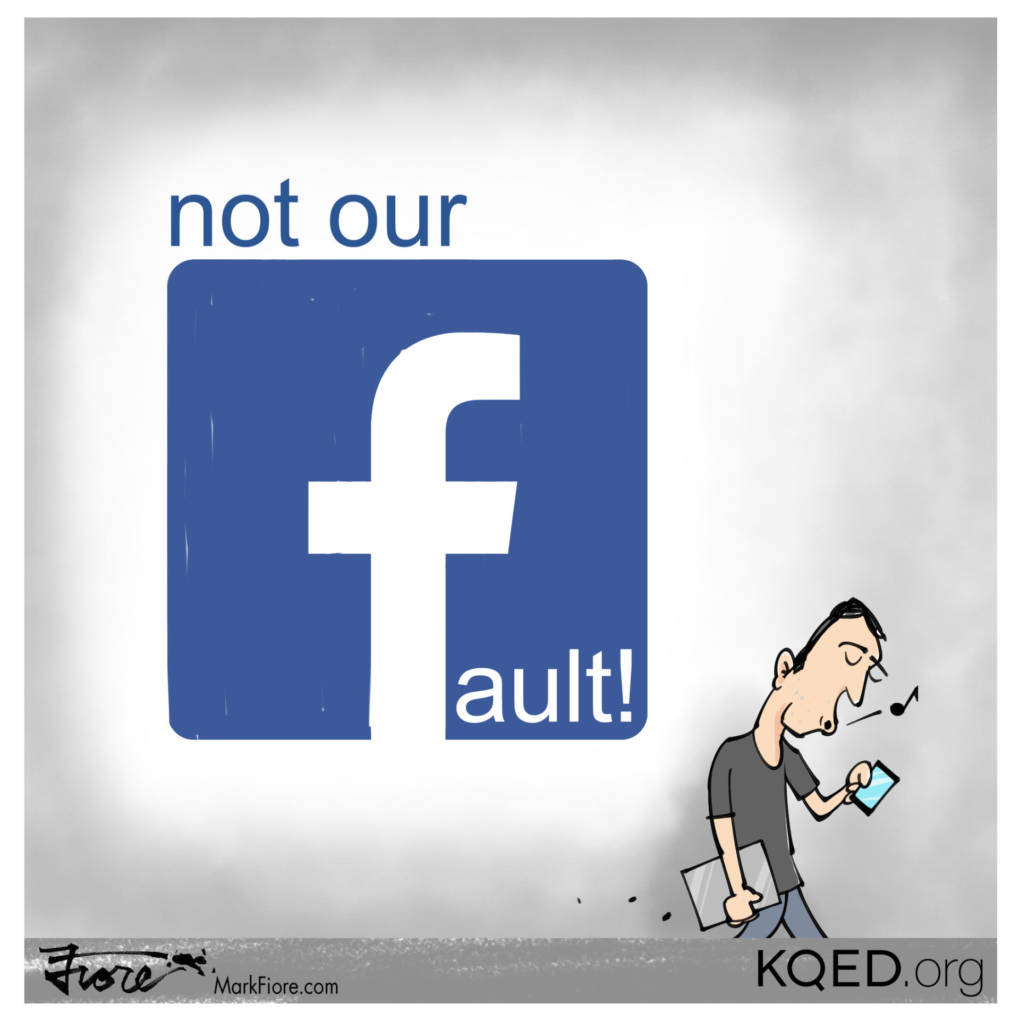
"caption": null,
"description": null,
"title": "fault_022018_final",
"credit": null,
"status": "inherit",
"isLoading": false,
"fetchFailed": false
},
"news_11650993": {
"type": "attachments",
"id": "news_11650993",
"meta": {
"index": "attachments_1716263798",
"site": "news",
"id": "11650993",
"found": true
},
"parent": 11650989,
"imgSizes": {
"small": {
"file": "https://ww2.kqed.org/app/uploads/sites/10/2018/02/RS9182_144717349-520x347.jpg",
"width": 520,
"mimeType": "image/jpeg",
"height": 347
},
"twentyfourteen-full-width": {
"file": "https://ww2.kqed.org/app/uploads/sites/10/2018/02/RS9182_144717349-1038x576.jpg",
"width": 1038,
"mimeType": "image/jpeg",
"height": 576
},
"thumbnail": {
"file": "https://ww2.kqed.org/app/uploads/sites/10/2018/02/RS9182_144717349-160x107.jpg",
"width": 160,
"mimeType": "image/jpeg",
"height": 107
},
"fd-sm": {
"file": "https://ww2.kqed.org/app/uploads/sites/10/2018/02/RS9182_144717349-960x640.jpg",
"width": 960,
"mimeType": "image/jpeg",
"height": 640
},
"post-thumbnail": {
"file": "https://ww2.kqed.org/app/uploads/sites/10/2018/02/RS9182_144717349-672x372.jpg",
"width": 672,
"mimeType": "image/jpeg",
"height": 372
},
"xsmall": {
"file": "https://ww2.kqed.org/app/uploads/sites/10/2018/02/RS9182_144717349-375x250.jpg",
"width": 375,
"mimeType": "image/jpeg",
"height": 250
},
"kqedFullSize": {
"file": "https://ww2.kqed.org/app/uploads/sites/10/2018/02/RS9182_144717349.jpg",
"width": 5616,
"height": 3744
},
"large": {
"file": "https://ww2.kqed.org/app/uploads/sites/10/2018/02/RS9182_144717349-1020x680.jpg",
"width": 1020,
"mimeType": "image/jpeg",
"height": 680
},
"xlarge": {
"file": "https://ww2.kqed.org/app/uploads/sites/10/2018/02/RS9182_144717349-1180x787.jpg",
"width": 1180,
"mimeType": "image/jpeg",
"height": 787
},
"guest-author-50": {
"file": "https://ww2.kqed.org/app/uploads/sites/10/2018/02/RS9182_144717349-50x50.jpg",
"width": 50,
"mimeType": "image/jpeg",
"height": 50
},
"guest-author-96": {
"file": "https://ww2.kqed.org/app/uploads/sites/10/2018/02/RS9182_144717349-96x96.jpg",
"width": 96,
"mimeType": "image/jpeg",
"height": 96
},
"medium": {
"file": "https://ww2.kqed.org/app/uploads/sites/10/2018/02/RS9182_144717349-800x533.jpg",
"width": 800,
"mimeType": "image/jpeg",
"height": 533
},
"guest-author-64": {
"file": "https://ww2.kqed.org/app/uploads/sites/10/2018/02/RS9182_144717349-64x64.jpg",
"width": 64,
"mimeType": "image/jpeg",
"height": 64
},
"guest-author-32": {
"file": "https://ww2.kqed.org/app/uploads/sites/10/2018/02/RS9182_144717349-32x32.jpg",
"width": 32,
"mimeType": "image/jpeg",
"height": 32
},
"fd-lrg": {
"file": "https://ww2.kqed.org/app/uploads/sites/10/2018/02/RS9182_144717349-1920x1280.jpg",
"width": 1920,
"mimeType": "image/jpeg",
"height": 1280
},
"fd-med": {
"file": "https://ww2.kqed.org/app/uploads/sites/10/2018/02/RS9182_144717349-1180x787.jpg",
"width": 1180,
"mimeType": "image/jpeg",
"height": 787
},
"full-width": {
"file": "https://ww2.kqed.org/app/uploads/sites/10/2018/02/RS9182_144717349-1920x1280.jpg",
"width": 1920,
"mimeType": "image/jpeg",
"height": 1280
},
"detail": {
"file": "https://ww2.kqed.org/app/uploads/sites/10/2018/02/RS9182_144717349-150x150.jpg",
"width": 150,
"mimeType": "image/jpeg",
"height": 150
},
"guest-author-128": {
"file": "https://ww2.kqed.org/app/uploads/sites/10/2018/02/RS9182_144717349-128x128.jpg",
"width": 128,
"mimeType": "image/jpeg",
"height": 128
},
"xxsmall": {
"file": "https://ww2.kqed.org/app/uploads/sites/10/2018/02/RS9182_144717349-240x160.jpg",
"width": 240,
"mimeType": "image/jpeg",
"height": 160
}
},
"publishDate": 1518989945,
"modified": 1518990021,
"caption": "Baffled in 2016 by Russian agents who bought ads in an attempt to sway the U.S. presidential campaign, Facebook told the National Association of Secretaries of State on Saturday, Feb. 17, 2018, that the company would send postcards to potential buyers of political ads to confirm they reside in the U.S. The plan was unveiled a day after special counsel Robert Mueller charged 13 Russians with interfering in the presidential election.",
"description": null,
"title": "Facebook Debuts As Public Company With Initial Public Offering On NASDAQ Exchange",
"credit": "Stephen Lam/Getty Images",
"status": "inherit",
"isLoading": false,
"fetchFailed": false
},
"news_11648442": {
"type": "attachments",
"id": "news_11648442",
"meta": {
"index": "attachments_1716263798",
"site": "news",
"id": "11648442",
"found": true
},
"parent": 11648360,
"imgSizes": {
"small": {
"file": "https://ww2.kqed.org/app/uploads/sites/10/2018/02/twitter-292994_1920-520x347.jpg",
"width": 520,
"mimeType": "image/jpeg",
"height": 347
},
"twentyfourteen-full-width": {
"file": "https://ww2.kqed.org/app/uploads/sites/10/2018/02/twitter-292994_1920-1038x576.jpg",
"width": 1038,
"mimeType": "image/jpeg",
"height": 576
},
"thumbnail": {
"file": "https://ww2.kqed.org/app/uploads/sites/10/2018/02/twitter-292994_1920-160x107.jpg",
"width": 160,
"mimeType": "image/jpeg",
"height": 107
},
"fd-sm": {
"file": "https://ww2.kqed.org/app/uploads/sites/10/2018/02/twitter-292994_1920-960x640.jpg",
"width": 960,
"mimeType": "image/jpeg",
"height": 640
},
"post-thumbnail": {
"file": "https://ww2.kqed.org/app/uploads/sites/10/2018/02/twitter-292994_1920-672x372.jpg",
"width": 672,
"mimeType": "image/jpeg",
"height": 372
},
"xsmall": {
"file": "https://ww2.kqed.org/app/uploads/sites/10/2018/02/twitter-292994_1920-375x250.jpg",
"width": 375,
"mimeType": "image/jpeg",
"height": 250
},
"kqedFullSize": {
"file": "https://ww2.kqed.org/app/uploads/sites/10/2018/02/twitter-292994_1920.jpg",
"width": 1920,
"height": 1280
},
"large": {
"file": "https://ww2.kqed.org/app/uploads/sites/10/2018/02/twitter-292994_1920-1020x680.jpg",
"width": 1020,
"mimeType": "image/jpeg",
"height": 680
},
"xlarge": {
"file": "https://ww2.kqed.org/app/uploads/sites/10/2018/02/twitter-292994_1920-1180x787.jpg",
"width": 1180,
"mimeType": "image/jpeg",
"height": 787
},
"guest-author-50": {
"file": "https://ww2.kqed.org/app/uploads/sites/10/2018/02/twitter-292994_1920-50x50.jpg",
"width": 50,
"mimeType": "image/jpeg",
"height": 50
},
"guest-author-96": {
"file": "https://ww2.kqed.org/app/uploads/sites/10/2018/02/twitter-292994_1920-96x96.jpg",
"width": 96,
"mimeType": "image/jpeg",
"height": 96
},
"medium": {
"file": "https://ww2.kqed.org/app/uploads/sites/10/2018/02/twitter-292994_1920-800x533.jpg",
"width": 800,
"mimeType": "image/jpeg",
"height": 533
},
"guest-author-64": {
"file": "https://ww2.kqed.org/app/uploads/sites/10/2018/02/twitter-292994_1920-64x64.jpg",
"width": 64,
"mimeType": "image/jpeg",
"height": 64
},
"guest-author-32": {
"file": "https://ww2.kqed.org/app/uploads/sites/10/2018/02/twitter-292994_1920-32x32.jpg",
"width": 32,
"mimeType": "image/jpeg",
"height": 32
},
"fd-lrg": {
"file": "https://ww2.kqed.org/app/uploads/sites/10/2018/02/twitter-292994_1920-1920x1280.jpg",
"width": 1920,
"mimeType": "image/jpeg",
"height": 1280
},
"fd-med": {
"file": "https://ww2.kqed.org/app/uploads/sites/10/2018/02/twitter-292994_1920-1180x787.jpg",
"width": 1180,
"mimeType": "image/jpeg",
"height": 787
},
"full-width": {
"file": "https://ww2.kqed.org/app/uploads/sites/10/2018/02/twitter-292994_1920-1920x1280.jpg",
"width": 1920,
"mimeType": "image/jpeg",
"height": 1280
},
"detail": {
"file": "https://ww2.kqed.org/app/uploads/sites/10/2018/02/twitter-292994_1920-150x150.jpg",
"width": 150,
"mimeType": "image/jpeg",
"height": 150
},
"guest-author-128": {
"file": "https://ww2.kqed.org/app/uploads/sites/10/2018/02/twitter-292994_1920-128x128.jpg",
"width": 128,
"mimeType": "image/jpeg",
"height": 128
},
"xxsmall": {
"file": "https://ww2.kqed.org/app/uploads/sites/10/2018/02/twitter-292994_1920-240x160.jpg",
"width": 240,
"mimeType": "image/jpeg",
"height": 160
}
},
"publishDate": 1517963005,
"modified": 1518026178,
"caption": "Early Facebook investor Roger McNamee discusses the dark side of technology.",
"description": null,
"title": "twitter-292994_1920",
"credit": "LoboStudioHamburg/pixbay.com",
"status": "inherit",
"isLoading": false,
"fetchFailed": false
},
"news_11639816": {
"type": "attachments",
"id": "news_11639816",
"meta": {
"index": "attachments_1716263798",
"site": "news",
"id": "11639816",
"found": true
},
"parent": 11638720,
"imgSizes": {
"small": {
"file": "https://ww2.kqed.org/app/uploads/sites/10/2018/01/FacebookMainSign-520x314.jpg",
"width": 520,
"mimeType": "image/jpeg",
"height": 314
},
"twentyfourteen-full-width": {
"file": "https://ww2.kqed.org/app/uploads/sites/10/2018/01/FacebookMainSign-1038x576.jpg",
"width": 1038,
"mimeType": "image/jpeg",
"height": 576
},
"thumbnail": {
"file": "https://ww2.kqed.org/app/uploads/sites/10/2018/01/FacebookMainSign-160x97.jpg",
"width": 160,
"mimeType": "image/jpeg",
"height": 97
},
"fd-sm": {
"file": "https://ww2.kqed.org/app/uploads/sites/10/2018/01/FacebookMainSign-960x581.jpg",
"width": 960,
"mimeType": "image/jpeg",
"height": 581
},
"post-thumbnail": {
"file": "https://ww2.kqed.org/app/uploads/sites/10/2018/01/FacebookMainSign-672x372.jpg",
"width": 672,
"mimeType": "image/jpeg",
"height": 372
},
"xsmall": {
"file": "https://ww2.kqed.org/app/uploads/sites/10/2018/01/FacebookMainSign-375x227.jpg",
"width": 375,
"mimeType": "image/jpeg",
"height": 227
},
"kqedFullSize": {
"file": "https://ww2.kqed.org/app/uploads/sites/10/2018/01/FacebookMainSign.jpg",
"width": 1920,
"height": 1161
},
"large": {
"file": "https://ww2.kqed.org/app/uploads/sites/10/2018/01/FacebookMainSign-1020x617.jpg",
"width": 1020,
"mimeType": "image/jpeg",
"height": 617
},
"xlarge": {
"file": "https://ww2.kqed.org/app/uploads/sites/10/2018/01/FacebookMainSign-1180x714.jpg",
"width": 1180,
"mimeType": "image/jpeg",
"height": 714
},
"guest-author-50": {
"file": "https://ww2.kqed.org/app/uploads/sites/10/2018/01/FacebookMainSign-50x50.jpg",
"width": 50,
"mimeType": "image/jpeg",
"height": 50
},
"guest-author-96": {
"file": "https://ww2.kqed.org/app/uploads/sites/10/2018/01/FacebookMainSign-96x96.jpg",
"width": 96,
"mimeType": "image/jpeg",
"height": 96
},
"medium": {
"file": "https://ww2.kqed.org/app/uploads/sites/10/2018/01/FacebookMainSign-800x484.jpg",
"width": 800,
"mimeType": "image/jpeg",
"height": 484
},
"guest-author-64": {
"file": "https://ww2.kqed.org/app/uploads/sites/10/2018/01/FacebookMainSign-64x64.jpg",
"width": 64,
"mimeType": "image/jpeg",
"height": 64
},
"guest-author-32": {
"file": "https://ww2.kqed.org/app/uploads/sites/10/2018/01/FacebookMainSign-32x32.jpg",
"width": 32,
"mimeType": "image/jpeg",
"height": 32
},
"fd-lrg": {
"file": "https://ww2.kqed.org/app/uploads/sites/10/2018/01/FacebookMainSign-1920x1161.jpg",
"width": 1920,
"mimeType": "image/jpeg",
"height": 1161
},
"fd-med": {
"file": "https://ww2.kqed.org/app/uploads/sites/10/2018/01/FacebookMainSign-1180x714.jpg",
"width": 1180,
"mimeType": "image/jpeg",
"height": 714
},
"full-width": {
"file": "https://ww2.kqed.org/app/uploads/sites/10/2018/01/FacebookMainSign-1920x1161.jpg",
"width": 1920,
"mimeType": "image/jpeg",
"height": 1161
},
"detail": {
"file": "https://ww2.kqed.org/app/uploads/sites/10/2018/01/FacebookMainSign-150x150.jpg",
"width": 150,
"mimeType": "image/jpeg",
"height": 150
},
"guest-author-128": {
"file": "https://ww2.kqed.org/app/uploads/sites/10/2018/01/FacebookMainSign-128x128.jpg",
"width": 128,
"mimeType": "image/jpeg",
"height": 128
},
"xxsmall": {
"file": "https://ww2.kqed.org/app/uploads/sites/10/2018/01/FacebookMainSign-240x145.jpg",
"width": 240,
"mimeType": "image/jpeg",
"height": 145
}
},
"publishDate": 1514926660,
"modified": 1514926704,
"caption": "The giant 'like' sign outside Facebook's main campus in Menlo Park.",
"description": "The giant 'like' sign outside Facebook's main campus in Menlo Park.",
"title": "FacebookMainSign",
"credit": "ROBYN BECK/AFP/Getty Images",
"status": "inherit",
"isLoading": false,
"fetchFailed": false
}
},
"audioPlayerReducer": {
"postId": "stream_live",
"isPaused": true,
"isPlaying": false,
"pfsActive": false,
"pledgeModalIsOpen": true,
"playerDrawerIsOpen": false,
"liveAudioPlayStartedAt": 0,
"liveAudioPlayContext": ""
},
"authorsReducer": {
"byline_news_11657234": {
"type": "authors",
"id": "byline_news_11657234",
"meta": {
"override": true
},
"slug": "byline_news_11657234",
"name": "Ian Wren",
"isLoading": false
},
"byline_news_11657214": {
"type": "authors",
"id": "byline_news_11657214",
"meta": {
"override": true
},
"slug": "byline_news_11657214",
"name": "\u003cstrong>Richard Gonzales\u003cbr />NPR\u003c/strong>",
"isLoading": false
},
"byline_news_11657090": {
"type": "authors",
"id": "byline_news_11657090",
"meta": {
"override": true
},
"slug": "byline_news_11657090",
"name": "\u003cstrong>Alina Selyukh\u003c/strong>",
"isLoading": false
},
"byline_news_11656836": {
"type": "authors",
"id": "byline_news_11656836",
"meta": {
"override": true
},
"slug": "byline_news_11656836",
"name": "Scott Neuman",
"isLoading": false
},
"byline_news_11656429": {
"type": "authors",
"id": "byline_news_11656429",
"meta": {
"override": true
},
"slug": "byline_news_11656429",
"name": "\u003cstrong>Amy Held\u003c/strong> \u003cbr>NPR",
"isLoading": false
},
"byline_news_11655757": {
"type": "authors",
"id": "byline_news_11655757",
"meta": {
"override": true
},
"slug": "byline_news_11655757",
"name": "Ian Wren",
"isLoading": false
},
"byline_news_11650989": {
"type": "authors",
"id": "byline_news_11650989",
"meta": {
"override": true
},
"slug": "byline_news_11650989",
"name": "\u003cstrong>Associated Press\u003c/strong>",
"isLoading": false
},
"markfiore": {
"type": "authors",
"id": "3236",
"meta": {
"index": "authors_1716337520",
"id": "3236",
"found": true
},
"name": "Mark Fiore",
"firstName": "Mark",
"lastName": "Fiore",
"slug": "markfiore",
"email": "mark@markfiore.com",
"display_author_email": false,
"staff_mastheads": [
"news"
],
"title": "KQED News Cartoonist",
"bio": "\u003ca href=\"http://www.MarkFiore.com\">MarkFiore.com\u003c/a> | \u003ca href=\"https://twitter.com/markfiore\">Follow on Twitter\u003c/a> | \u003ca href=\"https://www.facebook.com/pages/Mark-Fiore-Animated-Political-Cartoons/94451707396?ref=bookmarks\">Facebook\u003c/a> | \u003ca href=\"mailto:mark@markfiore.com\">email\u003c/a>\r\n\r\nPulitzer Prize-winner, Mark Fiore, who the Wall Street Journal has called “the undisputed guru of the form,” creates animated political cartoons in San Francisco, where his work has been featured regularly on the San Francisco Chronicle’s web site, SFGate.com. His work has appeared on Newsweek.com, Slate.com, CBSNews.com, MotherJones.com, DailyKos.com and NPR’s web site. Fiore’s political animation has appeared on CNN, Frontline, Bill Moyers Journal, Salon.com and cable and broadcast outlets across the globe.\r\n\r\nBeginning his professional life by drawing traditional political cartoons for newspapers, Fiore’s work appeared in publications ranging from the Washington Post to the Los Angeles Times. In the late 1990s, he began to experiment with animating political cartoons and, after a short stint at the San Jose Mercury News as their staff cartoonist, Fiore devoted all his energies to animation.\r\nGrowing up in California, Fiore also spent a good portion of his life in the backwoods of Idaho. It was this combination that shaped him politically. Mark majored in political science at Colorado College, where, in a perfect send-off for a cartoonist, he received his diploma in 1991 as commencement speaker Dick Cheney smiled approvingly.\r\nMark Fiore was awarded the Pulitzer Prize for political cartooning in 2010, a Robert F. Kennedy Journalism Award in 2004 and has twice received an Online Journalism Award for commentary from the Online News Association (2002, 2008). Fiore has received two awards for his work in new media from the National Cartoonists Society (2001, 2002), and in 2006 received The James Madison Freedom of Information Award from The Society of Professional Journalists.",
"avatar": "https://secure.gravatar.com/avatar/fc4e2a612b15b67bad0c6f0e1db4ca9b?s=600&d=blank&r=g",
"twitter": "MarkFiore",
"facebook": null,
"instagram": "https://www.instagram.com/markfiore/?hl=en",
"linkedin": null,
"sites": [
{
"site": "arts",
"roles": [
"contributor"
]
},
{
"site": "news",
"roles": [
"editor"
]
},
{
"site": "futureofyou",
"roles": [
"editor"
]
},
{
"site": "science",
"roles": [
"editor"
]
}
],
"headData": {
"title": "Mark Fiore | KQED",
"description": "KQED News Cartoonist",
"ogImgSrc": "https://secure.gravatar.com/avatar/fc4e2a612b15b67bad0c6f0e1db4ca9b?s=600&d=blank&r=g",
"twImgSrc": "https://secure.gravatar.com/avatar/fc4e2a612b15b67bad0c6f0e1db4ca9b?s=600&d=blank&r=g"
},
"isLoading": false,
"link": "/author/markfiore"
},
"jeremysiegel": {
"type": "authors",
"id": "11258",
"meta": {
"index": "authors_1716337520",
"id": "11258",
"found": true
},
"name": "Jeremy Siegel",
"firstName": "Jeremy",
"lastName": "Siegel",
"slug": "jeremysiegel",
"email": "jsiegel@kqed.org",
"display_author_email": false,
"staff_mastheads": [],
"title": "KQED Contributor",
"bio": "Jeremy Siegel is is the weekend afternoon news anchor for KQED. His reporting can be heard on KQED News, Morning Edition, All Things Considered and The California Report. Jeremy's coverage of the Camp Fire in Butte County won the 2019 Society of Professional Journalists, Northern California Chapter, Excellence in Journalism Award for Breaking News. Jeremy grew up in Cincinnati, Ohio, and graduated from UC Berkeley.",
"avatar": "https://secure.gravatar.com/avatar/3921a64ceb9ed5d0ba47d9ae9782f1ab?s=600&d=blank&r=g",
"twitter": "jersiegel",
"facebook": null,
"instagram": null,
"linkedin": null,
"sites": [
{
"site": "arts",
"roles": []
},
{
"site": "news",
"roles": [
"subscriber"
]
},
{
"site": "science",
"roles": []
}
],
"headData": {
"title": "Jeremy Siegel | KQED",
"description": "KQED Contributor",
"ogImgSrc": "https://secure.gravatar.com/avatar/3921a64ceb9ed5d0ba47d9ae9782f1ab?s=600&d=blank&r=g",
"twImgSrc": "https://secure.gravatar.com/avatar/3921a64ceb9ed5d0ba47d9ae9782f1ab?s=600&d=blank&r=g"
},
"isLoading": false,
"link": "/author/jeremysiegel"
},
"tmosley": {
"type": "authors",
"id": "11373",
"meta": {
"index": "authors_1716337520",
"id": "11373",
"found": true
},
"name": "Tonya Mosley",
"firstName": "Tonya",
"lastName": "Mosley",
"slug": "tmosley",
"email": "tmosley@kqed.org",
"display_author_email": false,
"staff_mastheads": [],
"title": "KQED Contributor",
"bio": "Tonya Mosley is a former Silicon Valley bureau chief for KQED. She served as the senior editor, leading a team of journalists covering the impacts of technology companies on the South Bay and society. Tonya is also a former host and reporter for KQED.\r\n\r\nPrior to KQED, Tonya served as a television reporter & anchor for several media outlets, including Al Jazeera America.\r\n\r\nIn 2015, Tonya was awarded a John S. Knight Journalism Fellowship at Stanford University where she co-created a workshop for journalists on the impacts of implicit bias, and co-wrote a Belgian/American experimental study on the effects of protest coverage.\r\n\r\nTonya has won several national awards for her work, most recently an Emmy Award in 2016 for her televised piece \"Beyond Ferguson,\" and a national Edward R. Murrow award for her public radio series \"Black in Seattle.\"\r\n\r\nYou can reach Tonya at: tmosley@kqed.org.",
"avatar": "https://secure.gravatar.com/avatar/0b2ea2bbfed6bafaacd21e9398c68e5e?s=600&d=blank&r=g",
"twitter": "tonyamosley",
"facebook": null,
"instagram": null,
"linkedin": null,
"sites": [
{
"site": "arts",
"roles": [
"editor"
]
},
{
"site": "news",
"roles": [
"subscriber"
]
},
{
"site": "about",
"roles": [
"author"
]
},
{
"site": "forum",
"roles": [
"author"
]
}
],
"headData": {
"title": "Tonya Mosley | KQED",
"description": "KQED Contributor",
"ogImgSrc": "https://secure.gravatar.com/avatar/0b2ea2bbfed6bafaacd21e9398c68e5e?s=600&d=blank&r=g",
"twImgSrc": "https://secure.gravatar.com/avatar/0b2ea2bbfed6bafaacd21e9398c68e5e?s=600&d=blank&r=g"
},
"isLoading": false,
"link": "/author/tmosley"
}
},
"pagesReducer": {
"news_tag_facebook": {
"type": "terms",
"id": "news_249",
"meta": {
"index": "terms_1716263798",
"site": "news",
"id": "249",
"score": 8.457257
},
"featImg": null,
"name": "Facebook",
"description": null,
"taxonomy": "tag",
"headData": {
"twImgId": null,
"twTitle": null,
"ogTitle": null,
"ogImgId": null,
"twDescription": null,
"description": null,
"title": "Facebook Archives | KQED News",
"ogDescription": null
},
"ttid": 257,
"slug": "facebook",
"isLoading": false,
"title": "Facebook",
"pageMeta": {
"site": "news",
"WpPageTemplate": "page-topic-editorial",
"currentPage": 17
},
"blocks": [
{
"blockName": "kqed/post-list",
"attrs": {
"layout": "cardArticle2",
"query": "posts/news?tag=facebook",
"seeMore": false,
"paginated": true,
"page": 17
}
},
{
"blockName": "kqed/ad"
}
]
}
},
"pfsSessionReducer": {},
"postsReducer": {
"stream_live": {
"type": "live",
"id": "stream_live",
"audioUrl": "https://streams.kqed.org/kqedradio",
"title": "Live Stream",
"excerpt": "Live Stream information currently unavailable.",
"link": "/radio",
"featImg": "",
"label": {
"name": "KQED Live",
"link": "/"
}
},
"stream_kqedNewscast": {
"type": "posts",
"id": "stream_kqedNewscast",
"audioUrl": "https://www.kqed.org/.stream/anon/radio/RDnews/newscast.mp3?_=1",
"title": "KQED Newscast",
"featImg": "",
"label": {
"name": "88.5 FM",
"link": "/"
}
},
"news_11657234": {
"type": "posts",
"id": "news_11657234",
"meta": {
"index": "posts_1716263798",
"site": "news",
"id": "11657234",
"score": null,
"sort": [
1521676959000
]
},
"parent": 0,
"labelTerm": {},
"blocks": [],
"publishDate": 1521676959,
"format": "standard",
"disqusTitle": "NPR Survey: Still on Facebook, But Worried",
"title": "NPR Survey: Still on Facebook, But Worried",
"headTitle": "The California Report | KQED News",
"content": "\u003cp>Facebook has come under intense scrutiny in the wake of revelations that election data company Cambridge Analytica accessed the private Facebook data of 50 million users. The social media giant is facing questions from U.S. and British regulators, and withering criticism in the press. \u003c/p>\n\u003cp>But the scandal is grounded in everyday America — after all, it was the millions of women, men, parents, grandparents, friends and old acquaintances on the site who had their data accessed. \u003c/p>\n\u003cp>NPR \u003ca href=\"https://www.npr.org/2018/03/20/595288839/what-questions-do-you-have-about-facebook-and-your-personal-data\">reached out \u003c/a>to those everyday Americans. We asked how the unfolding controversy is affecting their views on digital privacy, and what (if any) impact it might have on their relationship with Facebook. What we found is a nation still deeply tied to the social network, but increasingly skeptical of its data privacy promises. \u003c/p>\n\u003ch3>Still engaged\u003c/h3>\n\u003cp>A vast majority of the respondents said they still use Facebook or have used the site in the past. Only a small handful have left the site after creating an account, but almost all of those deserters said privacy concerns contributed to their decision to deactivate their accounts.\u003c/p>\n\u003cp>Charlotte McGinn of Los Angeles said that \"after reading all of the news about Facebook's lack of concern for their users' data,\" she left the site for a second time, convinced that there were \"more than enough reasons to quit again.\"\u003c/p>\n\u003cp>[ad fullwidth]\u003c/p>\n\u003cp>Despite these widespread concerns, most users are sticking with Facebook. And even outside of the site, they are using apps which access their Facebook data. \u003c/p>\n\u003cp>Less than half of respondents said they knew what apps could view their profile and activity on the social media site. Of those who checked, many reported that dozens of apps had access. For some, that number was even higher — at over 100 apps with some level of access to their Facebook data. \u003c/p>\n\u003cp>But users still try to limit what apps they allow in. Chicago's Reuben George says he will \"only allow apps that I trust and use.\" And Sarah Friesen from St. Louis said she tries to \"periodically review which apps are authorized and remove them if rarely used.\"\u003c/p>\n\u003ch3>Facebook's \"hard and confusing\" policies\u003c/h3>\n\u003cp>And while there are no signs yet of mass departures, \u003ca href=\"http://www.pewinternet.org/2018/03/01/social-media-use-in-2018/\">the site's growth has been flat\u003c/a> inside of the United States for the past two years. At this point, just about every American who wants a Facebook profile already has one. For Facebook, that means the only direction its U.S. user base can go is down. And as we noted above, nearly every respondent to our questionnaire who left Facebook said they did so because of data privacy concerns.\u003c/p>\n\u003cp>But leaving the site is an extreme measure, and most users who responded said they try to find a balance between Facebook's convenience and its reliance on their personal data. Almost all respondents indicated that they take some measures to limit what others can see about them. \u003c/p>\n\u003cp>Many try to control their online audience. \"I limit what I post and make public,\" Carl Pittman told NPR. \"My posts are directed at my friends.\"\u003c/p>\n\u003cp>Others avoid apps, websites and programs that request their data or seem suspicious. And one respondent even said she uses a private security company to lock down her personal data. \u003c/p>\n\u003cp>But respondents said they were unsure what options and settings they had available to protect their private information. Jennifer Socarras, from Georgia, said she tried to block Facebook's data collection but its policies were \"hard and confusing.\" Steven Begy of Rochester, N.Y., said he used the tools provided by Facebook, but added: \"I haven't done so in about 5 years, and who knows what has changed in that time.\"\u003c/p>\n\u003ch3>\"Tip of an iceberg?\"\u003c/h3>\n\u003cp>For many users, their concerns extend beyond the threat of identity theft or having their boss see an embarrassing photo. As the Cambridge Analytica episode illustrates, the data found on Facebook can be used in ways never predicted — or consented to — by its users. \u003c/p>\n\u003cp>Kristine Hester, a public school teacher near Chicago, says she needs to maintain a professional presence online. But she said she's \"increasingly concerned\" about the ways big data can be utilized, fearing that the information can be \"used to, essentially, create psychological weapons of culture war.\" \u003c/p>\n\u003cp>And this sentiment — that the current episode is a reflection of a broader technological shift — is common. \"Is this just an issue with Cambridge Analytica, or the tip of an iceberg?\" one respondent asked. \u003c/p>\n\u003cp>\u003c/p>\n\u003cp>For Hester, it raises tough questions for the social media site. \"How does Facebook square its 'values' of promoting human connection with the unbelievable ease with which society utilized it (and other platforms) to sow discord and division?\" she asked. \u003c/p>\n\u003cdiv class=\"fullattribution\">Copyright 2018 NPR. To see more, visit http://www.npr.org/.\u003cimg src=\"https://www.google-analytics.com/__utm.gif?utmac=UA-5828686-4&utmdt=NPR+Survey%3A+Still+On+Facebook%2C+But+Worried&utme=8(APIKey)9(MDAxOTAwOTE4MDEyMTkxMDAzNjczZDljZA004)\">\u003c/div>\n\n",
"disqusIdentifier": "11657234 https://ww2.kqed.org/news/?p=11657234",
"disqusUrl": "https://ww2.kqed.org/news/2018/03/21/npr-survey-still-on-facebook-but-worried/",
"stats": {
"hasVideo": false,
"hasChartOrMap": false,
"hasAudio": false,
"hasPolis": false,
"wordCount": 799,
"hasGoogleForm": false,
"hasGallery": false,
"hasHearkenModule": false,
"iframeSrcs": [],
"paragraphCount": 19
},
"modified": 1521676959,
"excerpt": "NPR asked Americans what steps they take to protect their Facebook data. Most say they still use the site, but they're concerned about who can see their information — and how it can be used.",
"headData": {
"twImgId": "",
"twTitle": "",
"ogTitle": "",
"ogImgId": "",
"twDescription": "",
"description": "NPR asked Americans what steps they take to protect their Facebook data. Most say they still use the site, but they're concerned about who can see their information — and how it can be used.",
"title": "NPR Survey: Still on Facebook, But Worried | KQED",
"ogDescription": "",
"schema": {
"@context": "https://schema.org",
"@type": "NewsArticle",
"headline": "NPR Survey: Still on Facebook, But Worried",
"datePublished": "2018-03-21T17:02:39-07:00",
"dateModified": "2018-03-21T17:02:39-07:00",
"image": "https://cdn.kqed.org/wp-content/uploads/2020/02/KQED-OG-Image@1x.png",
"isAccessibleForFree": "True",
"publisher": {
"@type": "NewsMediaOrganization",
"@id": "https://www.kqed.org/#organization",
"name": "KQED",
"logo": "https://cdn.kqed.org/wp-content/uploads/2020/02/KQED-OG-Image@1x.png",
"url": "https://www.kqed.org",
"sameAs": [
"https://www.facebook.com/KQED",
"https://twitter.com/KQED",
"https://www.instagram.com/kqed/",
"https://www.tiktok.com/@kqedofficial",
"https://www.linkedin.com/company/kqed",
"https://www.youtube.com/channel/UCeC0IOo7i1P_61zVUWbJ4nw"
]
}
}
},
"guestAuthors": [],
"slug": "npr-survey-still-on-facebook-but-worried",
"status": "publish",
"sourceUrl": "https://www.npr.org/",
"nprApiLink": "http://api.npr.org/query?id=595770858&apiKey=MDAxOTAwOTE4MDEyMTkxMDAzNjczZDljZA004",
"nprByline": "Ian Wren",
"nprStoryDate": "Wed, 21 Mar 2018 17:38:49 -0400",
"nprLastModifiedDate": "Wed, 21 Mar 2018 17:39:59 -0400",
"nprHtmlLink": "https://www.npr.org/sections/alltechconsidered/2018/03/21/595770858/npr-survey-still-on-facebook-but-worried?ft=nprml&f=595770858",
"nprImageAgency": "AP",
"nprImageCredit": "Marcio Jose Sanchez",
"source": "NPR",
"nprStoryId": "595770858",
"nprRetrievedStory": "1",
"nprPubDate": "Wed, 21 Mar 2018 17:38:00 -0400",
"path": "/news/11657234/npr-survey-still-on-facebook-but-worried",
"audioTrackLength": null,
"parsedContent": [
{
"type": "contentString",
"content": "\u003cdiv class=\"post-body\">\u003cp>\u003cp>Facebook has come under intense scrutiny in the wake of revelations that election data company Cambridge Analytica accessed the private Facebook data of 50 million users. The social media giant is facing questions from U.S. and British regulators, and withering criticism in the press. \u003c/p>\n\u003cp>But the scandal is grounded in everyday America — after all, it was the millions of women, men, parents, grandparents, friends and old acquaintances on the site who had their data accessed. \u003c/p>\n\u003cp>NPR \u003ca href=\"https://www.npr.org/2018/03/20/595288839/what-questions-do-you-have-about-facebook-and-your-personal-data\">reached out \u003c/a>to those everyday Americans. We asked how the unfolding controversy is affecting their views on digital privacy, and what (if any) impact it might have on their relationship with Facebook. What we found is a nation still deeply tied to the social network, but increasingly skeptical of its data privacy promises. \u003c/p>\n\u003ch3>Still engaged\u003c/h3>\n\u003cp>A vast majority of the respondents said they still use Facebook or have used the site in the past. Only a small handful have left the site after creating an account, but almost all of those deserters said privacy concerns contributed to their decision to deactivate their accounts.\u003c/p>\n\u003cp>Charlotte McGinn of Los Angeles said that \"after reading all of the news about Facebook's lack of concern for their users' data,\" she left the site for a second time, convinced that there were \"more than enough reasons to quit again.\"\u003c/p>\n\u003cp>\u003c/p>\u003c/div>",
"attributes": {
"named": {},
"numeric": []
}
},
{
"type": "component",
"content": "",
"name": "ad",
"attributes": {
"named": {
"label": "fullwidth"
},
"numeric": [
"fullwidth"
]
}
},
{
"type": "contentString",
"content": "\u003cdiv class=\"post-body\">\u003cp>\u003c/p>\n\u003cp>Despite these widespread concerns, most users are sticking with Facebook. And even outside of the site, they are using apps which access their Facebook data. \u003c/p>\n\u003cp>Less than half of respondents said they knew what apps could view their profile and activity on the social media site. Of those who checked, many reported that dozens of apps had access. For some, that number was even higher — at over 100 apps with some level of access to their Facebook data. \u003c/p>\n\u003cp>But users still try to limit what apps they allow in. Chicago's Reuben George says he will \"only allow apps that I trust and use.\" And Sarah Friesen from St. Louis said she tries to \"periodically review which apps are authorized and remove them if rarely used.\"\u003c/p>\n\u003ch3>Facebook's \"hard and confusing\" policies\u003c/h3>\n\u003cp>And while there are no signs yet of mass departures, \u003ca href=\"http://www.pewinternet.org/2018/03/01/social-media-use-in-2018/\">the site's growth has been flat\u003c/a> inside of the United States for the past two years. At this point, just about every American who wants a Facebook profile already has one. For Facebook, that means the only direction its U.S. user base can go is down. And as we noted above, nearly every respondent to our questionnaire who left Facebook said they did so because of data privacy concerns.\u003c/p>\n\u003cp>But leaving the site is an extreme measure, and most users who responded said they try to find a balance between Facebook's convenience and its reliance on their personal data. Almost all respondents indicated that they take some measures to limit what others can see about them. \u003c/p>\n\u003cp>Many try to control their online audience. \"I limit what I post and make public,\" Carl Pittman told NPR. \"My posts are directed at my friends.\"\u003c/p>\n\u003cp>Others avoid apps, websites and programs that request their data or seem suspicious. And one respondent even said she uses a private security company to lock down her personal data. \u003c/p>\n\u003cp>But respondents said they were unsure what options and settings they had available to protect their private information. Jennifer Socarras, from Georgia, said she tried to block Facebook's data collection but its policies were \"hard and confusing.\" Steven Begy of Rochester, N.Y., said he used the tools provided by Facebook, but added: \"I haven't done so in about 5 years, and who knows what has changed in that time.\"\u003c/p>\n\u003ch3>\"Tip of an iceberg?\"\u003c/h3>\n\u003cp>For many users, their concerns extend beyond the threat of identity theft or having their boss see an embarrassing photo. As the Cambridge Analytica episode illustrates, the data found on Facebook can be used in ways never predicted — or consented to — by its users. \u003c/p>\n\u003cp>Kristine Hester, a public school teacher near Chicago, says she needs to maintain a professional presence online. But she said she's \"increasingly concerned\" about the ways big data can be utilized, fearing that the information can be \"used to, essentially, create psychological weapons of culture war.\" \u003c/p>\n\u003cp>And this sentiment — that the current episode is a reflection of a broader technological shift — is common. \"Is this just an issue with Cambridge Analytica, or the tip of an iceberg?\" one respondent asked. \u003c/p>\n\u003cp>\u003c/p>\n\u003cp>For Hester, it raises tough questions for the social media site. \"How does Facebook square its 'values' of promoting human connection with the unbelievable ease with which society utilized it (and other platforms) to sow discord and division?\" she asked. \u003c/p>\n\u003cdiv class=\"fullattribution\">Copyright 2018 NPR. To see more, visit http://www.npr.org/.\u003cimg src=\"https://www.google-analytics.com/__utm.gif?utmac=UA-5828686-4&utmdt=NPR+Survey%3A+Still+On+Facebook%2C+But+Worried&utme=8(APIKey)9(MDAxOTAwOTE4MDEyMTkxMDAzNjczZDljZA004)\">\u003c/div>\n\n\u003c/div>\u003c/p>",
"attributes": {
"named": {},
"numeric": []
}
}
],
"link": "/news/11657234/npr-survey-still-on-facebook-but-worried",
"authors": [
"byline_news_11657234"
],
"programs": [
"news_6944",
"news_72"
],
"categories": [
"news_8",
"news_13",
"news_248"
],
"tags": [
"news_22790",
"news_249",
"news_2125"
],
"affiliates": [
"news_253"
],
"featImg": "news_11657235",
"label": "source_news_11657234"
},
"news_11657214": {
"type": "posts",
"id": "news_11657214",
"meta": {
"index": "posts_1716263798",
"site": "news",
"id": "11657214",
"score": null,
"sort": [
1521673459000
]
},
"parent": 0,
"labelTerm": {
"site": "news",
"term": 72
},
"blocks": [],
"publishDate": 1521673459,
"format": "standard",
"disqusTitle": "Zuckerberg Breaks Silence, Promises to Protect Facebook Community",
"title": "Zuckerberg Breaks Silence, Promises to Protect Facebook Community",
"headTitle": "The California Report | KQED News",
"content": "\u003cp>\u003cstrong>Updated at 6:30 p.m. ET\u003c/strong>\u003c/p>\n\u003cp>Facebook CEO Mark Zuckerberg issued a lengthy post Wednesday on his personal Facebook page promising to protect the data of platform users.\u003c/p>\n\u003cp>He \u003ca href=\"https://www.facebook.com/zuck/posts/10104712037900071\" target=\"_blank\">said \u003c/a>Facebook will provide users with tools to show who has access to their data and how it is shared. Facebook will also \"restrict developers' data access even further to prevent other kinds of abuse.\"\u003c/p>\n\u003cp>\"We have a responsibility to protect your data, and if we can't, then we don't deserve to serve you,\" he wrote.\u003c/p>\n\u003cp>The post marks the first public comments made by Zuckerberg about the controversy involving Cambridge Analytica's use of personal data posted by Facebook users.\u003c/p>\n\u003cp>[ad fullwidth]\u003c/p>\n\u003cp>Zuckerberg said there was a \"breach of trust\" involving Cambridge Analytica, Facebook and a Cambridge University researcher named Aleksandr Kogan, who created an app to collect data that was later shared with Cambridge Analytica.\u003c/p>\n\u003cp>\"But it was also a breach of trust between Facebook and the people who share their data with us and expect us to protect it. We need to fix that,\" he wrote.\u003c/p>\n\u003cp>Zuckerberg said Facebook will restrict third-party developers from accessing data beyond names, profile photos and email addresses. The company will also require developers to sign a contract before asking Facebook users for access to their posts or other private data. Users will also see a tool at the top of their news feeds showing the what apps they have used and will have an easy way to revoke the apps' access to their data.\u003c/p>\n\u003cp>Zuckerberg concluded:\u003c/p>\n\u003cblockquote>\n\u003cp>\"I started Facebook, and at the end of the day I'm responsible for what happens on our platform. I'm serious about doing what it takes to protect our community. While this specific issue involving Cambridge Analytica should no longer happen with new apps today, that doesn't change what happened in the past. We will learn from this experience to secure our platform further and make our community safer for everyone going forward.\"\u003c/p>\n\u003c/blockquote>\n\u003cp>Sen. Richard Blumenthal, D-Conn., a member of the Senate Judiciary and Commerce Committees, said \u003ca href=\"https://www.npr.org/2018/03/21/595791380/sen-richard-blumenthal-weighs-in-on-how-congress-could-regulate-facebook\" target=\"_blank\">he was not satisfied\u003c/a> with Zuckerberg's statement, calling it \"damage control.\"\u003c/p>\n\u003cp>Blumenthal told NPR's Ailsa Chang on \"All Things Considered\":\u003c/p>\n\u003cblockquote>\n\u003cp>\"This very superficial mea culpa makes even more necessary his appearing before the committee. He has to be questioned, perhaps under oath. Documents need to be subpoenaed. We need to know how Facebook is going to really protect privacy if it continues with the present business model of selling personal information.\u003c/p>\n\u003cp>\"There is a dilemma here unless Facebook is informing people about what access there will be to that personal information and enabling them to opt out. Explicitly opt out. In fact, they should be given the opportunity to decline to opt in. This kind of consumer right ought to be the subject of questioning before a congressional committee, likely the Commerce committee where I sit.\"\u003c/p>\n\u003c/blockquote>\n\u003cp>\u003c/p>\n\u003cp>Copyright 2018 NPR. To see more, visit http://www.npr.org/.\u003c/p>\n\n",
"disqusIdentifier": "11657214 https://ww2.kqed.org/news/?p=11657214",
"disqusUrl": "https://ww2.kqed.org/news/2018/03/21/zuckerberg-breaks-silence-promises-to-protect-facebook-community/",
"stats": {
"hasVideo": false,
"hasChartOrMap": false,
"hasAudio": false,
"hasPolis": false,
"wordCount": 497,
"hasGoogleForm": false,
"hasGallery": false,
"hasHearkenModule": false,
"iframeSrcs": [],
"paragraphCount": 17
},
"modified": 1521673475,
"excerpt": "Facebook CEO Mark Zuckerberg posted his first response to the controversy surrounding allegations that Cambridge Analytica exploited users' data without their knowledge.",
"headData": {
"twImgId": "",
"twTitle": "",
"ogTitle": "",
"ogImgId": "",
"twDescription": "",
"description": "Facebook CEO Mark Zuckerberg posted his first response to the controversy surrounding allegations that Cambridge Analytica exploited users' data without their knowledge.",
"title": "Zuckerberg Breaks Silence, Promises to Protect Facebook Community | KQED",
"ogDescription": "",
"schema": {
"@context": "https://schema.org",
"@type": "NewsArticle",
"headline": "Zuckerberg Breaks Silence, Promises to Protect Facebook Community",
"datePublished": "2018-03-21T16:04:19-07:00",
"dateModified": "2018-03-21T16:04:35-07:00",
"image": "https://cdn.kqed.org/wp-content/uploads/2020/02/KQED-OG-Image@1x.png",
"isAccessibleForFree": "True",
"publisher": {
"@type": "NewsMediaOrganization",
"@id": "https://www.kqed.org/#organization",
"name": "KQED",
"logo": "https://cdn.kqed.org/wp-content/uploads/2020/02/KQED-OG-Image@1x.png",
"url": "https://www.kqed.org",
"sameAs": [
"https://www.facebook.com/KQED",
"https://twitter.com/KQED",
"https://www.instagram.com/kqed/",
"https://www.tiktok.com/@kqedofficial",
"https://www.linkedin.com/company/kqed",
"https://www.youtube.com/channel/UCeC0IOo7i1P_61zVUWbJ4nw"
]
}
}
},
"guestAuthors": [],
"slug": "zuckerberg-breaks-silence-promises-to-protect-facebook-community",
"status": "publish",
"nprApiLink": "http://api.npr.org/query?id=595793244&apiKey=MDAxOTAwOTE4MDEyMTkxMDAzNjczZDljZA004",
"nprByline": "\u003cstrong>Richard Gonzales\u003cbr />NPR\u003c/strong>",
"nprStoryDate": "Wed, 21 Mar 2018 16:34:00 -0400",
"nprLastModifiedDate": "Wed, 21 Mar 2018 18:31:02 -0400",
"nprHtmlLink": "https://www.npr.org/sections/thetwo-way/2018/03/21/595793244/zuckerberg-breaks-silence-promises-to-protect-facebook-community?ft=nprml&f=595793244",
"nprImageAgency": "AP",
"nprImageCredit": "Stuart Ramson",
"nprStoryId": "595793244",
"nprRetrievedStory": "1",
"nprPubDate": "Wed, 21 Mar 2018 18:31:00 -0400",
"path": "/news/11657214/zuckerberg-breaks-silence-promises-to-protect-facebook-community",
"audioTrackLength": null,
"parsedContent": [
{
"type": "contentString",
"content": "\u003cdiv class=\"post-body\">\u003cp>\u003cp>\u003cstrong>Updated at 6:30 p.m. ET\u003c/strong>\u003c/p>\n\u003cp>Facebook CEO Mark Zuckerberg issued a lengthy post Wednesday on his personal Facebook page promising to protect the data of platform users.\u003c/p>\n\u003cp>He \u003ca href=\"https://www.facebook.com/zuck/posts/10104712037900071\" target=\"_blank\">said \u003c/a>Facebook will provide users with tools to show who has access to their data and how it is shared. Facebook will also \"restrict developers' data access even further to prevent other kinds of abuse.\"\u003c/p>\n\u003cp>\"We have a responsibility to protect your data, and if we can't, then we don't deserve to serve you,\" he wrote.\u003c/p>\n\u003cp>The post marks the first public comments made by Zuckerberg about the controversy involving Cambridge Analytica's use of personal data posted by Facebook users.\u003c/p>\n\u003cp>\u003c/p>\u003c/div>",
"attributes": {
"named": {},
"numeric": []
}
},
{
"type": "component",
"content": "",
"name": "ad",
"attributes": {
"named": {
"label": "fullwidth"
},
"numeric": [
"fullwidth"
]
}
},
{
"type": "contentString",
"content": "\u003cdiv class=\"post-body\">\u003cp>\u003c/p>\n\u003cp>Zuckerberg said there was a \"breach of trust\" involving Cambridge Analytica, Facebook and a Cambridge University researcher named Aleksandr Kogan, who created an app to collect data that was later shared with Cambridge Analytica.\u003c/p>\n\u003cp>\"But it was also a breach of trust between Facebook and the people who share their data with us and expect us to protect it. We need to fix that,\" he wrote.\u003c/p>\n\u003cp>Zuckerberg said Facebook will restrict third-party developers from accessing data beyond names, profile photos and email addresses. The company will also require developers to sign a contract before asking Facebook users for access to their posts or other private data. Users will also see a tool at the top of their news feeds showing the what apps they have used and will have an easy way to revoke the apps' access to their data.\u003c/p>\n\u003cp>Zuckerberg concluded:\u003c/p>\n\u003cblockquote>\n\u003cp>\"I started Facebook, and at the end of the day I'm responsible for what happens on our platform. I'm serious about doing what it takes to protect our community. While this specific issue involving Cambridge Analytica should no longer happen with new apps today, that doesn't change what happened in the past. We will learn from this experience to secure our platform further and make our community safer for everyone going forward.\"\u003c/p>\n\u003c/blockquote>\n\u003cp>Sen. Richard Blumenthal, D-Conn., a member of the Senate Judiciary and Commerce Committees, said \u003ca href=\"https://www.npr.org/2018/03/21/595791380/sen-richard-blumenthal-weighs-in-on-how-congress-could-regulate-facebook\" target=\"_blank\">he was not satisfied\u003c/a> with Zuckerberg's statement, calling it \"damage control.\"\u003c/p>\n\u003cp>Blumenthal told NPR's Ailsa Chang on \"All Things Considered\":\u003c/p>\n\u003cblockquote>\n\u003cp>\"This very superficial mea culpa makes even more necessary his appearing before the committee. He has to be questioned, perhaps under oath. Documents need to be subpoenaed. We need to know how Facebook is going to really protect privacy if it continues with the present business model of selling personal information.\u003c/p>\n\u003cp>\"There is a dilemma here unless Facebook is informing people about what access there will be to that personal information and enabling them to opt out. Explicitly opt out. In fact, they should be given the opportunity to decline to opt in. This kind of consumer right ought to be the subject of questioning before a congressional committee, likely the Commerce committee where I sit.\"\u003c/p>\n\u003c/blockquote>\n\u003cp>\u003c/p>\n\u003cp>Copyright 2018 NPR. To see more, visit http://www.npr.org/.\u003c/p>\n\n\u003c/div>\u003c/p>",
"attributes": {
"named": {},
"numeric": []
}
}
],
"link": "/news/11657214/zuckerberg-breaks-silence-promises-to-protect-facebook-community",
"authors": [
"byline_news_11657214"
],
"programs": [
"news_72"
],
"categories": [
"news_6188",
"news_8",
"news_248"
],
"tags": [
"news_249",
"news_250"
],
"featImg": "news_11657215",
"label": "news_72"
},
"news_11657090": {
"type": "posts",
"id": "news_11657090",
"meta": {
"index": "posts_1716263798",
"site": "news",
"id": "11657090",
"score": null,
"sort": [
1521660793000
]
},
"guestAuthors": [],
"slug": "section-230-a-key-legal-shield-for-facebook-google-is-about-to-change",
"title": "Section 230: A Key Legal Shield for Facebook, Google Is About to Change",
"publishDate": 1521660793,
"format": "audio",
"headTitle": "Section 230: A Key Legal Shield for Facebook, Google Is About to Change | KQED",
"labelTerm": {},
"content": "\u003cp>It’s 1995, and Chris Cox is on a plane reading a newspaper. One article about a recent court decision catches his eye. This moment, in a way, ends up changing his life — and, to this day, it continues to change ours.\u003c/p>\n\u003cp>The case that caught the congressman’s attention involved some posts on a bulletin board — the early-Internet precursor to today’s social media. The ruling led to a new law, co-authored by Cox and often called simply “Section 230.”\u003c/p>\n\u003cp>This 1996 statute became known as “\u003ca href=\"https://www.theverge.com/2017/8/1/16072680/cda-230-stop-enabling-sex-traffickers-act-liability-shield-senate-backpage\" target=\"_blank\" rel=\"noopener\">a core pillar of Internet freedom\u003c/a>” and “\u003ca href=\"https://www.theatlantic.com/business/archive/2013/09/the-law-that-gave-us-the-modern-internet-and-the-campaign-to-kill-it/279588/\" target=\"_blank\" rel=\"noopener\">the law that gave us modern Internet\u003c/a>” — a critical component of free speech online. But the journey of Section 230 runs through some of the darkest corners of the web. Most egregiously, the law has been used to defend Backpage.com, a website featuring ads for sex with children forced into prostitution.\u003c/p>\n\u003cp>Today, this law still sits at the heart of a major question about the modern Internet: \u003cem>How much responsibility do online platforms have for how their users behave or get treated? \u003c/em>\u003c/p>\n\u003cp>In the first major change to Section 230 in years, Congress is voting this week to make Internet companies take a little more responsibility than they have for content on their sites.\u003c/p>\n\u003cp>[ad fullwidth]\u003c/p>\n\u003cp>\u003cstrong>Library or newspaper?\u003c/strong>\u003c/p>\n\u003cp>The court decision that started it all had to do with some online posts about a company called Stratton Oakmont. On one finance-themed bulletin board, someone had accused the investment firm of fraud.\u003c/p>\n\u003cp>Years later, Stratton Oakmont’s crimes would be turned into a Hollywood film, “The Wolf of Wall Street.” But in 1994, the firm called the accusations libel and wanted to sue. But because it was the Internet, the posts were anonymous. So instead, the firm sued Prodigy, the online service that hosted the bulletin board.\u003c/p>\n\u003cp>Prodigy argued it couldn’t be responsible for a user’s post — like a library, it could not liable for what’s inside its books. Or, in now-familiar terms: It’s a platform, not a publisher.\u003c/p>\n\u003cp>The court disagreed, but for an unexpected reason: Prodigy moderated posts, cleaning up foul language. And because of that, the court treated Prodigy like a newspaper liable for its articles.\u003c/p>\n\u003cp>As Cox read about this ruling, he thought this was “exactly the wrong result”: How was this amazing new thing — the Internet — going to blossom, if companies got punished for \u003cem>trying \u003c/em>to keep things clean? “This struck me as a way to make the Internet a cesspool,” he says.\u003c/p>\n\u003cp>At this moment, Cox was flying from his home in California to return to Congress. Back at work, Cox, a Republican, teamed up with his friend, Oregon Democrat Ron Wyden, to rectify the court precedent.\u003c/p>\n\u003cp>Together, they produced Section 230 — perhaps the only 20-year-old statute to be claimed by Internet companies and advocates as technologically prescient.\u003c/p>\n\u003cfigure id=\"attachment_11657102\" class=\"wp-caption aligncenter\" style=\"max-width: 800px\">\u003cimg loading=\"lazy\" decoding=\"async\" class=\"size-medium wp-image-11657102\" src=\"https://ww2.kqed.org/news/wp-content/uploads/sites/10/2018/03/gettyimages-74894454-ff2dbd2102b9d83f3365f569745d84ed536b9ef1-s800-c85-800x600.jpg\" alt=\"Sen. Ron Wyden, D-Ore., (left) and Rep. Christopher Cox, R-Calif., speak about the Communications Decency Act at a news conference in 1997.\" width=\"800\" height=\"600\" srcset=\"https://cdn.kqed.org/wp-content/uploads/sites/10/2018/03/gettyimages-74894454-ff2dbd2102b9d83f3365f569745d84ed536b9ef1-s800-c85.jpg 800w, https://cdn.kqed.org/wp-content/uploads/sites/10/2018/03/gettyimages-74894454-ff2dbd2102b9d83f3365f569745d84ed536b9ef1-s800-c85-160x120.jpg 160w, https://cdn.kqed.org/wp-content/uploads/sites/10/2018/03/gettyimages-74894454-ff2dbd2102b9d83f3365f569745d84ed536b9ef1-s800-c85-240x180.jpg 240w, https://cdn.kqed.org/wp-content/uploads/sites/10/2018/03/gettyimages-74894454-ff2dbd2102b9d83f3365f569745d84ed536b9ef1-s800-c85-375x281.jpg 375w, https://cdn.kqed.org/wp-content/uploads/sites/10/2018/03/gettyimages-74894454-ff2dbd2102b9d83f3365f569745d84ed536b9ef1-s800-c85-520x390.jpg 520w\" sizes=\"(max-width: 800px) 100vw, 800px\">\u003cfigcaption class=\"wp-caption-text\">Sen. Ron Wyden, D-Ore., (left) and Rep. Christopher Cox, R-Calif., speak about the Communications Decency Act at a news conference in 1997. \u003ccite>(Douglas Graham/Congressional Quarterly/Getty Images)\u003c/cite>\u003c/figcaption>\u003c/figure>\n\u003cp>\u003cstrong>“The original purpose”\u003c/strong>\u003c/p>\n\u003cp>Section 230 lives inside the Communications Decency Act of 1996, and it gives websites broad legal immunity: With \u003ca href=\"https://www.law.cornell.edu/uscode/text/47/230\" target=\"_blank\" rel=\"noopener\">some exceptions\u003c/a>, online platforms can’t be sued for something posted by a user — and that remains true even if they act a little like publishers, by moderating posts or setting specific standards.\u003c/p>\n\u003cp>“Section 230 is as important as the First Amendment to protecting free speech online, certainly here in the U.S.,” says Emma Llanso, a free expression advocate at the Center for Democracy and Technology.\u003c/p>\n\u003cp>The argument goes that without Section 230, we would never have platforms like YouTube, Facebook, Twitter, Yelp or Reddit — sites that allow ordinary people to post opinions or write reviews.\u003c/p>\n\u003cp>It’s “the one line of federal code that has created more economic value in this country than any other,” says Michael Beckerman, who runs the Internet Association, which represents many of Silicon Valley’s largest companies.\u003c/p>\n\u003cp>But Section 230 is also tied to some of the worst stuff on the Internet, protecting sites when they host revenge porn, extremely gruesome videos or violent death threats. The broad leeway given to Internet companies represents “power without responsibility,” Georgetown University law professor Rebecca Tushnet wrote in an \u003ca href=\"https://scholarship.law.georgetown.edu/cgi/viewcontent.cgi?referer=https://www.google.com/&httpsredir=1&article=1078&context=fwps_papers\" target=\"_blank\" rel=\"noopener\">oft-cited paper\u003c/a>.\u003c/p>\n\u003cp>Cox says, “The original purpose of this law was to help clean up the Internet, not to facilitate people doing bad things on the Internet.”\u003c/p>\n\u003cp>\u003cstrong>“A Teflon shield”\u003c/strong>\u003c/p>\n\u003cp>The original purpose hasn’t always prevailed in court. And one specific example has prompted Congress to vote to amend Section 230 — the first cutback to websites’ protections in years.\u003c/p>\n\u003cp>It’s the case of Backpage.com, a site ostensibly for classifieds, but one well known for its adult-services ads. Among them — if you know what to look for — are sex ads featuring children forced into prostitution.\u003c/p>\n\u003cp>“All of those terms were indicative of an underage child — Lolita, fresh, new to town,” says Mary Mazzio, a filmmaker whose documentary \u003ca href=\"https://www.youtube.com/watch?v=Bq-PdMr7pTY\" target=\"_blank\" rel=\"noopener\">I Am Jane Doe\u003c/a> tells the story of several young girls sold for sex on Backpage.\u003c/p>\n\u003cp>Over the years, victims and their families brought case after case against Backpage — and lost. The website kept convincing judges across the country that Section 230 shielded it from liability for the posts of its users. Major digital-rights groups, including the Center for Democracy and Technology, argued that holding Backpage liable could have chilling effects for social media and other websites.\u003c/p>\n\u003cp>This bewildered Mazzio: “How is it possibly legal that a website that makes millions and millions of dollars has no accountability for this crime?” she says. “Section 230 has turned into a Teflon shield, not to protect free speech but to protect business revenue.”\u003c/p>\n\u003cp>The Supreme Court \u003ca href=\"https://www.reuters.com/article/us-usa-court-backpage/u-s-supreme-court-will-not-examine-tech-industry-legal-shield-idUSKBN14T1OR\" target=\"_blank\" rel=\"noopener\">last year declined\u003c/a> to hear victims’ appeal in the case of Backpage and Section 230.\u003c/p>\n\u003cfigure id=\"attachment_11657103\" class=\"wp-caption aligncenter\" style=\"max-width: 800px\">\u003cimg loading=\"lazy\" decoding=\"async\" class=\"size-medium wp-image-11657103\" src=\"https://ww2.kqed.org/news/wp-content/uploads/sites/10/2018/03/ap_17010723014058_custom-c331d1a425fbd4ea23a10bdbe84b51e9c2f3689a-s800-c85-800x532.jpg\" alt=\"Kubiiki P. wipes tears as she testifies at a 2017 Senate hearing, speaking about her young daughter being sold for sex on Backpage.com.\" width=\"800\" height=\"532\" srcset=\"https://cdn.kqed.org/wp-content/uploads/sites/10/2018/03/ap_17010723014058_custom-c331d1a425fbd4ea23a10bdbe84b51e9c2f3689a-s800-c85.jpg 800w, https://cdn.kqed.org/wp-content/uploads/sites/10/2018/03/ap_17010723014058_custom-c331d1a425fbd4ea23a10bdbe84b51e9c2f3689a-s800-c85-160x106.jpg 160w, https://cdn.kqed.org/wp-content/uploads/sites/10/2018/03/ap_17010723014058_custom-c331d1a425fbd4ea23a10bdbe84b51e9c2f3689a-s800-c85-240x160.jpg 240w, https://cdn.kqed.org/wp-content/uploads/sites/10/2018/03/ap_17010723014058_custom-c331d1a425fbd4ea23a10bdbe84b51e9c2f3689a-s800-c85-375x249.jpg 375w, https://cdn.kqed.org/wp-content/uploads/sites/10/2018/03/ap_17010723014058_custom-c331d1a425fbd4ea23a10bdbe84b51e9c2f3689a-s800-c85-520x346.jpg 520w\" sizes=\"(max-width: 800px) 100vw, 800px\">\u003cfigcaption class=\"wp-caption-text\">Kubiiki P. wipes tears as she testifies at a 2017 Senate hearing, speaking about her young daughter being sold for sex on Backpage.com. \u003ccite>(Cliff Owen/AP)\u003c/cite>\u003c/figcaption>\u003c/figure>\n\u003cp>\u003cstrong>“The judge-made law”\u003c/strong>\u003c/p>\n\u003cp>Eventually, \u003ca href=\"https://www.congress.gov/114/crpt/srpt214/CRPT-114srpt214.pdf\" target=\"_blank\" rel=\"noopener\">mounting evidence \u003c/a>showed that Backpage was \u003ca href=\"https://www.washingtonpost.com/local/public-safety/backpage-has-always-claimed-it-doesnt-control-sex-related-ads-new-documents-show-otherwise/2017/07/10/b3158ef6-553c-11e7-b38e-35fd8e0c288f_story.html?utm_term=.4bc40802346a\" target=\"_blank\" rel=\"noopener\">actively involved\u003c/a> in the sex ads. That means the site \u003cem>is\u003c/em> a publisher liable for its content. Backpage and its founders are now facing a federal grand jury in Arizona.\u003c/p>\n\u003cp>To Sen. Ron Wyden, co-author of the law, the Department of Justice missed the mark for not going after Backpage earlier, since Section 230 does not preclude federal criminal investigations.\u003c/p>\n\u003cp>Beyond Backpage, similar concerns continue to play out with sites that solicit revenge porn, publicly acknowledge potential risks to users or ignore harassment complaints.\u003c/p>\n\u003cp>“I’m afraid … the judge-made law has drifted away from the original purpose of the statute,” says Cox, who is now president of Morgan Lewis Consulting. He says he was shocked to learn how many Section 230 rulings have cited other rulings instead of the actual statute, stretching the law.\u003c/p>\n\u003cp>Cox argues that websites that are “involved in soliciting” unlawful materials or “connected to unlawful activity” should not be immune under Section 230. Congress should revisit the law, he says, and “make the statute longer and make it crystal clear.”\u003c/p>\n\u003cfigure id=\"attachment_11657110\" class=\"wp-caption aligncenter\" style=\"max-width: 800px\">\u003cimg loading=\"lazy\" decoding=\"async\" class=\"size-medium wp-image-11657110\" src=\"https://ww2.kqed.org/news/wp-content/uploads/sites/10/2018/03/ap_17024824143064_custom-d653a51b6064adee259e3179278a99f7730fb5e9-s800-c85-800x509.jpg\" alt=\"Backpage.com executives — CEO Carl Ferrer (from left), former owner James Larkin, Chief Operating Officer Andrew Padilla, former owner Michael Lacey -- are sworn in to testify before a Senate Homeland Security and Governmental Affairs subcommittee on investigations, Jan. 10, 2017.\" width=\"800\" height=\"509\" srcset=\"https://cdn.kqed.org/wp-content/uploads/sites/10/2018/03/ap_17024824143064_custom-d653a51b6064adee259e3179278a99f7730fb5e9-s800-c85.jpg 800w, https://cdn.kqed.org/wp-content/uploads/sites/10/2018/03/ap_17024824143064_custom-d653a51b6064adee259e3179278a99f7730fb5e9-s800-c85-160x102.jpg 160w, https://cdn.kqed.org/wp-content/uploads/sites/10/2018/03/ap_17024824143064_custom-d653a51b6064adee259e3179278a99f7730fb5e9-s800-c85-240x153.jpg 240w, https://cdn.kqed.org/wp-content/uploads/sites/10/2018/03/ap_17024824143064_custom-d653a51b6064adee259e3179278a99f7730fb5e9-s800-c85-375x239.jpg 375w, https://cdn.kqed.org/wp-content/uploads/sites/10/2018/03/ap_17024824143064_custom-d653a51b6064adee259e3179278a99f7730fb5e9-s800-c85-520x331.jpg 520w\" sizes=\"(max-width: 800px) 100vw, 800px\">\u003cfigcaption class=\"wp-caption-text\">Backpage.com executives — CEO Carl Ferrer (from left), former owner James Larkin, Chief Operating Officer Andrew Padilla, former owner Michael Lacey — are sworn in to testify before a Senate Homeland Security and Governmental Affairs subcommittee on investigations, Jan. 10, 2017. \u003ccite>(Cliff Owen/AP)\u003c/cite>\u003c/figcaption>\u003c/figure>\n\u003cp>\u003cstrong>Responsibility\u003c/strong>\u003c/p>\n\u003cp>Cox draws this distinction of websites like Backpage — \u003cem>involved \u003c/em>or \u003cem>connected \u003c/em>with their content — and sites that are “pure intermediaries.” He wouldn’t say whether that term applied to Facebook or Google.\u003c/p>\n\u003cp>Interestingly, the Internet giants themselves — as well as Wyden — talk about the law as being rooted in responsibility.\u003c/p>\n\u003cp>“The real key to Section 230,” Wyden says, “was making sure that companies in return for that protection — that they wouldn’t be sued indiscriminately — were being responsible in terms of policing their platforms.”\u003c/p>\n\u003cp>Beckerman of the Internet Association describes Section 230 as “not a blanket amnesty” but a call for responsible policing of platforms. The Internet companies say that on sex trafficking, they actively help investigate cases — and that generally, without Section 230, websites would resort to more censorship or decide to know as little as possible about what happens on their platforms.\u003c/p>\n\u003cp>But Danielle Citron, a University of Maryland law professor who authored the book “Hate Crimes in Cyberspace,” argues that responsibility is exactly what is missing from the law.\u003c/p>\n\u003cp>“Yes, let’s think about the consequences for speech,” she says, pointing to the flip side of the freewheeling Internet. “There are countless individuals who are chased offline as a result of cyber mobs and harassment.”\u003c/p>\n\u003cfigure id=\"attachment_11657112\" class=\"wp-caption aligncenter\" style=\"max-width: 800px\">\u003cimg loading=\"lazy\" decoding=\"async\" class=\"size-medium wp-image-11657112\" src=\"https://ww2.kqed.org/news/wp-content/uploads/sites/10/2018/03/ap_39348704874_custom-bc950dc456c6b4533b841bd5324e9216dc45c73c-s800-c85-800x531.jpg\" alt=\"People rally in 2014 at the Washington state Supreme Court, which heard a case filed by three victims of sex trafficking against Backpage.com, saying the website helped promote the exploitation of children.\" width=\"800\" height=\"531\" srcset=\"https://cdn.kqed.org/wp-content/uploads/sites/10/2018/03/ap_39348704874_custom-bc950dc456c6b4533b841bd5324e9216dc45c73c-s800-c85.jpg 800w, https://cdn.kqed.org/wp-content/uploads/sites/10/2018/03/ap_39348704874_custom-bc950dc456c6b4533b841bd5324e9216dc45c73c-s800-c85-160x106.jpg 160w, https://cdn.kqed.org/wp-content/uploads/sites/10/2018/03/ap_39348704874_custom-bc950dc456c6b4533b841bd5324e9216dc45c73c-s800-c85-240x159.jpg 240w, https://cdn.kqed.org/wp-content/uploads/sites/10/2018/03/ap_39348704874_custom-bc950dc456c6b4533b841bd5324e9216dc45c73c-s800-c85-375x249.jpg 375w, https://cdn.kqed.org/wp-content/uploads/sites/10/2018/03/ap_39348704874_custom-bc950dc456c6b4533b841bd5324e9216dc45c73c-s800-c85-520x345.jpg 520w\" sizes=\"(max-width: 800px) 100vw, 800px\">\u003cfigcaption class=\"wp-caption-text\">People rally in 2014 at the Washington state Supreme Court, which heard a case filed by three victims of sex trafficking against Backpage.com, saying the website helped promote the exploitation of children. \u003ccite>(Rachel La Corte/AP)\u003c/cite>\u003c/figcaption>\u003c/figure>\n\u003cp>\u003cstrong>A rift among companies\u003c/strong>\u003c/p>\n\u003cp>Politically, the story of Section 230 has recently taken a surprising turn.\u003c/p>\n\u003cp>The Backpage saga has galvanized lawmakers to act on bills amending Section 230 with the goal of stemming online sex trafficking. The legislation — already passed by the House and co-sponsored by a majority of the Senate — allows more state and civil lawsuits against websites related to online sex trafficking, for “knowingly assisting, supporting or facilitating” crimes.\u003c/p>\n\u003cp>The Senate is expected to pass the bill as early as Wednesday, sending it to President Trump for his signature. The White House has supported the legislation.\u003c/p>\n\u003cp>And for the first time, after years of staunch defiance, the Internet Association came out in support of legislation to change Section 230, shocking smaller Internet companies and digital-rights groups by breaking ranks.\u003c/p>\n\u003cp>The industry giants are narrowly threading the needle. After the bill passed the House, the Internet Association said the industry not only is “committed to ending trafficking online” but also “will defend against attempts to weaken these crucial protections” of Section 230.\u003c/p>\n\u003cp>“We all share the same goal,” the association’s Beckerman told NPR, “and that’s to ensure that victims are able to have justice they need, but also enable our companies to stop this practice.”\u003c/p>\n\u003cp>Engine, a group advocating on behalf of smaller Internet companies, argues that Silicon Valley behemoths like Google, Facebook and Twitter can handle more lawsuits and the legal uncertainty that would smother a startup.\u003c/p>\n\u003cp>\u003cstrong>Not the last challenge\u003c/strong>\u003c/p>\n\u003cp>Wyden points out that these are the very same platforms facing massive scrutiny for being manipulated by Russian operatives during the 2016 election, making it a politically touchy moment for the companies to fight over sex-trafficking legislation.\u003c/p>\n\u003cp>“The big companies have a lot of egg on their face over the election, and nobody wants to be seen as being soft on sex trafficking,” he says.\u003c/p>\n\u003cp>Wyden and Cox have opposed the legislation to amend Section 230, along with groups including Engine and the Center for Democracy and Technology. Opponents of the bill say it could lead to crimes moving deeper into the dark web and to websites resorting to more censorship or ignorance of what happens on their platforms to avoid liability.\u003c/p>\n\u003cp>Sen. Rob Portman, R-Ohio, author of the Senate bill, says the tech community “overreacted” to amending Section 230 “to the point that they weren’t willing to look at the obvious problem, which is that it’s been abused to sell people online.”\u003c/p>\n\u003cp>Wyden says all this should be a wake-up call for Silicon Valley:\u003c/p>\n\u003cp>“If the technology companies do not wake up to their responsibilities — and use the power 230 gives them — to better protect the public against sex trafficking and countries that try to hack our political system, you bet that companies can expect (this legislation) will not be the last challenge for them.”\u003c/p>\n\u003cp>\u003cem>NPR researcher Will Chase and Business Desk intern Ian Wren contributed to this report. \u003c/em>\u003c/p>\n\u003cp>[ad floatright]\u003c/p>\n\u003cp>Copyright 2018 NPR. To see more, visit http://www.npr.org/.\u003c/p>\n\n",
"blocks": [],
"excerpt": "The 1996 law is praised by the tech industry as the core pillar of Internet freedom. But its path also runs through some of the darkest corners of the Web, such as online sex trafficking of children.",
"status": "publish",
"parent": 0,
"modified": 1721115002,
"stats": {
"hasAudio": false,
"hasVideo": false,
"hasChartOrMap": false,
"iframeSrcs": [],
"hasGoogleForm": false,
"hasGallery": false,
"hasHearkenModule": false,
"hasPolis": false,
"paragraphCount": 59,
"wordCount": 2106
},
"headData": {
"title": "Section 230: A Key Legal Shield for Facebook, Google Is About to Change | KQED",
"description": "The 1996 law is praised by the tech industry as the core pillar of Internet freedom. But its path also runs through some of the darkest corners of the Web, such as online sex trafficking of children.",
"ogTitle": "",
"ogDescription": "",
"ogImgId": "",
"twTitle": "",
"twDescription": "",
"twImgId": "",
"schema": {
"@context": "https://schema.org",
"@type": "NewsArticle",
"headline": "Section 230: A Key Legal Shield for Facebook, Google Is About to Change",
"datePublished": "2018-03-21T12:33:13-07:00",
"dateModified": "2024-07-16T00:30:02-07:00",
"image": "https://cdn.kqed.org/wp-content/uploads/2020/02/KQED-OG-Image@1x.png",
"isAccessibleForFree": "True",
"publisher": {
"@type": "NewsMediaOrganization",
"@id": "https://www.kqed.org/#organization",
"name": "KQED",
"logo": "https://cdn.kqed.org/wp-content/uploads/2020/02/KQED-OG-Image@1x.png",
"url": "https://www.kqed.org",
"sameAs": [
"https://www.facebook.com/KQED",
"https://twitter.com/KQED",
"https://www.instagram.com/kqed/",
"https://www.tiktok.com/@kqedofficial",
"https://www.linkedin.com/company/kqed",
"https://www.youtube.com/channel/UCeC0IOo7i1P_61zVUWbJ4nw"
]
}
}
},
"source": "NPR",
"sourceUrl": "https://www.npr.org",
"audioUrl": "https://www.kqed.org/.stream/anon/radio/RDnews/2018/03/20180321mesection230akeylegalshieldforfacebookgoogleisabouttochange.mp3",
"sticky": false,
"nprImageCredit": "Oivind Hovland",
"nprByline": "\u003cstrong>Alina Selyukh\u003c/strong>",
"nprImageAgency": "Getty Images/Ikon Images",
"nprStoryId": "591622450",
"nprApiLink": "http://api.npr.org/query?id=591622450&apiKey=MDAxOTAwOTE4MDEyMTkxMDAzNjczZDljZA004",
"nprHtmlLink": "https://www.npr.org/sections/alltechconsidered/2018/03/21/591622450/section-230-a-key-legal-shield-for-facebook-google-is-about-to-change?ft=nprml&f=591622450",
"nprRetrievedStory": "1",
"nprPubDate": "Wed, 21 Mar 2018 11:39:00 -0400",
"nprStoryDate": "Wed, 21 Mar 2018 05:11:00 -0400",
"nprLastModifiedDate": "Wed, 21 Mar 2018 11:39:40 -0400",
"nprAudio": "https://ondemand.npr.org/anon.npr-mp3/npr/me/2018/03/20180321_me_section_230_a_key_legal_shield_for_facebook_google_is_about_to_change.mp3?orgId=1&topicId=1006&d=422&p=3&story=591622450&ft=nprml&f=591622450",
"nprAudioM3u": "http://api.npr.org/m3u/1595481756-8fdbdd.m3u?orgId=1&topicId=1006&d=422&p=3&story=591622450&ft=nprml&f=591622450",
"path": "/news/11657090/section-230-a-key-legal-shield-for-facebook-google-is-about-to-change",
"audioTrackLength": null,
"parsedContent": [
{
"type": "contentString",
"content": "\u003cdiv class=\"post-body\">\u003cp>\u003cp>It’s 1995, and Chris Cox is on a plane reading a newspaper. One article about a recent court decision catches his eye. This moment, in a way, ends up changing his life — and, to this day, it continues to change ours.\u003c/p>\n\u003cp>The case that caught the congressman’s attention involved some posts on a bulletin board — the early-Internet precursor to today’s social media. The ruling led to a new law, co-authored by Cox and often called simply “Section 230.”\u003c/p>\n\u003cp>This 1996 statute became known as “\u003ca href=\"https://www.theverge.com/2017/8/1/16072680/cda-230-stop-enabling-sex-traffickers-act-liability-shield-senate-backpage\" target=\"_blank\" rel=\"noopener\">a core pillar of Internet freedom\u003c/a>” and “\u003ca href=\"https://www.theatlantic.com/business/archive/2013/09/the-law-that-gave-us-the-modern-internet-and-the-campaign-to-kill-it/279588/\" target=\"_blank\" rel=\"noopener\">the law that gave us modern Internet\u003c/a>” — a critical component of free speech online. But the journey of Section 230 runs through some of the darkest corners of the web. Most egregiously, the law has been used to defend Backpage.com, a website featuring ads for sex with children forced into prostitution.\u003c/p>\n\u003cp>Today, this law still sits at the heart of a major question about the modern Internet: \u003cem>How much responsibility do online platforms have for how their users behave or get treated? \u003c/em>\u003c/p>\n\u003cp>In the first major change to Section 230 in years, Congress is voting this week to make Internet companies take a little more responsibility than they have for content on their sites.\u003c/p>\n\u003cp>\u003c/p>\u003c/div>",
"attributes": {
"named": {},
"numeric": []
}
},
{
"type": "component",
"content": "",
"name": "ad",
"attributes": {
"named": {
"label": "fullwidth"
},
"numeric": [
"fullwidth"
]
}
},
{
"type": "contentString",
"content": "\u003cdiv class=\"post-body\">\u003cp>\u003c/p>\n\u003cp>\u003cstrong>Library or newspaper?\u003c/strong>\u003c/p>\n\u003cp>The court decision that started it all had to do with some online posts about a company called Stratton Oakmont. On one finance-themed bulletin board, someone had accused the investment firm of fraud.\u003c/p>\n\u003cp>Years later, Stratton Oakmont’s crimes would be turned into a Hollywood film, “The Wolf of Wall Street.” But in 1994, the firm called the accusations libel and wanted to sue. But because it was the Internet, the posts were anonymous. So instead, the firm sued Prodigy, the online service that hosted the bulletin board.\u003c/p>\n\u003cp>Prodigy argued it couldn’t be responsible for a user’s post — like a library, it could not liable for what’s inside its books. Or, in now-familiar terms: It’s a platform, not a publisher.\u003c/p>\n\u003cp>The court disagreed, but for an unexpected reason: Prodigy moderated posts, cleaning up foul language. And because of that, the court treated Prodigy like a newspaper liable for its articles.\u003c/p>\n\u003cp>As Cox read about this ruling, he thought this was “exactly the wrong result”: How was this amazing new thing — the Internet — going to blossom, if companies got punished for \u003cem>trying \u003c/em>to keep things clean? “This struck me as a way to make the Internet a cesspool,” he says.\u003c/p>\n\u003cp>At this moment, Cox was flying from his home in California to return to Congress. Back at work, Cox, a Republican, teamed up with his friend, Oregon Democrat Ron Wyden, to rectify the court precedent.\u003c/p>\n\u003cp>Together, they produced Section 230 — perhaps the only 20-year-old statute to be claimed by Internet companies and advocates as technologically prescient.\u003c/p>\n\u003cfigure id=\"attachment_11657102\" class=\"wp-caption aligncenter\" style=\"max-width: 800px\">\u003cimg loading=\"lazy\" decoding=\"async\" class=\"size-medium wp-image-11657102\" src=\"https://ww2.kqed.org/news/wp-content/uploads/sites/10/2018/03/gettyimages-74894454-ff2dbd2102b9d83f3365f569745d84ed536b9ef1-s800-c85-800x600.jpg\" alt=\"Sen. Ron Wyden, D-Ore., (left) and Rep. Christopher Cox, R-Calif., speak about the Communications Decency Act at a news conference in 1997.\" width=\"800\" height=\"600\" srcset=\"https://cdn.kqed.org/wp-content/uploads/sites/10/2018/03/gettyimages-74894454-ff2dbd2102b9d83f3365f569745d84ed536b9ef1-s800-c85.jpg 800w, https://cdn.kqed.org/wp-content/uploads/sites/10/2018/03/gettyimages-74894454-ff2dbd2102b9d83f3365f569745d84ed536b9ef1-s800-c85-160x120.jpg 160w, https://cdn.kqed.org/wp-content/uploads/sites/10/2018/03/gettyimages-74894454-ff2dbd2102b9d83f3365f569745d84ed536b9ef1-s800-c85-240x180.jpg 240w, https://cdn.kqed.org/wp-content/uploads/sites/10/2018/03/gettyimages-74894454-ff2dbd2102b9d83f3365f569745d84ed536b9ef1-s800-c85-375x281.jpg 375w, https://cdn.kqed.org/wp-content/uploads/sites/10/2018/03/gettyimages-74894454-ff2dbd2102b9d83f3365f569745d84ed536b9ef1-s800-c85-520x390.jpg 520w\" sizes=\"(max-width: 800px) 100vw, 800px\">\u003cfigcaption class=\"wp-caption-text\">Sen. Ron Wyden, D-Ore., (left) and Rep. Christopher Cox, R-Calif., speak about the Communications Decency Act at a news conference in 1997. \u003ccite>(Douglas Graham/Congressional Quarterly/Getty Images)\u003c/cite>\u003c/figcaption>\u003c/figure>\n\u003cp>\u003cstrong>“The original purpose”\u003c/strong>\u003c/p>\n\u003cp>Section 230 lives inside the Communications Decency Act of 1996, and it gives websites broad legal immunity: With \u003ca href=\"https://www.law.cornell.edu/uscode/text/47/230\" target=\"_blank\" rel=\"noopener\">some exceptions\u003c/a>, online platforms can’t be sued for something posted by a user — and that remains true even if they act a little like publishers, by moderating posts or setting specific standards.\u003c/p>\n\u003cp>“Section 230 is as important as the First Amendment to protecting free speech online, certainly here in the U.S.,” says Emma Llanso, a free expression advocate at the Center for Democracy and Technology.\u003c/p>\n\u003cp>The argument goes that without Section 230, we would never have platforms like YouTube, Facebook, Twitter, Yelp or Reddit — sites that allow ordinary people to post opinions or write reviews.\u003c/p>\n\u003cp>It’s “the one line of federal code that has created more economic value in this country than any other,” says Michael Beckerman, who runs the Internet Association, which represents many of Silicon Valley’s largest companies.\u003c/p>\n\u003cp>But Section 230 is also tied to some of the worst stuff on the Internet, protecting sites when they host revenge porn, extremely gruesome videos or violent death threats. The broad leeway given to Internet companies represents “power without responsibility,” Georgetown University law professor Rebecca Tushnet wrote in an \u003ca href=\"https://scholarship.law.georgetown.edu/cgi/viewcontent.cgi?referer=https://www.google.com/&httpsredir=1&article=1078&context=fwps_papers\" target=\"_blank\" rel=\"noopener\">oft-cited paper\u003c/a>.\u003c/p>\n\u003cp>Cox says, “The original purpose of this law was to help clean up the Internet, not to facilitate people doing bad things on the Internet.”\u003c/p>\n\u003cp>\u003cstrong>“A Teflon shield”\u003c/strong>\u003c/p>\n\u003cp>The original purpose hasn’t always prevailed in court. And one specific example has prompted Congress to vote to amend Section 230 — the first cutback to websites’ protections in years.\u003c/p>\n\u003cp>It’s the case of Backpage.com, a site ostensibly for classifieds, but one well known for its adult-services ads. Among them — if you know what to look for — are sex ads featuring children forced into prostitution.\u003c/p>\n\u003cp>“All of those terms were indicative of an underage child — Lolita, fresh, new to town,” says Mary Mazzio, a filmmaker whose documentary \u003ca href=\"https://www.youtube.com/watch?v=Bq-PdMr7pTY\" target=\"_blank\" rel=\"noopener\">I Am Jane Doe\u003c/a> tells the story of several young girls sold for sex on Backpage.\u003c/p>\n\u003cp>Over the years, victims and their families brought case after case against Backpage — and lost. The website kept convincing judges across the country that Section 230 shielded it from liability for the posts of its users. Major digital-rights groups, including the Center for Democracy and Technology, argued that holding Backpage liable could have chilling effects for social media and other websites.\u003c/p>\n\u003cp>This bewildered Mazzio: “How is it possibly legal that a website that makes millions and millions of dollars has no accountability for this crime?” she says. “Section 230 has turned into a Teflon shield, not to protect free speech but to protect business revenue.”\u003c/p>\n\u003cp>The Supreme Court \u003ca href=\"https://www.reuters.com/article/us-usa-court-backpage/u-s-supreme-court-will-not-examine-tech-industry-legal-shield-idUSKBN14T1OR\" target=\"_blank\" rel=\"noopener\">last year declined\u003c/a> to hear victims’ appeal in the case of Backpage and Section 230.\u003c/p>\n\u003cfigure id=\"attachment_11657103\" class=\"wp-caption aligncenter\" style=\"max-width: 800px\">\u003cimg loading=\"lazy\" decoding=\"async\" class=\"size-medium wp-image-11657103\" src=\"https://ww2.kqed.org/news/wp-content/uploads/sites/10/2018/03/ap_17010723014058_custom-c331d1a425fbd4ea23a10bdbe84b51e9c2f3689a-s800-c85-800x532.jpg\" alt=\"Kubiiki P. wipes tears as she testifies at a 2017 Senate hearing, speaking about her young daughter being sold for sex on Backpage.com.\" width=\"800\" height=\"532\" srcset=\"https://cdn.kqed.org/wp-content/uploads/sites/10/2018/03/ap_17010723014058_custom-c331d1a425fbd4ea23a10bdbe84b51e9c2f3689a-s800-c85.jpg 800w, https://cdn.kqed.org/wp-content/uploads/sites/10/2018/03/ap_17010723014058_custom-c331d1a425fbd4ea23a10bdbe84b51e9c2f3689a-s800-c85-160x106.jpg 160w, https://cdn.kqed.org/wp-content/uploads/sites/10/2018/03/ap_17010723014058_custom-c331d1a425fbd4ea23a10bdbe84b51e9c2f3689a-s800-c85-240x160.jpg 240w, https://cdn.kqed.org/wp-content/uploads/sites/10/2018/03/ap_17010723014058_custom-c331d1a425fbd4ea23a10bdbe84b51e9c2f3689a-s800-c85-375x249.jpg 375w, https://cdn.kqed.org/wp-content/uploads/sites/10/2018/03/ap_17010723014058_custom-c331d1a425fbd4ea23a10bdbe84b51e9c2f3689a-s800-c85-520x346.jpg 520w\" sizes=\"(max-width: 800px) 100vw, 800px\">\u003cfigcaption class=\"wp-caption-text\">Kubiiki P. wipes tears as she testifies at a 2017 Senate hearing, speaking about her young daughter being sold for sex on Backpage.com. \u003ccite>(Cliff Owen/AP)\u003c/cite>\u003c/figcaption>\u003c/figure>\n\u003cp>\u003cstrong>“The judge-made law”\u003c/strong>\u003c/p>\n\u003cp>Eventually, \u003ca href=\"https://www.congress.gov/114/crpt/srpt214/CRPT-114srpt214.pdf\" target=\"_blank\" rel=\"noopener\">mounting evidence \u003c/a>showed that Backpage was \u003ca href=\"https://www.washingtonpost.com/local/public-safety/backpage-has-always-claimed-it-doesnt-control-sex-related-ads-new-documents-show-otherwise/2017/07/10/b3158ef6-553c-11e7-b38e-35fd8e0c288f_story.html?utm_term=.4bc40802346a\" target=\"_blank\" rel=\"noopener\">actively involved\u003c/a> in the sex ads. That means the site \u003cem>is\u003c/em> a publisher liable for its content. Backpage and its founders are now facing a federal grand jury in Arizona.\u003c/p>\n\u003cp>To Sen. Ron Wyden, co-author of the law, the Department of Justice missed the mark for not going after Backpage earlier, since Section 230 does not preclude federal criminal investigations.\u003c/p>\n\u003cp>Beyond Backpage, similar concerns continue to play out with sites that solicit revenge porn, publicly acknowledge potential risks to users or ignore harassment complaints.\u003c/p>\n\u003cp>“I’m afraid … the judge-made law has drifted away from the original purpose of the statute,” says Cox, who is now president of Morgan Lewis Consulting. He says he was shocked to learn how many Section 230 rulings have cited other rulings instead of the actual statute, stretching the law.\u003c/p>\n\u003cp>Cox argues that websites that are “involved in soliciting” unlawful materials or “connected to unlawful activity” should not be immune under Section 230. Congress should revisit the law, he says, and “make the statute longer and make it crystal clear.”\u003c/p>\n\u003cfigure id=\"attachment_11657110\" class=\"wp-caption aligncenter\" style=\"max-width: 800px\">\u003cimg loading=\"lazy\" decoding=\"async\" class=\"size-medium wp-image-11657110\" src=\"https://ww2.kqed.org/news/wp-content/uploads/sites/10/2018/03/ap_17024824143064_custom-d653a51b6064adee259e3179278a99f7730fb5e9-s800-c85-800x509.jpg\" alt=\"Backpage.com executives — CEO Carl Ferrer (from left), former owner James Larkin, Chief Operating Officer Andrew Padilla, former owner Michael Lacey -- are sworn in to testify before a Senate Homeland Security and Governmental Affairs subcommittee on investigations, Jan. 10, 2017.\" width=\"800\" height=\"509\" srcset=\"https://cdn.kqed.org/wp-content/uploads/sites/10/2018/03/ap_17024824143064_custom-d653a51b6064adee259e3179278a99f7730fb5e9-s800-c85.jpg 800w, https://cdn.kqed.org/wp-content/uploads/sites/10/2018/03/ap_17024824143064_custom-d653a51b6064adee259e3179278a99f7730fb5e9-s800-c85-160x102.jpg 160w, https://cdn.kqed.org/wp-content/uploads/sites/10/2018/03/ap_17024824143064_custom-d653a51b6064adee259e3179278a99f7730fb5e9-s800-c85-240x153.jpg 240w, https://cdn.kqed.org/wp-content/uploads/sites/10/2018/03/ap_17024824143064_custom-d653a51b6064adee259e3179278a99f7730fb5e9-s800-c85-375x239.jpg 375w, https://cdn.kqed.org/wp-content/uploads/sites/10/2018/03/ap_17024824143064_custom-d653a51b6064adee259e3179278a99f7730fb5e9-s800-c85-520x331.jpg 520w\" sizes=\"(max-width: 800px) 100vw, 800px\">\u003cfigcaption class=\"wp-caption-text\">Backpage.com executives — CEO Carl Ferrer (from left), former owner James Larkin, Chief Operating Officer Andrew Padilla, former owner Michael Lacey — are sworn in to testify before a Senate Homeland Security and Governmental Affairs subcommittee on investigations, Jan. 10, 2017. \u003ccite>(Cliff Owen/AP)\u003c/cite>\u003c/figcaption>\u003c/figure>\n\u003cp>\u003cstrong>Responsibility\u003c/strong>\u003c/p>\n\u003cp>Cox draws this distinction of websites like Backpage — \u003cem>involved \u003c/em>or \u003cem>connected \u003c/em>with their content — and sites that are “pure intermediaries.” He wouldn’t say whether that term applied to Facebook or Google.\u003c/p>\n\u003cp>Interestingly, the Internet giants themselves — as well as Wyden — talk about the law as being rooted in responsibility.\u003c/p>\n\u003cp>“The real key to Section 230,” Wyden says, “was making sure that companies in return for that protection — that they wouldn’t be sued indiscriminately — were being responsible in terms of policing their platforms.”\u003c/p>\n\u003cp>Beckerman of the Internet Association describes Section 230 as “not a blanket amnesty” but a call for responsible policing of platforms. The Internet companies say that on sex trafficking, they actively help investigate cases — and that generally, without Section 230, websites would resort to more censorship or decide to know as little as possible about what happens on their platforms.\u003c/p>\n\u003cp>But Danielle Citron, a University of Maryland law professor who authored the book “Hate Crimes in Cyberspace,” argues that responsibility is exactly what is missing from the law.\u003c/p>\n\u003cp>“Yes, let’s think about the consequences for speech,” she says, pointing to the flip side of the freewheeling Internet. “There are countless individuals who are chased offline as a result of cyber mobs and harassment.”\u003c/p>\n\u003cfigure id=\"attachment_11657112\" class=\"wp-caption aligncenter\" style=\"max-width: 800px\">\u003cimg loading=\"lazy\" decoding=\"async\" class=\"size-medium wp-image-11657112\" src=\"https://ww2.kqed.org/news/wp-content/uploads/sites/10/2018/03/ap_39348704874_custom-bc950dc456c6b4533b841bd5324e9216dc45c73c-s800-c85-800x531.jpg\" alt=\"People rally in 2014 at the Washington state Supreme Court, which heard a case filed by three victims of sex trafficking against Backpage.com, saying the website helped promote the exploitation of children.\" width=\"800\" height=\"531\" srcset=\"https://cdn.kqed.org/wp-content/uploads/sites/10/2018/03/ap_39348704874_custom-bc950dc456c6b4533b841bd5324e9216dc45c73c-s800-c85.jpg 800w, https://cdn.kqed.org/wp-content/uploads/sites/10/2018/03/ap_39348704874_custom-bc950dc456c6b4533b841bd5324e9216dc45c73c-s800-c85-160x106.jpg 160w, https://cdn.kqed.org/wp-content/uploads/sites/10/2018/03/ap_39348704874_custom-bc950dc456c6b4533b841bd5324e9216dc45c73c-s800-c85-240x159.jpg 240w, https://cdn.kqed.org/wp-content/uploads/sites/10/2018/03/ap_39348704874_custom-bc950dc456c6b4533b841bd5324e9216dc45c73c-s800-c85-375x249.jpg 375w, https://cdn.kqed.org/wp-content/uploads/sites/10/2018/03/ap_39348704874_custom-bc950dc456c6b4533b841bd5324e9216dc45c73c-s800-c85-520x345.jpg 520w\" sizes=\"(max-width: 800px) 100vw, 800px\">\u003cfigcaption class=\"wp-caption-text\">People rally in 2014 at the Washington state Supreme Court, which heard a case filed by three victims of sex trafficking against Backpage.com, saying the website helped promote the exploitation of children. \u003ccite>(Rachel La Corte/AP)\u003c/cite>\u003c/figcaption>\u003c/figure>\n\u003cp>\u003cstrong>A rift among companies\u003c/strong>\u003c/p>\n\u003cp>Politically, the story of Section 230 has recently taken a surprising turn.\u003c/p>\n\u003cp>The Backpage saga has galvanized lawmakers to act on bills amending Section 230 with the goal of stemming online sex trafficking. The legislation — already passed by the House and co-sponsored by a majority of the Senate — allows more state and civil lawsuits against websites related to online sex trafficking, for “knowingly assisting, supporting or facilitating” crimes.\u003c/p>\n\u003cp>The Senate is expected to pass the bill as early as Wednesday, sending it to President Trump for his signature. The White House has supported the legislation.\u003c/p>\n\u003cp>And for the first time, after years of staunch defiance, the Internet Association came out in support of legislation to change Section 230, shocking smaller Internet companies and digital-rights groups by breaking ranks.\u003c/p>\n\u003cp>The industry giants are narrowly threading the needle. After the bill passed the House, the Internet Association said the industry not only is “committed to ending trafficking online” but also “will defend against attempts to weaken these crucial protections” of Section 230.\u003c/p>\n\u003cp>“We all share the same goal,” the association’s Beckerman told NPR, “and that’s to ensure that victims are able to have justice they need, but also enable our companies to stop this practice.”\u003c/p>\n\u003cp>Engine, a group advocating on behalf of smaller Internet companies, argues that Silicon Valley behemoths like Google, Facebook and Twitter can handle more lawsuits and the legal uncertainty that would smother a startup.\u003c/p>\n\u003cp>\u003cstrong>Not the last challenge\u003c/strong>\u003c/p>\n\u003cp>Wyden points out that these are the very same platforms facing massive scrutiny for being manipulated by Russian operatives during the 2016 election, making it a politically touchy moment for the companies to fight over sex-trafficking legislation.\u003c/p>\n\u003cp>“The big companies have a lot of egg on their face over the election, and nobody wants to be seen as being soft on sex trafficking,” he says.\u003c/p>\n\u003cp>Wyden and Cox have opposed the legislation to amend Section 230, along with groups including Engine and the Center for Democracy and Technology. Opponents of the bill say it could lead to crimes moving deeper into the dark web and to websites resorting to more censorship or ignorance of what happens on their platforms to avoid liability.\u003c/p>\n\u003cp>Sen. Rob Portman, R-Ohio, author of the Senate bill, says the tech community “overreacted” to amending Section 230 “to the point that they weren’t willing to look at the obvious problem, which is that it’s been abused to sell people online.”\u003c/p>\n\u003cp>Wyden says all this should be a wake-up call for Silicon Valley:\u003c/p>\n\u003cp>“If the technology companies do not wake up to their responsibilities — and use the power 230 gives them — to better protect the public against sex trafficking and countries that try to hack our political system, you bet that companies can expect (this legislation) will not be the last challenge for them.”\u003c/p>\n\u003cp>\u003cem>NPR researcher Will Chase and Business Desk intern Ian Wren contributed to this report. \u003c/em>\u003c/p>\n\u003cp>\u003c/p>\u003c/div>",
"attributes": {
"named": {},
"numeric": []
}
},
{
"type": "component",
"content": "",
"name": "ad",
"attributes": {
"named": {
"label": "floatright"
},
"numeric": [
"floatright"
]
}
},
{
"type": "contentString",
"content": "\u003cdiv class=\"post-body\">\u003cp>\u003c/p>\n\u003cp>Copyright 2018 NPR. To see more, visit http://www.npr.org/.\u003c/p>\n\n\u003c/div>\u003c/p>",
"attributes": {
"named": {},
"numeric": []
}
}
],
"link": "/news/11657090/section-230-a-key-legal-shield-for-facebook-google-is-about-to-change",
"authors": [
"byline_news_11657090"
],
"programs": [
"news_6944",
"news_72"
],
"categories": [
"news_6188",
"news_8",
"news_248"
],
"tags": [
"news_249",
"news_93",
"news_3137",
"news_5568",
"news_17968"
],
"featImg": "news_11657091",
"label": "source_news_11657090"
},
"news_11656836": {
"type": "posts",
"id": "news_11656836",
"meta": {
"index": "posts_1716263798",
"site": "news",
"id": "11656836",
"score": null,
"sort": [
1521574091000
]
},
"parent": 0,
"labelTerm": {},
"blocks": [],
"publishDate": 1521574091,
"format": "standard",
"disqusTitle": "U.K. Seeks Search Warrant on Cambridge Analytica; CEO Seen in Hidden Camera Report",
"title": "U.K. Seeks Search Warrant on Cambridge Analytica; CEO Seen in Hidden Camera Report",
"headTitle": "The California Report | KQED News",
"content": "\u003cp>The British government says it is seeking a warrant to search databases and servers belonging to Cambridge Analytica, the London-based company accused of using data from 50 million Facebook users to influence the 2016 presidential campaign.\u003c/p>\n\u003cp>U.K. Information Minister Elizabeth Denham had demanded access to Cambridge Analytica's databases by Monday following reports that the company improperly mined user data from Facebook to target potential voters. However, after the firm missed the deadline, Denham told Britain's Channel 4: \"I'll be applying to the court for a warrant.\"\u003c/p>\n\u003cp>Cambridge Analytica says it used legal means to obtain the data and did not violate Facebook's terms of service. \u003ca href=\"https://newsroom.fb.com/news/2018/03/forensic-audits-cambridge-analytica/\">Facebook has promised\u003c/a> \"a comprehensive internal and external review.\"\u003c/p>\n\u003cp>On Friday, \u003ca href=\"https://www.kqed.org/news/11656429/facebook-suspends-political-data-firm-used-in-trump-campaign\" rel=\"noopener\" target=\"_blank\">Facebook barred Cambridge Analytica\u003c/a> pending its investigation.\u003c/p>\n\u003cp>[audio src=\"https://www.kqed.org/.stream/anon/radio/tcr/2018/03/Facebook2WayHarnettNelson.mp3\" Image=\"https://ww2.kqed.org/news/wp-content/uploads/sites/10/2018/03/ap_18076418925538_wide-426cac13c80aae9ce0460b00a1d487e115ea6fd1-1180x664.jpg\" Title=\"Data Breach Compromises 50 Million Facebook Users - But Is it Really Just Business as Usual for Facebook?\" program=\"The California Report\"]\u003c/p>\n\u003cp>Denham's statement follows the latest revelation in the British media about the firm co-founded by former White House adviser Steve Bannon and heavyweight Republican donor Robert Mercer. The company is an offshoot of behavioral research and strategic communications company SCL Group with ties to the 2016 Trump presidential campaign.\u003c/p>\n\u003cp>[ad fullwidth]\u003c/p>\n\u003cp>On Monday, \u003ca href=\"https://www.channel4.com/news/cambridge-analytica-revealed-trumps-election-consultants-filmed-saying-they-use-bribes-and-sex-workers-to-entrap-politicians-investigation\">Channel 4 broadcast a hidden-camera exclusive\u003c/a> that appeared to catch Cambridge Analytica CEO Alexander Nix acknowledging that the firm works secretly in political campaigns around the world by using front companies and subcontractors.\u003c/p>\n\u003cp>In a statement issued Monday, Cambridge Analytica charged that the video was \"edited and scripted to grossly misrepresent the nature of those conversations and how the company conducts its business.\"\u003c/p>\n\u003cp>Channel 4 says the recordings were made of meetings at London hotels between November 2017 and January 2018. They included Nix and two others speaking to an undercover reporter posing as a representative for a wealthy client trying to get candidates elected in Sri Lanka.\u003c/p>\n\u003cp>Nix attempts to sell the company's potential services, including the deployment of political dirty tricks and \"honey traps\" to target opponents -- including secretly filming politicians taking bribes or in the company of prostitutes.\u003c/p>\n\u003cp>\"We'll offer a large amount of money to the candidate, to finance his campaign in exchange for land for instance,\" Nix says on hidden camera. \"We'll have the whole thing recorded, we'll blank out the face of our guy and we post it on the Internet.\"\u003c/p>\n\u003cp>He is heard saying that one strategy for compromising opponents is to \"send some girls around to the candidate's house,\" adding that he prefers to use Ukrainian girls. They \"are very beautiful, I find that works very well,\" he says.\u003c/p>\n\u003cp>Two other individuals, the company's chief data officer, Alex Tayler and Mark Turnbull, the managing director of CA Political Global, also appear in the hidden-camera footage.\u003c/p>\n\u003cp>Nix advises the undercover reporter that \"I'm just giving you examples of what can be done, what has been done.\"\u003c/p>\n\u003cp>Nix also says in the footage that he is willing to help his \"client\" lie to the public. \"It sounds a dreadful thing to say, but these are things that don't necessarily need to be true, as long as they're believed,\" he says and adds that \"often we set up, if we are working, we can set up fake IDs and websites\" posing as students or tourists. \u003c/p>\n\u003cp>\u003c/p>\n\u003cp>Copyright 2018 NPR. To see more, visit http://www.npr.org/.\u003c/p>\n\n",
"disqusIdentifier": "11656836 https://ww2.kqed.org/news/?p=11656836",
"disqusUrl": "https://ww2.kqed.org/news/2018/03/20/u-k-seeks-search-warrant-on-cambridge-analytica-ceo-seen-in-hidden-camera-report/",
"stats": {
"hasVideo": false,
"hasChartOrMap": false,
"hasAudio": true,
"hasPolis": false,
"wordCount": 599,
"hasGoogleForm": false,
"hasGallery": false,
"hasHearkenModule": false,
"iframeSrcs": [],
"paragraphCount": 17
},
"modified": 1521581250,
"excerpt": "Britain's information minister has demanded access to the company's servers. Meanwhile, a British media report details Alexander Nix discussing employing dirty tactics against political opponents.",
"headData": {
"twImgId": "",
"twTitle": "",
"ogTitle": "",
"ogImgId": "",
"twDescription": "",
"description": "Britain's information minister has demanded access to the company's servers. Meanwhile, a British media report details Alexander Nix discussing employing dirty tactics against political opponents.",
"title": "U.K. Seeks Search Warrant on Cambridge Analytica; CEO Seen in Hidden Camera Report | KQED",
"ogDescription": "",
"schema": {
"@context": "https://schema.org",
"@type": "NewsArticle",
"headline": "U.K. Seeks Search Warrant on Cambridge Analytica; CEO Seen in Hidden Camera Report",
"datePublished": "2018-03-20T12:28:11-07:00",
"dateModified": "2018-03-20T14:27:30-07:00",
"image": "https://cdn.kqed.org/wp-content/uploads/2020/02/KQED-OG-Image@1x.png",
"isAccessibleForFree": "True",
"publisher": {
"@type": "NewsMediaOrganization",
"@id": "https://www.kqed.org/#organization",
"name": "KQED",
"logo": "https://cdn.kqed.org/wp-content/uploads/2020/02/KQED-OG-Image@1x.png",
"url": "https://www.kqed.org",
"sameAs": [
"https://www.facebook.com/KQED",
"https://twitter.com/KQED",
"https://www.instagram.com/kqed/",
"https://www.tiktok.com/@kqedofficial",
"https://www.linkedin.com/company/kqed",
"https://www.youtube.com/channel/UCeC0IOo7i1P_61zVUWbJ4nw"
]
}
}
},
"guestAuthors": [],
"slug": "u-k-seeks-search-warrant-on-cambridge-analytica-ceo-seen-in-hidden-camera-report",
"status": "publish",
"sourceUrl": "https://www.npr.org/",
"nprApiLink": "http://api.npr.org/query?id=595124809&apiKey=MDAxOTAwOTE4MDEyMTkxMDAzNjczZDljZA004",
"nprByline": "Scott Neuman",
"nprStoryDate": "Tue, 20 Mar 2018 05:44:00 -0400",
"nprLastModifiedDate": "Tue, 20 Mar 2018 12:01:30 -0400",
"nprHtmlLink": "https://www.npr.org/sections/thetwo-way/2018/03/20/595124809/u-k-seeks-search-warrant-on-cambridge-analytica-ceo-seen-in-hidden-camera-report?ft=nprml&f=595124809",
"nprImageAgency": "AFP/Getty Images",
"nprImageCredit": "Patricia De Melo Moreira",
"source": "NPR",
"nprStoryId": "595124809",
"nprRetrievedStory": "1",
"nprPubDate": "Tue, 20 Mar 2018 12:01:00 -0400",
"path": "/news/11656836/u-k-seeks-search-warrant-on-cambridge-analytica-ceo-seen-in-hidden-camera-report",
"audioTrackLength": null,
"parsedContent": [
{
"type": "contentString",
"content": "\u003cdiv class=\"post-body\">\u003cp>\u003cp>The British government says it is seeking a warrant to search databases and servers belonging to Cambridge Analytica, the London-based company accused of using data from 50 million Facebook users to influence the 2016 presidential campaign.\u003c/p>\n\u003cp>U.K. Information Minister Elizabeth Denham had demanded access to Cambridge Analytica's databases by Monday following reports that the company improperly mined user data from Facebook to target potential voters. However, after the firm missed the deadline, Denham told Britain's Channel 4: \"I'll be applying to the court for a warrant.\"\u003c/p>\n\u003cp>Cambridge Analytica says it used legal means to obtain the data and did not violate Facebook's terms of service. \u003ca href=\"https://newsroom.fb.com/news/2018/03/forensic-audits-cambridge-analytica/\">Facebook has promised\u003c/a> \"a comprehensive internal and external review.\"\u003c/p>\n\u003cp>On Friday, \u003ca href=\"https://www.kqed.org/news/11656429/facebook-suspends-political-data-firm-used-in-trump-campaign\" rel=\"noopener\" target=\"_blank\">Facebook barred Cambridge Analytica\u003c/a> pending its investigation.\u003c/p>\n\u003cp>\u003c/p>\u003c/div>",
"attributes": {
"named": {},
"numeric": []
}
},
{
"type": "component",
"content": "",
"name": "audio",
"attributes": {
"named": {
"src": "https://www.kqed.org/.stream/anon/radio/tcr/2018/03/Facebook2WayHarnettNelson.mp3",
"image": "https://ww2.kqed.org/news/wp-content/uploads/sites/10/2018/03/ap_18076418925538_wide-426cac13c80aae9ce0460b00a1d487e115ea6fd1-1180x664.jpg",
"title": "Data Breach Compromises 50 Million Facebook Users - But Is it Really Just Business as Usual for Facebook?",
"program": "The California Report",
"label": ""
},
"numeric": []
}
},
{
"type": "contentString",
"content": "\u003cdiv class=\"post-body\">\u003cp>\u003c/p>\n\u003cp>Denham's statement follows the latest revelation in the British media about the firm co-founded by former White House adviser Steve Bannon and heavyweight Republican donor Robert Mercer. The company is an offshoot of behavioral research and strategic communications company SCL Group with ties to the 2016 Trump presidential campaign.\u003c/p>\n\u003cp>\u003c/p>\u003c/div>",
"attributes": {
"named": {},
"numeric": []
}
},
{
"type": "component",
"content": "",
"name": "ad",
"attributes": {
"named": {
"label": "fullwidth"
},
"numeric": [
"fullwidth"
]
}
},
{
"type": "contentString",
"content": "\u003cdiv class=\"post-body\">\u003cp>\u003c/p>\n\u003cp>On Monday, \u003ca href=\"https://www.channel4.com/news/cambridge-analytica-revealed-trumps-election-consultants-filmed-saying-they-use-bribes-and-sex-workers-to-entrap-politicians-investigation\">Channel 4 broadcast a hidden-camera exclusive\u003c/a> that appeared to catch Cambridge Analytica CEO Alexander Nix acknowledging that the firm works secretly in political campaigns around the world by using front companies and subcontractors.\u003c/p>\n\u003cp>In a statement issued Monday, Cambridge Analytica charged that the video was \"edited and scripted to grossly misrepresent the nature of those conversations and how the company conducts its business.\"\u003c/p>\n\u003cp>Channel 4 says the recordings were made of meetings at London hotels between November 2017 and January 2018. They included Nix and two others speaking to an undercover reporter posing as a representative for a wealthy client trying to get candidates elected in Sri Lanka.\u003c/p>\n\u003cp>Nix attempts to sell the company's potential services, including the deployment of political dirty tricks and \"honey traps\" to target opponents -- including secretly filming politicians taking bribes or in the company of prostitutes.\u003c/p>\n\u003cp>\"We'll offer a large amount of money to the candidate, to finance his campaign in exchange for land for instance,\" Nix says on hidden camera. \"We'll have the whole thing recorded, we'll blank out the face of our guy and we post it on the Internet.\"\u003c/p>\n\u003cp>He is heard saying that one strategy for compromising opponents is to \"send some girls around to the candidate's house,\" adding that he prefers to use Ukrainian girls. They \"are very beautiful, I find that works very well,\" he says.\u003c/p>\n\u003cp>Two other individuals, the company's chief data officer, Alex Tayler and Mark Turnbull, the managing director of CA Political Global, also appear in the hidden-camera footage.\u003c/p>\n\u003cp>Nix advises the undercover reporter that \"I'm just giving you examples of what can be done, what has been done.\"\u003c/p>\n\u003cp>Nix also says in the footage that he is willing to help his \"client\" lie to the public. \"It sounds a dreadful thing to say, but these are things that don't necessarily need to be true, as long as they're believed,\" he says and adds that \"often we set up, if we are working, we can set up fake IDs and websites\" posing as students or tourists. \u003c/p>\n\u003cp>\u003c/p>\n\u003cp>Copyright 2018 NPR. To see more, visit http://www.npr.org/.\u003c/p>\n\n\u003c/div>\u003c/p>",
"attributes": {
"named": {},
"numeric": []
}
}
],
"link": "/news/11656836/u-k-seeks-search-warrant-on-cambridge-analytica-ceo-seen-in-hidden-camera-report",
"authors": [
"byline_news_11656836"
],
"programs": [
"news_6944",
"news_72"
],
"categories": [
"news_6188",
"news_8",
"news_13",
"news_248"
],
"tags": [
"news_22790",
"news_249",
"news_2125",
"news_17286"
],
"affiliates": [
"news_253"
],
"featImg": "news_11656837",
"label": "source_news_11656836"
},
"news_11656627": {
"type": "posts",
"id": "news_11656627",
"meta": {
"index": "posts_1716263798",
"site": "news",
"id": "11656627",
"score": null,
"sort": [
1521486005000
]
},
"guestAuthors": [],
"slug": "foreshadowing-facebook-woes",
"title": "Foreshadowing Facebook Woes",
"publishDate": 1521486005,
"format": "standard",
"headTitle": "Foreshadowing Facebook Woes | KQED",
"labelTerm": {
"term": 18515,
"site": "news"
},
"content": "\u003cp>Facebook is in hot water again, with \u003ca href=\"http://bit.ly/fioreschifffacebook\">Rep. Adam Schiff telling KQED\u003c/a>, “I think Facebook should come back and testify.”\u003c/p>\n\u003cp>The ranking Democrat on the House Intelligence Committee was responding to reports that Cambridge Analytica, the data analytics firm that worked closely with the Trump campaign, \u003ca href=\"https://www.kqed.org/news/11656429/facebook-suspends-political-data-firm-used-in-trump-campaign\">harvested personal information\u003c/a> from over 50 million Facebook users.\u003c/p>\n\u003cp>Even when “the Facebook” first began at Harvard and then-student Mark Zuckerberg was happy with a total of 650 users, he had to immediately address privacy concerns, \u003ca href=\"http://www.thecrimson.com/article/2004/2/9/hundreds-register-for-new-facebook-website/\">telling the Harvard Crimson\u003c/a>, “people have very good control over who can see their information.”\u003c/p>\n\u003cp>[ad fullwidth]\u003c/p>\u003cp>\u003c/p>\n",
"blocks": [],
"excerpt": "Facebook is in hot water again, with Rep. Adam Schiff telling KQED, \"I think Facebook should come back and testify.\"",
"status": "publish",
"parent": 0,
"modified": 1727476189,
"stats": {
"hasAudio": false,
"hasVideo": false,
"hasChartOrMap": false,
"iframeSrcs": [],
"hasGoogleForm": false,
"hasGallery": false,
"hasHearkenModule": false,
"hasPolis": false,
"paragraphCount": 5,
"wordCount": 106
},
"headData": {
"title": "Foreshadowing Facebook Woes | KQED",
"description": "Facebook is in hot water again, with Rep. Adam Schiff telling KQED, "I think Facebook should come back and testify."",
"ogTitle": "",
"ogDescription": "",
"ogImgId": "",
"twTitle": "",
"twDescription": "",
"twImgId": "",
"schema": {
"@context": "https://schema.org",
"@type": "NewsArticle",
"headline": "Foreshadowing Facebook Woes",
"datePublished": "2018-03-19T12:00:05-07:00",
"dateModified": "2024-09-27T15:29:49-07:00",
"image": "https://cdn.kqed.org/wp-content/uploads/2020/02/KQED-OG-Image@1x.png",
"isAccessibleForFree": "True",
"publisher": {
"@type": "NewsMediaOrganization",
"@id": "https://www.kqed.org/#organization",
"name": "KQED",
"logo": "https://cdn.kqed.org/wp-content/uploads/2020/02/KQED-OG-Image@1x.png",
"url": "https://www.kqed.org",
"sameAs": [
"https://www.facebook.com/KQED",
"https://twitter.com/KQED",
"https://www.instagram.com/kqed/",
"https://www.tiktok.com/@kqedofficial",
"https://www.linkedin.com/company/kqed",
"https://www.youtube.com/channel/UCeC0IOo7i1P_61zVUWbJ4nw"
]
}
}
},
"sticky": false,
"path": "/news/11656627/foreshadowing-facebook-woes",
"audioTrackLength": null,
"parsedContent": [
{
"type": "contentString",
"content": "\u003cdiv class=\"post-body\">\u003cp>\u003cp>Facebook is in hot water again, with \u003ca href=\"http://bit.ly/fioreschifffacebook\">Rep. Adam Schiff telling KQED\u003c/a>, “I think Facebook should come back and testify.”\u003c/p>\n\u003cp>The ranking Democrat on the House Intelligence Committee was responding to reports that Cambridge Analytica, the data analytics firm that worked closely with the Trump campaign, \u003ca href=\"https://www.kqed.org/news/11656429/facebook-suspends-political-data-firm-used-in-trump-campaign\">harvested personal information\u003c/a> from over 50 million Facebook users.\u003c/p>\n\u003cp>Even when “the Facebook” first began at Harvard and then-student Mark Zuckerberg was happy with a total of 650 users, he had to immediately address privacy concerns, \u003ca href=\"http://www.thecrimson.com/article/2004/2/9/hundreds-register-for-new-facebook-website/\">telling the Harvard Crimson\u003c/a>, “people have very good control over who can see their information.”\u003c/p>\n\u003cp>\u003c/p>\u003c/div>",
"attributes": {
"named": {},
"numeric": []
}
},
{
"type": "component",
"content": "",
"name": "ad",
"attributes": {
"named": {
"label": "fullwidth"
},
"numeric": [
"fullwidth"
]
}
},
{
"type": "contentString",
"content": "\u003cdiv class=\"post-body\">\u003cp>\u003c/p>\u003cp>\u003c/p>\n\u003c/div>\u003c/p>",
"attributes": {
"named": {},
"numeric": []
}
}
],
"link": "/news/11656627/foreshadowing-facebook-woes",
"authors": [
"3236"
],
"series": [
"news_18515"
],
"categories": [
"news_6188",
"news_8",
"news_13",
"news_248"
],
"tags": [
"news_20716",
"news_22790",
"news_1323",
"news_20150",
"news_249",
"news_250",
"news_20949",
"news_21120"
],
"featImg": "news_11656630",
"label": "news_18515"
},
"news_11656470": {
"type": "posts",
"id": "news_11656470",
"meta": {
"index": "posts_1716263798",
"site": "news",
"id": "11656470",
"score": null,
"sort": [
1521397984000
]
},
"parent": 0,
"labelTerm": {
"site": "news"
},
"blocks": [],
"publishDate": 1521397984,
"format": "audio",
"disqusTitle": "Rep. Adam Schiff: Facebook Should Testify Before Congress Again",
"title": "Rep. Adam Schiff: Facebook Should Testify Before Congress Again",
"headTitle": "KQED News",
"content": "\u003cp>Following \u003ca href=\"https://www.kqed.org/news/11656429/facebook-suspends-political-data-firm-used-in-trump-campaign\" target=\"_blank\" rel=\"noopener\">reports\u003c/a> that data analytics firm Cambridge Analytica harvested information from the Facebook profiles of more than 50 million users without their permission, California Rep. Adam Schiff is calling for the social media company to appear before Congress again.\u003c/p>\n\u003cp>\"I think Facebook should come back and testify,\" Schiff said in an interview with KQED.\u003c/p>\n\u003cp>The ranking Democrat on the House Intelligence Committee also said he thinks Christopher Wylie -- the former Cambridge Analytica employee who went public with the allegations against the firm linked to President Trump's campaign -- should testify.\u003c/p>\n\u003cp>\"We need to bring in the whistleblower,\" Schiff told KQED. \"And I'll be inviting him to come testify before our committee, whether the Republicans show up or not.\"\u003c/p>\n\u003cp>According to \u003ca href=\"https://www.nytimes.com/2018/03/17/us/politics/cambridge-analytica-trump-campaign.html\" target=\"_blank\" rel=\"noopener\">The New York Times\u003c/a>, Cambridge Analytica used the Facebook data to develop techniques that formed the basis of its work on the Trump campaign.\u003c/p>\n\u003cp>[ad fullwidth]\u003c/p>\n\u003cp>In a blog post on Friday, Facebook announced that it had suspended the firm over allegations that it kept the improperly obtained user data after telling Facebook it had been deleted.\u003c/p>\n\u003cp>Facebook explained in the post that Cambridge Analytica had years ago received user data from a Facebook app that purported to be a psychological research tool, though the firm was not authorized to have the information. Roughly 270,000 people downloaded and shared personal details with the app.\u003c/p>\n\u003cp>Cambridge Analytica later certified in 2015 that it had destroyed the information it had received, according to Facebook, although the social network said it received reports \"several days ago\" that not all the data was deleted. Facebook says it is investigating.\u003c/p>\n\u003cp>The social media company has also suspended Cambridge Analytica's parent company, Strategic Communication Laboratories; University of Cambridge psychology professor Aleksandr Kogan, the academic who created the app in question; and Christopher Wylie, the whistleblower and former Cambridge Analytica employee.\u003c/p>\n\u003cp>In a statement, Cambridge Analytica denied wrongdoing. It said the parent company's SCL Elections unit hired Kogan to undertake \"a large scale research project in the U.S.,\" but subsequently deleted all data it received from Kogan's company after learning that Kogan had obtained data in violation of Facebook policies. The firm said none of Kogan's data was used in its 2016 election work for the \"avoidance of doubt.\"\u003c/p>\n\u003cp>According to one tech law expert, it's no surprise that the data firm was able to harvest the Facebook profile data.\u003c/p>\n\u003cp>\"This was not a security protocol breach,\" said Eric Goldman, a Santa Clara University law professor and director of the law school's High Tech Law Institute. \"When Facebook gave permission to the app to collect the data from consumers, there were not technical barriers that restricted how the app might be able to use or transfer that data.\"\u003c/p>\n\u003cp>Goldman says the only thing protecting the data was a contract, and it's not surprising that some app developers would disregard their promises and transfer the data to third parties.\u003c/p>\n\u003cp>\"It's entirely foreseeable that some of the app developers would ignore the contract restrictions that Facebook thought were protecting the consumer data,\" Goldman said.\u003c/p>\n\u003cp>And Goldman says this free movement of consumer data is fairly unique to Facebook.\u003c/p>\n\u003cp>\"They are so open with so much consumer data to app developers,\" he said. \"Many other sites have the richness of data that Facebook has and do a tighter control of their app developers than Facebook has historically done.\"\u003c/p>\n\u003cp>Goldman says it's unclear how much legal risk Cambridge Analytica faces over the data harvesting.\u003c/p>\n\u003cp>\"There is certainly some risk of liability on the part of the app developer disregarding the promise that it made to Facebook,\" Goldman told KQED.\u003c/p>\n\u003cp>But he said it's less clear whether those legal risks extend to the buyers of the data -- in this case, Cambridge Analytica.\u003c/p>\n\u003cp>\"Of course the real question is,\" Goldman said, \"should Facebook have been more attentive to this issue up front?\"\u003c/p>\n\u003cp>\u003c/p>\n\u003cp>\u003cem>KQED reporters Shia Levitt and Tiffany Camhi and the Associated Press contributed to this report.\u003c/em>\u003c/p>\n\n",
"disqusIdentifier": "11656470 https://ww2.kqed.org/news/?p=11656470",
"disqusUrl": "https://ww2.kqed.org/news/2018/03/18/adam-schiff-facebook-should-testify-before-congress-again/",
"stats": {
"hasVideo": false,
"hasChartOrMap": false,
"hasAudio": false,
"hasPolis": false,
"wordCount": 669,
"hasGoogleForm": false,
"hasGallery": false,
"hasHearkenModule": false,
"iframeSrcs": [],
"paragraphCount": 23
},
"modified": 1521505047,
"excerpt": "According to The New York Times, Cambridge Analytica used the Facebook data to develop techniques that formed the basis of its work on the Trump campaign.",
"headData": {
"twImgId": "",
"twTitle": "",
"ogTitle": "",
"ogImgId": "",
"twDescription": "",
"description": "According to The New York Times, Cambridge Analytica used the Facebook data to develop techniques that formed the basis of its work on the Trump campaign.",
"title": "Rep. Adam Schiff: Facebook Should Testify Before Congress Again | KQED",
"ogDescription": "",
"schema": {
"@context": "https://schema.org",
"@type": "NewsArticle",
"headline": "Rep. Adam Schiff: Facebook Should Testify Before Congress Again",
"datePublished": "2018-03-18T11:33:04-07:00",
"dateModified": "2018-03-19T17:17:27-07:00",
"image": "https://cdn.kqed.org/wp-content/uploads/2020/02/KQED-OG-Image@1x.png",
"isAccessibleForFree": "True",
"publisher": {
"@type": "NewsMediaOrganization",
"@id": "https://www.kqed.org/#organization",
"name": "KQED",
"logo": "https://cdn.kqed.org/wp-content/uploads/2020/02/KQED-OG-Image@1x.png",
"url": "https://www.kqed.org",
"sameAs": [
"https://www.facebook.com/KQED",
"https://twitter.com/KQED",
"https://www.instagram.com/kqed/",
"https://www.tiktok.com/@kqedofficial",
"https://www.linkedin.com/company/kqed",
"https://www.youtube.com/channel/UCeC0IOo7i1P_61zVUWbJ4nw"
]
}
}
},
"guestAuthors": [],
"slug": "adam-schiff-facebook-should-testify-before-congress-again",
"status": "publish",
"audioUrl": "https://www.kqed.org/.stream/anon/radio/RDnews/2018/03/SchiffFacebook2wayforweb.mp3",
"path": "/news/11656470/adam-schiff-facebook-should-testify-before-congress-again",
"audioTrackLength": null,
"parsedContent": [
{
"type": "contentString",
"content": "\u003cdiv class=\"post-body\">\u003cp>\u003cp>Following \u003ca href=\"https://www.kqed.org/news/11656429/facebook-suspends-political-data-firm-used-in-trump-campaign\" target=\"_blank\" rel=\"noopener\">reports\u003c/a> that data analytics firm Cambridge Analytica harvested information from the Facebook profiles of more than 50 million users without their permission, California Rep. Adam Schiff is calling for the social media company to appear before Congress again.\u003c/p>\n\u003cp>\"I think Facebook should come back and testify,\" Schiff said in an interview with KQED.\u003c/p>\n\u003cp>The ranking Democrat on the House Intelligence Committee also said he thinks Christopher Wylie -- the former Cambridge Analytica employee who went public with the allegations against the firm linked to President Trump's campaign -- should testify.\u003c/p>\n\u003cp>\"We need to bring in the whistleblower,\" Schiff told KQED. \"And I'll be inviting him to come testify before our committee, whether the Republicans show up or not.\"\u003c/p>\n\u003cp>According to \u003ca href=\"https://www.nytimes.com/2018/03/17/us/politics/cambridge-analytica-trump-campaign.html\" target=\"_blank\" rel=\"noopener\">The New York Times\u003c/a>, Cambridge Analytica used the Facebook data to develop techniques that formed the basis of its work on the Trump campaign.\u003c/p>\n\u003cp>\u003c/p>\u003c/div>",
"attributes": {
"named": {},
"numeric": []
}
},
{
"type": "component",
"content": "",
"name": "ad",
"attributes": {
"named": {
"label": "fullwidth"
},
"numeric": [
"fullwidth"
]
}
},
{
"type": "contentString",
"content": "\u003cdiv class=\"post-body\">\u003cp>\u003c/p>\n\u003cp>In a blog post on Friday, Facebook announced that it had suspended the firm over allegations that it kept the improperly obtained user data after telling Facebook it had been deleted.\u003c/p>\n\u003cp>Facebook explained in the post that Cambridge Analytica had years ago received user data from a Facebook app that purported to be a psychological research tool, though the firm was not authorized to have the information. Roughly 270,000 people downloaded and shared personal details with the app.\u003c/p>\n\u003cp>Cambridge Analytica later certified in 2015 that it had destroyed the information it had received, according to Facebook, although the social network said it received reports \"several days ago\" that not all the data was deleted. Facebook says it is investigating.\u003c/p>\n\u003cp>The social media company has also suspended Cambridge Analytica's parent company, Strategic Communication Laboratories; University of Cambridge psychology professor Aleksandr Kogan, the academic who created the app in question; and Christopher Wylie, the whistleblower and former Cambridge Analytica employee.\u003c/p>\n\u003cp>In a statement, Cambridge Analytica denied wrongdoing. It said the parent company's SCL Elections unit hired Kogan to undertake \"a large scale research project in the U.S.,\" but subsequently deleted all data it received from Kogan's company after learning that Kogan had obtained data in violation of Facebook policies. The firm said none of Kogan's data was used in its 2016 election work for the \"avoidance of doubt.\"\u003c/p>\n\u003cp>According to one tech law expert, it's no surprise that the data firm was able to harvest the Facebook profile data.\u003c/p>\n\u003cp>\"This was not a security protocol breach,\" said Eric Goldman, a Santa Clara University law professor and director of the law school's High Tech Law Institute. \"When Facebook gave permission to the app to collect the data from consumers, there were not technical barriers that restricted how the app might be able to use or transfer that data.\"\u003c/p>\n\u003cp>Goldman says the only thing protecting the data was a contract, and it's not surprising that some app developers would disregard their promises and transfer the data to third parties.\u003c/p>\n\u003cp>\"It's entirely foreseeable that some of the app developers would ignore the contract restrictions that Facebook thought were protecting the consumer data,\" Goldman said.\u003c/p>\n\u003cp>And Goldman says this free movement of consumer data is fairly unique to Facebook.\u003c/p>\n\u003cp>\"They are so open with so much consumer data to app developers,\" he said. \"Many other sites have the richness of data that Facebook has and do a tighter control of their app developers than Facebook has historically done.\"\u003c/p>\n\u003cp>Goldman says it's unclear how much legal risk Cambridge Analytica faces over the data harvesting.\u003c/p>\n\u003cp>\"There is certainly some risk of liability on the part of the app developer disregarding the promise that it made to Facebook,\" Goldman told KQED.\u003c/p>\n\u003cp>But he said it's less clear whether those legal risks extend to the buyers of the data -- in this case, Cambridge Analytica.\u003c/p>\n\u003cp>\"Of course the real question is,\" Goldman said, \"should Facebook have been more attentive to this issue up front?\"\u003c/p>\n\u003cp>\u003c/p>\n\u003cp>\u003cem>KQED reporters Shia Levitt and Tiffany Camhi and the Associated Press contributed to this report.\u003c/em>\u003c/p>\n\n\u003c/div>\u003c/p>",
"attributes": {
"named": {},
"numeric": []
}
}
],
"link": "/news/11656470/adam-schiff-facebook-should-testify-before-congress-again",
"authors": [
"11258"
],
"categories": [
"news_8",
"news_248"
],
"tags": [
"news_20716",
"news_22790",
"news_1323",
"news_249"
],
"featImg": "news_11652337",
"label": "news"
},
"news_11656429": {
"type": "posts",
"id": "news_11656429",
"meta": {
"index": "posts_1716263798",
"site": "news",
"id": "11656429",
"score": null,
"sort": [
1521331582000
]
},
"guestAuthors": [],
"slug": "facebook-suspends-political-data-firm-used-in-trump-campaign",
"title": "Facebook Suspends Political Data Firm Used in Trump Campaign",
"publishDate": 1521331582,
"format": "standard",
"headTitle": "Facebook Suspends Political Data Firm Used in Trump Campaign | KQED",
"labelTerm": {
"term": 6944,
"site": "news"
},
"content": "\u003cp>Facebook has suspended the data analytics firm that the Trump campaign relied on during the 2016 election, saying the firm improperly received user data and then may have failed to get rid of it.\u003c/p>\n\u003cp>On Friday, \u003ca href=\"https://newsroom.fb.com/news/2018/03/suspending-cambridge-analytica/\">the social media giant announced\u003c/a> that Cambridge Analytica; parent company Strategic Communication Laboratories; Christopher Wylie, who helped found Cambridge Analytica; and U.K.-based professor Aleksandr Kogan were all barred from Facebook pending an investigation.\u003c/p>\n\u003cp>Kogan of the University of Cambridge came up with an app billed on Facebook as a personality predictor “used by psychologists.” About 270,000 people downloaded “thisisyourdigitallife,” according to Facebook, and in doing so gave away their data; some — depending on security settings — even gave away information about their Facebook friends.\u003c/p>\n\u003cp>Although users may not have realized it, the mining of their personal information was aboveboard; just by downloading the app they had — knowingly or not — consented to giving it away.\u003c/p>\n\u003cp>But they did not consent to Kogan giving it away, Facebook says. And when Kogan passed on their data to Cambridge Analytica, he violated platform policies against sharing information with a third party.\u003c/p>\n\u003cp>[ad fullwidth]\u003c/p>\n\u003cp>Facebook says it learned about what happened in 2015 and removed the app, then demanded Kogan, Cambridge Analytica and SCL destroy the data. Facebook says it was assured by each entity the data was gone.\u003c/p>\n\u003cp>Now Facebook says it recently learned those assurances may have been false.\u003c/p>\n\u003cp>“Several days ago, we received reports that, contrary to the certifications we were given, not all data was deleted,” Facebook Vice President and Deputy General Counsel Paul Grewal said in a statement Friday. “We are moving aggressively to determine the accuracy of these claims.”\u003c/p>\n\u003cp>Cambridge Analytica denies wrongdoing.\u003c/p>\n\u003cp>\u003ca href=\"https://ca-commercial.com/news/cambridge-analytica-responds-facebook-announcement\">In its own statement\u003c/a>, it concedes it contracted with and received data from Global Science Research, a company led by Kogan, but says that when it learned that the user information was not obtained in line with Facebook’s terms of service, it deleted all of it.\u003c/p>\n\u003cp>Cambridge Analytica says it is committed to receiving information in accordance with\u003ca href=\"https://www.legislation.gov.uk/ukpga/1998/29/contents\"> the UK Data Protection Act \u003c/a>“and to seek the informed consent of each respondent.”\u003c/p>\n\u003cp>To what extent the Trump campaign and Cambridge Analytica were intertwined remains murky.\u003c/p>\n\u003cp>Billionaire Republican donor Robert Mercer, who donated to the Trump campaign, backs Cambridge Analytica, having invested millions of dollars in the company. And Trump’s former chief strategist Steve Bannon sat on its board, even naming the company, according \u003ca href=\"https://www.nytimes.com/2018/03/17/us/politics/cambridge-analytica-trump-campaign.html\">the New York Times\u003c/a>.\u003c/p>\n\u003cp>According to the newspaper, “the firm was effectively a shell” based in the U.K. and run by foreigners whose contracts with American campaigns — including that of presidential hopeful Ted Cruz — possibly violated Federal Election Commission rules. (The Times interviewed Wylie, who has since left the company and runs another firm.)\u003c/p>\n\u003cp>The Trump campaign says it briefly used Cambridge Analytica for TV ads and paid some of its data employees, according to the Associated Press.\u003c/p>\n\u003cp>But congressional investigators have questioned CEO Alexander Nix about the company’s role in the campaign.\u003c/p>\n\u003cp>Nix said last fall that the firm reached out to WikiLeaks founder Julian Assange in the runup to the election to request emails connected to the Hillary Clinton campaign. WikiLeaks said no. It was around the same time that Cambridge began working for the Trump campaign, \u003ca href=\"https://www.wsj.com/articles/data-firms-wikileaks-outreach-came-as-it-joined-trump-campaign-1510339346\">reports the Wall Street Journal\u003c/a>.\u003c/p>\n\u003cp>\u003ca href=\"https://www.wsj.com/articles/mueller-sought-emails-of-trump-campaign-data-firm-1513296899\">The Journal also reports\u003c/a> that the firm has become ensnared in Justice Department special counsel Robert Mueller’s investigation into Russian interference in the 2016 election.\u003c/p>\n\u003cp>\u003ca href=\"https://ca-political.com/ca-advantage\">The company says\u003c/a> it uses data analytics and behavioral psychology to boost the clients’ campaigns. Nix \u003ca href=\"https://www.parliament.uk/business/committees/committees-a-z/commons-select/digital-culture-media-and-sport-committee/news/cambridge-analytica-ev/\">has denied to the U.K. Parliament\u003c/a> that the company gets its data from Facebook.\u003c/p>\n\u003cp>And yet as the firm sought to build “psychographic profiles” to help discern whom Internet users are and how political messaging might be tailored to them, it turned to Kogan, the Cambridge University psychology professor. The \u003cem>Times \u003c/em>says Kogan created the app using a technique developed at the school’s Psychometrics Centre, which is designed to map personality traits based Facebook likes. Kogan then put the app on Facebook under the false pretense of using it for academic purposes.\u003c/p>\n\u003cp>All told, the Times says Kogan handed over more than 50 million profiles to Cambridge Analytica, including information from app users’ friends — who had never consented to forgoing their data. Around 30 million of those profiles contained enough information to build psychographic profiles, the newspaper says.\u003c/p>\n\u003cp>The firm said in its statement, “No data from GSR was used by Cambridge Analytica as part of the services it provided to the Donald Trump 2016 presidential campaign.”\u003c/p>\n\u003cp>\u003c/p>\n\u003cp>Facebook says it will take legal action if it finds something unlawful occurred.\u003c/p>\n\u003cdiv class=\"fullattribution\">Copyright 2018 NPR. To see more, visit http://www.npr.org/.\u003cimg decoding=\"async\" src=\"https://www.google-analytics.com/__utm.gif?utmac=UA-5828686-4&utmdt=Facebook+Suspends+Political+Data+Firm+Used+In+Trump+Campaign+&utme=8(APIKey)9(MDAxOTAwOTE4MDEyMTkxMDAzNjczZDljZA004)\">\u003c/div>\n\n",
"blocks": [],
"excerpt": "Cambridge Analytica concedes it improperly received Facebook users' personal information but denies using it for the campaign. Facebook said the company may not have deleted the data as promised.",
"status": "publish",
"parent": 0,
"modified": 1740179111,
"stats": {
"hasAudio": false,
"hasVideo": false,
"hasChartOrMap": false,
"iframeSrcs": [],
"hasGoogleForm": false,
"hasGallery": false,
"hasHearkenModule": false,
"hasPolis": false,
"paragraphCount": 25,
"wordCount": 818
},
"headData": {
"title": "Facebook Suspends Political Data Firm Used in Trump Campaign | KQED",
"description": "Cambridge Analytica concedes it improperly received Facebook users' personal information but denies using it for the campaign. Facebook said the company may not have deleted the data as promised.",
"ogTitle": "",
"ogDescription": "",
"ogImgId": "",
"twTitle": "",
"twDescription": "",
"twImgId": "",
"schema": {
"@context": "https://schema.org",
"@type": "NewsArticle",
"headline": "Facebook Suspends Political Data Firm Used in Trump Campaign",
"datePublished": "2018-03-17T17:06:22-07:00",
"dateModified": "2025-02-21T15:05:11-08:00",
"image": "https://cdn.kqed.org/wp-content/uploads/2020/02/KQED-OG-Image@1x.png",
"isAccessibleForFree": "True",
"publisher": {
"@type": "NewsMediaOrganization",
"@id": "https://www.kqed.org/#organization",
"name": "KQED",
"logo": "https://cdn.kqed.org/wp-content/uploads/2020/02/KQED-OG-Image@1x.png",
"url": "https://www.kqed.org",
"sameAs": [
"https://www.facebook.com/KQED",
"https://twitter.com/KQED",
"https://www.instagram.com/kqed/",
"https://www.tiktok.com/@kqedofficial",
"https://www.linkedin.com/company/kqed",
"https://www.youtube.com/channel/UCeC0IOo7i1P_61zVUWbJ4nw"
]
}
}
},
"sticky": false,
"nprImageCredit": "Matt Rourke",
"nprByline": "\u003cstrong>Amy Held\u003c/strong> \u003cbr>NPR",
"nprImageAgency": "AP",
"nprStoryId": "594550593",
"nprApiLink": "http://api.npr.org/query?id=594550593&apiKey=MDAxOTAwOTE4MDEyMTkxMDAzNjczZDljZA004",
"nprHtmlLink": "https://www.npr.org/sections/thetwo-way/2018/03/17/594550593/facebook-suspends-political-data-firm-used-in-trump-campaign?ft=nprml&f=594550593",
"nprRetrievedStory": "1",
"nprPubDate": "Sat, 17 Mar 2018 16:43:00 -0400",
"nprStoryDate": "Sat, 17 Mar 2018 15:18:00 -0400",
"nprLastModifiedDate": "Sat, 17 Mar 2018 16:44:01 -0400",
"path": "/news/11656429/facebook-suspends-political-data-firm-used-in-trump-campaign",
"audioTrackLength": null,
"parsedContent": [
{
"type": "contentString",
"content": "\u003cdiv class=\"post-body\">\u003cp>\u003cp>Facebook has suspended the data analytics firm that the Trump campaign relied on during the 2016 election, saying the firm improperly received user data and then may have failed to get rid of it.\u003c/p>\n\u003cp>On Friday, \u003ca href=\"https://newsroom.fb.com/news/2018/03/suspending-cambridge-analytica/\">the social media giant announced\u003c/a> that Cambridge Analytica; parent company Strategic Communication Laboratories; Christopher Wylie, who helped found Cambridge Analytica; and U.K.-based professor Aleksandr Kogan were all barred from Facebook pending an investigation.\u003c/p>\n\u003cp>Kogan of the University of Cambridge came up with an app billed on Facebook as a personality predictor “used by psychologists.” About 270,000 people downloaded “thisisyourdigitallife,” according to Facebook, and in doing so gave away their data; some — depending on security settings — even gave away information about their Facebook friends.\u003c/p>\n\u003cp>Although users may not have realized it, the mining of their personal information was aboveboard; just by downloading the app they had — knowingly or not — consented to giving it away.\u003c/p>\n\u003cp>But they did not consent to Kogan giving it away, Facebook says. And when Kogan passed on their data to Cambridge Analytica, he violated platform policies against sharing information with a third party.\u003c/p>\n\u003cp>\u003c/p>\u003c/div>",
"attributes": {
"named": {},
"numeric": []
}
},
{
"type": "component",
"content": "",
"name": "ad",
"attributes": {
"named": {
"label": "fullwidth"
},
"numeric": [
"fullwidth"
]
}
},
{
"type": "contentString",
"content": "\u003cdiv class=\"post-body\">\u003cp>\u003c/p>\n\u003cp>Facebook says it learned about what happened in 2015 and removed the app, then demanded Kogan, Cambridge Analytica and SCL destroy the data. Facebook says it was assured by each entity the data was gone.\u003c/p>\n\u003cp>Now Facebook says it recently learned those assurances may have been false.\u003c/p>\n\u003cp>“Several days ago, we received reports that, contrary to the certifications we were given, not all data was deleted,” Facebook Vice President and Deputy General Counsel Paul Grewal said in a statement Friday. “We are moving aggressively to determine the accuracy of these claims.”\u003c/p>\n\u003cp>Cambridge Analytica denies wrongdoing.\u003c/p>\n\u003cp>\u003ca href=\"https://ca-commercial.com/news/cambridge-analytica-responds-facebook-announcement\">In its own statement\u003c/a>, it concedes it contracted with and received data from Global Science Research, a company led by Kogan, but says that when it learned that the user information was not obtained in line with Facebook’s terms of service, it deleted all of it.\u003c/p>\n\u003cp>Cambridge Analytica says it is committed to receiving information in accordance with\u003ca href=\"https://www.legislation.gov.uk/ukpga/1998/29/contents\"> the UK Data Protection Act \u003c/a>“and to seek the informed consent of each respondent.”\u003c/p>\n\u003cp>To what extent the Trump campaign and Cambridge Analytica were intertwined remains murky.\u003c/p>\n\u003cp>Billionaire Republican donor Robert Mercer, who donated to the Trump campaign, backs Cambridge Analytica, having invested millions of dollars in the company. And Trump’s former chief strategist Steve Bannon sat on its board, even naming the company, according \u003ca href=\"https://www.nytimes.com/2018/03/17/us/politics/cambridge-analytica-trump-campaign.html\">the New York Times\u003c/a>.\u003c/p>\n\u003cp>According to the newspaper, “the firm was effectively a shell” based in the U.K. and run by foreigners whose contracts with American campaigns — including that of presidential hopeful Ted Cruz — possibly violated Federal Election Commission rules. (The Times interviewed Wylie, who has since left the company and runs another firm.)\u003c/p>\n\u003cp>The Trump campaign says it briefly used Cambridge Analytica for TV ads and paid some of its data employees, according to the Associated Press.\u003c/p>\n\u003cp>But congressional investigators have questioned CEO Alexander Nix about the company’s role in the campaign.\u003c/p>\n\u003cp>Nix said last fall that the firm reached out to WikiLeaks founder Julian Assange in the runup to the election to request emails connected to the Hillary Clinton campaign. WikiLeaks said no. It was around the same time that Cambridge began working for the Trump campaign, \u003ca href=\"https://www.wsj.com/articles/data-firms-wikileaks-outreach-came-as-it-joined-trump-campaign-1510339346\">reports the Wall Street Journal\u003c/a>.\u003c/p>\n\u003cp>\u003ca href=\"https://www.wsj.com/articles/mueller-sought-emails-of-trump-campaign-data-firm-1513296899\">The Journal also reports\u003c/a> that the firm has become ensnared in Justice Department special counsel Robert Mueller’s investigation into Russian interference in the 2016 election.\u003c/p>\n\u003cp>\u003ca href=\"https://ca-political.com/ca-advantage\">The company says\u003c/a> it uses data analytics and behavioral psychology to boost the clients’ campaigns. Nix \u003ca href=\"https://www.parliament.uk/business/committees/committees-a-z/commons-select/digital-culture-media-and-sport-committee/news/cambridge-analytica-ev/\">has denied to the U.K. Parliament\u003c/a> that the company gets its data from Facebook.\u003c/p>\n\u003cp>And yet as the firm sought to build “psychographic profiles” to help discern whom Internet users are and how political messaging might be tailored to them, it turned to Kogan, the Cambridge University psychology professor. The \u003cem>Times \u003c/em>says Kogan created the app using a technique developed at the school’s Psychometrics Centre, which is designed to map personality traits based Facebook likes. Kogan then put the app on Facebook under the false pretense of using it for academic purposes.\u003c/p>\n\u003cp>All told, the Times says Kogan handed over more than 50 million profiles to Cambridge Analytica, including information from app users’ friends — who had never consented to forgoing their data. Around 30 million of those profiles contained enough information to build psychographic profiles, the newspaper says.\u003c/p>\n\u003cp>The firm said in its statement, “No data from GSR was used by Cambridge Analytica as part of the services it provided to the Donald Trump 2016 presidential campaign.”\u003c/p>\n\u003cp>\u003c/p>\n\u003cp>Facebook says it will take legal action if it finds something unlawful occurred.\u003c/p>\n\u003cdiv class=\"fullattribution\">Copyright 2018 NPR. To see more, visit http://www.npr.org/.\u003cimg decoding=\"async\" src=\"https://www.google-analytics.com/__utm.gif?utmac=UA-5828686-4&utmdt=Facebook+Suspends+Political+Data+Firm+Used+In+Trump+Campaign+&utme=8(APIKey)9(MDAxOTAwOTE4MDEyMTkxMDAzNjczZDljZA004)\">\u003c/div>\n\n\u003c/div>\u003c/p>",
"attributes": {
"named": {},
"numeric": []
}
}
],
"link": "/news/11656429/facebook-suspends-political-data-firm-used-in-trump-campaign",
"authors": [
"byline_news_11656429"
],
"programs": [
"news_6944"
],
"categories": [
"news_8"
],
"tags": [
"news_22790",
"news_21593",
"news_1323",
"news_249",
"news_1631"
],
"featImg": "news_11656430",
"label": "news_6944"
},
"news_11655757": {
"type": "posts",
"id": "news_11655757",
"meta": {
"index": "posts_1716263798",
"site": "news",
"id": "11655757",
"score": null,
"sort": [
1521064045000
]
},
"guestAuthors": [],
"slug": "google-follows-facebook-in-banning-cryptocurrency-ads",
"title": "Google Follows Facebook in Banning Cryptocurrency Ads",
"publishDate": 1521064045,
"format": "standard",
"headTitle": "Google Follows Facebook in Banning Cryptocurrency Ads | KQED",
"labelTerm": {},
"content": "\u003cp>Google will ban advertisements for certain financial products, including cryptocurrencies, the Internet giant announced Wednesday. The move comes amid increased scrutiny of the fast-growing market for digital currencies like bitcoin.\u003c/p>\n\u003cp>In a \u003ca href=\"https://www.blog.google/topics/ads/advertising-ecosystem-works-everyone/\">blog post\u003c/a> on the company’s website, Google’s Director of Sustainable Ads Scott Spencer cited the “unregulated” and “speculative” nature of many of the financial products being advertised. Spencer mentioned cryptocurrency advertisements as an example of “new threats” to the Google user experience, along with ads for addiction treatment centers and online gambling services.\u003c/p>\n\u003cp>Google’s \u003ca href=\"https://support.google.com/adwordspolicy/answer/7648803?hl=en&ref_topic=29265\">new policy\u003c/a> will take effect in June. It mirrors a \u003ca href=\"https://www.facebook.com/business/news/new-ads-policy-improving-integrity-and-security-of-financial-product-and-services-ads\">similar announcement \u003c/a>from Facebook and reflects a broader push by the advertising giants to rebuild user trust in their platforms. Last year, Google struggled to address advertisers’ concerns that ads were being run alongside objectionable content.\u003c/p>\n\u003cp>“Google’s decision to ban cryptocurrency ads is an implicit acknowledgement that they cannot identify legitimate projects in this space at scale,” says Paul Makowski, chief technology officer of malware-detection startup PolySwarm. Makowski says PolySwarm’s users have been “inundated” with fraudulent advertisements.\u003c/p>\n\u003cp>The change comes amid a growing backlash against cryptocurrency products, particularly initial coin offerings. ICOs are used to raise money by companies offering investors a “first bite” at an upcoming cryptocurrency.\u003c/p>\n\u003cp>[ad fullwidth]\u003c/p>\n\u003cp>In 2017 alone, there were over 900 ICOs. These raised \u003ca href=\"http://www.ey.com/Publication/vwLUAssets/ey-research-initial-coin-offerings-icos/%24File/ey-research-initial-coin-offerings-icos.pdf\">billions of dollars\u003c/a> for their promoters but also \u003ca href=\"https://www.sec.gov/ICO\">caught the attention\u003c/a> of the Securities and Exchange Commission. According to the SEC, many ICOs are actually securities offerings.\u003c/p>\n\u003cp>That means they need to register with the agency and comply with traditional securities regulations. The SEC’s concerns appear well founded, given that \u003ca href=\"http://fortune.com/2018/02/25/cryptocurrency-ico-collapse/\">nearly half of 2017’s ICOs\u003c/a> have already failed. And just last month, reports surfaced of a \u003ca href=\"https://www.npr.org/sections/thetwo-way/2018/03/01/590076973/sec-investigates-cryptocurrency-offerings\">widespread investigation\u003c/a> into the promoters behind several recent ICOs.\u003c/p>\n\u003cp>Reactions from cryptocurrency-related companies have been mixed. Adam Bergman is the founder of a company that allows investors to use their retirement funds to purchase cryptocurrency. He says he was “somewhat surprised” by the Google announcement, but he believes Google and Facebook “will ultimately modify their ban on lawful crypto related products and services as cryptos become more regulated.”\u003c/p>\n\u003cp>PolySwarm’s Makowski says the policies make sense, but he’s concerned they may hurt companies operating legitimately. He says his company routinely reports fraudulent ads to Google, but the search company has struggled to respond quickly.\u003c/p>\n\u003cp>\u003c/p>\n\u003cp>Instead of screening individual ads, says Makowski, Google has opted for a blanket ban on anything related to cryptocurrencies. “There’s a balance to be struck and they’ve chosen the option that errs on the side of protecting the public,” he says. \u003c/p>\n\u003cdiv class=\"fullattribution\">Copyright 2018 NPR. To see more, visit http://www.npr.org/.\u003cimg decoding=\"async\" src=\"https://www.google-analytics.com/__utm.gif?utmac=UA-5828686-4&utmdt=Google+Follows+Facebook+In+Banning+Cryptocurrency+Ads&utme=8(APIKey)9(MDAxOTAwOTE4MDEyMTkxMDAzNjczZDljZA004)\">\u003c/div>\n\n",
"blocks": [],
"excerpt": "The search giant also announced new restrictions on advertisements for other financial products. The ban on cryptocurrency-related ads follows a similar move by advertising competitor Facebook.",
"status": "publish",
"parent": 0,
"modified": 1721114842,
"stats": {
"hasAudio": false,
"hasVideo": false,
"hasChartOrMap": false,
"iframeSrcs": [],
"hasGoogleForm": false,
"hasGallery": false,
"hasHearkenModule": false,
"hasPolis": false,
"paragraphCount": 12,
"wordCount": 481
},
"headData": {
"title": "Google Follows Facebook in Banning Cryptocurrency Ads | KQED",
"description": "The search giant also announced new restrictions on advertisements for other financial products. The ban on cryptocurrency-related ads follows a similar move by advertising competitor Facebook.",
"ogTitle": "",
"ogDescription": "",
"ogImgId": "",
"twTitle": "",
"twDescription": "",
"twImgId": "",
"schema": {
"@context": "https://schema.org",
"@type": "NewsArticle",
"headline": "Google Follows Facebook in Banning Cryptocurrency Ads",
"datePublished": "2018-03-14T14:47:25-07:00",
"dateModified": "2024-07-16T00:27:22-07:00",
"image": "https://cdn.kqed.org/wp-content/uploads/2020/02/KQED-OG-Image@1x.png",
"isAccessibleForFree": "True",
"publisher": {
"@type": "NewsMediaOrganization",
"@id": "https://www.kqed.org/#organization",
"name": "KQED",
"logo": "https://cdn.kqed.org/wp-content/uploads/2020/02/KQED-OG-Image@1x.png",
"url": "https://www.kqed.org",
"sameAs": [
"https://www.facebook.com/KQED",
"https://twitter.com/KQED",
"https://www.instagram.com/kqed/",
"https://www.tiktok.com/@kqedofficial",
"https://www.linkedin.com/company/kqed",
"https://www.youtube.com/channel/UCeC0IOo7i1P_61zVUWbJ4nw"
]
}
}
},
"source": "NPR",
"sourceUrl": "https://www.npr.org/",
"sticky": false,
"nprImageCredit": "Marcio Jose Sanchez",
"nprByline": "Ian Wren",
"nprImageAgency": "AP",
"nprStoryId": "593553255",
"nprApiLink": "http://api.npr.org/query?id=593553255&apiKey=MDAxOTAwOTE4MDEyMTkxMDAzNjczZDljZA004",
"nprHtmlLink": "https://www.npr.org/sections/thetwo-way/2018/03/14/593553255/google-follows-facebook-in-banning-cryptocurrency-ads?ft=nprml&f=593553255",
"nprRetrievedStory": "1",
"nprPubDate": "Wed, 14 Mar 2018 15:24:00 -0400",
"nprStoryDate": "Wed, 14 Mar 2018 15:24:32 -0400",
"nprLastModifiedDate": "Wed, 14 Mar 2018 15:24:32 -0400",
"path": "/news/11655757/google-follows-facebook-in-banning-cryptocurrency-ads",
"audioTrackLength": null,
"parsedContent": [
{
"type": "contentString",
"content": "\u003cdiv class=\"post-body\">\u003cp>\u003cp>Google will ban advertisements for certain financial products, including cryptocurrencies, the Internet giant announced Wednesday. The move comes amid increased scrutiny of the fast-growing market for digital currencies like bitcoin.\u003c/p>\n\u003cp>In a \u003ca href=\"https://www.blog.google/topics/ads/advertising-ecosystem-works-everyone/\">blog post\u003c/a> on the company’s website, Google’s Director of Sustainable Ads Scott Spencer cited the “unregulated” and “speculative” nature of many of the financial products being advertised. Spencer mentioned cryptocurrency advertisements as an example of “new threats” to the Google user experience, along with ads for addiction treatment centers and online gambling services.\u003c/p>\n\u003cp>Google’s \u003ca href=\"https://support.google.com/adwordspolicy/answer/7648803?hl=en&ref_topic=29265\">new policy\u003c/a> will take effect in June. It mirrors a \u003ca href=\"https://www.facebook.com/business/news/new-ads-policy-improving-integrity-and-security-of-financial-product-and-services-ads\">similar announcement \u003c/a>from Facebook and reflects a broader push by the advertising giants to rebuild user trust in their platforms. Last year, Google struggled to address advertisers’ concerns that ads were being run alongside objectionable content.\u003c/p>\n\u003cp>“Google’s decision to ban cryptocurrency ads is an implicit acknowledgement that they cannot identify legitimate projects in this space at scale,” says Paul Makowski, chief technology officer of malware-detection startup PolySwarm. Makowski says PolySwarm’s users have been “inundated” with fraudulent advertisements.\u003c/p>\n\u003cp>The change comes amid a growing backlash against cryptocurrency products, particularly initial coin offerings. ICOs are used to raise money by companies offering investors a “first bite” at an upcoming cryptocurrency.\u003c/p>\n\u003cp>\u003c/p>\u003c/div>",
"attributes": {
"named": {},
"numeric": []
}
},
{
"type": "component",
"content": "",
"name": "ad",
"attributes": {
"named": {
"label": "fullwidth"
},
"numeric": [
"fullwidth"
]
}
},
{
"type": "contentString",
"content": "\u003cdiv class=\"post-body\">\u003cp>\u003c/p>\n\u003cp>In 2017 alone, there were over 900 ICOs. These raised \u003ca href=\"http://www.ey.com/Publication/vwLUAssets/ey-research-initial-coin-offerings-icos/%24File/ey-research-initial-coin-offerings-icos.pdf\">billions of dollars\u003c/a> for their promoters but also \u003ca href=\"https://www.sec.gov/ICO\">caught the attention\u003c/a> of the Securities and Exchange Commission. According to the SEC, many ICOs are actually securities offerings.\u003c/p>\n\u003cp>That means they need to register with the agency and comply with traditional securities regulations. The SEC’s concerns appear well founded, given that \u003ca href=\"http://fortune.com/2018/02/25/cryptocurrency-ico-collapse/\">nearly half of 2017’s ICOs\u003c/a> have already failed. And just last month, reports surfaced of a \u003ca href=\"https://www.npr.org/sections/thetwo-way/2018/03/01/590076973/sec-investigates-cryptocurrency-offerings\">widespread investigation\u003c/a> into the promoters behind several recent ICOs.\u003c/p>\n\u003cp>Reactions from cryptocurrency-related companies have been mixed. Adam Bergman is the founder of a company that allows investors to use their retirement funds to purchase cryptocurrency. He says he was “somewhat surprised” by the Google announcement, but he believes Google and Facebook “will ultimately modify their ban on lawful crypto related products and services as cryptos become more regulated.”\u003c/p>\n\u003cp>PolySwarm’s Makowski says the policies make sense, but he’s concerned they may hurt companies operating legitimately. He says his company routinely reports fraudulent ads to Google, but the search company has struggled to respond quickly.\u003c/p>\n\u003cp>\u003c/p>\n\u003cp>Instead of screening individual ads, says Makowski, Google has opted for a blanket ban on anything related to cryptocurrencies. “There’s a balance to be struck and they’ve chosen the option that errs on the side of protecting the public,” he says. \u003c/p>\n\u003cdiv class=\"fullattribution\">Copyright 2018 NPR. To see more, visit http://www.npr.org/.\u003cimg decoding=\"async\" src=\"https://www.google-analytics.com/__utm.gif?utmac=UA-5828686-4&utmdt=Google+Follows+Facebook+In+Banning+Cryptocurrency+Ads&utme=8(APIKey)9(MDAxOTAwOTE4MDEyMTkxMDAzNjczZDljZA004)\">\u003c/div>\n\n\u003c/div>\u003c/p>",
"attributes": {
"named": {},
"numeric": []
}
}
],
"link": "/news/11655757/google-follows-facebook-in-banning-cryptocurrency-ads",
"authors": [
"byline_news_11655757"
],
"programs": [
"news_6944",
"news_72"
],
"categories": [
"news_1758",
"news_8",
"news_248"
],
"tags": [
"news_22757",
"news_249",
"news_2619",
"news_93",
"news_17286"
],
"affiliates": [
"news_253"
],
"featImg": "news_11655758",
"label": "source_news_11655757"
},
"news_11651190": {
"type": "posts",
"id": "news_11651190",
"meta": {
"index": "posts_1716263798",
"site": "news",
"id": "11651190",
"score": null,
"sort": [
1519167723000
]
},
"parent": 0,
"labelTerm": {
"site": "news",
"term": 18515
},
"blocks": [],
"publishDate": 1519167723,
"format": "standard",
"disqusTitle": "Facebook's Twitter Tempest",
"title": "Facebook's Twitter Tempest",
"headTitle": "Mark Fiore: Drawn to the Bay | KQED News",
"content": "\u003cp>Facebook had its hands full over the weekend after one of the company's executives issued a series of defensive tweets in response to Special Counsel Robert Mueller's \u003ca href=\"https://ww2.kqed.org/news/2018/02/16/grand-jury-indicts-russians-linked-to-interference-campaign-targeting-2016-election/\" rel=\"noopener\" target=\"_blank\">indictment of 13 Russians\u003c/a>.\u003c/p>\n\u003cp>Facebook ad exec Rob Goldman took issue with the way the indictment portrayed Russian ad buys on the social network.\u003c/p>\n\u003cp>President Trump amplified Goldman's claims by retweeting them to his own 48 million followers.\u003c/p>\n\u003cp>https://twitter.com/realDonaldTrump/status/964956781670694912\u003c/p>\n\u003cp>Under increased scrutiny, Goldman softened his stance and on Monday issued an internal apology to Facebook.\u003c/p>\n\u003cp>[ad fullwidth]\u003c/p>\n\u003cp>\u003ca href=\"https://www.wired.com/story/facebook-executive-rob-goldman-apologizes-to-company-and-robert-mueller/\">According to Wired\u003c/a>, the Facebook exec said, \"I conveyed my view poorly. The Special Counsel has far more information about what happened [than] I do -- so seeming to contradict his statements was a serious mistake on my part.\"\u003c/p>\n\u003cp>\u003c/p>\n\u003cp>Facebook announced it would begin verifying political ads by \u003ca href=\"https://ww2.kqed.org/news/2018/02/18/facebook-to-verify-ads-with-postcards-after-russian-meddling/\">mailing postcards to potential buyers\u003c/a>.\u003c/p>\n\n",
"disqusIdentifier": "11651190 https://ww2.kqed.org/news/?p=11651190",
"disqusUrl": "https://ww2.kqed.org/news/2018/02/20/facebooks-twitter-tempest/",
"stats": {
"hasVideo": false,
"hasChartOrMap": false,
"hasAudio": false,
"hasPolis": false,
"wordCount": 144,
"hasGoogleForm": false,
"hasGallery": false,
"hasHearkenModule": false,
"iframeSrcs": [],
"paragraphCount": 8
},
"modified": 1519167723,
"excerpt": "Facebook had its hands full over the weekend after one of the company's execs issued a series of defensive tweets in response to Mueller's indictment of 13 Russians.",
"headData": {
"twImgId": "",
"twTitle": "",
"ogTitle": "",
"ogImgId": "",
"twDescription": "",
"description": "Facebook had its hands full over the weekend after one of the company's execs issued a series of defensive tweets in response to Mueller's indictment of 13 Russians.",
"title": "Facebook's Twitter Tempest | KQED",
"ogDescription": "",
"schema": {
"@context": "https://schema.org",
"@type": "NewsArticle",
"headline": "Facebook's Twitter Tempest",
"datePublished": "2018-02-20T15:02:03-08:00",
"dateModified": "2018-02-20T15:02:03-08:00",
"image": "https://cdn.kqed.org/wp-content/uploads/2020/02/KQED-OG-Image@1x.png",
"isAccessibleForFree": "True",
"publisher": {
"@type": "NewsMediaOrganization",
"@id": "https://www.kqed.org/#organization",
"name": "KQED",
"logo": "https://cdn.kqed.org/wp-content/uploads/2020/02/KQED-OG-Image@1x.png",
"url": "https://www.kqed.org",
"sameAs": [
"https://www.facebook.com/KQED",
"https://twitter.com/KQED",
"https://www.instagram.com/kqed/",
"https://www.tiktok.com/@kqedofficial",
"https://www.linkedin.com/company/kqed",
"https://www.youtube.com/channel/UCeC0IOo7i1P_61zVUWbJ4nw"
]
}
}
},
"guestAuthors": [],
"slug": "facebooks-twitter-tempest",
"status": "publish",
"path": "/news/11651190/facebooks-twitter-tempest",
"audioTrackLength": null,
"parsedContent": [
{
"type": "contentString",
"content": "\u003cdiv class=\"post-body\">\u003cp>\u003cp>Facebook had its hands full over the weekend after one of the company's executives issued a series of defensive tweets in response to Special Counsel Robert Mueller's \u003ca href=\"https://ww2.kqed.org/news/2018/02/16/grand-jury-indicts-russians-linked-to-interference-campaign-targeting-2016-election/\" rel=\"noopener\" target=\"_blank\">indictment of 13 Russians\u003c/a>.\u003c/p>\n\u003cp>Facebook ad exec Rob Goldman took issue with the way the indictment portrayed Russian ad buys on the social network.\u003c/p>\n\u003cp>President Trump amplified Goldman's claims by retweeting them to his own 48 million followers.\u003c/p>\u003c/p>\u003c/div>",
"attributes": {
"named": {},
"numeric": []
}
},
{
"type": "component",
"content": "",
"name": "singleTwitterStatus",
"attributes": {
"named": {
"id": "964956781670694912"
},
"numeric": []
}
},
{
"type": "contentString",
"content": "\u003cdiv class=\"post-body\">\u003cp>\n\u003cp>Under increased scrutiny, Goldman softened his stance and on Monday issued an internal apology to Facebook.\u003c/p>\n\u003cp>\u003c/p>\u003c/div>",
"attributes": {
"named": {},
"numeric": []
}
},
{
"type": "component",
"content": "",
"name": "ad",
"attributes": {
"named": {
"label": "fullwidth"
},
"numeric": [
"fullwidth"
]
}
},
{
"type": "contentString",
"content": "\u003cdiv class=\"post-body\">\u003cp>\u003c/p>\n\u003cp>\u003ca href=\"https://www.wired.com/story/facebook-executive-rob-goldman-apologizes-to-company-and-robert-mueller/\">According to Wired\u003c/a>, the Facebook exec said, \"I conveyed my view poorly. The Special Counsel has far more information about what happened [than] I do -- so seeming to contradict his statements was a serious mistake on my part.\"\u003c/p>\n\u003cp>\u003c/p>\n\u003cp>Facebook announced it would begin verifying political ads by \u003ca href=\"https://ww2.kqed.org/news/2018/02/18/facebook-to-verify-ads-with-postcards-after-russian-meddling/\">mailing postcards to potential buyers\u003c/a>.\u003c/p>\n\n\u003c/div>\u003c/p>",
"attributes": {
"named": {},
"numeric": []
}
}
],
"link": "/news/11651190/facebooks-twitter-tempest",
"authors": [
"3236"
],
"series": [
"news_18515"
],
"categories": [
"news_6188",
"news_8",
"news_13",
"news_248"
],
"tags": [
"news_20150",
"news_249",
"news_21719",
"news_20949",
"news_20963",
"news_21120",
"news_21254"
],
"featImg": "news_11651200",
"label": "news_18515"
},
"news_11650989": {
"type": "posts",
"id": "news_11650989",
"meta": {
"index": "posts_1716263798",
"site": "news",
"id": "11650989",
"score": null,
"sort": [
1518994280000
]
},
"parent": 0,
"labelTerm": {},
"blocks": [],
"publishDate": 1518994280,
"format": "standard",
"disqusTitle": "Facebook to Verify Ads With Postcards After Russian Meddling",
"title": "Facebook to Verify Ads With Postcards After Russian Meddling",
"headTitle": "News Fix | KQED News",
"content": "\u003cp>Facebook will soon rely on centuries-old technology to try to prevent foreign meddling in U.S. elections: the post office.\u003c/p>\n\u003cp>Baffled in 2016 by Russian agents who bought ads to sway the U.S. presidential campaign, Facebook's global politics and government outreach director, Katie Harbath, told a meeting of the National Association of Secretaries of State in Washington on Saturday that the company would send postcards to potential buyers of political ads to confirm they reside in the U.S. [contextly_sidebar id=\"YMLyNv3k1EtrOoBr9khg8VQ2kEba5d8y\"]\u003c/p>\n\u003cp>The recipient would then have to enter a code in Facebook to continue buying the ad. The method will first apply to ads that name candidates ahead of the midterm elections in November, said Facebook spokesman Andy Stone.\u003c/p>\n\u003cp>The plan was unveiled a day after special counsel Robert Mueller charged 13 Russians with interfering in the presidential election. Mueller's indictment described how Russian agents stole social security numbers and other information from real Americans and used them to create bank and PayPal accounts in order to buy online ads. Agents also recruited Americans to do things such as hold up signs at rallies organized to create content for Russian-created social media posts.\u003c/p>\n\u003cp>Facebook uncovered some 3,000 Russian-linked ads on Facebook and Instagram bought before and after the November 2016 election that it says may have been seen by as many as 150 million users. But ads were only part of the problem, as the Mueller indictments say that Russian agents also set up fake pages with names such as \"Secured Borders,\" ''Blacktivist\" and \"United Muslims of America\" that had hundreds of thousands of followers.\u003c/p>\n\u003cp>[ad fullwidth]\u003c/p>\n\u003cp>Facebook did not say how the new postcard method of verification would prevent foreign agents from setting up local mailing addresses and hiring people in the U.S. to check them. But Stone said the method was \"one piece of a much larger effort to address foreign electoral influence on our platform.\" [contextly_sidebar id=\"G8UZgjpkcFansQRvfKEpA4zony3qMqvf\"]\u003c/p>\n\u003cp>Facebook's efforts largely center around verifying people on the platform are who they say they are. To catch duplicitous ad-buyers, for instance, it is now testing out in Canada a system that allows people to see which ads are being bought by a Facebook page — say, a candidate's — even if the person checking the ad is not in the group to whom the ad was intended to be shown. \u003c/p>\n\u003cp>Stone said Facebook was also able to detect and remove \"tens of thousands\" of fake Facebook pages in advance of French, German and British elections last year using improved machine learning techniques.\u003c/p>\n\u003cp>\u003c/p>\n\u003cp>The company has said it would double the number of people working on its safety and security team to 20,000 this year and add 1,000 people to review advertising content.\u003c/p>\n\n",
"disqusIdentifier": "11650989 https://ww2.kqed.org/news/?p=11650989",
"disqusUrl": "https://ww2.kqed.org/news/2018/02/18/facebook-to-verify-ads-with-postcards-after-russian-meddling/",
"stats": {
"hasVideo": false,
"hasChartOrMap": false,
"hasAudio": false,
"hasPolis": false,
"wordCount": 468,
"hasGoogleForm": false,
"hasGallery": false,
"hasHearkenModule": false,
"iframeSrcs": [],
"paragraphCount": 11
},
"modified": 1518994257,
"excerpt": "The social media company will rely on old technology to try to prevent foreign meddling in U.S. elections. ",
"headData": {
"twImgId": "",
"twTitle": "",
"ogTitle": "",
"ogImgId": "",
"twDescription": "",
"description": "The social media company will rely on old technology to try to prevent foreign meddling in U.S. elections. ",
"title": "Facebook to Verify Ads With Postcards After Russian Meddling | KQED",
"ogDescription": "",
"schema": {
"@context": "https://schema.org",
"@type": "NewsArticle",
"headline": "Facebook to Verify Ads With Postcards After Russian Meddling",
"datePublished": "2018-02-18T14:51:20-08:00",
"dateModified": "2018-02-18T14:50:57-08:00",
"image": "https://cdn.kqed.org/wp-content/uploads/2020/02/KQED-OG-Image@1x.png",
"isAccessibleForFree": "True",
"publisher": {
"@type": "NewsMediaOrganization",
"@id": "https://www.kqed.org/#organization",
"name": "KQED",
"logo": "https://cdn.kqed.org/wp-content/uploads/2020/02/KQED-OG-Image@1x.png",
"url": "https://www.kqed.org",
"sameAs": [
"https://www.facebook.com/KQED",
"https://twitter.com/KQED",
"https://www.instagram.com/kqed/",
"https://www.tiktok.com/@kqedofficial",
"https://www.linkedin.com/company/kqed",
"https://www.youtube.com/channel/UCeC0IOo7i1P_61zVUWbJ4nw"
]
}
}
},
"guestAuthors": [],
"slug": "facebook-to-verify-ads-with-postcards-after-russian-meddling",
"status": "publish",
"nprByline": "\u003cstrong>Associated Press\u003c/strong>",
"source": "Associated Press",
"path": "/news/11650989/facebook-to-verify-ads-with-postcards-after-russian-meddling",
"audioTrackLength": null,
"parsedContent": [
{
"type": "contentString",
"content": "\u003cdiv class=\"post-body\">\u003cp>\u003cp>Facebook will soon rely on centuries-old technology to try to prevent foreign meddling in U.S. elections: the post office.\u003c/p>\n\u003cp>Baffled in 2016 by Russian agents who bought ads to sway the U.S. presidential campaign, Facebook's global politics and government outreach director, Katie Harbath, told a meeting of the National Association of Secretaries of State in Washington on Saturday that the company would send postcards to potential buyers of political ads to confirm they reside in the U.S. \u003c/p>\u003cp>\u003c/p>\u003cp>\u003c/p>\n\u003cp>The recipient would then have to enter a code in Facebook to continue buying the ad. The method will first apply to ads that name candidates ahead of the midterm elections in November, said Facebook spokesman Andy Stone.\u003c/p>\n\u003cp>The plan was unveiled a day after special counsel Robert Mueller charged 13 Russians with interfering in the presidential election. Mueller's indictment described how Russian agents stole social security numbers and other information from real Americans and used them to create bank and PayPal accounts in order to buy online ads. Agents also recruited Americans to do things such as hold up signs at rallies organized to create content for Russian-created social media posts.\u003c/p>\n\u003cp>Facebook uncovered some 3,000 Russian-linked ads on Facebook and Instagram bought before and after the November 2016 election that it says may have been seen by as many as 150 million users. But ads were only part of the problem, as the Mueller indictments say that Russian agents also set up fake pages with names such as \"Secured Borders,\" ''Blacktivist\" and \"United Muslims of America\" that had hundreds of thousands of followers.\u003c/p>\n\u003cp>\u003c/p>\u003c/div>",
"attributes": {
"named": {},
"numeric": []
}
},
{
"type": "component",
"content": "",
"name": "ad",
"attributes": {
"named": {
"label": "fullwidth"
},
"numeric": [
"fullwidth"
]
}
},
{
"type": "contentString",
"content": "\u003cdiv class=\"post-body\">\u003cp>\u003c/p>\n\u003cp>Facebook did not say how the new postcard method of verification would prevent foreign agents from setting up local mailing addresses and hiring people in the U.S. to check them. But Stone said the method was \"one piece of a much larger effort to address foreign electoral influence on our platform.\" \u003c/p>\u003cp>\u003c/p>\u003cp>\u003c/p>\n\u003cp>Facebook's efforts largely center around verifying people on the platform are who they say they are. To catch duplicitous ad-buyers, for instance, it is now testing out in Canada a system that allows people to see which ads are being bought by a Facebook page — say, a candidate's — even if the person checking the ad is not in the group to whom the ad was intended to be shown. \u003c/p>\n\u003cp>Stone said Facebook was also able to detect and remove \"tens of thousands\" of fake Facebook pages in advance of French, German and British elections last year using improved machine learning techniques.\u003c/p>\n\u003cp>\u003c/p>\n\u003cp>The company has said it would double the number of people working on its safety and security team to 20,000 this year and add 1,000 people to review advertising content.\u003c/p>\n\n\u003c/div>\u003c/p>",
"attributes": {
"named": {},
"numeric": []
}
}
],
"link": "/news/11650989/facebook-to-verify-ads-with-postcards-after-russian-meddling",
"authors": [
"byline_news_11650989"
],
"programs": [
"news_6944"
],
"categories": [
"news_8",
"news_248"
],
"tags": [
"news_249",
"news_20279",
"news_21120",
"news_1631"
],
"featImg": "news_11650993",
"label": "source_news_11650989"
},
"news_11648360": {
"type": "posts",
"id": "news_11648360",
"meta": {
"index": "posts_1716263798",
"site": "news",
"id": "11648360",
"score": null,
"sort": [
1518043558000
]
},
"guestAuthors": [],
"slug": "former-google-and-facebook-insiders-push-back-against-the-platforms-they-helped-build",
"title": "Former Google and Facebook Insiders Push Back Against the Platforms They Helped Build",
"publishDate": 1518043558,
"format": "audio",
"headTitle": "Former Google and Facebook Insiders Push Back Against the Platforms They Helped Build | KQED",
"labelTerm": {
"term": 72,
"site": "news"
},
"content": "\u003cp>For nearly 35 years, tech investor Roger McNamee considered himself a technology optimist.\u003c/p>\n\u003cp>“I think the whole country got conditioned as I did to this notion that technology was a force for good that was always changing the world for the better,” he said.\u003c/p>\n\u003cp>McNamee’s thoughts began to change when he started seeing political memes on Facebook during the 2016 Democratic primary elections. “I realized, oh my gosh, the way Facebook works, it gives an advantage to negative campaigns, particularly ones based on fear and anger.”\u003c/p>\n\u003cp>McNamee was an early investor in Facebook and a mentor to founder Mark Zuckerberg. The thoughts he began to have about Facebook, and social media in general, were a revelation.\u003c/p>\n\u003cp>“I think that technology was a force for good until the most recent generation,” McNamee said. “I think what happened was that the combination of social networks with advertising business models created perverse incentives.”\u003c/p>\n\u003cp>[ad fullwidth]\u003c/p>\n\u003cp>McNamee says Facebook in particular gives bad actors direct access to billions of people. “It offers a personalized channel for more than 2 billion individual customers on a smartphone that’s available every waking moment of the day, made it possible to persuade people of things that they would not otherwise believe.”\u003c/p>\n\u003cfigure id=\"attachment_11648449\" class=\"wp-caption alignnone\" style=\"max-width: 594px\">\u003cimg loading=\"lazy\" decoding=\"async\" class=\"wp-image-11648449 size-full\" src=\"https://ww2.kqed.org/news/wp-content/uploads/sites/10/2018/02/585562702.jpg\" alt=\"\" width=\"594\" height=\"437\" srcset=\"https://cdn.kqed.org/wp-content/uploads/sites/10/2018/02/585562702.jpg 594w, https://cdn.kqed.org/wp-content/uploads/sites/10/2018/02/585562702-160x118.jpg 160w, https://cdn.kqed.org/wp-content/uploads/sites/10/2018/02/585562702-240x177.jpg 240w, https://cdn.kqed.org/wp-content/uploads/sites/10/2018/02/585562702-375x276.jpg 375w, https://cdn.kqed.org/wp-content/uploads/sites/10/2018/02/585562702-520x383.jpg 520w\" sizes=\"(max-width: 594px) 100vw, 594px\">\u003cfigcaption class=\"wp-caption-text\">Roger McNamee, co-founder and managing director of Elevations Partners LP, smiles during a Bloomberg West television interview in San Francisco on Aug. 2, 2016. \u003ccite>(David Paul Morris/Bloomberg via Getty Images)\u003c/cite>\u003c/figcaption>\u003c/figure>\n\u003cp>McNamee recently teamed up with former Google ethicist Tristan Harris, technologist Renée DiResta and several other former employees of Google and Facebook to create the \u003ca href=\"http://humanetech.com\" target=\"_blank\" rel=\"noopener\">Center for Humane Technology.\u003c/a> The purpose of the virtual center is to come up with ways to counter the adverse effects of technology consumption.\u003c/p>\n\u003cp>This week, the center announced a partnership with the nonprofit media literacy group Common Sense Media to kick off a campaign called \u003ca href=\"https://www.commonsensemedia.org/kids-action/truth-about-tech\" target=\"_blank\" rel=\"noopener\">the Truth About Tech.\u003c/a> The goal is to bring awareness to the health impacts of digital consumption for children.\u003c/p>\n\u003cp>“We are still working like crazy to figure out the answers,” McNamee said.\u003c/p>\n\u003cp>Some of the actions the group is taking include lobbying for legislation to curtail the power of big tech companies. One of the bills supported by the Center for Humane Technologies comes from California by Los Angeles Democratic state Sen. Bob Hertzberg, which would require \u003ca href=\"http://sd18.senate.ca.gov/news/212018-hertzberg-announces-legislation-encourage-social-media-transparency\" target=\"_blank\" rel=\"noopener\">digital bots to be identified on social media sites.\u003c/a>\u003c/p>\n\u003cp>“As I look at all this I want to encourage Facebook to recognize that we as users know they didn’t intend to cause us harm, but they do owe their users an honest effort to fix the problems,” McNamee said.\u003c/p>\n\u003cp>In response to McNamee and the Center for Humane Technology, Antigone Davis, Facebook head of global safety policy, offered this statement: “Facebook is a valued part of many people’s lives. We take our responsibility seriously and we’ve already taken steps from our recent changes to News Feed to the parent controls we built into Messenger Kids — which is ads-free. Moving forward we’re committed to being part of the conversation.”\u003c/p>\n\u003cp>Earlier this month Facebook founder Mark Zuckerberg announced the company’s big focus for 2018 is returning the platform to its original mission, to connect family and friends. Zuckerberg said users will see fewer posts from businesses, brands and media in order to encourage “meaningful interactions between people.”\u003c/p>\n\u003cp>The social media platform is also still a valued part of McNamee’s life.\u003c/p>\n\u003cp>“Yes, I’m still on it. I still own the stock,” he said. “I mean, I’m as addicted as anybody to that product. It does so many good things, but I can also see this dark side.”\u003c/p>\n\u003cp>McNamee said he believes challenging the very companies he and others have helped build is the first step in changing the tide.\u003c/p>\n\u003cp>\u003c/p>\n\u003cp>“I’m really deeply committed to trying to help people recognize that we have an election coming this year, and as Americans we need to find a way to resist the toxic efforts of bad actors,” McNamee said.\u003c/p>\n\n",
"blocks": [],
"excerpt": "Several current and former employees of Google and Facebook teamed up to create the Center for Humane Technology. The purpose of the virtual center is to come up with ways to counter the adverse effects of technology consumption.",
"status": "publish",
"parent": 0,
"modified": 1729029366,
"stats": {
"hasAudio": false,
"hasVideo": false,
"hasChartOrMap": false,
"iframeSrcs": [],
"hasGoogleForm": false,
"hasGallery": false,
"hasHearkenModule": false,
"hasPolis": false,
"paragraphCount": 19,
"wordCount": 706
},
"headData": {
"title": "Former Google and Facebook Insiders Push Back Against the Platforms They Helped Build | KQED",
"description": "Several current and former employees of Google and Facebook teamed up to create the Center for Humane Technology. The purpose of the virtual center is to come up with ways to counter the adverse effects of technology consumption.",
"ogTitle": "",
"ogDescription": "",
"ogImgId": "",
"twTitle": "",
"twDescription": "",
"twImgId": "",
"schema": {
"@context": "https://schema.org",
"@type": "NewsArticle",
"headline": "Former Google and Facebook Insiders Push Back Against the Platforms They Helped Build",
"datePublished": "2018-02-07T14:45:58-08:00",
"dateModified": "2024-10-15T14:56:06-07:00",
"image": "https://cdn.kqed.org/wp-content/uploads/2020/02/KQED-OG-Image@1x.png",
"isAccessibleForFree": "True",
"publisher": {
"@type": "NewsMediaOrganization",
"@id": "https://www.kqed.org/#organization",
"name": "KQED",
"logo": "https://cdn.kqed.org/wp-content/uploads/2020/02/KQED-OG-Image@1x.png",
"url": "https://www.kqed.org",
"sameAs": [
"https://www.facebook.com/KQED",
"https://twitter.com/KQED",
"https://www.instagram.com/kqed/",
"https://www.tiktok.com/@kqedofficial",
"https://www.linkedin.com/company/kqed",
"https://www.youtube.com/channel/UCeC0IOo7i1P_61zVUWbJ4nw"
]
}
}
},
"audioUrl": "https://www.kqed.org/.stream/anon/radio/tcr/2018/02/CenterforHumaneTechonlogyMosley.mp3",
"sticky": false,
"path": "/news/11648360/former-google-and-facebook-insiders-push-back-against-the-platforms-they-helped-build",
"audioTrackLength": null,
"parsedContent": [
{
"type": "contentString",
"content": "\u003cdiv class=\"post-body\">\u003cp>\u003cp>For nearly 35 years, tech investor Roger McNamee considered himself a technology optimist.\u003c/p>\n\u003cp>“I think the whole country got conditioned as I did to this notion that technology was a force for good that was always changing the world for the better,” he said.\u003c/p>\n\u003cp>McNamee’s thoughts began to change when he started seeing political memes on Facebook during the 2016 Democratic primary elections. “I realized, oh my gosh, the way Facebook works, it gives an advantage to negative campaigns, particularly ones based on fear and anger.”\u003c/p>\n\u003cp>McNamee was an early investor in Facebook and a mentor to founder Mark Zuckerberg. The thoughts he began to have about Facebook, and social media in general, were a revelation.\u003c/p>\n\u003cp>“I think that technology was a force for good until the most recent generation,” McNamee said. “I think what happened was that the combination of social networks with advertising business models created perverse incentives.”\u003c/p>\n\u003cp>\u003c/p>\u003c/div>",
"attributes": {
"named": {},
"numeric": []
}
},
{
"type": "component",
"content": "",
"name": "ad",
"attributes": {
"named": {
"label": "fullwidth"
},
"numeric": [
"fullwidth"
]
}
},
{
"type": "contentString",
"content": "\u003cdiv class=\"post-body\">\u003cp>\u003c/p>\n\u003cp>McNamee says Facebook in particular gives bad actors direct access to billions of people. “It offers a personalized channel for more than 2 billion individual customers on a smartphone that’s available every waking moment of the day, made it possible to persuade people of things that they would not otherwise believe.”\u003c/p>\n\u003cfigure id=\"attachment_11648449\" class=\"wp-caption alignnone\" style=\"max-width: 594px\">\u003cimg loading=\"lazy\" decoding=\"async\" class=\"wp-image-11648449 size-full\" src=\"https://ww2.kqed.org/news/wp-content/uploads/sites/10/2018/02/585562702.jpg\" alt=\"\" width=\"594\" height=\"437\" srcset=\"https://cdn.kqed.org/wp-content/uploads/sites/10/2018/02/585562702.jpg 594w, https://cdn.kqed.org/wp-content/uploads/sites/10/2018/02/585562702-160x118.jpg 160w, https://cdn.kqed.org/wp-content/uploads/sites/10/2018/02/585562702-240x177.jpg 240w, https://cdn.kqed.org/wp-content/uploads/sites/10/2018/02/585562702-375x276.jpg 375w, https://cdn.kqed.org/wp-content/uploads/sites/10/2018/02/585562702-520x383.jpg 520w\" sizes=\"(max-width: 594px) 100vw, 594px\">\u003cfigcaption class=\"wp-caption-text\">Roger McNamee, co-founder and managing director of Elevations Partners LP, smiles during a Bloomberg West television interview in San Francisco on Aug. 2, 2016. \u003ccite>(David Paul Morris/Bloomberg via Getty Images)\u003c/cite>\u003c/figcaption>\u003c/figure>\n\u003cp>McNamee recently teamed up with former Google ethicist Tristan Harris, technologist Renée DiResta and several other former employees of Google and Facebook to create the \u003ca href=\"http://humanetech.com\" target=\"_blank\" rel=\"noopener\">Center for Humane Technology.\u003c/a> The purpose of the virtual center is to come up with ways to counter the adverse effects of technology consumption.\u003c/p>\n\u003cp>This week, the center announced a partnership with the nonprofit media literacy group Common Sense Media to kick off a campaign called \u003ca href=\"https://www.commonsensemedia.org/kids-action/truth-about-tech\" target=\"_blank\" rel=\"noopener\">the Truth About Tech.\u003c/a> The goal is to bring awareness to the health impacts of digital consumption for children.\u003c/p>\n\u003cp>“We are still working like crazy to figure out the answers,” McNamee said.\u003c/p>\n\u003cp>Some of the actions the group is taking include lobbying for legislation to curtail the power of big tech companies. One of the bills supported by the Center for Humane Technologies comes from California by Los Angeles Democratic state Sen. Bob Hertzberg, which would require \u003ca href=\"http://sd18.senate.ca.gov/news/212018-hertzberg-announces-legislation-encourage-social-media-transparency\" target=\"_blank\" rel=\"noopener\">digital bots to be identified on social media sites.\u003c/a>\u003c/p>\n\u003cp>“As I look at all this I want to encourage Facebook to recognize that we as users know they didn’t intend to cause us harm, but they do owe their users an honest effort to fix the problems,” McNamee said.\u003c/p>\n\u003cp>In response to McNamee and the Center for Humane Technology, Antigone Davis, Facebook head of global safety policy, offered this statement: “Facebook is a valued part of many people’s lives. We take our responsibility seriously and we’ve already taken steps from our recent changes to News Feed to the parent controls we built into Messenger Kids — which is ads-free. Moving forward we’re committed to being part of the conversation.”\u003c/p>\n\u003cp>Earlier this month Facebook founder Mark Zuckerberg announced the company’s big focus for 2018 is returning the platform to its original mission, to connect family and friends. Zuckerberg said users will see fewer posts from businesses, brands and media in order to encourage “meaningful interactions between people.”\u003c/p>\n\u003cp>The social media platform is also still a valued part of McNamee’s life.\u003c/p>\n\u003cp>“Yes, I’m still on it. I still own the stock,” he said. “I mean, I’m as addicted as anybody to that product. It does so many good things, but I can also see this dark side.”\u003c/p>\n\u003cp>McNamee said he believes challenging the very companies he and others have helped build is the first step in changing the tide.\u003c/p>\n\u003cp>\u003c/p>\n\u003cp>“I’m really deeply committed to trying to help people recognize that we have an election coming this year, and as Americans we need to find a way to resist the toxic efforts of bad actors,” McNamee said.\u003c/p>\n\n\u003c/div>\u003c/p>",
"attributes": {
"named": {},
"numeric": []
}
}
],
"link": "/news/11648360/former-google-and-facebook-insiders-push-back-against-the-platforms-they-helped-build",
"authors": [
"11373"
],
"programs": [
"news_6944",
"news_72"
],
"categories": [
"news_8",
"news_33520",
"news_248"
],
"tags": [
"news_249",
"news_19542",
"news_93",
"news_17968",
"news_23372",
"news_1631",
"news_17041",
"news_22396"
],
"featImg": "news_11648442",
"label": "news_72"
},
"news_11638720": {
"type": "posts",
"id": "news_11638720",
"meta": {
"index": "posts_1716263798",
"site": "news",
"id": "11638720",
"score": null,
"sort": [
1514927820000
]
},
"guestAuthors": [],
"slug": "facebook-answers-calls-to-hire-local-with-new-online-jobs-portal",
"title": "Facebook Answers Calls to Hire Local With New Online Jobs Portal",
"publishDate": 1514927820,
"format": "audio",
"headTitle": "Facebook Answers Calls to Hire Local With New Online Jobs Portal | KQED",
"labelTerm": {
"term": 72,
"site": "news"
},
"content": "\u003cp>East Palo Alto resident Christopher Boyd, 54, has a lot of job experience. His resume lists expertise in enterprise architecture and artificial intelligence — but for the last five years, he hasn’t been able to land a job.\u003c/p>\n\u003cp>“I find as a highly experienced person that is over the millennial age, my resume can’t even get past the screening process.”\u003c/p>\n\u003cp>Boyd estimates he has filled out thousands of online applications for tech jobs. As a resident of East Palo Alto, it feels demoralizing, he says, to drive by big tech campuses day after day.\u003c/p>\n\u003cp>“It’s more than frustrating. It has a significant toll on people. They begin to feel depressed, they begin to feel outdated.”\u003c/p>\n\u003cp>As Facebook is poised to expand its headquarters, the social media giant has begun asking residents like Boyd how the company could be a better neighbor. In addition to more affordable housing and less traffic, residents say they want a more transparent way to apply for jobs — and Facebook says it’s now doing something about that.\u003c/p>\n\u003cp>[ad fullwidth]\u003c/p>\n\u003cp>Under a new portal on the Facebook Jobs website called \u003ca href=\"https://pages.beamery.com/facebook/page/communities\">Access\u003c/a>, residents from East Palo Alto, Belle Haven and North Fair Oaks can apply for jobs and hear directly from someone about whether they qualify to move on in the application process.\u003c/p>\n\u003cp>“It’s really having someone here in place that can allow for there to be additional attention paid to the resumes of local candidates,” says Juan Salazar, public policy manager for Facebook. “That’s having someone really advocate for those folks, like our recruiters and so forth, to get them placed.”\u003c/p>\n\u003cp>[contextly_sidebar id=”kdAME7pCXlDTfgXIygIj3Dql1fYnhsZA”]\u003c/p>\n\u003cp>If applicants meet hiring criteria, they will go through the process like everyone else. If they need more training, Facebook says it will share ways to gain those skills.\u003c/p>\n\u003cp>Access, Salazar says, is also a portal for contractors. Until now, one of the few ways candidates would learn about contracting jobs was through job fairs.\u003c/p>\n\u003cp>“I think for us, it’s meet them in the middle in terms of determining how is it that they can get connected to the tech economy.”\u003c/p>\n\u003cp>This isn’t the first time Peninsula residents have pushed for big tech companies to hire more locals.\u003c/p>\n\u003cp>Last spring, when Amazon moved into East Palo Alto, the retail giant said there weren’t enough high-skilled residents to fill what’s called the “first source” rule, which requires companies to hire 30 percent of their employees from within the city.\u003c/p>\n\u003cp>Residents protested, and Amazon and the developer made a concession by partnering with the nonprofit \u003ca href=\"http://www.jobtrainworks.org/about-us/\" target=\"_blank\" rel=\"noopener\">JobTrain\u003c/a>. The career counseling center now has an office on the Amazon campus, and provides job training, classes and resume building for community members.\u003c/p>\n\u003cp>[contextly_sidebar id=”0KRgsAOZfMBthnvKOmExsRcaDF7zQGtU”]\u003c/p>\n\u003cp>“This employment center was kind of the catalyst in really trying to make a good-faith effort to the community to provide some support for people that were looking for work,” says Art Taylor, chief program officer of JobTrain.\u003c/p>\n\u003cp>JobTrain is where Boyd learned about the option of going back to school to brush up his resume.\u003c/p>\n\u003cp>He’s now taking a web tech class taught through the nonprofit in conjunction with Salesforce.\u003c/p>\n\u003cp>“If somebody will take a look at our capabilities, we will get jobs,” says Boyd. “Just having the expectation of being treated the same, let’s say, as other millennial resumes that are crossing the desk of hiring managers. This would change life from darkness to a sunlit day with hope in it.”\u003c/p>\n\u003cp>\u003c/p>\n\u003cp>In 10 months, Boyd will have a new certification — and renewed hope, he says, that this time around, someone on the other side of that online portal will give him a shot.\u003c/p>\n\n",
"blocks": [],
"excerpt": "Facebook’s East Palo Alto neighbors want a more transparent way to apply for jobs. The social media giant now says it’s doing something about that.",
"status": "publish",
"parent": 0,
"modified": 1729029413,
"stats": {
"hasAudio": false,
"hasVideo": false,
"hasChartOrMap": false,
"iframeSrcs": [],
"hasGoogleForm": false,
"hasGallery": false,
"hasHearkenModule": false,
"hasPolis": false,
"paragraphCount": 22,
"wordCount": 654
},
"headData": {
"title": "Facebook Answers Calls to Hire Local With New Online Jobs Portal | KQED",
"description": "Facebook’s East Palo Alto neighbors want a more transparent way to apply for jobs. The social media giant now says it’s doing something about that.",
"ogTitle": "",
"ogDescription": "",
"ogImgId": "",
"twTitle": "",
"twDescription": "",
"twImgId": "",
"schema": {
"@context": "https://schema.org",
"@type": "NewsArticle",
"headline": "Facebook Answers Calls to Hire Local With New Online Jobs Portal",
"datePublished": "2018-01-02T13:17:00-08:00",
"dateModified": "2024-10-15T14:56:53-07:00",
"image": "https://cdn.kqed.org/wp-content/uploads/2020/02/KQED-OG-Image@1x.png",
"isAccessibleForFree": "True",
"publisher": {
"@type": "NewsMediaOrganization",
"@id": "https://www.kqed.org/#organization",
"name": "KQED",
"logo": "https://cdn.kqed.org/wp-content/uploads/2020/02/KQED-OG-Image@1x.png",
"url": "https://www.kqed.org",
"sameAs": [
"https://www.facebook.com/KQED",
"https://twitter.com/KQED",
"https://www.instagram.com/kqed/",
"https://www.tiktok.com/@kqedofficial",
"https://www.linkedin.com/company/kqed",
"https://www.youtube.com/channel/UCeC0IOo7i1P_61zVUWbJ4nw"
]
}
}
},
"audioUrl": "https://www.kqed.org/.stream/anon/radio/RDnews/2017/12/MosleyFBEPaloAlto.mp3",
"sticky": false,
"path": "/news/11638720/facebook-answers-calls-to-hire-local-with-new-online-jobs-portal",
"audioTrackLength": null,
"parsedContent": [
{
"type": "contentString",
"content": "\u003cdiv class=\"post-body\">\u003cp>\u003cp>East Palo Alto resident Christopher Boyd, 54, has a lot of job experience. His resume lists expertise in enterprise architecture and artificial intelligence — but for the last five years, he hasn’t been able to land a job.\u003c/p>\n\u003cp>“I find as a highly experienced person that is over the millennial age, my resume can’t even get past the screening process.”\u003c/p>\n\u003cp>Boyd estimates he has filled out thousands of online applications for tech jobs. As a resident of East Palo Alto, it feels demoralizing, he says, to drive by big tech campuses day after day.\u003c/p>\n\u003cp>“It’s more than frustrating. It has a significant toll on people. They begin to feel depressed, they begin to feel outdated.”\u003c/p>\n\u003cp>As Facebook is poised to expand its headquarters, the social media giant has begun asking residents like Boyd how the company could be a better neighbor. In addition to more affordable housing and less traffic, residents say they want a more transparent way to apply for jobs — and Facebook says it’s now doing something about that.\u003c/p>\n\u003cp>\u003c/p>\u003c/div>",
"attributes": {
"named": {},
"numeric": []
}
},
{
"type": "component",
"content": "",
"name": "ad",
"attributes": {
"named": {
"label": "fullwidth"
},
"numeric": [
"fullwidth"
]
}
},
{
"type": "contentString",
"content": "\u003cdiv class=\"post-body\">\u003cp>\u003c/p>\n\u003cp>Under a new portal on the Facebook Jobs website called \u003ca href=\"https://pages.beamery.com/facebook/page/communities\">Access\u003c/a>, residents from East Palo Alto, Belle Haven and North Fair Oaks can apply for jobs and hear directly from someone about whether they qualify to move on in the application process.\u003c/p>\n\u003cp>“It’s really having someone here in place that can allow for there to be additional attention paid to the resumes of local candidates,” says Juan Salazar, public policy manager for Facebook. “That’s having someone really advocate for those folks, like our recruiters and so forth, to get them placed.”\u003c/p>\n\u003cp>\u003c/p>\u003cp>\u003c/p>\u003cp>\u003c/p>\n\u003cp>If applicants meet hiring criteria, they will go through the process like everyone else. If they need more training, Facebook says it will share ways to gain those skills.\u003c/p>\n\u003cp>Access, Salazar says, is also a portal for contractors. Until now, one of the few ways candidates would learn about contracting jobs was through job fairs.\u003c/p>\n\u003cp>“I think for us, it’s meet them in the middle in terms of determining how is it that they can get connected to the tech economy.”\u003c/p>\n\u003cp>This isn’t the first time Peninsula residents have pushed for big tech companies to hire more locals.\u003c/p>\n\u003cp>Last spring, when Amazon moved into East Palo Alto, the retail giant said there weren’t enough high-skilled residents to fill what’s called the “first source” rule, which requires companies to hire 30 percent of their employees from within the city.\u003c/p>\n\u003cp>Residents protested, and Amazon and the developer made a concession by partnering with the nonprofit \u003ca href=\"http://www.jobtrainworks.org/about-us/\" target=\"_blank\" rel=\"noopener\">JobTrain\u003c/a>. The career counseling center now has an office on the Amazon campus, and provides job training, classes and resume building for community members.\u003c/p>\n\u003cp>\u003c/p>\u003cp>\u003c/p>\u003cp>\u003c/p>\n\u003cp>“This employment center was kind of the catalyst in really trying to make a good-faith effort to the community to provide some support for people that were looking for work,” says Art Taylor, chief program officer of JobTrain.\u003c/p>\n\u003cp>JobTrain is where Boyd learned about the option of going back to school to brush up his resume.\u003c/p>\n\u003cp>He’s now taking a web tech class taught through the nonprofit in conjunction with Salesforce.\u003c/p>\n\u003cp>“If somebody will take a look at our capabilities, we will get jobs,” says Boyd. “Just having the expectation of being treated the same, let’s say, as other millennial resumes that are crossing the desk of hiring managers. This would change life from darkness to a sunlit day with hope in it.”\u003c/p>\n\u003cp>\u003c/p>\n\u003cp>In 10 months, Boyd will have a new certification — and renewed hope, he says, that this time around, someone on the other side of that online portal will give him a shot.\u003c/p>\n\n\u003c/div>\u003c/p>",
"attributes": {
"named": {},
"numeric": []
}
}
],
"link": "/news/11638720/facebook-answers-calls-to-hire-local-with-new-online-jobs-portal",
"authors": [
"11373"
],
"programs": [
"news_6944",
"news_72"
],
"categories": [
"news_18540",
"news_34551",
"news_8",
"news_33520",
"news_248"
],
"tags": [
"news_4612",
"news_249",
"news_19904",
"news_1631",
"news_22396",
"news_6387"
],
"featImg": "news_11639816",
"label": "news_72"
}
},
"podcastsReducer": {
"isFetching": false,
"fetchFailed": false,
"hasFetched": false,
"podcasts": {}
},
"radioProgramsReducer": {
"isFetching": false,
"fetchFailed": false,
"hasFetched": false,
"radioPrograms": {}
},
"radioSearchSegmentsReducer": {},
"programsReducer": {
"all-things-considered": {
"id": "all-things-considered",
"title": "All Things Considered",
"info": "Every weekday, \u003cem>All Things Considered\u003c/em> hosts Robert Siegel, Audie Cornish, Ari Shapiro, and Kelly McEvers present the program's trademark mix of news, interviews, commentaries, reviews, and offbeat features. Michel Martin hosts on the weekends.",
"airtime": "MON-FRI 1pm-2pm, 4:30pm-6:30pm\u003cbr />SAT-SUN 5pm-6pm",
"imageSrc": "https://cdn.kqed.org/wp-content/uploads/2024/04/All-Things-Considered-Podcast-Tile-360x360-1.jpg",
"officialWebsiteLink": "https://www.npr.org/programs/all-things-considered/",
"meta": {
"site": "news",
"source": "npr"
},
"link": "/radio/program/all-things-considered"
},
"american-suburb-podcast": {
"id": "american-suburb-podcast",
"title": "American Suburb: The Podcast",
"tagline": "The flip side of gentrification, told through one town",
"info": "Gentrification is changing cities across America, forcing people from neighborhoods they have long called home. Call them the displaced. Now those priced out of the Bay Area are looking for a better life in an unlikely place. American Suburb follows this migration to one California town along the Delta, 45 miles from San Francisco. But is this once sleepy suburb ready for them?",
"imageSrc": "https://cdn.kqed.org/wp-content/uploads/2024/04/American-Suburb-Podcast-Tile-703x703-1.jpg",
"officialWebsiteLink": "/news/series/american-suburb-podcast",
"meta": {
"site": "news",
"source": "kqed",
"order": 19
},
"link": "/news/series/american-suburb-podcast/",
"subscribe": {
"npr": "https://rpb3r.app.goo.gl/RBrW",
"apple": "https://itunes.apple.com/WebObjects/MZStore.woa/wa/viewPodcast?mt=2&id=1287748328",
"tuneIn": "https://tunein.com/radio/American-Suburb-p1086805/",
"rss": "https://ww2.kqed.org/news/series/american-suburb-podcast/feed/podcast",
"google": "https://podcasts.google.com/feed/aHR0cHM6Ly9mZWVkcy5tZWdhcGhvbmUuZm0vS1FJTkMzMDExODgxNjA5"
}
},
"baycurious": {
"id": "baycurious",
"title": "Bay Curious",
"tagline": "Exploring the Bay Area, one question at a time",
"info": "KQED’s new podcast, Bay Curious, gets to the bottom of the mysteries — both profound and peculiar — that give the Bay Area its unique identity. And we’ll do it with your help! You ask the questions. You decide what Bay Curious investigates. And you join us on the journey to find the answers.",
"imageSrc": "https://cdn.kqed.org/wp-content/uploads/2024/04/Bay-Curious-Podcast-Tile-703x703-1.jpg",
"imageAlt": "KQED Bay Curious",
"officialWebsiteLink": "/news/series/baycurious",
"meta": {
"site": "news",
"source": "kqed",
"order": 3
},
"link": "/podcasts/baycurious",
"subscribe": {
"apple": "https://podcasts.apple.com/us/podcast/bay-curious/id1172473406",
"npr": "https://www.npr.org/podcasts/500557090/bay-curious",
"rss": "https://ww2.kqed.org/news/category/bay-curious-podcast/feed/podcast",
"amazon": "https://music.amazon.com/podcasts/9a90d476-aa04-455d-9a4c-0871ed6216d4/bay-curious",
"stitcher": "https://www.stitcher.com/podcast/kqed/bay-curious",
"spotify": "https://open.spotify.com/show/6O76IdmhixfijmhTZLIJ8k"
}
},
"bbc-world-service": {
"id": "bbc-world-service",
"title": "BBC World Service",
"info": "The day's top stories from BBC News compiled twice daily in the week, once at weekends.",
"airtime": "MON-FRI 9pm-10pm, TUE-FRI 1am-2am",
"imageSrc": "https://cdn.kqed.org/wp-content/uploads/2024/04/BBC-World-Service-Podcast-Tile-360x360-1.jpg",
"officialWebsiteLink": "https://www.bbc.co.uk/sounds/play/live:bbc_world_service",
"meta": {
"site": "news",
"source": "BBC World Service"
},
"link": "/radio/program/bbc-world-service",
"subscribe": {
"apple": "https://itunes.apple.com/us/podcast/global-news-podcast/id135067274?mt=2",
"tuneIn": "https://tunein.com/radio/BBC-World-Service-p455581/",
"rss": "https://podcasts.files.bbci.co.uk/p02nq0gn.rss"
}
},
"californiareport": {
"id": "californiareport",
"title": "The California Report",
"tagline": "California, day by day",
"info": "KQED’s statewide radio news program providing daily coverage of issues, trends and public policy decisions.",
"imageSrc": "https://cdn.kqed.org/wp-content/uploads/2024/04/The-California-Report-Podcast-Tile-703x703-1.jpg",
"imageAlt": "KQED The California Report",
"officialWebsiteLink": "/californiareport",
"meta": {
"site": "news",
"source": "kqed",
"order": 8
},
"link": "/californiareport",
"subscribe": {
"apple": "https://podcasts.apple.com/us/podcast/kqeds-the-california-report/id79681292",
"amazon": "https://music.amazon.com/podcasts/26099305-72af-4542-9dde-ac1807fe36d5/kqed-s-the-california-report",
"npr": "https://www.npr.org/podcasts/432285393/the-california-report",
"stitcher": "https://www.stitcher.com/podcast/kqedfm-kqeds-the-california-report-podcast-8838",
"rss": "https://ww2.kqed.org/news/tag/tcram/feed/podcast"
}
},
"californiareportmagazine": {
"id": "californiareportmagazine",
"title": "The California Report Magazine",
"tagline": "Your state, your stories",
"info": "Every week, The California Report Magazine takes you on a road trip for the ears: to visit the places and meet the people who make California unique. The in-depth storytelling podcast from the California Report.",
"airtime": "FRI 4:30pm-5pm, 6:30pm-7pm, 11pm-11:30pm",
"imageSrc": "https://cdn.kqed.org/wp-content/uploads/2024/04/The-California-Report-Magazine-Podcast-Tile-703x703-1.jpg",
"imageAlt": "KQED The California Report Magazine",
"officialWebsiteLink": "/californiareportmagazine",
"meta": {
"site": "news",
"source": "kqed",
"order": 10
},
"link": "/californiareportmagazine",
"subscribe": {
"apple": "https://podcasts.apple.com/us/podcast/the-california-report-magazine/id1314750545",
"google": "https://podcasts.google.com/feed/aHR0cHM6Ly9mZWVkcy5tZWdhcGhvbmUuZm0vS1FJTkM3NjkwNjk1OTAz",
"npr": "https://www.npr.org/podcasts/564733126/the-california-report-magazine",
"stitcher": "https://www.stitcher.com/podcast/kqed/the-california-report-magazine",
"rss": "https://ww2.kqed.org/news/tag/tcrmag/feed/podcast"
}
},
"city-arts": {
"id": "city-arts",
"title": "City Arts & Lectures",
"info": "A one-hour radio program to hear celebrated writers, artists and thinkers address contemporary ideas and values, often discussing the creative process. Please note: tapes or transcripts are not available",
"imageSrc": "https://ww2.kqed.org/radio/wp-content/uploads/sites/50/2018/05/cityartsandlecture-300x300.jpg",
"officialWebsiteLink": "https://www.cityarts.net/",
"airtime": "SUN 1pm-2pm, TUE 10pm, WED 1am",
"meta": {
"site": "news",
"source": "City Arts & Lectures"
},
"link": "https://www.cityarts.net",
"subscribe": {
"tuneIn": "https://tunein.com/radio/City-Arts-and-Lectures-p692/",
"rss": "https://www.cityarts.net/feed/"
}
},
"closealltabs": {
"id": "closealltabs",
"title": "Close All Tabs",
"tagline": "Your irreverent guide to the trends redefining our world",
"info": "Close All Tabs breaks down how digital culture shapes our world through thoughtful insights and irreverent humor.",
"imageSrc": "https://cdn.kqed.org/wp-content/uploads/2025/02/CAT_2_Tile-scaled.jpg",
"imageAlt": "KQED Close All Tabs",
"officialWebsiteLink": "/podcasts/closealltabs",
"meta": {
"site": "news",
"source": "kqed",
"order": 1
},
"link": "/podcasts/closealltabs",
"subscribe": {
"apple": "https://podcasts.apple.com/us/podcast/close-all-tabs/id214663465",
"rss": "https://feeds.megaphone.fm/KQINC6993880386",
"amazon": "https://music.amazon.com/podcasts/92d9d4ac-67a3-4eed-b10a-fb45d45b1ef2/close-all-tabs",
"spotify": "https://open.spotify.com/show/6LAJFHnGK1pYXYzv6SIol6?si=deb0cae19813417c"
}
},
"code-switch-life-kit": {
"id": "code-switch-life-kit",
"title": "Code Switch / Life Kit",
"info": "\u003cem>Code Switch\u003c/em>, which listeners will hear in the first part of the hour, has fearless and much-needed conversations about race. Hosted by journalists of color, the show tackles the subject of race head-on, exploring how it impacts every part of society — from politics and pop culture to history, sports and more.\u003cbr />\u003cbr />\u003cem>Life Kit\u003c/em>, which will be in the second part of the hour, guides you through spaces and feelings no one prepares you for — from finances to mental health, from workplace microaggressions to imposter syndrome, from relationships to parenting. The show features experts with real world experience and shares their knowledge. Because everyone needs a little help being human.\u003cbr />\u003cbr />\u003ca href=\"https://www.npr.org/podcasts/510312/codeswitch\">\u003cem>Code Switch\u003c/em> offical site and podcast\u003c/a>\u003cbr />\u003ca href=\"https://www.npr.org/lifekit\">\u003cem>Life Kit\u003c/em> offical site and podcast\u003c/a>\u003cbr />",
"airtime": "SUN 9pm-10pm",
"imageSrc": "https://cdn.kqed.org/wp-content/uploads/2024/04/Code-Switch-Life-Kit-Podcast-Tile-360x360-1.jpg",
"meta": {
"site": "radio",
"source": "npr"
},
"link": "/radio/program/code-switch-life-kit",
"subscribe": {
"apple": "https://podcasts.apple.com/podcast/1112190608?mt=2&at=11l79Y&ct=nprdirectory",
"google": "https://podcasts.google.com/feed/aHR0cHM6Ly93d3cubnByLm9yZy9yc3MvcG9kY2FzdC5waHA_aWQ9NTEwMzEy",
"spotify": "https://open.spotify.com/show/3bExJ9JQpkwNhoHvaIIuyV",
"rss": "https://feeds.npr.org/510312/podcast.xml"
}
},
"commonwealth-club": {
"id": "commonwealth-club",
"title": "Commonwealth Club of California Podcast",
"info": "The Commonwealth Club of California is the nation's oldest and largest public affairs forum. As a non-partisan forum, The Club brings to the public airwaves diverse viewpoints on important topics. The Club's weekly radio broadcast - the oldest in the U.S., dating back to 1924 - is carried across the nation on public radio stations and is now podcasting. Our website archive features audio of our recent programs, as well as selected speeches from our long and distinguished history. This podcast feed is usually updated twice a week and is always un-edited.",
"airtime": "THU 10pm, FRI 1am",
"imageSrc": "https://cdn.kqed.org/wp-content/uploads/2024/04/Commonwealth-Club-Podcast-Tile-360x360-1.jpg",
"officialWebsiteLink": "https://www.commonwealthclub.org/podcasts",
"meta": {
"site": "news",
"source": "Commonwealth Club of California"
},
"link": "/radio/program/commonwealth-club",
"subscribe": {
"apple": "https://itunes.apple.com/us/podcast/commonwealth-club-of-california-podcast/id976334034?mt=2",
"google": "https://podcasts.google.com/feed/aHR0cDovL3d3dy5jb21tb253ZWFsdGhjbHViLm9yZy9hdWRpby9wb2RjYXN0L3dlZWtseS54bWw",
"tuneIn": "https://tunein.com/radio/Commonwealth-Club-of-California-p1060/"
}
},
"forum": {
"id": "forum",
"title": "Forum",
"tagline": "The conversation starts here",
"info": "KQED’s live call-in program discussing local, state, national and international issues, as well as in-depth interviews.",
"airtime": "MON-FRI 9am-11am, 10pm-11pm",
"imageSrc": "https://cdn.kqed.org/wp-content/uploads/2024/04/Forum-Podcast-Tile-703x703-1.jpg",
"imageAlt": "KQED Forum with Mina Kim and Alexis Madrigal",
"officialWebsiteLink": "/forum",
"meta": {
"site": "news",
"source": "kqed",
"order": 9
},
"link": "/forum",
"subscribe": {
"apple": "https://podcasts.apple.com/us/podcast/kqeds-forum/id73329719",
"google": "https://podcasts.google.com/feed/aHR0cHM6Ly9mZWVkcy5tZWdhcGhvbmUuZm0vS1FJTkM5NTU3MzgxNjMz",
"npr": "https://www.npr.org/podcasts/432307980/forum",
"stitcher": "https://www.stitcher.com/podcast/kqedfm-kqeds-forum-podcast",
"rss": "https://feeds.megaphone.fm/KQINC9557381633"
}
},
"freakonomics-radio": {
"id": "freakonomics-radio",
"title": "Freakonomics Radio",
"info": "Freakonomics Radio is a one-hour award-winning podcast and public-radio project hosted by Stephen Dubner, with co-author Steve Levitt as a regular guest. It is produced in partnership with WNYC.",
"imageSrc": "https://ww2.kqed.org/news/wp-content/uploads/sites/10/2018/05/freakonomicsRadio.png",
"officialWebsiteLink": "http://freakonomics.com/",
"airtime": "SUN 1am-2am, SAT 3pm-4pm",
"meta": {
"site": "radio",
"source": "WNYC"
},
"link": "/radio/program/freakonomics-radio",
"subscribe": {
"npr": "https://rpb3r.app.goo.gl/4s8b",
"apple": "https://itunes.apple.com/us/podcast/freakonomics-radio/id354668519",
"tuneIn": "https://tunein.com/podcasts/WNYC-Podcasts/Freakonomics-Radio-p272293/",
"rss": "https://feeds.feedburner.com/freakonomicsradio"
}
},
"fresh-air": {
"id": "fresh-air",
"title": "Fresh Air",
"info": "Hosted by Terry Gross, \u003cem>Fresh Air from WHYY\u003c/em> is the Peabody Award-winning weekday magazine of contemporary arts and issues. One of public radio's most popular programs, Fresh Air features intimate conversations with today's biggest luminaries.",
"airtime": "MON-FRI 7pm-8pm",
"imageSrc": "https://cdn.kqed.org/wp-content/uploads/2024/04/Fresh-Air-Podcast-Tile-360x360-1.jpg",
"officialWebsiteLink": "https://www.npr.org/programs/fresh-air/",
"meta": {
"site": "radio",
"source": "npr"
},
"link": "/radio/program/fresh-air",
"subscribe": {
"npr": "https://rpb3r.app.goo.gl/4s8b",
"apple": "https://itunes.apple.com/WebObjects/MZStore.woa/wa/viewPodcast?s=143441&mt=2&id=214089682&at=11l79Y&ct=nprdirectory",
"tuneIn": "https://tunein.com/radio/Fresh-Air-p17/",
"rss": "https://feeds.npr.org/381444908/podcast.xml"
}
},
"here-and-now": {
"id": "here-and-now",
"title": "Here & Now",
"info": "A live production of NPR and WBUR Boston, in collaboration with stations across the country, Here & Now reflects the fluid world of news as it's happening in the middle of the day, with timely, in-depth news, interviews and conversation. Hosted by Robin Young, Jeremy Hobson and Tonya Mosley.",
"airtime": "MON-THU 11am-12pm",
"imageSrc": "https://cdn.kqed.org/wp-content/uploads/2024/04/Here-And-Now-Podcast-Tile-360x360-1.jpg",
"officialWebsiteLink": "http://www.wbur.org/hereandnow",
"meta": {
"site": "news",
"source": "npr"
},
"link": "/radio/program/here-and-now",
"subsdcribe": {
"apple": "https://itunes.apple.com/WebObjects/MZStore.woa/wa/viewPodcast?mt=2&id=426698661",
"tuneIn": "https://tunein.com/radio/Here--Now-p211/",
"rss": "https://feeds.npr.org/510051/podcast.xml"
}
},
"hidden-brain": {
"id": "hidden-brain",
"title": "Hidden Brain",
"info": "Shankar Vedantam uses science and storytelling to reveal the unconscious patterns that drive human behavior, shape our choices and direct our relationships.",
"imageSrc": "https://ww2.kqed.org/radio/wp-content/uploads/sites/50/2018/05/hiddenbrain.jpg",
"officialWebsiteLink": "https://www.npr.org/series/423302056/hidden-brain",
"airtime": "SUN 7pm-8pm",
"meta": {
"site": "news",
"source": "NPR"
},
"link": "/radio/program/hidden-brain",
"subscribe": {
"apple": "https://itunes.apple.com/us/podcast/hidden-brain/id1028908750?mt=2",
"tuneIn": "https://tunein.com/podcasts/Science-Podcasts/Hidden-Brain-p787503/",
"rss": "https://feeds.npr.org/510308/podcast.xml"
}
},
"how-i-built-this": {
"id": "how-i-built-this",
"title": "How I Built This with Guy Raz",
"info": "Guy Raz dives into the stories behind some of the world's best known companies. How I Built This weaves a narrative journey about innovators, entrepreneurs and idealists—and the movements they built.",
"imageSrc": "https://ww2.kqed.org/news/wp-content/uploads/sites/10/2018/05/howIBuiltThis.png",
"officialWebsiteLink": "https://www.npr.org/podcasts/510313/how-i-built-this",
"airtime": "SUN 7:30pm-8pm",
"meta": {
"site": "news",
"source": "npr"
},
"link": "/radio/program/how-i-built-this",
"subscribe": {
"npr": "https://rpb3r.app.goo.gl/3zxy",
"apple": "https://itunes.apple.com/us/podcast/how-i-built-this-with-guy-raz/id1150510297?mt=2",
"tuneIn": "https://tunein.com/podcasts/Arts--Culture-Podcasts/How-I-Built-This-p910896/",
"rss": "https://feeds.npr.org/510313/podcast.xml"
}
},
"hyphenacion": {
"id": "hyphenacion",
"title": "Hyphenación",
"tagline": "Where conversation and cultura meet",
"info": "What kind of no sabo word is Hyphenación? For us, it’s about living within a hyphenation. Like being a third-gen Mexican-American from the Texas border now living that Bay Area Chicano life. Like Xorje! Each week we bring together a couple of hyphenated Latinos to talk all about personal life choices: family, careers, relationships, belonging … everything is on the table. ",
"imageSrc": "https://cdn.kqed.org/wp-content/uploads/2025/03/Hyphenacion_FinalAssets_PodcastTile.png",
"imageAlt": "KQED Hyphenación",
"officialWebsiteLink": "/podcasts/hyphenacion",
"meta": {
"site": "news",
"source": "kqed",
"order": 15
},
"link": "/podcasts/hyphenacion",
"subscribe": {
"apple": "https://podcasts.apple.com/us/podcast/hyphenaci%C3%B3n/id1191591838",
"spotify": "https://open.spotify.com/show/2p3Fifq96nw9BPcmFdIq0o?si=39209f7b25774f38",
"youtube": "https://www.youtube.com/c/kqedarts",
"amazon": "https://music.amazon.com/podcasts/6c3dd23c-93fb-4aab-97ba-1725fa6315f1/hyphenaci%C3%B3n",
"rss": "https://feeds.megaphone.fm/KQINC2275451163"
}
},
"jerrybrown": {
"id": "jerrybrown",
"title": "The Political Mind of Jerry Brown",
"tagline": "Lessons from a lifetime in politics",
"info": "The Political Mind of Jerry Brown brings listeners the wisdom of the former Governor, Mayor, and presidential candidate. Scott Shafer interviewed Brown for more than 40 hours, covering the former governor's life and half-century in the political game – and Brown has some lessons he'd like to share. ",
"imageSrc": "https://cdn.kqed.org/wp-content/uploads/2024/04/The-Political-Mind-of-Jerry-Brown-Podcast-Tile-703x703-1.jpg",
"imageAlt": "KQED The Political Mind of Jerry Brown",
"officialWebsiteLink": "/podcasts/jerrybrown",
"meta": {
"site": "news",
"source": "kqed",
"order": 18
},
"link": "/podcasts/jerrybrown",
"subscribe": {
"npr": "https://www.npr.org/podcasts/790253322/the-political-mind-of-jerry-brown",
"apple": "https://itunes.apple.com/us/podcast/id1492194549",
"rss": "https://ww2.kqed.org/news/series/jerrybrown/feed/podcast/",
"tuneIn": "http://tun.in/pjGcK",
"stitcher": "https://www.stitcher.com/podcast/kqed/the-political-mind-of-jerry-brown",
"spotify": "https://open.spotify.com/show/54C1dmuyFyKMFttY6X2j6r?si=K8SgRCoISNK6ZbjpXrX5-w",
"amazon": "https://music.amazon.com/podcasts/44420f75-3b0e-4301-ab3b-16da6b09e543/the-political-mind-of-jerry-brown"
}
},
"latino-usa": {
"id": "latino-usa",
"title": "Latino USA",
"airtime": "MON 1am-2am, SUN 6pm-7pm",
"info": "Latino USA, the radio journal of news and culture, is the only national, English-language radio program produced from a Latino perspective.",
"imageSrc": "https://ww2.kqed.org/radio/wp-content/uploads/sites/50/2018/04/latinoUsa.jpg",
"officialWebsiteLink": "http://latinousa.org/",
"meta": {
"site": "news",
"source": "npr"
},
"link": "/radio/program/latino-usa",
"subscribe": {
"npr": "https://rpb3r.app.goo.gl/xtTd",
"apple": "https://itunes.apple.com/WebObjects/MZStore.woa/wa/viewPodcast?s=143441&mt=2&id=79681317&at=11l79Y&ct=nprdirectory",
"tuneIn": "https://tunein.com/radio/Latino-USA-p621/",
"rss": "https://feeds.npr.org/510016/podcast.xml"
}
},
"marketplace": {
"id": "marketplace",
"title": "Marketplace",
"info": "Our flagship program, helmed by Kai Ryssdal, examines what the day in money delivered, through stories, conversations, newsworthy numbers and more. Updated Monday through Friday at about 3:30 p.m. PT.",
"airtime": "MON-FRI 4pm-4:30pm, MON-WED 6:30pm-7pm",
"imageSrc": "https://cdn.kqed.org/wp-content/uploads/2024/04/Marketplace-Podcast-Tile-360x360-1.jpg",
"officialWebsiteLink": "https://www.marketplace.org/",
"meta": {
"site": "news",
"source": "American Public Media"
},
"link": "/radio/program/marketplace",
"subscribe": {
"apple": "https://itunes.apple.com/WebObjects/MZStore.woa/wa/viewPodcast?s=143441&mt=2&id=201853034&at=11l79Y&ct=nprdirectory",
"tuneIn": "https://tunein.com/radio/APM-Marketplace-p88/",
"rss": "https://feeds.publicradio.org/public_feeds/marketplace-pm/rss/rss"
}
},
"masters-of-scale": {
"id": "masters-of-scale",
"title": "Masters of Scale",
"info": "Masters of Scale is an original podcast in which LinkedIn co-founder and Greylock Partner Reid Hoffman sets out to describe and prove theories that explain how great entrepreneurs take their companies from zero to a gazillion in ingenious fashion.",
"airtime": "Every other Wednesday June 12 through October 16 at 8pm (repeats Thursdays at 2am)",
"imageSrc": "https://cdn.kqed.org/wp-content/uploads/2024/04/Masters-of-Scale-Podcast-Tile-360x360-1.jpg",
"officialWebsiteLink": "https://mastersofscale.com/",
"meta": {
"site": "radio",
"source": "WaitWhat"
},
"link": "/radio/program/masters-of-scale",
"subscribe": {
"apple": "http://mastersofscale.app.link/",
"rss": "https://rss.art19.com/masters-of-scale"
}
},
"mindshift": {
"id": "mindshift",
"title": "MindShift",
"tagline": "A podcast about the future of learning and how we raise our kids",
"info": "The MindShift podcast explores the innovations in education that are shaping how kids learn. Hosts Ki Sung and Katrina Schwartz introduce listeners to educators, researchers, parents and students who are developing effective ways to improve how kids learn. We cover topics like how fed-up administrators are developing surprising tactics to deal with classroom disruptions; how listening to podcasts are helping kids develop reading skills; the consequences of overparenting; and why interdisciplinary learning can engage students on all ends of the traditional achievement spectrum. This podcast is part of the MindShift education site, a division of KQED News. KQED is an NPR/PBS member station based in San Francisco. You can also visit the MindShift website for episodes and supplemental blog posts or tweet us \u003ca href=\"https://twitter.com/MindShiftKQED\">@MindShiftKQED\u003c/a> or visit us at \u003ca href=\"/mindshift\">MindShift.KQED.org\u003c/a>",
"imageSrc": "https://cdn.kqed.org/wp-content/uploads/2024/04/Mindshift-Podcast-Tile-703x703-1.jpg",
"imageAlt": "KQED MindShift: How We Will Learn",
"officialWebsiteLink": "/mindshift/",
"meta": {
"site": "news",
"source": "kqed",
"order": 12
},
"link": "/podcasts/mindshift",
"subscribe": {
"apple": "https://podcasts.apple.com/us/podcast/mindshift-podcast/id1078765985",
"google": "https://podcasts.google.com/feed/aHR0cHM6Ly9mZWVkcy5tZWdhcGhvbmUuZm0vS1FJTkM1NzY0NjAwNDI5",
"npr": "https://www.npr.org/podcasts/464615685/mind-shift-podcast",
"stitcher": "https://www.stitcher.com/podcast/kqed/stories-teachers-share",
"spotify": "https://open.spotify.com/show/0MxSpNYZKNprFLCl7eEtyx"
}
},
"morning-edition": {
"id": "morning-edition",
"title": "Morning Edition",
"info": "\u003cem>Morning Edition\u003c/em> takes listeners around the country and the world with multi-faceted stories and commentaries every weekday. Hosts Steve Inskeep, David Greene and Rachel Martin bring you the latest breaking news and features to prepare you for the day.",
"airtime": "MON-FRI 3am-9am",
"imageSrc": "https://cdn.kqed.org/wp-content/uploads/2024/04/Morning-Edition-Podcast-Tile-360x360-1.jpg",
"officialWebsiteLink": "https://www.npr.org/programs/morning-edition/",
"meta": {
"site": "news",
"source": "npr"
},
"link": "/radio/program/morning-edition"
},
"onourwatch": {
"id": "onourwatch",
"title": "On Our Watch",
"tagline": "Deeply-reported investigative journalism",
"info": "For decades, the process for how police police themselves has been inconsistent – if not opaque. In some states, like California, these proceedings were completely hidden. After a new police transparency law unsealed scores of internal affairs files, our reporters set out to examine these cases and the shadow world of police discipline. On Our Watch brings listeners into the rooms where officers are questioned and witnesses are interrogated to find out who this system is really protecting. Is it the officers, or the public they've sworn to serve?",
"imageSrc": "https://cdn.kqed.org/wp-content/uploads/2024/04/On-Our-Watch-Podcast-Tile-703x703-1.jpg",
"imageAlt": "On Our Watch from NPR and KQED",
"officialWebsiteLink": "/podcasts/onourwatch",
"meta": {
"site": "news",
"source": "kqed",
"order": 11
},
"link": "/podcasts/onourwatch",
"subscribe": {
"apple": "https://podcasts.apple.com/podcast/id1567098962",
"google": "https://podcasts.google.com/feed/aHR0cHM6Ly9mZWVkcy5ucHIub3JnLzUxMDM2MC9wb2RjYXN0LnhtbD9zYz1nb29nbGVwb2RjYXN0cw",
"npr": "https://rpb3r.app.goo.gl/onourwatch",
"spotify": "https://open.spotify.com/show/0OLWoyizopu6tY1XiuX70x",
"tuneIn": "https://tunein.com/radio/On-Our-Watch-p1436229/",
"stitcher": "https://www.stitcher.com/show/on-our-watch",
"rss": "https://feeds.npr.org/510360/podcast.xml"
}
},
"on-the-media": {
"id": "on-the-media",
"title": "On The Media",
"info": "Our weekly podcast explores how the media 'sausage' is made, casts an incisive eye on fluctuations in the marketplace of ideas, and examines threats to the freedom of information and expression in America and abroad. For one hour a week, the show tries to lift the veil from the process of \"making media,\" especially news media, because it's through that lens that we see the world and the world sees us",
"airtime": "SUN 2pm-3pm, MON 12am-1am",
"imageSrc": "https://ww2.kqed.org/radio/wp-content/uploads/sites/50/2018/04/onTheMedia.png",
"officialWebsiteLink": "https://www.wnycstudios.org/shows/otm",
"meta": {
"site": "news",
"source": "wnyc"
},
"link": "/radio/program/on-the-media",
"subscribe": {
"apple": "https://itunes.apple.com/us/podcast/on-the-media/id73330715?mt=2",
"tuneIn": "https://tunein.com/radio/On-the-Media-p69/",
"rss": "http://feeds.wnyc.org/onthemedia"
}
},
"pbs-newshour": {
"id": "pbs-newshour",
"title": "PBS NewsHour",
"info": "Analysis, background reports and updates from the PBS NewsHour putting today's news in context.",
"airtime": "MON-FRI 3pm-4pm",
"imageSrc": "https://cdn.kqed.org/wp-content/uploads/2024/04/PBS-News-Hour-Podcast-Tile-360x360-1.jpg",
"officialWebsiteLink": "https://www.pbs.org/newshour/",
"meta": {
"site": "news",
"source": "pbs"
},
"link": "/radio/program/pbs-newshour",
"subscribe": {
"apple": "https://itunes.apple.com/us/podcast/pbs-newshour-full-show/id394432287?mt=2",
"tuneIn": "https://tunein.com/radio/PBS-NewsHour---Full-Show-p425698/",
"rss": "https://www.pbs.org/newshour/feeds/rss/podcasts/show"
}
},
"perspectives": {
"id": "perspectives",
"title": "Perspectives",
"tagline": "KQED's series of daily listener commentaries since 1991",
"info": "KQED's series of daily listener commentaries since 1991.",
"imageSrc": "https://cdn.kqed.org/wp-content/uploads/2025/01/Perspectives_Tile_Final.jpg",
"imageAlt": "KQED Perspectives",
"officialWebsiteLink": "/perspectives/",
"meta": {
"site": "radio",
"source": "kqed",
"order": 14
},
"link": "/perspectives",
"subscribe": {
"apple": "https://podcasts.apple.com/us/podcast/id73801135",
"npr": "https://www.npr.org/podcasts/432309616/perspectives",
"rss": "https://ww2.kqed.org/perspectives/category/perspectives/feed/",
"google": "https://podcasts.google.com/feed/aHR0cHM6Ly93dzIua3FlZC5vcmcvcGVyc3BlY3RpdmVzL2NhdGVnb3J5L3BlcnNwZWN0aXZlcy9mZWVkLw"
}
},
"planet-money": {
"id": "planet-money",
"title": "Planet Money",
"info": "The economy explained. Imagine you could call up a friend and say, Meet me at the bar and tell me what's going on with the economy. Now imagine that's actually a fun evening.",
"airtime": "SUN 3pm-4pm",
"imageSrc": "https://ww2.kqed.org/radio/wp-content/uploads/sites/50/2018/04/planetmoney.jpg",
"officialWebsiteLink": "https://www.npr.org/sections/money/",
"meta": {
"site": "news",
"source": "npr"
},
"link": "/radio/program/planet-money",
"subscribe": {
"npr": "https://rpb3r.app.goo.gl/M4f5",
"apple": "https://itunes.apple.com/us/podcast/planet-money/id290783428?mt=2",
"tuneIn": "https://tunein.com/podcasts/Business--Economics-Podcasts/Planet-Money-p164680/",
"rss": "https://feeds.npr.org/510289/podcast.xml"
}
},
"politicalbreakdown": {
"id": "politicalbreakdown",
"title": "Political Breakdown",
"tagline": "Politics from a personal perspective",
"info": "Political Breakdown is a new series that explores the political intersection of California and the nation. Each week hosts Scott Shafer and Marisa Lagos are joined with a new special guest to unpack politics -- with personality — and offer an insider’s glimpse at how politics happens.",
"airtime": "THU 6:30pm-7pm",
"imageSrc": "https://cdn.kqed.org/wp-content/uploads/2024/04/Political-Breakdown-2024-Podcast-Tile-703x703-1.jpg",
"imageAlt": "KQED Political Breakdown",
"officialWebsiteLink": "/podcasts/politicalbreakdown",
"meta": {
"site": "radio",
"source": "kqed",
"order": 5
},
"link": "/podcasts/politicalbreakdown",
"subscribe": {
"apple": "https://podcasts.apple.com/us/podcast/political-breakdown/id1327641087",
"amazon": "https://music.amazon.com/podcasts/e0c2d153-ad36-4c8d-901d-f1da6a724824/political-breakdown",
"npr": "https://www.npr.org/podcasts/572155894/political-breakdown",
"stitcher": "https://www.stitcher.com/podcast/kqed/political-breakdown",
"spotify": "https://open.spotify.com/show/07RVyIjIdk2WDuVehvBMoN",
"rss": "https://ww2.kqed.org/news/tag/political-breakdown/feed/podcast"
}
},
"possible": {
"id": "possible",
"title": "Possible",
"info": "Possible is hosted by entrepreneur Reid Hoffman and writer Aria Finger. Together in Possible, Hoffman and Finger lead enlightening discussions about building a brighter collective future. The show features interviews with visionary guests like Trevor Noah, Sam Altman and Janette Sadik-Khan. Possible paints an optimistic portrait of the world we can create through science, policy, business, art and our shared humanity. It asks: What if everything goes right for once? How can we get there? Each episode also includes a short fiction story generated by advanced AI GPT-4, serving as a thought-provoking springboard to speculate how humanity could leverage technology for good.",
"airtime": "SUN 2pm",
"imageSrc": "https://cdn.kqed.org/wp-content/uploads/2024/04/Possible-Podcast-Tile-360x360-1.jpg",
"officialWebsiteLink": "https://www.possible.fm/",
"meta": {
"site": "news",
"source": "Possible"
},
"link": "/radio/program/possible",
"subscribe": {
"apple": "https://podcasts.apple.com/us/podcast/possible/id1677184070",
"spotify": "https://open.spotify.com/show/730YpdUSNlMyPQwNnyjp4k"
}
},
"pri-the-world": {
"id": "pri-the-world",
"title": "PRI's The World: Latest Edition",
"info": "Each weekday, host Marco Werman and his team of producers bring you the world's most interesting stories in an hour of radio that reminds us just how small our planet really is.",
"airtime": "MON-FRI 2pm-3pm",
"imageSrc": "https://cdn.kqed.org/wp-content/uploads/2024/04/The-World-Podcast-Tile-360x360-1.jpg",
"officialWebsiteLink": "https://www.pri.org/programs/the-world",
"meta": {
"site": "news",
"source": "PRI"
},
"link": "/radio/program/pri-the-world",
"subscribe": {
"apple": "https://itunes.apple.com/us/podcast/pris-the-world-latest-edition/id278196007?mt=2",
"tuneIn": "https://tunein.com/podcasts/News--Politics-Podcasts/PRIs-The-World-p24/",
"rss": "http://feeds.feedburner.com/pri/theworld"
}
},
"radiolab": {
"id": "radiolab",
"title": "Radiolab",
"info": "A two-time Peabody Award-winner, Radiolab is an investigation told through sounds and stories, and centered around one big idea. In the Radiolab world, information sounds like music and science and culture collide. Hosted by Jad Abumrad and Robert Krulwich, the show is designed for listeners who demand skepticism, but appreciate wonder. WNYC Studios is the producer of other leading podcasts including Freakonomics Radio, Death, Sex & Money, On the Media and many more.",
"airtime": "SUN 12am-1am, SAT 2pm-3pm",
"imageSrc": "https://ww2.kqed.org/radio/wp-content/uploads/sites/50/2018/04/radiolab1400.png",
"officialWebsiteLink": "https://www.wnycstudios.org/shows/radiolab/",
"meta": {
"site": "science",
"source": "WNYC"
},
"link": "/radio/program/radiolab",
"subscribe": {
"apple": "https://itunes.apple.com/us/podcast/radiolab/id152249110?mt=2",
"tuneIn": "https://tunein.com/radio/RadioLab-p68032/",
"rss": "https://feeds.wnyc.org/radiolab"
}
},
"reveal": {
"id": "reveal",
"title": "Reveal",
"info": "Created by The Center for Investigative Reporting and PRX, Reveal is public radios first one-hour weekly radio show and podcast dedicated to investigative reporting. Credible, fact based and without a partisan agenda, Reveal combines the power and artistry of driveway moment storytelling with data-rich reporting on critically important issues. The result is stories that inform and inspire, arming our listeners with information to right injustices, hold the powerful accountable and improve lives.Reveal is hosted by Al Letson and showcases the award-winning work of CIR and newsrooms large and small across the nation. In a radio and podcast market crowded with choices, Reveal focuses on important and often surprising stories that illuminate the world for our listeners.",
"airtime": "SAT 4pm-5pm",
"imageSrc": "https://ww2.kqed.org/radio/wp-content/uploads/sites/50/2018/04/reveal300px.png",
"officialWebsiteLink": "https://www.revealnews.org/episodes/",
"meta": {
"site": "news",
"source": "npr"
},
"link": "/radio/program/reveal",
"subscribe": {
"apple": "https://itunes.apple.com/us/podcast/reveal/id886009669",
"tuneIn": "https://tunein.com/radio/Reveal-p679597/",
"rss": "http://feeds.revealradio.org/revealpodcast"
}
},
"rightnowish": {
"id": "rightnowish",
"title": "Rightnowish",
"tagline": "Art is where you find it",
"info": "Rightnowish digs into life in the Bay Area right now… ish. Journalist Pendarvis Harshaw takes us to galleries painted on the sides of liquor stores in West Oakland. We'll dance in warehouses in the Bayview, make smoothies with kids in South Berkeley, and listen to classical music in a 1984 Cutlass Supreme in Richmond. Every week, Pen talks to movers and shakers about how the Bay Area shapes what they create, and how they shape the place we call home.",
"imageSrc": "https://cdn.kqed.org/wp-content/uploads/2024/04/Rightnowish-Podcast-Tile-500x500-1.jpg",
"imageAlt": "KQED Rightnowish with Pendarvis Harshaw",
"officialWebsiteLink": "/podcasts/rightnowish",
"meta": {
"site": "arts",
"source": "kqed",
"order": 16
},
"link": "/podcasts/rightnowish",
"subscribe": {
"npr": "https://www.npr.org/podcasts/721590300/rightnowish",
"rss": "https://ww2.kqed.org/arts/programs/rightnowish/feed/podcast",
"apple": "https://podcasts.apple.com/us/podcast/rightnowish/id1482187648",
"stitcher": "https://www.stitcher.com/podcast/kqed/rightnowish",
"google": "https://podcasts.google.com/feed/aHR0cHM6Ly9mZWVkcy5tZWdhcGhvbmUuZm0vS1FJTkMxMjU5MTY3NDc4",
"spotify": "https://open.spotify.com/show/7kEJuafTzTVan7B78ttz1I"
}
},
"science-friday": {
"id": "science-friday",
"title": "Science Friday",
"info": "Science Friday is a weekly science talk show, broadcast live over public radio stations nationwide. Each week, the show focuses on science topics that are in the news and tries to bring an educated, balanced discussion to bear on the scientific issues at hand. Panels of expert guests join host Ira Flatow, a veteran science journalist, to discuss science and to take questions from listeners during the call-in portion of the program.",
"airtime": "FRI 11am-1pm",
"imageSrc": "https://cdn.kqed.org/wp-content/uploads/2024/04/Science-Friday-Podcast-Tile-360x360-1.jpg",
"officialWebsiteLink": "https://www.wnycstudios.org/shows/science-friday",
"meta": {
"site": "news",
"source": "npr"
},
"link": "/radio/program/science-friday",
"subscribe": {
"apple": "https://itunes.apple.com/WebObjects/MZStore.woa/wa/viewPodcast?s=143441&mt=2&id=73329284&at=11l79Y&ct=nprdirectory",
"tuneIn": "https://tunein.com/radio/Science-Friday-p394/",
"rss": "http://feeds.wnyc.org/science-friday"
}
},
"snap-judgment": {
"id": "snap-judgment",
"title": "Snap Judgment",
"tagline": "Real stories with killer beats",
"info": "The Snap Judgment radio show and podcast mixes real stories with killer beats to produce cinematic, dramatic radio. Snap's musical brand of storytelling dares listeners to see the world through the eyes of another. This is storytelling... with a BEAT!! Snap first aired on public radio stations nationwide in July 2010. Today, Snap Judgment airs on over 450 public radio stations and is brought to the airwaves by KQED & PRX.",
"airtime": "SAT 1pm-2pm, 9pm-10pm",
"imageSrc": "https://cdn.kqed.org/wp-content/uploads/2024/05/Snap-Judgment-Podcast-Tile-703x703-1.jpg",
"imageAlt": "KQED Snap Judgment",
"officialWebsiteLink": "https://snapjudgment.org",
"meta": {
"site": "arts",
"source": "kqed",
"order": 4
},
"link": "https://snapjudgment.org",
"subscribe": {
"apple": "https://podcasts.apple.com/us/podcast/snap-judgment/id283657561",
"npr": "https://www.npr.org/podcasts/449018144/snap-judgment",
"stitcher": "https://www.pandora.com/podcast/snap-judgment/PC:241?source=stitcher-sunset",
"spotify": "https://open.spotify.com/show/3Cct7ZWmxHNAtLgBTqjC5v",
"rss": "https://snap.feed.snapjudgment.org/"
}
},
"soldout": {
"id": "soldout",
"title": "SOLD OUT: Rethinking Housing in America",
"tagline": "A new future for housing",
"info": "Sold Out: Rethinking Housing in America",
"imageSrc": "https://cdn.kqed.org/wp-content/uploads/2024/04/Sold-Out-Podcast-Tile-703x703-1.jpg",
"imageAlt": "KQED Sold Out: Rethinking Housing in America",
"officialWebsiteLink": "/podcasts/soldout",
"meta": {
"site": "news",
"source": "kqed",
"order": 13
},
"link": "/podcasts/soldout",
"subscribe": {
"npr": "https://www.npr.org/podcasts/911586047/s-o-l-d-o-u-t-a-new-future-for-housing",
"apple": "https://podcasts.apple.com/us/podcast/introducing-sold-out-rethinking-housing-in-america/id1531354937",
"rss": "https://feeds.megaphone.fm/soldout",
"spotify": "https://open.spotify.com/show/38dTBSk2ISFoPiyYNoKn1X",
"stitcher": "https://www.stitcher.com/podcast/kqed/sold-out-rethinking-housing-in-america",
"tunein": "https://tunein.com/radio/SOLD-OUT-Rethinking-Housing-in-America-p1365871/"
}
},
"spooked": {
"id": "spooked",
"title": "Spooked",
"tagline": "True-life supernatural stories",
"info": "",
"imageSrc": "https://cdn.kqed.org/wp-content/uploads/2024/10/Spooked-Podcast-Tile-703x703-1.jpg",
"imageAlt": "KQED Spooked",
"officialWebsiteLink": "https://spookedpodcast.org/",
"meta": {
"site": "news",
"source": "kqed",
"order": 7
},
"link": "https://spookedpodcast.org/",
"subscribe": {
"apple": "https://podcasts.apple.com/us/podcast/spooked/id1279361017",
"npr": "https://www.npr.org/podcasts/549547848/snap-judgment-presents-spooked",
"spotify": "https://open.spotify.com/show/76571Rfl3m7PLJQZKQIGCT",
"rss": "https://feeds.simplecast.com/TBotaapn"
}
},
"tech-nation": {
"id": "tech-nation",
"title": "Tech Nation Radio Podcast",
"info": "Tech Nation is a weekly public radio program, hosted by Dr. Moira Gunn. Founded in 1993, it has grown from a simple interview show to a multi-faceted production, featuring conversations with noted technology and science leaders, and a weekly science and technology-related commentary.",
"airtime": "FRI 10pm",
"imageSrc": "https://cdn.kqed.org/wp-content/uploads/2024/04/Tech-Nation-Radio-Podcast-Tile-360x360-1.jpg",
"officialWebsiteLink": "http://technation.podomatic.com/",
"meta": {
"site": "science",
"source": "Tech Nation Media"
},
"link": "/radio/program/tech-nation",
"subscribe": {
"rss": "https://technation.podomatic.com/rss2.xml"
}
},
"ted-radio-hour": {
"id": "ted-radio-hour",
"title": "TED Radio Hour",
"info": "The TED Radio Hour is a journey through fascinating ideas, astonishing inventions, fresh approaches to old problems, and new ways to think and create.",
"airtime": "SUN 3pm-4pm, SAT 10pm-11pm",
"imageSrc": "https://ww2.kqed.org/radio/wp-content/uploads/sites/50/2018/04/tedRadioHour.jpg",
"officialWebsiteLink": "https://www.npr.org/programs/ted-radio-hour/?showDate=2018-06-22",
"meta": {
"site": "news",
"source": "npr"
},
"link": "/radio/program/ted-radio-hour",
"subscribe": {
"npr": "https://rpb3r.app.goo.gl/8vsS",
"apple": "https://itunes.apple.com/WebObjects/MZStore.woa/wa/viewPodcast?s=143441&mt=2&id=523121474&at=11l79Y&ct=nprdirectory",
"tuneIn": "https://tunein.com/radio/TED-Radio-Hour-p418021/",
"rss": "https://feeds.npr.org/510298/podcast.xml"
}
},
"thebay": {
"id": "thebay",
"title": "The Bay",
"tagline": "Local news to keep you rooted",
"info": "Host Devin Katayama walks you through the biggest story of the day with reporters and newsmakers.",
"imageSrc": "https://cdn.kqed.org/wp-content/uploads/2024/04/The-Bay-Podcast-Tile-703x703-1.jpg",
"imageAlt": "KQED The Bay",
"officialWebsiteLink": "/podcasts/thebay",
"meta": {
"site": "radio",
"source": "kqed",
"order": 2
},
"link": "/podcasts/thebay",
"subscribe": {
"apple": "https://podcasts.apple.com/us/podcast/the-bay/id1350043452",
"amazon": "https://music.amazon.com/podcasts/d800ea4c-7a2c-42f2-b861-edaf78a5db0b/the-bay",
"npr": "https://www.npr.org/podcasts/586725995/the-bay",
"stitcher": "https://www.stitcher.com/podcast/kqed/the-bay",
"spotify": "https://open.spotify.com/show/4BIKBKIujizLHlIlBNaAqQ",
"rss": "https://feeds.megaphone.fm/KQINC8259786327"
}
},
"thelatest": {
"id": "thelatest",
"title": "The Latest",
"tagline": "Trusted local news in real time",
"info": "",
"imageSrc": "https://cdn.kqed.org/wp-content/uploads/2025/05/The-Latest-2025-Podcast-Tile-703x703-1.jpg",
"imageAlt": "KQED The Latest",
"officialWebsiteLink": "/thelatest",
"meta": {
"site": "news",
"source": "kqed",
"order": 6
},
"link": "/thelatest",
"subscribe": {
"apple": "https://podcasts.apple.com/us/podcast/the-latest-from-kqed/id1197721799",
"npr": "https://www.npr.org/podcasts/1257949365/the-latest-from-k-q-e-d",
"spotify": "https://open.spotify.com/show/5KIIXMgM9GTi5AepwOYvIZ?si=bd3053fec7244dba",
"rss": "https://feeds.megaphone.fm/KQINC9137121918"
}
},
"theleap": {
"id": "theleap",
"title": "The Leap",
"tagline": "What if you closed your eyes, and jumped?",
"info": "Stories about people making dramatic, risky changes, told by award-winning public radio reporter Judy Campbell.",
"imageSrc": "https://cdn.kqed.org/wp-content/uploads/2024/04/The-Leap-Podcast-Tile-703x703-1.jpg",
"imageAlt": "KQED The Leap",
"officialWebsiteLink": "/podcasts/theleap",
"meta": {
"site": "news",
"source": "kqed",
"order": 17
},
"link": "/podcasts/theleap",
"subscribe": {
"apple": "https://podcasts.apple.com/us/podcast/the-leap/id1046668171",
"npr": "https://www.npr.org/podcasts/447248267/the-leap",
"stitcher": "https://www.stitcher.com/podcast/kqed/the-leap",
"spotify": "https://open.spotify.com/show/3sSlVHHzU0ytLwuGs1SD1U",
"rss": "https://ww2.kqed.org/news/programs/the-leap/feed/podcast"
}
},
"the-moth-radio-hour": {
"id": "the-moth-radio-hour",
"title": "The Moth Radio Hour",
"info": "Since its launch in 1997, The Moth has presented thousands of true stories, told live and without notes, to standing-room-only crowds worldwide. Moth storytellers stand alone, under a spotlight, with only a microphone and a roomful of strangers. The storyteller and the audience embark on a high-wire act of shared experience which is both terrifying and exhilarating. Since 2008, The Moth podcast has featured many of our favorite stories told live on Moth stages around the country. For information on all of our programs and live events, visit themoth.org.",
"airtime": "SAT 8pm-9pm and SUN 11am-12pm",
"imageSrc": "https://ww2.kqed.org/radio/wp-content/uploads/sites/50/2018/04/theMoth.jpg",
"officialWebsiteLink": "https://themoth.org/",
"meta": {
"site": "arts",
"source": "prx"
},
"link": "/radio/program/the-moth-radio-hour",
"subscribe": {
"apple": "https://itunes.apple.com/us/podcast/the-moth-podcast/id275699983?mt=2",
"tuneIn": "https://tunein.com/radio/The-Moth-p273888/",
"rss": "http://feeds.themoth.org/themothpodcast"
}
},
"the-new-yorker-radio-hour": {
"id": "the-new-yorker-radio-hour",
"title": "The New Yorker Radio Hour",
"info": "The New Yorker Radio Hour is a weekly program presented by the magazine's editor, David Remnick, and produced by WNYC Studios and The New Yorker. Each episode features a diverse mix of interviews, profiles, storytelling, and an occasional burst of humor inspired by the magazine, and shaped by its writers, artists, and editors. This isn't a radio version of a magazine, but something all its own, reflecting the rich possibilities of audio storytelling and conversation. Theme music for the show was composed and performed by Merrill Garbus of tUnE-YArDs.",
"airtime": "SAT 10am-11am",
"imageSrc": "https://cdn.kqed.org/wp-content/uploads/2024/04/The-New-Yorker-Podcast-Tile-360x360-1.jpg",
"officialWebsiteLink": "https://www.wnycstudios.org/shows/tnyradiohour",
"meta": {
"site": "arts",
"source": "WNYC"
},
"link": "/radio/program/the-new-yorker-radio-hour",
"subscribe": {
"apple": "https://itunes.apple.com/us/podcast/id1050430296",
"tuneIn": "https://tunein.com/podcasts/WNYC-Podcasts/New-Yorker-Radio-Hour-p803804/",
"rss": "https://feeds.feedburner.com/newyorkerradiohour"
}
},
"the-sam-sanders-show": {
"id": "the-sam-sanders-show",
"title": "The Sam Sanders Show",
"info": "One of public radio's most dynamic voices, Sam Sanders helped launch The NPR Politics Podcast and hosted NPR's hit show It's Been A Minute. Now, the award-winning host returns with something brand new, The Sam Sanders Show. Every week, Sam Sanders and friends dig into the culture that shapes our lives: what's driving the biggest trends, how artists really think, and even the memes you can't stop scrolling past. Sam is beloved for his way of unpacking the world and bringing you up close to fresh currents and engaging conversations. The Sam Sanders Show is smart, funny and always a good time.",
"airtime": "FRI 12-1pm AND SAT 11am-12pm",
"imageSrc": "https://cdn.kqed.org/wp-content/uploads/2025/11/The-Sam-Sanders-Show-Podcast-Tile-400x400-1.jpg",
"officialWebsiteLink": "https://www.kcrw.com/shows/the-sam-sanders-show/latest",
"meta": {
"site": "arts",
"source": "KCRW"
},
"link": "https://www.kcrw.com/shows/the-sam-sanders-show/latest",
"subscribe": {
"rss": "https://feed.cdnstream1.com/zjb/feed/download/ac/28/59/ac28594c-e1d0-4231-8728-61865cdc80e8.xml"
}
},
"the-splendid-table": {
"id": "the-splendid-table",
"title": "The Splendid Table",
"info": "\u003cem>The Splendid Table\u003c/em> hosts our nation's conversations about cooking, sustainability and food culture.",
"imageSrc": "https://cdn.kqed.org/wp-content/uploads/2024/04/The-Splendid-Table-Podcast-Tile-360x360-1.jpg",
"officialWebsiteLink": "https://www.splendidtable.org/",
"airtime": "SUN 10-11 pm",
"meta": {
"site": "radio",
"source": "npr"
},
"link": "/radio/program/the-splendid-table"
},
"this-american-life": {
"id": "this-american-life",
"title": "This American Life",
"info": "This American Life is a weekly public radio show, heard by 2.2 million people on more than 500 stations. Another 2.5 million people download the weekly podcast. It is hosted by Ira Glass, produced in collaboration with Chicago Public Media, delivered to stations by PRX The Public Radio Exchange, and has won all of the major broadcasting awards.",
"airtime": "SAT 12pm-1pm, 7pm-8pm",
"imageSrc": "https://ww2.kqed.org/radio/wp-content/uploads/sites/50/2018/04/thisAmericanLife.png",
"officialWebsiteLink": "https://www.thisamericanlife.org/",
"meta": {
"site": "news",
"source": "wbez"
},
"link": "/radio/program/this-american-life",
"subscribe": {
"apple": "https://itunes.apple.com/WebObjects/MZStore.woa/wa/viewPodcast?s=143441&mt=2&id=201671138&at=11l79Y&ct=nprdirectory",
"rss": "https://www.thisamericanlife.org/podcast/rss.xml"
}
},
"tinydeskradio": {
"id": "tinydeskradio",
"title": "Tiny Desk Radio",
"info": "We're bringing the best of Tiny Desk to the airwaves, only on public radio.",
"airtime": "SUN 8pm and SAT 9pm",
"imageSrc": "https://cdn.kqed.org/wp-content/uploads/2025/04/300x300-For-Member-Station-Logo-Tiny-Desk-Radio-@2x.png",
"officialWebsiteLink": "https://www.npr.org/series/g-s1-52030/tiny-desk-radio",
"meta": {
"site": "news",
"source": "npr"
},
"link": "/radio/program/tinydeskradio",
"subscribe": {
"rss": "https://feeds.npr.org/g-s1-52030/rss.xml"
}
},
"wait-wait-dont-tell-me": {
"id": "wait-wait-dont-tell-me",
"title": "Wait Wait... Don't Tell Me!",
"info": "Peter Sagal and Bill Kurtis host the weekly NPR News quiz show alongside some of the best and brightest news and entertainment personalities.",
"airtime": "SUN 10am-11am, SAT 11am-12pm, SAT 6pm-7pm",
"imageSrc": "https://cdn.kqed.org/wp-content/uploads/2024/04/Wait-Wait-Podcast-Tile-300x300-1.jpg",
"officialWebsiteLink": "https://www.npr.org/programs/wait-wait-dont-tell-me/",
"meta": {
"site": "news",
"source": "npr"
},
"link": "/radio/program/wait-wait-dont-tell-me",
"subscribe": {
"npr": "https://rpb3r.app.goo.gl/Xogv",
"apple": "https://itunes.apple.com/WebObjects/MZStore.woa/wa/viewPodcast?s=143441&mt=2&id=121493804&at=11l79Y&ct=nprdirectory",
"tuneIn": "https://tunein.com/radio/Wait-Wait-Dont-Tell-Me-p46/",
"rss": "https://feeds.npr.org/344098539/podcast.xml"
}
},
"weekend-edition-saturday": {
"id": "weekend-edition-saturday",
"title": "Weekend Edition Saturday",
"info": "Weekend Edition Saturday wraps up the week's news and offers a mix of analysis and features on a wide range of topics, including arts, sports, entertainment, and human interest stories. The two-hour program is hosted by NPR's Peabody Award-winning Scott Simon.",
"airtime": "SAT 5am-10am",
"imageSrc": "https://cdn.kqed.org/wp-content/uploads/2024/04/Weekend-Edition-Podcast-Tile-360x360-1.jpg",
"officialWebsiteLink": "https://www.npr.org/programs/weekend-edition-saturday/",
"meta": {
"site": "news",
"source": "npr"
},
"link": "/radio/program/weekend-edition-saturday"
},
"weekend-edition-sunday": {
"id": "weekend-edition-sunday",
"title": "Weekend Edition Sunday",
"info": "Weekend Edition Sunday features interviews with newsmakers, artists, scientists, politicians, musicians, writers, theologians and historians. The program has covered news events from Nelson Mandela's 1990 release from a South African prison to the capture of Saddam Hussein.",
"airtime": "SUN 5am-10am",
"imageSrc": "https://cdn.kqed.org/wp-content/uploads/2024/04/Weekend-Edition-Podcast-Tile-360x360-1.jpg",
"officialWebsiteLink": "https://www.npr.org/programs/weekend-edition-sunday/",
"meta": {
"site": "news",
"source": "npr"
},
"link": "/radio/program/weekend-edition-sunday"
}
},
"racesReducer": {},
"racesGenElectionReducer": {},
"racesGenElection2026Reducer": {},
"radioSchedulesReducer": {},
"listsReducer": {
"posts/news?tag=facebook": {
"isFetching": false,
"latestQuery": {
"from": 192,
"size": 12
},
"vitalsOnly": false,
"totalRequested": 12,
"isLoading": false,
"isLoadingMore": true,
"total": {
"value": 358,
"relation": "eq"
},
"items": [
"news_11657234",
"news_11657214",
"news_11657090",
"news_11656836",
"news_11656627",
"news_11656470",
"news_11656429",
"news_11655757",
"news_11651190",
"news_11650989",
"news_11648360",
"news_11638720"
],
"complete": true
}
},
"recallGuideReducer": {
"intros": {},
"policy": {},
"candidates": {}
},
"savedArticleReducer": {
"articles": [],
"status": {}
},
"newslettersReducer": {
"isFetching": false,
"fetchFailed": false,
"hasFetched": false,
"newsletters": {},
"isSubscribing": false,
"isUnsubscribing": false,
"subscribedNewsletters": {}
},
"termsReducer": {
"about": {
"name": "About",
"type": "terms",
"id": "about",
"slug": "about",
"link": "/about",
"taxonomy": "site"
},
"arts": {
"name": "Arts & Culture",
"grouping": [
"arts",
"pop",
"trulyca"
],
"description": "KQED Arts provides daily in-depth coverage of the Bay Area's music, art, film, performing arts, literature and arts news, as well as cultural commentary and criticism.",
"type": "terms",
"id": "arts",
"slug": "arts",
"link": "/arts",
"taxonomy": "site"
},
"artschool": {
"name": "Art School",
"parent": "arts",
"type": "terms",
"id": "artschool",
"slug": "artschool",
"link": "/artschool",
"taxonomy": "site"
},
"bayareabites": {
"name": "KQED food",
"grouping": [
"food",
"bayareabites",
"checkplease"
],
"parent": "food",
"type": "terms",
"id": "bayareabites",
"slug": "bayareabites",
"link": "/food",
"taxonomy": "site"
},
"bayareahiphop": {
"name": "Bay Area Hiphop",
"type": "terms",
"id": "bayareahiphop",
"slug": "bayareahiphop",
"link": "/bayareahiphop",
"taxonomy": "site"
},
"campaign21": {
"name": "Campaign 21",
"type": "terms",
"id": "campaign21",
"slug": "campaign21",
"link": "/campaign21",
"taxonomy": "site"
},
"careers": {
"name": "Careers",
"type": "terms",
"id": "careers",
"slug": "careers",
"link": "/careers",
"taxonomy": "site"
},
"checkplease": {
"name": "KQED food",
"grouping": [
"food",
"bayareabites",
"checkplease"
],
"parent": "food",
"type": "terms",
"id": "checkplease",
"slug": "checkplease",
"link": "/food",
"taxonomy": "site"
},
"education": {
"name": "Education",
"grouping": [
"education"
],
"type": "terms",
"id": "education",
"slug": "education",
"link": "/education",
"taxonomy": "site"
},
"elections": {
"name": "Elections",
"type": "terms",
"id": "elections",
"slug": "elections",
"link": "/elections",
"taxonomy": "site"
},
"events": {
"name": "Events",
"type": "terms",
"id": "events",
"slug": "events",
"link": "/events",
"taxonomy": "site"
},
"event": {
"name": "Event",
"alias": "events",
"type": "terms",
"id": "event",
"slug": "event",
"link": "/event",
"taxonomy": "site"
},
"filmschoolshorts": {
"name": "Film School Shorts",
"type": "terms",
"id": "filmschoolshorts",
"slug": "filmschoolshorts",
"link": "/filmschoolshorts",
"taxonomy": "site"
},
"food": {
"name": "KQED food",
"grouping": [
"food",
"bayareabites",
"checkplease"
],
"type": "terms",
"id": "food",
"slug": "food",
"link": "/food",
"taxonomy": "site"
},
"forum": {
"name": "Forum",
"relatedContentQuery": "posts/forum?",
"parent": "news",
"type": "terms",
"id": "forum",
"slug": "forum",
"link": "/forum",
"taxonomy": "site"
},
"futureofyou": {
"name": "Future of You",
"grouping": [
"science",
"futureofyou"
],
"parent": "science",
"type": "terms",
"id": "futureofyou",
"slug": "futureofyou",
"link": "/futureofyou",
"taxonomy": "site"
},
"jpepinheart": {
"name": "KQED food",
"relatedContentQuery": "posts/food,bayareabites,checkplease",
"parent": "food",
"type": "terms",
"id": "jpepinheart",
"slug": "jpepinheart",
"link": "/food",
"taxonomy": "site"
},
"liveblog": {
"name": "Live Blog",
"type": "terms",
"id": "liveblog",
"slug": "liveblog",
"link": "/liveblog",
"taxonomy": "site"
},
"livetv": {
"name": "Live TV",
"parent": "tv",
"type": "terms",
"id": "livetv",
"slug": "livetv",
"link": "/livetv",
"taxonomy": "site"
},
"lowdown": {
"name": "The Lowdown",
"relatedContentQuery": "posts/lowdown?",
"parent": "news",
"type": "terms",
"id": "lowdown",
"slug": "lowdown",
"link": "/lowdown",
"taxonomy": "site"
},
"mindshift": {
"name": "Mindshift",
"parent": "news",
"description": "MindShift explores the future of education by highlighting the innovative – and sometimes counterintuitive – ways educators and parents are helping all children succeed.",
"type": "terms",
"id": "mindshift",
"slug": "mindshift",
"link": "/mindshift",
"taxonomy": "site"
},
"news": {
"name": "News",
"grouping": [
"news",
"forum"
],
"type": "terms",
"id": "news",
"slug": "news",
"link": "/news",
"taxonomy": "site"
},
"newsletters": {
"name": "newsletters",
"type": "terms",
"id": "newsletters",
"slug": "newsletters",
"link": "/newsletters",
"taxonomy": "site"
},
"perspectives": {
"name": "Perspectives",
"parent": "radio",
"type": "terms",
"id": "perspectives",
"slug": "perspectives",
"link": "/perspectives",
"taxonomy": "site"
},
"podcasts": {
"name": "Podcasts",
"type": "terms",
"id": "podcasts",
"slug": "podcasts",
"link": "/podcasts",
"taxonomy": "site"
},
"pop": {
"name": "Pop",
"parent": "arts",
"type": "terms",
"id": "pop",
"slug": "pop",
"link": "/pop",
"taxonomy": "site"
},
"pressroom": {
"name": "Pressroom",
"type": "terms",
"id": "pressroom",
"slug": "pressroom",
"link": "/pressroom",
"taxonomy": "site"
},
"quest": {
"name": "Quest",
"parent": "science",
"type": "terms",
"id": "quest",
"slug": "quest",
"link": "/quest",
"taxonomy": "site"
},
"radio": {
"name": "Radio",
"grouping": [
"forum",
"perspectives"
],
"description": "Listen to KQED Public Radio – home of Forum and The California Report – on 88.5 FM in San Francisco, 89.3 FM in Sacramento, 88.3 FM in Santa Rosa and 88.1 FM in Martinez.",
"type": "terms",
"id": "radio",
"slug": "radio",
"link": "/radio",
"taxonomy": "site"
},
"root": {
"name": "KQED",
"image": "https://ww2.kqed.org/app/uploads/2020/02/KQED-OG-Image@1x.png",
"imageWidth": 1200,
"imageHeight": 630,
"headData": {
"title": "KQED | News, Radio, Podcasts, TV | Public Media for Northern California",
"description": "KQED provides public radio, television, and independent reporting on issues that matter to the Bay Area. We’re the NPR and PBS member station for Northern California."
},
"type": "terms",
"id": "root",
"slug": "root",
"link": "/root",
"taxonomy": "site"
},
"science": {
"name": "Science",
"grouping": [
"science",
"futureofyou"
],
"description": "KQED Science brings you award-winning science and environment coverage from the Bay Area and beyond.",
"type": "terms",
"id": "science",
"slug": "science",
"link": "/science",
"taxonomy": "site"
},
"stateofhealth": {
"name": "State of Health",
"parent": "science",
"type": "terms",
"id": "stateofhealth",
"slug": "stateofhealth",
"link": "/stateofhealth",
"taxonomy": "site"
},
"support": {
"name": "Support",
"type": "terms",
"id": "support",
"slug": "support",
"link": "/support",
"taxonomy": "site"
},
"thedolist": {
"name": "The Do List",
"parent": "arts",
"type": "terms",
"id": "thedolist",
"slug": "thedolist",
"link": "/thedolist",
"taxonomy": "site"
},
"trulyca": {
"name": "Truly CA",
"grouping": [
"arts",
"pop",
"trulyca"
],
"parent": "arts",
"type": "terms",
"id": "trulyca",
"slug": "trulyca",
"link": "/trulyca",
"taxonomy": "site"
},
"tv": {
"name": "TV",
"type": "terms",
"id": "tv",
"slug": "tv",
"link": "/tv",
"taxonomy": "site"
},
"voterguide": {
"name": "Voter Guide",
"parent": "elections",
"alias": "elections",
"type": "terms",
"id": "voterguide",
"slug": "voterguide",
"link": "/voterguide",
"taxonomy": "site"
},
"guiaelectoral": {
"name": "Guia Electoral",
"parent": "elections",
"alias": "elections",
"type": "terms",
"id": "guiaelectoral",
"slug": "guiaelectoral",
"link": "/guiaelectoral",
"taxonomy": "site"
},
"news_tag_facebook": {
"isLoading": true
},
"news_249": {
"type": "terms",
"id": "news_249",
"meta": {
"index": "terms_1716263798",
"site": "news",
"id": "249",
"found": true
},
"relationships": {},
"featImg": null,
"name": "Facebook",
"description": null,
"taxonomy": "tag",
"headData": {
"twImgId": null,
"twTitle": null,
"ogTitle": null,
"ogImgId": null,
"twDescription": null,
"description": null,
"title": "Facebook Archives | KQED News",
"ogDescription": null
},
"ttid": 257,
"slug": "facebook",
"isLoading": false,
"link": "/news/tag/facebook"
},
"source_news_11657234": {
"type": "terms",
"id": "source_news_11657234",
"meta": {
"override": true
},
"name": "NPR",
"link": "https://www.npr.org/",
"isLoading": false
},
"source_news_11657090": {
"type": "terms",
"id": "source_news_11657090",
"meta": {
"override": true
},
"name": "NPR",
"link": "https://www.npr.org",
"isLoading": false
},
"source_news_11656836": {
"type": "terms",
"id": "source_news_11656836",
"meta": {
"override": true
},
"name": "NPR",
"link": "https://www.npr.org/",
"isLoading": false
},
"source_news_11655757": {
"type": "terms",
"id": "source_news_11655757",
"meta": {
"override": true
},
"name": "NPR",
"link": "https://www.npr.org/",
"isLoading": false
},
"source_news_11650989": {
"type": "terms",
"id": "source_news_11650989",
"meta": {
"override": true
},
"name": "Associated Press",
"isLoading": false
},
"news_6944": {
"type": "terms",
"id": "news_6944",
"meta": {
"index": "terms_1716263798",
"site": "news",
"id": "6944",
"found": true
},
"relationships": {},
"featImg": "https://ww2.kqed.org/app/uploads/sites/10/2014/10/News-Fix-Logo-Web-Banners-04.png",
"name": "News Fix",
"description": null,
"taxonomy": "program",
"headData": {
"twImgId": null,
"twTitle": null,
"ogTitle": null,
"ogImgId": null,
"twDescription": null,
"description": "The News Fix is a daily news podcast from KQED that breaks down the latest headlines and provides in-depth analysis of the stories that matter to the Bay Area.",
"title": "News Fix - Daily Dose of Bay Area News | KQED",
"ogDescription": null
},
"ttid": 6968,
"slug": "news-fix",
"isLoading": false,
"link": "/news/program/news-fix"
},
"news_72": {
"type": "terms",
"id": "news_72",
"meta": {
"index": "terms_1716263798",
"site": "news",
"id": "72",
"found": true
},
"relationships": {},
"featImg": "https://ww2.kqed.org/app/uploads/sites/10/2014/10/TCR-2-Logo-Web-Banners-03.png",
"name": "The California Report",
"description": null,
"taxonomy": "program",
"headData": {
"twImgId": null,
"twTitle": null,
"ogTitle": null,
"ogImgId": null,
"twDescription": null,
"description": null,
"title": "The California Report Archives | KQED News",
"ogDescription": null
},
"ttid": 6969,
"slug": "the-california-report",
"isLoading": false,
"link": "/news/program/the-california-report"
},
"news_8": {
"type": "terms",
"id": "news_8",
"meta": {
"index": "terms_1716263798",
"site": "news",
"id": "8",
"found": true
},
"relationships": {},
"featImg": null,
"name": "News",
"description": null,
"taxonomy": "category",
"headData": {
"twImgId": null,
"twTitle": null,
"ogTitle": null,
"ogImgId": null,
"twDescription": null,
"description": null,
"title": "News Archives | KQED News",
"ogDescription": null
},
"ttid": 8,
"slug": "news",
"isLoading": false,
"link": "/news/category/news"
},
"news_13": {
"type": "terms",
"id": "news_13",
"meta": {
"index": "terms_1716263798",
"site": "news",
"id": "13",
"found": true
},
"relationships": {},
"name": "Politics",
"slug": "politics",
"taxonomy": "category",
"description": null,
"featImg": null,
"headData": {
"title": "Politics | KQED News",
"description": null,
"ogTitle": null,
"ogDescription": null,
"ogImgId": null,
"twTitle": null,
"twDescription": null,
"twImgId": null
},
"ttid": 13,
"isLoading": false,
"link": "/news/category/politics"
},
"news_248": {
"type": "terms",
"id": "news_248",
"meta": {
"index": "terms_1716263798",
"site": "news",
"id": "248",
"found": true
},
"relationships": {},
"featImg": null,
"name": "Technology",
"description": null,
"taxonomy": "category",
"headData": {
"twImgId": null,
"twTitle": null,
"ogTitle": null,
"ogImgId": null,
"twDescription": null,
"description": null,
"title": "Technology Archives | KQED News",
"ogDescription": null
},
"ttid": 256,
"slug": "technology",
"isLoading": false,
"link": "/news/category/technology"
},
"news_22790": {
"type": "terms",
"id": "news_22790",
"meta": {
"index": "terms_1716263798",
"site": "news",
"id": "22790",
"found": true
},
"relationships": {},
"featImg": null,
"name": "cambridge analytica",
"description": null,
"taxonomy": "tag",
"headData": {
"twImgId": null,
"twTitle": null,
"ogTitle": null,
"ogImgId": null,
"twDescription": null,
"description": null,
"title": "cambridge analytica Archives | KQED News",
"ogDescription": null
},
"ttid": 22807,
"slug": "cambridge-analytica",
"isLoading": false,
"link": "/news/tag/cambridge-analytica"
},
"news_2125": {
"type": "terms",
"id": "news_2125",
"meta": {
"index": "terms_1716263798",
"site": "news",
"id": "2125",
"found": true
},
"relationships": {},
"featImg": null,
"name": "online privacy",
"description": null,
"taxonomy": "tag",
"headData": {
"twImgId": null,
"twTitle": null,
"ogTitle": null,
"ogImgId": null,
"twDescription": null,
"description": null,
"title": "online privacy Archives | KQED News",
"ogDescription": null
},
"ttid": 2140,
"slug": "online-privacy",
"isLoading": false,
"link": "/news/tag/online-privacy"
},
"news_253": {
"type": "terms",
"id": "news_253",
"meta": {
"index": "terms_1716263798",
"site": "news",
"id": "253",
"found": true
},
"relationships": {},
"featImg": null,
"name": "NPR",
"description": null,
"taxonomy": "affiliate",
"headData": {
"twImgId": null,
"twTitle": null,
"ogTitle": null,
"ogImgId": null,
"twDescription": null,
"description": "KQED is the NPR station for the Bay Area, providing award-winning news, programming, and community engagement.",
"title": "NPR Archives - Get the Latest News and Reports from California | KQED",
"ogDescription": null
},
"ttid": 7083,
"slug": "npr",
"isLoading": false,
"link": "/news/affiliate/npr"
},
"news_6188": {
"type": "terms",
"id": "news_6188",
"meta": {
"index": "terms_1716263798",
"site": "news",
"id": "6188",
"found": true
},
"relationships": {},
"featImg": null,
"name": "Law and Justice",
"description": null,
"taxonomy": "category",
"headData": {
"twImgId": null,
"twTitle": null,
"ogTitle": null,
"ogImgId": null,
"twDescription": null,
"description": null,
"title": "Law and Justice Archives | KQED News",
"ogDescription": null
},
"ttid": 6212,
"slug": "law-and-justice",
"isLoading": false,
"link": "/news/category/law-and-justice"
},
"news_250": {
"type": "terms",
"id": "news_250",
"meta": {
"index": "terms_1716263798",
"site": "news",
"id": "250",
"found": true
},
"relationships": {},
"featImg": null,
"name": "Mark Zuckerberg",
"description": null,
"taxonomy": "tag",
"headData": {
"twImgId": null,
"twTitle": null,
"ogTitle": null,
"ogImgId": null,
"twDescription": null,
"description": null,
"title": "Mark Zuckerberg Archives | KQED News",
"ogDescription": null
},
"ttid": 258,
"slug": "mark-zuckerberg",
"isLoading": false,
"link": "/news/tag/mark-zuckerberg"
},
"news_93": {
"type": "terms",
"id": "news_93",
"meta": {
"index": "terms_1716263798",
"site": "news",
"id": "93",
"found": true
},
"relationships": {},
"featImg": null,
"name": "Google",
"description": null,
"taxonomy": "tag",
"headData": {
"twImgId": null,
"twTitle": null,
"ogTitle": null,
"ogImgId": null,
"twDescription": null,
"description": null,
"title": "Google Archives | KQED News",
"ogDescription": null
},
"ttid": 96,
"slug": "google",
"isLoading": false,
"link": "/news/tag/google"
},
"news_3137": {
"type": "terms",
"id": "news_3137",
"meta": {
"index": "terms_1716263798",
"site": "news",
"id": "3137",
"found": true
},
"relationships": {},
"featImg": null,
"name": "internet",
"description": null,
"taxonomy": "tag",
"headData": {
"twImgId": null,
"twTitle": null,
"ogTitle": null,
"ogImgId": null,
"twDescription": null,
"description": null,
"title": "internet Archives | KQED News",
"ogDescription": null
},
"ttid": 3155,
"slug": "internet",
"isLoading": false,
"link": "/news/tag/internet"
},
"news_5568": {
"type": "terms",
"id": "news_5568",
"meta": {
"index": "terms_1716263798",
"site": "news",
"id": "5568",
"found": true
},
"relationships": {},
"featImg": null,
"name": "isanyoneup",
"description": null,
"taxonomy": "tag",
"headData": {
"twImgId": null,
"twTitle": null,
"ogTitle": null,
"ogImgId": null,
"twDescription": null,
"description": null,
"title": "isanyoneup Archives | KQED News",
"ogDescription": null
},
"ttid": 5592,
"slug": "isanyoneup",
"isLoading": false,
"link": "/news/tag/isanyoneup"
},
"news_17968": {
"type": "terms",
"id": "news_17968",
"meta": {
"index": "terms_1716263798",
"site": "news",
"id": "17968",
"found": true
},
"relationships": {},
"name": "Politics",
"slug": "politics",
"taxonomy": "tag",
"description": null,
"featImg": null,
"headData": {
"title": "Politics | KQED News",
"description": null,
"ogTitle": null,
"ogDescription": null,
"ogImgId": null,
"twTitle": null,
"twDescription": null,
"twImgId": null
},
"ttid": 18002,
"isLoading": false,
"link": "/news/tag/politics"
},
"news_17286": {
"type": "terms",
"id": "news_17286",
"meta": {
"index": "terms_1716263798",
"site": "news",
"id": "17286",
"found": true
},
"relationships": {},
"featImg": null,
"name": "tcr",
"description": null,
"taxonomy": "tag",
"headData": {
"twImgId": null,
"twTitle": null,
"ogTitle": null,
"ogImgId": null,
"twDescription": null,
"description": null,
"title": "tcr Archives | KQED News",
"ogDescription": null
},
"ttid": 17318,
"slug": "tcr",
"isLoading": false,
"link": "/news/tag/tcr"
},
"news_18515": {
"type": "terms",
"id": "news_18515",
"meta": {
"index": "terms_1716263798",
"site": "news",
"id": "18515",
"found": true
},
"relationships": {},
"featImg": "https://ww2.kqed.org/app/uploads/sites/10/2015/09/DrawnBayHeader.jpg",
"name": "Mark Fiore: Drawn to the Bay",
"description": "\"Mark Fiore: Drawn to the Bay\" is a look at the Bay Area through the eyes of a longtime local cartoonist. Sometimes current, sometimes quirky, always interesting and engaging, you can find Drawn to the Bay here and on KQED’s Facebook, Twitter and Instagram feeds Monday through Friday. Mark Fiore is a Pulitzer Prize-winning political animator and cartoonist who hatched in California before the Intertubes were even invented.\r\n",
"taxonomy": "series",
"headData": {
"twImgId": null,
"twTitle": null,
"ogTitle": null,
"ogImgId": null,
"twDescription": null,
"description": "\"Mark Fiore: Drawn to the Bay\" is a look at the Bay Area through the eyes of a longtime local cartoonist. Sometimes current, sometimes quirky, always interesting and engaging, you can find Drawn to the Bay here and on KQED’s Facebook, Twitter and Instagram feeds Monday through Friday. Mark Fiore is a Pulitzer Prize-winning political animator and cartoonist who hatched in California before the Intertubes were even invented.",
"title": "Mark Fiore: Drawn to the Bay Archives | KQED News",
"ogDescription": null
},
"ttid": 18549,
"slug": "mark-fiore-drawn-to-the-bay",
"isLoading": false,
"link": "/news/series/mark-fiore-drawn-to-the-bay"
},
"news_20716": {
"type": "terms",
"id": "news_20716",
"meta": {
"index": "terms_1716263798",
"site": "news",
"id": "20716",
"found": true
},
"relationships": {},
"featImg": null,
"name": "Adam Schiff",
"description": null,
"taxonomy": "tag",
"headData": {
"twImgId": null,
"twTitle": null,
"ogTitle": null,
"ogImgId": null,
"twDescription": null,
"description": null,
"title": "Adam Schiff Archives | KQED News",
"ogDescription": null
},
"ttid": 20733,
"slug": "adam-schiff",
"isLoading": false,
"link": "/news/tag/adam-schiff"
},
"news_1323": {
"type": "terms",
"id": "news_1323",
"meta": {
"index": "terms_1716263798",
"site": "news",
"id": "1323",
"found": true
},
"relationships": {},
"featImg": null,
"name": "Donald Trump",
"description": null,
"taxonomy": "tag",
"headData": {
"twImgId": null,
"twTitle": null,
"ogTitle": null,
"ogImgId": null,
"twDescription": null,
"description": null,
"title": "Donald Trump Archives | KQED News",
"ogDescription": null
},
"ttid": 1335,
"slug": "donald-trump",
"isLoading": false,
"link": "/news/tag/donald-trump"
},
"news_20150": {
"type": "terms",
"id": "news_20150",
"meta": {
"index": "terms_1716263798",
"site": "news",
"id": "20150",
"found": true
},
"relationships": {},
"featImg": null,
"name": "exclude",
"description": null,
"taxonomy": "tag",
"headData": {
"twImgId": null,
"twTitle": null,
"ogTitle": null,
"ogImgId": null,
"twDescription": null,
"description": null,
"title": "exclude Archives | KQED News",
"ogDescription": null
},
"ttid": 20167,
"slug": "exclude",
"isLoading": false,
"link": "/news/tag/exclude"
},
"news_20949": {
"type": "terms",
"id": "news_20949",
"meta": {
"index": "terms_1716263798",
"site": "news",
"id": "20949",
"found": true
},
"relationships": {},
"featImg": null,
"name": "mark-fiore-drawn-to-the-bay-featured",
"description": null,
"taxonomy": "tag",
"headData": {
"twImgId": null,
"twTitle": null,
"ogTitle": null,
"ogImgId": null,
"twDescription": null,
"description": null,
"title": "mark-fiore-drawn-to-the-bay-featured Archives | KQED News",
"ogDescription": null
},
"ttid": 20966,
"slug": "mark-fiore-drawn-to-the-bay-featured",
"isLoading": false,
"link": "/news/tag/mark-fiore-drawn-to-the-bay-featured"
},
"news_21120": {
"type": "terms",
"id": "news_21120",
"meta": {
"index": "terms_1716263798",
"site": "news",
"id": "21120",
"found": true
},
"relationships": {},
"featImg": null,
"name": "Russia investigation",
"description": null,
"taxonomy": "tag",
"headData": {
"twImgId": null,
"twTitle": null,
"ogTitle": null,
"ogImgId": null,
"twDescription": null,
"description": null,
"title": "Russia investigation Archives | KQED News",
"ogDescription": null
},
"ttid": 21137,
"slug": "russia-investigation",
"isLoading": false,
"link": "/news/tag/russia-investigation"
},
"news_21593": {
"type": "terms",
"id": "news_21593",
"meta": {
"index": "terms_1716263798",
"site": "news",
"id": "21593",
"found": true
},
"relationships": {},
"featImg": null,
"name": "data",
"description": null,
"taxonomy": "tag",
"headData": {
"twImgId": null,
"twTitle": null,
"ogTitle": null,
"ogImgId": null,
"twDescription": null,
"description": null,
"title": "data Archives | KQED News",
"ogDescription": null
},
"ttid": 21610,
"slug": "data",
"isLoading": false,
"link": "/news/tag/data"
},
"news_1631": {
"type": "terms",
"id": "news_1631",
"meta": {
"index": "terms_1716263798",
"site": "news",
"id": "1631",
"found": true
},
"relationships": {},
"name": "Technology",
"slug": "technology",
"taxonomy": "tag",
"description": null,
"featImg": null,
"headData": {
"title": "Technology | KQED News",
"description": null,
"ogTitle": null,
"ogDescription": null,
"ogImgId": null,
"twTitle": null,
"twDescription": null,
"twImgId": null
},
"ttid": 1643,
"isLoading": false,
"link": "/news/tag/technology"
},
"news_1758": {
"type": "terms",
"id": "news_1758",
"meta": {
"index": "terms_1716263798",
"site": "news",
"id": "1758",
"found": true
},
"relationships": {},
"featImg": null,
"name": "Economy",
"description": null,
"taxonomy": "category",
"headData": {
"twImgId": null,
"twTitle": null,
"ogTitle": null,
"ogImgId": null,
"twDescription": null,
"description": "Full coverage of the economy",
"title": "Economy Archives | KQED News",
"ogDescription": null
},
"ttid": 2648,
"slug": "economy",
"isLoading": false,
"link": "/news/category/economy"
},
"news_22757": {
"type": "terms",
"id": "news_22757",
"meta": {
"index": "terms_1716263798",
"site": "news",
"id": "22757",
"found": true
},
"relationships": {},
"featImg": null,
"name": "cryptocurrency",
"description": null,
"taxonomy": "tag",
"headData": {
"twImgId": null,
"twTitle": null,
"ogTitle": null,
"ogImgId": null,
"twDescription": null,
"description": null,
"title": "cryptocurrency Archives | KQED News",
"ogDescription": null
},
"ttid": 22774,
"slug": "cryptocurrency",
"isLoading": false,
"link": "/news/tag/cryptocurrency"
},
"news_2619": {
"type": "terms",
"id": "news_2619",
"meta": {
"index": "terms_1716263798",
"site": "news",
"id": "2619",
"found": true
},
"relationships": {},
"featImg": null,
"name": "finance",
"description": null,
"taxonomy": "tag",
"headData": {
"twImgId": null,
"twTitle": null,
"ogTitle": null,
"ogImgId": null,
"twDescription": null,
"description": null,
"title": "finance Archives | KQED News",
"ogDescription": null
},
"ttid": 2635,
"slug": "finance",
"isLoading": false,
"link": "/news/tag/finance"
},
"news_21719": {
"type": "terms",
"id": "news_21719",
"meta": {
"index": "terms_1716263798",
"site": "news",
"id": "21719",
"found": true
},
"relationships": {},
"featImg": null,
"name": "Facebook ads",
"description": null,
"taxonomy": "tag",
"headData": {
"twImgId": null,
"twTitle": null,
"ogTitle": null,
"ogImgId": null,
"twDescription": null,
"description": null,
"title": "Facebook ads Archives | KQED News",
"ogDescription": null
},
"ttid": 21736,
"slug": "facebook-ads",
"isLoading": false,
"link": "/news/tag/facebook-ads"
},
"news_20963": {
"type": "terms",
"id": "news_20963",
"meta": {
"index": "terms_1716263798",
"site": "news",
"id": "20963",
"found": true
},
"relationships": {},
"featImg": null,
"name": "Robert Mueller",
"description": null,
"taxonomy": "tag",
"headData": {
"twImgId": null,
"twTitle": null,
"ogTitle": null,
"ogImgId": null,
"twDescription": null,
"description": null,
"title": "Robert Mueller Archives | KQED News",
"ogDescription": null
},
"ttid": 20980,
"slug": "robert-mueller",
"isLoading": false,
"link": "/news/tag/robert-mueller"
},
"news_21254": {
"type": "terms",
"id": "news_21254",
"meta": {
"index": "terms_1716263798",
"site": "news",
"id": "21254",
"found": true
},
"relationships": {},
"featImg": null,
"name": "Russian meddling",
"description": null,
"taxonomy": "tag",
"headData": {
"twImgId": null,
"twTitle": null,
"ogTitle": null,
"ogImgId": null,
"twDescription": null,
"description": null,
"title": "Russian meddling Archives | KQED News",
"ogDescription": null
},
"ttid": 21271,
"slug": "russian-meddling",
"isLoading": false,
"link": "/news/tag/russian-meddling"
},
"news_20279": {
"type": "terms",
"id": "news_20279",
"meta": {
"index": "terms_1716263798",
"site": "news",
"id": "20279",
"found": true
},
"relationships": {},
"featImg": null,
"name": "Russia",
"description": null,
"taxonomy": "tag",
"headData": {
"twImgId": null,
"twTitle": null,
"ogTitle": null,
"ogImgId": null,
"twDescription": null,
"description": null,
"title": "Russia Archives | KQED News",
"ogDescription": null
},
"ttid": 20296,
"slug": "russia",
"isLoading": false,
"link": "/news/tag/russia"
},
"news_33520": {
"type": "terms",
"id": "news_33520",
"meta": {
"index": "terms_1716263798",
"site": "news",
"id": "33520",
"found": true
},
"relationships": {},
"featImg": null,
"name": "Podcast",
"description": null,
"taxonomy": "category",
"headData": {
"twImgId": null,
"twTitle": null,
"ogTitle": null,
"ogImgId": null,
"twDescription": null,
"description": null,
"title": "Podcast Archives | KQED News",
"ogDescription": null
},
"ttid": 33537,
"slug": "podcast",
"isLoading": false,
"link": "/news/category/podcast"
},
"news_19542": {
"type": "terms",
"id": "news_19542",
"meta": {
"index": "terms_1716263798",
"site": "news",
"id": "19542",
"found": true
},
"relationships": {},
"featImg": null,
"name": "featured",
"description": null,
"taxonomy": "tag",
"headData": {
"twImgId": null,
"twTitle": null,
"ogTitle": null,
"ogImgId": null,
"twDescription": null,
"description": null,
"title": "featured Archives | KQED News",
"ogDescription": null
},
"ttid": 19559,
"slug": "featured",
"isLoading": false,
"link": "/news/tag/featured"
},
"news_23372": {
"type": "terms",
"id": "news_23372",
"meta": {
"index": "terms_1716263798",
"site": "news",
"id": "23372",
"found": true
},
"relationships": {},
"featImg": null,
"name": "SVaccountability",
"description": null,
"taxonomy": "tag",
"headData": {
"twImgId": null,
"twTitle": null,
"ogTitle": null,
"ogImgId": null,
"twDescription": null,
"description": null,
"title": "SVaccountability Archives | KQED News",
"ogDescription": null
},
"ttid": 23389,
"slug": "svaccountability",
"isLoading": false,
"link": "/news/tag/svaccountability"
},
"news_17041": {
"type": "terms",
"id": "news_17041",
"meta": {
"index": "terms_1716263798",
"site": "news",
"id": "17041",
"found": true
},
"relationships": {},
"featImg": null,
"name": "the-california-report-featured",
"description": null,
"taxonomy": "tag",
"headData": {
"twImgId": null,
"twTitle": null,
"ogTitle": null,
"ogImgId": null,
"twDescription": null,
"description": null,
"title": "the-california-report-featured Archives | KQED News",
"ogDescription": null
},
"ttid": 17067,
"slug": "the-california-report-featured",
"isLoading": false,
"link": "/news/tag/the-california-report-featured"
},
"news_22396": {
"type": "terms",
"id": "news_22396",
"meta": {
"index": "terms_1716263798",
"site": "news",
"id": "22396",
"found": true
},
"relationships": {},
"featImg": null,
"name": "Tonya Mosley",
"description": null,
"taxonomy": "tag",
"headData": {
"twImgId": null,
"twTitle": null,
"ogTitle": null,
"ogImgId": null,
"twDescription": null,
"description": null,
"title": "Tonya Mosley Archives | KQED News",
"ogDescription": null
},
"ttid": 22413,
"slug": "tonya-mosley",
"isLoading": false,
"link": "/news/tag/tonya-mosley"
},
"news_18540": {
"type": "terms",
"id": "news_18540",
"meta": {
"index": "terms_1716263798",
"site": "news",
"id": "18540",
"found": true
},
"relationships": {},
"featImg": null,
"name": "Education",
"description": null,
"taxonomy": "category",
"headData": {
"twImgId": null,
"twTitle": null,
"ogTitle": null,
"ogImgId": null,
"twDescription": null,
"description": null,
"title": "Education Archives | KQED News",
"ogDescription": null
},
"ttid": 2595,
"slug": "education",
"isLoading": false,
"link": "/news/category/education"
},
"news_34551": {
"type": "terms",
"id": "news_34551",
"meta": {
"index": "terms_1716263798",
"site": "news",
"id": "34551",
"found": true
},
"relationships": {},
"name": "Labor",
"slug": "labor",
"taxonomy": "category",
"description": "We examine worker safety, workplace regulation, employment trends and union organizing.",
"featImg": null,
"headData": {
"title": "Labor | KQED News",
"description": "We examine worker safety, workplace regulation, employment trends and union organizing.",
"ogTitle": null,
"ogDescription": null,
"ogImgId": null,
"twTitle": null,
"twDescription": null,
"twImgId": null
},
"ttid": 34568,
"isLoading": false,
"link": "/news/category/labor"
},
"news_4612": {
"type": "terms",
"id": "news_4612",
"meta": {
"index": "terms_1716263798",
"site": "news",
"id": "4612",
"found": true
},
"relationships": {},
"featImg": null,
"name": "East Palo Alto",
"description": null,
"taxonomy": "tag",
"headData": {
"twImgId": null,
"twTitle": null,
"ogTitle": null,
"ogImgId": null,
"twDescription": null,
"description": null,
"title": "East Palo Alto Archives | KQED News",
"ogDescription": null
},
"ttid": 4631,
"slug": "east-palo-alto",
"isLoading": false,
"link": "/news/tag/east-palo-alto"
},
"news_19904": {
"type": "terms",
"id": "news_19904",
"meta": {
"index": "terms_1716263798",
"site": "news",
"id": "19904",
"found": true
},
"relationships": {},
"name": "Labor",
"slug": "labor",
"taxonomy": "tag",
"description": null,
"featImg": null,
"headData": {
"title": "Labor | KQED News",
"description": null,
"ogTitle": null,
"ogDescription": null,
"ogImgId": null,
"twTitle": null,
"twDescription": null,
"twImgId": null
},
"ttid": 19921,
"isLoading": false,
"link": "/news/tag/labor"
},
"news_6387": {
"type": "terms",
"id": "news_6387",
"meta": {
"index": "terms_1716263798",
"site": "news",
"id": "6387",
"found": true
},
"relationships": {},
"featImg": null,
"name": "work",
"description": null,
"taxonomy": "tag",
"headData": {
"twImgId": null,
"twTitle": null,
"ogTitle": null,
"ogImgId": null,
"twDescription": null,
"description": null,
"title": "work Archives | KQED News",
"ogDescription": null
},
"ttid": 6411,
"slug": "work",
"isLoading": false,
"link": "/news/tag/work"
}
},
"userPermissionsReducer": {
"wpLoggedIn": false
},
"eventsReducer": {},
"fssReducer": {},
"tvDailyScheduleReducer": {},
"tvWeeklyScheduleReducer": {},
"tvPrimetimeScheduleReducer": {},
"tvMonthlyScheduleReducer": {},
"userAccountReducer": {
"user": {
"email": null,
"emailStatus": "EMAIL_UNVALIDATED",
"loggedStatus": "LOGGED_OUT",
"loggingChecked": false,
"articles": [],
"firstName": null,
"lastName": null,
"phoneNumber": null,
"fetchingMembership": false,
"membershipError": false,
"memberships": [
{
"id": null,
"startDate": null,
"firstName": null,
"lastName": null,
"familyNumber": null,
"memberNumber": null,
"memberSince": null,
"expirationDate": null,
"pfsEligible": false,
"isSustaining": false,
"membershipLevel": "Prospect",
"membershipStatus": "Non Member",
"lastGiftDate": null,
"renewalDate": null,
"lastDonationAmount": null
}
]
},
"authModal": {
"isOpen": false,
"view": "LANDING_VIEW"
},
"error": null
},
"youthMediaReducer": {},
"checkPleaseReducer": {
"filterData": {
"region": {
"key": "Restaurant Region",
"filters": [
"Any Region"
]
},
"cuisine": {
"key": "Restaurant Cuisine",
"filters": [
"Any Cuisine"
]
}
},
"restaurantDataById": {},
"restaurantIdsSorted": [],
"error": null
},
"userAgentReducer": {
"userAgent": "Mozilla/5.0 AppleWebKit/537.36 (KHTML, like Gecko; compatible; ClaudeBot/1.0; +claudebot@anthropic.com)",
"isBot": true
},
"requestOutcomesReducer": {
"notFound": []
}
}