window.__IS_SSR__=true
window.__INITIAL_STATE__={
"attachmentsReducer": {
"audio_0": {
"type": "attachments",
"id": "audio_0",
"imgSizes": {
"kqedFullSize": {
"file": "https://ww2.kqed.org/news/wp-content/themes/KQED-unified/img/audio_bgs/background0.jpg"
}
}
},
"audio_1": {
"type": "attachments",
"id": "audio_1",
"imgSizes": {
"kqedFullSize": {
"file": "https://ww2.kqed.org/news/wp-content/themes/KQED-unified/img/audio_bgs/background1.jpg"
}
}
},
"audio_2": {
"type": "attachments",
"id": "audio_2",
"imgSizes": {
"kqedFullSize": {
"file": "https://ww2.kqed.org/news/wp-content/themes/KQED-unified/img/audio_bgs/background2.jpg"
}
}
},
"audio_3": {
"type": "attachments",
"id": "audio_3",
"imgSizes": {
"kqedFullSize": {
"file": "https://ww2.kqed.org/news/wp-content/themes/KQED-unified/img/audio_bgs/background3.jpg"
}
}
},
"audio_4": {
"type": "attachments",
"id": "audio_4",
"imgSizes": {
"kqedFullSize": {
"file": "https://ww2.kqed.org/news/wp-content/themes/KQED-unified/img/audio_bgs/background4.jpg"
}
}
},
"placeholder": {
"type": "attachments",
"id": "placeholder",
"imgSizes": {
"thumbnail": {
"file": "https://cdn.kqed.org/wp-content/uploads/2024/12/KQED-Default-Image-816638274-2000x1333-1-160x107.jpg",
"width": 160,
"height": 107,
"mimeType": "image/jpeg"
},
"medium": {
"file": "https://cdn.kqed.org/wp-content/uploads/2024/12/KQED-Default-Image-816638274-2000x1333-1-800x533.jpg",
"width": 800,
"height": 533,
"mimeType": "image/jpeg"
},
"medium_large": {
"file": "https://cdn.kqed.org/wp-content/uploads/2024/12/KQED-Default-Image-816638274-2000x1333-1-768x512.jpg",
"width": 768,
"height": 512,
"mimeType": "image/jpeg"
},
"large": {
"file": "https://cdn.kqed.org/wp-content/uploads/2024/12/KQED-Default-Image-816638274-2000x1333-1-1020x680.jpg",
"width": 1020,
"height": 680,
"mimeType": "image/jpeg"
},
"1536x1536": {
"file": "https://cdn.kqed.org/wp-content/uploads/2024/12/KQED-Default-Image-816638274-2000x1333-1-1536x1024.jpg",
"width": 1536,
"height": 1024,
"mimeType": "image/jpeg"
},
"fd-lrg": {
"file": "https://cdn.kqed.org/wp-content/uploads/2024/12/KQED-Default-Image-816638274-2000x1333-1-1536x1024.jpg",
"width": 1536,
"height": 1024,
"mimeType": "image/jpeg"
},
"fd-med": {
"file": "https://cdn.kqed.org/wp-content/uploads/2024/12/KQED-Default-Image-816638274-2000x1333-1-1020x680.jpg",
"width": 1020,
"height": 680,
"mimeType": "image/jpeg"
},
"fd-sm": {
"file": "https://cdn.kqed.org/wp-content/uploads/2024/12/KQED-Default-Image-816638274-2000x1333-1-800x533.jpg",
"width": 800,
"height": 533,
"mimeType": "image/jpeg"
},
"post-thumbnail": {
"file": "https://cdn.kqed.org/wp-content/uploads/2024/12/KQED-Default-Image-816638274-2000x1333-1-672x372.jpg",
"width": 672,
"height": 372,
"mimeType": "image/jpeg"
},
"twentyfourteen-full-width": {
"file": "https://cdn.kqed.org/wp-content/uploads/2024/12/KQED-Default-Image-816638274-2000x1333-1-1038x576.jpg",
"width": 1038,
"height": 576,
"mimeType": "image/jpeg"
},
"xxsmall": {
"file": "https://cdn.kqed.org/wp-content/uploads/2024/12/KQED-Default-Image-816638274-2000x1333-1-160x107.jpg",
"width": 160,
"height": 107,
"mimeType": "image/jpeg"
},
"xsmall": {
"file": "https://cdn.kqed.org/wp-content/uploads/2024/12/KQED-Default-Image-816638274-2000x1333-1-672x372.jpg",
"width": 672,
"height": 372,
"mimeType": "image/jpeg"
},
"small": {
"file": "https://cdn.kqed.org/wp-content/uploads/2024/12/KQED-Default-Image-816638274-2000x1333-1-672x372.jpg",
"width": 672,
"height": 372,
"mimeType": "image/jpeg"
},
"xlarge": {
"file": "https://cdn.kqed.org/wp-content/uploads/2024/12/KQED-Default-Image-816638274-2000x1333-1-1020x680.jpg",
"width": 1020,
"height": 680,
"mimeType": "image/jpeg"
},
"full-width": {
"file": "https://cdn.kqed.org/wp-content/uploads/2024/12/KQED-Default-Image-816638274-2000x1333-1-1920x1280.jpg",
"width": 1920,
"height": 1280,
"mimeType": "image/jpeg"
},
"guest-author-32": {
"file": "https://cdn.kqed.org/wp-content/uploads/2025/01/KQED-Default-Image-816638274-1333x1333-1-160x160.jpg",
"width": 32,
"height": 32,
"mimeType": "image/jpeg"
},
"guest-author-50": {
"file": "https://cdn.kqed.org/wp-content/uploads/2025/01/KQED-Default-Image-816638274-1333x1333-1-160x160.jpg",
"width": 50,
"height": 50,
"mimeType": "image/jpeg"
},
"guest-author-64": {
"file": "https://cdn.kqed.org/wp-content/uploads/2025/01/KQED-Default-Image-816638274-1333x1333-1-160x160.jpg",
"width": 64,
"height": 64,
"mimeType": "image/jpeg"
},
"guest-author-96": {
"file": "https://cdn.kqed.org/wp-content/uploads/2025/01/KQED-Default-Image-816638274-1333x1333-1-160x160.jpg",
"width": 96,
"height": 96,
"mimeType": "image/jpeg"
},
"guest-author-128": {
"file": "https://cdn.kqed.org/wp-content/uploads/2025/01/KQED-Default-Image-816638274-1333x1333-1-160x160.jpg",
"width": 128,
"height": 128,
"mimeType": "image/jpeg"
},
"detail": {
"file": "https://cdn.kqed.org/wp-content/uploads/2025/01/KQED-Default-Image-816638274-1333x1333-1-160x160.jpg",
"width": 160,
"height": 160,
"mimeType": "image/jpeg"
},
"kqedFullSize": {
"file": "https://cdn.kqed.org/wp-content/uploads/2024/12/KQED-Default-Image-816638274-2000x1333-1.jpg",
"width": 2000,
"height": 1333
}
}
},
"news_11619782": {
"type": "attachments",
"id": "news_11619782",
"meta": {
"index": "attachments_1716263798",
"site": "news",
"id": "11619782",
"found": true
},
"parent": 11619769,
"imgSizes": {
"small": {
"file": "https://ww2.kqed.org/app/uploads/sites/10/2017/09/svdisruptor_092817_final-520x520.jpg",
"width": 520,
"mimeType": "image/jpeg",
"height": 520
},
"twentyfourteen-full-width": {
"file": "https://ww2.kqed.org/app/uploads/sites/10/2017/09/svdisruptor_092817_final-1038x576.jpg",
"width": 1038,
"mimeType": "image/jpeg",
"height": 576
},
"thumbnail": {
"file": "https://ww2.kqed.org/app/uploads/sites/10/2017/09/svdisruptor_092817_final-160x160.jpg",
"width": 160,
"mimeType": "image/jpeg",
"height": 160
},
"fd-sm": {
"file": "https://ww2.kqed.org/app/uploads/sites/10/2017/09/svdisruptor_092817_final-960x960.jpg",
"width": 960,
"mimeType": "image/jpeg",
"height": 960
},
"post-thumbnail": {
"file": "https://ww2.kqed.org/app/uploads/sites/10/2017/09/svdisruptor_092817_final-672x372.jpg",
"width": 672,
"mimeType": "image/jpeg",
"height": 372
},
"xsmall": {
"file": "https://ww2.kqed.org/app/uploads/sites/10/2017/09/svdisruptor_092817_final-375x375.jpg",
"width": 375,
"mimeType": "image/jpeg",
"height": 375
},
"kqedFullSize": {
"file": "https://ww2.kqed.org/app/uploads/sites/10/2017/09/svdisruptor_092817_final.jpg",
"width": 1920,
"height": 1920
},
"large": {
"file": "https://ww2.kqed.org/app/uploads/sites/10/2017/09/svdisruptor_092817_final-1020x1020.jpg",
"width": 1020,
"mimeType": "image/jpeg",
"height": 1020
},
"xlarge": {
"file": "https://ww2.kqed.org/app/uploads/sites/10/2017/09/svdisruptor_092817_final-1180x1180.jpg",
"width": 1180,
"mimeType": "image/jpeg",
"height": 1180
},
"guest-author-50": {
"file": "https://ww2.kqed.org/app/uploads/sites/10/2017/09/svdisruptor_092817_final-50x50.jpg",
"width": 50,
"mimeType": "image/jpeg",
"height": 50
},
"guest-author-96": {
"file": "https://ww2.kqed.org/app/uploads/sites/10/2017/09/svdisruptor_092817_final-96x96.jpg",
"width": 96,
"mimeType": "image/jpeg",
"height": 96
},
"medium": {
"file": "https://ww2.kqed.org/app/uploads/sites/10/2017/09/svdisruptor_092817_final-800x800.jpg",
"width": 800,
"mimeType": "image/jpeg",
"height": 800
},
"guest-author-64": {
"file": "https://ww2.kqed.org/app/uploads/sites/10/2017/09/svdisruptor_092817_final-64x64.jpg",
"width": 64,
"mimeType": "image/jpeg",
"height": 64
},
"guest-author-32": {
"file": "https://ww2.kqed.org/app/uploads/sites/10/2017/09/svdisruptor_092817_final-32x32.jpg",
"width": 32,
"mimeType": "image/jpeg",
"height": 32
},
"fd-lrg": {
"file": "https://ww2.kqed.org/app/uploads/sites/10/2017/09/svdisruptor_092817_final-1920x1920.jpg",
"width": 1920,
"mimeType": "image/jpeg",
"height": 1920
},
"fd-med": {
"file": "https://ww2.kqed.org/app/uploads/sites/10/2017/09/svdisruptor_092817_final-1180x1180.jpg",
"width": 1180,
"mimeType": "image/jpeg",
"height": 1180
},
"full-width": {
"file": "https://ww2.kqed.org/app/uploads/sites/10/2017/09/svdisruptor_092817_final-1920x1920.jpg",
"width": 1920,
"mimeType": "image/jpeg",
"height": 1920
},
"detail": {
"file": "https://ww2.kqed.org/app/uploads/sites/10/2017/09/svdisruptor_092817_final-150x150.jpg",
"width": 150,
"mimeType": "image/jpeg",
"height": 150
},
"guest-author-128": {
"file": "https://ww2.kqed.org/app/uploads/sites/10/2017/09/svdisruptor_092817_final-128x128.jpg",
"width": 128,
"mimeType": "image/jpeg",
"height": 128
},
"xxsmall": {
"file": "https://ww2.kqed.org/app/uploads/sites/10/2017/09/svdisruptor_092817_final-240x240.jpg",
"width": 240,
"mimeType": "image/jpeg",
"height": 240
}
},
"publishDate": 1506634214,
"modified": 1506634259,
"caption": null,
"description": null,
"title": "svdisruptor_092817_final",
"credit": null,
"status": "inherit",
"isLoading": false,
"fetchFailed": false
},
"news_11619805": {
"type": "attachments",
"id": "news_11619805",
"meta": {
"index": "attachments_1716263798",
"site": "news",
"id": "11619805",
"found": true
},
"parent": 11619802,
"imgSizes": {
"small": {
"file": "https://ww2.kqed.org/app/uploads/sites/10/2017/09/TwitterBldg-520x372.jpg",
"width": 520,
"mimeType": "image/jpeg",
"height": 372
},
"twentyfourteen-full-width": {
"file": "https://ww2.kqed.org/app/uploads/sites/10/2017/09/TwitterBldg-1038x576.jpg",
"width": 1038,
"mimeType": "image/jpeg",
"height": 576
},
"thumbnail": {
"file": "https://ww2.kqed.org/app/uploads/sites/10/2017/09/TwitterBldg-160x114.jpg",
"width": 160,
"mimeType": "image/jpeg",
"height": 114
},
"fd-sm": {
"file": "https://ww2.kqed.org/app/uploads/sites/10/2017/09/TwitterBldg-960x686.jpg",
"width": 960,
"mimeType": "image/jpeg",
"height": 686
},
"post-thumbnail": {
"file": "https://ww2.kqed.org/app/uploads/sites/10/2017/09/TwitterBldg-672x372.jpg",
"width": 672,
"mimeType": "image/jpeg",
"height": 372
},
"xsmall": {
"file": "https://ww2.kqed.org/app/uploads/sites/10/2017/09/TwitterBldg-375x268.jpg",
"width": 375,
"mimeType": "image/jpeg",
"height": 268
},
"kqedFullSize": {
"file": "https://ww2.kqed.org/app/uploads/sites/10/2017/09/TwitterBldg.jpg",
"width": 1920,
"height": 1372
},
"large": {
"file": "https://ww2.kqed.org/app/uploads/sites/10/2017/09/TwitterBldg-1020x729.jpg",
"width": 1020,
"mimeType": "image/jpeg",
"height": 729
},
"xlarge": {
"file": "https://ww2.kqed.org/app/uploads/sites/10/2017/09/TwitterBldg-1180x843.jpg",
"width": 1180,
"mimeType": "image/jpeg",
"height": 843
},
"guest-author-50": {
"file": "https://ww2.kqed.org/app/uploads/sites/10/2017/09/TwitterBldg-50x50.jpg",
"width": 50,
"mimeType": "image/jpeg",
"height": 50
},
"guest-author-96": {
"file": "https://ww2.kqed.org/app/uploads/sites/10/2017/09/TwitterBldg-96x96.jpg",
"width": 96,
"mimeType": "image/jpeg",
"height": 96
},
"medium": {
"file": "https://ww2.kqed.org/app/uploads/sites/10/2017/09/TwitterBldg-800x572.jpg",
"width": 800,
"mimeType": "image/jpeg",
"height": 572
},
"guest-author-64": {
"file": "https://ww2.kqed.org/app/uploads/sites/10/2017/09/TwitterBldg-64x64.jpg",
"width": 64,
"mimeType": "image/jpeg",
"height": 64
},
"guest-author-32": {
"file": "https://ww2.kqed.org/app/uploads/sites/10/2017/09/TwitterBldg-32x32.jpg",
"width": 32,
"mimeType": "image/jpeg",
"height": 32
},
"fd-lrg": {
"file": "https://ww2.kqed.org/app/uploads/sites/10/2017/09/TwitterBldg-1920x1372.jpg",
"width": 1920,
"mimeType": "image/jpeg",
"height": 1372
},
"fd-med": {
"file": "https://ww2.kqed.org/app/uploads/sites/10/2017/09/TwitterBldg-1180x843.jpg",
"width": 1180,
"mimeType": "image/jpeg",
"height": 843
},
"full-width": {
"file": "https://ww2.kqed.org/app/uploads/sites/10/2017/09/TwitterBldg-1920x1372.jpg",
"width": 1920,
"mimeType": "image/jpeg",
"height": 1372
},
"detail": {
"file": "https://ww2.kqed.org/app/uploads/sites/10/2017/09/TwitterBldg-150x150.jpg",
"width": 150,
"mimeType": "image/jpeg",
"height": 150
},
"guest-author-128": {
"file": "https://ww2.kqed.org/app/uploads/sites/10/2017/09/TwitterBldg-128x128.jpg",
"width": 128,
"mimeType": "image/jpeg",
"height": 128
},
"xxsmall": {
"file": "https://ww2.kqed.org/app/uploads/sites/10/2017/09/TwitterBldg-240x172.jpg",
"width": 240,
"mimeType": "image/jpeg",
"height": 172
}
},
"publishDate": 1506637155,
"modified": 1506637218,
"caption": "Sen. Mark Warner of Virginia said that the information Twitter shared with the Senate Intelligence Committee's staff 'was frankly inadequate on almost every level.'",
"description": "Sen. Mark Warner of Virginia said that the information Twitter shared with the Senate Intelligence Committee's staff 'was frankly inadequate on almost every level.'",
"title": "TwitterBldg",
"credit": "Justin Sullivan/Getty Images",
"status": "inherit",
"isLoading": false,
"fetchFailed": false
},
"news_11619506": {
"type": "attachments",
"id": "news_11619506",
"meta": {
"index": "attachments_1716263798",
"site": "news",
"id": "11619506",
"found": true
},
"parent": 11619499,
"imgSizes": {
"small": {
"file": "https://ww2.kqed.org/app/uploads/sites/10/2017/09/dolls_092717_final-520x520.jpg",
"width": 520,
"mimeType": "image/jpeg",
"height": 520
},
"twentyfourteen-full-width": {
"file": "https://ww2.kqed.org/app/uploads/sites/10/2017/09/dolls_092717_final-1038x576.jpg",
"width": 1038,
"mimeType": "image/jpeg",
"height": 576
},
"thumbnail": {
"file": "https://ww2.kqed.org/app/uploads/sites/10/2017/09/dolls_092717_final-160x160.jpg",
"width": 160,
"mimeType": "image/jpeg",
"height": 160
},
"fd-sm": {
"file": "https://ww2.kqed.org/app/uploads/sites/10/2017/09/dolls_092717_final-960x960.jpg",
"width": 960,
"mimeType": "image/jpeg",
"height": 960
},
"post-thumbnail": {
"file": "https://ww2.kqed.org/app/uploads/sites/10/2017/09/dolls_092717_final-672x372.jpg",
"width": 672,
"mimeType": "image/jpeg",
"height": 372
},
"xsmall": {
"file": "https://ww2.kqed.org/app/uploads/sites/10/2017/09/dolls_092717_final-375x375.jpg",
"width": 375,
"mimeType": "image/jpeg",
"height": 375
},
"kqedFullSize": {
"file": "https://ww2.kqed.org/app/uploads/sites/10/2017/09/dolls_092717_final.jpg",
"width": 1920,
"height": 1920
},
"large": {
"file": "https://ww2.kqed.org/app/uploads/sites/10/2017/09/dolls_092717_final-1020x1020.jpg",
"width": 1020,
"mimeType": "image/jpeg",
"height": 1020
},
"xlarge": {
"file": "https://ww2.kqed.org/app/uploads/sites/10/2017/09/dolls_092717_final-1180x1180.jpg",
"width": 1180,
"mimeType": "image/jpeg",
"height": 1180
},
"guest-author-50": {
"file": "https://ww2.kqed.org/app/uploads/sites/10/2017/09/dolls_092717_final-50x50.jpg",
"width": 50,
"mimeType": "image/jpeg",
"height": 50
},
"guest-author-96": {
"file": "https://ww2.kqed.org/app/uploads/sites/10/2017/09/dolls_092717_final-96x96.jpg",
"width": 96,
"mimeType": "image/jpeg",
"height": 96
},
"medium": {
"file": "https://ww2.kqed.org/app/uploads/sites/10/2017/09/dolls_092717_final-800x800.jpg",
"width": 800,
"mimeType": "image/jpeg",
"height": 800
},
"guest-author-64": {
"file": "https://ww2.kqed.org/app/uploads/sites/10/2017/09/dolls_092717_final-64x64.jpg",
"width": 64,
"mimeType": "image/jpeg",
"height": 64
},
"guest-author-32": {
"file": "https://ww2.kqed.org/app/uploads/sites/10/2017/09/dolls_092717_final-32x32.jpg",
"width": 32,
"mimeType": "image/jpeg",
"height": 32
},
"fd-lrg": {
"file": "https://ww2.kqed.org/app/uploads/sites/10/2017/09/dolls_092717_final-1920x1920.jpg",
"width": 1920,
"mimeType": "image/jpeg",
"height": 1920
},
"fd-med": {
"file": "https://ww2.kqed.org/app/uploads/sites/10/2017/09/dolls_092717_final-1180x1180.jpg",
"width": 1180,
"mimeType": "image/jpeg",
"height": 1180
},
"full-width": {
"file": "https://ww2.kqed.org/app/uploads/sites/10/2017/09/dolls_092717_final-1920x1920.jpg",
"width": 1920,
"mimeType": "image/jpeg",
"height": 1920
},
"detail": {
"file": "https://ww2.kqed.org/app/uploads/sites/10/2017/09/dolls_092717_final-150x150.jpg",
"width": 150,
"mimeType": "image/jpeg",
"height": 150
},
"guest-author-128": {
"file": "https://ww2.kqed.org/app/uploads/sites/10/2017/09/dolls_092717_final-128x128.jpg",
"width": 128,
"mimeType": "image/jpeg",
"height": 128
},
"xxsmall": {
"file": "https://ww2.kqed.org/app/uploads/sites/10/2017/09/dolls_092717_final-240x240.jpg",
"width": 240,
"mimeType": "image/jpeg",
"height": 240
}
},
"publishDate": 1506547413,
"modified": 1506547436,
"caption": null,
"description": null,
"title": "dolls_092717_final",
"credit": null,
"status": "inherit",
"isLoading": false,
"fetchFailed": false
},
"news_11579300": {
"type": "attachments",
"id": "news_11579300",
"meta": {
"index": "attachments_1716263798",
"site": "news",
"id": "11579300",
"found": true
},
"parent": 11579299,
"imgSizes": {
"small": {
"file": "https://ww2.kqed.org/app/uploads/sites/10/2017/07/RS22114_GettyImages-511574210-qut-520x343.jpg",
"width": 520,
"mimeType": "image/jpeg",
"height": 343
},
"twentyfourteen-full-width": {
"file": "https://ww2.kqed.org/app/uploads/sites/10/2017/07/RS22114_GettyImages-511574210-qut-1038x576.jpg",
"width": 1038,
"mimeType": "image/jpeg",
"height": 576
},
"thumbnail": {
"file": "https://ww2.kqed.org/app/uploads/sites/10/2017/07/RS22114_GettyImages-511574210-qut-160x106.jpg",
"width": 160,
"mimeType": "image/jpeg",
"height": 106
},
"fd-sm": {
"file": "https://ww2.kqed.org/app/uploads/sites/10/2017/07/RS22114_GettyImages-511574210-qut-960x634.jpg",
"width": 960,
"mimeType": "image/jpeg",
"height": 634
},
"post-thumbnail": {
"file": "https://ww2.kqed.org/app/uploads/sites/10/2017/07/RS22114_GettyImages-511574210-qut-672x372.jpg",
"width": 672,
"mimeType": "image/jpeg",
"height": 372
},
"xsmall": {
"file": "https://ww2.kqed.org/app/uploads/sites/10/2017/07/RS22114_GettyImages-511574210-qut-375x247.jpg",
"width": 375,
"mimeType": "image/jpeg",
"height": 247
},
"kqedFullSize": {
"file": "https://ww2.kqed.org/app/uploads/sites/10/2017/07/RS22114_GettyImages-511574210-qut.jpg",
"width": 1920,
"height": 1267
},
"large": {
"file": "https://ww2.kqed.org/app/uploads/sites/10/2017/07/RS22114_GettyImages-511574210-qut-1020x673.jpg",
"width": 1020,
"mimeType": "image/jpeg",
"height": 673
},
"xlarge": {
"file": "https://ww2.kqed.org/app/uploads/sites/10/2017/07/RS22114_GettyImages-511574210-qut-1180x779.jpg",
"width": 1180,
"mimeType": "image/jpeg",
"height": 779
},
"guest-author-50": {
"file": "https://ww2.kqed.org/app/uploads/sites/10/2017/07/RS22114_GettyImages-511574210-qut-50x50.jpg",
"width": 50,
"mimeType": "image/jpeg",
"height": 50
},
"guest-author-96": {
"file": "https://ww2.kqed.org/app/uploads/sites/10/2017/07/RS22114_GettyImages-511574210-qut-96x96.jpg",
"width": 96,
"mimeType": "image/jpeg",
"height": 96
},
"medium": {
"file": "https://ww2.kqed.org/app/uploads/sites/10/2017/07/RS22114_GettyImages-511574210-qut-800x528.jpg",
"width": 800,
"mimeType": "image/jpeg",
"height": 528
},
"guest-author-64": {
"file": "https://ww2.kqed.org/app/uploads/sites/10/2017/07/RS22114_GettyImages-511574210-qut-64x64.jpg",
"width": 64,
"mimeType": "image/jpeg",
"height": 64
},
"guest-author-32": {
"file": "https://ww2.kqed.org/app/uploads/sites/10/2017/07/RS22114_GettyImages-511574210-qut-32x32.jpg",
"width": 32,
"mimeType": "image/jpeg",
"height": 32
},
"fd-lrg": {
"file": "https://ww2.kqed.org/app/uploads/sites/10/2017/07/RS22114_GettyImages-511574210-qut-1920x1267.jpg",
"width": 1920,
"mimeType": "image/jpeg",
"height": 1267
},
"fd-med": {
"file": "https://ww2.kqed.org/app/uploads/sites/10/2017/07/RS22114_GettyImages-511574210-qut-1180x779.jpg",
"width": 1180,
"mimeType": "image/jpeg",
"height": 779
},
"full-width": {
"file": "https://ww2.kqed.org/app/uploads/sites/10/2017/07/RS22114_GettyImages-511574210-qut-1920x1267.jpg",
"width": 1920,
"mimeType": "image/jpeg",
"height": 1267
},
"detail": {
"file": "https://ww2.kqed.org/app/uploads/sites/10/2017/07/RS22114_GettyImages-511574210-qut-150x150.jpg",
"width": 150,
"mimeType": "image/jpeg",
"height": 150
},
"guest-author-128": {
"file": "https://ww2.kqed.org/app/uploads/sites/10/2017/07/RS22114_GettyImages-511574210-qut-128x128.jpg",
"width": 128,
"mimeType": "image/jpeg",
"height": 128
},
"xxsmall": {
"file": "https://ww2.kqed.org/app/uploads/sites/10/2017/07/RS22114_GettyImages-511574210-qut-240x158.jpg",
"width": 240,
"mimeType": "image/jpeg",
"height": 158
}
},
"publishDate": 1500654936,
"modified": 1506524654,
"caption": "Facebook CEO Mark Zuckerberg speaks during a press conference presenting Samsung's new Galaxy 7 mobile device, on the eve of the official opening of the Mobile World Congress in Barcelona on Feb. 21, 2016.",
"description": null,
"title": "RS22114_GettyImages-511574210-qut",
"credit": "LLUIS GENE/AFP/Getty Images",
"status": "inherit",
"isLoading": false,
"fetchFailed": false
},
"news_11618613": {
"type": "attachments",
"id": "news_11618613",
"meta": {
"index": "attachments_1716263798",
"site": "news",
"id": "11618613",
"found": true
},
"parent": 11618612,
"imgSizes": {
"small": {
"file": "https://ww2.kqed.org/app/uploads/sites/10/2017/09/gettyimages-630608172_custom-fa6e7e21e943f399d51538c719893e838a9829ad-520x304.jpg",
"width": 520,
"mimeType": "image/jpeg",
"height": 304
},
"twentyfourteen-full-width": {
"file": "https://ww2.kqed.org/app/uploads/sites/10/2017/09/gettyimages-630608172_custom-fa6e7e21e943f399d51538c719893e838a9829ad-1038x576.jpg",
"width": 1038,
"mimeType": "image/jpeg",
"height": 576
},
"thumbnail": {
"file": "https://ww2.kqed.org/app/uploads/sites/10/2017/09/gettyimages-630608172_custom-fa6e7e21e943f399d51538c719893e838a9829ad-160x93.jpg",
"width": 160,
"mimeType": "image/jpeg",
"height": 93
},
"fd-sm": {
"file": "https://ww2.kqed.org/app/uploads/sites/10/2017/09/gettyimages-630608172_custom-fa6e7e21e943f399d51538c719893e838a9829ad-960x561.jpg",
"width": 960,
"mimeType": "image/jpeg",
"height": 561
},
"post-thumbnail": {
"file": "https://ww2.kqed.org/app/uploads/sites/10/2017/09/gettyimages-630608172_custom-fa6e7e21e943f399d51538c719893e838a9829ad-672x372.jpg",
"width": 672,
"mimeType": "image/jpeg",
"height": 372
},
"xsmall": {
"file": "https://ww2.kqed.org/app/uploads/sites/10/2017/09/gettyimages-630608172_custom-fa6e7e21e943f399d51538c719893e838a9829ad-375x219.jpg",
"width": 375,
"mimeType": "image/jpeg",
"height": 219
},
"kqedFullSize": {
"file": "https://ww2.kqed.org/app/uploads/sites/10/2017/09/gettyimages-630608172_custom-fa6e7e21e943f399d51538c719893e838a9829ad-e1506110742864.jpg",
"width": 1920,
"height": 1121
},
"large": {
"file": "https://ww2.kqed.org/app/uploads/sites/10/2017/09/gettyimages-630608172_custom-fa6e7e21e943f399d51538c719893e838a9829ad-1020x596.jpg",
"width": 1020,
"mimeType": "image/jpeg",
"height": 596
},
"xlarge": {
"file": "https://ww2.kqed.org/app/uploads/sites/10/2017/09/gettyimages-630608172_custom-fa6e7e21e943f399d51538c719893e838a9829ad-1180x689.jpg",
"width": 1180,
"mimeType": "image/jpeg",
"height": 689
},
"guest-author-50": {
"file": "https://ww2.kqed.org/app/uploads/sites/10/2017/09/gettyimages-630608172_custom-fa6e7e21e943f399d51538c719893e838a9829ad-50x50.jpg",
"width": 50,
"mimeType": "image/jpeg",
"height": 50
},
"guest-author-96": {
"file": "https://ww2.kqed.org/app/uploads/sites/10/2017/09/gettyimages-630608172_custom-fa6e7e21e943f399d51538c719893e838a9829ad-96x96.jpg",
"width": 96,
"mimeType": "image/jpeg",
"height": 96
},
"medium": {
"file": "https://ww2.kqed.org/app/uploads/sites/10/2017/09/gettyimages-630608172_custom-fa6e7e21e943f399d51538c719893e838a9829ad-800x467.jpg",
"width": 800,
"mimeType": "image/jpeg",
"height": 467
},
"guest-author-64": {
"file": "https://ww2.kqed.org/app/uploads/sites/10/2017/09/gettyimages-630608172_custom-fa6e7e21e943f399d51538c719893e838a9829ad-64x64.jpg",
"width": 64,
"mimeType": "image/jpeg",
"height": 64
},
"guest-author-32": {
"file": "https://ww2.kqed.org/app/uploads/sites/10/2017/09/gettyimages-630608172_custom-fa6e7e21e943f399d51538c719893e838a9829ad-32x32.jpg",
"width": 32,
"mimeType": "image/jpeg",
"height": 32
},
"fd-lrg": {
"file": "https://ww2.kqed.org/app/uploads/sites/10/2017/09/gettyimages-630608172_custom-fa6e7e21e943f399d51538c719893e838a9829ad-1920x1121.jpg",
"width": 1920,
"mimeType": "image/jpeg",
"height": 1121
},
"fd-med": {
"file": "https://ww2.kqed.org/app/uploads/sites/10/2017/09/gettyimages-630608172_custom-fa6e7e21e943f399d51538c719893e838a9829ad-1180x689.jpg",
"width": 1180,
"mimeType": "image/jpeg",
"height": 689
},
"full-width": {
"file": "https://ww2.kqed.org/app/uploads/sites/10/2017/09/gettyimages-630608172_custom-fa6e7e21e943f399d51538c719893e838a9829ad-1920x1121.jpg",
"width": 1920,
"mimeType": "image/jpeg",
"height": 1121
},
"detail": {
"file": "https://ww2.kqed.org/app/uploads/sites/10/2017/09/gettyimages-630608172_custom-fa6e7e21e943f399d51538c719893e838a9829ad-150x150.jpg",
"width": 150,
"mimeType": "image/jpeg",
"height": 150
},
"guest-author-128": {
"file": "https://ww2.kqed.org/app/uploads/sites/10/2017/09/gettyimages-630608172_custom-fa6e7e21e943f399d51538c719893e838a9829ad-128x128.jpg",
"width": 128,
"mimeType": "image/jpeg",
"height": 128
},
"xxsmall": {
"file": "https://ww2.kqed.org/app/uploads/sites/10/2017/09/gettyimages-630608172_custom-fa6e7e21e943f399d51538c719893e838a9829ad-240x140.jpg",
"width": 240,
"mimeType": "image/jpeg",
"height": 140
}
},
"publishDate": 1506109692,
"modified": 1521741285,
"caption": null,
"description": "Facebook and Twitter appear to be key platforms in Russia's interference in the 2016 election; investigators want to know more",
"title": "Facebook and Twitter appear to be key platforms in Russia's interference in the 2016 election; investigators want to know more.",
"credit": "Loic Venance/AFP/Getty Images ",
"status": "inherit",
"isLoading": false,
"fetchFailed": false
},
"news_11615880": {
"type": "attachments",
"id": "news_11615880",
"meta": {
"index": "attachments_1716263798",
"site": "news",
"id": "11615880",
"found": true
},
"parent": 11615868,
"imgSizes": {
"small": {
"file": "https://ww2.kqed.org/app/uploads/sites/10/2017/09/GettyImages-699297686-520x347.jpg",
"width": 520,
"mimeType": "image/jpeg",
"height": 347
},
"twentyfourteen-full-width": {
"file": "https://ww2.kqed.org/app/uploads/sites/10/2017/09/GettyImages-699297686-1038x576.jpg",
"width": 1038,
"mimeType": "image/jpeg",
"height": 576
},
"thumbnail": {
"file": "https://ww2.kqed.org/app/uploads/sites/10/2017/09/GettyImages-699297686-160x107.jpg",
"width": 160,
"mimeType": "image/jpeg",
"height": 107
},
"fd-sm": {
"file": "https://ww2.kqed.org/app/uploads/sites/10/2017/09/GettyImages-699297686-960x640.jpg",
"width": 960,
"mimeType": "image/jpeg",
"height": 640
},
"post-thumbnail": {
"file": "https://ww2.kqed.org/app/uploads/sites/10/2017/09/GettyImages-699297686-672x372.jpg",
"width": 672,
"mimeType": "image/jpeg",
"height": 372
},
"xsmall": {
"file": "https://ww2.kqed.org/app/uploads/sites/10/2017/09/GettyImages-699297686-375x250.jpg",
"width": 375,
"mimeType": "image/jpeg",
"height": 250
},
"kqedFullSize": {
"file": "https://ww2.kqed.org/app/uploads/sites/10/2017/09/GettyImages-699297686-e1504823301646.jpg",
"width": 1920,
"height": 1280
},
"large": {
"file": "https://ww2.kqed.org/app/uploads/sites/10/2017/09/GettyImages-699297686-1020x680.jpg",
"width": 1020,
"mimeType": "image/jpeg",
"height": 680
},
"xlarge": {
"file": "https://ww2.kqed.org/app/uploads/sites/10/2017/09/GettyImages-699297686-1180x787.jpg",
"width": 1180,
"mimeType": "image/jpeg",
"height": 787
},
"guest-author-50": {
"file": "https://ww2.kqed.org/app/uploads/sites/10/2017/09/GettyImages-699297686-50x50.jpg",
"width": 50,
"mimeType": "image/jpeg",
"height": 50
},
"guest-author-96": {
"file": "https://ww2.kqed.org/app/uploads/sites/10/2017/09/GettyImages-699297686-96x96.jpg",
"width": 96,
"mimeType": "image/jpeg",
"height": 96
},
"medium": {
"file": "https://ww2.kqed.org/app/uploads/sites/10/2017/09/GettyImages-699297686-800x533.jpg",
"width": 800,
"mimeType": "image/jpeg",
"height": 533
},
"guest-author-64": {
"file": "https://ww2.kqed.org/app/uploads/sites/10/2017/09/GettyImages-699297686-64x64.jpg",
"width": 64,
"mimeType": "image/jpeg",
"height": 64
},
"guest-author-32": {
"file": "https://ww2.kqed.org/app/uploads/sites/10/2017/09/GettyImages-699297686-32x32.jpg",
"width": 32,
"mimeType": "image/jpeg",
"height": 32
},
"fd-lrg": {
"file": "https://ww2.kqed.org/app/uploads/sites/10/2017/09/GettyImages-699297686-1920x1280.jpg",
"width": 1920,
"mimeType": "image/jpeg",
"height": 1280
},
"fd-med": {
"file": "https://ww2.kqed.org/app/uploads/sites/10/2017/09/GettyImages-699297686-1180x787.jpg",
"width": 1180,
"mimeType": "image/jpeg",
"height": 787
},
"full-width": {
"file": "https://ww2.kqed.org/app/uploads/sites/10/2017/09/GettyImages-699297686-1920x1280.jpg",
"width": 1920,
"mimeType": "image/jpeg",
"height": 1280
},
"detail": {
"file": "https://ww2.kqed.org/app/uploads/sites/10/2017/09/GettyImages-699297686-150x150.jpg",
"width": 150,
"mimeType": "image/jpeg",
"height": 150
},
"guest-author-128": {
"file": "https://ww2.kqed.org/app/uploads/sites/10/2017/09/GettyImages-699297686-128x128.jpg",
"width": 128,
"mimeType": "image/jpeg",
"height": 128
},
"xxsmall": {
"file": "https://ww2.kqed.org/app/uploads/sites/10/2017/09/GettyImages-699297686-240x160.jpg",
"width": 240,
"mimeType": "image/jpeg",
"height": 160
}
},
"publishDate": 1504816938,
"modified": 1504817009,
"caption": "Chairman Sen. Richard Burr and Vice Chairman Sen. Mark Warner listen during a hearing before the Senate Intelligence Committee on Russia's cyber efforts during the election.",
"description": null,
"title": "Senate Select Committee Holds Hearing On Russia's Cyber Efforts During 2016 Election",
"credit": "Alex Wong/Getty Images",
"status": "inherit",
"isLoading": false,
"fetchFailed": false
},
"news_11593343": {
"type": "attachments",
"id": "news_11593343",
"meta": {
"index": "attachments_1716263798",
"site": "news",
"id": "11593343",
"found": true
},
"parent": 11593119,
"imgSizes": {
"small": {
"file": "https://ww2.kqed.org/app/uploads/sites/10/2017/07/20265033_10155384767566063_1620153271362802995_n-520x684.jpg",
"width": 520,
"mimeType": "image/jpeg",
"height": 684
},
"twentyfourteen-full-width": {
"file": "https://ww2.kqed.org/app/uploads/sites/10/2017/07/20265033_10155384767566063_1620153271362802995_n-730x576.jpg",
"width": 730,
"mimeType": "image/jpeg",
"height": 576
},
"thumbnail": {
"file": "https://ww2.kqed.org/app/uploads/sites/10/2017/07/20265033_10155384767566063_1620153271362802995_n-160x210.jpg",
"width": 160,
"mimeType": "image/jpeg",
"height": 210
},
"post-thumbnail": {
"file": "https://ww2.kqed.org/app/uploads/sites/10/2017/07/20265033_10155384767566063_1620153271362802995_n-672x372.jpg",
"width": 672,
"mimeType": "image/jpeg",
"height": 372
},
"xsmall": {
"file": "https://ww2.kqed.org/app/uploads/sites/10/2017/07/20265033_10155384767566063_1620153271362802995_n-375x493.jpg",
"width": 375,
"mimeType": "image/jpeg",
"height": 493
},
"kqedFullSize": {
"file": "https://ww2.kqed.org/app/uploads/sites/10/2017/07/20265033_10155384767566063_1620153271362802995_n.jpg",
"width": 730,
"height": 960
},
"guest-author-50": {
"file": "https://ww2.kqed.org/app/uploads/sites/10/2017/07/20265033_10155384767566063_1620153271362802995_n-50x50.jpg",
"width": 50,
"mimeType": "image/jpeg",
"height": 50
},
"guest-author-96": {
"file": "https://ww2.kqed.org/app/uploads/sites/10/2017/07/20265033_10155384767566063_1620153271362802995_n-96x96.jpg",
"width": 96,
"mimeType": "image/jpeg",
"height": 96
},
"guest-author-64": {
"file": "https://ww2.kqed.org/app/uploads/sites/10/2017/07/20265033_10155384767566063_1620153271362802995_n-64x64.jpg",
"width": 64,
"mimeType": "image/jpeg",
"height": 64
},
"guest-author-32": {
"file": "https://ww2.kqed.org/app/uploads/sites/10/2017/07/20265033_10155384767566063_1620153271362802995_n-32x32.jpg",
"width": 32,
"mimeType": "image/jpeg",
"height": 32
},
"detail": {
"file": "https://ww2.kqed.org/app/uploads/sites/10/2017/07/20265033_10155384767566063_1620153271362802995_n-150x150.jpg",
"width": 150,
"mimeType": "image/jpeg",
"height": 150
},
"guest-author-128": {
"file": "https://ww2.kqed.org/app/uploads/sites/10/2017/07/20265033_10155384767566063_1620153271362802995_n-128x128.jpg",
"width": 128,
"mimeType": "image/jpeg",
"height": 128
},
"xxsmall": {
"file": "https://ww2.kqed.org/app/uploads/sites/10/2017/07/20265033_10155384767566063_1620153271362802995_n-240x316.jpg",
"width": 240,
"mimeType": "image/jpeg",
"height": 316
}
},
"publishDate": 1501010485,
"modified": 1501091291,
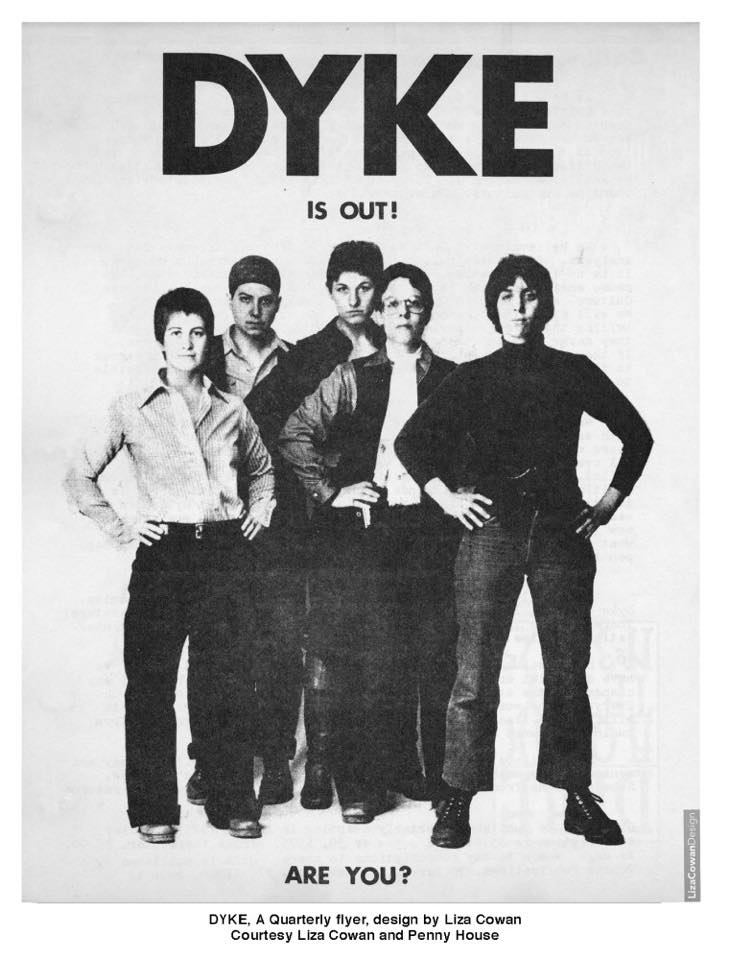
"caption": "Bruce Beaudette posted this cover image of the magazine \"DYKE: A Quarterly\" on Facebook during SF Pride week last month. But his account was temporarily suspended because he used a word apparently banned by the social media giant.",
"description": null,
"title": "20265033_10155384767566063_1620153271362802995_n",
"credit": "Courtesy of Liza Cowan",
"status": "inherit",
"isLoading": false,
"fetchFailed": false
},
"news_11591888": {
"type": "attachments",
"id": "news_11591888",
"meta": {
"index": "attachments_1716263798",
"site": "news",
"id": "11591888",
"found": true
},
"parent": 11591875,
"imgSizes": {
"small": {
"file": "https://ww2.kqed.org/app/uploads/sites/10/2017/07/moderation_072417_final-520x520.jpg",
"width": 520,
"mimeType": "image/jpeg",
"height": 520
},
"twentyfourteen-full-width": {
"file": "https://ww2.kqed.org/app/uploads/sites/10/2017/07/moderation_072417_final-1038x576.jpg",
"width": 1038,
"mimeType": "image/jpeg",
"height": 576
},
"thumbnail": {
"file": "https://ww2.kqed.org/app/uploads/sites/10/2017/07/moderation_072417_final-160x160.jpg",
"width": 160,
"mimeType": "image/jpeg",
"height": 160
},
"fd-sm": {
"file": "https://ww2.kqed.org/app/uploads/sites/10/2017/07/moderation_072417_final-960x960.jpg",
"width": 960,
"mimeType": "image/jpeg",
"height": 960
},
"post-thumbnail": {
"file": "https://ww2.kqed.org/app/uploads/sites/10/2017/07/moderation_072417_final-672x372.jpg",
"width": 672,
"mimeType": "image/jpeg",
"height": 372
},
"xsmall": {
"file": "https://ww2.kqed.org/app/uploads/sites/10/2017/07/moderation_072417_final-375x375.jpg",
"width": 375,
"mimeType": "image/jpeg",
"height": 375
},
"kqedFullSize": {
"file": "https://ww2.kqed.org/app/uploads/sites/10/2017/07/moderation_072417_final.jpg",
"width": 1920,
"height": 1920
},
"large": {
"file": "https://ww2.kqed.org/app/uploads/sites/10/2017/07/moderation_072417_final-1020x1020.jpg",
"width": 1020,
"mimeType": "image/jpeg",
"height": 1020
},
"xlarge": {
"file": "https://ww2.kqed.org/app/uploads/sites/10/2017/07/moderation_072417_final-1180x1180.jpg",
"width": 1180,
"mimeType": "image/jpeg",
"height": 1180
},
"guest-author-50": {
"file": "https://ww2.kqed.org/app/uploads/sites/10/2017/07/moderation_072417_final-50x50.jpg",
"width": 50,
"mimeType": "image/jpeg",
"height": 50
},
"guest-author-96": {
"file": "https://ww2.kqed.org/app/uploads/sites/10/2017/07/moderation_072417_final-96x96.jpg",
"width": 96,
"mimeType": "image/jpeg",
"height": 96
},
"medium": {
"file": "https://ww2.kqed.org/app/uploads/sites/10/2017/07/moderation_072417_final-800x800.jpg",
"width": 800,
"mimeType": "image/jpeg",
"height": 800
},
"guest-author-64": {
"file": "https://ww2.kqed.org/app/uploads/sites/10/2017/07/moderation_072417_final-64x64.jpg",
"width": 64,
"mimeType": "image/jpeg",
"height": 64
},
"guest-author-32": {
"file": "https://ww2.kqed.org/app/uploads/sites/10/2017/07/moderation_072417_final-32x32.jpg",
"width": 32,
"mimeType": "image/jpeg",
"height": 32
},
"fd-lrg": {
"file": "https://ww2.kqed.org/app/uploads/sites/10/2017/07/moderation_072417_final-1920x1920.jpg",
"width": 1920,
"mimeType": "image/jpeg",
"height": 1920
},
"fd-med": {
"file": "https://ww2.kqed.org/app/uploads/sites/10/2017/07/moderation_072417_final-1180x1180.jpg",
"width": 1180,
"mimeType": "image/jpeg",
"height": 1180
},
"full-width": {
"file": "https://ww2.kqed.org/app/uploads/sites/10/2017/07/moderation_072417_final-1920x1920.jpg",
"width": 1920,
"mimeType": "image/jpeg",
"height": 1920
},
"detail": {
"file": "https://ww2.kqed.org/app/uploads/sites/10/2017/07/moderation_072417_final-150x150.jpg",
"width": 150,
"mimeType": "image/jpeg",
"height": 150
},
"guest-author-128": {
"file": "https://ww2.kqed.org/app/uploads/sites/10/2017/07/moderation_072417_final-128x128.jpg",
"width": 128,
"mimeType": "image/jpeg",
"height": 128
},
"xxsmall": {
"file": "https://ww2.kqed.org/app/uploads/sites/10/2017/07/moderation_072417_final-240x240.jpg",
"width": 240,
"mimeType": "image/jpeg",
"height": 240
}
},
"publishDate": 1500931771,
"modified": 1500931812,
"caption": null,
"description": null,
"title": "moderation_072417_final",
"credit": null,
"status": "inherit",
"isLoading": false,
"fetchFailed": false
},
"news_11579630": {
"type": "attachments",
"id": "news_11579630",
"meta": {
"index": "attachments_1716263798",
"site": "news",
"id": "11579630",
"found": true
},
"parent": 11579621,
"imgSizes": {
"small": {
"file": "https://ww2.kqed.org/app/uploads/sites/10/2017/07/tour_072117_final-520x520.jpg",
"width": 520,
"mimeType": "image/jpeg",
"height": 520
},
"twentyfourteen-full-width": {
"file": "https://ww2.kqed.org/app/uploads/sites/10/2017/07/tour_072117_final-1038x576.jpg",
"width": 1038,
"mimeType": "image/jpeg",
"height": 576
},
"thumbnail": {
"file": "https://ww2.kqed.org/app/uploads/sites/10/2017/07/tour_072117_final-160x160.jpg",
"width": 160,
"mimeType": "image/jpeg",
"height": 160
},
"fd-sm": {
"file": "https://ww2.kqed.org/app/uploads/sites/10/2017/07/tour_072117_final-960x960.jpg",
"width": 960,
"mimeType": "image/jpeg",
"height": 960
},
"post-thumbnail": {
"file": "https://ww2.kqed.org/app/uploads/sites/10/2017/07/tour_072117_final-672x372.jpg",
"width": 672,
"mimeType": "image/jpeg",
"height": 372
},
"xsmall": {
"file": "https://ww2.kqed.org/app/uploads/sites/10/2017/07/tour_072117_final-375x375.jpg",
"width": 375,
"mimeType": "image/jpeg",
"height": 375
},
"kqedFullSize": {
"file": "https://ww2.kqed.org/app/uploads/sites/10/2017/07/tour_072117_final.jpg",
"width": 1920,
"height": 1920
},
"large": {
"file": "https://ww2.kqed.org/app/uploads/sites/10/2017/07/tour_072117_final-1020x1020.jpg",
"width": 1020,
"mimeType": "image/jpeg",
"height": 1020
},
"xlarge": {
"file": "https://ww2.kqed.org/app/uploads/sites/10/2017/07/tour_072117_final-1180x1180.jpg",
"width": 1180,
"mimeType": "image/jpeg",
"height": 1180
},
"guest-author-50": {
"file": "https://ww2.kqed.org/app/uploads/sites/10/2017/07/tour_072117_final-50x50.jpg",
"width": 50,
"mimeType": "image/jpeg",
"height": 50
},
"guest-author-96": {
"file": "https://ww2.kqed.org/app/uploads/sites/10/2017/07/tour_072117_final-96x96.jpg",
"width": 96,
"mimeType": "image/jpeg",
"height": 96
},
"medium": {
"file": "https://ww2.kqed.org/app/uploads/sites/10/2017/07/tour_072117_final-800x800.jpg",
"width": 800,
"mimeType": "image/jpeg",
"height": 800
},
"guest-author-64": {
"file": "https://ww2.kqed.org/app/uploads/sites/10/2017/07/tour_072117_final-64x64.jpg",
"width": 64,
"mimeType": "image/jpeg",
"height": 64
},
"guest-author-32": {
"file": "https://ww2.kqed.org/app/uploads/sites/10/2017/07/tour_072117_final-32x32.jpg",
"width": 32,
"mimeType": "image/jpeg",
"height": 32
},
"fd-lrg": {
"file": "https://ww2.kqed.org/app/uploads/sites/10/2017/07/tour_072117_final-1920x1920.jpg",
"width": 1920,
"mimeType": "image/jpeg",
"height": 1920
},
"fd-med": {
"file": "https://ww2.kqed.org/app/uploads/sites/10/2017/07/tour_072117_final-1180x1180.jpg",
"width": 1180,
"mimeType": "image/jpeg",
"height": 1180
},
"full-width": {
"file": "https://ww2.kqed.org/app/uploads/sites/10/2017/07/tour_072117_final-1920x1920.jpg",
"width": 1920,
"mimeType": "image/jpeg",
"height": 1920
},
"detail": {
"file": "https://ww2.kqed.org/app/uploads/sites/10/2017/07/tour_072117_final-150x150.jpg",
"width": 150,
"mimeType": "image/jpeg",
"height": 150
},
"guest-author-128": {
"file": "https://ww2.kqed.org/app/uploads/sites/10/2017/07/tour_072117_final-128x128.jpg",
"width": 128,
"mimeType": "image/jpeg",
"height": 128
},
"xxsmall": {
"file": "https://ww2.kqed.org/app/uploads/sites/10/2017/07/tour_072117_final-240x240.jpg",
"width": 240,
"mimeType": "image/jpeg",
"height": 240
}
},
"publishDate": 1500669342,
"modified": 1500669375,
"caption": null,
"description": null,
"title": "tour_072117_final",
"credit": null,
"status": "inherit",
"isLoading": false,
"fetchFailed": false
},
"news_11564005": {
"type": "attachments",
"id": "news_11564005",
"meta": {
"index": "attachments_1716263798",
"site": "news",
"id": "11564005",
"found": true
},
"parent": 11564004,
"imgSizes": {
"small": {
"file": "https://ww2.kqed.org/app/uploads/sites/10/2017/07/gettyimages-803546578_wide-aabe53a23857ead89d410de63529ca241b434ed6-520x292.jpg",
"width": 520,
"mimeType": "image/jpeg",
"height": 292
},
"twentyfourteen-full-width": {
"file": "https://ww2.kqed.org/app/uploads/sites/10/2017/07/gettyimages-803546578_wide-aabe53a23857ead89d410de63529ca241b434ed6-1038x576.jpg",
"width": 1038,
"mimeType": "image/jpeg",
"height": 576
},
"thumbnail": {
"file": "https://ww2.kqed.org/app/uploads/sites/10/2017/07/gettyimages-803546578_wide-aabe53a23857ead89d410de63529ca241b434ed6-160x90.jpg",
"width": 160,
"mimeType": "image/jpeg",
"height": 90
},
"fd-sm": {
"file": "https://ww2.kqed.org/app/uploads/sites/10/2017/07/gettyimages-803546578_wide-aabe53a23857ead89d410de63529ca241b434ed6-960x540.jpg",
"width": 960,
"mimeType": "image/jpeg",
"height": 540
},
"post-thumbnail": {
"file": "https://ww2.kqed.org/app/uploads/sites/10/2017/07/gettyimages-803546578_wide-aabe53a23857ead89d410de63529ca241b434ed6-672x372.jpg",
"width": 672,
"mimeType": "image/jpeg",
"height": 372
},
"xsmall": {
"file": "https://ww2.kqed.org/app/uploads/sites/10/2017/07/gettyimages-803546578_wide-aabe53a23857ead89d410de63529ca241b434ed6-375x211.jpg",
"width": 375,
"mimeType": "image/jpeg",
"height": 211
},
"kqedFullSize": {
"file": "https://ww2.kqed.org/app/uploads/sites/10/2017/07/gettyimages-803546578_wide-aabe53a23857ead89d410de63529ca241b434ed6-e1499887076406.jpg",
"width": 1920,
"height": 1080
},
"large": {
"file": "https://ww2.kqed.org/app/uploads/sites/10/2017/07/gettyimages-803546578_wide-aabe53a23857ead89d410de63529ca241b434ed6-1020x574.jpg",
"width": 1020,
"mimeType": "image/jpeg",
"height": 574
},
"xlarge": {
"file": "https://ww2.kqed.org/app/uploads/sites/10/2017/07/gettyimages-803546578_wide-aabe53a23857ead89d410de63529ca241b434ed6-1180x664.jpg",
"width": 1180,
"mimeType": "image/jpeg",
"height": 664
},
"guest-author-50": {
"file": "https://ww2.kqed.org/app/uploads/sites/10/2017/07/gettyimages-803546578_wide-aabe53a23857ead89d410de63529ca241b434ed6-50x50.jpg",
"width": 50,
"mimeType": "image/jpeg",
"height": 50
},
"guest-author-96": {
"file": "https://ww2.kqed.org/app/uploads/sites/10/2017/07/gettyimages-803546578_wide-aabe53a23857ead89d410de63529ca241b434ed6-96x96.jpg",
"width": 96,
"mimeType": "image/jpeg",
"height": 96
},
"medium": {
"file": "https://ww2.kqed.org/app/uploads/sites/10/2017/07/gettyimages-803546578_wide-aabe53a23857ead89d410de63529ca241b434ed6-800x450.jpg",
"width": 800,
"mimeType": "image/jpeg",
"height": 450
},
"guest-author-64": {
"file": "https://ww2.kqed.org/app/uploads/sites/10/2017/07/gettyimages-803546578_wide-aabe53a23857ead89d410de63529ca241b434ed6-64x64.jpg",
"width": 64,
"mimeType": "image/jpeg",
"height": 64
},
"guest-author-32": {
"file": "https://ww2.kqed.org/app/uploads/sites/10/2017/07/gettyimages-803546578_wide-aabe53a23857ead89d410de63529ca241b434ed6-32x32.jpg",
"width": 32,
"mimeType": "image/jpeg",
"height": 32
},
"fd-lrg": {
"file": "https://ww2.kqed.org/app/uploads/sites/10/2017/07/gettyimages-803546578_wide-aabe53a23857ead89d410de63529ca241b434ed6-1920x1080.jpg",
"width": 1920,
"mimeType": "image/jpeg",
"height": 1080
},
"fd-med": {
"file": "https://ww2.kqed.org/app/uploads/sites/10/2017/07/gettyimages-803546578_wide-aabe53a23857ead89d410de63529ca241b434ed6-1180x664.jpg",
"width": 1180,
"mimeType": "image/jpeg",
"height": 664
},
"full-width": {
"file": "https://ww2.kqed.org/app/uploads/sites/10/2017/07/gettyimages-803546578_wide-aabe53a23857ead89d410de63529ca241b434ed6-1920x1080.jpg",
"width": 1920,
"mimeType": "image/jpeg",
"height": 1080
},
"detail": {
"file": "https://ww2.kqed.org/app/uploads/sites/10/2017/07/gettyimages-803546578_wide-aabe53a23857ead89d410de63529ca241b434ed6-150x150.jpg",
"width": 150,
"mimeType": "image/jpeg",
"height": 150
},
"guest-author-128": {
"file": "https://ww2.kqed.org/app/uploads/sites/10/2017/07/gettyimages-803546578_wide-aabe53a23857ead89d410de63529ca241b434ed6-128x128.jpg",
"width": 128,
"mimeType": "image/jpeg",
"height": 128
},
"xxsmall": {
"file": "https://ww2.kqed.org/app/uploads/sites/10/2017/07/gettyimages-803546578_wide-aabe53a23857ead89d410de63529ca241b434ed6-240x135.jpg",
"width": 240,
"mimeType": "image/jpeg",
"height": 135
}
},
"publishDate": 1499886861,
"modified": 1499887107,
"caption": "A new lawsuit accuses the White House of suppressing dissent by excluding Twitter users who criticize President Trump or his policies.",
"description": "A new lawsuit accuses the White House of suppressing dissent by excluding Twitter users who criticize President Trump or his policies.",
"title": "A new lawsuit accuses the White House of suppressing dissent by excluding Twitter users who criticize President Trump or his policies.",
"credit": "Jaap Arrien/NurPhoto via Getty Images",
"status": "inherit",
"isLoading": false,
"fetchFailed": false
},
"news_11535268": {
"type": "attachments",
"id": "news_11535268",
"meta": {
"index": "attachments_1716263798",
"site": "news",
"id": "11535268",
"found": true
},
"parent": 11535262,
"imgSizes": {
"small": {
"file": "https://ww2.kqed.org/app/uploads/sites/10/2017/06/RS23343_GettyImages-624830956-qut-520x347.jpg",
"width": 520,
"mimeType": "image/jpeg",
"height": 347
},
"twentyfourteen-full-width": {
"file": "https://ww2.kqed.org/app/uploads/sites/10/2017/06/RS23343_GettyImages-624830956-qut-1038x576.jpg",
"width": 1038,
"mimeType": "image/jpeg",
"height": 576
},
"thumbnail": {
"file": "https://ww2.kqed.org/app/uploads/sites/10/2017/06/RS23343_GettyImages-624830956-qut-160x107.jpg",
"width": 160,
"mimeType": "image/jpeg",
"height": 107
},
"fd-sm": {
"file": "https://ww2.kqed.org/app/uploads/sites/10/2017/06/RS23343_GettyImages-624830956-qut-960x640.jpg",
"width": 960,
"mimeType": "image/jpeg",
"height": 640
},
"post-thumbnail": {
"file": "https://ww2.kqed.org/app/uploads/sites/10/2017/06/RS23343_GettyImages-624830956-qut-672x372.jpg",
"width": 672,
"mimeType": "image/jpeg",
"height": 372
},
"xsmall": {
"file": "https://ww2.kqed.org/app/uploads/sites/10/2017/06/RS23343_GettyImages-624830956-qut-375x250.jpg",
"width": 375,
"mimeType": "image/jpeg",
"height": 250
},
"kqedFullSize": {
"file": "https://ww2.kqed.org/app/uploads/sites/10/2017/06/RS23343_GettyImages-624830956-qut.jpg",
"width": 1920,
"height": 1280
},
"large": {
"file": "https://ww2.kqed.org/app/uploads/sites/10/2017/06/RS23343_GettyImages-624830956-qut-1020x680.jpg",
"width": 1020,
"mimeType": "image/jpeg",
"height": 680
},
"xlarge": {
"file": "https://ww2.kqed.org/app/uploads/sites/10/2017/06/RS23343_GettyImages-624830956-qut-1180x787.jpg",
"width": 1180,
"mimeType": "image/jpeg",
"height": 787
},
"guest-author-50": {
"file": "https://ww2.kqed.org/app/uploads/sites/10/2017/06/RS23343_GettyImages-624830956-qut-50x50.jpg",
"width": 50,
"mimeType": "image/jpeg",
"height": 50
},
"guest-author-96": {
"file": "https://ww2.kqed.org/app/uploads/sites/10/2017/06/RS23343_GettyImages-624830956-qut-96x96.jpg",
"width": 96,
"mimeType": "image/jpeg",
"height": 96
},
"medium": {
"file": "https://ww2.kqed.org/app/uploads/sites/10/2017/06/RS23343_GettyImages-624830956-qut-800x533.jpg",
"width": 800,
"mimeType": "image/jpeg",
"height": 533
},
"guest-author-64": {
"file": "https://ww2.kqed.org/app/uploads/sites/10/2017/06/RS23343_GettyImages-624830956-qut-64x64.jpg",
"width": 64,
"mimeType": "image/jpeg",
"height": 64
},
"guest-author-32": {
"file": "https://ww2.kqed.org/app/uploads/sites/10/2017/06/RS23343_GettyImages-624830956-qut-32x32.jpg",
"width": 32,
"mimeType": "image/jpeg",
"height": 32
},
"fd-lrg": {
"file": "https://ww2.kqed.org/app/uploads/sites/10/2017/06/RS23343_GettyImages-624830956-qut-1920x1280.jpg",
"width": 1920,
"mimeType": "image/jpeg",
"height": 1280
},
"fd-med": {
"file": "https://ww2.kqed.org/app/uploads/sites/10/2017/06/RS23343_GettyImages-624830956-qut-1180x787.jpg",
"width": 1180,
"mimeType": "image/jpeg",
"height": 787
},
"full-width": {
"file": "https://ww2.kqed.org/app/uploads/sites/10/2017/06/RS23343_GettyImages-624830956-qut-1920x1280.jpg",
"width": 1920,
"mimeType": "image/jpeg",
"height": 1280
},
"detail": {
"file": "https://ww2.kqed.org/app/uploads/sites/10/2017/06/RS23343_GettyImages-624830956-qut-150x150.jpg",
"width": 150,
"mimeType": "image/jpeg",
"height": 150
},
"guest-author-128": {
"file": "https://ww2.kqed.org/app/uploads/sites/10/2017/06/RS23343_GettyImages-624830956-qut-128x128.jpg",
"width": 128,
"mimeType": "image/jpeg",
"height": 128
},
"xxsmall": {
"file": "https://ww2.kqed.org/app/uploads/sites/10/2017/06/RS23343_GettyImages-624830956-qut-240x160.jpg",
"width": 240,
"mimeType": "image/jpeg",
"height": 160
}
},
"publishDate": 1498587247,
"modified": 1498602015,
"caption": "Facebook logos are pictured on the screens of a smartphone and a laptop computer in central London on Nov. 21, 2016.",
"description": null,
"title": "RS23343_GettyImages-624830956-qut",
"credit": "Justin Tallis/Getty images",
"status": "inherit",
"isLoading": false,
"fetchFailed": false
},
"news_11526971": {
"type": "attachments",
"id": "news_11526971",
"meta": {
"index": "attachments_1716263798",
"site": "news",
"id": "11526971",
"found": true
},
"parent": 11526783,
"imgSizes": {
"small": {
"file": "https://ww2.kqed.org/app/uploads/sites/10/2017/06/RS2274_facebook20120517-520x346.jpg",
"width": 520,
"mimeType": "image/jpeg",
"height": 346
},
"twentyfourteen-full-width": {
"file": "https://ww2.kqed.org/app/uploads/sites/10/2017/06/RS2274_facebook20120517-1038x576.jpg",
"width": 1038,
"mimeType": "image/jpeg",
"height": 576
},
"thumbnail": {
"file": "https://ww2.kqed.org/app/uploads/sites/10/2017/06/RS2274_facebook20120517-160x106.jpg",
"width": 160,
"mimeType": "image/jpeg",
"height": 106
},
"fd-sm": {
"file": "https://ww2.kqed.org/app/uploads/sites/10/2017/06/RS2274_facebook20120517-960x639.jpg",
"width": 960,
"mimeType": "image/jpeg",
"height": 639
},
"post-thumbnail": {
"file": "https://ww2.kqed.org/app/uploads/sites/10/2017/06/RS2274_facebook20120517-672x372.jpg",
"width": 672,
"mimeType": "image/jpeg",
"height": 372
},
"xsmall": {
"file": "https://ww2.kqed.org/app/uploads/sites/10/2017/06/RS2274_facebook20120517-375x250.jpg",
"width": 375,
"mimeType": "image/jpeg",
"height": 250
},
"kqedFullSize": {
"file": "https://ww2.kqed.org/app/uploads/sites/10/2017/06/RS2274_facebook20120517-e1498181461814.jpg",
"width": 1920,
"height": 1278
},
"large": {
"file": "https://ww2.kqed.org/app/uploads/sites/10/2017/06/RS2274_facebook20120517-1020x679.jpg",
"width": 1020,
"mimeType": "image/jpeg",
"height": 679
},
"xlarge": {
"file": "https://ww2.kqed.org/app/uploads/sites/10/2017/06/RS2274_facebook20120517-1180x785.jpg",
"width": 1180,
"mimeType": "image/jpeg",
"height": 785
},
"guest-author-50": {
"file": "https://ww2.kqed.org/app/uploads/sites/10/2017/06/RS2274_facebook20120517-50x50.jpg",
"width": 50,
"mimeType": "image/jpeg",
"height": 50
},
"guest-author-96": {
"file": "https://ww2.kqed.org/app/uploads/sites/10/2017/06/RS2274_facebook20120517-96x96.jpg",
"width": 96,
"mimeType": "image/jpeg",
"height": 96
},
"medium": {
"file": "https://ww2.kqed.org/app/uploads/sites/10/2017/06/RS2274_facebook20120517-800x532.jpg",
"width": 800,
"mimeType": "image/jpeg",
"height": 532
},
"guest-author-64": {
"file": "https://ww2.kqed.org/app/uploads/sites/10/2017/06/RS2274_facebook20120517-64x64.jpg",
"width": 64,
"mimeType": "image/jpeg",
"height": 64
},
"guest-author-32": {
"file": "https://ww2.kqed.org/app/uploads/sites/10/2017/06/RS2274_facebook20120517-32x32.jpg",
"width": 32,
"mimeType": "image/jpeg",
"height": 32
},
"fd-lrg": {
"file": "https://ww2.kqed.org/app/uploads/sites/10/2017/06/RS2274_facebook20120517-1920x1278.jpg",
"width": 1920,
"mimeType": "image/jpeg",
"height": 1278
},
"fd-med": {
"file": "https://ww2.kqed.org/app/uploads/sites/10/2017/06/RS2274_facebook20120517-1180x785.jpg",
"width": 1180,
"mimeType": "image/jpeg",
"height": 785
},
"full-width": {
"file": "https://ww2.kqed.org/app/uploads/sites/10/2017/06/RS2274_facebook20120517-1920x1278.jpg",
"width": 1920,
"mimeType": "image/jpeg",
"height": 1278
},
"detail": {
"file": "https://ww2.kqed.org/app/uploads/sites/10/2017/06/RS2274_facebook20120517-150x150.jpg",
"width": 150,
"mimeType": "image/jpeg",
"height": 150
},
"guest-author-128": {
"file": "https://ww2.kqed.org/app/uploads/sites/10/2017/06/RS2274_facebook20120517-128x128.jpg",
"width": 128,
"mimeType": "image/jpeg",
"height": 128
},
"xxsmall": {
"file": "https://ww2.kqed.org/app/uploads/sites/10/2017/06/RS2274_facebook20120517-240x160.jpg",
"width": 240,
"mimeType": "image/jpeg",
"height": 160
}
},
"publishDate": 1498181409,
"modified": 1498182772,
"caption": "Facebook on a laptop screen in Manila.",
"description": null,
"title": "TO GO WITH US-IT-Internet-IPO-Facebook-A",
"credit": "Ted Aljibe/AFP/Getty Images",
"status": "inherit",
"isLoading": false,
"fetchFailed": false
}
},
"audioPlayerReducer": {
"postId": "stream_live",
"isPaused": true,
"isPlaying": false,
"pfsActive": false,
"pledgeModalIsOpen": true,
"playerDrawerIsOpen": false,
"liveAudioPlayStartedAt": 0,
"liveAudioPlayContext": ""
},
"authorsReducer": {
"byline_news_11619802": {
"type": "authors",
"id": "byline_news_11619802",
"meta": {
"override": true
},
"slug": "byline_news_11619802",
"name": "Mary Clare Jalonick and Chad Day \u003cbr> Associated Press",
"isLoading": false
},
"byline_news_11619331": {
"type": "authors",
"id": "byline_news_11619331",
"meta": {
"override": true
},
"slug": "byline_news_11619331",
"name": "Laura Sydell",
"isLoading": false
},
"byline_news_11618612": {
"type": "authors",
"id": "byline_news_11618612",
"meta": {
"override": true
},
"slug": "byline_news_11618612",
"name": "\u003cstrong>Ryan Lucas\u003cbr />NPR\u003c/strong>",
"isLoading": false
},
"byline_news_11615868": {
"type": "authors",
"id": "byline_news_11615868",
"meta": {
"override": true
},
"slug": "byline_news_11615868",
"name": "Ryan Lucas \u003cbr>\u003cstrong>\u003ca href=\"http://www.npr.org/2017/09/07/549184076/facebooks-russia-ads-could-be-tip-of-the-iceberg-warns-senate-intel-dem\">NPR\u003c/a>\u003c/strong>",
"isLoading": false
},
"byline_news_11564004": {
"type": "authors",
"id": "byline_news_11564004",
"meta": {
"override": true
},
"slug": "byline_news_11564004",
"name": "\u003cstrong>Bill Chappell\u003cbr />NPR\u003c/strong>",
"isLoading": false
},
"byline_news_11535262": {
"type": "authors",
"id": "byline_news_11535262",
"meta": {
"override": true
},
"slug": "byline_news_11535262",
"name": "\u003cstrong>Associated Press \u003c/strong> ",
"isLoading": false
},
"peterjonshuler": {
"type": "authors",
"id": "1329",
"meta": {
"index": "authors_1716337520",
"id": "1329",
"found": true
},
"name": "Peter Jon Shuler",
"firstName": "Peter Jon",
"lastName": "Shuler",
"slug": "peterjonshuler",
"email": "pshuler@kqed.org",
"display_author_email": false,
"staff_mastheads": [],
"title": null,
"bio": "Peter is a general assignment reporter covering Northern California news for KQED’s daily radio newscasts. He reports on a wide range of stories from current court cases to San Jose city hall.\r\n\r\nSince joining KQED in 1990, Peter has covered everything from the beginnings of the World Wide Web to the dot-com bust, from preserving Silicon Valley's open space to the preservation of historic Valley landmarks.\r\n\r\nPeter caught the radio bug at WAUS-FM while still a student at Andrews University in his home town of Berrien Springs, MI. He did local news and hosted a classical music program. Since then, he has pursued a variety of assignments, including production work at WBAI in New York and broadcasting to the English language community of Geneva, Switzerland via Radio 74. Email: \u003ca href=\"mailto:pshuler@kqed.org\">pshuler@kqed.org\u003c/a>",
"avatar": "https://secure.gravatar.com/avatar/4bcbeaf7cf49fec98284db283a33a47b?s=600&d=blank&r=g",
"twitter": null,
"facebook": null,
"instagram": null,
"linkedin": null,
"sites": [
{
"site": "news",
"roles": [
"contributor"
]
}
],
"headData": {
"title": "Peter Jon Shuler | KQED",
"description": null,
"ogImgSrc": "https://secure.gravatar.com/avatar/4bcbeaf7cf49fec98284db283a33a47b?s=600&d=blank&r=g",
"twImgSrc": "https://secure.gravatar.com/avatar/4bcbeaf7cf49fec98284db283a33a47b?s=600&d=blank&r=g"
},
"isLoading": false,
"link": "/author/peterjonshuler"
},
"markfiore": {
"type": "authors",
"id": "3236",
"meta": {
"index": "authors_1716337520",
"id": "3236",
"found": true
},
"name": "Mark Fiore",
"firstName": "Mark",
"lastName": "Fiore",
"slug": "markfiore",
"email": "mark@markfiore.com",
"display_author_email": false,
"staff_mastheads": [
"news"
],
"title": "KQED News Cartoonist",
"bio": "\u003ca href=\"http://www.MarkFiore.com\">MarkFiore.com\u003c/a> | \u003ca href=\"https://twitter.com/markfiore\">Follow on Twitter\u003c/a> | \u003ca href=\"https://www.facebook.com/pages/Mark-Fiore-Animated-Political-Cartoons/94451707396?ref=bookmarks\">Facebook\u003c/a> | \u003ca href=\"mailto:mark@markfiore.com\">email\u003c/a>\r\n\r\nPulitzer Prize-winner, Mark Fiore, who the Wall Street Journal has called “the undisputed guru of the form,” creates animated political cartoons in San Francisco, where his work has been featured regularly on the San Francisco Chronicle’s web site, SFGate.com. His work has appeared on Newsweek.com, Slate.com, CBSNews.com, MotherJones.com, DailyKos.com and NPR’s web site. Fiore’s political animation has appeared on CNN, Frontline, Bill Moyers Journal, Salon.com and cable and broadcast outlets across the globe.\r\n\r\nBeginning his professional life by drawing traditional political cartoons for newspapers, Fiore’s work appeared in publications ranging from the Washington Post to the Los Angeles Times. In the late 1990s, he began to experiment with animating political cartoons and, after a short stint at the San Jose Mercury News as their staff cartoonist, Fiore devoted all his energies to animation.\r\nGrowing up in California, Fiore also spent a good portion of his life in the backwoods of Idaho. It was this combination that shaped him politically. Mark majored in political science at Colorado College, where, in a perfect send-off for a cartoonist, he received his diploma in 1991 as commencement speaker Dick Cheney smiled approvingly.\r\nMark Fiore was awarded the Pulitzer Prize for political cartooning in 2010, a Robert F. Kennedy Journalism Award in 2004 and has twice received an Online Journalism Award for commentary from the Online News Association (2002, 2008). Fiore has received two awards for his work in new media from the National Cartoonists Society (2001, 2002), and in 2006 received The James Madison Freedom of Information Award from The Society of Professional Journalists.",
"avatar": "https://secure.gravatar.com/avatar/fc4e2a612b15b67bad0c6f0e1db4ca9b?s=600&d=blank&r=g",
"twitter": "MarkFiore",
"facebook": null,
"instagram": "https://www.instagram.com/markfiore/?hl=en",
"linkedin": null,
"sites": [
{
"site": "arts",
"roles": [
"contributor"
]
},
{
"site": "news",
"roles": [
"editor"
]
},
{
"site": "futureofyou",
"roles": [
"editor"
]
},
{
"site": "science",
"roles": [
"editor"
]
}
],
"headData": {
"title": "Mark Fiore | KQED",
"description": "KQED News Cartoonist",
"ogImgSrc": "https://secure.gravatar.com/avatar/fc4e2a612b15b67bad0c6f0e1db4ca9b?s=600&d=blank&r=g",
"twImgSrc": "https://secure.gravatar.com/avatar/fc4e2a612b15b67bad0c6f0e1db4ca9b?s=600&d=blank&r=g"
},
"isLoading": false,
"link": "/author/markfiore"
},
"qkim": {
"type": "authors",
"id": "11099",
"meta": {
"index": "authors_1716337520",
"id": "11099",
"found": true
},
"name": "Queena Sook Kim",
"firstName": "Queena",
"lastName": "Kim",
"slug": "qkim",
"email": "qkim@kqed.org",
"display_author_email": false,
"staff_mastheads": [
"news"
],
"title": "Senior Editor",
"bio": "\u003cspan style=\"font-weight: 400;\">Queena Sook Kim is a former senior editor of the weekend desk at KQED. Before taking on that post, she was the Senior Editor of the Silicon Valley Desk and was the \u003c/span>\u003cspan style=\"font-weight: 400;\">host of The California Report. The daily morning show airs on KQED in San Francisco, one of the nation’s largest NPR affiliates, and on 30 stations across the state. In that role, she produces and reports on news, politics and life in the Golden State. Queena likes to take sideways look at the larger trends changing the state. One of her favorite stories asked\u003c/span>\u003ca href=\"https://ww2.kqed.org/news/2015/02/15/why-the-heck-do-mexican-reporters-on-public-radio-say-their-names-that-way\"> \u003cspan style=\"font-weight: 400;\">why Latino journalists “over’pronounce” their Spanish surnames\u003c/span>\u003c/a>\u003cspan style=\"font-weight: 400;\"> as a way of looking at how immigration is creating a culture shift in California.\u003c/span>\r\n\r\n\u003cspan style=\"font-weight: 400;\">Before joining The California Report, Queena was a \u003ca href=\"http://www.marketplace.org/people/queena-kim\">Senior Reporter covering technology for Marketplace\u003c/a>, the daily business show that airs on public radio. Queena covered daily tech business stories and reported on larger technology trends. She did a series of stories looking at role of social engineering in hacking and on a start-up in Silicon Valley that’s trying to use technology, instead of animals, to make meat that bleeds.\u003c/span>\r\n\r\n\u003cspan style=\"font-weight: 400;\">Queena started her career as a business journalist at the Wall Street Journal, where she spent four years covering the paper, home building and toy industries. She wrote A1 stories about the unusually aggressive tactics KB Home took against its home buyers. and the resurgence of “Cracker” architecture in Florida. She also wrote section front stories on marketing trends and\u003c/span>\r\n\r\n\u003cspan style=\"font-weight: 400;\">As a journalist, Queena has spent much of her career helping start-up editorial products. She was on the founding editorial team of The Bay Citizen, an experimental, online news site in San Francisco that was funded by the late hillbilly billionaire Warren Hellman. In 2009, Queena received a grant from the Corporation of Public Broadcasting to start-up a podcast called \u003ca href=\"https://soundcloud.com/cyberfrequencies\">CyberFrequencies\u003c/a>, which reported on the culture of technology. She also helped start-up two radio shows - Off-Ramp and Pacific Drift - for KPCC, the NPR-affiliate in Los Angeles. Off-Ramp was awarded 1st Place for news and Public Affairs programming by the PRINDI and the L.A. Press club. \u003ca href=\"https://soundcloud.com/queena-sook-kim\">Queena’s stories have appeared \u003c/a>on NPR’s Day to Day, Hearing Voices, WNYC’s Studio 360, WBUR’s Here and Now, BBC’s Global Perspectives and New York Times’ multimedia page.\u003c/span>\r\n\r\n\u003cspan style=\"font-weight: 400;\">In 1994, Queena won a Fulbright Grant to teach and study in Seoul, South Korea. She was also selected to be a Teach For America Corps Member in 1991 and taught elementary school in the Inglewood Unified School District in Southern California.\u003c/span>\r\n\r\n\u003cspan style=\"font-weight: 400;\">Queena is a frequent public speaker and has given talks at UC Berkeley, Stanford University, San Francisco State University, PRINDI conference and the Craigslist Foundation Boot Camp. Queena went to UC Berkeley’s Graduate School of Journalism and graduated cum laude from New York University with a B.A. in Politics. She grew up in Southern California and lives in Berkeley, Ca in a big fixer on which she spends most weekends, well, fixing.\u003c/span>",
"avatar": "https://secure.gravatar.com/avatar/b72382fd0db351b99f8a31939f4853fc?s=600&d=blank&r=g",
"twitter": "queenasookkim",
"facebook": null,
"instagram": null,
"linkedin": null,
"sites": [
{
"site": "news",
"roles": [
"subscriber"
]
},
{
"site": "forum",
"roles": [
"author"
]
},
{
"site": "breakingnews",
"roles": [
"editor"
]
}
],
"headData": {
"title": "Queena Sook Kim | KQED",
"description": "Senior Editor",
"ogImgSrc": "https://secure.gravatar.com/avatar/b72382fd0db351b99f8a31939f4853fc?s=600&d=blank&r=g",
"twImgSrc": "https://secure.gravatar.com/avatar/b72382fd0db351b99f8a31939f4853fc?s=600&d=blank&r=g"
},
"isLoading": false,
"link": "/author/qkim"
}
},
"pagesReducer": {
"news_tag_facebook": {
"type": "terms",
"id": "news_249",
"meta": {
"index": "terms_1716263798",
"site": "news",
"id": "249",
"score": 8.457257
},
"featImg": null,
"name": "Facebook",
"description": null,
"taxonomy": "tag",
"headData": {
"twImgId": null,
"twTitle": null,
"ogTitle": null,
"ogImgId": null,
"twDescription": null,
"description": null,
"title": "Facebook Archives | KQED News",
"ogDescription": null
},
"ttid": 257,
"slug": "facebook",
"isLoading": false,
"title": "Facebook",
"pageMeta": {
"site": "news",
"WpPageTemplate": "page-topic-editorial",
"currentPage": 19
},
"blocks": [
{
"blockName": "kqed/post-list",
"attrs": {
"layout": "cardArticle2",
"query": "posts/news?tag=facebook",
"seeMore": false,
"paginated": true,
"page": 19
}
},
{
"blockName": "kqed/ad"
}
]
}
},
"pfsSessionReducer": {},
"postsReducer": {
"stream_live": {
"type": "live",
"id": "stream_live",
"audioUrl": "https://streams.kqed.org/kqedradio",
"title": "Live Stream",
"excerpt": "Live Stream information currently unavailable.",
"link": "/radio",
"featImg": "",
"label": {
"name": "KQED Live",
"link": "/"
}
},
"stream_kqedNewscast": {
"type": "posts",
"id": "stream_kqedNewscast",
"audioUrl": "https://www.kqed.org/.stream/anon/radio/RDnews/newscast.mp3?_=1",
"title": "KQED Newscast",
"featImg": "",
"label": {
"name": "88.5 FM",
"link": "/"
}
},
"news_11619769": {
"type": "posts",
"id": "news_11619769",
"meta": {
"index": "posts_1716263798",
"site": "news",
"id": "11619769",
"score": null,
"sort": [
1506638804000
]
},
"parent": 0,
"labelTerm": {
"site": "news",
"term": 18515
},
"blocks": [],
"publishDate": 1506638804,
"format": "standard",
"disqusTitle": "More Congressional Hearings on Russian Election Meddling",
"title": "More Congressional Hearings on Russian Election Meddling",
"headTitle": "Mark Fiore: Drawn to the Bay | KQED News",
"content": "\u003cp>Today was \u003ca href=\"https://ww2.kqed.org/news/2017/09/28/twitters-actions-on-russia-linked-accounts-deeply-disappointing-senator-says/\" rel=\"noopener\" target=\"_blank\">Twitter's turn in the spotlight\u003c/a> as company representatives appeared before the House and Senate intelligence committees to talk Russian meddling in the 2016 presidential election.\u003c/p>\n\u003cp>And the Senate committee's top Democrat wasn't too impressed. \u003c/p>\n\u003cp>Sen. Mark Warner of Virginia said the information Twitter shared \"was frankly inadequate on almost every level,\" and he suggested the social media giant doesn’t understand the seriousness of Congress’ investigation into Russian election interference.\u003c/p>\n\u003cp>Twitter, Facebook and Google haven't yet said whether they'll accept invitations to testify publicly before both the House and Senate intelligence panels later this fall.\u003c/p>\n\u003cp>[ad fullwidth]\u003c/p>\u003cp>\u003c/p>\n",
"disqusIdentifier": "11619769 https://ww2.kqed.org/news/?p=11619769",
"disqusUrl": "https://ww2.kqed.org/news/2017/09/28/more-congressional-hearings-on-russian-election-meddling/",
"stats": {
"hasVideo": false,
"hasChartOrMap": false,
"hasAudio": false,
"hasPolis": false,
"wordCount": 106,
"hasGoogleForm": false,
"hasGallery": false,
"hasHearkenModule": false,
"iframeSrcs": [],
"paragraphCount": 6
},
"modified": 1506640938,
"excerpt": "Today was Twitter's turn in the spotlight as company representatives appeared before the Senate Intelligence Committee to talk Russian meddling in the 2016 election.",
"headData": {
"twImgId": "",
"twTitle": "",
"ogTitle": "",
"ogImgId": "",
"twDescription": "",
"description": "Today was Twitter's turn in the spotlight as company representatives appeared before the Senate Intelligence Committee to talk Russian meddling in the 2016 election.",
"title": "More Congressional Hearings on Russian Election Meddling | KQED",
"ogDescription": "",
"schema": {
"@context": "https://schema.org",
"@type": "NewsArticle",
"headline": "More Congressional Hearings on Russian Election Meddling",
"datePublished": "2017-09-28T15:46:44-07:00",
"dateModified": "2017-09-28T16:22:18-07:00",
"image": "https://cdn.kqed.org/wp-content/uploads/2020/02/KQED-OG-Image@1x.png",
"isAccessibleForFree": "True",
"publisher": {
"@type": "NewsMediaOrganization",
"@id": "https://www.kqed.org/#organization",
"name": "KQED",
"logo": "https://cdn.kqed.org/wp-content/uploads/2020/02/KQED-OG-Image@1x.png",
"url": "https://www.kqed.org",
"sameAs": [
"https://www.facebook.com/KQED",
"https://twitter.com/KQED",
"https://www.instagram.com/kqed/",
"https://www.tiktok.com/@kqedofficial",
"https://www.linkedin.com/company/kqed",
"https://www.youtube.com/channel/UCeC0IOo7i1P_61zVUWbJ4nw"
]
}
}
},
"guestAuthors": [],
"slug": "more-congressional-hearings-on-russian-election-meddling",
"status": "publish",
"path": "/news/11619769/more-congressional-hearings-on-russian-election-meddling",
"audioTrackLength": null,
"parsedContent": [
{
"type": "contentString",
"content": "\u003cdiv class=\"post-body\">\u003cp>\u003cp>Today was \u003ca href=\"https://ww2.kqed.org/news/2017/09/28/twitters-actions-on-russia-linked-accounts-deeply-disappointing-senator-says/\" rel=\"noopener\" target=\"_blank\">Twitter's turn in the spotlight\u003c/a> as company representatives appeared before the House and Senate intelligence committees to talk Russian meddling in the 2016 presidential election.\u003c/p>\n\u003cp>And the Senate committee's top Democrat wasn't too impressed. \u003c/p>\n\u003cp>Sen. Mark Warner of Virginia said the information Twitter shared \"was frankly inadequate on almost every level,\" and he suggested the social media giant doesn’t understand the seriousness of Congress’ investigation into Russian election interference.\u003c/p>\n\u003cp>Twitter, Facebook and Google haven't yet said whether they'll accept invitations to testify publicly before both the House and Senate intelligence panels later this fall.\u003c/p>\n\u003cp>\u003c/p>\u003c/div>",
"attributes": {
"named": {},
"numeric": []
}
},
{
"type": "component",
"content": "",
"name": "ad",
"attributes": {
"named": {
"label": "fullwidth"
},
"numeric": [
"fullwidth"
]
}
},
{
"type": "contentString",
"content": "\u003cdiv class=\"post-body\">\u003cp>\u003c/p>\u003cp>\u003c/p>\n\u003c/div>\u003c/p>",
"attributes": {
"named": {},
"numeric": []
}
}
],
"link": "/news/11619769/more-congressional-hearings-on-russian-election-meddling",
"authors": [
"3236"
],
"series": [
"news_18515"
],
"categories": [
"news_6188",
"news_8",
"news_13"
],
"tags": [
"news_20150",
"news_249",
"news_20949",
"news_21120",
"news_21254",
"news_346"
],
"featImg": "news_11619782",
"label": "news_18515"
},
"news_11619802": {
"type": "posts",
"id": "news_11619802",
"meta": {
"index": "posts_1716263798",
"site": "news",
"id": "11619802",
"score": null,
"sort": [
1506638272000
]
},
"parent": 0,
"labelTerm": {
"site": "news",
"term": 72
},
"blocks": [],
"publishDate": 1506638272,
"format": "image",
"disqusTitle": "Twitter's Actions on Russia-Linked Accounts ‘Deeply Disappointing,’ Senator Says",
"title": "Twitter's Actions on Russia-Linked Accounts ‘Deeply Disappointing,’ Senator Says",
"headTitle": "The California Report | KQED News",
"content": "\u003cp>WASHINGTON — Twitter's explanations of its actions against Russia-linked accounts are \"deeply disappointing,\" the Senate Intelligence Committee's top Democrat said Thursday after a closed-door session with company executives, and he suggested the social media giant doesn't understand the seriousness of Congress' investigation into Russian election interference.\u003c/p>\n\u003cp>Sen. Mark Warner of Virginia said that the information Twitter shared with the committee's staff \"was frankly inadequate on almost every level.\"\u003c/p>\n\u003cp>After meeting with staff of both the House and Senate intelligence committees, Twitter said it had taken action to suspend about two dozen accounts that were linked to fake Russia-tied Facebook accounts that were pushing divisive social and political issues during the 2016 U.S. presidential election.\u003c/p>\n\u003cp>The company said in a blog post that it found 22 accounts corresponding to about 450 Facebook accounts. The company said it also found an additional 179 related or linked accounts and took action on some of them that it found in violation of its rules.\u003c/p>\n\u003cp>Warner said that Twitter's findings were merely \"derivative\" of Facebook's work, and \"showed an enormous lack of understanding from the Twitter team of how serious this issue is, the threat it poses to democratic institutions.\"\u003c/p>\n\u003caside class=\"pullquote alignright\">'I don't think we've more than scratched the surface in terms of our understanding of how the Russians may have used [Twitter].'\u003ccite>California Rep. Adam Schiff\u003c/cite>\u003c/aside>\n\u003cp>He said the meeting underscored the need for the company to come forward in a public hearing. Both the House and Senate intelligence panels are inviting Twitter, Facebook and Google to testify this fall.\u003c/p>\n\u003cp>[ad fullwidth]\u003c/p>\n\u003cp>The committees have been investigating Russia's interference in the election and any possible coordination with associates of Donald Trump. They have specifically been looking at Twitter and Facebook and their roles in the spread of misinformation and propaganda during the campaign.\u003c/p>\n\u003cp>Thursday's closed meetings lasted several hours. The company's executives included Colin Crowell, a vice president of public policy, government and corporate philanthropy; Carlos Monje, director of public policy and philanthropy; attorney Elizabeth Banker; and Emily Horne, global policy communications director.\u003c/p>\n\u003cp>Twitter said it also provided congressional investigators with a \"roundup\" of ads from accounts used by Russia's state-sponsored news network, RT. The company said in its blog post that RT spent $274,100 on ads targeted to markets in the U.S. during 2016. Twitter provided the ads, which came from three handles used by RT, to the congressional investigators. Most tweets from the accounts promoted news stories.\u003c/p>\n\u003cp>The top Democrat on the House intelligence panel, California Rep. Adam Schiff, showed less frustration after his own panel's staff was briefed by Twitter, saying the meeting was \"good but preliminary.\"\u003c/p>\n\u003cp>\"I think there are challenges to Twitter in its forensic investigation because Twitter users don't provide the same background information that Facebook users do,\" Schiff said. \"At the same time I don't think we've more than scratched the surface in terms of our understanding of how the Russians may have used that platform.\"\u003c/p>\n\u003cp>[contextly_sidebar id=\"cyEzpiWoT7WaqPWJGSuuYkDvZcbZwnTA\"]\u003c/p>\n\u003cp>The committees are scrutinizing the spread of false news stories and propaganda on social media, to what extent Russia was involved and whether anyone in the United States helped target those stories.\u003c/p>\n\u003cp>Unlike Facebook, which has said phony accounts on its platform attempted to stir up divisiveness in the election, Twitter has remained mostly silent. Twitter allows users to register anonymously and has more public accounts than Facebook. Many lawmakers have expressed concerns about the proliferation of the anonymous \"bots.\"\u003c/p>\n\u003cp>Lawmakers have been interested in Twitter's potential vulnerabilities in terms of tracing potential foreign intrusions. There have been concerns that the company doesn't move quickly enough to remove posts and isn't able to track the original postings that were spread and retweeted.\u003c/p>\n\u003cp>Twitter, Facebook and Google haven't yet said whether they will accept the invitations to testify publicly before both intelligence panels. The House committee is planning a hearing in October and the Senate committee has invited witnesses to appear on Nov. 1.\u003c/p>\n\u003cp>[contextly_sidebar id=\"5IrHCk8jAP2AJWNGHpzu91a4X3MoFQ6i\"]\u003c/p>\n\u003cp>Congress so far has been reluctant to regulate social media companies.\u003c/p>\n\u003cp>But Warner and Minnesota Sen. Amy Klobuchar started working on legislation after Facebook acknowledged in earlier briefings with the intelligence panels that the hundreds of phony Facebook accounts, likely run from Russia, spent about $100,000 on ads aimed at stirring up divisive issues such as gun control and race relations during the 2016 campaign.\u003c/p>\n\u003cp>Their bill would enhance transparency for online political ads and require social media companies to keep a public file of election ads and communications.\u003c/p>\n\u003cp>\u003c/p>\n\u003cp>Facebook CEO Mark Zuckerberg said last week that the company will provide congressional investigators with the contents of the 3,000 ads bought by a Russian agency, and he pledged to make political advertising on its platform more transparent.\u003c/p>\n\n",
"disqusIdentifier": "11619802 https://ww2.kqed.org/news/?p=11619802",
"disqusUrl": "https://ww2.kqed.org/news/2017/09/28/twitters-actions-on-russia-linked-accounts-deeply-disappointing-senator-says/",
"stats": {
"hasVideo": false,
"hasChartOrMap": false,
"hasAudio": false,
"hasPolis": false,
"wordCount": 813,
"hasGoogleForm": false,
"hasGallery": false,
"hasHearkenModule": false,
"iframeSrcs": [],
"paragraphCount": 23
},
"modified": 1506639933,
"excerpt": "Sen. Mark Warner said the information Twitter shared with the Senate Intelligence Committee 'was frankly inadequate on almost every level.'",
"headData": {
"twImgId": "",
"twTitle": "",
"ogTitle": "",
"ogImgId": "",
"twDescription": "",
"description": "Sen. Mark Warner said the information Twitter shared with the Senate Intelligence Committee 'was frankly inadequate on almost every level.'",
"title": "Twitter's Actions on Russia-Linked Accounts ‘Deeply Disappointing,’ Senator Says | KQED",
"ogDescription": "",
"schema": {
"@context": "https://schema.org",
"@type": "NewsArticle",
"headline": "Twitter's Actions on Russia-Linked Accounts ‘Deeply Disappointing,’ Senator Says",
"datePublished": "2017-09-28T15:37:52-07:00",
"dateModified": "2017-09-28T16:05:33-07:00",
"image": "https://cdn.kqed.org/wp-content/uploads/2020/02/KQED-OG-Image@1x.png",
"isAccessibleForFree": "True",
"publisher": {
"@type": "NewsMediaOrganization",
"@id": "https://www.kqed.org/#organization",
"name": "KQED",
"logo": "https://cdn.kqed.org/wp-content/uploads/2020/02/KQED-OG-Image@1x.png",
"url": "https://www.kqed.org",
"sameAs": [
"https://www.facebook.com/KQED",
"https://twitter.com/KQED",
"https://www.instagram.com/kqed/",
"https://www.tiktok.com/@kqedofficial",
"https://www.linkedin.com/company/kqed",
"https://www.youtube.com/channel/UCeC0IOo7i1P_61zVUWbJ4nw"
]
}
}
},
"guestAuthors": [],
"slug": "twitters-actions-on-russia-linked-accounts-deeply-disappointing-senator-says",
"status": "publish",
"nprByline": "Mary Clare Jalonick and Chad Day \u003cbr> Associated Press",
"path": "/news/11619802/twitters-actions-on-russia-linked-accounts-deeply-disappointing-senator-says",
"audioTrackLength": null,
"parsedContent": [
{
"type": "contentString",
"content": "\u003cdiv class=\"post-body\">\u003cp>\u003cp>WASHINGTON — Twitter's explanations of its actions against Russia-linked accounts are \"deeply disappointing,\" the Senate Intelligence Committee's top Democrat said Thursday after a closed-door session with company executives, and he suggested the social media giant doesn't understand the seriousness of Congress' investigation into Russian election interference.\u003c/p>\n\u003cp>Sen. Mark Warner of Virginia said that the information Twitter shared with the committee's staff \"was frankly inadequate on almost every level.\"\u003c/p>\n\u003cp>After meeting with staff of both the House and Senate intelligence committees, Twitter said it had taken action to suspend about two dozen accounts that were linked to fake Russia-tied Facebook accounts that were pushing divisive social and political issues during the 2016 U.S. presidential election.\u003c/p>\n\u003cp>The company said in a blog post that it found 22 accounts corresponding to about 450 Facebook accounts. The company said it also found an additional 179 related or linked accounts and took action on some of them that it found in violation of its rules.\u003c/p>\n\u003cp>Warner said that Twitter's findings were merely \"derivative\" of Facebook's work, and \"showed an enormous lack of understanding from the Twitter team of how serious this issue is, the threat it poses to democratic institutions.\"\u003c/p>\n\u003caside class=\"pullquote alignright\">'I don't think we've more than scratched the surface in terms of our understanding of how the Russians may have used [Twitter].'\u003ccite>California Rep. Adam Schiff\u003c/cite>\u003c/aside>\n\u003cp>He said the meeting underscored the need for the company to come forward in a public hearing. Both the House and Senate intelligence panels are inviting Twitter, Facebook and Google to testify this fall.\u003c/p>\n\u003cp>\u003c/p>\u003c/div>",
"attributes": {
"named": {},
"numeric": []
}
},
{
"type": "component",
"content": "",
"name": "ad",
"attributes": {
"named": {
"label": "fullwidth"
},
"numeric": [
"fullwidth"
]
}
},
{
"type": "contentString",
"content": "\u003cdiv class=\"post-body\">\u003cp>\u003c/p>\n\u003cp>The committees have been investigating Russia's interference in the election and any possible coordination with associates of Donald Trump. They have specifically been looking at Twitter and Facebook and their roles in the spread of misinformation and propaganda during the campaign.\u003c/p>\n\u003cp>Thursday's closed meetings lasted several hours. The company's executives included Colin Crowell, a vice president of public policy, government and corporate philanthropy; Carlos Monje, director of public policy and philanthropy; attorney Elizabeth Banker; and Emily Horne, global policy communications director.\u003c/p>\n\u003cp>Twitter said it also provided congressional investigators with a \"roundup\" of ads from accounts used by Russia's state-sponsored news network, RT. The company said in its blog post that RT spent $274,100 on ads targeted to markets in the U.S. during 2016. Twitter provided the ads, which came from three handles used by RT, to the congressional investigators. Most tweets from the accounts promoted news stories.\u003c/p>\n\u003cp>The top Democrat on the House intelligence panel, California Rep. Adam Schiff, showed less frustration after his own panel's staff was briefed by Twitter, saying the meeting was \"good but preliminary.\"\u003c/p>\n\u003cp>\"I think there are challenges to Twitter in its forensic investigation because Twitter users don't provide the same background information that Facebook users do,\" Schiff said. \"At the same time I don't think we've more than scratched the surface in terms of our understanding of how the Russians may have used that platform.\"\u003c/p>\n\u003cp>\u003c/p>\u003cp>\u003c/p>\u003cp>\u003c/p>\n\u003cp>The committees are scrutinizing the spread of false news stories and propaganda on social media, to what extent Russia was involved and whether anyone in the United States helped target those stories.\u003c/p>\n\u003cp>Unlike Facebook, which has said phony accounts on its platform attempted to stir up divisiveness in the election, Twitter has remained mostly silent. Twitter allows users to register anonymously and has more public accounts than Facebook. Many lawmakers have expressed concerns about the proliferation of the anonymous \"bots.\"\u003c/p>\n\u003cp>Lawmakers have been interested in Twitter's potential vulnerabilities in terms of tracing potential foreign intrusions. There have been concerns that the company doesn't move quickly enough to remove posts and isn't able to track the original postings that were spread and retweeted.\u003c/p>\n\u003cp>Twitter, Facebook and Google haven't yet said whether they will accept the invitations to testify publicly before both intelligence panels. The House committee is planning a hearing in October and the Senate committee has invited witnesses to appear on Nov. 1.\u003c/p>\n\u003cp>\u003c/p>\u003cp>\u003c/p>\u003cp>\u003c/p>\n\u003cp>Congress so far has been reluctant to regulate social media companies.\u003c/p>\n\u003cp>But Warner and Minnesota Sen. Amy Klobuchar started working on legislation after Facebook acknowledged in earlier briefings with the intelligence panels that the hundreds of phony Facebook accounts, likely run from Russia, spent about $100,000 on ads aimed at stirring up divisive issues such as gun control and race relations during the 2016 campaign.\u003c/p>\n\u003cp>Their bill would enhance transparency for online political ads and require social media companies to keep a public file of election ads and communications.\u003c/p>\n\u003cp>\u003c/p>\n\u003cp>Facebook CEO Mark Zuckerberg said last week that the company will provide congressional investigators with the contents of the 3,000 ads bought by a Russian agency, and he pledged to make political advertising on its platform more transparent.\u003c/p>\n\n\u003c/div>\u003c/p>",
"attributes": {
"named": {},
"numeric": []
}
}
],
"link": "/news/11619802/twitters-actions-on-russia-linked-accounts-deeply-disappointing-senator-says",
"authors": [
"byline_news_11619802"
],
"programs": [
"news_6944",
"news_72"
],
"categories": [
"news_8",
"news_13",
"news_248"
],
"tags": [
"news_249",
"news_20279",
"news_21254",
"news_17286",
"news_346",
"news_17628"
],
"featImg": "news_11619805",
"label": "news_72"
},
"news_11619499": {
"type": "posts",
"id": "news_11619499",
"meta": {
"index": "posts_1716263798",
"site": "news",
"id": "11619499",
"score": null,
"sort": [
1506549132000
]
},
"parent": 0,
"labelTerm": {
"site": "news",
"term": 18515
},
"blocks": [],
"publishDate": 1506549132,
"format": "standard",
"disqusTitle": "From Russia With Love",
"title": "From Russia With Love",
"headTitle": "Mark Fiore: Drawn to the Bay | KQED News",
"content": "\u003cp>Facebook is under scrutiny after it \u003ca href=\"https://ww2.kqed.org/news/2017/09/27/facebook-faces-growing-scrutiny-over-election-related-russian-ads/\">revealed that at least 3,000 ads\u003c/a> had been placed by a Russian agency trying to influence the 2016 presidential election.\u003c/p>\n\u003cp>For months, CEO Mark Zuckerberg said Facebook found no evidence of Russian involvement in fake news. Then, last week Facebook announced it would turn over to Congress the content of ads placed by a hacking group connected to Russian intelligence.\u003c/p>\n\u003cp>Zuckerberg is wrestling with ways the social network can \u003ca href=\"https://www.facebook.com/zuck/posts/10104052907253171\">prevent international agents\u003c/a> from influencing voters admitting, \"I wish I could tell you we’re going to be able to stop all interference, but that wouldn’t be realistic.\"\u003c/p>\n\u003cp>[ad fullwidth]\u003c/p>\u003cp>\u003c/p>\n",
"disqusIdentifier": "11619499 https://ww2.kqed.org/news/?p=11619499",
"disqusUrl": "https://ww2.kqed.org/news/2017/09/27/from-russia-with-love/",
"stats": {
"hasVideo": false,
"hasChartOrMap": false,
"hasAudio": false,
"hasPolis": false,
"wordCount": 111,
"hasGoogleForm": false,
"hasGallery": false,
"hasHearkenModule": false,
"iframeSrcs": [],
"paragraphCount": 5
},
"modified": 1506549132,
"excerpt": "Facebook is under scrutiny after it revealed that at least 3,000 ads had been placed by a Russian agency trying to influence the 2016 presidential election. ",
"headData": {
"twImgId": "",
"twTitle": "",
"ogTitle": "",
"ogImgId": "",
"twDescription": "",
"description": "Facebook is under scrutiny after it revealed that at least 3,000 ads had been placed by a Russian agency trying to influence the 2016 presidential election. ",
"title": "From Russia With Love | KQED",
"ogDescription": "",
"schema": {
"@context": "https://schema.org",
"@type": "NewsArticle",
"headline": "From Russia With Love",
"datePublished": "2017-09-27T14:52:12-07:00",
"dateModified": "2017-09-27T14:52:12-07:00",
"image": "https://cdn.kqed.org/wp-content/uploads/2020/02/KQED-OG-Image@1x.png",
"isAccessibleForFree": "True",
"publisher": {
"@type": "NewsMediaOrganization",
"@id": "https://www.kqed.org/#organization",
"name": "KQED",
"logo": "https://cdn.kqed.org/wp-content/uploads/2020/02/KQED-OG-Image@1x.png",
"url": "https://www.kqed.org",
"sameAs": [
"https://www.facebook.com/KQED",
"https://twitter.com/KQED",
"https://www.instagram.com/kqed/",
"https://www.tiktok.com/@kqedofficial",
"https://www.linkedin.com/company/kqed",
"https://www.youtube.com/channel/UCeC0IOo7i1P_61zVUWbJ4nw"
]
}
}
},
"guestAuthors": [],
"slug": "from-russia-with-love",
"status": "publish",
"path": "/news/11619499/from-russia-with-love",
"audioTrackLength": null,
"parsedContent": [
{
"type": "contentString",
"content": "\u003cdiv class=\"post-body\">\u003cp>\u003cp>Facebook is under scrutiny after it \u003ca href=\"https://ww2.kqed.org/news/2017/09/27/facebook-faces-growing-scrutiny-over-election-related-russian-ads/\">revealed that at least 3,000 ads\u003c/a> had been placed by a Russian agency trying to influence the 2016 presidential election.\u003c/p>\n\u003cp>For months, CEO Mark Zuckerberg said Facebook found no evidence of Russian involvement in fake news. Then, last week Facebook announced it would turn over to Congress the content of ads placed by a hacking group connected to Russian intelligence.\u003c/p>\n\u003cp>Zuckerberg is wrestling with ways the social network can \u003ca href=\"https://www.facebook.com/zuck/posts/10104052907253171\">prevent international agents\u003c/a> from influencing voters admitting, \"I wish I could tell you we’re going to be able to stop all interference, but that wouldn’t be realistic.\"\u003c/p>\n\u003cp>\u003c/p>\u003c/div>",
"attributes": {
"named": {},
"numeric": []
}
},
{
"type": "component",
"content": "",
"name": "ad",
"attributes": {
"named": {
"label": "fullwidth"
},
"numeric": [
"fullwidth"
]
}
},
{
"type": "contentString",
"content": "\u003cdiv class=\"post-body\">\u003cp>\u003c/p>\u003cp>\u003c/p>\n\u003c/div>\u003c/p>",
"attributes": {
"named": {},
"numeric": []
}
}
],
"link": "/news/11619499/from-russia-with-love",
"authors": [
"3236"
],
"series": [
"news_18515"
],
"categories": [
"news_6188",
"news_8",
"news_13"
],
"tags": [
"news_18432",
"news_20150",
"news_249",
"news_20261",
"news_3706",
"news_250",
"news_20949",
"news_21120",
"news_21254"
],
"featImg": "news_11619506",
"label": "news_18515"
},
"news_11619331": {
"type": "posts",
"id": "news_11619331",
"meta": {
"index": "posts_1716263798",
"site": "news",
"id": "11619331",
"score": null,
"sort": [
1506524790000
]
},
"parent": 0,
"labelTerm": {},
"blocks": [],
"publishDate": 1506524790,
"format": "standard",
"disqusTitle": "Facebook Faces Growing Scrutiny Over Election-Related Russian Ads",
"title": "Facebook Faces Growing Scrutiny Over Election-Related Russian Ads",
"headTitle": "The California Report | KQED News",
"content": "\u003cp>Facebook is under increasing pressure to scrutinize its advertising content after the social network discovered that at least 3,000 ads on the site had been placed by a Russian agency to influence the 2016 presidential election.\u003c/p>\n\u003cp>The revelations about the ads came after months of denial by CEO Mark Zuckerberg that Facebook played any role in influencing voters.\u003c/p>\n\u003cp>As has been widely reported, the pressure on the company began shortly after the 2016 election. But Zuckerberg rejected the idea that fake news on the network \u003ca href=\"http://www.npr.org/sections/alltechconsidered/2016/11/11/501743684/zuckerberg-denies-fake-news-on-facebook-had-impact-on-the-election\">had any impact\u003c/a> on voters. He called that a \"crazy idea\" and said \"voters make decisions based on their lived experience.\"\u003c/p>\n\u003cp>But at a conference in Lima, Peru, shortly after the election, then-\u003ca href=\"https://www.washingtonpost.com/business/economy/obama-tried-to-give-zuckerberg-a-wake-up-call-over-fake-news-on-facebook/2017/09/24/15d19b12-ddac-4ad5-ac6e-ef909e1c1284_story.html?utm_term=.f99c50990e7a\">President Barack Obama \u003c/a>pulled Zuckerberg aside and made a personal appeal to him to take the threat of fake news seriously because it wasn't going away and would return again to haunt the next election, \u003cem>The Washington Post\u003c/em> reported.\u003c/p>\n\u003cp>Sen. Mark Warner, D-Va., also had conversations with the company trying to push Facebook to look carefully at activity on the site leading up to the election.\u003c/p>\n\u003cp>[ad fullwidth]\u003c/p>\n\u003cp>For months, Zuckerberg said security experts at Facebook had found no evidence of Russians involved in fake news. Then, last week Facebook said it would \u003ca href=\"http://www.npr.org/sections/thetwo-way/2017/09/21/552729279/facebook-to-turn-over-3000-ads-to-congress-in-russian-election-interference-prob\">turn over the content of ads to Congress\u003c/a> it said had been placed by a Russian agency.\u003c/p>\n\u003cp>Members of a hacking group connected to Russia's military intelligence unit, the GRU, began creating fake Facebook accounts as early as June 2016 to amplify stolen emails from the Democratic National Committee, the \u003cem>Post \u003c/em>reported. According to the \u003cem>Post,\u003c/em> some of those ads specifically sought to \u003ca href=\"https://www.washingtonpost.com/business/technology/russian-operatives-used-facebook-ads-to-exploit-divisions-over-black-political-activism-and-muslims/2017/09/25/4a011242-a21b-11e7-ade1-76d061d56efa_story.html?utm_term=.25d84e6b9dfa\">deepen disagreements\u003c/a> about Muslims and the Black Lives Matter movement.\u003c/p>\n\u003cp>In a live video, \u003ca href=\"https://www.facebook.com/zuck/posts/10104052907253171\">Zuckerberg announced \u003c/a>a series of reforms meant to guard against international agents trying to influence voters. He announced changes to the way political ads would be placed. Advertisers will be required to disclose who sponsored their ads. Users will be able to see an advertiser's webpage, who is behind an ad, what other ads they've sponsored and who else is being targeted. This should enable users to understand the deeper motivations of an advertiser. The company is also adding 250 employees to focus on election integrity and security.\u003c/p>\n\u003cp>However, Zuckerberg also admitted, \"I wish I could tell you we're going to be able to stop all interference, but that wouldn't be realistic.\"\u003c/p>\n\u003cp>It is especially hard to catch bad actors because of the way that Facebook's advertising model works. Before the Internet, there were human salespeople who sold ads and did the placements. Now, the process is automated. An advertiser signs up online and pays money to target a specific kind of user — say, someone who lives in a certain area and is interested in leather shoes. That makes it much easier for bad actors like Russia to outsmart the computers.\u003c/p>\n\u003cp>This is a problem not only at Facebook but at most tech companies — including Google and Microsoft. In fact, lawmakers are beginning to think these companies need more government oversight around political advertising, which has been true for other media for decades. A company like Facebook is virtually a monopoly. Close to \u003ca href=\"http://www.pewinternet.org/2016/11/11/social-media-update-2016/pi_2016-11-11_social-media-update_0-02/\">70 percent of Americans \u003c/a>use the social network.\u003c/p>\n\u003cp>Senate Democrats have been \u003ca href=\"http://www.politico.com/story/2017/09/21/facebook-to-release-russian-purchased-ads-linked-to-2016-election-242982\">crafting legislation\u003c/a> that would require Internet companies to disclose the names of individuals and organizations that spend more than $10,000 on election-related ads.\u003c/p>\n\u003cp>Undoubtedly, the fear of being regulated is part of why Facebook is trying to take the lead now on the issue of fake news on the site. Google and other tech companies are likely to lobby hard against any regulations. However, congressional deadlock could be on their side since Congress hasn't been passing much of anything lately.\u003c/p>\n\u003cp>\u003c/p>\n\u003cp>(Facebook pays NPR and many other media companies to create video content on the site.)\u003c/p>\n\n",
"disqusIdentifier": "11619331 https://ww2.kqed.org/news/?p=11619331",
"disqusUrl": "https://ww2.kqed.org/news/2017/09/27/facebook-faces-growing-scrutiny-over-election-related-russian-ads/",
"stats": {
"hasVideo": false,
"hasChartOrMap": false,
"hasAudio": false,
"hasPolis": false,
"wordCount": 652,
"hasGoogleForm": false,
"hasGallery": false,
"hasHearkenModule": false,
"iframeSrcs": [],
"paragraphCount": 16
},
"modified": 1506645624,
"excerpt": "Undoubtedly, the fear of being regulated is part of why Facebook is trying to take the lead now on the issue of fake news on the site. ",
"headData": {
"twImgId": "",
"twTitle": "",
"ogTitle": "",
"ogImgId": "",
"twDescription": "",
"description": "Undoubtedly, the fear of being regulated is part of why Facebook is trying to take the lead now on the issue of fake news on the site. ",
"title": "Facebook Faces Growing Scrutiny Over Election-Related Russian Ads | KQED",
"ogDescription": "",
"schema": {
"@context": "https://schema.org",
"@type": "NewsArticle",
"headline": "Facebook Faces Growing Scrutiny Over Election-Related Russian Ads",
"datePublished": "2017-09-27T08:06:30-07:00",
"dateModified": "2017-09-28T17:40:24-07:00",
"image": "https://cdn.kqed.org/wp-content/uploads/2020/02/KQED-OG-Image@1x.png",
"isAccessibleForFree": "True",
"publisher": {
"@type": "NewsMediaOrganization",
"@id": "https://www.kqed.org/#organization",
"name": "KQED",
"logo": "https://cdn.kqed.org/wp-content/uploads/2020/02/KQED-OG-Image@1x.png",
"url": "https://www.kqed.org",
"sameAs": [
"https://www.facebook.com/KQED",
"https://twitter.com/KQED",
"https://www.instagram.com/kqed/",
"https://www.tiktok.com/@kqedofficial",
"https://www.linkedin.com/company/kqed",
"https://www.youtube.com/channel/UCeC0IOo7i1P_61zVUWbJ4nw"
]
}
}
},
"guestAuthors": [],
"slug": "facebook-faces-growing-scrutiny-over-election-related-russian-ads",
"status": "publish",
"sourceUrl": "www.npr.org",
"nprApiLink": "http://api.npr.org/query?id=553827241&apiKey=MDAxOTAwOTE4MDEyMTkxMDAzNjczZDljZA004",
"nprByline": "Laura Sydell",
"nprStoryDate": "Tue, 26 Sep 2017 18:29:47 -0400",
"nprLastModifiedDate": "Tue, 26 Sep 2017 19:28:42 -0400",
"nprHtmlLink": "http://www.npr.org/sections/alltechconsidered/2017/09/26/553827241/facebook-faces-increasing-scrutiny-over-election-related-russian-ads?ft=nprml&f=553827241",
"nprImageAgency": "AP",
"nprImageCredit": "Noah Berger",
"source": "NPR",
"nprStoryId": "553827241",
"nprRetrievedStory": "1",
"nprPubDate": "Tue, 26 Sep 2017 19:28:00 -0400",
"path": "/news/11619331/facebook-faces-growing-scrutiny-over-election-related-russian-ads",
"audioTrackLength": null,
"parsedContent": [
{
"type": "contentString",
"content": "\u003cdiv class=\"post-body\">\u003cp>\u003cp>Facebook is under increasing pressure to scrutinize its advertising content after the social network discovered that at least 3,000 ads on the site had been placed by a Russian agency to influence the 2016 presidential election.\u003c/p>\n\u003cp>The revelations about the ads came after months of denial by CEO Mark Zuckerberg that Facebook played any role in influencing voters.\u003c/p>\n\u003cp>As has been widely reported, the pressure on the company began shortly after the 2016 election. But Zuckerberg rejected the idea that fake news on the network \u003ca href=\"http://www.npr.org/sections/alltechconsidered/2016/11/11/501743684/zuckerberg-denies-fake-news-on-facebook-had-impact-on-the-election\">had any impact\u003c/a> on voters. He called that a \"crazy idea\" and said \"voters make decisions based on their lived experience.\"\u003c/p>\n\u003cp>But at a conference in Lima, Peru, shortly after the election, then-\u003ca href=\"https://www.washingtonpost.com/business/economy/obama-tried-to-give-zuckerberg-a-wake-up-call-over-fake-news-on-facebook/2017/09/24/15d19b12-ddac-4ad5-ac6e-ef909e1c1284_story.html?utm_term=.f99c50990e7a\">President Barack Obama \u003c/a>pulled Zuckerberg aside and made a personal appeal to him to take the threat of fake news seriously because it wasn't going away and would return again to haunt the next election, \u003cem>The Washington Post\u003c/em> reported.\u003c/p>\n\u003cp>Sen. Mark Warner, D-Va., also had conversations with the company trying to push Facebook to look carefully at activity on the site leading up to the election.\u003c/p>\n\u003cp>\u003c/p>\u003c/div>",
"attributes": {
"named": {},
"numeric": []
}
},
{
"type": "component",
"content": "",
"name": "ad",
"attributes": {
"named": {
"label": "fullwidth"
},
"numeric": [
"fullwidth"
]
}
},
{
"type": "contentString",
"content": "\u003cdiv class=\"post-body\">\u003cp>\u003c/p>\n\u003cp>For months, Zuckerberg said security experts at Facebook had found no evidence of Russians involved in fake news. Then, last week Facebook said it would \u003ca href=\"http://www.npr.org/sections/thetwo-way/2017/09/21/552729279/facebook-to-turn-over-3000-ads-to-congress-in-russian-election-interference-prob\">turn over the content of ads to Congress\u003c/a> it said had been placed by a Russian agency.\u003c/p>\n\u003cp>Members of a hacking group connected to Russia's military intelligence unit, the GRU, began creating fake Facebook accounts as early as June 2016 to amplify stolen emails from the Democratic National Committee, the \u003cem>Post \u003c/em>reported. According to the \u003cem>Post,\u003c/em> some of those ads specifically sought to \u003ca href=\"https://www.washingtonpost.com/business/technology/russian-operatives-used-facebook-ads-to-exploit-divisions-over-black-political-activism-and-muslims/2017/09/25/4a011242-a21b-11e7-ade1-76d061d56efa_story.html?utm_term=.25d84e6b9dfa\">deepen disagreements\u003c/a> about Muslims and the Black Lives Matter movement.\u003c/p>\n\u003cp>In a live video, \u003ca href=\"https://www.facebook.com/zuck/posts/10104052907253171\">Zuckerberg announced \u003c/a>a series of reforms meant to guard against international agents trying to influence voters. He announced changes to the way political ads would be placed. Advertisers will be required to disclose who sponsored their ads. Users will be able to see an advertiser's webpage, who is behind an ad, what other ads they've sponsored and who else is being targeted. This should enable users to understand the deeper motivations of an advertiser. The company is also adding 250 employees to focus on election integrity and security.\u003c/p>\n\u003cp>However, Zuckerberg also admitted, \"I wish I could tell you we're going to be able to stop all interference, but that wouldn't be realistic.\"\u003c/p>\n\u003cp>It is especially hard to catch bad actors because of the way that Facebook's advertising model works. Before the Internet, there were human salespeople who sold ads and did the placements. Now, the process is automated. An advertiser signs up online and pays money to target a specific kind of user — say, someone who lives in a certain area and is interested in leather shoes. That makes it much easier for bad actors like Russia to outsmart the computers.\u003c/p>\n\u003cp>This is a problem not only at Facebook but at most tech companies — including Google and Microsoft. In fact, lawmakers are beginning to think these companies need more government oversight around political advertising, which has been true for other media for decades. A company like Facebook is virtually a monopoly. Close to \u003ca href=\"http://www.pewinternet.org/2016/11/11/social-media-update-2016/pi_2016-11-11_social-media-update_0-02/\">70 percent of Americans \u003c/a>use the social network.\u003c/p>\n\u003cp>Senate Democrats have been \u003ca href=\"http://www.politico.com/story/2017/09/21/facebook-to-release-russian-purchased-ads-linked-to-2016-election-242982\">crafting legislation\u003c/a> that would require Internet companies to disclose the names of individuals and organizations that spend more than $10,000 on election-related ads.\u003c/p>\n\u003cp>Undoubtedly, the fear of being regulated is part of why Facebook is trying to take the lead now on the issue of fake news on the site. Google and other tech companies are likely to lobby hard against any regulations. However, congressional deadlock could be on their side since Congress hasn't been passing much of anything lately.\u003c/p>\n\u003cp>\u003c/p>\n\u003cp>(Facebook pays NPR and many other media companies to create video content on the site.)\u003c/p>\n\n\u003c/div>\u003c/p>",
"attributes": {
"named": {},
"numeric": []
}
}
],
"link": "/news/11619331/facebook-faces-growing-scrutiny-over-election-related-russian-ads",
"authors": [
"byline_news_11619331"
],
"programs": [
"news_6944",
"news_72"
],
"categories": [
"news_8",
"news_13",
"news_248"
],
"tags": [
"news_19964",
"news_249",
"news_250",
"news_20279"
],
"featImg": "news_11579300",
"label": "source_news_11619331"
},
"news_11618612": {
"type": "posts",
"id": "news_11618612",
"meta": {
"index": "posts_1716263798",
"site": "news",
"id": "11618612",
"score": null,
"sort": [
1506110941000
]
},
"parent": 0,
"labelTerm": {},
"blocks": [],
"publishDate": 1506110941,
"format": "standard",
"disqusTitle": "The Next Big Focus in the Russia Investigations: Social Media",
"title": "The Next Big Focus in the Russia Investigations: Social Media",
"headTitle": "The California Report | KQED News",
"content": "\u003cp>For more than nine months, Twitter and Facebook have tried to dodge the intense public scrutiny involved with the investigation into Russian interference in last year's presidential election.\u003c/p>\n\u003cp>Now they're in the spotlight.\u003c/p>\n\u003cp>Congressional investigators are digging in on Russia's use of Facebook, Twitter and other social media companies to try to influence the 2016 campaign.\u003c/p>\n\u003cp>[contextly_sidebar id=\"VZYEFaydSZdEaWiBHTqVX5zB7GBeqD9f\"]\u003c/p>\n\u003cp>And after a series of escalating complaints by the leaders of the Senate Intelligence Committee, \u003ca href=\"http://www.npr.org/sections/thetwo-way/2017/09/21/552729279/facebook-to-turn-over-3000-ads-to-congress-in-russian-election-interference-prob\" target=\"_blank\">Facebook said Thursday\u003c/a> it was handing over the content of more than 3,000 ads believed to be linked with Moscow's attack on the election.\u003c/p>\n\u003cp>[ad fullwidth]\u003c/p>\n\u003cp>\"We support Congress in deciding how to best use this information to inform the public, and we expect the government to publish its findings when their investigation is complete,\" \u003ca href=\"https://www.facebook.com/zuck/posts/10104052907253171\" target=\"_blank\">said Facebook CEO Mark Zuckerberg\u003c/a>.\u003c/p>\n\u003cp>\u003c!-- iframe plugin v.4.3 wordpress.org/plugins/iframe/ -->\u003cbr>\n\u003ciframe src=\"https://www.facebook.com/plugins/video.php?href=https%3A%2F%2Fwww.facebook.com%2Fzuck%2Fvideos%2F10104052858820231%2F&show_text=0&width=560\" width=\"560\" height=\"315\" style=\"border:none;overflow:hidden\" scrolling=\"no\" frameborder=\"0\" allowtransparency=\"true\" allowfullscreen=\"true\" class=\"iframe-class\">\u003c/iframe>\u003c/p>\n\u003cp>And there'll be much more: The chairman of the Senate Intelligence Committee has said he wants to hold a public hearing next month on Moscow's efforts to manipulate social media as part of its election interference.\u003c/p>\n\u003cp>Before that, representatives from Twitter are scheduled to meet with Intelligence Committee staff members next week to talk about the role their company played.\u003c/p>\n\u003cp>[contextly_sidebar id=\"fXpz0RNphCSi2yllxYhz3phGVFdE2Kl0\"]\u003c/p>\n\u003cp>The moves on Capitol Hill \u003ca href=\"https://www.recode.net/2017/9/21/16344978/facebook-google-twitter-reddit-russia-2016-election-house-senate-investigation\" target=\"_blank\">follow concerns\u003c/a> that the social media giants have been less than forthcoming about how Russia may have used their platforms to try to undermine the American election.\u003c/p>\n\u003cp>Facebook has acknowledged that it sold ads to some 500 fake Russia-linked accounts between 2015 and 2017. The ads addressed socially divisive issues like gun control, immigration and race relations. It also conceded in a statement that it may discover more.\u003c/p>\n\u003cp>Facebook has briefed congressional investigators about the ads, and it has provided the ad content to Justice Department special counsel Robert Mueller.\u003c/p>\n\u003cp>[contextly_sidebar id=\"xsOyWg8cYwWb8py6cY1Iwbgvf5gfkoZ8\"]\u003c/p>\n\u003cp>Lawmakers have complained, however, that the company had refused to hand over copies of the documents to the congressional committees. The top Democrat on the Senate Intelligence Committee, Mark Warner of Virginia, said this week that he expects the company to be more cooperative in the future.\u003c/p>\n\u003cp>Facebook said its decision Thursday represented a step in that direction. Zuckerberg said in a video statement that the company is limited about what it can discuss publicly, but that he directed his team to provide the ads to Congress.\u003c/p>\n\u003cp>Zuckerberg also said that Facebook would continue its own investigation into what transpired on the platform during the campaign.\u003c/p>\n\u003cp>[contextly_sidebar id=\"tKfDp7dF0l5yXQPBfg3goA48KDSgeJtX\"]\u003c/p>\n\u003cp>\"We are looking into foreign actors, including additional Russian groups and other former Soviet states, as well as organizations like the campaigns, to further our understanding of how they used our tools,\" he said. \"These investigations will take some time, but we will continue our thorough review.\"\u003c/p>\n\u003cp>He also disclosed a nine-step plan to try to prevent governments from using Facebook to interfere in elections.\u003c/p>\n\u003cp>\"I wish I could tell you we're going to be able to stop all interference, but that wouldn't be realistic,\" he said. \"There will always be bad people in the world, and we can't prevent all governments from all interference. But we can make it harder. We can make it a lot harder. And that's what we're going to do.\"\u003c/p>\n\u003cp>Over the next few months, he said, Facebook will make political advertising more transparent by implementing disclosure requirements.\u003c/p>\n\u003cp>[contextly_sidebar id=\"kxoUBITAbulsfiQAAhgXLaaPHiuLAR4d\"]\u003c/p>\n\u003cp>\"Not only will you have to disclose which page paid for an ad, but we will also make it so you can visit an advertiser's page and see the ads they're currently running to any audience on Facebook,\" he said.\u003c/p>\n\u003cp>Other steps include sharing more cyberthreat information with other technology companies, and expanding its cooperation with election commissions around the world.\u003c/p>\n\u003cp>Twitter is much smaller than Facebook in terms of users and the scale of business it conducts, but it's also highly visible in key areas — and the favorite tool for celebrities and other high-profile people, including the president of the United States, to talk directly with their fans and followers.\u003c/p>\n\u003cp>[contextly_sidebar id=\"gUr9vR0vVdfsMfEui9TW9csQpv4wzvMw\"]\u003c/p>\n\u003cp>\"Twitter deeply respects the integrity of the election process, a cornerstone of all democracies, and will continue to strengthen our platform against bots and other forms of manipulation that violate our Terms of Service,\" the company said.\u003c/p>\n\u003cp>The U.S. intelligence community's \u003ca href=\"https://icontherecord.tumblr.com/post/155494946443/odni-statement-on-declassified-intelligence\">unclassified assessment of Russian interference\u003c/a> in the 2016 election says that Moscow's operation included a messaging strategy that blended covert intelligence efforts with overt ones by \"state-funded media, third-party intermediaries, and paid social media users or 'trolls.' \"\u003c/p>\n\u003cp>Congress and the special counsel are now turning to U.S. social media companies for more answers. \u003c/p>\n\u003cp>\u003c/p>\n\u003cp>Copyright 2017 NPR. To see more, visit http://www.npr.org/.\u003c/p>\n\n",
"disqusIdentifier": "11618612 https://ww2.kqed.org/news/?p=11618612",
"disqusUrl": "https://ww2.kqed.org/news/2017/09/22/the-next-big-focus-in-the-russia-investigations-social-media/",
"stats": {
"hasVideo": false,
"hasChartOrMap": false,
"hasAudio": false,
"hasPolis": false,
"wordCount": 794,
"hasGoogleForm": false,
"hasGallery": false,
"hasHearkenModule": false,
"iframeSrcs": [],
"paragraphCount": 33
},
"modified": 1506110941,
"excerpt": "Social platforms such as Facebook and Twitter played a larger role than first thought in Russia's influence campaign against the 2016 U.S. presidential race — and Congress wants answers.",
"headData": {
"twImgId": "",
"twTitle": "",
"ogTitle": "",
"ogImgId": "",
"twDescription": "",
"description": "Social platforms such as Facebook and Twitter played a larger role than first thought in Russia's influence campaign against the 2016 U.S. presidential race — and Congress wants answers.",
"title": "The Next Big Focus in the Russia Investigations: Social Media | KQED",
"ogDescription": "",
"schema": {
"@context": "https://schema.org",
"@type": "NewsArticle",
"headline": "The Next Big Focus in the Russia Investigations: Social Media",
"datePublished": "2017-09-22T13:09:01-07:00",
"dateModified": "2017-09-22T13:09:01-07:00",
"image": "https://cdn.kqed.org/wp-content/uploads/2020/02/KQED-OG-Image@1x.png",
"isAccessibleForFree": "True",
"publisher": {
"@type": "NewsMediaOrganization",
"@id": "https://www.kqed.org/#organization",
"name": "KQED",
"logo": "https://cdn.kqed.org/wp-content/uploads/2020/02/KQED-OG-Image@1x.png",
"url": "https://www.kqed.org",
"sameAs": [
"https://www.facebook.com/KQED",
"https://twitter.com/KQED",
"https://www.instagram.com/kqed/",
"https://www.tiktok.com/@kqedofficial",
"https://www.linkedin.com/company/kqed",
"https://www.youtube.com/channel/UCeC0IOo7i1P_61zVUWbJ4nw"
]
}
}
},
"guestAuthors": [],
"slug": "the-next-big-focus-in-the-russia-investigations-social-media",
"status": "publish",
"sourceUrl": "http://www.npr.org/",
"nprApiLink": "http://api.npr.org/query?id=552726960&apiKey=MDAxOTAwOTE4MDEyMTkxMDAzNjczZDljZA004",
"nprByline": "\u003cstrong>Ryan Lucas\u003cbr />NPR\u003c/strong>",
"nprStoryDate": "Fri, 22 Sep 2017 05:00:12 -0400",
"nprLastModifiedDate": "Fri, 22 Sep 2017 11:43:46 -0400",
"nprHtmlLink": "http://www.npr.org/2017/09/22/552726960/the-next-big-focus-in-the-russia-investigations-social-media?ft=nprml&f=552726960",
"nprImageAgency": "AFP/Getty Images",
"nprImageCredit": "Loic Venance",
"source": "NPR",
"nprStoryId": "552726960",
"nprRetrievedStory": "1",
"nprPubDate": "Fri, 22 Sep 2017 11:43:00 -0400",
"path": "/news/11618612/the-next-big-focus-in-the-russia-investigations-social-media",
"audioTrackLength": null,
"parsedContent": [
{
"type": "contentString",
"content": "\u003cdiv class=\"post-body\">\u003cp>\u003cp>For more than nine months, Twitter and Facebook have tried to dodge the intense public scrutiny involved with the investigation into Russian interference in last year's presidential election.\u003c/p>\n\u003cp>Now they're in the spotlight.\u003c/p>\n\u003cp>Congressional investigators are digging in on Russia's use of Facebook, Twitter and other social media companies to try to influence the 2016 campaign.\u003c/p>\n\u003cp>\u003c/p>\u003cp>\u003c/p>\u003cp>\u003c/p>\n\u003cp>And after a series of escalating complaints by the leaders of the Senate Intelligence Committee, \u003ca href=\"http://www.npr.org/sections/thetwo-way/2017/09/21/552729279/facebook-to-turn-over-3000-ads-to-congress-in-russian-election-interference-prob\" target=\"_blank\">Facebook said Thursday\u003c/a> it was handing over the content of more than 3,000 ads believed to be linked with Moscow's attack on the election.\u003c/p>\n\u003cp>\u003c/p>\u003c/div>",
"attributes": {
"named": {},
"numeric": []
}
},
{
"type": "component",
"content": "",
"name": "ad",
"attributes": {
"named": {
"label": "fullwidth"
},
"numeric": [
"fullwidth"
]
}
},
{
"type": "contentString",
"content": "\u003cdiv class=\"post-body\">\u003cp>\u003c/p>\n\u003cp>\"We support Congress in deciding how to best use this information to inform the public, and we expect the government to publish its findings when their investigation is complete,\" \u003ca href=\"https://www.facebook.com/zuck/posts/10104052907253171\" target=\"_blank\">said Facebook CEO Mark Zuckerberg\u003c/a>.\u003c/p>\n\u003cp>\u003c!-- iframe plugin v.4.3 wordpress.org/plugins/iframe/ -->\u003cbr>\n\u003ciframe src=\"https://www.facebook.com/plugins/video.php?href=https%3A%2F%2Fwww.facebook.com%2Fzuck%2Fvideos%2F10104052858820231%2F&show_text=0&width=560\" width=\"560\" height=\"315\" style=\"border:none;overflow:hidden\" scrolling=\"no\" frameborder=\"0\" allowtransparency=\"true\" allowfullscreen=\"true\" class=\"iframe-class\">\u003c/iframe>\u003c/p>\n\u003cp>And there'll be much more: The chairman of the Senate Intelligence Committee has said he wants to hold a public hearing next month on Moscow's efforts to manipulate social media as part of its election interference.\u003c/p>\n\u003cp>Before that, representatives from Twitter are scheduled to meet with Intelligence Committee staff members next week to talk about the role their company played.\u003c/p>\n\u003cp>\u003c/p>\u003cp>\u003c/p>\u003cp>\u003c/p>\n\u003cp>The moves on Capitol Hill \u003ca href=\"https://www.recode.net/2017/9/21/16344978/facebook-google-twitter-reddit-russia-2016-election-house-senate-investigation\" target=\"_blank\">follow concerns\u003c/a> that the social media giants have been less than forthcoming about how Russia may have used their platforms to try to undermine the American election.\u003c/p>\n\u003cp>Facebook has acknowledged that it sold ads to some 500 fake Russia-linked accounts between 2015 and 2017. The ads addressed socially divisive issues like gun control, immigration and race relations. It also conceded in a statement that it may discover more.\u003c/p>\n\u003cp>Facebook has briefed congressional investigators about the ads, and it has provided the ad content to Justice Department special counsel Robert Mueller.\u003c/p>\n\u003cp>\u003c/p>\u003cp>\u003c/p>\u003cp>\u003c/p>\n\u003cp>Lawmakers have complained, however, that the company had refused to hand over copies of the documents to the congressional committees. The top Democrat on the Senate Intelligence Committee, Mark Warner of Virginia, said this week that he expects the company to be more cooperative in the future.\u003c/p>\n\u003cp>Facebook said its decision Thursday represented a step in that direction. Zuckerberg said in a video statement that the company is limited about what it can discuss publicly, but that he directed his team to provide the ads to Congress.\u003c/p>\n\u003cp>Zuckerberg also said that Facebook would continue its own investigation into what transpired on the platform during the campaign.\u003c/p>\n\u003cp>\u003c/p>\u003cp>\u003c/p>\u003cp>\u003c/p>\n\u003cp>\"We are looking into foreign actors, including additional Russian groups and other former Soviet states, as well as organizations like the campaigns, to further our understanding of how they used our tools,\" he said. \"These investigations will take some time, but we will continue our thorough review.\"\u003c/p>\n\u003cp>He also disclosed a nine-step plan to try to prevent governments from using Facebook to interfere in elections.\u003c/p>\n\u003cp>\"I wish I could tell you we're going to be able to stop all interference, but that wouldn't be realistic,\" he said. \"There will always be bad people in the world, and we can't prevent all governments from all interference. But we can make it harder. We can make it a lot harder. And that's what we're going to do.\"\u003c/p>\n\u003cp>Over the next few months, he said, Facebook will make political advertising more transparent by implementing disclosure requirements.\u003c/p>\n\u003cp>\u003c/p>\u003cp>\u003c/p>\u003cp>\u003c/p>\n\u003cp>\"Not only will you have to disclose which page paid for an ad, but we will also make it so you can visit an advertiser's page and see the ads they're currently running to any audience on Facebook,\" he said.\u003c/p>\n\u003cp>Other steps include sharing more cyberthreat information with other technology companies, and expanding its cooperation with election commissions around the world.\u003c/p>\n\u003cp>Twitter is much smaller than Facebook in terms of users and the scale of business it conducts, but it's also highly visible in key areas — and the favorite tool for celebrities and other high-profile people, including the president of the United States, to talk directly with their fans and followers.\u003c/p>\n\u003cp>\u003c/p>\u003cp>\u003c/p>\u003cp>\u003c/p>\n\u003cp>\"Twitter deeply respects the integrity of the election process, a cornerstone of all democracies, and will continue to strengthen our platform against bots and other forms of manipulation that violate our Terms of Service,\" the company said.\u003c/p>\n\u003cp>The U.S. intelligence community's \u003ca href=\"https://icontherecord.tumblr.com/post/155494946443/odni-statement-on-declassified-intelligence\">unclassified assessment of Russian interference\u003c/a> in the 2016 election says that Moscow's operation included a messaging strategy that blended covert intelligence efforts with overt ones by \"state-funded media, third-party intermediaries, and paid social media users or 'trolls.' \"\u003c/p>\n\u003cp>Congress and the special counsel are now turning to U.S. social media companies for more answers. \u003c/p>\n\u003cp>\u003c/p>\n\u003cp>Copyright 2017 NPR. To see more, visit http://www.npr.org/.\u003c/p>\n\n\u003c/div>\u003c/p>",
"attributes": {
"named": {},
"numeric": []
}
}
],
"link": "/news/11618612/the-next-big-focus-in-the-russia-investigations-social-media",
"authors": [
"byline_news_11618612"
],
"programs": [
"news_6944",
"news_72"
],
"categories": [
"news_8"
],
"tags": [
"news_249"
],
"affiliates": [
"news_253"
],
"featImg": "news_11618613",
"label": "source_news_11618612"
},
"news_11615868": {
"type": "posts",
"id": "news_11615868",
"meta": {
"index": "posts_1716263798",
"site": "news",
"id": "11615868",
"score": null,
"sort": [
1504817055000
]
},
"parent": 0,
"labelTerm": {},
"blocks": [],
"publishDate": 1504817055,
"format": "standard",
"disqusTitle": "Facebook's Russia Ads Could Be 'Tip Of The Iceberg,' Warns Senate Intel Dem",
"title": "Facebook's Russia Ads Could Be 'Tip Of The Iceberg,' Warns Senate Intel Dem",
"headTitle": "The California Report | KQED News",
"content": "\u003cp>Facebook's concession that it sold $100,000 in ads to Russian-linked accounts last year may be \"just the tip of the iceberg\" of how social networks were used to interfere in the election, warned the top Democrat on the Senate Intelligence Committee.\u003c/p>\n\u003cp>Virginia Sen. Mark Warner, who is leading the Senate's investigation into Russia's election attack, said Thursday he has long believed that Moscow used overt social media sites like Facebook and Twitter to intervene in the 2016 election, as well as other covert tools such as cyberattacks.\u003c/p>\n\u003cp>\"And you know, the first reaction from Facebook, of course, was, \"Well, you're crazy, nothing's going on,'\" Warner said at a national security conference in Washington, D.C.\u003c/p>\n\u003cp>\"Well, we find yesterday there actually was something going on. And I think all we saw yesterday in terms of their brief was the tip of the iceberg.\"\u003c/p>\n\u003cp>Facebook acknowledged in \u003ca href=\"https://newsroom.fb.com/news/2017/09/information-operations-update/\" target=\"_blank\">a blog post\u003c/a> on Wednesday that 470 accounts \"affiliated with one another and likely operated out of Russia\" purchased around 3,000 ads between June 2015 and May 2017.\u003c/p>\n\u003cp>[ad fullwidth]\u003c/p>\n\u003cp>The majority of the ads did not reference the presidential campaign or a particular candidate but instead focused \"on amplifying divisive social and political messages across the ideological spectrum,\" the social network said.\u003c/p>\n\u003cp>The topics targeted in the ads included LGBT issues, race matters, immigration and gun rights. Influence-watchers say one technique that foreign powers use to try to shape the American information environment is to \u003ca href=\"http://www.npr.org/2017/09/05/547654525/4-ways-the-u-s-could-fight-future-election-interference\">amplify divisions that already exist\u003c/a>.\u003c/p>\n\u003cp>And Facebook plays an outsize role in delivering news to Americans -- 67 percent of American adults use the site and 44 percent of U.S. adults get news on it, according to a Pew Research Center survey from 2016.\u003c/p>\n\u003cp>At the same time, $100,000 worth of ads is a drop in the bucket compared with the billions of dollars in business that Facebook does every year. It isn't clear whether the strategy represented an experiment by the Russian-linked buyers that they abandoned or how much more of the \"iceberg\" might be revealed in records of Facebook or other such platforms.\u003c/p>\n\u003cp>In its blog post, Facebook said about 25 percent of the suspect ads were \"geographically targeted,\" and most of those ran in 2015.\u003c/p>\n\u003cp>Warner said he wants the committee to meet with representatives of Facebook, Twitter, Google and other online giants to see what can be done to prevent social media sites from being used as tools by foreign adversaries to meddle in future U.S. elections.\u003c/p>\n\u003cp>\"I think Americans, when it particularly comes to elections, ought to be able to know if there is a foreign-sponsored content coming into their electoral process,\" he said.\u003c/p>\n\u003cp>What investigators in Washington also want to know is whether any Americans, especially those within the Trump orbit, might have played any role in advising Russians on where to target their influence operations within the U.S.\u003c/p>\n\u003cp>One hypothesis is that Trump's digital operation might have used its own polling or other information to single out areas where it could most benefit from help.\u003c/p>\n\u003cp>Members of Congress and others are also looking down the road: Warner's counterpart on the House Intelligence Committee, California Democratic Rep. Adam Schiff, also addressed the question of how to combat possible Russian interference on Thursday.\u003c/p>\n\u003cp>\"The best protection that we can have is somehow forging the consensus we didn't have last year: that no matter who it may help or who it may hurt, if any foreign power intervenes in our affairs, let alone our elections, they will be repudiated,\" Schiff said. \"And anyone who tries to take advantage of it will be repudiated. More than anything else, I think that's what we need to defend ourselves.\"\u003c/p>\n\u003cp>Schiff appeared to be alluding to the willingness of some in the Trump campaign, including Donald Trump Jr., \u003ca href=\"http://www.npr.org/2017/07/10/536392921/trump-jr-met-with-russian-lawyer-with-promise-of-damaging-clinton-information\">to meet with a Russian delegation\u003c/a> that had offered damaging information on Hillary Clinton.\u003c/p>\n\u003cp>President Trump has brushed off criticism of his son for taking the meeting in June of 2016. But Republicans and Democrats alike have said it was highly inappropriate to meet with the Russians under such circumstances. \u003c/p>\n\u003cp>\u003c/p>\n\u003cp>\u003cem>Copyright 2017 \u003ca href=\"http://www.npr.org/\" target=\"_blank\">NPR\u003c/a>.\u003c/em> \u003c/p>\n\n",
"disqusIdentifier": "11615868 https://ww2.kqed.org/news/?p=11615868",
"disqusUrl": "https://ww2.kqed.org/news/2017/09/07/facebooks-russia-ads-could-be-tip-of-the-iceberg-warns-senate-intel-dem/",
"stats": {
"hasVideo": false,
"hasChartOrMap": false,
"hasAudio": false,
"hasPolis": false,
"wordCount": 702,
"hasGoogleForm": false,
"hasGallery": false,
"hasHearkenModule": false,
"iframeSrcs": [],
"paragraphCount": 21
},
"modified": 1504823506,
"excerpt": "Sen. Mark Warner said he believes there could be more to the story following Facebook's acknowledgement that it sold some ads tied to Russian influence operations.",
"headData": {
"twImgId": "",
"twTitle": "",
"ogTitle": "",
"ogImgId": "",
"twDescription": "",
"description": "Sen. Mark Warner said he believes there could be more to the story following Facebook's acknowledgement that it sold some ads tied to Russian influence operations.",
"title": "Facebook's Russia Ads Could Be 'Tip Of The Iceberg,' Warns Senate Intel Dem | KQED",
"ogDescription": "",
"schema": {
"@context": "https://schema.org",
"@type": "NewsArticle",
"headline": "Facebook's Russia Ads Could Be 'Tip Of The Iceberg,' Warns Senate Intel Dem",
"datePublished": "2017-09-07T13:44:15-07:00",
"dateModified": "2017-09-07T15:31:46-07:00",
"image": "https://cdn.kqed.org/wp-content/uploads/2020/02/KQED-OG-Image@1x.png",
"isAccessibleForFree": "True",
"publisher": {
"@type": "NewsMediaOrganization",
"@id": "https://www.kqed.org/#organization",
"name": "KQED",
"logo": "https://cdn.kqed.org/wp-content/uploads/2020/02/KQED-OG-Image@1x.png",
"url": "https://www.kqed.org",
"sameAs": [
"https://www.facebook.com/KQED",
"https://twitter.com/KQED",
"https://www.instagram.com/kqed/",
"https://www.tiktok.com/@kqedofficial",
"https://www.linkedin.com/company/kqed",
"https://www.youtube.com/channel/UCeC0IOo7i1P_61zVUWbJ4nw"
]
}
}
},
"guestAuthors": [],
"slug": "facebooks-russia-ads-could-be-tip-of-the-iceberg-warns-senate-intel-dem",
"status": "publish",
"sourceUrl": "http://www.npr.org/2017/09/07/549184076/facebooks-russia-ads-could-be-tip-of-the-iceberg-warns-senate-intel-dem",
"nprApiLink": "http://api.npr.org/query?id=549184076&apiKey=MDAxOTAwOTE4MDEyMTkxMDAzNjczZDljZA004",
"nprByline": "Ryan Lucas \u003cbr>\u003cstrong>\u003ca href=\"http://www.npr.org/2017/09/07/549184076/facebooks-russia-ads-could-be-tip-of-the-iceberg-warns-senate-intel-dem\">NPR\u003c/a>\u003c/strong>",
"nprStoryDate": "Thu, 07 Sep 2017 12:58:00 -0400",
"nprLastModifiedDate": "Thu, 07 Sep 2017 14:17:16 -0400",
"nprHtmlLink": "http://www.npr.org/2017/09/07/549184076/facebooks-russia-ads-could-be-tip-of-the-iceberg-warns-senate-intel-dem?ft=nprml&f=549184076",
"nprImageAgency": "AP",
"nprImageCredit": "J. Scott Applewhite",
"source": "NPR",
"nprStoryId": "549184076",
"nprRetrievedStory": "1",
"nprPubDate": "Thu, 07 Sep 2017 14:17:00 -0400",
"path": "/news/11615868/facebooks-russia-ads-could-be-tip-of-the-iceberg-warns-senate-intel-dem",
"audioTrackLength": null,
"parsedContent": [
{
"type": "contentString",
"content": "\u003cdiv class=\"post-body\">\u003cp>\u003cp>Facebook's concession that it sold $100,000 in ads to Russian-linked accounts last year may be \"just the tip of the iceberg\" of how social networks were used to interfere in the election, warned the top Democrat on the Senate Intelligence Committee.\u003c/p>\n\u003cp>Virginia Sen. Mark Warner, who is leading the Senate's investigation into Russia's election attack, said Thursday he has long believed that Moscow used overt social media sites like Facebook and Twitter to intervene in the 2016 election, as well as other covert tools such as cyberattacks.\u003c/p>\n\u003cp>\"And you know, the first reaction from Facebook, of course, was, \"Well, you're crazy, nothing's going on,'\" Warner said at a national security conference in Washington, D.C.\u003c/p>\n\u003cp>\"Well, we find yesterday there actually was something going on. And I think all we saw yesterday in terms of their brief was the tip of the iceberg.\"\u003c/p>\n\u003cp>Facebook acknowledged in \u003ca href=\"https://newsroom.fb.com/news/2017/09/information-operations-update/\" target=\"_blank\">a blog post\u003c/a> on Wednesday that 470 accounts \"affiliated with one another and likely operated out of Russia\" purchased around 3,000 ads between June 2015 and May 2017.\u003c/p>\n\u003cp>\u003c/p>\u003c/div>",
"attributes": {
"named": {},
"numeric": []
}
},
{
"type": "component",
"content": "",
"name": "ad",
"attributes": {
"named": {
"label": "fullwidth"
},
"numeric": [
"fullwidth"
]
}
},
{
"type": "contentString",
"content": "\u003cdiv class=\"post-body\">\u003cp>\u003c/p>\n\u003cp>The majority of the ads did not reference the presidential campaign or a particular candidate but instead focused \"on amplifying divisive social and political messages across the ideological spectrum,\" the social network said.\u003c/p>\n\u003cp>The topics targeted in the ads included LGBT issues, race matters, immigration and gun rights. Influence-watchers say one technique that foreign powers use to try to shape the American information environment is to \u003ca href=\"http://www.npr.org/2017/09/05/547654525/4-ways-the-u-s-could-fight-future-election-interference\">amplify divisions that already exist\u003c/a>.\u003c/p>\n\u003cp>And Facebook plays an outsize role in delivering news to Americans -- 67 percent of American adults use the site and 44 percent of U.S. adults get news on it, according to a Pew Research Center survey from 2016.\u003c/p>\n\u003cp>At the same time, $100,000 worth of ads is a drop in the bucket compared with the billions of dollars in business that Facebook does every year. It isn't clear whether the strategy represented an experiment by the Russian-linked buyers that they abandoned or how much more of the \"iceberg\" might be revealed in records of Facebook or other such platforms.\u003c/p>\n\u003cp>In its blog post, Facebook said about 25 percent of the suspect ads were \"geographically targeted,\" and most of those ran in 2015.\u003c/p>\n\u003cp>Warner said he wants the committee to meet with representatives of Facebook, Twitter, Google and other online giants to see what can be done to prevent social media sites from being used as tools by foreign adversaries to meddle in future U.S. elections.\u003c/p>\n\u003cp>\"I think Americans, when it particularly comes to elections, ought to be able to know if there is a foreign-sponsored content coming into their electoral process,\" he said.\u003c/p>\n\u003cp>What investigators in Washington also want to know is whether any Americans, especially those within the Trump orbit, might have played any role in advising Russians on where to target their influence operations within the U.S.\u003c/p>\n\u003cp>One hypothesis is that Trump's digital operation might have used its own polling or other information to single out areas where it could most benefit from help.\u003c/p>\n\u003cp>Members of Congress and others are also looking down the road: Warner's counterpart on the House Intelligence Committee, California Democratic Rep. Adam Schiff, also addressed the question of how to combat possible Russian interference on Thursday.\u003c/p>\n\u003cp>\"The best protection that we can have is somehow forging the consensus we didn't have last year: that no matter who it may help or who it may hurt, if any foreign power intervenes in our affairs, let alone our elections, they will be repudiated,\" Schiff said. \"And anyone who tries to take advantage of it will be repudiated. More than anything else, I think that's what we need to defend ourselves.\"\u003c/p>\n\u003cp>Schiff appeared to be alluding to the willingness of some in the Trump campaign, including Donald Trump Jr., \u003ca href=\"http://www.npr.org/2017/07/10/536392921/trump-jr-met-with-russian-lawyer-with-promise-of-damaging-clinton-information\">to meet with a Russian delegation\u003c/a> that had offered damaging information on Hillary Clinton.\u003c/p>\n\u003cp>President Trump has brushed off criticism of his son for taking the meeting in June of 2016. But Republicans and Democrats alike have said it was highly inappropriate to meet with the Russians under such circumstances. \u003c/p>\n\u003cp>\u003c/p>\n\u003cp>\u003cem>Copyright 2017 \u003ca href=\"http://www.npr.org/\" target=\"_blank\">NPR\u003c/a>.\u003c/em> \u003c/p>\n\n\u003c/div>\u003c/p>",
"attributes": {
"named": {},
"numeric": []
}
}
],
"link": "/news/11615868/facebooks-russia-ads-could-be-tip-of-the-iceberg-warns-senate-intel-dem",
"authors": [
"byline_news_11615868"
],
"programs": [
"news_6944",
"news_72"
],
"categories": [
"news_8",
"news_13",
"news_248"
],
"tags": [
"news_19964",
"news_249",
"news_21120"
],
"featImg": "news_11615880",
"label": "source_news_11615868"
},
"news_11593119": {
"type": "posts",
"id": "news_11593119",
"meta": {
"index": "posts_1716263798",
"site": "news",
"id": "11593119",
"score": null,
"sort": [
1501022374000
]
},
"parent": 0,
"labelTerm": {
"site": "news",
"term": 6944
},
"blocks": [],
"publishDate": 1501022374,
"format": "standard",
"disqusTitle": "Facebook Apologizes to Some LGBT Members After Blocking Their Accounts",
"title": "Facebook Apologizes to Some LGBT Members After Blocking Their Accounts",
"headTitle": "News Fix | KQED News",
"content": "\u003cp>Attorney Brooke Oliver, who represents \u003ca href=\"https://www.dykesonbikes.org/\" target=\"_blank\" rel=\"noopener noreferrer\">San Francisco Dykes on Bikes\u003c/a>, is one of the people whose Facebook account was suspended last month during San Francisco's Pride Week.\u003c/p>\n\u003cp>Oliver was apparently targeted for her post announcing a U.S. Supreme Court ruling allowing her group to register its trademark.\u003c/p>\n\u003cp>Facebook has since restored Oliver’s account, but she says the issue hasn’t been resolved.\u003c/p>\n\u003cp>\"It’s very much more widespread,\" Oliver says. \"It happened to the Dykes on Bikes chapter in Australia, and to many, many other women who were posting, and gay men and trans people.\"\u003c/p>\n\u003cp>Facebook has apologized to some members of the Bay Area LGBT community, but its response has disappointed users.\u003c/p>\n\u003cp>[ad fullwidth]\u003c/p>\n\u003cp>\"These absolutely were not hate speech. They were Pride speech,\" says Oliver. \"But Facebook’s content reviewers couldn’t tell the difference.\"\u003c/p>\n\u003cp>San Francisco resident Bruce Beaudette also saw his account temporarily suspended. \u003ca href=\"https://www.facebook.com/photo.php?fbid=10155384767566063&set=p.10155384767566063&type=3&theater\" target=\"_blank\" rel=\"noopener noreferrer\">His post\u003c/a> referred to the 1970s lesbian magazine called \"DYKE, A Quarterly.\" He says that, over the weekend, the social media giant sent him a generic apology message.\u003c/p>\n\u003cp>\"A member of our team accidentally removed something you posted on Facebook,\" it said. \"This was a mistake and we sincerely apologize for this error.\"\u003c/p>\n\u003cp>Facebook put back the original post, but Beaudette isn’t entirely satisfied with what he calls \"a robotic response.\"\u003c/p>\n\u003cp>\"It’s got to be an algorithm that’s well intended, but it failed because they’re not accepting the fact that humans need to interact with other humans,\" says Beaudette.\u003c/p>\n\u003cp>Facebook maintains that it relies on a content review team that receives millions of reports a week. But the company acknowledged that sometimes content is removed in error.\u003c/p>\n\u003cp>Beaudette says he would like to see a call center established to resolve disputes like his.\u003c/p>\n\u003cp>Irina Raicu, at the\u003ca href=\"https://www.scu.edu/ethics/\" target=\"_blank\" rel=\"noopener noreferrer\"> Markkula Center for Applied Ethics\u003c/a> at Santa Clara University, would also like to see Facebook engage the community in defining the rules.\u003c/p>\n\u003cp>\"Whether it’s humans or software making the decisions, moderating content is hard,\" she says. \"The real issue with Facebook is we don’t really know how those decisions are being made.\"\u003c/p>\n\u003cp>\u003ca href=\"https://newsroom.fb.com/news/2017/06/hard-questions-hate-speech/\" target=\"_blank\" rel=\"noopener noreferrer\">A recent Facebook blog\u003c/a> acknowledges errors can be upsetting to users, and says the firm is working to fix its mistakes.\u003c/p>\n\u003cp>But Oliver and San Francisco Dykes on Bikes pledge to keep pressuring Facebook.\u003c/p>\n\u003cp>\u003c/p>\n\u003cp>About 10 days ago, she sent Facebook a cease-and-desist letter on behalf of Dykes on Bikes. She said she is still waiting on a response.\u003c/p>\n\n",
"disqusIdentifier": "11593119 https://ww2.kqed.org/news/?p=11593119",
"disqusUrl": "https://ww2.kqed.org/news/2017/07/25/facebook-apologizes-to-some-lgbt-members-after-blocking-their-accounts/",
"stats": {
"hasVideo": false,
"hasChartOrMap": false,
"hasAudio": false,
"hasPolis": false,
"wordCount": 432,
"hasGoogleForm": false,
"hasGallery": false,
"hasHearkenModule": false,
"iframeSrcs": [],
"paragraphCount": 19
},
"modified": 1501091302,
"excerpt": "Some LGBT members in the Bay Area saw their Facebook accounts temporarily suspended after using the word 'dyke.'",
"headData": {
"twImgId": "",
"twTitle": "",
"ogTitle": "",
"ogImgId": "",
"twDescription": "",
"description": "Some LGBT members in the Bay Area saw their Facebook accounts temporarily suspended after using the word 'dyke.'",
"title": "Facebook Apologizes to Some LGBT Members After Blocking Their Accounts | KQED",
"ogDescription": "",
"schema": {
"@context": "https://schema.org",
"@type": "NewsArticle",
"headline": "Facebook Apologizes to Some LGBT Members After Blocking Their Accounts",
"datePublished": "2017-07-25T15:39:34-07:00",
"dateModified": "2017-07-26T10:48:22-07:00",
"image": "https://cdn.kqed.org/wp-content/uploads/2020/02/KQED-OG-Image@1x.png",
"isAccessibleForFree": "True",
"publisher": {
"@type": "NewsMediaOrganization",
"@id": "https://www.kqed.org/#organization",
"name": "KQED",
"logo": "https://cdn.kqed.org/wp-content/uploads/2020/02/KQED-OG-Image@1x.png",
"url": "https://www.kqed.org",
"sameAs": [
"https://www.facebook.com/KQED",
"https://twitter.com/KQED",
"https://www.instagram.com/kqed/",
"https://www.tiktok.com/@kqedofficial",
"https://www.linkedin.com/company/kqed",
"https://www.youtube.com/channel/UCeC0IOo7i1P_61zVUWbJ4nw"
]
}
}
},
"guestAuthors": [],
"slug": "facebook-apologizes-to-some-lgbt-members-after-blocking-their-accounts",
"status": "publish",
"path": "/news/11593119/facebook-apologizes-to-some-lgbt-members-after-blocking-their-accounts",
"audioTrackLength": null,
"parsedContent": [
{
"type": "contentString",
"content": "\u003cdiv class=\"post-body\">\u003cp>\u003cp>Attorney Brooke Oliver, who represents \u003ca href=\"https://www.dykesonbikes.org/\" target=\"_blank\" rel=\"noopener noreferrer\">San Francisco Dykes on Bikes\u003c/a>, is one of the people whose Facebook account was suspended last month during San Francisco's Pride Week.\u003c/p>\n\u003cp>Oliver was apparently targeted for her post announcing a U.S. Supreme Court ruling allowing her group to register its trademark.\u003c/p>\n\u003cp>Facebook has since restored Oliver’s account, but she says the issue hasn’t been resolved.\u003c/p>\n\u003cp>\"It’s very much more widespread,\" Oliver says. \"It happened to the Dykes on Bikes chapter in Australia, and to many, many other women who were posting, and gay men and trans people.\"\u003c/p>\n\u003cp>Facebook has apologized to some members of the Bay Area LGBT community, but its response has disappointed users.\u003c/p>\n\u003cp>\u003c/p>\u003c/div>",
"attributes": {
"named": {},
"numeric": []
}
},
{
"type": "component",
"content": "",
"name": "ad",
"attributes": {
"named": {
"label": "fullwidth"
},
"numeric": [
"fullwidth"
]
}
},
{
"type": "contentString",
"content": "\u003cdiv class=\"post-body\">\u003cp>\u003c/p>\n\u003cp>\"These absolutely were not hate speech. They were Pride speech,\" says Oliver. \"But Facebook’s content reviewers couldn’t tell the difference.\"\u003c/p>\n\u003cp>San Francisco resident Bruce Beaudette also saw his account temporarily suspended. \u003ca href=\"https://www.facebook.com/photo.php?fbid=10155384767566063&set=p.10155384767566063&type=3&theater\" target=\"_blank\" rel=\"noopener noreferrer\">His post\u003c/a> referred to the 1970s lesbian magazine called \"DYKE, A Quarterly.\" He says that, over the weekend, the social media giant sent him a generic apology message.\u003c/p>\n\u003cp>\"A member of our team accidentally removed something you posted on Facebook,\" it said. \"This was a mistake and we sincerely apologize for this error.\"\u003c/p>\n\u003cp>Facebook put back the original post, but Beaudette isn’t entirely satisfied with what he calls \"a robotic response.\"\u003c/p>\n\u003cp>\"It’s got to be an algorithm that’s well intended, but it failed because they’re not accepting the fact that humans need to interact with other humans,\" says Beaudette.\u003c/p>\n\u003cp>Facebook maintains that it relies on a content review team that receives millions of reports a week. But the company acknowledged that sometimes content is removed in error.\u003c/p>\n\u003cp>Beaudette says he would like to see a call center established to resolve disputes like his.\u003c/p>\n\u003cp>Irina Raicu, at the\u003ca href=\"https://www.scu.edu/ethics/\" target=\"_blank\" rel=\"noopener noreferrer\"> Markkula Center for Applied Ethics\u003c/a> at Santa Clara University, would also like to see Facebook engage the community in defining the rules.\u003c/p>\n\u003cp>\"Whether it’s humans or software making the decisions, moderating content is hard,\" she says. \"The real issue with Facebook is we don’t really know how those decisions are being made.\"\u003c/p>\n\u003cp>\u003ca href=\"https://newsroom.fb.com/news/2017/06/hard-questions-hate-speech/\" target=\"_blank\" rel=\"noopener noreferrer\">A recent Facebook blog\u003c/a> acknowledges errors can be upsetting to users, and says the firm is working to fix its mistakes.\u003c/p>\n\u003cp>But Oliver and San Francisco Dykes on Bikes pledge to keep pressuring Facebook.\u003c/p>\n\u003cp>\u003c/p>\n\u003cp>About 10 days ago, she sent Facebook a cease-and-desist letter on behalf of Dykes on Bikes. She said she is still waiting on a response.\u003c/p>\n\n\u003c/div>\u003c/p>",
"attributes": {
"named": {},
"numeric": []
}
}
],
"link": "/news/11593119/facebook-apologizes-to-some-lgbt-members-after-blocking-their-accounts",
"authors": [
"1329"
],
"programs": [
"news_6944"
],
"categories": [
"news_8",
"news_248"
],
"tags": [
"news_249",
"news_20003",
"news_1345"
],
"featImg": "news_11593343",
"label": "news_6944"
},
"news_11591875": {
"type": "posts",
"id": "news_11591875",
"meta": {
"index": "posts_1716263798",
"site": "news",
"id": "11591875",
"score": null,
"sort": [
1500934717000
]
},
"parent": 0,
"labelTerm": {
"site": "news",
"term": 18515
},
"blocks": [],
"publishDate": 1500934717,
"format": "standard",
"disqusTitle": "Facebook Moderation Woes",
"title": "Facebook Moderation Woes",
"headTitle": "Mark Fiore: Drawn to the Bay | KQED News",
"content": "\u003cp>Facebook apologized to a San Francisco resident whose account was suspended after he posted a historic cover from the 1970s lesbian magazine \"Dyke.\" \u003c/p>\n\u003cp>The moderation team at Facebook is struggling with keeping offensive content off the social network while simultaneously avoiding unnecessary censorship. \u003c/p>\n\u003cp>It's a tough job for an algorithm, and an even tougher job for human moderators.\u003c/p>\n\u003cp>[ad fullwidth]\u003c/p>\u003cp>\u003c/p>\n",
"disqusIdentifier": "11591875 https://ww2.kqed.org/news/?p=11591875",
"disqusUrl": "https://ww2.kqed.org/news/2017/07/24/facebook-moderation-woes/",
"stats": {
"hasVideo": false,
"hasChartOrMap": false,
"hasAudio": false,
"hasPolis": false,
"wordCount": 62,
"hasGoogleForm": false,
"hasGallery": false,
"hasHearkenModule": false,
"iframeSrcs": [],
"paragraphCount": 5
},
"modified": 1500934717,
"excerpt": "Facebook apologized to a San Francisco resident whose account was suspended after he posted a historic cover from the 1970s lesbian magazine 'Dyke.'",
"headData": {
"twImgId": "",
"twTitle": "",
"ogTitle": "",
"ogImgId": "",
"twDescription": "",
"description": "Facebook apologized to a San Francisco resident whose account was suspended after he posted a historic cover from the 1970s lesbian magazine 'Dyke.'",
"title": "Facebook Moderation Woes | KQED",
"ogDescription": "",
"schema": {
"@context": "https://schema.org",
"@type": "NewsArticle",
"headline": "Facebook Moderation Woes",
"datePublished": "2017-07-24T15:18:37-07:00",
"dateModified": "2017-07-24T15:18:37-07:00",
"image": "https://cdn.kqed.org/wp-content/uploads/2020/02/KQED-OG-Image@1x.png",
"isAccessibleForFree": "True",
"publisher": {
"@type": "NewsMediaOrganization",
"@id": "https://www.kqed.org/#organization",
"name": "KQED",
"logo": "https://cdn.kqed.org/wp-content/uploads/2020/02/KQED-OG-Image@1x.png",
"url": "https://www.kqed.org",
"sameAs": [
"https://www.facebook.com/KQED",
"https://twitter.com/KQED",
"https://www.instagram.com/kqed/",
"https://www.tiktok.com/@kqedofficial",
"https://www.linkedin.com/company/kqed",
"https://www.youtube.com/channel/UCeC0IOo7i1P_61zVUWbJ4nw"
]
}
}
},
"guestAuthors": [],
"slug": "facebook-moderation-woes",
"status": "publish",
"path": "/news/11591875/facebook-moderation-woes",
"audioTrackLength": null,
"parsedContent": [
{
"type": "contentString",
"content": "\u003cdiv class=\"post-body\">\u003cp>\u003cp>Facebook apologized to a San Francisco resident whose account was suspended after he posted a historic cover from the 1970s lesbian magazine \"Dyke.\" \u003c/p>\n\u003cp>The moderation team at Facebook is struggling with keeping offensive content off the social network while simultaneously avoiding unnecessary censorship. \u003c/p>\n\u003cp>It's a tough job for an algorithm, and an even tougher job for human moderators.\u003c/p>\n\u003cp>\u003c/p>\u003c/div>",
"attributes": {
"named": {},
"numeric": []
}
},
{
"type": "component",
"content": "",
"name": "ad",
"attributes": {
"named": {
"label": "fullwidth"
},
"numeric": [
"fullwidth"
]
}
},
{
"type": "contentString",
"content": "\u003cdiv class=\"post-body\">\u003cp>\u003c/p>\u003cp>\u003c/p>\n\u003c/div>\u003c/p>",
"attributes": {
"named": {},
"numeric": []
}
}
],
"link": "/news/11591875/facebook-moderation-woes",
"authors": [
"3236"
],
"series": [
"news_18515"
],
"categories": [
"news_223",
"news_8",
"news_248"
],
"tags": [
"news_20759",
"news_20150",
"news_249",
"news_20949"
],
"featImg": "news_11591888",
"label": "news_18515"
},
"news_11579621": {
"type": "posts",
"id": "news_11579621",
"meta": {
"index": "posts_1716263798",
"site": "news",
"id": "11579621",
"score": null,
"sort": [
1500679722000
]
},
"guestAuthors": [],
"slug": "nothin-to-see-here",
"title": "Nothin' to See Here!",
"publishDate": 1500679722,
"format": "standard",
"headTitle": "Nothin’ to See Here! | KQED",
"labelTerm": {
"term": 18515,
"site": "news"
},
"content": "\u003cp>Higher-ups at the \u003ca href=\"https://ww2.kqed.org/news/2017/07/21/trumps-interior-department-pulls-glacier-chief-from-zuckerbergs-park-tour/\" target=\"_blank\" rel=\"noopener\">Interior Department prevented\u003c/a> Mark Zuckerberg from touring Glacier National Park with the park’s superintendent and a noted climate change scientist. Interior Department Secretary Ryan Zinke’s spokeswoman attributed the decision to using “tax dollars responsibly.” Beautiful Glacier National Park is becoming politicized by climate change in part because scientists estimate the park’s glaciers will be largely melted and gone by 2030.\u003c/p>\n\u003cp>[ad fullwidth]\u003c/p>\u003cp>\u003c/p>\n",
"blocks": [],
"excerpt": "Higher-ups at the Interior Department prevented Mark Zuckerberg from touring Glacier National Park with the park's superintendent and a noted climate change scientist.",
"status": "publish",
"parent": 0,
"modified": 1738180337,
"stats": {
"hasAudio": false,
"hasVideo": false,
"hasChartOrMap": false,
"iframeSrcs": [],
"hasGoogleForm": false,
"hasGallery": false,
"hasHearkenModule": false,
"hasPolis": false,
"paragraphCount": 3,
"wordCount": 74
},
"headData": {
"title": "Nothin' to See Here! | KQED",
"description": "Higher-ups at the Interior Department prevented Mark Zuckerberg from touring Glacier National Park with the park's superintendent and a noted climate change scientist.",
"ogTitle": "",
"ogDescription": "",
"ogImgId": "",
"twTitle": "",
"twDescription": "",
"twImgId": "",
"schema": {
"@context": "https://schema.org",
"@type": "NewsArticle",
"headline": "Nothin' to See Here!",
"datePublished": "2017-07-21T16:28:42-07:00",
"dateModified": "2025-01-29T11:52:17-08:00",
"image": "https://cdn.kqed.org/wp-content/uploads/2020/02/KQED-OG-Image@1x.png",
"isAccessibleForFree": "True",
"publisher": {
"@type": "NewsMediaOrganization",
"@id": "https://www.kqed.org/#organization",
"name": "KQED",
"logo": "https://cdn.kqed.org/wp-content/uploads/2020/02/KQED-OG-Image@1x.png",
"url": "https://www.kqed.org",
"sameAs": [
"https://www.facebook.com/KQED",
"https://twitter.com/KQED",
"https://www.instagram.com/kqed/",
"https://www.tiktok.com/@kqedofficial",
"https://www.linkedin.com/company/kqed",
"https://www.youtube.com/channel/UCeC0IOo7i1P_61zVUWbJ4nw"
]
}
}
},
"sticky": false,
"path": "/news/11579621/nothin-to-see-here",
"audioTrackLength": null,
"parsedContent": [
{
"type": "contentString",
"content": "\u003cdiv class=\"post-body\">\u003cp>\u003cp>Higher-ups at the \u003ca href=\"https://ww2.kqed.org/news/2017/07/21/trumps-interior-department-pulls-glacier-chief-from-zuckerbergs-park-tour/\" target=\"_blank\" rel=\"noopener\">Interior Department prevented\u003c/a> Mark Zuckerberg from touring Glacier National Park with the park’s superintendent and a noted climate change scientist. Interior Department Secretary Ryan Zinke’s spokeswoman attributed the decision to using “tax dollars responsibly.” Beautiful Glacier National Park is becoming politicized by climate change in part because scientists estimate the park’s glaciers will be largely melted and gone by 2030.\u003c/p>\n\u003cp>\u003c/p>\u003c/div>",
"attributes": {
"named": {},
"numeric": []
}
},
{
"type": "component",
"content": "",
"name": "ad",
"attributes": {
"named": {
"label": "fullwidth"
},
"numeric": [
"fullwidth"
]
}
},
{
"type": "contentString",
"content": "\u003cdiv class=\"post-body\">\u003cp>\u003c/p>\u003cp>\u003c/p>\n\u003c/div>\u003c/p>",
"attributes": {
"named": {},
"numeric": []
}
}
],
"link": "/news/11579621/nothin-to-see-here",
"authors": [
"3236"
],
"series": [
"news_18515"
],
"categories": [
"news_34165",
"news_19906",
"news_8",
"news_356",
"news_248"
],
"tags": [
"news_255",
"news_1323",
"news_20150",
"news_249",
"news_328",
"news_250",
"news_20949",
"news_17898",
"news_2715",
"news_17968"
],
"featImg": "news_11579630",
"label": "news_18515"
},
"news_11564004": {
"type": "posts",
"id": "news_11564004",
"meta": {
"index": "posts_1716263798",
"site": "news",
"id": "11564004",
"score": null,
"sort": [
1499887263000
]
},
"parent": 0,
"labelTerm": {},
"blocks": [],
"publishDate": 1499887263,
"format": "standard",
"disqusTitle": "Lawsuit Says It's Unconstitutional for President Trump to Block Critics on Twitter",
"title": "Lawsuit Says It's Unconstitutional for President Trump to Block Critics on Twitter",
"headTitle": "The California Report | KQED News",
"content": "\u003cp>A free speech law center says President Trump and his staff are breaking the law when they block his critics on Twitter. The Knight First Amendment Institute has filed a lawsuit saying the president's Twitter feed is a public forum protected by the First Amendment.\u003c/p>\n\u003cp>The suit, filed Tuesday, accuses the White House of suppressing dissent by excluding Twitter users who criticize Trump or his policies. It cites recent statements by White House staff that deem tweets from the president's \u003ca href=\"https://twitter.com/realdonaldtrump\" target=\"_blank\" rel=\"noopener noreferrer\">@realDonaldTrump account\u003c/a> as official statements, as well as a recent Supreme Court opinion that called Twitter and Facebook \"perhaps the most powerful mechanisms available to a private citizen to make his or her voice heard.\"\u003c/p>\n\u003cp>The lawsuit was filed by seven people who have been blocked from Trump's account, along with the Knight First Amendment Institute, which is affiliated with Columbia University. The group initially \u003ca href=\"http://www.npr.org/2017/06/07/531945516/free-speech-legal-center-threatens-to-sue-trump-for-blocking-twitter-users\" target=\"_blank\" rel=\"noopener noreferrer\">threatened to sue a month ago\u003c/a>, when it sent the White House a letter demanding that it stop blocking people who respond critically to the president's messages.\u003c/p>\n\u003cp>In addition to preventing those citizens from reading and responding to the president's tweets, the group said, the practice violates others' rights to an open forum where they can hear critical debate. The Trump administration did not respond to that letter, the group said.\u003c/p>\n\u003cp>\"The White House is transforming a public forum into an echo chamber,\" said Katie Fallow, a senior staff attorney at the Knight Institute.\u003c/p>\n\u003cp>[ad fullwidth]\u003c/p>\n\u003cp>Discussing Trump's Twitter feed last month, Jameel Jaffer, the institute's executive director, told NPR's David Folkenflik, \"I don't even think it's arguable. It is the most important social media account operated by the U.S. government or a U.S. government official right now. And it is operated in order to get President Trump's opinions about government policy to Americans and to the world.\"\u003c/p>\n\u003cp>After the lawsuit was filed, Jaffer released a statement saying: \"The First Amendment applies to this digital forum in the same way it applies to town halls and open school board meetings. The White House acts unlawfully when it excludes people from this forum simply because they've disagreed with the president.\"\u003c/p>\n\u003cp>Copyright 2017 NPR. To see more, visit http://www.npr.org/.\u003c/p>\n\u003cp>\u003c/p>\n\u003cp>[documentcloud url=\"http://www.documentcloud.org/documents/3893085-Knight-Institute-Trump-Twitter.html\" responsive=true]\u003c/p>\n\n",
"disqusIdentifier": "11564004 https://ww2.kqed.org/news/?p=11564004",
"disqusUrl": "https://ww2.kqed.org/news/2017/07/12/lawsuit-says-its-unconstitutional-for-president-trump-to-block-critics-on-twitter/",
"stats": {
"hasVideo": false,
"hasChartOrMap": false,
"hasAudio": false,
"hasPolis": false,
"wordCount": 394,
"hasGoogleForm": false,
"hasGallery": false,
"hasHearkenModule": false,
"iframeSrcs": [],
"paragraphCount": 11
},
"modified": 1499904561,
"excerpt": "'The White House is transforming a public forum into an echo chamber,' says an attorney at the Knight First Amendment Institute.",
"headData": {
"twImgId": "",
"twTitle": "",
"ogTitle": "",
"ogImgId": "",
"twDescription": "",
"description": "'The White House is transforming a public forum into an echo chamber,' says an attorney at the Knight First Amendment Institute.",
"title": "Lawsuit Says It's Unconstitutional for President Trump to Block Critics on Twitter | KQED",
"ogDescription": "",
"schema": {
"@context": "https://schema.org",
"@type": "NewsArticle",
"headline": "Lawsuit Says It's Unconstitutional for President Trump to Block Critics on Twitter",
"datePublished": "2017-07-12T12:21:03-07:00",
"dateModified": "2017-07-12T17:09:21-07:00",
"image": "https://cdn.kqed.org/wp-content/uploads/2020/02/KQED-OG-Image@1x.png",
"isAccessibleForFree": "True",
"publisher": {
"@type": "NewsMediaOrganization",
"@id": "https://www.kqed.org/#organization",
"name": "KQED",
"logo": "https://cdn.kqed.org/wp-content/uploads/2020/02/KQED-OG-Image@1x.png",
"url": "https://www.kqed.org",
"sameAs": [
"https://www.facebook.com/KQED",
"https://twitter.com/KQED",
"https://www.instagram.com/kqed/",
"https://www.tiktok.com/@kqedofficial",
"https://www.linkedin.com/company/kqed",
"https://www.youtube.com/channel/UCeC0IOo7i1P_61zVUWbJ4nw"
]
}
}
},
"guestAuthors": [],
"slug": "lawsuit-says-its-unconstitutional-for-president-trump-to-block-critics-on-twitter",
"status": "publish",
"sourceUrl": "http://www.npr.org/",
"nprApiLink": "http://api.npr.org/query?id=536842197&apiKey=MDAxOTAwOTE4MDEyMTkxMDAzNjczZDljZA004",
"nprByline": "\u003cstrong>Bill Chappell\u003cbr />NPR\u003c/strong>",
"nprStoryDate": "Wed, 12 Jul 2017 12:53:00 -0400",
"nprLastModifiedDate": "Wed, 12 Jul 2017 13:43:33 -0400",
"nprHtmlLink": "http://www.npr.org/sections/thetwo-way/2017/07/12/536842197/lawsuit-says-its-unconstitutional-for-president-trump-to-block-critics-on-twitte?ft=nprml&f=536842197",
"nprImageAgency": "NurPhoto via Getty Images",
"nprImageCredit": "Jaap Arrien",
"source": "NPR",
"nprStoryId": "536842197",
"nprRetrievedStory": "1",
"nprPubDate": "Wed, 12 Jul 2017 13:43:00 -0400",
"path": "/news/11564004/lawsuit-says-its-unconstitutional-for-president-trump-to-block-critics-on-twitter",
"audioTrackLength": null,
"parsedContent": [
{
"type": "contentString",
"content": "\u003cdiv class=\"post-body\">\u003cp>\u003cp>A free speech law center says President Trump and his staff are breaking the law when they block his critics on Twitter. The Knight First Amendment Institute has filed a lawsuit saying the president's Twitter feed is a public forum protected by the First Amendment.\u003c/p>\n\u003cp>The suit, filed Tuesday, accuses the White House of suppressing dissent by excluding Twitter users who criticize Trump or his policies. It cites recent statements by White House staff that deem tweets from the president's \u003ca href=\"https://twitter.com/realdonaldtrump\" target=\"_blank\" rel=\"noopener noreferrer\">@realDonaldTrump account\u003c/a> as official statements, as well as a recent Supreme Court opinion that called Twitter and Facebook \"perhaps the most powerful mechanisms available to a private citizen to make his or her voice heard.\"\u003c/p>\n\u003cp>The lawsuit was filed by seven people who have been blocked from Trump's account, along with the Knight First Amendment Institute, which is affiliated with Columbia University. The group initially \u003ca href=\"http://www.npr.org/2017/06/07/531945516/free-speech-legal-center-threatens-to-sue-trump-for-blocking-twitter-users\" target=\"_blank\" rel=\"noopener noreferrer\">threatened to sue a month ago\u003c/a>, when it sent the White House a letter demanding that it stop blocking people who respond critically to the president's messages.\u003c/p>\n\u003cp>In addition to preventing those citizens from reading and responding to the president's tweets, the group said, the practice violates others' rights to an open forum where they can hear critical debate. The Trump administration did not respond to that letter, the group said.\u003c/p>\n\u003cp>\"The White House is transforming a public forum into an echo chamber,\" said Katie Fallow, a senior staff attorney at the Knight Institute.\u003c/p>\n\u003cp>\u003c/p>\u003c/div>",
"attributes": {
"named": {},
"numeric": []
}
},
{
"type": "component",
"content": "",
"name": "ad",
"attributes": {
"named": {
"label": "fullwidth"
},
"numeric": [
"fullwidth"
]
}
},
{
"type": "contentString",
"content": "\u003cdiv class=\"post-body\">\u003cp>\u003c/p>\n\u003cp>Discussing Trump's Twitter feed last month, Jameel Jaffer, the institute's executive director, told NPR's David Folkenflik, \"I don't even think it's arguable. It is the most important social media account operated by the U.S. government or a U.S. government official right now. And it is operated in order to get President Trump's opinions about government policy to Americans and to the world.\"\u003c/p>\n\u003cp>After the lawsuit was filed, Jaffer released a statement saying: \"The First Amendment applies to this digital forum in the same way it applies to town halls and open school board meetings. The White House acts unlawfully when it excludes people from this forum simply because they've disagreed with the president.\"\u003c/p>\n\u003cp>Copyright 2017 NPR. To see more, visit http://www.npr.org/.\u003c/p>\n\u003cp>\u003c/p>\n\u003cp>\u003c/p>\u003c/div>",
"attributes": {
"named": {},
"numeric": []
}
},
{
"type": "component",
"content": "",
"name": "documentcloud",
"attributes": {
"named": {
"url": "http://www.documentcloud.org/documents/3893085-Knight-Institute-Trump-Twitter.html",
"responsive": "true",
"label": ""
},
"numeric": []
}
},
{
"type": "contentString",
"content": "\u003cdiv class=\"post-body\">\u003cp>\u003c/p>\n\n\u003c/div>\u003c/p>",
"attributes": {
"named": {},
"numeric": []
}
}
],
"link": "/news/11564004/lawsuit-says-its-unconstitutional-for-president-trump-to-block-critics-on-twitter",
"authors": [
"byline_news_11564004"
],
"programs": [
"news_6944",
"news_72"
],
"categories": [
"news_6188",
"news_8",
"news_13",
"news_248"
],
"tags": [
"news_249",
"news_346"
],
"affiliates": [
"news_253"
],
"featImg": "news_11564005",
"label": "source_news_11564004"
},
"news_11535262": {
"type": "posts",
"id": "news_11535262",
"meta": {
"index": "posts_1716263798",
"site": "news",
"id": "11535262",
"score": null,
"sort": [
1498587601000
]
},
"parent": 0,
"labelTerm": {
"site": "news",
"term": 72
},
"blocks": [],
"publishDate": 1498587601,
"format": "standard",
"disqusTitle": "Facebook Now Deleting 66K Posts a Week in Anti-Hate Campaign",
"title": "Facebook Now Deleting 66K Posts a Week in Anti-Hate Campaign",
"headTitle": "The California Report | KQED News",
"content": "\u003cp>Facebook said Tuesday that it deleted about 66,000 posts a week in the last two months as the social media giant cracks down on what it considers to be hate speech.\u003c/p>\n\u003cp>The company said in a blog post that deleting posts can “feel like censorship,” but that it is working on explaining its process better and improving its enforcement of hate speech.\u003c/p>\n\u003cp>Facebook said it defines hate speech as attacks on people based on their race, sexual orientation and other “protected characteristics.” The Menlo Park company said it mostly relies on its nearly 2 billion users to report any hateful posts they see. Workers then review the posts and decide whether to delete them.\u003c/p>\n\u003cp>Facebook Inc. said it plans to hire an additional 3,000 people in the next year to review posts. That’s on top of the 4,500 people it currently has reviewing posts.\u003c/p>\n\u003cp>It has made mistakes, the company said. Last year it deleted the post of a black activist, who had posted hate mail he received that included slurs. Facebook said it restored the post and apologized.\u003c/p>\n\u003cp>[ad fullwidth]\u003c/p>\n\u003cp>\u003c/p>\n\u003cp>“We know that these kinds of mistakes are deeply upsetting for the people involved and cut against the grain of everything we are trying to achieve at Facebook,” said Facebook Vice President Richard Allan, in the blog post.\u003c/p>\n\n",
"disqusIdentifier": "11535262 https://ww2.kqed.org/news/?p=11535262",
"disqusUrl": "https://ww2.kqed.org/news/2017/06/27/facebook-now-deleting-66k-posts-a-week-in-anti-hate-campaign/",
"stats": {
"hasVideo": false,
"hasChartOrMap": false,
"hasAudio": false,
"hasPolis": false,
"wordCount": 230,
"hasGoogleForm": false,
"hasGallery": false,
"hasHearkenModule": false,
"iframeSrcs": [],
"paragraphCount": 8
},
"modified": 1498602141,
"excerpt": "Social media giant says it mostly relies on its nearly 2 billion users to report any hateful posts they see. ",
"headData": {
"twImgId": "",
"twTitle": "",
"ogTitle": "",
"ogImgId": "",
"twDescription": "",
"description": "Social media giant says it mostly relies on its nearly 2 billion users to report any hateful posts they see. ",
"title": "Facebook Now Deleting 66K Posts a Week in Anti-Hate Campaign | KQED",
"ogDescription": "",
"schema": {
"@context": "https://schema.org",
"@type": "NewsArticle",
"headline": "Facebook Now Deleting 66K Posts a Week in Anti-Hate Campaign",
"datePublished": "2017-06-27T11:20:01-07:00",
"dateModified": "2017-06-27T15:22:21-07:00",
"image": "https://cdn.kqed.org/wp-content/uploads/2020/02/KQED-OG-Image@1x.png",
"isAccessibleForFree": "True",
"publisher": {
"@type": "NewsMediaOrganization",
"@id": "https://www.kqed.org/#organization",
"name": "KQED",
"logo": "https://cdn.kqed.org/wp-content/uploads/2020/02/KQED-OG-Image@1x.png",
"url": "https://www.kqed.org",
"sameAs": [
"https://www.facebook.com/KQED",
"https://twitter.com/KQED",
"https://www.instagram.com/kqed/",
"https://www.tiktok.com/@kqedofficial",
"https://www.linkedin.com/company/kqed",
"https://www.youtube.com/channel/UCeC0IOo7i1P_61zVUWbJ4nw"
]
}
}
},
"guestAuthors": [],
"slug": "facebook-now-deleting-66k-posts-a-week-in-anti-hate-campaign",
"status": "publish",
"nprByline": "\u003cstrong>Associated Press \u003c/strong> ",
"path": "/news/11535262/facebook-now-deleting-66k-posts-a-week-in-anti-hate-campaign",
"audioTrackLength": null,
"parsedContent": [
{
"type": "contentString",
"content": "\u003cdiv class=\"post-body\">\u003cp>\u003cp>Facebook said Tuesday that it deleted about 66,000 posts a week in the last two months as the social media giant cracks down on what it considers to be hate speech.\u003c/p>\n\u003cp>The company said in a blog post that deleting posts can “feel like censorship,” but that it is working on explaining its process better and improving its enforcement of hate speech.\u003c/p>\n\u003cp>Facebook said it defines hate speech as attacks on people based on their race, sexual orientation and other “protected characteristics.” The Menlo Park company said it mostly relies on its nearly 2 billion users to report any hateful posts they see. Workers then review the posts and decide whether to delete them.\u003c/p>\n\u003cp>Facebook Inc. said it plans to hire an additional 3,000 people in the next year to review posts. That’s on top of the 4,500 people it currently has reviewing posts.\u003c/p>\n\u003cp>It has made mistakes, the company said. Last year it deleted the post of a black activist, who had posted hate mail he received that included slurs. Facebook said it restored the post and apologized.\u003c/p>\n\u003cp>\u003c/p>\u003c/div>",
"attributes": {
"named": {},
"numeric": []
}
},
{
"type": "component",
"content": "",
"name": "ad",
"attributes": {
"named": {
"label": "fullwidth"
},
"numeric": [
"fullwidth"
]
}
},
{
"type": "contentString",
"content": "\u003cdiv class=\"post-body\">\u003cp>\u003c/p>\n\u003cp>\u003c/p>\n\u003cp>“We know that these kinds of mistakes are deeply upsetting for the people involved and cut against the grain of everything we are trying to achieve at Facebook,” said Facebook Vice President Richard Allan, in the blog post.\u003c/p>\n\n\u003c/div>\u003c/p>",
"attributes": {
"named": {},
"numeric": []
}
}
],
"link": "/news/11535262/facebook-now-deleting-66k-posts-a-week-in-anti-hate-campaign",
"authors": [
"byline_news_11535262"
],
"programs": [
"news_6944",
"news_72"
],
"categories": [
"news_8",
"news_248"
],
"tags": [
"news_249",
"news_1631"
],
"featImg": "news_11535268",
"label": "news_72"
},
"news_11526783": {
"type": "posts",
"id": "news_11526783",
"meta": {
"index": "posts_1716263798",
"site": "news",
"id": "11526783",
"score": null,
"sort": [
1498181156000
]
},
"parent": 0,
"labelTerm": {
"site": "news",
"term": 6944
},
"blocks": [],
"publishDate": 1498181156,
"format": "standard",
"disqusTitle": "Analysis: Facebook Announces New Mission",
"title": "Analysis: Facebook Announces New Mission",
"headTitle": "News Fix | KQED News",
"content": "\u003cp>Facebook has a new mission: to bring the world closer together.\u003c/p>\n\u003cp>That’s according to CEO Mark Zuckerberg, who made the announcement at Facebook’s Community Summit meeting in Chicago on Thursday.\u003c/p>\n\u003cp>Is it an old motto?\u003c/p>\n\u003cp>“For the past decade, we've focused on making the world more open and connected,” Zuckerberg \u003ca href=\"https://www.facebook.com/photo.php?fbid=10103818114983761&set=a.612287952871.2204760.4&type=3&theater\" target=\"_blank\" rel=\"noopener noreferrer\">wrote\u003c/a> on Facebook.\u003c/p>\n\u003cp>“It's not enough to simply connect the world; we must also work to bring the world closer together,” he wrote. “The full mission statement is: ‘give people the power to build community and bring the world closer together’.” (sic)\u003c/p>\n\u003cp>[ad fullwidth]\u003c/p>\n\u003cp>To do this, Zuckerberg highlighted Facebook Groups at the conference in Chicago, and he unveiled new tools to support the group admins. But it was unclear how such tools -- in and of themselves -- would bring the world closer together.\u003c/p>\n\u003cp>At the conference, Facebook \u003ca href=\"https://newsroom.fb.com/news/2017/06/our-first-communities-summit-and-new-tools-for-group-admins/\" target=\"_blank\" rel=\"noopener noreferrer\">invited 100 group admins who have\u003c/a> access to the tool to foster community. Admins could conceivably use Groups to spread divisiveness instead of togetherness, though.\u003c/p>\n\u003cp>Is Facebook's new mission nothing more than marketing spin?\u003c/p>\n\u003cp>\u003c/p>\n\u003cp>Facebook came under heavy scrutiny after the election for spreading fake news, propaganda and conspiracy theories. Then there are the videos, which have shown Facebook \u003ca href=\"https://www.wired.com/2017/04/facebook-live-murder-steve-stephens/\" target=\"_blank\" rel=\"noopener noreferrer\">users murdering\u003c/a> and \u003ca href=\"http://wgntv.com/2017/02/10/4-charged-in-facebook-live-beating-plead-not-guilty-in-chicago/\" target=\"_blank\" rel=\"noopener noreferrer\">brutalizing people\u003c/a>. Not to mention the trolling. And it’s difficult to understand how a company that’s been slow (and sometimes \u003ca href=\"https://techcrunch.com/2016/11/13/zuckerberg-claims-99-of-facebook-posts-authentic-denies-fake-news-there-influenced-election/\" target=\"_blank\" rel=\"noopener noreferrer\">dismissive\u003c/a>) of policing \u003ca href=\"http://www.mirror.co.uk/news/uk-news/facebook-twitter-need-more-beat-8451975\" target=\"_blank\" rel=\"noopener noreferrer\">hate\u003c/a> and violence will get different results from its Groups.\u003c/p>\n\n",
"disqusIdentifier": "11526783 https://ww2.kqed.org/news/?p=11526783",
"disqusUrl": "https://ww2.kqed.org/news/2017/06/22/analysis-facebook-announces-new-mission/",
"stats": {
"hasVideo": false,
"hasChartOrMap": false,
"hasAudio": false,
"hasPolis": false,
"wordCount": 253,
"hasGoogleForm": false,
"hasGallery": false,
"hasHearkenModule": false,
"iframeSrcs": [],
"paragraphCount": 11
},
"modified": 1498183076,
"excerpt": "Facebook announced a new mission Thursday to bring the world together, but it's unclear how the social media platform will do that.",
"headData": {
"twImgId": "",
"twTitle": "",
"ogTitle": "",
"ogImgId": "",
"twDescription": "",
"description": "Facebook announced a new mission Thursday to bring the world together, but it's unclear how the social media platform will do that.",
"title": "Analysis: Facebook Announces New Mission | KQED",
"ogDescription": "",
"schema": {
"@context": "https://schema.org",
"@type": "NewsArticle",
"headline": "Analysis: Facebook Announces New Mission",
"datePublished": "2017-06-22T18:25:56-07:00",
"dateModified": "2017-06-22T18:57:56-07:00",
"image": "https://cdn.kqed.org/wp-content/uploads/2020/02/KQED-OG-Image@1x.png",
"isAccessibleForFree": "True",
"publisher": {
"@type": "NewsMediaOrganization",
"@id": "https://www.kqed.org/#organization",
"name": "KQED",
"logo": "https://cdn.kqed.org/wp-content/uploads/2020/02/KQED-OG-Image@1x.png",
"url": "https://www.kqed.org",
"sameAs": [
"https://www.facebook.com/KQED",
"https://twitter.com/KQED",
"https://www.instagram.com/kqed/",
"https://www.tiktok.com/@kqedofficial",
"https://www.linkedin.com/company/kqed",
"https://www.youtube.com/channel/UCeC0IOo7i1P_61zVUWbJ4nw"
]
}
}
},
"guestAuthors": [],
"slug": "analysis-facebook-announces-new-mission",
"status": "publish",
"path": "/news/11526783/analysis-facebook-announces-new-mission",
"audioTrackLength": null,
"parsedContent": [
{
"type": "contentString",
"content": "\u003cdiv class=\"post-body\">\u003cp>\u003cp>Facebook has a new mission: to bring the world closer together.\u003c/p>\n\u003cp>That’s according to CEO Mark Zuckerberg, who made the announcement at Facebook’s Community Summit meeting in Chicago on Thursday.\u003c/p>\n\u003cp>Is it an old motto?\u003c/p>\n\u003cp>“For the past decade, we've focused on making the world more open and connected,” Zuckerberg \u003ca href=\"https://www.facebook.com/photo.php?fbid=10103818114983761&set=a.612287952871.2204760.4&type=3&theater\" target=\"_blank\" rel=\"noopener noreferrer\">wrote\u003c/a> on Facebook.\u003c/p>\n\u003cp>“It's not enough to simply connect the world; we must also work to bring the world closer together,” he wrote. “The full mission statement is: ‘give people the power to build community and bring the world closer together’.” (sic)\u003c/p>\n\u003cp>\u003c/p>\u003c/div>",
"attributes": {
"named": {},
"numeric": []
}
},
{
"type": "component",
"content": "",
"name": "ad",
"attributes": {
"named": {
"label": "fullwidth"
},
"numeric": [
"fullwidth"
]
}
},
{
"type": "contentString",
"content": "\u003cdiv class=\"post-body\">\u003cp>\u003c/p>\n\u003cp>To do this, Zuckerberg highlighted Facebook Groups at the conference in Chicago, and he unveiled new tools to support the group admins. But it was unclear how such tools -- in and of themselves -- would bring the world closer together.\u003c/p>\n\u003cp>At the conference, Facebook \u003ca href=\"https://newsroom.fb.com/news/2017/06/our-first-communities-summit-and-new-tools-for-group-admins/\" target=\"_blank\" rel=\"noopener noreferrer\">invited 100 group admins who have\u003c/a> access to the tool to foster community. Admins could conceivably use Groups to spread divisiveness instead of togetherness, though.\u003c/p>\n\u003cp>Is Facebook's new mission nothing more than marketing spin?\u003c/p>\n\u003cp>\u003c/p>\n\u003cp>Facebook came under heavy scrutiny after the election for spreading fake news, propaganda and conspiracy theories. Then there are the videos, which have shown Facebook \u003ca href=\"https://www.wired.com/2017/04/facebook-live-murder-steve-stephens/\" target=\"_blank\" rel=\"noopener noreferrer\">users murdering\u003c/a> and \u003ca href=\"http://wgntv.com/2017/02/10/4-charged-in-facebook-live-beating-plead-not-guilty-in-chicago/\" target=\"_blank\" rel=\"noopener noreferrer\">brutalizing people\u003c/a>. Not to mention the trolling. And it’s difficult to understand how a company that’s been slow (and sometimes \u003ca href=\"https://techcrunch.com/2016/11/13/zuckerberg-claims-99-of-facebook-posts-authentic-denies-fake-news-there-influenced-election/\" target=\"_blank\" rel=\"noopener noreferrer\">dismissive\u003c/a>) of policing \u003ca href=\"http://www.mirror.co.uk/news/uk-news/facebook-twitter-need-more-beat-8451975\" target=\"_blank\" rel=\"noopener noreferrer\">hate\u003c/a> and violence will get different results from its Groups.\u003c/p>\n\n\u003c/div>\u003c/p>",
"attributes": {
"named": {},
"numeric": []
}
}
],
"link": "/news/11526783/analysis-facebook-announces-new-mission",
"authors": [
"11099"
],
"programs": [
"news_6944"
],
"categories": [
"news_8",
"news_248"
],
"tags": [
"news_249",
"news_250",
"news_1089"
],
"featImg": "news_11526971",
"label": "news_6944"
}
},
"podcastsReducer": {
"isFetching": false,
"fetchFailed": false,
"hasFetched": false,
"podcasts": {}
},
"radioProgramsReducer": {
"isFetching": false,
"fetchFailed": false,
"hasFetched": false,
"radioPrograms": {}
},
"radioSearchSegmentsReducer": {},
"programsReducer": {
"all-things-considered": {
"id": "all-things-considered",
"title": "All Things Considered",
"info": "Every weekday, \u003cem>All Things Considered\u003c/em> hosts Robert Siegel, Audie Cornish, Ari Shapiro, and Kelly McEvers present the program's trademark mix of news, interviews, commentaries, reviews, and offbeat features. Michel Martin hosts on the weekends.",
"airtime": "MON-FRI 1pm-2pm, 4:30pm-6:30pm\u003cbr />SAT-SUN 5pm-6pm",
"imageSrc": "https://cdn.kqed.org/wp-content/uploads/2024/04/All-Things-Considered-Podcast-Tile-360x360-1.jpg",
"officialWebsiteLink": "https://www.npr.org/programs/all-things-considered/",
"meta": {
"site": "news",
"source": "npr"
},
"link": "/radio/program/all-things-considered"
},
"american-suburb-podcast": {
"id": "american-suburb-podcast",
"title": "American Suburb: The Podcast",
"tagline": "The flip side of gentrification, told through one town",
"info": "Gentrification is changing cities across America, forcing people from neighborhoods they have long called home. Call them the displaced. Now those priced out of the Bay Area are looking for a better life in an unlikely place. American Suburb follows this migration to one California town along the Delta, 45 miles from San Francisco. But is this once sleepy suburb ready for them?",
"imageSrc": "https://cdn.kqed.org/wp-content/uploads/2024/04/American-Suburb-Podcast-Tile-703x703-1.jpg",
"officialWebsiteLink": "/news/series/american-suburb-podcast",
"meta": {
"site": "news",
"source": "kqed",
"order": 19
},
"link": "/news/series/american-suburb-podcast/",
"subscribe": {
"npr": "https://rpb3r.app.goo.gl/RBrW",
"apple": "https://itunes.apple.com/WebObjects/MZStore.woa/wa/viewPodcast?mt=2&id=1287748328",
"tuneIn": "https://tunein.com/radio/American-Suburb-p1086805/",
"rss": "https://ww2.kqed.org/news/series/american-suburb-podcast/feed/podcast",
"google": "https://podcasts.google.com/feed/aHR0cHM6Ly9mZWVkcy5tZWdhcGhvbmUuZm0vS1FJTkMzMDExODgxNjA5"
}
},
"baycurious": {
"id": "baycurious",
"title": "Bay Curious",
"tagline": "Exploring the Bay Area, one question at a time",
"info": "KQED’s new podcast, Bay Curious, gets to the bottom of the mysteries — both profound and peculiar — that give the Bay Area its unique identity. And we’ll do it with your help! You ask the questions. You decide what Bay Curious investigates. And you join us on the journey to find the answers.",
"imageSrc": "https://cdn.kqed.org/wp-content/uploads/2024/04/Bay-Curious-Podcast-Tile-703x703-1.jpg",
"imageAlt": "KQED Bay Curious",
"officialWebsiteLink": "/news/series/baycurious",
"meta": {
"site": "news",
"source": "kqed",
"order": 3
},
"link": "/podcasts/baycurious",
"subscribe": {
"apple": "https://podcasts.apple.com/us/podcast/bay-curious/id1172473406",
"npr": "https://www.npr.org/podcasts/500557090/bay-curious",
"rss": "https://ww2.kqed.org/news/category/bay-curious-podcast/feed/podcast",
"amazon": "https://music.amazon.com/podcasts/9a90d476-aa04-455d-9a4c-0871ed6216d4/bay-curious",
"stitcher": "https://www.stitcher.com/podcast/kqed/bay-curious",
"spotify": "https://open.spotify.com/show/6O76IdmhixfijmhTZLIJ8k"
}
},
"bbc-world-service": {
"id": "bbc-world-service",
"title": "BBC World Service",
"info": "The day's top stories from BBC News compiled twice daily in the week, once at weekends.",
"airtime": "MON-FRI 9pm-10pm, TUE-FRI 1am-2am",
"imageSrc": "https://cdn.kqed.org/wp-content/uploads/2024/04/BBC-World-Service-Podcast-Tile-360x360-1.jpg",
"officialWebsiteLink": "https://www.bbc.co.uk/sounds/play/live:bbc_world_service",
"meta": {
"site": "news",
"source": "BBC World Service"
},
"link": "/radio/program/bbc-world-service",
"subscribe": {
"apple": "https://itunes.apple.com/us/podcast/global-news-podcast/id135067274?mt=2",
"tuneIn": "https://tunein.com/radio/BBC-World-Service-p455581/",
"rss": "https://podcasts.files.bbci.co.uk/p02nq0gn.rss"
}
},
"californiareport": {
"id": "californiareport",
"title": "The California Report",
"tagline": "California, day by day",
"info": "KQED’s statewide radio news program providing daily coverage of issues, trends and public policy decisions.",
"imageSrc": "https://cdn.kqed.org/wp-content/uploads/2024/04/The-California-Report-Podcast-Tile-703x703-1.jpg",
"imageAlt": "KQED The California Report",
"officialWebsiteLink": "/californiareport",
"meta": {
"site": "news",
"source": "kqed",
"order": 8
},
"link": "/californiareport",
"subscribe": {
"apple": "https://podcasts.apple.com/us/podcast/kqeds-the-california-report/id79681292",
"amazon": "https://music.amazon.com/podcasts/26099305-72af-4542-9dde-ac1807fe36d5/kqed-s-the-california-report",
"npr": "https://www.npr.org/podcasts/432285393/the-california-report",
"stitcher": "https://www.stitcher.com/podcast/kqedfm-kqeds-the-california-report-podcast-8838",
"rss": "https://ww2.kqed.org/news/tag/tcram/feed/podcast"
}
},
"californiareportmagazine": {
"id": "californiareportmagazine",
"title": "The California Report Magazine",
"tagline": "Your state, your stories",
"info": "Every week, The California Report Magazine takes you on a road trip for the ears: to visit the places and meet the people who make California unique. The in-depth storytelling podcast from the California Report.",
"airtime": "FRI 4:30pm-5pm, 6:30pm-7pm, 11pm-11:30pm",
"imageSrc": "https://cdn.kqed.org/wp-content/uploads/2024/04/The-California-Report-Magazine-Podcast-Tile-703x703-1.jpg",
"imageAlt": "KQED The California Report Magazine",
"officialWebsiteLink": "/californiareportmagazine",
"meta": {
"site": "news",
"source": "kqed",
"order": 10
},
"link": "/californiareportmagazine",
"subscribe": {
"apple": "https://podcasts.apple.com/us/podcast/the-california-report-magazine/id1314750545",
"google": "https://podcasts.google.com/feed/aHR0cHM6Ly9mZWVkcy5tZWdhcGhvbmUuZm0vS1FJTkM3NjkwNjk1OTAz",
"npr": "https://www.npr.org/podcasts/564733126/the-california-report-magazine",
"stitcher": "https://www.stitcher.com/podcast/kqed/the-california-report-magazine",
"rss": "https://ww2.kqed.org/news/tag/tcrmag/feed/podcast"
}
},
"city-arts": {
"id": "city-arts",
"title": "City Arts & Lectures",
"info": "A one-hour radio program to hear celebrated writers, artists and thinkers address contemporary ideas and values, often discussing the creative process. Please note: tapes or transcripts are not available",
"imageSrc": "https://ww2.kqed.org/radio/wp-content/uploads/sites/50/2018/05/cityartsandlecture-300x300.jpg",
"officialWebsiteLink": "https://www.cityarts.net/",
"airtime": "SUN 1pm-2pm, TUE 10pm, WED 1am",
"meta": {
"site": "news",
"source": "City Arts & Lectures"
},
"link": "https://www.cityarts.net",
"subscribe": {
"tuneIn": "https://tunein.com/radio/City-Arts-and-Lectures-p692/",
"rss": "https://www.cityarts.net/feed/"
}
},
"closealltabs": {
"id": "closealltabs",
"title": "Close All Tabs",
"tagline": "Your irreverent guide to the trends redefining our world",
"info": "Close All Tabs breaks down how digital culture shapes our world through thoughtful insights and irreverent humor.",
"imageSrc": "https://cdn.kqed.org/wp-content/uploads/2025/02/CAT_2_Tile-scaled.jpg",
"imageAlt": "KQED Close All Tabs",
"officialWebsiteLink": "/podcasts/closealltabs",
"meta": {
"site": "news",
"source": "kqed",
"order": 1
},
"link": "/podcasts/closealltabs",
"subscribe": {
"apple": "https://podcasts.apple.com/us/podcast/close-all-tabs/id214663465",
"rss": "https://feeds.megaphone.fm/KQINC6993880386",
"amazon": "https://music.amazon.com/podcasts/92d9d4ac-67a3-4eed-b10a-fb45d45b1ef2/close-all-tabs",
"spotify": "https://open.spotify.com/show/6LAJFHnGK1pYXYzv6SIol6?si=deb0cae19813417c"
}
},
"code-switch-life-kit": {
"id": "code-switch-life-kit",
"title": "Code Switch / Life Kit",
"info": "\u003cem>Code Switch\u003c/em>, which listeners will hear in the first part of the hour, has fearless and much-needed conversations about race. Hosted by journalists of color, the show tackles the subject of race head-on, exploring how it impacts every part of society — from politics and pop culture to history, sports and more.\u003cbr />\u003cbr />\u003cem>Life Kit\u003c/em>, which will be in the second part of the hour, guides you through spaces and feelings no one prepares you for — from finances to mental health, from workplace microaggressions to imposter syndrome, from relationships to parenting. The show features experts with real world experience and shares their knowledge. Because everyone needs a little help being human.\u003cbr />\u003cbr />\u003ca href=\"https://www.npr.org/podcasts/510312/codeswitch\">\u003cem>Code Switch\u003c/em> offical site and podcast\u003c/a>\u003cbr />\u003ca href=\"https://www.npr.org/lifekit\">\u003cem>Life Kit\u003c/em> offical site and podcast\u003c/a>\u003cbr />",
"airtime": "SUN 9pm-10pm",
"imageSrc": "https://cdn.kqed.org/wp-content/uploads/2024/04/Code-Switch-Life-Kit-Podcast-Tile-360x360-1.jpg",
"meta": {
"site": "radio",
"source": "npr"
},
"link": "/radio/program/code-switch-life-kit",
"subscribe": {
"apple": "https://podcasts.apple.com/podcast/1112190608?mt=2&at=11l79Y&ct=nprdirectory",
"google": "https://podcasts.google.com/feed/aHR0cHM6Ly93d3cubnByLm9yZy9yc3MvcG9kY2FzdC5waHA_aWQ9NTEwMzEy",
"spotify": "https://open.spotify.com/show/3bExJ9JQpkwNhoHvaIIuyV",
"rss": "https://feeds.npr.org/510312/podcast.xml"
}
},
"commonwealth-club": {
"id": "commonwealth-club",
"title": "Commonwealth Club of California Podcast",
"info": "The Commonwealth Club of California is the nation's oldest and largest public affairs forum. As a non-partisan forum, The Club brings to the public airwaves diverse viewpoints on important topics. The Club's weekly radio broadcast - the oldest in the U.S., dating back to 1924 - is carried across the nation on public radio stations and is now podcasting. Our website archive features audio of our recent programs, as well as selected speeches from our long and distinguished history. This podcast feed is usually updated twice a week and is always un-edited.",
"airtime": "THU 10pm, FRI 1am",
"imageSrc": "https://cdn.kqed.org/wp-content/uploads/2024/04/Commonwealth-Club-Podcast-Tile-360x360-1.jpg",
"officialWebsiteLink": "https://www.commonwealthclub.org/podcasts",
"meta": {
"site": "news",
"source": "Commonwealth Club of California"
},
"link": "/radio/program/commonwealth-club",
"subscribe": {
"apple": "https://itunes.apple.com/us/podcast/commonwealth-club-of-california-podcast/id976334034?mt=2",
"google": "https://podcasts.google.com/feed/aHR0cDovL3d3dy5jb21tb253ZWFsdGhjbHViLm9yZy9hdWRpby9wb2RjYXN0L3dlZWtseS54bWw",
"tuneIn": "https://tunein.com/radio/Commonwealth-Club-of-California-p1060/"
}
},
"forum": {
"id": "forum",
"title": "Forum",
"tagline": "The conversation starts here",
"info": "KQED’s live call-in program discussing local, state, national and international issues, as well as in-depth interviews.",
"airtime": "MON-FRI 9am-11am, 10pm-11pm",
"imageSrc": "https://cdn.kqed.org/wp-content/uploads/2024/04/Forum-Podcast-Tile-703x703-1.jpg",
"imageAlt": "KQED Forum with Mina Kim and Alexis Madrigal",
"officialWebsiteLink": "/forum",
"meta": {
"site": "news",
"source": "kqed",
"order": 9
},
"link": "/forum",
"subscribe": {
"apple": "https://podcasts.apple.com/us/podcast/kqeds-forum/id73329719",
"google": "https://podcasts.google.com/feed/aHR0cHM6Ly9mZWVkcy5tZWdhcGhvbmUuZm0vS1FJTkM5NTU3MzgxNjMz",
"npr": "https://www.npr.org/podcasts/432307980/forum",
"stitcher": "https://www.stitcher.com/podcast/kqedfm-kqeds-forum-podcast",
"rss": "https://feeds.megaphone.fm/KQINC9557381633"
}
},
"freakonomics-radio": {
"id": "freakonomics-radio",
"title": "Freakonomics Radio",
"info": "Freakonomics Radio is a one-hour award-winning podcast and public-radio project hosted by Stephen Dubner, with co-author Steve Levitt as a regular guest. It is produced in partnership with WNYC.",
"imageSrc": "https://ww2.kqed.org/news/wp-content/uploads/sites/10/2018/05/freakonomicsRadio.png",
"officialWebsiteLink": "http://freakonomics.com/",
"airtime": "SUN 1am-2am, SAT 3pm-4pm",
"meta": {
"site": "radio",
"source": "WNYC"
},
"link": "/radio/program/freakonomics-radio",
"subscribe": {
"npr": "https://rpb3r.app.goo.gl/4s8b",
"apple": "https://itunes.apple.com/us/podcast/freakonomics-radio/id354668519",
"tuneIn": "https://tunein.com/podcasts/WNYC-Podcasts/Freakonomics-Radio-p272293/",
"rss": "https://feeds.feedburner.com/freakonomicsradio"
}
},
"fresh-air": {
"id": "fresh-air",
"title": "Fresh Air",
"info": "Hosted by Terry Gross, \u003cem>Fresh Air from WHYY\u003c/em> is the Peabody Award-winning weekday magazine of contemporary arts and issues. One of public radio's most popular programs, Fresh Air features intimate conversations with today's biggest luminaries.",
"airtime": "MON-FRI 7pm-8pm",
"imageSrc": "https://cdn.kqed.org/wp-content/uploads/2024/04/Fresh-Air-Podcast-Tile-360x360-1.jpg",
"officialWebsiteLink": "https://www.npr.org/programs/fresh-air/",
"meta": {
"site": "radio",
"source": "npr"
},
"link": "/radio/program/fresh-air",
"subscribe": {
"npr": "https://rpb3r.app.goo.gl/4s8b",
"apple": "https://itunes.apple.com/WebObjects/MZStore.woa/wa/viewPodcast?s=143441&mt=2&id=214089682&at=11l79Y&ct=nprdirectory",
"tuneIn": "https://tunein.com/radio/Fresh-Air-p17/",
"rss": "https://feeds.npr.org/381444908/podcast.xml"
}
},
"here-and-now": {
"id": "here-and-now",
"title": "Here & Now",
"info": "A live production of NPR and WBUR Boston, in collaboration with stations across the country, Here & Now reflects the fluid world of news as it's happening in the middle of the day, with timely, in-depth news, interviews and conversation. Hosted by Robin Young, Jeremy Hobson and Tonya Mosley.",
"airtime": "MON-THU 11am-12pm",
"imageSrc": "https://cdn.kqed.org/wp-content/uploads/2024/04/Here-And-Now-Podcast-Tile-360x360-1.jpg",
"officialWebsiteLink": "http://www.wbur.org/hereandnow",
"meta": {
"site": "news",
"source": "npr"
},
"link": "/radio/program/here-and-now",
"subsdcribe": {
"apple": "https://itunes.apple.com/WebObjects/MZStore.woa/wa/viewPodcast?mt=2&id=426698661",
"tuneIn": "https://tunein.com/radio/Here--Now-p211/",
"rss": "https://feeds.npr.org/510051/podcast.xml"
}
},
"hidden-brain": {
"id": "hidden-brain",
"title": "Hidden Brain",
"info": "Shankar Vedantam uses science and storytelling to reveal the unconscious patterns that drive human behavior, shape our choices and direct our relationships.",
"imageSrc": "https://ww2.kqed.org/radio/wp-content/uploads/sites/50/2018/05/hiddenbrain.jpg",
"officialWebsiteLink": "https://www.npr.org/series/423302056/hidden-brain",
"airtime": "SUN 7pm-8pm",
"meta": {
"site": "news",
"source": "NPR"
},
"link": "/radio/program/hidden-brain",
"subscribe": {
"apple": "https://itunes.apple.com/us/podcast/hidden-brain/id1028908750?mt=2",
"tuneIn": "https://tunein.com/podcasts/Science-Podcasts/Hidden-Brain-p787503/",
"rss": "https://feeds.npr.org/510308/podcast.xml"
}
},
"how-i-built-this": {
"id": "how-i-built-this",
"title": "How I Built This with Guy Raz",
"info": "Guy Raz dives into the stories behind some of the world's best known companies. How I Built This weaves a narrative journey about innovators, entrepreneurs and idealists—and the movements they built.",
"imageSrc": "https://ww2.kqed.org/news/wp-content/uploads/sites/10/2018/05/howIBuiltThis.png",
"officialWebsiteLink": "https://www.npr.org/podcasts/510313/how-i-built-this",
"airtime": "SUN 7:30pm-8pm",
"meta": {
"site": "news",
"source": "npr"
},
"link": "/radio/program/how-i-built-this",
"subscribe": {
"npr": "https://rpb3r.app.goo.gl/3zxy",
"apple": "https://itunes.apple.com/us/podcast/how-i-built-this-with-guy-raz/id1150510297?mt=2",
"tuneIn": "https://tunein.com/podcasts/Arts--Culture-Podcasts/How-I-Built-This-p910896/",
"rss": "https://feeds.npr.org/510313/podcast.xml"
}
},
"hyphenacion": {
"id": "hyphenacion",
"title": "Hyphenación",
"tagline": "Where conversation and cultura meet",
"info": "What kind of no sabo word is Hyphenación? For us, it’s about living within a hyphenation. Like being a third-gen Mexican-American from the Texas border now living that Bay Area Chicano life. Like Xorje! Each week we bring together a couple of hyphenated Latinos to talk all about personal life choices: family, careers, relationships, belonging … everything is on the table. ",
"imageSrc": "https://cdn.kqed.org/wp-content/uploads/2025/03/Hyphenacion_FinalAssets_PodcastTile.png",
"imageAlt": "KQED Hyphenación",
"officialWebsiteLink": "/podcasts/hyphenacion",
"meta": {
"site": "news",
"source": "kqed",
"order": 15
},
"link": "/podcasts/hyphenacion",
"subscribe": {
"apple": "https://podcasts.apple.com/us/podcast/hyphenaci%C3%B3n/id1191591838",
"spotify": "https://open.spotify.com/show/2p3Fifq96nw9BPcmFdIq0o?si=39209f7b25774f38",
"youtube": "https://www.youtube.com/c/kqedarts",
"amazon": "https://music.amazon.com/podcasts/6c3dd23c-93fb-4aab-97ba-1725fa6315f1/hyphenaci%C3%B3n",
"rss": "https://feeds.megaphone.fm/KQINC2275451163"
}
},
"jerrybrown": {
"id": "jerrybrown",
"title": "The Political Mind of Jerry Brown",
"tagline": "Lessons from a lifetime in politics",
"info": "The Political Mind of Jerry Brown brings listeners the wisdom of the former Governor, Mayor, and presidential candidate. Scott Shafer interviewed Brown for more than 40 hours, covering the former governor's life and half-century in the political game – and Brown has some lessons he'd like to share. ",
"imageSrc": "https://cdn.kqed.org/wp-content/uploads/2024/04/The-Political-Mind-of-Jerry-Brown-Podcast-Tile-703x703-1.jpg",
"imageAlt": "KQED The Political Mind of Jerry Brown",
"officialWebsiteLink": "/podcasts/jerrybrown",
"meta": {
"site": "news",
"source": "kqed",
"order": 18
},
"link": "/podcasts/jerrybrown",
"subscribe": {
"npr": "https://www.npr.org/podcasts/790253322/the-political-mind-of-jerry-brown",
"apple": "https://itunes.apple.com/us/podcast/id1492194549",
"rss": "https://ww2.kqed.org/news/series/jerrybrown/feed/podcast/",
"tuneIn": "http://tun.in/pjGcK",
"stitcher": "https://www.stitcher.com/podcast/kqed/the-political-mind-of-jerry-brown",
"spotify": "https://open.spotify.com/show/54C1dmuyFyKMFttY6X2j6r?si=K8SgRCoISNK6ZbjpXrX5-w",
"amazon": "https://music.amazon.com/podcasts/44420f75-3b0e-4301-ab3b-16da6b09e543/the-political-mind-of-jerry-brown"
}
},
"latino-usa": {
"id": "latino-usa",
"title": "Latino USA",
"airtime": "MON 1am-2am, SUN 6pm-7pm",
"info": "Latino USA, the radio journal of news and culture, is the only national, English-language radio program produced from a Latino perspective.",
"imageSrc": "https://ww2.kqed.org/radio/wp-content/uploads/sites/50/2018/04/latinoUsa.jpg",
"officialWebsiteLink": "http://latinousa.org/",
"meta": {
"site": "news",
"source": "npr"
},
"link": "/radio/program/latino-usa",
"subscribe": {
"npr": "https://rpb3r.app.goo.gl/xtTd",
"apple": "https://itunes.apple.com/WebObjects/MZStore.woa/wa/viewPodcast?s=143441&mt=2&id=79681317&at=11l79Y&ct=nprdirectory",
"tuneIn": "https://tunein.com/radio/Latino-USA-p621/",
"rss": "https://feeds.npr.org/510016/podcast.xml"
}
},
"marketplace": {
"id": "marketplace",
"title": "Marketplace",
"info": "Our flagship program, helmed by Kai Ryssdal, examines what the day in money delivered, through stories, conversations, newsworthy numbers and more. Updated Monday through Friday at about 3:30 p.m. PT.",
"airtime": "MON-FRI 4pm-4:30pm, MON-WED 6:30pm-7pm",
"imageSrc": "https://cdn.kqed.org/wp-content/uploads/2024/04/Marketplace-Podcast-Tile-360x360-1.jpg",
"officialWebsiteLink": "https://www.marketplace.org/",
"meta": {
"site": "news",
"source": "American Public Media"
},
"link": "/radio/program/marketplace",
"subscribe": {
"apple": "https://itunes.apple.com/WebObjects/MZStore.woa/wa/viewPodcast?s=143441&mt=2&id=201853034&at=11l79Y&ct=nprdirectory",
"tuneIn": "https://tunein.com/radio/APM-Marketplace-p88/",
"rss": "https://feeds.publicradio.org/public_feeds/marketplace-pm/rss/rss"
}
},
"masters-of-scale": {
"id": "masters-of-scale",
"title": "Masters of Scale",
"info": "Masters of Scale is an original podcast in which LinkedIn co-founder and Greylock Partner Reid Hoffman sets out to describe and prove theories that explain how great entrepreneurs take their companies from zero to a gazillion in ingenious fashion.",
"airtime": "Every other Wednesday June 12 through October 16 at 8pm (repeats Thursdays at 2am)",
"imageSrc": "https://cdn.kqed.org/wp-content/uploads/2024/04/Masters-of-Scale-Podcast-Tile-360x360-1.jpg",
"officialWebsiteLink": "https://mastersofscale.com/",
"meta": {
"site": "radio",
"source": "WaitWhat"
},
"link": "/radio/program/masters-of-scale",
"subscribe": {
"apple": "http://mastersofscale.app.link/",
"rss": "https://rss.art19.com/masters-of-scale"
}
},
"mindshift": {
"id": "mindshift",
"title": "MindShift",
"tagline": "A podcast about the future of learning and how we raise our kids",
"info": "The MindShift podcast explores the innovations in education that are shaping how kids learn. Hosts Ki Sung and Katrina Schwartz introduce listeners to educators, researchers, parents and students who are developing effective ways to improve how kids learn. We cover topics like how fed-up administrators are developing surprising tactics to deal with classroom disruptions; how listening to podcasts are helping kids develop reading skills; the consequences of overparenting; and why interdisciplinary learning can engage students on all ends of the traditional achievement spectrum. This podcast is part of the MindShift education site, a division of KQED News. KQED is an NPR/PBS member station based in San Francisco. You can also visit the MindShift website for episodes and supplemental blog posts or tweet us \u003ca href=\"https://twitter.com/MindShiftKQED\">@MindShiftKQED\u003c/a> or visit us at \u003ca href=\"/mindshift\">MindShift.KQED.org\u003c/a>",
"imageSrc": "https://cdn.kqed.org/wp-content/uploads/2024/04/Mindshift-Podcast-Tile-703x703-1.jpg",
"imageAlt": "KQED MindShift: How We Will Learn",
"officialWebsiteLink": "/mindshift/",
"meta": {
"site": "news",
"source": "kqed",
"order": 12
},
"link": "/podcasts/mindshift",
"subscribe": {
"apple": "https://podcasts.apple.com/us/podcast/mindshift-podcast/id1078765985",
"google": "https://podcasts.google.com/feed/aHR0cHM6Ly9mZWVkcy5tZWdhcGhvbmUuZm0vS1FJTkM1NzY0NjAwNDI5",
"npr": "https://www.npr.org/podcasts/464615685/mind-shift-podcast",
"stitcher": "https://www.stitcher.com/podcast/kqed/stories-teachers-share",
"spotify": "https://open.spotify.com/show/0MxSpNYZKNprFLCl7eEtyx"
}
},
"morning-edition": {
"id": "morning-edition",
"title": "Morning Edition",
"info": "\u003cem>Morning Edition\u003c/em> takes listeners around the country and the world with multi-faceted stories and commentaries every weekday. Hosts Steve Inskeep, David Greene and Rachel Martin bring you the latest breaking news and features to prepare you for the day.",
"airtime": "MON-FRI 3am-9am",
"imageSrc": "https://cdn.kqed.org/wp-content/uploads/2024/04/Morning-Edition-Podcast-Tile-360x360-1.jpg",
"officialWebsiteLink": "https://www.npr.org/programs/morning-edition/",
"meta": {
"site": "news",
"source": "npr"
},
"link": "/radio/program/morning-edition"
},
"onourwatch": {
"id": "onourwatch",
"title": "On Our Watch",
"tagline": "Deeply-reported investigative journalism",
"info": "For decades, the process for how police police themselves has been inconsistent – if not opaque. In some states, like California, these proceedings were completely hidden. After a new police transparency law unsealed scores of internal affairs files, our reporters set out to examine these cases and the shadow world of police discipline. On Our Watch brings listeners into the rooms where officers are questioned and witnesses are interrogated to find out who this system is really protecting. Is it the officers, or the public they've sworn to serve?",
"imageSrc": "https://cdn.kqed.org/wp-content/uploads/2024/04/On-Our-Watch-Podcast-Tile-703x703-1.jpg",
"imageAlt": "On Our Watch from NPR and KQED",
"officialWebsiteLink": "/podcasts/onourwatch",
"meta": {
"site": "news",
"source": "kqed",
"order": 11
},
"link": "/podcasts/onourwatch",
"subscribe": {
"apple": "https://podcasts.apple.com/podcast/id1567098962",
"google": "https://podcasts.google.com/feed/aHR0cHM6Ly9mZWVkcy5ucHIub3JnLzUxMDM2MC9wb2RjYXN0LnhtbD9zYz1nb29nbGVwb2RjYXN0cw",
"npr": "https://rpb3r.app.goo.gl/onourwatch",
"spotify": "https://open.spotify.com/show/0OLWoyizopu6tY1XiuX70x",
"tuneIn": "https://tunein.com/radio/On-Our-Watch-p1436229/",
"stitcher": "https://www.stitcher.com/show/on-our-watch",
"rss": "https://feeds.npr.org/510360/podcast.xml"
}
},
"on-the-media": {
"id": "on-the-media",
"title": "On The Media",
"info": "Our weekly podcast explores how the media 'sausage' is made, casts an incisive eye on fluctuations in the marketplace of ideas, and examines threats to the freedom of information and expression in America and abroad. For one hour a week, the show tries to lift the veil from the process of \"making media,\" especially news media, because it's through that lens that we see the world and the world sees us",
"airtime": "SUN 2pm-3pm, MON 12am-1am",
"imageSrc": "https://ww2.kqed.org/radio/wp-content/uploads/sites/50/2018/04/onTheMedia.png",
"officialWebsiteLink": "https://www.wnycstudios.org/shows/otm",
"meta": {
"site": "news",
"source": "wnyc"
},
"link": "/radio/program/on-the-media",
"subscribe": {
"apple": "https://itunes.apple.com/us/podcast/on-the-media/id73330715?mt=2",
"tuneIn": "https://tunein.com/radio/On-the-Media-p69/",
"rss": "http://feeds.wnyc.org/onthemedia"
}
},
"pbs-newshour": {
"id": "pbs-newshour",
"title": "PBS NewsHour",
"info": "Analysis, background reports and updates from the PBS NewsHour putting today's news in context.",
"airtime": "MON-FRI 3pm-4pm",
"imageSrc": "https://cdn.kqed.org/wp-content/uploads/2024/04/PBS-News-Hour-Podcast-Tile-360x360-1.jpg",
"officialWebsiteLink": "https://www.pbs.org/newshour/",
"meta": {
"site": "news",
"source": "pbs"
},
"link": "/radio/program/pbs-newshour",
"subscribe": {
"apple": "https://itunes.apple.com/us/podcast/pbs-newshour-full-show/id394432287?mt=2",
"tuneIn": "https://tunein.com/radio/PBS-NewsHour---Full-Show-p425698/",
"rss": "https://www.pbs.org/newshour/feeds/rss/podcasts/show"
}
},
"perspectives": {
"id": "perspectives",
"title": "Perspectives",
"tagline": "KQED's series of daily listener commentaries since 1991",
"info": "KQED's series of daily listener commentaries since 1991.",
"imageSrc": "https://cdn.kqed.org/wp-content/uploads/2025/01/Perspectives_Tile_Final.jpg",
"imageAlt": "KQED Perspectives",
"officialWebsiteLink": "/perspectives/",
"meta": {
"site": "radio",
"source": "kqed",
"order": 14
},
"link": "/perspectives",
"subscribe": {
"apple": "https://podcasts.apple.com/us/podcast/id73801135",
"npr": "https://www.npr.org/podcasts/432309616/perspectives",
"rss": "https://ww2.kqed.org/perspectives/category/perspectives/feed/",
"google": "https://podcasts.google.com/feed/aHR0cHM6Ly93dzIua3FlZC5vcmcvcGVyc3BlY3RpdmVzL2NhdGVnb3J5L3BlcnNwZWN0aXZlcy9mZWVkLw"
}
},
"planet-money": {
"id": "planet-money",
"title": "Planet Money",
"info": "The economy explained. Imagine you could call up a friend and say, Meet me at the bar and tell me what's going on with the economy. Now imagine that's actually a fun evening.",
"airtime": "SUN 3pm-4pm",
"imageSrc": "https://ww2.kqed.org/radio/wp-content/uploads/sites/50/2018/04/planetmoney.jpg",
"officialWebsiteLink": "https://www.npr.org/sections/money/",
"meta": {
"site": "news",
"source": "npr"
},
"link": "/radio/program/planet-money",
"subscribe": {
"npr": "https://rpb3r.app.goo.gl/M4f5",
"apple": "https://itunes.apple.com/us/podcast/planet-money/id290783428?mt=2",
"tuneIn": "https://tunein.com/podcasts/Business--Economics-Podcasts/Planet-Money-p164680/",
"rss": "https://feeds.npr.org/510289/podcast.xml"
}
},
"politicalbreakdown": {
"id": "politicalbreakdown",
"title": "Political Breakdown",
"tagline": "Politics from a personal perspective",
"info": "Political Breakdown is a new series that explores the political intersection of California and the nation. Each week hosts Scott Shafer and Marisa Lagos are joined with a new special guest to unpack politics -- with personality — and offer an insider’s glimpse at how politics happens.",
"airtime": "THU 6:30pm-7pm",
"imageSrc": "https://cdn.kqed.org/wp-content/uploads/2024/04/Political-Breakdown-2024-Podcast-Tile-703x703-1.jpg",
"imageAlt": "KQED Political Breakdown",
"officialWebsiteLink": "/podcasts/politicalbreakdown",
"meta": {
"site": "radio",
"source": "kqed",
"order": 5
},
"link": "/podcasts/politicalbreakdown",
"subscribe": {
"apple": "https://podcasts.apple.com/us/podcast/political-breakdown/id1327641087",
"amazon": "https://music.amazon.com/podcasts/e0c2d153-ad36-4c8d-901d-f1da6a724824/political-breakdown",
"npr": "https://www.npr.org/podcasts/572155894/political-breakdown",
"stitcher": "https://www.stitcher.com/podcast/kqed/political-breakdown",
"spotify": "https://open.spotify.com/show/07RVyIjIdk2WDuVehvBMoN",
"rss": "https://ww2.kqed.org/news/tag/political-breakdown/feed/podcast"
}
},
"possible": {
"id": "possible",
"title": "Possible",
"info": "Possible is hosted by entrepreneur Reid Hoffman and writer Aria Finger. Together in Possible, Hoffman and Finger lead enlightening discussions about building a brighter collective future. The show features interviews with visionary guests like Trevor Noah, Sam Altman and Janette Sadik-Khan. Possible paints an optimistic portrait of the world we can create through science, policy, business, art and our shared humanity. It asks: What if everything goes right for once? How can we get there? Each episode also includes a short fiction story generated by advanced AI GPT-4, serving as a thought-provoking springboard to speculate how humanity could leverage technology for good.",
"airtime": "SUN 2pm",
"imageSrc": "https://cdn.kqed.org/wp-content/uploads/2024/04/Possible-Podcast-Tile-360x360-1.jpg",
"officialWebsiteLink": "https://www.possible.fm/",
"meta": {
"site": "news",
"source": "Possible"
},
"link": "/radio/program/possible",
"subscribe": {
"apple": "https://podcasts.apple.com/us/podcast/possible/id1677184070",
"spotify": "https://open.spotify.com/show/730YpdUSNlMyPQwNnyjp4k"
}
},
"pri-the-world": {
"id": "pri-the-world",
"title": "PRI's The World: Latest Edition",
"info": "Each weekday, host Marco Werman and his team of producers bring you the world's most interesting stories in an hour of radio that reminds us just how small our planet really is.",
"airtime": "MON-FRI 2pm-3pm",
"imageSrc": "https://cdn.kqed.org/wp-content/uploads/2024/04/The-World-Podcast-Tile-360x360-1.jpg",
"officialWebsiteLink": "https://www.pri.org/programs/the-world",
"meta": {
"site": "news",
"source": "PRI"
},
"link": "/radio/program/pri-the-world",
"subscribe": {
"apple": "https://itunes.apple.com/us/podcast/pris-the-world-latest-edition/id278196007?mt=2",
"tuneIn": "https://tunein.com/podcasts/News--Politics-Podcasts/PRIs-The-World-p24/",
"rss": "http://feeds.feedburner.com/pri/theworld"
}
},
"radiolab": {
"id": "radiolab",
"title": "Radiolab",
"info": "A two-time Peabody Award-winner, Radiolab is an investigation told through sounds and stories, and centered around one big idea. In the Radiolab world, information sounds like music and science and culture collide. Hosted by Jad Abumrad and Robert Krulwich, the show is designed for listeners who demand skepticism, but appreciate wonder. WNYC Studios is the producer of other leading podcasts including Freakonomics Radio, Death, Sex & Money, On the Media and many more.",
"airtime": "SUN 12am-1am, SAT 2pm-3pm",
"imageSrc": "https://ww2.kqed.org/radio/wp-content/uploads/sites/50/2018/04/radiolab1400.png",
"officialWebsiteLink": "https://www.wnycstudios.org/shows/radiolab/",
"meta": {
"site": "science",
"source": "WNYC"
},
"link": "/radio/program/radiolab",
"subscribe": {
"apple": "https://itunes.apple.com/us/podcast/radiolab/id152249110?mt=2",
"tuneIn": "https://tunein.com/radio/RadioLab-p68032/",
"rss": "https://feeds.wnyc.org/radiolab"
}
},
"reveal": {
"id": "reveal",
"title": "Reveal",
"info": "Created by The Center for Investigative Reporting and PRX, Reveal is public radios first one-hour weekly radio show and podcast dedicated to investigative reporting. Credible, fact based and without a partisan agenda, Reveal combines the power and artistry of driveway moment storytelling with data-rich reporting on critically important issues. The result is stories that inform and inspire, arming our listeners with information to right injustices, hold the powerful accountable and improve lives.Reveal is hosted by Al Letson and showcases the award-winning work of CIR and newsrooms large and small across the nation. In a radio and podcast market crowded with choices, Reveal focuses on important and often surprising stories that illuminate the world for our listeners.",
"airtime": "SAT 4pm-5pm",
"imageSrc": "https://ww2.kqed.org/radio/wp-content/uploads/sites/50/2018/04/reveal300px.png",
"officialWebsiteLink": "https://www.revealnews.org/episodes/",
"meta": {
"site": "news",
"source": "npr"
},
"link": "/radio/program/reveal",
"subscribe": {
"apple": "https://itunes.apple.com/us/podcast/reveal/id886009669",
"tuneIn": "https://tunein.com/radio/Reveal-p679597/",
"rss": "http://feeds.revealradio.org/revealpodcast"
}
},
"rightnowish": {
"id": "rightnowish",
"title": "Rightnowish",
"tagline": "Art is where you find it",
"info": "Rightnowish digs into life in the Bay Area right now… ish. Journalist Pendarvis Harshaw takes us to galleries painted on the sides of liquor stores in West Oakland. We'll dance in warehouses in the Bayview, make smoothies with kids in South Berkeley, and listen to classical music in a 1984 Cutlass Supreme in Richmond. Every week, Pen talks to movers and shakers about how the Bay Area shapes what they create, and how they shape the place we call home.",
"imageSrc": "https://cdn.kqed.org/wp-content/uploads/2024/04/Rightnowish-Podcast-Tile-500x500-1.jpg",
"imageAlt": "KQED Rightnowish with Pendarvis Harshaw",
"officialWebsiteLink": "/podcasts/rightnowish",
"meta": {
"site": "arts",
"source": "kqed",
"order": 16
},
"link": "/podcasts/rightnowish",
"subscribe": {
"npr": "https://www.npr.org/podcasts/721590300/rightnowish",
"rss": "https://ww2.kqed.org/arts/programs/rightnowish/feed/podcast",
"apple": "https://podcasts.apple.com/us/podcast/rightnowish/id1482187648",
"stitcher": "https://www.stitcher.com/podcast/kqed/rightnowish",
"google": "https://podcasts.google.com/feed/aHR0cHM6Ly9mZWVkcy5tZWdhcGhvbmUuZm0vS1FJTkMxMjU5MTY3NDc4",
"spotify": "https://open.spotify.com/show/7kEJuafTzTVan7B78ttz1I"
}
},
"science-friday": {
"id": "science-friday",
"title": "Science Friday",
"info": "Science Friday is a weekly science talk show, broadcast live over public radio stations nationwide. Each week, the show focuses on science topics that are in the news and tries to bring an educated, balanced discussion to bear on the scientific issues at hand. Panels of expert guests join host Ira Flatow, a veteran science journalist, to discuss science and to take questions from listeners during the call-in portion of the program.",
"airtime": "FRI 11am-1pm",
"imageSrc": "https://cdn.kqed.org/wp-content/uploads/2024/04/Science-Friday-Podcast-Tile-360x360-1.jpg",
"officialWebsiteLink": "https://www.wnycstudios.org/shows/science-friday",
"meta": {
"site": "news",
"source": "npr"
},
"link": "/radio/program/science-friday",
"subscribe": {
"apple": "https://itunes.apple.com/WebObjects/MZStore.woa/wa/viewPodcast?s=143441&mt=2&id=73329284&at=11l79Y&ct=nprdirectory",
"tuneIn": "https://tunein.com/radio/Science-Friday-p394/",
"rss": "http://feeds.wnyc.org/science-friday"
}
},
"snap-judgment": {
"id": "snap-judgment",
"title": "Snap Judgment",
"tagline": "Real stories with killer beats",
"info": "The Snap Judgment radio show and podcast mixes real stories with killer beats to produce cinematic, dramatic radio. Snap's musical brand of storytelling dares listeners to see the world through the eyes of another. This is storytelling... with a BEAT!! Snap first aired on public radio stations nationwide in July 2010. Today, Snap Judgment airs on over 450 public radio stations and is brought to the airwaves by KQED & PRX.",
"airtime": "SAT 1pm-2pm, 9pm-10pm",
"imageSrc": "https://cdn.kqed.org/wp-content/uploads/2024/05/Snap-Judgment-Podcast-Tile-703x703-1.jpg",
"imageAlt": "KQED Snap Judgment",
"officialWebsiteLink": "https://snapjudgment.org",
"meta": {
"site": "arts",
"source": "kqed",
"order": 4
},
"link": "https://snapjudgment.org",
"subscribe": {
"apple": "https://podcasts.apple.com/us/podcast/snap-judgment/id283657561",
"npr": "https://www.npr.org/podcasts/449018144/snap-judgment",
"stitcher": "https://www.pandora.com/podcast/snap-judgment/PC:241?source=stitcher-sunset",
"spotify": "https://open.spotify.com/show/3Cct7ZWmxHNAtLgBTqjC5v",
"rss": "https://snap.feed.snapjudgment.org/"
}
},
"soldout": {
"id": "soldout",
"title": "SOLD OUT: Rethinking Housing in America",
"tagline": "A new future for housing",
"info": "Sold Out: Rethinking Housing in America",
"imageSrc": "https://cdn.kqed.org/wp-content/uploads/2024/04/Sold-Out-Podcast-Tile-703x703-1.jpg",
"imageAlt": "KQED Sold Out: Rethinking Housing in America",
"officialWebsiteLink": "/podcasts/soldout",
"meta": {
"site": "news",
"source": "kqed",
"order": 13
},
"link": "/podcasts/soldout",
"subscribe": {
"npr": "https://www.npr.org/podcasts/911586047/s-o-l-d-o-u-t-a-new-future-for-housing",
"apple": "https://podcasts.apple.com/us/podcast/introducing-sold-out-rethinking-housing-in-america/id1531354937",
"rss": "https://feeds.megaphone.fm/soldout",
"spotify": "https://open.spotify.com/show/38dTBSk2ISFoPiyYNoKn1X",
"stitcher": "https://www.stitcher.com/podcast/kqed/sold-out-rethinking-housing-in-america",
"tunein": "https://tunein.com/radio/SOLD-OUT-Rethinking-Housing-in-America-p1365871/"
}
},
"spooked": {
"id": "spooked",
"title": "Spooked",
"tagline": "True-life supernatural stories",
"info": "",
"imageSrc": "https://cdn.kqed.org/wp-content/uploads/2024/10/Spooked-Podcast-Tile-703x703-1.jpg",
"imageAlt": "KQED Spooked",
"officialWebsiteLink": "https://spookedpodcast.org/",
"meta": {
"site": "news",
"source": "kqed",
"order": 7
},
"link": "https://spookedpodcast.org/",
"subscribe": {
"apple": "https://podcasts.apple.com/us/podcast/spooked/id1279361017",
"npr": "https://www.npr.org/podcasts/549547848/snap-judgment-presents-spooked",
"spotify": "https://open.spotify.com/show/76571Rfl3m7PLJQZKQIGCT",
"rss": "https://feeds.simplecast.com/TBotaapn"
}
},
"tech-nation": {
"id": "tech-nation",
"title": "Tech Nation Radio Podcast",
"info": "Tech Nation is a weekly public radio program, hosted by Dr. Moira Gunn. Founded in 1993, it has grown from a simple interview show to a multi-faceted production, featuring conversations with noted technology and science leaders, and a weekly science and technology-related commentary.",
"airtime": "FRI 10pm",
"imageSrc": "https://cdn.kqed.org/wp-content/uploads/2024/04/Tech-Nation-Radio-Podcast-Tile-360x360-1.jpg",
"officialWebsiteLink": "http://technation.podomatic.com/",
"meta": {
"site": "science",
"source": "Tech Nation Media"
},
"link": "/radio/program/tech-nation",
"subscribe": {
"rss": "https://technation.podomatic.com/rss2.xml"
}
},
"ted-radio-hour": {
"id": "ted-radio-hour",
"title": "TED Radio Hour",
"info": "The TED Radio Hour is a journey through fascinating ideas, astonishing inventions, fresh approaches to old problems, and new ways to think and create.",
"airtime": "SUN 3pm-4pm, SAT 10pm-11pm",
"imageSrc": "https://ww2.kqed.org/radio/wp-content/uploads/sites/50/2018/04/tedRadioHour.jpg",
"officialWebsiteLink": "https://www.npr.org/programs/ted-radio-hour/?showDate=2018-06-22",
"meta": {
"site": "news",
"source": "npr"
},
"link": "/radio/program/ted-radio-hour",
"subscribe": {
"npr": "https://rpb3r.app.goo.gl/8vsS",
"apple": "https://itunes.apple.com/WebObjects/MZStore.woa/wa/viewPodcast?s=143441&mt=2&id=523121474&at=11l79Y&ct=nprdirectory",
"tuneIn": "https://tunein.com/radio/TED-Radio-Hour-p418021/",
"rss": "https://feeds.npr.org/510298/podcast.xml"
}
},
"thebay": {
"id": "thebay",
"title": "The Bay",
"tagline": "Local news to keep you rooted",
"info": "Host Devin Katayama walks you through the biggest story of the day with reporters and newsmakers.",
"imageSrc": "https://cdn.kqed.org/wp-content/uploads/2024/04/The-Bay-Podcast-Tile-703x703-1.jpg",
"imageAlt": "KQED The Bay",
"officialWebsiteLink": "/podcasts/thebay",
"meta": {
"site": "radio",
"source": "kqed",
"order": 2
},
"link": "/podcasts/thebay",
"subscribe": {
"apple": "https://podcasts.apple.com/us/podcast/the-bay/id1350043452",
"amazon": "https://music.amazon.com/podcasts/d800ea4c-7a2c-42f2-b861-edaf78a5db0b/the-bay",
"npr": "https://www.npr.org/podcasts/586725995/the-bay",
"stitcher": "https://www.stitcher.com/podcast/kqed/the-bay",
"spotify": "https://open.spotify.com/show/4BIKBKIujizLHlIlBNaAqQ",
"rss": "https://feeds.megaphone.fm/KQINC8259786327"
}
},
"thelatest": {
"id": "thelatest",
"title": "The Latest",
"tagline": "Trusted local news in real time",
"info": "",
"imageSrc": "https://cdn.kqed.org/wp-content/uploads/2025/05/The-Latest-2025-Podcast-Tile-703x703-1.jpg",
"imageAlt": "KQED The Latest",
"officialWebsiteLink": "/thelatest",
"meta": {
"site": "news",
"source": "kqed",
"order": 6
},
"link": "/thelatest",
"subscribe": {
"apple": "https://podcasts.apple.com/us/podcast/the-latest-from-kqed/id1197721799",
"npr": "https://www.npr.org/podcasts/1257949365/the-latest-from-k-q-e-d",
"spotify": "https://open.spotify.com/show/5KIIXMgM9GTi5AepwOYvIZ?si=bd3053fec7244dba",
"rss": "https://feeds.megaphone.fm/KQINC9137121918"
}
},
"theleap": {
"id": "theleap",
"title": "The Leap",
"tagline": "What if you closed your eyes, and jumped?",
"info": "Stories about people making dramatic, risky changes, told by award-winning public radio reporter Judy Campbell.",
"imageSrc": "https://cdn.kqed.org/wp-content/uploads/2024/04/The-Leap-Podcast-Tile-703x703-1.jpg",
"imageAlt": "KQED The Leap",
"officialWebsiteLink": "/podcasts/theleap",
"meta": {
"site": "news",
"source": "kqed",
"order": 17
},
"link": "/podcasts/theleap",
"subscribe": {
"apple": "https://podcasts.apple.com/us/podcast/the-leap/id1046668171",
"npr": "https://www.npr.org/podcasts/447248267/the-leap",
"stitcher": "https://www.stitcher.com/podcast/kqed/the-leap",
"spotify": "https://open.spotify.com/show/3sSlVHHzU0ytLwuGs1SD1U",
"rss": "https://ww2.kqed.org/news/programs/the-leap/feed/podcast"
}
},
"the-moth-radio-hour": {
"id": "the-moth-radio-hour",
"title": "The Moth Radio Hour",
"info": "Since its launch in 1997, The Moth has presented thousands of true stories, told live and without notes, to standing-room-only crowds worldwide. Moth storytellers stand alone, under a spotlight, with only a microphone and a roomful of strangers. The storyteller and the audience embark on a high-wire act of shared experience which is both terrifying and exhilarating. Since 2008, The Moth podcast has featured many of our favorite stories told live on Moth stages around the country. For information on all of our programs and live events, visit themoth.org.",
"airtime": "SAT 8pm-9pm and SUN 11am-12pm",
"imageSrc": "https://ww2.kqed.org/radio/wp-content/uploads/sites/50/2018/04/theMoth.jpg",
"officialWebsiteLink": "https://themoth.org/",
"meta": {
"site": "arts",
"source": "prx"
},
"link": "/radio/program/the-moth-radio-hour",
"subscribe": {
"apple": "https://itunes.apple.com/us/podcast/the-moth-podcast/id275699983?mt=2",
"tuneIn": "https://tunein.com/radio/The-Moth-p273888/",
"rss": "http://feeds.themoth.org/themothpodcast"
}
},
"the-new-yorker-radio-hour": {
"id": "the-new-yorker-radio-hour",
"title": "The New Yorker Radio Hour",
"info": "The New Yorker Radio Hour is a weekly program presented by the magazine's editor, David Remnick, and produced by WNYC Studios and The New Yorker. Each episode features a diverse mix of interviews, profiles, storytelling, and an occasional burst of humor inspired by the magazine, and shaped by its writers, artists, and editors. This isn't a radio version of a magazine, but something all its own, reflecting the rich possibilities of audio storytelling and conversation. Theme music for the show was composed and performed by Merrill Garbus of tUnE-YArDs.",
"airtime": "SAT 10am-11am",
"imageSrc": "https://cdn.kqed.org/wp-content/uploads/2024/04/The-New-Yorker-Podcast-Tile-360x360-1.jpg",
"officialWebsiteLink": "https://www.wnycstudios.org/shows/tnyradiohour",
"meta": {
"site": "arts",
"source": "WNYC"
},
"link": "/radio/program/the-new-yorker-radio-hour",
"subscribe": {
"apple": "https://itunes.apple.com/us/podcast/id1050430296",
"tuneIn": "https://tunein.com/podcasts/WNYC-Podcasts/New-Yorker-Radio-Hour-p803804/",
"rss": "https://feeds.feedburner.com/newyorkerradiohour"
}
},
"the-sam-sanders-show": {
"id": "the-sam-sanders-show",
"title": "The Sam Sanders Show",
"info": "One of public radio's most dynamic voices, Sam Sanders helped launch The NPR Politics Podcast and hosted NPR's hit show It's Been A Minute. Now, the award-winning host returns with something brand new, The Sam Sanders Show. Every week, Sam Sanders and friends dig into the culture that shapes our lives: what's driving the biggest trends, how artists really think, and even the memes you can't stop scrolling past. Sam is beloved for his way of unpacking the world and bringing you up close to fresh currents and engaging conversations. The Sam Sanders Show is smart, funny and always a good time.",
"airtime": "FRI 12-1pm AND SAT 11am-12pm",
"imageSrc": "https://cdn.kqed.org/wp-content/uploads/2025/11/The-Sam-Sanders-Show-Podcast-Tile-400x400-1.jpg",
"officialWebsiteLink": "https://www.kcrw.com/shows/the-sam-sanders-show/latest",
"meta": {
"site": "arts",
"source": "KCRW"
},
"link": "https://www.kcrw.com/shows/the-sam-sanders-show/latest",
"subscribe": {
"rss": "https://feed.cdnstream1.com/zjb/feed/download/ac/28/59/ac28594c-e1d0-4231-8728-61865cdc80e8.xml"
}
},
"the-splendid-table": {
"id": "the-splendid-table",
"title": "The Splendid Table",
"info": "\u003cem>The Splendid Table\u003c/em> hosts our nation's conversations about cooking, sustainability and food culture.",
"imageSrc": "https://cdn.kqed.org/wp-content/uploads/2024/04/The-Splendid-Table-Podcast-Tile-360x360-1.jpg",
"officialWebsiteLink": "https://www.splendidtable.org/",
"airtime": "SUN 10-11 pm",
"meta": {
"site": "radio",
"source": "npr"
},
"link": "/radio/program/the-splendid-table"
},
"this-american-life": {
"id": "this-american-life",
"title": "This American Life",
"info": "This American Life is a weekly public radio show, heard by 2.2 million people on more than 500 stations. Another 2.5 million people download the weekly podcast. It is hosted by Ira Glass, produced in collaboration with Chicago Public Media, delivered to stations by PRX The Public Radio Exchange, and has won all of the major broadcasting awards.",
"airtime": "SAT 12pm-1pm, 7pm-8pm",
"imageSrc": "https://ww2.kqed.org/radio/wp-content/uploads/sites/50/2018/04/thisAmericanLife.png",
"officialWebsiteLink": "https://www.thisamericanlife.org/",
"meta": {
"site": "news",
"source": "wbez"
},
"link": "/radio/program/this-american-life",
"subscribe": {
"apple": "https://itunes.apple.com/WebObjects/MZStore.woa/wa/viewPodcast?s=143441&mt=2&id=201671138&at=11l79Y&ct=nprdirectory",
"rss": "https://www.thisamericanlife.org/podcast/rss.xml"
}
},
"tinydeskradio": {
"id": "tinydeskradio",
"title": "Tiny Desk Radio",
"info": "We're bringing the best of Tiny Desk to the airwaves, only on public radio.",
"airtime": "SUN 8pm and SAT 9pm",
"imageSrc": "https://cdn.kqed.org/wp-content/uploads/2025/04/300x300-For-Member-Station-Logo-Tiny-Desk-Radio-@2x.png",
"officialWebsiteLink": "https://www.npr.org/series/g-s1-52030/tiny-desk-radio",
"meta": {
"site": "news",
"source": "npr"
},
"link": "/radio/program/tinydeskradio",
"subscribe": {
"rss": "https://feeds.npr.org/g-s1-52030/rss.xml"
}
},
"wait-wait-dont-tell-me": {
"id": "wait-wait-dont-tell-me",
"title": "Wait Wait... Don't Tell Me!",
"info": "Peter Sagal and Bill Kurtis host the weekly NPR News quiz show alongside some of the best and brightest news and entertainment personalities.",
"airtime": "SUN 10am-11am, SAT 11am-12pm, SAT 6pm-7pm",
"imageSrc": "https://cdn.kqed.org/wp-content/uploads/2024/04/Wait-Wait-Podcast-Tile-300x300-1.jpg",
"officialWebsiteLink": "https://www.npr.org/programs/wait-wait-dont-tell-me/",
"meta": {
"site": "news",
"source": "npr"
},
"link": "/radio/program/wait-wait-dont-tell-me",
"subscribe": {
"npr": "https://rpb3r.app.goo.gl/Xogv",
"apple": "https://itunes.apple.com/WebObjects/MZStore.woa/wa/viewPodcast?s=143441&mt=2&id=121493804&at=11l79Y&ct=nprdirectory",
"tuneIn": "https://tunein.com/radio/Wait-Wait-Dont-Tell-Me-p46/",
"rss": "https://feeds.npr.org/344098539/podcast.xml"
}
},
"weekend-edition-saturday": {
"id": "weekend-edition-saturday",
"title": "Weekend Edition Saturday",
"info": "Weekend Edition Saturday wraps up the week's news and offers a mix of analysis and features on a wide range of topics, including arts, sports, entertainment, and human interest stories. The two-hour program is hosted by NPR's Peabody Award-winning Scott Simon.",
"airtime": "SAT 5am-10am",
"imageSrc": "https://cdn.kqed.org/wp-content/uploads/2024/04/Weekend-Edition-Podcast-Tile-360x360-1.jpg",
"officialWebsiteLink": "https://www.npr.org/programs/weekend-edition-saturday/",
"meta": {
"site": "news",
"source": "npr"
},
"link": "/radio/program/weekend-edition-saturday"
},
"weekend-edition-sunday": {
"id": "weekend-edition-sunday",
"title": "Weekend Edition Sunday",
"info": "Weekend Edition Sunday features interviews with newsmakers, artists, scientists, politicians, musicians, writers, theologians and historians. The program has covered news events from Nelson Mandela's 1990 release from a South African prison to the capture of Saddam Hussein.",
"airtime": "SUN 5am-10am",
"imageSrc": "https://cdn.kqed.org/wp-content/uploads/2024/04/Weekend-Edition-Podcast-Tile-360x360-1.jpg",
"officialWebsiteLink": "https://www.npr.org/programs/weekend-edition-sunday/",
"meta": {
"site": "news",
"source": "npr"
},
"link": "/radio/program/weekend-edition-sunday"
}
},
"racesReducer": {},
"racesGenElectionReducer": {},
"racesGenElection2026Reducer": {},
"radioSchedulesReducer": {},
"listsReducer": {
"posts/news?tag=facebook": {
"isFetching": false,
"latestQuery": {
"from": 216,
"size": 12
},
"vitalsOnly": false,
"totalRequested": 12,
"isLoading": false,
"isLoadingMore": true,
"total": {
"value": 358,
"relation": "eq"
},
"items": [
"news_11619769",
"news_11619802",
"news_11619499",
"news_11619331",
"news_11618612",
"news_11615868",
"news_11593119",
"news_11591875",
"news_11579621",
"news_11564004",
"news_11535262",
"news_11526783"
],
"complete": true
}
},
"recallGuideReducer": {
"intros": {},
"policy": {},
"candidates": {}
},
"savedArticleReducer": {
"articles": [],
"status": {}
},
"newslettersReducer": {
"isFetching": false,
"fetchFailed": false,
"hasFetched": false,
"newsletters": {},
"isSubscribing": false,
"isUnsubscribing": false,
"subscribedNewsletters": {}
},
"termsReducer": {
"about": {
"name": "About",
"type": "terms",
"id": "about",
"slug": "about",
"link": "/about",
"taxonomy": "site"
},
"arts": {
"name": "Arts & Culture",
"grouping": [
"arts",
"pop",
"trulyca"
],
"description": "KQED Arts provides daily in-depth coverage of the Bay Area's music, art, film, performing arts, literature and arts news, as well as cultural commentary and criticism.",
"type": "terms",
"id": "arts",
"slug": "arts",
"link": "/arts",
"taxonomy": "site"
},
"artschool": {
"name": "Art School",
"parent": "arts",
"type": "terms",
"id": "artschool",
"slug": "artschool",
"link": "/artschool",
"taxonomy": "site"
},
"bayareabites": {
"name": "KQED food",
"grouping": [
"food",
"bayareabites",
"checkplease"
],
"parent": "food",
"type": "terms",
"id": "bayareabites",
"slug": "bayareabites",
"link": "/food",
"taxonomy": "site"
},
"bayareahiphop": {
"name": "Bay Area Hiphop",
"type": "terms",
"id": "bayareahiphop",
"slug": "bayareahiphop",
"link": "/bayareahiphop",
"taxonomy": "site"
},
"campaign21": {
"name": "Campaign 21",
"type": "terms",
"id": "campaign21",
"slug": "campaign21",
"link": "/campaign21",
"taxonomy": "site"
},
"careers": {
"name": "Careers",
"type": "terms",
"id": "careers",
"slug": "careers",
"link": "/careers",
"taxonomy": "site"
},
"checkplease": {
"name": "KQED food",
"grouping": [
"food",
"bayareabites",
"checkplease"
],
"parent": "food",
"type": "terms",
"id": "checkplease",
"slug": "checkplease",
"link": "/food",
"taxonomy": "site"
},
"education": {
"name": "Education",
"grouping": [
"education"
],
"type": "terms",
"id": "education",
"slug": "education",
"link": "/education",
"taxonomy": "site"
},
"elections": {
"name": "Elections",
"type": "terms",
"id": "elections",
"slug": "elections",
"link": "/elections",
"taxonomy": "site"
},
"events": {
"name": "Events",
"type": "terms",
"id": "events",
"slug": "events",
"link": "/events",
"taxonomy": "site"
},
"event": {
"name": "Event",
"alias": "events",
"type": "terms",
"id": "event",
"slug": "event",
"link": "/event",
"taxonomy": "site"
},
"filmschoolshorts": {
"name": "Film School Shorts",
"type": "terms",
"id": "filmschoolshorts",
"slug": "filmschoolshorts",
"link": "/filmschoolshorts",
"taxonomy": "site"
},
"food": {
"name": "KQED food",
"grouping": [
"food",
"bayareabites",
"checkplease"
],
"type": "terms",
"id": "food",
"slug": "food",
"link": "/food",
"taxonomy": "site"
},
"forum": {
"name": "Forum",
"relatedContentQuery": "posts/forum?",
"parent": "news",
"type": "terms",
"id": "forum",
"slug": "forum",
"link": "/forum",
"taxonomy": "site"
},
"futureofyou": {
"name": "Future of You",
"grouping": [
"science",
"futureofyou"
],
"parent": "science",
"type": "terms",
"id": "futureofyou",
"slug": "futureofyou",
"link": "/futureofyou",
"taxonomy": "site"
},
"jpepinheart": {
"name": "KQED food",
"relatedContentQuery": "posts/food,bayareabites,checkplease",
"parent": "food",
"type": "terms",
"id": "jpepinheart",
"slug": "jpepinheart",
"link": "/food",
"taxonomy": "site"
},
"liveblog": {
"name": "Live Blog",
"type": "terms",
"id": "liveblog",
"slug": "liveblog",
"link": "/liveblog",
"taxonomy": "site"
},
"livetv": {
"name": "Live TV",
"parent": "tv",
"type": "terms",
"id": "livetv",
"slug": "livetv",
"link": "/livetv",
"taxonomy": "site"
},
"lowdown": {
"name": "The Lowdown",
"relatedContentQuery": "posts/lowdown?",
"parent": "news",
"type": "terms",
"id": "lowdown",
"slug": "lowdown",
"link": "/lowdown",
"taxonomy": "site"
},
"mindshift": {
"name": "Mindshift",
"parent": "news",
"description": "MindShift explores the future of education by highlighting the innovative – and sometimes counterintuitive – ways educators and parents are helping all children succeed.",
"type": "terms",
"id": "mindshift",
"slug": "mindshift",
"link": "/mindshift",
"taxonomy": "site"
},
"news": {
"name": "News",
"grouping": [
"news",
"forum"
],
"type": "terms",
"id": "news",
"slug": "news",
"link": "/news",
"taxonomy": "site"
},
"newsletters": {
"name": "newsletters",
"type": "terms",
"id": "newsletters",
"slug": "newsletters",
"link": "/newsletters",
"taxonomy": "site"
},
"perspectives": {
"name": "Perspectives",
"parent": "radio",
"type": "terms",
"id": "perspectives",
"slug": "perspectives",
"link": "/perspectives",
"taxonomy": "site"
},
"podcasts": {
"name": "Podcasts",
"type": "terms",
"id": "podcasts",
"slug": "podcasts",
"link": "/podcasts",
"taxonomy": "site"
},
"pop": {
"name": "Pop",
"parent": "arts",
"type": "terms",
"id": "pop",
"slug": "pop",
"link": "/pop",
"taxonomy": "site"
},
"pressroom": {
"name": "Pressroom",
"type": "terms",
"id": "pressroom",
"slug": "pressroom",
"link": "/pressroom",
"taxonomy": "site"
},
"quest": {
"name": "Quest",
"parent": "science",
"type": "terms",
"id": "quest",
"slug": "quest",
"link": "/quest",
"taxonomy": "site"
},
"radio": {
"name": "Radio",
"grouping": [
"forum",
"perspectives"
],
"description": "Listen to KQED Public Radio – home of Forum and The California Report – on 88.5 FM in San Francisco, 89.3 FM in Sacramento, 88.3 FM in Santa Rosa and 88.1 FM in Martinez.",
"type": "terms",
"id": "radio",
"slug": "radio",
"link": "/radio",
"taxonomy": "site"
},
"root": {
"name": "KQED",
"image": "https://ww2.kqed.org/app/uploads/2020/02/KQED-OG-Image@1x.png",
"imageWidth": 1200,
"imageHeight": 630,
"headData": {
"title": "KQED | News, Radio, Podcasts, TV | Public Media for Northern California",
"description": "KQED provides public radio, television, and independent reporting on issues that matter to the Bay Area. We’re the NPR and PBS member station for Northern California."
},
"type": "terms",
"id": "root",
"slug": "root",
"link": "/root",
"taxonomy": "site"
},
"science": {
"name": "Science",
"grouping": [
"science",
"futureofyou"
],
"description": "KQED Science brings you award-winning science and environment coverage from the Bay Area and beyond.",
"type": "terms",
"id": "science",
"slug": "science",
"link": "/science",
"taxonomy": "site"
},
"stateofhealth": {
"name": "State of Health",
"parent": "science",
"type": "terms",
"id": "stateofhealth",
"slug": "stateofhealth",
"link": "/stateofhealth",
"taxonomy": "site"
},
"support": {
"name": "Support",
"type": "terms",
"id": "support",
"slug": "support",
"link": "/support",
"taxonomy": "site"
},
"thedolist": {
"name": "The Do List",
"parent": "arts",
"type": "terms",
"id": "thedolist",
"slug": "thedolist",
"link": "/thedolist",
"taxonomy": "site"
},
"trulyca": {
"name": "Truly CA",
"grouping": [
"arts",
"pop",
"trulyca"
],
"parent": "arts",
"type": "terms",
"id": "trulyca",
"slug": "trulyca",
"link": "/trulyca",
"taxonomy": "site"
},
"tv": {
"name": "TV",
"type": "terms",
"id": "tv",
"slug": "tv",
"link": "/tv",
"taxonomy": "site"
},
"voterguide": {
"name": "Voter Guide",
"parent": "elections",
"alias": "elections",
"type": "terms",
"id": "voterguide",
"slug": "voterguide",
"link": "/voterguide",
"taxonomy": "site"
},
"guiaelectoral": {
"name": "Guia Electoral",
"parent": "elections",
"alias": "elections",
"type": "terms",
"id": "guiaelectoral",
"slug": "guiaelectoral",
"link": "/guiaelectoral",
"taxonomy": "site"
},
"news_tag_facebook": {
"isLoading": true
},
"news_249": {
"type": "terms",
"id": "news_249",
"meta": {
"index": "terms_1716263798",
"site": "news",
"id": "249",
"found": true
},
"relationships": {},
"featImg": null,
"name": "Facebook",
"description": null,
"taxonomy": "tag",
"headData": {
"twImgId": null,
"twTitle": null,
"ogTitle": null,
"ogImgId": null,
"twDescription": null,
"description": null,
"title": "Facebook Archives | KQED News",
"ogDescription": null
},
"ttid": 257,
"slug": "facebook",
"isLoading": false,
"link": "/news/tag/facebook"
},
"source_news_11619331": {
"type": "terms",
"id": "source_news_11619331",
"meta": {
"override": true
},
"name": "NPR",
"link": "www.npr.org",
"isLoading": false
},
"source_news_11618612": {
"type": "terms",
"id": "source_news_11618612",
"meta": {
"override": true
},
"name": "NPR",
"link": "http://www.npr.org/",
"isLoading": false
},
"source_news_11615868": {
"type": "terms",
"id": "source_news_11615868",
"meta": {
"override": true
},
"name": "NPR",
"link": "http://www.npr.org/2017/09/07/549184076/facebooks-russia-ads-could-be-tip-of-the-iceberg-warns-senate-intel-dem",
"isLoading": false
},
"source_news_11564004": {
"type": "terms",
"id": "source_news_11564004",
"meta": {
"override": true
},
"name": "NPR",
"link": "http://www.npr.org/",
"isLoading": false
},
"news_18515": {
"type": "terms",
"id": "news_18515",
"meta": {
"index": "terms_1716263798",
"site": "news",
"id": "18515",
"found": true
},
"relationships": {},
"featImg": "https://ww2.kqed.org/app/uploads/sites/10/2015/09/DrawnBayHeader.jpg",
"name": "Mark Fiore: Drawn to the Bay",
"description": "\"Mark Fiore: Drawn to the Bay\" is a look at the Bay Area through the eyes of a longtime local cartoonist. Sometimes current, sometimes quirky, always interesting and engaging, you can find Drawn to the Bay here and on KQED’s Facebook, Twitter and Instagram feeds Monday through Friday. Mark Fiore is a Pulitzer Prize-winning political animator and cartoonist who hatched in California before the Intertubes were even invented.\r\n",
"taxonomy": "series",
"headData": {
"twImgId": null,
"twTitle": null,
"ogTitle": null,
"ogImgId": null,
"twDescription": null,
"description": "\"Mark Fiore: Drawn to the Bay\" is a look at the Bay Area through the eyes of a longtime local cartoonist. Sometimes current, sometimes quirky, always interesting and engaging, you can find Drawn to the Bay here and on KQED’s Facebook, Twitter and Instagram feeds Monday through Friday. Mark Fiore is a Pulitzer Prize-winning political animator and cartoonist who hatched in California before the Intertubes were even invented.",
"title": "Mark Fiore: Drawn to the Bay Archives | KQED News",
"ogDescription": null
},
"ttid": 18549,
"slug": "mark-fiore-drawn-to-the-bay",
"isLoading": false,
"link": "/news/series/mark-fiore-drawn-to-the-bay"
},
"news_6188": {
"type": "terms",
"id": "news_6188",
"meta": {
"index": "terms_1716263798",
"site": "news",
"id": "6188",
"found": true
},
"relationships": {},
"featImg": null,
"name": "Law and Justice",
"description": null,
"taxonomy": "category",
"headData": {
"twImgId": null,
"twTitle": null,
"ogTitle": null,
"ogImgId": null,
"twDescription": null,
"description": null,
"title": "Law and Justice Archives | KQED News",
"ogDescription": null
},
"ttid": 6212,
"slug": "law-and-justice",
"isLoading": false,
"link": "/news/category/law-and-justice"
},
"news_8": {
"type": "terms",
"id": "news_8",
"meta": {
"index": "terms_1716263798",
"site": "news",
"id": "8",
"found": true
},
"relationships": {},
"featImg": null,
"name": "News",
"description": null,
"taxonomy": "category",
"headData": {
"twImgId": null,
"twTitle": null,
"ogTitle": null,
"ogImgId": null,
"twDescription": null,
"description": null,
"title": "News Archives | KQED News",
"ogDescription": null
},
"ttid": 8,
"slug": "news",
"isLoading": false,
"link": "/news/category/news"
},
"news_13": {
"type": "terms",
"id": "news_13",
"meta": {
"index": "terms_1716263798",
"site": "news",
"id": "13",
"found": true
},
"relationships": {},
"name": "Politics",
"slug": "politics",
"taxonomy": "category",
"description": null,
"featImg": null,
"headData": {
"title": "Politics | KQED News",
"description": null,
"ogTitle": null,
"ogDescription": null,
"ogImgId": null,
"twTitle": null,
"twDescription": null,
"twImgId": null
},
"ttid": 13,
"isLoading": false,
"link": "/news/category/politics"
},
"news_20150": {
"type": "terms",
"id": "news_20150",
"meta": {
"index": "terms_1716263798",
"site": "news",
"id": "20150",
"found": true
},
"relationships": {},
"featImg": null,
"name": "exclude",
"description": null,
"taxonomy": "tag",
"headData": {
"twImgId": null,
"twTitle": null,
"ogTitle": null,
"ogImgId": null,
"twDescription": null,
"description": null,
"title": "exclude Archives | KQED News",
"ogDescription": null
},
"ttid": 20167,
"slug": "exclude",
"isLoading": false,
"link": "/news/tag/exclude"
},
"news_20949": {
"type": "terms",
"id": "news_20949",
"meta": {
"index": "terms_1716263798",
"site": "news",
"id": "20949",
"found": true
},
"relationships": {},
"featImg": null,
"name": "mark-fiore-drawn-to-the-bay-featured",
"description": null,
"taxonomy": "tag",
"headData": {
"twImgId": null,
"twTitle": null,
"ogTitle": null,
"ogImgId": null,
"twDescription": null,
"description": null,
"title": "mark-fiore-drawn-to-the-bay-featured Archives | KQED News",
"ogDescription": null
},
"ttid": 20966,
"slug": "mark-fiore-drawn-to-the-bay-featured",
"isLoading": false,
"link": "/news/tag/mark-fiore-drawn-to-the-bay-featured"
},
"news_21120": {
"type": "terms",
"id": "news_21120",
"meta": {
"index": "terms_1716263798",
"site": "news",
"id": "21120",
"found": true
},
"relationships": {},
"featImg": null,
"name": "Russia investigation",
"description": null,
"taxonomy": "tag",
"headData": {
"twImgId": null,
"twTitle": null,
"ogTitle": null,
"ogImgId": null,
"twDescription": null,
"description": null,
"title": "Russia investigation Archives | KQED News",
"ogDescription": null
},
"ttid": 21137,
"slug": "russia-investigation",
"isLoading": false,
"link": "/news/tag/russia-investigation"
},
"news_21254": {
"type": "terms",
"id": "news_21254",
"meta": {
"index": "terms_1716263798",
"site": "news",
"id": "21254",
"found": true
},
"relationships": {},
"featImg": null,
"name": "Russian meddling",
"description": null,
"taxonomy": "tag",
"headData": {
"twImgId": null,
"twTitle": null,
"ogTitle": null,
"ogImgId": null,
"twDescription": null,
"description": null,
"title": "Russian meddling Archives | KQED News",
"ogDescription": null
},
"ttid": 21271,
"slug": "russian-meddling",
"isLoading": false,
"link": "/news/tag/russian-meddling"
},
"news_346": {
"type": "terms",
"id": "news_346",
"meta": {
"index": "terms_1716263798",
"site": "news",
"id": "346",
"found": true
},
"relationships": {},
"featImg": null,
"name": "Twitter",
"description": null,
"taxonomy": "tag",
"headData": {
"twImgId": null,
"twTitle": null,
"ogTitle": null,
"ogImgId": null,
"twDescription": null,
"description": null,
"title": "Twitter Archives | KQED News",
"ogDescription": null
},
"ttid": 354,
"slug": "twitter",
"isLoading": false,
"link": "/news/tag/twitter"
},
"news_6944": {
"type": "terms",
"id": "news_6944",
"meta": {
"index": "terms_1716263798",
"site": "news",
"id": "6944",
"found": true
},
"relationships": {},
"featImg": "https://ww2.kqed.org/app/uploads/sites/10/2014/10/News-Fix-Logo-Web-Banners-04.png",
"name": "News Fix",
"description": null,
"taxonomy": "program",
"headData": {
"twImgId": null,
"twTitle": null,
"ogTitle": null,
"ogImgId": null,
"twDescription": null,
"description": "The News Fix is a daily news podcast from KQED that breaks down the latest headlines and provides in-depth analysis of the stories that matter to the Bay Area.",
"title": "News Fix - Daily Dose of Bay Area News | KQED",
"ogDescription": null
},
"ttid": 6968,
"slug": "news-fix",
"isLoading": false,
"link": "/news/program/news-fix"
},
"news_72": {
"type": "terms",
"id": "news_72",
"meta": {
"index": "terms_1716263798",
"site": "news",
"id": "72",
"found": true
},
"relationships": {},
"featImg": "https://ww2.kqed.org/app/uploads/sites/10/2014/10/TCR-2-Logo-Web-Banners-03.png",
"name": "The California Report",
"description": null,
"taxonomy": "program",
"headData": {
"twImgId": null,
"twTitle": null,
"ogTitle": null,
"ogImgId": null,
"twDescription": null,
"description": null,
"title": "The California Report Archives | KQED News",
"ogDescription": null
},
"ttid": 6969,
"slug": "the-california-report",
"isLoading": false,
"link": "/news/program/the-california-report"
},
"news_248": {
"type": "terms",
"id": "news_248",
"meta": {
"index": "terms_1716263798",
"site": "news",
"id": "248",
"found": true
},
"relationships": {},
"featImg": null,
"name": "Technology",
"description": null,
"taxonomy": "category",
"headData": {
"twImgId": null,
"twTitle": null,
"ogTitle": null,
"ogImgId": null,
"twDescription": null,
"description": null,
"title": "Technology Archives | KQED News",
"ogDescription": null
},
"ttid": 256,
"slug": "technology",
"isLoading": false,
"link": "/news/category/technology"
},
"news_20279": {
"type": "terms",
"id": "news_20279",
"meta": {
"index": "terms_1716263798",
"site": "news",
"id": "20279",
"found": true
},
"relationships": {},
"featImg": null,
"name": "Russia",
"description": null,
"taxonomy": "tag",
"headData": {
"twImgId": null,
"twTitle": null,
"ogTitle": null,
"ogImgId": null,
"twDescription": null,
"description": null,
"title": "Russia Archives | KQED News",
"ogDescription": null
},
"ttid": 20296,
"slug": "russia",
"isLoading": false,
"link": "/news/tag/russia"
},
"news_17286": {
"type": "terms",
"id": "news_17286",
"meta": {
"index": "terms_1716263798",
"site": "news",
"id": "17286",
"found": true
},
"relationships": {},
"featImg": null,
"name": "tcr",
"description": null,
"taxonomy": "tag",
"headData": {
"twImgId": null,
"twTitle": null,
"ogTitle": null,
"ogImgId": null,
"twDescription": null,
"description": null,
"title": "tcr Archives | KQED News",
"ogDescription": null
},
"ttid": 17318,
"slug": "tcr",
"isLoading": false,
"link": "/news/tag/tcr"
},
"news_17628": {
"type": "terms",
"id": "news_17628",
"meta": {
"index": "terms_1716263798",
"site": "news",
"id": "17628",
"found": true
},
"relationships": {},
"featImg": null,
"name": "U.S. Senate",
"description": null,
"taxonomy": "tag",
"headData": {
"twImgId": null,
"twTitle": null,
"ogTitle": null,
"ogImgId": null,
"twDescription": null,
"description": null,
"title": "U.S. Senate Archives | KQED News",
"ogDescription": null
},
"ttid": 17662,
"slug": "u-s-senate",
"isLoading": false,
"link": "/news/tag/u-s-senate"
},
"news_20261": {
"type": "terms",
"id": "news_20261",
"meta": {
"index": "terms_1716263798",
"site": "news",
"id": "20261",
"found": true
},
"relationships": {},
"featImg": null,
"name": "fake news",
"description": null,
"taxonomy": "tag",
"headData": {
"twImgId": null,
"twTitle": null,
"ogTitle": null,
"ogImgId": null,
"twDescription": null,
"description": null,
"title": "fake news Archives | KQED News",
"ogDescription": null
},
"ttid": 20278,
"slug": "fake-news",
"isLoading": false,
"link": "/news/tag/fake-news"
},
"news_3706": {
"type": "terms",
"id": "news_3706",
"meta": {
"index": "terms_1716263798",
"site": "news",
"id": "3706",
"found": true
},
"relationships": {},
"featImg": null,
"name": "hacking",
"description": null,
"taxonomy": "tag",
"headData": {
"twImgId": null,
"twTitle": null,
"ogTitle": null,
"ogImgId": null,
"twDescription": null,
"description": null,
"title": "hacking Archives | KQED News",
"ogDescription": null
},
"ttid": 3724,
"slug": "hacking",
"isLoading": false,
"link": "/news/tag/hacking"
},
"news_250": {
"type": "terms",
"id": "news_250",
"meta": {
"index": "terms_1716263798",
"site": "news",
"id": "250",
"found": true
},
"relationships": {},
"featImg": null,
"name": "Mark Zuckerberg",
"description": null,
"taxonomy": "tag",
"headData": {
"twImgId": null,
"twTitle": null,
"ogTitle": null,
"ogImgId": null,
"twDescription": null,
"description": null,
"title": "Mark Zuckerberg Archives | KQED News",
"ogDescription": null
},
"ttid": 258,
"slug": "mark-zuckerberg",
"isLoading": false,
"link": "/news/tag/mark-zuckerberg"
},
"news_253": {
"type": "terms",
"id": "news_253",
"meta": {
"index": "terms_1716263798",
"site": "news",
"id": "253",
"found": true
},
"relationships": {},
"featImg": null,
"name": "NPR",
"description": null,
"taxonomy": "affiliate",
"headData": {
"twImgId": null,
"twTitle": null,
"ogTitle": null,
"ogImgId": null,
"twDescription": null,
"description": "KQED is the NPR station for the Bay Area, providing award-winning news, programming, and community engagement.",
"title": "NPR Archives - Get the Latest News and Reports from California | KQED",
"ogDescription": null
},
"ttid": 7083,
"slug": "npr",
"isLoading": false,
"link": "/news/affiliate/npr"
},
"news_20003": {
"type": "terms",
"id": "news_20003",
"meta": {
"index": "terms_1716263798",
"site": "news",
"id": "20003",
"found": true
},
"relationships": {},
"featImg": null,
"name": "LGBTQ community",
"description": null,
"taxonomy": "tag",
"headData": {
"twImgId": null,
"twTitle": null,
"ogTitle": null,
"ogImgId": null,
"twDescription": null,
"description": null,
"title": "LGBTQ community Archives | KQED News",
"ogDescription": null
},
"ttid": 20020,
"slug": "lgbtq-community",
"isLoading": false,
"link": "/news/tag/lgbtq-community"
},
"news_1345": {
"type": "terms",
"id": "news_1345",
"meta": {
"index": "terms_1716263798",
"site": "news",
"id": "1345",
"found": true
},
"relationships": {},
"featImg": null,
"name": "SF Pride",
"description": null,
"taxonomy": "tag",
"headData": {
"twImgId": null,
"twTitle": null,
"ogTitle": null,
"ogImgId": null,
"twDescription": null,
"description": null,
"title": "SF Pride Archives | KQED News",
"ogDescription": null
},
"ttid": 1357,
"slug": "sf-pride",
"isLoading": false,
"link": "/news/tag/sf-pride"
},
"news_223": {
"type": "terms",
"id": "news_223",
"meta": {
"index": "terms_1716263798",
"site": "news",
"id": "223",
"found": true
},
"relationships": {},
"featImg": null,
"name": "Arts and Culture",
"description": null,
"taxonomy": "category",
"headData": {
"twImgId": null,
"twTitle": null,
"ogTitle": null,
"ogImgId": null,
"twDescription": null,
"description": null,
"title": "Arts and Culture Archives | KQED News",
"ogDescription": null
},
"ttid": 231,
"slug": "arts-and-culture",
"isLoading": false,
"link": "/news/category/arts-and-culture"
},
"news_20759": {
"type": "terms",
"id": "news_20759",
"meta": {
"index": "terms_1716263798",
"site": "news",
"id": "20759",
"found": true
},
"relationships": {},
"featImg": null,
"name": "censorship",
"description": null,
"taxonomy": "tag",
"headData": {
"twImgId": null,
"twTitle": null,
"ogTitle": null,
"ogImgId": null,
"twDescription": null,
"description": null,
"title": "censorship Archives | KQED News",
"ogDescription": null
},
"ttid": 20776,
"slug": "censorship",
"isLoading": false,
"link": "/news/tag/censorship"
},
"news_34165": {
"type": "terms",
"id": "news_34165",
"meta": {
"index": "terms_1716263798",
"site": "news",
"id": "34165",
"found": true
},
"relationships": {},
"name": "Climate",
"slug": "climate",
"taxonomy": "category",
"description": null,
"featImg": null,
"headData": {
"title": "Climate Archives | KQED News",
"description": null,
"ogTitle": null,
"ogDescription": null,
"ogImgId": null,
"twTitle": null,
"twDescription": null,
"twImgId": null
},
"ttid": 34182,
"isLoading": false,
"link": "/news/category/climate"
},
"news_19906": {
"type": "terms",
"id": "news_19906",
"meta": {
"index": "terms_1716263798",
"site": "news",
"id": "19906",
"found": true
},
"relationships": {},
"featImg": null,
"name": "Environment",
"description": null,
"taxonomy": "category",
"headData": {
"twImgId": null,
"twTitle": null,
"ogTitle": null,
"ogImgId": null,
"twDescription": null,
"description": null,
"title": "Environment Archives | KQED News",
"ogDescription": null
},
"ttid": 19923,
"slug": "environment",
"isLoading": false,
"link": "/news/category/environment"
},
"news_356": {
"type": "terms",
"id": "news_356",
"meta": {
"index": "terms_1716263798",
"site": "news",
"id": "356",
"found": true
},
"relationships": {},
"featImg": null,
"name": "Science",
"description": null,
"taxonomy": "category",
"headData": {
"twImgId": null,
"twTitle": null,
"ogTitle": null,
"ogImgId": null,
"twDescription": null,
"description": null,
"title": "Science Archives | KQED News",
"ogDescription": null
},
"ttid": 364,
"slug": "science",
"isLoading": false,
"link": "/news/category/science"
},
"news_255": {
"type": "terms",
"id": "news_255",
"meta": {
"index": "terms_1716263798",
"site": "news",
"id": "255",
"found": true
},
"relationships": {},
"featImg": null,
"name": "climate change",
"description": null,
"taxonomy": "tag",
"headData": {
"twImgId": null,
"twTitle": null,
"ogTitle": null,
"ogImgId": null,
"twDescription": null,
"description": null,
"title": "climate change Archives | KQED News",
"ogDescription": null
},
"ttid": 263,
"slug": "climate-change",
"isLoading": false,
"link": "/news/tag/climate-change"
},
"news_1323": {
"type": "terms",
"id": "news_1323",
"meta": {
"index": "terms_1716263798",
"site": "news",
"id": "1323",
"found": true
},
"relationships": {},
"featImg": null,
"name": "Donald Trump",
"description": null,
"taxonomy": "tag",
"headData": {
"twImgId": null,
"twTitle": null,
"ogTitle": null,
"ogImgId": null,
"twDescription": null,
"description": null,
"title": "Donald Trump Archives | KQED News",
"ogDescription": null
},
"ttid": 1335,
"slug": "donald-trump",
"isLoading": false,
"link": "/news/tag/donald-trump"
},
"news_328": {
"type": "terms",
"id": "news_328",
"meta": {
"index": "terms_1716263798",
"site": "news",
"id": "328",
"found": true
},
"relationships": {},
"featImg": null,
"name": "global warming",
"description": null,
"taxonomy": "tag",
"headData": {
"twImgId": null,
"twTitle": null,
"ogTitle": null,
"ogImgId": null,
"twDescription": null,
"description": null,
"title": "global warming Archives | KQED News",
"ogDescription": null
},
"ttid": 336,
"slug": "global-warming",
"isLoading": false,
"link": "/news/tag/global-warming"
},
"news_17898": {
"type": "terms",
"id": "news_17898",
"meta": {
"index": "terms_1716263798",
"site": "news",
"id": "17898",
"found": true
},
"relationships": {},
"featImg": null,
"name": "National Park Service",
"description": null,
"taxonomy": "tag",
"headData": {
"twImgId": null,
"twTitle": null,
"ogTitle": null,
"ogImgId": null,
"twDescription": null,
"description": null,
"title": "National Park Service Archives | KQED News",
"ogDescription": null
},
"ttid": 17932,
"slug": "national-park-service",
"isLoading": false,
"link": "/news/tag/national-park-service"
},
"news_2715": {
"type": "terms",
"id": "news_2715",
"meta": {
"index": "terms_1716263798",
"site": "news",
"id": "2715",
"found": true
},
"relationships": {},
"featImg": null,
"name": "national parks",
"description": null,
"taxonomy": "tag",
"headData": {
"twImgId": null,
"twTitle": null,
"ogTitle": null,
"ogImgId": null,
"twDescription": null,
"description": null,
"title": "national parks Archives | KQED News",
"ogDescription": null
},
"ttid": 2733,
"slug": "national-parks",
"isLoading": false,
"link": "/news/tag/national-parks"
},
"news_17968": {
"type": "terms",
"id": "news_17968",
"meta": {
"index": "terms_1716263798",
"site": "news",
"id": "17968",
"found": true
},
"relationships": {},
"name": "Politics",
"slug": "politics",
"taxonomy": "tag",
"description": null,
"featImg": null,
"headData": {
"title": "Politics | KQED News",
"description": null,
"ogTitle": null,
"ogDescription": null,
"ogImgId": null,
"twTitle": null,
"twDescription": null,
"twImgId": null
},
"ttid": 18002,
"isLoading": false,
"link": "/news/tag/politics"
},
"news_1631": {
"type": "terms",
"id": "news_1631",
"meta": {
"index": "terms_1716263798",
"site": "news",
"id": "1631",
"found": true
},
"relationships": {},
"name": "Technology",
"slug": "technology",
"taxonomy": "tag",
"description": null,
"featImg": null,
"headData": {
"title": "Technology | KQED News",
"description": null,
"ogTitle": null,
"ogDescription": null,
"ogImgId": null,
"twTitle": null,
"twDescription": null,
"twImgId": null
},
"ttid": 1643,
"isLoading": false,
"link": "/news/tag/technology"
},
"news_1089": {
"type": "terms",
"id": "news_1089",
"meta": {
"index": "terms_1716263798",
"site": "news",
"id": "1089",
"found": true
},
"relationships": {},
"featImg": null,
"name": "social media",
"description": null,
"taxonomy": "tag",
"headData": {
"twImgId": null,
"twTitle": null,
"ogTitle": null,
"ogImgId": null,
"twDescription": null,
"description": null,
"title": "social media Archives | KQED News",
"ogDescription": null
},
"ttid": 1100,
"slug": "social-media",
"isLoading": false,
"link": "/news/tag/social-media"
}
},
"userPermissionsReducer": {
"wpLoggedIn": false
},
"eventsReducer": {},
"fssReducer": {},
"tvDailyScheduleReducer": {},
"tvWeeklyScheduleReducer": {},
"tvPrimetimeScheduleReducer": {},
"tvMonthlyScheduleReducer": {},
"userAccountReducer": {
"user": {
"email": null,
"emailStatus": "EMAIL_UNVALIDATED",
"loggedStatus": "LOGGED_OUT",
"loggingChecked": false,
"articles": [],
"firstName": null,
"lastName": null,
"phoneNumber": null,
"fetchingMembership": false,
"membershipError": false,
"memberships": [
{
"id": null,
"startDate": null,
"firstName": null,
"lastName": null,
"familyNumber": null,
"memberNumber": null,
"memberSince": null,
"expirationDate": null,
"pfsEligible": false,
"isSustaining": false,
"membershipLevel": "Prospect",
"membershipStatus": "Non Member",
"lastGiftDate": null,
"renewalDate": null,
"lastDonationAmount": null
}
]
},
"authModal": {
"isOpen": false,
"view": "LANDING_VIEW"
},
"error": null
},
"youthMediaReducer": {},
"checkPleaseReducer": {
"filterData": {
"region": {
"key": "Restaurant Region",
"filters": [
"Any Region"
]
},
"cuisine": {
"key": "Restaurant Cuisine",
"filters": [
"Any Cuisine"
]
}
},
"restaurantDataById": {},
"restaurantIdsSorted": [],
"error": null
},
"userAgentReducer": {
"userAgent": "Mozilla/5.0 AppleWebKit/537.36 (KHTML, like Gecko; compatible; ClaudeBot/1.0; +claudebot@anthropic.com)",
"isBot": true
},
"requestOutcomesReducer": {
"notFound": []
}
}