window.__IS_SSR__=true
window.__INITIAL_STATE__={
"attachmentsReducer": {
"audio_0": {
"type": "attachments",
"id": "audio_0",
"imgSizes": {
"kqedFullSize": {
"file": "https://ww2.kqed.org/news/wp-content/themes/KQED-unified/img/audio_bgs/background0.jpg"
}
}
},
"audio_1": {
"type": "attachments",
"id": "audio_1",
"imgSizes": {
"kqedFullSize": {
"file": "https://ww2.kqed.org/news/wp-content/themes/KQED-unified/img/audio_bgs/background1.jpg"
}
}
},
"audio_2": {
"type": "attachments",
"id": "audio_2",
"imgSizes": {
"kqedFullSize": {
"file": "https://ww2.kqed.org/news/wp-content/themes/KQED-unified/img/audio_bgs/background2.jpg"
}
}
},
"audio_3": {
"type": "attachments",
"id": "audio_3",
"imgSizes": {
"kqedFullSize": {
"file": "https://ww2.kqed.org/news/wp-content/themes/KQED-unified/img/audio_bgs/background3.jpg"
}
}
},
"audio_4": {
"type": "attachments",
"id": "audio_4",
"imgSizes": {
"kqedFullSize": {
"file": "https://ww2.kqed.org/news/wp-content/themes/KQED-unified/img/audio_bgs/background4.jpg"
}
}
},
"placeholder": {
"type": "attachments",
"id": "placeholder",
"imgSizes": {
"thumbnail": {
"file": "https://cdn.kqed.org/wp-content/uploads/2024/12/KQED-Default-Image-816638274-2000x1333-1-160x107.jpg",
"width": 160,
"height": 107,
"mimeType": "image/jpeg"
},
"medium": {
"file": "https://cdn.kqed.org/wp-content/uploads/2024/12/KQED-Default-Image-816638274-2000x1333-1-800x533.jpg",
"width": 800,
"height": 533,
"mimeType": "image/jpeg"
},
"medium_large": {
"file": "https://cdn.kqed.org/wp-content/uploads/2024/12/KQED-Default-Image-816638274-2000x1333-1-768x512.jpg",
"width": 768,
"height": 512,
"mimeType": "image/jpeg"
},
"large": {
"file": "https://cdn.kqed.org/wp-content/uploads/2024/12/KQED-Default-Image-816638274-2000x1333-1-1020x680.jpg",
"width": 1020,
"height": 680,
"mimeType": "image/jpeg"
},
"1536x1536": {
"file": "https://cdn.kqed.org/wp-content/uploads/2024/12/KQED-Default-Image-816638274-2000x1333-1-1536x1024.jpg",
"width": 1536,
"height": 1024,
"mimeType": "image/jpeg"
},
"fd-lrg": {
"file": "https://cdn.kqed.org/wp-content/uploads/2024/12/KQED-Default-Image-816638274-2000x1333-1-1536x1024.jpg",
"width": 1536,
"height": 1024,
"mimeType": "image/jpeg"
},
"fd-med": {
"file": "https://cdn.kqed.org/wp-content/uploads/2024/12/KQED-Default-Image-816638274-2000x1333-1-1020x680.jpg",
"width": 1020,
"height": 680,
"mimeType": "image/jpeg"
},
"fd-sm": {
"file": "https://cdn.kqed.org/wp-content/uploads/2024/12/KQED-Default-Image-816638274-2000x1333-1-800x533.jpg",
"width": 800,
"height": 533,
"mimeType": "image/jpeg"
},
"post-thumbnail": {
"file": "https://cdn.kqed.org/wp-content/uploads/2024/12/KQED-Default-Image-816638274-2000x1333-1-672x372.jpg",
"width": 672,
"height": 372,
"mimeType": "image/jpeg"
},
"twentyfourteen-full-width": {
"file": "https://cdn.kqed.org/wp-content/uploads/2024/12/KQED-Default-Image-816638274-2000x1333-1-1038x576.jpg",
"width": 1038,
"height": 576,
"mimeType": "image/jpeg"
},
"xxsmall": {
"file": "https://cdn.kqed.org/wp-content/uploads/2024/12/KQED-Default-Image-816638274-2000x1333-1-160x107.jpg",
"width": 160,
"height": 107,
"mimeType": "image/jpeg"
},
"xsmall": {
"file": "https://cdn.kqed.org/wp-content/uploads/2024/12/KQED-Default-Image-816638274-2000x1333-1-672x372.jpg",
"width": 672,
"height": 372,
"mimeType": "image/jpeg"
},
"small": {
"file": "https://cdn.kqed.org/wp-content/uploads/2024/12/KQED-Default-Image-816638274-2000x1333-1-672x372.jpg",
"width": 672,
"height": 372,
"mimeType": "image/jpeg"
},
"xlarge": {
"file": "https://cdn.kqed.org/wp-content/uploads/2024/12/KQED-Default-Image-816638274-2000x1333-1-1020x680.jpg",
"width": 1020,
"height": 680,
"mimeType": "image/jpeg"
},
"full-width": {
"file": "https://cdn.kqed.org/wp-content/uploads/2024/12/KQED-Default-Image-816638274-2000x1333-1-1920x1280.jpg",
"width": 1920,
"height": 1280,
"mimeType": "image/jpeg"
},
"guest-author-32": {
"file": "https://cdn.kqed.org/wp-content/uploads/2025/01/KQED-Default-Image-816638274-1333x1333-1-160x160.jpg",
"width": 32,
"height": 32,
"mimeType": "image/jpeg"
},
"guest-author-50": {
"file": "https://cdn.kqed.org/wp-content/uploads/2025/01/KQED-Default-Image-816638274-1333x1333-1-160x160.jpg",
"width": 50,
"height": 50,
"mimeType": "image/jpeg"
},
"guest-author-64": {
"file": "https://cdn.kqed.org/wp-content/uploads/2025/01/KQED-Default-Image-816638274-1333x1333-1-160x160.jpg",
"width": 64,
"height": 64,
"mimeType": "image/jpeg"
},
"guest-author-96": {
"file": "https://cdn.kqed.org/wp-content/uploads/2025/01/KQED-Default-Image-816638274-1333x1333-1-160x160.jpg",
"width": 96,
"height": 96,
"mimeType": "image/jpeg"
},
"guest-author-128": {
"file": "https://cdn.kqed.org/wp-content/uploads/2025/01/KQED-Default-Image-816638274-1333x1333-1-160x160.jpg",
"width": 128,
"height": 128,
"mimeType": "image/jpeg"
},
"detail": {
"file": "https://cdn.kqed.org/wp-content/uploads/2025/01/KQED-Default-Image-816638274-1333x1333-1-160x160.jpg",
"width": 160,
"height": 160,
"mimeType": "image/jpeg"
},
"kqedFullSize": {
"file": "https://cdn.kqed.org/wp-content/uploads/2024/12/KQED-Default-Image-816638274-2000x1333-1.jpg",
"width": 2000,
"height": 1333
}
}
},
"news_11672635": {
"type": "attachments",
"id": "news_11672635",
"meta": {
"index": "attachments_1716263798",
"site": "news",
"id": "11672635",
"found": true
},
"parent": 11672634,
"imgSizes": {
"small": {
"file": "https://ww2.kqed.org/app/uploads/sites/10/2018/06/2015-10-01-tim-cook-0016-edit1_custom-dea2b39d53927e6ad030d71c72856bcaec53d19b-520x781.jpg",
"width": 520,
"mimeType": "image/jpeg",
"height": 781
},
"twentyfourteen-full-width": {
"file": "https://ww2.kqed.org/app/uploads/sites/10/2018/06/2015-10-01-tim-cook-0016-edit1_custom-dea2b39d53927e6ad030d71c72856bcaec53d19b-1038x576.jpg",
"width": 1038,
"mimeType": "image/jpeg",
"height": 576
},
"thumbnail": {
"file": "https://ww2.kqed.org/app/uploads/sites/10/2018/06/2015-10-01-tim-cook-0016-edit1_custom-dea2b39d53927e6ad030d71c72856bcaec53d19b-160x240.jpg",
"width": 160,
"mimeType": "image/jpeg",
"height": 240
},
"fd-sm": {
"file": "https://ww2.kqed.org/app/uploads/sites/10/2018/06/2015-10-01-tim-cook-0016-edit1_custom-dea2b39d53927e6ad030d71c72856bcaec53d19b-960x1441.jpg",
"width": 960,
"mimeType": "image/jpeg",
"height": 1441
},
"post-thumbnail": {
"file": "https://ww2.kqed.org/app/uploads/sites/10/2018/06/2015-10-01-tim-cook-0016-edit1_custom-dea2b39d53927e6ad030d71c72856bcaec53d19b-672x372.jpg",
"width": 672,
"mimeType": "image/jpeg",
"height": 372
},
"xsmall": {
"file": "https://ww2.kqed.org/app/uploads/sites/10/2018/06/2015-10-01-tim-cook-0016-edit1_custom-dea2b39d53927e6ad030d71c72856bcaec53d19b-375x563.jpg",
"width": 375,
"mimeType": "image/jpeg",
"height": 563
},
"kqedFullSize": {
"file": "https://ww2.kqed.org/app/uploads/sites/10/2018/06/2015-10-01-tim-cook-0016-edit1_custom-dea2b39d53927e6ad030d71c72856bcaec53d19b-e1528213233145.jpg",
"width": 1000,
"height": 1502
},
"large": {
"file": "https://ww2.kqed.org/app/uploads/sites/10/2018/06/2015-10-01-tim-cook-0016-edit1_custom-dea2b39d53927e6ad030d71c72856bcaec53d19b-1020x1532.jpg",
"width": 1020,
"mimeType": "image/jpeg",
"height": 1532
},
"xlarge": {
"file": "https://ww2.kqed.org/app/uploads/sites/10/2018/06/2015-10-01-tim-cook-0016-edit1_custom-dea2b39d53927e6ad030d71c72856bcaec53d19b-1180x1772.jpg",
"width": 1180,
"mimeType": "image/jpeg",
"height": 1772
},
"complete_open_graph": {
"file": "https://ww2.kqed.org/app/uploads/sites/10/2018/06/2015-10-01-tim-cook-0016-edit1_custom-dea2b39d53927e6ad030d71c72856bcaec53d19b-799x1200.jpg",
"width": 799,
"mimeType": "image/jpeg",
"height": 1200
},
"guest-author-50": {
"file": "https://ww2.kqed.org/app/uploads/sites/10/2018/06/2015-10-01-tim-cook-0016-edit1_custom-dea2b39d53927e6ad030d71c72856bcaec53d19b-50x50.jpg",
"width": 50,
"mimeType": "image/jpeg",
"height": 50
},
"guest-author-96": {
"file": "https://ww2.kqed.org/app/uploads/sites/10/2018/06/2015-10-01-tim-cook-0016-edit1_custom-dea2b39d53927e6ad030d71c72856bcaec53d19b-96x96.jpg",
"width": 96,
"mimeType": "image/jpeg",
"height": 96
},
"medium": {
"file": "https://ww2.kqed.org/app/uploads/sites/10/2018/06/2015-10-01-tim-cook-0016-edit1_custom-dea2b39d53927e6ad030d71c72856bcaec53d19b-800x1201.jpg",
"width": 800,
"mimeType": "image/jpeg",
"height": 1201
},
"guest-author-64": {
"file": "https://ww2.kqed.org/app/uploads/sites/10/2018/06/2015-10-01-tim-cook-0016-edit1_custom-dea2b39d53927e6ad030d71c72856bcaec53d19b-64x64.jpg",
"width": 64,
"mimeType": "image/jpeg",
"height": 64
},
"guest-author-32": {
"file": "https://ww2.kqed.org/app/uploads/sites/10/2018/06/2015-10-01-tim-cook-0016-edit1_custom-dea2b39d53927e6ad030d71c72856bcaec53d19b-32x32.jpg",
"width": 32,
"mimeType": "image/jpeg",
"height": 32
},
"fd-lrg": {
"file": "https://ww2.kqed.org/app/uploads/sites/10/2018/06/2015-10-01-tim-cook-0016-edit1_custom-dea2b39d53927e6ad030d71c72856bcaec53d19b-1920x2883.jpg",
"width": 1920,
"mimeType": "image/jpeg",
"height": 2883
},
"fd-med": {
"file": "https://ww2.kqed.org/app/uploads/sites/10/2018/06/2015-10-01-tim-cook-0016-edit1_custom-dea2b39d53927e6ad030d71c72856bcaec53d19b-1180x1772.jpg",
"width": 1180,
"mimeType": "image/jpeg",
"height": 1772
},
"full-width": {
"file": "https://ww2.kqed.org/app/uploads/sites/10/2018/06/2015-10-01-tim-cook-0016-edit1_custom-dea2b39d53927e6ad030d71c72856bcaec53d19b-1920x2883.jpg",
"width": 1920,
"mimeType": "image/jpeg",
"height": 2883
},
"detail": {
"file": "https://ww2.kqed.org/app/uploads/sites/10/2018/06/2015-10-01-tim-cook-0016-edit1_custom-dea2b39d53927e6ad030d71c72856bcaec53d19b-150x150.jpg",
"width": 150,
"mimeType": "image/jpeg",
"height": 150
},
"guest-author-128": {
"file": "https://ww2.kqed.org/app/uploads/sites/10/2018/06/2015-10-01-tim-cook-0016-edit1_custom-dea2b39d53927e6ad030d71c72856bcaec53d19b-128x128.jpg",
"width": 128,
"mimeType": "image/jpeg",
"height": 128
},
"xxsmall": {
"file": "https://ww2.kqed.org/app/uploads/sites/10/2018/06/2015-10-01-tim-cook-0016-edit1_custom-dea2b39d53927e6ad030d71c72856bcaec53d19b-240x360.jpg",
"width": 240,
"mimeType": "image/jpeg",
"height": 360
}
},
"publishDate": 1528212329,
"modified": 1528248311,
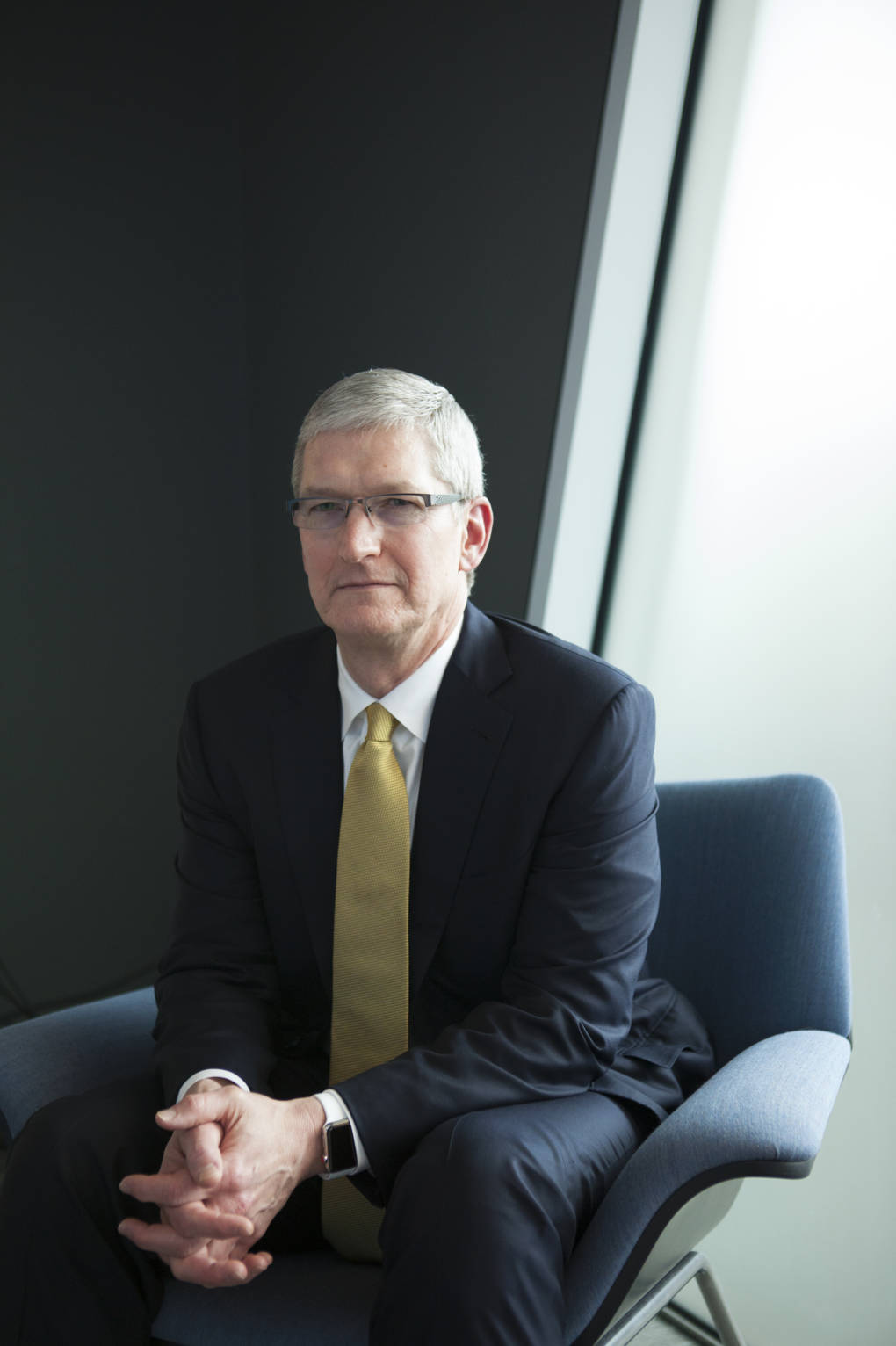
"caption": "Tim Cook visited the NPR offices in Washington, D.C., in 2015. On Monday, he spoke with NPR about Apple users' privacy and the importance of trade to global relationships.",
"description": "Tim Cook visited the NPR offices in Washington, D.C., in 2015. On Monday, he spoke with NPR about Apple users' privacy and the importance of trade to global relationships.",
"title": "Tim Cook visited the NPR offices in Washington, D.C., in 2015. On Monday, he spoke with NPR about Apple users' privacy and the importance of trade to global relationships.",
"credit": "Ariel Zambelich/NPR",
"status": "inherit",
"isLoading": false,
"fetchFailed": false
},
"news_11672066": {
"type": "attachments",
"id": "news_11672066",
"meta": {
"index": "attachments_1716263798",
"site": "news",
"id": "11672066",
"found": true
},
"parent": 11672059,
"imgSizes": {
"small": {
"file": "https://ww2.kqed.org/app/uploads/sites/10/2018/06/News-Feed-Photo-520x390.jpg",
"width": 520,
"mimeType": "image/jpeg",
"height": 390
},
"twentyfourteen-full-width": {
"file": "https://ww2.kqed.org/app/uploads/sites/10/2018/06/News-Feed-Photo-1038x576.jpg",
"width": 1038,
"mimeType": "image/jpeg",
"height": 576
},
"thumbnail": {
"file": "https://ww2.kqed.org/app/uploads/sites/10/2018/06/News-Feed-Photo-160x120.jpg",
"width": 160,
"mimeType": "image/jpeg",
"height": 120
},
"fd-sm": {
"file": "https://ww2.kqed.org/app/uploads/sites/10/2018/06/News-Feed-Photo-960x720.jpg",
"width": 960,
"mimeType": "image/jpeg",
"height": 720
},
"post-thumbnail": {
"file": "https://ww2.kqed.org/app/uploads/sites/10/2018/06/News-Feed-Photo-672x372.jpg",
"width": 672,
"mimeType": "image/jpeg",
"height": 372
},
"xsmall": {
"file": "https://ww2.kqed.org/app/uploads/sites/10/2018/06/News-Feed-Photo-375x281.jpg",
"width": 375,
"mimeType": "image/jpeg",
"height": 281
},
"kqedFullSize": {
"file": "https://ww2.kqed.org/app/uploads/sites/10/2018/06/News-Feed-Photo-e1528149394459.jpg",
"width": 1920,
"height": 1440
},
"large": {
"file": "https://ww2.kqed.org/app/uploads/sites/10/2018/06/News-Feed-Photo-1020x765.jpg",
"width": 1020,
"mimeType": "image/jpeg",
"height": 765
},
"xlarge": {
"file": "https://ww2.kqed.org/app/uploads/sites/10/2018/06/News-Feed-Photo-1180x885.jpg",
"width": 1180,
"mimeType": "image/jpeg",
"height": 885
},
"complete_open_graph": {
"file": "https://ww2.kqed.org/app/uploads/sites/10/2018/06/News-Feed-Photo-1200x900.jpg",
"width": 1200,
"mimeType": "image/jpeg",
"height": 900
},
"guest-author-50": {
"file": "https://ww2.kqed.org/app/uploads/sites/10/2018/06/News-Feed-Photo-50x50.jpg",
"width": 50,
"mimeType": "image/jpeg",
"height": 50
},
"guest-author-96": {
"file": "https://ww2.kqed.org/app/uploads/sites/10/2018/06/News-Feed-Photo-96x96.jpg",
"width": 96,
"mimeType": "image/jpeg",
"height": 96
},
"medium": {
"file": "https://ww2.kqed.org/app/uploads/sites/10/2018/06/News-Feed-Photo-800x600.jpg",
"width": 800,
"mimeType": "image/jpeg",
"height": 600
},
"guest-author-64": {
"file": "https://ww2.kqed.org/app/uploads/sites/10/2018/06/News-Feed-Photo-64x64.jpg",
"width": 64,
"mimeType": "image/jpeg",
"height": 64
},
"guest-author-32": {
"file": "https://ww2.kqed.org/app/uploads/sites/10/2018/06/News-Feed-Photo-32x32.jpg",
"width": 32,
"mimeType": "image/jpeg",
"height": 32
},
"fd-lrg": {
"file": "https://ww2.kqed.org/app/uploads/sites/10/2018/06/News-Feed-Photo-1920x1440.jpg",
"width": 1920,
"mimeType": "image/jpeg",
"height": 1440
},
"fd-med": {
"file": "https://ww2.kqed.org/app/uploads/sites/10/2018/06/News-Feed-Photo-1180x885.jpg",
"width": 1180,
"mimeType": "image/jpeg",
"height": 885
},
"full-width": {
"file": "https://ww2.kqed.org/app/uploads/sites/10/2018/06/News-Feed-Photo-1920x1440.jpg",
"width": 1920,
"mimeType": "image/jpeg",
"height": 1440
},
"detail": {
"file": "https://ww2.kqed.org/app/uploads/sites/10/2018/06/News-Feed-Photo-150x150.jpg",
"width": 150,
"mimeType": "image/jpeg",
"height": 150
},
"guest-author-128": {
"file": "https://ww2.kqed.org/app/uploads/sites/10/2018/06/News-Feed-Photo-128x128.jpg",
"width": 128,
"mimeType": "image/jpeg",
"height": 128
},
"xxsmall": {
"file": "https://ww2.kqed.org/app/uploads/sites/10/2018/06/News-Feed-Photo-240x180.jpg",
"width": 240,
"mimeType": "image/jpeg",
"height": 180
}
},
"publishDate": 1527890348,
"modified": 1527890383,
"caption": "Facebook has been growing its \"News Feed Integrity Team\" since the 2016 presidential election.",
"description": null,
"title": "News Feed Photo",
"credit": "Sam Harnett/KQED",
"status": "inherit",
"isLoading": false,
"fetchFailed": false
},
"news_11669223": {
"type": "attachments",
"id": "news_11669223",
"meta": {
"index": "attachments_1716263798",
"site": "news",
"id": "11669223",
"found": true
},
"parent": 11669075,
"imgSizes": {
"small": {
"file": "https://ww2.kqed.org/app/uploads/sites/10/2018/05/Capture-wells-fargo-520x196.jpg",
"width": 520,
"mimeType": "image/jpeg",
"height": 196
},
"twentyfourteen-full-width": {
"file": "https://ww2.kqed.org/app/uploads/sites/10/2018/05/Capture-wells-fargo-1038x576.jpg",
"width": 1038,
"mimeType": "image/jpeg",
"height": 576
},
"thumbnail": {
"file": "https://ww2.kqed.org/app/uploads/sites/10/2018/05/Capture-wells-fargo-160x60.jpg",
"width": 160,
"mimeType": "image/jpeg",
"height": 60
},
"fd-sm": {
"file": "https://ww2.kqed.org/app/uploads/sites/10/2018/05/Capture-wells-fargo-960x362.jpg",
"width": 960,
"mimeType": "image/jpeg",
"height": 362
},
"post-thumbnail": {
"file": "https://ww2.kqed.org/app/uploads/sites/10/2018/05/Capture-wells-fargo-672x372.jpg",
"width": 672,
"mimeType": "image/jpeg",
"height": 372
},
"xsmall": {
"file": "https://ww2.kqed.org/app/uploads/sites/10/2018/05/Capture-wells-fargo-375x141.jpg",
"width": 375,
"mimeType": "image/jpeg",
"height": 141
},
"kqedFullSize": {
"file": "https://ww2.kqed.org/app/uploads/sites/10/2018/05/Capture-wells-fargo.jpg",
"width": 1906,
"height": 718
},
"large": {
"file": "https://ww2.kqed.org/app/uploads/sites/10/2018/05/Capture-wells-fargo-1020x384.jpg",
"width": 1020,
"mimeType": "image/jpeg",
"height": 384
},
"xlarge": {
"file": "https://ww2.kqed.org/app/uploads/sites/10/2018/05/Capture-wells-fargo-1180x445.jpg",
"width": 1180,
"mimeType": "image/jpeg",
"height": 445
},
"complete_open_graph": {
"file": "https://ww2.kqed.org/app/uploads/sites/10/2018/05/Capture-wells-fargo-1200x452.jpg",
"width": 1200,
"mimeType": "image/jpeg",
"height": 452
},
"guest-author-50": {
"file": "https://ww2.kqed.org/app/uploads/sites/10/2018/05/Capture-wells-fargo-50x50.jpg",
"width": 50,
"mimeType": "image/jpeg",
"height": 50
},
"guest-author-96": {
"file": "https://ww2.kqed.org/app/uploads/sites/10/2018/05/Capture-wells-fargo-96x96.jpg",
"width": 96,
"mimeType": "image/jpeg",
"height": 96
},
"medium": {
"file": "https://ww2.kqed.org/app/uploads/sites/10/2018/05/Capture-wells-fargo-800x301.jpg",
"width": 800,
"mimeType": "image/jpeg",
"height": 301
},
"guest-author-64": {
"file": "https://ww2.kqed.org/app/uploads/sites/10/2018/05/Capture-wells-fargo-64x64.jpg",
"width": 64,
"mimeType": "image/jpeg",
"height": 64
},
"guest-author-32": {
"file": "https://ww2.kqed.org/app/uploads/sites/10/2018/05/Capture-wells-fargo-32x32.jpg",
"width": 32,
"mimeType": "image/jpeg",
"height": 32
},
"fd-med": {
"file": "https://ww2.kqed.org/app/uploads/sites/10/2018/05/Capture-wells-fargo-1180x445.jpg",
"width": 1180,
"mimeType": "image/jpeg",
"height": 445
},
"detail": {
"file": "https://ww2.kqed.org/app/uploads/sites/10/2018/05/Capture-wells-fargo-150x150.jpg",
"width": 150,
"mimeType": "image/jpeg",
"height": 150
},
"guest-author-128": {
"file": "https://ww2.kqed.org/app/uploads/sites/10/2018/05/Capture-wells-fargo-128x128.jpg",
"width": 128,
"mimeType": "image/jpeg",
"height": 128
},
"xxsmall": {
"file": "https://ww2.kqed.org/app/uploads/sites/10/2018/05/Capture-wells-fargo-240x90.jpg",
"width": 240,
"mimeType": "image/jpeg",
"height": 90
}
},
"publishDate": 1526678882,
"modified": 1526678966,
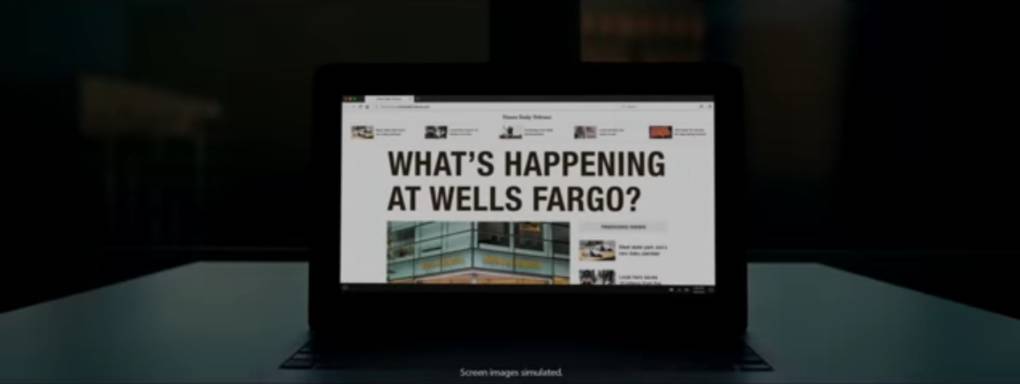
"caption": "Wells Fargo commercial screenshot.",
"description": null,
"title": "Capture-wells-fargo",
"credit": "YouTube",
"status": "inherit",
"isLoading": false,
"fetchFailed": false
},
"news_11668768": {
"type": "attachments",
"id": "news_11668768",
"meta": {
"index": "attachments_1716263798",
"site": "news",
"id": "11668768",
"found": true
},
"parent": 11668494,
"imgSizes": {
"small": {
"file": "https://ww2.kqed.org/app/uploads/sites/10/2018/05/facebook-1920z-520x347.jpg",
"width": 520,
"mimeType": "image/jpeg",
"height": 347
},
"twentyfourteen-full-width": {
"file": "https://ww2.kqed.org/app/uploads/sites/10/2018/05/facebook-1920z-1038x576.jpg",
"width": 1038,
"mimeType": "image/jpeg",
"height": 576
},
"thumbnail": {
"file": "https://ww2.kqed.org/app/uploads/sites/10/2018/05/facebook-1920z-160x107.jpg",
"width": 160,
"mimeType": "image/jpeg",
"height": 107
},
"fd-sm": {
"file": "https://ww2.kqed.org/app/uploads/sites/10/2018/05/facebook-1920z-960x640.jpg",
"width": 960,
"mimeType": "image/jpeg",
"height": 640
},
"post-thumbnail": {
"file": "https://ww2.kqed.org/app/uploads/sites/10/2018/05/facebook-1920z-672x372.jpg",
"width": 672,
"mimeType": "image/jpeg",
"height": 372
},
"xsmall": {
"file": "https://ww2.kqed.org/app/uploads/sites/10/2018/05/facebook-1920z-375x250.jpg",
"width": 375,
"mimeType": "image/jpeg",
"height": 250
},
"kqedFullSize": {
"file": "https://ww2.kqed.org/app/uploads/sites/10/2018/05/facebook-1920z.jpg",
"width": 1920,
"height": 1280
},
"large": {
"file": "https://ww2.kqed.org/app/uploads/sites/10/2018/05/facebook-1920z-1020x680.jpg",
"width": 1020,
"mimeType": "image/jpeg",
"height": 680
},
"xlarge": {
"file": "https://ww2.kqed.org/app/uploads/sites/10/2018/05/facebook-1920z-1180x787.jpg",
"width": 1180,
"mimeType": "image/jpeg",
"height": 787
},
"complete_open_graph": {
"file": "https://ww2.kqed.org/app/uploads/sites/10/2018/05/facebook-1920z-1200x800.jpg",
"width": 1200,
"mimeType": "image/jpeg",
"height": 800
},
"guest-author-50": {
"file": "https://ww2.kqed.org/app/uploads/sites/10/2018/05/facebook-1920z-50x50.jpg",
"width": 50,
"mimeType": "image/jpeg",
"height": 50
},
"guest-author-96": {
"file": "https://ww2.kqed.org/app/uploads/sites/10/2018/05/facebook-1920z-96x96.jpg",
"width": 96,
"mimeType": "image/jpeg",
"height": 96
},
"medium": {
"file": "https://ww2.kqed.org/app/uploads/sites/10/2018/05/facebook-1920z-800x533.jpg",
"width": 800,
"mimeType": "image/jpeg",
"height": 533
},
"guest-author-64": {
"file": "https://ww2.kqed.org/app/uploads/sites/10/2018/05/facebook-1920z-64x64.jpg",
"width": 64,
"mimeType": "image/jpeg",
"height": 64
},
"guest-author-32": {
"file": "https://ww2.kqed.org/app/uploads/sites/10/2018/05/facebook-1920z-32x32.jpg",
"width": 32,
"mimeType": "image/jpeg",
"height": 32
},
"fd-lrg": {
"file": "https://ww2.kqed.org/app/uploads/sites/10/2018/05/facebook-1920z-1920x1280.jpg",
"width": 1920,
"mimeType": "image/jpeg",
"height": 1280
},
"fd-med": {
"file": "https://ww2.kqed.org/app/uploads/sites/10/2018/05/facebook-1920z-1180x787.jpg",
"width": 1180,
"mimeType": "image/jpeg",
"height": 787
},
"full-width": {
"file": "https://ww2.kqed.org/app/uploads/sites/10/2018/05/facebook-1920z-1920x1280.jpg",
"width": 1920,
"mimeType": "image/jpeg",
"height": 1280
},
"detail": {
"file": "https://ww2.kqed.org/app/uploads/sites/10/2018/05/facebook-1920z-150x150.jpg",
"width": 150,
"mimeType": "image/jpeg",
"height": 150
},
"guest-author-128": {
"file": "https://ww2.kqed.org/app/uploads/sites/10/2018/05/facebook-1920z-128x128.jpg",
"width": 128,
"mimeType": "image/jpeg",
"height": 128
},
"xxsmall": {
"file": "https://ww2.kqed.org/app/uploads/sites/10/2018/05/facebook-1920z-240x160.jpg",
"width": 240,
"mimeType": "image/jpeg",
"height": 160
}
},
"publishDate": 1526514225,
"modified": 1545178815,
"caption": "Facebook logos are pictured on the screens of a smartphone (R) and a laptop computer in Central London on Nov. 21, 2016.",
"description": null,
"title": "facebook-1920z",
"credit": "Justin Tallis/AFP/Getty Images",
"status": "inherit",
"isLoading": false,
"fetchFailed": false
},
"news_11661394": {
"type": "attachments",
"id": "news_11661394",
"meta": {
"index": "attachments_1716263798",
"site": "news",
"id": "11661394",
"found": true
},
"parent": 11661387,
"imgSizes": {
"small": {
"file": "https://ww2.kqed.org/app/uploads/sites/10/2018/04/RS2408_facebook20120516-520x347.jpg",
"width": 520,
"mimeType": "image/jpeg",
"height": 347
},
"twentyfourteen-full-width": {
"file": "https://ww2.kqed.org/app/uploads/sites/10/2018/04/RS2408_facebook20120516-1038x576.jpg",
"width": 1038,
"mimeType": "image/jpeg",
"height": 576
},
"thumbnail": {
"file": "https://ww2.kqed.org/app/uploads/sites/10/2018/04/RS2408_facebook20120516-160x107.jpg",
"width": 160,
"mimeType": "image/jpeg",
"height": 107
},
"fd-sm": {
"file": "https://ww2.kqed.org/app/uploads/sites/10/2018/04/RS2408_facebook20120516-960x640.jpg",
"width": 960,
"mimeType": "image/jpeg",
"height": 640
},
"post-thumbnail": {
"file": "https://ww2.kqed.org/app/uploads/sites/10/2018/04/RS2408_facebook20120516-672x372.jpg",
"width": 672,
"mimeType": "image/jpeg",
"height": 372
},
"xsmall": {
"file": "https://ww2.kqed.org/app/uploads/sites/10/2018/04/RS2408_facebook20120516-375x250.jpg",
"width": 375,
"mimeType": "image/jpeg",
"height": 250
},
"kqedFullSize": {
"file": "https://ww2.kqed.org/app/uploads/sites/10/2018/04/RS2408_facebook20120516.jpg",
"width": 6144,
"height": 4096
},
"large": {
"file": "https://ww2.kqed.org/app/uploads/sites/10/2018/04/RS2408_facebook20120516-1020x680.jpg",
"width": 1020,
"mimeType": "image/jpeg",
"height": 680
},
"xlarge": {
"file": "https://ww2.kqed.org/app/uploads/sites/10/2018/04/RS2408_facebook20120516-1180x787.jpg",
"width": 1180,
"mimeType": "image/jpeg",
"height": 787
},
"guest-author-50": {
"file": "https://ww2.kqed.org/app/uploads/sites/10/2018/04/RS2408_facebook20120516-50x50.jpg",
"width": 50,
"mimeType": "image/jpeg",
"height": 50
},
"guest-author-96": {
"file": "https://ww2.kqed.org/app/uploads/sites/10/2018/04/RS2408_facebook20120516-96x96.jpg",
"width": 96,
"mimeType": "image/jpeg",
"height": 96
},
"medium": {
"file": "https://ww2.kqed.org/app/uploads/sites/10/2018/04/RS2408_facebook20120516-800x533.jpg",
"width": 800,
"mimeType": "image/jpeg",
"height": 533
},
"guest-author-64": {
"file": "https://ww2.kqed.org/app/uploads/sites/10/2018/04/RS2408_facebook20120516-64x64.jpg",
"width": 64,
"mimeType": "image/jpeg",
"height": 64
},
"guest-author-32": {
"file": "https://ww2.kqed.org/app/uploads/sites/10/2018/04/RS2408_facebook20120516-32x32.jpg",
"width": 32,
"mimeType": "image/jpeg",
"height": 32
},
"fd-lrg": {
"file": "https://ww2.kqed.org/app/uploads/sites/10/2018/04/RS2408_facebook20120516-1920x1280.jpg",
"width": 1920,
"mimeType": "image/jpeg",
"height": 1280
},
"fd-med": {
"file": "https://ww2.kqed.org/app/uploads/sites/10/2018/04/RS2408_facebook20120516-1180x787.jpg",
"width": 1180,
"mimeType": "image/jpeg",
"height": 787
},
"full-width": {
"file": "https://ww2.kqed.org/app/uploads/sites/10/2018/04/RS2408_facebook20120516-1920x1280.jpg",
"width": 1920,
"mimeType": "image/jpeg",
"height": 1280
},
"detail": {
"file": "https://ww2.kqed.org/app/uploads/sites/10/2018/04/RS2408_facebook20120516-150x150.jpg",
"width": 150,
"mimeType": "image/jpeg",
"height": 150
},
"guest-author-128": {
"file": "https://ww2.kqed.org/app/uploads/sites/10/2018/04/RS2408_facebook20120516-128x128.jpg",
"width": 128,
"mimeType": "image/jpeg",
"height": 128
},
"xxsmall": {
"file": "https://ww2.kqed.org/app/uploads/sites/10/2018/04/RS2408_facebook20120516-240x160.jpg",
"width": 240,
"mimeType": "image/jpeg",
"height": 160
}
},
"publishDate": 1523477793,
"modified": 1526312708,
"caption": null,
"description": null,
"title": "A picture taken on May 14, 2012 in Paris",
"credit": "Joel Saget/AFP/GettyImages",
"status": "inherit",
"isLoading": false,
"fetchFailed": false
},
"news_11666328": {
"type": "attachments",
"id": "news_11666328",
"meta": {
"index": "attachments_1716263798",
"site": "news",
"id": "11666328",
"found": true
},
"parent": 11666227,
"imgSizes": {
"small": {
"file": "https://ww2.kqed.org/app/uploads/sites/10/2018/05/ZuckAtF8-520x357.jpg",
"width": 520,
"mimeType": "image/jpeg",
"height": 357
},
"twentyfourteen-full-width": {
"file": "https://ww2.kqed.org/app/uploads/sites/10/2018/05/ZuckAtF8-1038x576.jpg",
"width": 1038,
"mimeType": "image/jpeg",
"height": 576
},
"thumbnail": {
"file": "https://ww2.kqed.org/app/uploads/sites/10/2018/05/ZuckAtF8-160x110.jpg",
"width": 160,
"mimeType": "image/jpeg",
"height": 110
},
"fd-sm": {
"file": "https://ww2.kqed.org/app/uploads/sites/10/2018/05/ZuckAtF8-960x659.jpg",
"width": 960,
"mimeType": "image/jpeg",
"height": 659
},
"post-thumbnail": {
"file": "https://ww2.kqed.org/app/uploads/sites/10/2018/05/ZuckAtF8-672x372.jpg",
"width": 672,
"mimeType": "image/jpeg",
"height": 372
},
"xsmall": {
"file": "https://ww2.kqed.org/app/uploads/sites/10/2018/05/ZuckAtF8-375x257.jpg",
"width": 375,
"mimeType": "image/jpeg",
"height": 257
},
"kqedFullSize": {
"file": "https://ww2.kqed.org/app/uploads/sites/10/2018/05/ZuckAtF8.jpg",
"width": 1920,
"height": 1318
},
"large": {
"file": "https://ww2.kqed.org/app/uploads/sites/10/2018/05/ZuckAtF8-1020x700.jpg",
"width": 1020,
"mimeType": "image/jpeg",
"height": 700
},
"xlarge": {
"file": "https://ww2.kqed.org/app/uploads/sites/10/2018/05/ZuckAtF8-1180x810.jpg",
"width": 1180,
"mimeType": "image/jpeg",
"height": 810
},
"complete_open_graph": {
"file": "https://ww2.kqed.org/app/uploads/sites/10/2018/05/ZuckAtF8-1200x824.jpg",
"width": 1200,
"mimeType": "image/jpeg",
"height": 824
},
"guest-author-50": {
"file": "https://ww2.kqed.org/app/uploads/sites/10/2018/05/ZuckAtF8-50x50.jpg",
"width": 50,
"mimeType": "image/jpeg",
"height": 50
},
"guest-author-96": {
"file": "https://ww2.kqed.org/app/uploads/sites/10/2018/05/ZuckAtF8-96x96.jpg",
"width": 96,
"mimeType": "image/jpeg",
"height": 96
},
"medium": {
"file": "https://ww2.kqed.org/app/uploads/sites/10/2018/05/ZuckAtF8-800x549.jpg",
"width": 800,
"mimeType": "image/jpeg",
"height": 549
},
"guest-author-64": {
"file": "https://ww2.kqed.org/app/uploads/sites/10/2018/05/ZuckAtF8-64x64.jpg",
"width": 64,
"mimeType": "image/jpeg",
"height": 64
},
"guest-author-32": {
"file": "https://ww2.kqed.org/app/uploads/sites/10/2018/05/ZuckAtF8-32x32.jpg",
"width": 32,
"mimeType": "image/jpeg",
"height": 32
},
"fd-lrg": {
"file": "https://ww2.kqed.org/app/uploads/sites/10/2018/05/ZuckAtF8-1920x1318.jpg",
"width": 1920,
"mimeType": "image/jpeg",
"height": 1318
},
"fd-med": {
"file": "https://ww2.kqed.org/app/uploads/sites/10/2018/05/ZuckAtF8-1180x810.jpg",
"width": 1180,
"mimeType": "image/jpeg",
"height": 810
},
"full-width": {
"file": "https://ww2.kqed.org/app/uploads/sites/10/2018/05/ZuckAtF8-1920x1318.jpg",
"width": 1920,
"mimeType": "image/jpeg",
"height": 1318
},
"detail": {
"file": "https://ww2.kqed.org/app/uploads/sites/10/2018/05/ZuckAtF8-150x150.jpg",
"width": 150,
"mimeType": "image/jpeg",
"height": 150
},
"guest-author-128": {
"file": "https://ww2.kqed.org/app/uploads/sites/10/2018/05/ZuckAtF8-128x128.jpg",
"width": 128,
"mimeType": "image/jpeg",
"height": 128
},
"xxsmall": {
"file": "https://ww2.kqed.org/app/uploads/sites/10/2018/05/ZuckAtF8-240x165.jpg",
"width": 240,
"mimeType": "image/jpeg",
"height": 165
}
},
"publishDate": 1525387555,
"modified": 1525466952,
"caption": "Facebook CEO Mark Zuckerberg speaks during the annual F8 summit in San Jose on May 1, 2018.",
"description": "Facebook CEO Mark Zuckerberg speaks during the annual F8 summit in San Jose on May 1, 2018.",
"title": "ZuckAtF8",
"credit": "Josh Edelson/AFP/Getty Images",
"status": "inherit",
"isLoading": false,
"fetchFailed": false
},
"news_11666333": {
"type": "attachments",
"id": "news_11666333",
"meta": {
"index": "attachments_1716263798",
"site": "news",
"id": "11666333",
"found": true
},
"parent": 11666320,
"imgSizes": {
"small": {
"file": "https://ww2.kqed.org/app/uploads/sites/10/2018/05/dating_050318_final-520x349.jpg",
"width": 520,
"mimeType": "image/jpeg",
"height": 349
},
"twentyfourteen-full-width": {
"file": "https://ww2.kqed.org/app/uploads/sites/10/2018/05/dating_050318_final-1038x576.jpg",
"width": 1038,
"mimeType": "image/jpeg",
"height": 576
},
"thumbnail": {
"file": "https://ww2.kqed.org/app/uploads/sites/10/2018/05/dating_050318_final-160x108.jpg",
"width": 160,
"mimeType": "image/jpeg",
"height": 108
},
"fd-sm": {
"file": "https://ww2.kqed.org/app/uploads/sites/10/2018/05/dating_050318_final-960x645.jpg",
"width": 960,
"mimeType": "image/jpeg",
"height": 645
},
"post-thumbnail": {
"file": "https://ww2.kqed.org/app/uploads/sites/10/2018/05/dating_050318_final-672x372.jpg",
"width": 672,
"mimeType": "image/jpeg",
"height": 372
},
"xsmall": {
"file": "https://ww2.kqed.org/app/uploads/sites/10/2018/05/dating_050318_final-375x252.jpg",
"width": 375,
"mimeType": "image/jpeg",
"height": 252
},
"kqedFullSize": {
"file": "https://ww2.kqed.org/app/uploads/sites/10/2018/05/dating_050318_final.jpg",
"width": 1920,
"height": 1290
},
"large": {
"file": "https://ww2.kqed.org/app/uploads/sites/10/2018/05/dating_050318_final-1020x685.jpg",
"width": 1020,
"mimeType": "image/jpeg",
"height": 685
},
"xlarge": {
"file": "https://ww2.kqed.org/app/uploads/sites/10/2018/05/dating_050318_final-1180x793.jpg",
"width": 1180,
"mimeType": "image/jpeg",
"height": 793
},
"complete_open_graph": {
"file": "https://ww2.kqed.org/app/uploads/sites/10/2018/05/dating_050318_final-1200x806.jpg",
"width": 1200,
"mimeType": "image/jpeg",
"height": 806
},
"guest-author-50": {
"file": "https://ww2.kqed.org/app/uploads/sites/10/2018/05/dating_050318_final-50x50.jpg",
"width": 50,
"mimeType": "image/jpeg",
"height": 50
},
"guest-author-96": {
"file": "https://ww2.kqed.org/app/uploads/sites/10/2018/05/dating_050318_final-96x96.jpg",
"width": 96,
"mimeType": "image/jpeg",
"height": 96
},
"medium": {
"file": "https://ww2.kqed.org/app/uploads/sites/10/2018/05/dating_050318_final-800x538.jpg",
"width": 800,
"mimeType": "image/jpeg",
"height": 538
},
"guest-author-64": {
"file": "https://ww2.kqed.org/app/uploads/sites/10/2018/05/dating_050318_final-64x64.jpg",
"width": 64,
"mimeType": "image/jpeg",
"height": 64
},
"guest-author-32": {
"file": "https://ww2.kqed.org/app/uploads/sites/10/2018/05/dating_050318_final-32x32.jpg",
"width": 32,
"mimeType": "image/jpeg",
"height": 32
},
"fd-lrg": {
"file": "https://ww2.kqed.org/app/uploads/sites/10/2018/05/dating_050318_final-1920x1290.jpg",
"width": 1920,
"mimeType": "image/jpeg",
"height": 1290
},
"fd-med": {
"file": "https://ww2.kqed.org/app/uploads/sites/10/2018/05/dating_050318_final-1180x793.jpg",
"width": 1180,
"mimeType": "image/jpeg",
"height": 793
},
"full-width": {
"file": "https://ww2.kqed.org/app/uploads/sites/10/2018/05/dating_050318_final-1920x1290.jpg",
"width": 1920,
"mimeType": "image/jpeg",
"height": 1290
},
"detail": {
"file": "https://ww2.kqed.org/app/uploads/sites/10/2018/05/dating_050318_final-150x150.jpg",
"width": 150,
"mimeType": "image/jpeg",
"height": 150
},
"guest-author-128": {
"file": "https://ww2.kqed.org/app/uploads/sites/10/2018/05/dating_050318_final-128x128.jpg",
"width": 128,
"mimeType": "image/jpeg",
"height": 128
},
"xxsmall": {
"file": "https://ww2.kqed.org/app/uploads/sites/10/2018/05/dating_050318_final-240x161.jpg",
"width": 240,
"mimeType": "image/jpeg",
"height": 161
}
},
"publishDate": 1525387961,
"modified": 1525388051,
"caption": null,
"description": null,
"title": "dating_050318_final",
"credit": null,
"status": "inherit",
"isLoading": false,
"fetchFailed": false
},
"news_11665771": {
"type": "attachments",
"id": "news_11665771",
"meta": {
"index": "attachments_1716263798",
"site": "news",
"id": "11665771",
"found": true
},
"parent": 11665769,
"imgSizes": {
"small": {
"file": "https://ww2.kqed.org/app/uploads/sites/10/2018/05/ap_18121643234459-36ddbdb02e818d8fa1ee51f6a1ed2977d2ba1716-520x390.jpg",
"width": 520,
"mimeType": "image/jpeg",
"height": 390
},
"twentyfourteen-full-width": {
"file": "https://ww2.kqed.org/app/uploads/sites/10/2018/05/ap_18121643234459-36ddbdb02e818d8fa1ee51f6a1ed2977d2ba1716-1038x576.jpg",
"width": 1038,
"mimeType": "image/jpeg",
"height": 576
},
"thumbnail": {
"file": "https://ww2.kqed.org/app/uploads/sites/10/2018/05/ap_18121643234459-36ddbdb02e818d8fa1ee51f6a1ed2977d2ba1716-160x120.jpg",
"width": 160,
"mimeType": "image/jpeg",
"height": 120
},
"fd-sm": {
"file": "https://ww2.kqed.org/app/uploads/sites/10/2018/05/ap_18121643234459-36ddbdb02e818d8fa1ee51f6a1ed2977d2ba1716-960x720.jpg",
"width": 960,
"mimeType": "image/jpeg",
"height": 720
},
"post-thumbnail": {
"file": "https://ww2.kqed.org/app/uploads/sites/10/2018/05/ap_18121643234459-36ddbdb02e818d8fa1ee51f6a1ed2977d2ba1716-672x372.jpg",
"width": 672,
"mimeType": "image/jpeg",
"height": 372
},
"xsmall": {
"file": "https://ww2.kqed.org/app/uploads/sites/10/2018/05/ap_18121643234459-36ddbdb02e818d8fa1ee51f6a1ed2977d2ba1716-375x281.jpg",
"width": 375,
"mimeType": "image/jpeg",
"height": 281
},
"kqedFullSize": {
"file": "https://ww2.kqed.org/app/uploads/sites/10/2018/05/ap_18121643234459-36ddbdb02e818d8fa1ee51f6a1ed2977d2ba1716-e1525208716880.jpg",
"width": 1920,
"height": 1440
},
"large": {
"file": "https://ww2.kqed.org/app/uploads/sites/10/2018/05/ap_18121643234459-36ddbdb02e818d8fa1ee51f6a1ed2977d2ba1716-1020x765.jpg",
"width": 1020,
"mimeType": "image/jpeg",
"height": 765
},
"xlarge": {
"file": "https://ww2.kqed.org/app/uploads/sites/10/2018/05/ap_18121643234459-36ddbdb02e818d8fa1ee51f6a1ed2977d2ba1716-1180x885.jpg",
"width": 1180,
"mimeType": "image/jpeg",
"height": 885
},
"complete_open_graph": {
"file": "https://ww2.kqed.org/app/uploads/sites/10/2018/05/ap_18121643234459-36ddbdb02e818d8fa1ee51f6a1ed2977d2ba1716-1200x900.jpg",
"width": 1200,
"mimeType": "image/jpeg",
"height": 900
},
"guest-author-50": {
"file": "https://ww2.kqed.org/app/uploads/sites/10/2018/05/ap_18121643234459-36ddbdb02e818d8fa1ee51f6a1ed2977d2ba1716-50x50.jpg",
"width": 50,
"mimeType": "image/jpeg",
"height": 50
},
"guest-author-96": {
"file": "https://ww2.kqed.org/app/uploads/sites/10/2018/05/ap_18121643234459-36ddbdb02e818d8fa1ee51f6a1ed2977d2ba1716-96x96.jpg",
"width": 96,
"mimeType": "image/jpeg",
"height": 96
},
"medium": {
"file": "https://ww2.kqed.org/app/uploads/sites/10/2018/05/ap_18121643234459-36ddbdb02e818d8fa1ee51f6a1ed2977d2ba1716-800x600.jpg",
"width": 800,
"mimeType": "image/jpeg",
"height": 600
},
"guest-author-64": {
"file": "https://ww2.kqed.org/app/uploads/sites/10/2018/05/ap_18121643234459-36ddbdb02e818d8fa1ee51f6a1ed2977d2ba1716-64x64.jpg",
"width": 64,
"mimeType": "image/jpeg",
"height": 64
},
"guest-author-32": {
"file": "https://ww2.kqed.org/app/uploads/sites/10/2018/05/ap_18121643234459-36ddbdb02e818d8fa1ee51f6a1ed2977d2ba1716-32x32.jpg",
"width": 32,
"mimeType": "image/jpeg",
"height": 32
},
"fd-lrg": {
"file": "https://ww2.kqed.org/app/uploads/sites/10/2018/05/ap_18121643234459-36ddbdb02e818d8fa1ee51f6a1ed2977d2ba1716-1920x1440.jpg",
"width": 1920,
"mimeType": "image/jpeg",
"height": 1440
},
"fd-med": {
"file": "https://ww2.kqed.org/app/uploads/sites/10/2018/05/ap_18121643234459-36ddbdb02e818d8fa1ee51f6a1ed2977d2ba1716-1180x885.jpg",
"width": 1180,
"mimeType": "image/jpeg",
"height": 885
},
"full-width": {
"file": "https://ww2.kqed.org/app/uploads/sites/10/2018/05/ap_18121643234459-36ddbdb02e818d8fa1ee51f6a1ed2977d2ba1716-1920x1440.jpg",
"width": 1920,
"mimeType": "image/jpeg",
"height": 1440
},
"detail": {
"file": "https://ww2.kqed.org/app/uploads/sites/10/2018/05/ap_18121643234459-36ddbdb02e818d8fa1ee51f6a1ed2977d2ba1716-150x150.jpg",
"width": 150,
"mimeType": "image/jpeg",
"height": 150
},
"guest-author-128": {
"file": "https://ww2.kqed.org/app/uploads/sites/10/2018/05/ap_18121643234459-36ddbdb02e818d8fa1ee51f6a1ed2977d2ba1716-128x128.jpg",
"width": 128,
"mimeType": "image/jpeg",
"height": 128
},
"xxsmall": {
"file": "https://ww2.kqed.org/app/uploads/sites/10/2018/05/ap_18121643234459-36ddbdb02e818d8fa1ee51f6a1ed2977d2ba1716-240x180.jpg",
"width": 240,
"mimeType": "image/jpeg",
"height": 180
}
},
"publishDate": 1525208479,
"modified": 1525208702,
"caption": "Facebook CEO Mark Zuckerberg delivers the keynote address at F8, Facebook's developer conference Tuesday in San Jose.",
"description": "Facebook CEO Mark Zuckerberg delivers the keynote address at F8, Facebook's developer conference Tuesday in San Jose.",
"title": "Facebook CEO Mark Zuckerberg delivers the keynote address at F8, Facebook's developer conference Tuesday in San Jose, Calif.",
"credit": "Marcio Jose Sanchez/AP",
"status": "inherit",
"isLoading": false,
"fetchFailed": false
},
"news_11535268": {
"type": "attachments",
"id": "news_11535268",
"meta": {
"index": "attachments_1716263798",
"site": "news",
"id": "11535268",
"found": true
},
"parent": 11535262,
"imgSizes": {
"small": {
"file": "https://ww2.kqed.org/app/uploads/sites/10/2017/06/RS23343_GettyImages-624830956-qut-520x347.jpg",
"width": 520,
"mimeType": "image/jpeg",
"height": 347
},
"twentyfourteen-full-width": {
"file": "https://ww2.kqed.org/app/uploads/sites/10/2017/06/RS23343_GettyImages-624830956-qut-1038x576.jpg",
"width": 1038,
"mimeType": "image/jpeg",
"height": 576
},
"thumbnail": {
"file": "https://ww2.kqed.org/app/uploads/sites/10/2017/06/RS23343_GettyImages-624830956-qut-160x107.jpg",
"width": 160,
"mimeType": "image/jpeg",
"height": 107
},
"fd-sm": {
"file": "https://ww2.kqed.org/app/uploads/sites/10/2017/06/RS23343_GettyImages-624830956-qut-960x640.jpg",
"width": 960,
"mimeType": "image/jpeg",
"height": 640
},
"post-thumbnail": {
"file": "https://ww2.kqed.org/app/uploads/sites/10/2017/06/RS23343_GettyImages-624830956-qut-672x372.jpg",
"width": 672,
"mimeType": "image/jpeg",
"height": 372
},
"xsmall": {
"file": "https://ww2.kqed.org/app/uploads/sites/10/2017/06/RS23343_GettyImages-624830956-qut-375x250.jpg",
"width": 375,
"mimeType": "image/jpeg",
"height": 250
},
"kqedFullSize": {
"file": "https://ww2.kqed.org/app/uploads/sites/10/2017/06/RS23343_GettyImages-624830956-qut.jpg",
"width": 1920,
"height": 1280
},
"large": {
"file": "https://ww2.kqed.org/app/uploads/sites/10/2017/06/RS23343_GettyImages-624830956-qut-1020x680.jpg",
"width": 1020,
"mimeType": "image/jpeg",
"height": 680
},
"xlarge": {
"file": "https://ww2.kqed.org/app/uploads/sites/10/2017/06/RS23343_GettyImages-624830956-qut-1180x787.jpg",
"width": 1180,
"mimeType": "image/jpeg",
"height": 787
},
"guest-author-50": {
"file": "https://ww2.kqed.org/app/uploads/sites/10/2017/06/RS23343_GettyImages-624830956-qut-50x50.jpg",
"width": 50,
"mimeType": "image/jpeg",
"height": 50
},
"guest-author-96": {
"file": "https://ww2.kqed.org/app/uploads/sites/10/2017/06/RS23343_GettyImages-624830956-qut-96x96.jpg",
"width": 96,
"mimeType": "image/jpeg",
"height": 96
},
"medium": {
"file": "https://ww2.kqed.org/app/uploads/sites/10/2017/06/RS23343_GettyImages-624830956-qut-800x533.jpg",
"width": 800,
"mimeType": "image/jpeg",
"height": 533
},
"guest-author-64": {
"file": "https://ww2.kqed.org/app/uploads/sites/10/2017/06/RS23343_GettyImages-624830956-qut-64x64.jpg",
"width": 64,
"mimeType": "image/jpeg",
"height": 64
},
"guest-author-32": {
"file": "https://ww2.kqed.org/app/uploads/sites/10/2017/06/RS23343_GettyImages-624830956-qut-32x32.jpg",
"width": 32,
"mimeType": "image/jpeg",
"height": 32
},
"fd-lrg": {
"file": "https://ww2.kqed.org/app/uploads/sites/10/2017/06/RS23343_GettyImages-624830956-qut-1920x1280.jpg",
"width": 1920,
"mimeType": "image/jpeg",
"height": 1280
},
"fd-med": {
"file": "https://ww2.kqed.org/app/uploads/sites/10/2017/06/RS23343_GettyImages-624830956-qut-1180x787.jpg",
"width": 1180,
"mimeType": "image/jpeg",
"height": 787
},
"full-width": {
"file": "https://ww2.kqed.org/app/uploads/sites/10/2017/06/RS23343_GettyImages-624830956-qut-1920x1280.jpg",
"width": 1920,
"mimeType": "image/jpeg",
"height": 1280
},
"detail": {
"file": "https://ww2.kqed.org/app/uploads/sites/10/2017/06/RS23343_GettyImages-624830956-qut-150x150.jpg",
"width": 150,
"mimeType": "image/jpeg",
"height": 150
},
"guest-author-128": {
"file": "https://ww2.kqed.org/app/uploads/sites/10/2017/06/RS23343_GettyImages-624830956-qut-128x128.jpg",
"width": 128,
"mimeType": "image/jpeg",
"height": 128
},
"xxsmall": {
"file": "https://ww2.kqed.org/app/uploads/sites/10/2017/06/RS23343_GettyImages-624830956-qut-240x160.jpg",
"width": 240,
"mimeType": "image/jpeg",
"height": 160
}
},
"publishDate": 1498587247,
"modified": 1498602015,
"caption": "Facebook logos are pictured on the screens of a smartphone and a laptop computer in central London on Nov. 21, 2016.",
"description": null,
"title": "RS23343_GettyImages-624830956-qut",
"credit": "Justin Tallis/Getty images",
"status": "inherit",
"isLoading": false,
"fetchFailed": false
},
"news_11664399": {
"type": "attachments",
"id": "news_11664399",
"meta": {
"index": "attachments_1716263798",
"site": "news",
"id": "11664399",
"found": true
},
"parent": 11664398,
"imgSizes": {
"small": {
"file": "https://ww2.kqed.org/app/uploads/sites/10/2018/04/ap_17327473184298-56055487ee49a29b6d4eec25525ee9deaac33a51-520x390.jpg",
"width": 520,
"mimeType": "image/jpeg",
"height": 390
},
"twentyfourteen-full-width": {
"file": "https://ww2.kqed.org/app/uploads/sites/10/2018/04/ap_17327473184298-56055487ee49a29b6d4eec25525ee9deaac33a51-1038x576.jpg",
"width": 1038,
"mimeType": "image/jpeg",
"height": 576
},
"thumbnail": {
"file": "https://ww2.kqed.org/app/uploads/sites/10/2018/04/ap_17327473184298-56055487ee49a29b6d4eec25525ee9deaac33a51-160x120.jpg",
"width": 160,
"mimeType": "image/jpeg",
"height": 120
},
"fd-sm": {
"file": "https://ww2.kqed.org/app/uploads/sites/10/2018/04/ap_17327473184298-56055487ee49a29b6d4eec25525ee9deaac33a51-960x719.jpg",
"width": 960,
"mimeType": "image/jpeg",
"height": 719
},
"post-thumbnail": {
"file": "https://ww2.kqed.org/app/uploads/sites/10/2018/04/ap_17327473184298-56055487ee49a29b6d4eec25525ee9deaac33a51-672x372.jpg",
"width": 672,
"mimeType": "image/jpeg",
"height": 372
},
"xsmall": {
"file": "https://ww2.kqed.org/app/uploads/sites/10/2018/04/ap_17327473184298-56055487ee49a29b6d4eec25525ee9deaac33a51-375x281.jpg",
"width": 375,
"mimeType": "image/jpeg",
"height": 281
},
"kqedFullSize": {
"file": "https://ww2.kqed.org/app/uploads/sites/10/2018/04/ap_17327473184298-56055487ee49a29b6d4eec25525ee9deaac33a51-e1524595916860.jpg",
"width": 1920,
"height": 1439
},
"large": {
"file": "https://ww2.kqed.org/app/uploads/sites/10/2018/04/ap_17327473184298-56055487ee49a29b6d4eec25525ee9deaac33a51-1020x764.jpg",
"width": 1020,
"mimeType": "image/jpeg",
"height": 764
},
"xlarge": {
"file": "https://ww2.kqed.org/app/uploads/sites/10/2018/04/ap_17327473184298-56055487ee49a29b6d4eec25525ee9deaac33a51-1180x884.jpg",
"width": 1180,
"mimeType": "image/jpeg",
"height": 884
},
"complete_open_graph": {
"file": "https://ww2.kqed.org/app/uploads/sites/10/2018/04/ap_17327473184298-56055487ee49a29b6d4eec25525ee9deaac33a51-1200x899.jpg",
"width": 1200,
"mimeType": "image/jpeg",
"height": 899
},
"guest-author-50": {
"file": "https://ww2.kqed.org/app/uploads/sites/10/2018/04/ap_17327473184298-56055487ee49a29b6d4eec25525ee9deaac33a51-50x50.jpg",
"width": 50,
"mimeType": "image/jpeg",
"height": 50
},
"guest-author-96": {
"file": "https://ww2.kqed.org/app/uploads/sites/10/2018/04/ap_17327473184298-56055487ee49a29b6d4eec25525ee9deaac33a51-96x96.jpg",
"width": 96,
"mimeType": "image/jpeg",
"height": 96
},
"medium": {
"file": "https://ww2.kqed.org/app/uploads/sites/10/2018/04/ap_17327473184298-56055487ee49a29b6d4eec25525ee9deaac33a51-800x599.jpg",
"width": 800,
"mimeType": "image/jpeg",
"height": 599
},
"guest-author-64": {
"file": "https://ww2.kqed.org/app/uploads/sites/10/2018/04/ap_17327473184298-56055487ee49a29b6d4eec25525ee9deaac33a51-64x64.jpg",
"width": 64,
"mimeType": "image/jpeg",
"height": 64
},
"guest-author-32": {
"file": "https://ww2.kqed.org/app/uploads/sites/10/2018/04/ap_17327473184298-56055487ee49a29b6d4eec25525ee9deaac33a51-32x32.jpg",
"width": 32,
"mimeType": "image/jpeg",
"height": 32
},
"fd-lrg": {
"file": "https://ww2.kqed.org/app/uploads/sites/10/2018/04/ap_17327473184298-56055487ee49a29b6d4eec25525ee9deaac33a51-1920x1439.jpg",
"width": 1920,
"mimeType": "image/jpeg",
"height": 1439
},
"fd-med": {
"file": "https://ww2.kqed.org/app/uploads/sites/10/2018/04/ap_17327473184298-56055487ee49a29b6d4eec25525ee9deaac33a51-1180x884.jpg",
"width": 1180,
"mimeType": "image/jpeg",
"height": 884
},
"full-width": {
"file": "https://ww2.kqed.org/app/uploads/sites/10/2018/04/ap_17327473184298-56055487ee49a29b6d4eec25525ee9deaac33a51-1920x1439.jpg",
"width": 1920,
"mimeType": "image/jpeg",
"height": 1439
},
"detail": {
"file": "https://ww2.kqed.org/app/uploads/sites/10/2018/04/ap_17327473184298-56055487ee49a29b6d4eec25525ee9deaac33a51-150x150.jpg",
"width": 150,
"mimeType": "image/jpeg",
"height": 150
},
"guest-author-128": {
"file": "https://ww2.kqed.org/app/uploads/sites/10/2018/04/ap_17327473184298-56055487ee49a29b6d4eec25525ee9deaac33a51-128x128.jpg",
"width": 128,
"mimeType": "image/jpeg",
"height": 128
},
"xxsmall": {
"file": "https://ww2.kqed.org/app/uploads/sites/10/2018/04/ap_17327473184298-56055487ee49a29b6d4eec25525ee9deaac33a51-240x180.jpg",
"width": 240,
"mimeType": "image/jpeg",
"height": 180
}
},
"publishDate": 1524595815,
"modified": 1524595950,
"caption": "Call center employees work for the Facebook Community Operations Team in Essen, Germany, on Nov. 23. The workers review Facebook content and delete it if it fails to meet the company's standards.",
"description": "Call center employees work for the Facebook Community Operations Team in Essen, Germany, on Nov. 23. The workers review Facebook content and delete it if it fails to meet the company's standards.",
"title": "Call center employees work for the Facebook Community Operations Team in Essen, Germany, on Nov. 23. The workers review Facebook content and delete it if it fails to meet the company's standards.",
"credit": "Martin Meissner/AP",
"status": "inherit",
"isLoading": false,
"fetchFailed": false
},
"news_11663990": {
"type": "attachments",
"id": "news_11663990",
"meta": {
"index": "attachments_1716263798",
"site": "news",
"id": "11663990",
"found": true
},
"parent": 11663960,
"imgSizes": {
"small": {
"file": "https://ww2.kqed.org/app/uploads/sites/10/2018/04/20180421_135855-520x390.jpg",
"width": 520,
"mimeType": "image/jpeg",
"height": 390
},
"twentyfourteen-full-width": {
"file": "https://ww2.kqed.org/app/uploads/sites/10/2018/04/20180421_135855-1038x576.jpg",
"width": 1038,
"mimeType": "image/jpeg",
"height": 576
},
"thumbnail": {
"file": "https://ww2.kqed.org/app/uploads/sites/10/2018/04/20180421_135855-160x120.jpg",
"width": 160,
"mimeType": "image/jpeg",
"height": 120
},
"fd-sm": {
"file": "https://ww2.kqed.org/app/uploads/sites/10/2018/04/20180421_135855-960x720.jpg",
"width": 960,
"mimeType": "image/jpeg",
"height": 720
},
"post-thumbnail": {
"file": "https://ww2.kqed.org/app/uploads/sites/10/2018/04/20180421_135855-672x372.jpg",
"width": 672,
"mimeType": "image/jpeg",
"height": 372
},
"xsmall": {
"file": "https://ww2.kqed.org/app/uploads/sites/10/2018/04/20180421_135855-375x281.jpg",
"width": 375,
"mimeType": "image/jpeg",
"height": 281
},
"kqedFullSize": {
"file": "https://ww2.kqed.org/app/uploads/sites/10/2018/04/20180421_135855.jpg",
"width": 2576,
"height": 1932
},
"large": {
"file": "https://ww2.kqed.org/app/uploads/sites/10/2018/04/20180421_135855-1020x765.jpg",
"width": 1020,
"mimeType": "image/jpeg",
"height": 765
},
"xlarge": {
"file": "https://ww2.kqed.org/app/uploads/sites/10/2018/04/20180421_135855-1180x885.jpg",
"width": 1180,
"mimeType": "image/jpeg",
"height": 885
},
"complete_open_graph": {
"file": "https://ww2.kqed.org/app/uploads/sites/10/2018/04/20180421_135855-1200x900.jpg",
"width": 1200,
"mimeType": "image/jpeg",
"height": 900
},
"guest-author-50": {
"file": "https://ww2.kqed.org/app/uploads/sites/10/2018/04/20180421_135855-50x50.jpg",
"width": 50,
"mimeType": "image/jpeg",
"height": 50
},
"guest-author-96": {
"file": "https://ww2.kqed.org/app/uploads/sites/10/2018/04/20180421_135855-96x96.jpg",
"width": 96,
"mimeType": "image/jpeg",
"height": 96
},
"medium": {
"file": "https://ww2.kqed.org/app/uploads/sites/10/2018/04/20180421_135855-800x600.jpg",
"width": 800,
"mimeType": "image/jpeg",
"height": 600
},
"guest-author-64": {
"file": "https://ww2.kqed.org/app/uploads/sites/10/2018/04/20180421_135855-64x64.jpg",
"width": 64,
"mimeType": "image/jpeg",
"height": 64
},
"guest-author-32": {
"file": "https://ww2.kqed.org/app/uploads/sites/10/2018/04/20180421_135855-32x32.jpg",
"width": 32,
"mimeType": "image/jpeg",
"height": 32
},
"fd-lrg": {
"file": "https://ww2.kqed.org/app/uploads/sites/10/2018/04/20180421_135855-1920x1440.jpg",
"width": 1920,
"mimeType": "image/jpeg",
"height": 1440
},
"fd-med": {
"file": "https://ww2.kqed.org/app/uploads/sites/10/2018/04/20180421_135855-1180x885.jpg",
"width": 1180,
"mimeType": "image/jpeg",
"height": 885
},
"full-width": {
"file": "https://ww2.kqed.org/app/uploads/sites/10/2018/04/20180421_135855-1920x1440.jpg",
"width": 1920,
"mimeType": "image/jpeg",
"height": 1440
},
"detail": {
"file": "https://ww2.kqed.org/app/uploads/sites/10/2018/04/20180421_135855-150x150.jpg",
"width": 150,
"mimeType": "image/jpeg",
"height": 150
},
"guest-author-128": {
"file": "https://ww2.kqed.org/app/uploads/sites/10/2018/04/20180421_135855-128x128.jpg",
"width": 128,
"mimeType": "image/jpeg",
"height": 128
},
"xxsmall": {
"file": "https://ww2.kqed.org/app/uploads/sites/10/2018/04/20180421_135855-240x180.jpg",
"width": 240,
"mimeType": "image/jpeg",
"height": 180
}
},
"publishDate": 1524363678,
"modified": 1524363861,
"caption": "Army veteran Andy Cary celebrates his graduation from a cybersecurity course for former military personnel at Facebook alongside twin brother, Brian, who also works in IT.",
"description": null,
"title": "20180421_135855",
"credit": "Sara Hossaini",
"status": "inherit",
"isLoading": false,
"fetchFailed": false
},
"news_11662294": {
"type": "attachments",
"id": "news_11662294",
"meta": {
"index": "attachments_1716263798",
"site": "news",
"id": "11662294",
"found": true
},
"parent": 11662292,
"imgSizes": {
"small": {
"file": "https://ww2.kqed.org/app/uploads/sites/10/2018/04/NR524_SHOW-MARQUEE-520x293.jpg",
"width": 520,
"mimeType": "image/jpeg",
"height": 293
},
"twentyfourteen-full-width": {
"file": "https://ww2.kqed.org/app/uploads/sites/10/2018/04/NR524_SHOW-MARQUEE-1038x576.jpg",
"width": 1038,
"mimeType": "image/jpeg",
"height": 576
},
"thumbnail": {
"file": "https://ww2.kqed.org/app/uploads/sites/10/2018/04/NR524_SHOW-MARQUEE-160x90.jpg",
"width": 160,
"mimeType": "image/jpeg",
"height": 90
},
"fd-sm": {
"file": "https://ww2.kqed.org/app/uploads/sites/10/2018/04/NR524_SHOW-MARQUEE-960x540.jpg",
"width": 960,
"mimeType": "image/jpeg",
"height": 540
},
"post-thumbnail": {
"file": "https://ww2.kqed.org/app/uploads/sites/10/2018/04/NR524_SHOW-MARQUEE-672x372.jpg",
"width": 672,
"mimeType": "image/jpeg",
"height": 372
},
"xsmall": {
"file": "https://ww2.kqed.org/app/uploads/sites/10/2018/04/NR524_SHOW-MARQUEE-375x211.jpg",
"width": 375,
"mimeType": "image/jpeg",
"height": 211
},
"kqedFullSize": {
"file": "https://ww2.kqed.org/app/uploads/sites/10/2018/04/NR524_SHOW-MARQUEE.jpg",
"width": 1280,
"height": 720
},
"large": {
"file": "https://ww2.kqed.org/app/uploads/sites/10/2018/04/NR524_SHOW-MARQUEE-1020x574.jpg",
"width": 1020,
"mimeType": "image/jpeg",
"height": 574
},
"xlarge": {
"file": "https://ww2.kqed.org/app/uploads/sites/10/2018/04/NR524_SHOW-MARQUEE-1180x664.jpg",
"width": 1180,
"mimeType": "image/jpeg",
"height": 664
},
"complete_open_graph": {
"file": "https://ww2.kqed.org/app/uploads/sites/10/2018/04/NR524_SHOW-MARQUEE-1200x675.jpg",
"width": 1200,
"mimeType": "image/jpeg",
"height": 675
},
"guest-author-50": {
"file": "https://ww2.kqed.org/app/uploads/sites/10/2018/04/NR524_SHOW-MARQUEE-50x50.jpg",
"width": 50,
"mimeType": "image/jpeg",
"height": 50
},
"guest-author-96": {
"file": "https://ww2.kqed.org/app/uploads/sites/10/2018/04/NR524_SHOW-MARQUEE-96x96.jpg",
"width": 96,
"mimeType": "image/jpeg",
"height": 96
},
"medium": {
"file": "https://ww2.kqed.org/app/uploads/sites/10/2018/04/NR524_SHOW-MARQUEE-800x450.jpg",
"width": 800,
"mimeType": "image/jpeg",
"height": 450
},
"guest-author-64": {
"file": "https://ww2.kqed.org/app/uploads/sites/10/2018/04/NR524_SHOW-MARQUEE-64x64.jpg",
"width": 64,
"mimeType": "image/jpeg",
"height": 64
},
"guest-author-32": {
"file": "https://ww2.kqed.org/app/uploads/sites/10/2018/04/NR524_SHOW-MARQUEE-32x32.jpg",
"width": 32,
"mimeType": "image/jpeg",
"height": 32
},
"fd-med": {
"file": "https://ww2.kqed.org/app/uploads/sites/10/2018/04/NR524_SHOW-MARQUEE-1180x664.jpg",
"width": 1180,
"mimeType": "image/jpeg",
"height": 664
},
"detail": {
"file": "https://ww2.kqed.org/app/uploads/sites/10/2018/04/NR524_SHOW-MARQUEE-150x150.jpg",
"width": 150,
"mimeType": "image/jpeg",
"height": 150
},
"guest-author-128": {
"file": "https://ww2.kqed.org/app/uploads/sites/10/2018/04/NR524_SHOW-MARQUEE-128x128.jpg",
"width": 128,
"mimeType": "image/jpeg",
"height": 128
},
"xxsmall": {
"file": "https://ww2.kqed.org/app/uploads/sites/10/2018/04/NR524_SHOW-MARQUEE-240x135.jpg",
"width": 240,
"mimeType": "image/jpeg",
"height": 135
}
},
"publishDate": 1523668064,
"modified": 1523668064,
"caption": null,
"description": null,
"title": "NR524_SHOW MARQUEE",
"credit": null,
"status": "inherit",
"isLoading": false,
"fetchFailed": false
}
},
"audioPlayerReducer": {
"postId": "stream_live",
"isPaused": true,
"isPlaying": false,
"pfsActive": false,
"pledgeModalIsOpen": true,
"playerDrawerIsOpen": false,
"liveAudioPlayStartedAt": 0,
"liveAudioPlayContext": ""
},
"authorsReducer": {
"byline_news_11672634": {
"type": "authors",
"id": "byline_news_11672634",
"meta": {
"override": true
},
"slug": "byline_news_11672634",
"name": "\u003cstrong>Laura Sydell and Steve Inskeep\u003cbr />NPR\u003c/strong>",
"isLoading": false
},
"byline_news_11668174": {
"type": "authors",
"id": "byline_news_11668174",
"meta": {
"override": true
},
"slug": "byline_news_11668174",
"name": "\u003cstrong>Associated Press\u003c/strong>",
"isLoading": false
},
"byline_news_11665769": {
"type": "authors",
"id": "byline_news_11665769",
"meta": {
"override": true
},
"slug": "byline_news_11665769",
"name": "Ian Wren",
"isLoading": false
},
"byline_news_11664398": {
"type": "authors",
"id": "byline_news_11664398",
"meta": {
"override": true
},
"slug": "byline_news_11664398",
"name": "Ian Wren",
"isLoading": false
},
"kqed": {
"type": "authors",
"id": "236",
"meta": {
"index": "authors_1716337520",
"id": "236",
"found": true
},
"name": "KQED News Staff",
"firstName": "KQED News Staff",
"lastName": null,
"slug": "kqed",
"email": "faq@kqed.org",
"display_author_email": false,
"staff_mastheads": [],
"title": null,
"bio": null,
"avatar": "https://secure.gravatar.com/avatar/ef0e801a68c4c54afa9180db14084167?s=600&d=blank&r=g",
"twitter": null,
"facebook": null,
"instagram": null,
"linkedin": null,
"sites": [
{
"site": "arts",
"roles": [
"contributor"
]
},
{
"site": "news",
"roles": [
"editor"
]
},
{
"site": "futureofyou",
"roles": [
"author"
]
}
],
"headData": {
"title": "KQED News Staff | KQED",
"description": null,
"ogImgSrc": "https://secure.gravatar.com/avatar/ef0e801a68c4c54afa9180db14084167?s=600&d=blank&r=g",
"twImgSrc": "https://secure.gravatar.com/avatar/ef0e801a68c4c54afa9180db14084167?s=600&d=blank&r=g"
},
"isLoading": false,
"link": "/author/kqed"
},
"samharnett": {
"type": "authors",
"id": "253",
"meta": {
"index": "authors_1716337520",
"id": "253",
"found": true
},
"name": "Sam Harnett",
"firstName": "Sam",
"lastName": "Harnett",
"slug": "samharnett",
"email": "samharnett@gmail.com",
"display_author_email": false,
"staff_mastheads": [],
"title": "KQED Contributor",
"bio": "Sam Harnett covered tech and work at KQED. He is the co-creator of \u003cem>\u003ca href=\"http://www.theworldaccordingtosound.org\">The World According to Sound\u003c/a>,\u003c/em> a 90-second podcast that features different sounds and the stories behind them.\r\n\r\nBefore coming to KQED, Sam worked as an independent reporter who contributed regularly to \u003cem>The California Report, Marketplace,\u003c/em> \u003cem>The World \u003c/em>and NPR.",
"avatar": "https://secure.gravatar.com/avatar/2538b972ac02f2b9546c7a6c59a0f3d0?s=600&d=blank&r=g",
"twitter": "Samwharnett",
"facebook": null,
"instagram": null,
"linkedin": null,
"sites": [
{
"site": "news",
"roles": [
"edit_others_posts",
"subscriber"
]
},
{
"site": "stateofhealth",
"roles": [
"author"
]
},
{
"site": "science",
"roles": [
"editor"
]
},
{
"site": "quest",
"roles": [
"subscriber"
]
}
],
"headData": {
"title": "Sam Harnett | KQED",
"description": "KQED Contributor",
"ogImgSrc": "https://secure.gravatar.com/avatar/2538b972ac02f2b9546c7a6c59a0f3d0?s=600&d=blank&r=g",
"twImgSrc": "https://secure.gravatar.com/avatar/2538b972ac02f2b9546c7a6c59a0f3d0?s=600&d=blank&r=g"
},
"isLoading": false,
"link": "/author/samharnett"
},
"shossaini": {
"type": "authors",
"id": "3214",
"meta": {
"index": "authors_1716337520",
"id": "3214",
"found": true
},
"name": "Sara Hossaini",
"firstName": "Sara",
"lastName": "Hossaini",
"slug": "shossaini",
"email": "shossaini@kqed.org",
"display_author_email": true,
"staff_mastheads": [
"news"
],
"title": "KQED Reporter",
"bio": "Sara Hossaini came to general assignment reporting at KQED in 2013 after two winters reporting at Wyoming Public Radio. She holds a bachelor's degree in broadcast journalism from the University of Nebraska-Lincoln. Her radio romance began after a bitter breakup with documentary film (Ok, maybe it's still complicated). Her first simultaneous jobs in San Francisco were as Associate Producer on a PBS film series through the Center for Asian American Media and as a butler. She likes to trot, plot and make things with her hands.",
"avatar": "https://secure.gravatar.com/avatar/060e9f56b9554e17942e89f413242774?s=600&d=blank&r=g",
"twitter": "mshossaini",
"facebook": null,
"instagram": null,
"linkedin": null,
"sites": [
{
"site": "news",
"roles": [
"author"
]
},
{
"site": "stateofhealth",
"roles": [
"author"
]
}
],
"headData": {
"title": "Sara Hossaini | KQED",
"description": "KQED Reporter",
"ogImgSrc": "https://secure.gravatar.com/avatar/060e9f56b9554e17942e89f413242774?s=600&d=blank&r=g",
"twImgSrc": "https://secure.gravatar.com/avatar/060e9f56b9554e17942e89f413242774?s=600&d=blank&r=g"
},
"isLoading": false,
"link": "/author/shossaini"
},
"markfiore": {
"type": "authors",
"id": "3236",
"meta": {
"index": "authors_1716337520",
"id": "3236",
"found": true
},
"name": "Mark Fiore",
"firstName": "Mark",
"lastName": "Fiore",
"slug": "markfiore",
"email": "mark@markfiore.com",
"display_author_email": false,
"staff_mastheads": [
"news"
],
"title": "KQED News Cartoonist",
"bio": "\u003ca href=\"http://www.MarkFiore.com\">MarkFiore.com\u003c/a> | \u003ca href=\"https://twitter.com/markfiore\">Follow on Twitter\u003c/a> | \u003ca href=\"https://www.facebook.com/pages/Mark-Fiore-Animated-Political-Cartoons/94451707396?ref=bookmarks\">Facebook\u003c/a> | \u003ca href=\"mailto:mark@markfiore.com\">email\u003c/a>\r\n\r\nPulitzer Prize-winner, Mark Fiore, who the Wall Street Journal has called “the undisputed guru of the form,” creates animated political cartoons in San Francisco, where his work has been featured regularly on the San Francisco Chronicle’s web site, SFGate.com. His work has appeared on Newsweek.com, Slate.com, CBSNews.com, MotherJones.com, DailyKos.com and NPR’s web site. Fiore’s political animation has appeared on CNN, Frontline, Bill Moyers Journal, Salon.com and cable and broadcast outlets across the globe.\r\n\r\nBeginning his professional life by drawing traditional political cartoons for newspapers, Fiore’s work appeared in publications ranging from the Washington Post to the Los Angeles Times. In the late 1990s, he began to experiment with animating political cartoons and, after a short stint at the San Jose Mercury News as their staff cartoonist, Fiore devoted all his energies to animation.\r\nGrowing up in California, Fiore also spent a good portion of his life in the backwoods of Idaho. It was this combination that shaped him politically. Mark majored in political science at Colorado College, where, in a perfect send-off for a cartoonist, he received his diploma in 1991 as commencement speaker Dick Cheney smiled approvingly.\r\nMark Fiore was awarded the Pulitzer Prize for political cartooning in 2010, a Robert F. Kennedy Journalism Award in 2004 and has twice received an Online Journalism Award for commentary from the Online News Association (2002, 2008). Fiore has received two awards for his work in new media from the National Cartoonists Society (2001, 2002), and in 2006 received The James Madison Freedom of Information Award from The Society of Professional Journalists.",
"avatar": "https://secure.gravatar.com/avatar/fc4e2a612b15b67bad0c6f0e1db4ca9b?s=600&d=blank&r=g",
"twitter": "MarkFiore",
"facebook": null,
"instagram": "https://www.instagram.com/markfiore/?hl=en",
"linkedin": null,
"sites": [
{
"site": "arts",
"roles": [
"contributor"
]
},
{
"site": "news",
"roles": [
"editor"
]
},
{
"site": "futureofyou",
"roles": [
"editor"
]
},
{
"site": "science",
"roles": [
"editor"
]
}
],
"headData": {
"title": "Mark Fiore | KQED",
"description": "KQED News Cartoonist",
"ogImgSrc": "https://secure.gravatar.com/avatar/fc4e2a612b15b67bad0c6f0e1db4ca9b?s=600&d=blank&r=g",
"twImgSrc": "https://secure.gravatar.com/avatar/fc4e2a612b15b67bad0c6f0e1db4ca9b?s=600&d=blank&r=g"
},
"isLoading": false,
"link": "/author/markfiore"
}
},
"pagesReducer": {
"news_tag_facebook": {
"type": "terms",
"id": "news_249",
"meta": {
"index": "terms_1716263798",
"site": "news",
"id": "249",
"score": 8.457257
},
"featImg": null,
"name": "Facebook",
"description": null,
"taxonomy": "tag",
"headData": {
"twImgId": null,
"twTitle": null,
"ogTitle": null,
"ogImgId": null,
"twDescription": null,
"description": null,
"title": "Facebook Archives | KQED News",
"ogDescription": null
},
"ttid": 257,
"slug": "facebook",
"isLoading": false,
"title": "Facebook",
"pageMeta": {
"site": "news",
"WpPageTemplate": "page-topic-editorial",
"currentPage": 13
},
"blocks": [
{
"blockName": "kqed/post-list",
"attrs": {
"layout": "cardArticle2",
"query": "posts/news?tag=facebook",
"seeMore": false,
"paginated": true,
"page": 13
}
},
{
"blockName": "kqed/ad"
}
]
}
},
"pfsSessionReducer": {},
"postsReducer": {
"stream_live": {
"type": "live",
"id": "stream_live",
"audioUrl": "https://streams.kqed.org/kqedradio",
"title": "Live Stream",
"excerpt": "Live Stream information currently unavailable.",
"link": "/radio",
"featImg": "",
"label": {
"name": "KQED Live",
"link": "/"
}
},
"stream_kqedNewscast": {
"type": "posts",
"id": "stream_kqedNewscast",
"audioUrl": "https://www.kqed.org/.stream/anon/radio/RDnews/newscast.mp3?_=1",
"title": "KQED Newscast",
"featImg": "",
"label": {
"name": "88.5 FM",
"link": "/"
}
},
"news_11672634": {
"type": "posts",
"id": "news_11672634",
"meta": {
"index": "posts_1716263798",
"site": "news",
"id": "11672634",
"score": null,
"sort": [
1528213420000
]
},
"guestAuthors": [],
"slug": "apple-requested-zero-personal-data-in-deals-with-facebook-ceo-tim-cook-says",
"title": "Apple Requested 'Zero' Personal Data in Deals with Facebook, CEO Tim Cook Says",
"publishDate": 1528213420,
"format": "standard",
"headTitle": "Apple Requested ‘Zero’ Personal Data in Deals with Facebook, CEO Tim Cook Says | KQED",
"labelTerm": {},
"content": "\u003cp>“We’ve never been in the data business,” Apple CEO Tim Cook told NPR on Monday, responding to a report that Facebook struck agreements giving Apple and other device makers access to Facebook users’ personal information.\u003c/p>\n\u003cp>Information on users’ relationship status, religion and political leaning is among the private data that became available under partnerships between Facebook and at least 60 device makers, \u003ca href=\"https://www.nytimes.com/interactive/2018/06/03/technology/facebook-device-partners-users-friends-data.html\">the New York Times reported\u003c/a>.\u003c/p>\n\u003cp>“The things mentioned in the \u003cem>Times \u003c/em>article about relationship statuses and all these kinds of stuff, this is so foreign to us, and not data that we have ever received at all or requested — zero,” Cook \u003ca href=\"https://www.npr.org/2018/06/05/616980803/transcript-apple-ceo-tim-cook-on-screen-time-controls-working-with-china\">told NPR’s Steve Inskeep\u003c/a> and Laura Sydell during the company’s annual conference for developers in San Jose.\u003c/p>\n\u003cp>“What we did was we integrated the ability to share in the operating system, make it simple to share a photo and that sort of thing,” Cook added. “So it’s a convenience for the user. We weren’t in the data business. We’ve never been in the data business.”\u003c/p>\n\u003cp>Cook has become a public advocate for privacy, calling it a \u003ca href=\"https://www.npr.org/sections/alltechconsidered/2015/10/01/445026470/apple-ceo-tim-cook-privacy-is-a-fundamental-human-right\">“fundamental human right.”\u003c/a> He has spoken out against the business model of rival big-tech companies, such as Facebook, which profits from targeting advertising to users based on personal data. Apple’s business model relies on selling hardware and services.\u003c/p>\n\u003cp>[ad fullwidth]\u003c/p>\n\u003cp>Earlier on Monday, Apple announced a new app to allow users to get reports on how much their kids are using particular apps on their iPhones and iPads.\u003c/p>\n\u003cp>The Screen Time app will let parents set time limits on how long their children can use apps, from Netflix to Snapchat, said Craig Federighi, Apple’s senior vice president of software engineering. Screen Time would also allow parents to limit access to some apps and websites. One option is designed to get kids to unplug from their devices at bedtime.\u003c/p>\n\u003cp>“We have never been about maximizing the number of times you pick [the device] up, the number of hours that you use it,” Cook told NPR.\u003c/p>\n\u003cp>“All of these things are great conveniences of life,” he said. “They change your daily life in a great way. But if you’re getting bombarded by notifications all day long, that’s probably a use of the system that might not be so good anymore.”\u003c/p>\n\u003cp>The new feature will be part of the next Apple mobile operating system, iOS 12, which is expected out later this year.\u003c/p>\n\u003cp>In the interview, Cook spoke about the potential for an escalating trade war, as the Trump administration moves to impose tariffs on key U.S. trading partners.\u003c/p>\n\u003cp>“Countries that have a significant level of openness … are the [countries] that thrive over time,” Cook said.\u003c/p>\n\u003cp>“Trade brings people closer together … and I think that’s true about countries as well,” he added. “It helps a set of broader issues when there’s trade going on.”\u003c/p>\n\u003cp>Cook has been Apple’s CEO since \u003ca href=\"https://www.npr.org/2011/08/24/139927531/apple-ceo-steve-jobs-to-step-down\">August 2011\u003c/a> and is the first CEO to run the company since the death of founder Steve Jobs.\u003c/p>\n\u003cp>Cook’s soft-spoken Alabama accent and genteel Southern style is a marked contrast to Jobs, who had a dynamic and electrifying presence on stage when he introduced new products.\u003c/p>\n\u003cp>Cook’s critics say the company \u003ca href=\"https://www.npr.org/sections/alltechconsidered/2017/04/10/523035456/has-apple-lost-its-innovation-mojo)\">hasn’t brought such groundbreaking hardware\u003c/a> to the market under his leadership. Yet, under Cook, the value of Apple stock has nearly tripled and is \u003ca href=\"https://www.cnbc.com/2017/11/06/tim-cooks-performance-as-apple-ceo-profits-sales-and-innovation.html\">fast approaching $1 trillion\u003c/a>.\u003c/p>\n\u003cp>\u003c/p>\n\u003cp>The products introduced under Cook, such as the Apple Watch and Apple’s HomePod smart speaker, haven’t made the kinds of waves that previous devices did. But analysts say Apple Watch sales are \u003ca href=\"http://fortune.com/2018/03/01/apple-watch-fitbit-wearable-ranking\">far outpacing\u003c/a> other leaders in the wearable market such as Fitbit. Cook is also responsible for introducing \u003ca href=\"https://www.npr.org/sections/alltechconsidered/2014/09/12/347966376/apple-takes-a-swipe-at-the-credit-card\">Apple Pay\u003c/a> and he has significantly increased Apple revenue with services such as music and cloud storage.\u003c/p>\n\u003cdiv class=\"fullattribution\">Copyright 2018 NPR. To see more, visit http://www.npr.org/.\u003cimg decoding=\"async\" src=\"https://www.google-analytics.com/__utm.gif?utmac=UA-5828686-4&utmdt=Apple+Requested+%27Zero%27+Personal+Data+In+Deals+With+Facebook%2C+CEO+Tim+Cook+Says&utme=8(APIKey)9(MDAxOTAwOTE4MDEyMTkxMDAzNjczZDljZA004)\">\u003c/div>\n\n",
"blocks": [],
"excerpt": "\"We've never been in the data business,\" Cook tells NPR. He was responding to a report that Facebook struck deals giving Apple and other device makers access to Facebook users' personal information.",
"status": "publish",
"parent": 0,
"modified": 1721112913,
"stats": {
"hasAudio": false,
"hasVideo": false,
"hasChartOrMap": false,
"iframeSrcs": [],
"hasGoogleForm": false,
"hasGallery": false,
"hasHearkenModule": false,
"hasPolis": false,
"paragraphCount": 19,
"wordCount": 698
},
"headData": {
"title": "Apple Requested 'Zero' Personal Data in Deals with Facebook, CEO Tim Cook Says | KQED",
"description": ""We've never been in the data business," Cook tells NPR. He was responding to a report that Facebook struck deals giving Apple and other device makers access to Facebook users' personal information.",
"ogTitle": "",
"ogDescription": "",
"ogImgId": "",
"twTitle": "",
"twDescription": "",
"twImgId": "",
"schema": {
"@context": "https://schema.org",
"@type": "NewsArticle",
"headline": "Apple Requested 'Zero' Personal Data in Deals with Facebook, CEO Tim Cook Says",
"datePublished": "2018-06-05T08:43:40-07:00",
"dateModified": "2024-07-15T23:55:13-07:00",
"image": "https://cdn.kqed.org/wp-content/uploads/2020/02/KQED-OG-Image@1x.png",
"isAccessibleForFree": "True",
"publisher": {
"@type": "NewsMediaOrganization",
"@id": "https://www.kqed.org/#organization",
"name": "KQED",
"logo": "https://cdn.kqed.org/wp-content/uploads/2020/02/KQED-OG-Image@1x.png",
"url": "https://www.kqed.org",
"sameAs": [
"https://www.facebook.com/KQED",
"https://twitter.com/KQED",
"https://www.instagram.com/kqed/",
"https://www.tiktok.com/@kqedofficial",
"https://www.linkedin.com/company/kqed",
"https://www.youtube.com/channel/UCeC0IOo7i1P_61zVUWbJ4nw"
]
}
}
},
"source": "NPR",
"sourceUrl": "https://www.npr.org/",
"sticky": false,
"nprImageCredit": "Ariel Zambelich",
"nprByline": "\u003cstrong>Laura Sydell and Steve Inskeep\u003cbr />NPR\u003c/strong>",
"nprImageAgency": "NPR",
"nprStoryId": "616280585",
"nprApiLink": "http://api.npr.org/query?id=616280585&apiKey=MDAxOTAwOTE4MDEyMTkxMDAzNjczZDljZA004",
"nprHtmlLink": "https://www.npr.org/2018/06/04/616280585/apple-requested-zero-personal-data-in-deals-with-facebook-ceo-tim-cook-says?ft=nprml&f=616280585",
"nprRetrievedStory": "1",
"nprPubDate": "Tue, 05 Jun 2018 10:13:00 -0400",
"nprStoryDate": "Mon, 04 Jun 2018 19:20:00 -0400",
"nprLastModifiedDate": "Tue, 05 Jun 2018 10:13:32 -0400",
"nprAudio": "https://ondemand.npr.org/anon.npr-mp3/npr/me/2018/06/20180605_me_apple_worldwide_developer_conference_2018.mp3?orgId=1&topicId=1019&d=423&p=3&story=616280585&ft=nprml&f=616280585",
"nprAudioM3u": "http://api.npr.org/m3u/1617038672-10bf28.m3u?orgId=1&topicId=1019&d=423&p=3&story=616280585&ft=nprml&f=616280585",
"path": "/news/11672634/apple-requested-zero-personal-data-in-deals-with-facebook-ceo-tim-cook-says",
"audioUrl": "https://ondemand.npr.org/anon.npr-mp3/npr/me/2018/06/20180605_me_apple_worldwide_developer_conference_2018.mp3?orgId=1&topicId=1019&d=423&p=3&story=616280585&ft=nprml&f=616280585",
"audioTrackLength": null,
"parsedContent": [
{
"type": "contentString",
"content": "\u003cdiv class=\"post-body\">\u003cp>\u003cp>“We’ve never been in the data business,” Apple CEO Tim Cook told NPR on Monday, responding to a report that Facebook struck agreements giving Apple and other device makers access to Facebook users’ personal information.\u003c/p>\n\u003cp>Information on users’ relationship status, religion and political leaning is among the private data that became available under partnerships between Facebook and at least 60 device makers, \u003ca href=\"https://www.nytimes.com/interactive/2018/06/03/technology/facebook-device-partners-users-friends-data.html\">the New York Times reported\u003c/a>.\u003c/p>\n\u003cp>“The things mentioned in the \u003cem>Times \u003c/em>article about relationship statuses and all these kinds of stuff, this is so foreign to us, and not data that we have ever received at all or requested — zero,” Cook \u003ca href=\"https://www.npr.org/2018/06/05/616980803/transcript-apple-ceo-tim-cook-on-screen-time-controls-working-with-china\">told NPR’s Steve Inskeep\u003c/a> and Laura Sydell during the company’s annual conference for developers in San Jose.\u003c/p>\n\u003cp>“What we did was we integrated the ability to share in the operating system, make it simple to share a photo and that sort of thing,” Cook added. “So it’s a convenience for the user. We weren’t in the data business. We’ve never been in the data business.”\u003c/p>\n\u003cp>Cook has become a public advocate for privacy, calling it a \u003ca href=\"https://www.npr.org/sections/alltechconsidered/2015/10/01/445026470/apple-ceo-tim-cook-privacy-is-a-fundamental-human-right\">“fundamental human right.”\u003c/a> He has spoken out against the business model of rival big-tech companies, such as Facebook, which profits from targeting advertising to users based on personal data. Apple’s business model relies on selling hardware and services.\u003c/p>\n\u003cp>\u003c/p>\u003c/div>",
"attributes": {
"named": {},
"numeric": []
}
},
{
"type": "component",
"content": "",
"name": "ad",
"attributes": {
"named": {
"label": "fullwidth"
},
"numeric": [
"fullwidth"
]
}
},
{
"type": "contentString",
"content": "\u003cdiv class=\"post-body\">\u003cp>\u003c/p>\n\u003cp>Earlier on Monday, Apple announced a new app to allow users to get reports on how much their kids are using particular apps on their iPhones and iPads.\u003c/p>\n\u003cp>The Screen Time app will let parents set time limits on how long their children can use apps, from Netflix to Snapchat, said Craig Federighi, Apple’s senior vice president of software engineering. Screen Time would also allow parents to limit access to some apps and websites. One option is designed to get kids to unplug from their devices at bedtime.\u003c/p>\n\u003cp>“We have never been about maximizing the number of times you pick [the device] up, the number of hours that you use it,” Cook told NPR.\u003c/p>\n\u003cp>“All of these things are great conveniences of life,” he said. “They change your daily life in a great way. But if you’re getting bombarded by notifications all day long, that’s probably a use of the system that might not be so good anymore.”\u003c/p>\n\u003cp>The new feature will be part of the next Apple mobile operating system, iOS 12, which is expected out later this year.\u003c/p>\n\u003cp>In the interview, Cook spoke about the potential for an escalating trade war, as the Trump administration moves to impose tariffs on key U.S. trading partners.\u003c/p>\n\u003cp>“Countries that have a significant level of openness … are the [countries] that thrive over time,” Cook said.\u003c/p>\n\u003cp>“Trade brings people closer together … and I think that’s true about countries as well,” he added. “It helps a set of broader issues when there’s trade going on.”\u003c/p>\n\u003cp>Cook has been Apple’s CEO since \u003ca href=\"https://www.npr.org/2011/08/24/139927531/apple-ceo-steve-jobs-to-step-down\">August 2011\u003c/a> and is the first CEO to run the company since the death of founder Steve Jobs.\u003c/p>\n\u003cp>Cook’s soft-spoken Alabama accent and genteel Southern style is a marked contrast to Jobs, who had a dynamic and electrifying presence on stage when he introduced new products.\u003c/p>\n\u003cp>Cook’s critics say the company \u003ca href=\"https://www.npr.org/sections/alltechconsidered/2017/04/10/523035456/has-apple-lost-its-innovation-mojo)\">hasn’t brought such groundbreaking hardware\u003c/a> to the market under his leadership. Yet, under Cook, the value of Apple stock has nearly tripled and is \u003ca href=\"https://www.cnbc.com/2017/11/06/tim-cooks-performance-as-apple-ceo-profits-sales-and-innovation.html\">fast approaching $1 trillion\u003c/a>.\u003c/p>\n\u003cp>\u003c/p>\n\u003cp>The products introduced under Cook, such as the Apple Watch and Apple’s HomePod smart speaker, haven’t made the kinds of waves that previous devices did. But analysts say Apple Watch sales are \u003ca href=\"http://fortune.com/2018/03/01/apple-watch-fitbit-wearable-ranking\">far outpacing\u003c/a> other leaders in the wearable market such as Fitbit. Cook is also responsible for introducing \u003ca href=\"https://www.npr.org/sections/alltechconsidered/2014/09/12/347966376/apple-takes-a-swipe-at-the-credit-card\">Apple Pay\u003c/a> and he has significantly increased Apple revenue with services such as music and cloud storage.\u003c/p>\n\u003cdiv class=\"fullattribution\">Copyright 2018 NPR. To see more, visit http://www.npr.org/.\u003cimg decoding=\"async\" src=\"https://www.google-analytics.com/__utm.gif?utmac=UA-5828686-4&utmdt=Apple+Requested+%27Zero%27+Personal+Data+In+Deals+With+Facebook%2C+CEO+Tim+Cook+Says&utme=8(APIKey)9(MDAxOTAwOTE4MDEyMTkxMDAzNjczZDljZA004)\">\u003c/div>\n\n\u003c/div>\u003c/p>",
"attributes": {
"named": {},
"numeric": []
}
}
],
"link": "/news/11672634/apple-requested-zero-personal-data-in-deals-with-facebook-ceo-tim-cook-says",
"authors": [
"byline_news_11672634"
],
"programs": [
"news_72"
],
"categories": [
"news_8",
"news_248"
],
"tags": [
"news_19182",
"news_249",
"news_17968"
],
"featImg": "news_11672635",
"label": "source_news_11672634"
},
"news_11672059": {
"type": "posts",
"id": "news_11672059",
"meta": {
"index": "posts_1716263798",
"site": "news",
"id": "11672059",
"score": null,
"sort": [
1528210838000
]
},
"guestAuthors": [],
"slug": "how-facebook-wants-to-improve-your-news-feed-in-time-for-the-midterm-elections",
"title": "How Facebook Wants to Improve Your News Feed in Time for the Midterm Elections",
"publishDate": 1528210838,
"format": "audio",
"headTitle": "How Facebook Wants to Improve Your News Feed in Time for the Midterm Elections | KQED",
"labelTerm": {
"term": 72,
"site": "news"
},
"content": "\u003cp>Every day people post around 1 billion pieces of content to Facebook, some of which could be misleading, manipulative or straight-up malicious. In advance of the midterm elections, Facebook has grown what it’s calling its \u003ca href=\"https://media.fb.com/2017/05/19/improving-the-integrity-of-news-feed-principles-for-publishers/\" target=\"_blank\" rel=\"noopener\">News Feed integrity\u003c/a> team to try to curtail misinformation.\u003c/p>\n\u003cp>At Facebook headquarters in Menlo Park, there is no easy way to identify the News Feed integrity team. It’s a collection of academics, engineers and product managers. They’re scattered among thousands of Facebook employees in the largest open-floor workspace in the world.\u003c/p>\n\u003cp>Tessa Lyons is a product manager on the News Feed integrity team. That term, “integrity,” is a big buzzword here.\u003c/p>\n\u003cp>“When we talk about integrity,” Lyons said, “we’re talking about any attempts to abuse our platform in order to create bad experiences for people.”\u003c/p>\n\u003cp>Lyons said the team is trying to deal with three big problems. “There are problems of bad actors like fake accounts or foreign interference. There are problems of behavior, which is coordinated inauthentic activity, spam. And there’s a problem of content — fake claims, sensationalism, clickbait.”\u003c/p>\n\u003cp>[ad fullwidth]\u003c/p>\n\u003cp>The first two issues are more straightforward. The team tries to identify and remove fake accounts or posts that don’t comply with Facebook’s community guidelines, \u003ca href=\"https://www.kqed.org/news/11664645/facebook-discloses-how-it-decides-to-censor-posts\" target=\"_blank\" rel=\"noopener\">which it recently made public\u003c/a>.\u003c/p>\n\u003cp>But the content problem is trickier. People at Facebook have to make a subjective judgment call about the quality of a story. And users of Facebook can post any kind of story they want on the social media site.\u003c/p>\n\u003cp>Lyons showed me a post with a headline that falsely said, “Julia Roberts claims Michelle Obama isn’t fit to clean Melania’s toilet.”\u003c/p>\n\u003cfigure id=\"attachment_11672067\" class=\"wp-caption alignleft\" style=\"max-width: 800px\">\u003cimg loading=\"lazy\" decoding=\"async\" class=\"size-medium wp-image-11672067\" src=\"https://ww2.kqed.org/news/wp-content/uploads/sites/10/2018/06/News-Feed-Poster-e1527890470503-800x1067.jpg\" alt=\"\" width=\"800\" height=\"1067\" srcset=\"https://cdn.kqed.org/wp-content/uploads/sites/10/2018/06/News-Feed-Poster-e1527890470503-800x1067.jpg 800w, https://cdn.kqed.org/wp-content/uploads/sites/10/2018/06/News-Feed-Poster-e1527890470503-160x213.jpg 160w, https://cdn.kqed.org/wp-content/uploads/sites/10/2018/06/News-Feed-Poster-e1527890470503-1020x1360.jpg 1020w, https://cdn.kqed.org/wp-content/uploads/sites/10/2018/06/News-Feed-Poster-e1527890470503-900x1200.jpg 900w, https://cdn.kqed.org/wp-content/uploads/sites/10/2018/06/News-Feed-Poster-e1527890470503-1920x2560.jpg 1920w, https://cdn.kqed.org/wp-content/uploads/sites/10/2018/06/News-Feed-Poster-e1527890470503-1180x1573.jpg 1180w, https://cdn.kqed.org/wp-content/uploads/sites/10/2018/06/News-Feed-Poster-e1527890470503-960x1280.jpg 960w, https://cdn.kqed.org/wp-content/uploads/sites/10/2018/06/News-Feed-Poster-e1527890470503-240x320.jpg 240w, https://cdn.kqed.org/wp-content/uploads/sites/10/2018/06/News-Feed-Poster-e1527890470503-375x500.jpg 375w, https://cdn.kqed.org/wp-content/uploads/sites/10/2018/06/News-Feed-Poster-e1527890470503-520x693.jpg 520w\" sizes=\"(max-width: 800px) 100vw, 800px\">\u003cfigcaption class=\"wp-caption-text\">At Facebook headquarters in Menlo Park, there are posters on the walls that offer information on how the News Feed works. \u003ccite>(Sam Harnett/KQED)\u003c/cite>\u003c/figcaption>\u003c/figure>\n\u003cp>It’s estimated that there are about 2 billion monthly active users on Facebook. The company doesn’t have an editorial staff to go through everything that is posted. Instead, an algorithm identifies problematic stories, and then those stories are sent to fact-checking organizations like Snopes and PolitiFact. Humans there do research and reporting, which can take three to five days. Meanwhile, millions of people could have shared the story.\u003c/p>\n\u003cp>Outrageous content sells. Just think about old-school newspaper headlines, said Sarah Sue, another project manager on the News Feed integrity team. “When you see the headline with all caps and the exclamation points,” Sue said. “The only reason that headline exists is to get you to stop and buy the paper.”\u003c/p>\n\u003cp>Traditional news organizations take on the job of trying to distinguish between fact and fiction. Facebook leaves it up to the users. Part of what the News Feed integrity team does is try to create tools that improve the “news literacy” of Facebook’s users.\u003c/p>\n\u003cp>“I feel really strongly that we needed to be doubling down on our efforts to help people develop the muscles to identify high-quality news themselves,” Sue said.\u003c/p>\n\u003cp>Even if Facebook determines a story is filled with false information, it does not remove it. Instead, the News Feed integrity team makes the story smaller in news feeds and it appears less frequently. It also may add a link to the Wikipedia article about the story’s source.\u003c/p>\n\u003cfigure id=\"attachment_11672070\" class=\"wp-caption alignright\" style=\"max-width: 800px\">\u003cimg loading=\"lazy\" decoding=\"async\" class=\"size-medium wp-image-11672070\" src=\"https://ww2.kqed.org/news/wp-content/uploads/sites/10/2018/06/Someone-Elses-Problem-800x600.jpg\" alt=\"\" width=\"800\" height=\"600\" srcset=\"https://cdn.kqed.org/wp-content/uploads/sites/10/2018/06/Someone-Elses-Problem-800x600.jpg 800w, https://cdn.kqed.org/wp-content/uploads/sites/10/2018/06/Someone-Elses-Problem-160x120.jpg 160w, https://cdn.kqed.org/wp-content/uploads/sites/10/2018/06/Someone-Elses-Problem-1020x765.jpg 1020w, https://cdn.kqed.org/wp-content/uploads/sites/10/2018/06/Someone-Elses-Problem-1200x900.jpg 1200w, https://cdn.kqed.org/wp-content/uploads/sites/10/2018/06/Someone-Elses-Problem-1920x1440.jpg 1920w, https://cdn.kqed.org/wp-content/uploads/sites/10/2018/06/Someone-Elses-Problem-1180x885.jpg 1180w, https://cdn.kqed.org/wp-content/uploads/sites/10/2018/06/Someone-Elses-Problem-960x720.jpg 960w, https://cdn.kqed.org/wp-content/uploads/sites/10/2018/06/Someone-Elses-Problem-240x180.jpg 240w, https://cdn.kqed.org/wp-content/uploads/sites/10/2018/06/Someone-Elses-Problem-375x281.jpg 375w, https://cdn.kqed.org/wp-content/uploads/sites/10/2018/06/Someone-Elses-Problem-520x390.jpg 520w\" sizes=\"(max-width: 800px) 100vw, 800px\">\u003cfigcaption class=\"wp-caption-text\">The space around the News Feed team is filled with inspirational murals and posters. \u003ccite>(Sam Harnett/KQED)\u003c/cite>\u003c/figcaption>\u003c/figure>\n\u003cp>Alex Levitt is a former academic on the News Feed integrity team. “What I’m really excited about is hopefully having people engage with these tools more so people can be a little more self-conscious about the things they see,” Levitt said, “and then hopefully that will help shift their behaviors a bit more and make them conscious of what’s good and what might be bad.”\u003c/p>\n\u003cp>Emotional, exaggerated and potentially misleading stories get high engagement on Facebook. They stick out on a website where there is a ton of competition for attention. News stories appear next to advertisements, quizzes and posts from friends. And many look the same. It’s hard to stand out in this endless scroll of content. To compete on the site, many \u003ca href=\"https://www.kqed.org/news/11668494/people-dont-read-everything-they-share-online-and-thats-a-big-problem\">news organizations\u003c/a> employ teams who work on ways to make their stories and headlines stand out.\u003c/p>\n\u003cp>Facebook has always said that it is not a news organization, which would make it liable for the content posted on its site. But now, according to the Pew Research Center, more than two-thirds of us get some of our news from Facebook. And the website has been used to spread hoaxes, propaganda and misinformation into the minds of millions of Americans.\u003c/p>\n\u003cp>\u003c/p>\n\u003cp>The upcoming midterm elections will be a test of whether Facebook’s News Feed integrity team has made any impact since voters cast their ballots in 2016.\u003c/p>\n\n",
"blocks": [],
"excerpt": "The team has to make subjective, qualitative judgments about the validity and quality of the news stories its users post.",
"status": "publish",
"parent": 0,
"modified": 1729029213,
"stats": {
"hasAudio": false,
"hasVideo": false,
"hasChartOrMap": false,
"iframeSrcs": [],
"hasGoogleForm": false,
"hasGallery": false,
"hasHearkenModule": false,
"hasPolis": false,
"paragraphCount": 19,
"wordCount": 840
},
"headData": {
"title": "How Facebook Wants to Improve Your News Feed in Time for the Midterm Elections | KQED",
"description": "The team has to make subjective, qualitative judgments about the validity and quality of the news stories its users post.",
"ogTitle": "",
"ogDescription": "",
"ogImgId": "",
"twTitle": "",
"twDescription": "",
"twImgId": "",
"schema": {
"@context": "https://schema.org",
"@type": "NewsArticle",
"headline": "How Facebook Wants to Improve Your News Feed in Time for the Midterm Elections",
"datePublished": "2018-06-05T08:00:38-07:00",
"dateModified": "2024-10-15T14:53:33-07:00",
"image": "https://cdn.kqed.org/wp-content/uploads/2020/02/KQED-OG-Image@1x.png",
"isAccessibleForFree": "True",
"publisher": {
"@type": "NewsMediaOrganization",
"@id": "https://www.kqed.org/#organization",
"name": "KQED",
"logo": "https://cdn.kqed.org/wp-content/uploads/2020/02/KQED-OG-Image@1x.png",
"url": "https://www.kqed.org",
"sameAs": [
"https://www.facebook.com/KQED",
"https://twitter.com/KQED",
"https://www.instagram.com/kqed/",
"https://www.tiktok.com/@kqedofficial",
"https://www.linkedin.com/company/kqed",
"https://www.youtube.com/channel/UCeC0IOo7i1P_61zVUWbJ4nw"
]
}
}
},
"audioUrl": "https://www.kqed.org/.stream/anon/radio/tcr/2018/06/HarnettFacebookLiteracyTCRAM180605.mp3",
"sticky": false,
"path": "/news/11672059/how-facebook-wants-to-improve-your-news-feed-in-time-for-the-midterm-elections",
"audioTrackLength": null,
"parsedContent": [
{
"type": "contentString",
"content": "\u003cdiv class=\"post-body\">\u003cp>\u003cp>Every day people post around 1 billion pieces of content to Facebook, some of which could be misleading, manipulative or straight-up malicious. In advance of the midterm elections, Facebook has grown what it’s calling its \u003ca href=\"https://media.fb.com/2017/05/19/improving-the-integrity-of-news-feed-principles-for-publishers/\" target=\"_blank\" rel=\"noopener\">News Feed integrity\u003c/a> team to try to curtail misinformation.\u003c/p>\n\u003cp>At Facebook headquarters in Menlo Park, there is no easy way to identify the News Feed integrity team. It’s a collection of academics, engineers and product managers. They’re scattered among thousands of Facebook employees in the largest open-floor workspace in the world.\u003c/p>\n\u003cp>Tessa Lyons is a product manager on the News Feed integrity team. That term, “integrity,” is a big buzzword here.\u003c/p>\n\u003cp>“When we talk about integrity,” Lyons said, “we’re talking about any attempts to abuse our platform in order to create bad experiences for people.”\u003c/p>\n\u003cp>Lyons said the team is trying to deal with three big problems. “There are problems of bad actors like fake accounts or foreign interference. There are problems of behavior, which is coordinated inauthentic activity, spam. And there’s a problem of content — fake claims, sensationalism, clickbait.”\u003c/p>\n\u003cp>\u003c/p>\u003c/div>",
"attributes": {
"named": {},
"numeric": []
}
},
{
"type": "component",
"content": "",
"name": "ad",
"attributes": {
"named": {
"label": "fullwidth"
},
"numeric": [
"fullwidth"
]
}
},
{
"type": "contentString",
"content": "\u003cdiv class=\"post-body\">\u003cp>\u003c/p>\n\u003cp>The first two issues are more straightforward. The team tries to identify and remove fake accounts or posts that don’t comply with Facebook’s community guidelines, \u003ca href=\"https://www.kqed.org/news/11664645/facebook-discloses-how-it-decides-to-censor-posts\" target=\"_blank\" rel=\"noopener\">which it recently made public\u003c/a>.\u003c/p>\n\u003cp>But the content problem is trickier. People at Facebook have to make a subjective judgment call about the quality of a story. And users of Facebook can post any kind of story they want on the social media site.\u003c/p>\n\u003cp>Lyons showed me a post with a headline that falsely said, “Julia Roberts claims Michelle Obama isn’t fit to clean Melania’s toilet.”\u003c/p>\n\u003cfigure id=\"attachment_11672067\" class=\"wp-caption alignleft\" style=\"max-width: 800px\">\u003cimg loading=\"lazy\" decoding=\"async\" class=\"size-medium wp-image-11672067\" src=\"https://ww2.kqed.org/news/wp-content/uploads/sites/10/2018/06/News-Feed-Poster-e1527890470503-800x1067.jpg\" alt=\"\" width=\"800\" height=\"1067\" srcset=\"https://cdn.kqed.org/wp-content/uploads/sites/10/2018/06/News-Feed-Poster-e1527890470503-800x1067.jpg 800w, https://cdn.kqed.org/wp-content/uploads/sites/10/2018/06/News-Feed-Poster-e1527890470503-160x213.jpg 160w, https://cdn.kqed.org/wp-content/uploads/sites/10/2018/06/News-Feed-Poster-e1527890470503-1020x1360.jpg 1020w, https://cdn.kqed.org/wp-content/uploads/sites/10/2018/06/News-Feed-Poster-e1527890470503-900x1200.jpg 900w, https://cdn.kqed.org/wp-content/uploads/sites/10/2018/06/News-Feed-Poster-e1527890470503-1920x2560.jpg 1920w, https://cdn.kqed.org/wp-content/uploads/sites/10/2018/06/News-Feed-Poster-e1527890470503-1180x1573.jpg 1180w, https://cdn.kqed.org/wp-content/uploads/sites/10/2018/06/News-Feed-Poster-e1527890470503-960x1280.jpg 960w, https://cdn.kqed.org/wp-content/uploads/sites/10/2018/06/News-Feed-Poster-e1527890470503-240x320.jpg 240w, https://cdn.kqed.org/wp-content/uploads/sites/10/2018/06/News-Feed-Poster-e1527890470503-375x500.jpg 375w, https://cdn.kqed.org/wp-content/uploads/sites/10/2018/06/News-Feed-Poster-e1527890470503-520x693.jpg 520w\" sizes=\"(max-width: 800px) 100vw, 800px\">\u003cfigcaption class=\"wp-caption-text\">At Facebook headquarters in Menlo Park, there are posters on the walls that offer information on how the News Feed works. \u003ccite>(Sam Harnett/KQED)\u003c/cite>\u003c/figcaption>\u003c/figure>\n\u003cp>It’s estimated that there are about 2 billion monthly active users on Facebook. The company doesn’t have an editorial staff to go through everything that is posted. Instead, an algorithm identifies problematic stories, and then those stories are sent to fact-checking organizations like Snopes and PolitiFact. Humans there do research and reporting, which can take three to five days. Meanwhile, millions of people could have shared the story.\u003c/p>\n\u003cp>Outrageous content sells. Just think about old-school newspaper headlines, said Sarah Sue, another project manager on the News Feed integrity team. “When you see the headline with all caps and the exclamation points,” Sue said. “The only reason that headline exists is to get you to stop and buy the paper.”\u003c/p>\n\u003cp>Traditional news organizations take on the job of trying to distinguish between fact and fiction. Facebook leaves it up to the users. Part of what the News Feed integrity team does is try to create tools that improve the “news literacy” of Facebook’s users.\u003c/p>\n\u003cp>“I feel really strongly that we needed to be doubling down on our efforts to help people develop the muscles to identify high-quality news themselves,” Sue said.\u003c/p>\n\u003cp>Even if Facebook determines a story is filled with false information, it does not remove it. Instead, the News Feed integrity team makes the story smaller in news feeds and it appears less frequently. It also may add a link to the Wikipedia article about the story’s source.\u003c/p>\n\u003cfigure id=\"attachment_11672070\" class=\"wp-caption alignright\" style=\"max-width: 800px\">\u003cimg loading=\"lazy\" decoding=\"async\" class=\"size-medium wp-image-11672070\" src=\"https://ww2.kqed.org/news/wp-content/uploads/sites/10/2018/06/Someone-Elses-Problem-800x600.jpg\" alt=\"\" width=\"800\" height=\"600\" srcset=\"https://cdn.kqed.org/wp-content/uploads/sites/10/2018/06/Someone-Elses-Problem-800x600.jpg 800w, https://cdn.kqed.org/wp-content/uploads/sites/10/2018/06/Someone-Elses-Problem-160x120.jpg 160w, https://cdn.kqed.org/wp-content/uploads/sites/10/2018/06/Someone-Elses-Problem-1020x765.jpg 1020w, https://cdn.kqed.org/wp-content/uploads/sites/10/2018/06/Someone-Elses-Problem-1200x900.jpg 1200w, https://cdn.kqed.org/wp-content/uploads/sites/10/2018/06/Someone-Elses-Problem-1920x1440.jpg 1920w, https://cdn.kqed.org/wp-content/uploads/sites/10/2018/06/Someone-Elses-Problem-1180x885.jpg 1180w, https://cdn.kqed.org/wp-content/uploads/sites/10/2018/06/Someone-Elses-Problem-960x720.jpg 960w, https://cdn.kqed.org/wp-content/uploads/sites/10/2018/06/Someone-Elses-Problem-240x180.jpg 240w, https://cdn.kqed.org/wp-content/uploads/sites/10/2018/06/Someone-Elses-Problem-375x281.jpg 375w, https://cdn.kqed.org/wp-content/uploads/sites/10/2018/06/Someone-Elses-Problem-520x390.jpg 520w\" sizes=\"(max-width: 800px) 100vw, 800px\">\u003cfigcaption class=\"wp-caption-text\">The space around the News Feed team is filled with inspirational murals and posters. \u003ccite>(Sam Harnett/KQED)\u003c/cite>\u003c/figcaption>\u003c/figure>\n\u003cp>Alex Levitt is a former academic on the News Feed integrity team. “What I’m really excited about is hopefully having people engage with these tools more so people can be a little more self-conscious about the things they see,” Levitt said, “and then hopefully that will help shift their behaviors a bit more and make them conscious of what’s good and what might be bad.”\u003c/p>\n\u003cp>Emotional, exaggerated and potentially misleading stories get high engagement on Facebook. They stick out on a website where there is a ton of competition for attention. News stories appear next to advertisements, quizzes and posts from friends. And many look the same. It’s hard to stand out in this endless scroll of content. To compete on the site, many \u003ca href=\"https://www.kqed.org/news/11668494/people-dont-read-everything-they-share-online-and-thats-a-big-problem\">news organizations\u003c/a> employ teams who work on ways to make their stories and headlines stand out.\u003c/p>\n\u003cp>Facebook has always said that it is not a news organization, which would make it liable for the content posted on its site. But now, according to the Pew Research Center, more than two-thirds of us get some of our news from Facebook. And the website has been used to spread hoaxes, propaganda and misinformation into the minds of millions of Americans.\u003c/p>\n\u003cp>\u003c/p>\n\u003cp>The upcoming midterm elections will be a test of whether Facebook’s News Feed integrity team has made any impact since voters cast their ballots in 2016.\u003c/p>\n\n\u003c/div>\u003c/p>",
"attributes": {
"named": {},
"numeric": []
}
}
],
"link": "/news/11672059/how-facebook-wants-to-improve-your-news-feed-in-time-for-the-midterm-elections",
"authors": [
"253"
],
"programs": [
"news_72"
],
"categories": [
"news_8",
"news_33520",
"news_248"
],
"tags": [
"news_20191",
"news_249",
"news_22800",
"news_23369",
"news_23372",
"news_1631"
],
"featImg": "news_11672066",
"label": "news_72"
},
"news_11669075": {
"type": "posts",
"id": "news_11669075",
"meta": {
"index": "posts_1716263798",
"site": "news",
"id": "11669075",
"score": null,
"sort": [
1526681144000
]
},
"guestAuthors": [],
"slug": "facebook-uber-and-wells-fargo-are-all-apologizing-in-nationally-televised-ads",
"title": "Facebook, Uber and Wells Fargo Are All Apologizing in Nationally Televised Ads",
"publishDate": 1526681144,
"format": "audio",
"headTitle": "Facebook, Uber and Wells Fargo Are All Apologizing in Nationally Televised Ads | KQED",
"labelTerm": {
"term": 72,
"site": "news"
},
"content": "\u003cp>Uber is the latest corporation to join the national-TV-corporate-apology bandwagon. It is now riding along with Facebook and Wells Fargo. If you watched any of the Warriors-Rockets playoff series, you’ve probably seen all three ads.\u003c/p>\n\u003cp>The message: Please trust us again.\u003c/p>\n\u003cp>It’s no surprise these three companies are buying prime-time air space. They’ve all majorly screwed up in very public ways.\u003c/p>\n\u003cp>The Wells Fargo scandal has been going on the longest. Several years ago news broke that bankers at the company were \u003ca href=\"https://www.kqed.org/news/11127101\" target=\"_blank\" rel=\"noopener\">opening fake accounts in order to hit sales goals\u003c/a>. That practice brought a number of lawsuits and eventually fines from the Securities and Exchange Commission.\u003c/p>\n\u003cp>All of last year was a public image disaster for Uber. First, users faulted Uber for appearing unsympathetic to anti-Trump protesters. Then, a former employee wrote about a culture of misogyny. News also came out about how little drivers earned. Many of the corporate culture issues were tied to the former CEO, Travis Kalanick, who has since been replaced. (Note: This is probably why the new CEO is front and center narrating the apology ad). Since all these scandals, \u003ca href=\"https://www.kqed.org/news/11643681/lyft-gains-on-uber-by-appealing-to-progressive-political-ideals\" target=\"_blank\" rel=\"noopener\">Uber has lost significant market share to Lyft\u003c/a>, which has stayed out of the headlines while branding itself as the more socially conscious alternative-ride service.\u003c/p>\n\u003cp>[ad fullwidth]\u003c/p>\n\u003cp>https://www.youtube.com/watch?v=WMZyw5lPKgE\u003c/p>\n\u003cp>People have been increasingly \u003ca href=\"https://www.kqed.org/news/11657315\" target=\"_blank\" rel=\"noopener\">criticizing Facebook ever since the 2016 election\u003c/a>, but the criticism peaked over news that data from as many as 87 million user profiles ended up in the hands of an advertising company working for the Trump campaign. The news got so bad that CEO Mark Zuckerberg testified in front of Congress. Even though there has been a bunch of backlash, Facebook hasn’t appeared to take a hit. Its quarterly earnings were \u003ca href=\"https://www.cnbc.com/2018/04/25/facebook-earnings-q1-2018.html\" target=\"_blank\" rel=\"noopener\">well above the projected amount.\u003c/a>\u003c/p>\n\u003cp>As you might expect, each of these apology ads is filled with platitudes and sloganlike rhetoric. They also all follow a similar pattern. First we hear about the company’s successes and accomplishments. Then there is the mistake and mishaps. And finally, promises of redemption.\u003c/p>\n\u003cp>https://youtu.be/1rrivHxCeeY\u003c/p>\n\u003cp>The Wells Fargo ad trumpets its history, showing us the trusty stagecoach that is the bank’s emblem. The Uber ad talks up how it has helped people get places and has provided opportunities. Facebook filled its ad with lots of cute pictures of babies, friends and birthday parties. It accompanied the feel-good imagery with a narrator who talks about how the service makes us feel just a little bit less alone.\u003c/p>\n\u003cp>Then comes the moment of the mistake. And the ads all handle this a little bit differently.\u003c/p>\n\u003cp>Wells Fargo talks about how the company “lost its way,” but it doesn’t bring up the specifics of how it went astray. Uber is even less direct. It doesn’t talk about a past problem, but the new CEO says if “there are times when we fall short, we commit to being open, taking responsibility for the problem, and fixing it.” Facebook has a particularly clever way of bringing up its problems without admitting guilt. And it has to do with how the video is narrated.\u003c/p>\n\u003cp>The narrator is a Facebook user, not someone from the company or the company itself. This user point of view helps Facebook frame its problems as something that just occurred rather than something caused directly by its policies. This is literally what the narrator says: “Then something happened. We had to deal with spam, clickbait, fake news and data misuse.” There’s no indication of how or why Facebook allowed all of this to occur.\u003c/p>\n\u003cp>https://youtu.be/Q4zd7X98eOs\u003c/p>\n\u003cp>Finally, we get to the promises. Uber says it will usher in new leadership and a new culture. Facebook says it will do more to keep you safe and protect your privacy. Neither offer any concrete examples of how they will do this. Wells Fargo is the most explicit. It says it will end product sales goals for branch bankers. These are the incentives that led to bankers opening up unauthorized accounts for people.\u003c/p>\n\u003cp>Now, apologizing is nothing new for a big corporation. We’ve seen plenty of mea culpas from companies like BP and Johnson & Johnson. But this is relatively new territory for tech companies. They’ve traditionally been very well liked by their consumers.\u003c/p>\n\u003cp>\u003c/p>\n\u003cp>But that’s beginning to change, which means we may be seeing a lot more apology ads in the future.\u003c/p>\n\n",
"blocks": [],
"excerpt": "Each company handles its major scandal, admission of its guilt and nuance of its promises in a different way.",
"status": "publish",
"parent": 0,
"modified": 1729029224,
"stats": {
"hasAudio": false,
"hasVideo": true,
"hasChartOrMap": false,
"iframeSrcs": [],
"hasGoogleForm": false,
"hasGallery": false,
"hasHearkenModule": false,
"hasPolis": false,
"paragraphCount": 16,
"wordCount": 772
},
"headData": {
"title": "Facebook, Uber and Wells Fargo Are All Apologizing in Nationally Televised Ads | KQED",
"description": "Each company handles its major scandal, admission of its guilt and nuance of its promises in a different way.",
"ogTitle": "",
"ogDescription": "",
"ogImgId": "",
"twTitle": "",
"twDescription": "",
"twImgId": "",
"schema": {
"@context": "https://schema.org",
"@type": "NewsArticle",
"headline": "Facebook, Uber and Wells Fargo Are All Apologizing in Nationally Televised Ads",
"datePublished": "2018-05-18T15:05:44-07:00",
"dateModified": "2024-10-15T14:53:44-07:00",
"image": "https://cdn.kqed.org/wp-content/uploads/2020/02/KQED-OG-Image@1x.png",
"isAccessibleForFree": "True",
"publisher": {
"@type": "NewsMediaOrganization",
"@id": "https://www.kqed.org/#organization",
"name": "KQED",
"logo": "https://cdn.kqed.org/wp-content/uploads/2020/02/KQED-OG-Image@1x.png",
"url": "https://www.kqed.org",
"sameAs": [
"https://www.facebook.com/KQED",
"https://twitter.com/KQED",
"https://www.instagram.com/kqed/",
"https://www.tiktok.com/@kqedofficial",
"https://www.linkedin.com/company/kqed",
"https://www.youtube.com/channel/UCeC0IOo7i1P_61zVUWbJ4nw"
]
}
}
},
"audioUrl": "https://www.kqed.org/.stream/anon/radio/RDnews/2018/05/HarnettApologyAds.mp3",
"sticky": false,
"path": "/news/11669075/facebook-uber-and-wells-fargo-are-all-apologizing-in-nationally-televised-ads",
"audioTrackLength": null,
"parsedContent": [
{
"type": "contentString",
"content": "\u003cdiv class=\"post-body\">\u003cp>\u003cp>Uber is the latest corporation to join the national-TV-corporate-apology bandwagon. It is now riding along with Facebook and Wells Fargo. If you watched any of the Warriors-Rockets playoff series, you’ve probably seen all three ads.\u003c/p>\n\u003cp>The message: Please trust us again.\u003c/p>\n\u003cp>It’s no surprise these three companies are buying prime-time air space. They’ve all majorly screwed up in very public ways.\u003c/p>\n\u003cp>The Wells Fargo scandal has been going on the longest. Several years ago news broke that bankers at the company were \u003ca href=\"https://www.kqed.org/news/11127101\" target=\"_blank\" rel=\"noopener\">opening fake accounts in order to hit sales goals\u003c/a>. That practice brought a number of lawsuits and eventually fines from the Securities and Exchange Commission.\u003c/p>\n\u003cp>All of last year was a public image disaster for Uber. First, users faulted Uber for appearing unsympathetic to anti-Trump protesters. Then, a former employee wrote about a culture of misogyny. News also came out about how little drivers earned. Many of the corporate culture issues were tied to the former CEO, Travis Kalanick, who has since been replaced. (Note: This is probably why the new CEO is front and center narrating the apology ad). Since all these scandals, \u003ca href=\"https://www.kqed.org/news/11643681/lyft-gains-on-uber-by-appealing-to-progressive-political-ideals\" target=\"_blank\" rel=\"noopener\">Uber has lost significant market share to Lyft\u003c/a>, which has stayed out of the headlines while branding itself as the more socially conscious alternative-ride service.\u003c/p>\n\u003cp>\u003c/p>\u003c/div>",
"attributes": {
"named": {},
"numeric": []
}
},
{
"type": "component",
"content": "",
"name": "ad",
"attributes": {
"named": {
"label": "fullwidth"
},
"numeric": [
"fullwidth"
]
}
},
{
"type": "contentString",
"content": "\u003cdiv class=\"post-body\">\u003cp>\u003c/p>\u003c/p>\u003cp>\u003cspan class='utils-parseShortcode-shortcodes-__youtubeShortcode__embedYoutube'>\n \u003cspan class='utils-parseShortcode-shortcodes-__youtubeShortcode__embedYoutubeInside'>\n \u003ciframe\n loading='lazy'\n class='utils-parseShortcode-shortcodes-__youtubeShortcode__youtubePlayer'\n type='text/html'\n src='//www.youtube.com/embed/WMZyw5lPKgE'\n title='//www.youtube.com/embed/WMZyw5lPKgE'\n allowfullscreen='true'\n style='border:0;'>\u003c/iframe>\n \u003c/span>\n \u003c/span>\u003c/p>\u003cp>\u003cp>People have been increasingly \u003ca href=\"https://www.kqed.org/news/11657315\" target=\"_blank\" rel=\"noopener\">criticizing Facebook ever since the 2016 election\u003c/a>, but the criticism peaked over news that data from as many as 87 million user profiles ended up in the hands of an advertising company working for the Trump campaign. The news got so bad that CEO Mark Zuckerberg testified in front of Congress. Even though there has been a bunch of backlash, Facebook hasn’t appeared to take a hit. Its quarterly earnings were \u003ca href=\"https://www.cnbc.com/2018/04/25/facebook-earnings-q1-2018.html\" target=\"_blank\" rel=\"noopener\">well above the projected amount.\u003c/a>\u003c/p>\n\u003cp>As you might expect, each of these apology ads is filled with platitudes and sloganlike rhetoric. They also all follow a similar pattern. First we hear about the company’s successes and accomplishments. Then there is the mistake and mishaps. And finally, promises of redemption.\u003c/p>\u003c/p>\u003cp>\u003cspan class='utils-parseShortcode-shortcodes-__youtubeShortcode__embedYoutube'>\n \u003cspan class='utils-parseShortcode-shortcodes-__youtubeShortcode__embedYoutubeInside'>\n \u003ciframe\n loading='lazy'\n class='utils-parseShortcode-shortcodes-__youtubeShortcode__youtubePlayer'\n type='text/html'\n src='//www.youtube.com/embed/1rrivHxCeeY'\n title='//www.youtube.com/embed/1rrivHxCeeY'\n allowfullscreen='true'\n style='border:0;'>\u003c/iframe>\n \u003c/span>\n \u003c/span>\u003c/p>\u003cp>\u003cp>The Wells Fargo ad trumpets its history, showing us the trusty stagecoach that is the bank’s emblem. The Uber ad talks up how it has helped people get places and has provided opportunities. Facebook filled its ad with lots of cute pictures of babies, friends and birthday parties. It accompanied the feel-good imagery with a narrator who talks about how the service makes us feel just a little bit less alone.\u003c/p>\n\u003cp>Then comes the moment of the mistake. And the ads all handle this a little bit differently.\u003c/p>\n\u003cp>Wells Fargo talks about how the company “lost its way,” but it doesn’t bring up the specifics of how it went astray. Uber is even less direct. It doesn’t talk about a past problem, but the new CEO says if “there are times when we fall short, we commit to being open, taking responsibility for the problem, and fixing it.” Facebook has a particularly clever way of bringing up its problems without admitting guilt. And it has to do with how the video is narrated.\u003c/p>\n\u003cp>The narrator is a Facebook user, not someone from the company or the company itself. This user point of view helps Facebook frame its problems as something that just occurred rather than something caused directly by its policies. This is literally what the narrator says: “Then something happened. We had to deal with spam, clickbait, fake news and data misuse.” There’s no indication of how or why Facebook allowed all of this to occur.\u003c/p>\u003c/p>\u003cp>\u003cspan class='utils-parseShortcode-shortcodes-__youtubeShortcode__embedYoutube'>\n \u003cspan class='utils-parseShortcode-shortcodes-__youtubeShortcode__embedYoutubeInside'>\n \u003ciframe\n loading='lazy'\n class='utils-parseShortcode-shortcodes-__youtubeShortcode__youtubePlayer'\n type='text/html'\n src='//www.youtube.com/embed/Q4zd7X98eOs'\n title='//www.youtube.com/embed/Q4zd7X98eOs'\n allowfullscreen='true'\n style='border:0;'>\u003c/iframe>\n \u003c/span>\n \u003c/span>\u003c/p>\u003cp>\u003cp>Finally, we get to the promises. Uber says it will usher in new leadership and a new culture. Facebook says it will do more to keep you safe and protect your privacy. Neither offer any concrete examples of how they will do this. Wells Fargo is the most explicit. It says it will end product sales goals for branch bankers. These are the incentives that led to bankers opening up unauthorized accounts for people.\u003c/p>\n\u003cp>Now, apologizing is nothing new for a big corporation. We’ve seen plenty of mea culpas from companies like BP and Johnson & Johnson. But this is relatively new territory for tech companies. They’ve traditionally been very well liked by their consumers.\u003c/p>\n\u003cp>\u003c/p>\n\u003cp>But that’s beginning to change, which means we may be seeing a lot more apology ads in the future.\u003c/p>\n\n\u003c/div>\u003c/p>",
"attributes": {
"named": {},
"numeric": []
}
}
],
"link": "/news/11669075/facebook-uber-and-wells-fargo-are-all-apologizing-in-nationally-televised-ads",
"authors": [
"253"
],
"programs": [
"news_72"
],
"categories": [
"news_6188",
"news_8",
"news_33520",
"news_248"
],
"tags": [
"news_249",
"news_23370",
"news_1631",
"news_4523",
"news_2424"
],
"featImg": "news_11669223",
"label": "news_72"
},
"news_11668494": {
"type": "posts",
"id": "news_11668494",
"meta": {
"index": "posts_1716263798",
"site": "news",
"id": "11668494",
"score": null,
"sort": [
1526578419000
]
},
"guestAuthors": [],
"slug": "people-dont-read-everything-they-share-online-and-thats-a-big-problem",
"title": "People Don't Read Everything They Share Online ... and That's a Big Problem",
"publishDate": 1526578419,
"format": "audio",
"headTitle": "People Don’t Read Everything They Share Online … and That’s a Big Problem | KQED",
"labelTerm": {
"term": 72,
"site": "news"
},
"content": "\u003cp>Shareability. Yes, that’s a word now.\u003c/p>\n\u003cp>Certain posts encourage people to share them. Some even transgress into “sharebait,” an evolution of “clickbait.” Instead of being enticed to click, we’re compelled to share, perhaps without even looking at the actual article we’re sharing.\u003c/p>\n\u003cp>So what makes for high shareability? What encourages us to repost or retweet something we come across in our endless scrolls of social media?\u003c/p>\n\u003cp>Adriana Manago is a professor of psychology at UC Santa Cruz, and she thinks shareability is often rooted in the emotional rather than the factual realm.\u003c/p>\n\u003cp>“It’s not predicted by the accuracy or the quality of the content, but rather the emotional fervor of the messaging,” Manago said. “The extent to which a message has the capacity to arouse our emotions, the more likely it is to spread.”\u003c/p>\n\u003cp>[ad fullwidth]\u003c/p>\n\u003cp>Emotional headlines and pictures get a reaction. You can also use them to craft your online persona, your digital identity. Manago said sharing a post is often not about the information. It’s about what the content signifies about the person who posted it. It’s about trying to show that you are smart or woke or have certain values. It’s “virtue signaling” or “impression management,” to use the psychological terms.\u003c/p>\n\u003cp>“This is what we are doing online,” Manago said. “We are constructing our brands. We are aware that people are watching us, and when we engage in public displays of information and self-expression, we’re doing so because we want to construct an identity online partially.”\u003c/p>\n\u003cp>If you are on social media, chances are that you, too, have shared a post without clicking the link or reading the actual article. Studies and experiments by news organizations have shown that this is pretty common on \u003ca href=\"https://hal.inria.fr/hal-01281190/document\">Twitter\u003c/a>, \u003ca href=\"https://www.npr.org/2014/04/01/297690717/why-doesnt-america-read-anymore?utm_medium=facebook&utm_source=npr&utm_campaign=nprnews&utm_content=04012014\" target=\"_blank\" rel=\"noopener\">Facebook\u003c/a> and \u003ca href=\"https://ieeexplore.ieee.org/document/8026184/\" target=\"_blank\" rel=\"noopener\">Reddit\u003c/a>, where people up or down vote links to things they haven’t read.\u003c/p>\n\u003caside class=\"pullquote alignright\">‘Rigorous news can end up being misrepresented in the process of sharing and the way it travels. It’s really troubling’ \u003ccite>Carly Severn, KQED’s social media strategist\u003c/cite>\u003c/aside>\n\u003cp>This can be bad news for even the very best journalism. Carly Severn is KQED’s senior social media strategist.\u003c/p>\n\u003cp>“Rigorous news can end up being misrepresented in the process of sharing and the way it travels,” Severn said. “It’s really troubling.”\u003c/p>\n\u003cp>Manago said unread news becomes fodder for our social media echo chambers. And while it came to light during the 2016 presidential election, Manago believes it is bound to ramp up again during the upcoming midterm elections.\u003c/p>\n\u003ch2>Newsrooms searching for a solution\u003c/h2>\n\u003cp>Social media strategists are now common in newsrooms. The job requires one to try to balance journalistic integrity with “engagement” — clicks, shares and reads. Getting people to engage on Facebook or Twitter is no easy task.\u003c/p>\n\u003cp>“It takes a lot for you to stop in the middle of the scroll and even click on something,” Severn said. “It’s a big ask.”\u003c/p>\n\u003cp>Severn said even reputable news organizations end up contributing to the mess. Two big pitfalls Severn said she sees all the time are posts that seem to tell the whole story, and ones crafted to have a simple, emotionally charged message. Both encourage sharing without reading.\u003c/p>\n\u003cp>If people share and don’t read, it means the social media posts, not the actual stories, become the news content. This is counterintuitive if you care about complex, nuanced journalism.\u003c/p>\n\u003cp>“The trouble comes when the social media post is treated like the full story,” Severn said, “and it is absolutely not.”\u003c/p>\n\u003cp>This is part of why people say websites like Facebook and Twitter are not just “platforms,” \u003ca href=\"https://www.theatlantic.com/technology/archive/2018/05/mark-zuckerberg-doesnt-understand-journalism/559424/\" target=\"_blank\" rel=\"noopener\">they’re media companies\u003c/a>. Benjamin Decker researches media manipulation and disinformation at Harvard Kennedy School’s Shorenstein Center on Media, Politics and Public Policy.\u003c/p>\n\u003cp>Of Twitter and Facebook, Decker said, “I struggle to think about how they can responsibly move forward without recognizing their role as a publisher.”\u003c/p>\n\u003cfigure id=\"attachment_11668634\" class=\"wp-caption aligncenter\" style=\"max-width: 1920px\">\u003cimg loading=\"lazy\" decoding=\"async\" class=\"size-full wp-image-11668634\" src=\"https://ww2.kqed.org/news/wp-content/uploads/sites/10/2018/05/IMG_1181-e1526512944987.jpg\" alt=\"\" width=\"1920\" height=\"1440\">\u003cfigcaption class=\"wp-caption-text\">They call it “virtual signaling” – when people share content on Facebook but don’t actually read what they share. \u003ccite>(Tonya Mosley/KQED)\u003c/cite>\u003c/figcaption>\u003c/figure>\n\u003cp>Facebook declined to comment on how it affects news or what it is doing about this issue. Twitter did not respond to a request for comment. Both companies have repeatedly denied being in the publishing business, casting themselves instead as neutral platforms where people can share content.\u003c/p>\n\u003cp>As recently as the hearings before Congress, Facebook CEO \u003ca href=\"https://www.cnbc.com/2018/04/11/mark-zuckerberg-facebook-is-a-technology-company-not-media-company.html\" target=\"_blank\" rel=\"noopener\">Mark Zuckerberg denied that he is running a media organization\u003c/a>. But Facebook is now where a lot of people get their news, especially if they aren’t clicking through to the articles actually produced by news organizations.\u003c/p>\n\u003cp>“There needs to be a conversation amongst newsrooms to understand separating themselves from the platform,” Decker said.\u003c/p>\n\u003cp>The bite-size news snack on Facebook and Twitter have big ramifications, said Joe Tuman, professor and chair of the department of communications at San Francisco State University.\u003c/p>\n\u003cp>“It is the sort of thing that encourages this kind of rapid use without really thinking about what any of it means,” Tuman said. “A dumbing down, if you like, of people who have the brain capacity to do much more.”\u003c/p>\n\u003cp>Tuman said what is really pernicious is that we’re being conditioned to want this shortened content by the format of social media — the scrollable, endless stream of posts all competing for our attention. Facebook and Twitter are not only feeding our desires, but shaping them.\u003c/p>\n\u003caside class=\"pullquote alignleft\">‘We sort of become programmed by the technology that was supposedly programmed for us.’ \u003ccite>Joe Tuman, San Francisco State University communications department professor\u003c/cite>\u003c/aside>\n\u003cp>“We sort of become programmed by the technology that was supposedly programmed for us,” Tuman said.\u003c/p>\n\u003cp>\u003c/p>\n\u003cp>The more we eat the snackable content served up on social media, Tuman said, the more we crave it.\u003c/p>\n\n",
"blocks": [],
"excerpt": "People share news posts on Facebook and Twitter without reading the actual articles. And a lot of that has to do with \"virtue signaling.\"",
"status": "publish",
"parent": 0,
"modified": 1729029230,
"stats": {
"hasAudio": false,
"hasVideo": false,
"hasChartOrMap": false,
"iframeSrcs": [],
"hasGoogleForm": false,
"hasGallery": false,
"hasHearkenModule": false,
"hasPolis": false,
"paragraphCount": 28,
"wordCount": 1028
},
"headData": {
"title": "People Don't Read Everything They Share Online ... and That's a Big Problem | KQED",
"description": "People share news posts on Facebook and Twitter without reading the actual articles. And a lot of that has to do with "virtue signaling."",
"ogTitle": "",
"ogDescription": "",
"ogImgId": "",
"twTitle": "",
"twDescription": "",
"twImgId": "",
"schema": {
"@context": "https://schema.org",
"@type": "NewsArticle",
"headline": "People Don't Read Everything They Share Online ... and That's a Big Problem",
"datePublished": "2018-05-17T10:33:39-07:00",
"dateModified": "2024-10-15T14:53:50-07:00",
"image": "https://cdn.kqed.org/wp-content/uploads/2020/02/KQED-OG-Image@1x.png",
"isAccessibleForFree": "True",
"publisher": {
"@type": "NewsMediaOrganization",
"@id": "https://www.kqed.org/#organization",
"name": "KQED",
"logo": "https://cdn.kqed.org/wp-content/uploads/2020/02/KQED-OG-Image@1x.png",
"url": "https://www.kqed.org",
"sameAs": [
"https://www.facebook.com/KQED",
"https://twitter.com/KQED",
"https://www.instagram.com/kqed/",
"https://www.tiktok.com/@kqedofficial",
"https://www.linkedin.com/company/kqed",
"https://www.youtube.com/channel/UCeC0IOo7i1P_61zVUWbJ4nw"
]
}
}
},
"audioUrl": "https://www.kqed.org/.stream/anon/radio/RDnews/2018/05/HarnettRealNews.mp3",
"sticky": false,
"path": "/news/11668494/people-dont-read-everything-they-share-online-and-thats-a-big-problem",
"audioTrackLength": null,
"parsedContent": [
{
"type": "contentString",
"content": "\u003cdiv class=\"post-body\">\u003cp>\u003cp>Shareability. Yes, that’s a word now.\u003c/p>\n\u003cp>Certain posts encourage people to share them. Some even transgress into “sharebait,” an evolution of “clickbait.” Instead of being enticed to click, we’re compelled to share, perhaps without even looking at the actual article we’re sharing.\u003c/p>\n\u003cp>So what makes for high shareability? What encourages us to repost or retweet something we come across in our endless scrolls of social media?\u003c/p>\n\u003cp>Adriana Manago is a professor of psychology at UC Santa Cruz, and she thinks shareability is often rooted in the emotional rather than the factual realm.\u003c/p>\n\u003cp>“It’s not predicted by the accuracy or the quality of the content, but rather the emotional fervor of the messaging,” Manago said. “The extent to which a message has the capacity to arouse our emotions, the more likely it is to spread.”\u003c/p>\n\u003cp>\u003c/p>\u003c/div>",
"attributes": {
"named": {},
"numeric": []
}
},
{
"type": "component",
"content": "",
"name": "ad",
"attributes": {
"named": {
"label": "fullwidth"
},
"numeric": [
"fullwidth"
]
}
},
{
"type": "contentString",
"content": "\u003cdiv class=\"post-body\">\u003cp>\u003c/p>\n\u003cp>Emotional headlines and pictures get a reaction. You can also use them to craft your online persona, your digital identity. Manago said sharing a post is often not about the information. It’s about what the content signifies about the person who posted it. It’s about trying to show that you are smart or woke or have certain values. It’s “virtue signaling” or “impression management,” to use the psychological terms.\u003c/p>\n\u003cp>“This is what we are doing online,” Manago said. “We are constructing our brands. We are aware that people are watching us, and when we engage in public displays of information and self-expression, we’re doing so because we want to construct an identity online partially.”\u003c/p>\n\u003cp>If you are on social media, chances are that you, too, have shared a post without clicking the link or reading the actual article. Studies and experiments by news organizations have shown that this is pretty common on \u003ca href=\"https://hal.inria.fr/hal-01281190/document\">Twitter\u003c/a>, \u003ca href=\"https://www.npr.org/2014/04/01/297690717/why-doesnt-america-read-anymore?utm_medium=facebook&utm_source=npr&utm_campaign=nprnews&utm_content=04012014\" target=\"_blank\" rel=\"noopener\">Facebook\u003c/a> and \u003ca href=\"https://ieeexplore.ieee.org/document/8026184/\" target=\"_blank\" rel=\"noopener\">Reddit\u003c/a>, where people up or down vote links to things they haven’t read.\u003c/p>\n\u003caside class=\"pullquote alignright\">‘Rigorous news can end up being misrepresented in the process of sharing and the way it travels. It’s really troubling’ \u003ccite>Carly Severn, KQED’s social media strategist\u003c/cite>\u003c/aside>\n\u003cp>This can be bad news for even the very best journalism. Carly Severn is KQED’s senior social media strategist.\u003c/p>\n\u003cp>“Rigorous news can end up being misrepresented in the process of sharing and the way it travels,” Severn said. “It’s really troubling.”\u003c/p>\n\u003cp>Manago said unread news becomes fodder for our social media echo chambers. And while it came to light during the 2016 presidential election, Manago believes it is bound to ramp up again during the upcoming midterm elections.\u003c/p>\n\u003ch2>Newsrooms searching for a solution\u003c/h2>\n\u003cp>Social media strategists are now common in newsrooms. The job requires one to try to balance journalistic integrity with “engagement” — clicks, shares and reads. Getting people to engage on Facebook or Twitter is no easy task.\u003c/p>\n\u003cp>“It takes a lot for you to stop in the middle of the scroll and even click on something,” Severn said. “It’s a big ask.”\u003c/p>\n\u003cp>Severn said even reputable news organizations end up contributing to the mess. Two big pitfalls Severn said she sees all the time are posts that seem to tell the whole story, and ones crafted to have a simple, emotionally charged message. Both encourage sharing without reading.\u003c/p>\n\u003cp>If people share and don’t read, it means the social media posts, not the actual stories, become the news content. This is counterintuitive if you care about complex, nuanced journalism.\u003c/p>\n\u003cp>“The trouble comes when the social media post is treated like the full story,” Severn said, “and it is absolutely not.”\u003c/p>\n\u003cp>This is part of why people say websites like Facebook and Twitter are not just “platforms,” \u003ca href=\"https://www.theatlantic.com/technology/archive/2018/05/mark-zuckerberg-doesnt-understand-journalism/559424/\" target=\"_blank\" rel=\"noopener\">they’re media companies\u003c/a>. Benjamin Decker researches media manipulation and disinformation at Harvard Kennedy School’s Shorenstein Center on Media, Politics and Public Policy.\u003c/p>\n\u003cp>Of Twitter and Facebook, Decker said, “I struggle to think about how they can responsibly move forward without recognizing their role as a publisher.”\u003c/p>\n\u003cfigure id=\"attachment_11668634\" class=\"wp-caption aligncenter\" style=\"max-width: 1920px\">\u003cimg loading=\"lazy\" decoding=\"async\" class=\"size-full wp-image-11668634\" src=\"https://ww2.kqed.org/news/wp-content/uploads/sites/10/2018/05/IMG_1181-e1526512944987.jpg\" alt=\"\" width=\"1920\" height=\"1440\">\u003cfigcaption class=\"wp-caption-text\">They call it “virtual signaling” – when people share content on Facebook but don’t actually read what they share. \u003ccite>(Tonya Mosley/KQED)\u003c/cite>\u003c/figcaption>\u003c/figure>\n\u003cp>Facebook declined to comment on how it affects news or what it is doing about this issue. Twitter did not respond to a request for comment. Both companies have repeatedly denied being in the publishing business, casting themselves instead as neutral platforms where people can share content.\u003c/p>\n\u003cp>As recently as the hearings before Congress, Facebook CEO \u003ca href=\"https://www.cnbc.com/2018/04/11/mark-zuckerberg-facebook-is-a-technology-company-not-media-company.html\" target=\"_blank\" rel=\"noopener\">Mark Zuckerberg denied that he is running a media organization\u003c/a>. But Facebook is now where a lot of people get their news, especially if they aren’t clicking through to the articles actually produced by news organizations.\u003c/p>\n\u003cp>“There needs to be a conversation amongst newsrooms to understand separating themselves from the platform,” Decker said.\u003c/p>\n\u003cp>The bite-size news snack on Facebook and Twitter have big ramifications, said Joe Tuman, professor and chair of the department of communications at San Francisco State University.\u003c/p>\n\u003cp>“It is the sort of thing that encourages this kind of rapid use without really thinking about what any of it means,” Tuman said. “A dumbing down, if you like, of people who have the brain capacity to do much more.”\u003c/p>\n\u003cp>Tuman said what is really pernicious is that we’re being conditioned to want this shortened content by the format of social media — the scrollable, endless stream of posts all competing for our attention. Facebook and Twitter are not only feeding our desires, but shaping them.\u003c/p>\n\u003caside class=\"pullquote alignleft\">‘We sort of become programmed by the technology that was supposedly programmed for us.’ \u003ccite>Joe Tuman, San Francisco State University communications department professor\u003c/cite>\u003c/aside>\n\u003cp>“We sort of become programmed by the technology that was supposedly programmed for us,” Tuman said.\u003c/p>\n\u003cp>\u003c/p>\n\u003cp>The more we eat the snackable content served up on social media, Tuman said, the more we crave it.\u003c/p>\n\n\u003c/div>\u003c/p>",
"attributes": {
"named": {},
"numeric": []
}
}
],
"link": "/news/11668494/people-dont-read-everything-they-share-online-and-thats-a-big-problem",
"authors": [
"253"
],
"programs": [
"news_72"
],
"categories": [
"news_8",
"news_33520",
"news_248"
],
"tags": [
"news_249",
"news_20261",
"news_205",
"news_22800",
"news_1089",
"news_23370",
"news_1631"
],
"featImg": "news_11668768",
"label": "news_72"
},
"news_11668174": {
"type": "posts",
"id": "news_11668174",
"meta": {
"index": "posts_1716263798",
"site": "news",
"id": "11668174",
"score": null,
"sort": [
1526313663000
]
},
"guestAuthors": [],
"slug": "facebook-suspends-about-200-apps-that-may-have-misused-data",
"title": "Facebook Suspends About 200 Apps That May Have Misused Data",
"publishDate": 1526313663,
"format": "standard",
"headTitle": "Facebook Suspends About 200 Apps That May Have Misused Data | KQED",
"labelTerm": {},
"content": "\u003cp>Facebook is suspending about 200 apps that it believes may have misused data.\u003c/p>\n\u003cp>The social media giant said in a \u003ca href=\"https://newsroom.fb.com/news/2018/05/update-on-app-audit/\" target=\"_blank\" rel=\"noopener\">blog post\u003c/a> Monday that the suspensions resulted from its investigation into all apps that had access to large amounts of information before Facebook changed its platform policies in 2014. Those changes, according to Facebook, significantly reduced the amount of data that apps could access.\u003c/p>\n\u003cp>Ime Archibong, vice president of product partnerships, says that if any evidence is found that the suspended apps or other apps have misused data, they will be banned. Users that may have been exposed will be notified, as was the case when the Cambridge Analytica case broke.\u003c/p>\n\u003cp>The company says that it has canvassed thousands of apps so far.\u003c/p>\n\u003cp>[ad fullwidth]\u003c/p>\u003cp>\u003c/p>\n",
"blocks": [],
"excerpt": "Facebook said in a blog post Monday that the suspensions resulted from its own investigation.",
"status": "publish",
"parent": 0,
"modified": 1740179087,
"stats": {
"hasAudio": false,
"hasVideo": false,
"hasChartOrMap": false,
"iframeSrcs": [],
"hasGoogleForm": false,
"hasGallery": false,
"hasHearkenModule": false,
"hasPolis": false,
"paragraphCount": 6,
"wordCount": 125
},
"headData": {
"title": "Facebook Suspends About 200 Apps That May Have Misused Data | KQED",
"description": "Facebook said in a blog post Monday that the suspensions resulted from its own investigation.",
"ogTitle": "",
"ogDescription": "",
"ogImgId": "",
"twTitle": "",
"twDescription": "",
"twImgId": "",
"schema": {
"@context": "https://schema.org",
"@type": "NewsArticle",
"headline": "Facebook Suspends About 200 Apps That May Have Misused Data",
"datePublished": "2018-05-14T09:01:03-07:00",
"dateModified": "2025-02-21T15:04:47-08:00",
"image": "https://cdn.kqed.org/wp-content/uploads/2020/02/KQED-OG-Image@1x.png",
"isAccessibleForFree": "True",
"publisher": {
"@type": "NewsMediaOrganization",
"@id": "https://www.kqed.org/#organization",
"name": "KQED",
"logo": "https://cdn.kqed.org/wp-content/uploads/2020/02/KQED-OG-Image@1x.png",
"url": "https://www.kqed.org",
"sameAs": [
"https://www.facebook.com/KQED",
"https://twitter.com/KQED",
"https://www.instagram.com/kqed/",
"https://www.tiktok.com/@kqedofficial",
"https://www.linkedin.com/company/kqed",
"https://www.youtube.com/channel/UCeC0IOo7i1P_61zVUWbJ4nw"
]
}
}
},
"source": "Associated Press",
"sticky": false,
"nprByline": "\u003cstrong>Associated Press\u003c/strong>",
"path": "/news/11668174/facebook-suspends-about-200-apps-that-may-have-misused-data",
"audioTrackLength": null,
"parsedContent": [
{
"type": "contentString",
"content": "\u003cdiv class=\"post-body\">\u003cp>\u003cp>Facebook is suspending about 200 apps that it believes may have misused data.\u003c/p>\n\u003cp>The social media giant said in a \u003ca href=\"https://newsroom.fb.com/news/2018/05/update-on-app-audit/\" target=\"_blank\" rel=\"noopener\">blog post\u003c/a> Monday that the suspensions resulted from its investigation into all apps that had access to large amounts of information before Facebook changed its platform policies in 2014. Those changes, according to Facebook, significantly reduced the amount of data that apps could access.\u003c/p>\n\u003cp>Ime Archibong, vice president of product partnerships, says that if any evidence is found that the suspended apps or other apps have misused data, they will be banned. Users that may have been exposed will be notified, as was the case when the Cambridge Analytica case broke.\u003c/p>\n\u003cp>The company says that it has canvassed thousands of apps so far.\u003c/p>\n\u003cp>\u003c/p>\u003c/div>",
"attributes": {
"named": {},
"numeric": []
}
},
{
"type": "component",
"content": "",
"name": "ad",
"attributes": {
"named": {
"label": "fullwidth"
},
"numeric": [
"fullwidth"
]
}
},
{
"type": "contentString",
"content": "\u003cdiv class=\"post-body\">\u003cp>\u003c/p>\u003cp>\u003c/p>\n\u003c/div>\u003c/p>",
"attributes": {
"named": {},
"numeric": []
}
}
],
"link": "/news/11668174/facebook-suspends-about-200-apps-that-may-have-misused-data",
"authors": [
"byline_news_11668174"
],
"programs": [
"news_72"
],
"categories": [
"news_8",
"news_33520",
"news_248"
],
"tags": [
"news_17611",
"news_22790",
"news_21593",
"news_249",
"news_250",
"news_1859",
"news_1631"
],
"featImg": "news_11661394",
"label": "source_news_11668174"
},
"news_11666227": {
"type": "posts",
"id": "news_11666227",
"meta": {
"index": "posts_1716263798",
"site": "news",
"id": "11666227",
"score": null,
"sort": [
1525390030000
]
},
"guestAuthors": [],
"slug": "in-wake-of-privacy-scandal-facebook-doubles-down-on-language-of-community",
"title": "In Wake of Privacy Scandal, Facebook Doubles Down on Language of ‘Community’",
"publishDate": 1525390030,
"format": "audio",
"headTitle": "In Wake of Privacy Scandal, Facebook Doubles Down on Language of ‘Community’ | KQED",
"labelTerm": {
"term": 72,
"site": "news"
},
"content": "\u003cp>Last June, Facebook changed its mission statement.\u003c/p>\n\u003cp>Instead of “making the world more open and connected,” it became “give people the power to build community and bring the world closer together.”\u003c/p>\n\u003cp>\u003cem>Building Community. Connecting people. Bringing the world together.\u003c/em>\u003c/p>\n\u003cp>Facebook is using this language heavily as it becomes increasingly scrutinized for how it handles and monetizes the personal data of its users. The messaging was in full force at F8, Facebook’s annual developers conference which took place this week in San Jose.\u003c/p>\n\u003cp>The conference is normally where Facebook unveils new products and features. This year, it falls directly after the \u003ca href=\"https://www.kqed.org/news/tag/cambridge-analytica\" target=\"_blank\" rel=\"noopener\">Cambridge Analytica data privacy scandal\u003c/a> first erupted several months ago.\u003c/p>\n\u003cp>[ad fullwidth]\u003c/p>\n\u003cp>CEO Mark Zuckerberg and the rest of the keynote speakers who kicked off the conference stuck closely to their talking points and mission statement. Within an hour and 45 minutes, the keynote speakers collectively said \u003cem>“together,” “connect”\u003c/em> and \u003cem>“community”\u003c/em> 74 times.\u003c/p>\n\u003cp>The speakers told the crowd that updates to each of Facebook’s services would bring people and businesses closer together. They covered every product: Messenger, WhatsApp, Instagram, virtual reality (which Facebook is getting into) and even a \u003ca href=\"https://www.kqed.org/news/11665769/its-a-date-facebook-enters-online-matchmaking\" target=\"_blank\" rel=\"noopener\">new dating service\u003c/a> unveiled at the conference.\u003c/p>\n\u003cp>“There can be a touch of Orwellian doublespeak when you think about large corporations using these very human words like ‘community,'” said Jan English-Lueck, an anthropologist at San Jose State University.\u003c/p>\n\u003cp>This language is nothing new for a corporation built online. It has deep roots in the origins of the internet. \u003ca href=\"https://www.well.com/\">Take Well for instance\u003c/a>. It is a seminal online forum created back in 1985. Its tagline? “More community than you can shake a stick at.”\u003c/p>\n\u003cfigure id=\"attachment_11666329\" class=\"wp-caption aligncenter\" style=\"max-width: 800px\">\u003cimg loading=\"lazy\" decoding=\"async\" class=\"size-medium wp-image-11666329\" src=\"https://ww2.kqed.org/news/wp-content/uploads/sites/10/2018/05/OculusGo-800x518.jpg\" alt=\"Facebook vice president of VR Hugo Barra demonstrates the Oculus Go during the annual F8 summit on May 1, 2018.\" width=\"800\" height=\"518\" srcset=\"https://cdn.kqed.org/wp-content/uploads/sites/10/2018/05/OculusGo-800x518.jpg 800w, https://cdn.kqed.org/wp-content/uploads/sites/10/2018/05/OculusGo-160x104.jpg 160w, https://cdn.kqed.org/wp-content/uploads/sites/10/2018/05/OculusGo-1020x660.jpg 1020w, https://cdn.kqed.org/wp-content/uploads/sites/10/2018/05/OculusGo-1200x777.jpg 1200w, https://cdn.kqed.org/wp-content/uploads/sites/10/2018/05/OculusGo.jpg 1920w, https://cdn.kqed.org/wp-content/uploads/sites/10/2018/05/OculusGo-1180x764.jpg 1180w, https://cdn.kqed.org/wp-content/uploads/sites/10/2018/05/OculusGo-960x622.jpg 960w, https://cdn.kqed.org/wp-content/uploads/sites/10/2018/05/OculusGo-240x155.jpg 240w, https://cdn.kqed.org/wp-content/uploads/sites/10/2018/05/OculusGo-375x243.jpg 375w, https://cdn.kqed.org/wp-content/uploads/sites/10/2018/05/OculusGo-520x337.jpg 520w\" sizes=\"(max-width: 800px) 100vw, 800px\">\u003cfigcaption class=\"wp-caption-text\">Facebook vice president of VR Hugo Barra demonstrates the Oculus Go during the annual F8 summit on May 1, 2018. \u003ccite>(JOSH EDELSON/AFP/Getty Images)\u003c/cite>\u003c/figcaption>\u003c/figure>\n\u003cp>Some of those who first started talking about the internet in this way, \u003ca href=\"http://nymag.com/selectall/2018/04/jaron-lanier-interview-on-what-went-wrong-with-the-internet.html\">like Jaron Lanier\u003c/a>, who was involved with creating the first VR headsets, have criticized Facebook and other big tech corporations for co-opting of these terms.\u003c/p>\n\u003cp>VR headsets, by the way, drew the biggest applause at the conference — Zuckerberg announced that everyone there would get a free one.\u003c/p>\n\u003cp>After the keynote speeches, I went to the press area to upload audio from the event. I had to log onto Facebook’s conference wireless network. Even the password was in line with the conference messaging.\u003c/p>\n\u003cp>It was all lowercase and just one word: “community.”\u003c/p>\n\u003cp>\u003c/p>\n\u003cp>\u003cem>\u003ca href=\"https://www.kqed.org/news/series/reassessing-our-relationship-with-technology\" target=\"_blank\" rel=\"noopener\">Read more from the Reassessing Our Relationship With Technology series.\u003c/a>\u003c/em>\u003c/p>\n\n",
"blocks": [],
"excerpt": "At this week’s F8 conference, Facebook leaned heavily on the language of ‘community building.’ But it’s nothing new. Such language hearkens back to the earliest days of the internet.",
"status": "publish",
"parent": 0,
"modified": 1729029239,
"stats": {
"hasAudio": false,
"hasVideo": false,
"hasChartOrMap": false,
"iframeSrcs": [],
"hasGoogleForm": false,
"hasGallery": false,
"hasHearkenModule": false,
"hasPolis": false,
"paragraphCount": 16,
"wordCount": 438
},
"headData": {
"title": "In Wake of Privacy Scandal, Facebook Doubles Down on Language of ‘Community’ | KQED",
"description": "At this week’s F8 conference, Facebook leaned heavily on the language of ‘community building.’ But it’s nothing new. Such language hearkens back to the earliest days of the internet.",
"ogTitle": "",
"ogDescription": "",
"ogImgId": "",
"twTitle": "",
"twDescription": "",
"twImgId": "",
"schema": {
"@context": "https://schema.org",
"@type": "NewsArticle",
"headline": "In Wake of Privacy Scandal, Facebook Doubles Down on Language of ‘Community’",
"datePublished": "2018-05-03T16:27:10-07:00",
"dateModified": "2024-10-15T14:53:59-07:00",
"image": "https://cdn.kqed.org/wp-content/uploads/2020/02/KQED-OG-Image@1x.png",
"isAccessibleForFree": "True",
"publisher": {
"@type": "NewsMediaOrganization",
"@id": "https://www.kqed.org/#organization",
"name": "KQED",
"logo": "https://cdn.kqed.org/wp-content/uploads/2020/02/KQED-OG-Image@1x.png",
"url": "https://www.kqed.org",
"sameAs": [
"https://www.facebook.com/KQED",
"https://twitter.com/KQED",
"https://www.instagram.com/kqed/",
"https://www.tiktok.com/@kqedofficial",
"https://www.linkedin.com/company/kqed",
"https://www.youtube.com/channel/UCeC0IOo7i1P_61zVUWbJ4nw"
]
}
}
},
"audioUrl": "https://www.kqed.org/.stream/anon/radio/tcr/2018/05/FacebookCommunityHarnett180503.mp3",
"sticky": false,
"path": "/news/11666227/in-wake-of-privacy-scandal-facebook-doubles-down-on-language-of-community",
"audioTrackLength": null,
"parsedContent": [
{
"type": "contentString",
"content": "\u003cdiv class=\"post-body\">\u003cp>\u003cp>Last June, Facebook changed its mission statement.\u003c/p>\n\u003cp>Instead of “making the world more open and connected,” it became “give people the power to build community and bring the world closer together.”\u003c/p>\n\u003cp>\u003cem>Building Community. Connecting people. Bringing the world together.\u003c/em>\u003c/p>\n\u003cp>Facebook is using this language heavily as it becomes increasingly scrutinized for how it handles and monetizes the personal data of its users. The messaging was in full force at F8, Facebook’s annual developers conference which took place this week in San Jose.\u003c/p>\n\u003cp>The conference is normally where Facebook unveils new products and features. This year, it falls directly after the \u003ca href=\"https://www.kqed.org/news/tag/cambridge-analytica\" target=\"_blank\" rel=\"noopener\">Cambridge Analytica data privacy scandal\u003c/a> first erupted several months ago.\u003c/p>\n\u003cp>\u003c/p>\u003c/div>",
"attributes": {
"named": {},
"numeric": []
}
},
{
"type": "component",
"content": "",
"name": "ad",
"attributes": {
"named": {
"label": "fullwidth"
},
"numeric": [
"fullwidth"
]
}
},
{
"type": "contentString",
"content": "\u003cdiv class=\"post-body\">\u003cp>\u003c/p>\n\u003cp>CEO Mark Zuckerberg and the rest of the keynote speakers who kicked off the conference stuck closely to their talking points and mission statement. Within an hour and 45 minutes, the keynote speakers collectively said \u003cem>“together,” “connect”\u003c/em> and \u003cem>“community”\u003c/em> 74 times.\u003c/p>\n\u003cp>The speakers told the crowd that updates to each of Facebook’s services would bring people and businesses closer together. They covered every product: Messenger, WhatsApp, Instagram, virtual reality (which Facebook is getting into) and even a \u003ca href=\"https://www.kqed.org/news/11665769/its-a-date-facebook-enters-online-matchmaking\" target=\"_blank\" rel=\"noopener\">new dating service\u003c/a> unveiled at the conference.\u003c/p>\n\u003cp>“There can be a touch of Orwellian doublespeak when you think about large corporations using these very human words like ‘community,'” said Jan English-Lueck, an anthropologist at San Jose State University.\u003c/p>\n\u003cp>This language is nothing new for a corporation built online. It has deep roots in the origins of the internet. \u003ca href=\"https://www.well.com/\">Take Well for instance\u003c/a>. It is a seminal online forum created back in 1985. Its tagline? “More community than you can shake a stick at.”\u003c/p>\n\u003cfigure id=\"attachment_11666329\" class=\"wp-caption aligncenter\" style=\"max-width: 800px\">\u003cimg loading=\"lazy\" decoding=\"async\" class=\"size-medium wp-image-11666329\" src=\"https://ww2.kqed.org/news/wp-content/uploads/sites/10/2018/05/OculusGo-800x518.jpg\" alt=\"Facebook vice president of VR Hugo Barra demonstrates the Oculus Go during the annual F8 summit on May 1, 2018.\" width=\"800\" height=\"518\" srcset=\"https://cdn.kqed.org/wp-content/uploads/sites/10/2018/05/OculusGo-800x518.jpg 800w, https://cdn.kqed.org/wp-content/uploads/sites/10/2018/05/OculusGo-160x104.jpg 160w, https://cdn.kqed.org/wp-content/uploads/sites/10/2018/05/OculusGo-1020x660.jpg 1020w, https://cdn.kqed.org/wp-content/uploads/sites/10/2018/05/OculusGo-1200x777.jpg 1200w, https://cdn.kqed.org/wp-content/uploads/sites/10/2018/05/OculusGo.jpg 1920w, https://cdn.kqed.org/wp-content/uploads/sites/10/2018/05/OculusGo-1180x764.jpg 1180w, https://cdn.kqed.org/wp-content/uploads/sites/10/2018/05/OculusGo-960x622.jpg 960w, https://cdn.kqed.org/wp-content/uploads/sites/10/2018/05/OculusGo-240x155.jpg 240w, https://cdn.kqed.org/wp-content/uploads/sites/10/2018/05/OculusGo-375x243.jpg 375w, https://cdn.kqed.org/wp-content/uploads/sites/10/2018/05/OculusGo-520x337.jpg 520w\" sizes=\"(max-width: 800px) 100vw, 800px\">\u003cfigcaption class=\"wp-caption-text\">Facebook vice president of VR Hugo Barra demonstrates the Oculus Go during the annual F8 summit on May 1, 2018. \u003ccite>(JOSH EDELSON/AFP/Getty Images)\u003c/cite>\u003c/figcaption>\u003c/figure>\n\u003cp>Some of those who first started talking about the internet in this way, \u003ca href=\"http://nymag.com/selectall/2018/04/jaron-lanier-interview-on-what-went-wrong-with-the-internet.html\">like Jaron Lanier\u003c/a>, who was involved with creating the first VR headsets, have criticized Facebook and other big tech corporations for co-opting of these terms.\u003c/p>\n\u003cp>VR headsets, by the way, drew the biggest applause at the conference — Zuckerberg announced that everyone there would get a free one.\u003c/p>\n\u003cp>After the keynote speeches, I went to the press area to upload audio from the event. I had to log onto Facebook’s conference wireless network. Even the password was in line with the conference messaging.\u003c/p>\n\u003cp>It was all lowercase and just one word: “community.”\u003c/p>\n\u003cp>\u003c/p>\n\u003cp>\u003cem>\u003ca href=\"https://www.kqed.org/news/series/reassessing-our-relationship-with-technology\" target=\"_blank\" rel=\"noopener\">Read more from the Reassessing Our Relationship With Technology series.\u003c/a>\u003c/em>\u003c/p>\n\n\u003c/div>\u003c/p>",
"attributes": {
"named": {},
"numeric": []
}
}
],
"link": "/news/11666227/in-wake-of-privacy-scandal-facebook-doubles-down-on-language-of-community",
"authors": [
"253"
],
"programs": [
"news_72"
],
"categories": [
"news_1758",
"news_8",
"news_33520",
"news_248"
],
"tags": [
"news_249",
"news_250",
"news_22800",
"news_23370",
"news_1631"
],
"featImg": "news_11666328",
"label": "news_72"
},
"news_11666320": {
"type": "posts",
"id": "news_11666320",
"meta": {
"index": "posts_1716263798",
"site": "news",
"id": "11666320",
"score": null,
"sort": [
1525388987000
]
},
"guestAuthors": [],
"slug": "active-russian-strongman-seeks-long-term-relationship",
"title": "Active Russian Strongman Seeks Long-Term Relationship",
"publishDate": 1525388987,
"format": "standard",
"headTitle": "Active Russian Strongman Seeks Long-Term Relationship | KQED",
"labelTerm": {
"term": 18515,
"site": "news"
},
"content": "\u003cp>Yes, it’s true. Despite ongoing privacy concerns, fake Russian accounts and the Cambridge Analytica scandal, \u003ca href=\"http://bit.ly/fiorefacebooklove\">Facebook wants to help you find love\u003c/a>.\u003c/p>\n\u003cp>Mark Zuckerberg unveiled the Tinder-like dating platform this week at F8, Facebook’s annual developer conference.\u003c/p>\n\u003cp>Meanwhile, a U.K. Parliamentary committee has \u003ca href=\"https://www.parliament.uk/documents/commons-committees/culture-media-and-sport/180501-Chair-to-Rebecca-Stimson-Facebook-re-oral-evidence-follow-up.pdf\">demanded Zuckerberg testify\u003c/a> at the House of Commons.\u003c/p>\n\u003cp>[ad fullwidth]\u003c/p>\u003cp>\u003c/p>\n",
"blocks": [],
"excerpt": "Yes, it's true. Despite ongoing privacy concerns, fake Russian accounts and the Cambridge Analytica scandal, Facebook wants to help you find love.",
"status": "publish",
"parent": 0,
"modified": 1721116002,
"stats": {
"hasAudio": false,
"hasVideo": false,
"hasChartOrMap": false,
"iframeSrcs": [],
"hasGoogleForm": false,
"hasGallery": false,
"hasHearkenModule": false,
"hasPolis": false,
"paragraphCount": 5,
"wordCount": 59
},
"headData": {
"title": "Active Russian Strongman Seeks Long-Term Relationship | KQED",
"description": "Yes, it's true. Despite ongoing privacy concerns, fake Russian accounts and the Cambridge Analytica scandal, Facebook wants to help you find love.",
"ogTitle": "",
"ogDescription": "",
"ogImgId": "",
"twTitle": "",
"twDescription": "",
"twImgId": "",
"schema": {
"@context": "https://schema.org",
"@type": "NewsArticle",
"headline": "Active Russian Strongman Seeks Long-Term Relationship",
"datePublished": "2018-05-03T16:09:47-07:00",
"dateModified": "2024-07-16T00:46:42-07:00",
"image": "https://cdn.kqed.org/wp-content/uploads/2020/02/KQED-OG-Image@1x.png",
"isAccessibleForFree": "True",
"publisher": {
"@type": "NewsMediaOrganization",
"@id": "https://www.kqed.org/#organization",
"name": "KQED",
"logo": "https://cdn.kqed.org/wp-content/uploads/2020/02/KQED-OG-Image@1x.png",
"url": "https://www.kqed.org",
"sameAs": [
"https://www.facebook.com/KQED",
"https://twitter.com/KQED",
"https://www.instagram.com/kqed/",
"https://www.tiktok.com/@kqedofficial",
"https://www.linkedin.com/company/kqed",
"https://www.youtube.com/channel/UCeC0IOo7i1P_61zVUWbJ4nw"
]
}
}
},
"sticky": false,
"path": "/news/11666320/active-russian-strongman-seeks-long-term-relationship",
"audioTrackLength": null,
"parsedContent": [
{
"type": "contentString",
"content": "\u003cdiv class=\"post-body\">\u003cp>\u003cp>Yes, it’s true. Despite ongoing privacy concerns, fake Russian accounts and the Cambridge Analytica scandal, \u003ca href=\"http://bit.ly/fiorefacebooklove\">Facebook wants to help you find love\u003c/a>.\u003c/p>\n\u003cp>Mark Zuckerberg unveiled the Tinder-like dating platform this week at F8, Facebook’s annual developer conference.\u003c/p>\n\u003cp>Meanwhile, a U.K. Parliamentary committee has \u003ca href=\"https://www.parliament.uk/documents/commons-committees/culture-media-and-sport/180501-Chair-to-Rebecca-Stimson-Facebook-re-oral-evidence-follow-up.pdf\">demanded Zuckerberg testify\u003c/a> at the House of Commons.\u003c/p>\n\u003cp>\u003c/p>\u003c/div>",
"attributes": {
"named": {},
"numeric": []
}
},
{
"type": "component",
"content": "",
"name": "ad",
"attributes": {
"named": {
"label": "fullwidth"
},
"numeric": [
"fullwidth"
]
}
},
{
"type": "contentString",
"content": "\u003cdiv class=\"post-body\">\u003cp>\u003c/p>\u003cp>\u003c/p>\n\u003c/div>\u003c/p>",
"attributes": {
"named": {},
"numeric": []
}
}
],
"link": "/news/11666320/active-russian-strongman-seeks-long-term-relationship",
"authors": [
"3236"
],
"series": [
"news_18515"
],
"categories": [
"news_6188",
"news_8",
"news_13",
"news_248"
],
"tags": [
"news_22790",
"news_20150",
"news_249",
"news_21719",
"news_250",
"news_20949",
"news_2125",
"news_1859",
"news_21254",
"news_1631"
],
"featImg": "news_11666333",
"label": "news_18515"
},
"news_11665769": {
"type": "posts",
"id": "news_11665769",
"meta": {
"index": "posts_1716263798",
"site": "news",
"id": "11665769",
"score": null,
"sort": [
1525209220000
]
},
"guestAuthors": [],
"slug": "its-a-date-facebook-enters-online-matchmaking",
"title": "It's a Date: Facebook Enters Online Matchmaking",
"publishDate": 1525209220,
"format": "standard",
"headTitle": "It’s a Date: Facebook Enters Online Matchmaking | KQED",
"labelTerm": {},
"content": "\u003cp>The world of online dating is about to get more crowded: Facebook announced on Tuesday plans to roll out its own matchmaking feature. \u003c/p>\n\u003cp>The news sent shares of Match Group tumbling. Match is an online dating conglomerate, with ownership in Tinder, match.com and OkCupid, among others. Shares of Match were down 22 percent in afternoon trading. \u003c/p>\n\u003cp>In his keynote address at Facebook’s annual developer conference — where the company brings together the programmers behind many of its third-party apps — CEO Mark Zuckerberg unveiled the feature, which appears to integrate a Tinder-like dating platform directly into Facebook. \u003c/p>\n\u003cp>While Facebook dating isn’t live just yet, the company says it will begin testing later this year. And Chief Product Officer Chris Cox says the company will share more information in the coming months.\u003c/p>\n\u003cp>The new feature will allow users to find dates using the information people share about themselves on the platform. A preview of the feature asks users to “start a conversation” by picking something interesting from another user’s profile, including their photos and interests (“Cat Person” vs. “Dog Person” and “Coffee Drinker” vs. “Tea Drinker” are examples provided.) Facebook says these conversations will take place in a new text-only messenger, intentionally separated from Messenger, WhatsApp and Instagram chats.\u003c/p>\n\u003cfigure id=\"attachment_11665770\" class=\"wp-caption alignright\" style=\"max-width: 715px\">\u003cimg loading=\"lazy\" decoding=\"async\" src=\"https://ww2.kqed.org/news/wp-content/uploads/sites/10/2018/05/fb-cropped_vert-2343f6d2c06599d5e02ca588c0a35cc59b2a4903.png\" alt=\"Facebook said its new dating feature will use profile information to help match users.\" width=\"715\" height=\"954\" class=\"size-full wp-image-11665770\" srcset=\"https://cdn.kqed.org/wp-content/uploads/sites/10/2018/05/fb-cropped_vert-2343f6d2c06599d5e02ca588c0a35cc59b2a4903.png 715w, https://cdn.kqed.org/wp-content/uploads/sites/10/2018/05/fb-cropped_vert-2343f6d2c06599d5e02ca588c0a35cc59b2a4903-160x213.png 160w, https://cdn.kqed.org/wp-content/uploads/sites/10/2018/05/fb-cropped_vert-2343f6d2c06599d5e02ca588c0a35cc59b2a4903-240x320.png 240w, https://cdn.kqed.org/wp-content/uploads/sites/10/2018/05/fb-cropped_vert-2343f6d2c06599d5e02ca588c0a35cc59b2a4903-375x500.png 375w, https://cdn.kqed.org/wp-content/uploads/sites/10/2018/05/fb-cropped_vert-2343f6d2c06599d5e02ca588c0a35cc59b2a4903-520x694.png 520w\" sizes=\"(max-width: 715px) 100vw, 715px\">\u003cfigcaption class=\"wp-caption-text\">Facebook said its new dating feature will use profile information to help match users. \u003ccite>(Facebook/Screenshot by NPR)\u003c/cite>\u003c/figcaption>\u003c/figure>\n\u003cp>Users with shared interests will be allowed to “opt in” and find dates through common groups or even in real life at events listed on Facebook. \u003c/p>\n\u003cp>[ad fullwidth]\u003c/p>\n\u003cp>But while dating stole the show, Facebook made \u003ca href=\"https://newsroom.fb.com/news/2018/05/f8-2018-day-1/\">many other announcements\u003c/a> at its developer conference, which continues Wednesday.\u003c/p>\n\u003ch2>Augmented and Virtual Reality\u003c/h2>\n\u003cp>Zuckerberg reiterated Facebook’s commitment to augmented and virtual reality technology in his keynote presentation. He announced new software features including 3D filters for Messenger and Instagram posts. The filters, popularized by Facebook competitor Snap, allow users to overlay augmented reality objects like mustaches or hats onto their face when they upload videos and images. \u003c/p>\n\u003cp>Zuckerberg also announced new virtual reality hardware in the form of Facebook’s Oculus Go headset. While the $200 headset has been in the works for a while, it was not available for purchase until Tuesday. \u003c/p>\n\u003ch2>Instagram\u003c/h2>\n\u003cp>Instagram, which Facebook purchased in 2012 for $1 billion, will see additional features and integrations. New video chats will allow Instagram users to connect one-on-one or in groups for real-time video conferencing. \u003c/p>\n\u003cp>And additional stories integrations will make it easier for third-party services to reach users on Instagram. Spotify, for example, will let users link directly to songs in their Instagram stories. Previously, users had to screenshot what they were listening to and then upload the image to Instagram. \u003c/p>\n\u003ch2>Facebook App\u003c/h2>\n\u003cp>Zuckerberg also revealed new tweaks to the core Facebook app. The adjustments are a part of his vision for a more “active” Facebook, where users interact and engage with one another instead of simply passively watching or clicking through content.\u003c/p>\n\u003cp>The CEO spent a large part of the keynote discussing Facebook Groups, which will now have their own tab front-and-center in the Facebook app. He said he sees Groups as essential to Facebook’s vision and wants to empower Group leaders with tools to more effectively lead their communities.\u003c/p>\n\u003cp>\u003c/p>\n\u003cp>Other changes include an improved “Safety Check” feature and a system for organizing blood donation. Safety Check allows users to notify friends that they are safe in crisis situations from terrorist attacks to hurricanes. And the blood donation feature will function as a hub to facilitate interactions between organizations and potential donors. \u003c/p>\n\u003cdiv class=\"fullattribution\">Copyright 2018 NPR. To see more, visit http://www.npr.org/.\u003cimg decoding=\"async\" src=\"https://www.google-analytics.com/__utm.gif?utmac=UA-5828686-4&utmdt=It%27s+A+Date%3A+Facebook+Enters+Online+Matchmaking&utme=8(APIKey)9(MDAxOTAwOTE4MDEyMTkxMDAzNjczZDljZA004)\">\u003c/div>\n\n",
"blocks": [],
"excerpt": "Facebook CEO Mark Zuckerberg announced at a developer conference on Tuesday that the social media giant will soon release a dating feature. The news sent shares of Match.com's parent plunging.",
"status": "publish",
"parent": 0,
"modified": 1721116020,
"stats": {
"hasAudio": false,
"hasVideo": false,
"hasChartOrMap": false,
"iframeSrcs": [],
"hasGoogleForm": false,
"hasGallery": false,
"hasHearkenModule": false,
"hasPolis": false,
"paragraphCount": 16,
"wordCount": 636
},
"headData": {
"title": "It's a Date: Facebook Enters Online Matchmaking | KQED",
"description": "Facebook CEO Mark Zuckerberg announced at a developer conference on Tuesday that the social media giant will soon release a dating feature. The news sent shares of Match.com's parent plunging.",
"ogTitle": "",
"ogDescription": "",
"ogImgId": "",
"twTitle": "",
"twDescription": "",
"twImgId": "",
"schema": {
"@context": "https://schema.org",
"@type": "NewsArticle",
"headline": "It's a Date: Facebook Enters Online Matchmaking",
"datePublished": "2018-05-01T14:13:40-07:00",
"dateModified": "2024-07-16T00:47:00-07:00",
"image": "https://cdn.kqed.org/wp-content/uploads/2020/02/KQED-OG-Image@1x.png",
"isAccessibleForFree": "True",
"publisher": {
"@type": "NewsMediaOrganization",
"@id": "https://www.kqed.org/#organization",
"name": "KQED",
"logo": "https://cdn.kqed.org/wp-content/uploads/2020/02/KQED-OG-Image@1x.png",
"url": "https://www.kqed.org",
"sameAs": [
"https://www.facebook.com/KQED",
"https://twitter.com/KQED",
"https://www.instagram.com/kqed/",
"https://www.tiktok.com/@kqedofficial",
"https://www.linkedin.com/company/kqed",
"https://www.youtube.com/channel/UCeC0IOo7i1P_61zVUWbJ4nw"
]
}
}
},
"source": "NPR",
"sourceUrl": "https://www.npr.org/",
"sticky": false,
"nprByline": "Ian Wren",
"nprImageAgency": "Facebook/Screenshot by NPR",
"nprStoryId": "607441813",
"nprApiLink": "http://api.npr.org/query?id=607441813&apiKey=MDAxOTAwOTE4MDEyMTkxMDAzNjczZDljZA004",
"nprHtmlLink": "https://www.npr.org/sections/thetwo-way/2018/05/01/607441813/its-a-date-facebook-enters-online-matchmaking?ft=nprml&f=607441813",
"nprRetrievedStory": "1",
"nprPubDate": "Tue, 01 May 2018 16:20:00 -0400",
"nprStoryDate": "Tue, 01 May 2018 16:10:44 -0400",
"nprLastModifiedDate": "Tue, 01 May 2018 16:20:04 -0400",
"path": "/news/11665769/its-a-date-facebook-enters-online-matchmaking",
"audioTrackLength": null,
"parsedContent": [
{
"type": "contentString",
"content": "\u003cdiv class=\"post-body\">\u003cp>\u003cp>The world of online dating is about to get more crowded: Facebook announced on Tuesday plans to roll out its own matchmaking feature. \u003c/p>\n\u003cp>The news sent shares of Match Group tumbling. Match is an online dating conglomerate, with ownership in Tinder, match.com and OkCupid, among others. Shares of Match were down 22 percent in afternoon trading. \u003c/p>\n\u003cp>In his keynote address at Facebook’s annual developer conference — where the company brings together the programmers behind many of its third-party apps — CEO Mark Zuckerberg unveiled the feature, which appears to integrate a Tinder-like dating platform directly into Facebook. \u003c/p>\n\u003cp>While Facebook dating isn’t live just yet, the company says it will begin testing later this year. And Chief Product Officer Chris Cox says the company will share more information in the coming months.\u003c/p>\n\u003cp>The new feature will allow users to find dates using the information people share about themselves on the platform. A preview of the feature asks users to “start a conversation” by picking something interesting from another user’s profile, including their photos and interests (“Cat Person” vs. “Dog Person” and “Coffee Drinker” vs. “Tea Drinker” are examples provided.) Facebook says these conversations will take place in a new text-only messenger, intentionally separated from Messenger, WhatsApp and Instagram chats.\u003c/p>\n\u003cfigure id=\"attachment_11665770\" class=\"wp-caption alignright\" style=\"max-width: 715px\">\u003cimg loading=\"lazy\" decoding=\"async\" src=\"https://ww2.kqed.org/news/wp-content/uploads/sites/10/2018/05/fb-cropped_vert-2343f6d2c06599d5e02ca588c0a35cc59b2a4903.png\" alt=\"Facebook said its new dating feature will use profile information to help match users.\" width=\"715\" height=\"954\" class=\"size-full wp-image-11665770\" srcset=\"https://cdn.kqed.org/wp-content/uploads/sites/10/2018/05/fb-cropped_vert-2343f6d2c06599d5e02ca588c0a35cc59b2a4903.png 715w, https://cdn.kqed.org/wp-content/uploads/sites/10/2018/05/fb-cropped_vert-2343f6d2c06599d5e02ca588c0a35cc59b2a4903-160x213.png 160w, https://cdn.kqed.org/wp-content/uploads/sites/10/2018/05/fb-cropped_vert-2343f6d2c06599d5e02ca588c0a35cc59b2a4903-240x320.png 240w, https://cdn.kqed.org/wp-content/uploads/sites/10/2018/05/fb-cropped_vert-2343f6d2c06599d5e02ca588c0a35cc59b2a4903-375x500.png 375w, https://cdn.kqed.org/wp-content/uploads/sites/10/2018/05/fb-cropped_vert-2343f6d2c06599d5e02ca588c0a35cc59b2a4903-520x694.png 520w\" sizes=\"(max-width: 715px) 100vw, 715px\">\u003cfigcaption class=\"wp-caption-text\">Facebook said its new dating feature will use profile information to help match users. \u003ccite>(Facebook/Screenshot by NPR)\u003c/cite>\u003c/figcaption>\u003c/figure>\n\u003cp>Users with shared interests will be allowed to “opt in” and find dates through common groups or even in real life at events listed on Facebook. \u003c/p>\n\u003cp>\u003c/p>\u003c/div>",
"attributes": {
"named": {},
"numeric": []
}
},
{
"type": "component",
"content": "",
"name": "ad",
"attributes": {
"named": {
"label": "fullwidth"
},
"numeric": [
"fullwidth"
]
}
},
{
"type": "contentString",
"content": "\u003cdiv class=\"post-body\">\u003cp>\u003c/p>\n\u003cp>But while dating stole the show, Facebook made \u003ca href=\"https://newsroom.fb.com/news/2018/05/f8-2018-day-1/\">many other announcements\u003c/a> at its developer conference, which continues Wednesday.\u003c/p>\n\u003ch2>Augmented and Virtual Reality\u003c/h2>\n\u003cp>Zuckerberg reiterated Facebook’s commitment to augmented and virtual reality technology in his keynote presentation. He announced new software features including 3D filters for Messenger and Instagram posts. The filters, popularized by Facebook competitor Snap, allow users to overlay augmented reality objects like mustaches or hats onto their face when they upload videos and images. \u003c/p>\n\u003cp>Zuckerberg also announced new virtual reality hardware in the form of Facebook’s Oculus Go headset. While the $200 headset has been in the works for a while, it was not available for purchase until Tuesday. \u003c/p>\n\u003ch2>Instagram\u003c/h2>\n\u003cp>Instagram, which Facebook purchased in 2012 for $1 billion, will see additional features and integrations. New video chats will allow Instagram users to connect one-on-one or in groups for real-time video conferencing. \u003c/p>\n\u003cp>And additional stories integrations will make it easier for third-party services to reach users on Instagram. Spotify, for example, will let users link directly to songs in their Instagram stories. Previously, users had to screenshot what they were listening to and then upload the image to Instagram. \u003c/p>\n\u003ch2>Facebook App\u003c/h2>\n\u003cp>Zuckerberg also revealed new tweaks to the core Facebook app. The adjustments are a part of his vision for a more “active” Facebook, where users interact and engage with one another instead of simply passively watching or clicking through content.\u003c/p>\n\u003cp>The CEO spent a large part of the keynote discussing Facebook Groups, which will now have their own tab front-and-center in the Facebook app. He said he sees Groups as essential to Facebook’s vision and wants to empower Group leaders with tools to more effectively lead their communities.\u003c/p>\n\u003cp>\u003c/p>\n\u003cp>Other changes include an improved “Safety Check” feature and a system for organizing blood donation. Safety Check allows users to notify friends that they are safe in crisis situations from terrorist attacks to hurricanes. And the blood donation feature will function as a hub to facilitate interactions between organizations and potential donors. \u003c/p>\n\u003cdiv class=\"fullattribution\">Copyright 2018 NPR. To see more, visit http://www.npr.org/.\u003cimg decoding=\"async\" src=\"https://www.google-analytics.com/__utm.gif?utmac=UA-5828686-4&utmdt=It%27s+A+Date%3A+Facebook+Enters+Online+Matchmaking&utme=8(APIKey)9(MDAxOTAwOTE4MDEyMTkxMDAzNjczZDljZA004)\">\u003c/div>\n\n\u003c/div>\u003c/p>",
"attributes": {
"named": {},
"numeric": []
}
}
],
"link": "/news/11665769/its-a-date-facebook-enters-online-matchmaking",
"authors": [
"byline_news_11665769"
],
"programs": [
"news_72"
],
"categories": [
"news_223",
"news_457",
"news_8",
"news_248"
],
"tags": [
"news_249",
"news_250",
"news_1631"
],
"featImg": "news_11665771",
"label": "source_news_11665769"
},
"news_11664645": {
"type": "posts",
"id": "news_11664645",
"meta": {
"index": "posts_1716263798",
"site": "news",
"id": "11664645",
"score": null,
"sort": [
1524764738000
]
},
"guestAuthors": [],
"slug": "facebook-discloses-how-it-decides-to-censor-posts",
"title": "Facebook Discloses How It Decides to Censor Posts",
"publishDate": 1524764738,
"format": "audio",
"headTitle": "Facebook Discloses How It Decides to Censor Posts | KQED",
"labelTerm": {
"term": 72,
"site": "news"
},
"content": "\u003cp>How does Facebook decide to remove a post for hate speech or bullying? What about a photo that shows a woman’s breasts? Now, for the first time, we know.\u003c/p>\n\u003cp>Facebook has published \u003ca href=\"https://www.facebook.com/communitystandards/\" target=\"_blank\" rel=\"noopener\">its internal guidelines\u003c/a> for flagging and removing content. This comes a little more than a week before F8, the company’s annual developers conference. The tone at the event could be markedly different this year given \u003ca href=\"https://www.kqed.org/news/11657315\" target=\"_blank\" rel=\"noopener\">the recent scandal\u003c/a> over how the company collects, handles and monetizes user data.\u003c/p>\n\u003cp>Facebook has been criticized for years about how it censors content and for a lack of transparency into the process. Critics point out that there are hate groups with pages that haven’t been shut down, while at the same time something like a post of artwork showing naked breasts might gets pulled. For example, a famous, nude painting of Bea Arthur of the Golden Girls. \u003ca href=\"http://www.dailymail.co.uk/news/article-2325628/Naked-Golden-Girl-Bea-Arthur-painting-sells-nearly-2m.html\" target='\"_blank' rel=\"noopener\">It made the news\u003c/a> when it was sold, but posts about it on Facebook were flagged and taken down.\u003c/p>\n\u003cp>Jillian York said she was one of those who posted about this painting and then had the post removed, which is ironic. York is director of International Freedom of Expression at the Electronic Frontier Foundation.\u003c/p>\n\u003cp>The EFF has battled against censorship online since the early days of user-run, internet forums. York said back then the idea was that users could self-police and self-regulate their content, and that these small forums should be places for uncensored expression. But the internet has changed a lot since then.\u003c/p>\n\u003cp>[ad fullwidth]\u003c/p>\n\u003cp>Facebook is not a small forum run by its users. It’s one of a few corporations that have increasingly monopolized the internet, York said. The website is filled with all kinds of content posted by all kinds of people, many of whom are antagonizing each other, she added. Like at any large media company, she said, it makes sense that some dangerous content should be moderated or regulated.\u003c/p>\n\u003cp>But it’s tricky, York said. Here’s an example. Take the word “dyke.” It’s a slur, yet it has also been reclaimed and used in a positive way by some of those it is used against. The advocacy group \u003ca href=\"https://www.change.org/p/facebook-stop-discriminating-against-lesbians\" target=\"_blank\" rel=\"noopener\">Listening 2 Lesbians\u003c/a> criticized Facebook for censoring the word and taking down posts of those using it positively. York said Facebook said it’s trying to address the nuances in situations like this, but still, York said posts using the term “dyke” in a positive way still get taken down.\u003c/p>\n\u003cp>Facebook just made public how it makes decisions in cases like this. In a 27-page webpost about its “Community Standards,” Facebook lays out what you can and cannot put on the site. Facebook is also going to now let users appeal when a post is taken down. The guidelines cover everything from animal cruelty and nudity to false information, which the company admits in the guidelines is a “challenging issue.”\u003c/p>\n\u003cp>Transparency advocates applaud Facebook’s move, but some, like Benjamin Decker a research fellow with the Shorenstein Center on Media, Politics and Public Policy, worry that disclosing the guidelines will help people find ways around the rules.\u003c/p>\n\u003cp>“It literally gives a playbook for the purveyors of disinformation and fake news on how to survive on the platform,” Decker said.\u003c/p>\n\u003caside class=\"pullquote alignright\">‘It literally gives a playbook for the purveyors of disinformation and fake news on how to survive on the platform.’ \u003ccite>Benjamin Decker, Shorenstein Center research fellow\u003c/cite>\u003c/aside>\n\u003cp>Here is the rationale Facebook gave for making its internal guidelines public.\u003c/p>\n\u003cp>“We decided to publish these internal guidelines for two reasons. First, the guidelines will help people understand where we draw the line on nuanced issues. Second, providing these details makes it easier for everyone, including experts in different fields, to give us feedback so that we can improve the guidelines – and the decisions we make – over time.”\u003c/p>\n\u003cp>The rules laid out in the 27 pages are detailed, but Santa Clara University law professor Eric Goldman said they show how the decision of what to censor is, in the end, subjective and therefore arguable.\u003c/p>\n\u003cp>“Every single element of Facebook’s content moderation guidelines had some place where we as lawyers could start litigating over what that meant and how that would be applied to specific facts,” Goldman said.\u003c/p>\n\u003cp>Is it bullying or a joke between friends? Art or porn? Facebook explains that artificial intelligence and computer analysis assists in determining potentially problematic posts. But at the end of the day, it is humans who decide.\u003c/p>\n\u003cp>Facebook has hired a whole team of “content moderators” to review and censor what is posted on the site. Goldman says the guidelines and human curation show how Facebook, like Twitter, is not a neutral platform featuring third-party content, but a media company that makes conscious editorial decisions about what content can be on the site, how it is packaged and what gets prioritized\u003c/p>\n\u003caside class=\"pullquote alignleft\">‘At some point I don’t think there’s any positioning Facebook can take other than it is a media company with editorial standards.’ \u003ccite>Eric Goldman\u003cbr>\nSanta Clara University law professor \u003c/cite>\u003c/aside>\n\u003cp>Goldman said reading Facebook’s guidelines feels like reading the editorial guidelines at a media organization.\u003c/p>\n\u003cp>“At some point I don’t think there’s any positioning Facebook can take other than it is a media company with editorial standards that it tries to apply consistent with its editorial discretion,” Goldman said.\u003c/p>\n\u003cp>But unlike a media company, Facebook is not liable for what users post, no matter how much they curate the content. This is thanks to \u003ca href=\"https://en.wikipedia.org/wiki/Section_230_of_the_Communications_Decency_Act\" target='\"_blank' rel=\"noopener\">a law put on the books\u003c/a> in 1996 that absolves websites of liability over any content posted by third-party users.\u003c/p>\n\u003cp>\u003c/p>\n\u003cp>Regardless, Facebook is now facing enough pressure from its users that it has hired 7,500 people to review content. Goldman said that number is definitely going to grow as Facebook tries to police the posts uploaded by its more than 2 billion users.\u003c/p>\n\n",
"blocks": [],
"excerpt": "Facebook has published its internal guidelines for censoring content. They are 27 pages long and very detailed.",
"status": "publish",
"parent": 0,
"modified": 1729029256,
"stats": {
"hasAudio": false,
"hasVideo": false,
"hasChartOrMap": false,
"iframeSrcs": [],
"hasGoogleForm": false,
"hasGallery": false,
"hasHearkenModule": false,
"hasPolis": false,
"paragraphCount": 22,
"wordCount": 1026
},
"headData": {
"title": "Facebook Discloses How It Decides to Censor Posts | KQED",
"description": "Facebook has published its internal guidelines for censoring content. They are 27 pages long and very detailed.",
"ogTitle": "",
"ogDescription": "",
"ogImgId": "",
"twTitle": "",
"twDescription": "",
"twImgId": "",
"schema": {
"@context": "https://schema.org",
"@type": "NewsArticle",
"headline": "Facebook Discloses How It Decides to Censor Posts",
"datePublished": "2018-04-26T10:45:38-07:00",
"dateModified": "2024-10-15T14:54:16-07:00",
"image": "https://cdn.kqed.org/wp-content/uploads/2020/02/KQED-OG-Image@1x.png",
"isAccessibleForFree": "True",
"publisher": {
"@type": "NewsMediaOrganization",
"@id": "https://www.kqed.org/#organization",
"name": "KQED",
"logo": "https://cdn.kqed.org/wp-content/uploads/2020/02/KQED-OG-Image@1x.png",
"url": "https://www.kqed.org",
"sameAs": [
"https://www.facebook.com/KQED",
"https://twitter.com/KQED",
"https://www.instagram.com/kqed/",
"https://www.tiktok.com/@kqedofficial",
"https://www.linkedin.com/company/kqed",
"https://www.youtube.com/channel/UCeC0IOo7i1P_61zVUWbJ4nw"
]
}
}
},
"audioUrl": "https://www.kqed.org/.stream/anon/radio/tcr/2018/04/FacebookCommunityGuidelinesHarnett.mp3",
"sticky": false,
"path": "/news/11664645/facebook-discloses-how-it-decides-to-censor-posts",
"audioTrackLength": null,
"parsedContent": [
{
"type": "contentString",
"content": "\u003cdiv class=\"post-body\">\u003cp>\u003cp>How does Facebook decide to remove a post for hate speech or bullying? What about a photo that shows a woman’s breasts? Now, for the first time, we know.\u003c/p>\n\u003cp>Facebook has published \u003ca href=\"https://www.facebook.com/communitystandards/\" target=\"_blank\" rel=\"noopener\">its internal guidelines\u003c/a> for flagging and removing content. This comes a little more than a week before F8, the company’s annual developers conference. The tone at the event could be markedly different this year given \u003ca href=\"https://www.kqed.org/news/11657315\" target=\"_blank\" rel=\"noopener\">the recent scandal\u003c/a> over how the company collects, handles and monetizes user data.\u003c/p>\n\u003cp>Facebook has been criticized for years about how it censors content and for a lack of transparency into the process. Critics point out that there are hate groups with pages that haven’t been shut down, while at the same time something like a post of artwork showing naked breasts might gets pulled. For example, a famous, nude painting of Bea Arthur of the Golden Girls. \u003ca href=\"http://www.dailymail.co.uk/news/article-2325628/Naked-Golden-Girl-Bea-Arthur-painting-sells-nearly-2m.html\" target='\"_blank' rel=\"noopener\">It made the news\u003c/a> when it was sold, but posts about it on Facebook were flagged and taken down.\u003c/p>\n\u003cp>Jillian York said she was one of those who posted about this painting and then had the post removed, which is ironic. York is director of International Freedom of Expression at the Electronic Frontier Foundation.\u003c/p>\n\u003cp>The EFF has battled against censorship online since the early days of user-run, internet forums. York said back then the idea was that users could self-police and self-regulate their content, and that these small forums should be places for uncensored expression. But the internet has changed a lot since then.\u003c/p>\n\u003cp>\u003c/p>\u003c/div>",
"attributes": {
"named": {},
"numeric": []
}
},
{
"type": "component",
"content": "",
"name": "ad",
"attributes": {
"named": {
"label": "fullwidth"
},
"numeric": [
"fullwidth"
]
}
},
{
"type": "contentString",
"content": "\u003cdiv class=\"post-body\">\u003cp>\u003c/p>\n\u003cp>Facebook is not a small forum run by its users. It’s one of a few corporations that have increasingly monopolized the internet, York said. The website is filled with all kinds of content posted by all kinds of people, many of whom are antagonizing each other, she added. Like at any large media company, she said, it makes sense that some dangerous content should be moderated or regulated.\u003c/p>\n\u003cp>But it’s tricky, York said. Here’s an example. Take the word “dyke.” It’s a slur, yet it has also been reclaimed and used in a positive way by some of those it is used against. The advocacy group \u003ca href=\"https://www.change.org/p/facebook-stop-discriminating-against-lesbians\" target=\"_blank\" rel=\"noopener\">Listening 2 Lesbians\u003c/a> criticized Facebook for censoring the word and taking down posts of those using it positively. York said Facebook said it’s trying to address the nuances in situations like this, but still, York said posts using the term “dyke” in a positive way still get taken down.\u003c/p>\n\u003cp>Facebook just made public how it makes decisions in cases like this. In a 27-page webpost about its “Community Standards,” Facebook lays out what you can and cannot put on the site. Facebook is also going to now let users appeal when a post is taken down. The guidelines cover everything from animal cruelty and nudity to false information, which the company admits in the guidelines is a “challenging issue.”\u003c/p>\n\u003cp>Transparency advocates applaud Facebook’s move, but some, like Benjamin Decker a research fellow with the Shorenstein Center on Media, Politics and Public Policy, worry that disclosing the guidelines will help people find ways around the rules.\u003c/p>\n\u003cp>“It literally gives a playbook for the purveyors of disinformation and fake news on how to survive on the platform,” Decker said.\u003c/p>\n\u003caside class=\"pullquote alignright\">‘It literally gives a playbook for the purveyors of disinformation and fake news on how to survive on the platform.’ \u003ccite>Benjamin Decker, Shorenstein Center research fellow\u003c/cite>\u003c/aside>\n\u003cp>Here is the rationale Facebook gave for making its internal guidelines public.\u003c/p>\n\u003cp>“We decided to publish these internal guidelines for two reasons. First, the guidelines will help people understand where we draw the line on nuanced issues. Second, providing these details makes it easier for everyone, including experts in different fields, to give us feedback so that we can improve the guidelines – and the decisions we make – over time.”\u003c/p>\n\u003cp>The rules laid out in the 27 pages are detailed, but Santa Clara University law professor Eric Goldman said they show how the decision of what to censor is, in the end, subjective and therefore arguable.\u003c/p>\n\u003cp>“Every single element of Facebook’s content moderation guidelines had some place where we as lawyers could start litigating over what that meant and how that would be applied to specific facts,” Goldman said.\u003c/p>\n\u003cp>Is it bullying or a joke between friends? Art or porn? Facebook explains that artificial intelligence and computer analysis assists in determining potentially problematic posts. But at the end of the day, it is humans who decide.\u003c/p>\n\u003cp>Facebook has hired a whole team of “content moderators” to review and censor what is posted on the site. Goldman says the guidelines and human curation show how Facebook, like Twitter, is not a neutral platform featuring third-party content, but a media company that makes conscious editorial decisions about what content can be on the site, how it is packaged and what gets prioritized\u003c/p>\n\u003caside class=\"pullquote alignleft\">‘At some point I don’t think there’s any positioning Facebook can take other than it is a media company with editorial standards.’ \u003ccite>Eric Goldman\u003cbr>\nSanta Clara University law professor \u003c/cite>\u003c/aside>\n\u003cp>Goldman said reading Facebook’s guidelines feels like reading the editorial guidelines at a media organization.\u003c/p>\n\u003cp>“At some point I don’t think there’s any positioning Facebook can take other than it is a media company with editorial standards that it tries to apply consistent with its editorial discretion,” Goldman said.\u003c/p>\n\u003cp>But unlike a media company, Facebook is not liable for what users post, no matter how much they curate the content. This is thanks to \u003ca href=\"https://en.wikipedia.org/wiki/Section_230_of_the_Communications_Decency_Act\" target='\"_blank' rel=\"noopener\">a law put on the books\u003c/a> in 1996 that absolves websites of liability over any content posted by third-party users.\u003c/p>\n\u003cp>\u003c/p>\n\u003cp>Regardless, Facebook is now facing enough pressure from its users that it has hired 7,500 people to review content. Goldman said that number is definitely going to grow as Facebook tries to police the posts uploaded by its more than 2 billion users.\u003c/p>\n\n\u003c/div>\u003c/p>",
"attributes": {
"named": {},
"numeric": []
}
}
],
"link": "/news/11664645/facebook-discloses-how-it-decides-to-censor-posts",
"authors": [
"253"
],
"programs": [
"news_72"
],
"categories": [
"news_8",
"news_33520",
"news_248"
],
"tags": [
"news_20759",
"news_249",
"news_22800",
"news_1631"
],
"featImg": "news_11535268",
"label": "news_72"
},
"news_11664398": {
"type": "posts",
"id": "news_11664398",
"meta": {
"index": "posts_1716263798",
"site": "news",
"id": "11664398",
"score": null,
"sort": [
1524596127000
]
},
"parent": 0,
"labelTerm": {},
"blocks": [],
"publishDate": 1524596127,
"format": "standard",
"disqusTitle": "Facebook Updates Community Standards, Expands Appeals Process",
"title": "Facebook Updates Community Standards, Expands Appeals Process",
"headTitle": "The California Report | KQED News",
"content": "\u003cp>Facebook announced changes to its content review policy Tuesday, adding an appeals process for removed content and releasing the \u003ca href=\"https://www.facebook.com/communitystandards#attacks-on-public-figures\">internal guidelines\u003c/a> it relies on to make content determinations.\u003c/p>\n\u003cp>While the social media giant has listed a set of publicly available community standards for several years, the latest update includes the more detailed guidelines that content reviewers use internally when deciding whether to allow or remove posts.\u003c/p>\n\u003cp>The updated \u003ca href=\"https://newsroom.fb.com/news/2018/04/comprehensive-community-standards/\">appeals process \u003c/a>will allow posters of removed photos, videos or posts to contest determinations they feel were wrongly made. Previously, appeals of community standards determinations were allowed only when a Facebook page, group or profile was removed entirely.\u003c/p>\n\u003cp>Facebook has been hesitant to reveal details of its content review policy in the past. But the company says Tuesday's announcement is part of its promise to \"do better\" and be more transparent about how it decides what stays up and what gets taken down. The changes come just weeks after CEO Mark Zuckerberg was \u003ca href=\"https://www.npr.org/2018/04/10/601268117/facebook-founder-and-ceo-mark-zuckerberg-testifies-on-capitol-hill\">grilled on Capitol Hill\u003c/a> about Facebook's alleged censorship of conservative viewpoints.\u003c/p>\n\u003cp>Zuckerberg was asked by multiple lawmakers during his marathon testimony about \u003ca href=\"https://www.npr.org/2018/04/15/602494594/facebook-admits-enforcement-error-in-how-it-handled-content-from-pro-trump-duo\">\"Diamond and Silk,\"\u003c/a> two pro-Trump commentators who claim Facebook intentionally limited their presence on the site because of their political views. Zuckerberg apologized, calling the situation an \"enforcement error\" on Facebook's part, but the controversy raised questions about what type of content Facebook restricts and how it makes those decisions. Diamond and Silk are themselves set to \u003ca href=\"https://judiciary.house.gov/hearing/full-committee-hearing-filtering-practices-of-social-media-platforms/\">testify before Congress\u003c/a> later this week.\u003c/p>\n\u003ch2>Granular Standards\u003c/h2>\n\u003cp>The newly released standards are a stark departure from Facebook's prior guidance, which had been crafted to express the company's values and priorities in a way that did not overwhelm readers.\u003c/p>\n\u003cp>[ad fullwidth]\u003c/p>\n\u003cp>\"We've always had a set of community standards that the public can see,\" Facebook Vice President Monika Bickert told NPR's Steve Inskeep, \"but now we're actually explaining how we define those terms for our review teams and how we enforce those policies.\"\u003c/p>\n\u003cp>Those new explanations are nothing if not comprehensive. They detail dozens of reasons posts can be removed and read more like the product of a team of lawyers than the words of an upstart tech company. The standards outline methods for categorizing content and provide specific definitions for terms like \"hate speech,\" \"terrorism\" and \"threats of violence.\"\u003c/p>\n\u003cp>\"People define those things in different ways,\" Bickert said, \"and people who are using Facebook want to know how we define it and I think that's fair.\"\u003c/p>\n\u003cp>\u003c!-- iframe plugin v.4.3 wordpress.org/plugins/iframe/ -->\u003cbr>\n\u003ciframe src=\"https://www.npr.org/player/embed/605107093/605176194\" width=\"100%\" height=\"290\" frameborder=\"0\" scrolling=\"no\" title=\"NPR embedded audio player\" class=\"iframe-class\">\u003c/iframe>\u003c/p>\n\u003cp>Some objectionable content is classified into tiers, with Facebook's response matching the severity of the violation. Other content is removed if it satisfies multiple conditions in a point-like system. A threat of violence, for example, can be deemed \"credible\" and removed if it provides a target and \"two or more of the following: location, timing, method.\"\u003c/p>\n\u003cp>Still, other standards target particular categories of offensive posts. Content that \"promotes, encourages, coordinates, or provides instructions\" for eating disorders or self-harm are specifically mentioned. And under its \"harassment\" section, Facebook says it will not tolerate claims that survivors of traumatic events are \"paid or employed to mislead people about their role in the event.\" Other standards prohibit advertising drugs, revealing the identities of undercover law enforcement officers, and depicting graphic violence.\u003c/p>\n\u003ch2>Context Matters\u003c/h2>\n\u003cp>When it comes to judging content, though, context is crucial. Facebook has been criticized in the past for its blundering approach to community moderation. In 2016, for example, the company \u003ca href=\"https://www.npr.org/sections/thetwo-way/2016/09/09/493267919/after-facebook-censors-iconic-photo-norwegian-newspaper-pushes-back\">reversed its decision\u003c/a> to remove a post containing the Pulitzer-winning \"napalm girl\" photo, which depicted a nude and burned child in the Vietnam War.\u003c/p>\n\u003cp>Bickert says that example proves that exceptions are needed for newsworthy and culturally significant content.\u003c/p>\n\u003cp>Facebook's updated standards now list some exceptions for depictions of adult nudity, including \"acts of protests,\" \"breast-feeding\" and \"post-mastectomy scarring.\"\u003c/p>\n\u003cp>Still, questions remain over Facebook's content moderation program. Despite Zuckerberg's stated desire to use artificial intelligence to flag offensive content, the process remains very human. According to Bickert, the company has over 7,500 moderators who are stationed around the globe and work 24/7.\u003c/p>\n\u003cp>But conversations with those moderators paint a much bleaker image of Facebook's processes than the one Bickert provides. In 2016, NPR's Aarti Shahani \u003ca href=\"https://www.npr.org/sections/alltechconsidered/2016/11/17/495827410/from-hate-speech-to-fake-news-the-content-crisis-facing-mark-zuckerberg\">detailed a workforce\u003c/a> comprised primarily of subcontractors who are stationed in distant countries and asked to review large quantities of posts every shift.\u003c/p>\n\u003cp>It's not hard to imagine how someone located thousands of miles away, who grew up in a different culture, and who is under immense pressure to review as many posts as possible, might mess up.\u003c/p>\n\u003ch2>The Appeal of Appeals\u003c/h2>\n\u003cp>Facebook is seeking to address that problem with its new appeals system. Now, if your post is removed for \"nudity, sexual activity, hate speech, or violence\" you will be presented with a chance to request a review.\u003c/p>\n\u003cp>Facebook promises that appeals will be reviewed within 24 hours by its Community Operations team. But it remains unclear what relationship the team has with Facebook and with its first-line reviewers. If appeals are reviewed under the same conditions that initial content decisions are made, the process may be nothing more than an empty gesture.\u003c/p>\n\u003cp>Facebook points out that the content review and appeals process is just one way to clean up your experience on the site. Users have the ability to unilaterally block, unfollow, or hide posts or posters they don't want to see.\u003c/p>\n\u003cp>For the social media giant, it's a question of balance. Balance between free speech and user safety. Balance between curbing \"fake news\" and encouraging open political discourse. And balance between Facebook's obligation to serve as a steward of a welcoming environment and the realities of running a for-profit, publicly owned corporation.\u003c/p>\n\u003cp>\"We do try to allow as much speech as possible,\" Bickert said, \"and we know sometimes that might make people uncomfortable.\"\u003c/p>\n\u003cp>Facebook says that Tuesday's announcements are just one step in a continuous process of improvement and adjustment to its standards and policies. How much of an improvement this step represents remains to be seen. \u003c/p>\n\u003cp>\u003c/p>\n\u003cp>Copyright 2018 NPR. To see more, visit http://www.npr.org/.\u003c/p>\n\n",
"disqusIdentifier": "11664398 https://ww2.kqed.org/news/?p=11664398",
"disqusUrl": "https://ww2.kqed.org/news/2018/04/24/facebook-updates-community-standards-expands-appeals-process/",
"stats": {
"hasVideo": false,
"hasChartOrMap": false,
"hasAudio": false,
"hasPolis": false,
"wordCount": 1033,
"hasGoogleForm": false,
"hasGallery": false,
"hasHearkenModule": false,
"iframeSrcs": [],
"paragraphCount": 27
},
"modified": 1524611524,
"excerpt": "The social media company announced changes to its community standards, releasing internal review guidelines and allowing appeals of content removal decisions.",
"headData": {
"twImgId": "",
"twTitle": "",
"ogTitle": "",
"ogImgId": "",
"twDescription": "",
"description": "The social media company announced changes to its community standards, releasing internal review guidelines and allowing appeals of content removal decisions.",
"title": "Facebook Updates Community Standards, Expands Appeals Process | KQED",
"ogDescription": "",
"schema": {
"@context": "https://schema.org",
"@type": "NewsArticle",
"headline": "Facebook Updates Community Standards, Expands Appeals Process",
"datePublished": "2018-04-24T11:55:27-07:00",
"dateModified": "2018-04-24T16:12:04-07:00",
"image": "https://cdn.kqed.org/wp-content/uploads/2020/02/KQED-OG-Image@1x.png",
"isAccessibleForFree": "True",
"publisher": {
"@type": "NewsMediaOrganization",
"@id": "https://www.kqed.org/#organization",
"name": "KQED",
"logo": "https://cdn.kqed.org/wp-content/uploads/2020/02/KQED-OG-Image@1x.png",
"url": "https://www.kqed.org",
"sameAs": [
"https://www.facebook.com/KQED",
"https://twitter.com/KQED",
"https://www.instagram.com/kqed/",
"https://www.tiktok.com/@kqedofficial",
"https://www.linkedin.com/company/kqed",
"https://www.youtube.com/channel/UCeC0IOo7i1P_61zVUWbJ4nw"
]
}
}
},
"guestAuthors": [],
"slug": "facebook-updates-community-standards-expands-appeals-process",
"status": "publish",
"nprApiLink": "http://api.npr.org/query?id=605107093&apiKey=MDAxOTAwOTE4MDEyMTkxMDAzNjczZDljZA004",
"nprStoryDate": "Tue, 24 Apr 2018 05:01:00 -0400",
"nprLastModifiedDate": "Tue, 24 Apr 2018 12:14:27 -0400",
"nprHtmlLink": "https://www.npr.org/2018/04/24/605107093/facebook-updates-community-standards-expands-appeals-process?ft=nprml&f=605107093",
"nprAudio": "https://ondemand.npr.org/anon.npr-mp3/npr/me/2018/04/20180424_me_facebook_updates_community_standards_expands_appeals_process.mp3?orgId=1&topicId=1019&d=258&p=3&story=605107093&ft=nprml&f=605107093",
"nprImageAgency": "AP",
"source": "NPR",
"nprAudioM3u": "http://api.npr.org/m3u/1605176194-cef49b.m3u?orgId=1&topicId=1019&d=258&p=3&story=605107093&ft=nprml&f=605107093",
"nprStoryId": "605107093",
"sourceUrl": "https://www.npr.org/",
"nprByline": "Ian Wren",
"nprImageCredit": "Martin Meissner",
"nprRetrievedStory": "1",
"nprPubDate": "Tue, 24 Apr 2018 12:14:00 -0400",
"path": "/news/11664398/facebook-updates-community-standards-expands-appeals-process",
"audioUrl": "https://ondemand.npr.org/anon.npr-mp3/npr/me/2018/04/20180424_me_facebook_updates_community_standards_expands_appeals_process.mp3?orgId=1&topicId=1019&d=258&p=3&story=605107093&ft=nprml&f=605107093",
"audioTrackLength": null,
"parsedContent": [
{
"type": "contentString",
"content": "\u003cdiv class=\"post-body\">\u003cp>\u003cp>Facebook announced changes to its content review policy Tuesday, adding an appeals process for removed content and releasing the \u003ca href=\"https://www.facebook.com/communitystandards#attacks-on-public-figures\">internal guidelines\u003c/a> it relies on to make content determinations.\u003c/p>\n\u003cp>While the social media giant has listed a set of publicly available community standards for several years, the latest update includes the more detailed guidelines that content reviewers use internally when deciding whether to allow or remove posts.\u003c/p>\n\u003cp>The updated \u003ca href=\"https://newsroom.fb.com/news/2018/04/comprehensive-community-standards/\">appeals process \u003c/a>will allow posters of removed photos, videos or posts to contest determinations they feel were wrongly made. Previously, appeals of community standards determinations were allowed only when a Facebook page, group or profile was removed entirely.\u003c/p>\n\u003cp>Facebook has been hesitant to reveal details of its content review policy in the past. But the company says Tuesday's announcement is part of its promise to \"do better\" and be more transparent about how it decides what stays up and what gets taken down. The changes come just weeks after CEO Mark Zuckerberg was \u003ca href=\"https://www.npr.org/2018/04/10/601268117/facebook-founder-and-ceo-mark-zuckerberg-testifies-on-capitol-hill\">grilled on Capitol Hill\u003c/a> about Facebook's alleged censorship of conservative viewpoints.\u003c/p>\n\u003cp>Zuckerberg was asked by multiple lawmakers during his marathon testimony about \u003ca href=\"https://www.npr.org/2018/04/15/602494594/facebook-admits-enforcement-error-in-how-it-handled-content-from-pro-trump-duo\">\"Diamond and Silk,\"\u003c/a> two pro-Trump commentators who claim Facebook intentionally limited their presence on the site because of their political views. Zuckerberg apologized, calling the situation an \"enforcement error\" on Facebook's part, but the controversy raised questions about what type of content Facebook restricts and how it makes those decisions. Diamond and Silk are themselves set to \u003ca href=\"https://judiciary.house.gov/hearing/full-committee-hearing-filtering-practices-of-social-media-platforms/\">testify before Congress\u003c/a> later this week.\u003c/p>\n\u003ch2>Granular Standards\u003c/h2>\n\u003cp>The newly released standards are a stark departure from Facebook's prior guidance, which had been crafted to express the company's values and priorities in a way that did not overwhelm readers.\u003c/p>\n\u003cp>\u003c/p>\u003c/div>",
"attributes": {
"named": {},
"numeric": []
}
},
{
"type": "component",
"content": "",
"name": "ad",
"attributes": {
"named": {
"label": "fullwidth"
},
"numeric": [
"fullwidth"
]
}
},
{
"type": "contentString",
"content": "\u003cdiv class=\"post-body\">\u003cp>\u003c/p>\n\u003cp>\"We've always had a set of community standards that the public can see,\" Facebook Vice President Monika Bickert told NPR's Steve Inskeep, \"but now we're actually explaining how we define those terms for our review teams and how we enforce those policies.\"\u003c/p>\n\u003cp>Those new explanations are nothing if not comprehensive. They detail dozens of reasons posts can be removed and read more like the product of a team of lawyers than the words of an upstart tech company. The standards outline methods for categorizing content and provide specific definitions for terms like \"hate speech,\" \"terrorism\" and \"threats of violence.\"\u003c/p>\n\u003cp>\"People define those things in different ways,\" Bickert said, \"and people who are using Facebook want to know how we define it and I think that's fair.\"\u003c/p>\n\u003cp>\u003c!-- iframe plugin v.4.3 wordpress.org/plugins/iframe/ -->\u003cbr>\n\u003ciframe src=\"https://www.npr.org/player/embed/605107093/605176194\" width=\"100%\" height=\"290\" frameborder=\"0\" scrolling=\"no\" title=\"NPR embedded audio player\" class=\"iframe-class\">\u003c/iframe>\u003c/p>\n\u003cp>Some objectionable content is classified into tiers, with Facebook's response matching the severity of the violation. Other content is removed if it satisfies multiple conditions in a point-like system. A threat of violence, for example, can be deemed \"credible\" and removed if it provides a target and \"two or more of the following: location, timing, method.\"\u003c/p>\n\u003cp>Still, other standards target particular categories of offensive posts. Content that \"promotes, encourages, coordinates, or provides instructions\" for eating disorders or self-harm are specifically mentioned. And under its \"harassment\" section, Facebook says it will not tolerate claims that survivors of traumatic events are \"paid or employed to mislead people about their role in the event.\" Other standards prohibit advertising drugs, revealing the identities of undercover law enforcement officers, and depicting graphic violence.\u003c/p>\n\u003ch2>Context Matters\u003c/h2>\n\u003cp>When it comes to judging content, though, context is crucial. Facebook has been criticized in the past for its blundering approach to community moderation. In 2016, for example, the company \u003ca href=\"https://www.npr.org/sections/thetwo-way/2016/09/09/493267919/after-facebook-censors-iconic-photo-norwegian-newspaper-pushes-back\">reversed its decision\u003c/a> to remove a post containing the Pulitzer-winning \"napalm girl\" photo, which depicted a nude and burned child in the Vietnam War.\u003c/p>\n\u003cp>Bickert says that example proves that exceptions are needed for newsworthy and culturally significant content.\u003c/p>\n\u003cp>Facebook's updated standards now list some exceptions for depictions of adult nudity, including \"acts of protests,\" \"breast-feeding\" and \"post-mastectomy scarring.\"\u003c/p>\n\u003cp>Still, questions remain over Facebook's content moderation program. Despite Zuckerberg's stated desire to use artificial intelligence to flag offensive content, the process remains very human. According to Bickert, the company has over 7,500 moderators who are stationed around the globe and work 24/7.\u003c/p>\n\u003cp>But conversations with those moderators paint a much bleaker image of Facebook's processes than the one Bickert provides. In 2016, NPR's Aarti Shahani \u003ca href=\"https://www.npr.org/sections/alltechconsidered/2016/11/17/495827410/from-hate-speech-to-fake-news-the-content-crisis-facing-mark-zuckerberg\">detailed a workforce\u003c/a> comprised primarily of subcontractors who are stationed in distant countries and asked to review large quantities of posts every shift.\u003c/p>\n\u003cp>It's not hard to imagine how someone located thousands of miles away, who grew up in a different culture, and who is under immense pressure to review as many posts as possible, might mess up.\u003c/p>\n\u003ch2>The Appeal of Appeals\u003c/h2>\n\u003cp>Facebook is seeking to address that problem with its new appeals system. Now, if your post is removed for \"nudity, sexual activity, hate speech, or violence\" you will be presented with a chance to request a review.\u003c/p>\n\u003cp>Facebook promises that appeals will be reviewed within 24 hours by its Community Operations team. But it remains unclear what relationship the team has with Facebook and with its first-line reviewers. If appeals are reviewed under the same conditions that initial content decisions are made, the process may be nothing more than an empty gesture.\u003c/p>\n\u003cp>Facebook points out that the content review and appeals process is just one way to clean up your experience on the site. Users have the ability to unilaterally block, unfollow, or hide posts or posters they don't want to see.\u003c/p>\n\u003cp>For the social media giant, it's a question of balance. Balance between free speech and user safety. Balance between curbing \"fake news\" and encouraging open political discourse. And balance between Facebook's obligation to serve as a steward of a welcoming environment and the realities of running a for-profit, publicly owned corporation.\u003c/p>\n\u003cp>\"We do try to allow as much speech as possible,\" Bickert said, \"and we know sometimes that might make people uncomfortable.\"\u003c/p>\n\u003cp>Facebook says that Tuesday's announcements are just one step in a continuous process of improvement and adjustment to its standards and policies. How much of an improvement this step represents remains to be seen. \u003c/p>\n\u003cp>\u003c/p>\n\u003cp>Copyright 2018 NPR. To see more, visit http://www.npr.org/.\u003c/p>\n\n\u003c/div>\u003c/p>",
"attributes": {
"named": {},
"numeric": []
}
}
],
"link": "/news/11664398/facebook-updates-community-standards-expands-appeals-process",
"authors": [
"byline_news_11664398"
],
"programs": [
"news_72"
],
"categories": [
"news_8",
"news_248"
],
"tags": [
"news_249",
"news_250"
],
"affiliates": [
"news_253"
],
"featImg": "news_11664399",
"label": "source_news_11664398"
},
"news_11663960": {
"type": "posts",
"id": "news_11663960",
"meta": {
"index": "posts_1716263798",
"site": "news",
"id": "11663960",
"score": null,
"sort": [
1524412946000
]
},
"parent": 0,
"labelTerm": {
"site": "news"
},
"blocks": [],
"publishDate": 1524412946,
"format": "standard",
"disqusTitle": "First Group of Military Vets Graduate from Facebook Cybersecurity Course",
"title": "First Group of Military Vets Graduate from Facebook Cybersecurity Course",
"headTitle": "KQED News",
"content": "\u003cp>This Saturday marked graduation day for 33 former military men and women participating in Facebook's first-ever cybersecurity course for veterans.\u003c/p>\n\u003cp>Graduate Kyle Gomez seemed amused by the contrast between Facebook's rooftop patio at its headquarters in Menlo Park -- with its modern furniture, scenic view and fancy spread -- and his four years in the Army.\u003c/p>\n\u003cp>\"They do a lot to retain their talent,\" Gomez says of the trappings of the tech industry, \"versus the Army where it's like, 'I want you to stand at this guard post and then think about what you want to do for the next 12 hours.' \"\u003c/p>\n\u003cp>It was the lonely nights with his laptop that sparked Gomez's interest in computer science and brought the current De Anza Community College student, and nearly three dozen of his fellow veterans, to \u003ca href=\"https://fbcodepath.splashthat.com/\" target=\"_blank\" rel=\"noopener\">Facebook Cybersecurity University\u003c/a>, which was created in collaboration with \u003ca href=\"https://codepath.com/\" target=\"_blank\" rel=\"noopener\">Codepath\u003c/a>.\u003c/p>\n\u003cp>The students, who all had to have some background in IT or computer science, met every Saturday for seven hours for 12 weeks, learning the basics of cybersecurity, like trying to hack into systems to learn their vulnerabilities.\u003c/p>\n\u003cp>[ad fullwidth]\u003c/p>\n\u003cp>Brian Cary came to the graduation ceremony to cheer on his identical twin brother, Andy, who enlisted in the Army at 17, without telling him first, he complains.\u003c/p>\n\u003cp>\"My reaction was, 'Why?!' \" Brian says. \"We don't come from a military family.\"\u003c/p>\n\u003cp>The boys grew up tinkering with technology together alongside their other, slightly older brother.\u003c/p>\n\u003cp>\"I built my own computer before I could drive,\" Andy says. For Andy, the Army was a place to form his own identity, while getting work experience right away.\u003c/p>\n\u003cp>After Andy spent a year in Iraq and three stateside as a communications specialist, \"the AT&T of the operation,\" the 34-year old Carys are once again following a similar path in IT. Brian is a software engineer at Marin Software, and Andy now works in IT for Stanford University.\u003c/p>\n\u003cp>While Andy says working at Stanford could be a dream job if made permanent, the cybersecurity workshop gave him a crash course into other, more urgently needed skills.\u003c/p>\n\u003cp>\"Ultimately, it's such a broad and deep field, you can't be an expert in everything. But this was really good exposure,\" Andy says. \"I see myself continuing with learning on my own with the long-term vision of getting into cybersecurity.\"\u003c/p>\n\u003cp>Courtney Kivernagel was one of a handful of women at the event. She says the camp was \"amazing\" and revealed a grit and tenacity she didn't know she had, not even after six years in the Air Force.\u003c/p>\n\u003cp>\"This was harder than basic training in some aspects,\" Kivernagel says, \"just because some of the problems they threw out at you... [They were like,] 'Into the deep end, here you go.' \"\u003c/p>\n\u003cp>Kivernagel hopes the training will help land her a job in the new battleground of cybersecurity. It's one Facebook, which has been the target of much criticism over its role in facilitating Russian interference in the elections, knows well.\u003c/p>\n\u003cp>Facebook's Head of Information Security Programs and Operations Betsy Bevilacqua says the company is doing its part to train specialists to take on future cyberthreats.\u003c/p>\n\u003cp>\"Not just for Facebook, but also for the broader cybersecurity community,\" Bevilacqua says.\u003c/p>\n\u003cp>\u003c/p>\n\u003cp>Bevilacqua says the cybersecurity industry is facing a shortage of 1.5 million professionals over the next two years.\u003c/p>\n\n",
"disqusIdentifier": "11663960 https://ww2.kqed.org/news/?p=11663960",
"disqusUrl": "https://ww2.kqed.org/news/2018/04/22/first-group-of-military-vets-graduate-from-facebook-cybersecurity-course/",
"stats": {
"hasVideo": false,
"hasChartOrMap": false,
"hasAudio": false,
"hasPolis": false,
"wordCount": 571,
"hasGoogleForm": false,
"hasGallery": false,
"hasHearkenModule": false,
"iframeSrcs": [],
"paragraphCount": 20
},
"modified": 1524760034,
"excerpt": "'This was harder than basic training in some aspects,' said one graduate of Facebook's first-ever cybersecurity course for veterans.",
"headData": {
"twImgId": "",
"twTitle": "",
"ogTitle": "",
"ogImgId": "",
"twDescription": "",
"description": "'This was harder than basic training in some aspects,' said one graduate of Facebook's first-ever cybersecurity course for veterans.",
"title": "First Group of Military Vets Graduate from Facebook Cybersecurity Course | KQED",
"ogDescription": "",
"schema": {
"@context": "https://schema.org",
"@type": "NewsArticle",
"headline": "First Group of Military Vets Graduate from Facebook Cybersecurity Course",
"datePublished": "2018-04-22T09:02:26-07:00",
"dateModified": "2018-04-26T09:27:14-07:00",
"image": "https://cdn.kqed.org/wp-content/uploads/2020/02/KQED-OG-Image@1x.png",
"isAccessibleForFree": "True",
"publisher": {
"@type": "NewsMediaOrganization",
"@id": "https://www.kqed.org/#organization",
"name": "KQED",
"logo": "https://cdn.kqed.org/wp-content/uploads/2020/02/KQED-OG-Image@1x.png",
"url": "https://www.kqed.org",
"sameAs": [
"https://www.facebook.com/KQED",
"https://twitter.com/KQED",
"https://www.instagram.com/kqed/",
"https://www.tiktok.com/@kqedofficial",
"https://www.linkedin.com/company/kqed",
"https://www.youtube.com/channel/UCeC0IOo7i1P_61zVUWbJ4nw"
]
}
}
},
"guestAuthors": [],
"slug": "first-group-of-military-vets-graduate-from-facebook-cybersecurity-course",
"status": "publish",
"path": "/news/11663960/first-group-of-military-vets-graduate-from-facebook-cybersecurity-course",
"audioTrackLength": null,
"parsedContent": [
{
"type": "contentString",
"content": "\u003cdiv class=\"post-body\">\u003cp>\u003cp>This Saturday marked graduation day for 33 former military men and women participating in Facebook's first-ever cybersecurity course for veterans.\u003c/p>\n\u003cp>Graduate Kyle Gomez seemed amused by the contrast between Facebook's rooftop patio at its headquarters in Menlo Park -- with its modern furniture, scenic view and fancy spread -- and his four years in the Army.\u003c/p>\n\u003cp>\"They do a lot to retain their talent,\" Gomez says of the trappings of the tech industry, \"versus the Army where it's like, 'I want you to stand at this guard post and then think about what you want to do for the next 12 hours.' \"\u003c/p>\n\u003cp>It was the lonely nights with his laptop that sparked Gomez's interest in computer science and brought the current De Anza Community College student, and nearly three dozen of his fellow veterans, to \u003ca href=\"https://fbcodepath.splashthat.com/\" target=\"_blank\" rel=\"noopener\">Facebook Cybersecurity University\u003c/a>, which was created in collaboration with \u003ca href=\"https://codepath.com/\" target=\"_blank\" rel=\"noopener\">Codepath\u003c/a>.\u003c/p>\n\u003cp>The students, who all had to have some background in IT or computer science, met every Saturday for seven hours for 12 weeks, learning the basics of cybersecurity, like trying to hack into systems to learn their vulnerabilities.\u003c/p>\n\u003cp>\u003c/p>\u003c/div>",
"attributes": {
"named": {},
"numeric": []
}
},
{
"type": "component",
"content": "",
"name": "ad",
"attributes": {
"named": {
"label": "fullwidth"
},
"numeric": [
"fullwidth"
]
}
},
{
"type": "contentString",
"content": "\u003cdiv class=\"post-body\">\u003cp>\u003c/p>\n\u003cp>Brian Cary came to the graduation ceremony to cheer on his identical twin brother, Andy, who enlisted in the Army at 17, without telling him first, he complains.\u003c/p>\n\u003cp>\"My reaction was, 'Why?!' \" Brian says. \"We don't come from a military family.\"\u003c/p>\n\u003cp>The boys grew up tinkering with technology together alongside their other, slightly older brother.\u003c/p>\n\u003cp>\"I built my own computer before I could drive,\" Andy says. For Andy, the Army was a place to form his own identity, while getting work experience right away.\u003c/p>\n\u003cp>After Andy spent a year in Iraq and three stateside as a communications specialist, \"the AT&T of the operation,\" the 34-year old Carys are once again following a similar path in IT. Brian is a software engineer at Marin Software, and Andy now works in IT for Stanford University.\u003c/p>\n\u003cp>While Andy says working at Stanford could be a dream job if made permanent, the cybersecurity workshop gave him a crash course into other, more urgently needed skills.\u003c/p>\n\u003cp>\"Ultimately, it's such a broad and deep field, you can't be an expert in everything. But this was really good exposure,\" Andy says. \"I see myself continuing with learning on my own with the long-term vision of getting into cybersecurity.\"\u003c/p>\n\u003cp>Courtney Kivernagel was one of a handful of women at the event. She says the camp was \"amazing\" and revealed a grit and tenacity she didn't know she had, not even after six years in the Air Force.\u003c/p>\n\u003cp>\"This was harder than basic training in some aspects,\" Kivernagel says, \"just because some of the problems they threw out at you... [They were like,] 'Into the deep end, here you go.' \"\u003c/p>\n\u003cp>Kivernagel hopes the training will help land her a job in the new battleground of cybersecurity. It's one Facebook, which has been the target of much criticism over its role in facilitating Russian interference in the elections, knows well.\u003c/p>\n\u003cp>Facebook's Head of Information Security Programs and Operations Betsy Bevilacqua says the company is doing its part to train specialists to take on future cyberthreats.\u003c/p>\n\u003cp>\"Not just for Facebook, but also for the broader cybersecurity community,\" Bevilacqua says.\u003c/p>\n\u003cp>\u003c/p>\n\u003cp>Bevilacqua says the cybersecurity industry is facing a shortage of 1.5 million professionals over the next two years.\u003c/p>\n\n\u003c/div>\u003c/p>",
"attributes": {
"named": {},
"numeric": []
}
}
],
"link": "/news/11663960/first-group-of-military-vets-graduate-from-facebook-cybersecurity-course",
"authors": [
"3214"
],
"categories": [
"news_8",
"news_248"
],
"tags": [
"news_17619",
"news_249",
"news_80"
],
"featImg": "news_11663990",
"label": "news"
},
"news_11662292": {
"type": "posts",
"id": "news_11662292",
"meta": {
"index": "posts_1716263798",
"site": "news",
"id": "11662292",
"score": null,
"sort": [
1523669548000
]
},
"guestAuthors": [],
"slug": "facebook-under-fire-oakland-mayor-libby-schaaf-planned-parenthoods-cecile-richards",
"title": "Facebook Under Fire, Oakland Mayor Libby Schaaf, Planned Parenthood's Cecile Richards",
"publishDate": 1523669548,
"format": "video",
"headTitle": "Facebook Under Fire, Oakland Mayor Libby Schaaf, Planned Parenthood’s Cecile Richards | KQED",
"labelTerm": {
"term": 7052,
"site": "news"
},
"content": "\u003cp>\u003cstrong>Facebook Under Fire\u003c/strong>\u003cbr>\nMark Zuckerberg, the 33-year-old billionaire founder and CEO of Facebook, faced two days of questions from dozens of skeptical lawmakers over his company’s handling of data, privacy and election meddling on the social media platform. He began his testimony on Tuesday with an apology for the latest scandal involving personal Facebook data that was improperly obtained by a political consulting firm hired by Donald Trump’s presidential campaign. Several lawmakers raised the possibility of regulating Facebook, despite assurances from Zuckerberg that his company was taking new steps to give users more control over their personal data and to place new restrictions on the kinds of data third parties could access.\u003c/p>\n\u003cp>Guests:\u003c/p>\n\u003cul>\n\u003cli>Sam Harnett, KQED Silicon Valley reporter\u003c/li>\n\u003cli>Nate Cardozo, senior staff attorney, Electronic Frontier Foundation\u003c/li>\n\u003cli>Mary Ross, co-Author of the California Consumer Privacy Act\u003c/li>\n\u003c/ul>\n\u003cp>\u003cstrong>Oakland Mayor Libby Schaaf\u003c/strong>\u003cbr>\nIn February, Oakland Mayor Libby Schaaf thrust herself into the national debate over immigration when she warned residents about an impending Immigration and Customs Enforcement raid targeting undocumented immigrants in the Bay Area. Attorney General Jeff Sessions instructed the Department of Justice to look into whether Schaaf had obstructed justice with her warning. Meanwhile, Mayor Schaaf is working to keep the A’s in Oakland and recently joined a coalition of California mayors to combat homelessness.\u003c/p>\n\u003cp>Guest: Mayor Libby Schaaf, City of Oakland\u003c/p>\n\u003cp>\u003cstrong>Planned Parenthood’s Cecile Richards\u003c/strong>\u003cbr>\nFor more than a decade, Cecile Richards has been the president and CEO of Planned Parenthood. Founded in 1916, the organization provides low-cost health care and reproductive services to millions of Americans each year. One of those services, abortion, has placed it in the crosshairs of conservative lawmakers on Capitol Hill who have threatened to cut its federal funding over the years. In January, Richards announced that she would step down this year as Planned Parenthood’s leader. She also has a new book out that chronicles her efforts to fight for change starting at a young age, \u003cem>Make Trouble\u003c/em>.\u003c/p>\n\u003cp>[ad fullwidth]\u003c/p>\n\u003cp>\u003c/p>\n\u003cp>Guest: Cecile Richards, Author, \u003cem>Make Trouble\u003c/em>\u003c/p>\n\n",
"blocks": [],
"excerpt": "Planned Parenthood's Cecile Richards talks about her new book, Oakland Mayor Libby Schaaf on the challenges and opportunities facing her city and Facebook's ongoing privacy woes. ",
"status": "publish",
"parent": 0,
"modified": 1726009126,
"stats": {
"hasAudio": false,
"hasVideo": false,
"hasChartOrMap": false,
"iframeSrcs": [],
"hasGoogleForm": false,
"hasGallery": false,
"hasHearkenModule": false,
"hasPolis": false,
"paragraphCount": 8,
"wordCount": 349
},
"headData": {
"title": "Facebook Under Fire, Oakland Mayor Libby Schaaf, Planned Parenthood's Cecile Richards | KQED",
"description": "Planned Parenthood's Cecile Richards talks about her new book, Oakland Mayor Libby Schaaf on the challenges and opportunities facing her city and Facebook's ongoing privacy woes. ",
"ogTitle": "",
"ogDescription": "",
"ogImgId": "",
"twTitle": "",
"twDescription": "",
"twImgId": "",
"schema": {
"@context": "https://schema.org",
"@type": "NewsArticle",
"headline": "Facebook Under Fire, Oakland Mayor Libby Schaaf, Planned Parenthood's Cecile Richards",
"datePublished": "2018-04-13T18:32:28-07:00",
"dateModified": "2024-09-10T15:58:46-07:00",
"image": "https://cdn.kqed.org/wp-content/uploads/2020/02/KQED-OG-Image@1x.png",
"isAccessibleForFree": "True",
"publisher": {
"@type": "NewsMediaOrganization",
"@id": "https://www.kqed.org/#organization",
"name": "KQED",
"logo": "https://cdn.kqed.org/wp-content/uploads/2020/02/KQED-OG-Image@1x.png",
"url": "https://www.kqed.org",
"sameAs": [
"https://www.facebook.com/KQED",
"https://twitter.com/KQED",
"https://www.instagram.com/kqed/",
"https://www.tiktok.com/@kqedofficial",
"https://www.linkedin.com/company/kqed",
"https://www.youtube.com/channel/UCeC0IOo7i1P_61zVUWbJ4nw"
]
}
}
},
"videoEmbed": "https://youtu.be/72gTqgRwY4Q",
"sticky": false,
"path": "/news/11662292/facebook-under-fire-oakland-mayor-libby-schaaf-planned-parenthoods-cecile-richards",
"audioTrackLength": null,
"parsedContent": [
{
"type": "contentString",
"content": "\u003cdiv class=\"post-body\">\u003cp>\u003cp>\u003cstrong>Facebook Under Fire\u003c/strong>\u003cbr>\nMark Zuckerberg, the 33-year-old billionaire founder and CEO of Facebook, faced two days of questions from dozens of skeptical lawmakers over his company’s handling of data, privacy and election meddling on the social media platform. He began his testimony on Tuesday with an apology for the latest scandal involving personal Facebook data that was improperly obtained by a political consulting firm hired by Donald Trump’s presidential campaign. Several lawmakers raised the possibility of regulating Facebook, despite assurances from Zuckerberg that his company was taking new steps to give users more control over their personal data and to place new restrictions on the kinds of data third parties could access.\u003c/p>\n\u003cp>Guests:\u003c/p>\n\u003cul>\n\u003cli>Sam Harnett, KQED Silicon Valley reporter\u003c/li>\n\u003cli>Nate Cardozo, senior staff attorney, Electronic Frontier Foundation\u003c/li>\n\u003cli>Mary Ross, co-Author of the California Consumer Privacy Act\u003c/li>\n\u003c/ul>\n\u003cp>\u003cstrong>Oakland Mayor Libby Schaaf\u003c/strong>\u003cbr>\nIn February, Oakland Mayor Libby Schaaf thrust herself into the national debate over immigration when she warned residents about an impending Immigration and Customs Enforcement raid targeting undocumented immigrants in the Bay Area. Attorney General Jeff Sessions instructed the Department of Justice to look into whether Schaaf had obstructed justice with her warning. Meanwhile, Mayor Schaaf is working to keep the A’s in Oakland and recently joined a coalition of California mayors to combat homelessness.\u003c/p>\n\u003cp>Guest: Mayor Libby Schaaf, City of Oakland\u003c/p>\n\u003cp>\u003cstrong>Planned Parenthood’s Cecile Richards\u003c/strong>\u003cbr>\nFor more than a decade, Cecile Richards has been the president and CEO of Planned Parenthood. Founded in 1916, the organization provides low-cost health care and reproductive services to millions of Americans each year. One of those services, abortion, has placed it in the crosshairs of conservative lawmakers on Capitol Hill who have threatened to cut its federal funding over the years. In January, Richards announced that she would step down this year as Planned Parenthood’s leader. She also has a new book out that chronicles her efforts to fight for change starting at a young age, \u003cem>Make Trouble\u003c/em>.\u003c/p>\n\u003cp>\u003c/p>\u003c/div>",
"attributes": {
"named": {},
"numeric": []
}
},
{
"type": "component",
"content": "",
"name": "ad",
"attributes": {
"named": {
"label": "fullwidth"
},
"numeric": [
"fullwidth"
]
}
},
{
"type": "contentString",
"content": "\u003cdiv class=\"post-body\">\u003cp>\u003c/p>\n\u003cp>\u003c/p>\n\u003cp>Guest: Cecile Richards, Author, \u003cem>Make Trouble\u003c/em>\u003c/p>\n\n\u003c/div>\u003c/p>",
"attributes": {
"named": {},
"numeric": []
}
}
],
"link": "/news/11662292/facebook-under-fire-oakland-mayor-libby-schaaf-planned-parenthoods-cecile-richards",
"authors": [
"236"
],
"programs": [
"news_7052"
],
"categories": [
"news_457",
"news_8"
],
"tags": [
"news_249",
"news_18543",
"news_20297",
"news_19177",
"news_6905",
"news_250",
"news_20296",
"news_1859"
],
"featImg": "news_11662294",
"label": "news_7052"
}
},
"podcastsReducer": {
"isFetching": false,
"fetchFailed": false,
"hasFetched": false,
"podcasts": {}
},
"radioProgramsReducer": {
"isFetching": false,
"fetchFailed": false,
"hasFetched": false,
"radioPrograms": {}
},
"radioSearchSegmentsReducer": {},
"programsReducer": {
"all-things-considered": {
"id": "all-things-considered",
"title": "All Things Considered",
"info": "Every weekday, \u003cem>All Things Considered\u003c/em> hosts Robert Siegel, Audie Cornish, Ari Shapiro, and Kelly McEvers present the program's trademark mix of news, interviews, commentaries, reviews, and offbeat features. Michel Martin hosts on the weekends.",
"airtime": "MON-FRI 1pm-2pm, 4:30pm-6:30pm\u003cbr />SAT-SUN 5pm-6pm",
"imageSrc": "https://cdn.kqed.org/wp-content/uploads/2024/04/All-Things-Considered-Podcast-Tile-360x360-1.jpg",
"officialWebsiteLink": "https://www.npr.org/programs/all-things-considered/",
"meta": {
"site": "news",
"source": "npr"
},
"link": "/radio/program/all-things-considered"
},
"american-suburb-podcast": {
"id": "american-suburb-podcast",
"title": "American Suburb: The Podcast",
"tagline": "The flip side of gentrification, told through one town",
"info": "Gentrification is changing cities across America, forcing people from neighborhoods they have long called home. Call them the displaced. Now those priced out of the Bay Area are looking for a better life in an unlikely place. American Suburb follows this migration to one California town along the Delta, 45 miles from San Francisco. But is this once sleepy suburb ready for them?",
"imageSrc": "https://cdn.kqed.org/wp-content/uploads/2024/04/American-Suburb-Podcast-Tile-703x703-1.jpg",
"officialWebsiteLink": "/news/series/american-suburb-podcast",
"meta": {
"site": "news",
"source": "kqed",
"order": 19
},
"link": "/news/series/american-suburb-podcast/",
"subscribe": {
"npr": "https://rpb3r.app.goo.gl/RBrW",
"apple": "https://itunes.apple.com/WebObjects/MZStore.woa/wa/viewPodcast?mt=2&id=1287748328",
"tuneIn": "https://tunein.com/radio/American-Suburb-p1086805/",
"rss": "https://ww2.kqed.org/news/series/american-suburb-podcast/feed/podcast",
"google": "https://podcasts.google.com/feed/aHR0cHM6Ly9mZWVkcy5tZWdhcGhvbmUuZm0vS1FJTkMzMDExODgxNjA5"
}
},
"baycurious": {
"id": "baycurious",
"title": "Bay Curious",
"tagline": "Exploring the Bay Area, one question at a time",
"info": "KQED’s new podcast, Bay Curious, gets to the bottom of the mysteries — both profound and peculiar — that give the Bay Area its unique identity. And we’ll do it with your help! You ask the questions. You decide what Bay Curious investigates. And you join us on the journey to find the answers.",
"imageSrc": "https://cdn.kqed.org/wp-content/uploads/2024/04/Bay-Curious-Podcast-Tile-703x703-1.jpg",
"imageAlt": "KQED Bay Curious",
"officialWebsiteLink": "/news/series/baycurious",
"meta": {
"site": "news",
"source": "kqed",
"order": 3
},
"link": "/podcasts/baycurious",
"subscribe": {
"apple": "https://podcasts.apple.com/us/podcast/bay-curious/id1172473406",
"npr": "https://www.npr.org/podcasts/500557090/bay-curious",
"rss": "https://ww2.kqed.org/news/category/bay-curious-podcast/feed/podcast",
"amazon": "https://music.amazon.com/podcasts/9a90d476-aa04-455d-9a4c-0871ed6216d4/bay-curious",
"stitcher": "https://www.stitcher.com/podcast/kqed/bay-curious",
"spotify": "https://open.spotify.com/show/6O76IdmhixfijmhTZLIJ8k"
}
},
"bbc-world-service": {
"id": "bbc-world-service",
"title": "BBC World Service",
"info": "The day's top stories from BBC News compiled twice daily in the week, once at weekends.",
"airtime": "MON-FRI 9pm-10pm, TUE-FRI 1am-2am",
"imageSrc": "https://cdn.kqed.org/wp-content/uploads/2024/04/BBC-World-Service-Podcast-Tile-360x360-1.jpg",
"officialWebsiteLink": "https://www.bbc.co.uk/sounds/play/live:bbc_world_service",
"meta": {
"site": "news",
"source": "BBC World Service"
},
"link": "/radio/program/bbc-world-service",
"subscribe": {
"apple": "https://itunes.apple.com/us/podcast/global-news-podcast/id135067274?mt=2",
"tuneIn": "https://tunein.com/radio/BBC-World-Service-p455581/",
"rss": "https://podcasts.files.bbci.co.uk/p02nq0gn.rss"
}
},
"californiareport": {
"id": "californiareport",
"title": "The California Report",
"tagline": "California, day by day",
"info": "KQED’s statewide radio news program providing daily coverage of issues, trends and public policy decisions.",
"imageSrc": "https://cdn.kqed.org/wp-content/uploads/2024/04/The-California-Report-Podcast-Tile-703x703-1.jpg",
"imageAlt": "KQED The California Report",
"officialWebsiteLink": "/californiareport",
"meta": {
"site": "news",
"source": "kqed",
"order": 8
},
"link": "/californiareport",
"subscribe": {
"apple": "https://podcasts.apple.com/us/podcast/kqeds-the-california-report/id79681292",
"amazon": "https://music.amazon.com/podcasts/26099305-72af-4542-9dde-ac1807fe36d5/kqed-s-the-california-report",
"npr": "https://www.npr.org/podcasts/432285393/the-california-report",
"stitcher": "https://www.stitcher.com/podcast/kqedfm-kqeds-the-california-report-podcast-8838",
"rss": "https://ww2.kqed.org/news/tag/tcram/feed/podcast"
}
},
"californiareportmagazine": {
"id": "californiareportmagazine",
"title": "The California Report Magazine",
"tagline": "Your state, your stories",
"info": "Every week, The California Report Magazine takes you on a road trip for the ears: to visit the places and meet the people who make California unique. The in-depth storytelling podcast from the California Report.",
"airtime": "FRI 4:30pm-5pm, 6:30pm-7pm, 11pm-11:30pm",
"imageSrc": "https://cdn.kqed.org/wp-content/uploads/2024/04/The-California-Report-Magazine-Podcast-Tile-703x703-1.jpg",
"imageAlt": "KQED The California Report Magazine",
"officialWebsiteLink": "/californiareportmagazine",
"meta": {
"site": "news",
"source": "kqed",
"order": 10
},
"link": "/californiareportmagazine",
"subscribe": {
"apple": "https://podcasts.apple.com/us/podcast/the-california-report-magazine/id1314750545",
"google": "https://podcasts.google.com/feed/aHR0cHM6Ly9mZWVkcy5tZWdhcGhvbmUuZm0vS1FJTkM3NjkwNjk1OTAz",
"npr": "https://www.npr.org/podcasts/564733126/the-california-report-magazine",
"stitcher": "https://www.stitcher.com/podcast/kqed/the-california-report-magazine",
"rss": "https://ww2.kqed.org/news/tag/tcrmag/feed/podcast"
}
},
"city-arts": {
"id": "city-arts",
"title": "City Arts & Lectures",
"info": "A one-hour radio program to hear celebrated writers, artists and thinkers address contemporary ideas and values, often discussing the creative process. Please note: tapes or transcripts are not available",
"imageSrc": "https://ww2.kqed.org/radio/wp-content/uploads/sites/50/2018/05/cityartsandlecture-300x300.jpg",
"officialWebsiteLink": "https://www.cityarts.net/",
"airtime": "SUN 1pm-2pm, TUE 10pm, WED 1am",
"meta": {
"site": "news",
"source": "City Arts & Lectures"
},
"link": "https://www.cityarts.net",
"subscribe": {
"tuneIn": "https://tunein.com/radio/City-Arts-and-Lectures-p692/",
"rss": "https://www.cityarts.net/feed/"
}
},
"closealltabs": {
"id": "closealltabs",
"title": "Close All Tabs",
"tagline": "Your irreverent guide to the trends redefining our world",
"info": "Close All Tabs breaks down how digital culture shapes our world through thoughtful insights and irreverent humor.",
"imageSrc": "https://cdn.kqed.org/wp-content/uploads/2025/02/CAT_2_Tile-scaled.jpg",
"imageAlt": "KQED Close All Tabs",
"officialWebsiteLink": "/podcasts/closealltabs",
"meta": {
"site": "news",
"source": "kqed",
"order": 1
},
"link": "/podcasts/closealltabs",
"subscribe": {
"apple": "https://podcasts.apple.com/us/podcast/close-all-tabs/id214663465",
"rss": "https://feeds.megaphone.fm/KQINC6993880386",
"amazon": "https://music.amazon.com/podcasts/92d9d4ac-67a3-4eed-b10a-fb45d45b1ef2/close-all-tabs",
"spotify": "https://open.spotify.com/show/6LAJFHnGK1pYXYzv6SIol6?si=deb0cae19813417c"
}
},
"code-switch-life-kit": {
"id": "code-switch-life-kit",
"title": "Code Switch / Life Kit",
"info": "\u003cem>Code Switch\u003c/em>, which listeners will hear in the first part of the hour, has fearless and much-needed conversations about race. Hosted by journalists of color, the show tackles the subject of race head-on, exploring how it impacts every part of society — from politics and pop culture to history, sports and more.\u003cbr />\u003cbr />\u003cem>Life Kit\u003c/em>, which will be in the second part of the hour, guides you through spaces and feelings no one prepares you for — from finances to mental health, from workplace microaggressions to imposter syndrome, from relationships to parenting. The show features experts with real world experience and shares their knowledge. Because everyone needs a little help being human.\u003cbr />\u003cbr />\u003ca href=\"https://www.npr.org/podcasts/510312/codeswitch\">\u003cem>Code Switch\u003c/em> offical site and podcast\u003c/a>\u003cbr />\u003ca href=\"https://www.npr.org/lifekit\">\u003cem>Life Kit\u003c/em> offical site and podcast\u003c/a>\u003cbr />",
"airtime": "SUN 9pm-10pm",
"imageSrc": "https://cdn.kqed.org/wp-content/uploads/2024/04/Code-Switch-Life-Kit-Podcast-Tile-360x360-1.jpg",
"meta": {
"site": "radio",
"source": "npr"
},
"link": "/radio/program/code-switch-life-kit",
"subscribe": {
"apple": "https://podcasts.apple.com/podcast/1112190608?mt=2&at=11l79Y&ct=nprdirectory",
"google": "https://podcasts.google.com/feed/aHR0cHM6Ly93d3cubnByLm9yZy9yc3MvcG9kY2FzdC5waHA_aWQ9NTEwMzEy",
"spotify": "https://open.spotify.com/show/3bExJ9JQpkwNhoHvaIIuyV",
"rss": "https://feeds.npr.org/510312/podcast.xml"
}
},
"commonwealth-club": {
"id": "commonwealth-club",
"title": "Commonwealth Club of California Podcast",
"info": "The Commonwealth Club of California is the nation's oldest and largest public affairs forum. As a non-partisan forum, The Club brings to the public airwaves diverse viewpoints on important topics. The Club's weekly radio broadcast - the oldest in the U.S., dating back to 1924 - is carried across the nation on public radio stations and is now podcasting. Our website archive features audio of our recent programs, as well as selected speeches from our long and distinguished history. This podcast feed is usually updated twice a week and is always un-edited.",
"airtime": "THU 10pm, FRI 1am",
"imageSrc": "https://cdn.kqed.org/wp-content/uploads/2024/04/Commonwealth-Club-Podcast-Tile-360x360-1.jpg",
"officialWebsiteLink": "https://www.commonwealthclub.org/podcasts",
"meta": {
"site": "news",
"source": "Commonwealth Club of California"
},
"link": "/radio/program/commonwealth-club",
"subscribe": {
"apple": "https://itunes.apple.com/us/podcast/commonwealth-club-of-california-podcast/id976334034?mt=2",
"google": "https://podcasts.google.com/feed/aHR0cDovL3d3dy5jb21tb253ZWFsdGhjbHViLm9yZy9hdWRpby9wb2RjYXN0L3dlZWtseS54bWw",
"tuneIn": "https://tunein.com/radio/Commonwealth-Club-of-California-p1060/"
}
},
"forum": {
"id": "forum",
"title": "Forum",
"tagline": "The conversation starts here",
"info": "KQED’s live call-in program discussing local, state, national and international issues, as well as in-depth interviews.",
"airtime": "MON-FRI 9am-11am, 10pm-11pm",
"imageSrc": "https://cdn.kqed.org/wp-content/uploads/2024/04/Forum-Podcast-Tile-703x703-1.jpg",
"imageAlt": "KQED Forum with Mina Kim and Alexis Madrigal",
"officialWebsiteLink": "/forum",
"meta": {
"site": "news",
"source": "kqed",
"order": 9
},
"link": "/forum",
"subscribe": {
"apple": "https://podcasts.apple.com/us/podcast/kqeds-forum/id73329719",
"google": "https://podcasts.google.com/feed/aHR0cHM6Ly9mZWVkcy5tZWdhcGhvbmUuZm0vS1FJTkM5NTU3MzgxNjMz",
"npr": "https://www.npr.org/podcasts/432307980/forum",
"stitcher": "https://www.stitcher.com/podcast/kqedfm-kqeds-forum-podcast",
"rss": "https://feeds.megaphone.fm/KQINC9557381633"
}
},
"freakonomics-radio": {
"id": "freakonomics-radio",
"title": "Freakonomics Radio",
"info": "Freakonomics Radio is a one-hour award-winning podcast and public-radio project hosted by Stephen Dubner, with co-author Steve Levitt as a regular guest. It is produced in partnership with WNYC.",
"imageSrc": "https://ww2.kqed.org/news/wp-content/uploads/sites/10/2018/05/freakonomicsRadio.png",
"officialWebsiteLink": "http://freakonomics.com/",
"airtime": "SUN 1am-2am, SAT 3pm-4pm",
"meta": {
"site": "radio",
"source": "WNYC"
},
"link": "/radio/program/freakonomics-radio",
"subscribe": {
"npr": "https://rpb3r.app.goo.gl/4s8b",
"apple": "https://itunes.apple.com/us/podcast/freakonomics-radio/id354668519",
"tuneIn": "https://tunein.com/podcasts/WNYC-Podcasts/Freakonomics-Radio-p272293/",
"rss": "https://feeds.feedburner.com/freakonomicsradio"
}
},
"fresh-air": {
"id": "fresh-air",
"title": "Fresh Air",
"info": "Hosted by Terry Gross, \u003cem>Fresh Air from WHYY\u003c/em> is the Peabody Award-winning weekday magazine of contemporary arts and issues. One of public radio's most popular programs, Fresh Air features intimate conversations with today's biggest luminaries.",
"airtime": "MON-FRI 7pm-8pm",
"imageSrc": "https://cdn.kqed.org/wp-content/uploads/2024/04/Fresh-Air-Podcast-Tile-360x360-1.jpg",
"officialWebsiteLink": "https://www.npr.org/programs/fresh-air/",
"meta": {
"site": "radio",
"source": "npr"
},
"link": "/radio/program/fresh-air",
"subscribe": {
"npr": "https://rpb3r.app.goo.gl/4s8b",
"apple": "https://itunes.apple.com/WebObjects/MZStore.woa/wa/viewPodcast?s=143441&mt=2&id=214089682&at=11l79Y&ct=nprdirectory",
"tuneIn": "https://tunein.com/radio/Fresh-Air-p17/",
"rss": "https://feeds.npr.org/381444908/podcast.xml"
}
},
"here-and-now": {
"id": "here-and-now",
"title": "Here & Now",
"info": "A live production of NPR and WBUR Boston, in collaboration with stations across the country, Here & Now reflects the fluid world of news as it's happening in the middle of the day, with timely, in-depth news, interviews and conversation. Hosted by Robin Young, Jeremy Hobson and Tonya Mosley.",
"airtime": "MON-THU 11am-12pm",
"imageSrc": "https://cdn.kqed.org/wp-content/uploads/2024/04/Here-And-Now-Podcast-Tile-360x360-1.jpg",
"officialWebsiteLink": "http://www.wbur.org/hereandnow",
"meta": {
"site": "news",
"source": "npr"
},
"link": "/radio/program/here-and-now",
"subsdcribe": {
"apple": "https://itunes.apple.com/WebObjects/MZStore.woa/wa/viewPodcast?mt=2&id=426698661",
"tuneIn": "https://tunein.com/radio/Here--Now-p211/",
"rss": "https://feeds.npr.org/510051/podcast.xml"
}
},
"hidden-brain": {
"id": "hidden-brain",
"title": "Hidden Brain",
"info": "Shankar Vedantam uses science and storytelling to reveal the unconscious patterns that drive human behavior, shape our choices and direct our relationships.",
"imageSrc": "https://ww2.kqed.org/radio/wp-content/uploads/sites/50/2018/05/hiddenbrain.jpg",
"officialWebsiteLink": "https://www.npr.org/series/423302056/hidden-brain",
"airtime": "SUN 7pm-8pm",
"meta": {
"site": "news",
"source": "NPR"
},
"link": "/radio/program/hidden-brain",
"subscribe": {
"apple": "https://itunes.apple.com/us/podcast/hidden-brain/id1028908750?mt=2",
"tuneIn": "https://tunein.com/podcasts/Science-Podcasts/Hidden-Brain-p787503/",
"rss": "https://feeds.npr.org/510308/podcast.xml"
}
},
"how-i-built-this": {
"id": "how-i-built-this",
"title": "How I Built This with Guy Raz",
"info": "Guy Raz dives into the stories behind some of the world's best known companies. How I Built This weaves a narrative journey about innovators, entrepreneurs and idealists—and the movements they built.",
"imageSrc": "https://ww2.kqed.org/news/wp-content/uploads/sites/10/2018/05/howIBuiltThis.png",
"officialWebsiteLink": "https://www.npr.org/podcasts/510313/how-i-built-this",
"airtime": "SUN 7:30pm-8pm",
"meta": {
"site": "news",
"source": "npr"
},
"link": "/radio/program/how-i-built-this",
"subscribe": {
"npr": "https://rpb3r.app.goo.gl/3zxy",
"apple": "https://itunes.apple.com/us/podcast/how-i-built-this-with-guy-raz/id1150510297?mt=2",
"tuneIn": "https://tunein.com/podcasts/Arts--Culture-Podcasts/How-I-Built-This-p910896/",
"rss": "https://feeds.npr.org/510313/podcast.xml"
}
},
"hyphenacion": {
"id": "hyphenacion",
"title": "Hyphenación",
"tagline": "Where conversation and cultura meet",
"info": "What kind of no sabo word is Hyphenación? For us, it’s about living within a hyphenation. Like being a third-gen Mexican-American from the Texas border now living that Bay Area Chicano life. Like Xorje! Each week we bring together a couple of hyphenated Latinos to talk all about personal life choices: family, careers, relationships, belonging … everything is on the table. ",
"imageSrc": "https://cdn.kqed.org/wp-content/uploads/2025/03/Hyphenacion_FinalAssets_PodcastTile.png",
"imageAlt": "KQED Hyphenación",
"officialWebsiteLink": "/podcasts/hyphenacion",
"meta": {
"site": "news",
"source": "kqed",
"order": 15
},
"link": "/podcasts/hyphenacion",
"subscribe": {
"apple": "https://podcasts.apple.com/us/podcast/hyphenaci%C3%B3n/id1191591838",
"spotify": "https://open.spotify.com/show/2p3Fifq96nw9BPcmFdIq0o?si=39209f7b25774f38",
"youtube": "https://www.youtube.com/c/kqedarts",
"amazon": "https://music.amazon.com/podcasts/6c3dd23c-93fb-4aab-97ba-1725fa6315f1/hyphenaci%C3%B3n",
"rss": "https://feeds.megaphone.fm/KQINC2275451163"
}
},
"jerrybrown": {
"id": "jerrybrown",
"title": "The Political Mind of Jerry Brown",
"tagline": "Lessons from a lifetime in politics",
"info": "The Political Mind of Jerry Brown brings listeners the wisdom of the former Governor, Mayor, and presidential candidate. Scott Shafer interviewed Brown for more than 40 hours, covering the former governor's life and half-century in the political game – and Brown has some lessons he'd like to share. ",
"imageSrc": "https://cdn.kqed.org/wp-content/uploads/2024/04/The-Political-Mind-of-Jerry-Brown-Podcast-Tile-703x703-1.jpg",
"imageAlt": "KQED The Political Mind of Jerry Brown",
"officialWebsiteLink": "/podcasts/jerrybrown",
"meta": {
"site": "news",
"source": "kqed",
"order": 18
},
"link": "/podcasts/jerrybrown",
"subscribe": {
"npr": "https://www.npr.org/podcasts/790253322/the-political-mind-of-jerry-brown",
"apple": "https://itunes.apple.com/us/podcast/id1492194549",
"rss": "https://ww2.kqed.org/news/series/jerrybrown/feed/podcast/",
"tuneIn": "http://tun.in/pjGcK",
"stitcher": "https://www.stitcher.com/podcast/kqed/the-political-mind-of-jerry-brown",
"spotify": "https://open.spotify.com/show/54C1dmuyFyKMFttY6X2j6r?si=K8SgRCoISNK6ZbjpXrX5-w",
"amazon": "https://music.amazon.com/podcasts/44420f75-3b0e-4301-ab3b-16da6b09e543/the-political-mind-of-jerry-brown"
}
},
"latino-usa": {
"id": "latino-usa",
"title": "Latino USA",
"airtime": "MON 1am-2am, SUN 6pm-7pm",
"info": "Latino USA, the radio journal of news and culture, is the only national, English-language radio program produced from a Latino perspective.",
"imageSrc": "https://ww2.kqed.org/radio/wp-content/uploads/sites/50/2018/04/latinoUsa.jpg",
"officialWebsiteLink": "http://latinousa.org/",
"meta": {
"site": "news",
"source": "npr"
},
"link": "/radio/program/latino-usa",
"subscribe": {
"npr": "https://rpb3r.app.goo.gl/xtTd",
"apple": "https://itunes.apple.com/WebObjects/MZStore.woa/wa/viewPodcast?s=143441&mt=2&id=79681317&at=11l79Y&ct=nprdirectory",
"tuneIn": "https://tunein.com/radio/Latino-USA-p621/",
"rss": "https://feeds.npr.org/510016/podcast.xml"
}
},
"marketplace": {
"id": "marketplace",
"title": "Marketplace",
"info": "Our flagship program, helmed by Kai Ryssdal, examines what the day in money delivered, through stories, conversations, newsworthy numbers and more. Updated Monday through Friday at about 3:30 p.m. PT.",
"airtime": "MON-FRI 4pm-4:30pm, MON-WED 6:30pm-7pm",
"imageSrc": "https://cdn.kqed.org/wp-content/uploads/2024/04/Marketplace-Podcast-Tile-360x360-1.jpg",
"officialWebsiteLink": "https://www.marketplace.org/",
"meta": {
"site": "news",
"source": "American Public Media"
},
"link": "/radio/program/marketplace",
"subscribe": {
"apple": "https://itunes.apple.com/WebObjects/MZStore.woa/wa/viewPodcast?s=143441&mt=2&id=201853034&at=11l79Y&ct=nprdirectory",
"tuneIn": "https://tunein.com/radio/APM-Marketplace-p88/",
"rss": "https://feeds.publicradio.org/public_feeds/marketplace-pm/rss/rss"
}
},
"masters-of-scale": {
"id": "masters-of-scale",
"title": "Masters of Scale",
"info": "Masters of Scale is an original podcast in which LinkedIn co-founder and Greylock Partner Reid Hoffman sets out to describe and prove theories that explain how great entrepreneurs take their companies from zero to a gazillion in ingenious fashion.",
"airtime": "Every other Wednesday June 12 through October 16 at 8pm (repeats Thursdays at 2am)",
"imageSrc": "https://cdn.kqed.org/wp-content/uploads/2024/04/Masters-of-Scale-Podcast-Tile-360x360-1.jpg",
"officialWebsiteLink": "https://mastersofscale.com/",
"meta": {
"site": "radio",
"source": "WaitWhat"
},
"link": "/radio/program/masters-of-scale",
"subscribe": {
"apple": "http://mastersofscale.app.link/",
"rss": "https://rss.art19.com/masters-of-scale"
}
},
"mindshift": {
"id": "mindshift",
"title": "MindShift",
"tagline": "A podcast about the future of learning and how we raise our kids",
"info": "The MindShift podcast explores the innovations in education that are shaping how kids learn. Hosts Ki Sung and Katrina Schwartz introduce listeners to educators, researchers, parents and students who are developing effective ways to improve how kids learn. We cover topics like how fed-up administrators are developing surprising tactics to deal with classroom disruptions; how listening to podcasts are helping kids develop reading skills; the consequences of overparenting; and why interdisciplinary learning can engage students on all ends of the traditional achievement spectrum. This podcast is part of the MindShift education site, a division of KQED News. KQED is an NPR/PBS member station based in San Francisco. You can also visit the MindShift website for episodes and supplemental blog posts or tweet us \u003ca href=\"https://twitter.com/MindShiftKQED\">@MindShiftKQED\u003c/a> or visit us at \u003ca href=\"/mindshift\">MindShift.KQED.org\u003c/a>",
"imageSrc": "https://cdn.kqed.org/wp-content/uploads/2024/04/Mindshift-Podcast-Tile-703x703-1.jpg",
"imageAlt": "KQED MindShift: How We Will Learn",
"officialWebsiteLink": "/mindshift/",
"meta": {
"site": "news",
"source": "kqed",
"order": 12
},
"link": "/podcasts/mindshift",
"subscribe": {
"apple": "https://podcasts.apple.com/us/podcast/mindshift-podcast/id1078765985",
"google": "https://podcasts.google.com/feed/aHR0cHM6Ly9mZWVkcy5tZWdhcGhvbmUuZm0vS1FJTkM1NzY0NjAwNDI5",
"npr": "https://www.npr.org/podcasts/464615685/mind-shift-podcast",
"stitcher": "https://www.stitcher.com/podcast/kqed/stories-teachers-share",
"spotify": "https://open.spotify.com/show/0MxSpNYZKNprFLCl7eEtyx"
}
},
"morning-edition": {
"id": "morning-edition",
"title": "Morning Edition",
"info": "\u003cem>Morning Edition\u003c/em> takes listeners around the country and the world with multi-faceted stories and commentaries every weekday. Hosts Steve Inskeep, David Greene and Rachel Martin bring you the latest breaking news and features to prepare you for the day.",
"airtime": "MON-FRI 3am-9am",
"imageSrc": "https://cdn.kqed.org/wp-content/uploads/2024/04/Morning-Edition-Podcast-Tile-360x360-1.jpg",
"officialWebsiteLink": "https://www.npr.org/programs/morning-edition/",
"meta": {
"site": "news",
"source": "npr"
},
"link": "/radio/program/morning-edition"
},
"onourwatch": {
"id": "onourwatch",
"title": "On Our Watch",
"tagline": "Deeply-reported investigative journalism",
"info": "For decades, the process for how police police themselves has been inconsistent – if not opaque. In some states, like California, these proceedings were completely hidden. After a new police transparency law unsealed scores of internal affairs files, our reporters set out to examine these cases and the shadow world of police discipline. On Our Watch brings listeners into the rooms where officers are questioned and witnesses are interrogated to find out who this system is really protecting. Is it the officers, or the public they've sworn to serve?",
"imageSrc": "https://cdn.kqed.org/wp-content/uploads/2024/04/On-Our-Watch-Podcast-Tile-703x703-1.jpg",
"imageAlt": "On Our Watch from NPR and KQED",
"officialWebsiteLink": "/podcasts/onourwatch",
"meta": {
"site": "news",
"source": "kqed",
"order": 11
},
"link": "/podcasts/onourwatch",
"subscribe": {
"apple": "https://podcasts.apple.com/podcast/id1567098962",
"google": "https://podcasts.google.com/feed/aHR0cHM6Ly9mZWVkcy5ucHIub3JnLzUxMDM2MC9wb2RjYXN0LnhtbD9zYz1nb29nbGVwb2RjYXN0cw",
"npr": "https://rpb3r.app.goo.gl/onourwatch",
"spotify": "https://open.spotify.com/show/0OLWoyizopu6tY1XiuX70x",
"tuneIn": "https://tunein.com/radio/On-Our-Watch-p1436229/",
"stitcher": "https://www.stitcher.com/show/on-our-watch",
"rss": "https://feeds.npr.org/510360/podcast.xml"
}
},
"on-the-media": {
"id": "on-the-media",
"title": "On The Media",
"info": "Our weekly podcast explores how the media 'sausage' is made, casts an incisive eye on fluctuations in the marketplace of ideas, and examines threats to the freedom of information and expression in America and abroad. For one hour a week, the show tries to lift the veil from the process of \"making media,\" especially news media, because it's through that lens that we see the world and the world sees us",
"airtime": "SUN 2pm-3pm, MON 12am-1am",
"imageSrc": "https://ww2.kqed.org/radio/wp-content/uploads/sites/50/2018/04/onTheMedia.png",
"officialWebsiteLink": "https://www.wnycstudios.org/shows/otm",
"meta": {
"site": "news",
"source": "wnyc"
},
"link": "/radio/program/on-the-media",
"subscribe": {
"apple": "https://itunes.apple.com/us/podcast/on-the-media/id73330715?mt=2",
"tuneIn": "https://tunein.com/radio/On-the-Media-p69/",
"rss": "http://feeds.wnyc.org/onthemedia"
}
},
"pbs-newshour": {
"id": "pbs-newshour",
"title": "PBS NewsHour",
"info": "Analysis, background reports and updates from the PBS NewsHour putting today's news in context.",
"airtime": "MON-FRI 3pm-4pm",
"imageSrc": "https://cdn.kqed.org/wp-content/uploads/2024/04/PBS-News-Hour-Podcast-Tile-360x360-1.jpg",
"officialWebsiteLink": "https://www.pbs.org/newshour/",
"meta": {
"site": "news",
"source": "pbs"
},
"link": "/radio/program/pbs-newshour",
"subscribe": {
"apple": "https://itunes.apple.com/us/podcast/pbs-newshour-full-show/id394432287?mt=2",
"tuneIn": "https://tunein.com/radio/PBS-NewsHour---Full-Show-p425698/",
"rss": "https://www.pbs.org/newshour/feeds/rss/podcasts/show"
}
},
"perspectives": {
"id": "perspectives",
"title": "Perspectives",
"tagline": "KQED's series of daily listener commentaries since 1991",
"info": "KQED's series of daily listener commentaries since 1991.",
"imageSrc": "https://cdn.kqed.org/wp-content/uploads/2025/01/Perspectives_Tile_Final.jpg",
"imageAlt": "KQED Perspectives",
"officialWebsiteLink": "/perspectives/",
"meta": {
"site": "radio",
"source": "kqed",
"order": 14
},
"link": "/perspectives",
"subscribe": {
"apple": "https://podcasts.apple.com/us/podcast/id73801135",
"npr": "https://www.npr.org/podcasts/432309616/perspectives",
"rss": "https://ww2.kqed.org/perspectives/category/perspectives/feed/",
"google": "https://podcasts.google.com/feed/aHR0cHM6Ly93dzIua3FlZC5vcmcvcGVyc3BlY3RpdmVzL2NhdGVnb3J5L3BlcnNwZWN0aXZlcy9mZWVkLw"
}
},
"planet-money": {
"id": "planet-money",
"title": "Planet Money",
"info": "The economy explained. Imagine you could call up a friend and say, Meet me at the bar and tell me what's going on with the economy. Now imagine that's actually a fun evening.",
"airtime": "SUN 3pm-4pm",
"imageSrc": "https://ww2.kqed.org/radio/wp-content/uploads/sites/50/2018/04/planetmoney.jpg",
"officialWebsiteLink": "https://www.npr.org/sections/money/",
"meta": {
"site": "news",
"source": "npr"
},
"link": "/radio/program/planet-money",
"subscribe": {
"npr": "https://rpb3r.app.goo.gl/M4f5",
"apple": "https://itunes.apple.com/us/podcast/planet-money/id290783428?mt=2",
"tuneIn": "https://tunein.com/podcasts/Business--Economics-Podcasts/Planet-Money-p164680/",
"rss": "https://feeds.npr.org/510289/podcast.xml"
}
},
"politicalbreakdown": {
"id": "politicalbreakdown",
"title": "Political Breakdown",
"tagline": "Politics from a personal perspective",
"info": "Political Breakdown is a new series that explores the political intersection of California and the nation. Each week hosts Scott Shafer and Marisa Lagos are joined with a new special guest to unpack politics -- with personality — and offer an insider’s glimpse at how politics happens.",
"airtime": "THU 6:30pm-7pm",
"imageSrc": "https://cdn.kqed.org/wp-content/uploads/2024/04/Political-Breakdown-2024-Podcast-Tile-703x703-1.jpg",
"imageAlt": "KQED Political Breakdown",
"officialWebsiteLink": "/podcasts/politicalbreakdown",
"meta": {
"site": "radio",
"source": "kqed",
"order": 5
},
"link": "/podcasts/politicalbreakdown",
"subscribe": {
"apple": "https://podcasts.apple.com/us/podcast/political-breakdown/id1327641087",
"amazon": "https://music.amazon.com/podcasts/e0c2d153-ad36-4c8d-901d-f1da6a724824/political-breakdown",
"npr": "https://www.npr.org/podcasts/572155894/political-breakdown",
"stitcher": "https://www.stitcher.com/podcast/kqed/political-breakdown",
"spotify": "https://open.spotify.com/show/07RVyIjIdk2WDuVehvBMoN",
"rss": "https://ww2.kqed.org/news/tag/political-breakdown/feed/podcast"
}
},
"possible": {
"id": "possible",
"title": "Possible",
"info": "Possible is hosted by entrepreneur Reid Hoffman and writer Aria Finger. Together in Possible, Hoffman and Finger lead enlightening discussions about building a brighter collective future. The show features interviews with visionary guests like Trevor Noah, Sam Altman and Janette Sadik-Khan. Possible paints an optimistic portrait of the world we can create through science, policy, business, art and our shared humanity. It asks: What if everything goes right for once? How can we get there? Each episode also includes a short fiction story generated by advanced AI GPT-4, serving as a thought-provoking springboard to speculate how humanity could leverage technology for good.",
"airtime": "SUN 2pm",
"imageSrc": "https://cdn.kqed.org/wp-content/uploads/2024/04/Possible-Podcast-Tile-360x360-1.jpg",
"officialWebsiteLink": "https://www.possible.fm/",
"meta": {
"site": "news",
"source": "Possible"
},
"link": "/radio/program/possible",
"subscribe": {
"apple": "https://podcasts.apple.com/us/podcast/possible/id1677184070",
"spotify": "https://open.spotify.com/show/730YpdUSNlMyPQwNnyjp4k"
}
},
"pri-the-world": {
"id": "pri-the-world",
"title": "PRI's The World: Latest Edition",
"info": "Each weekday, host Marco Werman and his team of producers bring you the world's most interesting stories in an hour of radio that reminds us just how small our planet really is.",
"airtime": "MON-FRI 2pm-3pm",
"imageSrc": "https://cdn.kqed.org/wp-content/uploads/2024/04/The-World-Podcast-Tile-360x360-1.jpg",
"officialWebsiteLink": "https://www.pri.org/programs/the-world",
"meta": {
"site": "news",
"source": "PRI"
},
"link": "/radio/program/pri-the-world",
"subscribe": {
"apple": "https://itunes.apple.com/us/podcast/pris-the-world-latest-edition/id278196007?mt=2",
"tuneIn": "https://tunein.com/podcasts/News--Politics-Podcasts/PRIs-The-World-p24/",
"rss": "http://feeds.feedburner.com/pri/theworld"
}
},
"radiolab": {
"id": "radiolab",
"title": "Radiolab",
"info": "A two-time Peabody Award-winner, Radiolab is an investigation told through sounds and stories, and centered around one big idea. In the Radiolab world, information sounds like music and science and culture collide. Hosted by Jad Abumrad and Robert Krulwich, the show is designed for listeners who demand skepticism, but appreciate wonder. WNYC Studios is the producer of other leading podcasts including Freakonomics Radio, Death, Sex & Money, On the Media and many more.",
"airtime": "SUN 12am-1am, SAT 2pm-3pm",
"imageSrc": "https://ww2.kqed.org/radio/wp-content/uploads/sites/50/2018/04/radiolab1400.png",
"officialWebsiteLink": "https://www.wnycstudios.org/shows/radiolab/",
"meta": {
"site": "science",
"source": "WNYC"
},
"link": "/radio/program/radiolab",
"subscribe": {
"apple": "https://itunes.apple.com/us/podcast/radiolab/id152249110?mt=2",
"tuneIn": "https://tunein.com/radio/RadioLab-p68032/",
"rss": "https://feeds.wnyc.org/radiolab"
}
},
"reveal": {
"id": "reveal",
"title": "Reveal",
"info": "Created by The Center for Investigative Reporting and PRX, Reveal is public radios first one-hour weekly radio show and podcast dedicated to investigative reporting. Credible, fact based and without a partisan agenda, Reveal combines the power and artistry of driveway moment storytelling with data-rich reporting on critically important issues. The result is stories that inform and inspire, arming our listeners with information to right injustices, hold the powerful accountable and improve lives.Reveal is hosted by Al Letson and showcases the award-winning work of CIR and newsrooms large and small across the nation. In a radio and podcast market crowded with choices, Reveal focuses on important and often surprising stories that illuminate the world for our listeners.",
"airtime": "SAT 4pm-5pm",
"imageSrc": "https://ww2.kqed.org/radio/wp-content/uploads/sites/50/2018/04/reveal300px.png",
"officialWebsiteLink": "https://www.revealnews.org/episodes/",
"meta": {
"site": "news",
"source": "npr"
},
"link": "/radio/program/reveal",
"subscribe": {
"apple": "https://itunes.apple.com/us/podcast/reveal/id886009669",
"tuneIn": "https://tunein.com/radio/Reveal-p679597/",
"rss": "http://feeds.revealradio.org/revealpodcast"
}
},
"rightnowish": {
"id": "rightnowish",
"title": "Rightnowish",
"tagline": "Art is where you find it",
"info": "Rightnowish digs into life in the Bay Area right now… ish. Journalist Pendarvis Harshaw takes us to galleries painted on the sides of liquor stores in West Oakland. We'll dance in warehouses in the Bayview, make smoothies with kids in South Berkeley, and listen to classical music in a 1984 Cutlass Supreme in Richmond. Every week, Pen talks to movers and shakers about how the Bay Area shapes what they create, and how they shape the place we call home.",
"imageSrc": "https://cdn.kqed.org/wp-content/uploads/2024/04/Rightnowish-Podcast-Tile-500x500-1.jpg",
"imageAlt": "KQED Rightnowish with Pendarvis Harshaw",
"officialWebsiteLink": "/podcasts/rightnowish",
"meta": {
"site": "arts",
"source": "kqed",
"order": 16
},
"link": "/podcasts/rightnowish",
"subscribe": {
"npr": "https://www.npr.org/podcasts/721590300/rightnowish",
"rss": "https://ww2.kqed.org/arts/programs/rightnowish/feed/podcast",
"apple": "https://podcasts.apple.com/us/podcast/rightnowish/id1482187648",
"stitcher": "https://www.stitcher.com/podcast/kqed/rightnowish",
"google": "https://podcasts.google.com/feed/aHR0cHM6Ly9mZWVkcy5tZWdhcGhvbmUuZm0vS1FJTkMxMjU5MTY3NDc4",
"spotify": "https://open.spotify.com/show/7kEJuafTzTVan7B78ttz1I"
}
},
"science-friday": {
"id": "science-friday",
"title": "Science Friday",
"info": "Science Friday is a weekly science talk show, broadcast live over public radio stations nationwide. Each week, the show focuses on science topics that are in the news and tries to bring an educated, balanced discussion to bear on the scientific issues at hand. Panels of expert guests join host Ira Flatow, a veteran science journalist, to discuss science and to take questions from listeners during the call-in portion of the program.",
"airtime": "FRI 11am-1pm",
"imageSrc": "https://cdn.kqed.org/wp-content/uploads/2024/04/Science-Friday-Podcast-Tile-360x360-1.jpg",
"officialWebsiteLink": "https://www.wnycstudios.org/shows/science-friday",
"meta": {
"site": "news",
"source": "npr"
},
"link": "/radio/program/science-friday",
"subscribe": {
"apple": "https://itunes.apple.com/WebObjects/MZStore.woa/wa/viewPodcast?s=143441&mt=2&id=73329284&at=11l79Y&ct=nprdirectory",
"tuneIn": "https://tunein.com/radio/Science-Friday-p394/",
"rss": "http://feeds.wnyc.org/science-friday"
}
},
"snap-judgment": {
"id": "snap-judgment",
"title": "Snap Judgment",
"tagline": "Real stories with killer beats",
"info": "The Snap Judgment radio show and podcast mixes real stories with killer beats to produce cinematic, dramatic radio. Snap's musical brand of storytelling dares listeners to see the world through the eyes of another. This is storytelling... with a BEAT!! Snap first aired on public radio stations nationwide in July 2010. Today, Snap Judgment airs on over 450 public radio stations and is brought to the airwaves by KQED & PRX.",
"airtime": "SAT 1pm-2pm, 9pm-10pm",
"imageSrc": "https://cdn.kqed.org/wp-content/uploads/2024/05/Snap-Judgment-Podcast-Tile-703x703-1.jpg",
"imageAlt": "KQED Snap Judgment",
"officialWebsiteLink": "https://snapjudgment.org",
"meta": {
"site": "arts",
"source": "kqed",
"order": 4
},
"link": "https://snapjudgment.org",
"subscribe": {
"apple": "https://podcasts.apple.com/us/podcast/snap-judgment/id283657561",
"npr": "https://www.npr.org/podcasts/449018144/snap-judgment",
"stitcher": "https://www.pandora.com/podcast/snap-judgment/PC:241?source=stitcher-sunset",
"spotify": "https://open.spotify.com/show/3Cct7ZWmxHNAtLgBTqjC5v",
"rss": "https://snap.feed.snapjudgment.org/"
}
},
"soldout": {
"id": "soldout",
"title": "SOLD OUT: Rethinking Housing in America",
"tagline": "A new future for housing",
"info": "Sold Out: Rethinking Housing in America",
"imageSrc": "https://cdn.kqed.org/wp-content/uploads/2024/04/Sold-Out-Podcast-Tile-703x703-1.jpg",
"imageAlt": "KQED Sold Out: Rethinking Housing in America",
"officialWebsiteLink": "/podcasts/soldout",
"meta": {
"site": "news",
"source": "kqed",
"order": 13
},
"link": "/podcasts/soldout",
"subscribe": {
"npr": "https://www.npr.org/podcasts/911586047/s-o-l-d-o-u-t-a-new-future-for-housing",
"apple": "https://podcasts.apple.com/us/podcast/introducing-sold-out-rethinking-housing-in-america/id1531354937",
"rss": "https://feeds.megaphone.fm/soldout",
"spotify": "https://open.spotify.com/show/38dTBSk2ISFoPiyYNoKn1X",
"stitcher": "https://www.stitcher.com/podcast/kqed/sold-out-rethinking-housing-in-america",
"tunein": "https://tunein.com/radio/SOLD-OUT-Rethinking-Housing-in-America-p1365871/"
}
},
"spooked": {
"id": "spooked",
"title": "Spooked",
"tagline": "True-life supernatural stories",
"info": "",
"imageSrc": "https://cdn.kqed.org/wp-content/uploads/2024/10/Spooked-Podcast-Tile-703x703-1.jpg",
"imageAlt": "KQED Spooked",
"officialWebsiteLink": "https://spookedpodcast.org/",
"meta": {
"site": "news",
"source": "kqed",
"order": 7
},
"link": "https://spookedpodcast.org/",
"subscribe": {
"apple": "https://podcasts.apple.com/us/podcast/spooked/id1279361017",
"npr": "https://www.npr.org/podcasts/549547848/snap-judgment-presents-spooked",
"spotify": "https://open.spotify.com/show/76571Rfl3m7PLJQZKQIGCT",
"rss": "https://feeds.simplecast.com/TBotaapn"
}
},
"tech-nation": {
"id": "tech-nation",
"title": "Tech Nation Radio Podcast",
"info": "Tech Nation is a weekly public radio program, hosted by Dr. Moira Gunn. Founded in 1993, it has grown from a simple interview show to a multi-faceted production, featuring conversations with noted technology and science leaders, and a weekly science and technology-related commentary.",
"airtime": "FRI 10pm",
"imageSrc": "https://cdn.kqed.org/wp-content/uploads/2024/04/Tech-Nation-Radio-Podcast-Tile-360x360-1.jpg",
"officialWebsiteLink": "http://technation.podomatic.com/",
"meta": {
"site": "science",
"source": "Tech Nation Media"
},
"link": "/radio/program/tech-nation",
"subscribe": {
"rss": "https://technation.podomatic.com/rss2.xml"
}
},
"ted-radio-hour": {
"id": "ted-radio-hour",
"title": "TED Radio Hour",
"info": "The TED Radio Hour is a journey through fascinating ideas, astonishing inventions, fresh approaches to old problems, and new ways to think and create.",
"airtime": "SUN 3pm-4pm, SAT 10pm-11pm",
"imageSrc": "https://ww2.kqed.org/radio/wp-content/uploads/sites/50/2018/04/tedRadioHour.jpg",
"officialWebsiteLink": "https://www.npr.org/programs/ted-radio-hour/?showDate=2018-06-22",
"meta": {
"site": "news",
"source": "npr"
},
"link": "/radio/program/ted-radio-hour",
"subscribe": {
"npr": "https://rpb3r.app.goo.gl/8vsS",
"apple": "https://itunes.apple.com/WebObjects/MZStore.woa/wa/viewPodcast?s=143441&mt=2&id=523121474&at=11l79Y&ct=nprdirectory",
"tuneIn": "https://tunein.com/radio/TED-Radio-Hour-p418021/",
"rss": "https://feeds.npr.org/510298/podcast.xml"
}
},
"thebay": {
"id": "thebay",
"title": "The Bay",
"tagline": "Local news to keep you rooted",
"info": "Host Devin Katayama walks you through the biggest story of the day with reporters and newsmakers.",
"imageSrc": "https://cdn.kqed.org/wp-content/uploads/2024/04/The-Bay-Podcast-Tile-703x703-1.jpg",
"imageAlt": "KQED The Bay",
"officialWebsiteLink": "/podcasts/thebay",
"meta": {
"site": "radio",
"source": "kqed",
"order": 2
},
"link": "/podcasts/thebay",
"subscribe": {
"apple": "https://podcasts.apple.com/us/podcast/the-bay/id1350043452",
"amazon": "https://music.amazon.com/podcasts/d800ea4c-7a2c-42f2-b861-edaf78a5db0b/the-bay",
"npr": "https://www.npr.org/podcasts/586725995/the-bay",
"stitcher": "https://www.stitcher.com/podcast/kqed/the-bay",
"spotify": "https://open.spotify.com/show/4BIKBKIujizLHlIlBNaAqQ",
"rss": "https://feeds.megaphone.fm/KQINC8259786327"
}
},
"thelatest": {
"id": "thelatest",
"title": "The Latest",
"tagline": "Trusted local news in real time",
"info": "",
"imageSrc": "https://cdn.kqed.org/wp-content/uploads/2025/05/The-Latest-2025-Podcast-Tile-703x703-1.jpg",
"imageAlt": "KQED The Latest",
"officialWebsiteLink": "/thelatest",
"meta": {
"site": "news",
"source": "kqed",
"order": 6
},
"link": "/thelatest",
"subscribe": {
"apple": "https://podcasts.apple.com/us/podcast/the-latest-from-kqed/id1197721799",
"npr": "https://www.npr.org/podcasts/1257949365/the-latest-from-k-q-e-d",
"spotify": "https://open.spotify.com/show/5KIIXMgM9GTi5AepwOYvIZ?si=bd3053fec7244dba",
"rss": "https://feeds.megaphone.fm/KQINC9137121918"
}
},
"theleap": {
"id": "theleap",
"title": "The Leap",
"tagline": "What if you closed your eyes, and jumped?",
"info": "Stories about people making dramatic, risky changes, told by award-winning public radio reporter Judy Campbell.",
"imageSrc": "https://cdn.kqed.org/wp-content/uploads/2024/04/The-Leap-Podcast-Tile-703x703-1.jpg",
"imageAlt": "KQED The Leap",
"officialWebsiteLink": "/podcasts/theleap",
"meta": {
"site": "news",
"source": "kqed",
"order": 17
},
"link": "/podcasts/theleap",
"subscribe": {
"apple": "https://podcasts.apple.com/us/podcast/the-leap/id1046668171",
"npr": "https://www.npr.org/podcasts/447248267/the-leap",
"stitcher": "https://www.stitcher.com/podcast/kqed/the-leap",
"spotify": "https://open.spotify.com/show/3sSlVHHzU0ytLwuGs1SD1U",
"rss": "https://ww2.kqed.org/news/programs/the-leap/feed/podcast"
}
},
"the-moth-radio-hour": {
"id": "the-moth-radio-hour",
"title": "The Moth Radio Hour",
"info": "Since its launch in 1997, The Moth has presented thousands of true stories, told live and without notes, to standing-room-only crowds worldwide. Moth storytellers stand alone, under a spotlight, with only a microphone and a roomful of strangers. The storyteller and the audience embark on a high-wire act of shared experience which is both terrifying and exhilarating. Since 2008, The Moth podcast has featured many of our favorite stories told live on Moth stages around the country. For information on all of our programs and live events, visit themoth.org.",
"airtime": "SAT 8pm-9pm and SUN 11am-12pm",
"imageSrc": "https://ww2.kqed.org/radio/wp-content/uploads/sites/50/2018/04/theMoth.jpg",
"officialWebsiteLink": "https://themoth.org/",
"meta": {
"site": "arts",
"source": "prx"
},
"link": "/radio/program/the-moth-radio-hour",
"subscribe": {
"apple": "https://itunes.apple.com/us/podcast/the-moth-podcast/id275699983?mt=2",
"tuneIn": "https://tunein.com/radio/The-Moth-p273888/",
"rss": "http://feeds.themoth.org/themothpodcast"
}
},
"the-new-yorker-radio-hour": {
"id": "the-new-yorker-radio-hour",
"title": "The New Yorker Radio Hour",
"info": "The New Yorker Radio Hour is a weekly program presented by the magazine's editor, David Remnick, and produced by WNYC Studios and The New Yorker. Each episode features a diverse mix of interviews, profiles, storytelling, and an occasional burst of humor inspired by the magazine, and shaped by its writers, artists, and editors. This isn't a radio version of a magazine, but something all its own, reflecting the rich possibilities of audio storytelling and conversation. Theme music for the show was composed and performed by Merrill Garbus of tUnE-YArDs.",
"airtime": "SAT 10am-11am",
"imageSrc": "https://cdn.kqed.org/wp-content/uploads/2024/04/The-New-Yorker-Podcast-Tile-360x360-1.jpg",
"officialWebsiteLink": "https://www.wnycstudios.org/shows/tnyradiohour",
"meta": {
"site": "arts",
"source": "WNYC"
},
"link": "/radio/program/the-new-yorker-radio-hour",
"subscribe": {
"apple": "https://itunes.apple.com/us/podcast/id1050430296",
"tuneIn": "https://tunein.com/podcasts/WNYC-Podcasts/New-Yorker-Radio-Hour-p803804/",
"rss": "https://feeds.feedburner.com/newyorkerradiohour"
}
},
"the-sam-sanders-show": {
"id": "the-sam-sanders-show",
"title": "The Sam Sanders Show",
"info": "One of public radio's most dynamic voices, Sam Sanders helped launch The NPR Politics Podcast and hosted NPR's hit show It's Been A Minute. Now, the award-winning host returns with something brand new, The Sam Sanders Show. Every week, Sam Sanders and friends dig into the culture that shapes our lives: what's driving the biggest trends, how artists really think, and even the memes you can't stop scrolling past. Sam is beloved for his way of unpacking the world and bringing you up close to fresh currents and engaging conversations. The Sam Sanders Show is smart, funny and always a good time.",
"airtime": "FRI 12-1pm AND SAT 11am-12pm",
"imageSrc": "https://cdn.kqed.org/wp-content/uploads/2025/11/The-Sam-Sanders-Show-Podcast-Tile-400x400-1.jpg",
"officialWebsiteLink": "https://www.kcrw.com/shows/the-sam-sanders-show/latest",
"meta": {
"site": "arts",
"source": "KCRW"
},
"link": "https://www.kcrw.com/shows/the-sam-sanders-show/latest",
"subscribe": {
"rss": "https://feed.cdnstream1.com/zjb/feed/download/ac/28/59/ac28594c-e1d0-4231-8728-61865cdc80e8.xml"
}
},
"the-splendid-table": {
"id": "the-splendid-table",
"title": "The Splendid Table",
"info": "\u003cem>The Splendid Table\u003c/em> hosts our nation's conversations about cooking, sustainability and food culture.",
"imageSrc": "https://cdn.kqed.org/wp-content/uploads/2024/04/The-Splendid-Table-Podcast-Tile-360x360-1.jpg",
"officialWebsiteLink": "https://www.splendidtable.org/",
"airtime": "SUN 10-11 pm",
"meta": {
"site": "radio",
"source": "npr"
},
"link": "/radio/program/the-splendid-table"
},
"this-american-life": {
"id": "this-american-life",
"title": "This American Life",
"info": "This American Life is a weekly public radio show, heard by 2.2 million people on more than 500 stations. Another 2.5 million people download the weekly podcast. It is hosted by Ira Glass, produced in collaboration with Chicago Public Media, delivered to stations by PRX The Public Radio Exchange, and has won all of the major broadcasting awards.",
"airtime": "SAT 12pm-1pm, 7pm-8pm",
"imageSrc": "https://ww2.kqed.org/radio/wp-content/uploads/sites/50/2018/04/thisAmericanLife.png",
"officialWebsiteLink": "https://www.thisamericanlife.org/",
"meta": {
"site": "news",
"source": "wbez"
},
"link": "/radio/program/this-american-life",
"subscribe": {
"apple": "https://itunes.apple.com/WebObjects/MZStore.woa/wa/viewPodcast?s=143441&mt=2&id=201671138&at=11l79Y&ct=nprdirectory",
"rss": "https://www.thisamericanlife.org/podcast/rss.xml"
}
},
"tinydeskradio": {
"id": "tinydeskradio",
"title": "Tiny Desk Radio",
"info": "We're bringing the best of Tiny Desk to the airwaves, only on public radio.",
"airtime": "SUN 8pm and SAT 9pm",
"imageSrc": "https://cdn.kqed.org/wp-content/uploads/2025/04/300x300-For-Member-Station-Logo-Tiny-Desk-Radio-@2x.png",
"officialWebsiteLink": "https://www.npr.org/series/g-s1-52030/tiny-desk-radio",
"meta": {
"site": "news",
"source": "npr"
},
"link": "/radio/program/tinydeskradio",
"subscribe": {
"rss": "https://feeds.npr.org/g-s1-52030/rss.xml"
}
},
"wait-wait-dont-tell-me": {
"id": "wait-wait-dont-tell-me",
"title": "Wait Wait... Don't Tell Me!",
"info": "Peter Sagal and Bill Kurtis host the weekly NPR News quiz show alongside some of the best and brightest news and entertainment personalities.",
"airtime": "SUN 10am-11am, SAT 11am-12pm, SAT 6pm-7pm",
"imageSrc": "https://cdn.kqed.org/wp-content/uploads/2024/04/Wait-Wait-Podcast-Tile-300x300-1.jpg",
"officialWebsiteLink": "https://www.npr.org/programs/wait-wait-dont-tell-me/",
"meta": {
"site": "news",
"source": "npr"
},
"link": "/radio/program/wait-wait-dont-tell-me",
"subscribe": {
"npr": "https://rpb3r.app.goo.gl/Xogv",
"apple": "https://itunes.apple.com/WebObjects/MZStore.woa/wa/viewPodcast?s=143441&mt=2&id=121493804&at=11l79Y&ct=nprdirectory",
"tuneIn": "https://tunein.com/radio/Wait-Wait-Dont-Tell-Me-p46/",
"rss": "https://feeds.npr.org/344098539/podcast.xml"
}
},
"weekend-edition-saturday": {
"id": "weekend-edition-saturday",
"title": "Weekend Edition Saturday",
"info": "Weekend Edition Saturday wraps up the week's news and offers a mix of analysis and features on a wide range of topics, including arts, sports, entertainment, and human interest stories. The two-hour program is hosted by NPR's Peabody Award-winning Scott Simon.",
"airtime": "SAT 5am-10am",
"imageSrc": "https://cdn.kqed.org/wp-content/uploads/2024/04/Weekend-Edition-Podcast-Tile-360x360-1.jpg",
"officialWebsiteLink": "https://www.npr.org/programs/weekend-edition-saturday/",
"meta": {
"site": "news",
"source": "npr"
},
"link": "/radio/program/weekend-edition-saturday"
},
"weekend-edition-sunday": {
"id": "weekend-edition-sunday",
"title": "Weekend Edition Sunday",
"info": "Weekend Edition Sunday features interviews with newsmakers, artists, scientists, politicians, musicians, writers, theologians and historians. The program has covered news events from Nelson Mandela's 1990 release from a South African prison to the capture of Saddam Hussein.",
"airtime": "SUN 5am-10am",
"imageSrc": "https://cdn.kqed.org/wp-content/uploads/2024/04/Weekend-Edition-Podcast-Tile-360x360-1.jpg",
"officialWebsiteLink": "https://www.npr.org/programs/weekend-edition-sunday/",
"meta": {
"site": "news",
"source": "npr"
},
"link": "/radio/program/weekend-edition-sunday"
}
},
"racesReducer": {},
"racesGenElectionReducer": {},
"racesGenElection2026Reducer": {},
"radioSchedulesReducer": {},
"listsReducer": {
"posts/news?tag=facebook": {
"isFetching": false,
"latestQuery": {
"from": 144,
"size": 12
},
"vitalsOnly": false,
"totalRequested": 12,
"isLoading": false,
"isLoadingMore": true,
"total": {
"value": 358,
"relation": "eq"
},
"items": [
"news_11672634",
"news_11672059",
"news_11669075",
"news_11668494",
"news_11668174",
"news_11666227",
"news_11666320",
"news_11665769",
"news_11664645",
"news_11664398",
"news_11663960",
"news_11662292"
],
"complete": true
}
},
"recallGuideReducer": {
"intros": {},
"policy": {},
"candidates": {}
},
"savedArticleReducer": {
"articles": [],
"status": {}
},
"newslettersReducer": {
"isFetching": false,
"fetchFailed": false,
"hasFetched": false,
"newsletters": {},
"isSubscribing": false,
"isUnsubscribing": false,
"subscribedNewsletters": {}
},
"termsReducer": {
"about": {
"name": "About",
"type": "terms",
"id": "about",
"slug": "about",
"link": "/about",
"taxonomy": "site"
},
"arts": {
"name": "Arts & Culture",
"grouping": [
"arts",
"pop",
"trulyca"
],
"description": "KQED Arts provides daily in-depth coverage of the Bay Area's music, art, film, performing arts, literature and arts news, as well as cultural commentary and criticism.",
"type": "terms",
"id": "arts",
"slug": "arts",
"link": "/arts",
"taxonomy": "site"
},
"artschool": {
"name": "Art School",
"parent": "arts",
"type": "terms",
"id": "artschool",
"slug": "artschool",
"link": "/artschool",
"taxonomy": "site"
},
"bayareabites": {
"name": "KQED food",
"grouping": [
"food",
"bayareabites",
"checkplease"
],
"parent": "food",
"type": "terms",
"id": "bayareabites",
"slug": "bayareabites",
"link": "/food",
"taxonomy": "site"
},
"bayareahiphop": {
"name": "Bay Area Hiphop",
"type": "terms",
"id": "bayareahiphop",
"slug": "bayareahiphop",
"link": "/bayareahiphop",
"taxonomy": "site"
},
"campaign21": {
"name": "Campaign 21",
"type": "terms",
"id": "campaign21",
"slug": "campaign21",
"link": "/campaign21",
"taxonomy": "site"
},
"careers": {
"name": "Careers",
"type": "terms",
"id": "careers",
"slug": "careers",
"link": "/careers",
"taxonomy": "site"
},
"checkplease": {
"name": "KQED food",
"grouping": [
"food",
"bayareabites",
"checkplease"
],
"parent": "food",
"type": "terms",
"id": "checkplease",
"slug": "checkplease",
"link": "/food",
"taxonomy": "site"
},
"education": {
"name": "Education",
"grouping": [
"education"
],
"type": "terms",
"id": "education",
"slug": "education",
"link": "/education",
"taxonomy": "site"
},
"elections": {
"name": "Elections",
"type": "terms",
"id": "elections",
"slug": "elections",
"link": "/elections",
"taxonomy": "site"
},
"events": {
"name": "Events",
"type": "terms",
"id": "events",
"slug": "events",
"link": "/events",
"taxonomy": "site"
},
"event": {
"name": "Event",
"alias": "events",
"type": "terms",
"id": "event",
"slug": "event",
"link": "/event",
"taxonomy": "site"
},
"filmschoolshorts": {
"name": "Film School Shorts",
"type": "terms",
"id": "filmschoolshorts",
"slug": "filmschoolshorts",
"link": "/filmschoolshorts",
"taxonomy": "site"
},
"food": {
"name": "KQED food",
"grouping": [
"food",
"bayareabites",
"checkplease"
],
"type": "terms",
"id": "food",
"slug": "food",
"link": "/food",
"taxonomy": "site"
},
"forum": {
"name": "Forum",
"relatedContentQuery": "posts/forum?",
"parent": "news",
"type": "terms",
"id": "forum",
"slug": "forum",
"link": "/forum",
"taxonomy": "site"
},
"futureofyou": {
"name": "Future of You",
"grouping": [
"science",
"futureofyou"
],
"parent": "science",
"type": "terms",
"id": "futureofyou",
"slug": "futureofyou",
"link": "/futureofyou",
"taxonomy": "site"
},
"jpepinheart": {
"name": "KQED food",
"relatedContentQuery": "posts/food,bayareabites,checkplease",
"parent": "food",
"type": "terms",
"id": "jpepinheart",
"slug": "jpepinheart",
"link": "/food",
"taxonomy": "site"
},
"liveblog": {
"name": "Live Blog",
"type": "terms",
"id": "liveblog",
"slug": "liveblog",
"link": "/liveblog",
"taxonomy": "site"
},
"livetv": {
"name": "Live TV",
"parent": "tv",
"type": "terms",
"id": "livetv",
"slug": "livetv",
"link": "/livetv",
"taxonomy": "site"
},
"lowdown": {
"name": "The Lowdown",
"relatedContentQuery": "posts/lowdown?",
"parent": "news",
"type": "terms",
"id": "lowdown",
"slug": "lowdown",
"link": "/lowdown",
"taxonomy": "site"
},
"mindshift": {
"name": "Mindshift",
"parent": "news",
"description": "MindShift explores the future of education by highlighting the innovative – and sometimes counterintuitive – ways educators and parents are helping all children succeed.",
"type": "terms",
"id": "mindshift",
"slug": "mindshift",
"link": "/mindshift",
"taxonomy": "site"
},
"news": {
"name": "News",
"grouping": [
"news",
"forum"
],
"type": "terms",
"id": "news",
"slug": "news",
"link": "/news",
"taxonomy": "site"
},
"newsletters": {
"name": "newsletters",
"type": "terms",
"id": "newsletters",
"slug": "newsletters",
"link": "/newsletters",
"taxonomy": "site"
},
"perspectives": {
"name": "Perspectives",
"parent": "radio",
"type": "terms",
"id": "perspectives",
"slug": "perspectives",
"link": "/perspectives",
"taxonomy": "site"
},
"podcasts": {
"name": "Podcasts",
"type": "terms",
"id": "podcasts",
"slug": "podcasts",
"link": "/podcasts",
"taxonomy": "site"
},
"pop": {
"name": "Pop",
"parent": "arts",
"type": "terms",
"id": "pop",
"slug": "pop",
"link": "/pop",
"taxonomy": "site"
},
"pressroom": {
"name": "Pressroom",
"type": "terms",
"id": "pressroom",
"slug": "pressroom",
"link": "/pressroom",
"taxonomy": "site"
},
"quest": {
"name": "Quest",
"parent": "science",
"type": "terms",
"id": "quest",
"slug": "quest",
"link": "/quest",
"taxonomy": "site"
},
"radio": {
"name": "Radio",
"grouping": [
"forum",
"perspectives"
],
"description": "Listen to KQED Public Radio – home of Forum and The California Report – on 88.5 FM in San Francisco, 89.3 FM in Sacramento, 88.3 FM in Santa Rosa and 88.1 FM in Martinez.",
"type": "terms",
"id": "radio",
"slug": "radio",
"link": "/radio",
"taxonomy": "site"
},
"root": {
"name": "KQED",
"image": "https://ww2.kqed.org/app/uploads/2020/02/KQED-OG-Image@1x.png",
"imageWidth": 1200,
"imageHeight": 630,
"headData": {
"title": "KQED | News, Radio, Podcasts, TV | Public Media for Northern California",
"description": "KQED provides public radio, television, and independent reporting on issues that matter to the Bay Area. We’re the NPR and PBS member station for Northern California."
},
"type": "terms",
"id": "root",
"slug": "root",
"link": "/root",
"taxonomy": "site"
},
"science": {
"name": "Science",
"grouping": [
"science",
"futureofyou"
],
"description": "KQED Science brings you award-winning science and environment coverage from the Bay Area and beyond.",
"type": "terms",
"id": "science",
"slug": "science",
"link": "/science",
"taxonomy": "site"
},
"stateofhealth": {
"name": "State of Health",
"parent": "science",
"type": "terms",
"id": "stateofhealth",
"slug": "stateofhealth",
"link": "/stateofhealth",
"taxonomy": "site"
},
"support": {
"name": "Support",
"type": "terms",
"id": "support",
"slug": "support",
"link": "/support",
"taxonomy": "site"
},
"thedolist": {
"name": "The Do List",
"parent": "arts",
"type": "terms",
"id": "thedolist",
"slug": "thedolist",
"link": "/thedolist",
"taxonomy": "site"
},
"trulyca": {
"name": "Truly CA",
"grouping": [
"arts",
"pop",
"trulyca"
],
"parent": "arts",
"type": "terms",
"id": "trulyca",
"slug": "trulyca",
"link": "/trulyca",
"taxonomy": "site"
},
"tv": {
"name": "TV",
"type": "terms",
"id": "tv",
"slug": "tv",
"link": "/tv",
"taxonomy": "site"
},
"voterguide": {
"name": "Voter Guide",
"parent": "elections",
"alias": "elections",
"type": "terms",
"id": "voterguide",
"slug": "voterguide",
"link": "/voterguide",
"taxonomy": "site"
},
"guiaelectoral": {
"name": "Guia Electoral",
"parent": "elections",
"alias": "elections",
"type": "terms",
"id": "guiaelectoral",
"slug": "guiaelectoral",
"link": "/guiaelectoral",
"taxonomy": "site"
},
"news_tag_facebook": {
"isLoading": true
},
"news_249": {
"type": "terms",
"id": "news_249",
"meta": {
"index": "terms_1716263798",
"site": "news",
"id": "249",
"found": true
},
"relationships": {},
"featImg": null,
"name": "Facebook",
"description": null,
"taxonomy": "tag",
"headData": {
"twImgId": null,
"twTitle": null,
"ogTitle": null,
"ogImgId": null,
"twDescription": null,
"description": null,
"title": "Facebook Archives | KQED News",
"ogDescription": null
},
"ttid": 257,
"slug": "facebook",
"isLoading": false,
"link": "/news/tag/facebook"
},
"source_news_11672634": {
"type": "terms",
"id": "source_news_11672634",
"meta": {
"override": true
},
"name": "NPR",
"link": "https://www.npr.org/",
"isLoading": false
},
"source_news_11668174": {
"type": "terms",
"id": "source_news_11668174",
"meta": {
"override": true
},
"name": "Associated Press",
"isLoading": false
},
"source_news_11665769": {
"type": "terms",
"id": "source_news_11665769",
"meta": {
"override": true
},
"name": "NPR",
"link": "https://www.npr.org/",
"isLoading": false
},
"source_news_11664398": {
"type": "terms",
"id": "source_news_11664398",
"meta": {
"override": true
},
"name": "NPR",
"link": "https://www.npr.org/",
"isLoading": false
},
"news_72": {
"type": "terms",
"id": "news_72",
"meta": {
"index": "terms_1716263798",
"site": "news",
"id": "72",
"found": true
},
"relationships": {},
"featImg": "https://ww2.kqed.org/app/uploads/sites/10/2014/10/TCR-2-Logo-Web-Banners-03.png",
"name": "The California Report",
"description": null,
"taxonomy": "program",
"headData": {
"twImgId": null,
"twTitle": null,
"ogTitle": null,
"ogImgId": null,
"twDescription": null,
"description": null,
"title": "The California Report Archives | KQED News",
"ogDescription": null
},
"ttid": 6969,
"slug": "the-california-report",
"isLoading": false,
"link": "/news/program/the-california-report"
},
"news_8": {
"type": "terms",
"id": "news_8",
"meta": {
"index": "terms_1716263798",
"site": "news",
"id": "8",
"found": true
},
"relationships": {},
"featImg": null,
"name": "News",
"description": null,
"taxonomy": "category",
"headData": {
"twImgId": null,
"twTitle": null,
"ogTitle": null,
"ogImgId": null,
"twDescription": null,
"description": null,
"title": "News Archives | KQED News",
"ogDescription": null
},
"ttid": 8,
"slug": "news",
"isLoading": false,
"link": "/news/category/news"
},
"news_248": {
"type": "terms",
"id": "news_248",
"meta": {
"index": "terms_1716263798",
"site": "news",
"id": "248",
"found": true
},
"relationships": {},
"featImg": null,
"name": "Technology",
"description": null,
"taxonomy": "category",
"headData": {
"twImgId": null,
"twTitle": null,
"ogTitle": null,
"ogImgId": null,
"twDescription": null,
"description": null,
"title": "Technology Archives | KQED News",
"ogDescription": null
},
"ttid": 256,
"slug": "technology",
"isLoading": false,
"link": "/news/category/technology"
},
"news_19182": {
"type": "terms",
"id": "news_19182",
"meta": {
"index": "terms_1716263798",
"site": "news",
"id": "19182",
"found": true
},
"relationships": {},
"featImg": null,
"name": "Apple",
"description": null,
"taxonomy": "tag",
"headData": {
"twImgId": null,
"twTitle": null,
"ogTitle": null,
"ogImgId": null,
"twDescription": null,
"description": null,
"title": "Apple Archives | KQED News",
"ogDescription": null
},
"ttid": 19199,
"slug": "apple",
"isLoading": false,
"link": "/news/tag/apple"
},
"news_17968": {
"type": "terms",
"id": "news_17968",
"meta": {
"index": "terms_1716263798",
"site": "news",
"id": "17968",
"found": true
},
"relationships": {},
"name": "Politics",
"slug": "politics",
"taxonomy": "tag",
"description": null,
"featImg": null,
"headData": {
"title": "Politics | KQED News",
"description": null,
"ogTitle": null,
"ogDescription": null,
"ogImgId": null,
"twTitle": null,
"twDescription": null,
"twImgId": null
},
"ttid": 18002,
"isLoading": false,
"link": "/news/tag/politics"
},
"news_33520": {
"type": "terms",
"id": "news_33520",
"meta": {
"index": "terms_1716263798",
"site": "news",
"id": "33520",
"found": true
},
"relationships": {},
"featImg": null,
"name": "Podcast",
"description": null,
"taxonomy": "category",
"headData": {
"twImgId": null,
"twTitle": null,
"ogTitle": null,
"ogImgId": null,
"twDescription": null,
"description": null,
"title": "Podcast Archives | KQED News",
"ogDescription": null
},
"ttid": 33537,
"slug": "podcast",
"isLoading": false,
"link": "/news/category/podcast"
},
"news_20191": {
"type": "terms",
"id": "news_20191",
"meta": {
"index": "terms_1716263798",
"site": "news",
"id": "20191",
"found": true
},
"relationships": {},
"featImg": null,
"name": "election 2018",
"description": null,
"taxonomy": "tag",
"headData": {
"twImgId": null,
"twTitle": null,
"ogTitle": null,
"ogImgId": null,
"twDescription": null,
"description": null,
"title": "election 2018 Archives | KQED News",
"ogDescription": null
},
"ttid": 20208,
"slug": "election-2018",
"isLoading": false,
"link": "/news/tag/election-2018"
},
"news_22800": {
"type": "terms",
"id": "news_22800",
"meta": {
"index": "terms_1716263798",
"site": "news",
"id": "22800",
"found": true
},
"relationships": {},
"featImg": null,
"name": "Sam Harnett",
"description": null,
"taxonomy": "tag",
"headData": {
"twImgId": null,
"twTitle": null,
"ogTitle": null,
"ogImgId": null,
"twDescription": null,
"description": null,
"title": "Sam Harnett Archives | KQED News",
"ogDescription": null
},
"ttid": 22817,
"slug": "sam-harnett",
"isLoading": false,
"link": "/news/tag/sam-harnett"
},
"news_23369": {
"type": "terms",
"id": "news_23369",
"meta": {
"index": "terms_1716263798",
"site": "news",
"id": "23369",
"found": true
},
"relationships": {},
"featImg": null,
"name": "SV feature",
"description": null,
"taxonomy": "tag",
"headData": {
"twImgId": null,
"twTitle": null,
"ogTitle": null,
"ogImgId": null,
"twDescription": null,
"description": null,
"title": "SV feature Archives | KQED News",
"ogDescription": null
},
"ttid": 23386,
"slug": "sv-feature",
"isLoading": false,
"link": "/news/tag/sv-feature"
},
"news_23372": {
"type": "terms",
"id": "news_23372",
"meta": {
"index": "terms_1716263798",
"site": "news",
"id": "23372",
"found": true
},
"relationships": {},
"featImg": null,
"name": "SVaccountability",
"description": null,
"taxonomy": "tag",
"headData": {
"twImgId": null,
"twTitle": null,
"ogTitle": null,
"ogImgId": null,
"twDescription": null,
"description": null,
"title": "SVaccountability Archives | KQED News",
"ogDescription": null
},
"ttid": 23389,
"slug": "svaccountability",
"isLoading": false,
"link": "/news/tag/svaccountability"
},
"news_1631": {
"type": "terms",
"id": "news_1631",
"meta": {
"index": "terms_1716263798",
"site": "news",
"id": "1631",
"found": true
},
"relationships": {},
"name": "Technology",
"slug": "technology",
"taxonomy": "tag",
"description": null,
"featImg": null,
"headData": {
"title": "Technology | KQED News",
"description": null,
"ogTitle": null,
"ogDescription": null,
"ogImgId": null,
"twTitle": null,
"twDescription": null,
"twImgId": null
},
"ttid": 1643,
"isLoading": false,
"link": "/news/tag/technology"
},
"news_6188": {
"type": "terms",
"id": "news_6188",
"meta": {
"index": "terms_1716263798",
"site": "news",
"id": "6188",
"found": true
},
"relationships": {},
"featImg": null,
"name": "Law and Justice",
"description": null,
"taxonomy": "category",
"headData": {
"twImgId": null,
"twTitle": null,
"ogTitle": null,
"ogImgId": null,
"twDescription": null,
"description": null,
"title": "Law and Justice Archives | KQED News",
"ogDescription": null
},
"ttid": 6212,
"slug": "law-and-justice",
"isLoading": false,
"link": "/news/category/law-and-justice"
},
"news_23370": {
"type": "terms",
"id": "news_23370",
"meta": {
"index": "terms_1716263798",
"site": "news",
"id": "23370",
"found": true
},
"relationships": {},
"featImg": null,
"name": "SVidentity",
"description": null,
"taxonomy": "tag",
"headData": {
"twImgId": null,
"twTitle": null,
"ogTitle": null,
"ogImgId": null,
"twDescription": null,
"description": null,
"title": "SVidentity Archives | KQED News",
"ogDescription": null
},
"ttid": 23387,
"slug": "svidentity",
"isLoading": false,
"link": "/news/tag/svidentity"
},
"news_4523": {
"type": "terms",
"id": "news_4523",
"meta": {
"index": "terms_1716263798",
"site": "news",
"id": "4523",
"found": true
},
"relationships": {},
"featImg": null,
"name": "Uber",
"description": null,
"taxonomy": "tag",
"headData": {
"twImgId": null,
"twTitle": null,
"ogTitle": null,
"ogImgId": null,
"twDescription": null,
"description": null,
"title": "Uber Archives | KQED News",
"ogDescription": null
},
"ttid": 4542,
"slug": "uber",
"isLoading": false,
"link": "/news/tag/uber"
},
"news_2424": {
"type": "terms",
"id": "news_2424",
"meta": {
"index": "terms_1716263798",
"site": "news",
"id": "2424",
"found": true
},
"relationships": {},
"featImg": null,
"name": "Wells Fargo",
"description": null,
"taxonomy": "tag",
"headData": {
"twImgId": null,
"twTitle": null,
"ogTitle": null,
"ogImgId": null,
"twDescription": null,
"description": null,
"title": "Wells Fargo Archives | KQED News",
"ogDescription": null
},
"ttid": 2439,
"slug": "wells-fargo",
"isLoading": false,
"link": "/news/tag/wells-fargo"
},
"news_20261": {
"type": "terms",
"id": "news_20261",
"meta": {
"index": "terms_1716263798",
"site": "news",
"id": "20261",
"found": true
},
"relationships": {},
"featImg": null,
"name": "fake news",
"description": null,
"taxonomy": "tag",
"headData": {
"twImgId": null,
"twTitle": null,
"ogTitle": null,
"ogImgId": null,
"twDescription": null,
"description": null,
"title": "fake news Archives | KQED News",
"ogDescription": null
},
"ttid": 20278,
"slug": "fake-news",
"isLoading": false,
"link": "/news/tag/fake-news"
},
"news_205": {
"type": "terms",
"id": "news_205",
"meta": {
"index": "terms_1716263798",
"site": "news",
"id": "205",
"found": true
},
"relationships": {},
"featImg": null,
"name": "Media",
"description": null,
"taxonomy": "tag",
"headData": {
"twImgId": null,
"twTitle": null,
"ogTitle": null,
"ogImgId": null,
"twDescription": null,
"description": null,
"title": "Media Archives | KQED News",
"ogDescription": null
},
"ttid": 213,
"slug": "media",
"isLoading": false,
"link": "/news/tag/media"
},
"news_1089": {
"type": "terms",
"id": "news_1089",
"meta": {
"index": "terms_1716263798",
"site": "news",
"id": "1089",
"found": true
},
"relationships": {},
"featImg": null,
"name": "social media",
"description": null,
"taxonomy": "tag",
"headData": {
"twImgId": null,
"twTitle": null,
"ogTitle": null,
"ogImgId": null,
"twDescription": null,
"description": null,
"title": "social media Archives | KQED News",
"ogDescription": null
},
"ttid": 1100,
"slug": "social-media",
"isLoading": false,
"link": "/news/tag/social-media"
},
"news_17611": {
"type": "terms",
"id": "news_17611",
"meta": {
"index": "terms_1716263798",
"site": "news",
"id": "17611",
"found": true
},
"relationships": {},
"featImg": null,
"name": "business",
"description": null,
"taxonomy": "tag",
"headData": {
"twImgId": null,
"twTitle": null,
"ogTitle": null,
"ogImgId": null,
"twDescription": null,
"description": null,
"title": "business Archives | KQED News",
"ogDescription": null
},
"ttid": 17645,
"slug": "business",
"isLoading": false,
"link": "/news/tag/business"
},
"news_22790": {
"type": "terms",
"id": "news_22790",
"meta": {
"index": "terms_1716263798",
"site": "news",
"id": "22790",
"found": true
},
"relationships": {},
"featImg": null,
"name": "cambridge analytica",
"description": null,
"taxonomy": "tag",
"headData": {
"twImgId": null,
"twTitle": null,
"ogTitle": null,
"ogImgId": null,
"twDescription": null,
"description": null,
"title": "cambridge analytica Archives | KQED News",
"ogDescription": null
},
"ttid": 22807,
"slug": "cambridge-analytica",
"isLoading": false,
"link": "/news/tag/cambridge-analytica"
},
"news_21593": {
"type": "terms",
"id": "news_21593",
"meta": {
"index": "terms_1716263798",
"site": "news",
"id": "21593",
"found": true
},
"relationships": {},
"featImg": null,
"name": "data",
"description": null,
"taxonomy": "tag",
"headData": {
"twImgId": null,
"twTitle": null,
"ogTitle": null,
"ogImgId": null,
"twDescription": null,
"description": null,
"title": "data Archives | KQED News",
"ogDescription": null
},
"ttid": 21610,
"slug": "data",
"isLoading": false,
"link": "/news/tag/data"
},
"news_250": {
"type": "terms",
"id": "news_250",
"meta": {
"index": "terms_1716263798",
"site": "news",
"id": "250",
"found": true
},
"relationships": {},
"featImg": null,
"name": "Mark Zuckerberg",
"description": null,
"taxonomy": "tag",
"headData": {
"twImgId": null,
"twTitle": null,
"ogTitle": null,
"ogImgId": null,
"twDescription": null,
"description": null,
"title": "Mark Zuckerberg Archives | KQED News",
"ogDescription": null
},
"ttid": 258,
"slug": "mark-zuckerberg",
"isLoading": false,
"link": "/news/tag/mark-zuckerberg"
},
"news_1859": {
"type": "terms",
"id": "news_1859",
"meta": {
"index": "terms_1716263798",
"site": "news",
"id": "1859",
"found": true
},
"relationships": {},
"featImg": null,
"name": "privacy",
"description": null,
"taxonomy": "tag",
"headData": {
"twImgId": null,
"twTitle": null,
"ogTitle": null,
"ogImgId": null,
"twDescription": null,
"description": null,
"title": "privacy Archives | KQED News",
"ogDescription": null
},
"ttid": 1874,
"slug": "privacy",
"isLoading": false,
"link": "/news/tag/privacy"
},
"news_1758": {
"type": "terms",
"id": "news_1758",
"meta": {
"index": "terms_1716263798",
"site": "news",
"id": "1758",
"found": true
},
"relationships": {},
"featImg": null,
"name": "Economy",
"description": null,
"taxonomy": "category",
"headData": {
"twImgId": null,
"twTitle": null,
"ogTitle": null,
"ogImgId": null,
"twDescription": null,
"description": "Full coverage of the economy",
"title": "Economy Archives | KQED News",
"ogDescription": null
},
"ttid": 2648,
"slug": "economy",
"isLoading": false,
"link": "/news/category/economy"
},
"news_18515": {
"type": "terms",
"id": "news_18515",
"meta": {
"index": "terms_1716263798",
"site": "news",
"id": "18515",
"found": true
},
"relationships": {},
"featImg": "https://ww2.kqed.org/app/uploads/sites/10/2015/09/DrawnBayHeader.jpg",
"name": "Mark Fiore: Drawn to the Bay",
"description": "\"Mark Fiore: Drawn to the Bay\" is a look at the Bay Area through the eyes of a longtime local cartoonist. Sometimes current, sometimes quirky, always interesting and engaging, you can find Drawn to the Bay here and on KQED’s Facebook, Twitter and Instagram feeds Monday through Friday. Mark Fiore is a Pulitzer Prize-winning political animator and cartoonist who hatched in California before the Intertubes were even invented.\r\n",
"taxonomy": "series",
"headData": {
"twImgId": null,
"twTitle": null,
"ogTitle": null,
"ogImgId": null,
"twDescription": null,
"description": "\"Mark Fiore: Drawn to the Bay\" is a look at the Bay Area through the eyes of a longtime local cartoonist. Sometimes current, sometimes quirky, always interesting and engaging, you can find Drawn to the Bay here and on KQED’s Facebook, Twitter and Instagram feeds Monday through Friday. Mark Fiore is a Pulitzer Prize-winning political animator and cartoonist who hatched in California before the Intertubes were even invented.",
"title": "Mark Fiore: Drawn to the Bay Archives | KQED News",
"ogDescription": null
},
"ttid": 18549,
"slug": "mark-fiore-drawn-to-the-bay",
"isLoading": false,
"link": "/news/series/mark-fiore-drawn-to-the-bay"
},
"news_13": {
"type": "terms",
"id": "news_13",
"meta": {
"index": "terms_1716263798",
"site": "news",
"id": "13",
"found": true
},
"relationships": {},
"name": "Politics",
"slug": "politics",
"taxonomy": "category",
"description": null,
"featImg": null,
"headData": {
"title": "Politics | KQED News",
"description": null,
"ogTitle": null,
"ogDescription": null,
"ogImgId": null,
"twTitle": null,
"twDescription": null,
"twImgId": null
},
"ttid": 13,
"isLoading": false,
"link": "/news/category/politics"
},
"news_20150": {
"type": "terms",
"id": "news_20150",
"meta": {
"index": "terms_1716263798",
"site": "news",
"id": "20150",
"found": true
},
"relationships": {},
"featImg": null,
"name": "exclude",
"description": null,
"taxonomy": "tag",
"headData": {
"twImgId": null,
"twTitle": null,
"ogTitle": null,
"ogImgId": null,
"twDescription": null,
"description": null,
"title": "exclude Archives | KQED News",
"ogDescription": null
},
"ttid": 20167,
"slug": "exclude",
"isLoading": false,
"link": "/news/tag/exclude"
},
"news_21719": {
"type": "terms",
"id": "news_21719",
"meta": {
"index": "terms_1716263798",
"site": "news",
"id": "21719",
"found": true
},
"relationships": {},
"featImg": null,
"name": "Facebook ads",
"description": null,
"taxonomy": "tag",
"headData": {
"twImgId": null,
"twTitle": null,
"ogTitle": null,
"ogImgId": null,
"twDescription": null,
"description": null,
"title": "Facebook ads Archives | KQED News",
"ogDescription": null
},
"ttid": 21736,
"slug": "facebook-ads",
"isLoading": false,
"link": "/news/tag/facebook-ads"
},
"news_20949": {
"type": "terms",
"id": "news_20949",
"meta": {
"index": "terms_1716263798",
"site": "news",
"id": "20949",
"found": true
},
"relationships": {},
"featImg": null,
"name": "mark-fiore-drawn-to-the-bay-featured",
"description": null,
"taxonomy": "tag",
"headData": {
"twImgId": null,
"twTitle": null,
"ogTitle": null,
"ogImgId": null,
"twDescription": null,
"description": null,
"title": "mark-fiore-drawn-to-the-bay-featured Archives | KQED News",
"ogDescription": null
},
"ttid": 20966,
"slug": "mark-fiore-drawn-to-the-bay-featured",
"isLoading": false,
"link": "/news/tag/mark-fiore-drawn-to-the-bay-featured"
},
"news_2125": {
"type": "terms",
"id": "news_2125",
"meta": {
"index": "terms_1716263798",
"site": "news",
"id": "2125",
"found": true
},
"relationships": {},
"featImg": null,
"name": "online privacy",
"description": null,
"taxonomy": "tag",
"headData": {
"twImgId": null,
"twTitle": null,
"ogTitle": null,
"ogImgId": null,
"twDescription": null,
"description": null,
"title": "online privacy Archives | KQED News",
"ogDescription": null
},
"ttid": 2140,
"slug": "online-privacy",
"isLoading": false,
"link": "/news/tag/online-privacy"
},
"news_21254": {
"type": "terms",
"id": "news_21254",
"meta": {
"index": "terms_1716263798",
"site": "news",
"id": "21254",
"found": true
},
"relationships": {},
"featImg": null,
"name": "Russian meddling",
"description": null,
"taxonomy": "tag",
"headData": {
"twImgId": null,
"twTitle": null,
"ogTitle": null,
"ogImgId": null,
"twDescription": null,
"description": null,
"title": "Russian meddling Archives | KQED News",
"ogDescription": null
},
"ttid": 21271,
"slug": "russian-meddling",
"isLoading": false,
"link": "/news/tag/russian-meddling"
},
"news_223": {
"type": "terms",
"id": "news_223",
"meta": {
"index": "terms_1716263798",
"site": "news",
"id": "223",
"found": true
},
"relationships": {},
"featImg": null,
"name": "Arts and Culture",
"description": null,
"taxonomy": "category",
"headData": {
"twImgId": null,
"twTitle": null,
"ogTitle": null,
"ogImgId": null,
"twDescription": null,
"description": null,
"title": "Arts and Culture Archives | KQED News",
"ogDescription": null
},
"ttid": 231,
"slug": "arts-and-culture",
"isLoading": false,
"link": "/news/category/arts-and-culture"
},
"news_457": {
"type": "terms",
"id": "news_457",
"meta": {
"index": "terms_1716263798",
"site": "news",
"id": "457",
"found": true
},
"relationships": {},
"featImg": null,
"name": "Health",
"description": null,
"taxonomy": "category",
"headData": {
"twImgId": null,
"twTitle": null,
"ogTitle": null,
"ogImgId": null,
"twDescription": null,
"description": null,
"title": "Health Archives | KQED News",
"ogDescription": null
},
"ttid": 16998,
"slug": "health",
"isLoading": false,
"link": "/news/category/health"
},
"news_20759": {
"type": "terms",
"id": "news_20759",
"meta": {
"index": "terms_1716263798",
"site": "news",
"id": "20759",
"found": true
},
"relationships": {},
"featImg": null,
"name": "censorship",
"description": null,
"taxonomy": "tag",
"headData": {
"twImgId": null,
"twTitle": null,
"ogTitle": null,
"ogImgId": null,
"twDescription": null,
"description": null,
"title": "censorship Archives | KQED News",
"ogDescription": null
},
"ttid": 20776,
"slug": "censorship",
"isLoading": false,
"link": "/news/tag/censorship"
},
"news_253": {
"type": "terms",
"id": "news_253",
"meta": {
"index": "terms_1716263798",
"site": "news",
"id": "253",
"found": true
},
"relationships": {},
"featImg": null,
"name": "NPR",
"description": null,
"taxonomy": "affiliate",
"headData": {
"twImgId": null,
"twTitle": null,
"ogTitle": null,
"ogImgId": null,
"twDescription": null,
"description": "KQED is the NPR station for the Bay Area, providing award-winning news, programming, and community engagement.",
"title": "NPR Archives - Get the Latest News and Reports from California | KQED",
"ogDescription": null
},
"ttid": 7083,
"slug": "npr",
"isLoading": false,
"link": "/news/affiliate/npr"
},
"news_17619": {
"type": "terms",
"id": "news_17619",
"meta": {
"index": "terms_1716263798",
"site": "news",
"id": "17619",
"found": true
},
"relationships": {},
"featImg": null,
"name": "cybersecurity",
"description": null,
"taxonomy": "tag",
"headData": {
"twImgId": null,
"twTitle": null,
"ogTitle": null,
"ogImgId": null,
"twDescription": null,
"description": null,
"title": "cybersecurity Archives | KQED News",
"ogDescription": null
},
"ttid": 17653,
"slug": "cybersecurity",
"isLoading": false,
"link": "/news/tag/cybersecurity"
},
"news_80": {
"type": "terms",
"id": "news_80",
"meta": {
"index": "terms_1716263798",
"site": "news",
"id": "80",
"found": true
},
"relationships": {},
"featImg": null,
"name": "Military",
"description": null,
"taxonomy": "tag",
"headData": {
"twImgId": null,
"twTitle": null,
"ogTitle": null,
"ogImgId": null,
"twDescription": null,
"description": null,
"title": "Military Archives | KQED News",
"ogDescription": null
},
"ttid": 81,
"slug": "military",
"isLoading": false,
"link": "/news/tag/military"
},
"news_7052": {
"type": "terms",
"id": "news_7052",
"meta": {
"index": "terms_1716263798",
"site": "news",
"id": "7052",
"found": true
},
"relationships": {
"ogImgId": {
"data": {
"type": "attachments",
"id": "news_117396"
}
}
},
"featImg": "https://ww2.kqed.org/app/uploads/sites/10/2014/10/KQED-Newsroom-Logo-Web-Banners-051.png",
"name": "KQED Newsroom",
"description": null,
"taxonomy": "program",
"headData": {
"twImgId": null,
"twTitle": null,
"ogTitle": "KQED Newsroom",
"ogImgId": "news_117396",
"twDescription": null,
"description": "KQED Newsroom airs every Friday on KQED-9",
"title": "KQED Newsroom | KQED Arts",
"ogDescription": "KQED Newsroom is our weekly show highlighting the issues that matter most to the people of Northern California."
},
"ttid": 7078,
"slug": "kqed-newsroom",
"isLoading": false,
"link": "/news/program/kqed-newsroom"
},
"news_18543": {
"type": "terms",
"id": "news_18543",
"meta": {
"index": "terms_1716263798",
"site": "news",
"id": "18543",
"found": true
},
"relationships": {},
"featImg": null,
"name": "Health",
"description": null,
"taxonomy": "tag",
"headData": {
"twImgId": null,
"twTitle": null,
"ogTitle": null,
"ogImgId": null,
"twDescription": null,
"description": null,
"title": "Health Archives | KQED News",
"ogDescription": null
},
"ttid": 466,
"slug": "health",
"isLoading": false,
"link": "/news/tag/health"
},
"news_20297": {
"type": "terms",
"id": "news_20297",
"meta": {
"index": "terms_1716263798",
"site": "news",
"id": "20297",
"found": true
},
"relationships": {},
"featImg": "https://ww2.kqed.org/app/uploads/sites/10/2014/10/KQED-Newsroom-Logo-Web-Banners-051.png",
"name": "KQED Newsroom Full Episodes",
"description": null,
"taxonomy": "tag",
"headData": {
"twImgId": null,
"twTitle": null,
"ogTitle": null,
"ogImgId": null,
"twDescription": null,
"description": null,
"title": "KQED Newsroom Full Episodes Archives | KQED News",
"ogDescription": null
},
"ttid": 20314,
"slug": "kqed-newsroom-episode",
"isLoading": false,
"link": "/news/tag/kqed-newsroom-episode"
},
"news_19177": {
"type": "terms",
"id": "news_19177",
"meta": {
"index": "terms_1716263798",
"site": "news",
"id": "19177",
"found": true
},
"relationships": {},
"featImg": null,
"name": "kqed-newsroom-featured",
"description": null,
"taxonomy": "tag",
"headData": {
"twImgId": null,
"twTitle": null,
"ogTitle": null,
"ogImgId": null,
"twDescription": null,
"description": null,
"title": "kqed-newsroom-featured Archives | KQED News",
"ogDescription": null
},
"ttid": 19194,
"slug": "kqed-newsroom-featured",
"isLoading": false,
"link": "/news/tag/kqed-newsroom-featured"
},
"news_6905": {
"type": "terms",
"id": "news_6905",
"meta": {
"index": "terms_1716263798",
"site": "news",
"id": "6905",
"found": true
},
"relationships": {},
"featImg": null,
"name": "Libby Schaaf",
"description": null,
"taxonomy": "tag",
"headData": {
"twImgId": null,
"twTitle": null,
"ogTitle": null,
"ogImgId": null,
"twDescription": null,
"description": null,
"title": "Libby Schaaf Archives | KQED News",
"ogDescription": null
},
"ttid": 6929,
"slug": "libby-schaaf",
"isLoading": false,
"link": "/news/tag/libby-schaaf"
},
"news_20296": {
"type": "terms",
"id": "news_20296",
"meta": {
"index": "terms_1716263798",
"site": "news",
"id": "20296",
"found": true
},
"relationships": {},
"featImg": null,
"name": "planned parenthood",
"description": null,
"taxonomy": "tag",
"headData": {
"twImgId": null,
"twTitle": null,
"ogTitle": null,
"ogImgId": null,
"twDescription": null,
"description": null,
"title": "planned parenthood Archives | KQED News",
"ogDescription": null
},
"ttid": 20313,
"slug": "planned-parenthood",
"isLoading": false,
"link": "/news/tag/planned-parenthood"
}
},
"userPermissionsReducer": {
"wpLoggedIn": false
},
"eventsReducer": {},
"fssReducer": {},
"tvDailyScheduleReducer": {},
"tvWeeklyScheduleReducer": {},
"tvPrimetimeScheduleReducer": {},
"tvMonthlyScheduleReducer": {},
"userAccountReducer": {
"user": {
"email": null,
"emailStatus": "EMAIL_UNVALIDATED",
"loggedStatus": "LOGGED_OUT",
"loggingChecked": false,
"articles": [],
"firstName": null,
"lastName": null,
"phoneNumber": null,
"fetchingMembership": false,
"membershipError": false,
"memberships": [
{
"id": null,
"startDate": null,
"firstName": null,
"lastName": null,
"familyNumber": null,
"memberNumber": null,
"memberSince": null,
"expirationDate": null,
"pfsEligible": false,
"isSustaining": false,
"membershipLevel": "Prospect",
"membershipStatus": "Non Member",
"lastGiftDate": null,
"renewalDate": null,
"lastDonationAmount": null
}
]
},
"authModal": {
"isOpen": false,
"view": "LANDING_VIEW"
},
"error": null
},
"youthMediaReducer": {},
"checkPleaseReducer": {
"filterData": {
"region": {
"key": "Restaurant Region",
"filters": [
"Any Region"
]
},
"cuisine": {
"key": "Restaurant Cuisine",
"filters": [
"Any Cuisine"
]
}
},
"restaurantDataById": {},
"restaurantIdsSorted": [],
"error": null
},
"userAgentReducer": {
"userAgent": "Mozilla/5.0 AppleWebKit/537.36 (KHTML, like Gecko; compatible; ClaudeBot/1.0; +claudebot@anthropic.com)",
"isBot": true
},
"requestOutcomesReducer": {
"notFound": []
}
}