window.__IS_SSR__=true
window.__INITIAL_STATE__={
"attachmentsReducer": {
"audio_0": {
"type": "attachments",
"id": "audio_0",
"imgSizes": {
"kqedFullSize": {
"file": "https://ww2.kqed.org/news/wp-content/themes/KQED-unified/img/audio_bgs/background0.jpg"
}
}
},
"audio_1": {
"type": "attachments",
"id": "audio_1",
"imgSizes": {
"kqedFullSize": {
"file": "https://ww2.kqed.org/news/wp-content/themes/KQED-unified/img/audio_bgs/background1.jpg"
}
}
},
"audio_2": {
"type": "attachments",
"id": "audio_2",
"imgSizes": {
"kqedFullSize": {
"file": "https://ww2.kqed.org/news/wp-content/themes/KQED-unified/img/audio_bgs/background2.jpg"
}
}
},
"audio_3": {
"type": "attachments",
"id": "audio_3",
"imgSizes": {
"kqedFullSize": {
"file": "https://ww2.kqed.org/news/wp-content/themes/KQED-unified/img/audio_bgs/background3.jpg"
}
}
},
"audio_4": {
"type": "attachments",
"id": "audio_4",
"imgSizes": {
"kqedFullSize": {
"file": "https://ww2.kqed.org/news/wp-content/themes/KQED-unified/img/audio_bgs/background4.jpg"
}
}
},
"placeholder": {
"type": "attachments",
"id": "placeholder",
"imgSizes": {
"thumbnail": {
"file": "https://cdn.kqed.org/wp-content/uploads/2024/12/KQED-Default-Image-816638274-2000x1333-1-160x107.jpg",
"width": 160,
"height": 107,
"mimeType": "image/jpeg"
},
"medium": {
"file": "https://cdn.kqed.org/wp-content/uploads/2024/12/KQED-Default-Image-816638274-2000x1333-1-800x533.jpg",
"width": 800,
"height": 533,
"mimeType": "image/jpeg"
},
"medium_large": {
"file": "https://cdn.kqed.org/wp-content/uploads/2024/12/KQED-Default-Image-816638274-2000x1333-1-768x512.jpg",
"width": 768,
"height": 512,
"mimeType": "image/jpeg"
},
"large": {
"file": "https://cdn.kqed.org/wp-content/uploads/2024/12/KQED-Default-Image-816638274-2000x1333-1-1020x680.jpg",
"width": 1020,
"height": 680,
"mimeType": "image/jpeg"
},
"1536x1536": {
"file": "https://cdn.kqed.org/wp-content/uploads/2024/12/KQED-Default-Image-816638274-2000x1333-1-1536x1024.jpg",
"width": 1536,
"height": 1024,
"mimeType": "image/jpeg"
},
"fd-lrg": {
"file": "https://cdn.kqed.org/wp-content/uploads/2024/12/KQED-Default-Image-816638274-2000x1333-1-1536x1024.jpg",
"width": 1536,
"height": 1024,
"mimeType": "image/jpeg"
},
"fd-med": {
"file": "https://cdn.kqed.org/wp-content/uploads/2024/12/KQED-Default-Image-816638274-2000x1333-1-1020x680.jpg",
"width": 1020,
"height": 680,
"mimeType": "image/jpeg"
},
"fd-sm": {
"file": "https://cdn.kqed.org/wp-content/uploads/2024/12/KQED-Default-Image-816638274-2000x1333-1-800x533.jpg",
"width": 800,
"height": 533,
"mimeType": "image/jpeg"
},
"post-thumbnail": {
"file": "https://cdn.kqed.org/wp-content/uploads/2024/12/KQED-Default-Image-816638274-2000x1333-1-672x372.jpg",
"width": 672,
"height": 372,
"mimeType": "image/jpeg"
},
"twentyfourteen-full-width": {
"file": "https://cdn.kqed.org/wp-content/uploads/2024/12/KQED-Default-Image-816638274-2000x1333-1-1038x576.jpg",
"width": 1038,
"height": 576,
"mimeType": "image/jpeg"
},
"xxsmall": {
"file": "https://cdn.kqed.org/wp-content/uploads/2024/12/KQED-Default-Image-816638274-2000x1333-1-160x107.jpg",
"width": 160,
"height": 107,
"mimeType": "image/jpeg"
},
"xsmall": {
"file": "https://cdn.kqed.org/wp-content/uploads/2024/12/KQED-Default-Image-816638274-2000x1333-1-672x372.jpg",
"width": 672,
"height": 372,
"mimeType": "image/jpeg"
},
"small": {
"file": "https://cdn.kqed.org/wp-content/uploads/2024/12/KQED-Default-Image-816638274-2000x1333-1-672x372.jpg",
"width": 672,
"height": 372,
"mimeType": "image/jpeg"
},
"xlarge": {
"file": "https://cdn.kqed.org/wp-content/uploads/2024/12/KQED-Default-Image-816638274-2000x1333-1-1020x680.jpg",
"width": 1020,
"height": 680,
"mimeType": "image/jpeg"
},
"full-width": {
"file": "https://cdn.kqed.org/wp-content/uploads/2024/12/KQED-Default-Image-816638274-2000x1333-1-1920x1280.jpg",
"width": 1920,
"height": 1280,
"mimeType": "image/jpeg"
},
"guest-author-32": {
"file": "https://cdn.kqed.org/wp-content/uploads/2025/01/KQED-Default-Image-816638274-1333x1333-1-160x160.jpg",
"width": 32,
"height": 32,
"mimeType": "image/jpeg"
},
"guest-author-50": {
"file": "https://cdn.kqed.org/wp-content/uploads/2025/01/KQED-Default-Image-816638274-1333x1333-1-160x160.jpg",
"width": 50,
"height": 50,
"mimeType": "image/jpeg"
},
"guest-author-64": {
"file": "https://cdn.kqed.org/wp-content/uploads/2025/01/KQED-Default-Image-816638274-1333x1333-1-160x160.jpg",
"width": 64,
"height": 64,
"mimeType": "image/jpeg"
},
"guest-author-96": {
"file": "https://cdn.kqed.org/wp-content/uploads/2025/01/KQED-Default-Image-816638274-1333x1333-1-160x160.jpg",
"width": 96,
"height": 96,
"mimeType": "image/jpeg"
},
"guest-author-128": {
"file": "https://cdn.kqed.org/wp-content/uploads/2025/01/KQED-Default-Image-816638274-1333x1333-1-160x160.jpg",
"width": 128,
"height": 128,
"mimeType": "image/jpeg"
},
"detail": {
"file": "https://cdn.kqed.org/wp-content/uploads/2025/01/KQED-Default-Image-816638274-1333x1333-1-160x160.jpg",
"width": 160,
"height": 160,
"mimeType": "image/jpeg"
},
"kqedFullSize": {
"file": "https://cdn.kqed.org/wp-content/uploads/2024/12/KQED-Default-Image-816638274-2000x1333-1.jpg",
"width": 2000,
"height": 1333
}
}
},
"news_11712795": {
"type": "attachments",
"id": "news_11712795",
"meta": {
"index": "attachments_1716263798",
"site": "news",
"id": "11712795",
"found": true
},
"parent": 11712792,
"imgSizes": {
"twentyfourteen-full-width": {
"file": "https://ww2.kqed.org/app/uploads/sites/10/2018/12/NR610_MARQUEE-1038x576.jpg",
"width": 1038,
"mimeType": "image/jpeg",
"height": 576
},
"thumbnail": {
"file": "https://ww2.kqed.org/app/uploads/sites/10/2018/12/NR610_MARQUEE-160x90.jpg",
"width": 160,
"mimeType": "image/jpeg",
"height": 90
},
"post-thumbnail": {
"file": "https://ww2.kqed.org/app/uploads/sites/10/2018/12/NR610_MARQUEE-672x372.jpg",
"width": 672,
"mimeType": "image/jpeg",
"height": 372
},
"kqedFullSize": {
"file": "https://ww2.kqed.org/app/uploads/sites/10/2018/12/NR610_MARQUEE.jpg",
"width": 1280,
"height": 720
},
"large": {
"file": "https://ww2.kqed.org/app/uploads/sites/10/2018/12/NR610_MARQUEE-1020x574.jpg",
"width": 1020,
"mimeType": "image/jpeg",
"height": 574
},
"complete_open_graph": {
"file": "https://ww2.kqed.org/app/uploads/sites/10/2018/12/NR610_MARQUEE-1200x675.jpg",
"width": 1200,
"mimeType": "image/jpeg",
"height": 675
},
"guest-author-50": {
"file": "https://ww2.kqed.org/app/uploads/sites/10/2018/12/NR610_MARQUEE-50x50.jpg",
"width": 50,
"mimeType": "image/jpeg",
"height": 50
},
"guest-author-96": {
"file": "https://ww2.kqed.org/app/uploads/sites/10/2018/12/NR610_MARQUEE-96x96.jpg",
"width": 96,
"mimeType": "image/jpeg",
"height": 96
},
"medium": {
"file": "https://ww2.kqed.org/app/uploads/sites/10/2018/12/NR610_MARQUEE-800x450.jpg",
"width": 800,
"mimeType": "image/jpeg",
"height": 450
},
"guest-author-64": {
"file": "https://ww2.kqed.org/app/uploads/sites/10/2018/12/NR610_MARQUEE-64x64.jpg",
"width": 64,
"mimeType": "image/jpeg",
"height": 64
},
"guest-author-32": {
"file": "https://ww2.kqed.org/app/uploads/sites/10/2018/12/NR610_MARQUEE-32x32.jpg",
"width": 32,
"mimeType": "image/jpeg",
"height": 32
},
"detail": {
"file": "https://ww2.kqed.org/app/uploads/sites/10/2018/12/NR610_MARQUEE-150x150.jpg",
"width": 150,
"mimeType": "image/jpeg",
"height": 150
},
"guest-author-128": {
"file": "https://ww2.kqed.org/app/uploads/sites/10/2018/12/NR610_MARQUEE-128x128.jpg",
"width": 128,
"mimeType": "image/jpeg",
"height": 128
}
},
"publishDate": 1544835302,
"modified": 1544835302,
"caption": null,
"description": null,
"title": "NR610_MARQUEE",
"credit": null,
"status": "inherit",
"isLoading": false,
"fetchFailed": false
},
"news_11709057": {
"type": "attachments",
"id": "news_11709057",
"meta": {
"index": "attachments_1716263798",
"site": "news",
"id": "11709057",
"found": true
},
"parent": 11709047,
"imgSizes": {
"twentyfourteen-full-width": {
"file": "https://ww2.kqed.org/app/uploads/sites/10/2018/11/22137309_1451186411630555_5274867838709094493_o-e1543527025928-1038x576.jpg",
"width": 1038,
"mimeType": "image/jpeg",
"height": 576
},
"thumbnail": {
"file": "https://ww2.kqed.org/app/uploads/sites/10/2018/11/22137309_1451186411630555_5274867838709094493_o-e1543527025928-160x120.jpg",
"width": 160,
"mimeType": "image/jpeg",
"height": 120
},
"post-thumbnail": {
"file": "https://ww2.kqed.org/app/uploads/sites/10/2018/11/22137309_1451186411630555_5274867838709094493_o-e1543527025928-672x372.jpg",
"width": 672,
"mimeType": "image/jpeg",
"height": 372
},
"kqedFullSize": {
"file": "https://ww2.kqed.org/app/uploads/sites/10/2018/11/22137309_1451186411630555_5274867838709094493_o-e1543527025928.jpg",
"width": 1920,
"height": 1440
},
"large": {
"file": "https://ww2.kqed.org/app/uploads/sites/10/2018/11/22137309_1451186411630555_5274867838709094493_o-e1543527025928-1020x765.jpg",
"width": 1020,
"mimeType": "image/jpeg",
"height": 765
},
"complete_open_graph": {
"file": "https://ww2.kqed.org/app/uploads/sites/10/2018/11/22137309_1451186411630555_5274867838709094493_o-e1543527025928-1200x900.jpg",
"width": 1200,
"mimeType": "image/jpeg",
"height": 900
},
"guest-author-50": {
"file": "https://ww2.kqed.org/app/uploads/sites/10/2018/11/22137309_1451186411630555_5274867838709094493_o-e1543527025928-50x50.jpg",
"width": 50,
"mimeType": "image/jpeg",
"height": 50
},
"guest-author-96": {
"file": "https://ww2.kqed.org/app/uploads/sites/10/2018/11/22137309_1451186411630555_5274867838709094493_o-e1543527025928-96x96.jpg",
"width": 96,
"mimeType": "image/jpeg",
"height": 96
},
"medium": {
"file": "https://ww2.kqed.org/app/uploads/sites/10/2018/11/22137309_1451186411630555_5274867838709094493_o-e1543527025928-800x600.jpg",
"width": 800,
"mimeType": "image/jpeg",
"height": 600
},
"guest-author-64": {
"file": "https://ww2.kqed.org/app/uploads/sites/10/2018/11/22137309_1451186411630555_5274867838709094493_o-e1543527025928-64x64.jpg",
"width": 64,
"mimeType": "image/jpeg",
"height": 64
},
"guest-author-32": {
"file": "https://ww2.kqed.org/app/uploads/sites/10/2018/11/22137309_1451186411630555_5274867838709094493_o-e1543527025928-32x32.jpg",
"width": 32,
"mimeType": "image/jpeg",
"height": 32
},
"full-width": {
"file": "https://ww2.kqed.org/app/uploads/sites/10/2018/11/22137309_1451186411630555_5274867838709094493_o-e1543527025928-1920x1440.jpg",
"width": 1920,
"mimeType": "image/jpeg",
"height": 1440
},
"detail": {
"file": "https://ww2.kqed.org/app/uploads/sites/10/2018/11/22137309_1451186411630555_5274867838709094493_o-e1543527025928-150x150.jpg",
"width": 150,
"mimeType": "image/jpeg",
"height": 150
},
"guest-author-128": {
"file": "https://ww2.kqed.org/app/uploads/sites/10/2018/11/22137309_1451186411630555_5274867838709094493_o-e1543527025928-128x128.jpg",
"width": 128,
"mimeType": "image/jpeg",
"height": 128
}
},
"publishDate": 1543524433,
"modified": 1543532261,
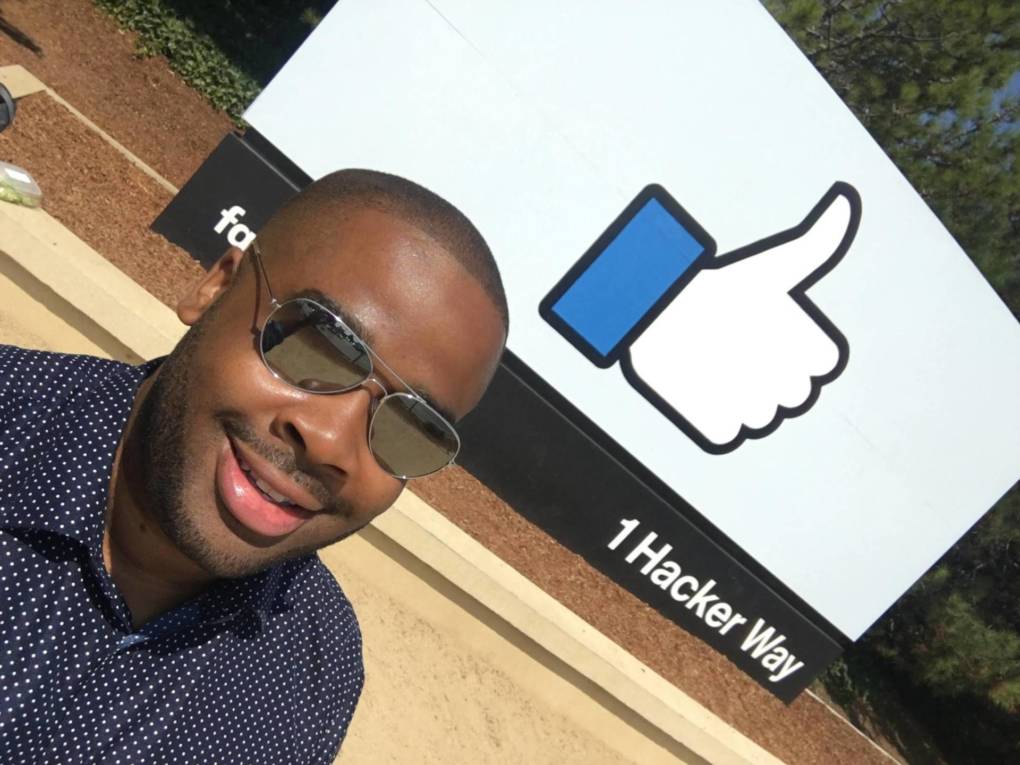
"caption": "Mark Luckie worked for Facebook for 14 months. He wrote a memo detailing some of the problems Facebook has with its black users and employees.",
"description": null,
"title": "Mark S. Luckie in front of Facebook's Menlo Park, California headquarters",
"credit": "Courtesy of Mark Luckie",
"status": "inherit",
"isLoading": false,
"fetchFailed": false
},
"news_11708858": {
"type": "attachments",
"id": "news_11708858",
"meta": {
"index": "attachments_1716263798",
"site": "news",
"id": "11708858",
"found": true
},
"parent": 11708854,
"imgSizes": {
"small": {
"file": "https://ww2.kqed.org/app/uploads/sites/10/2018/11/zsfg_crop330x180-1-520x283.jpg",
"width": 520,
"mimeType": "image/jpeg",
"height": 283
},
"twentyfourteen-full-width": {
"file": "https://ww2.kqed.org/app/uploads/sites/10/2018/11/zsfg_crop330x180-1-1038x576.jpg",
"width": 1038,
"mimeType": "image/jpeg",
"height": 576
},
"thumbnail": {
"file": "https://ww2.kqed.org/app/uploads/sites/10/2018/11/zsfg_crop330x180-1-160x87.jpg",
"width": 160,
"mimeType": "image/jpeg",
"height": 87
},
"fd-sm": {
"file": "https://ww2.kqed.org/app/uploads/sites/10/2018/11/zsfg_crop330x180-1-960x523.jpg",
"width": 960,
"mimeType": "image/jpeg",
"height": 523
},
"post-thumbnail": {
"file": "https://ww2.kqed.org/app/uploads/sites/10/2018/11/zsfg_crop330x180-1-672x372.jpg",
"width": 672,
"mimeType": "image/jpeg",
"height": 372
},
"xsmall": {
"file": "https://ww2.kqed.org/app/uploads/sites/10/2018/11/zsfg_crop330x180-1-375x204.jpg",
"width": 375,
"mimeType": "image/jpeg",
"height": 204
},
"kqedFullSize": {
"file": "https://ww2.kqed.org/app/uploads/sites/10/2018/11/zsfg_crop330x180-1.jpg",
"width": 1200,
"height": 654
},
"large": {
"file": "https://ww2.kqed.org/app/uploads/sites/10/2018/11/zsfg_crop330x180-1-1020x556.jpg",
"width": 1020,
"mimeType": "image/jpeg",
"height": 556
},
"xlarge": {
"file": "https://ww2.kqed.org/app/uploads/sites/10/2018/11/zsfg_crop330x180-1-1180x643.jpg",
"width": 1180,
"mimeType": "image/jpeg",
"height": 643
},
"complete_open_graph": {
"file": "https://ww2.kqed.org/app/uploads/sites/10/2018/11/zsfg_crop330x180-1-1200x654.jpg",
"width": 1200,
"mimeType": "image/jpeg",
"height": 654
},
"guest-author-50": {
"file": "https://ww2.kqed.org/app/uploads/sites/10/2018/11/zsfg_crop330x180-1-50x50.jpg",
"width": 50,
"mimeType": "image/jpeg",
"height": 50
},
"guest-author-96": {
"file": "https://ww2.kqed.org/app/uploads/sites/10/2018/11/zsfg_crop330x180-1-96x96.jpg",
"width": 96,
"mimeType": "image/jpeg",
"height": 96
},
"medium": {
"file": "https://ww2.kqed.org/app/uploads/sites/10/2018/11/zsfg_crop330x180-1-800x436.jpg",
"width": 800,
"mimeType": "image/jpeg",
"height": 436
},
"guest-author-64": {
"file": "https://ww2.kqed.org/app/uploads/sites/10/2018/11/zsfg_crop330x180-1-64x64.jpg",
"width": 64,
"mimeType": "image/jpeg",
"height": 64
},
"guest-author-32": {
"file": "https://ww2.kqed.org/app/uploads/sites/10/2018/11/zsfg_crop330x180-1-32x32.jpg",
"width": 32,
"mimeType": "image/jpeg",
"height": 32
},
"fd-med": {
"file": "https://ww2.kqed.org/app/uploads/sites/10/2018/11/zsfg_crop330x180-1-1180x643.jpg",
"width": 1180,
"mimeType": "image/jpeg",
"height": 643
},
"detail": {
"file": "https://ww2.kqed.org/app/uploads/sites/10/2018/11/zsfg_crop330x180-1-150x150.jpg",
"width": 150,
"mimeType": "image/jpeg",
"height": 150
},
"guest-author-128": {
"file": "https://ww2.kqed.org/app/uploads/sites/10/2018/11/zsfg_crop330x180-1-128x128.jpg",
"width": 128,
"mimeType": "image/jpeg",
"height": 128
},
"xxsmall": {
"file": "https://ww2.kqed.org/app/uploads/sites/10/2018/11/zsfg_crop330x180-1-240x131.jpg",
"width": 240,
"mimeType": "image/jpeg",
"height": 131
}
},
"publishDate": 1543447971,
"modified": 1543454391,
"caption": "Zuckerberg San Francisco General Hospital and Trauma Center",
"description": null,
"title": "Zuckerberg San Francisco General Hospital",
"credit": "Courtesy of UCSF",
"status": "inherit",
"isLoading": false,
"fetchFailed": false
},
"news_11704080": {
"type": "attachments",
"id": "news_11704080",
"meta": {
"index": "attachments_1716263798",
"site": "news",
"id": "11704080",
"found": true
},
"parent": 11704079,
"imgSizes": {
"twentyfourteen-full-width": {
"file": "https://ww2.kqed.org/app/uploads/sites/10/2018/11/ap_18307196774145-eb5be90836e8bb256da05f50635748fa799f9d2c-1038x576.jpg",
"width": 1038,
"mimeType": "image/jpeg",
"height": 576
},
"thumbnail": {
"file": "https://ww2.kqed.org/app/uploads/sites/10/2018/11/ap_18307196774145-eb5be90836e8bb256da05f50635748fa799f9d2c-160x120.jpg",
"width": 160,
"mimeType": "image/jpeg",
"height": 120
},
"post-thumbnail": {
"file": "https://ww2.kqed.org/app/uploads/sites/10/2018/11/ap_18307196774145-eb5be90836e8bb256da05f50635748fa799f9d2c-672x372.jpg",
"width": 672,
"mimeType": "image/jpeg",
"height": 372
},
"kqedFullSize": {
"file": "https://ww2.kqed.org/app/uploads/sites/10/2018/11/ap_18307196774145-eb5be90836e8bb256da05f50635748fa799f9d2c.jpg",
"width": 3895,
"height": 2927
},
"large": {
"file": "https://ww2.kqed.org/app/uploads/sites/10/2018/11/ap_18307196774145-eb5be90836e8bb256da05f50635748fa799f9d2c-1020x767.jpg",
"width": 1020,
"mimeType": "image/jpeg",
"height": 767
},
"complete_open_graph": {
"file": "https://ww2.kqed.org/app/uploads/sites/10/2018/11/ap_18307196774145-eb5be90836e8bb256da05f50635748fa799f9d2c-1200x902.jpg",
"width": 1200,
"mimeType": "image/jpeg",
"height": 902
},
"guest-author-50": {
"file": "https://ww2.kqed.org/app/uploads/sites/10/2018/11/ap_18307196774145-eb5be90836e8bb256da05f50635748fa799f9d2c-50x50.jpg",
"width": 50,
"mimeType": "image/jpeg",
"height": 50
},
"guest-author-96": {
"file": "https://ww2.kqed.org/app/uploads/sites/10/2018/11/ap_18307196774145-eb5be90836e8bb256da05f50635748fa799f9d2c-96x96.jpg",
"width": 96,
"mimeType": "image/jpeg",
"height": 96
},
"medium": {
"file": "https://ww2.kqed.org/app/uploads/sites/10/2018/11/ap_18307196774145-eb5be90836e8bb256da05f50635748fa799f9d2c-800x601.jpg",
"width": 800,
"mimeType": "image/jpeg",
"height": 601
},
"guest-author-64": {
"file": "https://ww2.kqed.org/app/uploads/sites/10/2018/11/ap_18307196774145-eb5be90836e8bb256da05f50635748fa799f9d2c-64x64.jpg",
"width": 64,
"mimeType": "image/jpeg",
"height": 64
},
"guest-author-32": {
"file": "https://ww2.kqed.org/app/uploads/sites/10/2018/11/ap_18307196774145-eb5be90836e8bb256da05f50635748fa799f9d2c-32x32.jpg",
"width": 32,
"mimeType": "image/jpeg",
"height": 32
},
"full-width": {
"file": "https://ww2.kqed.org/app/uploads/sites/10/2018/11/ap_18307196774145-eb5be90836e8bb256da05f50635748fa799f9d2c-1920x1443.jpg",
"width": 1920,
"mimeType": "image/jpeg",
"height": 1443
},
"detail": {
"file": "https://ww2.kqed.org/app/uploads/sites/10/2018/11/ap_18307196774145-eb5be90836e8bb256da05f50635748fa799f9d2c-150x150.jpg",
"width": 150,
"mimeType": "image/jpeg",
"height": 150
},
"guest-author-128": {
"file": "https://ww2.kqed.org/app/uploads/sites/10/2018/11/ap_18307196774145-eb5be90836e8bb256da05f50635748fa799f9d2c-128x128.jpg",
"width": 128,
"mimeType": "image/jpeg",
"height": 128
}
},
"publishDate": 1541532354,
"modified": 1541533286,
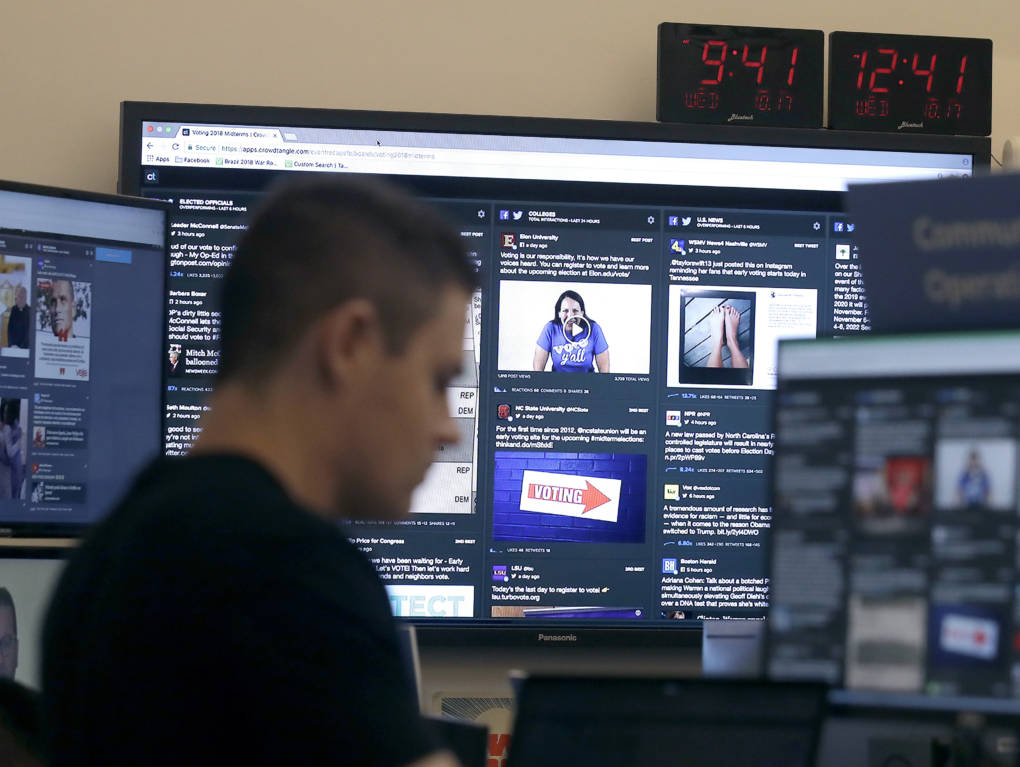
"caption": "A man works at his desk during a demonstration in the 'war room', where Facebook monitors election-related content on the platform, in Menlo Park, Calif.",
"description": "A man works at his desk during a demonstration in the 'war room', where Facebook monitors election-related content on the platform, in Menlo Park, Calif.",
"title": null,
"credit": "Jeff Chiu/AP",
"status": "inherit",
"isLoading": false,
"fetchFailed": false
},
"news_11702255": {
"type": "attachments",
"id": "news_11702255",
"meta": {
"index": "attachments_1716263798",
"site": "news",
"id": "11702255",
"found": true
},
"parent": 11702239,
"imgSizes": {
"small": {
"file": "https://ww2.kqed.org/app/uploads/sites/10/2018/10/Screen-Shot-2018-10-29-at-6.46.12-PM-520x376.png",
"width": 520,
"mimeType": "image/png",
"height": 376
},
"twentyfourteen-full-width": {
"file": "https://ww2.kqed.org/app/uploads/sites/10/2018/10/Screen-Shot-2018-10-29-at-6.46.12-PM-1038x576.png",
"width": 1038,
"mimeType": "image/png",
"height": 576
},
"thumbnail": {
"file": "https://ww2.kqed.org/app/uploads/sites/10/2018/10/Screen-Shot-2018-10-29-at-6.46.12-PM-160x116.png",
"width": 160,
"mimeType": "image/png",
"height": 116
},
"fd-sm": {
"file": "https://ww2.kqed.org/app/uploads/sites/10/2018/10/Screen-Shot-2018-10-29-at-6.46.12-PM-960x694.png",
"width": 960,
"mimeType": "image/png",
"height": 694
},
"post-thumbnail": {
"file": "https://ww2.kqed.org/app/uploads/sites/10/2018/10/Screen-Shot-2018-10-29-at-6.46.12-PM-672x372.png",
"width": 672,
"mimeType": "image/png",
"height": 372
},
"xsmall": {
"file": "https://ww2.kqed.org/app/uploads/sites/10/2018/10/Screen-Shot-2018-10-29-at-6.46.12-PM-375x271.png",
"width": 375,
"mimeType": "image/png",
"height": 271
},
"kqedFullSize": {
"file": "https://ww2.kqed.org/app/uploads/sites/10/2018/10/Screen-Shot-2018-10-29-at-6.46.12-PM.png",
"width": 1676,
"height": 1212
},
"large": {
"file": "https://ww2.kqed.org/app/uploads/sites/10/2018/10/Screen-Shot-2018-10-29-at-6.46.12-PM-1020x738.png",
"width": 1020,
"mimeType": "image/png",
"height": 738
},
"xlarge": {
"file": "https://ww2.kqed.org/app/uploads/sites/10/2018/10/Screen-Shot-2018-10-29-at-6.46.12-PM-1180x853.png",
"width": 1180,
"mimeType": "image/png",
"height": 853
},
"complete_open_graph": {
"file": "https://ww2.kqed.org/app/uploads/sites/10/2018/10/Screen-Shot-2018-10-29-at-6.46.12-PM-1200x868.png",
"width": 1200,
"mimeType": "image/png",
"height": 868
},
"guest-author-50": {
"file": "https://ww2.kqed.org/app/uploads/sites/10/2018/10/Screen-Shot-2018-10-29-at-6.46.12-PM-50x50.png",
"width": 50,
"mimeType": "image/png",
"height": 50
},
"guest-author-96": {
"file": "https://ww2.kqed.org/app/uploads/sites/10/2018/10/Screen-Shot-2018-10-29-at-6.46.12-PM-96x96.png",
"width": 96,
"mimeType": "image/png",
"height": 96
},
"medium": {
"file": "https://ww2.kqed.org/app/uploads/sites/10/2018/10/Screen-Shot-2018-10-29-at-6.46.12-PM-800x579.png",
"width": 800,
"mimeType": "image/png",
"height": 579
},
"guest-author-64": {
"file": "https://ww2.kqed.org/app/uploads/sites/10/2018/10/Screen-Shot-2018-10-29-at-6.46.12-PM-64x64.png",
"width": 64,
"mimeType": "image/png",
"height": 64
},
"guest-author-32": {
"file": "https://ww2.kqed.org/app/uploads/sites/10/2018/10/Screen-Shot-2018-10-29-at-6.46.12-PM-32x32.png",
"width": 32,
"mimeType": "image/png",
"height": 32
},
"fd-med": {
"file": "https://ww2.kqed.org/app/uploads/sites/10/2018/10/Screen-Shot-2018-10-29-at-6.46.12-PM-1180x853.png",
"width": 1180,
"mimeType": "image/png",
"height": 853
},
"detail": {
"file": "https://ww2.kqed.org/app/uploads/sites/10/2018/10/Screen-Shot-2018-10-29-at-6.46.12-PM-150x150.png",
"width": 150,
"mimeType": "image/png",
"height": 150
},
"guest-author-128": {
"file": "https://ww2.kqed.org/app/uploads/sites/10/2018/10/Screen-Shot-2018-10-29-at-6.46.12-PM-128x128.png",
"width": 128,
"mimeType": "image/png",
"height": 128
},
"xxsmall": {
"file": "https://ww2.kqed.org/app/uploads/sites/10/2018/10/Screen-Shot-2018-10-29-at-6.46.12-PM-240x174.png",
"width": 240,
"mimeType": "image/png",
"height": 174
}
},
"publishDate": 1540864050,
"modified": 1540864108,
"caption": "The Anti-Defamation League released The Online Hate Index as part of the agency's ongoing effort to use artificial intelligence and machine learning to stop the spread of hate speech.",
"description": "The Anti-Defamation League released The Online Hate Index as part of the agency's ongoing effort to use artificial intelligence and machine learning to stop the spread of hate speech.",
"title": "Screen Shot 2018-10-29 at 6.46.12 PM",
"credit": "Photo: Courtesy of the ADL",
"status": "inherit",
"isLoading": false,
"fetchFailed": false
},
"news_11699641": {
"type": "attachments",
"id": "news_11699641",
"meta": {
"index": "attachments_1716263798",
"site": "news",
"id": "11699641",
"found": true
},
"parent": 11699633,
"imgSizes": {
"small": {
"file": "https://ww2.kqed.org/app/uploads/sites/10/2018/10/38135260_1766818040083311_2275139275857068032_o-520x347.jpg",
"width": 520,
"mimeType": "image/jpeg",
"height": 347
},
"twentyfourteen-full-width": {
"file": "https://ww2.kqed.org/app/uploads/sites/10/2018/10/38135260_1766818040083311_2275139275857068032_o-1038x576.jpg",
"width": 1038,
"mimeType": "image/jpeg",
"height": 576
},
"thumbnail": {
"file": "https://ww2.kqed.org/app/uploads/sites/10/2018/10/38135260_1766818040083311_2275139275857068032_o-160x107.jpg",
"width": 160,
"mimeType": "image/jpeg",
"height": 107
},
"fd-sm": {
"file": "https://ww2.kqed.org/app/uploads/sites/10/2018/10/38135260_1766818040083311_2275139275857068032_o-960x640.jpg",
"width": 960,
"mimeType": "image/jpeg",
"height": 640
},
"post-thumbnail": {
"file": "https://ww2.kqed.org/app/uploads/sites/10/2018/10/38135260_1766818040083311_2275139275857068032_o-672x372.jpg",
"width": 672,
"mimeType": "image/jpeg",
"height": 372
},
"xsmall": {
"file": "https://ww2.kqed.org/app/uploads/sites/10/2018/10/38135260_1766818040083311_2275139275857068032_o-375x250.jpg",
"width": 375,
"mimeType": "image/jpeg",
"height": 250
},
"kqedFullSize": {
"file": "https://ww2.kqed.org/app/uploads/sites/10/2018/10/38135260_1766818040083311_2275139275857068032_o-e1539897444857.jpg",
"width": 1920,
"height": 1280
},
"large": {
"file": "https://ww2.kqed.org/app/uploads/sites/10/2018/10/38135260_1766818040083311_2275139275857068032_o-1020x680.jpg",
"width": 1020,
"mimeType": "image/jpeg",
"height": 680
},
"xlarge": {
"file": "https://ww2.kqed.org/app/uploads/sites/10/2018/10/38135260_1766818040083311_2275139275857068032_o-1180x786.jpg",
"width": 1180,
"mimeType": "image/jpeg",
"height": 786
},
"complete_open_graph": {
"file": "https://ww2.kqed.org/app/uploads/sites/10/2018/10/38135260_1766818040083311_2275139275857068032_o-1200x800.jpg",
"width": 1200,
"mimeType": "image/jpeg",
"height": 800
},
"guest-author-50": {
"file": "https://ww2.kqed.org/app/uploads/sites/10/2018/10/38135260_1766818040083311_2275139275857068032_o-50x50.jpg",
"width": 50,
"mimeType": "image/jpeg",
"height": 50
},
"guest-author-96": {
"file": "https://ww2.kqed.org/app/uploads/sites/10/2018/10/38135260_1766818040083311_2275139275857068032_o-96x96.jpg",
"width": 96,
"mimeType": "image/jpeg",
"height": 96
},
"medium": {
"file": "https://ww2.kqed.org/app/uploads/sites/10/2018/10/38135260_1766818040083311_2275139275857068032_o-800x533.jpg",
"width": 800,
"mimeType": "image/jpeg",
"height": 533
},
"guest-author-64": {
"file": "https://ww2.kqed.org/app/uploads/sites/10/2018/10/38135260_1766818040083311_2275139275857068032_o-64x64.jpg",
"width": 64,
"mimeType": "image/jpeg",
"height": 64
},
"guest-author-32": {
"file": "https://ww2.kqed.org/app/uploads/sites/10/2018/10/38135260_1766818040083311_2275139275857068032_o-32x32.jpg",
"width": 32,
"mimeType": "image/jpeg",
"height": 32
},
"fd-lrg": {
"file": "https://ww2.kqed.org/app/uploads/sites/10/2018/10/38135260_1766818040083311_2275139275857068032_o-1920x1280.jpg",
"width": 1920,
"mimeType": "image/jpeg",
"height": 1280
},
"fd-med": {
"file": "https://ww2.kqed.org/app/uploads/sites/10/2018/10/38135260_1766818040083311_2275139275857068032_o-1180x786.jpg",
"width": 1180,
"mimeType": "image/jpeg",
"height": 786
},
"full-width": {
"file": "https://ww2.kqed.org/app/uploads/sites/10/2018/10/38135260_1766818040083311_2275139275857068032_o-1920x1280.jpg",
"width": 1920,
"mimeType": "image/jpeg",
"height": 1280
},
"detail": {
"file": "https://ww2.kqed.org/app/uploads/sites/10/2018/10/38135260_1766818040083311_2275139275857068032_o-150x150.jpg",
"width": 150,
"mimeType": "image/jpeg",
"height": 150
},
"guest-author-128": {
"file": "https://ww2.kqed.org/app/uploads/sites/10/2018/10/38135260_1766818040083311_2275139275857068032_o-128x128.jpg",
"width": 128,
"mimeType": "image/jpeg",
"height": 128
},
"xxsmall": {
"file": "https://ww2.kqed.org/app/uploads/sites/10/2018/10/38135260_1766818040083311_2275139275857068032_o-240x160.jpg",
"width": 240,
"mimeType": "image/jpeg",
"height": 160
}
},
"publishDate": 1539823611,
"modified": 1539897465,
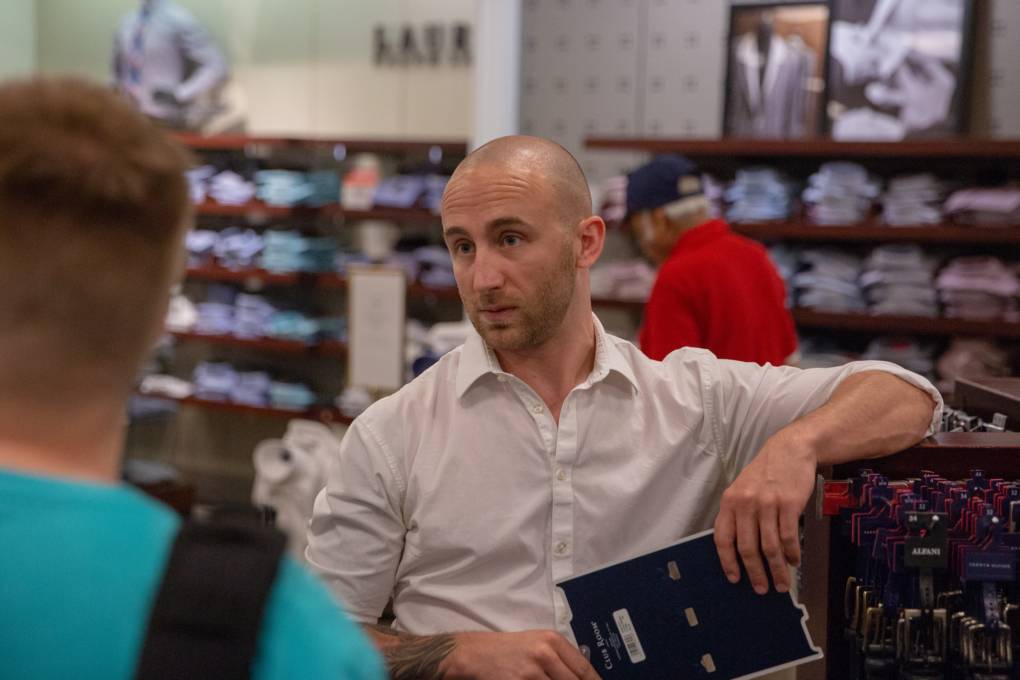
"caption": "Kristofer Goldsmith has made it his mission to hunt fake Facebook pages that sow discord among veterans.",
"description": "Kristofer Goldsmith has made it his mission to hunt fake Facebook pages that sow discord among veterans.",
"title": "Kristofer Goldsmith",
"credit": "Courtesy of High Ground Veterans Advocacy",
"status": "inherit",
"isLoading": false,
"fetchFailed": false
},
"news_11698777": {
"type": "attachments",
"id": "news_11698777",
"meta": {
"index": "attachments_1716263798",
"site": "news",
"id": "11698777",
"found": true
},
"parent": 11698776,
"imgSizes": {
"small": {
"file": "https://ww2.kqed.org/app/uploads/sites/10/2018/10/gettyimages-1051900890_wide-5d9f02da64179af9d9e3d450446687d086ab491a-520x292.jpg",
"width": 520,
"mimeType": "image/jpeg",
"height": 292
},
"twentyfourteen-full-width": {
"file": "https://ww2.kqed.org/app/uploads/sites/10/2018/10/gettyimages-1051900890_wide-5d9f02da64179af9d9e3d450446687d086ab491a-1038x576.jpg",
"width": 1038,
"mimeType": "image/jpeg",
"height": 576
},
"thumbnail": {
"file": "https://ww2.kqed.org/app/uploads/sites/10/2018/10/gettyimages-1051900890_wide-5d9f02da64179af9d9e3d450446687d086ab491a-160x90.jpg",
"width": 160,
"mimeType": "image/jpeg",
"height": 90
},
"fd-sm": {
"file": "https://ww2.kqed.org/app/uploads/sites/10/2018/10/gettyimages-1051900890_wide-5d9f02da64179af9d9e3d450446687d086ab491a-960x540.jpg",
"width": 960,
"mimeType": "image/jpeg",
"height": 540
},
"post-thumbnail": {
"file": "https://ww2.kqed.org/app/uploads/sites/10/2018/10/gettyimages-1051900890_wide-5d9f02da64179af9d9e3d450446687d086ab491a-672x372.jpg",
"width": 672,
"mimeType": "image/jpeg",
"height": 372
},
"xsmall": {
"file": "https://ww2.kqed.org/app/uploads/sites/10/2018/10/gettyimages-1051900890_wide-5d9f02da64179af9d9e3d450446687d086ab491a-375x211.jpg",
"width": 375,
"mimeType": "image/jpeg",
"height": 211
},
"kqedFullSize": {
"file": "https://ww2.kqed.org/app/uploads/sites/10/2018/10/gettyimages-1051900890_wide-5d9f02da64179af9d9e3d450446687d086ab491a-e1539467658658.jpg",
"width": 1920,
"height": 1080
},
"large": {
"file": "https://ww2.kqed.org/app/uploads/sites/10/2018/10/gettyimages-1051900890_wide-5d9f02da64179af9d9e3d450446687d086ab491a-1020x574.jpg",
"width": 1020,
"mimeType": "image/jpeg",
"height": 574
},
"xlarge": {
"file": "https://ww2.kqed.org/app/uploads/sites/10/2018/10/gettyimages-1051900890_wide-5d9f02da64179af9d9e3d450446687d086ab491a-1180x664.jpg",
"width": 1180,
"mimeType": "image/jpeg",
"height": 664
},
"complete_open_graph": {
"file": "https://ww2.kqed.org/app/uploads/sites/10/2018/10/gettyimages-1051900890_wide-5d9f02da64179af9d9e3d450446687d086ab491a-1200x675.jpg",
"width": 1200,
"mimeType": "image/jpeg",
"height": 675
},
"guest-author-50": {
"file": "https://ww2.kqed.org/app/uploads/sites/10/2018/10/gettyimages-1051900890_wide-5d9f02da64179af9d9e3d450446687d086ab491a-50x50.jpg",
"width": 50,
"mimeType": "image/jpeg",
"height": 50
},
"guest-author-96": {
"file": "https://ww2.kqed.org/app/uploads/sites/10/2018/10/gettyimages-1051900890_wide-5d9f02da64179af9d9e3d450446687d086ab491a-96x96.jpg",
"width": 96,
"mimeType": "image/jpeg",
"height": 96
},
"medium": {
"file": "https://ww2.kqed.org/app/uploads/sites/10/2018/10/gettyimages-1051900890_wide-5d9f02da64179af9d9e3d450446687d086ab491a-800x450.jpg",
"width": 800,
"mimeType": "image/jpeg",
"height": 450
},
"guest-author-64": {
"file": "https://ww2.kqed.org/app/uploads/sites/10/2018/10/gettyimages-1051900890_wide-5d9f02da64179af9d9e3d450446687d086ab491a-64x64.jpg",
"width": 64,
"mimeType": "image/jpeg",
"height": 64
},
"guest-author-32": {
"file": "https://ww2.kqed.org/app/uploads/sites/10/2018/10/gettyimages-1051900890_wide-5d9f02da64179af9d9e3d450446687d086ab491a-32x32.jpg",
"width": 32,
"mimeType": "image/jpeg",
"height": 32
},
"fd-lrg": {
"file": "https://ww2.kqed.org/app/uploads/sites/10/2018/10/gettyimages-1051900890_wide-5d9f02da64179af9d9e3d450446687d086ab491a-1920x1080.jpg",
"width": 1920,
"mimeType": "image/jpeg",
"height": 1080
},
"fd-med": {
"file": "https://ww2.kqed.org/app/uploads/sites/10/2018/10/gettyimages-1051900890_wide-5d9f02da64179af9d9e3d450446687d086ab491a-1180x664.jpg",
"width": 1180,
"mimeType": "image/jpeg",
"height": 664
},
"full-width": {
"file": "https://ww2.kqed.org/app/uploads/sites/10/2018/10/gettyimages-1051900890_wide-5d9f02da64179af9d9e3d450446687d086ab491a-1920x1080.jpg",
"width": 1920,
"mimeType": "image/jpeg",
"height": 1080
},
"detail": {
"file": "https://ww2.kqed.org/app/uploads/sites/10/2018/10/gettyimages-1051900890_wide-5d9f02da64179af9d9e3d450446687d086ab491a-150x150.jpg",
"width": 150,
"mimeType": "image/jpeg",
"height": 150
},
"guest-author-128": {
"file": "https://ww2.kqed.org/app/uploads/sites/10/2018/10/gettyimages-1051900890_wide-5d9f02da64179af9d9e3d450446687d086ab491a-128x128.jpg",
"width": 128,
"mimeType": "image/jpeg",
"height": 128
},
"xxsmall": {
"file": "https://ww2.kqed.org/app/uploads/sites/10/2018/10/gettyimages-1051900890_wide-5d9f02da64179af9d9e3d450446687d086ab491a-240x135.jpg",
"width": 240,
"mimeType": "image/jpeg",
"height": 135
}
},
"publishDate": 1539467625,
"modified": 1553716702,
"caption": "Facing mounting public pressure, Facebook announced plans to ban content promoting white nationalism and white separatism on its platform.",
"description": "Facebook says 30 million users were affected by a recent security breach, including 400,000 whose accounts were nearly fully accessed, and another 14 million who had broad categories of personal data stolen.",
"title": "Facebook says 30 million users were affected by a recent security breach, including 400,000 whose accounts were nearly fully accessed, and another 14 million who had broad categories of personal data stolen.",
"credit": "Mandel Ngan/AFP/Getty Images",
"status": "inherit",
"isLoading": false,
"fetchFailed": false
},
"news_11695264": {
"type": "attachments",
"id": "news_11695264",
"meta": {
"index": "attachments_1716263798",
"site": "news",
"id": "11695264",
"found": true
},
"parent": 11695257,
"imgSizes": {
"small": {
"file": "https://ww2.kqed.org/app/uploads/sites/10/2018/09/facebook-1084449_1920-520x390.jpg",
"width": 520,
"mimeType": "image/jpeg",
"height": 390
},
"twentyfourteen-full-width": {
"file": "https://ww2.kqed.org/app/uploads/sites/10/2018/09/facebook-1084449_1920-1038x576.jpg",
"width": 1038,
"mimeType": "image/jpeg",
"height": 576
},
"thumbnail": {
"file": "https://ww2.kqed.org/app/uploads/sites/10/2018/09/facebook-1084449_1920-160x120.jpg",
"width": 160,
"mimeType": "image/jpeg",
"height": 120
},
"fd-sm": {
"file": "https://ww2.kqed.org/app/uploads/sites/10/2018/09/facebook-1084449_1920-960x720.jpg",
"width": 960,
"mimeType": "image/jpeg",
"height": 720
},
"post-thumbnail": {
"file": "https://ww2.kqed.org/app/uploads/sites/10/2018/09/facebook-1084449_1920-672x372.jpg",
"width": 672,
"mimeType": "image/jpeg",
"height": 372
},
"xsmall": {
"file": "https://ww2.kqed.org/app/uploads/sites/10/2018/09/facebook-1084449_1920-375x281.jpg",
"width": 375,
"mimeType": "image/jpeg",
"height": 281
},
"kqedFullSize": {
"file": "https://ww2.kqed.org/app/uploads/sites/10/2018/09/facebook-1084449_1920.jpg",
"width": 1920,
"height": 1440
},
"large": {
"file": "https://ww2.kqed.org/app/uploads/sites/10/2018/09/facebook-1084449_1920-1020x765.jpg",
"width": 1020,
"mimeType": "image/jpeg",
"height": 765
},
"xlarge": {
"file": "https://ww2.kqed.org/app/uploads/sites/10/2018/09/facebook-1084449_1920-1180x885.jpg",
"width": 1180,
"mimeType": "image/jpeg",
"height": 885
},
"complete_open_graph": {
"file": "https://ww2.kqed.org/app/uploads/sites/10/2018/09/facebook-1084449_1920-1200x900.jpg",
"width": 1200,
"mimeType": "image/jpeg",
"height": 900
},
"guest-author-50": {
"file": "https://ww2.kqed.org/app/uploads/sites/10/2018/09/facebook-1084449_1920-50x50.jpg",
"width": 50,
"mimeType": "image/jpeg",
"height": 50
},
"guest-author-96": {
"file": "https://ww2.kqed.org/app/uploads/sites/10/2018/09/facebook-1084449_1920-96x96.jpg",
"width": 96,
"mimeType": "image/jpeg",
"height": 96
},
"medium": {
"file": "https://ww2.kqed.org/app/uploads/sites/10/2018/09/facebook-1084449_1920-800x600.jpg",
"width": 800,
"mimeType": "image/jpeg",
"height": 600
},
"guest-author-64": {
"file": "https://ww2.kqed.org/app/uploads/sites/10/2018/09/facebook-1084449_1920-64x64.jpg",
"width": 64,
"mimeType": "image/jpeg",
"height": 64
},
"guest-author-32": {
"file": "https://ww2.kqed.org/app/uploads/sites/10/2018/09/facebook-1084449_1920-32x32.jpg",
"width": 32,
"mimeType": "image/jpeg",
"height": 32
},
"fd-lrg": {
"file": "https://ww2.kqed.org/app/uploads/sites/10/2018/09/facebook-1084449_1920-1920x1440.jpg",
"width": 1920,
"mimeType": "image/jpeg",
"height": 1440
},
"fd-med": {
"file": "https://ww2.kqed.org/app/uploads/sites/10/2018/09/facebook-1084449_1920-1180x885.jpg",
"width": 1180,
"mimeType": "image/jpeg",
"height": 885
},
"full-width": {
"file": "https://ww2.kqed.org/app/uploads/sites/10/2018/09/facebook-1084449_1920-1920x1440.jpg",
"width": 1920,
"mimeType": "image/jpeg",
"height": 1440
},
"detail": {
"file": "https://ww2.kqed.org/app/uploads/sites/10/2018/09/facebook-1084449_1920-150x150.jpg",
"width": 150,
"mimeType": "image/jpeg",
"height": 150
},
"guest-author-128": {
"file": "https://ww2.kqed.org/app/uploads/sites/10/2018/09/facebook-1084449_1920-128x128.jpg",
"width": 128,
"mimeType": "image/jpeg",
"height": 128
},
"xxsmall": {
"file": "https://ww2.kqed.org/app/uploads/sites/10/2018/09/facebook-1084449_1920-240x180.jpg",
"width": 240,
"mimeType": "image/jpeg",
"height": 180
}
},
"publishDate": 1538161033,
"modified": 1538162911,
"caption": "The social media company announced details about a security breach that has impacted around 50 million users .",
"description": "The social media company announced details about a security breach that has impacted around 50 million users .",
"title": "facebook-1084449_1920",
"credit": "Pixabay Creative Commons",
"status": "inherit",
"isLoading": false,
"fetchFailed": false
},
"news_11694616": {
"type": "attachments",
"id": "news_11694616",
"meta": {
"index": "attachments_1716263798",
"site": "news",
"id": "11694616",
"found": true
},
"parent": 11694615,
"imgSizes": {
"small": {
"file": "https://ww2.kqed.org/app/uploads/sites/10/2018/09/gettyimages-962098266-71d3d06bfc7488e5e167e1842e86328e8d81c863-520x390.jpg",
"width": 520,
"mimeType": "image/jpeg",
"height": 390
},
"twentyfourteen-full-width": {
"file": "https://ww2.kqed.org/app/uploads/sites/10/2018/09/gettyimages-962098266-71d3d06bfc7488e5e167e1842e86328e8d81c863-1038x576.jpg",
"width": 1038,
"mimeType": "image/jpeg",
"height": 576
},
"thumbnail": {
"file": "https://ww2.kqed.org/app/uploads/sites/10/2018/09/gettyimages-962098266-71d3d06bfc7488e5e167e1842e86328e8d81c863-160x120.jpg",
"width": 160,
"mimeType": "image/jpeg",
"height": 120
},
"fd-sm": {
"file": "https://ww2.kqed.org/app/uploads/sites/10/2018/09/gettyimages-962098266-71d3d06bfc7488e5e167e1842e86328e8d81c863-960x720.jpg",
"width": 960,
"mimeType": "image/jpeg",
"height": 720
},
"post-thumbnail": {
"file": "https://ww2.kqed.org/app/uploads/sites/10/2018/09/gettyimages-962098266-71d3d06bfc7488e5e167e1842e86328e8d81c863-672x372.jpg",
"width": 672,
"mimeType": "image/jpeg",
"height": 372
},
"xsmall": {
"file": "https://ww2.kqed.org/app/uploads/sites/10/2018/09/gettyimages-962098266-71d3d06bfc7488e5e167e1842e86328e8d81c863-375x281.jpg",
"width": 375,
"mimeType": "image/jpeg",
"height": 281
},
"kqedFullSize": {
"file": "https://ww2.kqed.org/app/uploads/sites/10/2018/09/gettyimages-962098266-71d3d06bfc7488e5e167e1842e86328e8d81c863.jpg",
"width": 4484,
"height": 3363
},
"large": {
"file": "https://ww2.kqed.org/app/uploads/sites/10/2018/09/gettyimages-962098266-71d3d06bfc7488e5e167e1842e86328e8d81c863-1020x765.jpg",
"width": 1020,
"mimeType": "image/jpeg",
"height": 765
},
"xlarge": {
"file": "https://ww2.kqed.org/app/uploads/sites/10/2018/09/gettyimages-962098266-71d3d06bfc7488e5e167e1842e86328e8d81c863-1180x885.jpg",
"width": 1180,
"mimeType": "image/jpeg",
"height": 885
},
"complete_open_graph": {
"file": "https://ww2.kqed.org/app/uploads/sites/10/2018/09/gettyimages-962098266-71d3d06bfc7488e5e167e1842e86328e8d81c863-1200x900.jpg",
"width": 1200,
"mimeType": "image/jpeg",
"height": 900
},
"guest-author-50": {
"file": "https://ww2.kqed.org/app/uploads/sites/10/2018/09/gettyimages-962098266-71d3d06bfc7488e5e167e1842e86328e8d81c863-50x50.jpg",
"width": 50,
"mimeType": "image/jpeg",
"height": 50
},
"guest-author-96": {
"file": "https://ww2.kqed.org/app/uploads/sites/10/2018/09/gettyimages-962098266-71d3d06bfc7488e5e167e1842e86328e8d81c863-96x96.jpg",
"width": 96,
"mimeType": "image/jpeg",
"height": 96
},
"medium": {
"file": "https://ww2.kqed.org/app/uploads/sites/10/2018/09/gettyimages-962098266-71d3d06bfc7488e5e167e1842e86328e8d81c863-800x600.jpg",
"width": 800,
"mimeType": "image/jpeg",
"height": 600
},
"guest-author-64": {
"file": "https://ww2.kqed.org/app/uploads/sites/10/2018/09/gettyimages-962098266-71d3d06bfc7488e5e167e1842e86328e8d81c863-64x64.jpg",
"width": 64,
"mimeType": "image/jpeg",
"height": 64
},
"guest-author-32": {
"file": "https://ww2.kqed.org/app/uploads/sites/10/2018/09/gettyimages-962098266-71d3d06bfc7488e5e167e1842e86328e8d81c863-32x32.jpg",
"width": 32,
"mimeType": "image/jpeg",
"height": 32
},
"fd-lrg": {
"file": "https://ww2.kqed.org/app/uploads/sites/10/2018/09/gettyimages-962098266-71d3d06bfc7488e5e167e1842e86328e8d81c863-1920x1440.jpg",
"width": 1920,
"mimeType": "image/jpeg",
"height": 1440
},
"fd-med": {
"file": "https://ww2.kqed.org/app/uploads/sites/10/2018/09/gettyimages-962098266-71d3d06bfc7488e5e167e1842e86328e8d81c863-1180x885.jpg",
"width": 1180,
"mimeType": "image/jpeg",
"height": 885
},
"full-width": {
"file": "https://ww2.kqed.org/app/uploads/sites/10/2018/09/gettyimages-962098266-71d3d06bfc7488e5e167e1842e86328e8d81c863-1920x1440.jpg",
"width": 1920,
"mimeType": "image/jpeg",
"height": 1440
},
"detail": {
"file": "https://ww2.kqed.org/app/uploads/sites/10/2018/09/gettyimages-962098266-71d3d06bfc7488e5e167e1842e86328e8d81c863-150x150.jpg",
"width": 150,
"mimeType": "image/jpeg",
"height": 150
},
"guest-author-128": {
"file": "https://ww2.kqed.org/app/uploads/sites/10/2018/09/gettyimages-962098266-71d3d06bfc7488e5e167e1842e86328e8d81c863-128x128.jpg",
"width": 128,
"mimeType": "image/jpeg",
"height": 128
},
"xxsmall": {
"file": "https://ww2.kqed.org/app/uploads/sites/10/2018/09/gettyimages-962098266-71d3d06bfc7488e5e167e1842e86328e8d81c863-240x180.jpg",
"width": 240,
"mimeType": "image/jpeg",
"height": 180
}
},
"publishDate": 1537915606,
"modified": 1537915977,
"caption": "Tuesday's discussion between officials of the Department of Justice and state attorneys general focused on the rapid growth of tech companies like Facebook and Google and their handling of user data.",
"description": "Tuesday's discussion between officials of the Department of Justice and state attorneys general focused on the rapid growth of tech companies like Facebook and Google and their handling of user data.",
"title": "Tuesday's discussion between officials of the Department of Justice and state attorneys general focused on the rapid growth of tech companies like Facebook and Google and their handling of user data.",
"credit": "Alain Jocard/AFP/Getty Images",
"status": "inherit",
"isLoading": false,
"fetchFailed": false
},
"news_11694007": {
"type": "attachments",
"id": "news_11694007",
"meta": {
"index": "attachments_1716263798",
"site": "news",
"id": "11694007",
"found": true
},
"parent": 11694004,
"imgSizes": {
"small": {
"file": "https://ww2.kqed.org/app/uploads/sites/10/2018/09/NR547_MARQUEE_ESHOO-520x293.jpg",
"width": 520,
"mimeType": "image/jpeg",
"height": 293
},
"twentyfourteen-full-width": {
"file": "https://ww2.kqed.org/app/uploads/sites/10/2018/09/NR547_MARQUEE_ESHOO-1038x576.jpg",
"width": 1038,
"mimeType": "image/jpeg",
"height": 576
},
"thumbnail": {
"file": "https://ww2.kqed.org/app/uploads/sites/10/2018/09/NR547_MARQUEE_ESHOO-160x90.jpg",
"width": 160,
"mimeType": "image/jpeg",
"height": 90
},
"fd-sm": {
"file": "https://ww2.kqed.org/app/uploads/sites/10/2018/09/NR547_MARQUEE_ESHOO-960x540.jpg",
"width": 960,
"mimeType": "image/jpeg",
"height": 540
},
"post-thumbnail": {
"file": "https://ww2.kqed.org/app/uploads/sites/10/2018/09/NR547_MARQUEE_ESHOO-672x372.jpg",
"width": 672,
"mimeType": "image/jpeg",
"height": 372
},
"xsmall": {
"file": "https://ww2.kqed.org/app/uploads/sites/10/2018/09/NR547_MARQUEE_ESHOO-375x211.jpg",
"width": 375,
"mimeType": "image/jpeg",
"height": 211
},
"kqedFullSize": {
"file": "https://ww2.kqed.org/app/uploads/sites/10/2018/09/NR547_MARQUEE_ESHOO.jpg",
"width": 1280,
"height": 720
},
"large": {
"file": "https://ww2.kqed.org/app/uploads/sites/10/2018/09/NR547_MARQUEE_ESHOO-1020x574.jpg",
"width": 1020,
"mimeType": "image/jpeg",
"height": 574
},
"xlarge": {
"file": "https://ww2.kqed.org/app/uploads/sites/10/2018/09/NR547_MARQUEE_ESHOO-1180x664.jpg",
"width": 1180,
"mimeType": "image/jpeg",
"height": 664
},
"complete_open_graph": {
"file": "https://ww2.kqed.org/app/uploads/sites/10/2018/09/NR547_MARQUEE_ESHOO-1200x675.jpg",
"width": 1200,
"mimeType": "image/jpeg",
"height": 675
},
"guest-author-50": {
"file": "https://ww2.kqed.org/app/uploads/sites/10/2018/09/NR547_MARQUEE_ESHOO-50x50.jpg",
"width": 50,
"mimeType": "image/jpeg",
"height": 50
},
"guest-author-96": {
"file": "https://ww2.kqed.org/app/uploads/sites/10/2018/09/NR547_MARQUEE_ESHOO-96x96.jpg",
"width": 96,
"mimeType": "image/jpeg",
"height": 96
},
"medium": {
"file": "https://ww2.kqed.org/app/uploads/sites/10/2018/09/NR547_MARQUEE_ESHOO-800x450.jpg",
"width": 800,
"mimeType": "image/jpeg",
"height": 450
},
"guest-author-64": {
"file": "https://ww2.kqed.org/app/uploads/sites/10/2018/09/NR547_MARQUEE_ESHOO-64x64.jpg",
"width": 64,
"mimeType": "image/jpeg",
"height": 64
},
"guest-author-32": {
"file": "https://ww2.kqed.org/app/uploads/sites/10/2018/09/NR547_MARQUEE_ESHOO-32x32.jpg",
"width": 32,
"mimeType": "image/jpeg",
"height": 32
},
"fd-med": {
"file": "https://ww2.kqed.org/app/uploads/sites/10/2018/09/NR547_MARQUEE_ESHOO-1180x664.jpg",
"width": 1180,
"mimeType": "image/jpeg",
"height": 664
},
"detail": {
"file": "https://ww2.kqed.org/app/uploads/sites/10/2018/09/NR547_MARQUEE_ESHOO-150x150.jpg",
"width": 150,
"mimeType": "image/jpeg",
"height": 150
},
"guest-author-128": {
"file": "https://ww2.kqed.org/app/uploads/sites/10/2018/09/NR547_MARQUEE_ESHOO-128x128.jpg",
"width": 128,
"mimeType": "image/jpeg",
"height": 128
},
"xxsmall": {
"file": "https://ww2.kqed.org/app/uploads/sites/10/2018/09/NR547_MARQUEE_ESHOO-240x135.jpg",
"width": 240,
"mimeType": "image/jpeg",
"height": 135
}
},
"publishDate": 1537565050,
"modified": 1633038353,
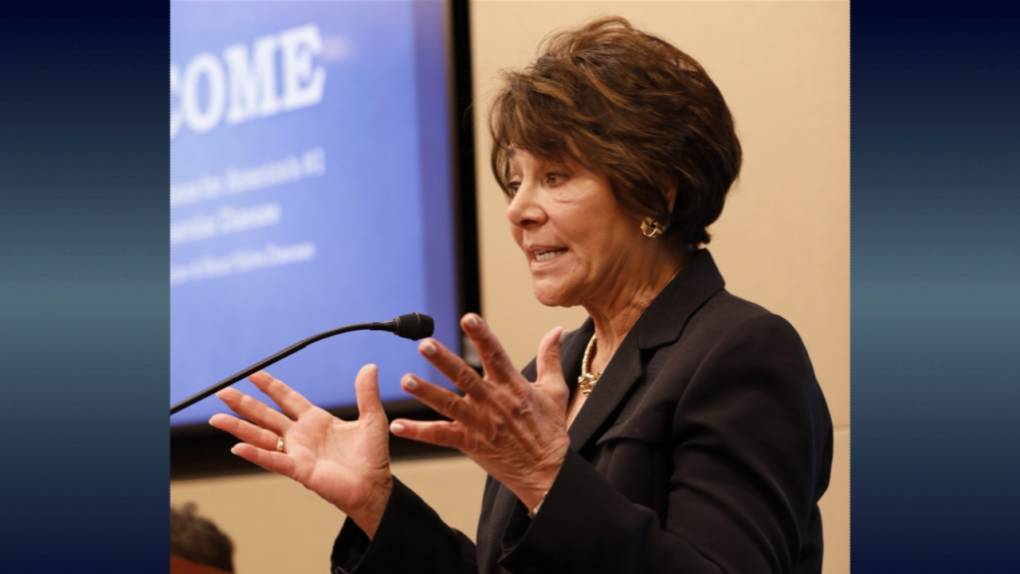
"caption": "Rep. Anna Eshoo (D-Atherton), Chairwoman of the Subcommittee on Health. ",
"description": null,
"title": "NR547_MARQUEE_ESHOO",
"credit": null,
"status": "inherit",
"altTag": null,
"isLoading": false,
"fetchFailed": false
},
"news_11691874": {
"type": "attachments",
"id": "news_11691874",
"meta": {
"index": "attachments_1716263798",
"site": "news",
"id": "11691874",
"found": true
},
"parent": 11691873,
"imgSizes": {
"small": {
"file": "https://ww2.kqed.org/app/uploads/sites/10/2018/09/gettyimages-1027071074-a359694d8128b1372906f41e0b72bcafc1cb69e2-520x389.jpg",
"width": 520,
"mimeType": "image/jpeg",
"height": 389
},
"twentyfourteen-full-width": {
"file": "https://ww2.kqed.org/app/uploads/sites/10/2018/09/gettyimages-1027071074-a359694d8128b1372906f41e0b72bcafc1cb69e2-1038x576.jpg",
"width": 1038,
"mimeType": "image/jpeg",
"height": 576
},
"thumbnail": {
"file": "https://ww2.kqed.org/app/uploads/sites/10/2018/09/gettyimages-1027071074-a359694d8128b1372906f41e0b72bcafc1cb69e2-160x120.jpg",
"width": 160,
"mimeType": "image/jpeg",
"height": 120
},
"fd-sm": {
"file": "https://ww2.kqed.org/app/uploads/sites/10/2018/09/gettyimages-1027071074-a359694d8128b1372906f41e0b72bcafc1cb69e2-960x719.jpg",
"width": 960,
"mimeType": "image/jpeg",
"height": 719
},
"post-thumbnail": {
"file": "https://ww2.kqed.org/app/uploads/sites/10/2018/09/gettyimages-1027071074-a359694d8128b1372906f41e0b72bcafc1cb69e2-672x372.jpg",
"width": 672,
"mimeType": "image/jpeg",
"height": 372
},
"xsmall": {
"file": "https://ww2.kqed.org/app/uploads/sites/10/2018/09/gettyimages-1027071074-a359694d8128b1372906f41e0b72bcafc1cb69e2-375x281.jpg",
"width": 375,
"mimeType": "image/jpeg",
"height": 281
},
"kqedFullSize": {
"file": "https://ww2.kqed.org/app/uploads/sites/10/2018/09/gettyimages-1027071074-a359694d8128b1372906f41e0b72bcafc1cb69e2-e1536709243259.jpg",
"width": 1920,
"height": 1438
},
"large": {
"file": "https://ww2.kqed.org/app/uploads/sites/10/2018/09/gettyimages-1027071074-a359694d8128b1372906f41e0b72bcafc1cb69e2-1020x764.jpg",
"width": 1020,
"mimeType": "image/jpeg",
"height": 764
},
"xlarge": {
"file": "https://ww2.kqed.org/app/uploads/sites/10/2018/09/gettyimages-1027071074-a359694d8128b1372906f41e0b72bcafc1cb69e2-1180x883.jpg",
"width": 1180,
"mimeType": "image/jpeg",
"height": 883
},
"complete_open_graph": {
"file": "https://ww2.kqed.org/app/uploads/sites/10/2018/09/gettyimages-1027071074-a359694d8128b1372906f41e0b72bcafc1cb69e2-1200x898.jpg",
"width": 1200,
"mimeType": "image/jpeg",
"height": 898
},
"guest-author-50": {
"file": "https://ww2.kqed.org/app/uploads/sites/10/2018/09/gettyimages-1027071074-a359694d8128b1372906f41e0b72bcafc1cb69e2-50x50.jpg",
"width": 50,
"mimeType": "image/jpeg",
"height": 50
},
"guest-author-96": {
"file": "https://ww2.kqed.org/app/uploads/sites/10/2018/09/gettyimages-1027071074-a359694d8128b1372906f41e0b72bcafc1cb69e2-96x96.jpg",
"width": 96,
"mimeType": "image/jpeg",
"height": 96
},
"medium": {
"file": "https://ww2.kqed.org/app/uploads/sites/10/2018/09/gettyimages-1027071074-a359694d8128b1372906f41e0b72bcafc1cb69e2-800x599.jpg",
"width": 800,
"mimeType": "image/jpeg",
"height": 599
},
"guest-author-64": {
"file": "https://ww2.kqed.org/app/uploads/sites/10/2018/09/gettyimages-1027071074-a359694d8128b1372906f41e0b72bcafc1cb69e2-64x64.jpg",
"width": 64,
"mimeType": "image/jpeg",
"height": 64
},
"guest-author-32": {
"file": "https://ww2.kqed.org/app/uploads/sites/10/2018/09/gettyimages-1027071074-a359694d8128b1372906f41e0b72bcafc1cb69e2-32x32.jpg",
"width": 32,
"mimeType": "image/jpeg",
"height": 32
},
"fd-lrg": {
"file": "https://ww2.kqed.org/app/uploads/sites/10/2018/09/gettyimages-1027071074-a359694d8128b1372906f41e0b72bcafc1cb69e2-1920x1438.jpg",
"width": 1920,
"mimeType": "image/jpeg",
"height": 1438
},
"fd-med": {
"file": "https://ww2.kqed.org/app/uploads/sites/10/2018/09/gettyimages-1027071074-a359694d8128b1372906f41e0b72bcafc1cb69e2-1180x883.jpg",
"width": 1180,
"mimeType": "image/jpeg",
"height": 883
},
"full-width": {
"file": "https://ww2.kqed.org/app/uploads/sites/10/2018/09/gettyimages-1027071074-a359694d8128b1372906f41e0b72bcafc1cb69e2-1920x1438.jpg",
"width": 1920,
"mimeType": "image/jpeg",
"height": 1438
},
"detail": {
"file": "https://ww2.kqed.org/app/uploads/sites/10/2018/09/gettyimages-1027071074-a359694d8128b1372906f41e0b72bcafc1cb69e2-150x150.jpg",
"width": 150,
"mimeType": "image/jpeg",
"height": 150
},
"guest-author-128": {
"file": "https://ww2.kqed.org/app/uploads/sites/10/2018/09/gettyimages-1027071074-a359694d8128b1372906f41e0b72bcafc1cb69e2-128x128.jpg",
"width": 128,
"mimeType": "image/jpeg",
"height": 128
},
"xxsmall": {
"file": "https://ww2.kqed.org/app/uploads/sites/10/2018/09/gettyimages-1027071074-a359694d8128b1372906f41e0b72bcafc1cb69e2-240x180.jpg",
"width": 240,
"mimeType": "image/jpeg",
"height": 180
}
},
"publishDate": 1536709097,
"modified": 1536709224,
"caption": "Facebook Chief Operating Officer Sheryl Sandberg and Twitter Chief Executive Officer Jack Dorsey testify during a Senate intelligence committee hearing on Sept. 5.",
"description": "Facebook Chief Operating Officer Sheryl Sandberg and Twitter Chief Executive Officer Jack Dorsey testify during a Senate intelligence committee hearing on Sept. 5.",
"title": "Facebook Chief Operating Officer Sheryl Sandberg and Twitter Chief Executive Officer Jack Dorsey testify during a Senate intelligence committee hearing on Sept. 5.",
"credit": "Drew Angerer/Getty Images",
"status": "inherit",
"isLoading": false,
"fetchFailed": false
},
"news_11690523": {
"type": "attachments",
"id": "news_11690523",
"meta": {
"index": "attachments_1716263798",
"site": "news",
"id": "11690523",
"found": true
},
"parent": 11690519,
"imgSizes": {
"small": {
"file": "https://ww2.kqed.org/app/uploads/sites/10/2018/09/GettyImages-1027118584-520x347.jpg",
"width": 520,
"mimeType": "image/jpeg",
"height": 347
},
"twentyfourteen-full-width": {
"file": "https://ww2.kqed.org/app/uploads/sites/10/2018/09/GettyImages-1027118584-1038x576.jpg",
"width": 1038,
"mimeType": "image/jpeg",
"height": 576
},
"thumbnail": {
"file": "https://ww2.kqed.org/app/uploads/sites/10/2018/09/GettyImages-1027118584-160x107.jpg",
"width": 160,
"mimeType": "image/jpeg",
"height": 107
},
"fd-sm": {
"file": "https://ww2.kqed.org/app/uploads/sites/10/2018/09/GettyImages-1027118584-960x640.jpg",
"width": 960,
"mimeType": "image/jpeg",
"height": 640
},
"post-thumbnail": {
"file": "https://ww2.kqed.org/app/uploads/sites/10/2018/09/GettyImages-1027118584-672x372.jpg",
"width": 672,
"mimeType": "image/jpeg",
"height": 372
},
"xsmall": {
"file": "https://ww2.kqed.org/app/uploads/sites/10/2018/09/GettyImages-1027118584-375x250.jpg",
"width": 375,
"mimeType": "image/jpeg",
"height": 250
},
"kqedFullSize": {
"file": "https://ww2.kqed.org/app/uploads/sites/10/2018/09/GettyImages-1027118584-e1536168812142.jpg",
"width": 1920,
"height": 1280
},
"large": {
"file": "https://ww2.kqed.org/app/uploads/sites/10/2018/09/GettyImages-1027118584-1020x680.jpg",
"width": 1020,
"mimeType": "image/jpeg",
"height": 680
},
"xlarge": {
"file": "https://ww2.kqed.org/app/uploads/sites/10/2018/09/GettyImages-1027118584-1180x787.jpg",
"width": 1180,
"mimeType": "image/jpeg",
"height": 787
},
"complete_open_graph": {
"file": "https://ww2.kqed.org/app/uploads/sites/10/2018/09/GettyImages-1027118584-1200x800.jpg",
"width": 1200,
"mimeType": "image/jpeg",
"height": 800
},
"guest-author-50": {
"file": "https://ww2.kqed.org/app/uploads/sites/10/2018/09/GettyImages-1027118584-50x50.jpg",
"width": 50,
"mimeType": "image/jpeg",
"height": 50
},
"guest-author-96": {
"file": "https://ww2.kqed.org/app/uploads/sites/10/2018/09/GettyImages-1027118584-96x96.jpg",
"width": 96,
"mimeType": "image/jpeg",
"height": 96
},
"medium": {
"file": "https://ww2.kqed.org/app/uploads/sites/10/2018/09/GettyImages-1027118584-800x533.jpg",
"width": 800,
"mimeType": "image/jpeg",
"height": 533
},
"guest-author-64": {
"file": "https://ww2.kqed.org/app/uploads/sites/10/2018/09/GettyImages-1027118584-64x64.jpg",
"width": 64,
"mimeType": "image/jpeg",
"height": 64
},
"guest-author-32": {
"file": "https://ww2.kqed.org/app/uploads/sites/10/2018/09/GettyImages-1027118584-32x32.jpg",
"width": 32,
"mimeType": "image/jpeg",
"height": 32
},
"fd-lrg": {
"file": "https://ww2.kqed.org/app/uploads/sites/10/2018/09/GettyImages-1027118584-1920x1280.jpg",
"width": 1920,
"mimeType": "image/jpeg",
"height": 1280
},
"fd-med": {
"file": "https://ww2.kqed.org/app/uploads/sites/10/2018/09/GettyImages-1027118584-1180x787.jpg",
"width": 1180,
"mimeType": "image/jpeg",
"height": 787
},
"full-width": {
"file": "https://ww2.kqed.org/app/uploads/sites/10/2018/09/GettyImages-1027118584-1920x1280.jpg",
"width": 1920,
"mimeType": "image/jpeg",
"height": 1280
},
"detail": {
"file": "https://ww2.kqed.org/app/uploads/sites/10/2018/09/GettyImages-1027118584-150x150.jpg",
"width": 150,
"mimeType": "image/jpeg",
"height": 150
},
"guest-author-128": {
"file": "https://ww2.kqed.org/app/uploads/sites/10/2018/09/GettyImages-1027118584-128x128.jpg",
"width": 128,
"mimeType": "image/jpeg",
"height": 128
},
"xxsmall": {
"file": "https://ww2.kqed.org/app/uploads/sites/10/2018/09/GettyImages-1027118584-240x160.jpg",
"width": 240,
"mimeType": "image/jpeg",
"height": 160
}
},
"publishDate": 1536168709,
"modified": 1536168800,
"caption": "(L-R) Facebook Chief Operating Officer Sheryl Sandberg and Twitter CEO Jack Dorsey testify during a Senate Intelligence Committee hearing concerning foreign influence operations' use of social media platforms, on Capitol Hill on Sept. 5, 2018 in Washington, D.C.",
"description": null,
"title": "Twitter CEO Jack Dorsey And Facebook COO Sheryl Sandberg Testify To Senate Committee On Foreign Influence Operations",
"credit": "Drew Angerer/Getty Images",
"status": "inherit",
"isLoading": false,
"fetchFailed": false
}
},
"audioPlayerReducer": {
"postId": "stream_live",
"isPaused": true,
"isPlaying": false,
"pfsActive": false,
"pledgeModalIsOpen": true,
"playerDrawerIsOpen": false,
"liveAudioPlayStartedAt": 0,
"liveAudioPlayContext": ""
},
"authorsReducer": {
"byline_news_11708854": {
"type": "authors",
"id": "byline_news_11708854",
"meta": {
"override": true
},
"slug": "byline_news_11708854",
"name": "Angela Corral and Matthew Green",
"isLoading": false
},
"byline_news_11704079": {
"type": "authors",
"id": "byline_news_11704079",
"meta": {
"override": true
},
"slug": "byline_news_11704079",
"name": "Giles Snyder",
"isLoading": false
},
"byline_news_11698776": {
"type": "authors",
"id": "byline_news_11698776",
"meta": {
"override": true
},
"slug": "byline_news_11698776",
"name": "Camila Domonoske",
"isLoading": false
},
"byline_news_11694615": {
"type": "authors",
"id": "byline_news_11694615",
"meta": {
"override": true
},
"slug": "byline_news_11694615",
"name": "Alina Selyukh",
"isLoading": false
},
"byline_news_11691873": {
"type": "authors",
"id": "byline_news_11691873",
"meta": {
"override": true
},
"slug": "byline_news_11691873",
"name": "Alina Selyukh",
"isLoading": false
},
"byline_news_11690519": {
"type": "authors",
"id": "byline_news_11690519",
"meta": {
"override": true
},
"slug": "byline_news_11690519",
"name": "Tim Mak",
"isLoading": false
},
"kqed": {
"type": "authors",
"id": "236",
"meta": {
"index": "authors_1716337520",
"id": "236",
"found": true
},
"name": "KQED News Staff",
"firstName": "KQED News Staff",
"lastName": null,
"slug": "kqed",
"email": "faq@kqed.org",
"display_author_email": false,
"staff_mastheads": [],
"title": null,
"bio": null,
"avatar": "https://secure.gravatar.com/avatar/ef0e801a68c4c54afa9180db14084167?s=600&d=blank&r=g",
"twitter": null,
"facebook": null,
"instagram": null,
"linkedin": null,
"sites": [
{
"site": "arts",
"roles": [
"contributor"
]
},
{
"site": "news",
"roles": [
"editor"
]
},
{
"site": "futureofyou",
"roles": [
"author"
]
}
],
"headData": {
"title": "KQED News Staff | KQED",
"description": null,
"ogImgSrc": "https://secure.gravatar.com/avatar/ef0e801a68c4c54afa9180db14084167?s=600&d=blank&r=g",
"twImgSrc": "https://secure.gravatar.com/avatar/ef0e801a68c4c54afa9180db14084167?s=600&d=blank&r=g"
},
"isLoading": false,
"link": "/author/kqed"
},
"rachael-myrow": {
"type": "authors",
"id": "251",
"meta": {
"index": "authors_1716337520",
"id": "251",
"found": true
},
"name": "Rachael Myrow",
"firstName": "Rachael",
"lastName": "Myrow",
"slug": "rachael-myrow",
"email": "rmyrow@kqed.org",
"display_author_email": true,
"staff_mastheads": [
"news"
],
"title": "Senior Editor of KQED's Silicon Valley News Desk",
"bio": "• I write and edit stories about how Silicon Valley power and policies shape everyday life in California. I’m also passionate about making Bay Area history and culture more accessible to a broad public. • I’ve been a journalist for most of my life, starting in high school with The Franklin Press in Los Angeles, where I grew up. While earning my first degree in English at UC Berkeley, I got my start in public radio at KALX-FM. After completing a second degree in journalism at Cal, I landed my first professional job at Marketplace, then moved on to KPCC (now LAist), and then KQED, where I hosted The California Report for more than seven years. • My reporting has appeared on NPR, The World, WBUR’s \u003ci>Here & Now\u003c/i>, and the BBC. I also guest host for KQED’s \u003ci>Forum\u003c/i>, as well as the Commonwealth Club in San Francisco. • I speak periodically on media, democracy and technology issues, and do voiceover work for documentaries and educational video projects. • Outside of the studio, you'll find me hiking Bay Area trails and whipping up Insta-ready meals in my kitchen. • I do not accept gifts, money, or favors from anyone connected to my reporting, I don't pay people for information, and I do not support or donate to political causes. • I strive to treat the people I report on with fairness, honesty, and respect. I also recognize there are often multiple sides to a story and work to verify information through multiple sources and documentation. If I get something wrong, I correct it.",
"avatar": "https://secure.gravatar.com/avatar/3ed8a3c5f26025e4a805ba634cda8cd764906b97438a6d9ce216b044e340da4e?s=600&d=blank&r=g",
"twitter": "rachaelmyrow",
"bluesky": null,
"facebook": null,
"instagram": null,
"linkedin": "https://www.linkedin.com/in/rachaelmyrow/",
"sites": [
{
"site": "arts",
"roles": [
"administrator"
]
},
{
"site": "news",
"roles": [
"edit_others_posts",
"editor"
]
},
{
"site": "futureofyou",
"roles": [
"editor"
]
},
{
"site": "bayareabites",
"roles": [
"editor"
]
},
{
"site": "stateofhealth",
"roles": [
"editor"
]
},
{
"site": "science",
"roles": [
"editor"
]
},
{
"site": "food",
"roles": [
"editor"
]
},
{
"site": "forum",
"roles": [
"editor"
]
},
{
"site": "liveblog",
"roles": [
"author"
]
}
],
"headData": {
"title": "Rachael Myrow | KQED",
"description": "Senior Editor of KQED's Silicon Valley News Desk",
"ogImgSrc": "https://secure.gravatar.com/avatar/3ed8a3c5f26025e4a805ba634cda8cd764906b97438a6d9ce216b044e340da4e?s=600&d=blank&r=g",
"twImgSrc": "https://secure.gravatar.com/avatar/3ed8a3c5f26025e4a805ba634cda8cd764906b97438a6d9ce216b044e340da4e?s=600&d=blank&r=g"
},
"isLoading": false,
"link": "/author/rachael-myrow"
},
"tmosley": {
"type": "authors",
"id": "11373",
"meta": {
"index": "authors_1716337520",
"id": "11373",
"found": true
},
"name": "Tonya Mosley",
"firstName": "Tonya",
"lastName": "Mosley",
"slug": "tmosley",
"email": "tmosley@kqed.org",
"display_author_email": false,
"staff_mastheads": [],
"title": "KQED Contributor",
"bio": "Tonya Mosley is a former Silicon Valley bureau chief for KQED. She served as the senior editor, leading a team of journalists covering the impacts of technology companies on the South Bay and society. Tonya is also a former host and reporter for KQED.\r\n\r\nPrior to KQED, Tonya served as a television reporter & anchor for several media outlets, including Al Jazeera America.\r\n\r\nIn 2015, Tonya was awarded a John S. Knight Journalism Fellowship at Stanford University where she co-created a workshop for journalists on the impacts of implicit bias, and co-wrote a Belgian/American experimental study on the effects of protest coverage.\r\n\r\nTonya has won several national awards for her work, most recently an Emmy Award in 2016 for her televised piece \"Beyond Ferguson,\" and a national Edward R. Murrow award for her public radio series \"Black in Seattle.\"\r\n\r\nYou can reach Tonya at: tmosley@kqed.org.",
"avatar": "https://secure.gravatar.com/avatar/0b2ea2bbfed6bafaacd21e9398c68e5e?s=600&d=blank&r=g",
"twitter": "tonyamosley",
"facebook": null,
"instagram": null,
"linkedin": null,
"sites": [
{
"site": "arts",
"roles": [
"editor"
]
},
{
"site": "news",
"roles": [
"subscriber"
]
},
{
"site": "about",
"roles": [
"author"
]
},
{
"site": "forum",
"roles": [
"author"
]
}
],
"headData": {
"title": "Tonya Mosley | KQED",
"description": "KQED Contributor",
"ogImgSrc": "https://secure.gravatar.com/avatar/0b2ea2bbfed6bafaacd21e9398c68e5e?s=600&d=blank&r=g",
"twImgSrc": "https://secure.gravatar.com/avatar/0b2ea2bbfed6bafaacd21e9398c68e5e?s=600&d=blank&r=g"
},
"isLoading": false,
"link": "/author/tmosley"
}
},
"pagesReducer": {
"news_tag_facebook": {
"type": "terms",
"id": "news_249",
"meta": {
"index": "terms_1716263798",
"site": "news",
"id": "249",
"score": 8.457276
},
"featImg": null,
"name": "Facebook",
"description": null,
"taxonomy": "tag",
"headData": {
"twImgId": null,
"twTitle": null,
"ogTitle": null,
"ogImgId": null,
"twDescription": null,
"description": null,
"title": "Facebook Archives | KQED News",
"ogDescription": null
},
"ttid": 257,
"slug": "facebook",
"isLoading": false,
"title": "Facebook",
"pageMeta": {
"site": "news",
"WpPageTemplate": "page-topic-editorial",
"currentPage": 11
},
"blocks": [
{
"blockName": "kqed/post-list",
"attrs": {
"layout": "cardArticle2",
"query": "posts/news?tag=facebook",
"seeMore": false,
"paginated": true,
"page": 11
}
},
{
"blockName": "kqed/ad"
}
]
}
},
"pfsSessionReducer": {},
"postsReducer": {
"stream_live": {
"type": "live",
"id": "stream_live",
"audioUrl": "https://streams.kqed.org/kqedradio",
"title": "Live Stream",
"excerpt": "Live Stream information currently unavailable.",
"link": "/radio",
"featImg": "",
"label": {
"name": "KQED Live",
"link": "/"
}
},
"stream_kqedNewscast": {
"type": "posts",
"id": "stream_kqedNewscast",
"audioUrl": "https://www.kqed.org/.stream/anon/radio/RDnews/newscast.mp3?_=1",
"title": "KQED Newscast",
"featImg": "",
"label": {
"name": "88.5 FM",
"link": "/"
}
},
"news_11712792": {
"type": "posts",
"id": "news_11712792",
"meta": {
"index": "posts_1716263798",
"site": "news",
"id": "11712792",
"score": null,
"sort": [
1544838415000
]
},
"guestAuthors": [],
"slug": "kqed-newsroom-katie-hill-transit-hub-housing-bill-week-in-tech",
"title": "WATCH: Katie Hill, Transit Hub Housing Bill, Week in Tech",
"publishDate": 1544838415,
"format": "video",
"headTitle": "WATCH: Katie Hill, Transit Hub Housing Bill, Week in Tech | KQED",
"labelTerm": {
"term": 7052,
"site": "news"
},
"content": "\u003cp>\u003cspan style=\"font-weight: 400\">Friday, December 14, 2018\u003c/span>\u003cbr>\n\u003cspan style=\"font-weight: 400\">7 p.m. on Channel 9\u003c/span>\u003c/p>\n\u003cp>\u003cb>Congresswoman-elect Katie Hill\u003c/b>\u003cbr>\n\u003cspan style=\"font-weight: 400\">Among the many young Democrats shaking things up on Capitol Hill is newly elected congresswoman Katie Hill. She made LGBTQ rights part of her platform in the midterms — and beat two-term Republican Steve Knight to flip California’s 25th District in suburban Los Angeles and Ventura counties. She has vowed to tackle homelessness and support the working class and immigrants. Her staff has been called “the most millennial campaign ever.” \u003c/span>\u003c/p>\n\u003cp>\u003cb>Week in Tech\u003c/b>\u003cbr>\n\u003cspan style=\"font-weight: 400\">Google goes to Washington — again. Its chief executive, Sundar Pichai, testified before the House Judiciary Committee and denied allegations that the company suppresses conservative viewpoints in Google’s search results. Similar questions are already being leveled at Facebook over its handling of consumer data — including today’s news of a security breach that exposed photographs from nearly 7 million users to third-party apps. Meanwhile, the recent arrest of one of China’s leading technology executives at the request of U.S. prosecutors has ignited fears in Silicon Valley that China might retaliate. \u003c/span>\u003c/p>\n\u003cp>\u003cspan style=\"font-weight: 400\">Guests: \u003c/span>\u003c/p>\n\u003cul>\n\u003cli style=\"font-weight: 400\">\u003cb>Casey Newton\u003c/b>\u003cspan style=\"font-weight: 400\">, Silicon Valley editor, The Verge\u003c/span>\u003c/li>\n\u003cli style=\"font-weight: 400\">\u003cb>Ina Fried\u003c/b>\u003cspan style=\"font-weight: 400\">, chief technology correspondent, Axios\u003c/span>\u003c/li>\n\u003cli style=\"font-weight: 400\">\u003cb>Jeremy Owens\u003c/b>\u003cspan style=\"font-weight: 400\">, tech editor and San Francisco bureau chief, MarketWatch\u003c/span>\u003c/li>\n\u003c/ul>\n\u003cp>\u003cb>State Sen. Scott Wiener’s SB 50\u003c/b>\u003cbr>\n\u003cspan style=\"font-weight: 400\">State legislation encouraging higher-density housing near transit hubs gets a second chance, after a previous version faced fierce opposition earlier this year. Championed by state Sen. Scott Wiener, SB 50 aims to alleviate California’s housing crisis and link new construction more closely to mass transit. The current version of the bill incorporates more protections for communities at risk of displacement and gentrification, and so far has the backing of key unions. Many stakeholders and interest groups have yet to indicate their position on the revised bill.\u003c/span>\u003c/p>\n\u003cp>[ad fullwidth]\u003c/p>\n\u003cp>\u003cspan style=\"font-weight: 400\">Guests: \u003c/span>\u003cspan style=\"font-weight: 400\">\u003cbr>\n\u003c/span>\u003cspan style=\"font-weight: 400\">· \u003c/span>\u003cb>State Sen. Scott Wiener\u003c/b>\u003cspan style=\"font-weight: 400\">, San Francisco \u003c/span>\u003cbr>\n\u003cspan style=\"font-weight: 400\">· \u003c/span>\u003cb>Professor Ethan Elkind\u003c/b>\u003cspan style=\"font-weight: 400\">, director, UC Berkeley Climate Program\u003c/span>\u003c/p>\n\u003cp>\u003c/p>\n\u003cp> \u003c/p>\n\n",
"blocks": [],
"excerpt": null,
"status": "publish",
"parent": 0,
"modified": 1721118873,
"stats": {
"hasAudio": false,
"hasVideo": false,
"hasChartOrMap": false,
"iframeSrcs": [],
"hasGoogleForm": false,
"hasGallery": false,
"hasHearkenModule": false,
"hasPolis": false,
"paragraphCount": 8,
"wordCount": 345
},
"headData": {
"title": "WATCH: Katie Hill, Transit Hub Housing Bill, Week in Tech | KQED",
"description": "Friday, December 14, 2018 7 p.m. on Channel 9 Congresswoman-elect Katie Hill Among the many young Democrats shaking things up on Capitol Hill is newly elected congresswoman Katie Hill. She made LGBTQ rights part of her platform in the midterms — and beat two-term Republican Steve Knight to flip California’s 25th District in suburban Los",
"ogTitle": "",
"ogDescription": "",
"ogImgId": "",
"twTitle": "",
"twDescription": "",
"twImgId": "",
"schema": {
"@context": "https://schema.org",
"@type": "NewsArticle",
"headline": "WATCH: Katie Hill, Transit Hub Housing Bill, Week in Tech",
"datePublished": "2018-12-14T17:46:55-08:00",
"dateModified": "2024-07-16T01:34:33-07:00",
"image": "https://cdn.kqed.org/wp-content/uploads/2020/02/KQED-OG-Image@1x.png",
"isAccessibleForFree": "True",
"publisher": {
"@type": "NewsMediaOrganization",
"@id": "https://www.kqed.org/#organization",
"name": "KQED",
"logo": "https://cdn.kqed.org/wp-content/uploads/2020/02/KQED-OG-Image@1x.png",
"url": "https://www.kqed.org",
"sameAs": [
"https://www.facebook.com/KQED",
"https://twitter.com/KQED",
"https://www.instagram.com/kqed/",
"https://www.tiktok.com/@kqedofficial",
"https://www.linkedin.com/company/kqed",
"https://www.youtube.com/channel/UCeC0IOo7i1P_61zVUWbJ4nw"
]
}
}
},
"videoEmbed": "https://youtu.be/WGggucRu_AI",
"sticky": false,
"path": "/news/11712792/kqed-newsroom-katie-hill-transit-hub-housing-bill-week-in-tech",
"audioTrackLength": null,
"parsedContent": [
{
"type": "contentString",
"content": "\u003cdiv class=\"post-body\">\u003cp>\u003cp>\u003cspan style=\"font-weight: 400\">Friday, December 14, 2018\u003c/span>\u003cbr>\n\u003cspan style=\"font-weight: 400\">7 p.m. on Channel 9\u003c/span>\u003c/p>\n\u003cp>\u003cb>Congresswoman-elect Katie Hill\u003c/b>\u003cbr>\n\u003cspan style=\"font-weight: 400\">Among the many young Democrats shaking things up on Capitol Hill is newly elected congresswoman Katie Hill. She made LGBTQ rights part of her platform in the midterms — and beat two-term Republican Steve Knight to flip California’s 25th District in suburban Los Angeles and Ventura counties. She has vowed to tackle homelessness and support the working class and immigrants. Her staff has been called “the most millennial campaign ever.” \u003c/span>\u003c/p>\n\u003cp>\u003cb>Week in Tech\u003c/b>\u003cbr>\n\u003cspan style=\"font-weight: 400\">Google goes to Washington — again. Its chief executive, Sundar Pichai, testified before the House Judiciary Committee and denied allegations that the company suppresses conservative viewpoints in Google’s search results. Similar questions are already being leveled at Facebook over its handling of consumer data — including today’s news of a security breach that exposed photographs from nearly 7 million users to third-party apps. Meanwhile, the recent arrest of one of China’s leading technology executives at the request of U.S. prosecutors has ignited fears in Silicon Valley that China might retaliate. \u003c/span>\u003c/p>\n\u003cp>\u003cspan style=\"font-weight: 400\">Guests: \u003c/span>\u003c/p>\n\u003cul>\n\u003cli style=\"font-weight: 400\">\u003cb>Casey Newton\u003c/b>\u003cspan style=\"font-weight: 400\">, Silicon Valley editor, The Verge\u003c/span>\u003c/li>\n\u003cli style=\"font-weight: 400\">\u003cb>Ina Fried\u003c/b>\u003cspan style=\"font-weight: 400\">, chief technology correspondent, Axios\u003c/span>\u003c/li>\n\u003cli style=\"font-weight: 400\">\u003cb>Jeremy Owens\u003c/b>\u003cspan style=\"font-weight: 400\">, tech editor and San Francisco bureau chief, MarketWatch\u003c/span>\u003c/li>\n\u003c/ul>\n\u003cp>\u003cb>State Sen. Scott Wiener’s SB 50\u003c/b>\u003cbr>\n\u003cspan style=\"font-weight: 400\">State legislation encouraging higher-density housing near transit hubs gets a second chance, after a previous version faced fierce opposition earlier this year. Championed by state Sen. Scott Wiener, SB 50 aims to alleviate California’s housing crisis and link new construction more closely to mass transit. The current version of the bill incorporates more protections for communities at risk of displacement and gentrification, and so far has the backing of key unions. Many stakeholders and interest groups have yet to indicate their position on the revised bill.\u003c/span>\u003c/p>\n\u003cp>\u003c/p>\u003c/div>",
"attributes": {
"named": {},
"numeric": []
}
},
{
"type": "component",
"content": "",
"name": "ad",
"attributes": {
"named": {
"label": "fullwidth"
},
"numeric": [
"fullwidth"
]
}
},
{
"type": "contentString",
"content": "\u003cdiv class=\"post-body\">\u003cp>\u003c/p>\n\u003cp>\u003cspan style=\"font-weight: 400\">Guests: \u003c/span>\u003cspan style=\"font-weight: 400\">\u003cbr>\n\u003c/span>\u003cspan style=\"font-weight: 400\">· \u003c/span>\u003cb>State Sen. Scott Wiener\u003c/b>\u003cspan style=\"font-weight: 400\">, San Francisco \u003c/span>\u003cbr>\n\u003cspan style=\"font-weight: 400\">· \u003c/span>\u003cb>Professor Ethan Elkind\u003c/b>\u003cspan style=\"font-weight: 400\">, director, UC Berkeley Climate Program\u003c/span>\u003c/p>\n\u003cp>\u003c/p>\n\u003cp> \u003c/p>\n\n\u003c/div>\u003c/p>",
"attributes": {
"named": {},
"numeric": []
}
}
],
"link": "/news/11712792/kqed-newsroom-katie-hill-transit-hub-housing-bill-week-in-tech",
"authors": [
"236"
],
"programs": [
"news_7052"
],
"categories": [
"news_6266",
"news_13",
"news_248"
],
"tags": [
"news_22844",
"news_249",
"news_152",
"news_22831",
"news_20297",
"news_19177",
"news_24625",
"news_17968",
"news_23282",
"news_23596",
"news_20473",
"news_1631"
],
"featImg": "news_11712795",
"label": "news_7052"
},
"news_11709047": {
"type": "posts",
"id": "news_11709047",
"meta": {
"index": "posts_1716263798",
"site": "news",
"id": "11709047",
"score": null,
"sort": [
1543532669000
]
},
"parent": 0,
"labelTerm": {
"site": "news",
"term": 72
},
"blocks": [],
"publishDate": 1543532669,
"format": "audio",
"disqusTitle": "Facebook Has a Problem With Black People, Says Former Employee",
"title": "Facebook Has a Problem With Black People, Says Former Employee",
"headTitle": "The California Report | KQED News",
"content": "\u003cp>Facebook has a problem with black people. That's according to former employee Mark Luckie, who recently made public an \u003ca href=\"https://www.facebook.com/notes/mark-s-luckie/facebook-is-failing-its-black-employees-and-its-black-users/1931075116975013/\" target=\"_blank\" rel=\"noopener\">internal memo\u003c/a> he wrote to the company about diversity problems within Facebook. Luckie worked for 14 months as a partnerships manager at the Menlo Park-based company before quitting in early November.\u003c/p>\n\u003cp>Luckie says he began noticing disparities in how black employees were treated soon after starting his new position.\u003c/p>\n\u003cp>\"I was working very diligently, working with great partners and a lot of energy,\" Luckie says. \"But I got a lot of pushback on a managerial level, and I quickly figured out that it wasn't just me.\"\u003c/p>\n\u003cp>Other black employees, Luckie says, started talking with him about their experiences. They’d tell him managers were unfairly questioning their decisions, and some complained they were dissuaded from joining affinity groups for black employees.\u003c/p>\n\u003cp>The number of black employees at Facebook hovers around 4 percent, up from 2 percent in 2016. Luckie says Facebook has gotten better at hiring black people, but the culture has prevented them from sticking around.\u003c/p>\n\u003cp>[ad fullwidth]\u003c/p>\n\u003cp>\"What you don’t see is that retention is preventing those numbers from being even higher,\" he says.\u003c/p>\n\u003cp>All of this, Luckie believes, bleeds over into the Facebook user experience. Over the years, black Facebook users have complained they are being unfairly censored, and in some cases their pages have been deleted or suspended — for fighting back against racism on the site. Luckie believes Facebook doesn’t have enough people of color working to help solve this problem.\u003c/p>\n\u003cp>\"There are a lot of people that are being hired for diversity roles but they're not being included in team goals,\" Luckie says. \"Their work is being excluded from team launches and projects.\"\u003c/p>\n\u003cp>Facebook does not dispute Luckie’s experience, but in a statement, spokesman Anthony Harrison says the company is working to be more inclusive and increase the range of perspectives among those who build their products.\u003c/p>\n\u003cp>\"We want to fully support all employees when there are issues reported and when there may be microbehaviors that add up,\" Harrison wrote. \"We are going to keep doing all we can to be a truly inclusive company.\"\u003c/p>\n\u003cp>This isn't the first time Luckie has left a tech company over issues of diversity and a lack of inclusion. Before Facebook, Luckie worked for Twitter, but left after becoming disenchanted by the widespread underrepresentation of faces of color. As for the memo he wrote to Facebook, Luckie says, \"It would be wrong for Facebook to not act on this. It shouldn’t bury its head in the sand.\"\u003c/p>\n\u003cp>Luckie quit earlier this month and has since moved to Atlanta. \"I have to think about myself first, my own health and sanity.\"\u003c/p>\n\u003cp>\u003c/p>\n\u003cp>Luckie says he knows he’ll likely never work in Silicon Valley again, and that's OK -- because he believes going public might just be the only way to change the culture.\u003c/p>\n\n",
"disqusIdentifier": "11709047 https://ww2.kqed.org/news/?p=11709047",
"disqusUrl": "https://ww2.kqed.org/news/2018/11/29/facebook-has-a-problem-with-black-people-says-former-employee/",
"stats": {
"hasVideo": false,
"hasChartOrMap": false,
"hasAudio": false,
"hasPolis": false,
"wordCount": 502,
"hasGoogleForm": false,
"hasGallery": false,
"hasHearkenModule": false,
"iframeSrcs": [],
"paragraphCount": 15
},
"modified": 1543540614,
"excerpt": "Mark Luckie says he began noticing disparities in how black employees were treated soon after starting his new position. ",
"headData": {
"twImgId": "",
"twTitle": "",
"ogTitle": "",
"ogImgId": "",
"twDescription": "",
"description": "Mark Luckie says he began noticing disparities in how black employees were treated soon after starting his new position. ",
"title": "Facebook Has a Problem With Black People, Says Former Employee | KQED",
"ogDescription": "",
"schema": {
"@context": "https://schema.org",
"@type": "NewsArticle",
"headline": "Facebook Has a Problem With Black People, Says Former Employee",
"datePublished": "2018-11-29T15:04:29-08:00",
"dateModified": "2018-11-29T17:16:54-08:00",
"image": "https://cdn.kqed.org/wp-content/uploads/2020/02/KQED-OG-Image@1x.png",
"isAccessibleForFree": "True",
"publisher": {
"@type": "NewsMediaOrganization",
"@id": "https://www.kqed.org/#organization",
"name": "KQED",
"logo": "https://cdn.kqed.org/wp-content/uploads/2020/02/KQED-OG-Image@1x.png",
"url": "https://www.kqed.org",
"sameAs": [
"https://www.facebook.com/KQED",
"https://twitter.com/KQED",
"https://www.instagram.com/kqed/",
"https://www.tiktok.com/@kqedofficial",
"https://www.linkedin.com/company/kqed",
"https://www.youtube.com/channel/UCeC0IOo7i1P_61zVUWbJ4nw"
]
}
}
},
"guestAuthors": [],
"slug": "facebook-has-a-problem-with-black-people-says-former-employee",
"status": "publish",
"audioUrl": "https://www.kqed.org/.stream/anon/radio/RDnews/2018/11/MosleyFacebookBlackWorkers.mp3",
"audioTrackLength": 157,
"path": "/news/11709047/facebook-has-a-problem-with-black-people-says-former-employee",
"audioDuration": 144000,
"parsedContent": [
{
"type": "contentString",
"content": "\u003cdiv class=\"post-body\">\u003cp>\u003cp>Facebook has a problem with black people. That's according to former employee Mark Luckie, who recently made public an \u003ca href=\"https://www.facebook.com/notes/mark-s-luckie/facebook-is-failing-its-black-employees-and-its-black-users/1931075116975013/\" target=\"_blank\" rel=\"noopener\">internal memo\u003c/a> he wrote to the company about diversity problems within Facebook. Luckie worked for 14 months as a partnerships manager at the Menlo Park-based company before quitting in early November.\u003c/p>\n\u003cp>Luckie says he began noticing disparities in how black employees were treated soon after starting his new position.\u003c/p>\n\u003cp>\"I was working very diligently, working with great partners and a lot of energy,\" Luckie says. \"But I got a lot of pushback on a managerial level, and I quickly figured out that it wasn't just me.\"\u003c/p>\n\u003cp>Other black employees, Luckie says, started talking with him about their experiences. They’d tell him managers were unfairly questioning their decisions, and some complained they were dissuaded from joining affinity groups for black employees.\u003c/p>\n\u003cp>The number of black employees at Facebook hovers around 4 percent, up from 2 percent in 2016. Luckie says Facebook has gotten better at hiring black people, but the culture has prevented them from sticking around.\u003c/p>\n\u003cp>\u003c/p>\u003c/div>",
"attributes": {
"named": {},
"numeric": []
}
},
{
"type": "component",
"content": "",
"name": "ad",
"attributes": {
"named": {
"label": "fullwidth"
},
"numeric": [
"fullwidth"
]
}
},
{
"type": "contentString",
"content": "\u003cdiv class=\"post-body\">\u003cp>\u003c/p>\n\u003cp>\"What you don’t see is that retention is preventing those numbers from being even higher,\" he says.\u003c/p>\n\u003cp>All of this, Luckie believes, bleeds over into the Facebook user experience. Over the years, black Facebook users have complained they are being unfairly censored, and in some cases their pages have been deleted or suspended — for fighting back against racism on the site. Luckie believes Facebook doesn’t have enough people of color working to help solve this problem.\u003c/p>\n\u003cp>\"There are a lot of people that are being hired for diversity roles but they're not being included in team goals,\" Luckie says. \"Their work is being excluded from team launches and projects.\"\u003c/p>\n\u003cp>Facebook does not dispute Luckie’s experience, but in a statement, spokesman Anthony Harrison says the company is working to be more inclusive and increase the range of perspectives among those who build their products.\u003c/p>\n\u003cp>\"We want to fully support all employees when there are issues reported and when there may be microbehaviors that add up,\" Harrison wrote. \"We are going to keep doing all we can to be a truly inclusive company.\"\u003c/p>\n\u003cp>This isn't the first time Luckie has left a tech company over issues of diversity and a lack of inclusion. Before Facebook, Luckie worked for Twitter, but left after becoming disenchanted by the widespread underrepresentation of faces of color. As for the memo he wrote to Facebook, Luckie says, \"It would be wrong for Facebook to not act on this. It shouldn’t bury its head in the sand.\"\u003c/p>\n\u003cp>Luckie quit earlier this month and has since moved to Atlanta. \"I have to think about myself first, my own health and sanity.\"\u003c/p>\n\u003cp>\u003c/p>\n\u003cp>Luckie says he knows he’ll likely never work in Silicon Valley again, and that's OK -- because he believes going public might just be the only way to change the culture.\u003c/p>\n\n\u003c/div>\u003c/p>",
"attributes": {
"named": {},
"numeric": []
}
}
],
"link": "/news/11709047/facebook-has-a-problem-with-black-people-says-former-employee",
"authors": [
"11373"
],
"programs": [
"news_72"
],
"categories": [
"news_8",
"news_248"
],
"tags": [
"news_249",
"news_23369",
"news_23379",
"news_22396"
],
"featImg": "news_11709057",
"label": "news_72"
},
"news_11708854": {
"type": "posts",
"id": "news_11708854",
"meta": {
"index": "posts_1716263798",
"site": "news",
"id": "11708854",
"score": null,
"sort": [
1543455610000
]
},
"parent": 0,
"labelTerm": {
"site": "news"
},
"blocks": [],
"publishDate": 1543455610,
"format": "standard",
"disqusTitle": "S.F. Supervisor Pushes to Wipe Zuckerberg's Name From City Hospital",
"title": "S.F. Supervisor Pushes to Wipe Zuckerberg's Name From City Hospital",
"headTitle": "KQED News",
"content": "\u003cp>San Francisco Supervisor Aaron Peskin wants Mark Zuckerberg's name removed from the city's public hospital.\u003c/p>\n\u003cp>In an impassioned speech at the Board of Supervisors meeting on Tuesday, Peskin railed against the Facebook founder over allegations that the company mishandled user data. Keeping Zuckerberg's name on the building, he argued, sends the wrong message, regardless of how much money he has contributed.\u003c/p>\n\u003cp>“I really want the city to reassess the value of giving up these naming rights and the message this sends relative to our role as stewards of the public trust,” Peskin told what appeared to be a generally receptive board.\u003c/p>\n\u003cp>Zuckerberg has\u003ca href=\"https://abcnews.go.com/Business/facebook-ceo-mark-zuckerberg-sheryl-sandberg-fire-mishandling/story?id=59220948\" target=\"_blank\" rel=\"noopener\"> been under fire\u003c/a> over his company's failure to combat fake news and Russian political meddling, particularly as it played out in the 2016 election. He has also been sharply criticized for Facebook's mishandling of user privacy data.\u003c/p>\n\u003cp>The San Francisco City Attorney's Office said it received Peskin's request to examine the issue, but has yet to take any position on it.\u003c/p>\n\u003cp>[ad fullwidth]\u003c/p>\n\u003cp>Formerly named San Francisco General Hospital, the facility \u003ca href=\"https://www.sfgate.com/bayarea/article/Zuckerberg-wife-give-75-million-to-S-F-hospital-6065958.php\" target=\"_blank\" rel=\"noopener\">changed its name\u003c/a> in 2015 to the Priscilla Chan and Mark Zuckerberg San Francisco General Hospital and Trauma Center after Zuckerberg and his wife, pediatrician Priscilla Chan, made a $75 million donation.\u003c/p>\n\u003cp>Hospital CEO Dr. Susan Ehrlich was quick to defend having Zuckerberg's name on the building, noting that the contribution has allowed significant improvements in patient care.\u003c/p>\n\u003cp>The couple's donation has \"significantly contributed to the fulfillment of [the hospital's] mission by allowing us to acquire state-of-the-art technology we use every single day to save patient lives, and by providing continuing support of renovations, improvements in patient care and education,\" Ehrlich said in a statement. \"Naming is an important convention in philanthropy that encourages additional donors. ... We are honored that Dr. Chan and Mr. Zuckerberg thought highly enough of our hospital and staff, and the health of San Franciscans, to donate their resources to our mission.\"\u003c/p>\n\u003cp>But Sasha Cuttler, a nurse at the hospital, says it's about time to take Zuckerberg's name off the building.\u003c/p>\n\u003cp>\u003c/p>\n\u003cp>“Now that there continues to be almost on a daily basis a clear indication that all they care about is to continue to move fast and break things,\" said Cuttler, who wrote an \u003ca href=\"http://www.sfexaminer.com/san-francisco-general-hospitals-facebook-naming-problem/\" target=\"_blank\" rel=\"noopener\">opinion article in the San Francisco Examiner\u003c/a> in 2015, opposing the new name. \"Now people are seeing what can be broken. The price to pay is just too much.”\u003c/p>\n\n",
"disqusIdentifier": "11708854 https://ww2.kqed.org/news/?p=11708854",
"disqusUrl": "https://ww2.kqed.org/news/2018/11/28/s-f-supervisor-pushes-to-wipe-zuckerbergs-name-from-city-hospital/",
"stats": {
"hasVideo": false,
"hasChartOrMap": false,
"hasAudio": false,
"hasPolis": false,
"wordCount": 421,
"hasGoogleForm": false,
"hasGallery": false,
"hasHearkenModule": false,
"iframeSrcs": [],
"paragraphCount": 12
},
"modified": 1543457103,
"excerpt": "Aaron Peskin wants the Facebook CEO's name removed from San Francisco General in light of recent controversies.",
"headData": {
"twImgId": "",
"twTitle": "",
"ogTitle": "",
"ogImgId": "",
"twDescription": "",
"description": "Aaron Peskin wants the Facebook CEO's name removed from San Francisco General in light of recent controversies.",
"title": "S.F. Supervisor Pushes to Wipe Zuckerberg's Name From City Hospital | KQED",
"ogDescription": "",
"schema": {
"@context": "https://schema.org",
"@type": "NewsArticle",
"headline": "S.F. Supervisor Pushes to Wipe Zuckerberg's Name From City Hospital",
"datePublished": "2018-11-28T17:40:10-08:00",
"dateModified": "2018-11-28T18:05:03-08:00",
"image": "https://cdn.kqed.org/wp-content/uploads/2020/02/KQED-OG-Image@1x.png",
"isAccessibleForFree": "True",
"publisher": {
"@type": "NewsMediaOrganization",
"@id": "https://www.kqed.org/#organization",
"name": "KQED",
"logo": "https://cdn.kqed.org/wp-content/uploads/2020/02/KQED-OG-Image@1x.png",
"url": "https://www.kqed.org",
"sameAs": [
"https://www.facebook.com/KQED",
"https://twitter.com/KQED",
"https://www.instagram.com/kqed/",
"https://www.tiktok.com/@kqedofficial",
"https://www.linkedin.com/company/kqed",
"https://www.youtube.com/channel/UCeC0IOo7i1P_61zVUWbJ4nw"
]
}
}
},
"guestAuthors": [],
"slug": "s-f-supervisor-pushes-to-wipe-zuckerbergs-name-from-city-hospital",
"status": "publish",
"nprByline": "Angela Corral and Matthew Green",
"path": "/news/11708854/s-f-supervisor-pushes-to-wipe-zuckerbergs-name-from-city-hospital",
"audioTrackLength": null,
"parsedContent": [
{
"type": "contentString",
"content": "\u003cdiv class=\"post-body\">\u003cp>\u003cp>San Francisco Supervisor Aaron Peskin wants Mark Zuckerberg's name removed from the city's public hospital.\u003c/p>\n\u003cp>In an impassioned speech at the Board of Supervisors meeting on Tuesday, Peskin railed against the Facebook founder over allegations that the company mishandled user data. Keeping Zuckerberg's name on the building, he argued, sends the wrong message, regardless of how much money he has contributed.\u003c/p>\n\u003cp>“I really want the city to reassess the value of giving up these naming rights and the message this sends relative to our role as stewards of the public trust,” Peskin told what appeared to be a generally receptive board.\u003c/p>\n\u003cp>Zuckerberg has\u003ca href=\"https://abcnews.go.com/Business/facebook-ceo-mark-zuckerberg-sheryl-sandberg-fire-mishandling/story?id=59220948\" target=\"_blank\" rel=\"noopener\"> been under fire\u003c/a> over his company's failure to combat fake news and Russian political meddling, particularly as it played out in the 2016 election. He has also been sharply criticized for Facebook's mishandling of user privacy data.\u003c/p>\n\u003cp>The San Francisco City Attorney's Office said it received Peskin's request to examine the issue, but has yet to take any position on it.\u003c/p>\n\u003cp>\u003c/p>\u003c/div>",
"attributes": {
"named": {},
"numeric": []
}
},
{
"type": "component",
"content": "",
"name": "ad",
"attributes": {
"named": {
"label": "fullwidth"
},
"numeric": [
"fullwidth"
]
}
},
{
"type": "contentString",
"content": "\u003cdiv class=\"post-body\">\u003cp>\u003c/p>\n\u003cp>Formerly named San Francisco General Hospital, the facility \u003ca href=\"https://www.sfgate.com/bayarea/article/Zuckerberg-wife-give-75-million-to-S-F-hospital-6065958.php\" target=\"_blank\" rel=\"noopener\">changed its name\u003c/a> in 2015 to the Priscilla Chan and Mark Zuckerberg San Francisco General Hospital and Trauma Center after Zuckerberg and his wife, pediatrician Priscilla Chan, made a $75 million donation.\u003c/p>\n\u003cp>Hospital CEO Dr. Susan Ehrlich was quick to defend having Zuckerberg's name on the building, noting that the contribution has allowed significant improvements in patient care.\u003c/p>\n\u003cp>The couple's donation has \"significantly contributed to the fulfillment of [the hospital's] mission by allowing us to acquire state-of-the-art technology we use every single day to save patient lives, and by providing continuing support of renovations, improvements in patient care and education,\" Ehrlich said in a statement. \"Naming is an important convention in philanthropy that encourages additional donors. ... We are honored that Dr. Chan and Mr. Zuckerberg thought highly enough of our hospital and staff, and the health of San Franciscans, to donate their resources to our mission.\"\u003c/p>\n\u003cp>But Sasha Cuttler, a nurse at the hospital, says it's about time to take Zuckerberg's name off the building.\u003c/p>\n\u003cp>\u003c/p>\n\u003cp>“Now that there continues to be almost on a daily basis a clear indication that all they care about is to continue to move fast and break things,\" said Cuttler, who wrote an \u003ca href=\"http://www.sfexaminer.com/san-francisco-general-hospitals-facebook-naming-problem/\" target=\"_blank\" rel=\"noopener\">opinion article in the San Francisco Examiner\u003c/a> in 2015, opposing the new name. \"Now people are seeing what can be broken. The price to pay is just too much.”\u003c/p>\n\n\u003c/div>\u003c/p>",
"attributes": {
"named": {},
"numeric": []
}
}
],
"link": "/news/11708854/s-f-supervisor-pushes-to-wipe-zuckerbergs-name-from-city-hospital",
"authors": [
"byline_news_11708854"
],
"categories": [
"news_457",
"news_8",
"news_13",
"news_248"
],
"tags": [
"news_195",
"news_249",
"news_250"
],
"featImg": "news_11708858",
"label": "news"
},
"news_11704079": {
"type": "posts",
"id": "news_11704079",
"meta": {
"index": "posts_1716263798",
"site": "news",
"id": "11704079",
"score": null,
"sort": [
1541534581000
]
},
"parent": 0,
"labelTerm": {},
"blocks": [],
"publishDate": 1541534581,
"format": "standard",
"disqusTitle": "Facebook Blocks More Than 100 Accounts, Citing Possible Foreign Influence",
"title": "Facebook Blocks More Than 100 Accounts, Citing Possible Foreign Influence",
"headTitle": "The California Report | KQED News",
"content": "\u003cp>On the eve of mid-term election, Facebook said Monday that it had blocked 115 social media accounts after receiving a warning from federal law enforcement officials of \"coordinated inauthentic behavior\" that could be linked to foreign entities.\u003c/p>\n\u003cp>\u003ca href=\"https://newsroom.fb.com/news/2018/11/election-update/\">In a blog post \u003c/a>Monday night, Nathaniel Gleicher, Facebook's head of cyber security policy, said 85 of the accounts were on the company's Instagram service, with the remainder on Facebook itself.\u003c/p>\n\u003cp>Gleicher wrote that the accounts were immediately blocked after the company was notified Sunday evening of suspicious behavior and that the questionable accounts — potentially linked to foreign entities — are being investigated \"in more detail.\"\u003c/p>\n\u003cp>[ad fullwidth]\u003c/p>\n\u003cp>\"[Almost] all the Facebook pages associated with these accounts appear to be in the French or Russian languages, while the Instagram accounts seem to have mostly been in English,\" he said, adding that some of the accounts were focused on celebrities, with others on politics.\u003c/p>\n\u003caside class=\"alignright\">\n\u003ch3>\u003ca href=\"https://www.kqed.org/news/11703717/how-social-media-echo-chambers-drown-out-the-voices-in-the-middle\">How Social Media Echo Chambers Drown Out the Voices in the Middle\u003c/a>\u003c/h3>\n\u003cfigure>\u003ca href=\"https://www.kqed.org/news/11703717/how-social-media-echo-chambers-drown-out-the-voices-in-the-middle\">\u003cimg src=\"https://ww2.kqed.org/news/wp-content/uploads/sites/10/2018/11/Facebookwarroom-1020x680.jpg\" alt=\"\">\u003c/a>\u003c/figure>\n\u003c/aside>\n\u003cp>Gleicher said the company typically waits until it is further along in such a probe before publicly acknowledging the steps it takes to remove suspicious accounts, but \"given that we are only one day away from important elections in the U.S., we wanted to let people know about the action we've taken and the facts as we know them today.\"\u003c/p>\n\u003cp>He also pledged to keep the public updated, suggesting Facebook may move to block more suspicious accounts.\u003c/p>\n\u003cp>Facebook and other social media companies are sensitive to the potential for misbehavior. They were widely criticized following the 2016 presidential election for allowing themselves to be exploited by foreign influence campaigns.\u003c/p>\n\u003cp>But as\u003ca href=\"https://www.npr.org/2018/10/22/658648856/facebook-exploited-by-influence-campaigns-tries-to-clamp-down-with-war-room\"> NPR's Tim Mak \u003c/a>reported last month, Facebook has taken steps to avoid a repeat of 2016. Tim was among a group of journalists the company invited to tour the \"war room\" Facebook has established at its headquarters in Menlo Park, California.\u003c/p>\n\u003cdiv class=\"fullattribution\">Copyright 2018 NPR. To see more, visit http://www.npr.org/.\u003cimg src=\"https://www.google-analytics.com/__utm.gif?utmac=UA-5828686-4&utmdt=Facebook+Blocks+More+Than+100+Accounts%2C+Citing+Possible+Foreign+Influence+&utme=8(APIKey)9(MDAxOTAwOTE4MDEyMTkxMDAzNjczZDljZA004)\">\u003c/div>\n\u003cp>\u003c/p>\n",
"disqusIdentifier": "11704079 https://ww2.kqed.org/news/?p=11704079",
"disqusUrl": "https://ww2.kqed.org/news/2018/11/06/facebook-blocks-more-than-100-accounts-citing-possible-foreign-influence/",
"stats": {
"hasVideo": false,
"hasChartOrMap": false,
"hasAudio": false,
"hasPolis": false,
"wordCount": 332,
"hasGoogleForm": false,
"hasGallery": false,
"hasHearkenModule": false,
"iframeSrcs": [],
"paragraphCount": 10
},
"modified": 1541552619,
"excerpt": "A day before mid-term elections, the social media giant announces that it suspended the accounts after it was notified of suspicious activity that may be linked to foreign entities.",
"headData": {
"twImgId": "",
"twTitle": "",
"ogTitle": "",
"ogImgId": "",
"twDescription": "",
"description": "A day before mid-term elections, the social media giant announces that it suspended the accounts after it was notified of suspicious activity that may be linked to foreign entities.",
"title": "Facebook Blocks More Than 100 Accounts, Citing Possible Foreign Influence | KQED",
"ogDescription": "",
"schema": {
"@context": "https://schema.org",
"@type": "NewsArticle",
"headline": "Facebook Blocks More Than 100 Accounts, Citing Possible Foreign Influence",
"datePublished": "2018-11-06T12:03:01-08:00",
"dateModified": "2018-11-06T17:03:39-08:00",
"image": "https://cdn.kqed.org/wp-content/uploads/2020/02/KQED-OG-Image@1x.png",
"isAccessibleForFree": "True",
"publisher": {
"@type": "NewsMediaOrganization",
"@id": "https://www.kqed.org/#organization",
"name": "KQED",
"logo": "https://cdn.kqed.org/wp-content/uploads/2020/02/KQED-OG-Image@1x.png",
"url": "https://www.kqed.org",
"sameAs": [
"https://www.facebook.com/KQED",
"https://twitter.com/KQED",
"https://www.instagram.com/kqed/",
"https://www.tiktok.com/@kqedofficial",
"https://www.linkedin.com/company/kqed",
"https://www.youtube.com/channel/UCeC0IOo7i1P_61zVUWbJ4nw"
]
}
}
},
"guestAuthors": [],
"slug": "facebook-blocks-more-than-100-accounts-citing-possible-foreign-influence",
"status": "publish",
"sourceUrl": "www.npr.org",
"nprApiLink": "http://api.npr.org/query?id=664610468&apiKey=MDAxOTAwOTE4MDEyMTkxMDAzNjczZDljZA004",
"nprByline": "Giles Snyder",
"nprStoryDate": "Tue, 06 Nov 2018 04:30:17 -0500",
"nprLastModifiedDate": "Tue, 06 Nov 2018 06:19:44 -0500",
"nprHtmlLink": "https://www.npr.org/2018/11/06/664610468/facebook-blocks-more-than-100-accounts-citing-possible-foreign-influence?ft=nprml&f=664610468",
"nprImageAgency": "AP",
"nprImageCredit": "Jeff Chiu",
"source": "NPR",
"nprStoryId": "664610468",
"nprRetrievedStory": "1",
"nprPubDate": "Tue, 06 Nov 2018 06:19:00 -0500",
"path": "/news/11704079/facebook-blocks-more-than-100-accounts-citing-possible-foreign-influence",
"audioTrackLength": null,
"parsedContent": [
{
"type": "contentString",
"content": "\u003cdiv class=\"post-body\">\u003cp>\u003cp>On the eve of mid-term election, Facebook said Monday that it had blocked 115 social media accounts after receiving a warning from federal law enforcement officials of \"coordinated inauthentic behavior\" that could be linked to foreign entities.\u003c/p>\n\u003cp>\u003ca href=\"https://newsroom.fb.com/news/2018/11/election-update/\">In a blog post \u003c/a>Monday night, Nathaniel Gleicher, Facebook's head of cyber security policy, said 85 of the accounts were on the company's Instagram service, with the remainder on Facebook itself.\u003c/p>\n\u003cp>Gleicher wrote that the accounts were immediately blocked after the company was notified Sunday evening of suspicious behavior and that the questionable accounts — potentially linked to foreign entities — are being investigated \"in more detail.\"\u003c/p>\n\u003cp>\u003c/p>\u003c/div>",
"attributes": {
"named": {},
"numeric": []
}
},
{
"type": "component",
"content": "",
"name": "ad",
"attributes": {
"named": {
"label": "fullwidth"
},
"numeric": [
"fullwidth"
]
}
},
{
"type": "contentString",
"content": "\u003cdiv class=\"post-body\">\u003cp>\u003c/p>\n\u003cp>\"[Almost] all the Facebook pages associated with these accounts appear to be in the French or Russian languages, while the Instagram accounts seem to have mostly been in English,\" he said, adding that some of the accounts were focused on celebrities, with others on politics.\u003c/p>\n\u003caside class=\"alignright\">\n\u003ch3>\u003ca href=\"https://www.kqed.org/news/11703717/how-social-media-echo-chambers-drown-out-the-voices-in-the-middle\">How Social Media Echo Chambers Drown Out the Voices in the Middle\u003c/a>\u003c/h3>\n\u003cfigure>\u003ca href=\"https://www.kqed.org/news/11703717/how-social-media-echo-chambers-drown-out-the-voices-in-the-middle\">\u003cimg src=\"https://ww2.kqed.org/news/wp-content/uploads/sites/10/2018/11/Facebookwarroom-1020x680.jpg\" alt=\"\">\u003c/a>\u003c/figure>\n\u003c/aside>\n\u003cp>Gleicher said the company typically waits until it is further along in such a probe before publicly acknowledging the steps it takes to remove suspicious accounts, but \"given that we are only one day away from important elections in the U.S., we wanted to let people know about the action we've taken and the facts as we know them today.\"\u003c/p>\n\u003cp>He also pledged to keep the public updated, suggesting Facebook may move to block more suspicious accounts.\u003c/p>\n\u003cp>Facebook and other social media companies are sensitive to the potential for misbehavior. They were widely criticized following the 2016 presidential election for allowing themselves to be exploited by foreign influence campaigns.\u003c/p>\n\u003cp>But as\u003ca href=\"https://www.npr.org/2018/10/22/658648856/facebook-exploited-by-influence-campaigns-tries-to-clamp-down-with-war-room\"> NPR's Tim Mak \u003c/a>reported last month, Facebook has taken steps to avoid a repeat of 2016. Tim was among a group of journalists the company invited to tour the \"war room\" Facebook has established at its headquarters in Menlo Park, California.\u003c/p>\n\u003cdiv class=\"fullattribution\">Copyright 2018 NPR. To see more, visit http://www.npr.org/.\u003cimg src=\"https://www.google-analytics.com/__utm.gif?utmac=UA-5828686-4&utmdt=Facebook+Blocks+More+Than+100+Accounts%2C+Citing+Possible+Foreign+Influence+&utme=8(APIKey)9(MDAxOTAwOTE4MDEyMTkxMDAzNjczZDljZA004)\">\u003c/div>\n\u003cp>\u003c/p>\n\u003c/div>\u003c/p>",
"attributes": {
"named": {},
"numeric": []
}
}
],
"link": "/news/11704079/facebook-blocks-more-than-100-accounts-citing-possible-foreign-influence",
"authors": [
"byline_news_11704079"
],
"programs": [
"news_72"
],
"categories": [
"news_8",
"news_13",
"news_248"
],
"tags": [
"news_20191",
"news_249",
"news_3137",
"news_23969",
"news_1089"
],
"affiliates": [
"news_253"
],
"featImg": "news_11704080",
"label": "source_news_11704079"
},
"news_11702239": {
"type": "posts",
"id": "news_11702239",
"meta": {
"index": "posts_1716263798",
"site": "news",
"id": "11702239",
"score": null,
"sort": [
1540945806000
]
},
"guestAuthors": [],
"slug": "why-its-so-hard-to-scrub-hate-speech-off-social-media",
"title": "Why It's So Hard to Scrub Hate Speech Off Social Media",
"publishDate": 1540945806,
"format": "audio",
"headTitle": "Why It’s So Hard to Scrub Hate Speech Off Social Media | KQED",
"labelTerm": {
"term": 72,
"site": "news"
},
"content": "\u003cp>Robert Bowers, the man accused of killing 11 people in a Pittsburgh synagogue on Saturday, posted about his hatred of Jews on the social network \u003cspan style=\"font-weight: 400\">\u003ca href=\"https://gab.ai\">Gab\u003c/a> \u003c/span>for months beforehand.\u003c/p>\n\u003cp>Gab was founded two years ago by a San Mateo-based Trump supporter named Andrew Torba. It’s a lot like Twitter, but without what Torba would call “censorship” of ideas unpopular with people on the political left.\u003c/p>\n\u003cp>The platform \u003ca href=\"https://www.kqed.org/news/11702162/gab-site-where-synagogue-shooting-suspect-posted-is-suspended\">\u003cspan style=\"font-weight: 400\">is now offline\u003c/span>\u003c/a> and looking for a new hosting provider. But whatever happens to the site, there’s a market for platforms like Gab, a haven for alt-right enthusiasts. That troubles Brian Levin, who directs the \u003ca href=\"https://csbs.csusb.edu/hate-and-extremism-center\">\u003cspan style=\"font-weight: 400\">Center for the Study of Hate and Extremism\u003c/span>\u003c/a> at California State University, San Bernardino.\u003c/p>\n\u003cp>“What are the costs of segregating bigots into their own ecosystem, creating virtual universities for hate that aren’t on the more well-known mainstream social media platforms?” Levin said.\u003c/p>\n\u003cp>Gab reportedly has nearly 700,000 users — that’s tiny compared to the billions that Facebook, YouTube and others collectively boast. But hate speech watchers say many people with extreme views want to be on “mainstream” platforms because of the huge audiences they serve.\u003c/p>\n\u003ch2>Scrubbing Away Hate\u003c/h2>\n\u003cp>Silicon Valley is spending millions to scrub hate speech from social media, but it’s a complicated and controversial task.\u003c/p>\n\u003cp>From Facebook’s Mark Zuckerberg on down, tech leaders all boast of the promise of artificial intelligence and machine learning. But hate speech posters prove time and again they can easily game even the most sophisticated AI.\u003c/p>\n\u003cp>Keyword flagging algorithms often miss simple hacks, like inserting a “$” for an “S.” Sure enough, tech giants have hired tens of thousands of human screeners to help flag hate speech, because humans are still much better at picking up on the subtleties of cultural context. They can decipher the dollar sign strategy, and much more insidious, buried code language.\u003c/p>\n\u003cp>Take “Shrinky Dinks,” a toy that became popular in the 1980s. You cut figures out of polystyrene sheets and bake them in an oven where they shrink to form little charms.\u003c/p>\n\u003cp>[youtube https://www.youtube.com/watch?v=frak7UgnmpM]\u003c/p>\n\u003cp>Some people online use “Shrinky Dinks” today to refer to Jews, because the Nazis shoved Jews into ovens during the Holocaust.\u003c/p>\n\u003cp>“This is something that probably wouldn’t be caught by a machine learning-based algorithm because it’s the name of a 1980s toy, and not commonly associated with hate speech, unless you know the target,” explains Brittan Heller, director of technology and society at the \u003ca href=\"https://www.adl.org\">\u003cspan style=\"font-weight: 400\">Anti-Defamation League\u003c/span>\u003c/a> (ADL), a group established to fight anti-Semitism and other forms of bigotry.\u003c/p>\n\u003cp>Heller is ADL’s point person for Silicon Valley and consults with Microsoft, Twitter, Facebook and Google about defining and combating hate speech. But humans drive AI, and Heller says the industry is going to have to address its systemic weaknesses in human hiring. “Tech companies aren’t very diverse, and hate speech is dependent on context and in-group knowledge,” according to Heller.\u003c/p>\n\u003cp>That said, Heller is generally positive about the possibilities of AI. “Hate speech is a fluid animal, and is constantly shifting. Machine learning and AI identify patterns over a large data set. So as long as you keep having input to your AI, you can identify these changes in meaning and context.”\u003c/p>\n\u003cp>Facebook and Twitter, asked about the diversity of their hate speech screening workforce, both declined to provide detailed statistics. Facebook spokeswoman Carolyn Glanville wrote, “In some countries, it is illegal to ask these questions as part of the hiring process. We aren’t able to keep diversity statistics on all. But … language and cultural context is the most important thing we hire for, as well as a diverse background to reflect that of the community we serve.”\u003c/p>\n\u003cfigure id=\"attachment_11702266\" class=\"wp-caption alignright\" style=\"max-width: 536px\">\u003cimg loading=\"lazy\" decoding=\"async\" class=\"wp-image-11702266 size-full\" src=\"https://ww2.kqed.org/news/wp-content/uploads/sites/10/2018/10/Shrinkydink202.jpg\" alt='An illustration from a blog called \"Voices From Russia.\" In the accompanying blog post, the author writes, \"When you support [the Jewish Hungarian-American investor and political activist] George Soros, you support shrinky-dinks and judges taking kids away from their families.\"' width=\"536\" height=\"762\" srcset=\"https://cdn.kqed.org/wp-content/uploads/sites/10/2018/10/Shrinkydink202.jpg 536w, https://cdn.kqed.org/wp-content/uploads/sites/10/2018/10/Shrinkydink202-160x227.jpg 160w, https://cdn.kqed.org/wp-content/uploads/sites/10/2018/10/Shrinkydink202-240x341.jpg 240w, https://cdn.kqed.org/wp-content/uploads/sites/10/2018/10/Shrinkydink202-375x533.jpg 375w, https://cdn.kqed.org/wp-content/uploads/sites/10/2018/10/Shrinkydink202-520x739.jpg 520w\" sizes=\"(max-width: 536px) 100vw, 536px\">\u003cfigcaption class=\"wp-caption-text\">An illustration from a blog called “Voices From Russia.” In the accompanying blog post, the author writes, “When you support [the Jewish Hungarian-American investor and political activist] George Soros, you support shrinky-dinks and judges taking kids away from their families.” \u003ccite>(Photo: Courtesy of ADL)\u003c/cite>\u003c/figcaption>\u003c/figure>\n\u003ch2>A More Transparent Approach to Defining Hate Speech\u003c/h2>\n\u003cp>Heller is also working with UC Berkeley’s \u003ca href=\"http://dlab.berkeley.edu\">\u003cspan style=\"font-weight: 400\">D-Lab\u003c/span>\u003c/a>, which partners with academics and organizations on data-intensive research projects. They’ve created \u003ca href=\"https://www.adl.org/resources/reports/the-online-hate-index\">\u003cspan style=\"font-weight: 400\">The Online Hate Index\u003c/span>\u003c/a> to collect incidents of hate speech and to define what constitutes hateful speech.\u003c/p>\n\u003cp>D-Lab Executive Director Claudia von Vacano says the index uses Amazon’s \u003ca href=\"https://www.mturk.com/worker/help\">\u003cspan style=\"font-weight: 400\">Mechanical Turk\u003c/span>\u003c/a> service to develop a rubric for defining hate speech that isn’t hidden behind the proprietary walls that companies like Facebook or YouTube put up. “What we’re developing is an ability to speak across different platforms in a very public and transparent way, so that the public can investigate, and be invested, and help us in the understanding of hate speech as a linguistic phenomena,” von Vacano said.\u003c/p>\n\u003cp>All too often, social media companies have their own internal agendas determining what constitutes hate speech and whether a particular instance merits banning or deletion.\u003c/p>\n\u003cp>Heller said, the index “approaches hate speech from the target’s perspective, and it creates community-centric definitions of what hate speech is. We don’t want tech companies to tell us what is or is not hate speech.”\u003c/p>\n\u003cp>\u003cem>Watch Reddit Vice President and General Counsel Melissa Tidwell, approximately 12 minutes and 30 seconds in, discuss some of the challenges of moderating hate speech.\u003c/em>\u003cbr>\n[youtube https://youtu.be/fW7Xauhooyk?t=704]\u003c/p>\n\u003ch2>A Fool’s Errand?\u003c/h2>\n\u003cp>There are those who argue scrubbing social media of hate speech is a fool’s errand, even if social media networks have the legal right to enforce their terms of service.\u003c/p>\n\u003cp>New York Law School professor \u003ca href=\"https://www.nyls.edu/faculty/faculty-profiles/faculty_profiles/nadine_strossen/\" target=\"_blank\" rel=\"noopener noreferrer\">Nadine Strossen\u003c/a>, immediate past president of the ACLU, wrote a book called \u003ca href=\"https://global.oup.com/academic/product/hate-9780190859121?cc=us&lang=en&\" target=\"_blank\" rel=\"noopener noreferrer\">“Hate: Why We Should Resist it With Free Speech, Not Censorship.”\u003c/a> Screening for hate speech, she argues, is an “inherently subjective undertaking, no matter who is engaging in it: a government official, a campus official, a business executive or artificial intelligence.”\u003c/p>\n\u003cp>Strossen added, “Having diverse enforcers is not going to be a solution.” She says enforcement tends to come down more frequently against minority viewpoints, an issue that’s particularly problematic in non-democratic countries.\u003c/p>\n\u003cp>Strossen prefers to see hate speech posters out in the proverbial sunlight, as opposed to tucked away on platforms like Gab.\u003c/p>\n\u003cp>“I think it’s really important to know about them, and we’re going to be more effective in identifying and refuting those ideas, and in monitoring the people who have them and preventing them from engaging in hateful actions if we know who they are,” Strossen said.\u003c/p>\n\u003cp>But how, exactly, do you identify somebody about to switch from hateful words to hateful actions? That’s not something artificial — or human — intelligence has been able to decipher yet.\u003c/p>\n\u003cp>[ad fullwidth]\u003c/p>\n\u003cp>[ad floatright]\u003c/p>\n",
"blocks": [],
"excerpt": "In the wake of the Pittsburgh synagogue shooting, the debate over screening hate speech online heats up.",
"status": "publish",
"parent": 0,
"modified": 1729029044,
"stats": {
"hasAudio": false,
"hasVideo": true,
"hasChartOrMap": false,
"iframeSrcs": [],
"hasGoogleForm": false,
"hasGallery": false,
"hasHearkenModule": false,
"hasPolis": false,
"paragraphCount": 28,
"wordCount": 1202
},
"headData": {
"title": "Why It's So Hard to Scrub Hate Speech Off Social Media | KQED",
"description": "In the wake of the Pittsburgh synagogue shooting, the debate over screening hate speech online heats up.",
"ogTitle": "",
"ogDescription": "",
"ogImgId": "",
"twTitle": "",
"twDescription": "",
"twImgId": "",
"schema": {
"@context": "https://schema.org",
"@type": "NewsArticle",
"headline": "Why It's So Hard to Scrub Hate Speech Off Social Media",
"datePublished": "2018-10-30T17:30:06-07:00",
"dateModified": "2024-10-15T14:50:44-07:00",
"image": "https://cdn.kqed.org/wp-content/uploads/2020/02/KQED-OG-Image@1x.png",
"isAccessibleForFree": "True",
"publisher": {
"@type": "NewsMediaOrganization",
"@id": "https://www.kqed.org/#organization",
"name": "KQED",
"logo": "https://cdn.kqed.org/wp-content/uploads/2020/02/KQED-OG-Image@1x.png",
"url": "https://www.kqed.org",
"sameAs": [
"https://www.facebook.com/KQED",
"https://twitter.com/KQED",
"https://www.instagram.com/kqed/",
"https://www.tiktok.com/@kqedofficial",
"https://www.linkedin.com/company/kqed",
"https://www.youtube.com/channel/UCeC0IOo7i1P_61zVUWbJ4nw"
]
}
}
},
"audioUrl": "https://www.kqed.org/.stream/anon/radio/RDnews/2018/10/MyrowAIHateSpeech.mp3",
"sticky": false,
"audioTrackLength": 283,
"path": "/news/11702239/why-its-so-hard-to-scrub-hate-speech-off-social-media",
"parsedContent": [
{
"type": "contentString",
"content": "\u003cdiv class=\"post-body\">\u003cp>\u003cp>Robert Bowers, the man accused of killing 11 people in a Pittsburgh synagogue on Saturday, posted about his hatred of Jews on the social network \u003cspan style=\"font-weight: 400\">\u003ca href=\"https://gab.ai\">Gab\u003c/a> \u003c/span>for months beforehand.\u003c/p>\n\u003cp>Gab was founded two years ago by a San Mateo-based Trump supporter named Andrew Torba. It’s a lot like Twitter, but without what Torba would call “censorship” of ideas unpopular with people on the political left.\u003c/p>\n\u003cp>The platform \u003ca href=\"https://www.kqed.org/news/11702162/gab-site-where-synagogue-shooting-suspect-posted-is-suspended\">\u003cspan style=\"font-weight: 400\">is now offline\u003c/span>\u003c/a> and looking for a new hosting provider. But whatever happens to the site, there’s a market for platforms like Gab, a haven for alt-right enthusiasts. That troubles Brian Levin, who directs the \u003ca href=\"https://csbs.csusb.edu/hate-and-extremism-center\">\u003cspan style=\"font-weight: 400\">Center for the Study of Hate and Extremism\u003c/span>\u003c/a> at California State University, San Bernardino.\u003c/p>\n\u003cp>“What are the costs of segregating bigots into their own ecosystem, creating virtual universities for hate that aren’t on the more well-known mainstream social media platforms?” Levin said.\u003c/p>\n\u003cp>Gab reportedly has nearly 700,000 users — that’s tiny compared to the billions that Facebook, YouTube and others collectively boast. But hate speech watchers say many people with extreme views want to be on “mainstream” platforms because of the huge audiences they serve.\u003c/p>\n\u003ch2>Scrubbing Away Hate\u003c/h2>\n\u003cp>Silicon Valley is spending millions to scrub hate speech from social media, but it’s a complicated and controversial task.\u003c/p>\n\u003cp>From Facebook’s Mark Zuckerberg on down, tech leaders all boast of the promise of artificial intelligence and machine learning. But hate speech posters prove time and again they can easily game even the most sophisticated AI.\u003c/p>\n\u003cp>Keyword flagging algorithms often miss simple hacks, like inserting a “$” for an “S.” Sure enough, tech giants have hired tens of thousands of human screeners to help flag hate speech, because humans are still much better at picking up on the subtleties of cultural context. They can decipher the dollar sign strategy, and much more insidious, buried code language.\u003c/p>\n\u003cp>Take “Shrinky Dinks,” a toy that became popular in the 1980s. You cut figures out of polystyrene sheets and bake them in an oven where they shrink to form little charms.\u003c/p>\n\u003cp>\u003c/p>\u003cp>\u003cspan class='utils-parseShortcode-shortcodes-__youtubeShortcode__embedYoutube'>\n \u003cspan class='utils-parseShortcode-shortcodes-__youtubeShortcode__embedYoutubeInside'>\n \u003ciframe\n loading='lazy'\n class='utils-parseShortcode-shortcodes-__youtubeShortcode__youtubePlayer'\n type='text/html'\n src='//www.youtube.com/embed/frak7UgnmpM'\n title='//www.youtube.com/embed/frak7UgnmpM'\n allowfullscreen='true'\n style='border:0;'>\u003c/iframe>\n \u003c/span>\n \u003c/span>\u003c/p>\u003cp>\u003c/p>\n\u003cp>Some people online use “Shrinky Dinks” today to refer to Jews, because the Nazis shoved Jews into ovens during the Holocaust.\u003c/p>\n\u003cp>“This is something that probably wouldn’t be caught by a machine learning-based algorithm because it’s the name of a 1980s toy, and not commonly associated with hate speech, unless you know the target,” explains Brittan Heller, director of technology and society at the \u003ca href=\"https://www.adl.org\">\u003cspan style=\"font-weight: 400\">Anti-Defamation League\u003c/span>\u003c/a> (ADL), a group established to fight anti-Semitism and other forms of bigotry.\u003c/p>\n\u003cp>Heller is ADL’s point person for Silicon Valley and consults with Microsoft, Twitter, Facebook and Google about defining and combating hate speech. But humans drive AI, and Heller says the industry is going to have to address its systemic weaknesses in human hiring. “Tech companies aren’t very diverse, and hate speech is dependent on context and in-group knowledge,” according to Heller.\u003c/p>\n\u003cp>That said, Heller is generally positive about the possibilities of AI. “Hate speech is a fluid animal, and is constantly shifting. Machine learning and AI identify patterns over a large data set. So as long as you keep having input to your AI, you can identify these changes in meaning and context.”\u003c/p>\n\u003cp>Facebook and Twitter, asked about the diversity of their hate speech screening workforce, both declined to provide detailed statistics. Facebook spokeswoman Carolyn Glanville wrote, “In some countries, it is illegal to ask these questions as part of the hiring process. We aren’t able to keep diversity statistics on all. But … language and cultural context is the most important thing we hire for, as well as a diverse background to reflect that of the community we serve.”\u003c/p>\n\u003cfigure id=\"attachment_11702266\" class=\"wp-caption alignright\" style=\"max-width: 536px\">\u003cimg loading=\"lazy\" decoding=\"async\" class=\"wp-image-11702266 size-full\" src=\"https://ww2.kqed.org/news/wp-content/uploads/sites/10/2018/10/Shrinkydink202.jpg\" alt='An illustration from a blog called \"Voices From Russia.\" In the accompanying blog post, the author writes, \"When you support [the Jewish Hungarian-American investor and political activist] George Soros, you support shrinky-dinks and judges taking kids away from their families.\"' width=\"536\" height=\"762\" srcset=\"https://cdn.kqed.org/wp-content/uploads/sites/10/2018/10/Shrinkydink202.jpg 536w, https://cdn.kqed.org/wp-content/uploads/sites/10/2018/10/Shrinkydink202-160x227.jpg 160w, https://cdn.kqed.org/wp-content/uploads/sites/10/2018/10/Shrinkydink202-240x341.jpg 240w, https://cdn.kqed.org/wp-content/uploads/sites/10/2018/10/Shrinkydink202-375x533.jpg 375w, https://cdn.kqed.org/wp-content/uploads/sites/10/2018/10/Shrinkydink202-520x739.jpg 520w\" sizes=\"(max-width: 536px) 100vw, 536px\">\u003cfigcaption class=\"wp-caption-text\">An illustration from a blog called “Voices From Russia.” In the accompanying blog post, the author writes, “When you support [the Jewish Hungarian-American investor and political activist] George Soros, you support shrinky-dinks and judges taking kids away from their families.” \u003ccite>(Photo: Courtesy of ADL)\u003c/cite>\u003c/figcaption>\u003c/figure>\n\u003ch2>A More Transparent Approach to Defining Hate Speech\u003c/h2>\n\u003cp>Heller is also working with UC Berkeley’s \u003ca href=\"http://dlab.berkeley.edu\">\u003cspan style=\"font-weight: 400\">D-Lab\u003c/span>\u003c/a>, which partners with academics and organizations on data-intensive research projects. They’ve created \u003ca href=\"https://www.adl.org/resources/reports/the-online-hate-index\">\u003cspan style=\"font-weight: 400\">The Online Hate Index\u003c/span>\u003c/a> to collect incidents of hate speech and to define what constitutes hateful speech.\u003c/p>\n\u003cp>D-Lab Executive Director Claudia von Vacano says the index uses Amazon’s \u003ca href=\"https://www.mturk.com/worker/help\">\u003cspan style=\"font-weight: 400\">Mechanical Turk\u003c/span>\u003c/a> service to develop a rubric for defining hate speech that isn’t hidden behind the proprietary walls that companies like Facebook or YouTube put up. “What we’re developing is an ability to speak across different platforms in a very public and transparent way, so that the public can investigate, and be invested, and help us in the understanding of hate speech as a linguistic phenomena,” von Vacano said.\u003c/p>\n\u003cp>All too often, social media companies have their own internal agendas determining what constitutes hate speech and whether a particular instance merits banning or deletion.\u003c/p>\n\u003cp>Heller said, the index “approaches hate speech from the target’s perspective, and it creates community-centric definitions of what hate speech is. We don’t want tech companies to tell us what is or is not hate speech.”\u003c/p>\n\u003cp>\u003cem>Watch Reddit Vice President and General Counsel Melissa Tidwell, approximately 12 minutes and 30 seconds in, discuss some of the challenges of moderating hate speech.\u003c/em>\u003cbr>\n\u003c/p>\u003cp>\u003cspan class='utils-parseShortcode-shortcodes-__youtubeShortcode__embedYoutube'>\n \u003cspan class='utils-parseShortcode-shortcodes-__youtubeShortcode__embedYoutubeInside'>\n \u003ciframe\n loading='lazy'\n class='utils-parseShortcode-shortcodes-__youtubeShortcode__youtubePlayer'\n type='text/html'\n src='//www.youtube.com/embed/fW7Xauhooyk'\n title='//www.youtube.com/embed/fW7Xauhooyk'\n allowfullscreen='true'\n style='border:0;'>\u003c/iframe>\n \u003c/span>\n \u003c/span>\u003c/p>\u003cp>\u003c/p>\n\u003ch2>A Fool’s Errand?\u003c/h2>\n\u003cp>There are those who argue scrubbing social media of hate speech is a fool’s errand, even if social media networks have the legal right to enforce their terms of service.\u003c/p>\n\u003cp>New York Law School professor \u003ca href=\"https://www.nyls.edu/faculty/faculty-profiles/faculty_profiles/nadine_strossen/\" target=\"_blank\" rel=\"noopener noreferrer\">Nadine Strossen\u003c/a>, immediate past president of the ACLU, wrote a book called \u003ca href=\"https://global.oup.com/academic/product/hate-9780190859121?cc=us&lang=en&\" target=\"_blank\" rel=\"noopener noreferrer\">“Hate: Why We Should Resist it With Free Speech, Not Censorship.”\u003c/a> Screening for hate speech, she argues, is an “inherently subjective undertaking, no matter who is engaging in it: a government official, a campus official, a business executive or artificial intelligence.”\u003c/p>\n\u003cp>Strossen added, “Having diverse enforcers is not going to be a solution.” She says enforcement tends to come down more frequently against minority viewpoints, an issue that’s particularly problematic in non-democratic countries.\u003c/p>\n\u003cp>Strossen prefers to see hate speech posters out in the proverbial sunlight, as opposed to tucked away on platforms like Gab.\u003c/p>\n\u003cp>“I think it’s really important to know about them, and we’re going to be more effective in identifying and refuting those ideas, and in monitoring the people who have them and preventing them from engaging in hateful actions if we know who they are,” Strossen said.\u003c/p>\n\u003cp>But how, exactly, do you identify somebody about to switch from hateful words to hateful actions? That’s not something artificial — or human — intelligence has been able to decipher yet.\u003c/p>\n\u003cp>\u003c/p>\u003c/div>",
"attributes": {
"named": {},
"numeric": []
}
},
{
"type": "component",
"content": "",
"name": "ad",
"attributes": {
"named": {
"label": "fullwidth"
},
"numeric": [
"fullwidth"
]
}
},
{
"type": "contentString",
"content": "\u003cdiv class=\"post-body\">\u003cp>\u003c/p>\n\u003cp>\u003c/p>\u003c/div>",
"attributes": {
"named": {},
"numeric": []
}
},
{
"type": "component",
"content": "",
"name": "ad",
"attributes": {
"named": {
"label": "floatright"
},
"numeric": [
"floatright"
]
}
},
{
"type": "contentString",
"content": "\u003cdiv class=\"post-body\">\u003cp>\u003c/p>\n\u003c/div>\u003c/p>",
"attributes": {
"named": {},
"numeric": []
}
}
],
"link": "/news/11702239/why-its-so-hard-to-scrub-hate-speech-off-social-media",
"authors": [
"251"
],
"programs": [
"news_72"
],
"categories": [
"news_8",
"news_33520",
"news_248"
],
"tags": [
"news_24414",
"news_24276",
"news_249",
"news_21319",
"news_2011",
"news_23369",
"news_23379",
"news_1631",
"news_346"
],
"featImg": "news_11702255",
"label": "news_72"
},
"news_11699633": {
"type": "posts",
"id": "news_11699633",
"meta": {
"index": "posts_1716263798",
"site": "news",
"id": "11699633",
"score": null,
"sort": [
1539892840000
]
},
"guestAuthors": [],
"slug": "veterans-group-on-the-frontlines-of-fighting-fake-facebook-pages",
"title": "Veterans Group on the Front Lines of Fighting Fake Facebook Pages",
"publishDate": 1539892840,
"format": "image",
"headTitle": "Veterans Group on the Front Lines of Fighting Fake Facebook Pages | KQED",
"labelTerm": {
"term": 72,
"site": "news"
},
"content": "\u003cp>Vietnam Veterans of America is calling on the government to investigate fake social media accounts targeting veterans online.\u003c/p>\n\u003cp>This comes after a \u003ca href=\"https://www.wsj.com/articles/an-army-veteran-wages-war-on-social-media-disinformation-1539768600?mod=hp_lead_pos5&fbclid=IwAR0JN13rw9GDqu2EkdLpiqHB_vLLY0z0UYTK2JNLkNk-2Mm37rBQU6rpbTg\">story\u003c/a> in the Wall Street Journal that featured 33-year-old Iraq Veteran Kristofer Goldsmith, and his efforts to rid Facebook of fake accounts and pages targeting veterans.\u003c/p>\n\u003cp>“It’s frustrating to see there are people from outside of the United States, specifically targeting veterans and using organizations like the Vietnam Veterans of America to gain the trust of their followers,” said Goldsmith, during an interview with KQED.\u003c/p>\n\u003cp>Goldsmith’s discovery of this problem on Facebook began in 2016, soon after he began working for the Vietnam Veterans of America. He wanted to see how popular the group was on Facebook, so he did a search, and immediately, a page came up that wasn’t the organization.\u003c/p>\n\u003cp>The page, which Goldsmith says was run out of Bulgaria, was not only trying to get veterans to donate money and buy T-shirts, but also spreading false news. For example, there was a fake story about the defacing of an African-American veteran’s tombstone.\u003c/p>\n\u003cp>[ad fullwidth]\u003c/p>\n\u003cp>“Over just four hours while it was up, hundreds of thousands of Americans were exposed to what really was a foreign propaganda video,” said Goldsmith.\u003c/p>\n\u003cp>As he combed through Facebook, he discovered nearly 100 more suspicious pages pretending to be veterans groups, and those pages, had millions of followers. Goldsmith says he tried to report the pages through Facebook’s web portal, but it wasn’t until \u003ca href=\"https://www.mccaskill.senate.gov\">Missouri Senator Claire McCaskill\u003c/a> got involved that Facebook started taking the pages down.\u003c/p>\n\u003cp>In response to this story, Facebook tells us it’s “Threat Intelligence” team is continuing to rid the platform of these kinds of pages. Goldsmith commends the work Facebook is doing to take down these pages. But he believes it’s not enough.\u003c/p>\n\u003cp>“This is something where the VA and the Department of Defense need to come together and come up with a holistic solution,” says Goldsmith.\u003c/p>\n\u003cp>“We’re in a time that is changing and it can’t just be about caring for the physical and mental health care for veterans. The well-being of veterans is being compromised by foreign trolls who are seeking to destroy us, to tear us apart, to break us apart. The veterans community is a byproduct of their goal of sowing division in the United States.”\u003c/p>\n\u003cp>Goldsmith and the Vietnam Veterans of America now want the U.S. Department of Defense to do a \u003ca href=\"https://www.facebook.com/notes/vietnam-veterans-of-america/vva-calls-on-government-to-investigate-foreign-elements-targeting-troopsvets-onl/2444078478965855/\" target=\"_blank\" rel=\"noopener\">full investigation. \u003c/a>\u003c/p>\n\u003cp>The DOD has not responded to KQED’s request for comment on the VVA’s request.\u003c/p>\n\u003cp>\u003c/p>\n\u003cp>“We can’t just blame this on a couple of evil corporations. I want them to understand that this is a societal issue. The whole point of these trolls is to draw us away from one another. We all need to work together and stand up to these trolls.”\u003c/p>\n\n",
"blocks": [],
"excerpt": "Vietnam Veterans of America is calling on the government to investigate fake social media accounts targeting veterans online.",
"status": "publish",
"parent": 0,
"modified": 1729029054,
"stats": {
"hasAudio": false,
"hasVideo": false,
"hasChartOrMap": false,
"iframeSrcs": [],
"hasGoogleForm": false,
"hasGallery": false,
"hasHearkenModule": false,
"hasPolis": false,
"paragraphCount": 15,
"wordCount": 515
},
"headData": {
"title": "Veterans Group on the Front Lines of Fighting Fake Facebook Pages | KQED",
"description": "Vietnam Veterans of America is calling on the government to investigate fake social media accounts targeting veterans online.",
"ogTitle": "",
"ogDescription": "",
"ogImgId": "",
"twTitle": "",
"twDescription": "",
"twImgId": "",
"schema": {
"@context": "https://schema.org",
"@type": "NewsArticle",
"headline": "Veterans Group on the Front Lines of Fighting Fake Facebook Pages",
"datePublished": "2018-10-18T13:00:40-07:00",
"dateModified": "2024-10-15T14:50:54-07:00",
"image": "https://cdn.kqed.org/wp-content/uploads/2020/02/KQED-OG-Image@1x.png",
"isAccessibleForFree": "True",
"publisher": {
"@type": "NewsMediaOrganization",
"@id": "https://www.kqed.org/#organization",
"name": "KQED",
"logo": "https://cdn.kqed.org/wp-content/uploads/2020/02/KQED-OG-Image@1x.png",
"url": "https://www.kqed.org",
"sameAs": [
"https://www.facebook.com/KQED",
"https://twitter.com/KQED",
"https://www.instagram.com/kqed/",
"https://www.tiktok.com/@kqedofficial",
"https://www.linkedin.com/company/kqed",
"https://www.youtube.com/channel/UCeC0IOo7i1P_61zVUWbJ4nw"
]
}
}
},
"sticky": false,
"path": "/news/11699633/veterans-group-on-the-frontlines-of-fighting-fake-facebook-pages",
"audioTrackLength": null,
"parsedContent": [
{
"type": "contentString",
"content": "\u003cdiv class=\"post-body\">\u003cp>\u003cp>Vietnam Veterans of America is calling on the government to investigate fake social media accounts targeting veterans online.\u003c/p>\n\u003cp>This comes after a \u003ca href=\"https://www.wsj.com/articles/an-army-veteran-wages-war-on-social-media-disinformation-1539768600?mod=hp_lead_pos5&fbclid=IwAR0JN13rw9GDqu2EkdLpiqHB_vLLY0z0UYTK2JNLkNk-2Mm37rBQU6rpbTg\">story\u003c/a> in the Wall Street Journal that featured 33-year-old Iraq Veteran Kristofer Goldsmith, and his efforts to rid Facebook of fake accounts and pages targeting veterans.\u003c/p>\n\u003cp>“It’s frustrating to see there are people from outside of the United States, specifically targeting veterans and using organizations like the Vietnam Veterans of America to gain the trust of their followers,” said Goldsmith, during an interview with KQED.\u003c/p>\n\u003cp>Goldsmith’s discovery of this problem on Facebook began in 2016, soon after he began working for the Vietnam Veterans of America. He wanted to see how popular the group was on Facebook, so he did a search, and immediately, a page came up that wasn’t the organization.\u003c/p>\n\u003cp>The page, which Goldsmith says was run out of Bulgaria, was not only trying to get veterans to donate money and buy T-shirts, but also spreading false news. For example, there was a fake story about the defacing of an African-American veteran’s tombstone.\u003c/p>\n\u003cp>\u003c/p>\u003c/div>",
"attributes": {
"named": {},
"numeric": []
}
},
{
"type": "component",
"content": "",
"name": "ad",
"attributes": {
"named": {
"label": "fullwidth"
},
"numeric": [
"fullwidth"
]
}
},
{
"type": "contentString",
"content": "\u003cdiv class=\"post-body\">\u003cp>\u003c/p>\n\u003cp>“Over just four hours while it was up, hundreds of thousands of Americans were exposed to what really was a foreign propaganda video,” said Goldsmith.\u003c/p>\n\u003cp>As he combed through Facebook, he discovered nearly 100 more suspicious pages pretending to be veterans groups, and those pages, had millions of followers. Goldsmith says he tried to report the pages through Facebook’s web portal, but it wasn’t until \u003ca href=\"https://www.mccaskill.senate.gov\">Missouri Senator Claire McCaskill\u003c/a> got involved that Facebook started taking the pages down.\u003c/p>\n\u003cp>In response to this story, Facebook tells us it’s “Threat Intelligence” team is continuing to rid the platform of these kinds of pages. Goldsmith commends the work Facebook is doing to take down these pages. But he believes it’s not enough.\u003c/p>\n\u003cp>“This is something where the VA and the Department of Defense need to come together and come up with a holistic solution,” says Goldsmith.\u003c/p>\n\u003cp>“We’re in a time that is changing and it can’t just be about caring for the physical and mental health care for veterans. The well-being of veterans is being compromised by foreign trolls who are seeking to destroy us, to tear us apart, to break us apart. The veterans community is a byproduct of their goal of sowing division in the United States.”\u003c/p>\n\u003cp>Goldsmith and the Vietnam Veterans of America now want the U.S. Department of Defense to do a \u003ca href=\"https://www.facebook.com/notes/vietnam-veterans-of-america/vva-calls-on-government-to-investigate-foreign-elements-targeting-troopsvets-onl/2444078478965855/\" target=\"_blank\" rel=\"noopener\">full investigation. \u003c/a>\u003c/p>\n\u003cp>The DOD has not responded to KQED’s request for comment on the VVA’s request.\u003c/p>\n\u003cp>\u003c/p>\n\u003cp>“We can’t just blame this on a couple of evil corporations. I want them to understand that this is a societal issue. The whole point of these trolls is to draw us away from one another. We all need to work together and stand up to these trolls.”\u003c/p>\n\n\u003c/div>\u003c/p>",
"attributes": {
"named": {},
"numeric": []
}
}
],
"link": "/news/11699633/veterans-group-on-the-frontlines-of-fighting-fake-facebook-pages",
"authors": [
"11373"
],
"programs": [
"news_72"
],
"categories": [
"news_8",
"news_33520",
"news_248"
],
"tags": [
"news_249",
"news_23369",
"news_23372",
"news_23395",
"news_1631",
"news_237"
],
"featImg": "news_11699641",
"label": "news_72"
},
"news_11698776": {
"type": "posts",
"id": "news_11698776",
"meta": {
"index": "posts_1716263798",
"site": "news",
"id": "11698776",
"score": null,
"sort": [
1539467807000
]
},
"guestAuthors": [],
"slug": "facebook-says-14-million-accounts-had-broad-array-of-personal-data-stolen",
"title": "Facebook Says 14 Million Accounts Had Broad Array Of Personal Data Stolen",
"publishDate": 1539467807,
"format": "standard",
"headTitle": "Facebook Says 14 Million Accounts Had Broad Array Of Personal Data Stolen | KQED",
"labelTerm": {},
"content": "\u003cp>Facebook has confirmed that millions of users did in fact have personal data accessed during \u003ca href=\"https://www.kqed.org/news/11695257/facebook-says-security-breach-allowed-hackers-to-access-up-to-50-million-accounts\" rel=\"noopener\" target=\"_blank\">a serious security breach disclosed late last month\u003c/a>. \u003c/p>\n\u003cp>Initially, the social media giant estimated that 50 million accounts were affected by the hack, but said it was not clear whether any information had actually been stolen.\u003c/p>\n\u003cp>Facebook has \u003ca href=\"https://newsroom.fb.com/news/2018/10/update-on-security-issue/\" rel=\"noopener\" target=\"_blank\">revised\u003c/a> the total number of affected users down to around 30 million. But it has also confirmed that hackers accessed personal details in most of those cases — including, for about half of those users, recent searches and locations. \u003c/p>\n\u003cp>Facebook would not discuss a suspect or a motive, at the FBI’s request. The bureau is actively investigating the breach.\u003c/p>\n\u003cp>As NPR has \u003ca href=\"https://www.npr.org/2018/09/28/652631686/facebook-says-security-breach-affected-almost-50-million-accounts\" rel=\"noopener\" target=\"_blank\">previously reported\u003c/a>, the hack exploited three separate bugs in Facebook’s code. No passwords were actually compromised, but the hackers were able to gain “access tokens” that let them use accounts as though\u003cem> \u003c/em>they were logged in as another person. In late September, Facebook detected unusual activity, discovered the bugs and disabled them.\u003c/p>\n\u003cp>[ad fullwidth]\u003c/p>\n\u003cp>Facebook says the attacks were carried out between September 14 and 27. The attackers moved within social networks, controlling one account at first and from there, accessing that account’s friends, to initially steal access tokens for 400,000,\u003cstrong> \u003c/strong>and ultimately 30 million more accounts. \u003c/p>\n\u003cp>Fifteen million of those users had their names and contact details — which could be email addresses or phone numbers — accessed. \u003c/p>\n\u003cp>In a more serious breach, 14 million people had a wider array of data accessed, including their gender, religion, relationship status, birthday, current city and hometown, device types, education and work history. Hackers also had access to those users’ last 15 searches, and the last 10 locations they either checked into or were tagged in by someone else. \u003c/p>\n\u003cp>The 400,000 people whose accounts were first hacked were most seriously compromised, with hackers viewing their posts, their friend lists, their group memberships and the names of recent message conversations (though not, in most cases, the contents of those messages). \u003c/p>\n\u003cp>“We have no reason to believe the attackers were interested in that information” from those 400,000 users, Guy Rosen, vice president of product management at Facebook, told reporters on Friday. “They were [doing] that in order to get the access tokens for those people’s friends.”\u003c/p>\n\u003cp>Hackers also gained access to the accounts of about 1 million users, but did not steal any data, Facebook says.\u003c/p>\n\u003cp>Users can visit Facebook’s \u003ca href=\"https://www.facebook.com/help/securitynotice?ref=sec\" rel=\"noopener\" target=\"_blank\">help site\u003c/a> to determine if their account was among those hacked. \u003c/p>\n\u003cp>Facebook says they do not believe the attackers created any posts while imitating other users. \u003c/p>\n\u003cp>\u003c/p>\n\u003cp>The company also says that the hackers would hypothetically have been able to view the last four characters of users’ credit card numbers, but there is no evidence they sought out that information. \u003c/p>\n\u003cdiv class=\"fullattribution\">Copyright 2018 NPR. To see more, visit http://www.npr.org/.\u003cimg decoding=\"async\" src=\"https://www.google-analytics.com/__utm.gif?utmac=UA-5828686-4&utmdt=Facebook+Says+14+Million+Accounts+Had+Broad+Array+Of+Personal+Data+Stolen&utme=8(APIKey)9(MDAxOTAwOTE4MDEyMTkxMDAzNjczZDljZA004)\">\u003c/div>\n\n",
"blocks": [],
"excerpt": "In an update on a recent security breach, Facebook says 30 million accounts were affected. For nearly half of those, hackers accessed a users' searches, locations and other details.",
"status": "publish",
"parent": 0,
"modified": 1721118476,
"stats": {
"hasAudio": false,
"hasVideo": false,
"hasChartOrMap": false,
"iframeSrcs": [],
"hasGoogleForm": false,
"hasGallery": false,
"hasHearkenModule": false,
"hasPolis": false,
"paragraphCount": 16,
"wordCount": 492
},
"headData": {
"title": "Facebook Says 14 Million Accounts Had Broad Array Of Personal Data Stolen | KQED",
"description": "In an update on a recent security breach, Facebook says 30 million accounts were affected. For nearly half of those, hackers accessed a users' searches, locations and other details.",
"ogTitle": "",
"ogDescription": "",
"ogImgId": "",
"twTitle": "",
"twDescription": "",
"twImgId": "",
"schema": {
"@context": "https://schema.org",
"@type": "NewsArticle",
"headline": "Facebook Says 14 Million Accounts Had Broad Array Of Personal Data Stolen",
"datePublished": "2018-10-13T14:56:47-07:00",
"dateModified": "2024-07-16T01:27:56-07:00",
"image": "https://cdn.kqed.org/wp-content/uploads/2020/02/KQED-OG-Image@1x.png",
"isAccessibleForFree": "True",
"publisher": {
"@type": "NewsMediaOrganization",
"@id": "https://www.kqed.org/#organization",
"name": "KQED",
"logo": "https://cdn.kqed.org/wp-content/uploads/2020/02/KQED-OG-Image@1x.png",
"url": "https://www.kqed.org",
"sameAs": [
"https://www.facebook.com/KQED",
"https://twitter.com/KQED",
"https://www.instagram.com/kqed/",
"https://www.tiktok.com/@kqedofficial",
"https://www.linkedin.com/company/kqed",
"https://www.youtube.com/channel/UCeC0IOo7i1P_61zVUWbJ4nw"
]
}
}
},
"source": "NPR",
"sourceUrl": "http://www.npr.org/",
"sticky": false,
"nprImageCredit": "Mandel Ngan",
"nprByline": "Camila Domonoske",
"nprImageAgency": "AFP/Getty Images",
"nprStoryId": "657172112",
"nprApiLink": "http://api.npr.org/query?id=657172112&apiKey=MDAxOTAwOTE4MDEyMTkxMDAzNjczZDljZA004",
"nprHtmlLink": "https://www.npr.org/2018/10/13/657172112/facebook-says-14-million-accounts-had-broad-array-of-personal-data-stolen?ft=nprml&f=657172112",
"nprRetrievedStory": "1",
"nprPubDate": "Sat, 13 Oct 2018 17:36:00 -0400",
"nprStoryDate": "Sat, 13 Oct 2018 17:36:55 -0400",
"nprLastModifiedDate": "Sat, 13 Oct 2018 17:36:55 -0400",
"path": "/news/11698776/facebook-says-14-million-accounts-had-broad-array-of-personal-data-stolen",
"audioTrackLength": null,
"parsedContent": [
{
"type": "contentString",
"content": "\u003cdiv class=\"post-body\">\u003cp>\u003cp>Facebook has confirmed that millions of users did in fact have personal data accessed during \u003ca href=\"https://www.kqed.org/news/11695257/facebook-says-security-breach-allowed-hackers-to-access-up-to-50-million-accounts\" rel=\"noopener\" target=\"_blank\">a serious security breach disclosed late last month\u003c/a>. \u003c/p>\n\u003cp>Initially, the social media giant estimated that 50 million accounts were affected by the hack, but said it was not clear whether any information had actually been stolen.\u003c/p>\n\u003cp>Facebook has \u003ca href=\"https://newsroom.fb.com/news/2018/10/update-on-security-issue/\" rel=\"noopener\" target=\"_blank\">revised\u003c/a> the total number of affected users down to around 30 million. But it has also confirmed that hackers accessed personal details in most of those cases — including, for about half of those users, recent searches and locations. \u003c/p>\n\u003cp>Facebook would not discuss a suspect or a motive, at the FBI’s request. The bureau is actively investigating the breach.\u003c/p>\n\u003cp>As NPR has \u003ca href=\"https://www.npr.org/2018/09/28/652631686/facebook-says-security-breach-affected-almost-50-million-accounts\" rel=\"noopener\" target=\"_blank\">previously reported\u003c/a>, the hack exploited three separate bugs in Facebook’s code. No passwords were actually compromised, but the hackers were able to gain “access tokens” that let them use accounts as though\u003cem> \u003c/em>they were logged in as another person. In late September, Facebook detected unusual activity, discovered the bugs and disabled them.\u003c/p>\n\u003cp>\u003c/p>\u003c/div>",
"attributes": {
"named": {},
"numeric": []
}
},
{
"type": "component",
"content": "",
"name": "ad",
"attributes": {
"named": {
"label": "fullwidth"
},
"numeric": [
"fullwidth"
]
}
},
{
"type": "contentString",
"content": "\u003cdiv class=\"post-body\">\u003cp>\u003c/p>\n\u003cp>Facebook says the attacks were carried out between September 14 and 27. The attackers moved within social networks, controlling one account at first and from there, accessing that account’s friends, to initially steal access tokens for 400,000,\u003cstrong> \u003c/strong>and ultimately 30 million more accounts. \u003c/p>\n\u003cp>Fifteen million of those users had their names and contact details — which could be email addresses or phone numbers — accessed. \u003c/p>\n\u003cp>In a more serious breach, 14 million people had a wider array of data accessed, including their gender, religion, relationship status, birthday, current city and hometown, device types, education and work history. Hackers also had access to those users’ last 15 searches, and the last 10 locations they either checked into or were tagged in by someone else. \u003c/p>\n\u003cp>The 400,000 people whose accounts were first hacked were most seriously compromised, with hackers viewing their posts, their friend lists, their group memberships and the names of recent message conversations (though not, in most cases, the contents of those messages). \u003c/p>\n\u003cp>“We have no reason to believe the attackers were interested in that information” from those 400,000 users, Guy Rosen, vice president of product management at Facebook, told reporters on Friday. “They were [doing] that in order to get the access tokens for those people’s friends.”\u003c/p>\n\u003cp>Hackers also gained access to the accounts of about 1 million users, but did not steal any data, Facebook says.\u003c/p>\n\u003cp>Users can visit Facebook’s \u003ca href=\"https://www.facebook.com/help/securitynotice?ref=sec\" rel=\"noopener\" target=\"_blank\">help site\u003c/a> to determine if their account was among those hacked. \u003c/p>\n\u003cp>Facebook says they do not believe the attackers created any posts while imitating other users. \u003c/p>\n\u003cp>\u003c/p>\n\u003cp>The company also says that the hackers would hypothetically have been able to view the last four characters of users’ credit card numbers, but there is no evidence they sought out that information. \u003c/p>\n\u003cdiv class=\"fullattribution\">Copyright 2018 NPR. To see more, visit http://www.npr.org/.\u003cimg decoding=\"async\" src=\"https://www.google-analytics.com/__utm.gif?utmac=UA-5828686-4&utmdt=Facebook+Says+14+Million+Accounts+Had+Broad+Array+Of+Personal+Data+Stolen&utme=8(APIKey)9(MDAxOTAwOTE4MDEyMTkxMDAzNjczZDljZA004)\">\u003c/div>\n\n\u003c/div>\u003c/p>",
"attributes": {
"named": {},
"numeric": []
}
}
],
"link": "/news/11698776/facebook-says-14-million-accounts-had-broad-array-of-personal-data-stolen",
"authors": [
"byline_news_11698776"
],
"categories": [
"news_8",
"news_248"
],
"tags": [
"news_249",
"news_1631"
],
"featImg": "news_11698777",
"label": "source_news_11698776"
},
"news_11695257": {
"type": "posts",
"id": "news_11695257",
"meta": {
"index": "posts_1716263798",
"site": "news",
"id": "11695257",
"score": null,
"sort": [
1538162925000
]
},
"parent": 0,
"labelTerm": {
"site": "news",
"term": 72
},
"blocks": [],
"publishDate": 1538162925,
"format": "image",
"disqusTitle": "Facebook Says Security Breach Allowed Hackers to Access Up to 50 Million Accounts",
"title": "Facebook Says Security Breach Allowed Hackers to Access Up to 50 Million Accounts",
"headTitle": "The California Report | KQED News",
"content": "\u003cp>Facebook \u003ca href=\"https://newsroom.fb.com/news/2018/09/security-update/\" rel=\"noopener\" target=\"_blank\">disclosed Friday a widespread security flaw\u003c/a> that allowed hackers to access user accounts. The breach has impacted around 50 million people. As a security measure, Facebook says about 90 million users have been required to log back into their accounts which effectively “resets” their digital key.\u003c/p>\n\u003cp>“This a serious issue, and we’re very focused on addressing it and it’s why we’ve patched the vulnerability,” Facebook CEO Mark Zuckerberg said during a conference call with reporters.\u003c/p>\n\u003cp>Engineers discovered the attack on Tuesday. According to Zuckerberg, the hackers found a vulnerability in the code of what’s called the “View As” feature, which is a privacy function that allows users to see what their Facebook profile looks like to another person. This breach allowed the hackers to access a digital key, which the hackers could have used to take over users accounts. The “View As” feature has temporarily been shut off while Facebook conducts a security review.\u003c/p>\n\u003cp>Guy Rosen, Facebook’s vice president of product management, said during the conference call that it is not clear who might have been behind the attack. Rosen says the company is still assessing the scope of the attack and is in the beginning stages of its investigation. Rosen says they’ve called on the help of the FBI and in light of General Data Protection Regulation laws, notified the Irish Data Commission of the breach.\u003c/p>\n\u003cp>“The timing is bad, it’s really the worst time for Facebook,” cybersecurity expert and San Jose State University professor Ahmed Banafa said. “They’re under the microscope.”\u003c/p>\n\u003cp>[ad fullwidth]\u003c/p>\n\u003cp>Over the last year, the Securities and Exchange Commission and the FBI joined the Justice Department and Federal Trade Commission to investigate how the political analytics firm Cambridge Analytica, purchased data on 87 million users of Facebook without their consent. There is also mounting pressure from politicians to regulate companies like Facebook. \u003c/p>\n\u003cp>Banafa says Facebook's transparency about this breach is a good sign, but it can only go so far, and privacy is what users want. \u003c/p>\n\u003cp>“Privacy gives me the assurance that my data will not be used without my permission because of your fault or somebody else's,” Banafa said.\u003c/p>\n\u003cp>\u003c/p>\n\u003cp>News of this security breach came hours after Taiwanese hacker Chang Chi-yuan pledged to delete Zuckerberg’s personal page on Sunday as a way to demonstrate Facebook security flaws. Rosen says Facebook is aware of the threat, but they have no indication it is related to the latest security breach.\u003c/p>\n\n",
"disqusIdentifier": "11695257 https://ww2.kqed.org/news/?p=11695257",
"disqusUrl": "https://ww2.kqed.org/news/2018/09/28/facebook-says-security-breach-allowed-hackers-to-access-up-to-50-million-accounts/",
"stats": {
"hasVideo": false,
"hasChartOrMap": false,
"hasAudio": false,
"hasPolis": false,
"wordCount": 440,
"hasGoogleForm": false,
"hasGallery": false,
"hasHearkenModule": false,
"iframeSrcs": [],
"paragraphCount": 11
},
"modified": 1538164730,
"excerpt": "The social media company announced details about a security breach that has impacted around 50 million users.",
"headData": {
"twImgId": "",
"twTitle": "",
"ogTitle": "",
"ogImgId": "",
"twDescription": "",
"description": "The social media company announced details about a security breach that has impacted around 50 million users.",
"title": "Facebook Says Security Breach Allowed Hackers to Access Up to 50 Million Accounts | KQED",
"ogDescription": "",
"schema": {
"@context": "https://schema.org",
"@type": "NewsArticle",
"headline": "Facebook Says Security Breach Allowed Hackers to Access Up to 50 Million Accounts",
"datePublished": "2018-09-28T12:28:45-07:00",
"dateModified": "2018-09-28T12:58:50-07:00",
"image": "https://cdn.kqed.org/wp-content/uploads/2020/02/KQED-OG-Image@1x.png",
"isAccessibleForFree": "True",
"publisher": {
"@type": "NewsMediaOrganization",
"@id": "https://www.kqed.org/#organization",
"name": "KQED",
"logo": "https://cdn.kqed.org/wp-content/uploads/2020/02/KQED-OG-Image@1x.png",
"url": "https://www.kqed.org",
"sameAs": [
"https://www.facebook.com/KQED",
"https://twitter.com/KQED",
"https://www.instagram.com/kqed/",
"https://www.tiktok.com/@kqedofficial",
"https://www.linkedin.com/company/kqed",
"https://www.youtube.com/channel/UCeC0IOo7i1P_61zVUWbJ4nw"
]
}
}
},
"guestAuthors": [],
"slug": "facebook-says-security-breach-allowed-hackers-to-access-up-to-50-million-accounts",
"status": "publish",
"path": "/news/11695257/facebook-says-security-breach-allowed-hackers-to-access-up-to-50-million-accounts",
"audioTrackLength": null,
"parsedContent": [
{
"type": "contentString",
"content": "\u003cdiv class=\"post-body\">\u003cp>\u003cp>Facebook \u003ca href=\"https://newsroom.fb.com/news/2018/09/security-update/\" rel=\"noopener\" target=\"_blank\">disclosed Friday a widespread security flaw\u003c/a> that allowed hackers to access user accounts. The breach has impacted around 50 million people. As a security measure, Facebook says about 90 million users have been required to log back into their accounts which effectively “resets” their digital key.\u003c/p>\n\u003cp>“This a serious issue, and we’re very focused on addressing it and it’s why we’ve patched the vulnerability,” Facebook CEO Mark Zuckerberg said during a conference call with reporters.\u003c/p>\n\u003cp>Engineers discovered the attack on Tuesday. According to Zuckerberg, the hackers found a vulnerability in the code of what’s called the “View As” feature, which is a privacy function that allows users to see what their Facebook profile looks like to another person. This breach allowed the hackers to access a digital key, which the hackers could have used to take over users accounts. The “View As” feature has temporarily been shut off while Facebook conducts a security review.\u003c/p>\n\u003cp>Guy Rosen, Facebook’s vice president of product management, said during the conference call that it is not clear who might have been behind the attack. Rosen says the company is still assessing the scope of the attack and is in the beginning stages of its investigation. Rosen says they’ve called on the help of the FBI and in light of General Data Protection Regulation laws, notified the Irish Data Commission of the breach.\u003c/p>\n\u003cp>“The timing is bad, it’s really the worst time for Facebook,” cybersecurity expert and San Jose State University professor Ahmed Banafa said. “They’re under the microscope.”\u003c/p>\n\u003cp>\u003c/p>\u003c/div>",
"attributes": {
"named": {},
"numeric": []
}
},
{
"type": "component",
"content": "",
"name": "ad",
"attributes": {
"named": {
"label": "fullwidth"
},
"numeric": [
"fullwidth"
]
}
},
{
"type": "contentString",
"content": "\u003cdiv class=\"post-body\">\u003cp>\u003c/p>\n\u003cp>Over the last year, the Securities and Exchange Commission and the FBI joined the Justice Department and Federal Trade Commission to investigate how the political analytics firm Cambridge Analytica, purchased data on 87 million users of Facebook without their consent. There is also mounting pressure from politicians to regulate companies like Facebook. \u003c/p>\n\u003cp>Banafa says Facebook's transparency about this breach is a good sign, but it can only go so far, and privacy is what users want. \u003c/p>\n\u003cp>“Privacy gives me the assurance that my data will not be used without my permission because of your fault or somebody else's,” Banafa said.\u003c/p>\n\u003cp>\u003c/p>\n\u003cp>News of this security breach came hours after Taiwanese hacker Chang Chi-yuan pledged to delete Zuckerberg’s personal page on Sunday as a way to demonstrate Facebook security flaws. Rosen says Facebook is aware of the threat, but they have no indication it is related to the latest security breach.\u003c/p>\n\n\u003c/div>\u003c/p>",
"attributes": {
"named": {},
"numeric": []
}
}
],
"link": "/news/11695257/facebook-says-security-breach-allowed-hackers-to-access-up-to-50-million-accounts",
"authors": [
"11373"
],
"programs": [
"news_72"
],
"categories": [
"news_8",
"news_248"
],
"tags": [
"news_17619",
"news_249",
"news_2125",
"news_23372",
"news_23395"
],
"featImg": "news_11695264",
"label": "news_72"
},
"news_11694615": {
"type": "posts",
"id": "news_11694615",
"meta": {
"index": "posts_1716263798",
"site": "news",
"id": "11694615",
"score": null,
"sort": [
1537916667000
]
},
"guestAuthors": [],
"slug": "attorneys-general-zoom-in-on-tech-privacy-and-power",
"title": "Attorneys General Zoom in on Tech Privacy and Power",
"publishDate": 1537916667,
"format": "audio",
"headTitle": "Attorneys General Zoom in on Tech Privacy and Power | KQED",
"labelTerm": {},
"content": "\u003cp>Officials from 14 states’ top legal offices and the Justice Department have begun a coordinated conversation about ways to keep tabs on — and potentially rein in — the fast-growing tech giants.\u003c/p>\n\u003cp>The Department of Justice on Tuesday convened a “listening session” with nine state attorneys general and top deputy attorneys from five other states. The meeting was \u003ca href=\"https://www.npr.org/2018/09/11/646333029/justice-probe-into-bias-at-tech-companies-should-include-democrats-california-ag\">originally pitched\u003c/a> to focus on allegations of anti-conservative bias on social media.\u003c/p>\n\u003cp>But the discussion featured a broader group of topics in the tech industry, including the rapid growth of tech companies like Facebook and Google and their handling of user data. The attorneys general also talked about how antitrust laws might be used to set the right standard of consumer privacy.\u003c/p>\n\u003cp>“The discussion principally focused on consumer protection and data privacy issues, and the bipartisan group of attendees sought to identify areas of consensus,” the Justice Department said in a statement after the meeting, which was closed to the press. “Many shared the view that it is essential for federal and state law enforcement authorities to work together to ensure that these challenges are addressed responsibly and effectively.”\u003c/p>\n\u003cp>Much of the conversation in recent weeks has focused on Facebook, Twitter and Google, which were recently \u003ca href=\"https://www.npr.org/2018/09/05/644607908/facebook-twitter-heavies-set-to-appear-at-senate-hearing-google-may-be-mia\">called to testify in Congress\u003c/a> about the use of their platforms for misinformation campaigns.\u003c/p>\n\u003cp>[ad fullwidth]\u003c/p>\n\u003cp>But at Tuesday’s meeting, “more names were mentioned” than just those three companies, according to California Attorney General Xavier Becerra, who attended the meeting.\u003c/p>\n\u003cp>“There’s a recognition that privacy has a different definition for everyone these days. What does matter is how the law treats privacy,” which is also unclear, Becerra said. “But clearly … rarely do you have a discussion about privacy without ultimately having a conversation about antitrust.”\u003c/p>\n\u003cp>\u003c!-- iframe plugin v.4.3 wordpress.org/plugins/iframe/ -->\u003cbr>\n\u003ciframe loading=\"lazy\" src=\"https://www.npr.org/player/embed/651472693/651584328\" width=\"100%\" height=\"290\" frameborder=\"0\" scrolling=\"no\" title=\"NPR embedded audio player\" class=\"iframe-class\">\u003c/iframe>\u003c/p>\n\u003cp>Last week, Louisiana’s \u003cem>The Advocate \u003c/em>newspaper \u003ca href=\"https://www.theadvocate.com/baton_rouge/news/politics/legislature/article_8555d35c-bb9f-11e8-be49-4f87eee91165.html\">reported that\u003c/a> Jeff Landry, the state’s attorney general, “would like to see Google, Facebook and other major social media behemoths broken up like the federal government did to Standard Oil more than a century ago.”\u003c/p>\n\u003cp>Landry was also at Tuesday’s meeting. His office did not respond to NPR’s inquiry.\u003c/p>\n\u003cp>Tuesday’s conversation at the Justice Department did touch on historic cases when the government moved to break up companies, such as Standard Oil and Microsoft, Becerra told reporters after the meeting.\u003c/p>\n\u003cp>“The subject was raised as part of a conversation about how you deal with the growth and size of companies,” said Becerra, a Democrat. “But I don’t think there was a specific notion that simply dealing with size would get you the answer you need.”\u003c/p>\n\u003cp>Nebraska Attorney General Doug Peterson told NPR that the next step for his counterparts was to figure out which states might be interested in a multistate effort focused on consumer protection. He said Tuesday’s meeting came out of a presentation he and a few other attorneys general heard in June about how Internet companies collect data.\u003c/p>\n\u003cp>“One of the things that concerns me a great deal is the amount of data that is taken in so many different areas where I think the consumer has absolutely no awareness — for example, mapping locations,” said Peterson, a Republican. “One of the most important things is to make consumers aware of what these practices are and how it impacts their privacy.”\u003c/p>\n\u003cp>As NPR \u003ca href=\"https://www.npr.org/2018/09/11/646333029/justice-probe-into-bias-at-tech-companies-should-include-democrats-california-ag\">reported previously\u003c/a>, state attorneys general can have broad oversight power over social media, thanks to their consumer protection purview.\u003c/p>\n\u003cp>Already, several of them have been investigating the tech companies. Cases have focused on the collection and use of \u003ca href=\"http://fortune.com/2018/04/02/facebook-missouri-cambridge-analytica-invesitigation/\">private data\u003c/a>, disclosures of sponsors behind \u003ca href=\"https://www.seattletimes.com/seattle-news/politics/attorney-general-bob-ferguson-sues-facebook-and-google-over-political-ad-records/\">political advertising\u003c/a> and how advertisers might exclude people from seeing ads such as those based on race or religion.\u003c/p>\n\u003cp>\u003c/p>\n\u003cp>Both Becerra and the Justice Department said the attorneys general plan to continue this thread of conversation in the coming months. The National Association of Attorneys General has a fall meeting scheduled for November.\u003c/p>\n\u003cdiv class=\"fullattribution\">Copyright 2018 NPR. To see more, visit http://www.npr.org/.\u003cimg decoding=\"async\" src=\"https://www.google-analytics.com/__utm.gif?utmac=UA-5828686-4&utmdt=Attorneys+General+Zoom+In+On+Tech+Privacy+And+Power&utme=8(APIKey)9(MDAxOTAwOTE4MDEyMTkxMDAzNjczZDljZA004)\">\u003c/div>\n\n",
"blocks": [],
"excerpt": "Top legal officials from 14 states, including California, have begun a coordinated conversation with the Justice Department about ways to keep tabs on — and potentially rein in — the fast-growing tech giants.",
"status": "publish",
"parent": 0,
"modified": 1721153900,
"stats": {
"hasAudio": false,
"hasVideo": false,
"hasChartOrMap": false,
"iframeSrcs": [],
"hasGoogleForm": false,
"hasGallery": false,
"hasHearkenModule": false,
"hasPolis": false,
"paragraphCount": 19,
"wordCount": 693
},
"headData": {
"title": "Attorneys General Zoom in on Tech Privacy and Power | KQED",
"description": "Top legal officials from 14 states, including California, have begun a coordinated conversation with the Justice Department about ways to keep tabs on — and potentially rein in — the fast-growing tech giants.",
"ogTitle": "",
"ogDescription": "",
"ogImgId": "",
"twTitle": "",
"twDescription": "",
"twImgId": "",
"schema": {
"@context": "https://schema.org",
"@type": "NewsArticle",
"headline": "Attorneys General Zoom in on Tech Privacy and Power",
"datePublished": "2018-09-25T16:04:27-07:00",
"dateModified": "2024-07-16T11:18:20-07:00",
"image": "https://cdn.kqed.org/wp-content/uploads/2020/02/KQED-OG-Image@1x.png",
"isAccessibleForFree": "True",
"publisher": {
"@type": "NewsMediaOrganization",
"@id": "https://www.kqed.org/#organization",
"name": "KQED",
"logo": "https://cdn.kqed.org/wp-content/uploads/2020/02/KQED-OG-Image@1x.png",
"url": "https://www.kqed.org",
"sameAs": [
"https://www.facebook.com/KQED",
"https://twitter.com/KQED",
"https://www.instagram.com/kqed/",
"https://www.tiktok.com/@kqedofficial",
"https://www.linkedin.com/company/kqed",
"https://www.youtube.com/channel/UCeC0IOo7i1P_61zVUWbJ4nw"
]
}
}
},
"source": "NPR",
"sourceUrl": "https://www.npr.org/",
"audioUrl": "https://www.kqed.org/.stream/anon/radio//2018/09/TCRAM20180926HarnettAGsonTech.mp3",
"sticky": false,
"nprImageCredit": "Alain Jocard",
"nprByline": "Alina Selyukh",
"nprImageAgency": "AFP/Getty Images",
"nprStoryId": "651472693",
"nprApiLink": "http://api.npr.org/query?id=651472693&apiKey=MDAxOTAwOTE4MDEyMTkxMDAzNjczZDljZA004",
"nprHtmlLink": "https://www.npr.org/2018/09/25/651472693/attorneys-general-zoom-in-on-tech-privacy-and-power?ft=nprml&f=651472693",
"nprRetrievedStory": "1",
"nprPubDate": "Tue, 25 Sep 2018 18:44:00 -0400",
"nprStoryDate": "Tue, 25 Sep 2018 14:46:00 -0400",
"nprLastModifiedDate": "Tue, 25 Sep 2018 18:44:28 -0400",
"nprAudio": "https://ondemand.npr.org/anon.npr-mp3/npr/atc/2018/09/20180925_atc_attorneys_general_tech_meeting.mp3?orgId=1&topicId=1006&d=239&p=2&story=651472693&ft=nprml&f=651472693",
"nprAudioM3u": "http://api.npr.org/m3u/1651584328-e8c34f.m3u?orgId=1&topicId=1006&d=239&p=2&story=651472693&ft=nprml&f=651472693",
"audioTrackLength": 85,
"path": "/news/11694615/attorneys-general-zoom-in-on-tech-privacy-and-power",
"audioDuration": 85000,
"parsedContent": [
{
"type": "contentString",
"content": "\u003cdiv class=\"post-body\">\u003cp>\u003cp>Officials from 14 states’ top legal offices and the Justice Department have begun a coordinated conversation about ways to keep tabs on — and potentially rein in — the fast-growing tech giants.\u003c/p>\n\u003cp>The Department of Justice on Tuesday convened a “listening session” with nine state attorneys general and top deputy attorneys from five other states. The meeting was \u003ca href=\"https://www.npr.org/2018/09/11/646333029/justice-probe-into-bias-at-tech-companies-should-include-democrats-california-ag\">originally pitched\u003c/a> to focus on allegations of anti-conservative bias on social media.\u003c/p>\n\u003cp>But the discussion featured a broader group of topics in the tech industry, including the rapid growth of tech companies like Facebook and Google and their handling of user data. The attorneys general also talked about how antitrust laws might be used to set the right standard of consumer privacy.\u003c/p>\n\u003cp>“The discussion principally focused on consumer protection and data privacy issues, and the bipartisan group of attendees sought to identify areas of consensus,” the Justice Department said in a statement after the meeting, which was closed to the press. “Many shared the view that it is essential for federal and state law enforcement authorities to work together to ensure that these challenges are addressed responsibly and effectively.”\u003c/p>\n\u003cp>Much of the conversation in recent weeks has focused on Facebook, Twitter and Google, which were recently \u003ca href=\"https://www.npr.org/2018/09/05/644607908/facebook-twitter-heavies-set-to-appear-at-senate-hearing-google-may-be-mia\">called to testify in Congress\u003c/a> about the use of their platforms for misinformation campaigns.\u003c/p>\n\u003cp>\u003c/p>\u003c/div>",
"attributes": {
"named": {},
"numeric": []
}
},
{
"type": "component",
"content": "",
"name": "ad",
"attributes": {
"named": {
"label": "fullwidth"
},
"numeric": [
"fullwidth"
]
}
},
{
"type": "contentString",
"content": "\u003cdiv class=\"post-body\">\u003cp>\u003c/p>\n\u003cp>But at Tuesday’s meeting, “more names were mentioned” than just those three companies, according to California Attorney General Xavier Becerra, who attended the meeting.\u003c/p>\n\u003cp>“There’s a recognition that privacy has a different definition for everyone these days. What does matter is how the law treats privacy,” which is also unclear, Becerra said. “But clearly … rarely do you have a discussion about privacy without ultimately having a conversation about antitrust.”\u003c/p>\n\u003cp>\u003c!-- iframe plugin v.4.3 wordpress.org/plugins/iframe/ -->\u003cbr>\n\u003ciframe loading=\"lazy\" src=\"https://www.npr.org/player/embed/651472693/651584328\" width=\"100%\" height=\"290\" frameborder=\"0\" scrolling=\"no\" title=\"NPR embedded audio player\" class=\"iframe-class\">\u003c/iframe>\u003c/p>\n\u003cp>Last week, Louisiana’s \u003cem>The Advocate \u003c/em>newspaper \u003ca href=\"https://www.theadvocate.com/baton_rouge/news/politics/legislature/article_8555d35c-bb9f-11e8-be49-4f87eee91165.html\">reported that\u003c/a> Jeff Landry, the state’s attorney general, “would like to see Google, Facebook and other major social media behemoths broken up like the federal government did to Standard Oil more than a century ago.”\u003c/p>\n\u003cp>Landry was also at Tuesday’s meeting. His office did not respond to NPR’s inquiry.\u003c/p>\n\u003cp>Tuesday’s conversation at the Justice Department did touch on historic cases when the government moved to break up companies, such as Standard Oil and Microsoft, Becerra told reporters after the meeting.\u003c/p>\n\u003cp>“The subject was raised as part of a conversation about how you deal with the growth and size of companies,” said Becerra, a Democrat. “But I don’t think there was a specific notion that simply dealing with size would get you the answer you need.”\u003c/p>\n\u003cp>Nebraska Attorney General Doug Peterson told NPR that the next step for his counterparts was to figure out which states might be interested in a multistate effort focused on consumer protection. He said Tuesday’s meeting came out of a presentation he and a few other attorneys general heard in June about how Internet companies collect data.\u003c/p>\n\u003cp>“One of the things that concerns me a great deal is the amount of data that is taken in so many different areas where I think the consumer has absolutely no awareness — for example, mapping locations,” said Peterson, a Republican. “One of the most important things is to make consumers aware of what these practices are and how it impacts their privacy.”\u003c/p>\n\u003cp>As NPR \u003ca href=\"https://www.npr.org/2018/09/11/646333029/justice-probe-into-bias-at-tech-companies-should-include-democrats-california-ag\">reported previously\u003c/a>, state attorneys general can have broad oversight power over social media, thanks to their consumer protection purview.\u003c/p>\n\u003cp>Already, several of them have been investigating the tech companies. Cases have focused on the collection and use of \u003ca href=\"http://fortune.com/2018/04/02/facebook-missouri-cambridge-analytica-invesitigation/\">private data\u003c/a>, disclosures of sponsors behind \u003ca href=\"https://www.seattletimes.com/seattle-news/politics/attorney-general-bob-ferguson-sues-facebook-and-google-over-political-ad-records/\">political advertising\u003c/a> and how advertisers might exclude people from seeing ads such as those based on race or religion.\u003c/p>\n\u003cp>\u003c/p>\n\u003cp>Both Becerra and the Justice Department said the attorneys general plan to continue this thread of conversation in the coming months. The National Association of Attorneys General has a fall meeting scheduled for November.\u003c/p>\n\u003cdiv class=\"fullattribution\">Copyright 2018 NPR. To see more, visit http://www.npr.org/.\u003cimg decoding=\"async\" src=\"https://www.google-analytics.com/__utm.gif?utmac=UA-5828686-4&utmdt=Attorneys+General+Zoom+In+On+Tech+Privacy+And+Power&utme=8(APIKey)9(MDAxOTAwOTE4MDEyMTkxMDAzNjczZDljZA004)\">\u003c/div>\n\n\u003c/div>\u003c/p>",
"attributes": {
"named": {},
"numeric": []
}
}
],
"link": "/news/11694615/attorneys-general-zoom-in-on-tech-privacy-and-power",
"authors": [
"byline_news_11694615"
],
"programs": [
"news_72"
],
"categories": [
"news_6188",
"news_8",
"news_13",
"news_248"
],
"tags": [
"news_22844",
"news_249",
"news_93",
"news_2414",
"news_346",
"news_20378"
],
"affiliates": [
"news_253"
],
"featImg": "news_11694616",
"label": "source_news_11694615"
},
"news_11694004": {
"type": "posts",
"id": "news_11694004",
"meta": {
"index": "posts_1716263798",
"site": "news",
"id": "11694004",
"score": null,
"sort": [
1537579860000
]
},
"guestAuthors": [],
"slug": "kavanaugh-allegations-california-congressional-races-early-childhood-education-research",
"title": "Kavanaugh Allegations, California Congressional Races, Early Childhood Education Research",
"publishDate": 1537579860,
"format": "video",
"headTitle": "Kavanaugh Allegations, California Congressional Races, Early Childhood Education Research | KQED",
"labelTerm": {
"term": 7052,
"site": "news"
},
"content": "\u003cp>\u003cb>U.S. Rep. Anna Eshoo (D-Palo Alto)\u003cbr>\n\u003c/b>\u003cspan style=\"font-weight: 400\">In July, Christine Blasey Ford met with Palo Alto congresswoman Anna Eshoo to share concerns about U.S. Supreme Court nominee Brett Kavanaugh. Ford alleged that she was sexually and physically assaulted by Kavanaugh when they were both in high school. Now, Ford is being asked to testify about the incident before the Senate Judiciary Committee. Rep. Anna Eshoo talks with us about her meeting with Ford.\u003c/span>\u003c/p>\n\u003cp>\u003cb>Week in Politics\u003cbr>\n\u003c/b>\u003cspan style=\"font-weight: 400\">We look at the week’s big political developments, including the confrontation between Kavanaugh and Ford and close congressional races in California.\u003c/span>\u003c/p>\n\u003cp>\u003cspan style=\"font-weight: 400\">Guests:\u003c/span>\u003c/p>\n\u003cul>\n\u003cli style=\"list-style-type: none\">\n\u003cul>\n\u003cli style=\"font-weight: 400\">\u003ci>\u003cspan style=\"font-weight: 400\">Aimee Allison\u003c/span>\u003c/i>\u003cspan style=\"font-weight: 400\">, Democracy in Color president\u003c/span>\u003c/li>\n\u003cli style=\"font-weight: 400\">\u003ci>\u003cspan style=\"font-weight: 400\">Carla Marinucci\u003c/span>\u003c/i>\u003cspan style=\"font-weight: 400\">, Politico\u003c/span> \u003cspan style=\"font-weight: 400\">senior writer\u003c/span>\u003c/li>\n\u003cli style=\"font-weight: 400\">\u003ci>\u003cspan style=\"font-weight: 400\">Sean Walsh\u003c/span>\u003cspan style=\"font-weight: 400\">, \u003c/span>\u003c/i>\u003cspan style=\"font-weight: 400\">Wilson Walsh Consulting political strategist\u003c/span>\u003c/li>\n\u003c/ul>\n\u003c/li>\n\u003c/ul>\n\u003cp> \u003c/p>\n\u003cp> \u003c/p>\n\u003cp>[ad fullwidth]\u003c/p>\n\u003cp>\u003cb>New Study on Achievement Gap\u003cbr>\n\u003c/b>\u003cspan style=\"font-weight: 400\">A troubling new research project finds that the achievement gap among California’s 6 million school children begins as early as kindergarten. What contributes to this startling inequity and what can be done to narrow the gap?\u003c/span>\u003c/p>\n\u003cp>\u003c/p>\n\u003cp>\u003cspan style=\"font-weight: 400\">Guests:\u003c/span>\u003c/p>\n\u003cul>\n\u003cli style=\"font-weight: 400\">\u003ci>\u003cspan style=\"font-weight: 400\">Heather Hough\u003c/span>\u003c/i>\u003cspan style=\"font-weight: 400\">, executive director, Policy Analysis for California Education \u003c/span>\u003c/li>\n\u003cli style=\"font-weight: 400\">\u003ci>Jill Tucker\u003c/i>, San Francisco Chronicle education reporter\u003c/li>\n\u003c/ul>\n\n",
"blocks": [],
"excerpt": "President Donald Trump’s nominee for the Supreme Court, Judge Brett Kavanaugh, is being accused of sexual and physical assault.",
"status": "publish",
"parent": 0,
"modified": 1721114898,
"stats": {
"hasAudio": false,
"hasVideo": false,
"hasChartOrMap": false,
"iframeSrcs": [],
"hasGoogleForm": false,
"hasGallery": false,
"hasHearkenModule": false,
"hasPolis": false,
"paragraphCount": 7,
"wordCount": 186
},
"headData": {
"title": "Kavanaugh Allegations, California Congressional Races, Early Childhood Education Research | KQED",
"description": "President Donald Trump’s nominee for the Supreme Court, Judge Brett Kavanaugh, is being accused of sexual and physical assault.",
"ogTitle": "",
"ogDescription": "",
"ogImgId": "",
"twTitle": "",
"twDescription": "",
"twImgId": "",
"schema": {
"@context": "https://schema.org",
"@type": "NewsArticle",
"headline": "Kavanaugh Allegations, California Congressional Races, Early Childhood Education Research",
"datePublished": "2018-09-21T18:31:00-07:00",
"dateModified": "2024-07-16T00:28:18-07:00",
"image": "https://cdn.kqed.org/wp-content/uploads/2020/02/KQED-OG-Image@1x.png",
"isAccessibleForFree": "True",
"publisher": {
"@type": "NewsMediaOrganization",
"@id": "https://www.kqed.org/#organization",
"name": "KQED",
"logo": "https://cdn.kqed.org/wp-content/uploads/2020/02/KQED-OG-Image@1x.png",
"url": "https://www.kqed.org",
"sameAs": [
"https://www.facebook.com/KQED",
"https://twitter.com/KQED",
"https://www.instagram.com/kqed/",
"https://www.tiktok.com/@kqedofficial",
"https://www.linkedin.com/company/kqed",
"https://www.youtube.com/channel/UCeC0IOo7i1P_61zVUWbJ4nw"
]
}
}
},
"videoEmbed": "https://youtu.be/P7Zoxwa7C-s",
"sticky": false,
"path": "/news/11694004/kavanaugh-allegations-california-congressional-races-early-childhood-education-research",
"audioTrackLength": null,
"parsedContent": [
{
"type": "contentString",
"content": "\u003cdiv class=\"post-body\">\u003cp>\u003cp>\u003cb>U.S. Rep. Anna Eshoo (D-Palo Alto)\u003cbr>\n\u003c/b>\u003cspan style=\"font-weight: 400\">In July, Christine Blasey Ford met with Palo Alto congresswoman Anna Eshoo to share concerns about U.S. Supreme Court nominee Brett Kavanaugh. Ford alleged that she was sexually and physically assaulted by Kavanaugh when they were both in high school. Now, Ford is being asked to testify about the incident before the Senate Judiciary Committee. Rep. Anna Eshoo talks with us about her meeting with Ford.\u003c/span>\u003c/p>\n\u003cp>\u003cb>Week in Politics\u003cbr>\n\u003c/b>\u003cspan style=\"font-weight: 400\">We look at the week’s big political developments, including the confrontation between Kavanaugh and Ford and close congressional races in California.\u003c/span>\u003c/p>\n\u003cp>\u003cspan style=\"font-weight: 400\">Guests:\u003c/span>\u003c/p>\n\u003cul>\n\u003cli style=\"list-style-type: none\">\n\u003cul>\n\u003cli style=\"font-weight: 400\">\u003ci>\u003cspan style=\"font-weight: 400\">Aimee Allison\u003c/span>\u003c/i>\u003cspan style=\"font-weight: 400\">, Democracy in Color president\u003c/span>\u003c/li>\n\u003cli style=\"font-weight: 400\">\u003ci>\u003cspan style=\"font-weight: 400\">Carla Marinucci\u003c/span>\u003c/i>\u003cspan style=\"font-weight: 400\">, Politico\u003c/span> \u003cspan style=\"font-weight: 400\">senior writer\u003c/span>\u003c/li>\n\u003cli style=\"font-weight: 400\">\u003ci>\u003cspan style=\"font-weight: 400\">Sean Walsh\u003c/span>\u003cspan style=\"font-weight: 400\">, \u003c/span>\u003c/i>\u003cspan style=\"font-weight: 400\">Wilson Walsh Consulting political strategist\u003c/span>\u003c/li>\n\u003c/ul>\n\u003c/li>\n\u003c/ul>\n\u003cp> \u003c/p>\n\u003cp> \u003c/p>\n\u003cp>\u003c/p>\u003c/div>",
"attributes": {
"named": {},
"numeric": []
}
},
{
"type": "component",
"content": "",
"name": "ad",
"attributes": {
"named": {
"label": "fullwidth"
},
"numeric": [
"fullwidth"
]
}
},
{
"type": "contentString",
"content": "\u003cdiv class=\"post-body\">\u003cp>\u003c/p>\n\u003cp>\u003cb>New Study on Achievement Gap\u003cbr>\n\u003c/b>\u003cspan style=\"font-weight: 400\">A troubling new research project finds that the achievement gap among California’s 6 million school children begins as early as kindergarten. What contributes to this startling inequity and what can be done to narrow the gap?\u003c/span>\u003c/p>\n\u003cp>\u003c/p>\n\u003cp>\u003cspan style=\"font-weight: 400\">Guests:\u003c/span>\u003c/p>\n\u003cul>\n\u003cli style=\"font-weight: 400\">\u003ci>\u003cspan style=\"font-weight: 400\">Heather Hough\u003c/span>\u003c/i>\u003cspan style=\"font-weight: 400\">, executive director, Policy Analysis for California Education \u003c/span>\u003c/li>\n\u003cli style=\"font-weight: 400\">\u003ci>Jill Tucker\u003c/i>, San Francisco Chronicle education reporter\u003c/li>\n\u003c/ul>\n\n\u003c/div>\u003c/p>",
"attributes": {
"named": {},
"numeric": []
}
}
],
"link": "/news/11694004/kavanaugh-allegations-california-congressional-races-early-childhood-education-research",
"authors": [
"236"
],
"programs": [
"news_7052"
],
"categories": [
"news_18540",
"news_6188",
"news_8",
"news_13",
"news_248"
],
"tags": [
"news_21962",
"news_23686",
"news_18538",
"news_262",
"news_24150",
"news_23728",
"news_20013",
"news_20191",
"news_249",
"news_20297",
"news_19177",
"news_17748",
"news_17968",
"news_21254",
"news_20871"
],
"featImg": "news_11694007",
"label": "news_7052"
},
"news_11691873": {
"type": "posts",
"id": "news_11691873",
"meta": {
"index": "posts_1716263798",
"site": "news",
"id": "11691873",
"score": null,
"sort": [
1536710431000
]
},
"parent": 0,
"labelTerm": {},
"blocks": [],
"publishDate": 1536710431,
"format": "standard",
"disqusTitle": "DOJ Probe Into Bias at Tech Companies Should Include Democrats, California AG Says",
"title": "DOJ Probe Into Bias at Tech Companies Should Include Democrats, California AG Says",
"headTitle": "The California Report | KQED News",
"content": "\u003cp>California's top lawyer is calling on the Department of Justice to invite Democratic as well as Republican attorneys general to an upcoming meeting on alleged bias against conservative views on social media.\u003c/p>\n\u003cp>Justice Department officials \u003ca href=\"https://www.washingtonpost.com/technology/2018/09/05/justice-department-consider-allegations-censorship-facebook-twitter/?utm_term=.482af5e9b555\">have said \u003c/a>that U.S. Attorney General Jeff Sessions wants to talk with state attorneys general about whether social platforms \"may be hurting competition and intentionally stifling the free exchange of ideas on their platform.\"\u003c/p>\n\u003cp>President Trump has accused the tech platforms of suppressing conservative viewpoints. The companies have rejected the allegation. And evidence for anti-conservative bias is unclear. Nonetheless, tech watchers see the meeting as another sign of stricter government scrutiny looming over powerful tech companies such as Facebook, Google and Twitter.\u003c/p>\n\u003cp>California Attorney General Xavier Becerra, a Democrat, has not been invited to the meeting — tentatively slated for Sept. 25 — even though he represents a state that is home to Silicon Valley. He raised his concerns about his potential exclusion in a letter to the DOJ.\u003c/p>\n\u003cp>\"If the proposed gathering is meant to be a legitimate examination of the role of technology companies in social media, then states like California, the nation's tech leader and home to a $385 billion tech industry, will be invited,\" Sarah Lovenheim, adviser to Becerra, said in a statement to NPR. \"If it's a political meeting, then that speaks for itself.\"\u003c/p>\n\u003cp>[ad fullwidth]\u003c/p>\n\u003cp>A Justice Department official told NPR that no official invitations have been sent out by the agency, and federal officials are still in the early stages of planning the meeting.\u003c/p>\n\u003cp>According to the Justice official, the meeting had been discussed among a small group of attorneys general before being announced last week. Since then, \"the interest has been overwhelming\" and attorneys general of both parties have inquired about participation and received the same acknowledgement of receipt, the official said.\u003c/p>\n\u003cp>So far, the only attorney general to confirm to NPR his plans to attend is Texas Republican Ken Paxton. Spokesman Marc Rylander said in a statement:\u003c/p>\n\u003cblockquote>\u003cp>\"We look forward to participating in the DOJ's upcoming discussion regarding growing concerns that conservative voices are being suppressed on several social media platforms. This matter involves both the central tenets of our country's free market economy and the guaranteed freedom of speech. We must work together to ensure that online economic competition operates fairly and transparently, so that Americans across the political spectrum can make informed choices and the public discourse can flourish.\"\u003c/p>\u003c/blockquote>\n\u003cp>There's a reason why Justice Department officials would be interested in talking with state attorneys general, who can have broad oversight power over social media, thanks to their consumer protection purview.\u003c/p>\n\u003cp>\"Consumer protection law in each state is extremely broad and allows them to basically protect consumers — that is citizens, people — from what they believe to be untoward conduct,\" said Doug Gansler, a former Maryland attorney general.\u003c/p>\n\u003cp>Already, several state attorneys general have been investigating the tech companies. Cases have focused on the collection and use of \u003ca href=\"http://fortune.com/2018/04/02/facebook-missouri-cambridge-analytica-invesitigation/\">private data\u003c/a>, disclosures of sponsors behind \u003ca href=\"https://www.seattletimes.com/seattle-news/politics/attorney-general-bob-ferguson-sues-facebook-and-google-over-political-ad-records/\">political advertising\u003c/a> and how advertisers might exclude people from seeing ads such as those based on race or religion.\u003c/p>\n\u003cp>Typically, state attorneys' cases against companies focus on violations of law or terms and conditions, deception or fraud.\u003c/p>\n\u003cp>However, it is rare for the DOJ to summon state attorneys general for a meeting to direct their focus to a particular part of the industry, said Gansler, a former president of the National Association of Attorneys General.\u003c/p>\n\u003cp>The Justice Department has not said anything about the plan for the meeting beyond interest in concerns that tech companies may be \"hurting competition and intentionally stifling the free exchange of ideas.\" It's unclear how much of the goal is to facilitate a conversation about the allegations of anti-conservative bias versus the antitrust concerns about the size and reach of the leading tech companies.\u003c/p>\n\u003cp>Either way, simply having federal and state officials digging under the hood of the tech companies and requesting incisive details of their algorithmic secret sauce could threaten their business models, said Dipayan Ghosh, a fellow at the Harvard Kennedy School and former policy adviser at Facebook.\u003c/p>\n\u003cp>\"I think the internet companies are quite concerned about this — and they should be,\" Ghosh said. \"This is recognition that state attorneys general have tremendous power ... to start a discussion with industry about standards on privacy, standards on security or standards on transparency. I would hope that these can be done in a way that is not politicized.\"\u003c/p>\n\u003cp>The politics, however, has been an unavoidable part of the conversation.\u003c/p>\n\u003cp>https://twitter.com/realDonaldTrump/status/1034456281120206848\u003c/p>\n\u003cp>Trump in recent weeks claimed that Google \u003ca href=\"https://twitter.com/realDonaldTrump/status/1034456281120206848\">\"rigged\" search results\u003c/a> to surface \"bad\" stories about him and cited his loss of Twitter followers, which coincided with\u003ca href=\"https://www.bloomberg.com/news/articles/2018-02-21/conservative-twitter-users-lash-out-over-disappearing-followers\"> Twitter's purge\u003c/a> of bots and spam accounts. Trump has also warned tech companies to \u003ca href=\"https://www.reuters.com/article/usa-trump-tech-warning/trump-warns-google-facebook-twitter-to-be-careful-idUSW1N1SO058\">tread carefully\u003c/a> on \"troubled territory\" without citing any specific evidence.\u003c/p>\n\u003cp>Tech companies have denied allegations that their algorithms have anti-conservative biases. Twitter CEO Jack Dorsey wrote in his \u003ca href=\"https://docs.house.gov/meetings/IF/IF00/20180905/108642/HHRG-115-IF00-Wstate-DorseyJ-20180905.pdf\">prepared congressional testimony\u003c/a>:\u003c/p>\n\u003cblockquote>\u003cp>\"Twitter does not use political ideology to make any decisions, whether related to ranking content on our service or how we enforce our rules. We believe strongly in being impartial, and we strive to enforce our rules impartially. We do not shadowban anyone based on political ideology. In fact, from a simple business perspective and to serve the public conversation, Twitter is incentivized to keep all voices on the platform.\"\u003c/p>\u003c/blockquote>\n\u003cp>The matter of free speech on social media is complex. As private companies, tech giants already decide what type of behavior they will or will not tolerate on their own platforms. For example, they regularly remove offensive or hateful posts, even though there are no laws on this.\u003c/p>\n\u003cp>Last week, Twitter \u003ca href=\"https://www.npr.org/2018/09/06/645352618/twitter-bans-alex-jones-and-infowars-cites-abusive-behavior\">permanently shut down\u003c/a> accounts of conspiracy theorist Alex Jones and his outlet InfoWars, citing violations of its policy on abusive behavior. Jones faced similar bans last month from Google's YouTube, Facebook, Apple and Spotify. Jones, who is known for peddling sensational falsehoods about the Sandy Hook shooting and other tragedies, has accused tech companies of censorship.\u003c/p>\n\u003cp>The decision-making about the right balance of speech on social media becomes ever trickier if federal officials and elected politicians such as state attorneys general begin to weigh in. And the DOJ's move is making at least one conservative advocacy group uncomfortable.\u003c/p>\n\u003cp>[ad floatright]\u003c/p>\n\u003cp>\"The Justice Department should not wield its authority to subjectively pick winners and losers in the tech industry or to police free speech,\" said David Barnes, a policy manager at the advocacy group Americans for Prosperity, which is backed by the Koch brothers, who tend to support Republican candidates. \"Antitrust laws exist for the good of American consumers, not to further the political interests of public officials.\"\u003c/p>\n\u003cdiv class=\"fullattribution\">Copyright 2018 NPR. To see more, visit http://www.npr.org/.\u003cimg src=\"https://www.google-analytics.com/__utm.gif?utmac=UA-5828686-4&utmdt=DOJ+Probe+Into+Bias+At+Tech+Companies+Should+Include+Democrats%2C+California+AG+Says&utme=8(APIKey)9(MDAxOTAwOTE4MDEyMTkxMDAzNjczZDljZA004)\">\u003c/div>\n\n",
"disqusIdentifier": "11691873 https://ww2.kqed.org/news/?p=11691873",
"disqusUrl": "https://ww2.kqed.org/news/2018/09/11/doj-probe-into-bias-at-tech-companies-should-include-democrats-california-ag-says/",
"stats": {
"hasVideo": false,
"hasChartOrMap": false,
"hasAudio": false,
"hasPolis": false,
"wordCount": 1146,
"hasGoogleForm": false,
"hasGallery": false,
"hasHearkenModule": false,
"iframeSrcs": [],
"paragraphCount": 27
},
"modified": 1536712242,
"excerpt": "Attorney General Xavier Becerra is calling on the Justice Department to invite Democrats to the Sept. 25 meeting focused on social media and tech companies or risk proving the event's political bent.",
"headData": {
"twImgId": "",
"twTitle": "",
"ogTitle": "",
"ogImgId": "",
"twDescription": "",
"description": "Attorney General Xavier Becerra is calling on the Justice Department to invite Democrats to the Sept. 25 meeting focused on social media and tech companies or risk proving the event's political bent.",
"title": "DOJ Probe Into Bias at Tech Companies Should Include Democrats, California AG Says | KQED",
"ogDescription": "",
"schema": {
"@context": "https://schema.org",
"@type": "NewsArticle",
"headline": "DOJ Probe Into Bias at Tech Companies Should Include Democrats, California AG Says",
"datePublished": "2018-09-11T17:00:31-07:00",
"dateModified": "2018-09-11T17:30:42-07:00",
"image": "https://cdn.kqed.org/wp-content/uploads/2020/02/KQED-OG-Image@1x.png",
"isAccessibleForFree": "True",
"publisher": {
"@type": "NewsMediaOrganization",
"@id": "https://www.kqed.org/#organization",
"name": "KQED",
"logo": "https://cdn.kqed.org/wp-content/uploads/2020/02/KQED-OG-Image@1x.png",
"url": "https://www.kqed.org",
"sameAs": [
"https://www.facebook.com/KQED",
"https://twitter.com/KQED",
"https://www.instagram.com/kqed/",
"https://www.tiktok.com/@kqedofficial",
"https://www.linkedin.com/company/kqed",
"https://www.youtube.com/channel/UCeC0IOo7i1P_61zVUWbJ4nw"
]
}
}
},
"guestAuthors": [],
"slug": "doj-probe-into-bias-at-tech-companies-should-include-democrats-california-ag-says",
"status": "publish",
"sourceUrl": "https://www.npr.org/",
"nprApiLink": "http://api.npr.org/query?id=646333029&apiKey=MDAxOTAwOTE4MDEyMTkxMDAzNjczZDljZA004",
"nprByline": "Alina Selyukh",
"nprStoryDate": "Tue, 11 Sep 2018 11:04:58 -0400",
"nprLastModifiedDate": "Tue, 11 Sep 2018 14:47:06 -0400",
"nprHtmlLink": "https://www.npr.org/2018/09/11/646333029/justice-probe-into-bias-at-tech-companies-should-include-democrats-california-ag?ft=nprml&f=646333029",
"nprImageAgency": "Getty Images",
"nprImageCredit": "Drew Angerer",
"source": "NPR",
"nprStoryId": "646333029",
"nprRetrievedStory": "1",
"nprPubDate": "Tue, 11 Sep 2018 14:47:00 -0400",
"path": "/news/11691873/doj-probe-into-bias-at-tech-companies-should-include-democrats-california-ag-says",
"audioTrackLength": null,
"parsedContent": [
{
"type": "contentString",
"content": "\u003cdiv class=\"post-body\">\u003cp>\u003cp>California's top lawyer is calling on the Department of Justice to invite Democratic as well as Republican attorneys general to an upcoming meeting on alleged bias against conservative views on social media.\u003c/p>\n\u003cp>Justice Department officials \u003ca href=\"https://www.washingtonpost.com/technology/2018/09/05/justice-department-consider-allegations-censorship-facebook-twitter/?utm_term=.482af5e9b555\">have said \u003c/a>that U.S. Attorney General Jeff Sessions wants to talk with state attorneys general about whether social platforms \"may be hurting competition and intentionally stifling the free exchange of ideas on their platform.\"\u003c/p>\n\u003cp>President Trump has accused the tech platforms of suppressing conservative viewpoints. The companies have rejected the allegation. And evidence for anti-conservative bias is unclear. Nonetheless, tech watchers see the meeting as another sign of stricter government scrutiny looming over powerful tech companies such as Facebook, Google and Twitter.\u003c/p>\n\u003cp>California Attorney General Xavier Becerra, a Democrat, has not been invited to the meeting — tentatively slated for Sept. 25 — even though he represents a state that is home to Silicon Valley. He raised his concerns about his potential exclusion in a letter to the DOJ.\u003c/p>\n\u003cp>\"If the proposed gathering is meant to be a legitimate examination of the role of technology companies in social media, then states like California, the nation's tech leader and home to a $385 billion tech industry, will be invited,\" Sarah Lovenheim, adviser to Becerra, said in a statement to NPR. \"If it's a political meeting, then that speaks for itself.\"\u003c/p>\n\u003cp>\u003c/p>\u003c/div>",
"attributes": {
"named": {},
"numeric": []
}
},
{
"type": "component",
"content": "",
"name": "ad",
"attributes": {
"named": {
"label": "fullwidth"
},
"numeric": [
"fullwidth"
]
}
},
{
"type": "contentString",
"content": "\u003cdiv class=\"post-body\">\u003cp>\u003c/p>\n\u003cp>A Justice Department official told NPR that no official invitations have been sent out by the agency, and federal officials are still in the early stages of planning the meeting.\u003c/p>\n\u003cp>According to the Justice official, the meeting had been discussed among a small group of attorneys general before being announced last week. Since then, \"the interest has been overwhelming\" and attorneys general of both parties have inquired about participation and received the same acknowledgement of receipt, the official said.\u003c/p>\n\u003cp>So far, the only attorney general to confirm to NPR his plans to attend is Texas Republican Ken Paxton. Spokesman Marc Rylander said in a statement:\u003c/p>\n\u003cblockquote>\u003cp>\"We look forward to participating in the DOJ's upcoming discussion regarding growing concerns that conservative voices are being suppressed on several social media platforms. This matter involves both the central tenets of our country's free market economy and the guaranteed freedom of speech. We must work together to ensure that online economic competition operates fairly and transparently, so that Americans across the political spectrum can make informed choices and the public discourse can flourish.\"\u003c/p>\u003c/blockquote>\n\u003cp>There's a reason why Justice Department officials would be interested in talking with state attorneys general, who can have broad oversight power over social media, thanks to their consumer protection purview.\u003c/p>\n\u003cp>\"Consumer protection law in each state is extremely broad and allows them to basically protect consumers — that is citizens, people — from what they believe to be untoward conduct,\" said Doug Gansler, a former Maryland attorney general.\u003c/p>\n\u003cp>Already, several state attorneys general have been investigating the tech companies. Cases have focused on the collection and use of \u003ca href=\"http://fortune.com/2018/04/02/facebook-missouri-cambridge-analytica-invesitigation/\">private data\u003c/a>, disclosures of sponsors behind \u003ca href=\"https://www.seattletimes.com/seattle-news/politics/attorney-general-bob-ferguson-sues-facebook-and-google-over-political-ad-records/\">political advertising\u003c/a> and how advertisers might exclude people from seeing ads such as those based on race or religion.\u003c/p>\n\u003cp>Typically, state attorneys' cases against companies focus on violations of law or terms and conditions, deception or fraud.\u003c/p>\n\u003cp>However, it is rare for the DOJ to summon state attorneys general for a meeting to direct their focus to a particular part of the industry, said Gansler, a former president of the National Association of Attorneys General.\u003c/p>\n\u003cp>The Justice Department has not said anything about the plan for the meeting beyond interest in concerns that tech companies may be \"hurting competition and intentionally stifling the free exchange of ideas.\" It's unclear how much of the goal is to facilitate a conversation about the allegations of anti-conservative bias versus the antitrust concerns about the size and reach of the leading tech companies.\u003c/p>\n\u003cp>Either way, simply having federal and state officials digging under the hood of the tech companies and requesting incisive details of their algorithmic secret sauce could threaten their business models, said Dipayan Ghosh, a fellow at the Harvard Kennedy School and former policy adviser at Facebook.\u003c/p>\n\u003cp>\"I think the internet companies are quite concerned about this — and they should be,\" Ghosh said. \"This is recognition that state attorneys general have tremendous power ... to start a discussion with industry about standards on privacy, standards on security or standards on transparency. I would hope that these can be done in a way that is not politicized.\"\u003c/p>\n\u003cp>The politics, however, has been an unavoidable part of the conversation.\u003c/p>\u003c/p>\u003c/div>",
"attributes": {
"named": {},
"numeric": []
}
},
{
"type": "component",
"content": "",
"name": "singleTwitterStatus",
"attributes": {
"named": {
"id": "1034456281120206848"
},
"numeric": []
}
},
{
"type": "contentString",
"content": "\u003cdiv class=\"post-body\">\u003cp>\n\u003cp>Trump in recent weeks claimed that Google \u003ca href=\"https://twitter.com/realDonaldTrump/status/1034456281120206848\">\"rigged\" search results\u003c/a> to surface \"bad\" stories about him and cited his loss of Twitter followers, which coincided with\u003ca href=\"https://www.bloomberg.com/news/articles/2018-02-21/conservative-twitter-users-lash-out-over-disappearing-followers\"> Twitter's purge\u003c/a> of bots and spam accounts. Trump has also warned tech companies to \u003ca href=\"https://www.reuters.com/article/usa-trump-tech-warning/trump-warns-google-facebook-twitter-to-be-careful-idUSW1N1SO058\">tread carefully\u003c/a> on \"troubled territory\" without citing any specific evidence.\u003c/p>\n\u003cp>Tech companies have denied allegations that their algorithms have anti-conservative biases. Twitter CEO Jack Dorsey wrote in his \u003ca href=\"https://docs.house.gov/meetings/IF/IF00/20180905/108642/HHRG-115-IF00-Wstate-DorseyJ-20180905.pdf\">prepared congressional testimony\u003c/a>:\u003c/p>\n\u003cblockquote>\u003cp>\"Twitter does not use political ideology to make any decisions, whether related to ranking content on our service or how we enforce our rules. We believe strongly in being impartial, and we strive to enforce our rules impartially. We do not shadowban anyone based on political ideology. In fact, from a simple business perspective and to serve the public conversation, Twitter is incentivized to keep all voices on the platform.\"\u003c/p>\u003c/blockquote>\n\u003cp>The matter of free speech on social media is complex. As private companies, tech giants already decide what type of behavior they will or will not tolerate on their own platforms. For example, they regularly remove offensive or hateful posts, even though there are no laws on this.\u003c/p>\n\u003cp>Last week, Twitter \u003ca href=\"https://www.npr.org/2018/09/06/645352618/twitter-bans-alex-jones-and-infowars-cites-abusive-behavior\">permanently shut down\u003c/a> accounts of conspiracy theorist Alex Jones and his outlet InfoWars, citing violations of its policy on abusive behavior. Jones faced similar bans last month from Google's YouTube, Facebook, Apple and Spotify. Jones, who is known for peddling sensational falsehoods about the Sandy Hook shooting and other tragedies, has accused tech companies of censorship.\u003c/p>\n\u003cp>The decision-making about the right balance of speech on social media becomes ever trickier if federal officials and elected politicians such as state attorneys general begin to weigh in. And the DOJ's move is making at least one conservative advocacy group uncomfortable.\u003c/p>\n\u003cp>\u003c/p>\u003c/div>",
"attributes": {
"named": {},
"numeric": []
}
},
{
"type": "component",
"content": "",
"name": "ad",
"attributes": {
"named": {
"label": "floatright"
},
"numeric": [
"floatright"
]
}
},
{
"type": "contentString",
"content": "\u003cdiv class=\"post-body\">\u003cp>\u003c/p>\n\u003cp>\"The Justice Department should not wield its authority to subjectively pick winners and losers in the tech industry or to police free speech,\" said David Barnes, a policy manager at the advocacy group Americans for Prosperity, which is backed by the Koch brothers, who tend to support Republican candidates. \"Antitrust laws exist for the good of American consumers, not to further the political interests of public officials.\"\u003c/p>\n\u003cdiv class=\"fullattribution\">Copyright 2018 NPR. To see more, visit http://www.npr.org/.\u003cimg src=\"https://www.google-analytics.com/__utm.gif?utmac=UA-5828686-4&utmdt=DOJ+Probe+Into+Bias+At+Tech+Companies+Should+Include+Democrats%2C+California+AG+Says&utme=8(APIKey)9(MDAxOTAwOTE4MDEyMTkxMDAzNjczZDljZA004)\">\u003c/div>\n\n\u003c/div>\u003c/p>",
"attributes": {
"named": {},
"numeric": []
}
}
],
"link": "/news/11691873/doj-probe-into-bias-at-tech-companies-should-include-democrats-california-ag-says",
"authors": [
"byline_news_11691873"
],
"programs": [
"news_72"
],
"categories": [
"news_8",
"news_13",
"news_248"
],
"tags": [
"news_249",
"news_93",
"news_346",
"news_20378"
],
"affiliates": [
"news_253"
],
"featImg": "news_11691874",
"label": "source_news_11691873"
},
"news_11690519": {
"type": "posts",
"id": "news_11690519",
"meta": {
"index": "posts_1716263798",
"site": "news",
"id": "11690519",
"score": null,
"sort": [
1536170400000
]
},
"parent": 0,
"labelTerm": {},
"blocks": [],
"publishDate": 1536170400,
"format": "audio",
"disqusTitle": "Senate Committee Vents About Hijacking of Big Tech for Information War",
"title": "Senate Committee Vents About Hijacking of Big Tech for Information War",
"headTitle": "The California Report | KQED News",
"content": "\u003cp>\u003cstrong>Updated at 12:59 p.m. ET\u003c/strong>\u003c/p>\n\u003cp>The leaders of the Senate Intelligence Committee vented Wednesday morning about what they called the shortcomings of major tech firms, which they argue have led Americans to become vulnerable to foreign disinformation campaigns.\u003c/p>\n\u003cp>\"What is under attack is the idea that business as usual is good enough. The information your platforms disseminate changes minds, hardens opinions, helps people make sense of the world. ... That's how serious this is,\" said Chairman Richard Burr, R-N.C.\u003c/p>\n\u003cp>Facebook Chief Operating Officer Sheryl Sandberg and Twitter CEO Jack Dorsey testified about the work they're doing.\u003c/p>\n\u003cp>Watch the hearing below.\u003cbr>\nhttps://www.youtube.com/watch?v=mE1-Jyt2Src\u003c/p>\n\u003cp>[ad fullwidth]\u003c/p>\n\u003cp>Both Burr and his Democratic counterpart, Sen. Mark Warner, lamented that Google did not send an appropriately senior executive to appear — the company had offered to send its chief legal officer, Kent Walker, but a bipartisan consensus on the committee was that he was insufficient.\u003c/p>\n\u003cp>\"I'm deeply disappointed that Google, one of the most influential digital platforms in the world, chose not to send its own top corporate leadership to engage this committee,\" Warner said, ticking off how Google search, YouTube and Gmail, which it owns, were relevant to discussions about foreign influence operations.\u003c/p>\n\u003cp>Warner had held out the possibility as late as Tuesday afternoon that Google could still change its mind, but the company did not.\u003c/p>\n\u003cp>Google posted a copy of what it called \u003ca href=\"http://services.google.com/fh/files/blogs/kent_walker_testimony_senate_select_committee_on_intelligence_09052018.pdf\">Walker's prepared testimony\u003c/a> on Tuesday.\u003c/p>\n\u003cp>In it, he hit the notes that other tech bosses sounded in their hearing: They appreciate the importance of fighting \u003ca href=\"https://www.npr.org/2018/04/25/586099619/the-russia-investigations-what-you-need-to-know-about-russian-active-measures?preview=\">active measures\u003c/a>, they're tightening their internal security and other practices, and they're prepared now in ways they weren't for the big influence campaign of 2016.\u003c/p>\n\u003cp>Dorsey and Sandberg both said how badly they were caught off guard by foreign influence operations in the last presidential election campaign.\u003c/p>\n\u003cp>\"We were too slow to spot this and too slow to act. That's on us. This interference was completely unacceptable,\" Sandberg conceded. \u003c/p>\n\u003cp>Some use of Facebook by automated or fake accounts continues. About 3 to 4 percent of accounts on Facebook's platform today are \"inauthentic\" users who do not represent real people, Sandberg said. \u003c/p>\n\u003cp>With more than 2 billion users, that suggests there remain tens of millions of such accounts.\u003c/p>\n\u003cp>Dorsey, meanwhile, said he wants Twitter to be a \"public square\" where almost anyone can say almost anything, but that he also recognized how much it has been exploited.\u003c/p>\n\u003cp>\"We aren't proud of how that free and open exchange has been weaponized and used to distract and divide people, and our nation,\" he said. \"We found ourselves unprepared and ill-equipped for the immensity of the problems that we've acknowledged.\"\u003c/p>\n\u003cp>\u003cstrong>Human rights\u003c/strong>\u003c/p>\n\u003cp>Republican Sen. Marco Rubio of Florida also questioned the duo about their operations outside the United States.\u003c/p>\n\u003cp>\"These principles of our democracy, do you support them only in the United States? Or are these principles that you feel obligated to support around the world?\" Rubio asked.\u003c/p>\n\u003cp>\"We support these principles around the world. ... We would only operate in a country when we can do so in keeping with our values,\" Sandberg replied. \u003c/p>\n\u003cp>Citing cases in Turkey, Rubio asked Dorsey: \"How does blocking the accounts of journalists and an NBA player [keep] with a core tenet of freedom of expression?\"\u003c/p>\n\u003cp>\"We would like to fight for every single person being able to speak freely, and to see everything, but we have to realize that it will take some bridges to get there,\" Dorsey responded. \u003c/p>\n\u003cp>\u003cstrong>\"This is fine\"\u003c/strong>\u003c/p>\n\u003cp>Wednesday's hearing was the \u003ca href=\"https://www.npr.org/2018/08/02/634682228/this-is-not-fine-new-evidence-of-russian-interference-meets-inaction-frustration\">second time\u003c/a> this year that the intelligence committee has convened a public session on how social media platforms can be used to further foreign influence operations.\u003c/p>\n\u003cp>The committee also heard from social media experts back in August.\u003c/p>\n\u003cp>\"Some feel that we as a society are sitting in a burning room, calmly drinking a cup of coffee, telling ourselves, '\u003ca href=\"https://knowyourmeme.com/memes/this-is-fine\">This is fine\u003c/a>.' That's not fine,\" Burr said in August.\u003c/p>\n\u003cp>\"We should no longer be talking about if the Russians 'attempted' to interfere with American society. They've been doing it since the days of the Soviet Union, and they're still doing it today.\"\u003c/p>\n\u003cp>The past six months have been eventful as social media companies and tech giants have repeatedly announced the disruption of various influence operations.\u003c/p>\n\u003cp>In late July, \u003ca href=\"https://www.npr.org/2018/07/31/634319520/facebook-says-it-removed-pages-involved-in-deceptive-political-influence-campaig\">Facebook announced\u003c/a> that it had removed 32 accounts involved in a political influence campaign with links to the Russian government.\u003c/p>\n\u003cp>Microsoft said it discovered and stopped an attempted cyberattack tied to Russia.\u003c/p>\n\u003cp>Then Facebook made another announcement: It had shut down hundreds of accounts linked to an \u003ca href=\"https://www.npr.org/2018/08/21/640696857/facebook-shuts-down-652-iranian-backed-and-some-russian-backed-accounts\">Iranian-backed global disinformation campaign\u003c/a>. Twitter then \u003ca href=\"https://twitter.com/TwitterSafety/status/1032055161978585088\">followed suit\u003c/a> by deleting accounts linked to this Iranian campaign.\u003c/p>\n\u003cp>In the midst of all these alleged information operations, the Democratic National Committee reported that it had stopped what appeared to be an \u003ca href=\"https://www.npr.org/2018/08/22/641005248/democratic-national-committee-says-it-caught-cyberattack-in-the-act\">attempted cyber intrusion\u003c/a> into its voter data systems.\u003c/p>\n\u003cp>But what looked like an attack was \u003ca href=\"https://www.npr.org/2018/08/23/641189337/dnc-says-attempted-cyberattack-wasnt-russia-it-was-a-test-from-michigan\">actually a security test\u003c/a> by friendly volunteers for the Michigan Democratic Party who didn't communicate that with the main DNC.\u003c/p>\n\u003cp>The Democrats' cybersecurity specialists have compared themselves to combat veterans suffering from post-traumatic stress following the deep embarrassment to the party after it was the victim of Russian attacks during the presidential election.\u003c/p>\n\u003cp>\"I think we all still have PTSD from 2016,\" Raffi Krikorian, chief technology officer at the Democratic National Committee, \u003ca href=\"https://www.npr.org/2018/08/30/642676228/heres-what-keeps-the-democratic-party-s-technology-boss-awake-at-night\">told NPR\u003c/a>.\u003c/p>\n\u003cp>\u003c/p>\n\u003cp>The miscommunication within the DNC showed the current state of alarm: Big tech, social media companies and politicians are on red alert about the issue of foreign intrusions and cyber operations. \u003c/p>\n\u003cdiv class=\"fullattribution\">Copyright 2018 NPR. To see more, visit http://www.npr.org/.\u003cimg src=\"https://www.google-analytics.com/__utm.gif?utmac=UA-5828686-4&utmdt=Senate+Committee+Vents+About+Hijacking+Of+Big+Tech+For+Information+War&utme=8(APIKey)9(MDAxOTAwOTE4MDEyMTkxMDAzNjczZDljZA004)\">\u003c/div>\n\n",
"disqusIdentifier": "11690519 https://ww2.kqed.org/news/?p=11690519",
"disqusUrl": "https://ww2.kqed.org/news/2018/09/05/senate-committee-vents-about-hijacking-of-big-tech-for-information-war/",
"stats": {
"hasVideo": false,
"hasChartOrMap": false,
"hasAudio": false,
"hasPolis": false,
"wordCount": 955,
"hasGoogleForm": false,
"hasGallery": false,
"hasHearkenModule": false,
"iframeSrcs": [],
"paragraphCount": 38
},
"modified": 1536172614,
"excerpt": "The Senate intelligence committee gets an update from Big Tech about how companies are fighting \"active measures\" like those waged against the U.S. in 2016.",
"headData": {
"twImgId": "",
"twTitle": "",
"ogTitle": "",
"ogImgId": "",
"twDescription": "",
"description": "The Senate intelligence committee gets an update from Big Tech about how companies are fighting "active measures" like those waged against the U.S. in 2016.",
"title": "Senate Committee Vents About Hijacking of Big Tech for Information War | KQED",
"ogDescription": "",
"schema": {
"@context": "https://schema.org",
"@type": "NewsArticle",
"headline": "Senate Committee Vents About Hijacking of Big Tech for Information War",
"datePublished": "2018-09-05T11:00:00-07:00",
"dateModified": "2018-09-05T11:36:54-07:00",
"image": "https://cdn.kqed.org/wp-content/uploads/2020/02/KQED-OG-Image@1x.png",
"isAccessibleForFree": "True",
"publisher": {
"@type": "NewsMediaOrganization",
"@id": "https://www.kqed.org/#organization",
"name": "KQED",
"logo": "https://cdn.kqed.org/wp-content/uploads/2020/02/KQED-OG-Image@1x.png",
"url": "https://www.kqed.org",
"sameAs": [
"https://www.facebook.com/KQED",
"https://twitter.com/KQED",
"https://www.instagram.com/kqed/",
"https://www.tiktok.com/@kqedofficial",
"https://www.linkedin.com/company/kqed",
"https://www.youtube.com/channel/UCeC0IOo7i1P_61zVUWbJ4nw"
]
}
}
},
"guestAuthors": [],
"slug": "senate-committee-vents-about-hijacking-of-big-tech-for-information-war",
"status": "publish",
"nprApiLink": "http://api.npr.org/query?id=644607908&apiKey=MDAxOTAwOTE4MDEyMTkxMDAzNjczZDljZA004",
"nprStoryDate": "Wed, 05 Sep 2018 05:00:00 -0400",
"nprLastModifiedDate": "Wed, 05 Sep 2018 13:47:36 -0400",
"nprHtmlLink": "https://www.npr.org/2018/09/05/644607908/facebook-twitter-heavies-set-to-appear-at-senate-hearing-google-may-be-mia?ft=nprml&f=644607908",
"nprAudio": "https://ondemand.npr.org/anon.npr-mp3/npr/me/2018/09/20180905_me_facebook_twitter_heavies_set_to_appear_at_senate_hearing_google_may_be_mia.mp3?orgId=1&topicId=1122&d=209&p=3&story=644607908&ft=nprml&f=644607908",
"nprImageAgency": "NPR",
"source": "NPR",
"nprAudioM3u": "http://api.npr.org/m3u/1644757516-3f0b29.m3u?orgId=1&topicId=1122&d=209&p=3&story=644607908&ft=nprml&f=644607908",
"nprStoryId": "644607908",
"sourceUrl": "https://www.npr.org/",
"audioUrl": "https://www.kqed.org/.stream/anon/radio/tcr/2018/09/TCRAM20180905HarnetttechCEOhearing.mp3",
"nprByline": "Tim Mak",
"audioTrackLength": 209,
"nprImageCredit": "Deanne Fitzmaurice",
"nprRetrievedStory": "1",
"nprPubDate": "Wed, 05 Sep 2018 13:47:00 -0400",
"path": "/news/11690519/senate-committee-vents-about-hijacking-of-big-tech-for-information-war",
"parsedContent": [
{
"type": "contentString",
"content": "\u003cdiv class=\"post-body\">\u003cp>\u003cp>\u003cstrong>Updated at 12:59 p.m. ET\u003c/strong>\u003c/p>\n\u003cp>The leaders of the Senate Intelligence Committee vented Wednesday morning about what they called the shortcomings of major tech firms, which they argue have led Americans to become vulnerable to foreign disinformation campaigns.\u003c/p>\n\u003cp>\"What is under attack is the idea that business as usual is good enough. The information your platforms disseminate changes minds, hardens opinions, helps people make sense of the world. ... That's how serious this is,\" said Chairman Richard Burr, R-N.C.\u003c/p>\n\u003cp>Facebook Chief Operating Officer Sheryl Sandberg and Twitter CEO Jack Dorsey testified about the work they're doing.\u003c/p>\n\u003cp>Watch the hearing below.\u003cbr>\u003c/p>\u003cp>\u003cspan class='utils-parseShortcode-shortcodes-__youtubeShortcode__embedYoutube'>\n \u003cspan class='utils-parseShortcode-shortcodes-__youtubeShortcode__embedYoutubeInside'>\n \u003ciframe\n loading='lazy'\n class='utils-parseShortcode-shortcodes-__youtubeShortcode__youtubePlayer'\n type='text/html'\n src='//www.youtube.com/embed/mE1-Jyt2Src'\n title='//www.youtube.com/embed/mE1-Jyt2Src'\n allowfullscreen='true'\n style='border:0;'>\u003c/iframe>\n \u003c/span>\n \u003c/span>\u003c/p>\u003cp>\u003cp>\u003c/p>\u003c/div>",
"attributes": {
"named": {},
"numeric": []
}
},
{
"type": "component",
"content": "",
"name": "ad",
"attributes": {
"named": {
"label": "fullwidth"
},
"numeric": [
"fullwidth"
]
}
},
{
"type": "contentString",
"content": "\u003cdiv class=\"post-body\">\u003cp>\u003c/p>\n\u003cp>Both Burr and his Democratic counterpart, Sen. Mark Warner, lamented that Google did not send an appropriately senior executive to appear — the company had offered to send its chief legal officer, Kent Walker, but a bipartisan consensus on the committee was that he was insufficient.\u003c/p>\n\u003cp>\"I'm deeply disappointed that Google, one of the most influential digital platforms in the world, chose not to send its own top corporate leadership to engage this committee,\" Warner said, ticking off how Google search, YouTube and Gmail, which it owns, were relevant to discussions about foreign influence operations.\u003c/p>\n\u003cp>Warner had held out the possibility as late as Tuesday afternoon that Google could still change its mind, but the company did not.\u003c/p>\n\u003cp>Google posted a copy of what it called \u003ca href=\"http://services.google.com/fh/files/blogs/kent_walker_testimony_senate_select_committee_on_intelligence_09052018.pdf\">Walker's prepared testimony\u003c/a> on Tuesday.\u003c/p>\n\u003cp>In it, he hit the notes that other tech bosses sounded in their hearing: They appreciate the importance of fighting \u003ca href=\"https://www.npr.org/2018/04/25/586099619/the-russia-investigations-what-you-need-to-know-about-russian-active-measures?preview=\">active measures\u003c/a>, they're tightening their internal security and other practices, and they're prepared now in ways they weren't for the big influence campaign of 2016.\u003c/p>\n\u003cp>Dorsey and Sandberg both said how badly they were caught off guard by foreign influence operations in the last presidential election campaign.\u003c/p>\n\u003cp>\"We were too slow to spot this and too slow to act. That's on us. This interference was completely unacceptable,\" Sandberg conceded. \u003c/p>\n\u003cp>Some use of Facebook by automated or fake accounts continues. About 3 to 4 percent of accounts on Facebook's platform today are \"inauthentic\" users who do not represent real people, Sandberg said. \u003c/p>\n\u003cp>With more than 2 billion users, that suggests there remain tens of millions of such accounts.\u003c/p>\n\u003cp>Dorsey, meanwhile, said he wants Twitter to be a \"public square\" where almost anyone can say almost anything, but that he also recognized how much it has been exploited.\u003c/p>\n\u003cp>\"We aren't proud of how that free and open exchange has been weaponized and used to distract and divide people, and our nation,\" he said. \"We found ourselves unprepared and ill-equipped for the immensity of the problems that we've acknowledged.\"\u003c/p>\n\u003cp>\u003cstrong>Human rights\u003c/strong>\u003c/p>\n\u003cp>Republican Sen. Marco Rubio of Florida also questioned the duo about their operations outside the United States.\u003c/p>\n\u003cp>\"These principles of our democracy, do you support them only in the United States? Or are these principles that you feel obligated to support around the world?\" Rubio asked.\u003c/p>\n\u003cp>\"We support these principles around the world. ... We would only operate in a country when we can do so in keeping with our values,\" Sandberg replied. \u003c/p>\n\u003cp>Citing cases in Turkey, Rubio asked Dorsey: \"How does blocking the accounts of journalists and an NBA player [keep] with a core tenet of freedom of expression?\"\u003c/p>\n\u003cp>\"We would like to fight for every single person being able to speak freely, and to see everything, but we have to realize that it will take some bridges to get there,\" Dorsey responded. \u003c/p>\n\u003cp>\u003cstrong>\"This is fine\"\u003c/strong>\u003c/p>\n\u003cp>Wednesday's hearing was the \u003ca href=\"https://www.npr.org/2018/08/02/634682228/this-is-not-fine-new-evidence-of-russian-interference-meets-inaction-frustration\">second time\u003c/a> this year that the intelligence committee has convened a public session on how social media platforms can be used to further foreign influence operations.\u003c/p>\n\u003cp>The committee also heard from social media experts back in August.\u003c/p>\n\u003cp>\"Some feel that we as a society are sitting in a burning room, calmly drinking a cup of coffee, telling ourselves, '\u003ca href=\"https://knowyourmeme.com/memes/this-is-fine\">This is fine\u003c/a>.' That's not fine,\" Burr said in August.\u003c/p>\n\u003cp>\"We should no longer be talking about if the Russians 'attempted' to interfere with American society. They've been doing it since the days of the Soviet Union, and they're still doing it today.\"\u003c/p>\n\u003cp>The past six months have been eventful as social media companies and tech giants have repeatedly announced the disruption of various influence operations.\u003c/p>\n\u003cp>In late July, \u003ca href=\"https://www.npr.org/2018/07/31/634319520/facebook-says-it-removed-pages-involved-in-deceptive-political-influence-campaig\">Facebook announced\u003c/a> that it had removed 32 accounts involved in a political influence campaign with links to the Russian government.\u003c/p>\n\u003cp>Microsoft said it discovered and stopped an attempted cyberattack tied to Russia.\u003c/p>\n\u003cp>Then Facebook made another announcement: It had shut down hundreds of accounts linked to an \u003ca href=\"https://www.npr.org/2018/08/21/640696857/facebook-shuts-down-652-iranian-backed-and-some-russian-backed-accounts\">Iranian-backed global disinformation campaign\u003c/a>. Twitter then \u003ca href=\"https://twitter.com/TwitterSafety/status/1032055161978585088\">followed suit\u003c/a> by deleting accounts linked to this Iranian campaign.\u003c/p>\n\u003cp>In the midst of all these alleged information operations, the Democratic National Committee reported that it had stopped what appeared to be an \u003ca href=\"https://www.npr.org/2018/08/22/641005248/democratic-national-committee-says-it-caught-cyberattack-in-the-act\">attempted cyber intrusion\u003c/a> into its voter data systems.\u003c/p>\n\u003cp>But what looked like an attack was \u003ca href=\"https://www.npr.org/2018/08/23/641189337/dnc-says-attempted-cyberattack-wasnt-russia-it-was-a-test-from-michigan\">actually a security test\u003c/a> by friendly volunteers for the Michigan Democratic Party who didn't communicate that with the main DNC.\u003c/p>\n\u003cp>The Democrats' cybersecurity specialists have compared themselves to combat veterans suffering from post-traumatic stress following the deep embarrassment to the party after it was the victim of Russian attacks during the presidential election.\u003c/p>\n\u003cp>\"I think we all still have PTSD from 2016,\" Raffi Krikorian, chief technology officer at the Democratic National Committee, \u003ca href=\"https://www.npr.org/2018/08/30/642676228/heres-what-keeps-the-democratic-party-s-technology-boss-awake-at-night\">told NPR\u003c/a>.\u003c/p>\n\u003cp>\u003c/p>\n\u003cp>The miscommunication within the DNC showed the current state of alarm: Big tech, social media companies and politicians are on red alert about the issue of foreign intrusions and cyber operations. \u003c/p>\n\u003cdiv class=\"fullattribution\">Copyright 2018 NPR. To see more, visit http://www.npr.org/.\u003cimg src=\"https://www.google-analytics.com/__utm.gif?utmac=UA-5828686-4&utmdt=Senate+Committee+Vents+About+Hijacking+Of+Big+Tech+For+Information+War&utme=8(APIKey)9(MDAxOTAwOTE4MDEyMTkxMDAzNjczZDljZA004)\">\u003c/div>\n\n\u003c/div>\u003c/p>",
"attributes": {
"named": {},
"numeric": []
}
}
],
"link": "/news/11690519/senate-committee-vents-about-hijacking-of-big-tech-for-information-war",
"authors": [
"byline_news_11690519"
],
"programs": [
"news_72"
],
"categories": [
"news_8",
"news_248"
],
"tags": [
"news_249",
"news_19542",
"news_346"
],
"affiliates": [
"news_253"
],
"featImg": "news_11690523",
"label": "source_news_11690519"
}
},
"podcastsReducer": {
"isFetching": false,
"fetchFailed": false,
"hasFetched": false,
"podcasts": {}
},
"radioProgramsReducer": {
"isFetching": false,
"fetchFailed": false,
"hasFetched": false,
"radioPrograms": {}
},
"radioSearchSegmentsReducer": {},
"programsReducer": {
"all-things-considered": {
"id": "all-things-considered",
"title": "All Things Considered",
"info": "Every weekday, \u003cem>All Things Considered\u003c/em> hosts Robert Siegel, Audie Cornish, Ari Shapiro, and Kelly McEvers present the program's trademark mix of news, interviews, commentaries, reviews, and offbeat features. Michel Martin hosts on the weekends.",
"airtime": "MON-FRI 1pm-2pm, 4:30pm-6:30pm\u003cbr />SAT-SUN 5pm-6pm",
"imageSrc": "https://cdn.kqed.org/wp-content/uploads/2024/04/All-Things-Considered-Podcast-Tile-360x360-1.jpg",
"officialWebsiteLink": "https://www.npr.org/programs/all-things-considered/",
"meta": {
"site": "news",
"source": "npr"
},
"link": "/radio/program/all-things-considered"
},
"american-suburb-podcast": {
"id": "american-suburb-podcast",
"title": "American Suburb: The Podcast",
"tagline": "The flip side of gentrification, told through one town",
"info": "Gentrification is changing cities across America, forcing people from neighborhoods they have long called home. Call them the displaced. Now those priced out of the Bay Area are looking for a better life in an unlikely place. American Suburb follows this migration to one California town along the Delta, 45 miles from San Francisco. But is this once sleepy suburb ready for them?",
"imageSrc": "https://cdn.kqed.org/wp-content/uploads/2024/04/American-Suburb-Podcast-Tile-703x703-1.jpg",
"officialWebsiteLink": "/news/series/american-suburb-podcast",
"meta": {
"site": "news",
"source": "kqed",
"order": 19
},
"link": "/news/series/american-suburb-podcast/",
"subscribe": {
"npr": "https://rpb3r.app.goo.gl/RBrW",
"apple": "https://itunes.apple.com/WebObjects/MZStore.woa/wa/viewPodcast?mt=2&id=1287748328",
"tuneIn": "https://tunein.com/radio/American-Suburb-p1086805/",
"rss": "https://ww2.kqed.org/news/series/american-suburb-podcast/feed/podcast",
"google": "https://podcasts.google.com/feed/aHR0cHM6Ly9mZWVkcy5tZWdhcGhvbmUuZm0vS1FJTkMzMDExODgxNjA5"
}
},
"baycurious": {
"id": "baycurious",
"title": "Bay Curious",
"tagline": "Exploring the Bay Area, one question at a time",
"info": "KQED’s new podcast, Bay Curious, gets to the bottom of the mysteries — both profound and peculiar — that give the Bay Area its unique identity. And we’ll do it with your help! You ask the questions. You decide what Bay Curious investigates. And you join us on the journey to find the answers.",
"imageSrc": "https://cdn.kqed.org/wp-content/uploads/2024/04/Bay-Curious-Podcast-Tile-703x703-1.jpg",
"imageAlt": "KQED Bay Curious",
"officialWebsiteLink": "/news/series/baycurious",
"meta": {
"site": "news",
"source": "kqed",
"order": 3
},
"link": "/podcasts/baycurious",
"subscribe": {
"apple": "https://podcasts.apple.com/us/podcast/bay-curious/id1172473406",
"npr": "https://www.npr.org/podcasts/500557090/bay-curious",
"rss": "https://ww2.kqed.org/news/category/bay-curious-podcast/feed/podcast",
"amazon": "https://music.amazon.com/podcasts/9a90d476-aa04-455d-9a4c-0871ed6216d4/bay-curious",
"stitcher": "https://www.stitcher.com/podcast/kqed/bay-curious",
"spotify": "https://open.spotify.com/show/6O76IdmhixfijmhTZLIJ8k"
}
},
"bbc-world-service": {
"id": "bbc-world-service",
"title": "BBC World Service",
"info": "The day's top stories from BBC News compiled twice daily in the week, once at weekends.",
"airtime": "MON-FRI 9pm-10pm, TUE-FRI 1am-2am",
"imageSrc": "https://cdn.kqed.org/wp-content/uploads/2024/04/BBC-World-Service-Podcast-Tile-360x360-1.jpg",
"officialWebsiteLink": "https://www.bbc.co.uk/sounds/play/live:bbc_world_service",
"meta": {
"site": "news",
"source": "BBC World Service"
},
"link": "/radio/program/bbc-world-service",
"subscribe": {
"apple": "https://itunes.apple.com/us/podcast/global-news-podcast/id135067274?mt=2",
"tuneIn": "https://tunein.com/radio/BBC-World-Service-p455581/",
"rss": "https://podcasts.files.bbci.co.uk/p02nq0gn.rss"
}
},
"californiareport": {
"id": "californiareport",
"title": "The California Report",
"tagline": "California, day by day",
"info": "KQED’s statewide radio news program providing daily coverage of issues, trends and public policy decisions.",
"imageSrc": "https://cdn.kqed.org/wp-content/uploads/2024/04/The-California-Report-Podcast-Tile-703x703-1.jpg",
"imageAlt": "KQED The California Report",
"officialWebsiteLink": "/californiareport",
"meta": {
"site": "news",
"source": "kqed",
"order": 8
},
"link": "/californiareport",
"subscribe": {
"apple": "https://podcasts.apple.com/us/podcast/kqeds-the-california-report/id79681292",
"amazon": "https://music.amazon.com/podcasts/26099305-72af-4542-9dde-ac1807fe36d5/kqed-s-the-california-report",
"npr": "https://www.npr.org/podcasts/432285393/the-california-report",
"stitcher": "https://www.stitcher.com/podcast/kqedfm-kqeds-the-california-report-podcast-8838",
"rss": "https://ww2.kqed.org/news/tag/tcram/feed/podcast"
}
},
"californiareportmagazine": {
"id": "californiareportmagazine",
"title": "The California Report Magazine",
"tagline": "Your state, your stories",
"info": "Every week, The California Report Magazine takes you on a road trip for the ears: to visit the places and meet the people who make California unique. The in-depth storytelling podcast from the California Report.",
"airtime": "FRI 4:30pm-5pm, 6:30pm-7pm, 11pm-11:30pm",
"imageSrc": "https://cdn.kqed.org/wp-content/uploads/2024/04/The-California-Report-Magazine-Podcast-Tile-703x703-1.jpg",
"imageAlt": "KQED The California Report Magazine",
"officialWebsiteLink": "/californiareportmagazine",
"meta": {
"site": "news",
"source": "kqed",
"order": 10
},
"link": "/californiareportmagazine",
"subscribe": {
"apple": "https://podcasts.apple.com/us/podcast/the-california-report-magazine/id1314750545",
"google": "https://podcasts.google.com/feed/aHR0cHM6Ly9mZWVkcy5tZWdhcGhvbmUuZm0vS1FJTkM3NjkwNjk1OTAz",
"npr": "https://www.npr.org/podcasts/564733126/the-california-report-magazine",
"stitcher": "https://www.stitcher.com/podcast/kqed/the-california-report-magazine",
"rss": "https://ww2.kqed.org/news/tag/tcrmag/feed/podcast"
}
},
"city-arts": {
"id": "city-arts",
"title": "City Arts & Lectures",
"info": "A one-hour radio program to hear celebrated writers, artists and thinkers address contemporary ideas and values, often discussing the creative process. Please note: tapes or transcripts are not available",
"imageSrc": "https://ww2.kqed.org/radio/wp-content/uploads/sites/50/2018/05/cityartsandlecture-300x300.jpg",
"officialWebsiteLink": "https://www.cityarts.net/",
"airtime": "SUN 1pm-2pm, TUE 10pm, WED 1am",
"meta": {
"site": "news",
"source": "City Arts & Lectures"
},
"link": "https://www.cityarts.net",
"subscribe": {
"tuneIn": "https://tunein.com/radio/City-Arts-and-Lectures-p692/",
"rss": "https://www.cityarts.net/feed/"
}
},
"closealltabs": {
"id": "closealltabs",
"title": "Close All Tabs",
"tagline": "Your irreverent guide to the trends redefining our world",
"info": "Close All Tabs breaks down how digital culture shapes our world through thoughtful insights and irreverent humor.",
"imageSrc": "https://cdn.kqed.org/wp-content/uploads/2025/02/CAT_2_Tile-scaled.jpg",
"imageAlt": "KQED Close All Tabs",
"officialWebsiteLink": "/podcasts/closealltabs",
"meta": {
"site": "news",
"source": "kqed",
"order": 1
},
"link": "/podcasts/closealltabs",
"subscribe": {
"apple": "https://podcasts.apple.com/us/podcast/close-all-tabs/id214663465",
"rss": "https://feeds.megaphone.fm/KQINC6993880386",
"amazon": "https://music.amazon.com/podcasts/92d9d4ac-67a3-4eed-b10a-fb45d45b1ef2/close-all-tabs",
"spotify": "https://open.spotify.com/show/6LAJFHnGK1pYXYzv6SIol6?si=deb0cae19813417c"
}
},
"code-switch-life-kit": {
"id": "code-switch-life-kit",
"title": "Code Switch / Life Kit",
"info": "\u003cem>Code Switch\u003c/em>, which listeners will hear in the first part of the hour, has fearless and much-needed conversations about race. Hosted by journalists of color, the show tackles the subject of race head-on, exploring how it impacts every part of society — from politics and pop culture to history, sports and more.\u003cbr />\u003cbr />\u003cem>Life Kit\u003c/em>, which will be in the second part of the hour, guides you through spaces and feelings no one prepares you for — from finances to mental health, from workplace microaggressions to imposter syndrome, from relationships to parenting. The show features experts with real world experience and shares their knowledge. Because everyone needs a little help being human.\u003cbr />\u003cbr />\u003ca href=\"https://www.npr.org/podcasts/510312/codeswitch\">\u003cem>Code Switch\u003c/em> offical site and podcast\u003c/a>\u003cbr />\u003ca href=\"https://www.npr.org/lifekit\">\u003cem>Life Kit\u003c/em> offical site and podcast\u003c/a>\u003cbr />",
"airtime": "SUN 9pm-10pm",
"imageSrc": "https://cdn.kqed.org/wp-content/uploads/2024/04/Code-Switch-Life-Kit-Podcast-Tile-360x360-1.jpg",
"meta": {
"site": "radio",
"source": "npr"
},
"link": "/radio/program/code-switch-life-kit",
"subscribe": {
"apple": "https://podcasts.apple.com/podcast/1112190608?mt=2&at=11l79Y&ct=nprdirectory",
"google": "https://podcasts.google.com/feed/aHR0cHM6Ly93d3cubnByLm9yZy9yc3MvcG9kY2FzdC5waHA_aWQ9NTEwMzEy",
"spotify": "https://open.spotify.com/show/3bExJ9JQpkwNhoHvaIIuyV",
"rss": "https://feeds.npr.org/510312/podcast.xml"
}
},
"commonwealth-club": {
"id": "commonwealth-club",
"title": "Commonwealth Club of California Podcast",
"info": "The Commonwealth Club of California is the nation's oldest and largest public affairs forum. As a non-partisan forum, The Club brings to the public airwaves diverse viewpoints on important topics. The Club's weekly radio broadcast - the oldest in the U.S., dating back to 1924 - is carried across the nation on public radio stations and is now podcasting. Our website archive features audio of our recent programs, as well as selected speeches from our long and distinguished history. This podcast feed is usually updated twice a week and is always un-edited.",
"airtime": "THU 10pm, FRI 1am",
"imageSrc": "https://cdn.kqed.org/wp-content/uploads/2024/04/Commonwealth-Club-Podcast-Tile-360x360-1.jpg",
"officialWebsiteLink": "https://www.commonwealthclub.org/podcasts",
"meta": {
"site": "news",
"source": "Commonwealth Club of California"
},
"link": "/radio/program/commonwealth-club",
"subscribe": {
"apple": "https://itunes.apple.com/us/podcast/commonwealth-club-of-california-podcast/id976334034?mt=2",
"google": "https://podcasts.google.com/feed/aHR0cDovL3d3dy5jb21tb253ZWFsdGhjbHViLm9yZy9hdWRpby9wb2RjYXN0L3dlZWtseS54bWw",
"tuneIn": "https://tunein.com/radio/Commonwealth-Club-of-California-p1060/"
}
},
"forum": {
"id": "forum",
"title": "Forum",
"tagline": "The conversation starts here",
"info": "KQED’s live call-in program discussing local, state, national and international issues, as well as in-depth interviews.",
"airtime": "MON-FRI 9am-11am, 10pm-11pm",
"imageSrc": "https://cdn.kqed.org/wp-content/uploads/2024/04/Forum-Podcast-Tile-703x703-1.jpg",
"imageAlt": "KQED Forum with Mina Kim and Alexis Madrigal",
"officialWebsiteLink": "/forum",
"meta": {
"site": "news",
"source": "kqed",
"order": 9
},
"link": "/forum",
"subscribe": {
"apple": "https://podcasts.apple.com/us/podcast/kqeds-forum/id73329719",
"google": "https://podcasts.google.com/feed/aHR0cHM6Ly9mZWVkcy5tZWdhcGhvbmUuZm0vS1FJTkM5NTU3MzgxNjMz",
"npr": "https://www.npr.org/podcasts/432307980/forum",
"stitcher": "https://www.stitcher.com/podcast/kqedfm-kqeds-forum-podcast",
"rss": "https://feeds.megaphone.fm/KQINC9557381633"
}
},
"freakonomics-radio": {
"id": "freakonomics-radio",
"title": "Freakonomics Radio",
"info": "Freakonomics Radio is a one-hour award-winning podcast and public-radio project hosted by Stephen Dubner, with co-author Steve Levitt as a regular guest. It is produced in partnership with WNYC.",
"imageSrc": "https://ww2.kqed.org/news/wp-content/uploads/sites/10/2018/05/freakonomicsRadio.png",
"officialWebsiteLink": "http://freakonomics.com/",
"airtime": "SUN 1am-2am, SAT 3pm-4pm",
"meta": {
"site": "radio",
"source": "WNYC"
},
"link": "/radio/program/freakonomics-radio",
"subscribe": {
"npr": "https://rpb3r.app.goo.gl/4s8b",
"apple": "https://itunes.apple.com/us/podcast/freakonomics-radio/id354668519",
"tuneIn": "https://tunein.com/podcasts/WNYC-Podcasts/Freakonomics-Radio-p272293/",
"rss": "https://feeds.feedburner.com/freakonomicsradio"
}
},
"fresh-air": {
"id": "fresh-air",
"title": "Fresh Air",
"info": "Hosted by Terry Gross, \u003cem>Fresh Air from WHYY\u003c/em> is the Peabody Award-winning weekday magazine of contemporary arts and issues. One of public radio's most popular programs, Fresh Air features intimate conversations with today's biggest luminaries.",
"airtime": "MON-FRI 7pm-8pm",
"imageSrc": "https://cdn.kqed.org/wp-content/uploads/2024/04/Fresh-Air-Podcast-Tile-360x360-1.jpg",
"officialWebsiteLink": "https://www.npr.org/programs/fresh-air/",
"meta": {
"site": "radio",
"source": "npr"
},
"link": "/radio/program/fresh-air",
"subscribe": {
"npr": "https://rpb3r.app.goo.gl/4s8b",
"apple": "https://itunes.apple.com/WebObjects/MZStore.woa/wa/viewPodcast?s=143441&mt=2&id=214089682&at=11l79Y&ct=nprdirectory",
"tuneIn": "https://tunein.com/radio/Fresh-Air-p17/",
"rss": "https://feeds.npr.org/381444908/podcast.xml"
}
},
"here-and-now": {
"id": "here-and-now",
"title": "Here & Now",
"info": "A live production of NPR and WBUR Boston, in collaboration with stations across the country, Here & Now reflects the fluid world of news as it's happening in the middle of the day, with timely, in-depth news, interviews and conversation. Hosted by Robin Young, Jeremy Hobson and Tonya Mosley.",
"airtime": "MON-THU 11am-12pm",
"imageSrc": "https://cdn.kqed.org/wp-content/uploads/2024/04/Here-And-Now-Podcast-Tile-360x360-1.jpg",
"officialWebsiteLink": "http://www.wbur.org/hereandnow",
"meta": {
"site": "news",
"source": "npr"
},
"link": "/radio/program/here-and-now",
"subsdcribe": {
"apple": "https://itunes.apple.com/WebObjects/MZStore.woa/wa/viewPodcast?mt=2&id=426698661",
"tuneIn": "https://tunein.com/radio/Here--Now-p211/",
"rss": "https://feeds.npr.org/510051/podcast.xml"
}
},
"hidden-brain": {
"id": "hidden-brain",
"title": "Hidden Brain",
"info": "Shankar Vedantam uses science and storytelling to reveal the unconscious patterns that drive human behavior, shape our choices and direct our relationships.",
"imageSrc": "https://ww2.kqed.org/radio/wp-content/uploads/sites/50/2018/05/hiddenbrain.jpg",
"officialWebsiteLink": "https://www.npr.org/series/423302056/hidden-brain",
"airtime": "SUN 7pm-8pm",
"meta": {
"site": "news",
"source": "NPR"
},
"link": "/radio/program/hidden-brain",
"subscribe": {
"apple": "https://itunes.apple.com/us/podcast/hidden-brain/id1028908750?mt=2",
"tuneIn": "https://tunein.com/podcasts/Science-Podcasts/Hidden-Brain-p787503/",
"rss": "https://feeds.npr.org/510308/podcast.xml"
}
},
"how-i-built-this": {
"id": "how-i-built-this",
"title": "How I Built This with Guy Raz",
"info": "Guy Raz dives into the stories behind some of the world's best known companies. How I Built This weaves a narrative journey about innovators, entrepreneurs and idealists—and the movements they built.",
"imageSrc": "https://ww2.kqed.org/news/wp-content/uploads/sites/10/2018/05/howIBuiltThis.png",
"officialWebsiteLink": "https://www.npr.org/podcasts/510313/how-i-built-this",
"airtime": "SUN 7:30pm-8pm",
"meta": {
"site": "news",
"source": "npr"
},
"link": "/radio/program/how-i-built-this",
"subscribe": {
"npr": "https://rpb3r.app.goo.gl/3zxy",
"apple": "https://itunes.apple.com/us/podcast/how-i-built-this-with-guy-raz/id1150510297?mt=2",
"tuneIn": "https://tunein.com/podcasts/Arts--Culture-Podcasts/How-I-Built-This-p910896/",
"rss": "https://feeds.npr.org/510313/podcast.xml"
}
},
"hyphenacion": {
"id": "hyphenacion",
"title": "Hyphenación",
"tagline": "Where conversation and cultura meet",
"info": "What kind of no sabo word is Hyphenación? For us, it’s about living within a hyphenation. Like being a third-gen Mexican-American from the Texas border now living that Bay Area Chicano life. Like Xorje! Each week we bring together a couple of hyphenated Latinos to talk all about personal life choices: family, careers, relationships, belonging … everything is on the table. ",
"imageSrc": "https://cdn.kqed.org/wp-content/uploads/2025/03/Hyphenacion_FinalAssets_PodcastTile.png",
"imageAlt": "KQED Hyphenación",
"officialWebsiteLink": "/podcasts/hyphenacion",
"meta": {
"site": "news",
"source": "kqed",
"order": 15
},
"link": "/podcasts/hyphenacion",
"subscribe": {
"apple": "https://podcasts.apple.com/us/podcast/hyphenaci%C3%B3n/id1191591838",
"spotify": "https://open.spotify.com/show/2p3Fifq96nw9BPcmFdIq0o?si=39209f7b25774f38",
"youtube": "https://www.youtube.com/c/kqedarts",
"amazon": "https://music.amazon.com/podcasts/6c3dd23c-93fb-4aab-97ba-1725fa6315f1/hyphenaci%C3%B3n",
"rss": "https://feeds.megaphone.fm/KQINC2275451163"
}
},
"jerrybrown": {
"id": "jerrybrown",
"title": "The Political Mind of Jerry Brown",
"tagline": "Lessons from a lifetime in politics",
"info": "The Political Mind of Jerry Brown brings listeners the wisdom of the former Governor, Mayor, and presidential candidate. Scott Shafer interviewed Brown for more than 40 hours, covering the former governor's life and half-century in the political game – and Brown has some lessons he'd like to share. ",
"imageSrc": "https://cdn.kqed.org/wp-content/uploads/2024/04/The-Political-Mind-of-Jerry-Brown-Podcast-Tile-703x703-1.jpg",
"imageAlt": "KQED The Political Mind of Jerry Brown",
"officialWebsiteLink": "/podcasts/jerrybrown",
"meta": {
"site": "news",
"source": "kqed",
"order": 18
},
"link": "/podcasts/jerrybrown",
"subscribe": {
"npr": "https://www.npr.org/podcasts/790253322/the-political-mind-of-jerry-brown",
"apple": "https://itunes.apple.com/us/podcast/id1492194549",
"rss": "https://ww2.kqed.org/news/series/jerrybrown/feed/podcast/",
"tuneIn": "http://tun.in/pjGcK",
"stitcher": "https://www.stitcher.com/podcast/kqed/the-political-mind-of-jerry-brown",
"spotify": "https://open.spotify.com/show/54C1dmuyFyKMFttY6X2j6r?si=K8SgRCoISNK6ZbjpXrX5-w",
"amazon": "https://music.amazon.com/podcasts/44420f75-3b0e-4301-ab3b-16da6b09e543/the-political-mind-of-jerry-brown"
}
},
"latino-usa": {
"id": "latino-usa",
"title": "Latino USA",
"airtime": "MON 1am-2am, SUN 6pm-7pm",
"info": "Latino USA, the radio journal of news and culture, is the only national, English-language radio program produced from a Latino perspective.",
"imageSrc": "https://ww2.kqed.org/radio/wp-content/uploads/sites/50/2018/04/latinoUsa.jpg",
"officialWebsiteLink": "http://latinousa.org/",
"meta": {
"site": "news",
"source": "npr"
},
"link": "/radio/program/latino-usa",
"subscribe": {
"npr": "https://rpb3r.app.goo.gl/xtTd",
"apple": "https://itunes.apple.com/WebObjects/MZStore.woa/wa/viewPodcast?s=143441&mt=2&id=79681317&at=11l79Y&ct=nprdirectory",
"tuneIn": "https://tunein.com/radio/Latino-USA-p621/",
"rss": "https://feeds.npr.org/510016/podcast.xml"
}
},
"marketplace": {
"id": "marketplace",
"title": "Marketplace",
"info": "Our flagship program, helmed by Kai Ryssdal, examines what the day in money delivered, through stories, conversations, newsworthy numbers and more. Updated Monday through Friday at about 3:30 p.m. PT.",
"airtime": "MON-FRI 4pm-4:30pm, MON-WED 6:30pm-7pm",
"imageSrc": "https://cdn.kqed.org/wp-content/uploads/2024/04/Marketplace-Podcast-Tile-360x360-1.jpg",
"officialWebsiteLink": "https://www.marketplace.org/",
"meta": {
"site": "news",
"source": "American Public Media"
},
"link": "/radio/program/marketplace",
"subscribe": {
"apple": "https://itunes.apple.com/WebObjects/MZStore.woa/wa/viewPodcast?s=143441&mt=2&id=201853034&at=11l79Y&ct=nprdirectory",
"tuneIn": "https://tunein.com/radio/APM-Marketplace-p88/",
"rss": "https://feeds.publicradio.org/public_feeds/marketplace-pm/rss/rss"
}
},
"masters-of-scale": {
"id": "masters-of-scale",
"title": "Masters of Scale",
"info": "Masters of Scale is an original podcast in which LinkedIn co-founder and Greylock Partner Reid Hoffman sets out to describe and prove theories that explain how great entrepreneurs take their companies from zero to a gazillion in ingenious fashion.",
"airtime": "Every other Wednesday June 12 through October 16 at 8pm (repeats Thursdays at 2am)",
"imageSrc": "https://cdn.kqed.org/wp-content/uploads/2024/04/Masters-of-Scale-Podcast-Tile-360x360-1.jpg",
"officialWebsiteLink": "https://mastersofscale.com/",
"meta": {
"site": "radio",
"source": "WaitWhat"
},
"link": "/radio/program/masters-of-scale",
"subscribe": {
"apple": "http://mastersofscale.app.link/",
"rss": "https://rss.art19.com/masters-of-scale"
}
},
"mindshift": {
"id": "mindshift",
"title": "MindShift",
"tagline": "A podcast about the future of learning and how we raise our kids",
"info": "The MindShift podcast explores the innovations in education that are shaping how kids learn. Hosts Ki Sung and Katrina Schwartz introduce listeners to educators, researchers, parents and students who are developing effective ways to improve how kids learn. We cover topics like how fed-up administrators are developing surprising tactics to deal with classroom disruptions; how listening to podcasts are helping kids develop reading skills; the consequences of overparenting; and why interdisciplinary learning can engage students on all ends of the traditional achievement spectrum. This podcast is part of the MindShift education site, a division of KQED News. KQED is an NPR/PBS member station based in San Francisco. You can also visit the MindShift website for episodes and supplemental blog posts or tweet us \u003ca href=\"https://twitter.com/MindShiftKQED\">@MindShiftKQED\u003c/a> or visit us at \u003ca href=\"/mindshift\">MindShift.KQED.org\u003c/a>",
"imageSrc": "https://cdn.kqed.org/wp-content/uploads/2024/04/Mindshift-Podcast-Tile-703x703-1.jpg",
"imageAlt": "KQED MindShift: How We Will Learn",
"officialWebsiteLink": "/mindshift/",
"meta": {
"site": "news",
"source": "kqed",
"order": 12
},
"link": "/podcasts/mindshift",
"subscribe": {
"apple": "https://podcasts.apple.com/us/podcast/mindshift-podcast/id1078765985",
"google": "https://podcasts.google.com/feed/aHR0cHM6Ly9mZWVkcy5tZWdhcGhvbmUuZm0vS1FJTkM1NzY0NjAwNDI5",
"npr": "https://www.npr.org/podcasts/464615685/mind-shift-podcast",
"stitcher": "https://www.stitcher.com/podcast/kqed/stories-teachers-share",
"spotify": "https://open.spotify.com/show/0MxSpNYZKNprFLCl7eEtyx"
}
},
"morning-edition": {
"id": "morning-edition",
"title": "Morning Edition",
"info": "\u003cem>Morning Edition\u003c/em> takes listeners around the country and the world with multi-faceted stories and commentaries every weekday. Hosts Steve Inskeep, David Greene and Rachel Martin bring you the latest breaking news and features to prepare you for the day.",
"airtime": "MON-FRI 3am-9am",
"imageSrc": "https://cdn.kqed.org/wp-content/uploads/2024/04/Morning-Edition-Podcast-Tile-360x360-1.jpg",
"officialWebsiteLink": "https://www.npr.org/programs/morning-edition/",
"meta": {
"site": "news",
"source": "npr"
},
"link": "/radio/program/morning-edition"
},
"onourwatch": {
"id": "onourwatch",
"title": "On Our Watch",
"tagline": "Deeply-reported investigative journalism",
"info": "For decades, the process for how police police themselves has been inconsistent – if not opaque. In some states, like California, these proceedings were completely hidden. After a new police transparency law unsealed scores of internal affairs files, our reporters set out to examine these cases and the shadow world of police discipline. On Our Watch brings listeners into the rooms where officers are questioned and witnesses are interrogated to find out who this system is really protecting. Is it the officers, or the public they've sworn to serve?",
"imageSrc": "https://cdn.kqed.org/wp-content/uploads/2024/04/On-Our-Watch-Podcast-Tile-703x703-1.jpg",
"imageAlt": "On Our Watch from NPR and KQED",
"officialWebsiteLink": "/podcasts/onourwatch",
"meta": {
"site": "news",
"source": "kqed",
"order": 11
},
"link": "/podcasts/onourwatch",
"subscribe": {
"apple": "https://podcasts.apple.com/podcast/id1567098962",
"google": "https://podcasts.google.com/feed/aHR0cHM6Ly9mZWVkcy5ucHIub3JnLzUxMDM2MC9wb2RjYXN0LnhtbD9zYz1nb29nbGVwb2RjYXN0cw",
"npr": "https://rpb3r.app.goo.gl/onourwatch",
"spotify": "https://open.spotify.com/show/0OLWoyizopu6tY1XiuX70x",
"tuneIn": "https://tunein.com/radio/On-Our-Watch-p1436229/",
"stitcher": "https://www.stitcher.com/show/on-our-watch",
"rss": "https://feeds.npr.org/510360/podcast.xml"
}
},
"on-the-media": {
"id": "on-the-media",
"title": "On The Media",
"info": "Our weekly podcast explores how the media 'sausage' is made, casts an incisive eye on fluctuations in the marketplace of ideas, and examines threats to the freedom of information and expression in America and abroad. For one hour a week, the show tries to lift the veil from the process of \"making media,\" especially news media, because it's through that lens that we see the world and the world sees us",
"airtime": "SUN 2pm-3pm, MON 12am-1am",
"imageSrc": "https://ww2.kqed.org/radio/wp-content/uploads/sites/50/2018/04/onTheMedia.png",
"officialWebsiteLink": "https://www.wnycstudios.org/shows/otm",
"meta": {
"site": "news",
"source": "wnyc"
},
"link": "/radio/program/on-the-media",
"subscribe": {
"apple": "https://itunes.apple.com/us/podcast/on-the-media/id73330715?mt=2",
"tuneIn": "https://tunein.com/radio/On-the-Media-p69/",
"rss": "http://feeds.wnyc.org/onthemedia"
}
},
"pbs-newshour": {
"id": "pbs-newshour",
"title": "PBS NewsHour",
"info": "Analysis, background reports and updates from the PBS NewsHour putting today's news in context.",
"airtime": "MON-FRI 3pm-4pm",
"imageSrc": "https://cdn.kqed.org/wp-content/uploads/2024/04/PBS-News-Hour-Podcast-Tile-360x360-1.jpg",
"officialWebsiteLink": "https://www.pbs.org/newshour/",
"meta": {
"site": "news",
"source": "pbs"
},
"link": "/radio/program/pbs-newshour",
"subscribe": {
"apple": "https://itunes.apple.com/us/podcast/pbs-newshour-full-show/id394432287?mt=2",
"tuneIn": "https://tunein.com/radio/PBS-NewsHour---Full-Show-p425698/",
"rss": "https://www.pbs.org/newshour/feeds/rss/podcasts/show"
}
},
"perspectives": {
"id": "perspectives",
"title": "Perspectives",
"tagline": "KQED's series of daily listener commentaries since 1991",
"info": "KQED's series of daily listener commentaries since 1991.",
"imageSrc": "https://cdn.kqed.org/wp-content/uploads/2025/01/Perspectives_Tile_Final.jpg",
"imageAlt": "KQED Perspectives",
"officialWebsiteLink": "/perspectives/",
"meta": {
"site": "radio",
"source": "kqed",
"order": 14
},
"link": "/perspectives",
"subscribe": {
"apple": "https://podcasts.apple.com/us/podcast/id73801135",
"npr": "https://www.npr.org/podcasts/432309616/perspectives",
"rss": "https://ww2.kqed.org/perspectives/category/perspectives/feed/",
"google": "https://podcasts.google.com/feed/aHR0cHM6Ly93dzIua3FlZC5vcmcvcGVyc3BlY3RpdmVzL2NhdGVnb3J5L3BlcnNwZWN0aXZlcy9mZWVkLw"
}
},
"planet-money": {
"id": "planet-money",
"title": "Planet Money",
"info": "The economy explained. Imagine you could call up a friend and say, Meet me at the bar and tell me what's going on with the economy. Now imagine that's actually a fun evening.",
"airtime": "SUN 3pm-4pm",
"imageSrc": "https://ww2.kqed.org/radio/wp-content/uploads/sites/50/2018/04/planetmoney.jpg",
"officialWebsiteLink": "https://www.npr.org/sections/money/",
"meta": {
"site": "news",
"source": "npr"
},
"link": "/radio/program/planet-money",
"subscribe": {
"npr": "https://rpb3r.app.goo.gl/M4f5",
"apple": "https://itunes.apple.com/us/podcast/planet-money/id290783428?mt=2",
"tuneIn": "https://tunein.com/podcasts/Business--Economics-Podcasts/Planet-Money-p164680/",
"rss": "https://feeds.npr.org/510289/podcast.xml"
}
},
"politicalbreakdown": {
"id": "politicalbreakdown",
"title": "Political Breakdown",
"tagline": "Politics from a personal perspective",
"info": "Political Breakdown is a new series that explores the political intersection of California and the nation. Each week hosts Scott Shafer and Marisa Lagos are joined with a new special guest to unpack politics -- with personality — and offer an insider’s glimpse at how politics happens.",
"airtime": "THU 6:30pm-7pm",
"imageSrc": "https://cdn.kqed.org/wp-content/uploads/2024/04/Political-Breakdown-2024-Podcast-Tile-703x703-1.jpg",
"imageAlt": "KQED Political Breakdown",
"officialWebsiteLink": "/podcasts/politicalbreakdown",
"meta": {
"site": "radio",
"source": "kqed",
"order": 5
},
"link": "/podcasts/politicalbreakdown",
"subscribe": {
"apple": "https://podcasts.apple.com/us/podcast/political-breakdown/id1327641087",
"amazon": "https://music.amazon.com/podcasts/e0c2d153-ad36-4c8d-901d-f1da6a724824/political-breakdown",
"npr": "https://www.npr.org/podcasts/572155894/political-breakdown",
"stitcher": "https://www.stitcher.com/podcast/kqed/political-breakdown",
"spotify": "https://open.spotify.com/show/07RVyIjIdk2WDuVehvBMoN",
"rss": "https://ww2.kqed.org/news/tag/political-breakdown/feed/podcast"
}
},
"possible": {
"id": "possible",
"title": "Possible",
"info": "Possible is hosted by entrepreneur Reid Hoffman and writer Aria Finger. Together in Possible, Hoffman and Finger lead enlightening discussions about building a brighter collective future. The show features interviews with visionary guests like Trevor Noah, Sam Altman and Janette Sadik-Khan. Possible paints an optimistic portrait of the world we can create through science, policy, business, art and our shared humanity. It asks: What if everything goes right for once? How can we get there? Each episode also includes a short fiction story generated by advanced AI GPT-4, serving as a thought-provoking springboard to speculate how humanity could leverage technology for good.",
"airtime": "SUN 2pm",
"imageSrc": "https://cdn.kqed.org/wp-content/uploads/2024/04/Possible-Podcast-Tile-360x360-1.jpg",
"officialWebsiteLink": "https://www.possible.fm/",
"meta": {
"site": "news",
"source": "Possible"
},
"link": "/radio/program/possible",
"subscribe": {
"apple": "https://podcasts.apple.com/us/podcast/possible/id1677184070",
"spotify": "https://open.spotify.com/show/730YpdUSNlMyPQwNnyjp4k"
}
},
"pri-the-world": {
"id": "pri-the-world",
"title": "PRI's The World: Latest Edition",
"info": "Each weekday, host Marco Werman and his team of producers bring you the world's most interesting stories in an hour of radio that reminds us just how small our planet really is.",
"airtime": "MON-FRI 2pm-3pm",
"imageSrc": "https://cdn.kqed.org/wp-content/uploads/2024/04/The-World-Podcast-Tile-360x360-1.jpg",
"officialWebsiteLink": "https://www.pri.org/programs/the-world",
"meta": {
"site": "news",
"source": "PRI"
},
"link": "/radio/program/pri-the-world",
"subscribe": {
"apple": "https://itunes.apple.com/us/podcast/pris-the-world-latest-edition/id278196007?mt=2",
"tuneIn": "https://tunein.com/podcasts/News--Politics-Podcasts/PRIs-The-World-p24/",
"rss": "http://feeds.feedburner.com/pri/theworld"
}
},
"radiolab": {
"id": "radiolab",
"title": "Radiolab",
"info": "A two-time Peabody Award-winner, Radiolab is an investigation told through sounds and stories, and centered around one big idea. In the Radiolab world, information sounds like music and science and culture collide. Hosted by Jad Abumrad and Robert Krulwich, the show is designed for listeners who demand skepticism, but appreciate wonder. WNYC Studios is the producer of other leading podcasts including Freakonomics Radio, Death, Sex & Money, On the Media and many more.",
"airtime": "SUN 12am-1am, SAT 2pm-3pm",
"imageSrc": "https://ww2.kqed.org/radio/wp-content/uploads/sites/50/2018/04/radiolab1400.png",
"officialWebsiteLink": "https://www.wnycstudios.org/shows/radiolab/",
"meta": {
"site": "science",
"source": "WNYC"
},
"link": "/radio/program/radiolab",
"subscribe": {
"apple": "https://itunes.apple.com/us/podcast/radiolab/id152249110?mt=2",
"tuneIn": "https://tunein.com/radio/RadioLab-p68032/",
"rss": "https://feeds.wnyc.org/radiolab"
}
},
"reveal": {
"id": "reveal",
"title": "Reveal",
"info": "Created by The Center for Investigative Reporting and PRX, Reveal is public radios first one-hour weekly radio show and podcast dedicated to investigative reporting. Credible, fact based and without a partisan agenda, Reveal combines the power and artistry of driveway moment storytelling with data-rich reporting on critically important issues. The result is stories that inform and inspire, arming our listeners with information to right injustices, hold the powerful accountable and improve lives.Reveal is hosted by Al Letson and showcases the award-winning work of CIR and newsrooms large and small across the nation. In a radio and podcast market crowded with choices, Reveal focuses on important and often surprising stories that illuminate the world for our listeners.",
"airtime": "SAT 4pm-5pm",
"imageSrc": "https://ww2.kqed.org/radio/wp-content/uploads/sites/50/2018/04/reveal300px.png",
"officialWebsiteLink": "https://www.revealnews.org/episodes/",
"meta": {
"site": "news",
"source": "npr"
},
"link": "/radio/program/reveal",
"subscribe": {
"apple": "https://itunes.apple.com/us/podcast/reveal/id886009669",
"tuneIn": "https://tunein.com/radio/Reveal-p679597/",
"rss": "http://feeds.revealradio.org/revealpodcast"
}
},
"rightnowish": {
"id": "rightnowish",
"title": "Rightnowish",
"tagline": "Art is where you find it",
"info": "Rightnowish digs into life in the Bay Area right now… ish. Journalist Pendarvis Harshaw takes us to galleries painted on the sides of liquor stores in West Oakland. We'll dance in warehouses in the Bayview, make smoothies with kids in South Berkeley, and listen to classical music in a 1984 Cutlass Supreme in Richmond. Every week, Pen talks to movers and shakers about how the Bay Area shapes what they create, and how they shape the place we call home.",
"imageSrc": "https://cdn.kqed.org/wp-content/uploads/2024/04/Rightnowish-Podcast-Tile-500x500-1.jpg",
"imageAlt": "KQED Rightnowish with Pendarvis Harshaw",
"officialWebsiteLink": "/podcasts/rightnowish",
"meta": {
"site": "arts",
"source": "kqed",
"order": 16
},
"link": "/podcasts/rightnowish",
"subscribe": {
"npr": "https://www.npr.org/podcasts/721590300/rightnowish",
"rss": "https://ww2.kqed.org/arts/programs/rightnowish/feed/podcast",
"apple": "https://podcasts.apple.com/us/podcast/rightnowish/id1482187648",
"stitcher": "https://www.stitcher.com/podcast/kqed/rightnowish",
"google": "https://podcasts.google.com/feed/aHR0cHM6Ly9mZWVkcy5tZWdhcGhvbmUuZm0vS1FJTkMxMjU5MTY3NDc4",
"spotify": "https://open.spotify.com/show/7kEJuafTzTVan7B78ttz1I"
}
},
"science-friday": {
"id": "science-friday",
"title": "Science Friday",
"info": "Science Friday is a weekly science talk show, broadcast live over public radio stations nationwide. Each week, the show focuses on science topics that are in the news and tries to bring an educated, balanced discussion to bear on the scientific issues at hand. Panels of expert guests join host Ira Flatow, a veteran science journalist, to discuss science and to take questions from listeners during the call-in portion of the program.",
"airtime": "FRI 11am-1pm",
"imageSrc": "https://cdn.kqed.org/wp-content/uploads/2024/04/Science-Friday-Podcast-Tile-360x360-1.jpg",
"officialWebsiteLink": "https://www.wnycstudios.org/shows/science-friday",
"meta": {
"site": "news",
"source": "npr"
},
"link": "/radio/program/science-friday",
"subscribe": {
"apple": "https://itunes.apple.com/WebObjects/MZStore.woa/wa/viewPodcast?s=143441&mt=2&id=73329284&at=11l79Y&ct=nprdirectory",
"tuneIn": "https://tunein.com/radio/Science-Friday-p394/",
"rss": "http://feeds.wnyc.org/science-friday"
}
},
"snap-judgment": {
"id": "snap-judgment",
"title": "Snap Judgment",
"tagline": "Real stories with killer beats",
"info": "The Snap Judgment radio show and podcast mixes real stories with killer beats to produce cinematic, dramatic radio. Snap's musical brand of storytelling dares listeners to see the world through the eyes of another. This is storytelling... with a BEAT!! Snap first aired on public radio stations nationwide in July 2010. Today, Snap Judgment airs on over 450 public radio stations and is brought to the airwaves by KQED & PRX.",
"airtime": "SAT 1pm-2pm, 9pm-10pm",
"imageSrc": "https://cdn.kqed.org/wp-content/uploads/2024/05/Snap-Judgment-Podcast-Tile-703x703-1.jpg",
"imageAlt": "KQED Snap Judgment",
"officialWebsiteLink": "https://snapjudgment.org",
"meta": {
"site": "arts",
"source": "kqed",
"order": 4
},
"link": "https://snapjudgment.org",
"subscribe": {
"apple": "https://podcasts.apple.com/us/podcast/snap-judgment/id283657561",
"npr": "https://www.npr.org/podcasts/449018144/snap-judgment",
"stitcher": "https://www.pandora.com/podcast/snap-judgment/PC:241?source=stitcher-sunset",
"spotify": "https://open.spotify.com/show/3Cct7ZWmxHNAtLgBTqjC5v",
"rss": "https://snap.feed.snapjudgment.org/"
}
},
"soldout": {
"id": "soldout",
"title": "SOLD OUT: Rethinking Housing in America",
"tagline": "A new future for housing",
"info": "Sold Out: Rethinking Housing in America",
"imageSrc": "https://cdn.kqed.org/wp-content/uploads/2024/04/Sold-Out-Podcast-Tile-703x703-1.jpg",
"imageAlt": "KQED Sold Out: Rethinking Housing in America",
"officialWebsiteLink": "/podcasts/soldout",
"meta": {
"site": "news",
"source": "kqed",
"order": 13
},
"link": "/podcasts/soldout",
"subscribe": {
"npr": "https://www.npr.org/podcasts/911586047/s-o-l-d-o-u-t-a-new-future-for-housing",
"apple": "https://podcasts.apple.com/us/podcast/introducing-sold-out-rethinking-housing-in-america/id1531354937",
"rss": "https://feeds.megaphone.fm/soldout",
"spotify": "https://open.spotify.com/show/38dTBSk2ISFoPiyYNoKn1X",
"stitcher": "https://www.stitcher.com/podcast/kqed/sold-out-rethinking-housing-in-america",
"tunein": "https://tunein.com/radio/SOLD-OUT-Rethinking-Housing-in-America-p1365871/"
}
},
"spooked": {
"id": "spooked",
"title": "Spooked",
"tagline": "True-life supernatural stories",
"info": "",
"imageSrc": "https://cdn.kqed.org/wp-content/uploads/2024/10/Spooked-Podcast-Tile-703x703-1.jpg",
"imageAlt": "KQED Spooked",
"officialWebsiteLink": "https://spookedpodcast.org/",
"meta": {
"site": "news",
"source": "kqed",
"order": 7
},
"link": "https://spookedpodcast.org/",
"subscribe": {
"apple": "https://podcasts.apple.com/us/podcast/spooked/id1279361017",
"npr": "https://www.npr.org/podcasts/549547848/snap-judgment-presents-spooked",
"spotify": "https://open.spotify.com/show/76571Rfl3m7PLJQZKQIGCT",
"rss": "https://feeds.simplecast.com/TBotaapn"
}
},
"tech-nation": {
"id": "tech-nation",
"title": "Tech Nation Radio Podcast",
"info": "Tech Nation is a weekly public radio program, hosted by Dr. Moira Gunn. Founded in 1993, it has grown from a simple interview show to a multi-faceted production, featuring conversations with noted technology and science leaders, and a weekly science and technology-related commentary.",
"airtime": "FRI 10pm",
"imageSrc": "https://cdn.kqed.org/wp-content/uploads/2024/04/Tech-Nation-Radio-Podcast-Tile-360x360-1.jpg",
"officialWebsiteLink": "http://technation.podomatic.com/",
"meta": {
"site": "science",
"source": "Tech Nation Media"
},
"link": "/radio/program/tech-nation",
"subscribe": {
"rss": "https://technation.podomatic.com/rss2.xml"
}
},
"ted-radio-hour": {
"id": "ted-radio-hour",
"title": "TED Radio Hour",
"info": "The TED Radio Hour is a journey through fascinating ideas, astonishing inventions, fresh approaches to old problems, and new ways to think and create.",
"airtime": "SUN 3pm-4pm, SAT 10pm-11pm",
"imageSrc": "https://ww2.kqed.org/radio/wp-content/uploads/sites/50/2018/04/tedRadioHour.jpg",
"officialWebsiteLink": "https://www.npr.org/programs/ted-radio-hour/?showDate=2018-06-22",
"meta": {
"site": "news",
"source": "npr"
},
"link": "/radio/program/ted-radio-hour",
"subscribe": {
"npr": "https://rpb3r.app.goo.gl/8vsS",
"apple": "https://itunes.apple.com/WebObjects/MZStore.woa/wa/viewPodcast?s=143441&mt=2&id=523121474&at=11l79Y&ct=nprdirectory",
"tuneIn": "https://tunein.com/radio/TED-Radio-Hour-p418021/",
"rss": "https://feeds.npr.org/510298/podcast.xml"
}
},
"thebay": {
"id": "thebay",
"title": "The Bay",
"tagline": "Local news to keep you rooted",
"info": "Host Devin Katayama walks you through the biggest story of the day with reporters and newsmakers.",
"imageSrc": "https://cdn.kqed.org/wp-content/uploads/2024/04/The-Bay-Podcast-Tile-703x703-1.jpg",
"imageAlt": "KQED The Bay",
"officialWebsiteLink": "/podcasts/thebay",
"meta": {
"site": "radio",
"source": "kqed",
"order": 2
},
"link": "/podcasts/thebay",
"subscribe": {
"apple": "https://podcasts.apple.com/us/podcast/the-bay/id1350043452",
"amazon": "https://music.amazon.com/podcasts/d800ea4c-7a2c-42f2-b861-edaf78a5db0b/the-bay",
"npr": "https://www.npr.org/podcasts/586725995/the-bay",
"stitcher": "https://www.stitcher.com/podcast/kqed/the-bay",
"spotify": "https://open.spotify.com/show/4BIKBKIujizLHlIlBNaAqQ",
"rss": "https://feeds.megaphone.fm/KQINC8259786327"
}
},
"thelatest": {
"id": "thelatest",
"title": "The Latest",
"tagline": "Trusted local news in real time",
"info": "",
"imageSrc": "https://cdn.kqed.org/wp-content/uploads/2025/05/The-Latest-2025-Podcast-Tile-703x703-1.jpg",
"imageAlt": "KQED The Latest",
"officialWebsiteLink": "/thelatest",
"meta": {
"site": "news",
"source": "kqed",
"order": 6
},
"link": "/thelatest",
"subscribe": {
"apple": "https://podcasts.apple.com/us/podcast/the-latest-from-kqed/id1197721799",
"npr": "https://www.npr.org/podcasts/1257949365/the-latest-from-k-q-e-d",
"spotify": "https://open.spotify.com/show/5KIIXMgM9GTi5AepwOYvIZ?si=bd3053fec7244dba",
"rss": "https://feeds.megaphone.fm/KQINC9137121918"
}
},
"theleap": {
"id": "theleap",
"title": "The Leap",
"tagline": "What if you closed your eyes, and jumped?",
"info": "Stories about people making dramatic, risky changes, told by award-winning public radio reporter Judy Campbell.",
"imageSrc": "https://cdn.kqed.org/wp-content/uploads/2024/04/The-Leap-Podcast-Tile-703x703-1.jpg",
"imageAlt": "KQED The Leap",
"officialWebsiteLink": "/podcasts/theleap",
"meta": {
"site": "news",
"source": "kqed",
"order": 17
},
"link": "/podcasts/theleap",
"subscribe": {
"apple": "https://podcasts.apple.com/us/podcast/the-leap/id1046668171",
"npr": "https://www.npr.org/podcasts/447248267/the-leap",
"stitcher": "https://www.stitcher.com/podcast/kqed/the-leap",
"spotify": "https://open.spotify.com/show/3sSlVHHzU0ytLwuGs1SD1U",
"rss": "https://ww2.kqed.org/news/programs/the-leap/feed/podcast"
}
},
"the-moth-radio-hour": {
"id": "the-moth-radio-hour",
"title": "The Moth Radio Hour",
"info": "Since its launch in 1997, The Moth has presented thousands of true stories, told live and without notes, to standing-room-only crowds worldwide. Moth storytellers stand alone, under a spotlight, with only a microphone and a roomful of strangers. The storyteller and the audience embark on a high-wire act of shared experience which is both terrifying and exhilarating. Since 2008, The Moth podcast has featured many of our favorite stories told live on Moth stages around the country. For information on all of our programs and live events, visit themoth.org.",
"airtime": "SAT 8pm-9pm and SUN 11am-12pm",
"imageSrc": "https://ww2.kqed.org/radio/wp-content/uploads/sites/50/2018/04/theMoth.jpg",
"officialWebsiteLink": "https://themoth.org/",
"meta": {
"site": "arts",
"source": "prx"
},
"link": "/radio/program/the-moth-radio-hour",
"subscribe": {
"apple": "https://itunes.apple.com/us/podcast/the-moth-podcast/id275699983?mt=2",
"tuneIn": "https://tunein.com/radio/The-Moth-p273888/",
"rss": "http://feeds.themoth.org/themothpodcast"
}
},
"the-new-yorker-radio-hour": {
"id": "the-new-yorker-radio-hour",
"title": "The New Yorker Radio Hour",
"info": "The New Yorker Radio Hour is a weekly program presented by the magazine's editor, David Remnick, and produced by WNYC Studios and The New Yorker. Each episode features a diverse mix of interviews, profiles, storytelling, and an occasional burst of humor inspired by the magazine, and shaped by its writers, artists, and editors. This isn't a radio version of a magazine, but something all its own, reflecting the rich possibilities of audio storytelling and conversation. Theme music for the show was composed and performed by Merrill Garbus of tUnE-YArDs.",
"airtime": "SAT 10am-11am",
"imageSrc": "https://cdn.kqed.org/wp-content/uploads/2024/04/The-New-Yorker-Podcast-Tile-360x360-1.jpg",
"officialWebsiteLink": "https://www.wnycstudios.org/shows/tnyradiohour",
"meta": {
"site": "arts",
"source": "WNYC"
},
"link": "/radio/program/the-new-yorker-radio-hour",
"subscribe": {
"apple": "https://itunes.apple.com/us/podcast/id1050430296",
"tuneIn": "https://tunein.com/podcasts/WNYC-Podcasts/New-Yorker-Radio-Hour-p803804/",
"rss": "https://feeds.feedburner.com/newyorkerradiohour"
}
},
"the-sam-sanders-show": {
"id": "the-sam-sanders-show",
"title": "The Sam Sanders Show",
"info": "One of public radio's most dynamic voices, Sam Sanders helped launch The NPR Politics Podcast and hosted NPR's hit show It's Been A Minute. Now, the award-winning host returns with something brand new, The Sam Sanders Show. Every week, Sam Sanders and friends dig into the culture that shapes our lives: what's driving the biggest trends, how artists really think, and even the memes you can't stop scrolling past. Sam is beloved for his way of unpacking the world and bringing you up close to fresh currents and engaging conversations. The Sam Sanders Show is smart, funny and always a good time.",
"airtime": "FRI 12-1pm AND SAT 11am-12pm",
"imageSrc": "https://cdn.kqed.org/wp-content/uploads/2025/11/The-Sam-Sanders-Show-Podcast-Tile-400x400-1.jpg",
"officialWebsiteLink": "https://www.kcrw.com/shows/the-sam-sanders-show/latest",
"meta": {
"site": "arts",
"source": "KCRW"
},
"link": "https://www.kcrw.com/shows/the-sam-sanders-show/latest",
"subscribe": {
"rss": "https://feed.cdnstream1.com/zjb/feed/download/ac/28/59/ac28594c-e1d0-4231-8728-61865cdc80e8.xml"
}
},
"the-splendid-table": {
"id": "the-splendid-table",
"title": "The Splendid Table",
"info": "\u003cem>The Splendid Table\u003c/em> hosts our nation's conversations about cooking, sustainability and food culture.",
"imageSrc": "https://cdn.kqed.org/wp-content/uploads/2024/04/The-Splendid-Table-Podcast-Tile-360x360-1.jpg",
"officialWebsiteLink": "https://www.splendidtable.org/",
"airtime": "SUN 10-11 pm",
"meta": {
"site": "radio",
"source": "npr"
},
"link": "/radio/program/the-splendid-table"
},
"this-american-life": {
"id": "this-american-life",
"title": "This American Life",
"info": "This American Life is a weekly public radio show, heard by 2.2 million people on more than 500 stations. Another 2.5 million people download the weekly podcast. It is hosted by Ira Glass, produced in collaboration with Chicago Public Media, delivered to stations by PRX The Public Radio Exchange, and has won all of the major broadcasting awards.",
"airtime": "SAT 12pm-1pm, 7pm-8pm",
"imageSrc": "https://ww2.kqed.org/radio/wp-content/uploads/sites/50/2018/04/thisAmericanLife.png",
"officialWebsiteLink": "https://www.thisamericanlife.org/",
"meta": {
"site": "news",
"source": "wbez"
},
"link": "/radio/program/this-american-life",
"subscribe": {
"apple": "https://itunes.apple.com/WebObjects/MZStore.woa/wa/viewPodcast?s=143441&mt=2&id=201671138&at=11l79Y&ct=nprdirectory",
"rss": "https://www.thisamericanlife.org/podcast/rss.xml"
}
},
"tinydeskradio": {
"id": "tinydeskradio",
"title": "Tiny Desk Radio",
"info": "We're bringing the best of Tiny Desk to the airwaves, only on public radio.",
"airtime": "SUN 8pm and SAT 9pm",
"imageSrc": "https://cdn.kqed.org/wp-content/uploads/2025/04/300x300-For-Member-Station-Logo-Tiny-Desk-Radio-@2x.png",
"officialWebsiteLink": "https://www.npr.org/series/g-s1-52030/tiny-desk-radio",
"meta": {
"site": "news",
"source": "npr"
},
"link": "/radio/program/tinydeskradio",
"subscribe": {
"rss": "https://feeds.npr.org/g-s1-52030/rss.xml"
}
},
"wait-wait-dont-tell-me": {
"id": "wait-wait-dont-tell-me",
"title": "Wait Wait... Don't Tell Me!",
"info": "Peter Sagal and Bill Kurtis host the weekly NPR News quiz show alongside some of the best and brightest news and entertainment personalities.",
"airtime": "SUN 10am-11am, SAT 11am-12pm, SAT 6pm-7pm",
"imageSrc": "https://cdn.kqed.org/wp-content/uploads/2024/04/Wait-Wait-Podcast-Tile-300x300-1.jpg",
"officialWebsiteLink": "https://www.npr.org/programs/wait-wait-dont-tell-me/",
"meta": {
"site": "news",
"source": "npr"
},
"link": "/radio/program/wait-wait-dont-tell-me",
"subscribe": {
"npr": "https://rpb3r.app.goo.gl/Xogv",
"apple": "https://itunes.apple.com/WebObjects/MZStore.woa/wa/viewPodcast?s=143441&mt=2&id=121493804&at=11l79Y&ct=nprdirectory",
"tuneIn": "https://tunein.com/radio/Wait-Wait-Dont-Tell-Me-p46/",
"rss": "https://feeds.npr.org/344098539/podcast.xml"
}
},
"weekend-edition-saturday": {
"id": "weekend-edition-saturday",
"title": "Weekend Edition Saturday",
"info": "Weekend Edition Saturday wraps up the week's news and offers a mix of analysis and features on a wide range of topics, including arts, sports, entertainment, and human interest stories. The two-hour program is hosted by NPR's Peabody Award-winning Scott Simon.",
"airtime": "SAT 5am-10am",
"imageSrc": "https://cdn.kqed.org/wp-content/uploads/2024/04/Weekend-Edition-Podcast-Tile-360x360-1.jpg",
"officialWebsiteLink": "https://www.npr.org/programs/weekend-edition-saturday/",
"meta": {
"site": "news",
"source": "npr"
},
"link": "/radio/program/weekend-edition-saturday"
},
"weekend-edition-sunday": {
"id": "weekend-edition-sunday",
"title": "Weekend Edition Sunday",
"info": "Weekend Edition Sunday features interviews with newsmakers, artists, scientists, politicians, musicians, writers, theologians and historians. The program has covered news events from Nelson Mandela's 1990 release from a South African prison to the capture of Saddam Hussein.",
"airtime": "SUN 5am-10am",
"imageSrc": "https://cdn.kqed.org/wp-content/uploads/2024/04/Weekend-Edition-Podcast-Tile-360x360-1.jpg",
"officialWebsiteLink": "https://www.npr.org/programs/weekend-edition-sunday/",
"meta": {
"site": "news",
"source": "npr"
},
"link": "/radio/program/weekend-edition-sunday"
}
},
"racesReducer": {},
"racesGenElectionReducer": {},
"racesGenElection2026Reducer": {},
"radioSchedulesReducer": {},
"listsReducer": {
"posts/news?tag=facebook": {
"isFetching": false,
"latestQuery": {
"from": 120,
"size": 12
},
"vitalsOnly": false,
"totalRequested": 12,
"isLoading": false,
"isLoadingMore": true,
"total": {
"value": 358,
"relation": "eq"
},
"items": [
"news_11712792",
"news_11709047",
"news_11708854",
"news_11704079",
"news_11702239",
"news_11699633",
"news_11698776",
"news_11695257",
"news_11694615",
"news_11694004",
"news_11691873",
"news_11690519"
],
"complete": true
}
},
"recallGuideReducer": {
"intros": {},
"policy": {},
"candidates": {}
},
"savedArticleReducer": {
"articles": [],
"status": {}
},
"newslettersReducer": {
"isFetching": false,
"fetchFailed": false,
"hasFetched": false,
"newsletters": {},
"isSubscribing": false,
"isUnsubscribing": false,
"subscribedNewsletters": {}
},
"termsReducer": {
"about": {
"name": "About",
"type": "terms",
"id": "about",
"slug": "about",
"link": "/about",
"taxonomy": "site"
},
"arts": {
"name": "Arts & Culture",
"grouping": [
"arts",
"pop",
"trulyca"
],
"description": "KQED Arts provides daily in-depth coverage of the Bay Area's music, art, film, performing arts, literature and arts news, as well as cultural commentary and criticism.",
"type": "terms",
"id": "arts",
"slug": "arts",
"link": "/arts",
"taxonomy": "site"
},
"artschool": {
"name": "Art School",
"parent": "arts",
"type": "terms",
"id": "artschool",
"slug": "artschool",
"link": "/artschool",
"taxonomy": "site"
},
"bayareabites": {
"name": "KQED food",
"grouping": [
"food",
"bayareabites",
"checkplease"
],
"parent": "food",
"type": "terms",
"id": "bayareabites",
"slug": "bayareabites",
"link": "/food",
"taxonomy": "site"
},
"bayareahiphop": {
"name": "Bay Area Hiphop",
"type": "terms",
"id": "bayareahiphop",
"slug": "bayareahiphop",
"link": "/bayareahiphop",
"taxonomy": "site"
},
"campaign21": {
"name": "Campaign 21",
"type": "terms",
"id": "campaign21",
"slug": "campaign21",
"link": "/campaign21",
"taxonomy": "site"
},
"careers": {
"name": "Careers",
"type": "terms",
"id": "careers",
"slug": "careers",
"link": "/careers",
"taxonomy": "site"
},
"checkplease": {
"name": "KQED food",
"grouping": [
"food",
"bayareabites",
"checkplease"
],
"parent": "food",
"type": "terms",
"id": "checkplease",
"slug": "checkplease",
"link": "/food",
"taxonomy": "site"
},
"education": {
"name": "Education",
"grouping": [
"education"
],
"type": "terms",
"id": "education",
"slug": "education",
"link": "/education",
"taxonomy": "site"
},
"elections": {
"name": "Elections",
"type": "terms",
"id": "elections",
"slug": "elections",
"link": "/elections",
"taxonomy": "site"
},
"events": {
"name": "Events",
"type": "terms",
"id": "events",
"slug": "events",
"link": "/events",
"taxonomy": "site"
},
"event": {
"name": "Event",
"alias": "events",
"type": "terms",
"id": "event",
"slug": "event",
"link": "/event",
"taxonomy": "site"
},
"filmschoolshorts": {
"name": "Film School Shorts",
"type": "terms",
"id": "filmschoolshorts",
"slug": "filmschoolshorts",
"link": "/filmschoolshorts",
"taxonomy": "site"
},
"food": {
"name": "KQED food",
"grouping": [
"food",
"bayareabites",
"checkplease"
],
"type": "terms",
"id": "food",
"slug": "food",
"link": "/food",
"taxonomy": "site"
},
"forum": {
"name": "Forum",
"relatedContentQuery": "posts/forum?",
"parent": "news",
"type": "terms",
"id": "forum",
"slug": "forum",
"link": "/forum",
"taxonomy": "site"
},
"futureofyou": {
"name": "Future of You",
"grouping": [
"science",
"futureofyou"
],
"parent": "science",
"type": "terms",
"id": "futureofyou",
"slug": "futureofyou",
"link": "/futureofyou",
"taxonomy": "site"
},
"jpepinheart": {
"name": "KQED food",
"relatedContentQuery": "posts/food,bayareabites,checkplease",
"parent": "food",
"type": "terms",
"id": "jpepinheart",
"slug": "jpepinheart",
"link": "/food",
"taxonomy": "site"
},
"liveblog": {
"name": "Live Blog",
"type": "terms",
"id": "liveblog",
"slug": "liveblog",
"link": "/liveblog",
"taxonomy": "site"
},
"livetv": {
"name": "Live TV",
"parent": "tv",
"type": "terms",
"id": "livetv",
"slug": "livetv",
"link": "/livetv",
"taxonomy": "site"
},
"lowdown": {
"name": "The Lowdown",
"relatedContentQuery": "posts/lowdown?",
"parent": "news",
"type": "terms",
"id": "lowdown",
"slug": "lowdown",
"link": "/lowdown",
"taxonomy": "site"
},
"mindshift": {
"name": "Mindshift",
"parent": "news",
"description": "MindShift explores the future of education by highlighting the innovative – and sometimes counterintuitive – ways educators and parents are helping all children succeed.",
"type": "terms",
"id": "mindshift",
"slug": "mindshift",
"link": "/mindshift",
"taxonomy": "site"
},
"news": {
"name": "News",
"grouping": [
"news",
"forum"
],
"type": "terms",
"id": "news",
"slug": "news",
"link": "/news",
"taxonomy": "site"
},
"newsletters": {
"name": "newsletters",
"type": "terms",
"id": "newsletters",
"slug": "newsletters",
"link": "/newsletters",
"taxonomy": "site"
},
"perspectives": {
"name": "Perspectives",
"parent": "radio",
"type": "terms",
"id": "perspectives",
"slug": "perspectives",
"link": "/perspectives",
"taxonomy": "site"
},
"podcasts": {
"name": "Podcasts",
"type": "terms",
"id": "podcasts",
"slug": "podcasts",
"link": "/podcasts",
"taxonomy": "site"
},
"pop": {
"name": "Pop",
"parent": "arts",
"type": "terms",
"id": "pop",
"slug": "pop",
"link": "/pop",
"taxonomy": "site"
},
"pressroom": {
"name": "Pressroom",
"type": "terms",
"id": "pressroom",
"slug": "pressroom",
"link": "/pressroom",
"taxonomy": "site"
},
"quest": {
"name": "Quest",
"parent": "science",
"type": "terms",
"id": "quest",
"slug": "quest",
"link": "/quest",
"taxonomy": "site"
},
"radio": {
"name": "Radio",
"grouping": [
"forum",
"perspectives"
],
"description": "Listen to KQED Public Radio – home of Forum and The California Report – on 88.5 FM in San Francisco, 89.3 FM in Sacramento, 88.3 FM in Santa Rosa and 88.1 FM in Martinez.",
"type": "terms",
"id": "radio",
"slug": "radio",
"link": "/radio",
"taxonomy": "site"
},
"root": {
"name": "KQED",
"image": "https://ww2.kqed.org/app/uploads/2020/02/KQED-OG-Image@1x.png",
"imageWidth": 1200,
"imageHeight": 630,
"headData": {
"title": "KQED | News, Radio, Podcasts, TV | Public Media for Northern California",
"description": "KQED provides public radio, television, and independent reporting on issues that matter to the Bay Area. We’re the NPR and PBS member station for Northern California."
},
"type": "terms",
"id": "root",
"slug": "root",
"link": "/root",
"taxonomy": "site"
},
"science": {
"name": "Science",
"grouping": [
"science",
"futureofyou"
],
"description": "KQED Science brings you award-winning science and environment coverage from the Bay Area and beyond.",
"type": "terms",
"id": "science",
"slug": "science",
"link": "/science",
"taxonomy": "site"
},
"stateofhealth": {
"name": "State of Health",
"parent": "science",
"type": "terms",
"id": "stateofhealth",
"slug": "stateofhealth",
"link": "/stateofhealth",
"taxonomy": "site"
},
"support": {
"name": "Support",
"type": "terms",
"id": "support",
"slug": "support",
"link": "/support",
"taxonomy": "site"
},
"thedolist": {
"name": "The Do List",
"parent": "arts",
"type": "terms",
"id": "thedolist",
"slug": "thedolist",
"link": "/thedolist",
"taxonomy": "site"
},
"trulyca": {
"name": "Truly CA",
"grouping": [
"arts",
"pop",
"trulyca"
],
"parent": "arts",
"type": "terms",
"id": "trulyca",
"slug": "trulyca",
"link": "/trulyca",
"taxonomy": "site"
},
"tv": {
"name": "TV",
"type": "terms",
"id": "tv",
"slug": "tv",
"link": "/tv",
"taxonomy": "site"
},
"voterguide": {
"name": "Voter Guide",
"parent": "elections",
"alias": "elections",
"type": "terms",
"id": "voterguide",
"slug": "voterguide",
"link": "/voterguide",
"taxonomy": "site"
},
"guiaelectoral": {
"name": "Guia Electoral",
"parent": "elections",
"alias": "elections",
"type": "terms",
"id": "guiaelectoral",
"slug": "guiaelectoral",
"link": "/guiaelectoral",
"taxonomy": "site"
},
"news_tag_facebook": {
"isLoading": true
},
"news_249": {
"type": "terms",
"id": "news_249",
"meta": {
"index": "terms_1716263798",
"site": "news",
"id": "249",
"found": true
},
"relationships": {},
"featImg": null,
"name": "Facebook",
"description": null,
"taxonomy": "tag",
"headData": {
"twImgId": null,
"twTitle": null,
"ogTitle": null,
"ogImgId": null,
"twDescription": null,
"description": null,
"title": "Facebook Archives | KQED News",
"ogDescription": null
},
"ttid": 257,
"slug": "facebook",
"isLoading": false,
"link": "/news/tag/facebook"
},
"source_news_11704079": {
"type": "terms",
"id": "source_news_11704079",
"meta": {
"override": true
},
"name": "NPR",
"link": "www.npr.org",
"isLoading": false
},
"source_news_11698776": {
"type": "terms",
"id": "source_news_11698776",
"meta": {
"override": true
},
"name": "NPR",
"link": "http://www.npr.org/",
"isLoading": false
},
"source_news_11694615": {
"type": "terms",
"id": "source_news_11694615",
"meta": {
"override": true
},
"name": "NPR",
"link": "https://www.npr.org/",
"isLoading": false
},
"source_news_11691873": {
"type": "terms",
"id": "source_news_11691873",
"meta": {
"override": true
},
"name": "NPR",
"link": "https://www.npr.org/",
"isLoading": false
},
"source_news_11690519": {
"type": "terms",
"id": "source_news_11690519",
"meta": {
"override": true
},
"name": "NPR",
"link": "https://www.npr.org/",
"isLoading": false
},
"news_7052": {
"type": "terms",
"id": "news_7052",
"meta": {
"index": "terms_1716263798",
"site": "news",
"id": "7052",
"found": true
},
"relationships": {
"ogImgId": {
"data": {
"type": "attachments",
"id": "news_117396"
}
}
},
"featImg": "https://ww2.kqed.org/app/uploads/sites/10/2014/10/KQED-Newsroom-Logo-Web-Banners-051.png",
"name": "KQED Newsroom",
"description": null,
"taxonomy": "program",
"headData": {
"twImgId": null,
"twTitle": null,
"ogTitle": "KQED Newsroom",
"ogImgId": "news_117396",
"twDescription": null,
"description": "KQED Newsroom airs every Friday on KQED-9",
"title": "KQED Newsroom | KQED Arts",
"ogDescription": "KQED Newsroom is our weekly show highlighting the issues that matter most to the people of Northern California."
},
"ttid": 7078,
"slug": "kqed-newsroom",
"isLoading": false,
"link": "/news/program/kqed-newsroom"
},
"news_6266": {
"type": "terms",
"id": "news_6266",
"meta": {
"index": "terms_1716263798",
"site": "news",
"id": "6266",
"found": true
},
"relationships": {},
"featImg": null,
"name": "Housing",
"description": null,
"taxonomy": "category",
"headData": {
"twImgId": null,
"twTitle": null,
"ogTitle": null,
"ogImgId": null,
"twDescription": null,
"description": null,
"title": "Housing Archives | KQED News",
"ogDescription": null
},
"ttid": 6290,
"slug": "housing",
"isLoading": false,
"link": "/news/category/housing"
},
"news_13": {
"type": "terms",
"id": "news_13",
"meta": {
"index": "terms_1716263798",
"site": "news",
"id": "13",
"found": true
},
"relationships": {},
"name": "Politics",
"slug": "politics",
"taxonomy": "category",
"description": null,
"featImg": null,
"headData": {
"title": "Politics | KQED News",
"description": null,
"ogTitle": null,
"ogDescription": null,
"ogImgId": null,
"twTitle": null,
"twDescription": null,
"twImgId": null
},
"ttid": 13,
"isLoading": false,
"link": "/news/category/politics"
},
"news_248": {
"type": "terms",
"id": "news_248",
"meta": {
"index": "terms_1716263798",
"site": "news",
"id": "248",
"found": true
},
"relationships": {},
"featImg": null,
"name": "Technology",
"description": null,
"taxonomy": "category",
"headData": {
"twImgId": null,
"twTitle": null,
"ogTitle": null,
"ogImgId": null,
"twDescription": null,
"description": null,
"title": "Technology Archives | KQED News",
"ogDescription": null
},
"ttid": 256,
"slug": "technology",
"isLoading": false,
"link": "/news/category/technology"
},
"news_22844": {
"type": "terms",
"id": "news_22844",
"meta": {
"index": "terms_1716263798",
"site": "news",
"id": "22844",
"found": true
},
"relationships": {},
"featImg": null,
"name": "Data Privacy",
"description": null,
"taxonomy": "tag",
"headData": {
"twImgId": null,
"twTitle": null,
"ogTitle": null,
"ogImgId": null,
"twDescription": null,
"description": null,
"title": "Data Privacy Archives | KQED News",
"ogDescription": null
},
"ttid": 22861,
"slug": "data-privacy",
"isLoading": false,
"link": "/news/tag/data-privacy"
},
"news_152": {
"type": "terms",
"id": "news_152",
"meta": {
"index": "terms_1716263798",
"site": "news",
"id": "152",
"found": true
},
"relationships": {},
"featImg": null,
"name": "Government",
"description": null,
"taxonomy": "tag",
"headData": {
"twImgId": null,
"twTitle": null,
"ogTitle": null,
"ogImgId": null,
"twDescription": null,
"description": null,
"title": "Government Archives | KQED News",
"ogDescription": null
},
"ttid": 159,
"slug": "government",
"isLoading": false,
"link": "/news/tag/government"
},
"news_22831": {
"type": "terms",
"id": "news_22831",
"meta": {
"index": "terms_1716263798",
"site": "news",
"id": "22831",
"found": true
},
"relationships": {},
"featImg": null,
"name": "jeremy owens",
"description": null,
"taxonomy": "tag",
"headData": {
"twImgId": null,
"twTitle": null,
"ogTitle": null,
"ogImgId": null,
"twDescription": null,
"description": null,
"title": "jeremy owens Archives | KQED News",
"ogDescription": null
},
"ttid": 22848,
"slug": "jeremy-owens",
"isLoading": false,
"link": "/news/tag/jeremy-owens"
},
"news_20297": {
"type": "terms",
"id": "news_20297",
"meta": {
"index": "terms_1716263798",
"site": "news",
"id": "20297",
"found": true
},
"relationships": {},
"featImg": "https://ww2.kqed.org/app/uploads/sites/10/2014/10/KQED-Newsroom-Logo-Web-Banners-051.png",
"name": "KQED Newsroom Full Episodes",
"description": null,
"taxonomy": "tag",
"headData": {
"twImgId": null,
"twTitle": null,
"ogTitle": null,
"ogImgId": null,
"twDescription": null,
"description": null,
"title": "KQED Newsroom Full Episodes Archives | KQED News",
"ogDescription": null
},
"ttid": 20314,
"slug": "kqed-newsroom-episode",
"isLoading": false,
"link": "/news/tag/kqed-newsroom-episode"
},
"news_19177": {
"type": "terms",
"id": "news_19177",
"meta": {
"index": "terms_1716263798",
"site": "news",
"id": "19177",
"found": true
},
"relationships": {},
"featImg": null,
"name": "kqed-newsroom-featured",
"description": null,
"taxonomy": "tag",
"headData": {
"twImgId": null,
"twTitle": null,
"ogTitle": null,
"ogImgId": null,
"twDescription": null,
"description": null,
"title": "kqed-newsroom-featured Archives | KQED News",
"ogDescription": null
},
"ttid": 19194,
"slug": "kqed-newsroom-featured",
"isLoading": false,
"link": "/news/tag/kqed-newsroom-featured"
},
"news_24625": {
"type": "terms",
"id": "news_24625",
"meta": {
"index": "terms_1716263798",
"site": "news",
"id": "24625",
"found": true
},
"relationships": {},
"name": "Millennial",
"slug": "millennial",
"taxonomy": "tag",
"description": null,
"featImg": null,
"headData": {
"title": "Millennial | KQED News",
"description": null,
"ogTitle": null,
"ogDescription": null,
"ogImgId": null,
"twTitle": null,
"twDescription": null,
"twImgId": null,
"metaRobotsNoIndex": "noindex"
},
"ttid": 24642,
"isLoading": false,
"link": "/news/tag/millennial"
},
"news_17968": {
"type": "terms",
"id": "news_17968",
"meta": {
"index": "terms_1716263798",
"site": "news",
"id": "17968",
"found": true
},
"relationships": {},
"name": "Politics",
"slug": "politics",
"taxonomy": "tag",
"description": null,
"featImg": null,
"headData": {
"title": "Politics | KQED News",
"description": null,
"ogTitle": null,
"ogDescription": null,
"ogImgId": null,
"twTitle": null,
"twDescription": null,
"twImgId": null
},
"ttid": 18002,
"isLoading": false,
"link": "/news/tag/politics"
},
"news_23282": {
"type": "terms",
"id": "news_23282",
"meta": {
"index": "terms_1716263798",
"site": "news",
"id": "23282",
"found": true
},
"relationships": {},
"featImg": null,
"name": "Sen. Scott Wiener",
"description": null,
"taxonomy": "tag",
"headData": {
"twImgId": null,
"twTitle": null,
"ogTitle": null,
"ogImgId": null,
"twDescription": null,
"description": null,
"title": "Sen. Scott Wiener Archives | KQED News",
"ogDescription": null
},
"ttid": 23299,
"slug": "sen-scott-wiener",
"isLoading": false,
"link": "/news/tag/sen-scott-wiener"
},
"news_23596": {
"type": "terms",
"id": "news_23596",
"meta": {
"index": "terms_1716263798",
"site": "news",
"id": "23596",
"found": true
},
"relationships": {},
"featImg": null,
"name": "State Legislature",
"description": null,
"taxonomy": "tag",
"headData": {
"twImgId": null,
"twTitle": null,
"ogTitle": null,
"ogImgId": null,
"twDescription": null,
"description": null,
"title": "State Legislature Archives | KQED News",
"ogDescription": null
},
"ttid": 23613,
"slug": "state-legislature",
"isLoading": false,
"link": "/news/tag/state-legislature"
},
"news_20473": {
"type": "terms",
"id": "news_20473",
"meta": {
"index": "terms_1716263798",
"site": "news",
"id": "20473",
"found": true
},
"relationships": {},
"featImg": null,
"name": "sundar pichai",
"description": null,
"taxonomy": "tag",
"headData": {
"twImgId": null,
"twTitle": null,
"ogTitle": null,
"ogImgId": null,
"twDescription": null,
"description": null,
"title": "sundar pichai Archives | KQED News",
"ogDescription": null
},
"ttid": 20490,
"slug": "sundar-pichai",
"isLoading": false,
"link": "/news/tag/sundar-pichai"
},
"news_1631": {
"type": "terms",
"id": "news_1631",
"meta": {
"index": "terms_1716263798",
"site": "news",
"id": "1631",
"found": true
},
"relationships": {},
"name": "Technology",
"slug": "technology",
"taxonomy": "tag",
"description": null,
"featImg": null,
"headData": {
"title": "Technology | KQED News",
"description": null,
"ogTitle": null,
"ogDescription": null,
"ogImgId": null,
"twTitle": null,
"twDescription": null,
"twImgId": null
},
"ttid": 1643,
"isLoading": false,
"link": "/news/tag/technology"
},
"news_72": {
"type": "terms",
"id": "news_72",
"meta": {
"index": "terms_1716263798",
"site": "news",
"id": "72",
"found": true
},
"relationships": {},
"featImg": "https://ww2.kqed.org/app/uploads/sites/10/2014/10/TCR-2-Logo-Web-Banners-03.png",
"name": "The California Report",
"description": null,
"taxonomy": "program",
"headData": {
"twImgId": null,
"twTitle": null,
"ogTitle": null,
"ogImgId": null,
"twDescription": null,
"description": null,
"title": "The California Report Archives | KQED News",
"ogDescription": null
},
"ttid": 6969,
"slug": "the-california-report",
"isLoading": false,
"link": "/news/program/the-california-report"
},
"news_8": {
"type": "terms",
"id": "news_8",
"meta": {
"index": "terms_1716263798",
"site": "news",
"id": "8",
"found": true
},
"relationships": {},
"featImg": null,
"name": "News",
"description": null,
"taxonomy": "category",
"headData": {
"twImgId": null,
"twTitle": null,
"ogTitle": null,
"ogImgId": null,
"twDescription": null,
"description": null,
"title": "News Archives | KQED News",
"ogDescription": null
},
"ttid": 8,
"slug": "news",
"isLoading": false,
"link": "/news/category/news"
},
"news_23369": {
"type": "terms",
"id": "news_23369",
"meta": {
"index": "terms_1716263798",
"site": "news",
"id": "23369",
"found": true
},
"relationships": {},
"featImg": null,
"name": "SV feature",
"description": null,
"taxonomy": "tag",
"headData": {
"twImgId": null,
"twTitle": null,
"ogTitle": null,
"ogImgId": null,
"twDescription": null,
"description": null,
"title": "SV feature Archives | KQED News",
"ogDescription": null
},
"ttid": 23386,
"slug": "sv-feature",
"isLoading": false,
"link": "/news/tag/sv-feature"
},
"news_23379": {
"type": "terms",
"id": "news_23379",
"meta": {
"index": "terms_1716263798",
"site": "news",
"id": "23379",
"found": true
},
"relationships": {},
"featImg": null,
"name": "svculture",
"description": null,
"taxonomy": "tag",
"headData": {
"twImgId": null,
"twTitle": null,
"ogTitle": null,
"ogImgId": null,
"twDescription": null,
"description": null,
"title": "svculture Archives | KQED News",
"ogDescription": null
},
"ttid": 23396,
"slug": "svculture",
"isLoading": false,
"link": "/news/tag/svculture"
},
"news_22396": {
"type": "terms",
"id": "news_22396",
"meta": {
"index": "terms_1716263798",
"site": "news",
"id": "22396",
"found": true
},
"relationships": {},
"featImg": null,
"name": "Tonya Mosley",
"description": null,
"taxonomy": "tag",
"headData": {
"twImgId": null,
"twTitle": null,
"ogTitle": null,
"ogImgId": null,
"twDescription": null,
"description": null,
"title": "Tonya Mosley Archives | KQED News",
"ogDescription": null
},
"ttid": 22413,
"slug": "tonya-mosley",
"isLoading": false,
"link": "/news/tag/tonya-mosley"
},
"news_457": {
"type": "terms",
"id": "news_457",
"meta": {
"index": "terms_1716263798",
"site": "news",
"id": "457",
"found": true
},
"relationships": {},
"featImg": null,
"name": "Health",
"description": null,
"taxonomy": "category",
"headData": {
"twImgId": null,
"twTitle": null,
"ogTitle": null,
"ogImgId": null,
"twDescription": null,
"description": null,
"title": "Health Archives | KQED News",
"ogDescription": null
},
"ttid": 16998,
"slug": "health",
"isLoading": false,
"link": "/news/category/health"
},
"news_195": {
"type": "terms",
"id": "news_195",
"meta": {
"index": "terms_1716263798",
"site": "news",
"id": "195",
"found": true
},
"relationships": {},
"featImg": null,
"name": "Aaron Peskin",
"description": null,
"taxonomy": "tag",
"headData": {
"twImgId": null,
"twTitle": null,
"ogTitle": null,
"ogImgId": null,
"twDescription": null,
"description": null,
"title": "Aaron Peskin Archives | KQED News",
"ogDescription": null
},
"ttid": 203,
"slug": "aaron-peskin",
"isLoading": false,
"link": "/news/tag/aaron-peskin"
},
"news_250": {
"type": "terms",
"id": "news_250",
"meta": {
"index": "terms_1716263798",
"site": "news",
"id": "250",
"found": true
},
"relationships": {},
"featImg": null,
"name": "Mark Zuckerberg",
"description": null,
"taxonomy": "tag",
"headData": {
"twImgId": null,
"twTitle": null,
"ogTitle": null,
"ogImgId": null,
"twDescription": null,
"description": null,
"title": "Mark Zuckerberg Archives | KQED News",
"ogDescription": null
},
"ttid": 258,
"slug": "mark-zuckerberg",
"isLoading": false,
"link": "/news/tag/mark-zuckerberg"
},
"news_20191": {
"type": "terms",
"id": "news_20191",
"meta": {
"index": "terms_1716263798",
"site": "news",
"id": "20191",
"found": true
},
"relationships": {},
"featImg": null,
"name": "election 2018",
"description": null,
"taxonomy": "tag",
"headData": {
"twImgId": null,
"twTitle": null,
"ogTitle": null,
"ogImgId": null,
"twDescription": null,
"description": null,
"title": "election 2018 Archives | KQED News",
"ogDescription": null
},
"ttid": 20208,
"slug": "election-2018",
"isLoading": false,
"link": "/news/tag/election-2018"
},
"news_3137": {
"type": "terms",
"id": "news_3137",
"meta": {
"index": "terms_1716263798",
"site": "news",
"id": "3137",
"found": true
},
"relationships": {},
"featImg": null,
"name": "internet",
"description": null,
"taxonomy": "tag",
"headData": {
"twImgId": null,
"twTitle": null,
"ogTitle": null,
"ogImgId": null,
"twDescription": null,
"description": null,
"title": "internet Archives | KQED News",
"ogDescription": null
},
"ttid": 3155,
"slug": "internet",
"isLoading": false,
"link": "/news/tag/internet"
},
"news_23969": {
"type": "terms",
"id": "news_23969",
"meta": {
"index": "terms_1716263798",
"site": "news",
"id": "23969",
"found": true
},
"relationships": {},
"featImg": null,
"name": "midterms",
"description": null,
"taxonomy": "tag",
"headData": {
"twImgId": null,
"twTitle": null,
"ogTitle": null,
"ogImgId": null,
"twDescription": null,
"description": null,
"title": "midterms Archives | KQED News",
"ogDescription": null
},
"ttid": 23986,
"slug": "midterms",
"isLoading": false,
"link": "/news/tag/midterms"
},
"news_1089": {
"type": "terms",
"id": "news_1089",
"meta": {
"index": "terms_1716263798",
"site": "news",
"id": "1089",
"found": true
},
"relationships": {},
"featImg": null,
"name": "social media",
"description": null,
"taxonomy": "tag",
"headData": {
"twImgId": null,
"twTitle": null,
"ogTitle": null,
"ogImgId": null,
"twDescription": null,
"description": null,
"title": "social media Archives | KQED News",
"ogDescription": null
},
"ttid": 1100,
"slug": "social-media",
"isLoading": false,
"link": "/news/tag/social-media"
},
"news_253": {
"type": "terms",
"id": "news_253",
"meta": {
"index": "terms_1716263798",
"site": "news",
"id": "253",
"found": true
},
"relationships": {},
"featImg": null,
"name": "NPR",
"description": null,
"taxonomy": "affiliate",
"headData": {
"twImgId": null,
"twTitle": null,
"ogTitle": null,
"ogImgId": null,
"twDescription": null,
"description": "KQED is the NPR station for the Bay Area, providing award-winning news, programming, and community engagement.",
"title": "NPR Archives - Get the Latest News and Reports from California | KQED",
"ogDescription": null
},
"ttid": 7083,
"slug": "npr",
"isLoading": false,
"link": "/news/affiliate/npr"
},
"news_33520": {
"type": "terms",
"id": "news_33520",
"meta": {
"index": "terms_1716263798",
"site": "news",
"id": "33520",
"found": true
},
"relationships": {},
"featImg": null,
"name": "Podcast",
"description": null,
"taxonomy": "category",
"headData": {
"twImgId": null,
"twTitle": null,
"ogTitle": null,
"ogImgId": null,
"twDescription": null,
"description": null,
"title": "Podcast Archives | KQED News",
"ogDescription": null
},
"ttid": 33537,
"slug": "podcast",
"isLoading": false,
"link": "/news/category/podcast"
},
"news_24414": {
"type": "terms",
"id": "news_24414",
"meta": {
"index": "terms_1716263798",
"site": "news",
"id": "24414",
"found": true
},
"relationships": {},
"featImg": null,
"name": "Anti-Defamation League",
"description": null,
"taxonomy": "tag",
"headData": {
"twImgId": null,
"twTitle": null,
"ogTitle": null,
"ogImgId": null,
"twDescription": null,
"description": null,
"title": "Anti-Defamation League Archives | KQED News",
"ogDescription": null
},
"ttid": 24431,
"slug": "anti-defamation-league",
"isLoading": false,
"link": "/news/tag/anti-defamation-league"
},
"news_24276": {
"type": "terms",
"id": "news_24276",
"meta": {
"index": "terms_1716263798",
"site": "news",
"id": "24276",
"found": true
},
"relationships": {},
"featImg": null,
"name": "Anti-Semitism",
"description": null,
"taxonomy": "tag",
"headData": {
"twImgId": null,
"twTitle": null,
"ogTitle": null,
"ogImgId": null,
"twDescription": null,
"description": null,
"title": "Anti-Semitism Archives | KQED News",
"ogDescription": null
},
"ttid": 24293,
"slug": "anti-semitism",
"isLoading": false,
"link": "/news/tag/anti-semitism"
},
"news_21319": {
"type": "terms",
"id": "news_21319",
"meta": {
"index": "terms_1716263798",
"site": "news",
"id": "21319",
"found": true
},
"relationships": {},
"featImg": null,
"name": "hate speech",
"description": null,
"taxonomy": "tag",
"headData": {
"twImgId": null,
"twTitle": null,
"ogTitle": null,
"ogImgId": null,
"twDescription": null,
"description": null,
"title": "hate speech Archives | KQED News",
"ogDescription": null
},
"ttid": 21336,
"slug": "hate-speech",
"isLoading": false,
"link": "/news/tag/hate-speech"
},
"news_2011": {
"type": "terms",
"id": "news_2011",
"meta": {
"index": "terms_1716263798",
"site": "news",
"id": "2011",
"found": true
},
"relationships": {},
"featImg": null,
"name": "Rachael Myrow",
"description": null,
"taxonomy": "tag",
"headData": {
"twImgId": null,
"twTitle": null,
"ogTitle": null,
"ogImgId": null,
"twDescription": null,
"description": null,
"title": "Rachael Myrow Archives | KQED News",
"ogDescription": null
},
"ttid": 2026,
"slug": "rachael-myrow-2",
"isLoading": false,
"link": "/news/tag/rachael-myrow-2"
},
"news_346": {
"type": "terms",
"id": "news_346",
"meta": {
"index": "terms_1716263798",
"site": "news",
"id": "346",
"found": true
},
"relationships": {},
"featImg": null,
"name": "Twitter",
"description": null,
"taxonomy": "tag",
"headData": {
"twImgId": null,
"twTitle": null,
"ogTitle": null,
"ogImgId": null,
"twDescription": null,
"description": null,
"title": "Twitter Archives | KQED News",
"ogDescription": null
},
"ttid": 354,
"slug": "twitter",
"isLoading": false,
"link": "/news/tag/twitter"
},
"news_23372": {
"type": "terms",
"id": "news_23372",
"meta": {
"index": "terms_1716263798",
"site": "news",
"id": "23372",
"found": true
},
"relationships": {},
"featImg": null,
"name": "SVaccountability",
"description": null,
"taxonomy": "tag",
"headData": {
"twImgId": null,
"twTitle": null,
"ogTitle": null,
"ogImgId": null,
"twDescription": null,
"description": null,
"title": "SVaccountability Archives | KQED News",
"ogDescription": null
},
"ttid": 23389,
"slug": "svaccountability",
"isLoading": false,
"link": "/news/tag/svaccountability"
},
"news_23395": {
"type": "terms",
"id": "news_23395",
"meta": {
"index": "terms_1716263798",
"site": "news",
"id": "23395",
"found": true
},
"relationships": {},
"featImg": null,
"name": "SVfeature",
"description": null,
"taxonomy": "tag",
"headData": {
"twImgId": null,
"twTitle": null,
"ogTitle": null,
"ogImgId": null,
"twDescription": null,
"description": null,
"title": "SVfeature Archives | KQED News",
"ogDescription": null
},
"ttid": 23412,
"slug": "svfeature",
"isLoading": false,
"link": "/news/tag/svfeature"
},
"news_237": {
"type": "terms",
"id": "news_237",
"meta": {
"index": "terms_1716263798",
"site": "news",
"id": "237",
"found": true
},
"relationships": {},
"featImg": null,
"name": "veterans",
"description": null,
"taxonomy": "tag",
"headData": {
"twImgId": null,
"twTitle": null,
"ogTitle": null,
"ogImgId": null,
"twDescription": null,
"description": null,
"title": "veterans Archives | KQED News",
"ogDescription": null
},
"ttid": 245,
"slug": "veterans",
"isLoading": false,
"link": "/news/tag/veterans"
},
"news_17619": {
"type": "terms",
"id": "news_17619",
"meta": {
"index": "terms_1716263798",
"site": "news",
"id": "17619",
"found": true
},
"relationships": {},
"featImg": null,
"name": "cybersecurity",
"description": null,
"taxonomy": "tag",
"headData": {
"twImgId": null,
"twTitle": null,
"ogTitle": null,
"ogImgId": null,
"twDescription": null,
"description": null,
"title": "cybersecurity Archives | KQED News",
"ogDescription": null
},
"ttid": 17653,
"slug": "cybersecurity",
"isLoading": false,
"link": "/news/tag/cybersecurity"
},
"news_2125": {
"type": "terms",
"id": "news_2125",
"meta": {
"index": "terms_1716263798",
"site": "news",
"id": "2125",
"found": true
},
"relationships": {},
"featImg": null,
"name": "online privacy",
"description": null,
"taxonomy": "tag",
"headData": {
"twImgId": null,
"twTitle": null,
"ogTitle": null,
"ogImgId": null,
"twDescription": null,
"description": null,
"title": "online privacy Archives | KQED News",
"ogDescription": null
},
"ttid": 2140,
"slug": "online-privacy",
"isLoading": false,
"link": "/news/tag/online-privacy"
},
"news_6188": {
"type": "terms",
"id": "news_6188",
"meta": {
"index": "terms_1716263798",
"site": "news",
"id": "6188",
"found": true
},
"relationships": {},
"featImg": null,
"name": "Law and Justice",
"description": null,
"taxonomy": "category",
"headData": {
"twImgId": null,
"twTitle": null,
"ogTitle": null,
"ogImgId": null,
"twDescription": null,
"description": null,
"title": "Law and Justice Archives | KQED News",
"ogDescription": null
},
"ttid": 6212,
"slug": "law-and-justice",
"isLoading": false,
"link": "/news/category/law-and-justice"
},
"news_93": {
"type": "terms",
"id": "news_93",
"meta": {
"index": "terms_1716263798",
"site": "news",
"id": "93",
"found": true
},
"relationships": {},
"featImg": null,
"name": "Google",
"description": null,
"taxonomy": "tag",
"headData": {
"twImgId": null,
"twTitle": null,
"ogTitle": null,
"ogImgId": null,
"twDescription": null,
"description": null,
"title": "Google Archives | KQED News",
"ogDescription": null
},
"ttid": 96,
"slug": "google",
"isLoading": false,
"link": "/news/tag/google"
},
"news_2414": {
"type": "terms",
"id": "news_2414",
"meta": {
"index": "terms_1716263798",
"site": "news",
"id": "2414",
"found": true
},
"relationships": {},
"featImg": null,
"name": "Internet Privacy",
"description": null,
"taxonomy": "tag",
"headData": {
"twImgId": null,
"twTitle": null,
"ogTitle": null,
"ogImgId": null,
"twDescription": null,
"description": null,
"title": "Internet Privacy Archives | KQED News",
"ogDescription": null
},
"ttid": 2429,
"slug": "internet-privacy",
"isLoading": false,
"link": "/news/tag/internet-privacy"
},
"news_20378": {
"type": "terms",
"id": "news_20378",
"meta": {
"index": "terms_1716263798",
"site": "news",
"id": "20378",
"found": true
},
"relationships": {},
"featImg": null,
"name": "Xavier Becerra",
"description": null,
"taxonomy": "tag",
"headData": {
"twImgId": null,
"twTitle": null,
"ogTitle": null,
"ogImgId": null,
"twDescription": null,
"description": null,
"title": "Xavier Becerra Archives | KQED News",
"ogDescription": null
},
"ttid": 20395,
"slug": "xavier-becerra",
"isLoading": false,
"link": "/news/tag/xavier-becerra"
},
"news_18540": {
"type": "terms",
"id": "news_18540",
"meta": {
"index": "terms_1716263798",
"site": "news",
"id": "18540",
"found": true
},
"relationships": {},
"featImg": null,
"name": "Education",
"description": null,
"taxonomy": "category",
"headData": {
"twImgId": null,
"twTitle": null,
"ogTitle": null,
"ogImgId": null,
"twDescription": null,
"description": null,
"title": "Education Archives | KQED News",
"ogDescription": null
},
"ttid": 2595,
"slug": "education",
"isLoading": false,
"link": "/news/category/education"
},
"news_21962": {
"type": "terms",
"id": "news_21962",
"meta": {
"index": "terms_1716263798",
"site": "news",
"id": "21962",
"found": true
},
"relationships": {},
"featImg": null,
"name": "aimee allison",
"description": null,
"taxonomy": "tag",
"headData": {
"twImgId": null,
"twTitle": null,
"ogTitle": null,
"ogImgId": null,
"twDescription": null,
"description": null,
"title": "aimee allison Archives | KQED News",
"ogDescription": null
},
"ttid": 21979,
"slug": "aimee-allison",
"isLoading": false,
"link": "/news/tag/aimee-allison"
},
"news_23686": {
"type": "terms",
"id": "news_23686",
"meta": {
"index": "terms_1716263798",
"site": "news",
"id": "23686",
"found": true
},
"relationships": {},
"featImg": null,
"name": "Brett Kavanaugh",
"description": null,
"taxonomy": "tag",
"headData": {
"twImgId": null,
"twTitle": null,
"ogTitle": null,
"ogImgId": null,
"twDescription": null,
"description": null,
"title": "Brett Kavanaugh Archives | KQED News",
"ogDescription": null
},
"ttid": 23703,
"slug": "brett-kavanaugh",
"isLoading": false,
"link": "/news/tag/brett-kavanaugh"
},
"news_18538": {
"type": "terms",
"id": "news_18538",
"meta": {
"index": "terms_1716263798",
"site": "news",
"id": "18538",
"found": true
},
"relationships": {},
"featImg": null,
"name": "California",
"description": null,
"taxonomy": "tag",
"headData": {
"twImgId": null,
"twTitle": null,
"ogTitle": null,
"ogImgId": null,
"twDescription": null,
"description": null,
"title": "California Archives | KQED News",
"ogDescription": null
},
"ttid": 31,
"slug": "california",
"isLoading": false,
"link": "/news/tag/california"
},
"news_262": {
"type": "terms",
"id": "news_262",
"meta": {
"index": "terms_1716263798",
"site": "news",
"id": "262",
"found": true
},
"relationships": {},
"featImg": null,
"name": "Carla Marinucci",
"description": null,
"taxonomy": "tag",
"headData": {
"twImgId": null,
"twTitle": null,
"ogTitle": null,
"ogImgId": null,
"twDescription": null,
"description": null,
"title": "Carla Marinucci Archives | KQED News",
"ogDescription": null
},
"ttid": 270,
"slug": "carla-marinucci",
"isLoading": false,
"link": "/news/tag/carla-marinucci"
},
"news_24150": {
"type": "terms",
"id": "news_24150",
"meta": {
"index": "terms_1716263798",
"site": "news",
"id": "24150",
"found": true
},
"relationships": {},
"featImg": null,
"name": "Christine Blasey Ford",
"description": null,
"taxonomy": "tag",
"headData": {
"twImgId": null,
"twTitle": null,
"ogTitle": null,
"ogImgId": null,
"twDescription": null,
"description": null,
"title": "Christine Blasey Ford Archives | KQED News",
"ogDescription": null
},
"ttid": 24167,
"slug": "christine-blasey-ford",
"isLoading": false,
"link": "/news/tag/christine-blasey-ford"
},
"news_23728": {
"type": "terms",
"id": "news_23728",
"meta": {
"index": "terms_1716263798",
"site": "news",
"id": "23728",
"found": true
},
"relationships": {},
"featImg": null,
"name": "Congressional races",
"description": null,
"taxonomy": "tag",
"headData": {
"twImgId": null,
"twTitle": null,
"ogTitle": null,
"ogImgId": null,
"twDescription": null,
"description": null,
"title": "Congressional races Archives | KQED News",
"ogDescription": null
},
"ttid": 23745,
"slug": "congressional-races",
"isLoading": false,
"link": "/news/tag/congressional-races"
},
"news_20013": {
"type": "terms",
"id": "news_20013",
"meta": {
"index": "terms_1716263798",
"site": "news",
"id": "20013",
"found": true
},
"relationships": {},
"featImg": null,
"name": "education",
"description": null,
"taxonomy": "tag",
"headData": {
"twImgId": null,
"twTitle": null,
"ogTitle": null,
"ogImgId": null,
"twDescription": null,
"description": null,
"title": "education Archives | KQED News",
"ogDescription": null
},
"ttid": 20030,
"slug": "education",
"isLoading": false,
"link": "/news/tag/education"
},
"news_17748": {
"type": "terms",
"id": "news_17748",
"meta": {
"index": "terms_1716263798",
"site": "news",
"id": "17748",
"found": true
},
"relationships": {},
"featImg": null,
"name": "net neutrality",
"description": null,
"taxonomy": "tag",
"headData": {
"twImgId": null,
"twTitle": null,
"ogTitle": null,
"ogImgId": null,
"twDescription": null,
"description": null,
"title": "net neutrality Archives | KQED News",
"ogDescription": null
},
"ttid": 17782,
"slug": "net-neutrality",
"isLoading": false,
"link": "/news/tag/net-neutrality"
},
"news_21254": {
"type": "terms",
"id": "news_21254",
"meta": {
"index": "terms_1716263798",
"site": "news",
"id": "21254",
"found": true
},
"relationships": {},
"featImg": null,
"name": "Russian meddling",
"description": null,
"taxonomy": "tag",
"headData": {
"twImgId": null,
"twTitle": null,
"ogTitle": null,
"ogImgId": null,
"twDescription": null,
"description": null,
"title": "Russian meddling Archives | KQED News",
"ogDescription": null
},
"ttid": 21271,
"slug": "russian-meddling",
"isLoading": false,
"link": "/news/tag/russian-meddling"
},
"news_20871": {
"type": "terms",
"id": "news_20871",
"meta": {
"index": "terms_1716263798",
"site": "news",
"id": "20871",
"found": true
},
"relationships": {},
"featImg": null,
"name": "sean walsh",
"description": null,
"taxonomy": "tag",
"headData": {
"twImgId": null,
"twTitle": null,
"ogTitle": null,
"ogImgId": null,
"twDescription": null,
"description": null,
"title": "sean walsh Archives | KQED News",
"ogDescription": null
},
"ttid": 20888,
"slug": "sean-walsh",
"isLoading": false,
"link": "/news/tag/sean-walsh"
},
"news_19542": {
"type": "terms",
"id": "news_19542",
"meta": {
"index": "terms_1716263798",
"site": "news",
"id": "19542",
"found": true
},
"relationships": {},
"featImg": null,
"name": "featured",
"description": null,
"taxonomy": "tag",
"headData": {
"twImgId": null,
"twTitle": null,
"ogTitle": null,
"ogImgId": null,
"twDescription": null,
"description": null,
"title": "featured Archives | KQED News",
"ogDescription": null
},
"ttid": 19559,
"slug": "featured",
"isLoading": false,
"link": "/news/tag/featured"
}
},
"userPermissionsReducer": {
"wpLoggedIn": false
},
"eventsReducer": {},
"fssReducer": {},
"tvDailyScheduleReducer": {},
"tvWeeklyScheduleReducer": {},
"tvPrimetimeScheduleReducer": {},
"tvMonthlyScheduleReducer": {},
"userAccountReducer": {
"user": {
"email": null,
"emailStatus": "EMAIL_UNVALIDATED",
"loggedStatus": "LOGGED_OUT",
"loggingChecked": false,
"articles": [],
"firstName": null,
"lastName": null,
"phoneNumber": null,
"fetchingMembership": false,
"membershipError": false,
"memberships": [
{
"id": null,
"startDate": null,
"firstName": null,
"lastName": null,
"familyNumber": null,
"memberNumber": null,
"memberSince": null,
"expirationDate": null,
"pfsEligible": false,
"isSustaining": false,
"membershipLevel": "Prospect",
"membershipStatus": "Non Member",
"lastGiftDate": null,
"renewalDate": null,
"lastDonationAmount": null
}
]
},
"authModal": {
"isOpen": false,
"view": "LANDING_VIEW"
},
"error": null
},
"youthMediaReducer": {},
"checkPleaseReducer": {
"filterData": {
"region": {
"key": "Restaurant Region",
"filters": [
"Any Region"
]
},
"cuisine": {
"key": "Restaurant Cuisine",
"filters": [
"Any Cuisine"
]
}
},
"restaurantDataById": {},
"restaurantIdsSorted": [],
"error": null
},
"userAgentReducer": {
"userAgent": "Mozilla/5.0 AppleWebKit/537.36 (KHTML, like Gecko; compatible; ClaudeBot/1.0; +claudebot@anthropic.com)",
"isBot": true
},
"requestOutcomesReducer": {
"notFound": []
}
}