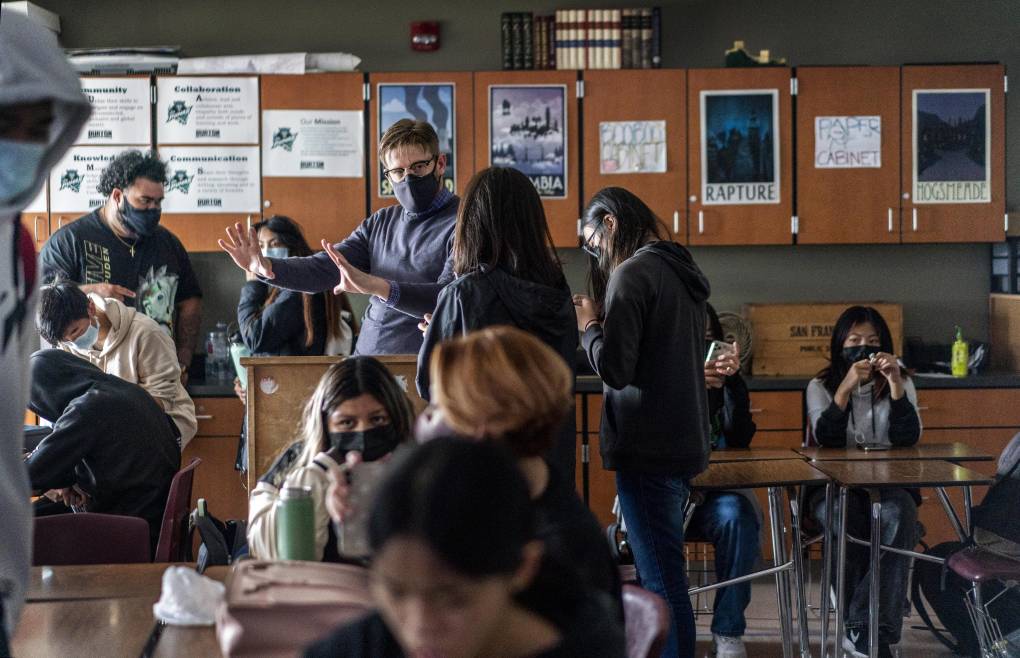
window.__IS_SSR__=true
window.__INITIAL_STATE__={
"attachmentsReducer": {
"audio_0": {
"type": "attachments",
"id": "audio_0",
"imgSizes": {
"kqedFullSize": {
"file": "https://ww2.kqed.org/news/wp-content/themes/KQED-unified/img/audio_bgs/background0.jpg"
}
}
},
"audio_1": {
"type": "attachments",
"id": "audio_1",
"imgSizes": {
"kqedFullSize": {
"file": "https://ww2.kqed.org/news/wp-content/themes/KQED-unified/img/audio_bgs/background1.jpg"
}
}
},
"audio_2": {
"type": "attachments",
"id": "audio_2",
"imgSizes": {
"kqedFullSize": {
"file": "https://ww2.kqed.org/news/wp-content/themes/KQED-unified/img/audio_bgs/background2.jpg"
}
}
},
"audio_3": {
"type": "attachments",
"id": "audio_3",
"imgSizes": {
"kqedFullSize": {
"file": "https://ww2.kqed.org/news/wp-content/themes/KQED-unified/img/audio_bgs/background3.jpg"
}
}
},
"audio_4": {
"type": "attachments",
"id": "audio_4",
"imgSizes": {
"kqedFullSize": {
"file": "https://ww2.kqed.org/news/wp-content/themes/KQED-unified/img/audio_bgs/background4.jpg"
}
}
},
"placeholder": {
"type": "attachments",
"id": "placeholder",
"imgSizes": {
"thumbnail": {
"file": "https://cdn.kqed.org/wp-content/uploads/2024/12/KQED-Default-Image-816638274-2000x1333-1-160x107.jpg",
"width": 160,
"height": 107,
"mimeType": "image/jpeg"
},
"medium": {
"file": "https://cdn.kqed.org/wp-content/uploads/2024/12/KQED-Default-Image-816638274-2000x1333-1-800x533.jpg",
"width": 800,
"height": 533,
"mimeType": "image/jpeg"
},
"medium_large": {
"file": "https://cdn.kqed.org/wp-content/uploads/2024/12/KQED-Default-Image-816638274-2000x1333-1-768x512.jpg",
"width": 768,
"height": 512,
"mimeType": "image/jpeg"
},
"large": {
"file": "https://cdn.kqed.org/wp-content/uploads/2024/12/KQED-Default-Image-816638274-2000x1333-1-1020x680.jpg",
"width": 1020,
"height": 680,
"mimeType": "image/jpeg"
},
"1536x1536": {
"file": "https://cdn.kqed.org/wp-content/uploads/2024/12/KQED-Default-Image-816638274-2000x1333-1-1536x1024.jpg",
"width": 1536,
"height": 1024,
"mimeType": "image/jpeg"
},
"fd-lrg": {
"file": "https://cdn.kqed.org/wp-content/uploads/2024/12/KQED-Default-Image-816638274-2000x1333-1-1536x1024.jpg",
"width": 1536,
"height": 1024,
"mimeType": "image/jpeg"
},
"fd-med": {
"file": "https://cdn.kqed.org/wp-content/uploads/2024/12/KQED-Default-Image-816638274-2000x1333-1-1020x680.jpg",
"width": 1020,
"height": 680,
"mimeType": "image/jpeg"
},
"fd-sm": {
"file": "https://cdn.kqed.org/wp-content/uploads/2024/12/KQED-Default-Image-816638274-2000x1333-1-800x533.jpg",
"width": 800,
"height": 533,
"mimeType": "image/jpeg"
},
"post-thumbnail": {
"file": "https://cdn.kqed.org/wp-content/uploads/2024/12/KQED-Default-Image-816638274-2000x1333-1-672x372.jpg",
"width": 672,
"height": 372,
"mimeType": "image/jpeg"
},
"twentyfourteen-full-width": {
"file": "https://cdn.kqed.org/wp-content/uploads/2024/12/KQED-Default-Image-816638274-2000x1333-1-1038x576.jpg",
"width": 1038,
"height": 576,
"mimeType": "image/jpeg"
},
"xxsmall": {
"file": "https://cdn.kqed.org/wp-content/uploads/2024/12/KQED-Default-Image-816638274-2000x1333-1-160x107.jpg",
"width": 160,
"height": 107,
"mimeType": "image/jpeg"
},
"xsmall": {
"file": "https://cdn.kqed.org/wp-content/uploads/2024/12/KQED-Default-Image-816638274-2000x1333-1-672x372.jpg",
"width": 672,
"height": 372,
"mimeType": "image/jpeg"
},
"small": {
"file": "https://cdn.kqed.org/wp-content/uploads/2024/12/KQED-Default-Image-816638274-2000x1333-1-672x372.jpg",
"width": 672,
"height": 372,
"mimeType": "image/jpeg"
},
"xlarge": {
"file": "https://cdn.kqed.org/wp-content/uploads/2024/12/KQED-Default-Image-816638274-2000x1333-1-1020x680.jpg",
"width": 1020,
"height": 680,
"mimeType": "image/jpeg"
},
"full-width": {
"file": "https://cdn.kqed.org/wp-content/uploads/2024/12/KQED-Default-Image-816638274-2000x1333-1-1920x1280.jpg",
"width": 1920,
"height": 1280,
"mimeType": "image/jpeg"
},
"guest-author-32": {
"file": "https://cdn.kqed.org/wp-content/uploads/2025/01/KQED-Default-Image-816638274-1333x1333-1-160x160.jpg",
"width": 32,
"height": 32,
"mimeType": "image/jpeg"
},
"guest-author-50": {
"file": "https://cdn.kqed.org/wp-content/uploads/2025/01/KQED-Default-Image-816638274-1333x1333-1-160x160.jpg",
"width": 50,
"height": 50,
"mimeType": "image/jpeg"
},
"guest-author-64": {
"file": "https://cdn.kqed.org/wp-content/uploads/2025/01/KQED-Default-Image-816638274-1333x1333-1-160x160.jpg",
"width": 64,
"height": 64,
"mimeType": "image/jpeg"
},
"guest-author-96": {
"file": "https://cdn.kqed.org/wp-content/uploads/2025/01/KQED-Default-Image-816638274-1333x1333-1-160x160.jpg",
"width": 96,
"height": 96,
"mimeType": "image/jpeg"
},
"guest-author-128": {
"file": "https://cdn.kqed.org/wp-content/uploads/2025/01/KQED-Default-Image-816638274-1333x1333-1-160x160.jpg",
"width": 128,
"height": 128,
"mimeType": "image/jpeg"
},
"detail": {
"file": "https://cdn.kqed.org/wp-content/uploads/2025/01/KQED-Default-Image-816638274-1333x1333-1-160x160.jpg",
"width": 160,
"height": 160,
"mimeType": "image/jpeg"
},
"kqedFullSize": {
"file": "https://cdn.kqed.org/wp-content/uploads/2024/12/KQED-Default-Image-816638274-2000x1333-1.jpg",
"width": 2000,
"height": 1333
}
}
},
"news_11927555": {
"type": "attachments",
"id": "news_11927555",
"meta": {
"index": "attachments_1716263798",
"site": "news",
"id": "11927555",
"found": true
},
"parent": 11927544,
"imgSizes": {
"twentyfourteen-full-width": {
"file": "https://ww2.kqed.org/app/uploads/sites/10/2022/10/GettyImages-1239458034-1038x576.jpg",
"width": 1038,
"mimeType": "image/jpeg",
"height": 576
},
"thumbnail": {
"file": "https://ww2.kqed.org/app/uploads/sites/10/2022/10/GettyImages-1239458034-160x103.jpg",
"width": 160,
"mimeType": "image/jpeg",
"height": 103
},
"post-thumbnail": {
"file": "https://ww2.kqed.org/app/uploads/sites/10/2022/10/GettyImages-1239458034-672x372.jpg",
"width": 672,
"mimeType": "image/jpeg",
"height": 372
},
"kqedFullSize": {
"file": "https://ww2.kqed.org/app/uploads/sites/10/2022/10/GettyImages-1239458034-scaled.jpg",
"width": 2560,
"height": 1650
},
"2048x2048": {
"file": "https://ww2.kqed.org/app/uploads/sites/10/2022/10/GettyImages-1239458034-2048x1320.jpg",
"width": 2048,
"mimeType": "image/jpeg",
"height": 1320
},
"large": {
"file": "https://ww2.kqed.org/app/uploads/sites/10/2022/10/GettyImages-1239458034-1020x658.jpg",
"width": 1020,
"mimeType": "image/jpeg",
"height": 658
},
"1536x1536": {
"file": "https://ww2.kqed.org/app/uploads/sites/10/2022/10/GettyImages-1239458034-1536x990.jpg",
"width": 1536,
"mimeType": "image/jpeg",
"height": 990
},
"full-width": {
"file": "https://ww2.kqed.org/app/uploads/sites/10/2022/10/GettyImages-1239458034-1920x1238.jpg",
"width": 1920,
"mimeType": "image/jpeg",
"height": 1238
},
"medium": {
"file": "https://ww2.kqed.org/app/uploads/sites/10/2022/10/GettyImages-1239458034-800x516.jpg",
"width": 800,
"mimeType": "image/jpeg",
"height": 516
}
},
"publishDate": 1664828655,
"modified": 1664828789,
"caption": "History teacher Eirik Nielsen speaks to students at Burton High School in San Francisco. A new survey of California teachers sheds light on the profession's retention issues, finding the majority are experiencing stress and financial instability.",
"description": null,
"title": "Coronavirus Pandemic 2021",
"credit": "Melina Mara/The Washington Post via Getty Images",
"status": "inherit",
"altTag": "a high school teacher speaks to students in a packed classroom",
"isLoading": false,
"fetchFailed": false
},
"news_11927359": {
"type": "attachments",
"id": "news_11927359",
"meta": {
"index": "attachments_1716263798",
"site": "news",
"id": "11927359",
"found": true
},
"parent": 11927353,
"imgSizes": {
"twentyfourteen-full-width": {
"file": "https://ww2.kqed.org/app/uploads/sites/10/2022/09/artsed_prop28-1038x576.jpg",
"width": 1038,
"mimeType": "image/jpeg",
"height": 576
},
"thumbnail": {
"file": "https://ww2.kqed.org/app/uploads/sites/10/2022/09/artsed_prop28-160x98.jpg",
"width": 160,
"mimeType": "image/jpeg",
"height": 98
},
"post-thumbnail": {
"file": "https://ww2.kqed.org/app/uploads/sites/10/2022/09/artsed_prop28-672x372.jpg",
"width": 672,
"mimeType": "image/jpeg",
"height": 372
},
"kqedFullSize": {
"file": "https://ww2.kqed.org/app/uploads/sites/10/2022/09/artsed_prop28.jpg",
"width": 1920,
"height": 1179
},
"large": {
"file": "https://ww2.kqed.org/app/uploads/sites/10/2022/09/artsed_prop28-1020x626.jpg",
"width": 1020,
"mimeType": "image/jpeg",
"height": 626
},
"1536x1536": {
"file": "https://ww2.kqed.org/app/uploads/sites/10/2022/09/artsed_prop28-1536x943.jpg",
"width": 1536,
"mimeType": "image/jpeg",
"height": 943
},
"medium": {
"file": "https://ww2.kqed.org/app/uploads/sites/10/2022/09/artsed_prop28-800x491.jpg",
"width": 800,
"mimeType": "image/jpeg",
"height": 491
}
},
"publishDate": 1664572636,
"modified": 1666651575,
"caption": "Students in a digital photography class create fake ice cream for a photo shoot.",
"description": null,
"title": "artsed_prop28",
"credit": "Allison Shelley/The Verbatim Agency for EDUimages",
"status": "inherit",
"altTag": "Three teenage boys-of-color huddle around an art project on the table.",
"isLoading": false,
"fetchFailed": false
},
"news_11927355": {
"type": "attachments",
"id": "news_11927355",
"meta": {
"index": "attachments_1716263798",
"site": "news",
"id": "11927355",
"found": true
},
"parent": 11927352,
"imgSizes": {
"twentyfourteen-full-width": {
"file": "https://ww2.kqed.org/app/uploads/sites/10/2022/09/Sequence_DJI_0362_frame_9417-1038x576.jpeg",
"width": 1038,
"mimeType": "image/jpeg",
"height": 576
},
"thumbnail": {
"file": "https://ww2.kqed.org/app/uploads/sites/10/2022/09/Sequence_DJI_0362_frame_9417-160x90.jpeg",
"width": 160,
"mimeType": "image/jpeg",
"height": 90
},
"post-thumbnail": {
"file": "https://ww2.kqed.org/app/uploads/sites/10/2022/09/Sequence_DJI_0362_frame_9417-672x372.jpeg",
"width": 672,
"mimeType": "image/jpeg",
"height": 372
},
"kqedFullSize": {
"file": "https://ww2.kqed.org/app/uploads/sites/10/2022/09/Sequence_DJI_0362_frame_9417.jpeg",
"width": 1920,
"height": 1080
},
"large": {
"file": "https://ww2.kqed.org/app/uploads/sites/10/2022/09/Sequence_DJI_0362_frame_9417-1020x574.jpeg",
"width": 1020,
"mimeType": "image/jpeg",
"height": 574
},
"1536x1536": {
"file": "https://ww2.kqed.org/app/uploads/sites/10/2022/09/Sequence_DJI_0362_frame_9417-1536x864.jpeg",
"width": 1536,
"mimeType": "image/jpeg",
"height": 864
},
"medium": {
"file": "https://ww2.kqed.org/app/uploads/sites/10/2022/09/Sequence_DJI_0362_frame_9417-800x450.jpeg",
"width": 800,
"mimeType": "image/jpeg",
"height": 450
}
},
"publishDate": 1664572087,
"modified": 1664572087,
"caption": null,
"description": null,
"title": "Sequence_DJI_0362_frame_9417",
"credit": null,
"status": "inherit",
"altTag": null,
"isLoading": false,
"fetchFailed": false
},
"news_11927306": {
"type": "attachments",
"id": "news_11927306",
"meta": {
"index": "attachments_1716263798",
"site": "news",
"id": "11927306",
"found": true
},
"parent": 11927018,
"imgSizes": {
"twentyfourteen-full-width": {
"file": "https://ww2.kqed.org/app/uploads/sites/10/2022/09/RS58894_GettyImages-1402026133-qut-1038x576.jpg",
"width": 1038,
"mimeType": "image/jpeg",
"height": 576
},
"thumbnail": {
"file": "https://ww2.kqed.org/app/uploads/sites/10/2022/09/RS58894_GettyImages-1402026133-qut-160x118.jpg",
"width": 160,
"mimeType": "image/jpeg",
"height": 118
},
"post-thumbnail": {
"file": "https://ww2.kqed.org/app/uploads/sites/10/2022/09/RS58894_GettyImages-1402026133-qut-672x372.jpg",
"width": 672,
"mimeType": "image/jpeg",
"height": 372
},
"kqedFullSize": {
"file": "https://ww2.kqed.org/app/uploads/sites/10/2022/09/RS58894_GettyImages-1402026133-qut.jpg",
"width": 1920,
"height": 1419
},
"large": {
"file": "https://ww2.kqed.org/app/uploads/sites/10/2022/09/RS58894_GettyImages-1402026133-qut-1020x754.jpg",
"width": 1020,
"mimeType": "image/jpeg",
"height": 754
},
"1536x1536": {
"file": "https://ww2.kqed.org/app/uploads/sites/10/2022/09/RS58894_GettyImages-1402026133-qut-1536x1135.jpg",
"width": 1536,
"mimeType": "image/jpeg",
"height": 1135
},
"medium": {
"file": "https://ww2.kqed.org/app/uploads/sites/10/2022/09/RS58894_GettyImages-1402026133-qut-800x591.jpg",
"width": 800,
"mimeType": "image/jpeg",
"height": 591
}
},
"publishDate": 1664564144,
"modified": 1664579671,
"caption": "The Long Beach City College graduation ceremony allowed students from 2020, 2021 and 2022 to walk the stage for the first in-person commencement since 2019.",
"description": null,
"title": "Long Beach City College holds graduation for classes of 2020, 2021 and 2022.",
"credit": "Brittany Murray/MediaNews Group/Long Beach Press-Telegram via Getty Images",
"status": "inherit",
"altTag": null,
"isLoading": false,
"fetchFailed": false
},
"news_11926545": {
"type": "attachments",
"id": "news_11926545",
"meta": {
"index": "attachments_1716263798",
"site": "news",
"id": "11926545",
"found": true
},
"parent": 11926519,
"imgSizes": {
"twentyfourteen-full-width": {
"file": "https://ww2.kqed.org/app/uploads/sites/10/2022/09/RS57341_027_KQED_WoodStreetEncampment_07192022-qut-1-1038x576.jpg",
"width": 1038,
"mimeType": "image/jpeg",
"height": 576
},
"thumbnail": {
"file": "https://ww2.kqed.org/app/uploads/sites/10/2022/09/RS57341_027_KQED_WoodStreetEncampment_07192022-qut-1-160x107.jpg",
"width": 160,
"mimeType": "image/jpeg",
"height": 107
},
"post-thumbnail": {
"file": "https://ww2.kqed.org/app/uploads/sites/10/2022/09/RS57341_027_KQED_WoodStreetEncampment_07192022-qut-1-672x372.jpg",
"width": 672,
"mimeType": "image/jpeg",
"height": 372
},
"kqedFullSize": {
"file": "https://ww2.kqed.org/app/uploads/sites/10/2022/09/RS57341_027_KQED_WoodStreetEncampment_07192022-qut-1.jpg",
"width": 1920,
"height": 1280
},
"large": {
"file": "https://ww2.kqed.org/app/uploads/sites/10/2022/09/RS57341_027_KQED_WoodStreetEncampment_07192022-qut-1-1020x680.jpg",
"width": 1020,
"mimeType": "image/jpeg",
"height": 680
},
"1536x1536": {
"file": "https://ww2.kqed.org/app/uploads/sites/10/2022/09/RS57341_027_KQED_WoodStreetEncampment_07192022-qut-1-1536x1024.jpg",
"width": 1536,
"mimeType": "image/jpeg",
"height": 1024
},
"medium": {
"file": "https://ww2.kqed.org/app/uploads/sites/10/2022/09/RS57341_027_KQED_WoodStreetEncampment_07192022-qut-1-800x533.jpg",
"width": 800,
"mimeType": "image/jpeg",
"height": 533
}
},
"publishDate": 1663960199,
"modified": 1663963830,
"caption": "A sign says 'Housing Is a Human Right' at the Cob on Wood Project at the Wood Street encampment in West Oakland on July 19, 2022.",
"description": null,
"title": "RS57341_027_KQED_WoodStreetEncampment_07192022-qut (1)",
"credit": "Beth LaBerge/KQED",
"status": "inherit",
"altTag": "a sign reads \"Housing is a human right\" in a homeless encampment",
"isLoading": false,
"fetchFailed": false
},
"news_11925864": {
"type": "attachments",
"id": "news_11925864",
"meta": {
"index": "attachments_1716263798",
"site": "news",
"id": "11925864",
"found": true
},
"parent": 11925673,
"imgSizes": {
"twentyfourteen-full-width": {
"file": "https://ww2.kqed.org/app/uploads/sites/10/2022/09/Screen-Shot-2022-09-15-at-4.07.07-PM-1038x576.png",
"width": 1038,
"mimeType": "image/png",
"height": 576
},
"thumbnail": {
"file": "https://ww2.kqed.org/app/uploads/sites/10/2022/09/Screen-Shot-2022-09-15-at-4.07.07-PM-160x99.png",
"width": 160,
"mimeType": "image/png",
"height": 99
},
"post-thumbnail": {
"file": "https://ww2.kqed.org/app/uploads/sites/10/2022/09/Screen-Shot-2022-09-15-at-4.07.07-PM-672x372.png",
"width": 672,
"mimeType": "image/png",
"height": 372
},
"kqedFullSize": {
"file": "https://ww2.kqed.org/app/uploads/sites/10/2022/09/Screen-Shot-2022-09-15-at-4.07.07-PM.png",
"width": 2382,
"height": 1474
},
"2048x2048": {
"file": "https://ww2.kqed.org/app/uploads/sites/10/2022/09/Screen-Shot-2022-09-15-at-4.07.07-PM-2048x1267.png",
"width": 2048,
"mimeType": "image/png",
"height": 1267
},
"large": {
"file": "https://ww2.kqed.org/app/uploads/sites/10/2022/09/Screen-Shot-2022-09-15-at-4.07.07-PM-1020x631.png",
"width": 1020,
"mimeType": "image/png",
"height": 631
},
"1536x1536": {
"file": "https://ww2.kqed.org/app/uploads/sites/10/2022/09/Screen-Shot-2022-09-15-at-4.07.07-PM-1536x950.png",
"width": 1536,
"mimeType": "image/png",
"height": 950
},
"full-width": {
"file": "https://ww2.kqed.org/app/uploads/sites/10/2022/09/Screen-Shot-2022-09-15-at-4.07.07-PM-1920x1188.png",
"width": 1920,
"mimeType": "image/png",
"height": 1188
},
"medium": {
"file": "https://ww2.kqed.org/app/uploads/sites/10/2022/09/Screen-Shot-2022-09-15-at-4.07.07-PM-800x495.png",
"width": 800,
"mimeType": "image/png",
"height": 495
}
},
"publishDate": 1663283590,
"modified": 1663289376,
"caption": "While some schools rely on the district's collaborations, others have relied on teachers to provide tutoring or relied on other online offerings meant to aid with homework or provide asynchronous guidance.",
"description": null,
"title": "Screen Shot 2022-09-15 at 4.07.07 PM",
"credit": "Julie Leopo/EdSource",
"status": "inherit",
"altTag": "A woman wearing glasses and a gray and black sweater leans over a desk next to a child.",
"isLoading": false,
"fetchFailed": false
},
"news_11925180": {
"type": "attachments",
"id": "news_11925180",
"meta": {
"index": "attachments_1716263798",
"site": "news",
"id": "11925180",
"found": true
},
"parent": 11925169,
"imgSizes": {
"twentyfourteen-full-width": {
"file": "https://ww2.kqed.org/app/uploads/sites/10/2022/09/022_KQED_WoodStreetOaklandCalTrans_09082022-1038x576.jpg",
"width": 1038,
"mimeType": "image/jpeg",
"height": 576
},
"thumbnail": {
"file": "https://ww2.kqed.org/app/uploads/sites/10/2022/09/022_KQED_WoodStreetOaklandCalTrans_09082022-160x107.jpg",
"width": 160,
"mimeType": "image/jpeg",
"height": 107
},
"post-thumbnail": {
"file": "https://ww2.kqed.org/app/uploads/sites/10/2022/09/022_KQED_WoodStreetOaklandCalTrans_09082022-672x372.jpg",
"width": 672,
"mimeType": "image/jpeg",
"height": 372
},
"kqedFullSize": {
"file": "https://ww2.kqed.org/app/uploads/sites/10/2022/09/022_KQED_WoodStreetOaklandCalTrans_09082022.jpg",
"width": 1920,
"height": 1280
},
"large": {
"file": "https://ww2.kqed.org/app/uploads/sites/10/2022/09/022_KQED_WoodStreetOaklandCalTrans_09082022-1020x680.jpg",
"width": 1020,
"mimeType": "image/jpeg",
"height": 680
},
"1536x1536": {
"file": "https://ww2.kqed.org/app/uploads/sites/10/2022/09/022_KQED_WoodStreetOaklandCalTrans_09082022-1536x1024.jpg",
"width": 1536,
"mimeType": "image/jpeg",
"height": 1024
},
"medium": {
"file": "https://ww2.kqed.org/app/uploads/sites/10/2022/09/022_KQED_WoodStreetOaklandCalTrans_09082022-800x533.jpg",
"width": 800,
"mimeType": "image/jpeg",
"height": 533
}
},
"publishDate": 1662759779,
"modified": 1663002999,
"caption": "Caltrans crews wait to clear the Wood Street encampment in Oakland on Sept. 8, 2022, while residents and advocates block the road.",
"description": null,
"title": "022_KQED_WoodStreetOaklandCalTrans_09082022",
"credit": "Beth LaBerge/KQED",
"status": "inherit",
"altTag": "Several people stand with signs saying 'shelter beds are not the answer' police and people with hardhats can be seen among the crowd",
"isLoading": false,
"fetchFailed": false
},
"news_11925209": {
"type": "attachments",
"id": "news_11925209",
"meta": {
"index": "attachments_1716263798",
"site": "news",
"id": "11925209",
"found": true
},
"parent": 11925121,
"imgSizes": {
"twentyfourteen-full-width": {
"file": "https://ww2.kqed.org/app/uploads/sites/10/2022/09/IMG_8786-2-1-1038x576.jpg",
"width": 1038,
"mimeType": "image/jpeg",
"height": 576
},
"thumbnail": {
"file": "https://ww2.kqed.org/app/uploads/sites/10/2022/09/IMG_8786-2-1-160x114.jpg",
"width": 160,
"mimeType": "image/jpeg",
"height": 114
},
"post-thumbnail": {
"file": "https://ww2.kqed.org/app/uploads/sites/10/2022/09/IMG_8786-2-1-672x372.jpg",
"width": 672,
"mimeType": "image/jpeg",
"height": 372
},
"kqedFullSize": {
"file": "https://ww2.kqed.org/app/uploads/sites/10/2022/09/IMG_8786-2-1.jpg",
"width": 1920,
"height": 1364
},
"large": {
"file": "https://ww2.kqed.org/app/uploads/sites/10/2022/09/IMG_8786-2-1-1020x725.jpg",
"width": 1020,
"mimeType": "image/jpeg",
"height": 725
},
"1536x1536": {
"file": "https://ww2.kqed.org/app/uploads/sites/10/2022/09/IMG_8786-2-1-1536x1091.jpg",
"width": 1536,
"mimeType": "image/jpeg",
"height": 1091
},
"medium": {
"file": "https://ww2.kqed.org/app/uploads/sites/10/2022/09/IMG_8786-2-1-800x568.jpg",
"width": 800,
"mimeType": "image/jpeg",
"height": 568
}
},
"publishDate": 1662761461,
"modified": 1662765438,
"caption": "Sogorea Te' Land Trust co-founder and Lisjan Ohlone Tribal Chair Corrina Gould (standing next to the sign, wearing a black face mask) and family members pose for a photo with Oakland officials alongside a poster showing a mock-up of the structure the trust hopes to build on the Sequoia Point site.",
"description": null,
"title": "IMG_8786 2 (1)",
"credit": "Annelise Finney/KQED",
"status": "inherit",
"altTag": "a group of people of Native descent pose near a poster board at a press conference",
"isLoading": false,
"fetchFailed": false
},
"news_11924880": {
"type": "attachments",
"id": "news_11924880",
"meta": {
"index": "attachments_1716263798",
"site": "news",
"id": "11924880",
"found": true
},
"parent": 11924879,
"imgSizes": {
"twentyfourteen-full-width": {
"file": "https://ww2.kqed.org/app/uploads/sites/10/2022/09/ap20017831750971-0faa2788972408f6a573d0122516af2ac1474007-1038x576.jpg",
"width": 1038,
"mimeType": "image/jpeg",
"height": 576
},
"thumbnail": {
"file": "https://ww2.kqed.org/app/uploads/sites/10/2022/09/ap20017831750971-0faa2788972408f6a573d0122516af2ac1474007-160x120.jpg",
"width": 160,
"mimeType": "image/jpeg",
"height": 120
},
"post-thumbnail": {
"file": "https://ww2.kqed.org/app/uploads/sites/10/2022/09/ap20017831750971-0faa2788972408f6a573d0122516af2ac1474007-672x372.jpg",
"width": 672,
"mimeType": "image/jpeg",
"height": 372
},
"kqedFullSize": {
"file": "https://ww2.kqed.org/app/uploads/sites/10/2022/09/ap20017831750971-0faa2788972408f6a573d0122516af2ac1474007.jpg",
"width": 2436,
"height": 1827
},
"2048x2048": {
"file": "https://ww2.kqed.org/app/uploads/sites/10/2022/09/ap20017831750971-0faa2788972408f6a573d0122516af2ac1474007-2048x1536.jpg",
"width": 2048,
"mimeType": "image/jpeg",
"height": 1536
},
"large": {
"file": "https://ww2.kqed.org/app/uploads/sites/10/2022/09/ap20017831750971-0faa2788972408f6a573d0122516af2ac1474007-1020x765.jpg",
"width": 1020,
"mimeType": "image/jpeg",
"height": 765
},
"1536x1536": {
"file": "https://ww2.kqed.org/app/uploads/sites/10/2022/09/ap20017831750971-0faa2788972408f6a573d0122516af2ac1474007-1536x1152.jpg",
"width": 1536,
"mimeType": "image/jpeg",
"height": 1152
},
"full-width": {
"file": "https://ww2.kqed.org/app/uploads/sites/10/2022/09/ap20017831750971-0faa2788972408f6a573d0122516af2ac1474007-1920x1440.jpg",
"width": 1920,
"mimeType": "image/jpeg",
"height": 1440
},
"medium": {
"file": "https://ww2.kqed.org/app/uploads/sites/10/2022/09/ap20017831750971-0faa2788972408f6a573d0122516af2ac1474007-800x600.jpg",
"width": 800,
"mimeType": "image/jpeg",
"height": 600
}
},
"publishDate": 1662579492,
"modified": 1662582687,
"caption": "A third-grader punches in her student identification to pay for a meal at Gonzales Community School in Santa Fe, N.M. During the pandemic, schools were able to offer free school meals to all children regardless of need. Now advocates want to make that policy permanent.\n",
"description": "A third-grader punches in her student identification to pay for a meal at Gonzales Community School in Santa Fe, N.M. During the pandemic, schools were able to offer free school meals to all children regardless of need. Now advocates want to make that policy permanent.",
"title": "school meals lunch",
"credit": "Morgan Lee/AP",
"status": "inherit",
"altTag": "The image shows the hand of a student with white skin, wearing a jean jacket, punching a number into an electronic payment system. On a tray at the center of the image is an apple, burrito, and baked beans.",
"isLoading": false,
"fetchFailed": false
},
"news_11924355": {
"type": "attachments",
"id": "news_11924355",
"meta": {
"index": "attachments_1716263798",
"site": "news",
"id": "11924355",
"found": true
},
"parent": 11924343,
"imgSizes": {
"twentyfourteen-full-width": {
"file": "https://ww2.kqed.org/app/uploads/sites/10/2022/08/RS58239_003_BridgesAcademyMamStudents_08302022-qut-1038x576.jpg",
"width": 1038,
"mimeType": "image/jpeg",
"height": 576
},
"thumbnail": {
"file": "https://ww2.kqed.org/app/uploads/sites/10/2022/08/RS58239_003_BridgesAcademyMamStudents_08302022-qut-160x107.jpg",
"width": 160,
"mimeType": "image/jpeg",
"height": 107
},
"post-thumbnail": {
"file": "https://ww2.kqed.org/app/uploads/sites/10/2022/08/RS58239_003_BridgesAcademyMamStudents_08302022-qut-672x372.jpg",
"width": 672,
"mimeType": "image/jpeg",
"height": 372
},
"kqedFullSize": {
"file": "https://ww2.kqed.org/app/uploads/sites/10/2022/08/RS58239_003_BridgesAcademyMamStudents_08302022-qut.jpg",
"width": 1920,
"height": 1280
},
"large": {
"file": "https://ww2.kqed.org/app/uploads/sites/10/2022/08/RS58239_003_BridgesAcademyMamStudents_08302022-qut-1020x680.jpg",
"width": 1020,
"mimeType": "image/jpeg",
"height": 680
},
"1536x1536": {
"file": "https://ww2.kqed.org/app/uploads/sites/10/2022/08/RS58239_003_BridgesAcademyMamStudents_08302022-qut-1536x1024.jpg",
"width": 1536,
"mimeType": "image/jpeg",
"height": 1024
},
"medium": {
"file": "https://ww2.kqed.org/app/uploads/sites/10/2022/08/RS58239_003_BridgesAcademyMamStudents_08302022-qut-800x533.jpg",
"width": 800,
"mimeType": "image/jpeg",
"height": 533
}
},
"publishDate": 1662053155,
"modified": 1662140039,
"caption": "Sisters Katy Noeli (left) and Heymer Johana Domingo Godinez stand outside their new school, Elmhurst United Middle School, in Oakland on Aug. 30, 2022.",
"description": null,
"title": "RS58239_003_BridgesAcademyMamStudents_08302022-qut",
"credit": "Beth LaBerge/KQED",
"status": "inherit",
"altTag": "Two young girls wearing red decorative shirts and long black skirts stand outside.",
"isLoading": false,
"fetchFailed": false
},
"news_11924292": {
"type": "attachments",
"id": "news_11924292",
"meta": {
"index": "attachments_1716263798",
"site": "news",
"id": "11924292",
"found": true
},
"parent": 11924222,
"imgSizes": {
"thumbnail": {
"file": "https://ww2.kqed.org/app/uploads/sites/10/2022/08/CA_Teacher_Shortage-160x106.jpg",
"width": 160,
"mimeType": "image/jpeg",
"height": 106
},
"post-thumbnail": {
"file": "https://ww2.kqed.org/app/uploads/sites/10/2022/08/CA_Teacher_Shortage-672x372.jpg",
"width": 672,
"mimeType": "image/jpeg",
"height": 372
},
"kqedFullSize": {
"file": "https://ww2.kqed.org/app/uploads/sites/10/2022/08/CA_Teacher_Shortage.jpg",
"width": 726,
"height": 483
}
},
"publishDate": 1661976535,
"modified": 1661986924,
"caption": "Districts throughout the state have found it hard to fill vacancies while lower-income districts appear to have been disproportionately affected by teacher shortages and high turnover rates.",
"description": "A teacher helps students using computers.",
"title": "CA_Teacher_Shortage",
"credit": "Katrina Schwartz/ThinkStock-Getty Images",
"status": "inherit",
"altTag": "“A young white woman with blond-brown hair pulled back in a ponytail and tortoiseshell glasses leans down toward a seated female student with similar hair, pointing her pinky finger at a computer screen as the girl looks on. In the foreground, slightly blurry, is a boy with short brown hair sitting at the next computer. The blurred background indicates a clean and brightly lit elementary school classroom, with a bright blue board on the far wall.”",
"isLoading": false,
"fetchFailed": false
},
"news_11923824": {
"type": "attachments",
"id": "news_11923824",
"meta": {
"index": "attachments_1716263798",
"site": "news",
"id": "11923824",
"found": true
},
"parent": 11923823,
"imgSizes": {
"twentyfourteen-full-width": {
"file": "https://ww2.kqed.org/app/uploads/sites/10/2022/08/ap22236699657838_wide-37f2183ff40ada14824ccd33955b921cd5099b33-1038x576.jpg",
"width": 1038,
"mimeType": "image/jpeg",
"height": 576
},
"thumbnail": {
"file": "https://ww2.kqed.org/app/uploads/sites/10/2022/08/ap22236699657838_wide-37f2183ff40ada14824ccd33955b921cd5099b33-160x90.jpg",
"width": 160,
"mimeType": "image/jpeg",
"height": 90
},
"post-thumbnail": {
"file": "https://ww2.kqed.org/app/uploads/sites/10/2022/08/ap22236699657838_wide-37f2183ff40ada14824ccd33955b921cd5099b33-672x372.jpg",
"width": 672,
"mimeType": "image/jpeg",
"height": 372
},
"kqedFullSize": {
"file": "https://ww2.kqed.org/app/uploads/sites/10/2022/08/ap22236699657838_wide-37f2183ff40ada14824ccd33955b921cd5099b33-scaled.jpg",
"width": 2560,
"height": 1440
},
"2048x2048": {
"file": "https://ww2.kqed.org/app/uploads/sites/10/2022/08/ap22236699657838_wide-37f2183ff40ada14824ccd33955b921cd5099b33-2048x1152.jpg",
"width": 2048,
"mimeType": "image/jpeg",
"height": 1152
},
"large": {
"file": "https://ww2.kqed.org/app/uploads/sites/10/2022/08/ap22236699657838_wide-37f2183ff40ada14824ccd33955b921cd5099b33-1020x574.jpg",
"width": 1020,
"mimeType": "image/jpeg",
"height": 574
},
"1536x1536": {
"file": "https://ww2.kqed.org/app/uploads/sites/10/2022/08/ap22236699657838_wide-37f2183ff40ada14824ccd33955b921cd5099b33-1536x864.jpg",
"width": 1536,
"mimeType": "image/jpeg",
"height": 864
},
"full-width": {
"file": "https://ww2.kqed.org/app/uploads/sites/10/2022/08/ap22236699657838_wide-37f2183ff40ada14824ccd33955b921cd5099b33-1920x1080.jpg",
"width": 1920,
"mimeType": "image/jpeg",
"height": 1080
},
"medium": {
"file": "https://ww2.kqed.org/app/uploads/sites/10/2022/08/ap22236699657838_wide-37f2183ff40ada14824ccd33955b921cd5099b33-800x450.jpg",
"width": 800,
"mimeType": "image/jpeg",
"height": 450
}
},
"publishDate": 1661559937,
"modified": 1661559937,
"caption": null,
"description": "President Joe Biden speaks about student loan debt forgiveness in the Roosevelt Room of the White House, Wednesday, Aug. 24, 2022, in Washington. Education Secretary Miguel Cardona listens at right. (AP Photo/Evan Vucci)",
"title": "President Joe Biden speaks about student loan debt forgiveness in the Roosevelt Room of the White House on Wednesday as Education Secretary Miguel Cardona listens at right.",
"credit": null,
"status": "inherit",
"altTag": null,
"isLoading": false,
"fetchFailed": false
}
},
"audioPlayerReducer": {
"postId": "stream_live",
"isPaused": true,
"isPlaying": false,
"pfsActive": false,
"pledgeModalIsOpen": true,
"playerDrawerIsOpen": false,
"liveAudioPlayStartedAt": 0,
"liveAudioPlayContext": ""
},
"authorsReducer": {
"byline_news_11927018": {
"type": "authors",
"id": "byline_news_11927018",
"meta": {
"override": true
},
"slug": "byline_news_11927018",
"name": "Adriana Morga, Associated Press",
"isLoading": false
},
"byline_news_11925673": {
"type": "authors",
"id": "byline_news_11925673",
"meta": {
"override": true
},
"slug": "byline_news_11925673",
"name": "Diana Lambert",
"isLoading": false
},
"byline_news_11924879": {
"type": "authors",
"id": "byline_news_11924879",
"meta": {
"override": true
},
"slug": "byline_news_11924879",
"name": "Bridget Huber",
"isLoading": false
},
"byline_news_11924222": {
"type": "authors",
"id": "byline_news_11924222",
"meta": {
"override": true
},
"slug": "byline_news_11924222",
"name": "\u003ca href=\"http://edsource.org/author/cjones\">Carolyn Jones\u003c/a>",
"isLoading": false
},
"byline_news_11923823": {
"type": "authors",
"id": "byline_news_11923823",
"meta": {
"override": true
},
"slug": "byline_news_11923823",
"name": "Deepa Shivaram",
"isLoading": false
},
"ohubertallen": {
"type": "authors",
"id": "102",
"meta": {
"index": "authors_1716337520",
"id": "102",
"found": true
},
"name": "Olivia Allen-Price",
"firstName": "Olivia",
"lastName": "Allen-Price",
"slug": "ohubertallen",
"email": "oallenprice@kqed.org",
"display_author_email": false,
"staff_mastheads": [
"news"
],
"title": "Senior Editor",
"bio": "Olivia Allen-Price is senior editor and host of the award-winning Bay Curious podcast. Prior to joining KQED in 2013, Olivia worked at The Baltimore Sun and The Virginian-Pilot in Norfolk, Va. She holds degrees in journalism and political science from Elon University. Her work has earned awards from the Society of Professional Journalists, the Hearst Foundation and Hearken. She loves to talk about running and curly hair.\r\n\r\nFollow: \u003ca href=\"https://twitter.com/oallenprice\">@oallenprice\u003c/a>\r\nEmail: \u003ca href=\"mailto:oallenprice@kqed.org\">oallenprice@kqed.org\u003c/a>",
"avatar": "https://secure.gravatar.com/avatar/07f7803c1f6be56f3be58ef276dfa64dce898502e0554408ef4858451a8294f7?s=600&d=blank&r=g",
"twitter": "oallenprice",
"bluesky": null,
"facebook": null,
"instagram": null,
"linkedin": null,
"sites": [
{
"site": "",
"roles": [
"editor"
]
},
{
"site": "arts",
"roles": [
"subscriber"
]
},
{
"site": "news",
"roles": [
"administrator"
]
},
{
"site": "pop",
"roles": [
"administrator"
]
},
{
"site": "bayareabites",
"roles": [
"contributor"
]
},
{
"site": "stateofhealth",
"roles": [
"administrator"
]
},
{
"site": "science",
"roles": [
"editor"
]
}
],
"headData": {
"title": "Olivia Allen-Price | KQED",
"description": "Senior Editor",
"ogImgSrc": "https://secure.gravatar.com/avatar/07f7803c1f6be56f3be58ef276dfa64dce898502e0554408ef4858451a8294f7?s=600&d=blank&r=g",
"twImgSrc": "https://secure.gravatar.com/avatar/07f7803c1f6be56f3be58ef276dfa64dce898502e0554408ef4858451a8294f7?s=600&d=blank&r=g"
},
"isLoading": false,
"link": "/author/ohubertallen"
},
"jmcevoy": {
"type": "authors",
"id": "231",
"meta": {
"index": "authors_1716337520",
"id": "231",
"found": true
},
"name": "Julia McEvoy",
"firstName": "Julia",
"lastName": "McEvoy",
"slug": "jmcevoy",
"email": "jmcevoy@KQED.org",
"display_author_email": true,
"staff_mastheads": [
"news"
],
"title": "KQED Senior Editor",
"bio": "Julia McEvoy is KQED's Senior Editor, Education Equity.\r\n\r\nJulia heads KQED’s education coverage examining inequities students face in Bay Area and California schools, and reports on what it will take to educate the next generation.\r\n\r\nJulia's editorial work has received a Peabody Award, a Casey Medal for Coverage of Children and Families, several Edward R. Murrow awards, as well as awards from the Public Radio News Directors Inc. and the Society for Professional Journalists.",
"avatar": "https://secure.gravatar.com/avatar/aec3ce21abe02b302fd33638abd56a22?s=600&d=blank&r=g",
"twitter": "juliamcevoy1",
"facebook": null,
"instagram": null,
"linkedin": null,
"sites": [
{
"site": "news",
"roles": []
},
{
"site": "stateofhealth",
"roles": [
"author"
]
}
],
"headData": {
"title": "Julia McEvoy | KQED",
"description": "KQED Senior Editor",
"ogImgSrc": "https://secure.gravatar.com/avatar/aec3ce21abe02b302fd33638abd56a22?s=600&d=blank&r=g",
"twImgSrc": "https://secure.gravatar.com/avatar/aec3ce21abe02b302fd33638abd56a22?s=600&d=blank&r=g"
},
"isLoading": false,
"link": "/author/jmcevoy"
},
"katrinaschwartz": {
"type": "authors",
"id": "234",
"meta": {
"index": "authors_1716337520",
"id": "234",
"found": true
},
"name": "Katrina Schwartz",
"firstName": "Katrina",
"lastName": "Schwartz",
"slug": "katrinaschwartz",
"email": "kschwartz@kqed.org",
"display_author_email": false,
"staff_mastheads": [
"news"
],
"title": "Producer",
"bio": "Katrina Schwartz is a journalist based in San Francisco. She's worked at KPCC public radio in LA and has reported on air and online for KQED since 2010. She covered how teaching and learning is changing for MindShift between 2012 and 2020. She is the co-host of the MindShift podcast and now produces KQED's Bay Curious podcast.",
"avatar": "https://secure.gravatar.com/avatar/edb4ee79070447a018538c9aae6eeecf28786515b8a0c30e43b6b7dce5aa44c8?s=600&d=blank&r=g",
"twitter": "kschwart",
"bluesky": null,
"facebook": null,
"instagram": null,
"linkedin": null,
"sites": [
{
"site": "",
"roles": [
"editor"
]
},
{
"site": "news",
"roles": [
"editor"
]
},
{
"site": "mindshift",
"roles": [
"administrator"
]
},
{
"site": "stateofhealth",
"roles": [
"author"
]
},
{
"site": "science",
"roles": [
"editor"
]
}
],
"headData": {
"title": "Katrina Schwartz | KQED",
"description": "Producer",
"ogImgSrc": "https://secure.gravatar.com/avatar/edb4ee79070447a018538c9aae6eeecf28786515b8a0c30e43b6b7dce5aa44c8?s=600&d=blank&r=g",
"twImgSrc": "https://secure.gravatar.com/avatar/edb4ee79070447a018538c9aae6eeecf28786515b8a0c30e43b6b7dce5aa44c8?s=600&d=blank&r=g"
},
"isLoading": false,
"link": "/author/katrinaschwartz"
},
"kqed": {
"type": "authors",
"id": "236",
"meta": {
"index": "authors_1716337520",
"id": "236",
"found": true
},
"name": "KQED News Staff",
"firstName": "KQED News Staff",
"lastName": null,
"slug": "kqed",
"email": "faq@kqed.org",
"display_author_email": false,
"staff_mastheads": [],
"title": null,
"bio": null,
"avatar": "https://secure.gravatar.com/avatar/ef0e801a68c4c54afa9180db14084167?s=600&d=blank&r=g",
"twitter": null,
"facebook": null,
"instagram": null,
"linkedin": null,
"sites": [
{
"site": "arts",
"roles": [
"contributor"
]
},
{
"site": "news",
"roles": [
"editor"
]
},
{
"site": "futureofyou",
"roles": [
"author"
]
}
],
"headData": {
"title": "KQED News Staff | KQED",
"description": null,
"ogImgSrc": "https://secure.gravatar.com/avatar/ef0e801a68c4c54afa9180db14084167?s=600&d=blank&r=g",
"twImgSrc": "https://secure.gravatar.com/avatar/ef0e801a68c4c54afa9180db14084167?s=600&d=blank&r=g"
},
"isLoading": false,
"link": "/author/kqed"
},
"shossaini": {
"type": "authors",
"id": "3214",
"meta": {
"index": "authors_1716337520",
"id": "3214",
"found": true
},
"name": "Sara Hossaini",
"firstName": "Sara",
"lastName": "Hossaini",
"slug": "shossaini",
"email": "shossaini@kqed.org",
"display_author_email": true,
"staff_mastheads": [
"news"
],
"title": "KQED Reporter",
"bio": "Sara Hossaini came to general assignment reporting at KQED in 2013 after two winters reporting at Wyoming Public Radio. She holds a bachelor's degree in broadcast journalism from the University of Nebraska-Lincoln. Her radio romance began after a bitter breakup with documentary film (Ok, maybe it's still complicated). Her first simultaneous jobs in San Francisco were as Associate Producer on a PBS film series through the Center for Asian American Media and as a butler. She likes to trot, plot and make things with her hands.",
"avatar": "https://secure.gravatar.com/avatar/060e9f56b9554e17942e89f413242774?s=600&d=blank&r=g",
"twitter": "mshossaini",
"facebook": null,
"instagram": null,
"linkedin": null,
"sites": [
{
"site": "news",
"roles": [
"author"
]
},
{
"site": "stateofhealth",
"roles": [
"author"
]
}
],
"headData": {
"title": "Sara Hossaini | KQED",
"description": "KQED Reporter",
"ogImgSrc": "https://secure.gravatar.com/avatar/060e9f56b9554e17942e89f413242774?s=600&d=blank&r=g",
"twImgSrc": "https://secure.gravatar.com/avatar/060e9f56b9554e17942e89f413242774?s=600&d=blank&r=g"
},
"isLoading": false,
"link": "/author/shossaini"
},
"esilvers": {
"type": "authors",
"id": "7237",
"meta": {
"index": "authors_1716337520",
"id": "7237",
"found": true
},
"name": "Emma Silvers",
"firstName": "Emma",
"lastName": "Silvers",
"slug": "esilvers",
"email": "esilvers@kqed.org",
"display_author_email": false,
"staff_mastheads": [],
"title": "KQED Contributor",
"bio": "Emma Silvers is an editor at KQED Arts and a former digital producer at KQED News. Born and raised in the Bay Area, she has previously been an arts and entertainment editor at the \u003cem>San Francisco Chronicle\u003c/em>, \u003cem>SF Weekly\u003c/em> and the \u003cem>San Francisco Bay Guardian.\u003c/em> \u003ca href=\"https://www.emmasilvers.com\">Her work\u003c/a> has also appeared in \u003cem>Rolling Stone\u003c/em>, Pitchfork and \u003cem>Mother Jones\u003c/em>. In 2017 she was the recipient of the Society of Professional Journalists-Northern California's award for arts and culture reporting. In 1993 she \u003ca href=\"https://www.kqed.org/pop/16759/wait-what-my-coworker-was-a-voice-over-hyperventilator-for-jurassic-park\">hyperventilated in \u003cem>Jurassic Park\u003c/em>\u003c/a>.",
"avatar": "https://secure.gravatar.com/avatar/247beada39b88ea5759db1f51dba05cf?s=600&d=blank&r=g",
"twitter": "emmaruthless",
"facebook": null,
"instagram": null,
"linkedin": null,
"sites": [
{
"site": "arts",
"roles": [
"editor"
]
},
{
"site": "news",
"roles": [
"editor"
]
},
{
"site": "pop",
"roles": [
"contributor"
]
},
{
"site": "bayareabites",
"roles": [
"editor"
]
},
{
"site": "food",
"roles": [
"contributor"
]
},
{
"site": "liveblog",
"roles": [
"editor"
]
}
],
"headData": {
"title": "Emma Silvers | KQED",
"description": "KQED Contributor",
"ogImgSrc": "https://secure.gravatar.com/avatar/247beada39b88ea5759db1f51dba05cf?s=600&d=blank&r=g",
"twImgSrc": "https://secure.gravatar.com/avatar/247beada39b88ea5759db1f51dba05cf?s=600&d=blank&r=g"
},
"isLoading": false,
"link": "/author/esilvers"
},
"ecruzguevarra": {
"type": "authors",
"id": "8654",
"meta": {
"index": "authors_1716337520",
"id": "8654",
"found": true
},
"name": "Ericka Cruz Guevarra",
"firstName": "Ericka",
"lastName": "Cruz Guevarra",
"slug": "ecruzguevarra",
"email": "ecruzguevarra@kqed.org",
"display_author_email": true,
"staff_mastheads": [
"news"
],
"title": "Producer, The Bay Podcast",
"bio": "Ericka Cruz Guevarra is host of \u003ca href=\"https://www.kqed.org/podcasts/thebay\">\u003cem>The Bay\u003c/em>\u003c/a> podcast at KQED. Before host, she was the show’s producer. Her work in that capacity includes a three-part reported series on policing in Vallejo, which won a 2020 excellence in journalism award from the Society of Professional Journalists. Ericka has worked as a breaking news reporter at Oregon Public Broadcasting, helped produce the Code Switch podcast, and was KQED’s inaugural Raul Ramirez Diversity Fund intern. She’s also an alumna of NPR’s Next Generation Radio program. Send her an email if you have strong feelings about whether Fairfield and Suisun City are the Bay. Ericka is represented by SAG-AFTRA.",
"avatar": "https://secure.gravatar.com/avatar/accefc1de4bafc7e234b69bcb9b6f6536c130fd84709bc3069ef11a78787e1bb?s=600&d=blank&r=g",
"twitter": "NotoriousECG",
"bluesky": null,
"facebook": null,
"instagram": null,
"linkedin": null,
"sites": [
{
"site": "arts",
"roles": [
"subscriber"
]
},
{
"site": "news",
"roles": [
"editor",
"manage_categories"
]
},
{
"site": "futureofyou",
"roles": [
"subscriber"
]
},
{
"site": "stateofhealth",
"roles": [
"subscriber"
]
},
{
"site": "science",
"roles": [
"editor"
]
},
{
"site": "forum",
"roles": [
"subscriber"
]
}
],
"headData": {
"title": "Ericka Cruz Guevarra | KQED",
"description": "Producer, The Bay Podcast",
"ogImgSrc": "https://secure.gravatar.com/avatar/accefc1de4bafc7e234b69bcb9b6f6536c130fd84709bc3069ef11a78787e1bb?s=600&d=blank&r=g",
"twImgSrc": "https://secure.gravatar.com/avatar/accefc1de4bafc7e234b69bcb9b6f6536c130fd84709bc3069ef11a78787e1bb?s=600&d=blank&r=g"
},
"isLoading": false,
"link": "/author/ecruzguevarra"
},
"bwatt": {
"type": "authors",
"id": "11238",
"meta": {
"index": "authors_1716337520",
"id": "11238",
"found": true
},
"name": "Brian Watt",
"firstName": "Brian",
"lastName": "Watt",
"slug": "bwatt",
"email": "bwatt@KQED.org",
"display_author_email": false,
"staff_mastheads": [
"news"
],
"title": "Morning News Anchor",
"bio": "Brian Watt is KQED's morning radio news anchor. He joined the KQED News team in April of 2016. Prior to that, he worked as a Reporter for KPCC in Los Angeles and a producer at \u003cem>Marketplace.\u003c/em>\r\n\r\nDuring eight years at KPCC, Brian covered business and economics, and his work won several awards. In 2008, he won the Los Angeles Press Club’s first-place award for Business and Financial Reporting, Broadcast. He’s also received honorable mention and been first runner up for the Press Club’s Radio Journalist of the Year. He won two Golden Mike awards from the Radio and TV News Association of Southern California.\r\n\r\nBrian holds degrees in theater from Yale University and the Sorbonne, and has worked as an actor in France, Italy, Brazil, Hungary and . . . Hollywood. He appeared in a few television shows, including \u003cem>The West Wing, Judging Amy\u003c/em> and \u003cem>The District.\u003c/em>\r\n\r\nEmail: bwatt@KQED.org Twitter: @RadioBWatt",
"avatar": "https://secure.gravatar.com/avatar/55393ff57ed34e2be773ba4789dd6a19?s=600&d=blank&r=g",
"twitter": "@RadioBWatt",
"facebook": null,
"instagram": null,
"linkedin": null,
"sites": [
{
"site": "arts",
"roles": [
"contributor"
]
},
{
"site": "news",
"roles": [
"editor"
]
}
],
"headData": {
"title": "Brian Watt | KQED",
"description": "Morning News Anchor",
"ogImgSrc": "https://secure.gravatar.com/avatar/55393ff57ed34e2be773ba4789dd6a19?s=600&d=blank&r=g",
"twImgSrc": "https://secure.gravatar.com/avatar/55393ff57ed34e2be773ba4789dd6a19?s=600&d=blank&r=g"
},
"isLoading": false,
"link": "/author/bwatt"
},
"ebaldassari": {
"type": "authors",
"id": "11652",
"meta": {
"index": "authors_1716337520",
"id": "11652",
"found": true
},
"name": "Erin Baldassari",
"firstName": "Erin",
"lastName": "Baldassari",
"slug": "ebaldassari",
"email": "ebaldassari@KQED.org",
"display_author_email": true,
"staff_mastheads": [
"news"
],
"title": "Staff Writer",
"bio": "Erin Baldassari covers housing for KQED. She's a former print journalist and most recently worked as the transportation reporter for the \u003cem>Mercury News\u003c/em> and \u003cem>East Bay Times. \u003c/em>There, she focused on how the Bay Area’s housing shortage has changed the way people move around the region. She also served on the \u003cem>East Bay Times\u003c/em>’ 2017 Pulitzer Prize-winning team for coverage of the Ghost Ship Fire in Oakland. Prior to that, Erin worked as a breaking news and general assignment reporter for a variety of outlets in the Bay Area and the greater Boston area. A Tufts University alumna, Erin grew up in the foothills of the Sierra Nevada mountains and in Sonoma County. She is a life-long KQED listener.",
"avatar": "https://secure.gravatar.com/avatar/5e95cad64a8ca08288082212e199d2b0cbeb4fd8e8ef5339395f361032bbe005?s=600&d=blank&r=g",
"twitter": "e_baldi",
"bluesky": null,
"facebook": null,
"instagram": null,
"linkedin": null,
"sites": [
{
"site": "news",
"roles": [
"edit_others_posts",
"editor"
]
},
{
"site": "science",
"roles": [
"editor"
]
},
{
"site": "liveblog",
"roles": [
"editor"
]
}
],
"headData": {
"title": "Erin Baldassari | KQED",
"description": "Staff Writer",
"ogImgSrc": "https://secure.gravatar.com/avatar/5e95cad64a8ca08288082212e199d2b0cbeb4fd8e8ef5339395f361032bbe005?s=600&d=blank&r=g",
"twImgSrc": "https://secure.gravatar.com/avatar/5e95cad64a8ca08288082212e199d2b0cbeb4fd8e8ef5339395f361032bbe005?s=600&d=blank&r=g"
},
"isLoading": false,
"link": "/author/ebaldassari"
},
"blaberge": {
"type": "authors",
"id": "11667",
"meta": {
"index": "authors_1716337520",
"id": "11667",
"found": true
},
"name": "Beth LaBerge",
"firstName": "Beth",
"lastName": "LaBerge",
"slug": "blaberge",
"email": "blaberge@KQED.org",
"display_author_email": true,
"staff_mastheads": [
"news"
],
"title": "Photographer, News",
"bio": "Beth LaBerge is a visual journalist for \u003ca href=\"https://www.kqed.org/news\">KQED News\u003c/a>.",
"avatar": "https://secure.gravatar.com/avatar/ce49ecd7a1306685637b45a1f6f5dedfc4ae9481966eb596fea5160466dd6319?s=600&d=blank&r=g",
"twitter": null,
"bluesky": null,
"facebook": null,
"instagram": "https://www.instagram.com/bethlaberge/",
"linkedin": null,
"sites": [
{
"site": "arts",
"roles": [
"editor",
"manage_categories"
]
},
{
"site": "news",
"roles": [
"editor",
"edit_plugins",
"manage_categories"
]
},
{
"site": "science",
"roles": [
"editor",
"contributor",
"author",
"manage_categories"
]
},
{
"site": "perspectives",
"roles": [
"editor"
]
},
{
"site": "liveblog",
"roles": [
"editor"
]
}
],
"headData": {
"title": "Beth LaBerge | KQED",
"description": "Photographer, News",
"ogImgSrc": "https://secure.gravatar.com/avatar/ce49ecd7a1306685637b45a1f6f5dedfc4ae9481966eb596fea5160466dd6319?s=600&d=blank&r=g",
"twImgSrc": "https://secure.gravatar.com/avatar/ce49ecd7a1306685637b45a1f6f5dedfc4ae9481966eb596fea5160466dd6319?s=600&d=blank&r=g"
},
"isLoading": false,
"link": "/author/blaberge"
},
"agonzalez": {
"type": "authors",
"id": "11724",
"meta": {
"index": "authors_1716337520",
"id": "11724",
"found": true
},
"name": "Alexander Gonzalez",
"firstName": "Alexander",
"lastName": "Gonzalez",
"slug": "agonzalez",
"email": "AlexanderGonzalez@KQED.org",
"display_author_email": false,
"staff_mastheads": [
"news"
],
"title": "KQED Contributor",
"bio": null,
"avatar": "https://secure.gravatar.com/avatar/9e291ed34e154df4c662edf858b641d70b4859939bfe40be478408f9dfd057d2?s=600&d=blank&r=g",
"twitter": null,
"bluesky": null,
"facebook": null,
"instagram": null,
"linkedin": null,
"sites": [
{
"site": "arts",
"roles": [
"editor"
]
},
{
"site": "news",
"roles": [
"editor"
]
},
{
"site": "science",
"roles": [
"editor"
]
}
],
"headData": {
"title": "Alexander Gonzalez | KQED",
"description": "KQED Contributor",
"ogImgSrc": "https://secure.gravatar.com/avatar/9e291ed34e154df4c662edf858b641d70b4859939bfe40be478408f9dfd057d2?s=600&d=blank&r=g",
"twImgSrc": "https://secure.gravatar.com/avatar/9e291ed34e154df4c662edf858b641d70b4859939bfe40be478408f9dfd057d2?s=600&d=blank&r=g"
},
"isLoading": false,
"link": "/author/agonzalez"
},
"afinney": {
"type": "authors",
"id": "11772",
"meta": {
"index": "authors_1716337520",
"id": "11772",
"found": true
},
"name": "Annelise Finney",
"firstName": "Annelise",
"lastName": "Finney",
"slug": "afinney",
"email": "afinney@kqed.org",
"display_author_email": true,
"staff_mastheads": [
"news"
],
"title": "Reporter",
"bio": "Annelise reports on reparations in California and East Bay politics. She co-produced the Sunday Music Drop, a limited-term radio series featuring Bay Area musicians that aired between Sept 2022 and Oct 2024. She joined KQED in 2021 as a general assignment reporter and is an alumna of KALW's Audio Academy. She was born and raised in the East Bay. She is currently away from KQED completing a year-long reporting project in Berlin, Germany as a Alexander Von Humboldt German Chancellor Fellow.",
"avatar": "https://secure.gravatar.com/avatar/5fded66cae47704cdfc5021cde0f3aa4?s=600&d=blank&r=g",
"twitter": null,
"facebook": null,
"instagram": null,
"linkedin": null,
"sites": [
{
"site": "news",
"roles": [
"editor"
]
},
{
"site": "liveblog",
"roles": [
"author"
]
}
],
"headData": {
"title": "Annelise Finney | KQED",
"description": "Reporter",
"ogImgSrc": "https://secure.gravatar.com/avatar/5fded66cae47704cdfc5021cde0f3aa4?s=600&d=blank&r=g",
"twImgSrc": "https://secure.gravatar.com/avatar/5fded66cae47704cdfc5021cde0f3aa4?s=600&d=blank&r=g"
},
"isLoading": false,
"link": "/author/afinney"
}
},
"pagesReducer": {
"news_tag_education": {
"type": "terms",
"id": "news_20013",
"meta": {
"index": "terms_1716263798",
"site": "news",
"id": "20013",
"score": 6.9701343
},
"featImg": null,
"name": "education",
"description": null,
"taxonomy": "tag",
"headData": {
"twImgId": null,
"twTitle": null,
"ogTitle": null,
"ogImgId": null,
"twDescription": null,
"description": null,
"title": "education Archives | KQED News",
"ogDescription": null
},
"ttid": 20030,
"slug": "education",
"isLoading": false,
"title": "education",
"pageMeta": {
"site": "news",
"WpPageTemplate": "page-topic-editorial",
"currentPage": 64
},
"blocks": [
{
"blockName": "kqed/post-list",
"attrs": {
"layout": "cardArticle2",
"query": "posts/news?tag=education",
"seeMore": false,
"paginated": true,
"page": 64
}
},
{
"blockName": "kqed/ad"
}
]
}
},
"pfsSessionReducer": {},
"postsReducer": {
"stream_live": {
"type": "live",
"id": "stream_live",
"audioUrl": "https://streams.kqed.org/kqedradio",
"title": "Live Stream",
"excerpt": "Live Stream information currently unavailable.",
"link": "/radio",
"featImg": "",
"label": {
"name": "KQED Live",
"link": "/"
}
},
"stream_kqedNewscast": {
"type": "posts",
"id": "stream_kqedNewscast",
"audioUrl": "https://www.kqed.org/.stream/anon/radio/RDnews/newscast.mp3?_=1",
"title": "KQED Newscast",
"featImg": "",
"label": {
"name": "88.5 FM",
"link": "/"
}
},
"news_11927544": {
"type": "posts",
"id": "news_11927544",
"meta": {
"index": "posts_1716263798",
"site": "news",
"id": "11927544",
"score": null,
"sort": [
1664834119000
]
},
"guestAuthors": [],
"slug": "huge-workload-low-pay-close-to-half-of-california-teachers-thinking-about-leaving-the-profession",
"title": "Huge Workload, Low Pay: Close to Half of California Teachers Thinking About Leaving the Profession",
"publishDate": 1664834119,
"format": "standard",
"headTitle": "Huge Workload, Low Pay: Close to Half of California Teachers Thinking About Leaving the Profession | KQED",
"labelTerm": {
"site": "news"
},
"content": "\u003cp>Amid significant teacher shortages in school districts throughout California, \u003ca href=\"https://www.cta.org/wp-content/uploads/2022/09/Voices-from-the-Classroom-CTA-Survey-Deck.pdf\">a new survey (PDF)\u003c/a> of thousands of educators depicts a profession marked heavily by burnout and job dissatisfaction.\u003c/p>\n\u003cp>“Close to half of teachers are thinking about leaving the profession in the next three years,” said Tyrone Howard, co-faculty director of UCLA’s Center for the Transformation of Schools, which produced the report in collaboration with the California Teachers Association and Hart Research Associates.\u003c/p>\n\u003cp>Researchers polled more than 4,600 TK-12th grade teachers across the state between May 24 and June 6. The findings show that while many teachers find their work rewarding, a majority said they felt exhausted and stressed — with burnout cited as the top reason for leaving the profession.\u003c/p>\n\u003cp>The findings come as many large and small districts across the state scramble to fill \u003ca href=\"https://learningpolicyinstitute.org/sites/default/files/product-files/Teacher_Shortages_During_Pandemic_REPORT.pdf#page=13\">significant teacher vacancies in their schools (PDF)\u003c/a>, part of a longstanding problem made worse during the pandemic.\u003c/p>\n\u003cp>[aside label=\"Related Stories\" postID=\"forum_2010101887906,mindshift_59821,mindshift_59018\"]Other factors impacting teacher retention include heavy workload, low pay and escalating living costs, with some 80% of survey respondents saying it was difficult to find affordable housing close to where they teach. Many also cited a lack of support from district administrators. And a significant portion of teachers of color and LGBTQ+ educators surveyed said they had experienced discrimination.\u003c/p>\n\u003cp>Howard recently discussed the survey with KQED morning host Brian Watt. Here’s an excerpt of their conversation, which has been edited for brevity and clarity.\u003c/p>\n\u003cp>\u003cstrong>BRIAN WATT: Tell us more about the findings and how they relate to keeping teachers in the classroom.\u003c/strong>\u003c/p>\n\u003cp>\u003cstrong>TYRONE HOWARD\u003c/strong>: So these data were deeply troubling on a lot of levels because we know the pandemic has really been difficult for a lot of folks — educators included. But these data really lifted up how teachers are exhausted, stressed, frustrated (and) overwhelmed. In many ways, I think these educators are telling us that they’re beyond burnout.\u003c/p>\n\u003cp>\u003cstrong>I remember feeling like teachers were stressed, exhausted and overwhelmed before the pandemic. Do you think that the pandemic just made these trends worse or more evident?\u003c/strong>\u003c/p>\n\u003cp>It’s not an “either/or.” I think it’s a “both.” Our data show about 77% of our respondents saying that things have changed for the worse, compared to where they were prior to the pandemic. And I think during the pandemic, the general public got a bit of a sense of what it meant to educate young people, because lots of parents and caregivers were doing that at home. So I think there’s been a larger awareness that the general public cares about the difficulties of teaching.\u003c/p>\n\u003cp>\u003cstrong>One of the other things that struck me in this survey is the experience of teachers of color, in particular. Just over 60% of Black teachers and half of Asian American and Pacific Islander teachers reported having experienced racial discrimination in their current position. What does this tell you about school support?\u003c/strong>\u003c/p>\n\u003cp>What it tells me is that we have a lot of work to do. Because, on the one hand, we talk about creating inclusive and supportive spaces for our students, but yet we’ve not done that as adults when it comes to our staff. My concern becomes, if the adults don’t feel safe, what does that say for the students who are from those same ethnic and racial backgrounds? So there’s a lot of work that needs to be done with regard to how we create truly inclusive, safe and affirming spaces for all educators, regardless of their ethnic or racial backgrounds.\u003c/p>\n\u003cp>\u003cstrong>What might an episode of racial discrimination for a teacher of color look like?\u003c/strong>\u003c/p>\n\u003cp>It can manifest in so many different ways — implicit and explicit.\u003cbr>\nFrom an explicit standpoint, what happens in schools is that frequently teachers of color are the primary advocates for students of color. And so when there’s an issue of what some might perceive as unfair treatment, when there’s an issue of what some might consider to be overlooking or under-serving certain students of color, it’s typically the teacher of color who says, ‘Wait a minute, that’s not fair. That’s not what we should be doing as educators.’\u003c/p>\n\u003cp>When they raise those issues, oftentimes they are quick to be shut down and told that those things aren’t real, or they’re quick to be told that you only are concerned about the Black students or the Asian students, or they’re told that you need to mind your business. So they’re told to stay in their place and keep quiet.\u003c/p>\n\u003cp>[pullquote align=\"right\" size=\"medium\" citation=\"Dr. Tyrone Howard, co-faculty director, UCLA’s Center for the Transformation of Schools\"]‘We talk about creating inclusive and supportive spaces for our students, but yet we’ve not done that as adults when it comes to our staff.’[/pullquote]From an implicit standpoint, it happens where teachers of color are sitting in meetings and they raise questions or they ask about issues. But yet there’s no recognition of those points. There’s no affirmation of their concerns or this subtle sort of passing-over of those teachers of color for leadership opportunities. What we learn from this data is that those Black teachers and those Asian American teachers said that they feel like they can’t be their authentic selves. And that’s deeply troubling because we say we want to have a more diverse teaching field here in the state of California. But if these are the experiences of many teachers of color, we’re not doing well to attract more folks of color into the profession.\u003c/p>\n\u003cp>\u003cstrong>Given the results of this survey in the findings, how can retention be improved, especially among teachers of color?\u003c/strong>\u003c/p>\n\u003cp>The data are very clear about what educators think are important. No. 1 is better pay, (which) would go a long way to increase teacher satisfaction. We know that smaller class sizes would be another step in the right direction. A number of the educators that we spoke to said that strengthening discipline policies around disruptive behavior would be a step in the right direction.\u003c/p>\n\u003cp>And as it pertains to teachers of color, we know that there is an ask for a greater focus on diverse and inclusive workspaces. That means we have to have leaders in schools who are willing to talk about the racial ethnic makeup of our schools, and talk about how we can best support teachers across the ethnic and racial spectrum.\u003c/p>\n\u003cp>\u003cstrong>You’ve mentioned that many people take pay cuts in order to enter the teaching profession. Are you worried that the sentiments this poll uncovered are going to deter even the most inspired people from giving teaching a try?\u003c/strong>\u003c/p>\n\u003cp>Absolutely. That’s one of the underlying concerns that I have. While this gives us a snapshot of the current state of affairs for educators, there are also some key points that may scare folks off. One of the data points that was really disturbing for me is that a significant number of teachers said they oftentimes don’t make a living wage; they are not having their basic needs met. So if you’re someone who really wants to make a difference in our society by way of teaching, and you hear things like, “I’m burned out, I can’t make a living wage. I’m constantly under attack from my political beliefs. I don’t feel supported,” … that’s not going to really sort of excite people to enter into our profession.\u003c/p>\n\u003cp>This is not only about a “here and now” moment in terms of education. It’s about what our field looks like in the next five to 10 years.\u003c/p>\n\u003cp>[ad fullwidth]\u003c/p>\n\u003cp>[ad floatright]\u003c/p>\n",
"blocks": [],
"excerpt": "In a survey of more than 4,000 TK-12th grade teachers in California, the majority of respondents described feeling exhausted and stressed, citing heavy workloads, low pay and a lack of support from district administrators.",
"status": "publish",
"parent": 0,
"modified": 1726005586,
"stats": {
"hasAudio": false,
"hasVideo": false,
"hasChartOrMap": false,
"iframeSrcs": [],
"hasGoogleForm": false,
"hasGallery": false,
"hasHearkenModule": false,
"hasPolis": false,
"paragraphCount": 24,
"wordCount": 1352
},
"headData": {
"title": "Huge Workload, Low Pay: Close to Half of California Teachers Thinking About Leaving the Profession | KQED",
"description": "In a survey of more than 4,000 TK-12th grade teachers in California, the majority of respondents described feeling exhausted and stressed, citing heavy workloads, low pay and a lack of support from district administrators.",
"ogTitle": "",
"ogDescription": "",
"ogImgId": "",
"twTitle": "",
"twDescription": "",
"twImgId": "",
"schema": {
"@context": "https://schema.org",
"@type": "NewsArticle",
"headline": "Huge Workload, Low Pay: Close to Half of California Teachers Thinking About Leaving the Profession",
"datePublished": "2022-10-03T14:55:19-07:00",
"dateModified": "2024-09-10T14:59:46-07:00",
"image": "https://cdn.kqed.org/wp-content/uploads/2020/02/KQED-OG-Image@1x.png",
"isAccessibleForFree": "True",
"publisher": {
"@type": "NewsMediaOrganization",
"@id": "https://www.kqed.org/#organization",
"name": "KQED",
"logo": "https://cdn.kqed.org/wp-content/uploads/2020/02/KQED-OG-Image@1x.png",
"url": "https://www.kqed.org",
"sameAs": [
"https://www.facebook.com/KQED",
"https://twitter.com/KQED",
"https://www.instagram.com/kqed/",
"https://www.tiktok.com/@kqedofficial",
"https://www.linkedin.com/company/kqed",
"https://www.youtube.com/channel/UCeC0IOo7i1P_61zVUWbJ4nw"
]
}
}
},
"audioUrl": "https://traffic.omny.fm/d/clips/0af137ef-751e-4b19-a055-aaef00d2d578/ffca7e9f-6831-41c5-bcaf-aaef00f5a073/95be7481-0913-43ff-8a8b-af2401635a72/audio.mp3",
"sticky": false,
"excludeFromSiteSearch": "Include",
"path": "/news/11927544/huge-workload-low-pay-close-to-half-of-california-teachers-thinking-about-leaving-the-profession",
"audioTrackLength": null,
"parsedContent": [
{
"type": "contentString",
"content": "\u003cdiv class=\"post-body\">\u003cp>\u003cp>Amid significant teacher shortages in school districts throughout California, \u003ca href=\"https://www.cta.org/wp-content/uploads/2022/09/Voices-from-the-Classroom-CTA-Survey-Deck.pdf\">a new survey (PDF)\u003c/a> of thousands of educators depicts a profession marked heavily by burnout and job dissatisfaction.\u003c/p>\n\u003cp>“Close to half of teachers are thinking about leaving the profession in the next three years,” said Tyrone Howard, co-faculty director of UCLA’s Center for the Transformation of Schools, which produced the report in collaboration with the California Teachers Association and Hart Research Associates.\u003c/p>\n\u003cp>Researchers polled more than 4,600 TK-12th grade teachers across the state between May 24 and June 6. The findings show that while many teachers find their work rewarding, a majority said they felt exhausted and stressed — with burnout cited as the top reason for leaving the profession.\u003c/p>\n\u003cp>The findings come as many large and small districts across the state scramble to fill \u003ca href=\"https://learningpolicyinstitute.org/sites/default/files/product-files/Teacher_Shortages_During_Pandemic_REPORT.pdf#page=13\">significant teacher vacancies in their schools (PDF)\u003c/a>, part of a longstanding problem made worse during the pandemic.\u003c/p>\n\u003cp>\u003c/p>\u003c/div>",
"attributes": {
"named": {},
"numeric": []
}
},
{
"type": "component",
"content": "",
"name": "aside",
"attributes": {
"named": {
"label": "Related Stories ",
"postid": "forum_2010101887906,mindshift_59821,mindshift_59018"
},
"numeric": []
}
},
{
"type": "contentString",
"content": "\u003cdiv class=\"post-body\">\u003cp>Other factors impacting teacher retention include heavy workload, low pay and escalating living costs, with some 80% of survey respondents saying it was difficult to find affordable housing close to where they teach. Many also cited a lack of support from district administrators. And a significant portion of teachers of color and LGBTQ+ educators surveyed said they had experienced discrimination.\u003c/p>\n\u003cp>Howard recently discussed the survey with KQED morning host Brian Watt. Here’s an excerpt of their conversation, which has been edited for brevity and clarity.\u003c/p>\n\u003cp>\u003cstrong>BRIAN WATT: Tell us more about the findings and how they relate to keeping teachers in the classroom.\u003c/strong>\u003c/p>\n\u003cp>\u003cstrong>TYRONE HOWARD\u003c/strong>: So these data were deeply troubling on a lot of levels because we know the pandemic has really been difficult for a lot of folks — educators included. But these data really lifted up how teachers are exhausted, stressed, frustrated (and) overwhelmed. In many ways, I think these educators are telling us that they’re beyond burnout.\u003c/p>\n\u003cp>\u003cstrong>I remember feeling like teachers were stressed, exhausted and overwhelmed before the pandemic. Do you think that the pandemic just made these trends worse or more evident?\u003c/strong>\u003c/p>\n\u003cp>It’s not an “either/or.” I think it’s a “both.” Our data show about 77% of our respondents saying that things have changed for the worse, compared to where they were prior to the pandemic. And I think during the pandemic, the general public got a bit of a sense of what it meant to educate young people, because lots of parents and caregivers were doing that at home. So I think there’s been a larger awareness that the general public cares about the difficulties of teaching.\u003c/p>\n\u003cp>\u003cstrong>One of the other things that struck me in this survey is the experience of teachers of color, in particular. Just over 60% of Black teachers and half of Asian American and Pacific Islander teachers reported having experienced racial discrimination in their current position. What does this tell you about school support?\u003c/strong>\u003c/p>\n\u003cp>What it tells me is that we have a lot of work to do. Because, on the one hand, we talk about creating inclusive and supportive spaces for our students, but yet we’ve not done that as adults when it comes to our staff. My concern becomes, if the adults don’t feel safe, what does that say for the students who are from those same ethnic and racial backgrounds? So there’s a lot of work that needs to be done with regard to how we create truly inclusive, safe and affirming spaces for all educators, regardless of their ethnic or racial backgrounds.\u003c/p>\n\u003cp>\u003cstrong>What might an episode of racial discrimination for a teacher of color look like?\u003c/strong>\u003c/p>\n\u003cp>It can manifest in so many different ways — implicit and explicit.\u003cbr>\nFrom an explicit standpoint, what happens in schools is that frequently teachers of color are the primary advocates for students of color. And so when there’s an issue of what some might perceive as unfair treatment, when there’s an issue of what some might consider to be overlooking or under-serving certain students of color, it’s typically the teacher of color who says, ‘Wait a minute, that’s not fair. That’s not what we should be doing as educators.’\u003c/p>\n\u003cp>When they raise those issues, oftentimes they are quick to be shut down and told that those things aren’t real, or they’re quick to be told that you only are concerned about the Black students or the Asian students, or they’re told that you need to mind your business. So they’re told to stay in their place and keep quiet.\u003c/p>\n\u003cp>\u003c/p>\u003c/div>",
"attributes": {
"named": {},
"numeric": []
}
},
{
"type": "component",
"content": "‘We talk about creating inclusive and supportive spaces for our students, but yet we’ve not done that as adults when it comes to our staff.’",
"name": "pullquote",
"attributes": {
"named": {
"align": "right",
"size": "medium",
"citation": "Dr. Tyrone Howard, co-faculty director, UCLA’s Center for the Transformation of Schools",
"label": ""
},
"numeric": []
}
},
{
"type": "contentString",
"content": "\u003cdiv class=\"post-body\">\u003cp>From an implicit standpoint, it happens where teachers of color are sitting in meetings and they raise questions or they ask about issues. But yet there’s no recognition of those points. There’s no affirmation of their concerns or this subtle sort of passing-over of those teachers of color for leadership opportunities. What we learn from this data is that those Black teachers and those Asian American teachers said that they feel like they can’t be their authentic selves. And that’s deeply troubling because we say we want to have a more diverse teaching field here in the state of California. But if these are the experiences of many teachers of color, we’re not doing well to attract more folks of color into the profession.\u003c/p>\n\u003cp>\u003cstrong>Given the results of this survey in the findings, how can retention be improved, especially among teachers of color?\u003c/strong>\u003c/p>\n\u003cp>The data are very clear about what educators think are important. No. 1 is better pay, (which) would go a long way to increase teacher satisfaction. We know that smaller class sizes would be another step in the right direction. A number of the educators that we spoke to said that strengthening discipline policies around disruptive behavior would be a step in the right direction.\u003c/p>\n\u003cp>And as it pertains to teachers of color, we know that there is an ask for a greater focus on diverse and inclusive workspaces. That means we have to have leaders in schools who are willing to talk about the racial ethnic makeup of our schools, and talk about how we can best support teachers across the ethnic and racial spectrum.\u003c/p>\n\u003cp>\u003cstrong>You’ve mentioned that many people take pay cuts in order to enter the teaching profession. Are you worried that the sentiments this poll uncovered are going to deter even the most inspired people from giving teaching a try?\u003c/strong>\u003c/p>\n\u003cp>Absolutely. That’s one of the underlying concerns that I have. While this gives us a snapshot of the current state of affairs for educators, there are also some key points that may scare folks off. One of the data points that was really disturbing for me is that a significant number of teachers said they oftentimes don’t make a living wage; they are not having their basic needs met. So if you’re someone who really wants to make a difference in our society by way of teaching, and you hear things like, “I’m burned out, I can’t make a living wage. I’m constantly under attack from my political beliefs. I don’t feel supported,” … that’s not going to really sort of excite people to enter into our profession.\u003c/p>\n\u003cp>This is not only about a “here and now” moment in terms of education. It’s about what our field looks like in the next five to 10 years.\u003c/p>\n\u003cp>\u003c/p>\u003c/div>",
"attributes": {
"named": {},
"numeric": []
}
},
{
"type": "component",
"content": "",
"name": "ad",
"attributes": {
"named": {
"label": "fullwidth"
},
"numeric": [
"fullwidth"
]
}
},
{
"type": "contentString",
"content": "\u003cdiv class=\"post-body\">\u003cp>\u003c/p>\n\u003cp>\u003c/p>\u003c/div>",
"attributes": {
"named": {},
"numeric": []
}
},
{
"type": "component",
"content": "",
"name": "ad",
"attributes": {
"named": {
"label": "floatright"
},
"numeric": [
"floatright"
]
}
},
{
"type": "contentString",
"content": "\u003cdiv class=\"post-body\">\u003cp>\u003c/p>\n\u003c/div>\u003c/p>",
"attributes": {
"named": {},
"numeric": []
}
}
],
"link": "/news/11927544/huge-workload-low-pay-close-to-half-of-california-teachers-thinking-about-leaving-the-profession",
"authors": [
"11724",
"11238"
],
"categories": [
"news_18540",
"news_457",
"news_8"
],
"tags": [
"news_18286",
"news_20013",
"news_18543",
"news_25717",
"news_2044"
],
"featImg": "news_11927555",
"label": "news"
},
"news_11927353": {
"type": "posts",
"id": "news_11927353",
"meta": {
"index": "posts_1716263798",
"site": "news",
"id": "11927353",
"score": null,
"sort": [
1664791308000
]
},
"guestAuthors": [],
"slug": "transcript-prop-28-would-provide-dedicated-arts-education-funding",
"title": "Transcript: Prop. 28 Would Provide Dedicated Arts Education Funding",
"publishDate": 1664791308,
"format": "standard",
"headTitle": "Transcript: Prop. 28 Would Provide Dedicated Arts Education Funding | KQED",
"labelTerm": {},
"content": "\u003cp>\u003cstrong>Olivia Allen-Price:\u003c/strong> [00:00:17] Hey there! I’m Olivia Allen-Price and I want to welcome to episode three in the Bay Curious Prop Fest series. If you’re just tuning in, we are partway through our journey into the seven propositions on the California ballot this fall. Last week we explored Props 1, 26 and 27 – about abortion and sports betting. If you missed those be sure to go give them a listen in the Bay Curious podcast feed.\u003c/p>\n\u003cp>Today we’re back with our friends at The Bay to understand Proposition 28 … all about education funding. Ready to hit the books? Here’s how it will read on your ballot.\u003c/p>\n\u003cp>\u003cstrong>Voicer \u003c/strong>[00:00:45] Prop. 28 provides additional funding from State General Fund for Arts and Music, Education and all K through 12 public schools, including charter schools.\u003c/p>\n\u003cp>[baycuriouspodcastinfo]\u003c/p>\n\u003cp>\u003cstrong>Olivia Allen-Price:\u003c/strong>[00:00:56] Today we’ll dive in and discuss: Should we spend roughly $1 billion annually on arts education? That’s all just ahead on Prop Fest.\u003c/p>\n\u003cp>[ad fullwidth]\u003c/p>\n\u003cp>\u003cstrong>Olivia Allen-Price:\u003c/strong> KQED’s Julia McEvoy has been covering education at KQED for years. She spoke with The Bay’s Ericka Cruz Guevarra about Proposition 28.\u003c/p>\n\u003cp>\u003cstrong>Ericka Cruz Guevarra:\u003c/strong> How does arts education work in California right now?\u003c/p>\n\u003cp>\u003cstrong>Julia McEvoy:\u003c/strong> [00:01:22] The State Education Code requires schools to offer courses of study in four arts disciplines to all California K-through-12 students. But it just really isn’t happening across the board.\u003c/p>\n\u003cp>\u003cstrong>Julia McEvoy:\u003c/strong> [00:01:42] There’s been some improvement, there’s been some more money, but it really hasn’t changed a whole lot. Mainly elementary schools and schools serving high numbers of children from low-income families. They have less access to art instruction. They even have trouble getting access to instruction at all. And they’re less likely to have dedicated rooms with specialized equipment for the arts.\u003c/p>\n\u003cp>\u003cstrong>Angelee Montances:\u003c/strong> [00:02:07] I do think about that and it says something I’m really, really passionate about.\u003c/p>\n\u003cp>\u003cstrong>Julia McEvoy:\u003c/strong> [00:02:10] I think this is what Angelee Montances sees. She’s this student I met at Richmond High School in the East Bay, and she’s in the Advanced Orchestra class there.\u003c/p>\n\u003cp>\u003cstrong>Angelee Montances:\u003c/strong> [00:02:21] Like, over the years, I’ve noticed, like communities like mine, Richmond High, where it’s predominantly brown kids, we don’t get the same opportunity as in like Hercules, which is, you know, predominantly Asian kids and white kids.\u003c/p>\n\u003cp>\u003cstrong>Julia McEvoy:\u003c/strong> [00:02:32] You know, when she sees kids from the Hercules High Orchestra going to Disneyland, you know, at a cost of like 20 grand and her music instructor, Mr. Wilkie, says he gets just $1400 a year total for supplies and that’s like uniforms and instruments for 140 kids. And so Angela sees this and she she feels it’s unfair.\u003c/p>\n\u003cp>\u003cstrong>Ericka Cruz Guevarra:\u003c/strong> [00:02:54] So that’s interesting. Arts education is required in California, but it doesn’t sound like it’s necessarily guaranteed, and especially not equally. How did the pandemic affect arts education?\u003c/p>\n\u003cp>\u003cstrong>Julia McEvoy:\u003c/strong> [00:03:08] There’s this organization called the East Bay Center for the Performing Arts, which serves kids from the Richmond area. And they offer free arts for kids in Richmond and there, they partner with schools to help fill the gaps in arts education because the schools can’t afford a full time arts teacher, so they’ll do an after school program and they’ll contract with this organization and say, ‘Please send in some arts instructors and we’ll give our kids some art.’ And there’s a woman there named Andrea Landin, and she’s the director of programs. And she says this past year she had so many principals calling from throughout the district.\u003c/p>\n\u003cp>\u003cstrong>Andrea Landin:\u003c/strong> [00:03:43] Saying that my students have been sitting in front of a screen for a year and a half. They need to sing, they need to move, they need to express themselves.\u003c/p>\n\u003cp>\u003cstrong>Julia McEvoy:\u003c/strong> [00:03:53] And I think that’s then sort of the universal, like cry that you have seen and maybe even helped prompt this proposition.\u003c/p>\n\u003cp>\u003cstrong>Ericka Cruz Guevarra:\u003c/strong> [00:04:07] Can you tell me the backstory behind this prop? Why is it on the ballot in the first place?\u003c/p>\n\u003cp>\u003cstrong>Julia McEvoy:\u003c/strong> [00:04:13] So Austin Beutner is the former superintendent of L.A. Unified and he is the person who put forth this measure.\u003c/p>\n\u003cp>\u003cstrong>Austin Beutner:\u003c/strong> [00:04:21] Arts is not the sprinkles that one puts on top of an ice cream sundae, arts is the central part of a good education.\u003c/p>\n\u003cp>\u003cstrong>Julia McEvoy:\u003c/strong> [00:04:26] And he says basically that as an education leader of the state’s largest district, L.A. Unified, he saw firsthand the value of arts education.\u003c/p>\n\u003cp>\u003cstrong>Austin Beutner:\u003c/strong> [00:04:36] The superintendent, when I visit schools, I would invariably ask, what can I do to help? Always on the top three was more arts and music.\u003c/p>\n\u003cp>\u003cstrong>Julia McEvoy:\u003c/strong> [00:04:44] You know, I think most people think of arts education just as music classes. And I think what Beutner is trying to say is that when the arts are done well, it’s much more than that. It’s culture. The art can affect kids’ well-being. Kids can see themselves reflected in music, theater, dance. And those kids’ families see and feel this when they come to witness the performances in schools, and they also become inspired and can see themselves validated. So, it can be a powerful sort of instrument for the community to come together. Beutner makes the point that arts and music education improves cognitive development.\u003c/p>\n\u003cp>[emailsignup newslettername=\"baycurious\" align=\"right\"]\u003c/p>\n\u003cp>\u003cstrong>Austin Beutner:\u003c/strong> [00:05:18] We know from the research students who participate in arts and music and have proper arts music education will do better in school, do better in math, will do better in reading.\u003c/p>\n\u003cp>\u003cstrong>Julia McEvoy:\u003c/strong> [00:05:29] So like all of these things, he feels like really matter right now, especially coming out of the pandemic. And he declares that, you know, California is behind when it comes to providing schools with funding for arts and music education. And then he kind of makes this other point that, like, it’s really ironic in California, which is like the capital of the world’s creative economy, right? Supporting 2.6 million jobs in the state. And yet we only have one in five public schools in California that has a dedicated teacher for traditional arts programs, you know, like music and dance, theater and art, or let alone computer graphics and animation coding and costume design and filmmaking. Beutner want to do something about this. He wanted to change this picture, and it led him to put forth this measure, Prop. 28.\u003c/p>\n\u003cp>\u003cstrong>Ericka Cruz Guevarra:\u003c/strong> [00:06:10] Well, let’s talk about what Prop. 28 does exactly. How would this proposition provide support for arts education where we haven’t so far?\u003c/p>\n\u003cp>\u003cstrong>Julia McEvoy:\u003c/strong> [00:06:21] It’s pretty big. I mean, Proposition 28 would roughly double the amount of funding California gives schools for arts and music education, 30% of that money would go to schools that serve students from low-income communities. Voters would also be locking in that funding stream for the future since Proposition 28 requires that the annual amount be equal to at minimum, 1% of the amount allocated for public education. It’s not going to raise taxes. This comes out of the general fund. And what that means is these are the funds that are raised primarily through income sales, corporate and capital gains taxes. And that’s combined with local property tax revenues. And so that’s where this funding for this measure would come out of that general fund. The Legislative Analyst’s Office estimated this could raise about between $800 million and $1 billion for the arts. On the other hand, we’re now already having more money going to schools than ever before. In June this year, California passed a state budget that increases the base funding for local control funding formula. And that’s the mechanism through which most of the state’s public schools are funded. And it increased by 9 billion or 13%. This was the largest single year increase to the formula since its inception in 2013. So, the truth is schools do already have a lot more money than they’ve had in years past. Right. And they’re trying to figure out how to spend that money right now to improve students’ well-being and academic outcomes. And you could argue, well, they can use this money on the arts. Right. The central tenet of this proposition is like when budgets do contract, that’s when the arts always get cut. They’re saying, we’re going to guarantee this amount every year. So, if there’s a recession and schools have to cut, they won’t have to necessarily cut the arts first. This money will be there. This measure says no matter what, there will be a guaranteed money for full time arts teachers in public schools. And that’s a real commitment. It’s a new commitment.\u003c/p>\n\u003cp>\u003cstrong>Jazz Monique Hudson:\u003c/strong> [00:08:29] I specifically started teaching in the arts, in the juvenile justice system.\u003c/p>\n\u003cp>\u003cstrong>Julia McEvoy:\u003c/strong> [00:08:34] That interviewed a woman named Jazz Monique Hudson. And I met her in Castro Valley High School, right as kids were coming back into school and she was teaching spoken word poetry there. And it was really this empowering, liberating, creative expression for students who were processing the trauma of the pandemic. It was, it was really impressive. And when I caught up with her last week, she said, ‘oh, I don’t teach spoken word anymore.’ And I’m like, ‘What? Why?’ And she goes, ‘Well, I just wasn’t getting enough work. Like the Oakland Public Schools canceled the Youth Speak.’\u003c/p>\n\u003cp>\u003cstrong>Jazz Monique Hudson:\u003c/strong> [00:09:07] Youth Speaks is very prominent in San Francisco. However, they have not been able to maintain and sustain their partnerships with Oakland schools due to funding. I was set to teach at Elmhurst Middle School this semester but could not teach in the teaching art program because there wasn’t enough funding for the spoken word program.\u003c/p>\n\u003cp>\u003cstrong>Julia McEvoy:\u003c/strong> [00:09:30] And she just like felt like it was too uncertain and she couldn’t do it anymore.\u003c/p>\n\u003cp>\u003cstrong>Jazz Monique Hudson:\u003c/strong> [00:09:34] I’m no longer doing direct service with young people, and it’s partially because of the pay.\u003c/p>\n\u003cp>\u003cstrong>Julia McEvoy:\u003c/strong> [00:09:40] And she’s really excited about Prop. 28. She thinks like this is so needed. And I have a feeling that if this came through and she could be hired as a full-time arts teacher, she would. And a lot of kids would benefit from a woman like that in their classroom.\u003c/p>\n\u003cp>\u003cstrong>Jazz Monique Hudson:\u003c/strong> [00:09:58] And keeping the funding and bringing more funding, increased funding to public schools. I believe you will see a decrease in truancy, a decrease in expulsion, a decrease in depression.\u003c/p>\n\u003cp>\u003cstrong>Ericka Cruz Guevarra:\u003c/strong> [00:10:21] Well, Julia, I want to move into who is for and against this prop. Apart from the former L.A. superintendent who supports this proposition, what groups?\u003c/p>\n\u003cp>Julia McEvoy [00:10:35] Well, the California Teachers Association and, you know, again, we’re talking about doubling the number of full-time arts teachers. So that certainly helps their ranks. We also have the former secretary of education under President Obama, his, this man’s name is Arne Duncan, and he’s, he wrote the op ed with Austin Beutner supporting this. He’s definitely one of the supporters. And then there’s a lot of Hollywood celebs like Dr. Dre and Christina Aguilera, Common and for us, oldsters, Bonnie Raitt, you know, people like that.\u003c/p>\n\u003cp>\u003cstrong>Ericka Cruz Guevarra:\u003c/strong> [00:11:08] I feel like I have a pretty good sense, Julia, of the rationale behind Prop. 28. Is there any organized opposition around Prop. 28?\u003c/p>\n\u003cp>Julia McEvoy [00:11:18] No, there is not. But there have been a couple of op-ed pieces in a couple of newspapers that have said this is not a good idea. This is called ballot box budgeting locks legislators in and the budget is flush right now. Sure. But there’s concern that if and when the economy contracts, the state will be locked into, right? This funding for the arts in schools. And that could end up forcing cuts in other programs, and it, they say it ties the hands of legislators, essentially the folks we elect, to make these decisions for us. But nothing official.\u003c/p>\n\u003cp>\u003cstrong>Ericka Cruz Guevarra:\u003c/strong> [00:11:52] So how much money has been poured into the campaign for this prop and also against. Do we know?\u003c/p>\n\u003cp>Julia McEvoy [00:12:00] Well, so far, $9.8 million has come in in support of the measure. And $4.2 million of that is from Beutner, another million like from Fender musical Instruments, and another million from the California Teachers Association. And at this point, nothing has been spent against it.\u003c/p>\n\u003cp>\u003cstrong>Ericka Cruz Guevarra:\u003c/strong> [00:12:19] Well, if that is the case, what do we know, Julia, about how likely this is to pass in California?\u003c/p>\n\u003cp>Julia McEvoy [00:12:27] I don’t know how voters are going to feel when they get in here and read this. It’s such a feel-good measure, right? You’d think like, ‘oh, yeah, more money for arts. Why not?’ But, you know, I think there’s probably some people who might associate it with tax increases, maybe wrongly. It’s not a tax increase to pay for this. But they may feel that and they may say, ‘oh, I’m not sure about that.’ I haven’t seen very much polling around it yet. I anticipate that we’ll see that pretty soon. Maybe we’ll have a better idea than.\u003c/p>\n\u003cp>\u003cstrong>Ericka Cruz Guevarra:\u003c/strong> [00:12:56] Well. Julia, thank you so much for breaking this down. I appreciate it.\u003c/p>\n\u003cp>Julia McEvoy [00:13:00] So fun to do this with you, Ericka.\u003c/p>\n\u003cp>\u003cstrong>Ericka Cruz Guevarra:\u003c/strong> [00:13:04] In a nutshell, a vote ‘yes’ on Prop. 28 means that the state will guarantee additional funding for arts education in K-through-12 public schools. A vote ‘no’ means funding for arts and education will continue to depend on whether the state and local districts want to spend that money.\u003c/p>\n\u003cp>\u003cstrong>Olivia Allen-Price:\u003c/strong>That was the Bay’s Ericka Cruz Guevarra and Julia McEvoy, a Senior Editor at KQED who covers education. That’s it for Prop Fest today.\u003c/p>\n\u003cp>That’s it for Prop Fest today. If you’ve been enjoying the series, share it with a friend! You’ll find everything you need at \u003ca href=\"https://www.kqed.org/propfest\">KQED.org/PropFest\u003c/a>.\u003c/p>\n\u003cp>The series is made by the team behind The Bay: Alan Monticello, Ericka Cruz Guevarra and Maria Esquinca … and us here at Bay Curious: Katrina Schwartz, Amanda Font, Brendan Willard and me, Olivia Allen-Price. Darren Tu is our social video intern.\u003c/p>\n\u003cp>Thanks also to Robin Epley from the Sacramento Bee who did that interview you heard with former LA superintendent Austin Beutner.\u003c/p>\n\u003cp>We’re coming at you again tomorrow, with our episode on Proposition 29 – the dialysis prop. I’ll see ya then!\u003c/p>\n\u003cp>[ad floatright]\u003c/p>\n\u003cp>[baycuriousquestion]\u003c/p>\n\n",
"blocks": [],
"excerpt": "Prop Fest is a series of podcast episodes explaining the statewide propositions on the California ballot. Proposition 28 would guarantee a set amount of funding from the general fund goes to arts education.",
"status": "publish",
"parent": 0,
"modified": 1721134974,
"stats": {
"hasAudio": false,
"hasVideo": false,
"hasChartOrMap": false,
"iframeSrcs": [],
"hasGoogleForm": false,
"hasGallery": false,
"hasHearkenModule": true,
"hasPolis": false,
"paragraphCount": 54,
"wordCount": 2731
},
"headData": {
"title": "Transcript: Prop. 28 Would Provide Dedicated Arts Education Funding | KQED",
"description": "Prop Fest is a series of podcast episodes explaining the statewide propositions on the California ballot. Proposition 28 would guarantee a set amount of funding from the general fund goes to arts education.",
"ogTitle": "",
"ogDescription": "",
"ogImgId": "",
"twTitle": "",
"twDescription": "",
"twImgId": "",
"schema": {
"@context": "https://schema.org",
"@type": "NewsArticle",
"headline": "Transcript: Prop. 28 Would Provide Dedicated Arts Education Funding",
"datePublished": "2022-10-03T03:01:48-07:00",
"dateModified": "2024-07-16T06:02:54-07:00",
"image": "https://cdn.kqed.org/wp-content/uploads/2020/02/KQED-OG-Image@1x.png",
"isAccessibleForFree": "True",
"publisher": {
"@type": "NewsMediaOrganization",
"@id": "https://www.kqed.org/#organization",
"name": "KQED",
"logo": "https://cdn.kqed.org/wp-content/uploads/2020/02/KQED-OG-Image@1x.png",
"url": "https://www.kqed.org",
"sameAs": [
"https://www.facebook.com/KQED",
"https://twitter.com/KQED",
"https://www.instagram.com/kqed/",
"https://www.tiktok.com/@kqedofficial",
"https://www.linkedin.com/company/kqed",
"https://www.youtube.com/channel/UCeC0IOo7i1P_61zVUWbJ4nw"
]
}
}
},
"source": "Bay Curious",
"sourceUrl": "https://www.kqed.org/podcasts/baycurious",
"audioUrl": "https://dcs.megaphone.fm/KQINC6571659689.mp3?key=1cc64aa431e7064de108545fe4232dc3",
"sticky": false,
"excludeFromSiteSearch": "Include",
"path": "/news/11927353/transcript-prop-28-would-provide-dedicated-arts-education-funding",
"audioTrackLength": null,
"parsedContent": [
{
"type": "contentString",
"content": "\u003cdiv class=\"post-body\">\u003cp>\u003cp>\u003cstrong>Olivia Allen-Price:\u003c/strong> [00:00:17] Hey there! I’m Olivia Allen-Price and I want to welcome to episode three in the Bay Curious Prop Fest series. If you’re just tuning in, we are partway through our journey into the seven propositions on the California ballot this fall. Last week we explored Props 1, 26 and 27 – about abortion and sports betting. If you missed those be sure to go give them a listen in the Bay Curious podcast feed.\u003c/p>\n\u003cp>Today we’re back with our friends at The Bay to understand Proposition 28 … all about education funding. Ready to hit the books? Here’s how it will read on your ballot.\u003c/p>\n\u003cp>\u003cstrong>Voicer \u003c/strong>[00:00:45] Prop. 28 provides additional funding from State General Fund for Arts and Music, Education and all K through 12 public schools, including charter schools.\u003c/p>\n\u003cp>\u003c/p>\u003cp>\u003caside class=\"alignleft utils-parseShortcode-shortcodes-__bayCuriousPodcastShortcode__bayCurious\">\u003cimg src=https://cdn.kqed.org/wp-content/uploads/2023/02/bayCuriousLogo.png alt=\"Bay Curious Podcast\" loading=\"lazy\" />\n \u003ca href=\"/news/series/baycurious\">Bay Curious\u003c/a> is a podcast that answers your questions about the Bay Area.\n Subscribe on \u003ca href=\"https://itunes.apple.com/us/podcast/bay-curious/id1172473406\" target=\"_blank\" rel=\"noopener noreferrer\">Apple Podcasts\u003c/a>,\n \u003ca href=\"http://www.npr.org/podcasts/500557090/bay-curious\" target=\"_blank\" rel=\"noopener noreferrer\">NPR One\u003c/a> or your favorite podcast platform.\u003c/aside>\u003c/p>\u003cp>\u003c/p>\n\u003cp>\u003cstrong>Olivia Allen-Price:\u003c/strong>[00:00:56] Today we’ll dive in and discuss: Should we spend roughly $1 billion annually on arts education? That’s all just ahead on Prop Fest.\u003c/p>\n\u003cp>\u003c/p>\u003c/div>",
"attributes": {
"named": {},
"numeric": []
}
},
{
"type": "component",
"content": "",
"name": "ad",
"attributes": {
"named": {
"label": "fullwidth"
},
"numeric": [
"fullwidth"
]
}
},
{
"type": "contentString",
"content": "\u003cdiv class=\"post-body\">\u003cp>\u003c/p>\n\u003cp>\u003cstrong>Olivia Allen-Price:\u003c/strong> KQED’s Julia McEvoy has been covering education at KQED for years. She spoke with The Bay’s Ericka Cruz Guevarra about Proposition 28.\u003c/p>\n\u003cp>\u003cstrong>Ericka Cruz Guevarra:\u003c/strong> How does arts education work in California right now?\u003c/p>\n\u003cp>\u003cstrong>Julia McEvoy:\u003c/strong> [00:01:22] The State Education Code requires schools to offer courses of study in four arts disciplines to all California K-through-12 students. But it just really isn’t happening across the board.\u003c/p>\n\u003cp>\u003cstrong>Julia McEvoy:\u003c/strong> [00:01:42] There’s been some improvement, there’s been some more money, but it really hasn’t changed a whole lot. Mainly elementary schools and schools serving high numbers of children from low-income families. They have less access to art instruction. They even have trouble getting access to instruction at all. And they’re less likely to have dedicated rooms with specialized equipment for the arts.\u003c/p>\n\u003cp>\u003cstrong>Angelee Montances:\u003c/strong> [00:02:07] I do think about that and it says something I’m really, really passionate about.\u003c/p>\n\u003cp>\u003cstrong>Julia McEvoy:\u003c/strong> [00:02:10] I think this is what Angelee Montances sees. She’s this student I met at Richmond High School in the East Bay, and she’s in the Advanced Orchestra class there.\u003c/p>\n\u003cp>\u003cstrong>Angelee Montances:\u003c/strong> [00:02:21] Like, over the years, I’ve noticed, like communities like mine, Richmond High, where it’s predominantly brown kids, we don’t get the same opportunity as in like Hercules, which is, you know, predominantly Asian kids and white kids.\u003c/p>\n\u003cp>\u003cstrong>Julia McEvoy:\u003c/strong> [00:02:32] You know, when she sees kids from the Hercules High Orchestra going to Disneyland, you know, at a cost of like 20 grand and her music instructor, Mr. Wilkie, says he gets just $1400 a year total for supplies and that’s like uniforms and instruments for 140 kids. And so Angela sees this and she she feels it’s unfair.\u003c/p>\n\u003cp>\u003cstrong>Ericka Cruz Guevarra:\u003c/strong> [00:02:54] So that’s interesting. Arts education is required in California, but it doesn’t sound like it’s necessarily guaranteed, and especially not equally. How did the pandemic affect arts education?\u003c/p>\n\u003cp>\u003cstrong>Julia McEvoy:\u003c/strong> [00:03:08] There’s this organization called the East Bay Center for the Performing Arts, which serves kids from the Richmond area. And they offer free arts for kids in Richmond and there, they partner with schools to help fill the gaps in arts education because the schools can’t afford a full time arts teacher, so they’ll do an after school program and they’ll contract with this organization and say, ‘Please send in some arts instructors and we’ll give our kids some art.’ And there’s a woman there named Andrea Landin, and she’s the director of programs. And she says this past year she had so many principals calling from throughout the district.\u003c/p>\n\u003cp>\u003cstrong>Andrea Landin:\u003c/strong> [00:03:43] Saying that my students have been sitting in front of a screen for a year and a half. They need to sing, they need to move, they need to express themselves.\u003c/p>\n\u003cp>\u003cstrong>Julia McEvoy:\u003c/strong> [00:03:53] And I think that’s then sort of the universal, like cry that you have seen and maybe even helped prompt this proposition.\u003c/p>\n\u003cp>\u003cstrong>Ericka Cruz Guevarra:\u003c/strong> [00:04:07] Can you tell me the backstory behind this prop? Why is it on the ballot in the first place?\u003c/p>\n\u003cp>\u003cstrong>Julia McEvoy:\u003c/strong> [00:04:13] So Austin Beutner is the former superintendent of L.A. Unified and he is the person who put forth this measure.\u003c/p>\n\u003cp>\u003cstrong>Austin Beutner:\u003c/strong> [00:04:21] Arts is not the sprinkles that one puts on top of an ice cream sundae, arts is the central part of a good education.\u003c/p>\n\u003cp>\u003cstrong>Julia McEvoy:\u003c/strong> [00:04:26] And he says basically that as an education leader of the state’s largest district, L.A. Unified, he saw firsthand the value of arts education.\u003c/p>\n\u003cp>\u003cstrong>Austin Beutner:\u003c/strong> [00:04:36] The superintendent, when I visit schools, I would invariably ask, what can I do to help? Always on the top three was more arts and music.\u003c/p>\n\u003cp>\u003cstrong>Julia McEvoy:\u003c/strong> [00:04:44] You know, I think most people think of arts education just as music classes. And I think what Beutner is trying to say is that when the arts are done well, it’s much more than that. It’s culture. The art can affect kids’ well-being. Kids can see themselves reflected in music, theater, dance. And those kids’ families see and feel this when they come to witness the performances in schools, and they also become inspired and can see themselves validated. So, it can be a powerful sort of instrument for the community to come together. Beutner makes the point that arts and music education improves cognitive development.\u003c/p>\n\u003cp>\u003c/p>\u003c/div>",
"attributes": {
"named": {},
"numeric": []
}
},
{
"type": "component",
"content": "",
"name": "emailsignup",
"attributes": {
"named": {
"newslettername": "baycurious",
"align": "right",
"label": ""
},
"numeric": []
}
},
{
"type": "contentString",
"content": "\u003cdiv class=\"post-body\">\u003cp>\u003c/p>\n\u003cp>\u003cstrong>Austin Beutner:\u003c/strong> [00:05:18] We know from the research students who participate in arts and music and have proper arts music education will do better in school, do better in math, will do better in reading.\u003c/p>\n\u003cp>\u003cstrong>Julia McEvoy:\u003c/strong> [00:05:29] So like all of these things, he feels like really matter right now, especially coming out of the pandemic. And he declares that, you know, California is behind when it comes to providing schools with funding for arts and music education. And then he kind of makes this other point that, like, it’s really ironic in California, which is like the capital of the world’s creative economy, right? Supporting 2.6 million jobs in the state. And yet we only have one in five public schools in California that has a dedicated teacher for traditional arts programs, you know, like music and dance, theater and art, or let alone computer graphics and animation coding and costume design and filmmaking. Beutner want to do something about this. He wanted to change this picture, and it led him to put forth this measure, Prop. 28.\u003c/p>\n\u003cp>\u003cstrong>Ericka Cruz Guevarra:\u003c/strong> [00:06:10] Well, let’s talk about what Prop. 28 does exactly. How would this proposition provide support for arts education where we haven’t so far?\u003c/p>\n\u003cp>\u003cstrong>Julia McEvoy:\u003c/strong> [00:06:21] It’s pretty big. I mean, Proposition 28 would roughly double the amount of funding California gives schools for arts and music education, 30% of that money would go to schools that serve students from low-income communities. Voters would also be locking in that funding stream for the future since Proposition 28 requires that the annual amount be equal to at minimum, 1% of the amount allocated for public education. It’s not going to raise taxes. This comes out of the general fund. And what that means is these are the funds that are raised primarily through income sales, corporate and capital gains taxes. And that’s combined with local property tax revenues. And so that’s where this funding for this measure would come out of that general fund. The Legislative Analyst’s Office estimated this could raise about between $800 million and $1 billion for the arts. On the other hand, we’re now already having more money going to schools than ever before. In June this year, California passed a state budget that increases the base funding for local control funding formula. And that’s the mechanism through which most of the state’s public schools are funded. And it increased by 9 billion or 13%. This was the largest single year increase to the formula since its inception in 2013. So, the truth is schools do already have a lot more money than they’ve had in years past. Right. And they’re trying to figure out how to spend that money right now to improve students’ well-being and academic outcomes. And you could argue, well, they can use this money on the arts. Right. The central tenet of this proposition is like when budgets do contract, that’s when the arts always get cut. They’re saying, we’re going to guarantee this amount every year. So, if there’s a recession and schools have to cut, they won’t have to necessarily cut the arts first. This money will be there. This measure says no matter what, there will be a guaranteed money for full time arts teachers in public schools. And that’s a real commitment. It’s a new commitment.\u003c/p>\n\u003cp>\u003cstrong>Jazz Monique Hudson:\u003c/strong> [00:08:29] I specifically started teaching in the arts, in the juvenile justice system.\u003c/p>\n\u003cp>\u003cstrong>Julia McEvoy:\u003c/strong> [00:08:34] That interviewed a woman named Jazz Monique Hudson. And I met her in Castro Valley High School, right as kids were coming back into school and she was teaching spoken word poetry there. And it was really this empowering, liberating, creative expression for students who were processing the trauma of the pandemic. It was, it was really impressive. And when I caught up with her last week, she said, ‘oh, I don’t teach spoken word anymore.’ And I’m like, ‘What? Why?’ And she goes, ‘Well, I just wasn’t getting enough work. Like the Oakland Public Schools canceled the Youth Speak.’\u003c/p>\n\u003cp>\u003cstrong>Jazz Monique Hudson:\u003c/strong> [00:09:07] Youth Speaks is very prominent in San Francisco. However, they have not been able to maintain and sustain their partnerships with Oakland schools due to funding. I was set to teach at Elmhurst Middle School this semester but could not teach in the teaching art program because there wasn’t enough funding for the spoken word program.\u003c/p>\n\u003cp>\u003cstrong>Julia McEvoy:\u003c/strong> [00:09:30] And she just like felt like it was too uncertain and she couldn’t do it anymore.\u003c/p>\n\u003cp>\u003cstrong>Jazz Monique Hudson:\u003c/strong> [00:09:34] I’m no longer doing direct service with young people, and it’s partially because of the pay.\u003c/p>\n\u003cp>\u003cstrong>Julia McEvoy:\u003c/strong> [00:09:40] And she’s really excited about Prop. 28. She thinks like this is so needed. And I have a feeling that if this came through and she could be hired as a full-time arts teacher, she would. And a lot of kids would benefit from a woman like that in their classroom.\u003c/p>\n\u003cp>\u003cstrong>Jazz Monique Hudson:\u003c/strong> [00:09:58] And keeping the funding and bringing more funding, increased funding to public schools. I believe you will see a decrease in truancy, a decrease in expulsion, a decrease in depression.\u003c/p>\n\u003cp>\u003cstrong>Ericka Cruz Guevarra:\u003c/strong> [00:10:21] Well, Julia, I want to move into who is for and against this prop. Apart from the former L.A. superintendent who supports this proposition, what groups?\u003c/p>\n\u003cp>Julia McEvoy [00:10:35] Well, the California Teachers Association and, you know, again, we’re talking about doubling the number of full-time arts teachers. So that certainly helps their ranks. We also have the former secretary of education under President Obama, his, this man’s name is Arne Duncan, and he’s, he wrote the op ed with Austin Beutner supporting this. He’s definitely one of the supporters. And then there’s a lot of Hollywood celebs like Dr. Dre and Christina Aguilera, Common and for us, oldsters, Bonnie Raitt, you know, people like that.\u003c/p>\n\u003cp>\u003cstrong>Ericka Cruz Guevarra:\u003c/strong> [00:11:08] I feel like I have a pretty good sense, Julia, of the rationale behind Prop. 28. Is there any organized opposition around Prop. 28?\u003c/p>\n\u003cp>Julia McEvoy [00:11:18] No, there is not. But there have been a couple of op-ed pieces in a couple of newspapers that have said this is not a good idea. This is called ballot box budgeting locks legislators in and the budget is flush right now. Sure. But there’s concern that if and when the economy contracts, the state will be locked into, right? This funding for the arts in schools. And that could end up forcing cuts in other programs, and it, they say it ties the hands of legislators, essentially the folks we elect, to make these decisions for us. But nothing official.\u003c/p>\n\u003cp>\u003cstrong>Ericka Cruz Guevarra:\u003c/strong> [00:11:52] So how much money has been poured into the campaign for this prop and also against. Do we know?\u003c/p>\n\u003cp>Julia McEvoy [00:12:00] Well, so far, $9.8 million has come in in support of the measure. And $4.2 million of that is from Beutner, another million like from Fender musical Instruments, and another million from the California Teachers Association. And at this point, nothing has been spent against it.\u003c/p>\n\u003cp>\u003cstrong>Ericka Cruz Guevarra:\u003c/strong> [00:12:19] Well, if that is the case, what do we know, Julia, about how likely this is to pass in California?\u003c/p>\n\u003cp>Julia McEvoy [00:12:27] I don’t know how voters are going to feel when they get in here and read this. It’s such a feel-good measure, right? You’d think like, ‘oh, yeah, more money for arts. Why not?’ But, you know, I think there’s probably some people who might associate it with tax increases, maybe wrongly. It’s not a tax increase to pay for this. But they may feel that and they may say, ‘oh, I’m not sure about that.’ I haven’t seen very much polling around it yet. I anticipate that we’ll see that pretty soon. Maybe we’ll have a better idea than.\u003c/p>\n\u003cp>\u003cstrong>Ericka Cruz Guevarra:\u003c/strong> [00:12:56] Well. Julia, thank you so much for breaking this down. I appreciate it.\u003c/p>\n\u003cp>Julia McEvoy [00:13:00] So fun to do this with you, Ericka.\u003c/p>\n\u003cp>\u003cstrong>Ericka Cruz Guevarra:\u003c/strong> [00:13:04] In a nutshell, a vote ‘yes’ on Prop. 28 means that the state will guarantee additional funding for arts education in K-through-12 public schools. A vote ‘no’ means funding for arts and education will continue to depend on whether the state and local districts want to spend that money.\u003c/p>\n\u003cp>\u003cstrong>Olivia Allen-Price:\u003c/strong>That was the Bay’s Ericka Cruz Guevarra and Julia McEvoy, a Senior Editor at KQED who covers education. That’s it for Prop Fest today.\u003c/p>\n\u003cp>That’s it for Prop Fest today. If you’ve been enjoying the series, share it with a friend! You’ll find everything you need at \u003ca href=\"https://www.kqed.org/propfest\">KQED.org/PropFest\u003c/a>.\u003c/p>\n\u003cp>The series is made by the team behind The Bay: Alan Monticello, Ericka Cruz Guevarra and Maria Esquinca … and us here at Bay Curious: Katrina Schwartz, Amanda Font, Brendan Willard and me, Olivia Allen-Price. Darren Tu is our social video intern.\u003c/p>\n\u003cp>Thanks also to Robin Epley from the Sacramento Bee who did that interview you heard with former LA superintendent Austin Beutner.\u003c/p>\n\u003cp>We’re coming at you again tomorrow, with our episode on Proposition 29 – the dialysis prop. I’ll see ya then!\u003c/p>\n\u003cp>\u003c/p>\u003c/div>",
"attributes": {
"named": {},
"numeric": []
}
},
{
"type": "component",
"content": "",
"name": "ad",
"attributes": {
"named": {
"label": "floatright"
},
"numeric": [
"floatright"
]
}
},
{
"type": "contentString",
"content": "\u003cdiv class=\"post-body\">\u003cp>\u003c/p>\n\u003cp>\u003c/p>\u003c/div>",
"attributes": {
"named": {},
"numeric": []
}
},
{
"type": "component",
"content": "",
"name": "baycuriousquestion",
"attributes": {
"named": {
"label": ""
},
"numeric": []
}
},
{
"type": "contentString",
"content": "\u003cdiv class=\"post-body\">\u003cp>\u003c/p>\n\n\u003c/div>\u003c/p>",
"attributes": {
"named": {},
"numeric": []
}
}
],
"link": "/news/11927353/transcript-prop-28-would-provide-dedicated-arts-education-funding",
"authors": [
"234",
"231",
"8654",
"102"
],
"programs": [
"news_33523"
],
"series": [
"news_17986"
],
"categories": [
"news_8",
"news_33520"
],
"tags": [
"news_28606",
"news_20013",
"news_30211"
],
"featImg": "news_11927359",
"label": "source_news_11927353"
},
"news_11927352": {
"type": "posts",
"id": "news_11927352",
"meta": {
"index": "posts_1716263798",
"site": "news",
"id": "11927352",
"score": null,
"sort": [
1664575516000
]
},
"guestAuthors": [],
"slug": "wood-street-encampment-2022-midterm-preview",
"title": "Wood Street Encampment | 2022 Midterm Preview",
"publishDate": 1664575516,
"format": "video",
"headTitle": "Wood Street Encampment | 2022 Midterm Preview | KQED",
"labelTerm": {
"term": 7052,
"site": "news"
},
"content": "\u003cp>\u003cb>Oakland’s Wood Street Encampment\u003c/b>\u003c/p>\n\u003cp>\u003cspan style=\"font-weight: 400\">According to The San Francisco Chronicle, the largest tent city in Northern California is the Wood Street encampment in Oakland, stretching more than 25 city blocks. Caltrans is in the process of \u003c/span>\u003ca href=\"https://www.kqed.org/news/11925169/residents-activists-decry-evictions-at-oaklands-largest-homeless-encampment\">\u003cspan style=\"font-weight: 400\">clearing the site\u003c/span>\u003c/a>\u003cspan style=\"font-weight: 400\">, which was home to an estimated 200 residents when evictions began this summer.\u003c/span>\u003c/p>\n\u003cp> \u003c/p>\n\u003cp>\u003cspan style=\"font-weight: 400\">Out of all the states in the nation, California has the highest concentration of people who don’t have a home. The latest count, from two years ago, indicated that 161,000 people in the state were unhoused. The problem is — in part — a serious lack of housing across the state. We talk with \u003c/span>\u003cb>Oakland City Councilmember Carroll Fife (District 3)\u003c/b>\u003cspan style=\"font-weight: 400\">.\u003c/span>\u003c/p>\n\u003cp> \u003c/p>\n\u003cp>[ad fullwidth]\u003c/p>\n\u003cp>\u003cb>Midterm Election 2022 Preview\u003c/b>\u003c/p>\n\u003cp>\u003cspan style=\"font-weight: 400\">New legislation lives and dies this week by a stroke of Gov. Gavin Newsom’s pen. Which bills will he sign into law, and which are getting tossed aside? We talk with KQED’s politics and government team about the important races and ballot measures in the coming midterm election. \u003c/span>\u003c/p>\n\u003cp> \u003c/p>\n\u003cp>\u003cspan style=\"font-weight: 400\">Guests:\u003c/span>\u003c/p>\n\u003cul>\n\u003cli style=\"font-weight: 400\">\u003cspan style=\"font-weight: 400\">Scott Shafer, KQED politics and government senior editor\u003c/span>\u003c/li>\n\u003cli style=\"font-weight: 400\">\u003cspan style=\"font-weight: 400\">Marisa Lagos, KQED politics and government correspondent\u003c/span>\u003c/li>\n\u003cli style=\"font-weight: 400\">\u003cspan style=\"font-weight: 400\">Guy Marzorati, KQED politics and government reporter\u003c/span>\u003c/li>\n\u003c/ul>\n\u003cp> \u003c/p>\n\u003cp>\u003cb>Something Beautiful: Chabot Space and Science Center\u003c/b>\u003c/p>\n\u003cp>\u003c/p>\n\u003cp>\u003cspan style=\"font-weight: 400\">For over a century, Californians have peered into the universe from the telescopes of the Chabot Space and Science Center. After three years, Chabot has reopened its doors to field trips, welcoming the next generation of astronomers, astronauts and dreamers.\u003c/span>\u003c/p>\n\n",
"blocks": [],
"excerpt": null,
"status": "publish",
"parent": 0,
"modified": 1740520229,
"stats": {
"hasAudio": false,
"hasVideo": false,
"hasChartOrMap": false,
"iframeSrcs": [],
"hasGoogleForm": false,
"hasGallery": false,
"hasHearkenModule": false,
"hasPolis": false,
"paragraphCount": 10,
"wordCount": 251
},
"headData": {
"title": "Wood Street Encampment | 2022 Midterm Preview | KQED",
"description": "Oakland's Wood Street Encampment According to The San Francisco Chronicle, the largest tent city in Northern California is the Wood Street encampment in Oakland, stretching more than 25 city blocks. Caltrans is in the process of clearing the site, which was home to an estimated 200 residents when evictions began this summer. Out of all the states in the nation, California has the highest concentration of people who don't have a home. The latest count, from two years ago, indicated that 161,000 people in the state were unhoused. The problem is — in part — a serious lack of",
"ogTitle": "",
"ogDescription": "",
"ogImgId": "",
"twTitle": "",
"twDescription": "",
"twImgId": "",
"schema": {
"@context": "https://schema.org",
"@type": "NewsArticle",
"headline": "Wood Street Encampment | 2022 Midterm Preview",
"datePublished": "2022-09-30T15:05:16-07:00",
"dateModified": "2025-02-25T13:50:29-08:00",
"image": "https://cdn.kqed.org/wp-content/uploads/2020/02/KQED-OG-Image@1x.png",
"isAccessibleForFree": "True",
"publisher": {
"@type": "NewsMediaOrganization",
"@id": "https://www.kqed.org/#organization",
"name": "KQED",
"logo": "https://cdn.kqed.org/wp-content/uploads/2020/02/KQED-OG-Image@1x.png",
"url": "https://www.kqed.org",
"sameAs": [
"https://www.facebook.com/KQED",
"https://twitter.com/KQED",
"https://www.instagram.com/kqed/",
"https://www.tiktok.com/@kqedofficial",
"https://www.linkedin.com/company/kqed",
"https://www.youtube.com/channel/UCeC0IOo7i1P_61zVUWbJ4nw"
]
}
}
},
"videoEmbed": "https://youtu.be/m8tCgPG_8E8",
"sticky": false,
"excludeFromSiteSearch": "Include",
"path": "/news/11927352/wood-street-encampment-2022-midterm-preview",
"audioTrackLength": null,
"parsedContent": [
{
"type": "contentString",
"content": "\u003cdiv class=\"post-body\">\u003cp>\u003cp>\u003cb>Oakland’s Wood Street Encampment\u003c/b>\u003c/p>\n\u003cp>\u003cspan style=\"font-weight: 400\">According to The San Francisco Chronicle, the largest tent city in Northern California is the Wood Street encampment in Oakland, stretching more than 25 city blocks. Caltrans is in the process of \u003c/span>\u003ca href=\"https://www.kqed.org/news/11925169/residents-activists-decry-evictions-at-oaklands-largest-homeless-encampment\">\u003cspan style=\"font-weight: 400\">clearing the site\u003c/span>\u003c/a>\u003cspan style=\"font-weight: 400\">, which was home to an estimated 200 residents when evictions began this summer.\u003c/span>\u003c/p>\n\u003cp> \u003c/p>\n\u003cp>\u003cspan style=\"font-weight: 400\">Out of all the states in the nation, California has the highest concentration of people who don’t have a home. The latest count, from two years ago, indicated that 161,000 people in the state were unhoused. The problem is — in part — a serious lack of housing across the state. We talk with \u003c/span>\u003cb>Oakland City Councilmember Carroll Fife (District 3)\u003c/b>\u003cspan style=\"font-weight: 400\">.\u003c/span>\u003c/p>\n\u003cp> \u003c/p>\n\u003cp>\u003c/p>\u003c/div>",
"attributes": {
"named": {},
"numeric": []
}
},
{
"type": "component",
"content": "",
"name": "ad",
"attributes": {
"named": {
"label": "fullwidth"
},
"numeric": [
"fullwidth"
]
}
},
{
"type": "contentString",
"content": "\u003cdiv class=\"post-body\">\u003cp>\u003c/p>\n\u003cp>\u003cb>Midterm Election 2022 Preview\u003c/b>\u003c/p>\n\u003cp>\u003cspan style=\"font-weight: 400\">New legislation lives and dies this week by a stroke of Gov. Gavin Newsom’s pen. Which bills will he sign into law, and which are getting tossed aside? We talk with KQED’s politics and government team about the important races and ballot measures in the coming midterm election. \u003c/span>\u003c/p>\n\u003cp> \u003c/p>\n\u003cp>\u003cspan style=\"font-weight: 400\">Guests:\u003c/span>\u003c/p>\n\u003cul>\n\u003cli style=\"font-weight: 400\">\u003cspan style=\"font-weight: 400\">Scott Shafer, KQED politics and government senior editor\u003c/span>\u003c/li>\n\u003cli style=\"font-weight: 400\">\u003cspan style=\"font-weight: 400\">Marisa Lagos, KQED politics and government correspondent\u003c/span>\u003c/li>\n\u003cli style=\"font-weight: 400\">\u003cspan style=\"font-weight: 400\">Guy Marzorati, KQED politics and government reporter\u003c/span>\u003c/li>\n\u003c/ul>\n\u003cp> \u003c/p>\n\u003cp>\u003cb>Something Beautiful: Chabot Space and Science Center\u003c/b>\u003c/p>\n\u003cp>\u003c/p>\n\u003cp>\u003cspan style=\"font-weight: 400\">For over a century, Californians have peered into the universe from the telescopes of the Chabot Space and Science Center. After three years, Chabot has reopened its doors to field trips, welcoming the next generation of astronomers, astronauts and dreamers.\u003c/span>\u003c/p>\n\n\u003c/div>\u003c/p>",
"attributes": {
"named": {},
"numeric": []
}
}
],
"link": "/news/11927352/wood-street-encampment-2022-midterm-preview",
"authors": [
"236"
],
"programs": [
"news_7052"
],
"categories": [
"news_1758",
"news_18540",
"news_6266",
"news_6188",
"news_8",
"news_13"
],
"tags": [
"news_24805",
"news_23728",
"news_20013",
"news_30879",
"news_18745",
"news_16",
"news_23289",
"news_21214",
"news_4020",
"news_21358",
"news_20562",
"news_24474",
"news_27233",
"news_17968",
"news_163",
"news_30403",
"news_31342"
],
"featImg": "news_11927355",
"label": "news_7052"
},
"news_11927018": {
"type": "posts",
"id": "news_11927018",
"meta": {
"index": "posts_1716263798",
"site": "news",
"id": "11927018",
"score": null,
"sort": [
1664564349000
]
},
"guestAuthors": [],
"slug": "fafsa-opens-oct-1-heres-what-you-need-to-know-about-applications-for-federal-student-aid",
"title": "FAFSA Opens Oct. 1. Here's What You Need to Know About Applications for Federal Student Aid",
"publishDate": 1664564349,
"format": "standard",
"headTitle": "FAFSA Opens Oct. 1. Here’s What You Need to Know About Applications for Federal Student Aid | KQED",
"labelTerm": {
"site": "news"
},
"content": "\u003cp>\u003cem>\u003ca href=\"https://apnews.com/article/espanol-financial-aid-season-what-you-need-to-know-212d885e9b92707de45f36827c9a4586\">\u003cstrong>Leer en español.\u003c/strong>\u003c/a>\u003c/em>\u003c/p>\n\u003cp>The \u003ca href=\"https://studentaid.gov/h/apply-for-aid/fafsa\">Free Application for Federal Student Aid\u003c/a> filing season starts October 1 for the 2023-2024 school year. If you plan to attend college next year, experts say you might want to fill out the FAFSA application as close to the opening date as possible.\u003c/p>\n\u003cp>Many institutions award financial aid on a first-come, first-serve basis. Karen McCarthy, vice president of public policy and federal relations from the \u003ca href=\"https://www.nasfaa.org/\">National Association of Student Financial Aid Administrators\u003c/a>, recommends students get started.\u003c/p>\n\u003cp>“It is a good idea to do it on the earlier side,” said McCarthy. “Whenever (colleges) run out of money, then that’s all the funding they have for the year.”\u003c/p>\n\u003cp>Whether this is your first or fifth time filling out the application, here are some recommendations and background for completing this process and getting financial aid for your college career.\u003c/p>\n\u003cp>\u003cstrong>Jump straight to:\u003c/strong>\u003c/p>\n\u003cul>\n\u003cli>\u003cstrong>\u003ca href=\"#whofafsa\">Who should fill out my FAFSA, and how?\u003c/a>\u003c/strong>\u003c/li>\n\u003cli>\u003cstrong>\u003ca href=\"#whenfafsa\">When should I fill out the FAFSA for fall 2023-2024?\u003c/a>\u003c/strong>\u003c/li>\n\u003cli>\u003cstrong>\u003ca href=\"#renewfafsa\">Do I need to renew my FAFSA?\u003c/a>\u003c/strong>\u003c/li>\n\u003cli>\u003cstrong>\u003ca href=\"#parentsfafsa\">How should I work with my parents to fill out the FAFSA?\u003c/a>\u003c/strong>\u003c/li>\n\u003cli>\u003cstrong>\u003ca href=\"#mistakefafsa\">What if I make a mistake filling out my FAFSA?\u003c/a>\u003c/strong>\u003c/li>\n\u003c/ul>\n\u003ch2>How does FAFSA work?\u003c/h2>\n\u003cp>The FAFSA is a free government application that uses financial information from you and \u003ca href=\"https://studentaid.gov/articles/parents-understanding-fafsa/\">your family\u003c/a> to determine whether you can get financial aid from the federal government to pay for college.\u003c/p>\n\u003cp>The FAFSA will send your financial information to \u003ca href=\"https://studentaid.gov/apply-for-aid/fafsa/filling-out/school-list\">the schools listed in the application that you are interested in attending — up to 10 schools\u003c/a>. Each school that admits you will send you a financial aid package. The amount of financial aid you get depends on each institution.\u003c/p>\n\u003cp>This application is also used to determine eligibility for other federal student aid programs, like work-study and loans, as well as state and school aid. Sometimes, private, merit-based scholarships also require FAFSA information to determine whether you qualify for their specific aid.\u003c/p>\n\u003cp>“Completing the FAFSA is probably the single most important thing you can do to get in line for scholarships, grants and other federal financial aid for college,” said Rick Castellano, vice president of corporate communications at Sallie Mae.\u003c/p>\n\u003cp>Nitro College, a website that offers advice for college students, has \u003ca href=\"https://www.nitrocollege.com/fafsa-guide\">a step-by-step guide listing all the questions in the FAFSA\u003c/a>.\u003c/p>\n\u003ch2>\u003ca id=\"whofafsa\">\u003c/a>Who should fill out the FAFSA?\u003c/h2>\n\u003cp>Anyone planning to attend college next year should fill out the FAFSA. Many decide not to apply, thinking their family’s income is too high to be considered, but McCarthy recommends all students fill out the application.\u003c/p>\n\u003cp>“There’s no commitment, there’s no charge,” said McCarthy. “See what happens, you may be surprised. And if not, you have it on file in case you change your mind.”\u003c/p>\n\u003cp>Students and parents can use the \u003ca href=\"https://studentaid.gov/aid-estimator/\">federal student aid estimator\u003c/a> to get an early approximation of their financial package.\u003c/p>\n\u003ch2>How do I fill out the FAFSA?\u003c/h2>\n\u003cp>The first step is to \u003ca href=\"https://studentaid.gov/fsa-id/create-account/launch\">create an FSA ID\u003c/a> to help you log into your account electronically. If you are a dependent student, your parents also will need to create an account.\u003c/p>\n\u003cp>Before starting your application, McCarthy recommends using your permanent personal email, one that is “available to you and that you check regularly.”\u003c/p>\n\u003cp>Here are the documents you will need to fill out your FAFSA application:\u003c/p>\n\u003cul>\n\u003cli>Your Social Security number\u003c/li>\n\u003cli>Your driver’s license number, if you have one\u003c/li>\n\u003cli>Your green card number, if you are not a U.S. citizen\u003c/li>\n\u003cli>Your federal income tax returns, W-2s and other records of money earned\u003c/li>\n\u003cli>Your bank statements and records of investments\u003c/li>\n\u003cli>Your records of untaxed income\u003c/li>\n\u003c/ul>\n\u003cp>The application offers the option to get your federal tax return information from \u003ca href=\"https://studentaid.gov/help-center/answers/article/what-is-irs-drt\">the IRS data retrieval tool\u003c/a>.\u003c/p>\n\u003cp>McCarthy also recommends students use their physical Social Security card when they fill out the application, not only to make sure they use the right number, but to double-check their name.\u003c/p>\n\u003cp>“It’s much easier to avoid an issue in the first place,” said McCarthy. Some students who use their middle name in their daily lives make the mistake of listing it as their first name on the application, she said. This causes issues with the application that will need to be resolved.\u003c/p>\n\u003ch2>\u003ca id=\"whenfafsa\">\u003c/a>When should I fill out the FAFSA for fall 2023-2024?\u003c/h2>\n\u003cp>Meeting deadlines is important to avoid missing out on any possible financial aid you might receive. Aside from the federal deadline, students need to know whether their state also has a deadline to be considered for financial aid.\u003c/p>\n\u003cp>The FAFSA application for the 2023-2024 year opens on October 1 and must be submitted by June 30, 2024.\u003c/p>\n\u003cp>Each state has different deadlines for financial aid. \u003ca href=\"https://studentaid.gov/apply-for-aid/fafsa/fafsa-deadlines#state\">California has a March 2, 2023, deadline\u003c/a> for many state financial aid programs, but has different deadlines for others.\u003c/p>\n\u003ch2>\u003ca id=\"renewfafsa\">\u003c/a>Do I have to renew my FAFSA?\u003c/h2>\n\u003cp>The FAFSA needs to be filled out every year you plan to attend college. However, it usually becomes easier to navigate the process after you’ve done it once.\u003c/p>\n\u003cp>“I feel a lot faster every year,” said Haley Campbell Garcia, 28, who filled out the FAFSA for the first time in 2013 and has filled it out every year since, for her undergraduate and graduate degrees.\u003c/p>\n\u003cp>When you \u003ca href=\"https://studentaid.gov/apply-for-aid/fafsa/renew\">renew your application\u003c/a>, some information is already pre-filled, but tax information and other items need to be updated.\u003c/p>\n\u003ch2>\u003ca id=\"parentsfafsa\">\u003c/a>What information do I need from my parents for the FAFSA?\u003c/h2>\n\u003cp>If you are filing as a dependent student, you’ll need to provide the financial information of at least one parent. If you list both parents, you need to know how they filed their tax return — jointly or separately — and their official marital status, said McCarthy.\u003c/p>\n\u003cp>“It seems like it should be obvious, but sometimes people don’t necessarily know whether their parents are separated or actually divorced,” said McCarthy. You can find the official marital status of your parents by checking their tax return.\u003c/p>\n\u003cp>\u003ca href=\"https://studentaid.gov/fsa-id/create-account/launch\">Parents need to create their own FSA IDs.\u003c/a> When your parents fill out the application, they can manually input their tax return information or use the IRS data retrieval tool.\u003c/p>\n\u003cp>Parents will need this information to fill out the FAFSA:\u003c/p>\n\u003cul>\n\u003cli>Social Security number or green card number (if they are not U.S. citizens)\u003c/li>\n\u003cli>Federal income tax returns, W-2s and other records of money earned\u003c/li>\n\u003c/ul>\n\u003cp>If a student is applying for the 2023-2024 school year, parents need to use their 2021 federal tax return information.\u003c/p>\n\u003cp>If you have questions about income information, you can call the federal student aid office at (800) 433-3243.\u003c/p>\n\u003cp>[ad fullwidth]\u003c/p>\n\u003ch2>What if my parents are noncitizens when I fill out the FAFSA?\u003c/h2>\n\u003cp>Your parents’ citizenship status does not affect your eligibility for student aid. The application doesn’t ask for your parents’ legal status in the country.\u003c/p>\n\u003cp>If your parent does not have a Social Security number, students should enter all zeros on the application. Also, parents without a Social Security number won’t need to create an FSA ID, but will need to sign the application by printing and mailing it to the financial aid office so the student’s application gets processed.\u003c/p>\n\u003cp>\u003ca href=\"https://studentaid.gov/apply-for-aid/fafsa/filling-out/parent-info#unwilling-parents\">For more details on noncitizen parents, you can visit studentaid.gov.\u003c/a>\u003c/p>\n\u003ch2>How can I speak with my parents about the FAFSA when they’re never done it before?\u003c/h2>\n\u003cp>Whether you are a first-generation college student or your parents are immigrants, having to explain the FAFSA to them can be challenging.\u003c/p>\n\u003cp>The way Jessica Sansarran, a 25-year-old resident of Orlando, Florida, approached this issue was by reading FAFSA guides to her parents and communicating her frustrations with the process.\u003c/p>\n\u003cp>“I told them, ‘You know, this is complicated for me, too,’” said Sansarran, whose parents are from Guyana.\u003c/p>\n\u003cp>Anastasia Acerno, 21, approached the process similarly.\u003c/p>\n\u003cp>“I would just ask my parents for all their tax documentation, wait for them to find it, and then just ask them the questions myself, instead of having them go through the application,” said Acerno, who graduated from the University of Albany.\u003c/p>\n\u003ch2>What if my financial circumstances have changed since 2021?\u003c/h2>\n\u003cp>\u003ca href=\"https://studentaid.gov/fafsa/announcements/changes-family-financial-situation?src=trending\">If your (or your family’s) financial situation has drastically changed\u003c/a>, you need to contact the specific institution that you are planning to attend. Each college handles special circumstances differently, said McCarthy.\u003c/p>\n\u003ch2>When will I receive my FAFSA financial aid package?\u003c/h2>\n\u003cp>\u003ca href=\"https://studentaid.gov/help-center/answers/article/next-steps-after-submitting-fafsa\">FAFSA applications take three to five days to process\u003c/a>, according to the student aid website. However, when you receive your financial aid package will depend on your institution. Usually, students get their financial aid package shortly after their admission offers.\u003c/p>\n\u003ch2>\u003ca id=\"mistakefafsa\">\u003c/a>What if I made a mistake on my FAFSA?\u003c/h2>\n\u003cp>\u003ca href=\"https://studentaid.gov/apply-for-aid/fafsa/review-and-correct/correct\">If you made a mistake filling out your application\u003c/a>, you need to correct your FAFSA form. You can do this by logging in with your FSA ID, going to the “My FAFSA” page and selecting “make corrections.”\u003c/p>\n\u003cp>In some instances, if the changes cannot be made through the FAFSA portal, students will need to reach out to their institution’s financial aid office to make corrections.\u003c/p>\n\u003ch2>What if my financial aid is not enough to pay for my college?\u003c/h2>\n\u003cp>If the financial aid package from the college you plan to attend will not cover your college expenses, there are alternatives.\u003c/p>\n\u003cp>You can look into scholarships that might help lower the cost of attending college, or \u003ca href=\"https://studentaid.gov/understand-aid/types/loans/subsidized-unsubsidized\">student loans\u003c/a>. There are two types of student loans: federal and private. Federal student loans usually offer lower interest rates than private loans.\u003c/p>\n\u003ch2>Where can I find more help to fill out the FAFSA?\u003c/h2>\n\u003cp>\u003ca href=\"https://studentaid.gov/\">A lot of information about the FAFSA can be found on the studentaid.gov website\u003c/a>, but if you have more specific questions, you can speak with the financial aid office of your desired institution.\u003c/p>\n\u003cp>From filling out basic questions to a more in-depth understanding of your financial aid package, your college or community college’s financial aid office can help.\u003c/p>\n\u003cp>In Yvette Solano’s case, she requested help from someone in the financial aid office who spoke Spanish.\u003c/p>\n\u003cp>“For me, it was about feeling comfortable asking questions and understanding the information,” said Solano, 25, who attended San Diego City College and graduated from Cal State, Los Angeles this summer. “You shouldn’t be ashamed of asking for help.” \u003ca href=\"https://apnews.com/article/espanol-financial-aid-season-what-you-need-to-know-212d885e9b92707de45f36827c9a4586\">\u003cstrong>Read the guide to applying for the FAFSA in Spanish.\u003c/strong>\u003c/a>\u003c/p>\n\u003cp>McCarthy also recommends looking for college access organizations that provide free help completing the FAFSA.\u003c/p>\n\u003cp>Students or parents can also \u003ca href=\"https://studentaid.gov/help-center/contact#all-aid-fsaic\">call, email or live-chat with the Federal Student Aid Information Center\u003c/a>.\u003c/p>\n\u003cp>\u003cem>The Associated Press receives support from the Charles Schwab Foundation for educational and explanatory reporting to improve financial literacy. The independent foundation is separate from Charles Schwab and Co. Inc. The AP is solely responsible for its journalism.\u003c/em>\u003c/p>\n\u003cp>[ad floatright]\u003c/p>\n",
"blocks": [],
"excerpt": "When do FAFSA applications open, and what do you need to know about applying for student aid? Get the guide.",
"status": "publish",
"parent": 0,
"modified": 1740612876,
"stats": {
"hasAudio": false,
"hasVideo": false,
"hasChartOrMap": false,
"iframeSrcs": [],
"hasGoogleForm": false,
"hasGallery": false,
"hasHearkenModule": false,
"hasPolis": false,
"paragraphCount": 55,
"wordCount": 1844
},
"headData": {
"title": "FAFSA Opens Oct. 1. Here's What You Need to Know About Applications for Federal Student Aid | KQED",
"description": "When do FAFSA applications open, and what do you need to know about applying for student aid? Get the guide.",
"ogTitle": "",
"ogDescription": "",
"ogImgId": "",
"twTitle": "",
"twDescription": "",
"twImgId": "",
"schema": {
"@context": "https://schema.org",
"@type": "NewsArticle",
"headline": "FAFSA Opens Oct. 1. Here's What You Need to Know About Applications for Federal Student Aid",
"datePublished": "2022-09-30T11:59:09-07:00",
"dateModified": "2025-02-26T15:34:36-08:00",
"image": "https://cdn.kqed.org/wp-content/uploads/2020/02/KQED-OG-Image@1x.png",
"isAccessibleForFree": "True",
"publisher": {
"@type": "NewsMediaOrganization",
"@id": "https://www.kqed.org/#organization",
"name": "KQED",
"logo": "https://cdn.kqed.org/wp-content/uploads/2020/02/KQED-OG-Image@1x.png",
"url": "https://www.kqed.org",
"sameAs": [
"https://www.facebook.com/KQED",
"https://twitter.com/KQED",
"https://www.instagram.com/kqed/",
"https://www.tiktok.com/@kqedofficial",
"https://www.linkedin.com/company/kqed",
"https://www.youtube.com/channel/UCeC0IOo7i1P_61zVUWbJ4nw"
]
}
}
},
"sticky": false,
"nprByline": "Adriana Morga, Associated Press",
"excludeFromSiteSearch": "Include",
"showOnAuthorArchivePages": "No",
"path": "/news/11927018/fafsa-opens-oct-1-heres-what-you-need-to-know-about-applications-for-federal-student-aid",
"audioTrackLength": null,
"parsedContent": [
{
"type": "contentString",
"content": "\u003cdiv class=\"post-body\">\u003cp>\u003cp>\u003cem>\u003ca href=\"https://apnews.com/article/espanol-financial-aid-season-what-you-need-to-know-212d885e9b92707de45f36827c9a4586\">\u003cstrong>Leer en español.\u003c/strong>\u003c/a>\u003c/em>\u003c/p>\n\u003cp>The \u003ca href=\"https://studentaid.gov/h/apply-for-aid/fafsa\">Free Application for Federal Student Aid\u003c/a> filing season starts October 1 for the 2023-2024 school year. If you plan to attend college next year, experts say you might want to fill out the FAFSA application as close to the opening date as possible.\u003c/p>\n\u003cp>Many institutions award financial aid on a first-come, first-serve basis. Karen McCarthy, vice president of public policy and federal relations from the \u003ca href=\"https://www.nasfaa.org/\">National Association of Student Financial Aid Administrators\u003c/a>, recommends students get started.\u003c/p>\n\u003cp>“It is a good idea to do it on the earlier side,” said McCarthy. “Whenever (colleges) run out of money, then that’s all the funding they have for the year.”\u003c/p>\n\u003cp>Whether this is your first or fifth time filling out the application, here are some recommendations and background for completing this process and getting financial aid for your college career.\u003c/p>\n\u003cp>\u003cstrong>Jump straight to:\u003c/strong>\u003c/p>\n\u003cul>\n\u003cli>\u003cstrong>\u003ca href=\"#whofafsa\">Who should fill out my FAFSA, and how?\u003c/a>\u003c/strong>\u003c/li>\n\u003cli>\u003cstrong>\u003ca href=\"#whenfafsa\">When should I fill out the FAFSA for fall 2023-2024?\u003c/a>\u003c/strong>\u003c/li>\n\u003cli>\u003cstrong>\u003ca href=\"#renewfafsa\">Do I need to renew my FAFSA?\u003c/a>\u003c/strong>\u003c/li>\n\u003cli>\u003cstrong>\u003ca href=\"#parentsfafsa\">How should I work with my parents to fill out the FAFSA?\u003c/a>\u003c/strong>\u003c/li>\n\u003cli>\u003cstrong>\u003ca href=\"#mistakefafsa\">What if I make a mistake filling out my FAFSA?\u003c/a>\u003c/strong>\u003c/li>\n\u003c/ul>\n\u003ch2>How does FAFSA work?\u003c/h2>\n\u003cp>The FAFSA is a free government application that uses financial information from you and \u003ca href=\"https://studentaid.gov/articles/parents-understanding-fafsa/\">your family\u003c/a> to determine whether you can get financial aid from the federal government to pay for college.\u003c/p>\n\u003cp>The FAFSA will send your financial information to \u003ca href=\"https://studentaid.gov/apply-for-aid/fafsa/filling-out/school-list\">the schools listed in the application that you are interested in attending — up to 10 schools\u003c/a>. Each school that admits you will send you a financial aid package. The amount of financial aid you get depends on each institution.\u003c/p>\n\u003cp>This application is also used to determine eligibility for other federal student aid programs, like work-study and loans, as well as state and school aid. Sometimes, private, merit-based scholarships also require FAFSA information to determine whether you qualify for their specific aid.\u003c/p>\n\u003cp>“Completing the FAFSA is probably the single most important thing you can do to get in line for scholarships, grants and other federal financial aid for college,” said Rick Castellano, vice president of corporate communications at Sallie Mae.\u003c/p>\n\u003cp>Nitro College, a website that offers advice for college students, has \u003ca href=\"https://www.nitrocollege.com/fafsa-guide\">a step-by-step guide listing all the questions in the FAFSA\u003c/a>.\u003c/p>\n\u003ch2>\u003ca id=\"whofafsa\">\u003c/a>Who should fill out the FAFSA?\u003c/h2>\n\u003cp>Anyone planning to attend college next year should fill out the FAFSA. Many decide not to apply, thinking their family’s income is too high to be considered, but McCarthy recommends all students fill out the application.\u003c/p>\n\u003cp>“There’s no commitment, there’s no charge,” said McCarthy. “See what happens, you may be surprised. And if not, you have it on file in case you change your mind.”\u003c/p>\n\u003cp>Students and parents can use the \u003ca href=\"https://studentaid.gov/aid-estimator/\">federal student aid estimator\u003c/a> to get an early approximation of their financial package.\u003c/p>\n\u003ch2>How do I fill out the FAFSA?\u003c/h2>\n\u003cp>The first step is to \u003ca href=\"https://studentaid.gov/fsa-id/create-account/launch\">create an FSA ID\u003c/a> to help you log into your account electronically. If you are a dependent student, your parents also will need to create an account.\u003c/p>\n\u003cp>Before starting your application, McCarthy recommends using your permanent personal email, one that is “available to you and that you check regularly.”\u003c/p>\n\u003cp>Here are the documents you will need to fill out your FAFSA application:\u003c/p>\n\u003cul>\n\u003cli>Your Social Security number\u003c/li>\n\u003cli>Your driver’s license number, if you have one\u003c/li>\n\u003cli>Your green card number, if you are not a U.S. citizen\u003c/li>\n\u003cli>Your federal income tax returns, W-2s and other records of money earned\u003c/li>\n\u003cli>Your bank statements and records of investments\u003c/li>\n\u003cli>Your records of untaxed income\u003c/li>\n\u003c/ul>\n\u003cp>The application offers the option to get your federal tax return information from \u003ca href=\"https://studentaid.gov/help-center/answers/article/what-is-irs-drt\">the IRS data retrieval tool\u003c/a>.\u003c/p>\n\u003cp>McCarthy also recommends students use their physical Social Security card when they fill out the application, not only to make sure they use the right number, but to double-check their name.\u003c/p>\n\u003cp>“It’s much easier to avoid an issue in the first place,” said McCarthy. Some students who use their middle name in their daily lives make the mistake of listing it as their first name on the application, she said. This causes issues with the application that will need to be resolved.\u003c/p>\n\u003ch2>\u003ca id=\"whenfafsa\">\u003c/a>When should I fill out the FAFSA for fall 2023-2024?\u003c/h2>\n\u003cp>Meeting deadlines is important to avoid missing out on any possible financial aid you might receive. Aside from the federal deadline, students need to know whether their state also has a deadline to be considered for financial aid.\u003c/p>\n\u003cp>The FAFSA application for the 2023-2024 year opens on October 1 and must be submitted by June 30, 2024.\u003c/p>\n\u003cp>Each state has different deadlines for financial aid. \u003ca href=\"https://studentaid.gov/apply-for-aid/fafsa/fafsa-deadlines#state\">California has a March 2, 2023, deadline\u003c/a> for many state financial aid programs, but has different deadlines for others.\u003c/p>\n\u003ch2>\u003ca id=\"renewfafsa\">\u003c/a>Do I have to renew my FAFSA?\u003c/h2>\n\u003cp>The FAFSA needs to be filled out every year you plan to attend college. However, it usually becomes easier to navigate the process after you’ve done it once.\u003c/p>\n\u003cp>“I feel a lot faster every year,” said Haley Campbell Garcia, 28, who filled out the FAFSA for the first time in 2013 and has filled it out every year since, for her undergraduate and graduate degrees.\u003c/p>\n\u003cp>When you \u003ca href=\"https://studentaid.gov/apply-for-aid/fafsa/renew\">renew your application\u003c/a>, some information is already pre-filled, but tax information and other items need to be updated.\u003c/p>\n\u003ch2>\u003ca id=\"parentsfafsa\">\u003c/a>What information do I need from my parents for the FAFSA?\u003c/h2>\n\u003cp>If you are filing as a dependent student, you’ll need to provide the financial information of at least one parent. If you list both parents, you need to know how they filed their tax return — jointly or separately — and their official marital status, said McCarthy.\u003c/p>\n\u003cp>“It seems like it should be obvious, but sometimes people don’t necessarily know whether their parents are separated or actually divorced,” said McCarthy. You can find the official marital status of your parents by checking their tax return.\u003c/p>\n\u003cp>\u003ca href=\"https://studentaid.gov/fsa-id/create-account/launch\">Parents need to create their own FSA IDs.\u003c/a> When your parents fill out the application, they can manually input their tax return information or use the IRS data retrieval tool.\u003c/p>\n\u003cp>Parents will need this information to fill out the FAFSA:\u003c/p>\n\u003cul>\n\u003cli>Social Security number or green card number (if they are not U.S. citizens)\u003c/li>\n\u003cli>Federal income tax returns, W-2s and other records of money earned\u003c/li>\n\u003c/ul>\n\u003cp>If a student is applying for the 2023-2024 school year, parents need to use their 2021 federal tax return information.\u003c/p>\n\u003cp>If you have questions about income information, you can call the federal student aid office at (800) 433-3243.\u003c/p>\n\u003cp>\u003c/p>\u003c/div>",
"attributes": {
"named": {},
"numeric": []
}
},
{
"type": "component",
"content": "",
"name": "ad",
"attributes": {
"named": {
"label": "fullwidth"
},
"numeric": [
"fullwidth"
]
}
},
{
"type": "contentString",
"content": "\u003cdiv class=\"post-body\">\u003cp>\u003c/p>\n\u003ch2>What if my parents are noncitizens when I fill out the FAFSA?\u003c/h2>\n\u003cp>Your parents’ citizenship status does not affect your eligibility for student aid. The application doesn’t ask for your parents’ legal status in the country.\u003c/p>\n\u003cp>If your parent does not have a Social Security number, students should enter all zeros on the application. Also, parents without a Social Security number won’t need to create an FSA ID, but will need to sign the application by printing and mailing it to the financial aid office so the student’s application gets processed.\u003c/p>\n\u003cp>\u003ca href=\"https://studentaid.gov/apply-for-aid/fafsa/filling-out/parent-info#unwilling-parents\">For more details on noncitizen parents, you can visit studentaid.gov.\u003c/a>\u003c/p>\n\u003ch2>How can I speak with my parents about the FAFSA when they’re never done it before?\u003c/h2>\n\u003cp>Whether you are a first-generation college student or your parents are immigrants, having to explain the FAFSA to them can be challenging.\u003c/p>\n\u003cp>The way Jessica Sansarran, a 25-year-old resident of Orlando, Florida, approached this issue was by reading FAFSA guides to her parents and communicating her frustrations with the process.\u003c/p>\n\u003cp>“I told them, ‘You know, this is complicated for me, too,’” said Sansarran, whose parents are from Guyana.\u003c/p>\n\u003cp>Anastasia Acerno, 21, approached the process similarly.\u003c/p>\n\u003cp>“I would just ask my parents for all their tax documentation, wait for them to find it, and then just ask them the questions myself, instead of having them go through the application,” said Acerno, who graduated from the University of Albany.\u003c/p>\n\u003ch2>What if my financial circumstances have changed since 2021?\u003c/h2>\n\u003cp>\u003ca href=\"https://studentaid.gov/fafsa/announcements/changes-family-financial-situation?src=trending\">If your (or your family’s) financial situation has drastically changed\u003c/a>, you need to contact the specific institution that you are planning to attend. Each college handles special circumstances differently, said McCarthy.\u003c/p>\n\u003ch2>When will I receive my FAFSA financial aid package?\u003c/h2>\n\u003cp>\u003ca href=\"https://studentaid.gov/help-center/answers/article/next-steps-after-submitting-fafsa\">FAFSA applications take three to five days to process\u003c/a>, according to the student aid website. However, when you receive your financial aid package will depend on your institution. Usually, students get their financial aid package shortly after their admission offers.\u003c/p>\n\u003ch2>\u003ca id=\"mistakefafsa\">\u003c/a>What if I made a mistake on my FAFSA?\u003c/h2>\n\u003cp>\u003ca href=\"https://studentaid.gov/apply-for-aid/fafsa/review-and-correct/correct\">If you made a mistake filling out your application\u003c/a>, you need to correct your FAFSA form. You can do this by logging in with your FSA ID, going to the “My FAFSA” page and selecting “make corrections.”\u003c/p>\n\u003cp>In some instances, if the changes cannot be made through the FAFSA portal, students will need to reach out to their institution’s financial aid office to make corrections.\u003c/p>\n\u003ch2>What if my financial aid is not enough to pay for my college?\u003c/h2>\n\u003cp>If the financial aid package from the college you plan to attend will not cover your college expenses, there are alternatives.\u003c/p>\n\u003cp>You can look into scholarships that might help lower the cost of attending college, or \u003ca href=\"https://studentaid.gov/understand-aid/types/loans/subsidized-unsubsidized\">student loans\u003c/a>. There are two types of student loans: federal and private. Federal student loans usually offer lower interest rates than private loans.\u003c/p>\n\u003ch2>Where can I find more help to fill out the FAFSA?\u003c/h2>\n\u003cp>\u003ca href=\"https://studentaid.gov/\">A lot of information about the FAFSA can be found on the studentaid.gov website\u003c/a>, but if you have more specific questions, you can speak with the financial aid office of your desired institution.\u003c/p>\n\u003cp>From filling out basic questions to a more in-depth understanding of your financial aid package, your college or community college’s financial aid office can help.\u003c/p>\n\u003cp>In Yvette Solano’s case, she requested help from someone in the financial aid office who spoke Spanish.\u003c/p>\n\u003cp>“For me, it was about feeling comfortable asking questions and understanding the information,” said Solano, 25, who attended San Diego City College and graduated from Cal State, Los Angeles this summer. “You shouldn’t be ashamed of asking for help.” \u003ca href=\"https://apnews.com/article/espanol-financial-aid-season-what-you-need-to-know-212d885e9b92707de45f36827c9a4586\">\u003cstrong>Read the guide to applying for the FAFSA in Spanish.\u003c/strong>\u003c/a>\u003c/p>\n\u003cp>McCarthy also recommends looking for college access organizations that provide free help completing the FAFSA.\u003c/p>\n\u003cp>Students or parents can also \u003ca href=\"https://studentaid.gov/help-center/contact#all-aid-fsaic\">call, email or live-chat with the Federal Student Aid Information Center\u003c/a>.\u003c/p>\n\u003cp>\u003cem>The Associated Press receives support from the Charles Schwab Foundation for educational and explanatory reporting to improve financial literacy. The independent foundation is separate from Charles Schwab and Co. Inc. The AP is solely responsible for its journalism.\u003c/em>\u003c/p>\n\u003cp>\u003c/p>\u003c/div>",
"attributes": {
"named": {},
"numeric": []
}
},
{
"type": "component",
"content": "",
"name": "ad",
"attributes": {
"named": {
"label": "floatright"
},
"numeric": [
"floatright"
]
}
},
{
"type": "contentString",
"content": "\u003cdiv class=\"post-body\">\u003cp>\u003c/p>\n\u003c/div>\u003c/p>",
"attributes": {
"named": {},
"numeric": []
}
}
],
"link": "/news/11927018/fafsa-opens-oct-1-heres-what-you-need-to-know-about-applications-for-federal-student-aid",
"authors": [
"byline_news_11927018"
],
"categories": [
"news_18540",
"news_8"
],
"tags": [
"news_18085",
"news_20013",
"news_31715",
"news_22697",
"news_3457"
],
"featImg": "news_11927306",
"label": "news"
},
"news_11926519": {
"type": "posts",
"id": "news_11926519",
"meta": {
"index": "posts_1716263798",
"site": "news",
"id": "11926519",
"score": null,
"sort": [
1663968426000
]
},
"guestAuthors": [],
"slug": "audit-shows-oakland-spent-70-million-on-homelessness-programs-without-tracking-outcomes",
"title": "Audit Shows Oakland Spent $70 Million on Homelessness Programs Without Tracking Outcomes",
"publishDate": 1663968426,
"format": "standard",
"headTitle": "Audit Shows Oakland Spent $70 Million on Homelessness Programs Without Tracking Outcomes | KQED",
"labelTerm": {
"site": "news"
},
"content": "\u003cp>A new report by Oakland’s top watchdog shows the city isn’t effectively tracking outcomes from the millions of dollars it has allocated toward services for unhoused people over the past few years.\u003c/p>\n\u003cp>Findings in \u003ca href=\"https://www.oaklandauditor.com/wp-content/uploads/2022/09/20220919_Performance-Audit_The-City-of-Oaklands-Homelessness-Services_Final.pdf\">the report issued this week\u003c/a> by City Auditor Courtney Ruby cover a three-year period ending in 2021, a span in which Oakland spent nearly $70 million on programs aimed at helping unhoused people ultimately transition into permanent housing.\u003c/p>\n\u003cp>[aside postID=\"news_11925169\" hero=\"https://ww2.kqed.org/wp-content/uploads/sites/10/2022/09/022_KQED_WoodStreetOaklandCalTrans_09082022-1020x680.jpg\"]Homelessness in Oakland has nearly doubled over the past five years; the city accounts for roughly half the estimated 10,000 unhoused people currently in Alameda County. The city’s response has involved contracting primarily with third-party service providers to run its housing programs, which, according to Ruby’s report, served a total of 8,683 participants during the three fiscal years audited.\u003c/p>\n\u003cp>But Ruby says a lack of data makes it impossible to understand whether that response — which includes operating emergency shelters, placing residents in longer-term housing as well as supporting residents’ ability to stay in that housing — has been successful.\u003c/p>\n\u003cp>“We don’t know what our capacity is,” Ruby told KQED. “How many people can Oakland truly serve in these different programs? How many of these people could we place in permanent housing? And then we have to have the data to know how long they’re staying in permanent housing. Is it a day? Is it a year?”\u003c/p>\n\u003cp>The report also emphasizes the lack of a strategic plan, and outlines recommendations for adopting one.\u003c/p>\n\u003cp>“What does success look like?” asked Ruby. “A strategic plan provides that answer … and then it provides the goals, objectives, the work plans, and then the annual reporting out to hold the city accountable.”\u003c/p>\n\u003cp>Needa Bee, a longtime advocate for unhoused people in Oakland, says the inadequacies are frustrating, but the report didn’t surprise her.\u003c/p>\n\u003cp>“We knew that there was mismanagement, that what was being done was insufficient to remove people off the streets permanently and to end homelessness in Oakland,” said Bee, executive director of The Village in Oakland and a member of the Homeless Advocacy Working Group. “I hope [Oakland’s Human Services Department] uses this report as a blueprint to do better, to really serve the people of Oakland and properly use those public funds to do what they’re getting paid to do.”\u003c/p>\n\u003cfigure id=\"attachment_11926551\" class=\"wp-caption aligncenter\" style=\"max-width: 1024px\">\u003ca href=\"https://ww2.kqed.org/app/uploads/sites/10/2022/09/GettyImages-1213807488.jpg\">\u003cimg loading=\"lazy\" decoding=\"async\" class=\"size-full wp-image-11926551\" src=\"https://ww2.kqed.org/app/uploads/sites/10/2022/09/GettyImages-1213807488.jpg\" alt=\"a man in a dark jacket pushes a shopping cart\" width=\"1024\" height=\"699\" srcset=\"https://cdn.kqed.org/wp-content/uploads/sites/10/2022/09/GettyImages-1213807488.jpg 1024w, https://cdn.kqed.org/wp-content/uploads/sites/10/2022/09/GettyImages-1213807488-800x546.jpg 800w, https://cdn.kqed.org/wp-content/uploads/sites/10/2022/09/GettyImages-1213807488-1020x696.jpg 1020w, https://cdn.kqed.org/wp-content/uploads/sites/10/2022/09/GettyImages-1213807488-160x109.jpg 160w\" sizes=\"(max-width: 1024px) 100vw, 1024px\">\u003c/a>\u003cfigcaption class=\"wp-caption-text\">A man walks through Jack London Square in Oakland. A new report shows a lack of data about and oversight of the city’s services for unhoused people. \u003ccite>(Jane Tyska/Digital First Media/East Bay Times via Getty Images)\u003c/cite>\u003c/figcaption>\u003c/figure>\n\u003cp>In a statement, Oakland City Council President Nikki Fortunato Bas responded to the report by saying she is committed to gathering “baseline information” to “develop an impactful strategic plan to address the homelessness crisis.”\u003c/p>\n\u003cp>Dan Kalb, who also serves on Oakland’s City Council, says additional data is only useful if it changes the city’s approach, and that the larger problem lies with a lack of funds.\u003c/p>\n\u003cp>[pullquote align=\"right\" size=\"medium\" citation=\"Courtney Ruby, Oakland city auditor\"]‘We’re in one of the most significant crises in Oakland’s history. And the fact that we don’t have a strategic plan means we don’t have a road map.’[/pullquote]“Whatever resources we have, we should use them more efficiently and have better oversight so we can maximize the value of those resources. I agree with that,” said Kalb. “But doing that is not going to address the homeless challenge for virtually all the homeless people in Oakland. We’re still short on dollars that we need.”\u003c/p>\n\u003cp>The report, however, positions the creation of a strategic plan as an urgent first step that could be taken without significant additional funding — and suggests that the City Council consider delegating the initial development and monitoring of that plan to Oakland’s Commission on Homelessness, with a goal of increasing accountability and transparency.\u003c/p>\n\u003cp>“That needs to happen in a public forum on a regular basis if we are going to drive the critical results that we need,” said Ruby.\u003c/p>\n\u003cp>“We’re in one of the most significant crises in Oakland’s history,” she said. “And the fact that we don’t have a strategic plan means we don’t have a road map.”\u003c/p>\n\u003cp>[ad fullwidth]\u003c/p>\n\u003cp>\u003c/p>\n",
"blocks": [],
"excerpt": "A new report from the city auditor's office outlines a critical lack of data and oversight about Oakland's services for unhoused people — and advocates say they're not surprised.",
"status": "publish",
"parent": 0,
"modified": 1725922440,
"stats": {
"hasAudio": false,
"hasVideo": false,
"hasChartOrMap": false,
"iframeSrcs": [],
"hasGoogleForm": false,
"hasGallery": false,
"hasHearkenModule": false,
"hasPolis": false,
"paragraphCount": 17,
"wordCount": 788
},
"headData": {
"title": "Audit Shows Oakland Spent $70 Million on Homelessness Programs Without Tracking Outcomes | KQED",
"description": "A new report from the city auditor's office outlines a critical lack of data and oversight about Oakland's services for unhoused people — and advocates say they're not surprised.",
"ogTitle": "",
"ogDescription": "",
"ogImgId": "",
"twTitle": "",
"twDescription": "",
"twImgId": "",
"schema": {
"@context": "https://schema.org",
"@type": "NewsArticle",
"headline": "Audit Shows Oakland Spent $70 Million on Homelessness Programs Without Tracking Outcomes",
"datePublished": "2022-09-23T14:27:06-07:00",
"dateModified": "2024-09-09T15:54:00-07:00",
"image": "https://cdn.kqed.org/wp-content/uploads/2020/02/KQED-OG-Image@1x.png",
"isAccessibleForFree": "True",
"publisher": {
"@type": "NewsMediaOrganization",
"@id": "https://www.kqed.org/#organization",
"name": "KQED",
"logo": "https://cdn.kqed.org/wp-content/uploads/2020/02/KQED-OG-Image@1x.png",
"url": "https://www.kqed.org",
"sameAs": [
"https://www.facebook.com/KQED",
"https://twitter.com/KQED",
"https://www.instagram.com/kqed/",
"https://www.tiktok.com/@kqedofficial",
"https://www.linkedin.com/company/kqed",
"https://www.youtube.com/channel/UCeC0IOo7i1P_61zVUWbJ4nw"
]
}
}
},
"sticky": false,
"templateType": "standard",
"featuredImageType": "standard",
"excludeFromSiteSearch": "Include",
"path": "/news/11926519/audit-shows-oakland-spent-70-million-on-homelessness-programs-without-tracking-outcomes",
"audioTrackLength": null,
"parsedContent": [
{
"type": "contentString",
"content": "\u003cdiv class=\"post-body\">\u003cp>\u003cp>A new report by Oakland’s top watchdog shows the city isn’t effectively tracking outcomes from the millions of dollars it has allocated toward services for unhoused people over the past few years.\u003c/p>\n\u003cp>Findings in \u003ca href=\"https://www.oaklandauditor.com/wp-content/uploads/2022/09/20220919_Performance-Audit_The-City-of-Oaklands-Homelessness-Services_Final.pdf\">the report issued this week\u003c/a> by City Auditor Courtney Ruby cover a three-year period ending in 2021, a span in which Oakland spent nearly $70 million on programs aimed at helping unhoused people ultimately transition into permanent housing.\u003c/p>\n\u003cp>\u003c/p>\u003c/div>",
"attributes": {
"named": {},
"numeric": []
}
},
{
"type": "component",
"content": "",
"name": "aside",
"attributes": {
"named": {
"postid": "news_11925169",
"hero": "https://ww2.kqed.org/wp-content/uploads/sites/10/2022/09/022_KQED_WoodStreetOaklandCalTrans_09082022-1020x680.jpg",
"label": ""
},
"numeric": []
}
},
{
"type": "contentString",
"content": "\u003cdiv class=\"post-body\">\u003cp>Homelessness in Oakland has nearly doubled over the past five years; the city accounts for roughly half the estimated 10,000 unhoused people currently in Alameda County. The city’s response has involved contracting primarily with third-party service providers to run its housing programs, which, according to Ruby’s report, served a total of 8,683 participants during the three fiscal years audited.\u003c/p>\n\u003cp>But Ruby says a lack of data makes it impossible to understand whether that response — which includes operating emergency shelters, placing residents in longer-term housing as well as supporting residents’ ability to stay in that housing — has been successful.\u003c/p>\n\u003cp>“We don’t know what our capacity is,” Ruby told KQED. “How many people can Oakland truly serve in these different programs? How many of these people could we place in permanent housing? And then we have to have the data to know how long they’re staying in permanent housing. Is it a day? Is it a year?”\u003c/p>\n\u003cp>The report also emphasizes the lack of a strategic plan, and outlines recommendations for adopting one.\u003c/p>\n\u003cp>“What does success look like?” asked Ruby. “A strategic plan provides that answer … and then it provides the goals, objectives, the work plans, and then the annual reporting out to hold the city accountable.”\u003c/p>\n\u003cp>Needa Bee, a longtime advocate for unhoused people in Oakland, says the inadequacies are frustrating, but the report didn’t surprise her.\u003c/p>\n\u003cp>“We knew that there was mismanagement, that what was being done was insufficient to remove people off the streets permanently and to end homelessness in Oakland,” said Bee, executive director of The Village in Oakland and a member of the Homeless Advocacy Working Group. “I hope [Oakland’s Human Services Department] uses this report as a blueprint to do better, to really serve the people of Oakland and properly use those public funds to do what they’re getting paid to do.”\u003c/p>\n\u003cfigure id=\"attachment_11926551\" class=\"wp-caption aligncenter\" style=\"max-width: 1024px\">\u003ca href=\"https://ww2.kqed.org/app/uploads/sites/10/2022/09/GettyImages-1213807488.jpg\">\u003cimg loading=\"lazy\" decoding=\"async\" class=\"size-full wp-image-11926551\" src=\"https://ww2.kqed.org/app/uploads/sites/10/2022/09/GettyImages-1213807488.jpg\" alt=\"a man in a dark jacket pushes a shopping cart\" width=\"1024\" height=\"699\" srcset=\"https://cdn.kqed.org/wp-content/uploads/sites/10/2022/09/GettyImages-1213807488.jpg 1024w, https://cdn.kqed.org/wp-content/uploads/sites/10/2022/09/GettyImages-1213807488-800x546.jpg 800w, https://cdn.kqed.org/wp-content/uploads/sites/10/2022/09/GettyImages-1213807488-1020x696.jpg 1020w, https://cdn.kqed.org/wp-content/uploads/sites/10/2022/09/GettyImages-1213807488-160x109.jpg 160w\" sizes=\"(max-width: 1024px) 100vw, 1024px\">\u003c/a>\u003cfigcaption class=\"wp-caption-text\">A man walks through Jack London Square in Oakland. A new report shows a lack of data about and oversight of the city’s services for unhoused people. \u003ccite>(Jane Tyska/Digital First Media/East Bay Times via Getty Images)\u003c/cite>\u003c/figcaption>\u003c/figure>\n\u003cp>In a statement, Oakland City Council President Nikki Fortunato Bas responded to the report by saying she is committed to gathering “baseline information” to “develop an impactful strategic plan to address the homelessness crisis.”\u003c/p>\n\u003cp>Dan Kalb, who also serves on Oakland’s City Council, says additional data is only useful if it changes the city’s approach, and that the larger problem lies with a lack of funds.\u003c/p>\n\u003cp>\u003c/p>\u003c/div>",
"attributes": {
"named": {},
"numeric": []
}
},
{
"type": "component",
"content": "‘We’re in one of the most significant crises in Oakland’s history. And the fact that we don’t have a strategic plan means we don’t have a road map.’",
"name": "pullquote",
"attributes": {
"named": {
"align": "right",
"size": "medium",
"citation": "Courtney Ruby, Oakland city auditor",
"label": ""
},
"numeric": []
}
},
{
"type": "contentString",
"content": "\u003cdiv class=\"post-body\">\u003cp>“Whatever resources we have, we should use them more efficiently and have better oversight so we can maximize the value of those resources. I agree with that,” said Kalb. “But doing that is not going to address the homeless challenge for virtually all the homeless people in Oakland. We’re still short on dollars that we need.”\u003c/p>\n\u003cp>The report, however, positions the creation of a strategic plan as an urgent first step that could be taken without significant additional funding — and suggests that the City Council consider delegating the initial development and monitoring of that plan to Oakland’s Commission on Homelessness, with a goal of increasing accountability and transparency.\u003c/p>\n\u003cp>“That needs to happen in a public forum on a regular basis if we are going to drive the critical results that we need,” said Ruby.\u003c/p>\n\u003cp>“We’re in one of the most significant crises in Oakland’s history,” she said. “And the fact that we don’t have a strategic plan means we don’t have a road map.”\u003c/p>\n\u003cp>\u003c/p>\u003c/div>",
"attributes": {
"named": {},
"numeric": []
}
},
{
"type": "component",
"content": "",
"name": "ad",
"attributes": {
"named": {
"label": "fullwidth"
},
"numeric": [
"fullwidth"
]
}
},
{
"type": "contentString",
"content": "\u003cdiv class=\"post-body\">\u003cp>\u003c/p>\n\u003cp>\u003c/p>\n\u003c/div>\u003c/p>",
"attributes": {
"named": {},
"numeric": []
}
}
],
"link": "/news/11926519/audit-shows-oakland-spent-70-million-on-homelessness-programs-without-tracking-outcomes",
"authors": [
"7237",
"3214"
],
"categories": [
"news_6266",
"news_8"
],
"tags": [
"news_20013",
"news_4020",
"news_1775",
"news_21358"
],
"featImg": "news_11926545",
"label": "news"
},
"news_11925673": {
"type": "posts",
"id": "news_11925673",
"meta": {
"index": "posts_1716263798",
"site": "news",
"id": "11925673",
"score": null,
"sort": [
1663290074000
]
},
"guestAuthors": [],
"slug": "want-to-become-a-teacher-in-california-heres-what-you-need-to-know",
"title": "Want to Become a Teacher in California? Here's What You Need to Know",
"publishDate": 1663290074,
"format": "standard",
"headTitle": "Want to Become a Teacher in California? Here’s What You Need to Know | KQED",
"labelTerm": {},
"content": "\u003cp data-reader-unique-id=\"4\">\u003cspan data-reader-unique-id=\"5\">Gov. Gavin Newsom and California legislators have poured billions of dollars of state money into special grants and programs to recruit, train and retain educators to ease the state’s persistent teacher shortage. Lawmakers also have made temporary and permanent changes to teacher-credentialing requirements since the pandemic, including waiving fees, to make it easier to become a teacher in California.\u003c/span>\u003c/p>\n\u003cp data-reader-unique-id=\"6\">\u003cspan data-reader-unique-id=\"7\">Teacher candidates have many choices. They can take the traditional route — attend a teacher-preparation program and complete student teaching — or they can take part in a teacher residency or internship program that allows them to complete required coursework while teaching. \u003c/span>\u003c/p>\n\u003cp data-reader-unique-id=\"8\">\u003cspan data-reader-unique-id=\"9\">Teacher candidates can apply for \u003c/span>\u003ca href=\"https://www.calstate.edu/impact-of-the-csu/teacher-education/Pages/residency-year-scholarship.aspx\" target=\"_blank\" rel=\"noopener noreferrer\" data-reader-unique-id=\"10\">\u003cspan data-reader-unique-id=\"11\">residency programs\u003c/span>\u003c/a>\u003cspan data-reader-unique-id=\"12\"> through a university teacher-preparation program that operates in partnership with one or more school districts. During their residency, teacher candidates are paired with experienced teachers for a year of clinical training. Residents are usually paid a stipend.\u003c/span>\u003c/p>\n\u003cp data-reader-unique-id=\"13\">\u003cspan data-reader-unique-id=\"14\">Prospective teachers also can enroll in a \u003c/span>\u003ca href=\"https://www.ctc.ca.gov/commission/reports/data/approved-institutions-and-programs\" target=\"_blank\" rel=\"noopener noreferrer\" data-reader-unique-id=\"15\">\u003cspan data-reader-unique-id=\"16\">commission-approved district\u003c/span>\u003cspan data-reader-unique-id=\"17\"> intern program\u003c/span>\u003c/a> or a \u003ca href=\"https://www.ctc.ca.gov/credentials/leaflets/university-internship-credentials-(cl-402a)\" target=\"_blank\" rel=\"noopener noreferrer\" data-reader-unique-id=\"18\">\u003cspan data-reader-unique-id=\"19\">university internship program\u003c/span>\u003c/a>\u003cspan data-reader-unique-id=\"20\">. Both allow candidates who have bachelor’s degrees to teach while they complete their teacher-preparation coursework. Most interns are the primary teacher in the classroom. These teachers hold intern credentials until they complete the requirements for a preliminary credential. \u003c/span>\u003c/p>\n\u003cp data-reader-unique-id=\"21\">\u003cspan data-reader-unique-id=\"22\">The state also has a \u003c/span>\u003ca href=\"https://edsource.org/2020/californias-effort-to-turn-school-staff-into-teachers-starts-to-pay-off/621726\" data-reader-unique-id=\"23\">\u003cspan data-reader-unique-id=\"24\">California Classified School Employee Teacher Credentialing Program\u003c/span>\u003c/a>\u003cspan data-reader-unique-id=\"25\">, which offers financial assistance and academic guidance to school staff who want to complete an undergraduate degree and earn a teaching credential. The staff members must work in districts that have been awarded a grant for the program through the state.\u003c/span>\u003c/p>\n\u003cp>[ad fullwidth]\u003c/p>\n\u003cp data-reader-unique-id=\"26\">\u003cspan data-reader-unique-id=\"27\">Most California teachers hold one of three basic teaching credentials: multiple-subject, single-subject and education specialist. Multiple-subject credentials are for elementary school teachers, single-subject credentials are generally for middle and high school teachers who teach one subject, and an education specialist credential is for special education teachers. \u003c/span>\u003c/p>\n\u003cp data-reader-unique-id=\"28\">\u003cspan data-reader-unique-id=\"29\">They must first earn a preliminary teaching credential and, after additional training and mentorship during their first two years of teaching, can earn a clear credential.\u003c/span>\u003c/p>\n\u003ch2 data-reader-unique-id=\"30\">To earn a preliminary teaching credential, a teacher must have:\u003c/h2>\n\u003cul data-reader-unique-id=\"31\">\n\u003cli data-reader-unique-id=\"32\">\u003cspan data-reader-unique-id=\"33\">A bachelor’s degree.\u003c/span>\u003c/li>\n\u003cli data-reader-unique-id=\"34\">\u003cspan data-reader-unique-id=\"35\">Completed an accredited teacher-preparation program.\u003c/span>\u003c/li>\n\u003cli data-reader-unique-id=\"36\">\u003cspan data-reader-unique-id=\"37\">Completed 600 hours of student teaching.\u003c/span>\u003c/li>\n\u003cli data-reader-unique-id=\"38\">\u003cspan data-reader-unique-id=\"39\">Been fingerprinted and passed a background check.\u003c/span>\u003c/li>\n\u003cli data-reader-unique-id=\"40\">\u003ca href=\"https://edsource.org/2020/california-moves-closer-to-eliminating-replacing-reading-instruction-test-that-has-blocked-thousands-from-teaching-credential/622830\" data-reader-unique-id=\"41\">\u003cspan data-reader-unique-id=\"42\">Taken required tests\u003c/span>\u003c/a>\u003cspan data-reader-unique-id=\"43\"> or completed university-approved coursework.\u003c/span>\u003c/li>\n\u003cli data-reader-unique-id=\"44\">\u003cspan data-reader-unique-id=\"45\">Completed a course or passed a test on the provisions and principles of the U.S. Constitution.\u003c/span>\u003c/li>\n\u003cli data-reader-unique-id=\"46\">\u003cspan data-reader-unique-id=\"47\">Earned a recommendation from their teacher-preparation program.\u003c/span>\u003c/li>\n\u003c/ul>\n\u003cp data-reader-unique-id=\"48\">\u003cspan data-reader-unique-id=\"49\"> A preliminary credential is good for five years.\u003c/span>\u003c/p>\n\u003ch2 data-reader-unique-id=\"50\">Required tests and their alternatives\u003c/h2>\n\u003cp data-reader-unique-id=\"51\">\u003cspan data-reader-unique-id=\"52\">Teachers must prove they have the skills needed to educate students. Before the pandemic, tests were traditionally used to determine whether a teacher candidate was ready for a teacher-preparation program or the classroom, but \u003c/span>\u003ca href=\"https://edsource.org/2021/california-cuts-the-number-of-tests-teachers-must-take-to-earn-credential/658142\" data-reader-unique-id=\"53\">\u003cspan data-reader-unique-id=\"54\">new legislation\u003c/span>\u003c/a> \u003cspan data-reader-unique-id=\"55\">gives them the option to use university-approved coursework instead in some cases. Teacher candidates can check with their teacher-preparation program administrator to determine which courses to take or have their transcript evaluated by the \u003c/span>\u003ca href=\"https://www.ctc.ca.gov/commission/contact-the-commission/CERT-contact\" target=\"_blank\" rel=\"noopener noreferrer\" data-reader-unique-id=\"56\">\u003cspan data-reader-unique-id=\"57\">Commission on Teacher Credentialing\u003c/span>\u003c/a>\u003cspan data-reader-unique-id=\"58\">.\u003c/span>\u003c/p>\n\u003cp data-reader-unique-id=\"59\">\u003cb data-reader-unique-id=\"60\">Current flexibility:\u003c/b>\u003cspan data-reader-unique-id=\"61\"> California has waived test fees through June 30, 2023.\u003c/span>\u003c/p>\n\u003ch2 data-reader-unique-id=\"62\">Basic skills requirement\u003c/h2>\n\u003cp data-reader-unique-id=\"63\">\u003cspan data-reader-unique-id=\"64\">Teachers must prove they have the basic skills to teach. Generally, this is done before a teacher-preparation program. Here are the options:\u003c/span>\u003c/p>\n\u003cul data-reader-unique-id=\"65\">\n\u003cli data-reader-unique-id=\"66\">\u003cspan data-reader-unique-id=\"67\">Pass the California Basic Educational Skills Test.\u003c/span>\u003c/li>\n\u003cli data-reader-unique-id=\"68\">\u003cspan data-reader-unique-id=\"69\">Pass the California SET: Multiple Subjects plus Writing Skills Examination.\u003c/span>\u003c/li>\n\u003cli data-reader-unique-id=\"70\">\u003cspan data-reader-unique-id=\"71\">Pass the CSU Early Assessment Program or the CSU placement examinations.\u003c/span>\u003c/li>\n\u003cli data-reader-unique-id=\"72\">\u003cspan data-reader-unique-id=\"73\">Earn a qualifying score on SAT, ACT or College Board Advanced Placement examinations.\u003c/span>\u003c/li>\n\u003cli data-reader-unique-id=\"74\">\u003cspan data-reader-unique-id=\"75\">Pass a basic skills test from another state.\u003c/span>\u003c/li>\n\u003cli data-reader-unique-id=\"76\">\u003cspan data-reader-unique-id=\"77\">Submit a transcript that shows a grade of B or better in one course in critical thinking, literature, philosophy, reading, rhetoric or textual analysis to show reading proficiency; a course in composition, English, rhetoric, written communication or writing to demonstrate writing proficiency; and a course in algebra, mathematics, quantitative reasoning or statistics to show math proficiency.\u003c/span>\u003c/li>\n\u003cli data-reader-unique-id=\"78\">\u003cspan data-reader-unique-id=\"79\">Complete \u003c/span>\u003ca href=\"https://www.ctc.ca.gov/credentials/guidance-chart-for-mixing-bsr-options\" target=\"_blank\" rel=\"noopener noreferrer\" data-reader-unique-id=\"80\">\u003cspan data-reader-unique-id=\"81\">a combination of courses and exams\u003c/span>\u003c/a> to meet the requirement.\u003c/li>\n\u003c/ul>\n\u003cp data-reader-unique-id=\"83\">\u003cb data-reader-unique-id=\"84\">Current flexibility: \u003c/b>\u003cspan data-reader-unique-id=\"85\">The Commission on Teacher Credentialing has extended the pandemic waiver that allows teacher candidates to student-teach without completing their basic skills requirement. The flexibility ends May 1, 2023. Teacher candidates must complete the requirement before being recommended for a preliminary credential.\u003c/span>\u003c/p>\n\u003ch2 data-reader-unique-id=\"86\">Subject-matter competence\u003c/h2>\n\u003cp data-reader-unique-id=\"87\">\u003cspan data-reader-unique-id=\"88\">Teacher candidates are required to demonstrate proficiency in the subject they will teach before they can earn a credential. This has traditionally been done by passing the appropriate tests in the \u003ca href=\"https://www.ctcexams.nesinc.com/PageView.aspx?f=GEN_AboutCSET.html\">California Subject Examinations for Teachers\u003c/a>, \u003c/span>\u003cspan data-reader-unique-id=\"90\">or CSET\u003c/span>\u003cspan data-reader-unique-id=\"91\">, but \u003ca href=\"https://www.ctc.ca.gov/docs/default-source/educator-prep/files/domains-of-subject-matter-requirements.pdf?sfvrsn=dcd525b1_10\">teachers can now also take coursework\u003c/a> or a combination of tests in the CSET and coursework to satisfy this requirement.\u003c/span>\u003c/p>\n\u003cp data-reader-unique-id=\"95\">\u003cspan data-reader-unique-id=\"96\">Teacher candidates also can complete a bachelor’s degree in the subject area of the credential they are seeking. \u003c/span>\u003cspan data-reader-unique-id=\"97\">A teacher-preparation program will evaluate the major to see whether it is acceptable, but the Commission on Teacher Credentialing will make the call for \u003ca href=\"https://www.ctc.ca.gov/credentials/apply\">candidates who are applying to the commission\u003c/a>\u003c/span>\u003cspan data-reader-unique-id=\"100\"> directly for credentials, such as those seeking emergency-style permits.\u003c/span>\u003c/p>\n\u003cp data-reader-unique-id=\"101\">\u003cb data-reader-unique-id=\"102\">Current flexibility:\u003c/b>\u003cspan data-reader-unique-id=\"103\"> The test can be waived until the end of a teacher candidate’s preparation program if they applied for an intern credential to teach in a school by June 30, 2022.\u003c/span>\u003c/p>\n\u003ch2 data-reader-unique-id=\"104\">Reading Instruction Competence Assessment\u003c/h2>\n\u003cp data-reader-unique-id=\"105\">\u003cspan data-reader-unique-id=\"106\">The RICA measures how well candidates for multiple-subject credentials and education specialists teach reading. The test is expected to be eliminated in 2025, when it will be incorporated into the \u003c/span>\u003ca href=\"https://www.ctc.ca.gov/educator-prep/tpa\" target=\"_blank\" rel=\"noopener noreferrer\" data-reader-unique-id=\"107\">\u003cspan data-reader-unique-id=\"108\">Teacher Performance Assessment\u003c/span>\u003c/a>, \u003cspan data-reader-unique-id=\"109\">which requires teachers to demonstrate their ability to teach.\u003c/span>\u003c/p>\n\u003cp data-reader-unique-id=\"110\">\u003cb data-reader-unique-id=\"111\">Current flexibility:\u003c/b>\u003cspan data-reader-unique-id=\"112\"> A teacher candidate enrolled in a teacher-preparation program by June 30, 2022, isn’t required to take the RICA before earning a preliminary credential, but they must pass it before earning a clear credential. \u003c/span>\u003c/p>\n\u003ch2 data-reader-unique-id=\"113\">Performance assessment\u003c/h2>\n\u003cp data-reader-unique-id=\"114\">\u003cspan data-reader-unique-id=\"115\">Once a teacher is in the classroom, they are required to complete a performance assessment that demonstrates h\u003c/span>\u003cspan data-reader-unique-id=\"116\">ow well they assess students, design instruction, organize subject matter and perform other skills. \u003c/span>\u003cspan data-reader-unique-id=\"117\">The three assessment models — the California Teaching Performance Assessment, edTPA and the Fresno Assessment of Student Teachers — require that teachers make a video of themselves teaching at the school where they work.\u003c/span>\u003c/p>\n\u003ch2 data-reader-unique-id=\"118\">Special education credentials\u003c/h2>\n\u003cp data-reader-unique-id=\"119\">\u003cspan data-reader-unique-id=\"120\">Special education candidates must complete all the basic requirements of other teachers, as well as instruction in one of four areas — mild to moderate support needs; extensive support needs; deaf and hard of hearing, visual impairments; and early childhood special education — to earn a credential in that specialty.\u003c/span>\u003c/p>\n\u003ch2 data-reader-unique-id=\"121\">Out-of-state teachers\u003c/h2>\n\u003cp data-reader-unique-id=\"122\">\u003cspan data-reader-unique-id=\"123\">Teachers moving to California must submit their college transcripts; a copy of their out-of-state teaching license; and proof they have been fingerprinted to the Commission on Teacher Credentialing. \u003c/span>\u003c/p>\n\u003cp data-reader-unique-id=\"124\">\u003cspan data-reader-unique-id=\"125\">To avoid taking unnecessary tests and training, the commission recommends that applicants submit their scores on out-of-state basic skills tests and proof of two years or more of teaching experience.\u003c/span>\u003c/p>\n\u003ch2 data-reader-unique-id=\"126\">Where to apply\u003c/h2>\n\u003cp>[ad floatright]\u003c/p>\n\u003cp data-reader-unique-id=\"127\">\u003cspan data-reader-unique-id=\"128\">Most applications are submitted to the \u003c/span>\u003ca href=\"https://www.ctc.ca.gov/credentials/leaflets/renewal-and-reissuance-of-credentials-(cl-494)\" target=\"_blank\" rel=\"noopener noreferrer\" data-reader-unique-id=\"129\">\u003cspan data-reader-unique-id=\"130\">California Commission on Teacher Credentialing\u003c/span>\u003c/a>\u003cspan data-reader-unique-id=\"131\"> online. It generally takes about 50 days for the commission to process applications, which are available on the commission’s website. \u003c/span>\u003ca href=\"https://www.ctc.ca.gov/credentials/leaflets/fee-schedule-information-(cl-659)\" target=\"_blank\" rel=\"noopener noreferrer\" data-reader-unique-id=\"132\">\u003cspan data-reader-unique-id=\"133\">Application fees\u003c/span>\u003c/a>\u003cspan data-reader-unique-id=\"134\"> vary depending on the document but generally are under $100 each. \u003c/span>\u003c/p>\n\n",
"blocks": [],
"excerpt": "California legislators have poured billions of dollars of state money into special grants and programs to recruit, train and retain educators to ease the state's persistent teacher shortage. Here are the steps to becoming a teacher.",
"status": "publish",
"parent": 0,
"modified": 1721133028,
"stats": {
"hasAudio": false,
"hasVideo": false,
"hasChartOrMap": false,
"iframeSrcs": [],
"hasGoogleForm": false,
"hasGallery": false,
"hasHearkenModule": false,
"hasPolis": false,
"paragraphCount": 2,
"wordCount": 1183
},
"headData": {
"title": "Want to Become a Teacher in California? Here's What You Need to Know | KQED",
"description": "California legislators have poured billions of dollars of state money into special grants and programs to recruit, train and retain educators to ease the state's persistent teacher shortage. Here are the steps to becoming a teacher.",
"ogTitle": "",
"ogDescription": "",
"ogImgId": "",
"twTitle": "",
"twDescription": "",
"twImgId": "",
"schema": {
"@context": "https://schema.org",
"@type": "NewsArticle",
"headline": "Want to Become a Teacher in California? Here's What You Need to Know",
"datePublished": "2022-09-15T18:01:14-07:00",
"dateModified": "2024-07-16T05:30:28-07:00",
"image": "https://cdn.kqed.org/wp-content/uploads/2020/02/KQED-OG-Image@1x.png",
"isAccessibleForFree": "True",
"publisher": {
"@type": "NewsMediaOrganization",
"@id": "https://www.kqed.org/#organization",
"name": "KQED",
"logo": "https://cdn.kqed.org/wp-content/uploads/2020/02/KQED-OG-Image@1x.png",
"url": "https://www.kqed.org",
"sameAs": [
"https://www.facebook.com/KQED",
"https://twitter.com/KQED",
"https://www.instagram.com/kqed/",
"https://www.tiktok.com/@kqedofficial",
"https://www.linkedin.com/company/kqed",
"https://www.youtube.com/channel/UCeC0IOo7i1P_61zVUWbJ4nw"
]
}
}
},
"source": "EdSource",
"sourceUrl": "https://edsource.org/",
"sticky": false,
"nprByline": "Diana Lambert",
"excludeFromSiteSearch": "Include",
"showOnAuthorArchivePages": "No",
"path": "/news/11925673/want-to-become-a-teacher-in-california-heres-what-you-need-to-know",
"audioTrackLength": null,
"parsedContent": [
{
"type": "contentString",
"content": "\u003cdiv class=\"post-body\">\u003cp>\u003cp data-reader-unique-id=\"4\">\u003cspan data-reader-unique-id=\"5\">Gov. Gavin Newsom and California legislators have poured billions of dollars of state money into special grants and programs to recruit, train and retain educators to ease the state’s persistent teacher shortage. Lawmakers also have made temporary and permanent changes to teacher-credentialing requirements since the pandemic, including waiving fees, to make it easier to become a teacher in California.\u003c/span>\u003c/p>\n\u003cp data-reader-unique-id=\"6\">\u003cspan data-reader-unique-id=\"7\">Teacher candidates have many choices. They can take the traditional route — attend a teacher-preparation program and complete student teaching — or they can take part in a teacher residency or internship program that allows them to complete required coursework while teaching. \u003c/span>\u003c/p>\n\u003cp data-reader-unique-id=\"8\">\u003cspan data-reader-unique-id=\"9\">Teacher candidates can apply for \u003c/span>\u003ca href=\"https://www.calstate.edu/impact-of-the-csu/teacher-education/Pages/residency-year-scholarship.aspx\" target=\"_blank\" rel=\"noopener noreferrer\" data-reader-unique-id=\"10\">\u003cspan data-reader-unique-id=\"11\">residency programs\u003c/span>\u003c/a>\u003cspan data-reader-unique-id=\"12\"> through a university teacher-preparation program that operates in partnership with one or more school districts. During their residency, teacher candidates are paired with experienced teachers for a year of clinical training. Residents are usually paid a stipend.\u003c/span>\u003c/p>\n\u003cp data-reader-unique-id=\"13\">\u003cspan data-reader-unique-id=\"14\">Prospective teachers also can enroll in a \u003c/span>\u003ca href=\"https://www.ctc.ca.gov/commission/reports/data/approved-institutions-and-programs\" target=\"_blank\" rel=\"noopener noreferrer\" data-reader-unique-id=\"15\">\u003cspan data-reader-unique-id=\"16\">commission-approved district\u003c/span>\u003cspan data-reader-unique-id=\"17\"> intern program\u003c/span>\u003c/a> or a \u003ca href=\"https://www.ctc.ca.gov/credentials/leaflets/university-internship-credentials-(cl-402a)\" target=\"_blank\" rel=\"noopener noreferrer\" data-reader-unique-id=\"18\">\u003cspan data-reader-unique-id=\"19\">university internship program\u003c/span>\u003c/a>\u003cspan data-reader-unique-id=\"20\">. Both allow candidates who have bachelor’s degrees to teach while they complete their teacher-preparation coursework. Most interns are the primary teacher in the classroom. These teachers hold intern credentials until they complete the requirements for a preliminary credential. \u003c/span>\u003c/p>\n\u003cp data-reader-unique-id=\"21\">\u003cspan data-reader-unique-id=\"22\">The state also has a \u003c/span>\u003ca href=\"https://edsource.org/2020/californias-effort-to-turn-school-staff-into-teachers-starts-to-pay-off/621726\" data-reader-unique-id=\"23\">\u003cspan data-reader-unique-id=\"24\">California Classified School Employee Teacher Credentialing Program\u003c/span>\u003c/a>\u003cspan data-reader-unique-id=\"25\">, which offers financial assistance and academic guidance to school staff who want to complete an undergraduate degree and earn a teaching credential. The staff members must work in districts that have been awarded a grant for the program through the state.\u003c/span>\u003c/p>\n\u003cp>\u003c/p>\u003c/div>",
"attributes": {
"named": {},
"numeric": []
}
},
{
"type": "component",
"content": "",
"name": "ad",
"attributes": {
"named": {
"label": "fullwidth"
},
"numeric": [
"fullwidth"
]
}
},
{
"type": "contentString",
"content": "\u003cdiv class=\"post-body\">\u003cp>\u003c/p>\n\u003cp data-reader-unique-id=\"26\">\u003cspan data-reader-unique-id=\"27\">Most California teachers hold one of three basic teaching credentials: multiple-subject, single-subject and education specialist. Multiple-subject credentials are for elementary school teachers, single-subject credentials are generally for middle and high school teachers who teach one subject, and an education specialist credential is for special education teachers. \u003c/span>\u003c/p>\n\u003cp data-reader-unique-id=\"28\">\u003cspan data-reader-unique-id=\"29\">They must first earn a preliminary teaching credential and, after additional training and mentorship during their first two years of teaching, can earn a clear credential.\u003c/span>\u003c/p>\n\u003ch2 data-reader-unique-id=\"30\">To earn a preliminary teaching credential, a teacher must have:\u003c/h2>\n\u003cul data-reader-unique-id=\"31\">\n\u003cli data-reader-unique-id=\"32\">\u003cspan data-reader-unique-id=\"33\">A bachelor’s degree.\u003c/span>\u003c/li>\n\u003cli data-reader-unique-id=\"34\">\u003cspan data-reader-unique-id=\"35\">Completed an accredited teacher-preparation program.\u003c/span>\u003c/li>\n\u003cli data-reader-unique-id=\"36\">\u003cspan data-reader-unique-id=\"37\">Completed 600 hours of student teaching.\u003c/span>\u003c/li>\n\u003cli data-reader-unique-id=\"38\">\u003cspan data-reader-unique-id=\"39\">Been fingerprinted and passed a background check.\u003c/span>\u003c/li>\n\u003cli data-reader-unique-id=\"40\">\u003ca href=\"https://edsource.org/2020/california-moves-closer-to-eliminating-replacing-reading-instruction-test-that-has-blocked-thousands-from-teaching-credential/622830\" data-reader-unique-id=\"41\">\u003cspan data-reader-unique-id=\"42\">Taken required tests\u003c/span>\u003c/a>\u003cspan data-reader-unique-id=\"43\"> or completed university-approved coursework.\u003c/span>\u003c/li>\n\u003cli data-reader-unique-id=\"44\">\u003cspan data-reader-unique-id=\"45\">Completed a course or passed a test on the provisions and principles of the U.S. Constitution.\u003c/span>\u003c/li>\n\u003cli data-reader-unique-id=\"46\">\u003cspan data-reader-unique-id=\"47\">Earned a recommendation from their teacher-preparation program.\u003c/span>\u003c/li>\n\u003c/ul>\n\u003cp data-reader-unique-id=\"48\">\u003cspan data-reader-unique-id=\"49\"> A preliminary credential is good for five years.\u003c/span>\u003c/p>\n\u003ch2 data-reader-unique-id=\"50\">Required tests and their alternatives\u003c/h2>\n\u003cp data-reader-unique-id=\"51\">\u003cspan data-reader-unique-id=\"52\">Teachers must prove they have the skills needed to educate students. Before the pandemic, tests were traditionally used to determine whether a teacher candidate was ready for a teacher-preparation program or the classroom, but \u003c/span>\u003ca href=\"https://edsource.org/2021/california-cuts-the-number-of-tests-teachers-must-take-to-earn-credential/658142\" data-reader-unique-id=\"53\">\u003cspan data-reader-unique-id=\"54\">new legislation\u003c/span>\u003c/a> \u003cspan data-reader-unique-id=\"55\">gives them the option to use university-approved coursework instead in some cases. Teacher candidates can check with their teacher-preparation program administrator to determine which courses to take or have their transcript evaluated by the \u003c/span>\u003ca href=\"https://www.ctc.ca.gov/commission/contact-the-commission/CERT-contact\" target=\"_blank\" rel=\"noopener noreferrer\" data-reader-unique-id=\"56\">\u003cspan data-reader-unique-id=\"57\">Commission on Teacher Credentialing\u003c/span>\u003c/a>\u003cspan data-reader-unique-id=\"58\">.\u003c/span>\u003c/p>\n\u003cp data-reader-unique-id=\"59\">\u003cb data-reader-unique-id=\"60\">Current flexibility:\u003c/b>\u003cspan data-reader-unique-id=\"61\"> California has waived test fees through June 30, 2023.\u003c/span>\u003c/p>\n\u003ch2 data-reader-unique-id=\"62\">Basic skills requirement\u003c/h2>\n\u003cp data-reader-unique-id=\"63\">\u003cspan data-reader-unique-id=\"64\">Teachers must prove they have the basic skills to teach. Generally, this is done before a teacher-preparation program. Here are the options:\u003c/span>\u003c/p>\n\u003cul data-reader-unique-id=\"65\">\n\u003cli data-reader-unique-id=\"66\">\u003cspan data-reader-unique-id=\"67\">Pass the California Basic Educational Skills Test.\u003c/span>\u003c/li>\n\u003cli data-reader-unique-id=\"68\">\u003cspan data-reader-unique-id=\"69\">Pass the California SET: Multiple Subjects plus Writing Skills Examination.\u003c/span>\u003c/li>\n\u003cli data-reader-unique-id=\"70\">\u003cspan data-reader-unique-id=\"71\">Pass the CSU Early Assessment Program or the CSU placement examinations.\u003c/span>\u003c/li>\n\u003cli data-reader-unique-id=\"72\">\u003cspan data-reader-unique-id=\"73\">Earn a qualifying score on SAT, ACT or College Board Advanced Placement examinations.\u003c/span>\u003c/li>\n\u003cli data-reader-unique-id=\"74\">\u003cspan data-reader-unique-id=\"75\">Pass a basic skills test from another state.\u003c/span>\u003c/li>\n\u003cli data-reader-unique-id=\"76\">\u003cspan data-reader-unique-id=\"77\">Submit a transcript that shows a grade of B or better in one course in critical thinking, literature, philosophy, reading, rhetoric or textual analysis to show reading proficiency; a course in composition, English, rhetoric, written communication or writing to demonstrate writing proficiency; and a course in algebra, mathematics, quantitative reasoning or statistics to show math proficiency.\u003c/span>\u003c/li>\n\u003cli data-reader-unique-id=\"78\">\u003cspan data-reader-unique-id=\"79\">Complete \u003c/span>\u003ca href=\"https://www.ctc.ca.gov/credentials/guidance-chart-for-mixing-bsr-options\" target=\"_blank\" rel=\"noopener noreferrer\" data-reader-unique-id=\"80\">\u003cspan data-reader-unique-id=\"81\">a combination of courses and exams\u003c/span>\u003c/a> to meet the requirement.\u003c/li>\n\u003c/ul>\n\u003cp data-reader-unique-id=\"83\">\u003cb data-reader-unique-id=\"84\">Current flexibility: \u003c/b>\u003cspan data-reader-unique-id=\"85\">The Commission on Teacher Credentialing has extended the pandemic waiver that allows teacher candidates to student-teach without completing their basic skills requirement. The flexibility ends May 1, 2023. Teacher candidates must complete the requirement before being recommended for a preliminary credential.\u003c/span>\u003c/p>\n\u003ch2 data-reader-unique-id=\"86\">Subject-matter competence\u003c/h2>\n\u003cp data-reader-unique-id=\"87\">\u003cspan data-reader-unique-id=\"88\">Teacher candidates are required to demonstrate proficiency in the subject they will teach before they can earn a credential. This has traditionally been done by passing the appropriate tests in the \u003ca href=\"https://www.ctcexams.nesinc.com/PageView.aspx?f=GEN_AboutCSET.html\">California Subject Examinations for Teachers\u003c/a>, \u003c/span>\u003cspan data-reader-unique-id=\"90\">or CSET\u003c/span>\u003cspan data-reader-unique-id=\"91\">, but \u003ca href=\"https://www.ctc.ca.gov/docs/default-source/educator-prep/files/domains-of-subject-matter-requirements.pdf?sfvrsn=dcd525b1_10\">teachers can now also take coursework\u003c/a> or a combination of tests in the CSET and coursework to satisfy this requirement.\u003c/span>\u003c/p>\n\u003cp data-reader-unique-id=\"95\">\u003cspan data-reader-unique-id=\"96\">Teacher candidates also can complete a bachelor’s degree in the subject area of the credential they are seeking. \u003c/span>\u003cspan data-reader-unique-id=\"97\">A teacher-preparation program will evaluate the major to see whether it is acceptable, but the Commission on Teacher Credentialing will make the call for \u003ca href=\"https://www.ctc.ca.gov/credentials/apply\">candidates who are applying to the commission\u003c/a>\u003c/span>\u003cspan data-reader-unique-id=\"100\"> directly for credentials, such as those seeking emergency-style permits.\u003c/span>\u003c/p>\n\u003cp data-reader-unique-id=\"101\">\u003cb data-reader-unique-id=\"102\">Current flexibility:\u003c/b>\u003cspan data-reader-unique-id=\"103\"> The test can be waived until the end of a teacher candidate’s preparation program if they applied for an intern credential to teach in a school by June 30, 2022.\u003c/span>\u003c/p>\n\u003ch2 data-reader-unique-id=\"104\">Reading Instruction Competence Assessment\u003c/h2>\n\u003cp data-reader-unique-id=\"105\">\u003cspan data-reader-unique-id=\"106\">The RICA measures how well candidates for multiple-subject credentials and education specialists teach reading. The test is expected to be eliminated in 2025, when it will be incorporated into the \u003c/span>\u003ca href=\"https://www.ctc.ca.gov/educator-prep/tpa\" target=\"_blank\" rel=\"noopener noreferrer\" data-reader-unique-id=\"107\">\u003cspan data-reader-unique-id=\"108\">Teacher Performance Assessment\u003c/span>\u003c/a>, \u003cspan data-reader-unique-id=\"109\">which requires teachers to demonstrate their ability to teach.\u003c/span>\u003c/p>\n\u003cp data-reader-unique-id=\"110\">\u003cb data-reader-unique-id=\"111\">Current flexibility:\u003c/b>\u003cspan data-reader-unique-id=\"112\"> A teacher candidate enrolled in a teacher-preparation program by June 30, 2022, isn’t required to take the RICA before earning a preliminary credential, but they must pass it before earning a clear credential. \u003c/span>\u003c/p>\n\u003ch2 data-reader-unique-id=\"113\">Performance assessment\u003c/h2>\n\u003cp data-reader-unique-id=\"114\">\u003cspan data-reader-unique-id=\"115\">Once a teacher is in the classroom, they are required to complete a performance assessment that demonstrates h\u003c/span>\u003cspan data-reader-unique-id=\"116\">ow well they assess students, design instruction, organize subject matter and perform other skills. \u003c/span>\u003cspan data-reader-unique-id=\"117\">The three assessment models — the California Teaching Performance Assessment, edTPA and the Fresno Assessment of Student Teachers — require that teachers make a video of themselves teaching at the school where they work.\u003c/span>\u003c/p>\n\u003ch2 data-reader-unique-id=\"118\">Special education credentials\u003c/h2>\n\u003cp data-reader-unique-id=\"119\">\u003cspan data-reader-unique-id=\"120\">Special education candidates must complete all the basic requirements of other teachers, as well as instruction in one of four areas — mild to moderate support needs; extensive support needs; deaf and hard of hearing, visual impairments; and early childhood special education — to earn a credential in that specialty.\u003c/span>\u003c/p>\n\u003ch2 data-reader-unique-id=\"121\">Out-of-state teachers\u003c/h2>\n\u003cp data-reader-unique-id=\"122\">\u003cspan data-reader-unique-id=\"123\">Teachers moving to California must submit their college transcripts; a copy of their out-of-state teaching license; and proof they have been fingerprinted to the Commission on Teacher Credentialing. \u003c/span>\u003c/p>\n\u003cp data-reader-unique-id=\"124\">\u003cspan data-reader-unique-id=\"125\">To avoid taking unnecessary tests and training, the commission recommends that applicants submit their scores on out-of-state basic skills tests and proof of two years or more of teaching experience.\u003c/span>\u003c/p>\n\u003ch2 data-reader-unique-id=\"126\">Where to apply\u003c/h2>\n\u003cp>\u003c/p>\u003c/div>",
"attributes": {
"named": {},
"numeric": []
}
},
{
"type": "component",
"content": "",
"name": "ad",
"attributes": {
"named": {
"label": "floatright"
},
"numeric": [
"floatright"
]
}
},
{
"type": "contentString",
"content": "\u003cdiv class=\"post-body\">\u003cp>\u003c/p>\n\u003cp data-reader-unique-id=\"127\">\u003cspan data-reader-unique-id=\"128\">Most applications are submitted to the \u003c/span>\u003ca href=\"https://www.ctc.ca.gov/credentials/leaflets/renewal-and-reissuance-of-credentials-(cl-494)\" target=\"_blank\" rel=\"noopener noreferrer\" data-reader-unique-id=\"129\">\u003cspan data-reader-unique-id=\"130\">California Commission on Teacher Credentialing\u003c/span>\u003c/a>\u003cspan data-reader-unique-id=\"131\"> online. It generally takes about 50 days for the commission to process applications, which are available on the commission’s website. \u003c/span>\u003ca href=\"https://www.ctc.ca.gov/credentials/leaflets/fee-schedule-information-(cl-659)\" target=\"_blank\" rel=\"noopener noreferrer\" data-reader-unique-id=\"132\">\u003cspan data-reader-unique-id=\"133\">Application fees\u003c/span>\u003c/a>\u003cspan data-reader-unique-id=\"134\"> vary depending on the document but generally are under $100 each. \u003c/span>\u003c/p>\n\n\u003c/div>\u003c/p>",
"attributes": {
"named": {},
"numeric": []
}
}
],
"link": "/news/11925673/want-to-become-a-teacher-in-california-heres-what-you-need-to-know",
"authors": [
"byline_news_11925673"
],
"categories": [
"news_8"
],
"tags": [
"news_20013"
],
"featImg": "news_11925864",
"label": "source_news_11925673"
},
"news_11925169": {
"type": "posts",
"id": "news_11925169",
"meta": {
"index": "posts_1716263798",
"site": "news",
"id": "11925169",
"score": null,
"sort": [
1662826272000
]
},
"guestAuthors": [],
"slug": "residents-activists-decry-evictions-at-oaklands-largest-homeless-encampment",
"title": "Residents, Activists Decry Evictions at Oakland's Largest Homeless Encampment",
"publishDate": 1662826272,
"format": "image",
"headTitle": "Residents, Activists Decry Evictions at Oakland’s Largest Homeless Encampment | KQED",
"labelTerm": {
"site": "news"
},
"content": "\u003cp>Emotions ran hot Thursday as Caltrans began evicting residents from Oakland’s largest encampment of unhoused people. Some residents of the Wood Street encampment, with help from volunteers and activists, erected a makeshift barricade to block the only access road to the site.\u003c/p>\n\u003cp>[pullquote size=\"medium\" align=\"right\" citation=\"Ben Murawski, 47, Wood Street resident\"]‘You destroy people’s lives, you take their belongings … how are they supposed to get back on their feet to do anything to move forward in life?’[/pullquote]\u003c/p>\n\u003cp>Woody Guthrie’s folk anthem “This Land Is Your Land” blared from a windup amplifier as Oakland police and California Highway Patrol officers faced off with residents and supporters.\u003c/p>\n\u003cp>“You destroy people’s lives, you take their belongings,” said Ben Murawski, 47, his voice quivering. “And how are they supposed to get back on their feet to do anything to move forward in life?”\u003c/p>\n\u003cp>Two people — Ron McGowan, who lived in the northern area of the encampment and was set to be evicted Thursday, and Jaz Colibri, a resident and organizer — both were arrested after refusing to leave a pickup truck that was blocking the access road. Colibri lay down, motionless, in the bed of the truck, prompting officers to pick her up and physically carry her away, as supporters chanted, “We love you, Jaz!” and “Housing is a human right!”\u003c/p>\n\u003cfigure id=\"attachment_11925196\" class=\"wp-caption alignnone\" style=\"max-width: 800px\">\u003cimg loading=\"lazy\" decoding=\"async\" class=\"size-medium wp-image-11925196\" src=\"https://ww2.kqed.org/app/uploads/sites/10/2022/09/RS58517_061_KQED_WoodStreetOaklandCalTrans_09082022-qut-800x533.jpg\" alt=\"Three officers hold a person as they are arrested with a dumpster in the background\" width=\"800\" height=\"533\" srcset=\"https://cdn.kqed.org/wp-content/uploads/sites/10/2022/09/RS58517_061_KQED_WoodStreetOaklandCalTrans_09082022-qut-800x533.jpg 800w, https://cdn.kqed.org/wp-content/uploads/sites/10/2022/09/RS58517_061_KQED_WoodStreetOaklandCalTrans_09082022-qut-1020x680.jpg 1020w, https://cdn.kqed.org/wp-content/uploads/sites/10/2022/09/RS58517_061_KQED_WoodStreetOaklandCalTrans_09082022-qut-160x107.jpg 160w, https://cdn.kqed.org/wp-content/uploads/sites/10/2022/09/RS58517_061_KQED_WoodStreetOaklandCalTrans_09082022-qut-1536x1024.jpg 1536w, https://cdn.kqed.org/wp-content/uploads/sites/10/2022/09/RS58517_061_KQED_WoodStreetOaklandCalTrans_09082022-qut.jpg 1920w\" sizes=\"auto, (max-width: 800px) 100vw, 800px\">\u003cfigcaption class=\"wp-caption-text\">Wood Street resident Jaz Colibri is arrested and carried by police officers after she attempted to block Caltrans from removing a barricade from the Wood Street encampment in Oakland on Sept. 8, 2022. \u003ccite>(Beth LaBerge/KQED)\u003c/cite>\u003c/figcaption>\u003c/figure>\n\u003cp>The evictions came after a more-than-month-long delay, resulting from a lawsuit residents filed in July to block Caltrans from clearing the site. Federal District Judge William Orrick ruled last month they could continue, citing safety concerns.\u003c/p>\n\u003cp>[ad fullwidth]\u003c/p>\n\u003cp>But despite the delay, for many residents, the evictions came too quickly. Caltrans posted notices on Tuesday that the first of the three-phased evictions would start in two days.\u003c/p>\n\u003cp>“How could you complain if you’re on somebody else’s land, and they want you to leave in 30 days? Seems reasonable,” said Matthew Schatzinger, 45, who’s lived at Wood Street for nearly four years. “But to get out of here in two days or then destroy your stuff, or take your stuff, it just doesn’t make sense to me.”\u003c/p>\n\u003cfigure id=\"attachment_11925192\" class=\"wp-caption aligncenter\" style=\"max-width: 800px\">\u003cimg loading=\"lazy\" decoding=\"async\" class=\"size-medium wp-image-11925192\" src=\"https://ww2.kqed.org/app/uploads/sites/10/2022/09/RS58499_038_KQED_WoodStreetOaklandCalTrans_09082022-qut-800x533.jpg\" alt=\"People standing on a car that is spray-painted saying: 'where do we go?'\" width=\"800\" height=\"533\" srcset=\"https://cdn.kqed.org/wp-content/uploads/sites/10/2022/09/RS58499_038_KQED_WoodStreetOaklandCalTrans_09082022-qut-800x533.jpg 800w, https://cdn.kqed.org/wp-content/uploads/sites/10/2022/09/RS58499_038_KQED_WoodStreetOaklandCalTrans_09082022-qut-1020x680.jpg 1020w, https://cdn.kqed.org/wp-content/uploads/sites/10/2022/09/RS58499_038_KQED_WoodStreetOaklandCalTrans_09082022-qut-160x107.jpg 160w, https://cdn.kqed.org/wp-content/uploads/sites/10/2022/09/RS58499_038_KQED_WoodStreetOaklandCalTrans_09082022-qut-1536x1024.jpg 1536w, https://cdn.kqed.org/wp-content/uploads/sites/10/2022/09/RS58499_038_KQED_WoodStreetOaklandCalTrans_09082022-qut.jpg 1920w\" sizes=\"auto, (max-width: 800px) 100vw, 800px\">\u003cfigcaption class=\"wp-caption-text\">Wood Street residents and supporters stand on a truck to barricade Caltrans workers from entering the encampment In Oakland to begin clearing garbage on Sept. 8, 2022. \u003ccite>(Beth LaBerge/KQED)\u003c/cite>\u003c/figcaption>\u003c/figure>\n\u003cp>In his order, Judge Orrick directed Caltrans to work with the city of Oakland and Alameda County to offer shelter to the estimated 200 residents who live at Wood Street. As of Thursday, the county had made contact with 75 residents and around half had accepted offers of shelter, said Jerri Applegate Randrup, a spokesperson for Alameda County.\u003c/p>\n\u003cp>Randrup said the county offered residents spaces in congregate shelters, Oakland’s “cabin community” or “tuff shed” shelters, and safe RV parking, among other options.\u003c/p>\n\u003cp>Jeremy Oliveira, 42, said he got a spot at a hotel that’s been converted into housing for people who were formerly homeless. Even though he’ll have to share a room, he said it was a much better situation than some of the other shelters. [aside tag=\"housing, homeless\" label=\"More Related Stories\"]“I’m really happy. It’s gonna help me out a whole lot,” Oliveira said. “It’s going to be good. I’m going to actually be able to get restful sleep.”\u003c/p>\n\u003cp>But Schatzinger said he was offered only a spot at a tuff shed site, which he declined because there is no parking within three blocks, residents aren’t allowed to bring in mattresses or bedding and can only use city-provided cots, and there is little space to store his belongings. Instead, he and his neighbor, Jessica Huffman, 42, will likely be looking for some other place to park their RVs.\u003c/p>\n\u003cp>They came to Wood Street after being forced to leave other encampments, Huffman said, and she didn’t want to return to a situation where she’s required to move her RV every few days.\u003c/p>\n\u003cp>“It’s going to be a big problem when we’re forced into residential neighborhoods,” Huffman said. “That’s why the cops all pushed us out here in the first place. But it looks like we’re probably going to have to.”\u003c/p>\n\u003cp>Over the past decade, the encampment at Wood Street has grown from a few RVs parked on the street to a sprawling tangle of structures, vehicles and trailers. It stretches for more than 15 city blocks underneath the I-880 overpass between Wood Street and the BNSF and Union Pacific railroad tracks on land owned by Caltrans, the city of Oakland, BNSF and private entities.\u003c/p>\n\u003cfigure id=\"attachment_11925205\" class=\"wp-caption alignnone\" style=\"max-width: 800px\">\u003cimg loading=\"lazy\" decoding=\"async\" class=\"size-medium wp-image-11925205\" src=\"https://ww2.kqed.org/app/uploads/sites/10/2022/09/RS58525_074_KQED_WoodStreetOaklandCalTrans_09082022-qut-800x533.jpg\" alt=\"A man puts some items onto a truck\" width=\"800\" height=\"533\" srcset=\"https://cdn.kqed.org/wp-content/uploads/sites/10/2022/09/RS58525_074_KQED_WoodStreetOaklandCalTrans_09082022-qut-800x533.jpg 800w, https://cdn.kqed.org/wp-content/uploads/sites/10/2022/09/RS58525_074_KQED_WoodStreetOaklandCalTrans_09082022-qut-1020x680.jpg 1020w, https://cdn.kqed.org/wp-content/uploads/sites/10/2022/09/RS58525_074_KQED_WoodStreetOaklandCalTrans_09082022-qut-160x107.jpg 160w, https://cdn.kqed.org/wp-content/uploads/sites/10/2022/09/RS58525_074_KQED_WoodStreetOaklandCalTrans_09082022-qut-1536x1024.jpg 1536w, https://cdn.kqed.org/wp-content/uploads/sites/10/2022/09/RS58525_074_KQED_WoodStreetOaklandCalTrans_09082022-qut.jpg 1920w\" sizes=\"auto, (max-width: 800px) 100vw, 800px\">\u003cfigcaption class=\"wp-caption-text\">Ben Murawski fills a truck with his belongings in an attempt to remove the items from an area being cleared by Caltrans at the Wood Street encampment in Oakland on Sept. 8, 2022. \u003ccite>(Beth LaBerge/KQED)\u003c/cite>\u003c/figcaption>\u003c/figure>\n\u003cp>But attorneys for Caltrans say the encampment posed a serious health and safety risk, citing some 200 fires over the past two years, including one on July 11 that sent plumes of smoke onto the freeway and prompted the transportation agency to begin clearing the site.\u003c/p>\n\u003cp>“The frequency with fires, especially in that area,” Mark Guenzi, an attorney for Caltrans, said at an August 26 hearing, “is just very concerning given the potential for catastrophic risk.”\u003c/p>\n\u003cp>[ad floatright]\u003c/p>\n\u003cp>The evictions are expected to continue over the next six weeks.\u003c/p>\n\u003cfigure id=\"attachment_11925268\" class=\"wp-caption alignnone\" style=\"max-width: 800px\">\u003cimg loading=\"lazy\" decoding=\"async\" class=\"wp-image-11925268 size-medium\" src=\"https://ww2.kqed.org/app/uploads/sites/10/2022/09/017_KQED_WoodStreetOaklandCalTrans_09082022-800x533.jpg\" alt=\"Several people in hard hats and construction bests stand in a line under a freeway overpass\" width=\"800\" height=\"533\" srcset=\"https://cdn.kqed.org/wp-content/uploads/sites/10/2022/09/017_KQED_WoodStreetOaklandCalTrans_09082022-800x533.jpg 800w, https://cdn.kqed.org/wp-content/uploads/sites/10/2022/09/017_KQED_WoodStreetOaklandCalTrans_09082022-1020x680.jpg 1020w, https://cdn.kqed.org/wp-content/uploads/sites/10/2022/09/017_KQED_WoodStreetOaklandCalTrans_09082022-160x107.jpg 160w, https://cdn.kqed.org/wp-content/uploads/sites/10/2022/09/017_KQED_WoodStreetOaklandCalTrans_09082022-1536x1024.jpg 1536w, https://cdn.kqed.org/wp-content/uploads/sites/10/2022/09/017_KQED_WoodStreetOaklandCalTrans_09082022.jpg 1920w\" sizes=\"auto, (max-width: 800px) 100vw, 800px\">\u003cfigcaption class=\"wp-caption-text\">Caltrans crews wait to clear the Wood Street encampment in Oakland on Sept. 8, 2022, while residents and advocates block the road. \u003ccite>(Beth LaBerge/KQED)\u003c/cite>\u003c/figcaption>\u003c/figure>\n\u003cfigure id=\"attachment_11925269\" class=\"wp-caption alignnone\" style=\"max-width: 800px\">\u003cimg loading=\"lazy\" decoding=\"async\" class=\"wp-image-11925269 size-medium\" src=\"https://ww2.kqed.org/app/uploads/sites/10/2022/09/034_KQED_WoodStreetOaklandCalTrans_09082022-800x533.jpg\" alt=\"Image from further away of the highway overpass and the clearing of Wood Street encampment\" width=\"800\" height=\"533\" srcset=\"https://cdn.kqed.org/wp-content/uploads/sites/10/2022/09/034_KQED_WoodStreetOaklandCalTrans_09082022-800x533.jpg 800w, https://cdn.kqed.org/wp-content/uploads/sites/10/2022/09/034_KQED_WoodStreetOaklandCalTrans_09082022-1020x680.jpg 1020w, https://cdn.kqed.org/wp-content/uploads/sites/10/2022/09/034_KQED_WoodStreetOaklandCalTrans_09082022-160x107.jpg 160w, https://cdn.kqed.org/wp-content/uploads/sites/10/2022/09/034_KQED_WoodStreetOaklandCalTrans_09082022-1536x1024.jpg 1536w, https://cdn.kqed.org/wp-content/uploads/sites/10/2022/09/034_KQED_WoodStreetOaklandCalTrans_09082022.jpg 1920w\" sizes=\"auto, (max-width: 800px) 100vw, 800px\">\u003cfigcaption class=\"wp-caption-text\">Caltrans workers clear a barricade made by Wood Street residents meant to keep Caltrans out of the encampment in Oakland on Sept. 8, 2022. \u003ccite>(Beth LaBerge/KQED)\u003c/cite>\u003c/figcaption>\u003c/figure>\n\u003cfigure id=\"attachment_11925270\" class=\"wp-caption alignnone\" style=\"max-width: 800px\">\u003cimg loading=\"lazy\" decoding=\"async\" class=\"wp-image-11925270 size-medium\" src=\"https://ww2.kqed.org/app/uploads/sites/10/2022/09/067_KQED_WoodStreetOaklandCalTrans_09082022-800x533.jpg\" alt=\"Several people in hard hats, bright vests and masks clear away debris from the encampment with rakes\" width=\"800\" height=\"533\" srcset=\"https://cdn.kqed.org/wp-content/uploads/sites/10/2022/09/067_KQED_WoodStreetOaklandCalTrans_09082022-800x533.jpg 800w, https://cdn.kqed.org/wp-content/uploads/sites/10/2022/09/067_KQED_WoodStreetOaklandCalTrans_09082022-1020x680.jpg 1020w, https://cdn.kqed.org/wp-content/uploads/sites/10/2022/09/067_KQED_WoodStreetOaklandCalTrans_09082022-160x107.jpg 160w, https://cdn.kqed.org/wp-content/uploads/sites/10/2022/09/067_KQED_WoodStreetOaklandCalTrans_09082022-1536x1024.jpg 1536w, https://cdn.kqed.org/wp-content/uploads/sites/10/2022/09/067_KQED_WoodStreetOaklandCalTrans_09082022.jpg 1920w\" sizes=\"auto, (max-width: 800px) 100vw, 800px\">\u003cfigcaption class=\"wp-caption-text\">Caltrans workers clear garbage from the Wood Street encampment in Oakland on Sept. 8, 2022. \u003ccite>(Beth LaBerge/KQED)\u003c/cite>\u003c/figcaption>\u003c/figure>\n\u003cfigure id=\"attachment_11925272\" class=\"wp-caption alignnone\" style=\"max-width: 800px\">\u003cimg loading=\"lazy\" decoding=\"async\" class=\"wp-image-11925272 size-medium\" src=\"https://ww2.kqed.org/app/uploads/sites/10/2022/09/073_KQED_WoodStreetOaklandCalTrans_09082022-800x533.jpg\" alt=\"Two people pack items on one side, while another person speaks to a police officer in the foreground with a trailer in the background\" width=\"800\" height=\"533\" srcset=\"https://cdn.kqed.org/wp-content/uploads/sites/10/2022/09/073_KQED_WoodStreetOaklandCalTrans_09082022-800x533.jpg 800w, https://cdn.kqed.org/wp-content/uploads/sites/10/2022/09/073_KQED_WoodStreetOaklandCalTrans_09082022-1020x680.jpg 1020w, https://cdn.kqed.org/wp-content/uploads/sites/10/2022/09/073_KQED_WoodStreetOaklandCalTrans_09082022-160x107.jpg 160w, https://cdn.kqed.org/wp-content/uploads/sites/10/2022/09/073_KQED_WoodStreetOaklandCalTrans_09082022-1536x1024.jpg 1536w, https://cdn.kqed.org/wp-content/uploads/sites/10/2022/09/073_KQED_WoodStreetOaklandCalTrans_09082022.jpg 1920w\" sizes=\"auto, (max-width: 800px) 100vw, 800px\">\u003cfigcaption class=\"wp-caption-text\">Ben Murawski fills a truck with his belongings in an attempt to remove the items from an area being cleared by Caltrans at the Wood Street encampment in Oakland on Sept. 8, 2022. \u003ccite>(Beth LaBerge/KQED)\u003c/cite>\u003c/figcaption>\u003c/figure>\n\u003cfigure id=\"attachment_11925274\" class=\"wp-caption alignnone\" style=\"max-width: 800px\">\u003cimg loading=\"lazy\" decoding=\"async\" class=\"size-medium wp-image-11925274\" src=\"https://ww2.kqed.org/app/uploads/sites/10/2022/09/RS58537_086_KQED_WoodStreetOaklandCalTrans_09082022-qut-800x533.jpg\" alt=\"A man in a hat looks on in anguish next to four others \" width=\"800\" height=\"533\" srcset=\"https://cdn.kqed.org/wp-content/uploads/sites/10/2022/09/RS58537_086_KQED_WoodStreetOaklandCalTrans_09082022-qut-800x533.jpg 800w, https://cdn.kqed.org/wp-content/uploads/sites/10/2022/09/RS58537_086_KQED_WoodStreetOaklandCalTrans_09082022-qut-1020x680.jpg 1020w, https://cdn.kqed.org/wp-content/uploads/sites/10/2022/09/RS58537_086_KQED_WoodStreetOaklandCalTrans_09082022-qut-160x107.jpg 160w, https://cdn.kqed.org/wp-content/uploads/sites/10/2022/09/RS58537_086_KQED_WoodStreetOaklandCalTrans_09082022-qut-1536x1024.jpg 1536w, https://cdn.kqed.org/wp-content/uploads/sites/10/2022/09/RS58537_086_KQED_WoodStreetOaklandCalTrans_09082022-qut.jpg 1920w\" sizes=\"auto, (max-width: 800px) 100vw, 800px\">\u003cfigcaption class=\"wp-caption-text\">Wood Street resident LaMonte Ford looks on while Caltrans clears the area in Oakland on Sept. 8, 2022. \u003ccite>(Beth LaBerge/KQED)\u003c/cite>\u003c/figcaption>\u003c/figure>\n\u003cfigure id=\"attachment_11925275\" class=\"wp-caption alignnone\" style=\"max-width: 800px\">\u003cimg loading=\"lazy\" decoding=\"async\" class=\"size-medium wp-image-11925275\" src=\"https://ww2.kqed.org/app/uploads/sites/10/2022/09/RS58506_042_KQED_WoodStreetOaklandCalTrans_09082022-qut-800x533.jpg\" alt=\"Three police officers stand around a man in a blue shirt as another police officer stands in the foreground\" width=\"800\" height=\"533\" srcset=\"https://cdn.kqed.org/wp-content/uploads/sites/10/2022/09/RS58506_042_KQED_WoodStreetOaklandCalTrans_09082022-qut-800x533.jpg 800w, https://cdn.kqed.org/wp-content/uploads/sites/10/2022/09/RS58506_042_KQED_WoodStreetOaklandCalTrans_09082022-qut-1020x680.jpg 1020w, https://cdn.kqed.org/wp-content/uploads/sites/10/2022/09/RS58506_042_KQED_WoodStreetOaklandCalTrans_09082022-qut-160x107.jpg 160w, https://cdn.kqed.org/wp-content/uploads/sites/10/2022/09/RS58506_042_KQED_WoodStreetOaklandCalTrans_09082022-qut-1536x1024.jpg 1536w, https://cdn.kqed.org/wp-content/uploads/sites/10/2022/09/RS58506_042_KQED_WoodStreetOaklandCalTrans_09082022-qut.jpg 1920w\" sizes=\"auto, (max-width: 800px) 100vw, 800px\">\u003cfigcaption class=\"wp-caption-text\">Wood Street resident Ron McGowan is arrested after standing on a truck that was blocking Caltrans from entering the encampment in Oakland on Sept. 8, 2022. \u003ccite>(Beth LaBerge/KQED)\u003c/cite>\u003c/figcaption>\u003c/figure>\n\u003cfigure id=\"attachment_11925271\" class=\"wp-caption alignnone\" style=\"max-width: 800px\">\u003cimg loading=\"lazy\" decoding=\"async\" class=\"size-medium wp-image-11925271\" src=\"https://ww2.kqed.org/app/uploads/sites/10/2022/09/081_KQED_WoodStreetOaklandCalTrans_09082022-800x533.jpg\" alt=\"\" width=\"800\" height=\"533\" srcset=\"https://cdn.kqed.org/wp-content/uploads/sites/10/2022/09/081_KQED_WoodStreetOaklandCalTrans_09082022-800x533.jpg 800w, https://cdn.kqed.org/wp-content/uploads/sites/10/2022/09/081_KQED_WoodStreetOaklandCalTrans_09082022-1020x680.jpg 1020w, https://cdn.kqed.org/wp-content/uploads/sites/10/2022/09/081_KQED_WoodStreetOaklandCalTrans_09082022-160x107.jpg 160w, https://cdn.kqed.org/wp-content/uploads/sites/10/2022/09/081_KQED_WoodStreetOaklandCalTrans_09082022-1536x1024.jpg 1536w, https://cdn.kqed.org/wp-content/uploads/sites/10/2022/09/081_KQED_WoodStreetOaklandCalTrans_09082022.jpg 1920w\" sizes=\"auto, (max-width: 800px) 100vw, 800px\">\u003cfigcaption class=\"wp-caption-text\">Wood Street resident LaMonte Ford hugs a friend while Caltrans clears the encampment in Oakland on Sept. 8, 2022. \u003ccite>(Beth LaBerge/KQED)\u003c/cite>\u003c/figcaption>\u003c/figure>\n\n",
"blocks": [],
"excerpt": "After a more than month-long delay, Caltrans on Thursday began evicting residents at Wood Street, an encampment for people experiencing homelessness that stretches for more than 15 city blocks in West Oakland.",
"status": "publish",
"parent": 0,
"modified": 1740517112,
"stats": {
"hasAudio": false,
"hasVideo": false,
"hasChartOrMap": false,
"iframeSrcs": [],
"hasGoogleForm": false,
"hasGallery": false,
"hasHearkenModule": false,
"hasPolis": false,
"paragraphCount": 20,
"wordCount": 1166
},
"headData": {
"title": "Residents, Activists Decry Evictions at Oakland's Largest Homeless Encampment | KQED",
"description": "After a more than month-long delay, Caltrans on Thursday began evicting residents at Wood Street, an encampment for people experiencing homelessness that stretches for more than 15 city blocks in West Oakland.",
"ogTitle": "",
"ogDescription": "",
"ogImgId": "",
"twTitle": "",
"twDescription": "",
"twImgId": "",
"schema": {
"@context": "https://schema.org",
"@type": "NewsArticle",
"headline": "Residents, Activists Decry Evictions at Oakland's Largest Homeless Encampment",
"datePublished": "2022-09-10T09:11:12-07:00",
"dateModified": "2025-02-25T12:58:32-08:00",
"image": "https://cdn.kqed.org/wp-content/uploads/2020/02/KQED-OG-Image@1x.png",
"isAccessibleForFree": "True",
"publisher": {
"@type": "NewsMediaOrganization",
"@id": "https://www.kqed.org/#organization",
"name": "KQED",
"logo": "https://cdn.kqed.org/wp-content/uploads/2020/02/KQED-OG-Image@1x.png",
"url": "https://www.kqed.org",
"sameAs": [
"https://www.facebook.com/KQED",
"https://twitter.com/KQED",
"https://www.instagram.com/kqed/",
"https://www.tiktok.com/@kqedofficial",
"https://www.linkedin.com/company/kqed",
"https://www.youtube.com/channel/UCeC0IOo7i1P_61zVUWbJ4nw"
]
}
}
},
"sticky": false,
"excludeFromSiteSearch": "Include",
"articleAge": "0",
"path": "/news/11925169/residents-activists-decry-evictions-at-oaklands-largest-homeless-encampment",
"audioTrackLength": null,
"parsedContent": [
{
"type": "contentString",
"content": "\u003cdiv class=\"post-body\">\u003cp>\u003cp>Emotions ran hot Thursday as Caltrans began evicting residents from Oakland’s largest encampment of unhoused people. Some residents of the Wood Street encampment, with help from volunteers and activists, erected a makeshift barricade to block the only access road to the site.\u003c/p>\n\u003cp>\u003c/p>\u003c/div>",
"attributes": {
"named": {},
"numeric": []
}
},
{
"type": "component",
"content": "‘You destroy people’s lives, you take their belongings … how are they supposed to get back on their feet to do anything to move forward in life?’",
"name": "pullquote",
"attributes": {
"named": {
"size": "medium",
"align": "right",
"citation": "Ben Murawski, 47, Wood Street resident",
"label": ""
},
"numeric": []
}
},
{
"type": "contentString",
"content": "\u003cdiv class=\"post-body\">\u003cp>\u003c/p>\n\u003cp>Woody Guthrie’s folk anthem “This Land Is Your Land” blared from a windup amplifier as Oakland police and California Highway Patrol officers faced off with residents and supporters.\u003c/p>\n\u003cp>“You destroy people’s lives, you take their belongings,” said Ben Murawski, 47, his voice quivering. “And how are they supposed to get back on their feet to do anything to move forward in life?”\u003c/p>\n\u003cp>Two people — Ron McGowan, who lived in the northern area of the encampment and was set to be evicted Thursday, and Jaz Colibri, a resident and organizer — both were arrested after refusing to leave a pickup truck that was blocking the access road. Colibri lay down, motionless, in the bed of the truck, prompting officers to pick her up and physically carry her away, as supporters chanted, “We love you, Jaz!” and “Housing is a human right!”\u003c/p>\n\u003cfigure id=\"attachment_11925196\" class=\"wp-caption alignnone\" style=\"max-width: 800px\">\u003cimg loading=\"lazy\" decoding=\"async\" class=\"size-medium wp-image-11925196\" src=\"https://ww2.kqed.org/app/uploads/sites/10/2022/09/RS58517_061_KQED_WoodStreetOaklandCalTrans_09082022-qut-800x533.jpg\" alt=\"Three officers hold a person as they are arrested with a dumpster in the background\" width=\"800\" height=\"533\" srcset=\"https://cdn.kqed.org/wp-content/uploads/sites/10/2022/09/RS58517_061_KQED_WoodStreetOaklandCalTrans_09082022-qut-800x533.jpg 800w, https://cdn.kqed.org/wp-content/uploads/sites/10/2022/09/RS58517_061_KQED_WoodStreetOaklandCalTrans_09082022-qut-1020x680.jpg 1020w, https://cdn.kqed.org/wp-content/uploads/sites/10/2022/09/RS58517_061_KQED_WoodStreetOaklandCalTrans_09082022-qut-160x107.jpg 160w, https://cdn.kqed.org/wp-content/uploads/sites/10/2022/09/RS58517_061_KQED_WoodStreetOaklandCalTrans_09082022-qut-1536x1024.jpg 1536w, https://cdn.kqed.org/wp-content/uploads/sites/10/2022/09/RS58517_061_KQED_WoodStreetOaklandCalTrans_09082022-qut.jpg 1920w\" sizes=\"auto, (max-width: 800px) 100vw, 800px\">\u003cfigcaption class=\"wp-caption-text\">Wood Street resident Jaz Colibri is arrested and carried by police officers after she attempted to block Caltrans from removing a barricade from the Wood Street encampment in Oakland on Sept. 8, 2022. \u003ccite>(Beth LaBerge/KQED)\u003c/cite>\u003c/figcaption>\u003c/figure>\n\u003cp>The evictions came after a more-than-month-long delay, resulting from a lawsuit residents filed in July to block Caltrans from clearing the site. Federal District Judge William Orrick ruled last month they could continue, citing safety concerns.\u003c/p>\n\u003cp>\u003c/p>\u003c/div>",
"attributes": {
"named": {},
"numeric": []
}
},
{
"type": "component",
"content": "",
"name": "ad",
"attributes": {
"named": {
"label": "fullwidth"
},
"numeric": [
"fullwidth"
]
}
},
{
"type": "contentString",
"content": "\u003cdiv class=\"post-body\">\u003cp>\u003c/p>\n\u003cp>But despite the delay, for many residents, the evictions came too quickly. Caltrans posted notices on Tuesday that the first of the three-phased evictions would start in two days.\u003c/p>\n\u003cp>“How could you complain if you’re on somebody else’s land, and they want you to leave in 30 days? Seems reasonable,” said Matthew Schatzinger, 45, who’s lived at Wood Street for nearly four years. “But to get out of here in two days or then destroy your stuff, or take your stuff, it just doesn’t make sense to me.”\u003c/p>\n\u003cfigure id=\"attachment_11925192\" class=\"wp-caption aligncenter\" style=\"max-width: 800px\">\u003cimg loading=\"lazy\" decoding=\"async\" class=\"size-medium wp-image-11925192\" src=\"https://ww2.kqed.org/app/uploads/sites/10/2022/09/RS58499_038_KQED_WoodStreetOaklandCalTrans_09082022-qut-800x533.jpg\" alt=\"People standing on a car that is spray-painted saying: 'where do we go?'\" width=\"800\" height=\"533\" srcset=\"https://cdn.kqed.org/wp-content/uploads/sites/10/2022/09/RS58499_038_KQED_WoodStreetOaklandCalTrans_09082022-qut-800x533.jpg 800w, https://cdn.kqed.org/wp-content/uploads/sites/10/2022/09/RS58499_038_KQED_WoodStreetOaklandCalTrans_09082022-qut-1020x680.jpg 1020w, https://cdn.kqed.org/wp-content/uploads/sites/10/2022/09/RS58499_038_KQED_WoodStreetOaklandCalTrans_09082022-qut-160x107.jpg 160w, https://cdn.kqed.org/wp-content/uploads/sites/10/2022/09/RS58499_038_KQED_WoodStreetOaklandCalTrans_09082022-qut-1536x1024.jpg 1536w, https://cdn.kqed.org/wp-content/uploads/sites/10/2022/09/RS58499_038_KQED_WoodStreetOaklandCalTrans_09082022-qut.jpg 1920w\" sizes=\"auto, (max-width: 800px) 100vw, 800px\">\u003cfigcaption class=\"wp-caption-text\">Wood Street residents and supporters stand on a truck to barricade Caltrans workers from entering the encampment In Oakland to begin clearing garbage on Sept. 8, 2022. \u003ccite>(Beth LaBerge/KQED)\u003c/cite>\u003c/figcaption>\u003c/figure>\n\u003cp>In his order, Judge Orrick directed Caltrans to work with the city of Oakland and Alameda County to offer shelter to the estimated 200 residents who live at Wood Street. As of Thursday, the county had made contact with 75 residents and around half had accepted offers of shelter, said Jerri Applegate Randrup, a spokesperson for Alameda County.\u003c/p>\n\u003cp>Randrup said the county offered residents spaces in congregate shelters, Oakland’s “cabin community” or “tuff shed” shelters, and safe RV parking, among other options.\u003c/p>\n\u003cp>Jeremy Oliveira, 42, said he got a spot at a hotel that’s been converted into housing for people who were formerly homeless. Even though he’ll have to share a room, he said it was a much better situation than some of the other shelters. \u003c/p>\u003c/div>",
"attributes": {
"named": {},
"numeric": []
}
},
{
"type": "component",
"content": "",
"name": "aside",
"attributes": {
"named": {
"tag": "housing, homeless",
"label": "More Related Stories "
},
"numeric": []
}
},
{
"type": "contentString",
"content": "\u003cdiv class=\"post-body\">\u003cp>“I’m really happy. It’s gonna help me out a whole lot,” Oliveira said. “It’s going to be good. I’m going to actually be able to get restful sleep.”\u003c/p>\n\u003cp>But Schatzinger said he was offered only a spot at a tuff shed site, which he declined because there is no parking within three blocks, residents aren’t allowed to bring in mattresses or bedding and can only use city-provided cots, and there is little space to store his belongings. Instead, he and his neighbor, Jessica Huffman, 42, will likely be looking for some other place to park their RVs.\u003c/p>\n\u003cp>They came to Wood Street after being forced to leave other encampments, Huffman said, and she didn’t want to return to a situation where she’s required to move her RV every few days.\u003c/p>\n\u003cp>“It’s going to be a big problem when we’re forced into residential neighborhoods,” Huffman said. “That’s why the cops all pushed us out here in the first place. But it looks like we’re probably going to have to.”\u003c/p>\n\u003cp>Over the past decade, the encampment at Wood Street has grown from a few RVs parked on the street to a sprawling tangle of structures, vehicles and trailers. It stretches for more than 15 city blocks underneath the I-880 overpass between Wood Street and the BNSF and Union Pacific railroad tracks on land owned by Caltrans, the city of Oakland, BNSF and private entities.\u003c/p>\n\u003cfigure id=\"attachment_11925205\" class=\"wp-caption alignnone\" style=\"max-width: 800px\">\u003cimg loading=\"lazy\" decoding=\"async\" class=\"size-medium wp-image-11925205\" src=\"https://ww2.kqed.org/app/uploads/sites/10/2022/09/RS58525_074_KQED_WoodStreetOaklandCalTrans_09082022-qut-800x533.jpg\" alt=\"A man puts some items onto a truck\" width=\"800\" height=\"533\" srcset=\"https://cdn.kqed.org/wp-content/uploads/sites/10/2022/09/RS58525_074_KQED_WoodStreetOaklandCalTrans_09082022-qut-800x533.jpg 800w, https://cdn.kqed.org/wp-content/uploads/sites/10/2022/09/RS58525_074_KQED_WoodStreetOaklandCalTrans_09082022-qut-1020x680.jpg 1020w, https://cdn.kqed.org/wp-content/uploads/sites/10/2022/09/RS58525_074_KQED_WoodStreetOaklandCalTrans_09082022-qut-160x107.jpg 160w, https://cdn.kqed.org/wp-content/uploads/sites/10/2022/09/RS58525_074_KQED_WoodStreetOaklandCalTrans_09082022-qut-1536x1024.jpg 1536w, https://cdn.kqed.org/wp-content/uploads/sites/10/2022/09/RS58525_074_KQED_WoodStreetOaklandCalTrans_09082022-qut.jpg 1920w\" sizes=\"auto, (max-width: 800px) 100vw, 800px\">\u003cfigcaption class=\"wp-caption-text\">Ben Murawski fills a truck with his belongings in an attempt to remove the items from an area being cleared by Caltrans at the Wood Street encampment in Oakland on Sept. 8, 2022. \u003ccite>(Beth LaBerge/KQED)\u003c/cite>\u003c/figcaption>\u003c/figure>\n\u003cp>But attorneys for Caltrans say the encampment posed a serious health and safety risk, citing some 200 fires over the past two years, including one on July 11 that sent plumes of smoke onto the freeway and prompted the transportation agency to begin clearing the site.\u003c/p>\n\u003cp>“The frequency with fires, especially in that area,” Mark Guenzi, an attorney for Caltrans, said at an August 26 hearing, “is just very concerning given the potential for catastrophic risk.”\u003c/p>\n\u003cp>\u003c/p>\u003c/div>",
"attributes": {
"named": {},
"numeric": []
}
},
{
"type": "component",
"content": "",
"name": "ad",
"attributes": {
"named": {
"label": "floatright"
},
"numeric": [
"floatright"
]
}
},
{
"type": "contentString",
"content": "\u003cdiv class=\"post-body\">\u003cp>\u003c/p>\n\u003cp>The evictions are expected to continue over the next six weeks.\u003c/p>\n\u003cfigure id=\"attachment_11925268\" class=\"wp-caption alignnone\" style=\"max-width: 800px\">\u003cimg loading=\"lazy\" decoding=\"async\" class=\"wp-image-11925268 size-medium\" src=\"https://ww2.kqed.org/app/uploads/sites/10/2022/09/017_KQED_WoodStreetOaklandCalTrans_09082022-800x533.jpg\" alt=\"Several people in hard hats and construction bests stand in a line under a freeway overpass\" width=\"800\" height=\"533\" srcset=\"https://cdn.kqed.org/wp-content/uploads/sites/10/2022/09/017_KQED_WoodStreetOaklandCalTrans_09082022-800x533.jpg 800w, https://cdn.kqed.org/wp-content/uploads/sites/10/2022/09/017_KQED_WoodStreetOaklandCalTrans_09082022-1020x680.jpg 1020w, https://cdn.kqed.org/wp-content/uploads/sites/10/2022/09/017_KQED_WoodStreetOaklandCalTrans_09082022-160x107.jpg 160w, https://cdn.kqed.org/wp-content/uploads/sites/10/2022/09/017_KQED_WoodStreetOaklandCalTrans_09082022-1536x1024.jpg 1536w, https://cdn.kqed.org/wp-content/uploads/sites/10/2022/09/017_KQED_WoodStreetOaklandCalTrans_09082022.jpg 1920w\" sizes=\"auto, (max-width: 800px) 100vw, 800px\">\u003cfigcaption class=\"wp-caption-text\">Caltrans crews wait to clear the Wood Street encampment in Oakland on Sept. 8, 2022, while residents and advocates block the road. \u003ccite>(Beth LaBerge/KQED)\u003c/cite>\u003c/figcaption>\u003c/figure>\n\u003cfigure id=\"attachment_11925269\" class=\"wp-caption alignnone\" style=\"max-width: 800px\">\u003cimg loading=\"lazy\" decoding=\"async\" class=\"wp-image-11925269 size-medium\" src=\"https://ww2.kqed.org/app/uploads/sites/10/2022/09/034_KQED_WoodStreetOaklandCalTrans_09082022-800x533.jpg\" alt=\"Image from further away of the highway overpass and the clearing of Wood Street encampment\" width=\"800\" height=\"533\" srcset=\"https://cdn.kqed.org/wp-content/uploads/sites/10/2022/09/034_KQED_WoodStreetOaklandCalTrans_09082022-800x533.jpg 800w, https://cdn.kqed.org/wp-content/uploads/sites/10/2022/09/034_KQED_WoodStreetOaklandCalTrans_09082022-1020x680.jpg 1020w, https://cdn.kqed.org/wp-content/uploads/sites/10/2022/09/034_KQED_WoodStreetOaklandCalTrans_09082022-160x107.jpg 160w, https://cdn.kqed.org/wp-content/uploads/sites/10/2022/09/034_KQED_WoodStreetOaklandCalTrans_09082022-1536x1024.jpg 1536w, https://cdn.kqed.org/wp-content/uploads/sites/10/2022/09/034_KQED_WoodStreetOaklandCalTrans_09082022.jpg 1920w\" sizes=\"auto, (max-width: 800px) 100vw, 800px\">\u003cfigcaption class=\"wp-caption-text\">Caltrans workers clear a barricade made by Wood Street residents meant to keep Caltrans out of the encampment in Oakland on Sept. 8, 2022. \u003ccite>(Beth LaBerge/KQED)\u003c/cite>\u003c/figcaption>\u003c/figure>\n\u003cfigure id=\"attachment_11925270\" class=\"wp-caption alignnone\" style=\"max-width: 800px\">\u003cimg loading=\"lazy\" decoding=\"async\" class=\"wp-image-11925270 size-medium\" src=\"https://ww2.kqed.org/app/uploads/sites/10/2022/09/067_KQED_WoodStreetOaklandCalTrans_09082022-800x533.jpg\" alt=\"Several people in hard hats, bright vests and masks clear away debris from the encampment with rakes\" width=\"800\" height=\"533\" srcset=\"https://cdn.kqed.org/wp-content/uploads/sites/10/2022/09/067_KQED_WoodStreetOaklandCalTrans_09082022-800x533.jpg 800w, https://cdn.kqed.org/wp-content/uploads/sites/10/2022/09/067_KQED_WoodStreetOaklandCalTrans_09082022-1020x680.jpg 1020w, https://cdn.kqed.org/wp-content/uploads/sites/10/2022/09/067_KQED_WoodStreetOaklandCalTrans_09082022-160x107.jpg 160w, https://cdn.kqed.org/wp-content/uploads/sites/10/2022/09/067_KQED_WoodStreetOaklandCalTrans_09082022-1536x1024.jpg 1536w, https://cdn.kqed.org/wp-content/uploads/sites/10/2022/09/067_KQED_WoodStreetOaklandCalTrans_09082022.jpg 1920w\" sizes=\"auto, (max-width: 800px) 100vw, 800px\">\u003cfigcaption class=\"wp-caption-text\">Caltrans workers clear garbage from the Wood Street encampment in Oakland on Sept. 8, 2022. \u003ccite>(Beth LaBerge/KQED)\u003c/cite>\u003c/figcaption>\u003c/figure>\n\u003cfigure id=\"attachment_11925272\" class=\"wp-caption alignnone\" style=\"max-width: 800px\">\u003cimg loading=\"lazy\" decoding=\"async\" class=\"wp-image-11925272 size-medium\" src=\"https://ww2.kqed.org/app/uploads/sites/10/2022/09/073_KQED_WoodStreetOaklandCalTrans_09082022-800x533.jpg\" alt=\"Two people pack items on one side, while another person speaks to a police officer in the foreground with a trailer in the background\" width=\"800\" height=\"533\" srcset=\"https://cdn.kqed.org/wp-content/uploads/sites/10/2022/09/073_KQED_WoodStreetOaklandCalTrans_09082022-800x533.jpg 800w, https://cdn.kqed.org/wp-content/uploads/sites/10/2022/09/073_KQED_WoodStreetOaklandCalTrans_09082022-1020x680.jpg 1020w, https://cdn.kqed.org/wp-content/uploads/sites/10/2022/09/073_KQED_WoodStreetOaklandCalTrans_09082022-160x107.jpg 160w, https://cdn.kqed.org/wp-content/uploads/sites/10/2022/09/073_KQED_WoodStreetOaklandCalTrans_09082022-1536x1024.jpg 1536w, https://cdn.kqed.org/wp-content/uploads/sites/10/2022/09/073_KQED_WoodStreetOaklandCalTrans_09082022.jpg 1920w\" sizes=\"auto, (max-width: 800px) 100vw, 800px\">\u003cfigcaption class=\"wp-caption-text\">Ben Murawski fills a truck with his belongings in an attempt to remove the items from an area being cleared by Caltrans at the Wood Street encampment in Oakland on Sept. 8, 2022. \u003ccite>(Beth LaBerge/KQED)\u003c/cite>\u003c/figcaption>\u003c/figure>\n\u003cfigure id=\"attachment_11925274\" class=\"wp-caption alignnone\" style=\"max-width: 800px\">\u003cimg loading=\"lazy\" decoding=\"async\" class=\"size-medium wp-image-11925274\" src=\"https://ww2.kqed.org/app/uploads/sites/10/2022/09/RS58537_086_KQED_WoodStreetOaklandCalTrans_09082022-qut-800x533.jpg\" alt=\"A man in a hat looks on in anguish next to four others \" width=\"800\" height=\"533\" srcset=\"https://cdn.kqed.org/wp-content/uploads/sites/10/2022/09/RS58537_086_KQED_WoodStreetOaklandCalTrans_09082022-qut-800x533.jpg 800w, https://cdn.kqed.org/wp-content/uploads/sites/10/2022/09/RS58537_086_KQED_WoodStreetOaklandCalTrans_09082022-qut-1020x680.jpg 1020w, https://cdn.kqed.org/wp-content/uploads/sites/10/2022/09/RS58537_086_KQED_WoodStreetOaklandCalTrans_09082022-qut-160x107.jpg 160w, https://cdn.kqed.org/wp-content/uploads/sites/10/2022/09/RS58537_086_KQED_WoodStreetOaklandCalTrans_09082022-qut-1536x1024.jpg 1536w, https://cdn.kqed.org/wp-content/uploads/sites/10/2022/09/RS58537_086_KQED_WoodStreetOaklandCalTrans_09082022-qut.jpg 1920w\" sizes=\"auto, (max-width: 800px) 100vw, 800px\">\u003cfigcaption class=\"wp-caption-text\">Wood Street resident LaMonte Ford looks on while Caltrans clears the area in Oakland on Sept. 8, 2022. \u003ccite>(Beth LaBerge/KQED)\u003c/cite>\u003c/figcaption>\u003c/figure>\n\u003cfigure id=\"attachment_11925275\" class=\"wp-caption alignnone\" style=\"max-width: 800px\">\u003cimg loading=\"lazy\" decoding=\"async\" class=\"size-medium wp-image-11925275\" src=\"https://ww2.kqed.org/app/uploads/sites/10/2022/09/RS58506_042_KQED_WoodStreetOaklandCalTrans_09082022-qut-800x533.jpg\" alt=\"Three police officers stand around a man in a blue shirt as another police officer stands in the foreground\" width=\"800\" height=\"533\" srcset=\"https://cdn.kqed.org/wp-content/uploads/sites/10/2022/09/RS58506_042_KQED_WoodStreetOaklandCalTrans_09082022-qut-800x533.jpg 800w, https://cdn.kqed.org/wp-content/uploads/sites/10/2022/09/RS58506_042_KQED_WoodStreetOaklandCalTrans_09082022-qut-1020x680.jpg 1020w, https://cdn.kqed.org/wp-content/uploads/sites/10/2022/09/RS58506_042_KQED_WoodStreetOaklandCalTrans_09082022-qut-160x107.jpg 160w, https://cdn.kqed.org/wp-content/uploads/sites/10/2022/09/RS58506_042_KQED_WoodStreetOaklandCalTrans_09082022-qut-1536x1024.jpg 1536w, https://cdn.kqed.org/wp-content/uploads/sites/10/2022/09/RS58506_042_KQED_WoodStreetOaklandCalTrans_09082022-qut.jpg 1920w\" sizes=\"auto, (max-width: 800px) 100vw, 800px\">\u003cfigcaption class=\"wp-caption-text\">Wood Street resident Ron McGowan is arrested after standing on a truck that was blocking Caltrans from entering the encampment in Oakland on Sept. 8, 2022. \u003ccite>(Beth LaBerge/KQED)\u003c/cite>\u003c/figcaption>\u003c/figure>\n\u003cfigure id=\"attachment_11925271\" class=\"wp-caption alignnone\" style=\"max-width: 800px\">\u003cimg loading=\"lazy\" decoding=\"async\" class=\"size-medium wp-image-11925271\" src=\"https://ww2.kqed.org/app/uploads/sites/10/2022/09/081_KQED_WoodStreetOaklandCalTrans_09082022-800x533.jpg\" alt=\"\" width=\"800\" height=\"533\" srcset=\"https://cdn.kqed.org/wp-content/uploads/sites/10/2022/09/081_KQED_WoodStreetOaklandCalTrans_09082022-800x533.jpg 800w, https://cdn.kqed.org/wp-content/uploads/sites/10/2022/09/081_KQED_WoodStreetOaklandCalTrans_09082022-1020x680.jpg 1020w, https://cdn.kqed.org/wp-content/uploads/sites/10/2022/09/081_KQED_WoodStreetOaklandCalTrans_09082022-160x107.jpg 160w, https://cdn.kqed.org/wp-content/uploads/sites/10/2022/09/081_KQED_WoodStreetOaklandCalTrans_09082022-1536x1024.jpg 1536w, https://cdn.kqed.org/wp-content/uploads/sites/10/2022/09/081_KQED_WoodStreetOaklandCalTrans_09082022.jpg 1920w\" sizes=\"auto, (max-width: 800px) 100vw, 800px\">\u003cfigcaption class=\"wp-caption-text\">Wood Street resident LaMonte Ford hugs a friend while Caltrans clears the encampment in Oakland on Sept. 8, 2022. \u003ccite>(Beth LaBerge/KQED)\u003c/cite>\u003c/figcaption>\u003c/figure>\n\n\u003c/div>\u003c/p>",
"attributes": {
"named": {},
"numeric": []
}
}
],
"link": "/news/11925169/residents-activists-decry-evictions-at-oaklands-largest-homeless-encampment",
"authors": [
"11652",
"11667"
],
"categories": [
"news_18540",
"news_6266",
"news_28250",
"news_8"
],
"tags": [
"news_24805",
"news_943",
"news_20013",
"news_27626",
"news_4020",
"news_1775",
"news_2672",
"news_29607",
"news_31342"
],
"featImg": "news_11925180",
"label": "news"
},
"news_11925121": {
"type": "posts",
"id": "news_11925121",
"meta": {
"index": "posts_1716263798",
"site": "news",
"id": "11925121",
"score": null,
"sort": [
1662765640000
]
},
"guestAuthors": [],
"slug": "we-have-a-vision-east-bay-ohlone-tribe-looks-to-future-as-oakland-announces-landback-plan",
"title": "'We Have a Vision': East Bay Ohlone Tribe Looks to Future as Oakland Announces Landback Plan",
"publishDate": 1662765640,
"format": "audio",
"headTitle": "‘We Have a Vision’: East Bay Ohlone Tribe Looks to Future as Oakland Announces Landback Plan | KQED",
"labelTerm": {
"site": "news"
},
"content": "\u003cp>On Thursday, the City of Oakland announced plans to return about 5 acres of Joaquin Miller Park to the East Bay Ohlone, which would make Oakland the first California city ever to turn over part of a municipal park as part of the Indigenous \u003ca href=\"https://www.kqed.org/education/535779/land-back-the-indigenous-fight-to-reclaim-stolen-lands\">Land Back movement\u003c/a>.\u003c/p>\n\u003cp>If approved, the site known as Sequoia Point will be co-stewarded by the Sogorea Te’ Land Trust, a women-run nonprofit, and the Confederated Villages of Lisjan, an East Bay Ohlone tribe, through the creation of a cultural conservation easement. Under that arrangement, the city will retain emergency access to the land but grant the trust the right to use it in perpetuity for natural resource restoration, cultural practices and public education.\u003c/p>\n\u003cp>For Corrina Gould, Lisjan Ohlone tribal chair and co-founder of the Sogorea Te’ Land Trust, the announcement is the culmination of nearly five years of planning and conversations with the city.\u003c/p>\n\u003cp>“We have a vision of a place in the hills that overlooks our territory, that holds us in a basket as we offer prayers, a way for us to tell our story as Lisjan people,” said Gould at a press conference announcing the plans. “A way for us to engage our relatives from all walks of life into stewarding this land in the way that it should be stewarded again.”\u003c/p>\n\u003cp>[ad fullwidth]\u003c/p>\n\u003cp>Representatives from the trust said they’re in talks with planners and architects about what the site might look like, including options for a public education component, such as space for workshops about Ohlone heritage and culture and the Indigenous Land Back movement, a growing effort to return stolen land to the descendants of Indigenous people who inhabited it for millennia.\u003c/p>\n\u003cfigure id=\"attachment_11925212\" class=\"wp-caption aligncenter\" style=\"max-width: 1920px\">\u003ca href=\"https://ww2.kqed.org/app/uploads/sites/10/2022/09/IMG_8787-2-1.jpg\">\u003cimg loading=\"lazy\" decoding=\"async\" class=\"size-full wp-image-11925212\" src=\"https://ww2.kqed.org/app/uploads/sites/10/2022/09/IMG_8787-2-1.jpg\" alt=\"a poster board showing a mockup of a gazebo\" width=\"1920\" height=\"1423\" srcset=\"https://cdn.kqed.org/wp-content/uploads/sites/10/2022/09/IMG_8787-2-1.jpg 1920w, https://cdn.kqed.org/wp-content/uploads/sites/10/2022/09/IMG_8787-2-1-800x593.jpg 800w, https://cdn.kqed.org/wp-content/uploads/sites/10/2022/09/IMG_8787-2-1-1020x756.jpg 1020w, https://cdn.kqed.org/wp-content/uploads/sites/10/2022/09/IMG_8787-2-1-160x119.jpg 160w, https://cdn.kqed.org/wp-content/uploads/sites/10/2022/09/IMG_8787-2-1-1536x1138.jpg 1536w\" sizes=\"(max-width: 1920px) 100vw, 1920px\">\u003c/a>\u003cfigcaption class=\"wp-caption-text\">At a Sept. 8, 2022, press conference, Oakland officials and members of the Sogorea Te’ Land Trust shared a mock-up image of a structure the trust is hoping to build at the Sequoia Point site. \u003ccite>(Annelise Finney/KQED)\u003c/cite>\u003c/figcaption>\u003c/figure>\n\u003cp>The land transfer must still be approved by several committees, including Oakland’s Planning Commission and Parks and Recreation Advisory Committee, and the City Council. City Council Member Sheng Thao, who represents the district in which Sequoia Point is located, will host a community meeting on September 13.\u003c/p>\n\u003cp>[pullquote align=\"right\" size=\"medium\" citation=\"Corrina Gould, co-founder, Sogorea Te' Land Trust\"]‘We have a vision of a place in the hills that overlooks our territory … a way for us to engage our relatives from all walks of life into stewarding this land in the way that it should be stewarded again.’[/pullquote]Oakland Mayor Libby Schaaf said she expects the City Council’s approval by the end of the year. Returning the land to Native stewardship, said Schaaf in a statement, is a way to “offer some redress for past injustices to Native people.”\u003c/p>\n\u003cp>“I hope the work we are doing in Oakland with the Sogorea Te’ Land Trust can serve as a model for other cities working to return Indigenous land to the Indigenous community we stole it from,” she said.\u003c/p>\n\u003cp>[aside label=\"Related Stories\" postID=\"news_11902489,news_11848769,news_11903991\"]Land transfers to Native American groups have made headlines in recent years elsewhere in California. In January, the San Francisco-based Save the Redwoods League bought a remote 523-acre plot of redwoods on the Lost Coast and \u003ca href=\"https://www.kqed.org/news/11902489/a-real-blessing-tribal-group-reclaims-more-than-500-acres-of-northern-california-redwoods\">transferred ownership to the InterTribal Sinkyone Wilderness Council\u003c/a>, or Sinkyone Council, which includes members of 10 federally recognized tribes in Mendocino and Lake counties.\u003c/p>\n\u003cp>But Sequoia Point would mark a notable outgrowth of the movement into a densely populated city — one of the first times municipal urban land has been returned to a Native group in the U.S.\u003c/p>\n\u003cp>Gould said that for Native people, an announcement like Thursday’s is just the beginning.\u003c/p>\n\u003cp>“I really want to lift up that the city of Oakland is the first one to do this,” she said. “And I’m hoping that we can use this as a blueprint for other cities that say, ‘We can’t do this.’ There are other tribes around California that want this to happen … they can use this as an example: Yes, it can.”\u003c/p>\n\u003cp>\u003c/p>\n",
"blocks": [],
"excerpt": "On Thursday, Oakland officials announced plans to return about 5 acres of Joaquin Miller Park to Ohlone stewardship, which would make Oakland the first California city ever to turn over part of a municipal park as part of the Indigenous Land Back movement.",
"status": "publish",
"parent": 0,
"modified": 1728933396,
"stats": {
"hasAudio": false,
"hasVideo": false,
"hasChartOrMap": false,
"iframeSrcs": [],
"hasGoogleForm": false,
"hasGallery": false,
"hasHearkenModule": false,
"hasPolis": false,
"paragraphCount": 14,
"wordCount": 720
},
"headData": {
"title": "'We Have a Vision': East Bay Ohlone Tribe Looks to Future as Oakland Announces Landback Plan | KQED",
"description": "On Thursday, Oakland officials announced plans to return about 5 acres of Joaquin Miller Park to Ohlone stewardship, which would make Oakland the first California city ever to turn over part of a municipal park as part of the Indigenous Land Back movement.",
"ogTitle": "",
"ogDescription": "",
"ogImgId": "",
"twTitle": "",
"twDescription": "",
"twImgId": "",
"schema": {
"@context": "https://schema.org",
"@type": "NewsArticle",
"headline": "'We Have a Vision': East Bay Ohlone Tribe Looks to Future as Oakland Announces Landback Plan",
"datePublished": "2022-09-09T16:20:40-07:00",
"dateModified": "2024-10-14T12:16:36-07:00",
"image": "https://cdn.kqed.org/wp-content/uploads/2020/02/KQED-OG-Image@1x.png",
"isAccessibleForFree": "True",
"publisher": {
"@type": "NewsMediaOrganization",
"@id": "https://www.kqed.org/#organization",
"name": "KQED",
"logo": "https://cdn.kqed.org/wp-content/uploads/2020/02/KQED-OG-Image@1x.png",
"url": "https://www.kqed.org",
"sameAs": [
"https://www.facebook.com/KQED",
"https://twitter.com/KQED",
"https://www.instagram.com/kqed/",
"https://www.tiktok.com/@kqedofficial",
"https://www.linkedin.com/company/kqed",
"https://www.youtube.com/channel/UCeC0IOo7i1P_61zVUWbJ4nw"
]
}
}
},
"audioUrl": "https://traffic.omny.fm/d/clips/0af137ef-751e-4b19-a055-aaef00d2d578/ffca7e9f-6831-41c5-bcaf-aaef00f5a073/cf46f58b-34f1-49df-be0e-af0e014aa02f/audio.mp3",
"sticky": false,
"excludeFromSiteSearch": "Include",
"path": "/news/11925121/we-have-a-vision-east-bay-ohlone-tribe-looks-to-future-as-oakland-announces-landback-plan",
"audioTrackLength": null,
"parsedContent": [
{
"type": "contentString",
"content": "\u003cdiv class=\"post-body\">\u003cp>\u003cp>On Thursday, the City of Oakland announced plans to return about 5 acres of Joaquin Miller Park to the East Bay Ohlone, which would make Oakland the first California city ever to turn over part of a municipal park as part of the Indigenous \u003ca href=\"https://www.kqed.org/education/535779/land-back-the-indigenous-fight-to-reclaim-stolen-lands\">Land Back movement\u003c/a>.\u003c/p>\n\u003cp>If approved, the site known as Sequoia Point will be co-stewarded by the Sogorea Te’ Land Trust, a women-run nonprofit, and the Confederated Villages of Lisjan, an East Bay Ohlone tribe, through the creation of a cultural conservation easement. Under that arrangement, the city will retain emergency access to the land but grant the trust the right to use it in perpetuity for natural resource restoration, cultural practices and public education.\u003c/p>\n\u003cp>For Corrina Gould, Lisjan Ohlone tribal chair and co-founder of the Sogorea Te’ Land Trust, the announcement is the culmination of nearly five years of planning and conversations with the city.\u003c/p>\n\u003cp>“We have a vision of a place in the hills that overlooks our territory, that holds us in a basket as we offer prayers, a way for us to tell our story as Lisjan people,” said Gould at a press conference announcing the plans. “A way for us to engage our relatives from all walks of life into stewarding this land in the way that it should be stewarded again.”\u003c/p>\n\u003cp>\u003c/p>\u003c/div>",
"attributes": {
"named": {},
"numeric": []
}
},
{
"type": "component",
"content": "",
"name": "ad",
"attributes": {
"named": {
"label": "fullwidth"
},
"numeric": [
"fullwidth"
]
}
},
{
"type": "contentString",
"content": "\u003cdiv class=\"post-body\">\u003cp>\u003c/p>\n\u003cp>Representatives from the trust said they’re in talks with planners and architects about what the site might look like, including options for a public education component, such as space for workshops about Ohlone heritage and culture and the Indigenous Land Back movement, a growing effort to return stolen land to the descendants of Indigenous people who inhabited it for millennia.\u003c/p>\n\u003cfigure id=\"attachment_11925212\" class=\"wp-caption aligncenter\" style=\"max-width: 1920px\">\u003ca href=\"https://ww2.kqed.org/app/uploads/sites/10/2022/09/IMG_8787-2-1.jpg\">\u003cimg loading=\"lazy\" decoding=\"async\" class=\"size-full wp-image-11925212\" src=\"https://ww2.kqed.org/app/uploads/sites/10/2022/09/IMG_8787-2-1.jpg\" alt=\"a poster board showing a mockup of a gazebo\" width=\"1920\" height=\"1423\" srcset=\"https://cdn.kqed.org/wp-content/uploads/sites/10/2022/09/IMG_8787-2-1.jpg 1920w, https://cdn.kqed.org/wp-content/uploads/sites/10/2022/09/IMG_8787-2-1-800x593.jpg 800w, https://cdn.kqed.org/wp-content/uploads/sites/10/2022/09/IMG_8787-2-1-1020x756.jpg 1020w, https://cdn.kqed.org/wp-content/uploads/sites/10/2022/09/IMG_8787-2-1-160x119.jpg 160w, https://cdn.kqed.org/wp-content/uploads/sites/10/2022/09/IMG_8787-2-1-1536x1138.jpg 1536w\" sizes=\"(max-width: 1920px) 100vw, 1920px\">\u003c/a>\u003cfigcaption class=\"wp-caption-text\">At a Sept. 8, 2022, press conference, Oakland officials and members of the Sogorea Te’ Land Trust shared a mock-up image of a structure the trust is hoping to build at the Sequoia Point site. \u003ccite>(Annelise Finney/KQED)\u003c/cite>\u003c/figcaption>\u003c/figure>\n\u003cp>The land transfer must still be approved by several committees, including Oakland’s Planning Commission and Parks and Recreation Advisory Committee, and the City Council. City Council Member Sheng Thao, who represents the district in which Sequoia Point is located, will host a community meeting on September 13.\u003c/p>\n\u003cp>\u003c/p>\u003c/div>",
"attributes": {
"named": {},
"numeric": []
}
},
{
"type": "component",
"content": "‘We have a vision of a place in the hills that overlooks our territory … a way for us to engage our relatives from all walks of life into stewarding this land in the way that it should be stewarded again.’",
"name": "pullquote",
"attributes": {
"named": {
"align": "right",
"size": "medium",
"citation": "Corrina Gould, co-founder, Sogorea Te' Land Trust",
"label": ""
},
"numeric": []
}
},
{
"type": "contentString",
"content": "\u003cdiv class=\"post-body\">\u003cp>Oakland Mayor Libby Schaaf said she expects the City Council’s approval by the end of the year. Returning the land to Native stewardship, said Schaaf in a statement, is a way to “offer some redress for past injustices to Native people.”\u003c/p>\n\u003cp>“I hope the work we are doing in Oakland with the Sogorea Te’ Land Trust can serve as a model for other cities working to return Indigenous land to the Indigenous community we stole it from,” she said.\u003c/p>\n\u003cp>\u003c/p>\u003c/div>",
"attributes": {
"named": {},
"numeric": []
}
},
{
"type": "component",
"content": "",
"name": "aside",
"attributes": {
"named": {
"label": "Related Stories ",
"postid": "news_11902489,news_11848769,news_11903991"
},
"numeric": []
}
},
{
"type": "contentString",
"content": "\u003cdiv class=\"post-body\">\u003cp>Land transfers to Native American groups have made headlines in recent years elsewhere in California. In January, the San Francisco-based Save the Redwoods League bought a remote 523-acre plot of redwoods on the Lost Coast and \u003ca href=\"https://www.kqed.org/news/11902489/a-real-blessing-tribal-group-reclaims-more-than-500-acres-of-northern-california-redwoods\">transferred ownership to the InterTribal Sinkyone Wilderness Council\u003c/a>, or Sinkyone Council, which includes members of 10 federally recognized tribes in Mendocino and Lake counties.\u003c/p>\n\u003cp>But Sequoia Point would mark a notable outgrowth of the movement into a densely populated city — one of the first times municipal urban land has been returned to a Native group in the U.S.\u003c/p>\n\u003cp>Gould said that for Native people, an announcement like Thursday’s is just the beginning.\u003c/p>\n\u003cp>“I really want to lift up that the city of Oakland is the first one to do this,” she said. “And I’m hoping that we can use this as a blueprint for other cities that say, ‘We can’t do this.’ There are other tribes around California that want this to happen … they can use this as an example: Yes, it can.”\u003c/p>\n\u003cp>\u003c/p>\n\u003c/div>\u003c/p>",
"attributes": {
"named": {},
"numeric": []
}
}
],
"link": "/news/11925121/we-have-a-vision-east-bay-ohlone-tribe-looks-to-future-as-oakland-announces-landback-plan",
"authors": [
"7237",
"11772"
],
"categories": [
"news_18540",
"news_8"
],
"tags": [
"news_18538",
"news_20013",
"news_27966",
"news_6905",
"news_1262",
"news_21733"
],
"featImg": "news_11925209",
"label": "news"
},
"news_11924879": {
"type": "posts",
"id": "news_11924879",
"meta": {
"index": "posts_1716263798",
"site": "news",
"id": "11924879",
"score": null,
"sort": [
1662582872000
]
},
"guestAuthors": [],
"slug": "hunger-advocates-want-free-school-meals-for-all-kids-its-tough-sell-in-congress",
"title": "Hunger Advocates Want Free School Meals for All Kids. It's Tough Sell in Congress",
"publishDate": 1662582872,
"format": "standard",
"headTitle": "Hunger Advocates Want Free School Meals for All Kids. It’s Tough Sell in Congress | KQED",
"labelTerm": {},
"content": "\u003cp>When the government made school meals temporarily free to virtually all public school students in 2020, the intent was to buffer children and families from the spike in hunger and economic hardship caused by the pandemic. It also inadvertently turned out to be a pilot project for something anti-hunger groups had been pushing for years: making school food free, permanently, for all public school students, regardless of income.\u003c/p>\n\u003cp>Once free meals were in place, albeit temporarily, many advocates thought that they would at least remain that way for the rest of the pandemic—if not longer. That didn’t turn out to be the case; this spring, Republicans blocked an extension of the waivers that allowed schools to serve free meals to all, which made the prospect of legislation establishing universal school meals remote.\u003c/p>\n\u003cp>[pullquote size=small citation='Katie Wilson Urban School Food Alliance']‘Right now, there is just not the desire to do universal school meals at a national level from one side of the aisle. So how do you change that? We don’t know. We’ve been trying for decades.’[/pullquote]This fall, schools are once again charging for lunch and breakfast, and people who run school food programs are back to the familiar scramble to get students signed up for free and reduced-price meals — and to the familiar worry that some kids will feel stigmatized for getting free meals, end up in lunch debt or go hungry.\u003c/p>\n\u003cp>Those arguing for universal free meals say that it would put an end to that stigma and to administrative hurdles that can prevent parents from signing their kids up.\u003c/p>\n\u003cp>[aside postID='news_11882605,news_11922685]While advocates say Republican opposition to expanding school feeding programs is daunting, they haven’t given up on the idea of making school meals free for all. Instead, they’re trying to keep the momentum going by backing state-level efforts that could eventually lay the groundwork for federal action.\u003c/p>\n\u003ch2>States move to free school meals for all kids\u003c/h2>\n\u003cp>This year, California, Maine, Vermont, Massachusetts and Nevada will offer free meals to all public school students, regardless of their family’s income. Connecticut has also funded free meals for part of this year, and Colorado voters will decide in November whether to make school meals free to all. Universal meals legislation has been introduced in a number of other states, including Minnesota, Wisconsin, New York, Maryland and North Carolina.\u003c/p>\n\u003cp>[ad fullwidth]\u003c/p>\n\u003cp>A state-by-state approach isn’t ideal, says Clarissa Hayes, deputy director of school and out-of-school time programs at the Food Research & Action Center, but it’s still an important step — one that never would have happened if the pandemic hadn’t hit.\u003c/p>\n\u003cp>“It really moved the needle,” she says. “We are excited to see what’s happening in the states, and in most cases, it is a bipartisan effort and there are a lot of partners at the table.”\u003c/p>\n\u003cp>But whether action at the state level will translate into more support for federal universal school meals legislation is unclear, says Katie Wilson, the executive director of the Urban School Food Alliance. “You can roll the dice,” she says.\u003c/p>\n\u003cp>While state initiatives could help popularize the idea of universal meals, they could also give federal lawmakers cover to argue that the question of whether to make meals universally free is best left to state legislatures, she says. That would sell kids short, Wilson says, noting that children’s access to healthy food should not depend on their zip codes.\u003c/p>\n\u003cp>No matter how much support universal school meals have at the state level, Republican opposition in Congress is formidable, she says.\u003c/p>\n\u003cp>“Right now, there is just not the desire to do universal school meals at a national level from one side of the aisle,” she says. “So how do you change that? We don’t know. We’ve been trying for decades.”\u003c/p>\n\u003cp>Federal lawmakers will likely hear from constituents upset that kids’ access to school meals has been curtailed at a time when so many families continue to struggle with food insecurity, and high food and fuel prices, says Diane Pratt-Heavner, director of media relations at the School Nutrition Association.\u003c/p>\n\u003cp>But she says that passing \u003ca href=\"https://www.sanders.senate.gov/press-releases/news-sanders-omar-gillibrand-and-moore-seek-to-expand-and-make-permanent-universal-school-meals/\">universal meals legislation\u003c/a>, of the sort that Sen. Bernie Sanders, Rep. Ilhan Omar and other Democrats have introduced in recent years, is going to be “an uphill climb.”\u003c/p>\n\u003ch2>Another workaround to help hungry kids\u003c/h2>\n\u003cp>Pratt-Heavner and other advocates point to an upcoming opportunity to increase kids’ access to free school meals in a less sweeping, but still significant way — the child nutrition reauthorization process. Every five years, Congress is required to reauthorize school feeding programs, and it’s a critical chance to strengthen them, advocates say.\u003c/p>\n\u003cp>Congress is overdue to reauthorize the program, but there was finally some movement in July when House Committee on Education and Labor Chairman Bobby Scott, a Virginia Democrat,\u003ca href=\"https://edlabor.house.gov/imo/media/doc/healthy_meals_healthy_kids_act_fact_sheet2.pdf\"> introduced a childhood nutrition reauthorization bill\u003c/a> that was praised by anti-hunger advocates.\u003c/p>\n\u003cp>The bill, if enacted as written, would alter the rules governing the Community Eligibility Provision. In its current form, the provision allows schools where at least 40% of students are “directly certified” — that is, enrolled in federal safety net programs like SNAP or TANF or are in the foster care system — to offer free meals to all students at the school, regardless of need.\u003c/p>\n\u003cp>In the 2021-22 school year, 33,300 schools serving 16.2 million children used the provision, according to a USDA spokesperson — that’s nearly a third of the nation’s 49.5 million public school students.\u003c/p>\n\u003cp>But advocates say that the program isn’t reaching as far as it could. That’s because under the current rules, schools that have between 40% and 62.5% of their students directly certified still have to pay for a portion of the meals they serve, which not all schools or districts can afford or want to do. It’s only when 62.5% or more of the student body is directly certified that the federal government pays the entire amount.\u003c/p>\n\u003cp>The Scott bill would change reimbursement rates so that schools would only have to have 40% directly certified students to be fully reimbursed for all meals served. And it would allow schools or districts in which 25% of students are directly certified to participate in the program if they were willing to cover a portion of the cost.\u003c/p>\n\u003cp>Pratt-Heavner says the bill’s provisions would help many more schools in high poverty communities offer meals to all students. But she says that it still wouldn’t help the economically-stressed families who live in wealthier communities.\u003c/p>\n\u003cp>“At the end of the day, these meals are important to all students,” she says. “And that’s why it’s important to just offer meals to all students, without an application, just like we offer them textbooks and bus service.”\u003c/p>\n\u003cp>[ad floatright]\u003c/p>\n\u003cp>\u003cem>This story was produced by Ag Insider, a publication of the \u003c/em>\u003ca href=\"https://www.thefern.org/\">\u003cem>Food & Environment Reporting Network\u003c/em>\u003c/a>\u003cem> . FERN is an independent, nonprofit news organization, where Bridget Huber is a staff writer.\u003c/em>\u003c/p>\n\u003cdiv class=\"fullattribution\">Copyright 2022 . To see more, visit .\u003cimg decoding=\"async\" src=\"https://www.google-analytics.com/__utm.gif?utmac=UA-5828686-4&utmdt=Hunger+advocates+want+free+school+meals+for+all+kids.+It%27s+tough+sell+in+Congress&utme=8(APIKey)9(MDAxOTAwOTE4MDEyMTkxMDAzNjczZDljZA004)\">\u003c/div>\n\n",
"blocks": [],
"excerpt": "The idea is simple: Pay for every child's meal and reach the kids who might go hungry because of missed paperwork or stigma. Here's how advocates are pushing to keep the idea on the national agenda.",
"status": "publish",
"parent": 0,
"modified": 1721134211,
"stats": {
"hasAudio": false,
"hasVideo": false,
"hasChartOrMap": false,
"iframeSrcs": [],
"hasGoogleForm": false,
"hasGallery": false,
"hasHearkenModule": false,
"hasPolis": false,
"paragraphCount": 25,
"wordCount": 1244
},
"headData": {
"title": "Hunger Advocates Want Free School Meals for All Kids. It's Tough Sell in Congress | KQED",
"description": "The idea is simple: Pay for every child's meal and reach the kids who might go hungry because of missed paperwork or stigma. Here's how advocates are pushing to keep the idea on the national agenda.",
"ogTitle": "",
"ogDescription": "",
"ogImgId": "",
"twTitle": "",
"twDescription": "",
"twImgId": "",
"schema": {
"@context": "https://schema.org",
"@type": "NewsArticle",
"headline": "Hunger Advocates Want Free School Meals for All Kids. It's Tough Sell in Congress",
"datePublished": "2022-09-07T13:34:32-07:00",
"dateModified": "2024-07-16T05:50:11-07:00",
"image": "https://cdn.kqed.org/wp-content/uploads/2020/02/KQED-OG-Image@1x.png",
"isAccessibleForFree": "True",
"publisher": {
"@type": "NewsMediaOrganization",
"@id": "https://www.kqed.org/#organization",
"name": "KQED",
"logo": "https://cdn.kqed.org/wp-content/uploads/2020/02/KQED-OG-Image@1x.png",
"url": "https://www.kqed.org",
"sameAs": [
"https://www.facebook.com/KQED",
"https://twitter.com/KQED",
"https://www.instagram.com/kqed/",
"https://www.tiktok.com/@kqedofficial",
"https://www.linkedin.com/company/kqed",
"https://www.youtube.com/channel/UCeC0IOo7i1P_61zVUWbJ4nw"
]
}
}
},
"source": "NPR",
"sticky": false,
"nprImageCredit": "Morgan Lee",
"nprByline": "Bridget Huber",
"nprImageAgency": "AP",
"nprStoryId": "1101550783",
"nprApiLink": "http://api.npr.org/query?id=1101550783&apiKey=MDAxOTAwOTE4MDEyMTkxMDAzNjczZDljZA004",
"nprHtmlLink": "https://www.npr.org/sections/health-shots/2022/09/07/1101550783/free-school-meals-kids-hunger?ft=nprml&f=1101550783",
"nprRetrievedStory": "1",
"nprPubDate": "Wed, 07 Sep 2022 11:59:00 -0400",
"nprStoryDate": "Wed, 07 Sep 2022 11:59:10 -0400",
"nprLastModifiedDate": "Wed, 07 Sep 2022 12:02:42 -0400",
"excludeFromSiteSearch": "Include",
"showOnAuthorArchivePages": "No",
"path": "/news/11924879/hunger-advocates-want-free-school-meals-for-all-kids-its-tough-sell-in-congress",
"audioTrackLength": null,
"parsedContent": [
{
"type": "contentString",
"content": "\u003cdiv class=\"post-body\">\u003cp>\u003cp>When the government made school meals temporarily free to virtually all public school students in 2020, the intent was to buffer children and families from the spike in hunger and economic hardship caused by the pandemic. It also inadvertently turned out to be a pilot project for something anti-hunger groups had been pushing for years: making school food free, permanently, for all public school students, regardless of income.\u003c/p>\n\u003cp>Once free meals were in place, albeit temporarily, many advocates thought that they would at least remain that way for the rest of the pandemic—if not longer. That didn’t turn out to be the case; this spring, Republicans blocked an extension of the waivers that allowed schools to serve free meals to all, which made the prospect of legislation establishing universal school meals remote.\u003c/p>\n\u003cp>\u003c/p>\u003c/div>",
"attributes": {
"named": {},
"numeric": []
}
},
{
"type": "component",
"content": "‘Right now, there is just not the desire to do universal school meals at a national level from one side of the aisle. So how do you change that? We don’t know. We’ve been trying for decades.’",
"name": "pullquote",
"attributes": {
"named": {
"size": "small",
"citation": "Katie Wilson Urban School Food Alliance",
"label": ""
},
"numeric": []
}
},
{
"type": "contentString",
"content": "\u003cdiv class=\"post-body\">\u003cp>This fall, schools are once again charging for lunch and breakfast, and people who run school food programs are back to the familiar scramble to get students signed up for free and reduced-price meals — and to the familiar worry that some kids will feel stigmatized for getting free meals, end up in lunch debt or go hungry.\u003c/p>\n\u003cp>Those arguing for universal free meals say that it would put an end to that stigma and to administrative hurdles that can prevent parents from signing their kids up.\u003c/p>\n\u003cp>\u003c/p>\u003c/div>",
"attributes": {
"named": {},
"numeric": []
}
},
{
"type": "component",
"content": "",
"name": "aside",
"attributes": {
"named": {
"label": "postID='news_11882605,news_11922685"
},
"numeric": [
"postID='news_11882605,news_11922685"
]
}
},
{
"type": "contentString",
"content": "\u003cdiv class=\"post-body\">\u003cp>While advocates say Republican opposition to expanding school feeding programs is daunting, they haven’t given up on the idea of making school meals free for all. Instead, they’re trying to keep the momentum going by backing state-level efforts that could eventually lay the groundwork for federal action.\u003c/p>\n\u003ch2>States move to free school meals for all kids\u003c/h2>\n\u003cp>This year, California, Maine, Vermont, Massachusetts and Nevada will offer free meals to all public school students, regardless of their family’s income. Connecticut has also funded free meals for part of this year, and Colorado voters will decide in November whether to make school meals free to all. Universal meals legislation has been introduced in a number of other states, including Minnesota, Wisconsin, New York, Maryland and North Carolina.\u003c/p>\n\u003cp>\u003c/p>\u003c/div>",
"attributes": {
"named": {},
"numeric": []
}
},
{
"type": "component",
"content": "",
"name": "ad",
"attributes": {
"named": {
"label": "fullwidth"
},
"numeric": [
"fullwidth"
]
}
},
{
"type": "contentString",
"content": "\u003cdiv class=\"post-body\">\u003cp>\u003c/p>\n\u003cp>A state-by-state approach isn’t ideal, says Clarissa Hayes, deputy director of school and out-of-school time programs at the Food Research & Action Center, but it’s still an important step — one that never would have happened if the pandemic hadn’t hit.\u003c/p>\n\u003cp>“It really moved the needle,” she says. “We are excited to see what’s happening in the states, and in most cases, it is a bipartisan effort and there are a lot of partners at the table.”\u003c/p>\n\u003cp>But whether action at the state level will translate into more support for federal universal school meals legislation is unclear, says Katie Wilson, the executive director of the Urban School Food Alliance. “You can roll the dice,” she says.\u003c/p>\n\u003cp>While state initiatives could help popularize the idea of universal meals, they could also give federal lawmakers cover to argue that the question of whether to make meals universally free is best left to state legislatures, she says. That would sell kids short, Wilson says, noting that children’s access to healthy food should not depend on their zip codes.\u003c/p>\n\u003cp>No matter how much support universal school meals have at the state level, Republican opposition in Congress is formidable, she says.\u003c/p>\n\u003cp>“Right now, there is just not the desire to do universal school meals at a national level from one side of the aisle,” she says. “So how do you change that? We don’t know. We’ve been trying for decades.”\u003c/p>\n\u003cp>Federal lawmakers will likely hear from constituents upset that kids’ access to school meals has been curtailed at a time when so many families continue to struggle with food insecurity, and high food and fuel prices, says Diane Pratt-Heavner, director of media relations at the School Nutrition Association.\u003c/p>\n\u003cp>But she says that passing \u003ca href=\"https://www.sanders.senate.gov/press-releases/news-sanders-omar-gillibrand-and-moore-seek-to-expand-and-make-permanent-universal-school-meals/\">universal meals legislation\u003c/a>, of the sort that Sen. Bernie Sanders, Rep. Ilhan Omar and other Democrats have introduced in recent years, is going to be “an uphill climb.”\u003c/p>\n\u003ch2>Another workaround to help hungry kids\u003c/h2>\n\u003cp>Pratt-Heavner and other advocates point to an upcoming opportunity to increase kids’ access to free school meals in a less sweeping, but still significant way — the child nutrition reauthorization process. Every five years, Congress is required to reauthorize school feeding programs, and it’s a critical chance to strengthen them, advocates say.\u003c/p>\n\u003cp>Congress is overdue to reauthorize the program, but there was finally some movement in July when House Committee on Education and Labor Chairman Bobby Scott, a Virginia Democrat,\u003ca href=\"https://edlabor.house.gov/imo/media/doc/healthy_meals_healthy_kids_act_fact_sheet2.pdf\"> introduced a childhood nutrition reauthorization bill\u003c/a> that was praised by anti-hunger advocates.\u003c/p>\n\u003cp>The bill, if enacted as written, would alter the rules governing the Community Eligibility Provision. In its current form, the provision allows schools where at least 40% of students are “directly certified” — that is, enrolled in federal safety net programs like SNAP or TANF or are in the foster care system — to offer free meals to all students at the school, regardless of need.\u003c/p>\n\u003cp>In the 2021-22 school year, 33,300 schools serving 16.2 million children used the provision, according to a USDA spokesperson — that’s nearly a third of the nation’s 49.5 million public school students.\u003c/p>\n\u003cp>But advocates say that the program isn’t reaching as far as it could. That’s because under the current rules, schools that have between 40% and 62.5% of their students directly certified still have to pay for a portion of the meals they serve, which not all schools or districts can afford or want to do. It’s only when 62.5% or more of the student body is directly certified that the federal government pays the entire amount.\u003c/p>\n\u003cp>The Scott bill would change reimbursement rates so that schools would only have to have 40% directly certified students to be fully reimbursed for all meals served. And it would allow schools or districts in which 25% of students are directly certified to participate in the program if they were willing to cover a portion of the cost.\u003c/p>\n\u003cp>Pratt-Heavner says the bill’s provisions would help many more schools in high poverty communities offer meals to all students. But she says that it still wouldn’t help the economically-stressed families who live in wealthier communities.\u003c/p>\n\u003cp>“At the end of the day, these meals are important to all students,” she says. “And that’s why it’s important to just offer meals to all students, without an application, just like we offer them textbooks and bus service.”\u003c/p>\n\u003cp>\u003c/p>\u003c/div>",
"attributes": {
"named": {},
"numeric": []
}
},
{
"type": "component",
"content": "",
"name": "ad",
"attributes": {
"named": {
"label": "floatright"
},
"numeric": [
"floatright"
]
}
},
{
"type": "contentString",
"content": "\u003cdiv class=\"post-body\">\u003cp>\u003c/p>\n\u003cp>\u003cem>This story was produced by Ag Insider, a publication of the \u003c/em>\u003ca href=\"https://www.thefern.org/\">\u003cem>Food & Environment Reporting Network\u003c/em>\u003c/a>\u003cem> . FERN is an independent, nonprofit news organization, where Bridget Huber is a staff writer.\u003c/em>\u003c/p>\n\u003cdiv class=\"fullattribution\">Copyright 2022 . To see more, visit .\u003cimg decoding=\"async\" src=\"https://www.google-analytics.com/__utm.gif?utmac=UA-5828686-4&utmdt=Hunger+advocates+want+free+school+meals+for+all+kids.+It%27s+tough+sell+in+Congress&utme=8(APIKey)9(MDAxOTAwOTE4MDEyMTkxMDAzNjczZDljZA004)\">\u003c/div>\n\n\u003c/div>\u003c/p>",
"attributes": {
"named": {},
"numeric": []
}
}
],
"link": "/news/11924879/hunger-advocates-want-free-school-meals-for-all-kids-its-tough-sell-in-congress",
"authors": [
"byline_news_11924879"
],
"categories": [
"news_18540",
"news_24114",
"news_457",
"news_8"
],
"tags": [
"news_20013",
"news_3365"
],
"featImg": "news_11924880",
"label": "source_news_11924879"
},
"news_11924343": {
"type": "posts",
"id": "news_11924343",
"meta": {
"index": "posts_1716263798",
"site": "news",
"id": "11924343",
"score": null,
"sort": [
1662123647000
]
},
"parent": 0,
"labelTerm": {
"site": "news"
},
"blocks": [],
"publishDate": 1662123647,
"format": "standard",
"disqusTitle": "How One Oakland School Is Using California's Billion-Dollar Investment in Student Mental Health",
"title": "How One Oakland School Is Using California's Billion-Dollar Investment in Student Mental Health",
"headTitle": "KQED News",
"content": "\u003cp>\u003ca href=\"https://www.eltimpano.org/\">\u003cem>This story was produced in partnership with the local civic media organization El Tímpano.\u003c/em>\u003c/a>\u003c/p>\n\u003cp>Yesabel Inga works at Bridges Academy at Melrose in East Oakland, where she is the only therapist for some 400 students, a quarter of them newcomers. The majority are from Guatemala and speak Mam, a Mayan language spoken by some half a million people in that country and Mexico.\u003c/p>\n\u003cp>“A lot of them, when they first came in, only spoke Mam, they didn't speak Spanish or English,” said Inga. “And so they were just kind of lost, you know?”\u003c/p>\n\u003cp>As these children and others return to school this month across the Bay Area, one constant is their mental health needs: Reports of increased depression, anxiety, suicidal ideation and emergency hospital visits exacerbated by the pandemic are considered a crisis, according to reports from the \u003ca href=\"https://www.cdc.gov/media/releases/2022/p0331-youth-mental-health-covid-19.html\">CDC\u003c/a>, \u003ca href=\"https://www.aecf.org/blog/national-state-by-state-data-show-depth-of-youth-mental-health-pandemic\">The Annie E. Casey Foundation \u003c/a>and \u003ca href=\"https://mhanational.org/issues/2022/mental-health-america-youth-data#:~:text=Youth%20with%20Severe%20Major%20Depressive%20Episode%202022&text=10.6%25%20of%20youth%20(or%20over,197%2C000%20from%20last%20year's%20dataset.\">Mental Health America\u003c/a>.\u003c/p>\n\u003cp>To meet these needs, California is investing billions of new dollars, on top of state and federal pandemic relief funds. Bridges Academy at Melrose, which is a public school, found a way to leverage the money to maximize impact, pivoting from crisis management to prevention.\u003c/p>\n\u003cp>The principal at Bridges at the time, Anita Comelo, was having to make tough decisions about which kids would get to see the therapist and which would not.[pullquote size=\"medium\" align=\"right\" citation=\"Vivian Yen, fourth grade teacher, Bridges Academy at Melrose\"]'I do think the murder of George Floyd did kind of push us to adjust our curriculum and make it a little bit more social justice-oriented and more ethnic studies-oriented.'[/pullquote]\u003c/p>\n\u003cp>“So we always have to pick which trauma is the bigger trauma, you know?” said Comelo. “We often end up giving the services to what we call ‘externalizers,’ the kids who end up disrupting class.”\u003c/p>\n\u003cp>Those students are typically the boys, Comelo said, adding that means other students who tend to internalize the trauma of their anxiety and depression don’t get the help they need.\u003c/p>\n\u003cp>Because the school therapist, Inga, should only carry a maximum caseload of 15 students at any time, scores of other kids at Bridges who could have used help were not getting it, and the result was a lot of disruption in class and on the playground, says community schools project manager Rosana Covarrubias.\u003c/p>\n\u003cp>“There was a lot of cyberbullying and so we were seeing it erupt here at school because of what was happening online,” said Covarrubias. “They were needing mental health support for that. We were having some students with suicidal ideation.”[aside postID=\"mindshift_59753,mindshift_59361\" label=\"Related Posts\"]However, when Covarrubias tried to refer students out to other community agencies they partner with, she says every one of them had a waitlist.\u003c/p>\n\u003cp>“They’ll say, ‘OK, thank you for the referral, we'll get back to you.’ And sometimes it's months before they get matched to an individual who can support them and be their therapist,” Covarrubias said.\u003c/p>\n\u003cp>And these were the acute cases.\u003c/p>\n\u003cp>Bridges therapist Inga says what makes matters worse is the lack of health care coverage for preventive care. Currently, Medi-Cal managed-care plans and commercial providers such as Kaiser don’t reimburse counties’ behavioral health departments for children without a clinical diagnosis.\u003c/p>\n\u003cp>That could change with legislation, namely \u003ca href=\"https://legiscan.com/CA/text/AB552/id/2494655\">AB 552\u003c/a>, which is now on the governor’s desk. It would nudge private health care plans to work with counties to reimburse community providers such as Seneca, Lincoln Families and East Bay Agency for Children in Alameda County for providing treatment for students with more moderate needs.\u003c/p>\n\u003cp>“If we were to set up kids with therapy support like preventative, you know, we wouldn't have fifth graders that have suicidal ideation,” said Inga, who works for Seneca.\u003c/p>\n\u003ch2>An investment in mental health\u003c/h2>\n\u003cp>California has begun an unprecedented investment toward meeting the mental health needs of K-12 students.\u003c/p>\n\u003cp>There is $4.4 billion for a\u003ca href=\"https://www.chhs.ca.gov/wp-content/uploads/2021/12/Children-and-Youth-Behavioral-Health-Initiative-Brief.pdf\"> youth and adolescent mental health initiative\u003c/a> to reduce structural barriers to kids getting care inside schools; another $4.1 billion for\u003ca href=\"https://edsource.org/2022/california-ready-to-launch-3-billion-multi-year-transition-to-community-schools/666571\"> community schools\u003c/a>, which includes money aimed at mental health needs; plus billions more in federal and state pandemic relief dollars, some of which is also aimed at helping students recover from depression and anxiety brought on during the pandemic and subsequent school closures.\u003c/p>\n\u003cp>In the third round of federal pandemic funding to schools, Oakland Unified got over $100 million dollars. According to records filed with the state in May this year, the district only shows spending about $650,000 of that money. And of that, the district reports nearly half went toward mental health.\u003c/p>\n\u003cp>But by the time the COVID relief money trickled down to Bridges, the school ended up with just $20,000 prioritized for mental health. The money was not enough for even one full-time therapist with benefits, which costs about $160,000.\u003c/p>\n\u003cp>The district says it hasn’t spent all the resources yet, and is spacing out the investment. It says school sites last year requested the investments they wanted based on their site needs, and that they had flexibility in how to spend the dollars.\u003c/p>\n\u003cp>Comelo and staff decided to use their $20,000 to hire a part-time clinical therapist for two hours each week. Inga and the part-time clinician decided to start a six-week, group therapy session with eight to nine students, nearly all of whom were native Mam speakers.\u003c/p>\n\u003cp>“In the beginning, everybody was really quiet and shy,” Inga said. Inga had previously worked with youth in detention camps along the border, and she could relate as an immigrant herself. “My parents brought me here when I was 15, and not having that support … my experiences led me here to this group,” she said.\u003c/p>\n\u003cp>Among the students joining in the first newly formed preventive therapy group was 10-year-old Heymer Domingo Godinez.\u003c/p>\n\u003cfigure id=\"attachment_11924358\" class=\"wp-caption aligncenter\" style=\"max-width: 800px\">\u003ca href=\"https://ww2.kqed.org/app/uploads/sites/10/2022/08/RS58258_019_BridgesAcademyMamStudents_08302022-qut.jpg\">\u003cimg class=\"size-medium wp-image-11924358\" src=\"https://ww2.kqed.org/app/uploads/sites/10/2022/08/RS58258_019_BridgesAcademyMamStudents_08302022-qut-800x533.jpg\" alt=\"Two young girls wearing red decorative shirts and long black skirts prepare food with one holding a vegetable and cutting board and the other holding the handle of a pan with food.\" width=\"800\" height=\"533\" srcset=\"https://ww2.kqed.org/app/uploads/sites/10/2022/08/RS58258_019_BridgesAcademyMamStudents_08302022-qut-800x533.jpg 800w, https://ww2.kqed.org/app/uploads/sites/10/2022/08/RS58258_019_BridgesAcademyMamStudents_08302022-qut-1020x680.jpg 1020w, https://ww2.kqed.org/app/uploads/sites/10/2022/08/RS58258_019_BridgesAcademyMamStudents_08302022-qut-160x107.jpg 160w, https://ww2.kqed.org/app/uploads/sites/10/2022/08/RS58258_019_BridgesAcademyMamStudents_08302022-qut-1536x1024.jpg 1536w, https://ww2.kqed.org/app/uploads/sites/10/2022/08/RS58258_019_BridgesAcademyMamStudents_08302022-qut.jpg 1920w\" sizes=\"(max-width: 800px) 100vw, 800px\">\u003c/a>\u003cfigcaption class=\"wp-caption-text\">Sisters Heymer Johana (left) and Katy Noeli Domingo Godinez cook eggs at their home in Oakland after school on Aug. 30, 2022. \u003ccite>(Beth LaBerge/KQED)\u003c/cite>\u003c/figcaption>\u003c/figure>\n\u003cp>“When I first got here to Bridges Academy, I was afraid. I was crying, because I was scared of the students,” Heymer said in Spanish.\u003c/p>\n\u003cp>Heymer had arrived from Guatemala with her dad in first grade, screaming, kicking and crying when dropped off at school. She was scared to come to school because back in Guatemala she had been too young to go.\u003c/p>\n\u003cp>Heymer and her teachers describe having to hold Heymer to calm her and get her to stay in classes. By fourth grade, Heymer says she had just one friend. Inga says kids like Heymer were confused about where they fit in at the school.\u003c/p>\n\u003cp>“They were not really feeling like they could trust other people,” Inga explained. “Like once they came here, there was no space to really talk about themselves and their culture.” On top of that, the pandemic hit families like Heymer’s living in East Oakland especially hard; her parents lost work and nearly lost their housing, before the school stepped in to help raise money for them.\u003c/p>\n\u003cp>When Heymer and the other students gathered in the small group therapy session, Inga asked each of them to bring something that represented them. Inga said it was Heymer who asked if she could wear her woven huipil and corte, the traditional Mayan Mam clothing she wore at home.\u003c/p>\n\u003cfigure id=\"attachment_11924357\" class=\"wp-caption aligncenter\" style=\"max-width: 800px\">\u003ca href=\"https://ww2.kqed.org/app/uploads/sites/10/2022/08/RS58255_017_BridgesAcademyMamStudents_08302022-qut.jpg\">\u003cimg class=\"size-medium wp-image-11924357\" src=\"https://ww2.kqed.org/app/uploads/sites/10/2022/08/RS58255_017_BridgesAcademyMamStudents_08302022-qut-800x533.jpg\" alt=\"Two young girls wearing red decorative shirts and long black skirts face the kitchen counter.\" width=\"800\" height=\"533\" srcset=\"https://ww2.kqed.org/app/uploads/sites/10/2022/08/RS58255_017_BridgesAcademyMamStudents_08302022-qut-800x533.jpg 800w, https://ww2.kqed.org/app/uploads/sites/10/2022/08/RS58255_017_BridgesAcademyMamStudents_08302022-qut-1020x680.jpg 1020w, https://ww2.kqed.org/app/uploads/sites/10/2022/08/RS58255_017_BridgesAcademyMamStudents_08302022-qut-160x107.jpg 160w, https://ww2.kqed.org/app/uploads/sites/10/2022/08/RS58255_017_BridgesAcademyMamStudents_08302022-qut-1536x1024.jpg 1536w, https://ww2.kqed.org/app/uploads/sites/10/2022/08/RS58255_017_BridgesAcademyMamStudents_08302022-qut.jpg 1920w\" sizes=\"(max-width: 800px) 100vw, 800px\">\u003c/a>\u003cfigcaption class=\"wp-caption-text\">Sisters Heymer Johana (left) and Katy Noeli Domingo Godinez prepare food at their home in Oakland after school on Aug. 30, 2022. \u003ccite>(Beth LaBerge/KQED)\u003c/cite>\u003c/figcaption>\u003c/figure>\n\u003cp>Heymer was nervous, and a bit afraid of being under the microscope. “Because some people are looking at us and some people are thinking, ‘Why is some girl wearing some corte like that?’” she said.\u003c/p>\n\u003cp>Inga told her students they could expect to get some attention from their peers, but that they should see it as an opportunity rather than something they’d rather avoid.\u003c/p>\n\u003cp>\"Listen, some other kids might look at you weird, but it's because they haven't been exposed to other cultures,\" Inga said she told them. \"And if they ask you or say something mean, it's like, you know, 'Let me just, let me tell you about my culture, let me tell you what this means.'\"\u003c/p>\n\u003cp>As the group therapy sessions were taking place, other efforts on the part of teachers throughout the school were also unfolding, aimed at creating\u003ca href=\"https://news.ncsu.edu/2022/08/belonging-helps-black-latino-students-feel-engaged/\"> a greater sense of belonging\u003c/a> for the Mam students.\u003c/p>\n\u003cp>“I know that during parent-teacher conferences, I — and I'm pretty sure other teachers did this as well — explicitly told students in front of their families, ‘Please keep practicing your Mam. We do not want you to lose this language,’” said fourth grade teacher Vivian Yen.\u003c/p>\n\u003cp>Yen said some teachers began taking Mam language lessons, while others were critically rethinking their curricula.\u003c/p>\n\u003cp>“I know that my grade-level team, and the fifth grade and third grade, both did this. We were looking at our ELA [English language arts] curriculum because all of the texts are very white-centered,” Yen said.\u003c/p>\n\u003cp>“I do think the murder of George Floyd did kind of push us to adjust our curriculum and make it a little bit more social justice-oriented and more ethnic studies-oriented. This is so that students would also have time to think about their own identities, thinking about how they fit in and can counter these racist narratives that we're given all the time,” Yen said.\u003c/p>\n\u003cfigure id=\"attachment_11924356\" class=\"wp-caption aligncenter\" style=\"max-width: 800px\">\u003ca href=\"https://ww2.kqed.org/app/uploads/sites/10/2022/08/RS58249_014_BridgesAcademyMamStudents_08302022-qut.jpg\">\u003cimg class=\"size-medium wp-image-11924356\" src=\"https://ww2.kqed.org/app/uploads/sites/10/2022/08/RS58249_014_BridgesAcademyMamStudents_08302022-qut-800x533.jpg\" alt=\"Two young girls wearing red decorative shirts and long black skirts sit on the grass outside a building.\" width=\"800\" height=\"533\" srcset=\"https://ww2.kqed.org/app/uploads/sites/10/2022/08/RS58249_014_BridgesAcademyMamStudents_08302022-qut-800x533.jpg 800w, https://ww2.kqed.org/app/uploads/sites/10/2022/08/RS58249_014_BridgesAcademyMamStudents_08302022-qut-1020x680.jpg 1020w, https://ww2.kqed.org/app/uploads/sites/10/2022/08/RS58249_014_BridgesAcademyMamStudents_08302022-qut-160x107.jpg 160w, https://ww2.kqed.org/app/uploads/sites/10/2022/08/RS58249_014_BridgesAcademyMamStudents_08302022-qut-1536x1024.jpg 1536w, https://ww2.kqed.org/app/uploads/sites/10/2022/08/RS58249_014_BridgesAcademyMamStudents_08302022-qut.jpg 1920w\" sizes=\"(max-width: 800px) 100vw, 800px\">\u003c/a>\u003cfigcaption class=\"wp-caption-text\">Sisters Heymer Johana (left) and Katy Noeli Domingo Godinez sit in the grass outside their new school, Elmhurst United Middle School, in Oakland on Aug. 30, 2022. \u003ccite>(Beth LaBerge/KQED)\u003c/cite>\u003c/figcaption>\u003c/figure>\n\u003cp>The joy Heymer and the other students felt in wearing their cortes spread — more Mam-speaking students began wearing their traditional cortes on Fridays.\u003c/p>\n\u003cp>“Even the boys!” Inga said. “It was just beautiful.”\u003c/p>\n\u003cp>When fifth grade graduation arrived, it was Heymer who welcomed parents to the event in Mam and led the performance. And for the first time, all students who presented recited poems in English, Spanish and Mam.\u003c/p>\n\u003cp>Teachers point to this as a culmination, and a defining moment, of the culture change they had worked so hard to achieve.\u003c/p>\n\u003cp>“Honestly I think it was just the buildup of a bunch of tiny little things that led to this movement,” Yen said.\u003c/p>\n\u003cp>This year, Heymer started sixth grade at Elmhurst United in East Oakland. As she walks the eight blocks to her new school, she likes to sing songs from her church, Iglesia de Dios Evangelio Sana Doctrina in Oakland. She says it makes her happy and calms her.\u003c/p>\n\u003cp>Heymer scouted the school out before classes began, scrutinizing staff photos on the bulletin board outside the school office, looking for faces and names of teachers she thought might speak Spanish.\u003c/p>\n\u003cp>She says while she is worried about going to a new school, she is more confident now of who she is and what she can do.\u003c/p>\n\u003cp>“I want to learn. I don’t care what people say about me. I only care about my mind and achieving my dreams,” she said.\u003c/p>\n\u003cp>Heymer says if she has to, she’ll call on her old teachers at Bridges Academy for help.\u003c/p>\n\u003cp>\u003cem>To help a young person who may be struggling with depression or anxiety:\u003c/em>\u003c/p>\n\u003cul>\n\u003cli>\u003cem>Dial 988: The 24/7 National Suicide Prevention Lifeline is now the\u003c/em>\u003cem> \u003ca href=\"https://www.samhsa.gov/find-help/988\">988 Suicide and Crisis Lifeline\u003c/a>\u003c/em>.\u003c/li>\n\u003cli>\u003cem>\u003ca href=\"https://www.dhcs.ca.gov/individuals/Pages/MHPContactList.aspx\">Find your California county’s mental health services phone number.\u003c/a>\u003c/em>\u003c/li>\n\u003cli>\u003cem>Call the Family Paths Parenting Stress Helpline (English, Spanish) at (800) 829-3777, or \u003ca href=\"https://familypaths.org/\">visit its website\u003c/a>.\u003c/em>\u003c/li>\n\u003cli>\u003cem>\u003ca href=\"https://senecacommunityresources.weebly.com/\">Use Seneca community resources for California counties.\u003c/a>\u003c/em>\u003c/li>\n\u003cli>\u003cem>\u003ca href=\"https://www.acbhcs.org/\">Visit the Alameda County Behavioral Health Care Service webpage.\u003c/a>\u003c/em>\u003c/li>\n\u003c/ul>\n\u003cp>[ad fullwidth]\u003c/p>\n\u003cp>[ad floatright]\u003c/p>\n",
"disqusIdentifier": "11924343 https://ww2.kqed.org/news/?p=11924343",
"disqusUrl": "https://ww2.kqed.org/news/2022/09/02/california-is-investing-billions-in-student-mental-health-how-one-school-is-using-the-money/",
"stats": {
"hasVideo": false,
"hasChartOrMap": false,
"hasAudio": false,
"hasPolis": false,
"wordCount": 2013,
"hasGoogleForm": false,
"hasGallery": false,
"hasHearkenModule": false,
"iframeSrcs": [],
"paragraphCount": 49
},
"modified": 1662675549,
"excerpt": "California is investing billions of new dollars in trying to meet the mental health needs of K-12 students. In Oakland, Bridges Academy at Melrose found a way to leverage the money to maximize its impact.",
"headData": {
"twImgId": "",
"twTitle": "",
"ogTitle": "",
"ogImgId": "",
"twDescription": "",
"description": "California is investing billions of new dollars in trying to meet the mental health needs of K-12 students. In Oakland, Bridges Academy at Melrose found a way to leverage the money to maximize its impact.",
"title": "How One Oakland School Is Using California's Billion-Dollar Investment in Student Mental Health | KQED",
"ogDescription": "",
"schema": {
"@context": "https://schema.org",
"@type": "NewsArticle",
"headline": "How One Oakland School Is Using California's Billion-Dollar Investment in Student Mental Health",
"datePublished": "2022-09-02T06:00:47-07:00",
"dateModified": "2022-09-08T15:19:09-07:00",
"image": "https://cdn.kqed.org/wp-content/uploads/2020/02/KQED-OG-Image@1x.png",
"isAccessibleForFree": "True",
"publisher": {
"@type": "NewsMediaOrganization",
"@id": "https://www.kqed.org/#organization",
"name": "KQED",
"logo": "https://cdn.kqed.org/wp-content/uploads/2020/02/KQED-OG-Image@1x.png",
"url": "https://www.kqed.org",
"sameAs": [
"https://www.facebook.com/KQED",
"https://twitter.com/KQED",
"https://www.instagram.com/kqed/",
"https://www.tiktok.com/@kqedofficial",
"https://www.linkedin.com/company/kqed",
"https://www.youtube.com/channel/UCeC0IOo7i1P_61zVUWbJ4nw"
]
}
}
},
"guestAuthors": [],
"slug": "california-is-investing-billions-in-student-mental-health-how-one-school-is-using-the-money",
"status": "publish",
"audioUrl": "https://traffic.omny.fm/d/clips/0af137ef-751e-4b19-a055-aaef00d2d578/ffca7e9f-6831-4[…]f-aaef00f5a073/7f8cada9-423b-46c4-8b0e-af0401249936/audio.mp3",
"excludeFromSiteSearch": "Include",
"path": "/news/11924343/california-is-investing-billions-in-student-mental-health-how-one-school-is-using-the-money",
"audioTrackLength": null,
"parsedContent": [
{
"type": "contentString",
"content": "\u003cdiv class=\"post-body\">\u003cp>\u003cp>\u003ca href=\"https://www.eltimpano.org/\">\u003cem>This story was produced in partnership with the local civic media organization El Tímpano.\u003c/em>\u003c/a>\u003c/p>\n\u003cp>Yesabel Inga works at Bridges Academy at Melrose in East Oakland, where she is the only therapist for some 400 students, a quarter of them newcomers. The majority are from Guatemala and speak Mam, a Mayan language spoken by some half a million people in that country and Mexico.\u003c/p>\n\u003cp>“A lot of them, when they first came in, only spoke Mam, they didn't speak Spanish or English,” said Inga. “And so they were just kind of lost, you know?”\u003c/p>\n\u003cp>As these children and others return to school this month across the Bay Area, one constant is their mental health needs: Reports of increased depression, anxiety, suicidal ideation and emergency hospital visits exacerbated by the pandemic are considered a crisis, according to reports from the \u003ca href=\"https://www.cdc.gov/media/releases/2022/p0331-youth-mental-health-covid-19.html\">CDC\u003c/a>, \u003ca href=\"https://www.aecf.org/blog/national-state-by-state-data-show-depth-of-youth-mental-health-pandemic\">The Annie E. Casey Foundation \u003c/a>and \u003ca href=\"https://mhanational.org/issues/2022/mental-health-america-youth-data#:~:text=Youth%20with%20Severe%20Major%20Depressive%20Episode%202022&text=10.6%25%20of%20youth%20(or%20over,197%2C000%20from%20last%20year's%20dataset.\">Mental Health America\u003c/a>.\u003c/p>\n\u003cp>To meet these needs, California is investing billions of new dollars, on top of state and federal pandemic relief funds. Bridges Academy at Melrose, which is a public school, found a way to leverage the money to maximize impact, pivoting from crisis management to prevention.\u003c/p>\n\u003cp>The principal at Bridges at the time, Anita Comelo, was having to make tough decisions about which kids would get to see the therapist and which would not.\u003c/p>\u003c/div>",
"attributes": {
"named": {},
"numeric": []
}
},
{
"type": "component",
"content": "'I do think the murder of George Floyd did kind of push us to adjust our curriculum and make it a little bit more social justice-oriented and more ethnic studies-oriented.'",
"name": "pullquote",
"attributes": {
"named": {
"size": "medium",
"align": "right",
"citation": "Vivian Yen, fourth grade teacher, Bridges Academy at Melrose",
"label": ""
},
"numeric": []
}
},
{
"type": "contentString",
"content": "\u003cdiv class=\"post-body\">\u003cp>\u003c/p>\n\u003cp>“So we always have to pick which trauma is the bigger trauma, you know?” said Comelo. “We often end up giving the services to what we call ‘externalizers,’ the kids who end up disrupting class.”\u003c/p>\n\u003cp>Those students are typically the boys, Comelo said, adding that means other students who tend to internalize the trauma of their anxiety and depression don’t get the help they need.\u003c/p>\n\u003cp>Because the school therapist, Inga, should only carry a maximum caseload of 15 students at any time, scores of other kids at Bridges who could have used help were not getting it, and the result was a lot of disruption in class and on the playground, says community schools project manager Rosana Covarrubias.\u003c/p>\n\u003cp>“There was a lot of cyberbullying and so we were seeing it erupt here at school because of what was happening online,” said Covarrubias. “They were needing mental health support for that. We were having some students with suicidal ideation.”\u003c/p>\u003c/div>",
"attributes": {
"named": {},
"numeric": []
}
},
{
"type": "component",
"content": "",
"name": "aside",
"attributes": {
"named": {
"postid": "mindshift_59753,mindshift_59361",
"label": "Related Posts "
},
"numeric": []
}
},
{
"type": "contentString",
"content": "\u003cdiv class=\"post-body\">\u003cp>However, when Covarrubias tried to refer students out to other community agencies they partner with, she says every one of them had a waitlist.\u003c/p>\n\u003cp>“They’ll say, ‘OK, thank you for the referral, we'll get back to you.’ And sometimes it's months before they get matched to an individual who can support them and be their therapist,” Covarrubias said.\u003c/p>\n\u003cp>And these were the acute cases.\u003c/p>\n\u003cp>Bridges therapist Inga says what makes matters worse is the lack of health care coverage for preventive care. Currently, Medi-Cal managed-care plans and commercial providers such as Kaiser don’t reimburse counties’ behavioral health departments for children without a clinical diagnosis.\u003c/p>\n\u003cp>That could change with legislation, namely \u003ca href=\"https://legiscan.com/CA/text/AB552/id/2494655\">AB 552\u003c/a>, which is now on the governor’s desk. It would nudge private health care plans to work with counties to reimburse community providers such as Seneca, Lincoln Families and East Bay Agency for Children in Alameda County for providing treatment for students with more moderate needs.\u003c/p>\n\u003cp>“If we were to set up kids with therapy support like preventative, you know, we wouldn't have fifth graders that have suicidal ideation,” said Inga, who works for Seneca.\u003c/p>\n\u003ch2>An investment in mental health\u003c/h2>\n\u003cp>California has begun an unprecedented investment toward meeting the mental health needs of K-12 students.\u003c/p>\n\u003cp>There is $4.4 billion for a\u003ca href=\"https://www.chhs.ca.gov/wp-content/uploads/2021/12/Children-and-Youth-Behavioral-Health-Initiative-Brief.pdf\"> youth and adolescent mental health initiative\u003c/a> to reduce structural barriers to kids getting care inside schools; another $4.1 billion for\u003ca href=\"https://edsource.org/2022/california-ready-to-launch-3-billion-multi-year-transition-to-community-schools/666571\"> community schools\u003c/a>, which includes money aimed at mental health needs; plus billions more in federal and state pandemic relief dollars, some of which is also aimed at helping students recover from depression and anxiety brought on during the pandemic and subsequent school closures.\u003c/p>\n\u003cp>In the third round of federal pandemic funding to schools, Oakland Unified got over $100 million dollars. According to records filed with the state in May this year, the district only shows spending about $650,000 of that money. And of that, the district reports nearly half went toward mental health.\u003c/p>\n\u003cp>But by the time the COVID relief money trickled down to Bridges, the school ended up with just $20,000 prioritized for mental health. The money was not enough for even one full-time therapist with benefits, which costs about $160,000.\u003c/p>\n\u003cp>The district says it hasn’t spent all the resources yet, and is spacing out the investment. It says school sites last year requested the investments they wanted based on their site needs, and that they had flexibility in how to spend the dollars.\u003c/p>\n\u003cp>Comelo and staff decided to use their $20,000 to hire a part-time clinical therapist for two hours each week. Inga and the part-time clinician decided to start a six-week, group therapy session with eight to nine students, nearly all of whom were native Mam speakers.\u003c/p>\n\u003cp>“In the beginning, everybody was really quiet and shy,” Inga said. Inga had previously worked with youth in detention camps along the border, and she could relate as an immigrant herself. “My parents brought me here when I was 15, and not having that support … my experiences led me here to this group,” she said.\u003c/p>\n\u003cp>Among the students joining in the first newly formed preventive therapy group was 10-year-old Heymer Domingo Godinez.\u003c/p>\n\u003cfigure id=\"attachment_11924358\" class=\"wp-caption aligncenter\" style=\"max-width: 800px\">\u003ca href=\"https://ww2.kqed.org/app/uploads/sites/10/2022/08/RS58258_019_BridgesAcademyMamStudents_08302022-qut.jpg\">\u003cimg class=\"size-medium wp-image-11924358\" src=\"https://ww2.kqed.org/app/uploads/sites/10/2022/08/RS58258_019_BridgesAcademyMamStudents_08302022-qut-800x533.jpg\" alt=\"Two young girls wearing red decorative shirts and long black skirts prepare food with one holding a vegetable and cutting board and the other holding the handle of a pan with food.\" width=\"800\" height=\"533\" srcset=\"https://ww2.kqed.org/app/uploads/sites/10/2022/08/RS58258_019_BridgesAcademyMamStudents_08302022-qut-800x533.jpg 800w, https://ww2.kqed.org/app/uploads/sites/10/2022/08/RS58258_019_BridgesAcademyMamStudents_08302022-qut-1020x680.jpg 1020w, https://ww2.kqed.org/app/uploads/sites/10/2022/08/RS58258_019_BridgesAcademyMamStudents_08302022-qut-160x107.jpg 160w, https://ww2.kqed.org/app/uploads/sites/10/2022/08/RS58258_019_BridgesAcademyMamStudents_08302022-qut-1536x1024.jpg 1536w, https://ww2.kqed.org/app/uploads/sites/10/2022/08/RS58258_019_BridgesAcademyMamStudents_08302022-qut.jpg 1920w\" sizes=\"(max-width: 800px) 100vw, 800px\">\u003c/a>\u003cfigcaption class=\"wp-caption-text\">Sisters Heymer Johana (left) and Katy Noeli Domingo Godinez cook eggs at their home in Oakland after school on Aug. 30, 2022. \u003ccite>(Beth LaBerge/KQED)\u003c/cite>\u003c/figcaption>\u003c/figure>\n\u003cp>“When I first got here to Bridges Academy, I was afraid. I was crying, because I was scared of the students,” Heymer said in Spanish.\u003c/p>\n\u003cp>Heymer had arrived from Guatemala with her dad in first grade, screaming, kicking and crying when dropped off at school. She was scared to come to school because back in Guatemala she had been too young to go.\u003c/p>\n\u003cp>Heymer and her teachers describe having to hold Heymer to calm her and get her to stay in classes. By fourth grade, Heymer says she had just one friend. Inga says kids like Heymer were confused about where they fit in at the school.\u003c/p>\n\u003cp>“They were not really feeling like they could trust other people,” Inga explained. “Like once they came here, there was no space to really talk about themselves and their culture.” On top of that, the pandemic hit families like Heymer’s living in East Oakland especially hard; her parents lost work and nearly lost their housing, before the school stepped in to help raise money for them.\u003c/p>\n\u003cp>When Heymer and the other students gathered in the small group therapy session, Inga asked each of them to bring something that represented them. Inga said it was Heymer who asked if she could wear her woven huipil and corte, the traditional Mayan Mam clothing she wore at home.\u003c/p>\n\u003cfigure id=\"attachment_11924357\" class=\"wp-caption aligncenter\" style=\"max-width: 800px\">\u003ca href=\"https://ww2.kqed.org/app/uploads/sites/10/2022/08/RS58255_017_BridgesAcademyMamStudents_08302022-qut.jpg\">\u003cimg class=\"size-medium wp-image-11924357\" src=\"https://ww2.kqed.org/app/uploads/sites/10/2022/08/RS58255_017_BridgesAcademyMamStudents_08302022-qut-800x533.jpg\" alt=\"Two young girls wearing red decorative shirts and long black skirts face the kitchen counter.\" width=\"800\" height=\"533\" srcset=\"https://ww2.kqed.org/app/uploads/sites/10/2022/08/RS58255_017_BridgesAcademyMamStudents_08302022-qut-800x533.jpg 800w, https://ww2.kqed.org/app/uploads/sites/10/2022/08/RS58255_017_BridgesAcademyMamStudents_08302022-qut-1020x680.jpg 1020w, https://ww2.kqed.org/app/uploads/sites/10/2022/08/RS58255_017_BridgesAcademyMamStudents_08302022-qut-160x107.jpg 160w, https://ww2.kqed.org/app/uploads/sites/10/2022/08/RS58255_017_BridgesAcademyMamStudents_08302022-qut-1536x1024.jpg 1536w, https://ww2.kqed.org/app/uploads/sites/10/2022/08/RS58255_017_BridgesAcademyMamStudents_08302022-qut.jpg 1920w\" sizes=\"(max-width: 800px) 100vw, 800px\">\u003c/a>\u003cfigcaption class=\"wp-caption-text\">Sisters Heymer Johana (left) and Katy Noeli Domingo Godinez prepare food at their home in Oakland after school on Aug. 30, 2022. \u003ccite>(Beth LaBerge/KQED)\u003c/cite>\u003c/figcaption>\u003c/figure>\n\u003cp>Heymer was nervous, and a bit afraid of being under the microscope. “Because some people are looking at us and some people are thinking, ‘Why is some girl wearing some corte like that?’” she said.\u003c/p>\n\u003cp>Inga told her students they could expect to get some attention from their peers, but that they should see it as an opportunity rather than something they’d rather avoid.\u003c/p>\n\u003cp>\"Listen, some other kids might look at you weird, but it's because they haven't been exposed to other cultures,\" Inga said she told them. \"And if they ask you or say something mean, it's like, you know, 'Let me just, let me tell you about my culture, let me tell you what this means.'\"\u003c/p>\n\u003cp>As the group therapy sessions were taking place, other efforts on the part of teachers throughout the school were also unfolding, aimed at creating\u003ca href=\"https://news.ncsu.edu/2022/08/belonging-helps-black-latino-students-feel-engaged/\"> a greater sense of belonging\u003c/a> for the Mam students.\u003c/p>\n\u003cp>“I know that during parent-teacher conferences, I — and I'm pretty sure other teachers did this as well — explicitly told students in front of their families, ‘Please keep practicing your Mam. We do not want you to lose this language,’” said fourth grade teacher Vivian Yen.\u003c/p>\n\u003cp>Yen said some teachers began taking Mam language lessons, while others were critically rethinking their curricula.\u003c/p>\n\u003cp>“I know that my grade-level team, and the fifth grade and third grade, both did this. We were looking at our ELA [English language arts] curriculum because all of the texts are very white-centered,” Yen said.\u003c/p>\n\u003cp>“I do think the murder of George Floyd did kind of push us to adjust our curriculum and make it a little bit more social justice-oriented and more ethnic studies-oriented. This is so that students would also have time to think about their own identities, thinking about how they fit in and can counter these racist narratives that we're given all the time,” Yen said.\u003c/p>\n\u003cfigure id=\"attachment_11924356\" class=\"wp-caption aligncenter\" style=\"max-width: 800px\">\u003ca href=\"https://ww2.kqed.org/app/uploads/sites/10/2022/08/RS58249_014_BridgesAcademyMamStudents_08302022-qut.jpg\">\u003cimg class=\"size-medium wp-image-11924356\" src=\"https://ww2.kqed.org/app/uploads/sites/10/2022/08/RS58249_014_BridgesAcademyMamStudents_08302022-qut-800x533.jpg\" alt=\"Two young girls wearing red decorative shirts and long black skirts sit on the grass outside a building.\" width=\"800\" height=\"533\" srcset=\"https://ww2.kqed.org/app/uploads/sites/10/2022/08/RS58249_014_BridgesAcademyMamStudents_08302022-qut-800x533.jpg 800w, https://ww2.kqed.org/app/uploads/sites/10/2022/08/RS58249_014_BridgesAcademyMamStudents_08302022-qut-1020x680.jpg 1020w, https://ww2.kqed.org/app/uploads/sites/10/2022/08/RS58249_014_BridgesAcademyMamStudents_08302022-qut-160x107.jpg 160w, https://ww2.kqed.org/app/uploads/sites/10/2022/08/RS58249_014_BridgesAcademyMamStudents_08302022-qut-1536x1024.jpg 1536w, https://ww2.kqed.org/app/uploads/sites/10/2022/08/RS58249_014_BridgesAcademyMamStudents_08302022-qut.jpg 1920w\" sizes=\"(max-width: 800px) 100vw, 800px\">\u003c/a>\u003cfigcaption class=\"wp-caption-text\">Sisters Heymer Johana (left) and Katy Noeli Domingo Godinez sit in the grass outside their new school, Elmhurst United Middle School, in Oakland on Aug. 30, 2022. \u003ccite>(Beth LaBerge/KQED)\u003c/cite>\u003c/figcaption>\u003c/figure>\n\u003cp>The joy Heymer and the other students felt in wearing their cortes spread — more Mam-speaking students began wearing their traditional cortes on Fridays.\u003c/p>\n\u003cp>“Even the boys!” Inga said. “It was just beautiful.”\u003c/p>\n\u003cp>When fifth grade graduation arrived, it was Heymer who welcomed parents to the event in Mam and led the performance. And for the first time, all students who presented recited poems in English, Spanish and Mam.\u003c/p>\n\u003cp>Teachers point to this as a culmination, and a defining moment, of the culture change they had worked so hard to achieve.\u003c/p>\n\u003cp>“Honestly I think it was just the buildup of a bunch of tiny little things that led to this movement,” Yen said.\u003c/p>\n\u003cp>This year, Heymer started sixth grade at Elmhurst United in East Oakland. As she walks the eight blocks to her new school, she likes to sing songs from her church, Iglesia de Dios Evangelio Sana Doctrina in Oakland. She says it makes her happy and calms her.\u003c/p>\n\u003cp>Heymer scouted the school out before classes began, scrutinizing staff photos on the bulletin board outside the school office, looking for faces and names of teachers she thought might speak Spanish.\u003c/p>\n\u003cp>She says while she is worried about going to a new school, she is more confident now of who she is and what she can do.\u003c/p>\n\u003cp>“I want to learn. I don’t care what people say about me. I only care about my mind and achieving my dreams,” she said.\u003c/p>\n\u003cp>Heymer says if she has to, she’ll call on her old teachers at Bridges Academy for help.\u003c/p>\n\u003cp>\u003cem>To help a young person who may be struggling with depression or anxiety:\u003c/em>\u003c/p>\n\u003cul>\n\u003cli>\u003cem>Dial 988: The 24/7 National Suicide Prevention Lifeline is now the\u003c/em>\u003cem> \u003ca href=\"https://www.samhsa.gov/find-help/988\">988 Suicide and Crisis Lifeline\u003c/a>\u003c/em>.\u003c/li>\n\u003cli>\u003cem>\u003ca href=\"https://www.dhcs.ca.gov/individuals/Pages/MHPContactList.aspx\">Find your California county’s mental health services phone number.\u003c/a>\u003c/em>\u003c/li>\n\u003cli>\u003cem>Call the Family Paths Parenting Stress Helpline (English, Spanish) at (800) 829-3777, or \u003ca href=\"https://familypaths.org/\">visit its website\u003c/a>.\u003c/em>\u003c/li>\n\u003cli>\u003cem>\u003ca href=\"https://senecacommunityresources.weebly.com/\">Use Seneca community resources for California counties.\u003c/a>\u003c/em>\u003c/li>\n\u003cli>\u003cem>\u003ca href=\"https://www.acbhcs.org/\">Visit the Alameda County Behavioral Health Care Service webpage.\u003c/a>\u003c/em>\u003c/li>\n\u003c/ul>\n\u003cp>\u003c/p>\u003c/div>",
"attributes": {
"named": {},
"numeric": []
}
},
{
"type": "component",
"content": "",
"name": "ad",
"attributes": {
"named": {
"label": "fullwidth"
},
"numeric": [
"fullwidth"
]
}
},
{
"type": "contentString",
"content": "\u003cdiv class=\"post-body\">\u003cp>\u003c/p>\n\u003cp>\u003c/p>\u003c/div>",
"attributes": {
"named": {},
"numeric": []
}
},
{
"type": "component",
"content": "",
"name": "ad",
"attributes": {
"named": {
"label": "floatright"
},
"numeric": [
"floatright"
]
}
},
{
"type": "contentString",
"content": "\u003cdiv class=\"post-body\">\u003cp>\u003c/p>\n\u003c/div>\u003c/p>",
"attributes": {
"named": {},
"numeric": []
}
}
],
"link": "/news/11924343/california-is-investing-billions-in-student-mental-health-how-one-school-is-using-the-money",
"authors": [
"231"
],
"categories": [
"news_8"
],
"tags": [
"news_31556",
"news_20013",
"news_27626",
"news_2109",
"news_3202",
"news_3366",
"news_31555"
],
"featImg": "news_11924355",
"label": "news"
},
"news_11924222": {
"type": "posts",
"id": "news_11924222",
"meta": {
"index": "posts_1716263798",
"site": "news",
"id": "11924222",
"score": null,
"sort": [
1661986927000
]
},
"guestAuthors": [],
"slug": "teacher-shortages-felt-most-acutely-in-lower-income-school-districts-survey-reveals",
"title": "Teacher Shortages Felt Most Acutely in Lower-Income School Districts, Survey Reveals",
"publishDate": 1661986927,
"format": "standard",
"headTitle": "Teacher Shortages Felt Most Acutely in Lower-Income School Districts, Survey Reveals | KQED",
"labelTerm": {},
"content": "\u003cp>The teacher shortage has struck most districts in California, but an EdSource survey shows that the impacts are nuanced, uneven — and sometimes inequitable.\u003c/p>\n\u003cp>Even within the same district, some schools — particularly those in wealthier neighborhoods — experienced less teacher turnover and were more likely to start the school year with a full staff.\u003c/p>\n\u003cp>Meanwhile, many districts that serve large numbers of high-needs students reported severe teacher shortages as the school year began, leaving students with substitutes or administrators to fill in until the district could hire more staff.\u003cspan style=\"font-weight: 400\">[aside label='California Schools' tag='teachers']\u003c/span>“The teacher shortage is not a mass exodus story. There’s variation,” said Desiree Carver-Thomas, researcher and policy analyst for the Learning Policy Institute, who’s \u003ca class=\"external\" href=\"https://learningpolicyinstitute.org/product/california-covid-19-teacher-workforce-report\">studied the issue\u003c/a>. “But there are very significant shortages in some districts, and that’s having a big impact on students.”\u003c/p>\n\u003cp>In Santa Ana Unified, for example, where almost 90% of students come from lower-income families, the district reported 52 teacher vacancies last week, with almost half in special education, a notoriously hard-to-staff division. That may seem insignificant for a district that has more than 2,300 teachers on the payroll, but those vacancies have left district leaders scrambling. If they can’t find enough substitutes, the district plans to reassign those students to other classes.\u003c/p>\n\u003cp>It’s not that Santa Ana isn’t trying. So far, they’ve hired 75 teachers for the 2022-23 school year, in addition to 318 teachers they hired last year.\u003c/p>\n\u003cp>“Santa Ana Unified continues to experience the same, if not greater, shortage of applicants for both certificated and classified positions,” district spokesperson Fermin Leal said, noting the tight competition among neighboring districts to recruit and hire teachers quickly. “We are proud of all the applicants who have chosen and who do choose to work with SAUSD.”\u003c/p>\n\u003cp>Long Beach Unified, where more than 66% of students come from lower-income families, also reported a severe teacher shortage. Even after hiring 277 teachers over the summer, the district still has 45 vacancies. Oakland Unified, which has about 20,000 fewer students than Long Beach, has 34 vacancies after a hiring binge of 474 teachers.\u003c/p>\n\u003ch2>A nationwide problem\u003c/h2>\n\u003cp>The teacher shortage is not unique to California — in fact, California isn’t even among the most affected, according to \u003ca class=\"external\" href=\"https://www.edworkingpapers.com/sites/default/files/ai22-631.pdf\">research\u003c/a> from Brown University’s Annenberg Institute. Mississippi, Alabama, West Virginia, Kansas and numerous other states all face dire shortages as the school year begins, according to the report. Teachers everywhere have been quitting, sometimes even in the middle of the school year, citing the stress of working through COVID, an uptick in student misbehavior after the return to in-person classes and a lack of respect from parents, among other complaints. A February \u003ca class=\"external\" href=\"https://www.nea.org/advocating-for-change/new-from-nea/survey-alarming-number-educators-may-soon-leave-profession\">survey\u003c/a> by the National Education Association teachers union found that 55% were seriously considering leaving their jobs.\u003c/p>\n\u003cp>Combined with new funding to expand staff, many districts have been left with greater-than-expected hiring needs. And those subjects that were difficult to staff even before the pandemic — such as special education, bilingual education, math and science — are even more affected now.\u003cspan style=\"font-weight: 400\">[pullquote size='medium' align='right' citation='Desiree Carver-Thomas, researcher and policy analyst, Learning Policy Institute']‘There are very significant shortages in some districts, and that’s having a big impact on students.’[/pullquote]\u003c/span>EdSource collected teacher hiring data from 16 districts representing a sampling of California: urban, rural, coastal, valley, large, small, affluent and lower-income. Every district but two (Riverside Unified and Trona Joint Unified near Death Valley) reported a shortage of some kind. Seven said they had nearly filled all their vacancies, while the remaining seven said they were experiencing steep shortfalls.\u003c/p>\n\u003cp>San Francisco Unified managed to fill all but eight of 500 vacancies by the start of the school year, in part by offering bonuses of up to $2,000 for teachers to work in special or bilingual education or in academically low-achieving schools.\u003c/p>\n\u003cp>Los Angeles Unified \u003ca href=\"https://edsource.org/2022/los-angeles-unified-to-enter-new-school-year-with-fewer-classroom-vacancies/676443\">made headlines\u003c/a> last week when it announced it had filled 99% of its teacher vacancies. Clovis Unified, near Fresno, said it had 22 vacancies when school started, but the district expects to fill those positions soon.\u003c/p>\n\u003cp>“We are not seeing any extreme teacher shortage like what’s happening in other parts of the state. We’re actually in pretty good shape for our hiring,” said district spokesperson Kelly Avants. “Even when you look at some of the STEM areas and advanced math and science in high school, we’re fully staffed in those areas right now.”\u003c/p>\n\u003ch2>Creative solutions\u003c/h2>\n\u003cp>Some districts in California, such as \u003ca href=\"https://edsource.org/2017/fresno-tackles-its-shortage-of-math-and-science-teachers/581342\">Fresno\u003c/a>, have been grappling with teacher shortages for years and had already embraced creative ways to attract and retain teachers. Bonuses, money for home down payments and student loan forgiveness were among the tools districts used to lure potential teachers.\u003c/p>\n\u003cp>Those districts had also established close relationships with local colleges to create a seamless transition from a credential program to employment. Fresno went a step further and opened “teacher academies” in high schools, so students can get a jump-start on their teaching careers while still students themselves.\u003c/p>\n\u003cp>Districts that have been proactive about hiring find themselves in better shape now, Carver-Thomas said.\u003c/p>\n\u003cp>[ad fullwidth]\u003c/p>\n\u003cp>She also credited the state’s efforts to bolster the teacher pipeline. The new \u003ca class=\"external\" href=\"https://gstg.csac.ca.gov/\">Golden State Teacher Grant Program \u003c/a>offers up to $20,000 for those pursuing teaching, counseling or school social work degrees. Salary increases, retention bonuses and teacher residencies also help.\u003c/p>\n\u003cp>“It did seem to make a difference,” she said.\u003c/p>\n\u003cp>Riverside Unified bucked the trend. The district has a high percentage of students from lower-income families — 72% — but has not struggled to fill positions like many districts with similar demographics.\u003c/p>\n\u003cp>Kyley Ybarra, assistant superintendent of personnel, said her department has been trying to increase the teacher pipeline for years. The district has boosted salaries to compete with neighboring districts, raising the starting salary for a new teacher to $66,933. They’ve also lowered class sizes, added professional development courses and offered to pay for the second step of teachers’ credential process, which can cost up to $10,000.\u003c/p>\n\u003cp>But the biggest help has been the district’s relationship with its three local universities, Ybarra said. By providing student-teaching jobs for college students, the district has seen a big boost in prospective teachers applying for jobs after they graduate.\u003c/p>\n\u003cp>The district still has to hire hundreds of teachers a year, typically, but college partnerships relieve much of the stress, Ybarra said.\u003c/p>\n\u003cp>“They get to know us, they feel comfortable, and many decide they want to stay,” Ybarra said. “It’s a lot of work, but it’s made a world of difference.”\u003c/p>\n\u003cp>\u003ca href=\"https://edsource.org/2022/teacher-shortage-depends-where-you-look/677497\">\u003ci>\u003cspan style=\"font-weight: 400\">This story originally appeared in EdSource.\u003c/span>\u003c/i> \u003c/a>\u003c/p>\n\u003cp>[ad floatright]\u003c/p>\n",
"blocks": [],
"excerpt": null,
"status": "publish",
"parent": 0,
"modified": 1721134454,
"stats": {
"hasAudio": false,
"hasVideo": false,
"hasChartOrMap": false,
"iframeSrcs": [],
"hasGoogleForm": false,
"hasGallery": false,
"hasHearkenModule": false,
"hasPolis": false,
"paragraphCount": 25,
"wordCount": 1181
},
"headData": {
"title": "Teacher Shortages Felt Most Acutely in Lower-Income School Districts, Survey Reveals | KQED",
"description": "The teacher shortage has struck most districts in California, but an EdSource survey shows that the impacts are nuanced, uneven — and sometimes inequitable. Even within the same district, some schools — particularly those in wealthier neighborhoods — experienced less teacher turnover and were more likely to start the school year with a full staff.",
"ogTitle": "",
"ogDescription": "",
"ogImgId": "",
"twTitle": "",
"twDescription": "",
"twImgId": "",
"schema": {
"@context": "https://schema.org",
"@type": "NewsArticle",
"headline": "Teacher Shortages Felt Most Acutely in Lower-Income School Districts, Survey Reveals",
"datePublished": "2022-08-31T16:02:07-07:00",
"dateModified": "2024-07-16T05:54:14-07:00",
"image": "https://cdn.kqed.org/wp-content/uploads/2020/02/KQED-OG-Image@1x.png",
"isAccessibleForFree": "True",
"publisher": {
"@type": "NewsMediaOrganization",
"@id": "https://www.kqed.org/#organization",
"name": "KQED",
"logo": "https://cdn.kqed.org/wp-content/uploads/2020/02/KQED-OG-Image@1x.png",
"url": "https://www.kqed.org",
"sameAs": [
"https://www.facebook.com/KQED",
"https://twitter.com/KQED",
"https://www.instagram.com/kqed/",
"https://www.tiktok.com/@kqedofficial",
"https://www.linkedin.com/company/kqed",
"https://www.youtube.com/channel/UCeC0IOo7i1P_61zVUWbJ4nw"
]
}
}
},
"source": "EDSOURCE",
"sourceUrl": "http://edsource.org",
"sticky": false,
"nprByline": "\u003ca href=\"http://edsource.org/author/cjones\">Carolyn Jones\u003c/a>",
"excludeFromSiteSearch": "Include",
"showOnAuthorArchivePages": "No",
"path": "/news/11924222/teacher-shortages-felt-most-acutely-in-lower-income-school-districts-survey-reveals",
"audioTrackLength": null,
"parsedContent": [
{
"type": "contentString",
"content": "\u003cdiv class=\"post-body\">\u003cp>\u003cp>The teacher shortage has struck most districts in California, but an EdSource survey shows that the impacts are nuanced, uneven — and sometimes inequitable.\u003c/p>\n\u003cp>Even within the same district, some schools — particularly those in wealthier neighborhoods — experienced less teacher turnover and were more likely to start the school year with a full staff.\u003c/p>\n\u003cp>Meanwhile, many districts that serve large numbers of high-needs students reported severe teacher shortages as the school year began, leaving students with substitutes or administrators to fill in until the district could hire more staff.\u003cspan style=\"font-weight: 400\">\u003c/p>\u003c/div>",
"attributes": {
"named": {},
"numeric": []
}
},
{
"type": "component",
"content": "",
"name": "aside",
"attributes": {
"named": {
"label": "California Schools ",
"tag": "teachers"
},
"numeric": []
}
},
{
"type": "contentString",
"content": "\u003cdiv class=\"post-body\">\u003cp>\u003c/span>“The teacher shortage is not a mass exodus story. There’s variation,” said Desiree Carver-Thomas, researcher and policy analyst for the Learning Policy Institute, who’s \u003ca class=\"external\" href=\"https://learningpolicyinstitute.org/product/california-covid-19-teacher-workforce-report\">studied the issue\u003c/a>. “But there are very significant shortages in some districts, and that’s having a big impact on students.”\u003c/p>\n\u003cp>In Santa Ana Unified, for example, where almost 90% of students come from lower-income families, the district reported 52 teacher vacancies last week, with almost half in special education, a notoriously hard-to-staff division. That may seem insignificant for a district that has more than 2,300 teachers on the payroll, but those vacancies have left district leaders scrambling. If they can’t find enough substitutes, the district plans to reassign those students to other classes.\u003c/p>\n\u003cp>It’s not that Santa Ana isn’t trying. So far, they’ve hired 75 teachers for the 2022-23 school year, in addition to 318 teachers they hired last year.\u003c/p>\n\u003cp>“Santa Ana Unified continues to experience the same, if not greater, shortage of applicants for both certificated and classified positions,” district spokesperson Fermin Leal said, noting the tight competition among neighboring districts to recruit and hire teachers quickly. “We are proud of all the applicants who have chosen and who do choose to work with SAUSD.”\u003c/p>\n\u003cp>Long Beach Unified, where more than 66% of students come from lower-income families, also reported a severe teacher shortage. Even after hiring 277 teachers over the summer, the district still has 45 vacancies. Oakland Unified, which has about 20,000 fewer students than Long Beach, has 34 vacancies after a hiring binge of 474 teachers.\u003c/p>\n\u003ch2>A nationwide problem\u003c/h2>\n\u003cp>The teacher shortage is not unique to California — in fact, California isn’t even among the most affected, according to \u003ca class=\"external\" href=\"https://www.edworkingpapers.com/sites/default/files/ai22-631.pdf\">research\u003c/a> from Brown University’s Annenberg Institute. Mississippi, Alabama, West Virginia, Kansas and numerous other states all face dire shortages as the school year begins, according to the report. Teachers everywhere have been quitting, sometimes even in the middle of the school year, citing the stress of working through COVID, an uptick in student misbehavior after the return to in-person classes and a lack of respect from parents, among other complaints. A February \u003ca class=\"external\" href=\"https://www.nea.org/advocating-for-change/new-from-nea/survey-alarming-number-educators-may-soon-leave-profession\">survey\u003c/a> by the National Education Association teachers union found that 55% were seriously considering leaving their jobs.\u003c/p>\n\u003cp>Combined with new funding to expand staff, many districts have been left with greater-than-expected hiring needs. And those subjects that were difficult to staff even before the pandemic — such as special education, bilingual education, math and science — are even more affected now.\u003cspan style=\"font-weight: 400\">\u003c/p>\u003c/div>",
"attributes": {
"named": {},
"numeric": []
}
},
{
"type": "component",
"content": "‘There are very significant shortages in some districts, and that’s having a big impact on students.’",
"name": "pullquote",
"attributes": {
"named": {
"size": "medium",
"align": "right",
"citation": "Desiree Carver-Thomas, researcher and policy analyst, Learning Policy Institute",
"label": ""
},
"numeric": []
}
},
{
"type": "contentString",
"content": "\u003cdiv class=\"post-body\">\u003cp>\u003c/span>EdSource collected teacher hiring data from 16 districts representing a sampling of California: urban, rural, coastal, valley, large, small, affluent and lower-income. Every district but two (Riverside Unified and Trona Joint Unified near Death Valley) reported a shortage of some kind. Seven said they had nearly filled all their vacancies, while the remaining seven said they were experiencing steep shortfalls.\u003c/p>\n\u003cp>San Francisco Unified managed to fill all but eight of 500 vacancies by the start of the school year, in part by offering bonuses of up to $2,000 for teachers to work in special or bilingual education or in academically low-achieving schools.\u003c/p>\n\u003cp>Los Angeles Unified \u003ca href=\"https://edsource.org/2022/los-angeles-unified-to-enter-new-school-year-with-fewer-classroom-vacancies/676443\">made headlines\u003c/a> last week when it announced it had filled 99% of its teacher vacancies. Clovis Unified, near Fresno, said it had 22 vacancies when school started, but the district expects to fill those positions soon.\u003c/p>\n\u003cp>“We are not seeing any extreme teacher shortage like what’s happening in other parts of the state. We’re actually in pretty good shape for our hiring,” said district spokesperson Kelly Avants. “Even when you look at some of the STEM areas and advanced math and science in high school, we’re fully staffed in those areas right now.”\u003c/p>\n\u003ch2>Creative solutions\u003c/h2>\n\u003cp>Some districts in California, such as \u003ca href=\"https://edsource.org/2017/fresno-tackles-its-shortage-of-math-and-science-teachers/581342\">Fresno\u003c/a>, have been grappling with teacher shortages for years and had already embraced creative ways to attract and retain teachers. Bonuses, money for home down payments and student loan forgiveness were among the tools districts used to lure potential teachers.\u003c/p>\n\u003cp>Those districts had also established close relationships with local colleges to create a seamless transition from a credential program to employment. Fresno went a step further and opened “teacher academies” in high schools, so students can get a jump-start on their teaching careers while still students themselves.\u003c/p>\n\u003cp>Districts that have been proactive about hiring find themselves in better shape now, Carver-Thomas said.\u003c/p>\n\u003cp>\u003c/p>\u003c/div>",
"attributes": {
"named": {},
"numeric": []
}
},
{
"type": "component",
"content": "",
"name": "ad",
"attributes": {
"named": {
"label": "fullwidth"
},
"numeric": [
"fullwidth"
]
}
},
{
"type": "contentString",
"content": "\u003cdiv class=\"post-body\">\u003cp>\u003c/p>\n\u003cp>She also credited the state’s efforts to bolster the teacher pipeline. The new \u003ca class=\"external\" href=\"https://gstg.csac.ca.gov/\">Golden State Teacher Grant Program \u003c/a>offers up to $20,000 for those pursuing teaching, counseling or school social work degrees. Salary increases, retention bonuses and teacher residencies also help.\u003c/p>\n\u003cp>“It did seem to make a difference,” she said.\u003c/p>\n\u003cp>Riverside Unified bucked the trend. The district has a high percentage of students from lower-income families — 72% — but has not struggled to fill positions like many districts with similar demographics.\u003c/p>\n\u003cp>Kyley Ybarra, assistant superintendent of personnel, said her department has been trying to increase the teacher pipeline for years. The district has boosted salaries to compete with neighboring districts, raising the starting salary for a new teacher to $66,933. They’ve also lowered class sizes, added professional development courses and offered to pay for the second step of teachers’ credential process, which can cost up to $10,000.\u003c/p>\n\u003cp>But the biggest help has been the district’s relationship with its three local universities, Ybarra said. By providing student-teaching jobs for college students, the district has seen a big boost in prospective teachers applying for jobs after they graduate.\u003c/p>\n\u003cp>The district still has to hire hundreds of teachers a year, typically, but college partnerships relieve much of the stress, Ybarra said.\u003c/p>\n\u003cp>“They get to know us, they feel comfortable, and many decide they want to stay,” Ybarra said. “It’s a lot of work, but it’s made a world of difference.”\u003c/p>\n\u003cp>\u003ca href=\"https://edsource.org/2022/teacher-shortage-depends-where-you-look/677497\">\u003ci>\u003cspan style=\"font-weight: 400\">This story originally appeared in EdSource.\u003c/span>\u003c/i> \u003c/a>\u003c/p>\n\u003cp>\u003c/p>\u003c/div>",
"attributes": {
"named": {},
"numeric": []
}
},
{
"type": "component",
"content": "",
"name": "ad",
"attributes": {
"named": {
"label": "floatright"
},
"numeric": [
"floatright"
]
}
},
{
"type": "contentString",
"content": "\u003cdiv class=\"post-body\">\u003cp>\u003c/p>\n\u003c/div>\u003c/p>",
"attributes": {
"named": {},
"numeric": []
}
}
],
"link": "/news/11924222/teacher-shortages-felt-most-acutely-in-lower-income-school-districts-survey-reveals",
"authors": [
"byline_news_11924222"
],
"categories": [
"news_18540",
"news_8"
],
"tags": [
"news_30911",
"news_20013",
"news_18434"
],
"featImg": "news_11924292",
"label": "source_news_11924222"
},
"news_11923823": {
"type": "posts",
"id": "news_11923823",
"meta": {
"index": "posts_1716263798",
"site": "news",
"id": "11923823",
"score": null,
"sort": [
1661560450000
]
},
"guestAuthors": [],
"slug": "student-loan-forgiveness-is-politically-popular-but-not-all-democrats-are-on-board",
"title": "Student Loan Forgiveness Is Politically Popular. But Not All Democrats Are On Board",
"publishDate": 1661560450,
"format": "standard",
"headTitle": "Student Loan Forgiveness Is Politically Popular. But Not All Democrats Are On Board | KQED",
"labelTerm": {
"term": 253,
"site": "news"
},
"content": "\u003cp>President Biden’s \u003ca href=\"https://www.npr.org/2022/08/24/1118879917/student-loan-forgiveness-biden\">announcement \u003c/a>to forgive up to $10,000 in federal student loan debt and up to $20,000 for Pell Grant recipients has ignited enthusiasm from progressive Democrats lawmakers. But the plan’s high cost has put some moderate Democratic candidates on edge.\u003c/p>\n\u003cp>The Wednesday announcement builds on the momentum from Biden’s summer successes of passing major legislation on climate, health care and veterans benefits. And it comes just a few months before the midterm elections — at a time when Biden’s \u003ca href=\"https://projects.fivethirtyeight.com/biden-approval-rating/\">approval rating\u003c/a> has been hovering around 38%, though according to polling from Gallup in the days just before the announcement, he’s enjoying \u003ca href=\"https://news.gallup.com/poll/398117/biden-job-rating-rises-highest-year.aspx\">an uptick to 44%, his highest in a year\u003c/a>.\u003c/p>\n\u003cp>The move impacts 43 million borrowers, and particularly targets Black borrowers, who, on average, need to take out more loans to pay for higher education, and take longer to pay it back compared to their white counterparts. Overall, it’s a \u003ca href=\"https://www.nbcnews.com/meet-the-press/meetthepressblog/bidens-move-cancel-student-debt-popular-rcna44658\">politically popular\u003c/a> decision.\u003c/p>\n\u003cp>“Democrats needed this,” Andre Perry, a senior fellow at the Brookings Institution, told NPR. “I tend to believe people who deliver policy will win the day. … We’re months away and Biden is building momentum at the right time.”\u003c/p>\n\u003cp>Republicans immediately spoke out against student debt forgiveness after Biden’s announcement.\u003c/p>\n\u003cp>[ad fullwidth]\u003c/p>\n\u003cp>“President Biden’s student loan socialism is a slap in the face to every family who sacrificed to save for college, every graduate who paid their debt, and every American who chose a certain career path or volunteered to serve in our Armed Forces in order to avoid taking on debt,” Senate Minority Leader Mitch McConnell said. “This policy is astonishingly unfair.”\u003c/p>\n\u003cp>Biden has said to Republicans that he won’t apologize for taking steps to help middle- and lower-income Americans. And the White House further pushed their stance with a viral \u003ca href=\"https://twitter.com/WhiteHouse/status/1562916200866267138?s=20&t=oTidCQB3jvR_hbo4kNUFOw\">tweet thread\u003c/a> posted Thursday night, targeting Republican lawmakers who took out Paycheck Protection Program (PPP) loans from earlier in the pandemic. Those loans, though, were not designed to be \u003ca href=\"https://www.npr.org/2021/04/27/990888476/did-emergency-p-p-p-loans-work-nearly-800-billion-later-we-still-dont-know\">paid back\u003c/a>.\u003c/p>\n\u003cp>But the skepticism isn’t just coming from the GOP. Moderate Democrats, particularly those in tight Senate races this year, have also expressed concerns.\u003c/p>\n\u003cp>Ohio Senate candidate Rep. Tim Ryan, a Democrat, said Wednesday that the plan sends the “\u003ca href=\"https://www.dispatch.com/story/news/politics/elections/2022/08/24/student-loan-forgiveness-democrat-tim-ryan-criticizes-biden-plan/65418390007/\">wrong message” \u003c/a>to Ohioans who don’t have a college degree. Ryan is up against Trump-backed Republican J.D. Vance in one of the tightest Senate races in the country.\u003c/p>\n\u003ch2>There’s also concern about how much the plan will cost\u003c/h2>\n\u003cp>Another concern is the \u003ca href=\"https://www.npr.org/2022/08/25/1119480758/the-economic-arguments-for-and-against-bidens-student-debt-relief-plans\">sheer cost\u003c/a> of forgiving student debt. \u003ca href=\"https://budgetmodel.wharton.upenn.edu/issues/2022/8/26/biden-student-loan-forgiveness\">Estimates from the University of Pennsylvania\u003c/a> show the plan could cost around $1 trillion.\u003c/p>\n\u003cp>Colorado Sen. Michael Bennet, who is up for reelection, said \u003ca href=\"https://twitter.com/burgessev/status/1562527467273072640?s=20&t=7mKTDasMsh2o3CbyikEBQw\">Wednesday\u003c/a> that the White House should have laid out a more targeted plan, and a way to pay for it.\u003c/p>\n\u003cp>“While immediate relief to families is important, one-time debt cancellation does not solve the underlying problem,” \u003ca href=\"https://www.bennet.senate.gov/public/index.cfm/press-releases?id=9568BC88-E5CA-469A-B22A-2BBFD1B1A364\">Bennet said\u003c/a>. “Moving forward, we need to reform the system that got us here in the first place with solutions to bring down the absurd cost of college. … And we need to continue our work to build career pathways to economic security for every American, including those who choose not to pursue a two or four-year degree.”\u003c/p>\n\u003cp>Bennet’s opponent, Joe O’Dea, wrote in an email to supporters: “Joe Biden’s student loan forgiveness scheme doesn’t erase the debt. It puts $300 billion of new debt on the backs of working Americans. The debt is a national crisis. This compounds it.”\u003c/p>\n\u003ch2>Some experts say it’s still a political win for Biden\u003c/h2>\n\u003cp>Despite pushback from Republicans and some Democrats, Perry says youth voter turnout due to debt forgiveness will make a critical difference in the election. And he adds the argument that forgiving student loan debt is “unfair” likely won’t cause voters to flip on a candidate.\u003c/p>\n\u003cp>“It certainly energizes young people and people with student loan debt, which also includes many Republicans. I think this will have more of a unifying effect than any negative politics consequences he may face,” Perry said.\u003c/p>\n\u003cp>“Overall, it’s a political win for Biden because he’s delivering on his promises, he has a chance to pick up on some moderate Republicans who have debt. … This is a universal issue.”\u003c/p>\n\u003cp>Perry also says that even groups and lawmakers who are calling for \u003ca href=\"https://www.npr.org/2022/08/26/1119568495/does-bidens-student-loan-plan-do-enough-for-black-graduates\">more debt cancellation\u003c/a> will have to applaud Biden’s announcement and stay connected to the president, which he says is a “crafty” move from the president.\u003c/p>\n\u003cp>Dominique Baker, a professor at Southern Methodist University and expert in education policy, said that while there isn’t enough research to say how this debt cancellation policy will play out politically, previous research shows that student loan forgiveness does have a “material improvement” on peoples’ lives.\u003c/p>\n\u003cp>“We see that people are more easily able to move around the country, they are earning more money, they are able to reduce the share of defaults that they have on things like credit cards and other types of loans,” Baker said. “It feels like one of the best ways to govern is to try to do things to improve peoples’ lives, and then make sure people know that you did things to improve their lives.”\u003c/p>\n\u003cp>Baker added that because Biden included more debt forgiveness for Pell Grant recipients in particular, the benefits will extend more to Black and Latinx borrowers.\u003c/p>\n\u003cp>And among some borrowers, it’s providing a bit of hope — and potentially motivation to go to the polls.\u003c/p>\n\u003cp>“This is like a beacon of hope in field of hopelessness when everything else is going wrong,” Sean Wiggs, a junior at UNC Charlotte and a digital strategist for Gen-Z for Change, told NPR.\u003c/p>\n\u003cp>With Biden’s announcement, Wiggs will have some of his debt forgiven and he says it’s a good first step — and one that he thinks will motivate his peers to vote.\u003c/p>\n\u003cp>[ad floatright]\u003c/p>\n\u003cp>“A lot of people who may have been apathetic about voting saying, hey, if the government actually works for me, then why would I not go and vote? ” he said.\u003c/p>\n\u003cdiv class=\"fullattribution\">Copyright 2022 NPR. To see more, visit https://www.npr.org.\u003cimg decoding=\"async\" src=\"https://www.google-analytics.com/__utm.gif?utmac=UA-5828686-4&utmdt=Student+loan+forgiveness+is+politically+popular.+But+not+all+Democrats+are+on+board&utme=8(APIKey)9(MDAxOTAwOTE4MDEyMTkxMDAzNjczZDljZA004)\">\u003c/div>\n\n",
"blocks": [],
"excerpt": "President Biden made a promise during his campaign to forgive student loan debt. Months before the midterm elections, he made the call, but how much will it benefit him and Democrats politically?",
"status": "publish",
"parent": 0,
"modified": 1740612485,
"stats": {
"hasAudio": false,
"hasVideo": false,
"hasChartOrMap": false,
"iframeSrcs": [],
"hasGoogleForm": false,
"hasGallery": false,
"hasHearkenModule": false,
"hasPolis": false,
"paragraphCount": 26,
"wordCount": 1104
},
"headData": {
"title": "Student Loan Forgiveness Is Politically Popular. But Not All Democrats Are On Board | KQED",
"description": "President Biden made a promise during his campaign to forgive student loan debt. Months before the midterm elections, he made the call, but how much will it benefit him and Democrats politically?",
"ogTitle": "",
"ogDescription": "",
"ogImgId": "",
"twTitle": "",
"twDescription": "",
"twImgId": "",
"schema": {
"@context": "https://schema.org",
"@type": "NewsArticle",
"headline": "Student Loan Forgiveness Is Politically Popular. But Not All Democrats Are On Board",
"datePublished": "2022-08-26T17:34:10-07:00",
"dateModified": "2025-02-26T15:28:05-08:00",
"image": "https://cdn.kqed.org/wp-content/uploads/2020/02/KQED-OG-Image@1x.png",
"isAccessibleForFree": "True",
"publisher": {
"@type": "NewsMediaOrganization",
"@id": "https://www.kqed.org/#organization",
"name": "KQED",
"logo": "https://cdn.kqed.org/wp-content/uploads/2020/02/KQED-OG-Image@1x.png",
"url": "https://www.kqed.org",
"sameAs": [
"https://www.facebook.com/KQED",
"https://twitter.com/KQED",
"https://www.instagram.com/kqed/",
"https://www.tiktok.com/@kqedofficial",
"https://www.linkedin.com/company/kqed",
"https://www.youtube.com/channel/UCeC0IOo7i1P_61zVUWbJ4nw"
]
}
}
},
"sticky": false,
"nprImageCredit": "Evan Vucci",
"nprByline": "Deepa Shivaram",
"nprImageAgency": "AP",
"nprStoryId": "1119283353",
"nprApiLink": "http://api.npr.org/query?id=1119283353&apiKey=MDAxOTAwOTE4MDEyMTkxMDAzNjczZDljZA004",
"nprHtmlLink": "https://www.npr.org/2022/08/26/1119283353/student-loans-biden-democrats?ft=nprml&f=1119283353",
"nprRetrievedStory": "1",
"nprPubDate": "Fri, 26 Aug 2022 17:48:00 -0400",
"nprStoryDate": "Fri, 26 Aug 2022 16:30:43 -0400",
"nprLastModifiedDate": "Fri, 26 Aug 2022 17:00:50 -0400",
"nprAudio": "https://ondemand.npr.org/anon.npr-mp3/npr/atc/2022/08/20220826_atc_how_politically_beneficial_is_student_loan_forgiveness.mp3?orgId=1&topicId=1014&d=257&p=2&story=1119283353&ft=nprml&f=1119283353",
"nprAudioM3u": "http://api.npr.org/m3u/11119724498-3b8adf.m3u?orgId=1&topicId=1014&d=257&p=2&story=1119283353&ft=nprml&f=1119283353",
"excludeFromSiteSearch": "Include",
"showOnAuthorArchivePages": "No",
"path": "/news/11923823/student-loan-forgiveness-is-politically-popular-but-not-all-democrats-are-on-board",
"audioUrl": "https://ondemand.npr.org/anon.npr-mp3/npr/atc/2022/08/20220826_atc_how_politically_beneficial_is_student_loan_forgiveness.mp3?orgId=1&topicId=1014&d=257&p=2&story=1119283353&ft=nprml&f=1119283353",
"audioTrackLength": null,
"parsedContent": [
{
"type": "contentString",
"content": "\u003cdiv class=\"post-body\">\u003cp>\u003cp>President Biden’s \u003ca href=\"https://www.npr.org/2022/08/24/1118879917/student-loan-forgiveness-biden\">announcement \u003c/a>to forgive up to $10,000 in federal student loan debt and up to $20,000 for Pell Grant recipients has ignited enthusiasm from progressive Democrats lawmakers. But the plan’s high cost has put some moderate Democratic candidates on edge.\u003c/p>\n\u003cp>The Wednesday announcement builds on the momentum from Biden’s summer successes of passing major legislation on climate, health care and veterans benefits. And it comes just a few months before the midterm elections — at a time when Biden’s \u003ca href=\"https://projects.fivethirtyeight.com/biden-approval-rating/\">approval rating\u003c/a> has been hovering around 38%, though according to polling from Gallup in the days just before the announcement, he’s enjoying \u003ca href=\"https://news.gallup.com/poll/398117/biden-job-rating-rises-highest-year.aspx\">an uptick to 44%, his highest in a year\u003c/a>.\u003c/p>\n\u003cp>The move impacts 43 million borrowers, and particularly targets Black borrowers, who, on average, need to take out more loans to pay for higher education, and take longer to pay it back compared to their white counterparts. Overall, it’s a \u003ca href=\"https://www.nbcnews.com/meet-the-press/meetthepressblog/bidens-move-cancel-student-debt-popular-rcna44658\">politically popular\u003c/a> decision.\u003c/p>\n\u003cp>“Democrats needed this,” Andre Perry, a senior fellow at the Brookings Institution, told NPR. “I tend to believe people who deliver policy will win the day. … We’re months away and Biden is building momentum at the right time.”\u003c/p>\n\u003cp>Republicans immediately spoke out against student debt forgiveness after Biden’s announcement.\u003c/p>\n\u003cp>\u003c/p>\u003c/div>",
"attributes": {
"named": {},
"numeric": []
}
},
{
"type": "component",
"content": "",
"name": "ad",
"attributes": {
"named": {
"label": "fullwidth"
},
"numeric": [
"fullwidth"
]
}
},
{
"type": "contentString",
"content": "\u003cdiv class=\"post-body\">\u003cp>\u003c/p>\n\u003cp>“President Biden’s student loan socialism is a slap in the face to every family who sacrificed to save for college, every graduate who paid their debt, and every American who chose a certain career path or volunteered to serve in our Armed Forces in order to avoid taking on debt,” Senate Minority Leader Mitch McConnell said. “This policy is astonishingly unfair.”\u003c/p>\n\u003cp>Biden has said to Republicans that he won’t apologize for taking steps to help middle- and lower-income Americans. And the White House further pushed their stance with a viral \u003ca href=\"https://twitter.com/WhiteHouse/status/1562916200866267138?s=20&t=oTidCQB3jvR_hbo4kNUFOw\">tweet thread\u003c/a> posted Thursday night, targeting Republican lawmakers who took out Paycheck Protection Program (PPP) loans from earlier in the pandemic. Those loans, though, were not designed to be \u003ca href=\"https://www.npr.org/2021/04/27/990888476/did-emergency-p-p-p-loans-work-nearly-800-billion-later-we-still-dont-know\">paid back\u003c/a>.\u003c/p>\n\u003cp>But the skepticism isn’t just coming from the GOP. Moderate Democrats, particularly those in tight Senate races this year, have also expressed concerns.\u003c/p>\n\u003cp>Ohio Senate candidate Rep. Tim Ryan, a Democrat, said Wednesday that the plan sends the “\u003ca href=\"https://www.dispatch.com/story/news/politics/elections/2022/08/24/student-loan-forgiveness-democrat-tim-ryan-criticizes-biden-plan/65418390007/\">wrong message” \u003c/a>to Ohioans who don’t have a college degree. Ryan is up against Trump-backed Republican J.D. Vance in one of the tightest Senate races in the country.\u003c/p>\n\u003ch2>There’s also concern about how much the plan will cost\u003c/h2>\n\u003cp>Another concern is the \u003ca href=\"https://www.npr.org/2022/08/25/1119480758/the-economic-arguments-for-and-against-bidens-student-debt-relief-plans\">sheer cost\u003c/a> of forgiving student debt. \u003ca href=\"https://budgetmodel.wharton.upenn.edu/issues/2022/8/26/biden-student-loan-forgiveness\">Estimates from the University of Pennsylvania\u003c/a> show the plan could cost around $1 trillion.\u003c/p>\n\u003cp>Colorado Sen. Michael Bennet, who is up for reelection, said \u003ca href=\"https://twitter.com/burgessev/status/1562527467273072640?s=20&t=7mKTDasMsh2o3CbyikEBQw\">Wednesday\u003c/a> that the White House should have laid out a more targeted plan, and a way to pay for it.\u003c/p>\n\u003cp>“While immediate relief to families is important, one-time debt cancellation does not solve the underlying problem,” \u003ca href=\"https://www.bennet.senate.gov/public/index.cfm/press-releases?id=9568BC88-E5CA-469A-B22A-2BBFD1B1A364\">Bennet said\u003c/a>. “Moving forward, we need to reform the system that got us here in the first place with solutions to bring down the absurd cost of college. … And we need to continue our work to build career pathways to economic security for every American, including those who choose not to pursue a two or four-year degree.”\u003c/p>\n\u003cp>Bennet’s opponent, Joe O’Dea, wrote in an email to supporters: “Joe Biden’s student loan forgiveness scheme doesn’t erase the debt. It puts $300 billion of new debt on the backs of working Americans. The debt is a national crisis. This compounds it.”\u003c/p>\n\u003ch2>Some experts say it’s still a political win for Biden\u003c/h2>\n\u003cp>Despite pushback from Republicans and some Democrats, Perry says youth voter turnout due to debt forgiveness will make a critical difference in the election. And he adds the argument that forgiving student loan debt is “unfair” likely won’t cause voters to flip on a candidate.\u003c/p>\n\u003cp>“It certainly energizes young people and people with student loan debt, which also includes many Republicans. I think this will have more of a unifying effect than any negative politics consequences he may face,” Perry said.\u003c/p>\n\u003cp>“Overall, it’s a political win for Biden because he’s delivering on his promises, he has a chance to pick up on some moderate Republicans who have debt. … This is a universal issue.”\u003c/p>\n\u003cp>Perry also says that even groups and lawmakers who are calling for \u003ca href=\"https://www.npr.org/2022/08/26/1119568495/does-bidens-student-loan-plan-do-enough-for-black-graduates\">more debt cancellation\u003c/a> will have to applaud Biden’s announcement and stay connected to the president, which he says is a “crafty” move from the president.\u003c/p>\n\u003cp>Dominique Baker, a professor at Southern Methodist University and expert in education policy, said that while there isn’t enough research to say how this debt cancellation policy will play out politically, previous research shows that student loan forgiveness does have a “material improvement” on peoples’ lives.\u003c/p>\n\u003cp>“We see that people are more easily able to move around the country, they are earning more money, they are able to reduce the share of defaults that they have on things like credit cards and other types of loans,” Baker said. “It feels like one of the best ways to govern is to try to do things to improve peoples’ lives, and then make sure people know that you did things to improve their lives.”\u003c/p>\n\u003cp>Baker added that because Biden included more debt forgiveness for Pell Grant recipients in particular, the benefits will extend more to Black and Latinx borrowers.\u003c/p>\n\u003cp>And among some borrowers, it’s providing a bit of hope — and potentially motivation to go to the polls.\u003c/p>\n\u003cp>“This is like a beacon of hope in field of hopelessness when everything else is going wrong,” Sean Wiggs, a junior at UNC Charlotte and a digital strategist for Gen-Z for Change, told NPR.\u003c/p>\n\u003cp>With Biden’s announcement, Wiggs will have some of his debt forgiven and he says it’s a good first step — and one that he thinks will motivate his peers to vote.\u003c/p>\n\u003cp>\u003c/p>\u003c/div>",
"attributes": {
"named": {},
"numeric": []
}
},
{
"type": "component",
"content": "",
"name": "ad",
"attributes": {
"named": {
"label": "floatright"
},
"numeric": [
"floatright"
]
}
},
{
"type": "contentString",
"content": "\u003cdiv class=\"post-body\">\u003cp>\u003c/p>\n\u003cp>“A lot of people who may have been apathetic about voting saying, hey, if the government actually works for me, then why would I not go and vote? ” he said.\u003c/p>\n\u003cdiv class=\"fullattribution\">Copyright 2022 NPR. To see more, visit https://www.npr.org.\u003cimg decoding=\"async\" src=\"https://www.google-analytics.com/__utm.gif?utmac=UA-5828686-4&utmdt=Student+loan+forgiveness+is+politically+popular.+But+not+all+Democrats+are+on+board&utme=8(APIKey)9(MDAxOTAwOTE4MDEyMTkxMDAzNjczZDljZA004)\">\u003c/div>\n\n\u003c/div>\u003c/p>",
"attributes": {
"named": {},
"numeric": []
}
}
],
"link": "/news/11923823/student-loan-forgiveness-is-politically-popular-but-not-all-democrats-are-on-board",
"authors": [
"byline_news_11923823"
],
"categories": [
"news_18540",
"news_8"
],
"tags": [
"news_20013",
"news_717",
"news_25523"
],
"affiliates": [
"news_253"
],
"featImg": "news_11923824",
"label": "news_253"
}
},
"podcastsReducer": {
"isFetching": false,
"fetchFailed": false,
"hasFetched": false,
"podcasts": {}
},
"radioProgramsReducer": {
"isFetching": false,
"fetchFailed": false,
"hasFetched": false,
"radioPrograms": {}
},
"radioSearchSegmentsReducer": {},
"programsReducer": {
"all-things-considered": {
"id": "all-things-considered",
"title": "All Things Considered",
"info": "Every weekday, \u003cem>All Things Considered\u003c/em> hosts Robert Siegel, Audie Cornish, Ari Shapiro, and Kelly McEvers present the program's trademark mix of news, interviews, commentaries, reviews, and offbeat features. Michel Martin hosts on the weekends.",
"airtime": "MON-FRI 1pm-2pm, 4:30pm-6:30pm\u003cbr />SAT-SUN 5pm-6pm",
"imageSrc": "https://cdn.kqed.org/wp-content/uploads/2024/04/All-Things-Considered-Podcast-Tile-360x360-1.jpg",
"officialWebsiteLink": "https://www.npr.org/programs/all-things-considered/",
"meta": {
"site": "news",
"source": "npr"
},
"link": "/radio/program/all-things-considered"
},
"american-suburb-podcast": {
"id": "american-suburb-podcast",
"title": "American Suburb: The Podcast",
"tagline": "The flip side of gentrification, told through one town",
"info": "Gentrification is changing cities across America, forcing people from neighborhoods they have long called home. Call them the displaced. Now those priced out of the Bay Area are looking for a better life in an unlikely place. American Suburb follows this migration to one California town along the Delta, 45 miles from San Francisco. But is this once sleepy suburb ready for them?",
"imageSrc": "https://cdn.kqed.org/wp-content/uploads/2024/04/American-Suburb-Podcast-Tile-703x703-1.jpg",
"officialWebsiteLink": "/news/series/american-suburb-podcast",
"meta": {
"site": "news",
"source": "kqed",
"order": 19
},
"link": "/news/series/american-suburb-podcast/",
"subscribe": {
"npr": "https://rpb3r.app.goo.gl/RBrW",
"apple": "https://itunes.apple.com/WebObjects/MZStore.woa/wa/viewPodcast?mt=2&id=1287748328",
"tuneIn": "https://tunein.com/radio/American-Suburb-p1086805/",
"rss": "https://ww2.kqed.org/news/series/american-suburb-podcast/feed/podcast",
"google": "https://podcasts.google.com/feed/aHR0cHM6Ly9mZWVkcy5tZWdhcGhvbmUuZm0vS1FJTkMzMDExODgxNjA5"
}
},
"baycurious": {
"id": "baycurious",
"title": "Bay Curious",
"tagline": "Exploring the Bay Area, one question at a time",
"info": "KQED’s new podcast, Bay Curious, gets to the bottom of the mysteries — both profound and peculiar — that give the Bay Area its unique identity. And we’ll do it with your help! You ask the questions. You decide what Bay Curious investigates. And you join us on the journey to find the answers.",
"imageSrc": "https://cdn.kqed.org/wp-content/uploads/2024/04/Bay-Curious-Podcast-Tile-703x703-1.jpg",
"imageAlt": "KQED Bay Curious",
"officialWebsiteLink": "/news/series/baycurious",
"meta": {
"site": "news",
"source": "kqed",
"order": 3
},
"link": "/podcasts/baycurious",
"subscribe": {
"apple": "https://podcasts.apple.com/us/podcast/bay-curious/id1172473406",
"npr": "https://www.npr.org/podcasts/500557090/bay-curious",
"rss": "https://ww2.kqed.org/news/category/bay-curious-podcast/feed/podcast",
"amazon": "https://music.amazon.com/podcasts/9a90d476-aa04-455d-9a4c-0871ed6216d4/bay-curious",
"stitcher": "https://www.stitcher.com/podcast/kqed/bay-curious",
"spotify": "https://open.spotify.com/show/6O76IdmhixfijmhTZLIJ8k"
}
},
"bbc-world-service": {
"id": "bbc-world-service",
"title": "BBC World Service",
"info": "The day's top stories from BBC News compiled twice daily in the week, once at weekends.",
"airtime": "MON-FRI 9pm-10pm, TUE-FRI 1am-2am",
"imageSrc": "https://cdn.kqed.org/wp-content/uploads/2024/04/BBC-World-Service-Podcast-Tile-360x360-1.jpg",
"officialWebsiteLink": "https://www.bbc.co.uk/sounds/play/live:bbc_world_service",
"meta": {
"site": "news",
"source": "BBC World Service"
},
"link": "/radio/program/bbc-world-service",
"subscribe": {
"apple": "https://itunes.apple.com/us/podcast/global-news-podcast/id135067274?mt=2",
"tuneIn": "https://tunein.com/radio/BBC-World-Service-p455581/",
"rss": "https://podcasts.files.bbci.co.uk/p02nq0gn.rss"
}
},
"californiareport": {
"id": "californiareport",
"title": "The California Report",
"tagline": "California, day by day",
"info": "KQED’s statewide radio news program providing daily coverage of issues, trends and public policy decisions.",
"imageSrc": "https://cdn.kqed.org/wp-content/uploads/2024/04/The-California-Report-Podcast-Tile-703x703-1.jpg",
"imageAlt": "KQED The California Report",
"officialWebsiteLink": "/californiareport",
"meta": {
"site": "news",
"source": "kqed",
"order": 8
},
"link": "/californiareport",
"subscribe": {
"apple": "https://podcasts.apple.com/us/podcast/kqeds-the-california-report/id79681292",
"amazon": "https://music.amazon.com/podcasts/26099305-72af-4542-9dde-ac1807fe36d5/kqed-s-the-california-report",
"npr": "https://www.npr.org/podcasts/432285393/the-california-report",
"stitcher": "https://www.stitcher.com/podcast/kqedfm-kqeds-the-california-report-podcast-8838",
"rss": "https://ww2.kqed.org/news/tag/tcram/feed/podcast"
}
},
"californiareportmagazine": {
"id": "californiareportmagazine",
"title": "The California Report Magazine",
"tagline": "Your state, your stories",
"info": "Every week, The California Report Magazine takes you on a road trip for the ears: to visit the places and meet the people who make California unique. The in-depth storytelling podcast from the California Report.",
"airtime": "FRI 4:30pm-5pm, 6:30pm-7pm, 11pm-11:30pm",
"imageSrc": "https://cdn.kqed.org/wp-content/uploads/2024/04/The-California-Report-Magazine-Podcast-Tile-703x703-1.jpg",
"imageAlt": "KQED The California Report Magazine",
"officialWebsiteLink": "/californiareportmagazine",
"meta": {
"site": "news",
"source": "kqed",
"order": 10
},
"link": "/californiareportmagazine",
"subscribe": {
"apple": "https://podcasts.apple.com/us/podcast/the-california-report-magazine/id1314750545",
"google": "https://podcasts.google.com/feed/aHR0cHM6Ly9mZWVkcy5tZWdhcGhvbmUuZm0vS1FJTkM3NjkwNjk1OTAz",
"npr": "https://www.npr.org/podcasts/564733126/the-california-report-magazine",
"stitcher": "https://www.stitcher.com/podcast/kqed/the-california-report-magazine",
"rss": "https://ww2.kqed.org/news/tag/tcrmag/feed/podcast"
}
},
"city-arts": {
"id": "city-arts",
"title": "City Arts & Lectures",
"info": "A one-hour radio program to hear celebrated writers, artists and thinkers address contemporary ideas and values, often discussing the creative process. Please note: tapes or transcripts are not available",
"imageSrc": "https://ww2.kqed.org/radio/wp-content/uploads/sites/50/2018/05/cityartsandlecture-300x300.jpg",
"officialWebsiteLink": "https://www.cityarts.net/",
"airtime": "SUN 1pm-2pm, TUE 10pm, WED 1am",
"meta": {
"site": "news",
"source": "City Arts & Lectures"
},
"link": "https://www.cityarts.net",
"subscribe": {
"tuneIn": "https://tunein.com/radio/City-Arts-and-Lectures-p692/",
"rss": "https://www.cityarts.net/feed/"
}
},
"closealltabs": {
"id": "closealltabs",
"title": "Close All Tabs",
"tagline": "Your irreverent guide to the trends redefining our world",
"info": "Close All Tabs breaks down how digital culture shapes our world through thoughtful insights and irreverent humor.",
"imageSrc": "https://cdn.kqed.org/wp-content/uploads/2025/02/CAT_2_Tile-scaled.jpg",
"imageAlt": "KQED Close All Tabs",
"officialWebsiteLink": "/podcasts/closealltabs",
"meta": {
"site": "news",
"source": "kqed",
"order": 1
},
"link": "/podcasts/closealltabs",
"subscribe": {
"apple": "https://podcasts.apple.com/us/podcast/close-all-tabs/id214663465",
"rss": "https://feeds.megaphone.fm/KQINC6993880386",
"amazon": "https://music.amazon.com/podcasts/92d9d4ac-67a3-4eed-b10a-fb45d45b1ef2/close-all-tabs",
"spotify": "https://open.spotify.com/show/6LAJFHnGK1pYXYzv6SIol6?si=deb0cae19813417c"
}
},
"code-switch-life-kit": {
"id": "code-switch-life-kit",
"title": "Code Switch / Life Kit",
"info": "\u003cem>Code Switch\u003c/em>, which listeners will hear in the first part of the hour, has fearless and much-needed conversations about race. Hosted by journalists of color, the show tackles the subject of race head-on, exploring how it impacts every part of society — from politics and pop culture to history, sports and more.\u003cbr />\u003cbr />\u003cem>Life Kit\u003c/em>, which will be in the second part of the hour, guides you through spaces and feelings no one prepares you for — from finances to mental health, from workplace microaggressions to imposter syndrome, from relationships to parenting. The show features experts with real world experience and shares their knowledge. Because everyone needs a little help being human.\u003cbr />\u003cbr />\u003ca href=\"https://www.npr.org/podcasts/510312/codeswitch\">\u003cem>Code Switch\u003c/em> offical site and podcast\u003c/a>\u003cbr />\u003ca href=\"https://www.npr.org/lifekit\">\u003cem>Life Kit\u003c/em> offical site and podcast\u003c/a>\u003cbr />",
"airtime": "SUN 9pm-10pm",
"imageSrc": "https://cdn.kqed.org/wp-content/uploads/2024/04/Code-Switch-Life-Kit-Podcast-Tile-360x360-1.jpg",
"meta": {
"site": "radio",
"source": "npr"
},
"link": "/radio/program/code-switch-life-kit",
"subscribe": {
"apple": "https://podcasts.apple.com/podcast/1112190608?mt=2&at=11l79Y&ct=nprdirectory",
"google": "https://podcasts.google.com/feed/aHR0cHM6Ly93d3cubnByLm9yZy9yc3MvcG9kY2FzdC5waHA_aWQ9NTEwMzEy",
"spotify": "https://open.spotify.com/show/3bExJ9JQpkwNhoHvaIIuyV",
"rss": "https://feeds.npr.org/510312/podcast.xml"
}
},
"commonwealth-club": {
"id": "commonwealth-club",
"title": "Commonwealth Club of California Podcast",
"info": "The Commonwealth Club of California is the nation's oldest and largest public affairs forum. As a non-partisan forum, The Club brings to the public airwaves diverse viewpoints on important topics. The Club's weekly radio broadcast - the oldest in the U.S., dating back to 1924 - is carried across the nation on public radio stations and is now podcasting. Our website archive features audio of our recent programs, as well as selected speeches from our long and distinguished history. This podcast feed is usually updated twice a week and is always un-edited.",
"airtime": "THU 10pm, FRI 1am",
"imageSrc": "https://cdn.kqed.org/wp-content/uploads/2024/04/Commonwealth-Club-Podcast-Tile-360x360-1.jpg",
"officialWebsiteLink": "https://www.commonwealthclub.org/podcasts",
"meta": {
"site": "news",
"source": "Commonwealth Club of California"
},
"link": "/radio/program/commonwealth-club",
"subscribe": {
"apple": "https://itunes.apple.com/us/podcast/commonwealth-club-of-california-podcast/id976334034?mt=2",
"google": "https://podcasts.google.com/feed/aHR0cDovL3d3dy5jb21tb253ZWFsdGhjbHViLm9yZy9hdWRpby9wb2RjYXN0L3dlZWtseS54bWw",
"tuneIn": "https://tunein.com/radio/Commonwealth-Club-of-California-p1060/"
}
},
"forum": {
"id": "forum",
"title": "Forum",
"tagline": "The conversation starts here",
"info": "KQED’s live call-in program discussing local, state, national and international issues, as well as in-depth interviews.",
"airtime": "MON-FRI 9am-11am, 10pm-11pm",
"imageSrc": "https://cdn.kqed.org/wp-content/uploads/2024/04/Forum-Podcast-Tile-703x703-1.jpg",
"imageAlt": "KQED Forum with Mina Kim and Alexis Madrigal",
"officialWebsiteLink": "/forum",
"meta": {
"site": "news",
"source": "kqed",
"order": 9
},
"link": "/forum",
"subscribe": {
"apple": "https://podcasts.apple.com/us/podcast/kqeds-forum/id73329719",
"google": "https://podcasts.google.com/feed/aHR0cHM6Ly9mZWVkcy5tZWdhcGhvbmUuZm0vS1FJTkM5NTU3MzgxNjMz",
"npr": "https://www.npr.org/podcasts/432307980/forum",
"stitcher": "https://www.stitcher.com/podcast/kqedfm-kqeds-forum-podcast",
"rss": "https://feeds.megaphone.fm/KQINC9557381633"
}
},
"freakonomics-radio": {
"id": "freakonomics-radio",
"title": "Freakonomics Radio",
"info": "Freakonomics Radio is a one-hour award-winning podcast and public-radio project hosted by Stephen Dubner, with co-author Steve Levitt as a regular guest. It is produced in partnership with WNYC.",
"imageSrc": "https://ww2.kqed.org/news/wp-content/uploads/sites/10/2018/05/freakonomicsRadio.png",
"officialWebsiteLink": "http://freakonomics.com/",
"airtime": "SUN 1am-2am, SAT 3pm-4pm",
"meta": {
"site": "radio",
"source": "WNYC"
},
"link": "/radio/program/freakonomics-radio",
"subscribe": {
"npr": "https://rpb3r.app.goo.gl/4s8b",
"apple": "https://itunes.apple.com/us/podcast/freakonomics-radio/id354668519",
"tuneIn": "https://tunein.com/podcasts/WNYC-Podcasts/Freakonomics-Radio-p272293/",
"rss": "https://feeds.feedburner.com/freakonomicsradio"
}
},
"fresh-air": {
"id": "fresh-air",
"title": "Fresh Air",
"info": "Hosted by Terry Gross, \u003cem>Fresh Air from WHYY\u003c/em> is the Peabody Award-winning weekday magazine of contemporary arts and issues. One of public radio's most popular programs, Fresh Air features intimate conversations with today's biggest luminaries.",
"airtime": "MON-FRI 7pm-8pm",
"imageSrc": "https://cdn.kqed.org/wp-content/uploads/2024/04/Fresh-Air-Podcast-Tile-360x360-1.jpg",
"officialWebsiteLink": "https://www.npr.org/programs/fresh-air/",
"meta": {
"site": "radio",
"source": "npr"
},
"link": "/radio/program/fresh-air",
"subscribe": {
"npr": "https://rpb3r.app.goo.gl/4s8b",
"apple": "https://itunes.apple.com/WebObjects/MZStore.woa/wa/viewPodcast?s=143441&mt=2&id=214089682&at=11l79Y&ct=nprdirectory",
"tuneIn": "https://tunein.com/radio/Fresh-Air-p17/",
"rss": "https://feeds.npr.org/381444908/podcast.xml"
}
},
"here-and-now": {
"id": "here-and-now",
"title": "Here & Now",
"info": "A live production of NPR and WBUR Boston, in collaboration with stations across the country, Here & Now reflects the fluid world of news as it's happening in the middle of the day, with timely, in-depth news, interviews and conversation. Hosted by Robin Young, Jeremy Hobson and Tonya Mosley.",
"airtime": "MON-THU 11am-12pm",
"imageSrc": "https://cdn.kqed.org/wp-content/uploads/2024/04/Here-And-Now-Podcast-Tile-360x360-1.jpg",
"officialWebsiteLink": "http://www.wbur.org/hereandnow",
"meta": {
"site": "news",
"source": "npr"
},
"link": "/radio/program/here-and-now",
"subsdcribe": {
"apple": "https://itunes.apple.com/WebObjects/MZStore.woa/wa/viewPodcast?mt=2&id=426698661",
"tuneIn": "https://tunein.com/radio/Here--Now-p211/",
"rss": "https://feeds.npr.org/510051/podcast.xml"
}
},
"hidden-brain": {
"id": "hidden-brain",
"title": "Hidden Brain",
"info": "Shankar Vedantam uses science and storytelling to reveal the unconscious patterns that drive human behavior, shape our choices and direct our relationships.",
"imageSrc": "https://ww2.kqed.org/radio/wp-content/uploads/sites/50/2018/05/hiddenbrain.jpg",
"officialWebsiteLink": "https://www.npr.org/series/423302056/hidden-brain",
"airtime": "SUN 7pm-8pm",
"meta": {
"site": "news",
"source": "NPR"
},
"link": "/radio/program/hidden-brain",
"subscribe": {
"apple": "https://itunes.apple.com/us/podcast/hidden-brain/id1028908750?mt=2",
"tuneIn": "https://tunein.com/podcasts/Science-Podcasts/Hidden-Brain-p787503/",
"rss": "https://feeds.npr.org/510308/podcast.xml"
}
},
"how-i-built-this": {
"id": "how-i-built-this",
"title": "How I Built This with Guy Raz",
"info": "Guy Raz dives into the stories behind some of the world's best known companies. How I Built This weaves a narrative journey about innovators, entrepreneurs and idealists—and the movements they built.",
"imageSrc": "https://ww2.kqed.org/news/wp-content/uploads/sites/10/2018/05/howIBuiltThis.png",
"officialWebsiteLink": "https://www.npr.org/podcasts/510313/how-i-built-this",
"airtime": "SUN 7:30pm-8pm",
"meta": {
"site": "news",
"source": "npr"
},
"link": "/radio/program/how-i-built-this",
"subscribe": {
"npr": "https://rpb3r.app.goo.gl/3zxy",
"apple": "https://itunes.apple.com/us/podcast/how-i-built-this-with-guy-raz/id1150510297?mt=2",
"tuneIn": "https://tunein.com/podcasts/Arts--Culture-Podcasts/How-I-Built-This-p910896/",
"rss": "https://feeds.npr.org/510313/podcast.xml"
}
},
"hyphenacion": {
"id": "hyphenacion",
"title": "Hyphenación",
"tagline": "Where conversation and cultura meet",
"info": "What kind of no sabo word is Hyphenación? For us, it’s about living within a hyphenation. Like being a third-gen Mexican-American from the Texas border now living that Bay Area Chicano life. Like Xorje! Each week we bring together a couple of hyphenated Latinos to talk all about personal life choices: family, careers, relationships, belonging … everything is on the table. ",
"imageSrc": "https://cdn.kqed.org/wp-content/uploads/2025/03/Hyphenacion_FinalAssets_PodcastTile.png",
"imageAlt": "KQED Hyphenación",
"officialWebsiteLink": "/podcasts/hyphenacion",
"meta": {
"site": "news",
"source": "kqed",
"order": 15
},
"link": "/podcasts/hyphenacion",
"subscribe": {
"apple": "https://podcasts.apple.com/us/podcast/hyphenaci%C3%B3n/id1191591838",
"spotify": "https://open.spotify.com/show/2p3Fifq96nw9BPcmFdIq0o?si=39209f7b25774f38",
"youtube": "https://www.youtube.com/c/kqedarts",
"amazon": "https://music.amazon.com/podcasts/6c3dd23c-93fb-4aab-97ba-1725fa6315f1/hyphenaci%C3%B3n",
"rss": "https://feeds.megaphone.fm/KQINC2275451163"
}
},
"jerrybrown": {
"id": "jerrybrown",
"title": "The Political Mind of Jerry Brown",
"tagline": "Lessons from a lifetime in politics",
"info": "The Political Mind of Jerry Brown brings listeners the wisdom of the former Governor, Mayor, and presidential candidate. Scott Shafer interviewed Brown for more than 40 hours, covering the former governor's life and half-century in the political game – and Brown has some lessons he'd like to share. ",
"imageSrc": "https://cdn.kqed.org/wp-content/uploads/2024/04/The-Political-Mind-of-Jerry-Brown-Podcast-Tile-703x703-1.jpg",
"imageAlt": "KQED The Political Mind of Jerry Brown",
"officialWebsiteLink": "/podcasts/jerrybrown",
"meta": {
"site": "news",
"source": "kqed",
"order": 18
},
"link": "/podcasts/jerrybrown",
"subscribe": {
"npr": "https://www.npr.org/podcasts/790253322/the-political-mind-of-jerry-brown",
"apple": "https://itunes.apple.com/us/podcast/id1492194549",
"rss": "https://ww2.kqed.org/news/series/jerrybrown/feed/podcast/",
"tuneIn": "http://tun.in/pjGcK",
"stitcher": "https://www.stitcher.com/podcast/kqed/the-political-mind-of-jerry-brown",
"spotify": "https://open.spotify.com/show/54C1dmuyFyKMFttY6X2j6r?si=K8SgRCoISNK6ZbjpXrX5-w",
"amazon": "https://music.amazon.com/podcasts/44420f75-3b0e-4301-ab3b-16da6b09e543/the-political-mind-of-jerry-brown"
}
},
"latino-usa": {
"id": "latino-usa",
"title": "Latino USA",
"airtime": "MON 1am-2am, SUN 6pm-7pm",
"info": "Latino USA, the radio journal of news and culture, is the only national, English-language radio program produced from a Latino perspective.",
"imageSrc": "https://ww2.kqed.org/radio/wp-content/uploads/sites/50/2018/04/latinoUsa.jpg",
"officialWebsiteLink": "http://latinousa.org/",
"meta": {
"site": "news",
"source": "npr"
},
"link": "/radio/program/latino-usa",
"subscribe": {
"npr": "https://rpb3r.app.goo.gl/xtTd",
"apple": "https://itunes.apple.com/WebObjects/MZStore.woa/wa/viewPodcast?s=143441&mt=2&id=79681317&at=11l79Y&ct=nprdirectory",
"tuneIn": "https://tunein.com/radio/Latino-USA-p621/",
"rss": "https://feeds.npr.org/510016/podcast.xml"
}
},
"marketplace": {
"id": "marketplace",
"title": "Marketplace",
"info": "Our flagship program, helmed by Kai Ryssdal, examines what the day in money delivered, through stories, conversations, newsworthy numbers and more. Updated Monday through Friday at about 3:30 p.m. PT.",
"airtime": "MON-FRI 4pm-4:30pm, MON-WED 6:30pm-7pm",
"imageSrc": "https://cdn.kqed.org/wp-content/uploads/2024/04/Marketplace-Podcast-Tile-360x360-1.jpg",
"officialWebsiteLink": "https://www.marketplace.org/",
"meta": {
"site": "news",
"source": "American Public Media"
},
"link": "/radio/program/marketplace",
"subscribe": {
"apple": "https://itunes.apple.com/WebObjects/MZStore.woa/wa/viewPodcast?s=143441&mt=2&id=201853034&at=11l79Y&ct=nprdirectory",
"tuneIn": "https://tunein.com/radio/APM-Marketplace-p88/",
"rss": "https://feeds.publicradio.org/public_feeds/marketplace-pm/rss/rss"
}
},
"masters-of-scale": {
"id": "masters-of-scale",
"title": "Masters of Scale",
"info": "Masters of Scale is an original podcast in which LinkedIn co-founder and Greylock Partner Reid Hoffman sets out to describe and prove theories that explain how great entrepreneurs take their companies from zero to a gazillion in ingenious fashion.",
"airtime": "Every other Wednesday June 12 through October 16 at 8pm (repeats Thursdays at 2am)",
"imageSrc": "https://cdn.kqed.org/wp-content/uploads/2024/04/Masters-of-Scale-Podcast-Tile-360x360-1.jpg",
"officialWebsiteLink": "https://mastersofscale.com/",
"meta": {
"site": "radio",
"source": "WaitWhat"
},
"link": "/radio/program/masters-of-scale",
"subscribe": {
"apple": "http://mastersofscale.app.link/",
"rss": "https://rss.art19.com/masters-of-scale"
}
},
"mindshift": {
"id": "mindshift",
"title": "MindShift",
"tagline": "A podcast about the future of learning and how we raise our kids",
"info": "The MindShift podcast explores the innovations in education that are shaping how kids learn. Hosts Ki Sung and Katrina Schwartz introduce listeners to educators, researchers, parents and students who are developing effective ways to improve how kids learn. We cover topics like how fed-up administrators are developing surprising tactics to deal with classroom disruptions; how listening to podcasts are helping kids develop reading skills; the consequences of overparenting; and why interdisciplinary learning can engage students on all ends of the traditional achievement spectrum. This podcast is part of the MindShift education site, a division of KQED News. KQED is an NPR/PBS member station based in San Francisco. You can also visit the MindShift website for episodes and supplemental blog posts or tweet us \u003ca href=\"https://twitter.com/MindShiftKQED\">@MindShiftKQED\u003c/a> or visit us at \u003ca href=\"/mindshift\">MindShift.KQED.org\u003c/a>",
"imageSrc": "https://cdn.kqed.org/wp-content/uploads/2024/04/Mindshift-Podcast-Tile-703x703-1.jpg",
"imageAlt": "KQED MindShift: How We Will Learn",
"officialWebsiteLink": "/mindshift/",
"meta": {
"site": "news",
"source": "kqed",
"order": 12
},
"link": "/podcasts/mindshift",
"subscribe": {
"apple": "https://podcasts.apple.com/us/podcast/mindshift-podcast/id1078765985",
"google": "https://podcasts.google.com/feed/aHR0cHM6Ly9mZWVkcy5tZWdhcGhvbmUuZm0vS1FJTkM1NzY0NjAwNDI5",
"npr": "https://www.npr.org/podcasts/464615685/mind-shift-podcast",
"stitcher": "https://www.stitcher.com/podcast/kqed/stories-teachers-share",
"spotify": "https://open.spotify.com/show/0MxSpNYZKNprFLCl7eEtyx"
}
},
"morning-edition": {
"id": "morning-edition",
"title": "Morning Edition",
"info": "\u003cem>Morning Edition\u003c/em> takes listeners around the country and the world with multi-faceted stories and commentaries every weekday. Hosts Steve Inskeep, David Greene and Rachel Martin bring you the latest breaking news and features to prepare you for the day.",
"airtime": "MON-FRI 3am-9am",
"imageSrc": "https://cdn.kqed.org/wp-content/uploads/2024/04/Morning-Edition-Podcast-Tile-360x360-1.jpg",
"officialWebsiteLink": "https://www.npr.org/programs/morning-edition/",
"meta": {
"site": "news",
"source": "npr"
},
"link": "/radio/program/morning-edition"
},
"onourwatch": {
"id": "onourwatch",
"title": "On Our Watch",
"tagline": "Deeply-reported investigative journalism",
"info": "For decades, the process for how police police themselves has been inconsistent – if not opaque. In some states, like California, these proceedings were completely hidden. After a new police transparency law unsealed scores of internal affairs files, our reporters set out to examine these cases and the shadow world of police discipline. On Our Watch brings listeners into the rooms where officers are questioned and witnesses are interrogated to find out who this system is really protecting. Is it the officers, or the public they've sworn to serve?",
"imageSrc": "https://cdn.kqed.org/wp-content/uploads/2024/04/On-Our-Watch-Podcast-Tile-703x703-1.jpg",
"imageAlt": "On Our Watch from NPR and KQED",
"officialWebsiteLink": "/podcasts/onourwatch",
"meta": {
"site": "news",
"source": "kqed",
"order": 11
},
"link": "/podcasts/onourwatch",
"subscribe": {
"apple": "https://podcasts.apple.com/podcast/id1567098962",
"google": "https://podcasts.google.com/feed/aHR0cHM6Ly9mZWVkcy5ucHIub3JnLzUxMDM2MC9wb2RjYXN0LnhtbD9zYz1nb29nbGVwb2RjYXN0cw",
"npr": "https://rpb3r.app.goo.gl/onourwatch",
"spotify": "https://open.spotify.com/show/0OLWoyizopu6tY1XiuX70x",
"tuneIn": "https://tunein.com/radio/On-Our-Watch-p1436229/",
"stitcher": "https://www.stitcher.com/show/on-our-watch",
"rss": "https://feeds.npr.org/510360/podcast.xml"
}
},
"on-the-media": {
"id": "on-the-media",
"title": "On The Media",
"info": "Our weekly podcast explores how the media 'sausage' is made, casts an incisive eye on fluctuations in the marketplace of ideas, and examines threats to the freedom of information and expression in America and abroad. For one hour a week, the show tries to lift the veil from the process of \"making media,\" especially news media, because it's through that lens that we see the world and the world sees us",
"airtime": "SUN 2pm-3pm, MON 12am-1am",
"imageSrc": "https://ww2.kqed.org/radio/wp-content/uploads/sites/50/2018/04/onTheMedia.png",
"officialWebsiteLink": "https://www.wnycstudios.org/shows/otm",
"meta": {
"site": "news",
"source": "wnyc"
},
"link": "/radio/program/on-the-media",
"subscribe": {
"apple": "https://itunes.apple.com/us/podcast/on-the-media/id73330715?mt=2",
"tuneIn": "https://tunein.com/radio/On-the-Media-p69/",
"rss": "http://feeds.wnyc.org/onthemedia"
}
},
"pbs-newshour": {
"id": "pbs-newshour",
"title": "PBS NewsHour",
"info": "Analysis, background reports and updates from the PBS NewsHour putting today's news in context.",
"airtime": "MON-FRI 3pm-4pm",
"imageSrc": "https://cdn.kqed.org/wp-content/uploads/2024/04/PBS-News-Hour-Podcast-Tile-360x360-1.jpg",
"officialWebsiteLink": "https://www.pbs.org/newshour/",
"meta": {
"site": "news",
"source": "pbs"
},
"link": "/radio/program/pbs-newshour",
"subscribe": {
"apple": "https://itunes.apple.com/us/podcast/pbs-newshour-full-show/id394432287?mt=2",
"tuneIn": "https://tunein.com/radio/PBS-NewsHour---Full-Show-p425698/",
"rss": "https://www.pbs.org/newshour/feeds/rss/podcasts/show"
}
},
"perspectives": {
"id": "perspectives",
"title": "Perspectives",
"tagline": "KQED's series of daily listener commentaries since 1991",
"info": "KQED's series of daily listener commentaries since 1991.",
"imageSrc": "https://cdn.kqed.org/wp-content/uploads/2025/01/Perspectives_Tile_Final.jpg",
"imageAlt": "KQED Perspectives",
"officialWebsiteLink": "/perspectives/",
"meta": {
"site": "radio",
"source": "kqed",
"order": 14
},
"link": "/perspectives",
"subscribe": {
"apple": "https://podcasts.apple.com/us/podcast/id73801135",
"npr": "https://www.npr.org/podcasts/432309616/perspectives",
"rss": "https://ww2.kqed.org/perspectives/category/perspectives/feed/",
"google": "https://podcasts.google.com/feed/aHR0cHM6Ly93dzIua3FlZC5vcmcvcGVyc3BlY3RpdmVzL2NhdGVnb3J5L3BlcnNwZWN0aXZlcy9mZWVkLw"
}
},
"planet-money": {
"id": "planet-money",
"title": "Planet Money",
"info": "The economy explained. Imagine you could call up a friend and say, Meet me at the bar and tell me what's going on with the economy. Now imagine that's actually a fun evening.",
"airtime": "SUN 3pm-4pm",
"imageSrc": "https://ww2.kqed.org/radio/wp-content/uploads/sites/50/2018/04/planetmoney.jpg",
"officialWebsiteLink": "https://www.npr.org/sections/money/",
"meta": {
"site": "news",
"source": "npr"
},
"link": "/radio/program/planet-money",
"subscribe": {
"npr": "https://rpb3r.app.goo.gl/M4f5",
"apple": "https://itunes.apple.com/us/podcast/planet-money/id290783428?mt=2",
"tuneIn": "https://tunein.com/podcasts/Business--Economics-Podcasts/Planet-Money-p164680/",
"rss": "https://feeds.npr.org/510289/podcast.xml"
}
},
"politicalbreakdown": {
"id": "politicalbreakdown",
"title": "Political Breakdown",
"tagline": "Politics from a personal perspective",
"info": "Political Breakdown is a new series that explores the political intersection of California and the nation. Each week hosts Scott Shafer and Marisa Lagos are joined with a new special guest to unpack politics -- with personality — and offer an insider’s glimpse at how politics happens.",
"airtime": "THU 6:30pm-7pm",
"imageSrc": "https://cdn.kqed.org/wp-content/uploads/2024/04/Political-Breakdown-2024-Podcast-Tile-703x703-1.jpg",
"imageAlt": "KQED Political Breakdown",
"officialWebsiteLink": "/podcasts/politicalbreakdown",
"meta": {
"site": "radio",
"source": "kqed",
"order": 5
},
"link": "/podcasts/politicalbreakdown",
"subscribe": {
"apple": "https://podcasts.apple.com/us/podcast/political-breakdown/id1327641087",
"amazon": "https://music.amazon.com/podcasts/e0c2d153-ad36-4c8d-901d-f1da6a724824/political-breakdown",
"npr": "https://www.npr.org/podcasts/572155894/political-breakdown",
"stitcher": "https://www.stitcher.com/podcast/kqed/political-breakdown",
"spotify": "https://open.spotify.com/show/07RVyIjIdk2WDuVehvBMoN",
"rss": "https://ww2.kqed.org/news/tag/political-breakdown/feed/podcast"
}
},
"possible": {
"id": "possible",
"title": "Possible",
"info": "Possible is hosted by entrepreneur Reid Hoffman and writer Aria Finger. Together in Possible, Hoffman and Finger lead enlightening discussions about building a brighter collective future. The show features interviews with visionary guests like Trevor Noah, Sam Altman and Janette Sadik-Khan. Possible paints an optimistic portrait of the world we can create through science, policy, business, art and our shared humanity. It asks: What if everything goes right for once? How can we get there? Each episode also includes a short fiction story generated by advanced AI GPT-4, serving as a thought-provoking springboard to speculate how humanity could leverage technology for good.",
"airtime": "SUN 2pm",
"imageSrc": "https://cdn.kqed.org/wp-content/uploads/2024/04/Possible-Podcast-Tile-360x360-1.jpg",
"officialWebsiteLink": "https://www.possible.fm/",
"meta": {
"site": "news",
"source": "Possible"
},
"link": "/radio/program/possible",
"subscribe": {
"apple": "https://podcasts.apple.com/us/podcast/possible/id1677184070",
"spotify": "https://open.spotify.com/show/730YpdUSNlMyPQwNnyjp4k"
}
},
"pri-the-world": {
"id": "pri-the-world",
"title": "PRI's The World: Latest Edition",
"info": "Each weekday, host Marco Werman and his team of producers bring you the world's most interesting stories in an hour of radio that reminds us just how small our planet really is.",
"airtime": "MON-FRI 2pm-3pm",
"imageSrc": "https://cdn.kqed.org/wp-content/uploads/2024/04/The-World-Podcast-Tile-360x360-1.jpg",
"officialWebsiteLink": "https://www.pri.org/programs/the-world",
"meta": {
"site": "news",
"source": "PRI"
},
"link": "/radio/program/pri-the-world",
"subscribe": {
"apple": "https://itunes.apple.com/us/podcast/pris-the-world-latest-edition/id278196007?mt=2",
"tuneIn": "https://tunein.com/podcasts/News--Politics-Podcasts/PRIs-The-World-p24/",
"rss": "http://feeds.feedburner.com/pri/theworld"
}
},
"radiolab": {
"id": "radiolab",
"title": "Radiolab",
"info": "A two-time Peabody Award-winner, Radiolab is an investigation told through sounds and stories, and centered around one big idea. In the Radiolab world, information sounds like music and science and culture collide. Hosted by Jad Abumrad and Robert Krulwich, the show is designed for listeners who demand skepticism, but appreciate wonder. WNYC Studios is the producer of other leading podcasts including Freakonomics Radio, Death, Sex & Money, On the Media and many more.",
"airtime": "SUN 12am-1am, SAT 2pm-3pm",
"imageSrc": "https://ww2.kqed.org/radio/wp-content/uploads/sites/50/2018/04/radiolab1400.png",
"officialWebsiteLink": "https://www.wnycstudios.org/shows/radiolab/",
"meta": {
"site": "science",
"source": "WNYC"
},
"link": "/radio/program/radiolab",
"subscribe": {
"apple": "https://itunes.apple.com/us/podcast/radiolab/id152249110?mt=2",
"tuneIn": "https://tunein.com/radio/RadioLab-p68032/",
"rss": "https://feeds.wnyc.org/radiolab"
}
},
"reveal": {
"id": "reveal",
"title": "Reveal",
"info": "Created by The Center for Investigative Reporting and PRX, Reveal is public radios first one-hour weekly radio show and podcast dedicated to investigative reporting. Credible, fact based and without a partisan agenda, Reveal combines the power and artistry of driveway moment storytelling with data-rich reporting on critically important issues. The result is stories that inform and inspire, arming our listeners with information to right injustices, hold the powerful accountable and improve lives.Reveal is hosted by Al Letson and showcases the award-winning work of CIR and newsrooms large and small across the nation. In a radio and podcast market crowded with choices, Reveal focuses on important and often surprising stories that illuminate the world for our listeners.",
"airtime": "SAT 4pm-5pm",
"imageSrc": "https://ww2.kqed.org/radio/wp-content/uploads/sites/50/2018/04/reveal300px.png",
"officialWebsiteLink": "https://www.revealnews.org/episodes/",
"meta": {
"site": "news",
"source": "npr"
},
"link": "/radio/program/reveal",
"subscribe": {
"apple": "https://itunes.apple.com/us/podcast/reveal/id886009669",
"tuneIn": "https://tunein.com/radio/Reveal-p679597/",
"rss": "http://feeds.revealradio.org/revealpodcast"
}
},
"rightnowish": {
"id": "rightnowish",
"title": "Rightnowish",
"tagline": "Art is where you find it",
"info": "Rightnowish digs into life in the Bay Area right now… ish. Journalist Pendarvis Harshaw takes us to galleries painted on the sides of liquor stores in West Oakland. We'll dance in warehouses in the Bayview, make smoothies with kids in South Berkeley, and listen to classical music in a 1984 Cutlass Supreme in Richmond. Every week, Pen talks to movers and shakers about how the Bay Area shapes what they create, and how they shape the place we call home.",
"imageSrc": "https://cdn.kqed.org/wp-content/uploads/2024/04/Rightnowish-Podcast-Tile-500x500-1.jpg",
"imageAlt": "KQED Rightnowish with Pendarvis Harshaw",
"officialWebsiteLink": "/podcasts/rightnowish",
"meta": {
"site": "arts",
"source": "kqed",
"order": 16
},
"link": "/podcasts/rightnowish",
"subscribe": {
"npr": "https://www.npr.org/podcasts/721590300/rightnowish",
"rss": "https://ww2.kqed.org/arts/programs/rightnowish/feed/podcast",
"apple": "https://podcasts.apple.com/us/podcast/rightnowish/id1482187648",
"stitcher": "https://www.stitcher.com/podcast/kqed/rightnowish",
"google": "https://podcasts.google.com/feed/aHR0cHM6Ly9mZWVkcy5tZWdhcGhvbmUuZm0vS1FJTkMxMjU5MTY3NDc4",
"spotify": "https://open.spotify.com/show/7kEJuafTzTVan7B78ttz1I"
}
},
"science-friday": {
"id": "science-friday",
"title": "Science Friday",
"info": "Science Friday is a weekly science talk show, broadcast live over public radio stations nationwide. Each week, the show focuses on science topics that are in the news and tries to bring an educated, balanced discussion to bear on the scientific issues at hand. Panels of expert guests join host Ira Flatow, a veteran science journalist, to discuss science and to take questions from listeners during the call-in portion of the program.",
"airtime": "FRI 11am-1pm",
"imageSrc": "https://cdn.kqed.org/wp-content/uploads/2024/04/Science-Friday-Podcast-Tile-360x360-1.jpg",
"officialWebsiteLink": "https://www.wnycstudios.org/shows/science-friday",
"meta": {
"site": "news",
"source": "npr"
},
"link": "/radio/program/science-friday",
"subscribe": {
"apple": "https://itunes.apple.com/WebObjects/MZStore.woa/wa/viewPodcast?s=143441&mt=2&id=73329284&at=11l79Y&ct=nprdirectory",
"tuneIn": "https://tunein.com/radio/Science-Friday-p394/",
"rss": "http://feeds.wnyc.org/science-friday"
}
},
"snap-judgment": {
"id": "snap-judgment",
"title": "Snap Judgment",
"tagline": "Real stories with killer beats",
"info": "The Snap Judgment radio show and podcast mixes real stories with killer beats to produce cinematic, dramatic radio. Snap's musical brand of storytelling dares listeners to see the world through the eyes of another. This is storytelling... with a BEAT!! Snap first aired on public radio stations nationwide in July 2010. Today, Snap Judgment airs on over 450 public radio stations and is brought to the airwaves by KQED & PRX.",
"airtime": "SAT 1pm-2pm, 9pm-10pm",
"imageSrc": "https://cdn.kqed.org/wp-content/uploads/2024/05/Snap-Judgment-Podcast-Tile-703x703-1.jpg",
"imageAlt": "KQED Snap Judgment",
"officialWebsiteLink": "https://snapjudgment.org",
"meta": {
"site": "arts",
"source": "kqed",
"order": 4
},
"link": "https://snapjudgment.org",
"subscribe": {
"apple": "https://podcasts.apple.com/us/podcast/snap-judgment/id283657561",
"npr": "https://www.npr.org/podcasts/449018144/snap-judgment",
"stitcher": "https://www.pandora.com/podcast/snap-judgment/PC:241?source=stitcher-sunset",
"spotify": "https://open.spotify.com/show/3Cct7ZWmxHNAtLgBTqjC5v",
"rss": "https://snap.feed.snapjudgment.org/"
}
},
"soldout": {
"id": "soldout",
"title": "SOLD OUT: Rethinking Housing in America",
"tagline": "A new future for housing",
"info": "Sold Out: Rethinking Housing in America",
"imageSrc": "https://cdn.kqed.org/wp-content/uploads/2024/04/Sold-Out-Podcast-Tile-703x703-1.jpg",
"imageAlt": "KQED Sold Out: Rethinking Housing in America",
"officialWebsiteLink": "/podcasts/soldout",
"meta": {
"site": "news",
"source": "kqed",
"order": 13
},
"link": "/podcasts/soldout",
"subscribe": {
"npr": "https://www.npr.org/podcasts/911586047/s-o-l-d-o-u-t-a-new-future-for-housing",
"apple": "https://podcasts.apple.com/us/podcast/introducing-sold-out-rethinking-housing-in-america/id1531354937",
"rss": "https://feeds.megaphone.fm/soldout",
"spotify": "https://open.spotify.com/show/38dTBSk2ISFoPiyYNoKn1X",
"stitcher": "https://www.stitcher.com/podcast/kqed/sold-out-rethinking-housing-in-america",
"tunein": "https://tunein.com/radio/SOLD-OUT-Rethinking-Housing-in-America-p1365871/"
}
},
"spooked": {
"id": "spooked",
"title": "Spooked",
"tagline": "True-life supernatural stories",
"info": "",
"imageSrc": "https://cdn.kqed.org/wp-content/uploads/2024/10/Spooked-Podcast-Tile-703x703-1.jpg",
"imageAlt": "KQED Spooked",
"officialWebsiteLink": "https://spookedpodcast.org/",
"meta": {
"site": "news",
"source": "kqed",
"order": 7
},
"link": "https://spookedpodcast.org/",
"subscribe": {
"apple": "https://podcasts.apple.com/us/podcast/spooked/id1279361017",
"npr": "https://www.npr.org/podcasts/549547848/snap-judgment-presents-spooked",
"spotify": "https://open.spotify.com/show/76571Rfl3m7PLJQZKQIGCT",
"rss": "https://feeds.simplecast.com/TBotaapn"
}
},
"tech-nation": {
"id": "tech-nation",
"title": "Tech Nation Radio Podcast",
"info": "Tech Nation is a weekly public radio program, hosted by Dr. Moira Gunn. Founded in 1993, it has grown from a simple interview show to a multi-faceted production, featuring conversations with noted technology and science leaders, and a weekly science and technology-related commentary.",
"airtime": "FRI 10pm",
"imageSrc": "https://cdn.kqed.org/wp-content/uploads/2024/04/Tech-Nation-Radio-Podcast-Tile-360x360-1.jpg",
"officialWebsiteLink": "http://technation.podomatic.com/",
"meta": {
"site": "science",
"source": "Tech Nation Media"
},
"link": "/radio/program/tech-nation",
"subscribe": {
"rss": "https://technation.podomatic.com/rss2.xml"
}
},
"ted-radio-hour": {
"id": "ted-radio-hour",
"title": "TED Radio Hour",
"info": "The TED Radio Hour is a journey through fascinating ideas, astonishing inventions, fresh approaches to old problems, and new ways to think and create.",
"airtime": "SUN 3pm-4pm, SAT 10pm-11pm",
"imageSrc": "https://ww2.kqed.org/radio/wp-content/uploads/sites/50/2018/04/tedRadioHour.jpg",
"officialWebsiteLink": "https://www.npr.org/programs/ted-radio-hour/?showDate=2018-06-22",
"meta": {
"site": "news",
"source": "npr"
},
"link": "/radio/program/ted-radio-hour",
"subscribe": {
"npr": "https://rpb3r.app.goo.gl/8vsS",
"apple": "https://itunes.apple.com/WebObjects/MZStore.woa/wa/viewPodcast?s=143441&mt=2&id=523121474&at=11l79Y&ct=nprdirectory",
"tuneIn": "https://tunein.com/radio/TED-Radio-Hour-p418021/",
"rss": "https://feeds.npr.org/510298/podcast.xml"
}
},
"thebay": {
"id": "thebay",
"title": "The Bay",
"tagline": "Local news to keep you rooted",
"info": "Host Devin Katayama walks you through the biggest story of the day with reporters and newsmakers.",
"imageSrc": "https://cdn.kqed.org/wp-content/uploads/2024/04/The-Bay-Podcast-Tile-703x703-1.jpg",
"imageAlt": "KQED The Bay",
"officialWebsiteLink": "/podcasts/thebay",
"meta": {
"site": "radio",
"source": "kqed",
"order": 2
},
"link": "/podcasts/thebay",
"subscribe": {
"apple": "https://podcasts.apple.com/us/podcast/the-bay/id1350043452",
"amazon": "https://music.amazon.com/podcasts/d800ea4c-7a2c-42f2-b861-edaf78a5db0b/the-bay",
"npr": "https://www.npr.org/podcasts/586725995/the-bay",
"stitcher": "https://www.stitcher.com/podcast/kqed/the-bay",
"spotify": "https://open.spotify.com/show/4BIKBKIujizLHlIlBNaAqQ",
"rss": "https://feeds.megaphone.fm/KQINC8259786327"
}
},
"thelatest": {
"id": "thelatest",
"title": "The Latest",
"tagline": "Trusted local news in real time",
"info": "",
"imageSrc": "https://cdn.kqed.org/wp-content/uploads/2025/05/The-Latest-2025-Podcast-Tile-703x703-1.jpg",
"imageAlt": "KQED The Latest",
"officialWebsiteLink": "/thelatest",
"meta": {
"site": "news",
"source": "kqed",
"order": 6
},
"link": "/thelatest",
"subscribe": {
"apple": "https://podcasts.apple.com/us/podcast/the-latest-from-kqed/id1197721799",
"npr": "https://www.npr.org/podcasts/1257949365/the-latest-from-k-q-e-d",
"spotify": "https://open.spotify.com/show/5KIIXMgM9GTi5AepwOYvIZ?si=bd3053fec7244dba",
"rss": "https://feeds.megaphone.fm/KQINC9137121918"
}
},
"theleap": {
"id": "theleap",
"title": "The Leap",
"tagline": "What if you closed your eyes, and jumped?",
"info": "Stories about people making dramatic, risky changes, told by award-winning public radio reporter Judy Campbell.",
"imageSrc": "https://cdn.kqed.org/wp-content/uploads/2024/04/The-Leap-Podcast-Tile-703x703-1.jpg",
"imageAlt": "KQED The Leap",
"officialWebsiteLink": "/podcasts/theleap",
"meta": {
"site": "news",
"source": "kqed",
"order": 17
},
"link": "/podcasts/theleap",
"subscribe": {
"apple": "https://podcasts.apple.com/us/podcast/the-leap/id1046668171",
"npr": "https://www.npr.org/podcasts/447248267/the-leap",
"stitcher": "https://www.stitcher.com/podcast/kqed/the-leap",
"spotify": "https://open.spotify.com/show/3sSlVHHzU0ytLwuGs1SD1U",
"rss": "https://ww2.kqed.org/news/programs/the-leap/feed/podcast"
}
},
"the-moth-radio-hour": {
"id": "the-moth-radio-hour",
"title": "The Moth Radio Hour",
"info": "Since its launch in 1997, The Moth has presented thousands of true stories, told live and without notes, to standing-room-only crowds worldwide. Moth storytellers stand alone, under a spotlight, with only a microphone and a roomful of strangers. The storyteller and the audience embark on a high-wire act of shared experience which is both terrifying and exhilarating. Since 2008, The Moth podcast has featured many of our favorite stories told live on Moth stages around the country. For information on all of our programs and live events, visit themoth.org.",
"airtime": "SAT 8pm-9pm and SUN 11am-12pm",
"imageSrc": "https://ww2.kqed.org/radio/wp-content/uploads/sites/50/2018/04/theMoth.jpg",
"officialWebsiteLink": "https://themoth.org/",
"meta": {
"site": "arts",
"source": "prx"
},
"link": "/radio/program/the-moth-radio-hour",
"subscribe": {
"apple": "https://itunes.apple.com/us/podcast/the-moth-podcast/id275699983?mt=2",
"tuneIn": "https://tunein.com/radio/The-Moth-p273888/",
"rss": "http://feeds.themoth.org/themothpodcast"
}
},
"the-new-yorker-radio-hour": {
"id": "the-new-yorker-radio-hour",
"title": "The New Yorker Radio Hour",
"info": "The New Yorker Radio Hour is a weekly program presented by the magazine's editor, David Remnick, and produced by WNYC Studios and The New Yorker. Each episode features a diverse mix of interviews, profiles, storytelling, and an occasional burst of humor inspired by the magazine, and shaped by its writers, artists, and editors. This isn't a radio version of a magazine, but something all its own, reflecting the rich possibilities of audio storytelling and conversation. Theme music for the show was composed and performed by Merrill Garbus of tUnE-YArDs.",
"airtime": "SAT 10am-11am",
"imageSrc": "https://cdn.kqed.org/wp-content/uploads/2024/04/The-New-Yorker-Podcast-Tile-360x360-1.jpg",
"officialWebsiteLink": "https://www.wnycstudios.org/shows/tnyradiohour",
"meta": {
"site": "arts",
"source": "WNYC"
},
"link": "/radio/program/the-new-yorker-radio-hour",
"subscribe": {
"apple": "https://itunes.apple.com/us/podcast/id1050430296",
"tuneIn": "https://tunein.com/podcasts/WNYC-Podcasts/New-Yorker-Radio-Hour-p803804/",
"rss": "https://feeds.feedburner.com/newyorkerradiohour"
}
},
"the-sam-sanders-show": {
"id": "the-sam-sanders-show",
"title": "The Sam Sanders Show",
"info": "One of public radio's most dynamic voices, Sam Sanders helped launch The NPR Politics Podcast and hosted NPR's hit show It's Been A Minute. Now, the award-winning host returns with something brand new, The Sam Sanders Show. Every week, Sam Sanders and friends dig into the culture that shapes our lives: what's driving the biggest trends, how artists really think, and even the memes you can't stop scrolling past. Sam is beloved for his way of unpacking the world and bringing you up close to fresh currents and engaging conversations. The Sam Sanders Show is smart, funny and always a good time.",
"airtime": "FRI 12-1pm AND SAT 11am-12pm",
"imageSrc": "https://cdn.kqed.org/wp-content/uploads/2025/11/The-Sam-Sanders-Show-Podcast-Tile-400x400-1.jpg",
"officialWebsiteLink": "https://www.kcrw.com/shows/the-sam-sanders-show/latest",
"meta": {
"site": "arts",
"source": "KCRW"
},
"link": "https://www.kcrw.com/shows/the-sam-sanders-show/latest",
"subscribe": {
"rss": "https://feed.cdnstream1.com/zjb/feed/download/ac/28/59/ac28594c-e1d0-4231-8728-61865cdc80e8.xml"
}
},
"the-splendid-table": {
"id": "the-splendid-table",
"title": "The Splendid Table",
"info": "\u003cem>The Splendid Table\u003c/em> hosts our nation's conversations about cooking, sustainability and food culture.",
"imageSrc": "https://cdn.kqed.org/wp-content/uploads/2024/04/The-Splendid-Table-Podcast-Tile-360x360-1.jpg",
"officialWebsiteLink": "https://www.splendidtable.org/",
"airtime": "SUN 10-11 pm",
"meta": {
"site": "radio",
"source": "npr"
},
"link": "/radio/program/the-splendid-table"
},
"this-american-life": {
"id": "this-american-life",
"title": "This American Life",
"info": "This American Life is a weekly public radio show, heard by 2.2 million people on more than 500 stations. Another 2.5 million people download the weekly podcast. It is hosted by Ira Glass, produced in collaboration with Chicago Public Media, delivered to stations by PRX The Public Radio Exchange, and has won all of the major broadcasting awards.",
"airtime": "SAT 12pm-1pm, 7pm-8pm",
"imageSrc": "https://ww2.kqed.org/radio/wp-content/uploads/sites/50/2018/04/thisAmericanLife.png",
"officialWebsiteLink": "https://www.thisamericanlife.org/",
"meta": {
"site": "news",
"source": "wbez"
},
"link": "/radio/program/this-american-life",
"subscribe": {
"apple": "https://itunes.apple.com/WebObjects/MZStore.woa/wa/viewPodcast?s=143441&mt=2&id=201671138&at=11l79Y&ct=nprdirectory",
"rss": "https://www.thisamericanlife.org/podcast/rss.xml"
}
},
"tinydeskradio": {
"id": "tinydeskradio",
"title": "Tiny Desk Radio",
"info": "We're bringing the best of Tiny Desk to the airwaves, only on public radio.",
"airtime": "SUN 8pm and SAT 9pm",
"imageSrc": "https://cdn.kqed.org/wp-content/uploads/2025/04/300x300-For-Member-Station-Logo-Tiny-Desk-Radio-@2x.png",
"officialWebsiteLink": "https://www.npr.org/series/g-s1-52030/tiny-desk-radio",
"meta": {
"site": "news",
"source": "npr"
},
"link": "/radio/program/tinydeskradio",
"subscribe": {
"rss": "https://feeds.npr.org/g-s1-52030/rss.xml"
}
},
"wait-wait-dont-tell-me": {
"id": "wait-wait-dont-tell-me",
"title": "Wait Wait... Don't Tell Me!",
"info": "Peter Sagal and Bill Kurtis host the weekly NPR News quiz show alongside some of the best and brightest news and entertainment personalities.",
"airtime": "SUN 10am-11am, SAT 11am-12pm, SAT 6pm-7pm",
"imageSrc": "https://cdn.kqed.org/wp-content/uploads/2024/04/Wait-Wait-Podcast-Tile-300x300-1.jpg",
"officialWebsiteLink": "https://www.npr.org/programs/wait-wait-dont-tell-me/",
"meta": {
"site": "news",
"source": "npr"
},
"link": "/radio/program/wait-wait-dont-tell-me",
"subscribe": {
"npr": "https://rpb3r.app.goo.gl/Xogv",
"apple": "https://itunes.apple.com/WebObjects/MZStore.woa/wa/viewPodcast?s=143441&mt=2&id=121493804&at=11l79Y&ct=nprdirectory",
"tuneIn": "https://tunein.com/radio/Wait-Wait-Dont-Tell-Me-p46/",
"rss": "https://feeds.npr.org/344098539/podcast.xml"
}
},
"weekend-edition-saturday": {
"id": "weekend-edition-saturday",
"title": "Weekend Edition Saturday",
"info": "Weekend Edition Saturday wraps up the week's news and offers a mix of analysis and features on a wide range of topics, including arts, sports, entertainment, and human interest stories. The two-hour program is hosted by NPR's Peabody Award-winning Scott Simon.",
"airtime": "SAT 5am-10am",
"imageSrc": "https://cdn.kqed.org/wp-content/uploads/2024/04/Weekend-Edition-Podcast-Tile-360x360-1.jpg",
"officialWebsiteLink": "https://www.npr.org/programs/weekend-edition-saturday/",
"meta": {
"site": "news",
"source": "npr"
},
"link": "/radio/program/weekend-edition-saturday"
},
"weekend-edition-sunday": {
"id": "weekend-edition-sunday",
"title": "Weekend Edition Sunday",
"info": "Weekend Edition Sunday features interviews with newsmakers, artists, scientists, politicians, musicians, writers, theologians and historians. The program has covered news events from Nelson Mandela's 1990 release from a South African prison to the capture of Saddam Hussein.",
"airtime": "SUN 5am-10am",
"imageSrc": "https://cdn.kqed.org/wp-content/uploads/2024/04/Weekend-Edition-Podcast-Tile-360x360-1.jpg",
"officialWebsiteLink": "https://www.npr.org/programs/weekend-edition-sunday/",
"meta": {
"site": "news",
"source": "npr"
},
"link": "/radio/program/weekend-edition-sunday"
}
},
"racesReducer": {},
"racesGenElectionReducer": {},
"racesGenElection2026Reducer": {},
"racesGenElection2026PresidentialReducer": {},
"radioSchedulesReducer": {},
"listsReducer": {
"posts/news?tag=education": {
"isFetching": false,
"latestQuery": {
"from": 756,
"size": 12
},
"vitalsOnly": false,
"totalRequested": 12,
"isLoading": false,
"isLoadingMore": true,
"total": {
"value": 1523,
"relation": "eq"
},
"items": [
"news_11927544",
"news_11927353",
"news_11927352",
"news_11927018",
"news_11926519",
"news_11925673",
"news_11925169",
"news_11925121",
"news_11924879",
"news_11924343",
"news_11924222",
"news_11923823"
],
"complete": true
}
},
"recallGuideReducer": {
"intros": {},
"policy": {},
"candidates": {}
},
"savedArticleReducer": {
"articles": [],
"status": {}
},
"newslettersReducer": {
"isFetching": false,
"fetchFailed": false,
"hasFetched": false,
"newsletters": {},
"isSubscribing": false,
"isUnsubscribing": false,
"subscribedNewsletters": {}
},
"termsReducer": {
"about": {
"name": "About",
"type": "terms",
"id": "about",
"slug": "about",
"link": "/about",
"taxonomy": "site"
},
"arts": {
"name": "Arts & Culture",
"grouping": [
"arts",
"pop",
"trulyca"
],
"description": "KQED Arts provides daily in-depth coverage of the Bay Area's music, art, film, performing arts, literature and arts news, as well as cultural commentary and criticism.",
"type": "terms",
"id": "arts",
"slug": "arts",
"link": "/arts",
"taxonomy": "site"
},
"artschool": {
"name": "Art School",
"parent": "arts",
"type": "terms",
"id": "artschool",
"slug": "artschool",
"link": "/artschool",
"taxonomy": "site"
},
"bayareabites": {
"name": "KQED food",
"grouping": [
"food",
"bayareabites",
"checkplease"
],
"parent": "food",
"type": "terms",
"id": "bayareabites",
"slug": "bayareabites",
"link": "/food",
"taxonomy": "site"
},
"bayareahiphop": {
"name": "Bay Area Hiphop",
"type": "terms",
"id": "bayareahiphop",
"slug": "bayareahiphop",
"link": "/bayareahiphop",
"taxonomy": "site"
},
"campaign21": {
"name": "Campaign 21",
"type": "terms",
"id": "campaign21",
"slug": "campaign21",
"link": "/campaign21",
"taxonomy": "site"
},
"careers": {
"name": "Careers",
"type": "terms",
"id": "careers",
"slug": "careers",
"link": "/careers",
"taxonomy": "site"
},
"checkplease": {
"name": "KQED food",
"grouping": [
"food",
"bayareabites",
"checkplease"
],
"parent": "food",
"type": "terms",
"id": "checkplease",
"slug": "checkplease",
"link": "/food",
"taxonomy": "site"
},
"education": {
"name": "Education",
"grouping": [
"education"
],
"type": "terms",
"id": "education",
"slug": "education",
"link": "/education",
"taxonomy": "site"
},
"elections": {
"name": "Elections",
"type": "terms",
"id": "elections",
"slug": "elections",
"link": "/elections",
"taxonomy": "site"
},
"events": {
"name": "Events",
"type": "terms",
"id": "events",
"slug": "events",
"link": "/events",
"taxonomy": "site"
},
"event": {
"name": "Event",
"alias": "events",
"type": "terms",
"id": "event",
"slug": "event",
"link": "/event",
"taxonomy": "site"
},
"filmschoolshorts": {
"name": "Film School Shorts",
"type": "terms",
"id": "filmschoolshorts",
"slug": "filmschoolshorts",
"link": "/filmschoolshorts",
"taxonomy": "site"
},
"food": {
"name": "KQED food",
"grouping": [
"food",
"bayareabites",
"checkplease"
],
"type": "terms",
"id": "food",
"slug": "food",
"link": "/food",
"taxonomy": "site"
},
"forum": {
"name": "Forum",
"relatedContentQuery": "posts/forum?",
"parent": "news",
"type": "terms",
"id": "forum",
"slug": "forum",
"link": "/forum",
"taxonomy": "site"
},
"futureofyou": {
"name": "Future of You",
"grouping": [
"science",
"futureofyou"
],
"parent": "science",
"type": "terms",
"id": "futureofyou",
"slug": "futureofyou",
"link": "/futureofyou",
"taxonomy": "site"
},
"jpepinheart": {
"name": "KQED food",
"relatedContentQuery": "posts/food,bayareabites,checkplease",
"parent": "food",
"type": "terms",
"id": "jpepinheart",
"slug": "jpepinheart",
"link": "/food",
"taxonomy": "site"
},
"liveblog": {
"name": "Live Blog",
"type": "terms",
"id": "liveblog",
"slug": "liveblog",
"link": "/liveblog",
"taxonomy": "site"
},
"livetv": {
"name": "Live TV",
"parent": "tv",
"type": "terms",
"id": "livetv",
"slug": "livetv",
"link": "/livetv",
"taxonomy": "site"
},
"lowdown": {
"name": "The Lowdown",
"relatedContentQuery": "posts/lowdown?",
"parent": "news",
"type": "terms",
"id": "lowdown",
"slug": "lowdown",
"link": "/lowdown",
"taxonomy": "site"
},
"mindshift": {
"name": "Mindshift",
"parent": "news",
"description": "MindShift explores the future of education by highlighting the innovative – and sometimes counterintuitive – ways educators and parents are helping all children succeed.",
"type": "terms",
"id": "mindshift",
"slug": "mindshift",
"link": "/mindshift",
"taxonomy": "site"
},
"news": {
"name": "News",
"grouping": [
"news",
"forum"
],
"type": "terms",
"id": "news",
"slug": "news",
"link": "/news",
"taxonomy": "site"
},
"newsletters": {
"name": "newsletters",
"type": "terms",
"id": "newsletters",
"slug": "newsletters",
"link": "/newsletters",
"taxonomy": "site"
},
"perspectives": {
"name": "Perspectives",
"parent": "radio",
"type": "terms",
"id": "perspectives",
"slug": "perspectives",
"link": "/perspectives",
"taxonomy": "site"
},
"podcasts": {
"name": "Podcasts",
"type": "terms",
"id": "podcasts",
"slug": "podcasts",
"link": "/podcasts",
"taxonomy": "site"
},
"pop": {
"name": "Pop",
"parent": "arts",
"type": "terms",
"id": "pop",
"slug": "pop",
"link": "/pop",
"taxonomy": "site"
},
"pressroom": {
"name": "Pressroom",
"type": "terms",
"id": "pressroom",
"slug": "pressroom",
"link": "/pressroom",
"taxonomy": "site"
},
"quest": {
"name": "Quest",
"parent": "science",
"type": "terms",
"id": "quest",
"slug": "quest",
"link": "/quest",
"taxonomy": "site"
},
"radio": {
"name": "Radio",
"grouping": [
"forum",
"perspectives"
],
"description": "Listen to KQED Public Radio – home of Forum and The California Report – on 88.5 FM in San Francisco, 89.3 FM in Sacramento, 88.3 FM in Santa Rosa and 88.1 FM in Martinez.",
"type": "terms",
"id": "radio",
"slug": "radio",
"link": "/radio",
"taxonomy": "site"
},
"root": {
"name": "KQED",
"image": "https://ww2.kqed.org/app/uploads/2020/02/KQED-OG-Image@1x.png",
"imageWidth": 1200,
"imageHeight": 630,
"headData": {
"title": "KQED | News, Radio, Podcasts, TV | Public Media for Northern California",
"description": "KQED provides public radio, television, and independent reporting on issues that matter to the Bay Area. We’re the NPR and PBS member station for Northern California."
},
"type": "terms",
"id": "root",
"slug": "root",
"link": "/root",
"taxonomy": "site"
},
"science": {
"name": "Science",
"grouping": [
"science",
"futureofyou"
],
"description": "KQED Science brings you award-winning science and environment coverage from the Bay Area and beyond.",
"type": "terms",
"id": "science",
"slug": "science",
"link": "/science",
"taxonomy": "site"
},
"stateofhealth": {
"name": "State of Health",
"parent": "science",
"type": "terms",
"id": "stateofhealth",
"slug": "stateofhealth",
"link": "/stateofhealth",
"taxonomy": "site"
},
"support": {
"name": "Support",
"type": "terms",
"id": "support",
"slug": "support",
"link": "/support",
"taxonomy": "site"
},
"thedolist": {
"name": "The Do List",
"parent": "arts",
"type": "terms",
"id": "thedolist",
"slug": "thedolist",
"link": "/thedolist",
"taxonomy": "site"
},
"trulyca": {
"name": "Truly CA",
"grouping": [
"arts",
"pop",
"trulyca"
],
"parent": "arts",
"type": "terms",
"id": "trulyca",
"slug": "trulyca",
"link": "/trulyca",
"taxonomy": "site"
},
"tv": {
"name": "TV",
"type": "terms",
"id": "tv",
"slug": "tv",
"link": "/tv",
"taxonomy": "site"
},
"voterguide": {
"name": "Voter Guide",
"parent": "elections",
"alias": "elections",
"type": "terms",
"id": "voterguide",
"slug": "voterguide",
"link": "/voterguide",
"taxonomy": "site"
},
"guiaelectoral": {
"name": "Guia Electoral",
"parent": "elections",
"alias": "elections",
"type": "terms",
"id": "guiaelectoral",
"slug": "guiaelectoral",
"link": "/guiaelectoral",
"taxonomy": "site"
},
"news_tag_education": {
"isLoading": true
},
"news_20013": {
"type": "terms",
"id": "news_20013",
"meta": {
"index": "terms_1716263798",
"site": "news",
"id": "20013",
"found": true
},
"relationships": {},
"featImg": null,
"name": "education",
"description": null,
"taxonomy": "tag",
"headData": {
"twImgId": null,
"twTitle": null,
"ogTitle": null,
"ogImgId": null,
"twDescription": null,
"description": null,
"title": "education Archives | KQED News",
"ogDescription": null
},
"ttid": 20030,
"slug": "education",
"isLoading": false,
"link": "/news/tag/education"
},
"source_news_11927353": {
"type": "terms",
"id": "source_news_11927353",
"meta": {
"override": true
},
"name": "Bay Curious",
"link": "https://www.kqed.org/podcasts/baycurious",
"isLoading": false
},
"source_news_11925673": {
"type": "terms",
"id": "source_news_11925673",
"meta": {
"override": true
},
"name": "EdSource",
"link": "https://edsource.org/",
"isLoading": false
},
"source_news_11924879": {
"type": "terms",
"id": "source_news_11924879",
"meta": {
"override": true
},
"name": "NPR",
"isLoading": false
},
"source_news_11924222": {
"type": "terms",
"id": "source_news_11924222",
"meta": {
"override": true
},
"name": "EDSOURCE",
"link": "http://edsource.org",
"isLoading": false
},
"news_18540": {
"type": "terms",
"id": "news_18540",
"meta": {
"index": "terms_1716263798",
"site": "news",
"id": "18540",
"found": true
},
"relationships": {},
"featImg": null,
"name": "Education",
"description": null,
"taxonomy": "category",
"headData": {
"twImgId": null,
"twTitle": null,
"ogTitle": null,
"ogImgId": null,
"twDescription": null,
"description": null,
"title": "Education Archives | KQED News",
"ogDescription": null
},
"ttid": 2595,
"slug": "education",
"isLoading": false,
"link": "/news/category/education"
},
"news_457": {
"type": "terms",
"id": "news_457",
"meta": {
"index": "terms_1716263798",
"site": "news",
"id": "457",
"found": true
},
"relationships": {},
"featImg": null,
"name": "Health",
"description": null,
"taxonomy": "category",
"headData": {
"twImgId": null,
"twTitle": null,
"ogTitle": null,
"ogImgId": null,
"twDescription": null,
"description": null,
"title": "Health Archives | KQED News",
"ogDescription": null
},
"ttid": 16998,
"slug": "health",
"isLoading": false,
"link": "/news/category/health"
},
"news_8": {
"type": "terms",
"id": "news_8",
"meta": {
"index": "terms_1716263798",
"site": "news",
"id": "8",
"found": true
},
"relationships": {},
"featImg": null,
"name": "News",
"description": null,
"taxonomy": "category",
"headData": {
"twImgId": null,
"twTitle": null,
"ogTitle": null,
"ogImgId": null,
"twDescription": null,
"description": null,
"title": "News Archives | KQED News",
"ogDescription": null
},
"ttid": 8,
"slug": "news",
"isLoading": false,
"link": "/news/category/news"
},
"news_18286": {
"type": "terms",
"id": "news_18286",
"meta": {
"index": "terms_1716263798",
"site": "news",
"id": "18286",
"found": true
},
"relationships": {},
"featImg": null,
"name": "California Teachers Association",
"description": null,
"taxonomy": "tag",
"headData": {
"twImgId": null,
"twTitle": null,
"ogTitle": null,
"ogImgId": null,
"twDescription": null,
"description": null,
"title": "California Teachers Association Archives | KQED News",
"ogDescription": null
},
"ttid": 18320,
"slug": "california-teachers-association",
"isLoading": false,
"link": "/news/tag/california-teachers-association"
},
"news_18543": {
"type": "terms",
"id": "news_18543",
"meta": {
"index": "terms_1716263798",
"site": "news",
"id": "18543",
"found": true
},
"relationships": {},
"featImg": null,
"name": "Health",
"description": null,
"taxonomy": "tag",
"headData": {
"twImgId": null,
"twTitle": null,
"ogTitle": null,
"ogImgId": null,
"twDescription": null,
"description": null,
"title": "Health Archives | KQED News",
"ogDescription": null
},
"ttid": 466,
"slug": "health",
"isLoading": false,
"link": "/news/tag/health"
},
"news_25717": {
"type": "terms",
"id": "news_25717",
"meta": {
"index": "terms_1716263798",
"site": "news",
"id": "25717",
"found": true
},
"relationships": {},
"featImg": null,
"name": "public education",
"description": null,
"taxonomy": "tag",
"headData": {
"twImgId": null,
"twTitle": null,
"ogTitle": null,
"ogImgId": null,
"twDescription": null,
"description": null,
"title": "public education Archives | KQED News",
"ogDescription": null
},
"ttid": 25734,
"slug": "public-education",
"isLoading": false,
"link": "/news/tag/public-education"
},
"news_2044": {
"type": "terms",
"id": "news_2044",
"meta": {
"index": "terms_1716263798",
"site": "news",
"id": "2044",
"found": true
},
"relationships": {},
"featImg": null,
"name": "teachers",
"description": null,
"taxonomy": "tag",
"headData": {
"twImgId": null,
"twTitle": null,
"ogTitle": null,
"ogImgId": null,
"twDescription": null,
"description": null,
"title": "teachers Archives | KQED News",
"ogDescription": null
},
"ttid": 2059,
"slug": "teachers",
"isLoading": false,
"link": "/news/tag/teachers"
},
"news_33523": {
"type": "terms",
"id": "news_33523",
"meta": {
"index": "terms_1716263798",
"site": "news",
"id": "33523",
"found": true
},
"relationships": {},
"featImg": null,
"name": "Bay Curious",
"description": null,
"taxonomy": "program",
"headData": {
"twImgId": null,
"twTitle": null,
"ogTitle": null,
"ogImgId": null,
"twDescription": null,
"description": null,
"title": "Bay Curious Archives | KQED News",
"ogDescription": null
},
"ttid": 33540,
"slug": "bay-curious",
"isLoading": false,
"link": "/news/program/bay-curious"
},
"news_17986": {
"type": "terms",
"id": "news_17986",
"meta": {
"index": "terms_1716263798",
"site": "news",
"id": "17986",
"found": true
},
"relationships": {},
"featImg": "https://ww2.kqed.org/app/uploads/sites/10/2016/11/BayCuriousLogoFinal01-e1493662037229.png",
"name": "Bay Curious",
"description": "\u003ch2>A podcast exploring the Bay Area one question at a time\u003c/h2>\r\n\r\n\u003caside>\r\n\u003cdiv style=\"width: 100%; padding-right: 20px;\">\r\n\r\nKQED’s \u003cstrong>Bay Curious\u003c/strong> gets to the bottom of the mysteries — both profound and peculiar — that give the Bay Area its unique identity. And we’ll do it with your help! You ask the questions. You decide what Bay Curious investigates. And you join us on the journey to find the answers.\r\n\u003cbr />\r\n\u003cspan class=\"alignleft\">\u003ca href=\"https://itunes.apple.com/us/podcast/id1172473406\">\u003cimg width=\"75px\" src=\"https://ww2.kqed.org/news/wp-content/uploads/sites/10/2016/11/DownloadOniTunes_100x100.png\">\u003c/a> \u003ca href=\"https://goo.gl/app/playmusic?ibi=com.google.PlayMusic&isi=691797987&ius=googleplaymusic&link=https://play.google.com/music/m/Ipi2mc5aqfen4nr2daayiziiyuy?t%3DBay_Curious\">\u003cimg width=\"75px\" src=\"https://ww2.kqed.org/news/wp-content/uploads/sites/10/2016/11/Google_Play_100x100.png\">\u003c/a>\u003c/span>\u003c/div>\r\n\u003c/aside> \r\n\u003ch2>What's your question?\u003c/h2>\r\n\u003cdiv id=\"huxq6\" class=\"curiosity-module\" data-pym-src=\"//modules.wearehearken.com/kqed/curiosity_modules/133\">\u003c/div>\r\n\u003cscript src=\"//assets.wearehearken.com/production/thirdparty/p.m.js\">\u003c/script>\r\n\u003ch2>Bay Curious monthly newsletter\u003c/h2>\r\nWe're launching it soon! \u003ca href=\"https://docs.google.com/forms/d/e/1FAIpQLSdEtzbyNbSQkRHCCAkKhoGiAl3Bd0zWxhk0ZseJ1KH_o_ZDjQ/viewform\" target=\"_blank\">Sign up\u003c/a> so you don't miss it when it drops.\r\n",
"taxonomy": "series",
"headData": {
"twImgId": null,
"twTitle": null,
"ogTitle": null,
"ogImgId": null,
"twDescription": null,
"description": "A podcast exploring the Bay Area one question at a time KQED’s Bay Curious gets to the bottom of the mysteries — both profound and peculiar — that give the Bay Area its unique identity. And we’ll do it with your help! You ask the questions. You decide what Bay Curious investigates. And you join us on the journey to find the answers. What's your question? Bay Curious monthly newsletter We're launching it soon! Sign up so you don't miss it when it drops.",
"title": "Bay Curious Archives | KQED News",
"ogDescription": null
},
"ttid": 18020,
"slug": "baycurious",
"isLoading": false,
"link": "/news/series/baycurious"
},
"news_33520": {
"type": "terms",
"id": "news_33520",
"meta": {
"index": "terms_1716263798",
"site": "news",
"id": "33520",
"found": true
},
"relationships": {},
"featImg": null,
"name": "Podcast",
"description": null,
"taxonomy": "category",
"headData": {
"twImgId": null,
"twTitle": null,
"ogTitle": null,
"ogImgId": null,
"twDescription": null,
"description": null,
"title": "Podcast Archives | KQED News",
"ogDescription": null
},
"ttid": 33537,
"slug": "podcast",
"isLoading": false,
"link": "/news/category/podcast"
},
"news_28606": {
"type": "terms",
"id": "news_28606",
"meta": {
"index": "terms_1716263798",
"site": "news",
"id": "28606",
"found": true
},
"relationships": {},
"featImg": null,
"name": "Bay Curious Prop Fest",
"description": null,
"taxonomy": "tag",
"headData": {
"twImgId": null,
"twTitle": null,
"ogTitle": null,
"ogImgId": null,
"twDescription": null,
"description": null,
"title": "Bay Curious Prop Fest Archives | KQED News",
"ogDescription": null
},
"ttid": 28623,
"slug": "bay-curious-prop-fest",
"isLoading": false,
"link": "/news/tag/bay-curious-prop-fest"
},
"news_30211": {
"type": "terms",
"id": "news_30211",
"meta": {
"index": "terms_1716263798",
"site": "news",
"id": "30211",
"found": true
},
"relationships": {},
"featImg": null,
"name": "education equity",
"description": null,
"taxonomy": "tag",
"headData": {
"twImgId": null,
"twTitle": null,
"ogTitle": null,
"ogImgId": null,
"twDescription": null,
"description": null,
"title": "education equity Archives | KQED News",
"ogDescription": null
},
"ttid": 30228,
"slug": "education-equity",
"isLoading": false,
"link": "/news/tag/education-equity"
},
"news_7052": {
"type": "terms",
"id": "news_7052",
"meta": {
"index": "terms_1716263798",
"site": "news",
"id": "7052",
"found": true
},
"relationships": {
"ogImgId": {
"data": {
"type": "attachments",
"id": "news_117396"
}
}
},
"featImg": "https://ww2.kqed.org/app/uploads/sites/10/2014/10/KQED-Newsroom-Logo-Web-Banners-051.png",
"name": "KQED Newsroom",
"description": null,
"taxonomy": "program",
"headData": {
"twImgId": null,
"twTitle": null,
"ogTitle": "KQED Newsroom",
"ogImgId": "news_117396",
"twDescription": null,
"description": "KQED Newsroom airs every Friday on KQED-9",
"title": "KQED Newsroom | KQED Arts",
"ogDescription": "KQED Newsroom is our weekly show highlighting the issues that matter most to the people of Northern California."
},
"ttid": 7078,
"slug": "kqed-newsroom",
"isLoading": false,
"link": "/news/program/kqed-newsroom"
},
"news_1758": {
"type": "terms",
"id": "news_1758",
"meta": {
"index": "terms_1716263798",
"site": "news",
"id": "1758",
"found": true
},
"relationships": {},
"featImg": null,
"name": "Economy",
"description": null,
"taxonomy": "category",
"headData": {
"twImgId": null,
"twTitle": null,
"ogTitle": null,
"ogImgId": null,
"twDescription": null,
"description": "Full coverage of the economy",
"title": "Economy Archives | KQED News",
"ogDescription": null
},
"ttid": 2648,
"slug": "economy",
"isLoading": false,
"link": "/news/category/economy"
},
"news_6266": {
"type": "terms",
"id": "news_6266",
"meta": {
"index": "terms_1716263798",
"site": "news",
"id": "6266",
"found": true
},
"relationships": {},
"featImg": null,
"name": "Housing",
"description": null,
"taxonomy": "category",
"headData": {
"twImgId": null,
"twTitle": null,
"ogTitle": null,
"ogImgId": null,
"twDescription": null,
"description": null,
"title": "Housing Archives | KQED News",
"ogDescription": null
},
"ttid": 6290,
"slug": "housing",
"isLoading": false,
"link": "/news/category/housing"
},
"news_6188": {
"type": "terms",
"id": "news_6188",
"meta": {
"index": "terms_1716263798",
"site": "news",
"id": "6188",
"found": true
},
"relationships": {},
"featImg": null,
"name": "Law and Justice",
"description": null,
"taxonomy": "category",
"headData": {
"twImgId": null,
"twTitle": null,
"ogTitle": null,
"ogImgId": null,
"twDescription": null,
"description": null,
"title": "Law and Justice Archives | KQED News",
"ogDescription": null
},
"ttid": 6212,
"slug": "law-and-justice",
"isLoading": false,
"link": "/news/category/law-and-justice"
},
"news_13": {
"type": "terms",
"id": "news_13",
"meta": {
"index": "terms_1716263798",
"site": "news",
"id": "13",
"found": true
},
"relationships": {},
"name": "Politics",
"slug": "politics",
"taxonomy": "category",
"description": null,
"featImg": null,
"headData": {
"title": "Politics | KQED News",
"description": null,
"ogTitle": null,
"ogDescription": null,
"ogImgId": null,
"twTitle": null,
"twDescription": null,
"twImgId": null
},
"ttid": 13,
"isLoading": false,
"link": "/news/category/politics"
},
"news_24805": {
"type": "terms",
"id": "news_24805",
"meta": {
"index": "terms_1716263798",
"site": "news",
"id": "24805",
"found": true
},
"relationships": {},
"featImg": null,
"name": "affordable housing crisis",
"description": null,
"taxonomy": "tag",
"headData": {
"twImgId": null,
"twTitle": null,
"ogTitle": null,
"ogImgId": null,
"twDescription": null,
"description": null,
"title": "affordable housing crisis Archives | KQED News",
"ogDescription": null
},
"ttid": 24822,
"slug": "affordable-housing-crisis",
"isLoading": false,
"link": "/news/tag/affordable-housing-crisis"
},
"news_23728": {
"type": "terms",
"id": "news_23728",
"meta": {
"index": "terms_1716263798",
"site": "news",
"id": "23728",
"found": true
},
"relationships": {},
"featImg": null,
"name": "Congressional races",
"description": null,
"taxonomy": "tag",
"headData": {
"twImgId": null,
"twTitle": null,
"ogTitle": null,
"ogImgId": null,
"twDescription": null,
"description": null,
"title": "Congressional races Archives | KQED News",
"ogDescription": null
},
"ttid": 23745,
"slug": "congressional-races",
"isLoading": false,
"link": "/news/tag/congressional-races"
},
"news_30879": {
"type": "terms",
"id": "news_30879",
"meta": {
"index": "terms_1716263798",
"site": "news",
"id": "30879",
"found": true
},
"relationships": {},
"name": "Election 2022",
"slug": "election-2022",
"taxonomy": "tag",
"description": null,
"featImg": null,
"headData": {
"title": "Election 2022 | KQED News",
"description": null,
"ogTitle": null,
"ogDescription": null,
"ogImgId": null,
"twTitle": null,
"twDescription": null,
"twImgId": null
},
"ttid": 30896,
"isLoading": false,
"link": "/news/tag/election-2022"
},
"news_18745": {
"type": "terms",
"id": "news_18745",
"meta": {
"index": "terms_1716263798",
"site": "news",
"id": "18745",
"found": true
},
"relationships": {},
"featImg": null,
"name": "gambling",
"description": null,
"taxonomy": "tag",
"headData": {
"twImgId": null,
"twTitle": null,
"ogTitle": null,
"ogImgId": null,
"twDescription": null,
"description": null,
"title": "gambling Archives | KQED News",
"ogDescription": null
},
"ttid": 18762,
"slug": "gambling",
"isLoading": false,
"link": "/news/tag/gambling"
},
"news_16": {
"type": "terms",
"id": "news_16",
"meta": {
"index": "terms_1716263798",
"site": "news",
"id": "16",
"found": true
},
"relationships": {},
"featImg": null,
"name": "Gavin Newsom",
"description": null,
"taxonomy": "tag",
"headData": {
"twImgId": null,
"twTitle": null,
"ogTitle": null,
"ogImgId": null,
"twDescription": null,
"description": null,
"title": "Gavin Newsom Archives | KQED News",
"ogDescription": null
},
"ttid": 16,
"slug": "gavin-newsom",
"isLoading": false,
"link": "/news/tag/gavin-newsom"
},
"news_23289": {
"type": "terms",
"id": "news_23289",
"meta": {
"index": "terms_1716263798",
"site": "news",
"id": "23289",
"found": true
},
"relationships": {},
"featImg": null,
"name": "Guy Marzorati",
"description": null,
"taxonomy": "tag",
"headData": {
"twImgId": null,
"twTitle": null,
"ogTitle": null,
"ogImgId": null,
"twDescription": null,
"description": null,
"title": "Guy Marzorati Archives | KQED News",
"ogDescription": null
},
"ttid": 23306,
"slug": "guy-marzorati",
"isLoading": false,
"link": "/news/tag/guy-marzorati"
},
"news_21214": {
"type": "terms",
"id": "news_21214",
"meta": {
"index": "terms_1716263798",
"site": "news",
"id": "21214",
"found": true
},
"relationships": {},
"featImg": null,
"name": "homeless encampments",
"description": null,
"taxonomy": "tag",
"headData": {
"twImgId": null,
"twTitle": null,
"ogTitle": null,
"ogImgId": null,
"twDescription": null,
"description": null,
"title": "homeless encampments Archives | KQED News",
"ogDescription": null
},
"ttid": 21231,
"slug": "homeless-encampments",
"isLoading": false,
"link": "/news/tag/homeless-encampments"
},
"news_4020": {
"type": "terms",
"id": "news_4020",
"meta": {
"index": "terms_1716263798",
"site": "news",
"id": "4020",
"found": true
},
"relationships": {},
"name": "Homelessness",
"slug": "homelessness",
"taxonomy": "tag",
"description": null,
"featImg": null,
"headData": {
"title": "Homelessness | KQED News",
"description": null,
"ogTitle": null,
"ogDescription": null,
"ogImgId": null,
"twTitle": null,
"twDescription": null,
"twImgId": null,
"metaRobotsNoIndex": "index"
},
"ttid": 4039,
"isLoading": false,
"link": "/news/tag/homelessness"
},
"news_21358": {
"type": "terms",
"id": "news_21358",
"meta": {
"index": "terms_1716263798",
"site": "news",
"id": "21358",
"found": true
},
"relationships": {},
"featImg": null,
"name": "housing crisis",
"description": null,
"taxonomy": "tag",
"headData": {
"twImgId": null,
"twTitle": null,
"ogTitle": null,
"ogImgId": null,
"twDescription": null,
"description": null,
"title": "housing crisis Archives | KQED News",
"ogDescription": null
},
"ttid": 21375,
"slug": "housing-crisis",
"isLoading": false,
"link": "/news/tag/housing-crisis"
},
"news_20562": {
"type": "terms",
"id": "news_20562",
"meta": {
"index": "terms_1716263798",
"site": "news",
"id": "20562",
"found": true
},
"relationships": {},
"featImg": null,
"name": "Marisa Lagos",
"description": null,
"taxonomy": "tag",
"headData": {
"twImgId": null,
"twTitle": null,
"ogTitle": null,
"ogImgId": null,
"twDescription": null,
"description": null,
"title": "Marisa Lagos Archives | KQED News",
"ogDescription": null
},
"ttid": 20579,
"slug": "marisa-lagos",
"isLoading": false,
"link": "/news/tag/marisa-lagos"
},
"news_24474": {
"type": "terms",
"id": "news_24474",
"meta": {
"index": "terms_1716263798",
"site": "news",
"id": "24474",
"found": true
},
"relationships": {},
"featImg": null,
"name": "midterm election",
"description": null,
"taxonomy": "tag",
"headData": {
"twImgId": null,
"twTitle": null,
"ogTitle": null,
"ogImgId": null,
"twDescription": null,
"description": null,
"title": "midterm election Archives | KQED News",
"ogDescription": null
},
"ttid": 24491,
"slug": "midterm-election",
"isLoading": false,
"link": "/news/tag/midterm-election"
},
"news_27233": {
"type": "terms",
"id": "news_27233",
"meta": {
"index": "terms_1716263798",
"site": "news",
"id": "27233",
"found": true
},
"relationships": {},
"featImg": null,
"name": "moms 4 housing",
"description": null,
"taxonomy": "tag",
"headData": {
"twImgId": null,
"twTitle": null,
"ogTitle": null,
"ogImgId": null,
"twDescription": null,
"description": null,
"title": "moms 4 housing Archives | KQED News",
"ogDescription": null
},
"ttid": 27250,
"slug": "moms-4-housing",
"isLoading": false,
"link": "/news/tag/moms-4-housing"
},
"news_17968": {
"type": "terms",
"id": "news_17968",
"meta": {
"index": "terms_1716263798",
"site": "news",
"id": "17968",
"found": true
},
"relationships": {},
"name": "Politics",
"slug": "politics",
"taxonomy": "tag",
"description": null,
"featImg": null,
"headData": {
"title": "Politics | KQED News",
"description": null,
"ogTitle": null,
"ogDescription": null,
"ogImgId": null,
"twTitle": null,
"twDescription": null,
"twImgId": null
},
"ttid": 18002,
"isLoading": false,
"link": "/news/tag/politics"
},
"news_163": {
"type": "terms",
"id": "news_163",
"meta": {
"index": "terms_1716263798",
"site": "news",
"id": "163",
"found": true
},
"relationships": {},
"featImg": null,
"name": "Scott Shafer",
"description": null,
"taxonomy": "tag",
"headData": {
"twImgId": null,
"twTitle": null,
"ogTitle": null,
"ogImgId": null,
"twDescription": null,
"description": null,
"title": "Scott Shafer Archives | KQED News",
"ogDescription": null
},
"ttid": 170,
"slug": "scott-shafer",
"isLoading": false,
"link": "/news/tag/scott-shafer"
},
"news_30403": {
"type": "terms",
"id": "news_30403",
"meta": {
"index": "terms_1716263798",
"site": "news",
"id": "30403",
"found": true
},
"relationships": {},
"featImg": null,
"name": "sports betting",
"description": null,
"taxonomy": "tag",
"headData": {
"twImgId": null,
"twTitle": null,
"ogTitle": null,
"ogImgId": null,
"twDescription": null,
"description": null,
"title": "sports betting Archives | KQED News",
"ogDescription": null
},
"ttid": 30420,
"slug": "sports-betting",
"isLoading": false,
"link": "/news/tag/sports-betting"
},
"news_31342": {
"type": "terms",
"id": "news_31342",
"meta": {
"index": "terms_1716263798",
"site": "news",
"id": "31342",
"found": true
},
"relationships": {},
"featImg": null,
"name": "wood street",
"description": null,
"taxonomy": "tag",
"headData": {
"twImgId": null,
"twTitle": null,
"ogTitle": null,
"ogImgId": null,
"twDescription": null,
"description": null,
"title": "wood street Archives | KQED News",
"ogDescription": null
},
"ttid": 31359,
"slug": "wood-street",
"isLoading": false,
"link": "/news/tag/wood-street"
},
"news_18085": {
"type": "terms",
"id": "news_18085",
"meta": {
"index": "terms_1716263798",
"site": "news",
"id": "18085",
"found": true
},
"relationships": {},
"name": "College",
"slug": "college",
"taxonomy": "tag",
"description": null,
"featImg": null,
"headData": {
"title": "College | KQED News",
"description": null,
"ogTitle": null,
"ogDescription": null,
"ogImgId": null,
"twTitle": null,
"twDescription": null,
"twImgId": null
},
"ttid": 18119,
"isLoading": false,
"link": "/news/tag/college"
},
"news_31715": {
"type": "terms",
"id": "news_31715",
"meta": {
"index": "terms_1716263798",
"site": "news",
"id": "31715",
"found": true
},
"relationships": {},
"featImg": null,
"name": "FAFSA",
"description": null,
"taxonomy": "tag",
"headData": {
"twImgId": null,
"twTitle": null,
"ogTitle": null,
"ogImgId": null,
"twDescription": null,
"description": null,
"title": "FAFSA Archives | KQED News",
"ogDescription": null
},
"ttid": 31732,
"slug": "fafsa",
"isLoading": false,
"link": "/news/tag/fafsa"
},
"news_22697": {
"type": "terms",
"id": "news_22697",
"meta": {
"index": "terms_1716263798",
"site": "news",
"id": "22697",
"found": true
},
"relationships": {},
"featImg": null,
"name": "financial aid",
"description": null,
"taxonomy": "tag",
"headData": {
"twImgId": null,
"twTitle": null,
"ogTitle": null,
"ogImgId": null,
"twDescription": null,
"description": null,
"title": "financial aid Archives | KQED News",
"ogDescription": null
},
"ttid": 22714,
"slug": "financial-aid",
"isLoading": false,
"link": "/news/tag/financial-aid"
},
"news_3457": {
"type": "terms",
"id": "news_3457",
"meta": {
"index": "terms_1716263798",
"site": "news",
"id": "3457",
"found": true
},
"relationships": {},
"name": "Students",
"slug": "students",
"taxonomy": "tag",
"description": null,
"featImg": null,
"headData": {
"title": "Students | KQED News",
"description": null,
"ogTitle": null,
"ogDescription": null,
"ogImgId": null,
"twTitle": null,
"twDescription": null,
"twImgId": null
},
"ttid": 3475,
"isLoading": false,
"link": "/news/tag/students"
},
"news_1775": {
"type": "terms",
"id": "news_1775",
"meta": {
"index": "terms_1716263798",
"site": "news",
"id": "1775",
"found": true
},
"relationships": {},
"featImg": null,
"name": "housing",
"description": null,
"taxonomy": "tag",
"headData": {
"twImgId": null,
"twTitle": null,
"ogTitle": null,
"ogImgId": null,
"twDescription": null,
"description": null,
"title": "housing Archives | KQED News",
"ogDescription": null
},
"ttid": 1790,
"slug": "housing",
"isLoading": false,
"link": "/news/tag/housing"
},
"news_28250": {
"type": "terms",
"id": "news_28250",
"meta": {
"index": "terms_1716263798",
"site": "news",
"id": "28250",
"found": true
},
"relationships": {},
"featImg": null,
"name": "Local",
"description": null,
"taxonomy": "category",
"headData": {
"twImgId": null,
"twTitle": null,
"ogTitle": null,
"ogImgId": null,
"twDescription": null,
"description": null,
"title": "Local Archives | KQED News",
"ogDescription": null
},
"ttid": 28267,
"slug": "local",
"isLoading": false,
"link": "/news/category/local"
},
"news_943": {
"type": "terms",
"id": "news_943",
"meta": {
"index": "terms_1716263798",
"site": "news",
"id": "943",
"found": true
},
"relationships": {},
"featImg": null,
"name": "Caltrans",
"description": null,
"taxonomy": "tag",
"headData": {
"twImgId": null,
"twTitle": null,
"ogTitle": null,
"ogImgId": null,
"twDescription": null,
"description": null,
"title": "Caltrans Archives | KQED News",
"ogDescription": null
},
"ttid": 953,
"slug": "caltrans",
"isLoading": false,
"link": "/news/tag/caltrans"
},
"news_27626": {
"type": "terms",
"id": "news_27626",
"meta": {
"index": "terms_1716263798",
"site": "news",
"id": "27626",
"found": true
},
"relationships": {},
"featImg": null,
"name": "featured-news",
"description": null,
"taxonomy": "tag",
"headData": {
"twImgId": null,
"twTitle": null,
"ogTitle": null,
"ogImgId": null,
"twDescription": null,
"description": null,
"title": "featured-news Archives | KQED News",
"ogDescription": null
},
"ttid": 27643,
"slug": "featured-news",
"isLoading": false,
"link": "/news/tag/featured-news"
},
"news_2672": {
"type": "terms",
"id": "news_2672",
"meta": {
"index": "terms_1716263798",
"site": "news",
"id": "2672",
"found": true
},
"relationships": {},
"featImg": null,
"name": "Photography",
"description": "Witness the Bay Area through captivating images and compelling narratives. Explore the latest visually-driven storytelling by KQED and immerse yourself in the heart of our community.",
"taxonomy": "tag",
"headData": {
"twImgId": null,
"twTitle": null,
"ogTitle": null,
"ogImgId": null,
"twDescription": null,
"description": "Witness the Bay Area through captivating images and compelling narratives. Explore the latest visually-driven storytelling by KQED and immerse yourself in the heart of our community.",
"title": "Photography Archives | KQED News",
"ogDescription": null
},
"ttid": 2689,
"slug": "photography",
"isLoading": false,
"link": "/news/tag/photography"
},
"news_29607": {
"type": "terms",
"id": "news_29607",
"meta": {
"index": "terms_1716263798",
"site": "news",
"id": "29607",
"found": true
},
"relationships": {},
"featImg": null,
"name": "unhoused",
"description": null,
"taxonomy": "tag",
"headData": {
"twImgId": null,
"twTitle": null,
"ogTitle": null,
"ogImgId": null,
"twDescription": null,
"description": null,
"title": "unhoused Archives | KQED News",
"ogDescription": null
},
"ttid": 29624,
"slug": "unhoused",
"isLoading": false,
"link": "/news/tag/unhoused"
},
"news_18538": {
"type": "terms",
"id": "news_18538",
"meta": {
"index": "terms_1716263798",
"site": "news",
"id": "18538",
"found": true
},
"relationships": {},
"featImg": null,
"name": "California",
"description": null,
"taxonomy": "tag",
"headData": {
"twImgId": null,
"twTitle": null,
"ogTitle": null,
"ogImgId": null,
"twDescription": null,
"description": null,
"title": "California Archives | KQED News",
"ogDescription": null
},
"ttid": 31,
"slug": "california",
"isLoading": false,
"link": "/news/tag/california"
},
"news_27966": {
"type": "terms",
"id": "news_27966",
"meta": {
"index": "terms_1716263798",
"site": "news",
"id": "27966",
"found": true
},
"relationships": {},
"featImg": null,
"name": "indigenous",
"description": null,
"taxonomy": "tag",
"headData": {
"twImgId": null,
"twTitle": null,
"ogTitle": null,
"ogImgId": null,
"twDescription": null,
"description": null,
"title": "indigenous Archives | KQED News",
"ogDescription": null
},
"ttid": 27983,
"slug": "indigenous",
"isLoading": false,
"link": "/news/tag/indigenous"
},
"news_6905": {
"type": "terms",
"id": "news_6905",
"meta": {
"index": "terms_1716263798",
"site": "news",
"id": "6905",
"found": true
},
"relationships": {},
"featImg": null,
"name": "Libby Schaaf",
"description": null,
"taxonomy": "tag",
"headData": {
"twImgId": null,
"twTitle": null,
"ogTitle": null,
"ogImgId": null,
"twDescription": null,
"description": null,
"title": "Libby Schaaf Archives | KQED News",
"ogDescription": null
},
"ttid": 6929,
"slug": "libby-schaaf",
"isLoading": false,
"link": "/news/tag/libby-schaaf"
},
"news_1262": {
"type": "terms",
"id": "news_1262",
"meta": {
"index": "terms_1716263798",
"site": "news",
"id": "1262",
"found": true
},
"relationships": {},
"featImg": null,
"name": "native americans",
"description": null,
"taxonomy": "tag",
"headData": {
"twImgId": null,
"twTitle": null,
"ogTitle": null,
"ogImgId": null,
"twDescription": null,
"description": null,
"title": "native americans Archives | KQED News",
"ogDescription": null
},
"ttid": 1274,
"slug": "native-americans",
"isLoading": false,
"link": "/news/tag/native-americans"
},
"news_21733": {
"type": "terms",
"id": "news_21733",
"meta": {
"index": "terms_1716263798",
"site": "news",
"id": "21733",
"found": true
},
"relationships": {},
"featImg": null,
"name": "Ohlone",
"description": null,
"taxonomy": "tag",
"headData": {
"twImgId": null,
"twTitle": null,
"ogTitle": null,
"ogImgId": null,
"twDescription": null,
"description": null,
"title": "Ohlone Archives | KQED News",
"ogDescription": null
},
"ttid": 21750,
"slug": "ohlone",
"isLoading": false,
"link": "/news/tag/ohlone"
},
"news_24114": {
"type": "terms",
"id": "news_24114",
"meta": {
"index": "terms_1716263798",
"site": "news",
"id": "24114",
"found": true
},
"relationships": {},
"featImg": null,
"name": "Food",
"description": null,
"taxonomy": "category",
"headData": {
"twImgId": null,
"twTitle": null,
"ogTitle": null,
"ogImgId": null,
"twDescription": null,
"description": null,
"title": "Food Archives | KQED News",
"ogDescription": null
},
"ttid": 24131,
"slug": "food",
"isLoading": false,
"link": "/news/category/food"
},
"news_3365": {
"type": "terms",
"id": "news_3365",
"meta": {
"index": "terms_1716263798",
"site": "news",
"id": "3365",
"found": true
},
"relationships": {},
"featImg": null,
"name": "school lunch",
"description": null,
"taxonomy": "tag",
"headData": {
"twImgId": null,
"twTitle": null,
"ogTitle": null,
"ogImgId": null,
"twDescription": null,
"description": null,
"title": "school lunch Archives | KQED News",
"ogDescription": null
},
"ttid": 3383,
"slug": "school-lunch",
"isLoading": false,
"link": "/news/tag/school-lunch"
},
"news_2109": {
"type": "terms",
"id": "news_2109",
"meta": {
"index": "terms_1716263798",
"site": "news",
"id": "2109",
"found": true
},
"relationships": {},
"featImg": null,
"name": "mental health",
"description": null,
"taxonomy": "tag",
"headData": {
"twImgId": null,
"twTitle": null,
"ogTitle": null,
"ogImgId": null,
"twDescription": null,
"description": null,
"title": "mental health Archives | KQED News",
"ogDescription": null
},
"ttid": 2124,
"slug": "mental-health",
"isLoading": false,
"link": "/news/tag/mental-health"
},
"news_3202": {
"type": "terms",
"id": "news_3202",
"meta": {
"index": "terms_1716263798",
"site": "news",
"id": "3202",
"found": true
},
"relationships": {},
"featImg": null,
"name": "Oakland schools",
"description": null,
"taxonomy": "tag",
"headData": {
"twImgId": null,
"twTitle": null,
"ogTitle": null,
"ogImgId": null,
"twDescription": null,
"description": null,
"title": "Oakland schools Archives | KQED News",
"ogDescription": null
},
"ttid": 3220,
"slug": "oakland-schools",
"isLoading": false,
"link": "/news/tag/oakland-schools"
},
"news_3366": {
"type": "terms",
"id": "news_3366",
"meta": {
"index": "terms_1716263798",
"site": "news",
"id": "3366",
"found": true
},
"relationships": {},
"featImg": null,
"name": "OUSD",
"description": null,
"taxonomy": "tag",
"headData": {
"twImgId": null,
"twTitle": null,
"ogTitle": null,
"ogImgId": null,
"twDescription": null,
"description": null,
"title": "OUSD Archives | KQED News",
"ogDescription": null
},
"ttid": 3384,
"slug": "ousd",
"isLoading": false,
"link": "/news/tag/ousd"
},
"news_31555": {
"type": "terms",
"id": "news_31555",
"meta": {
"index": "terms_1716263798",
"site": "news",
"id": "31555",
"found": true
},
"relationships": {},
"featImg": null,
"name": "pandemic relief funds",
"description": null,
"taxonomy": "tag",
"headData": {
"twImgId": null,
"twTitle": null,
"ogTitle": null,
"ogImgId": null,
"twDescription": null,
"description": null,
"title": "pandemic relief funds Archives | KQED News",
"ogDescription": null
},
"ttid": 31572,
"slug": "pandemic-relief-funds",
"isLoading": false,
"link": "/news/tag/pandemic-relief-funds"
},
"news_30911": {
"type": "terms",
"id": "news_30911",
"meta": {
"index": "terms_1716263798",
"site": "news",
"id": "30911",
"found": true
},
"relationships": {},
"featImg": null,
"name": "california schools",
"description": null,
"taxonomy": "tag",
"headData": {
"twImgId": null,
"twTitle": null,
"ogTitle": null,
"ogImgId": null,
"twDescription": null,
"description": null,
"title": "california schools Archives | KQED News",
"ogDescription": null
},
"ttid": 30928,
"slug": "california-schools",
"isLoading": false,
"link": "/news/tag/california-schools"
},
"news_18434": {
"type": "terms",
"id": "news_18434",
"meta": {
"index": "terms_1716263798",
"site": "news",
"id": "18434",
"found": true
},
"relationships": {},
"featImg": null,
"name": "teacher shortage",
"description": null,
"taxonomy": "tag",
"headData": {
"twImgId": null,
"twTitle": null,
"ogTitle": null,
"ogImgId": null,
"twDescription": null,
"description": null,
"title": "teacher shortage Archives | KQED News",
"ogDescription": null
},
"ttid": 18468,
"slug": "teacher-shortage",
"isLoading": false,
"link": "/news/tag/teacher-shortage"
},
"news_717": {
"type": "terms",
"id": "news_717",
"meta": {
"index": "terms_1716263798",
"site": "news",
"id": "717",
"found": true
},
"relationships": {},
"featImg": null,
"name": "Joe Biden",
"description": null,
"taxonomy": "tag",
"headData": {
"twImgId": null,
"twTitle": null,
"ogTitle": null,
"ogImgId": null,
"twDescription": null,
"description": null,
"title": "Joe Biden Archives | KQED News",
"ogDescription": null
},
"ttid": 726,
"slug": "joe-biden",
"isLoading": false,
"link": "/news/tag/joe-biden"
},
"news_25523": {
"type": "terms",
"id": "news_25523",
"meta": {
"index": "terms_1716263798",
"site": "news",
"id": "25523",
"found": true
},
"relationships": {},
"featImg": null,
"name": "student loans",
"description": null,
"taxonomy": "tag",
"headData": {
"twImgId": null,
"twTitle": null,
"ogTitle": null,
"ogImgId": null,
"twDescription": null,
"description": null,
"title": "student loans Archives | KQED News",
"ogDescription": null
},
"ttid": 25540,
"slug": "student-loans",
"isLoading": false,
"link": "/news/tag/student-loans"
},
"news_253": {
"type": "terms",
"id": "news_253",
"meta": {
"index": "terms_1716263798",
"site": "news",
"id": "253",
"found": true
},
"relationships": {},
"featImg": null,
"name": "NPR",
"description": null,
"taxonomy": "affiliate",
"headData": {
"twImgId": null,
"twTitle": null,
"ogTitle": null,
"ogImgId": null,
"twDescription": null,
"description": "KQED is the NPR station for the Bay Area, providing award-winning news, programming, and community engagement.",
"title": "NPR Archives - Get the Latest News and Reports from California | KQED",
"ogDescription": null
},
"ttid": 7083,
"slug": "npr",
"isLoading": false,
"link": "/news/affiliate/npr"
}
},
"userPermissionsReducer": {
"wpLoggedIn": false
},
"eventsReducer": {},
"fssReducer": {},
"tvDailyScheduleReducer": {},
"tvWeeklyScheduleReducer": {},
"tvPrimetimeScheduleReducer": {},
"tvMonthlyScheduleReducer": {},
"userAccountReducer": {
"user": {
"email": null,
"emailStatus": "EMAIL_UNVALIDATED",
"loggedStatus": "LOGGED_OUT",
"loggingChecked": false,
"articles": [],
"firstName": null,
"lastName": null,
"phoneNumber": null,
"fetchingMembership": false,
"membershipError": false,
"memberships": [
{
"id": null,
"startDate": null,
"firstName": null,
"lastName": null,
"familyNumber": null,
"memberNumber": null,
"memberSince": null,
"expirationDate": null,
"pfsEligible": false,
"isSustaining": false,
"membershipLevel": "Prospect",
"membershipStatus": "Non Member",
"lastGiftDate": null,
"renewalDate": null,
"lastDonationAmount": null
}
]
},
"authModal": {
"isOpen": false,
"view": "LANDING_VIEW"
},
"error": null
},
"youthMediaReducer": {},
"checkPleaseReducer": {
"filterData": {
"region": {
"key": "Restaurant Region",
"filters": [
"Any Region"
]
},
"cuisine": {
"key": "Restaurant Cuisine",
"filters": [
"Any Cuisine"
]
}
},
"restaurantDataById": {},
"restaurantIdsSorted": [],
"error": null
},
"userAgentReducer": {
"userAgent": "Mozilla/5.0 AppleWebKit/537.36 (KHTML, like Gecko; compatible; ClaudeBot/1.0; +claudebot@anthropic.com)",
"isBot": true
},
"requestOutcomesReducer": {
"notFound": []
}
}