window.__IS_SSR__=true
window.__INITIAL_STATE__={
"attachmentsReducer": {
"audio_0": {
"type": "attachments",
"id": "audio_0",
"imgSizes": {
"kqedFullSize": {
"file": "https://ww2.kqed.org/news/wp-content/themes/KQED-unified/img/audio_bgs/background0.jpg"
}
}
},
"audio_1": {
"type": "attachments",
"id": "audio_1",
"imgSizes": {
"kqedFullSize": {
"file": "https://ww2.kqed.org/news/wp-content/themes/KQED-unified/img/audio_bgs/background1.jpg"
}
}
},
"audio_2": {
"type": "attachments",
"id": "audio_2",
"imgSizes": {
"kqedFullSize": {
"file": "https://ww2.kqed.org/news/wp-content/themes/KQED-unified/img/audio_bgs/background2.jpg"
}
}
},
"audio_3": {
"type": "attachments",
"id": "audio_3",
"imgSizes": {
"kqedFullSize": {
"file": "https://ww2.kqed.org/news/wp-content/themes/KQED-unified/img/audio_bgs/background3.jpg"
}
}
},
"audio_4": {
"type": "attachments",
"id": "audio_4",
"imgSizes": {
"kqedFullSize": {
"file": "https://ww2.kqed.org/news/wp-content/themes/KQED-unified/img/audio_bgs/background4.jpg"
}
}
},
"placeholder": {
"type": "attachments",
"id": "placeholder",
"imgSizes": {
"thumbnail": {
"file": "https://cdn.kqed.org/wp-content/uploads/2024/12/KQED-Default-Image-816638274-2000x1333-1-160x107.jpg",
"width": 160,
"height": 107,
"mimeType": "image/jpeg"
},
"medium": {
"file": "https://cdn.kqed.org/wp-content/uploads/2024/12/KQED-Default-Image-816638274-2000x1333-1-800x533.jpg",
"width": 800,
"height": 533,
"mimeType": "image/jpeg"
},
"medium_large": {
"file": "https://cdn.kqed.org/wp-content/uploads/2024/12/KQED-Default-Image-816638274-2000x1333-1-768x512.jpg",
"width": 768,
"height": 512,
"mimeType": "image/jpeg"
},
"large": {
"file": "https://cdn.kqed.org/wp-content/uploads/2024/12/KQED-Default-Image-816638274-2000x1333-1-1020x680.jpg",
"width": 1020,
"height": 680,
"mimeType": "image/jpeg"
},
"1536x1536": {
"file": "https://cdn.kqed.org/wp-content/uploads/2024/12/KQED-Default-Image-816638274-2000x1333-1-1536x1024.jpg",
"width": 1536,
"height": 1024,
"mimeType": "image/jpeg"
},
"fd-lrg": {
"file": "https://cdn.kqed.org/wp-content/uploads/2024/12/KQED-Default-Image-816638274-2000x1333-1-1536x1024.jpg",
"width": 1536,
"height": 1024,
"mimeType": "image/jpeg"
},
"fd-med": {
"file": "https://cdn.kqed.org/wp-content/uploads/2024/12/KQED-Default-Image-816638274-2000x1333-1-1020x680.jpg",
"width": 1020,
"height": 680,
"mimeType": "image/jpeg"
},
"fd-sm": {
"file": "https://cdn.kqed.org/wp-content/uploads/2024/12/KQED-Default-Image-816638274-2000x1333-1-800x533.jpg",
"width": 800,
"height": 533,
"mimeType": "image/jpeg"
},
"post-thumbnail": {
"file": "https://cdn.kqed.org/wp-content/uploads/2024/12/KQED-Default-Image-816638274-2000x1333-1-672x372.jpg",
"width": 672,
"height": 372,
"mimeType": "image/jpeg"
},
"twentyfourteen-full-width": {
"file": "https://cdn.kqed.org/wp-content/uploads/2024/12/KQED-Default-Image-816638274-2000x1333-1-1038x576.jpg",
"width": 1038,
"height": 576,
"mimeType": "image/jpeg"
},
"xxsmall": {
"file": "https://cdn.kqed.org/wp-content/uploads/2024/12/KQED-Default-Image-816638274-2000x1333-1-160x107.jpg",
"width": 160,
"height": 107,
"mimeType": "image/jpeg"
},
"xsmall": {
"file": "https://cdn.kqed.org/wp-content/uploads/2024/12/KQED-Default-Image-816638274-2000x1333-1-672x372.jpg",
"width": 672,
"height": 372,
"mimeType": "image/jpeg"
},
"small": {
"file": "https://cdn.kqed.org/wp-content/uploads/2024/12/KQED-Default-Image-816638274-2000x1333-1-672x372.jpg",
"width": 672,
"height": 372,
"mimeType": "image/jpeg"
},
"xlarge": {
"file": "https://cdn.kqed.org/wp-content/uploads/2024/12/KQED-Default-Image-816638274-2000x1333-1-1020x680.jpg",
"width": 1020,
"height": 680,
"mimeType": "image/jpeg"
},
"full-width": {
"file": "https://cdn.kqed.org/wp-content/uploads/2024/12/KQED-Default-Image-816638274-2000x1333-1-1920x1280.jpg",
"width": 1920,
"height": 1280,
"mimeType": "image/jpeg"
},
"guest-author-32": {
"file": "https://cdn.kqed.org/wp-content/uploads/2025/01/KQED-Default-Image-816638274-1333x1333-1-160x160.jpg",
"width": 32,
"height": 32,
"mimeType": "image/jpeg"
},
"guest-author-50": {
"file": "https://cdn.kqed.org/wp-content/uploads/2025/01/KQED-Default-Image-816638274-1333x1333-1-160x160.jpg",
"width": 50,
"height": 50,
"mimeType": "image/jpeg"
},
"guest-author-64": {
"file": "https://cdn.kqed.org/wp-content/uploads/2025/01/KQED-Default-Image-816638274-1333x1333-1-160x160.jpg",
"width": 64,
"height": 64,
"mimeType": "image/jpeg"
},
"guest-author-96": {
"file": "https://cdn.kqed.org/wp-content/uploads/2025/01/KQED-Default-Image-816638274-1333x1333-1-160x160.jpg",
"width": 96,
"height": 96,
"mimeType": "image/jpeg"
},
"guest-author-128": {
"file": "https://cdn.kqed.org/wp-content/uploads/2025/01/KQED-Default-Image-816638274-1333x1333-1-160x160.jpg",
"width": 128,
"height": 128,
"mimeType": "image/jpeg"
},
"detail": {
"file": "https://cdn.kqed.org/wp-content/uploads/2025/01/KQED-Default-Image-816638274-1333x1333-1-160x160.jpg",
"width": 160,
"height": 160,
"mimeType": "image/jpeg"
},
"kqedFullSize": {
"file": "https://cdn.kqed.org/wp-content/uploads/2024/12/KQED-Default-Image-816638274-2000x1333-1.jpg",
"width": 2000,
"height": 1333
}
}
},
"news_12031806": {
"type": "attachments",
"id": "news_12031806",
"meta": {
"index": "attachments_1716263798",
"site": "news",
"id": "12031806",
"found": true
},
"title": "TKSF",
"publishDate": 1742314947,
"status": "inherit",
"parent": 12031802,
"modified": 1742315001,
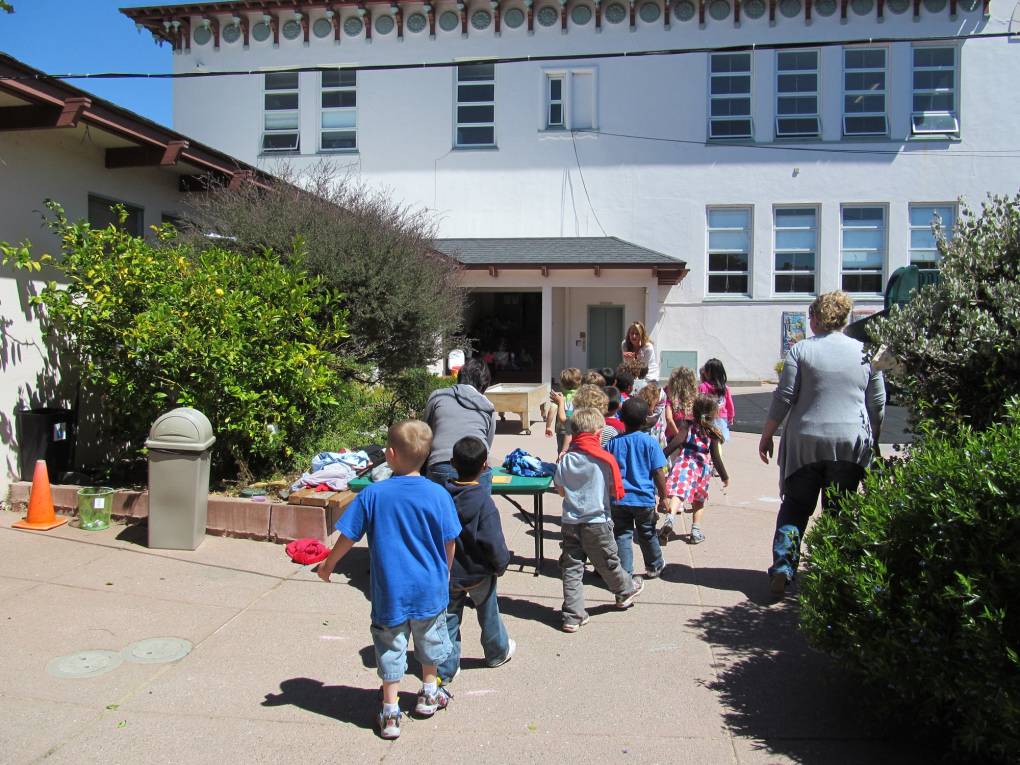
"caption": "Four-year-old students head back to their transitional kindergarten class at Tule Elk Park Early Educational School in San Francisco on Jan. 8, 2001.",
"credit": "Ana Tintocalis/KQED",
"altTag": null,
"description": null,
"imgSizes": {
"medium": {
"file": "https://cdn.kqed.org/wp-content/uploads/sites/10/2025/03/TKSF-800x600.jpg",
"width": 800,
"height": 600,
"mimeType": "image/jpeg"
},
"large": {
"file": "https://cdn.kqed.org/wp-content/uploads/sites/10/2025/03/TKSF-1020x765.jpg",
"width": 1020,
"height": 765,
"mimeType": "image/jpeg"
},
"thumbnail": {
"file": "https://cdn.kqed.org/wp-content/uploads/sites/10/2025/03/TKSF-160x120.jpg",
"width": 160,
"height": 120,
"mimeType": "image/jpeg"
},
"1536x1536": {
"file": "https://cdn.kqed.org/wp-content/uploads/sites/10/2025/03/TKSF-1536x1152.jpg",
"width": 1536,
"height": 1152,
"mimeType": "image/jpeg"
},
"post-thumbnail": {
"file": "https://cdn.kqed.org/wp-content/uploads/sites/10/2025/03/TKSF-672x372.jpg",
"width": 672,
"height": 372,
"mimeType": "image/jpeg"
},
"twentyfourteen-full-width": {
"file": "https://cdn.kqed.org/wp-content/uploads/sites/10/2025/03/TKSF-1038x576.jpg",
"width": 1038,
"height": 576,
"mimeType": "image/jpeg"
},
"full-width": {
"file": "https://cdn.kqed.org/wp-content/uploads/sites/10/2025/03/TKSF-1920x1440.jpg",
"width": 1920,
"height": 1440,
"mimeType": "image/jpeg"
},
"kqedFullSize": {
"file": "https://cdn.kqed.org/wp-content/uploads/sites/10/2025/03/TKSF.jpg",
"width": 2000,
"height": 1500
}
},
"isLoading": false,
"fetchFailed": false
},
"news_12031557": {
"type": "attachments",
"id": "news_12031557",
"meta": {
"index": "attachments_1716263798",
"site": "news",
"id": "12031557",
"found": true
},
"title": "1-COVER-PHOTO-CG-@-CSULB",
"publishDate": 1742153978,
"status": "inherit",
"parent": 12031556,
"modified": 1742154068,
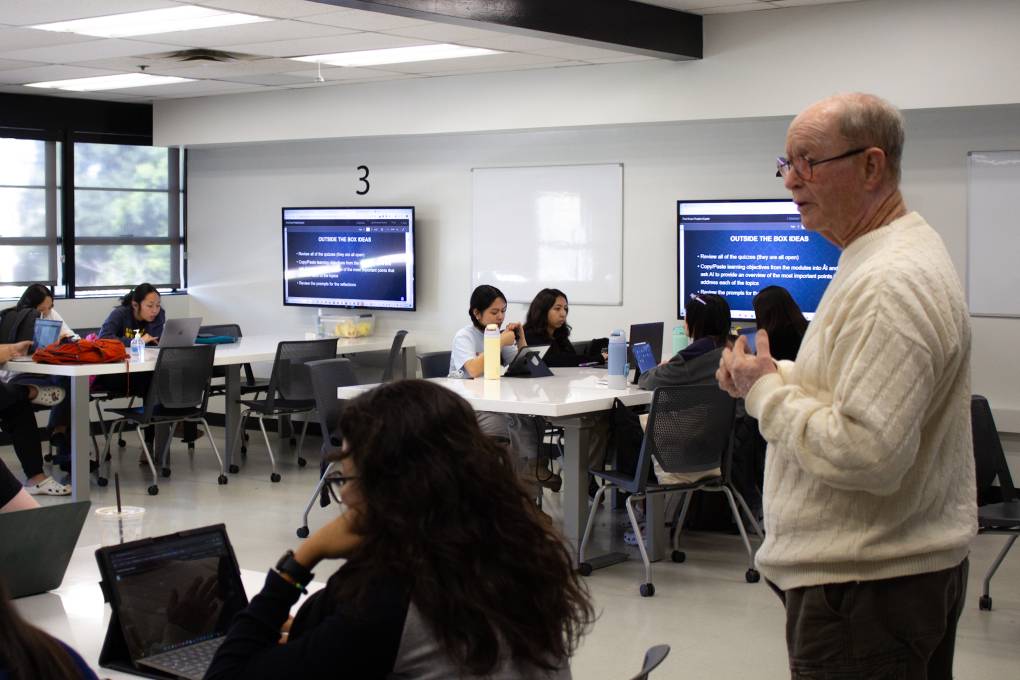
"caption": "Cal State Long Beach lecturer Casey Goeller wants his students to know how to use AI before they enter the workforce.",
"credit": "Tasmin McGill/EdSource",
"altTag": "A white man wearing glasses and a light colored sweater stands near seated students at desks with laptops and computer monitors on the walls in a classroom.",
"description": null,
"imgSizes": {
"medium": {
"file": "https://cdn.kqed.org/wp-content/uploads/sites/10/2025/03/1-COVER-PHOTO-CG-@-CSULB-800x533.jpeg",
"width": 800,
"height": 533,
"mimeType": "image/jpeg"
},
"large": {
"file": "https://cdn.kqed.org/wp-content/uploads/sites/10/2025/03/1-COVER-PHOTO-CG-@-CSULB-1020x680.jpeg",
"width": 1020,
"height": 680,
"mimeType": "image/jpeg"
},
"thumbnail": {
"file": "https://cdn.kqed.org/wp-content/uploads/sites/10/2025/03/1-COVER-PHOTO-CG-@-CSULB-160x107.jpeg",
"width": 160,
"height": 107,
"mimeType": "image/jpeg"
},
"1536x1536": {
"file": "https://cdn.kqed.org/wp-content/uploads/sites/10/2025/03/1-COVER-PHOTO-CG-@-CSULB-1536x1024.jpeg",
"width": 1536,
"height": 1024,
"mimeType": "image/jpeg"
},
"post-thumbnail": {
"file": "https://cdn.kqed.org/wp-content/uploads/sites/10/2025/03/1-COVER-PHOTO-CG-@-CSULB-672x372.jpeg",
"width": 672,
"height": 372,
"mimeType": "image/jpeg"
},
"twentyfourteen-full-width": {
"file": "https://cdn.kqed.org/wp-content/uploads/sites/10/2025/03/1-COVER-PHOTO-CG-@-CSULB-1038x576.jpeg",
"width": 1038,
"height": 576,
"mimeType": "image/jpeg"
},
"full-width": {
"file": "https://cdn.kqed.org/wp-content/uploads/sites/10/2025/03/1-COVER-PHOTO-CG-@-CSULB-1920x1280.jpeg",
"width": 1920,
"height": 1280,
"mimeType": "image/jpeg"
},
"kqedFullSize": {
"file": "https://cdn.kqed.org/wp-content/uploads/sites/10/2025/03/1-COVER-PHOTO-CG-@-CSULB.jpeg",
"width": 2048,
"height": 1365
}
},
"isLoading": false,
"fetchFailed": false
},
"news_12028939": {
"type": "attachments",
"id": "news_12028939",
"meta": {
"index": "attachments_1716263798",
"site": "news",
"id": "12028939",
"found": true
},
"title": "At McClymonds High School in Oakland on Feb. 6, 2025.",
"publishDate": 1740672046,
"status": "inherit",
"parent": 0,
"modified": 1740672401,
"caption": "At McClymonds High School in Oakland on Feb. 6, 2025.",
"credit": "Gina Castro/KQED",
"altTag": null,
"description": null,
"imgSizes": {
"medium": {
"file": "https://cdn.kqed.org/wp-content/uploads/sites/10/2025/02/20250206_OUSDChromebooks_GC-33-800x533.jpg",
"width": 800,
"height": 533,
"mimeType": "image/jpeg"
},
"large": {
"file": "https://cdn.kqed.org/wp-content/uploads/sites/10/2025/02/20250206_OUSDChromebooks_GC-33-1020x680.jpg",
"width": 1020,
"height": 680,
"mimeType": "image/jpeg"
},
"thumbnail": {
"file": "https://cdn.kqed.org/wp-content/uploads/sites/10/2025/02/20250206_OUSDChromebooks_GC-33-160x107.jpg",
"width": 160,
"height": 107,
"mimeType": "image/jpeg"
},
"1536x1536": {
"file": "https://cdn.kqed.org/wp-content/uploads/sites/10/2025/02/20250206_OUSDChromebooks_GC-33-1536x1024.jpg",
"width": 1536,
"height": 1024,
"mimeType": "image/jpeg"
},
"post-thumbnail": {
"file": "https://cdn.kqed.org/wp-content/uploads/sites/10/2025/02/20250206_OUSDChromebooks_GC-33-672x372.jpg",
"width": 672,
"height": 372,
"mimeType": "image/jpeg"
},
"twentyfourteen-full-width": {
"file": "https://cdn.kqed.org/wp-content/uploads/sites/10/2025/02/20250206_OUSDChromebooks_GC-33-1038x576.jpg",
"width": 1038,
"height": 576,
"mimeType": "image/jpeg"
},
"full-width": {
"file": "https://cdn.kqed.org/wp-content/uploads/sites/10/2025/02/20250206_OUSDChromebooks_GC-33-1920x1280.jpg",
"width": 1920,
"height": 1280,
"mimeType": "image/jpeg"
},
"kqedFullSize": {
"file": "https://cdn.kqed.org/wp-content/uploads/sites/10/2025/02/20250206_OUSDChromebooks_GC-33.jpg",
"width": 2000,
"height": 1333
}
},
"isLoading": false,
"fetchFailed": false
},
"news_12028936": {
"type": "attachments",
"id": "news_12028936",
"meta": {
"index": "attachments_1716263798",
"site": "news",
"id": "12028936",
"found": true
},
"title": "20250206_OUSDChromebooks_GC-19",
"publishDate": 1740672029,
"status": "inherit",
"parent": 12028948,
"modified": 1741035054,
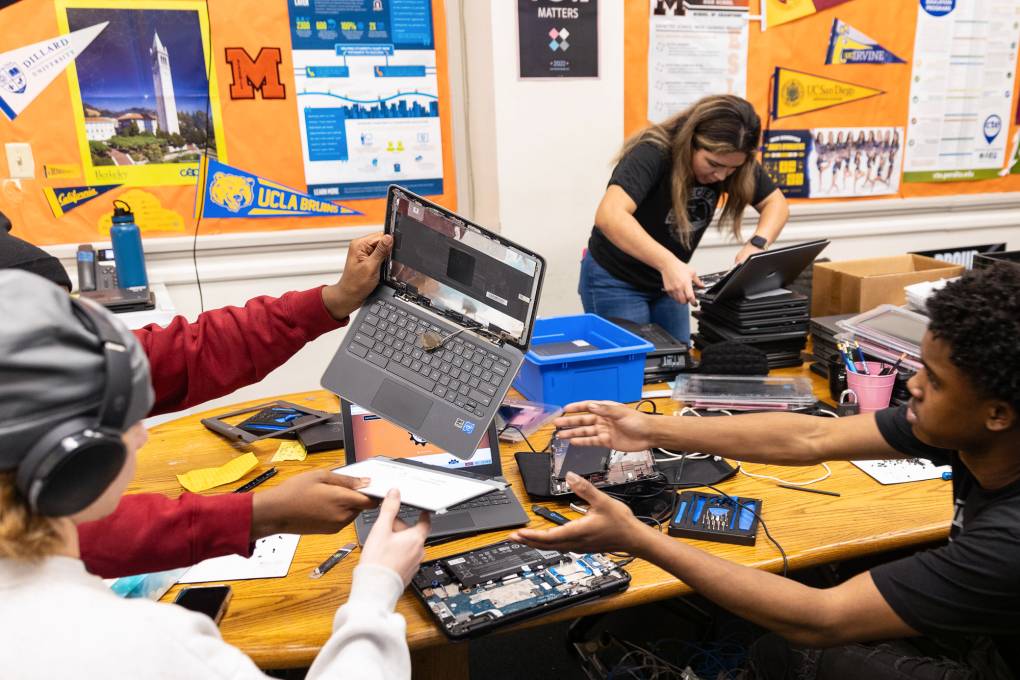
"caption": "David Anderson, a junior at McClymonds High School, holds a Chromebook’s bezel in Oakland on Feb. 6, 2025. David is one of three paid interns at McClymonds High, under Oakland Unified’s student-led Chromebook repair program, where students are hired to repair the devices during the school year.",
"credit": "Gina Castro/KQED",
"altTag": null,
"description": null,
"imgSizes": {
"medium": {
"file": "https://cdn.kqed.org/wp-content/uploads/sites/10/2025/02/20250206_OUSDChromebooks_GC-19-800x533.jpg",
"width": 800,
"height": 533,
"mimeType": "image/jpeg"
},
"large": {
"file": "https://cdn.kqed.org/wp-content/uploads/sites/10/2025/02/20250206_OUSDChromebooks_GC-19-1020x680.jpg",
"width": 1020,
"height": 680,
"mimeType": "image/jpeg"
},
"thumbnail": {
"file": "https://cdn.kqed.org/wp-content/uploads/sites/10/2025/02/20250206_OUSDChromebooks_GC-19-160x107.jpg",
"width": 160,
"height": 107,
"mimeType": "image/jpeg"
},
"1536x1536": {
"file": "https://cdn.kqed.org/wp-content/uploads/sites/10/2025/02/20250206_OUSDChromebooks_GC-19-1536x1024.jpg",
"width": 1536,
"height": 1024,
"mimeType": "image/jpeg"
},
"post-thumbnail": {
"file": "https://cdn.kqed.org/wp-content/uploads/sites/10/2025/02/20250206_OUSDChromebooks_GC-19-672x372.jpg",
"width": 672,
"height": 372,
"mimeType": "image/jpeg"
},
"twentyfourteen-full-width": {
"file": "https://cdn.kqed.org/wp-content/uploads/sites/10/2025/02/20250206_OUSDChromebooks_GC-19-1038x576.jpg",
"width": 1038,
"height": 576,
"mimeType": "image/jpeg"
},
"full-width": {
"file": "https://cdn.kqed.org/wp-content/uploads/sites/10/2025/02/20250206_OUSDChromebooks_GC-19-1920x1280.jpg",
"width": 1920,
"height": 1280,
"mimeType": "image/jpeg"
},
"kqedFullSize": {
"file": "https://cdn.kqed.org/wp-content/uploads/sites/10/2025/02/20250206_OUSDChromebooks_GC-19.jpg",
"width": 2000,
"height": 1333
}
},
"isLoading": false,
"fetchFailed": false
},
"news_12030970": {
"type": "attachments",
"id": "news_12030970",
"meta": {
"index": "attachments_1716263798",
"site": "news",
"id": "12030970",
"found": true
},
"title": "UC Berkeley Students Hold Rally In Support Of Gaza",
"publishDate": 1741802904,
"status": "inherit",
"parent": 12066489,
"modified": 1765410696,
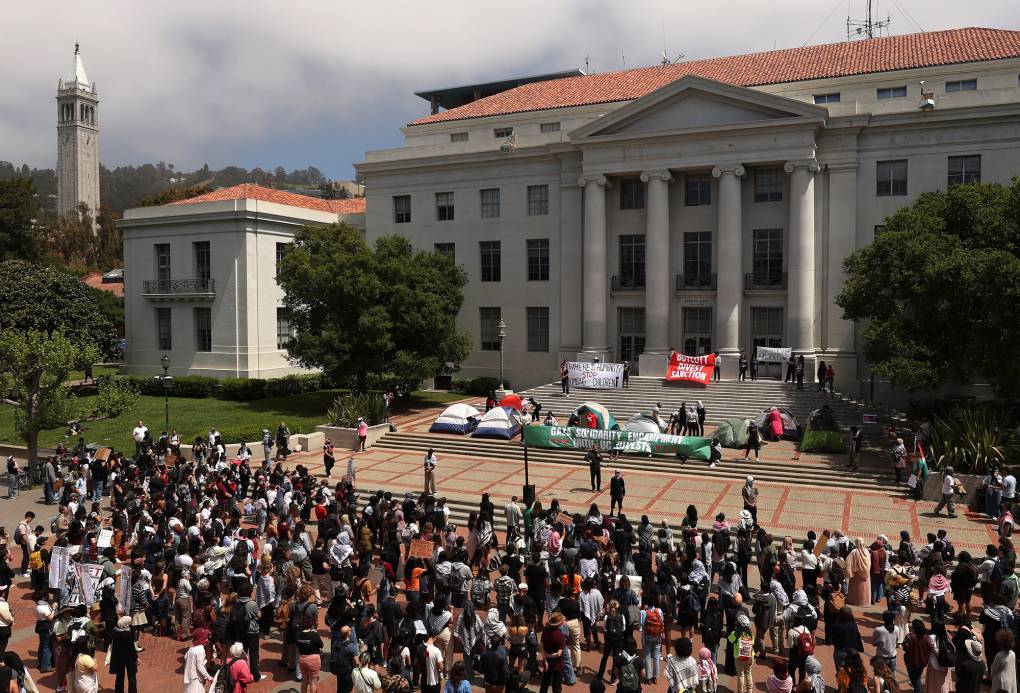
"caption": "Pro-Palestinian protesters set up a tent encampment in front of Sproul Hall on the UC Berkeley campus on April 22, 2024, in Berkeley, California. ",
"credit": "Justin Sullivan/Getty Images",
"altTag": null,
"description": null,
"imgSizes": {
"medium": {
"file": "https://cdn.kqed.org/wp-content/uploads/sites/10/2025/03/GettyImages-2149730456-800x543.jpg",
"width": 800,
"height": 543,
"mimeType": "image/jpeg"
},
"large": {
"file": "https://cdn.kqed.org/wp-content/uploads/sites/10/2025/03/GettyImages-2149730456-1020x693.jpg",
"width": 1020,
"height": 693,
"mimeType": "image/jpeg"
},
"thumbnail": {
"file": "https://cdn.kqed.org/wp-content/uploads/sites/10/2025/03/GettyImages-2149730456-160x109.jpg",
"width": 160,
"height": 109,
"mimeType": "image/jpeg"
},
"1536x1536": {
"file": "https://cdn.kqed.org/wp-content/uploads/sites/10/2025/03/GettyImages-2149730456-1536x1043.jpg",
"width": 1536,
"height": 1043,
"mimeType": "image/jpeg"
},
"post-thumbnail": {
"file": "https://cdn.kqed.org/wp-content/uploads/sites/10/2025/03/GettyImages-2149730456-672x372.jpg",
"width": 672,
"height": 372,
"mimeType": "image/jpeg"
},
"twentyfourteen-full-width": {
"file": "https://cdn.kqed.org/wp-content/uploads/sites/10/2025/03/GettyImages-2149730456-1038x576.jpg",
"width": 1038,
"height": 576,
"mimeType": "image/jpeg"
},
"full-width": {
"file": "https://cdn.kqed.org/wp-content/uploads/sites/10/2025/03/GettyImages-2149730456-1920x1304.jpg",
"width": 1920,
"height": 1304,
"mimeType": "image/jpeg"
},
"kqedFullSize": {
"file": "https://cdn.kqed.org/wp-content/uploads/sites/10/2025/03/GettyImages-2149730456.jpg",
"width": 2000,
"height": 1358
}
},
"isLoading": false,
"fetchFailed": false
},
"news_12030844": {
"type": "attachments",
"id": "news_12030844",
"meta": {
"index": "attachments_1716263798",
"site": "news",
"id": "12030844",
"found": true
},
"title": "npr.brightspotcdn copy",
"publishDate": 1741733888,
"status": "inherit",
"parent": 12030839,
"modified": 1741886492,
"caption": "A man walks past the U.S. Department of Education building in Washington, D.C., on Feb. 7, 2025.",
"credit": "Gent Shkullaku/Zuma Press Wire via Alamy",
"altTag": null,
"description": null,
"imgSizes": {
"medium": {
"file": "https://cdn.kqed.org/wp-content/uploads/sites/10/2025/03/npr.brightspotcdn-copy-800x552.jpg",
"width": 800,
"height": 552,
"mimeType": "image/jpeg"
},
"large": {
"file": "https://cdn.kqed.org/wp-content/uploads/sites/10/2025/03/npr.brightspotcdn-copy-1020x703.jpg",
"width": 1020,
"height": 703,
"mimeType": "image/jpeg"
},
"thumbnail": {
"file": "https://cdn.kqed.org/wp-content/uploads/sites/10/2025/03/npr.brightspotcdn-copy-160x110.jpg",
"width": 160,
"height": 110,
"mimeType": "image/jpeg"
},
"1536x1536": {
"file": "https://cdn.kqed.org/wp-content/uploads/sites/10/2025/03/npr.brightspotcdn-copy-1536x1059.jpg",
"width": 1536,
"height": 1059,
"mimeType": "image/jpeg"
},
"post-thumbnail": {
"file": "https://cdn.kqed.org/wp-content/uploads/sites/10/2025/03/npr.brightspotcdn-copy-672x372.jpg",
"width": 672,
"height": 372,
"mimeType": "image/jpeg"
},
"twentyfourteen-full-width": {
"file": "https://cdn.kqed.org/wp-content/uploads/sites/10/2025/03/npr.brightspotcdn-copy-1038x576.jpg",
"width": 1038,
"height": 576,
"mimeType": "image/jpeg"
},
"kqedFullSize": {
"file": "https://cdn.kqed.org/wp-content/uploads/sites/10/2025/03/npr.brightspotcdn-copy.jpg",
"width": 1600,
"height": 1103
}
},
"isLoading": false,
"fetchFailed": false
},
"news_12031311": {
"type": "attachments",
"id": "news_12031311",
"meta": {
"index": "attachments_1716263798",
"site": "news",
"id": "12031311",
"found": true
},
"title": "240312-RICHMOND WALKOUT-MD-01-KQED-1",
"publishDate": 1741908035,
"status": "inherit",
"parent": 0,
"modified": 1741965238,
"caption": "Valerie Aquino (center) and Xitlali Gomez (right) and other students from Richmond's John F. Kennedy High School stage a walkout and march to the West Contra Costa Unified School District Offices to protest impending layoffs as part of cuts to the district's budget in Richmond on March 12, 2025.",
"credit": "Martin do Nascimento/KQED",
"altTag": null,
"description": null,
"imgSizes": {
"medium": {
"file": "https://cdn.kqed.org/wp-content/uploads/sites/10/2025/03/240312-RICHMOND-WALKOUT-MD-01-KQED-1-800x533.jpg",
"width": 800,
"height": 533,
"mimeType": "image/jpeg"
},
"large": {
"file": "https://cdn.kqed.org/wp-content/uploads/sites/10/2025/03/240312-RICHMOND-WALKOUT-MD-01-KQED-1-1020x680.jpg",
"width": 1020,
"height": 680,
"mimeType": "image/jpeg"
},
"thumbnail": {
"file": "https://cdn.kqed.org/wp-content/uploads/sites/10/2025/03/240312-RICHMOND-WALKOUT-MD-01-KQED-1-160x107.jpg",
"width": 160,
"height": 107,
"mimeType": "image/jpeg"
},
"1536x1536": {
"file": "https://cdn.kqed.org/wp-content/uploads/sites/10/2025/03/240312-RICHMOND-WALKOUT-MD-01-KQED-1-1536x1024.jpg",
"width": 1536,
"height": 1024,
"mimeType": "image/jpeg"
},
"post-thumbnail": {
"file": "https://cdn.kqed.org/wp-content/uploads/sites/10/2025/03/240312-RICHMOND-WALKOUT-MD-01-KQED-1-672x372.jpg",
"width": 672,
"height": 372,
"mimeType": "image/jpeg"
},
"twentyfourteen-full-width": {
"file": "https://cdn.kqed.org/wp-content/uploads/sites/10/2025/03/240312-RICHMOND-WALKOUT-MD-01-KQED-1-1038x576.jpg",
"width": 1038,
"height": 576,
"mimeType": "image/jpeg"
},
"full-width": {
"file": "https://cdn.kqed.org/wp-content/uploads/sites/10/2025/03/240312-RICHMOND-WALKOUT-MD-01-KQED-1-1920x1280.jpg",
"width": 1920,
"height": 1280,
"mimeType": "image/jpeg"
},
"kqedFullSize": {
"file": "https://cdn.kqed.org/wp-content/uploads/sites/10/2025/03/240312-RICHMOND-WALKOUT-MD-01-KQED-1.jpg",
"width": 2000,
"height": 1333
}
},
"isLoading": false,
"fetchFailed": false
},
"news_12030812": {
"type": "attachments",
"id": "news_12030812",
"meta": {
"index": "attachments_1716263798",
"site": "news",
"id": "12030812",
"found": true
},
"title": "San Rafael City Schools District Office in San Rafael, March 11, 2025.",
"publishDate": 1741732371,
"status": "inherit",
"parent": 0,
"modified": 1741732438,
"caption": "San Rafael City Schools District Office in San Rafael, March 11, 2025.",
"credit": "David M. Barreda/KQED",
"altTag": null,
"description": null,
"imgSizes": {
"medium": {
"file": "https://cdn.kqed.org/wp-content/uploads/sites/10/2025/03/20250311_San-Rafael_DMB_00001-800x534.jpg",
"width": 800,
"height": 534,
"mimeType": "image/jpeg"
},
"large": {
"file": "https://cdn.kqed.org/wp-content/uploads/sites/10/2025/03/20250311_San-Rafael_DMB_00001-1020x680.jpg",
"width": 1020,
"height": 680,
"mimeType": "image/jpeg"
},
"thumbnail": {
"file": "https://cdn.kqed.org/wp-content/uploads/sites/10/2025/03/20250311_San-Rafael_DMB_00001-160x107.jpg",
"width": 160,
"height": 107,
"mimeType": "image/jpeg"
},
"1536x1536": {
"file": "https://cdn.kqed.org/wp-content/uploads/sites/10/2025/03/20250311_San-Rafael_DMB_00001-1536x1025.jpg",
"width": 1536,
"height": 1025,
"mimeType": "image/jpeg"
},
"post-thumbnail": {
"file": "https://cdn.kqed.org/wp-content/uploads/sites/10/2025/03/20250311_San-Rafael_DMB_00001-672x372.jpg",
"width": 672,
"height": 372,
"mimeType": "image/jpeg"
},
"twentyfourteen-full-width": {
"file": "https://cdn.kqed.org/wp-content/uploads/sites/10/2025/03/20250311_San-Rafael_DMB_00001-1038x576.jpg",
"width": 1038,
"height": 576,
"mimeType": "image/jpeg"
},
"full-width": {
"file": "https://cdn.kqed.org/wp-content/uploads/sites/10/2025/03/20250311_San-Rafael_DMB_00001-1920x1281.jpg",
"width": 1920,
"height": 1281,
"mimeType": "image/jpeg"
},
"kqedFullSize": {
"file": "https://cdn.kqed.org/wp-content/uploads/sites/10/2025/03/20250311_San-Rafael_DMB_00001.jpg",
"width": 2000,
"height": 1334
}
},
"isLoading": false,
"fetchFailed": false
},
"news_12030471": {
"type": "attachments",
"id": "news_12030471",
"meta": {
"index": "attachments_1716263798",
"site": "news",
"id": "12030471",
"found": true
},
"title": "20230822-SFSU-45-JY_qed",
"publishDate": 1741396664,
"status": "inherit",
"parent": 12030322,
"modified": 1741402522,
"caption": "A group of runners passes through SF State in San Francisco, on Tuesday, Aug. 22, 2023.",
"credit": "Juliana Yamada/KQED",
"altTag": null,
"description": null,
"imgSizes": {
"medium": {
"file": "https://cdn.kqed.org/wp-content/uploads/sites/10/2025/03/20230822-SFSU-45-JY_qed-800x533.jpg",
"width": 800,
"height": 533,
"mimeType": "image/jpeg"
},
"large": {
"file": "https://cdn.kqed.org/wp-content/uploads/sites/10/2025/03/20230822-SFSU-45-JY_qed-1020x680.jpg",
"width": 1020,
"height": 680,
"mimeType": "image/jpeg"
},
"thumbnail": {
"file": "https://cdn.kqed.org/wp-content/uploads/sites/10/2025/03/20230822-SFSU-45-JY_qed-160x107.jpg",
"width": 160,
"height": 107,
"mimeType": "image/jpeg"
},
"1536x1536": {
"file": "https://cdn.kqed.org/wp-content/uploads/sites/10/2025/03/20230822-SFSU-45-JY_qed-1536x1024.jpg",
"width": 1536,
"height": 1024,
"mimeType": "image/jpeg"
},
"post-thumbnail": {
"file": "https://cdn.kqed.org/wp-content/uploads/sites/10/2025/03/20230822-SFSU-45-JY_qed-672x372.jpg",
"width": 672,
"height": 372,
"mimeType": "image/jpeg"
},
"twentyfourteen-full-width": {
"file": "https://cdn.kqed.org/wp-content/uploads/sites/10/2025/03/20230822-SFSU-45-JY_qed-1038x576.jpg",
"width": 1038,
"height": 576,
"mimeType": "image/jpeg"
},
"full-width": {
"file": "https://cdn.kqed.org/wp-content/uploads/sites/10/2025/03/20230822-SFSU-45-JY_qed-1920x1280.jpg",
"width": 1920,
"height": 1280,
"mimeType": "image/jpeg"
},
"kqedFullSize": {
"file": "https://cdn.kqed.org/wp-content/uploads/sites/10/2025/03/20230822-SFSU-45-JY_qed.jpg",
"width": 2000,
"height": 1333
}
},
"isLoading": false,
"fetchFailed": false
},
"news_12030408": {
"type": "attachments",
"id": "news_12030408",
"meta": {
"index": "attachments_1716263798",
"site": "news",
"id": "12030408",
"found": true
},
"title": "250307-BERKELEY SCIENCE PROTEST-MD-08-KQED",
"publishDate": 1741387533,
"status": "inherit",
"parent": 12030313,
"modified": 1741395956,
"caption": "A march through the UC Berkeley campus in association with the national Stand Up for Science day of action in Berkeley on March 7, 2025.",
"credit": "Martin do Nascimento/KQED",
"altTag": null,
"description": null,
"imgSizes": {
"medium": {
"file": "https://cdn.kqed.org/wp-content/uploads/sites/10/2025/03/250307-BERKELEY-SCIENCE-PROTEST-MD-08-KQED-800x533.jpg",
"width": 800,
"height": 533,
"mimeType": "image/jpeg"
},
"large": {
"file": "https://cdn.kqed.org/wp-content/uploads/sites/10/2025/03/250307-BERKELEY-SCIENCE-PROTEST-MD-08-KQED-1020x680.jpg",
"width": 1020,
"height": 680,
"mimeType": "image/jpeg"
},
"thumbnail": {
"file": "https://cdn.kqed.org/wp-content/uploads/sites/10/2025/03/250307-BERKELEY-SCIENCE-PROTEST-MD-08-KQED-160x107.jpg",
"width": 160,
"height": 107,
"mimeType": "image/jpeg"
},
"1536x1536": {
"file": "https://cdn.kqed.org/wp-content/uploads/sites/10/2025/03/250307-BERKELEY-SCIENCE-PROTEST-MD-08-KQED-1536x1024.jpg",
"width": 1536,
"height": 1024,
"mimeType": "image/jpeg"
},
"post-thumbnail": {
"file": "https://cdn.kqed.org/wp-content/uploads/sites/10/2025/03/250307-BERKELEY-SCIENCE-PROTEST-MD-08-KQED-672x372.jpg",
"width": 672,
"height": 372,
"mimeType": "image/jpeg"
},
"twentyfourteen-full-width": {
"file": "https://cdn.kqed.org/wp-content/uploads/sites/10/2025/03/250307-BERKELEY-SCIENCE-PROTEST-MD-08-KQED-1038x576.jpg",
"width": 1038,
"height": 576,
"mimeType": "image/jpeg"
},
"full-width": {
"file": "https://cdn.kqed.org/wp-content/uploads/sites/10/2025/03/250307-BERKELEY-SCIENCE-PROTEST-MD-08-KQED-1920x1280.jpg",
"width": 1920,
"height": 1280,
"mimeType": "image/jpeg"
},
"kqedFullSize": {
"file": "https://cdn.kqed.org/wp-content/uploads/sites/10/2025/03/250307-BERKELEY-SCIENCE-PROTEST-MD-08-KQED.jpg",
"width": 2000,
"height": 1333
}
},
"isLoading": false,
"fetchFailed": false
},
"news_11984511": {
"type": "attachments",
"id": "news_11984511",
"meta": {
"index": "attachments_1716263798",
"site": "news",
"id": "11984511",
"found": true
},
"parent": 0,
"imgSizes": {
"twentyfourteen-full-width": {
"file": "https://cdn.kqed.org/wp-content/uploads/sites/10/2024/04/240425-STANFORDGAZAPROTEST-026-BL-KQED-1038x576.jpg",
"width": 1038,
"mimeType": "image/jpeg",
"height": 576
},
"thumbnail": {
"file": "https://cdn.kqed.org/wp-content/uploads/sites/10/2024/04/240425-STANFORDGAZAPROTEST-026-BL-KQED-160x107.jpg",
"width": 160,
"mimeType": "image/jpeg",
"height": 107
},
"post-thumbnail": {
"file": "https://cdn.kqed.org/wp-content/uploads/sites/10/2024/04/240425-STANFORDGAZAPROTEST-026-BL-KQED-672x372.jpg",
"width": 672,
"mimeType": "image/jpeg",
"height": 372
},
"kqedFullSize": {
"file": "https://cdn.kqed.org/wp-content/uploads/sites/10/2024/04/240425-STANFORDGAZAPROTEST-026-BL-KQED.jpg",
"width": 2000,
"height": 1333
},
"large": {
"file": "https://cdn.kqed.org/wp-content/uploads/sites/10/2024/04/240425-STANFORDGAZAPROTEST-026-BL-KQED-1020x680.jpg",
"width": 1020,
"mimeType": "image/jpeg",
"height": 680
},
"1536x1536": {
"file": "https://cdn.kqed.org/wp-content/uploads/sites/10/2024/04/240425-STANFORDGAZAPROTEST-026-BL-KQED-1536x1024.jpg",
"width": 1536,
"mimeType": "image/jpeg",
"height": 1024
},
"full-width": {
"file": "https://cdn.kqed.org/wp-content/uploads/sites/10/2024/04/240425-STANFORDGAZAPROTEST-026-BL-KQED-1920x1280.jpg",
"width": 1920,
"mimeType": "image/jpeg",
"height": 1280
},
"medium": {
"file": "https://cdn.kqed.org/wp-content/uploads/sites/10/2024/04/240425-STANFORDGAZAPROTEST-026-BL-KQED-800x533.jpg",
"width": 800,
"mimeType": "image/jpeg",
"height": 533
}
},
"publishDate": 1714504706,
"modified": 1714529627,
"caption": "Pro-Palestinian demonstrators march through the Stanford University campus in Palo Alto on April 25, 2024.",
"description": null,
"title": "240425-STANFORDGAZAPROTEST-026-BL-KQED",
"credit": "Beth LaBerge/KQED",
"status": "inherit",
"altTag": null,
"isLoading": false,
"fetchFailed": false
},
"news_11959336": {
"type": "attachments",
"id": "news_11959336",
"meta": {
"index": "attachments_1716263798",
"site": "news",
"id": "11959336",
"found": true
},
"title": "California Schools-LGBTQ Policies",
"publishDate": 1693249568,
"status": "inherit",
"parent": 12032768,
"modified": 1747169937,
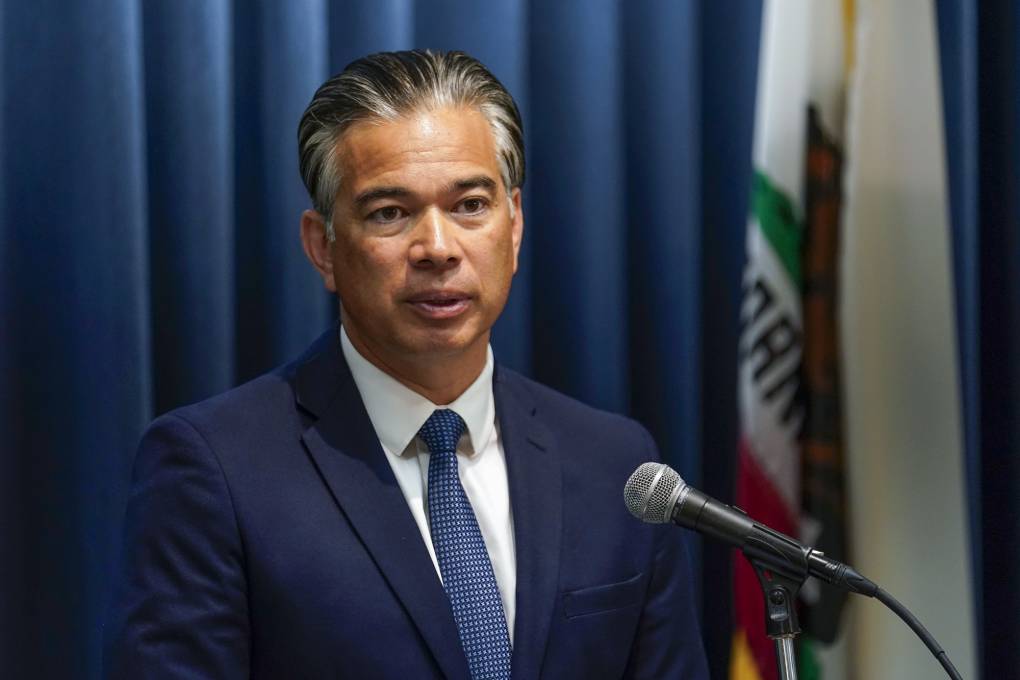
"caption": "California Attorney General Rob Bonta fields questions during a press conference on Monday, Aug. 28, 2023, in Los Angeles. ",
"credit": "Marcio Jose Sanchez/AP Photo",
"altTag": "A man wearing a navy blue suit, white shirt and blue foulard tie speaks into a microphone.",
"description": null,
"imgSizes": {
"medium": {
"file": "https://cdn.kqed.org/wp-content/uploads/sites/10/2023/08/230828-ROB-BONTA-AP-MJS-KQED-800x533.jpg",
"width": 800,
"height": 533,
"mimeType": "image/jpeg"
},
"large": {
"file": "https://cdn.kqed.org/wp-content/uploads/sites/10/2023/08/230828-ROB-BONTA-AP-MJS-KQED-1020x680.jpg",
"width": 1020,
"height": 680,
"mimeType": "image/jpeg"
},
"thumbnail": {
"file": "https://cdn.kqed.org/wp-content/uploads/sites/10/2023/08/230828-ROB-BONTA-AP-MJS-KQED-160x107.jpg",
"width": 160,
"height": 107,
"mimeType": "image/jpeg"
},
"1536x1536": {
"file": "https://cdn.kqed.org/wp-content/uploads/sites/10/2023/08/230828-ROB-BONTA-AP-MJS-KQED-1536x1024.jpg",
"width": 1536,
"height": 1024,
"mimeType": "image/jpeg"
},
"post-thumbnail": {
"file": "https://cdn.kqed.org/wp-content/uploads/sites/10/2023/08/230828-ROB-BONTA-AP-MJS-KQED-672x372.jpg",
"width": 672,
"height": 372,
"mimeType": "image/jpeg"
},
"twentyfourteen-full-width": {
"file": "https://cdn.kqed.org/wp-content/uploads/sites/10/2023/08/230828-ROB-BONTA-AP-MJS-KQED-1038x576.jpg",
"width": 1038,
"height": 576,
"mimeType": "image/jpeg"
},
"full-width": {
"file": "https://cdn.kqed.org/wp-content/uploads/sites/10/2023/08/230828-ROB-BONTA-AP-MJS-KQED-1920x1280.jpg",
"width": 1920,
"height": 1280,
"mimeType": "image/jpeg"
},
"kqedFullSize": {
"file": "https://cdn.kqed.org/wp-content/uploads/sites/10/2023/08/230828-ROB-BONTA-AP-MJS-KQED.jpg",
"width": 2000,
"height": 1333
}
},
"isLoading": false,
"fetchFailed": false
}
},
"audioPlayerReducer": {
"postId": "stream_live",
"isPaused": true,
"isPlaying": false,
"pfsActive": false,
"pledgeModalIsOpen": true,
"playerDrawerIsOpen": false,
"liveAudioPlayStartedAt": 0,
"liveAudioPlayContext": ""
},
"authorsReducer": {
"byline_news_12031556": {
"type": "authors",
"id": "byline_news_12031556",
"meta": {
"override": true
},
"slug": "byline_news_12031556",
"name": "Thomas Murphy, Tasmin McGill, Teagan Davidge, Natalia Montero Acevedo, Christina Chkarboul, Calista Stocker and Abbie Phillips ",
"isLoading": false
},
"byline_news_12030839": {
"type": "authors",
"id": "byline_news_12030839",
"meta": {
"override": true
},
"slug": "byline_news_12030839",
"name": "\u003ca href=\"https://www.npr.org/people/349625027/cory-turner\">Cory Turner\u003c/a> and \u003ca href=\"https://www.npr.org/people/842041232/jonaki-mehta\">Jonaki Mehta\u003c/a>, NPR",
"isLoading": false
},
"matthewgreen": {
"type": "authors",
"id": "1263",
"meta": {
"index": "authors_1716337520",
"id": "1263",
"found": true
},
"name": "Matthew Green",
"firstName": "Matthew",
"lastName": "Green",
"slug": "matthewgreen",
"email": "mgreen@kqed.org",
"display_author_email": false,
"staff_mastheads": [],
"title": "KQED Editor/Reporter",
"bio": "Matthew Green is a digital media producer for KQED News. He previously produced \u003ca href=\"http://www.kqed.org/lowdown\">The Lowdown\u003c/a>, KQED’s multimedia news education blog. Matthew's written for numerous Bay Area publications, including the Oakland Tribune and San Francisco Chronicle. He also taught journalism classes at Fremont High School in East Oakland.\r\n\r\nEmail: mgreen@kqed.org; Twitter: @MGreenKQED",
"avatar": "https://secure.gravatar.com/avatar/3bf498d1267ca02c8494f33d8cfc575e?s=600&d=blank&r=g",
"twitter": "MGreenKQED",
"facebook": null,
"instagram": null,
"linkedin": null,
"sites": [
{
"site": "news",
"roles": []
},
{
"site": "lowdown",
"roles": []
},
{
"site": "science",
"roles": []
},
{
"site": "education",
"roles": []
},
{
"site": "quest",
"roles": []
},
{
"site": "liveblog",
"roles": []
}
],
"headData": {
"title": "Matthew Green | KQED",
"description": "KQED Editor/Reporter",
"ogImgSrc": "https://secure.gravatar.com/avatar/3bf498d1267ca02c8494f33d8cfc575e?s=600&d=blank&r=g",
"twImgSrc": "https://secure.gravatar.com/avatar/3bf498d1267ca02c8494f33d8cfc575e?s=600&d=blank&r=g"
},
"isLoading": false,
"link": "/author/matthewgreen"
},
"adahlstromeckman": {
"type": "authors",
"id": "11785",
"meta": {
"index": "authors_1716337520",
"id": "11785",
"found": true
},
"name": "Azul Dahlstrom-Eckman",
"firstName": "Azul",
"lastName": "Dahlstrom-Eckman",
"slug": "adahlstromeckman",
"email": "adahlstrom-eckman@kqed.org",
"display_author_email": true,
"staff_mastheads": [],
"title": "Reporter",
"bio": "Azul is a reporter for KQED focusing on transportation and features. He joined KQED in 2021 as an alumna of KALW's Audio Academy radio journalism training program.",
"avatar": "https://secure.gravatar.com/avatar/9cb750298435add7815a777f55bf1f46845c1386bb8452555c60a7b820b5aba3?s=600&d=blank&r=g",
"twitter": "@zuliemann",
"bluesky": "@azul415.bsky.social",
"facebook": null,
"instagram": null,
"linkedin": null,
"sites": [
{
"site": "arts",
"roles": [
"editor"
]
},
{
"site": "news",
"roles": [
"editor"
]
},
{
"site": "science",
"roles": [
"editor"
]
},
{
"site": "liveblog",
"roles": [
"author"
]
}
],
"headData": {
"title": "Azul Dahlstrom-Eckman | KQED",
"description": "Reporter",
"ogImgSrc": "https://secure.gravatar.com/avatar/9cb750298435add7815a777f55bf1f46845c1386bb8452555c60a7b820b5aba3?s=600&d=blank&r=g",
"twImgSrc": "https://secure.gravatar.com/avatar/9cb750298435add7815a777f55bf1f46845c1386bb8452555c60a7b820b5aba3?s=600&d=blank&r=g"
},
"isLoading": false,
"link": "/author/adahlstromeckman"
},
"daisynguyen": {
"type": "authors",
"id": "11829",
"meta": {
"index": "authors_1716337520",
"id": "11829",
"found": true
},
"name": "Daisy Nguyen",
"firstName": "Daisy",
"lastName": "Nguyen",
"slug": "daisynguyen",
"email": "daisynguyen@kqed.org",
"display_author_email": true,
"staff_mastheads": [
"news"
],
"title": "KQED Contributor",
"bio": "I have covered early childhood education and child care for KQED since 2022. I focus on policies aimed at increasing access to early care and education and how they shape individual lives. I've been a journalist for more than two decades, with most of that time devoted to covering breaking news throughout California for The Associated Press. I grew up in San Francisco and studied at UC Davis and Columbia University's Graduate School of Journalism. I live in Oakland with my husband and two kids.",
"avatar": "https://secure.gravatar.com/avatar/2da2127c27f7143b53ebd419800fd55f?s=600&d=blank&r=g",
"twitter": null,
"facebook": null,
"instagram": null,
"linkedin": "https://www.linkedin.com/in/daisynguyen/",
"sites": [
{
"site": "news",
"roles": [
"author"
]
},
{
"site": "liveblog",
"roles": [
"author"
]
}
],
"headData": {
"title": "Daisy Nguyen | KQED",
"description": "KQED Contributor",
"ogImgSrc": "https://secure.gravatar.com/avatar/2da2127c27f7143b53ebd419800fd55f?s=600&d=blank&r=g",
"twImgSrc": "https://secure.gravatar.com/avatar/2da2127c27f7143b53ebd419800fd55f?s=600&d=blank&r=g"
},
"isLoading": false,
"link": "/author/daisynguyen"
},
"gcastro": {
"type": "authors",
"id": "11908",
"meta": {
"index": "authors_1716337520",
"id": "11908",
"found": true
},
"name": "Gina Castro",
"firstName": "Gina",
"lastName": "Castro",
"slug": "gcastro",
"email": "gcastro@kqed.org",
"display_author_email": false,
"staff_mastheads": [
"news"
],
"title": "KQED Contributor",
"bio": null,
"avatar": "https://secure.gravatar.com/avatar/27b36c9ac0b86aced91deb0fc63fc510307488fa6761ac6062ac2eb798ed123f?s=600&d=blank&r=g",
"twitter": null,
"bluesky": null,
"facebook": null,
"instagram": null,
"linkedin": null,
"sites": [
{
"site": "arts",
"roles": [
"editor"
]
},
{
"site": "news",
"roles": [
"editor",
"manage_categories"
]
},
{
"site": "science",
"roles": [
"editor"
]
},
{
"site": "perspectives",
"roles": [
"editor"
]
}
],
"headData": {
"title": "Gina Castro | KQED",
"description": "KQED Contributor",
"ogImgSrc": "https://secure.gravatar.com/avatar/27b36c9ac0b86aced91deb0fc63fc510307488fa6761ac6062ac2eb798ed123f?s=600&d=blank&r=g",
"twImgSrc": "https://secure.gravatar.com/avatar/27b36c9ac0b86aced91deb0fc63fc510307488fa6761ac6062ac2eb798ed123f?s=600&d=blank&r=g"
},
"isLoading": false,
"link": "/author/gcastro"
},
"kdebenedetti": {
"type": "authors",
"id": "11913",
"meta": {
"index": "authors_1716337520",
"id": "11913",
"found": true
},
"name": "Katie DeBenedetti",
"firstName": "Katie",
"lastName": "DeBenedetti",
"slug": "kdebenedetti",
"email": "kdebenedetti@kqed.org",
"display_author_email": false,
"staff_mastheads": [
"news",
"science"
],
"title": "KQED Contributor",
"bio": "Katie DeBenedetti is a digital reporter covering daily news for the Express Desk. Prior to joining KQED as a culture reporting intern in January 2024, she covered education and city government for the Napa Valley Register.",
"avatar": "https://secure.gravatar.com/avatar/6e31073cb8f7e4214ab03f42771d0f45?s=600&d=blank&r=g",
"twitter": null,
"facebook": null,
"instagram": null,
"linkedin": null,
"sites": [
{
"site": "news",
"roles": [
"author"
]
},
{
"site": "science",
"roles": [
"author"
]
},
{
"site": "liveblog",
"roles": [
"author"
]
}
],
"headData": {
"title": "Katie DeBenedetti | KQED",
"description": "KQED Contributor",
"ogImgSrc": "https://secure.gravatar.com/avatar/6e31073cb8f7e4214ab03f42771d0f45?s=600&d=blank&r=g",
"twImgSrc": "https://secure.gravatar.com/avatar/6e31073cb8f7e4214ab03f42771d0f45?s=600&d=blank&r=g"
},
"isLoading": false,
"link": "/author/kdebenedetti"
},
"rcooke": {
"type": "authors",
"id": "11921",
"meta": {
"index": "authors_1716337520",
"id": "11921",
"found": true
},
"name": "Riley Cooke",
"firstName": "Riley",
"lastName": "Cooke",
"slug": "rcooke",
"email": "rcooke@kqed.org",
"display_author_email": true,
"staff_mastheads": [
"news"
],
"title": "KQED Contributor",
"bio": "Riley is a senior at UC Berkeley, where she studies political science and journalism. Her work has appeared in SFGate, NBC Bay Area, Local News Matters and more. She enjoys reporting on politics, housing and homelessness — and using as many em dashes as her editors will allow.",
"avatar": "https://secure.gravatar.com/avatar/792f98c126cc5e270a8a96f77f7224ea?s=600&d=blank&r=g",
"twitter": "rrileycooke",
"facebook": null,
"instagram": null,
"linkedin": null,
"sites": [
{
"site": "arts",
"roles": [
"author"
]
},
{
"site": "news",
"roles": [
"author"
]
}
],
"headData": {
"title": "Riley Cooke | KQED",
"description": "KQED Contributor",
"ogImgSrc": "https://secure.gravatar.com/avatar/792f98c126cc5e270a8a96f77f7224ea?s=600&d=blank&r=g",
"twImgSrc": "https://secure.gravatar.com/avatar/792f98c126cc5e270a8a96f77f7224ea?s=600&d=blank&r=g"
},
"isLoading": false,
"link": "/author/rcooke"
},
"bkrans": {
"type": "authors",
"id": "11923",
"meta": {
"index": "authors_1716337520",
"id": "11923",
"found": true
},
"name": "Brian Krans",
"firstName": "Brian",
"lastName": "Krans",
"slug": "bkrans",
"email": "bkrans@kqed.org",
"display_author_email": false,
"staff_mastheads": [
"news"
],
"title": "KQED Contributing Reporter",
"bio": "Brian Krans is an award-winning local news and investigative reporter who has been proudly working as a general assignment reporter for KQED since August 2023. He lives in Richmond, where he also reports on air pollution for Richmondside. He is also a founding member of the Vallejo Sun.",
"avatar": "https://secure.gravatar.com/avatar/71fa91f931774612559f7640390b53d9c2840ff72b20f195a25239aab2d9fbb9?s=600&d=blank&r=g",
"twitter": "citizenkrans",
"bluesky": null,
"facebook": null,
"instagram": null,
"linkedin": null,
"sites": [
{
"site": "news",
"roles": [
"editor"
]
}
],
"headData": {
"title": "Brian Krans | KQED",
"description": "KQED Contributing Reporter",
"ogImgSrc": "https://secure.gravatar.com/avatar/71fa91f931774612559f7640390b53d9c2840ff72b20f195a25239aab2d9fbb9?s=600&d=blank&r=g",
"twImgSrc": "https://secure.gravatar.com/avatar/71fa91f931774612559f7640390b53d9c2840ff72b20f195a25239aab2d9fbb9?s=600&d=blank&r=g"
},
"isLoading": false,
"link": "/author/bkrans"
},
"skennedy": {
"type": "authors",
"id": "11935",
"meta": {
"index": "authors_1716337520",
"id": "11935",
"found": true
},
"name": "Samantha Kennedy",
"firstName": "Samantha",
"lastName": "Kennedy",
"slug": "skennedy",
"email": "SKennedy@kqed.org",
"display_author_email": false,
"staff_mastheads": [],
"title": "KQED Contributor",
"bio": null,
"avatar": "https://secure.gravatar.com/avatar/adc7b14bf1e801793202a156ecc864d4ad505b0fd63162a2f3da0e5ba57222d0?s=600&d=blank&r=g",
"twitter": null,
"bluesky": null,
"facebook": null,
"instagram": null,
"linkedin": null,
"sites": [
{
"site": "arts",
"roles": [
"author"
]
},
{
"site": "news",
"roles": [
"editor"
]
},
{
"site": "science",
"roles": [
"editor"
]
}
],
"headData": {
"title": "Samantha Kennedy | KQED",
"description": "KQED Contributor",
"ogImgSrc": "https://secure.gravatar.com/avatar/adc7b14bf1e801793202a156ecc864d4ad505b0fd63162a2f3da0e5ba57222d0?s=600&d=blank&r=g",
"twImgSrc": "https://secure.gravatar.com/avatar/adc7b14bf1e801793202a156ecc864d4ad505b0fd63162a2f3da0e5ba57222d0?s=600&d=blank&r=g"
},
"isLoading": false,
"link": "/author/skennedy"
}
},
"pagesReducer": {
"news_tag_education": {
"type": "terms",
"id": "news_20013",
"meta": {
"index": "terms_1716263798",
"site": "news",
"id": "20013",
"score": 6.970073
},
"featImg": null,
"name": "education",
"description": null,
"taxonomy": "tag",
"headData": {
"twImgId": null,
"twTitle": null,
"ogTitle": null,
"ogImgId": null,
"twDescription": null,
"description": null,
"title": "education Archives | KQED News",
"ogDescription": null
},
"ttid": 20030,
"slug": "education",
"isLoading": false,
"title": "education",
"pageMeta": {
"site": "news",
"WpPageTemplate": "page-topic-editorial",
"currentPage": 27
},
"blocks": [
{
"blockName": "kqed/post-list",
"attrs": {
"layout": "cardArticle2",
"query": "posts/news?tag=education",
"seeMore": false,
"paginated": true,
"page": 27
}
},
{
"blockName": "kqed/ad"
}
]
}
},
"pfsSessionReducer": {},
"postsReducer": {
"stream_live": {
"type": "live",
"id": "stream_live",
"audioUrl": "https://streams.kqed.org/kqedradio",
"title": "Live Stream",
"excerpt": "Live Stream information currently unavailable.",
"link": "/radio",
"featImg": "",
"label": {
"name": "KQED Live",
"link": "/"
}
},
"stream_kqedNewscast": {
"type": "posts",
"id": "stream_kqedNewscast",
"audioUrl": "https://www.kqed.org/.stream/anon/radio/RDnews/newscast.mp3?_=1",
"title": "KQED Newscast",
"featImg": "",
"label": {
"name": "88.5 FM",
"link": "/"
}
},
"news_12031802": {
"type": "posts",
"id": "news_12031802",
"meta": {
"index": "posts_1716263798",
"site": "news",
"id": "12031802",
"score": null,
"sort": [
1742317254000
]
},
"guestAuthors": [],
"slug": "san-francisco-public-schools-see-surge-applications-thanks-transitional-kindergarten-demand",
"title": "San Francisco Public Schools See Surge of Applications, Thanks to Transitional Kindergarten Demand",
"publishDate": 1742317254,
"format": "standard",
"headTitle": "San Francisco Public Schools See Surge of Applications, Thanks to Transitional Kindergarten Demand | KQED",
"labelTerm": {
"site": "news"
},
"content": "\u003cp>San Francisco public schools received the largest number of applications in more than a decade thanks to a statewide initiative to offer \u003ca href=\"https://www.kqed.org/news/11989955/what-to-expect-when-enrolling-your-child-in-transitional-kindergarten\">a free year of prekindergarten to all 4-year-olds this fall\u003c/a>.\u003c/p>\n\u003cp>The district announced Monday first-round school assignments for the 2025–26 school year for nearly 15,500 applicants, a 10% increase in applications compared to last year, said Lauren Koehler, executive director of San Francisco Unified School District’s enrollment center.\u003c/p>\n\u003cp>It’s a bit of good news for a district facing \u003ca href=\"https://www.kqed.org/news/12031347/san-francisco-schools-may-cut-staff-face-backlash-over-new-hiring-limits\">a major budget shortfall\u003c/a>, partly caused by declining enrollment trends.\u003c/p>\n\u003cp>[ad fullwidth]\u003c/p>\n\u003cp>While applications for kindergarten, 6th grade and 9th grade went up, the biggest surge in applications was for transitional kindergarten, \u003ca href=\"https://www.sfusd.edu/schools/enroll/student-assignment-policy/annual-assignment-highlights#77792\">according to district data\u003c/a>. SFUSD received nearly 1,990 student applications for TK, which is 673 more than last year.\u003c/p>\n\u003cp>California started adding TK to its sprawling public school system in 2022 and has been gradually accommodating more 4-year-olds based on their birth dates. Starting this fall, all kids who turn 4 by September will be guaranteed a spot in TK. SFUSD is planning to open 18 more classrooms to meet the demand, Koehler said.\u003c/p>\n\u003cp>\u003cstrong>“\u003c/strong>We’re all really excited about the expansion in TK because it makes [preschool] more affordable for many more families,” she said.\u003c/p>\n\u003cp>[aside postID=news_12030561 hero='https://cdn.kqed.org/wp-content/uploads/sites/10/2025/03/20250307_ALAMEDACHILDCARE_GC-2-KQED-1020x680.jpg']\u003c/p>\n\u003cp>To encourage families to enroll in TK, the district changed its assignment policy so that students can continue into kindergarten at the same school without having to reapply. That way, parents don’t have to contend with the assignment process two years in a row, and school staff can nurture students’ social and academic growth over the course of two years.\u003c/p>\n\u003cp>Koehler noted that 90% of TK-to-12th-grade applicants were assigned to one of their requested schools, almost 1,000 more students than last year.\u003c/p>\n\u003cp>“So not only are we having more interest in our schools, we’re also able to assign more kids to schools that they prefer,” she said.\u003c/p>\n\u003cp>Families must accept or decline their assignments by March 27, and a new waitlist system allows them to get results without reapplying for their preferred school.\u003c/p>\n\u003cp>Even though some families may decline their assignments, Koehler expects SFUSD’s overall enrollment to be slightly higher for the coming year than the current \u003ca href=\"https://www.sfusd.edu/about-sfusd/facts-about-sfusd-glance\">50,000 students\u003c/a>.\u003c/p>\n\u003cp>That’s a small bright spot for a district facing enrollment declines in the long term. The city’s public schools lost more than 4,000 students since 2012–13 and are projected to lose 4,600 more students by 2032 due to demographic trends such as declining birth rates, \u003ca href=\"https://drive.google.com/file/d/1LJBGENPuvXFmR8nuko9c1goeW1WijG_I/view\">according to \u003c/a>district forecasts.\u003c/p>\n\u003cp>Last week, SFUSD said it would \u003ca href=\"https://www.kqed.org/news/12031347/san-francisco-schools-may-cut-staff-face-backlash-over-new-hiring-limits\">issue about 170 \u003c/a>preliminary layoff notices to school counselors and paraeducators as it works to close a $113 million budget deficit by year’s end.\u003c/p>\n\u003cp>\u003c/p>\n",
"blocks": [],
"excerpt": "It’s a bit of good news as the San Francisco district faces a budget crisis, partly caused by declining enrollment trends. ",
"status": "publish",
"parent": 0,
"modified": 1742409184,
"stats": {
"hasAudio": false,
"hasVideo": false,
"hasChartOrMap": false,
"iframeSrcs": [],
"hasGoogleForm": false,
"hasGallery": false,
"hasHearkenModule": false,
"hasPolis": false,
"paragraphCount": 16,
"wordCount": 506
},
"headData": {
"title": "San Francisco Public Schools See Surge of Applications, Thanks to Transitional Kindergarten Demand | KQED",
"description": "It’s a bit of good news as the San Francisco district faces a budget crisis, partly caused by declining enrollment trends. ",
"ogTitle": "",
"ogDescription": "",
"ogImgId": "",
"twTitle": "",
"twDescription": "",
"twImgId": "",
"schema": {
"@context": "https://schema.org",
"@type": "NewsArticle",
"headline": "San Francisco Public Schools See Surge of Applications, Thanks to Transitional Kindergarten Demand",
"datePublished": "2025-03-18T10:00:54-07:00",
"dateModified": "2025-03-19T11:33:04-07:00",
"image": "https://cdn.kqed.org/wp-content/uploads/2020/02/KQED-OG-Image@1x.png",
"isAccessibleForFree": "True",
"publisher": {
"@type": "NewsMediaOrganization",
"@id": "https://www.kqed.org/#organization",
"name": "KQED",
"logo": "https://cdn.kqed.org/wp-content/uploads/2020/02/KQED-OG-Image@1x.png",
"url": "https://www.kqed.org",
"sameAs": [
"https://www.facebook.com/KQED",
"https://twitter.com/KQED",
"https://www.instagram.com/kqed/",
"https://www.tiktok.com/@kqedofficial",
"https://www.linkedin.com/company/kqed",
"https://www.youtube.com/channel/UCeC0IOo7i1P_61zVUWbJ4nw"
]
}
}
},
"sticky": false,
"nprStoryId": "kqed-12031802",
"templateType": "standard",
"featuredImageType": "standard",
"excludeFromSiteSearch": "Include",
"articleAge": "0",
"path": "/news/12031802/san-francisco-public-schools-see-surge-applications-thanks-transitional-kindergarten-demand",
"audioTrackLength": null,
"parsedContent": [
{
"type": "contentString",
"content": "\u003cdiv class=\"post-body\">\u003cp>\u003cp>San Francisco public schools received the largest number of applications in more than a decade thanks to a statewide initiative to offer \u003ca href=\"https://www.kqed.org/news/11989955/what-to-expect-when-enrolling-your-child-in-transitional-kindergarten\">a free year of prekindergarten to all 4-year-olds this fall\u003c/a>.\u003c/p>\n\u003cp>The district announced Monday first-round school assignments for the 2025–26 school year for nearly 15,500 applicants, a 10% increase in applications compared to last year, said Lauren Koehler, executive director of San Francisco Unified School District’s enrollment center.\u003c/p>\n\u003cp>It’s a bit of good news for a district facing \u003ca href=\"https://www.kqed.org/news/12031347/san-francisco-schools-may-cut-staff-face-backlash-over-new-hiring-limits\">a major budget shortfall\u003c/a>, partly caused by declining enrollment trends.\u003c/p>\n\u003cp>\u003c/p>\u003c/div>",
"attributes": {
"named": {},
"numeric": []
}
},
{
"type": "component",
"content": "",
"name": "ad",
"attributes": {
"named": {
"label": "fullwidth"
},
"numeric": [
"fullwidth"
]
}
},
{
"type": "contentString",
"content": "\u003cdiv class=\"post-body\">\u003cp>\u003c/p>\n\u003cp>While applications for kindergarten, 6th grade and 9th grade went up, the biggest surge in applications was for transitional kindergarten, \u003ca href=\"https://www.sfusd.edu/schools/enroll/student-assignment-policy/annual-assignment-highlights#77792\">according to district data\u003c/a>. SFUSD received nearly 1,990 student applications for TK, which is 673 more than last year.\u003c/p>\n\u003cp>California started adding TK to its sprawling public school system in 2022 and has been gradually accommodating more 4-year-olds based on their birth dates. Starting this fall, all kids who turn 4 by September will be guaranteed a spot in TK. SFUSD is planning to open 18 more classrooms to meet the demand, Koehler said.\u003c/p>\n\u003cp>\u003cstrong>“\u003c/strong>We’re all really excited about the expansion in TK because it makes [preschool] more affordable for many more families,” she said.\u003c/p>\n\u003cp>\u003c/p>\u003c/div>",
"attributes": {
"named": {},
"numeric": []
}
},
{
"type": "component",
"content": "",
"name": "aside",
"attributes": {
"named": {
"postid": "news_12030561",
"hero": "https://cdn.kqed.org/wp-content/uploads/sites/10/2025/03/20250307_ALAMEDACHILDCARE_GC-2-KQED-1020x680.jpg",
"label": ""
},
"numeric": []
}
},
{
"type": "contentString",
"content": "\u003cdiv class=\"post-body\">\u003cp>\u003c/p>\n\u003cp>To encourage families to enroll in TK, the district changed its assignment policy so that students can continue into kindergarten at the same school without having to reapply. That way, parents don’t have to contend with the assignment process two years in a row, and school staff can nurture students’ social and academic growth over the course of two years.\u003c/p>\n\u003cp>Koehler noted that 90% of TK-to-12th-grade applicants were assigned to one of their requested schools, almost 1,000 more students than last year.\u003c/p>\n\u003cp>“So not only are we having more interest in our schools, we’re also able to assign more kids to schools that they prefer,” she said.\u003c/p>\n\u003cp>Families must accept or decline their assignments by March 27, and a new waitlist system allows them to get results without reapplying for their preferred school.\u003c/p>\n\u003cp>Even though some families may decline their assignments, Koehler expects SFUSD’s overall enrollment to be slightly higher for the coming year than the current \u003ca href=\"https://www.sfusd.edu/about-sfusd/facts-about-sfusd-glance\">50,000 students\u003c/a>.\u003c/p>\n\u003cp>That’s a small bright spot for a district facing enrollment declines in the long term. The city’s public schools lost more than 4,000 students since 2012–13 and are projected to lose 4,600 more students by 2032 due to demographic trends such as declining birth rates, \u003ca href=\"https://drive.google.com/file/d/1LJBGENPuvXFmR8nuko9c1goeW1WijG_I/view\">according to \u003c/a>district forecasts.\u003c/p>\n\u003cp>Last week, SFUSD said it would \u003ca href=\"https://www.kqed.org/news/12031347/san-francisco-schools-may-cut-staff-face-backlash-over-new-hiring-limits\">issue about 170 \u003c/a>preliminary layoff notices to school counselors and paraeducators as it works to close a $113 million budget deficit by year’s end.\u003c/p>\n\u003cp>\u003c/p>\n\u003c/div>\u003c/p>",
"attributes": {
"named": {},
"numeric": []
}
}
],
"link": "/news/12031802/san-francisco-public-schools-see-surge-applications-thanks-transitional-kindergarten-demand",
"authors": [
"11829"
],
"categories": [
"news_31795",
"news_18540",
"news_8"
],
"tags": [
"news_32102",
"news_32928",
"news_20013",
"news_22350",
"news_38",
"news_3946",
"news_1290",
"news_2252"
],
"featImg": "news_12031806",
"label": "news"
},
"news_12031556": {
"type": "posts",
"id": "news_12031556",
"meta": {
"index": "posts_1716263798",
"site": "news",
"id": "12031556",
"score": null,
"sort": [
1742160649000
]
},
"guestAuthors": [],
"slug": "california-college-professors-divided-on-ais-role-in-education",
"title": "California College Professors Divided on AI's Role in Education",
"publishDate": 1742160649,
"format": "standard",
"headTitle": "California College Professors Divided on AI’s Role in Education | KQED",
"labelTerm": {
"term": 33681,
"site": "news"
},
"content": "\u003cp>Since Open AI’s release of ChatGPT in \u003ca class=\"external\" href=\"https://www.forbes.com/sites/bernardmarr/2023/05/19/a-short-history-of-chatgpt-how-we-got-to-where-we-are-today/\" target=\"_blank\" rel=\"noopener\">2022\u003c/a>, artificial intelligence (AI) chatbots and models have found their way into the California college systems. These AI tools include language models and image generators that provide responses and images based on user prompts.\u003c/p>\n\u003cp>Many college professors have spoken out against AI’s use in college coursework, citing concerns of cheating, inaccurate responses, student overreliance on the tool, and, as a consequence, diminished critical thinking. Universities across the U.S. have implemented AI-detecting software like Turnitin to prevent cheating through the use of AI tools.\u003c/p>\n\u003cp>However, some professors have embraced the use of generative AI and envision its integration into curricula and research in various disciplines. To these professors, students learning how to use AI is critical to their future careers.\u003c/p>\n\u003cp>An \u003ca class=\"external\" href=\"https://download.ssrn.com/2024/10/3/4975641.pdf?response-content-disposition=inline&X-Amz-Security-Token=IQoJb3JpZ2luX2VjELz%2F%2F%2F%2F%2F%2F%2F%2F%2F%2FwEaCXVzLWVhc3QtMSJGMEQCIHLuqU0DaQLRK6M1yiufsr%2F1Z5wAMUKEjgjmvTx7iiHvAiALhEtG9jfPo4wMuZ59kEDc7Jlb9PvBxDf77xud9kzIHyq%2BBQg1EAQaDDMwODQ3NTMwMTI1NyIMCc0%2B3BMQmaWNpRuRKpsFGH%2BdsoeYDZ%2BPuW8%2F44BhO5S1XA%2FRvuE5yBpxzjdfg%2FANfFCWooqO2sin1fsAQDnBhCRXH1ke3YwUPgb1tqIX5zqHYX8jcyrMWND1Tsy2Uf2E%2FPcOETSQ1d68BMD2z%2BFAXVeqMGJevA8S3QGBDV4sI25C%2FGQKgEYztawZJttF%2F7l5IsiqG6SQw4ax396C6hZ%2FfddItLxK0wV0lRVmpK8Tm0JmeoXBE79glrT1rvB%2Bu%2BLaEU1GluAK9kgxElBEEhi9rFjdVzt2zYvCh%2Fx663ZzuwYvYL4X5luknfgmWcyM3JvBqt1SyYh5bLDUyiLviAB9BJ7vsJKdrj6Y4FqaOjNoVx4hBUxfJnbpNkSXg4Ci8cSwBG217uCz3loqCtFirS1DA3m5YC293uEEk1EOGaDmJd92FuLyNhjfWaREtK4oYKRdwlkrT6MyvcqvP%2FTUekqxE4jkbJ6r9B4WvXhZM%2B2gDHWI91qvThqrueSWDM%2FLs9Ed5yGZXLtlKTpqgXmcstlVukxBIZ05fZnmv1UkqdGnmkS4iAREuEUXJMf3B5oJ7g7c%2FecV8zAB%2F6S2T5kKBdqPL78rCV5pZuIpaw7XaGLaErwMMMHFGK4KRAD5iYdVhn8yVYZwW5s4Z88WqmOIjrTAQAkHP3R3riK1XcUyHh5HgWXRrIxNd57WAywPLGpVWYyUzlh7BTQskKQzJsiRM2xdXFZh1Y9rzDOzLv%2BdtIQZLGQ9FAO%2B1OpM4uCddGIFeFv2FUzI1e1aFCfP32Cxo4AsANw%2FaCGCqbA6MujSRK8aYOjUawIePW3c8zZt%2Bt1EH%2FtHkhqaUvE3%2FVQrSzXy1142rbWbeJKQIoWuy63c1oYzs2MqHiZG6VKXLZcyA67H1RaBQOKwZjETClHq2jDwpfq4BjqyAa2LhxG78J%2FEelsAHSF2S8%2F8G3CsuRwNk7lfYJkgYYuUzq0mznwEC2YGvA2VY695TXGwRe%2Bv%2FAaoRR6JmjWp0E%2FdPoYYYj8l7vU0nt0scV4XGOhcNPA4eJQ7sgqhpbb8cJeZsiR8k6InUTlkCP6dAS2UWAo3J4ggJ4MwmPxsyAOypaoYD3YuKxak94h2vuyskCY1zXgybj6c4G56NnRgehfqXsSXy2Rl9%2BP5cvaaDzjQ5sE%3D&X-Amz-Algorithm=AWS4-HMAC-SHA256&X-Amz-Date=20241027T200507Z&X-Amz-SignedHeaders=host&X-Amz-Expires=300&X-Amz-Credential=ASIAUPUUPRWE2N5VVOEM%2F20241027%2Fus-east-1%2Fs3%2Faws4_request&X-Amz-Signature=26c4d42e6232c9bb5b2bc6e9e1347b44fbbfe34fd748b8b68eda4648958bf75c&abstractId=4975641\" target=\"_blank\" rel=\"noopener\">October 2024 report\u003c/a> from the University of Southern California’s Marshall School of Business found that 38% of the school’s faculty use AI in their classrooms.\u003c/p>\n\u003cp>Ramandeep Randhawa, professor of business administration and data science at USC, was one of the report’s 26 co-authors and organized the effort.\u003c/p>\n\u003cp>[ad fullwidth]\u003c/p>\n\u003cp>“As companies increasingly integrate AI into their workflows, it is critical to prepare students for this AI-first environment by enabling them to use this technology meaningfully and ethically,” Randhawa said. “Universities, as bastions of knowledge, must lead the way by incorporating AI into their curricula.”\u003c/p>\n\u003ch2 class=\"wp-block-heading\">All in on AI\u003c/h2>\n\u003cp>At California State University, Long Beach, gerontology lecturer Casey Goeller has incorporated AI into his course assignments since fall 2023.\u003c/p>\n\u003cp>Students enter Goeller’s Perspectives on Gerontology course with various levels of experience with AI. By asking students for a show of hands, Goeller estimates the class is usually evenly split, with some students having no experience, others having dabbled with it and some who have used it extensively.\u003c/p>\n\u003cp>Goeller aims to help students understand how AI can be beneficial to them academically, whether it be assisting with brainstorming, organizing, or acting as a 24/7 on-call tutor.\u003c/p>\n\u003cp>To achieve this, Goeller’s assignments include students using an AI tool of their choice to address his feedback on their essays based on criteria such as content, flow and plagiarism concerns. Another assignment, worth 15% of their grade, emphasizes the importance of prompt engineering by having students use AI-generated questions to interview an older person in their life.\u003c/p>\n\u003cp>While Goeller gets a lot of questions from fellow faculty members about how AI works and how to implement it, he also hears plenty of hesitation.\u003c/p>\n\u003cp>“There’s a lot of faculty who’s still riding a horse to work, I call it,” Goeller said. “One of them said, ‘I am never going to use AI. It’s just not going to happen.’ I said, ‘What you should do if you think you can get away with that is tomorrow morning, get up really early and stop the sun from coming up, because that’s how inevitable AI is.’”\u003c/p>\n\u003cp>Goeller heeds the difficulties in establishing a conclusive way to incorporate AI into curricula due to different academic disciplines and styles of learning, but he does recognize the growing presence of AI in the workforce. Today, AI is filling various roles across industries, from analyzing trends in newsrooms and grocery stores, to generating entertainment, a point of contention for SAG-AFTRA members during 2023’s Hollywood strikes.\u003c/p>\n\u003cp>“If we don’t help our students understand AI before they escape this place, they’re going to get into the workforce where it’s there,” Goeller said. “If they don’t know anything about it or are uncomfortable with it, they’re at a disadvantage compared to a student with the same degree and knowledge of AI.”\u003c/p>\n\u003cp>California State University, Northridge, journalism lecturer Marta Valier has students use ChatGPT to write headlines, interview questions and video captions in her Multimedia Storytelling and Multi-platform Storytelling classes due to the inevitability of AI in the workforce.\u003c/p>\n\u003cp>The goal of the implementation is to teach students how AI algorithms operate and how journalists can use AI to assist their work. Not using it, she said, “would be like not using ink.”\u003c/p>\n\u003cp>“I absolutely want students to experiment with AI because, in newsrooms, it is used. In offices, it is used,” Valier said. “It’s just a matter of understanding which tools are useful, for what and where human creativity is still the best and where AI can help.”\u003c/p>\n\u003cp>AI tools such as ChatGPT and Copilot are frequently \u003ca class=\"external\" href=\"https://help.openai.com/en/articles/6825453-chatgpt-release-notes\" target=\"_blank\" rel=\"noopener\">updated\u003c/a>, so Valier emphasizes flexibility when teaching about these technological topics.\u003c/p>\n\u003cp>“I basically change my curriculum every day,” Valier said. “I think it reminds me as a professional that you need to constantly adapt to new technology because it’s going to change very fast. It’s very important to be open, to be curious about what technology can bring us and how it can help us.”\u003c/p>\n\u003cp>However, Valier acknowledges the issues of AI in terms of data privacy and providing factual responses. She reminds students that it is their responsibility to make sure the information ChatGPT provides is accurate by doing their own research or rechecking results, and to avoid reliance on the platform. [aside postID=\"news_12031237,mindshift_64575,mindshift_65296\" label=\"Related Stories\"]\u003c/p>\n\u003cp>“Be very careful with personal information,” Valier said. “Especially if you have sources, or people that you want to protect, be very careful putting names and information that is sensitive.”\u003c/p>\n\u003cp>Valier sees a clear difference in the quality of work produced by students who combine AI with their own skills, versus those who rely entirely on artificial intelligence.\u003c/p>\n\u003cp>“You can tell when the person uses ChatGPT and stays on top of it, and when GPT takes over,” Valier said. “What I am really interested in is the point of view of the student, so when GPT takes over, there is no point of view. Even if [a student] doesn’t have the best writing, the ideas are still there.”\u003c/p>\n\u003ch2>Balancing AI use in the classroom\u003c/h2>\n\u003cp>Many AI-friendly instructors seek to strike a balance between AI-enriched assignments and AI-free assignments.\u003c/p>\n\u003cp>At USC, professors are encouraged to develop AI policies for each of their classes. Professors can choose between two approaches, as laid out in the school’s \u003ca class=\"external\" href=\"https://academicsenate.usc.edu/wp-content/uploads/sites/6/2023/02/CIS-Generative-AI-Guidelines-20230214.pdf\" target=\"_blank\" rel=\"noopener\">instructor guidelines for AI use\u003c/a>: “Embrace and Enhance” or “Discourage and Detect.” \u003c/p>\n\u003cp>Bobby Carnes, an associate professor of clinical accounting at USC, has adopted a balance between both approaches while teaching Introduction to Financial Accounting.\u003c/p>\n\u003cp>“I use it all the time, so it doesn’t make sense to tell (students) they can’t use it,” Carnes said.\u003c/p>\n\u003cfigure id=\"attachment_12031558\" class=\"wp-caption aligncenter\" style=\"max-width: 2560px\">\u003ca href=\"https://cdn.kqed.org/wp-content/uploads/sites/10/2025/03/6-Bobby-Carnes-@-USC-scaled-1.jpeg\">\u003cimg loading=\"lazy\" decoding=\"async\" class=\"size-full wp-image-12031558\" src=\"https://cdn.kqed.org/wp-content/uploads/sites/10/2025/03/6-Bobby-Carnes-@-USC-scaled-1.jpeg\" alt=\"A white man wearing a red vest sits on a desk chair in front of a desk with three computer monitors.\" width=\"2560\" height=\"1707\" srcset=\"https://cdn.kqed.org/wp-content/uploads/sites/10/2025/03/6-Bobby-Carnes-@-USC-scaled-1.jpeg 2560w, https://cdn.kqed.org/wp-content/uploads/sites/10/2025/03/6-Bobby-Carnes-@-USC-scaled-1-800x533.jpeg 800w, https://cdn.kqed.org/wp-content/uploads/sites/10/2025/03/6-Bobby-Carnes-@-USC-scaled-1-1020x680.jpeg 1020w, https://cdn.kqed.org/wp-content/uploads/sites/10/2025/03/6-Bobby-Carnes-@-USC-scaled-1-160x107.jpeg 160w, https://cdn.kqed.org/wp-content/uploads/sites/10/2025/03/6-Bobby-Carnes-@-USC-scaled-1-1536x1024.jpeg 1536w, https://cdn.kqed.org/wp-content/uploads/sites/10/2025/03/6-Bobby-Carnes-@-USC-scaled-1-2048x1366.jpeg 2048w, https://cdn.kqed.org/wp-content/uploads/sites/10/2025/03/6-Bobby-Carnes-@-USC-scaled-1-1920x1280.jpeg 1920w\" sizes=\"auto, (max-width: 2560px) 100vw, 2560px\">\u003c/a>\u003cfigcaption class=\"wp-caption-text\">An avid user of AI tools like ChatGPT, USC associate professor of clinical accounting Bobby Carnes encourages AI experimentation for some assignments, but prohibits students from using it on exams. \u003ccite>(Christina Chkarboul/EdSource)\u003c/cite>\u003c/figcaption>\u003c/figure>\n\u003cp class=\"has-text-align-left\">Carnes uses AI to refine his grammar in personal and professional work and to develop questions for tests.\u003c/p>\n\u003cp>“I give ChatGPT the information that I taught in the class, and then I can ask, ‘What topics haven’t I covered with these exam questions?’ It can help provide a more rich or robust exam,” Carnes said.\u003c/p>\n\u003cp>He doesn’t allow students to use AI in exams that test for practical accounting skills, though.\u003c/p>\n\u003cp>“You need that baseline, but we’re trying to get students to be at that next level, to see the big picture,” he said.\u003c/p>\n\u003cp>Carnes said he wants his students to take advantage of AI tools that are already changing the field, while mastering the foundational skills they’ll need to become financial managers and leaders.\u003c/p>\n\u003cp>“The nice thing about accounting is that the jobs just become more interesting (with AI), where there’s not as much remedial tasks,” Carnes said.\u003c/p>\n\u003ch2>Preserving foundational learning\u003c/h2>\n\u003cp>Olivia Obeso, professor of education and literacy at California State Polytechnic University, San Luis Obispo, believes establishing foundational knowledge and critical thinking skills through AI-free teaching is non-negotiable.\u003c/p>\n\u003cp>Obeso enforces her own no ChatGPT/AI usage policy in her Foundations of K-8 Literacy Teaching class to prepare her students for challenges in their post-collegiate life.\u003c/p>\n\u003cp>“AI takes out the opportunity to engage in that productive struggle,” Obeso said. “That means my students won’t necessarily understand the topics as deeply or develop the skills they need.”\u003c/p>\n\u003cp>Obeso is also concerned about ChatGPT’s environmental impact: For an in-class activity at the start of the fall 2024 semester, she asked students to research the software’s energy and water use.\u003c/p>\n\u003cp>The energy required to power ChatGPT emits 8.4 tons of carbon dioxide per year, according to \u003ca class=\"external\" href=\"http://earth.org/\" target=\"_blank\" rel=\"noopener\">Earth.Org\u003c/a>. The average passenger vehicle produces 5 tons per year. Asking ChatGPT 20-50 questions uses \u003ca class=\"external\" href=\"http://earth.org/\" target=\"_blank\" rel=\"noopener\">500 millliters (16.9) ounces of water\u003c/a>, the size of a standard plastic water bottle.\u003c/p>\n\u003cp>By the end of the exercise, Obeso said her students became “experts” on ethical considerations concerning AI, sharing their findings with the class through a discussion on what they read, how they felt and whether they had new concerns about using AI.\u003c/p>\n\u003cp>“You are a student and you are learning how to operate in this world, hold yourselves accountable,” Obeso said.\u003c/p>\n\u003cp>Jessica Odden, a senior majoring in child development, said Obeso’s class helped them understand AI use in the classroom as an aspiring teacher.\u003c/p>\n\u003cp>“For people that are using (AI) in the wrong ways, it makes people reassess how people might be using it, especially in classes like this where we are training to become teachers,” Odden said. “What are you going to do when you actually have to lesson-plan yourself?”\u003c/p>\n\u003cp>Odden makes sure she sticks to learning the fundamentals of teaching herself so that she will be prepared for her first job.\u003c/p>\n\u003ch2>AI in curricula\u003c/h2>\n\u003cp>At the University of California, San Diego, some faculty members have echoed a concern for AI’s infringement upon independent learning.\u003c/p>\n\u003cp>Academic coordinator Eberly Barnes is interested in finding a middle ground that incorporates AI into curricula where it complements students’ critical thinking, rather than replaces it.\u003c/p>\n\u003cp>Barnes oversees the analytical writing program, Making of the Modern World (MMW), where her responsibilities include revising the course’s policy of AI use in student work.\u003c/p>\n\u003cp>The current policy enables students to use AI to stimulate their thinking, reading and writing for their assignments. However, it explicitly prohibits the use of the software to replace any of the aforementioned skills or the elaboration of the written piece itself.\u003c/p>\n\u003cp>Despite the encouraged use of AI, Barnes expressed her own hesitancy about the role of AI in the field of social sciences and the research and writing skills needed to work within it.\u003c/p>\n\u003cp>“One of the goals in MMW is to teach critical thinking and also to teach academic writing. And the writing is embedded in the curriculum. You’re not going to learn to write if you’re just going to machine,” Barnes said. “The policy is inspired by the fact that we don’t think there’s any way to stop generative AI use.”\u003c/p>\n\u003cp>When Barnes designs the writing prompts for the second and third series in the MMW program, she collaborates with teaching assistants to make assignment prompts incompatible with AI analysis and reduce the likelihood that students will seek out AI’s help for passing grades.\u003c/p>\n\u003cp>“Students feel absolutely obsessed with grades and are very pressured to compete,” Barnes said. “That’s been around. I mean it is definitely worse here at UCSD than it was at other colleges and universities that I’ve been at.”\u003c/p>\n\u003ch2>A tool, not a cheat code\u003c/h2>\n\u003cp>Celeste Pilegard is a professor of cognitive science and educational psychology at UCSD. She has been teaching introductory research methods since 2019, focusing on foundational topics that will prepare students for higher-level topics in the field.\u003c/p>\n\u003cp>Educators like Pilegard have been struggling to adapt after the widespread adoption of AI tools.\u003c/p>\n\u003cp>“For me and a lot of professors, there’s fear,” Pilegard said. “We’re holding onto the last vestiges, hoping this isn’t going to become the thing everyone is using.”\u003c/p>\n\u003cp>Pilegard is concerned that students rely on AI tools to easily pass their intro-level courses, leaving them without a firm understanding of the content and an inability to properly assess AI’s accuracy.\u003c/p>\n\u003cp>“It’s hard to notice what is real and what is fake, what is helpful and what is misguided,” Pilegard said. “When you have enough expertise in an area, it’s possible to use ChatGPT as a thinking tool because you can detect its shortcomings.”\u003c/p>\n\u003cp>However, Pilegard does believe AI can assist in learning. She likens the current situation with AI to the advent of statistical analysis software back in the 1970s, which eliminated the need to do calculations by hand.\u003c/p>\n\u003cp>At that time, many professors argued for the importance of students doing work manually to comprehend the foundations. However, these tools are now regularly used in the classroom with the acceptance and guidance of educators.\u003c/p>\n\u003cp>”I don’t want to be the stick in the mud in terms of artificial intelligence,” Pilegard said. “Maybe there are some things that aren’t important for students to be doing themselves. But when the thing you’re offloading onto the computer is building the connections that help you build expertise, you’re really missing an opportunity to be learning deeply.”\u003c/p>\n\u003cp>[ad floatright]\u003c/p>\n\u003cp>\u003cem>This article featured reporting from the California Student Journalism Corps, EdSource’s journalism mentoring and support initiative.\u003c/em>\u003c/p>\n\n",
"blocks": [],
"excerpt": "Some educators see AI as a tool to enhance learning efficiency and personalize education, while others express concerns about potential overreliance on technology and its impact on critical thinking skills. ",
"status": "publish",
"parent": 0,
"modified": 1742156353,
"stats": {
"hasAudio": false,
"hasVideo": false,
"hasChartOrMap": false,
"iframeSrcs": [],
"hasGoogleForm": false,
"hasGallery": false,
"hasHearkenModule": false,
"hasPolis": false,
"paragraphCount": 61,
"wordCount": 2365
},
"headData": {
"title": "California College Professors Divided on AI's Role in Education | KQED",
"description": "Some educators see AI as a tool to enhance learning efficiency and personalize education, while others express concerns about potential overreliance on technology and its impact on critical thinking skills. ",
"ogTitle": "",
"ogDescription": "",
"ogImgId": "",
"twTitle": "",
"twDescription": "",
"twImgId": "",
"schema": {
"@context": "https://schema.org",
"@type": "NewsArticle",
"headline": "California College Professors Divided on AI's Role in Education",
"datePublished": "2025-03-16T14:30:49-07:00",
"dateModified": "2025-03-16T13:19:13-07:00",
"image": "https://cdn.kqed.org/wp-content/uploads/2020/02/KQED-OG-Image@1x.png",
"isAccessibleForFree": "True",
"publisher": {
"@type": "NewsMediaOrganization",
"@id": "https://www.kqed.org/#organization",
"name": "KQED",
"logo": "https://cdn.kqed.org/wp-content/uploads/2020/02/KQED-OG-Image@1x.png",
"url": "https://www.kqed.org",
"sameAs": [
"https://www.facebook.com/KQED",
"https://twitter.com/KQED",
"https://www.instagram.com/kqed/",
"https://www.tiktok.com/@kqedofficial",
"https://www.linkedin.com/company/kqed",
"https://www.youtube.com/channel/UCeC0IOo7i1P_61zVUWbJ4nw"
]
}
}
},
"sticky": false,
"nprByline": "Thomas Murphy, Tasmin McGill, Teagan Davidge, Natalia Montero Acevedo, Christina Chkarboul, Calista Stocker and Abbie Phillips ",
"templateType": "standard",
"featuredImageType": "standard",
"excludeFromSiteSearch": "Include",
"showOnAuthorArchivePages": "No",
"articleAge": "0",
"path": "/news/12031556/california-college-professors-divided-on-ais-role-in-education",
"audioTrackLength": null,
"parsedContent": [
{
"type": "contentString",
"content": "\u003cdiv class=\"post-body\">\u003cp>\u003cp>Since Open AI’s release of ChatGPT in \u003ca class=\"external\" href=\"https://www.forbes.com/sites/bernardmarr/2023/05/19/a-short-history-of-chatgpt-how-we-got-to-where-we-are-today/\" target=\"_blank\" rel=\"noopener\">2022\u003c/a>, artificial intelligence (AI) chatbots and models have found their way into the California college systems. These AI tools include language models and image generators that provide responses and images based on user prompts.\u003c/p>\n\u003cp>Many college professors have spoken out against AI’s use in college coursework, citing concerns of cheating, inaccurate responses, student overreliance on the tool, and, as a consequence, diminished critical thinking. Universities across the U.S. have implemented AI-detecting software like Turnitin to prevent cheating through the use of AI tools.\u003c/p>\n\u003cp>However, some professors have embraced the use of generative AI and envision its integration into curricula and research in various disciplines. To these professors, students learning how to use AI is critical to their future careers.\u003c/p>\n\u003cp>An \u003ca class=\"external\" href=\"https://download.ssrn.com/2024/10/3/4975641.pdf?response-content-disposition=inline&X-Amz-Security-Token=IQoJb3JpZ2luX2VjELz%2F%2F%2F%2F%2F%2F%2F%2F%2F%2FwEaCXVzLWVhc3QtMSJGMEQCIHLuqU0DaQLRK6M1yiufsr%2F1Z5wAMUKEjgjmvTx7iiHvAiALhEtG9jfPo4wMuZ59kEDc7Jlb9PvBxDf77xud9kzIHyq%2BBQg1EAQaDDMwODQ3NTMwMTI1NyIMCc0%2B3BMQmaWNpRuRKpsFGH%2BdsoeYDZ%2BPuW8%2F44BhO5S1XA%2FRvuE5yBpxzjdfg%2FANfFCWooqO2sin1fsAQDnBhCRXH1ke3YwUPgb1tqIX5zqHYX8jcyrMWND1Tsy2Uf2E%2FPcOETSQ1d68BMD2z%2BFAXVeqMGJevA8S3QGBDV4sI25C%2FGQKgEYztawZJttF%2F7l5IsiqG6SQw4ax396C6hZ%2FfddItLxK0wV0lRVmpK8Tm0JmeoXBE79glrT1rvB%2Bu%2BLaEU1GluAK9kgxElBEEhi9rFjdVzt2zYvCh%2Fx663ZzuwYvYL4X5luknfgmWcyM3JvBqt1SyYh5bLDUyiLviAB9BJ7vsJKdrj6Y4FqaOjNoVx4hBUxfJnbpNkSXg4Ci8cSwBG217uCz3loqCtFirS1DA3m5YC293uEEk1EOGaDmJd92FuLyNhjfWaREtK4oYKRdwlkrT6MyvcqvP%2FTUekqxE4jkbJ6r9B4WvXhZM%2B2gDHWI91qvThqrueSWDM%2FLs9Ed5yGZXLtlKTpqgXmcstlVukxBIZ05fZnmv1UkqdGnmkS4iAREuEUXJMf3B5oJ7g7c%2FecV8zAB%2F6S2T5kKBdqPL78rCV5pZuIpaw7XaGLaErwMMMHFGK4KRAD5iYdVhn8yVYZwW5s4Z88WqmOIjrTAQAkHP3R3riK1XcUyHh5HgWXRrIxNd57WAywPLGpVWYyUzlh7BTQskKQzJsiRM2xdXFZh1Y9rzDOzLv%2BdtIQZLGQ9FAO%2B1OpM4uCddGIFeFv2FUzI1e1aFCfP32Cxo4AsANw%2FaCGCqbA6MujSRK8aYOjUawIePW3c8zZt%2Bt1EH%2FtHkhqaUvE3%2FVQrSzXy1142rbWbeJKQIoWuy63c1oYzs2MqHiZG6VKXLZcyA67H1RaBQOKwZjETClHq2jDwpfq4BjqyAa2LhxG78J%2FEelsAHSF2S8%2F8G3CsuRwNk7lfYJkgYYuUzq0mznwEC2YGvA2VY695TXGwRe%2Bv%2FAaoRR6JmjWp0E%2FdPoYYYj8l7vU0nt0scV4XGOhcNPA4eJQ7sgqhpbb8cJeZsiR8k6InUTlkCP6dAS2UWAo3J4ggJ4MwmPxsyAOypaoYD3YuKxak94h2vuyskCY1zXgybj6c4G56NnRgehfqXsSXy2Rl9%2BP5cvaaDzjQ5sE%3D&X-Amz-Algorithm=AWS4-HMAC-SHA256&X-Amz-Date=20241027T200507Z&X-Amz-SignedHeaders=host&X-Amz-Expires=300&X-Amz-Credential=ASIAUPUUPRWE2N5VVOEM%2F20241027%2Fus-east-1%2Fs3%2Faws4_request&X-Amz-Signature=26c4d42e6232c9bb5b2bc6e9e1347b44fbbfe34fd748b8b68eda4648958bf75c&abstractId=4975641\" target=\"_blank\" rel=\"noopener\">October 2024 report\u003c/a> from the University of Southern California’s Marshall School of Business found that 38% of the school’s faculty use AI in their classrooms.\u003c/p>\n\u003cp>Ramandeep Randhawa, professor of business administration and data science at USC, was one of the report’s 26 co-authors and organized the effort.\u003c/p>\n\u003cp>\u003c/p>\u003c/div>",
"attributes": {
"named": {},
"numeric": []
}
},
{
"type": "component",
"content": "",
"name": "ad",
"attributes": {
"named": {
"label": "fullwidth"
},
"numeric": [
"fullwidth"
]
}
},
{
"type": "contentString",
"content": "\u003cdiv class=\"post-body\">\u003cp>\u003c/p>\n\u003cp>“As companies increasingly integrate AI into their workflows, it is critical to prepare students for this AI-first environment by enabling them to use this technology meaningfully and ethically,” Randhawa said. “Universities, as bastions of knowledge, must lead the way by incorporating AI into their curricula.”\u003c/p>\n\u003ch2 class=\"wp-block-heading\">All in on AI\u003c/h2>\n\u003cp>At California State University, Long Beach, gerontology lecturer Casey Goeller has incorporated AI into his course assignments since fall 2023.\u003c/p>\n\u003cp>Students enter Goeller’s Perspectives on Gerontology course with various levels of experience with AI. By asking students for a show of hands, Goeller estimates the class is usually evenly split, with some students having no experience, others having dabbled with it and some who have used it extensively.\u003c/p>\n\u003cp>Goeller aims to help students understand how AI can be beneficial to them academically, whether it be assisting with brainstorming, organizing, or acting as a 24/7 on-call tutor.\u003c/p>\n\u003cp>To achieve this, Goeller’s assignments include students using an AI tool of their choice to address his feedback on their essays based on criteria such as content, flow and plagiarism concerns. Another assignment, worth 15% of their grade, emphasizes the importance of prompt engineering by having students use AI-generated questions to interview an older person in their life.\u003c/p>\n\u003cp>While Goeller gets a lot of questions from fellow faculty members about how AI works and how to implement it, he also hears plenty of hesitation.\u003c/p>\n\u003cp>“There’s a lot of faculty who’s still riding a horse to work, I call it,” Goeller said. “One of them said, ‘I am never going to use AI. It’s just not going to happen.’ I said, ‘What you should do if you think you can get away with that is tomorrow morning, get up really early and stop the sun from coming up, because that’s how inevitable AI is.’”\u003c/p>\n\u003cp>Goeller heeds the difficulties in establishing a conclusive way to incorporate AI into curricula due to different academic disciplines and styles of learning, but he does recognize the growing presence of AI in the workforce. Today, AI is filling various roles across industries, from analyzing trends in newsrooms and grocery stores, to generating entertainment, a point of contention for SAG-AFTRA members during 2023’s Hollywood strikes.\u003c/p>\n\u003cp>“If we don’t help our students understand AI before they escape this place, they’re going to get into the workforce where it’s there,” Goeller said. “If they don’t know anything about it or are uncomfortable with it, they’re at a disadvantage compared to a student with the same degree and knowledge of AI.”\u003c/p>\n\u003cp>California State University, Northridge, journalism lecturer Marta Valier has students use ChatGPT to write headlines, interview questions and video captions in her Multimedia Storytelling and Multi-platform Storytelling classes due to the inevitability of AI in the workforce.\u003c/p>\n\u003cp>The goal of the implementation is to teach students how AI algorithms operate and how journalists can use AI to assist their work. Not using it, she said, “would be like not using ink.”\u003c/p>\n\u003cp>“I absolutely want students to experiment with AI because, in newsrooms, it is used. In offices, it is used,” Valier said. “It’s just a matter of understanding which tools are useful, for what and where human creativity is still the best and where AI can help.”\u003c/p>\n\u003cp>AI tools such as ChatGPT and Copilot are frequently \u003ca class=\"external\" href=\"https://help.openai.com/en/articles/6825453-chatgpt-release-notes\" target=\"_blank\" rel=\"noopener\">updated\u003c/a>, so Valier emphasizes flexibility when teaching about these technological topics.\u003c/p>\n\u003cp>“I basically change my curriculum every day,” Valier said. “I think it reminds me as a professional that you need to constantly adapt to new technology because it’s going to change very fast. It’s very important to be open, to be curious about what technology can bring us and how it can help us.”\u003c/p>\n\u003cp>However, Valier acknowledges the issues of AI in terms of data privacy and providing factual responses. She reminds students that it is their responsibility to make sure the information ChatGPT provides is accurate by doing their own research or rechecking results, and to avoid reliance on the platform. \u003c/p>\u003c/div>",
"attributes": {
"named": {},
"numeric": []
}
},
{
"type": "component",
"content": "",
"name": "aside",
"attributes": {
"named": {
"postid": "news_12031237,mindshift_64575,mindshift_65296",
"label": "Related Stories "
},
"numeric": []
}
},
{
"type": "contentString",
"content": "\u003cdiv class=\"post-body\">\u003cp>\u003c/p>\n\u003cp>“Be very careful with personal information,” Valier said. “Especially if you have sources, or people that you want to protect, be very careful putting names and information that is sensitive.”\u003c/p>\n\u003cp>Valier sees a clear difference in the quality of work produced by students who combine AI with their own skills, versus those who rely entirely on artificial intelligence.\u003c/p>\n\u003cp>“You can tell when the person uses ChatGPT and stays on top of it, and when GPT takes over,” Valier said. “What I am really interested in is the point of view of the student, so when GPT takes over, there is no point of view. Even if [a student] doesn’t have the best writing, the ideas are still there.”\u003c/p>\n\u003ch2>Balancing AI use in the classroom\u003c/h2>\n\u003cp>Many AI-friendly instructors seek to strike a balance between AI-enriched assignments and AI-free assignments.\u003c/p>\n\u003cp>At USC, professors are encouraged to develop AI policies for each of their classes. Professors can choose between two approaches, as laid out in the school’s \u003ca class=\"external\" href=\"https://academicsenate.usc.edu/wp-content/uploads/sites/6/2023/02/CIS-Generative-AI-Guidelines-20230214.pdf\" target=\"_blank\" rel=\"noopener\">instructor guidelines for AI use\u003c/a>: “Embrace and Enhance” or “Discourage and Detect.” \u003c/p>\n\u003cp>Bobby Carnes, an associate professor of clinical accounting at USC, has adopted a balance between both approaches while teaching Introduction to Financial Accounting.\u003c/p>\n\u003cp>“I use it all the time, so it doesn’t make sense to tell (students) they can’t use it,” Carnes said.\u003c/p>\n\u003cfigure id=\"attachment_12031558\" class=\"wp-caption aligncenter\" style=\"max-width: 2560px\">\u003ca href=\"https://cdn.kqed.org/wp-content/uploads/sites/10/2025/03/6-Bobby-Carnes-@-USC-scaled-1.jpeg\">\u003cimg loading=\"lazy\" decoding=\"async\" class=\"size-full wp-image-12031558\" src=\"https://cdn.kqed.org/wp-content/uploads/sites/10/2025/03/6-Bobby-Carnes-@-USC-scaled-1.jpeg\" alt=\"A white man wearing a red vest sits on a desk chair in front of a desk with three computer monitors.\" width=\"2560\" height=\"1707\" srcset=\"https://cdn.kqed.org/wp-content/uploads/sites/10/2025/03/6-Bobby-Carnes-@-USC-scaled-1.jpeg 2560w, https://cdn.kqed.org/wp-content/uploads/sites/10/2025/03/6-Bobby-Carnes-@-USC-scaled-1-800x533.jpeg 800w, https://cdn.kqed.org/wp-content/uploads/sites/10/2025/03/6-Bobby-Carnes-@-USC-scaled-1-1020x680.jpeg 1020w, https://cdn.kqed.org/wp-content/uploads/sites/10/2025/03/6-Bobby-Carnes-@-USC-scaled-1-160x107.jpeg 160w, https://cdn.kqed.org/wp-content/uploads/sites/10/2025/03/6-Bobby-Carnes-@-USC-scaled-1-1536x1024.jpeg 1536w, https://cdn.kqed.org/wp-content/uploads/sites/10/2025/03/6-Bobby-Carnes-@-USC-scaled-1-2048x1366.jpeg 2048w, https://cdn.kqed.org/wp-content/uploads/sites/10/2025/03/6-Bobby-Carnes-@-USC-scaled-1-1920x1280.jpeg 1920w\" sizes=\"auto, (max-width: 2560px) 100vw, 2560px\">\u003c/a>\u003cfigcaption class=\"wp-caption-text\">An avid user of AI tools like ChatGPT, USC associate professor of clinical accounting Bobby Carnes encourages AI experimentation for some assignments, but prohibits students from using it on exams. \u003ccite>(Christina Chkarboul/EdSource)\u003c/cite>\u003c/figcaption>\u003c/figure>\n\u003cp class=\"has-text-align-left\">Carnes uses AI to refine his grammar in personal and professional work and to develop questions for tests.\u003c/p>\n\u003cp>“I give ChatGPT the information that I taught in the class, and then I can ask, ‘What topics haven’t I covered with these exam questions?’ It can help provide a more rich or robust exam,” Carnes said.\u003c/p>\n\u003cp>He doesn’t allow students to use AI in exams that test for practical accounting skills, though.\u003c/p>\n\u003cp>“You need that baseline, but we’re trying to get students to be at that next level, to see the big picture,” he said.\u003c/p>\n\u003cp>Carnes said he wants his students to take advantage of AI tools that are already changing the field, while mastering the foundational skills they’ll need to become financial managers and leaders.\u003c/p>\n\u003cp>“The nice thing about accounting is that the jobs just become more interesting (with AI), where there’s not as much remedial tasks,” Carnes said.\u003c/p>\n\u003ch2>Preserving foundational learning\u003c/h2>\n\u003cp>Olivia Obeso, professor of education and literacy at California State Polytechnic University, San Luis Obispo, believes establishing foundational knowledge and critical thinking skills through AI-free teaching is non-negotiable.\u003c/p>\n\u003cp>Obeso enforces her own no ChatGPT/AI usage policy in her Foundations of K-8 Literacy Teaching class to prepare her students for challenges in their post-collegiate life.\u003c/p>\n\u003cp>“AI takes out the opportunity to engage in that productive struggle,” Obeso said. “That means my students won’t necessarily understand the topics as deeply or develop the skills they need.”\u003c/p>\n\u003cp>Obeso is also concerned about ChatGPT’s environmental impact: For an in-class activity at the start of the fall 2024 semester, she asked students to research the software’s energy and water use.\u003c/p>\n\u003cp>The energy required to power ChatGPT emits 8.4 tons of carbon dioxide per year, according to \u003ca class=\"external\" href=\"http://earth.org/\" target=\"_blank\" rel=\"noopener\">Earth.Org\u003c/a>. The average passenger vehicle produces 5 tons per year. Asking ChatGPT 20-50 questions uses \u003ca class=\"external\" href=\"http://earth.org/\" target=\"_blank\" rel=\"noopener\">500 millliters (16.9) ounces of water\u003c/a>, the size of a standard plastic water bottle.\u003c/p>\n\u003cp>By the end of the exercise, Obeso said her students became “experts” on ethical considerations concerning AI, sharing their findings with the class through a discussion on what they read, how they felt and whether they had new concerns about using AI.\u003c/p>\n\u003cp>“You are a student and you are learning how to operate in this world, hold yourselves accountable,” Obeso said.\u003c/p>\n\u003cp>Jessica Odden, a senior majoring in child development, said Obeso’s class helped them understand AI use in the classroom as an aspiring teacher.\u003c/p>\n\u003cp>“For people that are using (AI) in the wrong ways, it makes people reassess how people might be using it, especially in classes like this where we are training to become teachers,” Odden said. “What are you going to do when you actually have to lesson-plan yourself?”\u003c/p>\n\u003cp>Odden makes sure she sticks to learning the fundamentals of teaching herself so that she will be prepared for her first job.\u003c/p>\n\u003ch2>AI in curricula\u003c/h2>\n\u003cp>At the University of California, San Diego, some faculty members have echoed a concern for AI’s infringement upon independent learning.\u003c/p>\n\u003cp>Academic coordinator Eberly Barnes is interested in finding a middle ground that incorporates AI into curricula where it complements students’ critical thinking, rather than replaces it.\u003c/p>\n\u003cp>Barnes oversees the analytical writing program, Making of the Modern World (MMW), where her responsibilities include revising the course’s policy of AI use in student work.\u003c/p>\n\u003cp>The current policy enables students to use AI to stimulate their thinking, reading and writing for their assignments. However, it explicitly prohibits the use of the software to replace any of the aforementioned skills or the elaboration of the written piece itself.\u003c/p>\n\u003cp>Despite the encouraged use of AI, Barnes expressed her own hesitancy about the role of AI in the field of social sciences and the research and writing skills needed to work within it.\u003c/p>\n\u003cp>“One of the goals in MMW is to teach critical thinking and also to teach academic writing. And the writing is embedded in the curriculum. You’re not going to learn to write if you’re just going to machine,” Barnes said. “The policy is inspired by the fact that we don’t think there’s any way to stop generative AI use.”\u003c/p>\n\u003cp>When Barnes designs the writing prompts for the second and third series in the MMW program, she collaborates with teaching assistants to make assignment prompts incompatible with AI analysis and reduce the likelihood that students will seek out AI’s help for passing grades.\u003c/p>\n\u003cp>“Students feel absolutely obsessed with grades and are very pressured to compete,” Barnes said. “That’s been around. I mean it is definitely worse here at UCSD than it was at other colleges and universities that I’ve been at.”\u003c/p>\n\u003ch2>A tool, not a cheat code\u003c/h2>\n\u003cp>Celeste Pilegard is a professor of cognitive science and educational psychology at UCSD. She has been teaching introductory research methods since 2019, focusing on foundational topics that will prepare students for higher-level topics in the field.\u003c/p>\n\u003cp>Educators like Pilegard have been struggling to adapt after the widespread adoption of AI tools.\u003c/p>\n\u003cp>“For me and a lot of professors, there’s fear,” Pilegard said. “We’re holding onto the last vestiges, hoping this isn’t going to become the thing everyone is using.”\u003c/p>\n\u003cp>Pilegard is concerned that students rely on AI tools to easily pass their intro-level courses, leaving them without a firm understanding of the content and an inability to properly assess AI’s accuracy.\u003c/p>\n\u003cp>“It’s hard to notice what is real and what is fake, what is helpful and what is misguided,” Pilegard said. “When you have enough expertise in an area, it’s possible to use ChatGPT as a thinking tool because you can detect its shortcomings.”\u003c/p>\n\u003cp>However, Pilegard does believe AI can assist in learning. She likens the current situation with AI to the advent of statistical analysis software back in the 1970s, which eliminated the need to do calculations by hand.\u003c/p>\n\u003cp>At that time, many professors argued for the importance of students doing work manually to comprehend the foundations. However, these tools are now regularly used in the classroom with the acceptance and guidance of educators.\u003c/p>\n\u003cp>”I don’t want to be the stick in the mud in terms of artificial intelligence,” Pilegard said. “Maybe there are some things that aren’t important for students to be doing themselves. But when the thing you’re offloading onto the computer is building the connections that help you build expertise, you’re really missing an opportunity to be learning deeply.”\u003c/p>\n\u003cp>\u003c/p>\u003c/div>",
"attributes": {
"named": {},
"numeric": []
}
},
{
"type": "component",
"content": "",
"name": "ad",
"attributes": {
"named": {
"label": "floatright"
},
"numeric": [
"floatright"
]
}
},
{
"type": "contentString",
"content": "\u003cdiv class=\"post-body\">\u003cp>\u003c/p>\n\u003cp>\u003cem>This article featured reporting from the California Student Journalism Corps, EdSource’s journalism mentoring and support initiative.\u003c/em>\u003c/p>\n\n\u003c/div>\u003c/p>",
"attributes": {
"named": {},
"numeric": []
}
}
],
"link": "/news/12031556/california-college-professors-divided-on-ais-role-in-education",
"authors": [
"byline_news_12031556"
],
"categories": [
"news_18540",
"news_8",
"news_248"
],
"tags": [
"news_34755",
"news_30911",
"news_32668",
"news_18085",
"news_20013"
],
"affiliates": [
"news_33681"
],
"featImg": "news_12031557",
"label": "news_33681"
},
"news_12028948": {
"type": "posts",
"id": "news_12028948",
"meta": {
"index": "posts_1716263798",
"site": "news",
"id": "12028948",
"score": null,
"sort": [
1742144447000
]
},
"guestAuthors": [],
"slug": "oakland-students-repair-school-laptops-hands-on-tech-program",
"title": "When Oakland Students’ Laptops Break, Their Peers Get Paid To Fix Them",
"publishDate": 1742144447,
"format": "standard",
"headTitle": "When Oakland Students’ Laptops Break, Their Peers Get Paid To Fix Them | KQED",
"labelTerm": {
"site": "news"
},
"content": "\u003cp>David Anderson has a knack for fixing computers. He’s gotten a lot of practice at McClymonds High School in \u003ca href=\"https://www.kqed.org/news/tag/west-oakland\">West Oakland\u003c/a>.\u003c/p>\n\u003cp>On a recent afternoon, the 17-year-old junior quickly replaced a screen. There were laptops from all over the school district marked with sticky notes with messages such as “charger not working” or “screen cracked.”\u003c/p>\n\u003cp>“ You get to learn the layout of a computer and how they work,” Anderson said. “It gives people the skills to actually repair their own things.”\u003c/p>\n\u003cp>[ad fullwidth]\u003c/p>\n\u003cp>Anderson is one of three paid student interns at McClymonds High School who help repair and maintain the 41,000 Chromebooks used by more than 33,000 Oakland Unified School District students.\u003c/p>\n\u003cp>The program, called OUSD Tech Repair Hub, started in the summer of 2021 as the district navigated remote learning in response to COVID-19, which the World Health Organization \u003ca href=\"https://www.kqed.org/news/11864254/march-11-2020-the-day-everything-changed\">declared a global pandemic\u003c/a> five years ago Tuesday.\u003c/p>\n\u003cfigure id=\"attachment_12028942\" class=\"wp-caption aligncenter\" style=\"max-width: 2000px\">\u003ca href=\"https://cdn.kqed.org/wp-content/uploads/sites/10/2025/02/20250211_OUSDChromebooks_GC-2.jpg\">\u003cimg loading=\"lazy\" decoding=\"async\" class=\"size-full wp-image-12028942\" src=\"https://cdn.kqed.org/wp-content/uploads/sites/10/2025/02/20250211_OUSDChromebooks_GC-2.jpg\" alt=\"\" width=\"2000\" height=\"1333\" srcset=\"https://cdn.kqed.org/wp-content/uploads/sites/10/2025/02/20250211_OUSDChromebooks_GC-2.jpg 2000w, https://cdn.kqed.org/wp-content/uploads/sites/10/2025/02/20250211_OUSDChromebooks_GC-2-800x533.jpg 800w, https://cdn.kqed.org/wp-content/uploads/sites/10/2025/02/20250211_OUSDChromebooks_GC-2-1020x680.jpg 1020w, https://cdn.kqed.org/wp-content/uploads/sites/10/2025/02/20250211_OUSDChromebooks_GC-2-160x107.jpg 160w, https://cdn.kqed.org/wp-content/uploads/sites/10/2025/02/20250211_OUSDChromebooks_GC-2-1536x1024.jpg 1536w, https://cdn.kqed.org/wp-content/uploads/sites/10/2025/02/20250211_OUSDChromebooks_GC-2-1920x1280.jpg 1920w\" sizes=\"auto, (max-width: 2000px) 100vw, 2000px\">\u003c/a>\u003cfigcaption class=\"wp-caption-text\">David Anderson, a junior at McClymonds High School, works through a stack of broken Chromebooks at his job as one of three paid interns at his high school under Oakland Unified’s student-led Chromebook repair program, where students are hired to repair the devices during the school year. \u003ccite>(Gina Castro/KQED)\u003c/cite>\u003c/figcaption>\u003c/figure>\n\u003cfigure id=\"attachment_12028951\" class=\"wp-caption aligncenter\" style=\"max-width: 2000px\">\u003ca href=\"https://cdn.kqed.org/wp-content/uploads/sites/10/2025/02/20250206_OUSDChromebooks_GC-29_duo.jpg\">\u003cimg loading=\"lazy\" decoding=\"async\" class=\"size-full wp-image-12028951\" src=\"https://cdn.kqed.org/wp-content/uploads/sites/10/2025/02/20250206_OUSDChromebooks_GC-29_duo.jpg\" alt=\"\" width=\"2000\" height=\"660\" srcset=\"https://cdn.kqed.org/wp-content/uploads/sites/10/2025/02/20250206_OUSDChromebooks_GC-29_duo.jpg 2000w, https://cdn.kqed.org/wp-content/uploads/sites/10/2025/02/20250206_OUSDChromebooks_GC-29_duo-800x264.jpg 800w, https://cdn.kqed.org/wp-content/uploads/sites/10/2025/02/20250206_OUSDChromebooks_GC-29_duo-1020x337.jpg 1020w, https://cdn.kqed.org/wp-content/uploads/sites/10/2025/02/20250206_OUSDChromebooks_GC-29_duo-160x53.jpg 160w, https://cdn.kqed.org/wp-content/uploads/sites/10/2025/02/20250206_OUSDChromebooks_GC-29_duo-1536x507.jpg 1536w, https://cdn.kqed.org/wp-content/uploads/sites/10/2025/02/20250206_OUSDChromebooks_GC-29_duo-1920x634.jpg 1920w\" sizes=\"auto, (max-width: 2000px) 100vw, 2000px\">\u003c/a>\u003cfigcaption class=\"wp-caption-text\">The district maintains 41,000 Chromebooks, many of them repaired by students. \u003ccite>(Gina Castro/KQED)\u003c/cite>\u003c/figcaption>\u003c/figure>\n\u003cfigure id=\"attachment_12028933\" class=\"wp-caption aligncenter\" style=\"max-width: 2000px\">\u003ca href=\"https://cdn.kqed.org/wp-content/uploads/sites/10/2025/02/20250206_OUSDChromebooks_GC-7.jpg\">\u003cimg loading=\"lazy\" decoding=\"async\" class=\"size-full wp-image-12028933\" src=\"https://cdn.kqed.org/wp-content/uploads/sites/10/2025/02/20250206_OUSDChromebooks_GC-7.jpg\" alt=\"\" width=\"2000\" height=\"1333\" srcset=\"https://cdn.kqed.org/wp-content/uploads/sites/10/2025/02/20250206_OUSDChromebooks_GC-7.jpg 2000w, https://cdn.kqed.org/wp-content/uploads/sites/10/2025/02/20250206_OUSDChromebooks_GC-7-800x533.jpg 800w, https://cdn.kqed.org/wp-content/uploads/sites/10/2025/02/20250206_OUSDChromebooks_GC-7-1020x680.jpg 1020w, https://cdn.kqed.org/wp-content/uploads/sites/10/2025/02/20250206_OUSDChromebooks_GC-7-160x107.jpg 160w, https://cdn.kqed.org/wp-content/uploads/sites/10/2025/02/20250206_OUSDChromebooks_GC-7-1536x1024.jpg 1536w, https://cdn.kqed.org/wp-content/uploads/sites/10/2025/02/20250206_OUSDChromebooks_GC-7-1920x1280.jpg 1920w\" sizes=\"auto, (max-width: 2000px) 100vw, 2000px\">\u003c/a>\u003cfigcaption class=\"wp-caption-text\">A Chromebook with a removed bezel is ready to be repaired by one of the students who work up to eight hours a week during the school year and receive $18/hr. \u003ccite>(Gina Castro/KQED)\u003c/cite>\u003c/figcaption>\u003c/figure>\n\u003cp>OUSD’s Technology Services teach the student interns, who are paid $18 an hour, to repair keyboards, screens and batteries. The program also relies heavily on peer-to-peer education, with more experienced students teaching those who are new to the program.\u003c/p>\n\u003cp>https://www.youtube.com/watch?v=4SDnOjqusgA\u003c/p>\n\u003cp>The students at McClymonds work during their free periods for up to eight hours a week during the school year. The district also operates repair hubs at Oakland High School and Fremont High School. According to OUSD, the hubs have repaired over 800 devices so far this school year.\u003c/p>\n\u003cfigure id=\"attachment_12028943\" class=\"wp-caption aligncenter\" style=\"max-width: 2000px\">\u003ca href=\"https://cdn.kqed.org/wp-content/uploads/sites/10/2025/02/20250211_OUSDChromebooks_GC-11.jpg\">\u003cimg loading=\"lazy\" decoding=\"async\" class=\"size-full wp-image-12028943\" src=\"https://cdn.kqed.org/wp-content/uploads/sites/10/2025/02/20250211_OUSDChromebooks_GC-11.jpg\" alt=\"\" width=\"2000\" height=\"1333\" srcset=\"https://cdn.kqed.org/wp-content/uploads/sites/10/2025/02/20250211_OUSDChromebooks_GC-11.jpg 2000w, https://cdn.kqed.org/wp-content/uploads/sites/10/2025/02/20250211_OUSDChromebooks_GC-11-800x533.jpg 800w, https://cdn.kqed.org/wp-content/uploads/sites/10/2025/02/20250211_OUSDChromebooks_GC-11-1020x680.jpg 1020w, https://cdn.kqed.org/wp-content/uploads/sites/10/2025/02/20250211_OUSDChromebooks_GC-11-160x107.jpg 160w, https://cdn.kqed.org/wp-content/uploads/sites/10/2025/02/20250211_OUSDChromebooks_GC-11-1536x1024.jpg 1536w, https://cdn.kqed.org/wp-content/uploads/sites/10/2025/02/20250211_OUSDChromebooks_GC-11-1920x1280.jpg 1920w\" sizes=\"auto, (max-width: 2000px) 100vw, 2000px\">\u003c/a>\u003cfigcaption class=\"wp-caption-text\">From left, interns David Anderson and Gavin Armstrong, along with Colleen Piper, a college readiness manager, and Samantha Nuñez, an IT program manager, organize stacks of Chromebooks that need to be repaired. \u003ccite>(Gina Castro/KQED)\u003c/cite>\u003c/figcaption>\u003c/figure>\n\u003cfigure id=\"attachment_12028946\" class=\"wp-caption aligncenter\" style=\"max-width: 2000px\">\u003ca href=\"https://cdn.kqed.org/wp-content/uploads/sites/10/2025/02/20250211_OUSDChromebooks_GC-19.jpg\">\u003cimg loading=\"lazy\" decoding=\"async\" class=\"size-full wp-image-12028946\" src=\"https://cdn.kqed.org/wp-content/uploads/sites/10/2025/02/20250211_OUSDChromebooks_GC-19.jpg\" alt=\"\" width=\"2000\" height=\"1348\" srcset=\"https://cdn.kqed.org/wp-content/uploads/sites/10/2025/02/20250211_OUSDChromebooks_GC-19.jpg 2000w, https://cdn.kqed.org/wp-content/uploads/sites/10/2025/02/20250211_OUSDChromebooks_GC-19-800x539.jpg 800w, https://cdn.kqed.org/wp-content/uploads/sites/10/2025/02/20250211_OUSDChromebooks_GC-19-1020x687.jpg 1020w, https://cdn.kqed.org/wp-content/uploads/sites/10/2025/02/20250211_OUSDChromebooks_GC-19-160x108.jpg 160w, https://cdn.kqed.org/wp-content/uploads/sites/10/2025/02/20250211_OUSDChromebooks_GC-19-1536x1035.jpg 1536w, https://cdn.kqed.org/wp-content/uploads/sites/10/2025/02/20250211_OUSDChromebooks_GC-19-1920x1294.jpg 1920w\" sizes=\"auto, (max-width: 2000px) 100vw, 2000px\">\u003c/a>\u003cfigcaption class=\"wp-caption-text\">From left, interns and high school juniors Gavin Armstrong and David Anderson look at a broken Chromebook during their free period. This internship programs helps reduce OUSD’s carbon footprint in addition to saving the district money with each repair. \u003ccite>(Gina Castro/KQED)\u003c/cite>\u003c/figcaption>\u003c/figure>\n\u003cp>During the summer, the program employs 15 interns who work 30 hours a week.\u003c/p>\n\u003cp>“ We always thought that this was something that students would be able to do, and it frees up OUSD’s Tech Services to do more complicated repairs,” said Sam Berg, OUSD’s computer science coordinator.\u003c/p>\n\u003cp>Berg estimates the program saves OUSD about $240 for every Chromebook repair. The program also helps reduce OUSD’s carbon footprint. When a Chromebook breaks, the interns harvest reusable parts to be used to keep other Chromebooks in service.\u003c/p>\n\u003cfigure id=\"attachment_12028960\" class=\"wp-caption aligncenter\" style=\"max-width: 2000px\">\u003ca href=\"https://cdn.kqed.org/wp-content/uploads/sites/10/2025/02/20250211_OUSDChromebooks_GC-14_duo.jpg\">\u003cimg loading=\"lazy\" decoding=\"async\" class=\"wp-image-12028960 size-full\" src=\"https://cdn.kqed.org/wp-content/uploads/sites/10/2025/02/20250211_OUSDChromebooks_GC-14_duo.jpg\" alt=\"\" width=\"2000\" height=\"1235\" srcset=\"https://cdn.kqed.org/wp-content/uploads/sites/10/2025/02/20250211_OUSDChromebooks_GC-14_duo.jpg 2000w, https://cdn.kqed.org/wp-content/uploads/sites/10/2025/02/20250211_OUSDChromebooks_GC-14_duo-800x494.jpg 800w, https://cdn.kqed.org/wp-content/uploads/sites/10/2025/02/20250211_OUSDChromebooks_GC-14_duo-1020x630.jpg 1020w, https://cdn.kqed.org/wp-content/uploads/sites/10/2025/02/20250211_OUSDChromebooks_GC-14_duo-160x99.jpg 160w, https://cdn.kqed.org/wp-content/uploads/sites/10/2025/02/20250211_OUSDChromebooks_GC-14_duo-1536x948.jpg 1536w, https://cdn.kqed.org/wp-content/uploads/sites/10/2025/02/20250211_OUSDChromebooks_GC-14_duo-1920x1186.jpg 1920w\" sizes=\"auto, (max-width: 2000px) 100vw, 2000px\">\u003c/a>\u003cfigcaption class=\"wp-caption-text\">California is one of several states that have passed “right-to-repair” legislation in recent years. \u003ccite>(Gina Castro/KQED)\u003c/cite>\u003c/figcaption>\u003c/figure>\n\u003cfigure id=\"attachment_12028936\" class=\"wp-caption aligncenter\" style=\"max-width: 2000px\">\u003ca href=\"https://cdn.kqed.org/wp-content/uploads/sites/10/2025/02/20250206_OUSDChromebooks_GC-19.jpg\">\u003cimg loading=\"lazy\" decoding=\"async\" class=\"size-full wp-image-12028936\" src=\"https://cdn.kqed.org/wp-content/uploads/sites/10/2025/02/20250206_OUSDChromebooks_GC-19.jpg\" alt=\"\" width=\"2000\" height=\"1333\" srcset=\"https://cdn.kqed.org/wp-content/uploads/sites/10/2025/02/20250206_OUSDChromebooks_GC-19.jpg 2000w, https://cdn.kqed.org/wp-content/uploads/sites/10/2025/02/20250206_OUSDChromebooks_GC-19-800x533.jpg 800w, https://cdn.kqed.org/wp-content/uploads/sites/10/2025/02/20250206_OUSDChromebooks_GC-19-1020x680.jpg 1020w, https://cdn.kqed.org/wp-content/uploads/sites/10/2025/02/20250206_OUSDChromebooks_GC-19-160x107.jpg 160w, https://cdn.kqed.org/wp-content/uploads/sites/10/2025/02/20250206_OUSDChromebooks_GC-19-1536x1024.jpg 1536w, https://cdn.kqed.org/wp-content/uploads/sites/10/2025/02/20250206_OUSDChromebooks_GC-19-1920x1280.jpg 1920w\" sizes=\"auto, (max-width: 2000px) 100vw, 2000px\">\u003c/a>\u003cfigcaption class=\"wp-caption-text\">Anderson says his internship with the \u003cspan style=\"font-weight: 400\">OUSD Tech Repair Hub\u003c/span> “\u003cspan style=\"font-weight: 400\">gives people the skills to actually repair their own things.”\u003c/span> \u003ccite>(Gina Castro/KQED)\u003c/cite>\u003c/figcaption>\u003c/figure>\n\u003cp>Last June, California joined a small but growing list of states that have passed \u003ca href=\"https://www.kqed.org/news/11976367/bay-areas-fix-it-culture-thrives-as-right-to-repair-law-takes-effect-soon\">“right-to-repair” legislation\u003c/a>. The law is boosting programs like OUSD’s by requiring manufacturers of appliances and electronics to provide consumers with parts, tools, and information needed for repairs.\u003c/p>\n\u003cp>Nehemiah Cody, a senior at McClymonds, will be the school’s eighth intern to graduate from the program. He said the internship has inspired him to consider pursuing biomedical engineering in college.\u003c/p>\n\u003cp>“This internship opened a lot of doors for me,” Cody, 17, said. “ Anytime I see something broken, I feel like I can fix it.”\u003c/p>\n\u003cp>\u003c/p>\n",
"blocks": [],
"excerpt": "Oakland Unified students in a paid tech internship repair school laptops, saving OUSD $240 per fix and supporting 41,000 Chromebooks for more than 33,000 students.",
"status": "publish",
"parent": 0,
"modified": 1742142101,
"stats": {
"hasAudio": false,
"hasVideo": true,
"hasChartOrMap": false,
"iframeSrcs": [],
"hasGoogleForm": false,
"hasGallery": false,
"hasHearkenModule": false,
"hasPolis": false,
"paragraphCount": 15,
"wordCount": 698
},
"headData": {
"title": "When Oakland Students’ Laptops Break, Their Peers Get Paid To Fix Them | KQED",
"description": "Oakland Unified students in a paid tech internship repair school laptops, saving OUSD $240 per fix and supporting 41,000 Chromebooks for more than 33,000 students.",
"ogTitle": "",
"ogDescription": "",
"ogImgId": "news_12028936",
"twTitle": "",
"twDescription": "",
"twImgId": "news_12028936",
"schema": {
"@context": "https://schema.org",
"@type": "NewsArticle",
"headline": "When Oakland Students’ Laptops Break, Their Peers Get Paid To Fix Them",
"datePublished": "2025-03-16T10:00:47-07:00",
"dateModified": "2025-03-16T09:21:41-07:00",
"image": "https://cdn.kqed.org/wp-content/uploads/2020/02/KQED-OG-Image@1x.png",
"isAccessibleForFree": "True",
"publisher": {
"@type": "NewsMediaOrganization",
"@id": "https://www.kqed.org/#organization",
"name": "KQED",
"logo": "https://cdn.kqed.org/wp-content/uploads/2020/02/KQED-OG-Image@1x.png",
"url": "https://www.kqed.org",
"sameAs": [
"https://www.facebook.com/KQED",
"https://twitter.com/KQED",
"https://www.instagram.com/kqed/",
"https://www.tiktok.com/@kqedofficial",
"https://www.linkedin.com/company/kqed",
"https://www.youtube.com/channel/UCeC0IOo7i1P_61zVUWbJ4nw"
]
}
}
},
"audioUrl": "https://traffic.omny.fm/d/clips/0af137ef-751e-4b19-a055-aaef00d2d578/ffca7e9f-6831-4[…]f-aaef00f5a073/b3c369ed-3478-4593-b560-b29e01058d87/audio.mp3",
"sticky": false,
"nprStoryId": "kqed-12028948",
"templateType": "standard",
"featuredImageType": "standard",
"excludeFromSiteSearch": "Include",
"articleAge": "0",
"path": "/news/12028948/oakland-students-repair-school-laptops-hands-on-tech-program",
"audioTrackLength": null,
"parsedContent": [
{
"type": "contentString",
"content": "\u003cdiv class=\"post-body\">\u003cp>\u003cp>David Anderson has a knack for fixing computers. He’s gotten a lot of practice at McClymonds High School in \u003ca href=\"https://www.kqed.org/news/tag/west-oakland\">West Oakland\u003c/a>.\u003c/p>\n\u003cp>On a recent afternoon, the 17-year-old junior quickly replaced a screen. There were laptops from all over the school district marked with sticky notes with messages such as “charger not working” or “screen cracked.”\u003c/p>\n\u003cp>“ You get to learn the layout of a computer and how they work,” Anderson said. “It gives people the skills to actually repair their own things.”\u003c/p>\n\u003cp>\u003c/p>\u003c/div>",
"attributes": {
"named": {},
"numeric": []
}
},
{
"type": "component",
"content": "",
"name": "ad",
"attributes": {
"named": {
"label": "fullwidth"
},
"numeric": [
"fullwidth"
]
}
},
{
"type": "contentString",
"content": "\u003cdiv class=\"post-body\">\u003cp>\u003c/p>\n\u003cp>Anderson is one of three paid student interns at McClymonds High School who help repair and maintain the 41,000 Chromebooks used by more than 33,000 Oakland Unified School District students.\u003c/p>\n\u003cp>The program, called OUSD Tech Repair Hub, started in the summer of 2021 as the district navigated remote learning in response to COVID-19, which the World Health Organization \u003ca href=\"https://www.kqed.org/news/11864254/march-11-2020-the-day-everything-changed\">declared a global pandemic\u003c/a> five years ago Tuesday.\u003c/p>\n\u003cfigure id=\"attachment_12028942\" class=\"wp-caption aligncenter\" style=\"max-width: 2000px\">\u003ca href=\"https://cdn.kqed.org/wp-content/uploads/sites/10/2025/02/20250211_OUSDChromebooks_GC-2.jpg\">\u003cimg loading=\"lazy\" decoding=\"async\" class=\"size-full wp-image-12028942\" src=\"https://cdn.kqed.org/wp-content/uploads/sites/10/2025/02/20250211_OUSDChromebooks_GC-2.jpg\" alt=\"\" width=\"2000\" height=\"1333\" srcset=\"https://cdn.kqed.org/wp-content/uploads/sites/10/2025/02/20250211_OUSDChromebooks_GC-2.jpg 2000w, https://cdn.kqed.org/wp-content/uploads/sites/10/2025/02/20250211_OUSDChromebooks_GC-2-800x533.jpg 800w, https://cdn.kqed.org/wp-content/uploads/sites/10/2025/02/20250211_OUSDChromebooks_GC-2-1020x680.jpg 1020w, https://cdn.kqed.org/wp-content/uploads/sites/10/2025/02/20250211_OUSDChromebooks_GC-2-160x107.jpg 160w, https://cdn.kqed.org/wp-content/uploads/sites/10/2025/02/20250211_OUSDChromebooks_GC-2-1536x1024.jpg 1536w, https://cdn.kqed.org/wp-content/uploads/sites/10/2025/02/20250211_OUSDChromebooks_GC-2-1920x1280.jpg 1920w\" sizes=\"auto, (max-width: 2000px) 100vw, 2000px\">\u003c/a>\u003cfigcaption class=\"wp-caption-text\">David Anderson, a junior at McClymonds High School, works through a stack of broken Chromebooks at his job as one of three paid interns at his high school under Oakland Unified’s student-led Chromebook repair program, where students are hired to repair the devices during the school year. \u003ccite>(Gina Castro/KQED)\u003c/cite>\u003c/figcaption>\u003c/figure>\n\u003cfigure id=\"attachment_12028951\" class=\"wp-caption aligncenter\" style=\"max-width: 2000px\">\u003ca href=\"https://cdn.kqed.org/wp-content/uploads/sites/10/2025/02/20250206_OUSDChromebooks_GC-29_duo.jpg\">\u003cimg loading=\"lazy\" decoding=\"async\" class=\"size-full wp-image-12028951\" src=\"https://cdn.kqed.org/wp-content/uploads/sites/10/2025/02/20250206_OUSDChromebooks_GC-29_duo.jpg\" alt=\"\" width=\"2000\" height=\"660\" srcset=\"https://cdn.kqed.org/wp-content/uploads/sites/10/2025/02/20250206_OUSDChromebooks_GC-29_duo.jpg 2000w, https://cdn.kqed.org/wp-content/uploads/sites/10/2025/02/20250206_OUSDChromebooks_GC-29_duo-800x264.jpg 800w, https://cdn.kqed.org/wp-content/uploads/sites/10/2025/02/20250206_OUSDChromebooks_GC-29_duo-1020x337.jpg 1020w, https://cdn.kqed.org/wp-content/uploads/sites/10/2025/02/20250206_OUSDChromebooks_GC-29_duo-160x53.jpg 160w, https://cdn.kqed.org/wp-content/uploads/sites/10/2025/02/20250206_OUSDChromebooks_GC-29_duo-1536x507.jpg 1536w, https://cdn.kqed.org/wp-content/uploads/sites/10/2025/02/20250206_OUSDChromebooks_GC-29_duo-1920x634.jpg 1920w\" sizes=\"auto, (max-width: 2000px) 100vw, 2000px\">\u003c/a>\u003cfigcaption class=\"wp-caption-text\">The district maintains 41,000 Chromebooks, many of them repaired by students. \u003ccite>(Gina Castro/KQED)\u003c/cite>\u003c/figcaption>\u003c/figure>\n\u003cfigure id=\"attachment_12028933\" class=\"wp-caption aligncenter\" style=\"max-width: 2000px\">\u003ca href=\"https://cdn.kqed.org/wp-content/uploads/sites/10/2025/02/20250206_OUSDChromebooks_GC-7.jpg\">\u003cimg loading=\"lazy\" decoding=\"async\" class=\"size-full wp-image-12028933\" src=\"https://cdn.kqed.org/wp-content/uploads/sites/10/2025/02/20250206_OUSDChromebooks_GC-7.jpg\" alt=\"\" width=\"2000\" height=\"1333\" srcset=\"https://cdn.kqed.org/wp-content/uploads/sites/10/2025/02/20250206_OUSDChromebooks_GC-7.jpg 2000w, https://cdn.kqed.org/wp-content/uploads/sites/10/2025/02/20250206_OUSDChromebooks_GC-7-800x533.jpg 800w, https://cdn.kqed.org/wp-content/uploads/sites/10/2025/02/20250206_OUSDChromebooks_GC-7-1020x680.jpg 1020w, https://cdn.kqed.org/wp-content/uploads/sites/10/2025/02/20250206_OUSDChromebooks_GC-7-160x107.jpg 160w, https://cdn.kqed.org/wp-content/uploads/sites/10/2025/02/20250206_OUSDChromebooks_GC-7-1536x1024.jpg 1536w, https://cdn.kqed.org/wp-content/uploads/sites/10/2025/02/20250206_OUSDChromebooks_GC-7-1920x1280.jpg 1920w\" sizes=\"auto, (max-width: 2000px) 100vw, 2000px\">\u003c/a>\u003cfigcaption class=\"wp-caption-text\">A Chromebook with a removed bezel is ready to be repaired by one of the students who work up to eight hours a week during the school year and receive $18/hr. \u003ccite>(Gina Castro/KQED)\u003c/cite>\u003c/figcaption>\u003c/figure>\n\u003cp>OUSD’s Technology Services teach the student interns, who are paid $18 an hour, to repair keyboards, screens and batteries. The program also relies heavily on peer-to-peer education, with more experienced students teaching those who are new to the program.\u003c/p>\u003c/p>\u003cp>\u003cspan class='utils-parseShortcode-shortcodes-__youtubeShortcode__embedYoutube'>\n \u003cspan class='utils-parseShortcode-shortcodes-__youtubeShortcode__embedYoutubeInside'>\n \u003ciframe\n loading='lazy'\n class='utils-parseShortcode-shortcodes-__youtubeShortcode__youtubePlayer'\n type='text/html'\n src='//www.youtube.com/embed/4SDnOjqusgA'\n title='//www.youtube.com/embed/4SDnOjqusgA'\n allowfullscreen='true'\n style='border:0;'>\u003c/iframe>\n \u003c/span>\n \u003c/span>\u003c/p>\u003cp>\u003cp>The students at McClymonds work during their free periods for up to eight hours a week during the school year. The district also operates repair hubs at Oakland High School and Fremont High School. According to OUSD, the hubs have repaired over 800 devices so far this school year.\u003c/p>\n\u003cfigure id=\"attachment_12028943\" class=\"wp-caption aligncenter\" style=\"max-width: 2000px\">\u003ca href=\"https://cdn.kqed.org/wp-content/uploads/sites/10/2025/02/20250211_OUSDChromebooks_GC-11.jpg\">\u003cimg loading=\"lazy\" decoding=\"async\" class=\"size-full wp-image-12028943\" src=\"https://cdn.kqed.org/wp-content/uploads/sites/10/2025/02/20250211_OUSDChromebooks_GC-11.jpg\" alt=\"\" width=\"2000\" height=\"1333\" srcset=\"https://cdn.kqed.org/wp-content/uploads/sites/10/2025/02/20250211_OUSDChromebooks_GC-11.jpg 2000w, https://cdn.kqed.org/wp-content/uploads/sites/10/2025/02/20250211_OUSDChromebooks_GC-11-800x533.jpg 800w, https://cdn.kqed.org/wp-content/uploads/sites/10/2025/02/20250211_OUSDChromebooks_GC-11-1020x680.jpg 1020w, https://cdn.kqed.org/wp-content/uploads/sites/10/2025/02/20250211_OUSDChromebooks_GC-11-160x107.jpg 160w, https://cdn.kqed.org/wp-content/uploads/sites/10/2025/02/20250211_OUSDChromebooks_GC-11-1536x1024.jpg 1536w, https://cdn.kqed.org/wp-content/uploads/sites/10/2025/02/20250211_OUSDChromebooks_GC-11-1920x1280.jpg 1920w\" sizes=\"auto, (max-width: 2000px) 100vw, 2000px\">\u003c/a>\u003cfigcaption class=\"wp-caption-text\">From left, interns David Anderson and Gavin Armstrong, along with Colleen Piper, a college readiness manager, and Samantha Nuñez, an IT program manager, organize stacks of Chromebooks that need to be repaired. \u003ccite>(Gina Castro/KQED)\u003c/cite>\u003c/figcaption>\u003c/figure>\n\u003cfigure id=\"attachment_12028946\" class=\"wp-caption aligncenter\" style=\"max-width: 2000px\">\u003ca href=\"https://cdn.kqed.org/wp-content/uploads/sites/10/2025/02/20250211_OUSDChromebooks_GC-19.jpg\">\u003cimg loading=\"lazy\" decoding=\"async\" class=\"size-full wp-image-12028946\" src=\"https://cdn.kqed.org/wp-content/uploads/sites/10/2025/02/20250211_OUSDChromebooks_GC-19.jpg\" alt=\"\" width=\"2000\" height=\"1348\" srcset=\"https://cdn.kqed.org/wp-content/uploads/sites/10/2025/02/20250211_OUSDChromebooks_GC-19.jpg 2000w, https://cdn.kqed.org/wp-content/uploads/sites/10/2025/02/20250211_OUSDChromebooks_GC-19-800x539.jpg 800w, https://cdn.kqed.org/wp-content/uploads/sites/10/2025/02/20250211_OUSDChromebooks_GC-19-1020x687.jpg 1020w, https://cdn.kqed.org/wp-content/uploads/sites/10/2025/02/20250211_OUSDChromebooks_GC-19-160x108.jpg 160w, https://cdn.kqed.org/wp-content/uploads/sites/10/2025/02/20250211_OUSDChromebooks_GC-19-1536x1035.jpg 1536w, https://cdn.kqed.org/wp-content/uploads/sites/10/2025/02/20250211_OUSDChromebooks_GC-19-1920x1294.jpg 1920w\" sizes=\"auto, (max-width: 2000px) 100vw, 2000px\">\u003c/a>\u003cfigcaption class=\"wp-caption-text\">From left, interns and high school juniors Gavin Armstrong and David Anderson look at a broken Chromebook during their free period. This internship programs helps reduce OUSD’s carbon footprint in addition to saving the district money with each repair. \u003ccite>(Gina Castro/KQED)\u003c/cite>\u003c/figcaption>\u003c/figure>\n\u003cp>During the summer, the program employs 15 interns who work 30 hours a week.\u003c/p>\n\u003cp>“ We always thought that this was something that students would be able to do, and it frees up OUSD’s Tech Services to do more complicated repairs,” said Sam Berg, OUSD’s computer science coordinator.\u003c/p>\n\u003cp>Berg estimates the program saves OUSD about $240 for every Chromebook repair. The program also helps reduce OUSD’s carbon footprint. When a Chromebook breaks, the interns harvest reusable parts to be used to keep other Chromebooks in service.\u003c/p>\n\u003cfigure id=\"attachment_12028960\" class=\"wp-caption aligncenter\" style=\"max-width: 2000px\">\u003ca href=\"https://cdn.kqed.org/wp-content/uploads/sites/10/2025/02/20250211_OUSDChromebooks_GC-14_duo.jpg\">\u003cimg loading=\"lazy\" decoding=\"async\" class=\"wp-image-12028960 size-full\" src=\"https://cdn.kqed.org/wp-content/uploads/sites/10/2025/02/20250211_OUSDChromebooks_GC-14_duo.jpg\" alt=\"\" width=\"2000\" height=\"1235\" srcset=\"https://cdn.kqed.org/wp-content/uploads/sites/10/2025/02/20250211_OUSDChromebooks_GC-14_duo.jpg 2000w, https://cdn.kqed.org/wp-content/uploads/sites/10/2025/02/20250211_OUSDChromebooks_GC-14_duo-800x494.jpg 800w, https://cdn.kqed.org/wp-content/uploads/sites/10/2025/02/20250211_OUSDChromebooks_GC-14_duo-1020x630.jpg 1020w, https://cdn.kqed.org/wp-content/uploads/sites/10/2025/02/20250211_OUSDChromebooks_GC-14_duo-160x99.jpg 160w, https://cdn.kqed.org/wp-content/uploads/sites/10/2025/02/20250211_OUSDChromebooks_GC-14_duo-1536x948.jpg 1536w, https://cdn.kqed.org/wp-content/uploads/sites/10/2025/02/20250211_OUSDChromebooks_GC-14_duo-1920x1186.jpg 1920w\" sizes=\"auto, (max-width: 2000px) 100vw, 2000px\">\u003c/a>\u003cfigcaption class=\"wp-caption-text\">California is one of several states that have passed “right-to-repair” legislation in recent years. \u003ccite>(Gina Castro/KQED)\u003c/cite>\u003c/figcaption>\u003c/figure>\n\u003cfigure id=\"attachment_12028936\" class=\"wp-caption aligncenter\" style=\"max-width: 2000px\">\u003ca href=\"https://cdn.kqed.org/wp-content/uploads/sites/10/2025/02/20250206_OUSDChromebooks_GC-19.jpg\">\u003cimg loading=\"lazy\" decoding=\"async\" class=\"size-full wp-image-12028936\" src=\"https://cdn.kqed.org/wp-content/uploads/sites/10/2025/02/20250206_OUSDChromebooks_GC-19.jpg\" alt=\"\" width=\"2000\" height=\"1333\" srcset=\"https://cdn.kqed.org/wp-content/uploads/sites/10/2025/02/20250206_OUSDChromebooks_GC-19.jpg 2000w, https://cdn.kqed.org/wp-content/uploads/sites/10/2025/02/20250206_OUSDChromebooks_GC-19-800x533.jpg 800w, https://cdn.kqed.org/wp-content/uploads/sites/10/2025/02/20250206_OUSDChromebooks_GC-19-1020x680.jpg 1020w, https://cdn.kqed.org/wp-content/uploads/sites/10/2025/02/20250206_OUSDChromebooks_GC-19-160x107.jpg 160w, https://cdn.kqed.org/wp-content/uploads/sites/10/2025/02/20250206_OUSDChromebooks_GC-19-1536x1024.jpg 1536w, https://cdn.kqed.org/wp-content/uploads/sites/10/2025/02/20250206_OUSDChromebooks_GC-19-1920x1280.jpg 1920w\" sizes=\"auto, (max-width: 2000px) 100vw, 2000px\">\u003c/a>\u003cfigcaption class=\"wp-caption-text\">Anderson says his internship with the \u003cspan style=\"font-weight: 400\">OUSD Tech Repair Hub\u003c/span> “\u003cspan style=\"font-weight: 400\">gives people the skills to actually repair their own things.”\u003c/span> \u003ccite>(Gina Castro/KQED)\u003c/cite>\u003c/figcaption>\u003c/figure>\n\u003cp>Last June, California joined a small but growing list of states that have passed \u003ca href=\"https://www.kqed.org/news/11976367/bay-areas-fix-it-culture-thrives-as-right-to-repair-law-takes-effect-soon\">“right-to-repair” legislation\u003c/a>. The law is boosting programs like OUSD’s by requiring manufacturers of appliances and electronics to provide consumers with parts, tools, and information needed for repairs.\u003c/p>\n\u003cp>Nehemiah Cody, a senior at McClymonds, will be the school’s eighth intern to graduate from the program. He said the internship has inspired him to consider pursuing biomedical engineering in college.\u003c/p>\n\u003cp>“This internship opened a lot of doors for me,” Cody, 17, said. “ Anytime I see something broken, I feel like I can fix it.”\u003c/p>\n\u003cp>\u003c/p>\n\u003c/div>\u003c/p>",
"attributes": {
"named": {},
"numeric": []
}
}
],
"link": "/news/12028948/oakland-students-repair-school-laptops-hands-on-tech-program",
"authors": [
"11785",
"11908"
],
"categories": [
"news_18540",
"news_8",
"news_248"
],
"tags": [
"news_18352",
"news_20013",
"news_27626",
"news_34054",
"news_1826",
"news_3366",
"news_2672",
"news_1631"
],
"featImg": "news_12028939",
"label": "news"
},
"news_12030938": {
"type": "posts",
"id": "news_12030938",
"meta": {
"index": "posts_1716263798",
"site": "news",
"id": "12030938",
"score": null,
"sort": [
1742072416000
]
},
"guestAuthors": [],
"slug": "uc-berkeley-students-faculty-rally-against-trumps-push-to-deport-protesters",
"title": "UC Berkeley Students, Faculty Rally Against Trump’s Push to Deport Protesters",
"publishDate": 1742072416,
"format": "standard",
"headTitle": "UC Berkeley Students, Faculty Rally Against Trump’s Push to Deport Protesters | KQED",
"labelTerm": {
"site": "news"
},
"content": "\u003cp>As the \u003ca href=\"https://www.kqed.org/news/tag/donald-trump\">Trump administration\u003c/a> pledges to continue arresting pro-Palestinian protesters with the aim of deporting them, faculty and students at UC Berkeley rallied to challenge Trump’s assertion that the arrests are tied to combating antisemitism.\u003c/p>\n\u003cp>Students held two major campus protests this week in response to the arrest and detention of Mahmoud Khalil, a former Columbia University student and permanent legal resident of the United States who organized pro-Palestinian demonstrations on the school’s campus last year.\u003c/p>\n\u003cp>Khalil is being held in a Louisiana detention facility as federal officials attempt to deport him. He has not been charged.\u003c/p>\n\u003cp>“Solidarity alone is not enough. We must take action and move with the oppressed communities. Just as those before us who fought for our rights, just as they resisted injustice to pave the way for our presence here today, it is now our turn to rise,” second-year student Charlie Cea told protesters at UC Berkeley’s Sproul Plaza on Thursday. “We carry a privilege just being on this campus, and we need to acknowledge and utilize it.”\u003c/p>\n\u003cp>[ad fullwidth]\u003c/p>\n\u003cp>On Monday, UC Berkeley professors released a statement signed by over 100 Jewish faculty and staff members, urging their colleagues to refuse pressure from the Trump administration to compile lists of \u003ca href=\"https://www.kqed.org/news/12008430/uc-berkeley-walkout-grows-tense-bay-area-college-students-mark-1-year-war-gaza\">pro-Palestinian activists\u003c/a>.\u003c/p>\n\u003cp>The protests come after White House Press Secretary Karoline Leavitt told reporters on Tuesday that the Department of Homeland Security has been “using intelligence to identify individuals on our nation’s colleges and universities” who took part in pro-Palestinian protests. The Trump administration has repeatedly referred to the actions as “pro-Hamas” activities that align with terrorism and threaten Jewish students.\u003c/p>\n\u003cfigure id=\"attachment_12031514\" class=\"wp-caption aligncenter\" style=\"max-width: 2000px\">\u003ca href=\"https://cdn.kqed.org/wp-content/uploads/sites/10/2025/03/AP25068571884044-scaled-e1741996644763.jpg\">\u003cimg loading=\"lazy\" decoding=\"async\" class=\"size-full wp-image-12031514\" src=\"https://cdn.kqed.org/wp-content/uploads/sites/10/2025/03/AP25068571884044-scaled-e1741996644763.jpg\" alt=\"\" width=\"2000\" height=\"1334\">\u003c/a>\u003cfigcaption class=\"wp-caption-text\">Student negotiator Mahmoud Khalil is on the Columbia University campus in New York at a pro-Palestinian protest encampment on April 29, 2024. Khalil is currently being held in Louisiana and is not charged with a crime. \u003ccite>(AP Photo/Ted Shaffrey)\u003c/cite>\u003c/figcaption>\u003c/figure>\n\u003cp>“We expect all of America’s colleges and universities to comply with this administration’s policy,” Leavitt said.\u003c/p>\n\u003cp>UC Berkeley is also \u003ca href=\"https://www.kqed.org/news/12029887/trump-doj-investigate-university-california-over-antisemitism-allegations\">one of five universities under investigation\u003c/a> by the Department of Education for reports of “widespread antisemitic harassment.” The investigation is part of the Trump administration’s promise to crack down on antisemitism in the wake of widespread student protests last spring. Critics say that the tactics stretch the meaning of antisemitism.\u003c/p>\n\u003cp>Associate professor Ethan Katz, who helped circulate the statement signed by Jewish faculty and staff members, said the coalition of signatories includes people with both Zionist and anti-Zionist beliefs.\u003c/p>\n\u003cp>[aside postID=news_11821950 hero='https://ww2.kqed.org/app/uploads/sites/10/2023/04/RS64575_022_KQED_AntiochPoliceRacistTextProtest_04182023-qut-1020x680.jpg']\u003c/p>\n\u003cp>“The Trump administration, when it does these things in the name of combating antisemitism, it can confuse people and give them the impression that Jews are aligned with those measures,” Katz said. “And I believe the vast majority of Jews in our community, and in most communities in this country, are not aligned with those measures.”\u003c/p>\n\u003cp>Although the statement does not name Khalil, it describes detentions like his as a dangerous precedent.\u003c/p>\n\u003cp>“As Jews, we know from our history that the compiling of lists of those who are legally vulnerable with the intent to deport is an authoritarian practice that is never benign,” the statement reads.\u003c/p>\n\u003cp>Bay Area officials have expressed concern that Khalil’s arrest has dire implications not just for lawful permanent residents but potentially U.S. citizens as well.\u003c/p>\n\u003cp>“The first amendment explicitly guarantees freedom of expression for people in the United States and everyone — including green card holders — is entitled to due process,” Democratic Sen. Alex Padilla said in a statement. “President Trump is clearly willing to weaponize the government against his political enemies or people he disagrees with.”\u003c/p>\n\u003cp>Rep. Mark DeSaulnier (D-Concord) said Khalil is “entitled to First Amendment protections, one of our most sacred rights in this country.”\u003c/p>\n\u003cp>[aside postID=news_11978998 hero='https://cdn.kqed.org/wp-content/uploads/sites/10/2024/03/240311-JEWISHPROTEST-JY-31-KQED-1020x680.jpg']\u003c/p>\n\u003cp>“We should all be concerned that the President is trying to revoke green cards from people whose speech he doesn’t like,” he said in a statement. “This is a slippery slope on the path to full-blown authoritarianism.”\u003c/p>\n\u003cp>Just 13 representatives in the House signed a letter demanding the immediate release of Khalil immediately, including East Bay Rep. Lateefah Simon. The letter, signed on Tuesday, describes his arrest as “a direct assault on the freedom of speech of everyone in this country” and motivated by anti-Palestinian racism.\u003c/p>\n\u003cp>Representatives also called on universities across the country to protect their students from similar attempts by Homeland Security and ICE to make arrests.\u003c/p>\n\u003cp>UC Berkeley Chancellor Rich Lyons reiterated Thursday that campus police will not detain or arrest students based on immigration status.\u003c/p>\n\u003cp>“The UC has shown already levels of support, but we are really hoping that this support continues very strong, that we don’t buckle under the pressures of the national administration,” said second-year Renaissance Zhang, who helped organize Thursday’s campus protest.\u003c/p>\n\u003cp>\u003c/p>\n",
"blocks": [],
"excerpt": "Students held two major campus protests this week in response to the arrest and detention of a former Columbia University student who organized pro-Palestinian demonstrations on campus last year.",
"status": "publish",
"parent": 0,
"modified": 1742075045,
"stats": {
"hasAudio": false,
"hasVideo": false,
"hasChartOrMap": false,
"iframeSrcs": [],
"hasGoogleForm": false,
"hasGallery": false,
"hasHearkenModule": false,
"hasPolis": false,
"paragraphCount": 24,
"wordCount": 886
},
"headData": {
"title": "UC Berkeley Students, Faculty Rally Against Trump’s Push to Deport Protesters | KQED",
"description": "Students held two major campus protests this week in response to the arrest and detention of a former Columbia University student who organized pro-Palestinian demonstrations on campus last year.",
"ogTitle": "",
"ogDescription": "",
"ogImgId": "",
"twTitle": "",
"twDescription": "",
"twImgId": "",
"schema": {
"@context": "https://schema.org",
"@type": "NewsArticle",
"headline": "UC Berkeley Students, Faculty Rally Against Trump’s Push to Deport Protesters",
"datePublished": "2025-03-15T14:00:16-07:00",
"dateModified": "2025-03-15T14:44:05-07:00",
"image": "https://cdn.kqed.org/wp-content/uploads/2020/02/KQED-OG-Image@1x.png",
"isAccessibleForFree": "True",
"publisher": {
"@type": "NewsMediaOrganization",
"@id": "https://www.kqed.org/#organization",
"name": "KQED",
"logo": "https://cdn.kqed.org/wp-content/uploads/2020/02/KQED-OG-Image@1x.png",
"url": "https://www.kqed.org",
"sameAs": [
"https://www.facebook.com/KQED",
"https://twitter.com/KQED",
"https://www.instagram.com/kqed/",
"https://www.tiktok.com/@kqedofficial",
"https://www.linkedin.com/company/kqed",
"https://www.youtube.com/channel/UCeC0IOo7i1P_61zVUWbJ4nw"
]
}
}
},
"sticky": false,
"nprStoryId": "kqed-12030938",
"templateType": "standard",
"featuredImageType": "standard",
"excludeFromSiteSearch": "Include",
"articleAge": "0",
"path": "/news/12030938/uc-berkeley-students-faculty-rally-against-trumps-push-to-deport-protesters",
"audioTrackLength": null,
"parsedContent": [
{
"type": "contentString",
"content": "\u003cdiv class=\"post-body\">\u003cp>\u003cp>As the \u003ca href=\"https://www.kqed.org/news/tag/donald-trump\">Trump administration\u003c/a> pledges to continue arresting pro-Palestinian protesters with the aim of deporting them, faculty and students at UC Berkeley rallied to challenge Trump’s assertion that the arrests are tied to combating antisemitism.\u003c/p>\n\u003cp>Students held two major campus protests this week in response to the arrest and detention of Mahmoud Khalil, a former Columbia University student and permanent legal resident of the United States who organized pro-Palestinian demonstrations on the school’s campus last year.\u003c/p>\n\u003cp>Khalil is being held in a Louisiana detention facility as federal officials attempt to deport him. He has not been charged.\u003c/p>\n\u003cp>“Solidarity alone is not enough. We must take action and move with the oppressed communities. Just as those before us who fought for our rights, just as they resisted injustice to pave the way for our presence here today, it is now our turn to rise,” second-year student Charlie Cea told protesters at UC Berkeley’s Sproul Plaza on Thursday. “We carry a privilege just being on this campus, and we need to acknowledge and utilize it.”\u003c/p>\n\u003cp>\u003c/p>\u003c/div>",
"attributes": {
"named": {},
"numeric": []
}
},
{
"type": "component",
"content": "",
"name": "ad",
"attributes": {
"named": {
"label": "fullwidth"
},
"numeric": [
"fullwidth"
]
}
},
{
"type": "contentString",
"content": "\u003cdiv class=\"post-body\">\u003cp>\u003c/p>\n\u003cp>On Monday, UC Berkeley professors released a statement signed by over 100 Jewish faculty and staff members, urging their colleagues to refuse pressure from the Trump administration to compile lists of \u003ca href=\"https://www.kqed.org/news/12008430/uc-berkeley-walkout-grows-tense-bay-area-college-students-mark-1-year-war-gaza\">pro-Palestinian activists\u003c/a>.\u003c/p>\n\u003cp>The protests come after White House Press Secretary Karoline Leavitt told reporters on Tuesday that the Department of Homeland Security has been “using intelligence to identify individuals on our nation’s colleges and universities” who took part in pro-Palestinian protests. The Trump administration has repeatedly referred to the actions as “pro-Hamas” activities that align with terrorism and threaten Jewish students.\u003c/p>\n\u003cfigure id=\"attachment_12031514\" class=\"wp-caption aligncenter\" style=\"max-width: 2000px\">\u003ca href=\"https://cdn.kqed.org/wp-content/uploads/sites/10/2025/03/AP25068571884044-scaled-e1741996644763.jpg\">\u003cimg loading=\"lazy\" decoding=\"async\" class=\"size-full wp-image-12031514\" src=\"https://cdn.kqed.org/wp-content/uploads/sites/10/2025/03/AP25068571884044-scaled-e1741996644763.jpg\" alt=\"\" width=\"2000\" height=\"1334\">\u003c/a>\u003cfigcaption class=\"wp-caption-text\">Student negotiator Mahmoud Khalil is on the Columbia University campus in New York at a pro-Palestinian protest encampment on April 29, 2024. Khalil is currently being held in Louisiana and is not charged with a crime. \u003ccite>(AP Photo/Ted Shaffrey)\u003c/cite>\u003c/figcaption>\u003c/figure>\n\u003cp>“We expect all of America’s colleges and universities to comply with this administration’s policy,” Leavitt said.\u003c/p>\n\u003cp>UC Berkeley is also \u003ca href=\"https://www.kqed.org/news/12029887/trump-doj-investigate-university-california-over-antisemitism-allegations\">one of five universities under investigation\u003c/a> by the Department of Education for reports of “widespread antisemitic harassment.” The investigation is part of the Trump administration’s promise to crack down on antisemitism in the wake of widespread student protests last spring. Critics say that the tactics stretch the meaning of antisemitism.\u003c/p>\n\u003cp>Associate professor Ethan Katz, who helped circulate the statement signed by Jewish faculty and staff members, said the coalition of signatories includes people with both Zionist and anti-Zionist beliefs.\u003c/p>\n\u003cp>\u003c/p>\u003c/div>",
"attributes": {
"named": {},
"numeric": []
}
},
{
"type": "component",
"content": "",
"name": "aside",
"attributes": {
"named": {
"postid": "news_11821950",
"hero": "https://ww2.kqed.org/app/uploads/sites/10/2023/04/RS64575_022_KQED_AntiochPoliceRacistTextProtest_04182023-qut-1020x680.jpg",
"label": ""
},
"numeric": []
}
},
{
"type": "contentString",
"content": "\u003cdiv class=\"post-body\">\u003cp>\u003c/p>\n\u003cp>“The Trump administration, when it does these things in the name of combating antisemitism, it can confuse people and give them the impression that Jews are aligned with those measures,” Katz said. “And I believe the vast majority of Jews in our community, and in most communities in this country, are not aligned with those measures.”\u003c/p>\n\u003cp>Although the statement does not name Khalil, it describes detentions like his as a dangerous precedent.\u003c/p>\n\u003cp>“As Jews, we know from our history that the compiling of lists of those who are legally vulnerable with the intent to deport is an authoritarian practice that is never benign,” the statement reads.\u003c/p>\n\u003cp>Bay Area officials have expressed concern that Khalil’s arrest has dire implications not just for lawful permanent residents but potentially U.S. citizens as well.\u003c/p>\n\u003cp>“The first amendment explicitly guarantees freedom of expression for people in the United States and everyone — including green card holders — is entitled to due process,” Democratic Sen. Alex Padilla said in a statement. “President Trump is clearly willing to weaponize the government against his political enemies or people he disagrees with.”\u003c/p>\n\u003cp>Rep. Mark DeSaulnier (D-Concord) said Khalil is “entitled to First Amendment protections, one of our most sacred rights in this country.”\u003c/p>\n\u003cp>\u003c/p>\u003c/div>",
"attributes": {
"named": {},
"numeric": []
}
},
{
"type": "component",
"content": "",
"name": "aside",
"attributes": {
"named": {
"postid": "news_11978998",
"hero": "https://cdn.kqed.org/wp-content/uploads/sites/10/2024/03/240311-JEWISHPROTEST-JY-31-KQED-1020x680.jpg",
"label": ""
},
"numeric": []
}
},
{
"type": "contentString",
"content": "\u003cdiv class=\"post-body\">\u003cp>\u003c/p>\n\u003cp>“We should all be concerned that the President is trying to revoke green cards from people whose speech he doesn’t like,” he said in a statement. “This is a slippery slope on the path to full-blown authoritarianism.”\u003c/p>\n\u003cp>Just 13 representatives in the House signed a letter demanding the immediate release of Khalil immediately, including East Bay Rep. Lateefah Simon. The letter, signed on Tuesday, describes his arrest as “a direct assault on the freedom of speech of everyone in this country” and motivated by anti-Palestinian racism.\u003c/p>\n\u003cp>Representatives also called on universities across the country to protect their students from similar attempts by Homeland Security and ICE to make arrests.\u003c/p>\n\u003cp>UC Berkeley Chancellor Rich Lyons reiterated Thursday that campus police will not detain or arrest students based on immigration status.\u003c/p>\n\u003cp>“The UC has shown already levels of support, but we are really hoping that this support continues very strong, that we don’t buckle under the pressures of the national administration,” said second-year Renaissance Zhang, who helped organize Thursday’s campus protest.\u003c/p>\n\u003cp>\u003c/p>\n\u003c/div>\u003c/p>",
"attributes": {
"named": {},
"numeric": []
}
}
],
"link": "/news/12030938/uc-berkeley-students-faculty-rally-against-trumps-push-to-deport-protesters",
"authors": [
"11921"
],
"categories": [
"news_31795",
"news_8",
"news_13"
],
"tags": [
"news_18538",
"news_18123",
"news_1323",
"news_20013",
"news_20466",
"news_27626",
"news_34377",
"news_6631",
"news_20202",
"news_33333",
"news_20310",
"news_19904",
"news_17968",
"news_33647",
"news_17597"
],
"featImg": "news_12030970",
"label": "news"
},
"news_12031176": {
"type": "posts",
"id": "news_12031176",
"meta": {
"index": "posts_1716263798",
"site": "news",
"id": "12031176",
"score": null,
"sort": [
1741902943000
]
},
"guestAuthors": [],
"slug": "california-other-states-gear-up-fight-department-educations-dismantling",
"title": "California and Other States Gear Up to Fight Department of Education’s Dismantling",
"publishDate": 1741902943,
"format": "standard",
"headTitle": "California and Other States Gear Up to Fight Department of Education’s Dismantling | KQED",
"labelTerm": {
"site": "news"
},
"content": "\u003cp>California joined nearly two dozen other states in suing the U.S. Department of Education on Thursday over its move to almost halve its workforce, which Attorney General \u003ca href=\"https://www.kqed.org/news/tag/rob-bonta\">Rob Bonta\u003c/a> said would hamper funding for low-income students and anti-discrimination efforts in districts across the state and Bay Area.\u003c/p>\n\u003cp>The department announced Tuesday that it would place 1,350 employees on administrative leave next week. Combined with nearly 600 employees who have accepted voluntary buy-outs or resignations since President Trump took office, that constitutes a cut of almost 50% of the department’s workforce — what Education Secretary Linda McMahon \u003ca href=\"https://www.foxnews.com/video/6369901522112\">told Fox News\u003c/a> was the first step to shutting down the department entirely.\u003c/p>\n\u003cp>“This en masse firing exceeds any statutory authority granted by Congress,” Bonta said at a press conference announcing the suit, joined by 20 other Democratic attorneys general on Thursday morning. “Alongside numerous other actions the Trump administration has taken, this sweeping mass firing is, simply put, illegal.”\u003c/p>\n\u003cp>[ad fullwidth]\u003c/p>\n\u003cp>Created by Congress in 1979, the Department of Education administers federal education programs for K–12 schools and provides grants to local education agencies, including for special and early education services, among other duties. \u003ca href=\"https://www.kqed.org/mindshift/65178/what-does-the-us-department-of-education-do-some-facts-about-its-role-in-schools\">Unwinding it fully\u003c/a> would almost certainly require an act of Congress.\u003c/p>\n\u003cp>Thursday’s lawsuit alleges that the mass firings will impede the department’s ability to carry out those statutory functions.\u003c/p>\n\u003cp>The reductions will also gut the department’s civil rights division, which enforces anti-discrimination laws in school districts. Seven of the division’s 12 offices, including the one in San Francisco, will be closed.\u003c/p>\n\u003cfigure id=\"attachment_12013319\" class=\"wp-caption aligncenter\" style=\"max-width: 2000px\">\u003cimg loading=\"lazy\" decoding=\"async\" class=\"size-full wp-image-12013319\" src=\"https://cdn.kqed.org/wp-content/uploads/sites/10/2024/11/02052019_capitol_qed.jpg\" alt=\"\" width=\"2000\" height=\"1333\" srcset=\"https://cdn.kqed.org/wp-content/uploads/sites/10/2024/11/02052019_capitol_qed.jpg 2000w, https://cdn.kqed.org/wp-content/uploads/sites/10/2024/11/02052019_capitol_qed-800x533.jpg 800w, https://cdn.kqed.org/wp-content/uploads/sites/10/2024/11/02052019_capitol_qed-1020x680.jpg 1020w, https://cdn.kqed.org/wp-content/uploads/sites/10/2024/11/02052019_capitol_qed-160x107.jpg 160w, https://cdn.kqed.org/wp-content/uploads/sites/10/2024/11/02052019_capitol_qed-1536x1024.jpg 1536w, https://cdn.kqed.org/wp-content/uploads/sites/10/2024/11/02052019_capitol_qed-1920x1280.jpg 1920w\" sizes=\"auto, (max-width: 2000px) 100vw, 2000px\">\u003cfigcaption class=\"wp-caption-text\">The U.S. Capitol Building on Feb. 5, 2019, in Washington, D.C. \u003ccite>(Zach Gibson/Getty Images)\u003c/cite>\u003c/figcaption>\u003c/figure>\n\u003cp>The Office for Civil Rights protects students from race-based discrimination and sexual assault, and it supports students who have disabilities or are members of other protected classes — all obligations that Bonta said would be impossible for a diminished Department of Education to carry out.\u003c/p>\n\u003cp>“That is a congressionally required function of the Department of Education,” he said. “It must be fulfilled, and it is unlawful and unconstitutional for it to be dismantled the way that the Trump administration has sought to dismantle it.”\u003c/p>\n\u003cp>It’s unclear to what extent Bay Area schools will feel the effects of the cuts, but McMahon said that the department will retain the “right people” to ensure its grants and appropriations from Congress are being met.\u003c/p>\n\u003cp>San Francisco’s public school budget for 2024–25 included more than $45 million in federal funding — including millions for both early child development and care and nutrition programs. That’s just short of 4% of the district’s $1.3 billion budget.\u003c/p>\n\u003cp>[aside postID=news_12031166 hero='https://cdn.kqed.org/wp-content/uploads/sites/10/2025/01/DonaldTrumpEOGetty-1020x664.jpg']\u003c/p>\n\u003cp>The suit follows another Bonta joined against the Department of Education last week, which \u003ca href=\"https://www.kqed.org/news/12030028/trump-cut-education-grants-over-dei-it-will-worsen-teacher-shortages-lawsuit-says\">aimed to reverse funding cuts\u003c/a> for teacher training programs at universities, including eight California State and University of California campuses.\u003c/p>\n\u003cp>On Monday, U.S. District Judge Myong J. Joun granted a temporary two-week restraining order blocking the Trump administration from terminating $600 million worth of Teacher Quality Partnership (TQP) and Supporting Effective Educator Development (SEED) grants. That funding supports residency programs that train K–12 teachers in difficult-to-staff regions and specialties, such as special education.\u003c/p>\n\u003cp>Bonta said Thursday he was prepared to take action if that order wasn’t followed.\u003c/p>\n\u003cp>The attorneys general who have signed onto the suit against the mass firings also said the move was somewhat anticipatory, as the Trump administration has signaled that it will issue an executive order calling for McMahon to \u003ca href=\"https://www.npr.org/2025/03/05/nx-s1-5316227/trump-order-dismantling-education-department\">dismantle her agency\u003c/a> “to the maximum extent appropriate and permitted by law.”\u003c/p>\n\u003cp>“In many ways, we’re getting ahead of what may come,” Massachusetts Attorney General Andrea Campbell said. “What we know to be true is that you have a president and an education secretary where their goal is to dismantle this agency in its entirety.\u003c/p>\n\u003cp>“Number one, we are pointing out to this court and to the public that they do not have the authority to dismantle any agency that was created by Congress. [And] second … [the employees] who were recently suspended or let go, they have critical functions that they serve.”\u003c/p>\n\u003cp>\u003c/p>\n",
"blocks": [],
"excerpt": "California Attorney General Rob Bonta joined 20 counterparts in suing over the Department of Education’s mass firings as the Trump administration looks to unwind the agency entirely. ",
"status": "publish",
"parent": 0,
"modified": 1741905271,
"stats": {
"hasAudio": false,
"hasVideo": false,
"hasChartOrMap": false,
"iframeSrcs": [],
"hasGoogleForm": false,
"hasGallery": false,
"hasHearkenModule": false,
"hasPolis": false,
"paragraphCount": 19,
"wordCount": 745
},
"headData": {
"title": "California and Other States Gear Up to Fight Department of Education’s Dismantling | KQED",
"description": "California Attorney General Rob Bonta joined 20 counterparts in suing over the Department of Education’s mass firings as the Trump administration looks to unwind the agency entirely. ",
"ogTitle": "",
"ogDescription": "",
"ogImgId": "",
"twTitle": "",
"twDescription": "",
"twImgId": "",
"schema": {
"@context": "https://schema.org",
"@type": "NewsArticle",
"headline": "California and Other States Gear Up to Fight Department of Education’s Dismantling",
"datePublished": "2025-03-13T14:55:43-07:00",
"dateModified": "2025-03-13T15:34:31-07:00",
"image": "https://cdn.kqed.org/wp-content/uploads/2020/02/KQED-OG-Image@1x.png",
"isAccessibleForFree": "True",
"publisher": {
"@type": "NewsMediaOrganization",
"@id": "https://www.kqed.org/#organization",
"name": "KQED",
"logo": "https://cdn.kqed.org/wp-content/uploads/2020/02/KQED-OG-Image@1x.png",
"url": "https://www.kqed.org",
"sameAs": [
"https://www.facebook.com/KQED",
"https://twitter.com/KQED",
"https://www.instagram.com/kqed/",
"https://www.tiktok.com/@kqedofficial",
"https://www.linkedin.com/company/kqed",
"https://www.youtube.com/channel/UCeC0IOo7i1P_61zVUWbJ4nw"
]
}
}
},
"sticky": false,
"nprStoryId": "kqed-12031176",
"templateType": "standard",
"featuredImageType": "standard",
"excludeFromSiteSearch": "Include",
"articleAge": "0",
"path": "/news/12031176/california-other-states-gear-up-fight-department-educations-dismantling",
"audioTrackLength": null,
"parsedContent": [
{
"type": "contentString",
"content": "\u003cdiv class=\"post-body\">\u003cp>\u003cp>California joined nearly two dozen other states in suing the U.S. Department of Education on Thursday over its move to almost halve its workforce, which Attorney General \u003ca href=\"https://www.kqed.org/news/tag/rob-bonta\">Rob Bonta\u003c/a> said would hamper funding for low-income students and anti-discrimination efforts in districts across the state and Bay Area.\u003c/p>\n\u003cp>The department announced Tuesday that it would place 1,350 employees on administrative leave next week. Combined with nearly 600 employees who have accepted voluntary buy-outs or resignations since President Trump took office, that constitutes a cut of almost 50% of the department’s workforce — what Education Secretary Linda McMahon \u003ca href=\"https://www.foxnews.com/video/6369901522112\">told Fox News\u003c/a> was the first step to shutting down the department entirely.\u003c/p>\n\u003cp>“This en masse firing exceeds any statutory authority granted by Congress,” Bonta said at a press conference announcing the suit, joined by 20 other Democratic attorneys general on Thursday morning. “Alongside numerous other actions the Trump administration has taken, this sweeping mass firing is, simply put, illegal.”\u003c/p>\n\u003cp>\u003c/p>\u003c/div>",
"attributes": {
"named": {},
"numeric": []
}
},
{
"type": "component",
"content": "",
"name": "ad",
"attributes": {
"named": {
"label": "fullwidth"
},
"numeric": [
"fullwidth"
]
}
},
{
"type": "contentString",
"content": "\u003cdiv class=\"post-body\">\u003cp>\u003c/p>\n\u003cp>Created by Congress in 1979, the Department of Education administers federal education programs for K–12 schools and provides grants to local education agencies, including for special and early education services, among other duties. \u003ca href=\"https://www.kqed.org/mindshift/65178/what-does-the-us-department-of-education-do-some-facts-about-its-role-in-schools\">Unwinding it fully\u003c/a> would almost certainly require an act of Congress.\u003c/p>\n\u003cp>Thursday’s lawsuit alleges that the mass firings will impede the department’s ability to carry out those statutory functions.\u003c/p>\n\u003cp>The reductions will also gut the department’s civil rights division, which enforces anti-discrimination laws in school districts. Seven of the division’s 12 offices, including the one in San Francisco, will be closed.\u003c/p>\n\u003cfigure id=\"attachment_12013319\" class=\"wp-caption aligncenter\" style=\"max-width: 2000px\">\u003cimg loading=\"lazy\" decoding=\"async\" class=\"size-full wp-image-12013319\" src=\"https://cdn.kqed.org/wp-content/uploads/sites/10/2024/11/02052019_capitol_qed.jpg\" alt=\"\" width=\"2000\" height=\"1333\" srcset=\"https://cdn.kqed.org/wp-content/uploads/sites/10/2024/11/02052019_capitol_qed.jpg 2000w, https://cdn.kqed.org/wp-content/uploads/sites/10/2024/11/02052019_capitol_qed-800x533.jpg 800w, https://cdn.kqed.org/wp-content/uploads/sites/10/2024/11/02052019_capitol_qed-1020x680.jpg 1020w, https://cdn.kqed.org/wp-content/uploads/sites/10/2024/11/02052019_capitol_qed-160x107.jpg 160w, https://cdn.kqed.org/wp-content/uploads/sites/10/2024/11/02052019_capitol_qed-1536x1024.jpg 1536w, https://cdn.kqed.org/wp-content/uploads/sites/10/2024/11/02052019_capitol_qed-1920x1280.jpg 1920w\" sizes=\"auto, (max-width: 2000px) 100vw, 2000px\">\u003cfigcaption class=\"wp-caption-text\">The U.S. Capitol Building on Feb. 5, 2019, in Washington, D.C. \u003ccite>(Zach Gibson/Getty Images)\u003c/cite>\u003c/figcaption>\u003c/figure>\n\u003cp>The Office for Civil Rights protects students from race-based discrimination and sexual assault, and it supports students who have disabilities or are members of other protected classes — all obligations that Bonta said would be impossible for a diminished Department of Education to carry out.\u003c/p>\n\u003cp>“That is a congressionally required function of the Department of Education,” he said. “It must be fulfilled, and it is unlawful and unconstitutional for it to be dismantled the way that the Trump administration has sought to dismantle it.”\u003c/p>\n\u003cp>It’s unclear to what extent Bay Area schools will feel the effects of the cuts, but McMahon said that the department will retain the “right people” to ensure its grants and appropriations from Congress are being met.\u003c/p>\n\u003cp>San Francisco’s public school budget for 2024–25 included more than $45 million in federal funding — including millions for both early child development and care and nutrition programs. That’s just short of 4% of the district’s $1.3 billion budget.\u003c/p>\n\u003cp>\u003c/p>\u003c/div>",
"attributes": {
"named": {},
"numeric": []
}
},
{
"type": "component",
"content": "",
"name": "aside",
"attributes": {
"named": {
"postid": "news_12031166",
"hero": "https://cdn.kqed.org/wp-content/uploads/sites/10/2025/01/DonaldTrumpEOGetty-1020x664.jpg",
"label": ""
},
"numeric": []
}
},
{
"type": "contentString",
"content": "\u003cdiv class=\"post-body\">\u003cp>\u003c/p>\n\u003cp>The suit follows another Bonta joined against the Department of Education last week, which \u003ca href=\"https://www.kqed.org/news/12030028/trump-cut-education-grants-over-dei-it-will-worsen-teacher-shortages-lawsuit-says\">aimed to reverse funding cuts\u003c/a> for teacher training programs at universities, including eight California State and University of California campuses.\u003c/p>\n\u003cp>On Monday, U.S. District Judge Myong J. Joun granted a temporary two-week restraining order blocking the Trump administration from terminating $600 million worth of Teacher Quality Partnership (TQP) and Supporting Effective Educator Development (SEED) grants. That funding supports residency programs that train K–12 teachers in difficult-to-staff regions and specialties, such as special education.\u003c/p>\n\u003cp>Bonta said Thursday he was prepared to take action if that order wasn’t followed.\u003c/p>\n\u003cp>The attorneys general who have signed onto the suit against the mass firings also said the move was somewhat anticipatory, as the Trump administration has signaled that it will issue an executive order calling for McMahon to \u003ca href=\"https://www.npr.org/2025/03/05/nx-s1-5316227/trump-order-dismantling-education-department\">dismantle her agency\u003c/a> “to the maximum extent appropriate and permitted by law.”\u003c/p>\n\u003cp>“In many ways, we’re getting ahead of what may come,” Massachusetts Attorney General Andrea Campbell said. “What we know to be true is that you have a president and an education secretary where their goal is to dismantle this agency in its entirety.\u003c/p>\n\u003cp>“Number one, we are pointing out to this court and to the public that they do not have the authority to dismantle any agency that was created by Congress. [And] second … [the employees] who were recently suspended or let go, they have critical functions that they serve.”\u003c/p>\n\u003cp>\u003c/p>\n\u003c/div>\u003c/p>",
"attributes": {
"named": {},
"numeric": []
}
}
],
"link": "/news/12031176/california-other-states-gear-up-fight-department-educations-dismantling",
"authors": [
"11913"
],
"categories": [
"news_18540",
"news_34551",
"news_8"
],
"tags": [
"news_18538",
"news_25612",
"news_34975",
"news_1323",
"news_20013",
"news_20466",
"news_27626",
"news_34377",
"news_19904",
"news_21891",
"news_17968",
"news_3674",
"news_2044",
"news_21567"
],
"featImg": "news_12030844",
"label": "news"
},
"news_12030935": {
"type": "posts",
"id": "news_12030935",
"meta": {
"index": "posts_1716263798",
"site": "news",
"id": "12030935",
"score": null,
"sort": [
1741863632000
]
},
"guestAuthors": [],
"slug": "our-education-matters-richmond-high-schoolers-rally-against-teacher-layoffs",
"title": "'Our Education Matters': Richmond High Schoolers Rally Against Teacher Layoffs",
"publishDate": 1741863632,
"format": "standard",
"headTitle": "‘Our Education Matters’: Richmond High Schoolers Rally Against Teacher Layoffs | KQED",
"labelTerm": {
"site": "news"
},
"content": "\u003cp>Over a hundred students from at least two \u003ca href=\"https://www.kqed.org/news/tag/richmond\">Richmond\u003c/a> high schools walked out of class on Wednesday and marched to the school district’s office to protest millions of dollars in budget cuts.\u003c/p>\n\u003cp>The action came just a day after students at John F. Kennedy High School walked out, calling on the West Contra Costa Unified School District to halt $13 million in cuts over the next two years.\u003c/p>\n\u003cp>[ad fullwidth]\u003c/p>\n\u003cp>“Honestly, we’re fighting for the future,” Julissa Blandon, a senior at Kennedy High, told KQED. “I’m going to be leaving, and I’m going to see all my fellow lowerclassmen suffer. That just doesn’t stand with me.”\u003c/p>\n\u003cp>The West Contra Costa school board voted last month to \u003ca href=\"https://www.kqed.org/news/12029232/west-contra-costa-compromises-on-eliminating-staff-but-student-services-could-face-cuts\">move forward with cuts\u003c/a> to over 150 positions as part of its multi-year plan to maintain local control of its finances. The vote saved eight positions but left the district in further fiscal uncertainty, requiring more than $1 million in alternative cuts, interim Superintendent Kim Moses said in a Feb. 27 statement.\u003c/p>\n\u003cp>\u003ca href=\"https://cdn.kqed.org/wp-content/uploads/sites/10/2025/03/Copy-of-KQED-side-by-side-downpage-image-13.jpg\">\u003cimg loading=\"lazy\" decoding=\"async\" class=\"size-full wp-image-12031128\" src=\"https://cdn.kqed.org/wp-content/uploads/sites/10/2025/03/Copy-of-KQED-side-by-side-downpage-image-13.jpg\" alt=\"\" width=\"2500\" height=\"833\" srcset=\"https://cdn.kqed.org/wp-content/uploads/sites/10/2025/03/Copy-of-KQED-side-by-side-downpage-image-13.jpg 2500w, https://cdn.kqed.org/wp-content/uploads/sites/10/2025/03/Copy-of-KQED-side-by-side-downpage-image-13-800x267.jpg 800w, https://cdn.kqed.org/wp-content/uploads/sites/10/2025/03/Copy-of-KQED-side-by-side-downpage-image-13-1020x340.jpg 1020w, https://cdn.kqed.org/wp-content/uploads/sites/10/2025/03/Copy-of-KQED-side-by-side-downpage-image-13-160x53.jpg 160w, https://cdn.kqed.org/wp-content/uploads/sites/10/2025/03/Copy-of-KQED-side-by-side-downpage-image-13-1536x512.jpg 1536w, https://cdn.kqed.org/wp-content/uploads/sites/10/2025/03/Copy-of-KQED-side-by-side-downpage-image-13-2048x682.jpg 2048w, https://cdn.kqed.org/wp-content/uploads/sites/10/2025/03/Copy-of-KQED-side-by-side-downpage-image-13-1920x640.jpg 1920w\" sizes=\"auto, (max-width: 2500px) 100vw, 2500px\">\u003c/a>\u003c/p>\n\u003cfigure id=\"attachment_12031026\" class=\"wp-caption aligncenter\" style=\"max-width: 2000px\">\u003cimg loading=\"lazy\" decoding=\"async\" class=\"wp-image-12031026 size-full\" src=\"https://cdn.kqed.org/wp-content/uploads/sites/10/2025/03/240312-RICHMOND-WALKOUT-MD-09-KQED.jpg\" alt=\"\" width=\"2000\" height=\"1333\" srcset=\"https://cdn.kqed.org/wp-content/uploads/sites/10/2025/03/240312-RICHMOND-WALKOUT-MD-09-KQED.jpg 2000w, https://cdn.kqed.org/wp-content/uploads/sites/10/2025/03/240312-RICHMOND-WALKOUT-MD-09-KQED-800x533.jpg 800w, https://cdn.kqed.org/wp-content/uploads/sites/10/2025/03/240312-RICHMOND-WALKOUT-MD-09-KQED-1020x680.jpg 1020w, https://cdn.kqed.org/wp-content/uploads/sites/10/2025/03/240312-RICHMOND-WALKOUT-MD-09-KQED-160x107.jpg 160w, https://cdn.kqed.org/wp-content/uploads/sites/10/2025/03/240312-RICHMOND-WALKOUT-MD-09-KQED-1536x1024.jpg 1536w, https://cdn.kqed.org/wp-content/uploads/sites/10/2025/03/240312-RICHMOND-WALKOUT-MD-09-KQED-1920x1280.jpg 1920w\" sizes=\"auto, (max-width: 2000px) 100vw, 2000px\">\u003cfigcaption class=\"wp-caption-text\">Students from Richmond’s John F. Kennedy High School stage a walkout and rally in front of the West Contra Costa Unified School District offices to protest impending layoffs as part of cuts to the district’s budget in Richmond on March 12, 2025. \u003ccite>(Martin do Nascimento/KQED)\u003c/cite>\u003c/figcaption>\u003c/figure>\n\u003cp>On Wednesday, students from Kennedy and Richmond High schools marched over two miles in the rain from Kennedy on Cutting Boulevard to district offices on Bissell Avenue, receiving honks of approval from passing cars and drawing residents out of their homes. Students and former Richmond City Councilmember Melvin Willis led chants while some held signs saying “Our Education Matters.”\u003c/p>\n\u003cp>Cuts would be especially harmful to Kennedy, Blandon said. The school is over 90% students of color, and many have low income, according to state data. She said the cuts would eliminate almost 20 teachers from the school’s college and career pathways.\u003c/p>\n\u003cp>Union officials have also said the reductions, which have already resulted in $19 million being cut for this school year, are unnecessary and “a direct attack on our classrooms, our educators, and our students’ future.”\u003c/p>\n\u003cfigure id=\"attachment_12031023\" class=\"wp-caption aligncenter\" style=\"max-width: 2000px\">\u003ca href=\"https://cdn.kqed.org/wp-content/uploads/sites/10/2025/03/240312-RICHMOND-WALKOUT-MD-02-KQED.jpg\">\u003cimg loading=\"lazy\" decoding=\"async\" class=\"size-full wp-image-12031023\" src=\"https://cdn.kqed.org/wp-content/uploads/sites/10/2025/03/240312-RICHMOND-WALKOUT-MD-02-KQED.jpg\" alt=\"\" width=\"2000\" height=\"1333\" srcset=\"https://cdn.kqed.org/wp-content/uploads/sites/10/2025/03/240312-RICHMOND-WALKOUT-MD-02-KQED.jpg 2000w, https://cdn.kqed.org/wp-content/uploads/sites/10/2025/03/240312-RICHMOND-WALKOUT-MD-02-KQED-800x533.jpg 800w, https://cdn.kqed.org/wp-content/uploads/sites/10/2025/03/240312-RICHMOND-WALKOUT-MD-02-KQED-1020x680.jpg 1020w, https://cdn.kqed.org/wp-content/uploads/sites/10/2025/03/240312-RICHMOND-WALKOUT-MD-02-KQED-160x107.jpg 160w, https://cdn.kqed.org/wp-content/uploads/sites/10/2025/03/240312-RICHMOND-WALKOUT-MD-02-KQED-1536x1024.jpg 1536w, https://cdn.kqed.org/wp-content/uploads/sites/10/2025/03/240312-RICHMOND-WALKOUT-MD-02-KQED-1920x1280.jpg 1920w\" sizes=\"auto, (max-width: 2000px) 100vw, 2000px\">\u003c/a>\u003cfigcaption class=\"wp-caption-text\">Students from Richmond’s John F. Kennedy High School rally outside the West Contra Costa Unified School District offices in Richmond on March 12, 2025. \u003ccite>(Martin do Nascimento/KQED)\u003c/cite>\u003c/figcaption>\u003c/figure>\n\u003cp>The United Teachers of Richmond, which represents educators throughout the district, said last month during a Richmond City Council \u003ca href=\"https://ccpulse.org/2025/02/27/teachers-union-asks-richmond-to-look-at-wccusd-finances-richmond-honors-black-nine-officers/\">meeting\u003c/a> that WCCUSD was “stockpiling reserves” instead of funding schools. Moses said at a Feb. 5 meeting on UTR’s reserves comments that their numbers were “not an accuracy in our reality.”\u003c/p>\n\u003cp>In a Wednesday statement, the district said it was aware of the walkout and respects students’ right to express themselves and issues they care about.\u003c/p>\n\u003cp>“However, our top priority is ensuring their safety,” the statement said. “This walkout is not a school-sponsored event, and we have encouraged students to remain on campus, where we have provided safe spaces for discussion. We urge students to engage in peaceful and safe forms of expressions that do not put themselves or others at risk.”\u003c/p>\n\u003cp>\u003c/p>\n",
"blocks": [],
"excerpt": "The second protest of the week by Richmond high school students called on the West Contra Costa Unified School District to halt cuts over the next two years.",
"status": "publish",
"parent": 0,
"modified": 1744030784,
"stats": {
"hasAudio": false,
"hasVideo": false,
"hasChartOrMap": false,
"iframeSrcs": [],
"hasGoogleForm": false,
"hasGallery": false,
"hasHearkenModule": false,
"hasPolis": false,
"paragraphCount": 13,
"wordCount": 549
},
"headData": {
"title": "'Our Education Matters': Richmond High Schoolers Rally Against Teacher Layoffs | KQED",
"description": "The second protest of the week by Richmond high school students called on the West Contra Costa Unified School District to halt cuts over the next two years.",
"ogTitle": "",
"ogDescription": "",
"ogImgId": "",
"twTitle": "",
"twDescription": "",
"twImgId": "",
"schema": {
"@context": "https://schema.org",
"@type": "NewsArticle",
"headline": "'Our Education Matters': Richmond High Schoolers Rally Against Teacher Layoffs",
"datePublished": "2025-03-13T04:00:32-07:00",
"dateModified": "2025-04-07T05:59:44-07:00",
"image": "https://cdn.kqed.org/wp-content/uploads/2020/02/KQED-OG-Image@1x.png",
"isAccessibleForFree": "True",
"publisher": {
"@type": "NewsMediaOrganization",
"@id": "https://www.kqed.org/#organization",
"name": "KQED",
"logo": "https://cdn.kqed.org/wp-content/uploads/2020/02/KQED-OG-Image@1x.png",
"url": "https://www.kqed.org",
"sameAs": [
"https://www.facebook.com/KQED",
"https://twitter.com/KQED",
"https://www.instagram.com/kqed/",
"https://www.tiktok.com/@kqedofficial",
"https://www.linkedin.com/company/kqed",
"https://www.youtube.com/channel/UCeC0IOo7i1P_61zVUWbJ4nw"
]
}
}
},
"sticky": false,
"nprStoryId": "kqed-12030935",
"templateType": "standard",
"featuredImageType": "standard",
"excludeFromSiteSearch": "Include",
"articleAge": "0",
"path": "/news/12030935/our-education-matters-richmond-high-schoolers-rally-against-teacher-layoffs",
"audioTrackLength": null,
"parsedContent": [
{
"type": "contentString",
"content": "\u003cdiv class=\"post-body\">\u003cp>\u003cp>Over a hundred students from at least two \u003ca href=\"https://www.kqed.org/news/tag/richmond\">Richmond\u003c/a> high schools walked out of class on Wednesday and marched to the school district’s office to protest millions of dollars in budget cuts.\u003c/p>\n\u003cp>The action came just a day after students at John F. Kennedy High School walked out, calling on the West Contra Costa Unified School District to halt $13 million in cuts over the next two years.\u003c/p>\n\u003cp>\u003c/p>\u003c/div>",
"attributes": {
"named": {},
"numeric": []
}
},
{
"type": "component",
"content": "",
"name": "ad",
"attributes": {
"named": {
"label": "fullwidth"
},
"numeric": [
"fullwidth"
]
}
},
{
"type": "contentString",
"content": "\u003cdiv class=\"post-body\">\u003cp>\u003c/p>\n\u003cp>“Honestly, we’re fighting for the future,” Julissa Blandon, a senior at Kennedy High, told KQED. “I’m going to be leaving, and I’m going to see all my fellow lowerclassmen suffer. That just doesn’t stand with me.”\u003c/p>\n\u003cp>The West Contra Costa school board voted last month to \u003ca href=\"https://www.kqed.org/news/12029232/west-contra-costa-compromises-on-eliminating-staff-but-student-services-could-face-cuts\">move forward with cuts\u003c/a> to over 150 positions as part of its multi-year plan to maintain local control of its finances. The vote saved eight positions but left the district in further fiscal uncertainty, requiring more than $1 million in alternative cuts, interim Superintendent Kim Moses said in a Feb. 27 statement.\u003c/p>\n\u003cp>\u003ca href=\"https://cdn.kqed.org/wp-content/uploads/sites/10/2025/03/Copy-of-KQED-side-by-side-downpage-image-13.jpg\">\u003cimg loading=\"lazy\" decoding=\"async\" class=\"size-full wp-image-12031128\" src=\"https://cdn.kqed.org/wp-content/uploads/sites/10/2025/03/Copy-of-KQED-side-by-side-downpage-image-13.jpg\" alt=\"\" width=\"2500\" height=\"833\" srcset=\"https://cdn.kqed.org/wp-content/uploads/sites/10/2025/03/Copy-of-KQED-side-by-side-downpage-image-13.jpg 2500w, https://cdn.kqed.org/wp-content/uploads/sites/10/2025/03/Copy-of-KQED-side-by-side-downpage-image-13-800x267.jpg 800w, https://cdn.kqed.org/wp-content/uploads/sites/10/2025/03/Copy-of-KQED-side-by-side-downpage-image-13-1020x340.jpg 1020w, https://cdn.kqed.org/wp-content/uploads/sites/10/2025/03/Copy-of-KQED-side-by-side-downpage-image-13-160x53.jpg 160w, https://cdn.kqed.org/wp-content/uploads/sites/10/2025/03/Copy-of-KQED-side-by-side-downpage-image-13-1536x512.jpg 1536w, https://cdn.kqed.org/wp-content/uploads/sites/10/2025/03/Copy-of-KQED-side-by-side-downpage-image-13-2048x682.jpg 2048w, https://cdn.kqed.org/wp-content/uploads/sites/10/2025/03/Copy-of-KQED-side-by-side-downpage-image-13-1920x640.jpg 1920w\" sizes=\"auto, (max-width: 2500px) 100vw, 2500px\">\u003c/a>\u003c/p>\n\u003cfigure id=\"attachment_12031026\" class=\"wp-caption aligncenter\" style=\"max-width: 2000px\">\u003cimg loading=\"lazy\" decoding=\"async\" class=\"wp-image-12031026 size-full\" src=\"https://cdn.kqed.org/wp-content/uploads/sites/10/2025/03/240312-RICHMOND-WALKOUT-MD-09-KQED.jpg\" alt=\"\" width=\"2000\" height=\"1333\" srcset=\"https://cdn.kqed.org/wp-content/uploads/sites/10/2025/03/240312-RICHMOND-WALKOUT-MD-09-KQED.jpg 2000w, https://cdn.kqed.org/wp-content/uploads/sites/10/2025/03/240312-RICHMOND-WALKOUT-MD-09-KQED-800x533.jpg 800w, https://cdn.kqed.org/wp-content/uploads/sites/10/2025/03/240312-RICHMOND-WALKOUT-MD-09-KQED-1020x680.jpg 1020w, https://cdn.kqed.org/wp-content/uploads/sites/10/2025/03/240312-RICHMOND-WALKOUT-MD-09-KQED-160x107.jpg 160w, https://cdn.kqed.org/wp-content/uploads/sites/10/2025/03/240312-RICHMOND-WALKOUT-MD-09-KQED-1536x1024.jpg 1536w, https://cdn.kqed.org/wp-content/uploads/sites/10/2025/03/240312-RICHMOND-WALKOUT-MD-09-KQED-1920x1280.jpg 1920w\" sizes=\"auto, (max-width: 2000px) 100vw, 2000px\">\u003cfigcaption class=\"wp-caption-text\">Students from Richmond’s John F. Kennedy High School stage a walkout and rally in front of the West Contra Costa Unified School District offices to protest impending layoffs as part of cuts to the district’s budget in Richmond on March 12, 2025. \u003ccite>(Martin do Nascimento/KQED)\u003c/cite>\u003c/figcaption>\u003c/figure>\n\u003cp>On Wednesday, students from Kennedy and Richmond High schools marched over two miles in the rain from Kennedy on Cutting Boulevard to district offices on Bissell Avenue, receiving honks of approval from passing cars and drawing residents out of their homes. Students and former Richmond City Councilmember Melvin Willis led chants while some held signs saying “Our Education Matters.”\u003c/p>\n\u003cp>Cuts would be especially harmful to Kennedy, Blandon said. The school is over 90% students of color, and many have low income, according to state data. She said the cuts would eliminate almost 20 teachers from the school’s college and career pathways.\u003c/p>\n\u003cp>Union officials have also said the reductions, which have already resulted in $19 million being cut for this school year, are unnecessary and “a direct attack on our classrooms, our educators, and our students’ future.”\u003c/p>\n\u003cfigure id=\"attachment_12031023\" class=\"wp-caption aligncenter\" style=\"max-width: 2000px\">\u003ca href=\"https://cdn.kqed.org/wp-content/uploads/sites/10/2025/03/240312-RICHMOND-WALKOUT-MD-02-KQED.jpg\">\u003cimg loading=\"lazy\" decoding=\"async\" class=\"size-full wp-image-12031023\" src=\"https://cdn.kqed.org/wp-content/uploads/sites/10/2025/03/240312-RICHMOND-WALKOUT-MD-02-KQED.jpg\" alt=\"\" width=\"2000\" height=\"1333\" srcset=\"https://cdn.kqed.org/wp-content/uploads/sites/10/2025/03/240312-RICHMOND-WALKOUT-MD-02-KQED.jpg 2000w, https://cdn.kqed.org/wp-content/uploads/sites/10/2025/03/240312-RICHMOND-WALKOUT-MD-02-KQED-800x533.jpg 800w, https://cdn.kqed.org/wp-content/uploads/sites/10/2025/03/240312-RICHMOND-WALKOUT-MD-02-KQED-1020x680.jpg 1020w, https://cdn.kqed.org/wp-content/uploads/sites/10/2025/03/240312-RICHMOND-WALKOUT-MD-02-KQED-160x107.jpg 160w, https://cdn.kqed.org/wp-content/uploads/sites/10/2025/03/240312-RICHMOND-WALKOUT-MD-02-KQED-1536x1024.jpg 1536w, https://cdn.kqed.org/wp-content/uploads/sites/10/2025/03/240312-RICHMOND-WALKOUT-MD-02-KQED-1920x1280.jpg 1920w\" sizes=\"auto, (max-width: 2000px) 100vw, 2000px\">\u003c/a>\u003cfigcaption class=\"wp-caption-text\">Students from Richmond’s John F. Kennedy High School rally outside the West Contra Costa Unified School District offices in Richmond on March 12, 2025. \u003ccite>(Martin do Nascimento/KQED)\u003c/cite>\u003c/figcaption>\u003c/figure>\n\u003cp>The United Teachers of Richmond, which represents educators throughout the district, said last month during a Richmond City Council \u003ca href=\"https://ccpulse.org/2025/02/27/teachers-union-asks-richmond-to-look-at-wccusd-finances-richmond-honors-black-nine-officers/\">meeting\u003c/a> that WCCUSD was “stockpiling reserves” instead of funding schools. Moses said at a Feb. 5 meeting on UTR’s reserves comments that their numbers were “not an accuracy in our reality.”\u003c/p>\n\u003cp>In a Wednesday statement, the district said it was aware of the walkout and respects students’ right to express themselves and issues they care about.\u003c/p>\n\u003cp>“However, our top priority is ensuring their safety,” the statement said. “This walkout is not a school-sponsored event, and we have encouraged students to remain on campus, where we have provided safe spaces for discussion. We urge students to engage in peaceful and safe forms of expressions that do not put themselves or others at risk.”\u003c/p>\n\u003cp>\u003c/p>\n\u003c/div>\u003c/p>",
"attributes": {
"named": {},
"numeric": []
}
}
],
"link": "/news/12030935/our-education-matters-richmond-high-schoolers-rally-against-teacher-layoffs",
"authors": [
"11935"
],
"categories": [
"news_31795",
"news_18540",
"news_8"
],
"tags": [
"news_3854",
"news_1467",
"news_20013",
"news_19904",
"news_352",
"news_2672",
"news_745",
"news_579",
"news_2044",
"news_27458"
],
"featImg": "news_12031311",
"label": "news"
},
"news_12030578": {
"type": "posts",
"id": "news_12030578",
"meta": {
"index": "posts_1716263798",
"site": "news",
"id": "12030578",
"score": null,
"sort": [
1741789837000
]
},
"guestAuthors": [],
"slug": "a-marin-school-board-questioned-the-term-toxic-masculinity-then-came-the-backlash",
"title": "A Marin School Board Questioned the Term ‘Toxic Masculinity.’ Then Came the Backlash",
"publishDate": 1741789837,
"format": "standard",
"headTitle": "A Marin School Board Questioned the Term ‘Toxic Masculinity.’ Then Came the Backlash | KQED",
"labelTerm": {
"site": "news"
},
"content": "\u003cp>Mark Koerner just learned the tough lesson that questioning the term “toxic masculinity” in a liberal school district can spur a reaction that might come across as, well, a bit toxic.\u003c/p>\n\u003cp>“It was pretty confrontational towards me. You can call it toxic. You can call it whatever you want,” said Koerner, vice president of the San Rafael City Schools’ Board of Education, a day after a throng of district parents vociferously panned his resolution during \u003ca href=\"https://www.youtube.com/live/Vxy9H6zhMxI\">a school board meeting\u003c/a>.\u003c/p>\n\u003cp>“Offensive,” “embarrassing,” ridiculous,” “tone deaf,” “insensitive at best.” Those were just some of the jabs in the nearly hourlong fusillade of admonishments, mostly from district moms, of Koerner and his ill-fated resolution.\u003c/p>\n\u003cp>The measure in question, titled “Recognition of the Essential Role and Needs of Young Men in Society,” sought to officially “recognize and support the needs of young men, promoting their mental, emotional, and physical health” and recognize that “the current emotional, educational, and financial state of young men is in critical condition.”\u003c/p>\n\u003cp>[ad fullwidth]\u003c/p>\n\u003cp>Most controversially, it also criticized the use of the term “toxic masculinity,” arguing it “does not reflect the vast majority of men and can detract from constructive dialogues,” while also saying “language that implies young men need to be ‘fixed’ by women undermines mutual respect and equality and is not conducive to constructive discourse on gender dynamics in our society.”\u003c/p>\n\u003cp>Koerner, a tech investor and father of two teenage boys, who was previously co-CEO of Dictionary.com, said he introduced the resolution to underscore “the need to recognize young men.”\u003c/p>\n\u003cp>It was was intended to highlight boys’ lower rates of academic achievement and higher rates of suicide and mental health issues, he said, noting that, on average, \u003ca href=\"https://apnews.com/article/high-school-graduation-rate-boys-c7b8dff33221e0ded2d1369397d96455\">high school graduation rates for boys\u003c/a> are, on average, lower than they are for girls and that boys are \u003ca href=\"https://pmc.ncbi.nlm.nih.gov/articles/PMC5848397/#:~:text=In%20early%20adolescence%2C%20the%20onset,are%20still%20not%20fully%20understood.\">less likely \u003c/a>to seek support for mental health issues.\u003c/p>\n\u003cp>“I don’t want to ban any words. People should be able to say whatever they want,” Koerner told KQED on Tuesday. “I was suggesting that maybe [a term like toxic masculinity] is something that when young men hear that, it triggers them … even if they don’t associate with that.”\u003c/p>\n\u003cp>He added, “I thought it was worth bringing up so that we would start to think about the problem.”\u003c/p>\n\u003cp>Suffice it to say, Koerner’s effort didn’t land well. The timing of its introduction — in the middle of Women’s History Month — also didn’t help his cause, prompting one commenter at the meeting to decry it as “a mockery” of the observance.\u003c/p>\n\u003cp>“That’s bad timing, obviously I could have been more thoughtful about that,” Koerner admitted. “I can’t say anything more than that I missed that. … Six months ago would have been better.”\u003c/p>\n\u003cp>Well before the meeting, the cascade of condemnations came flooding in, so much so that Koerner pulled the resolution hours before the board’s scheduled vote — proposing instead to use the time to convey his intentions and hear people’s concerns.\u003c/p>\n\u003cp>And hear from them he did, with some two dozen parents waiting in line to air their grievances at a meeting that typically has just a handful of attendees, but on Monday drew closer to 100.\u003c/p>\n\u003cp>“I am so frustrated that this is how we’re spending our time at our school board meetings. This is embarrassing,” said Lindsey Holtaway, one of the many impassioned parents who spoke during the roughly 45-minute comment session.\u003c/p>\n\u003cp>Some parents hinted that Koerner should resign, while others suggested his resolution was another salvo in the culture wars fueled by the anti-woke rhetoric and policies of the Trump administration. One commenter specifically referenced recent remarks by \u003ca href=\"https://www.thedailybeast.com/jd-vance-offers-cringe-advice-to-young-men-suppressed-by-us-culture/\">Vice President J.D. Vance\u003c/a> encouraging young men to embrace their masculinity.\u003c/p>\n\u003cp>“It just seemed more like a trickle-down Trumpism that’s probably infecting school boards all across the nation right now,” Olivia Vos, a mother with a second-grade student in the district and a 4-year-old son, told KRON4 before the meeting.[aside postID=forum_2010101907961 hero='https://cdn.kqed.org/wp-content/uploads/sites/43/2024/11/11-26-WPI-10am-1020x574.jpg']Koerner said he found that perceived connection “disappointing because I don’t see myself as that.”\u003c/p>\n\u003cp>“I’m sorry it upset them so much,” said Koerner, who joined the board last year. “My goals are not to be divisive.”\u003c/p>\n\u003cp>District Superintendent Carmen Diaz Ghysels, who led Monday’s meeting, declined KQED’s request for comment.\u003c/p>\n\u003cp>Early in Monday’s meeting, Morgan Agnew, president of the San Rafael Federation of Teachers, set the tone by lambasting Koerner for allegedly introducing the resolution without consulting the district’s educators.\u003c/p>\n\u003cp>“We would have told you about the important programs we already have to support our male students: the Boys Group at Madrone, Dudes and Donuts, the Champion Men’s Zone, just to name a few,” he said. “Supporting young men and recognizing systemic gender inequalities are not mutually exclusive.”\u003c/p>\n\u003cp>For his part, Koerner still thinks many people agree with the sentiment of his resolution, if not the language, and he said he would gladly hand off the issue to someone else.\u003c/p>\n\u003cp>“I would be actually happy to step aside and maybe let one of our other trustees manage that or let the educators themselves come up with something if they want to,” he said, adding that he’d even consider resigning from the board if there was a big push to “get rid of me.”\u003c/p>\n\u003cp>“The goal is not to interject myself into it,” he said. “I’m not here to put my personal footprint on this or to be the person solving it.”\u003c/p>\n\u003cp>\u003c/p>\n",
"blocks": [],
"excerpt": "Facing intense criticism, the vice president of the San Rafael City Schools’ Board of Education on Monday withdrew his resolution, which sought to officially recognize that ‘the current emotional, educational, and financial state of young men is in critical condition.’",
"status": "publish",
"parent": 0,
"modified": 1741799236,
"stats": {
"hasAudio": false,
"hasVideo": false,
"hasChartOrMap": false,
"iframeSrcs": [],
"hasGoogleForm": false,
"hasGallery": false,
"hasHearkenModule": false,
"hasPolis": false,
"paragraphCount": 25,
"wordCount": 1037
},
"headData": {
"title": "A Marin School Board Questioned the Term ‘Toxic Masculinity.’ Then Came the Backlash | KQED",
"description": "Facing intense criticism, the vice president of the San Rafael City Schools’ Board of Education on Monday withdrew his resolution, which sought to officially recognize that ‘the current emotional, educational, and financial state of young men is in critical condition.’",
"ogTitle": "",
"ogDescription": "",
"ogImgId": "",
"twTitle": "",
"twDescription": "",
"twImgId": "",
"schema": {
"@context": "https://schema.org",
"@type": "NewsArticle",
"headline": "A Marin School Board Questioned the Term ‘Toxic Masculinity.’ Then Came the Backlash",
"datePublished": "2025-03-12T07:30:37-07:00",
"dateModified": "2025-03-12T10:07:16-07:00",
"image": "https://cdn.kqed.org/wp-content/uploads/2020/02/KQED-OG-Image@1x.png",
"isAccessibleForFree": "True",
"publisher": {
"@type": "NewsMediaOrganization",
"@id": "https://www.kqed.org/#organization",
"name": "KQED",
"logo": "https://cdn.kqed.org/wp-content/uploads/2020/02/KQED-OG-Image@1x.png",
"url": "https://www.kqed.org",
"sameAs": [
"https://www.facebook.com/KQED",
"https://twitter.com/KQED",
"https://www.instagram.com/kqed/",
"https://www.tiktok.com/@kqedofficial",
"https://www.linkedin.com/company/kqed",
"https://www.youtube.com/channel/UCeC0IOo7i1P_61zVUWbJ4nw"
]
}
}
},
"sticky": false,
"nprStoryId": "kqed-12030578",
"templateType": "standard",
"featuredImageType": "standard",
"excludeFromSiteSearch": "Include",
"articleAge": "0",
"path": "/news/12030578/a-marin-school-board-questioned-the-term-toxic-masculinity-then-came-the-backlash",
"audioTrackLength": null,
"parsedContent": [
{
"type": "contentString",
"content": "\u003cdiv class=\"post-body\">\u003cp>\u003cp>Mark Koerner just learned the tough lesson that questioning the term “toxic masculinity” in a liberal school district can spur a reaction that might come across as, well, a bit toxic.\u003c/p>\n\u003cp>“It was pretty confrontational towards me. You can call it toxic. You can call it whatever you want,” said Koerner, vice president of the San Rafael City Schools’ Board of Education, a day after a throng of district parents vociferously panned his resolution during \u003ca href=\"https://www.youtube.com/live/Vxy9H6zhMxI\">a school board meeting\u003c/a>.\u003c/p>\n\u003cp>“Offensive,” “embarrassing,” ridiculous,” “tone deaf,” “insensitive at best.” Those were just some of the jabs in the nearly hourlong fusillade of admonishments, mostly from district moms, of Koerner and his ill-fated resolution.\u003c/p>\n\u003cp>The measure in question, titled “Recognition of the Essential Role and Needs of Young Men in Society,” sought to officially “recognize and support the needs of young men, promoting their mental, emotional, and physical health” and recognize that “the current emotional, educational, and financial state of young men is in critical condition.”\u003c/p>\n\u003cp>\u003c/p>\u003c/div>",
"attributes": {
"named": {},
"numeric": []
}
},
{
"type": "component",
"content": "",
"name": "ad",
"attributes": {
"named": {
"label": "fullwidth"
},
"numeric": [
"fullwidth"
]
}
},
{
"type": "contentString",
"content": "\u003cdiv class=\"post-body\">\u003cp>\u003c/p>\n\u003cp>Most controversially, it also criticized the use of the term “toxic masculinity,” arguing it “does not reflect the vast majority of men and can detract from constructive dialogues,” while also saying “language that implies young men need to be ‘fixed’ by women undermines mutual respect and equality and is not conducive to constructive discourse on gender dynamics in our society.”\u003c/p>\n\u003cp>Koerner, a tech investor and father of two teenage boys, who was previously co-CEO of Dictionary.com, said he introduced the resolution to underscore “the need to recognize young men.”\u003c/p>\n\u003cp>It was was intended to highlight boys’ lower rates of academic achievement and higher rates of suicide and mental health issues, he said, noting that, on average, \u003ca href=\"https://apnews.com/article/high-school-graduation-rate-boys-c7b8dff33221e0ded2d1369397d96455\">high school graduation rates for boys\u003c/a> are, on average, lower than they are for girls and that boys are \u003ca href=\"https://pmc.ncbi.nlm.nih.gov/articles/PMC5848397/#:~:text=In%20early%20adolescence%2C%20the%20onset,are%20still%20not%20fully%20understood.\">less likely \u003c/a>to seek support for mental health issues.\u003c/p>\n\u003cp>“I don’t want to ban any words. People should be able to say whatever they want,” Koerner told KQED on Tuesday. “I was suggesting that maybe [a term like toxic masculinity] is something that when young men hear that, it triggers them … even if they don’t associate with that.”\u003c/p>\n\u003cp>He added, “I thought it was worth bringing up so that we would start to think about the problem.”\u003c/p>\n\u003cp>Suffice it to say, Koerner’s effort didn’t land well. The timing of its introduction — in the middle of Women’s History Month — also didn’t help his cause, prompting one commenter at the meeting to decry it as “a mockery” of the observance.\u003c/p>\n\u003cp>“That’s bad timing, obviously I could have been more thoughtful about that,” Koerner admitted. “I can’t say anything more than that I missed that. … Six months ago would have been better.”\u003c/p>\n\u003cp>Well before the meeting, the cascade of condemnations came flooding in, so much so that Koerner pulled the resolution hours before the board’s scheduled vote — proposing instead to use the time to convey his intentions and hear people’s concerns.\u003c/p>\n\u003cp>And hear from them he did, with some two dozen parents waiting in line to air their grievances at a meeting that typically has just a handful of attendees, but on Monday drew closer to 100.\u003c/p>\n\u003cp>“I am so frustrated that this is how we’re spending our time at our school board meetings. This is embarrassing,” said Lindsey Holtaway, one of the many impassioned parents who spoke during the roughly 45-minute comment session.\u003c/p>\n\u003cp>Some parents hinted that Koerner should resign, while others suggested his resolution was another salvo in the culture wars fueled by the anti-woke rhetoric and policies of the Trump administration. One commenter specifically referenced recent remarks by \u003ca href=\"https://www.thedailybeast.com/jd-vance-offers-cringe-advice-to-young-men-suppressed-by-us-culture/\">Vice President J.D. Vance\u003c/a> encouraging young men to embrace their masculinity.\u003c/p>\n\u003cp>“It just seemed more like a trickle-down Trumpism that’s probably infecting school boards all across the nation right now,” Olivia Vos, a mother with a second-grade student in the district and a 4-year-old son, told KRON4 before the meeting.\u003c/p>\u003c/div>",
"attributes": {
"named": {},
"numeric": []
}
},
{
"type": "component",
"content": "",
"name": "aside",
"attributes": {
"named": {
"postid": "forum_2010101907961",
"hero": "https://cdn.kqed.org/wp-content/uploads/sites/43/2024/11/11-26-WPI-10am-1020x574.jpg",
"label": ""
},
"numeric": []
}
},
{
"type": "contentString",
"content": "\u003cdiv class=\"post-body\">\u003cp>Koerner said he found that perceived connection “disappointing because I don’t see myself as that.”\u003c/p>\n\u003cp>“I’m sorry it upset them so much,” said Koerner, who joined the board last year. “My goals are not to be divisive.”\u003c/p>\n\u003cp>District Superintendent Carmen Diaz Ghysels, who led Monday’s meeting, declined KQED’s request for comment.\u003c/p>\n\u003cp>Early in Monday’s meeting, Morgan Agnew, president of the San Rafael Federation of Teachers, set the tone by lambasting Koerner for allegedly introducing the resolution without consulting the district’s educators.\u003c/p>\n\u003cp>“We would have told you about the important programs we already have to support our male students: the Boys Group at Madrone, Dudes and Donuts, the Champion Men’s Zone, just to name a few,” he said. “Supporting young men and recognizing systemic gender inequalities are not mutually exclusive.”\u003c/p>\n\u003cp>For his part, Koerner still thinks many people agree with the sentiment of his resolution, if not the language, and he said he would gladly hand off the issue to someone else.\u003c/p>\n\u003cp>“I would be actually happy to step aside and maybe let one of our other trustees manage that or let the educators themselves come up with something if they want to,” he said, adding that he’d even consider resigning from the board if there was a big push to “get rid of me.”\u003c/p>\n\u003cp>“The goal is not to interject myself into it,” he said. “I’m not here to put my personal footprint on this or to be the person solving it.”\u003c/p>\n\u003cp>\u003c/p>\n\u003c/div>\u003c/p>",
"attributes": {
"named": {},
"numeric": []
}
}
],
"link": "/news/12030578/a-marin-school-board-questioned-the-term-toxic-masculinity-then-came-the-backlash",
"authors": [
"1263"
],
"categories": [
"news_31795",
"news_18540",
"news_8"
],
"tags": [
"news_18538",
"news_30911",
"news_20013",
"news_3729",
"news_6615",
"news_23515"
],
"featImg": "news_12030812",
"label": "news"
},
"news_12030839": {
"type": "posts",
"id": "news_12030839",
"meta": {
"index": "posts_1716263798",
"site": "news",
"id": "12030839",
"score": null,
"sort": [
1741739454000
]
},
"guestAuthors": [],
"slug": "us-education-department-says-it-is-cutting-nearly-half-of-all-staff",
"title": "US Education Department Says It Is Cutting Nearly Half of All Staff",
"publishDate": 1741739454,
"format": "standard",
"headTitle": "US Education Department Says It Is Cutting Nearly Half of All Staff | KQED",
"labelTerm": {
"term": 253,
"site": "news"
},
"content": "\u003cp>The Trump administration is working toward its promise of eliminating the U.S. Department of Education: On Tuesday evening, the department \u003ca href=\"https://www.ed.gov/about/news/press-release/us-department-of-education-initiates-reduction-force\" target=\"_blank\" rel=\"noopener\">\u003cu>released a statement\u003c/u>\u003c/a> saying it would cut nearly 50% of the department’s workforce. Impacted staff will be placed on administrative leave beginning March 21, according to the announcement.\u003c/p>\n\u003cp>The statement confirms “all divisions” within the agency will be hit by cuts, but also says it will continue to deliver programs protected by law “including formula funding, student loans, Pell Grants, funding for special needs students, and competitive grantmaking.”\u003c/p>\n\u003cp>“Today’s reduction in force reflects the Department of Education’s commitment to efficiency, accountability, and ensuring that resources are directed where they matter most: to students, parents, and teachers,” U.S. Secretary of Education Linda McMahon said in the statement. “I appreciate the work of the dedicated public servants and their contributions to the Department. This is a significant step toward restoring the greatness of the United States education system.”\u003c/p>\n\u003cp>[ad fullwidth]\u003c/p>\n\u003cp>According to the announcement, more than 1,300 positions will be cut as a result of this reduction in force. Roughly another 600 employees accepted voluntary resignations or retired over the last two months.\u003c/p>\n\u003cp>AFGE Local 252, a union that represents Education Department employees, released a statement in which its president, Sheria Smith, said, “We will fight these draconian cuts and urge all Americans to stand up and contact their Members of Congress … to protect the Department of Education’s vital work, working people, and our Nation by rejecting these political games.”[aside postID=forum_2010101909180 hero='https://cdn.kqed.org/wp-content/uploads/sites/43/2025/03/GettyImages-2203640514-1-1020x574.jpg']Minutes later, AFGE Local 252 told NPR that Smith was laid off, along with all five of the chapter’s other union officers.\u003c/p>\n\u003cp>Earlier on Tuesday, department employees received an email advising them to vacate all department offices by 6:00 pm. Staff were instructed by the department’s Office of Security, Facilities and Logistics to plan to work from home on Wednesday. Employees of the department shared the email with NPR. We are not naming them because they feared retribution.\u003c/p>\n\u003cp>Department employees have spent the past several weeks anticipating sweeping staff cuts by the Trump administration.\u003c/p>\n\u003cp>This Thursday, agency heads are expected to turn in their “reorganization” plans to the U.S. Office of Management and Budget (OMB) and the U.S. Office of Personnel Management (OPM).\u003c/p>\n\u003cp>A \u003ca href=\"https://www.opm.gov/policy-data-oversight/latest-memos/guidance-on-agency-rif-and-reorganization-plans-requested-by-implementing-the-president-s-department-of-government-efficiency-workforce-optimization-initiative.pdf\" target=\"_blank\" rel=\"noopener\">\u003cu>guidance memo\u003c/u>\u003c/a> from OMB and OPM sent in late February instructed agency heads to achieve “large-scale reductions in force (RIFs)” through attrition and “by eliminating positions that are not required.”\u003c/p>\n\u003cp>Already, at least 75 Education Department staff have been placed on paid administrative leave, according to a tally by AFGE Local 252. This count does not include managers and supervisors. Many of those workers on paid leave attended a Diversity, Equity and Inclusion workshop the department has offered for many years, including during the first Trump administration.\u003c/p>\n\u003cp>The union also says at least 75 probationary department staff, who were hired more recently and are legally easier to lay off, have also had their jobs terminated.\u003c/p>\n\u003cp>\u003c/p>\n",
"blocks": [],
"excerpt": "On Tuesday evening, the department released a statement saying it would cut nearly 50% of its workforce.",
"status": "publish",
"parent": 0,
"modified": 1741899178,
"stats": {
"hasAudio": false,
"hasVideo": false,
"hasChartOrMap": false,
"iframeSrcs": [],
"hasGoogleForm": false,
"hasGallery": false,
"hasHearkenModule": false,
"hasPolis": false,
"paragraphCount": 13,
"wordCount": 547
},
"headData": {
"title": "US Education Department Says It Is Cutting Nearly Half of All Staff | KQED",
"description": "On Tuesday evening, the department released a statement saying it would cut nearly 50% of its workforce.",
"ogTitle": "",
"ogDescription": "",
"ogImgId": "",
"twTitle": "",
"twDescription": "",
"twImgId": "",
"schema": {
"@context": "https://schema.org",
"@type": "NewsArticle",
"headline": "US Education Department Says It Is Cutting Nearly Half of All Staff",
"datePublished": "2025-03-11T17:30:54-07:00",
"dateModified": "2025-03-13T13:52:58-07:00",
"image": "https://cdn.kqed.org/wp-content/uploads/2020/02/KQED-OG-Image@1x.png",
"isAccessibleForFree": "True",
"publisher": {
"@type": "NewsMediaOrganization",
"@id": "https://www.kqed.org/#organization",
"name": "KQED",
"logo": "https://cdn.kqed.org/wp-content/uploads/2020/02/KQED-OG-Image@1x.png",
"url": "https://www.kqed.org",
"sameAs": [
"https://www.facebook.com/KQED",
"https://twitter.com/KQED",
"https://www.instagram.com/kqed/",
"https://www.tiktok.com/@kqedofficial",
"https://www.linkedin.com/company/kqed",
"https://www.youtube.com/channel/UCeC0IOo7i1P_61zVUWbJ4nw"
]
}
}
},
"sticky": false,
"nprByline": "\u003ca href=\"https://www.npr.org/people/349625027/cory-turner\">Cory Turner\u003c/a> and \u003ca href=\"https://www.npr.org/people/842041232/jonaki-mehta\">Jonaki Mehta\u003c/a>, NPR",
"nprStoryId": "kqed-12030839",
"templateType": "standard",
"featuredImageType": "standard",
"excludeFromSiteSearch": "Include",
"showOnAuthorArchivePages": "No",
"articleAge": "0",
"path": "/news/12030839/us-education-department-says-it-is-cutting-nearly-half-of-all-staff",
"audioTrackLength": null,
"parsedContent": [
{
"type": "contentString",
"content": "\u003cdiv class=\"post-body\">\u003cp>\u003cp>The Trump administration is working toward its promise of eliminating the U.S. Department of Education: On Tuesday evening, the department \u003ca href=\"https://www.ed.gov/about/news/press-release/us-department-of-education-initiates-reduction-force\" target=\"_blank\" rel=\"noopener\">\u003cu>released a statement\u003c/u>\u003c/a> saying it would cut nearly 50% of the department’s workforce. Impacted staff will be placed on administrative leave beginning March 21, according to the announcement.\u003c/p>\n\u003cp>The statement confirms “all divisions” within the agency will be hit by cuts, but also says it will continue to deliver programs protected by law “including formula funding, student loans, Pell Grants, funding for special needs students, and competitive grantmaking.”\u003c/p>\n\u003cp>“Today’s reduction in force reflects the Department of Education’s commitment to efficiency, accountability, and ensuring that resources are directed where they matter most: to students, parents, and teachers,” U.S. Secretary of Education Linda McMahon said in the statement. “I appreciate the work of the dedicated public servants and their contributions to the Department. This is a significant step toward restoring the greatness of the United States education system.”\u003c/p>\n\u003cp>\u003c/p>\u003c/div>",
"attributes": {
"named": {},
"numeric": []
}
},
{
"type": "component",
"content": "",
"name": "ad",
"attributes": {
"named": {
"label": "fullwidth"
},
"numeric": [
"fullwidth"
]
}
},
{
"type": "contentString",
"content": "\u003cdiv class=\"post-body\">\u003cp>\u003c/p>\n\u003cp>According to the announcement, more than 1,300 positions will be cut as a result of this reduction in force. Roughly another 600 employees accepted voluntary resignations or retired over the last two months.\u003c/p>\n\u003cp>AFGE Local 252, a union that represents Education Department employees, released a statement in which its president, Sheria Smith, said, “We will fight these draconian cuts and urge all Americans to stand up and contact their Members of Congress … to protect the Department of Education’s vital work, working people, and our Nation by rejecting these political games.”\u003c/p>\u003c/div>",
"attributes": {
"named": {},
"numeric": []
}
},
{
"type": "component",
"content": "",
"name": "aside",
"attributes": {
"named": {
"postid": "forum_2010101909180",
"hero": "https://cdn.kqed.org/wp-content/uploads/sites/43/2025/03/GettyImages-2203640514-1-1020x574.jpg",
"label": ""
},
"numeric": []
}
},
{
"type": "contentString",
"content": "\u003cdiv class=\"post-body\">\u003cp>Minutes later, AFGE Local 252 told NPR that Smith was laid off, along with all five of the chapter’s other union officers.\u003c/p>\n\u003cp>Earlier on Tuesday, department employees received an email advising them to vacate all department offices by 6:00 pm. Staff were instructed by the department’s Office of Security, Facilities and Logistics to plan to work from home on Wednesday. Employees of the department shared the email with NPR. We are not naming them because they feared retribution.\u003c/p>\n\u003cp>Department employees have spent the past several weeks anticipating sweeping staff cuts by the Trump administration.\u003c/p>\n\u003cp>This Thursday, agency heads are expected to turn in their “reorganization” plans to the U.S. Office of Management and Budget (OMB) and the U.S. Office of Personnel Management (OPM).\u003c/p>\n\u003cp>A \u003ca href=\"https://www.opm.gov/policy-data-oversight/latest-memos/guidance-on-agency-rif-and-reorganization-plans-requested-by-implementing-the-president-s-department-of-government-efficiency-workforce-optimization-initiative.pdf\" target=\"_blank\" rel=\"noopener\">\u003cu>guidance memo\u003c/u>\u003c/a> from OMB and OPM sent in late February instructed agency heads to achieve “large-scale reductions in force (RIFs)” through attrition and “by eliminating positions that are not required.”\u003c/p>\n\u003cp>Already, at least 75 Education Department staff have been placed on paid administrative leave, according to a tally by AFGE Local 252. This count does not include managers and supervisors. Many of those workers on paid leave attended a Diversity, Equity and Inclusion workshop the department has offered for many years, including during the first Trump administration.\u003c/p>\n\u003cp>The union also says at least 75 probationary department staff, who were hired more recently and are legally easier to lay off, have also had their jobs terminated.\u003c/p>\n\u003cp>\u003c/p>\n\u003c/div>\u003c/p>",
"attributes": {
"named": {},
"numeric": []
}
}
],
"link": "/news/12030839/us-education-department-says-it-is-cutting-nearly-half-of-all-staff",
"authors": [
"byline_news_12030839"
],
"categories": [
"news_18540",
"news_8",
"news_13"
],
"tags": [
"news_1323",
"news_20013",
"news_21567"
],
"affiliates": [
"news_253"
],
"featImg": "news_12030844",
"label": "news_253"
},
"news_12030322": {
"type": "posts",
"id": "news_12030322",
"meta": {
"index": "posts_1716263798",
"site": "news",
"id": "12030322",
"score": null,
"sort": [
1741532420000
]
},
"guestAuthors": [],
"slug": "sf-state-joins-wave-of-csu-campuses-making-deep-spending-cuts",
"title": "SF State Joins Wave of CSU Campuses Making Deep Spending Cuts",
"publishDate": 1741532420,
"format": "standard",
"headTitle": "SF State Joins Wave of CSU Campuses Making Deep Spending Cuts | KQED",
"labelTerm": {
"site": "news"
},
"content": "\u003cp>\u003ca href=\"https://www.kqed.org/news/tag/san-francisco-state\">San Francisco State\u003c/a> announced Thursday that it will eliminate three sports teams at the end of the semester, making it the latest California State University campus to make deep spending cuts this year.\u003c/p>\n\u003cp>As \u003ca href=\"https://www.kqed.org/news/12025961/sonoma-state-1st-csu-slash-programs-likely-wont-be-last\">schools across the system suffer\u003c/a> from budget cuts and enrollment declines, UC Berkeley education professor Jennifer Delaney said that experts are watching “the rich get richer” both at the institutional and student level.\u003c/p>\n\u003cp>“We’re certainly seeing an increased stratification across institutions,” said Delaney. “We’re getting more intense clustering of low-income students at lower-resourced institutions, and then more intense clustering of wealthy students at highly-resourced institutions.”\u003c/p>\n\u003cp>SF State’s plans to eliminate men’s soccer, baseball, and women’s indoor track and field teams in July come after university President Lynn Mahoney \u003ca href=\"https://www.kqed.org/news/12016316/sf-state-lecturers-rattled-by-looming-job-cuts-enrollment-slides\">declared a fiscal emergency\u003c/a> last fall.\u003c/p>\n\u003cp>[ad fullwidth]\u003c/p>\n\u003cp>University spokesperson Bobby King told KQED in February that he expects the campus to have to make $25 million in reductions for next year due to declining enrollment, and even deeper cuts to account for Gov. Gavin Newsom’s nearly 8% cut to CSU budgets. According to a report from an athletics task force in October, the program was projecting a nearly $360,000 budget deficit this year, and had raked up $1.2 million in debt on its scholarships account.\u003c/p>\n\u003cp>The school said that cutting three of its 13 athletic teams will save up to $1 million a year.\u003c/p>\n\u003cp>In a message to staff last fall, Mahoney said that the fiscal emergency policy allows programs to “be reduced, phased out, reorganized or discontinued,” and that the university was cutting back on hiring staff and administrators.\u003c/p>\n\u003cp>In December, a number of faulty lecturers were informed they \u003ca href=\"https://www.kqed.org/news/12018149/san-francisco-state-students-faculty-mourn-job-cuts-funeral-march\">wouldn’t be assigned classes\u003c/a> this spring, and next year some general education courses like introductory writing will have significantly fewer class sections.\u003c/p>\n\u003cp>“While I know other difficult decisions lie ahead, I also believe we can do this work and ensure SF State continues to be a vibrant, expansive university with a mission that is essential to the success of our students and alumni, as well as the economic and social well-being of our region and state,” Mahoney wrote in Thursday’s announcement.\u003c/p>\n\u003cp>SF State’s enrollment has been decreasing since 2019, and this year, its freshman class is 20% to 25% smaller than anticipated. Tuition makes up a significant portion of the school’s overall budget.[aside postID=news_12025961 hero='https://cdn.kqed.org/wp-content/uploads/sites/10/2025/01/20250130_SSUTownHall_GC-41-1020x680.jpg']Sonoma State, where enrollment is down nearly 40% from a decade ago, announced the \u003ca href=\"https://www.kqed.org/news/12024772/angry-sonoma-state-university-community-protests-wide-cuts\">largest cuts the system has seen\u003c/a> so far in January, eliminating 20 degree programs, six departments and all NCAA Division II athletics.\u003c/p>\n\u003cp>Cal State East Bay is also considering cuts after 11 degree programs were identified for discontinuation at the beginning of the academic year and women’s water polo was cut last spring. In the last 18 months, 165 lecturers who taught part-time or up to four classes in a semester at the Hayward campus lost their appointments.\u003c/p>\n\u003cp>Cal State East Bay and Sonoma State officials have said they are prioritizing high demand and career-focused majors, which Delaney said marks one of the biggest growing divides in available educational experiences.\u003c/p>\n\u003cp>“We’re increasingly seeing a trend where it is those folks that perhaps come from wealthier backgrounds that can afford college that maybe don’t have to be so career-focused,” she told KQED. “Particularly at the undergraduate stage, they can engage in a broad liberal arts curriculum and other individuals that maybe need to work to support themselves or support their families get more directed at institutions or programs that are much more vocationally focused.\u003c/p>\n\u003cp>“They’re sort of getting a narrower education in that way.”\u003c/p>\n\u003cp>Mercedes Arenas is a first-year Sonoma State student. She is studying creative writing and hoped to double major in criminology before it got cut.\u003c/p>\n\u003cp>“I wanted a double major and I was really, really excited for that,” she told KQED in January. “Now the opportunity is going to be taken away from me, and I’m also the first generation to go to college, especially to a university like this, a liberal arts one. So I feel like I’m going to just lose all of it and then it’s just going to go to waste.”\u003c/p>\n\u003cp>Ryan Butler had his theater tech major at Sonoma State cut in January. He told KQED at the time that he was likely going to transfer because his goal is to study theater, but wasn’t sure where he would go.\u003c/p>\n\u003cp>“Either I can take a semester off and see where I end up or go to [junior college] for a year and then transfer to a CSU,” Butler said. “I can’t really afford [a UC]. One of my parents lives in Sonoma County and my dad lives in Solano County, so I don’t want to move too far away from either one of those places.”\u003c/p>\n\u003cp>Many students — including former Sonoma State basketball player Jaylen Wells, who now plays for the Memphis Grizzlies — said that without sports the school would be lacking a part of the quintessential college experience.\u003c/p>\n\u003cp>“Sports bring a certain energy and a certain pride to the university,” said Emiria Salzmann, who coached women’s soccer at Sonoma State for 14 years. “I always say, ‘I bleed blue.’ That will be missing. Human beings are creatures of community, and that’s what sports is.”[aside postID=news_12018149 hero='https://cdn.kqed.org/wp-content/uploads/sites/10/2024/12/241211-SFStateFacultyLosingJobs-13-BL-1020x679.jpg']San José State is one of the few Northern California CSUs where enrollment grew this year and its future is markedly different from the others. It’s the only Bay Area campus that has Division 1 athletics and the school boasts more than \u003ca href=\"https://catalog.sjsu.edu/content.php?catoid=13&navoid=4973#undergraduate\">140 undergraduate majors\u003c/a>, compared to the \u003ca href=\"https://future.sfsu.edu/academics#:~:text=San%20Francisco%20State%20University%20offers,D.\">77 that San Francisco State offers\u003c/a>, \u003ca href=\"https://www.sonoma.edu/academics\">45 at Sonoma State\u003c/a> and over \u003ca href=\"https://www.csueastbay.edu/futurestudents/majors/index.html#:~:text=We%20are%20proud%20to%20offer,please%20visit%20our%20University%20Catalog.\">40 at Cal State East Bay\u003c/a>.\u003c/p>\n\u003cp>SJSU spokesperson Michelle Smith McDonald said in February that the state’s financial outlook was challenging for the university, but that the school only expects to see a net reduction of 2.5%–4% in its budget. Over the last few years, it has gotten funding boosts from the state for meeting its enrollment targets.\u003c/p>\n\u003cp>But it’s also the most difficult to gain admission to of the four Bay Area schools — and the most expensive.\u003c/p>\n\u003cp>“The spread between the really well-resourced campuses and those that aren’t so well-resourced is increasing and the stratification among students within those institutions is also increasing,” according to Delaney from UC Berkeley. “And that’s a reverse trend from where we were with Baby Boomers and opening up education opportunities for women — there was much more of a democratization where there was more access across the sectors.\u003c/p>\n\u003cp>“Individuals don’t have control over when they’re born … and ideally, as a state, we don’t want to have these moments where we’re restricting access or reshaping individuals’ future trajectories just because we’re in a difficult budget moment.”\u003c/p>\n\u003cp>\u003cem>Correction: An earlier version of this story incorrectly stated the amount of San Francisco State University athletics’ projected budget deficit. It has been updated to accurately reflect the shortfall. \u003c/em>\u003c/p>\n\u003cp>[ad floatright]\u003c/p>\n",
"blocks": [],
"excerpt": "SF State plans to eliminate men’s soccer, baseball, and women’s indoor track and field teams in July.",
"status": "publish",
"parent": 0,
"modified": 1743725375,
"stats": {
"hasAudio": false,
"hasVideo": false,
"hasChartOrMap": false,
"iframeSrcs": [],
"hasGoogleForm": false,
"hasGallery": false,
"hasHearkenModule": false,
"hasPolis": false,
"paragraphCount": 27,
"wordCount": 1304
},
"headData": {
"title": "SF State Joins Wave of CSU Campuses Making Deep Spending Cuts | KQED",
"description": "SF State plans to eliminate men’s soccer, baseball, and women’s indoor track and field teams in July.",
"ogTitle": "",
"ogDescription": "",
"ogImgId": "",
"twTitle": "",
"twDescription": "",
"twImgId": "",
"schema": {
"@context": "https://schema.org",
"@type": "NewsArticle",
"headline": "SF State Joins Wave of CSU Campuses Making Deep Spending Cuts",
"datePublished": "2025-03-09T08:00:20-07:00",
"dateModified": "2025-04-03T17:09:35-07:00",
"image": "https://cdn.kqed.org/wp-content/uploads/2020/02/KQED-OG-Image@1x.png",
"isAccessibleForFree": "True",
"publisher": {
"@type": "NewsMediaOrganization",
"@id": "https://www.kqed.org/#organization",
"name": "KQED",
"logo": "https://cdn.kqed.org/wp-content/uploads/2020/02/KQED-OG-Image@1x.png",
"url": "https://www.kqed.org",
"sameAs": [
"https://www.facebook.com/KQED",
"https://twitter.com/KQED",
"https://www.instagram.com/kqed/",
"https://www.tiktok.com/@kqedofficial",
"https://www.linkedin.com/company/kqed",
"https://www.youtube.com/channel/UCeC0IOo7i1P_61zVUWbJ4nw"
]
}
}
},
"sticky": false,
"nprStoryId": "kqed-12030322",
"templateType": "standard",
"featuredImageType": "standard",
"excludeFromSiteSearch": "Include",
"articleAge": "0",
"path": "/news/12030322/sf-state-joins-wave-of-csu-campuses-making-deep-spending-cuts",
"audioTrackLength": null,
"parsedContent": [
{
"type": "contentString",
"content": "\u003cdiv class=\"post-body\">\u003cp>\u003cp>\u003ca href=\"https://www.kqed.org/news/tag/san-francisco-state\">San Francisco State\u003c/a> announced Thursday that it will eliminate three sports teams at the end of the semester, making it the latest California State University campus to make deep spending cuts this year.\u003c/p>\n\u003cp>As \u003ca href=\"https://www.kqed.org/news/12025961/sonoma-state-1st-csu-slash-programs-likely-wont-be-last\">schools across the system suffer\u003c/a> from budget cuts and enrollment declines, UC Berkeley education professor Jennifer Delaney said that experts are watching “the rich get richer” both at the institutional and student level.\u003c/p>\n\u003cp>“We’re certainly seeing an increased stratification across institutions,” said Delaney. “We’re getting more intense clustering of low-income students at lower-resourced institutions, and then more intense clustering of wealthy students at highly-resourced institutions.”\u003c/p>\n\u003cp>SF State’s plans to eliminate men’s soccer, baseball, and women’s indoor track and field teams in July come after university President Lynn Mahoney \u003ca href=\"https://www.kqed.org/news/12016316/sf-state-lecturers-rattled-by-looming-job-cuts-enrollment-slides\">declared a fiscal emergency\u003c/a> last fall.\u003c/p>\n\u003cp>\u003c/p>\u003c/div>",
"attributes": {
"named": {},
"numeric": []
}
},
{
"type": "component",
"content": "",
"name": "ad",
"attributes": {
"named": {
"label": "fullwidth"
},
"numeric": [
"fullwidth"
]
}
},
{
"type": "contentString",
"content": "\u003cdiv class=\"post-body\">\u003cp>\u003c/p>\n\u003cp>University spokesperson Bobby King told KQED in February that he expects the campus to have to make $25 million in reductions for next year due to declining enrollment, and even deeper cuts to account for Gov. Gavin Newsom’s nearly 8% cut to CSU budgets. According to a report from an athletics task force in October, the program was projecting a nearly $360,000 budget deficit this year, and had raked up $1.2 million in debt on its scholarships account.\u003c/p>\n\u003cp>The school said that cutting three of its 13 athletic teams will save up to $1 million a year.\u003c/p>\n\u003cp>In a message to staff last fall, Mahoney said that the fiscal emergency policy allows programs to “be reduced, phased out, reorganized or discontinued,” and that the university was cutting back on hiring staff and administrators.\u003c/p>\n\u003cp>In December, a number of faulty lecturers were informed they \u003ca href=\"https://www.kqed.org/news/12018149/san-francisco-state-students-faculty-mourn-job-cuts-funeral-march\">wouldn’t be assigned classes\u003c/a> this spring, and next year some general education courses like introductory writing will have significantly fewer class sections.\u003c/p>\n\u003cp>“While I know other difficult decisions lie ahead, I also believe we can do this work and ensure SF State continues to be a vibrant, expansive university with a mission that is essential to the success of our students and alumni, as well as the economic and social well-being of our region and state,” Mahoney wrote in Thursday’s announcement.\u003c/p>\n\u003cp>SF State’s enrollment has been decreasing since 2019, and this year, its freshman class is 20% to 25% smaller than anticipated. Tuition makes up a significant portion of the school’s overall budget.\u003c/p>\u003c/div>",
"attributes": {
"named": {},
"numeric": []
}
},
{
"type": "component",
"content": "",
"name": "aside",
"attributes": {
"named": {
"postid": "news_12025961",
"hero": "https://cdn.kqed.org/wp-content/uploads/sites/10/2025/01/20250130_SSUTownHall_GC-41-1020x680.jpg",
"label": ""
},
"numeric": []
}
},
{
"type": "contentString",
"content": "\u003cdiv class=\"post-body\">\u003cp>Sonoma State, where enrollment is down nearly 40% from a decade ago, announced the \u003ca href=\"https://www.kqed.org/news/12024772/angry-sonoma-state-university-community-protests-wide-cuts\">largest cuts the system has seen\u003c/a> so far in January, eliminating 20 degree programs, six departments and all NCAA Division II athletics.\u003c/p>\n\u003cp>Cal State East Bay is also considering cuts after 11 degree programs were identified for discontinuation at the beginning of the academic year and women’s water polo was cut last spring. In the last 18 months, 165 lecturers who taught part-time or up to four classes in a semester at the Hayward campus lost their appointments.\u003c/p>\n\u003cp>Cal State East Bay and Sonoma State officials have said they are prioritizing high demand and career-focused majors, which Delaney said marks one of the biggest growing divides in available educational experiences.\u003c/p>\n\u003cp>“We’re increasingly seeing a trend where it is those folks that perhaps come from wealthier backgrounds that can afford college that maybe don’t have to be so career-focused,” she told KQED. “Particularly at the undergraduate stage, they can engage in a broad liberal arts curriculum and other individuals that maybe need to work to support themselves or support their families get more directed at institutions or programs that are much more vocationally focused.\u003c/p>\n\u003cp>“They’re sort of getting a narrower education in that way.”\u003c/p>\n\u003cp>Mercedes Arenas is a first-year Sonoma State student. She is studying creative writing and hoped to double major in criminology before it got cut.\u003c/p>\n\u003cp>“I wanted a double major and I was really, really excited for that,” she told KQED in January. “Now the opportunity is going to be taken away from me, and I’m also the first generation to go to college, especially to a university like this, a liberal arts one. So I feel like I’m going to just lose all of it and then it’s just going to go to waste.”\u003c/p>\n\u003cp>Ryan Butler had his theater tech major at Sonoma State cut in January. He told KQED at the time that he was likely going to transfer because his goal is to study theater, but wasn’t sure where he would go.\u003c/p>\n\u003cp>“Either I can take a semester off and see where I end up or go to [junior college] for a year and then transfer to a CSU,” Butler said. “I can’t really afford [a UC]. One of my parents lives in Sonoma County and my dad lives in Solano County, so I don’t want to move too far away from either one of those places.”\u003c/p>\n\u003cp>Many students — including former Sonoma State basketball player Jaylen Wells, who now plays for the Memphis Grizzlies — said that without sports the school would be lacking a part of the quintessential college experience.\u003c/p>\n\u003cp>“Sports bring a certain energy and a certain pride to the university,” said Emiria Salzmann, who coached women’s soccer at Sonoma State for 14 years. “I always say, ‘I bleed blue.’ That will be missing. Human beings are creatures of community, and that’s what sports is.”\u003c/p>\u003c/div>",
"attributes": {
"named": {},
"numeric": []
}
},
{
"type": "component",
"content": "",
"name": "aside",
"attributes": {
"named": {
"postid": "news_12018149",
"hero": "https://cdn.kqed.org/wp-content/uploads/sites/10/2024/12/241211-SFStateFacultyLosingJobs-13-BL-1020x679.jpg",
"label": ""
},
"numeric": []
}
},
{
"type": "contentString",
"content": "\u003cdiv class=\"post-body\">\u003cp>San José State is one of the few Northern California CSUs where enrollment grew this year and its future is markedly different from the others. It’s the only Bay Area campus that has Division 1 athletics and the school boasts more than \u003ca href=\"https://catalog.sjsu.edu/content.php?catoid=13&navoid=4973#undergraduate\">140 undergraduate majors\u003c/a>, compared to the \u003ca href=\"https://future.sfsu.edu/academics#:~:text=San%20Francisco%20State%20University%20offers,D.\">77 that San Francisco State offers\u003c/a>, \u003ca href=\"https://www.sonoma.edu/academics\">45 at Sonoma State\u003c/a> and over \u003ca href=\"https://www.csueastbay.edu/futurestudents/majors/index.html#:~:text=We%20are%20proud%20to%20offer,please%20visit%20our%20University%20Catalog.\">40 at Cal State East Bay\u003c/a>.\u003c/p>\n\u003cp>SJSU spokesperson Michelle Smith McDonald said in February that the state’s financial outlook was challenging for the university, but that the school only expects to see a net reduction of 2.5%–4% in its budget. Over the last few years, it has gotten funding boosts from the state for meeting its enrollment targets.\u003c/p>\n\u003cp>But it’s also the most difficult to gain admission to of the four Bay Area schools — and the most expensive.\u003c/p>\n\u003cp>“The spread between the really well-resourced campuses and those that aren’t so well-resourced is increasing and the stratification among students within those institutions is also increasing,” according to Delaney from UC Berkeley. “And that’s a reverse trend from where we were with Baby Boomers and opening up education opportunities for women — there was much more of a democratization where there was more access across the sectors.\u003c/p>\n\u003cp>“Individuals don’t have control over when they’re born … and ideally, as a state, we don’t want to have these moments where we’re restricting access or reshaping individuals’ future trajectories just because we’re in a difficult budget moment.”\u003c/p>\n\u003cp>\u003cem>Correction: An earlier version of this story incorrectly stated the amount of San Francisco State University athletics’ projected budget deficit. It has been updated to accurately reflect the shortfall. \u003c/em>\u003c/p>\n\u003cp>\u003c/p>\u003c/div>",
"attributes": {
"named": {},
"numeric": []
}
},
{
"type": "component",
"content": "",
"name": "ad",
"attributes": {
"named": {
"label": "floatright"
},
"numeric": [
"floatright"
]
}
},
{
"type": "contentString",
"content": "\u003cdiv class=\"post-body\">\u003cp>\u003c/p>\n\u003c/div>\u003c/p>",
"attributes": {
"named": {},
"numeric": []
}
}
],
"link": "/news/12030322/sf-state-joins-wave-of-csu-campuses-making-deep-spending-cuts",
"authors": [
"11913"
],
"categories": [
"news_31795",
"news_18540",
"news_8"
],
"tags": [
"news_35019",
"news_35067",
"news_18538",
"news_18738",
"news_20013",
"news_17996"
],
"featImg": "news_12030471",
"label": "news"
},
"news_12030313": {
"type": "posts",
"id": "news_12030313",
"meta": {
"index": "posts_1716263798",
"site": "news",
"id": "12030313",
"score": null,
"sort": [
1741442424000
]
},
"guestAuthors": [],
"slug": "uc-berkeley-scientists-protest-trump-administrations-cuts-to-research-funding",
"title": "UC Berkeley Scientists Protest Trump Administration’s Cuts to Research Funding",
"publishDate": 1741442424,
"format": "standard",
"headTitle": "UC Berkeley Scientists Protest Trump Administration’s Cuts to Research Funding | KQED",
"labelTerm": {
"site": "news"
},
"content": "\u003cp>Chanting “defend science, defend democracy,” hundreds of UC Berkeley scientists and their students emerged from their labs on Friday afternoon to protest \u003ca href=\"https://www.kqed.org/news/tag/donald-trump\">the Trump administration’s \u003c/a>sweeping cuts to scientific research institutions.\u003c/p>\n\u003cp>The rally on Sproul Plaza was part of a string of one-day demonstrations dubbed \u003ca href=\"https://standupforscience2025.org/\">Stand Up For Science\u003c/a> and held on university campuses across the country. The protest called for the restoration of federal research funding from the National Institutes of Health and condemned what many scientists are calling an all-out assault on scientific progress.\u003c/p>\n\u003cp>“I would not be here without support from the National Institutes of Health,” Jennifer Doudna, a UC Berkeley professor of biochemistry, told demonstrators on Friday.\u003c/p>\n\u003cfigure id=\"attachment_12030404\" class=\"wp-caption alignnone\" style=\"max-width: 2000px\">\u003ca href=\"https://cdn.kqed.org/wp-content/uploads/sites/10/2025/03/250307-BERKELEY-SCIENCE-PROTEST-MD-03-KQED.jpg\">\u003cimg loading=\"lazy\" decoding=\"async\" class=\"size-full wp-image-12030404\" src=\"https://cdn.kqed.org/wp-content/uploads/sites/10/2025/03/250307-BERKELEY-SCIENCE-PROTEST-MD-03-KQED.jpg\" alt=\"\" width=\"2000\" height=\"1333\" srcset=\"https://cdn.kqed.org/wp-content/uploads/sites/10/2025/03/250307-BERKELEY-SCIENCE-PROTEST-MD-03-KQED.jpg 2000w, https://cdn.kqed.org/wp-content/uploads/sites/10/2025/03/250307-BERKELEY-SCIENCE-PROTEST-MD-03-KQED-800x533.jpg 800w, https://cdn.kqed.org/wp-content/uploads/sites/10/2025/03/250307-BERKELEY-SCIENCE-PROTEST-MD-03-KQED-1020x680.jpg 1020w, https://cdn.kqed.org/wp-content/uploads/sites/10/2025/03/250307-BERKELEY-SCIENCE-PROTEST-MD-03-KQED-160x107.jpg 160w, https://cdn.kqed.org/wp-content/uploads/sites/10/2025/03/250307-BERKELEY-SCIENCE-PROTEST-MD-03-KQED-1536x1024.jpg 1536w, https://cdn.kqed.org/wp-content/uploads/sites/10/2025/03/250307-BERKELEY-SCIENCE-PROTEST-MD-03-KQED-1920x1280.jpg 1920w\" sizes=\"auto, (max-width: 2000px) 100vw, 2000px\">\u003c/a>\u003cfigcaption class=\"wp-caption-text\">Jennifer Doudna speaks at a rally at UC Berkeley in association with the national Stand Up for Science day of action in Berkeley on March 7, 2025. \u003ccite>(Martin do Nascimento/KQED)\u003c/cite>\u003c/figcaption>\u003c/figure>\n\u003cp>NIH, the largest biomedical funder in the world, spent $35 billion on grants for research last year. Doudna, who \u003ca href=\"https://www.nobelprize.org/prizes/chemistry/2020/doudna/facts/\">won a Nobel Prize in Chemistry\u003c/a> for her pioneering work on CRISPR gene editing, said an NIH training grant allowed her to attend graduate school and ongoing support from the NIH is a key source of funding for her lab.\u003c/p>\n\u003cp>“We can’t take that support for granted. We have to be standing up for it,” she said. “We have to be informing our congressional representatives how important it is and encouraging them to reach out and stand up for what’s right in science — that science can only be done with the appropriate federal funding.”\u003c/p>\n\u003cp>[ad fullwidth]\u003c/p>\n\u003cp>Friday’s rally comes just days after a federal judge \u003ca href=\"https://www.kqed.org/news/12026447/judge-blocks-trump-plan-cut-research-funding-after-california-other-states-sue\">extended an order\u003c/a> mandating the NIH to continue holding off on massive funding cuts for an array of scientific and medical research. The order, originally issued last month, stems from \u003ca href=\"https://fingfx.thomsonreuters.com/gfx/legaldocs/zgpojbqxnvd/03052025nih_ruling.pdf\">a lawsuit\u003c/a> filed by attorneys general from California and more than 20 other states to block the Trump administration from slashing the funds.\u003c/p>\n\u003cp>Despite the judge’s order, the Trump administration has used an arcane law to \u003ca href=\"https://www.nytimes.com/2025/02/21/science/nih-research-funding-delays.html\">freeze huge amounts of funding\u003c/a> for biomedical research, which researchers say has already put hundreds of critical studies at a standstill, including work on pancreatic cancer, brain injuries and child health.\u003c/p>\n\u003cp>[aside postID=news_12029795 hero='https://cdn.kqed.org/wp-content/uploads/sites/10/2025/03/NOAA1-1020x765.jpg']\u003c/p>\n\u003cp>In the last academic year alone, the University of California system said it received roughly $2.6 billion in NIH research funding, a significant portion of which would be slashed moving forward as part of the administration’s agenda.\u003c/p>\n\u003cp>“A cut this size is nothing short of catastrophic for countless Americans who depend on UC’s scientific advances to save lives and improve healthcare,” UC President Michael Drake said in a statement last month.\u003c/p>\n\u003cp>Juliet Christian Smith of El Cerrito said she showed up for the rally because federal funding for cutting-edge immunotherapy treatment saved her husband’s life after he was diagnosed with skin cancer eight years ago.\u003c/p>\n\u003cp>“It’s the dream of parents to leave the world a better place for your children,” said Christian Smith, as demonstrators behind her chanted, “Science saves lives.”\u003c/p>\n\u003cp>“And I know the scientists here around me, that’s what they work to do every single day — to cure diseases and to make people’s lives better,” she said. “It’s still so wild to know it’s a bipartisan issue, having a good life and having a long life.”\u003c/p>\n\u003cfigure id=\"attachment_12030406\" class=\"wp-caption alignnone\" style=\"max-width: 2000px\">\u003ca href=\"https://cdn.kqed.org/wp-content/uploads/sites/10/2025/03/250307-BERKELEY-SCIENCE-PROTEST-MD-06-KQED.jpg\">\u003cimg loading=\"lazy\" decoding=\"async\" class=\"size-full wp-image-12030406\" src=\"https://cdn.kqed.org/wp-content/uploads/sites/10/2025/03/250307-BERKELEY-SCIENCE-PROTEST-MD-06-KQED.jpg\" alt=\"\" width=\"2000\" height=\"1333\" srcset=\"https://cdn.kqed.org/wp-content/uploads/sites/10/2025/03/250307-BERKELEY-SCIENCE-PROTEST-MD-06-KQED.jpg 2000w, https://cdn.kqed.org/wp-content/uploads/sites/10/2025/03/250307-BERKELEY-SCIENCE-PROTEST-MD-06-KQED-800x533.jpg 800w, https://cdn.kqed.org/wp-content/uploads/sites/10/2025/03/250307-BERKELEY-SCIENCE-PROTEST-MD-06-KQED-1020x680.jpg 1020w, https://cdn.kqed.org/wp-content/uploads/sites/10/2025/03/250307-BERKELEY-SCIENCE-PROTEST-MD-06-KQED-160x107.jpg 160w, https://cdn.kqed.org/wp-content/uploads/sites/10/2025/03/250307-BERKELEY-SCIENCE-PROTEST-MD-06-KQED-1536x1024.jpg 1536w, https://cdn.kqed.org/wp-content/uploads/sites/10/2025/03/250307-BERKELEY-SCIENCE-PROTEST-MD-06-KQED-1920x1280.jpg 1920w\" sizes=\"auto, (max-width: 2000px) 100vw, 2000px\">\u003c/a>\u003cfigcaption class=\"wp-caption-text\">Fred Dillon cheers at a rally at UC Berkeley in association with the national Stand Up for Science day of action in Berkeley on March 7, 2025. \u003ccite>(Martin do Nascimento/KQED)\u003c/cite>\u003c/figcaption>\u003c/figure>\n\u003cp>In addition to the funding freezes, the Trump administration has dealt relentless blows to the nation’s scientific and medical establishments, often using executive orders to kill funding for global health programs, gut climate research, remove thousands of scientific datasets from government websites and fire more than a thousand workers across federal science agencies, \u003ca href=\"https://www.kqed.org/news/12029178/trumps-mass-layoffs-noaa-cut-into-bay-area-weather-service\">including the National Weather Service\u003c/a> and the Centers for Disease Control and Prevention.\u003c/p>\n\u003cp>Russell Wilcox, an engineer at the Lawrence Berkeley National Laboratory, attended the protest in a white lab coat and goggles. Scientific progress, he said, shouldn’t be stifled.\u003c/p>\n\u003cp>\u003c/p>\n\u003cp>“Everybody is contributing in various ways,” Wilcox said. “It’s a very interconnected process, and if you wreck one part of it, then the other parts suffer, and you don’t know what the impacts will be.”\u003c/p>\n\n",
"blocks": [],
"excerpt": "Hundreds of UC Berkeley scientists and students rallied in support of research funding as President Donald Trump delayed and slashed research budgets.",
"status": "publish",
"parent": 0,
"modified": 1741408392,
"stats": {
"hasAudio": false,
"hasVideo": false,
"hasChartOrMap": false,
"iframeSrcs": [],
"hasGoogleForm": false,
"hasGallery": false,
"hasHearkenModule": false,
"hasPolis": false,
"paragraphCount": 18,
"wordCount": 780
},
"headData": {
"title": "UC Berkeley Scientists Protest Trump Administration’s Cuts to Research Funding | KQED",
"description": "Hundreds of UC Berkeley scientists and students rallied in support of research funding as President Donald Trump delayed and slashed research budgets.",
"ogTitle": "",
"ogDescription": "",
"ogImgId": "",
"twTitle": "",
"twDescription": "",
"twImgId": "",
"schema": {
"@context": "https://schema.org",
"@type": "NewsArticle",
"headline": "UC Berkeley Scientists Protest Trump Administration’s Cuts to Research Funding",
"datePublished": "2025-03-08T06:00:24-08:00",
"dateModified": "2025-03-07T20:33:12-08:00",
"image": "https://cdn.kqed.org/wp-content/uploads/2020/02/KQED-OG-Image@1x.png",
"isAccessibleForFree": "True",
"publisher": {
"@type": "NewsMediaOrganization",
"@id": "https://www.kqed.org/#organization",
"name": "KQED",
"logo": "https://cdn.kqed.org/wp-content/uploads/2020/02/KQED-OG-Image@1x.png",
"url": "https://www.kqed.org",
"sameAs": [
"https://www.facebook.com/KQED",
"https://twitter.com/KQED",
"https://www.instagram.com/kqed/",
"https://www.tiktok.com/@kqedofficial",
"https://www.linkedin.com/company/kqed",
"https://www.youtube.com/channel/UCeC0IOo7i1P_61zVUWbJ4nw"
]
}
}
},
"sticky": false,
"templateType": "standard",
"featuredImageType": "standard",
"excludeFromSiteSearch": "Include",
"articleAge": "0",
"path": "/news/12030313/uc-berkeley-scientists-protest-trump-administrations-cuts-to-research-funding",
"audioTrackLength": null,
"parsedContent": [
{
"type": "contentString",
"content": "\u003cdiv class=\"post-body\">\u003cp>\u003cp>Chanting “defend science, defend democracy,” hundreds of UC Berkeley scientists and their students emerged from their labs on Friday afternoon to protest \u003ca href=\"https://www.kqed.org/news/tag/donald-trump\">the Trump administration’s \u003c/a>sweeping cuts to scientific research institutions.\u003c/p>\n\u003cp>The rally on Sproul Plaza was part of a string of one-day demonstrations dubbed \u003ca href=\"https://standupforscience2025.org/\">Stand Up For Science\u003c/a> and held on university campuses across the country. The protest called for the restoration of federal research funding from the National Institutes of Health and condemned what many scientists are calling an all-out assault on scientific progress.\u003c/p>\n\u003cp>“I would not be here without support from the National Institutes of Health,” Jennifer Doudna, a UC Berkeley professor of biochemistry, told demonstrators on Friday.\u003c/p>\n\u003cfigure id=\"attachment_12030404\" class=\"wp-caption alignnone\" style=\"max-width: 2000px\">\u003ca href=\"https://cdn.kqed.org/wp-content/uploads/sites/10/2025/03/250307-BERKELEY-SCIENCE-PROTEST-MD-03-KQED.jpg\">\u003cimg loading=\"lazy\" decoding=\"async\" class=\"size-full wp-image-12030404\" src=\"https://cdn.kqed.org/wp-content/uploads/sites/10/2025/03/250307-BERKELEY-SCIENCE-PROTEST-MD-03-KQED.jpg\" alt=\"\" width=\"2000\" height=\"1333\" srcset=\"https://cdn.kqed.org/wp-content/uploads/sites/10/2025/03/250307-BERKELEY-SCIENCE-PROTEST-MD-03-KQED.jpg 2000w, https://cdn.kqed.org/wp-content/uploads/sites/10/2025/03/250307-BERKELEY-SCIENCE-PROTEST-MD-03-KQED-800x533.jpg 800w, https://cdn.kqed.org/wp-content/uploads/sites/10/2025/03/250307-BERKELEY-SCIENCE-PROTEST-MD-03-KQED-1020x680.jpg 1020w, https://cdn.kqed.org/wp-content/uploads/sites/10/2025/03/250307-BERKELEY-SCIENCE-PROTEST-MD-03-KQED-160x107.jpg 160w, https://cdn.kqed.org/wp-content/uploads/sites/10/2025/03/250307-BERKELEY-SCIENCE-PROTEST-MD-03-KQED-1536x1024.jpg 1536w, https://cdn.kqed.org/wp-content/uploads/sites/10/2025/03/250307-BERKELEY-SCIENCE-PROTEST-MD-03-KQED-1920x1280.jpg 1920w\" sizes=\"auto, (max-width: 2000px) 100vw, 2000px\">\u003c/a>\u003cfigcaption class=\"wp-caption-text\">Jennifer Doudna speaks at a rally at UC Berkeley in association with the national Stand Up for Science day of action in Berkeley on March 7, 2025. \u003ccite>(Martin do Nascimento/KQED)\u003c/cite>\u003c/figcaption>\u003c/figure>\n\u003cp>NIH, the largest biomedical funder in the world, spent $35 billion on grants for research last year. Doudna, who \u003ca href=\"https://www.nobelprize.org/prizes/chemistry/2020/doudna/facts/\">won a Nobel Prize in Chemistry\u003c/a> for her pioneering work on CRISPR gene editing, said an NIH training grant allowed her to attend graduate school and ongoing support from the NIH is a key source of funding for her lab.\u003c/p>\n\u003cp>“We can’t take that support for granted. We have to be standing up for it,” she said. “We have to be informing our congressional representatives how important it is and encouraging them to reach out and stand up for what’s right in science — that science can only be done with the appropriate federal funding.”\u003c/p>\n\u003cp>\u003c/p>\u003c/div>",
"attributes": {
"named": {},
"numeric": []
}
},
{
"type": "component",
"content": "",
"name": "ad",
"attributes": {
"named": {
"label": "fullwidth"
},
"numeric": [
"fullwidth"
]
}
},
{
"type": "contentString",
"content": "\u003cdiv class=\"post-body\">\u003cp>\u003c/p>\n\u003cp>Friday’s rally comes just days after a federal judge \u003ca href=\"https://www.kqed.org/news/12026447/judge-blocks-trump-plan-cut-research-funding-after-california-other-states-sue\">extended an order\u003c/a> mandating the NIH to continue holding off on massive funding cuts for an array of scientific and medical research. The order, originally issued last month, stems from \u003ca href=\"https://fingfx.thomsonreuters.com/gfx/legaldocs/zgpojbqxnvd/03052025nih_ruling.pdf\">a lawsuit\u003c/a> filed by attorneys general from California and more than 20 other states to block the Trump administration from slashing the funds.\u003c/p>\n\u003cp>Despite the judge’s order, the Trump administration has used an arcane law to \u003ca href=\"https://www.nytimes.com/2025/02/21/science/nih-research-funding-delays.html\">freeze huge amounts of funding\u003c/a> for biomedical research, which researchers say has already put hundreds of critical studies at a standstill, including work on pancreatic cancer, brain injuries and child health.\u003c/p>\n\u003cp>\u003c/p>\u003c/div>",
"attributes": {
"named": {},
"numeric": []
}
},
{
"type": "component",
"content": "",
"name": "aside",
"attributes": {
"named": {
"postid": "news_12029795",
"hero": "https://cdn.kqed.org/wp-content/uploads/sites/10/2025/03/NOAA1-1020x765.jpg",
"label": ""
},
"numeric": []
}
},
{
"type": "contentString",
"content": "\u003cdiv class=\"post-body\">\u003cp>\u003c/p>\n\u003cp>In the last academic year alone, the University of California system said it received roughly $2.6 billion in NIH research funding, a significant portion of which would be slashed moving forward as part of the administration’s agenda.\u003c/p>\n\u003cp>“A cut this size is nothing short of catastrophic for countless Americans who depend on UC’s scientific advances to save lives and improve healthcare,” UC President Michael Drake said in a statement last month.\u003c/p>\n\u003cp>Juliet Christian Smith of El Cerrito said she showed up for the rally because federal funding for cutting-edge immunotherapy treatment saved her husband’s life after he was diagnosed with skin cancer eight years ago.\u003c/p>\n\u003cp>“It’s the dream of parents to leave the world a better place for your children,” said Christian Smith, as demonstrators behind her chanted, “Science saves lives.”\u003c/p>\n\u003cp>“And I know the scientists here around me, that’s what they work to do every single day — to cure diseases and to make people’s lives better,” she said. “It’s still so wild to know it’s a bipartisan issue, having a good life and having a long life.”\u003c/p>\n\u003cfigure id=\"attachment_12030406\" class=\"wp-caption alignnone\" style=\"max-width: 2000px\">\u003ca href=\"https://cdn.kqed.org/wp-content/uploads/sites/10/2025/03/250307-BERKELEY-SCIENCE-PROTEST-MD-06-KQED.jpg\">\u003cimg loading=\"lazy\" decoding=\"async\" class=\"size-full wp-image-12030406\" src=\"https://cdn.kqed.org/wp-content/uploads/sites/10/2025/03/250307-BERKELEY-SCIENCE-PROTEST-MD-06-KQED.jpg\" alt=\"\" width=\"2000\" height=\"1333\" srcset=\"https://cdn.kqed.org/wp-content/uploads/sites/10/2025/03/250307-BERKELEY-SCIENCE-PROTEST-MD-06-KQED.jpg 2000w, https://cdn.kqed.org/wp-content/uploads/sites/10/2025/03/250307-BERKELEY-SCIENCE-PROTEST-MD-06-KQED-800x533.jpg 800w, https://cdn.kqed.org/wp-content/uploads/sites/10/2025/03/250307-BERKELEY-SCIENCE-PROTEST-MD-06-KQED-1020x680.jpg 1020w, https://cdn.kqed.org/wp-content/uploads/sites/10/2025/03/250307-BERKELEY-SCIENCE-PROTEST-MD-06-KQED-160x107.jpg 160w, https://cdn.kqed.org/wp-content/uploads/sites/10/2025/03/250307-BERKELEY-SCIENCE-PROTEST-MD-06-KQED-1536x1024.jpg 1536w, https://cdn.kqed.org/wp-content/uploads/sites/10/2025/03/250307-BERKELEY-SCIENCE-PROTEST-MD-06-KQED-1920x1280.jpg 1920w\" sizes=\"auto, (max-width: 2000px) 100vw, 2000px\">\u003c/a>\u003cfigcaption class=\"wp-caption-text\">Fred Dillon cheers at a rally at UC Berkeley in association with the national Stand Up for Science day of action in Berkeley on March 7, 2025. \u003ccite>(Martin do Nascimento/KQED)\u003c/cite>\u003c/figcaption>\u003c/figure>\n\u003cp>In addition to the funding freezes, the Trump administration has dealt relentless blows to the nation’s scientific and medical establishments, often using executive orders to kill funding for global health programs, gut climate research, remove thousands of scientific datasets from government websites and fire more than a thousand workers across federal science agencies, \u003ca href=\"https://www.kqed.org/news/12029178/trumps-mass-layoffs-noaa-cut-into-bay-area-weather-service\">including the National Weather Service\u003c/a> and the Centers for Disease Control and Prevention.\u003c/p>\n\u003cp>Russell Wilcox, an engineer at the Lawrence Berkeley National Laboratory, attended the protest in a white lab coat and goggles. Scientific progress, he said, shouldn’t be stifled.\u003c/p>\n\u003cp>\u003c/p>\n\u003cp>“Everybody is contributing in various ways,” Wilcox said. “It’s a very interconnected process, and if you wreck one part of it, then the other parts suffer, and you don’t know what the impacts will be.”\u003c/p>\n\n\u003c/div>\u003c/p>",
"attributes": {
"named": {},
"numeric": []
}
}
],
"link": "/news/12030313/uc-berkeley-scientists-protest-trump-administrations-cuts-to-research-funding",
"authors": [
"1263",
"11923"
],
"categories": [
"news_31795",
"news_18540",
"news_8"
],
"tags": [
"news_35019",
"news_18538",
"news_255",
"news_1323",
"news_20013",
"news_27626",
"news_3187",
"news_17597"
],
"featImg": "news_12030408",
"label": "news"
},
"news_12030271": {
"type": "posts",
"id": "news_12030271",
"meta": {
"index": "posts_1716263798",
"site": "news",
"id": "12030271",
"score": null,
"sort": [
1741392213000
]
},
"guestAuthors": [],
"slug": "stanford-journalist-can-finally-breathe-after-avoiding-charges-for-reporting-on-protest",
"title": "Stanford Journalist Can ‘Finally Breathe’ After Avoiding Charges for Reporting on Protest",
"publishDate": 1741392213,
"format": "standard",
"headTitle": "Stanford Journalist Can ‘Finally Breathe’ After Avoiding Charges for Reporting on Protest | KQED",
"labelTerm": {
"site": "news"
},
"content": "\u003cp>Stanford student journalist Dilan Gohill has been plagued by anxiety and fear in the nine months since he was \u003ca href=\"https://www.kqed.org/news/11989520/stanford-student-newspaper-editors-call-for-charges-against-reporter-to-be-dropped\">arrested while covering a pro-Palestinian protest\u003c/a> on campus.\u003c/p>\n\u003cp>But after the Santa Clara County district attorney declined to pursue criminal charges on Thursday, Gohill said he felt like he could “finally breathe.”\u003c/p>\n\u003cp>“It was always in the back of my head,” said Gohill, 19. “If I’m getting dinner with my friends, is this the last dinner I’m going to have with them? Tomorrow, could I wake up and receive an email that I’m being expelled or that I have three felonies being leveled against me?”\u003c/p>\n\u003cp>[ad fullwidth]\u003c/p>\n\u003cp>Press freedom advocates have \u003ca href=\"https://www.kqed.org/news/11991389/press-freedom-groups-want-charges-dropped-against-stanford-student-journalist\">condemned Gohill’s arrest\u003c/a> since it happened, saying that he was doing his job as a reporter.\u003c/p>\n\u003cp>In June, as pro-Palestinian student demonstrations roiled campuses across California and the U.S., Gohill followed protesters as they \u003ca href=\"https://www.kqed.org/news/11989050/pro-palestinian-stanford-protesters-detained-after-occupying-presidents-office\">took over the university president’s office\u003c/a>. Although Gohill identified himself as a journalist, police arrested him on suspicion of felony burglary, vandalism and conspiracy. Stanford University also initiated a disciplinary investigation but \u003ca href=\"https://www.kqed.org/news/12023600/stanford-wont-discipline-student-journalist-arrested-during-pro-palestinian-protest\">dropped the case\u003c/a> in January.\u003c/p>\n\u003cfigure id=\"attachment_11991402\" class=\"wp-caption alignnone\" style=\"max-width: 2000px\">\u003ca href=\"https://cdn.kqed.org/wp-content/uploads/sites/10/2024/06/GOHILL-1-KQED.jpg\">\u003cimg loading=\"lazy\" decoding=\"async\" class=\"size-full wp-image-11991402\" src=\"https://cdn.kqed.org/wp-content/uploads/sites/10/2024/06/GOHILL-1-KQED.jpg\" alt=\"\" width=\"2000\" height=\"1333\" srcset=\"https://cdn.kqed.org/wp-content/uploads/sites/10/2024/06/GOHILL-1-KQED.jpg 2000w, https://cdn.kqed.org/wp-content/uploads/sites/10/2024/06/GOHILL-1-KQED-800x533.jpg 800w, https://cdn.kqed.org/wp-content/uploads/sites/10/2024/06/GOHILL-1-KQED-1020x680.jpg 1020w, https://cdn.kqed.org/wp-content/uploads/sites/10/2024/06/GOHILL-1-KQED-160x107.jpg 160w, https://cdn.kqed.org/wp-content/uploads/sites/10/2024/06/GOHILL-1-KQED-1536x1024.jpg 1536w, https://cdn.kqed.org/wp-content/uploads/sites/10/2024/06/GOHILL-1-KQED-1920x1280.jpg 1920w\" sizes=\"auto, (max-width: 2000px) 100vw, 2000px\">\u003c/a>\u003cfigcaption class=\"wp-caption-text\">Stanford Daily student journalist Dilan Gohill on Oct. 6, 2024. Gohill said he has been plagued by anxiety and fear in the nine months since he was arrested while covering a pro-Palestinian protest on campus. \u003ccite>(Courtesy of Dilan Gohill)\u003c/cite>\u003c/figcaption>\u003c/figure>\n\u003cp>At the time of Gohill’s arrest, Stanford officials said they “fully support having him be criminally prosecuted.” However, once the district attorney decided otherwise, the university said in a statement that it respected that decision.\u003c/p>\n\u003cp>“We have no evidence that this student did anything other than cover this event as a journalist,” Santa Clara County District Attorney Jeff Rosen said in a statement.\u003c/p>\n\u003cp>Now, Gohill is back reporting at his student newspaper, \u003cem>The Stanford Daily\u003c/em>. Although he’s hesitant to pursue journalism on campus again, he said he will not let the arrest dissuade him. His lawyer, Nicholas Rowley, told him to treat the case as a “badge of honor.”\u003c/p>\n\u003cp>Gohill’s colleagues at the \u003cem>Daily \u003c/em>are also grateful to have him back.\u003c/p>\n\u003cp>“Pursuing charges against Dilan is not only unfair but also threatens the mission of student journalism,” the newspaper’s executive editing team \u003ca href=\"https://stanforddaily.com/2025/03/06/letter-from-the-editors-our-reporters-case-was-dropped/\">wrote in a letter\u003c/a> published Thursday. “While we are grateful that the DA came to the same conclusion, we remain frustrated with this entire process’s lack of clarity and timeliness, both from the DA’s office and from the University.”\u003c/p>\n\u003cp>[aside postID=news_12028230 hero='https://cdn.kqed.org/wp-content/uploads/sites/10/2025/02/Panetta1-1020x765.jpeg']\u003c/p>\n\u003cp>Rowley said he doesn’t blame the district attorney’s office for the drawn-out decision. Rather, he takes issue with \u003ca href=\"https://www.kqed.org/news/12018109/stanford-student-reporters-fate-still-in-limbo-months-after-arrest-at-protest\">Stanford’s conduct throughout the case\u003c/a>.\u003c/p>\n\u003cp>“Stanford could’ve called them off a long, long time ago, and Stanford failed to do that,” he said. “That’s a big stain on Stanford, which is supposed to be an institution that stands up for freedom of speech and freedom of the press.”\u003c/p>\n\u003cp>Although Gohill will not face charges, press freedom advocates are worried that the case will have a chilling effect on other student journalists at Stanford and beyond.\u003c/p>\n\u003cp>David Loy, a legal director with the First Amendment Coalition, said that it’s often the case that “the process is the punishment.”\u003c/p>\n\u003cp>“Any time someone’s arrested, even if they’re not ultimately prosecuted, that is a chilling effect,” Loy said. “To have your own university calling for you to be prosecuted and potentially sent to jail is highly frightening and potentially intimidating.”\u003c/p>\n\u003cp>Gohill himself expressed concern that the university could retaliate against him in other ways, like denying study abroad opportunities or housing offers. He said he would always wonder if his prior reporting would influence decisions like that.\u003c/p>\n\u003cp>While his attorney said there is room to sue the university and its police department for wrongful arrest and imprisonment, Gohill isn’t interested in that path.\u003c/p>\n\u003cp>“The people that are behind this are sure darn lucky that they’re not [being sued] because there would be hell to pay,” Rowley said. “They’re lucky that Dilan is a good-hearted human being who does not want to pursue a case against them. He just wants to move on with his life.”\u003c/p>\n\u003cp>\u003c/p>\n",
"blocks": [],
"excerpt": "The Santa Clara County DA said Thursday that he won’t pursue charges against Dilan Gohill, who was arrested nine months ago while covering a pro-Palestinian protest.",
"status": "publish",
"parent": 0,
"modified": 1741396880,
"stats": {
"hasAudio": false,
"hasVideo": false,
"hasChartOrMap": false,
"iframeSrcs": [],
"hasGoogleForm": false,
"hasGallery": false,
"hasHearkenModule": false,
"hasPolis": false,
"paragraphCount": 21,
"wordCount": 768
},
"headData": {
"title": "Stanford Journalist Can ‘Finally Breathe’ After Avoiding Charges for Reporting on Protest | KQED",
"description": "The Santa Clara County DA said Thursday that he won’t pursue charges against Dilan Gohill, who was arrested nine months ago while covering a pro-Palestinian protest.",
"ogTitle": "",
"ogDescription": "",
"ogImgId": "",
"twTitle": "",
"twDescription": "",
"twImgId": "",
"schema": {
"@context": "https://schema.org",
"@type": "NewsArticle",
"headline": "Stanford Journalist Can ‘Finally Breathe’ After Avoiding Charges for Reporting on Protest",
"datePublished": "2025-03-07T16:03:33-08:00",
"dateModified": "2025-03-07T17:21:20-08:00",
"image": "https://cdn.kqed.org/wp-content/uploads/2020/02/KQED-OG-Image@1x.png",
"isAccessibleForFree": "True",
"publisher": {
"@type": "NewsMediaOrganization",
"@id": "https://www.kqed.org/#organization",
"name": "KQED",
"logo": "https://cdn.kqed.org/wp-content/uploads/2020/02/KQED-OG-Image@1x.png",
"url": "https://www.kqed.org",
"sameAs": [
"https://www.facebook.com/KQED",
"https://twitter.com/KQED",
"https://www.instagram.com/kqed/",
"https://www.tiktok.com/@kqedofficial",
"https://www.linkedin.com/company/kqed",
"https://www.youtube.com/channel/UCeC0IOo7i1P_61zVUWbJ4nw"
]
}
}
},
"sticky": false,
"nprStoryId": "kqed-12030271",
"templateType": "standard",
"featuredImageType": "standard",
"excludeFromSiteSearch": "Include",
"articleAge": "0",
"path": "/news/12030271/stanford-journalist-can-finally-breathe-after-avoiding-charges-for-reporting-on-protest",
"audioTrackLength": null,
"parsedContent": [
{
"type": "contentString",
"content": "\u003cdiv class=\"post-body\">\u003cp>\u003cp>Stanford student journalist Dilan Gohill has been plagued by anxiety and fear in the nine months since he was \u003ca href=\"https://www.kqed.org/news/11989520/stanford-student-newspaper-editors-call-for-charges-against-reporter-to-be-dropped\">arrested while covering a pro-Palestinian protest\u003c/a> on campus.\u003c/p>\n\u003cp>But after the Santa Clara County district attorney declined to pursue criminal charges on Thursday, Gohill said he felt like he could “finally breathe.”\u003c/p>\n\u003cp>“It was always in the back of my head,” said Gohill, 19. “If I’m getting dinner with my friends, is this the last dinner I’m going to have with them? Tomorrow, could I wake up and receive an email that I’m being expelled or that I have three felonies being leveled against me?”\u003c/p>\n\u003cp>\u003c/p>\u003c/div>",
"attributes": {
"named": {},
"numeric": []
}
},
{
"type": "component",
"content": "",
"name": "ad",
"attributes": {
"named": {
"label": "fullwidth"
},
"numeric": [
"fullwidth"
]
}
},
{
"type": "contentString",
"content": "\u003cdiv class=\"post-body\">\u003cp>\u003c/p>\n\u003cp>Press freedom advocates have \u003ca href=\"https://www.kqed.org/news/11991389/press-freedom-groups-want-charges-dropped-against-stanford-student-journalist\">condemned Gohill’s arrest\u003c/a> since it happened, saying that he was doing his job as a reporter.\u003c/p>\n\u003cp>In June, as pro-Palestinian student demonstrations roiled campuses across California and the U.S., Gohill followed protesters as they \u003ca href=\"https://www.kqed.org/news/11989050/pro-palestinian-stanford-protesters-detained-after-occupying-presidents-office\">took over the university president’s office\u003c/a>. Although Gohill identified himself as a journalist, police arrested him on suspicion of felony burglary, vandalism and conspiracy. Stanford University also initiated a disciplinary investigation but \u003ca href=\"https://www.kqed.org/news/12023600/stanford-wont-discipline-student-journalist-arrested-during-pro-palestinian-protest\">dropped the case\u003c/a> in January.\u003c/p>\n\u003cfigure id=\"attachment_11991402\" class=\"wp-caption alignnone\" style=\"max-width: 2000px\">\u003ca href=\"https://cdn.kqed.org/wp-content/uploads/sites/10/2024/06/GOHILL-1-KQED.jpg\">\u003cimg loading=\"lazy\" decoding=\"async\" class=\"size-full wp-image-11991402\" src=\"https://cdn.kqed.org/wp-content/uploads/sites/10/2024/06/GOHILL-1-KQED.jpg\" alt=\"\" width=\"2000\" height=\"1333\" srcset=\"https://cdn.kqed.org/wp-content/uploads/sites/10/2024/06/GOHILL-1-KQED.jpg 2000w, https://cdn.kqed.org/wp-content/uploads/sites/10/2024/06/GOHILL-1-KQED-800x533.jpg 800w, https://cdn.kqed.org/wp-content/uploads/sites/10/2024/06/GOHILL-1-KQED-1020x680.jpg 1020w, https://cdn.kqed.org/wp-content/uploads/sites/10/2024/06/GOHILL-1-KQED-160x107.jpg 160w, https://cdn.kqed.org/wp-content/uploads/sites/10/2024/06/GOHILL-1-KQED-1536x1024.jpg 1536w, https://cdn.kqed.org/wp-content/uploads/sites/10/2024/06/GOHILL-1-KQED-1920x1280.jpg 1920w\" sizes=\"auto, (max-width: 2000px) 100vw, 2000px\">\u003c/a>\u003cfigcaption class=\"wp-caption-text\">Stanford Daily student journalist Dilan Gohill on Oct. 6, 2024. Gohill said he has been plagued by anxiety and fear in the nine months since he was arrested while covering a pro-Palestinian protest on campus. \u003ccite>(Courtesy of Dilan Gohill)\u003c/cite>\u003c/figcaption>\u003c/figure>\n\u003cp>At the time of Gohill’s arrest, Stanford officials said they “fully support having him be criminally prosecuted.” However, once the district attorney decided otherwise, the university said in a statement that it respected that decision.\u003c/p>\n\u003cp>“We have no evidence that this student did anything other than cover this event as a journalist,” Santa Clara County District Attorney Jeff Rosen said in a statement.\u003c/p>\n\u003cp>Now, Gohill is back reporting at his student newspaper, \u003cem>The Stanford Daily\u003c/em>. Although he’s hesitant to pursue journalism on campus again, he said he will not let the arrest dissuade him. His lawyer, Nicholas Rowley, told him to treat the case as a “badge of honor.”\u003c/p>\n\u003cp>Gohill’s colleagues at the \u003cem>Daily \u003c/em>are also grateful to have him back.\u003c/p>\n\u003cp>“Pursuing charges against Dilan is not only unfair but also threatens the mission of student journalism,” the newspaper’s executive editing team \u003ca href=\"https://stanforddaily.com/2025/03/06/letter-from-the-editors-our-reporters-case-was-dropped/\">wrote in a letter\u003c/a> published Thursday. “While we are grateful that the DA came to the same conclusion, we remain frustrated with this entire process’s lack of clarity and timeliness, both from the DA’s office and from the University.”\u003c/p>\n\u003cp>\u003c/p>\u003c/div>",
"attributes": {
"named": {},
"numeric": []
}
},
{
"type": "component",
"content": "",
"name": "aside",
"attributes": {
"named": {
"postid": "news_12028230",
"hero": "https://cdn.kqed.org/wp-content/uploads/sites/10/2025/02/Panetta1-1020x765.jpeg",
"label": ""
},
"numeric": []
}
},
{
"type": "contentString",
"content": "\u003cdiv class=\"post-body\">\u003cp>\u003c/p>\n\u003cp>Rowley said he doesn’t blame the district attorney’s office for the drawn-out decision. Rather, he takes issue with \u003ca href=\"https://www.kqed.org/news/12018109/stanford-student-reporters-fate-still-in-limbo-months-after-arrest-at-protest\">Stanford’s conduct throughout the case\u003c/a>.\u003c/p>\n\u003cp>“Stanford could’ve called them off a long, long time ago, and Stanford failed to do that,” he said. “That’s a big stain on Stanford, which is supposed to be an institution that stands up for freedom of speech and freedom of the press.”\u003c/p>\n\u003cp>Although Gohill will not face charges, press freedom advocates are worried that the case will have a chilling effect on other student journalists at Stanford and beyond.\u003c/p>\n\u003cp>David Loy, a legal director with the First Amendment Coalition, said that it’s often the case that “the process is the punishment.”\u003c/p>\n\u003cp>“Any time someone’s arrested, even if they’re not ultimately prosecuted, that is a chilling effect,” Loy said. “To have your own university calling for you to be prosecuted and potentially sent to jail is highly frightening and potentially intimidating.”\u003c/p>\n\u003cp>Gohill himself expressed concern that the university could retaliate against him in other ways, like denying study abroad opportunities or housing offers. He said he would always wonder if his prior reporting would influence decisions like that.\u003c/p>\n\u003cp>While his attorney said there is room to sue the university and its police department for wrongful arrest and imprisonment, Gohill isn’t interested in that path.\u003c/p>\n\u003cp>“The people that are behind this are sure darn lucky that they’re not [being sued] because there would be hell to pay,” Rowley said. “They’re lucky that Dilan is a good-hearted human being who does not want to pursue a case against them. He just wants to move on with his life.”\u003c/p>\n\u003cp>\u003c/p>\n\u003c/div>\u003c/p>",
"attributes": {
"named": {},
"numeric": []
}
}
],
"link": "/news/12030271/stanford-journalist-can-finally-breathe-after-avoiding-charges-for-reporting-on-protest",
"authors": [
"11921"
],
"categories": [
"news_31795",
"news_34167",
"news_8"
],
"tags": [
"news_18538",
"news_17725",
"news_20013",
"news_33333",
"news_17996",
"news_18188",
"news_178"
],
"featImg": "news_11984511",
"label": "news"
},
"news_12030028": {
"type": "posts",
"id": "news_12030028",
"meta": {
"index": "posts_1716263798",
"site": "news",
"id": "12030028",
"score": null,
"sort": [
1741300636000
]
},
"guestAuthors": [],
"slug": "trump-cut-education-grants-over-dei-it-will-worsen-teacher-shortages-lawsuit-says",
"title": "Trump Cut Education Grants Over ‘DEI.’ It Will Worsen Teacher Shortages, Lawsuit Says",
"publishDate": 1741300636,
"format": "standard",
"headTitle": "Trump Cut Education Grants Over ‘DEI.’ It Will Worsen Teacher Shortages, Lawsuit Says | KQED",
"labelTerm": {
"site": "news"
},
"content": "\u003cp>\u003cstrong>Update, March 11:\u003c/strong> On Monday, U.S. District Judge Myong J. Joun granted a \u003ca href=\"https://oag.ca.gov/system/files/attachments/press-docs/41%20Order%20Granting%20TRO%20_%203.10.2025.pdf\">14-day temporary restraining order (PDF)\u003c/a> blocking the Trump administration from terminating the TQP and SEED grants in California and the other plaintiff states while the states seek a preliminary injunction.\u003c/p>\n\u003cp>“Today’s decision is a crucial early victory to ensure these grant dollars continue to flow and our kids get the passionate, qualified, good teachers they deserve,” California Attorney General Rob Bonta said in a statement. \u003c/p>\n\u003cp>\u003cstrong>Original story, March 6: \u003c/strong>California is suing the U.S. Department of Education over the termination of $600 million in grants used to train teachers and education nonprofits nationwide, Attorney General \u003ca href=\"https://www.kqed.org/news/tag/rob-bonta\">Rob Bonta\u003c/a> announced Thursday amid reports about President Trump’s efforts to \u003ca href=\"https://www.kqed.org/mindshift/65178/what-does-the-us-department-of-education-do-some-facts-about-its-role-in-schools\">unfurl the department\u003c/a>.\u003c/p>\n\u003cp>Bonta and seven other state attorneys general are asking the District Court in Massachusetts to immediately halt the funding cuts and ensure that money already approved by Congress continues flowing to teacher training programs, including at eight \u003ca href=\"https://www.kqed.org/news/tag/california-state-university\">California State\u003c/a> and \u003ca href=\"https://www.kqed.org/news/tag/university-of-california\">University of California\u003c/a> campuses.\u003c/p>\n\u003cp>“These are grants that our state is counting on to train and prepare qualified educators,” Bonta said during a press conference on Thursday. “Funds that are critical to addressing our state and nation’s teacher shortage crisis. Funds that are critical to getting teachers into rural schools, into urban schools, and into hard-to-fill positions. … Funds that improve the quality of education for our children.”\u003c/p>\n\u003cp>[ad fullwidth]\u003c/p>\n\u003cp>Bonta said the Trump administration canceled Teacher Quality Partnership (TQP) and Supporting Effective Educator Development (SEED) grants, which fund residency programs to train K–12 teachers in difficult-to-staff specialties and areas. The suit said the terminations have effectively eliminated the two programs, which are sorely needed as the country faces a teacher shortage.\u003c/p>\n\u003cp>The lawsuit alleges that the Education Department unlawfully terminated the grants without due process or a “transparent, internally consistent and reasonable explanation” and that it didn’t consider the impact that the cuts would have on teacher shortages, training programs and students. It follows another suit \u003ca href=\"https://www.k12dive.com/news/education-department-sued-cuts-teacher-training-grants/741560/\">seeking to overturn the terminations\u003c/a> filed Monday by three education nonprofits in the U.S District Court of Maryland.\u003c/p>\n\u003cfigure id=\"attachment_12025582\" class=\"wp-caption aligncenter\" style=\"max-width: 2000px\">\u003cimg loading=\"lazy\" decoding=\"async\" class=\"size-full wp-image-12025582\" src=\"https://cdn.kqed.org/wp-content/uploads/sites/10/2025/02/gettyimages-1298372564-scaled-e1741300214483.jpeg\" alt=\"A large gray building with the words 'U.S. Department of Education' on the front.'\" width=\"2000\" height=\"1391\">\u003cfigcaption class=\"wp-caption-text\">The U.S. Department of Education headquarters in Washington, D.C. \u003ccite>(Robert Knopes/Universal Images Group via Getty Images)\u003c/cite>\u003c/figcaption>\u003c/figure>\n\u003cp>A Department of Education spokesperson told KQED the department does not comment on pending litigation.\u003c/p>\n\u003cp>The eight states — California, Massachusetts, New Jersey, Colorado, Illinois, Maryland, New York and Wisconsin — would lose at least $250 million in grant funding, according to the lawsuit.\u003c/p>\n\u003cp>California’s terminated grants across universities and nonprofits total about $148 million. CSU and UC campuses awarded eight grants totaling about $56 million received termination letters in early February, according to the lawsuit. All of the letters included repetitive and “boilerplate” language related to diversity, equity and inclusion and “waste, fraud and abuse,” Bonta said.\u003c/p>\n\u003cp>Some of the funds have already been used, he said, and about $8 million is earmarked for programs between now and September to ensure that early-career teachers are prepared to enter the classroom next fall.\u003c/p>\n\u003cp>[aside postID=news_12029887 hero='https://cdn.kqed.org/wp-content/uploads/sites/10/2024/10/241008-UCB-CAMPUS-WALKOUT-MD-09-KQED-1020x680.jpg']\u003c/p>\n\u003cp>“The universities would have to look to layoffs, reduced hours for university staff and reduced or eliminated support and funding for aspiring teachers” without the money, Bonta said.\u003c/p>\n\u003cp>Cal Poly San Luis Obispo’s Innovative Support and Preparation of Inclusive and Resilient Educators program was supposed to receive a five-year, $2.2 million grant from the Department of Education. The money would help the campus provide living-wage stipends for training teachers in its program who agree to three-year jobs in 32 high-need schools in the surrounding Central Coast area, focusing on K–12 bilingual and special education.\u003c/p>\n\u003cp>Other multimillion-dollar grants would have funded programs at Cal State Los Angeles and Chico State that target these specialties, along with hard-to-staff subjects like math and science, and encourage teachers to work in their home communities.\u003c/p>\n\u003cp>“Sadly, the people Trump’s hurting most of all [are] kids in rural areas, kids in urban areas, kids in high-poverty communities and high-need schools, kids who need and deserve extra support and additional resources,” Bonta said.\u003c/p>\n\u003cp>Shireen Pavri, the CSU’s assistant vice chancellor for educator and leadership programs, said 1 in 25 teachers across the country studies at a CSU, including 50% of California teachers. Ahead of the 2024–25 school year, California had about 25,000 teaching position vacancies.\u003c/p>\n\u003cfigure id=\"attachment_12024922\" class=\"wp-caption aligncenter\" style=\"max-width: 2000px\">\u003cimg loading=\"lazy\" decoding=\"async\" class=\"size-full wp-image-12024922\" src=\"https://cdn.kqed.org/wp-content/uploads/sites/10/2025/01/GettyImages-2194989581.jpg\" alt=\"\" width=\"2000\" height=\"1333\" srcset=\"https://cdn.kqed.org/wp-content/uploads/sites/10/2025/01/GettyImages-2194989581.jpg 2000w, https://cdn.kqed.org/wp-content/uploads/sites/10/2025/01/GettyImages-2194989581-800x533.jpg 800w, https://cdn.kqed.org/wp-content/uploads/sites/10/2025/01/GettyImages-2194989581-1020x680.jpg 1020w, https://cdn.kqed.org/wp-content/uploads/sites/10/2025/01/GettyImages-2194989581-160x107.jpg 160w, https://cdn.kqed.org/wp-content/uploads/sites/10/2025/01/GettyImages-2194989581-1536x1024.jpg 1536w, https://cdn.kqed.org/wp-content/uploads/sites/10/2025/01/GettyImages-2194989581-1920x1280.jpg 1920w\" sizes=\"auto, (max-width: 2000px) 100vw, 2000px\">\u003cfigcaption class=\"wp-caption-text\">President Donald Trump signs executive orders in the Oval Office on Jan. 20, 2025, in Washington, D.C. \u003ccite>(Anna Monkeymaker/Getty)\u003c/cite>\u003c/figcaption>\u003c/figure>\n\u003cp>“These grants have greatly assisted our CSU campuses in recruiting teacher candidates, in funding their schooling, and in graduating highly prepared teachers to serve all young people in the state, especially in areas of particular teacher shortage,” she said.\u003c/p>\n\u003cp>The lawsuit comes as multiple news outlets report that the Trump administration is gearing up to issue an executive order that would direct Education Secretary Linda McMahon to take steps to dismantle the agency — a part of Project 2025. Trump \u003ca href=\"https://www.kqed.org/news/11998288/what-is-project-2025-donald-trump-heritage-foundation-director-steps-down\">attempted to distance himself\u003c/a> from the controversial Heritage Foundation playbook during his campaign, but he has \u003ca href=\"https://www.kqed.org/news/12028324/trumps-health-care-plans-are-straight-out-of-the-project-2025-blueprint\">followed it closely\u003c/a> in many of the policies he’s implemented since taking office.\u003c/p>\n\u003cp>White House press secretary Karoline Leavitt said on social media on Wednesday that no executive order related to the Education Department was expected Thursday.\u003c/p>\n\u003cp>Still, fears are swirling around public schools across the country, as Trump has made repeated threats to school districts that support DEI initiatives and LGBTQ-identifying students, doubling down in his address to a joint session of Congress on Tuesday night. Many are also already dealing with \u003ca href=\"https://www.kqed.org/news/12027158/how-oakland-and-sf-ended-up-among-7-ca-school-districts-who-cant-pay-their-bills\">budget crises\u003c/a> and staffing shortages as COVID-19 relief funds sunset and burnt-out teachers \u003ca href=\"https://www.kqed.org/mindshift/61179/teacher-turnover-hits-new-highs-across-the-u-s\">leave the field\u003c/a>.\u003c/p>\n\u003cp>In San Francisco, Superintendent Maria Su said the school district would continue to support vulnerable student populations with the help of City Attorney David Chiu and other city partners.\u003c/p>\n\u003cp>“We are fighting back, we are stating that the federal government does not have the ability to say what our values are In San Francisco,” Su told KQED in February. “We believe firmly that all students have the right to an education, regardless of how they identify themselves, how they want to show up in the classrooms, and we also firmly believe that all of our teachers have the right to identify how they choose to be and teach history, teach real history for our students. And we won’t change that.”\u003c/p>\n\u003cp>[ad floatright]\u003c/p>\n",
"blocks": [],
"excerpt": "California and seven other states are suing the Department of Education over the termination of $600 million in grants used to train teachers and nonprofits nationwide.",
"status": "publish",
"parent": 0,
"modified": 1741715180,
"stats": {
"hasAudio": false,
"hasVideo": false,
"hasChartOrMap": false,
"iframeSrcs": [],
"hasGoogleForm": false,
"hasGallery": false,
"hasHearkenModule": false,
"hasPolis": false,
"paragraphCount": 25,
"wordCount": 1140
},
"headData": {
"title": "Trump Cut Education Grants Over ‘DEI.’ It Will Worsen Teacher Shortages, Lawsuit Says | KQED",
"description": "California and seven other states are suing the Department of Education over the termination of $600 million in grants used to train teachers and nonprofits nationwide.",
"ogTitle": "",
"ogDescription": "",
"ogImgId": "",
"twTitle": "",
"twDescription": "",
"twImgId": "",
"schema": {
"@context": "https://schema.org",
"@type": "NewsArticle",
"headline": "Trump Cut Education Grants Over ‘DEI.’ It Will Worsen Teacher Shortages, Lawsuit Says",
"datePublished": "2025-03-06T14:37:16-08:00",
"dateModified": "2025-03-11T10:46:20-07:00",
"image": "https://cdn.kqed.org/wp-content/uploads/2020/02/KQED-OG-Image@1x.png",
"isAccessibleForFree": "True",
"publisher": {
"@type": "NewsMediaOrganization",
"@id": "https://www.kqed.org/#organization",
"name": "KQED",
"logo": "https://cdn.kqed.org/wp-content/uploads/2020/02/KQED-OG-Image@1x.png",
"url": "https://www.kqed.org",
"sameAs": [
"https://www.facebook.com/KQED",
"https://twitter.com/KQED",
"https://www.instagram.com/kqed/",
"https://www.tiktok.com/@kqedofficial",
"https://www.linkedin.com/company/kqed",
"https://www.youtube.com/channel/UCeC0IOo7i1P_61zVUWbJ4nw"
]
}
}
},
"sticky": false,
"nprStoryId": "kqed-12030028",
"templateType": "standard",
"featuredImageType": "standard",
"excludeFromSiteSearch": "Include",
"articleAge": "0",
"path": "/news/12030028/trump-cut-education-grants-over-dei-it-will-worsen-teacher-shortages-lawsuit-says",
"audioTrackLength": null,
"parsedContent": [
{
"type": "contentString",
"content": "\u003cdiv class=\"post-body\">\u003cp>\u003cp>\u003cstrong>Update, March 11:\u003c/strong> On Monday, U.S. District Judge Myong J. Joun granted a \u003ca href=\"https://oag.ca.gov/system/files/attachments/press-docs/41%20Order%20Granting%20TRO%20_%203.10.2025.pdf\">14-day temporary restraining order (PDF)\u003c/a> blocking the Trump administration from terminating the TQP and SEED grants in California and the other plaintiff states while the states seek a preliminary injunction.\u003c/p>\n\u003cp>“Today’s decision is a crucial early victory to ensure these grant dollars continue to flow and our kids get the passionate, qualified, good teachers they deserve,” California Attorney General Rob Bonta said in a statement. \u003c/p>\n\u003cp>\u003cstrong>Original story, March 6: \u003c/strong>California is suing the U.S. Department of Education over the termination of $600 million in grants used to train teachers and education nonprofits nationwide, Attorney General \u003ca href=\"https://www.kqed.org/news/tag/rob-bonta\">Rob Bonta\u003c/a> announced Thursday amid reports about President Trump’s efforts to \u003ca href=\"https://www.kqed.org/mindshift/65178/what-does-the-us-department-of-education-do-some-facts-about-its-role-in-schools\">unfurl the department\u003c/a>.\u003c/p>\n\u003cp>Bonta and seven other state attorneys general are asking the District Court in Massachusetts to immediately halt the funding cuts and ensure that money already approved by Congress continues flowing to teacher training programs, including at eight \u003ca href=\"https://www.kqed.org/news/tag/california-state-university\">California State\u003c/a> and \u003ca href=\"https://www.kqed.org/news/tag/university-of-california\">University of California\u003c/a> campuses.\u003c/p>\n\u003cp>“These are grants that our state is counting on to train and prepare qualified educators,” Bonta said during a press conference on Thursday. “Funds that are critical to addressing our state and nation’s teacher shortage crisis. Funds that are critical to getting teachers into rural schools, into urban schools, and into hard-to-fill positions. … Funds that improve the quality of education for our children.”\u003c/p>\n\u003cp>\u003c/p>\u003c/div>",
"attributes": {
"named": {},
"numeric": []
}
},
{
"type": "component",
"content": "",
"name": "ad",
"attributes": {
"named": {
"label": "fullwidth"
},
"numeric": [
"fullwidth"
]
}
},
{
"type": "contentString",
"content": "\u003cdiv class=\"post-body\">\u003cp>\u003c/p>\n\u003cp>Bonta said the Trump administration canceled Teacher Quality Partnership (TQP) and Supporting Effective Educator Development (SEED) grants, which fund residency programs to train K–12 teachers in difficult-to-staff specialties and areas. The suit said the terminations have effectively eliminated the two programs, which are sorely needed as the country faces a teacher shortage.\u003c/p>\n\u003cp>The lawsuit alleges that the Education Department unlawfully terminated the grants without due process or a “transparent, internally consistent and reasonable explanation” and that it didn’t consider the impact that the cuts would have on teacher shortages, training programs and students. It follows another suit \u003ca href=\"https://www.k12dive.com/news/education-department-sued-cuts-teacher-training-grants/741560/\">seeking to overturn the terminations\u003c/a> filed Monday by three education nonprofits in the U.S District Court of Maryland.\u003c/p>\n\u003cfigure id=\"attachment_12025582\" class=\"wp-caption aligncenter\" style=\"max-width: 2000px\">\u003cimg loading=\"lazy\" decoding=\"async\" class=\"size-full wp-image-12025582\" src=\"https://cdn.kqed.org/wp-content/uploads/sites/10/2025/02/gettyimages-1298372564-scaled-e1741300214483.jpeg\" alt=\"A large gray building with the words 'U.S. Department of Education' on the front.'\" width=\"2000\" height=\"1391\">\u003cfigcaption class=\"wp-caption-text\">The U.S. Department of Education headquarters in Washington, D.C. \u003ccite>(Robert Knopes/Universal Images Group via Getty Images)\u003c/cite>\u003c/figcaption>\u003c/figure>\n\u003cp>A Department of Education spokesperson told KQED the department does not comment on pending litigation.\u003c/p>\n\u003cp>The eight states — California, Massachusetts, New Jersey, Colorado, Illinois, Maryland, New York and Wisconsin — would lose at least $250 million in grant funding, according to the lawsuit.\u003c/p>\n\u003cp>California’s terminated grants across universities and nonprofits total about $148 million. CSU and UC campuses awarded eight grants totaling about $56 million received termination letters in early February, according to the lawsuit. All of the letters included repetitive and “boilerplate” language related to diversity, equity and inclusion and “waste, fraud and abuse,” Bonta said.\u003c/p>\n\u003cp>Some of the funds have already been used, he said, and about $8 million is earmarked for programs between now and September to ensure that early-career teachers are prepared to enter the classroom next fall.\u003c/p>\n\u003cp>\u003c/p>\u003c/div>",
"attributes": {
"named": {},
"numeric": []
}
},
{
"type": "component",
"content": "",
"name": "aside",
"attributes": {
"named": {
"postid": "news_12029887",
"hero": "https://cdn.kqed.org/wp-content/uploads/sites/10/2024/10/241008-UCB-CAMPUS-WALKOUT-MD-09-KQED-1020x680.jpg",
"label": ""
},
"numeric": []
}
},
{
"type": "contentString",
"content": "\u003cdiv class=\"post-body\">\u003cp>\u003c/p>\n\u003cp>“The universities would have to look to layoffs, reduced hours for university staff and reduced or eliminated support and funding for aspiring teachers” without the money, Bonta said.\u003c/p>\n\u003cp>Cal Poly San Luis Obispo’s Innovative Support and Preparation of Inclusive and Resilient Educators program was supposed to receive a five-year, $2.2 million grant from the Department of Education. The money would help the campus provide living-wage stipends for training teachers in its program who agree to three-year jobs in 32 high-need schools in the surrounding Central Coast area, focusing on K–12 bilingual and special education.\u003c/p>\n\u003cp>Other multimillion-dollar grants would have funded programs at Cal State Los Angeles and Chico State that target these specialties, along with hard-to-staff subjects like math and science, and encourage teachers to work in their home communities.\u003c/p>\n\u003cp>“Sadly, the people Trump’s hurting most of all [are] kids in rural areas, kids in urban areas, kids in high-poverty communities and high-need schools, kids who need and deserve extra support and additional resources,” Bonta said.\u003c/p>\n\u003cp>Shireen Pavri, the CSU’s assistant vice chancellor for educator and leadership programs, said 1 in 25 teachers across the country studies at a CSU, including 50% of California teachers. Ahead of the 2024–25 school year, California had about 25,000 teaching position vacancies.\u003c/p>\n\u003cfigure id=\"attachment_12024922\" class=\"wp-caption aligncenter\" style=\"max-width: 2000px\">\u003cimg loading=\"lazy\" decoding=\"async\" class=\"size-full wp-image-12024922\" src=\"https://cdn.kqed.org/wp-content/uploads/sites/10/2025/01/GettyImages-2194989581.jpg\" alt=\"\" width=\"2000\" height=\"1333\" srcset=\"https://cdn.kqed.org/wp-content/uploads/sites/10/2025/01/GettyImages-2194989581.jpg 2000w, https://cdn.kqed.org/wp-content/uploads/sites/10/2025/01/GettyImages-2194989581-800x533.jpg 800w, https://cdn.kqed.org/wp-content/uploads/sites/10/2025/01/GettyImages-2194989581-1020x680.jpg 1020w, https://cdn.kqed.org/wp-content/uploads/sites/10/2025/01/GettyImages-2194989581-160x107.jpg 160w, https://cdn.kqed.org/wp-content/uploads/sites/10/2025/01/GettyImages-2194989581-1536x1024.jpg 1536w, https://cdn.kqed.org/wp-content/uploads/sites/10/2025/01/GettyImages-2194989581-1920x1280.jpg 1920w\" sizes=\"auto, (max-width: 2000px) 100vw, 2000px\">\u003cfigcaption class=\"wp-caption-text\">President Donald Trump signs executive orders in the Oval Office on Jan. 20, 2025, in Washington, D.C. \u003ccite>(Anna Monkeymaker/Getty)\u003c/cite>\u003c/figcaption>\u003c/figure>\n\u003cp>“These grants have greatly assisted our CSU campuses in recruiting teacher candidates, in funding their schooling, and in graduating highly prepared teachers to serve all young people in the state, especially in areas of particular teacher shortage,” she said.\u003c/p>\n\u003cp>The lawsuit comes as multiple news outlets report that the Trump administration is gearing up to issue an executive order that would direct Education Secretary Linda McMahon to take steps to dismantle the agency — a part of Project 2025. Trump \u003ca href=\"https://www.kqed.org/news/11998288/what-is-project-2025-donald-trump-heritage-foundation-director-steps-down\">attempted to distance himself\u003c/a> from the controversial Heritage Foundation playbook during his campaign, but he has \u003ca href=\"https://www.kqed.org/news/12028324/trumps-health-care-plans-are-straight-out-of-the-project-2025-blueprint\">followed it closely\u003c/a> in many of the policies he’s implemented since taking office.\u003c/p>\n\u003cp>White House press secretary Karoline Leavitt said on social media on Wednesday that no executive order related to the Education Department was expected Thursday.\u003c/p>\n\u003cp>Still, fears are swirling around public schools across the country, as Trump has made repeated threats to school districts that support DEI initiatives and LGBTQ-identifying students, doubling down in his address to a joint session of Congress on Tuesday night. Many are also already dealing with \u003ca href=\"https://www.kqed.org/news/12027158/how-oakland-and-sf-ended-up-among-7-ca-school-districts-who-cant-pay-their-bills\">budget crises\u003c/a> and staffing shortages as COVID-19 relief funds sunset and burnt-out teachers \u003ca href=\"https://www.kqed.org/mindshift/61179/teacher-turnover-hits-new-highs-across-the-u-s\">leave the field\u003c/a>.\u003c/p>\n\u003cp>In San Francisco, Superintendent Maria Su said the school district would continue to support vulnerable student populations with the help of City Attorney David Chiu and other city partners.\u003c/p>\n\u003cp>“We are fighting back, we are stating that the federal government does not have the ability to say what our values are In San Francisco,” Su told KQED in February. “We believe firmly that all students have the right to an education, regardless of how they identify themselves, how they want to show up in the classrooms, and we also firmly believe that all of our teachers have the right to identify how they choose to be and teach history, teach real history for our students. And we won’t change that.”\u003c/p>\n\u003cp>\u003c/p>\u003c/div>",
"attributes": {
"named": {},
"numeric": []
}
},
{
"type": "component",
"content": "",
"name": "ad",
"attributes": {
"named": {
"label": "floatright"
},
"numeric": [
"floatright"
]
}
},
{
"type": "contentString",
"content": "\u003cdiv class=\"post-body\">\u003cp>\u003c/p>\n\u003c/div>\u003c/p>",
"attributes": {
"named": {},
"numeric": []
}
}
],
"link": "/news/12030028/trump-cut-education-grants-over-dei-it-will-worsen-teacher-shortages-lawsuit-says",
"authors": [
"11913"
],
"categories": [
"news_18540",
"news_8",
"news_13"
],
"tags": [
"news_18538",
"news_1323",
"news_20013",
"news_34377",
"news_17968",
"news_3674"
],
"featImg": "news_11959336",
"label": "news"
}
},
"podcastsReducer": {
"isFetching": false,
"fetchFailed": false,
"hasFetched": false,
"podcasts": {}
},
"radioProgramsReducer": {
"isFetching": false,
"fetchFailed": false,
"hasFetched": false,
"radioPrograms": {}
},
"radioSearchSegmentsReducer": {},
"programsReducer": {
"all-things-considered": {
"id": "all-things-considered",
"title": "All Things Considered",
"info": "Every weekday, \u003cem>All Things Considered\u003c/em> hosts Robert Siegel, Audie Cornish, Ari Shapiro, and Kelly McEvers present the program's trademark mix of news, interviews, commentaries, reviews, and offbeat features. Michel Martin hosts on the weekends.",
"airtime": "MON-FRI 1pm-2pm, 4:30pm-6:30pm\u003cbr />SAT-SUN 5pm-6pm",
"imageSrc": "https://cdn.kqed.org/wp-content/uploads/2024/04/All-Things-Considered-Podcast-Tile-360x360-1.jpg",
"officialWebsiteLink": "https://www.npr.org/programs/all-things-considered/",
"meta": {
"site": "news",
"source": "npr"
},
"link": "/radio/program/all-things-considered"
},
"american-suburb-podcast": {
"id": "american-suburb-podcast",
"title": "American Suburb: The Podcast",
"tagline": "The flip side of gentrification, told through one town",
"info": "Gentrification is changing cities across America, forcing people from neighborhoods they have long called home. Call them the displaced. Now those priced out of the Bay Area are looking for a better life in an unlikely place. American Suburb follows this migration to one California town along the Delta, 45 miles from San Francisco. But is this once sleepy suburb ready for them?",
"imageSrc": "https://cdn.kqed.org/wp-content/uploads/2024/04/American-Suburb-Podcast-Tile-703x703-1.jpg",
"officialWebsiteLink": "/news/series/american-suburb-podcast",
"meta": {
"site": "news",
"source": "kqed",
"order": 19
},
"link": "/news/series/american-suburb-podcast/",
"subscribe": {
"npr": "https://rpb3r.app.goo.gl/RBrW",
"apple": "https://itunes.apple.com/WebObjects/MZStore.woa/wa/viewPodcast?mt=2&id=1287748328",
"tuneIn": "https://tunein.com/radio/American-Suburb-p1086805/",
"rss": "https://ww2.kqed.org/news/series/american-suburb-podcast/feed/podcast",
"google": "https://podcasts.google.com/feed/aHR0cHM6Ly9mZWVkcy5tZWdhcGhvbmUuZm0vS1FJTkMzMDExODgxNjA5"
}
},
"baycurious": {
"id": "baycurious",
"title": "Bay Curious",
"tagline": "Exploring the Bay Area, one question at a time",
"info": "KQED’s new podcast, Bay Curious, gets to the bottom of the mysteries — both profound and peculiar — that give the Bay Area its unique identity. And we’ll do it with your help! You ask the questions. You decide what Bay Curious investigates. And you join us on the journey to find the answers.",
"imageSrc": "https://cdn.kqed.org/wp-content/uploads/2024/04/Bay-Curious-Podcast-Tile-703x703-1.jpg",
"imageAlt": "KQED Bay Curious",
"officialWebsiteLink": "/news/series/baycurious",
"meta": {
"site": "news",
"source": "kqed",
"order": 3
},
"link": "/podcasts/baycurious",
"subscribe": {
"apple": "https://podcasts.apple.com/us/podcast/bay-curious/id1172473406",
"npr": "https://www.npr.org/podcasts/500557090/bay-curious",
"rss": "https://ww2.kqed.org/news/category/bay-curious-podcast/feed/podcast",
"amazon": "https://music.amazon.com/podcasts/9a90d476-aa04-455d-9a4c-0871ed6216d4/bay-curious",
"stitcher": "https://www.stitcher.com/podcast/kqed/bay-curious",
"spotify": "https://open.spotify.com/show/6O76IdmhixfijmhTZLIJ8k"
}
},
"bbc-world-service": {
"id": "bbc-world-service",
"title": "BBC World Service",
"info": "The day's top stories from BBC News compiled twice daily in the week, once at weekends.",
"airtime": "MON-FRI 9pm-10pm, TUE-FRI 1am-2am",
"imageSrc": "https://cdn.kqed.org/wp-content/uploads/2024/04/BBC-World-Service-Podcast-Tile-360x360-1.jpg",
"officialWebsiteLink": "https://www.bbc.co.uk/sounds/play/live:bbc_world_service",
"meta": {
"site": "news",
"source": "BBC World Service"
},
"link": "/radio/program/bbc-world-service",
"subscribe": {
"apple": "https://itunes.apple.com/us/podcast/global-news-podcast/id135067274?mt=2",
"tuneIn": "https://tunein.com/radio/BBC-World-Service-p455581/",
"rss": "https://podcasts.files.bbci.co.uk/p02nq0gn.rss"
}
},
"californiareport": {
"id": "californiareport",
"title": "The California Report",
"tagline": "California, day by day",
"info": "KQED’s statewide radio news program providing daily coverage of issues, trends and public policy decisions.",
"imageSrc": "https://cdn.kqed.org/wp-content/uploads/2024/04/The-California-Report-Podcast-Tile-703x703-1.jpg",
"imageAlt": "KQED The California Report",
"officialWebsiteLink": "/californiareport",
"meta": {
"site": "news",
"source": "kqed",
"order": 8
},
"link": "/californiareport",
"subscribe": {
"apple": "https://podcasts.apple.com/us/podcast/kqeds-the-california-report/id79681292",
"amazon": "https://music.amazon.com/podcasts/26099305-72af-4542-9dde-ac1807fe36d5/kqed-s-the-california-report",
"npr": "https://www.npr.org/podcasts/432285393/the-california-report",
"stitcher": "https://www.stitcher.com/podcast/kqedfm-kqeds-the-california-report-podcast-8838",
"rss": "https://ww2.kqed.org/news/tag/tcram/feed/podcast"
}
},
"californiareportmagazine": {
"id": "californiareportmagazine",
"title": "The California Report Magazine",
"tagline": "Your state, your stories",
"info": "Every week, The California Report Magazine takes you on a road trip for the ears: to visit the places and meet the people who make California unique. The in-depth storytelling podcast from the California Report.",
"airtime": "FRI 4:30pm-5pm, 6:30pm-7pm, 11pm-11:30pm",
"imageSrc": "https://cdn.kqed.org/wp-content/uploads/2024/04/The-California-Report-Magazine-Podcast-Tile-703x703-1.jpg",
"imageAlt": "KQED The California Report Magazine",
"officialWebsiteLink": "/californiareportmagazine",
"meta": {
"site": "news",
"source": "kqed",
"order": 10
},
"link": "/californiareportmagazine",
"subscribe": {
"apple": "https://podcasts.apple.com/us/podcast/the-california-report-magazine/id1314750545",
"google": "https://podcasts.google.com/feed/aHR0cHM6Ly9mZWVkcy5tZWdhcGhvbmUuZm0vS1FJTkM3NjkwNjk1OTAz",
"npr": "https://www.npr.org/podcasts/564733126/the-california-report-magazine",
"stitcher": "https://www.stitcher.com/podcast/kqed/the-california-report-magazine",
"rss": "https://ww2.kqed.org/news/tag/tcrmag/feed/podcast"
}
},
"city-arts": {
"id": "city-arts",
"title": "City Arts & Lectures",
"info": "A one-hour radio program to hear celebrated writers, artists and thinkers address contemporary ideas and values, often discussing the creative process. Please note: tapes or transcripts are not available",
"imageSrc": "https://ww2.kqed.org/radio/wp-content/uploads/sites/50/2018/05/cityartsandlecture-300x300.jpg",
"officialWebsiteLink": "https://www.cityarts.net/",
"airtime": "SUN 1pm-2pm, TUE 10pm, WED 1am",
"meta": {
"site": "news",
"source": "City Arts & Lectures"
},
"link": "https://www.cityarts.net",
"subscribe": {
"tuneIn": "https://tunein.com/radio/City-Arts-and-Lectures-p692/",
"rss": "https://www.cityarts.net/feed/"
}
},
"closealltabs": {
"id": "closealltabs",
"title": "Close All Tabs",
"tagline": "Your irreverent guide to the trends redefining our world",
"info": "Close All Tabs breaks down how digital culture shapes our world through thoughtful insights and irreverent humor.",
"imageSrc": "https://cdn.kqed.org/wp-content/uploads/2025/02/CAT_2_Tile-scaled.jpg",
"imageAlt": "KQED Close All Tabs",
"officialWebsiteLink": "/podcasts/closealltabs",
"meta": {
"site": "news",
"source": "kqed",
"order": 1
},
"link": "/podcasts/closealltabs",
"subscribe": {
"apple": "https://podcasts.apple.com/us/podcast/close-all-tabs/id214663465",
"rss": "https://feeds.megaphone.fm/KQINC6993880386",
"amazon": "https://music.amazon.com/podcasts/92d9d4ac-67a3-4eed-b10a-fb45d45b1ef2/close-all-tabs",
"spotify": "https://open.spotify.com/show/6LAJFHnGK1pYXYzv6SIol6?si=deb0cae19813417c"
}
},
"code-switch-life-kit": {
"id": "code-switch-life-kit",
"title": "Code Switch / Life Kit",
"info": "\u003cem>Code Switch\u003c/em>, which listeners will hear in the first part of the hour, has fearless and much-needed conversations about race. Hosted by journalists of color, the show tackles the subject of race head-on, exploring how it impacts every part of society — from politics and pop culture to history, sports and more.\u003cbr />\u003cbr />\u003cem>Life Kit\u003c/em>, which will be in the second part of the hour, guides you through spaces and feelings no one prepares you for — from finances to mental health, from workplace microaggressions to imposter syndrome, from relationships to parenting. The show features experts with real world experience and shares their knowledge. Because everyone needs a little help being human.\u003cbr />\u003cbr />\u003ca href=\"https://www.npr.org/podcasts/510312/codeswitch\">\u003cem>Code Switch\u003c/em> offical site and podcast\u003c/a>\u003cbr />\u003ca href=\"https://www.npr.org/lifekit\">\u003cem>Life Kit\u003c/em> offical site and podcast\u003c/a>\u003cbr />",
"airtime": "SUN 9pm-10pm",
"imageSrc": "https://cdn.kqed.org/wp-content/uploads/2024/04/Code-Switch-Life-Kit-Podcast-Tile-360x360-1.jpg",
"meta": {
"site": "radio",
"source": "npr"
},
"link": "/radio/program/code-switch-life-kit",
"subscribe": {
"apple": "https://podcasts.apple.com/podcast/1112190608?mt=2&at=11l79Y&ct=nprdirectory",
"google": "https://podcasts.google.com/feed/aHR0cHM6Ly93d3cubnByLm9yZy9yc3MvcG9kY2FzdC5waHA_aWQ9NTEwMzEy",
"spotify": "https://open.spotify.com/show/3bExJ9JQpkwNhoHvaIIuyV",
"rss": "https://feeds.npr.org/510312/podcast.xml"
}
},
"commonwealth-club": {
"id": "commonwealth-club",
"title": "Commonwealth Club of California Podcast",
"info": "The Commonwealth Club of California is the nation's oldest and largest public affairs forum. As a non-partisan forum, The Club brings to the public airwaves diverse viewpoints on important topics. The Club's weekly radio broadcast - the oldest in the U.S., dating back to 1924 - is carried across the nation on public radio stations and is now podcasting. Our website archive features audio of our recent programs, as well as selected speeches from our long and distinguished history. This podcast feed is usually updated twice a week and is always un-edited.",
"airtime": "THU 10pm, FRI 1am",
"imageSrc": "https://cdn.kqed.org/wp-content/uploads/2024/04/Commonwealth-Club-Podcast-Tile-360x360-1.jpg",
"officialWebsiteLink": "https://www.commonwealthclub.org/podcasts",
"meta": {
"site": "news",
"source": "Commonwealth Club of California"
},
"link": "/radio/program/commonwealth-club",
"subscribe": {
"apple": "https://itunes.apple.com/us/podcast/commonwealth-club-of-california-podcast/id976334034?mt=2",
"google": "https://podcasts.google.com/feed/aHR0cDovL3d3dy5jb21tb253ZWFsdGhjbHViLm9yZy9hdWRpby9wb2RjYXN0L3dlZWtseS54bWw",
"tuneIn": "https://tunein.com/radio/Commonwealth-Club-of-California-p1060/"
}
},
"forum": {
"id": "forum",
"title": "Forum",
"tagline": "The conversation starts here",
"info": "KQED’s live call-in program discussing local, state, national and international issues, as well as in-depth interviews.",
"airtime": "MON-FRI 9am-11am, 10pm-11pm",
"imageSrc": "https://cdn.kqed.org/wp-content/uploads/2024/04/Forum-Podcast-Tile-703x703-1.jpg",
"imageAlt": "KQED Forum with Mina Kim and Alexis Madrigal",
"officialWebsiteLink": "/forum",
"meta": {
"site": "news",
"source": "kqed",
"order": 9
},
"link": "/forum",
"subscribe": {
"apple": "https://podcasts.apple.com/us/podcast/kqeds-forum/id73329719",
"google": "https://podcasts.google.com/feed/aHR0cHM6Ly9mZWVkcy5tZWdhcGhvbmUuZm0vS1FJTkM5NTU3MzgxNjMz",
"npr": "https://www.npr.org/podcasts/432307980/forum",
"stitcher": "https://www.stitcher.com/podcast/kqedfm-kqeds-forum-podcast",
"rss": "https://feeds.megaphone.fm/KQINC9557381633"
}
},
"freakonomics-radio": {
"id": "freakonomics-radio",
"title": "Freakonomics Radio",
"info": "Freakonomics Radio is a one-hour award-winning podcast and public-radio project hosted by Stephen Dubner, with co-author Steve Levitt as a regular guest. It is produced in partnership with WNYC.",
"imageSrc": "https://ww2.kqed.org/news/wp-content/uploads/sites/10/2018/05/freakonomicsRadio.png",
"officialWebsiteLink": "http://freakonomics.com/",
"airtime": "SUN 1am-2am, SAT 3pm-4pm",
"meta": {
"site": "radio",
"source": "WNYC"
},
"link": "/radio/program/freakonomics-radio",
"subscribe": {
"npr": "https://rpb3r.app.goo.gl/4s8b",
"apple": "https://itunes.apple.com/us/podcast/freakonomics-radio/id354668519",
"tuneIn": "https://tunein.com/podcasts/WNYC-Podcasts/Freakonomics-Radio-p272293/",
"rss": "https://feeds.feedburner.com/freakonomicsradio"
}
},
"fresh-air": {
"id": "fresh-air",
"title": "Fresh Air",
"info": "Hosted by Terry Gross, \u003cem>Fresh Air from WHYY\u003c/em> is the Peabody Award-winning weekday magazine of contemporary arts and issues. One of public radio's most popular programs, Fresh Air features intimate conversations with today's biggest luminaries.",
"airtime": "MON-FRI 7pm-8pm",
"imageSrc": "https://cdn.kqed.org/wp-content/uploads/2024/04/Fresh-Air-Podcast-Tile-360x360-1.jpg",
"officialWebsiteLink": "https://www.npr.org/programs/fresh-air/",
"meta": {
"site": "radio",
"source": "npr"
},
"link": "/radio/program/fresh-air",
"subscribe": {
"npr": "https://rpb3r.app.goo.gl/4s8b",
"apple": "https://itunes.apple.com/WebObjects/MZStore.woa/wa/viewPodcast?s=143441&mt=2&id=214089682&at=11l79Y&ct=nprdirectory",
"tuneIn": "https://tunein.com/radio/Fresh-Air-p17/",
"rss": "https://feeds.npr.org/381444908/podcast.xml"
}
},
"here-and-now": {
"id": "here-and-now",
"title": "Here & Now",
"info": "A live production of NPR and WBUR Boston, in collaboration with stations across the country, Here & Now reflects the fluid world of news as it's happening in the middle of the day, with timely, in-depth news, interviews and conversation. Hosted by Robin Young, Jeremy Hobson and Tonya Mosley.",
"airtime": "MON-THU 11am-12pm",
"imageSrc": "https://cdn.kqed.org/wp-content/uploads/2024/04/Here-And-Now-Podcast-Tile-360x360-1.jpg",
"officialWebsiteLink": "http://www.wbur.org/hereandnow",
"meta": {
"site": "news",
"source": "npr"
},
"link": "/radio/program/here-and-now",
"subsdcribe": {
"apple": "https://itunes.apple.com/WebObjects/MZStore.woa/wa/viewPodcast?mt=2&id=426698661",
"tuneIn": "https://tunein.com/radio/Here--Now-p211/",
"rss": "https://feeds.npr.org/510051/podcast.xml"
}
},
"hidden-brain": {
"id": "hidden-brain",
"title": "Hidden Brain",
"info": "Shankar Vedantam uses science and storytelling to reveal the unconscious patterns that drive human behavior, shape our choices and direct our relationships.",
"imageSrc": "https://ww2.kqed.org/radio/wp-content/uploads/sites/50/2018/05/hiddenbrain.jpg",
"officialWebsiteLink": "https://www.npr.org/series/423302056/hidden-brain",
"airtime": "SUN 7pm-8pm",
"meta": {
"site": "news",
"source": "NPR"
},
"link": "/radio/program/hidden-brain",
"subscribe": {
"apple": "https://itunes.apple.com/us/podcast/hidden-brain/id1028908750?mt=2",
"tuneIn": "https://tunein.com/podcasts/Science-Podcasts/Hidden-Brain-p787503/",
"rss": "https://feeds.npr.org/510308/podcast.xml"
}
},
"how-i-built-this": {
"id": "how-i-built-this",
"title": "How I Built This with Guy Raz",
"info": "Guy Raz dives into the stories behind some of the world's best known companies. How I Built This weaves a narrative journey about innovators, entrepreneurs and idealists—and the movements they built.",
"imageSrc": "https://ww2.kqed.org/news/wp-content/uploads/sites/10/2018/05/howIBuiltThis.png",
"officialWebsiteLink": "https://www.npr.org/podcasts/510313/how-i-built-this",
"airtime": "SUN 7:30pm-8pm",
"meta": {
"site": "news",
"source": "npr"
},
"link": "/radio/program/how-i-built-this",
"subscribe": {
"npr": "https://rpb3r.app.goo.gl/3zxy",
"apple": "https://itunes.apple.com/us/podcast/how-i-built-this-with-guy-raz/id1150510297?mt=2",
"tuneIn": "https://tunein.com/podcasts/Arts--Culture-Podcasts/How-I-Built-This-p910896/",
"rss": "https://feeds.npr.org/510313/podcast.xml"
}
},
"hyphenacion": {
"id": "hyphenacion",
"title": "Hyphenación",
"tagline": "Where conversation and cultura meet",
"info": "What kind of no sabo word is Hyphenación? For us, it’s about living within a hyphenation. Like being a third-gen Mexican-American from the Texas border now living that Bay Area Chicano life. Like Xorje! Each week we bring together a couple of hyphenated Latinos to talk all about personal life choices: family, careers, relationships, belonging … everything is on the table. ",
"imageSrc": "https://cdn.kqed.org/wp-content/uploads/2025/03/Hyphenacion_FinalAssets_PodcastTile.png",
"imageAlt": "KQED Hyphenación",
"officialWebsiteLink": "/podcasts/hyphenacion",
"meta": {
"site": "news",
"source": "kqed",
"order": 15
},
"link": "/podcasts/hyphenacion",
"subscribe": {
"apple": "https://podcasts.apple.com/us/podcast/hyphenaci%C3%B3n/id1191591838",
"spotify": "https://open.spotify.com/show/2p3Fifq96nw9BPcmFdIq0o?si=39209f7b25774f38",
"youtube": "https://www.youtube.com/c/kqedarts",
"amazon": "https://music.amazon.com/podcasts/6c3dd23c-93fb-4aab-97ba-1725fa6315f1/hyphenaci%C3%B3n",
"rss": "https://feeds.megaphone.fm/KQINC2275451163"
}
},
"jerrybrown": {
"id": "jerrybrown",
"title": "The Political Mind of Jerry Brown",
"tagline": "Lessons from a lifetime in politics",
"info": "The Political Mind of Jerry Brown brings listeners the wisdom of the former Governor, Mayor, and presidential candidate. Scott Shafer interviewed Brown for more than 40 hours, covering the former governor's life and half-century in the political game – and Brown has some lessons he'd like to share. ",
"imageSrc": "https://cdn.kqed.org/wp-content/uploads/2024/04/The-Political-Mind-of-Jerry-Brown-Podcast-Tile-703x703-1.jpg",
"imageAlt": "KQED The Political Mind of Jerry Brown",
"officialWebsiteLink": "/podcasts/jerrybrown",
"meta": {
"site": "news",
"source": "kqed",
"order": 18
},
"link": "/podcasts/jerrybrown",
"subscribe": {
"npr": "https://www.npr.org/podcasts/790253322/the-political-mind-of-jerry-brown",
"apple": "https://itunes.apple.com/us/podcast/id1492194549",
"rss": "https://ww2.kqed.org/news/series/jerrybrown/feed/podcast/",
"tuneIn": "http://tun.in/pjGcK",
"stitcher": "https://www.stitcher.com/podcast/kqed/the-political-mind-of-jerry-brown",
"spotify": "https://open.spotify.com/show/54C1dmuyFyKMFttY6X2j6r?si=K8SgRCoISNK6ZbjpXrX5-w",
"amazon": "https://music.amazon.com/podcasts/44420f75-3b0e-4301-ab3b-16da6b09e543/the-political-mind-of-jerry-brown"
}
},
"latino-usa": {
"id": "latino-usa",
"title": "Latino USA",
"airtime": "MON 1am-2am, SUN 6pm-7pm",
"info": "Latino USA, the radio journal of news and culture, is the only national, English-language radio program produced from a Latino perspective.",
"imageSrc": "https://ww2.kqed.org/radio/wp-content/uploads/sites/50/2018/04/latinoUsa.jpg",
"officialWebsiteLink": "http://latinousa.org/",
"meta": {
"site": "news",
"source": "npr"
},
"link": "/radio/program/latino-usa",
"subscribe": {
"npr": "https://rpb3r.app.goo.gl/xtTd",
"apple": "https://itunes.apple.com/WebObjects/MZStore.woa/wa/viewPodcast?s=143441&mt=2&id=79681317&at=11l79Y&ct=nprdirectory",
"tuneIn": "https://tunein.com/radio/Latino-USA-p621/",
"rss": "https://feeds.npr.org/510016/podcast.xml"
}
},
"marketplace": {
"id": "marketplace",
"title": "Marketplace",
"info": "Our flagship program, helmed by Kai Ryssdal, examines what the day in money delivered, through stories, conversations, newsworthy numbers and more. Updated Monday through Friday at about 3:30 p.m. PT.",
"airtime": "MON-FRI 4pm-4:30pm, MON-WED 6:30pm-7pm",
"imageSrc": "https://cdn.kqed.org/wp-content/uploads/2024/04/Marketplace-Podcast-Tile-360x360-1.jpg",
"officialWebsiteLink": "https://www.marketplace.org/",
"meta": {
"site": "news",
"source": "American Public Media"
},
"link": "/radio/program/marketplace",
"subscribe": {
"apple": "https://itunes.apple.com/WebObjects/MZStore.woa/wa/viewPodcast?s=143441&mt=2&id=201853034&at=11l79Y&ct=nprdirectory",
"tuneIn": "https://tunein.com/radio/APM-Marketplace-p88/",
"rss": "https://feeds.publicradio.org/public_feeds/marketplace-pm/rss/rss"
}
},
"masters-of-scale": {
"id": "masters-of-scale",
"title": "Masters of Scale",
"info": "Masters of Scale is an original podcast in which LinkedIn co-founder and Greylock Partner Reid Hoffman sets out to describe and prove theories that explain how great entrepreneurs take their companies from zero to a gazillion in ingenious fashion.",
"airtime": "Every other Wednesday June 12 through October 16 at 8pm (repeats Thursdays at 2am)",
"imageSrc": "https://cdn.kqed.org/wp-content/uploads/2024/04/Masters-of-Scale-Podcast-Tile-360x360-1.jpg",
"officialWebsiteLink": "https://mastersofscale.com/",
"meta": {
"site": "radio",
"source": "WaitWhat"
},
"link": "/radio/program/masters-of-scale",
"subscribe": {
"apple": "http://mastersofscale.app.link/",
"rss": "https://rss.art19.com/masters-of-scale"
}
},
"mindshift": {
"id": "mindshift",
"title": "MindShift",
"tagline": "A podcast about the future of learning and how we raise our kids",
"info": "The MindShift podcast explores the innovations in education that are shaping how kids learn. Hosts Ki Sung and Katrina Schwartz introduce listeners to educators, researchers, parents and students who are developing effective ways to improve how kids learn. We cover topics like how fed-up administrators are developing surprising tactics to deal with classroom disruptions; how listening to podcasts are helping kids develop reading skills; the consequences of overparenting; and why interdisciplinary learning can engage students on all ends of the traditional achievement spectrum. This podcast is part of the MindShift education site, a division of KQED News. KQED is an NPR/PBS member station based in San Francisco. You can also visit the MindShift website for episodes and supplemental blog posts or tweet us \u003ca href=\"https://twitter.com/MindShiftKQED\">@MindShiftKQED\u003c/a> or visit us at \u003ca href=\"/mindshift\">MindShift.KQED.org\u003c/a>",
"imageSrc": "https://cdn.kqed.org/wp-content/uploads/2024/04/Mindshift-Podcast-Tile-703x703-1.jpg",
"imageAlt": "KQED MindShift: How We Will Learn",
"officialWebsiteLink": "/mindshift/",
"meta": {
"site": "news",
"source": "kqed",
"order": 12
},
"link": "/podcasts/mindshift",
"subscribe": {
"apple": "https://podcasts.apple.com/us/podcast/mindshift-podcast/id1078765985",
"google": "https://podcasts.google.com/feed/aHR0cHM6Ly9mZWVkcy5tZWdhcGhvbmUuZm0vS1FJTkM1NzY0NjAwNDI5",
"npr": "https://www.npr.org/podcasts/464615685/mind-shift-podcast",
"stitcher": "https://www.stitcher.com/podcast/kqed/stories-teachers-share",
"spotify": "https://open.spotify.com/show/0MxSpNYZKNprFLCl7eEtyx"
}
},
"morning-edition": {
"id": "morning-edition",
"title": "Morning Edition",
"info": "\u003cem>Morning Edition\u003c/em> takes listeners around the country and the world with multi-faceted stories and commentaries every weekday. Hosts Steve Inskeep, David Greene and Rachel Martin bring you the latest breaking news and features to prepare you for the day.",
"airtime": "MON-FRI 3am-9am",
"imageSrc": "https://cdn.kqed.org/wp-content/uploads/2024/04/Morning-Edition-Podcast-Tile-360x360-1.jpg",
"officialWebsiteLink": "https://www.npr.org/programs/morning-edition/",
"meta": {
"site": "news",
"source": "npr"
},
"link": "/radio/program/morning-edition"
},
"onourwatch": {
"id": "onourwatch",
"title": "On Our Watch",
"tagline": "Deeply-reported investigative journalism",
"info": "For decades, the process for how police police themselves has been inconsistent – if not opaque. In some states, like California, these proceedings were completely hidden. After a new police transparency law unsealed scores of internal affairs files, our reporters set out to examine these cases and the shadow world of police discipline. On Our Watch brings listeners into the rooms where officers are questioned and witnesses are interrogated to find out who this system is really protecting. Is it the officers, or the public they've sworn to serve?",
"imageSrc": "https://cdn.kqed.org/wp-content/uploads/2024/04/On-Our-Watch-Podcast-Tile-703x703-1.jpg",
"imageAlt": "On Our Watch from NPR and KQED",
"officialWebsiteLink": "/podcasts/onourwatch",
"meta": {
"site": "news",
"source": "kqed",
"order": 11
},
"link": "/podcasts/onourwatch",
"subscribe": {
"apple": "https://podcasts.apple.com/podcast/id1567098962",
"google": "https://podcasts.google.com/feed/aHR0cHM6Ly9mZWVkcy5ucHIub3JnLzUxMDM2MC9wb2RjYXN0LnhtbD9zYz1nb29nbGVwb2RjYXN0cw",
"npr": "https://rpb3r.app.goo.gl/onourwatch",
"spotify": "https://open.spotify.com/show/0OLWoyizopu6tY1XiuX70x",
"tuneIn": "https://tunein.com/radio/On-Our-Watch-p1436229/",
"stitcher": "https://www.stitcher.com/show/on-our-watch",
"rss": "https://feeds.npr.org/510360/podcast.xml"
}
},
"on-the-media": {
"id": "on-the-media",
"title": "On The Media",
"info": "Our weekly podcast explores how the media 'sausage' is made, casts an incisive eye on fluctuations in the marketplace of ideas, and examines threats to the freedom of information and expression in America and abroad. For one hour a week, the show tries to lift the veil from the process of \"making media,\" especially news media, because it's through that lens that we see the world and the world sees us",
"airtime": "SUN 2pm-3pm, MON 12am-1am",
"imageSrc": "https://ww2.kqed.org/radio/wp-content/uploads/sites/50/2018/04/onTheMedia.png",
"officialWebsiteLink": "https://www.wnycstudios.org/shows/otm",
"meta": {
"site": "news",
"source": "wnyc"
},
"link": "/radio/program/on-the-media",
"subscribe": {
"apple": "https://itunes.apple.com/us/podcast/on-the-media/id73330715?mt=2",
"tuneIn": "https://tunein.com/radio/On-the-Media-p69/",
"rss": "http://feeds.wnyc.org/onthemedia"
}
},
"pbs-newshour": {
"id": "pbs-newshour",
"title": "PBS NewsHour",
"info": "Analysis, background reports and updates from the PBS NewsHour putting today's news in context.",
"airtime": "MON-FRI 3pm-4pm",
"imageSrc": "https://cdn.kqed.org/wp-content/uploads/2024/04/PBS-News-Hour-Podcast-Tile-360x360-1.jpg",
"officialWebsiteLink": "https://www.pbs.org/newshour/",
"meta": {
"site": "news",
"source": "pbs"
},
"link": "/radio/program/pbs-newshour",
"subscribe": {
"apple": "https://itunes.apple.com/us/podcast/pbs-newshour-full-show/id394432287?mt=2",
"tuneIn": "https://tunein.com/radio/PBS-NewsHour---Full-Show-p425698/",
"rss": "https://www.pbs.org/newshour/feeds/rss/podcasts/show"
}
},
"perspectives": {
"id": "perspectives",
"title": "Perspectives",
"tagline": "KQED's series of daily listener commentaries since 1991",
"info": "KQED's series of daily listener commentaries since 1991.",
"imageSrc": "https://cdn.kqed.org/wp-content/uploads/2025/01/Perspectives_Tile_Final.jpg",
"imageAlt": "KQED Perspectives",
"officialWebsiteLink": "/perspectives/",
"meta": {
"site": "radio",
"source": "kqed",
"order": 14
},
"link": "/perspectives",
"subscribe": {
"apple": "https://podcasts.apple.com/us/podcast/id73801135",
"npr": "https://www.npr.org/podcasts/432309616/perspectives",
"rss": "https://ww2.kqed.org/perspectives/category/perspectives/feed/",
"google": "https://podcasts.google.com/feed/aHR0cHM6Ly93dzIua3FlZC5vcmcvcGVyc3BlY3RpdmVzL2NhdGVnb3J5L3BlcnNwZWN0aXZlcy9mZWVkLw"
}
},
"planet-money": {
"id": "planet-money",
"title": "Planet Money",
"info": "The economy explained. Imagine you could call up a friend and say, Meet me at the bar and tell me what's going on with the economy. Now imagine that's actually a fun evening.",
"airtime": "SUN 3pm-4pm",
"imageSrc": "https://ww2.kqed.org/radio/wp-content/uploads/sites/50/2018/04/planetmoney.jpg",
"officialWebsiteLink": "https://www.npr.org/sections/money/",
"meta": {
"site": "news",
"source": "npr"
},
"link": "/radio/program/planet-money",
"subscribe": {
"npr": "https://rpb3r.app.goo.gl/M4f5",
"apple": "https://itunes.apple.com/us/podcast/planet-money/id290783428?mt=2",
"tuneIn": "https://tunein.com/podcasts/Business--Economics-Podcasts/Planet-Money-p164680/",
"rss": "https://feeds.npr.org/510289/podcast.xml"
}
},
"politicalbreakdown": {
"id": "politicalbreakdown",
"title": "Political Breakdown",
"tagline": "Politics from a personal perspective",
"info": "Political Breakdown is a new series that explores the political intersection of California and the nation. Each week hosts Scott Shafer and Marisa Lagos are joined with a new special guest to unpack politics -- with personality — and offer an insider’s glimpse at how politics happens.",
"airtime": "THU 6:30pm-7pm",
"imageSrc": "https://cdn.kqed.org/wp-content/uploads/2024/04/Political-Breakdown-2024-Podcast-Tile-703x703-1.jpg",
"imageAlt": "KQED Political Breakdown",
"officialWebsiteLink": "/podcasts/politicalbreakdown",
"meta": {
"site": "radio",
"source": "kqed",
"order": 5
},
"link": "/podcasts/politicalbreakdown",
"subscribe": {
"apple": "https://podcasts.apple.com/us/podcast/political-breakdown/id1327641087",
"amazon": "https://music.amazon.com/podcasts/e0c2d153-ad36-4c8d-901d-f1da6a724824/political-breakdown",
"npr": "https://www.npr.org/podcasts/572155894/political-breakdown",
"stitcher": "https://www.stitcher.com/podcast/kqed/political-breakdown",
"spotify": "https://open.spotify.com/show/07RVyIjIdk2WDuVehvBMoN",
"rss": "https://ww2.kqed.org/news/tag/political-breakdown/feed/podcast"
}
},
"possible": {
"id": "possible",
"title": "Possible",
"info": "Possible is hosted by entrepreneur Reid Hoffman and writer Aria Finger. Together in Possible, Hoffman and Finger lead enlightening discussions about building a brighter collective future. The show features interviews with visionary guests like Trevor Noah, Sam Altman and Janette Sadik-Khan. Possible paints an optimistic portrait of the world we can create through science, policy, business, art and our shared humanity. It asks: What if everything goes right for once? How can we get there? Each episode also includes a short fiction story generated by advanced AI GPT-4, serving as a thought-provoking springboard to speculate how humanity could leverage technology for good.",
"airtime": "SUN 2pm",
"imageSrc": "https://cdn.kqed.org/wp-content/uploads/2024/04/Possible-Podcast-Tile-360x360-1.jpg",
"officialWebsiteLink": "https://www.possible.fm/",
"meta": {
"site": "news",
"source": "Possible"
},
"link": "/radio/program/possible",
"subscribe": {
"apple": "https://podcasts.apple.com/us/podcast/possible/id1677184070",
"spotify": "https://open.spotify.com/show/730YpdUSNlMyPQwNnyjp4k"
}
},
"pri-the-world": {
"id": "pri-the-world",
"title": "PRI's The World: Latest Edition",
"info": "Each weekday, host Marco Werman and his team of producers bring you the world's most interesting stories in an hour of radio that reminds us just how small our planet really is.",
"airtime": "MON-FRI 2pm-3pm",
"imageSrc": "https://cdn.kqed.org/wp-content/uploads/2024/04/The-World-Podcast-Tile-360x360-1.jpg",
"officialWebsiteLink": "https://www.pri.org/programs/the-world",
"meta": {
"site": "news",
"source": "PRI"
},
"link": "/radio/program/pri-the-world",
"subscribe": {
"apple": "https://itunes.apple.com/us/podcast/pris-the-world-latest-edition/id278196007?mt=2",
"tuneIn": "https://tunein.com/podcasts/News--Politics-Podcasts/PRIs-The-World-p24/",
"rss": "http://feeds.feedburner.com/pri/theworld"
}
},
"radiolab": {
"id": "radiolab",
"title": "Radiolab",
"info": "A two-time Peabody Award-winner, Radiolab is an investigation told through sounds and stories, and centered around one big idea. In the Radiolab world, information sounds like music and science and culture collide. Hosted by Jad Abumrad and Robert Krulwich, the show is designed for listeners who demand skepticism, but appreciate wonder. WNYC Studios is the producer of other leading podcasts including Freakonomics Radio, Death, Sex & Money, On the Media and many more.",
"airtime": "SUN 12am-1am, SAT 2pm-3pm",
"imageSrc": "https://ww2.kqed.org/radio/wp-content/uploads/sites/50/2018/04/radiolab1400.png",
"officialWebsiteLink": "https://www.wnycstudios.org/shows/radiolab/",
"meta": {
"site": "science",
"source": "WNYC"
},
"link": "/radio/program/radiolab",
"subscribe": {
"apple": "https://itunes.apple.com/us/podcast/radiolab/id152249110?mt=2",
"tuneIn": "https://tunein.com/radio/RadioLab-p68032/",
"rss": "https://feeds.wnyc.org/radiolab"
}
},
"reveal": {
"id": "reveal",
"title": "Reveal",
"info": "Created by The Center for Investigative Reporting and PRX, Reveal is public radios first one-hour weekly radio show and podcast dedicated to investigative reporting. Credible, fact based and without a partisan agenda, Reveal combines the power and artistry of driveway moment storytelling with data-rich reporting on critically important issues. The result is stories that inform and inspire, arming our listeners with information to right injustices, hold the powerful accountable and improve lives.Reveal is hosted by Al Letson and showcases the award-winning work of CIR and newsrooms large and small across the nation. In a radio and podcast market crowded with choices, Reveal focuses on important and often surprising stories that illuminate the world for our listeners.",
"airtime": "SAT 4pm-5pm",
"imageSrc": "https://ww2.kqed.org/radio/wp-content/uploads/sites/50/2018/04/reveal300px.png",
"officialWebsiteLink": "https://www.revealnews.org/episodes/",
"meta": {
"site": "news",
"source": "npr"
},
"link": "/radio/program/reveal",
"subscribe": {
"apple": "https://itunes.apple.com/us/podcast/reveal/id886009669",
"tuneIn": "https://tunein.com/radio/Reveal-p679597/",
"rss": "http://feeds.revealradio.org/revealpodcast"
}
},
"rightnowish": {
"id": "rightnowish",
"title": "Rightnowish",
"tagline": "Art is where you find it",
"info": "Rightnowish digs into life in the Bay Area right now… ish. Journalist Pendarvis Harshaw takes us to galleries painted on the sides of liquor stores in West Oakland. We'll dance in warehouses in the Bayview, make smoothies with kids in South Berkeley, and listen to classical music in a 1984 Cutlass Supreme in Richmond. Every week, Pen talks to movers and shakers about how the Bay Area shapes what they create, and how they shape the place we call home.",
"imageSrc": "https://cdn.kqed.org/wp-content/uploads/2024/04/Rightnowish-Podcast-Tile-500x500-1.jpg",
"imageAlt": "KQED Rightnowish with Pendarvis Harshaw",
"officialWebsiteLink": "/podcasts/rightnowish",
"meta": {
"site": "arts",
"source": "kqed",
"order": 16
},
"link": "/podcasts/rightnowish",
"subscribe": {
"npr": "https://www.npr.org/podcasts/721590300/rightnowish",
"rss": "https://ww2.kqed.org/arts/programs/rightnowish/feed/podcast",
"apple": "https://podcasts.apple.com/us/podcast/rightnowish/id1482187648",
"stitcher": "https://www.stitcher.com/podcast/kqed/rightnowish",
"google": "https://podcasts.google.com/feed/aHR0cHM6Ly9mZWVkcy5tZWdhcGhvbmUuZm0vS1FJTkMxMjU5MTY3NDc4",
"spotify": "https://open.spotify.com/show/7kEJuafTzTVan7B78ttz1I"
}
},
"science-friday": {
"id": "science-friday",
"title": "Science Friday",
"info": "Science Friday is a weekly science talk show, broadcast live over public radio stations nationwide. Each week, the show focuses on science topics that are in the news and tries to bring an educated, balanced discussion to bear on the scientific issues at hand. Panels of expert guests join host Ira Flatow, a veteran science journalist, to discuss science and to take questions from listeners during the call-in portion of the program.",
"airtime": "FRI 11am-1pm",
"imageSrc": "https://cdn.kqed.org/wp-content/uploads/2024/04/Science-Friday-Podcast-Tile-360x360-1.jpg",
"officialWebsiteLink": "https://www.wnycstudios.org/shows/science-friday",
"meta": {
"site": "news",
"source": "npr"
},
"link": "/radio/program/science-friday",
"subscribe": {
"apple": "https://itunes.apple.com/WebObjects/MZStore.woa/wa/viewPodcast?s=143441&mt=2&id=73329284&at=11l79Y&ct=nprdirectory",
"tuneIn": "https://tunein.com/radio/Science-Friday-p394/",
"rss": "http://feeds.wnyc.org/science-friday"
}
},
"snap-judgment": {
"id": "snap-judgment",
"title": "Snap Judgment",
"tagline": "Real stories with killer beats",
"info": "The Snap Judgment radio show and podcast mixes real stories with killer beats to produce cinematic, dramatic radio. Snap's musical brand of storytelling dares listeners to see the world through the eyes of another. This is storytelling... with a BEAT!! Snap first aired on public radio stations nationwide in July 2010. Today, Snap Judgment airs on over 450 public radio stations and is brought to the airwaves by KQED & PRX.",
"airtime": "SAT 1pm-2pm, 9pm-10pm",
"imageSrc": "https://cdn.kqed.org/wp-content/uploads/2024/05/Snap-Judgment-Podcast-Tile-703x703-1.jpg",
"imageAlt": "KQED Snap Judgment",
"officialWebsiteLink": "https://snapjudgment.org",
"meta": {
"site": "arts",
"source": "kqed",
"order": 4
},
"link": "https://snapjudgment.org",
"subscribe": {
"apple": "https://podcasts.apple.com/us/podcast/snap-judgment/id283657561",
"npr": "https://www.npr.org/podcasts/449018144/snap-judgment",
"stitcher": "https://www.pandora.com/podcast/snap-judgment/PC:241?source=stitcher-sunset",
"spotify": "https://open.spotify.com/show/3Cct7ZWmxHNAtLgBTqjC5v",
"rss": "https://snap.feed.snapjudgment.org/"
}
},
"soldout": {
"id": "soldout",
"title": "SOLD OUT: Rethinking Housing in America",
"tagline": "A new future for housing",
"info": "Sold Out: Rethinking Housing in America",
"imageSrc": "https://cdn.kqed.org/wp-content/uploads/2024/04/Sold-Out-Podcast-Tile-703x703-1.jpg",
"imageAlt": "KQED Sold Out: Rethinking Housing in America",
"officialWebsiteLink": "/podcasts/soldout",
"meta": {
"site": "news",
"source": "kqed",
"order": 13
},
"link": "/podcasts/soldout",
"subscribe": {
"npr": "https://www.npr.org/podcasts/911586047/s-o-l-d-o-u-t-a-new-future-for-housing",
"apple": "https://podcasts.apple.com/us/podcast/introducing-sold-out-rethinking-housing-in-america/id1531354937",
"rss": "https://feeds.megaphone.fm/soldout",
"spotify": "https://open.spotify.com/show/38dTBSk2ISFoPiyYNoKn1X",
"stitcher": "https://www.stitcher.com/podcast/kqed/sold-out-rethinking-housing-in-america",
"tunein": "https://tunein.com/radio/SOLD-OUT-Rethinking-Housing-in-America-p1365871/"
}
},
"spooked": {
"id": "spooked",
"title": "Spooked",
"tagline": "True-life supernatural stories",
"info": "",
"imageSrc": "https://cdn.kqed.org/wp-content/uploads/2024/10/Spooked-Podcast-Tile-703x703-1.jpg",
"imageAlt": "KQED Spooked",
"officialWebsiteLink": "https://spookedpodcast.org/",
"meta": {
"site": "news",
"source": "kqed",
"order": 7
},
"link": "https://spookedpodcast.org/",
"subscribe": {
"apple": "https://podcasts.apple.com/us/podcast/spooked/id1279361017",
"npr": "https://www.npr.org/podcasts/549547848/snap-judgment-presents-spooked",
"spotify": "https://open.spotify.com/show/76571Rfl3m7PLJQZKQIGCT",
"rss": "https://feeds.simplecast.com/TBotaapn"
}
},
"tech-nation": {
"id": "tech-nation",
"title": "Tech Nation Radio Podcast",
"info": "Tech Nation is a weekly public radio program, hosted by Dr. Moira Gunn. Founded in 1993, it has grown from a simple interview show to a multi-faceted production, featuring conversations with noted technology and science leaders, and a weekly science and technology-related commentary.",
"airtime": "FRI 10pm",
"imageSrc": "https://cdn.kqed.org/wp-content/uploads/2024/04/Tech-Nation-Radio-Podcast-Tile-360x360-1.jpg",
"officialWebsiteLink": "http://technation.podomatic.com/",
"meta": {
"site": "science",
"source": "Tech Nation Media"
},
"link": "/radio/program/tech-nation",
"subscribe": {
"rss": "https://technation.podomatic.com/rss2.xml"
}
},
"ted-radio-hour": {
"id": "ted-radio-hour",
"title": "TED Radio Hour",
"info": "The TED Radio Hour is a journey through fascinating ideas, astonishing inventions, fresh approaches to old problems, and new ways to think and create.",
"airtime": "SUN 3pm-4pm, SAT 10pm-11pm",
"imageSrc": "https://ww2.kqed.org/radio/wp-content/uploads/sites/50/2018/04/tedRadioHour.jpg",
"officialWebsiteLink": "https://www.npr.org/programs/ted-radio-hour/?showDate=2018-06-22",
"meta": {
"site": "news",
"source": "npr"
},
"link": "/radio/program/ted-radio-hour",
"subscribe": {
"npr": "https://rpb3r.app.goo.gl/8vsS",
"apple": "https://itunes.apple.com/WebObjects/MZStore.woa/wa/viewPodcast?s=143441&mt=2&id=523121474&at=11l79Y&ct=nprdirectory",
"tuneIn": "https://tunein.com/radio/TED-Radio-Hour-p418021/",
"rss": "https://feeds.npr.org/510298/podcast.xml"
}
},
"thebay": {
"id": "thebay",
"title": "The Bay",
"tagline": "Local news to keep you rooted",
"info": "Host Devin Katayama walks you through the biggest story of the day with reporters and newsmakers.",
"imageSrc": "https://cdn.kqed.org/wp-content/uploads/2024/04/The-Bay-Podcast-Tile-703x703-1.jpg",
"imageAlt": "KQED The Bay",
"officialWebsiteLink": "/podcasts/thebay",
"meta": {
"site": "radio",
"source": "kqed",
"order": 2
},
"link": "/podcasts/thebay",
"subscribe": {
"apple": "https://podcasts.apple.com/us/podcast/the-bay/id1350043452",
"amazon": "https://music.amazon.com/podcasts/d800ea4c-7a2c-42f2-b861-edaf78a5db0b/the-bay",
"npr": "https://www.npr.org/podcasts/586725995/the-bay",
"stitcher": "https://www.stitcher.com/podcast/kqed/the-bay",
"spotify": "https://open.spotify.com/show/4BIKBKIujizLHlIlBNaAqQ",
"rss": "https://feeds.megaphone.fm/KQINC8259786327"
}
},
"thelatest": {
"id": "thelatest",
"title": "The Latest",
"tagline": "Trusted local news in real time",
"info": "",
"imageSrc": "https://cdn.kqed.org/wp-content/uploads/2025/05/The-Latest-2025-Podcast-Tile-703x703-1.jpg",
"imageAlt": "KQED The Latest",
"officialWebsiteLink": "/thelatest",
"meta": {
"site": "news",
"source": "kqed",
"order": 6
},
"link": "/thelatest",
"subscribe": {
"apple": "https://podcasts.apple.com/us/podcast/the-latest-from-kqed/id1197721799",
"npr": "https://www.npr.org/podcasts/1257949365/the-latest-from-k-q-e-d",
"spotify": "https://open.spotify.com/show/5KIIXMgM9GTi5AepwOYvIZ?si=bd3053fec7244dba",
"rss": "https://feeds.megaphone.fm/KQINC9137121918"
}
},
"theleap": {
"id": "theleap",
"title": "The Leap",
"tagline": "What if you closed your eyes, and jumped?",
"info": "Stories about people making dramatic, risky changes, told by award-winning public radio reporter Judy Campbell.",
"imageSrc": "https://cdn.kqed.org/wp-content/uploads/2024/04/The-Leap-Podcast-Tile-703x703-1.jpg",
"imageAlt": "KQED The Leap",
"officialWebsiteLink": "/podcasts/theleap",
"meta": {
"site": "news",
"source": "kqed",
"order": 17
},
"link": "/podcasts/theleap",
"subscribe": {
"apple": "https://podcasts.apple.com/us/podcast/the-leap/id1046668171",
"npr": "https://www.npr.org/podcasts/447248267/the-leap",
"stitcher": "https://www.stitcher.com/podcast/kqed/the-leap",
"spotify": "https://open.spotify.com/show/3sSlVHHzU0ytLwuGs1SD1U",
"rss": "https://ww2.kqed.org/news/programs/the-leap/feed/podcast"
}
},
"the-moth-radio-hour": {
"id": "the-moth-radio-hour",
"title": "The Moth Radio Hour",
"info": "Since its launch in 1997, The Moth has presented thousands of true stories, told live and without notes, to standing-room-only crowds worldwide. Moth storytellers stand alone, under a spotlight, with only a microphone and a roomful of strangers. The storyteller and the audience embark on a high-wire act of shared experience which is both terrifying and exhilarating. Since 2008, The Moth podcast has featured many of our favorite stories told live on Moth stages around the country. For information on all of our programs and live events, visit themoth.org.",
"airtime": "SAT 8pm-9pm and SUN 11am-12pm",
"imageSrc": "https://ww2.kqed.org/radio/wp-content/uploads/sites/50/2018/04/theMoth.jpg",
"officialWebsiteLink": "https://themoth.org/",
"meta": {
"site": "arts",
"source": "prx"
},
"link": "/radio/program/the-moth-radio-hour",
"subscribe": {
"apple": "https://itunes.apple.com/us/podcast/the-moth-podcast/id275699983?mt=2",
"tuneIn": "https://tunein.com/radio/The-Moth-p273888/",
"rss": "http://feeds.themoth.org/themothpodcast"
}
},
"the-new-yorker-radio-hour": {
"id": "the-new-yorker-radio-hour",
"title": "The New Yorker Radio Hour",
"info": "The New Yorker Radio Hour is a weekly program presented by the magazine's editor, David Remnick, and produced by WNYC Studios and The New Yorker. Each episode features a diverse mix of interviews, profiles, storytelling, and an occasional burst of humor inspired by the magazine, and shaped by its writers, artists, and editors. This isn't a radio version of a magazine, but something all its own, reflecting the rich possibilities of audio storytelling and conversation. Theme music for the show was composed and performed by Merrill Garbus of tUnE-YArDs.",
"airtime": "SAT 10am-11am",
"imageSrc": "https://cdn.kqed.org/wp-content/uploads/2024/04/The-New-Yorker-Podcast-Tile-360x360-1.jpg",
"officialWebsiteLink": "https://www.wnycstudios.org/shows/tnyradiohour",
"meta": {
"site": "arts",
"source": "WNYC"
},
"link": "/radio/program/the-new-yorker-radio-hour",
"subscribe": {
"apple": "https://itunes.apple.com/us/podcast/id1050430296",
"tuneIn": "https://tunein.com/podcasts/WNYC-Podcasts/New-Yorker-Radio-Hour-p803804/",
"rss": "https://feeds.feedburner.com/newyorkerradiohour"
}
},
"the-sam-sanders-show": {
"id": "the-sam-sanders-show",
"title": "The Sam Sanders Show",
"info": "One of public radio's most dynamic voices, Sam Sanders helped launch The NPR Politics Podcast and hosted NPR's hit show It's Been A Minute. Now, the award-winning host returns with something brand new, The Sam Sanders Show. Every week, Sam Sanders and friends dig into the culture that shapes our lives: what's driving the biggest trends, how artists really think, and even the memes you can't stop scrolling past. Sam is beloved for his way of unpacking the world and bringing you up close to fresh currents and engaging conversations. The Sam Sanders Show is smart, funny and always a good time.",
"airtime": "FRI 12-1pm AND SAT 11am-12pm",
"imageSrc": "https://cdn.kqed.org/wp-content/uploads/2025/11/The-Sam-Sanders-Show-Podcast-Tile-400x400-1.jpg",
"officialWebsiteLink": "https://www.kcrw.com/shows/the-sam-sanders-show/latest",
"meta": {
"site": "arts",
"source": "KCRW"
},
"link": "https://www.kcrw.com/shows/the-sam-sanders-show/latest",
"subscribe": {
"rss": "https://feed.cdnstream1.com/zjb/feed/download/ac/28/59/ac28594c-e1d0-4231-8728-61865cdc80e8.xml"
}
},
"the-splendid-table": {
"id": "the-splendid-table",
"title": "The Splendid Table",
"info": "\u003cem>The Splendid Table\u003c/em> hosts our nation's conversations about cooking, sustainability and food culture.",
"imageSrc": "https://cdn.kqed.org/wp-content/uploads/2024/04/The-Splendid-Table-Podcast-Tile-360x360-1.jpg",
"officialWebsiteLink": "https://www.splendidtable.org/",
"airtime": "SUN 10-11 pm",
"meta": {
"site": "radio",
"source": "npr"
},
"link": "/radio/program/the-splendid-table"
},
"this-american-life": {
"id": "this-american-life",
"title": "This American Life",
"info": "This American Life is a weekly public radio show, heard by 2.2 million people on more than 500 stations. Another 2.5 million people download the weekly podcast. It is hosted by Ira Glass, produced in collaboration with Chicago Public Media, delivered to stations by PRX The Public Radio Exchange, and has won all of the major broadcasting awards.",
"airtime": "SAT 12pm-1pm, 7pm-8pm",
"imageSrc": "https://ww2.kqed.org/radio/wp-content/uploads/sites/50/2018/04/thisAmericanLife.png",
"officialWebsiteLink": "https://www.thisamericanlife.org/",
"meta": {
"site": "news",
"source": "wbez"
},
"link": "/radio/program/this-american-life",
"subscribe": {
"apple": "https://itunes.apple.com/WebObjects/MZStore.woa/wa/viewPodcast?s=143441&mt=2&id=201671138&at=11l79Y&ct=nprdirectory",
"rss": "https://www.thisamericanlife.org/podcast/rss.xml"
}
},
"tinydeskradio": {
"id": "tinydeskradio",
"title": "Tiny Desk Radio",
"info": "We're bringing the best of Tiny Desk to the airwaves, only on public radio.",
"airtime": "SUN 8pm and SAT 9pm",
"imageSrc": "https://cdn.kqed.org/wp-content/uploads/2025/04/300x300-For-Member-Station-Logo-Tiny-Desk-Radio-@2x.png",
"officialWebsiteLink": "https://www.npr.org/series/g-s1-52030/tiny-desk-radio",
"meta": {
"site": "news",
"source": "npr"
},
"link": "/radio/program/tinydeskradio",
"subscribe": {
"rss": "https://feeds.npr.org/g-s1-52030/rss.xml"
}
},
"wait-wait-dont-tell-me": {
"id": "wait-wait-dont-tell-me",
"title": "Wait Wait... Don't Tell Me!",
"info": "Peter Sagal and Bill Kurtis host the weekly NPR News quiz show alongside some of the best and brightest news and entertainment personalities.",
"airtime": "SUN 10am-11am, SAT 11am-12pm, SAT 6pm-7pm",
"imageSrc": "https://cdn.kqed.org/wp-content/uploads/2024/04/Wait-Wait-Podcast-Tile-300x300-1.jpg",
"officialWebsiteLink": "https://www.npr.org/programs/wait-wait-dont-tell-me/",
"meta": {
"site": "news",
"source": "npr"
},
"link": "/radio/program/wait-wait-dont-tell-me",
"subscribe": {
"npr": "https://rpb3r.app.goo.gl/Xogv",
"apple": "https://itunes.apple.com/WebObjects/MZStore.woa/wa/viewPodcast?s=143441&mt=2&id=121493804&at=11l79Y&ct=nprdirectory",
"tuneIn": "https://tunein.com/radio/Wait-Wait-Dont-Tell-Me-p46/",
"rss": "https://feeds.npr.org/344098539/podcast.xml"
}
},
"weekend-edition-saturday": {
"id": "weekend-edition-saturday",
"title": "Weekend Edition Saturday",
"info": "Weekend Edition Saturday wraps up the week's news and offers a mix of analysis and features on a wide range of topics, including arts, sports, entertainment, and human interest stories. The two-hour program is hosted by NPR's Peabody Award-winning Scott Simon.",
"airtime": "SAT 5am-10am",
"imageSrc": "https://cdn.kqed.org/wp-content/uploads/2024/04/Weekend-Edition-Podcast-Tile-360x360-1.jpg",
"officialWebsiteLink": "https://www.npr.org/programs/weekend-edition-saturday/",
"meta": {
"site": "news",
"source": "npr"
},
"link": "/radio/program/weekend-edition-saturday"
},
"weekend-edition-sunday": {
"id": "weekend-edition-sunday",
"title": "Weekend Edition Sunday",
"info": "Weekend Edition Sunday features interviews with newsmakers, artists, scientists, politicians, musicians, writers, theologians and historians. The program has covered news events from Nelson Mandela's 1990 release from a South African prison to the capture of Saddam Hussein.",
"airtime": "SUN 5am-10am",
"imageSrc": "https://cdn.kqed.org/wp-content/uploads/2024/04/Weekend-Edition-Podcast-Tile-360x360-1.jpg",
"officialWebsiteLink": "https://www.npr.org/programs/weekend-edition-sunday/",
"meta": {
"site": "news",
"source": "npr"
},
"link": "/radio/program/weekend-edition-sunday"
}
},
"racesReducer": {},
"racesGenElectionReducer": {},
"racesGenElection2026Reducer": {},
"radioSchedulesReducer": {},
"listsReducer": {
"posts/news?tag=education": {
"isFetching": false,
"latestQuery": {
"from": 312,
"size": 12
},
"vitalsOnly": false,
"totalRequested": 12,
"isLoading": false,
"isLoadingMore": true,
"total": {
"value": 1523,
"relation": "eq"
},
"items": [
"news_12031802",
"news_12031556",
"news_12028948",
"news_12030938",
"news_12031176",
"news_12030935",
"news_12030578",
"news_12030839",
"news_12030322",
"news_12030313",
"news_12030271",
"news_12030028"
],
"complete": true
}
},
"recallGuideReducer": {
"intros": {},
"policy": {},
"candidates": {}
},
"savedArticleReducer": {
"articles": [],
"status": {}
},
"newslettersReducer": {
"isFetching": false,
"fetchFailed": false,
"hasFetched": false,
"newsletters": {},
"isSubscribing": false,
"isUnsubscribing": false,
"subscribedNewsletters": {}
},
"termsReducer": {
"about": {
"name": "About",
"type": "terms",
"id": "about",
"slug": "about",
"link": "/about",
"taxonomy": "site"
},
"arts": {
"name": "Arts & Culture",
"grouping": [
"arts",
"pop",
"trulyca"
],
"description": "KQED Arts provides daily in-depth coverage of the Bay Area's music, art, film, performing arts, literature and arts news, as well as cultural commentary and criticism.",
"type": "terms",
"id": "arts",
"slug": "arts",
"link": "/arts",
"taxonomy": "site"
},
"artschool": {
"name": "Art School",
"parent": "arts",
"type": "terms",
"id": "artschool",
"slug": "artschool",
"link": "/artschool",
"taxonomy": "site"
},
"bayareabites": {
"name": "KQED food",
"grouping": [
"food",
"bayareabites",
"checkplease"
],
"parent": "food",
"type": "terms",
"id": "bayareabites",
"slug": "bayareabites",
"link": "/food",
"taxonomy": "site"
},
"bayareahiphop": {
"name": "Bay Area Hiphop",
"type": "terms",
"id": "bayareahiphop",
"slug": "bayareahiphop",
"link": "/bayareahiphop",
"taxonomy": "site"
},
"campaign21": {
"name": "Campaign 21",
"type": "terms",
"id": "campaign21",
"slug": "campaign21",
"link": "/campaign21",
"taxonomy": "site"
},
"careers": {
"name": "Careers",
"type": "terms",
"id": "careers",
"slug": "careers",
"link": "/careers",
"taxonomy": "site"
},
"checkplease": {
"name": "KQED food",
"grouping": [
"food",
"bayareabites",
"checkplease"
],
"parent": "food",
"type": "terms",
"id": "checkplease",
"slug": "checkplease",
"link": "/food",
"taxonomy": "site"
},
"education": {
"name": "Education",
"grouping": [
"education"
],
"type": "terms",
"id": "education",
"slug": "education",
"link": "/education",
"taxonomy": "site"
},
"elections": {
"name": "Elections",
"type": "terms",
"id": "elections",
"slug": "elections",
"link": "/elections",
"taxonomy": "site"
},
"events": {
"name": "Events",
"type": "terms",
"id": "events",
"slug": "events",
"link": "/events",
"taxonomy": "site"
},
"event": {
"name": "Event",
"alias": "events",
"type": "terms",
"id": "event",
"slug": "event",
"link": "/event",
"taxonomy": "site"
},
"filmschoolshorts": {
"name": "Film School Shorts",
"type": "terms",
"id": "filmschoolshorts",
"slug": "filmschoolshorts",
"link": "/filmschoolshorts",
"taxonomy": "site"
},
"food": {
"name": "KQED food",
"grouping": [
"food",
"bayareabites",
"checkplease"
],
"type": "terms",
"id": "food",
"slug": "food",
"link": "/food",
"taxonomy": "site"
},
"forum": {
"name": "Forum",
"relatedContentQuery": "posts/forum?",
"parent": "news",
"type": "terms",
"id": "forum",
"slug": "forum",
"link": "/forum",
"taxonomy": "site"
},
"futureofyou": {
"name": "Future of You",
"grouping": [
"science",
"futureofyou"
],
"parent": "science",
"type": "terms",
"id": "futureofyou",
"slug": "futureofyou",
"link": "/futureofyou",
"taxonomy": "site"
},
"jpepinheart": {
"name": "KQED food",
"relatedContentQuery": "posts/food,bayareabites,checkplease",
"parent": "food",
"type": "terms",
"id": "jpepinheart",
"slug": "jpepinheart",
"link": "/food",
"taxonomy": "site"
},
"liveblog": {
"name": "Live Blog",
"type": "terms",
"id": "liveblog",
"slug": "liveblog",
"link": "/liveblog",
"taxonomy": "site"
},
"livetv": {
"name": "Live TV",
"parent": "tv",
"type": "terms",
"id": "livetv",
"slug": "livetv",
"link": "/livetv",
"taxonomy": "site"
},
"lowdown": {
"name": "The Lowdown",
"relatedContentQuery": "posts/lowdown?",
"parent": "news",
"type": "terms",
"id": "lowdown",
"slug": "lowdown",
"link": "/lowdown",
"taxonomy": "site"
},
"mindshift": {
"name": "Mindshift",
"parent": "news",
"description": "MindShift explores the future of education by highlighting the innovative – and sometimes counterintuitive – ways educators and parents are helping all children succeed.",
"type": "terms",
"id": "mindshift",
"slug": "mindshift",
"link": "/mindshift",
"taxonomy": "site"
},
"news": {
"name": "News",
"grouping": [
"news",
"forum"
],
"type": "terms",
"id": "news",
"slug": "news",
"link": "/news",
"taxonomy": "site"
},
"newsletters": {
"name": "newsletters",
"type": "terms",
"id": "newsletters",
"slug": "newsletters",
"link": "/newsletters",
"taxonomy": "site"
},
"perspectives": {
"name": "Perspectives",
"parent": "radio",
"type": "terms",
"id": "perspectives",
"slug": "perspectives",
"link": "/perspectives",
"taxonomy": "site"
},
"podcasts": {
"name": "Podcasts",
"type": "terms",
"id": "podcasts",
"slug": "podcasts",
"link": "/podcasts",
"taxonomy": "site"
},
"pop": {
"name": "Pop",
"parent": "arts",
"type": "terms",
"id": "pop",
"slug": "pop",
"link": "/pop",
"taxonomy": "site"
},
"pressroom": {
"name": "Pressroom",
"type": "terms",
"id": "pressroom",
"slug": "pressroom",
"link": "/pressroom",
"taxonomy": "site"
},
"quest": {
"name": "Quest",
"parent": "science",
"type": "terms",
"id": "quest",
"slug": "quest",
"link": "/quest",
"taxonomy": "site"
},
"radio": {
"name": "Radio",
"grouping": [
"forum",
"perspectives"
],
"description": "Listen to KQED Public Radio – home of Forum and The California Report – on 88.5 FM in San Francisco, 89.3 FM in Sacramento, 88.3 FM in Santa Rosa and 88.1 FM in Martinez.",
"type": "terms",
"id": "radio",
"slug": "radio",
"link": "/radio",
"taxonomy": "site"
},
"root": {
"name": "KQED",
"image": "https://ww2.kqed.org/app/uploads/2020/02/KQED-OG-Image@1x.png",
"imageWidth": 1200,
"imageHeight": 630,
"headData": {
"title": "KQED | News, Radio, Podcasts, TV | Public Media for Northern California",
"description": "KQED provides public radio, television, and independent reporting on issues that matter to the Bay Area. We’re the NPR and PBS member station for Northern California."
},
"type": "terms",
"id": "root",
"slug": "root",
"link": "/root",
"taxonomy": "site"
},
"science": {
"name": "Science",
"grouping": [
"science",
"futureofyou"
],
"description": "KQED Science brings you award-winning science and environment coverage from the Bay Area and beyond.",
"type": "terms",
"id": "science",
"slug": "science",
"link": "/science",
"taxonomy": "site"
},
"stateofhealth": {
"name": "State of Health",
"parent": "science",
"type": "terms",
"id": "stateofhealth",
"slug": "stateofhealth",
"link": "/stateofhealth",
"taxonomy": "site"
},
"support": {
"name": "Support",
"type": "terms",
"id": "support",
"slug": "support",
"link": "/support",
"taxonomy": "site"
},
"thedolist": {
"name": "The Do List",
"parent": "arts",
"type": "terms",
"id": "thedolist",
"slug": "thedolist",
"link": "/thedolist",
"taxonomy": "site"
},
"trulyca": {
"name": "Truly CA",
"grouping": [
"arts",
"pop",
"trulyca"
],
"parent": "arts",
"type": "terms",
"id": "trulyca",
"slug": "trulyca",
"link": "/trulyca",
"taxonomy": "site"
},
"tv": {
"name": "TV",
"type": "terms",
"id": "tv",
"slug": "tv",
"link": "/tv",
"taxonomy": "site"
},
"voterguide": {
"name": "Voter Guide",
"parent": "elections",
"alias": "elections",
"type": "terms",
"id": "voterguide",
"slug": "voterguide",
"link": "/voterguide",
"taxonomy": "site"
},
"guiaelectoral": {
"name": "Guia Electoral",
"parent": "elections",
"alias": "elections",
"type": "terms",
"id": "guiaelectoral",
"slug": "guiaelectoral",
"link": "/guiaelectoral",
"taxonomy": "site"
},
"news_tag_education": {
"isLoading": true
},
"news_20013": {
"type": "terms",
"id": "news_20013",
"meta": {
"index": "terms_1716263798",
"site": "news",
"id": "20013",
"found": true
},
"relationships": {},
"featImg": null,
"name": "education",
"description": null,
"taxonomy": "tag",
"headData": {
"twImgId": null,
"twTitle": null,
"ogTitle": null,
"ogImgId": null,
"twDescription": null,
"description": null,
"title": "education Archives | KQED News",
"ogDescription": null
},
"ttid": 20030,
"slug": "education",
"isLoading": false,
"link": "/news/tag/education"
},
"news_31795": {
"type": "terms",
"id": "news_31795",
"meta": {
"index": "terms_1716263798",
"site": "news",
"id": "31795",
"found": true
},
"relationships": {},
"featImg": null,
"name": "California",
"description": null,
"taxonomy": "category",
"headData": {
"twImgId": null,
"twTitle": null,
"ogTitle": null,
"ogImgId": null,
"twDescription": null,
"description": null,
"title": "California Archives | KQED News",
"ogDescription": null
},
"ttid": 31812,
"slug": "california",
"isLoading": false,
"link": "/news/category/california"
},
"news_18540": {
"type": "terms",
"id": "news_18540",
"meta": {
"index": "terms_1716263798",
"site": "news",
"id": "18540",
"found": true
},
"relationships": {},
"featImg": null,
"name": "Education",
"description": null,
"taxonomy": "category",
"headData": {
"twImgId": null,
"twTitle": null,
"ogTitle": null,
"ogImgId": null,
"twDescription": null,
"description": null,
"title": "Education Archives | KQED News",
"ogDescription": null
},
"ttid": 2595,
"slug": "education",
"isLoading": false,
"link": "/news/category/education"
},
"news_8": {
"type": "terms",
"id": "news_8",
"meta": {
"index": "terms_1716263798",
"site": "news",
"id": "8",
"found": true
},
"relationships": {},
"featImg": null,
"name": "News",
"description": null,
"taxonomy": "category",
"headData": {
"twImgId": null,
"twTitle": null,
"ogTitle": null,
"ogImgId": null,
"twDescription": null,
"description": null,
"title": "News Archives | KQED News",
"ogDescription": null
},
"ttid": 8,
"slug": "news",
"isLoading": false,
"link": "/news/category/news"
},
"news_32102": {
"type": "terms",
"id": "news_32102",
"meta": {
"index": "terms_1716263798",
"site": "news",
"id": "32102",
"found": true
},
"relationships": {},
"featImg": null,
"name": "early childhood education and care",
"description": null,
"taxonomy": "tag",
"headData": {
"twImgId": null,
"twTitle": null,
"ogTitle": null,
"ogImgId": null,
"twDescription": null,
"description": null,
"title": "early childhood education and care Archives | KQED News",
"ogDescription": null
},
"ttid": 32119,
"slug": "early-childhood-education-and-care",
"isLoading": false,
"link": "/news/tag/early-childhood-education-and-care"
},
"news_32928": {
"type": "terms",
"id": "news_32928",
"meta": {
"index": "terms_1716263798",
"site": "news",
"id": "32928",
"found": true
},
"relationships": {},
"featImg": null,
"name": "early childhood services",
"description": null,
"taxonomy": "tag",
"headData": {
"twImgId": null,
"twTitle": null,
"ogTitle": null,
"ogImgId": null,
"twDescription": null,
"description": null,
"title": "early childhood services Archives | KQED News",
"ogDescription": null
},
"ttid": 32945,
"slug": "early-childhood-services",
"isLoading": false,
"link": "/news/tag/early-childhood-services"
},
"news_22350": {
"type": "terms",
"id": "news_22350",
"meta": {
"index": "terms_1716263798",
"site": "news",
"id": "22350",
"found": true
},
"relationships": {},
"featImg": null,
"name": "kindergarten",
"description": null,
"taxonomy": "tag",
"headData": {
"twImgId": null,
"twTitle": null,
"ogTitle": null,
"ogImgId": null,
"twDescription": null,
"description": null,
"title": "kindergarten Archives | KQED News",
"ogDescription": null
},
"ttid": 22367,
"slug": "kindergarten",
"isLoading": false,
"link": "/news/tag/kindergarten"
},
"news_38": {
"type": "terms",
"id": "news_38",
"meta": {
"index": "terms_1716263798",
"site": "news",
"id": "38",
"found": true
},
"relationships": {},
"featImg": null,
"name": "San Francisco",
"description": null,
"taxonomy": "tag",
"headData": {
"twImgId": null,
"twTitle": null,
"ogTitle": null,
"ogImgId": null,
"twDescription": null,
"description": null,
"title": "San Francisco Archives | KQED News",
"ogDescription": null
},
"ttid": 58,
"slug": "san-francisco",
"isLoading": false,
"link": "/news/tag/san-francisco"
},
"news_3946": {
"type": "terms",
"id": "news_3946",
"meta": {
"index": "terms_1716263798",
"site": "news",
"id": "3946",
"found": true
},
"relationships": {},
"featImg": null,
"name": "San Francisco Unified School District",
"description": null,
"taxonomy": "tag",
"headData": {
"twImgId": null,
"twTitle": null,
"ogTitle": null,
"ogImgId": null,
"twDescription": null,
"description": null,
"title": "San Francisco Unified School District Archives | KQED News",
"ogDescription": null
},
"ttid": 3965,
"slug": "san-francisco-unified-school-district",
"isLoading": false,
"link": "/news/tag/san-francisco-unified-school-district"
},
"news_1290": {
"type": "terms",
"id": "news_1290",
"meta": {
"index": "terms_1716263798",
"site": "news",
"id": "1290",
"found": true
},
"relationships": {},
"featImg": null,
"name": "SFUSD",
"description": null,
"taxonomy": "tag",
"headData": {
"twImgId": null,
"twTitle": null,
"ogTitle": null,
"ogImgId": null,
"twDescription": null,
"description": null,
"title": "SFUSD Archives | KQED News",
"ogDescription": null
},
"ttid": 1302,
"slug": "sfusd",
"isLoading": false,
"link": "/news/tag/sfusd"
},
"news_2252": {
"type": "terms",
"id": "news_2252",
"meta": {
"index": "terms_1716263798",
"site": "news",
"id": "2252",
"found": true
},
"relationships": {},
"featImg": null,
"name": "transitional kindergarten",
"description": null,
"taxonomy": "tag",
"headData": {
"twImgId": null,
"twTitle": null,
"ogTitle": null,
"ogImgId": null,
"twDescription": null,
"description": null,
"title": "transitional kindergarten Archives | KQED News",
"ogDescription": null
},
"ttid": 2267,
"slug": "transitional-kindergarten",
"isLoading": false,
"link": "/news/tag/transitional-kindergarten"
},
"news_33746": {
"type": "terms",
"id": "news_33746",
"meta": {
"index": "terms_1716263798",
"site": "news",
"id": "33746",
"found": true
},
"relationships": {},
"featImg": null,
"name": "Education",
"description": null,
"taxonomy": "interest",
"headData": {
"twImgId": null,
"twTitle": null,
"ogTitle": null,
"ogImgId": null,
"twDescription": null,
"description": null,
"title": "Education Archives | KQED News",
"ogDescription": null
},
"ttid": 33763,
"slug": "education",
"isLoading": false,
"link": "/news/interest/education"
},
"news_33733": {
"type": "terms",
"id": "news_33733",
"meta": {
"index": "terms_1716263798",
"site": "news",
"id": "33733",
"found": true
},
"relationships": {},
"featImg": null,
"name": "News",
"description": null,
"taxonomy": "interest",
"headData": {
"twImgId": null,
"twTitle": null,
"ogTitle": null,
"ogImgId": null,
"twDescription": null,
"description": null,
"title": "News Archives | KQED News",
"ogDescription": null
},
"ttid": 33750,
"slug": "news",
"isLoading": false,
"link": "/news/interest/news"
},
"news_33729": {
"type": "terms",
"id": "news_33729",
"meta": {
"index": "terms_1716263798",
"site": "news",
"id": "33729",
"found": true
},
"relationships": {},
"featImg": null,
"name": "San Francisco",
"description": null,
"taxonomy": "interest",
"headData": {
"twImgId": null,
"twTitle": null,
"ogTitle": null,
"ogImgId": null,
"twDescription": null,
"description": null,
"title": "San Francisco Archives | KQED News",
"ogDescription": null
},
"ttid": 33746,
"slug": "san-francisco",
"isLoading": false,
"link": "/news/interest/san-francisco"
},
"news_248": {
"type": "terms",
"id": "news_248",
"meta": {
"index": "terms_1716263798",
"site": "news",
"id": "248",
"found": true
},
"relationships": {},
"featImg": null,
"name": "Technology",
"description": null,
"taxonomy": "category",
"headData": {
"twImgId": null,
"twTitle": null,
"ogTitle": null,
"ogImgId": null,
"twDescription": null,
"description": null,
"title": "Technology Archives | KQED News",
"ogDescription": null
},
"ttid": 256,
"slug": "technology",
"isLoading": false,
"link": "/news/category/technology"
},
"news_34755": {
"type": "terms",
"id": "news_34755",
"meta": {
"index": "terms_1716263798",
"site": "news",
"id": "34755",
"found": true
},
"relationships": {},
"name": "artificial intelligence",
"slug": "artificial-intelligence",
"taxonomy": "tag",
"description": null,
"featImg": null,
"headData": {
"title": "artificial intelligence | KQED News",
"description": null,
"ogTitle": null,
"ogDescription": null,
"ogImgId": null,
"twTitle": null,
"twDescription": null,
"twImgId": null
},
"ttid": 34772,
"isLoading": false,
"link": "/news/tag/artificial-intelligence"
},
"news_30911": {
"type": "terms",
"id": "news_30911",
"meta": {
"index": "terms_1716263798",
"site": "news",
"id": "30911",
"found": true
},
"relationships": {},
"featImg": null,
"name": "california schools",
"description": null,
"taxonomy": "tag",
"headData": {
"twImgId": null,
"twTitle": null,
"ogTitle": null,
"ogImgId": null,
"twDescription": null,
"description": null,
"title": "california schools Archives | KQED News",
"ogDescription": null
},
"ttid": 30928,
"slug": "california-schools",
"isLoading": false,
"link": "/news/tag/california-schools"
},
"news_32668": {
"type": "terms",
"id": "news_32668",
"meta": {
"index": "terms_1716263798",
"site": "news",
"id": "32668",
"found": true
},
"relationships": {},
"featImg": null,
"name": "ChatGPT",
"description": null,
"taxonomy": "tag",
"headData": {
"twImgId": null,
"twTitle": null,
"ogTitle": null,
"ogImgId": null,
"twDescription": null,
"description": null,
"title": "ChatGPT Archives | KQED News",
"ogDescription": null
},
"ttid": 32685,
"slug": "chatgpt",
"isLoading": false,
"link": "/news/tag/chatgpt"
},
"news_18085": {
"type": "terms",
"id": "news_18085",
"meta": {
"index": "terms_1716263798",
"site": "news",
"id": "18085",
"found": true
},
"relationships": {},
"name": "College",
"slug": "college",
"taxonomy": "tag",
"description": null,
"featImg": null,
"headData": {
"title": "College | KQED News",
"description": null,
"ogTitle": null,
"ogDescription": null,
"ogImgId": null,
"twTitle": null,
"twDescription": null,
"twImgId": null
},
"ttid": 18119,
"isLoading": false,
"link": "/news/tag/college"
},
"news_33681": {
"type": "terms",
"id": "news_33681",
"meta": {
"index": "terms_1716263798",
"site": "news",
"id": "33681",
"found": true
},
"relationships": {},
"featImg": null,
"name": "EdSource",
"description": null,
"taxonomy": "affiliate",
"headData": {
"twImgId": null,
"twTitle": null,
"ogTitle": null,
"ogImgId": null,
"twDescription": null,
"description": null,
"title": "EdSource Archives | KQED News",
"ogDescription": null
},
"ttid": 33698,
"slug": "edsource",
"isLoading": false,
"link": "/news/affiliate/edsource"
},
"news_33732": {
"type": "terms",
"id": "news_33732",
"meta": {
"index": "terms_1716263798",
"site": "news",
"id": "33732",
"found": true
},
"relationships": {},
"featImg": null,
"name": "Technology",
"description": null,
"taxonomy": "interest",
"headData": {
"twImgId": null,
"twTitle": null,
"ogTitle": null,
"ogImgId": null,
"twDescription": null,
"description": null,
"title": "Technology Archives | KQED News",
"ogDescription": null
},
"ttid": 33749,
"slug": "technology",
"isLoading": false,
"link": "/news/interest/technology"
},
"news_18352": {
"type": "terms",
"id": "news_18352",
"meta": {
"index": "terms_1716263798",
"site": "news",
"id": "18352",
"found": true
},
"relationships": {},
"featImg": null,
"name": "East Bay",
"description": null,
"taxonomy": "tag",
"headData": {
"twImgId": null,
"twTitle": null,
"ogTitle": null,
"ogImgId": null,
"twDescription": null,
"description": null,
"title": "East Bay Archives | KQED News",
"ogDescription": null
},
"ttid": 18386,
"slug": "east-bay",
"isLoading": false,
"link": "/news/tag/east-bay"
},
"news_27626": {
"type": "terms",
"id": "news_27626",
"meta": {
"index": "terms_1716263798",
"site": "news",
"id": "27626",
"found": true
},
"relationships": {},
"featImg": null,
"name": "featured-news",
"description": null,
"taxonomy": "tag",
"headData": {
"twImgId": null,
"twTitle": null,
"ogTitle": null,
"ogImgId": null,
"twDescription": null,
"description": null,
"title": "featured-news Archives | KQED News",
"ogDescription": null
},
"ttid": 27643,
"slug": "featured-news",
"isLoading": false,
"link": "/news/tag/featured-news"
},
"news_34054": {
"type": "terms",
"id": "news_34054",
"meta": {
"index": "terms_1716263798",
"site": "news",
"id": "34054",
"found": true
},
"relationships": {},
"featImg": null,
"name": "oakland",
"description": null,
"taxonomy": "tag",
"headData": {
"twImgId": null,
"twTitle": null,
"ogTitle": null,
"ogImgId": null,
"twDescription": null,
"description": null,
"title": "oakland Archives | KQED News",
"ogDescription": null
},
"ttid": 34071,
"slug": "oakland",
"isLoading": false,
"link": "/news/tag/oakland"
},
"news_1826": {
"type": "terms",
"id": "news_1826",
"meta": {
"index": "terms_1716263798",
"site": "news",
"id": "1826",
"found": true
},
"relationships": {},
"featImg": null,
"name": "Oakland Unified School District",
"description": null,
"taxonomy": "tag",
"headData": {
"twImgId": null,
"twTitle": null,
"ogTitle": null,
"ogImgId": null,
"twDescription": null,
"description": null,
"title": "Oakland Unified School District Archives | KQED News",
"ogDescription": null
},
"ttid": 1841,
"slug": "oakland-unified-school-district",
"isLoading": false,
"link": "/news/tag/oakland-unified-school-district"
},
"news_3366": {
"type": "terms",
"id": "news_3366",
"meta": {
"index": "terms_1716263798",
"site": "news",
"id": "3366",
"found": true
},
"relationships": {},
"featImg": null,
"name": "OUSD",
"description": null,
"taxonomy": "tag",
"headData": {
"twImgId": null,
"twTitle": null,
"ogTitle": null,
"ogImgId": null,
"twDescription": null,
"description": null,
"title": "OUSD Archives | KQED News",
"ogDescription": null
},
"ttid": 3384,
"slug": "ousd",
"isLoading": false,
"link": "/news/tag/ousd"
},
"news_2672": {
"type": "terms",
"id": "news_2672",
"meta": {
"index": "terms_1716263798",
"site": "news",
"id": "2672",
"found": true
},
"relationships": {},
"featImg": null,
"name": "Photography",
"description": "Witness the Bay Area through captivating images and compelling narratives. Explore the latest visually-driven storytelling by KQED and immerse yourself in the heart of our community.",
"taxonomy": "tag",
"headData": {
"twImgId": null,
"twTitle": null,
"ogTitle": null,
"ogImgId": null,
"twDescription": null,
"description": "Witness the Bay Area through captivating images and compelling narratives. Explore the latest visually-driven storytelling by KQED and immerse yourself in the heart of our community.",
"title": "Photography Archives | KQED News",
"ogDescription": null
},
"ttid": 2689,
"slug": "photography",
"isLoading": false,
"link": "/news/tag/photography"
},
"news_1631": {
"type": "terms",
"id": "news_1631",
"meta": {
"index": "terms_1716263798",
"site": "news",
"id": "1631",
"found": true
},
"relationships": {},
"name": "Technology",
"slug": "technology",
"taxonomy": "tag",
"description": null,
"featImg": null,
"headData": {
"title": "Technology | KQED News",
"description": null,
"ogTitle": null,
"ogDescription": null,
"ogImgId": null,
"twTitle": null,
"twDescription": null,
"twImgId": null
},
"ttid": 1643,
"isLoading": false,
"link": "/news/tag/technology"
},
"news_33730": {
"type": "terms",
"id": "news_33730",
"meta": {
"index": "terms_1716263798",
"site": "news",
"id": "33730",
"found": true
},
"relationships": {},
"featImg": null,
"name": "Oakland",
"description": null,
"taxonomy": "interest",
"headData": {
"twImgId": null,
"twTitle": null,
"ogTitle": null,
"ogImgId": null,
"twDescription": null,
"description": null,
"title": "Oakland Archives | KQED News",
"ogDescription": null
},
"ttid": 33747,
"slug": "oakland",
"isLoading": false,
"link": "/news/interest/oakland"
},
"news_13": {
"type": "terms",
"id": "news_13",
"meta": {
"index": "terms_1716263798",
"site": "news",
"id": "13",
"found": true
},
"relationships": {},
"name": "Politics",
"slug": "politics",
"taxonomy": "category",
"description": null,
"featImg": null,
"headData": {
"title": "Politics | KQED News",
"description": null,
"ogTitle": null,
"ogDescription": null,
"ogImgId": null,
"twTitle": null,
"twDescription": null,
"twImgId": null
},
"ttid": 13,
"isLoading": false,
"link": "/news/category/politics"
},
"news_18538": {
"type": "terms",
"id": "news_18538",
"meta": {
"index": "terms_1716263798",
"site": "news",
"id": "18538",
"found": true
},
"relationships": {},
"featImg": null,
"name": "California",
"description": null,
"taxonomy": "tag",
"headData": {
"twImgId": null,
"twTitle": null,
"ogTitle": null,
"ogImgId": null,
"twDescription": null,
"description": null,
"title": "California Archives | KQED News",
"ogDescription": null
},
"ttid": 31,
"slug": "california",
"isLoading": false,
"link": "/news/tag/california"
},
"news_18123": {
"type": "terms",
"id": "news_18123",
"meta": {
"index": "terms_1716263798",
"site": "news",
"id": "18123",
"found": true
},
"relationships": {},
"featImg": null,
"name": "deportation",
"description": null,
"taxonomy": "tag",
"headData": {
"twImgId": null,
"twTitle": null,
"ogTitle": null,
"ogImgId": null,
"twDescription": null,
"description": null,
"title": "deportation Archives | KQED News",
"ogDescription": null
},
"ttid": 18157,
"slug": "deportation",
"isLoading": false,
"link": "/news/tag/deportation"
},
"news_1323": {
"type": "terms",
"id": "news_1323",
"meta": {
"index": "terms_1716263798",
"site": "news",
"id": "1323",
"found": true
},
"relationships": {},
"featImg": null,
"name": "Donald Trump",
"description": null,
"taxonomy": "tag",
"headData": {
"twImgId": null,
"twTitle": null,
"ogTitle": null,
"ogImgId": null,
"twDescription": null,
"description": null,
"title": "Donald Trump Archives | KQED News",
"ogDescription": null
},
"ttid": 1335,
"slug": "donald-trump",
"isLoading": false,
"link": "/news/tag/donald-trump"
},
"news_20466": {
"type": "terms",
"id": "news_20466",
"meta": {
"index": "terms_1716263798",
"site": "news",
"id": "20466",
"found": true
},
"relationships": {},
"featImg": null,
"name": "Executive Order",
"description": null,
"taxonomy": "tag",
"headData": {
"twImgId": null,
"twTitle": null,
"ogTitle": null,
"ogImgId": null,
"twDescription": null,
"description": null,
"title": "Executive Order Archives | KQED News",
"ogDescription": null
},
"ttid": 20483,
"slug": "executive-order",
"isLoading": false,
"link": "/news/tag/executive-order"
},
"news_34377": {
"type": "terms",
"id": "news_34377",
"meta": {
"index": "terms_1716263798",
"site": "news",
"id": "34377",
"found": true
},
"relationships": {},
"name": "featured-politics",
"slug": "featured-politics",
"taxonomy": "tag",
"description": null,
"featImg": null,
"headData": {
"title": "featured-politics Archives | KQED News",
"description": null,
"ogTitle": null,
"ogDescription": null,
"ogImgId": null,
"twTitle": null,
"twDescription": null,
"twImgId": null
},
"ttid": 34394,
"isLoading": false,
"link": "/news/tag/featured-politics"
},
"news_6631": {
"type": "terms",
"id": "news_6631",
"meta": {
"index": "terms_1716263798",
"site": "news",
"id": "6631",
"found": true
},
"relationships": {},
"featImg": null,
"name": "Gaza",
"description": null,
"taxonomy": "tag",
"headData": {
"twImgId": null,
"twTitle": null,
"ogTitle": null,
"ogImgId": null,
"twDescription": null,
"description": null,
"title": "Gaza Archives | KQED News",
"ogDescription": null
},
"ttid": 6655,
"slug": "gaza",
"isLoading": false,
"link": "/news/tag/gaza"
},
"news_20202": {
"type": "terms",
"id": "news_20202",
"meta": {
"index": "terms_1716263798",
"site": "news",
"id": "20202",
"found": true
},
"relationships": {},
"featImg": null,
"name": "immigration",
"description": null,
"taxonomy": "tag",
"headData": {
"twImgId": null,
"twTitle": null,
"ogTitle": null,
"ogImgId": null,
"twDescription": null,
"description": null,
"title": "immigration Archives | KQED News",
"ogDescription": null
},
"ttid": 20219,
"slug": "immigration",
"isLoading": false,
"link": "/news/tag/immigration"
},
"news_33333": {
"type": "terms",
"id": "news_33333",
"meta": {
"index": "terms_1716263798",
"site": "news",
"id": "33333",
"found": true
},
"relationships": {},
"featImg": null,
"name": "Israel-Hamas War",
"description": null,
"taxonomy": "tag",
"headData": {
"twImgId": null,
"twTitle": null,
"ogTitle": null,
"ogImgId": null,
"twDescription": null,
"description": null,
"title": "Israel-Hamas War Archives | KQED News",
"ogDescription": null
},
"ttid": 33350,
"slug": "israel-hamas-war",
"isLoading": false,
"link": "/news/tag/israel-hamas-war"
},
"news_20310": {
"type": "terms",
"id": "news_20310",
"meta": {
"index": "terms_1716263798",
"site": "news",
"id": "20310",
"found": true
},
"relationships": {},
"featImg": null,
"name": "Jewish",
"description": null,
"taxonomy": "tag",
"headData": {
"twImgId": null,
"twTitle": null,
"ogTitle": null,
"ogImgId": null,
"twDescription": null,
"description": null,
"title": "Jewish Archives | KQED News",
"ogDescription": null
},
"ttid": 20327,
"slug": "jewish",
"isLoading": false,
"link": "/news/tag/jewish"
},
"news_19904": {
"type": "terms",
"id": "news_19904",
"meta": {
"index": "terms_1716263798",
"site": "news",
"id": "19904",
"found": true
},
"relationships": {},
"name": "Labor",
"slug": "labor",
"taxonomy": "tag",
"description": null,
"featImg": null,
"headData": {
"title": "Labor | KQED News",
"description": null,
"ogTitle": null,
"ogDescription": null,
"ogImgId": null,
"twTitle": null,
"twDescription": null,
"twImgId": null
},
"ttid": 19921,
"isLoading": false,
"link": "/news/tag/labor"
},
"news_17968": {
"type": "terms",
"id": "news_17968",
"meta": {
"index": "terms_1716263798",
"site": "news",
"id": "17968",
"found": true
},
"relationships": {},
"name": "Politics",
"slug": "politics",
"taxonomy": "tag",
"description": null,
"featImg": null,
"headData": {
"title": "Politics | KQED News",
"description": null,
"ogTitle": null,
"ogDescription": null,
"ogImgId": null,
"twTitle": null,
"twDescription": null,
"twImgId": null
},
"ttid": 18002,
"isLoading": false,
"link": "/news/tag/politics"
},
"news_33647": {
"type": "terms",
"id": "news_33647",
"meta": {
"index": "terms_1716263798",
"site": "news",
"id": "33647",
"found": true
},
"relationships": {},
"featImg": null,
"name": "pro-palestinian protest",
"description": null,
"taxonomy": "tag",
"headData": {
"twImgId": null,
"twTitle": null,
"ogTitle": null,
"ogImgId": null,
"twDescription": null,
"description": null,
"title": "pro-palestinian protest Archives | KQED News",
"ogDescription": null
},
"ttid": 33664,
"slug": "pro-palestinian-protest",
"isLoading": false,
"link": "/news/tag/pro-palestinian-protest"
},
"news_17597": {
"type": "terms",
"id": "news_17597",
"meta": {
"index": "terms_1716263798",
"site": "news",
"id": "17597",
"found": true
},
"relationships": {},
"featImg": null,
"name": "UC Berkeley",
"description": null,
"taxonomy": "tag",
"headData": {
"twImgId": null,
"twTitle": null,
"ogTitle": null,
"ogImgId": null,
"twDescription": null,
"description": null,
"title": "UC Berkeley Archives | KQED News",
"ogDescription": null
},
"ttid": 17631,
"slug": "uc-berkeley",
"isLoading": false,
"link": "/news/tag/uc-berkeley"
},
"news_33742": {
"type": "terms",
"id": "news_33742",
"meta": {
"index": "terms_1716263798",
"site": "news",
"id": "33742",
"found": true
},
"relationships": {},
"featImg": null,
"name": "Berkeley",
"description": null,
"taxonomy": "interest",
"headData": {
"twImgId": null,
"twTitle": null,
"ogTitle": null,
"ogImgId": null,
"twDescription": null,
"description": null,
"title": "Berkeley Archives | KQED News",
"ogDescription": null
},
"ttid": 33759,
"slug": "berkeley",
"isLoading": false,
"link": "/news/interest/berkeley"
},
"news_33734": {
"type": "terms",
"id": "news_33734",
"meta": {
"index": "terms_1716263798",
"site": "news",
"id": "33734",
"found": true
},
"relationships": {},
"featImg": null,
"name": "Local Politics",
"description": null,
"taxonomy": "interest",
"headData": {
"twImgId": null,
"twTitle": null,
"ogTitle": null,
"ogImgId": null,
"twDescription": null,
"description": null,
"title": "Local Politics Archives | KQED News",
"ogDescription": null
},
"ttid": 33751,
"slug": "local-politics",
"isLoading": false,
"link": "/news/interest/local-politics"
},
"news_34551": {
"type": "terms",
"id": "news_34551",
"meta": {
"index": "terms_1716263798",
"site": "news",
"id": "34551",
"found": true
},
"relationships": {},
"name": "Labor",
"slug": "labor",
"taxonomy": "category",
"description": "We examine worker safety, workplace regulation, employment trends and union organizing.",
"featImg": null,
"headData": {
"title": "Labor | KQED News",
"description": "We examine worker safety, workplace regulation, employment trends and union organizing.",
"ogTitle": null,
"ogDescription": null,
"ogImgId": null,
"twTitle": null,
"twDescription": null,
"twImgId": null
},
"ttid": 34568,
"isLoading": false,
"link": "/news/category/labor"
},
"news_25612": {
"type": "terms",
"id": "news_25612",
"meta": {
"index": "terms_1716263798",
"site": "news",
"id": "25612",
"found": true
},
"relationships": {},
"featImg": null,
"name": "California Department of Education",
"description": null,
"taxonomy": "tag",
"headData": {
"twImgId": null,
"twTitle": null,
"ogTitle": null,
"ogImgId": null,
"twDescription": null,
"description": null,
"title": "California Department of Education Archives | KQED News",
"ogDescription": null
},
"ttid": 25629,
"slug": "california-department-of-education",
"isLoading": false,
"link": "/news/tag/california-department-of-education"
},
"news_34975": {
"type": "terms",
"id": "news_34975",
"meta": {
"index": "terms_1716263798",
"site": "news",
"id": "34975",
"found": true
},
"relationships": {},
"name": "doge",
"slug": "doge",
"taxonomy": "tag",
"description": null,
"featImg": null,
"headData": {
"title": "doge | KQED News",
"description": null,
"ogTitle": null,
"ogDescription": null,
"ogImgId": null,
"twTitle": null,
"twDescription": null,
"twImgId": null
},
"ttid": 34992,
"isLoading": false,
"link": "/news/tag/doge"
},
"news_21891": {
"type": "terms",
"id": "news_21891",
"meta": {
"index": "terms_1716263798",
"site": "news",
"id": "21891",
"found": true
},
"relationships": {},
"featImg": null,
"name": "lawsuits",
"description": null,
"taxonomy": "tag",
"headData": {
"twImgId": null,
"twTitle": null,
"ogTitle": null,
"ogImgId": null,
"twDescription": null,
"description": null,
"title": "lawsuits Archives | KQED News",
"ogDescription": null
},
"ttid": 21908,
"slug": "lawsuits",
"isLoading": false,
"link": "/news/tag/lawsuits"
},
"news_3674": {
"type": "terms",
"id": "news_3674",
"meta": {
"index": "terms_1716263798",
"site": "news",
"id": "3674",
"found": true
},
"relationships": {},
"featImg": null,
"name": "Rob Bonta",
"description": null,
"taxonomy": "tag",
"headData": {
"twImgId": null,
"twTitle": null,
"ogTitle": null,
"ogImgId": null,
"twDescription": null,
"description": null,
"title": "Rob Bonta Archives | KQED News",
"ogDescription": null
},
"ttid": 3692,
"slug": "rob-bonta",
"isLoading": false,
"link": "/news/tag/rob-bonta"
},
"news_2044": {
"type": "terms",
"id": "news_2044",
"meta": {
"index": "terms_1716263798",
"site": "news",
"id": "2044",
"found": true
},
"relationships": {},
"featImg": null,
"name": "teachers",
"description": null,
"taxonomy": "tag",
"headData": {
"twImgId": null,
"twTitle": null,
"ogTitle": null,
"ogImgId": null,
"twDescription": null,
"description": null,
"title": "teachers Archives | KQED News",
"ogDescription": null
},
"ttid": 2059,
"slug": "teachers",
"isLoading": false,
"link": "/news/tag/teachers"
},
"news_21567": {
"type": "terms",
"id": "news_21567",
"meta": {
"index": "terms_1716263798",
"site": "news",
"id": "21567",
"found": true
},
"relationships": {},
"featImg": null,
"name": "U.S. Department of Education",
"description": null,
"taxonomy": "tag",
"headData": {
"twImgId": null,
"twTitle": null,
"ogTitle": null,
"ogImgId": null,
"twDescription": null,
"description": null,
"title": "U.S. Department of Education Archives | KQED News",
"ogDescription": null
},
"ttid": 21584,
"slug": "u-s-department-of-education",
"isLoading": false,
"link": "/news/tag/u-s-department-of-education"
},
"news_3854": {
"type": "terms",
"id": "news_3854",
"meta": {
"index": "terms_1716263798",
"site": "news",
"id": "3854",
"found": true
},
"relationships": {},
"featImg": null,
"name": "budget cuts",
"description": null,
"taxonomy": "tag",
"headData": {
"twImgId": null,
"twTitle": null,
"ogTitle": null,
"ogImgId": null,
"twDescription": null,
"description": null,
"title": "budget cuts Archives | KQED News",
"ogDescription": null
},
"ttid": 3873,
"slug": "budget-cuts",
"isLoading": false,
"link": "/news/tag/budget-cuts"
},
"news_1467": {
"type": "terms",
"id": "news_1467",
"meta": {
"index": "terms_1716263798",
"site": "news",
"id": "1467",
"found": true
},
"relationships": {},
"featImg": null,
"name": "Contra Costa County",
"description": null,
"taxonomy": "tag",
"headData": {
"twImgId": null,
"twTitle": null,
"ogTitle": null,
"ogImgId": null,
"twDescription": null,
"description": null,
"title": "Contra Costa County Archives | KQED News",
"ogDescription": null
},
"ttid": 1479,
"slug": "contra-costa-county",
"isLoading": false,
"link": "/news/tag/contra-costa-county"
},
"news_352": {
"type": "terms",
"id": "news_352",
"meta": {
"index": "terms_1716263798",
"site": "news",
"id": "352",
"found": true
},
"relationships": {},
"featImg": null,
"name": "layoffs",
"description": null,
"taxonomy": "tag",
"headData": {
"twImgId": null,
"twTitle": null,
"ogTitle": null,
"ogImgId": null,
"twDescription": null,
"description": null,
"title": "layoffs Archives | KQED News",
"ogDescription": null
},
"ttid": 360,
"slug": "layoffs",
"isLoading": false,
"link": "/news/tag/layoffs"
},
"news_745": {
"type": "terms",
"id": "news_745",
"meta": {
"index": "terms_1716263798",
"site": "news",
"id": "745",
"found": true
},
"relationships": {},
"featImg": null,
"name": "protests",
"description": null,
"taxonomy": "tag",
"headData": {
"twImgId": null,
"twTitle": null,
"ogTitle": null,
"ogImgId": null,
"twDescription": null,
"description": null,
"title": "protests Archives | KQED News",
"ogDescription": null
},
"ttid": 754,
"slug": "protests",
"isLoading": false,
"link": "/news/tag/protests"
},
"news_579": {
"type": "terms",
"id": "news_579",
"meta": {
"index": "terms_1716263798",
"site": "news",
"id": "579",
"found": true
},
"relationships": {},
"featImg": null,
"name": "Richmond",
"description": null,
"taxonomy": "tag",
"headData": {
"twImgId": null,
"twTitle": null,
"ogTitle": null,
"ogImgId": null,
"twDescription": null,
"description": null,
"title": "Richmond Archives | KQED News",
"ogDescription": null
},
"ttid": 2717,
"slug": "richmond",
"isLoading": false,
"link": "/news/tag/richmond"
},
"news_27458": {
"type": "terms",
"id": "news_27458",
"meta": {
"index": "terms_1716263798",
"site": "news",
"id": "27458",
"found": true
},
"relationships": {},
"featImg": null,
"name": "West Contra Costa Unified School District",
"description": null,
"taxonomy": "tag",
"headData": {
"twImgId": null,
"twTitle": null,
"ogTitle": null,
"ogImgId": null,
"twDescription": null,
"description": null,
"title": "West Contra Costa Unified School District Archives | KQED News",
"ogDescription": null
},
"ttid": 27475,
"slug": "west-contra-costa-unified-school-district",
"isLoading": false,
"link": "/news/tag/west-contra-costa-unified-school-district"
},
"news_33738": {
"type": "terms",
"id": "news_33738",
"meta": {
"index": "terms_1716263798",
"site": "news",
"id": "33738",
"found": true
},
"relationships": {},
"featImg": null,
"name": "California",
"description": null,
"taxonomy": "interest",
"headData": {
"twImgId": null,
"twTitle": null,
"ogTitle": null,
"ogImgId": null,
"twDescription": null,
"description": null,
"title": "California Archives | KQED News",
"ogDescription": null
},
"ttid": 33755,
"slug": "california",
"isLoading": false,
"link": "/news/interest/california"
},
"news_3729": {
"type": "terms",
"id": "news_3729",
"meta": {
"index": "terms_1716263798",
"site": "news",
"id": "3729",
"found": true
},
"relationships": {},
"featImg": null,
"name": "Marin County",
"description": null,
"taxonomy": "tag",
"headData": {
"twImgId": null,
"twTitle": null,
"ogTitle": null,
"ogImgId": null,
"twDescription": null,
"description": null,
"title": "Marin County Archives | KQED News",
"ogDescription": null
},
"ttid": 3747,
"slug": "marin-county",
"isLoading": false,
"link": "/news/tag/marin-county"
},
"news_6615": {
"type": "terms",
"id": "news_6615",
"meta": {
"index": "terms_1716263798",
"site": "news",
"id": "6615",
"found": true
},
"relationships": {},
"featImg": null,
"name": "North Bay",
"description": null,
"taxonomy": "tag",
"headData": {
"twImgId": null,
"twTitle": null,
"ogTitle": null,
"ogImgId": null,
"twDescription": null,
"description": null,
"title": "North Bay Archives | KQED News",
"ogDescription": null
},
"ttid": 6639,
"slug": "north-bay",
"isLoading": false,
"link": "/news/tag/north-bay"
},
"news_23515": {
"type": "terms",
"id": "news_23515",
"meta": {
"index": "terms_1716263798",
"site": "news",
"id": "23515",
"found": true
},
"relationships": {},
"featImg": null,
"name": "San Rafael",
"description": null,
"taxonomy": "tag",
"headData": {
"twImgId": null,
"twTitle": null,
"ogTitle": null,
"ogImgId": null,
"twDescription": null,
"description": null,
"title": "San Rafael Archives | KQED News",
"ogDescription": null
},
"ttid": 23532,
"slug": "san-rafael",
"isLoading": false,
"link": "/news/tag/san-rafael"
},
"news_33743": {
"type": "terms",
"id": "news_33743",
"meta": {
"index": "terms_1716263798",
"site": "news",
"id": "33743",
"found": true
},
"relationships": {},
"featImg": null,
"name": "North Bay",
"description": null,
"taxonomy": "interest",
"headData": {
"twImgId": null,
"twTitle": null,
"ogTitle": null,
"ogImgId": null,
"twDescription": null,
"description": null,
"title": "North Bay Archives | KQED News",
"ogDescription": null
},
"ttid": 33760,
"slug": "north-bay",
"isLoading": false,
"link": "/news/interest/north-bay"
},
"news_253": {
"type": "terms",
"id": "news_253",
"meta": {
"index": "terms_1716263798",
"site": "news",
"id": "253",
"found": true
},
"relationships": {},
"featImg": null,
"name": "NPR",
"description": null,
"taxonomy": "affiliate",
"headData": {
"twImgId": null,
"twTitle": null,
"ogTitle": null,
"ogImgId": null,
"twDescription": null,
"description": "KQED is the NPR station for the Bay Area, providing award-winning news, programming, and community engagement.",
"title": "NPR Archives - Get the Latest News and Reports from California | KQED",
"ogDescription": null
},
"ttid": 7083,
"slug": "npr",
"isLoading": false,
"link": "/news/affiliate/npr"
},
"news_35019": {
"type": "terms",
"id": "news_35019",
"meta": {
"index": "terms_1716263798",
"site": "news",
"id": "35019",
"found": true
},
"relationships": {},
"name": "Bay Area news",
"slug": "bay-area-news",
"taxonomy": "tag",
"description": null,
"featImg": null,
"headData": {
"title": "Bay Area news | KQED News",
"description": null,
"ogTitle": null,
"ogDescription": null,
"ogImgId": null,
"twTitle": null,
"twDescription": null,
"twImgId": null
},
"ttid": 35036,
"isLoading": false,
"link": "/news/tag/bay-area-news"
},
"news_35067": {
"type": "terms",
"id": "news_35067",
"meta": {
"index": "terms_1716263798",
"site": "news",
"id": "35067",
"found": true
},
"relationships": {},
"name": "budget crisis",
"slug": "budget-crisis",
"taxonomy": "tag",
"description": null,
"featImg": null,
"headData": {
"title": "budget crisis | KQED News",
"description": null,
"ogTitle": null,
"ogDescription": null,
"ogImgId": null,
"twTitle": null,
"twDescription": null,
"twImgId": null
},
"ttid": 35084,
"isLoading": false,
"link": "/news/tag/budget-crisis"
},
"news_18738": {
"type": "terms",
"id": "news_18738",
"meta": {
"index": "terms_1716263798",
"site": "news",
"id": "18738",
"found": true
},
"relationships": {},
"featImg": null,
"name": "CSU",
"description": null,
"taxonomy": "tag",
"headData": {
"twImgId": null,
"twTitle": null,
"ogTitle": null,
"ogImgId": null,
"twDescription": null,
"description": null,
"title": "CSU Archives | KQED News",
"ogDescription": null
},
"ttid": 18755,
"slug": "csu",
"isLoading": false,
"link": "/news/tag/csu"
},
"news_17996": {
"type": "terms",
"id": "news_17996",
"meta": {
"index": "terms_1716263798",
"site": "news",
"id": "17996",
"found": true
},
"relationships": {},
"featImg": null,
"name": "News",
"description": null,
"taxonomy": "tag",
"headData": {
"twImgId": null,
"twTitle": null,
"ogTitle": null,
"ogImgId": null,
"twDescription": null,
"description": null,
"title": "News Archives | KQED News",
"ogDescription": null
},
"ttid": 18030,
"slug": "news",
"isLoading": false,
"link": "/news/tag/news"
},
"news_255": {
"type": "terms",
"id": "news_255",
"meta": {
"index": "terms_1716263798",
"site": "news",
"id": "255",
"found": true
},
"relationships": {},
"featImg": null,
"name": "climate change",
"description": null,
"taxonomy": "tag",
"headData": {
"twImgId": null,
"twTitle": null,
"ogTitle": null,
"ogImgId": null,
"twDescription": null,
"description": null,
"title": "climate change Archives | KQED News",
"ogDescription": null
},
"ttid": 263,
"slug": "climate-change",
"isLoading": false,
"link": "/news/tag/climate-change"
},
"news_3187": {
"type": "terms",
"id": "news_3187",
"meta": {
"index": "terms_1716263798",
"site": "news",
"id": "3187",
"found": true
},
"relationships": {},
"featImg": null,
"name": "science",
"description": null,
"taxonomy": "tag",
"headData": {
"twImgId": null,
"twTitle": null,
"ogTitle": null,
"ogImgId": null,
"twDescription": null,
"description": null,
"title": "science Archives | KQED News",
"ogDescription": null
},
"ttid": 3205,
"slug": "science-2",
"isLoading": false,
"link": "/news/tag/science-2"
},
"news_33741": {
"type": "terms",
"id": "news_33741",
"meta": {
"index": "terms_1716263798",
"site": "news",
"id": "33741",
"found": true
},
"relationships": {},
"featImg": null,
"name": "East Bay",
"description": null,
"taxonomy": "interest",
"headData": {
"twImgId": null,
"twTitle": null,
"ogTitle": null,
"ogImgId": null,
"twDescription": null,
"description": null,
"title": "East Bay Archives | KQED News",
"ogDescription": null
},
"ttid": 33758,
"slug": "east-bay",
"isLoading": false,
"link": "/news/interest/east-bay"
},
"news_34167": {
"type": "terms",
"id": "news_34167",
"meta": {
"index": "terms_1716263798",
"site": "news",
"id": "34167",
"found": true
},
"relationships": {},
"name": "Criminal Justice",
"slug": "criminal-justice",
"taxonomy": "category",
"description": null,
"featImg": null,
"headData": {
"title": "Criminal Justice Archives | KQED News",
"description": null,
"ogTitle": null,
"ogDescription": null,
"ogImgId": null,
"twTitle": null,
"twDescription": null,
"twImgId": null
},
"ttid": 34184,
"isLoading": false,
"link": "/news/category/criminal-justice"
},
"news_17725": {
"type": "terms",
"id": "news_17725",
"meta": {
"index": "terms_1716263798",
"site": "news",
"id": "17725",
"found": true
},
"relationships": {},
"featImg": null,
"name": "criminal justice",
"description": null,
"taxonomy": "tag",
"headData": {
"twImgId": null,
"twTitle": null,
"ogTitle": null,
"ogImgId": null,
"twDescription": null,
"description": null,
"title": "criminal justice Archives | KQED News",
"ogDescription": null
},
"ttid": 17759,
"slug": "criminal-justice",
"isLoading": false,
"link": "/news/tag/criminal-justice"
},
"news_18188": {
"type": "terms",
"id": "news_18188",
"meta": {
"index": "terms_1716263798",
"site": "news",
"id": "18188",
"found": true
},
"relationships": {},
"featImg": null,
"name": "Santa Clara County",
"description": null,
"taxonomy": "tag",
"headData": {
"twImgId": null,
"twTitle": null,
"ogTitle": null,
"ogImgId": null,
"twDescription": null,
"description": null,
"title": "Santa Clara County Archives | KQED News",
"ogDescription": null
},
"ttid": 18222,
"slug": "santa-clara-county",
"isLoading": false,
"link": "/news/tag/santa-clara-county"
},
"news_178": {
"type": "terms",
"id": "news_178",
"meta": {
"index": "terms_1716263798",
"site": "news",
"id": "178",
"found": true
},
"relationships": {},
"featImg": null,
"name": "Stanford",
"description": null,
"taxonomy": "tag",
"headData": {
"twImgId": null,
"twTitle": null,
"ogTitle": null,
"ogImgId": null,
"twDescription": null,
"description": null,
"title": "Stanford Archives | KQED News",
"ogDescription": null
},
"ttid": 185,
"slug": "stanford",
"isLoading": false,
"link": "/news/tag/stanford"
},
"news_33744": {
"type": "terms",
"id": "news_33744",
"meta": {
"index": "terms_1716263798",
"site": "news",
"id": "33744",
"found": true
},
"relationships": {},
"featImg": null,
"name": "Peninsula",
"description": null,
"taxonomy": "interest",
"headData": {
"twImgId": null,
"twTitle": null,
"ogTitle": null,
"ogImgId": null,
"twDescription": null,
"description": null,
"title": "Peninsula Archives | KQED News",
"ogDescription": null
},
"ttid": 33761,
"slug": "peninsula",
"isLoading": false,
"link": "/news/interest/peninsula"
}
},
"userPermissionsReducer": {
"wpLoggedIn": false
},
"eventsReducer": {},
"fssReducer": {},
"tvDailyScheduleReducer": {},
"tvWeeklyScheduleReducer": {},
"tvPrimetimeScheduleReducer": {},
"tvMonthlyScheduleReducer": {},
"userAccountReducer": {
"user": {
"email": null,
"emailStatus": "EMAIL_UNVALIDATED",
"loggedStatus": "LOGGED_OUT",
"loggingChecked": false,
"articles": [],
"firstName": null,
"lastName": null,
"phoneNumber": null,
"fetchingMembership": false,
"membershipError": false,
"memberships": [
{
"id": null,
"startDate": null,
"firstName": null,
"lastName": null,
"familyNumber": null,
"memberNumber": null,
"memberSince": null,
"expirationDate": null,
"pfsEligible": false,
"isSustaining": false,
"membershipLevel": "Prospect",
"membershipStatus": "Non Member",
"lastGiftDate": null,
"renewalDate": null,
"lastDonationAmount": null
}
]
},
"authModal": {
"isOpen": false,
"view": "LANDING_VIEW"
},
"error": null
},
"youthMediaReducer": {},
"checkPleaseReducer": {
"filterData": {
"region": {
"key": "Restaurant Region",
"filters": [
"Any Region"
]
},
"cuisine": {
"key": "Restaurant Cuisine",
"filters": [
"Any Cuisine"
]
}
},
"restaurantDataById": {},
"restaurantIdsSorted": [],
"error": null
},
"userAgentReducer": {
"userAgent": "Mozilla/5.0 AppleWebKit/537.36 (KHTML, like Gecko; compatible; ClaudeBot/1.0; +claudebot@anthropic.com)",
"isBot": true
},
"requestOutcomesReducer": {
"notFound": []
}
}