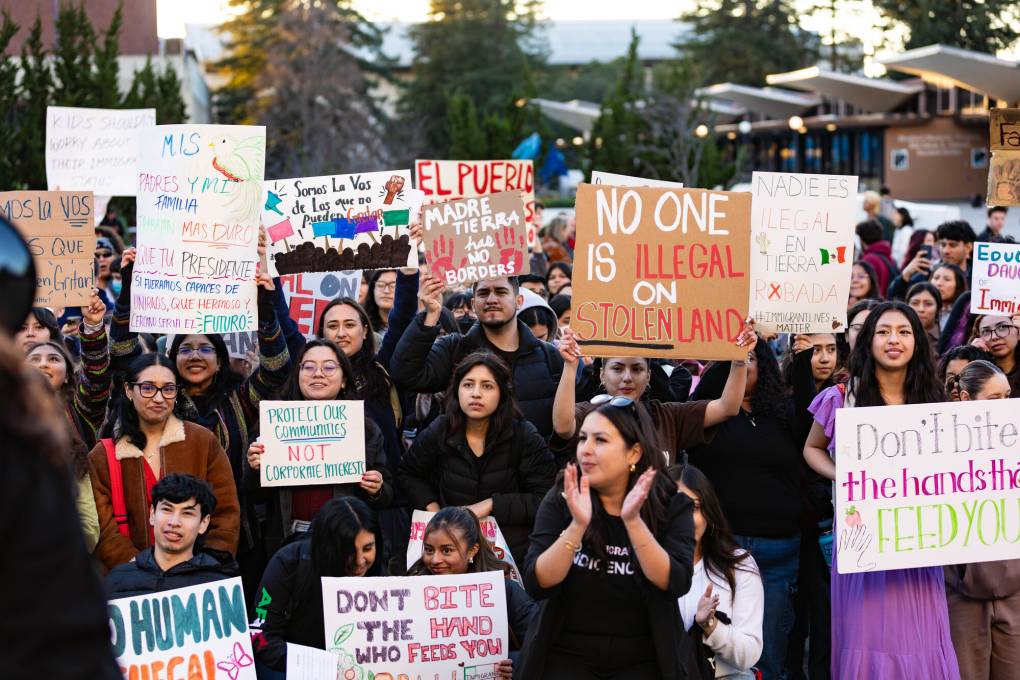
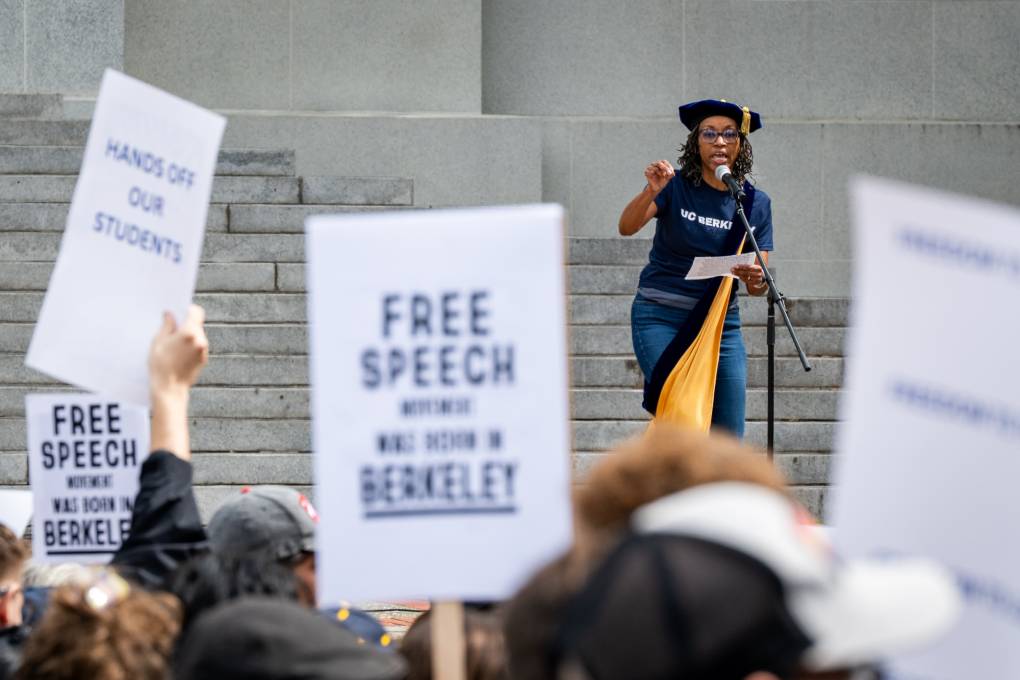
window.__IS_SSR__=true
window.__INITIAL_STATE__={
"attachmentsReducer": {
"audio_0": {
"type": "attachments",
"id": "audio_0",
"imgSizes": {
"kqedFullSize": {
"file": "https://ww2.kqed.org/news/wp-content/themes/KQED-unified/img/audio_bgs/background0.jpg"
}
}
},
"audio_1": {
"type": "attachments",
"id": "audio_1",
"imgSizes": {
"kqedFullSize": {
"file": "https://ww2.kqed.org/news/wp-content/themes/KQED-unified/img/audio_bgs/background1.jpg"
}
}
},
"audio_2": {
"type": "attachments",
"id": "audio_2",
"imgSizes": {
"kqedFullSize": {
"file": "https://ww2.kqed.org/news/wp-content/themes/KQED-unified/img/audio_bgs/background2.jpg"
}
}
},
"audio_3": {
"type": "attachments",
"id": "audio_3",
"imgSizes": {
"kqedFullSize": {
"file": "https://ww2.kqed.org/news/wp-content/themes/KQED-unified/img/audio_bgs/background3.jpg"
}
}
},
"audio_4": {
"type": "attachments",
"id": "audio_4",
"imgSizes": {
"kqedFullSize": {
"file": "https://ww2.kqed.org/news/wp-content/themes/KQED-unified/img/audio_bgs/background4.jpg"
}
}
},
"placeholder": {
"type": "attachments",
"id": "placeholder",
"imgSizes": {
"thumbnail": {
"file": "https://cdn.kqed.org/wp-content/uploads/2024/12/KQED-Default-Image-816638274-2000x1333-1-160x107.jpg",
"width": 160,
"height": 107,
"mimeType": "image/jpeg"
},
"medium": {
"file": "https://cdn.kqed.org/wp-content/uploads/2024/12/KQED-Default-Image-816638274-2000x1333-1-800x533.jpg",
"width": 800,
"height": 533,
"mimeType": "image/jpeg"
},
"medium_large": {
"file": "https://cdn.kqed.org/wp-content/uploads/2024/12/KQED-Default-Image-816638274-2000x1333-1-768x512.jpg",
"width": 768,
"height": 512,
"mimeType": "image/jpeg"
},
"large": {
"file": "https://cdn.kqed.org/wp-content/uploads/2024/12/KQED-Default-Image-816638274-2000x1333-1-1020x680.jpg",
"width": 1020,
"height": 680,
"mimeType": "image/jpeg"
},
"1536x1536": {
"file": "https://cdn.kqed.org/wp-content/uploads/2024/12/KQED-Default-Image-816638274-2000x1333-1-1536x1024.jpg",
"width": 1536,
"height": 1024,
"mimeType": "image/jpeg"
},
"fd-lrg": {
"file": "https://cdn.kqed.org/wp-content/uploads/2024/12/KQED-Default-Image-816638274-2000x1333-1-1536x1024.jpg",
"width": 1536,
"height": 1024,
"mimeType": "image/jpeg"
},
"fd-med": {
"file": "https://cdn.kqed.org/wp-content/uploads/2024/12/KQED-Default-Image-816638274-2000x1333-1-1020x680.jpg",
"width": 1020,
"height": 680,
"mimeType": "image/jpeg"
},
"fd-sm": {
"file": "https://cdn.kqed.org/wp-content/uploads/2024/12/KQED-Default-Image-816638274-2000x1333-1-800x533.jpg",
"width": 800,
"height": 533,
"mimeType": "image/jpeg"
},
"post-thumbnail": {
"file": "https://cdn.kqed.org/wp-content/uploads/2024/12/KQED-Default-Image-816638274-2000x1333-1-672x372.jpg",
"width": 672,
"height": 372,
"mimeType": "image/jpeg"
},
"twentyfourteen-full-width": {
"file": "https://cdn.kqed.org/wp-content/uploads/2024/12/KQED-Default-Image-816638274-2000x1333-1-1038x576.jpg",
"width": 1038,
"height": 576,
"mimeType": "image/jpeg"
},
"xxsmall": {
"file": "https://cdn.kqed.org/wp-content/uploads/2024/12/KQED-Default-Image-816638274-2000x1333-1-160x107.jpg",
"width": 160,
"height": 107,
"mimeType": "image/jpeg"
},
"xsmall": {
"file": "https://cdn.kqed.org/wp-content/uploads/2024/12/KQED-Default-Image-816638274-2000x1333-1-672x372.jpg",
"width": 672,
"height": 372,
"mimeType": "image/jpeg"
},
"small": {
"file": "https://cdn.kqed.org/wp-content/uploads/2024/12/KQED-Default-Image-816638274-2000x1333-1-672x372.jpg",
"width": 672,
"height": 372,
"mimeType": "image/jpeg"
},
"xlarge": {
"file": "https://cdn.kqed.org/wp-content/uploads/2024/12/KQED-Default-Image-816638274-2000x1333-1-1020x680.jpg",
"width": 1020,
"height": 680,
"mimeType": "image/jpeg"
},
"full-width": {
"file": "https://cdn.kqed.org/wp-content/uploads/2024/12/KQED-Default-Image-816638274-2000x1333-1-1920x1280.jpg",
"width": 1920,
"height": 1280,
"mimeType": "image/jpeg"
},
"guest-author-32": {
"file": "https://cdn.kqed.org/wp-content/uploads/2025/01/KQED-Default-Image-816638274-1333x1333-1-160x160.jpg",
"width": 32,
"height": 32,
"mimeType": "image/jpeg"
},
"guest-author-50": {
"file": "https://cdn.kqed.org/wp-content/uploads/2025/01/KQED-Default-Image-816638274-1333x1333-1-160x160.jpg",
"width": 50,
"height": 50,
"mimeType": "image/jpeg"
},
"guest-author-64": {
"file": "https://cdn.kqed.org/wp-content/uploads/2025/01/KQED-Default-Image-816638274-1333x1333-1-160x160.jpg",
"width": 64,
"height": 64,
"mimeType": "image/jpeg"
},
"guest-author-96": {
"file": "https://cdn.kqed.org/wp-content/uploads/2025/01/KQED-Default-Image-816638274-1333x1333-1-160x160.jpg",
"width": 96,
"height": 96,
"mimeType": "image/jpeg"
},
"guest-author-128": {
"file": "https://cdn.kqed.org/wp-content/uploads/2025/01/KQED-Default-Image-816638274-1333x1333-1-160x160.jpg",
"width": 128,
"height": 128,
"mimeType": "image/jpeg"
},
"detail": {
"file": "https://cdn.kqed.org/wp-content/uploads/2025/01/KQED-Default-Image-816638274-1333x1333-1-160x160.jpg",
"width": 160,
"height": 160,
"mimeType": "image/jpeg"
},
"kqedFullSize": {
"file": "https://cdn.kqed.org/wp-content/uploads/2024/12/KQED-Default-Image-816638274-2000x1333-1.jpg",
"width": 2000,
"height": 1333
}
}
},
"news_12034753": {
"type": "attachments",
"id": "news_12034753",
"meta": {
"index": "attachments_1716263798",
"site": "news",
"id": "12034753",
"found": true
},
"title": "20250129_UCBerkeleyRally_GC-72_qed",
"publishDate": 1744048834,
"status": "inherit",
"parent": 12034742,
"modified": 1744048856,
"caption": "Hundreds of students and supporters rally, in solidarity with their undocumented classmates as the Trump administration begins to carry out mass deportations, at Sproul Plaza at UC Berkeley on Jan. 29, 2025. Lawsuits filed by two international students at California colleges come as hundreds across the country are effectively stripped of the ability to keep studying in the U.S. ",
"credit": "Gina Castro/KQED",
"altTag": null,
"description": null,
"imgSizes": {
"medium": {
"file": "https://cdn.kqed.org/wp-content/uploads/sites/10/2025/04/20250129_UCBerkeleyRally_GC-72_qed-800x533.jpg",
"width": 800,
"height": 533,
"mimeType": "image/jpeg"
},
"large": {
"file": "https://cdn.kqed.org/wp-content/uploads/sites/10/2025/04/20250129_UCBerkeleyRally_GC-72_qed-1020x680.jpg",
"width": 1020,
"height": 680,
"mimeType": "image/jpeg"
},
"thumbnail": {
"file": "https://cdn.kqed.org/wp-content/uploads/sites/10/2025/04/20250129_UCBerkeleyRally_GC-72_qed-160x107.jpg",
"width": 160,
"height": 107,
"mimeType": "image/jpeg"
},
"1536x1536": {
"file": "https://cdn.kqed.org/wp-content/uploads/sites/10/2025/04/20250129_UCBerkeleyRally_GC-72_qed-1536x1024.jpg",
"width": 1536,
"height": 1024,
"mimeType": "image/jpeg"
},
"post-thumbnail": {
"file": "https://cdn.kqed.org/wp-content/uploads/sites/10/2025/04/20250129_UCBerkeleyRally_GC-72_qed-672x372.jpg",
"width": 672,
"height": 372,
"mimeType": "image/jpeg"
},
"twentyfourteen-full-width": {
"file": "https://cdn.kqed.org/wp-content/uploads/sites/10/2025/04/20250129_UCBerkeleyRally_GC-72_qed-1038x576.jpg",
"width": 1038,
"height": 576,
"mimeType": "image/jpeg"
},
"full-width": {
"file": "https://cdn.kqed.org/wp-content/uploads/sites/10/2025/04/20250129_UCBerkeleyRally_GC-72_qed-1920x1280.jpg",
"width": 1920,
"height": 1280,
"mimeType": "image/jpeg"
},
"kqedFullSize": {
"file": "https://cdn.kqed.org/wp-content/uploads/sites/10/2025/04/20250129_UCBerkeleyRally_GC-72_qed.jpg",
"width": 2000,
"height": 1333
}
},
"isLoading": false,
"fetchFailed": false
},
"news_12030406": {
"type": "attachments",
"id": "news_12030406",
"meta": {
"index": "attachments_1716263798",
"site": "news",
"id": "12030406",
"found": true
},
"title": "250307-BERKELEY SCIENCE PROTEST-MD-06-KQED",
"publishDate": 1741387524,
"status": "inherit",
"parent": 12030313,
"modified": 1741396036,
"caption": "Fred Dillon cheers at a rally at UC Berkeley in association with the national Stand Up for Science day of action in Berkeley on March 7, 2025.",
"credit": "Martin do Nascimento/KQED",
"altTag": null,
"description": null,
"imgSizes": {
"medium": {
"file": "https://cdn.kqed.org/wp-content/uploads/sites/10/2025/03/250307-BERKELEY-SCIENCE-PROTEST-MD-06-KQED-800x533.jpg",
"width": 800,
"height": 533,
"mimeType": "image/jpeg"
},
"large": {
"file": "https://cdn.kqed.org/wp-content/uploads/sites/10/2025/03/250307-BERKELEY-SCIENCE-PROTEST-MD-06-KQED-1020x680.jpg",
"width": 1020,
"height": 680,
"mimeType": "image/jpeg"
},
"thumbnail": {
"file": "https://cdn.kqed.org/wp-content/uploads/sites/10/2025/03/250307-BERKELEY-SCIENCE-PROTEST-MD-06-KQED-160x107.jpg",
"width": 160,
"height": 107,
"mimeType": "image/jpeg"
},
"1536x1536": {
"file": "https://cdn.kqed.org/wp-content/uploads/sites/10/2025/03/250307-BERKELEY-SCIENCE-PROTEST-MD-06-KQED-1536x1024.jpg",
"width": 1536,
"height": 1024,
"mimeType": "image/jpeg"
},
"post-thumbnail": {
"file": "https://cdn.kqed.org/wp-content/uploads/sites/10/2025/03/250307-BERKELEY-SCIENCE-PROTEST-MD-06-KQED-672x372.jpg",
"width": 672,
"height": 372,
"mimeType": "image/jpeg"
},
"twentyfourteen-full-width": {
"file": "https://cdn.kqed.org/wp-content/uploads/sites/10/2025/03/250307-BERKELEY-SCIENCE-PROTEST-MD-06-KQED-1038x576.jpg",
"width": 1038,
"height": 576,
"mimeType": "image/jpeg"
},
"full-width": {
"file": "https://cdn.kqed.org/wp-content/uploads/sites/10/2025/03/250307-BERKELEY-SCIENCE-PROTEST-MD-06-KQED-1920x1280.jpg",
"width": 1920,
"height": 1280,
"mimeType": "image/jpeg"
},
"kqedFullSize": {
"file": "https://cdn.kqed.org/wp-content/uploads/sites/10/2025/03/250307-BERKELEY-SCIENCE-PROTEST-MD-06-KQED.jpg",
"width": 2000,
"height": 1333
}
},
"isLoading": false,
"fetchFailed": false
},
"news_11995875": {
"type": "attachments",
"id": "news_11995875",
"meta": {
"index": "attachments_1716263798",
"site": "news",
"id": "11995875",
"found": true
},
"title": "Chino Valley School Board Votes On Student Transgender Policy",
"publishDate": 1721159949,
"status": "inherit",
"parent": 11995853,
"modified": 1721162762,
"caption": "A person holds a sign in opposition to a policy that the Chino Valley school board is meeting to vote on, which would require school staff to 'out' students to their parents if they ask to be identified by a gender that is not listed on their birth certificate on July 20, 2023, in Chino, San Bernardino County. ",
"credit": "David McNew/Getty Images",
"altTag": null,
"description": null,
"imgSizes": {
"medium": {
"file": "https://cdn.kqed.org/wp-content/uploads/sites/10/2024/07/GettyImages-1545719242-800x534.jpg",
"width": 800,
"height": 534,
"mimeType": "image/jpeg"
},
"large": {
"file": "https://cdn.kqed.org/wp-content/uploads/sites/10/2024/07/GettyImages-1545719242-1020x680.jpg",
"width": 1020,
"height": 680,
"mimeType": "image/jpeg"
},
"thumbnail": {
"file": "https://cdn.kqed.org/wp-content/uploads/sites/10/2024/07/GettyImages-1545719242-160x107.jpg",
"width": 160,
"height": 107,
"mimeType": "image/jpeg"
},
"post-thumbnail": {
"file": "https://cdn.kqed.org/wp-content/uploads/sites/10/2024/07/GettyImages-1545719242-672x372.jpg",
"width": 672,
"height": 372,
"mimeType": "image/jpeg"
},
"twentyfourteen-full-width": {
"file": "https://cdn.kqed.org/wp-content/uploads/sites/10/2024/07/GettyImages-1545719242-1024x576.jpg",
"width": 1024,
"height": 576,
"mimeType": "image/jpeg"
},
"kqedFullSize": {
"file": "https://cdn.kqed.org/wp-content/uploads/sites/10/2024/07/GettyImages-1545719242.jpg",
"width": 1024,
"height": 683
}
},
"isLoading": false,
"fetchFailed": false
},
"news_12033556": {
"type": "attachments",
"id": "news_12033556",
"meta": {
"index": "attachments_1716263798",
"site": "news",
"id": "12033556",
"found": true
},
"title": "npr.brightspotcdn-1 copy",
"publishDate": 1743189137,
"status": "inherit",
"parent": 12033555,
"modified": 1743189179,
"caption": "Secretary of State Marco Rubio speaks during his visit to the Yad Vashem Holocaust Memorial museum in Jerusalem on Feb. 16, 2025.",
"credit": "Evelyn Hockstein/AFP via Getty Images",
"altTag": null,
"description": null,
"imgSizes": {
"medium": {
"file": "https://cdn.kqed.org/wp-content/uploads/sites/10/2025/03/npr.brightspotcdn-1-copy-2-800x534.jpg",
"width": 800,
"height": 534,
"mimeType": "image/jpeg"
},
"large": {
"file": "https://cdn.kqed.org/wp-content/uploads/sites/10/2025/03/npr.brightspotcdn-1-copy-2-1020x680.jpg",
"width": 1020,
"height": 680,
"mimeType": "image/jpeg"
},
"thumbnail": {
"file": "https://cdn.kqed.org/wp-content/uploads/sites/10/2025/03/npr.brightspotcdn-1-copy-2-160x107.jpg",
"width": 160,
"height": 107,
"mimeType": "image/jpeg"
},
"1536x1536": {
"file": "https://cdn.kqed.org/wp-content/uploads/sites/10/2025/03/npr.brightspotcdn-1-copy-2-1536x1024.jpg",
"width": 1536,
"height": 1024,
"mimeType": "image/jpeg"
},
"post-thumbnail": {
"file": "https://cdn.kqed.org/wp-content/uploads/sites/10/2025/03/npr.brightspotcdn-1-copy-2-672x372.jpg",
"width": 672,
"height": 372,
"mimeType": "image/jpeg"
},
"twentyfourteen-full-width": {
"file": "https://cdn.kqed.org/wp-content/uploads/sites/10/2025/03/npr.brightspotcdn-1-copy-2-1038x576.jpg",
"width": 1038,
"height": 576,
"mimeType": "image/jpeg"
},
"kqedFullSize": {
"file": "https://cdn.kqed.org/wp-content/uploads/sites/10/2025/03/npr.brightspotcdn-1-copy-2.jpg",
"width": 1600,
"height": 1067
}
},
"isLoading": false,
"fetchFailed": false
},
"news_12033437": {
"type": "attachments",
"id": "news_12033437",
"meta": {
"index": "attachments_1716263798",
"site": "news",
"id": "12033437",
"found": true
},
"title": "California State University East Bay student protest",
"publishDate": 1743113569,
"status": "inherit",
"parent": 0,
"modified": 1743194450,
"caption": "Kadin Foster, 22, center-rear, a theater major, joins others in protest against proposed cuts to the school's theater and dance department at California State University East Bay, as they march across campus in Hayward on Tuesday, March 27, 2025. Organizers, advocating to preserve arts education, delivered a petition with more than 800 signatures to the provost's office, urging administrators to reconsider eliminating the program.",
"credit": "Estefany Gonzalez for KQED",
"altTag": null,
"description": null,
"imgSizes": {
"medium": {
"file": "https://cdn.kqed.org/wp-content/uploads/sites/10/2025/03/20250326_CSUEB-Protest_EG_00010-800x533.jpg",
"width": 800,
"height": 533,
"mimeType": "image/jpeg"
},
"large": {
"file": "https://cdn.kqed.org/wp-content/uploads/sites/10/2025/03/20250326_CSUEB-Protest_EG_00010-1020x680.jpg",
"width": 1020,
"height": 680,
"mimeType": "image/jpeg"
},
"thumbnail": {
"file": "https://cdn.kqed.org/wp-content/uploads/sites/10/2025/03/20250326_CSUEB-Protest_EG_00010-160x107.jpg",
"width": 160,
"height": 107,
"mimeType": "image/jpeg"
},
"1536x1536": {
"file": "https://cdn.kqed.org/wp-content/uploads/sites/10/2025/03/20250326_CSUEB-Protest_EG_00010-1536x1024.jpg",
"width": 1536,
"height": 1024,
"mimeType": "image/jpeg"
},
"post-thumbnail": {
"file": "https://cdn.kqed.org/wp-content/uploads/sites/10/2025/03/20250326_CSUEB-Protest_EG_00010-672x372.jpg",
"width": 672,
"height": 372,
"mimeType": "image/jpeg"
},
"twentyfourteen-full-width": {
"file": "https://cdn.kqed.org/wp-content/uploads/sites/10/2025/03/20250326_CSUEB-Protest_EG_00010-1038x576.jpg",
"width": 1038,
"height": 576,
"mimeType": "image/jpeg"
},
"full-width": {
"file": "https://cdn.kqed.org/wp-content/uploads/sites/10/2025/03/20250326_CSUEB-Protest_EG_00010-1920x1280.jpg",
"width": 1920,
"height": 1280,
"mimeType": "image/jpeg"
},
"kqedFullSize": {
"file": "https://cdn.kqed.org/wp-content/uploads/sites/10/2025/03/20250326_CSUEB-Protest_EG_00010.jpg",
"width": 2000,
"height": 1333
}
},
"isLoading": false,
"fetchFailed": false
},
"news_12033037": {
"type": "attachments",
"id": "news_12033037",
"meta": {
"index": "attachments_1716263798",
"site": "news",
"id": "12033037",
"found": true
},
"title": "111523-Keyes-School-District-LV_CM_02 copy",
"publishDate": 1742943488,
"status": "inherit",
"parent": 12033035,
"modified": 1742943978,
"caption": "The basketball courts and row of trailers where classes are taught at Barbara Spratling Middle School in Keyes on Nov. 15, 2023. ",
"credit": "Larry Valenzuela/CalMatters/CatchLight Local",
"altTag": null,
"description": null,
"imgSizes": {
"medium": {
"file": "https://cdn.kqed.org/wp-content/uploads/sites/10/2025/03/111523-Keyes-School-District-LV_CM_02-copy-800x533.jpg",
"width": 800,
"height": 533,
"mimeType": "image/jpeg"
},
"large": {
"file": "https://cdn.kqed.org/wp-content/uploads/sites/10/2025/03/111523-Keyes-School-District-LV_CM_02-copy-1020x680.jpg",
"width": 1020,
"height": 680,
"mimeType": "image/jpeg"
},
"thumbnail": {
"file": "https://cdn.kqed.org/wp-content/uploads/sites/10/2025/03/111523-Keyes-School-District-LV_CM_02-copy-160x107.jpg",
"width": 160,
"height": 107,
"mimeType": "image/jpeg"
},
"1536x1536": {
"file": "https://cdn.kqed.org/wp-content/uploads/sites/10/2025/03/111523-Keyes-School-District-LV_CM_02-copy-1536x1024.jpg",
"width": 1536,
"height": 1024,
"mimeType": "image/jpeg"
},
"post-thumbnail": {
"file": "https://cdn.kqed.org/wp-content/uploads/sites/10/2025/03/111523-Keyes-School-District-LV_CM_02-copy-672x372.jpg",
"width": 672,
"height": 372,
"mimeType": "image/jpeg"
},
"twentyfourteen-full-width": {
"file": "https://cdn.kqed.org/wp-content/uploads/sites/10/2025/03/111523-Keyes-School-District-LV_CM_02-copy-1038x576.jpg",
"width": 1038,
"height": 576,
"mimeType": "image/jpeg"
},
"full-width": {
"file": "https://cdn.kqed.org/wp-content/uploads/sites/10/2025/03/111523-Keyes-School-District-LV_CM_02-copy-1920x1280.jpg",
"width": 1920,
"height": 1280,
"mimeType": "image/jpeg"
},
"kqedFullSize": {
"file": "https://cdn.kqed.org/wp-content/uploads/sites/10/2025/03/111523-Keyes-School-District-LV_CM_02-copy.jpg",
"width": 2000,
"height": 1333
}
},
"isLoading": false,
"fetchFailed": false
},
"news_12032340": {
"type": "attachments",
"id": "news_12032340",
"meta": {
"index": "attachments_1716263798",
"site": "news",
"id": "12032340",
"found": true
},
"title": "Sac_state_protest_2025_02_11_FG_S1A6149 copy",
"publishDate": 1742508793,
"status": "inherit",
"parent": 12032339,
"modified": 1742508822,
"caption": "A student waves a Mexican flag while participating in an anti-deportation protest at Sacramento State University on Feb. 12, 2025.\n",
"credit": "Fred Greaves for CalMatters",
"altTag": null,
"description": null,
"imgSizes": {
"medium": {
"file": "https://cdn.kqed.org/wp-content/uploads/sites/10/2025/03/Sac_state_protest_2025_02_11_FG_S1A6149-copy-800x533.jpg",
"width": 800,
"height": 533,
"mimeType": "image/jpeg"
},
"large": {
"file": "https://cdn.kqed.org/wp-content/uploads/sites/10/2025/03/Sac_state_protest_2025_02_11_FG_S1A6149-copy-1020x680.jpg",
"width": 1020,
"height": 680,
"mimeType": "image/jpeg"
},
"thumbnail": {
"file": "https://cdn.kqed.org/wp-content/uploads/sites/10/2025/03/Sac_state_protest_2025_02_11_FG_S1A6149-copy-160x107.jpg",
"width": 160,
"height": 107,
"mimeType": "image/jpeg"
},
"1536x1536": {
"file": "https://cdn.kqed.org/wp-content/uploads/sites/10/2025/03/Sac_state_protest_2025_02_11_FG_S1A6149-copy-1536x1024.jpg",
"width": 1536,
"height": 1024,
"mimeType": "image/jpeg"
},
"post-thumbnail": {
"file": "https://cdn.kqed.org/wp-content/uploads/sites/10/2025/03/Sac_state_protest_2025_02_11_FG_S1A6149-copy-672x372.jpg",
"width": 672,
"height": 372,
"mimeType": "image/jpeg"
},
"twentyfourteen-full-width": {
"file": "https://cdn.kqed.org/wp-content/uploads/sites/10/2025/03/Sac_state_protest_2025_02_11_FG_S1A6149-copy-1038x576.jpg",
"width": 1038,
"height": 576,
"mimeType": "image/jpeg"
},
"full-width": {
"file": "https://cdn.kqed.org/wp-content/uploads/sites/10/2025/03/Sac_state_protest_2025_02_11_FG_S1A6149-copy-1920x1280.jpg",
"width": 1920,
"height": 1280,
"mimeType": "image/jpeg"
},
"kqedFullSize": {
"file": "https://cdn.kqed.org/wp-content/uploads/sites/10/2025/03/Sac_state_protest_2025_02_11_FG_S1A6149-copy.jpg",
"width": 2000,
"height": 1333
}
},
"isLoading": false,
"fetchFailed": false
},
"news_12032461": {
"type": "attachments",
"id": "news_12032461",
"meta": {
"index": "attachments_1716263798",
"site": "news",
"id": "12032461",
"found": true
},
"title": "npr.brightspotcdn copy",
"publishDate": 1742585776,
"status": "inherit",
"parent": 12032460,
"modified": 1742585819,
"caption": "The federal student loan portfolio — which manages about $1.6 trillion in loans for roughly 43 million borrowers — is currently overseen by the Education Department's office of Federal Student Aid.",
"credit": "Mario Tama/Getty Images",
"altTag": null,
"description": null,
"imgSizes": {
"medium": {
"file": "https://cdn.kqed.org/wp-content/uploads/sites/10/2025/03/npr.brightspotcdn-copy-8-800x521.jpg",
"width": 800,
"height": 521,
"mimeType": "image/jpeg"
},
"large": {
"file": "https://cdn.kqed.org/wp-content/uploads/sites/10/2025/03/npr.brightspotcdn-copy-8-1020x665.jpg",
"width": 1020,
"height": 665,
"mimeType": "image/jpeg"
},
"thumbnail": {
"file": "https://cdn.kqed.org/wp-content/uploads/sites/10/2025/03/npr.brightspotcdn-copy-8-160x104.jpg",
"width": 160,
"height": 104,
"mimeType": "image/jpeg"
},
"1536x1536": {
"file": "https://cdn.kqed.org/wp-content/uploads/sites/10/2025/03/npr.brightspotcdn-copy-8-1536x1001.jpg",
"width": 1536,
"height": 1001,
"mimeType": "image/jpeg"
},
"post-thumbnail": {
"file": "https://cdn.kqed.org/wp-content/uploads/sites/10/2025/03/npr.brightspotcdn-copy-8-672x372.jpg",
"width": 672,
"height": 372,
"mimeType": "image/jpeg"
},
"twentyfourteen-full-width": {
"file": "https://cdn.kqed.org/wp-content/uploads/sites/10/2025/03/npr.brightspotcdn-copy-8-1038x576.jpg",
"width": 1038,
"height": 576,
"mimeType": "image/jpeg"
},
"kqedFullSize": {
"file": "https://cdn.kqed.org/wp-content/uploads/sites/10/2025/03/npr.brightspotcdn-copy-8.jpg",
"width": 1800,
"height": 1173
}
},
"isLoading": false,
"fetchFailed": false
},
"news_12032407": {
"type": "attachments",
"id": "news_12032407",
"meta": {
"index": "attachments_1716263798",
"site": "news",
"id": "12032407",
"found": true
},
"title": "University of California labor unions on strike",
"publishDate": 1742519313,
"status": "inherit",
"parent": 12032232,
"modified": 1742576600,
"caption": "Members of University Professional and Technical Employees-CWA Local 9119 and AFSCME Local 3299 protest on West Chapman Avenue in front of UC Irvine Medical Center in Orange, California, on Feb. 26, 2025. AFSCME Local 3299 President Liz Perlman said Wednesday, 'It's the weight at the top that's crushing the system,' blaming the UC top brass for the hiring freeze.",
"credit": "Paul Bersebach/MediaNews Group/Orange County Register via Getty Images",
"altTag": null,
"description": null,
"imgSizes": {
"medium": {
"file": "https://cdn.kqed.org/wp-content/uploads/sites/10/2025/03/GettyImages-2201544551-800x572.jpg",
"width": 800,
"height": 572,
"mimeType": "image/jpeg"
},
"large": {
"file": "https://cdn.kqed.org/wp-content/uploads/sites/10/2025/03/GettyImages-2201544551-1020x729.jpg",
"width": 1020,
"height": 729,
"mimeType": "image/jpeg"
},
"thumbnail": {
"file": "https://cdn.kqed.org/wp-content/uploads/sites/10/2025/03/GettyImages-2201544551-160x114.jpg",
"width": 160,
"height": 114,
"mimeType": "image/jpeg"
},
"post-thumbnail": {
"file": "https://cdn.kqed.org/wp-content/uploads/sites/10/2025/03/GettyImages-2201544551-672x372.jpg",
"width": 672,
"height": 372,
"mimeType": "image/jpeg"
},
"twentyfourteen-full-width": {
"file": "https://cdn.kqed.org/wp-content/uploads/sites/10/2025/03/GettyImages-2201544551-1024x576.jpg",
"width": 1024,
"height": 576,
"mimeType": "image/jpeg"
},
"kqedFullSize": {
"file": "https://cdn.kqed.org/wp-content/uploads/sites/10/2025/03/GettyImages-2201544551.jpg",
"width": 1024,
"height": 732
}
},
"isLoading": false,
"fetchFailed": false
},
"news_12032118": {
"type": "attachments",
"id": "news_12032118",
"meta": {
"index": "attachments_1716263798",
"site": "news",
"id": "12032118",
"found": true
},
"title": "250319-UCBerkeleyProtest-13-BL",
"publishDate": 1742420513,
"status": "inherit",
"parent": 12056908,
"modified": 1758321320,
"caption": "Ula Taylor, professor of African American studies, speaks during a rally in Sproul Plaza at UC Berkeley on March 19, 2025, to protest the Trump administration's scrutiny of campus protests and curriculum nationwide. The demonstration comes amid broader concerns over federal funding cuts and actions perceived as threats to academic freedom.",
"credit": "Beth LaBerge/KQED",
"altTag": null,
"description": null,
"imgSizes": {
"medium": {
"file": "https://cdn.kqed.org/wp-content/uploads/sites/10/2025/03/250319-UCBerkeleyProtest-13-BL-800x533.jpg",
"width": 800,
"height": 533,
"mimeType": "image/jpeg"
},
"large": {
"file": "https://cdn.kqed.org/wp-content/uploads/sites/10/2025/03/250319-UCBerkeleyProtest-13-BL-1020x680.jpg",
"width": 1020,
"height": 680,
"mimeType": "image/jpeg"
},
"thumbnail": {
"file": "https://cdn.kqed.org/wp-content/uploads/sites/10/2025/03/250319-UCBerkeleyProtest-13-BL-160x107.jpg",
"width": 160,
"height": 107,
"mimeType": "image/jpeg"
},
"1536x1536": {
"file": "https://cdn.kqed.org/wp-content/uploads/sites/10/2025/03/250319-UCBerkeleyProtest-13-BL-1536x1024.jpg",
"width": 1536,
"height": 1024,
"mimeType": "image/jpeg"
},
"post-thumbnail": {
"file": "https://cdn.kqed.org/wp-content/uploads/sites/10/2025/03/250319-UCBerkeleyProtest-13-BL-672x372.jpg",
"width": 672,
"height": 372,
"mimeType": "image/jpeg"
},
"twentyfourteen-full-width": {
"file": "https://cdn.kqed.org/wp-content/uploads/sites/10/2025/03/250319-UCBerkeleyProtest-13-BL-1038x576.jpg",
"width": 1038,
"height": 576,
"mimeType": "image/jpeg"
},
"full-width": {
"file": "https://cdn.kqed.org/wp-content/uploads/sites/10/2025/03/250319-UCBerkeleyProtest-13-BL-1920x1280.jpg",
"width": 1920,
"height": 1280,
"mimeType": "image/jpeg"
},
"kqedFullSize": {
"file": "https://cdn.kqed.org/wp-content/uploads/sites/10/2025/03/250319-UCBerkeleyProtest-13-BL.jpg",
"width": 2000,
"height": 1333
}
},
"isLoading": false,
"fetchFailed": false
},
"news_12031851": {
"type": "attachments",
"id": "news_12031851",
"meta": {
"index": "attachments_1716263798",
"site": "news",
"id": "12031851",
"found": true
},
"title": "Department Of Education Plans To Lay Off Half Of Its Staff",
"publishDate": 1742322731,
"status": "inherit",
"parent": 12031831,
"modified": 1745958272,
"caption": "The headquarters of the Department of Education are shown on March 12, 2025 in Washington, DC. ",
"credit": "Win McNamee/Getty Images",
"altTag": null,
"description": null,
"imgSizes": {
"medium": {
"file": "https://cdn.kqed.org/wp-content/uploads/sites/10/2025/03/GettyImages-2204718967-800x534.jpg",
"width": 800,
"height": 534,
"mimeType": "image/jpeg"
},
"large": {
"file": "https://cdn.kqed.org/wp-content/uploads/sites/10/2025/03/GettyImages-2204718967-1020x680.jpg",
"width": 1020,
"height": 680,
"mimeType": "image/jpeg"
},
"thumbnail": {
"file": "https://cdn.kqed.org/wp-content/uploads/sites/10/2025/03/GettyImages-2204718967-160x107.jpg",
"width": 160,
"height": 107,
"mimeType": "image/jpeg"
},
"post-thumbnail": {
"file": "https://cdn.kqed.org/wp-content/uploads/sites/10/2025/03/GettyImages-2204718967-672x372.jpg",
"width": 672,
"height": 372,
"mimeType": "image/jpeg"
},
"twentyfourteen-full-width": {
"file": "https://cdn.kqed.org/wp-content/uploads/sites/10/2025/03/GettyImages-2204718967-1024x576.jpg",
"width": 1024,
"height": 576,
"mimeType": "image/jpeg"
},
"kqedFullSize": {
"file": "https://cdn.kqed.org/wp-content/uploads/sites/10/2025/03/GettyImages-2204718967.jpg",
"width": 1024,
"height": 683
}
},
"isLoading": false,
"fetchFailed": false
},
"news_12030546": {
"type": "attachments",
"id": "news_12030546",
"meta": {
"index": "attachments_1716263798",
"site": "news",
"id": "12030546",
"found": true
},
"title": "20250307_ALAMEDACHILDCARE_GC-16-KQED",
"publishDate": 1741613336,
"status": "inherit",
"parent": 12030561,
"modified": 1742323618,
"caption": "Lisa Zarodney talks to Ryden, 1, Kane, 2, and Hudson, 3, at her home in Livermore, where she runs a child care operation, on March 7, 2025.",
"credit": "Gina Castro/KQED",
"altTag": null,
"description": null,
"imgSizes": {
"medium": {
"file": "https://cdn.kqed.org/wp-content/uploads/sites/10/2025/03/20250307_ALAMEDACHILDCARE_GC-16-KQED-800x533.jpg",
"width": 800,
"height": 533,
"mimeType": "image/jpeg"
},
"large": {
"file": "https://cdn.kqed.org/wp-content/uploads/sites/10/2025/03/20250307_ALAMEDACHILDCARE_GC-16-KQED-1020x680.jpg",
"width": 1020,
"height": 680,
"mimeType": "image/jpeg"
},
"thumbnail": {
"file": "https://cdn.kqed.org/wp-content/uploads/sites/10/2025/03/20250307_ALAMEDACHILDCARE_GC-16-KQED-160x107.jpg",
"width": 160,
"height": 107,
"mimeType": "image/jpeg"
},
"1536x1536": {
"file": "https://cdn.kqed.org/wp-content/uploads/sites/10/2025/03/20250307_ALAMEDACHILDCARE_GC-16-KQED-1536x1024.jpg",
"width": 1536,
"height": 1024,
"mimeType": "image/jpeg"
},
"post-thumbnail": {
"file": "https://cdn.kqed.org/wp-content/uploads/sites/10/2025/03/20250307_ALAMEDACHILDCARE_GC-16-KQED-672x372.jpg",
"width": 672,
"height": 372,
"mimeType": "image/jpeg"
},
"twentyfourteen-full-width": {
"file": "https://cdn.kqed.org/wp-content/uploads/sites/10/2025/03/20250307_ALAMEDACHILDCARE_GC-16-KQED-1038x576.jpg",
"width": 1038,
"height": 576,
"mimeType": "image/jpeg"
},
"full-width": {
"file": "https://cdn.kqed.org/wp-content/uploads/sites/10/2025/03/20250307_ALAMEDACHILDCARE_GC-16-KQED-1920x1280.jpg",
"width": 1920,
"height": 1280,
"mimeType": "image/jpeg"
},
"kqedFullSize": {
"file": "https://cdn.kqed.org/wp-content/uploads/sites/10/2025/03/20250307_ALAMEDACHILDCARE_GC-16-KQED.jpg",
"width": 2000,
"height": 1333
}
},
"isLoading": false,
"fetchFailed": false
}
},
"audioPlayerReducer": {
"postId": "stream_live",
"isPaused": true,
"isPlaying": false,
"pfsActive": false,
"pledgeModalIsOpen": true,
"playerDrawerIsOpen": false,
"liveAudioPlayStartedAt": 0,
"liveAudioPlayContext": ""
},
"authorsReducer": {
"byline_news_12033563": {
"type": "authors",
"id": "byline_news_12033563",
"meta": {
"override": true
},
"slug": "byline_news_12033563",
"name": "Sophie Austin, Associated Press",
"isLoading": false
},
"byline_news_12033555": {
"type": "authors",
"id": "byline_news_12033555",
"meta": {
"override": true
},
"slug": "byline_news_12033555",
"name": "\u003ca href=\"https://www.npr.org/people/831107342/alana-wise\">Alana Wise\u003c/a>, NPR",
"isLoading": false
},
"byline_news_12033035": {
"type": "authors",
"id": "byline_news_12033035",
"meta": {
"override": true
},
"slug": "byline_news_12033035",
"name": "\u003ca href=\"https://calmatters.org/author/carolyn-jones/\">Carolyn Jones\u003c/a>, CalMatters",
"isLoading": false
},
"byline_news_12032339": {
"type": "authors",
"id": "byline_news_12032339",
"meta": {
"override": true
},
"slug": "byline_news_12032339",
"name": "\u003ca href=\"https://calmatters.org/author/delilah-brumer/\">Delilah Brumer\u003c/a>, CalMatters",
"isLoading": false
},
"byline_news_12032460": {
"type": "authors",
"id": "byline_news_12032460",
"meta": {
"override": true
},
"slug": "byline_news_12032460",
"name": "\u003ca href=\"https://www.npr.org/people/349625027/cory-turner\">Cory Turner\u003c/a>, NPR",
"isLoading": false
},
"tychehendricks": {
"type": "authors",
"id": "259",
"meta": {
"index": "authors_1716337520",
"id": "259",
"found": true
},
"name": "Tyche Hendricks",
"firstName": "Tyche",
"lastName": "Hendricks",
"slug": "tychehendricks",
"email": "thendricks@kqed.org",
"display_author_email": true,
"staff_mastheads": [
"news"
],
"title": "KQED Senior Editor, Immigration",
"bio": "\u003cspan style=\"font-weight: 400;\">Tyche Hendricks is KQED’s senior editor for immigration, leading coverage of the policy and politics that affect California’s immigrant communities. Her work for KQED’s radio and online audiences is also carried on NPR and other national outlets. She has been recognized with awards from the Radio and Television News Directors Association, the Society for Professional Journalists; the Education Writers Association; the Best of the West and the National Federation of Community Broadcasters. Before joining KQED in 2010, Tyche spent more than a dozen years as a newspaper reporter, notably at the \u003c/span>\u003ci>\u003cspan style=\"font-weight: 400;\">San Francisco Chronicle\u003c/span>\u003c/i>\u003cspan style=\"font-weight: 400;\">. At different times she has covered criminal justice, government and politics and urban planning. Tyche has taught in the MFA Creative Writing program at the University of San Francisco and at UC Berkeley’s Graduate School of Journalism, where she was co-director of a national immigration symposium for professional journalists. She is the author of \u003c/span>\u003ci>\u003cspan style=\"font-weight: 400;\">The Wind Doesn't Need a Passport: Stories from the U.S.-Mexico Borderlands\u003c/span>\u003c/i>\u003cspan style=\"font-weight: 400;\"> (University of California Press). \u003c/span>",
"avatar": "https://secure.gravatar.com/avatar/b8ee458e2731c2d43df86882ce17267e?s=600&d=blank&r=g",
"twitter": "tychehendricks",
"facebook": null,
"instagram": null,
"linkedin": null,
"sites": [
{
"site": "news",
"roles": [
"editor"
]
},
{
"site": "stateofhealth",
"roles": [
"editor"
]
}
],
"headData": {
"title": "Tyche Hendricks | KQED",
"description": "KQED Senior Editor, Immigration",
"ogImgSrc": "https://secure.gravatar.com/avatar/b8ee458e2731c2d43df86882ce17267e?s=600&d=blank&r=g",
"twImgSrc": "https://secure.gravatar.com/avatar/b8ee458e2731c2d43df86882ce17267e?s=600&d=blank&r=g"
},
"isLoading": false,
"link": "/author/tychehendricks"
},
"matthewgreen": {
"type": "authors",
"id": "1263",
"meta": {
"index": "authors_1716337520",
"id": "1263",
"found": true
},
"name": "Matthew Green",
"firstName": "Matthew",
"lastName": "Green",
"slug": "matthewgreen",
"email": "mgreen@kqed.org",
"display_author_email": false,
"staff_mastheads": [],
"title": "KQED Editor/Reporter",
"bio": "Matthew Green is a digital media producer for KQED News. He previously produced \u003ca href=\"http://www.kqed.org/lowdown\">The Lowdown\u003c/a>, KQED’s multimedia news education blog. Matthew's written for numerous Bay Area publications, including the Oakland Tribune and San Francisco Chronicle. He also taught journalism classes at Fremont High School in East Oakland.\r\n\r\nEmail: mgreen@kqed.org; Twitter: @MGreenKQED",
"avatar": "https://secure.gravatar.com/avatar/3bf498d1267ca02c8494f33d8cfc575e?s=600&d=blank&r=g",
"twitter": "MGreenKQED",
"facebook": null,
"instagram": null,
"linkedin": null,
"sites": [
{
"site": "news",
"roles": []
},
{
"site": "lowdown",
"roles": []
},
{
"site": "science",
"roles": []
},
{
"site": "education",
"roles": []
},
{
"site": "quest",
"roles": []
},
{
"site": "liveblog",
"roles": []
}
],
"headData": {
"title": "Matthew Green | KQED",
"description": "KQED Editor/Reporter",
"ogImgSrc": "https://secure.gravatar.com/avatar/3bf498d1267ca02c8494f33d8cfc575e?s=600&d=blank&r=g",
"twImgSrc": "https://secure.gravatar.com/avatar/3bf498d1267ca02c8494f33d8cfc575e?s=600&d=blank&r=g"
},
"isLoading": false,
"link": "/author/matthewgreen"
},
"daisynguyen": {
"type": "authors",
"id": "11829",
"meta": {
"index": "authors_1716337520",
"id": "11829",
"found": true
},
"name": "Daisy Nguyen",
"firstName": "Daisy",
"lastName": "Nguyen",
"slug": "daisynguyen",
"email": "daisynguyen@kqed.org",
"display_author_email": true,
"staff_mastheads": [
"news"
],
"title": "KQED Contributor",
"bio": "I have covered early childhood education and child care for KQED since 2022. I focus on policies aimed at increasing access to early care and education and how they shape individual lives. I've been a journalist for more than two decades, with most of that time devoted to covering breaking news throughout California for The Associated Press. I grew up in San Francisco and studied at UC Davis and Columbia University's Graduate School of Journalism. I live in Oakland with my husband and two kids.",
"avatar": "https://secure.gravatar.com/avatar/2da2127c27f7143b53ebd419800fd55f?s=600&d=blank&r=g",
"twitter": null,
"facebook": null,
"instagram": null,
"linkedin": "https://www.linkedin.com/in/daisynguyen/",
"sites": [
{
"site": "news",
"roles": [
"author"
]
},
{
"site": "liveblog",
"roles": [
"author"
]
}
],
"headData": {
"title": "Daisy Nguyen | KQED",
"description": "KQED Contributor",
"ogImgSrc": "https://secure.gravatar.com/avatar/2da2127c27f7143b53ebd419800fd55f?s=600&d=blank&r=g",
"twImgSrc": "https://secure.gravatar.com/avatar/2da2127c27f7143b53ebd419800fd55f?s=600&d=blank&r=g"
},
"isLoading": false,
"link": "/author/daisynguyen"
},
"nkhan": {
"type": "authors",
"id": "11867",
"meta": {
"index": "authors_1716337520",
"id": "11867",
"found": true
},
"name": "Nisa Khan",
"firstName": "Nisa",
"lastName": "Khan",
"slug": "nkhan",
"email": "nkhan@kqed.org",
"display_author_email": false,
"staff_mastheads": [],
"title": "KQED Contributor",
"bio": "Nisa Khan is a reporter for KQED's Audience News Desk. She was formerly a data reporter at Michigan Radio. She earned a Bachelor of Science in Information from the University of Michigan and a Master of Arts in Communication from Stanford University.",
"avatar": "https://secure.gravatar.com/avatar/8720459eef081ff64582b3506b124d58523e80e120704a0cbd9892533c914991?s=600&d=blank&r=g",
"twitter": "mnisakhan",
"bluesky": null,
"facebook": null,
"instagram": null,
"linkedin": null,
"sites": [
{
"site": "arts",
"roles": [
"editor"
]
},
{
"site": "news",
"roles": [
"editor"
]
},
{
"site": "science",
"roles": [
"editor",
"author"
]
},
{
"site": "forum",
"roles": [
"editor"
]
},
{
"site": "liveblog",
"roles": [
"contributor"
]
}
],
"headData": {
"title": "Nisa Khan | KQED",
"description": "KQED Contributor",
"ogImgSrc": "https://secure.gravatar.com/avatar/8720459eef081ff64582b3506b124d58523e80e120704a0cbd9892533c914991?s=600&d=blank&r=g",
"twImgSrc": "https://secure.gravatar.com/avatar/8720459eef081ff64582b3506b124d58523e80e120704a0cbd9892533c914991?s=600&d=blank&r=g"
},
"isLoading": false,
"link": "/author/nkhan"
},
"kdebenedetti": {
"type": "authors",
"id": "11913",
"meta": {
"index": "authors_1716337520",
"id": "11913",
"found": true
},
"name": "Katie DeBenedetti",
"firstName": "Katie",
"lastName": "DeBenedetti",
"slug": "kdebenedetti",
"email": "kdebenedetti@kqed.org",
"display_author_email": false,
"staff_mastheads": [
"news",
"science"
],
"title": "KQED Contributor",
"bio": "Katie DeBenedetti is a digital reporter covering daily news for the Express Desk. Prior to joining KQED as a culture reporting intern in January 2024, she covered education and city government for the Napa Valley Register.",
"avatar": "https://secure.gravatar.com/avatar/6e31073cb8f7e4214ab03f42771d0f45?s=600&d=blank&r=g",
"twitter": null,
"facebook": null,
"instagram": null,
"linkedin": null,
"sites": [
{
"site": "news",
"roles": [
"author"
]
},
{
"site": "science",
"roles": [
"author"
]
},
{
"site": "liveblog",
"roles": [
"author"
]
}
],
"headData": {
"title": "Katie DeBenedetti | KQED",
"description": "KQED Contributor",
"ogImgSrc": "https://secure.gravatar.com/avatar/6e31073cb8f7e4214ab03f42771d0f45?s=600&d=blank&r=g",
"twImgSrc": "https://secure.gravatar.com/avatar/6e31073cb8f7e4214ab03f42771d0f45?s=600&d=blank&r=g"
},
"isLoading": false,
"link": "/author/kdebenedetti"
},
"rcooke": {
"type": "authors",
"id": "11921",
"meta": {
"index": "authors_1716337520",
"id": "11921",
"found": true
},
"name": "Riley Cooke",
"firstName": "Riley",
"lastName": "Cooke",
"slug": "rcooke",
"email": "rcooke@kqed.org",
"display_author_email": true,
"staff_mastheads": [
"news"
],
"title": "KQED Contributor",
"bio": "Riley is a senior at UC Berkeley, where she studies political science and journalism. Her work has appeared in SFGate, NBC Bay Area, Local News Matters and more. She enjoys reporting on politics, housing and homelessness — and using as many em dashes as her editors will allow.",
"avatar": "https://secure.gravatar.com/avatar/792f98c126cc5e270a8a96f77f7224ea?s=600&d=blank&r=g",
"twitter": "rrileycooke",
"facebook": null,
"instagram": null,
"linkedin": null,
"sites": [
{
"site": "arts",
"roles": [
"author"
]
},
{
"site": "news",
"roles": [
"author"
]
}
],
"headData": {
"title": "Riley Cooke | KQED",
"description": "KQED Contributor",
"ogImgSrc": "https://secure.gravatar.com/avatar/792f98c126cc5e270a8a96f77f7224ea?s=600&d=blank&r=g",
"twImgSrc": "https://secure.gravatar.com/avatar/792f98c126cc5e270a8a96f77f7224ea?s=600&d=blank&r=g"
},
"isLoading": false,
"link": "/author/rcooke"
}
},
"pagesReducer": {
"news_tag_education": {
"type": "terms",
"id": "news_20013",
"meta": {
"index": "terms_1716263798",
"site": "news",
"id": "20013",
"score": 6.970053
},
"featImg": null,
"name": "education",
"description": null,
"taxonomy": "tag",
"headData": {
"twImgId": null,
"twTitle": null,
"ogTitle": null,
"ogImgId": null,
"twDescription": null,
"description": null,
"title": "education Archives | KQED News",
"ogDescription": null
},
"ttid": 20030,
"slug": "education",
"isLoading": false,
"title": "education",
"pageMeta": {
"site": "news",
"WpPageTemplate": "page-topic-editorial",
"currentPage": 26
},
"blocks": [
{
"blockName": "kqed/post-list",
"attrs": {
"layout": "cardArticle2",
"query": "posts/news?tag=education",
"seeMore": false,
"paginated": true,
"page": 26
}
},
{
"blockName": "kqed/ad"
}
]
}
},
"pfsSessionReducer": {},
"postsReducer": {
"stream_live": {
"type": "live",
"id": "stream_live",
"audioUrl": "https://streams.kqed.org/kqedradio",
"title": "Live Stream",
"excerpt": "Live Stream information currently unavailable.",
"link": "/radio",
"featImg": "",
"label": {
"name": "KQED Live",
"link": "/"
}
},
"stream_kqedNewscast": {
"type": "posts",
"id": "stream_kqedNewscast",
"audioUrl": "https://www.kqed.org/.stream/anon/radio/RDnews/newscast.mp3?_=1",
"title": "KQED Newscast",
"featImg": "",
"label": {
"name": "88.5 FM",
"link": "/"
}
},
"news_12034742": {
"type": "posts",
"id": "news_12034742",
"meta": {
"index": "posts_1716263798",
"site": "news",
"id": "12034742",
"score": null,
"sort": [
1744139518000
]
},
"guestAuthors": [],
"slug": "california-students-visa-cancellations-sue-trump-administration",
"title": "California Students, Blindsided by Visa Cancellations, Sue Trump Administration",
"publishDate": 1744139518,
"format": "standard",
"headTitle": "California Students, Blindsided by Visa Cancellations, Sue Trump Administration | KQED",
"labelTerm": {
"site": "news"
},
"content": "\u003cp>Two international students at California colleges are suing the federal government after they were among dozens in the state whose \u003ca href=\"https://www.kqed.org/news/12033555/trump-administration-advances-immigration-crackdown-on-foreign-student-protesters\">student visas were revoked\u003c/a> and whose records in a key federal database were terminated, effectively stripping them of the ability to continue studying in the United States.\u003c/p>\n\u003cp>The plaintiffs in both cases have been in the U.S. on student visas for more than five years, according to court filings. One is a student at \u003ca href=\"https://cdn.kqed.org/wp-content/uploads/sites/10/2025/04/Student-Doe-2-v.-Noem_Complaint-4-6-25-2.pdf\" target=\"_blank\" rel=\"noopener\">a college in Orange County\u003c/a>, the other at \u003ca href=\"https://cdn.kqed.org/wp-content/uploads/sites/10/2025/04/SEVIS-Student-Doe-1-4-5-25-Complaint-2.pdf\" target=\"_blank\" rel=\"noopener\">a college in the Inland Empire\u003c/a>. Both were listed in the lawsuits as “Student Doe” to protect their identities. A lawyer representing the students would not divulge where they were enrolled, citing the risk that they could be located and deported by U.S. Immigration and Customs Enforcement.\u003c/p>\n\u003cp>The lawsuits come as the Trump administration has revoked the visas of hundreds of international students (as well as recent graduates engaged in \u003ca href=\"https://www.uscis.gov/working-in-the-united-states/students-and-exchange-visitors/optional-practical-training-extension-for-stem-students-stem-opt\">a program that allows them to get professional training\u003c/a>), in many cases citing their \u003ca href=\"https://www.kqed.org/news/12030938/uc-berkeley-students-faculty-rally-against-trumps-push-to-deport-protesters\">involvement in pro-Palestinian activism\u003c/a> that administration officials have labeled pro-Hamas or antisemitic.\u003c/p>\n\u003cp>[ad fullwidth]\u003c/p>\n\u003cp>At least 96 student visa holders in California have been affected in recent days: six at Stanford; 32 in the California State University system and at least 58 across multiple University of California campuses, including UC Davis, UC Berkeley, UCLA, UC San Diego, UC Irvine, UC Riverside and UC Santa Cruz, according to university officials.\u003c/p>\n\u003cp>“These actions create an uncertain and challenging environment for our campus community,” UC Berkeley Chancellor Richard Lyons said in \u003ca href=\"https://news.berkeley.edu/2025/04/07/a-message-about-recent-federal-visa-program-updates/\">a statement\u003c/a> Monday. “Your university supports, without reservation, the right and ability of immigrant and international students, staff, and faculty to participate fully in the campus experience.”\u003c/p>\n\u003cfigure id=\"attachment_12032122\" class=\"wp-caption aligncenter\" style=\"max-width: 2000px\">\u003cimg loading=\"lazy\" decoding=\"async\" class=\"size-full wp-image-12032122\" src=\"https://cdn.kqed.org/wp-content/uploads/sites/10/2025/03/250319-UCBerkeleyProtest-03-BL.jpg\" alt=\"\" width=\"2000\" height=\"1333\" srcset=\"https://cdn.kqed.org/wp-content/uploads/sites/10/2025/03/250319-UCBerkeleyProtest-03-BL.jpg 2000w, https://cdn.kqed.org/wp-content/uploads/sites/10/2025/03/250319-UCBerkeleyProtest-03-BL-800x533.jpg 800w, https://cdn.kqed.org/wp-content/uploads/sites/10/2025/03/250319-UCBerkeleyProtest-03-BL-1020x680.jpg 1020w, https://cdn.kqed.org/wp-content/uploads/sites/10/2025/03/250319-UCBerkeleyProtest-03-BL-160x107.jpg 160w, https://cdn.kqed.org/wp-content/uploads/sites/10/2025/03/250319-UCBerkeleyProtest-03-BL-1536x1024.jpg 1536w, https://cdn.kqed.org/wp-content/uploads/sites/10/2025/03/250319-UCBerkeleyProtest-03-BL-1920x1280.jpg 1920w\" sizes=\"auto, (max-width: 2000px) 100vw, 2000px\">\u003cfigcaption class=\"wp-caption-text\">Faculty, students, and supporters gather in Sproul Plaza at UC Berkeley on March 19, 2025, to protest the Trump administration’s scrutiny of campus protests and curriculum nationwide. \u003ccite>(Beth LaBerge/KQED)\u003c/cite>\u003c/figcaption>\u003c/figure>\n\u003cp>Khaled Alrabe, a Berkeley-based attorney with the National Immigration Project, is representing the two Southern California students suing the federal government.\u003c/p>\n\u003cp>He said universities and students themselves have been blindsided by a “mass and abrupt cancellation of student statuses” that gained steam last week. The NLG estimates the number of revoked visas could exceed 1,000 nationally.\u003c/p>\n\u003cp>“It’s all across the country, not just in California. It’s just been nonstop,” Alrabe said. “We believe that these cancellations are unlawful, and we’re still trying to figure out a pattern. But people should be very concerned because it seems to be extremely broad and affecting all types of students.”\u003c/p>\n\u003cp>There were more than \u003ca href=\"https://opendoorsdata.org/data/international-students/\">1.1 million international students in the U.S.\u003c/a> last year, including 140,858 in California, according to federal data compiled by the Institute of International Education.\u003c/p>\n\u003cp>Alrabe said many, but not all, students targeted were from Arab or Asian countries. Students who had been involved in political activism or had minor criminal offenses seemed to be a focus, he added.\u003c/p>\n\u003cp>Each of the two California students who sued had a misdemeanor conviction — one for reckless driving, the other for driving under the influence of alcohol. But that’s not enough to justify terminating their student status, according to Alrabe. Rather, the threshold under immigration law is \u003ca href=\"https://www.ecfr.gov/current/title-8/chapter-I/subchapter-B/part-214/subpart-A/section-214.1\">a conviction for “a crime of violence”\u003c/a> with a potential sentence of more than a year.\u003c/p>\n\u003cp>Neither student has a history of activism, Alrabe said, but both are from predominantly Muslim countries. In each case, the government cited a \u003ca href=\"https://codes.findlaw.com/us/title-8-aliens-and-nationality/8-usc-sect-1227/\">seldom-used provision of immigration law\u003c/a> that says a non-citizen is deportable if their “presence or activities in the United States the Secretary of State has reasonable ground to believe would have potentially serious adverse foreign policy consequences.”\u003c/p>\n\u003ch2>‘We believe these terminations are unlawful’\u003c/h2>\n\u003cp>The two lawsuits challenge ICE for terminating their records in the agency’s \u003ca href=\"https://www.ice.gov/sevis\">Student and Exchange Visitor Information Systems (SEVIS) database\u003c/a> rather than taking on the State Department for canceling their F-1 student visas. The SEVIS termination effectively ends their legal basis for remaining in the country and puts them at risk of deportation.\u003c/p>\n\u003cp>The students argue that ICE lacks legal grounds for terminating them because they met all the requirements for student status.\u003c/p>\n\u003cfigure id=\"attachment_12024749\" class=\"wp-caption aligncenter\" style=\"max-width: 2000px\">\u003cimg loading=\"lazy\" decoding=\"async\" class=\"size-full wp-image-12024749\" src=\"https://cdn.kqed.org/wp-content/uploads/sites/10/2025/01/20250129_UCBerkeleyRally_GC-26.jpg\" alt=\"\" width=\"2000\" height=\"1333\" srcset=\"https://cdn.kqed.org/wp-content/uploads/sites/10/2025/01/20250129_UCBerkeleyRally_GC-26.jpg 2000w, https://cdn.kqed.org/wp-content/uploads/sites/10/2025/01/20250129_UCBerkeleyRally_GC-26-800x533.jpg 800w, https://cdn.kqed.org/wp-content/uploads/sites/10/2025/01/20250129_UCBerkeleyRally_GC-26-1020x680.jpg 1020w, https://cdn.kqed.org/wp-content/uploads/sites/10/2025/01/20250129_UCBerkeleyRally_GC-26-160x107.jpg 160w, https://cdn.kqed.org/wp-content/uploads/sites/10/2025/01/20250129_UCBerkeleyRally_GC-26-1536x1024.jpg 1536w, https://cdn.kqed.org/wp-content/uploads/sites/10/2025/01/20250129_UCBerkeleyRally_GC-26-1920x1280.jpg 1920w\" sizes=\"auto, (max-width: 2000px) 100vw, 2000px\">\u003cfigcaption class=\"wp-caption-text\">Students and supporters rally in response to the mass deportations ordered by the Trump administration at Sproul Plaza on the University of California, Berkeley campus on Wednesday, Jan. 29, 2025. \u003ccite>(Gina Castro/KQED)\u003c/cite>\u003c/figcaption>\u003c/figure>\n\u003cp>“We believe these terminations are unlawful,” Alrabe said. “The fact that the students have maintained lawful status, have been in compliance with all the requirements of their student status, and yet still are being punished, is very concerning.”\u003c/p>\n\u003cp>ICE did not respond to KQED’s request for comment by press time. In a statement Monday, the U.S. State Department said it has “zero tolerance for non-citizens who violate U.S. laws.”\u003c/p>\n\u003cp>“Those who break the law, including students, may face visa refusal, visa revocation, and/or deportation,” the statement read in part. “The Department revokes visas every day in order to secure America’s borders and keep our communities safe — and will continue to do so.”\u003c/p>\n\u003ch2>Activists targeted nationwide\u003c/h2>\n\u003cp>Last month, several students critical of Israel’s bombardment of Gaza were \u003ca href=\"https://www.npr.org/2025/03/28/nx-s1-5342680/rubio-says-300-visas-have-been-revoked-as-trump-cracks-down-on-student-activism\">arrested by ICE\u003c/a>, including Columbia University graduate Mahmoud Khalil, a lawful permanent resident, and Tufts University international student Rumeysa Ozturk. Both are being held in an immigration detention in Louisiana.\u003c/p>\n\u003cp>In those cases, Secretary of State Marco Rubio cited foreign policy grounds as a reason to revoke Ozturk’s visa and even Khalil’s green card (a move that would require an immigration judge’s approval).[aside postID=news_12033446 hero='https://cdn.kqed.org/wp-content/uploads/sites/10/2025/03/DonaldTrump100DaysGetty-1020x680.jpg']“We gave you a visa to come and study and get a degree, not to become a social activist that tears up our university campuses,” Rubio said at a \u003ca href=\"https://www.state.gov/secretary-of-state-marco-rubio-and-guyanese-president-irfaan-ali-at-a-joint-press-availability/\">March 27 news conference\u003c/a>. “Every time I find one of these lunatics, I take away their visa.”\u003c/p>\n\u003cp>Now, the visa revocations in California have put students here in a “tailspin,” said Zahra Billoo, executive director of the Bay Area chapter of the Council on American-Islamic Relations.\u003c/p>\n\u003cp>“We have been receiving inquiries from other visa holders, as well as, by the way, from U.S. citizens who are asking, could they be next?” she said. “This administration has been very troubling in its open and flagrant disregard of due process.”\u003c/p>\n\u003cp>Billoo is counseling concerned students to seek legal advice and not allow law enforcement into their homes without a judicial warrant. She added that CAIR believes students with immigration concerns may be safer if they remain in the public eye rather than trying to stay below the radar.\u003c/p>\n\u003ch2>Higher education under pressure\u003c/h2>\n\u003cp>So far, none of the California universities have indicated that students have been arrested by ICE or deported, except for one UC San Diego student who university officials said was “detained at the border, denied entry and deported to their home country.”\u003c/p>\n\u003cp>None of the university officials contacted by KQED was willing to be interviewed about the visa revocations. And their statements ranged from terse to more expansive.\u003c/p>\n\u003cfigure id=\"attachment_11338392\" class=\"wp-caption aligncenter\" style=\"max-width: 1920px\">\u003cimg loading=\"lazy\" decoding=\"async\" class=\"wp-image-11338392 size-full\" src=\"https://cdn.kqed.org/wp-content/uploads/sites/10/2017/02/uc-davis-1920-1.jpg\" alt=\"UC Davis campus police are investigating anti-Semitic flyers posted on and near the campus on Monday.\" width=\"1920\" height=\"1280\" srcset=\"https://cdn.kqed.org/wp-content/uploads/sites/10/2017/02/uc-davis-1920-1.jpg 1920w, https://cdn.kqed.org/wp-content/uploads/sites/10/2017/02/uc-davis-1920-1-160x107.jpg 160w, https://cdn.kqed.org/wp-content/uploads/sites/10/2017/02/uc-davis-1920-1-800x533.jpg 800w, https://cdn.kqed.org/wp-content/uploads/sites/10/2017/02/uc-davis-1920-1-1020x680.jpg 1020w, https://cdn.kqed.org/wp-content/uploads/sites/10/2017/02/uc-davis-1920-1-1180x787.jpg 1180w, https://cdn.kqed.org/wp-content/uploads/sites/10/2017/02/uc-davis-1920-1-960x640.jpg 960w, https://cdn.kqed.org/wp-content/uploads/sites/10/2017/02/uc-davis-1920-1-240x160.jpg 240w, https://cdn.kqed.org/wp-content/uploads/sites/10/2017/02/uc-davis-1920-1-375x250.jpg 375w, https://cdn.kqed.org/wp-content/uploads/sites/10/2017/02/uc-davis-1920-1-520x347.jpg 520w\" sizes=\"auto, (max-width: 1920px) 100vw, 1920px\">\u003cfigcaption class=\"wp-caption-text\">The UC Davis campus on Feb. 28, 2017. UC Davis Chancellor Gary May addressed the Davis community this week after the termination of F-1 visas for seven students and five recent graduates, stating the university is offering support resources to those impacted. \u003ccite>(Christian Ostrosky/Flickr)\u003c/cite>\u003c/figcaption>\u003c/figure>\n\u003cp>The University of California Office of the President issued \u003ca href=\"https://www.universityofcalifornia.edu/press-room/university-california-statement-international-students-visa-status-terminations\">a one-paragraph statement \u003c/a>that read in part: “We are committed to doing what we can to support all members of our community as they exercise their rights under the law. In doing that, the University will continue to follow all applicable state and federal laws.”\u003c/p>\n\u003cp>At UC Davis, where seven students and five recent graduates had their F-1 visas terminated, \u003ca href=\"https://www.ucdavis.edu/news/statement-chancellor-gary-s-may-federal-immigration-enforcement-actions\">Chancellor Gary May released a statement Saturday\u003c/a> saying he recognized the distress students might be feeling and adding that the university was providing resources for those who have been affected.\u003c/p>\n\u003cp>“We reiterate our strong support for our international students and want all of our students, staff and faculty to know we support your ability to work, learn, teach and thrive here,” May said. “We are committed to upholding the law, and we expect local, state and federal agencies to do the same. At the same time, we will continue to advocate at every level of government for the rights and safety of all our community members.”[aside postID=news_12024593 hero='https://cdn.kqed.org/wp-content/uploads/sites/10/2025/01/20250129_UcBerkeleyRally_GC-1-1020x680.jpg']May said the federal government has not explained the reasons behind the terminations. He added that federal agents had not entered the campus or taken any member of the community into custody.\u003c/p>\n\u003cp>Stanford University officials emphasized that they keep student and personnel records private and will not share information with immigration agencies unless legally compelled to do so.\u003c/p>\n\u003cp>\u003ca href=\"https://immigration.stanford.edu\">A statement on the Stanford website\u003c/a> added: “Consistent with the approach of law enforcement agencies in Santa Clara County, [campus public safety] does not inquire about immigration status in the normal course of its duties and will not participate with other agencies in immigration enforcement activities unless legally required to do so.”\u003c/p>\n\u003cp>The visa terminations come at a time when scores of U.S. universities are facing pressure as the Trump administration threatens to withhold \u003ca href=\"https://www.kqed.org/news/12030313/uc-berkeley-scientists-protest-trump-administrations-cuts-to-research-funding\">billions of dollars in research funding\u003c/a> and has launched investigations into campus diversity initiatives and \u003ca href=\"https://www.kqed.org/news/12034221/trump-administration-subpoenas-uc-faculty-information-antisemitism-investigation\">alleged tolerance of antisemitism\u003c/a>. Late last month, Pomona College said it’s \u003ca href=\"https://www.pomona.edu/administration/president/statements/posts/update-congressional-inquiry\">cooperating with a congressional committee’s request for information\u003c/a> related to campus protests but would protect the privacy of student information.\u003c/p>\n\u003cp>“This should be viewed in the context of the larger environment we’re in, where there is targeting of not just students for ideological reasons, but also universities,” Alrabe said. “This is a broader issue. And this is just the beginning of a pattern that is quite concerning.”\u003c/p>\n\u003cp>[ad floatright]\u003c/p>\n",
"blocks": [],
"excerpt": "Lawsuits filed by two international students at California colleges come as hundreds across the country are effectively stripped of the ability to keep studying in the U.S. ",
"status": "publish",
"parent": 0,
"modified": 1744155606,
"stats": {
"hasAudio": false,
"hasVideo": false,
"hasChartOrMap": false,
"iframeSrcs": [],
"hasGoogleForm": false,
"hasGallery": false,
"hasHearkenModule": false,
"hasPolis": false,
"paragraphCount": 33,
"wordCount": 1729
},
"headData": {
"title": "California Students, Blindsided by Visa Cancellations, Sue Trump Administration | KQED",
"description": "Lawsuits filed by two international students at California colleges come as hundreds across the country are effectively stripped of the ability to keep studying in the U.S. ",
"ogTitle": "",
"ogDescription": "",
"ogImgId": "",
"twTitle": "",
"twDescription": "",
"twImgId": "",
"schema": {
"@context": "https://schema.org",
"@type": "NewsArticle",
"headline": "California Students, Blindsided by Visa Cancellations, Sue Trump Administration",
"datePublished": "2025-04-08T12:11:58-07:00",
"dateModified": "2025-04-08T16:40:06-07:00",
"image": "https://cdn.kqed.org/wp-content/uploads/2020/02/KQED-OG-Image@1x.png",
"isAccessibleForFree": "True",
"publisher": {
"@type": "NewsMediaOrganization",
"@id": "https://www.kqed.org/#organization",
"name": "KQED",
"logo": "https://cdn.kqed.org/wp-content/uploads/2020/02/KQED-OG-Image@1x.png",
"url": "https://www.kqed.org",
"sameAs": [
"https://www.facebook.com/KQED",
"https://twitter.com/KQED",
"https://www.instagram.com/kqed/",
"https://www.tiktok.com/@kqedofficial",
"https://www.linkedin.com/company/kqed",
"https://www.youtube.com/channel/UCeC0IOo7i1P_61zVUWbJ4nw"
]
}
}
},
"audioUrl": "https://traffic.omny.fm/d/clips/0af137ef-751e-4b19-a055-aaef00d2d578/ffca7e9f-6831-41c5-bcaf-aaef00f5a073/e1e73e58-c306-4c92-9160-b2b901048d78/audio.mp3",
"sticky": false,
"nprStoryId": "kqed-12034742",
"templateType": "standard",
"featuredImageType": "standard",
"excludeFromSiteSearch": "Include",
"articleAge": "0",
"path": "/news/12034742/california-students-visa-cancellations-sue-trump-administration",
"audioTrackLength": null,
"parsedContent": [
{
"type": "contentString",
"content": "\u003cdiv class=\"post-body\">\u003cp>\u003cp>Two international students at California colleges are suing the federal government after they were among dozens in the state whose \u003ca href=\"https://www.kqed.org/news/12033555/trump-administration-advances-immigration-crackdown-on-foreign-student-protesters\">student visas were revoked\u003c/a> and whose records in a key federal database were terminated, effectively stripping them of the ability to continue studying in the United States.\u003c/p>\n\u003cp>The plaintiffs in both cases have been in the U.S. on student visas for more than five years, according to court filings. One is a student at \u003ca href=\"https://cdn.kqed.org/wp-content/uploads/sites/10/2025/04/Student-Doe-2-v.-Noem_Complaint-4-6-25-2.pdf\" target=\"_blank\" rel=\"noopener\">a college in Orange County\u003c/a>, the other at \u003ca href=\"https://cdn.kqed.org/wp-content/uploads/sites/10/2025/04/SEVIS-Student-Doe-1-4-5-25-Complaint-2.pdf\" target=\"_blank\" rel=\"noopener\">a college in the Inland Empire\u003c/a>. Both were listed in the lawsuits as “Student Doe” to protect their identities. A lawyer representing the students would not divulge where they were enrolled, citing the risk that they could be located and deported by U.S. Immigration and Customs Enforcement.\u003c/p>\n\u003cp>The lawsuits come as the Trump administration has revoked the visas of hundreds of international students (as well as recent graduates engaged in \u003ca href=\"https://www.uscis.gov/working-in-the-united-states/students-and-exchange-visitors/optional-practical-training-extension-for-stem-students-stem-opt\">a program that allows them to get professional training\u003c/a>), in many cases citing their \u003ca href=\"https://www.kqed.org/news/12030938/uc-berkeley-students-faculty-rally-against-trumps-push-to-deport-protesters\">involvement in pro-Palestinian activism\u003c/a> that administration officials have labeled pro-Hamas or antisemitic.\u003c/p>\n\u003cp>\u003c/p>\u003c/div>",
"attributes": {
"named": {},
"numeric": []
}
},
{
"type": "component",
"content": "",
"name": "ad",
"attributes": {
"named": {
"label": "fullwidth"
},
"numeric": [
"fullwidth"
]
}
},
{
"type": "contentString",
"content": "\u003cdiv class=\"post-body\">\u003cp>\u003c/p>\n\u003cp>At least 96 student visa holders in California have been affected in recent days: six at Stanford; 32 in the California State University system and at least 58 across multiple University of California campuses, including UC Davis, UC Berkeley, UCLA, UC San Diego, UC Irvine, UC Riverside and UC Santa Cruz, according to university officials.\u003c/p>\n\u003cp>“These actions create an uncertain and challenging environment for our campus community,” UC Berkeley Chancellor Richard Lyons said in \u003ca href=\"https://news.berkeley.edu/2025/04/07/a-message-about-recent-federal-visa-program-updates/\">a statement\u003c/a> Monday. “Your university supports, without reservation, the right and ability of immigrant and international students, staff, and faculty to participate fully in the campus experience.”\u003c/p>\n\u003cfigure id=\"attachment_12032122\" class=\"wp-caption aligncenter\" style=\"max-width: 2000px\">\u003cimg loading=\"lazy\" decoding=\"async\" class=\"size-full wp-image-12032122\" src=\"https://cdn.kqed.org/wp-content/uploads/sites/10/2025/03/250319-UCBerkeleyProtest-03-BL.jpg\" alt=\"\" width=\"2000\" height=\"1333\" srcset=\"https://cdn.kqed.org/wp-content/uploads/sites/10/2025/03/250319-UCBerkeleyProtest-03-BL.jpg 2000w, https://cdn.kqed.org/wp-content/uploads/sites/10/2025/03/250319-UCBerkeleyProtest-03-BL-800x533.jpg 800w, https://cdn.kqed.org/wp-content/uploads/sites/10/2025/03/250319-UCBerkeleyProtest-03-BL-1020x680.jpg 1020w, https://cdn.kqed.org/wp-content/uploads/sites/10/2025/03/250319-UCBerkeleyProtest-03-BL-160x107.jpg 160w, https://cdn.kqed.org/wp-content/uploads/sites/10/2025/03/250319-UCBerkeleyProtest-03-BL-1536x1024.jpg 1536w, https://cdn.kqed.org/wp-content/uploads/sites/10/2025/03/250319-UCBerkeleyProtest-03-BL-1920x1280.jpg 1920w\" sizes=\"auto, (max-width: 2000px) 100vw, 2000px\">\u003cfigcaption class=\"wp-caption-text\">Faculty, students, and supporters gather in Sproul Plaza at UC Berkeley on March 19, 2025, to protest the Trump administration’s scrutiny of campus protests and curriculum nationwide. \u003ccite>(Beth LaBerge/KQED)\u003c/cite>\u003c/figcaption>\u003c/figure>\n\u003cp>Khaled Alrabe, a Berkeley-based attorney with the National Immigration Project, is representing the two Southern California students suing the federal government.\u003c/p>\n\u003cp>He said universities and students themselves have been blindsided by a “mass and abrupt cancellation of student statuses” that gained steam last week. The NLG estimates the number of revoked visas could exceed 1,000 nationally.\u003c/p>\n\u003cp>“It’s all across the country, not just in California. It’s just been nonstop,” Alrabe said. “We believe that these cancellations are unlawful, and we’re still trying to figure out a pattern. But people should be very concerned because it seems to be extremely broad and affecting all types of students.”\u003c/p>\n\u003cp>There were more than \u003ca href=\"https://opendoorsdata.org/data/international-students/\">1.1 million international students in the U.S.\u003c/a> last year, including 140,858 in California, according to federal data compiled by the Institute of International Education.\u003c/p>\n\u003cp>Alrabe said many, but not all, students targeted were from Arab or Asian countries. Students who had been involved in political activism or had minor criminal offenses seemed to be a focus, he added.\u003c/p>\n\u003cp>Each of the two California students who sued had a misdemeanor conviction — one for reckless driving, the other for driving under the influence of alcohol. But that’s not enough to justify terminating their student status, according to Alrabe. Rather, the threshold under immigration law is \u003ca href=\"https://www.ecfr.gov/current/title-8/chapter-I/subchapter-B/part-214/subpart-A/section-214.1\">a conviction for “a crime of violence”\u003c/a> with a potential sentence of more than a year.\u003c/p>\n\u003cp>Neither student has a history of activism, Alrabe said, but both are from predominantly Muslim countries. In each case, the government cited a \u003ca href=\"https://codes.findlaw.com/us/title-8-aliens-and-nationality/8-usc-sect-1227/\">seldom-used provision of immigration law\u003c/a> that says a non-citizen is deportable if their “presence or activities in the United States the Secretary of State has reasonable ground to believe would have potentially serious adverse foreign policy consequences.”\u003c/p>\n\u003ch2>‘We believe these terminations are unlawful’\u003c/h2>\n\u003cp>The two lawsuits challenge ICE for terminating their records in the agency’s \u003ca href=\"https://www.ice.gov/sevis\">Student and Exchange Visitor Information Systems (SEVIS) database\u003c/a> rather than taking on the State Department for canceling their F-1 student visas. The SEVIS termination effectively ends their legal basis for remaining in the country and puts them at risk of deportation.\u003c/p>\n\u003cp>The students argue that ICE lacks legal grounds for terminating them because they met all the requirements for student status.\u003c/p>\n\u003cfigure id=\"attachment_12024749\" class=\"wp-caption aligncenter\" style=\"max-width: 2000px\">\u003cimg loading=\"lazy\" decoding=\"async\" class=\"size-full wp-image-12024749\" src=\"https://cdn.kqed.org/wp-content/uploads/sites/10/2025/01/20250129_UCBerkeleyRally_GC-26.jpg\" alt=\"\" width=\"2000\" height=\"1333\" srcset=\"https://cdn.kqed.org/wp-content/uploads/sites/10/2025/01/20250129_UCBerkeleyRally_GC-26.jpg 2000w, https://cdn.kqed.org/wp-content/uploads/sites/10/2025/01/20250129_UCBerkeleyRally_GC-26-800x533.jpg 800w, https://cdn.kqed.org/wp-content/uploads/sites/10/2025/01/20250129_UCBerkeleyRally_GC-26-1020x680.jpg 1020w, https://cdn.kqed.org/wp-content/uploads/sites/10/2025/01/20250129_UCBerkeleyRally_GC-26-160x107.jpg 160w, https://cdn.kqed.org/wp-content/uploads/sites/10/2025/01/20250129_UCBerkeleyRally_GC-26-1536x1024.jpg 1536w, https://cdn.kqed.org/wp-content/uploads/sites/10/2025/01/20250129_UCBerkeleyRally_GC-26-1920x1280.jpg 1920w\" sizes=\"auto, (max-width: 2000px) 100vw, 2000px\">\u003cfigcaption class=\"wp-caption-text\">Students and supporters rally in response to the mass deportations ordered by the Trump administration at Sproul Plaza on the University of California, Berkeley campus on Wednesday, Jan. 29, 2025. \u003ccite>(Gina Castro/KQED)\u003c/cite>\u003c/figcaption>\u003c/figure>\n\u003cp>“We believe these terminations are unlawful,” Alrabe said. “The fact that the students have maintained lawful status, have been in compliance with all the requirements of their student status, and yet still are being punished, is very concerning.”\u003c/p>\n\u003cp>ICE did not respond to KQED’s request for comment by press time. In a statement Monday, the U.S. State Department said it has “zero tolerance for non-citizens who violate U.S. laws.”\u003c/p>\n\u003cp>“Those who break the law, including students, may face visa refusal, visa revocation, and/or deportation,” the statement read in part. “The Department revokes visas every day in order to secure America’s borders and keep our communities safe — and will continue to do so.”\u003c/p>\n\u003ch2>Activists targeted nationwide\u003c/h2>\n\u003cp>Last month, several students critical of Israel’s bombardment of Gaza were \u003ca href=\"https://www.npr.org/2025/03/28/nx-s1-5342680/rubio-says-300-visas-have-been-revoked-as-trump-cracks-down-on-student-activism\">arrested by ICE\u003c/a>, including Columbia University graduate Mahmoud Khalil, a lawful permanent resident, and Tufts University international student Rumeysa Ozturk. Both are being held in an immigration detention in Louisiana.\u003c/p>\n\u003cp>In those cases, Secretary of State Marco Rubio cited foreign policy grounds as a reason to revoke Ozturk’s visa and even Khalil’s green card (a move that would require an immigration judge’s approval).\u003c/p>\u003c/div>",
"attributes": {
"named": {},
"numeric": []
}
},
{
"type": "component",
"content": "",
"name": "aside",
"attributes": {
"named": {
"postid": "news_12033446",
"hero": "https://cdn.kqed.org/wp-content/uploads/sites/10/2025/03/DonaldTrump100DaysGetty-1020x680.jpg",
"label": ""
},
"numeric": []
}
},
{
"type": "contentString",
"content": "\u003cdiv class=\"post-body\">\u003cp>“We gave you a visa to come and study and get a degree, not to become a social activist that tears up our university campuses,” Rubio said at a \u003ca href=\"https://www.state.gov/secretary-of-state-marco-rubio-and-guyanese-president-irfaan-ali-at-a-joint-press-availability/\">March 27 news conference\u003c/a>. “Every time I find one of these lunatics, I take away their visa.”\u003c/p>\n\u003cp>Now, the visa revocations in California have put students here in a “tailspin,” said Zahra Billoo, executive director of the Bay Area chapter of the Council on American-Islamic Relations.\u003c/p>\n\u003cp>“We have been receiving inquiries from other visa holders, as well as, by the way, from U.S. citizens who are asking, could they be next?” she said. “This administration has been very troubling in its open and flagrant disregard of due process.”\u003c/p>\n\u003cp>Billoo is counseling concerned students to seek legal advice and not allow law enforcement into their homes without a judicial warrant. She added that CAIR believes students with immigration concerns may be safer if they remain in the public eye rather than trying to stay below the radar.\u003c/p>\n\u003ch2>Higher education under pressure\u003c/h2>\n\u003cp>So far, none of the California universities have indicated that students have been arrested by ICE or deported, except for one UC San Diego student who university officials said was “detained at the border, denied entry and deported to their home country.”\u003c/p>\n\u003cp>None of the university officials contacted by KQED was willing to be interviewed about the visa revocations. And their statements ranged from terse to more expansive.\u003c/p>\n\u003cfigure id=\"attachment_11338392\" class=\"wp-caption aligncenter\" style=\"max-width: 1920px\">\u003cimg loading=\"lazy\" decoding=\"async\" class=\"wp-image-11338392 size-full\" src=\"https://cdn.kqed.org/wp-content/uploads/sites/10/2017/02/uc-davis-1920-1.jpg\" alt=\"UC Davis campus police are investigating anti-Semitic flyers posted on and near the campus on Monday.\" width=\"1920\" height=\"1280\" srcset=\"https://cdn.kqed.org/wp-content/uploads/sites/10/2017/02/uc-davis-1920-1.jpg 1920w, https://cdn.kqed.org/wp-content/uploads/sites/10/2017/02/uc-davis-1920-1-160x107.jpg 160w, https://cdn.kqed.org/wp-content/uploads/sites/10/2017/02/uc-davis-1920-1-800x533.jpg 800w, https://cdn.kqed.org/wp-content/uploads/sites/10/2017/02/uc-davis-1920-1-1020x680.jpg 1020w, https://cdn.kqed.org/wp-content/uploads/sites/10/2017/02/uc-davis-1920-1-1180x787.jpg 1180w, https://cdn.kqed.org/wp-content/uploads/sites/10/2017/02/uc-davis-1920-1-960x640.jpg 960w, https://cdn.kqed.org/wp-content/uploads/sites/10/2017/02/uc-davis-1920-1-240x160.jpg 240w, https://cdn.kqed.org/wp-content/uploads/sites/10/2017/02/uc-davis-1920-1-375x250.jpg 375w, https://cdn.kqed.org/wp-content/uploads/sites/10/2017/02/uc-davis-1920-1-520x347.jpg 520w\" sizes=\"auto, (max-width: 1920px) 100vw, 1920px\">\u003cfigcaption class=\"wp-caption-text\">The UC Davis campus on Feb. 28, 2017. UC Davis Chancellor Gary May addressed the Davis community this week after the termination of F-1 visas for seven students and five recent graduates, stating the university is offering support resources to those impacted. \u003ccite>(Christian Ostrosky/Flickr)\u003c/cite>\u003c/figcaption>\u003c/figure>\n\u003cp>The University of California Office of the President issued \u003ca href=\"https://www.universityofcalifornia.edu/press-room/university-california-statement-international-students-visa-status-terminations\">a one-paragraph statement \u003c/a>that read in part: “We are committed to doing what we can to support all members of our community as they exercise their rights under the law. In doing that, the University will continue to follow all applicable state and federal laws.”\u003c/p>\n\u003cp>At UC Davis, where seven students and five recent graduates had their F-1 visas terminated, \u003ca href=\"https://www.ucdavis.edu/news/statement-chancellor-gary-s-may-federal-immigration-enforcement-actions\">Chancellor Gary May released a statement Saturday\u003c/a> saying he recognized the distress students might be feeling and adding that the university was providing resources for those who have been affected.\u003c/p>\n\u003cp>“We reiterate our strong support for our international students and want all of our students, staff and faculty to know we support your ability to work, learn, teach and thrive here,” May said. “We are committed to upholding the law, and we expect local, state and federal agencies to do the same. At the same time, we will continue to advocate at every level of government for the rights and safety of all our community members.”\u003c/p>\u003c/div>",
"attributes": {
"named": {},
"numeric": []
}
},
{
"type": "component",
"content": "",
"name": "aside",
"attributes": {
"named": {
"postid": "news_12024593",
"hero": "https://cdn.kqed.org/wp-content/uploads/sites/10/2025/01/20250129_UcBerkeleyRally_GC-1-1020x680.jpg",
"label": ""
},
"numeric": []
}
},
{
"type": "contentString",
"content": "\u003cdiv class=\"post-body\">\u003cp>May said the federal government has not explained the reasons behind the terminations. He added that federal agents had not entered the campus or taken any member of the community into custody.\u003c/p>\n\u003cp>Stanford University officials emphasized that they keep student and personnel records private and will not share information with immigration agencies unless legally compelled to do so.\u003c/p>\n\u003cp>\u003ca href=\"https://immigration.stanford.edu\">A statement on the Stanford website\u003c/a> added: “Consistent with the approach of law enforcement agencies in Santa Clara County, [campus public safety] does not inquire about immigration status in the normal course of its duties and will not participate with other agencies in immigration enforcement activities unless legally required to do so.”\u003c/p>\n\u003cp>The visa terminations come at a time when scores of U.S. universities are facing pressure as the Trump administration threatens to withhold \u003ca href=\"https://www.kqed.org/news/12030313/uc-berkeley-scientists-protest-trump-administrations-cuts-to-research-funding\">billions of dollars in research funding\u003c/a> and has launched investigations into campus diversity initiatives and \u003ca href=\"https://www.kqed.org/news/12034221/trump-administration-subpoenas-uc-faculty-information-antisemitism-investigation\">alleged tolerance of antisemitism\u003c/a>. Late last month, Pomona College said it’s \u003ca href=\"https://www.pomona.edu/administration/president/statements/posts/update-congressional-inquiry\">cooperating with a congressional committee’s request for information\u003c/a> related to campus protests but would protect the privacy of student information.\u003c/p>\n\u003cp>“This should be viewed in the context of the larger environment we’re in, where there is targeting of not just students for ideological reasons, but also universities,” Alrabe said. “This is a broader issue. And this is just the beginning of a pattern that is quite concerning.”\u003c/p>\n\u003cp>\u003c/p>\u003c/div>",
"attributes": {
"named": {},
"numeric": []
}
},
{
"type": "component",
"content": "",
"name": "ad",
"attributes": {
"named": {
"label": "floatright"
},
"numeric": [
"floatright"
]
}
},
{
"type": "contentString",
"content": "\u003cdiv class=\"post-body\">\u003cp>\u003c/p>\n\u003c/div>\u003c/p>",
"attributes": {
"named": {},
"numeric": []
}
}
],
"link": "/news/12034742/california-students-visa-cancellations-sue-trump-administration",
"authors": [
"259"
],
"categories": [
"news_18540",
"news_1169",
"news_8",
"news_13"
],
"tags": [
"news_18538",
"news_1323",
"news_20013",
"news_20466",
"news_27626",
"news_34377",
"news_27924",
"news_20202",
"news_17968",
"news_178",
"news_1928",
"news_17597",
"news_33765"
],
"featImg": "news_12034753",
"label": "news"
},
"news_12034221": {
"type": "posts",
"id": "news_12034221",
"meta": {
"index": "posts_1716263798",
"site": "news",
"id": "12034221",
"score": null,
"sort": [
1743627381000
]
},
"guestAuthors": [],
"slug": "trump-administration-subpoenas-uc-faculty-information-antisemitism-investigation",
"title": "Trump Administration Subpoenas UC Faculty Information in Antisemitism Investigation",
"publishDate": 1743627381,
"format": "standard",
"headTitle": "Trump Administration Subpoenas UC Faculty Information in Antisemitism Investigation | KQED",
"labelTerm": {
"site": "news"
},
"content": "\u003cp>\u003cem>Updated 9:15 a.m. Thursday\u003c/em>\u003c/p>\n\u003cp>Hundreds of University of California employees could have their personal information turned over to the federal government as part of the Trump administration’s \u003ca href=\"https://www.kqed.org/news/12029887/trump-doj-investigate-university-california-over-antisemitism-allegations\">investigation into allegations of antisemitism\u003c/a> on college campuses.\u003c/p>\n\u003cp>The Equal Employment Opportunity Commission, which enforces workplace anti-discrimination laws, last week subpoenaed the university system for information about some employees as part of the probe, according to a letter from the UC’s general counsel to affected faculty and staff members.\u003c/p>\n\u003cp>Severin Borenstein, a professor at UC Berkeley’s Haas School of Business, is among those whose information the EEOC is seeking because he signed an open letter to the campus’s administration decrying Hamas’s attack in Israel on Oct. 7, 2023.\u003c/p>\n\u003cp>[ad fullwidth]\u003c/p>\n\u003cp>“I was certainly unsettled by the fact that the EEOC was asking for my personal email and personal phone number due to my signing a letter that in no way could be interpreted as supporting violence or undermining the federal government,” Borenstein told KQED.\u003c/p>\n\u003cp>He said he received a message from the UC president’s office last Thursday informing him that the EEOC had subpoenaed his name, position, personal email and phone number, along with other employment information.\u003c/p>\n\u003cfigure id=\"attachment_12034299\" class=\"wp-caption aligncenter\" style=\"max-width: 2000px\">\u003cimg loading=\"lazy\" decoding=\"async\" class=\"size-full wp-image-12034299\" src=\"https://cdn.kqed.org/wp-content/uploads/sites/10/2025/04/DSC8380_qed.jpg\" alt=\"\" width=\"2000\" height=\"1333\" srcset=\"https://cdn.kqed.org/wp-content/uploads/sites/10/2025/04/DSC8380_qed.jpg 2000w, https://cdn.kqed.org/wp-content/uploads/sites/10/2025/04/DSC8380_qed-800x533.jpg 800w, https://cdn.kqed.org/wp-content/uploads/sites/10/2025/04/DSC8380_qed-1020x680.jpg 1020w, https://cdn.kqed.org/wp-content/uploads/sites/10/2025/04/DSC8380_qed-160x107.jpg 160w, https://cdn.kqed.org/wp-content/uploads/sites/10/2025/04/DSC8380_qed-1536x1024.jpg 1536w, https://cdn.kqed.org/wp-content/uploads/sites/10/2025/04/DSC8380_qed-1920x1280.jpg 1920w\" sizes=\"auto, (max-width: 2000px) 100vw, 2000px\">\u003cfigcaption class=\"wp-caption-text\">Students hold up homemade signs and shirts to protest against UC Berkeley during the 2024 commencement ceremony at the California Memorial Stadium in Berkeley, California, on May 11, 2024. \u003ccite>(Aryk Copley/KQED)\u003c/cite>\u003c/figcaption>\u003c/figure>\n\u003cp>The request applies to all signatories of two open letters. The one Borenstein signed, along with more than 360 professors and lecturers in October 2023, calls for support for Jewish staff and students and also wishes safety for students and faculty with Palestinian family and ties in Gaza. The other, signed by about 500 faculty members, was addressed to the UC regents in May 2024 and alleges that campus antisemitism had put Jewish students and faculty in danger after \u003ca href=\"https://www.kqed.org/news/12007970/1-year-later-the-impact-of-oct-7-siege-of-gaza-on-life-in-the-bay-area\">pro-Palestinian protests\u003c/a> spread over Israel’s war on Gaza.\u003c/p>\n\u003cp>“This notice is to inform you that, because your signature appears on one of these letters, your information on file with the University is being produced to the EEOC in response to this subpoena,” read the message from UC general counsel Charles Robinson to those who signed the letters.[aside postID=news_12032030 hero='https://cdn.kqed.org/wp-content/uploads/sites/10/2025/03/250319-UCBerkeleyProtest-13-BL-1020x680.jpg']It also said that a member of the EEOC staff could reach out to UC employees “regarding [their] own experiences at the university” as part of its investigation.\u003c/p>\n\u003cp>Borenstein, who is Jewish, said he was initially puzzled by his inclusion in the subpoena because the letters were “not the sort of thing that so far the \u003ca href=\"https://www.kqed.org/news/12032030/uc-berkeley-faculty-rally-to-defend-free-speech-and-protest-cuts\">Trump administration has been targeting\u003c/a>.”\u003c/p>\n\u003cp>“One possibility is they are actually looking for allies within the academic community, and the people who signed this letter might be allies to whatever policies they expect to put into place in punishing the University of California,” he told KQED. “The other possibility was that even expressing any sympathy towards the people of Gaza would potentially bring down the wrath of the Trump administration.”\u003c/p>\n\u003cp>The UC Office of the President said in a statement that it “remains committed to protecting the privacy of its community members, while complying with its legal obligation in responding to the agency requests.” The EEOC did not respond to requests for comment.\u003c/p>\n\u003cp>The subpoena follows investigations that the Trump administration has launched into alleged antisemitism at Columbia and Harvard universities, both of which have affected federal funding at the schools.\u003c/p>\n\u003cfigure id=\"attachment_11984899\" class=\"wp-caption aligncenter\" style=\"max-width: 1920px\">\u003cimg loading=\"lazy\" decoding=\"async\" class=\"size-full wp-image-11984899\" src=\"https://cdn.kqed.org/wp-content/uploads/sites/10/2024/05/AP24123503256182_qut.jpg\" alt=\"Five college students sit on the ground with laptops\" width=\"1920\" height=\"1280\" srcset=\"https://cdn.kqed.org/wp-content/uploads/sites/10/2024/05/AP24123503256182_qut.jpg 1920w, https://cdn.kqed.org/wp-content/uploads/sites/10/2024/05/AP24123503256182_qut-800x533.jpg 800w, https://cdn.kqed.org/wp-content/uploads/sites/10/2024/05/AP24123503256182_qut-1020x680.jpg 1020w, https://cdn.kqed.org/wp-content/uploads/sites/10/2024/05/AP24123503256182_qut-160x107.jpg 160w, https://cdn.kqed.org/wp-content/uploads/sites/10/2024/05/AP24123503256182_qut-1536x1024.jpg 1536w\" sizes=\"auto, (max-width: 1920px) 100vw, 1920px\">\u003cfigcaption class=\"wp-caption-text\">Staff members of the Columbia Daily Spectator, the college newspaper, work into the night as police cleared out demonstrators from Columbia University’s campus, late Tuesday, April 30, 2024, in New York. \u003ccite>(Jake Offenhartz/Associated Press)\u003c/cite>\u003c/figcaption>\u003c/figure>\n\u003cp>In a letter to its members this week, a UC faculty association said those cases have set a clear precedent “that the Trump administration is using these investigations as pretext to make multimillion dollar cuts to research funding in higher education.”\u003c/p>\n\u003cp>Even after complying with the administration’s demands, neither Columbia nor Harvard has had its funding restored, UC-AFT Local 1474 President Katie Rodger wrote in the message, which demanded that the UC system protect employees’ privacy and decline to respond to the subpoena.\u003c/p>\n\u003cp>A federal antisemitism task force this week launched a review of more than $255 million in contracts and grants between Harvard, its partners and the government.[aside postID=news_12033446 hero='https://cdn.kqed.org/wp-content/uploads/sites/10/2025/03/DonaldTrump100DaysGetty-1020x680.jpg']The same task force in March canceled $400 million in research funding from federal sources to Columbia. In response, the university agreed to make changes to its student disciplinary process, put limitations on protests and stepped up oversight of its Middle Eastern studies program, among other changes.\u003c/p>\n\u003cp>“I think it’s pretty clear that the Trump administration is using antisemitism as a smoke screen to go after academic institutions for what they think is a liberal bias and possibly just to suppress intellectual learning,” Borenstein said. “I believe that the general antagonism towards universities and the cutting off of grants on completely non-political subjects and research that very much benefits people of all political persuasion has nothing to do with antisemitism.”\u003c/p>\n\u003cp>Borenstein said that although the war in the Middle East has spurred heated and contentious debate on college campuses, “the role of a university is to allow open debate,” even when it’s uncomfortable.\u003c/p>\n\u003cp>“This has very little, if anything, to do with the Trump administration’s focus on universities,” he said of the investigations. “I think that’s made clear by the broad brush punishment that they are suggesting towards entire universities and organizations that have no political implication whatsoever.”\u003c/p>\n\u003cp>\u003c/p>\n",
"blocks": [],
"excerpt": "Hundreds of University of California employees who signed open letters could have their personal information turned over in a federal probe into allegations of campus antisemitism.",
"status": "publish",
"parent": 0,
"modified": 1743697713,
"stats": {
"hasAudio": false,
"hasVideo": false,
"hasChartOrMap": false,
"iframeSrcs": [],
"hasGoogleForm": false,
"hasGallery": false,
"hasHearkenModule": false,
"hasPolis": false,
"paragraphCount": 20,
"wordCount": 999
},
"headData": {
"title": "Trump Administration Subpoenas UC Faculty Information in Antisemitism Investigation | KQED",
"description": "Hundreds of University of California employees who signed open letters could have their personal information turned over in a federal probe into allegations of campus antisemitism.",
"ogTitle": "",
"ogDescription": "",
"ogImgId": "",
"twTitle": "",
"twDescription": "",
"twImgId": "",
"schema": {
"@context": "https://schema.org",
"@type": "NewsArticle",
"headline": "Trump Administration Subpoenas UC Faculty Information in Antisemitism Investigation",
"datePublished": "2025-04-02T13:56:21-07:00",
"dateModified": "2025-04-03T09:28:33-07:00",
"image": "https://cdn.kqed.org/wp-content/uploads/2020/02/KQED-OG-Image@1x.png",
"isAccessibleForFree": "True",
"publisher": {
"@type": "NewsMediaOrganization",
"@id": "https://www.kqed.org/#organization",
"name": "KQED",
"logo": "https://cdn.kqed.org/wp-content/uploads/2020/02/KQED-OG-Image@1x.png",
"url": "https://www.kqed.org",
"sameAs": [
"https://www.facebook.com/KQED",
"https://twitter.com/KQED",
"https://www.instagram.com/kqed/",
"https://www.tiktok.com/@kqedofficial",
"https://www.linkedin.com/company/kqed",
"https://www.youtube.com/channel/UCeC0IOo7i1P_61zVUWbJ4nw"
]
}
}
},
"sticky": false,
"nprStoryId": "kqed-12034221",
"templateType": "standard",
"featuredImageType": "standard",
"excludeFromSiteSearch": "Include",
"articleAge": "0",
"path": "/news/12034221/trump-administration-subpoenas-uc-faculty-information-antisemitism-investigation",
"audioTrackLength": null,
"parsedContent": [
{
"type": "contentString",
"content": "\u003cdiv class=\"post-body\">\u003cp>\u003cp>\u003cem>Updated 9:15 a.m. Thursday\u003c/em>\u003c/p>\n\u003cp>Hundreds of University of California employees could have their personal information turned over to the federal government as part of the Trump administration’s \u003ca href=\"https://www.kqed.org/news/12029887/trump-doj-investigate-university-california-over-antisemitism-allegations\">investigation into allegations of antisemitism\u003c/a> on college campuses.\u003c/p>\n\u003cp>The Equal Employment Opportunity Commission, which enforces workplace anti-discrimination laws, last week subpoenaed the university system for information about some employees as part of the probe, according to a letter from the UC’s general counsel to affected faculty and staff members.\u003c/p>\n\u003cp>Severin Borenstein, a professor at UC Berkeley’s Haas School of Business, is among those whose information the EEOC is seeking because he signed an open letter to the campus’s administration decrying Hamas’s attack in Israel on Oct. 7, 2023.\u003c/p>\n\u003cp>\u003c/p>\u003c/div>",
"attributes": {
"named": {},
"numeric": []
}
},
{
"type": "component",
"content": "",
"name": "ad",
"attributes": {
"named": {
"label": "fullwidth"
},
"numeric": [
"fullwidth"
]
}
},
{
"type": "contentString",
"content": "\u003cdiv class=\"post-body\">\u003cp>\u003c/p>\n\u003cp>“I was certainly unsettled by the fact that the EEOC was asking for my personal email and personal phone number due to my signing a letter that in no way could be interpreted as supporting violence or undermining the federal government,” Borenstein told KQED.\u003c/p>\n\u003cp>He said he received a message from the UC president’s office last Thursday informing him that the EEOC had subpoenaed his name, position, personal email and phone number, along with other employment information.\u003c/p>\n\u003cfigure id=\"attachment_12034299\" class=\"wp-caption aligncenter\" style=\"max-width: 2000px\">\u003cimg loading=\"lazy\" decoding=\"async\" class=\"size-full wp-image-12034299\" src=\"https://cdn.kqed.org/wp-content/uploads/sites/10/2025/04/DSC8380_qed.jpg\" alt=\"\" width=\"2000\" height=\"1333\" srcset=\"https://cdn.kqed.org/wp-content/uploads/sites/10/2025/04/DSC8380_qed.jpg 2000w, https://cdn.kqed.org/wp-content/uploads/sites/10/2025/04/DSC8380_qed-800x533.jpg 800w, https://cdn.kqed.org/wp-content/uploads/sites/10/2025/04/DSC8380_qed-1020x680.jpg 1020w, https://cdn.kqed.org/wp-content/uploads/sites/10/2025/04/DSC8380_qed-160x107.jpg 160w, https://cdn.kqed.org/wp-content/uploads/sites/10/2025/04/DSC8380_qed-1536x1024.jpg 1536w, https://cdn.kqed.org/wp-content/uploads/sites/10/2025/04/DSC8380_qed-1920x1280.jpg 1920w\" sizes=\"auto, (max-width: 2000px) 100vw, 2000px\">\u003cfigcaption class=\"wp-caption-text\">Students hold up homemade signs and shirts to protest against UC Berkeley during the 2024 commencement ceremony at the California Memorial Stadium in Berkeley, California, on May 11, 2024. \u003ccite>(Aryk Copley/KQED)\u003c/cite>\u003c/figcaption>\u003c/figure>\n\u003cp>The request applies to all signatories of two open letters. The one Borenstein signed, along with more than 360 professors and lecturers in October 2023, calls for support for Jewish staff and students and also wishes safety for students and faculty with Palestinian family and ties in Gaza. The other, signed by about 500 faculty members, was addressed to the UC regents in May 2024 and alleges that campus antisemitism had put Jewish students and faculty in danger after \u003ca href=\"https://www.kqed.org/news/12007970/1-year-later-the-impact-of-oct-7-siege-of-gaza-on-life-in-the-bay-area\">pro-Palestinian protests\u003c/a> spread over Israel’s war on Gaza.\u003c/p>\n\u003cp>“This notice is to inform you that, because your signature appears on one of these letters, your information on file with the University is being produced to the EEOC in response to this subpoena,” read the message from UC general counsel Charles Robinson to those who signed the letters.\u003c/p>\u003c/div>",
"attributes": {
"named": {},
"numeric": []
}
},
{
"type": "component",
"content": "",
"name": "aside",
"attributes": {
"named": {
"postid": "news_12032030",
"hero": "https://cdn.kqed.org/wp-content/uploads/sites/10/2025/03/250319-UCBerkeleyProtest-13-BL-1020x680.jpg",
"label": ""
},
"numeric": []
}
},
{
"type": "contentString",
"content": "\u003cdiv class=\"post-body\">\u003cp>It also said that a member of the EEOC staff could reach out to UC employees “regarding [their] own experiences at the university” as part of its investigation.\u003c/p>\n\u003cp>Borenstein, who is Jewish, said he was initially puzzled by his inclusion in the subpoena because the letters were “not the sort of thing that so far the \u003ca href=\"https://www.kqed.org/news/12032030/uc-berkeley-faculty-rally-to-defend-free-speech-and-protest-cuts\">Trump administration has been targeting\u003c/a>.”\u003c/p>\n\u003cp>“One possibility is they are actually looking for allies within the academic community, and the people who signed this letter might be allies to whatever policies they expect to put into place in punishing the University of California,” he told KQED. “The other possibility was that even expressing any sympathy towards the people of Gaza would potentially bring down the wrath of the Trump administration.”\u003c/p>\n\u003cp>The UC Office of the President said in a statement that it “remains committed to protecting the privacy of its community members, while complying with its legal obligation in responding to the agency requests.” The EEOC did not respond to requests for comment.\u003c/p>\n\u003cp>The subpoena follows investigations that the Trump administration has launched into alleged antisemitism at Columbia and Harvard universities, both of which have affected federal funding at the schools.\u003c/p>\n\u003cfigure id=\"attachment_11984899\" class=\"wp-caption aligncenter\" style=\"max-width: 1920px\">\u003cimg loading=\"lazy\" decoding=\"async\" class=\"size-full wp-image-11984899\" src=\"https://cdn.kqed.org/wp-content/uploads/sites/10/2024/05/AP24123503256182_qut.jpg\" alt=\"Five college students sit on the ground with laptops\" width=\"1920\" height=\"1280\" srcset=\"https://cdn.kqed.org/wp-content/uploads/sites/10/2024/05/AP24123503256182_qut.jpg 1920w, https://cdn.kqed.org/wp-content/uploads/sites/10/2024/05/AP24123503256182_qut-800x533.jpg 800w, https://cdn.kqed.org/wp-content/uploads/sites/10/2024/05/AP24123503256182_qut-1020x680.jpg 1020w, https://cdn.kqed.org/wp-content/uploads/sites/10/2024/05/AP24123503256182_qut-160x107.jpg 160w, https://cdn.kqed.org/wp-content/uploads/sites/10/2024/05/AP24123503256182_qut-1536x1024.jpg 1536w\" sizes=\"auto, (max-width: 1920px) 100vw, 1920px\">\u003cfigcaption class=\"wp-caption-text\">Staff members of the Columbia Daily Spectator, the college newspaper, work into the night as police cleared out demonstrators from Columbia University’s campus, late Tuesday, April 30, 2024, in New York. \u003ccite>(Jake Offenhartz/Associated Press)\u003c/cite>\u003c/figcaption>\u003c/figure>\n\u003cp>In a letter to its members this week, a UC faculty association said those cases have set a clear precedent “that the Trump administration is using these investigations as pretext to make multimillion dollar cuts to research funding in higher education.”\u003c/p>\n\u003cp>Even after complying with the administration’s demands, neither Columbia nor Harvard has had its funding restored, UC-AFT Local 1474 President Katie Rodger wrote in the message, which demanded that the UC system protect employees’ privacy and decline to respond to the subpoena.\u003c/p>\n\u003cp>A federal antisemitism task force this week launched a review of more than $255 million in contracts and grants between Harvard, its partners and the government.\u003c/p>\u003c/div>",
"attributes": {
"named": {},
"numeric": []
}
},
{
"type": "component",
"content": "",
"name": "aside",
"attributes": {
"named": {
"postid": "news_12033446",
"hero": "https://cdn.kqed.org/wp-content/uploads/sites/10/2025/03/DonaldTrump100DaysGetty-1020x680.jpg",
"label": ""
},
"numeric": []
}
},
{
"type": "contentString",
"content": "\u003cdiv class=\"post-body\">\u003cp>The same task force in March canceled $400 million in research funding from federal sources to Columbia. In response, the university agreed to make changes to its student disciplinary process, put limitations on protests and stepped up oversight of its Middle Eastern studies program, among other changes.\u003c/p>\n\u003cp>“I think it’s pretty clear that the Trump administration is using antisemitism as a smoke screen to go after academic institutions for what they think is a liberal bias and possibly just to suppress intellectual learning,” Borenstein said. “I believe that the general antagonism towards universities and the cutting off of grants on completely non-political subjects and research that very much benefits people of all political persuasion has nothing to do with antisemitism.”\u003c/p>\n\u003cp>Borenstein said that although the war in the Middle East has spurred heated and contentious debate on college campuses, “the role of a university is to allow open debate,” even when it’s uncomfortable.\u003c/p>\n\u003cp>“This has very little, if anything, to do with the Trump administration’s focus on universities,” he said of the investigations. “I think that’s made clear by the broad brush punishment that they are suggesting towards entire universities and organizations that have no political implication whatsoever.”\u003c/p>\n\u003cp>\u003c/p>\n\u003c/div>\u003c/p>",
"attributes": {
"named": {},
"numeric": []
}
}
],
"link": "/news/12034221/trump-administration-subpoenas-uc-faculty-information-antisemitism-investigation",
"authors": [
"11913"
],
"categories": [
"news_31795",
"news_8",
"news_13"
],
"tags": [
"news_24276",
"news_129",
"news_1323",
"news_20013",
"news_20466",
"news_34377",
"news_35063",
"news_6631",
"news_4843",
"news_33333",
"news_17968",
"news_17597",
"news_206"
],
"featImg": "news_12030406",
"label": "news"
},
"news_12033563": {
"type": "posts",
"id": "news_12033563",
"meta": {
"index": "posts_1716263798",
"site": "news",
"id": "12033563",
"score": null,
"sort": [
1743436840000
]
},
"guestAuthors": [],
"slug": "things-to-know-about-the-federal-investigation-into-californias-law-on-students-and-gender",
"title": "Things to Know About the Federal Investigation Into California's Law on Students and Gender",
"publishDate": 1743436840,
"format": "standard",
"headTitle": "Things to Know About the Federal Investigation Into California’s Law on Students and Gender | KQED",
"labelTerm": {
"site": "news"
},
"content": "\u003cp>The Trump administration launched an investigation Thursday into the California Department of Education over a law that says districts can’t force teachers and staff to notify parents if a student changes their gender identity at school.\u003c/p>\n\u003cp>The U.S. Department of Education said the policy may violate the Family Educational Rights and Privacy Act, a law allowing parents to access their child’s records.\u003c/p>\n\u003cp>“It is not only immoral but also potentially in contradiction with federal law for California schools to hide crucial information about a student’s wellbeing from parents and guardians,” Education Secretary Linda McMahon said in a statement.\u003c/p>\n\u003cp>[ad fullwidth]\u003c/p>\n\u003cp>Democratic Gov. Gavin Newsom’s office defended the law, saying parents still have the right to access their child’s education records.\u003c/p>\n\u003cp>“If the U.S. Department of Education still had staff, this would be a quick investigation — all they would need to do is read the law the Governor signed,” Newsom spokesperson Elana Ross said in a statement, referencing Trump’s \u003ca href=\"https://apnews.com/article/trump-education-department-shutdown-b1d25a2e1bdcd24cfde8ad8b655b9843\">plans to dismantle the agency\u003c/a>.\u003c/p>\n\u003cp>Now, the Education Department says it could take away funding if it determines California’s school gender-identity law violates federal rules.\u003c/p>\n\u003ch2 class=\"mb-0 pb-2 ap-font-bold\">What does the law do?\u003c/h2>\n\u003cp>It bans school districts from adopting or enforcing rules that require staff to disclose information about a student’s sexual orientation, gender identity, or gender expression to any other person without the child’s consent, unless otherwise required by law. That means if a student wants to use different pronouns, the school can’t force teachers to tell the students’ parents. It does not prohibit teachers and school staff from choosing to share that information with parents.\u003c/p>\n\u003cp>Newsom signed the law last year, making California the \u003ca href=\"https://apnews.com/article/gender-identity-schools-california-law-af387bef5c25c14f51d1cf05a7e422eb\">first state to enact such a policy\u003c/a>. It took effect Jan. 1.\u003c/p>\n\u003cp>The law also requires the state education department to develop resources to support LGBTQ+ students and their families.\u003c/p>\n\u003ch2 class=\"mb-0 pb-2 ap-font-bold\">Why was it passed?\u003c/h2>\n\u003cp>A nationwide battle is underway over transgender rights, with some states \u003ca href=\"https://apnews.com/article/politics-health-texas-state-government-tennessee-minnesota-878a9217fa434f3ecd83738a71e40572\">imposing bans on gender-affirming care\u003c/a>, \u003ca href=\"https://apnews.com/article/congress-transgender-women-sports-ban-athletes-1c58c20cac2b191e323e4376d7949a2d\">barring trans athletes\u003c/a> from girls and women’s sports, and requiring schools to share students’ gender identity with parents without the students’ consent.\u003c/p>\n\u003cp>[aside postID=news_12021521 hero='https://cdn.kqed.org/wp-content/uploads/sites/10/2025/01/GettyImages-1158696624-1020x681.jpg']\u003c/p>\n\u003cp>Republican Assemblymember Bill Essayli introduced a bill in 2023 that would have required schools to notify parents within three days of a school employee becoming aware of a child’s pronoun change.\u003c/p>\n\u003cp>Lawmakers in the Democratic-dominated Legislature blocked the bill from receiving a hearing, so school boards started to take up the issue and pass so-called parental notification policies of their own. The state \u003ca href=\"https://apnews.com/article/california-sues-chino-valley-parental-notification-transgender-students-03fd6e74c62054d9bb4ba85ee92e850d\">started a legal battle\u003c/a> with Chino Valley Unified School District, one of the first districts to enact such a rule, arguing the policy violated the rights of students and put the well-being of transgender children at risk.\u003c/p>\n\u003cp>The district later \u003ca href=\"https://apnews.com/article/california-chino-gender-pronouns-school-board-a8d3f17ec89b2ec8a2e946da37284e5c\">updated its rule\u003c/a> to remove any mention of gender identification and require staff broadly to notify parents of any request their child makes for a change to their records.\u003c/p>\n\u003cp>Democratic Assemblymember Chris Ward, chair of the legislative LGBTQ+ caucus, introduced the bill largely in response to the school district policies. It passed on party lines.\u003c/p>\n\u003ch2 class=\"mb-0 pb-2 ap-font-bold\">What do supporters say?\u003c/h2>\n\u003cp>The goal is to protect the privacy of students, some of whom may live in unaccepting households and are not ready to tell their parents, backers say. Teachers should not be required to get involved in family discussions about a student’s gender identity, they argue.[aside postID=forum_2010101908942 hero='https://cdn.kqed.org/wp-content/uploads/sites/43/2025/02/transrights-1020x574.jpg']“Requiring governmental school officials to expose them without their consent runs afoul of the US Constitution,” Ward said in a statement, calling such policies “immorally invasive.”\u003c/p>\n\u003cp>David Goldberg, president of the California Teachers Association, said the law helps ensure students have a safe and supportive learning environment.\u003c/p>\n\u003ch2 class=\"mb-0 pb-2 ap-font-bold\">What do opponents say?\u003c/h2>\n\u003cp>Critics of the law say parents should be able to know if their child changes their gender identification at school. Chino Valley Unified \u003ca href=\"https://apnews.com/article/california-gender-identity-pronouns-schools-parents-teachers-4b4079dbd5a121f25fa05ff38785505f\">sued the state\u003c/a> over the policy, arguing it violated parents’ rights under the U.S. Constitution.\u003c/p>\n\u003cp>“I would like to get very clear guidance to school districts that they absolutely should not have policies keeping secrets from parents,” said Jonathan Zachreson, a Roseville City School District board member.\u003c/p>\n\u003cp>The Trump administration said children are at risk of falling victim to “radical transgender ideology” and medical interventions.\u003c/p>\n\u003ch2 class=\"mb-0 pb-2 ap-font-bold\">Are other California policies at risk?\u003c/h2>\n\u003cp>Trump \u003ca href=\"https://apnews.com/article/trump-transgender-order-passports-prisons-military-3c14ecbdd10f61618384e81624d090fb\">set the tone\u003c/a> on his administration’s stance on issues affecting transgender and nonbinary people during his first days back in office. He signed executive orders to restrict gender-affirming care for minors and transgender athletes’ participation in girls sports.\u003c/p>\n\u003cp>Newsom has also been in the spotlight for his position on trans rights after he \u003ca href=\"https://apnews.com/article/gavin-newsom-transgender-athletes-e28abfe4d507086633e5f83b94b095e6\">said on his podcast\u003c/a> that transgender athletes’ participation in girls sports was unfair. California has a state law, signed in 2013 by then-Gov. Jerry Brown, allowing students to participate on a sex-segregated sports team that aligns with their gender identity, regardless of the gender listed on the student’s records. A Republican bill seeks to reverse it; Newsom hasn’t taken a position.\u003c/p>\n\u003cp>The Trump administration also sent a letter Thursday requesting the state to submit curricula and materials from a sexual health education program that receives federal funding. The U.S. Department of Health and Human Services will review whether the materials are “medically accurate” and “age-appropriate,” the letter said.\u003c/p>\n\u003cp>\u003cem>Austin is a corps member for The Associated Press/Report for America Statehouse News Initiative. \u003c/em>\u003c/p>\n\u003cp>\u003c/p>\n",
"blocks": [],
"excerpt": "The Trump administration is investigating California's education department over a law that bans school districts from requiring staff to notify parents of their child's pronoun change. ",
"status": "publish",
"parent": 0,
"modified": 1743190671,
"stats": {
"hasAudio": false,
"hasVideo": false,
"hasChartOrMap": false,
"iframeSrcs": [],
"hasGoogleForm": false,
"hasGallery": false,
"hasHearkenModule": false,
"hasPolis": false,
"paragraphCount": 26,
"wordCount": 993
},
"headData": {
"title": "Things to Know About the Federal Investigation Into California's Law on Students and Gender | KQED",
"description": "The Trump administration is investigating California's education department over a law that bans school districts from requiring staff to notify parents of their child's pronoun change. ",
"ogTitle": "",
"ogDescription": "",
"ogImgId": "",
"twTitle": "",
"twDescription": "",
"twImgId": "",
"schema": {
"@context": "https://schema.org",
"@type": "NewsArticle",
"headline": "Things to Know About the Federal Investigation Into California's Law on Students and Gender",
"datePublished": "2025-03-31T09:00:40-07:00",
"dateModified": "2025-03-28T12:37:51-07:00",
"image": "https://cdn.kqed.org/wp-content/uploads/2020/02/KQED-OG-Image@1x.png",
"isAccessibleForFree": "True",
"publisher": {
"@type": "NewsMediaOrganization",
"@id": "https://www.kqed.org/#organization",
"name": "KQED",
"logo": "https://cdn.kqed.org/wp-content/uploads/2020/02/KQED-OG-Image@1x.png",
"url": "https://www.kqed.org",
"sameAs": [
"https://www.facebook.com/KQED",
"https://twitter.com/KQED",
"https://www.instagram.com/kqed/",
"https://www.tiktok.com/@kqedofficial",
"https://www.linkedin.com/company/kqed",
"https://www.youtube.com/channel/UCeC0IOo7i1P_61zVUWbJ4nw"
]
}
}
},
"sticky": false,
"nprByline": "Sophie Austin, Associated Press",
"templateType": "standard",
"featuredImageType": "standard",
"excludeFromSiteSearch": "Include",
"showOnAuthorArchivePages": "No",
"articleAge": "0",
"path": "/news/12033563/things-to-know-about-the-federal-investigation-into-californias-law-on-students-and-gender",
"audioTrackLength": null,
"parsedContent": [
{
"type": "contentString",
"content": "\u003cdiv class=\"post-body\">\u003cp>\u003cp>The Trump administration launched an investigation Thursday into the California Department of Education over a law that says districts can’t force teachers and staff to notify parents if a student changes their gender identity at school.\u003c/p>\n\u003cp>The U.S. Department of Education said the policy may violate the Family Educational Rights and Privacy Act, a law allowing parents to access their child’s records.\u003c/p>\n\u003cp>“It is not only immoral but also potentially in contradiction with federal law for California schools to hide crucial information about a student’s wellbeing from parents and guardians,” Education Secretary Linda McMahon said in a statement.\u003c/p>\n\u003cp>\u003c/p>\u003c/div>",
"attributes": {
"named": {},
"numeric": []
}
},
{
"type": "component",
"content": "",
"name": "ad",
"attributes": {
"named": {
"label": "fullwidth"
},
"numeric": [
"fullwidth"
]
}
},
{
"type": "contentString",
"content": "\u003cdiv class=\"post-body\">\u003cp>\u003c/p>\n\u003cp>Democratic Gov. Gavin Newsom’s office defended the law, saying parents still have the right to access their child’s education records.\u003c/p>\n\u003cp>“If the U.S. Department of Education still had staff, this would be a quick investigation — all they would need to do is read the law the Governor signed,” Newsom spokesperson Elana Ross said in a statement, referencing Trump’s \u003ca href=\"https://apnews.com/article/trump-education-department-shutdown-b1d25a2e1bdcd24cfde8ad8b655b9843\">plans to dismantle the agency\u003c/a>.\u003c/p>\n\u003cp>Now, the Education Department says it could take away funding if it determines California’s school gender-identity law violates federal rules.\u003c/p>\n\u003ch2 class=\"mb-0 pb-2 ap-font-bold\">What does the law do?\u003c/h2>\n\u003cp>It bans school districts from adopting or enforcing rules that require staff to disclose information about a student’s sexual orientation, gender identity, or gender expression to any other person without the child’s consent, unless otherwise required by law. That means if a student wants to use different pronouns, the school can’t force teachers to tell the students’ parents. It does not prohibit teachers and school staff from choosing to share that information with parents.\u003c/p>\n\u003cp>Newsom signed the law last year, making California the \u003ca href=\"https://apnews.com/article/gender-identity-schools-california-law-af387bef5c25c14f51d1cf05a7e422eb\">first state to enact such a policy\u003c/a>. It took effect Jan. 1.\u003c/p>\n\u003cp>The law also requires the state education department to develop resources to support LGBTQ+ students and their families.\u003c/p>\n\u003ch2 class=\"mb-0 pb-2 ap-font-bold\">Why was it passed?\u003c/h2>\n\u003cp>A nationwide battle is underway over transgender rights, with some states \u003ca href=\"https://apnews.com/article/politics-health-texas-state-government-tennessee-minnesota-878a9217fa434f3ecd83738a71e40572\">imposing bans on gender-affirming care\u003c/a>, \u003ca href=\"https://apnews.com/article/congress-transgender-women-sports-ban-athletes-1c58c20cac2b191e323e4376d7949a2d\">barring trans athletes\u003c/a> from girls and women’s sports, and requiring schools to share students’ gender identity with parents without the students’ consent.\u003c/p>\n\u003cp>\u003c/p>\u003c/div>",
"attributes": {
"named": {},
"numeric": []
}
},
{
"type": "component",
"content": "",
"name": "aside",
"attributes": {
"named": {
"postid": "news_12021521",
"hero": "https://cdn.kqed.org/wp-content/uploads/sites/10/2025/01/GettyImages-1158696624-1020x681.jpg",
"label": ""
},
"numeric": []
}
},
{
"type": "contentString",
"content": "\u003cdiv class=\"post-body\">\u003cp>\u003c/p>\n\u003cp>Republican Assemblymember Bill Essayli introduced a bill in 2023 that would have required schools to notify parents within three days of a school employee becoming aware of a child’s pronoun change.\u003c/p>\n\u003cp>Lawmakers in the Democratic-dominated Legislature blocked the bill from receiving a hearing, so school boards started to take up the issue and pass so-called parental notification policies of their own. The state \u003ca href=\"https://apnews.com/article/california-sues-chino-valley-parental-notification-transgender-students-03fd6e74c62054d9bb4ba85ee92e850d\">started a legal battle\u003c/a> with Chino Valley Unified School District, one of the first districts to enact such a rule, arguing the policy violated the rights of students and put the well-being of transgender children at risk.\u003c/p>\n\u003cp>The district later \u003ca href=\"https://apnews.com/article/california-chino-gender-pronouns-school-board-a8d3f17ec89b2ec8a2e946da37284e5c\">updated its rule\u003c/a> to remove any mention of gender identification and require staff broadly to notify parents of any request their child makes for a change to their records.\u003c/p>\n\u003cp>Democratic Assemblymember Chris Ward, chair of the legislative LGBTQ+ caucus, introduced the bill largely in response to the school district policies. It passed on party lines.\u003c/p>\n\u003ch2 class=\"mb-0 pb-2 ap-font-bold\">What do supporters say?\u003c/h2>\n\u003cp>The goal is to protect the privacy of students, some of whom may live in unaccepting households and are not ready to tell their parents, backers say. Teachers should not be required to get involved in family discussions about a student’s gender identity, they argue.\u003c/p>\u003c/div>",
"attributes": {
"named": {},
"numeric": []
}
},
{
"type": "component",
"content": "",
"name": "aside",
"attributes": {
"named": {
"postid": "forum_2010101908942",
"hero": "https://cdn.kqed.org/wp-content/uploads/sites/43/2025/02/transrights-1020x574.jpg",
"label": ""
},
"numeric": []
}
},
{
"type": "contentString",
"content": "\u003cdiv class=\"post-body\">\u003cp>“Requiring governmental school officials to expose them without their consent runs afoul of the US Constitution,” Ward said in a statement, calling such policies “immorally invasive.”\u003c/p>\n\u003cp>David Goldberg, president of the California Teachers Association, said the law helps ensure students have a safe and supportive learning environment.\u003c/p>\n\u003ch2 class=\"mb-0 pb-2 ap-font-bold\">What do opponents say?\u003c/h2>\n\u003cp>Critics of the law say parents should be able to know if their child changes their gender identification at school. Chino Valley Unified \u003ca href=\"https://apnews.com/article/california-gender-identity-pronouns-schools-parents-teachers-4b4079dbd5a121f25fa05ff38785505f\">sued the state\u003c/a> over the policy, arguing it violated parents’ rights under the U.S. Constitution.\u003c/p>\n\u003cp>“I would like to get very clear guidance to school districts that they absolutely should not have policies keeping secrets from parents,” said Jonathan Zachreson, a Roseville City School District board member.\u003c/p>\n\u003cp>The Trump administration said children are at risk of falling victim to “radical transgender ideology” and medical interventions.\u003c/p>\n\u003ch2 class=\"mb-0 pb-2 ap-font-bold\">Are other California policies at risk?\u003c/h2>\n\u003cp>Trump \u003ca href=\"https://apnews.com/article/trump-transgender-order-passports-prisons-military-3c14ecbdd10f61618384e81624d090fb\">set the tone\u003c/a> on his administration’s stance on issues affecting transgender and nonbinary people during his first days back in office. He signed executive orders to restrict gender-affirming care for minors and transgender athletes’ participation in girls sports.\u003c/p>\n\u003cp>Newsom has also been in the spotlight for his position on trans rights after he \u003ca href=\"https://apnews.com/article/gavin-newsom-transgender-athletes-e28abfe4d507086633e5f83b94b095e6\">said on his podcast\u003c/a> that transgender athletes’ participation in girls sports was unfair. California has a state law, signed in 2013 by then-Gov. Jerry Brown, allowing students to participate on a sex-segregated sports team that aligns with their gender identity, regardless of the gender listed on the student’s records. A Republican bill seeks to reverse it; Newsom hasn’t taken a position.\u003c/p>\n\u003cp>The Trump administration also sent a letter Thursday requesting the state to submit curricula and materials from a sexual health education program that receives federal funding. The U.S. Department of Health and Human Services will review whether the materials are “medically accurate” and “age-appropriate,” the letter said.\u003c/p>\n\u003cp>\u003cem>Austin is a corps member for The Associated Press/Report for America Statehouse News Initiative. \u003c/em>\u003c/p>\n\u003cp>\u003c/p>\n\u003c/div>\u003c/p>",
"attributes": {
"named": {},
"numeric": []
}
}
],
"link": "/news/12033563/things-to-know-about-the-federal-investigation-into-californias-law-on-students-and-gender",
"authors": [
"byline_news_12033563"
],
"categories": [
"news_31795",
"news_18540",
"news_6188",
"news_8"
],
"tags": [
"news_4750",
"news_20013",
"news_34948",
"news_34905",
"news_4691",
"news_19345",
"news_3457",
"news_34934",
"news_2486"
],
"featImg": "news_11995875",
"label": "news"
},
"news_12033555": {
"type": "posts",
"id": "news_12033555",
"meta": {
"index": "posts_1716263798",
"site": "news",
"id": "12033555",
"score": null,
"sort": [
1743199223000
]
},
"guestAuthors": [],
"slug": "trump-administration-advances-immigration-crackdown-on-foreign-student-protesters",
"title": "Trump Administration Advances Immigration Crackdown on Foreign Student Protesters",
"publishDate": 1743199223,
"format": "standard",
"headTitle": "Trump Administration Advances Immigration Crackdown on Foreign Student Protesters | KQED",
"labelTerm": {
"term": 253,
"site": "news"
},
"content": "\u003cp>The Trump administration is ramping up penalties against students who engaged in protests against the war in Gaza, revoking the visas of hundreds of alleged demonstrators.\u003c/p>\n\u003cp>“We gave you a visa to come and study and get a degree, not to become a social activist that tears up our university campuses,” Secretary of State Marco Rubio said in a Thursday press conference, estimating that more than 300 student visas have been revoked so far.\u003c/p>\n\u003cp>“If we’ve given you a visa and then you decide to do that, we’re going to take it away.”\u003c/p>\n\u003cp>Rubio’s comments come as several headlines have emerged regarding the detainment of foreign students in the United States due to their participation in pro-Palestine demonstrations.\u003c/p>\n\u003cp>[ad fullwidth]\u003c/p>\n\u003cp>This week, \u003ca href=\"https://www.youtube.com/watch?v=em2UbzC_hgI\" target=\"_blank\" rel=\"noopener\">surveillance video\u003c/a> emerged showing \u003ca href=\"https://apnews.com/article/tufts-student-detained-massachusetts-immigration-6c3978da98a8d0f39ab311e092ffd892\" target=\"_blank\" rel=\"noopener\">Tufts University graduate student Rumeysa Öztürk\u003c/a> being arrested near her off-campus apartment in Somerville, Mass., by federal agents.\u003c/p>\n\u003cp>Öztürk, who was heading to meet friends for an Iftar dinner to break her Ramadan fast, was quickly surrounded by masked, plainclothes officers and taken into custody.\u003c/p>\n\u003cp>The \u003ca href=\"https://x.com/tori_bedford/status/1904939116191441157?s=46&t=8ScBfxIpbdey-DgeSfKJDg\" target=\"_blank\" rel=\"noopener\">visibly frightened Turkish-born PhD student \u003c/a>raised her hands and let out a scream as the agents closed in on her and took her phone.\u003c/p>\n\u003cp>“I know this seems scary,” one agent said. “We’re the police.”\u003c/p>\n\u003cp>A bystander replied, “Well, you don’t look like it. Why are you hiding your faces?”\u003c/p>\n\u003cp>Öztürk, 30, is currently being held in a federal facility in Louisiana.\u003c/p>\n\u003cp>Last year, Öztürk \u003ca href=\"https://www.tuftsdaily.com/article/2024/03/4ftk27sm6jkj\" target=\"_blank\" rel=\"noopener\">\u003cu>co-authored an op-ed\u003c/u>\u003c/a> for the school’s newspaper criticizing the university’s response to the war in Gaza and demanding that the institution take steps to “hold Israel accountable for clear violations of international law.”\u003c/p>\n\u003cp>[aside postID=news_12030938 hero='https://cdn.kqed.org/wp-content/uploads/sites/10/2025/03/GettyImages-2149730456-1020x693.jpg']\u003c/p>\n\u003cp>Attorney Masha Khanbabai did not return an NPR request for comment.\u003c/p>\n\u003cp>In \u003ca href=\"https://www.tufts.edu/president/speeches-and-messages/03252025-Message-about-a-Tufts-student-taken-into-custody\" target=\"_blank\" rel=\"noopener\">\u003cu>a letter\u003c/u>\u003c/a> to the Tufts community on Tuesday, university President Sunil Kumar said the school had no warning that Öztürk would be targeted for detainment and had not provided authorities with any information about her before her arrest.\u003c/p>\n\u003cp>“We recognize how frightening and distressing this situation is for her, her loved ones, and the larger community here at Tufts, especially our international students, staff, and faculty who may be feeling vulnerable or unsettled by these events,” Kumar wrote in a \u003ca href=\"https://www.tufts.edu/president/speeches-and-messages/03262025-an-update-on-tufts-student-taken-into-custody\" target=\"_blank\" rel=\"noopener\">\u003cu>statement\u003c/u>\u003c/a>, describing the footage of Öztürk’s arrest as “disturbing.”\u003c/p>\n\u003cp>Hundreds of \u003ca href=\"https://www.wbur.org/news/2025/03/26/protesters-demand-tufts-students-release-following-arrest-by-immigration-officials\" target=\"_blank\" rel=\"noopener\">protesters demonstrated\u003c/a> in Somerville on Wednesday demanding Öztürk’s release and an end to what detractors have likened to state-sanctioned kidnapping.\u003c/p>\n\u003cp>Rubio pledged that more of these arrests would follow, saying student activists pose a threat to U.S. national security and, without providing evidence, accusing them of causing damage to university property.\u003c/p>\n\u003cp>“Every time I find one of these lunatics, I take away their visa,” he said on Thursday.\u003c/p>\n\u003cp>“We’re looking every day for these lunatics that are tearing things up.”\u003c/p>\n\u003cp>\u003c/p>\n",
"blocks": [],
"excerpt": "The Trump administration is penalizing students involved in protests against the war in Gaza, revoking the visas of hundreds of alleged demonstrators.",
"status": "publish",
"parent": 0,
"modified": 1743189574,
"stats": {
"hasAudio": false,
"hasVideo": false,
"hasChartOrMap": false,
"iframeSrcs": [],
"hasGoogleForm": false,
"hasGallery": false,
"hasHearkenModule": false,
"hasPolis": false,
"paragraphCount": 21,
"wordCount": 553
},
"headData": {
"title": "Trump Administration Advances Immigration Crackdown on Foreign Student Protesters | KQED",
"description": "The Trump administration is penalizing students involved in protests against the war in Gaza, revoking the visas of hundreds of alleged demonstrators.",
"ogTitle": "",
"ogDescription": "",
"ogImgId": "",
"twTitle": "",
"twDescription": "",
"twImgId": "",
"schema": {
"@context": "https://schema.org",
"@type": "NewsArticle",
"headline": "Trump Administration Advances Immigration Crackdown on Foreign Student Protesters",
"datePublished": "2025-03-28T15:00:23-07:00",
"dateModified": "2025-03-28T12:19:34-07:00",
"image": "https://cdn.kqed.org/wp-content/uploads/2020/02/KQED-OG-Image@1x.png",
"isAccessibleForFree": "True",
"publisher": {
"@type": "NewsMediaOrganization",
"@id": "https://www.kqed.org/#organization",
"name": "KQED",
"logo": "https://cdn.kqed.org/wp-content/uploads/2020/02/KQED-OG-Image@1x.png",
"url": "https://www.kqed.org",
"sameAs": [
"https://www.facebook.com/KQED",
"https://twitter.com/KQED",
"https://www.instagram.com/kqed/",
"https://www.tiktok.com/@kqedofficial",
"https://www.linkedin.com/company/kqed",
"https://www.youtube.com/channel/UCeC0IOo7i1P_61zVUWbJ4nw"
]
}
}
},
"sticky": false,
"nprByline": "\u003ca href=\"https://www.npr.org/people/831107342/alana-wise\">Alana Wise\u003c/a>, NPR",
"templateType": "standard",
"featuredImageType": "standard",
"excludeFromSiteSearch": "Include",
"showOnAuthorArchivePages": "No",
"articleAge": "0",
"path": "/news/12033555/trump-administration-advances-immigration-crackdown-on-foreign-student-protesters",
"audioTrackLength": null,
"parsedContent": [
{
"type": "contentString",
"content": "\u003cdiv class=\"post-body\">\u003cp>\u003cp>The Trump administration is ramping up penalties against students who engaged in protests against the war in Gaza, revoking the visas of hundreds of alleged demonstrators.\u003c/p>\n\u003cp>“We gave you a visa to come and study and get a degree, not to become a social activist that tears up our university campuses,” Secretary of State Marco Rubio said in a Thursday press conference, estimating that more than 300 student visas have been revoked so far.\u003c/p>\n\u003cp>“If we’ve given you a visa and then you decide to do that, we’re going to take it away.”\u003c/p>\n\u003cp>Rubio’s comments come as several headlines have emerged regarding the detainment of foreign students in the United States due to their participation in pro-Palestine demonstrations.\u003c/p>\n\u003cp>\u003c/p>\u003c/div>",
"attributes": {
"named": {},
"numeric": []
}
},
{
"type": "component",
"content": "",
"name": "ad",
"attributes": {
"named": {
"label": "fullwidth"
},
"numeric": [
"fullwidth"
]
}
},
{
"type": "contentString",
"content": "\u003cdiv class=\"post-body\">\u003cp>\u003c/p>\n\u003cp>This week, \u003ca href=\"https://www.youtube.com/watch?v=em2UbzC_hgI\" target=\"_blank\" rel=\"noopener\">surveillance video\u003c/a> emerged showing \u003ca href=\"https://apnews.com/article/tufts-student-detained-massachusetts-immigration-6c3978da98a8d0f39ab311e092ffd892\" target=\"_blank\" rel=\"noopener\">Tufts University graduate student Rumeysa Öztürk\u003c/a> being arrested near her off-campus apartment in Somerville, Mass., by federal agents.\u003c/p>\n\u003cp>Öztürk, who was heading to meet friends for an Iftar dinner to break her Ramadan fast, was quickly surrounded by masked, plainclothes officers and taken into custody.\u003c/p>\n\u003cp>The \u003ca href=\"https://x.com/tori_bedford/status/1904939116191441157?s=46&t=8ScBfxIpbdey-DgeSfKJDg\" target=\"_blank\" rel=\"noopener\">visibly frightened Turkish-born PhD student \u003c/a>raised her hands and let out a scream as the agents closed in on her and took her phone.\u003c/p>\n\u003cp>“I know this seems scary,” one agent said. “We’re the police.”\u003c/p>\n\u003cp>A bystander replied, “Well, you don’t look like it. Why are you hiding your faces?”\u003c/p>\n\u003cp>Öztürk, 30, is currently being held in a federal facility in Louisiana.\u003c/p>\n\u003cp>Last year, Öztürk \u003ca href=\"https://www.tuftsdaily.com/article/2024/03/4ftk27sm6jkj\" target=\"_blank\" rel=\"noopener\">\u003cu>co-authored an op-ed\u003c/u>\u003c/a> for the school’s newspaper criticizing the university’s response to the war in Gaza and demanding that the institution take steps to “hold Israel accountable for clear violations of international law.”\u003c/p>\n\u003cp>\u003c/p>\u003c/div>",
"attributes": {
"named": {},
"numeric": []
}
},
{
"type": "component",
"content": "",
"name": "aside",
"attributes": {
"named": {
"postid": "news_12030938",
"hero": "https://cdn.kqed.org/wp-content/uploads/sites/10/2025/03/GettyImages-2149730456-1020x693.jpg",
"label": ""
},
"numeric": []
}
},
{
"type": "contentString",
"content": "\u003cdiv class=\"post-body\">\u003cp>\u003c/p>\n\u003cp>Attorney Masha Khanbabai did not return an NPR request for comment.\u003c/p>\n\u003cp>In \u003ca href=\"https://www.tufts.edu/president/speeches-and-messages/03252025-Message-about-a-Tufts-student-taken-into-custody\" target=\"_blank\" rel=\"noopener\">\u003cu>a letter\u003c/u>\u003c/a> to the Tufts community on Tuesday, university President Sunil Kumar said the school had no warning that Öztürk would be targeted for detainment and had not provided authorities with any information about her before her arrest.\u003c/p>\n\u003cp>“We recognize how frightening and distressing this situation is for her, her loved ones, and the larger community here at Tufts, especially our international students, staff, and faculty who may be feeling vulnerable or unsettled by these events,” Kumar wrote in a \u003ca href=\"https://www.tufts.edu/president/speeches-and-messages/03262025-an-update-on-tufts-student-taken-into-custody\" target=\"_blank\" rel=\"noopener\">\u003cu>statement\u003c/u>\u003c/a>, describing the footage of Öztürk’s arrest as “disturbing.”\u003c/p>\n\u003cp>Hundreds of \u003ca href=\"https://www.wbur.org/news/2025/03/26/protesters-demand-tufts-students-release-following-arrest-by-immigration-officials\" target=\"_blank\" rel=\"noopener\">protesters demonstrated\u003c/a> in Somerville on Wednesday demanding Öztürk’s release and an end to what detractors have likened to state-sanctioned kidnapping.\u003c/p>\n\u003cp>Rubio pledged that more of these arrests would follow, saying student activists pose a threat to U.S. national security and, without providing evidence, accusing them of causing damage to university property.\u003c/p>\n\u003cp>“Every time I find one of these lunatics, I take away their visa,” he said on Thursday.\u003c/p>\n\u003cp>“We’re looking every day for these lunatics that are tearing things up.”\u003c/p>\n\u003cp>\u003c/p>\n\u003c/div>\u003c/p>",
"attributes": {
"named": {},
"numeric": []
}
}
],
"link": "/news/12033555/trump-administration-advances-immigration-crackdown-on-foreign-student-protesters",
"authors": [
"byline_news_12033555"
],
"categories": [
"news_18540",
"news_1169",
"news_8",
"news_13"
],
"tags": [
"news_34017",
"news_1323",
"news_20013",
"news_34007",
"news_27924",
"news_3457"
],
"affiliates": [
"news_253"
],
"featImg": "news_12033556",
"label": "news_253"
},
"news_12033333": {
"type": "posts",
"id": "news_12033333",
"meta": {
"index": "posts_1716263798",
"site": "news",
"id": "12033333",
"score": null,
"sort": [
1743194624000
]
},
"guestAuthors": [],
"slug": "as-cal-state-east-bay-slashes-budget-theater-students-push-to-save-their-program",
"title": "As Cal State East Bay Slashes Budget, Theater Students Push to Save Their Program",
"publishDate": 1743194624,
"format": "standard",
"headTitle": "As Cal State East Bay Slashes Budget, Theater Students Push to Save Their Program | KQED",
"labelTerm": {
"site": "news"
},
"content": "\u003cp>Victoria Mannah has loved being on stage since fourth grade choir.\u003c/p>\n\u003cp>“It’s been my whole life at this point,” she said. “My dad is a choir teacher, and so I grew up, and I always wanted to be on stage and sing with my dad.”\u003c/p>\n\u003cp>Mannah is in her final semester at Cal State East Bay, where she’s studied theater and arts since 2023. She plans to graduate this spring, but she’s worried that other students won’t be able to do the same if the department is shut down due to \u003ca href=\"https://www.kqed.org/news/12025961/sonoma-state-1st-csu-slash-programs-likely-wont-be-last\">campus budget cuts\u003c/a>.\u003c/p>\n\u003cp>[ad fullwidth]\u003c/p>\n\u003cp>“We were informed by almost every teacher in the department that they were concerned about the department being dissolved,” she told KQED. “They were encouraging students to start looking for other schools to complete their degree.”\u003c/p>\n\u003cp>The entire \u003ca href=\"https://www.kqed.org/news/tag/california-state-university\">California State University\u003c/a> system is facing an 8% funding reduction from the state, and some Bay Area campuses have struggled to maintain enrollment, bringing revenue down further. Cal State East Bay is facing a budget deficit that totaled about $14 million in the fall. And after \u003ca href=\"https://www.kqed.org/news/12024772/angry-sonoma-state-university-community-protests-wide-cuts\">major athletics and degree program cuts\u003c/a> — including to dance and theater arts — were announced at nearby \u003ca href=\"https://www.kqed.org/news/tag/sonoma-state\">Sonoma State\u003c/a> in January, many in the East Bay program are on edge.\u003c/p>\n\u003cfigure id=\"attachment_12033435\" class=\"wp-caption aligncenter\" style=\"max-width: 2000px\">\u003cimg loading=\"lazy\" decoding=\"async\" class=\"size-full wp-image-12033435\" src=\"https://cdn.kqed.org/wp-content/uploads/sites/10/2025/03/20250326_CSUEB-Protest_EG_00005.jpg\" alt=\"\" width=\"2000\" height=\"1333\" srcset=\"https://cdn.kqed.org/wp-content/uploads/sites/10/2025/03/20250326_CSUEB-Protest_EG_00005.jpg 2000w, https://cdn.kqed.org/wp-content/uploads/sites/10/2025/03/20250326_CSUEB-Protest_EG_00005-800x533.jpg 800w, https://cdn.kqed.org/wp-content/uploads/sites/10/2025/03/20250326_CSUEB-Protest_EG_00005-1020x680.jpg 1020w, https://cdn.kqed.org/wp-content/uploads/sites/10/2025/03/20250326_CSUEB-Protest_EG_00005-160x107.jpg 160w, https://cdn.kqed.org/wp-content/uploads/sites/10/2025/03/20250326_CSUEB-Protest_EG_00005-1536x1024.jpg 1536w, https://cdn.kqed.org/wp-content/uploads/sites/10/2025/03/20250326_CSUEB-Protest_EG_00005-1920x1280.jpg 1920w\" sizes=\"auto, (max-width: 2000px) 100vw, 2000px\">\u003cfigcaption class=\"wp-caption-text\">Isabelle Lorenzo, 20, right, a theater major with a concentration of tech and design, joins other students at California State University East Bay in a march across campus on Tuesday, March 27, 2025. \u003ccite>(Estefany Gonzalez for KQED)\u003c/cite>\u003c/figcaption>\u003c/figure>\n\u003cp>On Thursday, a dozen students working toward theater degrees climbed the spiraling stairs to University President Cathy Sandeen’s office, hand-delivering a petition signed by more than 900 CSU East Bay students, faculty and community members to her staff. Chanting “East Bay arts,” they urged Sandeen to continue funding the department.\u003c/p>\n\u003cp>The school said that as of now, “the theatre and dance program remains intact.”\u003c/p>\n\u003cp>“It would be speculation on my part to talk about what cuts could be made to account for the budget deficit next year or when we might release more information,” university spokesperson Kimberly Hawkins said in an email.\u003c/p>\n\u003cfigure id=\"attachment_12033436\" class=\"wp-caption aligncenter\" style=\"max-width: 2000px\">\u003cimg loading=\"lazy\" decoding=\"async\" class=\"size-full wp-image-12033436\" src=\"https://cdn.kqed.org/wp-content/uploads/sites/10/2025/03/20250326_CSUEB-Protest_EG_00008.jpg\" alt=\"\" width=\"2000\" height=\"1333\" srcset=\"https://cdn.kqed.org/wp-content/uploads/sites/10/2025/03/20250326_CSUEB-Protest_EG_00008.jpg 2000w, https://cdn.kqed.org/wp-content/uploads/sites/10/2025/03/20250326_CSUEB-Protest_EG_00008-800x533.jpg 800w, https://cdn.kqed.org/wp-content/uploads/sites/10/2025/03/20250326_CSUEB-Protest_EG_00008-1020x680.jpg 1020w, https://cdn.kqed.org/wp-content/uploads/sites/10/2025/03/20250326_CSUEB-Protest_EG_00008-160x107.jpg 160w, https://cdn.kqed.org/wp-content/uploads/sites/10/2025/03/20250326_CSUEB-Protest_EG_00008-1536x1024.jpg 1536w, https://cdn.kqed.org/wp-content/uploads/sites/10/2025/03/20250326_CSUEB-Protest_EG_00008-1920x1280.jpg 1920w\" sizes=\"auto, (max-width: 2000px) 100vw, 2000px\">\u003cfigcaption class=\"wp-caption-text\">California State University East Bay students march across campus in Hayward on Tuesday, March 27, 2025. \u003ccite>(Estefany Gonzalez for KQED)\u003c/cite>\u003c/figcaption>\u003c/figure>\n\u003cp>So far, the university said it has been able to save about $10 million throughout this budget year.\u003c/p>\n\u003cp>Richard Olmsted, head of the Department of Theatre and Dance, is worried about the small-but-mighty program’s odds.\u003c/p>\n\u003cp>Olmsted said the program graduates 14 to 20 students a year on four separate degree tracks.\u003c/p>\n\u003cp>“Whenever it’s numbers they’re looking at, we’re never going to look good on that,” he said.\u003c/p>\n\u003cp>The program is losing a lecturer, one of its four faculty members, at the end of the semester, and Olmsted is worried the department as a whole is on a list of under-enrolled programs currently eyed for discontinuation.\u003c/p>\n\u003cfigure id=\"attachment_12033434\" class=\"wp-caption aligncenter\" style=\"max-width: 2000px\">\u003cimg loading=\"lazy\" decoding=\"async\" class=\"size-full wp-image-12033434\" src=\"https://cdn.kqed.org/wp-content/uploads/sites/10/2025/03/20250326_CSUEB-Protest_EG_00002.jpg\" alt=\"\" width=\"2000\" height=\"1333\" srcset=\"https://cdn.kqed.org/wp-content/uploads/sites/10/2025/03/20250326_CSUEB-Protest_EG_00002.jpg 2000w, https://cdn.kqed.org/wp-content/uploads/sites/10/2025/03/20250326_CSUEB-Protest_EG_00002-800x533.jpg 800w, https://cdn.kqed.org/wp-content/uploads/sites/10/2025/03/20250326_CSUEB-Protest_EG_00002-1020x680.jpg 1020w, https://cdn.kqed.org/wp-content/uploads/sites/10/2025/03/20250326_CSUEB-Protest_EG_00002-160x107.jpg 160w, https://cdn.kqed.org/wp-content/uploads/sites/10/2025/03/20250326_CSUEB-Protest_EG_00002-1536x1024.jpg 1536w, https://cdn.kqed.org/wp-content/uploads/sites/10/2025/03/20250326_CSUEB-Protest_EG_00002-1920x1280.jpg 1920w\" sizes=\"auto, (max-width: 2000px) 100vw, 2000px\">\u003cfigcaption class=\"wp-caption-text\">Victoria Mannah, 28, center, gathers students in a theater room for a protest against proposed cuts to the school’s theater and dance department at California State University East Bay, in Hayward, on Tuesday, March 27, 2025. \u003ccite>(Estefany Gonzalez for KQED)\u003c/cite>\u003c/figcaption>\u003c/figure>\n\u003cp>In February, Sandeen sent a message to the university community saying that CSU East Bay was preparing to form a new advisory committee to “continue to closely review all degree programs, minors, and concentrations that have consistently low enrollments, and we will recommend a path forward for those programs.”\u003c/p>\n\u003cp>Eleven degree programs were suspended in the fall, and over the last 18 months, 165 lecturers who taught part-time or up to four classes a semester lost their appointments.\u003c/p>\n\u003cp>Theatre and Dance has proposed merging with the Music Department to consolidate resources, according to Olmsted, but he isn’t sure what will happen at the end of the year.\u003c/p>\n\u003cp>[aside postID=news_12030322 hero='https://cdn.kqed.org/wp-content/uploads/sites/10/2025/03/20230822-SFSU-45-JY_qed-1020x680.jpg']\u003c/p>\n\u003cp>“We’re not going to look good on any spreadsheet ever. Our value comes from other metrics,” he said.\u003c/p>\n\u003cp>Olmsted believes that the Theatre and Dance Department provides a path for some students to get their bachelor’s degree who might not otherwise. It also gives students who might not be eligible to study in other performing arts programs a shot.\u003c/p>\n\u003cp>“We’re not a super competitive theater and dance program,” he told KQED. “We include everybody in our auditions, in our plays, and we really try to find jobs that are appropriate for people.\u003c/p>\n\u003cp>He continued: “We open our auditions to everyone — faculty, staff, students in any department. We’ve had all of those people in our shows.”\u003c/p>\n\u003cp>The department’s accessibility helped George Amaras come back to the university in the fall. Amaras originally enrolled in theater at Cal State East Bay in 2014 but took a break before their senior year to focus on mental health.\u003c/p>\n\u003cp>“After that, the pandemic happened, so that kind of added on to the break, and I was really trying to find healing before I came back,” they told KQED.\u003c/p>\n\u003cfigure id=\"attachment_12033439\" class=\"wp-caption aligncenter\" style=\"max-width: 2000px\">\u003cimg loading=\"lazy\" decoding=\"async\" class=\"size-full wp-image-12033439\" src=\"https://cdn.kqed.org/wp-content/uploads/sites/10/2025/03/20250326_CSUEB-Protest_EG_00028.jpg\" alt=\"\" width=\"2000\" height=\"1333\" srcset=\"https://cdn.kqed.org/wp-content/uploads/sites/10/2025/03/20250326_CSUEB-Protest_EG_00028.jpg 2000w, https://cdn.kqed.org/wp-content/uploads/sites/10/2025/03/20250326_CSUEB-Protest_EG_00028-800x533.jpg 800w, https://cdn.kqed.org/wp-content/uploads/sites/10/2025/03/20250326_CSUEB-Protest_EG_00028-1020x680.jpg 1020w, https://cdn.kqed.org/wp-content/uploads/sites/10/2025/03/20250326_CSUEB-Protest_EG_00028-160x107.jpg 160w, https://cdn.kqed.org/wp-content/uploads/sites/10/2025/03/20250326_CSUEB-Protest_EG_00028-1536x1024.jpg 1536w, https://cdn.kqed.org/wp-content/uploads/sites/10/2025/03/20250326_CSUEB-Protest_EG_00028-1920x1280.jpg 1920w\" sizes=\"auto, (max-width: 2000px) 100vw, 2000px\">\u003cfigcaption class=\"wp-caption-text\">Students at California State University East Bay speak to staff at the Office of the President at CSUEB in Hayward on Tuesday, March 27, 2025. \u003ccite>(Estefany Gonzalez for KQED)\u003c/cite>\u003c/figcaption>\u003c/figure>\n\u003cp>Last fall, Amaras joined one of the department’s dance troupes open to alums and community members.\u003c/p>\n\u003cp>“I was trying to find my ground and see where the campus was currently standing,” they said. “Since then, I started back in school this spring, and I’m here to finish now. I should be walking [at graduation] in the spring of 2026.”\u003c/p>\n\u003cp>Amaras said theater is a way to filter through their emotions and be creative.\u003c/p>\n\u003cp>“During my break, I was trying to just live and struggle with the economy and rent, but I came back because it’s something that I enjoy, and it’s more fulfilling than just a paycheck,” Amaras said.\u003c/p>\n\u003cp>Amaras, like most of the students in the department, hopes to continue performing after school — even if it isn’t professionally.\u003c/p>\n\u003cp>“We’re not just job training students to work in theater or performing arts,” Olmsted said, adding that the department has alumni working full-time in the arts — from the Bay Area’s theatre circuit to Broadway — but it also produces students who go into all fields.\u003c/p>\n\u003cp>CSU leadership, at East Bay and elsewhere, has said they are prioritizing high-demand and career-focused majors. Arts programs are often the first to go, despite Olmsted’s assertion that the degrees do prepare students for the workforce.\u003c/p>\n\u003cfigure id=\"attachment_12033440\" class=\"wp-caption aligncenter\" style=\"max-width: 2000px\">\u003cimg loading=\"lazy\" decoding=\"async\" class=\"size-full wp-image-12033440\" src=\"https://cdn.kqed.org/wp-content/uploads/sites/10/2025/03/20250326_CSUEB-Protest_EG_00031.jpg\" alt=\"\" width=\"2000\" height=\"1333\" srcset=\"https://cdn.kqed.org/wp-content/uploads/sites/10/2025/03/20250326_CSUEB-Protest_EG_00031.jpg 2000w, https://cdn.kqed.org/wp-content/uploads/sites/10/2025/03/20250326_CSUEB-Protest_EG_00031-800x533.jpg 800w, https://cdn.kqed.org/wp-content/uploads/sites/10/2025/03/20250326_CSUEB-Protest_EG_00031-1020x680.jpg 1020w, https://cdn.kqed.org/wp-content/uploads/sites/10/2025/03/20250326_CSUEB-Protest_EG_00031-160x107.jpg 160w, https://cdn.kqed.org/wp-content/uploads/sites/10/2025/03/20250326_CSUEB-Protest_EG_00031-1536x1024.jpg 1536w, https://cdn.kqed.org/wp-content/uploads/sites/10/2025/03/20250326_CSUEB-Protest_EG_00031-1920x1280.jpg 1920w\" sizes=\"auto, (max-width: 2000px) 100vw, 2000px\">\u003cfigcaption class=\"wp-caption-text\">Students at California State University East Bay exit the Office of the President at CSUEB in protest of proposed cuts to the school’s theater and dance department in Hayward, on Tuesday, March 27, 2025. \u003ccite>(Estefany Gonzalez for KQED)\u003c/cite>\u003c/figcaption>\u003c/figure>\n\u003cp>“We teach students how to work on creative projects together, how to research material, how to present themselves and their ideas,” he said. “All of these really good, soft skills that will help them throughout their lives.”\u003c/p>\n\u003cp>He said that in this limbo period, he doesn’t know what to say to students, whether they are currently enrolled at the school or considering attending in the future.\u003c/p>\n\u003cp>“I’ve had a number of prospective students that I’ve talked with, and it’s really hard to just say, ‘Come on over here, it’s going to be great,’” he told KQED. “I used to be full-throated — ‘You’ll do well here, we’ll make sure of that.’ Now, I’m hesitant.”\u003c/p>\n\u003cp>[ad floatright]\u003c/p>\n",
"blocks": [],
"excerpt": "Schools in the California State University system are bracing for steep cuts due to declining enrollment. East Bay arts students worry their program could be targeted. ",
"status": "publish",
"parent": 0,
"modified": 1743540692,
"stats": {
"hasAudio": false,
"hasVideo": false,
"hasChartOrMap": false,
"iframeSrcs": [],
"hasGoogleForm": false,
"hasGallery": false,
"hasHearkenModule": false,
"hasPolis": false,
"paragraphCount": 35,
"wordCount": 1344
},
"headData": {
"title": "As Cal State East Bay Slashes Budget, Theater Students Push to Save Their Program | KQED",
"description": "Schools in the California State University system are bracing for steep cuts due to declining enrollment. East Bay arts students worry their program could be targeted. ",
"ogTitle": "",
"ogDescription": "",
"ogImgId": "",
"twTitle": "",
"twDescription": "",
"twImgId": "",
"schema": {
"@context": "https://schema.org",
"@type": "NewsArticle",
"headline": "As Cal State East Bay Slashes Budget, Theater Students Push to Save Their Program",
"datePublished": "2025-03-28T13:43:44-07:00",
"dateModified": "2025-04-01T13:51:32-07:00",
"image": "https://cdn.kqed.org/wp-content/uploads/2020/02/KQED-OG-Image@1x.png",
"isAccessibleForFree": "True",
"publisher": {
"@type": "NewsMediaOrganization",
"@id": "https://www.kqed.org/#organization",
"name": "KQED",
"logo": "https://cdn.kqed.org/wp-content/uploads/2020/02/KQED-OG-Image@1x.png",
"url": "https://www.kqed.org",
"sameAs": [
"https://www.facebook.com/KQED",
"https://twitter.com/KQED",
"https://www.instagram.com/kqed/",
"https://www.tiktok.com/@kqedofficial",
"https://www.linkedin.com/company/kqed",
"https://www.youtube.com/channel/UCeC0IOo7i1P_61zVUWbJ4nw"
]
}
}
},
"audioUrl": "https://traffic.omny.fm/d/clips/0af137ef-751e-4b19-a055-aaef00d2d578/ffca7e9f-6831-41c5-bcaf-aaef00f5a073/acc80f4f-1a27-4b4d-b057-b2b20125b4ef/audio.mp3",
"sticky": false,
"nprStoryId": "kqed-12033333",
"templateType": "standard",
"featuredImageType": "standard",
"excludeFromSiteSearch": "Include",
"articleAge": "0",
"path": "/news/12033333/as-cal-state-east-bay-slashes-budget-theater-students-push-to-save-their-program",
"audioTrackLength": null,
"parsedContent": [
{
"type": "contentString",
"content": "\u003cdiv class=\"post-body\">\u003cp>\u003cp>Victoria Mannah has loved being on stage since fourth grade choir.\u003c/p>\n\u003cp>“It’s been my whole life at this point,” she said. “My dad is a choir teacher, and so I grew up, and I always wanted to be on stage and sing with my dad.”\u003c/p>\n\u003cp>Mannah is in her final semester at Cal State East Bay, where she’s studied theater and arts since 2023. She plans to graduate this spring, but she’s worried that other students won’t be able to do the same if the department is shut down due to \u003ca href=\"https://www.kqed.org/news/12025961/sonoma-state-1st-csu-slash-programs-likely-wont-be-last\">campus budget cuts\u003c/a>.\u003c/p>\n\u003cp>\u003c/p>\u003c/div>",
"attributes": {
"named": {},
"numeric": []
}
},
{
"type": "component",
"content": "",
"name": "ad",
"attributes": {
"named": {
"label": "fullwidth"
},
"numeric": [
"fullwidth"
]
}
},
{
"type": "contentString",
"content": "\u003cdiv class=\"post-body\">\u003cp>\u003c/p>\n\u003cp>“We were informed by almost every teacher in the department that they were concerned about the department being dissolved,” she told KQED. “They were encouraging students to start looking for other schools to complete their degree.”\u003c/p>\n\u003cp>The entire \u003ca href=\"https://www.kqed.org/news/tag/california-state-university\">California State University\u003c/a> system is facing an 8% funding reduction from the state, and some Bay Area campuses have struggled to maintain enrollment, bringing revenue down further. Cal State East Bay is facing a budget deficit that totaled about $14 million in the fall. And after \u003ca href=\"https://www.kqed.org/news/12024772/angry-sonoma-state-university-community-protests-wide-cuts\">major athletics and degree program cuts\u003c/a> — including to dance and theater arts — were announced at nearby \u003ca href=\"https://www.kqed.org/news/tag/sonoma-state\">Sonoma State\u003c/a> in January, many in the East Bay program are on edge.\u003c/p>\n\u003cfigure id=\"attachment_12033435\" class=\"wp-caption aligncenter\" style=\"max-width: 2000px\">\u003cimg loading=\"lazy\" decoding=\"async\" class=\"size-full wp-image-12033435\" src=\"https://cdn.kqed.org/wp-content/uploads/sites/10/2025/03/20250326_CSUEB-Protest_EG_00005.jpg\" alt=\"\" width=\"2000\" height=\"1333\" srcset=\"https://cdn.kqed.org/wp-content/uploads/sites/10/2025/03/20250326_CSUEB-Protest_EG_00005.jpg 2000w, https://cdn.kqed.org/wp-content/uploads/sites/10/2025/03/20250326_CSUEB-Protest_EG_00005-800x533.jpg 800w, https://cdn.kqed.org/wp-content/uploads/sites/10/2025/03/20250326_CSUEB-Protest_EG_00005-1020x680.jpg 1020w, https://cdn.kqed.org/wp-content/uploads/sites/10/2025/03/20250326_CSUEB-Protest_EG_00005-160x107.jpg 160w, https://cdn.kqed.org/wp-content/uploads/sites/10/2025/03/20250326_CSUEB-Protest_EG_00005-1536x1024.jpg 1536w, https://cdn.kqed.org/wp-content/uploads/sites/10/2025/03/20250326_CSUEB-Protest_EG_00005-1920x1280.jpg 1920w\" sizes=\"auto, (max-width: 2000px) 100vw, 2000px\">\u003cfigcaption class=\"wp-caption-text\">Isabelle Lorenzo, 20, right, a theater major with a concentration of tech and design, joins other students at California State University East Bay in a march across campus on Tuesday, March 27, 2025. \u003ccite>(Estefany Gonzalez for KQED)\u003c/cite>\u003c/figcaption>\u003c/figure>\n\u003cp>On Thursday, a dozen students working toward theater degrees climbed the spiraling stairs to University President Cathy Sandeen’s office, hand-delivering a petition signed by more than 900 CSU East Bay students, faculty and community members to her staff. Chanting “East Bay arts,” they urged Sandeen to continue funding the department.\u003c/p>\n\u003cp>The school said that as of now, “the theatre and dance program remains intact.”\u003c/p>\n\u003cp>“It would be speculation on my part to talk about what cuts could be made to account for the budget deficit next year or when we might release more information,” university spokesperson Kimberly Hawkins said in an email.\u003c/p>\n\u003cfigure id=\"attachment_12033436\" class=\"wp-caption aligncenter\" style=\"max-width: 2000px\">\u003cimg loading=\"lazy\" decoding=\"async\" class=\"size-full wp-image-12033436\" src=\"https://cdn.kqed.org/wp-content/uploads/sites/10/2025/03/20250326_CSUEB-Protest_EG_00008.jpg\" alt=\"\" width=\"2000\" height=\"1333\" srcset=\"https://cdn.kqed.org/wp-content/uploads/sites/10/2025/03/20250326_CSUEB-Protest_EG_00008.jpg 2000w, https://cdn.kqed.org/wp-content/uploads/sites/10/2025/03/20250326_CSUEB-Protest_EG_00008-800x533.jpg 800w, https://cdn.kqed.org/wp-content/uploads/sites/10/2025/03/20250326_CSUEB-Protest_EG_00008-1020x680.jpg 1020w, https://cdn.kqed.org/wp-content/uploads/sites/10/2025/03/20250326_CSUEB-Protest_EG_00008-160x107.jpg 160w, https://cdn.kqed.org/wp-content/uploads/sites/10/2025/03/20250326_CSUEB-Protest_EG_00008-1536x1024.jpg 1536w, https://cdn.kqed.org/wp-content/uploads/sites/10/2025/03/20250326_CSUEB-Protest_EG_00008-1920x1280.jpg 1920w\" sizes=\"auto, (max-width: 2000px) 100vw, 2000px\">\u003cfigcaption class=\"wp-caption-text\">California State University East Bay students march across campus in Hayward on Tuesday, March 27, 2025. \u003ccite>(Estefany Gonzalez for KQED)\u003c/cite>\u003c/figcaption>\u003c/figure>\n\u003cp>So far, the university said it has been able to save about $10 million throughout this budget year.\u003c/p>\n\u003cp>Richard Olmsted, head of the Department of Theatre and Dance, is worried about the small-but-mighty program’s odds.\u003c/p>\n\u003cp>Olmsted said the program graduates 14 to 20 students a year on four separate degree tracks.\u003c/p>\n\u003cp>“Whenever it’s numbers they’re looking at, we’re never going to look good on that,” he said.\u003c/p>\n\u003cp>The program is losing a lecturer, one of its four faculty members, at the end of the semester, and Olmsted is worried the department as a whole is on a list of under-enrolled programs currently eyed for discontinuation.\u003c/p>\n\u003cfigure id=\"attachment_12033434\" class=\"wp-caption aligncenter\" style=\"max-width: 2000px\">\u003cimg loading=\"lazy\" decoding=\"async\" class=\"size-full wp-image-12033434\" src=\"https://cdn.kqed.org/wp-content/uploads/sites/10/2025/03/20250326_CSUEB-Protest_EG_00002.jpg\" alt=\"\" width=\"2000\" height=\"1333\" srcset=\"https://cdn.kqed.org/wp-content/uploads/sites/10/2025/03/20250326_CSUEB-Protest_EG_00002.jpg 2000w, https://cdn.kqed.org/wp-content/uploads/sites/10/2025/03/20250326_CSUEB-Protest_EG_00002-800x533.jpg 800w, https://cdn.kqed.org/wp-content/uploads/sites/10/2025/03/20250326_CSUEB-Protest_EG_00002-1020x680.jpg 1020w, https://cdn.kqed.org/wp-content/uploads/sites/10/2025/03/20250326_CSUEB-Protest_EG_00002-160x107.jpg 160w, https://cdn.kqed.org/wp-content/uploads/sites/10/2025/03/20250326_CSUEB-Protest_EG_00002-1536x1024.jpg 1536w, https://cdn.kqed.org/wp-content/uploads/sites/10/2025/03/20250326_CSUEB-Protest_EG_00002-1920x1280.jpg 1920w\" sizes=\"auto, (max-width: 2000px) 100vw, 2000px\">\u003cfigcaption class=\"wp-caption-text\">Victoria Mannah, 28, center, gathers students in a theater room for a protest against proposed cuts to the school’s theater and dance department at California State University East Bay, in Hayward, on Tuesday, March 27, 2025. \u003ccite>(Estefany Gonzalez for KQED)\u003c/cite>\u003c/figcaption>\u003c/figure>\n\u003cp>In February, Sandeen sent a message to the university community saying that CSU East Bay was preparing to form a new advisory committee to “continue to closely review all degree programs, minors, and concentrations that have consistently low enrollments, and we will recommend a path forward for those programs.”\u003c/p>\n\u003cp>Eleven degree programs were suspended in the fall, and over the last 18 months, 165 lecturers who taught part-time or up to four classes a semester lost their appointments.\u003c/p>\n\u003cp>Theatre and Dance has proposed merging with the Music Department to consolidate resources, according to Olmsted, but he isn’t sure what will happen at the end of the year.\u003c/p>\n\u003cp>\u003c/p>\u003c/div>",
"attributes": {
"named": {},
"numeric": []
}
},
{
"type": "component",
"content": "",
"name": "aside",
"attributes": {
"named": {
"postid": "news_12030322",
"hero": "https://cdn.kqed.org/wp-content/uploads/sites/10/2025/03/20230822-SFSU-45-JY_qed-1020x680.jpg",
"label": ""
},
"numeric": []
}
},
{
"type": "contentString",
"content": "\u003cdiv class=\"post-body\">\u003cp>\u003c/p>\n\u003cp>“We’re not going to look good on any spreadsheet ever. Our value comes from other metrics,” he said.\u003c/p>\n\u003cp>Olmsted believes that the Theatre and Dance Department provides a path for some students to get their bachelor’s degree who might not otherwise. It also gives students who might not be eligible to study in other performing arts programs a shot.\u003c/p>\n\u003cp>“We’re not a super competitive theater and dance program,” he told KQED. “We include everybody in our auditions, in our plays, and we really try to find jobs that are appropriate for people.\u003c/p>\n\u003cp>He continued: “We open our auditions to everyone — faculty, staff, students in any department. We’ve had all of those people in our shows.”\u003c/p>\n\u003cp>The department’s accessibility helped George Amaras come back to the university in the fall. Amaras originally enrolled in theater at Cal State East Bay in 2014 but took a break before their senior year to focus on mental health.\u003c/p>\n\u003cp>“After that, the pandemic happened, so that kind of added on to the break, and I was really trying to find healing before I came back,” they told KQED.\u003c/p>\n\u003cfigure id=\"attachment_12033439\" class=\"wp-caption aligncenter\" style=\"max-width: 2000px\">\u003cimg loading=\"lazy\" decoding=\"async\" class=\"size-full wp-image-12033439\" src=\"https://cdn.kqed.org/wp-content/uploads/sites/10/2025/03/20250326_CSUEB-Protest_EG_00028.jpg\" alt=\"\" width=\"2000\" height=\"1333\" srcset=\"https://cdn.kqed.org/wp-content/uploads/sites/10/2025/03/20250326_CSUEB-Protest_EG_00028.jpg 2000w, https://cdn.kqed.org/wp-content/uploads/sites/10/2025/03/20250326_CSUEB-Protest_EG_00028-800x533.jpg 800w, https://cdn.kqed.org/wp-content/uploads/sites/10/2025/03/20250326_CSUEB-Protest_EG_00028-1020x680.jpg 1020w, https://cdn.kqed.org/wp-content/uploads/sites/10/2025/03/20250326_CSUEB-Protest_EG_00028-160x107.jpg 160w, https://cdn.kqed.org/wp-content/uploads/sites/10/2025/03/20250326_CSUEB-Protest_EG_00028-1536x1024.jpg 1536w, https://cdn.kqed.org/wp-content/uploads/sites/10/2025/03/20250326_CSUEB-Protest_EG_00028-1920x1280.jpg 1920w\" sizes=\"auto, (max-width: 2000px) 100vw, 2000px\">\u003cfigcaption class=\"wp-caption-text\">Students at California State University East Bay speak to staff at the Office of the President at CSUEB in Hayward on Tuesday, March 27, 2025. \u003ccite>(Estefany Gonzalez for KQED)\u003c/cite>\u003c/figcaption>\u003c/figure>\n\u003cp>Last fall, Amaras joined one of the department’s dance troupes open to alums and community members.\u003c/p>\n\u003cp>“I was trying to find my ground and see where the campus was currently standing,” they said. “Since then, I started back in school this spring, and I’m here to finish now. I should be walking [at graduation] in the spring of 2026.”\u003c/p>\n\u003cp>Amaras said theater is a way to filter through their emotions and be creative.\u003c/p>\n\u003cp>“During my break, I was trying to just live and struggle with the economy and rent, but I came back because it’s something that I enjoy, and it’s more fulfilling than just a paycheck,” Amaras said.\u003c/p>\n\u003cp>Amaras, like most of the students in the department, hopes to continue performing after school — even if it isn’t professionally.\u003c/p>\n\u003cp>“We’re not just job training students to work in theater or performing arts,” Olmsted said, adding that the department has alumni working full-time in the arts — from the Bay Area’s theatre circuit to Broadway — but it also produces students who go into all fields.\u003c/p>\n\u003cp>CSU leadership, at East Bay and elsewhere, has said they are prioritizing high-demand and career-focused majors. Arts programs are often the first to go, despite Olmsted’s assertion that the degrees do prepare students for the workforce.\u003c/p>\n\u003cfigure id=\"attachment_12033440\" class=\"wp-caption aligncenter\" style=\"max-width: 2000px\">\u003cimg loading=\"lazy\" decoding=\"async\" class=\"size-full wp-image-12033440\" src=\"https://cdn.kqed.org/wp-content/uploads/sites/10/2025/03/20250326_CSUEB-Protest_EG_00031.jpg\" alt=\"\" width=\"2000\" height=\"1333\" srcset=\"https://cdn.kqed.org/wp-content/uploads/sites/10/2025/03/20250326_CSUEB-Protest_EG_00031.jpg 2000w, https://cdn.kqed.org/wp-content/uploads/sites/10/2025/03/20250326_CSUEB-Protest_EG_00031-800x533.jpg 800w, https://cdn.kqed.org/wp-content/uploads/sites/10/2025/03/20250326_CSUEB-Protest_EG_00031-1020x680.jpg 1020w, https://cdn.kqed.org/wp-content/uploads/sites/10/2025/03/20250326_CSUEB-Protest_EG_00031-160x107.jpg 160w, https://cdn.kqed.org/wp-content/uploads/sites/10/2025/03/20250326_CSUEB-Protest_EG_00031-1536x1024.jpg 1536w, https://cdn.kqed.org/wp-content/uploads/sites/10/2025/03/20250326_CSUEB-Protest_EG_00031-1920x1280.jpg 1920w\" sizes=\"auto, (max-width: 2000px) 100vw, 2000px\">\u003cfigcaption class=\"wp-caption-text\">Students at California State University East Bay exit the Office of the President at CSUEB in protest of proposed cuts to the school’s theater and dance department in Hayward, on Tuesday, March 27, 2025. \u003ccite>(Estefany Gonzalez for KQED)\u003c/cite>\u003c/figcaption>\u003c/figure>\n\u003cp>“We teach students how to work on creative projects together, how to research material, how to present themselves and their ideas,” he said. “All of these really good, soft skills that will help them throughout their lives.”\u003c/p>\n\u003cp>He said that in this limbo period, he doesn’t know what to say to students, whether they are currently enrolled at the school or considering attending in the future.\u003c/p>\n\u003cp>“I’ve had a number of prospective students that I’ve talked with, and it’s really hard to just say, ‘Come on over here, it’s going to be great,’” he told KQED. “I used to be full-throated — ‘You’ll do well here, we’ll make sure of that.’ Now, I’m hesitant.”\u003c/p>\n\u003cp>\u003c/p>\u003c/div>",
"attributes": {
"named": {},
"numeric": []
}
},
{
"type": "component",
"content": "",
"name": "ad",
"attributes": {
"named": {
"label": "floatright"
},
"numeric": [
"floatright"
]
}
},
{
"type": "contentString",
"content": "\u003cdiv class=\"post-body\">\u003cp>\u003c/p>\n\u003c/div>\u003c/p>",
"attributes": {
"named": {},
"numeric": []
}
}
],
"link": "/news/12033333/as-cal-state-east-bay-slashes-budget-theater-students-push-to-save-their-program",
"authors": [
"11913"
],
"categories": [
"news_31795",
"news_18540",
"news_8"
],
"tags": [
"news_19133",
"news_32662",
"news_1386",
"news_2776",
"news_18538",
"news_18192",
"news_18352",
"news_20013",
"news_4731"
],
"featImg": "news_12033437",
"label": "news"
},
"news_12033035": {
"type": "posts",
"id": "news_12033035",
"meta": {
"index": "posts_1716263798",
"site": "news",
"id": "12033035",
"score": null,
"sort": [
1743001227000
]
},
"guestAuthors": [],
"slug": "rural-california-schools-and-roads-lose-millions-in-federal-funding-after-latest-cuts",
"title": "Rural California Schools and Roads Lose Millions in Federal Funding After Latest Cuts",
"publishDate": 1743001227,
"format": "standard",
"headTitle": "Rural California Schools and Roads Lose Millions in Federal Funding After Latest Cuts | KQED",
"labelTerm": {
"term": 18481,
"site": "news"
},
"content": "\u003cp>\u003c!-- Creative Commons Attribution-NonCommercial-NoDerivatives https://creativecommons.org/licenses/by-nc-nd/4.0/ -->\u003c/p>\n\u003cp>\u003cem>This story was originally published by \u003ca href=\"https://calmatters.org/\">CalMatters\u003c/a>. \u003ca href=\"https://calmatters.org/subscribe-to-calmatters/\">Sign up\u003c/a> for their newsletters.\u003c/em>\u003c/p>\n\u003cp>For more than a century, Congress has given extra money to counties with large tracts of federal land to help pay for schools, roads and other critical services. Now that financial lifeline appears to be dead after Congress didn’t include it in the budget passed this month — a victim of the Trump administration’s cost-cutting measures.\u003c/p>\n\u003cp>The \u003ca href=\"https://www.congress.gov/bill/119th-congress/senate-bill/356/text\">Secure Rural Schools Act\u003c/a> would have brought in at least $33 million to California counties that have land owned by the federal government, such as the U.S. Forest Service. The money is intended to compensate counties for tax revenue they can’t collect on federally-owned land.\u003c/p>\n\u003cp>“This loss (is) nothing short of catastrophic,” Liam Gogan, head of the Trinity County Board of Supervisors, wrote to Congress. “This is not just a funding shortfall; it is an existential crisis. Our schools will suffer irreversible damage, emergency response will be paralyzed, and our economy — already fragile — will be pushed past the point of recovery.”\u003c/p>\n\u003cp>[ad fullwidth]\u003c/p>\n\u003cp>California counties from Imperial to Del Norte use Secure Rural Schools funds for schools and roads, but some money also goes toward emergency services, wildfire safety and other needs. Last year the nationwide total was $253 million, barely a blip in the overall federal budget, but a crucial funding source for rural communities that have limited options for raising revenue.\u003c/p>\n\u003cp>“It’s a nonpartisan issue — we thought it would be a slam-dunk,” said Patricia Gunderson, superintendent of schools for Lassen County. “But it wasn’t a priority for Congress. It’s budget dust, a pebble in the big picture, and it just wasn’t on their radar.”\u003c/p>\n\u003cp>[aside postID=forum_2010101909180 hero='https://cdn.kqed.org/wp-content/uploads/sites/43/2025/03/GettyImages-2203640514-1-1020x574.jpg']\u003c/p>\n\u003cp>In the fall, Secure Rural Schools passed unanimously in the Senate but never received a hearing in the House and was \u003ca href=\"https://calmatters.org/education/k-12-education/2025/01/rural-schools-2/\">not included in the temporary budget\u003c/a> passed in December. Advocates tried again in February, with a new bill they hoped would make it into the most recent budget.\u003c/p>\n\u003cp>But the bill wasn’t included and isn’t likely to pass on its own, as Congress seeks to shrink federal spending amid President Donald Trump’s orders to reduce government bureaucracy. Rep. Doug LaMalfa, a Republican who co-sponsored the bill, is “pursuing every avenue” to get it passed, his staff said. Many of the counties in LaMalfa’s district voted for Trump, but school officials have said they view Secure Rural Schools as a nonpartisan issue.\u003c/p>\n\u003cp>Advocates are also holding out hope, however slim.\u003c/p>\n\u003cp>“We’ll keep pushing, but the time for Congress to do what’s right for rural schools was yesterday,” said Tara Thomas, government affairs manager for the School Superintendents Association, a nationwide professional advocacy group. “It’s such a miniscule program, but it’s a lifeline for districts that rely on this funding.”\u003c/p>\n\u003ch2>Layoffs and cutbacks\u003c/h2>\n\u003cp>Counties’ funding varies depending on how much U.S. Forest Service acreage they have. Siskiyou County, for example, got $4.3 million in 2023. Trinity got $3.5 million. Los Angeles County, home to the Angeles National Forest, got $1.4 million. Counties typically give half the money to schools and half to public works.\u003c/p>\n\u003cp>In many school districts, the loss of funding will mean staff layoffs, cuts to after-school programs, fewer field trips, delayed building repairs and other adjustments. On the public works side, road repairs will take longer and residents will have less assistance making their homes safe from wildfires.\u003c/p>\n\u003cp>In Trinity County, the cuts mean that the county will have fewer crews to repair its 620 miles of roads — 120 of which are gravel. In the rugged, remote mountains west of Mt. Shasta, this will affect residents’ ability to get to work and school, and emergency crews’ ability to reach many parts of the 3,200-square-mile county, said Panos Kokkas, the county’s transportation director.\u003c/p>\n\u003cfigure id=\"attachment_12033040\" class=\"wp-caption aligncenter\" style=\"max-width: 1540px\">\u003cimg loading=\"lazy\" decoding=\"async\" class=\"size-full wp-image-12033040\" src=\"https://cdn.kqed.org/wp-content/uploads/sites/10/2025/03/032425-Trinity-County-Rural-Road-CM-copy-e1742943734589.jpg\" alt=\"\" width=\"1540\" height=\"1066\" srcset=\"https://cdn.kqed.org/wp-content/uploads/sites/10/2025/03/032425-Trinity-County-Rural-Road-CM-copy-e1742943734589.jpg 1540w, https://cdn.kqed.org/wp-content/uploads/sites/10/2025/03/032425-Trinity-County-Rural-Road-CM-copy-e1742943734589-800x554.jpg 800w, https://cdn.kqed.org/wp-content/uploads/sites/10/2025/03/032425-Trinity-County-Rural-Road-CM-copy-e1742943734589-1020x706.jpg 1020w, https://cdn.kqed.org/wp-content/uploads/sites/10/2025/03/032425-Trinity-County-Rural-Road-CM-copy-e1742943734589-160x111.jpg 160w, https://cdn.kqed.org/wp-content/uploads/sites/10/2025/03/032425-Trinity-County-Rural-Road-CM-copy-e1742943734589-1536x1063.jpg 1536w\" sizes=\"auto, (max-width: 1540px) 100vw, 1540px\">\u003cfigcaption class=\"wp-caption-text\">A rural road with debris blocking the road in Trinity County. \u003ccite>(County of Trinity Department of Transportation)\u003c/cite>\u003c/figcaption>\u003c/figure>\n\u003cp>Many of the roads are already in bad shape due to storms, mudslides, wildfires and erosion, he said. In the heavily forested region, it’s not uncommon for fallen trees to block roads or for whole sections of road to wash away.\u003c/p>\n\u003cp>“People potentially could get stranded, or fire and emergency crews won’t be able to get through,” Kokkas said. “It could be a very unsafe situation.”\u003c/p>\n\u003cp>In counties that are already beset by poverty and high unemployment, the cuts may have a ripple effect, especially in light of the Trump administration’s other cuts, said Siskiyou County Supervisor Ed Valenzuela. \u003ca href=\"https://www.nytimes.com/2025/03/13/travel/trump-cuts-national-parks-summer-travel.html\">Reductions at the U.S. Forest Service,\u003c/a> for example, will mean fewer seasonal employees patronizing local businesses and fewer people to maintain Forest Service amenities — a major tourist draw in the summer, he said.\u003c/p>\n\u003cp>Siskiyou and other rural counties have limited options for raising the money elsewhere. Rural school districts are rarely able to pass bonds because voters tend to be more fiscally conservative, retired or low-income. Bonds that do pass don’t raise much money because property values are lower overall.\u003c/p>\n\u003cp>“It’s not like we have the money sitting there in another pot,” Valenzuela said. “When we talk about making cuts … there’s nowhere to cut.”\u003c/p>\n\u003cp>In Alpine County, where 96% of the land is owned by the state and federal government and there’s only 1,100 residents, Secure Rural Schools provides about 20% of the road repair budget and a significant portion of the school funding.\u003c/p>\n\u003cp>“The longer you let the roads go, the worse they get,” said Nichole Williamson, county administrative officer. “Our roads already aren’t in the best condition. We always worry about losing Secure Rural Schools, but still, I was surprised it didn’t pass.”\u003c/p>\n\u003cp>The last Secure Rural Schools payments to counties will be in April.\u003c/p>\n\u003cp>\u003cem>This article was \u003ca href=\"https://calmatters.org/education/k-12-education/2025/03/rural-counties/\">originally published on CalMatters\u003c/a> and was republished under the \u003ca href=\"https://creativecommons.org/licenses/by-nc-nd/4.0/\">Creative Commons Attribution-NonCommercial-NoDerivatives\u003c/a> license.\u003c/em>\u003c/p>\n\u003cp>\u003c/p>\n",
"blocks": [],
"excerpt": "For the last century, the money has gone to counties with large amounts of federal land that can’t be taxed. Congress failed to include it in the upcoming budget.",
"status": "publish",
"parent": 0,
"modified": 1742944984,
"stats": {
"hasAudio": false,
"hasVideo": false,
"hasChartOrMap": false,
"iframeSrcs": [],
"hasGoogleForm": false,
"hasGallery": false,
"hasHearkenModule": false,
"hasPolis": false,
"paragraphCount": 26,
"wordCount": 1071
},
"headData": {
"title": "Rural California Schools and Roads Lose Millions in Federal Funding After Latest Cuts | KQED",
"description": "For the last century, the money has gone to counties with large amounts of federal land that can’t be taxed. Congress failed to include it in the upcoming budget.",
"ogTitle": "",
"ogDescription": "",
"ogImgId": "",
"twTitle": "",
"twDescription": "",
"twImgId": "",
"schema": {
"@context": "https://schema.org",
"@type": "NewsArticle",
"headline": "Rural California Schools and Roads Lose Millions in Federal Funding After Latest Cuts",
"datePublished": "2025-03-26T08:00:27-07:00",
"dateModified": "2025-03-25T16:23:04-07:00",
"image": "https://cdn.kqed.org/wp-content/uploads/2020/02/KQED-OG-Image@1x.png",
"isAccessibleForFree": "True",
"publisher": {
"@type": "NewsMediaOrganization",
"@id": "https://www.kqed.org/#organization",
"name": "KQED",
"logo": "https://cdn.kqed.org/wp-content/uploads/2020/02/KQED-OG-Image@1x.png",
"url": "https://www.kqed.org",
"sameAs": [
"https://www.facebook.com/KQED",
"https://twitter.com/KQED",
"https://www.instagram.com/kqed/",
"https://www.tiktok.com/@kqedofficial",
"https://www.linkedin.com/company/kqed",
"https://www.youtube.com/channel/UCeC0IOo7i1P_61zVUWbJ4nw"
]
}
}
},
"sticky": false,
"nprByline": "\u003ca href=\"https://calmatters.org/author/carolyn-jones/\">Carolyn Jones\u003c/a>, CalMatters",
"templateType": "standard",
"featuredImageType": "standard",
"excludeFromSiteSearch": "Include",
"showOnAuthorArchivePages": "No",
"articleAge": "0",
"path": "/news/12033035/rural-california-schools-and-roads-lose-millions-in-federal-funding-after-latest-cuts",
"audioTrackLength": null,
"parsedContent": [
{
"type": "contentString",
"content": "\u003cdiv class=\"post-body\">\u003cp>\u003cp>\u003c!-- Creative Commons Attribution-NonCommercial-NoDerivatives https://creativecommons.org/licenses/by-nc-nd/4.0/ -->\u003c/p>\n\u003cp>\u003cem>This story was originally published by \u003ca href=\"https://calmatters.org/\">CalMatters\u003c/a>. \u003ca href=\"https://calmatters.org/subscribe-to-calmatters/\">Sign up\u003c/a> for their newsletters.\u003c/em>\u003c/p>\n\u003cp>For more than a century, Congress has given extra money to counties with large tracts of federal land to help pay for schools, roads and other critical services. Now that financial lifeline appears to be dead after Congress didn’t include it in the budget passed this month — a victim of the Trump administration’s cost-cutting measures.\u003c/p>\n\u003cp>The \u003ca href=\"https://www.congress.gov/bill/119th-congress/senate-bill/356/text\">Secure Rural Schools Act\u003c/a> would have brought in at least $33 million to California counties that have land owned by the federal government, such as the U.S. Forest Service. The money is intended to compensate counties for tax revenue they can’t collect on federally-owned land.\u003c/p>\n\u003cp>“This loss (is) nothing short of catastrophic,” Liam Gogan, head of the Trinity County Board of Supervisors, wrote to Congress. “This is not just a funding shortfall; it is an existential crisis. Our schools will suffer irreversible damage, emergency response will be paralyzed, and our economy — already fragile — will be pushed past the point of recovery.”\u003c/p>\n\u003cp>\u003c/p>\u003c/div>",
"attributes": {
"named": {},
"numeric": []
}
},
{
"type": "component",
"content": "",
"name": "ad",
"attributes": {
"named": {
"label": "fullwidth"
},
"numeric": [
"fullwidth"
]
}
},
{
"type": "contentString",
"content": "\u003cdiv class=\"post-body\">\u003cp>\u003c/p>\n\u003cp>California counties from Imperial to Del Norte use Secure Rural Schools funds for schools and roads, but some money also goes toward emergency services, wildfire safety and other needs. Last year the nationwide total was $253 million, barely a blip in the overall federal budget, but a crucial funding source for rural communities that have limited options for raising revenue.\u003c/p>\n\u003cp>“It’s a nonpartisan issue — we thought it would be a slam-dunk,” said Patricia Gunderson, superintendent of schools for Lassen County. “But it wasn’t a priority for Congress. It’s budget dust, a pebble in the big picture, and it just wasn’t on their radar.”\u003c/p>\n\u003cp>\u003c/p>\u003c/div>",
"attributes": {
"named": {},
"numeric": []
}
},
{
"type": "component",
"content": "",
"name": "aside",
"attributes": {
"named": {
"postid": "forum_2010101909180",
"hero": "https://cdn.kqed.org/wp-content/uploads/sites/43/2025/03/GettyImages-2203640514-1-1020x574.jpg",
"label": ""
},
"numeric": []
}
},
{
"type": "contentString",
"content": "\u003cdiv class=\"post-body\">\u003cp>\u003c/p>\n\u003cp>In the fall, Secure Rural Schools passed unanimously in the Senate but never received a hearing in the House and was \u003ca href=\"https://calmatters.org/education/k-12-education/2025/01/rural-schools-2/\">not included in the temporary budget\u003c/a> passed in December. Advocates tried again in February, with a new bill they hoped would make it into the most recent budget.\u003c/p>\n\u003cp>But the bill wasn’t included and isn’t likely to pass on its own, as Congress seeks to shrink federal spending amid President Donald Trump’s orders to reduce government bureaucracy. Rep. Doug LaMalfa, a Republican who co-sponsored the bill, is “pursuing every avenue” to get it passed, his staff said. Many of the counties in LaMalfa’s district voted for Trump, but school officials have said they view Secure Rural Schools as a nonpartisan issue.\u003c/p>\n\u003cp>Advocates are also holding out hope, however slim.\u003c/p>\n\u003cp>“We’ll keep pushing, but the time for Congress to do what’s right for rural schools was yesterday,” said Tara Thomas, government affairs manager for the School Superintendents Association, a nationwide professional advocacy group. “It’s such a miniscule program, but it’s a lifeline for districts that rely on this funding.”\u003c/p>\n\u003ch2>Layoffs and cutbacks\u003c/h2>\n\u003cp>Counties’ funding varies depending on how much U.S. Forest Service acreage they have. Siskiyou County, for example, got $4.3 million in 2023. Trinity got $3.5 million. Los Angeles County, home to the Angeles National Forest, got $1.4 million. Counties typically give half the money to schools and half to public works.\u003c/p>\n\u003cp>In many school districts, the loss of funding will mean staff layoffs, cuts to after-school programs, fewer field trips, delayed building repairs and other adjustments. On the public works side, road repairs will take longer and residents will have less assistance making their homes safe from wildfires.\u003c/p>\n\u003cp>In Trinity County, the cuts mean that the county will have fewer crews to repair its 620 miles of roads — 120 of which are gravel. In the rugged, remote mountains west of Mt. Shasta, this will affect residents’ ability to get to work and school, and emergency crews’ ability to reach many parts of the 3,200-square-mile county, said Panos Kokkas, the county’s transportation director.\u003c/p>\n\u003cfigure id=\"attachment_12033040\" class=\"wp-caption aligncenter\" style=\"max-width: 1540px\">\u003cimg loading=\"lazy\" decoding=\"async\" class=\"size-full wp-image-12033040\" src=\"https://cdn.kqed.org/wp-content/uploads/sites/10/2025/03/032425-Trinity-County-Rural-Road-CM-copy-e1742943734589.jpg\" alt=\"\" width=\"1540\" height=\"1066\" srcset=\"https://cdn.kqed.org/wp-content/uploads/sites/10/2025/03/032425-Trinity-County-Rural-Road-CM-copy-e1742943734589.jpg 1540w, https://cdn.kqed.org/wp-content/uploads/sites/10/2025/03/032425-Trinity-County-Rural-Road-CM-copy-e1742943734589-800x554.jpg 800w, https://cdn.kqed.org/wp-content/uploads/sites/10/2025/03/032425-Trinity-County-Rural-Road-CM-copy-e1742943734589-1020x706.jpg 1020w, https://cdn.kqed.org/wp-content/uploads/sites/10/2025/03/032425-Trinity-County-Rural-Road-CM-copy-e1742943734589-160x111.jpg 160w, https://cdn.kqed.org/wp-content/uploads/sites/10/2025/03/032425-Trinity-County-Rural-Road-CM-copy-e1742943734589-1536x1063.jpg 1536w\" sizes=\"auto, (max-width: 1540px) 100vw, 1540px\">\u003cfigcaption class=\"wp-caption-text\">A rural road with debris blocking the road in Trinity County. \u003ccite>(County of Trinity Department of Transportation)\u003c/cite>\u003c/figcaption>\u003c/figure>\n\u003cp>Many of the roads are already in bad shape due to storms, mudslides, wildfires and erosion, he said. In the heavily forested region, it’s not uncommon for fallen trees to block roads or for whole sections of road to wash away.\u003c/p>\n\u003cp>“People potentially could get stranded, or fire and emergency crews won’t be able to get through,” Kokkas said. “It could be a very unsafe situation.”\u003c/p>\n\u003cp>In counties that are already beset by poverty and high unemployment, the cuts may have a ripple effect, especially in light of the Trump administration’s other cuts, said Siskiyou County Supervisor Ed Valenzuela. \u003ca href=\"https://www.nytimes.com/2025/03/13/travel/trump-cuts-national-parks-summer-travel.html\">Reductions at the U.S. Forest Service,\u003c/a> for example, will mean fewer seasonal employees patronizing local businesses and fewer people to maintain Forest Service amenities — a major tourist draw in the summer, he said.\u003c/p>\n\u003cp>Siskiyou and other rural counties have limited options for raising the money elsewhere. Rural school districts are rarely able to pass bonds because voters tend to be more fiscally conservative, retired or low-income. Bonds that do pass don’t raise much money because property values are lower overall.\u003c/p>\n\u003cp>“It’s not like we have the money sitting there in another pot,” Valenzuela said. “When we talk about making cuts … there’s nowhere to cut.”\u003c/p>\n\u003cp>In Alpine County, where 96% of the land is owned by the state and federal government and there’s only 1,100 residents, Secure Rural Schools provides about 20% of the road repair budget and a significant portion of the school funding.\u003c/p>\n\u003cp>“The longer you let the roads go, the worse they get,” said Nichole Williamson, county administrative officer. “Our roads already aren’t in the best condition. We always worry about losing Secure Rural Schools, but still, I was surprised it didn’t pass.”\u003c/p>\n\u003cp>The last Secure Rural Schools payments to counties will be in April.\u003c/p>\n\u003cp>\u003cem>This article was \u003ca href=\"https://calmatters.org/education/k-12-education/2025/03/rural-counties/\">originally published on CalMatters\u003c/a> and was republished under the \u003ca href=\"https://creativecommons.org/licenses/by-nc-nd/4.0/\">Creative Commons Attribution-NonCommercial-NoDerivatives\u003c/a> license.\u003c/em>\u003c/p>\n\u003cp>\u003c/p>\n\u003c/div>\u003c/p>",
"attributes": {
"named": {},
"numeric": []
}
}
],
"link": "/news/12033035/rural-california-schools-and-roads-lose-millions-in-federal-funding-after-latest-cuts",
"authors": [
"byline_news_12033035"
],
"categories": [
"news_18540",
"news_8",
"news_1397"
],
"tags": [
"news_30911",
"news_1323",
"news_20013",
"news_78",
"news_21603",
"news_20517"
],
"affiliates": [
"news_18481"
],
"featImg": "news_12033037",
"label": "news_18481"
},
"news_12032339": {
"type": "posts",
"id": "news_12032339",
"meta": {
"index": "posts_1716263798",
"site": "news",
"id": "12032339",
"score": null,
"sort": [
1742655647000
]
},
"guestAuthors": [],
"slug": "students-call-on-california-colleges-to-protect-campuses-from-immigration-enforcement",
"title": "Students Call on California Colleges to Protect Campuses From Immigration Enforcement",
"publishDate": 1742655647,
"format": "standard",
"headTitle": "Students Call on California Colleges to Protect Campuses From Immigration Enforcement | KQED",
"labelTerm": {
"term": 18481,
"site": "news"
},
"content": "\u003cp>\u003cem>This story was originally published by \u003ca href=\"https://calmatters.org/\">CalMatters\u003c/a>. \u003ca href=\"https://calmatters.org/subscribe-to-calmatters/\">Sign up\u003c/a> for their newsletters. \u003c/em>\u003cem>Lea esta historia en \u003ca href=\"https://calmatters.org/calmatters-en-espanol/2025/03/universidades-estudiantes-migrantes-recursos-autoridades-migratorias/\">Español.\u003c/a>\u003c/em>\u003c/p>\n\u003cp>Fearing immigration enforcement on or near college campuses during President Donald Trump’s second term, students across the state have been demanding university officials offer more protections. Students have been protesting against Trump’s pledge of mass deportations at campuses such as UC Berkeley and Sacramento State. Recently, about 300 students at Cal State Northridge gathered on their university’s lawn with signs, flags and megaphones in hand. They chanted “Jobs and education, not mass deportation” and “Say it loud, say it clear, ICE is not welcome here.”\u003c/p>\n\u003cp>At Cal State Northridge, where 71% of students are the first in their family to go to college and 80% are students of color, many protestors said they have peers or family members who could be affected by increased immigration enforcement. An estimated \u003ca href=\"https://www.csac.ca.gov/undocumented-student-affordability-report\">100,000 college students\u003c/a> live in California without permanent legal status, and 3.3 million Californians live in mixed-status households, according to data from Equity Research Institute, a USC research group.\u003c/p>\n\u003cp>In January, the Trump administration \u003ca href=\"https://www.dhs.gov/news/2025/01/21/statement-dhs-spokesperson-directives-expanding-law-enforcement-and-ending-abuse\">scrapped policies\u003c/a> dating back to 2011 that limited immigration agents from arresting people at churches, schools and other areas designated as “sensitive locations.” Despite the change, there have been few, if any, reports of immigration arrests on or near California college campuses — but for students like Karisma Ramos Ayala, who grew up in a mixed-status household, the fear and anger remain.\u003c/p>\n\u003cfigure id=\"attachment_12032360\" class=\"wp-caption aligncenter\" style=\"max-width: 1568px\">\u003cimg loading=\"lazy\" decoding=\"async\" class=\"size-full wp-image-12032360\" src=\"https://cdn.kqed.org/wp-content/uploads/sites/10/2025/03/031725-CalState-Northridge-CM-01-copy.jpg\" alt=\"\" width=\"1568\" height=\"1045\" srcset=\"https://cdn.kqed.org/wp-content/uploads/sites/10/2025/03/031725-CalState-Northridge-CM-01-copy.jpg 1568w, https://cdn.kqed.org/wp-content/uploads/sites/10/2025/03/031725-CalState-Northridge-CM-01-copy-800x533.jpg 800w, https://cdn.kqed.org/wp-content/uploads/sites/10/2025/03/031725-CalState-Northridge-CM-01-copy-1020x680.jpg 1020w, https://cdn.kqed.org/wp-content/uploads/sites/10/2025/03/031725-CalState-Northridge-CM-01-copy-160x107.jpg 160w, https://cdn.kqed.org/wp-content/uploads/sites/10/2025/03/031725-CalState-Northridge-CM-01-copy-1536x1024.jpg 1536w\" sizes=\"auto, (max-width: 1568px) 100vw, 1568px\">\u003cfigcaption class=\"wp-caption-text\">Students and staff protest President Donald Trump’s immigration policies in front of the University Library at Cal State Northridge on Feb. 19, 2025. The demonstrators, led by the group CSUN Students Organizing Against Repression, called on university administration to declare the university a ‘sanctuary campus.’ \u003ccite>(Delilah Brumer/CalMatters)\u003c/cite>\u003c/figcaption>\u003c/figure>\n\u003cp>“I don’t think ICE should be anywhere near schools or colleges or students,” said Ramos Ayala, an undergraduate creative writing major at Cal State Northridge. “It’s really sad and scary at the same time. People are here for education, they’re here for something good, and we can’t let that be taken away.”\u003c/p>\n\u003cp>Many of California’s colleges and universities provide resources for immigrant students and students from mixed-status families, including \u003ca href=\"https://www.ilrc.org/red-cards-tarjetas-rojas\">“Know Your Rights” cards\u003c/a>, on-campus \u003ca href=\"https://calmatters.org/education/higher-education/college-beat/2025/02/dream-centers-legal-services/\">Dream resource centers\u003c/a> and free immigration legal services through partner nonprofits. However, public higher education institutions are limited by federal laws from attempting to prevent immigration enforcement agents from coming onto or near public parts of campus.\u003c/p>\n\u003cp>[ad fullwidth]\u003c/p>\n\u003cp>“The universities couldn’t physically try to stop immigration enforcement from coming on the campuses, but there’s a lot that can be done through legal means and just providing assistance to students that could be important in these times,” said Kevin R. Johnson, an immigration law professor and the former dean of the UC Davis School of Law. “Tensions are high right now, and we’ll have to wait and see what happens.”\u003c/p>\n\u003ch2>\u003cstrong>State and campuses offer guidance\u003c/strong>\u003c/h2>\n\u003cp>State Attorney General Rob Bonta \u003ca href=\"https://oag.ca.gov/sites/all/files/agweb/pdfs/immigration/higher-education-guidance.pdf\">issued guidance\u003c/a> to California’s public colleges and universities, outlining that immigration enforcement agents are able to enter campus areas that are generally open to the public, such as central quads. For private areas, such as campus housing, immigration enforcement officers do not have a right to enter without a judicial warrant, due to the Fourth Amendment of the U.S. Constitution.[aside postID=news_12025647 hero='https://cdn.kqed.org/wp-content/uploads/sites/10/2025/01/GettyImages-1243312873-1020x680.jpg']Policies for where immigration enforcement officers can and cannot enter become murkier when it comes to other campus areas, such as classrooms, student services centers and labs. According to Bonta’s directives, immigration enforcement officers do not have the right to enter campus locations that are “designated for students and staff only.” This varies significantly from campus to campus, because while some colleges and universities designate certain buildings as restricted by posting signage or requiring student IDs, others do not.\u003c/p>\n\u003cp>Each of the state’s three public higher education systems have published guidance on how to respond to immigration enforcement, emphasizing that California campus police departments are prohibited \u003ca href=\"https://calmatters.digitaldemocracy.org/bills/ca_201720180sb54\">by a 2017 state law \u003c/a>from “generally providing personal information … about an individual for immigration enforcement purposes, including, but not limited to, the individual’s home address or work address, unless that information is available to the public.”\u003c/p>\n\u003cp>The California Community Colleges system, which serves the largest share of students in California who lack permanent legal status, \u003ca href=\"https://www.cccco.edu/-/media/CCCCO-Website/docs/legal-advisory/2025-02-27advisory-update-sanctuary-jurisdiction-a11y.pdf?la=en&hash=B2F5B1F5500FFFA9ED94B23E56068828A874CA0D\">issued a directive (PDF) \u003c/a>to its 116 colleges reminding administrators of their obligations “to prevent students, staff, and faculty from participating in federal immigration enforcement efforts unless required by state or federal law.” The California State University and University of California systems have communicated similar information to administrators, faculty and staff, and all three systems offer web pages with system-specific immigration information and resources.\u003c/p>\n\u003cfigure id=\"attachment_12032361\" class=\"wp-caption aligncenter\" style=\"max-width: 1568px\">\u003cimg loading=\"lazy\" decoding=\"async\" class=\"size-full wp-image-12032361\" src=\"https://cdn.kqed.org/wp-content/uploads/sites/10/2025/03/020425-Rob-Bonta-Presser-FG-CM-04-copy.jpg\" alt=\"\" width=\"1568\" height=\"1045\" srcset=\"https://cdn.kqed.org/wp-content/uploads/sites/10/2025/03/020425-Rob-Bonta-Presser-FG-CM-04-copy.jpg 1568w, https://cdn.kqed.org/wp-content/uploads/sites/10/2025/03/020425-Rob-Bonta-Presser-FG-CM-04-copy-800x533.jpg 800w, https://cdn.kqed.org/wp-content/uploads/sites/10/2025/03/020425-Rob-Bonta-Presser-FG-CM-04-copy-1020x680.jpg 1020w, https://cdn.kqed.org/wp-content/uploads/sites/10/2025/03/020425-Rob-Bonta-Presser-FG-CM-04-copy-160x107.jpg 160w, https://cdn.kqed.org/wp-content/uploads/sites/10/2025/03/020425-Rob-Bonta-Presser-FG-CM-04-copy-1536x1024.jpg 1536w\" sizes=\"auto, (max-width: 1568px) 100vw, 1568px\">\u003cfigcaption class=\"wp-caption-text\">California Attorney General Rob Bonta addresses the media during a press conference at the California Department of Justice in Sacramento on Feb. 4, 2025. \u003ccite>(Fred Greaves/CalMatters)\u003c/cite>\u003c/figcaption>\u003c/figure>\n\u003cp>Like many other California colleges and universities, Cal Poly Humboldt outlines \u003ca href=\"https://www.humboldt.edu/immigration#:~:text=Current%20policy%20prevents%20ICE%20agents,are%20available%20to%20assist%20you.\">on its website \u003c/a>that anyone who sees an immigration enforcement officer on campus should immediately call the chief human resources officer or campus police, and should not “voluntarily grant access” to any non-public places, if the officer does not have a judicial warrant. Similarly, \u003ca href=\"https://www.universityofcalifornia.edu/frequently-asked-questions-university-employees-about-possible-federal-immigration-enforcement\">the UC system advises\u003c/a> any university employee who is asked by an immigration enforcement officer to grant access to campus housing to “ask the officer for documentation of their name, identification number, agency affiliation, and business card; ask for a copy of any warrant or subpoena presented, inform the officer that you are not obstructing their process but need to consult with Campus Counsel for assistance, and contact Campus Counsel.”\u003c/p>\n\u003cp>Private university campuses are generally not considered open to the public, meaning immigration enforcement officers would need a judicial warrant to enter. At the University of Southern California, \u003ca href=\"https://generalcounsel.usc.edu/services/subpoenas-summons-and-complaints-2/subpoena/\">a five-step protocol \u003c/a>for staff who are presented with a warrant includes asking for an officer’s credentials and contact information, referring the officer to the university’s office of the general counsel and not attempting to physically block the officer.\u003c/p>\n\u003cp>When the Trump administration threw out the “sensitive locations” policy, \u003ca href=\"https://www.dhs.gov/news/2025/01/21/statement-dhs-spokesperson-directives-expanding-law-enforcement-and-ending-abuse\">a statement\u003c/a> from the Department of Homeland Security said the change was “to empower law enforcement to protect Americans.”\u003c/p>\n\u003cfigure id=\"attachment_12032365\" class=\"wp-caption aligncenter\" style=\"max-width: 1568px\">\u003cimg loading=\"lazy\" decoding=\"async\" class=\"size-full wp-image-12032365\" src=\"https://cdn.kqed.org/wp-content/uploads/sites/10/2025/03/Sac_state_protest_2025_02_11_FG_S1A5984-copy.jpg\" alt=\"\" width=\"1568\" height=\"1045\" srcset=\"https://cdn.kqed.org/wp-content/uploads/sites/10/2025/03/Sac_state_protest_2025_02_11_FG_S1A5984-copy.jpg 1568w, https://cdn.kqed.org/wp-content/uploads/sites/10/2025/03/Sac_state_protest_2025_02_11_FG_S1A5984-copy-800x533.jpg 800w, https://cdn.kqed.org/wp-content/uploads/sites/10/2025/03/Sac_state_protest_2025_02_11_FG_S1A5984-copy-1020x680.jpg 1020w, https://cdn.kqed.org/wp-content/uploads/sites/10/2025/03/Sac_state_protest_2025_02_11_FG_S1A5984-copy-160x107.jpg 160w, https://cdn.kqed.org/wp-content/uploads/sites/10/2025/03/Sac_state_protest_2025_02_11_FG_S1A5984-copy-1536x1024.jpg 1536w\" sizes=\"auto, (max-width: 1568px) 100vw, 1568px\">\u003cfigcaption class=\"wp-caption-text\">Students hold signs while participating in an anti-deportation protest at Sacramento State University on Feb. 12, 2025. \u003ccite>(Fred Greaves for CalMatters)\u003c/cite>\u003c/figcaption>\u003c/figure>\n\u003cp>“Criminals will no longer be able to hide in America’s schools and churches to avoid arrest,” the statement said. “The Trump Administration will not tie the hands of our brave law enforcement, and instead trusts them to use common sense.”\u003c/p>\n\u003cp>Key to California institutions’ strategies for supporting immigrant and mixed-status students are Dream resource centers, which are on-campus spaces that offer assistance with financial aid forms, mental health support, academic resources and referrals to nonprofit immigration law firms. A 2019 \u003ca href=\"https://leginfo.legislature.ca.gov/faces/billTextClient.xhtml?bill_id=201920200AB1645\">state law \u003c/a>first encouraged the designation of Dream center liaisons, and, in the more than five years since, the state has provided $52.2 million to fund the centers and personnel.\u003c/p>\n\u003cp>Alouette Cervantes-Salazar, the Dream Resource Center coordinator at East Los Angeles College, has been hosting check-in chats in the months since the 2024 presidential election, to outline students’ rights and hear their concerns. The chats include information from lawyers at the Central American Resource Center, a nonprofit immigration service provider which partners with 20 colleges and universities across the state.\u003c/p>\n\u003cp>“We focus on what we can do, and what is in our control, and continuing to have a safe place for all students, regardless of their immigration status,” Cervantes-Salazar said. Her center has served students from Costa Rica, England, Nigeria, Mexico, Myanmar and more than 20 other countries.\u003c/p>\n\u003cfigure id=\"attachment_12032364\" class=\"wp-caption aligncenter\" style=\"max-width: 1568px\">\u003cimg loading=\"lazy\" decoding=\"async\" class=\"size-full wp-image-12032364\" src=\"https://cdn.kqed.org/wp-content/uploads/sites/10/2025/03/Sac_state_protest_2025_02_11_FG_FG26318-copy.jpg\" alt=\"\" width=\"1568\" height=\"1045\" srcset=\"https://cdn.kqed.org/wp-content/uploads/sites/10/2025/03/Sac_state_protest_2025_02_11_FG_FG26318-copy.jpg 1568w, https://cdn.kqed.org/wp-content/uploads/sites/10/2025/03/Sac_state_protest_2025_02_11_FG_FG26318-copy-800x533.jpg 800w, https://cdn.kqed.org/wp-content/uploads/sites/10/2025/03/Sac_state_protest_2025_02_11_FG_FG26318-copy-1020x680.jpg 1020w, https://cdn.kqed.org/wp-content/uploads/sites/10/2025/03/Sac_state_protest_2025_02_11_FG_FG26318-copy-160x107.jpg 160w, https://cdn.kqed.org/wp-content/uploads/sites/10/2025/03/Sac_state_protest_2025_02_11_FG_FG26318-copy-1536x1024.jpg 1536w\" sizes=\"auto, (max-width: 1568px) 100vw, 1568px\">\u003cfigcaption class=\"wp-caption-text\">A speaker fires up attendees during an anti-deportation protest at Sacramento State University on Feb. 12, 2025. \u003ccite>(Fred Greaves for CalMatters)\u003c/cite>\u003c/figcaption>\u003c/figure>\n\u003cfigure>\u003c/figure>\n\u003ch2>\u003cstrong>Advocates push for further protections\u003c/strong>\u003c/h2>\n\u003cp>Campus protesters have not only called on Trump to change course on immigration, but also for their universities to do more to support students. At Cal State Northridge, protesters urged university officials to declare the school a “sanctuary campus” and bar any immigration enforcement officers from entering campus. At Sacramento State, students read poems and shared their families’ immigration stories, calling for the campus to unite behind immigrant students.\u003c/p>\n\u003cp>Cal State system spokesperson Amy Bentley-Smith wrote in a statement to CalMatters that the system’s 23 campuses are “deeply committed to ensuring academic opportunities are available to all students, regardless of immigration status.”\u003c/p>\n\u003cp>“Core to the CSU mission is providing a space where all students feel welcomed and safe as they pursue their education,” the statement said. “The CSU will do everything we can to support our undocumented community.”\u003c/p>\n\u003cp>Aditi Hariharan, the president of the UC Student Association and an undergraduate at UC Davis, wants the UC system to dedicate more funding for immigration resources. The organization is also pushing California campuses to notify their communities immediately, through alert systems, if immigration enforcement officials are spotted nearby.\u003c/p>\n\u003cp>Hariharan criticized the UC system for \u003ca href=\"https://calmatters.org/education/higher-education/2024/01/undocumented-students-2/\">rejecting a student-led proposal\u003c/a> last year to allow students who lack permanent legal status to work on-campus jobs. Gov. Gavin Newsom vetoed a similar proposal, \u003ca href=\"https://calmatters.org/education/higher-education/2024/05/undocumented-students-work/\">citing potential liability\u003c/a> for the state if it were to implement the policy.\u003c/p>\n\u003cp>“I think that the fears present on campus currently extrapolate to the whole campus community, and it’s vital for UC to really prove to its undocumented students that it’s in support of them, or else it’s really difficult to cultivate a safe campus environment,” Hariharan said.\u003c/p>\n\u003cp>A UC system statement emphasized \u003ca href=\"https://undoc.universityofcalifornia.edu/\">the resources\u003c/a> they offer to immigrant students, which include help with financial aid forms, mental health counseling and legal advising.\u003c/p>\n\u003cp>“We recognize there is uncertainty among many in the University of California community in light of actions from the federal administration,” the statement said. “The University continues to closely monitor and assess the potential impacts to our communities. We proudly welcome students from all backgrounds, experiences, and perspectives, regardless of immigration status.”\u003c/p>\n\u003cp>Some conservative student groups have mobilized on campuses and on social media to back the Trump administration’s stance that colleges should not be sanctuary locations, including at Cal State Long Beach, where a handful of demonstrators recently held signs that read “We support mass deportations.” As the \u003ca href=\"https://lbcurrent.com/news/2025/02/25/students-debate-pro-mass-deportation-content-creators/\">student newspaper The Long Beach Current \u003c/a>reported, protesters and counter-protesters debated the role of immigration enforcement and the safety of students on campus.\u003c/p>\n\u003cp>Chicano studies professor Rosa Rivera Furumoto spoke at the Cal State Northridge protest to support immigrants, at the invitation of the student organizers. She said she is hopeful as she sees “a youth movement” against Trump’s immigration enforcement policies gain traction across the state.\u003c/p>\n\u003cp>“We’re in a situation that is really scary, and we need to rise up,” Rivera Furumoto said.\u003c/p>\n\u003cp>\u003cem>Delilah Brumer is a fellow with the College Journalism Network, a collaboration between CalMatters and student journalists from across California. CalMatters higher education coverage is supported by a grant from the College Futures Foundation.\u003c/em>\u003c/p>\n\u003cp>\u003cem>This article was \u003ca href=\"https://calmatters.org/education/2025/03/california-colleges-immigration-enforcement/\">originally published on CalMatters\u003c/a> and was republished under the \u003ca href=\"https://creativecommons.org/licenses/by-nc-nd/4.0/\">Creative Commons Attribution-NonCommercial-NoDerivatives\u003c/a> license.\u003c/em>\u003c/p>\n\u003cp>[ad floatright]\u003c/p>\n",
"blocks": [],
"excerpt": "After the Trump administration threw out policies dating back to 2011 limiting immigration arrests at 'sensitive locations,' California colleges and universities are providing resources to support students, but can’t stop immigration enforcement from entering public spaces. Some advocates say more must be done.",
"status": "publish",
"parent": 0,
"modified": 1742594063,
"stats": {
"hasAudio": false,
"hasVideo": false,
"hasChartOrMap": false,
"iframeSrcs": [],
"hasGoogleForm": false,
"hasGallery": false,
"hasHearkenModule": false,
"hasPolis": false,
"paragraphCount": 32,
"wordCount": 1977
},
"headData": {
"title": "Students Call on California Colleges to Protect Campuses From Immigration Enforcement | KQED",
"description": "After the Trump administration threw out policies dating back to 2011 limiting immigration arrests at 'sensitive locations,' California colleges and universities are providing resources to support students, but can’t stop immigration enforcement from entering public spaces. Some advocates say more must be done.",
"ogTitle": "",
"ogDescription": "",
"ogImgId": "",
"twTitle": "",
"twDescription": "",
"twImgId": "",
"schema": {
"@context": "https://schema.org",
"@type": "NewsArticle",
"headline": "Students Call on California Colleges to Protect Campuses From Immigration Enforcement",
"datePublished": "2025-03-22T08:00:47-07:00",
"dateModified": "2025-03-21T14:54:23-07:00",
"image": "https://cdn.kqed.org/wp-content/uploads/2020/02/KQED-OG-Image@1x.png",
"isAccessibleForFree": "True",
"publisher": {
"@type": "NewsMediaOrganization",
"@id": "https://www.kqed.org/#organization",
"name": "KQED",
"logo": "https://cdn.kqed.org/wp-content/uploads/2020/02/KQED-OG-Image@1x.png",
"url": "https://www.kqed.org",
"sameAs": [
"https://www.facebook.com/KQED",
"https://twitter.com/KQED",
"https://www.instagram.com/kqed/",
"https://www.tiktok.com/@kqedofficial",
"https://www.linkedin.com/company/kqed",
"https://www.youtube.com/channel/UCeC0IOo7i1P_61zVUWbJ4nw"
]
}
}
},
"sticky": false,
"nprByline": "\u003ca href=\"https://calmatters.org/author/delilah-brumer/\">Delilah Brumer\u003c/a>, CalMatters",
"templateType": "standard",
"featuredImageType": "standard",
"excludeFromSiteSearch": "Include",
"showOnAuthorArchivePages": "No",
"articleAge": "0",
"path": "/news/12032339/students-call-on-california-colleges-to-protect-campuses-from-immigration-enforcement",
"audioTrackLength": null,
"parsedContent": [
{
"type": "contentString",
"content": "\u003cdiv class=\"post-body\">\u003cp>\u003cp>\u003cem>This story was originally published by \u003ca href=\"https://calmatters.org/\">CalMatters\u003c/a>. \u003ca href=\"https://calmatters.org/subscribe-to-calmatters/\">Sign up\u003c/a> for their newsletters. \u003c/em>\u003cem>Lea esta historia en \u003ca href=\"https://calmatters.org/calmatters-en-espanol/2025/03/universidades-estudiantes-migrantes-recursos-autoridades-migratorias/\">Español.\u003c/a>\u003c/em>\u003c/p>\n\u003cp>Fearing immigration enforcement on or near college campuses during President Donald Trump’s second term, students across the state have been demanding university officials offer more protections. Students have been protesting against Trump’s pledge of mass deportations at campuses such as UC Berkeley and Sacramento State. Recently, about 300 students at Cal State Northridge gathered on their university’s lawn with signs, flags and megaphones in hand. They chanted “Jobs and education, not mass deportation” and “Say it loud, say it clear, ICE is not welcome here.”\u003c/p>\n\u003cp>At Cal State Northridge, where 71% of students are the first in their family to go to college and 80% are students of color, many protestors said they have peers or family members who could be affected by increased immigration enforcement. An estimated \u003ca href=\"https://www.csac.ca.gov/undocumented-student-affordability-report\">100,000 college students\u003c/a> live in California without permanent legal status, and 3.3 million Californians live in mixed-status households, according to data from Equity Research Institute, a USC research group.\u003c/p>\n\u003cp>In January, the Trump administration \u003ca href=\"https://www.dhs.gov/news/2025/01/21/statement-dhs-spokesperson-directives-expanding-law-enforcement-and-ending-abuse\">scrapped policies\u003c/a> dating back to 2011 that limited immigration agents from arresting people at churches, schools and other areas designated as “sensitive locations.” Despite the change, there have been few, if any, reports of immigration arrests on or near California college campuses — but for students like Karisma Ramos Ayala, who grew up in a mixed-status household, the fear and anger remain.\u003c/p>\n\u003cfigure id=\"attachment_12032360\" class=\"wp-caption aligncenter\" style=\"max-width: 1568px\">\u003cimg loading=\"lazy\" decoding=\"async\" class=\"size-full wp-image-12032360\" src=\"https://cdn.kqed.org/wp-content/uploads/sites/10/2025/03/031725-CalState-Northridge-CM-01-copy.jpg\" alt=\"\" width=\"1568\" height=\"1045\" srcset=\"https://cdn.kqed.org/wp-content/uploads/sites/10/2025/03/031725-CalState-Northridge-CM-01-copy.jpg 1568w, https://cdn.kqed.org/wp-content/uploads/sites/10/2025/03/031725-CalState-Northridge-CM-01-copy-800x533.jpg 800w, https://cdn.kqed.org/wp-content/uploads/sites/10/2025/03/031725-CalState-Northridge-CM-01-copy-1020x680.jpg 1020w, https://cdn.kqed.org/wp-content/uploads/sites/10/2025/03/031725-CalState-Northridge-CM-01-copy-160x107.jpg 160w, https://cdn.kqed.org/wp-content/uploads/sites/10/2025/03/031725-CalState-Northridge-CM-01-copy-1536x1024.jpg 1536w\" sizes=\"auto, (max-width: 1568px) 100vw, 1568px\">\u003cfigcaption class=\"wp-caption-text\">Students and staff protest President Donald Trump’s immigration policies in front of the University Library at Cal State Northridge on Feb. 19, 2025. The demonstrators, led by the group CSUN Students Organizing Against Repression, called on university administration to declare the university a ‘sanctuary campus.’ \u003ccite>(Delilah Brumer/CalMatters)\u003c/cite>\u003c/figcaption>\u003c/figure>\n\u003cp>“I don’t think ICE should be anywhere near schools or colleges or students,” said Ramos Ayala, an undergraduate creative writing major at Cal State Northridge. “It’s really sad and scary at the same time. People are here for education, they’re here for something good, and we can’t let that be taken away.”\u003c/p>\n\u003cp>Many of California’s colleges and universities provide resources for immigrant students and students from mixed-status families, including \u003ca href=\"https://www.ilrc.org/red-cards-tarjetas-rojas\">“Know Your Rights” cards\u003c/a>, on-campus \u003ca href=\"https://calmatters.org/education/higher-education/college-beat/2025/02/dream-centers-legal-services/\">Dream resource centers\u003c/a> and free immigration legal services through partner nonprofits. However, public higher education institutions are limited by federal laws from attempting to prevent immigration enforcement agents from coming onto or near public parts of campus.\u003c/p>\n\u003cp>\u003c/p>\u003c/div>",
"attributes": {
"named": {},
"numeric": []
}
},
{
"type": "component",
"content": "",
"name": "ad",
"attributes": {
"named": {
"label": "fullwidth"
},
"numeric": [
"fullwidth"
]
}
},
{
"type": "contentString",
"content": "\u003cdiv class=\"post-body\">\u003cp>\u003c/p>\n\u003cp>“The universities couldn’t physically try to stop immigration enforcement from coming on the campuses, but there’s a lot that can be done through legal means and just providing assistance to students that could be important in these times,” said Kevin R. Johnson, an immigration law professor and the former dean of the UC Davis School of Law. “Tensions are high right now, and we’ll have to wait and see what happens.”\u003c/p>\n\u003ch2>\u003cstrong>State and campuses offer guidance\u003c/strong>\u003c/h2>\n\u003cp>State Attorney General Rob Bonta \u003ca href=\"https://oag.ca.gov/sites/all/files/agweb/pdfs/immigration/higher-education-guidance.pdf\">issued guidance\u003c/a> to California’s public colleges and universities, outlining that immigration enforcement agents are able to enter campus areas that are generally open to the public, such as central quads. For private areas, such as campus housing, immigration enforcement officers do not have a right to enter without a judicial warrant, due to the Fourth Amendment of the U.S. Constitution.\u003c/p>\u003c/div>",
"attributes": {
"named": {},
"numeric": []
}
},
{
"type": "component",
"content": "",
"name": "aside",
"attributes": {
"named": {
"postid": "news_12025647",
"hero": "https://cdn.kqed.org/wp-content/uploads/sites/10/2025/01/GettyImages-1243312873-1020x680.jpg",
"label": ""
},
"numeric": []
}
},
{
"type": "contentString",
"content": "\u003cdiv class=\"post-body\">\u003cp>Policies for where immigration enforcement officers can and cannot enter become murkier when it comes to other campus areas, such as classrooms, student services centers and labs. According to Bonta’s directives, immigration enforcement officers do not have the right to enter campus locations that are “designated for students and staff only.” This varies significantly from campus to campus, because while some colleges and universities designate certain buildings as restricted by posting signage or requiring student IDs, others do not.\u003c/p>\n\u003cp>Each of the state’s three public higher education systems have published guidance on how to respond to immigration enforcement, emphasizing that California campus police departments are prohibited \u003ca href=\"https://calmatters.digitaldemocracy.org/bills/ca_201720180sb54\">by a 2017 state law \u003c/a>from “generally providing personal information … about an individual for immigration enforcement purposes, including, but not limited to, the individual’s home address or work address, unless that information is available to the public.”\u003c/p>\n\u003cp>The California Community Colleges system, which serves the largest share of students in California who lack permanent legal status, \u003ca href=\"https://www.cccco.edu/-/media/CCCCO-Website/docs/legal-advisory/2025-02-27advisory-update-sanctuary-jurisdiction-a11y.pdf?la=en&hash=B2F5B1F5500FFFA9ED94B23E56068828A874CA0D\">issued a directive (PDF) \u003c/a>to its 116 colleges reminding administrators of their obligations “to prevent students, staff, and faculty from participating in federal immigration enforcement efforts unless required by state or federal law.” The California State University and University of California systems have communicated similar information to administrators, faculty and staff, and all three systems offer web pages with system-specific immigration information and resources.\u003c/p>\n\u003cfigure id=\"attachment_12032361\" class=\"wp-caption aligncenter\" style=\"max-width: 1568px\">\u003cimg loading=\"lazy\" decoding=\"async\" class=\"size-full wp-image-12032361\" src=\"https://cdn.kqed.org/wp-content/uploads/sites/10/2025/03/020425-Rob-Bonta-Presser-FG-CM-04-copy.jpg\" alt=\"\" width=\"1568\" height=\"1045\" srcset=\"https://cdn.kqed.org/wp-content/uploads/sites/10/2025/03/020425-Rob-Bonta-Presser-FG-CM-04-copy.jpg 1568w, https://cdn.kqed.org/wp-content/uploads/sites/10/2025/03/020425-Rob-Bonta-Presser-FG-CM-04-copy-800x533.jpg 800w, https://cdn.kqed.org/wp-content/uploads/sites/10/2025/03/020425-Rob-Bonta-Presser-FG-CM-04-copy-1020x680.jpg 1020w, https://cdn.kqed.org/wp-content/uploads/sites/10/2025/03/020425-Rob-Bonta-Presser-FG-CM-04-copy-160x107.jpg 160w, https://cdn.kqed.org/wp-content/uploads/sites/10/2025/03/020425-Rob-Bonta-Presser-FG-CM-04-copy-1536x1024.jpg 1536w\" sizes=\"auto, (max-width: 1568px) 100vw, 1568px\">\u003cfigcaption class=\"wp-caption-text\">California Attorney General Rob Bonta addresses the media during a press conference at the California Department of Justice in Sacramento on Feb. 4, 2025. \u003ccite>(Fred Greaves/CalMatters)\u003c/cite>\u003c/figcaption>\u003c/figure>\n\u003cp>Like many other California colleges and universities, Cal Poly Humboldt outlines \u003ca href=\"https://www.humboldt.edu/immigration#:~:text=Current%20policy%20prevents%20ICE%20agents,are%20available%20to%20assist%20you.\">on its website \u003c/a>that anyone who sees an immigration enforcement officer on campus should immediately call the chief human resources officer or campus police, and should not “voluntarily grant access” to any non-public places, if the officer does not have a judicial warrant. Similarly, \u003ca href=\"https://www.universityofcalifornia.edu/frequently-asked-questions-university-employees-about-possible-federal-immigration-enforcement\">the UC system advises\u003c/a> any university employee who is asked by an immigration enforcement officer to grant access to campus housing to “ask the officer for documentation of their name, identification number, agency affiliation, and business card; ask for a copy of any warrant or subpoena presented, inform the officer that you are not obstructing their process but need to consult with Campus Counsel for assistance, and contact Campus Counsel.”\u003c/p>\n\u003cp>Private university campuses are generally not considered open to the public, meaning immigration enforcement officers would need a judicial warrant to enter. At the University of Southern California, \u003ca href=\"https://generalcounsel.usc.edu/services/subpoenas-summons-and-complaints-2/subpoena/\">a five-step protocol \u003c/a>for staff who are presented with a warrant includes asking for an officer’s credentials and contact information, referring the officer to the university’s office of the general counsel and not attempting to physically block the officer.\u003c/p>\n\u003cp>When the Trump administration threw out the “sensitive locations” policy, \u003ca href=\"https://www.dhs.gov/news/2025/01/21/statement-dhs-spokesperson-directives-expanding-law-enforcement-and-ending-abuse\">a statement\u003c/a> from the Department of Homeland Security said the change was “to empower law enforcement to protect Americans.”\u003c/p>\n\u003cfigure id=\"attachment_12032365\" class=\"wp-caption aligncenter\" style=\"max-width: 1568px\">\u003cimg loading=\"lazy\" decoding=\"async\" class=\"size-full wp-image-12032365\" src=\"https://cdn.kqed.org/wp-content/uploads/sites/10/2025/03/Sac_state_protest_2025_02_11_FG_S1A5984-copy.jpg\" alt=\"\" width=\"1568\" height=\"1045\" srcset=\"https://cdn.kqed.org/wp-content/uploads/sites/10/2025/03/Sac_state_protest_2025_02_11_FG_S1A5984-copy.jpg 1568w, https://cdn.kqed.org/wp-content/uploads/sites/10/2025/03/Sac_state_protest_2025_02_11_FG_S1A5984-copy-800x533.jpg 800w, https://cdn.kqed.org/wp-content/uploads/sites/10/2025/03/Sac_state_protest_2025_02_11_FG_S1A5984-copy-1020x680.jpg 1020w, https://cdn.kqed.org/wp-content/uploads/sites/10/2025/03/Sac_state_protest_2025_02_11_FG_S1A5984-copy-160x107.jpg 160w, https://cdn.kqed.org/wp-content/uploads/sites/10/2025/03/Sac_state_protest_2025_02_11_FG_S1A5984-copy-1536x1024.jpg 1536w\" sizes=\"auto, (max-width: 1568px) 100vw, 1568px\">\u003cfigcaption class=\"wp-caption-text\">Students hold signs while participating in an anti-deportation protest at Sacramento State University on Feb. 12, 2025. \u003ccite>(Fred Greaves for CalMatters)\u003c/cite>\u003c/figcaption>\u003c/figure>\n\u003cp>“Criminals will no longer be able to hide in America’s schools and churches to avoid arrest,” the statement said. “The Trump Administration will not tie the hands of our brave law enforcement, and instead trusts them to use common sense.”\u003c/p>\n\u003cp>Key to California institutions’ strategies for supporting immigrant and mixed-status students are Dream resource centers, which are on-campus spaces that offer assistance with financial aid forms, mental health support, academic resources and referrals to nonprofit immigration law firms. A 2019 \u003ca href=\"https://leginfo.legislature.ca.gov/faces/billTextClient.xhtml?bill_id=201920200AB1645\">state law \u003c/a>first encouraged the designation of Dream center liaisons, and, in the more than five years since, the state has provided $52.2 million to fund the centers and personnel.\u003c/p>\n\u003cp>Alouette Cervantes-Salazar, the Dream Resource Center coordinator at East Los Angeles College, has been hosting check-in chats in the months since the 2024 presidential election, to outline students’ rights and hear their concerns. The chats include information from lawyers at the Central American Resource Center, a nonprofit immigration service provider which partners with 20 colleges and universities across the state.\u003c/p>\n\u003cp>“We focus on what we can do, and what is in our control, and continuing to have a safe place for all students, regardless of their immigration status,” Cervantes-Salazar said. Her center has served students from Costa Rica, England, Nigeria, Mexico, Myanmar and more than 20 other countries.\u003c/p>\n\u003cfigure id=\"attachment_12032364\" class=\"wp-caption aligncenter\" style=\"max-width: 1568px\">\u003cimg loading=\"lazy\" decoding=\"async\" class=\"size-full wp-image-12032364\" src=\"https://cdn.kqed.org/wp-content/uploads/sites/10/2025/03/Sac_state_protest_2025_02_11_FG_FG26318-copy.jpg\" alt=\"\" width=\"1568\" height=\"1045\" srcset=\"https://cdn.kqed.org/wp-content/uploads/sites/10/2025/03/Sac_state_protest_2025_02_11_FG_FG26318-copy.jpg 1568w, https://cdn.kqed.org/wp-content/uploads/sites/10/2025/03/Sac_state_protest_2025_02_11_FG_FG26318-copy-800x533.jpg 800w, https://cdn.kqed.org/wp-content/uploads/sites/10/2025/03/Sac_state_protest_2025_02_11_FG_FG26318-copy-1020x680.jpg 1020w, https://cdn.kqed.org/wp-content/uploads/sites/10/2025/03/Sac_state_protest_2025_02_11_FG_FG26318-copy-160x107.jpg 160w, https://cdn.kqed.org/wp-content/uploads/sites/10/2025/03/Sac_state_protest_2025_02_11_FG_FG26318-copy-1536x1024.jpg 1536w\" sizes=\"auto, (max-width: 1568px) 100vw, 1568px\">\u003cfigcaption class=\"wp-caption-text\">A speaker fires up attendees during an anti-deportation protest at Sacramento State University on Feb. 12, 2025. \u003ccite>(Fred Greaves for CalMatters)\u003c/cite>\u003c/figcaption>\u003c/figure>\n\u003cfigure>\u003c/figure>\n\u003ch2>\u003cstrong>Advocates push for further protections\u003c/strong>\u003c/h2>\n\u003cp>Campus protesters have not only called on Trump to change course on immigration, but also for their universities to do more to support students. At Cal State Northridge, protesters urged university officials to declare the school a “sanctuary campus” and bar any immigration enforcement officers from entering campus. At Sacramento State, students read poems and shared their families’ immigration stories, calling for the campus to unite behind immigrant students.\u003c/p>\n\u003cp>Cal State system spokesperson Amy Bentley-Smith wrote in a statement to CalMatters that the system’s 23 campuses are “deeply committed to ensuring academic opportunities are available to all students, regardless of immigration status.”\u003c/p>\n\u003cp>“Core to the CSU mission is providing a space where all students feel welcomed and safe as they pursue their education,” the statement said. “The CSU will do everything we can to support our undocumented community.”\u003c/p>\n\u003cp>Aditi Hariharan, the president of the UC Student Association and an undergraduate at UC Davis, wants the UC system to dedicate more funding for immigration resources. The organization is also pushing California campuses to notify their communities immediately, through alert systems, if immigration enforcement officials are spotted nearby.\u003c/p>\n\u003cp>Hariharan criticized the UC system for \u003ca href=\"https://calmatters.org/education/higher-education/2024/01/undocumented-students-2/\">rejecting a student-led proposal\u003c/a> last year to allow students who lack permanent legal status to work on-campus jobs. Gov. Gavin Newsom vetoed a similar proposal, \u003ca href=\"https://calmatters.org/education/higher-education/2024/05/undocumented-students-work/\">citing potential liability\u003c/a> for the state if it were to implement the policy.\u003c/p>\n\u003cp>“I think that the fears present on campus currently extrapolate to the whole campus community, and it’s vital for UC to really prove to its undocumented students that it’s in support of them, or else it’s really difficult to cultivate a safe campus environment,” Hariharan said.\u003c/p>\n\u003cp>A UC system statement emphasized \u003ca href=\"https://undoc.universityofcalifornia.edu/\">the resources\u003c/a> they offer to immigrant students, which include help with financial aid forms, mental health counseling and legal advising.\u003c/p>\n\u003cp>“We recognize there is uncertainty among many in the University of California community in light of actions from the federal administration,” the statement said. “The University continues to closely monitor and assess the potential impacts to our communities. We proudly welcome students from all backgrounds, experiences, and perspectives, regardless of immigration status.”\u003c/p>\n\u003cp>Some conservative student groups have mobilized on campuses and on social media to back the Trump administration’s stance that colleges should not be sanctuary locations, including at Cal State Long Beach, where a handful of demonstrators recently held signs that read “We support mass deportations.” As the \u003ca href=\"https://lbcurrent.com/news/2025/02/25/students-debate-pro-mass-deportation-content-creators/\">student newspaper The Long Beach Current \u003c/a>reported, protesters and counter-protesters debated the role of immigration enforcement and the safety of students on campus.\u003c/p>\n\u003cp>Chicano studies professor Rosa Rivera Furumoto spoke at the Cal State Northridge protest to support immigrants, at the invitation of the student organizers. She said she is hopeful as she sees “a youth movement” against Trump’s immigration enforcement policies gain traction across the state.\u003c/p>\n\u003cp>“We’re in a situation that is really scary, and we need to rise up,” Rivera Furumoto said.\u003c/p>\n\u003cp>\u003cem>Delilah Brumer is a fellow with the College Journalism Network, a collaboration between CalMatters and student journalists from across California. CalMatters higher education coverage is supported by a grant from the College Futures Foundation.\u003c/em>\u003c/p>\n\u003cp>\u003cem>This article was \u003ca href=\"https://calmatters.org/education/2025/03/california-colleges-immigration-enforcement/\">originally published on CalMatters\u003c/a> and was republished under the \u003ca href=\"https://creativecommons.org/licenses/by-nc-nd/4.0/\">Creative Commons Attribution-NonCommercial-NoDerivatives\u003c/a> license.\u003c/em>\u003c/p>\n\u003cp>\u003c/p>\u003c/div>",
"attributes": {
"named": {},
"numeric": []
}
},
{
"type": "component",
"content": "",
"name": "ad",
"attributes": {
"named": {
"label": "floatright"
},
"numeric": [
"floatright"
]
}
},
{
"type": "contentString",
"content": "\u003cdiv class=\"post-body\">\u003cp>\u003c/p>\n\u003c/div>\u003c/p>",
"attributes": {
"named": {},
"numeric": []
}
}
],
"link": "/news/12032339/students-call-on-california-colleges-to-protect-campuses-from-immigration-enforcement",
"authors": [
"byline_news_12032339"
],
"categories": [
"news_8"
],
"tags": [
"news_32239",
"news_20013",
"news_20202",
"news_32906",
"news_20529"
],
"affiliates": [
"news_18481"
],
"featImg": "news_12032340",
"label": "news_18481"
},
"news_12032460": {
"type": "posts",
"id": "news_12032460",
"meta": {
"index": "posts_1716263798",
"site": "news",
"id": "12032460",
"score": null,
"sort": [
1742586804000
]
},
"guestAuthors": [],
"slug": "trump-says-education-department-will-no-longer-oversee-student-loans-special-needs",
"title": "Trump Says Education Department Will No Longer Oversee Student Loans, 'Special Needs'",
"publishDate": 1742586804,
"format": "standard",
"headTitle": "Trump Says Education Department Will No Longer Oversee Student Loans, ‘Special Needs’ | KQED",
"labelTerm": {
"term": 253,
"site": "news"
},
"content": "\u003cp>President Donald Trump continued the unwinding of the U.S. Department of Education on Friday, announcing that the management of the entire federal student loan portfolio and of the department’s “special needs” programs would be moved to other federal agencies effective immediately.\u003c/p>\n\u003cp>\u003ca href=\"https://www.youtube.com/watch?v=MVyVfkL7PwM\">Appearing in the Oval Office\u003c/a> with Defense Secretary Pete Hegseth, Trump said, “I’ve decided that the SBA, the Small Business Administration, headed by Kelly Loeffler, a terrific person, will handle all of the student loan portfolio. We have a portfolio that’s very large,” Trump said.\u003c/p>\n\u003cp>The federal student loan portfolio — \u003ca href=\"https://fsapartners.ed.gov/knowledge-center/library/electronic-announcements/2023-12-20/federal-student-aid-posts-new-quarterly-reports-fsa-data-center#:~:text=Outstanding%20Loan%20Portfolio%20Impact,regular%20portfolio%20reporting%20in%202007.\">which manages about $1.6 trillion in loans\u003c/a> for roughly 43 million borrowers — is currently overseen by the Education Department’s office of Federal Student Aid (FSA). That office has been gutted by the recent raft of buyouts, early retirements and \u003ca href=\"https://www.npr.org/2025/03/12/nx-s1-5325854/trump-education-department-layoffs-civil-rights-student-loans\">last week’s broad reduction-in-force\u003c/a>.\u003c/p>\n\u003cp>[ad fullwidth]\u003c/p>\n\u003cp>It was not clear, based on Trump’s announcement, how or if the remaining employees and expertise at FSA would be transferred to the Small Business Administration. Trump said he would move student loans “out of the Department of Education immediately” and that Loeffler and her staff are “all set for it. They’re waiting for it. It’ll be serviced much better than it has in the past. It’s been a mess.”\u003c/p>\n\u003cp>In a tweet after the Oval Office announcement, \u003ca href=\"https://x.com/SBA_Kelly/status/1903112091348676863\">Loeffler said\u003c/a>, “The SBA stands ready to take the lead on restoring accountability and integrity to America’s student loan portfolio.”\u003c/p>\n\u003cp>Multiple sources at FSA who could not speak publicly for fear of retribution said they were blindsided by the news.[aside postID=news_12031831 hero='https://cdn.kqed.org/wp-content/uploads/sites/10/2025/03/GettyImages-2204718967-1020x680.jpg']The office of Federal Student Aid referred NPR’s request for comment to the Education Department.\u003c/p>\n\u003cp>The Education Department, White House and the Small Business Administration did not immediately respond to a request for comment.\u003c/p>\n\u003cp>As recently as Thursday, White House press secretary Karoline Leavitt assured reporters that, “when it comes to student loans and Pell Grants, those will still be run out of the Department of Education.”\u003c/p>\n\u003cp>After announcing the movement of the federal student loan portfolio, Trump then said, “Bobby Kennedy, the Health and Human Services, will be handling special needs.”\u003c/p>\n\u003cp>This appears to be a reference to the federal law known as the Individuals with Disabilities Education Act (IDEA), which the Education Department administers. The law guarantees students with disabilities the right to a free, appropriate education and, in 2024, sent roughly $15 billion to schools to help pay for special education services.\u003c/p>\n\u003cp>The Education Department also has a dedicated \u003ca href=\"https://www.ed.gov/about/ed-offices/osers/osep\">Office of Special Education Programs\u003c/a>.[aside postID=news_12027906 hero='https://cdn.kqed.org/wp-content/uploads/sites/10/2025/02/250213-HEADSTARTFUNDINGINTERRUPTION-03-BL-KQED-1020x680.jpg']The Department of Health and Human Services, headed by Secretary Robert F. Kennedy, did not respond to multiple requests for comment.\u003c/p>\n\u003cp>In speaking to reporters Thursday, Leavitt also suggested IDEA funding would remain at the department, saying “any critical functions of the department” would remain. When asked specifically about funding for students with disabilities, she responded: “Same answer.”\u003c/p>\n\u003cp>Administration of IDEA and the federal student loan portfolio are two of the Education Department’s core responsibilities, and it’s unclear if transferring either to other federal agencies can be done without a vote of Congress.\u003c/p>\n\u003cp>The news comes a day after Trump \u003ca href=\"https://www.npr.org/2025/03/19/nx-s1-5333861/trump-executive-action-education-department\">signed an executive order\u003c/a> calling on U.S. Secretary of Education Linda McMahon to “take all necessary steps to facilitate the closure of the Department of Education.”\u003c/p>\n\u003cp>This is a developing story and will be updated as NPR learns more.\u003c/p>\n\u003cp>\u003c/p>\n",
"blocks": [],
"excerpt": "Trump said he would move student loans 'out of the Department of Education immediately.'",
"status": "publish",
"parent": 0,
"modified": 1742586804,
"stats": {
"hasAudio": false,
"hasVideo": false,
"hasChartOrMap": false,
"iframeSrcs": [],
"hasGoogleForm": false,
"hasGallery": false,
"hasHearkenModule": false,
"hasPolis": false,
"paragraphCount": 17,
"wordCount": 650
},
"headData": {
"title": "Trump Says Education Department Will No Longer Oversee Student Loans, 'Special Needs' | KQED",
"description": "Trump said he would move student loans 'out of the Department of Education immediately.'",
"ogTitle": "",
"ogDescription": "",
"ogImgId": "",
"twTitle": "",
"twDescription": "",
"twImgId": "",
"schema": {
"@context": "https://schema.org",
"@type": "NewsArticle",
"headline": "Trump Says Education Department Will No Longer Oversee Student Loans, 'Special Needs'",
"datePublished": "2025-03-21T12:53:24-07:00",
"dateModified": "2025-03-21T12:53:24-07:00",
"image": "https://cdn.kqed.org/wp-content/uploads/2020/02/KQED-OG-Image@1x.png",
"isAccessibleForFree": "True",
"publisher": {
"@type": "NewsMediaOrganization",
"@id": "https://www.kqed.org/#organization",
"name": "KQED",
"logo": "https://cdn.kqed.org/wp-content/uploads/2020/02/KQED-OG-Image@1x.png",
"url": "https://www.kqed.org",
"sameAs": [
"https://www.facebook.com/KQED",
"https://twitter.com/KQED",
"https://www.instagram.com/kqed/",
"https://www.tiktok.com/@kqedofficial",
"https://www.linkedin.com/company/kqed",
"https://www.youtube.com/channel/UCeC0IOo7i1P_61zVUWbJ4nw"
]
}
}
},
"sticky": false,
"nprByline": "\u003ca href=\"https://www.npr.org/people/349625027/cory-turner\">Cory Turner\u003c/a>, NPR",
"nprStoryId": "kqed-12032460",
"templateType": "standard",
"featuredImageType": "standard",
"excludeFromSiteSearch": "Include",
"showOnAuthorArchivePages": "No",
"articleAge": "0",
"path": "/news/12032460/trump-says-education-department-will-no-longer-oversee-student-loans-special-needs",
"audioTrackLength": null,
"parsedContent": [
{
"type": "contentString",
"content": "\u003cdiv class=\"post-body\">\u003cp>\u003cp>President Donald Trump continued the unwinding of the U.S. Department of Education on Friday, announcing that the management of the entire federal student loan portfolio and of the department’s “special needs” programs would be moved to other federal agencies effective immediately.\u003c/p>\n\u003cp>\u003ca href=\"https://www.youtube.com/watch?v=MVyVfkL7PwM\">Appearing in the Oval Office\u003c/a> with Defense Secretary Pete Hegseth, Trump said, “I’ve decided that the SBA, the Small Business Administration, headed by Kelly Loeffler, a terrific person, will handle all of the student loan portfolio. We have a portfolio that’s very large,” Trump said.\u003c/p>\n\u003cp>The federal student loan portfolio — \u003ca href=\"https://fsapartners.ed.gov/knowledge-center/library/electronic-announcements/2023-12-20/federal-student-aid-posts-new-quarterly-reports-fsa-data-center#:~:text=Outstanding%20Loan%20Portfolio%20Impact,regular%20portfolio%20reporting%20in%202007.\">which manages about $1.6 trillion in loans\u003c/a> for roughly 43 million borrowers — is currently overseen by the Education Department’s office of Federal Student Aid (FSA). That office has been gutted by the recent raft of buyouts, early retirements and \u003ca href=\"https://www.npr.org/2025/03/12/nx-s1-5325854/trump-education-department-layoffs-civil-rights-student-loans\">last week’s broad reduction-in-force\u003c/a>.\u003c/p>\n\u003cp>\u003c/p>\u003c/div>",
"attributes": {
"named": {},
"numeric": []
}
},
{
"type": "component",
"content": "",
"name": "ad",
"attributes": {
"named": {
"label": "fullwidth"
},
"numeric": [
"fullwidth"
]
}
},
{
"type": "contentString",
"content": "\u003cdiv class=\"post-body\">\u003cp>\u003c/p>\n\u003cp>It was not clear, based on Trump’s announcement, how or if the remaining employees and expertise at FSA would be transferred to the Small Business Administration. Trump said he would move student loans “out of the Department of Education immediately” and that Loeffler and her staff are “all set for it. They’re waiting for it. It’ll be serviced much better than it has in the past. It’s been a mess.”\u003c/p>\n\u003cp>In a tweet after the Oval Office announcement, \u003ca href=\"https://x.com/SBA_Kelly/status/1903112091348676863\">Loeffler said\u003c/a>, “The SBA stands ready to take the lead on restoring accountability and integrity to America’s student loan portfolio.”\u003c/p>\n\u003cp>Multiple sources at FSA who could not speak publicly for fear of retribution said they were blindsided by the news.\u003c/p>\u003c/div>",
"attributes": {
"named": {},
"numeric": []
}
},
{
"type": "component",
"content": "",
"name": "aside",
"attributes": {
"named": {
"postid": "news_12031831",
"hero": "https://cdn.kqed.org/wp-content/uploads/sites/10/2025/03/GettyImages-2204718967-1020x680.jpg",
"label": ""
},
"numeric": []
}
},
{
"type": "contentString",
"content": "\u003cdiv class=\"post-body\">\u003cp>The office of Federal Student Aid referred NPR’s request for comment to the Education Department.\u003c/p>\n\u003cp>The Education Department, White House and the Small Business Administration did not immediately respond to a request for comment.\u003c/p>\n\u003cp>As recently as Thursday, White House press secretary Karoline Leavitt assured reporters that, “when it comes to student loans and Pell Grants, those will still be run out of the Department of Education.”\u003c/p>\n\u003cp>After announcing the movement of the federal student loan portfolio, Trump then said, “Bobby Kennedy, the Health and Human Services, will be handling special needs.”\u003c/p>\n\u003cp>This appears to be a reference to the federal law known as the Individuals with Disabilities Education Act (IDEA), which the Education Department administers. The law guarantees students with disabilities the right to a free, appropriate education and, in 2024, sent roughly $15 billion to schools to help pay for special education services.\u003c/p>\n\u003cp>The Education Department also has a dedicated \u003ca href=\"https://www.ed.gov/about/ed-offices/osers/osep\">Office of Special Education Programs\u003c/a>.\u003c/p>\u003c/div>",
"attributes": {
"named": {},
"numeric": []
}
},
{
"type": "component",
"content": "",
"name": "aside",
"attributes": {
"named": {
"postid": "news_12027906",
"hero": "https://cdn.kqed.org/wp-content/uploads/sites/10/2025/02/250213-HEADSTARTFUNDINGINTERRUPTION-03-BL-KQED-1020x680.jpg",
"label": ""
},
"numeric": []
}
},
{
"type": "contentString",
"content": "\u003cdiv class=\"post-body\">\u003cp>The Department of Health and Human Services, headed by Secretary Robert F. Kennedy, did not respond to multiple requests for comment.\u003c/p>\n\u003cp>In speaking to reporters Thursday, Leavitt also suggested IDEA funding would remain at the department, saying “any critical functions of the department” would remain. When asked specifically about funding for students with disabilities, she responded: “Same answer.”\u003c/p>\n\u003cp>Administration of IDEA and the federal student loan portfolio are two of the Education Department’s core responsibilities, and it’s unclear if transferring either to other federal agencies can be done without a vote of Congress.\u003c/p>\n\u003cp>The news comes a day after Trump \u003ca href=\"https://www.npr.org/2025/03/19/nx-s1-5333861/trump-executive-action-education-department\">signed an executive order\u003c/a> calling on U.S. Secretary of Education Linda McMahon to “take all necessary steps to facilitate the closure of the Department of Education.”\u003c/p>\n\u003cp>This is a developing story and will be updated as NPR learns more.\u003c/p>\n\u003cp>\u003c/p>\n\u003c/div>\u003c/p>",
"attributes": {
"named": {},
"numeric": []
}
}
],
"link": "/news/12032460/trump-says-education-department-will-no-longer-oversee-student-loans-special-needs",
"authors": [
"byline_news_12032460"
],
"categories": [
"news_18540",
"news_8",
"news_13"
],
"tags": [
"news_1323",
"news_20013",
"news_17968",
"news_4449",
"news_25523",
"news_21567"
],
"affiliates": [
"news_253"
],
"featImg": "news_12032461",
"label": "news_253"
},
"news_12032232": {
"type": "posts",
"id": "news_12032232",
"meta": {
"index": "posts_1716263798",
"site": "news",
"id": "12032232",
"score": null,
"sort": [
1742562022000
]
},
"guestAuthors": [],
"slug": "head-of-ucs-largest-union-blasts-top-brass-for-hiring-freeze-amid-massive-vacancy-crisis",
"title": "Head of UC’s Largest Union Blasts Top Brass for Hiring Freeze Amid ‘Massive Vacancy Crisis’",
"publishDate": 1742562022,
"format": "standard",
"headTitle": "Head of UC’s Largest Union Blasts Top Brass for Hiring Freeze Amid ‘Massive Vacancy Crisis’ | KQED",
"labelTerm": {
"site": "news"
},
"content": "\u003cp>\u003cem>Updated 9:45 a.m. Friday\u003c/em>\u003c/p>\n\u003cp>The head of the University of California’s largest workers union slammed UC leaders a day after the administration announced a \u003ca href=\"https://www.latimes.com/california/story/2025-03-19/university-of-california-hiring-freeze-budget-trump-funding-cuts\">systemwide hiring freeze\u003c/a>.\u003c/p>\n\u003cp>“It’s the weight at the top that’s crushing the system, said Liz Perlman, executive director of the American Federation of State, County and Municipal Employees, Local 3299, which represents more than 37,000 UC service and patient care workers across the system’s 10 universities and five of its medical centers.\u003c/p>\n\u003cp>UC officials said on Wednesday the move was necessary to prevent layoffs and downsizing amid proposed state budget cuts — \u003ca href=\"https://edsource.org/2025/uc-csu-face-cuts-under-newsoms-proposed-budget/724947\">of nearly 8%\u003c/a> — and unprecedented threats from the Trump administration to slash hundreds of millions of dollars in medical and science research funding.\u003c/p>\n\u003cp>Calling the hiring freeze “disappointing but not surprising,” Perlman said UC has had a de facto hiring freeze in place since the start of the pandemic, with administrators consistently prioritizing executive staffing — increasing their ranks by more than 40% — instead of filling crucial frontline roles.\u003c/p>\n\u003cp>[ad fullwidth]\u003c/p>\n\u003cp>“There’s been a massive vacancy crisis of frontline staff,” she said, noting that 13,000 of her union’s members have left their jobs over the last four years as a result of not receiving competitive wages and dealing with increasingly overwhelming workloads.\u003c/p>\n\u003cp>UC’s top brass “has essentially starved the people at the bottom, who then, all of a sudden, are the ones who need to tighten their belts,” said Perlman, whose union has been without a contract since July and last month \u003ca href=\"https://www.kqed.org/news/12028446/tens-of-thousands-uc-workers-strike-disrupting-campuses-hospitals-labs\">staged a two-day strike\u003c/a> across the system.\u003c/p>\n\u003cp>The hiring freeze puts thousands of job openings in limbo across the UC system, \u003ca href=\"https://ucop.edu/institutional-research-academic-planning/_files/uc-facts-at-a-glance.pdf\">which employs\u003c/a> roughly 26,000 faculty, 48,000 academic workers and 192,000 staff members.\u003c/p>\n\u003cp>\u003ca href=\"https://ucnet.universityofcalifornia.edu/employee-news/president-drake-on-the-university-of-california-financial-outlook/\">In a letter\u003c/a> explaining the decision, UC President Michael V. Drake said higher education is in a “time of great uncertainty” and that the freeze would affect nearly every corner of the vast university system — including its top ranks. Drake said he and chancellors were preparing for “significant financial challenges ahead.”\u003c/p>\n\u003cp>Drake also said all UC institutions should implement “cost-saving measures,” such as delaying maintenance and reducing business travel – and directed them to “prepare financial strategies and workforce management plans” to address potential shortfalls.\u003c/p>\n\u003cp>[aside postID=news_12030313 hero='https://cdn.kqed.org/wp-content/uploads/sites/10/2025/03/250307-BERKELEY-SCIENCE-PROTEST-MD-08-KQED-1020x680.jpg']But Perlman said UC leaders aren’t taking responsibility for the questionable decisions they’ve been making for years.\u003c/p>\n\u003cp>“I understand that what’s happening at the federal level is serious,” she said. “But what’s been happening at the university for decades is a longstanding crisis of priorities.”\u003c/p>\n\u003cp>And despite UC claiming to be in a particularly precarious financial position, Perlman argued that the system continues to be profitable.\u003c/p>\n\u003cp>\u003cstrong>“\u003c/strong>They’ve had record student enrollment. They have record numbers of patient beds — 95% are filled across the system,” she said.\u003c/p>\n\u003cp>In response, Stett Holbrook, a UC spokesperson, said the university system has been negotiating a new contract with AFSCME for 15 months and offered two different proposals that included wage increases, health care subsidies and expanded sick leave — which the union rejected.\u003c/p>\n\u003cp>Holbrook also challenged Perlman’s assertion of a staffing crisis within her ranks.\u003c/p>\n\u003cp>“Data that UC has routinely shared with the union shows that over the last three years, AFSCME headcount actually increased, while the number of AFSCME-represented UC employees leaving UC is flattening,” he said in an email to KQED.\u003c/p>\n\u003cp>However, he added that UC, like many higher education institutions across the country, is “facing unprecedented financial challenges at both the state and federal level.” The hiring freeze, he said, is a key “preventive budget-saving measure.”\u003c/p>\n\u003cp>\u003cem>KQED’s Juan Carlos Lara contributed to this report.\u003c/em>\u003c/p>\n\u003cp>\u003c/p>\n",
"blocks": [],
"excerpt": "University of California leaders announced on Wednesday the sweeping hiring freeze, calling it a necessary step to prevent layoffs and downsizing amid proposed state budget cuts and unprecedented threats from the Trump administration to slash hundreds of millions of dollars in medical and science research funding.",
"status": "publish",
"parent": 0,
"modified": 1742580793,
"stats": {
"hasAudio": false,
"hasVideo": false,
"hasChartOrMap": false,
"iframeSrcs": [],
"hasGoogleForm": false,
"hasGallery": false,
"hasHearkenModule": false,
"hasPolis": false,
"paragraphCount": 21,
"wordCount": 683
},
"headData": {
"title": "Head of UC’s Largest Union Blasts Top Brass for Hiring Freeze Amid ‘Massive Vacancy Crisis’ | KQED",
"description": "University of California leaders announced on Wednesday the sweeping hiring freeze, calling it a necessary step to prevent layoffs and downsizing amid proposed state budget cuts and unprecedented threats from the Trump administration to slash hundreds of millions of dollars in medical and science research funding.",
"ogTitle": "",
"ogDescription": "",
"ogImgId": "",
"twTitle": "",
"twDescription": "",
"twImgId": "",
"schema": {
"@context": "https://schema.org",
"@type": "NewsArticle",
"headline": "Head of UC’s Largest Union Blasts Top Brass for Hiring Freeze Amid ‘Massive Vacancy Crisis’",
"datePublished": "2025-03-21T06:00:22-07:00",
"dateModified": "2025-03-21T11:13:13-07:00",
"image": "https://cdn.kqed.org/wp-content/uploads/2020/02/KQED-OG-Image@1x.png",
"isAccessibleForFree": "True",
"publisher": {
"@type": "NewsMediaOrganization",
"@id": "https://www.kqed.org/#organization",
"name": "KQED",
"logo": "https://cdn.kqed.org/wp-content/uploads/2020/02/KQED-OG-Image@1x.png",
"url": "https://www.kqed.org",
"sameAs": [
"https://www.facebook.com/KQED",
"https://twitter.com/KQED",
"https://www.instagram.com/kqed/",
"https://www.tiktok.com/@kqedofficial",
"https://www.linkedin.com/company/kqed",
"https://www.youtube.com/channel/UCeC0IOo7i1P_61zVUWbJ4nw"
]
}
}
},
"audioUrl": "https://traffic.omny.fm/d/clips/0af137ef-751e-4b19-a055-aaef00d2d578/ffca7e9f-6831-41c5-bcaf-aaef00f5a073/858cdd4d-adf3-412e-a409-b2a600fef49f/audio.mp3",
"sticky": false,
"nprStoryId": "kqed-12032232",
"templateType": "standard",
"featuredImageType": "standard",
"excludeFromSiteSearch": "Include",
"articleAge": "0",
"path": "/news/12032232/head-of-ucs-largest-union-blasts-top-brass-for-hiring-freeze-amid-massive-vacancy-crisis",
"audioTrackLength": null,
"parsedContent": [
{
"type": "contentString",
"content": "\u003cdiv class=\"post-body\">\u003cp>\u003cp>\u003cem>Updated 9:45 a.m. Friday\u003c/em>\u003c/p>\n\u003cp>The head of the University of California’s largest workers union slammed UC leaders a day after the administration announced a \u003ca href=\"https://www.latimes.com/california/story/2025-03-19/university-of-california-hiring-freeze-budget-trump-funding-cuts\">systemwide hiring freeze\u003c/a>.\u003c/p>\n\u003cp>“It’s the weight at the top that’s crushing the system, said Liz Perlman, executive director of the American Federation of State, County and Municipal Employees, Local 3299, which represents more than 37,000 UC service and patient care workers across the system’s 10 universities and five of its medical centers.\u003c/p>\n\u003cp>UC officials said on Wednesday the move was necessary to prevent layoffs and downsizing amid proposed state budget cuts — \u003ca href=\"https://edsource.org/2025/uc-csu-face-cuts-under-newsoms-proposed-budget/724947\">of nearly 8%\u003c/a> — and unprecedented threats from the Trump administration to slash hundreds of millions of dollars in medical and science research funding.\u003c/p>\n\u003cp>Calling the hiring freeze “disappointing but not surprising,” Perlman said UC has had a de facto hiring freeze in place since the start of the pandemic, with administrators consistently prioritizing executive staffing — increasing their ranks by more than 40% — instead of filling crucial frontline roles.\u003c/p>\n\u003cp>\u003c/p>\u003c/div>",
"attributes": {
"named": {},
"numeric": []
}
},
{
"type": "component",
"content": "",
"name": "ad",
"attributes": {
"named": {
"label": "fullwidth"
},
"numeric": [
"fullwidth"
]
}
},
{
"type": "contentString",
"content": "\u003cdiv class=\"post-body\">\u003cp>\u003c/p>\n\u003cp>“There’s been a massive vacancy crisis of frontline staff,” she said, noting that 13,000 of her union’s members have left their jobs over the last four years as a result of not receiving competitive wages and dealing with increasingly overwhelming workloads.\u003c/p>\n\u003cp>UC’s top brass “has essentially starved the people at the bottom, who then, all of a sudden, are the ones who need to tighten their belts,” said Perlman, whose union has been without a contract since July and last month \u003ca href=\"https://www.kqed.org/news/12028446/tens-of-thousands-uc-workers-strike-disrupting-campuses-hospitals-labs\">staged a two-day strike\u003c/a> across the system.\u003c/p>\n\u003cp>The hiring freeze puts thousands of job openings in limbo across the UC system, \u003ca href=\"https://ucop.edu/institutional-research-academic-planning/_files/uc-facts-at-a-glance.pdf\">which employs\u003c/a> roughly 26,000 faculty, 48,000 academic workers and 192,000 staff members.\u003c/p>\n\u003cp>\u003ca href=\"https://ucnet.universityofcalifornia.edu/employee-news/president-drake-on-the-university-of-california-financial-outlook/\">In a letter\u003c/a> explaining the decision, UC President Michael V. Drake said higher education is in a “time of great uncertainty” and that the freeze would affect nearly every corner of the vast university system — including its top ranks. Drake said he and chancellors were preparing for “significant financial challenges ahead.”\u003c/p>\n\u003cp>Drake also said all UC institutions should implement “cost-saving measures,” such as delaying maintenance and reducing business travel – and directed them to “prepare financial strategies and workforce management plans” to address potential shortfalls.\u003c/p>\n\u003cp>\u003c/p>\u003c/div>",
"attributes": {
"named": {},
"numeric": []
}
},
{
"type": "component",
"content": "",
"name": "aside",
"attributes": {
"named": {
"postid": "news_12030313",
"hero": "https://cdn.kqed.org/wp-content/uploads/sites/10/2025/03/250307-BERKELEY-SCIENCE-PROTEST-MD-08-KQED-1020x680.jpg",
"label": ""
},
"numeric": []
}
},
{
"type": "contentString",
"content": "\u003cdiv class=\"post-body\">\u003cp>But Perlman said UC leaders aren’t taking responsibility for the questionable decisions they’ve been making for years.\u003c/p>\n\u003cp>“I understand that what’s happening at the federal level is serious,” she said. “But what’s been happening at the university for decades is a longstanding crisis of priorities.”\u003c/p>\n\u003cp>And despite UC claiming to be in a particularly precarious financial position, Perlman argued that the system continues to be profitable.\u003c/p>\n\u003cp>\u003cstrong>“\u003c/strong>They’ve had record student enrollment. They have record numbers of patient beds — 95% are filled across the system,” she said.\u003c/p>\n\u003cp>In response, Stett Holbrook, a UC spokesperson, said the university system has been negotiating a new contract with AFSCME for 15 months and offered two different proposals that included wage increases, health care subsidies and expanded sick leave — which the union rejected.\u003c/p>\n\u003cp>Holbrook also challenged Perlman’s assertion of a staffing crisis within her ranks.\u003c/p>\n\u003cp>“Data that UC has routinely shared with the union shows that over the last three years, AFSCME headcount actually increased, while the number of AFSCME-represented UC employees leaving UC is flattening,” he said in an email to KQED.\u003c/p>\n\u003cp>However, he added that UC, like many higher education institutions across the country, is “facing unprecedented financial challenges at both the state and federal level.” The hiring freeze, he said, is a key “preventive budget-saving measure.”\u003c/p>\n\u003cp>\u003cem>KQED’s Juan Carlos Lara contributed to this report.\u003c/em>\u003c/p>\n\u003cp>\u003c/p>\n\u003c/div>\u003c/p>",
"attributes": {
"named": {},
"numeric": []
}
}
],
"link": "/news/12032232/head-of-ucs-largest-union-blasts-top-brass-for-hiring-freeze-amid-massive-vacancy-crisis",
"authors": [
"1263"
],
"categories": [
"news_31795",
"news_18540",
"news_8"
],
"tags": [
"news_18538",
"news_1323",
"news_20013",
"news_20466",
"news_34377",
"news_35063",
"news_34927",
"news_35113",
"news_19904",
"news_17968",
"news_21567",
"news_206"
],
"featImg": "news_12032407",
"label": "news"
},
"news_12032030": {
"type": "posts",
"id": "news_12032030",
"meta": {
"index": "posts_1716263798",
"site": "news",
"id": "12032030",
"score": null,
"sort": [
1742475605000
]
},
"guestAuthors": [],
"slug": "uc-berkeley-faculty-rally-to-defend-free-speech-and-protest-cuts",
"title": "UC Berkeley Faculty Rally to Defend Free Speech and Protest Cuts",
"publishDate": 1742475605,
"format": "standard",
"headTitle": "UC Berkeley Faculty Rally to Defend Free Speech and Protest Cuts | KQED",
"labelTerm": {
"site": "news"
},
"content": "\u003cp>Hundreds of faculty and students flooded UC Berkeley’s Sproul Plaza on Wednesday to defend academic freedom and free speech amid \u003ca href=\"https://www.kqed.org/news/tag/donald-trump\">the Trump administration’s\u003c/a> escalating threats to withhold funding from the campus.\u003c/p>\n\u003cp>Both UC Berkeley and UCLA are among the 10 universities under investigation by the Federal Task Force to Combat Anti-Semitism after the Justice Department alleged that the schools failed to protect Jewish students during the widespread pro-Palestinian protests on college campuses last spring. UC Berkeley is also the subject of another investigation from the Department of Education over alleged “race-exclusionary practices” in its graduate programs.\u003c/p>\n\u003cfigure id=\"attachment_12032122\" class=\"wp-caption aligncenter\" style=\"max-width: 2000px\">\u003cimg loading=\"lazy\" decoding=\"async\" class=\"size-full wp-image-12032122\" src=\"https://cdn.kqed.org/wp-content/uploads/sites/10/2025/03/250319-UCBerkeleyProtest-03-BL.jpg\" alt=\"\" width=\"2000\" height=\"1333\" srcset=\"https://cdn.kqed.org/wp-content/uploads/sites/10/2025/03/250319-UCBerkeleyProtest-03-BL.jpg 2000w, https://cdn.kqed.org/wp-content/uploads/sites/10/2025/03/250319-UCBerkeleyProtest-03-BL-800x533.jpg 800w, https://cdn.kqed.org/wp-content/uploads/sites/10/2025/03/250319-UCBerkeleyProtest-03-BL-1020x680.jpg 1020w, https://cdn.kqed.org/wp-content/uploads/sites/10/2025/03/250319-UCBerkeleyProtest-03-BL-160x107.jpg 160w, https://cdn.kqed.org/wp-content/uploads/sites/10/2025/03/250319-UCBerkeleyProtest-03-BL-1536x1024.jpg 1536w, https://cdn.kqed.org/wp-content/uploads/sites/10/2025/03/250319-UCBerkeleyProtest-03-BL-1920x1280.jpg 1920w\" sizes=\"auto, (max-width: 2000px) 100vw, 2000px\">\u003cfigcaption class=\"wp-caption-text\">Faculty, students, and supporters gather in Sproul Plaza at UC Berkeley on March 19, 2025. \u003ccite>(Beth LaBerge/KQED)\u003c/cite>\u003c/figcaption>\u003c/figure>\n\u003cp>The Trump administration said both of these may be grounds to withhold federal funding from the university.\u003c/p>\n\u003cp>“Academic freedom is under assault,” African American studies professor Ula Taylor told the crowd at Sproul. “When we accepted the honor to teach and conduct research at this public university, we did so because of a long commitment to academic freedom.”\u003c/p>\n\u003cfigure id=\"attachment_12032123\" class=\"wp-caption aligncenter\" style=\"max-width: 2000px\">\u003cimg loading=\"lazy\" decoding=\"async\" class=\"size-full wp-image-12032123\" src=\"https://cdn.kqed.org/wp-content/uploads/sites/10/2025/03/250319-UCBerkeleyProtest-17-BL.jpg\" alt=\"\" width=\"2000\" height=\"1333\" srcset=\"https://cdn.kqed.org/wp-content/uploads/sites/10/2025/03/250319-UCBerkeleyProtest-17-BL.jpg 2000w, https://cdn.kqed.org/wp-content/uploads/sites/10/2025/03/250319-UCBerkeleyProtest-17-BL-800x533.jpg 800w, https://cdn.kqed.org/wp-content/uploads/sites/10/2025/03/250319-UCBerkeleyProtest-17-BL-1020x680.jpg 1020w, https://cdn.kqed.org/wp-content/uploads/sites/10/2025/03/250319-UCBerkeleyProtest-17-BL-160x107.jpg 160w, https://cdn.kqed.org/wp-content/uploads/sites/10/2025/03/250319-UCBerkeleyProtest-17-BL-1536x1024.jpg 1536w, https://cdn.kqed.org/wp-content/uploads/sites/10/2025/03/250319-UCBerkeleyProtest-17-BL-1920x1280.jpg 1920w\" sizes=\"auto, (max-width: 2000px) 100vw, 2000px\">\u003cfigcaption class=\"wp-caption-text\">Faculty, students, and supporters gather in Sproul Plaza at UC Berkeley on March 19, 2025. \u003ccite>(Beth LaBerge/KQED)\u003c/cite>\u003c/figcaption>\u003c/figure>\n\u003cp>Some speakers were scheduled to teach at the same time as the rally. Lecturer Matthew Parker’s solution was to bring his class to Sproul Plaza, where he spoke about the importance of maintaining an open dialogue — especially those with whom he “fruitfully disagrees.”\u003c/p>\n\u003cp>[ad fullwidth]\u003c/p>\n\u003cp>Professors also pointed to the university’s history of championing free speech and diversity efforts as a strength the federal administration is attacking. Demonstrators held signs that read “Education not censorship,” “We are the university” and “Free speech movement was born in Berkeley.”[aside postID=news_12032046 hero='https://cdn.kqed.org/wp-content/uploads/sites/10/2025/01/DonaldTrumpEOGetty-1020x664.jpg']“I love that here is where I first danced with a wheelchair-bound student who also taught me disability law,” Berkeley Law professor Claudia Polsky said. “I love that UC Berkeley science helped lead to the COVID vaccine, saving over 14 million lives. And best of all, I love that here, status cannot be bought: The only route to a personal parking space is to win a Nobel prize.”\u003c/p>\n\u003cp>UC Berkeley professors also spoke about their rising concern of political deportations after the detention of Columbia University graduate \u003ca href=\"https://www.kqed.org/news/12031867/israels-renewed-assault-gaza-draws-hundreds-streets-san-francisco\">Mahmoud Khalil\u003c/a> last week. Amid chants to free Khalil, Polsky urged faculty to protect those who are vulnerable to similar arrests for the purpose of deportation.\u003c/p>\n\u003cp>“Today, let us learn the lesson of good instincts that were deployed too late. Our time is right now,” she said. “Trump’s attacks on Columbia University are just the beginning.”\u003c/p>\n\u003cfigure id=\"attachment_12032120\" class=\"wp-caption aligncenter\" style=\"max-width: 2000px\">\u003cimg loading=\"lazy\" decoding=\"async\" class=\"size-full wp-image-12032120\" src=\"https://cdn.kqed.org/wp-content/uploads/sites/10/2025/03/250319-UCBerkeleyProtest-19-BL.jpg\" alt=\"\" width=\"2000\" height=\"1333\" srcset=\"https://cdn.kqed.org/wp-content/uploads/sites/10/2025/03/250319-UCBerkeleyProtest-19-BL.jpg 2000w, https://cdn.kqed.org/wp-content/uploads/sites/10/2025/03/250319-UCBerkeleyProtest-19-BL-800x533.jpg 800w, https://cdn.kqed.org/wp-content/uploads/sites/10/2025/03/250319-UCBerkeleyProtest-19-BL-1020x680.jpg 1020w, https://cdn.kqed.org/wp-content/uploads/sites/10/2025/03/250319-UCBerkeleyProtest-19-BL-160x107.jpg 160w, https://cdn.kqed.org/wp-content/uploads/sites/10/2025/03/250319-UCBerkeleyProtest-19-BL-1536x1024.jpg 1536w, https://cdn.kqed.org/wp-content/uploads/sites/10/2025/03/250319-UCBerkeleyProtest-19-BL-1920x1280.jpg 1920w\" sizes=\"auto, (max-width: 2000px) 100vw, 2000px\">\u003cfigcaption class=\"wp-caption-text\">Juana Maria Rodriguez, professor of ethnic studies, speaks at the rally in Sproul Plaza at the UC Berkeley on March 19, 2025. \u003ccite>(Beth LaBerge/KQED)\u003c/cite>\u003c/figcaption>\u003c/figure>\n\u003cp>Other professors also compared Khalil’s detention to the internment of Japanese Americans and the persecution of European Jews at the start of the Holocaust.\u003c/p>\n\u003cp>As faculty spoke at the rally, UC President Michael Drake was leading the UC Regents meeting in Los Angeles, where he announced a systemwide hiring freeze in anticipation of both state and federal funding cuts.\u003c/p>\n\u003cfigure id=\"attachment_12032117\" class=\"wp-caption aligncenter\" style=\"max-width: 2000px\">\u003cimg loading=\"lazy\" decoding=\"async\" class=\"size-full wp-image-12032117\" src=\"https://cdn.kqed.org/wp-content/uploads/sites/10/2025/03/250319-UCBerkeleyProtest-09-BL.jpg\" alt=\"\" width=\"2000\" height=\"1333\" srcset=\"https://cdn.kqed.org/wp-content/uploads/sites/10/2025/03/250319-UCBerkeleyProtest-09-BL.jpg 2000w, https://cdn.kqed.org/wp-content/uploads/sites/10/2025/03/250319-UCBerkeleyProtest-09-BL-800x533.jpg 800w, https://cdn.kqed.org/wp-content/uploads/sites/10/2025/03/250319-UCBerkeleyProtest-09-BL-1020x680.jpg 1020w, https://cdn.kqed.org/wp-content/uploads/sites/10/2025/03/250319-UCBerkeleyProtest-09-BL-160x107.jpg 160w, https://cdn.kqed.org/wp-content/uploads/sites/10/2025/03/250319-UCBerkeleyProtest-09-BL-1536x1024.jpg 1536w, https://cdn.kqed.org/wp-content/uploads/sites/10/2025/03/250319-UCBerkeleyProtest-09-BL-1920x1280.jpg 1920w\" sizes=\"auto, (max-width: 2000px) 100vw, 2000px\">\u003cfigcaption class=\"wp-caption-text\">Faculty, students, and supporters gather in Sproul Plaza at UC Berkeley on March 19, 2025. \u003ccite>(Beth LaBerge/KQED)\u003c/cite>\u003c/figcaption>\u003c/figure>\n\u003cp>Drake called the funding uncertainties and resulting hiring freeze a “lose-lose proposition” for the country.\u003c/p>\n\u003cp>Other universities, such as Harvard University, the University of Pennsylvania and the University of Washington, announced freezes this week, citing similar uncertainties about federal funding.\u003c/p>\n\u003cp>Faculty vowed to return to Sproul on April 8 as part of a national labor action to protest cuts to education and research.\u003c/p>\n\u003cp>\u003c/p>\n",
"blocks": [],
"excerpt": "Hundreds of UC Berkeley professors and students rallied in defense of academic freedom as President Donald Trump threatened to pull funding and “punish” higher education.",
"status": "publish",
"parent": 0,
"modified": 1742431652,
"stats": {
"hasAudio": false,
"hasVideo": false,
"hasChartOrMap": false,
"iframeSrcs": [],
"hasGoogleForm": false,
"hasGallery": false,
"hasHearkenModule": false,
"hasPolis": false,
"paragraphCount": 15,
"wordCount": 645
},
"headData": {
"title": "UC Berkeley Faculty Rally to Defend Free Speech and Protest Cuts | KQED",
"description": "Hundreds of UC Berkeley professors and students rallied in defense of academic freedom as President Donald Trump threatened to pull funding and “punish” higher education.",
"ogTitle": "",
"ogDescription": "",
"ogImgId": "",
"twTitle": "",
"twDescription": "",
"twImgId": "",
"schema": {
"@context": "https://schema.org",
"@type": "NewsArticle",
"headline": "UC Berkeley Faculty Rally to Defend Free Speech and Protest Cuts",
"datePublished": "2025-03-20T06:00:05-07:00",
"dateModified": "2025-03-19T17:47:32-07:00",
"image": "https://cdn.kqed.org/wp-content/uploads/2020/02/KQED-OG-Image@1x.png",
"isAccessibleForFree": "True",
"publisher": {
"@type": "NewsMediaOrganization",
"@id": "https://www.kqed.org/#organization",
"name": "KQED",
"logo": "https://cdn.kqed.org/wp-content/uploads/2020/02/KQED-OG-Image@1x.png",
"url": "https://www.kqed.org",
"sameAs": [
"https://www.facebook.com/KQED",
"https://twitter.com/KQED",
"https://www.instagram.com/kqed/",
"https://www.tiktok.com/@kqedofficial",
"https://www.linkedin.com/company/kqed",
"https://www.youtube.com/channel/UCeC0IOo7i1P_61zVUWbJ4nw"
]
}
}
},
"sticky": false,
"templateType": "standard",
"featuredImageType": "standard",
"excludeFromSiteSearch": "Include",
"articleAge": "0",
"path": "/news/12032030/uc-berkeley-faculty-rally-to-defend-free-speech-and-protest-cuts",
"audioTrackLength": null,
"parsedContent": [
{
"type": "contentString",
"content": "\u003cdiv class=\"post-body\">\u003cp>\u003cp>Hundreds of faculty and students flooded UC Berkeley’s Sproul Plaza on Wednesday to defend academic freedom and free speech amid \u003ca href=\"https://www.kqed.org/news/tag/donald-trump\">the Trump administration’s\u003c/a> escalating threats to withhold funding from the campus.\u003c/p>\n\u003cp>Both UC Berkeley and UCLA are among the 10 universities under investigation by the Federal Task Force to Combat Anti-Semitism after the Justice Department alleged that the schools failed to protect Jewish students during the widespread pro-Palestinian protests on college campuses last spring. UC Berkeley is also the subject of another investigation from the Department of Education over alleged “race-exclusionary practices” in its graduate programs.\u003c/p>\n\u003cfigure id=\"attachment_12032122\" class=\"wp-caption aligncenter\" style=\"max-width: 2000px\">\u003cimg loading=\"lazy\" decoding=\"async\" class=\"size-full wp-image-12032122\" src=\"https://cdn.kqed.org/wp-content/uploads/sites/10/2025/03/250319-UCBerkeleyProtest-03-BL.jpg\" alt=\"\" width=\"2000\" height=\"1333\" srcset=\"https://cdn.kqed.org/wp-content/uploads/sites/10/2025/03/250319-UCBerkeleyProtest-03-BL.jpg 2000w, https://cdn.kqed.org/wp-content/uploads/sites/10/2025/03/250319-UCBerkeleyProtest-03-BL-800x533.jpg 800w, https://cdn.kqed.org/wp-content/uploads/sites/10/2025/03/250319-UCBerkeleyProtest-03-BL-1020x680.jpg 1020w, https://cdn.kqed.org/wp-content/uploads/sites/10/2025/03/250319-UCBerkeleyProtest-03-BL-160x107.jpg 160w, https://cdn.kqed.org/wp-content/uploads/sites/10/2025/03/250319-UCBerkeleyProtest-03-BL-1536x1024.jpg 1536w, https://cdn.kqed.org/wp-content/uploads/sites/10/2025/03/250319-UCBerkeleyProtest-03-BL-1920x1280.jpg 1920w\" sizes=\"auto, (max-width: 2000px) 100vw, 2000px\">\u003cfigcaption class=\"wp-caption-text\">Faculty, students, and supporters gather in Sproul Plaza at UC Berkeley on March 19, 2025. \u003ccite>(Beth LaBerge/KQED)\u003c/cite>\u003c/figcaption>\u003c/figure>\n\u003cp>The Trump administration said both of these may be grounds to withhold federal funding from the university.\u003c/p>\n\u003cp>“Academic freedom is under assault,” African American studies professor Ula Taylor told the crowd at Sproul. “When we accepted the honor to teach and conduct research at this public university, we did so because of a long commitment to academic freedom.”\u003c/p>\n\u003cfigure id=\"attachment_12032123\" class=\"wp-caption aligncenter\" style=\"max-width: 2000px\">\u003cimg loading=\"lazy\" decoding=\"async\" class=\"size-full wp-image-12032123\" src=\"https://cdn.kqed.org/wp-content/uploads/sites/10/2025/03/250319-UCBerkeleyProtest-17-BL.jpg\" alt=\"\" width=\"2000\" height=\"1333\" srcset=\"https://cdn.kqed.org/wp-content/uploads/sites/10/2025/03/250319-UCBerkeleyProtest-17-BL.jpg 2000w, https://cdn.kqed.org/wp-content/uploads/sites/10/2025/03/250319-UCBerkeleyProtest-17-BL-800x533.jpg 800w, https://cdn.kqed.org/wp-content/uploads/sites/10/2025/03/250319-UCBerkeleyProtest-17-BL-1020x680.jpg 1020w, https://cdn.kqed.org/wp-content/uploads/sites/10/2025/03/250319-UCBerkeleyProtest-17-BL-160x107.jpg 160w, https://cdn.kqed.org/wp-content/uploads/sites/10/2025/03/250319-UCBerkeleyProtest-17-BL-1536x1024.jpg 1536w, https://cdn.kqed.org/wp-content/uploads/sites/10/2025/03/250319-UCBerkeleyProtest-17-BL-1920x1280.jpg 1920w\" sizes=\"auto, (max-width: 2000px) 100vw, 2000px\">\u003cfigcaption class=\"wp-caption-text\">Faculty, students, and supporters gather in Sproul Plaza at UC Berkeley on March 19, 2025. \u003ccite>(Beth LaBerge/KQED)\u003c/cite>\u003c/figcaption>\u003c/figure>\n\u003cp>Some speakers were scheduled to teach at the same time as the rally. Lecturer Matthew Parker’s solution was to bring his class to Sproul Plaza, where he spoke about the importance of maintaining an open dialogue — especially those with whom he “fruitfully disagrees.”\u003c/p>\n\u003cp>\u003c/p>\u003c/div>",
"attributes": {
"named": {},
"numeric": []
}
},
{
"type": "component",
"content": "",
"name": "ad",
"attributes": {
"named": {
"label": "fullwidth"
},
"numeric": [
"fullwidth"
]
}
},
{
"type": "contentString",
"content": "\u003cdiv class=\"post-body\">\u003cp>\u003c/p>\n\u003cp>Professors also pointed to the university’s history of championing free speech and diversity efforts as a strength the federal administration is attacking. Demonstrators held signs that read “Education not censorship,” “We are the university” and “Free speech movement was born in Berkeley.”\u003c/p>\u003c/div>",
"attributes": {
"named": {},
"numeric": []
}
},
{
"type": "component",
"content": "",
"name": "aside",
"attributes": {
"named": {
"postid": "news_12032046",
"hero": "https://cdn.kqed.org/wp-content/uploads/sites/10/2025/01/DonaldTrumpEOGetty-1020x664.jpg",
"label": ""
},
"numeric": []
}
},
{
"type": "contentString",
"content": "\u003cdiv class=\"post-body\">\u003cp>“I love that here is where I first danced with a wheelchair-bound student who also taught me disability law,” Berkeley Law professor Claudia Polsky said. “I love that UC Berkeley science helped lead to the COVID vaccine, saving over 14 million lives. And best of all, I love that here, status cannot be bought: The only route to a personal parking space is to win a Nobel prize.”\u003c/p>\n\u003cp>UC Berkeley professors also spoke about their rising concern of political deportations after the detention of Columbia University graduate \u003ca href=\"https://www.kqed.org/news/12031867/israels-renewed-assault-gaza-draws-hundreds-streets-san-francisco\">Mahmoud Khalil\u003c/a> last week. Amid chants to free Khalil, Polsky urged faculty to protect those who are vulnerable to similar arrests for the purpose of deportation.\u003c/p>\n\u003cp>“Today, let us learn the lesson of good instincts that were deployed too late. Our time is right now,” she said. “Trump’s attacks on Columbia University are just the beginning.”\u003c/p>\n\u003cfigure id=\"attachment_12032120\" class=\"wp-caption aligncenter\" style=\"max-width: 2000px\">\u003cimg loading=\"lazy\" decoding=\"async\" class=\"size-full wp-image-12032120\" src=\"https://cdn.kqed.org/wp-content/uploads/sites/10/2025/03/250319-UCBerkeleyProtest-19-BL.jpg\" alt=\"\" width=\"2000\" height=\"1333\" srcset=\"https://cdn.kqed.org/wp-content/uploads/sites/10/2025/03/250319-UCBerkeleyProtest-19-BL.jpg 2000w, https://cdn.kqed.org/wp-content/uploads/sites/10/2025/03/250319-UCBerkeleyProtest-19-BL-800x533.jpg 800w, https://cdn.kqed.org/wp-content/uploads/sites/10/2025/03/250319-UCBerkeleyProtest-19-BL-1020x680.jpg 1020w, https://cdn.kqed.org/wp-content/uploads/sites/10/2025/03/250319-UCBerkeleyProtest-19-BL-160x107.jpg 160w, https://cdn.kqed.org/wp-content/uploads/sites/10/2025/03/250319-UCBerkeleyProtest-19-BL-1536x1024.jpg 1536w, https://cdn.kqed.org/wp-content/uploads/sites/10/2025/03/250319-UCBerkeleyProtest-19-BL-1920x1280.jpg 1920w\" sizes=\"auto, (max-width: 2000px) 100vw, 2000px\">\u003cfigcaption class=\"wp-caption-text\">Juana Maria Rodriguez, professor of ethnic studies, speaks at the rally in Sproul Plaza at the UC Berkeley on March 19, 2025. \u003ccite>(Beth LaBerge/KQED)\u003c/cite>\u003c/figcaption>\u003c/figure>\n\u003cp>Other professors also compared Khalil’s detention to the internment of Japanese Americans and the persecution of European Jews at the start of the Holocaust.\u003c/p>\n\u003cp>As faculty spoke at the rally, UC President Michael Drake was leading the UC Regents meeting in Los Angeles, where he announced a systemwide hiring freeze in anticipation of both state and federal funding cuts.\u003c/p>\n\u003cfigure id=\"attachment_12032117\" class=\"wp-caption aligncenter\" style=\"max-width: 2000px\">\u003cimg loading=\"lazy\" decoding=\"async\" class=\"size-full wp-image-12032117\" src=\"https://cdn.kqed.org/wp-content/uploads/sites/10/2025/03/250319-UCBerkeleyProtest-09-BL.jpg\" alt=\"\" width=\"2000\" height=\"1333\" srcset=\"https://cdn.kqed.org/wp-content/uploads/sites/10/2025/03/250319-UCBerkeleyProtest-09-BL.jpg 2000w, https://cdn.kqed.org/wp-content/uploads/sites/10/2025/03/250319-UCBerkeleyProtest-09-BL-800x533.jpg 800w, https://cdn.kqed.org/wp-content/uploads/sites/10/2025/03/250319-UCBerkeleyProtest-09-BL-1020x680.jpg 1020w, https://cdn.kqed.org/wp-content/uploads/sites/10/2025/03/250319-UCBerkeleyProtest-09-BL-160x107.jpg 160w, https://cdn.kqed.org/wp-content/uploads/sites/10/2025/03/250319-UCBerkeleyProtest-09-BL-1536x1024.jpg 1536w, https://cdn.kqed.org/wp-content/uploads/sites/10/2025/03/250319-UCBerkeleyProtest-09-BL-1920x1280.jpg 1920w\" sizes=\"auto, (max-width: 2000px) 100vw, 2000px\">\u003cfigcaption class=\"wp-caption-text\">Faculty, students, and supporters gather in Sproul Plaza at UC Berkeley on March 19, 2025. \u003ccite>(Beth LaBerge/KQED)\u003c/cite>\u003c/figcaption>\u003c/figure>\n\u003cp>Drake called the funding uncertainties and resulting hiring freeze a “lose-lose proposition” for the country.\u003c/p>\n\u003cp>Other universities, such as Harvard University, the University of Pennsylvania and the University of Washington, announced freezes this week, citing similar uncertainties about federal funding.\u003c/p>\n\u003cp>Faculty vowed to return to Sproul on April 8 as part of a national labor action to protest cuts to education and research.\u003c/p>\n\u003cp>\u003c/p>\n\u003c/div>\u003c/p>",
"attributes": {
"named": {},
"numeric": []
}
}
],
"link": "/news/12032030/uc-berkeley-faculty-rally-to-defend-free-speech-and-protest-cuts",
"authors": [
"11921"
],
"categories": [
"news_18540",
"news_8",
"news_13"
],
"tags": [
"news_129",
"news_1323",
"news_20013",
"news_34377",
"news_17968",
"news_1100",
"news_17597"
],
"featImg": "news_12032118",
"label": "news"
},
"news_12031831": {
"type": "posts",
"id": "news_12031831",
"meta": {
"index": "posts_1716263798",
"site": "news",
"id": "12031831",
"score": null,
"sort": [
1742391053000
]
},
"guestAuthors": [],
"slug": "i-have-student-loans-what-should-i-do-during-these-department-of-education-cuts",
"title": "Got Student Loans? Here’s What to Know During These Department of Education Cuts",
"publishDate": 1742391053,
"format": "standard",
"headTitle": "Got Student Loans? Here’s What to Know During These Department of Education Cuts | KQED",
"labelTerm": {
"site": "news"
},
"content": "\u003cp>\u003cem>\u003cb data-stringify-type=\"bold\">Update, 11 a.m. March 31: \u003c/b>\u003c/em>\u003cem>As of March 26, the income-driven repayment plans Pay As You Earn (PAYE) and Income-Contingent Repayment (ICR) are \u003ca href=\"https://www.npr.org/2025/03/31/nx-s1-5343770/trump-student-loan-forgiveness\">now open to enrollment again\u003c/a>. Borrowers can also now \u003ca href=\"https://studentaid.gov/loan-consolidation/\">apply for loan consolidation online\u003c/a>.\u003c/em>\u003c/p>\n\u003cp>On March 11, President Donald Trump’s administration\u003ca href=\"https://www.kqed.org/news/12030839/us-education-department-says-it-is-cutting-nearly-half-of-all-staff\"> announced plans to \u003c/a>cut half of the \u003ca href=\"https://www.kqed.org/news/12030839/us-education-department-says-it-is-cutting-nearly-half-of-all-staff\">Department of Education’s workforce\u003c/a> starting Friday, fulfilling parts of a long-held\u003ca href=\"https://www.kqed.org/forum/2010101909180/what-trumps-threatened-education-cuts-mean-for-students-schools\"> conservative mission\u003c/a> to\u003ca href=\"https://www.nea.org/nea-today/all-news-articles/how-project-2025-would-devastate-public-education\"> weaken the agency\u003c/a>. More than 1,300 positions will be eliminated, according to the announcement, and around 600 more employees accepted voluntary resignations or retired over the last two months.\u003c/p>\n\u003cp>The Department of Education administers student loans and aid programs and many of the layoffs occurred within \u003ca href=\"https://www.npr.org/2025/03/12/nx-s1-5325854/trump-education-department-layoffs-civil-rights-student-loans\">the Federal Student Aid\u003c/a> department. One in four adults under 40 in the United States \u003ca href=\"https://www.pewresearch.org/short-reads/2024/09/18/facts-about-student-loans/\">has student loan debt,\u003c/a> and Americans owed about $1.6 trillion in student loans as of June 2024, according to a Pew Research Center analysis.\u003c/p>\n\u003cp>In\u003ca href=\"https://www.ed.gov/about/news/press-release/us-department-of-education-initiates-reduction-force\"> a statement\u003c/a>, the Department of Education said it would “continue to deliver on all statutory programs that fall under the agency’s purview,” including student loans and \u003ca href=\"https://studentaid.gov/understand-aid/types/grants/pell\">Pell Grants\u003c/a>.\u003c/p>\n\u003cul>\n\u003cli style=\"list-style-type: none\">\n\u003cul>\n\u003cli>\u003cstrong>\u003ca href=\"#A\">Jump straight to: I have student loans. Should I be backing up my payment records?\u003c/a>\u003c/strong>\u003c/li>\n\u003c/ul>\n\u003c/li>\n\u003c/ul>\n\u003cp>Beth Maglione, the interim president and CEO of the National Association of Student Financial Aid Administrators, called the idea that services will not be interrupted “at best, naive and, at worst, \u003ca href=\"https://www.nasfaa.org/news-item/35826/Trump_s_Plan_to_Dismantle_the_Department_of_Education_Is_Officially_Underway\">deliberately misleading\u003c/a>.”\u003c/p>\n\u003cp>According to \u003cem>Inside Higher Ed\u003c/em>, many of the dismissed employees within the Federal Student Aid department assisted with the technical administration of student loans, including working on \u003ca href=\"https://www.insidehighered.com/news/government/student-aid-policy/2025/03/13/how-education-department-layoffs-could-affect-higher\">functionalities for \u003c/a>the Free Application for Federal Student Aid (FAFSA), which was hit hard during its \u003ca href=\"https://www.kqed.org/news/11979367/fafsa-2024-the-big-error-affecting-mixed-status-families-and-what-to-do-if-youre-an-affected-student\">troubled revamp\u003c/a> last year. The planned cuts also include staffers who answered FAFSA questions for students and parents and who handle disputes between \u003ca href=\"https://www.forbes.com/sites/adamminsky/2025/03/12/yes-your-student-loans-will-be-impacted-by-the-mass-department-of-education-layoffs/\">borrowers and loan services\u003c/a>.\u003c/p>\n\u003cp>[ad fullwidth]\u003c/p>\n\u003cp>“One of the big themes that I noticed is that a lot of the helpers are gone,” said Betsy Mayotte, the founder of the nonprofit \u003ca href=\"https://freestudentloanadvice.org/\">Institute of Student Loan Advisors\u003c/a>. “Borrowers need more help, not less.”\u003c/p>\n\u003cp>California quickly joined other states \u003ca href=\"https://www.kqed.org/news/12031176/california-other-states-gear-up-fight-department-educations-dismantling\">in a lawsuit\u003c/a> to fight the cuts, but the Department of Education’s precarious situation is now coupled with ongoing uncertainty around repayment plans. Eight million student loan borrowers were enrolled in former President Joe Biden’s SAVE income-driven repayment plan in hopes of cheaper payments and a shorter \u003ca href=\"https://www.businessinsider.com/save-plan-permanently-struck-down-student-loan-borrowers-lose-relief-2025-1\">loan repayment timeline\u003c/a>, but the Eighth Circuit Court of Appeals blocked the plan in February in a decision that also prevented borrowers from enrolling in other \u003ca href=\"https://www.bankrate.com/loans/student-loans/court-decision-blocks-save-plan-and-idr-access/\">income-driven repayment plans\u003c/a> for their student loans.\u003c/p>\n\u003cp>All this has left the 42.7 million Americans who have \u003ca href=\"https://educationdata.org/student-loan-debt-statistics\">federal loan debt\u003c/a> with little clarity on what will happen to their current debt, said Adam S. Minsky, a\u003ca href=\"https://minsky-law.com/\"> lawyer specializing\u003c/a> in student loans.\u003c/p>\n\u003cp>“It’s very difficult right now for borrowers to be able to make informed decisions because there is so much uncertainty and volatility right now,” Minsky said. “We don’t know what the landscape is going to look like in a month or six months or a year.”\u003c/p>\n\u003cp>So, if you have student loans, what \u003cem>do \u003c/em>we know right now? KQED spoke to Minsky and Mayotte about what borrowers should know in the immediate aftermath of the Department of Education cuts and what practical actions they can take right now amid so much confusion. You can also regularly check \u003ca href=\"http://studentaid.gov\">studentaid.gov\u003c/a> for the latest official updates.\u003c/p>\n\u003ch2>\u003cstrong>At a glance: What different types of student loan borrowers should know \u003c/strong>\u003c/h2>\n\u003cp>If you’re a borrower, make sure you know what kind of \u003ca href=\"https://studentaid.gov/manage-loans/repayment/plans/income-driven\">income-driven repayment plan\u003c/a> you’re enrolled in for your student loan debt:\u003c/p>\n\u003cul>\n\u003cli>Pay As You Earn (PAYE) Repayment Plan\u003c/li>\n\u003cli>New Income-Based Repayment (IBR) Plan\u003c/li>\n\u003cli>Old Income-Based Repayment (IBR) Plan\u003c/li>\n\u003cli>Income-Contingent Repayment (ICR) Plan\u003c/li>\n\u003cli>Saving on a Valuable Education (SAVE) Plan\u003c/li>\n\u003c/ul>\n\u003cp>Unless you are on SAVE, you should be making your payments, Mayotte said.\u003c/p>\n\u003cp>The Trump administration’s cuts to the Department of Education and \u003ca href=\"https://www.npr.org/2025/01/08/nx-s1-5250031/federal-student-loan-borrowers-await-court-decision-on-repayment-plan\">SAVE court orders\u003c/a> mean that borrowers could be at the mercy of potential changes to their income-driven payment plans, said Minsky. Some borrowers may see their monthly payments increase. Other borrowers may no longer qualify for certain types of forgiveness programs.\u003c/p>\n\u003cp>“It is possible that borrowers could see some very tangible, possibly negative changes as a result of what’s going on right now with student loans,” Minsky said.\u003c/p>\n\u003cp>If you are currently unable to afford your payments, Mayotte said you can ask your servicer \u003ca href=\"https://studentaid.gov/manage-loans/lower-payments/get-temporary-relief/forbearance\">for a “forbearance\u003c/a>” — which is the chance to pause payments temporarily. Keep in mind that this is a move you can only make a limited number of times, and interest does accrue during this period.\u003c/p>\n\u003cfigure id=\"attachment_12031854\" class=\"wp-caption aligncenter\" style=\"max-width: 1024px\">\u003cimg loading=\"lazy\" decoding=\"async\" class=\"size-full wp-image-12031854\" src=\"https://cdn.kqed.org/wp-content/uploads/sites/10/2025/03/GettyImages-2204396329.jpg\" alt=\"\" width=\"1024\" height=\"683\" srcset=\"https://cdn.kqed.org/wp-content/uploads/sites/10/2025/03/GettyImages-2204396329.jpg 1024w, https://cdn.kqed.org/wp-content/uploads/sites/10/2025/03/GettyImages-2204396329-800x534.jpg 800w, https://cdn.kqed.org/wp-content/uploads/sites/10/2025/03/GettyImages-2204396329-1020x680.jpg 1020w, https://cdn.kqed.org/wp-content/uploads/sites/10/2025/03/GettyImages-2204396329-160x107.jpg 160w\" sizes=\"auto, (max-width: 1024px) 100vw, 1024px\">\u003cfigcaption class=\"wp-caption-text\">Demonstrators gather outside of the offices of the US Department of Education in Washington, DC on March 13, 2025 to protest against mass layoffs and budget cuts at the agency, initiated by the Trump administration and DOGE. \u003ccite>(Bryan Dozier/Middle East Images / Middle East Images via AFP)\u003c/cite>\u003c/figcaption>\u003c/figure>\n\u003ch2>\u003cstrong>If you are on the SAVE plan, look for alternatives\u003c/strong>\u003c/h2>\n\u003cp>The SAVE program was meant to serve as \u003ca href=\"https://www.pbs.org/newshour/politics/despite-collapse-of-his-forgiveness-plan-millions-had-student-loans-canceled-under-biden\">Biden’s victory lap\u003c/a> in fulfilling a campaign promise. However, the courts have now more or less sunk SAVE, said Mayotte,\u003ca href=\"https://www.studentloanplanner.com/doge-access-save-injunction/\"> forcing millions of Americans\u003c/a> into\u003ca href=\"https://studentaid.gov/manage-loans/lower-payments/get-temporary-relief/forbearance\"> forbearance\u003c/a>.\u003c/p>\n\u003cp>People enrolled in SAVE\u003ca href=\"https://www.bankrate.com/loans/student-loans/court-decision-blocks-save-plan-and-idr-access/\"> do not need to make payments\u003c/a> and interest does not apply. They will need to wait to see when the other income-driven payment programs open enrollment in order to switch to those plans. However, \u003ca href=\"https://studentaid.gov/manage-loans/forgiveness-cancellation/public-service/public-service-loan-forgiveness-buyback\">in most cases\u003c/a>, time in this forbearance does not count toward other payment programs.\u003c/p>\n\u003cp>It “might be a good idea” for borrowers to “start exploring what your alternative repayment plan options are going to look like” so they are not unprepared for when the change comes, Minsky added.\u003c/p>\n\u003ch2>\u003cstrong>If you are on ICR or PAYE, you may run into restrictions\u003c/strong>\u003c/h2>\n\u003cp>Some of the other repayment plans like\u003ca href=\"https://www.bankrate.com/loans/student-loans/court-decision-blocks-save-plan-and-idr-access/\"> Pay As You Earn (PAYE) and Income Contingent Repayment (ICR)\u003c/a> also got caught up in \u003ca href=\"https://www.nasfaa.org/news-item/35688/Court_Ruling_Affirms_Blocking_of_SAVE_Plan_While_Next_Steps_for_the_Program_Remain_Uncertain\">SAVE’s legal challenges\u003c/a> — and after the February court ruling, the Department of Education is now barring people from new enrollment or recertifying their income. You can still enroll in the \u003ca href=\"https://studentaid.gov/manage-loans/repayment/plans/extended\">\u003cem>non-\u003c/em>income-driven plans\u003c/a> for the chance of having a lower monthly payment.\u003c/p>\n\u003cp>If you are already enrolled in these plans, you can and should still make your payments.\u003c/p>\n\u003cp>If you cannot recertify your income,\u003ca href=\"https://studentaid.gov/manage-loans/repayment/plans/income-driven\"> you will not be kicked off\u003c/a> your PAYE or ICR plan. There is a chance that the Department of Education will extend the deadline for recertifying, but that has not been announced yet, said Mayotte. According to the federal student aid website, your required monthly payment amount “will be the amount you would pay under a\u003ca href=\"https://studentaid.gov/manage-loans/repayment/plans/standard\"> Standard Repayment Plan with a 10-year repayment period\u003c/a>, based on the loan amount you owed when you initially entered the income-driven repayment plan.”\u003c/p>\n\u003cp>If you completed your required number of months under PAYE, you would be placed in a forbearance.\u003c/p>\n\u003cp>But in general, it is unknown when recertification of income or new enrollment for these plans may resume.\u003c/p>\n\u003cp>“We’re hoping that whatever this pause is, it’s temporary and that processing will resume soon,” Minsky said. “It’s still fairly new, so we’ll have to see what happens.”\u003c/p>\n\u003cp>Mayotte predicts that these repayment programs — except for SAVE — “are going to come back.”\u003c/p>\n\u003cp>Acknowledging that it “can be really difficult” not to panic, Mayotte urged borrowers not to “make any rash decisions based on something that happened today.”\u003c/p>\n\u003cp>“I’ve never seen the chaos that we’re experiencing today, but I do think that in the end, a lot of this is going to shake out,” she said. “Just sort of take a deep breath, keep yourself educated [on the latest updates] and wait and see.”\u003c/p>\n\u003cp>According to the Department of Education, “payments on PAYE, SAVE, and ICR are counted toward \u003ca href=\"https://studentaid.gov/announcements-events/save-court-actions\">IBR Plan forgiveness\u003c/a> if the borrower enrolls in IBR.”\u003c/p>\n\u003ch2>\u003cstrong>You can’t submit online applications for consolidation\u003c/strong>\u003c/h2>\n\u003cp>Consolidation allows you to combine your different loan types into one large single loan.\u003c/p>\n\u003cp>However, because of the \u003ca href=\"https://www.nasfaa.org/news-item/35688/Court_Ruling_Affirms_Blocking_of_SAVE_Plan_While_Next_Steps_for_the_Program_Remain_Uncertain\">SAVE court block\u003c/a>, you are currently unable to apply for this online. You can file a \u003ca href=\"https://studentaid.gov/announcements-events/save-court-actions\">paper application and mail it\u003c/a> to loan servicer Aidvantage.\u003c/p>\n\u003cfigure id=\"attachment_12031869\" class=\"wp-caption aligncenter\" style=\"max-width: 2121px\">\u003cimg loading=\"lazy\" decoding=\"async\" class=\"size-full wp-image-12031869\" src=\"https://cdn.kqed.org/wp-content/uploads/sites/10/2025/03/GettyImages-1403066184.jpg\" alt=\"\" width=\"2121\" height=\"1414\" srcset=\"https://cdn.kqed.org/wp-content/uploads/sites/10/2025/03/GettyImages-1403066184.jpg 2121w, https://cdn.kqed.org/wp-content/uploads/sites/10/2025/03/GettyImages-1403066184-800x533.jpg 800w, https://cdn.kqed.org/wp-content/uploads/sites/10/2025/03/GettyImages-1403066184-1020x680.jpg 1020w, https://cdn.kqed.org/wp-content/uploads/sites/10/2025/03/GettyImages-1403066184-160x107.jpg 160w, https://cdn.kqed.org/wp-content/uploads/sites/10/2025/03/GettyImages-1403066184-1536x1024.jpg 1536w, https://cdn.kqed.org/wp-content/uploads/sites/10/2025/03/GettyImages-1403066184-2048x1365.jpg 2048w, https://cdn.kqed.org/wp-content/uploads/sites/10/2025/03/GettyImages-1403066184-1920x1280.jpg 1920w\" sizes=\"auto, (max-width: 2121px) 100vw, 2121px\">\u003cfigcaption class=\"wp-caption-text\">Avoid online misinformation and get your information straight from the source itself, from sites like \u003ca href=\"https://studentaid.gov/\">studentaid.gov\u003c/a> or the \u003ca href=\"https://dfpi.ca.gov/consumers/student-loans/\">Department of Financial Innovation and Protection (DFPI)\u003c/a>. \u003ccite>(Carol Yepes/Getty Images)\u003c/cite>\u003c/figcaption>\u003c/figure>\n\u003ch2>\u003cstrong>Download copies of your Public Service Loan Forgiveness progress \u003c/strong>\u003c/h2>\n\u003cp>More than\u003ca href=\"https://www.epi.org/policywatch/executive-order-on-restoring-public-service-loan-forgiveness/#:~:text=Impact%3A%20More%20than%202%20million,organizations%20qualify%20for%20the%20program.\"> two million Americans\u003c/a> qualify for the\u003ca href=\"https://studentaid.gov/manage-loans/forgiveness-cancellation/public-service\"> Public Service Loan Forgiveness \u003c/a>(PSLF) program, which wipes out your debt when you work for a nonprofit and make 120 monthly payments while at a nonprofit.\u003c/p>\n\u003cp>Minsky advised that if you are in the program, take screenshots of your progress by heading to “Track Your PSLF Progress” on your online dashboard and certify your employment if you haven’t in a while. Borrowers on the PSLF program need to enroll their employer on the website so their payments can be counted successfully.\u003c/p>\n\u003cp>Trump issued an executive order \u003ca href=\"https://www.businessinsider.com/public-service-student-loan-forgiveness-pslf-not-changing-today-trump-2025-3\">to limit the program\u003c/a> to exclude employees working for\u003ca href=\"https://www.whitehouse.gov/presidential-actions/2025/03/restoring-public-service-loan-forgiveness/\"> certain nonprofits\u003c/a>, like organizations the order deems to be “supporting terrorism” and offering “\u003ca href=\"https://www.kqed.org/news/12023784/after-trumps-order-on-two-genders-trans-rights-groups-taking-action\">so-called transgender sanctuary\u003c/a>.” However, those changes are not happening any time soon, according to Federal Student Aid, which is part of the Department of Education. “The PSLF Program is not changing today, and borrowers do not need to take any action,” the agency wrote on\u003ca href=\"https://x.com/FAFSA/status/1899103979549667522\"> social media\u003c/a>.\u003c/p>\n\u003cp>“Several advocacy groups for student loan borrowers have said that the proposed changes would likely be illegal or unconstitutional,” Minsky said. “And so depending on when they get implemented and what the final regulations look like, there might be legal challenges.\u003c/p>\n\u003cp>“Programs that were created by Congress typically would require Congress to fundamentally change or repeal.”\u003c/p>\n\u003ch2>\u003cstrong>\u003ca id=\"A\">\u003c/a>How can student loan borrowers back up their records?\u003c/strong>\u003c/h2>\n\u003cp>“Anytime you have a debt, it never hurts to keep good records on that debt,” said Mayotte.\u003c/p>\n\u003cp>In an \u003ca href=\"https://www.forbes.com/sites/adamminsky/2025/02/05/student-loan-borrowers-do-these-7-things-as-the-department-of-education-faces-uncertain-future/\">article for \u003cem>Forbes\u003c/em>\u003c/a>, Minsky detailed several ways borrowers should save their loan information in case of any changes the federal government may make, like taking down agency websites. (Several digital archivist groups, like the Wayback Machine, have already been attempting to\u003ca href=\"https://www.vox.com/culture/400705/internet-purge-offline-government-website-archive-trump\"> save records\u003c/a> of these shuttered websites, and Minsky suggested you may \u003ca href=\"https://www.forbes.com/sites/adamminsky/2025/02/05/student-loan-borrowers-do-these-7-things-as-the-department-of-education-faces-uncertain-future/\">consider taking screenshots\u003c/a> of the details of your plan on the Department of Education website.)\u003c/p>\n\u003cp>Minsky advises you to consider:\u003c/p>\n\u003cp>\u003cstrong>Taking screenshots of your student loan dashboard on studentaid.org\u003c/strong>\u003c/p>\n\u003cp>Include any progress you may have made on income-driven repayment plans.\u003cstrong> \u003c/strong>\u003c/p>\n\u003cp>\u003cstrong>Downloading your federal student loan data \u003c/strong>\u003c/p>\n\u003cp>Log into your studentaid.org account on your computer, which may make this process easier than navigating on mobile. Click on “View Details” on your dash and then select “My Aid.” There should be a “Download My Aid Data” in the top right corner. This will result in a raw file downloaded to your computer.\u003cstrong> \u003c/strong>\u003c/p>\n\u003cp>\u003cstrong>Downloading your student loan record from your loan servicers\u003c/strong>\u003c/p>\n\u003cp>Use studentaid.org to find out if your loan servicer is either MOHELA, EdFinancial, Aidvantage or Nelnet. You can then check your account directly with these services and download your loan data to complement the data you downloaded straight from studentaid.org.\u003c/p>\n\u003ch2>\u003cstrong>How to add extra security to your student aid account\u003c/strong>\u003c/h2>\n\u003cp>In late February, \u003ca href=\"https://www.nbclosangeles.com/news/business/money-report/federal-judge-blocks-musks-doge-from-access-to-student-loan-borrowers-personal-data/3639469/?os=v%5B0%5D&ref=app\">a judge blocked efforts\u003c/a> by billionaire Elon Musk and staffers at the unofficial Department of Government Efficiency (\u003ca href=\"https://apnews.com/article/trump-musk-doge-congress-4e0c025629e8a0c758d13dc916ab4f43\">DOGE)\u003c/a> to \u003ca href=\"https://apnews.com/article/trump-musk-doge-congress-4e0c025629e8a0c758d13dc916ab4f43\">gain access\u003c/a> to student loan data. This came after labor unions like the American Federation of Teachers sued agencies for allowing Musk to have access to the data in the first place, stating\u003ca href=\"https://apnews.com/article/education-department-trump-doge-8c5bba3883b3d924b28114a4f291bec4\"> concerns about\u003c/a> the privacy of millions of borrowers.\u003c/p>\n\u003cp>While Minsky noted there has been “\u003ca href=\"https://archive.ph/WMXai#selection-887.135-887.299\">no clear indication\u003c/a>” of widespread danger to borrower accounts, he wrote that it could be helpful for Americans to update the passwords on their studentaid.gov account and enable two-factor authentication (also known as 2FA), which will send a code to your phone or email that you would then use to access your dashboard.\u003c/p>\n\u003ch2>\u003cstrong>How to recognize misinformation about student loans right now \u003c/strong>\u003c/h2>\n\u003cp>Mayotte stressed that “wrong” and “damaging” rumors about student loans have spread far and wide on TikTok and Facebook. “So be wary where you’re getting your student loan information,” she said.\u003c/p>\n\u003cp>Mayotte said posts she’s already debunked from other borrowers include:\u003c/p>\n\u003cp>\u003cstrong>False: Current events may mean your loans could be wiped out\u003c/strong>\u003c/p>\n\u003cp>Online, some hopeful borrowers posted — perhaps in an ironic vein — that if the Department of Education is gone, so are student loans.\u003c/p>\n\u003cp>But Minsky said even with cuts at the agency, “it doesn’t fundamentally change the nature of the debt that folks owe. It doesn’t mean that you don’t have to repay their loans. It doesn’t mean that loans disappear.”\u003c/p>\n\u003cp>\u003cstrong>False: Your loans could change — or be reduced — by being moved into another part of the federal government.\u003c/strong>\u003c/p>\n\u003cp>Even if a person’s student loan portfolio \u003cem>was \u003c/em>moved out of the Department of Education and into another office like \u003ca href=\"https://time.com/7265794/what-will-happen-to-student-loans-if-department-of-education-closes/\">the Treasury\u003c/a>, as Trump has proposed, “it would just mean that a different agency was performing the oversight,” said Mayotte. “Terms and conditions of the loans aren’t going to change, the servicers aren’t going to change.”\u003c/p>\n\u003cp>\u003cstrong>False: Student loans can be forgiven because of Musk getting access to data \u003c/strong>\u003c/p>\n\u003cp>A judge issued a \u003ca href=\"https://www.cnbc.com/2025/02/24/federal-judge-blocks-musks-doge-access-to-student-loan-borrowers-data.html\">temporary restraining order\u003c/a> that stopped Musk’s DOGE staffers from accessing student loan data due to privacy concerns.\u003c/p>\n\u003cp>However, even if Musk and his affiliates were found to have isolated the Family Educational Rights and Privacy Act (FERPA), students would not be able to have their loans forgiven despite what circulating social media posts may claim.\u003c/p>\n\u003cp>Mayotte said this has not historically ever been a way to \u003ca href=\"https://www.studentloanplanner.com/doge-access-save-injunction/\">rectify a FERPA violation\u003c/a>.\u003c/p>\n\u003ch2>\u003cstrong>Where can I find information and guidance about my student loans?\u003c/strong>\u003c/h2>\n\u003cp>The best information comes straight from the source itself —\u003ca href=\"http://studentaid.gov\"> studentaid.gov\u003c/a>, said Mayotte. But Californians also have a \u003ca href=\"https://dfpi.ca.gov/consumers/student-loans/\">student loan ombudsman\u003c/a> that they can reach out to for questions or be reminded \u003ca href=\"https://dfpi.ca.gov/consumers/student-loans/rights/\">of their rights\u003c/a>. Questions can be sent to Celina.Damian@dfpi.ca.gov.\u003c/p>\n\u003cp>https://www.youtube.com/watch?v=ApJrmMwZAt4\u003c/p>\n\u003cp>If you have an issue with your loan servicer, you can file a complaint with the state’s \u003ca href=\"https://dfpi.ca.gov/submit-a-complaint/\">Department of Financial Protection and Innovation\u003c/a> (DFPI). You can also reach out to DPFI by email at ask.DFPI@dfpi.ca.gov and by phone at 866-275-2677.\u003c/p>\n\u003cp>Other places to get updates on student loans include:\u003c/p>\n\u003cul>\n\u003cli>\u003ca href=\"https://www.studentloanplanner.com/\">Student Loan Planner\u003c/a>\u003c/li>\n\u003cli>\u003ca href=\"https://freestudentloanadvice.org/about_us/our-staff/\">The Institute of Student Loan Advisors\u003c/a>\u003c/li>\n\u003cli>\u003ca href=\"https://www.savingforcollege.com/authors/mark-kantrowitz\">Saving for College\u003c/a>\u003c/li>\n\u003c/ul>\n\u003ch2>\u003cstrong>Lastly, don’t forget to keep paying your student loans\u003c/strong>\u003c/h2>\n\u003cp>Mayotte added that what has been buried under the latest news concerning the Department of Education layoffs is that many Americans’ credit sources have been going down due to not paying their student loans on time.\u003c/p>\n\u003cp>For the first time in over four years, said Mayotte, borrowers are “at risk of having their loans affect their credit reports for being 90 days or more delinquent. And I am seeing borrowers that were caught off guard by that.”\u003c/p>\n\u003cp>She said many borrowers have been used to \u003ca href=\"https://studentaid.gov/debt-relief-announcement\">pauses on payments\u003c/a> during the height of the pandemic. However, those\u003ca href=\"https://www.attigo.com/news-and-insights/borrower-protections-from-missed-student-loan-payments-expired\"> COVID-era \u003c/a>protections are \u003ca href=\"https://www.attigo.com/news-and-insights/borrower-protections-from-missed-student-loan-payments-expired\">more or less gone\u003c/a>, and Mayotte urged people to check their repayment schedule on studentaid.org to see if they need to resume their monthly payments.\u003c/p>\n\u003cp>She said people should check on what payment plans work best for them and try to reach out to a loan servicer if they need help.\u003c/p>\n\u003cp>“Most people — unless you’re on the SAVE plan or you’re in school — you’re due for payment now. If you become 90 days past due or more, it is going to affect your credit,” she warned.\u003c/p>\n\u003cp>[ad floatright]\u003c/p>\n",
"blocks": [],
"excerpt": "Amid looming federal education cuts, it’s important to keep calm and know where to find reliable information. We talked to the experts about how to manage your student loans in uncertain times.",
"status": "publish",
"parent": 0,
"modified": 1743444232,
"stats": {
"hasAudio": false,
"hasVideo": true,
"hasChartOrMap": false,
"iframeSrcs": [],
"hasGoogleForm": false,
"hasGallery": false,
"hasHearkenModule": false,
"hasPolis": false,
"paragraphCount": 68,
"wordCount": 2761
},
"headData": {
"title": "Got Student Loans? Here’s What to Know During These Department of Education Cuts | KQED",
"description": "Amid looming federal education cuts, it’s important to keep calm and know where to find reliable information. We talked to the experts about how to manage your student loans in uncertain times.",
"ogTitle": "",
"ogDescription": "",
"ogImgId": "",
"twTitle": "",
"twDescription": "",
"twImgId": "",
"schema": {
"@context": "https://schema.org",
"@type": "NewsArticle",
"headline": "Got Student Loans? Here’s What to Know During These Department of Education Cuts",
"datePublished": "2025-03-19T06:30:53-07:00",
"dateModified": "2025-03-31T11:03:52-07:00",
"image": "https://cdn.kqed.org/wp-content/uploads/2020/02/KQED-OG-Image@1x.png",
"isAccessibleForFree": "True",
"publisher": {
"@type": "NewsMediaOrganization",
"@id": "https://www.kqed.org/#organization",
"name": "KQED",
"logo": "https://cdn.kqed.org/wp-content/uploads/2020/02/KQED-OG-Image@1x.png",
"url": "https://www.kqed.org",
"sameAs": [
"https://www.facebook.com/KQED",
"https://twitter.com/KQED",
"https://www.instagram.com/kqed/",
"https://www.tiktok.com/@kqedofficial",
"https://www.linkedin.com/company/kqed",
"https://www.youtube.com/channel/UCeC0IOo7i1P_61zVUWbJ4nw"
]
}
}
},
"sticky": false,
"nprStoryId": "kqed-12031831",
"templateType": "standard",
"featuredImageType": "standard",
"excludeFromSiteSearch": "Include",
"articleAge": "0",
"path": "/news/12031831/i-have-student-loans-what-should-i-do-during-these-department-of-education-cuts",
"audioTrackLength": null,
"parsedContent": [
{
"type": "contentString",
"content": "\u003cdiv class=\"post-body\">\u003cp>\u003cp>\u003cem>\u003cb data-stringify-type=\"bold\">Update, 11 a.m. March 31: \u003c/b>\u003c/em>\u003cem>As of March 26, the income-driven repayment plans Pay As You Earn (PAYE) and Income-Contingent Repayment (ICR) are \u003ca href=\"https://www.npr.org/2025/03/31/nx-s1-5343770/trump-student-loan-forgiveness\">now open to enrollment again\u003c/a>. Borrowers can also now \u003ca href=\"https://studentaid.gov/loan-consolidation/\">apply for loan consolidation online\u003c/a>.\u003c/em>\u003c/p>\n\u003cp>On March 11, President Donald Trump’s administration\u003ca href=\"https://www.kqed.org/news/12030839/us-education-department-says-it-is-cutting-nearly-half-of-all-staff\"> announced plans to \u003c/a>cut half of the \u003ca href=\"https://www.kqed.org/news/12030839/us-education-department-says-it-is-cutting-nearly-half-of-all-staff\">Department of Education’s workforce\u003c/a> starting Friday, fulfilling parts of a long-held\u003ca href=\"https://www.kqed.org/forum/2010101909180/what-trumps-threatened-education-cuts-mean-for-students-schools\"> conservative mission\u003c/a> to\u003ca href=\"https://www.nea.org/nea-today/all-news-articles/how-project-2025-would-devastate-public-education\"> weaken the agency\u003c/a>. More than 1,300 positions will be eliminated, according to the announcement, and around 600 more employees accepted voluntary resignations or retired over the last two months.\u003c/p>\n\u003cp>The Department of Education administers student loans and aid programs and many of the layoffs occurred within \u003ca href=\"https://www.npr.org/2025/03/12/nx-s1-5325854/trump-education-department-layoffs-civil-rights-student-loans\">the Federal Student Aid\u003c/a> department. One in four adults under 40 in the United States \u003ca href=\"https://www.pewresearch.org/short-reads/2024/09/18/facts-about-student-loans/\">has student loan debt,\u003c/a> and Americans owed about $1.6 trillion in student loans as of June 2024, according to a Pew Research Center analysis.\u003c/p>\n\u003cp>In\u003ca href=\"https://www.ed.gov/about/news/press-release/us-department-of-education-initiates-reduction-force\"> a statement\u003c/a>, the Department of Education said it would “continue to deliver on all statutory programs that fall under the agency’s purview,” including student loans and \u003ca href=\"https://studentaid.gov/understand-aid/types/grants/pell\">Pell Grants\u003c/a>.\u003c/p>\n\u003cul>\n\u003cli style=\"list-style-type: none\">\n\u003cul>\n\u003cli>\u003cstrong>\u003ca href=\"#A\">Jump straight to: I have student loans. Should I be backing up my payment records?\u003c/a>\u003c/strong>\u003c/li>\n\u003c/ul>\n\u003c/li>\n\u003c/ul>\n\u003cp>Beth Maglione, the interim president and CEO of the National Association of Student Financial Aid Administrators, called the idea that services will not be interrupted “at best, naive and, at worst, \u003ca href=\"https://www.nasfaa.org/news-item/35826/Trump_s_Plan_to_Dismantle_the_Department_of_Education_Is_Officially_Underway\">deliberately misleading\u003c/a>.”\u003c/p>\n\u003cp>According to \u003cem>Inside Higher Ed\u003c/em>, many of the dismissed employees within the Federal Student Aid department assisted with the technical administration of student loans, including working on \u003ca href=\"https://www.insidehighered.com/news/government/student-aid-policy/2025/03/13/how-education-department-layoffs-could-affect-higher\">functionalities for \u003c/a>the Free Application for Federal Student Aid (FAFSA), which was hit hard during its \u003ca href=\"https://www.kqed.org/news/11979367/fafsa-2024-the-big-error-affecting-mixed-status-families-and-what-to-do-if-youre-an-affected-student\">troubled revamp\u003c/a> last year. The planned cuts also include staffers who answered FAFSA questions for students and parents and who handle disputes between \u003ca href=\"https://www.forbes.com/sites/adamminsky/2025/03/12/yes-your-student-loans-will-be-impacted-by-the-mass-department-of-education-layoffs/\">borrowers and loan services\u003c/a>.\u003c/p>\n\u003cp>\u003c/p>\u003c/div>",
"attributes": {
"named": {},
"numeric": []
}
},
{
"type": "component",
"content": "",
"name": "ad",
"attributes": {
"named": {
"label": "fullwidth"
},
"numeric": [
"fullwidth"
]
}
},
{
"type": "contentString",
"content": "\u003cdiv class=\"post-body\">\u003cp>\u003c/p>\n\u003cp>“One of the big themes that I noticed is that a lot of the helpers are gone,” said Betsy Mayotte, the founder of the nonprofit \u003ca href=\"https://freestudentloanadvice.org/\">Institute of Student Loan Advisors\u003c/a>. “Borrowers need more help, not less.”\u003c/p>\n\u003cp>California quickly joined other states \u003ca href=\"https://www.kqed.org/news/12031176/california-other-states-gear-up-fight-department-educations-dismantling\">in a lawsuit\u003c/a> to fight the cuts, but the Department of Education’s precarious situation is now coupled with ongoing uncertainty around repayment plans. Eight million student loan borrowers were enrolled in former President Joe Biden’s SAVE income-driven repayment plan in hopes of cheaper payments and a shorter \u003ca href=\"https://www.businessinsider.com/save-plan-permanently-struck-down-student-loan-borrowers-lose-relief-2025-1\">loan repayment timeline\u003c/a>, but the Eighth Circuit Court of Appeals blocked the plan in February in a decision that also prevented borrowers from enrolling in other \u003ca href=\"https://www.bankrate.com/loans/student-loans/court-decision-blocks-save-plan-and-idr-access/\">income-driven repayment plans\u003c/a> for their student loans.\u003c/p>\n\u003cp>All this has left the 42.7 million Americans who have \u003ca href=\"https://educationdata.org/student-loan-debt-statistics\">federal loan debt\u003c/a> with little clarity on what will happen to their current debt, said Adam S. Minsky, a\u003ca href=\"https://minsky-law.com/\"> lawyer specializing\u003c/a> in student loans.\u003c/p>\n\u003cp>“It’s very difficult right now for borrowers to be able to make informed decisions because there is so much uncertainty and volatility right now,” Minsky said. “We don’t know what the landscape is going to look like in a month or six months or a year.”\u003c/p>\n\u003cp>So, if you have student loans, what \u003cem>do \u003c/em>we know right now? KQED spoke to Minsky and Mayotte about what borrowers should know in the immediate aftermath of the Department of Education cuts and what practical actions they can take right now amid so much confusion. You can also regularly check \u003ca href=\"http://studentaid.gov\">studentaid.gov\u003c/a> for the latest official updates.\u003c/p>\n\u003ch2>\u003cstrong>At a glance: What different types of student loan borrowers should know \u003c/strong>\u003c/h2>\n\u003cp>If you’re a borrower, make sure you know what kind of \u003ca href=\"https://studentaid.gov/manage-loans/repayment/plans/income-driven\">income-driven repayment plan\u003c/a> you’re enrolled in for your student loan debt:\u003c/p>\n\u003cul>\n\u003cli>Pay As You Earn (PAYE) Repayment Plan\u003c/li>\n\u003cli>New Income-Based Repayment (IBR) Plan\u003c/li>\n\u003cli>Old Income-Based Repayment (IBR) Plan\u003c/li>\n\u003cli>Income-Contingent Repayment (ICR) Plan\u003c/li>\n\u003cli>Saving on a Valuable Education (SAVE) Plan\u003c/li>\n\u003c/ul>\n\u003cp>Unless you are on SAVE, you should be making your payments, Mayotte said.\u003c/p>\n\u003cp>The Trump administration’s cuts to the Department of Education and \u003ca href=\"https://www.npr.org/2025/01/08/nx-s1-5250031/federal-student-loan-borrowers-await-court-decision-on-repayment-plan\">SAVE court orders\u003c/a> mean that borrowers could be at the mercy of potential changes to their income-driven payment plans, said Minsky. Some borrowers may see their monthly payments increase. Other borrowers may no longer qualify for certain types of forgiveness programs.\u003c/p>\n\u003cp>“It is possible that borrowers could see some very tangible, possibly negative changes as a result of what’s going on right now with student loans,” Minsky said.\u003c/p>\n\u003cp>If you are currently unable to afford your payments, Mayotte said you can ask your servicer \u003ca href=\"https://studentaid.gov/manage-loans/lower-payments/get-temporary-relief/forbearance\">for a “forbearance\u003c/a>” — which is the chance to pause payments temporarily. Keep in mind that this is a move you can only make a limited number of times, and interest does accrue during this period.\u003c/p>\n\u003cfigure id=\"attachment_12031854\" class=\"wp-caption aligncenter\" style=\"max-width: 1024px\">\u003cimg loading=\"lazy\" decoding=\"async\" class=\"size-full wp-image-12031854\" src=\"https://cdn.kqed.org/wp-content/uploads/sites/10/2025/03/GettyImages-2204396329.jpg\" alt=\"\" width=\"1024\" height=\"683\" srcset=\"https://cdn.kqed.org/wp-content/uploads/sites/10/2025/03/GettyImages-2204396329.jpg 1024w, https://cdn.kqed.org/wp-content/uploads/sites/10/2025/03/GettyImages-2204396329-800x534.jpg 800w, https://cdn.kqed.org/wp-content/uploads/sites/10/2025/03/GettyImages-2204396329-1020x680.jpg 1020w, https://cdn.kqed.org/wp-content/uploads/sites/10/2025/03/GettyImages-2204396329-160x107.jpg 160w\" sizes=\"auto, (max-width: 1024px) 100vw, 1024px\">\u003cfigcaption class=\"wp-caption-text\">Demonstrators gather outside of the offices of the US Department of Education in Washington, DC on March 13, 2025 to protest against mass layoffs and budget cuts at the agency, initiated by the Trump administration and DOGE. \u003ccite>(Bryan Dozier/Middle East Images / Middle East Images via AFP)\u003c/cite>\u003c/figcaption>\u003c/figure>\n\u003ch2>\u003cstrong>If you are on the SAVE plan, look for alternatives\u003c/strong>\u003c/h2>\n\u003cp>The SAVE program was meant to serve as \u003ca href=\"https://www.pbs.org/newshour/politics/despite-collapse-of-his-forgiveness-plan-millions-had-student-loans-canceled-under-biden\">Biden’s victory lap\u003c/a> in fulfilling a campaign promise. However, the courts have now more or less sunk SAVE, said Mayotte,\u003ca href=\"https://www.studentloanplanner.com/doge-access-save-injunction/\"> forcing millions of Americans\u003c/a> into\u003ca href=\"https://studentaid.gov/manage-loans/lower-payments/get-temporary-relief/forbearance\"> forbearance\u003c/a>.\u003c/p>\n\u003cp>People enrolled in SAVE\u003ca href=\"https://www.bankrate.com/loans/student-loans/court-decision-blocks-save-plan-and-idr-access/\"> do not need to make payments\u003c/a> and interest does not apply. They will need to wait to see when the other income-driven payment programs open enrollment in order to switch to those plans. However, \u003ca href=\"https://studentaid.gov/manage-loans/forgiveness-cancellation/public-service/public-service-loan-forgiveness-buyback\">in most cases\u003c/a>, time in this forbearance does not count toward other payment programs.\u003c/p>\n\u003cp>It “might be a good idea” for borrowers to “start exploring what your alternative repayment plan options are going to look like” so they are not unprepared for when the change comes, Minsky added.\u003c/p>\n\u003ch2>\u003cstrong>If you are on ICR or PAYE, you may run into restrictions\u003c/strong>\u003c/h2>\n\u003cp>Some of the other repayment plans like\u003ca href=\"https://www.bankrate.com/loans/student-loans/court-decision-blocks-save-plan-and-idr-access/\"> Pay As You Earn (PAYE) and Income Contingent Repayment (ICR)\u003c/a> also got caught up in \u003ca href=\"https://www.nasfaa.org/news-item/35688/Court_Ruling_Affirms_Blocking_of_SAVE_Plan_While_Next_Steps_for_the_Program_Remain_Uncertain\">SAVE’s legal challenges\u003c/a> — and after the February court ruling, the Department of Education is now barring people from new enrollment or recertifying their income. You can still enroll in the \u003ca href=\"https://studentaid.gov/manage-loans/repayment/plans/extended\">\u003cem>non-\u003c/em>income-driven plans\u003c/a> for the chance of having a lower monthly payment.\u003c/p>\n\u003cp>If you are already enrolled in these plans, you can and should still make your payments.\u003c/p>\n\u003cp>If you cannot recertify your income,\u003ca href=\"https://studentaid.gov/manage-loans/repayment/plans/income-driven\"> you will not be kicked off\u003c/a> your PAYE or ICR plan. There is a chance that the Department of Education will extend the deadline for recertifying, but that has not been announced yet, said Mayotte. According to the federal student aid website, your required monthly payment amount “will be the amount you would pay under a\u003ca href=\"https://studentaid.gov/manage-loans/repayment/plans/standard\"> Standard Repayment Plan with a 10-year repayment period\u003c/a>, based on the loan amount you owed when you initially entered the income-driven repayment plan.”\u003c/p>\n\u003cp>If you completed your required number of months under PAYE, you would be placed in a forbearance.\u003c/p>\n\u003cp>But in general, it is unknown when recertification of income or new enrollment for these plans may resume.\u003c/p>\n\u003cp>“We’re hoping that whatever this pause is, it’s temporary and that processing will resume soon,” Minsky said. “It’s still fairly new, so we’ll have to see what happens.”\u003c/p>\n\u003cp>Mayotte predicts that these repayment programs — except for SAVE — “are going to come back.”\u003c/p>\n\u003cp>Acknowledging that it “can be really difficult” not to panic, Mayotte urged borrowers not to “make any rash decisions based on something that happened today.”\u003c/p>\n\u003cp>“I’ve never seen the chaos that we’re experiencing today, but I do think that in the end, a lot of this is going to shake out,” she said. “Just sort of take a deep breath, keep yourself educated [on the latest updates] and wait and see.”\u003c/p>\n\u003cp>According to the Department of Education, “payments on PAYE, SAVE, and ICR are counted toward \u003ca href=\"https://studentaid.gov/announcements-events/save-court-actions\">IBR Plan forgiveness\u003c/a> if the borrower enrolls in IBR.”\u003c/p>\n\u003ch2>\u003cstrong>You can’t submit online applications for consolidation\u003c/strong>\u003c/h2>\n\u003cp>Consolidation allows you to combine your different loan types into one large single loan.\u003c/p>\n\u003cp>However, because of the \u003ca href=\"https://www.nasfaa.org/news-item/35688/Court_Ruling_Affirms_Blocking_of_SAVE_Plan_While_Next_Steps_for_the_Program_Remain_Uncertain\">SAVE court block\u003c/a>, you are currently unable to apply for this online. You can file a \u003ca href=\"https://studentaid.gov/announcements-events/save-court-actions\">paper application and mail it\u003c/a> to loan servicer Aidvantage.\u003c/p>\n\u003cfigure id=\"attachment_12031869\" class=\"wp-caption aligncenter\" style=\"max-width: 2121px\">\u003cimg loading=\"lazy\" decoding=\"async\" class=\"size-full wp-image-12031869\" src=\"https://cdn.kqed.org/wp-content/uploads/sites/10/2025/03/GettyImages-1403066184.jpg\" alt=\"\" width=\"2121\" height=\"1414\" srcset=\"https://cdn.kqed.org/wp-content/uploads/sites/10/2025/03/GettyImages-1403066184.jpg 2121w, https://cdn.kqed.org/wp-content/uploads/sites/10/2025/03/GettyImages-1403066184-800x533.jpg 800w, https://cdn.kqed.org/wp-content/uploads/sites/10/2025/03/GettyImages-1403066184-1020x680.jpg 1020w, https://cdn.kqed.org/wp-content/uploads/sites/10/2025/03/GettyImages-1403066184-160x107.jpg 160w, https://cdn.kqed.org/wp-content/uploads/sites/10/2025/03/GettyImages-1403066184-1536x1024.jpg 1536w, https://cdn.kqed.org/wp-content/uploads/sites/10/2025/03/GettyImages-1403066184-2048x1365.jpg 2048w, https://cdn.kqed.org/wp-content/uploads/sites/10/2025/03/GettyImages-1403066184-1920x1280.jpg 1920w\" sizes=\"auto, (max-width: 2121px) 100vw, 2121px\">\u003cfigcaption class=\"wp-caption-text\">Avoid online misinformation and get your information straight from the source itself, from sites like \u003ca href=\"https://studentaid.gov/\">studentaid.gov\u003c/a> or the \u003ca href=\"https://dfpi.ca.gov/consumers/student-loans/\">Department of Financial Innovation and Protection (DFPI)\u003c/a>. \u003ccite>(Carol Yepes/Getty Images)\u003c/cite>\u003c/figcaption>\u003c/figure>\n\u003ch2>\u003cstrong>Download copies of your Public Service Loan Forgiveness progress \u003c/strong>\u003c/h2>\n\u003cp>More than\u003ca href=\"https://www.epi.org/policywatch/executive-order-on-restoring-public-service-loan-forgiveness/#:~:text=Impact%3A%20More%20than%202%20million,organizations%20qualify%20for%20the%20program.\"> two million Americans\u003c/a> qualify for the\u003ca href=\"https://studentaid.gov/manage-loans/forgiveness-cancellation/public-service\"> Public Service Loan Forgiveness \u003c/a>(PSLF) program, which wipes out your debt when you work for a nonprofit and make 120 monthly payments while at a nonprofit.\u003c/p>\n\u003cp>Minsky advised that if you are in the program, take screenshots of your progress by heading to “Track Your PSLF Progress” on your online dashboard and certify your employment if you haven’t in a while. Borrowers on the PSLF program need to enroll their employer on the website so their payments can be counted successfully.\u003c/p>\n\u003cp>Trump issued an executive order \u003ca href=\"https://www.businessinsider.com/public-service-student-loan-forgiveness-pslf-not-changing-today-trump-2025-3\">to limit the program\u003c/a> to exclude employees working for\u003ca href=\"https://www.whitehouse.gov/presidential-actions/2025/03/restoring-public-service-loan-forgiveness/\"> certain nonprofits\u003c/a>, like organizations the order deems to be “supporting terrorism” and offering “\u003ca href=\"https://www.kqed.org/news/12023784/after-trumps-order-on-two-genders-trans-rights-groups-taking-action\">so-called transgender sanctuary\u003c/a>.” However, those changes are not happening any time soon, according to Federal Student Aid, which is part of the Department of Education. “The PSLF Program is not changing today, and borrowers do not need to take any action,” the agency wrote on\u003ca href=\"https://x.com/FAFSA/status/1899103979549667522\"> social media\u003c/a>.\u003c/p>\n\u003cp>“Several advocacy groups for student loan borrowers have said that the proposed changes would likely be illegal or unconstitutional,” Minsky said. “And so depending on when they get implemented and what the final regulations look like, there might be legal challenges.\u003c/p>\n\u003cp>“Programs that were created by Congress typically would require Congress to fundamentally change or repeal.”\u003c/p>\n\u003ch2>\u003cstrong>\u003ca id=\"A\">\u003c/a>How can student loan borrowers back up their records?\u003c/strong>\u003c/h2>\n\u003cp>“Anytime you have a debt, it never hurts to keep good records on that debt,” said Mayotte.\u003c/p>\n\u003cp>In an \u003ca href=\"https://www.forbes.com/sites/adamminsky/2025/02/05/student-loan-borrowers-do-these-7-things-as-the-department-of-education-faces-uncertain-future/\">article for \u003cem>Forbes\u003c/em>\u003c/a>, Minsky detailed several ways borrowers should save their loan information in case of any changes the federal government may make, like taking down agency websites. (Several digital archivist groups, like the Wayback Machine, have already been attempting to\u003ca href=\"https://www.vox.com/culture/400705/internet-purge-offline-government-website-archive-trump\"> save records\u003c/a> of these shuttered websites, and Minsky suggested you may \u003ca href=\"https://www.forbes.com/sites/adamminsky/2025/02/05/student-loan-borrowers-do-these-7-things-as-the-department-of-education-faces-uncertain-future/\">consider taking screenshots\u003c/a> of the details of your plan on the Department of Education website.)\u003c/p>\n\u003cp>Minsky advises you to consider:\u003c/p>\n\u003cp>\u003cstrong>Taking screenshots of your student loan dashboard on studentaid.org\u003c/strong>\u003c/p>\n\u003cp>Include any progress you may have made on income-driven repayment plans.\u003cstrong> \u003c/strong>\u003c/p>\n\u003cp>\u003cstrong>Downloading your federal student loan data \u003c/strong>\u003c/p>\n\u003cp>Log into your studentaid.org account on your computer, which may make this process easier than navigating on mobile. Click on “View Details” on your dash and then select “My Aid.” There should be a “Download My Aid Data” in the top right corner. This will result in a raw file downloaded to your computer.\u003cstrong> \u003c/strong>\u003c/p>\n\u003cp>\u003cstrong>Downloading your student loan record from your loan servicers\u003c/strong>\u003c/p>\n\u003cp>Use studentaid.org to find out if your loan servicer is either MOHELA, EdFinancial, Aidvantage or Nelnet. You can then check your account directly with these services and download your loan data to complement the data you downloaded straight from studentaid.org.\u003c/p>\n\u003ch2>\u003cstrong>How to add extra security to your student aid account\u003c/strong>\u003c/h2>\n\u003cp>In late February, \u003ca href=\"https://www.nbclosangeles.com/news/business/money-report/federal-judge-blocks-musks-doge-from-access-to-student-loan-borrowers-personal-data/3639469/?os=v%5B0%5D&ref=app\">a judge blocked efforts\u003c/a> by billionaire Elon Musk and staffers at the unofficial Department of Government Efficiency (\u003ca href=\"https://apnews.com/article/trump-musk-doge-congress-4e0c025629e8a0c758d13dc916ab4f43\">DOGE)\u003c/a> to \u003ca href=\"https://apnews.com/article/trump-musk-doge-congress-4e0c025629e8a0c758d13dc916ab4f43\">gain access\u003c/a> to student loan data. This came after labor unions like the American Federation of Teachers sued agencies for allowing Musk to have access to the data in the first place, stating\u003ca href=\"https://apnews.com/article/education-department-trump-doge-8c5bba3883b3d924b28114a4f291bec4\"> concerns about\u003c/a> the privacy of millions of borrowers.\u003c/p>\n\u003cp>While Minsky noted there has been “\u003ca href=\"https://archive.ph/WMXai#selection-887.135-887.299\">no clear indication\u003c/a>” of widespread danger to borrower accounts, he wrote that it could be helpful for Americans to update the passwords on their studentaid.gov account and enable two-factor authentication (also known as 2FA), which will send a code to your phone or email that you would then use to access your dashboard.\u003c/p>\n\u003ch2>\u003cstrong>How to recognize misinformation about student loans right now \u003c/strong>\u003c/h2>\n\u003cp>Mayotte stressed that “wrong” and “damaging” rumors about student loans have spread far and wide on TikTok and Facebook. “So be wary where you’re getting your student loan information,” she said.\u003c/p>\n\u003cp>Mayotte said posts she’s already debunked from other borrowers include:\u003c/p>\n\u003cp>\u003cstrong>False: Current events may mean your loans could be wiped out\u003c/strong>\u003c/p>\n\u003cp>Online, some hopeful borrowers posted — perhaps in an ironic vein — that if the Department of Education is gone, so are student loans.\u003c/p>\n\u003cp>But Minsky said even with cuts at the agency, “it doesn’t fundamentally change the nature of the debt that folks owe. It doesn’t mean that you don’t have to repay their loans. It doesn’t mean that loans disappear.”\u003c/p>\n\u003cp>\u003cstrong>False: Your loans could change — or be reduced — by being moved into another part of the federal government.\u003c/strong>\u003c/p>\n\u003cp>Even if a person’s student loan portfolio \u003cem>was \u003c/em>moved out of the Department of Education and into another office like \u003ca href=\"https://time.com/7265794/what-will-happen-to-student-loans-if-department-of-education-closes/\">the Treasury\u003c/a>, as Trump has proposed, “it would just mean that a different agency was performing the oversight,” said Mayotte. “Terms and conditions of the loans aren’t going to change, the servicers aren’t going to change.”\u003c/p>\n\u003cp>\u003cstrong>False: Student loans can be forgiven because of Musk getting access to data \u003c/strong>\u003c/p>\n\u003cp>A judge issued a \u003ca href=\"https://www.cnbc.com/2025/02/24/federal-judge-blocks-musks-doge-access-to-student-loan-borrowers-data.html\">temporary restraining order\u003c/a> that stopped Musk’s DOGE staffers from accessing student loan data due to privacy concerns.\u003c/p>\n\u003cp>However, even if Musk and his affiliates were found to have isolated the Family Educational Rights and Privacy Act (FERPA), students would not be able to have their loans forgiven despite what circulating social media posts may claim.\u003c/p>\n\u003cp>Mayotte said this has not historically ever been a way to \u003ca href=\"https://www.studentloanplanner.com/doge-access-save-injunction/\">rectify a FERPA violation\u003c/a>.\u003c/p>\n\u003ch2>\u003cstrong>Where can I find information and guidance about my student loans?\u003c/strong>\u003c/h2>\n\u003cp>The best information comes straight from the source itself —\u003ca href=\"http://studentaid.gov\"> studentaid.gov\u003c/a>, said Mayotte. But Californians also have a \u003ca href=\"https://dfpi.ca.gov/consumers/student-loans/\">student loan ombudsman\u003c/a> that they can reach out to for questions or be reminded \u003ca href=\"https://dfpi.ca.gov/consumers/student-loans/rights/\">of their rights\u003c/a>. Questions can be sent to Celina.Damian@dfpi.ca.gov.\u003c/p>\u003c/p>\u003cp>\u003cspan class='utils-parseShortcode-shortcodes-__youtubeShortcode__embedYoutube'>\n \u003cspan class='utils-parseShortcode-shortcodes-__youtubeShortcode__embedYoutubeInside'>\n \u003ciframe\n loading='lazy'\n class='utils-parseShortcode-shortcodes-__youtubeShortcode__youtubePlayer'\n type='text/html'\n src='//www.youtube.com/embed/ApJrmMwZAt4'\n title='//www.youtube.com/embed/ApJrmMwZAt4'\n allowfullscreen='true'\n style='border:0;'>\u003c/iframe>\n \u003c/span>\n \u003c/span>\u003c/p>\u003cp>\u003cp>If you have an issue with your loan servicer, you can file a complaint with the state’s \u003ca href=\"https://dfpi.ca.gov/submit-a-complaint/\">Department of Financial Protection and Innovation\u003c/a> (DFPI). You can also reach out to DPFI by email at ask.DFPI@dfpi.ca.gov and by phone at 866-275-2677.\u003c/p>\n\u003cp>Other places to get updates on student loans include:\u003c/p>\n\u003cul>\n\u003cli>\u003ca href=\"https://www.studentloanplanner.com/\">Student Loan Planner\u003c/a>\u003c/li>\n\u003cli>\u003ca href=\"https://freestudentloanadvice.org/about_us/our-staff/\">The Institute of Student Loan Advisors\u003c/a>\u003c/li>\n\u003cli>\u003ca href=\"https://www.savingforcollege.com/authors/mark-kantrowitz\">Saving for College\u003c/a>\u003c/li>\n\u003c/ul>\n\u003ch2>\u003cstrong>Lastly, don’t forget to keep paying your student loans\u003c/strong>\u003c/h2>\n\u003cp>Mayotte added that what has been buried under the latest news concerning the Department of Education layoffs is that many Americans’ credit sources have been going down due to not paying their student loans on time.\u003c/p>\n\u003cp>For the first time in over four years, said Mayotte, borrowers are “at risk of having their loans affect their credit reports for being 90 days or more delinquent. And I am seeing borrowers that were caught off guard by that.”\u003c/p>\n\u003cp>She said many borrowers have been used to \u003ca href=\"https://studentaid.gov/debt-relief-announcement\">pauses on payments\u003c/a> during the height of the pandemic. However, those\u003ca href=\"https://www.attigo.com/news-and-insights/borrower-protections-from-missed-student-loan-payments-expired\"> COVID-era \u003c/a>protections are \u003ca href=\"https://www.attigo.com/news-and-insights/borrower-protections-from-missed-student-loan-payments-expired\">more or less gone\u003c/a>, and Mayotte urged people to check their repayment schedule on studentaid.org to see if they need to resume their monthly payments.\u003c/p>\n\u003cp>She said people should check on what payment plans work best for them and try to reach out to a loan servicer if they need help.\u003c/p>\n\u003cp>“Most people — unless you’re on the SAVE plan or you’re in school — you’re due for payment now. If you become 90 days past due or more, it is going to affect your credit,” she warned.\u003c/p>\n\u003cp>\u003c/p>\u003c/div>",
"attributes": {
"named": {},
"numeric": []
}
},
{
"type": "component",
"content": "",
"name": "ad",
"attributes": {
"named": {
"label": "floatright"
},
"numeric": [
"floatright"
]
}
},
{
"type": "contentString",
"content": "\u003cdiv class=\"post-body\">\u003cp>\u003c/p>\n\u003c/div>\u003c/p>",
"attributes": {
"named": {},
"numeric": []
}
}
],
"link": "/news/12031831/i-have-student-loans-what-should-i-do-during-these-department-of-education-cuts",
"authors": [
"11867"
],
"categories": [
"news_18540",
"news_34168",
"news_8"
],
"tags": [
"news_32707",
"news_20382",
"news_34975",
"news_1323",
"news_20013",
"news_3897",
"news_31715",
"news_27626",
"news_26702",
"news_25523",
"news_21567"
],
"featImg": "news_12031851",
"label": "news"
},
"news_12031853": {
"type": "posts",
"id": "news_12031853",
"meta": {
"index": "posts_1716263798",
"site": "news",
"id": "12031853",
"score": null,
"sort": [
1742335171000
]
},
"guestAuthors": [],
"slug": "fearing-legal-threats-alameda-county-supervisors-delay-spending-child-care-funds",
"title": "Fearing Legal Threats, Alameda County Supervisors Delay Spending Child Care Funds",
"publishDate": 1742335171,
"format": "standard",
"headTitle": "Fearing Legal Threats, Alameda County Supervisors Delay Spending Child Care Funds | KQED",
"labelTerm": {
"site": "news"
},
"content": "\u003cp>Alameda County supervisors agreed Tuesday to delay spending some of the $500 million collected from a sales tax measure to support child care providers in order to avoid a potential lawsuit.\u003c/p>\n\u003cp>Providers who are still recovering financially from the pandemic thought they were close to getting some financial relief last month when the supervisors \u003ca href=\"https://www.kqed.org/news/12030561/alameda-county-child-care-providers-wait-anxiously-long-held-relief-funds\">approved spending the first batch of Measure C funds\u003c/a> to support them. However, a lawyer for the Alameda County Taxpayers’ Association threatened to sue the board if it released the funds before vetting a longer-term spending plan for Measure C.\u003c/p>\n\u003cp>Kristin Spanos, the CEO of First 5 Alameda County, which is administering the funds, urged the supervisors to hold onto the money until the agency can present a 5-year plan and budget for Measure C in June.\u003c/p>\n\u003cp>[ad fullwidth]\u003c/p>\n\u003cp>“Such a delay would be minimal compared to the potential delay that could arise from the litigation,” Spanos told the board.\u003c/p>\n\u003cp>She said once the plan is approved, First 5 “will do everything within our powers to disperse the funds as soon as possible.”\u003c/p>\n\u003cp>About a dozen early educators who called into the meeting noted that voters had approved the tax five years ago to improve access to child care and kids’ health care and that \u003ca href=\"https://www.kqed.org/news/11984169/state-court-upholds-alameda-county-tax-measure-yielding-hundreds-of-millions-for-child-care\">a court ruling from a year ago should have settled\u003c/a> the legal fight over the validity of Measure C.[aside postID=news_12030561 hero='https://cdn.kqed.org/wp-content/uploads/sites/10/2025/03/20250307_ALAMEDACHILDCARE_GC-2-KQED-1020x680.jpg']“It really is a disgrace to hold this money up when we have worked so hard to fight for it,” said Nancy Harvey, a family child care provider in West Oakland who helped organize the campaign for the measure. “We’re doing a disservice to all the families and all the children here in our county.”\u003c/p>\n\u003cp>Carolyn Carpenter, who also cares for young kids at her home in Oakland, called for immediate relief funds to keep providers in business.\u003c/p>\n\u003cp>“Waiting ’til June is going to close more doors of more [early education] programs,” she said.\u003c/p>\n\u003cp>Supervisor Nate Miley said he recognized the providers’ desperate need for cash (small family child care providers who serve lower-income families can each qualify for $40,000 in relief grants), but he didn’t want to risk sparking a lawsuit that could tie up county resources.\u003c/p>\n\u003cp>“We want to move forward; we’re just finding ourselves between a rock and a hard spot at this point,” he said.\u003c/p>\n\u003cp>\u003c/p>\n",
"blocks": [],
"excerpt": "A plan to spend the $500 million to improve access to child care and kids' health care could come in June.",
"status": "publish",
"parent": 0,
"modified": 1742336312,
"stats": {
"hasAudio": false,
"hasVideo": false,
"hasChartOrMap": false,
"iframeSrcs": [],
"hasGoogleForm": false,
"hasGallery": false,
"hasHearkenModule": false,
"hasPolis": false,
"paragraphCount": 12,
"wordCount": 433
},
"headData": {
"title": "Fearing Legal Threats, Alameda County Supervisors Delay Spending Child Care Funds | KQED",
"description": "A plan to spend the $500 million to improve access to child care and kids' health care could come in June.",
"ogTitle": "",
"ogDescription": "",
"ogImgId": "",
"twTitle": "",
"twDescription": "",
"twImgId": "",
"schema": {
"@context": "https://schema.org",
"@type": "NewsArticle",
"headline": "Fearing Legal Threats, Alameda County Supervisors Delay Spending Child Care Funds",
"datePublished": "2025-03-18T14:59:31-07:00",
"dateModified": "2025-03-18T15:18:32-07:00",
"image": "https://cdn.kqed.org/wp-content/uploads/2020/02/KQED-OG-Image@1x.png",
"isAccessibleForFree": "True",
"publisher": {
"@type": "NewsMediaOrganization",
"@id": "https://www.kqed.org/#organization",
"name": "KQED",
"logo": "https://cdn.kqed.org/wp-content/uploads/2020/02/KQED-OG-Image@1x.png",
"url": "https://www.kqed.org",
"sameAs": [
"https://www.facebook.com/KQED",
"https://twitter.com/KQED",
"https://www.instagram.com/kqed/",
"https://www.tiktok.com/@kqedofficial",
"https://www.linkedin.com/company/kqed",
"https://www.youtube.com/channel/UCeC0IOo7i1P_61zVUWbJ4nw"
]
}
}
},
"sticky": false,
"nprStoryId": "kqed-12031853",
"templateType": "standard",
"featuredImageType": "standard",
"excludeFromSiteSearch": "Include",
"articleAge": "0",
"path": "/news/12031853/fearing-legal-threats-alameda-county-supervisors-delay-spending-child-care-funds",
"audioTrackLength": null,
"parsedContent": [
{
"type": "contentString",
"content": "\u003cdiv class=\"post-body\">\u003cp>\u003cp>Alameda County supervisors agreed Tuesday to delay spending some of the $500 million collected from a sales tax measure to support child care providers in order to avoid a potential lawsuit.\u003c/p>\n\u003cp>Providers who are still recovering financially from the pandemic thought they were close to getting some financial relief last month when the supervisors \u003ca href=\"https://www.kqed.org/news/12030561/alameda-county-child-care-providers-wait-anxiously-long-held-relief-funds\">approved spending the first batch of Measure C funds\u003c/a> to support them. However, a lawyer for the Alameda County Taxpayers’ Association threatened to sue the board if it released the funds before vetting a longer-term spending plan for Measure C.\u003c/p>\n\u003cp>Kristin Spanos, the CEO of First 5 Alameda County, which is administering the funds, urged the supervisors to hold onto the money until the agency can present a 5-year plan and budget for Measure C in June.\u003c/p>\n\u003cp>\u003c/p>\u003c/div>",
"attributes": {
"named": {},
"numeric": []
}
},
{
"type": "component",
"content": "",
"name": "ad",
"attributes": {
"named": {
"label": "fullwidth"
},
"numeric": [
"fullwidth"
]
}
},
{
"type": "contentString",
"content": "\u003cdiv class=\"post-body\">\u003cp>\u003c/p>\n\u003cp>“Such a delay would be minimal compared to the potential delay that could arise from the litigation,” Spanos told the board.\u003c/p>\n\u003cp>She said once the plan is approved, First 5 “will do everything within our powers to disperse the funds as soon as possible.”\u003c/p>\n\u003cp>About a dozen early educators who called into the meeting noted that voters had approved the tax five years ago to improve access to child care and kids’ health care and that \u003ca href=\"https://www.kqed.org/news/11984169/state-court-upholds-alameda-county-tax-measure-yielding-hundreds-of-millions-for-child-care\">a court ruling from a year ago should have settled\u003c/a> the legal fight over the validity of Measure C.\u003c/p>\u003c/div>",
"attributes": {
"named": {},
"numeric": []
}
},
{
"type": "component",
"content": "",
"name": "aside",
"attributes": {
"named": {
"postid": "news_12030561",
"hero": "https://cdn.kqed.org/wp-content/uploads/sites/10/2025/03/20250307_ALAMEDACHILDCARE_GC-2-KQED-1020x680.jpg",
"label": ""
},
"numeric": []
}
},
{
"type": "contentString",
"content": "\u003cdiv class=\"post-body\">\u003cp>“It really is a disgrace to hold this money up when we have worked so hard to fight for it,” said Nancy Harvey, a family child care provider in West Oakland who helped organize the campaign for the measure. “We’re doing a disservice to all the families and all the children here in our county.”\u003c/p>\n\u003cp>Carolyn Carpenter, who also cares for young kids at her home in Oakland, called for immediate relief funds to keep providers in business.\u003c/p>\n\u003cp>“Waiting ’til June is going to close more doors of more [early education] programs,” she said.\u003c/p>\n\u003cp>Supervisor Nate Miley said he recognized the providers’ desperate need for cash (small family child care providers who serve lower-income families can each qualify for $40,000 in relief grants), but he didn’t want to risk sparking a lawsuit that could tie up county resources.\u003c/p>\n\u003cp>“We want to move forward; we’re just finding ourselves between a rock and a hard spot at this point,” he said.\u003c/p>\n\u003cp>\u003c/p>\n\u003c/div>\u003c/p>",
"attributes": {
"named": {},
"numeric": []
}
}
],
"link": "/news/12031853/fearing-legal-threats-alameda-county-supervisors-delay-spending-child-care-funds",
"authors": [
"11829"
],
"categories": [
"news_31795",
"news_18540",
"news_8"
],
"tags": [
"news_25647",
"news_260",
"news_18538",
"news_20754",
"news_32768",
"news_25966",
"news_32102",
"news_32928",
"news_20013"
],
"featImg": "news_12030546",
"label": "news"
}
},
"podcastsReducer": {
"isFetching": false,
"fetchFailed": false,
"hasFetched": false,
"podcasts": {}
},
"radioProgramsReducer": {
"isFetching": false,
"fetchFailed": false,
"hasFetched": false,
"radioPrograms": {}
},
"radioSearchSegmentsReducer": {},
"programsReducer": {
"all-things-considered": {
"id": "all-things-considered",
"title": "All Things Considered",
"info": "Every weekday, \u003cem>All Things Considered\u003c/em> hosts Robert Siegel, Audie Cornish, Ari Shapiro, and Kelly McEvers present the program's trademark mix of news, interviews, commentaries, reviews, and offbeat features. Michel Martin hosts on the weekends.",
"airtime": "MON-FRI 1pm-2pm, 4:30pm-6:30pm\u003cbr />SAT-SUN 5pm-6pm",
"imageSrc": "https://cdn.kqed.org/wp-content/uploads/2024/04/All-Things-Considered-Podcast-Tile-360x360-1.jpg",
"officialWebsiteLink": "https://www.npr.org/programs/all-things-considered/",
"meta": {
"site": "news",
"source": "npr"
},
"link": "/radio/program/all-things-considered"
},
"american-suburb-podcast": {
"id": "american-suburb-podcast",
"title": "American Suburb: The Podcast",
"tagline": "The flip side of gentrification, told through one town",
"info": "Gentrification is changing cities across America, forcing people from neighborhoods they have long called home. Call them the displaced. Now those priced out of the Bay Area are looking for a better life in an unlikely place. American Suburb follows this migration to one California town along the Delta, 45 miles from San Francisco. But is this once sleepy suburb ready for them?",
"imageSrc": "https://cdn.kqed.org/wp-content/uploads/2024/04/American-Suburb-Podcast-Tile-703x703-1.jpg",
"officialWebsiteLink": "/news/series/american-suburb-podcast",
"meta": {
"site": "news",
"source": "kqed",
"order": 19
},
"link": "/news/series/american-suburb-podcast/",
"subscribe": {
"npr": "https://rpb3r.app.goo.gl/RBrW",
"apple": "https://itunes.apple.com/WebObjects/MZStore.woa/wa/viewPodcast?mt=2&id=1287748328",
"tuneIn": "https://tunein.com/radio/American-Suburb-p1086805/",
"rss": "https://ww2.kqed.org/news/series/american-suburb-podcast/feed/podcast",
"google": "https://podcasts.google.com/feed/aHR0cHM6Ly9mZWVkcy5tZWdhcGhvbmUuZm0vS1FJTkMzMDExODgxNjA5"
}
},
"baycurious": {
"id": "baycurious",
"title": "Bay Curious",
"tagline": "Exploring the Bay Area, one question at a time",
"info": "KQED’s new podcast, Bay Curious, gets to the bottom of the mysteries — both profound and peculiar — that give the Bay Area its unique identity. And we’ll do it with your help! You ask the questions. You decide what Bay Curious investigates. And you join us on the journey to find the answers.",
"imageSrc": "https://cdn.kqed.org/wp-content/uploads/2024/04/Bay-Curious-Podcast-Tile-703x703-1.jpg",
"imageAlt": "KQED Bay Curious",
"officialWebsiteLink": "/news/series/baycurious",
"meta": {
"site": "news",
"source": "kqed",
"order": 3
},
"link": "/podcasts/baycurious",
"subscribe": {
"apple": "https://podcasts.apple.com/us/podcast/bay-curious/id1172473406",
"npr": "https://www.npr.org/podcasts/500557090/bay-curious",
"rss": "https://ww2.kqed.org/news/category/bay-curious-podcast/feed/podcast",
"amazon": "https://music.amazon.com/podcasts/9a90d476-aa04-455d-9a4c-0871ed6216d4/bay-curious",
"stitcher": "https://www.stitcher.com/podcast/kqed/bay-curious",
"spotify": "https://open.spotify.com/show/6O76IdmhixfijmhTZLIJ8k"
}
},
"bbc-world-service": {
"id": "bbc-world-service",
"title": "BBC World Service",
"info": "The day's top stories from BBC News compiled twice daily in the week, once at weekends.",
"airtime": "MON-FRI 9pm-10pm, TUE-FRI 1am-2am",
"imageSrc": "https://cdn.kqed.org/wp-content/uploads/2024/04/BBC-World-Service-Podcast-Tile-360x360-1.jpg",
"officialWebsiteLink": "https://www.bbc.co.uk/sounds/play/live:bbc_world_service",
"meta": {
"site": "news",
"source": "BBC World Service"
},
"link": "/radio/program/bbc-world-service",
"subscribe": {
"apple": "https://itunes.apple.com/us/podcast/global-news-podcast/id135067274?mt=2",
"tuneIn": "https://tunein.com/radio/BBC-World-Service-p455581/",
"rss": "https://podcasts.files.bbci.co.uk/p02nq0gn.rss"
}
},
"californiareport": {
"id": "californiareport",
"title": "The California Report",
"tagline": "California, day by day",
"info": "KQED’s statewide radio news program providing daily coverage of issues, trends and public policy decisions.",
"imageSrc": "https://cdn.kqed.org/wp-content/uploads/2024/04/The-California-Report-Podcast-Tile-703x703-1.jpg",
"imageAlt": "KQED The California Report",
"officialWebsiteLink": "/californiareport",
"meta": {
"site": "news",
"source": "kqed",
"order": 8
},
"link": "/californiareport",
"subscribe": {
"apple": "https://podcasts.apple.com/us/podcast/kqeds-the-california-report/id79681292",
"amazon": "https://music.amazon.com/podcasts/26099305-72af-4542-9dde-ac1807fe36d5/kqed-s-the-california-report",
"npr": "https://www.npr.org/podcasts/432285393/the-california-report",
"stitcher": "https://www.stitcher.com/podcast/kqedfm-kqeds-the-california-report-podcast-8838",
"rss": "https://ww2.kqed.org/news/tag/tcram/feed/podcast"
}
},
"californiareportmagazine": {
"id": "californiareportmagazine",
"title": "The California Report Magazine",
"tagline": "Your state, your stories",
"info": "Every week, The California Report Magazine takes you on a road trip for the ears: to visit the places and meet the people who make California unique. The in-depth storytelling podcast from the California Report.",
"airtime": "FRI 4:30pm-5pm, 6:30pm-7pm, 11pm-11:30pm",
"imageSrc": "https://cdn.kqed.org/wp-content/uploads/2024/04/The-California-Report-Magazine-Podcast-Tile-703x703-1.jpg",
"imageAlt": "KQED The California Report Magazine",
"officialWebsiteLink": "/californiareportmagazine",
"meta": {
"site": "news",
"source": "kqed",
"order": 10
},
"link": "/californiareportmagazine",
"subscribe": {
"apple": "https://podcasts.apple.com/us/podcast/the-california-report-magazine/id1314750545",
"google": "https://podcasts.google.com/feed/aHR0cHM6Ly9mZWVkcy5tZWdhcGhvbmUuZm0vS1FJTkM3NjkwNjk1OTAz",
"npr": "https://www.npr.org/podcasts/564733126/the-california-report-magazine",
"stitcher": "https://www.stitcher.com/podcast/kqed/the-california-report-magazine",
"rss": "https://ww2.kqed.org/news/tag/tcrmag/feed/podcast"
}
},
"city-arts": {
"id": "city-arts",
"title": "City Arts & Lectures",
"info": "A one-hour radio program to hear celebrated writers, artists and thinkers address contemporary ideas and values, often discussing the creative process. Please note: tapes or transcripts are not available",
"imageSrc": "https://ww2.kqed.org/radio/wp-content/uploads/sites/50/2018/05/cityartsandlecture-300x300.jpg",
"officialWebsiteLink": "https://www.cityarts.net/",
"airtime": "SUN 1pm-2pm, TUE 10pm, WED 1am",
"meta": {
"site": "news",
"source": "City Arts & Lectures"
},
"link": "https://www.cityarts.net",
"subscribe": {
"tuneIn": "https://tunein.com/radio/City-Arts-and-Lectures-p692/",
"rss": "https://www.cityarts.net/feed/"
}
},
"closealltabs": {
"id": "closealltabs",
"title": "Close All Tabs",
"tagline": "Your irreverent guide to the trends redefining our world",
"info": "Close All Tabs breaks down how digital culture shapes our world through thoughtful insights and irreverent humor.",
"imageSrc": "https://cdn.kqed.org/wp-content/uploads/2025/02/CAT_2_Tile-scaled.jpg",
"imageAlt": "KQED Close All Tabs",
"officialWebsiteLink": "/podcasts/closealltabs",
"meta": {
"site": "news",
"source": "kqed",
"order": 1
},
"link": "/podcasts/closealltabs",
"subscribe": {
"apple": "https://podcasts.apple.com/us/podcast/close-all-tabs/id214663465",
"rss": "https://feeds.megaphone.fm/KQINC6993880386",
"amazon": "https://music.amazon.com/podcasts/92d9d4ac-67a3-4eed-b10a-fb45d45b1ef2/close-all-tabs",
"spotify": "https://open.spotify.com/show/6LAJFHnGK1pYXYzv6SIol6?si=deb0cae19813417c"
}
},
"code-switch-life-kit": {
"id": "code-switch-life-kit",
"title": "Code Switch / Life Kit",
"info": "\u003cem>Code Switch\u003c/em>, which listeners will hear in the first part of the hour, has fearless and much-needed conversations about race. Hosted by journalists of color, the show tackles the subject of race head-on, exploring how it impacts every part of society — from politics and pop culture to history, sports and more.\u003cbr />\u003cbr />\u003cem>Life Kit\u003c/em>, which will be in the second part of the hour, guides you through spaces and feelings no one prepares you for — from finances to mental health, from workplace microaggressions to imposter syndrome, from relationships to parenting. The show features experts with real world experience and shares their knowledge. Because everyone needs a little help being human.\u003cbr />\u003cbr />\u003ca href=\"https://www.npr.org/podcasts/510312/codeswitch\">\u003cem>Code Switch\u003c/em> offical site and podcast\u003c/a>\u003cbr />\u003ca href=\"https://www.npr.org/lifekit\">\u003cem>Life Kit\u003c/em> offical site and podcast\u003c/a>\u003cbr />",
"airtime": "SUN 9pm-10pm",
"imageSrc": "https://cdn.kqed.org/wp-content/uploads/2024/04/Code-Switch-Life-Kit-Podcast-Tile-360x360-1.jpg",
"meta": {
"site": "radio",
"source": "npr"
},
"link": "/radio/program/code-switch-life-kit",
"subscribe": {
"apple": "https://podcasts.apple.com/podcast/1112190608?mt=2&at=11l79Y&ct=nprdirectory",
"google": "https://podcasts.google.com/feed/aHR0cHM6Ly93d3cubnByLm9yZy9yc3MvcG9kY2FzdC5waHA_aWQ9NTEwMzEy",
"spotify": "https://open.spotify.com/show/3bExJ9JQpkwNhoHvaIIuyV",
"rss": "https://feeds.npr.org/510312/podcast.xml"
}
},
"commonwealth-club": {
"id": "commonwealth-club",
"title": "Commonwealth Club of California Podcast",
"info": "The Commonwealth Club of California is the nation's oldest and largest public affairs forum. As a non-partisan forum, The Club brings to the public airwaves diverse viewpoints on important topics. The Club's weekly radio broadcast - the oldest in the U.S., dating back to 1924 - is carried across the nation on public radio stations and is now podcasting. Our website archive features audio of our recent programs, as well as selected speeches from our long and distinguished history. This podcast feed is usually updated twice a week and is always un-edited.",
"airtime": "THU 10pm, FRI 1am",
"imageSrc": "https://cdn.kqed.org/wp-content/uploads/2024/04/Commonwealth-Club-Podcast-Tile-360x360-1.jpg",
"officialWebsiteLink": "https://www.commonwealthclub.org/podcasts",
"meta": {
"site": "news",
"source": "Commonwealth Club of California"
},
"link": "/radio/program/commonwealth-club",
"subscribe": {
"apple": "https://itunes.apple.com/us/podcast/commonwealth-club-of-california-podcast/id976334034?mt=2",
"google": "https://podcasts.google.com/feed/aHR0cDovL3d3dy5jb21tb253ZWFsdGhjbHViLm9yZy9hdWRpby9wb2RjYXN0L3dlZWtseS54bWw",
"tuneIn": "https://tunein.com/radio/Commonwealth-Club-of-California-p1060/"
}
},
"forum": {
"id": "forum",
"title": "Forum",
"tagline": "The conversation starts here",
"info": "KQED’s live call-in program discussing local, state, national and international issues, as well as in-depth interviews.",
"airtime": "MON-FRI 9am-11am, 10pm-11pm",
"imageSrc": "https://cdn.kqed.org/wp-content/uploads/2024/04/Forum-Podcast-Tile-703x703-1.jpg",
"imageAlt": "KQED Forum with Mina Kim and Alexis Madrigal",
"officialWebsiteLink": "/forum",
"meta": {
"site": "news",
"source": "kqed",
"order": 9
},
"link": "/forum",
"subscribe": {
"apple": "https://podcasts.apple.com/us/podcast/kqeds-forum/id73329719",
"google": "https://podcasts.google.com/feed/aHR0cHM6Ly9mZWVkcy5tZWdhcGhvbmUuZm0vS1FJTkM5NTU3MzgxNjMz",
"npr": "https://www.npr.org/podcasts/432307980/forum",
"stitcher": "https://www.stitcher.com/podcast/kqedfm-kqeds-forum-podcast",
"rss": "https://feeds.megaphone.fm/KQINC9557381633"
}
},
"freakonomics-radio": {
"id": "freakonomics-radio",
"title": "Freakonomics Radio",
"info": "Freakonomics Radio is a one-hour award-winning podcast and public-radio project hosted by Stephen Dubner, with co-author Steve Levitt as a regular guest. It is produced in partnership with WNYC.",
"imageSrc": "https://ww2.kqed.org/news/wp-content/uploads/sites/10/2018/05/freakonomicsRadio.png",
"officialWebsiteLink": "http://freakonomics.com/",
"airtime": "SUN 1am-2am, SAT 3pm-4pm",
"meta": {
"site": "radio",
"source": "WNYC"
},
"link": "/radio/program/freakonomics-radio",
"subscribe": {
"npr": "https://rpb3r.app.goo.gl/4s8b",
"apple": "https://itunes.apple.com/us/podcast/freakonomics-radio/id354668519",
"tuneIn": "https://tunein.com/podcasts/WNYC-Podcasts/Freakonomics-Radio-p272293/",
"rss": "https://feeds.feedburner.com/freakonomicsradio"
}
},
"fresh-air": {
"id": "fresh-air",
"title": "Fresh Air",
"info": "Hosted by Terry Gross, \u003cem>Fresh Air from WHYY\u003c/em> is the Peabody Award-winning weekday magazine of contemporary arts and issues. One of public radio's most popular programs, Fresh Air features intimate conversations with today's biggest luminaries.",
"airtime": "MON-FRI 7pm-8pm",
"imageSrc": "https://cdn.kqed.org/wp-content/uploads/2024/04/Fresh-Air-Podcast-Tile-360x360-1.jpg",
"officialWebsiteLink": "https://www.npr.org/programs/fresh-air/",
"meta": {
"site": "radio",
"source": "npr"
},
"link": "/radio/program/fresh-air",
"subscribe": {
"npr": "https://rpb3r.app.goo.gl/4s8b",
"apple": "https://itunes.apple.com/WebObjects/MZStore.woa/wa/viewPodcast?s=143441&mt=2&id=214089682&at=11l79Y&ct=nprdirectory",
"tuneIn": "https://tunein.com/radio/Fresh-Air-p17/",
"rss": "https://feeds.npr.org/381444908/podcast.xml"
}
},
"here-and-now": {
"id": "here-and-now",
"title": "Here & Now",
"info": "A live production of NPR and WBUR Boston, in collaboration with stations across the country, Here & Now reflects the fluid world of news as it's happening in the middle of the day, with timely, in-depth news, interviews and conversation. Hosted by Robin Young, Jeremy Hobson and Tonya Mosley.",
"airtime": "MON-THU 11am-12pm",
"imageSrc": "https://cdn.kqed.org/wp-content/uploads/2024/04/Here-And-Now-Podcast-Tile-360x360-1.jpg",
"officialWebsiteLink": "http://www.wbur.org/hereandnow",
"meta": {
"site": "news",
"source": "npr"
},
"link": "/radio/program/here-and-now",
"subsdcribe": {
"apple": "https://itunes.apple.com/WebObjects/MZStore.woa/wa/viewPodcast?mt=2&id=426698661",
"tuneIn": "https://tunein.com/radio/Here--Now-p211/",
"rss": "https://feeds.npr.org/510051/podcast.xml"
}
},
"hidden-brain": {
"id": "hidden-brain",
"title": "Hidden Brain",
"info": "Shankar Vedantam uses science and storytelling to reveal the unconscious patterns that drive human behavior, shape our choices and direct our relationships.",
"imageSrc": "https://ww2.kqed.org/radio/wp-content/uploads/sites/50/2018/05/hiddenbrain.jpg",
"officialWebsiteLink": "https://www.npr.org/series/423302056/hidden-brain",
"airtime": "SUN 7pm-8pm",
"meta": {
"site": "news",
"source": "NPR"
},
"link": "/radio/program/hidden-brain",
"subscribe": {
"apple": "https://itunes.apple.com/us/podcast/hidden-brain/id1028908750?mt=2",
"tuneIn": "https://tunein.com/podcasts/Science-Podcasts/Hidden-Brain-p787503/",
"rss": "https://feeds.npr.org/510308/podcast.xml"
}
},
"how-i-built-this": {
"id": "how-i-built-this",
"title": "How I Built This with Guy Raz",
"info": "Guy Raz dives into the stories behind some of the world's best known companies. How I Built This weaves a narrative journey about innovators, entrepreneurs and idealists—and the movements they built.",
"imageSrc": "https://ww2.kqed.org/news/wp-content/uploads/sites/10/2018/05/howIBuiltThis.png",
"officialWebsiteLink": "https://www.npr.org/podcasts/510313/how-i-built-this",
"airtime": "SUN 7:30pm-8pm",
"meta": {
"site": "news",
"source": "npr"
},
"link": "/radio/program/how-i-built-this",
"subscribe": {
"npr": "https://rpb3r.app.goo.gl/3zxy",
"apple": "https://itunes.apple.com/us/podcast/how-i-built-this-with-guy-raz/id1150510297?mt=2",
"tuneIn": "https://tunein.com/podcasts/Arts--Culture-Podcasts/How-I-Built-This-p910896/",
"rss": "https://feeds.npr.org/510313/podcast.xml"
}
},
"hyphenacion": {
"id": "hyphenacion",
"title": "Hyphenación",
"tagline": "Where conversation and cultura meet",
"info": "What kind of no sabo word is Hyphenación? For us, it’s about living within a hyphenation. Like being a third-gen Mexican-American from the Texas border now living that Bay Area Chicano life. Like Xorje! Each week we bring together a couple of hyphenated Latinos to talk all about personal life choices: family, careers, relationships, belonging … everything is on the table. ",
"imageSrc": "https://cdn.kqed.org/wp-content/uploads/2025/03/Hyphenacion_FinalAssets_PodcastTile.png",
"imageAlt": "KQED Hyphenación",
"officialWebsiteLink": "/podcasts/hyphenacion",
"meta": {
"site": "news",
"source": "kqed",
"order": 15
},
"link": "/podcasts/hyphenacion",
"subscribe": {
"apple": "https://podcasts.apple.com/us/podcast/hyphenaci%C3%B3n/id1191591838",
"spotify": "https://open.spotify.com/show/2p3Fifq96nw9BPcmFdIq0o?si=39209f7b25774f38",
"youtube": "https://www.youtube.com/c/kqedarts",
"amazon": "https://music.amazon.com/podcasts/6c3dd23c-93fb-4aab-97ba-1725fa6315f1/hyphenaci%C3%B3n",
"rss": "https://feeds.megaphone.fm/KQINC2275451163"
}
},
"jerrybrown": {
"id": "jerrybrown",
"title": "The Political Mind of Jerry Brown",
"tagline": "Lessons from a lifetime in politics",
"info": "The Political Mind of Jerry Brown brings listeners the wisdom of the former Governor, Mayor, and presidential candidate. Scott Shafer interviewed Brown for more than 40 hours, covering the former governor's life and half-century in the political game – and Brown has some lessons he'd like to share. ",
"imageSrc": "https://cdn.kqed.org/wp-content/uploads/2024/04/The-Political-Mind-of-Jerry-Brown-Podcast-Tile-703x703-1.jpg",
"imageAlt": "KQED The Political Mind of Jerry Brown",
"officialWebsiteLink": "/podcasts/jerrybrown",
"meta": {
"site": "news",
"source": "kqed",
"order": 18
},
"link": "/podcasts/jerrybrown",
"subscribe": {
"npr": "https://www.npr.org/podcasts/790253322/the-political-mind-of-jerry-brown",
"apple": "https://itunes.apple.com/us/podcast/id1492194549",
"rss": "https://ww2.kqed.org/news/series/jerrybrown/feed/podcast/",
"tuneIn": "http://tun.in/pjGcK",
"stitcher": "https://www.stitcher.com/podcast/kqed/the-political-mind-of-jerry-brown",
"spotify": "https://open.spotify.com/show/54C1dmuyFyKMFttY6X2j6r?si=K8SgRCoISNK6ZbjpXrX5-w",
"amazon": "https://music.amazon.com/podcasts/44420f75-3b0e-4301-ab3b-16da6b09e543/the-political-mind-of-jerry-brown"
}
},
"latino-usa": {
"id": "latino-usa",
"title": "Latino USA",
"airtime": "MON 1am-2am, SUN 6pm-7pm",
"info": "Latino USA, the radio journal of news and culture, is the only national, English-language radio program produced from a Latino perspective.",
"imageSrc": "https://ww2.kqed.org/radio/wp-content/uploads/sites/50/2018/04/latinoUsa.jpg",
"officialWebsiteLink": "http://latinousa.org/",
"meta": {
"site": "news",
"source": "npr"
},
"link": "/radio/program/latino-usa",
"subscribe": {
"npr": "https://rpb3r.app.goo.gl/xtTd",
"apple": "https://itunes.apple.com/WebObjects/MZStore.woa/wa/viewPodcast?s=143441&mt=2&id=79681317&at=11l79Y&ct=nprdirectory",
"tuneIn": "https://tunein.com/radio/Latino-USA-p621/",
"rss": "https://feeds.npr.org/510016/podcast.xml"
}
},
"marketplace": {
"id": "marketplace",
"title": "Marketplace",
"info": "Our flagship program, helmed by Kai Ryssdal, examines what the day in money delivered, through stories, conversations, newsworthy numbers and more. Updated Monday through Friday at about 3:30 p.m. PT.",
"airtime": "MON-FRI 4pm-4:30pm, MON-WED 6:30pm-7pm",
"imageSrc": "https://cdn.kqed.org/wp-content/uploads/2024/04/Marketplace-Podcast-Tile-360x360-1.jpg",
"officialWebsiteLink": "https://www.marketplace.org/",
"meta": {
"site": "news",
"source": "American Public Media"
},
"link": "/radio/program/marketplace",
"subscribe": {
"apple": "https://itunes.apple.com/WebObjects/MZStore.woa/wa/viewPodcast?s=143441&mt=2&id=201853034&at=11l79Y&ct=nprdirectory",
"tuneIn": "https://tunein.com/radio/APM-Marketplace-p88/",
"rss": "https://feeds.publicradio.org/public_feeds/marketplace-pm/rss/rss"
}
},
"masters-of-scale": {
"id": "masters-of-scale",
"title": "Masters of Scale",
"info": "Masters of Scale is an original podcast in which LinkedIn co-founder and Greylock Partner Reid Hoffman sets out to describe and prove theories that explain how great entrepreneurs take their companies from zero to a gazillion in ingenious fashion.",
"airtime": "Every other Wednesday June 12 through October 16 at 8pm (repeats Thursdays at 2am)",
"imageSrc": "https://cdn.kqed.org/wp-content/uploads/2024/04/Masters-of-Scale-Podcast-Tile-360x360-1.jpg",
"officialWebsiteLink": "https://mastersofscale.com/",
"meta": {
"site": "radio",
"source": "WaitWhat"
},
"link": "/radio/program/masters-of-scale",
"subscribe": {
"apple": "http://mastersofscale.app.link/",
"rss": "https://rss.art19.com/masters-of-scale"
}
},
"mindshift": {
"id": "mindshift",
"title": "MindShift",
"tagline": "A podcast about the future of learning and how we raise our kids",
"info": "The MindShift podcast explores the innovations in education that are shaping how kids learn. Hosts Ki Sung and Katrina Schwartz introduce listeners to educators, researchers, parents and students who are developing effective ways to improve how kids learn. We cover topics like how fed-up administrators are developing surprising tactics to deal with classroom disruptions; how listening to podcasts are helping kids develop reading skills; the consequences of overparenting; and why interdisciplinary learning can engage students on all ends of the traditional achievement spectrum. This podcast is part of the MindShift education site, a division of KQED News. KQED is an NPR/PBS member station based in San Francisco. You can also visit the MindShift website for episodes and supplemental blog posts or tweet us \u003ca href=\"https://twitter.com/MindShiftKQED\">@MindShiftKQED\u003c/a> or visit us at \u003ca href=\"/mindshift\">MindShift.KQED.org\u003c/a>",
"imageSrc": "https://cdn.kqed.org/wp-content/uploads/2024/04/Mindshift-Podcast-Tile-703x703-1.jpg",
"imageAlt": "KQED MindShift: How We Will Learn",
"officialWebsiteLink": "/mindshift/",
"meta": {
"site": "news",
"source": "kqed",
"order": 12
},
"link": "/podcasts/mindshift",
"subscribe": {
"apple": "https://podcasts.apple.com/us/podcast/mindshift-podcast/id1078765985",
"google": "https://podcasts.google.com/feed/aHR0cHM6Ly9mZWVkcy5tZWdhcGhvbmUuZm0vS1FJTkM1NzY0NjAwNDI5",
"npr": "https://www.npr.org/podcasts/464615685/mind-shift-podcast",
"stitcher": "https://www.stitcher.com/podcast/kqed/stories-teachers-share",
"spotify": "https://open.spotify.com/show/0MxSpNYZKNprFLCl7eEtyx"
}
},
"morning-edition": {
"id": "morning-edition",
"title": "Morning Edition",
"info": "\u003cem>Morning Edition\u003c/em> takes listeners around the country and the world with multi-faceted stories and commentaries every weekday. Hosts Steve Inskeep, David Greene and Rachel Martin bring you the latest breaking news and features to prepare you for the day.",
"airtime": "MON-FRI 3am-9am",
"imageSrc": "https://cdn.kqed.org/wp-content/uploads/2024/04/Morning-Edition-Podcast-Tile-360x360-1.jpg",
"officialWebsiteLink": "https://www.npr.org/programs/morning-edition/",
"meta": {
"site": "news",
"source": "npr"
},
"link": "/radio/program/morning-edition"
},
"onourwatch": {
"id": "onourwatch",
"title": "On Our Watch",
"tagline": "Deeply-reported investigative journalism",
"info": "For decades, the process for how police police themselves has been inconsistent – if not opaque. In some states, like California, these proceedings were completely hidden. After a new police transparency law unsealed scores of internal affairs files, our reporters set out to examine these cases and the shadow world of police discipline. On Our Watch brings listeners into the rooms where officers are questioned and witnesses are interrogated to find out who this system is really protecting. Is it the officers, or the public they've sworn to serve?",
"imageSrc": "https://cdn.kqed.org/wp-content/uploads/2024/04/On-Our-Watch-Podcast-Tile-703x703-1.jpg",
"imageAlt": "On Our Watch from NPR and KQED",
"officialWebsiteLink": "/podcasts/onourwatch",
"meta": {
"site": "news",
"source": "kqed",
"order": 11
},
"link": "/podcasts/onourwatch",
"subscribe": {
"apple": "https://podcasts.apple.com/podcast/id1567098962",
"google": "https://podcasts.google.com/feed/aHR0cHM6Ly9mZWVkcy5ucHIub3JnLzUxMDM2MC9wb2RjYXN0LnhtbD9zYz1nb29nbGVwb2RjYXN0cw",
"npr": "https://rpb3r.app.goo.gl/onourwatch",
"spotify": "https://open.spotify.com/show/0OLWoyizopu6tY1XiuX70x",
"tuneIn": "https://tunein.com/radio/On-Our-Watch-p1436229/",
"stitcher": "https://www.stitcher.com/show/on-our-watch",
"rss": "https://feeds.npr.org/510360/podcast.xml"
}
},
"on-the-media": {
"id": "on-the-media",
"title": "On The Media",
"info": "Our weekly podcast explores how the media 'sausage' is made, casts an incisive eye on fluctuations in the marketplace of ideas, and examines threats to the freedom of information and expression in America and abroad. For one hour a week, the show tries to lift the veil from the process of \"making media,\" especially news media, because it's through that lens that we see the world and the world sees us",
"airtime": "SUN 2pm-3pm, MON 12am-1am",
"imageSrc": "https://ww2.kqed.org/radio/wp-content/uploads/sites/50/2018/04/onTheMedia.png",
"officialWebsiteLink": "https://www.wnycstudios.org/shows/otm",
"meta": {
"site": "news",
"source": "wnyc"
},
"link": "/radio/program/on-the-media",
"subscribe": {
"apple": "https://itunes.apple.com/us/podcast/on-the-media/id73330715?mt=2",
"tuneIn": "https://tunein.com/radio/On-the-Media-p69/",
"rss": "http://feeds.wnyc.org/onthemedia"
}
},
"pbs-newshour": {
"id": "pbs-newshour",
"title": "PBS NewsHour",
"info": "Analysis, background reports and updates from the PBS NewsHour putting today's news in context.",
"airtime": "MON-FRI 3pm-4pm",
"imageSrc": "https://cdn.kqed.org/wp-content/uploads/2024/04/PBS-News-Hour-Podcast-Tile-360x360-1.jpg",
"officialWebsiteLink": "https://www.pbs.org/newshour/",
"meta": {
"site": "news",
"source": "pbs"
},
"link": "/radio/program/pbs-newshour",
"subscribe": {
"apple": "https://itunes.apple.com/us/podcast/pbs-newshour-full-show/id394432287?mt=2",
"tuneIn": "https://tunein.com/radio/PBS-NewsHour---Full-Show-p425698/",
"rss": "https://www.pbs.org/newshour/feeds/rss/podcasts/show"
}
},
"perspectives": {
"id": "perspectives",
"title": "Perspectives",
"tagline": "KQED's series of daily listener commentaries since 1991",
"info": "KQED's series of daily listener commentaries since 1991.",
"imageSrc": "https://cdn.kqed.org/wp-content/uploads/2025/01/Perspectives_Tile_Final.jpg",
"imageAlt": "KQED Perspectives",
"officialWebsiteLink": "/perspectives/",
"meta": {
"site": "radio",
"source": "kqed",
"order": 14
},
"link": "/perspectives",
"subscribe": {
"apple": "https://podcasts.apple.com/us/podcast/id73801135",
"npr": "https://www.npr.org/podcasts/432309616/perspectives",
"rss": "https://ww2.kqed.org/perspectives/category/perspectives/feed/",
"google": "https://podcasts.google.com/feed/aHR0cHM6Ly93dzIua3FlZC5vcmcvcGVyc3BlY3RpdmVzL2NhdGVnb3J5L3BlcnNwZWN0aXZlcy9mZWVkLw"
}
},
"planet-money": {
"id": "planet-money",
"title": "Planet Money",
"info": "The economy explained. Imagine you could call up a friend and say, Meet me at the bar and tell me what's going on with the economy. Now imagine that's actually a fun evening.",
"airtime": "SUN 3pm-4pm",
"imageSrc": "https://ww2.kqed.org/radio/wp-content/uploads/sites/50/2018/04/planetmoney.jpg",
"officialWebsiteLink": "https://www.npr.org/sections/money/",
"meta": {
"site": "news",
"source": "npr"
},
"link": "/radio/program/planet-money",
"subscribe": {
"npr": "https://rpb3r.app.goo.gl/M4f5",
"apple": "https://itunes.apple.com/us/podcast/planet-money/id290783428?mt=2",
"tuneIn": "https://tunein.com/podcasts/Business--Economics-Podcasts/Planet-Money-p164680/",
"rss": "https://feeds.npr.org/510289/podcast.xml"
}
},
"politicalbreakdown": {
"id": "politicalbreakdown",
"title": "Political Breakdown",
"tagline": "Politics from a personal perspective",
"info": "Political Breakdown is a new series that explores the political intersection of California and the nation. Each week hosts Scott Shafer and Marisa Lagos are joined with a new special guest to unpack politics -- with personality — and offer an insider’s glimpse at how politics happens.",
"airtime": "THU 6:30pm-7pm",
"imageSrc": "https://cdn.kqed.org/wp-content/uploads/2024/04/Political-Breakdown-2024-Podcast-Tile-703x703-1.jpg",
"imageAlt": "KQED Political Breakdown",
"officialWebsiteLink": "/podcasts/politicalbreakdown",
"meta": {
"site": "radio",
"source": "kqed",
"order": 5
},
"link": "/podcasts/politicalbreakdown",
"subscribe": {
"apple": "https://podcasts.apple.com/us/podcast/political-breakdown/id1327641087",
"amazon": "https://music.amazon.com/podcasts/e0c2d153-ad36-4c8d-901d-f1da6a724824/political-breakdown",
"npr": "https://www.npr.org/podcasts/572155894/political-breakdown",
"stitcher": "https://www.stitcher.com/podcast/kqed/political-breakdown",
"spotify": "https://open.spotify.com/show/07RVyIjIdk2WDuVehvBMoN",
"rss": "https://ww2.kqed.org/news/tag/political-breakdown/feed/podcast"
}
},
"possible": {
"id": "possible",
"title": "Possible",
"info": "Possible is hosted by entrepreneur Reid Hoffman and writer Aria Finger. Together in Possible, Hoffman and Finger lead enlightening discussions about building a brighter collective future. The show features interviews with visionary guests like Trevor Noah, Sam Altman and Janette Sadik-Khan. Possible paints an optimistic portrait of the world we can create through science, policy, business, art and our shared humanity. It asks: What if everything goes right for once? How can we get there? Each episode also includes a short fiction story generated by advanced AI GPT-4, serving as a thought-provoking springboard to speculate how humanity could leverage technology for good.",
"airtime": "SUN 2pm",
"imageSrc": "https://cdn.kqed.org/wp-content/uploads/2024/04/Possible-Podcast-Tile-360x360-1.jpg",
"officialWebsiteLink": "https://www.possible.fm/",
"meta": {
"site": "news",
"source": "Possible"
},
"link": "/radio/program/possible",
"subscribe": {
"apple": "https://podcasts.apple.com/us/podcast/possible/id1677184070",
"spotify": "https://open.spotify.com/show/730YpdUSNlMyPQwNnyjp4k"
}
},
"pri-the-world": {
"id": "pri-the-world",
"title": "PRI's The World: Latest Edition",
"info": "Each weekday, host Marco Werman and his team of producers bring you the world's most interesting stories in an hour of radio that reminds us just how small our planet really is.",
"airtime": "MON-FRI 2pm-3pm",
"imageSrc": "https://cdn.kqed.org/wp-content/uploads/2024/04/The-World-Podcast-Tile-360x360-1.jpg",
"officialWebsiteLink": "https://www.pri.org/programs/the-world",
"meta": {
"site": "news",
"source": "PRI"
},
"link": "/radio/program/pri-the-world",
"subscribe": {
"apple": "https://itunes.apple.com/us/podcast/pris-the-world-latest-edition/id278196007?mt=2",
"tuneIn": "https://tunein.com/podcasts/News--Politics-Podcasts/PRIs-The-World-p24/",
"rss": "http://feeds.feedburner.com/pri/theworld"
}
},
"radiolab": {
"id": "radiolab",
"title": "Radiolab",
"info": "A two-time Peabody Award-winner, Radiolab is an investigation told through sounds and stories, and centered around one big idea. In the Radiolab world, information sounds like music and science and culture collide. Hosted by Jad Abumrad and Robert Krulwich, the show is designed for listeners who demand skepticism, but appreciate wonder. WNYC Studios is the producer of other leading podcasts including Freakonomics Radio, Death, Sex & Money, On the Media and many more.",
"airtime": "SUN 12am-1am, SAT 2pm-3pm",
"imageSrc": "https://ww2.kqed.org/radio/wp-content/uploads/sites/50/2018/04/radiolab1400.png",
"officialWebsiteLink": "https://www.wnycstudios.org/shows/radiolab/",
"meta": {
"site": "science",
"source": "WNYC"
},
"link": "/radio/program/radiolab",
"subscribe": {
"apple": "https://itunes.apple.com/us/podcast/radiolab/id152249110?mt=2",
"tuneIn": "https://tunein.com/radio/RadioLab-p68032/",
"rss": "https://feeds.wnyc.org/radiolab"
}
},
"reveal": {
"id": "reveal",
"title": "Reveal",
"info": "Created by The Center for Investigative Reporting and PRX, Reveal is public radios first one-hour weekly radio show and podcast dedicated to investigative reporting. Credible, fact based and without a partisan agenda, Reveal combines the power and artistry of driveway moment storytelling with data-rich reporting on critically important issues. The result is stories that inform and inspire, arming our listeners with information to right injustices, hold the powerful accountable and improve lives.Reveal is hosted by Al Letson and showcases the award-winning work of CIR and newsrooms large and small across the nation. In a radio and podcast market crowded with choices, Reveal focuses on important and often surprising stories that illuminate the world for our listeners.",
"airtime": "SAT 4pm-5pm",
"imageSrc": "https://ww2.kqed.org/radio/wp-content/uploads/sites/50/2018/04/reveal300px.png",
"officialWebsiteLink": "https://www.revealnews.org/episodes/",
"meta": {
"site": "news",
"source": "npr"
},
"link": "/radio/program/reveal",
"subscribe": {
"apple": "https://itunes.apple.com/us/podcast/reveal/id886009669",
"tuneIn": "https://tunein.com/radio/Reveal-p679597/",
"rss": "http://feeds.revealradio.org/revealpodcast"
}
},
"rightnowish": {
"id": "rightnowish",
"title": "Rightnowish",
"tagline": "Art is where you find it",
"info": "Rightnowish digs into life in the Bay Area right now… ish. Journalist Pendarvis Harshaw takes us to galleries painted on the sides of liquor stores in West Oakland. We'll dance in warehouses in the Bayview, make smoothies with kids in South Berkeley, and listen to classical music in a 1984 Cutlass Supreme in Richmond. Every week, Pen talks to movers and shakers about how the Bay Area shapes what they create, and how they shape the place we call home.",
"imageSrc": "https://cdn.kqed.org/wp-content/uploads/2024/04/Rightnowish-Podcast-Tile-500x500-1.jpg",
"imageAlt": "KQED Rightnowish with Pendarvis Harshaw",
"officialWebsiteLink": "/podcasts/rightnowish",
"meta": {
"site": "arts",
"source": "kqed",
"order": 16
},
"link": "/podcasts/rightnowish",
"subscribe": {
"npr": "https://www.npr.org/podcasts/721590300/rightnowish",
"rss": "https://ww2.kqed.org/arts/programs/rightnowish/feed/podcast",
"apple": "https://podcasts.apple.com/us/podcast/rightnowish/id1482187648",
"stitcher": "https://www.stitcher.com/podcast/kqed/rightnowish",
"google": "https://podcasts.google.com/feed/aHR0cHM6Ly9mZWVkcy5tZWdhcGhvbmUuZm0vS1FJTkMxMjU5MTY3NDc4",
"spotify": "https://open.spotify.com/show/7kEJuafTzTVan7B78ttz1I"
}
},
"science-friday": {
"id": "science-friday",
"title": "Science Friday",
"info": "Science Friday is a weekly science talk show, broadcast live over public radio stations nationwide. Each week, the show focuses on science topics that are in the news and tries to bring an educated, balanced discussion to bear on the scientific issues at hand. Panels of expert guests join host Ira Flatow, a veteran science journalist, to discuss science and to take questions from listeners during the call-in portion of the program.",
"airtime": "FRI 11am-1pm",
"imageSrc": "https://cdn.kqed.org/wp-content/uploads/2024/04/Science-Friday-Podcast-Tile-360x360-1.jpg",
"officialWebsiteLink": "https://www.wnycstudios.org/shows/science-friday",
"meta": {
"site": "news",
"source": "npr"
},
"link": "/radio/program/science-friday",
"subscribe": {
"apple": "https://itunes.apple.com/WebObjects/MZStore.woa/wa/viewPodcast?s=143441&mt=2&id=73329284&at=11l79Y&ct=nprdirectory",
"tuneIn": "https://tunein.com/radio/Science-Friday-p394/",
"rss": "http://feeds.wnyc.org/science-friday"
}
},
"snap-judgment": {
"id": "snap-judgment",
"title": "Snap Judgment",
"tagline": "Real stories with killer beats",
"info": "The Snap Judgment radio show and podcast mixes real stories with killer beats to produce cinematic, dramatic radio. Snap's musical brand of storytelling dares listeners to see the world through the eyes of another. This is storytelling... with a BEAT!! Snap first aired on public radio stations nationwide in July 2010. Today, Snap Judgment airs on over 450 public radio stations and is brought to the airwaves by KQED & PRX.",
"airtime": "SAT 1pm-2pm, 9pm-10pm",
"imageSrc": "https://cdn.kqed.org/wp-content/uploads/2024/05/Snap-Judgment-Podcast-Tile-703x703-1.jpg",
"imageAlt": "KQED Snap Judgment",
"officialWebsiteLink": "https://snapjudgment.org",
"meta": {
"site": "arts",
"source": "kqed",
"order": 4
},
"link": "https://snapjudgment.org",
"subscribe": {
"apple": "https://podcasts.apple.com/us/podcast/snap-judgment/id283657561",
"npr": "https://www.npr.org/podcasts/449018144/snap-judgment",
"stitcher": "https://www.pandora.com/podcast/snap-judgment/PC:241?source=stitcher-sunset",
"spotify": "https://open.spotify.com/show/3Cct7ZWmxHNAtLgBTqjC5v",
"rss": "https://snap.feed.snapjudgment.org/"
}
},
"soldout": {
"id": "soldout",
"title": "SOLD OUT: Rethinking Housing in America",
"tagline": "A new future for housing",
"info": "Sold Out: Rethinking Housing in America",
"imageSrc": "https://cdn.kqed.org/wp-content/uploads/2024/04/Sold-Out-Podcast-Tile-703x703-1.jpg",
"imageAlt": "KQED Sold Out: Rethinking Housing in America",
"officialWebsiteLink": "/podcasts/soldout",
"meta": {
"site": "news",
"source": "kqed",
"order": 13
},
"link": "/podcasts/soldout",
"subscribe": {
"npr": "https://www.npr.org/podcasts/911586047/s-o-l-d-o-u-t-a-new-future-for-housing",
"apple": "https://podcasts.apple.com/us/podcast/introducing-sold-out-rethinking-housing-in-america/id1531354937",
"rss": "https://feeds.megaphone.fm/soldout",
"spotify": "https://open.spotify.com/show/38dTBSk2ISFoPiyYNoKn1X",
"stitcher": "https://www.stitcher.com/podcast/kqed/sold-out-rethinking-housing-in-america",
"tunein": "https://tunein.com/radio/SOLD-OUT-Rethinking-Housing-in-America-p1365871/"
}
},
"spooked": {
"id": "spooked",
"title": "Spooked",
"tagline": "True-life supernatural stories",
"info": "",
"imageSrc": "https://cdn.kqed.org/wp-content/uploads/2024/10/Spooked-Podcast-Tile-703x703-1.jpg",
"imageAlt": "KQED Spooked",
"officialWebsiteLink": "https://spookedpodcast.org/",
"meta": {
"site": "news",
"source": "kqed",
"order": 7
},
"link": "https://spookedpodcast.org/",
"subscribe": {
"apple": "https://podcasts.apple.com/us/podcast/spooked/id1279361017",
"npr": "https://www.npr.org/podcasts/549547848/snap-judgment-presents-spooked",
"spotify": "https://open.spotify.com/show/76571Rfl3m7PLJQZKQIGCT",
"rss": "https://feeds.simplecast.com/TBotaapn"
}
},
"tech-nation": {
"id": "tech-nation",
"title": "Tech Nation Radio Podcast",
"info": "Tech Nation is a weekly public radio program, hosted by Dr. Moira Gunn. Founded in 1993, it has grown from a simple interview show to a multi-faceted production, featuring conversations with noted technology and science leaders, and a weekly science and technology-related commentary.",
"airtime": "FRI 10pm",
"imageSrc": "https://cdn.kqed.org/wp-content/uploads/2024/04/Tech-Nation-Radio-Podcast-Tile-360x360-1.jpg",
"officialWebsiteLink": "http://technation.podomatic.com/",
"meta": {
"site": "science",
"source": "Tech Nation Media"
},
"link": "/radio/program/tech-nation",
"subscribe": {
"rss": "https://technation.podomatic.com/rss2.xml"
}
},
"ted-radio-hour": {
"id": "ted-radio-hour",
"title": "TED Radio Hour",
"info": "The TED Radio Hour is a journey through fascinating ideas, astonishing inventions, fresh approaches to old problems, and new ways to think and create.",
"airtime": "SUN 3pm-4pm, SAT 10pm-11pm",
"imageSrc": "https://ww2.kqed.org/radio/wp-content/uploads/sites/50/2018/04/tedRadioHour.jpg",
"officialWebsiteLink": "https://www.npr.org/programs/ted-radio-hour/?showDate=2018-06-22",
"meta": {
"site": "news",
"source": "npr"
},
"link": "/radio/program/ted-radio-hour",
"subscribe": {
"npr": "https://rpb3r.app.goo.gl/8vsS",
"apple": "https://itunes.apple.com/WebObjects/MZStore.woa/wa/viewPodcast?s=143441&mt=2&id=523121474&at=11l79Y&ct=nprdirectory",
"tuneIn": "https://tunein.com/radio/TED-Radio-Hour-p418021/",
"rss": "https://feeds.npr.org/510298/podcast.xml"
}
},
"thebay": {
"id": "thebay",
"title": "The Bay",
"tagline": "Local news to keep you rooted",
"info": "Host Devin Katayama walks you through the biggest story of the day with reporters and newsmakers.",
"imageSrc": "https://cdn.kqed.org/wp-content/uploads/2024/04/The-Bay-Podcast-Tile-703x703-1.jpg",
"imageAlt": "KQED The Bay",
"officialWebsiteLink": "/podcasts/thebay",
"meta": {
"site": "radio",
"source": "kqed",
"order": 2
},
"link": "/podcasts/thebay",
"subscribe": {
"apple": "https://podcasts.apple.com/us/podcast/the-bay/id1350043452",
"amazon": "https://music.amazon.com/podcasts/d800ea4c-7a2c-42f2-b861-edaf78a5db0b/the-bay",
"npr": "https://www.npr.org/podcasts/586725995/the-bay",
"stitcher": "https://www.stitcher.com/podcast/kqed/the-bay",
"spotify": "https://open.spotify.com/show/4BIKBKIujizLHlIlBNaAqQ",
"rss": "https://feeds.megaphone.fm/KQINC8259786327"
}
},
"thelatest": {
"id": "thelatest",
"title": "The Latest",
"tagline": "Trusted local news in real time",
"info": "",
"imageSrc": "https://cdn.kqed.org/wp-content/uploads/2025/05/The-Latest-2025-Podcast-Tile-703x703-1.jpg",
"imageAlt": "KQED The Latest",
"officialWebsiteLink": "/thelatest",
"meta": {
"site": "news",
"source": "kqed",
"order": 6
},
"link": "/thelatest",
"subscribe": {
"apple": "https://podcasts.apple.com/us/podcast/the-latest-from-kqed/id1197721799",
"npr": "https://www.npr.org/podcasts/1257949365/the-latest-from-k-q-e-d",
"spotify": "https://open.spotify.com/show/5KIIXMgM9GTi5AepwOYvIZ?si=bd3053fec7244dba",
"rss": "https://feeds.megaphone.fm/KQINC9137121918"
}
},
"theleap": {
"id": "theleap",
"title": "The Leap",
"tagline": "What if you closed your eyes, and jumped?",
"info": "Stories about people making dramatic, risky changes, told by award-winning public radio reporter Judy Campbell.",
"imageSrc": "https://cdn.kqed.org/wp-content/uploads/2024/04/The-Leap-Podcast-Tile-703x703-1.jpg",
"imageAlt": "KQED The Leap",
"officialWebsiteLink": "/podcasts/theleap",
"meta": {
"site": "news",
"source": "kqed",
"order": 17
},
"link": "/podcasts/theleap",
"subscribe": {
"apple": "https://podcasts.apple.com/us/podcast/the-leap/id1046668171",
"npr": "https://www.npr.org/podcasts/447248267/the-leap",
"stitcher": "https://www.stitcher.com/podcast/kqed/the-leap",
"spotify": "https://open.spotify.com/show/3sSlVHHzU0ytLwuGs1SD1U",
"rss": "https://ww2.kqed.org/news/programs/the-leap/feed/podcast"
}
},
"the-moth-radio-hour": {
"id": "the-moth-radio-hour",
"title": "The Moth Radio Hour",
"info": "Since its launch in 1997, The Moth has presented thousands of true stories, told live and without notes, to standing-room-only crowds worldwide. Moth storytellers stand alone, under a spotlight, with only a microphone and a roomful of strangers. The storyteller and the audience embark on a high-wire act of shared experience which is both terrifying and exhilarating. Since 2008, The Moth podcast has featured many of our favorite stories told live on Moth stages around the country. For information on all of our programs and live events, visit themoth.org.",
"airtime": "SAT 8pm-9pm and SUN 11am-12pm",
"imageSrc": "https://ww2.kqed.org/radio/wp-content/uploads/sites/50/2018/04/theMoth.jpg",
"officialWebsiteLink": "https://themoth.org/",
"meta": {
"site": "arts",
"source": "prx"
},
"link": "/radio/program/the-moth-radio-hour",
"subscribe": {
"apple": "https://itunes.apple.com/us/podcast/the-moth-podcast/id275699983?mt=2",
"tuneIn": "https://tunein.com/radio/The-Moth-p273888/",
"rss": "http://feeds.themoth.org/themothpodcast"
}
},
"the-new-yorker-radio-hour": {
"id": "the-new-yorker-radio-hour",
"title": "The New Yorker Radio Hour",
"info": "The New Yorker Radio Hour is a weekly program presented by the magazine's editor, David Remnick, and produced by WNYC Studios and The New Yorker. Each episode features a diverse mix of interviews, profiles, storytelling, and an occasional burst of humor inspired by the magazine, and shaped by its writers, artists, and editors. This isn't a radio version of a magazine, but something all its own, reflecting the rich possibilities of audio storytelling and conversation. Theme music for the show was composed and performed by Merrill Garbus of tUnE-YArDs.",
"airtime": "SAT 10am-11am",
"imageSrc": "https://cdn.kqed.org/wp-content/uploads/2024/04/The-New-Yorker-Podcast-Tile-360x360-1.jpg",
"officialWebsiteLink": "https://www.wnycstudios.org/shows/tnyradiohour",
"meta": {
"site": "arts",
"source": "WNYC"
},
"link": "/radio/program/the-new-yorker-radio-hour",
"subscribe": {
"apple": "https://itunes.apple.com/us/podcast/id1050430296",
"tuneIn": "https://tunein.com/podcasts/WNYC-Podcasts/New-Yorker-Radio-Hour-p803804/",
"rss": "https://feeds.feedburner.com/newyorkerradiohour"
}
},
"the-sam-sanders-show": {
"id": "the-sam-sanders-show",
"title": "The Sam Sanders Show",
"info": "One of public radio's most dynamic voices, Sam Sanders helped launch The NPR Politics Podcast and hosted NPR's hit show It's Been A Minute. Now, the award-winning host returns with something brand new, The Sam Sanders Show. Every week, Sam Sanders and friends dig into the culture that shapes our lives: what's driving the biggest trends, how artists really think, and even the memes you can't stop scrolling past. Sam is beloved for his way of unpacking the world and bringing you up close to fresh currents and engaging conversations. The Sam Sanders Show is smart, funny and always a good time.",
"airtime": "FRI 12-1pm AND SAT 11am-12pm",
"imageSrc": "https://cdn.kqed.org/wp-content/uploads/2025/11/The-Sam-Sanders-Show-Podcast-Tile-400x400-1.jpg",
"officialWebsiteLink": "https://www.kcrw.com/shows/the-sam-sanders-show/latest",
"meta": {
"site": "arts",
"source": "KCRW"
},
"link": "https://www.kcrw.com/shows/the-sam-sanders-show/latest",
"subscribe": {
"rss": "https://feed.cdnstream1.com/zjb/feed/download/ac/28/59/ac28594c-e1d0-4231-8728-61865cdc80e8.xml"
}
},
"the-splendid-table": {
"id": "the-splendid-table",
"title": "The Splendid Table",
"info": "\u003cem>The Splendid Table\u003c/em> hosts our nation's conversations about cooking, sustainability and food culture.",
"imageSrc": "https://cdn.kqed.org/wp-content/uploads/2024/04/The-Splendid-Table-Podcast-Tile-360x360-1.jpg",
"officialWebsiteLink": "https://www.splendidtable.org/",
"airtime": "SUN 10-11 pm",
"meta": {
"site": "radio",
"source": "npr"
},
"link": "/radio/program/the-splendid-table"
},
"this-american-life": {
"id": "this-american-life",
"title": "This American Life",
"info": "This American Life is a weekly public radio show, heard by 2.2 million people on more than 500 stations. Another 2.5 million people download the weekly podcast. It is hosted by Ira Glass, produced in collaboration with Chicago Public Media, delivered to stations by PRX The Public Radio Exchange, and has won all of the major broadcasting awards.",
"airtime": "SAT 12pm-1pm, 7pm-8pm",
"imageSrc": "https://ww2.kqed.org/radio/wp-content/uploads/sites/50/2018/04/thisAmericanLife.png",
"officialWebsiteLink": "https://www.thisamericanlife.org/",
"meta": {
"site": "news",
"source": "wbez"
},
"link": "/radio/program/this-american-life",
"subscribe": {
"apple": "https://itunes.apple.com/WebObjects/MZStore.woa/wa/viewPodcast?s=143441&mt=2&id=201671138&at=11l79Y&ct=nprdirectory",
"rss": "https://www.thisamericanlife.org/podcast/rss.xml"
}
},
"tinydeskradio": {
"id": "tinydeskradio",
"title": "Tiny Desk Radio",
"info": "We're bringing the best of Tiny Desk to the airwaves, only on public radio.",
"airtime": "SUN 8pm and SAT 9pm",
"imageSrc": "https://cdn.kqed.org/wp-content/uploads/2025/04/300x300-For-Member-Station-Logo-Tiny-Desk-Radio-@2x.png",
"officialWebsiteLink": "https://www.npr.org/series/g-s1-52030/tiny-desk-radio",
"meta": {
"site": "news",
"source": "npr"
},
"link": "/radio/program/tinydeskradio",
"subscribe": {
"rss": "https://feeds.npr.org/g-s1-52030/rss.xml"
}
},
"wait-wait-dont-tell-me": {
"id": "wait-wait-dont-tell-me",
"title": "Wait Wait... Don't Tell Me!",
"info": "Peter Sagal and Bill Kurtis host the weekly NPR News quiz show alongside some of the best and brightest news and entertainment personalities.",
"airtime": "SUN 10am-11am, SAT 11am-12pm, SAT 6pm-7pm",
"imageSrc": "https://cdn.kqed.org/wp-content/uploads/2024/04/Wait-Wait-Podcast-Tile-300x300-1.jpg",
"officialWebsiteLink": "https://www.npr.org/programs/wait-wait-dont-tell-me/",
"meta": {
"site": "news",
"source": "npr"
},
"link": "/radio/program/wait-wait-dont-tell-me",
"subscribe": {
"npr": "https://rpb3r.app.goo.gl/Xogv",
"apple": "https://itunes.apple.com/WebObjects/MZStore.woa/wa/viewPodcast?s=143441&mt=2&id=121493804&at=11l79Y&ct=nprdirectory",
"tuneIn": "https://tunein.com/radio/Wait-Wait-Dont-Tell-Me-p46/",
"rss": "https://feeds.npr.org/344098539/podcast.xml"
}
},
"weekend-edition-saturday": {
"id": "weekend-edition-saturday",
"title": "Weekend Edition Saturday",
"info": "Weekend Edition Saturday wraps up the week's news and offers a mix of analysis and features on a wide range of topics, including arts, sports, entertainment, and human interest stories. The two-hour program is hosted by NPR's Peabody Award-winning Scott Simon.",
"airtime": "SAT 5am-10am",
"imageSrc": "https://cdn.kqed.org/wp-content/uploads/2024/04/Weekend-Edition-Podcast-Tile-360x360-1.jpg",
"officialWebsiteLink": "https://www.npr.org/programs/weekend-edition-saturday/",
"meta": {
"site": "news",
"source": "npr"
},
"link": "/radio/program/weekend-edition-saturday"
},
"weekend-edition-sunday": {
"id": "weekend-edition-sunday",
"title": "Weekend Edition Sunday",
"info": "Weekend Edition Sunday features interviews with newsmakers, artists, scientists, politicians, musicians, writers, theologians and historians. The program has covered news events from Nelson Mandela's 1990 release from a South African prison to the capture of Saddam Hussein.",
"airtime": "SUN 5am-10am",
"imageSrc": "https://cdn.kqed.org/wp-content/uploads/2024/04/Weekend-Edition-Podcast-Tile-360x360-1.jpg",
"officialWebsiteLink": "https://www.npr.org/programs/weekend-edition-sunday/",
"meta": {
"site": "news",
"source": "npr"
},
"link": "/radio/program/weekend-edition-sunday"
}
},
"racesReducer": {},
"racesGenElectionReducer": {},
"racesGenElection2026Reducer": {},
"radioSchedulesReducer": {},
"listsReducer": {
"posts/news?tag=education": {
"isFetching": false,
"latestQuery": {
"from": 300,
"size": 12
},
"vitalsOnly": false,
"totalRequested": 12,
"isLoading": false,
"isLoadingMore": true,
"total": {
"value": 1523,
"relation": "eq"
},
"items": [
"news_12034742",
"news_12034221",
"news_12033563",
"news_12033555",
"news_12033333",
"news_12033035",
"news_12032339",
"news_12032460",
"news_12032232",
"news_12032030",
"news_12031831",
"news_12031853"
],
"complete": true
}
},
"recallGuideReducer": {
"intros": {},
"policy": {},
"candidates": {}
},
"savedArticleReducer": {
"articles": [],
"status": {}
},
"newslettersReducer": {
"isFetching": false,
"fetchFailed": false,
"hasFetched": false,
"newsletters": {},
"isSubscribing": false,
"isUnsubscribing": false,
"subscribedNewsletters": {}
},
"termsReducer": {
"about": {
"name": "About",
"type": "terms",
"id": "about",
"slug": "about",
"link": "/about",
"taxonomy": "site"
},
"arts": {
"name": "Arts & Culture",
"grouping": [
"arts",
"pop",
"trulyca"
],
"description": "KQED Arts provides daily in-depth coverage of the Bay Area's music, art, film, performing arts, literature and arts news, as well as cultural commentary and criticism.",
"type": "terms",
"id": "arts",
"slug": "arts",
"link": "/arts",
"taxonomy": "site"
},
"artschool": {
"name": "Art School",
"parent": "arts",
"type": "terms",
"id": "artschool",
"slug": "artschool",
"link": "/artschool",
"taxonomy": "site"
},
"bayareabites": {
"name": "KQED food",
"grouping": [
"food",
"bayareabites",
"checkplease"
],
"parent": "food",
"type": "terms",
"id": "bayareabites",
"slug": "bayareabites",
"link": "/food",
"taxonomy": "site"
},
"bayareahiphop": {
"name": "Bay Area Hiphop",
"type": "terms",
"id": "bayareahiphop",
"slug": "bayareahiphop",
"link": "/bayareahiphop",
"taxonomy": "site"
},
"campaign21": {
"name": "Campaign 21",
"type": "terms",
"id": "campaign21",
"slug": "campaign21",
"link": "/campaign21",
"taxonomy": "site"
},
"careers": {
"name": "Careers",
"type": "terms",
"id": "careers",
"slug": "careers",
"link": "/careers",
"taxonomy": "site"
},
"checkplease": {
"name": "KQED food",
"grouping": [
"food",
"bayareabites",
"checkplease"
],
"parent": "food",
"type": "terms",
"id": "checkplease",
"slug": "checkplease",
"link": "/food",
"taxonomy": "site"
},
"education": {
"name": "Education",
"grouping": [
"education"
],
"type": "terms",
"id": "education",
"slug": "education",
"link": "/education",
"taxonomy": "site"
},
"elections": {
"name": "Elections",
"type": "terms",
"id": "elections",
"slug": "elections",
"link": "/elections",
"taxonomy": "site"
},
"events": {
"name": "Events",
"type": "terms",
"id": "events",
"slug": "events",
"link": "/events",
"taxonomy": "site"
},
"event": {
"name": "Event",
"alias": "events",
"type": "terms",
"id": "event",
"slug": "event",
"link": "/event",
"taxonomy": "site"
},
"filmschoolshorts": {
"name": "Film School Shorts",
"type": "terms",
"id": "filmschoolshorts",
"slug": "filmschoolshorts",
"link": "/filmschoolshorts",
"taxonomy": "site"
},
"food": {
"name": "KQED food",
"grouping": [
"food",
"bayareabites",
"checkplease"
],
"type": "terms",
"id": "food",
"slug": "food",
"link": "/food",
"taxonomy": "site"
},
"forum": {
"name": "Forum",
"relatedContentQuery": "posts/forum?",
"parent": "news",
"type": "terms",
"id": "forum",
"slug": "forum",
"link": "/forum",
"taxonomy": "site"
},
"futureofyou": {
"name": "Future of You",
"grouping": [
"science",
"futureofyou"
],
"parent": "science",
"type": "terms",
"id": "futureofyou",
"slug": "futureofyou",
"link": "/futureofyou",
"taxonomy": "site"
},
"jpepinheart": {
"name": "KQED food",
"relatedContentQuery": "posts/food,bayareabites,checkplease",
"parent": "food",
"type": "terms",
"id": "jpepinheart",
"slug": "jpepinheart",
"link": "/food",
"taxonomy": "site"
},
"liveblog": {
"name": "Live Blog",
"type": "terms",
"id": "liveblog",
"slug": "liveblog",
"link": "/liveblog",
"taxonomy": "site"
},
"livetv": {
"name": "Live TV",
"parent": "tv",
"type": "terms",
"id": "livetv",
"slug": "livetv",
"link": "/livetv",
"taxonomy": "site"
},
"lowdown": {
"name": "The Lowdown",
"relatedContentQuery": "posts/lowdown?",
"parent": "news",
"type": "terms",
"id": "lowdown",
"slug": "lowdown",
"link": "/lowdown",
"taxonomy": "site"
},
"mindshift": {
"name": "Mindshift",
"parent": "news",
"description": "MindShift explores the future of education by highlighting the innovative – and sometimes counterintuitive – ways educators and parents are helping all children succeed.",
"type": "terms",
"id": "mindshift",
"slug": "mindshift",
"link": "/mindshift",
"taxonomy": "site"
},
"news": {
"name": "News",
"grouping": [
"news",
"forum"
],
"type": "terms",
"id": "news",
"slug": "news",
"link": "/news",
"taxonomy": "site"
},
"newsletters": {
"name": "newsletters",
"type": "terms",
"id": "newsletters",
"slug": "newsletters",
"link": "/newsletters",
"taxonomy": "site"
},
"perspectives": {
"name": "Perspectives",
"parent": "radio",
"type": "terms",
"id": "perspectives",
"slug": "perspectives",
"link": "/perspectives",
"taxonomy": "site"
},
"podcasts": {
"name": "Podcasts",
"type": "terms",
"id": "podcasts",
"slug": "podcasts",
"link": "/podcasts",
"taxonomy": "site"
},
"pop": {
"name": "Pop",
"parent": "arts",
"type": "terms",
"id": "pop",
"slug": "pop",
"link": "/pop",
"taxonomy": "site"
},
"pressroom": {
"name": "Pressroom",
"type": "terms",
"id": "pressroom",
"slug": "pressroom",
"link": "/pressroom",
"taxonomy": "site"
},
"quest": {
"name": "Quest",
"parent": "science",
"type": "terms",
"id": "quest",
"slug": "quest",
"link": "/quest",
"taxonomy": "site"
},
"radio": {
"name": "Radio",
"grouping": [
"forum",
"perspectives"
],
"description": "Listen to KQED Public Radio – home of Forum and The California Report – on 88.5 FM in San Francisco, 89.3 FM in Sacramento, 88.3 FM in Santa Rosa and 88.1 FM in Martinez.",
"type": "terms",
"id": "radio",
"slug": "radio",
"link": "/radio",
"taxonomy": "site"
},
"root": {
"name": "KQED",
"image": "https://ww2.kqed.org/app/uploads/2020/02/KQED-OG-Image@1x.png",
"imageWidth": 1200,
"imageHeight": 630,
"headData": {
"title": "KQED | News, Radio, Podcasts, TV | Public Media for Northern California",
"description": "KQED provides public radio, television, and independent reporting on issues that matter to the Bay Area. We’re the NPR and PBS member station for Northern California."
},
"type": "terms",
"id": "root",
"slug": "root",
"link": "/root",
"taxonomy": "site"
},
"science": {
"name": "Science",
"grouping": [
"science",
"futureofyou"
],
"description": "KQED Science brings you award-winning science and environment coverage from the Bay Area and beyond.",
"type": "terms",
"id": "science",
"slug": "science",
"link": "/science",
"taxonomy": "site"
},
"stateofhealth": {
"name": "State of Health",
"parent": "science",
"type": "terms",
"id": "stateofhealth",
"slug": "stateofhealth",
"link": "/stateofhealth",
"taxonomy": "site"
},
"support": {
"name": "Support",
"type": "terms",
"id": "support",
"slug": "support",
"link": "/support",
"taxonomy": "site"
},
"thedolist": {
"name": "The Do List",
"parent": "arts",
"type": "terms",
"id": "thedolist",
"slug": "thedolist",
"link": "/thedolist",
"taxonomy": "site"
},
"trulyca": {
"name": "Truly CA",
"grouping": [
"arts",
"pop",
"trulyca"
],
"parent": "arts",
"type": "terms",
"id": "trulyca",
"slug": "trulyca",
"link": "/trulyca",
"taxonomy": "site"
},
"tv": {
"name": "TV",
"type": "terms",
"id": "tv",
"slug": "tv",
"link": "/tv",
"taxonomy": "site"
},
"voterguide": {
"name": "Voter Guide",
"parent": "elections",
"alias": "elections",
"type": "terms",
"id": "voterguide",
"slug": "voterguide",
"link": "/voterguide",
"taxonomy": "site"
},
"guiaelectoral": {
"name": "Guia Electoral",
"parent": "elections",
"alias": "elections",
"type": "terms",
"id": "guiaelectoral",
"slug": "guiaelectoral",
"link": "/guiaelectoral",
"taxonomy": "site"
},
"news_tag_education": {
"isLoading": true
},
"news_20013": {
"type": "terms",
"id": "news_20013",
"meta": {
"index": "terms_1716263798",
"site": "news",
"id": "20013",
"found": true
},
"relationships": {},
"featImg": null,
"name": "education",
"description": null,
"taxonomy": "tag",
"headData": {
"twImgId": null,
"twTitle": null,
"ogTitle": null,
"ogImgId": null,
"twDescription": null,
"description": null,
"title": "education Archives | KQED News",
"ogDescription": null
},
"ttid": 20030,
"slug": "education",
"isLoading": false,
"link": "/news/tag/education"
},
"news_18540": {
"type": "terms",
"id": "news_18540",
"meta": {
"index": "terms_1716263798",
"site": "news",
"id": "18540",
"found": true
},
"relationships": {},
"featImg": null,
"name": "Education",
"description": null,
"taxonomy": "category",
"headData": {
"twImgId": null,
"twTitle": null,
"ogTitle": null,
"ogImgId": null,
"twDescription": null,
"description": null,
"title": "Education Archives | KQED News",
"ogDescription": null
},
"ttid": 2595,
"slug": "education",
"isLoading": false,
"link": "/news/category/education"
},
"news_1169": {
"type": "terms",
"id": "news_1169",
"meta": {
"index": "terms_1716263798",
"site": "news",
"id": "1169",
"found": true
},
"relationships": {},
"featImg": null,
"name": "Immigration",
"description": null,
"taxonomy": "category",
"headData": {
"twImgId": null,
"twTitle": null,
"ogTitle": null,
"ogImgId": null,
"twDescription": null,
"description": null,
"title": "Immigration Archives | KQED News",
"ogDescription": null
},
"ttid": 1180,
"slug": "immigration",
"isLoading": false,
"link": "/news/category/immigration"
},
"news_8": {
"type": "terms",
"id": "news_8",
"meta": {
"index": "terms_1716263798",
"site": "news",
"id": "8",
"found": true
},
"relationships": {},
"featImg": null,
"name": "News",
"description": null,
"taxonomy": "category",
"headData": {
"twImgId": null,
"twTitle": null,
"ogTitle": null,
"ogImgId": null,
"twDescription": null,
"description": null,
"title": "News Archives | KQED News",
"ogDescription": null
},
"ttid": 8,
"slug": "news",
"isLoading": false,
"link": "/news/category/news"
},
"news_13": {
"type": "terms",
"id": "news_13",
"meta": {
"index": "terms_1716263798",
"site": "news",
"id": "13",
"found": true
},
"relationships": {},
"name": "Politics",
"slug": "politics",
"taxonomy": "category",
"description": null,
"featImg": null,
"headData": {
"title": "Politics | KQED News",
"description": null,
"ogTitle": null,
"ogDescription": null,
"ogImgId": null,
"twTitle": null,
"twDescription": null,
"twImgId": null
},
"ttid": 13,
"isLoading": false,
"link": "/news/category/politics"
},
"news_18538": {
"type": "terms",
"id": "news_18538",
"meta": {
"index": "terms_1716263798",
"site": "news",
"id": "18538",
"found": true
},
"relationships": {},
"featImg": null,
"name": "California",
"description": null,
"taxonomy": "tag",
"headData": {
"twImgId": null,
"twTitle": null,
"ogTitle": null,
"ogImgId": null,
"twDescription": null,
"description": null,
"title": "California Archives | KQED News",
"ogDescription": null
},
"ttid": 31,
"slug": "california",
"isLoading": false,
"link": "/news/tag/california"
},
"news_1323": {
"type": "terms",
"id": "news_1323",
"meta": {
"index": "terms_1716263798",
"site": "news",
"id": "1323",
"found": true
},
"relationships": {},
"featImg": null,
"name": "Donald Trump",
"description": null,
"taxonomy": "tag",
"headData": {
"twImgId": null,
"twTitle": null,
"ogTitle": null,
"ogImgId": null,
"twDescription": null,
"description": null,
"title": "Donald Trump Archives | KQED News",
"ogDescription": null
},
"ttid": 1335,
"slug": "donald-trump",
"isLoading": false,
"link": "/news/tag/donald-trump"
},
"news_20466": {
"type": "terms",
"id": "news_20466",
"meta": {
"index": "terms_1716263798",
"site": "news",
"id": "20466",
"found": true
},
"relationships": {},
"featImg": null,
"name": "Executive Order",
"description": null,
"taxonomy": "tag",
"headData": {
"twImgId": null,
"twTitle": null,
"ogTitle": null,
"ogImgId": null,
"twDescription": null,
"description": null,
"title": "Executive Order Archives | KQED News",
"ogDescription": null
},
"ttid": 20483,
"slug": "executive-order",
"isLoading": false,
"link": "/news/tag/executive-order"
},
"news_27626": {
"type": "terms",
"id": "news_27626",
"meta": {
"index": "terms_1716263798",
"site": "news",
"id": "27626",
"found": true
},
"relationships": {},
"featImg": null,
"name": "featured-news",
"description": null,
"taxonomy": "tag",
"headData": {
"twImgId": null,
"twTitle": null,
"ogTitle": null,
"ogImgId": null,
"twDescription": null,
"description": null,
"title": "featured-news Archives | KQED News",
"ogDescription": null
},
"ttid": 27643,
"slug": "featured-news",
"isLoading": false,
"link": "/news/tag/featured-news"
},
"news_34377": {
"type": "terms",
"id": "news_34377",
"meta": {
"index": "terms_1716263798",
"site": "news",
"id": "34377",
"found": true
},
"relationships": {},
"name": "featured-politics",
"slug": "featured-politics",
"taxonomy": "tag",
"description": null,
"featImg": null,
"headData": {
"title": "featured-politics Archives | KQED News",
"description": null,
"ogTitle": null,
"ogDescription": null,
"ogImgId": null,
"twTitle": null,
"twDescription": null,
"twImgId": null
},
"ttid": 34394,
"isLoading": false,
"link": "/news/tag/featured-politics"
},
"news_27924": {
"type": "terms",
"id": "news_27924",
"meta": {
"index": "terms_1716263798",
"site": "news",
"id": "27924",
"found": true
},
"relationships": {},
"featImg": null,
"name": "immigrant students",
"description": null,
"taxonomy": "tag",
"headData": {
"twImgId": null,
"twTitle": null,
"ogTitle": null,
"ogImgId": null,
"twDescription": null,
"description": null,
"title": "immigrant students Archives | KQED News",
"ogDescription": null
},
"ttid": 27941,
"slug": "immigrant-students",
"isLoading": false,
"link": "/news/tag/immigrant-students"
},
"news_20202": {
"type": "terms",
"id": "news_20202",
"meta": {
"index": "terms_1716263798",
"site": "news",
"id": "20202",
"found": true
},
"relationships": {},
"featImg": null,
"name": "immigration",
"description": null,
"taxonomy": "tag",
"headData": {
"twImgId": null,
"twTitle": null,
"ogTitle": null,
"ogImgId": null,
"twDescription": null,
"description": null,
"title": "immigration Archives | KQED News",
"ogDescription": null
},
"ttid": 20219,
"slug": "immigration",
"isLoading": false,
"link": "/news/tag/immigration"
},
"news_17968": {
"type": "terms",
"id": "news_17968",
"meta": {
"index": "terms_1716263798",
"site": "news",
"id": "17968",
"found": true
},
"relationships": {},
"name": "Politics",
"slug": "politics",
"taxonomy": "tag",
"description": null,
"featImg": null,
"headData": {
"title": "Politics | KQED News",
"description": null,
"ogTitle": null,
"ogDescription": null,
"ogImgId": null,
"twTitle": null,
"twDescription": null,
"twImgId": null
},
"ttid": 18002,
"isLoading": false,
"link": "/news/tag/politics"
},
"news_178": {
"type": "terms",
"id": "news_178",
"meta": {
"index": "terms_1716263798",
"site": "news",
"id": "178",
"found": true
},
"relationships": {},
"featImg": null,
"name": "Stanford",
"description": null,
"taxonomy": "tag",
"headData": {
"twImgId": null,
"twTitle": null,
"ogTitle": null,
"ogImgId": null,
"twDescription": null,
"description": null,
"title": "Stanford Archives | KQED News",
"ogDescription": null
},
"ttid": 185,
"slug": "stanford",
"isLoading": false,
"link": "/news/tag/stanford"
},
"news_1928": {
"type": "terms",
"id": "news_1928",
"meta": {
"index": "terms_1716263798",
"site": "news",
"id": "1928",
"found": true
},
"relationships": {},
"featImg": null,
"name": "Stanford University",
"description": null,
"taxonomy": "tag",
"headData": {
"twImgId": null,
"twTitle": null,
"ogTitle": null,
"ogImgId": null,
"twDescription": null,
"description": null,
"title": "Stanford University Archives | KQED News",
"ogDescription": null
},
"ttid": 1943,
"slug": "stanford-university",
"isLoading": false,
"link": "/news/tag/stanford-university"
},
"news_17597": {
"type": "terms",
"id": "news_17597",
"meta": {
"index": "terms_1716263798",
"site": "news",
"id": "17597",
"found": true
},
"relationships": {},
"featImg": null,
"name": "UC Berkeley",
"description": null,
"taxonomy": "tag",
"headData": {
"twImgId": null,
"twTitle": null,
"ogTitle": null,
"ogImgId": null,
"twDescription": null,
"description": null,
"title": "UC Berkeley Archives | KQED News",
"ogDescription": null
},
"ttid": 17631,
"slug": "uc-berkeley",
"isLoading": false,
"link": "/news/tag/uc-berkeley"
},
"news_33765": {
"type": "terms",
"id": "news_33765",
"meta": {
"index": "terms_1716263798",
"site": "news",
"id": "33765",
"found": true
},
"relationships": {},
"featImg": null,
"name": "universities",
"description": null,
"taxonomy": "tag",
"headData": {
"twImgId": null,
"twTitle": null,
"ogTitle": null,
"ogImgId": null,
"twDescription": null,
"description": null,
"title": "universities Archives | KQED News",
"ogDescription": null
},
"ttid": 33782,
"slug": "universities",
"isLoading": false,
"link": "/news/tag/universities"
},
"news_33746": {
"type": "terms",
"id": "news_33746",
"meta": {
"index": "terms_1716263798",
"site": "news",
"id": "33746",
"found": true
},
"relationships": {},
"featImg": null,
"name": "Education",
"description": null,
"taxonomy": "interest",
"headData": {
"twImgId": null,
"twTitle": null,
"ogTitle": null,
"ogImgId": null,
"twDescription": null,
"description": null,
"title": "Education Archives | KQED News",
"ogDescription": null
},
"ttid": 33763,
"slug": "education",
"isLoading": false,
"link": "/news/interest/education"
},
"news_33748": {
"type": "terms",
"id": "news_33748",
"meta": {
"index": "terms_1716263798",
"site": "news",
"id": "33748",
"found": true
},
"relationships": {},
"featImg": null,
"name": "Immigration",
"description": null,
"taxonomy": "interest",
"headData": {
"twImgId": null,
"twTitle": null,
"ogTitle": null,
"ogImgId": null,
"twDescription": null,
"description": null,
"title": "Immigration Archives | KQED News",
"ogDescription": null
},
"ttid": 33765,
"slug": "immigration",
"isLoading": false,
"link": "/news/interest/immigration"
},
"news_33734": {
"type": "terms",
"id": "news_33734",
"meta": {
"index": "terms_1716263798",
"site": "news",
"id": "33734",
"found": true
},
"relationships": {},
"featImg": null,
"name": "Local Politics",
"description": null,
"taxonomy": "interest",
"headData": {
"twImgId": null,
"twTitle": null,
"ogTitle": null,
"ogImgId": null,
"twDescription": null,
"description": null,
"title": "Local Politics Archives | KQED News",
"ogDescription": null
},
"ttid": 33751,
"slug": "local-politics",
"isLoading": false,
"link": "/news/interest/local-politics"
},
"news_33733": {
"type": "terms",
"id": "news_33733",
"meta": {
"index": "terms_1716263798",
"site": "news",
"id": "33733",
"found": true
},
"relationships": {},
"featImg": null,
"name": "News",
"description": null,
"taxonomy": "interest",
"headData": {
"twImgId": null,
"twTitle": null,
"ogTitle": null,
"ogImgId": null,
"twDescription": null,
"description": null,
"title": "News Archives | KQED News",
"ogDescription": null
},
"ttid": 33750,
"slug": "news",
"isLoading": false,
"link": "/news/interest/news"
},
"news_31795": {
"type": "terms",
"id": "news_31795",
"meta": {
"index": "terms_1716263798",
"site": "news",
"id": "31795",
"found": true
},
"relationships": {},
"featImg": null,
"name": "California",
"description": null,
"taxonomy": "category",
"headData": {
"twImgId": null,
"twTitle": null,
"ogTitle": null,
"ogImgId": null,
"twDescription": null,
"description": null,
"title": "California Archives | KQED News",
"ogDescription": null
},
"ttid": 31812,
"slug": "california",
"isLoading": false,
"link": "/news/category/california"
},
"news_24276": {
"type": "terms",
"id": "news_24276",
"meta": {
"index": "terms_1716263798",
"site": "news",
"id": "24276",
"found": true
},
"relationships": {},
"featImg": null,
"name": "Anti-Semitism",
"description": null,
"taxonomy": "tag",
"headData": {
"twImgId": null,
"twTitle": null,
"ogTitle": null,
"ogImgId": null,
"twDescription": null,
"description": null,
"title": "Anti-Semitism Archives | KQED News",
"ogDescription": null
},
"ttid": 24293,
"slug": "anti-semitism",
"isLoading": false,
"link": "/news/tag/anti-semitism"
},
"news_129": {
"type": "terms",
"id": "news_129",
"meta": {
"index": "terms_1716263798",
"site": "news",
"id": "129",
"found": true
},
"relationships": {},
"featImg": null,
"name": "Berkeley",
"description": null,
"taxonomy": "tag",
"headData": {
"twImgId": null,
"twTitle": null,
"ogTitle": null,
"ogImgId": null,
"twDescription": null,
"description": null,
"title": "Berkeley Archives | KQED News",
"ogDescription": null
},
"ttid": 133,
"slug": "berkeley",
"isLoading": false,
"link": "/news/tag/berkeley"
},
"news_35063": {
"type": "terms",
"id": "news_35063",
"meta": {
"index": "terms_1716263798",
"site": "news",
"id": "35063",
"found": true
},
"relationships": {},
"name": "federal funding",
"slug": "federal-funding",
"taxonomy": "tag",
"description": null,
"featImg": null,
"headData": {
"title": "federal funding | KQED News",
"description": null,
"ogTitle": null,
"ogDescription": null,
"ogImgId": null,
"twTitle": null,
"twDescription": null,
"twImgId": null
},
"ttid": 35080,
"isLoading": false,
"link": "/news/tag/federal-funding"
},
"news_6631": {
"type": "terms",
"id": "news_6631",
"meta": {
"index": "terms_1716263798",
"site": "news",
"id": "6631",
"found": true
},
"relationships": {},
"featImg": null,
"name": "Gaza",
"description": null,
"taxonomy": "tag",
"headData": {
"twImgId": null,
"twTitle": null,
"ogTitle": null,
"ogImgId": null,
"twDescription": null,
"description": null,
"title": "Gaza Archives | KQED News",
"ogDescription": null
},
"ttid": 6655,
"slug": "gaza",
"isLoading": false,
"link": "/news/tag/gaza"
},
"news_4843": {
"type": "terms",
"id": "news_4843",
"meta": {
"index": "terms_1716263798",
"site": "news",
"id": "4843",
"found": true
},
"relationships": {},
"featImg": null,
"name": "higher education",
"description": null,
"taxonomy": "tag",
"headData": {
"twImgId": null,
"twTitle": null,
"ogTitle": null,
"ogImgId": null,
"twDescription": null,
"description": null,
"title": "higher education Archives | KQED News",
"ogDescription": null
},
"ttid": 4862,
"slug": "higher-education",
"isLoading": false,
"link": "/news/tag/higher-education"
},
"news_33333": {
"type": "terms",
"id": "news_33333",
"meta": {
"index": "terms_1716263798",
"site": "news",
"id": "33333",
"found": true
},
"relationships": {},
"featImg": null,
"name": "Israel-Hamas War",
"description": null,
"taxonomy": "tag",
"headData": {
"twImgId": null,
"twTitle": null,
"ogTitle": null,
"ogImgId": null,
"twDescription": null,
"description": null,
"title": "Israel-Hamas War Archives | KQED News",
"ogDescription": null
},
"ttid": 33350,
"slug": "israel-hamas-war",
"isLoading": false,
"link": "/news/tag/israel-hamas-war"
},
"news_206": {
"type": "terms",
"id": "news_206",
"meta": {
"index": "terms_1716263798",
"site": "news",
"id": "206",
"found": true
},
"relationships": {},
"featImg": null,
"name": "University of California",
"description": null,
"taxonomy": "tag",
"headData": {
"twImgId": null,
"twTitle": null,
"ogTitle": null,
"ogImgId": null,
"twDescription": null,
"description": null,
"title": "University of California Archives | KQED News",
"ogDescription": null
},
"ttid": 214,
"slug": "university-of-california",
"isLoading": false,
"link": "/news/tag/university-of-california"
},
"news_33742": {
"type": "terms",
"id": "news_33742",
"meta": {
"index": "terms_1716263798",
"site": "news",
"id": "33742",
"found": true
},
"relationships": {},
"featImg": null,
"name": "Berkeley",
"description": null,
"taxonomy": "interest",
"headData": {
"twImgId": null,
"twTitle": null,
"ogTitle": null,
"ogImgId": null,
"twDescription": null,
"description": null,
"title": "Berkeley Archives | KQED News",
"ogDescription": null
},
"ttid": 33759,
"slug": "berkeley",
"isLoading": false,
"link": "/news/interest/berkeley"
},
"news_6188": {
"type": "terms",
"id": "news_6188",
"meta": {
"index": "terms_1716263798",
"site": "news",
"id": "6188",
"found": true
},
"relationships": {},
"featImg": null,
"name": "Law and Justice",
"description": null,
"taxonomy": "category",
"headData": {
"twImgId": null,
"twTitle": null,
"ogTitle": null,
"ogImgId": null,
"twDescription": null,
"description": null,
"title": "Law and Justice Archives | KQED News",
"ogDescription": null
},
"ttid": 6212,
"slug": "law-and-justice",
"isLoading": false,
"link": "/news/category/law-and-justice"
},
"news_4750": {
"type": "terms",
"id": "news_4750",
"meta": {
"index": "terms_1716263798",
"site": "news",
"id": "4750",
"found": true
},
"relationships": {},
"featImg": null,
"name": "civil rights",
"description": null,
"taxonomy": "tag",
"headData": {
"twImgId": null,
"twTitle": null,
"ogTitle": null,
"ogImgId": null,
"twDescription": null,
"description": null,
"title": "civil rights Archives | KQED News",
"ogDescription": null
},
"ttid": 4769,
"slug": "civil-rights",
"isLoading": false,
"link": "/news/tag/civil-rights"
},
"news_34948": {
"type": "terms",
"id": "news_34948",
"meta": {
"index": "terms_1716263798",
"site": "news",
"id": "34948",
"found": true
},
"relationships": {},
"name": "gender",
"slug": "gender",
"taxonomy": "tag",
"description": null,
"featImg": null,
"headData": {
"title": "gender | KQED News",
"description": null,
"ogTitle": null,
"ogDescription": null,
"ogImgId": null,
"twTitle": null,
"twDescription": null,
"twImgId": null
},
"ttid": 34965,
"isLoading": false,
"link": "/news/tag/gender"
},
"news_34905": {
"type": "terms",
"id": "news_34905",
"meta": {
"index": "terms_1716263798",
"site": "news",
"id": "34905",
"found": true
},
"relationships": {},
"name": "gender identity",
"slug": "gender-identity",
"taxonomy": "tag",
"description": null,
"featImg": null,
"headData": {
"title": "gender identity | KQED News",
"description": null,
"ogTitle": null,
"ogDescription": null,
"ogImgId": null,
"twTitle": null,
"twDescription": null,
"twImgId": null
},
"ttid": 34922,
"isLoading": false,
"link": "/news/tag/gender-identity"
},
"news_4691": {
"type": "terms",
"id": "news_4691",
"meta": {
"index": "terms_1716263798",
"site": "news",
"id": "4691",
"found": true
},
"relationships": {},
"featImg": null,
"name": "human rights",
"description": null,
"taxonomy": "tag",
"headData": {
"twImgId": null,
"twTitle": null,
"ogTitle": null,
"ogImgId": null,
"twDescription": null,
"description": null,
"title": "human rights Archives | KQED News",
"ogDescription": null
},
"ttid": 4710,
"slug": "human-rights-2",
"isLoading": false,
"link": "/news/tag/human-rights-2"
},
"news_19345": {
"type": "terms",
"id": "news_19345",
"meta": {
"index": "terms_1716263798",
"site": "news",
"id": "19345",
"found": true
},
"relationships": {},
"featImg": null,
"name": "LGBTQ rights",
"description": null,
"taxonomy": "tag",
"headData": {
"twImgId": null,
"twTitle": null,
"ogTitle": null,
"ogImgId": null,
"twDescription": null,
"description": null,
"title": "LGBTQ rights Archives | KQED News",
"ogDescription": null
},
"ttid": 19362,
"slug": "lgbtq-rights",
"isLoading": false,
"link": "/news/tag/lgbtq-rights"
},
"news_3457": {
"type": "terms",
"id": "news_3457",
"meta": {
"index": "terms_1716263798",
"site": "news",
"id": "3457",
"found": true
},
"relationships": {},
"name": "Students",
"slug": "students",
"taxonomy": "tag",
"description": null,
"featImg": null,
"headData": {
"title": "Students | KQED News",
"description": null,
"ogTitle": null,
"ogDescription": null,
"ogImgId": null,
"twTitle": null,
"twDescription": null,
"twImgId": null
},
"ttid": 3475,
"isLoading": false,
"link": "/news/tag/students"
},
"news_34934": {
"type": "terms",
"id": "news_34934",
"meta": {
"index": "terms_1716263798",
"site": "news",
"id": "34934",
"found": true
},
"relationships": {},
"name": "trans rights",
"slug": "trans-rights",
"taxonomy": "tag",
"description": null,
"featImg": null,
"headData": {
"title": "trans rights | KQED News",
"description": null,
"ogTitle": null,
"ogDescription": null,
"ogImgId": null,
"twTitle": null,
"twDescription": null,
"twImgId": null
},
"ttid": 34951,
"isLoading": false,
"link": "/news/tag/trans-rights"
},
"news_2486": {
"type": "terms",
"id": "news_2486",
"meta": {
"index": "terms_1716263798",
"site": "news",
"id": "2486",
"found": true
},
"relationships": {},
"featImg": null,
"name": "transgender",
"description": null,
"taxonomy": "tag",
"headData": {
"twImgId": null,
"twTitle": null,
"ogTitle": null,
"ogImgId": null,
"twDescription": null,
"description": null,
"title": "transgender Archives | KQED News",
"ogDescription": null
},
"ttid": 2501,
"slug": "transgender",
"isLoading": false,
"link": "/news/tag/transgender"
},
"news_33738": {
"type": "terms",
"id": "news_33738",
"meta": {
"index": "terms_1716263798",
"site": "news",
"id": "33738",
"found": true
},
"relationships": {},
"featImg": null,
"name": "California",
"description": null,
"taxonomy": "interest",
"headData": {
"twImgId": null,
"twTitle": null,
"ogTitle": null,
"ogImgId": null,
"twDescription": null,
"description": null,
"title": "California Archives | KQED News",
"ogDescription": null
},
"ttid": 33755,
"slug": "california",
"isLoading": false,
"link": "/news/interest/california"
},
"news_34017": {
"type": "terms",
"id": "news_34017",
"meta": {
"index": "terms_1716263798",
"site": "news",
"id": "34017",
"found": true
},
"relationships": {},
"featImg": null,
"name": "college protests",
"description": null,
"taxonomy": "tag",
"headData": {
"twImgId": null,
"twTitle": null,
"ogTitle": null,
"ogImgId": null,
"twDescription": null,
"description": null,
"title": "college protests Archives | KQED News",
"ogDescription": null
},
"ttid": 34034,
"slug": "college-protests",
"isLoading": false,
"link": "/news/tag/college-protests"
},
"news_34007": {
"type": "terms",
"id": "news_34007",
"meta": {
"index": "terms_1716263798",
"site": "news",
"id": "34007",
"found": true
},
"relationships": {},
"featImg": null,
"name": "Hamas-Israel war",
"description": null,
"taxonomy": "tag",
"headData": {
"twImgId": null,
"twTitle": null,
"ogTitle": null,
"ogImgId": null,
"twDescription": null,
"description": null,
"title": "Hamas-Israel war Archives | KQED News",
"ogDescription": null
},
"ttid": 34024,
"slug": "hamas-israel-war",
"isLoading": false,
"link": "/news/tag/hamas-israel-war"
},
"news_253": {
"type": "terms",
"id": "news_253",
"meta": {
"index": "terms_1716263798",
"site": "news",
"id": "253",
"found": true
},
"relationships": {},
"featImg": null,
"name": "NPR",
"description": null,
"taxonomy": "affiliate",
"headData": {
"twImgId": null,
"twTitle": null,
"ogTitle": null,
"ogImgId": null,
"twDescription": null,
"description": "KQED is the NPR station for the Bay Area, providing award-winning news, programming, and community engagement.",
"title": "NPR Archives - Get the Latest News and Reports from California | KQED",
"ogDescription": null
},
"ttid": 7083,
"slug": "npr",
"isLoading": false,
"link": "/news/affiliate/npr"
},
"news_19133": {
"type": "terms",
"id": "news_19133",
"meta": {
"index": "terms_1716263798",
"site": "news",
"id": "19133",
"found": true
},
"relationships": {},
"featImg": null,
"name": "Arts",
"description": null,
"taxonomy": "tag",
"headData": {
"twImgId": null,
"twTitle": null,
"ogTitle": null,
"ogImgId": null,
"twDescription": null,
"description": null,
"title": "Arts Archives | KQED News",
"ogDescription": null
},
"ttid": 19150,
"slug": "arts",
"isLoading": false,
"link": "/news/tag/arts"
},
"news_32662": {
"type": "terms",
"id": "news_32662",
"meta": {
"index": "terms_1716263798",
"site": "news",
"id": "32662",
"found": true
},
"relationships": {},
"featImg": null,
"name": "arts and culture",
"description": null,
"taxonomy": "tag",
"headData": {
"twImgId": null,
"twTitle": null,
"ogTitle": null,
"ogImgId": null,
"twDescription": null,
"description": null,
"title": "arts and culture Archives | KQED News",
"ogDescription": null
},
"ttid": 32679,
"slug": "arts-and-culture",
"isLoading": false,
"link": "/news/tag/arts-and-culture"
},
"news_1386": {
"type": "terms",
"id": "news_1386",
"meta": {
"index": "terms_1716263798",
"site": "news",
"id": "1386",
"found": true
},
"relationships": {},
"featImg": null,
"name": "Bay Area",
"description": null,
"taxonomy": "tag",
"headData": {
"twImgId": null,
"twTitle": null,
"ogTitle": null,
"ogImgId": null,
"twDescription": null,
"description": null,
"title": "Bay Area Archives | KQED News",
"ogDescription": null
},
"ttid": 1398,
"slug": "bay-area",
"isLoading": false,
"link": "/news/tag/bay-area"
},
"news_2776": {
"type": "terms",
"id": "news_2776",
"meta": {
"index": "terms_1716263798",
"site": "news",
"id": "2776",
"found": true
},
"relationships": {},
"featImg": null,
"name": "Cal State",
"description": null,
"taxonomy": "tag",
"headData": {
"twImgId": null,
"twTitle": null,
"ogTitle": null,
"ogImgId": null,
"twDescription": null,
"description": null,
"title": "Cal State Archives | KQED News",
"ogDescription": null
},
"ttid": 2794,
"slug": "cal-state",
"isLoading": false,
"link": "/news/tag/cal-state"
},
"news_18192": {
"type": "terms",
"id": "news_18192",
"meta": {
"index": "terms_1716263798",
"site": "news",
"id": "18192",
"found": true
},
"relationships": {},
"featImg": null,
"name": "dance",
"description": null,
"taxonomy": "tag",
"headData": {
"twImgId": null,
"twTitle": null,
"ogTitle": null,
"ogImgId": null,
"twDescription": null,
"description": null,
"title": "dance Archives | KQED News",
"ogDescription": null
},
"ttid": 18226,
"slug": "dance",
"isLoading": false,
"link": "/news/tag/dance"
},
"news_18352": {
"type": "terms",
"id": "news_18352",
"meta": {
"index": "terms_1716263798",
"site": "news",
"id": "18352",
"found": true
},
"relationships": {},
"featImg": null,
"name": "East Bay",
"description": null,
"taxonomy": "tag",
"headData": {
"twImgId": null,
"twTitle": null,
"ogTitle": null,
"ogImgId": null,
"twDescription": null,
"description": null,
"title": "East Bay Archives | KQED News",
"ogDescription": null
},
"ttid": 18386,
"slug": "east-bay",
"isLoading": false,
"link": "/news/tag/east-bay"
},
"news_4731": {
"type": "terms",
"id": "news_4731",
"meta": {
"index": "terms_1716263798",
"site": "news",
"id": "4731",
"found": true
},
"relationships": {},
"featImg": null,
"name": "Theater",
"description": null,
"taxonomy": "tag",
"headData": {
"twImgId": null,
"twTitle": null,
"ogTitle": null,
"ogImgId": null,
"twDescription": null,
"description": null,
"title": "Theater Archives | KQED News",
"ogDescription": null
},
"ttid": 4750,
"slug": "theater",
"isLoading": false,
"link": "/news/tag/theater"
},
"news_1397": {
"type": "terms",
"id": "news_1397",
"meta": {
"index": "terms_1716263798",
"site": "news",
"id": "1397",
"found": true
},
"relationships": {},
"featImg": null,
"name": "Transportation",
"description": null,
"taxonomy": "category",
"headData": {
"twImgId": null,
"twTitle": null,
"ogTitle": null,
"ogImgId": null,
"twDescription": null,
"description": null,
"title": "Transportation Archives | KQED News",
"ogDescription": null
},
"ttid": 1409,
"slug": "transportation",
"isLoading": false,
"link": "/news/category/transportation"
},
"news_30911": {
"type": "terms",
"id": "news_30911",
"meta": {
"index": "terms_1716263798",
"site": "news",
"id": "30911",
"found": true
},
"relationships": {},
"featImg": null,
"name": "california schools",
"description": null,
"taxonomy": "tag",
"headData": {
"twImgId": null,
"twTitle": null,
"ogTitle": null,
"ogImgId": null,
"twDescription": null,
"description": null,
"title": "california schools Archives | KQED News",
"ogDescription": null
},
"ttid": 30928,
"slug": "california-schools",
"isLoading": false,
"link": "/news/tag/california-schools"
},
"news_78": {
"type": "terms",
"id": "news_78",
"meta": {
"index": "terms_1716263798",
"site": "news",
"id": "78",
"found": true
},
"relationships": {},
"featImg": null,
"name": "roads",
"description": null,
"taxonomy": "tag",
"headData": {
"twImgId": null,
"twTitle": null,
"ogTitle": null,
"ogImgId": null,
"twDescription": null,
"description": null,
"title": "roads Archives | KQED News",
"ogDescription": null
},
"ttid": 79,
"slug": "roads",
"isLoading": false,
"link": "/news/tag/roads"
},
"news_21603": {
"type": "terms",
"id": "news_21603",
"meta": {
"index": "terms_1716263798",
"site": "news",
"id": "21603",
"found": true
},
"relationships": {},
"featImg": null,
"name": "rural California",
"description": null,
"taxonomy": "tag",
"headData": {
"twImgId": null,
"twTitle": null,
"ogTitle": null,
"ogImgId": null,
"twDescription": null,
"description": null,
"title": "rural California Archives | KQED News",
"ogDescription": null
},
"ttid": 21620,
"slug": "rural-california",
"isLoading": false,
"link": "/news/tag/rural-california"
},
"news_20517": {
"type": "terms",
"id": "news_20517",
"meta": {
"index": "terms_1716263798",
"site": "news",
"id": "20517",
"found": true
},
"relationships": {},
"featImg": null,
"name": "transportation",
"description": null,
"taxonomy": "tag",
"headData": {
"twImgId": null,
"twTitle": null,
"ogTitle": null,
"ogImgId": null,
"twDescription": null,
"description": null,
"title": "transportation Archives | KQED News",
"ogDescription": null
},
"ttid": 20534,
"slug": "transportation",
"isLoading": false,
"link": "/news/tag/transportation"
},
"news_18481": {
"type": "terms",
"id": "news_18481",
"meta": {
"index": "terms_1716263798",
"site": "news",
"id": "18481",
"found": true
},
"relationships": {},
"featImg": null,
"name": "CALmatters",
"description": null,
"taxonomy": "affiliate",
"headData": {
"twImgId": null,
"twTitle": null,
"ogTitle": null,
"ogImgId": null,
"twDescription": null,
"description": null,
"title": "CALmatters Archives | KQED Arts",
"ogDescription": null
},
"ttid": 18515,
"slug": "calmatters",
"isLoading": false,
"link": "/news/affiliate/calmatters"
},
"news_32239": {
"type": "terms",
"id": "news_32239",
"meta": {
"index": "terms_1716263798",
"site": "news",
"id": "32239",
"found": true
},
"relationships": {},
"featImg": null,
"name": "colleges",
"description": null,
"taxonomy": "tag",
"headData": {
"twImgId": null,
"twTitle": null,
"ogTitle": null,
"ogImgId": null,
"twDescription": null,
"description": null,
"title": "colleges Archives | KQED News",
"ogDescription": null
},
"ttid": 32256,
"slug": "colleges",
"isLoading": false,
"link": "/news/tag/colleges"
},
"news_32906": {
"type": "terms",
"id": "news_32906",
"meta": {
"index": "terms_1716263798",
"site": "news",
"id": "32906",
"found": true
},
"relationships": {},
"featImg": null,
"name": "mass arrests",
"description": null,
"taxonomy": "tag",
"headData": {
"twImgId": null,
"twTitle": null,
"ogTitle": null,
"ogImgId": null,
"twDescription": null,
"description": null,
"title": "mass arrests Archives | KQED News",
"ogDescription": null
},
"ttid": 32923,
"slug": "mass-arrests",
"isLoading": false,
"link": "/news/tag/mass-arrests"
},
"news_20529": {
"type": "terms",
"id": "news_20529",
"meta": {
"index": "terms_1716263798",
"site": "news",
"id": "20529",
"found": true
},
"relationships": {},
"featImg": null,
"name": "U.S. Immigration and Customs Enforcement",
"description": null,
"taxonomy": "tag",
"headData": {
"twImgId": null,
"twTitle": null,
"ogTitle": null,
"ogImgId": null,
"twDescription": null,
"description": null,
"title": "U.S. Immigration and Customs Enforcement Archives | KQED News",
"ogDescription": null
},
"ttid": 20546,
"slug": "u-s-immigration-and-customs-enforcement",
"isLoading": false,
"link": "/news/tag/u-s-immigration-and-customs-enforcement"
},
"news_4449": {
"type": "terms",
"id": "news_4449",
"meta": {
"index": "terms_1716263798",
"site": "news",
"id": "4449",
"found": true
},
"relationships": {},
"featImg": null,
"name": "special education",
"description": null,
"taxonomy": "tag",
"headData": {
"twImgId": null,
"twTitle": null,
"ogTitle": null,
"ogImgId": null,
"twDescription": null,
"description": null,
"title": "special education Archives | KQED News",
"ogDescription": null
},
"ttid": 4468,
"slug": "special-education",
"isLoading": false,
"link": "/news/tag/special-education"
},
"news_25523": {
"type": "terms",
"id": "news_25523",
"meta": {
"index": "terms_1716263798",
"site": "news",
"id": "25523",
"found": true
},
"relationships": {},
"featImg": null,
"name": "student loans",
"description": null,
"taxonomy": "tag",
"headData": {
"twImgId": null,
"twTitle": null,
"ogTitle": null,
"ogImgId": null,
"twDescription": null,
"description": null,
"title": "student loans Archives | KQED News",
"ogDescription": null
},
"ttid": 25540,
"slug": "student-loans",
"isLoading": false,
"link": "/news/tag/student-loans"
},
"news_21567": {
"type": "terms",
"id": "news_21567",
"meta": {
"index": "terms_1716263798",
"site": "news",
"id": "21567",
"found": true
},
"relationships": {},
"featImg": null,
"name": "U.S. Department of Education",
"description": null,
"taxonomy": "tag",
"headData": {
"twImgId": null,
"twTitle": null,
"ogTitle": null,
"ogImgId": null,
"twDescription": null,
"description": null,
"title": "U.S. Department of Education Archives | KQED News",
"ogDescription": null
},
"ttid": 21584,
"slug": "u-s-department-of-education",
"isLoading": false,
"link": "/news/tag/u-s-department-of-education"
},
"news_34927": {
"type": "terms",
"id": "news_34927",
"meta": {
"index": "terms_1716263798",
"site": "news",
"id": "34927",
"found": true
},
"relationships": {},
"name": "federal funds",
"slug": "federal-funds",
"taxonomy": "tag",
"description": null,
"featImg": null,
"headData": {
"title": "federal funds | KQED News",
"description": null,
"ogTitle": null,
"ogDescription": null,
"ogImgId": null,
"twTitle": null,
"twDescription": null,
"twImgId": null
},
"ttid": 34944,
"isLoading": false,
"link": "/news/tag/federal-funds"
},
"news_35113": {
"type": "terms",
"id": "news_35113",
"meta": {
"index": "terms_1716263798",
"site": "news",
"id": "35113",
"found": true
},
"relationships": {},
"name": "hiring freeze",
"slug": "hiring-freeze",
"taxonomy": "tag",
"description": null,
"featImg": null,
"headData": {
"title": "hiring freeze | KQED News",
"description": null,
"ogTitle": null,
"ogDescription": null,
"ogImgId": null,
"twTitle": null,
"twDescription": null,
"twImgId": null
},
"ttid": 35130,
"isLoading": false,
"link": "/news/tag/hiring-freeze"
},
"news_19904": {
"type": "terms",
"id": "news_19904",
"meta": {
"index": "terms_1716263798",
"site": "news",
"id": "19904",
"found": true
},
"relationships": {},
"name": "Labor",
"slug": "labor",
"taxonomy": "tag",
"description": null,
"featImg": null,
"headData": {
"title": "Labor | KQED News",
"description": null,
"ogTitle": null,
"ogDescription": null,
"ogImgId": null,
"twTitle": null,
"twDescription": null,
"twImgId": null
},
"ttid": 19921,
"isLoading": false,
"link": "/news/tag/labor"
},
"news_1100": {
"type": "terms",
"id": "news_1100",
"meta": {
"index": "terms_1716263798",
"site": "news",
"id": "1100",
"found": true
},
"relationships": {},
"featImg": null,
"name": "protest",
"description": null,
"taxonomy": "tag",
"headData": {
"twImgId": null,
"twTitle": null,
"ogTitle": null,
"ogImgId": null,
"twDescription": null,
"description": null,
"title": "protest Archives | KQED News",
"ogDescription": null
},
"ttid": 1111,
"slug": "protest",
"isLoading": false,
"link": "/news/tag/protest"
},
"news_34168": {
"type": "terms",
"id": "news_34168",
"meta": {
"index": "terms_1716263798",
"site": "news",
"id": "34168",
"found": true
},
"relationships": {},
"name": "Guides and Explainers",
"slug": "guides-and-explainers",
"taxonomy": "category",
"description": null,
"featImg": null,
"headData": {
"title": "Guides and Explainers Archives | KQED News",
"description": null,
"ogTitle": null,
"ogDescription": null,
"ogImgId": null,
"twTitle": null,
"twDescription": null,
"twImgId": null
},
"ttid": 34185,
"isLoading": false,
"link": "/news/category/guides-and-explainers"
},
"news_32707": {
"type": "terms",
"id": "news_32707",
"meta": {
"index": "terms_1716263798",
"site": "news",
"id": "32707",
"found": true
},
"relationships": {},
"featImg": null,
"name": "audience-news",
"description": null,
"taxonomy": "tag",
"headData": {
"twImgId": null,
"twTitle": null,
"ogTitle": null,
"ogImgId": null,
"twDescription": null,
"description": null,
"title": "audience-news Archives | KQED News",
"ogDescription": null
},
"ttid": 32724,
"slug": "audience-news",
"isLoading": false,
"link": "/news/tag/audience-news"
},
"news_20382": {
"type": "terms",
"id": "news_20382",
"meta": {
"index": "terms_1716263798",
"site": "news",
"id": "20382",
"found": true
},
"relationships": {},
"featImg": null,
"name": "debt",
"description": null,
"taxonomy": "tag",
"headData": {
"twImgId": null,
"twTitle": null,
"ogTitle": null,
"ogImgId": null,
"twDescription": null,
"description": null,
"title": "debt Archives | KQED News",
"ogDescription": null
},
"ttid": 20399,
"slug": "debt",
"isLoading": false,
"link": "/news/tag/debt"
},
"news_34975": {
"type": "terms",
"id": "news_34975",
"meta": {
"index": "terms_1716263798",
"site": "news",
"id": "34975",
"found": true
},
"relationships": {},
"name": "doge",
"slug": "doge",
"taxonomy": "tag",
"description": null,
"featImg": null,
"headData": {
"title": "doge | KQED News",
"description": null,
"ogTitle": null,
"ogDescription": null,
"ogImgId": null,
"twTitle": null,
"twDescription": null,
"twImgId": null
},
"ttid": 34992,
"isLoading": false,
"link": "/news/tag/doge"
},
"news_3897": {
"type": "terms",
"id": "news_3897",
"meta": {
"index": "terms_1716263798",
"site": "news",
"id": "3897",
"found": true
},
"relationships": {},
"featImg": null,
"name": "Elon Musk",
"description": null,
"taxonomy": "tag",
"headData": {
"twImgId": null,
"twTitle": null,
"ogTitle": null,
"ogImgId": null,
"twDescription": null,
"description": null,
"title": "Elon Musk Archives | KQED News",
"ogDescription": null
},
"ttid": 3916,
"slug": "elon-musk",
"isLoading": false,
"link": "/news/tag/elon-musk"
},
"news_31715": {
"type": "terms",
"id": "news_31715",
"meta": {
"index": "terms_1716263798",
"site": "news",
"id": "31715",
"found": true
},
"relationships": {},
"featImg": null,
"name": "FAFSA",
"description": null,
"taxonomy": "tag",
"headData": {
"twImgId": null,
"twTitle": null,
"ogTitle": null,
"ogImgId": null,
"twDescription": null,
"description": null,
"title": "FAFSA Archives | KQED News",
"ogDescription": null
},
"ttid": 31732,
"slug": "fafsa",
"isLoading": false,
"link": "/news/tag/fafsa"
},
"news_26702": {
"type": "terms",
"id": "news_26702",
"meta": {
"index": "terms_1716263798",
"site": "news",
"id": "26702",
"found": true
},
"relationships": {},
"featImg": null,
"name": "KQED guides",
"description": null,
"taxonomy": "tag",
"headData": {
"twImgId": null,
"twTitle": null,
"ogTitle": null,
"ogImgId": null,
"twDescription": null,
"description": null,
"title": "KQED guides Archives | KQED News",
"ogDescription": null
},
"ttid": 26719,
"slug": "kqed-guides",
"isLoading": false,
"link": "/news/tag/kqed-guides"
},
"news_25647": {
"type": "terms",
"id": "news_25647",
"meta": {
"index": "terms_1716263798",
"site": "news",
"id": "25647",
"found": true
},
"relationships": {},
"name": "affordable child care",
"slug": "affordable-child-care",
"taxonomy": "tag",
"description": null,
"featImg": null,
"headData": {
"title": "affordable child care | KQED News",
"description": null,
"ogTitle": null,
"ogDescription": null,
"ogImgId": null,
"twTitle": null,
"twDescription": null,
"twImgId": null,
"metaRobotsNoIndex": "noindex"
},
"ttid": 25664,
"isLoading": false,
"link": "/news/tag/affordable-child-care"
},
"news_260": {
"type": "terms",
"id": "news_260",
"meta": {
"index": "terms_1716263798",
"site": "news",
"id": "260",
"found": true
},
"relationships": {},
"featImg": null,
"name": "Alameda County",
"description": null,
"taxonomy": "tag",
"headData": {
"twImgId": null,
"twTitle": null,
"ogTitle": null,
"ogImgId": null,
"twDescription": null,
"description": null,
"title": "Alameda County Archives | KQED News",
"ogDescription": null
},
"ttid": 268,
"slug": "alameda-county",
"isLoading": false,
"link": "/news/tag/alameda-county"
},
"news_20754": {
"type": "terms",
"id": "news_20754",
"meta": {
"index": "terms_1716263798",
"site": "news",
"id": "20754",
"found": true
},
"relationships": {},
"featImg": null,
"name": "child care",
"description": null,
"taxonomy": "tag",
"headData": {
"twImgId": null,
"twTitle": null,
"ogTitle": null,
"ogImgId": null,
"twDescription": null,
"description": null,
"title": "child care Archives | KQED News",
"ogDescription": null
},
"ttid": 20771,
"slug": "child-care",
"isLoading": false,
"link": "/news/tag/child-care"
},
"news_32768": {
"type": "terms",
"id": "news_32768",
"meta": {
"index": "terms_1716263798",
"site": "news",
"id": "32768",
"found": true
},
"relationships": {},
"featImg": null,
"name": "child care centers",
"description": null,
"taxonomy": "tag",
"headData": {
"twImgId": null,
"twTitle": null,
"ogTitle": null,
"ogImgId": null,
"twDescription": null,
"description": null,
"title": "child care centers Archives | KQED News",
"ogDescription": null
},
"ttid": 32785,
"slug": "child-care-centers",
"isLoading": false,
"link": "/news/tag/child-care-centers"
},
"news_25966": {
"type": "terms",
"id": "news_25966",
"meta": {
"index": "terms_1716263798",
"site": "news",
"id": "25966",
"found": true
},
"relationships": {},
"featImg": null,
"name": "child care providers",
"description": null,
"taxonomy": "tag",
"headData": {
"twImgId": null,
"twTitle": null,
"ogTitle": null,
"ogImgId": null,
"twDescription": null,
"description": null,
"title": "child care providers Archives | KQED News",
"ogDescription": null
},
"ttid": 25983,
"slug": "child-care-providers",
"isLoading": false,
"link": "/news/tag/child-care-providers"
},
"news_32102": {
"type": "terms",
"id": "news_32102",
"meta": {
"index": "terms_1716263798",
"site": "news",
"id": "32102",
"found": true
},
"relationships": {},
"featImg": null,
"name": "early childhood education and care",
"description": null,
"taxonomy": "tag",
"headData": {
"twImgId": null,
"twTitle": null,
"ogTitle": null,
"ogImgId": null,
"twDescription": null,
"description": null,
"title": "early childhood education and care Archives | KQED News",
"ogDescription": null
},
"ttid": 32119,
"slug": "early-childhood-education-and-care",
"isLoading": false,
"link": "/news/tag/early-childhood-education-and-care"
},
"news_32928": {
"type": "terms",
"id": "news_32928",
"meta": {
"index": "terms_1716263798",
"site": "news",
"id": "32928",
"found": true
},
"relationships": {},
"featImg": null,
"name": "early childhood services",
"description": null,
"taxonomy": "tag",
"headData": {
"twImgId": null,
"twTitle": null,
"ogTitle": null,
"ogImgId": null,
"twDescription": null,
"description": null,
"title": "early childhood services Archives | KQED News",
"ogDescription": null
},
"ttid": 32945,
"slug": "early-childhood-services",
"isLoading": false,
"link": "/news/tag/early-childhood-services"
}
},
"userPermissionsReducer": {
"wpLoggedIn": false
},
"eventsReducer": {},
"fssReducer": {},
"tvDailyScheduleReducer": {},
"tvWeeklyScheduleReducer": {},
"tvPrimetimeScheduleReducer": {},
"tvMonthlyScheduleReducer": {},
"userAccountReducer": {
"user": {
"email": null,
"emailStatus": "EMAIL_UNVALIDATED",
"loggedStatus": "LOGGED_OUT",
"loggingChecked": false,
"articles": [],
"firstName": null,
"lastName": null,
"phoneNumber": null,
"fetchingMembership": false,
"membershipError": false,
"memberships": [
{
"id": null,
"startDate": null,
"firstName": null,
"lastName": null,
"familyNumber": null,
"memberNumber": null,
"memberSince": null,
"expirationDate": null,
"pfsEligible": false,
"isSustaining": false,
"membershipLevel": "Prospect",
"membershipStatus": "Non Member",
"lastGiftDate": null,
"renewalDate": null,
"lastDonationAmount": null
}
]
},
"authModal": {
"isOpen": false,
"view": "LANDING_VIEW"
},
"error": null
},
"youthMediaReducer": {},
"checkPleaseReducer": {
"filterData": {
"region": {
"key": "Restaurant Region",
"filters": [
"Any Region"
]
},
"cuisine": {
"key": "Restaurant Cuisine",
"filters": [
"Any Cuisine"
]
}
},
"restaurantDataById": {},
"restaurantIdsSorted": [],
"error": null
},
"userAgentReducer": {
"userAgent": "Mozilla/5.0 AppleWebKit/537.36 (KHTML, like Gecko; compatible; ClaudeBot/1.0; +claudebot@anthropic.com)",
"isBot": true
},
"requestOutcomesReducer": {
"notFound": []
}
}