window.__IS_SSR__=true
window.__INITIAL_STATE__={
"attachmentsReducer": {
"audio_0": {
"type": "attachments",
"id": "audio_0",
"imgSizes": {
"kqedFullSize": {
"file": "https://ww2.kqed.org/news/wp-content/themes/KQED-unified/img/audio_bgs/background0.jpg"
}
}
},
"audio_1": {
"type": "attachments",
"id": "audio_1",
"imgSizes": {
"kqedFullSize": {
"file": "https://ww2.kqed.org/news/wp-content/themes/KQED-unified/img/audio_bgs/background1.jpg"
}
}
},
"audio_2": {
"type": "attachments",
"id": "audio_2",
"imgSizes": {
"kqedFullSize": {
"file": "https://ww2.kqed.org/news/wp-content/themes/KQED-unified/img/audio_bgs/background2.jpg"
}
}
},
"audio_3": {
"type": "attachments",
"id": "audio_3",
"imgSizes": {
"kqedFullSize": {
"file": "https://ww2.kqed.org/news/wp-content/themes/KQED-unified/img/audio_bgs/background3.jpg"
}
}
},
"audio_4": {
"type": "attachments",
"id": "audio_4",
"imgSizes": {
"kqedFullSize": {
"file": "https://ww2.kqed.org/news/wp-content/themes/KQED-unified/img/audio_bgs/background4.jpg"
}
}
},
"placeholder": {
"type": "attachments",
"id": "placeholder",
"imgSizes": {
"thumbnail": {
"file": "https://cdn.kqed.org/wp-content/uploads/2024/12/KQED-Default-Image-816638274-2000x1333-1-160x107.jpg",
"width": 160,
"height": 107,
"mimeType": "image/jpeg"
},
"medium": {
"file": "https://cdn.kqed.org/wp-content/uploads/2024/12/KQED-Default-Image-816638274-2000x1333-1-800x533.jpg",
"width": 800,
"height": 533,
"mimeType": "image/jpeg"
},
"medium_large": {
"file": "https://cdn.kqed.org/wp-content/uploads/2024/12/KQED-Default-Image-816638274-2000x1333-1-768x512.jpg",
"width": 768,
"height": 512,
"mimeType": "image/jpeg"
},
"large": {
"file": "https://cdn.kqed.org/wp-content/uploads/2024/12/KQED-Default-Image-816638274-2000x1333-1-1020x680.jpg",
"width": 1020,
"height": 680,
"mimeType": "image/jpeg"
},
"1536x1536": {
"file": "https://cdn.kqed.org/wp-content/uploads/2024/12/KQED-Default-Image-816638274-2000x1333-1-1536x1024.jpg",
"width": 1536,
"height": 1024,
"mimeType": "image/jpeg"
},
"fd-lrg": {
"file": "https://cdn.kqed.org/wp-content/uploads/2024/12/KQED-Default-Image-816638274-2000x1333-1-1536x1024.jpg",
"width": 1536,
"height": 1024,
"mimeType": "image/jpeg"
},
"fd-med": {
"file": "https://cdn.kqed.org/wp-content/uploads/2024/12/KQED-Default-Image-816638274-2000x1333-1-1020x680.jpg",
"width": 1020,
"height": 680,
"mimeType": "image/jpeg"
},
"fd-sm": {
"file": "https://cdn.kqed.org/wp-content/uploads/2024/12/KQED-Default-Image-816638274-2000x1333-1-800x533.jpg",
"width": 800,
"height": 533,
"mimeType": "image/jpeg"
},
"post-thumbnail": {
"file": "https://cdn.kqed.org/wp-content/uploads/2024/12/KQED-Default-Image-816638274-2000x1333-1-672x372.jpg",
"width": 672,
"height": 372,
"mimeType": "image/jpeg"
},
"twentyfourteen-full-width": {
"file": "https://cdn.kqed.org/wp-content/uploads/2024/12/KQED-Default-Image-816638274-2000x1333-1-1038x576.jpg",
"width": 1038,
"height": 576,
"mimeType": "image/jpeg"
},
"xxsmall": {
"file": "https://cdn.kqed.org/wp-content/uploads/2024/12/KQED-Default-Image-816638274-2000x1333-1-160x107.jpg",
"width": 160,
"height": 107,
"mimeType": "image/jpeg"
},
"xsmall": {
"file": "https://cdn.kqed.org/wp-content/uploads/2024/12/KQED-Default-Image-816638274-2000x1333-1-672x372.jpg",
"width": 672,
"height": 372,
"mimeType": "image/jpeg"
},
"small": {
"file": "https://cdn.kqed.org/wp-content/uploads/2024/12/KQED-Default-Image-816638274-2000x1333-1-672x372.jpg",
"width": 672,
"height": 372,
"mimeType": "image/jpeg"
},
"xlarge": {
"file": "https://cdn.kqed.org/wp-content/uploads/2024/12/KQED-Default-Image-816638274-2000x1333-1-1020x680.jpg",
"width": 1020,
"height": 680,
"mimeType": "image/jpeg"
},
"full-width": {
"file": "https://cdn.kqed.org/wp-content/uploads/2024/12/KQED-Default-Image-816638274-2000x1333-1-1920x1280.jpg",
"width": 1920,
"height": 1280,
"mimeType": "image/jpeg"
},
"guest-author-32": {
"file": "https://cdn.kqed.org/wp-content/uploads/2025/01/KQED-Default-Image-816638274-1333x1333-1-160x160.jpg",
"width": 32,
"height": 32,
"mimeType": "image/jpeg"
},
"guest-author-50": {
"file": "https://cdn.kqed.org/wp-content/uploads/2025/01/KQED-Default-Image-816638274-1333x1333-1-160x160.jpg",
"width": 50,
"height": 50,
"mimeType": "image/jpeg"
},
"guest-author-64": {
"file": "https://cdn.kqed.org/wp-content/uploads/2025/01/KQED-Default-Image-816638274-1333x1333-1-160x160.jpg",
"width": 64,
"height": 64,
"mimeType": "image/jpeg"
},
"guest-author-96": {
"file": "https://cdn.kqed.org/wp-content/uploads/2025/01/KQED-Default-Image-816638274-1333x1333-1-160x160.jpg",
"width": 96,
"height": 96,
"mimeType": "image/jpeg"
},
"guest-author-128": {
"file": "https://cdn.kqed.org/wp-content/uploads/2025/01/KQED-Default-Image-816638274-1333x1333-1-160x160.jpg",
"width": 128,
"height": 128,
"mimeType": "image/jpeg"
},
"detail": {
"file": "https://cdn.kqed.org/wp-content/uploads/2025/01/KQED-Default-Image-816638274-1333x1333-1-160x160.jpg",
"width": 160,
"height": 160,
"mimeType": "image/jpeg"
},
"kqedFullSize": {
"file": "https://cdn.kqed.org/wp-content/uploads/2024/12/KQED-Default-Image-816638274-2000x1333-1.jpg",
"width": 2000,
"height": 1333
}
}
},
"news_12037997": {
"type": "attachments",
"id": "news_12037997",
"meta": {
"index": "attachments_1716263798",
"site": "news",
"id": "12037997",
"found": true
},
"title": "The Oakland Unified School District Offices in Oakland on April 28, 2025.",
"publishDate": 1745884016,
"status": "inherit",
"parent": 12038078,
"modified": 1745954220,
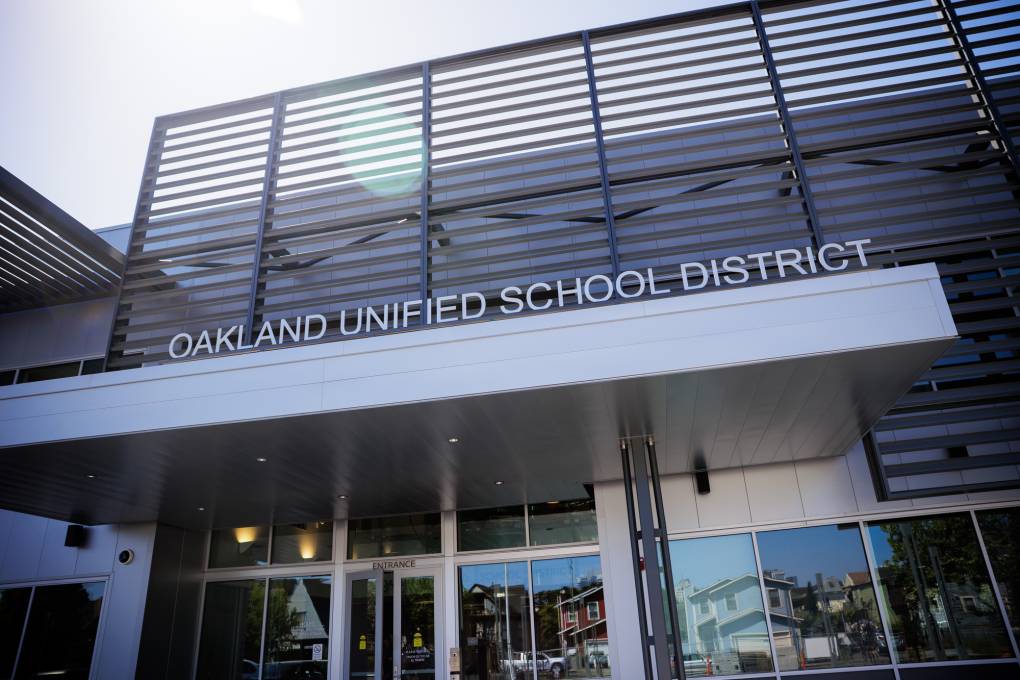
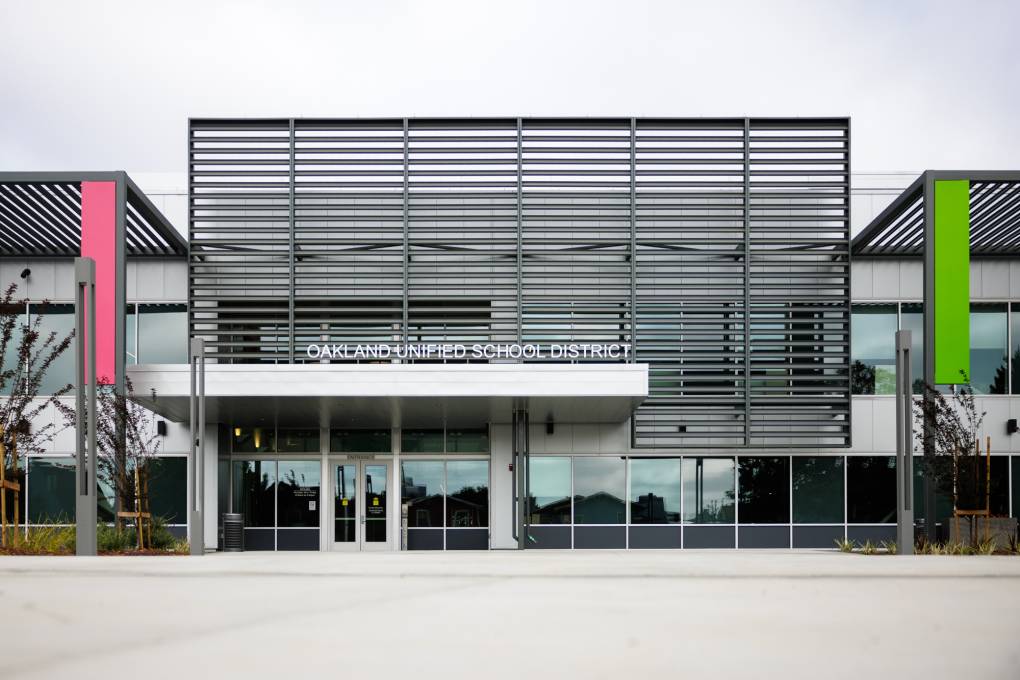
"caption": "The Oakland Unified School District Offices in Oakland on April 28, 2025. The Alameda County Office of Education approved Oakland Unified’s budget but warned the district must cut $100 million to avoid insolvency and possible state oversight.",
"credit": "Martin do Nascimento/KQED",
"altTag": null,
"description": null,
"imgSizes": {
"medium": {
"file": "https://cdn.kqed.org/wp-content/uploads/sites/10/2025/04/250428-OUSD-OFFICE-FILE-MD-01-KQED-800x533.jpg",
"width": 800,
"height": 533,
"mimeType": "image/jpeg"
},
"large": {
"file": "https://cdn.kqed.org/wp-content/uploads/sites/10/2025/04/250428-OUSD-OFFICE-FILE-MD-01-KQED-1020x680.jpg",
"width": 1020,
"height": 680,
"mimeType": "image/jpeg"
},
"thumbnail": {
"file": "https://cdn.kqed.org/wp-content/uploads/sites/10/2025/04/250428-OUSD-OFFICE-FILE-MD-01-KQED-160x107.jpg",
"width": 160,
"height": 107,
"mimeType": "image/jpeg"
},
"1536x1536": {
"file": "https://cdn.kqed.org/wp-content/uploads/sites/10/2025/04/250428-OUSD-OFFICE-FILE-MD-01-KQED-1536x1024.jpg",
"width": 1536,
"height": 1024,
"mimeType": "image/jpeg"
},
"post-thumbnail": {
"file": "https://cdn.kqed.org/wp-content/uploads/sites/10/2025/04/250428-OUSD-OFFICE-FILE-MD-01-KQED-672x372.jpg",
"width": 672,
"height": 372,
"mimeType": "image/jpeg"
},
"twentyfourteen-full-width": {
"file": "https://cdn.kqed.org/wp-content/uploads/sites/10/2025/04/250428-OUSD-OFFICE-FILE-MD-01-KQED-1038x576.jpg",
"width": 1038,
"height": 576,
"mimeType": "image/jpeg"
},
"full-width": {
"file": "https://cdn.kqed.org/wp-content/uploads/sites/10/2025/04/250428-OUSD-OFFICE-FILE-MD-01-KQED-1920x1280.jpg",
"width": 1920,
"height": 1280,
"mimeType": "image/jpeg"
},
"kqedFullSize": {
"file": "https://cdn.kqed.org/wp-content/uploads/sites/10/2025/04/250428-OUSD-OFFICE-FILE-MD-01-KQED.jpg",
"width": 2000,
"height": 1333
}
},
"isLoading": false,
"fetchFailed": false
},
"news_12052480": {
"type": "attachments",
"id": "news_12052480",
"meta": {
"index": "attachments_1716263798",
"site": "news",
"id": "12052480",
"found": true
},
"title": "250815-SF TK-DN-01-KQED",
"publishDate": 1755299194,
"status": "inherit",
"parent": 12052609,
"modified": 1755539932,
"caption": "Joselyn Manigque's transitional kindergarten classroom at Dr. William Cobb Elementary School in San Francisco on Aug. 15, 2025.",
"credit": "Daisy Nguyen/KQED",
"altTag": null,
"description": null,
"imgSizes": {
"thumbnail": {
"file": "https://cdn.kqed.org/wp-content/uploads/sites/10/2025/08/250815-SF-TK-DN-01-KQED-160x120.jpg",
"width": 160,
"height": 120,
"mimeType": "image/jpeg"
},
"1536x1536": {
"file": "https://cdn.kqed.org/wp-content/uploads/sites/10/2025/08/250815-SF-TK-DN-01-KQED-1536x1152.jpg",
"width": 1536,
"height": 1152,
"mimeType": "image/jpeg"
},
"post-thumbnail": {
"file": "https://cdn.kqed.org/wp-content/uploads/sites/10/2025/08/250815-SF-TK-DN-01-KQED-672x372.jpg",
"width": 672,
"height": 372,
"mimeType": "image/jpeg"
},
"twentyfourteen-full-width": {
"file": "https://cdn.kqed.org/wp-content/uploads/sites/10/2025/08/250815-SF-TK-DN-01-KQED-1038x576.jpg",
"width": 1038,
"height": 576,
"mimeType": "image/jpeg"
},
"kqedFullSize": {
"file": "https://cdn.kqed.org/wp-content/uploads/sites/10/2025/08/250815-SF-TK-DN-01-KQED.jpg",
"width": 2000,
"height": 1500
}
},
"isLoading": false,
"fetchFailed": false
},
"news_12030960": {
"type": "attachments",
"id": "news_12030960",
"meta": {
"index": "attachments_1716263798",
"site": "news",
"id": "12030960",
"found": true
},
"title": "uc-berkeley-malak-afaneh-handout_qed",
"publishDate": 1741801339,
"status": "inherit",
"parent": 12030938,
"modified": 1741801426,
"caption": "A third-year UC Berkeley law student speaks during a protest at the university on May 7, 2024.",
"credit": "Courtesy of Malak Afaneh",
"altTag": null,
"description": null,
"imgSizes": {
"medium": {
"file": "https://cdn.kqed.org/wp-content/uploads/sites/10/2025/03/uc-berkeley-malak-afaneh-handout_qed-800x533.jpg",
"width": 800,
"height": 533,
"mimeType": "image/jpeg"
},
"large": {
"file": "https://cdn.kqed.org/wp-content/uploads/sites/10/2025/03/uc-berkeley-malak-afaneh-handout_qed-1020x680.jpg",
"width": 1020,
"height": 680,
"mimeType": "image/jpeg"
},
"thumbnail": {
"file": "https://cdn.kqed.org/wp-content/uploads/sites/10/2025/03/uc-berkeley-malak-afaneh-handout_qed-160x107.jpg",
"width": 160,
"height": 107,
"mimeType": "image/jpeg"
},
"1536x1536": {
"file": "https://cdn.kqed.org/wp-content/uploads/sites/10/2025/03/uc-berkeley-malak-afaneh-handout_qed-1536x1024.jpg",
"width": 1536,
"height": 1024,
"mimeType": "image/jpeg"
},
"post-thumbnail": {
"file": "https://cdn.kqed.org/wp-content/uploads/sites/10/2025/03/uc-berkeley-malak-afaneh-handout_qed-672x372.jpg",
"width": 672,
"height": 372,
"mimeType": "image/jpeg"
},
"twentyfourteen-full-width": {
"file": "https://cdn.kqed.org/wp-content/uploads/sites/10/2025/03/uc-berkeley-malak-afaneh-handout_qed-1038x576.jpg",
"width": 1038,
"height": 576,
"mimeType": "image/jpeg"
},
"full-width": {
"file": "https://cdn.kqed.org/wp-content/uploads/sites/10/2025/03/uc-berkeley-malak-afaneh-handout_qed-1920x1280.jpg",
"width": 1920,
"height": 1280,
"mimeType": "image/jpeg"
},
"kqedFullSize": {
"file": "https://cdn.kqed.org/wp-content/uploads/sites/10/2025/03/uc-berkeley-malak-afaneh-handout_qed.jpg",
"width": 2000,
"height": 1333
}
},
"isLoading": false,
"fetchFailed": false
},
"news_12058101": {
"type": "attachments",
"id": "news_12058101",
"meta": {
"index": "attachments_1716263798",
"site": "news",
"id": "12058101",
"found": true
},
"title": "Students walk on campus at UC Berkeley in Berkeley on Sept. 29, 2025.",
"publishDate": 1759255323,
"status": "inherit",
"parent": 0,
"modified": 1759255359,
"caption": "Students walk on campus at UC Berkeley in Berkeley on Sept. 29, 2025.",
"credit": "Gina Castro/KQED",
"altTag": null,
"description": null,
"imgSizes": {
"thumbnail": {
"file": "https://cdn.kqed.org/wp-content/uploads/sites/10/2025/09/20250929_UCBERKELEY_GC-5-KQED-160x107.jpg",
"width": 160,
"height": 107,
"mimeType": "image/jpeg"
},
"1536x1536": {
"file": "https://cdn.kqed.org/wp-content/uploads/sites/10/2025/09/20250929_UCBERKELEY_GC-5-KQED-1536x1024.jpg",
"width": 1536,
"height": 1024,
"mimeType": "image/jpeg"
},
"post-thumbnail": {
"file": "https://cdn.kqed.org/wp-content/uploads/sites/10/2025/09/20250929_UCBERKELEY_GC-5-KQED-672x372.jpg",
"width": 672,
"height": 372,
"mimeType": "image/jpeg"
},
"twentyfourteen-full-width": {
"file": "https://cdn.kqed.org/wp-content/uploads/sites/10/2025/09/20250929_UCBERKELEY_GC-5-KQED-1038x576.jpg",
"width": 1038,
"height": 576,
"mimeType": "image/jpeg"
},
"kqedFullSize": {
"file": "https://cdn.kqed.org/wp-content/uploads/sites/10/2025/09/20250929_UCBERKELEY_GC-5-KQED.jpg",
"width": 2000,
"height": 1333
}
},
"isLoading": false,
"fetchFailed": false
},
"news_12061772": {
"type": "attachments",
"id": "news_12061772",
"meta": {
"index": "attachments_1716263798",
"site": "news",
"id": "12061772",
"found": true
},
"title": "251027-CHILD CARE PRICES-MD-05-1-KQED",
"publishDate": 1761603293,
"status": "inherit",
"parent": 0,
"modified": 1761603350,
"caption": "Monica Vaughan and her daughter Hazel play in City Park in Benicia on Oct. 27, 2025.",
"credit": "Martin do Nascimento/KQED",
"altTag": null,
"description": null,
"imgSizes": {
"thumbnail": {
"file": "https://cdn.kqed.org/wp-content/uploads/sites/10/2025/10/251027-CHILD-CARE-PRICES-MD-05-1-KQED-160x107.jpg",
"width": 160,
"height": 107,
"mimeType": "image/jpeg"
},
"1536x1536": {
"file": "https://cdn.kqed.org/wp-content/uploads/sites/10/2025/10/251027-CHILD-CARE-PRICES-MD-05-1-KQED-1536x1025.jpg",
"width": 1536,
"height": 1025,
"mimeType": "image/jpeg"
},
"post-thumbnail": {
"file": "https://cdn.kqed.org/wp-content/uploads/sites/10/2025/10/251027-CHILD-CARE-PRICES-MD-05-1-KQED-672x372.jpg",
"width": 672,
"height": 372,
"mimeType": "image/jpeg"
},
"twentyfourteen-full-width": {
"file": "https://cdn.kqed.org/wp-content/uploads/sites/10/2025/10/251027-CHILD-CARE-PRICES-MD-05-1-KQED-1038x576.jpg",
"width": 1038,
"height": 576,
"mimeType": "image/jpeg"
},
"npr-cds-wide": {
"file": "https://cdn.kqed.org/wp-content/uploads/sites/10/2025/10/251027-CHILD-CARE-PRICES-MD-05-1-KQED-1600x900.jpg",
"width": 1600,
"height": 900,
"mimeType": "image/jpeg"
},
"kqedFullSize": {
"file": "https://cdn.kqed.org/wp-content/uploads/sites/10/2025/10/251027-CHILD-CARE-PRICES-MD-05-1-KQED.jpg",
"width": 2000,
"height": 1334
}
},
"isLoading": false,
"fetchFailed": false
},
"news_12061284": {
"type": "attachments",
"id": "news_12061284",
"meta": {
"index": "attachments_1716263798",
"site": "news",
"id": "12061284",
"found": true
},
"title": "033_KQED_SanFrancisco_SFSU_03112020_6923_qed",
"publishDate": 1761252538,
"status": "inherit",
"parent": 12061272,
"modified": 1761252591,
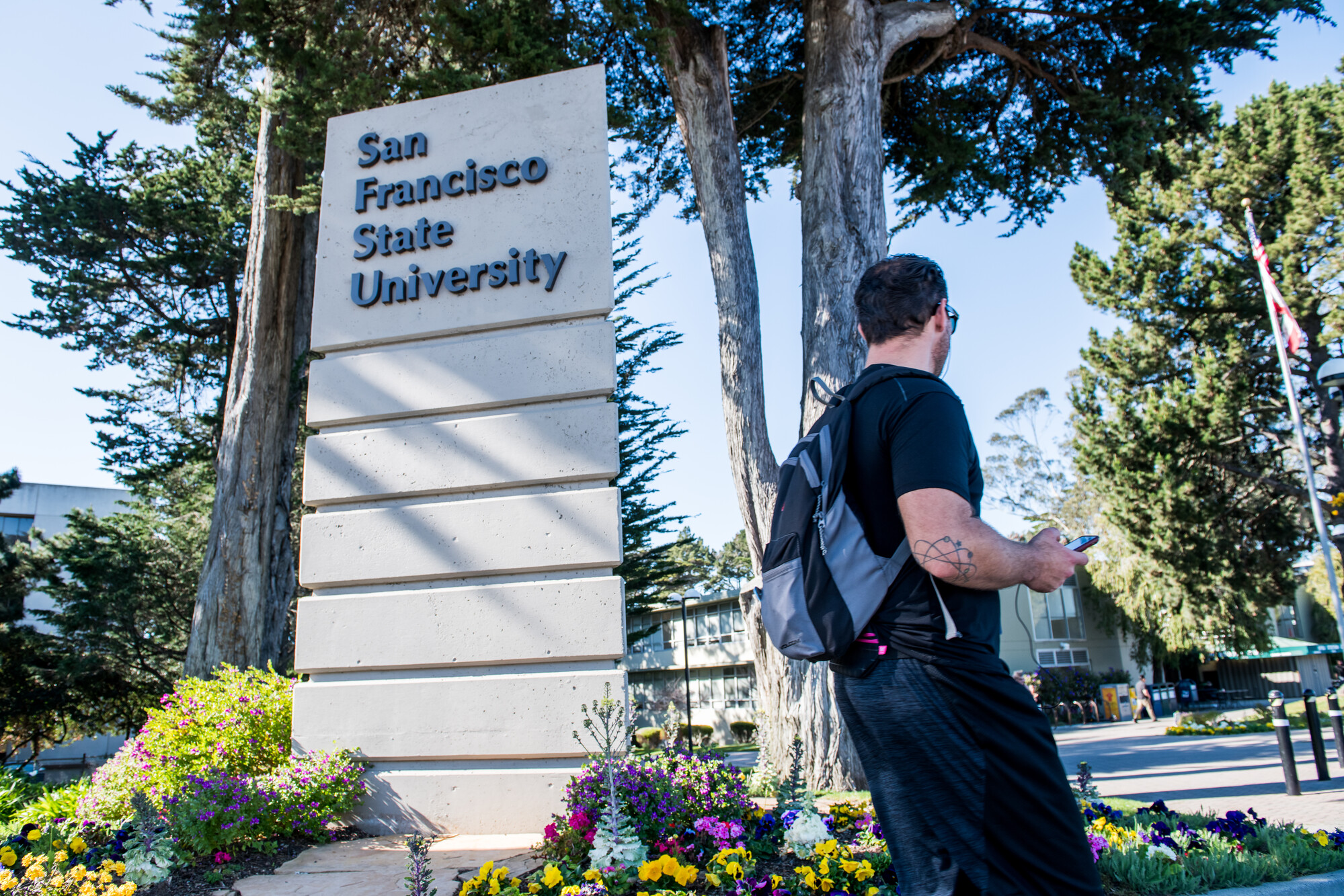
"caption": "San Francisco State University on March 11, 2020.\n\n",
"credit": "Beth LaBerge/KQED",
"altTag": null,
"description": null,
"imgSizes": {
"thumbnail": {
"file": "https://cdn.kqed.org/wp-content/uploads/sites/10/2025/10/033_KQED_SanFrancisco_SFSU_03112020_6923_qed-160x107.jpg",
"width": 160,
"height": 107,
"mimeType": "image/jpeg"
},
"1536x1536": {
"file": "https://cdn.kqed.org/wp-content/uploads/sites/10/2025/10/033_KQED_SanFrancisco_SFSU_03112020_6923_qed-1536x1024.jpg",
"width": 1536,
"height": 1024,
"mimeType": "image/jpeg"
},
"post-thumbnail": {
"file": "https://cdn.kqed.org/wp-content/uploads/sites/10/2025/10/033_KQED_SanFrancisco_SFSU_03112020_6923_qed-672x372.jpg",
"width": 672,
"height": 372,
"mimeType": "image/jpeg"
},
"twentyfourteen-full-width": {
"file": "https://cdn.kqed.org/wp-content/uploads/sites/10/2025/10/033_KQED_SanFrancisco_SFSU_03112020_6923_qed-1038x576.jpg",
"width": 1038,
"height": 576,
"mimeType": "image/jpeg"
},
"npr-cds-wide": {
"file": "https://cdn.kqed.org/wp-content/uploads/sites/10/2025/10/033_KQED_SanFrancisco_SFSU_03112020_6923_qed-1600x900.jpg",
"width": 1600,
"height": 900,
"mimeType": "image/jpeg"
},
"kqedFullSize": {
"file": "https://cdn.kqed.org/wp-content/uploads/sites/10/2025/10/033_KQED_SanFrancisco_SFSU_03112020_6923_qed.jpg",
"width": 1999,
"height": 1333
}
},
"isLoading": false,
"fetchFailed": false
},
"news_12037915": {
"type": "attachments",
"id": "news_12037915",
"meta": {
"index": "attachments_1716263798",
"site": "news",
"id": "12037915",
"found": true
},
"title": "Tower Hall at San Jose State University on April 3, 2025.",
"publishDate": 1745863049,
"status": "inherit",
"parent": 12088058,
"modified": 1782170476,
"caption": "Tower Hall at San José State University on April 3, 2025.",
"credit": "Gina Castro/KQED",
"altTag": null,
"description": null,
"imgSizes": {
"medium": {
"file": "https://cdn.kqed.org/wp-content/uploads/sites/10/2025/04/20240403_SJSUFILE_GC-11-KQED-800x533.jpg",
"width": 800,
"height": 533,
"mimeType": "image/jpeg"
},
"large": {
"file": "https://cdn.kqed.org/wp-content/uploads/sites/10/2025/04/20240403_SJSUFILE_GC-11-KQED-1020x680.jpg",
"width": 1020,
"height": 680,
"mimeType": "image/jpeg"
},
"thumbnail": {
"file": "https://cdn.kqed.org/wp-content/uploads/sites/10/2025/04/20240403_SJSUFILE_GC-11-KQED-160x107.jpg",
"width": 160,
"height": 107,
"mimeType": "image/jpeg"
},
"1536x1536": {
"file": "https://cdn.kqed.org/wp-content/uploads/sites/10/2025/04/20240403_SJSUFILE_GC-11-KQED-1536x1024.jpg",
"width": 1536,
"height": 1024,
"mimeType": "image/jpeg"
},
"post-thumbnail": {
"file": "https://cdn.kqed.org/wp-content/uploads/sites/10/2025/04/20240403_SJSUFILE_GC-11-KQED-672x372.jpg",
"width": 672,
"height": 372,
"mimeType": "image/jpeg"
},
"twentyfourteen-full-width": {
"file": "https://cdn.kqed.org/wp-content/uploads/sites/10/2025/04/20240403_SJSUFILE_GC-11-KQED-1038x576.jpg",
"width": 1038,
"height": 576,
"mimeType": "image/jpeg"
},
"full-width": {
"file": "https://cdn.kqed.org/wp-content/uploads/sites/10/2025/04/20240403_SJSUFILE_GC-11-KQED-1920x1280.jpg",
"width": 1920,
"height": 1280,
"mimeType": "image/jpeg"
},
"kqedFullSize": {
"file": "https://cdn.kqed.org/wp-content/uploads/sites/10/2025/04/20240403_SJSUFILE_GC-11-KQED.jpg",
"width": 2000,
"height": 1333
}
},
"isLoading": false,
"fetchFailed": false
},
"news_12058492": {
"type": "attachments",
"id": "news_12058492",
"meta": {
"index": "attachments_1716263798",
"site": "news",
"id": "12058492",
"found": true
},
"title": "20250930_HISPANICSERVINGINSTITUTIONS_GC-14-KQED",
"publishDate": 1759447546,
"status": "inherit",
"parent": 0,
"modified": 1760127539,
"caption": "Vanessa Perez Rojas, a fourth-year student, poses for a photo at Saint Mary’s College of California in Moraga on Sept. 30, 2025. Vanessa says spirituality is a big reason why she is at this university.",
"credit": "Gina Castro/KQED",
"altTag": null,
"description": null,
"imgSizes": {
"thumbnail": {
"file": "https://cdn.kqed.org/wp-content/uploads/sites/10/2025/10/20250930_HISPANICSERVINGINSTITUTIONS_GC-14-KQED-160x107.jpg",
"width": 160,
"height": 107,
"mimeType": "image/jpeg"
},
"1536x1536": {
"file": "https://cdn.kqed.org/wp-content/uploads/sites/10/2025/10/20250930_HISPANICSERVINGINSTITUTIONS_GC-14-KQED-1536x1024.jpg",
"width": 1536,
"height": 1024,
"mimeType": "image/jpeg"
},
"post-thumbnail": {
"file": "https://cdn.kqed.org/wp-content/uploads/sites/10/2025/10/20250930_HISPANICSERVINGINSTITUTIONS_GC-14-KQED-672x372.jpg",
"width": 672,
"height": 372,
"mimeType": "image/jpeg"
},
"twentyfourteen-full-width": {
"file": "https://cdn.kqed.org/wp-content/uploads/sites/10/2025/10/20250930_HISPANICSERVINGINSTITUTIONS_GC-14-KQED-1038x576.jpg",
"width": 1038,
"height": 576,
"mimeType": "image/jpeg"
},
"kqedFullSize": {
"file": "https://cdn.kqed.org/wp-content/uploads/sites/10/2025/10/20250930_HISPANICSERVINGINSTITUTIONS_GC-14-KQED.jpg",
"width": 2000,
"height": 1333
}
},
"isLoading": false,
"fetchFailed": false
},
"news_12059581": {
"type": "attachments",
"id": "news_12059581",
"meta": {
"index": "attachments_1716263798",
"site": "news",
"id": "12059581",
"found": true
},
"title": "20240827_SFUSDProtest_GC-5_qed",
"publishDate": 1760136595,
"status": "inherit",
"parent": 12059537,
"modified": 1760136618,
"caption": "Individuals cheer during an emergency rally and press conference, held by the United Educators of San Francisco, demanding fully staffed schools, outside of the San Francisco Unified School District offices, on Aug. 27, 2024.",
"credit": "Gina Castro/KQED",
"altTag": null,
"description": null,
"imgSizes": {
"thumbnail": {
"file": "https://cdn.kqed.org/wp-content/uploads/sites/10/2025/10/20240827_SFUSDProtest_GC-5_qed-160x109.jpg",
"width": 160,
"height": 109,
"mimeType": "image/jpeg"
},
"1536x1536": {
"file": "https://cdn.kqed.org/wp-content/uploads/sites/10/2025/10/20240827_SFUSDProtest_GC-5_qed-1536x1048.jpg",
"width": 1536,
"height": 1048,
"mimeType": "image/jpeg"
},
"post-thumbnail": {
"file": "https://cdn.kqed.org/wp-content/uploads/sites/10/2025/10/20240827_SFUSDProtest_GC-5_qed-672x372.jpg",
"width": 672,
"height": 372,
"mimeType": "image/jpeg"
},
"twentyfourteen-full-width": {
"file": "https://cdn.kqed.org/wp-content/uploads/sites/10/2025/10/20240827_SFUSDProtest_GC-5_qed-1038x576.jpg",
"width": 1038,
"height": 576,
"mimeType": "image/jpeg"
},
"kqedFullSize": {
"file": "https://cdn.kqed.org/wp-content/uploads/sites/10/2025/10/20240827_SFUSDProtest_GC-5_qed.jpg",
"width": 1953,
"height": 1333
}
},
"isLoading": false,
"fetchFailed": false
},
"news_12059190": {
"type": "attachments",
"id": "news_12059190",
"meta": {
"index": "attachments_1716263798",
"site": "news",
"id": "12059190",
"found": true
},
"title": "251008-CHILDCARE DISCRIMINATION-MD-07-KQED",
"publishDate": 1759963517,
"status": "inherit",
"parent": 0,
"modified": 1759966032,
"caption": "Mariam Younathan holds one of the children attending the daycare at her home in Manteca on Oct. 8, 2025.",
"credit": "Martin do Nascimento/KQED",
"altTag": null,
"description": null,
"imgSizes": {
"thumbnail": {
"file": "https://cdn.kqed.org/wp-content/uploads/sites/10/2025/10/251008-CHILDCARE-DISCRIMINATION-MD-07-KQED-160x107.jpg",
"width": 160,
"height": 107,
"mimeType": "image/jpeg"
},
"1536x1536": {
"file": "https://cdn.kqed.org/wp-content/uploads/sites/10/2025/10/251008-CHILDCARE-DISCRIMINATION-MD-07-KQED-1536x1025.jpg",
"width": 1536,
"height": 1025,
"mimeType": "image/jpeg"
},
"post-thumbnail": {
"file": "https://cdn.kqed.org/wp-content/uploads/sites/10/2025/10/251008-CHILDCARE-DISCRIMINATION-MD-07-KQED-672x372.jpg",
"width": 672,
"height": 372,
"mimeType": "image/jpeg"
},
"twentyfourteen-full-width": {
"file": "https://cdn.kqed.org/wp-content/uploads/sites/10/2025/10/251008-CHILDCARE-DISCRIMINATION-MD-07-KQED-1038x576.jpg",
"width": 1038,
"height": 576,
"mimeType": "image/jpeg"
},
"kqedFullSize": {
"file": "https://cdn.kqed.org/wp-content/uploads/sites/10/2025/10/251008-CHILDCARE-DISCRIMINATION-MD-07-KQED.jpg",
"width": 2000,
"height": 1334
}
},
"isLoading": false,
"fetchFailed": false
},
"news_12042516": {
"type": "attachments",
"id": "news_12042516",
"meta": {
"index": "attachments_1716263798",
"site": "news",
"id": "12042516",
"found": true
},
"title": "The Oakland Unified School District in Oakland on June 3, 2025.",
"publishDate": 1748972655,
"status": "inherit",
"parent": 0,
"modified": 1748973041,
"caption": "The Oakland Unified School District offices in Oakland on June 3, 2025.",
"credit": "Martin do Nascimento/KQED",
"altTag": null,
"description": null,
"imgSizes": {
"medium": {
"file": "https://cdn.kqed.org/wp-content/uploads/sites/10/2025/06/250603-OUSD-MD-01-KQED-800x534.jpg",
"width": 800,
"height": 534,
"mimeType": "image/jpeg"
},
"large": {
"file": "https://cdn.kqed.org/wp-content/uploads/sites/10/2025/06/250603-OUSD-MD-01-KQED-1020x680.jpg",
"width": 1020,
"height": 680,
"mimeType": "image/jpeg"
},
"thumbnail": {
"file": "https://cdn.kqed.org/wp-content/uploads/sites/10/2025/06/250603-OUSD-MD-01-KQED-160x107.jpg",
"width": 160,
"height": 107,
"mimeType": "image/jpeg"
},
"1536x1536": {
"file": "https://cdn.kqed.org/wp-content/uploads/sites/10/2025/06/250603-OUSD-MD-01-KQED-1536x1025.jpg",
"width": 1536,
"height": 1025,
"mimeType": "image/jpeg"
},
"post-thumbnail": {
"file": "https://cdn.kqed.org/wp-content/uploads/sites/10/2025/06/250603-OUSD-MD-01-KQED-672x372.jpg",
"width": 672,
"height": 372,
"mimeType": "image/jpeg"
},
"twentyfourteen-full-width": {
"file": "https://cdn.kqed.org/wp-content/uploads/sites/10/2025/06/250603-OUSD-MD-01-KQED-1038x576.jpg",
"width": 1038,
"height": 576,
"mimeType": "image/jpeg"
},
"full-width": {
"file": "https://cdn.kqed.org/wp-content/uploads/sites/10/2025/06/250603-OUSD-MD-01-KQED-1920x1281.jpg",
"width": 1920,
"height": 1281,
"mimeType": "image/jpeg"
},
"kqedFullSize": {
"file": "https://cdn.kqed.org/wp-content/uploads/sites/10/2025/06/250603-OUSD-MD-01-KQED.jpg",
"width": 2000,
"height": 1334
}
},
"isLoading": false,
"fetchFailed": false
},
"news_11979390": {
"type": "attachments",
"id": "news_11979390",
"meta": {
"index": "attachments_1716263798",
"site": "news",
"id": "11979390",
"found": true
},
"title": "hispanic college student doing some home works from home with laptop",
"publishDate": 1710374837,
"status": "inherit",
"parent": 11979367,
"modified": 1759874426,
"caption": "A glitch blocking mixed-status families has caused stress for many, but some steps can be taken in the meantime when it comes to the FAFSA application.",
"credit": "Carol Yepes/Getty Images",
"altTag": "A young woman with dark brown hair stares intently at her computer screen.",
"description": null,
"imgSizes": {
"medium": {
"file": "https://cdn.kqed.org/wp-content/uploads/sites/10/2024/03/GettyImages-1403066184-800x533.jpg",
"width": 800,
"height": 533,
"mimeType": "image/jpeg"
},
"large": {
"file": "https://cdn.kqed.org/wp-content/uploads/sites/10/2024/03/GettyImages-1403066184-1020x680.jpg",
"width": 1020,
"height": 680,
"mimeType": "image/jpeg"
},
"thumbnail": {
"file": "https://cdn.kqed.org/wp-content/uploads/sites/10/2024/03/GettyImages-1403066184-160x107.jpg",
"width": 160,
"height": 107,
"mimeType": "image/jpeg"
},
"1536x1536": {
"file": "https://cdn.kqed.org/wp-content/uploads/sites/10/2024/03/GettyImages-1403066184-1536x1024.jpg",
"width": 1536,
"height": 1024,
"mimeType": "image/jpeg"
},
"2048x2048": {
"file": "https://cdn.kqed.org/wp-content/uploads/sites/10/2024/03/GettyImages-1403066184-2048x1365.jpg",
"width": 2048,
"height": 1365,
"mimeType": "image/jpeg"
},
"post-thumbnail": {
"file": "https://cdn.kqed.org/wp-content/uploads/sites/10/2024/03/GettyImages-1403066184-672x372.jpg",
"width": 672,
"height": 372,
"mimeType": "image/jpeg"
},
"twentyfourteen-full-width": {
"file": "https://cdn.kqed.org/wp-content/uploads/sites/10/2024/03/GettyImages-1403066184-1038x576.jpg",
"width": 1038,
"height": 576,
"mimeType": "image/jpeg"
},
"full-width": {
"file": "https://cdn.kqed.org/wp-content/uploads/sites/10/2024/03/GettyImages-1403066184-1920x1280.jpg",
"width": 1920,
"height": 1280,
"mimeType": "image/jpeg"
},
"kqedFullSize": {
"file": "https://cdn.kqed.org/wp-content/uploads/sites/10/2024/03/GettyImages-1403066184.jpg",
"width": 2121,
"height": 1414
}
},
"isLoading": false,
"fetchFailed": false
}
},
"audioPlayerReducer": {
"postId": "stream_live",
"isPaused": true,
"isPlaying": false,
"pfsActive": false,
"pledgeModalIsOpen": true,
"playerDrawerIsOpen": false,
"liveAudioPlayStartedAt": 0,
"liveAudioPlayContext": ""
},
"authorsReducer": {
"btorres": {
"type": "authors",
"id": "11666",
"meta": {
"index": "authors_1716337520",
"id": "11666",
"found": true
},
"name": "Blanca Torres",
"firstName": "Blanca",
"lastName": "Torres",
"slug": "btorres",
"email": "btorres@kqed.org",
"display_author_email": true,
"staff_mastheads": [
"news"
],
"title": "Producer, Forum",
"bio": "Blanca Torres brings sharp news judgement and keen sense of lively conversation to her work as producer for Forum. She loves producing shows that leave listeners feeling like they heard distinctive voices, learned something new and gained a fresh perspective.\r\n\r\nShe joined KQED in January of 2020 after 16 years of working as a newspaper reporter most recently at the \u003cem>San Francisco Business Times,\u003c/em> where she wrote about real estate and economic development. Before that, she covered a variety of beats including crime, education, retail, workplace, the economy, consumer issues, and small business for the \u003cem>Contra Costa Times, Baltimore Sun\u003c/em> and\u003cem> The Seattle Times\u003c/em>. In addition to reporting, she worked as an editorial writer and columnist for the \u003cem>Seattle Times\u003c/em>. From 2017 to 2020, Blanca won a total of ten awards from the National Association of Real Estate Editors and won first place for land use reporting from the California News Publishers Association two years in a row. She is also a member and former board member for the National Association of Hispanic Journalists.\r\n\r\nA native of the Pacific Northwest, Blanca earned her bachelor's degree from Vanderbilt University in Nashville and a master's in fine arts in creative writing at Mills College. She lives in the East Bay with her family.",
"avatar": "https://secure.gravatar.com/avatar/50b49d19b14a1eed34f26ebf4681152cdd81574ed21851100871ccd29e578cdc?s=600&d=blank&r=g",
"twitter": "@blancawrites",
"bluesky": null,
"facebook": null,
"instagram": null,
"linkedin": null,
"sites": [
{
"site": "arts",
"roles": [
"editor"
]
},
{
"site": "news",
"roles": [
"editor"
]
},
{
"site": "forum",
"roles": [
"editor"
]
}
],
"headData": {
"title": "Blanca Torres | KQED",
"description": "Producer, Forum",
"ogImgSrc": "https://secure.gravatar.com/avatar/50b49d19b14a1eed34f26ebf4681152cdd81574ed21851100871ccd29e578cdc?s=600&d=blank&r=g",
"twImgSrc": "https://secure.gravatar.com/avatar/50b49d19b14a1eed34f26ebf4681152cdd81574ed21851100871ccd29e578cdc?s=600&d=blank&r=g"
},
"isLoading": false,
"link": "/author/btorres"
},
"ccabreralomeli": {
"type": "authors",
"id": "11708",
"meta": {
"index": "authors_1716337520",
"id": "11708",
"found": true
},
"name": "Carlos Cabrera-Lomelí",
"firstName": "Carlos",
"lastName": "Cabrera-Lomelí",
"slug": "ccabreralomeli",
"email": "ccabreralomeli@KQED.org",
"display_author_email": true,
"staff_mastheads": [
"news"
],
"title": "Community Reporter",
"bio": "Carlos Cabrera-Lomelí is a community reporter with KQED's digital engagement team. He also reports and co-produces for KQED's bilingual news hub KQED en Español. He grew up in San Francisco's Mission District and has previously worked with Univision, 48 Hills and REFORMA in Mexico City.",
"avatar": "https://secure.gravatar.com/avatar/c309be9665e484f887b818c89e273ecc673004f426f36b24d00a4d813a2e0518?s=600&d=blank&r=g",
"twitter": "@LomeliCabrera",
"bluesky": null,
"facebook": null,
"instagram": null,
"linkedin": null,
"sites": [
{
"site": "arts",
"roles": [
"editor"
]
},
{
"site": "news",
"roles": [
"editor"
]
},
{
"site": "about",
"roles": [
"editor"
]
},
{
"site": "science",
"roles": [
"editor"
]
},
{
"site": "perspectives",
"roles": [
"editor"
]
},
{
"site": "elections",
"roles": [
"editor"
]
},
{
"site": "liveblog",
"roles": [
"contributor"
]
}
],
"headData": {
"title": "Carlos Cabrera-Lomelí | KQED",
"description": "Community Reporter",
"ogImgSrc": "https://secure.gravatar.com/avatar/c309be9665e484f887b818c89e273ecc673004f426f36b24d00a4d813a2e0518?s=600&d=blank&r=g",
"twImgSrc": "https://secure.gravatar.com/avatar/c309be9665e484f887b818c89e273ecc673004f426f36b24d00a4d813a2e0518?s=600&d=blank&r=g"
},
"isLoading": false,
"link": "/author/ccabreralomeli"
},
"jlara": {
"type": "authors",
"id": "11761",
"meta": {
"index": "authors_1716337520",
"id": "11761",
"found": true
},
"name": "Juan Carlos Lara",
"firstName": "Juan Carlos",
"lastName": "Lara",
"slug": "jlara",
"email": "jlara@kqed.org",
"display_author_email": false,
"staff_mastheads": [],
"title": "KQED Contributor",
"bio": null,
"avatar": "https://secure.gravatar.com/avatar/19e2052b9b05657c5ff2af2121846e9c?s=600&d=blank&r=g",
"twitter": null,
"facebook": null,
"instagram": null,
"linkedin": null,
"sites": [
{
"site": "arts",
"roles": [
"editor"
]
},
{
"site": "news",
"roles": [
"editor"
]
},
{
"site": "forum",
"roles": [
"editor"
]
},
{
"site": "liveblog",
"roles": [
"contributor"
]
}
],
"headData": {
"title": "Juan Carlos Lara | KQED",
"description": "KQED Contributor",
"ogImgSrc": "https://secure.gravatar.com/avatar/19e2052b9b05657c5ff2af2121846e9c?s=600&d=blank&r=g",
"twImgSrc": "https://secure.gravatar.com/avatar/19e2052b9b05657c5ff2af2121846e9c?s=600&d=blank&r=g"
},
"isLoading": false,
"link": "/author/jlara"
},
"daisynguyen": {
"type": "authors",
"id": "11829",
"meta": {
"index": "authors_1716337520",
"id": "11829",
"found": true
},
"name": "Daisy Nguyen",
"firstName": "Daisy",
"lastName": "Nguyen",
"slug": "daisynguyen",
"email": "daisynguyen@kqed.org",
"display_author_email": true,
"staff_mastheads": [
"news"
],
"title": "KQED Contributor",
"bio": "I have covered early childhood education and child care for KQED since 2022. I focus on policies aimed at increasing access to early care and education and how they shape individual lives. I've been a journalist for more than two decades, with most of that time devoted to covering breaking news throughout California for The Associated Press. I grew up in San Francisco and studied at UC Davis and Columbia University's Graduate School of Journalism. I live in Oakland with my husband and two kids.",
"avatar": "https://secure.gravatar.com/avatar/2da2127c27f7143b53ebd419800fd55f?s=600&d=blank&r=g",
"twitter": null,
"facebook": null,
"instagram": null,
"linkedin": "https://www.linkedin.com/in/daisynguyen/",
"sites": [
{
"site": "news",
"roles": [
"author"
]
},
{
"site": "liveblog",
"roles": [
"author"
]
}
],
"headData": {
"title": "Daisy Nguyen | KQED",
"description": "KQED Contributor",
"ogImgSrc": "https://secure.gravatar.com/avatar/2da2127c27f7143b53ebd419800fd55f?s=600&d=blank&r=g",
"twImgSrc": "https://secure.gravatar.com/avatar/2da2127c27f7143b53ebd419800fd55f?s=600&d=blank&r=g"
},
"isLoading": false,
"link": "/author/daisynguyen"
},
"nkhan": {
"type": "authors",
"id": "11867",
"meta": {
"index": "authors_1716337520",
"id": "11867",
"found": true
},
"name": "Nisa Khan",
"firstName": "Nisa",
"lastName": "Khan",
"slug": "nkhan",
"email": "nkhan@kqed.org",
"display_author_email": false,
"staff_mastheads": [],
"title": "KQED Contributor",
"bio": "Nisa Khan is a reporter for KQED's Audience News Desk. She was formerly a data reporter at Michigan Radio. She earned a Bachelor of Science in Information from the University of Michigan and a Master of Arts in Communication from Stanford University.",
"avatar": "https://secure.gravatar.com/avatar/8720459eef081ff64582b3506b124d58523e80e120704a0cbd9892533c914991?s=600&d=blank&r=g",
"twitter": "mnisakhan",
"bluesky": null,
"facebook": null,
"instagram": null,
"linkedin": null,
"sites": [
{
"site": "arts",
"roles": [
"editor"
]
},
{
"site": "news",
"roles": [
"editor"
]
},
{
"site": "science",
"roles": [
"editor",
"author"
]
},
{
"site": "forum",
"roles": [
"editor"
]
},
{
"site": "liveblog",
"roles": [
"contributor"
]
}
],
"headData": {
"title": "Nisa Khan | KQED",
"description": "KQED Contributor",
"ogImgSrc": "https://secure.gravatar.com/avatar/8720459eef081ff64582b3506b124d58523e80e120704a0cbd9892533c914991?s=600&d=blank&r=g",
"twImgSrc": "https://secure.gravatar.com/avatar/8720459eef081ff64582b3506b124d58523e80e120704a0cbd9892533c914991?s=600&d=blank&r=g"
},
"isLoading": false,
"link": "/author/nkhan"
},
"jgeha": {
"type": "authors",
"id": "11906",
"meta": {
"index": "authors_1716337520",
"id": "11906",
"found": true
},
"name": "Joseph Geha",
"firstName": "Joseph",
"lastName": "Geha",
"slug": "jgeha",
"email": "jgeha@kqed.org",
"display_author_email": false,
"staff_mastheads": [
"news",
"science"
],
"title": "KQED Contributor",
"bio": null,
"avatar": "https://secure.gravatar.com/avatar/ea84d2b6dd93d6369d453edf19dd583f117cd1759d2d9c9c92f9de77017354fe?s=600&d=blank&r=g",
"twitter": null,
"bluesky": null,
"facebook": null,
"instagram": null,
"linkedin": null,
"sites": [
{
"site": "news",
"roles": [
"editor"
]
},
{
"site": "liveblog",
"roles": [
"author"
]
}
],
"headData": {
"title": "Joseph Geha | KQED",
"description": "KQED Contributor",
"ogImgSrc": "https://secure.gravatar.com/avatar/ea84d2b6dd93d6369d453edf19dd583f117cd1759d2d9c9c92f9de77017354fe?s=600&d=blank&r=g",
"twImgSrc": "https://secure.gravatar.com/avatar/ea84d2b6dd93d6369d453edf19dd583f117cd1759d2d9c9c92f9de77017354fe?s=600&d=blank&r=g"
},
"isLoading": false,
"link": "/author/jgeha"
},
"kdebenedetti": {
"type": "authors",
"id": "11913",
"meta": {
"index": "authors_1716337520",
"id": "11913",
"found": true
},
"name": "Katie DeBenedetti",
"firstName": "Katie",
"lastName": "DeBenedetti",
"slug": "kdebenedetti",
"email": "kdebenedetti@kqed.org",
"display_author_email": false,
"staff_mastheads": [
"news",
"science"
],
"title": "KQED Contributor",
"bio": "Katie DeBenedetti is a digital reporter covering daily news for the Express Desk. Prior to joining KQED as a culture reporting intern in January 2024, she covered education and city government for the Napa Valley Register.",
"avatar": "https://secure.gravatar.com/avatar/6e31073cb8f7e4214ab03f42771d0f45?s=600&d=blank&r=g",
"twitter": null,
"facebook": null,
"instagram": null,
"linkedin": null,
"sites": [
{
"site": "news",
"roles": [
"author"
]
},
{
"site": "science",
"roles": [
"author"
]
},
{
"site": "liveblog",
"roles": [
"author"
]
}
],
"headData": {
"title": "Katie DeBenedetti | KQED",
"description": "KQED Contributor",
"ogImgSrc": "https://secure.gravatar.com/avatar/6e31073cb8f7e4214ab03f42771d0f45?s=600&d=blank&r=g",
"twImgSrc": "https://secure.gravatar.com/avatar/6e31073cb8f7e4214ab03f42771d0f45?s=600&d=blank&r=g"
},
"isLoading": false,
"link": "/author/kdebenedetti"
},
"nsuliman": {
"type": "authors",
"id": "11985",
"meta": {
"index": "authors_1716337520",
"id": "11985",
"found": true
},
"name": "Nibras Suliman",
"firstName": "Nibras",
"lastName": "Suliman",
"slug": "nsuliman",
"email": "nsuliman@kqed.org",
"display_author_email": false,
"staff_mastheads": [],
"title": "KQED Contributor",
"bio": null,
"avatar": "https://secure.gravatar.com/avatar/581946774e0249b1fcdfb01d4f143d12?s=600&d=blank&r=g",
"twitter": null,
"facebook": null,
"instagram": null,
"linkedin": null,
"sites": [
{
"site": "news",
"roles": []
}
],
"headData": {
"title": "Nibras Suliman | KQED",
"description": "KQED Contributor",
"ogImgSrc": "https://secure.gravatar.com/avatar/581946774e0249b1fcdfb01d4f143d12?s=600&d=blank&r=g",
"twImgSrc": "https://secure.gravatar.com/avatar/581946774e0249b1fcdfb01d4f143d12?s=600&d=blank&r=g"
},
"isLoading": false,
"link": "/author/nsuliman"
}
},
"pagesReducer": {
"news_tag_education": {
"type": "terms",
"id": "news_20013",
"meta": {
"index": "terms_1716263798",
"site": "news",
"id": "20013",
"score": 6.970073
},
"featImg": null,
"name": "education",
"description": null,
"taxonomy": "tag",
"headData": {
"twImgId": null,
"twTitle": null,
"ogTitle": null,
"ogImgId": null,
"twDescription": null,
"description": null,
"title": "education Archives | KQED News",
"ogDescription": null
},
"ttid": 20030,
"slug": "education",
"isLoading": false,
"title": "education",
"pageMeta": {
"site": "news",
"WpPageTemplate": "page-topic-editorial",
"currentPage": 16
},
"blocks": [
{
"blockName": "kqed/post-list",
"attrs": {
"layout": "cardArticle2",
"query": "posts/news?tag=education",
"seeMore": false,
"paginated": true,
"page": 16
}
},
{
"blockName": "kqed/ad"
}
]
}
},
"pfsSessionReducer": {},
"postsReducer": {
"stream_live": {
"type": "live",
"id": "stream_live",
"audioUrl": "https://streams.kqed.org/kqedradio",
"title": "Live Stream",
"excerpt": "Live Stream information currently unavailable.",
"link": "/radio",
"featImg": "",
"label": {
"name": "KQED Live",
"link": "/"
}
},
"stream_kqedNewscast": {
"type": "posts",
"id": "stream_kqedNewscast",
"audioUrl": "https://www.kqed.org/.stream/anon/radio/RDnews/newscast.mp3?_=1",
"title": "KQED Newscast",
"featImg": "",
"label": {
"name": "88.5 FM",
"link": "/"
}
},
"news_12062643": {
"type": "posts",
"id": "news_12062643",
"meta": {
"index": "posts_1716263798",
"site": "news",
"id": "12062643",
"score": null,
"sort": [
1762215923000
]
},
"guestAuthors": [],
"slug": "oakland-unified-wins-budget-approval-but-faces-dire-warning-on-financial-future",
"title": "Oakland Unified Wins Budget Approval but Faces Dire Warning on Financial Future",
"publishDate": 1762215923,
"format": "standard",
"headTitle": "Oakland Unified Wins Budget Approval but Faces Dire Warning on Financial Future | KQED",
"labelTerm": {
"site": "news"
},
"content": "\u003cp>After months of \u003ca href=\"https://www.kqed.org/news/12059238/alameda-county-to-oakland-schools-reduce-costs-or-lose-financial-independence-again\">uncertainty\u003c/a>, the \u003ca href=\"https://www.kqed.org/news/tag/oakland-unified-school-district\">Oakland Unified School District\u003c/a> has officially received approval for its budget for the current school year.\u003c/p>\n\u003cp>The decision from the Alameda County Office of Education came with a stern warning, however: The district’s longtime strategy of covering costs with one-time money and reneging on budget reductions isn’t going to cut it in 2026.\u003c/p>\n\u003cp>“The removal of conditions and approval of OUSD’s budget should not be mistaken for a sign of fiscal health or stability,” County Superintendent Alysse Castro wrote in a letter to district leaders on Saturday. “OUSD remains on a trajectory toward insolvency and the potential loss of the very local control it worked for over 20 years to regain.”\u003c/p>\n\u003cp>[ad fullwidth]\u003c/p>\n\u003cp>Over the summer, OUSD paid off a state loan that bailed it out of bankruptcy in 2003, allowing it \u003ca href=\"https://www.kqed.org/news/12055977/ousd-just-got-control-of-its-finances-back-from-the-state-its-already-in-major-trouble\">full budgetary control\u003c/a> for the first time in two decades this fall. But the district could again face state and county oversight within months if it fails to make major spending reductions next year — a task that would be difficult for any school board, and seems almost unimaginable for Oakland’s.\u003c/p>\n\u003cp>“It is absolutely 100% possible, but it would require a really significant change of pattern and action,” Castro told KQED.\u003c/p>\n\u003cp>“OUSD’s history reveals an undeniable pattern: requesting plans, then disregarding them; rejecting staff recommendations; changing direction and directions, and, when difficult decisions are finally made, rescinding them shortly thereafter,” her letter read.\u003c/p>\n\u003cfigure id=\"attachment_12037460\" class=\"wp-caption aligncenter\" style=\"max-width: 2000px\">\u003cimg loading=\"lazy\" decoding=\"async\" class=\"size-full wp-image-12037460\" src=\"https://cdn.kqed.org/wp-content/uploads/sites/10/2025/04/20250423_OUSDSupe_GC-17_qed.jpg\" alt=\"\" width=\"2000\" height=\"1333\" srcset=\"https://cdn.kqed.org/wp-content/uploads/sites/10/2025/04/20250423_OUSDSupe_GC-17_qed.jpg 2000w, https://cdn.kqed.org/wp-content/uploads/sites/10/2025/04/20250423_OUSDSupe_GC-17_qed-800x533.jpg 800w, https://cdn.kqed.org/wp-content/uploads/sites/10/2025/04/20250423_OUSDSupe_GC-17_qed-1020x680.jpg 1020w, https://cdn.kqed.org/wp-content/uploads/sites/10/2025/04/20250423_OUSDSupe_GC-17_qed-160x107.jpg 160w, https://cdn.kqed.org/wp-content/uploads/sites/10/2025/04/20250423_OUSDSupe_GC-17_qed-1536x1024.jpg 1536w, https://cdn.kqed.org/wp-content/uploads/sites/10/2025/04/20250423_OUSDSupe_GC-17_qed-1920x1280.jpg 1920w\" sizes=\"auto, (max-width: 2000px) 100vw, 2000px\">\u003cfigcaption class=\"wp-caption-text\">Oakland Unified School District parents, students and supporters attend a board meeting at Metwest High School in Oakland on April 23, 2025. \u003ccite>(Gina Castro/KQED)\u003c/cite>\u003c/figcaption>\u003c/figure>\n\u003cp>Castro said OUSD has long spread resources too thin, operating more schools than is fiscally responsible, given its enrollment and trying to provide more services at each school than it can afford.\u003c/p>\n\u003cp>OUSD opened 40 new campuses in the early 2000s as part of a community schools initiative, despite enrollment declines similar to those seen across California.\u003c/p>\n\u003cp>In 2019, it \u003ca href=\"https://www.kqed.org/news/11726682/why-does-oakland-have-so-many-small-schools#:~:text=Does%20OUSD%20really%20have%20that,32%2C000%20students%20attend%2046%20schools.\">operated 87 campuses for 37,000 students\u003c/a>, compared with nearby Fremont Unified School District, which had about half as many schools for just over 35,000 students. In San Jose Unified, about 32,000 students attended 46 schools.\u003c/p>\n\u003cp>The school board \u003ca href=\"https://www.kqed.org/news/11937906/oakland-school-board-halts-controversial-closure-plan-sparing-5-elementary-schools\">approved shuttering five schools in 2022\u003c/a>, but later reversed the decision.[aside postID=news_12059238 hero='https://cdn.kqed.org/wp-content/uploads/sites/10/2025/06/250603-OUSD-MD-01-KQED-1020x680.jpg']Since then, district staff have repeatedly told the board it must dramatically reduce spending, only for the board to reject or amend plans to do so, preventing the district from moving toward financial sustainability.\u003c/p>\n\u003cp>“The district is currently … spending $4 million more every month than it’s receiving in revenues,” the district’s chief business officer, Lisa Grant-Dawson, wrote in a letter to families in September. “The more we do that moving forward, the more we diminish our reserves, until eventually, we run out of money.”\u003c/p>\n\u003cp>For the 2025-2026 school year, OUSD has enough money to cover operating expenses and maintain a required reserve equal to 3% of its annual spending for unexpected costs, thanks in part to reserves built during COVID-19.\u003c/p>\n\u003cp>Districts across California saw their general fund, which is used to pay for the majority of expenses, grow during the pandemic because of state relief money. While many have also seen those balances fall, OUSD’s decline has been far steeper.\u003c/p>\n\u003cp>Oakland’s general fund went from a negative balance in 2019 to more than $62 million in 2023. Two years later, it sits at just $3.4 million.\u003c/p>\n\u003cp>To remain solvent next year, the district must find about $100 million in ongoing spending reductions.\u003c/p>\n\u003cfigure id=\"attachment_12037466\" class=\"wp-caption aligncenter\" style=\"max-width: 2000px\">\u003cimg loading=\"lazy\" decoding=\"async\" class=\"size-full wp-image-12037466\" src=\"https://cdn.kqed.org/wp-content/uploads/sites/10/2025/04/20250423_OUSDSupe_GC-1_qed.jpg\" alt=\"\" width=\"2000\" height=\"1333\" srcset=\"https://cdn.kqed.org/wp-content/uploads/sites/10/2025/04/20250423_OUSDSupe_GC-1_qed.jpg 2000w, https://cdn.kqed.org/wp-content/uploads/sites/10/2025/04/20250423_OUSDSupe_GC-1_qed-800x533.jpg 800w, https://cdn.kqed.org/wp-content/uploads/sites/10/2025/04/20250423_OUSDSupe_GC-1_qed-1020x680.jpg 1020w, https://cdn.kqed.org/wp-content/uploads/sites/10/2025/04/20250423_OUSDSupe_GC-1_qed-160x107.jpg 160w, https://cdn.kqed.org/wp-content/uploads/sites/10/2025/04/20250423_OUSDSupe_GC-1_qed-1536x1024.jpg 1536w, https://cdn.kqed.org/wp-content/uploads/sites/10/2025/04/20250423_OUSDSupe_GC-1_qed-1920x1280.jpg 1920w\" sizes=\"auto, (max-width: 2000px) 100vw, 2000px\">\u003cfigcaption class=\"wp-caption-text\">Oakland Unified School District parents, students and community leaders, rally in support of improved schools, ahead of an OUSD board meeting at Metwest High School in Oakland on April 23, 2025. \u003ccite>(Gina Castro/KQED)\u003c/cite>\u003c/figcaption>\u003c/figure>\n\u003cp>In October, the board directed staff to provide two budget scenarios to make those cuts, but Castro said a laundry list of parameters included in the board resolution might make it an impossible task.\u003c/p>\n\u003cp>“One of the challenges of this new resolution is that it really does go in a dramatically different direction and places some very firm constraints on some strategies,” she told KQED. “While the staff is working to come up with scenarios that meet those conditions, it’s really an open question whether they will be able to.”\u003c/p>\n\u003cp>The board’s directions bar any school closures or mergers and instruct staff to make cuts that “do not directly impact students in schools.”[aside postID=news_12055977 hero='https://cdn.kqed.org/wp-content/uploads/sites/10/2025/04/20250423_OUSDSupe_GC-11_qed-1020x656.jpg']Last month, Grant-Dawson said parts of the plan were confusing, and that district staff would need clarifications and possible revisions.\u003c/p>\n\u003cp>Castro described the plan as both “vague and overly prescriptive.” She wrote that it contains complicated contingencies and, in addition to budget cuts, requests additional plans to simultaneously increase attendance and revise existing board policies.\u003c/p>\n\u003cp>Each of those processes, she said, is time- and resource-intensive and requires a lengthy development and adoption process during which plans could stall or be rejected. The plan also lacks broad support from a deeply divided board.\u003c/p>\n\u003cp>Nearly all major votes this year have been split 4-3. A four-member majority backed by the teachers union has passed controversial resolutions, including one to \u003ca href=\"https://www.kqed.org/news/12037315/oakland-school-board-votes-remove-superintendent-sparking-worries-instability\">part with the district’s longtime superintendent\u003c/a> and another that revised the board’s previous budget planning directions for 2025-2026 — changes that \u003ca href=\"https://www.kqed.org/news/12040189/ousd-after-school-programs-could-be-cut-by-at-least-50\">unintentionally canceled after-school programs\u003c/a> and were \u003ca href=\"https://www.kqed.org/news/12041279/ousd-cancels-controversial-after-school-cuts-but-deep-divisions-within-school-board-remain\">later reversed\u003c/a>.\u003c/p>\n\u003cfigure id=\"attachment_11730659\" class=\"wp-caption aligncenter\" style=\"max-width: 1920px\">\u003cimg loading=\"lazy\" decoding=\"async\" class=\"size-full wp-image-11730659\" src=\"https://cdn.kqed.org/wp-content/uploads/sites/10/2019/03/OUSDpic-e1551815959793.jpg\" alt=\"\" width=\"1920\" height=\"1104\">\u003cfigcaption class=\"wp-caption-text\">Students pack an Oakland school board meeting on Monday, March 4, to oppose nearly $22 million in budget cuts. \u003ccite>(Vanessa Rancaño/KQED)\u003c/cite>\u003c/figcaption>\u003c/figure>\n\u003cp>“It’s an expensive use of central office resource to keep making new plans, which is ironic because there’s this chronic frustration on the part of the Board about the cost of running central office,” Castro said. “But it’s not just expensive in terms of current year dollars, it’s expensive in terms of exhaustion. Really high-quality staff leave OUSD because they’re frustrated with patterns that don’t change.”\u003c/p>\n\u003cp>She said the board could revisit multiple budget-balancing plans it directed staff to make in recent years — most of which have been rejected or amended to a point that they no longer make the necessary level of reductions after members bow to union or parent pressure.\u003c/p>\n\u003cp>“Being an OUSD board member is an incredibly hard job,” Castro said. But “balancing the budget and aligning resources to priorities is the key role of a school board. This is the work that this board was elected to do.”\u003c/p>\n\u003cp>[ad floatright]\u003c/p>\n",
"blocks": [],
"excerpt": "The Alameda County Office of Education approved Oakland Unified’s budget but warned the district must cut $100 million to avoid insolvency and possible state oversight.",
"status": "publish",
"parent": 0,
"modified": 1762220490,
"stats": {
"hasAudio": false,
"hasVideo": false,
"hasChartOrMap": false,
"iframeSrcs": [],
"hasGoogleForm": false,
"hasGallery": false,
"hasHearkenModule": false,
"hasPolis": false,
"paragraphCount": 26,
"wordCount": 1172
},
"headData": {
"title": "Oakland Unified Wins Budget Approval but Faces Dire Warning on Financial Future | KQED",
"description": "The Alameda County Office of Education approved Oakland Unified’s budget but warned the district must cut $100 million to avoid insolvency and possible state oversight.",
"ogTitle": "",
"ogDescription": "",
"ogImgId": "",
"twTitle": "",
"twDescription": "",
"twImgId": "",
"schema": {
"@context": "https://schema.org",
"@type": "NewsArticle",
"headline": "Oakland Unified Wins Budget Approval but Faces Dire Warning on Financial Future",
"datePublished": "2025-11-03T16:25:23-08:00",
"dateModified": "2025-11-03T17:41:30-08:00",
"image": "https://cdn.kqed.org/wp-content/uploads/2020/02/KQED-OG-Image@1x.png",
"isAccessibleForFree": "True",
"publisher": {
"@type": "NewsMediaOrganization",
"@id": "https://www.kqed.org/#organization",
"name": "KQED",
"logo": "https://cdn.kqed.org/wp-content/uploads/2020/02/KQED-OG-Image@1x.png",
"url": "https://www.kqed.org",
"sameAs": [
"https://www.facebook.com/KQED",
"https://twitter.com/KQED",
"https://www.instagram.com/kqed/",
"https://www.tiktok.com/@kqedofficial",
"https://www.linkedin.com/company/kqed",
"https://www.youtube.com/channel/UCeC0IOo7i1P_61zVUWbJ4nw"
]
}
}
},
"primaryCategory": {
"termId": 8,
"slug": "news",
"name": "News"
},
"sticky": false,
"nprStoryId": "kqed-12062643",
"templateType": "standard",
"featuredImageType": "standard",
"excludeFromSiteSearch": "Include",
"articleAge": "0",
"path": "/news/12062643/oakland-unified-wins-budget-approval-but-faces-dire-warning-on-financial-future",
"audioTrackLength": null,
"parsedContent": [
{
"type": "contentString",
"content": "\u003cdiv class=\"post-body\">\u003cp>\u003cp>After months of \u003ca href=\"https://www.kqed.org/news/12059238/alameda-county-to-oakland-schools-reduce-costs-or-lose-financial-independence-again\">uncertainty\u003c/a>, the \u003ca href=\"https://www.kqed.org/news/tag/oakland-unified-school-district\">Oakland Unified School District\u003c/a> has officially received approval for its budget for the current school year.\u003c/p>\n\u003cp>The decision from the Alameda County Office of Education came with a stern warning, however: The district’s longtime strategy of covering costs with one-time money and reneging on budget reductions isn’t going to cut it in 2026.\u003c/p>\n\u003cp>“The removal of conditions and approval of OUSD’s budget should not be mistaken for a sign of fiscal health or stability,” County Superintendent Alysse Castro wrote in a letter to district leaders on Saturday. “OUSD remains on a trajectory toward insolvency and the potential loss of the very local control it worked for over 20 years to regain.”\u003c/p>\n\u003cp>\u003c/p>\u003c/div>",
"attributes": {
"named": {},
"numeric": []
}
},
{
"type": "component",
"content": "",
"name": "ad",
"attributes": {
"named": {
"label": "fullwidth"
},
"numeric": [
"fullwidth"
]
}
},
{
"type": "contentString",
"content": "\u003cdiv class=\"post-body\">\u003cp>\u003c/p>\n\u003cp>Over the summer, OUSD paid off a state loan that bailed it out of bankruptcy in 2003, allowing it \u003ca href=\"https://www.kqed.org/news/12055977/ousd-just-got-control-of-its-finances-back-from-the-state-its-already-in-major-trouble\">full budgetary control\u003c/a> for the first time in two decades this fall. But the district could again face state and county oversight within months if it fails to make major spending reductions next year — a task that would be difficult for any school board, and seems almost unimaginable for Oakland’s.\u003c/p>\n\u003cp>“It is absolutely 100% possible, but it would require a really significant change of pattern and action,” Castro told KQED.\u003c/p>\n\u003cp>“OUSD’s history reveals an undeniable pattern: requesting plans, then disregarding them; rejecting staff recommendations; changing direction and directions, and, when difficult decisions are finally made, rescinding them shortly thereafter,” her letter read.\u003c/p>\n\u003cfigure id=\"attachment_12037460\" class=\"wp-caption aligncenter\" style=\"max-width: 2000px\">\u003cimg loading=\"lazy\" decoding=\"async\" class=\"size-full wp-image-12037460\" src=\"https://cdn.kqed.org/wp-content/uploads/sites/10/2025/04/20250423_OUSDSupe_GC-17_qed.jpg\" alt=\"\" width=\"2000\" height=\"1333\" srcset=\"https://cdn.kqed.org/wp-content/uploads/sites/10/2025/04/20250423_OUSDSupe_GC-17_qed.jpg 2000w, https://cdn.kqed.org/wp-content/uploads/sites/10/2025/04/20250423_OUSDSupe_GC-17_qed-800x533.jpg 800w, https://cdn.kqed.org/wp-content/uploads/sites/10/2025/04/20250423_OUSDSupe_GC-17_qed-1020x680.jpg 1020w, https://cdn.kqed.org/wp-content/uploads/sites/10/2025/04/20250423_OUSDSupe_GC-17_qed-160x107.jpg 160w, https://cdn.kqed.org/wp-content/uploads/sites/10/2025/04/20250423_OUSDSupe_GC-17_qed-1536x1024.jpg 1536w, https://cdn.kqed.org/wp-content/uploads/sites/10/2025/04/20250423_OUSDSupe_GC-17_qed-1920x1280.jpg 1920w\" sizes=\"auto, (max-width: 2000px) 100vw, 2000px\">\u003cfigcaption class=\"wp-caption-text\">Oakland Unified School District parents, students and supporters attend a board meeting at Metwest High School in Oakland on April 23, 2025. \u003ccite>(Gina Castro/KQED)\u003c/cite>\u003c/figcaption>\u003c/figure>\n\u003cp>Castro said OUSD has long spread resources too thin, operating more schools than is fiscally responsible, given its enrollment and trying to provide more services at each school than it can afford.\u003c/p>\n\u003cp>OUSD opened 40 new campuses in the early 2000s as part of a community schools initiative, despite enrollment declines similar to those seen across California.\u003c/p>\n\u003cp>In 2019, it \u003ca href=\"https://www.kqed.org/news/11726682/why-does-oakland-have-so-many-small-schools#:~:text=Does%20OUSD%20really%20have%20that,32%2C000%20students%20attend%2046%20schools.\">operated 87 campuses for 37,000 students\u003c/a>, compared with nearby Fremont Unified School District, which had about half as many schools for just over 35,000 students. In San Jose Unified, about 32,000 students attended 46 schools.\u003c/p>\n\u003cp>The school board \u003ca href=\"https://www.kqed.org/news/11937906/oakland-school-board-halts-controversial-closure-plan-sparing-5-elementary-schools\">approved shuttering five schools in 2022\u003c/a>, but later reversed the decision.\u003c/p>\u003c/div>",
"attributes": {
"named": {},
"numeric": []
}
},
{
"type": "component",
"content": "",
"name": "aside",
"attributes": {
"named": {
"postid": "news_12059238",
"hero": "https://cdn.kqed.org/wp-content/uploads/sites/10/2025/06/250603-OUSD-MD-01-KQED-1020x680.jpg",
"label": ""
},
"numeric": []
}
},
{
"type": "contentString",
"content": "\u003cdiv class=\"post-body\">\u003cp>Since then, district staff have repeatedly told the board it must dramatically reduce spending, only for the board to reject or amend plans to do so, preventing the district from moving toward financial sustainability.\u003c/p>\n\u003cp>“The district is currently … spending $4 million more every month than it’s receiving in revenues,” the district’s chief business officer, Lisa Grant-Dawson, wrote in a letter to families in September. “The more we do that moving forward, the more we diminish our reserves, until eventually, we run out of money.”\u003c/p>\n\u003cp>For the 2025-2026 school year, OUSD has enough money to cover operating expenses and maintain a required reserve equal to 3% of its annual spending for unexpected costs, thanks in part to reserves built during COVID-19.\u003c/p>\n\u003cp>Districts across California saw their general fund, which is used to pay for the majority of expenses, grow during the pandemic because of state relief money. While many have also seen those balances fall, OUSD’s decline has been far steeper.\u003c/p>\n\u003cp>Oakland’s general fund went from a negative balance in 2019 to more than $62 million in 2023. Two years later, it sits at just $3.4 million.\u003c/p>\n\u003cp>To remain solvent next year, the district must find about $100 million in ongoing spending reductions.\u003c/p>\n\u003cfigure id=\"attachment_12037466\" class=\"wp-caption aligncenter\" style=\"max-width: 2000px\">\u003cimg loading=\"lazy\" decoding=\"async\" class=\"size-full wp-image-12037466\" src=\"https://cdn.kqed.org/wp-content/uploads/sites/10/2025/04/20250423_OUSDSupe_GC-1_qed.jpg\" alt=\"\" width=\"2000\" height=\"1333\" srcset=\"https://cdn.kqed.org/wp-content/uploads/sites/10/2025/04/20250423_OUSDSupe_GC-1_qed.jpg 2000w, https://cdn.kqed.org/wp-content/uploads/sites/10/2025/04/20250423_OUSDSupe_GC-1_qed-800x533.jpg 800w, https://cdn.kqed.org/wp-content/uploads/sites/10/2025/04/20250423_OUSDSupe_GC-1_qed-1020x680.jpg 1020w, https://cdn.kqed.org/wp-content/uploads/sites/10/2025/04/20250423_OUSDSupe_GC-1_qed-160x107.jpg 160w, https://cdn.kqed.org/wp-content/uploads/sites/10/2025/04/20250423_OUSDSupe_GC-1_qed-1536x1024.jpg 1536w, https://cdn.kqed.org/wp-content/uploads/sites/10/2025/04/20250423_OUSDSupe_GC-1_qed-1920x1280.jpg 1920w\" sizes=\"auto, (max-width: 2000px) 100vw, 2000px\">\u003cfigcaption class=\"wp-caption-text\">Oakland Unified School District parents, students and community leaders, rally in support of improved schools, ahead of an OUSD board meeting at Metwest High School in Oakland on April 23, 2025. \u003ccite>(Gina Castro/KQED)\u003c/cite>\u003c/figcaption>\u003c/figure>\n\u003cp>In October, the board directed staff to provide two budget scenarios to make those cuts, but Castro said a laundry list of parameters included in the board resolution might make it an impossible task.\u003c/p>\n\u003cp>“One of the challenges of this new resolution is that it really does go in a dramatically different direction and places some very firm constraints on some strategies,” she told KQED. “While the staff is working to come up with scenarios that meet those conditions, it’s really an open question whether they will be able to.”\u003c/p>\n\u003cp>The board’s directions bar any school closures or mergers and instruct staff to make cuts that “do not directly impact students in schools.”\u003c/p>\u003c/div>",
"attributes": {
"named": {},
"numeric": []
}
},
{
"type": "component",
"content": "",
"name": "aside",
"attributes": {
"named": {
"postid": "news_12055977",
"hero": "https://cdn.kqed.org/wp-content/uploads/sites/10/2025/04/20250423_OUSDSupe_GC-11_qed-1020x656.jpg",
"label": ""
},
"numeric": []
}
},
{
"type": "contentString",
"content": "\u003cdiv class=\"post-body\">\u003cp>Last month, Grant-Dawson said parts of the plan were confusing, and that district staff would need clarifications and possible revisions.\u003c/p>\n\u003cp>Castro described the plan as both “vague and overly prescriptive.” She wrote that it contains complicated contingencies and, in addition to budget cuts, requests additional plans to simultaneously increase attendance and revise existing board policies.\u003c/p>\n\u003cp>Each of those processes, she said, is time- and resource-intensive and requires a lengthy development and adoption process during which plans could stall or be rejected. The plan also lacks broad support from a deeply divided board.\u003c/p>\n\u003cp>Nearly all major votes this year have been split 4-3. A four-member majority backed by the teachers union has passed controversial resolutions, including one to \u003ca href=\"https://www.kqed.org/news/12037315/oakland-school-board-votes-remove-superintendent-sparking-worries-instability\">part with the district’s longtime superintendent\u003c/a> and another that revised the board’s previous budget planning directions for 2025-2026 — changes that \u003ca href=\"https://www.kqed.org/news/12040189/ousd-after-school-programs-could-be-cut-by-at-least-50\">unintentionally canceled after-school programs\u003c/a> and were \u003ca href=\"https://www.kqed.org/news/12041279/ousd-cancels-controversial-after-school-cuts-but-deep-divisions-within-school-board-remain\">later reversed\u003c/a>.\u003c/p>\n\u003cfigure id=\"attachment_11730659\" class=\"wp-caption aligncenter\" style=\"max-width: 1920px\">\u003cimg loading=\"lazy\" decoding=\"async\" class=\"size-full wp-image-11730659\" src=\"https://cdn.kqed.org/wp-content/uploads/sites/10/2019/03/OUSDpic-e1551815959793.jpg\" alt=\"\" width=\"1920\" height=\"1104\">\u003cfigcaption class=\"wp-caption-text\">Students pack an Oakland school board meeting on Monday, March 4, to oppose nearly $22 million in budget cuts. \u003ccite>(Vanessa Rancaño/KQED)\u003c/cite>\u003c/figcaption>\u003c/figure>\n\u003cp>“It’s an expensive use of central office resource to keep making new plans, which is ironic because there’s this chronic frustration on the part of the Board about the cost of running central office,” Castro said. “But it’s not just expensive in terms of current year dollars, it’s expensive in terms of exhaustion. Really high-quality staff leave OUSD because they’re frustrated with patterns that don’t change.”\u003c/p>\n\u003cp>She said the board could revisit multiple budget-balancing plans it directed staff to make in recent years — most of which have been rejected or amended to a point that they no longer make the necessary level of reductions after members bow to union or parent pressure.\u003c/p>\n\u003cp>“Being an OUSD board member is an incredibly hard job,” Castro said. But “balancing the budget and aligning resources to priorities is the key role of a school board. This is the work that this board was elected to do.”\u003c/p>\n\u003cp>\u003c/p>\u003c/div>",
"attributes": {
"named": {},
"numeric": []
}
},
{
"type": "component",
"content": "",
"name": "ad",
"attributes": {
"named": {
"label": "floatright"
},
"numeric": [
"floatright"
]
}
},
{
"type": "contentString",
"content": "\u003cdiv class=\"post-body\">\u003cp>\u003c/p>\n\u003c/div>\u003c/p>",
"attributes": {
"named": {},
"numeric": []
}
}
],
"link": "/news/12062643/oakland-unified-wins-budget-approval-but-faces-dire-warning-on-financial-future",
"authors": [
"11913"
],
"categories": [
"news_31795",
"news_18540",
"news_8"
],
"tags": [
"news_1759",
"news_20013",
"news_17996",
"news_34054",
"news_3366"
],
"featImg": "news_12037997",
"label": "news"
},
"news_12061790": {
"type": "posts",
"id": "news_12061790",
"meta": {
"index": "posts_1716263798",
"site": "news",
"id": "12061790",
"score": null,
"sort": [
1761922859000
]
},
"guestAuthors": [],
"slug": "as-sf-expands-transitional-kindergarten-some-classes-still-lack-permanent-teachers",
"title": "As SF Expands Transitional Kindergarten, Some Classes Still Lack Permanent Teachers",
"publishDate": 1761922859,
"format": "standard",
"headTitle": "As SF Expands Transitional Kindergarten, Some Classes Still Lack Permanent Teachers | KQED",
"labelTerm": {
"site": "news"
},
"content": "\u003cp>On the calendar in Room 202 at \u003ca href=\"https://www.kqed.org/news/12053574/sf-school-serving-spanish-speaking-immigrants-is-severely-understaffed-parents-say\">Mission Education Center\u003c/a>, there’s a sad face scribbled across Oct. 31.\u003c/p>\n\u003cp>For the 4-year-olds in the Upper Noe school’s transitional kindergarten classroom, Halloween won’t just be a flurry of costumes and candy. It’ll also be their last day with Ms. Katrina, who’s been a familiar face amid a rotation of substitute teachers since August, when the school year began without a permanent teacher in place.\u003c/p>\n\u003cp>Maya Karwande’s daughter told her over the weekend that she’ll miss Ms. Katrina, who works out of the San Francisco Unified School District’s central office as an instructional coach supporting classroom teachers but has been stationed at MEC for about two months.\u003c/p>\n\u003cp>[ad fullwidth]\u003c/p>\n\u003cp>Though Karwande said the coaches have provided much-needed stability for the young students, parents were initially assured they would remain until their children’s classroom had a permanent teacher. But last week, the district told parents it “isn’t optimistic” it’ll be able to fill the role at all, according to Karwande. The instructional coaches’ last day is Friday, Karwande said.\u003c/p>\n\u003cp>“We are facing a situation where the kids have a new substitute teacher … every month for the rest of the year. Or even a series of substitutes that are less than 30 days at a time,” she said via email.\u003c/p>\n\u003cp>“As a parent, I’m so stressed out,” she told KQED last week.\u003c/p>\n\u003cfigure id=\"attachment_12053561\" class=\"wp-caption aligncenter\" style=\"max-width: 2000px\">\u003cimg loading=\"lazy\" decoding=\"async\" class=\"wp-image-12053561 size-full\" src=\"https://cdn.kqed.org/wp-content/uploads/sites/10/2025/08/250825-SFUSDMISSIONEDCENTER-08-BL-KQED.jpg\" alt=\"\" width=\"2000\" height=\"1333\" srcset=\"https://cdn.kqed.org/wp-content/uploads/sites/10/2025/08/250825-SFUSDMISSIONEDCENTER-08-BL-KQED.jpg 2000w, https://cdn.kqed.org/wp-content/uploads/sites/10/2025/08/250825-SFUSDMISSIONEDCENTER-08-BL-KQED-160x107.jpg 160w, https://cdn.kqed.org/wp-content/uploads/sites/10/2025/08/250825-SFUSDMISSIONEDCENTER-08-BL-KQED-1536x1024.jpg 1536w\" sizes=\"auto, (max-width: 2000px) 100vw, 2000px\">\u003cfigcaption class=\"wp-caption-text\">The Mission Education Center, a bilingual elementary school in the San Francisco Unified School District, in San Francisco’s Noe Valley neighborhood, on Aug. 25, 2025. \u003ccite>(Beth LaBerge/KQED)\u003c/cite>\u003c/figcaption>\u003c/figure>\n\u003cp>SFUSD \u003ca href=\"https://www.kqed.org/news/12052609/as-transitional-kindergarten-opens-to-all-4-year-olds-sf-parents-compete-for-seats\">expanded its transitional kindergarten program\u003c/a> this fall, adding more than a dozen new classrooms as part of California public schools’ gradual rollout of the early education grade level akin to preschool. Any child in the state who turns 4 by Sept. 1 is guaranteed a seat in a TK classroom.\u003c/p>\n\u003cp>The district has \u003ca href=\"https://www.kqed.org/news/12031802/san-francisco-public-schools-see-surge-applications-thanks-transitional-kindergarten-demand\">touted a boost in enrollment\u003c/a> thanks to growing TK interest, and it announced plans to open even more classrooms in the coming years to meet demand. But parents in at least five classrooms at four of the city’s early learning centers and elementary schools told KQED that their students still don’t have permanent teachers — and don’t seem likely to get one.\u003c/p>\n\u003cp>“If I had known in advance that my daughter’s classroom was not going to have a permanent lead teacher, or that they’re in limbo about a permanent teacher, I may have made other arrangements,” said Susan Zhang, whose daughter attends Frank McCoppin Elementary School in the Richmond District. She said her class has cycled through about 10 teachers since August.\u003c/p>\n\u003cp>“This is really not what we were expecting, and it’s not what our children need or deserve,” she continued.\u003c/p>\n\u003ch2>‘We have asked repeatedly, who’s accountable?’\u003c/h2>\n\u003cp>Substitute teachers with certain emergency permits can work in TK classrooms without meeting the same early education credential and experience requirements as permanent teachers — which are more extensive than those for other elementary school grades — but they can only teach the same group of students for 30 calendar days in an academic year, \u003ca href=\"https://www.ctc.ca.gov/credentials/leaflets/30-Day-Substitute-Teaching-Permit-(CL-505p)#:~:text=The%20Emergency%2030%2DDay%20Substitute,How%20to%20Apply\">according to California’s Commission on Teacher Credentialing\u003c/a>.\u003c/p>\n\u003cp>Zhang’s daughter’s classroom has had a long-term substitute since the beginning of October, but he is also leaving at the end of the month. While a new 30-day sub is interested in taking over the class in November, according to Zhang, parents haven’t gotten any confirmation.\u003c/p>\n\u003cp>“At the very least, we were just hoping for some communication and transparency from the district … and they just have not been giving us that,” Zhang said. “It’s been very frustrating for families.”\u003c/p>\n\u003cfigure id=\"attachment_11863671\" class=\"wp-caption aligncenter\" style=\"max-width: 2000px\">\u003cimg loading=\"lazy\" decoding=\"async\" class=\"wp-image-11863671 size-full\" src=\"https://cdn.kqed.org/wp-content/uploads/sites/10/2021/03/GettyImages-1213355350-scaled-e1761869574699.jpg\" alt=\"\" width=\"2000\" height=\"1334\">\u003cfigcaption class=\"wp-caption-text\">An aerial view of the schoolyard at Frank McCoppin Elementary School on March 18, 2020, in San Francisco. \u003ccite>(Justin Sullivan/Getty Images)\u003c/cite>\u003c/figcaption>\u003c/figure>\n\u003cp>Yaely Knebel, another TK parent at McCoppin, has been trying to gather information from district staff since the first week of school about when their children might get a permanent teacher, and why they started the year without one.\u003c/p>\n\u003cp>She’s been repeatedly bounced back and forth between administrators and school staff on a lengthy email chain, viewed by KQED.\u003c/p>\n\u003cp>District officials and McCoppin’s principal have sent some intermittent updates, but Knebel said parents have mostly been left to piece together what’s happening in their children’s classroom on their own.\u003c/p>\n\u003cp>According to Knebel, McCoppin’s original TK teacher resigned the position over the summer, leaving the school scrambling weeks before the first day. Parents were told that the principal interviewed and selected a replacement teacher, who was going to transfer to McCoppin from a different SFUSD school, but a “paperwork problem” held things up.[aside postID=news_12061802 hero='https://cdn.kqed.org/wp-content/uploads/sites/10/2025/10/251027-CHILD-CARE-PRICES-MD-05-1-KQED.jpg']In early September, the district told families that it instructed McCoppin’s principal to recruit a new candidate instead, since the teacher he selected couldn’t be released from their current school without a replacement being hired there, per the district and teachers union’s collective bargaining agreement. But parents say their principal told them there were no eligible TK teachers in the district’s hiring pool.\u003c/p>\n\u003cp>The district said via email that it is actively recruiting teachers for a small number of remaining TK vacancies.\u003c/p>\n\u003cp>“We have asked them repeatedly: Who’s accountable and what the plan is and how the pool will get bigger, and we just keep being redirected to, ‘The principal will recruit, the principal will recruit,’” Knebel told KQED.\u003c/p>\n\u003cp>“It’s very flippant and has gotten to a place of being super dismissed and frustrated with what’s happening,” she continued.\u003c/p>\n\u003cp>In September, McCoppin parents requested a meeting with district and school site staff, and the district’s executive director of schools supporting McCoppin said she, and potentially a human resources representative, would meet with them. But a date was never set, and once October’s long-term sub was in place, Knebel and Zhang said they were told that meeting was no longer necessary.\u003c/p>\n\u003cp>“We replied, ‘Actually, absolutely we would still like the meeting, that does not negate the need,’” Knebel said. “And then no response. It’s been completely pulled off the table now.”\u003c/p>\n\u003cp>Throughout October, Knebel has sent district and school staff multiple emails seeking a meeting and more answers, but she has gotten little information and no offer to talk face-to-face.\u003c/p>\n\u003cp>“I don’t want to send angry emails. I have a full-time job. This is exhausting,” Knebel said. “The goal is really to have a safe, happy learning environment for my kid.”\u003c/p>\n\u003ch2>A district-wide problem\u003c/h2>\n\u003cp>Junipero Serra Elementary and Junipero Serra Annex in Bernal Heights both have TK classes in similar situations, according to parents. Two classes at MEC don’t have permanent teachers.\u003c/p>\n\u003cp>Parents at MEC, which has also been operating without a principal since the start of the year, met with SFUSD human resources staff for the first time last week. According to Karwande, the district declined earlier meeting requests because they didn’t have any updates.\u003c/p>\n\u003cp>Parents wrote a letter to the district \u003ca href=\"https://www.kqed.org/news/12053574/sf-school-serving-spanish-speaking-immigrants-is-severely-understaffed-parents-say\">during the first week of school\u003c/a>, calling the conditions in their students’ classrooms “unsafe and unacceptable.” They said there was just one paraeducator bouncing between the school’s three TK classrooms, which required at least four based on student staffing ratios, and the interim principal had to step in to teach one class, while a parent said they led circle time in another.\u003c/p>\n\u003cfigure id=\"attachment_12046126\" class=\"wp-caption aligncenter\" style=\"max-width: 1999px\">\u003cimg loading=\"lazy\" decoding=\"async\" class=\"size-full wp-image-12046126\" src=\"https://cdn.kqed.org/wp-content/uploads/sites/10/2025/06/250418-SFUSD-01-BL_qed.jpg\" alt=\"\" width=\"1999\" height=\"1333\" srcset=\"https://cdn.kqed.org/wp-content/uploads/sites/10/2025/06/250418-SFUSD-01-BL_qed.jpg 1999w, https://cdn.kqed.org/wp-content/uploads/sites/10/2025/06/250418-SFUSD-01-BL_qed-160x107.jpg 160w, https://cdn.kqed.org/wp-content/uploads/sites/10/2025/06/250418-SFUSD-01-BL_qed-1536x1024.jpg 1536w\" sizes=\"auto, (max-width: 1999px) 100vw, 1999px\">\u003cfigcaption class=\"wp-caption-text\">The San Francisco Unified School District Administrative Offices in San Francisco on April 18, 2025. \u003ccite>(Beth LaBerge/KQED)\u003c/cite>\u003c/figcaption>\u003c/figure>\n\u003cp>By the end of week one, SFUSD said that it had offered a candidate the principal job and was “fully committed to providing the very best care and quality education to each of the 76 students enrolled at MEC.”\u003c/p>\n\u003cp>Karwande said most of the paraeducator vacancies have been filled, and the district sent Ms. Katrina and other instructional coaches to support the classrooms, but a permanent principal still hasn’t started. Now, it’s unlikely the remaining two TK vacancies will be filled, she said.\u003c/p>\n\u003cp>“What has been the most disappointing is feeling like the district is not meeting us where we’re at in the urgency of this situation,” Karwande told KQED.\u003c/p>\n\u003cp>District spokesperson Laura Dudnick said in a statement that the “positions have been challenging to fill due to statewide shortages of credentialed TK teachers.”[aside postID=news_12059537 hero='https://cdn.kqed.org/wp-content/uploads/sites/10/2025/10/20240827_SFUSDProtest_GC-5_qed.jpg']“In the meantime, we are ensuring that all classrooms have consistent coverage by qualified substitutes or long-term staff, with instructional coaches … provided to maintain continuity of instruction for students,” she said.\u003c/p>\n\u003cp>Specific early education qualifications that took effect this fall might be making it more difficult to permanently staff TK classrooms.\u003c/p>\n\u003cp>In addition to a multi-subject teaching credential, teachers have to meet a new early \u003ca href=\"https://law.justia.com/codes/california/2016/code-edc/title-2/division-4/part-27/chapter-1/article-1/section-48000\">education instruction requirement\u003c/a> this fall, either by completing 24 units of early childhood education or child development courses, obtaining a Child Development Teacher Permit or having an equivalent amount of work determined by their school district.\u003c/p>\n\u003cp>The state Legislature introduced the requirement about 10 years ago, but enforcement has been pushed back multiple times, according to Hanna Melnick, director of early learning policy at the Learning Policy Institute.\u003c/p>\n\u003cp>She said a survey of TK teachers conducted by the Learning Policy Institute last year found that more than 50% of respondents had the necessary course units or experience equivalent to meet the new requirement, while about a third reported having a Child Development Teacher Permit. It’s unclear how many met multiple requirements, though, or what the total portion of the workforce with the appropriate qualifications was.\u003c/p>\n\u003cp>In SFUSD, the requirement’s effective date aligned with the exodus of hundreds of educators through early retirement buy-outs as part of the district’s stabilization plan to close a major budget deficit last year, while also adding 16 new TK classrooms.\u003c/p>\n\u003cfigure id=\"attachment_12031806\" class=\"wp-caption aligncenter\" style=\"max-width: 2000px\">\u003cimg loading=\"lazy\" decoding=\"async\" class=\"wp-image-12031806 size-full\" src=\"https://cdn.kqed.org/wp-content/uploads/sites/10/2025/03/TKSF.jpg\" alt=\"\" width=\"2000\" height=\"1500\" srcset=\"https://cdn.kqed.org/wp-content/uploads/sites/10/2025/03/TKSF.jpg 2000w, https://cdn.kqed.org/wp-content/uploads/sites/10/2025/03/TKSF-800x600.jpg 800w, https://cdn.kqed.org/wp-content/uploads/sites/10/2025/03/TKSF-1020x765.jpg 1020w, https://cdn.kqed.org/wp-content/uploads/sites/10/2025/03/TKSF-160x120.jpg 160w, https://cdn.kqed.org/wp-content/uploads/sites/10/2025/03/TKSF-1536x1152.jpg 1536w, https://cdn.kqed.org/wp-content/uploads/sites/10/2025/03/TKSF-1920x1440.jpg 1920w\" sizes=\"auto, (max-width: 2000px) 100vw, 2000px\">\u003cfigcaption class=\"wp-caption-text\">Four-year-old students head back to their transitional kindergarten class at Tule Elk Park Early Educational School in San Francisco on Jan. 8, 2001. Tule Elk Park is not undergoing the same staffing issues. \u003ccite>(Ana Tintocalis/KQED)\u003c/cite>\u003c/figcaption>\u003c/figure>\n\u003cp>Still, Melnick said, “it has been known to districts for quite a while that that would eventually be the requirement.”\u003c/p>\n\u003cp>“It’s highly concerning to have any kind of instability, let alone someone who doesn’t know child development, in a [TK] classroom,” she continued. “Thirty-day subs are problematic for any grade level, but especially for 4-year-olds and especially for kids who are new to a school setting. That’s a really unfortunate way to start the school year.”\u003c/p>\n\u003cp>Parents are worried that as the district plans to continue increasing TK capacity, including at the \u003ca href=\"https://www.sfusd.edu/school/mission-bay-school#:~:text=SFUSD%20will%20open%20Mission%20Bay,the%20city's%20fastest%20growing%20areas.\">new Mission Bay Elementary Schoo\u003c/a>l set to open next fall, more students could be left behind.\u003c/p>\n\u003cp>Knebel and Zhang told KQED their kids have had little continuity of instruction. They said one of the substitutes in their children’s classroom put on movies.\u003c/p>\n\u003cp>At Junipero Serra, parents said some of the substitutes have not known how to properly discipline such young students or understand their developmental needs. And at MEC, which is a Spanish immersion campus, many of the instructors haven’t been Spanish-speaking.\u003c/p>\n\u003cp>“They can’t even get enough eligible teachers for the current class count,” Knebel said. “So they’re publicly stating ‘We’re going to have a spot for every eligible 4-year-old,’ but what does that spot mean? [If] it’s just like show up and watch TV with a sub, that’s not really a spot.”\u003c/p>\n\u003cp>[ad floatright]\u003c/p>\n",
"blocks": [],
"excerpt": "Parents in a handful of classes said they are operating with a rotation of substitute teachers and instructional coaches — and don’t seem likely to get a permanent teacher.",
"status": "publish",
"parent": 0,
"modified": 1763495288,
"stats": {
"hasAudio": false,
"hasVideo": false,
"hasChartOrMap": false,
"iframeSrcs": [],
"hasGoogleForm": false,
"hasGallery": false,
"hasHearkenModule": false,
"hasPolis": false,
"paragraphCount": 44,
"wordCount": 2095
},
"headData": {
"title": "As SF Expands Transitional Kindergarten, Some Classes Still Lack Permanent Teachers | KQED",
"description": "Parents in a handful of classes said they are operating with a rotation of substitute teachers and instructional coaches — and don’t seem likely to get a permanent teacher.",
"ogTitle": "",
"ogDescription": "",
"ogImgId": "",
"twTitle": "",
"twDescription": "",
"twImgId": "",
"schema": {
"@context": "https://schema.org",
"@type": "NewsArticle",
"headline": "As SF Expands Transitional Kindergarten, Some Classes Still Lack Permanent Teachers",
"datePublished": "2025-10-31T08:00:59-07:00",
"dateModified": "2025-11-18T11:48:08-08:00",
"image": "https://cdn.kqed.org/wp-content/uploads/2020/02/KQED-OG-Image@1x.png",
"isAccessibleForFree": "True",
"publisher": {
"@type": "NewsMediaOrganization",
"@id": "https://www.kqed.org/#organization",
"name": "KQED",
"logo": "https://cdn.kqed.org/wp-content/uploads/2020/02/KQED-OG-Image@1x.png",
"url": "https://www.kqed.org",
"sameAs": [
"https://www.facebook.com/KQED",
"https://twitter.com/KQED",
"https://www.instagram.com/kqed/",
"https://www.tiktok.com/@kqedofficial",
"https://www.linkedin.com/company/kqed",
"https://www.youtube.com/channel/UCeC0IOo7i1P_61zVUWbJ4nw"
]
}
}
},
"primaryCategory": {
"termId": 18540,
"slug": "education",
"name": "Education"
},
"audioUrl": "https://traffic.omny.fm/d/clips/0af137ef-751e-4b19-a055-aaef00d2d578/ffca7e9f-6831-41c5-bcaf-aaef00f5a073/076b3eb3-dc00-4533-b196-b399012c3dcc/audio.mp3",
"sticky": false,
"nprStoryId": "kqed-12061790",
"templateType": "standard",
"featuredImageType": "standard",
"excludeFromSiteSearch": "Include",
"articleAge": "0",
"path": "/news/12061790/as-sf-expands-transitional-kindergarten-some-classes-still-lack-permanent-teachers",
"audioTrackLength": null,
"parsedContent": [
{
"type": "contentString",
"content": "\u003cdiv class=\"post-body\">\u003cp>\u003cp>On the calendar in Room 202 at \u003ca href=\"https://www.kqed.org/news/12053574/sf-school-serving-spanish-speaking-immigrants-is-severely-understaffed-parents-say\">Mission Education Center\u003c/a>, there’s a sad face scribbled across Oct. 31.\u003c/p>\n\u003cp>For the 4-year-olds in the Upper Noe school’s transitional kindergarten classroom, Halloween won’t just be a flurry of costumes and candy. It’ll also be their last day with Ms. Katrina, who’s been a familiar face amid a rotation of substitute teachers since August, when the school year began without a permanent teacher in place.\u003c/p>\n\u003cp>Maya Karwande’s daughter told her over the weekend that she’ll miss Ms. Katrina, who works out of the San Francisco Unified School District’s central office as an instructional coach supporting classroom teachers but has been stationed at MEC for about two months.\u003c/p>\n\u003cp>\u003c/p>\u003c/div>",
"attributes": {
"named": {},
"numeric": []
}
},
{
"type": "component",
"content": "",
"name": "ad",
"attributes": {
"named": {
"label": "fullwidth"
},
"numeric": [
"fullwidth"
]
}
},
{
"type": "contentString",
"content": "\u003cdiv class=\"post-body\">\u003cp>\u003c/p>\n\u003cp>Though Karwande said the coaches have provided much-needed stability for the young students, parents were initially assured they would remain until their children’s classroom had a permanent teacher. But last week, the district told parents it “isn’t optimistic” it’ll be able to fill the role at all, according to Karwande. The instructional coaches’ last day is Friday, Karwande said.\u003c/p>\n\u003cp>“We are facing a situation where the kids have a new substitute teacher … every month for the rest of the year. Or even a series of substitutes that are less than 30 days at a time,” she said via email.\u003c/p>\n\u003cp>“As a parent, I’m so stressed out,” she told KQED last week.\u003c/p>\n\u003cfigure id=\"attachment_12053561\" class=\"wp-caption aligncenter\" style=\"max-width: 2000px\">\u003cimg loading=\"lazy\" decoding=\"async\" class=\"wp-image-12053561 size-full\" src=\"https://cdn.kqed.org/wp-content/uploads/sites/10/2025/08/250825-SFUSDMISSIONEDCENTER-08-BL-KQED.jpg\" alt=\"\" width=\"2000\" height=\"1333\" srcset=\"https://cdn.kqed.org/wp-content/uploads/sites/10/2025/08/250825-SFUSDMISSIONEDCENTER-08-BL-KQED.jpg 2000w, https://cdn.kqed.org/wp-content/uploads/sites/10/2025/08/250825-SFUSDMISSIONEDCENTER-08-BL-KQED-160x107.jpg 160w, https://cdn.kqed.org/wp-content/uploads/sites/10/2025/08/250825-SFUSDMISSIONEDCENTER-08-BL-KQED-1536x1024.jpg 1536w\" sizes=\"auto, (max-width: 2000px) 100vw, 2000px\">\u003cfigcaption class=\"wp-caption-text\">The Mission Education Center, a bilingual elementary school in the San Francisco Unified School District, in San Francisco’s Noe Valley neighborhood, on Aug. 25, 2025. \u003ccite>(Beth LaBerge/KQED)\u003c/cite>\u003c/figcaption>\u003c/figure>\n\u003cp>SFUSD \u003ca href=\"https://www.kqed.org/news/12052609/as-transitional-kindergarten-opens-to-all-4-year-olds-sf-parents-compete-for-seats\">expanded its transitional kindergarten program\u003c/a> this fall, adding more than a dozen new classrooms as part of California public schools’ gradual rollout of the early education grade level akin to preschool. Any child in the state who turns 4 by Sept. 1 is guaranteed a seat in a TK classroom.\u003c/p>\n\u003cp>The district has \u003ca href=\"https://www.kqed.org/news/12031802/san-francisco-public-schools-see-surge-applications-thanks-transitional-kindergarten-demand\">touted a boost in enrollment\u003c/a> thanks to growing TK interest, and it announced plans to open even more classrooms in the coming years to meet demand. But parents in at least five classrooms at four of the city’s early learning centers and elementary schools told KQED that their students still don’t have permanent teachers — and don’t seem likely to get one.\u003c/p>\n\u003cp>“If I had known in advance that my daughter’s classroom was not going to have a permanent lead teacher, or that they’re in limbo about a permanent teacher, I may have made other arrangements,” said Susan Zhang, whose daughter attends Frank McCoppin Elementary School in the Richmond District. She said her class has cycled through about 10 teachers since August.\u003c/p>\n\u003cp>“This is really not what we were expecting, and it’s not what our children need or deserve,” she continued.\u003c/p>\n\u003ch2>‘We have asked repeatedly, who’s accountable?’\u003c/h2>\n\u003cp>Substitute teachers with certain emergency permits can work in TK classrooms without meeting the same early education credential and experience requirements as permanent teachers — which are more extensive than those for other elementary school grades — but they can only teach the same group of students for 30 calendar days in an academic year, \u003ca href=\"https://www.ctc.ca.gov/credentials/leaflets/30-Day-Substitute-Teaching-Permit-(CL-505p)#:~:text=The%20Emergency%2030%2DDay%20Substitute,How%20to%20Apply\">according to California’s Commission on Teacher Credentialing\u003c/a>.\u003c/p>\n\u003cp>Zhang’s daughter’s classroom has had a long-term substitute since the beginning of October, but he is also leaving at the end of the month. While a new 30-day sub is interested in taking over the class in November, according to Zhang, parents haven’t gotten any confirmation.\u003c/p>\n\u003cp>“At the very least, we were just hoping for some communication and transparency from the district … and they just have not been giving us that,” Zhang said. “It’s been very frustrating for families.”\u003c/p>\n\u003cfigure id=\"attachment_11863671\" class=\"wp-caption aligncenter\" style=\"max-width: 2000px\">\u003cimg loading=\"lazy\" decoding=\"async\" class=\"wp-image-11863671 size-full\" src=\"https://cdn.kqed.org/wp-content/uploads/sites/10/2021/03/GettyImages-1213355350-scaled-e1761869574699.jpg\" alt=\"\" width=\"2000\" height=\"1334\">\u003cfigcaption class=\"wp-caption-text\">An aerial view of the schoolyard at Frank McCoppin Elementary School on March 18, 2020, in San Francisco. \u003ccite>(Justin Sullivan/Getty Images)\u003c/cite>\u003c/figcaption>\u003c/figure>\n\u003cp>Yaely Knebel, another TK parent at McCoppin, has been trying to gather information from district staff since the first week of school about when their children might get a permanent teacher, and why they started the year without one.\u003c/p>\n\u003cp>She’s been repeatedly bounced back and forth between administrators and school staff on a lengthy email chain, viewed by KQED.\u003c/p>\n\u003cp>District officials and McCoppin’s principal have sent some intermittent updates, but Knebel said parents have mostly been left to piece together what’s happening in their children’s classroom on their own.\u003c/p>\n\u003cp>According to Knebel, McCoppin’s original TK teacher resigned the position over the summer, leaving the school scrambling weeks before the first day. Parents were told that the principal interviewed and selected a replacement teacher, who was going to transfer to McCoppin from a different SFUSD school, but a “paperwork problem” held things up.\u003c/p>\u003c/div>",
"attributes": {
"named": {},
"numeric": []
}
},
{
"type": "component",
"content": "",
"name": "aside",
"attributes": {
"named": {
"postid": "news_12061802",
"hero": "https://cdn.kqed.org/wp-content/uploads/sites/10/2025/10/251027-CHILD-CARE-PRICES-MD-05-1-KQED.jpg",
"label": ""
},
"numeric": []
}
},
{
"type": "contentString",
"content": "\u003cdiv class=\"post-body\">\u003cp>In early September, the district told families that it instructed McCoppin’s principal to recruit a new candidate instead, since the teacher he selected couldn’t be released from their current school without a replacement being hired there, per the district and teachers union’s collective bargaining agreement. But parents say their principal told them there were no eligible TK teachers in the district’s hiring pool.\u003c/p>\n\u003cp>The district said via email that it is actively recruiting teachers for a small number of remaining TK vacancies.\u003c/p>\n\u003cp>“We have asked them repeatedly: Who’s accountable and what the plan is and how the pool will get bigger, and we just keep being redirected to, ‘The principal will recruit, the principal will recruit,’” Knebel told KQED.\u003c/p>\n\u003cp>“It’s very flippant and has gotten to a place of being super dismissed and frustrated with what’s happening,” she continued.\u003c/p>\n\u003cp>In September, McCoppin parents requested a meeting with district and school site staff, and the district’s executive director of schools supporting McCoppin said she, and potentially a human resources representative, would meet with them. But a date was never set, and once October’s long-term sub was in place, Knebel and Zhang said they were told that meeting was no longer necessary.\u003c/p>\n\u003cp>“We replied, ‘Actually, absolutely we would still like the meeting, that does not negate the need,’” Knebel said. “And then no response. It’s been completely pulled off the table now.”\u003c/p>\n\u003cp>Throughout October, Knebel has sent district and school staff multiple emails seeking a meeting and more answers, but she has gotten little information and no offer to talk face-to-face.\u003c/p>\n\u003cp>“I don’t want to send angry emails. I have a full-time job. This is exhausting,” Knebel said. “The goal is really to have a safe, happy learning environment for my kid.”\u003c/p>\n\u003ch2>A district-wide problem\u003c/h2>\n\u003cp>Junipero Serra Elementary and Junipero Serra Annex in Bernal Heights both have TK classes in similar situations, according to parents. Two classes at MEC don’t have permanent teachers.\u003c/p>\n\u003cp>Parents at MEC, which has also been operating without a principal since the start of the year, met with SFUSD human resources staff for the first time last week. According to Karwande, the district declined earlier meeting requests because they didn’t have any updates.\u003c/p>\n\u003cp>Parents wrote a letter to the district \u003ca href=\"https://www.kqed.org/news/12053574/sf-school-serving-spanish-speaking-immigrants-is-severely-understaffed-parents-say\">during the first week of school\u003c/a>, calling the conditions in their students’ classrooms “unsafe and unacceptable.” They said there was just one paraeducator bouncing between the school’s three TK classrooms, which required at least four based on student staffing ratios, and the interim principal had to step in to teach one class, while a parent said they led circle time in another.\u003c/p>\n\u003cfigure id=\"attachment_12046126\" class=\"wp-caption aligncenter\" style=\"max-width: 1999px\">\u003cimg loading=\"lazy\" decoding=\"async\" class=\"size-full wp-image-12046126\" src=\"https://cdn.kqed.org/wp-content/uploads/sites/10/2025/06/250418-SFUSD-01-BL_qed.jpg\" alt=\"\" width=\"1999\" height=\"1333\" srcset=\"https://cdn.kqed.org/wp-content/uploads/sites/10/2025/06/250418-SFUSD-01-BL_qed.jpg 1999w, https://cdn.kqed.org/wp-content/uploads/sites/10/2025/06/250418-SFUSD-01-BL_qed-160x107.jpg 160w, https://cdn.kqed.org/wp-content/uploads/sites/10/2025/06/250418-SFUSD-01-BL_qed-1536x1024.jpg 1536w\" sizes=\"auto, (max-width: 1999px) 100vw, 1999px\">\u003cfigcaption class=\"wp-caption-text\">The San Francisco Unified School District Administrative Offices in San Francisco on April 18, 2025. \u003ccite>(Beth LaBerge/KQED)\u003c/cite>\u003c/figcaption>\u003c/figure>\n\u003cp>By the end of week one, SFUSD said that it had offered a candidate the principal job and was “fully committed to providing the very best care and quality education to each of the 76 students enrolled at MEC.”\u003c/p>\n\u003cp>Karwande said most of the paraeducator vacancies have been filled, and the district sent Ms. Katrina and other instructional coaches to support the classrooms, but a permanent principal still hasn’t started. Now, it’s unlikely the remaining two TK vacancies will be filled, she said.\u003c/p>\n\u003cp>“What has been the most disappointing is feeling like the district is not meeting us where we’re at in the urgency of this situation,” Karwande told KQED.\u003c/p>\n\u003cp>District spokesperson Laura Dudnick said in a statement that the “positions have been challenging to fill due to statewide shortages of credentialed TK teachers.”\u003c/p>\u003c/div>",
"attributes": {
"named": {},
"numeric": []
}
},
{
"type": "component",
"content": "",
"name": "aside",
"attributes": {
"named": {
"postid": "news_12059537",
"hero": "https://cdn.kqed.org/wp-content/uploads/sites/10/2025/10/20240827_SFUSDProtest_GC-5_qed.jpg",
"label": ""
},
"numeric": []
}
},
{
"type": "contentString",
"content": "\u003cdiv class=\"post-body\">\u003cp>“In the meantime, we are ensuring that all classrooms have consistent coverage by qualified substitutes or long-term staff, with instructional coaches … provided to maintain continuity of instruction for students,” she said.\u003c/p>\n\u003cp>Specific early education qualifications that took effect this fall might be making it more difficult to permanently staff TK classrooms.\u003c/p>\n\u003cp>In addition to a multi-subject teaching credential, teachers have to meet a new early \u003ca href=\"https://law.justia.com/codes/california/2016/code-edc/title-2/division-4/part-27/chapter-1/article-1/section-48000\">education instruction requirement\u003c/a> this fall, either by completing 24 units of early childhood education or child development courses, obtaining a Child Development Teacher Permit or having an equivalent amount of work determined by their school district.\u003c/p>\n\u003cp>The state Legislature introduced the requirement about 10 years ago, but enforcement has been pushed back multiple times, according to Hanna Melnick, director of early learning policy at the Learning Policy Institute.\u003c/p>\n\u003cp>She said a survey of TK teachers conducted by the Learning Policy Institute last year found that more than 50% of respondents had the necessary course units or experience equivalent to meet the new requirement, while about a third reported having a Child Development Teacher Permit. It’s unclear how many met multiple requirements, though, or what the total portion of the workforce with the appropriate qualifications was.\u003c/p>\n\u003cp>In SFUSD, the requirement’s effective date aligned with the exodus of hundreds of educators through early retirement buy-outs as part of the district’s stabilization plan to close a major budget deficit last year, while also adding 16 new TK classrooms.\u003c/p>\n\u003cfigure id=\"attachment_12031806\" class=\"wp-caption aligncenter\" style=\"max-width: 2000px\">\u003cimg loading=\"lazy\" decoding=\"async\" class=\"wp-image-12031806 size-full\" src=\"https://cdn.kqed.org/wp-content/uploads/sites/10/2025/03/TKSF.jpg\" alt=\"\" width=\"2000\" height=\"1500\" srcset=\"https://cdn.kqed.org/wp-content/uploads/sites/10/2025/03/TKSF.jpg 2000w, https://cdn.kqed.org/wp-content/uploads/sites/10/2025/03/TKSF-800x600.jpg 800w, https://cdn.kqed.org/wp-content/uploads/sites/10/2025/03/TKSF-1020x765.jpg 1020w, https://cdn.kqed.org/wp-content/uploads/sites/10/2025/03/TKSF-160x120.jpg 160w, https://cdn.kqed.org/wp-content/uploads/sites/10/2025/03/TKSF-1536x1152.jpg 1536w, https://cdn.kqed.org/wp-content/uploads/sites/10/2025/03/TKSF-1920x1440.jpg 1920w\" sizes=\"auto, (max-width: 2000px) 100vw, 2000px\">\u003cfigcaption class=\"wp-caption-text\">Four-year-old students head back to their transitional kindergarten class at Tule Elk Park Early Educational School in San Francisco on Jan. 8, 2001. Tule Elk Park is not undergoing the same staffing issues. \u003ccite>(Ana Tintocalis/KQED)\u003c/cite>\u003c/figcaption>\u003c/figure>\n\u003cp>Still, Melnick said, “it has been known to districts for quite a while that that would eventually be the requirement.”\u003c/p>\n\u003cp>“It’s highly concerning to have any kind of instability, let alone someone who doesn’t know child development, in a [TK] classroom,” she continued. “Thirty-day subs are problematic for any grade level, but especially for 4-year-olds and especially for kids who are new to a school setting. That’s a really unfortunate way to start the school year.”\u003c/p>\n\u003cp>Parents are worried that as the district plans to continue increasing TK capacity, including at the \u003ca href=\"https://www.sfusd.edu/school/mission-bay-school#:~:text=SFUSD%20will%20open%20Mission%20Bay,the%20city's%20fastest%20growing%20areas.\">new Mission Bay Elementary Schoo\u003c/a>l set to open next fall, more students could be left behind.\u003c/p>\n\u003cp>Knebel and Zhang told KQED their kids have had little continuity of instruction. They said one of the substitutes in their children’s classroom put on movies.\u003c/p>\n\u003cp>At Junipero Serra, parents said some of the substitutes have not known how to properly discipline such young students or understand their developmental needs. And at MEC, which is a Spanish immersion campus, many of the instructors haven’t been Spanish-speaking.\u003c/p>\n\u003cp>“They can’t even get enough eligible teachers for the current class count,” Knebel said. “So they’re publicly stating ‘We’re going to have a spot for every eligible 4-year-old,’ but what does that spot mean? [If] it’s just like show up and watch TV with a sub, that’s not really a spot.”\u003c/p>\n\u003cp>\u003c/p>\u003c/div>",
"attributes": {
"named": {},
"numeric": []
}
},
{
"type": "component",
"content": "",
"name": "ad",
"attributes": {
"named": {
"label": "floatright"
},
"numeric": [
"floatright"
]
}
},
{
"type": "contentString",
"content": "\u003cdiv class=\"post-body\">\u003cp>\u003c/p>\n\u003c/div>\u003c/p>",
"attributes": {
"named": {},
"numeric": []
}
}
],
"link": "/news/12061790/as-sf-expands-transitional-kindergarten-some-classes-still-lack-permanent-teachers",
"authors": [
"11913"
],
"categories": [
"news_18540",
"news_28250",
"news_8"
],
"tags": [
"news_20013",
"news_27626",
"news_38",
"news_30812",
"news_3946",
"news_1290",
"news_34163"
],
"featImg": "news_12052480",
"label": "news"
},
"news_12062192": {
"type": "posts",
"id": "news_12062192",
"meta": {
"index": "posts_1716263798",
"site": "news",
"id": "12062192",
"score": null,
"sort": [
1761857996000
]
},
"guestAuthors": [],
"slug": "uc-berkeley-law-school-says-school-likely-violated-civil-rights-of-pro-palestinian-protesters",
"title": "Law Students Say UC Berkeley Likely Violated Civil Rights of Pro-Palestinian Protesters",
"publishDate": 1761857996,
"format": "standard",
"headTitle": "Law Students Say UC Berkeley Likely Violated Civil Rights of Pro-Palestinian Protesters | KQED",
"labelTerm": {
"site": "news"
},
"content": "\u003cp>\u003ca href=\"https://www.kqed.org/news/tag/uc-berkeley\">UC Berkeley\u003c/a> likely violated federal civil rights law in its response to pro-Palestinian protests over the past two years, according to a new \u003ca href=\"https://static1.squarespace.com/static/548748b1e4b083fc03ebf70e/t/69038e405b5a3e7d70225824/1761840704073/PALA+Report_final.pdf\">report\u003c/a> by Berkeley law school students.\u003c/p>\n\u003cp>In the report, published Thursday, the Palestine Advocacy Legal Assistance Project found that the university repressed pro-Palestinian speech and failed to support or protect Palestinian students who were harassed or assaulted as a result of their activism.\u003c/p>\n\u003cp>“UC Berkeley’s administration has responded to this mobilization for Gaza by repressing pro-Palestinian speech and punishing Palestinian students and their allies for their activism,” the report’s authors wrote.\u003c/p>\n\u003cp>[ad fullwidth]\u003c/p>\n\u003cp>The report said that the university’s actions — or in some cases, inaction — likely violated Title VI of the Civil Rights Act, which prohibits discrimination against race, color or national origin.\u003c/p>\n\u003cp>“An institution need not directly discriminate to violate Title VI. It may also violate Title VI if it demonstrates deliberate indifference to a “hostile environment” created by peer-to-peer harassment,” the report authors wrote.\u003c/p>\n\u003cp>Israel’s bombing of Gaza as part of the country’s war with Hamas and killing of nearly \u003ca href=\"https://www.unrwa.org/resources/reports/unrwa-situation-report-194-situation-gaza-strip-and-west-bank-including-east-jerusalem\">70,000 \u003c/a>Palestinians has sparked widespread protests on Berkeley’s campus and led to several confrontations between pro-Palestinian activists and Jewish groups, supporters of Israel and faculty members.\u003c/p>\n\u003cfigure id=\"attachment_12008661\" class=\"wp-caption aligncenter\" style=\"max-width: 2000px\">\u003cimg loading=\"lazy\" decoding=\"async\" class=\"size-full wp-image-12008661\" src=\"https://cdn.kqed.org/wp-content/uploads/sites/10/2024/10/241008-UCB-CAMPUS-WALKOUT-MD-07-KQED.jpg\" alt=\"\" width=\"2000\" height=\"1333\" srcset=\"https://cdn.kqed.org/wp-content/uploads/sites/10/2024/10/241008-UCB-CAMPUS-WALKOUT-MD-07-KQED.jpg 2000w, https://cdn.kqed.org/wp-content/uploads/sites/10/2024/10/241008-UCB-CAMPUS-WALKOUT-MD-07-KQED-800x533.jpg 800w, https://cdn.kqed.org/wp-content/uploads/sites/10/2024/10/241008-UCB-CAMPUS-WALKOUT-MD-07-KQED-1020x680.jpg 1020w, https://cdn.kqed.org/wp-content/uploads/sites/10/2024/10/241008-UCB-CAMPUS-WALKOUT-MD-07-KQED-160x107.jpg 160w, https://cdn.kqed.org/wp-content/uploads/sites/10/2024/10/241008-UCB-CAMPUS-WALKOUT-MD-07-KQED-1536x1024.jpg 1536w, https://cdn.kqed.org/wp-content/uploads/sites/10/2024/10/241008-UCB-CAMPUS-WALKOUT-MD-07-KQED-1920x1280.jpg 1920w\" sizes=\"auto, (max-width: 2000px) 100vw, 2000px\">\u003cfigcaption class=\"wp-caption-text\">Students cheer at a rally for Gaza and Lebanon at the University of California, Berkeley, on Oct. 8, 2024. \u003ccite>(Martin do Nascimento/KQED)\u003c/cite>\u003c/figcaption>\u003c/figure>\n\u003cp>As the number of clashes has grown, groups across the ideological spectrum have increased calls for university administrators to intervene, and many have accused the university of failing to take sufficient action.\u003c/p>\n\u003cp>In March, the Department of Justice began investigating the UC system \u003ca href=\"https://www.kqed.org/news/12029887/trump-doj-investigate-university-california-over-antisemitism-allegations\">for violations of civil rights law r\u003c/a>elated to employees facing antisemitism.\u003c/p>\n\u003cp>Campus Jewish groups are \u003ca href=\"https://www.kqed.org/news/11969165/lawsuit-intensifies-spotlight-on-free-speech-controversies-at-uc-berkeley\">also suing the university\u003c/a> for failing to intervene after several student groups implemented bylaws stating that they would not allow supporters of Zionism to speak at their events. Those groups said that the policy does not discriminate against Jewish students, but critics said that those policies disproportionately affect Jewish people.[aside postID=news_12061703 hero='https://cdn.kqed.org/wp-content/uploads/sites/10/2025/10/SamiHamdiGetty.jpg']The university also faced backlash for its decision in September to hand over the names of 160 students and faculty \u003ca href=\"https://www.kqed.org/news/12055827/uc-berkeley-gives-trump-administration-160-names-in-antisemitism-investigation\">accused of antisemitism to the federal government\u003c/a>, as part of the Trump administration’s broader investigations into reports of bullying and \u003ca href=\"https://www.kqed.org/news/11978998/uc-berkeley-jewish-community-members-march-on-campus-amid-rising-tensions\">harassment of Jewish students on campus\u003c/a>. The report’s main finding notably mirrors these accusations by arguing that the university deliberately allowed a hostile environment towards pro-Palestinian demonstrators.\u003c/p>\n\u003cp>“UC Berkeley has and will maintain an unwavering commitment to Free Speech for all, and to doing all that we can so that every student feels safe and a true sense of belonging regardless of their identity, origins or beliefs,” Assistant Vice Chancellor Dan Mogulof said. “The campus also continues to urge anyone who has witnessed or has been subject to alleged identity-based discrimination and/or harassment to report to our Office for the Prevention of Harassment and Discrimination.”\u003c/p>\n\u003cp>Thursday’s report cited several incidents where authors said the university failed to intervene.\u003c/p>\n\u003cp>When protesters blocked part of Sather Gate in early 2024, they faced “daily harassment and sometimes physical violence,” the report said.\u003c/p>\n\u003cfigure id=\"attachment_11978960\" class=\"wp-caption aligncenter\" style=\"max-width: 2000px\">\u003cimg loading=\"lazy\" decoding=\"async\" class=\"size-full wp-image-11978960\" src=\"https://cdn.kqed.org/wp-content/uploads/sites/10/2024/03/240311-JEWISHPROTEST-JY-05-KQED.jpg\" alt=\"A sign blocks passage through an ornate gateway.\" width=\"2000\" height=\"1333\" srcset=\"https://cdn.kqed.org/wp-content/uploads/sites/10/2024/03/240311-JEWISHPROTEST-JY-05-KQED.jpg 2000w, https://cdn.kqed.org/wp-content/uploads/sites/10/2024/03/240311-JEWISHPROTEST-JY-05-KQED-800x533.jpg 800w, https://cdn.kqed.org/wp-content/uploads/sites/10/2024/03/240311-JEWISHPROTEST-JY-05-KQED-1020x680.jpg 1020w, https://cdn.kqed.org/wp-content/uploads/sites/10/2024/03/240311-JEWISHPROTEST-JY-05-KQED-160x107.jpg 160w, https://cdn.kqed.org/wp-content/uploads/sites/10/2024/03/240311-JEWISHPROTEST-JY-05-KQED-1536x1024.jpg 1536w, https://cdn.kqed.org/wp-content/uploads/sites/10/2024/03/240311-JEWISHPROTEST-JY-05-KQED-1920x1280.jpg 1920w\" sizes=\"auto, (max-width: 2000px) 100vw, 2000px\">\u003cfigcaption class=\"wp-caption-text\">A large pro-Palestine sign held by students blocks the central entrance to Sather Gate on the Berkeley campus. Both walkways on either side remained open. \u003ccite>(Juliana Yamada/KQED)\u003c/cite>\u003c/figcaption>\u003c/figure>\n\u003cp>One person reportedly became aggressive, threatened protesters’ lives and brandished a knife. That person was placed on a week-long restraining order, the report said, but protesters didn’t press charges, and once the order expired, the man returned.\u003c/p>\n\u003cp>In April of 2024, during a dinner for law students hosted by \u003ca href=\"https://www.kqed.org/news/11982697/confrontation-at-uc-berkeley-law-school-deans-home-highlights-campus-tensions\">Dean of Berkeley Law Erwin Chemerinsky and his wife,\u003c/a> law professor Catherine Fisk, a Muslim student addressed the group with a microphone to talk about the plight of Palestinian students and the last night of Ramadan.\u003c/p>\n\u003cp>Chemerinsky and Fisk repeatedly asked the student to leave, with Fisk also seemingly attempting to take the microphone from the student’s hands. The University later opened a\u003ca href=\"https://www.kqed.org/news/11985245/uc-berkeley-opens-civil-rights-investigation-into-confrontation-at-deans-home\"> civil rights investigation into Fisk\u003c/a>, on behalf of the student.\u003c/p>\n\u003cp>The report accused Chemerinsky of aiming to chill student protest through a statement he made following that incident.\u003c/p>\n\u003cfigure id=\"attachment_12042500\" class=\"wp-caption aligncenter\" style=\"max-width: 2000px\">\u003cimg loading=\"lazy\" decoding=\"async\" class=\"size-full wp-image-12042500\" src=\"https://cdn.kqed.org/wp-content/uploads/sites/10/2025/06/ErwinChemerinskyGetty.jpg\" alt=\"\" width=\"2000\" height=\"1373\" srcset=\"https://cdn.kqed.org/wp-content/uploads/sites/10/2025/06/ErwinChemerinskyGetty.jpg 2000w, https://cdn.kqed.org/wp-content/uploads/sites/10/2025/06/ErwinChemerinskyGetty-800x549.jpg 800w, https://cdn.kqed.org/wp-content/uploads/sites/10/2025/06/ErwinChemerinskyGetty-1020x700.jpg 1020w, https://cdn.kqed.org/wp-content/uploads/sites/10/2025/06/ErwinChemerinskyGetty-160x110.jpg 160w, https://cdn.kqed.org/wp-content/uploads/sites/10/2025/06/ErwinChemerinskyGetty-1536x1054.jpg 1536w, https://cdn.kqed.org/wp-content/uploads/sites/10/2025/06/ErwinChemerinskyGetty-1920x1318.jpg 1920w\" sizes=\"auto, (max-width: 2000px) 100vw, 2000px\">\u003cfigcaption class=\"wp-caption-text\">UC Berkeley law school dean Erwin Chemerinsky at his home in Oakland, California, on Jan. 19, 2021. \u003ccite>(Carlos Avila Gonzalez/The San Francisco Chronicle via Getty Images)\u003c/cite>\u003c/figcaption>\u003c/figure>\n\u003cp>“He wrote that any similar disruptions would be reported to student conduct and noted that student conduct violations are reported to the bar association — a clear threat to protestors’ ability to practice law after they graduate,” the report stated.\u003c/p>\n\u003cp>“The Fisk incident happened right before I entered in the fall of ‘24,” said Oton De Souza, a second-year law student and one of the authors. “I remember during orientation, it was a very somber moment where Dean Chemerinsky was talking about free speech, but then it turned very cold when he talked about disruption and how that would lead into student conduct [reports].”\u003c/p>\n\u003cp>While the university has encouraged all community members to report harassment or discrimination, the report also found that Berkeley did not fully investigate some of those reports.\u003c/p>\n\u003cp>“PALA interviewed a lot of these students who went through this process from the pro-Palestine advocacy side,” De Souza said. “A lot of their requests directly to the university weren’t listened to, and ultimately, some of them just fizzled out and the university never followed up on it.”\u003c/p>\n\u003cp>\u003cem>\u003cstrong>Correction, Nov. 4:\u003c/strong> An earlier version of this story misstated the number of Palestinian civilians killed in Gaza. The story said that nearly 70,000 Palestinian civilians had been killed. That figure represents the total number of Palestinians killed, according to United Nations estimates, and not all were civilians. The story has been updated to remove the word “civilians.”\u003c/em>\u003c/p>\n\u003cp>\u003c/p>\n",
"blocks": [],
"excerpt": "The report found that the university failed to protect students’ rights to free speech and perpetuated anti-Arab racism in the treatment of demonstrators on campus.",
"status": "publish",
"parent": 0,
"modified": 1762304625,
"stats": {
"hasAudio": false,
"hasVideo": false,
"hasChartOrMap": false,
"iframeSrcs": [],
"hasGoogleForm": false,
"hasGallery": false,
"hasHearkenModule": false,
"hasPolis": false,
"paragraphCount": 23,
"wordCount": 1028
},
"headData": {
"title": "Law Students Say UC Berkeley Likely Violated Civil Rights of Pro-Palestinian Protesters | KQED",
"description": "The report found that the university failed to protect students’ rights to free speech and perpetuated anti-Arab racism in the treatment of demonstrators on campus.",
"ogTitle": "",
"ogDescription": "",
"ogImgId": "",
"twTitle": "",
"twDescription": "",
"twImgId": "",
"schema": {
"@context": "https://schema.org",
"@type": "NewsArticle",
"headline": "Law Students Say UC Berkeley Likely Violated Civil Rights of Pro-Palestinian Protesters",
"datePublished": "2025-10-30T13:59:56-07:00",
"dateModified": "2025-11-04T17:03:45-08:00",
"image": "https://cdn.kqed.org/wp-content/uploads/2020/02/KQED-OG-Image@1x.png",
"isAccessibleForFree": "True",
"publisher": {
"@type": "NewsMediaOrganization",
"@id": "https://www.kqed.org/#organization",
"name": "KQED",
"logo": "https://cdn.kqed.org/wp-content/uploads/2020/02/KQED-OG-Image@1x.png",
"url": "https://www.kqed.org",
"sameAs": [
"https://www.facebook.com/KQED",
"https://twitter.com/KQED",
"https://www.instagram.com/kqed/",
"https://www.tiktok.com/@kqedofficial",
"https://www.linkedin.com/company/kqed",
"https://www.youtube.com/channel/UCeC0IOo7i1P_61zVUWbJ4nw"
]
}
}
},
"primaryCategory": {
"termId": 6188,
"slug": "law-and-justice",
"name": "Law and Justice"
},
"sticky": false,
"nprStoryId": "kqed-12062192",
"templateType": "standard",
"featuredImageType": "standard",
"excludeFromSiteSearch": "Include",
"articleAge": "0",
"path": "/news/12062192/uc-berkeley-law-school-says-school-likely-violated-civil-rights-of-pro-palestinian-protesters",
"audioTrackLength": null,
"parsedContent": [
{
"type": "contentString",
"content": "\u003cdiv class=\"post-body\">\u003cp>\u003cp>\u003ca href=\"https://www.kqed.org/news/tag/uc-berkeley\">UC Berkeley\u003c/a> likely violated federal civil rights law in its response to pro-Palestinian protests over the past two years, according to a new \u003ca href=\"https://static1.squarespace.com/static/548748b1e4b083fc03ebf70e/t/69038e405b5a3e7d70225824/1761840704073/PALA+Report_final.pdf\">report\u003c/a> by Berkeley law school students.\u003c/p>\n\u003cp>In the report, published Thursday, the Palestine Advocacy Legal Assistance Project found that the university repressed pro-Palestinian speech and failed to support or protect Palestinian students who were harassed or assaulted as a result of their activism.\u003c/p>\n\u003cp>“UC Berkeley’s administration has responded to this mobilization for Gaza by repressing pro-Palestinian speech and punishing Palestinian students and their allies for their activism,” the report’s authors wrote.\u003c/p>\n\u003cp>\u003c/p>\u003c/div>",
"attributes": {
"named": {},
"numeric": []
}
},
{
"type": "component",
"content": "",
"name": "ad",
"attributes": {
"named": {
"label": "fullwidth"
},
"numeric": [
"fullwidth"
]
}
},
{
"type": "contentString",
"content": "\u003cdiv class=\"post-body\">\u003cp>\u003c/p>\n\u003cp>The report said that the university’s actions — or in some cases, inaction — likely violated Title VI of the Civil Rights Act, which prohibits discrimination against race, color or national origin.\u003c/p>\n\u003cp>“An institution need not directly discriminate to violate Title VI. It may also violate Title VI if it demonstrates deliberate indifference to a “hostile environment” created by peer-to-peer harassment,” the report authors wrote.\u003c/p>\n\u003cp>Israel’s bombing of Gaza as part of the country’s war with Hamas and killing of nearly \u003ca href=\"https://www.unrwa.org/resources/reports/unrwa-situation-report-194-situation-gaza-strip-and-west-bank-including-east-jerusalem\">70,000 \u003c/a>Palestinians has sparked widespread protests on Berkeley’s campus and led to several confrontations between pro-Palestinian activists and Jewish groups, supporters of Israel and faculty members.\u003c/p>\n\u003cfigure id=\"attachment_12008661\" class=\"wp-caption aligncenter\" style=\"max-width: 2000px\">\u003cimg loading=\"lazy\" decoding=\"async\" class=\"size-full wp-image-12008661\" src=\"https://cdn.kqed.org/wp-content/uploads/sites/10/2024/10/241008-UCB-CAMPUS-WALKOUT-MD-07-KQED.jpg\" alt=\"\" width=\"2000\" height=\"1333\" srcset=\"https://cdn.kqed.org/wp-content/uploads/sites/10/2024/10/241008-UCB-CAMPUS-WALKOUT-MD-07-KQED.jpg 2000w, https://cdn.kqed.org/wp-content/uploads/sites/10/2024/10/241008-UCB-CAMPUS-WALKOUT-MD-07-KQED-800x533.jpg 800w, https://cdn.kqed.org/wp-content/uploads/sites/10/2024/10/241008-UCB-CAMPUS-WALKOUT-MD-07-KQED-1020x680.jpg 1020w, https://cdn.kqed.org/wp-content/uploads/sites/10/2024/10/241008-UCB-CAMPUS-WALKOUT-MD-07-KQED-160x107.jpg 160w, https://cdn.kqed.org/wp-content/uploads/sites/10/2024/10/241008-UCB-CAMPUS-WALKOUT-MD-07-KQED-1536x1024.jpg 1536w, https://cdn.kqed.org/wp-content/uploads/sites/10/2024/10/241008-UCB-CAMPUS-WALKOUT-MD-07-KQED-1920x1280.jpg 1920w\" sizes=\"auto, (max-width: 2000px) 100vw, 2000px\">\u003cfigcaption class=\"wp-caption-text\">Students cheer at a rally for Gaza and Lebanon at the University of California, Berkeley, on Oct. 8, 2024. \u003ccite>(Martin do Nascimento/KQED)\u003c/cite>\u003c/figcaption>\u003c/figure>\n\u003cp>As the number of clashes has grown, groups across the ideological spectrum have increased calls for university administrators to intervene, and many have accused the university of failing to take sufficient action.\u003c/p>\n\u003cp>In March, the Department of Justice began investigating the UC system \u003ca href=\"https://www.kqed.org/news/12029887/trump-doj-investigate-university-california-over-antisemitism-allegations\">for violations of civil rights law r\u003c/a>elated to employees facing antisemitism.\u003c/p>\n\u003cp>Campus Jewish groups are \u003ca href=\"https://www.kqed.org/news/11969165/lawsuit-intensifies-spotlight-on-free-speech-controversies-at-uc-berkeley\">also suing the university\u003c/a> for failing to intervene after several student groups implemented bylaws stating that they would not allow supporters of Zionism to speak at their events. Those groups said that the policy does not discriminate against Jewish students, but critics said that those policies disproportionately affect Jewish people.\u003c/p>\u003c/div>",
"attributes": {
"named": {},
"numeric": []
}
},
{
"type": "component",
"content": "",
"name": "aside",
"attributes": {
"named": {
"postid": "news_12061703",
"hero": "https://cdn.kqed.org/wp-content/uploads/sites/10/2025/10/SamiHamdiGetty.jpg",
"label": ""
},
"numeric": []
}
},
{
"type": "contentString",
"content": "\u003cdiv class=\"post-body\">\u003cp>The university also faced backlash for its decision in September to hand over the names of 160 students and faculty \u003ca href=\"https://www.kqed.org/news/12055827/uc-berkeley-gives-trump-administration-160-names-in-antisemitism-investigation\">accused of antisemitism to the federal government\u003c/a>, as part of the Trump administration’s broader investigations into reports of bullying and \u003ca href=\"https://www.kqed.org/news/11978998/uc-berkeley-jewish-community-members-march-on-campus-amid-rising-tensions\">harassment of Jewish students on campus\u003c/a>. The report’s main finding notably mirrors these accusations by arguing that the university deliberately allowed a hostile environment towards pro-Palestinian demonstrators.\u003c/p>\n\u003cp>“UC Berkeley has and will maintain an unwavering commitment to Free Speech for all, and to doing all that we can so that every student feels safe and a true sense of belonging regardless of their identity, origins or beliefs,” Assistant Vice Chancellor Dan Mogulof said. “The campus also continues to urge anyone who has witnessed or has been subject to alleged identity-based discrimination and/or harassment to report to our Office for the Prevention of Harassment and Discrimination.”\u003c/p>\n\u003cp>Thursday’s report cited several incidents where authors said the university failed to intervene.\u003c/p>\n\u003cp>When protesters blocked part of Sather Gate in early 2024, they faced “daily harassment and sometimes physical violence,” the report said.\u003c/p>\n\u003cfigure id=\"attachment_11978960\" class=\"wp-caption aligncenter\" style=\"max-width: 2000px\">\u003cimg loading=\"lazy\" decoding=\"async\" class=\"size-full wp-image-11978960\" src=\"https://cdn.kqed.org/wp-content/uploads/sites/10/2024/03/240311-JEWISHPROTEST-JY-05-KQED.jpg\" alt=\"A sign blocks passage through an ornate gateway.\" width=\"2000\" height=\"1333\" srcset=\"https://cdn.kqed.org/wp-content/uploads/sites/10/2024/03/240311-JEWISHPROTEST-JY-05-KQED.jpg 2000w, https://cdn.kqed.org/wp-content/uploads/sites/10/2024/03/240311-JEWISHPROTEST-JY-05-KQED-800x533.jpg 800w, https://cdn.kqed.org/wp-content/uploads/sites/10/2024/03/240311-JEWISHPROTEST-JY-05-KQED-1020x680.jpg 1020w, https://cdn.kqed.org/wp-content/uploads/sites/10/2024/03/240311-JEWISHPROTEST-JY-05-KQED-160x107.jpg 160w, https://cdn.kqed.org/wp-content/uploads/sites/10/2024/03/240311-JEWISHPROTEST-JY-05-KQED-1536x1024.jpg 1536w, https://cdn.kqed.org/wp-content/uploads/sites/10/2024/03/240311-JEWISHPROTEST-JY-05-KQED-1920x1280.jpg 1920w\" sizes=\"auto, (max-width: 2000px) 100vw, 2000px\">\u003cfigcaption class=\"wp-caption-text\">A large pro-Palestine sign held by students blocks the central entrance to Sather Gate on the Berkeley campus. Both walkways on either side remained open. \u003ccite>(Juliana Yamada/KQED)\u003c/cite>\u003c/figcaption>\u003c/figure>\n\u003cp>One person reportedly became aggressive, threatened protesters’ lives and brandished a knife. That person was placed on a week-long restraining order, the report said, but protesters didn’t press charges, and once the order expired, the man returned.\u003c/p>\n\u003cp>In April of 2024, during a dinner for law students hosted by \u003ca href=\"https://www.kqed.org/news/11982697/confrontation-at-uc-berkeley-law-school-deans-home-highlights-campus-tensions\">Dean of Berkeley Law Erwin Chemerinsky and his wife,\u003c/a> law professor Catherine Fisk, a Muslim student addressed the group with a microphone to talk about the plight of Palestinian students and the last night of Ramadan.\u003c/p>\n\u003cp>Chemerinsky and Fisk repeatedly asked the student to leave, with Fisk also seemingly attempting to take the microphone from the student’s hands. The University later opened a\u003ca href=\"https://www.kqed.org/news/11985245/uc-berkeley-opens-civil-rights-investigation-into-confrontation-at-deans-home\"> civil rights investigation into Fisk\u003c/a>, on behalf of the student.\u003c/p>\n\u003cp>The report accused Chemerinsky of aiming to chill student protest through a statement he made following that incident.\u003c/p>\n\u003cfigure id=\"attachment_12042500\" class=\"wp-caption aligncenter\" style=\"max-width: 2000px\">\u003cimg loading=\"lazy\" decoding=\"async\" class=\"size-full wp-image-12042500\" src=\"https://cdn.kqed.org/wp-content/uploads/sites/10/2025/06/ErwinChemerinskyGetty.jpg\" alt=\"\" width=\"2000\" height=\"1373\" srcset=\"https://cdn.kqed.org/wp-content/uploads/sites/10/2025/06/ErwinChemerinskyGetty.jpg 2000w, https://cdn.kqed.org/wp-content/uploads/sites/10/2025/06/ErwinChemerinskyGetty-800x549.jpg 800w, https://cdn.kqed.org/wp-content/uploads/sites/10/2025/06/ErwinChemerinskyGetty-1020x700.jpg 1020w, https://cdn.kqed.org/wp-content/uploads/sites/10/2025/06/ErwinChemerinskyGetty-160x110.jpg 160w, https://cdn.kqed.org/wp-content/uploads/sites/10/2025/06/ErwinChemerinskyGetty-1536x1054.jpg 1536w, https://cdn.kqed.org/wp-content/uploads/sites/10/2025/06/ErwinChemerinskyGetty-1920x1318.jpg 1920w\" sizes=\"auto, (max-width: 2000px) 100vw, 2000px\">\u003cfigcaption class=\"wp-caption-text\">UC Berkeley law school dean Erwin Chemerinsky at his home in Oakland, California, on Jan. 19, 2021. \u003ccite>(Carlos Avila Gonzalez/The San Francisco Chronicle via Getty Images)\u003c/cite>\u003c/figcaption>\u003c/figure>\n\u003cp>“He wrote that any similar disruptions would be reported to student conduct and noted that student conduct violations are reported to the bar association — a clear threat to protestors’ ability to practice law after they graduate,” the report stated.\u003c/p>\n\u003cp>“The Fisk incident happened right before I entered in the fall of ‘24,” said Oton De Souza, a second-year law student and one of the authors. “I remember during orientation, it was a very somber moment where Dean Chemerinsky was talking about free speech, but then it turned very cold when he talked about disruption and how that would lead into student conduct [reports].”\u003c/p>\n\u003cp>While the university has encouraged all community members to report harassment or discrimination, the report also found that Berkeley did not fully investigate some of those reports.\u003c/p>\n\u003cp>“PALA interviewed a lot of these students who went through this process from the pro-Palestine advocacy side,” De Souza said. “A lot of their requests directly to the university weren’t listened to, and ultimately, some of them just fizzled out and the university never followed up on it.”\u003c/p>\n\u003cp>\u003cem>\u003cstrong>Correction, Nov. 4:\u003c/strong> An earlier version of this story misstated the number of Palestinian civilians killed in Gaza. The story said that nearly 70,000 Palestinian civilians had been killed. That figure represents the total number of Palestinians killed, according to United Nations estimates, and not all were civilians. The story has been updated to remove the word “civilians.”\u003c/em>\u003c/p>\n\u003cp>\u003c/p>\n\u003c/div>\u003c/p>",
"attributes": {
"named": {},
"numeric": []
}
}
],
"link": "/news/12062192/uc-berkeley-law-school-says-school-likely-violated-civil-rights-of-pro-palestinian-protesters",
"authors": [
"11761"
],
"categories": [
"news_31795",
"news_18540",
"news_6188",
"news_28250",
"news_8"
],
"tags": [
"news_4750",
"news_20013",
"news_6631",
"news_33333",
"news_19954",
"news_33440",
"news_33647",
"news_17597"
],
"featImg": "news_12030960",
"label": "news"
},
"news_12062080": {
"type": "posts",
"id": "news_12062080",
"meta": {
"index": "posts_1716263798",
"site": "news",
"id": "12062080",
"score": null,
"sort": [
1761774779000
]
},
"guestAuthors": [],
"slug": "uc-workers-call-on-university-to-ban-ice-agents-from-campuses",
"title": "UC Workers Call on University to Ban ICE Agents From Campuses",
"publishDate": 1761774779,
"format": "standard",
"headTitle": "UC Workers Call on University to Ban ICE Agents From Campuses | KQED",
"labelTerm": {
"site": "news"
},
"content": "\u003cp>\u003ca href=\"https://www.kqed.org/news/tag/university-of-california\">University of California\u003c/a> union members are urging the system to take more concrete steps to protect international workers by barring federal agents from campuses and providing financial and legal assistance for workers facing immigration status changes.\u003c/p>\n\u003cp>More than 13,000 members of United Auto Workers Local 4811, which represents 48,000 student researchers, employees and postdoctoral researchers, sent a petition to the UC Office of the President last week demanding that it “protect vulnerable international workers from the Trump administration’s racist and xenophobic policies.”\u003c/p>\n\u003cp>Their petition comes as the Trump administration has moved to terminate some student visas and ramped up immigration enforcement around the state. So far this year, at least 100 scholars and recent graduates across the UC system have had their \u003ca href=\"https://www.kqed.org/news/12037114/student-visa-cancellations-uc-berkeley-beyond-could-hurt-us-innovation\">visas or exchange visitor status revoked\u003c/a> “with no valid justification,” according to the union. Some students and graduate workers have had their visas revoked and reinstated, \u003ca href=\"https://calmatters.org/education/2025/08/international-students-california-universities/\">according to \u003cem>CalMatters\u003c/em>\u003c/a>\u003cem>.\u003c/em>\u003c/p>\n\u003cp>[ad fullwidth]\u003c/p>\n\u003cp>UCSF postdoctoral researcher Atreya Dey, who is from India, said the union began circulating the petition after first hearing that peoples’ exchange visitor status or student visas had been revoked.\u003c/p>\n\u003cp>“We think since there’s so many attacks on immigrants happening right now, the UC needs to take some steps to protect basically its core working research group,” he said.\u003c/p>\n\u003cp>Across the UC system, \u003ca href=\"https://www.universityofcalifornia.edu/about-us/information-center/uc-workforce-diversity\">61.5% of postdoctoral scholars\u003c/a> are international workers.\u003c/p>\n\u003cfigure id=\"attachment_12037908\" class=\"wp-caption aligncenter\" style=\"max-width: 2000px\">\u003cimg loading=\"lazy\" decoding=\"async\" class=\"size-full wp-image-12037908\" src=\"https://cdn.kqed.org/wp-content/uploads/sites/10/2025/04/20250424_UCSFFILE_GC-12-KQED.jpg\" alt=\"\" width=\"2000\" height=\"1236\" srcset=\"https://cdn.kqed.org/wp-content/uploads/sites/10/2025/04/20250424_UCSFFILE_GC-12-KQED.jpg 2000w, https://cdn.kqed.org/wp-content/uploads/sites/10/2025/04/20250424_UCSFFILE_GC-12-KQED-800x494.jpg 800w, https://cdn.kqed.org/wp-content/uploads/sites/10/2025/04/20250424_UCSFFILE_GC-12-KQED-1020x630.jpg 1020w, https://cdn.kqed.org/wp-content/uploads/sites/10/2025/04/20250424_UCSFFILE_GC-12-KQED-160x99.jpg 160w, https://cdn.kqed.org/wp-content/uploads/sites/10/2025/04/20250424_UCSFFILE_GC-12-KQED-1536x949.jpg 1536w, https://cdn.kqed.org/wp-content/uploads/sites/10/2025/04/20250424_UCSFFILE_GC-12-KQED-1920x1187.jpg 1920w\" sizes=\"auto, (max-width: 2000px) 100vw, 2000px\">\u003cfigcaption class=\"wp-caption-text\">UCSF Medical Center at Mission Bay in San Francisco on April 24, 2025. \u003ccite>(Gina Castro/KQED)\u003c/cite>\u003c/figcaption>\u003c/figure>\n\u003cp>UAW 4811 is calling on the UC to establish a legal defense fund for those affected by changes to their immigration status; provide financial assistance for people who lose a job, fellowship or living accommodations based on a status change; and deny immigration officials access to university property.\u003c/p>\n\u003cp>“The University of California has long been at the forefront of the fight for immigrant rights in higher education,” the petition reads. “UC must live up to this history by joining other universities in their opposition to the Trump Administration’s blatantly illegal attacks on higher education and immigrants.”\u003c/p>\n\u003cp>UAW 4811 graduate students are currently in contract negotiations with the UC, bargaining over fair pay and job security on behalf of graduate students.\u003c/p>\n\u003cp>The UC \u003ca href=\"https://www.universityofcalifornia.edu/frequently-asked-questions-university-employees-about-possible-federal-immigration-enforcement#questiontwo\">said on its website\u003c/a> that while it cannot broadly prohibit immigration officers from coming onto campus, it does limit public access to certain areas, including those restricted by key card or locked doors, such as dormitories.[aside postID=news_12056908 hero='https://cdn.kqed.org/wp-content/uploads/sites/10/2024/07/230817-UC-BERKELEY-CAMPUS-MD-03-1020x680.jpg']Access to other areas that are generally unlocked can also be restricted, such as lecture halls where class is in session, hospital exam and inpatient rooms, laboratories and kitchens and food preparation areas.\u003c/p>\n\u003cp>Spokesperson Rachel Zaentz said the university system provides “know your rights” information cards that detail the information students are legally obligated to provide if stopped by federal immigration enforcement agents.\u003c/p>\n\u003cp>“International students can reach out to their International Student Services Office for legal and resource referrals,” Zaentz wrote via email. “ [UC Immigrant Legal Services Center California] is also available for legal consultations and referrals for UC’s international students with immigration related questions.”\u003c/p>\n\u003cp>Dey said so far, the UC hasn’t responded to the petition or taken any “concrete steps” in ongoing negotiations on immigration-related demands.\u003c/p>\n\u003cp>“The petition is just to get the university to do something to protect its workers, which they haven’t really done much,” he said.\u003c/p>\n\u003cp>Dey’s current F-1 visa, a non-immigrant visa for full-time students, expires next year. He had planned to apply for an H1-B visa to continue biomedical research at the UC’s San Francisco campus, but after the Trump administration introduced a \u003ca href=\"https://www.uscis.gov/working-in-the-united-states/h-1b-specialty-occupations\">new $100,000 fee\u003c/a> for people applying from outside the country in September, he said he’s more worried about how changing \u003ca href=\"https://www.kqed.org/news/12058586/silicon-valley-dreams-at-risk-current-h-1bs-sidestep-trumps-100k-fee-for-now\">restrictions to H1-B\u003c/a> and other work visas could prevent him from continuing his research.\u003c/p>\n\u003cp>“UCSF sees, at least it seems like they see, that my research is important, but they have so far still not taken any concrete steps to protect immigrants like me,” he told KQED.\u003c/p>\n\u003cp>\u003cem>KQED’s \u003c/em>\u003ca href=\"https://www.kqed.org/author/jlara\">\u003cem>Juan Carlos Lara\u003c/em>\u003c/a>\u003cem> contributed to this report. \u003c/em>\u003c/p>\n\u003cp>\u003c/p>\n",
"blocks": [],
"excerpt": "The petition from unionized University of California researchers and others also demands concrete steps to protect international workers, including financial and legal aid.",
"status": "publish",
"parent": 0,
"modified": 1761781469,
"stats": {
"hasAudio": false,
"hasVideo": false,
"hasChartOrMap": false,
"iframeSrcs": [],
"hasGoogleForm": false,
"hasGallery": false,
"hasHearkenModule": false,
"hasPolis": false,
"paragraphCount": 19,
"wordCount": 738
},
"headData": {
"title": "UC Workers Call on University to Ban ICE Agents From Campuses | KQED",
"description": "The petition from unionized University of California researchers and others also demands concrete steps to protect international workers, including financial and legal aid.",
"ogTitle": "",
"ogDescription": "",
"ogImgId": "",
"twTitle": "",
"twDescription": "",
"twImgId": "",
"schema": {
"@context": "https://schema.org",
"@type": "NewsArticle",
"headline": "UC Workers Call on University to Ban ICE Agents From Campuses",
"datePublished": "2025-10-29T14:52:59-07:00",
"dateModified": "2025-10-29T16:44:29-07:00",
"image": "https://cdn.kqed.org/wp-content/uploads/2020/02/KQED-OG-Image@1x.png",
"isAccessibleForFree": "True",
"publisher": {
"@type": "NewsMediaOrganization",
"@id": "https://www.kqed.org/#organization",
"name": "KQED",
"logo": "https://cdn.kqed.org/wp-content/uploads/2020/02/KQED-OG-Image@1x.png",
"url": "https://www.kqed.org",
"sameAs": [
"https://www.facebook.com/KQED",
"https://twitter.com/KQED",
"https://www.instagram.com/kqed/",
"https://www.tiktok.com/@kqedofficial",
"https://www.linkedin.com/company/kqed",
"https://www.youtube.com/channel/UCeC0IOo7i1P_61zVUWbJ4nw"
]
}
}
},
"primaryCategory": {
"termId": 18540,
"slug": "education",
"name": "Education"
},
"sticky": false,
"nprStoryId": "kqed-12062080",
"templateType": "standard",
"featuredImageType": "standard",
"excludeFromSiteSearch": "Include",
"articleAge": "0",
"path": "/news/12062080/uc-workers-call-on-university-to-ban-ice-agents-from-campuses",
"audioTrackLength": null,
"parsedContent": [
{
"type": "contentString",
"content": "\u003cdiv class=\"post-body\">\u003cp>\u003cp>\u003ca href=\"https://www.kqed.org/news/tag/university-of-california\">University of California\u003c/a> union members are urging the system to take more concrete steps to protect international workers by barring federal agents from campuses and providing financial and legal assistance for workers facing immigration status changes.\u003c/p>\n\u003cp>More than 13,000 members of United Auto Workers Local 4811, which represents 48,000 student researchers, employees and postdoctoral researchers, sent a petition to the UC Office of the President last week demanding that it “protect vulnerable international workers from the Trump administration’s racist and xenophobic policies.”\u003c/p>\n\u003cp>Their petition comes as the Trump administration has moved to terminate some student visas and ramped up immigration enforcement around the state. So far this year, at least 100 scholars and recent graduates across the UC system have had their \u003ca href=\"https://www.kqed.org/news/12037114/student-visa-cancellations-uc-berkeley-beyond-could-hurt-us-innovation\">visas or exchange visitor status revoked\u003c/a> “with no valid justification,” according to the union. Some students and graduate workers have had their visas revoked and reinstated, \u003ca href=\"https://calmatters.org/education/2025/08/international-students-california-universities/\">according to \u003cem>CalMatters\u003c/em>\u003c/a>\u003cem>.\u003c/em>\u003c/p>\n\u003cp>\u003c/p>\u003c/div>",
"attributes": {
"named": {},
"numeric": []
}
},
{
"type": "component",
"content": "",
"name": "ad",
"attributes": {
"named": {
"label": "fullwidth"
},
"numeric": [
"fullwidth"
]
}
},
{
"type": "contentString",
"content": "\u003cdiv class=\"post-body\">\u003cp>\u003c/p>\n\u003cp>UCSF postdoctoral researcher Atreya Dey, who is from India, said the union began circulating the petition after first hearing that peoples’ exchange visitor status or student visas had been revoked.\u003c/p>\n\u003cp>“We think since there’s so many attacks on immigrants happening right now, the UC needs to take some steps to protect basically its core working research group,” he said.\u003c/p>\n\u003cp>Across the UC system, \u003ca href=\"https://www.universityofcalifornia.edu/about-us/information-center/uc-workforce-diversity\">61.5% of postdoctoral scholars\u003c/a> are international workers.\u003c/p>\n\u003cfigure id=\"attachment_12037908\" class=\"wp-caption aligncenter\" style=\"max-width: 2000px\">\u003cimg loading=\"lazy\" decoding=\"async\" class=\"size-full wp-image-12037908\" src=\"https://cdn.kqed.org/wp-content/uploads/sites/10/2025/04/20250424_UCSFFILE_GC-12-KQED.jpg\" alt=\"\" width=\"2000\" height=\"1236\" srcset=\"https://cdn.kqed.org/wp-content/uploads/sites/10/2025/04/20250424_UCSFFILE_GC-12-KQED.jpg 2000w, https://cdn.kqed.org/wp-content/uploads/sites/10/2025/04/20250424_UCSFFILE_GC-12-KQED-800x494.jpg 800w, https://cdn.kqed.org/wp-content/uploads/sites/10/2025/04/20250424_UCSFFILE_GC-12-KQED-1020x630.jpg 1020w, https://cdn.kqed.org/wp-content/uploads/sites/10/2025/04/20250424_UCSFFILE_GC-12-KQED-160x99.jpg 160w, https://cdn.kqed.org/wp-content/uploads/sites/10/2025/04/20250424_UCSFFILE_GC-12-KQED-1536x949.jpg 1536w, https://cdn.kqed.org/wp-content/uploads/sites/10/2025/04/20250424_UCSFFILE_GC-12-KQED-1920x1187.jpg 1920w\" sizes=\"auto, (max-width: 2000px) 100vw, 2000px\">\u003cfigcaption class=\"wp-caption-text\">UCSF Medical Center at Mission Bay in San Francisco on April 24, 2025. \u003ccite>(Gina Castro/KQED)\u003c/cite>\u003c/figcaption>\u003c/figure>\n\u003cp>UAW 4811 is calling on the UC to establish a legal defense fund for those affected by changes to their immigration status; provide financial assistance for people who lose a job, fellowship or living accommodations based on a status change; and deny immigration officials access to university property.\u003c/p>\n\u003cp>“The University of California has long been at the forefront of the fight for immigrant rights in higher education,” the petition reads. “UC must live up to this history by joining other universities in their opposition to the Trump Administration’s blatantly illegal attacks on higher education and immigrants.”\u003c/p>\n\u003cp>UAW 4811 graduate students are currently in contract negotiations with the UC, bargaining over fair pay and job security on behalf of graduate students.\u003c/p>\n\u003cp>The UC \u003ca href=\"https://www.universityofcalifornia.edu/frequently-asked-questions-university-employees-about-possible-federal-immigration-enforcement#questiontwo\">said on its website\u003c/a> that while it cannot broadly prohibit immigration officers from coming onto campus, it does limit public access to certain areas, including those restricted by key card or locked doors, such as dormitories.\u003c/p>\u003c/div>",
"attributes": {
"named": {},
"numeric": []
}
},
{
"type": "component",
"content": "",
"name": "aside",
"attributes": {
"named": {
"postid": "news_12056908",
"hero": "https://cdn.kqed.org/wp-content/uploads/sites/10/2024/07/230817-UC-BERKELEY-CAMPUS-MD-03-1020x680.jpg",
"label": ""
},
"numeric": []
}
},
{
"type": "contentString",
"content": "\u003cdiv class=\"post-body\">\u003cp>Access to other areas that are generally unlocked can also be restricted, such as lecture halls where class is in session, hospital exam and inpatient rooms, laboratories and kitchens and food preparation areas.\u003c/p>\n\u003cp>Spokesperson Rachel Zaentz said the university system provides “know your rights” information cards that detail the information students are legally obligated to provide if stopped by federal immigration enforcement agents.\u003c/p>\n\u003cp>“International students can reach out to their International Student Services Office for legal and resource referrals,” Zaentz wrote via email. “ [UC Immigrant Legal Services Center California] is also available for legal consultations and referrals for UC’s international students with immigration related questions.”\u003c/p>\n\u003cp>Dey said so far, the UC hasn’t responded to the petition or taken any “concrete steps” in ongoing negotiations on immigration-related demands.\u003c/p>\n\u003cp>“The petition is just to get the university to do something to protect its workers, which they haven’t really done much,” he said.\u003c/p>\n\u003cp>Dey’s current F-1 visa, a non-immigrant visa for full-time students, expires next year. He had planned to apply for an H1-B visa to continue biomedical research at the UC’s San Francisco campus, but after the Trump administration introduced a \u003ca href=\"https://www.uscis.gov/working-in-the-united-states/h-1b-specialty-occupations\">new $100,000 fee\u003c/a> for people applying from outside the country in September, he said he’s more worried about how changing \u003ca href=\"https://www.kqed.org/news/12058586/silicon-valley-dreams-at-risk-current-h-1bs-sidestep-trumps-100k-fee-for-now\">restrictions to H1-B\u003c/a> and other work visas could prevent him from continuing his research.\u003c/p>\n\u003cp>“UCSF sees, at least it seems like they see, that my research is important, but they have so far still not taken any concrete steps to protect immigrants like me,” he told KQED.\u003c/p>\n\u003cp>\u003cem>KQED’s \u003c/em>\u003ca href=\"https://www.kqed.org/author/jlara\">\u003cem>Juan Carlos Lara\u003c/em>\u003c/a>\u003cem> contributed to this report. \u003c/em>\u003c/p>\n\u003cp>\u003c/p>\n\u003c/div>\u003c/p>",
"attributes": {
"named": {},
"numeric": []
}
}
],
"link": "/news/12062080/uc-workers-call-on-university-to-ban-ice-agents-from-campuses",
"authors": [
"11913"
],
"categories": [
"news_31795",
"news_18540",
"news_34551",
"news_8",
"news_13"
],
"tags": [
"news_18538",
"news_1323",
"news_20013",
"news_35606",
"news_27924",
"news_20202",
"news_19904",
"news_17968",
"news_20529",
"news_35285",
"news_33765",
"news_206"
],
"featImg": "news_12058101",
"label": "news"
},
"news_12061802": {
"type": "posts",
"id": "news_12061802",
"meta": {
"index": "posts_1716263798",
"site": "news",
"id": "12061802",
"score": null,
"sort": [
1761746404000
]
},
"guestAuthors": [],
"slug": "how-are-child-care-costs-affecting-the-lives-of-bay-area-families-you-told-us",
"title": "How Are Child Care Costs Affecting the Lives of Bay Area Families? You Told Us",
"publishDate": 1761746404,
"format": "standard",
"headTitle": "How Are Child Care Costs Affecting the Lives of Bay Area Families? You Told Us | KQED",
"labelTerm": {
"site": "news"
},
"content": "\u003cp>Parents pay more for child care in the \u003ca href=\"https://www.kqed.org/news/tag/bay-area\">Bay Area\u003c/a> than almost anywhere else in the country, according to the \u003ca href=\"https://www.google.com/url?q=https://www.dol.gov/agencies/wb/topics/childcare/price-by-age-care-setting-2022&sa=D&source=docs&ust=1761685582830978&usg=AOvVaw29yG_HrebGaRIn8KFMNtQG\">National Database on Childcare Prices\u003c/a>.\u003c/p>\n\u003cp>KQED recently published a story about \u003ca href=\"https://www.kqed.org/news/12055336/alameda-county-is-giving-cash-to-child-care-providers-other-bay-area-counties-are-envious\">how some Bay Area counties are addressing the crisis, and how others are looking into solutions\u003c/a>.\u003c/p>\n\u003cp>\u003ca href=\"https://www.kqed.org/news/12057125/tell-us-how-much-do-you-pay-for-child-care-in-the-bay-area\">We also asked you how much you pay for child care\u003c/a> and how it affects your financial and family-planning decisions.\u003c/p>\n\u003cp>The numbers were eye-popping, and the stories you shared were frustrating and painfully honest. Each one emphasized a common struggle to afford child care while keeping up with the cost of living in the Bay Area.\u003c/p>\n\u003cp>\u003cem>Some of these responses have been edited for length.\u003c/em>\u003c/p>\n\u003cp>[ad fullwidth]\u003c/p>\n\u003ch2>How much are Bay Area families paying monthly for child care?\u003c/h2>\n\u003cul>\n\u003cli>$2,200 for full-time toddler care\u003c/li>\n\u003c/ul>\n\u003cp>“The amount we pay in child care keeps us from looking to buy a home because we couldn’t also pay for a mortgage. We relied on family members to help with student loans for a little while.” — \u003cstrong>Colby\u003c/strong>\u003c/p>\n\u003cul>\n\u003cli>$2,400 until baby turned 1 ½, now paying $1,915 for toddler care\u003c/li>\n\u003c/ul>\n\u003cp>Honestly, I feel a little traumatized from trying to find an open day care, the stress of the cost and then the fact that we were sick all the time. It makes me much more hesitant to have a second.” — \u003cstrong>Whitney Hall\u003c/strong>\u003c/p>\n\u003cul>\n\u003cli>$2,500 for full-time infant care\u003c/li>\n\u003c/ul>\n\u003cfigure id=\"attachment_12061774\" class=\"wp-caption aligncenter\" style=\"max-width: 2000px\">\u003cimg loading=\"lazy\" decoding=\"async\" class=\"size-full wp-image-12061774\" src=\"https://cdn.kqed.org/wp-content/uploads/sites/10/2025/10/251027-CHILD-CARE-PRICES-MD-07-1-KQED.jpg\" alt=\"\" width=\"2000\" height=\"1334\" srcset=\"https://cdn.kqed.org/wp-content/uploads/sites/10/2025/10/251027-CHILD-CARE-PRICES-MD-07-1-KQED.jpg 2000w, https://cdn.kqed.org/wp-content/uploads/sites/10/2025/10/251027-CHILD-CARE-PRICES-MD-07-1-KQED-160x107.jpg 160w, https://cdn.kqed.org/wp-content/uploads/sites/10/2025/10/251027-CHILD-CARE-PRICES-MD-07-1-KQED-1536x1025.jpg 1536w\" sizes=\"auto, (max-width: 2000px) 100vw, 2000px\">\u003cfigcaption class=\"wp-caption-text\">Monica Vaughan and her daughter, Hazel, play in City Park in Benicia on Oct. 27, 2025. \u003ccite>(Martin do Nascimento/KQED)\u003c/cite>\u003c/figcaption>\u003c/figure>\n\u003cp>My partner was laid off during his paternity leave, speeding up the timeline we needed to find child care. We found a home day care that recently opened and got the last available spot. It’s perfect for us right now except for the cost, which is more than our mortgage, and this was the second cheapest option! We’re taking it a month at a time and might move to part-time care to save a bit of money. —\u003cstrong> May\u003c/strong>\u003c/p>\n\u003cul>\n\u003cli>$3,800 for in-home care for two kids, ages 4 and 2\u003c/li>\n\u003c/ul>\n\u003cp>“We decided to forego a couple of preferred child care options because their cost exceeded our budget. My husband took a lesser-paying job with a less demanding schedule to accommodate pickup and drop-off times. With two children in private child care, we are looking forward to the relative financial relief of public school.” — \u003cstrong>Jessica Hsu\u003c/strong>\u003c/p>\n\u003cul>\n\u003cli>$2315 for a 3-year-old, $575 in after-school care for a 6-year-old\u003c/li>\n\u003c/ul>\n\u003cfigure id=\"attachment_12061773\" class=\"wp-caption aligncenter\" style=\"max-width: 2000px\">\u003cimg loading=\"lazy\" decoding=\"async\" class=\"size-full wp-image-12061773\" src=\"https://cdn.kqed.org/wp-content/uploads/sites/10/2025/10/251027-CHILD-CARE-PRICES-MD-06-1-KQED.jpg\" alt=\"\" width=\"2000\" height=\"1334\" srcset=\"https://cdn.kqed.org/wp-content/uploads/sites/10/2025/10/251027-CHILD-CARE-PRICES-MD-06-1-KQED.jpg 2000w, https://cdn.kqed.org/wp-content/uploads/sites/10/2025/10/251027-CHILD-CARE-PRICES-MD-06-1-KQED-160x107.jpg 160w, https://cdn.kqed.org/wp-content/uploads/sites/10/2025/10/251027-CHILD-CARE-PRICES-MD-06-1-KQED-1536x1025.jpg 1536w\" sizes=\"auto, (max-width: 2000px) 100vw, 2000px\">\u003cfigcaption class=\"wp-caption-text\">Monica Vaughan and her daughter, Hazel, play in City Park in Benicia on Oct. 27, 2025. \u003ccite>(Martin do Nascimento/KQED)\u003c/cite>\u003c/figcaption>\u003c/figure>\n\u003cp>“Plus $100 to $150 per day for day camps, drop-in care or babysitters for the MANY professional development days and holidays when schools are closed but parents are still working. We make six figures, but we feel broke every month and are living beyond our means [because of spouse’s layoff].” — \u003cstrong>The Munoz Family \u003c/strong>\u003c/p>\n\u003cul>\n\u003cli>$5200 for two kids, ages 10 months and almost 3 years\u003c/li>\n\u003c/ul>\n\u003cp>“Luckily, we both have jobs right now that allow us to afford this, and we had a good amount of savings before becoming parents. But if one of us lost a job, keeping our kids in day care wouldn’t be feasible. Also, a career change to a more interesting but lower-paying career or going back to school isn’t really an option right now, because we have to keep our tech jobs to make day care even worth it.” — \u003cstrong>Yasmine Mortazavi\u003c/strong>\u003c/p>\n\u003ch2>How are parents trying to make it work?\u003c/h2>\n\u003cp>“Not considering buying a house, less vacations, less eating out, deciding to only have one child.” — \u003cstrong>Kala\u003c/strong>, who pays $1800 per month for part-time infant care.\u003c/p>\n\u003cp>“We try to minimize all other expenses, and to do our best to live within our means in order to pay for a day care center we feel comfortable with that best meets our child’s needs. Also, we had to wait until our first almost transitioned to TK \u003ca href=\"https://www.kqed.org/news/11989955/what-to-expect-when-enrolling-your-child-in-transitional-kindergarten\">[a free public school-based pre-kindergarten program\u003c/a>] before having a second baby since we can’t afford the cost of two overlapping at day care.” — \u003cstrong>Jeff Chan\u003c/strong>, who pays $2615 per month for his 3-year-old’s child care.\u003c/p>\n\u003cfigure id=\"attachment_12061770\" class=\"wp-caption aligncenter\" style=\"max-width: 2000px\">\u003cimg loading=\"lazy\" decoding=\"async\" class=\"size-full wp-image-12061770\" src=\"https://cdn.kqed.org/wp-content/uploads/sites/10/2025/10/251027-CHILD-CARE-PRICES-MD-03-1-KQED.jpg\" alt=\"\" width=\"2000\" height=\"1334\" srcset=\"https://cdn.kqed.org/wp-content/uploads/sites/10/2025/10/251027-CHILD-CARE-PRICES-MD-03-1-KQED.jpg 2000w, https://cdn.kqed.org/wp-content/uploads/sites/10/2025/10/251027-CHILD-CARE-PRICES-MD-03-1-KQED-160x107.jpg 160w, https://cdn.kqed.org/wp-content/uploads/sites/10/2025/10/251027-CHILD-CARE-PRICES-MD-03-1-KQED-1536x1025.jpg 1536w\" sizes=\"auto, (max-width: 2000px) 100vw, 2000px\">\u003cfigcaption class=\"wp-caption-text\">Amy Cruz adds raspberries to her son Nolan’s breakfast on Oct. 27, 2025. \u003ccite>(Martin do Nascimento/KQED)\u003c/cite>\u003c/figcaption>\u003c/figure>\n\u003cp>“We have a mix of babysitters who are college students and grandparents to help care for our toddler. We also have flexible work arrangements, but that means we rarely have time together as a family, as when one of us is not working, we’re caring for our baby and vice versa.”— \u003cstrong>Ana\u003c/strong>, who pays about $1656 per month for child care.\u003c/p>\n\u003cp>“My son was in a nanny share for the first two years of his life. I was working a six-figure nursing job, and it still didn’t feel like working was the better option. After taxes and 401K savings, half of my paycheck was going to our nanny. She deserves it and should be paid well for the work she does, but seeing that much money leave our accounts every month was tough.\u003c/p>\n\u003cp>I recently left my job, and my son’s child care costs went down significantly when he started a part-time Pre-K program. I’m covering the cost by teaching dance. When our second kid comes into the picture, I plan to be a nanny, taking care of my baby and someone else’s child, while my older is in Pre-K. This choice is both personal and financial for me. It’s more worth it to make a little less money but be able to be with my kids more. I know not everyone has this option.” — \u003cstrong>Amy Cruz\u003c/strong>, who pays $1,600 per month for three days of Pre-K for her 2 1/2 -year-old son\u003c/p>\n\u003cfigure id=\"attachment_12061829\" class=\"wp-caption aligncenter\" style=\"max-width: 1500px\">\u003cimg loading=\"lazy\" decoding=\"async\" class=\"size-full wp-image-12061829\" src=\"https://cdn.kqed.org/wp-content/uploads/sites/10/2025/10/251028-CHILD-CARE-PRICES-04-KQED.jpg\" alt=\"\" width=\"1500\" height=\"2000\" srcset=\"https://cdn.kqed.org/wp-content/uploads/sites/10/2025/10/251028-CHILD-CARE-PRICES-04-KQED.jpg 1500w, https://cdn.kqed.org/wp-content/uploads/sites/10/2025/10/251028-CHILD-CARE-PRICES-04-KQED-160x213.jpg 160w, https://cdn.kqed.org/wp-content/uploads/sites/10/2025/10/251028-CHILD-CARE-PRICES-04-KQED-1152x1536.jpg 1152w\" sizes=\"auto, (max-width: 1500px) 100vw, 1500px\">\u003cfigcaption class=\"wp-caption-text\">Meaghan Johnson with her children in San José Del Cabo, Mexico, during their 15-month road trip in 2023 and 2024. \u003ccite>(Courtesy of Cody McClintock)\u003c/cite>\u003c/figcaption>\u003c/figure>\n\u003cp>“We decided it was cheaper and better to rent out our house in the spring of 2023 and travel on a bus through the Western U.S., Canada and Mexico with our two small children before they became school age.\u003c/p>\n\u003cp>Nothing about the 15-month trip was easy, but it was so worth it to be on a huge adventure as a family, and not be spending our full-time salaries on day care. We unplugged for a while, and it was awesome. We found a neat private school in Baja, so we went back and rented a small house in San José del Cabo for $1500 for 5 months. The school was half-Spanish, half-English and outdoors. It costs $900 per month for both kids to attend. I believe day care in Santa Cruz costs us $3200 per month. Now we’re back, kids are in public school, we’re working again and feel fulfilled by our time together.” — \u003cstrong>Meaghan Johnson\u003c/strong>\u003c/p>\n\u003ch2>What advice do people have for first-time parents?\u003c/h2>\n\u003cp>“Maximize your parental leave if you have it by taking it at different times. For example, I took my full leave immediately. My spouse took three weeks after the birth and then will finish his leave when I return to work. So our baby will be almost 10 months old before needing care. Since infant care is more expensive, this saves a lot of money.” — \u003cstrong>Heidi\u003c/strong>\u003c/p>\n\u003cp>“Nanny-share as long as you can and take advantage of family groups. Also, some childcare programs offer discounts if you can teach a skill. One of us always taught music classes for a discounted rate and that requires a flexible work arrangement. Many people we know wake up early (like 3 to 4 a.m.) to work from home while the kids are sleeping or have part-time child care from like 9 a.m. to 1 p.m., then provide child care until they fall asleep. Crazy! But it works for them and they feel like it’s worth it to be present for their children instead of hiring a nanny or paying for full-time child care.” — \u003cstrong>Heather Quinones\u003c/strong>[aside postID=news_12058949 hero='https://cdn.kqed.org/wp-content/uploads/sites/10/2025/10/251008-CHILDCARE-DISCRIMINATION-MD-07-KQED.jpg']“My advice would be to tap into local Facebook mom groups. In Alameda, where I live, there is an infamous document created a few years ago with nearly every single day care option listed on a Google Sheet. It included crowdsourced details on costs, meals, schedule, age limits, languages spoken, ratios, etc. That’s how I found my day care arrangement. Also, in-home is usually cheaper than a center.” — \u003cstrong>Shiantel \u003c/strong>\u003c/p>\n\u003cp>“Make sure the day care is transparent and allows parents the choice to walk in and see at any time. We’ve seen instances of continuously understaffed day care. Try and find out if they’re flexible with drop-off and pickup times if work requires flexibility.” — \u003cstrong>Paul \u003c/strong>\u003c/p>\n\u003cp>“My number one advice for stay-at-home parents: Gift yourself child care, even just a few hours a week. It will make you a better parent. It might save your marriage. It will certainly help save your sanity. It’s OK to need a break, to take care of yourself, and to have a few hours where you can have more than two consecutive thoughts without interruption.” — \u003cstrong>Monica Vaughan\u003c/strong>, who works part-time and pays $620 a month for 2 days of child care per week.\u003c/p>\n\u003cp>“Look for community mutual aid. Finding families who are open to swapping child care, pickups from school, etc., was one of the best things we’ve done to support the sustainability of our family.” — \u003cstrong>Lesley Paige \u003c/strong>\u003c/p>\n\u003cp>“Try to get on a day care waitlist the moment you find out you are pregnant — that might help your kid get a spot, but it won’t help with the fact that affordable daycare is not something our society values, and you will have to pay a ton of money to ensure your child is being cared for while you’re at work. Hopefully, we can work to create a world where our children won’t be burdened with day care costs in the same way we are.” — \u003cstrong>Yasmine Mortazavi\u003c/strong>\u003c/p>\n\u003ch2>Tell us: How much do you pay for child care?\u003c/h2>\n\u003cp>https://docs.google.com/forms/d/e/1FAIpQLScXzIe1VspLGIBi0B8oelJqEYifr1IJZxE8U7IVVp4G77wZow/viewform?embedded=true\u003c/p>\n\u003cp>[ad floatright]\u003c/p>\n",
"blocks": [],
"excerpt": "The high cost of childcare in the Bay Area is pushing families to make tough choices about jobs, homes and whether to have more kids. ",
"status": "publish",
"parent": 0,
"modified": 1767830604,
"stats": {
"hasAudio": false,
"hasVideo": false,
"hasChartOrMap": false,
"iframeSrcs": [],
"hasGoogleForm": true,
"hasGallery": false,
"hasHearkenModule": false,
"hasPolis": false,
"paragraphCount": 26,
"wordCount": 1840
},
"headData": {
"title": "How Are Child Care Costs Affecting the Lives of Bay Area Families? You Told Us | KQED",
"description": "The high cost of childcare in the Bay Area is pushing families to make tough choices about jobs, homes and whether to have more kids. ",
"ogTitle": "",
"ogDescription": "",
"ogImgId": "",
"twTitle": "",
"twDescription": "",
"twImgId": "",
"schema": {
"@context": "https://schema.org",
"@type": "NewsArticle",
"headline": "How Are Child Care Costs Affecting the Lives of Bay Area Families? You Told Us",
"datePublished": "2025-10-29T07:00:04-07:00",
"dateModified": "2026-01-07T16:03:24-08:00",
"image": "https://cdn.kqed.org/wp-content/uploads/2020/02/KQED-OG-Image@1x.png",
"isAccessibleForFree": "True",
"publisher": {
"@type": "NewsMediaOrganization",
"@id": "https://www.kqed.org/#organization",
"name": "KQED",
"logo": "https://cdn.kqed.org/wp-content/uploads/2020/02/KQED-OG-Image@1x.png",
"url": "https://www.kqed.org",
"sameAs": [
"https://www.facebook.com/KQED",
"https://twitter.com/KQED",
"https://www.instagram.com/kqed/",
"https://www.tiktok.com/@kqedofficial",
"https://www.linkedin.com/company/kqed",
"https://www.youtube.com/channel/UCeC0IOo7i1P_61zVUWbJ4nw"
]
}
}
},
"primaryCategory": {
"termId": 18540,
"slug": "education",
"name": "Education"
},
"sticky": false,
"nprStoryId": "kqed-12061802",
"templateType": "standard",
"featuredImageType": "standard",
"excludeFromSiteSearch": "Include",
"articleAge": "0",
"path": "/news/12061802/how-are-child-care-costs-affecting-the-lives-of-bay-area-families-you-told-us",
"audioTrackLength": null,
"parsedContent": [
{
"type": "contentString",
"content": "\u003cdiv class=\"post-body\">\u003cp>\u003cp>Parents pay more for child care in the \u003ca href=\"https://www.kqed.org/news/tag/bay-area\">Bay Area\u003c/a> than almost anywhere else in the country, according to the \u003ca href=\"https://www.google.com/url?q=https://www.dol.gov/agencies/wb/topics/childcare/price-by-age-care-setting-2022&sa=D&source=docs&ust=1761685582830978&usg=AOvVaw29yG_HrebGaRIn8KFMNtQG\">National Database on Childcare Prices\u003c/a>.\u003c/p>\n\u003cp>KQED recently published a story about \u003ca href=\"https://www.kqed.org/news/12055336/alameda-county-is-giving-cash-to-child-care-providers-other-bay-area-counties-are-envious\">how some Bay Area counties are addressing the crisis, and how others are looking into solutions\u003c/a>.\u003c/p>\n\u003cp>\u003ca href=\"https://www.kqed.org/news/12057125/tell-us-how-much-do-you-pay-for-child-care-in-the-bay-area\">We also asked you how much you pay for child care\u003c/a> and how it affects your financial and family-planning decisions.\u003c/p>\n\u003cp>The numbers were eye-popping, and the stories you shared were frustrating and painfully honest. Each one emphasized a common struggle to afford child care while keeping up with the cost of living in the Bay Area.\u003c/p>\n\u003cp>\u003cem>Some of these responses have been edited for length.\u003c/em>\u003c/p>\n\u003cp>\u003c/p>\u003c/div>",
"attributes": {
"named": {},
"numeric": []
}
},
{
"type": "component",
"content": "",
"name": "ad",
"attributes": {
"named": {
"label": "fullwidth"
},
"numeric": [
"fullwidth"
]
}
},
{
"type": "contentString",
"content": "\u003cdiv class=\"post-body\">\u003cp>\u003c/p>\n\u003ch2>How much are Bay Area families paying monthly for child care?\u003c/h2>\n\u003cul>\n\u003cli>$2,200 for full-time toddler care\u003c/li>\n\u003c/ul>\n\u003cp>“The amount we pay in child care keeps us from looking to buy a home because we couldn’t also pay for a mortgage. We relied on family members to help with student loans for a little while.” — \u003cstrong>Colby\u003c/strong>\u003c/p>\n\u003cul>\n\u003cli>$2,400 until baby turned 1 ½, now paying $1,915 for toddler care\u003c/li>\n\u003c/ul>\n\u003cp>Honestly, I feel a little traumatized from trying to find an open day care, the stress of the cost and then the fact that we were sick all the time. It makes me much more hesitant to have a second.” — \u003cstrong>Whitney Hall\u003c/strong>\u003c/p>\n\u003cul>\n\u003cli>$2,500 for full-time infant care\u003c/li>\n\u003c/ul>\n\u003cfigure id=\"attachment_12061774\" class=\"wp-caption aligncenter\" style=\"max-width: 2000px\">\u003cimg loading=\"lazy\" decoding=\"async\" class=\"size-full wp-image-12061774\" src=\"https://cdn.kqed.org/wp-content/uploads/sites/10/2025/10/251027-CHILD-CARE-PRICES-MD-07-1-KQED.jpg\" alt=\"\" width=\"2000\" height=\"1334\" srcset=\"https://cdn.kqed.org/wp-content/uploads/sites/10/2025/10/251027-CHILD-CARE-PRICES-MD-07-1-KQED.jpg 2000w, https://cdn.kqed.org/wp-content/uploads/sites/10/2025/10/251027-CHILD-CARE-PRICES-MD-07-1-KQED-160x107.jpg 160w, https://cdn.kqed.org/wp-content/uploads/sites/10/2025/10/251027-CHILD-CARE-PRICES-MD-07-1-KQED-1536x1025.jpg 1536w\" sizes=\"auto, (max-width: 2000px) 100vw, 2000px\">\u003cfigcaption class=\"wp-caption-text\">Monica Vaughan and her daughter, Hazel, play in City Park in Benicia on Oct. 27, 2025. \u003ccite>(Martin do Nascimento/KQED)\u003c/cite>\u003c/figcaption>\u003c/figure>\n\u003cp>My partner was laid off during his paternity leave, speeding up the timeline we needed to find child care. We found a home day care that recently opened and got the last available spot. It’s perfect for us right now except for the cost, which is more than our mortgage, and this was the second cheapest option! We’re taking it a month at a time and might move to part-time care to save a bit of money. —\u003cstrong> May\u003c/strong>\u003c/p>\n\u003cul>\n\u003cli>$3,800 for in-home care for two kids, ages 4 and 2\u003c/li>\n\u003c/ul>\n\u003cp>“We decided to forego a couple of preferred child care options because their cost exceeded our budget. My husband took a lesser-paying job with a less demanding schedule to accommodate pickup and drop-off times. With two children in private child care, we are looking forward to the relative financial relief of public school.” — \u003cstrong>Jessica Hsu\u003c/strong>\u003c/p>\n\u003cul>\n\u003cli>$2315 for a 3-year-old, $575 in after-school care for a 6-year-old\u003c/li>\n\u003c/ul>\n\u003cfigure id=\"attachment_12061773\" class=\"wp-caption aligncenter\" style=\"max-width: 2000px\">\u003cimg loading=\"lazy\" decoding=\"async\" class=\"size-full wp-image-12061773\" src=\"https://cdn.kqed.org/wp-content/uploads/sites/10/2025/10/251027-CHILD-CARE-PRICES-MD-06-1-KQED.jpg\" alt=\"\" width=\"2000\" height=\"1334\" srcset=\"https://cdn.kqed.org/wp-content/uploads/sites/10/2025/10/251027-CHILD-CARE-PRICES-MD-06-1-KQED.jpg 2000w, https://cdn.kqed.org/wp-content/uploads/sites/10/2025/10/251027-CHILD-CARE-PRICES-MD-06-1-KQED-160x107.jpg 160w, https://cdn.kqed.org/wp-content/uploads/sites/10/2025/10/251027-CHILD-CARE-PRICES-MD-06-1-KQED-1536x1025.jpg 1536w\" sizes=\"auto, (max-width: 2000px) 100vw, 2000px\">\u003cfigcaption class=\"wp-caption-text\">Monica Vaughan and her daughter, Hazel, play in City Park in Benicia on Oct. 27, 2025. \u003ccite>(Martin do Nascimento/KQED)\u003c/cite>\u003c/figcaption>\u003c/figure>\n\u003cp>“Plus $100 to $150 per day for day camps, drop-in care or babysitters for the MANY professional development days and holidays when schools are closed but parents are still working. We make six figures, but we feel broke every month and are living beyond our means [because of spouse’s layoff].” — \u003cstrong>The Munoz Family \u003c/strong>\u003c/p>\n\u003cul>\n\u003cli>$5200 for two kids, ages 10 months and almost 3 years\u003c/li>\n\u003c/ul>\n\u003cp>“Luckily, we both have jobs right now that allow us to afford this, and we had a good amount of savings before becoming parents. But if one of us lost a job, keeping our kids in day care wouldn’t be feasible. Also, a career change to a more interesting but lower-paying career or going back to school isn’t really an option right now, because we have to keep our tech jobs to make day care even worth it.” — \u003cstrong>Yasmine Mortazavi\u003c/strong>\u003c/p>\n\u003ch2>How are parents trying to make it work?\u003c/h2>\n\u003cp>“Not considering buying a house, less vacations, less eating out, deciding to only have one child.” — \u003cstrong>Kala\u003c/strong>, who pays $1800 per month for part-time infant care.\u003c/p>\n\u003cp>“We try to minimize all other expenses, and to do our best to live within our means in order to pay for a day care center we feel comfortable with that best meets our child’s needs. Also, we had to wait until our first almost transitioned to TK \u003ca href=\"https://www.kqed.org/news/11989955/what-to-expect-when-enrolling-your-child-in-transitional-kindergarten\">[a free public school-based pre-kindergarten program\u003c/a>] before having a second baby since we can’t afford the cost of two overlapping at day care.” — \u003cstrong>Jeff Chan\u003c/strong>, who pays $2615 per month for his 3-year-old’s child care.\u003c/p>\n\u003cfigure id=\"attachment_12061770\" class=\"wp-caption aligncenter\" style=\"max-width: 2000px\">\u003cimg loading=\"lazy\" decoding=\"async\" class=\"size-full wp-image-12061770\" src=\"https://cdn.kqed.org/wp-content/uploads/sites/10/2025/10/251027-CHILD-CARE-PRICES-MD-03-1-KQED.jpg\" alt=\"\" width=\"2000\" height=\"1334\" srcset=\"https://cdn.kqed.org/wp-content/uploads/sites/10/2025/10/251027-CHILD-CARE-PRICES-MD-03-1-KQED.jpg 2000w, https://cdn.kqed.org/wp-content/uploads/sites/10/2025/10/251027-CHILD-CARE-PRICES-MD-03-1-KQED-160x107.jpg 160w, https://cdn.kqed.org/wp-content/uploads/sites/10/2025/10/251027-CHILD-CARE-PRICES-MD-03-1-KQED-1536x1025.jpg 1536w\" sizes=\"auto, (max-width: 2000px) 100vw, 2000px\">\u003cfigcaption class=\"wp-caption-text\">Amy Cruz adds raspberries to her son Nolan’s breakfast on Oct. 27, 2025. \u003ccite>(Martin do Nascimento/KQED)\u003c/cite>\u003c/figcaption>\u003c/figure>\n\u003cp>“We have a mix of babysitters who are college students and grandparents to help care for our toddler. We also have flexible work arrangements, but that means we rarely have time together as a family, as when one of us is not working, we’re caring for our baby and vice versa.”— \u003cstrong>Ana\u003c/strong>, who pays about $1656 per month for child care.\u003c/p>\n\u003cp>“My son was in a nanny share for the first two years of his life. I was working a six-figure nursing job, and it still didn’t feel like working was the better option. After taxes and 401K savings, half of my paycheck was going to our nanny. She deserves it and should be paid well for the work she does, but seeing that much money leave our accounts every month was tough.\u003c/p>\n\u003cp>I recently left my job, and my son’s child care costs went down significantly when he started a part-time Pre-K program. I’m covering the cost by teaching dance. When our second kid comes into the picture, I plan to be a nanny, taking care of my baby and someone else’s child, while my older is in Pre-K. This choice is both personal and financial for me. It’s more worth it to make a little less money but be able to be with my kids more. I know not everyone has this option.” — \u003cstrong>Amy Cruz\u003c/strong>, who pays $1,600 per month for three days of Pre-K for her 2 1/2 -year-old son\u003c/p>\n\u003cfigure id=\"attachment_12061829\" class=\"wp-caption aligncenter\" style=\"max-width: 1500px\">\u003cimg loading=\"lazy\" decoding=\"async\" class=\"size-full wp-image-12061829\" src=\"https://cdn.kqed.org/wp-content/uploads/sites/10/2025/10/251028-CHILD-CARE-PRICES-04-KQED.jpg\" alt=\"\" width=\"1500\" height=\"2000\" srcset=\"https://cdn.kqed.org/wp-content/uploads/sites/10/2025/10/251028-CHILD-CARE-PRICES-04-KQED.jpg 1500w, https://cdn.kqed.org/wp-content/uploads/sites/10/2025/10/251028-CHILD-CARE-PRICES-04-KQED-160x213.jpg 160w, https://cdn.kqed.org/wp-content/uploads/sites/10/2025/10/251028-CHILD-CARE-PRICES-04-KQED-1152x1536.jpg 1152w\" sizes=\"auto, (max-width: 1500px) 100vw, 1500px\">\u003cfigcaption class=\"wp-caption-text\">Meaghan Johnson with her children in San José Del Cabo, Mexico, during their 15-month road trip in 2023 and 2024. \u003ccite>(Courtesy of Cody McClintock)\u003c/cite>\u003c/figcaption>\u003c/figure>\n\u003cp>“We decided it was cheaper and better to rent out our house in the spring of 2023 and travel on a bus through the Western U.S., Canada and Mexico with our two small children before they became school age.\u003c/p>\n\u003cp>Nothing about the 15-month trip was easy, but it was so worth it to be on a huge adventure as a family, and not be spending our full-time salaries on day care. We unplugged for a while, and it was awesome. We found a neat private school in Baja, so we went back and rented a small house in San José del Cabo for $1500 for 5 months. The school was half-Spanish, half-English and outdoors. It costs $900 per month for both kids to attend. I believe day care in Santa Cruz costs us $3200 per month. Now we’re back, kids are in public school, we’re working again and feel fulfilled by our time together.” — \u003cstrong>Meaghan Johnson\u003c/strong>\u003c/p>\n\u003ch2>What advice do people have for first-time parents?\u003c/h2>\n\u003cp>“Maximize your parental leave if you have it by taking it at different times. For example, I took my full leave immediately. My spouse took three weeks after the birth and then will finish his leave when I return to work. So our baby will be almost 10 months old before needing care. Since infant care is more expensive, this saves a lot of money.” — \u003cstrong>Heidi\u003c/strong>\u003c/p>\n\u003cp>“Nanny-share as long as you can and take advantage of family groups. Also, some childcare programs offer discounts if you can teach a skill. One of us always taught music classes for a discounted rate and that requires a flexible work arrangement. Many people we know wake up early (like 3 to 4 a.m.) to work from home while the kids are sleeping or have part-time child care from like 9 a.m. to 1 p.m., then provide child care until they fall asleep. Crazy! But it works for them and they feel like it’s worth it to be present for their children instead of hiring a nanny or paying for full-time child care.” — \u003cstrong>Heather Quinones\u003c/strong>\u003c/p>\u003c/div>",
"attributes": {
"named": {},
"numeric": []
}
},
{
"type": "component",
"content": "",
"name": "aside",
"attributes": {
"named": {
"postid": "news_12058949",
"hero": "https://cdn.kqed.org/wp-content/uploads/sites/10/2025/10/251008-CHILDCARE-DISCRIMINATION-MD-07-KQED.jpg",
"label": ""
},
"numeric": []
}
},
{
"type": "contentString",
"content": "\u003cdiv class=\"post-body\">\u003cp>“My advice would be to tap into local Facebook mom groups. In Alameda, where I live, there is an infamous document created a few years ago with nearly every single day care option listed on a Google Sheet. It included crowdsourced details on costs, meals, schedule, age limits, languages spoken, ratios, etc. That’s how I found my day care arrangement. Also, in-home is usually cheaper than a center.” — \u003cstrong>Shiantel \u003c/strong>\u003c/p>\n\u003cp>“Make sure the day care is transparent and allows parents the choice to walk in and see at any time. We’ve seen instances of continuously understaffed day care. Try and find out if they’re flexible with drop-off and pickup times if work requires flexibility.” — \u003cstrong>Paul \u003c/strong>\u003c/p>\n\u003cp>“My number one advice for stay-at-home parents: Gift yourself child care, even just a few hours a week. It will make you a better parent. It might save your marriage. It will certainly help save your sanity. It’s OK to need a break, to take care of yourself, and to have a few hours where you can have more than two consecutive thoughts without interruption.” — \u003cstrong>Monica Vaughan\u003c/strong>, who works part-time and pays $620 a month for 2 days of child care per week.\u003c/p>\n\u003cp>“Look for community mutual aid. Finding families who are open to swapping child care, pickups from school, etc., was one of the best things we’ve done to support the sustainability of our family.” — \u003cstrong>Lesley Paige \u003c/strong>\u003c/p>\n\u003cp>“Try to get on a day care waitlist the moment you find out you are pregnant — that might help your kid get a spot, but it won’t help with the fact that affordable daycare is not something our society values, and you will have to pay a ton of money to ensure your child is being cared for while you’re at work. Hopefully, we can work to create a world where our children won’t be burdened with day care costs in the same way we are.” — \u003cstrong>Yasmine Mortazavi\u003c/strong>\u003c/p>\n\u003ch2>Tell us: How much do you pay for child care?\u003c/h2>\u003c/p>\u003cp>\u003cdiv class='utils-parseShortcode-shortcodes-__shortcodes__shortcodeWrapper'>\n \u003ciframe\n src='https://docs.google.com/forms/d/e/1FAIpQLScXzIe1VspLGIBi0B8oelJqEYifr1IJZxE8U7IVVp4G77wZow/viewform?embedded=true?embedded=true'\n title='https://docs.google.com/forms/d/e/1FAIpQLScXzIe1VspLGIBi0B8oelJqEYifr1IJZxE8U7IVVp4G77wZow/viewform?embedded=true'\n width='760' height='500'\n frameborder='0'\n marginheight='0' marginwidth='0'>\u003c/iframe>\u003c/div>\u003c/p>\u003cp>\u003cp>\u003c/p>\u003c/div>",
"attributes": {
"named": {},
"numeric": []
}
},
{
"type": "component",
"content": "",
"name": "ad",
"attributes": {
"named": {
"label": "floatright"
},
"numeric": [
"floatright"
]
}
},
{
"type": "contentString",
"content": "\u003cdiv class=\"post-body\">\u003cp>\u003c/p>\n\u003c/div>\u003c/p>",
"attributes": {
"named": {},
"numeric": []
}
}
],
"link": "/news/12061802/how-are-child-care-costs-affecting-the-lives-of-bay-area-families-you-told-us",
"authors": [
"11829"
],
"categories": [
"news_31795",
"news_18540",
"news_28250",
"news_8"
],
"tags": [
"news_26598",
"news_25647",
"news_32707",
"news_1386",
"news_18538",
"news_20754",
"news_32102",
"news_32928",
"news_29460",
"news_18545",
"news_20013",
"news_27626"
],
"featImg": "news_12061772",
"label": "news"
},
"news_12061272": {
"type": "posts",
"id": "news_12061272",
"meta": {
"index": "posts_1716263798",
"site": "news",
"id": "12061272",
"score": null,
"sort": [
1761318048000
]
},
"guestAuthors": [],
"slug": "san-francisco-state-guarantees-admission-to-sf-public-school-students",
"title": "San Francisco State Guarantees Admission to SF Public School Students",
"publishDate": 1761318048,
"format": "standard",
"headTitle": "San Francisco State Guarantees Admission to SF Public School Students | KQED",
"labelTerm": {
"site": "news"
},
"content": "\u003cp>High schoolers in the San Francisco Unified School District and San Francisco City College students applying to college are now guaranteed admission to \u003ca href=\"https://www.kqed.org/news/tag/san-francisco-state-university\">San Francisco State University\u003c/a>.\u003c/p>\n\u003cp>On Thursday, the University and City College announced a partnership with the San Francisco Unified School District that guarantees admissions to high school seniors who meet certain eligibility requirements — benefitting both students and the University, which has suffered from declining enrollment.\u003c/p>\n\u003cp>The loss of students caused SFSU to announce a \u003ca href=\"https://president.sfsu.edu/presidents-messages-2024\">financial emergency in 2024. \u003c/a>SFSU president Lynn Mahoney \u003ca href=\"https://president.sfsu.edu/presidents-messages-2024\">said \u003c/a>that the school was expecting “significant reductions in the 2025–26 budget.”\u003c/p>\n\u003cp>[ad fullwidth]\u003c/p>\n\u003cp>Katie Lynch, who manages enrollment for SFSU, said guaranteed admissions could help keep the University afloat.\u003c/p>\n\u003cp>“We are deploying a number of strategies, one of them being the guaranteed admissions with San Francisco Unified and City College of San Francisco to help mitigate the loss of enrollment that we’re seeing and to bolster our relationship with our San Francisco residents as the institution of choice for them,” she said.\u003c/p>\n\u003cfigure id=\"attachment_12061390\" class=\"wp-caption aligncenter\" style=\"max-width: 2000px\">\u003cimg loading=\"lazy\" decoding=\"async\" class=\"size-full wp-image-12061390\" src=\"https://cdn.kqed.org/wp-content/uploads/sites/10/2025/10/SFUSD.jpg\" alt=\"\" width=\"2000\" height=\"1333\" srcset=\"https://cdn.kqed.org/wp-content/uploads/sites/10/2025/10/SFUSD.jpg 2000w, https://cdn.kqed.org/wp-content/uploads/sites/10/2025/10/SFUSD-160x107.jpg 160w, https://cdn.kqed.org/wp-content/uploads/sites/10/2025/10/SFUSD-1536x1024.jpg 1536w\" sizes=\"auto, (max-width: 2000px) 100vw, 2000px\">\u003cfigcaption class=\"wp-caption-text\">City College of San Francisco Chancellor Kimberlee S. Messina (from left), San Francisco Unified School District Superintendent Maria Su and SFSU President Lynn Mahoney pose at a press conference on Oct. 23, 2025, announcing the partnership. \u003ccite>(Kent Bravo/Dropbox)\u003c/cite>\u003c/figcaption>\u003c/figure>\n\u003cp>Now, the University will send all eligible students in San Francisco a postcard in the mail with the words, “Congratulations, You’re In!”\u003c/p>\n\u003cp>The new partnership is part of a larger movement to increase state college enrollment in California.\u003c/p>\n\u003cp>Last year, the California State University system announced a direct admissions pilot program with Riverside County in which about 12,000 high school seniors will be offered admission to a CSU for the fall 2025 term.[aside postID=news_12059855 hero='https://cdn.kqed.org/wp-content/uploads/sites/10/2025/04/20240403_SJSUFILE_GC-11-KQED-1020x680.jpg']Earlier this month, Gov. Gavin Newsom signed\u003ca href=\"https://leginfo.legislature.ca.gov/faces/billNavClient.xhtml?bill_id=202520260SB640\"> SB 640\u003c/a>, which expanded the program throughout California and allows every high school student to be admitted automatically if they have the grades to get in. The law takes effect in January, with full statewide participation starting for fall 2027 applicants.\u003c/p>\n\u003cp>To qualify, high school students must have a GPA of at least 2.5 and City College students must have a GPA of 2.0, among other requirements. Students still need to formally apply and pay the $70 application fee after they receive the offer.\u003c/p>\n\u003cp>“While we don’t know exactly how many students this will yield, we do think that year over year this will build greater momentum with enrolling San Francisco Unified and City College students,” Lynch said.\u003c/p>\n\u003cp>“I think it is going to reduce barriers for several hundred students who aren’t taking advantage of the educational wealth of the city,” said San Francisco State President Lynn Mahoney.\u003c/p>\n\u003cp>Kimberlee Messina, chancellor of City College of San Francisco, said she sees the new program as a way to reduce barriers for students looking to attend college.\u003c/p>\n\u003cp>“This partnership is demystifying all of the complications of higher education for our San Francisco students,” she said.\u003c/p>\n\u003cp>\u003c/p>\n",
"blocks": [],
"excerpt": "A new deal between San Francisco State University, City College of San Francisco and San Francisco schools automatically admits local students who meet GPA requirements. ",
"status": "publish",
"parent": 0,
"modified": 1767641786,
"stats": {
"hasAudio": false,
"hasVideo": false,
"hasChartOrMap": false,
"iframeSrcs": [],
"hasGoogleForm": false,
"hasGallery": false,
"hasHearkenModule": false,
"hasPolis": false,
"paragraphCount": 15,
"wordCount": 525
},
"headData": {
"title": "San Francisco State Guarantees Admission to SF Public School Students | KQED",
"description": "A new deal between San Francisco State University, City College of San Francisco and San Francisco schools automatically admits local students who meet GPA requirements. ",
"ogTitle": "",
"ogDescription": "",
"ogImgId": "",
"twTitle": "",
"twDescription": "",
"twImgId": "",
"schema": {
"@context": "https://schema.org",
"@type": "NewsArticle",
"headline": "San Francisco State Guarantees Admission to SF Public School Students",
"datePublished": "2025-10-24T08:00:48-07:00",
"dateModified": "2026-01-05T11:36:26-08:00",
"image": "https://cdn.kqed.org/wp-content/uploads/2020/02/KQED-OG-Image@1x.png",
"isAccessibleForFree": "True",
"publisher": {
"@type": "NewsMediaOrganization",
"@id": "https://www.kqed.org/#organization",
"name": "KQED",
"logo": "https://cdn.kqed.org/wp-content/uploads/2020/02/KQED-OG-Image@1x.png",
"url": "https://www.kqed.org",
"sameAs": [
"https://www.facebook.com/KQED",
"https://twitter.com/KQED",
"https://www.instagram.com/kqed/",
"https://www.tiktok.com/@kqedofficial",
"https://www.linkedin.com/company/kqed",
"https://www.youtube.com/channel/UCeC0IOo7i1P_61zVUWbJ4nw"
]
}
}
},
"primaryCategory": {
"termId": 18540,
"slug": "education",
"name": "Education"
},
"sticky": false,
"nprStoryId": "kqed-12061272",
"templateType": "standard",
"featuredImageType": "standard",
"excludeFromSiteSearch": "Include",
"showOnAuthorArchivePages": "No",
"articleAge": "0",
"path": "/news/12061272/san-francisco-state-guarantees-admission-to-sf-public-school-students",
"audioTrackLength": null,
"parsedContent": [
{
"type": "contentString",
"content": "\u003cdiv class=\"post-body\">\u003cp>\u003cp>High schoolers in the San Francisco Unified School District and San Francisco City College students applying to college are now guaranteed admission to \u003ca href=\"https://www.kqed.org/news/tag/san-francisco-state-university\">San Francisco State University\u003c/a>.\u003c/p>\n\u003cp>On Thursday, the University and City College announced a partnership with the San Francisco Unified School District that guarantees admissions to high school seniors who meet certain eligibility requirements — benefitting both students and the University, which has suffered from declining enrollment.\u003c/p>\n\u003cp>The loss of students caused SFSU to announce a \u003ca href=\"https://president.sfsu.edu/presidents-messages-2024\">financial emergency in 2024. \u003c/a>SFSU president Lynn Mahoney \u003ca href=\"https://president.sfsu.edu/presidents-messages-2024\">said \u003c/a>that the school was expecting “significant reductions in the 2025–26 budget.”\u003c/p>\n\u003cp>\u003c/p>\u003c/div>",
"attributes": {
"named": {},
"numeric": []
}
},
{
"type": "component",
"content": "",
"name": "ad",
"attributes": {
"named": {
"label": "fullwidth"
},
"numeric": [
"fullwidth"
]
}
},
{
"type": "contentString",
"content": "\u003cdiv class=\"post-body\">\u003cp>\u003c/p>\n\u003cp>Katie Lynch, who manages enrollment for SFSU, said guaranteed admissions could help keep the University afloat.\u003c/p>\n\u003cp>“We are deploying a number of strategies, one of them being the guaranteed admissions with San Francisco Unified and City College of San Francisco to help mitigate the loss of enrollment that we’re seeing and to bolster our relationship with our San Francisco residents as the institution of choice for them,” she said.\u003c/p>\n\u003cfigure id=\"attachment_12061390\" class=\"wp-caption aligncenter\" style=\"max-width: 2000px\">\u003cimg loading=\"lazy\" decoding=\"async\" class=\"size-full wp-image-12061390\" src=\"https://cdn.kqed.org/wp-content/uploads/sites/10/2025/10/SFUSD.jpg\" alt=\"\" width=\"2000\" height=\"1333\" srcset=\"https://cdn.kqed.org/wp-content/uploads/sites/10/2025/10/SFUSD.jpg 2000w, https://cdn.kqed.org/wp-content/uploads/sites/10/2025/10/SFUSD-160x107.jpg 160w, https://cdn.kqed.org/wp-content/uploads/sites/10/2025/10/SFUSD-1536x1024.jpg 1536w\" sizes=\"auto, (max-width: 2000px) 100vw, 2000px\">\u003cfigcaption class=\"wp-caption-text\">City College of San Francisco Chancellor Kimberlee S. Messina (from left), San Francisco Unified School District Superintendent Maria Su and SFSU President Lynn Mahoney pose at a press conference on Oct. 23, 2025, announcing the partnership. \u003ccite>(Kent Bravo/Dropbox)\u003c/cite>\u003c/figcaption>\u003c/figure>\n\u003cp>Now, the University will send all eligible students in San Francisco a postcard in the mail with the words, “Congratulations, You’re In!”\u003c/p>\n\u003cp>The new partnership is part of a larger movement to increase state college enrollment in California.\u003c/p>\n\u003cp>Last year, the California State University system announced a direct admissions pilot program with Riverside County in which about 12,000 high school seniors will be offered admission to a CSU for the fall 2025 term.\u003c/p>\u003c/div>",
"attributes": {
"named": {},
"numeric": []
}
},
{
"type": "component",
"content": "",
"name": "aside",
"attributes": {
"named": {
"postid": "news_12059855",
"hero": "https://cdn.kqed.org/wp-content/uploads/sites/10/2025/04/20240403_SJSUFILE_GC-11-KQED-1020x680.jpg",
"label": ""
},
"numeric": []
}
},
{
"type": "contentString",
"content": "\u003cdiv class=\"post-body\">\u003cp>Earlier this month, Gov. Gavin Newsom signed\u003ca href=\"https://leginfo.legislature.ca.gov/faces/billNavClient.xhtml?bill_id=202520260SB640\"> SB 640\u003c/a>, which expanded the program throughout California and allows every high school student to be admitted automatically if they have the grades to get in. The law takes effect in January, with full statewide participation starting for fall 2027 applicants.\u003c/p>\n\u003cp>To qualify, high school students must have a GPA of at least 2.5 and City College students must have a GPA of 2.0, among other requirements. Students still need to formally apply and pay the $70 application fee after they receive the offer.\u003c/p>\n\u003cp>“While we don’t know exactly how many students this will yield, we do think that year over year this will build greater momentum with enrolling San Francisco Unified and City College students,” Lynch said.\u003c/p>\n\u003cp>“I think it is going to reduce barriers for several hundred students who aren’t taking advantage of the educational wealth of the city,” said San Francisco State President Lynn Mahoney.\u003c/p>\n\u003cp>Kimberlee Messina, chancellor of City College of San Francisco, said she sees the new program as a way to reduce barriers for students looking to attend college.\u003c/p>\n\u003cp>“This partnership is demystifying all of the complications of higher education for our San Francisco students,” she said.\u003c/p>\n\u003cp>\u003c/p>\n\u003c/div>\u003c/p>",
"attributes": {
"named": {},
"numeric": []
}
}
],
"link": "/news/12061272/san-francisco-state-guarantees-admission-to-sf-public-school-students",
"authors": [
"11985"
],
"categories": [
"news_18540",
"news_28250",
"news_8"
],
"tags": [
"news_2863",
"news_22810",
"news_34055",
"news_20013",
"news_38",
"news_1260",
"news_2200"
],
"featImg": "news_12061284",
"label": "news"
},
"news_12059855": {
"type": "posts",
"id": "news_12059855",
"meta": {
"index": "posts_1716263798",
"site": "news",
"id": "12059855",
"score": null,
"sort": [
1760626816000
]
},
"guestAuthors": [],
"slug": "san-jose-state-university-offering-guaranteed-admission-to-south-county-students",
"title": "San José State University Offering Guaranteed Admission to South County Students",
"publishDate": 1760626816,
"format": "standard",
"headTitle": "San José State University Offering Guaranteed Admission to South County Students | KQED",
"labelTerm": {
"site": "news"
},
"content": "\u003cp>As efforts expand across California to boost \u003ca href=\"https://www.kqed.org/news/tag/college-access\">college access\u003c/a> and enrollment, \u003ca href=\"https://www.kqed.org/news/tag/san-jose-state-university\">San José State University\u003c/a> is making it easier for high school students in South Santa Clara County to attend.\u003c/p>\n\u003cp>The university is launching a new guaranteed admission program in partnership with both Gilroy and Morgan Hill Unified School Districts. All graduating seniors who meet California State University education requirements will be offered acceptance into San José State, one of the most popular schools in the system.\u003c/p>\n\u003cp>“This is about your future, your potential and your power to shape the world,” Anisha Munshi, superintendent of Gilroy Unified, told a group of dozens of students gathered for a launch event this week at Christopher High School in Gilroy. “We are so proud of you, and we cannot wait to see all that you will accomplish.”\u003c/p>\n\u003cp>[ad fullwidth]\u003c/p>\n\u003cp>Cynthia Teniente-Matson, San José State’s president, said the partnership helps the university reach its goals of equity and inclusiveness, and helps South County students open doors to more possibilities, such as careers in Silicon Valley. According to a\u003ca href=\"https://www.ppic.org/publication/is-college-worth-it/\"> recent report\u003c/a> from the Public Policy Institute of California, workers in the state who had a bachelor’s degree in 2023 earned 61% on average more than those with just a high school diploma.\u003c/p>\n\u003cp>“They have an opportunity to pursue things that they might not have experienced in their upbringing. We have a lot of first-generation students that are here in Gilroy Unified School District. We have a lot of families where English is not their first language,” Teniente-Matson said. “We want to be more available to them to know San José State is their home, and we want them at our institution.”\u003c/p>\n\u003cfigure id=\"attachment_12060088\" class=\"wp-caption aligncenter\" style=\"max-width: 1999px\">\u003cimg loading=\"lazy\" decoding=\"async\" class=\"size-full wp-image-12060088\" src=\"https://cdn.kqed.org/wp-content/uploads/sites/10/2025/10/251014-SJSUPATHWAYS-JG-07_qed.jpg\" alt=\"\" width=\"1999\" height=\"1333\" srcset=\"https://cdn.kqed.org/wp-content/uploads/sites/10/2025/10/251014-SJSUPATHWAYS-JG-07_qed.jpg 1999w, https://cdn.kqed.org/wp-content/uploads/sites/10/2025/10/251014-SJSUPATHWAYS-JG-07_qed-160x107.jpg 160w, https://cdn.kqed.org/wp-content/uploads/sites/10/2025/10/251014-SJSUPATHWAYS-JG-07_qed-1536x1024.jpg 1536w\" sizes=\"auto, (max-width: 1999px) 100vw, 1999px\">\u003cfigcaption class=\"wp-caption-text\">Cynthia Teniente-Matson, president of San José State University, speaks to a group of students and staff at Christopher High School in Gilroy during a launch event for a new guaranteed admissions partnership on Tuesday, Oct. 14, 2025. \u003ccite>(Joseph Geha/KQED)\u003c/cite>\u003c/figcaption>\u003c/figure>\n\u003cp>The new program is set to go into effect next fall. Students who have maintained a minimum 2.5 grade point average, and have held a C average or better across \u003ca href=\"https://www.calstate.edu/apply/freshman/getting_into_the_csu/pages/admission-requirements.aspx\">CSU-required courses\u003c/a> in math, literature, science, language and arts classes, will be proactively notified that they are eligible to be admitted to SJSU.\u003c/p>\n\u003cp>The letter will include information about how to formalize their application online and claim their spot, and will also direct students and their families to financial aid applications, officials said.\u003c/p>\n\u003cp>Just getting the letter in the mail that lets a student know they have a spot waiting for them at a university can significantly boost the likelihood they’ll enroll, said Melissa Bardo, the director of government affairs for EdTrust-West, an Oakland-based organization working to remove racial and economic barriers in the state’s education system.[aside postID=news_12059504 hero='https://cdn.kqed.org/wp-content/uploads/sites/10/2025/10/20250930_HISPANICSERVINGINSTITUTIONS_GC-14-KQED.jpg']“Thinking about this from the perspective of a high school senior who is completing their courses in high school, maybe they are unaware that they completed all the courses that are necessary for them to enter college,” Bardo said.\u003c/p>\n\u003cp>“But let’s say you get a letter in the mail, and it says, ‘Congratulations, you met all the requirements, and you are conditionally accepted to the university.’ It can make those next steps of applying for financial aid and figuring out how to get enrolled, and doing so with the support from the institutions that reached out to you, a lot less daunting and more approachable.”\u003c/p>\n\u003cp>Bardo said direct admissions programs are a proven strategy to increase enrollment and opportunity, and have shown success in states like Idaho, Minnesota and Hawaii, as well as a pilot program in \u003ca href=\"https://www.kqed.org/news/12033771/no-need-to-apply-cal-state-is-automatically-admitting-high-school-students-with-good-grades\">Riverside County\u003c/a> that began last year. \u003ca href=\"https://www.kqed.org/news/12038974/over-1000-oakland-teens-guaranteed-admission-cal-state-east-bay-next-year\">Cal State East Bay\u003c/a> has also set up similar programs with schools in Hayward, Oakland and San Leandro.\u003c/p>\n\u003cp>Gov. Gavin Newsom recently signed into law SB 640, a bill that expands the pilot program from Riverside County to school districts across the state, opening up 16 of the state’s 22 CSUs for guaranteed admission to many more students.\u003c/p>\n\u003cp>State colleges that are \u003ca href=\"https://www.calstate.edu/attend/degrees-certificates-credentials/Pages/impacted-degrees.aspx\">impacted\u003c/a>, meaning they receive more applications than they can accept in certain programs, including San José State, don’t fall under that law currently.\u003c/p>\n\u003cp>Programs like the ones San José State is rolling out now will help all students, Bardo said, but are especially helpful for students who have traditionally been underrepresented in state colleges.\u003c/p>\n\u003cfigure id=\"attachment_12060087\" class=\"wp-caption aligncenter\" style=\"max-width: 2000px\">\u003cimg loading=\"lazy\" decoding=\"async\" class=\"size-full wp-image-12060087\" src=\"https://cdn.kqed.org/wp-content/uploads/sites/10/2025/10/251014-SJSUPATHWAYS-JG-06_qed.jpg\" alt=\"\" width=\"2000\" height=\"1333\" srcset=\"https://cdn.kqed.org/wp-content/uploads/sites/10/2025/10/251014-SJSUPATHWAYS-JG-06_qed.jpg 2000w, https://cdn.kqed.org/wp-content/uploads/sites/10/2025/10/251014-SJSUPATHWAYS-JG-06_qed-160x107.jpg 160w, https://cdn.kqed.org/wp-content/uploads/sites/10/2025/10/251014-SJSUPATHWAYS-JG-06_qed-1536x1024.jpg 1536w\" sizes=\"auto, (max-width: 2000px) 100vw, 2000px\">\u003cfigcaption class=\"wp-caption-text\">Students and staff at Christopher High School in Gilroy listen during a launch event for a new guaranteed admissions partnership with San José State University on Tuesday, Oct. 14, 2025. \u003ccite>(Joseph Geha/KQED)\u003c/cite>\u003c/figcaption>\u003c/figure>\n\u003cp>“It benefits all types of students from all types of backgrounds, but it is also conscious of the fact that we need to close equity gaps for students of color, for students from low-income backgrounds, and for first-generation students,” she said.\u003c/p>\n\u003cp>One study cited in EdTrust-West’s \u003ca href=\"https://west.edtrust.org/resource/black-minds-matter-supporting-the-educational-success-of-black-children-in-california/\">Black Minds Matter\u003c/a> 2025 report found that students who were “randomly assigned to receive direct admissions letters were four times more likely to apply to the institution and 30% more likely to also apply to another college.”\u003c/p>\n\u003cp>Both Morgan Hill and Gilroy schools had lower percentages of students who met the CSU entrance requirements than the average for all schools in Santa Clara County from 2020 to 2024, according to \u003ca href=\"https://www.ed-data.org/county/Santa-Clara\">state education data\u003c/a>.\u003c/p>\n\u003cp>Gilroy also had significantly higher percentages of students who were English learners, foster youth or eligible for free or reduced-price meals than the county average over the past five years.\u003c/p>\n\u003cfigure id=\"attachment_12060091\" class=\"wp-caption aligncenter\" style=\"max-width: 2000px\">\u003cimg loading=\"lazy\" decoding=\"async\" class=\"size-full wp-image-12060091\" src=\"https://cdn.kqed.org/wp-content/uploads/sites/10/2025/10/251014-SJSUPATHWAYS-JG-08_qed.jpg\" alt=\"\" width=\"2000\" height=\"1333\" srcset=\"https://cdn.kqed.org/wp-content/uploads/sites/10/2025/10/251014-SJSUPATHWAYS-JG-08_qed.jpg 2000w, https://cdn.kqed.org/wp-content/uploads/sites/10/2025/10/251014-SJSUPATHWAYS-JG-08_qed-160x107.jpg 160w, https://cdn.kqed.org/wp-content/uploads/sites/10/2025/10/251014-SJSUPATHWAYS-JG-08_qed-1536x1024.jpg 1536w\" sizes=\"auto, (max-width: 2000px) 100vw, 2000px\">\u003cfigcaption class=\"wp-caption-text\">Jenny Lee, a senior at Christopher High School in Gilroy, listens during a launch event for a new guaranteed admissions partnership with San José State University on Tuesday, Oct. 14, 2025. \u003ccite>(Joseph Geha/KQED)\u003c/cite>\u003c/figcaption>\u003c/figure>\n\u003cp>Jenny Lee, a senior at Christopher High and the student body vice president, said she thinks the program will be a big boon for students.\u003c/p>\n\u003cp>“I think it could be really helpful for the students that want to go to college but might have felt discouraged based on financial situations or just not feeling like they could be enough,” Lee said. “I think this eases that and might motivate more people to get their college education and continue just leveling up to their highest potential.”\u003c/p>\n\u003cp>San José State will also offer dual enrollment courses to South County students, where high school students can take courses that earn them college credit ahead of time.\u003c/p>\n\u003cp>Teniente-Matson told students at the launch rally in Gilroy that the partnership is about making sure they know they all have a “clear, supported and guaranteed pathway to our university,” though she noted the school has become more popular in recent years.\u003c/p>\n\u003cfigure id=\"attachment_12060092\" class=\"wp-caption aligncenter\" style=\"max-width: 2000px\">\u003cimg loading=\"lazy\" decoding=\"async\" class=\"size-full wp-image-12060092\" src=\"https://cdn.kqed.org/wp-content/uploads/sites/10/2025/10/251014-SJSUPATHWAYS-JG-01_qed.jpg\" alt=\"\" width=\"2000\" height=\"1333\" srcset=\"https://cdn.kqed.org/wp-content/uploads/sites/10/2025/10/251014-SJSUPATHWAYS-JG-01_qed.jpg 2000w, https://cdn.kqed.org/wp-content/uploads/sites/10/2025/10/251014-SJSUPATHWAYS-JG-01_qed-160x107.jpg 160w, https://cdn.kqed.org/wp-content/uploads/sites/10/2025/10/251014-SJSUPATHWAYS-JG-01_qed-1536x1024.jpg 1536w\" sizes=\"auto, (max-width: 2000px) 100vw, 2000px\">\u003cfigcaption class=\"wp-caption-text\">The main entrance of Christopher High School in Gilroy on Tuesday, Oct. 14, 2025. \u003ccite>(Joseph Geha/KQED)\u003c/cite>\u003c/figcaption>\u003c/figure>\n\u003cp>“It is actually quite difficult to get into San José State University, particularly in certain programs like engineering, animation and design, psychology, kinesiology; these are some of our top-ranked programs,” she said. “So our ability to create this partnership means a lot about our commitment to you.”\u003c/p>\n\u003cp>Andrew Wright, head of enrollment management at SJSU, said every student in the program who meets the basic requirements will be able to nab a spot at the school, but if they apply to more impacted programs, such as computer science or nursing, and don’t have the “competitive marks” to get in, they would likely be admitted as an undeclared major, or to other programs.[aside postID=news_12038974 hero='https://cdn.kqed.org/wp-content/uploads/sites/10/2025/05/240205-CalStateEastBayFile-KSM-25_qed-1020x680.jpg']“So we’re not telling them that they can’t. All it’s doing is giving them an opportunity to explore other options,” Wright said. Students admitted to the university could then take courses in the impacted programs to earn a spot in those majors, he said, with help from advisors.\u003c/p>\n\u003cp>Still, Bardo from EdTrust-West said plenty of other barriers to college success exist. While tuition costs can be partially addressed through \u003ca href=\"https://www.csac.ca.gov/all-in\">universal statewide requirements\u003c/a> to check for financial aid eligibility, challenges affecting many Californians, such as the rising cost of housing, food, transportation and childcare, can often play a big role in determining a student’s success in college.\u003c/p>\n\u003cp>Lee, the senior at Christopher High, agreed, saying tuition and housing fees are some of the biggest weights on seniors’ minds.\u003c/p>\n\u003cp>“I know a lot of people get stressed out about loans. Even in my government class, my teacher showed us a video kind of warning students about loans and how you can fall down into a deep hole and to explore all your options,” she said.\u003c/p>\n\u003cp>Direct admission programs like SJSU are pursuing are “one of the puzzle pieces” the state is putting together to try and make college more widely accessible and affordable, Bardo said.\u003c/p>\n\u003cp>“We need to develop innovative ways to reach out to students and let them know that college pathways are still available,” she said.\u003c/p>\n\u003cp>[ad floatright]\u003c/p>\n",
"blocks": [],
"excerpt": "Hundreds of graduating seniors at schools in Gilroy and Morgan Hill will now be offered guaranteed admission to San José State University under a new partnership.",
"status": "publish",
"parent": 0,
"modified": 1760577286,
"stats": {
"hasAudio": false,
"hasVideo": false,
"hasChartOrMap": false,
"iframeSrcs": [],
"hasGoogleForm": false,
"hasGallery": false,
"hasHearkenModule": false,
"hasPolis": false,
"paragraphCount": 30,
"wordCount": 1571
},
"headData": {
"title": "San José State University Offering Guaranteed Admission to South County Students | KQED",
"description": "Hundreds of graduating seniors at schools in Gilroy and Morgan Hill will now be offered guaranteed admission to San José State University under a new partnership.",
"ogTitle": "",
"ogDescription": "",
"ogImgId": "",
"twTitle": "",
"twDescription": "",
"twImgId": "",
"schema": {
"@context": "https://schema.org",
"@type": "NewsArticle",
"headline": "San José State University Offering Guaranteed Admission to South County Students",
"datePublished": "2025-10-16T08:00:16-07:00",
"dateModified": "2025-10-15T18:14:46-07:00",
"image": "https://cdn.kqed.org/wp-content/uploads/2020/02/KQED-OG-Image@1x.png",
"isAccessibleForFree": "True",
"publisher": {
"@type": "NewsMediaOrganization",
"@id": "https://www.kqed.org/#organization",
"name": "KQED",
"logo": "https://cdn.kqed.org/wp-content/uploads/2020/02/KQED-OG-Image@1x.png",
"url": "https://www.kqed.org",
"sameAs": [
"https://www.facebook.com/KQED",
"https://twitter.com/KQED",
"https://www.instagram.com/kqed/",
"https://www.tiktok.com/@kqedofficial",
"https://www.linkedin.com/company/kqed",
"https://www.youtube.com/channel/UCeC0IOo7i1P_61zVUWbJ4nw"
]
}
}
},
"primaryCategory": {
"termId": 18540,
"slug": "education",
"name": "Education"
},
"sticky": false,
"templateType": "standard",
"featuredImageType": "standard",
"excludeFromSiteSearch": "Include",
"articleAge": "0",
"path": "/news/12059855/san-jose-state-university-offering-guaranteed-admission-to-south-county-students",
"audioTrackLength": null,
"parsedContent": [
{
"type": "contentString",
"content": "\u003cdiv class=\"post-body\">\u003cp>\u003cp>As efforts expand across California to boost \u003ca href=\"https://www.kqed.org/news/tag/college-access\">college access\u003c/a> and enrollment, \u003ca href=\"https://www.kqed.org/news/tag/san-jose-state-university\">San José State University\u003c/a> is making it easier for high school students in South Santa Clara County to attend.\u003c/p>\n\u003cp>The university is launching a new guaranteed admission program in partnership with both Gilroy and Morgan Hill Unified School Districts. All graduating seniors who meet California State University education requirements will be offered acceptance into San José State, one of the most popular schools in the system.\u003c/p>\n\u003cp>“This is about your future, your potential and your power to shape the world,” Anisha Munshi, superintendent of Gilroy Unified, told a group of dozens of students gathered for a launch event this week at Christopher High School in Gilroy. “We are so proud of you, and we cannot wait to see all that you will accomplish.”\u003c/p>\n\u003cp>\u003c/p>\u003c/div>",
"attributes": {
"named": {},
"numeric": []
}
},
{
"type": "component",
"content": "",
"name": "ad",
"attributes": {
"named": {
"label": "fullwidth"
},
"numeric": [
"fullwidth"
]
}
},
{
"type": "contentString",
"content": "\u003cdiv class=\"post-body\">\u003cp>\u003c/p>\n\u003cp>Cynthia Teniente-Matson, San José State’s president, said the partnership helps the university reach its goals of equity and inclusiveness, and helps South County students open doors to more possibilities, such as careers in Silicon Valley. According to a\u003ca href=\"https://www.ppic.org/publication/is-college-worth-it/\"> recent report\u003c/a> from the Public Policy Institute of California, workers in the state who had a bachelor’s degree in 2023 earned 61% on average more than those with just a high school diploma.\u003c/p>\n\u003cp>“They have an opportunity to pursue things that they might not have experienced in their upbringing. We have a lot of first-generation students that are here in Gilroy Unified School District. We have a lot of families where English is not their first language,” Teniente-Matson said. “We want to be more available to them to know San José State is their home, and we want them at our institution.”\u003c/p>\n\u003cfigure id=\"attachment_12060088\" class=\"wp-caption aligncenter\" style=\"max-width: 1999px\">\u003cimg loading=\"lazy\" decoding=\"async\" class=\"size-full wp-image-12060088\" src=\"https://cdn.kqed.org/wp-content/uploads/sites/10/2025/10/251014-SJSUPATHWAYS-JG-07_qed.jpg\" alt=\"\" width=\"1999\" height=\"1333\" srcset=\"https://cdn.kqed.org/wp-content/uploads/sites/10/2025/10/251014-SJSUPATHWAYS-JG-07_qed.jpg 1999w, https://cdn.kqed.org/wp-content/uploads/sites/10/2025/10/251014-SJSUPATHWAYS-JG-07_qed-160x107.jpg 160w, https://cdn.kqed.org/wp-content/uploads/sites/10/2025/10/251014-SJSUPATHWAYS-JG-07_qed-1536x1024.jpg 1536w\" sizes=\"auto, (max-width: 1999px) 100vw, 1999px\">\u003cfigcaption class=\"wp-caption-text\">Cynthia Teniente-Matson, president of San José State University, speaks to a group of students and staff at Christopher High School in Gilroy during a launch event for a new guaranteed admissions partnership on Tuesday, Oct. 14, 2025. \u003ccite>(Joseph Geha/KQED)\u003c/cite>\u003c/figcaption>\u003c/figure>\n\u003cp>The new program is set to go into effect next fall. Students who have maintained a minimum 2.5 grade point average, and have held a C average or better across \u003ca href=\"https://www.calstate.edu/apply/freshman/getting_into_the_csu/pages/admission-requirements.aspx\">CSU-required courses\u003c/a> in math, literature, science, language and arts classes, will be proactively notified that they are eligible to be admitted to SJSU.\u003c/p>\n\u003cp>The letter will include information about how to formalize their application online and claim their spot, and will also direct students and their families to financial aid applications, officials said.\u003c/p>\n\u003cp>Just getting the letter in the mail that lets a student know they have a spot waiting for them at a university can significantly boost the likelihood they’ll enroll, said Melissa Bardo, the director of government affairs for EdTrust-West, an Oakland-based organization working to remove racial and economic barriers in the state’s education system.\u003c/p>\u003c/div>",
"attributes": {
"named": {},
"numeric": []
}
},
{
"type": "component",
"content": "",
"name": "aside",
"attributes": {
"named": {
"postid": "news_12059504",
"hero": "https://cdn.kqed.org/wp-content/uploads/sites/10/2025/10/20250930_HISPANICSERVINGINSTITUTIONS_GC-14-KQED.jpg",
"label": ""
},
"numeric": []
}
},
{
"type": "contentString",
"content": "\u003cdiv class=\"post-body\">\u003cp>“Thinking about this from the perspective of a high school senior who is completing their courses in high school, maybe they are unaware that they completed all the courses that are necessary for them to enter college,” Bardo said.\u003c/p>\n\u003cp>“But let’s say you get a letter in the mail, and it says, ‘Congratulations, you met all the requirements, and you are conditionally accepted to the university.’ It can make those next steps of applying for financial aid and figuring out how to get enrolled, and doing so with the support from the institutions that reached out to you, a lot less daunting and more approachable.”\u003c/p>\n\u003cp>Bardo said direct admissions programs are a proven strategy to increase enrollment and opportunity, and have shown success in states like Idaho, Minnesota and Hawaii, as well as a pilot program in \u003ca href=\"https://www.kqed.org/news/12033771/no-need-to-apply-cal-state-is-automatically-admitting-high-school-students-with-good-grades\">Riverside County\u003c/a> that began last year. \u003ca href=\"https://www.kqed.org/news/12038974/over-1000-oakland-teens-guaranteed-admission-cal-state-east-bay-next-year\">Cal State East Bay\u003c/a> has also set up similar programs with schools in Hayward, Oakland and San Leandro.\u003c/p>\n\u003cp>Gov. Gavin Newsom recently signed into law SB 640, a bill that expands the pilot program from Riverside County to school districts across the state, opening up 16 of the state’s 22 CSUs for guaranteed admission to many more students.\u003c/p>\n\u003cp>State colleges that are \u003ca href=\"https://www.calstate.edu/attend/degrees-certificates-credentials/Pages/impacted-degrees.aspx\">impacted\u003c/a>, meaning they receive more applications than they can accept in certain programs, including San José State, don’t fall under that law currently.\u003c/p>\n\u003cp>Programs like the ones San José State is rolling out now will help all students, Bardo said, but are especially helpful for students who have traditionally been underrepresented in state colleges.\u003c/p>\n\u003cfigure id=\"attachment_12060087\" class=\"wp-caption aligncenter\" style=\"max-width: 2000px\">\u003cimg loading=\"lazy\" decoding=\"async\" class=\"size-full wp-image-12060087\" src=\"https://cdn.kqed.org/wp-content/uploads/sites/10/2025/10/251014-SJSUPATHWAYS-JG-06_qed.jpg\" alt=\"\" width=\"2000\" height=\"1333\" srcset=\"https://cdn.kqed.org/wp-content/uploads/sites/10/2025/10/251014-SJSUPATHWAYS-JG-06_qed.jpg 2000w, https://cdn.kqed.org/wp-content/uploads/sites/10/2025/10/251014-SJSUPATHWAYS-JG-06_qed-160x107.jpg 160w, https://cdn.kqed.org/wp-content/uploads/sites/10/2025/10/251014-SJSUPATHWAYS-JG-06_qed-1536x1024.jpg 1536w\" sizes=\"auto, (max-width: 2000px) 100vw, 2000px\">\u003cfigcaption class=\"wp-caption-text\">Students and staff at Christopher High School in Gilroy listen during a launch event for a new guaranteed admissions partnership with San José State University on Tuesday, Oct. 14, 2025. \u003ccite>(Joseph Geha/KQED)\u003c/cite>\u003c/figcaption>\u003c/figure>\n\u003cp>“It benefits all types of students from all types of backgrounds, but it is also conscious of the fact that we need to close equity gaps for students of color, for students from low-income backgrounds, and for first-generation students,” she said.\u003c/p>\n\u003cp>One study cited in EdTrust-West’s \u003ca href=\"https://west.edtrust.org/resource/black-minds-matter-supporting-the-educational-success-of-black-children-in-california/\">Black Minds Matter\u003c/a> 2025 report found that students who were “randomly assigned to receive direct admissions letters were four times more likely to apply to the institution and 30% more likely to also apply to another college.”\u003c/p>\n\u003cp>Both Morgan Hill and Gilroy schools had lower percentages of students who met the CSU entrance requirements than the average for all schools in Santa Clara County from 2020 to 2024, according to \u003ca href=\"https://www.ed-data.org/county/Santa-Clara\">state education data\u003c/a>.\u003c/p>\n\u003cp>Gilroy also had significantly higher percentages of students who were English learners, foster youth or eligible for free or reduced-price meals than the county average over the past five years.\u003c/p>\n\u003cfigure id=\"attachment_12060091\" class=\"wp-caption aligncenter\" style=\"max-width: 2000px\">\u003cimg loading=\"lazy\" decoding=\"async\" class=\"size-full wp-image-12060091\" src=\"https://cdn.kqed.org/wp-content/uploads/sites/10/2025/10/251014-SJSUPATHWAYS-JG-08_qed.jpg\" alt=\"\" width=\"2000\" height=\"1333\" srcset=\"https://cdn.kqed.org/wp-content/uploads/sites/10/2025/10/251014-SJSUPATHWAYS-JG-08_qed.jpg 2000w, https://cdn.kqed.org/wp-content/uploads/sites/10/2025/10/251014-SJSUPATHWAYS-JG-08_qed-160x107.jpg 160w, https://cdn.kqed.org/wp-content/uploads/sites/10/2025/10/251014-SJSUPATHWAYS-JG-08_qed-1536x1024.jpg 1536w\" sizes=\"auto, (max-width: 2000px) 100vw, 2000px\">\u003cfigcaption class=\"wp-caption-text\">Jenny Lee, a senior at Christopher High School in Gilroy, listens during a launch event for a new guaranteed admissions partnership with San José State University on Tuesday, Oct. 14, 2025. \u003ccite>(Joseph Geha/KQED)\u003c/cite>\u003c/figcaption>\u003c/figure>\n\u003cp>Jenny Lee, a senior at Christopher High and the student body vice president, said she thinks the program will be a big boon for students.\u003c/p>\n\u003cp>“I think it could be really helpful for the students that want to go to college but might have felt discouraged based on financial situations or just not feeling like they could be enough,” Lee said. “I think this eases that and might motivate more people to get their college education and continue just leveling up to their highest potential.”\u003c/p>\n\u003cp>San José State will also offer dual enrollment courses to South County students, where high school students can take courses that earn them college credit ahead of time.\u003c/p>\n\u003cp>Teniente-Matson told students at the launch rally in Gilroy that the partnership is about making sure they know they all have a “clear, supported and guaranteed pathway to our university,” though she noted the school has become more popular in recent years.\u003c/p>\n\u003cfigure id=\"attachment_12060092\" class=\"wp-caption aligncenter\" style=\"max-width: 2000px\">\u003cimg loading=\"lazy\" decoding=\"async\" class=\"size-full wp-image-12060092\" src=\"https://cdn.kqed.org/wp-content/uploads/sites/10/2025/10/251014-SJSUPATHWAYS-JG-01_qed.jpg\" alt=\"\" width=\"2000\" height=\"1333\" srcset=\"https://cdn.kqed.org/wp-content/uploads/sites/10/2025/10/251014-SJSUPATHWAYS-JG-01_qed.jpg 2000w, https://cdn.kqed.org/wp-content/uploads/sites/10/2025/10/251014-SJSUPATHWAYS-JG-01_qed-160x107.jpg 160w, https://cdn.kqed.org/wp-content/uploads/sites/10/2025/10/251014-SJSUPATHWAYS-JG-01_qed-1536x1024.jpg 1536w\" sizes=\"auto, (max-width: 2000px) 100vw, 2000px\">\u003cfigcaption class=\"wp-caption-text\">The main entrance of Christopher High School in Gilroy on Tuesday, Oct. 14, 2025. \u003ccite>(Joseph Geha/KQED)\u003c/cite>\u003c/figcaption>\u003c/figure>\n\u003cp>“It is actually quite difficult to get into San José State University, particularly in certain programs like engineering, animation and design, psychology, kinesiology; these are some of our top-ranked programs,” she said. “So our ability to create this partnership means a lot about our commitment to you.”\u003c/p>\n\u003cp>Andrew Wright, head of enrollment management at SJSU, said every student in the program who meets the basic requirements will be able to nab a spot at the school, but if they apply to more impacted programs, such as computer science or nursing, and don’t have the “competitive marks” to get in, they would likely be admitted as an undeclared major, or to other programs.\u003c/p>\u003c/div>",
"attributes": {
"named": {},
"numeric": []
}
},
{
"type": "component",
"content": "",
"name": "aside",
"attributes": {
"named": {
"postid": "news_12038974",
"hero": "https://cdn.kqed.org/wp-content/uploads/sites/10/2025/05/240205-CalStateEastBayFile-KSM-25_qed-1020x680.jpg",
"label": ""
},
"numeric": []
}
},
{
"type": "contentString",
"content": "\u003cdiv class=\"post-body\">\u003cp>“So we’re not telling them that they can’t. All it’s doing is giving them an opportunity to explore other options,” Wright said. Students admitted to the university could then take courses in the impacted programs to earn a spot in those majors, he said, with help from advisors.\u003c/p>\n\u003cp>Still, Bardo from EdTrust-West said plenty of other barriers to college success exist. While tuition costs can be partially addressed through \u003ca href=\"https://www.csac.ca.gov/all-in\">universal statewide requirements\u003c/a> to check for financial aid eligibility, challenges affecting many Californians, such as the rising cost of housing, food, transportation and childcare, can often play a big role in determining a student’s success in college.\u003c/p>\n\u003cp>Lee, the senior at Christopher High, agreed, saying tuition and housing fees are some of the biggest weights on seniors’ minds.\u003c/p>\n\u003cp>“I know a lot of people get stressed out about loans. Even in my government class, my teacher showed us a video kind of warning students about loans and how you can fall down into a deep hole and to explore all your options,” she said.\u003c/p>\n\u003cp>Direct admission programs like SJSU are pursuing are “one of the puzzle pieces” the state is putting together to try and make college more widely accessible and affordable, Bardo said.\u003c/p>\n\u003cp>“We need to develop innovative ways to reach out to students and let them know that college pathways are still available,” she said.\u003c/p>\n\u003cp>\u003c/p>\u003c/div>",
"attributes": {
"named": {},
"numeric": []
}
},
{
"type": "component",
"content": "",
"name": "ad",
"attributes": {
"named": {
"label": "floatright"
},
"numeric": [
"floatright"
]
}
},
{
"type": "contentString",
"content": "\u003cdiv class=\"post-body\">\u003cp>\u003c/p>\n\u003c/div>\u003c/p>",
"attributes": {
"named": {},
"numeric": []
}
}
],
"link": "/news/12059855/san-jose-state-university-offering-guaranteed-admission-to-south-county-students",
"authors": [
"11906"
],
"categories": [
"news_18540",
"news_28250",
"news_8"
],
"tags": [
"news_22810",
"news_20013",
"news_25066",
"news_1405",
"news_5711",
"news_21285"
],
"featImg": "news_12037915",
"label": "news"
},
"news_12059504": {
"type": "posts",
"id": "news_12059504",
"meta": {
"index": "posts_1716263798",
"site": "news",
"id": "12059504",
"score": null,
"sort": [
1760202038000
]
},
"guestAuthors": [],
"slug": "california-colleges-fear-loss-of-federal-funding-for-hispanic-serving-institutions",
"title": "California Colleges Fear Loss of Federal Funding for Hispanic-Serving Institutions",
"publishDate": 1760202038,
"format": "standard",
"headTitle": "California Colleges Fear Loss of Federal Funding for Hispanic-Serving Institutions | KQED",
"labelTerm": {
"site": "news"
},
"content": "\u003cp>\u003cspan style=\"font-weight: 400;\">When Vanessa Perez Rojas began her first year at Saint Mary’s College in Moraga, she recalled feeling a bit lost and out of place. Growing up in \u003ca href=\"https://www.kqed.org/news/tag/san-francisco\">San Francisco\u003c/a> with parents who migrated from Mexico and El Salvador, she said she wasn’t exposed to much information about college.\u003c/span>\u003c/p>\n\u003cp>\u003cspan style=\"font-weight: 400;\">“I had no idea how to even declare a major. I didn’t really even know where to look,” said the 21-year-old speaking from campus, where graduation celebrations often include mariachi bands and taco bars.\u003c/span>\u003c/p>\n\u003cp>\u003cspan style=\"font-weight: 400;\">Perez Rojas knew of Saint Mary’s because her older brother had attended — which gave her the confidence that she could find support as a first-generation college student. More than one-third of St. Mary’s students are Latino, and the school is designated a Hispanic Serving Institution, a federal program that allows colleges to apply for grants if at least 25% of their students identify as Hispanic.\u003c/span>\u003c/p>\n\u003cp>[ad fullwidth]\u003c/p>\n\u003cp>\u003cspan style=\"font-weight: 400;\">“I’ve been able to meet great mentors who also fit that description of being first generation, and far beyond being able to see myself through them, they want to see people like myself succeed,” Perez Rojas said.\u003c/span>\u003c/p>\n\u003cp>\u003cspan style=\"font-weight: 400;\">There are 171 Hispanic-Serving Institutions in California — the most of any state — and they have long relied on federal funding to \u003c/span>\u003ca href=\"https://www.kqed.org/news/12057033/california-faces-steepest-cuts-as-trump-ends-diversity-grants-how-one-college-is-faring\">\u003cspan style=\"font-weight: 400;\">pay for programs, staff, and support services\u003c/span>\u003cspan style=\"font-weight: 400;\">. Now, those schools are worried about \u003c/span>\u003c/a>\u003cspan style=\"font-weight: 400;\">the program’s future. Last month, the U.S. Department of Education pulled $350 million that had been allocated to HSIs. \u003c/span>\u003c/p>\n\u003cfigure id=\"attachment_12058488\" class=\"wp-caption aligncenter\" style=\"max-width: 2000px\">\u003cimg loading=\"lazy\" decoding=\"async\" class=\"size-full wp-image-12058488\" src=\"https://cdn.kqed.org/wp-content/uploads/sites/10/2025/10/20250930_HISPANICSERVINGINSTITUTIONS_GC-9-KQED.jpg\" alt=\"\" width=\"2000\" height=\"1333\" srcset=\"https://cdn.kqed.org/wp-content/uploads/sites/10/2025/10/20250930_HISPANICSERVINGINSTITUTIONS_GC-9-KQED.jpg 2000w, https://cdn.kqed.org/wp-content/uploads/sites/10/2025/10/20250930_HISPANICSERVINGINSTITUTIONS_GC-9-KQED-160x107.jpg 160w, https://cdn.kqed.org/wp-content/uploads/sites/10/2025/10/20250930_HISPANICSERVINGINSTITUTIONS_GC-9-KQED-1536x1024.jpg 1536w\" sizes=\"auto, (max-width: 2000px) 100vw, 2000px\">\u003cfigcaption class=\"wp-caption-text\">The chapel at Saint Mary’s College of California in Moraga on Sept. 30, 2025. \u003ccite>(Gina Castro/KQED)\u003c/cite>\u003c/figcaption>\u003c/figure>\n\u003cp>\u003cspan style=\"font-weight: 400;\">In a statement, Secretary of Education Linda McMahon \u003c/span>\u003ca href=\"https://www.ed.gov/about/news/press-release/us-department-of-education-ends-funding-racially-discriminatory-discretionary-grant-programs-minority-serving-institutions\">\u003cspan style=\"font-weight: 400;\">said\u003c/span>\u003c/a>\u003cspan style=\"font-weight: 400;\"> the HSI program amounts to “discrimination based upon race or ethnicity,” as the Trump administration scales back initiatives related to diversity, equity and inclusion. \u003c/span>\u003c/p>\n\u003cp>\u003cspan style=\"font-weight: 400;\">“The Department will no longer award Minority-Serving Institution grants that discriminate by restricting eligibility to institutions that meet government-mandated racial quotas,” McMahon said.[aside postID=news_12057037 hero='https://cdn.kqed.org/wp-content/uploads/sites/10/2025/09/250904_K-ONDA-SEPTEMBER-NAIL-ARTIST-_GH-2-KQED.jpg']\u003c/span>\u003cspan style=\"font-weight: 400;\">The program’s existence was already under threat. In June, the state of Tennessee and Students for Fair Admissions,\u003c/span> \u003cspan style=\"font-weight: 400;\">a nonprofit legal advocacy organization founded by conservative activist Edward Blum for the purpose of challenging affirmative action admissions policies at schools, filed\u003c/span>\u003ca href=\"https://www.tn.gov/attorneygeneral/news/2025/6/11/pr25-33.html\">\u003cspan style=\"font-weight: 400;\"> a federal lawsuit\u003c/span>\u003c/a>\u003cspan style=\"font-weight: 400;\"> claiming HSI funding is unconstitutional. The Trump administration declined to contest the case.\u003c/span>\u003c/p>\n\u003cp>\u003cspan style=\"font-weight: 400;\">The idea that the program is discriminatory is misleading, said Gina Ann Garcia, a professor in the UC Berkeley School of Education who studies HSIs and hosts a podcast about them. \u003c/span>\u003c/p>\n\u003cp>\u003cspan style=\"font-weight: 400;\">“A lot of campuses do benefit, including our community college system in California, and have had a good success rate of getting those HSI grants to advance programs that we know are serving students,” Garcia said. “It would be detrimental to California if we no longer have access to those funds.”\u003c/span>\u003c/p>\n\u003cp>\u003cspan style=\"font-weight: 400;\">HSIs were created in the 1990s to ensure that colleges enrolling large numbers of Latino students received adequate funding to help those students graduate. \u003c/span>\u003c/p>\n\u003cfigure id=\"attachment_12058491\" class=\"wp-caption aligncenter\" style=\"max-width: 2000px\">\u003cimg loading=\"lazy\" decoding=\"async\" class=\"size-full wp-image-12058491\" src=\"https://cdn.kqed.org/wp-content/uploads/sites/10/2025/10/20250930_HISPANICSERVINGINSTITUTIONS_GC-11-KQED.jpg\" alt=\"\" width=\"2000\" height=\"1333\" srcset=\"https://cdn.kqed.org/wp-content/uploads/sites/10/2025/10/20250930_HISPANICSERVINGINSTITUTIONS_GC-11-KQED.jpg 2000w, https://cdn.kqed.org/wp-content/uploads/sites/10/2025/10/20250930_HISPANICSERVINGINSTITUTIONS_GC-11-KQED-160x107.jpg 160w, https://cdn.kqed.org/wp-content/uploads/sites/10/2025/10/20250930_HISPANICSERVINGINSTITUTIONS_GC-11-KQED-1536x1024.jpg 1536w\" sizes=\"auto, (max-width: 2000px) 100vw, 2000px\">\u003cfigcaption class=\"wp-caption-text\">A poster reading “Hispanic Culture and Heritage” is displayed in the Intercultural Center at Saint Mary’s College of California in Moraga on Sept. 30, 2025. \u003ccite>(Gina Castro/KQED)\u003c/cite>\u003c/figcaption>\u003c/figure>\n\u003cp>\u003cspan style=\"font-weight: 400;\">In California, more than 90% of community colleges, and 21 out of 22 California State Universities and seven of nine University of California undergraduate campuses qualify as HSIs. Community colleges in the state estimate they\u003c/span>\u003ca href=\"https://edsource.org/updates/california-community-colleges-to-lose-20-million-next-year-amid-hispanic-serving-institution-grant-cuts\">\u003cspan style=\"font-weight: 400;\"> will lose at least $20 million this year.\u003c/span>\u003c/a>\u003cspan style=\"font-weight: 400;\"> \u003c/span>\u003c/p>\n\u003cp>\u003cspan style=\"font-weight: 400;\">“The mission of our colleges is to ensure that all students, regardless of background, have the opportunity to succeed,” California Community Colleges Chancellor Sonya Christian said in a statement after the Education Department pulled HSI funding. “We are deeply troubled that this action could limit access to resources that support their educational advancement and economic mobility.”\u003c/span>\u003c/p>\n\u003cp>\u003cspan style=\"font-weight: 400;\">HSI funds have helped pay for high school students to take community college classes, cover students’ living expenses and provide mentorship — efforts shown to\u003c/span>\u003ca href=\"https://www.kqed.org/mindshift/65399/how-some-colleges-are-working-to-engage-and-better-recruit-latino-students\">\u003cspan style=\"font-weight: 400;\"> increase graduation rates\u003c/span>\u003c/a>\u003cspan style=\"font-weight: 400;\"> and long-term socioeconomic mobility for Latinos, Garcia said. \u003c/span>\u003c/p>\n\u003cfigure id=\"attachment_12058487\" class=\"wp-caption alignleft\" style=\"max-width: 1333px\">\u003cimg loading=\"lazy\" decoding=\"async\" class=\"size-full wp-image-12058487\" src=\"https://cdn.kqed.org/wp-content/uploads/sites/10/2025/10/20250930_HISPANICSERVINGINSTITUTIONS_GC-7-KQED.jpg\" alt=\"\" width=\"1333\" height=\"2000\" srcset=\"https://cdn.kqed.org/wp-content/uploads/sites/10/2025/10/20250930_HISPANICSERVINGINSTITUTIONS_GC-7-KQED.jpg 1333w, https://cdn.kqed.org/wp-content/uploads/sites/10/2025/10/20250930_HISPANICSERVINGINSTITUTIONS_GC-7-KQED-160x240.jpg 160w, https://cdn.kqed.org/wp-content/uploads/sites/10/2025/10/20250930_HISPANICSERVINGINSTITUTIONS_GC-7-KQED-1024x1536.jpg 1024w\" sizes=\"auto, (max-width: 1333px) 100vw, 1333px\">\u003cfigcaption class=\"wp-caption-text\">Vanessa Perez Rojas, a fourth-year student, prays in the chapel at Saint Mary’s College of California in Moraga on Sept. 30, 2025. \u003ccite>(Gina Castro/KQED)\u003c/cite>\u003c/figcaption>\u003c/figure>\n\u003cp>\u003cspan style=\"font-weight: 400;\">At Saint Mary’s, the school will not see an immediate financial hit because it doesn’t currently have active HSI grants, but participation in the program signals a commitment to serving Latino students, Provost Carol Ann Gittens said.\u003c/span>\u003c/p>\n\u003cp>\u003cspan style=\"font-weight: 400;\">“What that says to students and families is that if you come to Saint Mary’s College, you’re going to be supported,” Roger Thompson, president of Saint Mary’s, told KQED. “Latino students are the fastest growing demographic in the state and the country, but it’s also one of the least likely to go to college. We are leaning in in every way possible to try to build and increase our Hispanic student population.” \u003c/span>\u003c/p>\n\u003cp>\u003cspan style=\"font-weight: 400;\">Perez Rojas is on track to graduate next spring with a degree in business administration. Her path wasn’t always certain. In 2020, when the pandemic hit, she had to transfer after her high school closed. Her new school offered little college guidance, so she relied on her brother for help.\u003c/span>\u003c/p>\n\u003cp>\u003cspan style=\"font-weight: 400;\">At Saint Mary’s, admissions and financial aid counselors met with her parents in person — in Spanish. \u003c/span>\u003c/p>\n\u003cp>\u003cspan style=\"font-weight: 400;\">“Just sitting down and explaining things really made a difference,” Perez Rojas said. “I don’t think I would be in college if that wasn’t the case.” \u003c/span>\u003c/p>\n\u003cp>\u003cspan style=\"font-weight: 400;\">A combination of financial aid and scholarships, including one for students with family alumni, made her education possible.\u003c/span>\u003cb> \u003c/b>\u003c/p>\n\u003cp>\u003cspan style=\"font-weight: 400;\">But once she arrived on campus, Perez Rojas said she still struggled to adapt. She recalled attending a panel discussion about imposter syndrome at the college’s Intercultural Center that had a profound impact. \u003c/span>\u003c/p>\n\u003cp>\u003cspan style=\"font-weight: 400;\">“I realized that there are other people on this campus that feel that same way. It definitely changed my perspective on being worthy of having a bachelor’s degree,” said Perez Rojas, who hopes to use her business background to serve the Latino community. “I want to promote, hopefully, more Latinx students to come to Saint Mary’s, but also to foster that idea that you are important, you are known and you can be safe here.”\u003c/span>\u003c/p>\n\u003cp>[ad floatright]\u003c/p>\n",
"blocks": [],
"excerpt": "After the Trump administration cut $350 million in Hispanic-Serving Institution funding, Saint Mary’s College in Moraga says it remains committed to supporting Latino students. ",
"status": "publish",
"parent": 0,
"modified": 1761762797,
"stats": {
"hasAudio": false,
"hasVideo": false,
"hasChartOrMap": false,
"iframeSrcs": [],
"hasGoogleForm": false,
"hasGallery": false,
"hasHearkenModule": false,
"hasPolis": false,
"paragraphCount": 23,
"wordCount": 1120
},
"headData": {
"title": "California Colleges Fear Loss of Federal Funding for Hispanic-Serving Institutions | KQED",
"description": "After the Trump administration cut $350 million in Hispanic-Serving Institution funding, Saint Mary’s College in Moraga says it remains committed to supporting Latino students. ",
"ogTitle": "",
"ogDescription": "",
"ogImgId": "",
"twTitle": "",
"twDescription": "",
"twImgId": "",
"schema": {
"@context": "https://schema.org",
"@type": "NewsArticle",
"headline": "California Colleges Fear Loss of Federal Funding for Hispanic-Serving Institutions",
"datePublished": "2025-10-11T10:00:38-07:00",
"dateModified": "2025-10-29T11:33:17-07:00",
"image": "https://cdn.kqed.org/wp-content/uploads/2020/02/KQED-OG-Image@1x.png",
"isAccessibleForFree": "True",
"publisher": {
"@type": "NewsMediaOrganization",
"@id": "https://www.kqed.org/#organization",
"name": "KQED",
"logo": "https://cdn.kqed.org/wp-content/uploads/2020/02/KQED-OG-Image@1x.png",
"url": "https://www.kqed.org",
"sameAs": [
"https://www.facebook.com/KQED",
"https://twitter.com/KQED",
"https://www.instagram.com/kqed/",
"https://www.tiktok.com/@kqedofficial",
"https://www.linkedin.com/company/kqed",
"https://www.youtube.com/channel/UCeC0IOo7i1P_61zVUWbJ4nw"
]
}
}
},
"primaryCategory": {
"termId": 18540,
"slug": "education",
"name": "Education"
},
"audioUrl": "https://traffic.omny.fm/d/clips/0af137ef-751e-4b19-a055-aaef00d2d578/ffca7e9f-6831-41c5-bcaf-aaef00f5a073/62bd7e32-aa28-4d7f-94a9-b3850111efd3/audio.mp3",
"sticky": false,
"nprStoryId": "kqed-12059504",
"templateType": "standard",
"featuredImageType": "standard",
"excludeFromSiteSearch": "Include",
"articleAge": "0",
"path": "/news/12059504/california-colleges-fear-loss-of-federal-funding-for-hispanic-serving-institutions",
"audioTrackLength": null,
"parsedContent": [
{
"type": "contentString",
"content": "\u003cdiv class=\"post-body\">\u003cp>\u003cp>\u003cspan style=\"font-weight: 400;\">When Vanessa Perez Rojas began her first year at Saint Mary’s College in Moraga, she recalled feeling a bit lost and out of place. Growing up in \u003ca href=\"https://www.kqed.org/news/tag/san-francisco\">San Francisco\u003c/a> with parents who migrated from Mexico and El Salvador, she said she wasn’t exposed to much information about college.\u003c/span>\u003c/p>\n\u003cp>\u003cspan style=\"font-weight: 400;\">“I had no idea how to even declare a major. I didn’t really even know where to look,” said the 21-year-old speaking from campus, where graduation celebrations often include mariachi bands and taco bars.\u003c/span>\u003c/p>\n\u003cp>\u003cspan style=\"font-weight: 400;\">Perez Rojas knew of Saint Mary’s because her older brother had attended — which gave her the confidence that she could find support as a first-generation college student. More than one-third of St. Mary’s students are Latino, and the school is designated a Hispanic Serving Institution, a federal program that allows colleges to apply for grants if at least 25% of their students identify as Hispanic.\u003c/span>\u003c/p>\n\u003cp>\u003c/p>\u003c/div>",
"attributes": {
"named": {},
"numeric": []
}
},
{
"type": "component",
"content": "",
"name": "ad",
"attributes": {
"named": {
"label": "fullwidth"
},
"numeric": [
"fullwidth"
]
}
},
{
"type": "contentString",
"content": "\u003cdiv class=\"post-body\">\u003cp>\u003c/p>\n\u003cp>\u003cspan style=\"font-weight: 400;\">“I’ve been able to meet great mentors who also fit that description of being first generation, and far beyond being able to see myself through them, they want to see people like myself succeed,” Perez Rojas said.\u003c/span>\u003c/p>\n\u003cp>\u003cspan style=\"font-weight: 400;\">There are 171 Hispanic-Serving Institutions in California — the most of any state — and they have long relied on federal funding to \u003c/span>\u003ca href=\"https://www.kqed.org/news/12057033/california-faces-steepest-cuts-as-trump-ends-diversity-grants-how-one-college-is-faring\">\u003cspan style=\"font-weight: 400;\">pay for programs, staff, and support services\u003c/span>\u003cspan style=\"font-weight: 400;\">. Now, those schools are worried about \u003c/span>\u003c/a>\u003cspan style=\"font-weight: 400;\">the program’s future. Last month, the U.S. Department of Education pulled $350 million that had been allocated to HSIs. \u003c/span>\u003c/p>\n\u003cfigure id=\"attachment_12058488\" class=\"wp-caption aligncenter\" style=\"max-width: 2000px\">\u003cimg loading=\"lazy\" decoding=\"async\" class=\"size-full wp-image-12058488\" src=\"https://cdn.kqed.org/wp-content/uploads/sites/10/2025/10/20250930_HISPANICSERVINGINSTITUTIONS_GC-9-KQED.jpg\" alt=\"\" width=\"2000\" height=\"1333\" srcset=\"https://cdn.kqed.org/wp-content/uploads/sites/10/2025/10/20250930_HISPANICSERVINGINSTITUTIONS_GC-9-KQED.jpg 2000w, https://cdn.kqed.org/wp-content/uploads/sites/10/2025/10/20250930_HISPANICSERVINGINSTITUTIONS_GC-9-KQED-160x107.jpg 160w, https://cdn.kqed.org/wp-content/uploads/sites/10/2025/10/20250930_HISPANICSERVINGINSTITUTIONS_GC-9-KQED-1536x1024.jpg 1536w\" sizes=\"auto, (max-width: 2000px) 100vw, 2000px\">\u003cfigcaption class=\"wp-caption-text\">The chapel at Saint Mary’s College of California in Moraga on Sept. 30, 2025. \u003ccite>(Gina Castro/KQED)\u003c/cite>\u003c/figcaption>\u003c/figure>\n\u003cp>\u003cspan style=\"font-weight: 400;\">In a statement, Secretary of Education Linda McMahon \u003c/span>\u003ca href=\"https://www.ed.gov/about/news/press-release/us-department-of-education-ends-funding-racially-discriminatory-discretionary-grant-programs-minority-serving-institutions\">\u003cspan style=\"font-weight: 400;\">said\u003c/span>\u003c/a>\u003cspan style=\"font-weight: 400;\"> the HSI program amounts to “discrimination based upon race or ethnicity,” as the Trump administration scales back initiatives related to diversity, equity and inclusion. \u003c/span>\u003c/p>\n\u003cp>\u003cspan style=\"font-weight: 400;\">“The Department will no longer award Minority-Serving Institution grants that discriminate by restricting eligibility to institutions that meet government-mandated racial quotas,” McMahon said.\u003c/p>\u003c/div>",
"attributes": {
"named": {},
"numeric": []
}
},
{
"type": "component",
"content": "",
"name": "aside",
"attributes": {
"named": {
"postid": "news_12057037",
"hero": "https://cdn.kqed.org/wp-content/uploads/sites/10/2025/09/250904_K-ONDA-SEPTEMBER-NAIL-ARTIST-_GH-2-KQED.jpg",
"label": ""
},
"numeric": []
}
},
{
"type": "contentString",
"content": "\u003cdiv class=\"post-body\">\u003cp>\u003c/span>\u003cspan style=\"font-weight: 400;\">The program’s existence was already under threat. In June, the state of Tennessee and Students for Fair Admissions,\u003c/span> \u003cspan style=\"font-weight: 400;\">a nonprofit legal advocacy organization founded by conservative activist Edward Blum for the purpose of challenging affirmative action admissions policies at schools, filed\u003c/span>\u003ca href=\"https://www.tn.gov/attorneygeneral/news/2025/6/11/pr25-33.html\">\u003cspan style=\"font-weight: 400;\"> a federal lawsuit\u003c/span>\u003c/a>\u003cspan style=\"font-weight: 400;\"> claiming HSI funding is unconstitutional. The Trump administration declined to contest the case.\u003c/span>\u003c/p>\n\u003cp>\u003cspan style=\"font-weight: 400;\">The idea that the program is discriminatory is misleading, said Gina Ann Garcia, a professor in the UC Berkeley School of Education who studies HSIs and hosts a podcast about them. \u003c/span>\u003c/p>\n\u003cp>\u003cspan style=\"font-weight: 400;\">“A lot of campuses do benefit, including our community college system in California, and have had a good success rate of getting those HSI grants to advance programs that we know are serving students,” Garcia said. “It would be detrimental to California if we no longer have access to those funds.”\u003c/span>\u003c/p>\n\u003cp>\u003cspan style=\"font-weight: 400;\">HSIs were created in the 1990s to ensure that colleges enrolling large numbers of Latino students received adequate funding to help those students graduate. \u003c/span>\u003c/p>\n\u003cfigure id=\"attachment_12058491\" class=\"wp-caption aligncenter\" style=\"max-width: 2000px\">\u003cimg loading=\"lazy\" decoding=\"async\" class=\"size-full wp-image-12058491\" src=\"https://cdn.kqed.org/wp-content/uploads/sites/10/2025/10/20250930_HISPANICSERVINGINSTITUTIONS_GC-11-KQED.jpg\" alt=\"\" width=\"2000\" height=\"1333\" srcset=\"https://cdn.kqed.org/wp-content/uploads/sites/10/2025/10/20250930_HISPANICSERVINGINSTITUTIONS_GC-11-KQED.jpg 2000w, https://cdn.kqed.org/wp-content/uploads/sites/10/2025/10/20250930_HISPANICSERVINGINSTITUTIONS_GC-11-KQED-160x107.jpg 160w, https://cdn.kqed.org/wp-content/uploads/sites/10/2025/10/20250930_HISPANICSERVINGINSTITUTIONS_GC-11-KQED-1536x1024.jpg 1536w\" sizes=\"auto, (max-width: 2000px) 100vw, 2000px\">\u003cfigcaption class=\"wp-caption-text\">A poster reading “Hispanic Culture and Heritage” is displayed in the Intercultural Center at Saint Mary’s College of California in Moraga on Sept. 30, 2025. \u003ccite>(Gina Castro/KQED)\u003c/cite>\u003c/figcaption>\u003c/figure>\n\u003cp>\u003cspan style=\"font-weight: 400;\">In California, more than 90% of community colleges, and 21 out of 22 California State Universities and seven of nine University of California undergraduate campuses qualify as HSIs. Community colleges in the state estimate they\u003c/span>\u003ca href=\"https://edsource.org/updates/california-community-colleges-to-lose-20-million-next-year-amid-hispanic-serving-institution-grant-cuts\">\u003cspan style=\"font-weight: 400;\"> will lose at least $20 million this year.\u003c/span>\u003c/a>\u003cspan style=\"font-weight: 400;\"> \u003c/span>\u003c/p>\n\u003cp>\u003cspan style=\"font-weight: 400;\">“The mission of our colleges is to ensure that all students, regardless of background, have the opportunity to succeed,” California Community Colleges Chancellor Sonya Christian said in a statement after the Education Department pulled HSI funding. “We are deeply troubled that this action could limit access to resources that support their educational advancement and economic mobility.”\u003c/span>\u003c/p>\n\u003cp>\u003cspan style=\"font-weight: 400;\">HSI funds have helped pay for high school students to take community college classes, cover students’ living expenses and provide mentorship — efforts shown to\u003c/span>\u003ca href=\"https://www.kqed.org/mindshift/65399/how-some-colleges-are-working-to-engage-and-better-recruit-latino-students\">\u003cspan style=\"font-weight: 400;\"> increase graduation rates\u003c/span>\u003c/a>\u003cspan style=\"font-weight: 400;\"> and long-term socioeconomic mobility for Latinos, Garcia said. \u003c/span>\u003c/p>\n\u003cfigure id=\"attachment_12058487\" class=\"wp-caption alignleft\" style=\"max-width: 1333px\">\u003cimg loading=\"lazy\" decoding=\"async\" class=\"size-full wp-image-12058487\" src=\"https://cdn.kqed.org/wp-content/uploads/sites/10/2025/10/20250930_HISPANICSERVINGINSTITUTIONS_GC-7-KQED.jpg\" alt=\"\" width=\"1333\" height=\"2000\" srcset=\"https://cdn.kqed.org/wp-content/uploads/sites/10/2025/10/20250930_HISPANICSERVINGINSTITUTIONS_GC-7-KQED.jpg 1333w, https://cdn.kqed.org/wp-content/uploads/sites/10/2025/10/20250930_HISPANICSERVINGINSTITUTIONS_GC-7-KQED-160x240.jpg 160w, https://cdn.kqed.org/wp-content/uploads/sites/10/2025/10/20250930_HISPANICSERVINGINSTITUTIONS_GC-7-KQED-1024x1536.jpg 1024w\" sizes=\"auto, (max-width: 1333px) 100vw, 1333px\">\u003cfigcaption class=\"wp-caption-text\">Vanessa Perez Rojas, a fourth-year student, prays in the chapel at Saint Mary’s College of California in Moraga on Sept. 30, 2025. \u003ccite>(Gina Castro/KQED)\u003c/cite>\u003c/figcaption>\u003c/figure>\n\u003cp>\u003cspan style=\"font-weight: 400;\">At Saint Mary’s, the school will not see an immediate financial hit because it doesn’t currently have active HSI grants, but participation in the program signals a commitment to serving Latino students, Provost Carol Ann Gittens said.\u003c/span>\u003c/p>\n\u003cp>\u003cspan style=\"font-weight: 400;\">“What that says to students and families is that if you come to Saint Mary’s College, you’re going to be supported,” Roger Thompson, president of Saint Mary’s, told KQED. “Latino students are the fastest growing demographic in the state and the country, but it’s also one of the least likely to go to college. We are leaning in in every way possible to try to build and increase our Hispanic student population.” \u003c/span>\u003c/p>\n\u003cp>\u003cspan style=\"font-weight: 400;\">Perez Rojas is on track to graduate next spring with a degree in business administration. Her path wasn’t always certain. In 2020, when the pandemic hit, she had to transfer after her high school closed. Her new school offered little college guidance, so she relied on her brother for help.\u003c/span>\u003c/p>\n\u003cp>\u003cspan style=\"font-weight: 400;\">At Saint Mary’s, admissions and financial aid counselors met with her parents in person — in Spanish. \u003c/span>\u003c/p>\n\u003cp>\u003cspan style=\"font-weight: 400;\">“Just sitting down and explaining things really made a difference,” Perez Rojas said. “I don’t think I would be in college if that wasn’t the case.” \u003c/span>\u003c/p>\n\u003cp>\u003cspan style=\"font-weight: 400;\">A combination of financial aid and scholarships, including one for students with family alumni, made her education possible.\u003c/span>\u003cb> \u003c/b>\u003c/p>\n\u003cp>\u003cspan style=\"font-weight: 400;\">But once she arrived on campus, Perez Rojas said she still struggled to adapt. She recalled attending a panel discussion about imposter syndrome at the college’s Intercultural Center that had a profound impact. \u003c/span>\u003c/p>\n\u003cp>\u003cspan style=\"font-weight: 400;\">“I realized that there are other people on this campus that feel that same way. It definitely changed my perspective on being worthy of having a bachelor’s degree,” said Perez Rojas, who hopes to use her business background to serve the Latino community. “I want to promote, hopefully, more Latinx students to come to Saint Mary’s, but also to foster that idea that you are important, you are known and you can be safe here.”\u003c/span>\u003c/p>\n\u003cp>\u003c/p>\u003c/div>",
"attributes": {
"named": {},
"numeric": []
}
},
{
"type": "component",
"content": "",
"name": "ad",
"attributes": {
"named": {
"label": "floatright"
},
"numeric": [
"floatright"
]
}
},
{
"type": "contentString",
"content": "\u003cdiv class=\"post-body\">\u003cp>\u003c/p>\n\u003c/div>\u003c/p>",
"attributes": {
"named": {},
"numeric": []
}
}
],
"link": "/news/12059504/california-colleges-fear-loss-of-federal-funding-for-hispanic-serving-institutions",
"authors": [
"11666"
],
"categories": [
"news_31795",
"news_18540",
"news_1169",
"news_8",
"news_13"
],
"tags": [
"news_18538",
"news_33638",
"news_20013",
"news_27626",
"news_35063",
"news_34927",
"news_2968",
"news_35606",
"news_20202",
"news_31420",
"news_18142",
"news_25409",
"news_17968",
"news_20529"
],
"featImg": "news_12058492",
"label": "news"
},
"news_12059537": {
"type": "posts",
"id": "news_12059537",
"meta": {
"index": "posts_1716263798",
"site": "news",
"id": "12059537",
"score": null,
"sort": [
1760137259000
]
},
"guestAuthors": [],
"slug": "as-deficit-looms-sf-public-school-teachers-threaten-strike-over-fair-contracts",
"title": "As Deficit Looms, SF Public School Teachers Threaten Strike Over ‘Fair Contracts’",
"publishDate": 1760137259,
"format": "standard",
"headTitle": "As Deficit Looms, SF Public School Teachers Threaten Strike Over ‘Fair Contracts’ | KQED",
"labelTerm": {
"site": "news"
},
"content": "\u003cp>\u003ca href=\"https://www.kqed.org/news/tag/san-francisco-teachers\">San Francisco teachers\u003c/a> and the public school district are at an impasse after 8 months of contract negotiations have garnered very little movement toward an agreement.\u003c/p>\n\u003cp>The parties on Thursday jointly requested that the California Public Employment Relations Board officially declare a deadlock and appoint a mediator to intervene in their bargaining process.\u003c/p>\n\u003cp>The move is an escalation toward a strike from United Educators of San Francisco, and comes after the union flatly rejected the San Francisco Unified School District’s contract proposal that would have given educators a 2% raise on Monday. The union said the deal would have required more cuts and concessions than benefits for its members.\u003c/p>\n\u003cp>[ad fullwidth]\u003c/p>\n\u003cp>“That’s when we started really being concerned about the state of negotiations,” said Nathalie Hrizi, who is coordinating UESF’s bargaining. “We really felt we were so far apart in terms of our highest priorities that we had to declare an impasse, and the district declared jointly with us.”\u003c/p>\n\u003cp>\u003ca href=\"https://www.kqed.org/news/12025440/schools-face-cuts-california-teachers-unions-band-together-demands\">Contract negotiations\u003c/a> have been ongoing since March, and UESF’s existing contract expired June 30. It remains in place for the most part as the parties work to finalize a new contract for the next two years, according to Hrizi.\u003c/p>\n\u003cfigure id=\"attachment_12022799\" class=\"wp-caption aligncenter\" style=\"max-width: 2000px\">\u003cimg loading=\"lazy\" decoding=\"async\" class=\"size-full wp-image-12022799\" src=\"https://cdn.kqed.org/wp-content/uploads/sites/10/2025/01/20250115_TrumpProtestPresser_GC-15.jpg\" alt=\"\" width=\"2000\" height=\"1333\" srcset=\"https://cdn.kqed.org/wp-content/uploads/sites/10/2025/01/20250115_TrumpProtestPresser_GC-15.jpg 2000w, https://cdn.kqed.org/wp-content/uploads/sites/10/2025/01/20250115_TrumpProtestPresser_GC-15-800x533.jpg 800w, https://cdn.kqed.org/wp-content/uploads/sites/10/2025/01/20250115_TrumpProtestPresser_GC-15-1020x680.jpg 1020w, https://cdn.kqed.org/wp-content/uploads/sites/10/2025/01/20250115_TrumpProtestPresser_GC-15-160x107.jpg 160w, https://cdn.kqed.org/wp-content/uploads/sites/10/2025/01/20250115_TrumpProtestPresser_GC-15-1536x1024.jpg 1536w, https://cdn.kqed.org/wp-content/uploads/sites/10/2025/01/20250115_TrumpProtestPresser_GC-15-1920x1280.jpg 1920w\" sizes=\"auto, (max-width: 2000px) 100vw, 2000px\">\u003cfigcaption class=\"wp-caption-text\">Nathalie Hrizi, vice president of substitutes for United Educators of SF and public teacher, poses for a photo outside of City Hall in San Francisco on Wednesday, Jan. 15, 2025. \u003ccite>(Gina Castro/KQED)\u003c/cite>\u003c/figcaption>\u003c/figure>\n\u003cp>Throughout negotiations, the biggest sticking points for the union have been: an agreement that the district will cover healthcare for educators’ dependents; development of a workload model aimed at improving working conditions for special education teachers; pay increases for certificated and classified positions; and a few “low-to-no-cost” demands, including reaffirming the district’s sanctuary status and committing to use district resources to provide shelter for the most vulnerable students.\u003c/p>\n\u003cp>UESF’s initial proposal for the pay increase in March was 14% for classified employees and 9% for certificated employees over two years. UESF president Cassondra Curiel said that in the months since, there’s been no back-and-forth negotiations bringing that percentage down. The district had not proposed any raise until the 2% offer, she told KQED.\u003c/p>\n\u003cp>“They have at each turn either delayed, rejected or dismissed our conversations at the bargaining table in such a way that it has made it impossible for the two of us parties to have a constructive conversation about the realities of the finances and the realities of the needs of our members,” Curiel said.[aside postID=news_12051862 hero='https://cdn.kqed.org/wp-content/uploads/sites/10/2025/08/250418-SFUSD-04-BL_qed.jpg']Hrizi said the union was “ready and willing” to move on a number of its demands, but that the district’s proposal would have required them to drop many of their demands to gain the small raise.\u003c/p>\n\u003cp>SFUSD proposed the salary hike in exchange for undoing existing agreements that give high school teachers who take on extra work — as department heads or teachers of Advanced Placement courses that enroll a certain number of students — an additional “prep” period. Stipends that are awarded to schools based on the number of AP exams their students take would also be cut.\u003c/p>\n\u003cp>Additionally, the deal would have ended a program that allows educators to apply for semester-to-year-long sabbaticals after serving in the district for a minimum number of years and increased class sizes on some campuses.\u003c/p>\n\u003cp>“What we saw was a 2% raise created by cuts and a denial of some of the things that are most important to our students,” Hrizi said.\u003c/p>\n\u003cp>SFUSD \u003ca href=\"https://www.sfusd.edu/about-sfusd/sfusd-news/press-releases/2023-10-20-sfusd-uesf-announce-9000-salary-raise-teachers-2023-24\">granted teachers a historic $9,000 raise\u003c/a> in 2023, and an additional 5% salary increase the following year. The same deal gave classified educators a significant bump, to a minimum wage of $30 an hour.\u003c/p>\n\u003cfigure id=\"attachment_12046126\" class=\"wp-caption aligncenter\" style=\"max-width: 1999px\">\u003cimg loading=\"lazy\" decoding=\"async\" class=\"size-full wp-image-12046126\" src=\"https://cdn.kqed.org/wp-content/uploads/sites/10/2025/06/250418-SFUSD-01-BL_qed.jpg\" alt=\"\" width=\"1999\" height=\"1333\" srcset=\"https://cdn.kqed.org/wp-content/uploads/sites/10/2025/06/250418-SFUSD-01-BL_qed.jpg 1999w, https://cdn.kqed.org/wp-content/uploads/sites/10/2025/06/250418-SFUSD-01-BL_qed-160x107.jpg 160w, https://cdn.kqed.org/wp-content/uploads/sites/10/2025/06/250418-SFUSD-01-BL_qed-1536x1024.jpg 1536w\" sizes=\"auto, (max-width: 1999px) 100vw, 1999px\">\u003cfigcaption class=\"wp-caption-text\">The San Francisco Unified School District Administrative Offices in San Francisco on April 18, 2025. \u003ccite>(Beth LaBerge/KQED)\u003c/cite>\u003c/figcaption>\u003c/figure>\n\u003cp>Hrizi said those raises have been integral to hiring and retaining teachers, and “at the time, the district had the financial wherewithal to fund that package.”\u003c/p>\n\u003cp>She said that times are different now — SFUSD is in the midst of a multi-year budget crisis, and received a negative budget certification in spring of 2024 for the first time in recent memory. It \u003ca href=\"https://www.kqed.org/news/12044768/sf-school-district-unveils-balanced-budget-after-cutting-over-110-million-in-spending\">made $113 million\u003c/a> in cuts last year, including 100 layoffs of central office staffers and \u003ca href=\"https://www.kqed.org/news/12017631/embattled-sf-school-district-offer-hundreds-buyouts-potential-layoffs\">early retirement buyouts\u003c/a> of about 350 other employees.\u003c/p>\n\u003cp>The district implemented a stricter staffing model this year that leaves many schools’ former supplemental positions, like educators on special assignment or class-size-reducing teachers, vacant.\u003c/p>\n\u003cp>And in the 2026-2027 year, SFUSD said it will have to make further budget reductions. It remains under a negative budget status.\u003c/p>\n\u003cfigure id=\"attachment_12025666\" class=\"wp-caption aligncenter\" style=\"max-width: 2000px\">\u003cimg loading=\"lazy\" decoding=\"async\" class=\"size-full wp-image-12025666\" src=\"https://cdn.kqed.org/wp-content/uploads/sites/10/2025/02/250204-WeCantWait-13-BL.jpg\" alt=\"\" width=\"2000\" height=\"1333\" srcset=\"https://cdn.kqed.org/wp-content/uploads/sites/10/2025/02/250204-WeCantWait-13-BL.jpg 2000w, https://cdn.kqed.org/wp-content/uploads/sites/10/2025/02/250204-WeCantWait-13-BL-800x533.jpg 800w, https://cdn.kqed.org/wp-content/uploads/sites/10/2025/02/250204-WeCantWait-13-BL-1020x680.jpg 1020w, https://cdn.kqed.org/wp-content/uploads/sites/10/2025/02/250204-WeCantWait-13-BL-160x107.jpg 160w, https://cdn.kqed.org/wp-content/uploads/sites/10/2025/02/250204-WeCantWait-13-BL-1536x1024.jpg 1536w, https://cdn.kqed.org/wp-content/uploads/sites/10/2025/02/250204-WeCantWait-13-BL-1920x1280.jpg 1920w\" sizes=\"auto, (max-width: 2000px) 100vw, 2000px\">\u003cfigcaption class=\"wp-caption-text\">Cassondra Curiel, president of United Educators of San Francisco, speaks during a press conference at Buena Vista Horace Mann K-8 Community School in San Francisco’s Mission District on Tuesday, Feb. 4, 2025. \u003ccite>(Beth LaBerge/KQED)\u003c/cite>\u003c/figcaption>\u003c/figure>\n\u003cp>“SFUSD is committed to a budget process that prioritizes decisions benefiting students while ensuring long-term financial stability,” district spokesperson Laura Dudnick said in a statement. “The [California Department of Education] continues to closely monitor our finances, and we must address deficit spending to meet our obligations.”\u003c/p>\n\u003cp>Any raises the district does give teachers, she said, would need CDE approval.\u003c/p>\n\u003cp>“We’re not coming back saying we need to do what you did two years ago,” Hrizi told KQED. “We’re saying, given the current context, here are things that we think would make a big difference in the lives of educators and students and that are pretty doable and we’re happy to negotiate about them.[aside postID=news_12052399 hero='https://cdn.kqed.org/wp-content/uploads/sites/10/2025/08/241023-SFUSDSuperintendent-12-BL_qed-1.jpg']“And we have not had a partner in those negotiations,” she said.\u003c/p>\n\u003cp>Next Tuesday, the union is prepared to rally outside the district’s school board meeting, where it will deliver a petition signed by more than 75% of UESF’s 6,000 members declaring that they are willing to strike if necessary to “win a fair contract.”\u003c/p>\n\u003cp>Declaring an impasse is a step in that direction, but the district and union will go through a mediation and, if necessary, another third-party-led “fact-finding” period to try to reach an agreement first.\u003c/p>\n\u003cp>If they are unable to find common ground at the end of that process, the district will have a chance to provide a “best and final” offer, and the union will legally be able to initiate a strike.\u003c/p>\n\u003cp>“We want an agreement,” Curiel said. “UESF members do not want to strike. It’s not the goal.\u003c/p>\n\u003cp>“What I do know is that over 4,000 of my members are willing to strike if the district makes us. And that is the motivation for getting the agreement,” she said.\u003c/p>\n\u003cp>[ad floatright]\u003c/p>\n",
"blocks": [],
"excerpt": "A deadlock in contract negotiations with the teachers union comes as San Francisco schools face a multi-year budget crisis.",
"status": "publish",
"parent": 0,
"modified": 1760138928,
"stats": {
"hasAudio": false,
"hasVideo": false,
"hasChartOrMap": false,
"iframeSrcs": [],
"hasGoogleForm": false,
"hasGallery": false,
"hasHearkenModule": false,
"hasPolis": false,
"paragraphCount": 26,
"wordCount": 1206
},
"headData": {
"title": "As Deficit Looms, SF Public School Teachers Threaten Strike Over ‘Fair Contracts’ | KQED",
"description": "A deadlock in contract negotiations with the teachers union comes as San Francisco schools face a multi-year budget crisis.",
"ogTitle": "",
"ogDescription": "",
"ogImgId": "",
"twTitle": "",
"twDescription": "",
"twImgId": "",
"schema": {
"@context": "https://schema.org",
"@type": "NewsArticle",
"headline": "As Deficit Looms, SF Public School Teachers Threaten Strike Over ‘Fair Contracts’",
"datePublished": "2025-10-10T16:00:59-07:00",
"dateModified": "2025-10-10T16:28:48-07:00",
"image": "https://cdn.kqed.org/wp-content/uploads/2020/02/KQED-OG-Image@1x.png",
"isAccessibleForFree": "True",
"publisher": {
"@type": "NewsMediaOrganization",
"@id": "https://www.kqed.org/#organization",
"name": "KQED",
"logo": "https://cdn.kqed.org/wp-content/uploads/2020/02/KQED-OG-Image@1x.png",
"url": "https://www.kqed.org",
"sameAs": [
"https://www.facebook.com/KQED",
"https://twitter.com/KQED",
"https://www.instagram.com/kqed/",
"https://www.tiktok.com/@kqedofficial",
"https://www.linkedin.com/company/kqed",
"https://www.youtube.com/channel/UCeC0IOo7i1P_61zVUWbJ4nw"
]
}
}
},
"primaryCategory": {
"termId": 18540,
"slug": "education",
"name": "Education"
},
"sticky": false,
"nprStoryId": "kqed-12059537",
"templateType": "standard",
"featuredImageType": "standard",
"excludeFromSiteSearch": "Include",
"articleAge": "0",
"path": "/news/12059537/as-deficit-looms-sf-public-school-teachers-threaten-strike-over-fair-contracts",
"audioTrackLength": null,
"parsedContent": [
{
"type": "contentString",
"content": "\u003cdiv class=\"post-body\">\u003cp>\u003cp>\u003ca href=\"https://www.kqed.org/news/tag/san-francisco-teachers\">San Francisco teachers\u003c/a> and the public school district are at an impasse after 8 months of contract negotiations have garnered very little movement toward an agreement.\u003c/p>\n\u003cp>The parties on Thursday jointly requested that the California Public Employment Relations Board officially declare a deadlock and appoint a mediator to intervene in their bargaining process.\u003c/p>\n\u003cp>The move is an escalation toward a strike from United Educators of San Francisco, and comes after the union flatly rejected the San Francisco Unified School District’s contract proposal that would have given educators a 2% raise on Monday. The union said the deal would have required more cuts and concessions than benefits for its members.\u003c/p>\n\u003cp>\u003c/p>\u003c/div>",
"attributes": {
"named": {},
"numeric": []
}
},
{
"type": "component",
"content": "",
"name": "ad",
"attributes": {
"named": {
"label": "fullwidth"
},
"numeric": [
"fullwidth"
]
}
},
{
"type": "contentString",
"content": "\u003cdiv class=\"post-body\">\u003cp>\u003c/p>\n\u003cp>“That’s when we started really being concerned about the state of negotiations,” said Nathalie Hrizi, who is coordinating UESF’s bargaining. “We really felt we were so far apart in terms of our highest priorities that we had to declare an impasse, and the district declared jointly with us.”\u003c/p>\n\u003cp>\u003ca href=\"https://www.kqed.org/news/12025440/schools-face-cuts-california-teachers-unions-band-together-demands\">Contract negotiations\u003c/a> have been ongoing since March, and UESF’s existing contract expired June 30. It remains in place for the most part as the parties work to finalize a new contract for the next two years, according to Hrizi.\u003c/p>\n\u003cfigure id=\"attachment_12022799\" class=\"wp-caption aligncenter\" style=\"max-width: 2000px\">\u003cimg loading=\"lazy\" decoding=\"async\" class=\"size-full wp-image-12022799\" src=\"https://cdn.kqed.org/wp-content/uploads/sites/10/2025/01/20250115_TrumpProtestPresser_GC-15.jpg\" alt=\"\" width=\"2000\" height=\"1333\" srcset=\"https://cdn.kqed.org/wp-content/uploads/sites/10/2025/01/20250115_TrumpProtestPresser_GC-15.jpg 2000w, https://cdn.kqed.org/wp-content/uploads/sites/10/2025/01/20250115_TrumpProtestPresser_GC-15-800x533.jpg 800w, https://cdn.kqed.org/wp-content/uploads/sites/10/2025/01/20250115_TrumpProtestPresser_GC-15-1020x680.jpg 1020w, https://cdn.kqed.org/wp-content/uploads/sites/10/2025/01/20250115_TrumpProtestPresser_GC-15-160x107.jpg 160w, https://cdn.kqed.org/wp-content/uploads/sites/10/2025/01/20250115_TrumpProtestPresser_GC-15-1536x1024.jpg 1536w, https://cdn.kqed.org/wp-content/uploads/sites/10/2025/01/20250115_TrumpProtestPresser_GC-15-1920x1280.jpg 1920w\" sizes=\"auto, (max-width: 2000px) 100vw, 2000px\">\u003cfigcaption class=\"wp-caption-text\">Nathalie Hrizi, vice president of substitutes for United Educators of SF and public teacher, poses for a photo outside of City Hall in San Francisco on Wednesday, Jan. 15, 2025. \u003ccite>(Gina Castro/KQED)\u003c/cite>\u003c/figcaption>\u003c/figure>\n\u003cp>Throughout negotiations, the biggest sticking points for the union have been: an agreement that the district will cover healthcare for educators’ dependents; development of a workload model aimed at improving working conditions for special education teachers; pay increases for certificated and classified positions; and a few “low-to-no-cost” demands, including reaffirming the district’s sanctuary status and committing to use district resources to provide shelter for the most vulnerable students.\u003c/p>\n\u003cp>UESF’s initial proposal for the pay increase in March was 14% for classified employees and 9% for certificated employees over two years. UESF president Cassondra Curiel said that in the months since, there’s been no back-and-forth negotiations bringing that percentage down. The district had not proposed any raise until the 2% offer, she told KQED.\u003c/p>\n\u003cp>“They have at each turn either delayed, rejected or dismissed our conversations at the bargaining table in such a way that it has made it impossible for the two of us parties to have a constructive conversation about the realities of the finances and the realities of the needs of our members,” Curiel said.\u003c/p>\u003c/div>",
"attributes": {
"named": {},
"numeric": []
}
},
{
"type": "component",
"content": "",
"name": "aside",
"attributes": {
"named": {
"postid": "news_12051862",
"hero": "https://cdn.kqed.org/wp-content/uploads/sites/10/2025/08/250418-SFUSD-04-BL_qed.jpg",
"label": ""
},
"numeric": []
}
},
{
"type": "contentString",
"content": "\u003cdiv class=\"post-body\">\u003cp>Hrizi said the union was “ready and willing” to move on a number of its demands, but that the district’s proposal would have required them to drop many of their demands to gain the small raise.\u003c/p>\n\u003cp>SFUSD proposed the salary hike in exchange for undoing existing agreements that give high school teachers who take on extra work — as department heads or teachers of Advanced Placement courses that enroll a certain number of students — an additional “prep” period. Stipends that are awarded to schools based on the number of AP exams their students take would also be cut.\u003c/p>\n\u003cp>Additionally, the deal would have ended a program that allows educators to apply for semester-to-year-long sabbaticals after serving in the district for a minimum number of years and increased class sizes on some campuses.\u003c/p>\n\u003cp>“What we saw was a 2% raise created by cuts and a denial of some of the things that are most important to our students,” Hrizi said.\u003c/p>\n\u003cp>SFUSD \u003ca href=\"https://www.sfusd.edu/about-sfusd/sfusd-news/press-releases/2023-10-20-sfusd-uesf-announce-9000-salary-raise-teachers-2023-24\">granted teachers a historic $9,000 raise\u003c/a> in 2023, and an additional 5% salary increase the following year. The same deal gave classified educators a significant bump, to a minimum wage of $30 an hour.\u003c/p>\n\u003cfigure id=\"attachment_12046126\" class=\"wp-caption aligncenter\" style=\"max-width: 1999px\">\u003cimg loading=\"lazy\" decoding=\"async\" class=\"size-full wp-image-12046126\" src=\"https://cdn.kqed.org/wp-content/uploads/sites/10/2025/06/250418-SFUSD-01-BL_qed.jpg\" alt=\"\" width=\"1999\" height=\"1333\" srcset=\"https://cdn.kqed.org/wp-content/uploads/sites/10/2025/06/250418-SFUSD-01-BL_qed.jpg 1999w, https://cdn.kqed.org/wp-content/uploads/sites/10/2025/06/250418-SFUSD-01-BL_qed-160x107.jpg 160w, https://cdn.kqed.org/wp-content/uploads/sites/10/2025/06/250418-SFUSD-01-BL_qed-1536x1024.jpg 1536w\" sizes=\"auto, (max-width: 1999px) 100vw, 1999px\">\u003cfigcaption class=\"wp-caption-text\">The San Francisco Unified School District Administrative Offices in San Francisco on April 18, 2025. \u003ccite>(Beth LaBerge/KQED)\u003c/cite>\u003c/figcaption>\u003c/figure>\n\u003cp>Hrizi said those raises have been integral to hiring and retaining teachers, and “at the time, the district had the financial wherewithal to fund that package.”\u003c/p>\n\u003cp>She said that times are different now — SFUSD is in the midst of a multi-year budget crisis, and received a negative budget certification in spring of 2024 for the first time in recent memory. It \u003ca href=\"https://www.kqed.org/news/12044768/sf-school-district-unveils-balanced-budget-after-cutting-over-110-million-in-spending\">made $113 million\u003c/a> in cuts last year, including 100 layoffs of central office staffers and \u003ca href=\"https://www.kqed.org/news/12017631/embattled-sf-school-district-offer-hundreds-buyouts-potential-layoffs\">early retirement buyouts\u003c/a> of about 350 other employees.\u003c/p>\n\u003cp>The district implemented a stricter staffing model this year that leaves many schools’ former supplemental positions, like educators on special assignment or class-size-reducing teachers, vacant.\u003c/p>\n\u003cp>And in the 2026-2027 year, SFUSD said it will have to make further budget reductions. It remains under a negative budget status.\u003c/p>\n\u003cfigure id=\"attachment_12025666\" class=\"wp-caption aligncenter\" style=\"max-width: 2000px\">\u003cimg loading=\"lazy\" decoding=\"async\" class=\"size-full wp-image-12025666\" src=\"https://cdn.kqed.org/wp-content/uploads/sites/10/2025/02/250204-WeCantWait-13-BL.jpg\" alt=\"\" width=\"2000\" height=\"1333\" srcset=\"https://cdn.kqed.org/wp-content/uploads/sites/10/2025/02/250204-WeCantWait-13-BL.jpg 2000w, https://cdn.kqed.org/wp-content/uploads/sites/10/2025/02/250204-WeCantWait-13-BL-800x533.jpg 800w, https://cdn.kqed.org/wp-content/uploads/sites/10/2025/02/250204-WeCantWait-13-BL-1020x680.jpg 1020w, https://cdn.kqed.org/wp-content/uploads/sites/10/2025/02/250204-WeCantWait-13-BL-160x107.jpg 160w, https://cdn.kqed.org/wp-content/uploads/sites/10/2025/02/250204-WeCantWait-13-BL-1536x1024.jpg 1536w, https://cdn.kqed.org/wp-content/uploads/sites/10/2025/02/250204-WeCantWait-13-BL-1920x1280.jpg 1920w\" sizes=\"auto, (max-width: 2000px) 100vw, 2000px\">\u003cfigcaption class=\"wp-caption-text\">Cassondra Curiel, president of United Educators of San Francisco, speaks during a press conference at Buena Vista Horace Mann K-8 Community School in San Francisco’s Mission District on Tuesday, Feb. 4, 2025. \u003ccite>(Beth LaBerge/KQED)\u003c/cite>\u003c/figcaption>\u003c/figure>\n\u003cp>“SFUSD is committed to a budget process that prioritizes decisions benefiting students while ensuring long-term financial stability,” district spokesperson Laura Dudnick said in a statement. “The [California Department of Education] continues to closely monitor our finances, and we must address deficit spending to meet our obligations.”\u003c/p>\n\u003cp>Any raises the district does give teachers, she said, would need CDE approval.\u003c/p>\n\u003cp>“We’re not coming back saying we need to do what you did two years ago,” Hrizi told KQED. “We’re saying, given the current context, here are things that we think would make a big difference in the lives of educators and students and that are pretty doable and we’re happy to negotiate about them.\u003c/p>\u003c/div>",
"attributes": {
"named": {},
"numeric": []
}
},
{
"type": "component",
"content": "",
"name": "aside",
"attributes": {
"named": {
"postid": "news_12052399",
"hero": "https://cdn.kqed.org/wp-content/uploads/sites/10/2025/08/241023-SFUSDSuperintendent-12-BL_qed-1.jpg",
"label": ""
},
"numeric": []
}
},
{
"type": "contentString",
"content": "\u003cdiv class=\"post-body\">\u003cp>“And we have not had a partner in those negotiations,” she said.\u003c/p>\n\u003cp>Next Tuesday, the union is prepared to rally outside the district’s school board meeting, where it will deliver a petition signed by more than 75% of UESF’s 6,000 members declaring that they are willing to strike if necessary to “win a fair contract.”\u003c/p>\n\u003cp>Declaring an impasse is a step in that direction, but the district and union will go through a mediation and, if necessary, another third-party-led “fact-finding” period to try to reach an agreement first.\u003c/p>\n\u003cp>If they are unable to find common ground at the end of that process, the district will have a chance to provide a “best and final” offer, and the union will legally be able to initiate a strike.\u003c/p>\n\u003cp>“We want an agreement,” Curiel said. “UESF members do not want to strike. It’s not the goal.\u003c/p>\n\u003cp>“What I do know is that over 4,000 of my members are willing to strike if the district makes us. And that is the motivation for getting the agreement,” she said.\u003c/p>\n\u003cp>\u003c/p>\u003c/div>",
"attributes": {
"named": {},
"numeric": []
}
},
{
"type": "component",
"content": "",
"name": "ad",
"attributes": {
"named": {
"label": "floatright"
},
"numeric": [
"floatright"
]
}
},
{
"type": "contentString",
"content": "\u003cdiv class=\"post-body\">\u003cp>\u003c/p>\n\u003c/div>\u003c/p>",
"attributes": {
"named": {},
"numeric": []
}
}
],
"link": "/news/12059537/as-deficit-looms-sf-public-school-teachers-threaten-strike-over-fair-contracts",
"authors": [
"11913"
],
"categories": [
"news_18540",
"news_34551",
"news_28250",
"news_8"
],
"tags": [
"news_20013",
"news_27626",
"news_19904",
"news_38",
"news_30812",
"news_33375",
"news_3946",
"news_1290"
],
"featImg": "news_12059581",
"label": "news"
},
"news_12058949": {
"type": "posts",
"id": "news_12058949",
"meta": {
"index": "posts_1716263798",
"site": "news",
"id": "12058949",
"score": null,
"sort": [
1760115485000
]
},
"guestAuthors": [],
"slug": "california-landlord-accused-of-evicting-child-care-provider-settles-discrimination-complaint",
"title": "California Landlord Accused of Evicting Child Care Provider Settles Discrimination Complaint",
"publishDate": 1760115485,
"format": "standard",
"headTitle": "California Landlord Accused of Evicting Child Care Provider Settles Discrimination Complaint | KQED",
"labelTerm": {
"site": "news"
},
"content": "\u003cp>For eight years, Mariam Younathan ran a child care business out of a four-bedroom house she was renting in the \u003ca href=\"https://www.kqed.org/news/tag/san-joaquin-valley\">San Joaquin Valley\u003c/a> city of Manteca.\u003c/p>\n\u003cp>Younathan said she was a good tenant: she always paid her rent on time and kept the house in tip-top shape to ensure a clean and safe environment for the kids. But when she asked her landlord to fix a couple of appliances two years ago, Younathan said he blamed the wear and tear on the constant presence of children in the house.\u003c/p>\n\u003cp>Then, he gave her an ultimatum.\u003c/p>\n\u003cp>“He stated that I could stay, but not the day care,” Younathan said.\u003c/p>\n\u003cp>[ad fullwidth]\u003c/p>\n\u003cp>When she balked at his demand, Younathan said the landlord retaliated by serving her an eviction notice, which gave her less than three months to move out.\u003c/p>\n\u003cp>She filed a housing discrimination complaint with the California Civil Rights Department, \u003ca href=\"https://calcivilrights.ca.gov/2025/10/02/after-eviction-notice-state-secures-settlement-protecting-rights-of-childcare-providers/\">which announced last week\u003c/a> that the landlord agreed to a settlement, paying her $80,000 in damages and undergoing training on fair housing laws.\u003c/p>\n\u003cfigure id=\"attachment_12059185\" class=\"wp-caption aligncenter\" style=\"max-width: 2000px\">\u003cimg loading=\"lazy\" decoding=\"async\" class=\"size-full wp-image-12059185\" src=\"https://cdn.kqed.org/wp-content/uploads/sites/10/2025/10/251008-CHILDCARE-DISCRIMINATION-MD-02-KQED.jpg\" alt=\"\" width=\"2000\" height=\"1334\" srcset=\"https://cdn.kqed.org/wp-content/uploads/sites/10/2025/10/251008-CHILDCARE-DISCRIMINATION-MD-02-KQED.jpg 2000w, https://cdn.kqed.org/wp-content/uploads/sites/10/2025/10/251008-CHILDCARE-DISCRIMINATION-MD-02-KQED-160x107.jpg 160w, https://cdn.kqed.org/wp-content/uploads/sites/10/2025/10/251008-CHILDCARE-DISCRIMINATION-MD-02-KQED-1536x1025.jpg 1536w\" sizes=\"auto, (max-width: 2000px) 100vw, 2000px\">\u003cfigcaption class=\"wp-caption-text\">Mariam Younathan plays with the children attending the day care at her home in Manteca on Oct. 8, 2025. \u003ccite>(Martin do Nascimento/KQED)\u003c/cite>\u003c/figcaption>\u003c/figure>\n\u003cp>Landlord Jose Escamilla Sanchez denies any wrongdoing, according to his attorney, Anthony Gonsalves, and only agreed to settle to avoid incurring more legal costs.\u003c/p>\n\u003cp>“He and his family have been traumatized by this entire process. The result of this baseless complaint and flawed findings will result in my client suffering economic hardship,” Gonsalves wrote in an email to KQED.\u003c/p>\n\u003cp>The settlement is one of the first that California’s Civil Rights Department has reached in \u003ca href=\"https://www.childcarelaw.org/child-care-providers/housing-rights/\">enforcing a state law\u003c/a> intended to deter landlords, homeowners’ associations and other housing providers from refusing to rent to in-home child care providers.[aside postID=news_12058787 hero='https://cdn.kqed.org/wp-content/uploads/sites/10/2024/05/240517-TKBilingualLearners-135-BL_qut-1020x680.jpg']The law also forbids cities and counties from imposing business fees or zoning permits in order to use the property for an in-home day care\u003cem>.\u003c/em>\u003c/p>\n\u003cp>Lawmakers enacted the law six years ago to encourage more providers to open after the 2008 housing market collapse led to a nearly 30% drop in \u003ca href=\"https://rrnetwork.org/assets/general-files/California.pdf\">licensed child care homes\u003c/a>.\u003c/p>\n\u003cp>But despite these protections, the \u003ca href=\"https://www.childcarelaw.org/\">Child Care Law Center\u003c/a> in Berkeley reports that it continues to receive complaints — 81 so far this year — from in-home child care providers who said they experienced housing discrimination or unlawful requirements from their local government.\u003c/p>\n\u003cp>“There is no doubt that people are being dissuaded or prevented from providing this kind of service because of a lack of understanding of the law, both the rights of child care providers and the obligations of landlords,” said Kevin Kish, director of the state Civil Rights Department.\u003c/p>\n\u003cp>After getting the eviction notice, Younathan said she tried to relocate and contacted several people who listed their homes for rent on Zillow. She said they either didn’t reply or outright told her they don’t allow tenants to run an in-home day care.\u003c/p>\n\u003cfigure id=\"attachment_12059409\" class=\"wp-caption aligncenter\" style=\"max-width: 2000px\">\u003cimg loading=\"lazy\" decoding=\"async\" class=\"size-full wp-image-12059409\" src=\"https://cdn.kqed.org/wp-content/uploads/sites/10/2025/10/251009-Child-Care-Discrimination-KQED.jpeg\" alt=\"\" width=\"2000\" height=\"1500\" srcset=\"https://cdn.kqed.org/wp-content/uploads/sites/10/2025/10/251009-Child-Care-Discrimination-KQED.jpeg 2000w, https://cdn.kqed.org/wp-content/uploads/sites/10/2025/10/251009-Child-Care-Discrimination-KQED-160x120.jpeg 160w, https://cdn.kqed.org/wp-content/uploads/sites/10/2025/10/251009-Child-Care-Discrimination-KQED-1536x1152.jpeg 1536w\" sizes=\"auto, (max-width: 2000px) 100vw, 2000px\">\u003cfigcaption class=\"wp-caption-text\">Since the housing market collapse in 2008, California has lost nearly 30% of licensed family child care homes, according to state data analyzed by the California Child Care Resource & Referral Network. The state is far from rebuilding this type of child care option for families. Between 2021 and 2023, the number of family child care homes increased by 0.3%. \u003ccite>(Courtesy of California Child Care Resource & Referral Network)\u003c/cite>\u003c/figcaption>\u003c/figure>\n\u003cp>“I was like, ‘Just so you know, we have rights as child care providers. You can’t not rent to me just because of that,” she said. “But do I go after every person that refused me? How do I go about doing that?”\u003c/p>\n\u003cp>The pressure took a toll on her mental health. Younathan said she worried about not finding another house to continue serving the eight families that relied on her for child care. The job helped her support her 84-year-old father and college-age daughter, who live in the house with her.\u003c/p>\n\u003cp>“It’s not just losing your home. I’m losing my income, I’m losing my business,” she said. “I went through a lot. I’ve never experienced anxiety in my life, and my daughter got to see me have panic attacks.”\u003c/p>\n\u003cfigure id=\"attachment_12059189\" class=\"wp-caption aligncenter\" style=\"max-width: 2000px\">\u003cimg loading=\"lazy\" decoding=\"async\" class=\"size-full wp-image-12059189\" src=\"https://cdn.kqed.org/wp-content/uploads/sites/10/2025/10/251008-CHILDCARE-DISCRIMINATION-MD-11-KQED.jpg\" alt=\"\" width=\"2000\" height=\"1334\" srcset=\"https://cdn.kqed.org/wp-content/uploads/sites/10/2025/10/251008-CHILDCARE-DISCRIMINATION-MD-11-KQED.jpg 2000w, https://cdn.kqed.org/wp-content/uploads/sites/10/2025/10/251008-CHILDCARE-DISCRIMINATION-MD-11-KQED-160x107.jpg 160w, https://cdn.kqed.org/wp-content/uploads/sites/10/2025/10/251008-CHILDCARE-DISCRIMINATION-MD-11-KQED-1536x1025.jpg 1536w\" sizes=\"auto, (max-width: 2000px) 100vw, 2000px\">\u003cfigcaption class=\"wp-caption-text\">The neighborhood in Manteca where Mariam Younathan lives on Oct. 8, 2025. \u003ccite>(Martin do Nascimento/KQED)\u003c/cite>\u003c/figcaption>\u003c/figure>\n\u003cp>Younathan hired an attorney to help her stay in the house until she could find another rental. Then a neighbor told her about a house being built less than a mile away. Younathan’s brother helped her buy it, and she moved in a year ago.\u003c/p>\n\u003cp>Meanwhile, Sanchez fixed up his house and rented it out “at today’s fair market rental value,” his lawyer said.\u003c/p>\n\u003cp>Younathan said she’s relieved, but still recovering from her ordeal. She said she still sees a therapist for anxiety.\u003c/p>\n\u003cp>“It’s not something easy just to get over, it’s going to take time,” she said.\u003c/p>\n\u003cfigure id=\"attachment_12059188\" class=\"wp-caption aligncenter\" style=\"max-width: 2000px\">\u003cimg loading=\"lazy\" decoding=\"async\" class=\"size-full wp-image-12059188\" src=\"https://cdn.kqed.org/wp-content/uploads/sites/10/2025/10/251008-CHILDCARE-DISCRIMINATION-MD-09-KQED.jpg\" alt=\"\" width=\"2000\" height=\"1334\" srcset=\"https://cdn.kqed.org/wp-content/uploads/sites/10/2025/10/251008-CHILDCARE-DISCRIMINATION-MD-09-KQED.jpg 2000w, https://cdn.kqed.org/wp-content/uploads/sites/10/2025/10/251008-CHILDCARE-DISCRIMINATION-MD-09-KQED-160x107.jpg 160w, https://cdn.kqed.org/wp-content/uploads/sites/10/2025/10/251008-CHILDCARE-DISCRIMINATION-MD-09-KQED-1536x1025.jpg 1536w\" sizes=\"auto, (max-width: 2000px) 100vw, 2000px\">\u003cfigcaption class=\"wp-caption-text\">Ezariah (left) and Jaxson play together at Mariam Younathan’s day care at her home in Manteca on Oct. 8, 2025. \u003ccite>(Martin do Nascimento/KQED)\u003c/cite>\u003c/figcaption>\u003c/figure>\n\u003cp>When she moved to her new home, the inspection and license renewal process delayed her reopening by a month. Most of her families found alternative child care during that period and have since returned, she said, but some left permanently as a result of the disruption.\u003c/p>\n\u003cp>Lynn Sherman, a parent whose son attends Younathan’s day care, said she took time off without pay from her law enforcement job when relatives couldn’t help her out.\u003c/p>\n\u003cp>“It’s hard to find a reputable person or somebody that you trust with your kids, so the fact that I was able to leave him [at Younathan’s day care] and not have to worry if he’s going to be OK meant a great deal to me,” she said.\u003c/p>\n\u003cp>Sherman called Younathan “my backbone,” and said that without the sometimes 10 to 11 hours of care that she provides for her son, “I wouldn’t be able to do what I get to do for a living.”\u003c/p>\n\u003cp>\u003c/p>\n",
"blocks": [],
"excerpt": "The settlement is one of the first arising from a state law meant to deter landlords from discriminating against in-home child care providers.",
"status": "publish",
"parent": 0,
"modified": 1760655235,
"stats": {
"hasAudio": false,
"hasVideo": false,
"hasChartOrMap": false,
"iframeSrcs": [],
"hasGoogleForm": false,
"hasGallery": false,
"hasHearkenModule": false,
"hasPolis": false,
"paragraphCount": 26,
"wordCount": 1074
},
"headData": {
"title": "California Landlord Accused of Evicting Child Care Provider Settles Discrimination Complaint | KQED",
"description": "The settlement is one of the first arising from a state law meant to deter landlords from discriminating against in-home child care providers.",
"ogTitle": "",
"ogDescription": "",
"ogImgId": "",
"twTitle": "",
"twDescription": "",
"twImgId": "",
"schema": {
"@context": "https://schema.org",
"@type": "NewsArticle",
"headline": "California Landlord Accused of Evicting Child Care Provider Settles Discrimination Complaint",
"datePublished": "2025-10-10T09:58:05-07:00",
"dateModified": "2025-10-16T15:53:55-07:00",
"image": "https://cdn.kqed.org/wp-content/uploads/2020/02/KQED-OG-Image@1x.png",
"isAccessibleForFree": "True",
"publisher": {
"@type": "NewsMediaOrganization",
"@id": "https://www.kqed.org/#organization",
"name": "KQED",
"logo": "https://cdn.kqed.org/wp-content/uploads/2020/02/KQED-OG-Image@1x.png",
"url": "https://www.kqed.org",
"sameAs": [
"https://www.facebook.com/KQED",
"https://twitter.com/KQED",
"https://www.instagram.com/kqed/",
"https://www.tiktok.com/@kqedofficial",
"https://www.linkedin.com/company/kqed",
"https://www.youtube.com/channel/UCeC0IOo7i1P_61zVUWbJ4nw"
]
}
}
},
"primaryCategory": {
"termId": 6266,
"slug": "housing",
"name": "Housing"
},
"audioUrl": "https://traffic.omny.fm/d/clips/0af137ef-751e-4b19-a055-aaef00d2d578/ffca7e9f-6831-41c5-bcaf-aaef00f5a073/51d41c41-6f3d-4660-b836-b37801151a65/audio.mp3",
"sticky": false,
"nprStoryId": "kqed-12058949",
"templateType": "standard",
"featuredImageType": "standard",
"excludeFromSiteSearch": "Include",
"articleAge": "0",
"path": "/news/12058949/california-landlord-accused-of-evicting-child-care-provider-settles-discrimination-complaint",
"audioTrackLength": null,
"parsedContent": [
{
"type": "contentString",
"content": "\u003cdiv class=\"post-body\">\u003cp>\u003cp>For eight years, Mariam Younathan ran a child care business out of a four-bedroom house she was renting in the \u003ca href=\"https://www.kqed.org/news/tag/san-joaquin-valley\">San Joaquin Valley\u003c/a> city of Manteca.\u003c/p>\n\u003cp>Younathan said she was a good tenant: she always paid her rent on time and kept the house in tip-top shape to ensure a clean and safe environment for the kids. But when she asked her landlord to fix a couple of appliances two years ago, Younathan said he blamed the wear and tear on the constant presence of children in the house.\u003c/p>\n\u003cp>Then, he gave her an ultimatum.\u003c/p>\n\u003cp>“He stated that I could stay, but not the day care,” Younathan said.\u003c/p>\n\u003cp>\u003c/p>\u003c/div>",
"attributes": {
"named": {},
"numeric": []
}
},
{
"type": "component",
"content": "",
"name": "ad",
"attributes": {
"named": {
"label": "fullwidth"
},
"numeric": [
"fullwidth"
]
}
},
{
"type": "contentString",
"content": "\u003cdiv class=\"post-body\">\u003cp>\u003c/p>\n\u003cp>When she balked at his demand, Younathan said the landlord retaliated by serving her an eviction notice, which gave her less than three months to move out.\u003c/p>\n\u003cp>She filed a housing discrimination complaint with the California Civil Rights Department, \u003ca href=\"https://calcivilrights.ca.gov/2025/10/02/after-eviction-notice-state-secures-settlement-protecting-rights-of-childcare-providers/\">which announced last week\u003c/a> that the landlord agreed to a settlement, paying her $80,000 in damages and undergoing training on fair housing laws.\u003c/p>\n\u003cfigure id=\"attachment_12059185\" class=\"wp-caption aligncenter\" style=\"max-width: 2000px\">\u003cimg loading=\"lazy\" decoding=\"async\" class=\"size-full wp-image-12059185\" src=\"https://cdn.kqed.org/wp-content/uploads/sites/10/2025/10/251008-CHILDCARE-DISCRIMINATION-MD-02-KQED.jpg\" alt=\"\" width=\"2000\" height=\"1334\" srcset=\"https://cdn.kqed.org/wp-content/uploads/sites/10/2025/10/251008-CHILDCARE-DISCRIMINATION-MD-02-KQED.jpg 2000w, https://cdn.kqed.org/wp-content/uploads/sites/10/2025/10/251008-CHILDCARE-DISCRIMINATION-MD-02-KQED-160x107.jpg 160w, https://cdn.kqed.org/wp-content/uploads/sites/10/2025/10/251008-CHILDCARE-DISCRIMINATION-MD-02-KQED-1536x1025.jpg 1536w\" sizes=\"auto, (max-width: 2000px) 100vw, 2000px\">\u003cfigcaption class=\"wp-caption-text\">Mariam Younathan plays with the children attending the day care at her home in Manteca on Oct. 8, 2025. \u003ccite>(Martin do Nascimento/KQED)\u003c/cite>\u003c/figcaption>\u003c/figure>\n\u003cp>Landlord Jose Escamilla Sanchez denies any wrongdoing, according to his attorney, Anthony Gonsalves, and only agreed to settle to avoid incurring more legal costs.\u003c/p>\n\u003cp>“He and his family have been traumatized by this entire process. The result of this baseless complaint and flawed findings will result in my client suffering economic hardship,” Gonsalves wrote in an email to KQED.\u003c/p>\n\u003cp>The settlement is one of the first that California’s Civil Rights Department has reached in \u003ca href=\"https://www.childcarelaw.org/child-care-providers/housing-rights/\">enforcing a state law\u003c/a> intended to deter landlords, homeowners’ associations and other housing providers from refusing to rent to in-home child care providers.\u003c/p>\u003c/div>",
"attributes": {
"named": {},
"numeric": []
}
},
{
"type": "component",
"content": "",
"name": "aside",
"attributes": {
"named": {
"postid": "news_12058787",
"hero": "https://cdn.kqed.org/wp-content/uploads/sites/10/2024/05/240517-TKBilingualLearners-135-BL_qut-1020x680.jpg",
"label": ""
},
"numeric": []
}
},
{
"type": "contentString",
"content": "\u003cdiv class=\"post-body\">\u003cp>The law also forbids cities and counties from imposing business fees or zoning permits in order to use the property for an in-home day care\u003cem>.\u003c/em>\u003c/p>\n\u003cp>Lawmakers enacted the law six years ago to encourage more providers to open after the 2008 housing market collapse led to a nearly 30% drop in \u003ca href=\"https://rrnetwork.org/assets/general-files/California.pdf\">licensed child care homes\u003c/a>.\u003c/p>\n\u003cp>But despite these protections, the \u003ca href=\"https://www.childcarelaw.org/\">Child Care Law Center\u003c/a> in Berkeley reports that it continues to receive complaints — 81 so far this year — from in-home child care providers who said they experienced housing discrimination or unlawful requirements from their local government.\u003c/p>\n\u003cp>“There is no doubt that people are being dissuaded or prevented from providing this kind of service because of a lack of understanding of the law, both the rights of child care providers and the obligations of landlords,” said Kevin Kish, director of the state Civil Rights Department.\u003c/p>\n\u003cp>After getting the eviction notice, Younathan said she tried to relocate and contacted several people who listed their homes for rent on Zillow. She said they either didn’t reply or outright told her they don’t allow tenants to run an in-home day care.\u003c/p>\n\u003cfigure id=\"attachment_12059409\" class=\"wp-caption aligncenter\" style=\"max-width: 2000px\">\u003cimg loading=\"lazy\" decoding=\"async\" class=\"size-full wp-image-12059409\" src=\"https://cdn.kqed.org/wp-content/uploads/sites/10/2025/10/251009-Child-Care-Discrimination-KQED.jpeg\" alt=\"\" width=\"2000\" height=\"1500\" srcset=\"https://cdn.kqed.org/wp-content/uploads/sites/10/2025/10/251009-Child-Care-Discrimination-KQED.jpeg 2000w, https://cdn.kqed.org/wp-content/uploads/sites/10/2025/10/251009-Child-Care-Discrimination-KQED-160x120.jpeg 160w, https://cdn.kqed.org/wp-content/uploads/sites/10/2025/10/251009-Child-Care-Discrimination-KQED-1536x1152.jpeg 1536w\" sizes=\"auto, (max-width: 2000px) 100vw, 2000px\">\u003cfigcaption class=\"wp-caption-text\">Since the housing market collapse in 2008, California has lost nearly 30% of licensed family child care homes, according to state data analyzed by the California Child Care Resource & Referral Network. The state is far from rebuilding this type of child care option for families. Between 2021 and 2023, the number of family child care homes increased by 0.3%. \u003ccite>(Courtesy of California Child Care Resource & Referral Network)\u003c/cite>\u003c/figcaption>\u003c/figure>\n\u003cp>“I was like, ‘Just so you know, we have rights as child care providers. You can’t not rent to me just because of that,” she said. “But do I go after every person that refused me? How do I go about doing that?”\u003c/p>\n\u003cp>The pressure took a toll on her mental health. Younathan said she worried about not finding another house to continue serving the eight families that relied on her for child care. The job helped her support her 84-year-old father and college-age daughter, who live in the house with her.\u003c/p>\n\u003cp>“It’s not just losing your home. I’m losing my income, I’m losing my business,” she said. “I went through a lot. I’ve never experienced anxiety in my life, and my daughter got to see me have panic attacks.”\u003c/p>\n\u003cfigure id=\"attachment_12059189\" class=\"wp-caption aligncenter\" style=\"max-width: 2000px\">\u003cimg loading=\"lazy\" decoding=\"async\" class=\"size-full wp-image-12059189\" src=\"https://cdn.kqed.org/wp-content/uploads/sites/10/2025/10/251008-CHILDCARE-DISCRIMINATION-MD-11-KQED.jpg\" alt=\"\" width=\"2000\" height=\"1334\" srcset=\"https://cdn.kqed.org/wp-content/uploads/sites/10/2025/10/251008-CHILDCARE-DISCRIMINATION-MD-11-KQED.jpg 2000w, https://cdn.kqed.org/wp-content/uploads/sites/10/2025/10/251008-CHILDCARE-DISCRIMINATION-MD-11-KQED-160x107.jpg 160w, https://cdn.kqed.org/wp-content/uploads/sites/10/2025/10/251008-CHILDCARE-DISCRIMINATION-MD-11-KQED-1536x1025.jpg 1536w\" sizes=\"auto, (max-width: 2000px) 100vw, 2000px\">\u003cfigcaption class=\"wp-caption-text\">The neighborhood in Manteca where Mariam Younathan lives on Oct. 8, 2025. \u003ccite>(Martin do Nascimento/KQED)\u003c/cite>\u003c/figcaption>\u003c/figure>\n\u003cp>Younathan hired an attorney to help her stay in the house until she could find another rental. Then a neighbor told her about a house being built less than a mile away. Younathan’s brother helped her buy it, and she moved in a year ago.\u003c/p>\n\u003cp>Meanwhile, Sanchez fixed up his house and rented it out “at today’s fair market rental value,” his lawyer said.\u003c/p>\n\u003cp>Younathan said she’s relieved, but still recovering from her ordeal. She said she still sees a therapist for anxiety.\u003c/p>\n\u003cp>“It’s not something easy just to get over, it’s going to take time,” she said.\u003c/p>\n\u003cfigure id=\"attachment_12059188\" class=\"wp-caption aligncenter\" style=\"max-width: 2000px\">\u003cimg loading=\"lazy\" decoding=\"async\" class=\"size-full wp-image-12059188\" src=\"https://cdn.kqed.org/wp-content/uploads/sites/10/2025/10/251008-CHILDCARE-DISCRIMINATION-MD-09-KQED.jpg\" alt=\"\" width=\"2000\" height=\"1334\" srcset=\"https://cdn.kqed.org/wp-content/uploads/sites/10/2025/10/251008-CHILDCARE-DISCRIMINATION-MD-09-KQED.jpg 2000w, https://cdn.kqed.org/wp-content/uploads/sites/10/2025/10/251008-CHILDCARE-DISCRIMINATION-MD-09-KQED-160x107.jpg 160w, https://cdn.kqed.org/wp-content/uploads/sites/10/2025/10/251008-CHILDCARE-DISCRIMINATION-MD-09-KQED-1536x1025.jpg 1536w\" sizes=\"auto, (max-width: 2000px) 100vw, 2000px\">\u003cfigcaption class=\"wp-caption-text\">Ezariah (left) and Jaxson play together at Mariam Younathan’s day care at her home in Manteca on Oct. 8, 2025. \u003ccite>(Martin do Nascimento/KQED)\u003c/cite>\u003c/figcaption>\u003c/figure>\n\u003cp>When she moved to her new home, the inspection and license renewal process delayed her reopening by a month. Most of her families found alternative child care during that period and have since returned, she said, but some left permanently as a result of the disruption.\u003c/p>\n\u003cp>Lynn Sherman, a parent whose son attends Younathan’s day care, said she took time off without pay from her law enforcement job when relatives couldn’t help her out.\u003c/p>\n\u003cp>“It’s hard to find a reputable person or somebody that you trust with your kids, so the fact that I was able to leave him [at Younathan’s day care] and not have to worry if he’s going to be OK meant a great deal to me,” she said.\u003c/p>\n\u003cp>Sherman called Younathan “my backbone,” and said that without the sometimes 10 to 11 hours of care that she provides for her son, “I wouldn’t be able to do what I get to do for a living.”\u003c/p>\n\u003cp>\u003c/p>\n\u003c/div>\u003c/p>",
"attributes": {
"named": {},
"numeric": []
}
}
],
"link": "/news/12058949/california-landlord-accused-of-evicting-child-care-provider-settles-discrimination-complaint",
"authors": [
"11829"
],
"categories": [
"news_31795",
"news_18540",
"news_6266",
"news_28250",
"news_8"
],
"tags": [
"news_18538",
"news_20228",
"news_32102",
"news_32928",
"news_29460",
"news_20013",
"news_27626"
],
"featImg": "news_12059190",
"label": "news"
},
"news_12059238": {
"type": "posts",
"id": "news_12059238",
"meta": {
"index": "posts_1716263798",
"site": "news",
"id": "12059238",
"score": null,
"sort": [
1760050577000
]
},
"guestAuthors": [],
"slug": "alameda-county-to-oakland-schools-reduce-costs-or-lose-financial-independence-again",
"title": "Alameda County to Oakland Schools: Reduce Costs, or Lose Financial Independence, Again",
"publishDate": 1760050577,
"format": "standard",
"headTitle": "Alameda County to Oakland Schools: Reduce Costs, or Lose Financial Independence, Again | KQED",
"labelTerm": {
"site": "news"
},
"content": "\u003cp>\u003ca href=\"https://www.kqed.org/news/tag/oakland\">Oakland\u003c/a>’s school board passed a resolution on Tuesday asking district staff to propose major budget reductions over the next two years as it faces \u003ca href=\"https://www.kqed.org/news/12055977/ousd-just-got-control-of-its-finances-back-from-the-state-its-already-in-major-trouble\">threats of new county oversight\u003c/a> just months after regaining local financial control.\u003c/p>\n\u003cp>But whether the legislation can curb the district’s rapid overspending, or even lead to an implementation of funding changes, is another story.\u003c/p>\n\u003cp>“What is also lacking is what the Board is going to do to partner with us,” OUSD’s chief business officer, Lisa Grant-Dawson, told the board on Tuesday. “I see nowhere that the board will not accept a staff recommendation on reduction of positions, where the board will not reverse [our cuts] — because that is our reality too.”\u003c/p>\n\u003cp>[ad fullwidth]\u003c/p>\n\u003cp>Tuesday night’s resolution, which passed with a slim four-to-three majority, comes after Alameda County Superintendent Alysse Castro warned in a letter to OUSD last month that she would not grant the district full budget approval if it did not comply with certain cost-reducing changes by its final November deadline.\u003c/p>\n\u003cp>Among her conditions for approval were identifying a total dollar amount that OUSD needs to cut to re-balance its 2025-26 budget based on updated financial information and approving a resolution by Oct. 8 that outlines a timeline and plan to address that projected shortfall in 2025-26, and a future one expected in 2026-27.\u003c/p>\n\u003cfigure id=\"attachment_12042892\" class=\"wp-caption aligncenter\" style=\"max-width: 2000px\">\u003cimg loading=\"lazy\" decoding=\"async\" class=\"size-full wp-image-12042892\" src=\"https://cdn.kqed.org/wp-content/uploads/sites/10/2025/06/20241211-OUSDMergerVote-JY-026_qed-1.jpg\" alt=\"\" width=\"2000\" height=\"1333\" srcset=\"https://cdn.kqed.org/wp-content/uploads/sites/10/2025/06/20241211-OUSDMergerVote-JY-026_qed-1.jpg 2000w, https://cdn.kqed.org/wp-content/uploads/sites/10/2025/06/20241211-OUSDMergerVote-JY-026_qed-1-800x533.jpg 800w, https://cdn.kqed.org/wp-content/uploads/sites/10/2025/06/20241211-OUSDMergerVote-JY-026_qed-1-1020x680.jpg 1020w, https://cdn.kqed.org/wp-content/uploads/sites/10/2025/06/20241211-OUSDMergerVote-JY-026_qed-1-160x107.jpg 160w, https://cdn.kqed.org/wp-content/uploads/sites/10/2025/06/20241211-OUSDMergerVote-JY-026_qed-1-1536x1024.jpg 1536w, https://cdn.kqed.org/wp-content/uploads/sites/10/2025/06/20241211-OUSDMergerVote-JY-026_qed-1-1920x1280.jpg 1920w\" sizes=\"auto, (max-width: 2000px) 100vw, 2000px\">\u003cfigcaption class=\"wp-caption-text\">The Oakland Unified School District Board listens to public comment during a meeting at La Escuelita Elementary School in Oakland, California, on Dec. 11, 2024. Students, families, educators, and community members raised their concerns about a proposed merger of their schools. \u003ccite>(Juliana Yamada/KQED)\u003c/cite>\u003c/figcaption>\u003c/figure>\n\u003cp>The resolution, passed in the final hours before the deadline, directs staff to develop budgeting scenarios that would cut tens of millions of dollars from next year’s spending plan and propose potential mid-year program and service cuts that could reduce spending already allocated for this year.\u003c/p>\n\u003cp>But Grant-Dawson cautioned that in order to make actual gains in getting OUSD back in the black, the board would now have to approve, and stick to, her team’s suggestions — a feat OUSD’s board hasn’t always been able to achieve in recent years.\u003c/p>\n\u003cp>“If we’re going to speak truth to power and come back here Nov. 8 with [suggestions], I really need the board to be able to consider those components,” she said. “None of this [budget cutting] we want to do, right? But truly, [my team is] wanting to do this work without it being upended when you’re asking for a recommendation.”\u003c/p>\n\u003cp>The school district’s long track record of overspending — and reneging on spending cuts — dates back years.[aside postID=news_12055977 hero='https://cdn.kqed.org/wp-content/uploads/sites/10/2025/04/20250423_OUSDSupe_GC-11_qed-1020x656.jpg']In 2003, it declared bankruptcy and was bailed out by a loan from the state. Over the next two decades, it was under the state’s eye as it paid off that debt and finally regained local control this summer.\u003c/p>\n\u003cp>Even when it was under oversight, the district’s school board has repeatedly floated, then backed off, plans to close schools and impose personnel and service cuts, as it weathers declining enrollment and increasing operational costs.\u003c/p>\n\u003cp>In 2022, it approved a plan to close five schools, but reversed the plan the following year, before it took effect.\u003c/p>\n\u003cp>Last year, the board attempted to make major progress on its long-term budget balancing process dubbed the “three Rs” — redesigning how it operates schools, restructuring its funding and staffing models and re-envisioning how many schools it supports.\u003c/p>\n\u003cp>But after months of back and forth, the board took no action in December on a school merger plan — proposed as part of the re-envisioning component. It did authorize staff to implement 30 other cost-cutting solutions into its 2025–26 budget proposal, including centralizing contracts, reducing schools’ discretionary funding, potentially eliminating some positions and reducing the majority of overtime pay.\u003c/p>\n\u003cp>In the spring, new board leadership passed legislation adding caps to some spending categories that have historically been seen as not student-focused, like consultant fees and external contracts. The “alternative budget solutions” were designed to shift necessary spending reductions away from school sites and classroom positions.\u003c/p>\n\u003cfigure id=\"attachment_12037460\" class=\"wp-caption aligncenter\" style=\"max-width: 2000px\">\u003cimg loading=\"lazy\" decoding=\"async\" class=\"size-full wp-image-12037460\" src=\"https://cdn.kqed.org/wp-content/uploads/sites/10/2025/04/20250423_OUSDSupe_GC-17_qed.jpg\" alt=\"\" width=\"2000\" height=\"1333\" srcset=\"https://cdn.kqed.org/wp-content/uploads/sites/10/2025/04/20250423_OUSDSupe_GC-17_qed.jpg 2000w, https://cdn.kqed.org/wp-content/uploads/sites/10/2025/04/20250423_OUSDSupe_GC-17_qed-800x533.jpg 800w, https://cdn.kqed.org/wp-content/uploads/sites/10/2025/04/20250423_OUSDSupe_GC-17_qed-1020x680.jpg 1020w, https://cdn.kqed.org/wp-content/uploads/sites/10/2025/04/20250423_OUSDSupe_GC-17_qed-160x107.jpg 160w, https://cdn.kqed.org/wp-content/uploads/sites/10/2025/04/20250423_OUSDSupe_GC-17_qed-1536x1024.jpg 1536w, https://cdn.kqed.org/wp-content/uploads/sites/10/2025/04/20250423_OUSDSupe_GC-17_qed-1920x1280.jpg 1920w\" sizes=\"auto, (max-width: 2000px) 100vw, 2000px\">\u003cfigcaption class=\"wp-caption-text\">Oakland Unified School District parents, students and supporters attend a board meeting at Metwest High School in Oakland on April 23, 2025. \u003ccite>(Gina Castro/KQED)\u003c/cite>\u003c/figcaption>\u003c/figure>\n\u003cp>These changes made the spending plan for 2025-2026 even tighter, though, after causing controversial after-school program cuts that\u003ca href=\"https://www.kqed.org/news/12041279/ousd-cancels-controversial-after-school-cuts-but-deep-divisions-within-school-board-remain\"> were ultimately reversed\u003c/a>.\u003c/p>\n\u003cp>Since the district adopted its 2025-26 budget, it’s also had to increase its special education budget and update salary and staffing costs based on bargaining agreements with its unions.\u003c/p>\n\u003cp>The series of moves means OUSD began the fiscal year spending about $4 million more than it makes each month, Grant-Dawson said. She said reasonably, OUSD needs to cut $20 million from this year’s spending plan, and $80 million from next year’s, to prevent draining its mandatory reserve fund.\u003c/p>\n\u003cp>The resolution approved Wednesday, directing Grant-Dawson and her staff to identify cuts for this year and next, asks that their proposed budget scenarios focus on cuts to administrative and centralized services and positions that “have the least impact on students in schools.” It also prohibits proposing school closures and mergers.\u003c/p>\n\u003cp>The resolution doesn’t make any concrete spending changes, and any that Grant-Dawson’s staff does suggest at next month’s budget study session would have to be approved by the board before taking effect.\u003c/p>\n\u003cfigure id=\"attachment_12029337\" class=\"wp-caption aligncenter\" style=\"max-width: 2000px\">\u003cimg loading=\"lazy\" decoding=\"async\" class=\"size-full wp-image-12029337\" src=\"https://cdn.kqed.org/wp-content/uploads/sites/10/2025/02/20241211-OUSDMergerVote-JY-022_qed.jpg\" alt=\"\" width=\"2000\" height=\"1333\" srcset=\"https://cdn.kqed.org/wp-content/uploads/sites/10/2025/02/20241211-OUSDMergerVote-JY-022_qed.jpg 2000w, https://cdn.kqed.org/wp-content/uploads/sites/10/2025/02/20241211-OUSDMergerVote-JY-022_qed-800x533.jpg 800w, https://cdn.kqed.org/wp-content/uploads/sites/10/2025/02/20241211-OUSDMergerVote-JY-022_qed-1020x680.jpg 1020w, https://cdn.kqed.org/wp-content/uploads/sites/10/2025/02/20241211-OUSDMergerVote-JY-022_qed-160x107.jpg 160w, https://cdn.kqed.org/wp-content/uploads/sites/10/2025/02/20241211-OUSDMergerVote-JY-022_qed-1536x1024.jpg 1536w, https://cdn.kqed.org/wp-content/uploads/sites/10/2025/02/20241211-OUSDMergerVote-JY-022_qed-1920x1280.jpg 1920w\" sizes=\"auto, (max-width: 2000px) 100vw, 2000px\">\u003cfigcaption class=\"wp-caption-text\">The Oakland Unified School District Board takes public comment during a meeting at La Escuelita Elementary School in Oakland, California, on Dec. 11, 2024. \u003ccite>(Juliana Yamada/KQED)\u003c/cite>\u003c/figcaption>\u003c/figure>\n\u003cp>Grant-Dawson said she would also need major clarification, and likely rewriting, of parts of the legislation to avoid proposing unintended, and potentially catastrophic, changes — like the cuts to after-school programs this spring.\u003c/p>\n\u003cp>The county will decide by its final budget approval deadline on Nov. 8 if Tuesday’s resolution — and any concrete plan for cutting costs that comes from it — satisfies its standards.\u003c/p>\n\u003cp>If it doesn’t, the county could be forced to retake control of OUSD’s finances.\u003c/p>\n\u003cp>“The district must take further actions, listed below, to formally obtain approval of the [Local Control and Accountability Plan] and budget,” Castro’s letter last month read.\u003c/p>\n\u003cp>“It is imperative that the board fully exercise its fiduciary responsibility and governance authority,” it continued.\u003c/p>\n\u003cp>[ad floatright]\u003c/p>\n",
"blocks": [],
"excerpt": "The vote followed a warning from Alameda County to rein in overspending, just months after the district came out of state conservatorship. ",
"status": "publish",
"parent": 0,
"modified": 1760054706,
"stats": {
"hasAudio": false,
"hasVideo": false,
"hasChartOrMap": false,
"iframeSrcs": [],
"hasGoogleForm": false,
"hasGallery": false,
"hasHearkenModule": false,
"hasPolis": false,
"paragraphCount": 26,
"wordCount": 1136
},
"headData": {
"title": "Alameda County to Oakland Schools: Reduce Costs, or Lose Financial Independence, Again | KQED",
"description": "The vote followed a warning from Alameda County to rein in overspending, just months after the district came out of state conservatorship. ",
"ogTitle": "",
"ogDescription": "",
"ogImgId": "",
"twTitle": "",
"twDescription": "",
"twImgId": "",
"schema": {
"@context": "https://schema.org",
"@type": "NewsArticle",
"headline": "Alameda County to Oakland Schools: Reduce Costs, or Lose Financial Independence, Again",
"datePublished": "2025-10-09T15:56:17-07:00",
"dateModified": "2025-10-09T17:05:06-07:00",
"image": "https://cdn.kqed.org/wp-content/uploads/2020/02/KQED-OG-Image@1x.png",
"isAccessibleForFree": "True",
"publisher": {
"@type": "NewsMediaOrganization",
"@id": "https://www.kqed.org/#organization",
"name": "KQED",
"logo": "https://cdn.kqed.org/wp-content/uploads/2020/02/KQED-OG-Image@1x.png",
"url": "https://www.kqed.org",
"sameAs": [
"https://www.facebook.com/KQED",
"https://twitter.com/KQED",
"https://www.instagram.com/kqed/",
"https://www.tiktok.com/@kqedofficial",
"https://www.linkedin.com/company/kqed",
"https://www.youtube.com/channel/UCeC0IOo7i1P_61zVUWbJ4nw"
]
}
}
},
"primaryCategory": {
"termId": 18540,
"slug": "education",
"name": "Education"
},
"sticky": false,
"nprStoryId": "kqed-12059238",
"templateType": "standard",
"featuredImageType": "standard",
"excludeFromSiteSearch": "Include",
"articleAge": "0",
"path": "/news/12059238/alameda-county-to-oakland-schools-reduce-costs-or-lose-financial-independence-again",
"audioTrackLength": null,
"parsedContent": [
{
"type": "contentString",
"content": "\u003cdiv class=\"post-body\">\u003cp>\u003cp>\u003ca href=\"https://www.kqed.org/news/tag/oakland\">Oakland\u003c/a>’s school board passed a resolution on Tuesday asking district staff to propose major budget reductions over the next two years as it faces \u003ca href=\"https://www.kqed.org/news/12055977/ousd-just-got-control-of-its-finances-back-from-the-state-its-already-in-major-trouble\">threats of new county oversight\u003c/a> just months after regaining local financial control.\u003c/p>\n\u003cp>But whether the legislation can curb the district’s rapid overspending, or even lead to an implementation of funding changes, is another story.\u003c/p>\n\u003cp>“What is also lacking is what the Board is going to do to partner with us,” OUSD’s chief business officer, Lisa Grant-Dawson, told the board on Tuesday. “I see nowhere that the board will not accept a staff recommendation on reduction of positions, where the board will not reverse [our cuts] — because that is our reality too.”\u003c/p>\n\u003cp>\u003c/p>\u003c/div>",
"attributes": {
"named": {},
"numeric": []
}
},
{
"type": "component",
"content": "",
"name": "ad",
"attributes": {
"named": {
"label": "fullwidth"
},
"numeric": [
"fullwidth"
]
}
},
{
"type": "contentString",
"content": "\u003cdiv class=\"post-body\">\u003cp>\u003c/p>\n\u003cp>Tuesday night’s resolution, which passed with a slim four-to-three majority, comes after Alameda County Superintendent Alysse Castro warned in a letter to OUSD last month that she would not grant the district full budget approval if it did not comply with certain cost-reducing changes by its final November deadline.\u003c/p>\n\u003cp>Among her conditions for approval were identifying a total dollar amount that OUSD needs to cut to re-balance its 2025-26 budget based on updated financial information and approving a resolution by Oct. 8 that outlines a timeline and plan to address that projected shortfall in 2025-26, and a future one expected in 2026-27.\u003c/p>\n\u003cfigure id=\"attachment_12042892\" class=\"wp-caption aligncenter\" style=\"max-width: 2000px\">\u003cimg loading=\"lazy\" decoding=\"async\" class=\"size-full wp-image-12042892\" src=\"https://cdn.kqed.org/wp-content/uploads/sites/10/2025/06/20241211-OUSDMergerVote-JY-026_qed-1.jpg\" alt=\"\" width=\"2000\" height=\"1333\" srcset=\"https://cdn.kqed.org/wp-content/uploads/sites/10/2025/06/20241211-OUSDMergerVote-JY-026_qed-1.jpg 2000w, https://cdn.kqed.org/wp-content/uploads/sites/10/2025/06/20241211-OUSDMergerVote-JY-026_qed-1-800x533.jpg 800w, https://cdn.kqed.org/wp-content/uploads/sites/10/2025/06/20241211-OUSDMergerVote-JY-026_qed-1-1020x680.jpg 1020w, https://cdn.kqed.org/wp-content/uploads/sites/10/2025/06/20241211-OUSDMergerVote-JY-026_qed-1-160x107.jpg 160w, https://cdn.kqed.org/wp-content/uploads/sites/10/2025/06/20241211-OUSDMergerVote-JY-026_qed-1-1536x1024.jpg 1536w, https://cdn.kqed.org/wp-content/uploads/sites/10/2025/06/20241211-OUSDMergerVote-JY-026_qed-1-1920x1280.jpg 1920w\" sizes=\"auto, (max-width: 2000px) 100vw, 2000px\">\u003cfigcaption class=\"wp-caption-text\">The Oakland Unified School District Board listens to public comment during a meeting at La Escuelita Elementary School in Oakland, California, on Dec. 11, 2024. Students, families, educators, and community members raised their concerns about a proposed merger of their schools. \u003ccite>(Juliana Yamada/KQED)\u003c/cite>\u003c/figcaption>\u003c/figure>\n\u003cp>The resolution, passed in the final hours before the deadline, directs staff to develop budgeting scenarios that would cut tens of millions of dollars from next year’s spending plan and propose potential mid-year program and service cuts that could reduce spending already allocated for this year.\u003c/p>\n\u003cp>But Grant-Dawson cautioned that in order to make actual gains in getting OUSD back in the black, the board would now have to approve, and stick to, her team’s suggestions — a feat OUSD’s board hasn’t always been able to achieve in recent years.\u003c/p>\n\u003cp>“If we’re going to speak truth to power and come back here Nov. 8 with [suggestions], I really need the board to be able to consider those components,” she said. “None of this [budget cutting] we want to do, right? But truly, [my team is] wanting to do this work without it being upended when you’re asking for a recommendation.”\u003c/p>\n\u003cp>The school district’s long track record of overspending — and reneging on spending cuts — dates back years.\u003c/p>\u003c/div>",
"attributes": {
"named": {},
"numeric": []
}
},
{
"type": "component",
"content": "",
"name": "aside",
"attributes": {
"named": {
"postid": "news_12055977",
"hero": "https://cdn.kqed.org/wp-content/uploads/sites/10/2025/04/20250423_OUSDSupe_GC-11_qed-1020x656.jpg",
"label": ""
},
"numeric": []
}
},
{
"type": "contentString",
"content": "\u003cdiv class=\"post-body\">\u003cp>In 2003, it declared bankruptcy and was bailed out by a loan from the state. Over the next two decades, it was under the state’s eye as it paid off that debt and finally regained local control this summer.\u003c/p>\n\u003cp>Even when it was under oversight, the district’s school board has repeatedly floated, then backed off, plans to close schools and impose personnel and service cuts, as it weathers declining enrollment and increasing operational costs.\u003c/p>\n\u003cp>In 2022, it approved a plan to close five schools, but reversed the plan the following year, before it took effect.\u003c/p>\n\u003cp>Last year, the board attempted to make major progress on its long-term budget balancing process dubbed the “three Rs” — redesigning how it operates schools, restructuring its funding and staffing models and re-envisioning how many schools it supports.\u003c/p>\n\u003cp>But after months of back and forth, the board took no action in December on a school merger plan — proposed as part of the re-envisioning component. It did authorize staff to implement 30 other cost-cutting solutions into its 2025–26 budget proposal, including centralizing contracts, reducing schools’ discretionary funding, potentially eliminating some positions and reducing the majority of overtime pay.\u003c/p>\n\u003cp>In the spring, new board leadership passed legislation adding caps to some spending categories that have historically been seen as not student-focused, like consultant fees and external contracts. The “alternative budget solutions” were designed to shift necessary spending reductions away from school sites and classroom positions.\u003c/p>\n\u003cfigure id=\"attachment_12037460\" class=\"wp-caption aligncenter\" style=\"max-width: 2000px\">\u003cimg loading=\"lazy\" decoding=\"async\" class=\"size-full wp-image-12037460\" src=\"https://cdn.kqed.org/wp-content/uploads/sites/10/2025/04/20250423_OUSDSupe_GC-17_qed.jpg\" alt=\"\" width=\"2000\" height=\"1333\" srcset=\"https://cdn.kqed.org/wp-content/uploads/sites/10/2025/04/20250423_OUSDSupe_GC-17_qed.jpg 2000w, https://cdn.kqed.org/wp-content/uploads/sites/10/2025/04/20250423_OUSDSupe_GC-17_qed-800x533.jpg 800w, https://cdn.kqed.org/wp-content/uploads/sites/10/2025/04/20250423_OUSDSupe_GC-17_qed-1020x680.jpg 1020w, https://cdn.kqed.org/wp-content/uploads/sites/10/2025/04/20250423_OUSDSupe_GC-17_qed-160x107.jpg 160w, https://cdn.kqed.org/wp-content/uploads/sites/10/2025/04/20250423_OUSDSupe_GC-17_qed-1536x1024.jpg 1536w, https://cdn.kqed.org/wp-content/uploads/sites/10/2025/04/20250423_OUSDSupe_GC-17_qed-1920x1280.jpg 1920w\" sizes=\"auto, (max-width: 2000px) 100vw, 2000px\">\u003cfigcaption class=\"wp-caption-text\">Oakland Unified School District parents, students and supporters attend a board meeting at Metwest High School in Oakland on April 23, 2025. \u003ccite>(Gina Castro/KQED)\u003c/cite>\u003c/figcaption>\u003c/figure>\n\u003cp>These changes made the spending plan for 2025-2026 even tighter, though, after causing controversial after-school program cuts that\u003ca href=\"https://www.kqed.org/news/12041279/ousd-cancels-controversial-after-school-cuts-but-deep-divisions-within-school-board-remain\"> were ultimately reversed\u003c/a>.\u003c/p>\n\u003cp>Since the district adopted its 2025-26 budget, it’s also had to increase its special education budget and update salary and staffing costs based on bargaining agreements with its unions.\u003c/p>\n\u003cp>The series of moves means OUSD began the fiscal year spending about $4 million more than it makes each month, Grant-Dawson said. She said reasonably, OUSD needs to cut $20 million from this year’s spending plan, and $80 million from next year’s, to prevent draining its mandatory reserve fund.\u003c/p>\n\u003cp>The resolution approved Wednesday, directing Grant-Dawson and her staff to identify cuts for this year and next, asks that their proposed budget scenarios focus on cuts to administrative and centralized services and positions that “have the least impact on students in schools.” It also prohibits proposing school closures and mergers.\u003c/p>\n\u003cp>The resolution doesn’t make any concrete spending changes, and any that Grant-Dawson’s staff does suggest at next month’s budget study session would have to be approved by the board before taking effect.\u003c/p>\n\u003cfigure id=\"attachment_12029337\" class=\"wp-caption aligncenter\" style=\"max-width: 2000px\">\u003cimg loading=\"lazy\" decoding=\"async\" class=\"size-full wp-image-12029337\" src=\"https://cdn.kqed.org/wp-content/uploads/sites/10/2025/02/20241211-OUSDMergerVote-JY-022_qed.jpg\" alt=\"\" width=\"2000\" height=\"1333\" srcset=\"https://cdn.kqed.org/wp-content/uploads/sites/10/2025/02/20241211-OUSDMergerVote-JY-022_qed.jpg 2000w, https://cdn.kqed.org/wp-content/uploads/sites/10/2025/02/20241211-OUSDMergerVote-JY-022_qed-800x533.jpg 800w, https://cdn.kqed.org/wp-content/uploads/sites/10/2025/02/20241211-OUSDMergerVote-JY-022_qed-1020x680.jpg 1020w, https://cdn.kqed.org/wp-content/uploads/sites/10/2025/02/20241211-OUSDMergerVote-JY-022_qed-160x107.jpg 160w, https://cdn.kqed.org/wp-content/uploads/sites/10/2025/02/20241211-OUSDMergerVote-JY-022_qed-1536x1024.jpg 1536w, https://cdn.kqed.org/wp-content/uploads/sites/10/2025/02/20241211-OUSDMergerVote-JY-022_qed-1920x1280.jpg 1920w\" sizes=\"auto, (max-width: 2000px) 100vw, 2000px\">\u003cfigcaption class=\"wp-caption-text\">The Oakland Unified School District Board takes public comment during a meeting at La Escuelita Elementary School in Oakland, California, on Dec. 11, 2024. \u003ccite>(Juliana Yamada/KQED)\u003c/cite>\u003c/figcaption>\u003c/figure>\n\u003cp>Grant-Dawson said she would also need major clarification, and likely rewriting, of parts of the legislation to avoid proposing unintended, and potentially catastrophic, changes — like the cuts to after-school programs this spring.\u003c/p>\n\u003cp>The county will decide by its final budget approval deadline on Nov. 8 if Tuesday’s resolution — and any concrete plan for cutting costs that comes from it — satisfies its standards.\u003c/p>\n\u003cp>If it doesn’t, the county could be forced to retake control of OUSD’s finances.\u003c/p>\n\u003cp>“The district must take further actions, listed below, to formally obtain approval of the [Local Control and Accountability Plan] and budget,” Castro’s letter last month read.\u003c/p>\n\u003cp>“It is imperative that the board fully exercise its fiduciary responsibility and governance authority,” it continued.\u003c/p>\n\u003cp>\u003c/p>\u003c/div>",
"attributes": {
"named": {},
"numeric": []
}
},
{
"type": "component",
"content": "",
"name": "ad",
"attributes": {
"named": {
"label": "floatright"
},
"numeric": [
"floatright"
]
}
},
{
"type": "contentString",
"content": "\u003cdiv class=\"post-body\">\u003cp>\u003c/p>\n\u003c/div>\u003c/p>",
"attributes": {
"named": {},
"numeric": []
}
}
],
"link": "/news/12059238/alameda-county-to-oakland-schools-reduce-costs-or-lose-financial-independence-again",
"authors": [
"11913"
],
"categories": [
"news_18540",
"news_28250",
"news_8"
],
"tags": [
"news_1386",
"news_34186",
"news_35038",
"news_18352",
"news_20013",
"news_27626",
"news_34054",
"news_4281",
"news_3202",
"news_1826",
"news_3366"
],
"featImg": "news_12042516",
"label": "news"
},
"news_12059007": {
"type": "posts",
"id": "news_12059007",
"meta": {
"index": "posts_1716263798",
"site": "news",
"id": "12059007",
"score": null,
"sort": [
1759950029000
]
},
"guestAuthors": [],
"slug": "2026-2027-fafsa-open-deadlines-student-aid-application-cadaa",
"title": "The 2026-27 FAFSA Is Open. Mark These Deadlines on Your Calendar",
"publishDate": 1759950029,
"format": "standard",
"headTitle": "The 2026-27 FAFSA Is Open. Mark These Deadlines on Your Calendar | KQED",
"labelTerm": {
"site": "news"
},
"content": "\u003cp>For the first time since \u003ca href=\"https://www.kqed.org/news/11987754/californias-class-of-2024-lags-in-student-aid-applications-data-shows\">its glitchy revamp\u003c/a> two years ago, the Free Application for Federal Student Aid (FAFSA) is \u003ca href=\"https://fsapartners.ed.gov/home/\">open to students on time\u003c/a>.\u003c/p>\n\u003cp>The application launched last week on Oct. 1, on the same day \u003ca href=\"https://www.kqed.org/news/tag/government-shutdown\">the federal government shut down\u003c/a> after Congress failed to pass a stopgap funding bill.\u003c/p>\n\u003cp>But there’s good news for prospective college students: The shutdown doesn’t impact applying for FAFSA. Daisy Gonzales, Executive Director of the California Student Aid Commission (CSAC), said students can \u003ca href=\"https://fsapartners.ed.gov/knowledge-center/library/electronic-announcements/2025-10-01/government-lapse-appropriations-federal-student-aid-processing-and-customer-service-guidance\">still submit their forms\u003c/a>, and the agency “does not anticipate any disruption.”\u003c/p>\n\u003cp>[ad fullwidth]\u003c/p>\n\u003cp>“CSAC encourages students to be ready to apply for financial aid through the FAFSA,” Gonzales said in a statement. “Call centers will be open to answer any calls from both the Federal Student Aid and CSAC.”\u003c/p>\n\u003cp>The California DREAM Act, the \u003ca href=\"https://www.kqed.org/news/11979367/fafsa-2024-the-big-error-affecting-mixed-status-families-and-what-to-do-if-youre-an-affected-student\">state-based application\u003c/a> for undocumented students and students from mixed-status families, is also open. The state said that student\u003ca href=\"https://dream.csac.ca.gov/landing\"> “information is never shared with the federal government or used for immigration enforcement.” \u003c/a>\u003c/p>\n\u003cfigure id=\"attachment_11982309\" class=\"wp-caption aligncenter\" style=\"max-width: 2000px\">\u003cimg loading=\"lazy\" decoding=\"async\" class=\"size-full wp-image-11982309\" src=\"https://cdn.kqed.org/wp-content/uploads/sites/10/2024/04/240408-UCLAWSF-010-BL-KQED.jpg\" alt=\"\" width=\"2000\" height=\"1333\" srcset=\"https://cdn.kqed.org/wp-content/uploads/sites/10/2024/04/240408-UCLAWSF-010-BL-KQED.jpg 2000w, https://cdn.kqed.org/wp-content/uploads/sites/10/2024/04/240408-UCLAWSF-010-BL-KQED-800x533.jpg 800w, https://cdn.kqed.org/wp-content/uploads/sites/10/2024/04/240408-UCLAWSF-010-BL-KQED-1020x680.jpg 1020w, https://cdn.kqed.org/wp-content/uploads/sites/10/2024/04/240408-UCLAWSF-010-BL-KQED-160x107.jpg 160w, https://cdn.kqed.org/wp-content/uploads/sites/10/2024/04/240408-UCLAWSF-010-BL-KQED-1536x1024.jpg 1536w, https://cdn.kqed.org/wp-content/uploads/sites/10/2024/04/240408-UCLAWSF-010-BL-KQED-1920x1280.jpg 1920w\" sizes=\"auto, (max-width: 2000px) 100vw, 2000px\">\u003cfigcaption class=\"wp-caption-text\">Students outside of the University of California College of the Law in San Francisco on April 8, 2024. \u003ccite>(Beth LaBerge/KQED)\u003c/cite>\u003c/figcaption>\u003c/figure>\n\u003cp>While you have plenty of time to complete and submit the application, deadlines can creep up on you, especially after two cycles of delayed rollouts.\u003c/p>\n\u003cp>Keep reading for all the FAFSA and CADAA application deadlines to know for 2025, as well as other financial aid applications.\u003c/p>\n\u003ch2>What are the financial aid deadlines to know for 2025?\u003c/h2>\n\u003cp>What deadlines you should keep track of largely depends on what type of college or university you are hoping to enroll in. You should check directly with the school you’re interested in attending to make sure of their specific timings.\u003c/p>\n\u003cp>For the FAFSA, March 2, 2026, is \u003ca href=\"https://www.csac.ca.gov/post/important-dates-and-deadlines\">the priority deadline\u003c/a> for most colleges and institutions.\u003c/p>\n\u003cp>For students applying for state-based aid like CADAA, March 2, 2026, is the strict deadline.\u003c/p>\n\u003cfigure id=\"attachment_11968720\" class=\"wp-caption aligncenter\" style=\"max-width: 1920px\">\u003cimg loading=\"lazy\" decoding=\"async\" class=\"wp-image-11968720 size-full\" src=\"https://cdn.kqed.org/wp-content/uploads/sites/10/2023/11/IMG_0524.jpg\" alt=\"An illustration showing a pair of hands holding a yellow sheet of paper that reads FAFSA. In the background, a number of figures representing family members talk.\" width=\"1920\" height=\"1240\" srcset=\"https://cdn.kqed.org/wp-content/uploads/sites/10/2023/11/IMG_0524.jpg 1920w, https://cdn.kqed.org/wp-content/uploads/sites/10/2023/11/IMG_0524-800x517.jpg 800w, https://cdn.kqed.org/wp-content/uploads/sites/10/2023/11/IMG_0524-1020x659.jpg 1020w, https://cdn.kqed.org/wp-content/uploads/sites/10/2023/11/IMG_0524-160x103.jpg 160w, https://cdn.kqed.org/wp-content/uploads/sites/10/2023/11/IMG_0524-1536x992.jpg 1536w\" sizes=\"auto, (max-width: 1920px) 100vw, 1920px\">\u003cfigcaption class=\"wp-caption-text\">The FAFSA is now open on time. Here are the major student aid deadlines students need to know. \u003ccite>(Anna Vignet/KQED)\u003c/cite>\u003c/figcaption>\u003c/figure>\n\u003cp>The financial aid deadline for students going to community college is Sept. 2, 2026.\u003c/p>\n\u003cp>While some people may qualify for free community college through the California Promise Grant, they can only access this program by \u003ca href=\"https://www.ccsf.edu/california-college-promise-grant-ccpg\">applying to the FAFSA or CADAA\u003c/a> along with \u003ca href=\"https://home.cccapply.org/index.php/us/money/california-college-promise-grant\">the grant’s own application\u003c/a>.\u003c/p>\n\u003cp>Students hoping to go to a private institution should consider filling out the \u003ca href=\"https://cssprofile.collegeboard.org/getting-started\">CSS Profile\u003c/a> in addition to the FAFSA. The deadline for the CSS Profile, which is a separate aid application, is dependent on the \u003ca href=\"https://cssprofile.collegeboard.org/frequently-asked-questionshttps:/cssprofile.collegeboard.org/frequently-asked-questions\">private school’s own priority deadline\u003c/a>.\u003c/p>\n\u003ch2>I’m not sure I’m going to college. Should I follow these deadlines anyway?\u003c/h2>\n\u003cp>In \u003ca href=\"https://www.kqed.org/news/12018723/fafsa-2025-california-deadlines\">a 2024 interview with KQED\u003c/a>, Gonzales said that the biggest misconception people can make about the FAFSA is believing that they don’t qualify — whether that’s because their family is \u003ca href=\"https://www.csac.ca.gov/middle-class-scholarship\">middle class\u003c/a>, they’re thinking about joining the military or they’re going on a gap year.\u003c/p>\n\u003cp>Even if you’re uncertain about going to college at all, Gonzales said you should apply for FAFSA anyway. That way, you’ll have it completed in case they change your mind about your plans, and you’ll be sure you haven’t missed any deadlines.[aside postID=news_12058230 hero='https://cdn.kqed.org/wp-content/uploads/sites/10/2024/10/npr.brightspotcdn-copy-1-1020x681.jpg']“It’s never a bad idea to apply,” she said. And because “the aid here in California is very generous, very diverse,” many students — especially first-year college students — will qualify for some form of aid like grants, scholarships, subsidized loans or work-study, she said.\u003c/p>\n\u003cp>Among those programs is \u003ca href=\"https://www.csac.ca.gov/financial-aid-programshttps:/www.csac.ca.gov/financial-aid-programs\">the Cal Grant\u003c/a> — the \u003ca href=\"https://www.csac.ca.gov/cal-grants\">state-specific aid program\u003c/a> that California students can apply for through the FAFSA. Other programs include:\u003c/p>\n\u003cul>\n\u003cli>The Cal-HBCU program, which provides aid for California students transferring from California Community Colleges to a partnering Historically Black College.\u003c/li>\n\u003cli>A grant for foster youth under 26 that funds five years of schooling\u003c/li>\n\u003cli>Aid for undocumented students who also participate in community service\u003c/li>\n\u003cli>Grants for students who are also parents\u003c/li>\n\u003cli>Students planning to enter the teaching profession.\u003c/li>\n\u003c/ul>\n\u003ch2>What tax documents do I need to complete the FAFSA on time?\u003c/h2>\n\u003cp>First, a quick breakdown of tax vocabulary:\u003c/p>\n\u003cul>\n\u003cli>A W-2 form is a tax document that an employer gives workers once a year, which shows how much the employer paid the worker that year.\u003c/li>\n\u003cli>A 1040 form is a tax document, also known as a tax return, that a worker completes themselves, usually with the help of a tax expert. This document is sent to the IRS each year to confirm how much the worker got paid and how much they owe the government in taxes.\u003c/li>\n\u003c/ul>\n\u003cfigure id=\"attachment_12011586\" class=\"wp-caption aligncenter\" style=\"max-width: 2000px\">\u003cimg loading=\"lazy\" decoding=\"async\" class=\"size-full wp-image-12011586\" src=\"https://cdn.kqed.org/wp-content/uploads/sites/10/2024/10/241029-OAKLANDSCHOLARSHIPSTUDENTS-01-BL-KQED.jpg\" alt=\"\" width=\"2000\" height=\"1333\" srcset=\"https://cdn.kqed.org/wp-content/uploads/sites/10/2024/10/241029-OAKLANDSCHOLARSHIPSTUDENTS-01-BL-KQED.jpg 2000w, https://cdn.kqed.org/wp-content/uploads/sites/10/2024/10/241029-OAKLANDSCHOLARSHIPSTUDENTS-01-BL-KQED-800x533.jpg 800w, https://cdn.kqed.org/wp-content/uploads/sites/10/2024/10/241029-OAKLANDSCHOLARSHIPSTUDENTS-01-BL-KQED-1020x680.jpg 1020w, https://cdn.kqed.org/wp-content/uploads/sites/10/2024/10/241029-OAKLANDSCHOLARSHIPSTUDENTS-01-BL-KQED-160x107.jpg 160w, https://cdn.kqed.org/wp-content/uploads/sites/10/2024/10/241029-OAKLANDSCHOLARSHIPSTUDENTS-01-BL-KQED-1536x1024.jpg 1536w, https://cdn.kqed.org/wp-content/uploads/sites/10/2024/10/241029-OAKLANDSCHOLARSHIPSTUDENTS-01-BL-KQED-1920x1280.jpg 1920w\" sizes=\"auto, (max-width: 2000px) 100vw, 2000px\">\u003cfigcaption class=\"wp-caption-text\">The Northeastern University campus in Oakland on Oct. 29, 2024, formerly Mills College. \u003ccite>(Beth LaBerge/KQED)\u003c/cite>\u003c/figcaption>\u003c/figure>\n\u003cp>Most people in the U.S. receive a W-2 form and then complete a 1040 form themselves. FAFSA will ask parents to share information from last year’s documents. If the parents do not have this information, it could be for one of these reasons:\u003c/p>\n\u003cul>\n\u003cli>The parent is a gig worker, such as driving for Uber or doing deliveries for Grubhub; they most likely did not get a W-2 form. Instead, the company they work for gave them a 1099 form. Ask for “their 1099” instead.\u003c/li>\n\u003cli>The parents did not work last year and received unemployment benefits instead; they most likely did not get a W-2 form. In this case, the state government will have sent them a 1099-G form, which lists how much they received from unemployment benefits.\u003c/li>\n\u003c/ul>\n\u003cp>If a student’s parent has a W-2 form but does not have last year’s 1040 form, this probably means they haven’t filed their taxes yet. Colleges will still want to see their taxes, and applicants should ask their parents about scheduling an appointment with a tax preparer to catch up on this.\u003c/p>\n\u003cp>Many community organizations offer free tax filing services year-round. In the Bay Area, \u003ca href=\"https://uwba.org/freetaxhelp/\">United Way can connect people\u003c/a> to online and in-person tax help — and parents could potentially qualify to get cash back from the government when they file, based on their income and the size of the family.\u003c/p>\n\u003cp>If your family still needs to file their taxes, keep the schools you’re applying to updated about this.\u003c/p>\n\u003ch2>Resources for students applying for financial aid:\u003c/h2>\n\u003cp>For students and family members who still have questions, FAFSA resources state-wide and nationally include:\u003c/p>\n\u003cul>\n\u003cli>\u003ca href=\"https://www.ncan.org/news/687244/NCANs-2025-26-FAFSA-Page-A-How-To-Guide.htm\">The National College Attainment Network’s 2025–26 FAFSA Page: A How-To Guide\u003c/a>\u003c/li>\n\u003cli>\u003ca href=\"https://studentaid.gov/apply-for-aid/fafsa/filling-out/help\">FAFSA’s official FAQ\u003c/a> (with \u003ca href=\"https://studentaid.gov/help-center/contact\">the help center’s contact information\u003c/a>)\u003c/li>\n\u003cli>\u003ca href=\"https://www.csac.ca.gov/sites/default/files/file-attachments/spanish_paper_better_cadaa_2024-2025.pdf\">Solicitud Dream Act de California\u003c/a>\u003c/li>\n\u003cli>\u003ca href=\"https://www.csac.ca.gov/students\">California Student Aid Commission\u003c/a>\u003c/li>\n\u003cli>\u003ca href=\"https://www.csac.ca.gov/cash-college\">CSAC’s Cash for College\u003c/a>\u003c/li>\n\u003cli>\u003ca href=\"https://www.casfaa.org/\">California Association of Student Financial Aid Administrators\u003c/a>\u003c/li>\n\u003c/ul>\n\u003cp>[ad floatright]\u003c/p>\n",
"blocks": [],
"excerpt": "The FAFSA is now open on time. Here are the major student aid deadlines students need to know. \r\n",
"status": "publish",
"parent": 0,
"modified": 1759950417,
"stats": {
"hasAudio": false,
"hasVideo": false,
"hasChartOrMap": false,
"iframeSrcs": [],
"hasGoogleForm": false,
"hasGallery": false,
"hasHearkenModule": false,
"hasPolis": false,
"paragraphCount": 24,
"wordCount": 1179
},
"headData": {
"title": "The 2026-27 FAFSA Is Open. Mark These Deadlines on Your Calendar | KQED",
"description": "The FAFSA is now open on time. Here are the major student aid deadlines students need to know. \r\n",
"ogTitle": "",
"ogDescription": "",
"ogImgId": "",
"twTitle": "",
"twDescription": "",
"twImgId": "",
"schema": {
"@context": "https://schema.org",
"@type": "NewsArticle",
"headline": "The 2026-27 FAFSA Is Open. Mark These Deadlines on Your Calendar",
"datePublished": "2025-10-08T12:00:29-07:00",
"dateModified": "2025-10-08T12:06:57-07:00",
"image": "https://cdn.kqed.org/wp-content/uploads/2020/02/KQED-OG-Image@1x.png",
"isAccessibleForFree": "True",
"publisher": {
"@type": "NewsMediaOrganization",
"@id": "https://www.kqed.org/#organization",
"name": "KQED",
"logo": "https://cdn.kqed.org/wp-content/uploads/2020/02/KQED-OG-Image@1x.png",
"url": "https://www.kqed.org",
"sameAs": [
"https://www.facebook.com/KQED",
"https://twitter.com/KQED",
"https://www.instagram.com/kqed/",
"https://www.tiktok.com/@kqedofficial",
"https://www.linkedin.com/company/kqed",
"https://www.youtube.com/channel/UCeC0IOo7i1P_61zVUWbJ4nw"
]
}
}
},
"primaryCategory": {
"termId": 34168,
"slug": "guides-and-explainers",
"name": "Guides and Explainers"
},
"sticky": false,
"nprStoryId": "kqed-12059007",
"templateType": "standard",
"featuredImageType": "standard",
"excludeFromSiteSearch": "Include",
"articleAge": "0",
"path": "/news/12059007/2026-2027-fafsa-open-deadlines-student-aid-application-cadaa",
"audioTrackLength": null,
"parsedContent": [
{
"type": "contentString",
"content": "\u003cdiv class=\"post-body\">\u003cp>\u003cp>For the first time since \u003ca href=\"https://www.kqed.org/news/11987754/californias-class-of-2024-lags-in-student-aid-applications-data-shows\">its glitchy revamp\u003c/a> two years ago, the Free Application for Federal Student Aid (FAFSA) is \u003ca href=\"https://fsapartners.ed.gov/home/\">open to students on time\u003c/a>.\u003c/p>\n\u003cp>The application launched last week on Oct. 1, on the same day \u003ca href=\"https://www.kqed.org/news/tag/government-shutdown\">the federal government shut down\u003c/a> after Congress failed to pass a stopgap funding bill.\u003c/p>\n\u003cp>But there’s good news for prospective college students: The shutdown doesn’t impact applying for FAFSA. Daisy Gonzales, Executive Director of the California Student Aid Commission (CSAC), said students can \u003ca href=\"https://fsapartners.ed.gov/knowledge-center/library/electronic-announcements/2025-10-01/government-lapse-appropriations-federal-student-aid-processing-and-customer-service-guidance\">still submit their forms\u003c/a>, and the agency “does not anticipate any disruption.”\u003c/p>\n\u003cp>\u003c/p>\u003c/div>",
"attributes": {
"named": {},
"numeric": []
}
},
{
"type": "component",
"content": "",
"name": "ad",
"attributes": {
"named": {
"label": "fullwidth"
},
"numeric": [
"fullwidth"
]
}
},
{
"type": "contentString",
"content": "\u003cdiv class=\"post-body\">\u003cp>\u003c/p>\n\u003cp>“CSAC encourages students to be ready to apply for financial aid through the FAFSA,” Gonzales said in a statement. “Call centers will be open to answer any calls from both the Federal Student Aid and CSAC.”\u003c/p>\n\u003cp>The California DREAM Act, the \u003ca href=\"https://www.kqed.org/news/11979367/fafsa-2024-the-big-error-affecting-mixed-status-families-and-what-to-do-if-youre-an-affected-student\">state-based application\u003c/a> for undocumented students and students from mixed-status families, is also open. The state said that student\u003ca href=\"https://dream.csac.ca.gov/landing\"> “information is never shared with the federal government or used for immigration enforcement.” \u003c/a>\u003c/p>\n\u003cfigure id=\"attachment_11982309\" class=\"wp-caption aligncenter\" style=\"max-width: 2000px\">\u003cimg loading=\"lazy\" decoding=\"async\" class=\"size-full wp-image-11982309\" src=\"https://cdn.kqed.org/wp-content/uploads/sites/10/2024/04/240408-UCLAWSF-010-BL-KQED.jpg\" alt=\"\" width=\"2000\" height=\"1333\" srcset=\"https://cdn.kqed.org/wp-content/uploads/sites/10/2024/04/240408-UCLAWSF-010-BL-KQED.jpg 2000w, https://cdn.kqed.org/wp-content/uploads/sites/10/2024/04/240408-UCLAWSF-010-BL-KQED-800x533.jpg 800w, https://cdn.kqed.org/wp-content/uploads/sites/10/2024/04/240408-UCLAWSF-010-BL-KQED-1020x680.jpg 1020w, https://cdn.kqed.org/wp-content/uploads/sites/10/2024/04/240408-UCLAWSF-010-BL-KQED-160x107.jpg 160w, https://cdn.kqed.org/wp-content/uploads/sites/10/2024/04/240408-UCLAWSF-010-BL-KQED-1536x1024.jpg 1536w, https://cdn.kqed.org/wp-content/uploads/sites/10/2024/04/240408-UCLAWSF-010-BL-KQED-1920x1280.jpg 1920w\" sizes=\"auto, (max-width: 2000px) 100vw, 2000px\">\u003cfigcaption class=\"wp-caption-text\">Students outside of the University of California College of the Law in San Francisco on April 8, 2024. \u003ccite>(Beth LaBerge/KQED)\u003c/cite>\u003c/figcaption>\u003c/figure>\n\u003cp>While you have plenty of time to complete and submit the application, deadlines can creep up on you, especially after two cycles of delayed rollouts.\u003c/p>\n\u003cp>Keep reading for all the FAFSA and CADAA application deadlines to know for 2025, as well as other financial aid applications.\u003c/p>\n\u003ch2>What are the financial aid deadlines to know for 2025?\u003c/h2>\n\u003cp>What deadlines you should keep track of largely depends on what type of college or university you are hoping to enroll in. You should check directly with the school you’re interested in attending to make sure of their specific timings.\u003c/p>\n\u003cp>For the FAFSA, March 2, 2026, is \u003ca href=\"https://www.csac.ca.gov/post/important-dates-and-deadlines\">the priority deadline\u003c/a> for most colleges and institutions.\u003c/p>\n\u003cp>For students applying for state-based aid like CADAA, March 2, 2026, is the strict deadline.\u003c/p>\n\u003cfigure id=\"attachment_11968720\" class=\"wp-caption aligncenter\" style=\"max-width: 1920px\">\u003cimg loading=\"lazy\" decoding=\"async\" class=\"wp-image-11968720 size-full\" src=\"https://cdn.kqed.org/wp-content/uploads/sites/10/2023/11/IMG_0524.jpg\" alt=\"An illustration showing a pair of hands holding a yellow sheet of paper that reads FAFSA. In the background, a number of figures representing family members talk.\" width=\"1920\" height=\"1240\" srcset=\"https://cdn.kqed.org/wp-content/uploads/sites/10/2023/11/IMG_0524.jpg 1920w, https://cdn.kqed.org/wp-content/uploads/sites/10/2023/11/IMG_0524-800x517.jpg 800w, https://cdn.kqed.org/wp-content/uploads/sites/10/2023/11/IMG_0524-1020x659.jpg 1020w, https://cdn.kqed.org/wp-content/uploads/sites/10/2023/11/IMG_0524-160x103.jpg 160w, https://cdn.kqed.org/wp-content/uploads/sites/10/2023/11/IMG_0524-1536x992.jpg 1536w\" sizes=\"auto, (max-width: 1920px) 100vw, 1920px\">\u003cfigcaption class=\"wp-caption-text\">The FAFSA is now open on time. Here are the major student aid deadlines students need to know. \u003ccite>(Anna Vignet/KQED)\u003c/cite>\u003c/figcaption>\u003c/figure>\n\u003cp>The financial aid deadline for students going to community college is Sept. 2, 2026.\u003c/p>\n\u003cp>While some people may qualify for free community college through the California Promise Grant, they can only access this program by \u003ca href=\"https://www.ccsf.edu/california-college-promise-grant-ccpg\">applying to the FAFSA or CADAA\u003c/a> along with \u003ca href=\"https://home.cccapply.org/index.php/us/money/california-college-promise-grant\">the grant’s own application\u003c/a>.\u003c/p>\n\u003cp>Students hoping to go to a private institution should consider filling out the \u003ca href=\"https://cssprofile.collegeboard.org/getting-started\">CSS Profile\u003c/a> in addition to the FAFSA. The deadline for the CSS Profile, which is a separate aid application, is dependent on the \u003ca href=\"https://cssprofile.collegeboard.org/frequently-asked-questionshttps:/cssprofile.collegeboard.org/frequently-asked-questions\">private school’s own priority deadline\u003c/a>.\u003c/p>\n\u003ch2>I’m not sure I’m going to college. Should I follow these deadlines anyway?\u003c/h2>\n\u003cp>In \u003ca href=\"https://www.kqed.org/news/12018723/fafsa-2025-california-deadlines\">a 2024 interview with KQED\u003c/a>, Gonzales said that the biggest misconception people can make about the FAFSA is believing that they don’t qualify — whether that’s because their family is \u003ca href=\"https://www.csac.ca.gov/middle-class-scholarship\">middle class\u003c/a>, they’re thinking about joining the military or they’re going on a gap year.\u003c/p>\n\u003cp>Even if you’re uncertain about going to college at all, Gonzales said you should apply for FAFSA anyway. That way, you’ll have it completed in case they change your mind about your plans, and you’ll be sure you haven’t missed any deadlines.\u003c/p>\u003c/div>",
"attributes": {
"named": {},
"numeric": []
}
},
{
"type": "component",
"content": "",
"name": "aside",
"attributes": {
"named": {
"postid": "news_12058230",
"hero": "https://cdn.kqed.org/wp-content/uploads/sites/10/2024/10/npr.brightspotcdn-copy-1-1020x681.jpg",
"label": ""
},
"numeric": []
}
},
{
"type": "contentString",
"content": "\u003cdiv class=\"post-body\">\u003cp>“It’s never a bad idea to apply,” she said. And because “the aid here in California is very generous, very diverse,” many students — especially first-year college students — will qualify for some form of aid like grants, scholarships, subsidized loans or work-study, she said.\u003c/p>\n\u003cp>Among those programs is \u003ca href=\"https://www.csac.ca.gov/financial-aid-programshttps:/www.csac.ca.gov/financial-aid-programs\">the Cal Grant\u003c/a> — the \u003ca href=\"https://www.csac.ca.gov/cal-grants\">state-specific aid program\u003c/a> that California students can apply for through the FAFSA. Other programs include:\u003c/p>\n\u003cul>\n\u003cli>The Cal-HBCU program, which provides aid for California students transferring from California Community Colleges to a partnering Historically Black College.\u003c/li>\n\u003cli>A grant for foster youth under 26 that funds five years of schooling\u003c/li>\n\u003cli>Aid for undocumented students who also participate in community service\u003c/li>\n\u003cli>Grants for students who are also parents\u003c/li>\n\u003cli>Students planning to enter the teaching profession.\u003c/li>\n\u003c/ul>\n\u003ch2>What tax documents do I need to complete the FAFSA on time?\u003c/h2>\n\u003cp>First, a quick breakdown of tax vocabulary:\u003c/p>\n\u003cul>\n\u003cli>A W-2 form is a tax document that an employer gives workers once a year, which shows how much the employer paid the worker that year.\u003c/li>\n\u003cli>A 1040 form is a tax document, also known as a tax return, that a worker completes themselves, usually with the help of a tax expert. This document is sent to the IRS each year to confirm how much the worker got paid and how much they owe the government in taxes.\u003c/li>\n\u003c/ul>\n\u003cfigure id=\"attachment_12011586\" class=\"wp-caption aligncenter\" style=\"max-width: 2000px\">\u003cimg loading=\"lazy\" decoding=\"async\" class=\"size-full wp-image-12011586\" src=\"https://cdn.kqed.org/wp-content/uploads/sites/10/2024/10/241029-OAKLANDSCHOLARSHIPSTUDENTS-01-BL-KQED.jpg\" alt=\"\" width=\"2000\" height=\"1333\" srcset=\"https://cdn.kqed.org/wp-content/uploads/sites/10/2024/10/241029-OAKLANDSCHOLARSHIPSTUDENTS-01-BL-KQED.jpg 2000w, https://cdn.kqed.org/wp-content/uploads/sites/10/2024/10/241029-OAKLANDSCHOLARSHIPSTUDENTS-01-BL-KQED-800x533.jpg 800w, https://cdn.kqed.org/wp-content/uploads/sites/10/2024/10/241029-OAKLANDSCHOLARSHIPSTUDENTS-01-BL-KQED-1020x680.jpg 1020w, https://cdn.kqed.org/wp-content/uploads/sites/10/2024/10/241029-OAKLANDSCHOLARSHIPSTUDENTS-01-BL-KQED-160x107.jpg 160w, https://cdn.kqed.org/wp-content/uploads/sites/10/2024/10/241029-OAKLANDSCHOLARSHIPSTUDENTS-01-BL-KQED-1536x1024.jpg 1536w, https://cdn.kqed.org/wp-content/uploads/sites/10/2024/10/241029-OAKLANDSCHOLARSHIPSTUDENTS-01-BL-KQED-1920x1280.jpg 1920w\" sizes=\"auto, (max-width: 2000px) 100vw, 2000px\">\u003cfigcaption class=\"wp-caption-text\">The Northeastern University campus in Oakland on Oct. 29, 2024, formerly Mills College. \u003ccite>(Beth LaBerge/KQED)\u003c/cite>\u003c/figcaption>\u003c/figure>\n\u003cp>Most people in the U.S. receive a W-2 form and then complete a 1040 form themselves. FAFSA will ask parents to share information from last year’s documents. If the parents do not have this information, it could be for one of these reasons:\u003c/p>\n\u003cul>\n\u003cli>The parent is a gig worker, such as driving for Uber or doing deliveries for Grubhub; they most likely did not get a W-2 form. Instead, the company they work for gave them a 1099 form. Ask for “their 1099” instead.\u003c/li>\n\u003cli>The parents did not work last year and received unemployment benefits instead; they most likely did not get a W-2 form. In this case, the state government will have sent them a 1099-G form, which lists how much they received from unemployment benefits.\u003c/li>\n\u003c/ul>\n\u003cp>If a student’s parent has a W-2 form but does not have last year’s 1040 form, this probably means they haven’t filed their taxes yet. Colleges will still want to see their taxes, and applicants should ask their parents about scheduling an appointment with a tax preparer to catch up on this.\u003c/p>\n\u003cp>Many community organizations offer free tax filing services year-round. In the Bay Area, \u003ca href=\"https://uwba.org/freetaxhelp/\">United Way can connect people\u003c/a> to online and in-person tax help — and parents could potentially qualify to get cash back from the government when they file, based on their income and the size of the family.\u003c/p>\n\u003cp>If your family still needs to file their taxes, keep the schools you’re applying to updated about this.\u003c/p>\n\u003ch2>Resources for students applying for financial aid:\u003c/h2>\n\u003cp>For students and family members who still have questions, FAFSA resources state-wide and nationally include:\u003c/p>\n\u003cul>\n\u003cli>\u003ca href=\"https://www.ncan.org/news/687244/NCANs-2025-26-FAFSA-Page-A-How-To-Guide.htm\">The National College Attainment Network’s 2025–26 FAFSA Page: A How-To Guide\u003c/a>\u003c/li>\n\u003cli>\u003ca href=\"https://studentaid.gov/apply-for-aid/fafsa/filling-out/help\">FAFSA’s official FAQ\u003c/a> (with \u003ca href=\"https://studentaid.gov/help-center/contact\">the help center’s contact information\u003c/a>)\u003c/li>\n\u003cli>\u003ca href=\"https://www.csac.ca.gov/sites/default/files/file-attachments/spanish_paper_better_cadaa_2024-2025.pdf\">Solicitud Dream Act de California\u003c/a>\u003c/li>\n\u003cli>\u003ca href=\"https://www.csac.ca.gov/students\">California Student Aid Commission\u003c/a>\u003c/li>\n\u003cli>\u003ca href=\"https://www.csac.ca.gov/cash-college\">CSAC’s Cash for College\u003c/a>\u003c/li>\n\u003cli>\u003ca href=\"https://www.casfaa.org/\">California Association of Student Financial Aid Administrators\u003c/a>\u003c/li>\n\u003c/ul>\n\u003cp>\u003c/p>\u003c/div>",
"attributes": {
"named": {},
"numeric": []
}
},
{
"type": "component",
"content": "",
"name": "ad",
"attributes": {
"named": {
"label": "floatright"
},
"numeric": [
"floatright"
]
}
},
{
"type": "contentString",
"content": "\u003cdiv class=\"post-body\">\u003cp>\u003c/p>\n\u003c/div>\u003c/p>",
"attributes": {
"named": {},
"numeric": []
}
}
],
"link": "/news/12059007/2026-2027-fafsa-open-deadlines-student-aid-application-cadaa",
"authors": [
"11867",
"11708"
],
"categories": [
"news_31795",
"news_18540",
"news_34168",
"news_28250",
"news_8"
],
"tags": [
"news_32707",
"news_18538",
"news_18085",
"news_22810",
"news_20013",
"news_31715",
"news_35888",
"news_22697"
],
"featImg": "news_11979390",
"label": "news"
}
},
"podcastsReducer": {
"isFetching": false,
"fetchFailed": false,
"hasFetched": false,
"podcasts": {}
},
"radioProgramsReducer": {
"isFetching": false,
"fetchFailed": false,
"hasFetched": false,
"radioPrograms": {}
},
"radioSearchSegmentsReducer": {},
"programsReducer": {
"all-things-considered": {
"id": "all-things-considered",
"title": "All Things Considered",
"info": "Every weekday, \u003cem>All Things Considered\u003c/em> hosts Robert Siegel, Audie Cornish, Ari Shapiro, and Kelly McEvers present the program's trademark mix of news, interviews, commentaries, reviews, and offbeat features. Michel Martin hosts on the weekends.",
"airtime": "MON-FRI 1pm-2pm, 4:30pm-6:30pm\u003cbr />SAT-SUN 5pm-6pm",
"imageSrc": "https://cdn.kqed.org/wp-content/uploads/2024/04/All-Things-Considered-Podcast-Tile-360x360-1.jpg",
"officialWebsiteLink": "https://www.npr.org/programs/all-things-considered/",
"meta": {
"site": "news",
"source": "npr"
},
"link": "/radio/program/all-things-considered"
},
"american-suburb-podcast": {
"id": "american-suburb-podcast",
"title": "American Suburb: The Podcast",
"tagline": "The flip side of gentrification, told through one town",
"info": "Gentrification is changing cities across America, forcing people from neighborhoods they have long called home. Call them the displaced. Now those priced out of the Bay Area are looking for a better life in an unlikely place. American Suburb follows this migration to one California town along the Delta, 45 miles from San Francisco. But is this once sleepy suburb ready for them?",
"imageSrc": "https://cdn.kqed.org/wp-content/uploads/2024/04/American-Suburb-Podcast-Tile-703x703-1.jpg",
"officialWebsiteLink": "/news/series/american-suburb-podcast",
"meta": {
"site": "news",
"source": "kqed",
"order": 19
},
"link": "/news/series/american-suburb-podcast/",
"subscribe": {
"npr": "https://rpb3r.app.goo.gl/RBrW",
"apple": "https://itunes.apple.com/WebObjects/MZStore.woa/wa/viewPodcast?mt=2&id=1287748328",
"tuneIn": "https://tunein.com/radio/American-Suburb-p1086805/",
"rss": "https://ww2.kqed.org/news/series/american-suburb-podcast/feed/podcast",
"google": "https://podcasts.google.com/feed/aHR0cHM6Ly9mZWVkcy5tZWdhcGhvbmUuZm0vS1FJTkMzMDExODgxNjA5"
}
},
"baycurious": {
"id": "baycurious",
"title": "Bay Curious",
"tagline": "Exploring the Bay Area, one question at a time",
"info": "KQED’s new podcast, Bay Curious, gets to the bottom of the mysteries — both profound and peculiar — that give the Bay Area its unique identity. And we’ll do it with your help! You ask the questions. You decide what Bay Curious investigates. And you join us on the journey to find the answers.",
"imageSrc": "https://cdn.kqed.org/wp-content/uploads/2024/04/Bay-Curious-Podcast-Tile-703x703-1.jpg",
"imageAlt": "KQED Bay Curious",
"officialWebsiteLink": "/news/series/baycurious",
"meta": {
"site": "news",
"source": "kqed",
"order": 3
},
"link": "/podcasts/baycurious",
"subscribe": {
"apple": "https://podcasts.apple.com/us/podcast/bay-curious/id1172473406",
"npr": "https://www.npr.org/podcasts/500557090/bay-curious",
"rss": "https://ww2.kqed.org/news/category/bay-curious-podcast/feed/podcast",
"amazon": "https://music.amazon.com/podcasts/9a90d476-aa04-455d-9a4c-0871ed6216d4/bay-curious",
"stitcher": "https://www.stitcher.com/podcast/kqed/bay-curious",
"spotify": "https://open.spotify.com/show/6O76IdmhixfijmhTZLIJ8k"
}
},
"bbc-world-service": {
"id": "bbc-world-service",
"title": "BBC World Service",
"info": "The day's top stories from BBC News compiled twice daily in the week, once at weekends.",
"airtime": "MON-FRI 9pm-10pm, TUE-FRI 1am-2am",
"imageSrc": "https://cdn.kqed.org/wp-content/uploads/2024/04/BBC-World-Service-Podcast-Tile-360x360-1.jpg",
"officialWebsiteLink": "https://www.bbc.co.uk/sounds/play/live:bbc_world_service",
"meta": {
"site": "news",
"source": "BBC World Service"
},
"link": "/radio/program/bbc-world-service",
"subscribe": {
"apple": "https://itunes.apple.com/us/podcast/global-news-podcast/id135067274?mt=2",
"tuneIn": "https://tunein.com/radio/BBC-World-Service-p455581/",
"rss": "https://podcasts.files.bbci.co.uk/p02nq0gn.rss"
}
},
"californiareport": {
"id": "californiareport",
"title": "The California Report",
"tagline": "California, day by day",
"info": "KQED’s statewide radio news program providing daily coverage of issues, trends and public policy decisions.",
"imageSrc": "https://cdn.kqed.org/wp-content/uploads/2024/04/The-California-Report-Podcast-Tile-703x703-1.jpg",
"imageAlt": "KQED The California Report",
"officialWebsiteLink": "/californiareport",
"meta": {
"site": "news",
"source": "kqed",
"order": 8
},
"link": "/californiareport",
"subscribe": {
"apple": "https://podcasts.apple.com/us/podcast/kqeds-the-california-report/id79681292",
"amazon": "https://music.amazon.com/podcasts/26099305-72af-4542-9dde-ac1807fe36d5/kqed-s-the-california-report",
"npr": "https://www.npr.org/podcasts/432285393/the-california-report",
"stitcher": "https://www.stitcher.com/podcast/kqedfm-kqeds-the-california-report-podcast-8838",
"rss": "https://ww2.kqed.org/news/tag/tcram/feed/podcast"
}
},
"californiareportmagazine": {
"id": "californiareportmagazine",
"title": "The California Report Magazine",
"tagline": "Your state, your stories",
"info": "Every week, The California Report Magazine takes you on a road trip for the ears: to visit the places and meet the people who make California unique. The in-depth storytelling podcast from the California Report.",
"airtime": "FRI 4:30pm-5pm, 6:30pm-7pm, 11pm-11:30pm",
"imageSrc": "https://cdn.kqed.org/wp-content/uploads/2024/04/The-California-Report-Magazine-Podcast-Tile-703x703-1.jpg",
"imageAlt": "KQED The California Report Magazine",
"officialWebsiteLink": "/californiareportmagazine",
"meta": {
"site": "news",
"source": "kqed",
"order": 10
},
"link": "/californiareportmagazine",
"subscribe": {
"apple": "https://podcasts.apple.com/us/podcast/the-california-report-magazine/id1314750545",
"google": "https://podcasts.google.com/feed/aHR0cHM6Ly9mZWVkcy5tZWdhcGhvbmUuZm0vS1FJTkM3NjkwNjk1OTAz",
"npr": "https://www.npr.org/podcasts/564733126/the-california-report-magazine",
"stitcher": "https://www.stitcher.com/podcast/kqed/the-california-report-magazine",
"rss": "https://ww2.kqed.org/news/tag/tcrmag/feed/podcast"
}
},
"city-arts": {
"id": "city-arts",
"title": "City Arts & Lectures",
"info": "A one-hour radio program to hear celebrated writers, artists and thinkers address contemporary ideas and values, often discussing the creative process. Please note: tapes or transcripts are not available",
"imageSrc": "https://ww2.kqed.org/radio/wp-content/uploads/sites/50/2018/05/cityartsandlecture-300x300.jpg",
"officialWebsiteLink": "https://www.cityarts.net/",
"airtime": "SUN 1pm-2pm, TUE 10pm, WED 1am",
"meta": {
"site": "news",
"source": "City Arts & Lectures"
},
"link": "https://www.cityarts.net",
"subscribe": {
"tuneIn": "https://tunein.com/radio/City-Arts-and-Lectures-p692/",
"rss": "https://www.cityarts.net/feed/"
}
},
"closealltabs": {
"id": "closealltabs",
"title": "Close All Tabs",
"tagline": "Your irreverent guide to the trends redefining our world",
"info": "Close All Tabs breaks down how digital culture shapes our world through thoughtful insights and irreverent humor.",
"imageSrc": "https://cdn.kqed.org/wp-content/uploads/2025/02/CAT_2_Tile-scaled.jpg",
"imageAlt": "KQED Close All Tabs",
"officialWebsiteLink": "/podcasts/closealltabs",
"meta": {
"site": "news",
"source": "kqed",
"order": 1
},
"link": "/podcasts/closealltabs",
"subscribe": {
"apple": "https://podcasts.apple.com/us/podcast/close-all-tabs/id214663465",
"rss": "https://feeds.megaphone.fm/KQINC6993880386",
"amazon": "https://music.amazon.com/podcasts/92d9d4ac-67a3-4eed-b10a-fb45d45b1ef2/close-all-tabs",
"spotify": "https://open.spotify.com/show/6LAJFHnGK1pYXYzv6SIol6?si=deb0cae19813417c"
}
},
"code-switch-life-kit": {
"id": "code-switch-life-kit",
"title": "Code Switch / Life Kit",
"info": "\u003cem>Code Switch\u003c/em>, which listeners will hear in the first part of the hour, has fearless and much-needed conversations about race. Hosted by journalists of color, the show tackles the subject of race head-on, exploring how it impacts every part of society — from politics and pop culture to history, sports and more.\u003cbr />\u003cbr />\u003cem>Life Kit\u003c/em>, which will be in the second part of the hour, guides you through spaces and feelings no one prepares you for — from finances to mental health, from workplace microaggressions to imposter syndrome, from relationships to parenting. The show features experts with real world experience and shares their knowledge. Because everyone needs a little help being human.\u003cbr />\u003cbr />\u003ca href=\"https://www.npr.org/podcasts/510312/codeswitch\">\u003cem>Code Switch\u003c/em> offical site and podcast\u003c/a>\u003cbr />\u003ca href=\"https://www.npr.org/lifekit\">\u003cem>Life Kit\u003c/em> offical site and podcast\u003c/a>\u003cbr />",
"airtime": "SUN 9pm-10pm",
"imageSrc": "https://cdn.kqed.org/wp-content/uploads/2024/04/Code-Switch-Life-Kit-Podcast-Tile-360x360-1.jpg",
"meta": {
"site": "radio",
"source": "npr"
},
"link": "/radio/program/code-switch-life-kit",
"subscribe": {
"apple": "https://podcasts.apple.com/podcast/1112190608?mt=2&at=11l79Y&ct=nprdirectory",
"google": "https://podcasts.google.com/feed/aHR0cHM6Ly93d3cubnByLm9yZy9yc3MvcG9kY2FzdC5waHA_aWQ9NTEwMzEy",
"spotify": "https://open.spotify.com/show/3bExJ9JQpkwNhoHvaIIuyV",
"rss": "https://feeds.npr.org/510312/podcast.xml"
}
},
"commonwealth-club": {
"id": "commonwealth-club",
"title": "Commonwealth Club of California Podcast",
"info": "The Commonwealth Club of California is the nation's oldest and largest public affairs forum. As a non-partisan forum, The Club brings to the public airwaves diverse viewpoints on important topics. The Club's weekly radio broadcast - the oldest in the U.S., dating back to 1924 - is carried across the nation on public radio stations and is now podcasting. Our website archive features audio of our recent programs, as well as selected speeches from our long and distinguished history. This podcast feed is usually updated twice a week and is always un-edited.",
"airtime": "THU 10pm, FRI 1am",
"imageSrc": "https://cdn.kqed.org/wp-content/uploads/2024/04/Commonwealth-Club-Podcast-Tile-360x360-1.jpg",
"officialWebsiteLink": "https://www.commonwealthclub.org/podcasts",
"meta": {
"site": "news",
"source": "Commonwealth Club of California"
},
"link": "/radio/program/commonwealth-club",
"subscribe": {
"apple": "https://itunes.apple.com/us/podcast/commonwealth-club-of-california-podcast/id976334034?mt=2",
"google": "https://podcasts.google.com/feed/aHR0cDovL3d3dy5jb21tb253ZWFsdGhjbHViLm9yZy9hdWRpby9wb2RjYXN0L3dlZWtseS54bWw",
"tuneIn": "https://tunein.com/radio/Commonwealth-Club-of-California-p1060/"
}
},
"forum": {
"id": "forum",
"title": "Forum",
"tagline": "The conversation starts here",
"info": "KQED’s live call-in program discussing local, state, national and international issues, as well as in-depth interviews.",
"airtime": "MON-FRI 9am-11am, 10pm-11pm",
"imageSrc": "https://cdn.kqed.org/wp-content/uploads/2024/04/Forum-Podcast-Tile-703x703-1.jpg",
"imageAlt": "KQED Forum with Mina Kim and Alexis Madrigal",
"officialWebsiteLink": "/forum",
"meta": {
"site": "news",
"source": "kqed",
"order": 9
},
"link": "/forum",
"subscribe": {
"apple": "https://podcasts.apple.com/us/podcast/kqeds-forum/id73329719",
"google": "https://podcasts.google.com/feed/aHR0cHM6Ly9mZWVkcy5tZWdhcGhvbmUuZm0vS1FJTkM5NTU3MzgxNjMz",
"npr": "https://www.npr.org/podcasts/432307980/forum",
"stitcher": "https://www.stitcher.com/podcast/kqedfm-kqeds-forum-podcast",
"rss": "https://feeds.megaphone.fm/KQINC9557381633"
}
},
"freakonomics-radio": {
"id": "freakonomics-radio",
"title": "Freakonomics Radio",
"info": "Freakonomics Radio is a one-hour award-winning podcast and public-radio project hosted by Stephen Dubner, with co-author Steve Levitt as a regular guest. It is produced in partnership with WNYC.",
"imageSrc": "https://ww2.kqed.org/news/wp-content/uploads/sites/10/2018/05/freakonomicsRadio.png",
"officialWebsiteLink": "http://freakonomics.com/",
"airtime": "SUN 1am-2am, SAT 3pm-4pm",
"meta": {
"site": "radio",
"source": "WNYC"
},
"link": "/radio/program/freakonomics-radio",
"subscribe": {
"npr": "https://rpb3r.app.goo.gl/4s8b",
"apple": "https://itunes.apple.com/us/podcast/freakonomics-radio/id354668519",
"tuneIn": "https://tunein.com/podcasts/WNYC-Podcasts/Freakonomics-Radio-p272293/",
"rss": "https://feeds.feedburner.com/freakonomicsradio"
}
},
"fresh-air": {
"id": "fresh-air",
"title": "Fresh Air",
"info": "Hosted by Terry Gross, \u003cem>Fresh Air from WHYY\u003c/em> is the Peabody Award-winning weekday magazine of contemporary arts and issues. One of public radio's most popular programs, Fresh Air features intimate conversations with today's biggest luminaries.",
"airtime": "MON-FRI 7pm-8pm",
"imageSrc": "https://cdn.kqed.org/wp-content/uploads/2024/04/Fresh-Air-Podcast-Tile-360x360-1.jpg",
"officialWebsiteLink": "https://www.npr.org/programs/fresh-air/",
"meta": {
"site": "radio",
"source": "npr"
},
"link": "/radio/program/fresh-air",
"subscribe": {
"npr": "https://rpb3r.app.goo.gl/4s8b",
"apple": "https://itunes.apple.com/WebObjects/MZStore.woa/wa/viewPodcast?s=143441&mt=2&id=214089682&at=11l79Y&ct=nprdirectory",
"tuneIn": "https://tunein.com/radio/Fresh-Air-p17/",
"rss": "https://feeds.npr.org/381444908/podcast.xml"
}
},
"here-and-now": {
"id": "here-and-now",
"title": "Here & Now",
"info": "A live production of NPR and WBUR Boston, in collaboration with stations across the country, Here & Now reflects the fluid world of news as it's happening in the middle of the day, with timely, in-depth news, interviews and conversation. Hosted by Robin Young, Jeremy Hobson and Tonya Mosley.",
"airtime": "MON-THU 11am-12pm",
"imageSrc": "https://cdn.kqed.org/wp-content/uploads/2024/04/Here-And-Now-Podcast-Tile-360x360-1.jpg",
"officialWebsiteLink": "http://www.wbur.org/hereandnow",
"meta": {
"site": "news",
"source": "npr"
},
"link": "/radio/program/here-and-now",
"subsdcribe": {
"apple": "https://itunes.apple.com/WebObjects/MZStore.woa/wa/viewPodcast?mt=2&id=426698661",
"tuneIn": "https://tunein.com/radio/Here--Now-p211/",
"rss": "https://feeds.npr.org/510051/podcast.xml"
}
},
"hidden-brain": {
"id": "hidden-brain",
"title": "Hidden Brain",
"info": "Shankar Vedantam uses science and storytelling to reveal the unconscious patterns that drive human behavior, shape our choices and direct our relationships.",
"imageSrc": "https://ww2.kqed.org/radio/wp-content/uploads/sites/50/2018/05/hiddenbrain.jpg",
"officialWebsiteLink": "https://www.npr.org/series/423302056/hidden-brain",
"airtime": "SUN 7pm-8pm",
"meta": {
"site": "news",
"source": "NPR"
},
"link": "/radio/program/hidden-brain",
"subscribe": {
"apple": "https://itunes.apple.com/us/podcast/hidden-brain/id1028908750?mt=2",
"tuneIn": "https://tunein.com/podcasts/Science-Podcasts/Hidden-Brain-p787503/",
"rss": "https://feeds.npr.org/510308/podcast.xml"
}
},
"how-i-built-this": {
"id": "how-i-built-this",
"title": "How I Built This with Guy Raz",
"info": "Guy Raz dives into the stories behind some of the world's best known companies. How I Built This weaves a narrative journey about innovators, entrepreneurs and idealists—and the movements they built.",
"imageSrc": "https://ww2.kqed.org/news/wp-content/uploads/sites/10/2018/05/howIBuiltThis.png",
"officialWebsiteLink": "https://www.npr.org/podcasts/510313/how-i-built-this",
"airtime": "SUN 7:30pm-8pm",
"meta": {
"site": "news",
"source": "npr"
},
"link": "/radio/program/how-i-built-this",
"subscribe": {
"npr": "https://rpb3r.app.goo.gl/3zxy",
"apple": "https://itunes.apple.com/us/podcast/how-i-built-this-with-guy-raz/id1150510297?mt=2",
"tuneIn": "https://tunein.com/podcasts/Arts--Culture-Podcasts/How-I-Built-This-p910896/",
"rss": "https://feeds.npr.org/510313/podcast.xml"
}
},
"hyphenacion": {
"id": "hyphenacion",
"title": "Hyphenación",
"tagline": "Where conversation and cultura meet",
"info": "What kind of no sabo word is Hyphenación? For us, it’s about living within a hyphenation. Like being a third-gen Mexican-American from the Texas border now living that Bay Area Chicano life. Like Xorje! Each week we bring together a couple of hyphenated Latinos to talk all about personal life choices: family, careers, relationships, belonging … everything is on the table. ",
"imageSrc": "https://cdn.kqed.org/wp-content/uploads/2025/03/Hyphenacion_FinalAssets_PodcastTile.png",
"imageAlt": "KQED Hyphenación",
"officialWebsiteLink": "/podcasts/hyphenacion",
"meta": {
"site": "news",
"source": "kqed",
"order": 15
},
"link": "/podcasts/hyphenacion",
"subscribe": {
"apple": "https://podcasts.apple.com/us/podcast/hyphenaci%C3%B3n/id1191591838",
"spotify": "https://open.spotify.com/show/2p3Fifq96nw9BPcmFdIq0o?si=39209f7b25774f38",
"youtube": "https://www.youtube.com/c/kqedarts",
"amazon": "https://music.amazon.com/podcasts/6c3dd23c-93fb-4aab-97ba-1725fa6315f1/hyphenaci%C3%B3n",
"rss": "https://feeds.megaphone.fm/KQINC2275451163"
}
},
"jerrybrown": {
"id": "jerrybrown",
"title": "The Political Mind of Jerry Brown",
"tagline": "Lessons from a lifetime in politics",
"info": "The Political Mind of Jerry Brown brings listeners the wisdom of the former Governor, Mayor, and presidential candidate. Scott Shafer interviewed Brown for more than 40 hours, covering the former governor's life and half-century in the political game – and Brown has some lessons he'd like to share. ",
"imageSrc": "https://cdn.kqed.org/wp-content/uploads/2024/04/The-Political-Mind-of-Jerry-Brown-Podcast-Tile-703x703-1.jpg",
"imageAlt": "KQED The Political Mind of Jerry Brown",
"officialWebsiteLink": "/podcasts/jerrybrown",
"meta": {
"site": "news",
"source": "kqed",
"order": 18
},
"link": "/podcasts/jerrybrown",
"subscribe": {
"npr": "https://www.npr.org/podcasts/790253322/the-political-mind-of-jerry-brown",
"apple": "https://itunes.apple.com/us/podcast/id1492194549",
"rss": "https://ww2.kqed.org/news/series/jerrybrown/feed/podcast/",
"tuneIn": "http://tun.in/pjGcK",
"stitcher": "https://www.stitcher.com/podcast/kqed/the-political-mind-of-jerry-brown",
"spotify": "https://open.spotify.com/show/54C1dmuyFyKMFttY6X2j6r?si=K8SgRCoISNK6ZbjpXrX5-w",
"amazon": "https://music.amazon.com/podcasts/44420f75-3b0e-4301-ab3b-16da6b09e543/the-political-mind-of-jerry-brown"
}
},
"latino-usa": {
"id": "latino-usa",
"title": "Latino USA",
"airtime": "MON 1am-2am, SUN 6pm-7pm",
"info": "Latino USA, the radio journal of news and culture, is the only national, English-language radio program produced from a Latino perspective.",
"imageSrc": "https://ww2.kqed.org/radio/wp-content/uploads/sites/50/2018/04/latinoUsa.jpg",
"officialWebsiteLink": "http://latinousa.org/",
"meta": {
"site": "news",
"source": "npr"
},
"link": "/radio/program/latino-usa",
"subscribe": {
"npr": "https://rpb3r.app.goo.gl/xtTd",
"apple": "https://itunes.apple.com/WebObjects/MZStore.woa/wa/viewPodcast?s=143441&mt=2&id=79681317&at=11l79Y&ct=nprdirectory",
"tuneIn": "https://tunein.com/radio/Latino-USA-p621/",
"rss": "https://feeds.npr.org/510016/podcast.xml"
}
},
"marketplace": {
"id": "marketplace",
"title": "Marketplace",
"info": "Our flagship program, helmed by Kai Ryssdal, examines what the day in money delivered, through stories, conversations, newsworthy numbers and more. Updated Monday through Friday at about 3:30 p.m. PT.",
"airtime": "MON-FRI 4pm-4:30pm, MON-WED 6:30pm-7pm",
"imageSrc": "https://cdn.kqed.org/wp-content/uploads/2024/04/Marketplace-Podcast-Tile-360x360-1.jpg",
"officialWebsiteLink": "https://www.marketplace.org/",
"meta": {
"site": "news",
"source": "American Public Media"
},
"link": "/radio/program/marketplace",
"subscribe": {
"apple": "https://itunes.apple.com/WebObjects/MZStore.woa/wa/viewPodcast?s=143441&mt=2&id=201853034&at=11l79Y&ct=nprdirectory",
"tuneIn": "https://tunein.com/radio/APM-Marketplace-p88/",
"rss": "https://feeds.publicradio.org/public_feeds/marketplace-pm/rss/rss"
}
},
"masters-of-scale": {
"id": "masters-of-scale",
"title": "Masters of Scale",
"info": "Masters of Scale is an original podcast in which LinkedIn co-founder and Greylock Partner Reid Hoffman sets out to describe and prove theories that explain how great entrepreneurs take their companies from zero to a gazillion in ingenious fashion.",
"airtime": "Every other Wednesday June 12 through October 16 at 8pm (repeats Thursdays at 2am)",
"imageSrc": "https://cdn.kqed.org/wp-content/uploads/2024/04/Masters-of-Scale-Podcast-Tile-360x360-1.jpg",
"officialWebsiteLink": "https://mastersofscale.com/",
"meta": {
"site": "radio",
"source": "WaitWhat"
},
"link": "/radio/program/masters-of-scale",
"subscribe": {
"apple": "http://mastersofscale.app.link/",
"rss": "https://rss.art19.com/masters-of-scale"
}
},
"mindshift": {
"id": "mindshift",
"title": "MindShift",
"tagline": "A podcast about the future of learning and how we raise our kids",
"info": "The MindShift podcast explores the innovations in education that are shaping how kids learn. Hosts Ki Sung and Katrina Schwartz introduce listeners to educators, researchers, parents and students who are developing effective ways to improve how kids learn. We cover topics like how fed-up administrators are developing surprising tactics to deal with classroom disruptions; how listening to podcasts are helping kids develop reading skills; the consequences of overparenting; and why interdisciplinary learning can engage students on all ends of the traditional achievement spectrum. This podcast is part of the MindShift education site, a division of KQED News. KQED is an NPR/PBS member station based in San Francisco. You can also visit the MindShift website for episodes and supplemental blog posts or tweet us \u003ca href=\"https://twitter.com/MindShiftKQED\">@MindShiftKQED\u003c/a> or visit us at \u003ca href=\"/mindshift\">MindShift.KQED.org\u003c/a>",
"imageSrc": "https://cdn.kqed.org/wp-content/uploads/2024/04/Mindshift-Podcast-Tile-703x703-1.jpg",
"imageAlt": "KQED MindShift: How We Will Learn",
"officialWebsiteLink": "/mindshift/",
"meta": {
"site": "news",
"source": "kqed",
"order": 12
},
"link": "/podcasts/mindshift",
"subscribe": {
"apple": "https://podcasts.apple.com/us/podcast/mindshift-podcast/id1078765985",
"google": "https://podcasts.google.com/feed/aHR0cHM6Ly9mZWVkcy5tZWdhcGhvbmUuZm0vS1FJTkM1NzY0NjAwNDI5",
"npr": "https://www.npr.org/podcasts/464615685/mind-shift-podcast",
"stitcher": "https://www.stitcher.com/podcast/kqed/stories-teachers-share",
"spotify": "https://open.spotify.com/show/0MxSpNYZKNprFLCl7eEtyx"
}
},
"morning-edition": {
"id": "morning-edition",
"title": "Morning Edition",
"info": "\u003cem>Morning Edition\u003c/em> takes listeners around the country and the world with multi-faceted stories and commentaries every weekday. Hosts Steve Inskeep, David Greene and Rachel Martin bring you the latest breaking news and features to prepare you for the day.",
"airtime": "MON-FRI 3am-9am",
"imageSrc": "https://cdn.kqed.org/wp-content/uploads/2024/04/Morning-Edition-Podcast-Tile-360x360-1.jpg",
"officialWebsiteLink": "https://www.npr.org/programs/morning-edition/",
"meta": {
"site": "news",
"source": "npr"
},
"link": "/radio/program/morning-edition"
},
"onourwatch": {
"id": "onourwatch",
"title": "On Our Watch",
"tagline": "Deeply-reported investigative journalism",
"info": "For decades, the process for how police police themselves has been inconsistent – if not opaque. In some states, like California, these proceedings were completely hidden. After a new police transparency law unsealed scores of internal affairs files, our reporters set out to examine these cases and the shadow world of police discipline. On Our Watch brings listeners into the rooms where officers are questioned and witnesses are interrogated to find out who this system is really protecting. Is it the officers, or the public they've sworn to serve?",
"imageSrc": "https://cdn.kqed.org/wp-content/uploads/2024/04/On-Our-Watch-Podcast-Tile-703x703-1.jpg",
"imageAlt": "On Our Watch from NPR and KQED",
"officialWebsiteLink": "/podcasts/onourwatch",
"meta": {
"site": "news",
"source": "kqed",
"order": 11
},
"link": "/podcasts/onourwatch",
"subscribe": {
"apple": "https://podcasts.apple.com/podcast/id1567098962",
"google": "https://podcasts.google.com/feed/aHR0cHM6Ly9mZWVkcy5ucHIub3JnLzUxMDM2MC9wb2RjYXN0LnhtbD9zYz1nb29nbGVwb2RjYXN0cw",
"npr": "https://rpb3r.app.goo.gl/onourwatch",
"spotify": "https://open.spotify.com/show/0OLWoyizopu6tY1XiuX70x",
"tuneIn": "https://tunein.com/radio/On-Our-Watch-p1436229/",
"stitcher": "https://www.stitcher.com/show/on-our-watch",
"rss": "https://feeds.npr.org/510360/podcast.xml"
}
},
"on-the-media": {
"id": "on-the-media",
"title": "On The Media",
"info": "Our weekly podcast explores how the media 'sausage' is made, casts an incisive eye on fluctuations in the marketplace of ideas, and examines threats to the freedom of information and expression in America and abroad. For one hour a week, the show tries to lift the veil from the process of \"making media,\" especially news media, because it's through that lens that we see the world and the world sees us",
"airtime": "SUN 2pm-3pm, MON 12am-1am",
"imageSrc": "https://ww2.kqed.org/radio/wp-content/uploads/sites/50/2018/04/onTheMedia.png",
"officialWebsiteLink": "https://www.wnycstudios.org/shows/otm",
"meta": {
"site": "news",
"source": "wnyc"
},
"link": "/radio/program/on-the-media",
"subscribe": {
"apple": "https://itunes.apple.com/us/podcast/on-the-media/id73330715?mt=2",
"tuneIn": "https://tunein.com/radio/On-the-Media-p69/",
"rss": "http://feeds.wnyc.org/onthemedia"
}
},
"pbs-newshour": {
"id": "pbs-newshour",
"title": "PBS NewsHour",
"info": "Analysis, background reports and updates from the PBS NewsHour putting today's news in context.",
"airtime": "MON-FRI 3pm-4pm",
"imageSrc": "https://cdn.kqed.org/wp-content/uploads/2024/04/PBS-News-Hour-Podcast-Tile-360x360-1.jpg",
"officialWebsiteLink": "https://www.pbs.org/newshour/",
"meta": {
"site": "news",
"source": "pbs"
},
"link": "/radio/program/pbs-newshour",
"subscribe": {
"apple": "https://itunes.apple.com/us/podcast/pbs-newshour-full-show/id394432287?mt=2",
"tuneIn": "https://tunein.com/radio/PBS-NewsHour---Full-Show-p425698/",
"rss": "https://www.pbs.org/newshour/feeds/rss/podcasts/show"
}
},
"perspectives": {
"id": "perspectives",
"title": "Perspectives",
"tagline": "KQED's series of daily listener commentaries since 1991",
"info": "KQED's series of daily listener commentaries since 1991.",
"imageSrc": "https://cdn.kqed.org/wp-content/uploads/2025/01/Perspectives_Tile_Final.jpg",
"imageAlt": "KQED Perspectives",
"officialWebsiteLink": "/perspectives/",
"meta": {
"site": "radio",
"source": "kqed",
"order": 14
},
"link": "/perspectives",
"subscribe": {
"apple": "https://podcasts.apple.com/us/podcast/id73801135",
"npr": "https://www.npr.org/podcasts/432309616/perspectives",
"rss": "https://ww2.kqed.org/perspectives/category/perspectives/feed/",
"google": "https://podcasts.google.com/feed/aHR0cHM6Ly93dzIua3FlZC5vcmcvcGVyc3BlY3RpdmVzL2NhdGVnb3J5L3BlcnNwZWN0aXZlcy9mZWVkLw"
}
},
"planet-money": {
"id": "planet-money",
"title": "Planet Money",
"info": "The economy explained. Imagine you could call up a friend and say, Meet me at the bar and tell me what's going on with the economy. Now imagine that's actually a fun evening.",
"airtime": "SUN 3pm-4pm",
"imageSrc": "https://ww2.kqed.org/radio/wp-content/uploads/sites/50/2018/04/planetmoney.jpg",
"officialWebsiteLink": "https://www.npr.org/sections/money/",
"meta": {
"site": "news",
"source": "npr"
},
"link": "/radio/program/planet-money",
"subscribe": {
"npr": "https://rpb3r.app.goo.gl/M4f5",
"apple": "https://itunes.apple.com/us/podcast/planet-money/id290783428?mt=2",
"tuneIn": "https://tunein.com/podcasts/Business--Economics-Podcasts/Planet-Money-p164680/",
"rss": "https://feeds.npr.org/510289/podcast.xml"
}
},
"politicalbreakdown": {
"id": "politicalbreakdown",
"title": "Political Breakdown",
"tagline": "Politics from a personal perspective",
"info": "Political Breakdown is a new series that explores the political intersection of California and the nation. Each week hosts Scott Shafer and Marisa Lagos are joined with a new special guest to unpack politics -- with personality — and offer an insider’s glimpse at how politics happens.",
"airtime": "THU 6:30pm-7pm",
"imageSrc": "https://cdn.kqed.org/wp-content/uploads/2024/04/Political-Breakdown-2024-Podcast-Tile-703x703-1.jpg",
"imageAlt": "KQED Political Breakdown",
"officialWebsiteLink": "/podcasts/politicalbreakdown",
"meta": {
"site": "radio",
"source": "kqed",
"order": 5
},
"link": "/podcasts/politicalbreakdown",
"subscribe": {
"apple": "https://podcasts.apple.com/us/podcast/political-breakdown/id1327641087",
"amazon": "https://music.amazon.com/podcasts/e0c2d153-ad36-4c8d-901d-f1da6a724824/political-breakdown",
"npr": "https://www.npr.org/podcasts/572155894/political-breakdown",
"stitcher": "https://www.stitcher.com/podcast/kqed/political-breakdown",
"spotify": "https://open.spotify.com/show/07RVyIjIdk2WDuVehvBMoN",
"rss": "https://ww2.kqed.org/news/tag/political-breakdown/feed/podcast"
}
},
"possible": {
"id": "possible",
"title": "Possible",
"info": "Possible is hosted by entrepreneur Reid Hoffman and writer Aria Finger. Together in Possible, Hoffman and Finger lead enlightening discussions about building a brighter collective future. The show features interviews with visionary guests like Trevor Noah, Sam Altman and Janette Sadik-Khan. Possible paints an optimistic portrait of the world we can create through science, policy, business, art and our shared humanity. It asks: What if everything goes right for once? How can we get there? Each episode also includes a short fiction story generated by advanced AI GPT-4, serving as a thought-provoking springboard to speculate how humanity could leverage technology for good.",
"airtime": "SUN 2pm",
"imageSrc": "https://cdn.kqed.org/wp-content/uploads/2024/04/Possible-Podcast-Tile-360x360-1.jpg",
"officialWebsiteLink": "https://www.possible.fm/",
"meta": {
"site": "news",
"source": "Possible"
},
"link": "/radio/program/possible",
"subscribe": {
"apple": "https://podcasts.apple.com/us/podcast/possible/id1677184070",
"spotify": "https://open.spotify.com/show/730YpdUSNlMyPQwNnyjp4k"
}
},
"pri-the-world": {
"id": "pri-the-world",
"title": "PRI's The World: Latest Edition",
"info": "Each weekday, host Marco Werman and his team of producers bring you the world's most interesting stories in an hour of radio that reminds us just how small our planet really is.",
"airtime": "MON-FRI 2pm-3pm",
"imageSrc": "https://cdn.kqed.org/wp-content/uploads/2024/04/The-World-Podcast-Tile-360x360-1.jpg",
"officialWebsiteLink": "https://www.pri.org/programs/the-world",
"meta": {
"site": "news",
"source": "PRI"
},
"link": "/radio/program/pri-the-world",
"subscribe": {
"apple": "https://itunes.apple.com/us/podcast/pris-the-world-latest-edition/id278196007?mt=2",
"tuneIn": "https://tunein.com/podcasts/News--Politics-Podcasts/PRIs-The-World-p24/",
"rss": "http://feeds.feedburner.com/pri/theworld"
}
},
"radiolab": {
"id": "radiolab",
"title": "Radiolab",
"info": "A two-time Peabody Award-winner, Radiolab is an investigation told through sounds and stories, and centered around one big idea. In the Radiolab world, information sounds like music and science and culture collide. Hosted by Jad Abumrad and Robert Krulwich, the show is designed for listeners who demand skepticism, but appreciate wonder. WNYC Studios is the producer of other leading podcasts including Freakonomics Radio, Death, Sex & Money, On the Media and many more.",
"airtime": "SUN 12am-1am, SAT 2pm-3pm",
"imageSrc": "https://ww2.kqed.org/radio/wp-content/uploads/sites/50/2018/04/radiolab1400.png",
"officialWebsiteLink": "https://www.wnycstudios.org/shows/radiolab/",
"meta": {
"site": "science",
"source": "WNYC"
},
"link": "/radio/program/radiolab",
"subscribe": {
"apple": "https://itunes.apple.com/us/podcast/radiolab/id152249110?mt=2",
"tuneIn": "https://tunein.com/radio/RadioLab-p68032/",
"rss": "https://feeds.wnyc.org/radiolab"
}
},
"reveal": {
"id": "reveal",
"title": "Reveal",
"info": "Created by The Center for Investigative Reporting and PRX, Reveal is public radios first one-hour weekly radio show and podcast dedicated to investigative reporting. Credible, fact based and without a partisan agenda, Reveal combines the power and artistry of driveway moment storytelling with data-rich reporting on critically important issues. The result is stories that inform and inspire, arming our listeners with information to right injustices, hold the powerful accountable and improve lives.Reveal is hosted by Al Letson and showcases the award-winning work of CIR and newsrooms large and small across the nation. In a radio and podcast market crowded with choices, Reveal focuses on important and often surprising stories that illuminate the world for our listeners.",
"airtime": "SAT 4pm-5pm",
"imageSrc": "https://ww2.kqed.org/radio/wp-content/uploads/sites/50/2018/04/reveal300px.png",
"officialWebsiteLink": "https://www.revealnews.org/episodes/",
"meta": {
"site": "news",
"source": "npr"
},
"link": "/radio/program/reveal",
"subscribe": {
"apple": "https://itunes.apple.com/us/podcast/reveal/id886009669",
"tuneIn": "https://tunein.com/radio/Reveal-p679597/",
"rss": "http://feeds.revealradio.org/revealpodcast"
}
},
"rightnowish": {
"id": "rightnowish",
"title": "Rightnowish",
"tagline": "Art is where you find it",
"info": "Rightnowish digs into life in the Bay Area right now… ish. Journalist Pendarvis Harshaw takes us to galleries painted on the sides of liquor stores in West Oakland. We'll dance in warehouses in the Bayview, make smoothies with kids in South Berkeley, and listen to classical music in a 1984 Cutlass Supreme in Richmond. Every week, Pen talks to movers and shakers about how the Bay Area shapes what they create, and how they shape the place we call home.",
"imageSrc": "https://cdn.kqed.org/wp-content/uploads/2024/04/Rightnowish-Podcast-Tile-500x500-1.jpg",
"imageAlt": "KQED Rightnowish with Pendarvis Harshaw",
"officialWebsiteLink": "/podcasts/rightnowish",
"meta": {
"site": "arts",
"source": "kqed",
"order": 16
},
"link": "/podcasts/rightnowish",
"subscribe": {
"npr": "https://www.npr.org/podcasts/721590300/rightnowish",
"rss": "https://ww2.kqed.org/arts/programs/rightnowish/feed/podcast",
"apple": "https://podcasts.apple.com/us/podcast/rightnowish/id1482187648",
"stitcher": "https://www.stitcher.com/podcast/kqed/rightnowish",
"google": "https://podcasts.google.com/feed/aHR0cHM6Ly9mZWVkcy5tZWdhcGhvbmUuZm0vS1FJTkMxMjU5MTY3NDc4",
"spotify": "https://open.spotify.com/show/7kEJuafTzTVan7B78ttz1I"
}
},
"science-friday": {
"id": "science-friday",
"title": "Science Friday",
"info": "Science Friday is a weekly science talk show, broadcast live over public radio stations nationwide. Each week, the show focuses on science topics that are in the news and tries to bring an educated, balanced discussion to bear on the scientific issues at hand. Panels of expert guests join host Ira Flatow, a veteran science journalist, to discuss science and to take questions from listeners during the call-in portion of the program.",
"airtime": "FRI 11am-1pm",
"imageSrc": "https://cdn.kqed.org/wp-content/uploads/2024/04/Science-Friday-Podcast-Tile-360x360-1.jpg",
"officialWebsiteLink": "https://www.wnycstudios.org/shows/science-friday",
"meta": {
"site": "news",
"source": "npr"
},
"link": "/radio/program/science-friday",
"subscribe": {
"apple": "https://itunes.apple.com/WebObjects/MZStore.woa/wa/viewPodcast?s=143441&mt=2&id=73329284&at=11l79Y&ct=nprdirectory",
"tuneIn": "https://tunein.com/radio/Science-Friday-p394/",
"rss": "http://feeds.wnyc.org/science-friday"
}
},
"snap-judgment": {
"id": "snap-judgment",
"title": "Snap Judgment",
"tagline": "Real stories with killer beats",
"info": "The Snap Judgment radio show and podcast mixes real stories with killer beats to produce cinematic, dramatic radio. Snap's musical brand of storytelling dares listeners to see the world through the eyes of another. This is storytelling... with a BEAT!! Snap first aired on public radio stations nationwide in July 2010. Today, Snap Judgment airs on over 450 public radio stations and is brought to the airwaves by KQED & PRX.",
"airtime": "SAT 1pm-2pm, 9pm-10pm",
"imageSrc": "https://cdn.kqed.org/wp-content/uploads/2024/05/Snap-Judgment-Podcast-Tile-703x703-1.jpg",
"imageAlt": "KQED Snap Judgment",
"officialWebsiteLink": "https://snapjudgment.org",
"meta": {
"site": "arts",
"source": "kqed",
"order": 4
},
"link": "https://snapjudgment.org",
"subscribe": {
"apple": "https://podcasts.apple.com/us/podcast/snap-judgment/id283657561",
"npr": "https://www.npr.org/podcasts/449018144/snap-judgment",
"stitcher": "https://www.pandora.com/podcast/snap-judgment/PC:241?source=stitcher-sunset",
"spotify": "https://open.spotify.com/show/3Cct7ZWmxHNAtLgBTqjC5v",
"rss": "https://snap.feed.snapjudgment.org/"
}
},
"soldout": {
"id": "soldout",
"title": "SOLD OUT: Rethinking Housing in America",
"tagline": "A new future for housing",
"info": "Sold Out: Rethinking Housing in America",
"imageSrc": "https://cdn.kqed.org/wp-content/uploads/2024/04/Sold-Out-Podcast-Tile-703x703-1.jpg",
"imageAlt": "KQED Sold Out: Rethinking Housing in America",
"officialWebsiteLink": "/podcasts/soldout",
"meta": {
"site": "news",
"source": "kqed",
"order": 13
},
"link": "/podcasts/soldout",
"subscribe": {
"npr": "https://www.npr.org/podcasts/911586047/s-o-l-d-o-u-t-a-new-future-for-housing",
"apple": "https://podcasts.apple.com/us/podcast/introducing-sold-out-rethinking-housing-in-america/id1531354937",
"rss": "https://feeds.megaphone.fm/soldout",
"spotify": "https://open.spotify.com/show/38dTBSk2ISFoPiyYNoKn1X",
"stitcher": "https://www.stitcher.com/podcast/kqed/sold-out-rethinking-housing-in-america",
"tunein": "https://tunein.com/radio/SOLD-OUT-Rethinking-Housing-in-America-p1365871/"
}
},
"spooked": {
"id": "spooked",
"title": "Spooked",
"tagline": "True-life supernatural stories",
"info": "",
"imageSrc": "https://cdn.kqed.org/wp-content/uploads/2024/10/Spooked-Podcast-Tile-703x703-1.jpg",
"imageAlt": "KQED Spooked",
"officialWebsiteLink": "https://spookedpodcast.org/",
"meta": {
"site": "news",
"source": "kqed",
"order": 7
},
"link": "https://spookedpodcast.org/",
"subscribe": {
"apple": "https://podcasts.apple.com/us/podcast/spooked/id1279361017",
"npr": "https://www.npr.org/podcasts/549547848/snap-judgment-presents-spooked",
"spotify": "https://open.spotify.com/show/76571Rfl3m7PLJQZKQIGCT",
"rss": "https://feeds.simplecast.com/TBotaapn"
}
},
"tech-nation": {
"id": "tech-nation",
"title": "Tech Nation Radio Podcast",
"info": "Tech Nation is a weekly public radio program, hosted by Dr. Moira Gunn. Founded in 1993, it has grown from a simple interview show to a multi-faceted production, featuring conversations with noted technology and science leaders, and a weekly science and technology-related commentary.",
"airtime": "FRI 10pm",
"imageSrc": "https://cdn.kqed.org/wp-content/uploads/2024/04/Tech-Nation-Radio-Podcast-Tile-360x360-1.jpg",
"officialWebsiteLink": "http://technation.podomatic.com/",
"meta": {
"site": "science",
"source": "Tech Nation Media"
},
"link": "/radio/program/tech-nation",
"subscribe": {
"rss": "https://technation.podomatic.com/rss2.xml"
}
},
"ted-radio-hour": {
"id": "ted-radio-hour",
"title": "TED Radio Hour",
"info": "The TED Radio Hour is a journey through fascinating ideas, astonishing inventions, fresh approaches to old problems, and new ways to think and create.",
"airtime": "SUN 3pm-4pm, SAT 10pm-11pm",
"imageSrc": "https://ww2.kqed.org/radio/wp-content/uploads/sites/50/2018/04/tedRadioHour.jpg",
"officialWebsiteLink": "https://www.npr.org/programs/ted-radio-hour/?showDate=2018-06-22",
"meta": {
"site": "news",
"source": "npr"
},
"link": "/radio/program/ted-radio-hour",
"subscribe": {
"npr": "https://rpb3r.app.goo.gl/8vsS",
"apple": "https://itunes.apple.com/WebObjects/MZStore.woa/wa/viewPodcast?s=143441&mt=2&id=523121474&at=11l79Y&ct=nprdirectory",
"tuneIn": "https://tunein.com/radio/TED-Radio-Hour-p418021/",
"rss": "https://feeds.npr.org/510298/podcast.xml"
}
},
"thebay": {
"id": "thebay",
"title": "The Bay",
"tagline": "Local news to keep you rooted",
"info": "Host Devin Katayama walks you through the biggest story of the day with reporters and newsmakers.",
"imageSrc": "https://cdn.kqed.org/wp-content/uploads/2024/04/The-Bay-Podcast-Tile-703x703-1.jpg",
"imageAlt": "KQED The Bay",
"officialWebsiteLink": "/podcasts/thebay",
"meta": {
"site": "radio",
"source": "kqed",
"order": 2
},
"link": "/podcasts/thebay",
"subscribe": {
"apple": "https://podcasts.apple.com/us/podcast/the-bay/id1350043452",
"amazon": "https://music.amazon.com/podcasts/d800ea4c-7a2c-42f2-b861-edaf78a5db0b/the-bay",
"npr": "https://www.npr.org/podcasts/586725995/the-bay",
"stitcher": "https://www.stitcher.com/podcast/kqed/the-bay",
"spotify": "https://open.spotify.com/show/4BIKBKIujizLHlIlBNaAqQ",
"rss": "https://feeds.megaphone.fm/KQINC8259786327"
}
},
"thelatest": {
"id": "thelatest",
"title": "The Latest",
"tagline": "Trusted local news in real time",
"info": "",
"imageSrc": "https://cdn.kqed.org/wp-content/uploads/2025/05/The-Latest-2025-Podcast-Tile-703x703-1.jpg",
"imageAlt": "KQED The Latest",
"officialWebsiteLink": "/thelatest",
"meta": {
"site": "news",
"source": "kqed",
"order": 6
},
"link": "/thelatest",
"subscribe": {
"apple": "https://podcasts.apple.com/us/podcast/the-latest-from-kqed/id1197721799",
"npr": "https://www.npr.org/podcasts/1257949365/the-latest-from-k-q-e-d",
"spotify": "https://open.spotify.com/show/5KIIXMgM9GTi5AepwOYvIZ?si=bd3053fec7244dba",
"rss": "https://feeds.megaphone.fm/KQINC9137121918"
}
},
"theleap": {
"id": "theleap",
"title": "The Leap",
"tagline": "What if you closed your eyes, and jumped?",
"info": "Stories about people making dramatic, risky changes, told by award-winning public radio reporter Judy Campbell.",
"imageSrc": "https://cdn.kqed.org/wp-content/uploads/2024/04/The-Leap-Podcast-Tile-703x703-1.jpg",
"imageAlt": "KQED The Leap",
"officialWebsiteLink": "/podcasts/theleap",
"meta": {
"site": "news",
"source": "kqed",
"order": 17
},
"link": "/podcasts/theleap",
"subscribe": {
"apple": "https://podcasts.apple.com/us/podcast/the-leap/id1046668171",
"npr": "https://www.npr.org/podcasts/447248267/the-leap",
"stitcher": "https://www.stitcher.com/podcast/kqed/the-leap",
"spotify": "https://open.spotify.com/show/3sSlVHHzU0ytLwuGs1SD1U",
"rss": "https://ww2.kqed.org/news/programs/the-leap/feed/podcast"
}
},
"the-moth-radio-hour": {
"id": "the-moth-radio-hour",
"title": "The Moth Radio Hour",
"info": "Since its launch in 1997, The Moth has presented thousands of true stories, told live and without notes, to standing-room-only crowds worldwide. Moth storytellers stand alone, under a spotlight, with only a microphone and a roomful of strangers. The storyteller and the audience embark on a high-wire act of shared experience which is both terrifying and exhilarating. Since 2008, The Moth podcast has featured many of our favorite stories told live on Moth stages around the country. For information on all of our programs and live events, visit themoth.org.",
"airtime": "SAT 8pm-9pm and SUN 11am-12pm",
"imageSrc": "https://ww2.kqed.org/radio/wp-content/uploads/sites/50/2018/04/theMoth.jpg",
"officialWebsiteLink": "https://themoth.org/",
"meta": {
"site": "arts",
"source": "prx"
},
"link": "/radio/program/the-moth-radio-hour",
"subscribe": {
"apple": "https://itunes.apple.com/us/podcast/the-moth-podcast/id275699983?mt=2",
"tuneIn": "https://tunein.com/radio/The-Moth-p273888/",
"rss": "http://feeds.themoth.org/themothpodcast"
}
},
"the-new-yorker-radio-hour": {
"id": "the-new-yorker-radio-hour",
"title": "The New Yorker Radio Hour",
"info": "The New Yorker Radio Hour is a weekly program presented by the magazine's editor, David Remnick, and produced by WNYC Studios and The New Yorker. Each episode features a diverse mix of interviews, profiles, storytelling, and an occasional burst of humor inspired by the magazine, and shaped by its writers, artists, and editors. This isn't a radio version of a magazine, but something all its own, reflecting the rich possibilities of audio storytelling and conversation. Theme music for the show was composed and performed by Merrill Garbus of tUnE-YArDs.",
"airtime": "SAT 10am-11am",
"imageSrc": "https://cdn.kqed.org/wp-content/uploads/2024/04/The-New-Yorker-Podcast-Tile-360x360-1.jpg",
"officialWebsiteLink": "https://www.wnycstudios.org/shows/tnyradiohour",
"meta": {
"site": "arts",
"source": "WNYC"
},
"link": "/radio/program/the-new-yorker-radio-hour",
"subscribe": {
"apple": "https://itunes.apple.com/us/podcast/id1050430296",
"tuneIn": "https://tunein.com/podcasts/WNYC-Podcasts/New-Yorker-Radio-Hour-p803804/",
"rss": "https://feeds.feedburner.com/newyorkerradiohour"
}
},
"the-sam-sanders-show": {
"id": "the-sam-sanders-show",
"title": "The Sam Sanders Show",
"info": "One of public radio's most dynamic voices, Sam Sanders helped launch The NPR Politics Podcast and hosted NPR's hit show It's Been A Minute. Now, the award-winning host returns with something brand new, The Sam Sanders Show. Every week, Sam Sanders and friends dig into the culture that shapes our lives: what's driving the biggest trends, how artists really think, and even the memes you can't stop scrolling past. Sam is beloved for his way of unpacking the world and bringing you up close to fresh currents and engaging conversations. The Sam Sanders Show is smart, funny and always a good time.",
"airtime": "FRI 12-1pm AND SAT 11am-12pm",
"imageSrc": "https://cdn.kqed.org/wp-content/uploads/2025/11/The-Sam-Sanders-Show-Podcast-Tile-400x400-1.jpg",
"officialWebsiteLink": "https://www.kcrw.com/shows/the-sam-sanders-show/latest",
"meta": {
"site": "arts",
"source": "KCRW"
},
"link": "https://www.kcrw.com/shows/the-sam-sanders-show/latest",
"subscribe": {
"rss": "https://feed.cdnstream1.com/zjb/feed/download/ac/28/59/ac28594c-e1d0-4231-8728-61865cdc80e8.xml"
}
},
"the-splendid-table": {
"id": "the-splendid-table",
"title": "The Splendid Table",
"info": "\u003cem>The Splendid Table\u003c/em> hosts our nation's conversations about cooking, sustainability and food culture.",
"imageSrc": "https://cdn.kqed.org/wp-content/uploads/2024/04/The-Splendid-Table-Podcast-Tile-360x360-1.jpg",
"officialWebsiteLink": "https://www.splendidtable.org/",
"airtime": "SUN 10-11 pm",
"meta": {
"site": "radio",
"source": "npr"
},
"link": "/radio/program/the-splendid-table"
},
"this-american-life": {
"id": "this-american-life",
"title": "This American Life",
"info": "This American Life is a weekly public radio show, heard by 2.2 million people on more than 500 stations. Another 2.5 million people download the weekly podcast. It is hosted by Ira Glass, produced in collaboration with Chicago Public Media, delivered to stations by PRX The Public Radio Exchange, and has won all of the major broadcasting awards.",
"airtime": "SAT 12pm-1pm, 7pm-8pm",
"imageSrc": "https://ww2.kqed.org/radio/wp-content/uploads/sites/50/2018/04/thisAmericanLife.png",
"officialWebsiteLink": "https://www.thisamericanlife.org/",
"meta": {
"site": "news",
"source": "wbez"
},
"link": "/radio/program/this-american-life",
"subscribe": {
"apple": "https://itunes.apple.com/WebObjects/MZStore.woa/wa/viewPodcast?s=143441&mt=2&id=201671138&at=11l79Y&ct=nprdirectory",
"rss": "https://www.thisamericanlife.org/podcast/rss.xml"
}
},
"tinydeskradio": {
"id": "tinydeskradio",
"title": "Tiny Desk Radio",
"info": "We're bringing the best of Tiny Desk to the airwaves, only on public radio.",
"airtime": "SUN 8pm and SAT 9pm",
"imageSrc": "https://cdn.kqed.org/wp-content/uploads/2025/04/300x300-For-Member-Station-Logo-Tiny-Desk-Radio-@2x.png",
"officialWebsiteLink": "https://www.npr.org/series/g-s1-52030/tiny-desk-radio",
"meta": {
"site": "news",
"source": "npr"
},
"link": "/radio/program/tinydeskradio",
"subscribe": {
"rss": "https://feeds.npr.org/g-s1-52030/rss.xml"
}
},
"wait-wait-dont-tell-me": {
"id": "wait-wait-dont-tell-me",
"title": "Wait Wait... Don't Tell Me!",
"info": "Peter Sagal and Bill Kurtis host the weekly NPR News quiz show alongside some of the best and brightest news and entertainment personalities.",
"airtime": "SUN 10am-11am, SAT 11am-12pm, SAT 6pm-7pm",
"imageSrc": "https://cdn.kqed.org/wp-content/uploads/2024/04/Wait-Wait-Podcast-Tile-300x300-1.jpg",
"officialWebsiteLink": "https://www.npr.org/programs/wait-wait-dont-tell-me/",
"meta": {
"site": "news",
"source": "npr"
},
"link": "/radio/program/wait-wait-dont-tell-me",
"subscribe": {
"npr": "https://rpb3r.app.goo.gl/Xogv",
"apple": "https://itunes.apple.com/WebObjects/MZStore.woa/wa/viewPodcast?s=143441&mt=2&id=121493804&at=11l79Y&ct=nprdirectory",
"tuneIn": "https://tunein.com/radio/Wait-Wait-Dont-Tell-Me-p46/",
"rss": "https://feeds.npr.org/344098539/podcast.xml"
}
},
"weekend-edition-saturday": {
"id": "weekend-edition-saturday",
"title": "Weekend Edition Saturday",
"info": "Weekend Edition Saturday wraps up the week's news and offers a mix of analysis and features on a wide range of topics, including arts, sports, entertainment, and human interest stories. The two-hour program is hosted by NPR's Peabody Award-winning Scott Simon.",
"airtime": "SAT 5am-10am",
"imageSrc": "https://cdn.kqed.org/wp-content/uploads/2024/04/Weekend-Edition-Podcast-Tile-360x360-1.jpg",
"officialWebsiteLink": "https://www.npr.org/programs/weekend-edition-saturday/",
"meta": {
"site": "news",
"source": "npr"
},
"link": "/radio/program/weekend-edition-saturday"
},
"weekend-edition-sunday": {
"id": "weekend-edition-sunday",
"title": "Weekend Edition Sunday",
"info": "Weekend Edition Sunday features interviews with newsmakers, artists, scientists, politicians, musicians, writers, theologians and historians. The program has covered news events from Nelson Mandela's 1990 release from a South African prison to the capture of Saddam Hussein.",
"airtime": "SUN 5am-10am",
"imageSrc": "https://cdn.kqed.org/wp-content/uploads/2024/04/Weekend-Edition-Podcast-Tile-360x360-1.jpg",
"officialWebsiteLink": "https://www.npr.org/programs/weekend-edition-sunday/",
"meta": {
"site": "news",
"source": "npr"
},
"link": "/radio/program/weekend-edition-sunday"
}
},
"racesReducer": {},
"racesGenElectionReducer": {},
"racesGenElection2026Reducer": {},
"radioSchedulesReducer": {},
"listsReducer": {
"posts/news?tag=education": {
"isFetching": false,
"latestQuery": {
"from": 180,
"size": 12
},
"vitalsOnly": false,
"totalRequested": 12,
"isLoading": false,
"isLoadingMore": true,
"total": {
"value": 1523,
"relation": "eq"
},
"items": [
"news_12062643",
"news_12061790",
"news_12062192",
"news_12062080",
"news_12061802",
"news_12061272",
"news_12059855",
"news_12059504",
"news_12059537",
"news_12058949",
"news_12059238",
"news_12059007"
],
"complete": true
}
},
"recallGuideReducer": {
"intros": {},
"policy": {},
"candidates": {}
},
"savedArticleReducer": {
"articles": [],
"status": {}
},
"newslettersReducer": {
"isFetching": false,
"fetchFailed": false,
"hasFetched": false,
"newsletters": {},
"isSubscribing": false,
"isUnsubscribing": false,
"subscribedNewsletters": {}
},
"termsReducer": {
"about": {
"name": "About",
"type": "terms",
"id": "about",
"slug": "about",
"link": "/about",
"taxonomy": "site"
},
"arts": {
"name": "Arts & Culture",
"grouping": [
"arts",
"pop",
"trulyca"
],
"description": "KQED Arts provides daily in-depth coverage of the Bay Area's music, art, film, performing arts, literature and arts news, as well as cultural commentary and criticism.",
"type": "terms",
"id": "arts",
"slug": "arts",
"link": "/arts",
"taxonomy": "site"
},
"artschool": {
"name": "Art School",
"parent": "arts",
"type": "terms",
"id": "artschool",
"slug": "artschool",
"link": "/artschool",
"taxonomy": "site"
},
"bayareabites": {
"name": "KQED food",
"grouping": [
"food",
"bayareabites",
"checkplease"
],
"parent": "food",
"type": "terms",
"id": "bayareabites",
"slug": "bayareabites",
"link": "/food",
"taxonomy": "site"
},
"bayareahiphop": {
"name": "Bay Area Hiphop",
"type": "terms",
"id": "bayareahiphop",
"slug": "bayareahiphop",
"link": "/bayareahiphop",
"taxonomy": "site"
},
"campaign21": {
"name": "Campaign 21",
"type": "terms",
"id": "campaign21",
"slug": "campaign21",
"link": "/campaign21",
"taxonomy": "site"
},
"careers": {
"name": "Careers",
"type": "terms",
"id": "careers",
"slug": "careers",
"link": "/careers",
"taxonomy": "site"
},
"checkplease": {
"name": "KQED food",
"grouping": [
"food",
"bayareabites",
"checkplease"
],
"parent": "food",
"type": "terms",
"id": "checkplease",
"slug": "checkplease",
"link": "/food",
"taxonomy": "site"
},
"education": {
"name": "Education",
"grouping": [
"education"
],
"type": "terms",
"id": "education",
"slug": "education",
"link": "/education",
"taxonomy": "site"
},
"elections": {
"name": "Elections",
"type": "terms",
"id": "elections",
"slug": "elections",
"link": "/elections",
"taxonomy": "site"
},
"events": {
"name": "Events",
"type": "terms",
"id": "events",
"slug": "events",
"link": "/events",
"taxonomy": "site"
},
"event": {
"name": "Event",
"alias": "events",
"type": "terms",
"id": "event",
"slug": "event",
"link": "/event",
"taxonomy": "site"
},
"filmschoolshorts": {
"name": "Film School Shorts",
"type": "terms",
"id": "filmschoolshorts",
"slug": "filmschoolshorts",
"link": "/filmschoolshorts",
"taxonomy": "site"
},
"food": {
"name": "KQED food",
"grouping": [
"food",
"bayareabites",
"checkplease"
],
"type": "terms",
"id": "food",
"slug": "food",
"link": "/food",
"taxonomy": "site"
},
"forum": {
"name": "Forum",
"relatedContentQuery": "posts/forum?",
"parent": "news",
"type": "terms",
"id": "forum",
"slug": "forum",
"link": "/forum",
"taxonomy": "site"
},
"futureofyou": {
"name": "Future of You",
"grouping": [
"science",
"futureofyou"
],
"parent": "science",
"type": "terms",
"id": "futureofyou",
"slug": "futureofyou",
"link": "/futureofyou",
"taxonomy": "site"
},
"jpepinheart": {
"name": "KQED food",
"relatedContentQuery": "posts/food,bayareabites,checkplease",
"parent": "food",
"type": "terms",
"id": "jpepinheart",
"slug": "jpepinheart",
"link": "/food",
"taxonomy": "site"
},
"liveblog": {
"name": "Live Blog",
"type": "terms",
"id": "liveblog",
"slug": "liveblog",
"link": "/liveblog",
"taxonomy": "site"
},
"livetv": {
"name": "Live TV",
"parent": "tv",
"type": "terms",
"id": "livetv",
"slug": "livetv",
"link": "/livetv",
"taxonomy": "site"
},
"lowdown": {
"name": "The Lowdown",
"relatedContentQuery": "posts/lowdown?",
"parent": "news",
"type": "terms",
"id": "lowdown",
"slug": "lowdown",
"link": "/lowdown",
"taxonomy": "site"
},
"mindshift": {
"name": "Mindshift",
"parent": "news",
"description": "MindShift explores the future of education by highlighting the innovative – and sometimes counterintuitive – ways educators and parents are helping all children succeed.",
"type": "terms",
"id": "mindshift",
"slug": "mindshift",
"link": "/mindshift",
"taxonomy": "site"
},
"news": {
"name": "News",
"grouping": [
"news",
"forum"
],
"type": "terms",
"id": "news",
"slug": "news",
"link": "/news",
"taxonomy": "site"
},
"newsletters": {
"name": "newsletters",
"type": "terms",
"id": "newsletters",
"slug": "newsletters",
"link": "/newsletters",
"taxonomy": "site"
},
"perspectives": {
"name": "Perspectives",
"parent": "radio",
"type": "terms",
"id": "perspectives",
"slug": "perspectives",
"link": "/perspectives",
"taxonomy": "site"
},
"podcasts": {
"name": "Podcasts",
"type": "terms",
"id": "podcasts",
"slug": "podcasts",
"link": "/podcasts",
"taxonomy": "site"
},
"pop": {
"name": "Pop",
"parent": "arts",
"type": "terms",
"id": "pop",
"slug": "pop",
"link": "/pop",
"taxonomy": "site"
},
"pressroom": {
"name": "Pressroom",
"type": "terms",
"id": "pressroom",
"slug": "pressroom",
"link": "/pressroom",
"taxonomy": "site"
},
"quest": {
"name": "Quest",
"parent": "science",
"type": "terms",
"id": "quest",
"slug": "quest",
"link": "/quest",
"taxonomy": "site"
},
"radio": {
"name": "Radio",
"grouping": [
"forum",
"perspectives"
],
"description": "Listen to KQED Public Radio – home of Forum and The California Report – on 88.5 FM in San Francisco, 89.3 FM in Sacramento, 88.3 FM in Santa Rosa and 88.1 FM in Martinez.",
"type": "terms",
"id": "radio",
"slug": "radio",
"link": "/radio",
"taxonomy": "site"
},
"root": {
"name": "KQED",
"image": "https://ww2.kqed.org/app/uploads/2020/02/KQED-OG-Image@1x.png",
"imageWidth": 1200,
"imageHeight": 630,
"headData": {
"title": "KQED | News, Radio, Podcasts, TV | Public Media for Northern California",
"description": "KQED provides public radio, television, and independent reporting on issues that matter to the Bay Area. We’re the NPR and PBS member station for Northern California."
},
"type": "terms",
"id": "root",
"slug": "root",
"link": "/root",
"taxonomy": "site"
},
"science": {
"name": "Science",
"grouping": [
"science",
"futureofyou"
],
"description": "KQED Science brings you award-winning science and environment coverage from the Bay Area and beyond.",
"type": "terms",
"id": "science",
"slug": "science",
"link": "/science",
"taxonomy": "site"
},
"stateofhealth": {
"name": "State of Health",
"parent": "science",
"type": "terms",
"id": "stateofhealth",
"slug": "stateofhealth",
"link": "/stateofhealth",
"taxonomy": "site"
},
"support": {
"name": "Support",
"type": "terms",
"id": "support",
"slug": "support",
"link": "/support",
"taxonomy": "site"
},
"thedolist": {
"name": "The Do List",
"parent": "arts",
"type": "terms",
"id": "thedolist",
"slug": "thedolist",
"link": "/thedolist",
"taxonomy": "site"
},
"trulyca": {
"name": "Truly CA",
"grouping": [
"arts",
"pop",
"trulyca"
],
"parent": "arts",
"type": "terms",
"id": "trulyca",
"slug": "trulyca",
"link": "/trulyca",
"taxonomy": "site"
},
"tv": {
"name": "TV",
"type": "terms",
"id": "tv",
"slug": "tv",
"link": "/tv",
"taxonomy": "site"
},
"voterguide": {
"name": "Voter Guide",
"parent": "elections",
"alias": "elections",
"type": "terms",
"id": "voterguide",
"slug": "voterguide",
"link": "/voterguide",
"taxonomy": "site"
},
"guiaelectoral": {
"name": "Guia Electoral",
"parent": "elections",
"alias": "elections",
"type": "terms",
"id": "guiaelectoral",
"slug": "guiaelectoral",
"link": "/guiaelectoral",
"taxonomy": "site"
},
"news_tag_education": {
"isLoading": true
},
"news_20013": {
"type": "terms",
"id": "news_20013",
"meta": {
"index": "terms_1716263798",
"site": "news",
"id": "20013",
"found": true
},
"relationships": {},
"featImg": null,
"name": "education",
"description": null,
"taxonomy": "tag",
"headData": {
"twImgId": null,
"twTitle": null,
"ogTitle": null,
"ogImgId": null,
"twDescription": null,
"description": null,
"title": "education Archives | KQED News",
"ogDescription": null
},
"ttid": 20030,
"slug": "education",
"isLoading": false,
"link": "/news/tag/education"
},
"news_31795": {
"type": "terms",
"id": "news_31795",
"meta": {
"index": "terms_1716263798",
"site": "news",
"id": "31795",
"found": true
},
"relationships": {},
"featImg": null,
"name": "California",
"description": null,
"taxonomy": "category",
"headData": {
"twImgId": null,
"twTitle": null,
"ogTitle": null,
"ogImgId": null,
"twDescription": null,
"description": null,
"title": "California Archives | KQED News",
"ogDescription": null
},
"ttid": 31812,
"slug": "california",
"isLoading": false,
"link": "/news/category/california"
},
"news_18540": {
"type": "terms",
"id": "news_18540",
"meta": {
"index": "terms_1716263798",
"site": "news",
"id": "18540",
"found": true
},
"relationships": {},
"featImg": null,
"name": "Education",
"description": null,
"taxonomy": "category",
"headData": {
"twImgId": null,
"twTitle": null,
"ogTitle": null,
"ogImgId": null,
"twDescription": null,
"description": null,
"title": "Education Archives | KQED News",
"ogDescription": null
},
"ttid": 2595,
"slug": "education",
"isLoading": false,
"link": "/news/category/education"
},
"news_8": {
"type": "terms",
"id": "news_8",
"meta": {
"index": "terms_1716263798",
"site": "news",
"id": "8",
"found": true
},
"relationships": {},
"featImg": null,
"name": "News",
"description": null,
"taxonomy": "category",
"headData": {
"twImgId": null,
"twTitle": null,
"ogTitle": null,
"ogImgId": null,
"twDescription": null,
"description": null,
"title": "News Archives | KQED News",
"ogDescription": null
},
"ttid": 8,
"slug": "news",
"isLoading": false,
"link": "/news/category/news"
},
"news_1759": {
"type": "terms",
"id": "news_1759",
"meta": {
"index": "terms_1716263798",
"site": "news",
"id": "1759",
"found": true
},
"relationships": {},
"featImg": null,
"name": "budget",
"description": null,
"taxonomy": "tag",
"headData": {
"twImgId": null,
"twTitle": null,
"ogTitle": null,
"ogImgId": null,
"twDescription": null,
"description": null,
"title": "budget Archives | KQED News",
"ogDescription": null
},
"ttid": 1772,
"slug": "budget",
"isLoading": false,
"link": "/news/tag/budget"
},
"news_17996": {
"type": "terms",
"id": "news_17996",
"meta": {
"index": "terms_1716263798",
"site": "news",
"id": "17996",
"found": true
},
"relationships": {},
"featImg": null,
"name": "News",
"description": null,
"taxonomy": "tag",
"headData": {
"twImgId": null,
"twTitle": null,
"ogTitle": null,
"ogImgId": null,
"twDescription": null,
"description": null,
"title": "News Archives | KQED News",
"ogDescription": null
},
"ttid": 18030,
"slug": "news",
"isLoading": false,
"link": "/news/tag/news"
},
"news_34054": {
"type": "terms",
"id": "news_34054",
"meta": {
"index": "terms_1716263798",
"site": "news",
"id": "34054",
"found": true
},
"relationships": {},
"featImg": null,
"name": "oakland",
"description": null,
"taxonomy": "tag",
"headData": {
"twImgId": null,
"twTitle": null,
"ogTitle": null,
"ogImgId": null,
"twDescription": null,
"description": null,
"title": "oakland Archives | KQED News",
"ogDescription": null
},
"ttid": 34071,
"slug": "oakland",
"isLoading": false,
"link": "/news/tag/oakland"
},
"news_3366": {
"type": "terms",
"id": "news_3366",
"meta": {
"index": "terms_1716263798",
"site": "news",
"id": "3366",
"found": true
},
"relationships": {},
"featImg": null,
"name": "OUSD",
"description": null,
"taxonomy": "tag",
"headData": {
"twImgId": null,
"twTitle": null,
"ogTitle": null,
"ogImgId": null,
"twDescription": null,
"description": null,
"title": "OUSD Archives | KQED News",
"ogDescription": null
},
"ttid": 3384,
"slug": "ousd",
"isLoading": false,
"link": "/news/tag/ousd"
},
"news_33746": {
"type": "terms",
"id": "news_33746",
"meta": {
"index": "terms_1716263798",
"site": "news",
"id": "33746",
"found": true
},
"relationships": {},
"featImg": null,
"name": "Education",
"description": null,
"taxonomy": "interest",
"headData": {
"twImgId": null,
"twTitle": null,
"ogTitle": null,
"ogImgId": null,
"twDescription": null,
"description": null,
"title": "Education Archives | KQED News",
"ogDescription": null
},
"ttid": 33763,
"slug": "education",
"isLoading": false,
"link": "/news/interest/education"
},
"news_33733": {
"type": "terms",
"id": "news_33733",
"meta": {
"index": "terms_1716263798",
"site": "news",
"id": "33733",
"found": true
},
"relationships": {},
"featImg": null,
"name": "News",
"description": null,
"taxonomy": "interest",
"headData": {
"twImgId": null,
"twTitle": null,
"ogTitle": null,
"ogImgId": null,
"twDescription": null,
"description": null,
"title": "News Archives | KQED News",
"ogDescription": null
},
"ttid": 33750,
"slug": "news",
"isLoading": false,
"link": "/news/interest/news"
},
"news_33730": {
"type": "terms",
"id": "news_33730",
"meta": {
"index": "terms_1716263798",
"site": "news",
"id": "33730",
"found": true
},
"relationships": {},
"featImg": null,
"name": "Oakland",
"description": null,
"taxonomy": "interest",
"headData": {
"twImgId": null,
"twTitle": null,
"ogTitle": null,
"ogImgId": null,
"twDescription": null,
"description": null,
"title": "Oakland Archives | KQED News",
"ogDescription": null
},
"ttid": 33747,
"slug": "oakland",
"isLoading": false,
"link": "/news/interest/oakland"
},
"news_28250": {
"type": "terms",
"id": "news_28250",
"meta": {
"index": "terms_1716263798",
"site": "news",
"id": "28250",
"found": true
},
"relationships": {},
"featImg": null,
"name": "Local",
"description": null,
"taxonomy": "category",
"headData": {
"twImgId": null,
"twTitle": null,
"ogTitle": null,
"ogImgId": null,
"twDescription": null,
"description": null,
"title": "Local Archives | KQED News",
"ogDescription": null
},
"ttid": 28267,
"slug": "local",
"isLoading": false,
"link": "/news/category/local"
},
"news_27626": {
"type": "terms",
"id": "news_27626",
"meta": {
"index": "terms_1716263798",
"site": "news",
"id": "27626",
"found": true
},
"relationships": {},
"featImg": null,
"name": "featured-news",
"description": null,
"taxonomy": "tag",
"headData": {
"twImgId": null,
"twTitle": null,
"ogTitle": null,
"ogImgId": null,
"twDescription": null,
"description": null,
"title": "featured-news Archives | KQED News",
"ogDescription": null
},
"ttid": 27643,
"slug": "featured-news",
"isLoading": false,
"link": "/news/tag/featured-news"
},
"news_38": {
"type": "terms",
"id": "news_38",
"meta": {
"index": "terms_1716263798",
"site": "news",
"id": "38",
"found": true
},
"relationships": {},
"featImg": null,
"name": "San Francisco",
"description": null,
"taxonomy": "tag",
"headData": {
"twImgId": null,
"twTitle": null,
"ogTitle": null,
"ogImgId": null,
"twDescription": null,
"description": null,
"title": "San Francisco Archives | KQED News",
"ogDescription": null
},
"ttid": 58,
"slug": "san-francisco",
"isLoading": false,
"link": "/news/tag/san-francisco"
},
"news_30812": {
"type": "terms",
"id": "news_30812",
"meta": {
"index": "terms_1716263798",
"site": "news",
"id": "30812",
"found": true
},
"relationships": {},
"featImg": null,
"name": "san francisco teachers",
"description": null,
"taxonomy": "tag",
"headData": {
"twImgId": null,
"twTitle": null,
"ogTitle": null,
"ogImgId": null,
"twDescription": null,
"description": null,
"title": "san francisco teachers Archives | KQED News",
"ogDescription": null
},
"ttid": 30829,
"slug": "san-francisco-teachers",
"isLoading": false,
"link": "/news/tag/san-francisco-teachers"
},
"news_3946": {
"type": "terms",
"id": "news_3946",
"meta": {
"index": "terms_1716263798",
"site": "news",
"id": "3946",
"found": true
},
"relationships": {},
"featImg": null,
"name": "San Francisco Unified School District",
"description": null,
"taxonomy": "tag",
"headData": {
"twImgId": null,
"twTitle": null,
"ogTitle": null,
"ogImgId": null,
"twDescription": null,
"description": null,
"title": "San Francisco Unified School District Archives | KQED News",
"ogDescription": null
},
"ttid": 3965,
"slug": "san-francisco-unified-school-district",
"isLoading": false,
"link": "/news/tag/san-francisco-unified-school-district"
},
"news_1290": {
"type": "terms",
"id": "news_1290",
"meta": {
"index": "terms_1716263798",
"site": "news",
"id": "1290",
"found": true
},
"relationships": {},
"featImg": null,
"name": "SFUSD",
"description": null,
"taxonomy": "tag",
"headData": {
"twImgId": null,
"twTitle": null,
"ogTitle": null,
"ogImgId": null,
"twDescription": null,
"description": null,
"title": "SFUSD Archives | KQED News",
"ogDescription": null
},
"ttid": 1302,
"slug": "sfusd",
"isLoading": false,
"link": "/news/tag/sfusd"
},
"news_34163": {
"type": "terms",
"id": "news_34163",
"meta": {
"index": "terms_1716263798",
"site": "news",
"id": "34163",
"found": true
},
"relationships": {},
"name": "TK",
"slug": "tk",
"taxonomy": "tag",
"description": null,
"featImg": null,
"headData": {
"title": "TK Archives | KQED News",
"description": null,
"ogTitle": null,
"ogDescription": null,
"ogImgId": null,
"twTitle": null,
"twDescription": null,
"twImgId": null
},
"ttid": 34180,
"isLoading": false,
"link": "/news/tag/tk"
},
"news_33729": {
"type": "terms",
"id": "news_33729",
"meta": {
"index": "terms_1716263798",
"site": "news",
"id": "33729",
"found": true
},
"relationships": {},
"featImg": null,
"name": "San Francisco",
"description": null,
"taxonomy": "interest",
"headData": {
"twImgId": null,
"twTitle": null,
"ogTitle": null,
"ogImgId": null,
"twDescription": null,
"description": null,
"title": "San Francisco Archives | KQED News",
"ogDescription": null
},
"ttid": 33746,
"slug": "san-francisco",
"isLoading": false,
"link": "/news/interest/san-francisco"
},
"news_6188": {
"type": "terms",
"id": "news_6188",
"meta": {
"index": "terms_1716263798",
"site": "news",
"id": "6188",
"found": true
},
"relationships": {},
"featImg": null,
"name": "Law and Justice",
"description": null,
"taxonomy": "category",
"headData": {
"twImgId": null,
"twTitle": null,
"ogTitle": null,
"ogImgId": null,
"twDescription": null,
"description": null,
"title": "Law and Justice Archives | KQED News",
"ogDescription": null
},
"ttid": 6212,
"slug": "law-and-justice",
"isLoading": false,
"link": "/news/category/law-and-justice"
},
"news_4750": {
"type": "terms",
"id": "news_4750",
"meta": {
"index": "terms_1716263798",
"site": "news",
"id": "4750",
"found": true
},
"relationships": {},
"featImg": null,
"name": "civil rights",
"description": null,
"taxonomy": "tag",
"headData": {
"twImgId": null,
"twTitle": null,
"ogTitle": null,
"ogImgId": null,
"twDescription": null,
"description": null,
"title": "civil rights Archives | KQED News",
"ogDescription": null
},
"ttid": 4769,
"slug": "civil-rights",
"isLoading": false,
"link": "/news/tag/civil-rights"
},
"news_6631": {
"type": "terms",
"id": "news_6631",
"meta": {
"index": "terms_1716263798",
"site": "news",
"id": "6631",
"found": true
},
"relationships": {},
"featImg": null,
"name": "Gaza",
"description": null,
"taxonomy": "tag",
"headData": {
"twImgId": null,
"twTitle": null,
"ogTitle": null,
"ogImgId": null,
"twDescription": null,
"description": null,
"title": "Gaza Archives | KQED News",
"ogDescription": null
},
"ttid": 6655,
"slug": "gaza",
"isLoading": false,
"link": "/news/tag/gaza"
},
"news_33333": {
"type": "terms",
"id": "news_33333",
"meta": {
"index": "terms_1716263798",
"site": "news",
"id": "33333",
"found": true
},
"relationships": {},
"featImg": null,
"name": "Israel-Hamas War",
"description": null,
"taxonomy": "tag",
"headData": {
"twImgId": null,
"twTitle": null,
"ogTitle": null,
"ogImgId": null,
"twDescription": null,
"description": null,
"title": "Israel-Hamas War Archives | KQED News",
"ogDescription": null
},
"ttid": 33350,
"slug": "israel-hamas-war",
"isLoading": false,
"link": "/news/tag/israel-hamas-war"
},
"news_19954": {
"type": "terms",
"id": "news_19954",
"meta": {
"index": "terms_1716263798",
"site": "news",
"id": "19954",
"found": true
},
"relationships": {},
"featImg": null,
"name": "Law and Justice",
"description": null,
"taxonomy": "tag",
"headData": {
"twImgId": null,
"twTitle": null,
"ogTitle": null,
"ogImgId": null,
"twDescription": null,
"description": null,
"title": "Law and Justice Archives | KQED News",
"ogDescription": null
},
"ttid": 19971,
"slug": "law-and-justice",
"isLoading": false,
"link": "/news/tag/law-and-justice"
},
"news_33440": {
"type": "terms",
"id": "news_33440",
"meta": {
"index": "terms_1716263798",
"site": "news",
"id": "33440",
"found": true
},
"relationships": {},
"featImg": null,
"name": "Palestinians",
"description": null,
"taxonomy": "tag",
"headData": {
"twImgId": null,
"twTitle": null,
"ogTitle": null,
"ogImgId": null,
"twDescription": null,
"description": null,
"title": "Palestinians Archives | KQED News",
"ogDescription": null
},
"ttid": 33457,
"slug": "palestinians",
"isLoading": false,
"link": "/news/tag/palestinians"
},
"news_33647": {
"type": "terms",
"id": "news_33647",
"meta": {
"index": "terms_1716263798",
"site": "news",
"id": "33647",
"found": true
},
"relationships": {},
"featImg": null,
"name": "pro-palestinian protest",
"description": null,
"taxonomy": "tag",
"headData": {
"twImgId": null,
"twTitle": null,
"ogTitle": null,
"ogImgId": null,
"twDescription": null,
"description": null,
"title": "pro-palestinian protest Archives | KQED News",
"ogDescription": null
},
"ttid": 33664,
"slug": "pro-palestinian-protest",
"isLoading": false,
"link": "/news/tag/pro-palestinian-protest"
},
"news_17597": {
"type": "terms",
"id": "news_17597",
"meta": {
"index": "terms_1716263798",
"site": "news",
"id": "17597",
"found": true
},
"relationships": {},
"featImg": null,
"name": "UC Berkeley",
"description": null,
"taxonomy": "tag",
"headData": {
"twImgId": null,
"twTitle": null,
"ogTitle": null,
"ogImgId": null,
"twDescription": null,
"description": null,
"title": "UC Berkeley Archives | KQED News",
"ogDescription": null
},
"ttid": 17631,
"slug": "uc-berkeley",
"isLoading": false,
"link": "/news/tag/uc-berkeley"
},
"news_33742": {
"type": "terms",
"id": "news_33742",
"meta": {
"index": "terms_1716263798",
"site": "news",
"id": "33742",
"found": true
},
"relationships": {},
"featImg": null,
"name": "Berkeley",
"description": null,
"taxonomy": "interest",
"headData": {
"twImgId": null,
"twTitle": null,
"ogTitle": null,
"ogImgId": null,
"twDescription": null,
"description": null,
"title": "Berkeley Archives | KQED News",
"ogDescription": null
},
"ttid": 33759,
"slug": "berkeley",
"isLoading": false,
"link": "/news/interest/berkeley"
},
"news_34551": {
"type": "terms",
"id": "news_34551",
"meta": {
"index": "terms_1716263798",
"site": "news",
"id": "34551",
"found": true
},
"relationships": {},
"name": "Labor",
"slug": "labor",
"taxonomy": "category",
"description": "We examine worker safety, workplace regulation, employment trends and union organizing.",
"featImg": null,
"headData": {
"title": "Labor | KQED News",
"description": "We examine worker safety, workplace regulation, employment trends and union organizing.",
"ogTitle": null,
"ogDescription": null,
"ogImgId": null,
"twTitle": null,
"twDescription": null,
"twImgId": null
},
"ttid": 34568,
"isLoading": false,
"link": "/news/category/labor"
},
"news_13": {
"type": "terms",
"id": "news_13",
"meta": {
"index": "terms_1716263798",
"site": "news",
"id": "13",
"found": true
},
"relationships": {},
"name": "Politics",
"slug": "politics",
"taxonomy": "category",
"description": null,
"featImg": null,
"headData": {
"title": "Politics | KQED News",
"description": null,
"ogTitle": null,
"ogDescription": null,
"ogImgId": null,
"twTitle": null,
"twDescription": null,
"twImgId": null
},
"ttid": 13,
"isLoading": false,
"link": "/news/category/politics"
},
"news_18538": {
"type": "terms",
"id": "news_18538",
"meta": {
"index": "terms_1716263798",
"site": "news",
"id": "18538",
"found": true
},
"relationships": {},
"featImg": null,
"name": "California",
"description": null,
"taxonomy": "tag",
"headData": {
"twImgId": null,
"twTitle": null,
"ogTitle": null,
"ogImgId": null,
"twDescription": null,
"description": null,
"title": "California Archives | KQED News",
"ogDescription": null
},
"ttid": 31,
"slug": "california",
"isLoading": false,
"link": "/news/tag/california"
},
"news_1323": {
"type": "terms",
"id": "news_1323",
"meta": {
"index": "terms_1716263798",
"site": "news",
"id": "1323",
"found": true
},
"relationships": {},
"featImg": null,
"name": "Donald Trump",
"description": null,
"taxonomy": "tag",
"headData": {
"twImgId": null,
"twTitle": null,
"ogTitle": null,
"ogImgId": null,
"twDescription": null,
"description": null,
"title": "Donald Trump Archives | KQED News",
"ogDescription": null
},
"ttid": 1335,
"slug": "donald-trump",
"isLoading": false,
"link": "/news/tag/donald-trump"
},
"news_35606": {
"type": "terms",
"id": "news_35606",
"meta": {
"index": "terms_1716263798",
"site": "news",
"id": "35606",
"found": true
},
"relationships": {},
"name": "ICE raids",
"slug": "ice-raids",
"taxonomy": "tag",
"description": null,
"featImg": null,
"headData": {
"title": "ICE raids | KQED News",
"description": null,
"ogTitle": null,
"ogDescription": null,
"ogImgId": null,
"twTitle": null,
"twDescription": null,
"twImgId": null
},
"ttid": 35623,
"isLoading": false,
"link": "/news/tag/ice-raids"
},
"news_27924": {
"type": "terms",
"id": "news_27924",
"meta": {
"index": "terms_1716263798",
"site": "news",
"id": "27924",
"found": true
},
"relationships": {},
"featImg": null,
"name": "immigrant students",
"description": null,
"taxonomy": "tag",
"headData": {
"twImgId": null,
"twTitle": null,
"ogTitle": null,
"ogImgId": null,
"twDescription": null,
"description": null,
"title": "immigrant students Archives | KQED News",
"ogDescription": null
},
"ttid": 27941,
"slug": "immigrant-students",
"isLoading": false,
"link": "/news/tag/immigrant-students"
},
"news_20202": {
"type": "terms",
"id": "news_20202",
"meta": {
"index": "terms_1716263798",
"site": "news",
"id": "20202",
"found": true
},
"relationships": {},
"featImg": null,
"name": "immigration",
"description": null,
"taxonomy": "tag",
"headData": {
"twImgId": null,
"twTitle": null,
"ogTitle": null,
"ogImgId": null,
"twDescription": null,
"description": null,
"title": "immigration Archives | KQED News",
"ogDescription": null
},
"ttid": 20219,
"slug": "immigration",
"isLoading": false,
"link": "/news/tag/immigration"
},
"news_19904": {
"type": "terms",
"id": "news_19904",
"meta": {
"index": "terms_1716263798",
"site": "news",
"id": "19904",
"found": true
},
"relationships": {},
"name": "Labor",
"slug": "labor",
"taxonomy": "tag",
"description": null,
"featImg": null,
"headData": {
"title": "Labor | KQED News",
"description": null,
"ogTitle": null,
"ogDescription": null,
"ogImgId": null,
"twTitle": null,
"twDescription": null,
"twImgId": null
},
"ttid": 19921,
"isLoading": false,
"link": "/news/tag/labor"
},
"news_17968": {
"type": "terms",
"id": "news_17968",
"meta": {
"index": "terms_1716263798",
"site": "news",
"id": "17968",
"found": true
},
"relationships": {},
"name": "Politics",
"slug": "politics",
"taxonomy": "tag",
"description": null,
"featImg": null,
"headData": {
"title": "Politics | KQED News",
"description": null,
"ogTitle": null,
"ogDescription": null,
"ogImgId": null,
"twTitle": null,
"twDescription": null,
"twImgId": null
},
"ttid": 18002,
"isLoading": false,
"link": "/news/tag/politics"
},
"news_20529": {
"type": "terms",
"id": "news_20529",
"meta": {
"index": "terms_1716263798",
"site": "news",
"id": "20529",
"found": true
},
"relationships": {},
"featImg": null,
"name": "U.S. Immigration and Customs Enforcement",
"description": null,
"taxonomy": "tag",
"headData": {
"twImgId": null,
"twTitle": null,
"ogTitle": null,
"ogImgId": null,
"twDescription": null,
"description": null,
"title": "U.S. Immigration and Customs Enforcement Archives | KQED News",
"ogDescription": null
},
"ttid": 20546,
"slug": "u-s-immigration-and-customs-enforcement",
"isLoading": false,
"link": "/news/tag/u-s-immigration-and-customs-enforcement"
},
"news_35285": {
"type": "terms",
"id": "news_35285",
"meta": {
"index": "terms_1716263798",
"site": "news",
"id": "35285",
"found": true
},
"relationships": {},
"name": "undocumented students",
"slug": "undocumented-students",
"taxonomy": "tag",
"description": null,
"featImg": null,
"headData": {
"title": "undocumented students | KQED News",
"description": null,
"ogTitle": null,
"ogDescription": null,
"ogImgId": null,
"twTitle": null,
"twDescription": null,
"twImgId": null
},
"ttid": 35302,
"isLoading": false,
"link": "/news/tag/undocumented-students"
},
"news_33765": {
"type": "terms",
"id": "news_33765",
"meta": {
"index": "terms_1716263798",
"site": "news",
"id": "33765",
"found": true
},
"relationships": {},
"featImg": null,
"name": "universities",
"description": null,
"taxonomy": "tag",
"headData": {
"twImgId": null,
"twTitle": null,
"ogTitle": null,
"ogImgId": null,
"twDescription": null,
"description": null,
"title": "universities Archives | KQED News",
"ogDescription": null
},
"ttid": 33782,
"slug": "universities",
"isLoading": false,
"link": "/news/tag/universities"
},
"news_206": {
"type": "terms",
"id": "news_206",
"meta": {
"index": "terms_1716263798",
"site": "news",
"id": "206",
"found": true
},
"relationships": {},
"featImg": null,
"name": "University of California",
"description": null,
"taxonomy": "tag",
"headData": {
"twImgId": null,
"twTitle": null,
"ogTitle": null,
"ogImgId": null,
"twDescription": null,
"description": null,
"title": "University of California Archives | KQED News",
"ogDescription": null
},
"ttid": 214,
"slug": "university-of-california",
"isLoading": false,
"link": "/news/tag/university-of-california"
},
"news_33734": {
"type": "terms",
"id": "news_33734",
"meta": {
"index": "terms_1716263798",
"site": "news",
"id": "33734",
"found": true
},
"relationships": {},
"featImg": null,
"name": "Local Politics",
"description": null,
"taxonomy": "interest",
"headData": {
"twImgId": null,
"twTitle": null,
"ogTitle": null,
"ogImgId": null,
"twDescription": null,
"description": null,
"title": "Local Politics Archives | KQED News",
"ogDescription": null
},
"ttid": 33751,
"slug": "local-politics",
"isLoading": false,
"link": "/news/interest/local-politics"
},
"news_26598": {
"type": "terms",
"id": "news_26598",
"meta": {
"index": "terms_1716263798",
"site": "news",
"id": "26598",
"found": true
},
"relationships": {},
"name": "affordability",
"slug": "affordability",
"taxonomy": "tag",
"description": null,
"featImg": null,
"headData": {
"title": "affordability | KQED News",
"description": null,
"ogTitle": null,
"ogDescription": null,
"ogImgId": null,
"twTitle": null,
"twDescription": null,
"twImgId": null,
"metaRobotsNoIndex": "noindex"
},
"ttid": 26615,
"isLoading": false,
"link": "/news/tag/affordability"
},
"news_25647": {
"type": "terms",
"id": "news_25647",
"meta": {
"index": "terms_1716263798",
"site": "news",
"id": "25647",
"found": true
},
"relationships": {},
"name": "affordable child care",
"slug": "affordable-child-care",
"taxonomy": "tag",
"description": null,
"featImg": null,
"headData": {
"title": "affordable child care | KQED News",
"description": null,
"ogTitle": null,
"ogDescription": null,
"ogImgId": null,
"twTitle": null,
"twDescription": null,
"twImgId": null,
"metaRobotsNoIndex": "noindex"
},
"ttid": 25664,
"isLoading": false,
"link": "/news/tag/affordable-child-care"
},
"news_32707": {
"type": "terms",
"id": "news_32707",
"meta": {
"index": "terms_1716263798",
"site": "news",
"id": "32707",
"found": true
},
"relationships": {},
"featImg": null,
"name": "audience-news",
"description": null,
"taxonomy": "tag",
"headData": {
"twImgId": null,
"twTitle": null,
"ogTitle": null,
"ogImgId": null,
"twDescription": null,
"description": null,
"title": "audience-news Archives | KQED News",
"ogDescription": null
},
"ttid": 32724,
"slug": "audience-news",
"isLoading": false,
"link": "/news/tag/audience-news"
},
"news_1386": {
"type": "terms",
"id": "news_1386",
"meta": {
"index": "terms_1716263798",
"site": "news",
"id": "1386",
"found": true
},
"relationships": {},
"featImg": null,
"name": "Bay Area",
"description": null,
"taxonomy": "tag",
"headData": {
"twImgId": null,
"twTitle": null,
"ogTitle": null,
"ogImgId": null,
"twDescription": null,
"description": null,
"title": "Bay Area Archives | KQED News",
"ogDescription": null
},
"ttid": 1398,
"slug": "bay-area",
"isLoading": false,
"link": "/news/tag/bay-area"
},
"news_20754": {
"type": "terms",
"id": "news_20754",
"meta": {
"index": "terms_1716263798",
"site": "news",
"id": "20754",
"found": true
},
"relationships": {},
"featImg": null,
"name": "child care",
"description": null,
"taxonomy": "tag",
"headData": {
"twImgId": null,
"twTitle": null,
"ogTitle": null,
"ogImgId": null,
"twDescription": null,
"description": null,
"title": "child care Archives | KQED News",
"ogDescription": null
},
"ttid": 20771,
"slug": "child-care",
"isLoading": false,
"link": "/news/tag/child-care"
},
"news_32102": {
"type": "terms",
"id": "news_32102",
"meta": {
"index": "terms_1716263798",
"site": "news",
"id": "32102",
"found": true
},
"relationships": {},
"featImg": null,
"name": "early childhood education and care",
"description": null,
"taxonomy": "tag",
"headData": {
"twImgId": null,
"twTitle": null,
"ogTitle": null,
"ogImgId": null,
"twDescription": null,
"description": null,
"title": "early childhood education and care Archives | KQED News",
"ogDescription": null
},
"ttid": 32119,
"slug": "early-childhood-education-and-care",
"isLoading": false,
"link": "/news/tag/early-childhood-education-and-care"
},
"news_32928": {
"type": "terms",
"id": "news_32928",
"meta": {
"index": "terms_1716263798",
"site": "news",
"id": "32928",
"found": true
},
"relationships": {},
"featImg": null,
"name": "early childhood services",
"description": null,
"taxonomy": "tag",
"headData": {
"twImgId": null,
"twTitle": null,
"ogTitle": null,
"ogImgId": null,
"twDescription": null,
"description": null,
"title": "early childhood services Archives | KQED News",
"ogDescription": null
},
"ttid": 32945,
"slug": "early-childhood-services",
"isLoading": false,
"link": "/news/tag/early-childhood-services"
},
"news_29460": {
"type": "terms",
"id": "news_29460",
"meta": {
"index": "terms_1716263798",
"site": "news",
"id": "29460",
"found": true
},
"relationships": {},
"featImg": null,
"name": "early education",
"description": null,
"taxonomy": "tag",
"headData": {
"twImgId": null,
"twTitle": null,
"ogTitle": null,
"ogImgId": null,
"twDescription": null,
"description": null,
"title": "early education Archives | KQED News",
"ogDescription": null
},
"ttid": 29477,
"slug": "early-education",
"isLoading": false,
"link": "/news/tag/early-education"
},
"news_18545": {
"type": "terms",
"id": "news_18545",
"meta": {
"index": "terms_1716263798",
"site": "news",
"id": "18545",
"found": true
},
"relationships": {},
"featImg": null,
"name": "Economy",
"description": null,
"taxonomy": "tag",
"headData": {
"twImgId": null,
"twTitle": null,
"ogTitle": null,
"ogImgId": null,
"twDescription": null,
"description": null,
"title": "Economy Archives | KQED News",
"ogDescription": null
},
"ttid": 1771,
"slug": "economy",
"isLoading": false,
"link": "/news/tag/economy"
},
"news_33738": {
"type": "terms",
"id": "news_33738",
"meta": {
"index": "terms_1716263798",
"site": "news",
"id": "33738",
"found": true
},
"relationships": {},
"featImg": null,
"name": "California",
"description": null,
"taxonomy": "interest",
"headData": {
"twImgId": null,
"twTitle": null,
"ogTitle": null,
"ogImgId": null,
"twDescription": null,
"description": null,
"title": "California Archives | KQED News",
"ogDescription": null
},
"ttid": 33755,
"slug": "california",
"isLoading": false,
"link": "/news/interest/california"
},
"news_2863": {
"type": "terms",
"id": "news_2863",
"meta": {
"index": "terms_1716263798",
"site": "news",
"id": "2863",
"found": true
},
"relationships": {},
"featImg": null,
"name": "City College of San Francisco",
"description": null,
"taxonomy": "tag",
"headData": {
"twImgId": null,
"twTitle": null,
"ogTitle": null,
"ogImgId": null,
"twDescription": null,
"description": null,
"title": "City College of San Francisco Archives | KQED News",
"ogDescription": null
},
"ttid": 2881,
"slug": "city-college-of-san-francisco",
"isLoading": false,
"link": "/news/tag/city-college-of-san-francisco"
},
"news_22810": {
"type": "terms",
"id": "news_22810",
"meta": {
"index": "terms_1716263798",
"site": "news",
"id": "22810",
"found": true
},
"relationships": {},
"featImg": null,
"name": "college access",
"description": null,
"taxonomy": "tag",
"headData": {
"twImgId": null,
"twTitle": null,
"ogTitle": null,
"ogImgId": null,
"twDescription": null,
"description": null,
"title": "college access Archives | KQED News",
"ogDescription": null
},
"ttid": 22827,
"slug": "college-access",
"isLoading": false,
"link": "/news/tag/college-access"
},
"news_34055": {
"type": "terms",
"id": "news_34055",
"meta": {
"index": "terms_1716263798",
"site": "news",
"id": "34055",
"found": true
},
"relationships": {},
"name": "Daniel Lurie",
"slug": "daniel-lurie",
"taxonomy": "tag",
"description": null,
"featImg": null,
"headData": {
"title": "Daniel Lurie | KQED News",
"description": null,
"ogTitle": null,
"ogDescription": null,
"ogImgId": null,
"twTitle": null,
"twDescription": null,
"twImgId": null
},
"ttid": 34072,
"isLoading": false,
"link": "/news/tag/daniel-lurie"
},
"news_1260": {
"type": "terms",
"id": "news_1260",
"meta": {
"index": "terms_1716263798",
"site": "news",
"id": "1260",
"found": true
},
"relationships": {},
"featImg": null,
"name": "San Francisco State",
"description": null,
"taxonomy": "tag",
"headData": {
"twImgId": null,
"twTitle": null,
"ogTitle": null,
"ogImgId": null,
"twDescription": null,
"description": null,
"title": "San Francisco State Archives | KQED News",
"ogDescription": null
},
"ttid": 1272,
"slug": "san-francisco-state",
"isLoading": false,
"link": "/news/tag/san-francisco-state"
},
"news_2200": {
"type": "terms",
"id": "news_2200",
"meta": {
"index": "terms_1716263798",
"site": "news",
"id": "2200",
"found": true
},
"relationships": {},
"featImg": null,
"name": "San Francisco State University",
"description": null,
"taxonomy": "tag",
"headData": {
"twImgId": null,
"twTitle": null,
"ogTitle": null,
"ogImgId": null,
"twDescription": null,
"description": null,
"title": "San Francisco State University Archives | KQED News",
"ogDescription": null
},
"ttid": 2215,
"slug": "san-francisco-state-university",
"isLoading": false,
"link": "/news/tag/san-francisco-state-university"
},
"news_25066": {
"type": "terms",
"id": "news_25066",
"meta": {
"index": "terms_1716263798",
"site": "news",
"id": "25066",
"found": true
},
"relationships": {},
"featImg": null,
"name": "Gilroy",
"description": null,
"taxonomy": "tag",
"headData": {
"twImgId": null,
"twTitle": null,
"ogTitle": null,
"ogImgId": null,
"twDescription": null,
"description": null,
"title": "Gilroy Archives | KQED News",
"ogDescription": null
},
"ttid": 25083,
"slug": "gilroy",
"isLoading": false,
"link": "/news/tag/gilroy"
},
"news_1405": {
"type": "terms",
"id": "news_1405",
"meta": {
"index": "terms_1716263798",
"site": "news",
"id": "1405",
"found": true
},
"relationships": {},
"featImg": null,
"name": "San Jose State",
"description": null,
"taxonomy": "tag",
"headData": {
"twImgId": null,
"twTitle": null,
"ogTitle": null,
"ogImgId": null,
"twDescription": null,
"description": null,
"title": "San Jose State Archives | KQED News",
"ogDescription": null
},
"ttid": 1417,
"slug": "san-jose-state",
"isLoading": false,
"link": "/news/tag/san-jose-state"
},
"news_5711": {
"type": "terms",
"id": "news_5711",
"meta": {
"index": "terms_1716263798",
"site": "news",
"id": "5711",
"found": true
},
"relationships": {},
"featImg": null,
"name": "San Jose State University",
"description": null,
"taxonomy": "tag",
"headData": {
"twImgId": null,
"twTitle": null,
"ogTitle": null,
"ogImgId": null,
"twDescription": null,
"description": null,
"title": "San Jose State University Archives | KQED News",
"ogDescription": null
},
"ttid": 5735,
"slug": "san-jose-state-university",
"isLoading": false,
"link": "/news/tag/san-jose-state-university"
},
"news_21285": {
"type": "terms",
"id": "news_21285",
"meta": {
"index": "terms_1716263798",
"site": "news",
"id": "21285",
"found": true
},
"relationships": {},
"featImg": null,
"name": "South Bay",
"description": null,
"taxonomy": "tag",
"headData": {
"twImgId": null,
"twTitle": null,
"ogTitle": null,
"ogImgId": null,
"twDescription": null,
"description": null,
"title": "South Bay Archives | KQED News",
"ogDescription": null
},
"ttid": 21302,
"slug": "south-bay",
"isLoading": false,
"link": "/news/tag/south-bay"
},
"news_33731": {
"type": "terms",
"id": "news_33731",
"meta": {
"index": "terms_1716263798",
"site": "news",
"id": "33731",
"found": true
},
"relationships": {},
"featImg": null,
"name": "South Bay",
"description": null,
"taxonomy": "interest",
"headData": {
"twImgId": null,
"twTitle": null,
"ogTitle": null,
"ogImgId": null,
"twDescription": null,
"description": null,
"title": "South Bay Archives | KQED News",
"ogDescription": null
},
"ttid": 33748,
"slug": "south-bay",
"isLoading": false,
"link": "/news/interest/south-bay"
},
"news_1169": {
"type": "terms",
"id": "news_1169",
"meta": {
"index": "terms_1716263798",
"site": "news",
"id": "1169",
"found": true
},
"relationships": {},
"featImg": null,
"name": "Immigration",
"description": null,
"taxonomy": "category",
"headData": {
"twImgId": null,
"twTitle": null,
"ogTitle": null,
"ogImgId": null,
"twDescription": null,
"description": null,
"title": "Immigration Archives | KQED News",
"ogDescription": null
},
"ttid": 1180,
"slug": "immigration",
"isLoading": false,
"link": "/news/category/immigration"
},
"news_33638": {
"type": "terms",
"id": "news_33638",
"meta": {
"index": "terms_1716263798",
"site": "news",
"id": "33638",
"found": true
},
"relationships": {},
"featImg": null,
"name": "california colleges",
"description": null,
"taxonomy": "tag",
"headData": {
"twImgId": null,
"twTitle": null,
"ogTitle": null,
"ogImgId": null,
"twDescription": null,
"description": null,
"title": "california colleges Archives | KQED News",
"ogDescription": null
},
"ttid": 33655,
"slug": "california-colleges",
"isLoading": false,
"link": "/news/tag/california-colleges"
},
"news_35063": {
"type": "terms",
"id": "news_35063",
"meta": {
"index": "terms_1716263798",
"site": "news",
"id": "35063",
"found": true
},
"relationships": {},
"name": "federal funding",
"slug": "federal-funding",
"taxonomy": "tag",
"description": null,
"featImg": null,
"headData": {
"title": "federal funding | KQED News",
"description": null,
"ogTitle": null,
"ogDescription": null,
"ogImgId": null,
"twTitle": null,
"twDescription": null,
"twImgId": null
},
"ttid": 35080,
"isLoading": false,
"link": "/news/tag/federal-funding"
},
"news_34927": {
"type": "terms",
"id": "news_34927",
"meta": {
"index": "terms_1716263798",
"site": "news",
"id": "34927",
"found": true
},
"relationships": {},
"name": "federal funds",
"slug": "federal-funds",
"taxonomy": "tag",
"description": null,
"featImg": null,
"headData": {
"title": "federal funds | KQED News",
"description": null,
"ogTitle": null,
"ogDescription": null,
"ogImgId": null,
"twTitle": null,
"twDescription": null,
"twImgId": null
},
"ttid": 34944,
"isLoading": false,
"link": "/news/tag/federal-funds"
},
"news_2968": {
"type": "terms",
"id": "news_2968",
"meta": {
"index": "terms_1716263798",
"site": "news",
"id": "2968",
"found": true
},
"relationships": {},
"name": "Hispanic",
"slug": "hispanic",
"taxonomy": "tag",
"description": null,
"featImg": null,
"headData": {
"title": "Hispanic | KQED News",
"description": null,
"ogTitle": null,
"ogDescription": null,
"ogImgId": null,
"twTitle": null,
"twDescription": null,
"twImgId": null,
"metaRobotsNoIndex": "noindex"
},
"ttid": 2986,
"isLoading": false,
"link": "/news/tag/hispanic"
},
"news_31420": {
"type": "terms",
"id": "news_31420",
"meta": {
"index": "terms_1716263798",
"site": "news",
"id": "31420",
"found": true
},
"relationships": {},
"featImg": null,
"name": "latino community",
"description": null,
"taxonomy": "tag",
"headData": {
"twImgId": null,
"twTitle": null,
"ogTitle": null,
"ogImgId": null,
"twDescription": null,
"description": null,
"title": "latino community Archives | KQED News",
"ogDescription": null
},
"ttid": 31437,
"slug": "latino-community",
"isLoading": false,
"link": "/news/tag/latino-community"
},
"news_18142": {
"type": "terms",
"id": "news_18142",
"meta": {
"index": "terms_1716263798",
"site": "news",
"id": "18142",
"found": true
},
"relationships": {},
"featImg": null,
"name": "Latinos",
"description": null,
"taxonomy": "tag",
"headData": {
"twImgId": null,
"twTitle": null,
"ogTitle": null,
"ogImgId": null,
"twDescription": null,
"description": null,
"title": "Latinos Archives | KQED News",
"ogDescription": null
},
"ttid": 18176,
"slug": "latinos",
"isLoading": false,
"link": "/news/tag/latinos"
},
"news_25409": {
"type": "terms",
"id": "news_25409",
"meta": {
"index": "terms_1716263798",
"site": "news",
"id": "25409",
"found": true
},
"relationships": {},
"featImg": null,
"name": "Latinx",
"description": null,
"taxonomy": "tag",
"headData": {
"twImgId": null,
"twTitle": null,
"ogTitle": null,
"ogImgId": null,
"twDescription": null,
"description": null,
"title": "Latinx Archives | KQED News",
"ogDescription": null
},
"ttid": 25426,
"slug": "latinx",
"isLoading": false,
"link": "/news/tag/latinx"
},
"news_33748": {
"type": "terms",
"id": "news_33748",
"meta": {
"index": "terms_1716263798",
"site": "news",
"id": "33748",
"found": true
},
"relationships": {},
"featImg": null,
"name": "Immigration",
"description": null,
"taxonomy": "interest",
"headData": {
"twImgId": null,
"twTitle": null,
"ogTitle": null,
"ogImgId": null,
"twDescription": null,
"description": null,
"title": "Immigration Archives | KQED News",
"ogDescription": null
},
"ttid": 33765,
"slug": "immigration",
"isLoading": false,
"link": "/news/interest/immigration"
},
"news_33375": {
"type": "terms",
"id": "news_33375",
"meta": {
"index": "terms_1716263798",
"site": "news",
"id": "33375",
"found": true
},
"relationships": {},
"featImg": null,
"name": "san francisco teachers' union",
"description": null,
"taxonomy": "tag",
"headData": {
"twImgId": null,
"twTitle": null,
"ogTitle": null,
"ogImgId": null,
"twDescription": null,
"description": null,
"title": "san francisco teachers' union Archives | KQED News",
"ogDescription": null
},
"ttid": 33392,
"slug": "san-francisco-teachers-union",
"isLoading": false,
"link": "/news/tag/san-francisco-teachers-union"
},
"news_6266": {
"type": "terms",
"id": "news_6266",
"meta": {
"index": "terms_1716263798",
"site": "news",
"id": "6266",
"found": true
},
"relationships": {},
"featImg": null,
"name": "Housing",
"description": null,
"taxonomy": "category",
"headData": {
"twImgId": null,
"twTitle": null,
"ogTitle": null,
"ogImgId": null,
"twDescription": null,
"description": null,
"title": "Housing Archives | KQED News",
"ogDescription": null
},
"ttid": 6290,
"slug": "housing",
"isLoading": false,
"link": "/news/category/housing"
},
"news_20228": {
"type": "terms",
"id": "news_20228",
"meta": {
"index": "terms_1716263798",
"site": "news",
"id": "20228",
"found": true
},
"relationships": {},
"featImg": null,
"name": "discrimination",
"description": null,
"taxonomy": "tag",
"headData": {
"twImgId": null,
"twTitle": null,
"ogTitle": null,
"ogImgId": null,
"twDescription": null,
"description": null,
"title": "discrimination Archives | KQED News",
"ogDescription": null
},
"ttid": 20245,
"slug": "discrimination",
"isLoading": false,
"link": "/news/tag/discrimination"
},
"news_34186": {
"type": "terms",
"id": "news_34186",
"meta": {
"index": "terms_1716263798",
"site": "news",
"id": "34186",
"found": true
},
"relationships": {},
"name": "budget deficit",
"slug": "budget-deficit",
"taxonomy": "tag",
"description": null,
"featImg": null,
"headData": {
"title": "budget deficit Archives | KQED News",
"description": null,
"ogTitle": null,
"ogDescription": null,
"ogImgId": null,
"twTitle": null,
"twDescription": null,
"twImgId": null
},
"ttid": 34203,
"isLoading": false,
"link": "/news/tag/budget-deficit"
},
"news_35038": {
"type": "terms",
"id": "news_35038",
"meta": {
"index": "terms_1716263798",
"site": "news",
"id": "35038",
"found": true
},
"relationships": {},
"name": "budgets",
"slug": "budgets",
"taxonomy": "tag",
"description": null,
"featImg": null,
"headData": {
"title": "budgets | KQED News",
"description": null,
"ogTitle": null,
"ogDescription": null,
"ogImgId": null,
"twTitle": null,
"twDescription": null,
"twImgId": null
},
"ttid": 35055,
"isLoading": false,
"link": "/news/tag/budgets"
},
"news_18352": {
"type": "terms",
"id": "news_18352",
"meta": {
"index": "terms_1716263798",
"site": "news",
"id": "18352",
"found": true
},
"relationships": {},
"featImg": null,
"name": "East Bay",
"description": null,
"taxonomy": "tag",
"headData": {
"twImgId": null,
"twTitle": null,
"ogTitle": null,
"ogImgId": null,
"twDescription": null,
"description": null,
"title": "East Bay Archives | KQED News",
"ogDescription": null
},
"ttid": 18386,
"slug": "east-bay",
"isLoading": false,
"link": "/news/tag/east-bay"
},
"news_4281": {
"type": "terms",
"id": "news_4281",
"meta": {
"index": "terms_1716263798",
"site": "news",
"id": "4281",
"found": true
},
"relationships": {},
"featImg": null,
"name": "Oakland School Board",
"description": null,
"taxonomy": "tag",
"headData": {
"twImgId": null,
"twTitle": null,
"ogTitle": null,
"ogImgId": null,
"twDescription": null,
"description": null,
"title": "Oakland School Board Archives | KQED News",
"ogDescription": null
},
"ttid": 4300,
"slug": "oakland-school-board",
"isLoading": false,
"link": "/news/tag/oakland-school-board"
},
"news_3202": {
"type": "terms",
"id": "news_3202",
"meta": {
"index": "terms_1716263798",
"site": "news",
"id": "3202",
"found": true
},
"relationships": {},
"featImg": null,
"name": "Oakland schools",
"description": null,
"taxonomy": "tag",
"headData": {
"twImgId": null,
"twTitle": null,
"ogTitle": null,
"ogImgId": null,
"twDescription": null,
"description": null,
"title": "Oakland schools Archives | KQED News",
"ogDescription": null
},
"ttid": 3220,
"slug": "oakland-schools",
"isLoading": false,
"link": "/news/tag/oakland-schools"
},
"news_1826": {
"type": "terms",
"id": "news_1826",
"meta": {
"index": "terms_1716263798",
"site": "news",
"id": "1826",
"found": true
},
"relationships": {},
"featImg": null,
"name": "Oakland Unified School District",
"description": null,
"taxonomy": "tag",
"headData": {
"twImgId": null,
"twTitle": null,
"ogTitle": null,
"ogImgId": null,
"twDescription": null,
"description": null,
"title": "Oakland Unified School District Archives | KQED News",
"ogDescription": null
},
"ttid": 1841,
"slug": "oakland-unified-school-district",
"isLoading": false,
"link": "/news/tag/oakland-unified-school-district"
},
"news_34168": {
"type": "terms",
"id": "news_34168",
"meta": {
"index": "terms_1716263798",
"site": "news",
"id": "34168",
"found": true
},
"relationships": {},
"name": "Guides and Explainers",
"slug": "guides-and-explainers",
"taxonomy": "category",
"description": null,
"featImg": null,
"headData": {
"title": "Guides and Explainers Archives | KQED News",
"description": null,
"ogTitle": null,
"ogDescription": null,
"ogImgId": null,
"twTitle": null,
"twDescription": null,
"twImgId": null
},
"ttid": 34185,
"isLoading": false,
"link": "/news/category/guides-and-explainers"
},
"news_18085": {
"type": "terms",
"id": "news_18085",
"meta": {
"index": "terms_1716263798",
"site": "news",
"id": "18085",
"found": true
},
"relationships": {},
"name": "College",
"slug": "college",
"taxonomy": "tag",
"description": null,
"featImg": null,
"headData": {
"title": "College | KQED News",
"description": null,
"ogTitle": null,
"ogDescription": null,
"ogImgId": null,
"twTitle": null,
"twDescription": null,
"twImgId": null
},
"ttid": 18119,
"isLoading": false,
"link": "/news/tag/college"
},
"news_31715": {
"type": "terms",
"id": "news_31715",
"meta": {
"index": "terms_1716263798",
"site": "news",
"id": "31715",
"found": true
},
"relationships": {},
"featImg": null,
"name": "FAFSA",
"description": null,
"taxonomy": "tag",
"headData": {
"twImgId": null,
"twTitle": null,
"ogTitle": null,
"ogImgId": null,
"twDescription": null,
"description": null,
"title": "FAFSA Archives | KQED News",
"ogDescription": null
},
"ttid": 31732,
"slug": "fafsa",
"isLoading": false,
"link": "/news/tag/fafsa"
},
"news_35888": {
"type": "terms",
"id": "news_35888",
"meta": {
"index": "terms_1716263798",
"site": "news",
"id": "35888",
"found": true
},
"relationships": {},
"name": "featured-audience-news",
"slug": "featured-audience-news",
"taxonomy": "tag",
"description": null,
"featImg": null,
"headData": {
"title": "featured-audience-news | KQED News",
"description": null,
"ogTitle": null,
"ogDescription": null,
"ogImgId": null,
"twTitle": null,
"twDescription": null,
"twImgId": null
},
"ttid": 35905,
"isLoading": false,
"link": "/news/tag/featured-audience-news"
},
"news_22697": {
"type": "terms",
"id": "news_22697",
"meta": {
"index": "terms_1716263798",
"site": "news",
"id": "22697",
"found": true
},
"relationships": {},
"featImg": null,
"name": "financial aid",
"description": null,
"taxonomy": "tag",
"headData": {
"twImgId": null,
"twTitle": null,
"ogTitle": null,
"ogImgId": null,
"twDescription": null,
"description": null,
"title": "financial aid Archives | KQED News",
"ogDescription": null
},
"ttid": 22714,
"slug": "financial-aid",
"isLoading": false,
"link": "/news/tag/financial-aid"
}
},
"userPermissionsReducer": {
"wpLoggedIn": false
},
"eventsReducer": {},
"fssReducer": {},
"tvDailyScheduleReducer": {},
"tvWeeklyScheduleReducer": {},
"tvPrimetimeScheduleReducer": {},
"tvMonthlyScheduleReducer": {},
"userAccountReducer": {
"user": {
"email": null,
"emailStatus": "EMAIL_UNVALIDATED",
"loggedStatus": "LOGGED_OUT",
"loggingChecked": false,
"articles": [],
"firstName": null,
"lastName": null,
"phoneNumber": null,
"fetchingMembership": false,
"membershipError": false,
"memberships": [
{
"id": null,
"startDate": null,
"firstName": null,
"lastName": null,
"familyNumber": null,
"memberNumber": null,
"memberSince": null,
"expirationDate": null,
"pfsEligible": false,
"isSustaining": false,
"membershipLevel": "Prospect",
"membershipStatus": "Non Member",
"lastGiftDate": null,
"renewalDate": null,
"lastDonationAmount": null
}
]
},
"authModal": {
"isOpen": false,
"view": "LANDING_VIEW"
},
"error": null
},
"youthMediaReducer": {},
"checkPleaseReducer": {
"filterData": {
"region": {
"key": "Restaurant Region",
"filters": [
"Any Region"
]
},
"cuisine": {
"key": "Restaurant Cuisine",
"filters": [
"Any Cuisine"
]
}
},
"restaurantDataById": {},
"restaurantIdsSorted": [],
"error": null
},
"userAgentReducer": {
"userAgent": "Mozilla/5.0 AppleWebKit/537.36 (KHTML, like Gecko; compatible; ClaudeBot/1.0; +claudebot@anthropic.com)",
"isBot": true
},
"requestOutcomesReducer": {
"notFound": []
}
}