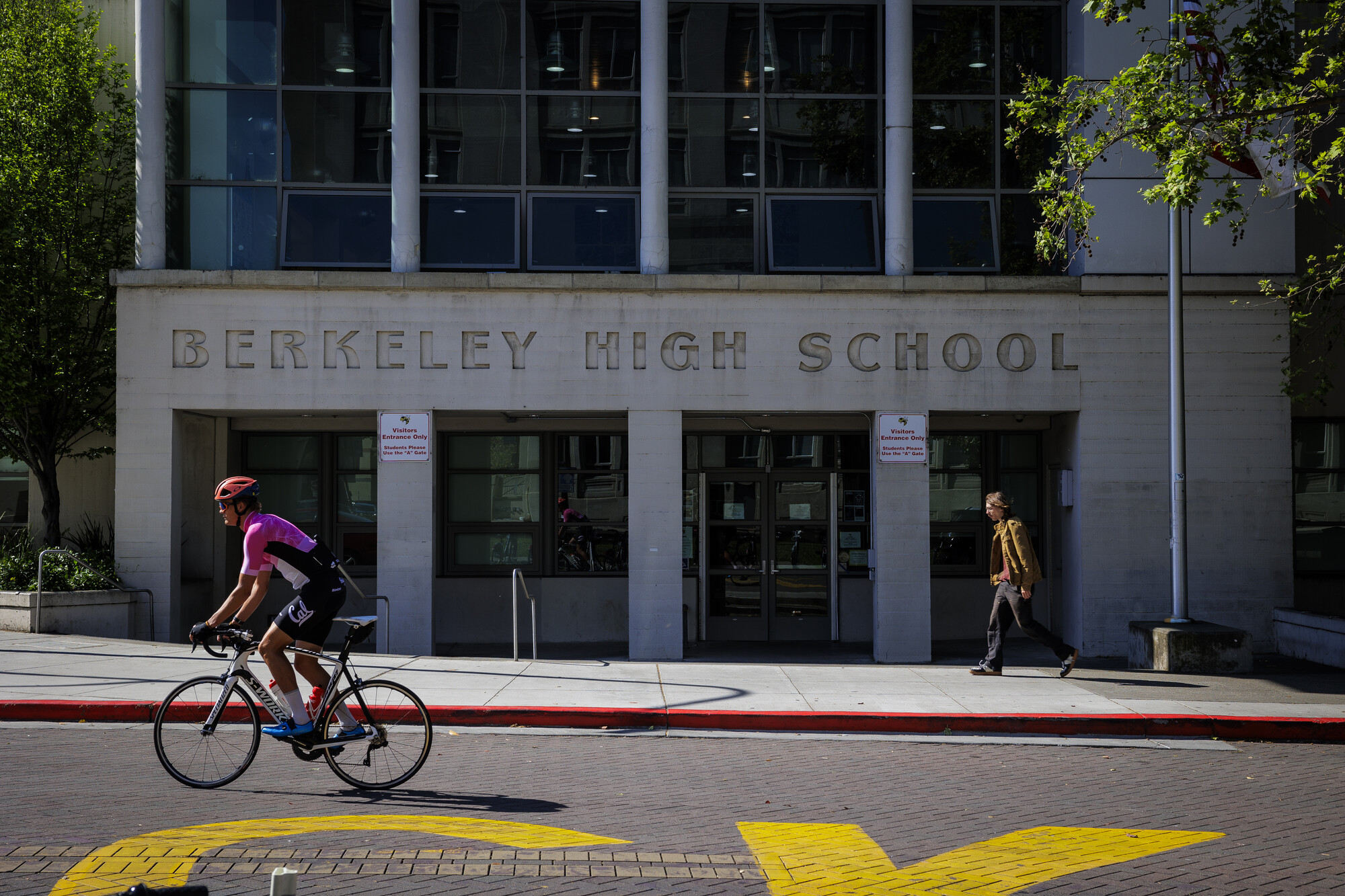
window.__IS_SSR__=true
window.__INITIAL_STATE__={
"attachmentsReducer": {
"audio_0": {
"type": "attachments",
"id": "audio_0",
"imgSizes": {
"kqedFullSize": {
"file": "https://ww2.kqed.org/news/wp-content/themes/KQED-unified/img/audio_bgs/background0.jpg"
}
}
},
"audio_1": {
"type": "attachments",
"id": "audio_1",
"imgSizes": {
"kqedFullSize": {
"file": "https://ww2.kqed.org/news/wp-content/themes/KQED-unified/img/audio_bgs/background1.jpg"
}
}
},
"audio_2": {
"type": "attachments",
"id": "audio_2",
"imgSizes": {
"kqedFullSize": {
"file": "https://ww2.kqed.org/news/wp-content/themes/KQED-unified/img/audio_bgs/background2.jpg"
}
}
},
"audio_3": {
"type": "attachments",
"id": "audio_3",
"imgSizes": {
"kqedFullSize": {
"file": "https://ww2.kqed.org/news/wp-content/themes/KQED-unified/img/audio_bgs/background3.jpg"
}
}
},
"audio_4": {
"type": "attachments",
"id": "audio_4",
"imgSizes": {
"kqedFullSize": {
"file": "https://ww2.kqed.org/news/wp-content/themes/KQED-unified/img/audio_bgs/background4.jpg"
}
}
},
"placeholder": {
"type": "attachments",
"id": "placeholder",
"imgSizes": {
"thumbnail": {
"file": "https://cdn.kqed.org/wp-content/uploads/2024/12/KQED-Default-Image-816638274-2000x1333-1-160x107.jpg",
"width": 160,
"height": 107,
"mimeType": "image/jpeg"
},
"medium": {
"file": "https://cdn.kqed.org/wp-content/uploads/2024/12/KQED-Default-Image-816638274-2000x1333-1-800x533.jpg",
"width": 800,
"height": 533,
"mimeType": "image/jpeg"
},
"medium_large": {
"file": "https://cdn.kqed.org/wp-content/uploads/2024/12/KQED-Default-Image-816638274-2000x1333-1-768x512.jpg",
"width": 768,
"height": 512,
"mimeType": "image/jpeg"
},
"large": {
"file": "https://cdn.kqed.org/wp-content/uploads/2024/12/KQED-Default-Image-816638274-2000x1333-1-1020x680.jpg",
"width": 1020,
"height": 680,
"mimeType": "image/jpeg"
},
"1536x1536": {
"file": "https://cdn.kqed.org/wp-content/uploads/2024/12/KQED-Default-Image-816638274-2000x1333-1-1536x1024.jpg",
"width": 1536,
"height": 1024,
"mimeType": "image/jpeg"
},
"fd-lrg": {
"file": "https://cdn.kqed.org/wp-content/uploads/2024/12/KQED-Default-Image-816638274-2000x1333-1-1536x1024.jpg",
"width": 1536,
"height": 1024,
"mimeType": "image/jpeg"
},
"fd-med": {
"file": "https://cdn.kqed.org/wp-content/uploads/2024/12/KQED-Default-Image-816638274-2000x1333-1-1020x680.jpg",
"width": 1020,
"height": 680,
"mimeType": "image/jpeg"
},
"fd-sm": {
"file": "https://cdn.kqed.org/wp-content/uploads/2024/12/KQED-Default-Image-816638274-2000x1333-1-800x533.jpg",
"width": 800,
"height": 533,
"mimeType": "image/jpeg"
},
"post-thumbnail": {
"file": "https://cdn.kqed.org/wp-content/uploads/2024/12/KQED-Default-Image-816638274-2000x1333-1-672x372.jpg",
"width": 672,
"height": 372,
"mimeType": "image/jpeg"
},
"twentyfourteen-full-width": {
"file": "https://cdn.kqed.org/wp-content/uploads/2024/12/KQED-Default-Image-816638274-2000x1333-1-1038x576.jpg",
"width": 1038,
"height": 576,
"mimeType": "image/jpeg"
},
"xxsmall": {
"file": "https://cdn.kqed.org/wp-content/uploads/2024/12/KQED-Default-Image-816638274-2000x1333-1-160x107.jpg",
"width": 160,
"height": 107,
"mimeType": "image/jpeg"
},
"xsmall": {
"file": "https://cdn.kqed.org/wp-content/uploads/2024/12/KQED-Default-Image-816638274-2000x1333-1-672x372.jpg",
"width": 672,
"height": 372,
"mimeType": "image/jpeg"
},
"small": {
"file": "https://cdn.kqed.org/wp-content/uploads/2024/12/KQED-Default-Image-816638274-2000x1333-1-672x372.jpg",
"width": 672,
"height": 372,
"mimeType": "image/jpeg"
},
"xlarge": {
"file": "https://cdn.kqed.org/wp-content/uploads/2024/12/KQED-Default-Image-816638274-2000x1333-1-1020x680.jpg",
"width": 1020,
"height": 680,
"mimeType": "image/jpeg"
},
"full-width": {
"file": "https://cdn.kqed.org/wp-content/uploads/2024/12/KQED-Default-Image-816638274-2000x1333-1-1920x1280.jpg",
"width": 1920,
"height": 1280,
"mimeType": "image/jpeg"
},
"guest-author-32": {
"file": "https://cdn.kqed.org/wp-content/uploads/2025/01/KQED-Default-Image-816638274-1333x1333-1-160x160.jpg",
"width": 32,
"height": 32,
"mimeType": "image/jpeg"
},
"guest-author-50": {
"file": "https://cdn.kqed.org/wp-content/uploads/2025/01/KQED-Default-Image-816638274-1333x1333-1-160x160.jpg",
"width": 50,
"height": 50,
"mimeType": "image/jpeg"
},
"guest-author-64": {
"file": "https://cdn.kqed.org/wp-content/uploads/2025/01/KQED-Default-Image-816638274-1333x1333-1-160x160.jpg",
"width": 64,
"height": 64,
"mimeType": "image/jpeg"
},
"guest-author-96": {
"file": "https://cdn.kqed.org/wp-content/uploads/2025/01/KQED-Default-Image-816638274-1333x1333-1-160x160.jpg",
"width": 96,
"height": 96,
"mimeType": "image/jpeg"
},
"guest-author-128": {
"file": "https://cdn.kqed.org/wp-content/uploads/2025/01/KQED-Default-Image-816638274-1333x1333-1-160x160.jpg",
"width": 128,
"height": 128,
"mimeType": "image/jpeg"
},
"detail": {
"file": "https://cdn.kqed.org/wp-content/uploads/2025/01/KQED-Default-Image-816638274-1333x1333-1-160x160.jpg",
"width": 160,
"height": 160,
"mimeType": "image/jpeg"
},
"kqedFullSize": {
"file": "https://cdn.kqed.org/wp-content/uploads/2024/12/KQED-Default-Image-816638274-2000x1333-1.jpg",
"width": 2000,
"height": 1333
}
}
},
"news_12065384": {
"type": "attachments",
"id": "news_12065384",
"meta": {
"index": "attachments_1716263798",
"site": "news",
"id": "12065384",
"found": true
},
"title": "Berkeley High School in Berkeley on May 8, 2024.",
"publishDate": 1764110252,
"status": "inherit",
"parent": 12065732,
"modified": 1764802322,
"caption": "Berkeley High School in Berkeley on May 8, 2024. An investigation into the Berkeley Unified School District comes more than a year after the district's superintendent testified before U.S. lawmakers about antisemitism complaints in schools. ",
"credit": "Martin do Nascimento/KQED",
"altTag": null,
"description": null,
"imgSizes": {
"thumbnail": {
"file": "https://cdn.kqed.org/wp-content/uploads/sites/10/2025/11/240508-Berkeley-High-File-MD-03_qed-160x107.jpg",
"width": 160,
"height": 107,
"mimeType": "image/jpeg"
},
"1536x1536": {
"file": "https://cdn.kqed.org/wp-content/uploads/sites/10/2025/11/240508-Berkeley-High-File-MD-03_qed-1536x1024.jpg",
"width": 1536,
"height": 1024,
"mimeType": "image/jpeg"
},
"post-thumbnail": {
"file": "https://cdn.kqed.org/wp-content/uploads/sites/10/2025/11/240508-Berkeley-High-File-MD-03_qed-672x372.jpg",
"width": 672,
"height": 372,
"mimeType": "image/jpeg"
},
"twentyfourteen-full-width": {
"file": "https://cdn.kqed.org/wp-content/uploads/sites/10/2025/11/240508-Berkeley-High-File-MD-03_qed-1038x576.jpg",
"width": 1038,
"height": 576,
"mimeType": "image/jpeg"
},
"npr-cds-wide": {
"file": "https://cdn.kqed.org/wp-content/uploads/sites/10/2025/11/240508-Berkeley-High-File-MD-03_qed-1200x675.jpg",
"width": 1200,
"height": 675,
"mimeType": "image/jpeg"
},
"kqedFullSize": {
"file": "https://cdn.kqed.org/wp-content/uploads/sites/10/2025/11/240508-Berkeley-High-File-MD-03_qed.jpg",
"width": 2000,
"height": 1333
}
},
"isLoading": false,
"fetchFailed": false
},
"news_12064757": {
"type": "attachments",
"id": "news_12064757",
"meta": {
"index": "attachments_1716263798",
"site": "news",
"id": "12064757",
"found": true
},
"title": "241009-SFUSDClosuresMarch-30-BL_qed",
"publishDate": 1763584784,
"status": "inherit",
"parent": 12064746,
"modified": 1763584794,
"caption": "Teachers, K-5 students, and their families at Harvey Milk Civil Rights Academy rally at Harvey Milk Plaza in the Castro neighborhood of San Francisco on Oct. 9, 2024, to protest against the potential closure of the school. The school is on the list of 11 San Francisco campuses that could close after this academic year as the district grapples with declining enrollment and a budget deficit.",
"credit": "Beth LaBerge/KQED",
"altTag": null,
"description": null,
"imgSizes": {
"thumbnail": {
"file": "https://cdn.kqed.org/wp-content/uploads/sites/10/2025/11/241009-SFUSDClosuresMarch-30-BL_qed-160x107.jpg",
"width": 160,
"height": 107,
"mimeType": "image/jpeg"
},
"1536x1536": {
"file": "https://cdn.kqed.org/wp-content/uploads/sites/10/2025/11/241009-SFUSDClosuresMarch-30-BL_qed-1536x1024.jpg",
"width": 1536,
"height": 1024,
"mimeType": "image/jpeg"
},
"post-thumbnail": {
"file": "https://cdn.kqed.org/wp-content/uploads/sites/10/2025/11/241009-SFUSDClosuresMarch-30-BL_qed-672x372.jpg",
"width": 672,
"height": 372,
"mimeType": "image/jpeg"
},
"twentyfourteen-full-width": {
"file": "https://cdn.kqed.org/wp-content/uploads/sites/10/2025/11/241009-SFUSDClosuresMarch-30-BL_qed-1038x576.jpg",
"width": 1038,
"height": 576,
"mimeType": "image/jpeg"
},
"npr-cds-wide": {
"file": "https://cdn.kqed.org/wp-content/uploads/sites/10/2025/11/241009-SFUSDClosuresMarch-30-BL_qed-1200x675.jpg",
"width": 1200,
"height": 675,
"mimeType": "image/jpeg"
},
"kqedFullSize": {
"file": "https://cdn.kqed.org/wp-content/uploads/sites/10/2025/11/241009-SFUSDClosuresMarch-30-BL_qed.jpg",
"width": 2000,
"height": 1333
}
},
"isLoading": false,
"fetchFailed": false
},
"news_12008785": {
"type": "attachments",
"id": "news_12008785",
"meta": {
"index": "attachments_1716263798",
"site": "news",
"id": "12008785",
"found": true
},
"title": "Oakland High School in Oakland on Oct. 9, 2024.",
"publishDate": 1728509005,
"status": "inherit",
"parent": 0,
"modified": 1730757583,
"caption": "Students on campus at Oakland High School in Oakland on Oct. 9, 2024.",
"credit": "Martin do Nascimento/KQED",
"altTag": null,
"description": null,
"imgSizes": {
"medium": {
"file": "https://cdn.kqed.org/wp-content/uploads/sites/10/2024/10/241009-OAKLAND-YOUTH-VOTE-MD-11-KQED-800x533.jpg",
"width": 800,
"height": 533,
"mimeType": "image/jpeg"
},
"large": {
"file": "https://cdn.kqed.org/wp-content/uploads/sites/10/2024/10/241009-OAKLAND-YOUTH-VOTE-MD-11-KQED-1020x680.jpg",
"width": 1020,
"height": 680,
"mimeType": "image/jpeg"
},
"thumbnail": {
"file": "https://cdn.kqed.org/wp-content/uploads/sites/10/2024/10/241009-OAKLAND-YOUTH-VOTE-MD-11-KQED-160x107.jpg",
"width": 160,
"height": 107,
"mimeType": "image/jpeg"
},
"1536x1536": {
"file": "https://cdn.kqed.org/wp-content/uploads/sites/10/2024/10/241009-OAKLAND-YOUTH-VOTE-MD-11-KQED-1536x1024.jpg",
"width": 1536,
"height": 1024,
"mimeType": "image/jpeg"
},
"post-thumbnail": {
"file": "https://cdn.kqed.org/wp-content/uploads/sites/10/2024/10/241009-OAKLAND-YOUTH-VOTE-MD-11-KQED-672x372.jpg",
"width": 672,
"height": 372,
"mimeType": "image/jpeg"
},
"twentyfourteen-full-width": {
"file": "https://cdn.kqed.org/wp-content/uploads/sites/10/2024/10/241009-OAKLAND-YOUTH-VOTE-MD-11-KQED-1038x576.jpg",
"width": 1038,
"height": 576,
"mimeType": "image/jpeg"
},
"full-width": {
"file": "https://cdn.kqed.org/wp-content/uploads/sites/10/2024/10/241009-OAKLAND-YOUTH-VOTE-MD-11-KQED-1920x1280.jpg",
"width": 1920,
"height": 1280,
"mimeType": "image/jpeg"
},
"kqedFullSize": {
"file": "https://cdn.kqed.org/wp-content/uploads/sites/10/2024/10/241009-OAKLAND-YOUTH-VOTE-MD-11-KQED.jpg",
"width": 2000,
"height": 1333
}
},
"isLoading": false,
"fetchFailed": false
},
"news_12064627": {
"type": "attachments",
"id": "news_12064627",
"meta": {
"index": "attachments_1716263798",
"site": "news",
"id": "12064627",
"found": true
},
"title": "20251118_SKYLINE_WALKOUT_GH-18-KQED",
"publishDate": 1763508763,
"status": "inherit",
"parent": 0,
"modified": 1763508825,
"caption": "Students leave campus during a walkout at Skyline High School on Nov. 18, 2025. The group marched toward Safeway on Redwood Road in Oakland.",
"credit": "Gustavo Hernandez/KQED",
"altTag": null,
"description": null,
"imgSizes": {
"thumbnail": {
"file": "https://cdn.kqed.org/wp-content/uploads/sites/10/2025/11/20251118_SKYLINE_WALKOUT_GH-18-KQED-160x107.jpg",
"width": 160,
"height": 107,
"mimeType": "image/jpeg"
},
"1536x1536": {
"file": "https://cdn.kqed.org/wp-content/uploads/sites/10/2025/11/20251118_SKYLINE_WALKOUT_GH-18-KQED-1536x1024.jpg",
"width": 1536,
"height": 1024,
"mimeType": "image/jpeg"
},
"post-thumbnail": {
"file": "https://cdn.kqed.org/wp-content/uploads/sites/10/2025/11/20251118_SKYLINE_WALKOUT_GH-18-KQED-672x372.jpg",
"width": 672,
"height": 372,
"mimeType": "image/jpeg"
},
"twentyfourteen-full-width": {
"file": "https://cdn.kqed.org/wp-content/uploads/sites/10/2025/11/20251118_SKYLINE_WALKOUT_GH-18-KQED-1038x576.jpg",
"width": 1038,
"height": 576,
"mimeType": "image/jpeg"
},
"npr-cds-wide": {
"file": "https://cdn.kqed.org/wp-content/uploads/sites/10/2025/11/20251118_SKYLINE_WALKOUT_GH-18-KQED-1200x675.jpg",
"width": 1200,
"height": 675,
"mimeType": "image/jpeg"
},
"kqedFullSize": {
"file": "https://cdn.kqed.org/wp-content/uploads/sites/10/2025/11/20251118_SKYLINE_WALKOUT_GH-18-KQED.jpg",
"width": 2000,
"height": 1333
}
},
"isLoading": false,
"fetchFailed": false
},
"news_12052663": {
"type": "attachments",
"id": "news_12052663",
"meta": {
"index": "attachments_1716263798",
"site": "news",
"id": "12052663",
"found": true
},
"title": "250818-SFUSDFIRSTDAY-04-KQED",
"publishDate": 1755549114,
"status": "inherit",
"parent": 12052638,
"modified": 1755549467,
"caption": "Superintendent Maria Su speaks to students at Sanchez Elementary School on the first day of classes for the new school year in San Francisco on Aug. 18, 2025.",
"credit": "Beth LaBerge/KQED",
"altTag": null,
"description": null,
"imgSizes": {
"thumbnail": {
"file": "https://cdn.kqed.org/wp-content/uploads/sites/10/2025/08/250818-SFUSDFIRSTDAY-04-KQED-160x107.jpg",
"width": 160,
"height": 107,
"mimeType": "image/jpeg"
},
"1536x1536": {
"file": "https://cdn.kqed.org/wp-content/uploads/sites/10/2025/08/250818-SFUSDFIRSTDAY-04-KQED-1536x1024.jpg",
"width": 1536,
"height": 1024,
"mimeType": "image/jpeg"
},
"post-thumbnail": {
"file": "https://cdn.kqed.org/wp-content/uploads/sites/10/2025/08/250818-SFUSDFIRSTDAY-04-KQED-672x372.jpg",
"width": 672,
"height": 372,
"mimeType": "image/jpeg"
},
"twentyfourteen-full-width": {
"file": "https://cdn.kqed.org/wp-content/uploads/sites/10/2025/08/250818-SFUSDFIRSTDAY-04-KQED-1038x576.jpg",
"width": 1038,
"height": 576,
"mimeType": "image/jpeg"
},
"kqedFullSize": {
"file": "https://cdn.kqed.org/wp-content/uploads/sites/10/2025/08/250818-SFUSDFIRSTDAY-04-KQED.jpg",
"width": 2000,
"height": 1333
}
},
"isLoading": false,
"fetchFailed": false
},
"news_11936296": {
"type": "attachments",
"id": "news_11936296",
"meta": {
"index": "attachments_1716263798",
"site": "news",
"id": "11936296",
"found": true
},
"title": "Academic workers strike for better pay and benefits at UC Berkeley",
"publishDate": 1671901961,
"status": "inherit",
"parent": 11936295,
"modified": 1763404870,
"caption": "Academic workers strike at UC Berkeley on Nov. 16, 2022.",
"credit": "Tayfun Coskun/Anadolu Agency via Getty Images",
"altTag": "The UC Berkeley Campanile in the background as workers hold signs saying 'UAW on Strike'",
"description": null,
"imgSizes": {
"medium": {
"file": "https://cdn.kqed.org/wp-content/uploads/sites/10/2022/12/RS61791_GettyImages-1244836327-qut-800x533.jpg",
"width": 800,
"height": 533,
"mimeType": "image/jpeg"
},
"large": {
"file": "https://cdn.kqed.org/wp-content/uploads/sites/10/2022/12/RS61791_GettyImages-1244836327-qut-1020x680.jpg",
"width": 1020,
"height": 680,
"mimeType": "image/jpeg"
},
"thumbnail": {
"file": "https://cdn.kqed.org/wp-content/uploads/sites/10/2022/12/RS61791_GettyImages-1244836327-qut-160x107.jpg",
"width": 160,
"height": 107,
"mimeType": "image/jpeg"
},
"1536x1536": {
"file": "https://cdn.kqed.org/wp-content/uploads/sites/10/2022/12/RS61791_GettyImages-1244836327-qut-1536x1024.jpg",
"width": 1536,
"height": 1024,
"mimeType": "image/jpeg"
},
"post-thumbnail": {
"file": "https://cdn.kqed.org/wp-content/uploads/sites/10/2022/12/RS61791_GettyImages-1244836327-qut-672x372.jpg",
"width": 672,
"height": 372,
"mimeType": "image/jpeg"
},
"twentyfourteen-full-width": {
"file": "https://cdn.kqed.org/wp-content/uploads/sites/10/2022/12/RS61791_GettyImages-1244836327-qut-1038x576.jpg",
"width": 1038,
"height": 576,
"mimeType": "image/jpeg"
},
"kqedFullSize": {
"file": "https://cdn.kqed.org/wp-content/uploads/sites/10/2022/12/RS61791_GettyImages-1244836327-qut.jpg",
"width": 1920,
"height": 1280
}
},
"isLoading": false,
"fetchFailed": false
},
"news_12064021": {
"type": "attachments",
"id": "news_12064021",
"meta": {
"index": "attachments_1716263798",
"site": "news",
"id": "12064021",
"found": true
},
"title": "Skyline High School in Oakland on Nov. 12, 2025.",
"publishDate": 1763068868,
"status": "inherit",
"parent": 12064018,
"modified": 1763068884,
"caption": "Skyline High School in Oakland on Nov. 12, 2025.",
"credit": "Martin do Nascimento/KQED",
"altTag": null,
"description": null,
"imgSizes": {
"thumbnail": {
"file": "https://cdn.kqed.org/wp-content/uploads/sites/10/2025/11/251112-SKYLINE-HIGH-SHOOTING-MD-02_qed-160x107.jpg",
"width": 160,
"height": 107,
"mimeType": "image/jpeg"
},
"1536x1536": {
"file": "https://cdn.kqed.org/wp-content/uploads/sites/10/2025/11/251112-SKYLINE-HIGH-SHOOTING-MD-02_qed-1536x1024.jpg",
"width": 1536,
"height": 1024,
"mimeType": "image/jpeg"
},
"post-thumbnail": {
"file": "https://cdn.kqed.org/wp-content/uploads/sites/10/2025/11/251112-SKYLINE-HIGH-SHOOTING-MD-02_qed-672x372.jpg",
"width": 672,
"height": 372,
"mimeType": "image/jpeg"
},
"twentyfourteen-full-width": {
"file": "https://cdn.kqed.org/wp-content/uploads/sites/10/2025/11/251112-SKYLINE-HIGH-SHOOTING-MD-02_qed-1038x576.jpg",
"width": 1038,
"height": 576,
"mimeType": "image/jpeg"
},
"npr-cds-wide": {
"file": "https://cdn.kqed.org/wp-content/uploads/sites/10/2025/11/251112-SKYLINE-HIGH-SHOOTING-MD-02_qed-1200x675.jpg",
"width": 1200,
"height": 675,
"mimeType": "image/jpeg"
},
"kqedFullSize": {
"file": "https://cdn.kqed.org/wp-content/uploads/sites/10/2025/11/251112-SKYLINE-HIGH-SHOOTING-MD-02_qed.jpg",
"width": 2000,
"height": 1333
}
},
"isLoading": false,
"fetchFailed": false
},
"news_12064014": {
"type": "attachments",
"id": "news_12064014",
"meta": {
"index": "attachments_1716263798",
"site": "news",
"id": "12064014",
"found": true
},
"title": "20251112_HEADSTART_SANTACRUZ_GH-1-KQED",
"publishDate": 1763065669,
"status": "inherit",
"parent": 0,
"modified": 1763077227,
"caption": "Iracema Torres reads with her 2-year-old daughter, Cataleya, at their home in Santa Cruz on Nov. 12, 2025. Cataleya had been enrolled in the Head Start program for six months before classrooms closed during the federal government shutdown.",
"credit": "Gustavo Hernandez/KQED",
"altTag": null,
"description": null,
"imgSizes": {
"thumbnail": {
"file": "https://cdn.kqed.org/wp-content/uploads/sites/10/2025/11/20251112_HEADSTART_SANTACRUZ_GH-1-KQED-160x107.jpg",
"width": 160,
"height": 107,
"mimeType": "image/jpeg"
},
"1536x1536": {
"file": "https://cdn.kqed.org/wp-content/uploads/sites/10/2025/11/20251112_HEADSTART_SANTACRUZ_GH-1-KQED-1536x1024.jpg",
"width": 1536,
"height": 1024,
"mimeType": "image/jpeg"
},
"post-thumbnail": {
"file": "https://cdn.kqed.org/wp-content/uploads/sites/10/2025/11/20251112_HEADSTART_SANTACRUZ_GH-1-KQED-672x372.jpg",
"width": 672,
"height": 372,
"mimeType": "image/jpeg"
},
"twentyfourteen-full-width": {
"file": "https://cdn.kqed.org/wp-content/uploads/sites/10/2025/11/20251112_HEADSTART_SANTACRUZ_GH-1-KQED-1038x576.jpg",
"width": 1038,
"height": 576,
"mimeType": "image/jpeg"
},
"npr-cds-wide": {
"file": "https://cdn.kqed.org/wp-content/uploads/sites/10/2025/11/20251112_HEADSTART_SANTACRUZ_GH-1-KQED-1200x675.jpg",
"width": 1200,
"height": 675,
"mimeType": "image/jpeg"
},
"kqedFullSize": {
"file": "https://cdn.kqed.org/wp-content/uploads/sites/10/2025/11/20251112_HEADSTART_SANTACRUZ_GH-1-KQED.jpg",
"width": 2000,
"height": 1333
}
},
"isLoading": false,
"fetchFailed": false
},
"news_12064036": {
"type": "attachments",
"id": "news_12064036",
"meta": {
"index": "attachments_1716263798",
"site": "news",
"id": "12064036",
"found": true
},
"title": "me-oakland-museum",
"publishDate": 1763070996,
"status": "inherit",
"parent": 12064033,
"modified": 1763071079,
"caption": "Laney College on Thursday, Oct. 30, 2025, in Oakland, California.",
"credit": "David M. Barreda/Los Angeles Times via Getty Images",
"altTag": null,
"description": null,
"imgSizes": {
"thumbnail": {
"file": "https://cdn.kqed.org/wp-content/uploads/sites/10/2025/11/LaneyCollegeGetty-160x107.jpg",
"width": 160,
"height": 107,
"mimeType": "image/jpeg"
},
"1536x1536": {
"file": "https://cdn.kqed.org/wp-content/uploads/sites/10/2025/11/LaneyCollegeGetty-1536x1024.jpg",
"width": 1536,
"height": 1024,
"mimeType": "image/jpeg"
},
"post-thumbnail": {
"file": "https://cdn.kqed.org/wp-content/uploads/sites/10/2025/11/LaneyCollegeGetty-672x372.jpg",
"width": 672,
"height": 372,
"mimeType": "image/jpeg"
},
"twentyfourteen-full-width": {
"file": "https://cdn.kqed.org/wp-content/uploads/sites/10/2025/11/LaneyCollegeGetty-1038x576.jpg",
"width": 1038,
"height": 576,
"mimeType": "image/jpeg"
},
"npr-cds-wide": {
"file": "https://cdn.kqed.org/wp-content/uploads/sites/10/2025/11/LaneyCollegeGetty-1200x675.jpg",
"width": 1200,
"height": 675,
"mimeType": "image/jpeg"
},
"kqedFullSize": {
"file": "https://cdn.kqed.org/wp-content/uploads/sites/10/2025/11/LaneyCollegeGetty.jpg",
"width": 2000,
"height": 1333
}
},
"isLoading": false,
"fetchFailed": false
},
"news_12063897": {
"type": "attachments",
"id": "news_12063897",
"meta": {
"index": "attachments_1716263798",
"site": "news",
"id": "12063897",
"found": true
},
"title": "251112-SKYLINE HIGH SHOOTING-MD-01-KQED",
"publishDate": 1762991298,
"status": "inherit",
"parent": 0,
"modified": 1762991388,
"caption": "Skyline High School in Oakland on Nov. 12, 2025.",
"credit": "Martin do Nascimento/KQED",
"altTag": null,
"description": null,
"imgSizes": {
"thumbnail": {
"file": "https://cdn.kqed.org/wp-content/uploads/sites/10/2025/11/251112-SKYLINE-HIGH-SHOOTING-MD-01-KQED-160x107.jpg",
"width": 160,
"height": 107,
"mimeType": "image/jpeg"
},
"1536x1536": {
"file": "https://cdn.kqed.org/wp-content/uploads/sites/10/2025/11/251112-SKYLINE-HIGH-SHOOTING-MD-01-KQED-1536x1024.jpg",
"width": 1536,
"height": 1024,
"mimeType": "image/jpeg"
},
"post-thumbnail": {
"file": "https://cdn.kqed.org/wp-content/uploads/sites/10/2025/11/251112-SKYLINE-HIGH-SHOOTING-MD-01-KQED-672x372.jpg",
"width": 672,
"height": 372,
"mimeType": "image/jpeg"
},
"twentyfourteen-full-width": {
"file": "https://cdn.kqed.org/wp-content/uploads/sites/10/2025/11/251112-SKYLINE-HIGH-SHOOTING-MD-01-KQED-1038x576.jpg",
"width": 1038,
"height": 576,
"mimeType": "image/jpeg"
},
"npr-cds-wide": {
"file": "https://cdn.kqed.org/wp-content/uploads/sites/10/2025/11/251112-SKYLINE-HIGH-SHOOTING-MD-01-KQED-1200x675.jpg",
"width": 1200,
"height": 675,
"mimeType": "image/jpeg"
},
"kqedFullSize": {
"file": "https://cdn.kqed.org/wp-content/uploads/sites/10/2025/11/251112-SKYLINE-HIGH-SHOOTING-MD-01-KQED.jpg",
"width": 2000,
"height": 1333
}
},
"isLoading": false,
"fetchFailed": false
},
"news_12063739": {
"type": "attachments",
"id": "news_12063739",
"meta": {
"index": "attachments_1716263798",
"site": "news",
"id": "12063739",
"found": true
},
"title": "20251110_UCBTURNINGPOINT_GC-4-KQED",
"publishDate": 1762836491,
"status": "inherit",
"parent": 0,
"modified": 1762974005,
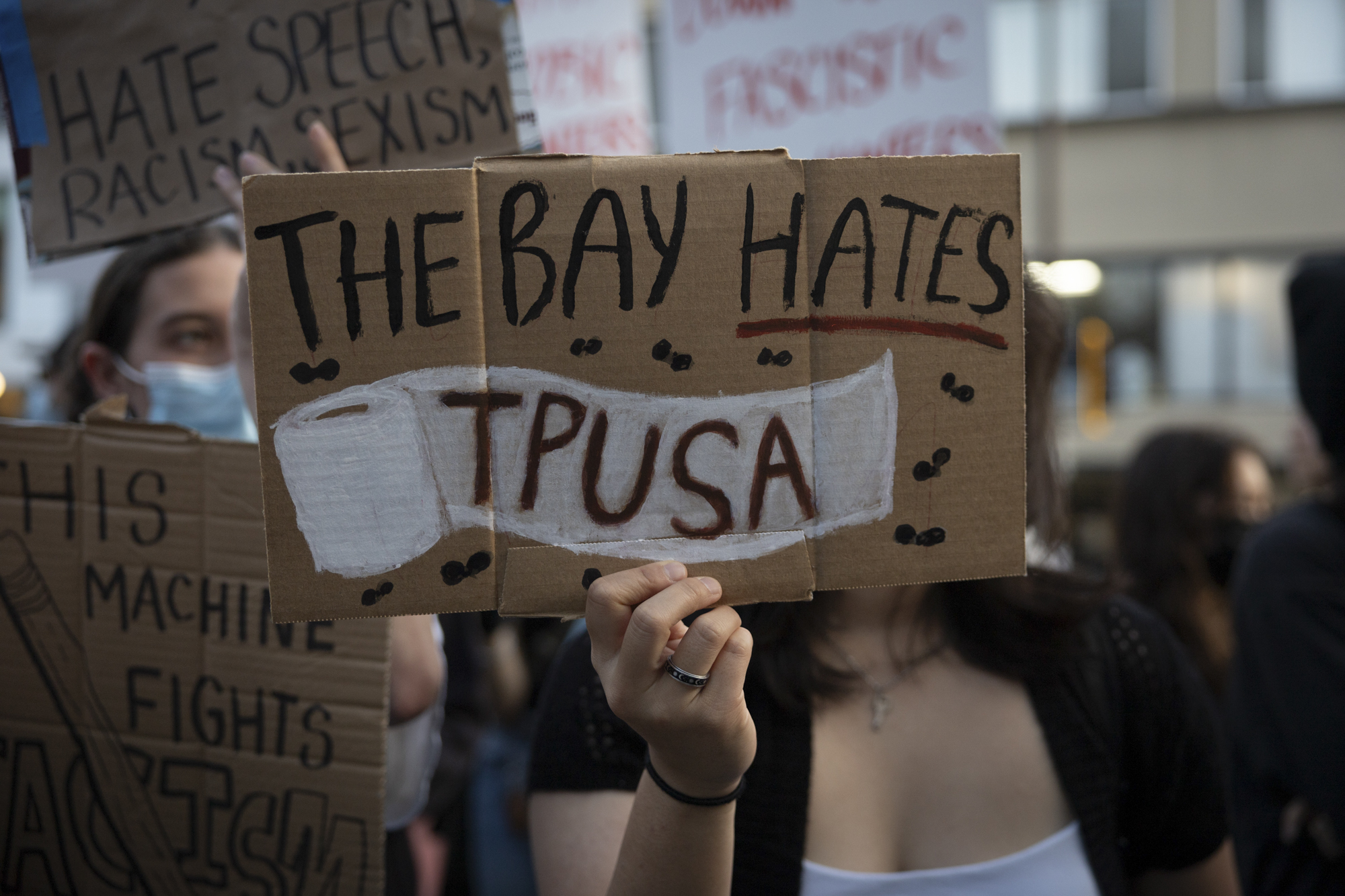
"caption": "A protester holds a sign reading “The Bay Hates TPUSA” ahead of Turning Point USA’s last college stop of the ‘American Comeback Tour in Zellerbach Hall at UC Berkeley on Nov. 10, 2025. The event comes exactly two months after co-founder Charlie Kirk’s death.",
"credit": "Gina Castro/KQED",
"altTag": null,
"description": null,
"imgSizes": {
"thumbnail": {
"file": "https://cdn.kqed.org/wp-content/uploads/sites/10/2025/11/20251110_UCBTURNINGPOINT_GC-4-KQED-160x107.jpg",
"width": 160,
"height": 107,
"mimeType": "image/jpeg"
},
"1536x1536": {
"file": "https://cdn.kqed.org/wp-content/uploads/sites/10/2025/11/20251110_UCBTURNINGPOINT_GC-4-KQED-1536x1024.jpg",
"width": 1536,
"height": 1024,
"mimeType": "image/jpeg"
},
"post-thumbnail": {
"file": "https://cdn.kqed.org/wp-content/uploads/sites/10/2025/11/20251110_UCBTURNINGPOINT_GC-4-KQED-672x372.jpg",
"width": 672,
"height": 372,
"mimeType": "image/jpeg"
},
"twentyfourteen-full-width": {
"file": "https://cdn.kqed.org/wp-content/uploads/sites/10/2025/11/20251110_UCBTURNINGPOINT_GC-4-KQED-1038x576.jpg",
"width": 1038,
"height": 576,
"mimeType": "image/jpeg"
},
"npr-cds-wide": {
"file": "https://cdn.kqed.org/wp-content/uploads/sites/10/2025/11/20251110_UCBTURNINGPOINT_GC-4-KQED-1200x675.jpg",
"width": 1200,
"height": 675,
"mimeType": "image/jpeg"
},
"kqedFullSize": {
"file": "https://cdn.kqed.org/wp-content/uploads/sites/10/2025/11/20251110_UCBTURNINGPOINT_GC-4-KQED.jpg",
"width": 2000,
"height": 1333
}
},
"isLoading": false,
"fetchFailed": false
},
"news_12063559": {
"type": "attachments",
"id": "news_12063559",
"meta": {
"index": "attachments_1716263798",
"site": "news",
"id": "12063559",
"found": true
},
"title": "US-POLITICS-VANCE",
"publishDate": 1762561403,
"status": "inherit",
"parent": 12063538,
"modified": 1762808184,
"caption": "People at a Turning Point USA event, where U.S. Vice President JD Vance also spoke, at the University of Mississippi, in Oxford, Mississippi, on Oct. 29, 2025. ",
"credit": "Jonathan Ernst/AFP via Getty Images",
"altTag": null,
"description": null,
"imgSizes": {
"thumbnail": {
"file": "https://cdn.kqed.org/wp-content/uploads/sites/10/2025/11/TurningPointUSAGetty-160x107.jpg",
"width": 160,
"height": 107,
"mimeType": "image/jpeg"
},
"1536x1536": {
"file": "https://cdn.kqed.org/wp-content/uploads/sites/10/2025/11/TurningPointUSAGetty-1536x1024.jpg",
"width": 1536,
"height": 1024,
"mimeType": "image/jpeg"
},
"post-thumbnail": {
"file": "https://cdn.kqed.org/wp-content/uploads/sites/10/2025/11/TurningPointUSAGetty-672x372.jpg",
"width": 672,
"height": 372,
"mimeType": "image/jpeg"
},
"twentyfourteen-full-width": {
"file": "https://cdn.kqed.org/wp-content/uploads/sites/10/2025/11/TurningPointUSAGetty-1038x576.jpg",
"width": 1038,
"height": 576,
"mimeType": "image/jpeg"
},
"npr-cds-wide": {
"file": "https://cdn.kqed.org/wp-content/uploads/sites/10/2025/11/TurningPointUSAGetty-1200x675.jpg",
"width": 1200,
"height": 675,
"mimeType": "image/jpeg"
},
"kqedFullSize": {
"file": "https://cdn.kqed.org/wp-content/uploads/sites/10/2025/11/TurningPointUSAGetty.jpg",
"width": 2000,
"height": 1333
}
},
"isLoading": false,
"fetchFailed": false
}
},
"audioPlayerReducer": {
"postId": "stream_live",
"isPaused": true,
"isPlaying": false,
"pfsActive": false,
"pledgeModalIsOpen": true,
"playerDrawerIsOpen": false,
"liveAudioPlayStartedAt": 0,
"liveAudioPlayContext": ""
},
"authorsReducer": {
"shossaini": {
"type": "authors",
"id": "3214",
"meta": {
"index": "authors_1716337520",
"id": "3214",
"found": true
},
"name": "Sara Hossaini",
"firstName": "Sara",
"lastName": "Hossaini",
"slug": "shossaini",
"email": "shossaini@kqed.org",
"display_author_email": true,
"staff_mastheads": [
"news"
],
"title": "KQED Reporter",
"bio": "Sara Hossaini came to general assignment reporting at KQED in 2013 after two winters reporting at Wyoming Public Radio. She holds a bachelor's degree in broadcast journalism from the University of Nebraska-Lincoln. Her radio romance began after a bitter breakup with documentary film (Ok, maybe it's still complicated). Her first simultaneous jobs in San Francisco were as Associate Producer on a PBS film series through the Center for Asian American Media and as a butler. She likes to trot, plot and make things with her hands.",
"avatar": "https://secure.gravatar.com/avatar/060e9f56b9554e17942e89f413242774?s=600&d=blank&r=g",
"twitter": "mshossaini",
"facebook": null,
"instagram": null,
"linkedin": null,
"sites": [
{
"site": "news",
"roles": [
"author"
]
},
{
"site": "stateofhealth",
"roles": [
"author"
]
}
],
"headData": {
"title": "Sara Hossaini | KQED",
"description": "KQED Reporter",
"ogImgSrc": "https://secure.gravatar.com/avatar/060e9f56b9554e17942e89f413242774?s=600&d=blank&r=g",
"twImgSrc": "https://secure.gravatar.com/avatar/060e9f56b9554e17942e89f413242774?s=600&d=blank&r=g"
},
"isLoading": false,
"link": "/author/shossaini"
},
"jlara": {
"type": "authors",
"id": "11761",
"meta": {
"index": "authors_1716337520",
"id": "11761",
"found": true
},
"name": "Juan Carlos Lara",
"firstName": "Juan Carlos",
"lastName": "Lara",
"slug": "jlara",
"email": "jlara@kqed.org",
"display_author_email": false,
"staff_mastheads": [],
"title": "KQED Contributor",
"bio": null,
"avatar": "https://secure.gravatar.com/avatar/19e2052b9b05657c5ff2af2121846e9c?s=600&d=blank&r=g",
"twitter": null,
"facebook": null,
"instagram": null,
"linkedin": null,
"sites": [
{
"site": "arts",
"roles": [
"editor"
]
},
{
"site": "news",
"roles": [
"editor"
]
},
{
"site": "forum",
"roles": [
"editor"
]
},
{
"site": "liveblog",
"roles": [
"contributor"
]
}
],
"headData": {
"title": "Juan Carlos Lara | KQED",
"description": "KQED Contributor",
"ogImgSrc": "https://secure.gravatar.com/avatar/19e2052b9b05657c5ff2af2121846e9c?s=600&d=blank&r=g",
"twImgSrc": "https://secure.gravatar.com/avatar/19e2052b9b05657c5ff2af2121846e9c?s=600&d=blank&r=g"
},
"isLoading": false,
"link": "/author/jlara"
},
"adahlstromeckman": {
"type": "authors",
"id": "11785",
"meta": {
"index": "authors_1716337520",
"id": "11785",
"found": true
},
"name": "Azul Dahlstrom-Eckman",
"firstName": "Azul",
"lastName": "Dahlstrom-Eckman",
"slug": "adahlstromeckman",
"email": "adahlstrom-eckman@kqed.org",
"display_author_email": true,
"staff_mastheads": [],
"title": "Reporter",
"bio": "Azul is a reporter for KQED focusing on transportation and features. He joined KQED in 2021 as an alumna of KALW's Audio Academy radio journalism training program.",
"avatar": "https://secure.gravatar.com/avatar/9cb750298435add7815a777f55bf1f46845c1386bb8452555c60a7b820b5aba3?s=600&d=blank&r=g",
"twitter": "@zuliemann",
"bluesky": "@azul415.bsky.social",
"facebook": null,
"instagram": null,
"linkedin": null,
"sites": [
{
"site": "arts",
"roles": [
"editor"
]
},
{
"site": "news",
"roles": [
"editor"
]
},
{
"site": "science",
"roles": [
"editor"
]
},
{
"site": "liveblog",
"roles": [
"author"
]
}
],
"headData": {
"title": "Azul Dahlstrom-Eckman | KQED",
"description": "Reporter",
"ogImgSrc": "https://secure.gravatar.com/avatar/9cb750298435add7815a777f55bf1f46845c1386bb8452555c60a7b820b5aba3?s=600&d=blank&r=g",
"twImgSrc": "https://secure.gravatar.com/avatar/9cb750298435add7815a777f55bf1f46845c1386bb8452555c60a7b820b5aba3?s=600&d=blank&r=g"
},
"isLoading": false,
"link": "/author/adahlstromeckman"
},
"daisynguyen": {
"type": "authors",
"id": "11829",
"meta": {
"index": "authors_1716337520",
"id": "11829",
"found": true
},
"name": "Daisy Nguyen",
"firstName": "Daisy",
"lastName": "Nguyen",
"slug": "daisynguyen",
"email": "daisynguyen@kqed.org",
"display_author_email": true,
"staff_mastheads": [
"news"
],
"title": "KQED Contributor",
"bio": "I have covered early childhood education and child care for KQED since 2022. I focus on policies aimed at increasing access to early care and education and how they shape individual lives. I've been a journalist for more than two decades, with most of that time devoted to covering breaking news throughout California for The Associated Press. I grew up in San Francisco and studied at UC Davis and Columbia University's Graduate School of Journalism. I live in Oakland with my husband and two kids.",
"avatar": "https://secure.gravatar.com/avatar/2da2127c27f7143b53ebd419800fd55f?s=600&d=blank&r=g",
"twitter": null,
"facebook": null,
"instagram": null,
"linkedin": "https://www.linkedin.com/in/daisynguyen/",
"sites": [
{
"site": "news",
"roles": [
"author"
]
},
{
"site": "liveblog",
"roles": [
"author"
]
}
],
"headData": {
"title": "Daisy Nguyen | KQED",
"description": "KQED Contributor",
"ogImgSrc": "https://secure.gravatar.com/avatar/2da2127c27f7143b53ebd419800fd55f?s=600&d=blank&r=g",
"twImgSrc": "https://secure.gravatar.com/avatar/2da2127c27f7143b53ebd419800fd55f?s=600&d=blank&r=g"
},
"isLoading": false,
"link": "/author/daisynguyen"
},
"jservantez": {
"type": "authors",
"id": "11909",
"meta": {
"index": "authors_1716337520",
"id": "11909",
"found": true
},
"name": "Jared Servantez",
"firstName": "Jared",
"lastName": "Servantez",
"slug": "jservantez",
"email": "jservantez@kqed.org",
"display_author_email": true,
"staff_mastheads": [
"news"
],
"title": "KQED Contributor",
"bio": "Jared Servantez is the editor of KQED's Express Desk, leading the newsroom's online breaking news operation. He most recently worked for the Los Angeles Times, where he served as a breaking news editor, the Metro Desk's night editor, and a copy editor. Jared is a graduate of the USC Annenberg School for Communication and Journalism.",
"avatar": "https://secure.gravatar.com/avatar/f0e317c67bb498c3f077f033d1cc79e62f3bc1303fa20a14e8880d31fbe7e01e?s=600&d=blank&r=g",
"twitter": "jservantez",
"bluesky": null,
"facebook": null,
"instagram": null,
"linkedin": null,
"sites": [
{
"site": "news",
"roles": [
"editor"
]
},
{
"site": "science",
"roles": [
"editor",
"author"
]
},
{
"site": "liveblog",
"roles": [
"editor"
]
}
],
"headData": {
"title": "Jared Servantez | KQED",
"description": "KQED Contributor",
"ogImgSrc": "https://secure.gravatar.com/avatar/f0e317c67bb498c3f077f033d1cc79e62f3bc1303fa20a14e8880d31fbe7e01e?s=600&d=blank&r=g",
"twImgSrc": "https://secure.gravatar.com/avatar/f0e317c67bb498c3f077f033d1cc79e62f3bc1303fa20a14e8880d31fbe7e01e?s=600&d=blank&r=g"
},
"isLoading": false,
"link": "/author/jservantez"
},
"kdebenedetti": {
"type": "authors",
"id": "11913",
"meta": {
"index": "authors_1716337520",
"id": "11913",
"found": true
},
"name": "Katie DeBenedetti",
"firstName": "Katie",
"lastName": "DeBenedetti",
"slug": "kdebenedetti",
"email": "kdebenedetti@kqed.org",
"display_author_email": false,
"staff_mastheads": [
"news",
"science"
],
"title": "KQED Contributor",
"bio": "Katie DeBenedetti is a digital reporter covering daily news for the Express Desk. Prior to joining KQED as a culture reporting intern in January 2024, she covered education and city government for the Napa Valley Register.",
"avatar": "https://secure.gravatar.com/avatar/6e31073cb8f7e4214ab03f42771d0f45?s=600&d=blank&r=g",
"twitter": null,
"facebook": null,
"instagram": null,
"linkedin": null,
"sites": [
{
"site": "news",
"roles": [
"author"
]
},
{
"site": "science",
"roles": [
"author"
]
},
{
"site": "liveblog",
"roles": [
"author"
]
}
],
"headData": {
"title": "Katie DeBenedetti | KQED",
"description": "KQED Contributor",
"ogImgSrc": "https://secure.gravatar.com/avatar/6e31073cb8f7e4214ab03f42771d0f45?s=600&d=blank&r=g",
"twImgSrc": "https://secure.gravatar.com/avatar/6e31073cb8f7e4214ab03f42771d0f45?s=600&d=blank&r=g"
},
"isLoading": false,
"link": "/author/kdebenedetti"
}
},
"pagesReducer": {
"news_tag_education": {
"type": "terms",
"id": "news_20013",
"meta": {
"index": "terms_1716263798",
"site": "news",
"id": "20013",
"score": 6.970073
},
"featImg": null,
"name": "education",
"description": null,
"taxonomy": "tag",
"headData": {
"twImgId": null,
"twTitle": null,
"ogTitle": null,
"ogImgId": null,
"twDescription": null,
"description": null,
"title": "education Archives | KQED News",
"ogDescription": null
},
"ttid": 20030,
"slug": "education",
"isLoading": false,
"title": "education",
"pageMeta": {
"site": "news",
"WpPageTemplate": "page-topic-editorial",
"currentPage": 15
},
"blocks": [
{
"blockName": "kqed/post-list",
"attrs": {
"layout": "cardArticle2",
"query": "posts/news?tag=education",
"seeMore": false,
"paginated": true,
"page": 15
}
},
{
"blockName": "kqed/ad"
}
]
}
},
"pfsSessionReducer": {},
"postsReducer": {
"stream_live": {
"type": "live",
"id": "stream_live",
"audioUrl": "https://streams.kqed.org/kqedradio",
"title": "Live Stream",
"excerpt": "Live Stream information currently unavailable.",
"link": "/radio",
"featImg": "",
"label": {
"name": "KQED Live",
"link": "/"
}
},
"stream_kqedNewscast": {
"type": "posts",
"id": "stream_kqedNewscast",
"audioUrl": "https://www.kqed.org/.stream/anon/radio/RDnews/newscast.mp3?_=1",
"title": "KQED Newscast",
"featImg": "",
"label": {
"name": "88.5 FM",
"link": "/"
}
},
"news_12065375": {
"type": "posts",
"id": "news_12065375",
"meta": {
"index": "posts_1716263798",
"site": "news",
"id": "12065375",
"score": null,
"sort": [
1764117516000
]
},
"guestAuthors": [],
"slug": "congress-launches-new-antisemitism-investigation-into-berkeley-schools",
"title": "Congress Launches New Antisemitism Investigation Into Berkeley Schools",
"publishDate": 1764117516,
"format": "standard",
"headTitle": "Congress Launches New Antisemitism Investigation Into Berkeley Schools | KQED",
"labelTerm": {
"site": "news"
},
"content": "\u003cp>A congressional committee on Monday launched a new investigation into reports of antisemitism into \u003ca href=\"https://www.kqed.org/news/tag/berkeley-unified-school-district\">Berkeley’s school district\u003c/a>, raising concerns that the schools failed to protect Jewish students’ civil rights.\u003c/p>\n\u003cp>The House of Representatives’ Education and Workforce Committee outlined the allegations in a letter sent to three school districts nationwide: Berkeley Unified School District, Fairfax County Public Schools in Virginia and the School District of Philadelphia.\u003c/p>\n\u003cp>“Jewish and Israeli students have allegedly been regularly bullied and harassed,” since Hamas attacked Israel on Oct. 7, 2023, according to the letter from Education and Workforce Committee Chair Tim Walberg (R–Michigan) and Early Childhood, Elementary, and Secondary Education Subcommittee Chair Kevin Kiley (R–California).\u003c/p>\n\u003cp>[ad fullwidth]\u003c/p>\n\u003cp>The committee said that Jewish students in Berkeley schools were “subjected to open antisemitism in their classrooms and hallways.”\u003c/p>\n\u003cp>“Some teachers and administrators across BUSD allegedly facilitate and encourage this hostility, while others fail to act in response to it,” the letter from Walberg and Kiley continued.\u003c/p>\n\u003cp>Berkeley’s school district has been at the center of federal antisemitism investigations in K-12 schools since February 2024, when the Louis D. Brandeis Center for Human Rights Under Law and the Anti-Defamation League filed a formal complaint with the Department of Education’s Office for Civil Rights, alleging that Jewish students had been subject to “severe and persistent” discrimination in Berkeley schools.\u003c/p>\n\u003cfigure id=\"attachment_12065383\" class=\"wp-caption aligncenter\" style=\"max-width: 2000px\">\u003cimg loading=\"lazy\" decoding=\"async\" class=\"size-full wp-image-12065383\" src=\"https://cdn.kqed.org/wp-content/uploads/sites/10/2025/11/240508-Berkeley-High-File-MD-02_qed.jpg\" alt=\"\" width=\"2000\" height=\"1333\" srcset=\"https://cdn.kqed.org/wp-content/uploads/sites/10/2025/11/240508-Berkeley-High-File-MD-02_qed.jpg 2000w, https://cdn.kqed.org/wp-content/uploads/sites/10/2025/11/240508-Berkeley-High-File-MD-02_qed-160x107.jpg 160w, https://cdn.kqed.org/wp-content/uploads/sites/10/2025/11/240508-Berkeley-High-File-MD-02_qed-1536x1024.jpg 1536w\" sizes=\"auto, (max-width: 2000px) 100vw, 2000px\">\u003cfigcaption class=\"wp-caption-text\">Berkeley High School in Berkeley on May 8, 2024. \u003ccite>(Martin do Nascimento/KQED)\u003c/cite>\u003c/figcaption>\u003c/figure>\n\u003cp>That May, \u003ca href=\"https://www.kqed.org/news/11985599/berkeley-antisemitism-hearing\">BUSD’s Superintendent, Enikia Ford Morthel, testified\u003c/a> before Congress in proceedings led by Republican lawmakers — similar to those held months earlier with leaders of prominent colleges and universities. She said that antisemitism is not pervasive in Berkeley schools.\u003c/p>\n\u003cp>But Berkeley parents and advocates who believe the district has continuously failed to investigate alleged antisemitism praised the new investigation.\u003c/p>\n\u003cp>“I think it’s necessary and … good because the complaints against Berkeley Unified have not yet been resolved,” said Marci Miller, the Director of Legal Investigations with the Brandeis Center, which is run by a former education department official from Trump’s first administration.\u003c/p>\n\u003cp>“And, because when the Superintendent was called before Congress last time, there seemed to be a lack of accountability or even acknowledging that there was an issue in the first place,” she continued.[aside postID=news_11985599 hero='https://cdn.kqed.org/wp-content/uploads/sites/10/2024/05/GettyImages-2152066925-1020x680.jpg']The committee letter cited specific incidents of antisemitism at BUSD schools in recent years, including an allegation that during a pro-Palestinian walkout at Berkeley High School in 2023, students yelled “\u003ca href=\"https://brandeiscenter.com/wp-content/uploads/2024/02/Brandeis-Center-ADL-Complaint.pdf\">Kill the Jews\u003c/a>,” and that a teacher at the school displayed a photo of a fist destroying the Star of David, describing it as “\u003ca href=\"https://defendinged.org/incidents/berkeley-high-school-teacher-displays-image-to-class-of-a-fist-destroying-the-star-of-david-over-israel/\">standing up for social justice\u003c/a>.”\u003c/p>\n\u003cp>Parent Ilana Pearlman, who pulled one of her children out of BUSD over antisemitism concerns, said she’s filed multiple complaints with the district that have gone unaddressed for years.\u003c/p>\n\u003cp>“There’s that sense of, ‘I told my parents something, I told my teacher something that happened, and nobody did anything,’” she told KQED. “That’s kind of how I feel in the district in general. I, as an adult, said, ‘These things have happened,’ and nobody’s done anything.”\u003c/p>\n\u003cp>Miller said there have been more than 100 such complaints lodged with BUSD since January 2024.\u003c/p>\n\u003cp>“What matters is the takeaway and the impact that that still has on my children of this noticing … that it might be unsafe to be Jewish,” Pearlman said.\u003c/p>\n\u003cp>The district said in an email on Tuesday that it would respond “appropriately” to the Committee’s letter, which demands a plethora of documents related to curriculum, school activities, partnerships and contracts that refer or relate to Jews, Judaism, Israel, Palestine, Zionism or antisemitism, as well as a chart of all complaints of antisemitism the district has received since Oct. 7, 2023.\u003c/p>\n\u003cfigure id=\"attachment_11973563\" class=\"wp-caption aligncenter\" style=\"max-width: 2000px\">\u003cimg loading=\"lazy\" decoding=\"async\" class=\"wp-image-11973563 size-full\" src=\"https://cdn.kqed.org/wp-content/uploads/sites/10/2024/01/1st-Day-of-Middle-School-10-1-scaled-1-e1764117061286.jpg\" alt=\"A Black woman stands with her hands raised next to a white woman in a classroom.\" width=\"2000\" height=\"1334\">\u003cfigcaption class=\"wp-caption-text\">Enikia Ford Morthel, Berkeley schools superintendent, right, speaks to a classroom on the first day of middle school on Aug. 16, 2003. \u003ccite>(Kelly Sullivan/Berkeleyside)\u003c/cite>\u003c/figcaption>\u003c/figure>\n\u003cp>A BUSD spokesperson added that Ford Morthel addressed the specific claims of the letter at the May 2024 hearing.\u003c/p>\n\u003cp>“Our babies sometimes say hurtful things. We are mindful that all kids make mistakes,” Ford Morthel told lawmakers at the time. “We know that our staff are not immune to missteps either, and we don’t ignore them when they occur.”\u003c/p>\n\u003cp>She also said that when students and staff district addressed alleged incidents of antisemitism through education, restorative justice and discipline.[aside postID=news_12064351 hero='https://cdn.kqed.org/wp-content/uploads/sites/10/2025/11/251117-STANFORDTRIAL-JG-7_qed.jpg']“We do not publish our actions because student information is private and legally protected under federal and state law,” she told lawmakers at the time. “As a result, some believe we do nothing. This is not true.”\u003c/p>\n\u003cp>Berkeley substitute teacher Christina Harb, who is Palestinian American, said that some of the allegations had been disproven.\u003c/p>\n\u003cp>“There’s only one parent that makes the claim that she heard [‘Kill the Jews’],” during the walkout mentioned in the letter, Harb told KQED. She said another incident lawmakers cited, that a teacher allegedly put a drawing by students that said ‘Stop Bombing Babies’ outside the one Jewish teacher at the school’s classroom, was taken out of context.\u003c/p>\n\u003cp>“It was not placed outside of her classroom because it’s her classroom. It was placed on an anti-hate wall that’s been in place since 2017,” she said.\u003c/p>\n\u003cp>Harb believes that BUSD teachers and administrators have done their due diligence to address antisemitism concerns. She said she’s worried that the current investigation will instead be used to silence Muslim and Palestinian kids in Berkeley schools — a number of whom have reported incidents of discrimination to the district, and even filed their own ongoing federal civil rights complaint with the U.S. Department of Education’s Office for Civil Rights.\u003c/p>\n\u003cp>“It’s just really clear that BUSD is just being used really as a chess piece in a much, much broader agenda — a pro-Israel agenda,” she told KQED.\u003c/p>\n\u003cp>\u003c/p>\n",
"blocks": [],
"excerpt": "The investigation comes more than a year after Berkeley Unified’s superintendent testified before U.S. lawmakers about antisemitism complaints in schools. ",
"status": "publish",
"parent": 0,
"modified": 1764120906,
"stats": {
"hasAudio": false,
"hasVideo": false,
"hasChartOrMap": false,
"iframeSrcs": [],
"hasGoogleForm": false,
"hasGallery": false,
"hasHearkenModule": false,
"hasPolis": false,
"paragraphCount": 25,
"wordCount": 1086
},
"headData": {
"title": "Congress Launches New Antisemitism Investigation Into Berkeley Schools | KQED",
"description": "The investigation comes more than a year after Berkeley Unified’s superintendent testified before U.S. lawmakers about antisemitism complaints in schools. ",
"ogTitle": "",
"ogDescription": "",
"ogImgId": "",
"twTitle": "",
"twDescription": "",
"twImgId": "",
"schema": {
"@context": "https://schema.org",
"@type": "NewsArticle",
"headline": "Congress Launches New Antisemitism Investigation Into Berkeley Schools",
"datePublished": "2025-11-25T16:38:36-08:00",
"dateModified": "2025-11-25T17:35:06-08:00",
"image": "https://cdn.kqed.org/wp-content/uploads/2020/02/KQED-OG-Image@1x.png",
"isAccessibleForFree": "True",
"publisher": {
"@type": "NewsMediaOrganization",
"@id": "https://www.kqed.org/#organization",
"name": "KQED",
"logo": "https://cdn.kqed.org/wp-content/uploads/2020/02/KQED-OG-Image@1x.png",
"url": "https://www.kqed.org",
"sameAs": [
"https://www.facebook.com/KQED",
"https://twitter.com/KQED",
"https://www.instagram.com/kqed/",
"https://www.tiktok.com/@kqedofficial",
"https://www.linkedin.com/company/kqed",
"https://www.youtube.com/channel/UCeC0IOo7i1P_61zVUWbJ4nw"
]
}
}
},
"primaryCategory": {
"termId": 18540,
"slug": "education",
"name": "Education"
},
"sticky": false,
"nprStoryId": "kqed-12065375",
"templateType": "standard",
"featuredImageType": "standard",
"excludeFromSiteSearch": "Include",
"articleAge": "0",
"path": "/news/12065375/congress-launches-new-antisemitism-investigation-into-berkeley-schools",
"audioTrackLength": null,
"parsedContent": [
{
"type": "contentString",
"content": "\u003cdiv class=\"post-body\">\u003cp>\u003cp>A congressional committee on Monday launched a new investigation into reports of antisemitism into \u003ca href=\"https://www.kqed.org/news/tag/berkeley-unified-school-district\">Berkeley’s school district\u003c/a>, raising concerns that the schools failed to protect Jewish students’ civil rights.\u003c/p>\n\u003cp>The House of Representatives’ Education and Workforce Committee outlined the allegations in a letter sent to three school districts nationwide: Berkeley Unified School District, Fairfax County Public Schools in Virginia and the School District of Philadelphia.\u003c/p>\n\u003cp>“Jewish and Israeli students have allegedly been regularly bullied and harassed,” since Hamas attacked Israel on Oct. 7, 2023, according to the letter from Education and Workforce Committee Chair Tim Walberg (R–Michigan) and Early Childhood, Elementary, and Secondary Education Subcommittee Chair Kevin Kiley (R–California).\u003c/p>\n\u003cp>\u003c/p>\u003c/div>",
"attributes": {
"named": {},
"numeric": []
}
},
{
"type": "component",
"content": "",
"name": "ad",
"attributes": {
"named": {
"label": "fullwidth"
},
"numeric": [
"fullwidth"
]
}
},
{
"type": "contentString",
"content": "\u003cdiv class=\"post-body\">\u003cp>\u003c/p>\n\u003cp>The committee said that Jewish students in Berkeley schools were “subjected to open antisemitism in their classrooms and hallways.”\u003c/p>\n\u003cp>“Some teachers and administrators across BUSD allegedly facilitate and encourage this hostility, while others fail to act in response to it,” the letter from Walberg and Kiley continued.\u003c/p>\n\u003cp>Berkeley’s school district has been at the center of federal antisemitism investigations in K-12 schools since February 2024, when the Louis D. Brandeis Center for Human Rights Under Law and the Anti-Defamation League filed a formal complaint with the Department of Education’s Office for Civil Rights, alleging that Jewish students had been subject to “severe and persistent” discrimination in Berkeley schools.\u003c/p>\n\u003cfigure id=\"attachment_12065383\" class=\"wp-caption aligncenter\" style=\"max-width: 2000px\">\u003cimg loading=\"lazy\" decoding=\"async\" class=\"size-full wp-image-12065383\" src=\"https://cdn.kqed.org/wp-content/uploads/sites/10/2025/11/240508-Berkeley-High-File-MD-02_qed.jpg\" alt=\"\" width=\"2000\" height=\"1333\" srcset=\"https://cdn.kqed.org/wp-content/uploads/sites/10/2025/11/240508-Berkeley-High-File-MD-02_qed.jpg 2000w, https://cdn.kqed.org/wp-content/uploads/sites/10/2025/11/240508-Berkeley-High-File-MD-02_qed-160x107.jpg 160w, https://cdn.kqed.org/wp-content/uploads/sites/10/2025/11/240508-Berkeley-High-File-MD-02_qed-1536x1024.jpg 1536w\" sizes=\"auto, (max-width: 2000px) 100vw, 2000px\">\u003cfigcaption class=\"wp-caption-text\">Berkeley High School in Berkeley on May 8, 2024. \u003ccite>(Martin do Nascimento/KQED)\u003c/cite>\u003c/figcaption>\u003c/figure>\n\u003cp>That May, \u003ca href=\"https://www.kqed.org/news/11985599/berkeley-antisemitism-hearing\">BUSD’s Superintendent, Enikia Ford Morthel, testified\u003c/a> before Congress in proceedings led by Republican lawmakers — similar to those held months earlier with leaders of prominent colleges and universities. She said that antisemitism is not pervasive in Berkeley schools.\u003c/p>\n\u003cp>But Berkeley parents and advocates who believe the district has continuously failed to investigate alleged antisemitism praised the new investigation.\u003c/p>\n\u003cp>“I think it’s necessary and … good because the complaints against Berkeley Unified have not yet been resolved,” said Marci Miller, the Director of Legal Investigations with the Brandeis Center, which is run by a former education department official from Trump’s first administration.\u003c/p>\n\u003cp>“And, because when the Superintendent was called before Congress last time, there seemed to be a lack of accountability or even acknowledging that there was an issue in the first place,” she continued.\u003c/p>\u003c/div>",
"attributes": {
"named": {},
"numeric": []
}
},
{
"type": "component",
"content": "",
"name": "aside",
"attributes": {
"named": {
"postid": "news_11985599",
"hero": "https://cdn.kqed.org/wp-content/uploads/sites/10/2024/05/GettyImages-2152066925-1020x680.jpg",
"label": ""
},
"numeric": []
}
},
{
"type": "contentString",
"content": "\u003cdiv class=\"post-body\">\u003cp>The committee letter cited specific incidents of antisemitism at BUSD schools in recent years, including an allegation that during a pro-Palestinian walkout at Berkeley High School in 2023, students yelled “\u003ca href=\"https://brandeiscenter.com/wp-content/uploads/2024/02/Brandeis-Center-ADL-Complaint.pdf\">Kill the Jews\u003c/a>,” and that a teacher at the school displayed a photo of a fist destroying the Star of David, describing it as “\u003ca href=\"https://defendinged.org/incidents/berkeley-high-school-teacher-displays-image-to-class-of-a-fist-destroying-the-star-of-david-over-israel/\">standing up for social justice\u003c/a>.”\u003c/p>\n\u003cp>Parent Ilana Pearlman, who pulled one of her children out of BUSD over antisemitism concerns, said she’s filed multiple complaints with the district that have gone unaddressed for years.\u003c/p>\n\u003cp>“There’s that sense of, ‘I told my parents something, I told my teacher something that happened, and nobody did anything,’” she told KQED. “That’s kind of how I feel in the district in general. I, as an adult, said, ‘These things have happened,’ and nobody’s done anything.”\u003c/p>\n\u003cp>Miller said there have been more than 100 such complaints lodged with BUSD since January 2024.\u003c/p>\n\u003cp>“What matters is the takeaway and the impact that that still has on my children of this noticing … that it might be unsafe to be Jewish,” Pearlman said.\u003c/p>\n\u003cp>The district said in an email on Tuesday that it would respond “appropriately” to the Committee’s letter, which demands a plethora of documents related to curriculum, school activities, partnerships and contracts that refer or relate to Jews, Judaism, Israel, Palestine, Zionism or antisemitism, as well as a chart of all complaints of antisemitism the district has received since Oct. 7, 2023.\u003c/p>\n\u003cfigure id=\"attachment_11973563\" class=\"wp-caption aligncenter\" style=\"max-width: 2000px\">\u003cimg loading=\"lazy\" decoding=\"async\" class=\"wp-image-11973563 size-full\" src=\"https://cdn.kqed.org/wp-content/uploads/sites/10/2024/01/1st-Day-of-Middle-School-10-1-scaled-1-e1764117061286.jpg\" alt=\"A Black woman stands with her hands raised next to a white woman in a classroom.\" width=\"2000\" height=\"1334\">\u003cfigcaption class=\"wp-caption-text\">Enikia Ford Morthel, Berkeley schools superintendent, right, speaks to a classroom on the first day of middle school on Aug. 16, 2003. \u003ccite>(Kelly Sullivan/Berkeleyside)\u003c/cite>\u003c/figcaption>\u003c/figure>\n\u003cp>A BUSD spokesperson added that Ford Morthel addressed the specific claims of the letter at the May 2024 hearing.\u003c/p>\n\u003cp>“Our babies sometimes say hurtful things. We are mindful that all kids make mistakes,” Ford Morthel told lawmakers at the time. “We know that our staff are not immune to missteps either, and we don’t ignore them when they occur.”\u003c/p>\n\u003cp>She also said that when students and staff district addressed alleged incidents of antisemitism through education, restorative justice and discipline.\u003c/p>\u003c/div>",
"attributes": {
"named": {},
"numeric": []
}
},
{
"type": "component",
"content": "",
"name": "aside",
"attributes": {
"named": {
"postid": "news_12064351",
"hero": "https://cdn.kqed.org/wp-content/uploads/sites/10/2025/11/251117-STANFORDTRIAL-JG-7_qed.jpg",
"label": ""
},
"numeric": []
}
},
{
"type": "contentString",
"content": "\u003cdiv class=\"post-body\">\u003cp>“We do not publish our actions because student information is private and legally protected under federal and state law,” she told lawmakers at the time. “As a result, some believe we do nothing. This is not true.”\u003c/p>\n\u003cp>Berkeley substitute teacher Christina Harb, who is Palestinian American, said that some of the allegations had been disproven.\u003c/p>\n\u003cp>“There’s only one parent that makes the claim that she heard [‘Kill the Jews’],” during the walkout mentioned in the letter, Harb told KQED. She said another incident lawmakers cited, that a teacher allegedly put a drawing by students that said ‘Stop Bombing Babies’ outside the one Jewish teacher at the school’s classroom, was taken out of context.\u003c/p>\n\u003cp>“It was not placed outside of her classroom because it’s her classroom. It was placed on an anti-hate wall that’s been in place since 2017,” she said.\u003c/p>\n\u003cp>Harb believes that BUSD teachers and administrators have done their due diligence to address antisemitism concerns. She said she’s worried that the current investigation will instead be used to silence Muslim and Palestinian kids in Berkeley schools — a number of whom have reported incidents of discrimination to the district, and even filed their own ongoing federal civil rights complaint with the U.S. Department of Education’s Office for Civil Rights.\u003c/p>\n\u003cp>“It’s just really clear that BUSD is just being used really as a chess piece in a much, much broader agenda — a pro-Israel agenda,” she told KQED.\u003c/p>\n\u003cp>\u003c/p>\n\u003c/div>\u003c/p>",
"attributes": {
"named": {},
"numeric": []
}
}
],
"link": "/news/12065375/congress-launches-new-antisemitism-investigation-into-berkeley-schools",
"authors": [
"11913",
"3214"
],
"categories": [
"news_18540",
"news_28250",
"news_8",
"news_13"
],
"tags": [
"news_24276",
"news_129",
"news_26942",
"news_20013",
"news_6631",
"news_33333",
"news_17968",
"news_33647"
],
"featImg": "news_12065384",
"label": "news"
},
"news_12064746": {
"type": "posts",
"id": "news_12064746",
"meta": {
"index": "posts_1716263798",
"site": "news",
"id": "12064746",
"score": null,
"sort": [
1763677751000
]
},
"guestAuthors": [],
"slug": "sf-school-board-could-put-school-closures-back-on-the-table",
"title": "SF School Board Could Put School Closures Back on the Table",
"publishDate": 1763677751,
"format": "standard",
"headTitle": "SF School Board Could Put School Closures Back on the Table | KQED",
"labelTerm": {
"site": "news"
},
"content": "\u003cp>\u003ca href=\"https://www.kqed.org/news/tag/san-francisco\">San Francisco\u003c/a>’s school board could set a timeline on a plan to close schools, a year after a botched push to shutter up to 11 campuses left staff and district families reeling.\u003c/p>\n\u003cp>At a meeting earlier this week, members discussed a new resolution that would require Superintendent Maria Su to put forward proposals to reorganize schools and implement a new geography-based school assignment system, as soon as August 2026, and by the next fall’s enrollment fair at the latest. If passed, these changes would go into effect ahead of the 2027-2028 school year.\u003c/p>\n\u003cp>While still in early stages, the conversation foreshadows an uphill battle to get either the school reorganization or the assignment system to the finish line.\u003c/p>\n\u003cp>[ad fullwidth]\u003c/p>\n\u003cp>When Su was appointed superintendent by then-Mayor London Breed last October, she shelved a plan \u003ca href=\"https://www.kqed.org/news/12010008/sf-schools-crisis-is-spiraling-with-top-official-to-resign-heres-all-thats-happened\">to close up to three schools and merge up to 16\u003c/a>, which had been plagued with delays, data issues and equity and transparency concerns.\u003c/p>\n\u003cp>She turned to addressing SFUSD’s massive budget crisis, and is now in the second of a two-year plan to eliminate a structural deficit by slashing more than $150 million in district spending.\u003c/p>\n\u003cp>The “Strong Schools Resolution,” introduced Tuesday, appears to outline her next directives from the board.\u003c/p>\n\u003cfigure id=\"attachment_12010831\" class=\"wp-caption aligncenter\" style=\"max-width: 2000px\">\u003cimg loading=\"lazy\" decoding=\"async\" class=\"wp-image-12010831 size-full\" src=\"https://cdn.kqed.org/wp-content/uploads/sites/10/2024/10/241023-SFUSDSUPERINTENDENT-49-BL-KQED.jpg\" alt=\"\" width=\"2000\" height=\"1333\" srcset=\"https://cdn.kqed.org/wp-content/uploads/sites/10/2024/10/241023-SFUSDSUPERINTENDENT-49-BL-KQED.jpg 2000w, https://cdn.kqed.org/wp-content/uploads/sites/10/2024/10/241023-SFUSDSUPERINTENDENT-49-BL-KQED-800x533.jpg 800w, https://cdn.kqed.org/wp-content/uploads/sites/10/2024/10/241023-SFUSDSUPERINTENDENT-49-BL-KQED-1020x680.jpg 1020w, https://cdn.kqed.org/wp-content/uploads/sites/10/2024/10/241023-SFUSDSUPERINTENDENT-49-BL-KQED-160x107.jpg 160w, https://cdn.kqed.org/wp-content/uploads/sites/10/2024/10/241023-SFUSDSUPERINTENDENT-49-BL-KQED-1536x1024.jpg 1536w, https://cdn.kqed.org/wp-content/uploads/sites/10/2024/10/241023-SFUSDSUPERINTENDENT-49-BL-KQED-1920x1280.jpg 1920w\" sizes=\"auto, (max-width: 2000px) 100vw, 2000px\">\u003cfigcaption class=\"wp-caption-text\">Then-Mayor London Breed and Superintendent Maria Su speak with students at Yick Wo Alternative Elementary School in San Francisco on Oct. 23, 2024. \u003ccite>(Beth LaBerge/KQED)\u003c/cite>\u003c/figcaption>\u003c/figure>\n\u003cp>It details the district’s continuing enrollment decline and unequal demand for classroom seats across San Francisco neighborhoods and programs. While some schools, especially those with language immersion tracks, have long waitlists, others are half-empty and stand to lose more students in the coming years.\u003c/p>\n\u003cp>“Expanding some schools and consolidating others will ultimately allow all of our schools to be stronger by reinvesting in teachers, programs, and facilities and making the best use of our real estate portfolio, so that we can continue to improve academics while maintaining our financial stability long term to better serve students,” the draft resolution reads.\u003c/p>\n\u003cp>It echoes the district’s reasoning for pursuing closures last year, which failed to garner community support and ultimately led to Superintendent Matt Wayne’s resignation under fire.[aside postID=news_12064366 hero='https://cdn.kqed.org/wp-content/uploads/sites/10/2025/08/250818-SFUSDFIRSTDAY-04-KQED.jpg']Families, the teachers’ union and some board members accused the district of not communicating effectively why closures were necessary, using the budget crisis as an excuse despite determining that the closures themselves wouldn’t yield significant savings. SFUSD was also criticized for not engaging schools in the process, a lack of transparency in determining which should shutter and trying to push the plan through on a tight timeline.\u003c/p>\n\u003cp>The timing also put board members up for reelection in a tough position: discussing the potential closure of voters’ schools weeks before election day. Tuesday’s resolution would set up a similar timeline, putting a vote on any closure plan Su brings forward next fall, around November’s general election.\u003c/p>\n\u003cp>Overhauling the district’s enrollment strategy is likely to be more popular, since there’s broad alignment that the current system is dysfunctional, stressful and bad for stabilizing enrollment. But there doesn’t appear to be consensus that a zone-based system approved in 2020 is the right solution.\u003c/p>\n\u003cp>That December, SFUSD passed legislation that would transition from a school assignment lottery, which allows families to request any campus across the city, to a system that assigns students to one of a few schools closest to their homes. It was meant to go into effect for students entering elementary schools in the fall of 2023, but has been put off for years due to the pandemic, possible school closures and the ongoing budget crisis — and because the district has found it nearly impossible to implement equitably.\u003c/p>\n\u003cfigure id=\"attachment_11931650\" class=\"wp-caption aligncenter\" style=\"max-width: 1620px\">\u003cimg loading=\"lazy\" decoding=\"async\" class=\"size-full wp-image-11931650\" src=\"https://cdn.kqed.org/wp-content/uploads/sites/10/2022/11/1AFBACD6-E56E-4A4A-8624-783F1286C3AF.jpg\" alt=\"A white woman with a grey suit over a blue sweater speaks into a microphone at an event\" width=\"1620\" height=\"1080\" srcset=\"https://cdn.kqed.org/wp-content/uploads/sites/10/2022/11/1AFBACD6-E56E-4A4A-8624-783F1286C3AF.jpg 1620w, https://cdn.kqed.org/wp-content/uploads/sites/10/2022/11/1AFBACD6-E56E-4A4A-8624-783F1286C3AF-800x533.jpg 800w, https://cdn.kqed.org/wp-content/uploads/sites/10/2022/11/1AFBACD6-E56E-4A4A-8624-783F1286C3AF-1020x680.jpg 1020w, https://cdn.kqed.org/wp-content/uploads/sites/10/2022/11/1AFBACD6-E56E-4A4A-8624-783F1286C3AF-160x107.jpg 160w, https://cdn.kqed.org/wp-content/uploads/sites/10/2022/11/1AFBACD6-E56E-4A4A-8624-783F1286C3AF-1536x1024.jpg 1536w\" sizes=\"auto, (max-width: 1620px) 100vw, 1620px\">\u003cfigcaption class=\"wp-caption-text\">Then-San Francisco Unified School District board candidate, Alida Fisher, speaks at an election night event at El Rio in San Francisco on Nov. 8, 2022. \u003ccite>(Beth LaBerge/KQED)\u003c/cite>\u003c/figcaption>\u003c/figure>\n\u003cp>Board member Alida Fisher said Tuesday that the plan was opposed by community advisory committees, which warned at the time that the assignments would disadvantage children in the Southeast part of the city, where schools faced years of underinvestment, ailing facilities and less robust staffing.\u003c/p>\n\u003cp>The district also ran into issues creating maps that ensured access to language immersion and special education programs, and balancing three key factors laid out in the legislation — predictability, proximity and diversity.\u003c/p>\n\u003cp>Board member Matt Alexander said he wanted to see more concrete steps from the superintendent, like asking the board to pick two of those three factors to prioritize. He questioned why the resolution was necessary and why the superintendent didn’t just bring forward a proposal for a vote.\u003c/p>\n\u003cp>The late-night discussion yielded little concrete progress toward either goal and more questions than answers.\u003c/p>\n\u003cp>Fisher posed chief among them: “What is going to be different this time?”\u003c/p>\n\u003cp>“Insanity is doing the same thing over and over again and expecting different results,” she said.\u003c/p>\n\u003cp>\u003c/p>\n",
"blocks": [],
"excerpt": "Considering school closures and implementing a new school assignment system appear to be Superintendent Maria Su’s next directives from the San Francisco School Board.",
"status": "publish",
"parent": 0,
"modified": 1763679215,
"stats": {
"hasAudio": false,
"hasVideo": false,
"hasChartOrMap": false,
"iframeSrcs": [],
"hasGoogleForm": false,
"hasGallery": false,
"hasHearkenModule": false,
"hasPolis": false,
"paragraphCount": 20,
"wordCount": 869
},
"headData": {
"title": "SF School Board Could Put School Closures Back on the Table | KQED",
"description": "Considering school closures and implementing a new school assignment system appear to be Superintendent Maria Su’s next directives from the San Francisco School Board.",
"ogTitle": "",
"ogDescription": "",
"ogImgId": "",
"twTitle": "",
"twDescription": "",
"twImgId": "",
"schema": {
"@context": "https://schema.org",
"@type": "NewsArticle",
"headline": "SF School Board Could Put School Closures Back on the Table",
"datePublished": "2025-11-20T14:29:11-08:00",
"dateModified": "2025-11-20T14:53:35-08:00",
"image": "https://cdn.kqed.org/wp-content/uploads/2020/02/KQED-OG-Image@1x.png",
"isAccessibleForFree": "True",
"publisher": {
"@type": "NewsMediaOrganization",
"@id": "https://www.kqed.org/#organization",
"name": "KQED",
"logo": "https://cdn.kqed.org/wp-content/uploads/2020/02/KQED-OG-Image@1x.png",
"url": "https://www.kqed.org",
"sameAs": [
"https://www.facebook.com/KQED",
"https://twitter.com/KQED",
"https://www.instagram.com/kqed/",
"https://www.tiktok.com/@kqedofficial",
"https://www.linkedin.com/company/kqed",
"https://www.youtube.com/channel/UCeC0IOo7i1P_61zVUWbJ4nw"
]
}
}
},
"primaryCategory": {
"termId": 18540,
"slug": "education",
"name": "Education"
},
"sticky": false,
"nprStoryId": "kqed-12064746",
"templateType": "standard",
"featuredImageType": "standard",
"excludeFromSiteSearch": "Include",
"articleAge": "0",
"path": "/news/12064746/sf-school-board-could-put-school-closures-back-on-the-table",
"audioTrackLength": null,
"parsedContent": [
{
"type": "contentString",
"content": "\u003cdiv class=\"post-body\">\u003cp>\u003cp>\u003ca href=\"https://www.kqed.org/news/tag/san-francisco\">San Francisco\u003c/a>’s school board could set a timeline on a plan to close schools, a year after a botched push to shutter up to 11 campuses left staff and district families reeling.\u003c/p>\n\u003cp>At a meeting earlier this week, members discussed a new resolution that would require Superintendent Maria Su to put forward proposals to reorganize schools and implement a new geography-based school assignment system, as soon as August 2026, and by the next fall’s enrollment fair at the latest. If passed, these changes would go into effect ahead of the 2027-2028 school year.\u003c/p>\n\u003cp>While still in early stages, the conversation foreshadows an uphill battle to get either the school reorganization or the assignment system to the finish line.\u003c/p>\n\u003cp>\u003c/p>\u003c/div>",
"attributes": {
"named": {},
"numeric": []
}
},
{
"type": "component",
"content": "",
"name": "ad",
"attributes": {
"named": {
"label": "fullwidth"
},
"numeric": [
"fullwidth"
]
}
},
{
"type": "contentString",
"content": "\u003cdiv class=\"post-body\">\u003cp>\u003c/p>\n\u003cp>When Su was appointed superintendent by then-Mayor London Breed last October, she shelved a plan \u003ca href=\"https://www.kqed.org/news/12010008/sf-schools-crisis-is-spiraling-with-top-official-to-resign-heres-all-thats-happened\">to close up to three schools and merge up to 16\u003c/a>, which had been plagued with delays, data issues and equity and transparency concerns.\u003c/p>\n\u003cp>She turned to addressing SFUSD’s massive budget crisis, and is now in the second of a two-year plan to eliminate a structural deficit by slashing more than $150 million in district spending.\u003c/p>\n\u003cp>The “Strong Schools Resolution,” introduced Tuesday, appears to outline her next directives from the board.\u003c/p>\n\u003cfigure id=\"attachment_12010831\" class=\"wp-caption aligncenter\" style=\"max-width: 2000px\">\u003cimg loading=\"lazy\" decoding=\"async\" class=\"wp-image-12010831 size-full\" src=\"https://cdn.kqed.org/wp-content/uploads/sites/10/2024/10/241023-SFUSDSUPERINTENDENT-49-BL-KQED.jpg\" alt=\"\" width=\"2000\" height=\"1333\" srcset=\"https://cdn.kqed.org/wp-content/uploads/sites/10/2024/10/241023-SFUSDSUPERINTENDENT-49-BL-KQED.jpg 2000w, https://cdn.kqed.org/wp-content/uploads/sites/10/2024/10/241023-SFUSDSUPERINTENDENT-49-BL-KQED-800x533.jpg 800w, https://cdn.kqed.org/wp-content/uploads/sites/10/2024/10/241023-SFUSDSUPERINTENDENT-49-BL-KQED-1020x680.jpg 1020w, https://cdn.kqed.org/wp-content/uploads/sites/10/2024/10/241023-SFUSDSUPERINTENDENT-49-BL-KQED-160x107.jpg 160w, https://cdn.kqed.org/wp-content/uploads/sites/10/2024/10/241023-SFUSDSUPERINTENDENT-49-BL-KQED-1536x1024.jpg 1536w, https://cdn.kqed.org/wp-content/uploads/sites/10/2024/10/241023-SFUSDSUPERINTENDENT-49-BL-KQED-1920x1280.jpg 1920w\" sizes=\"auto, (max-width: 2000px) 100vw, 2000px\">\u003cfigcaption class=\"wp-caption-text\">Then-Mayor London Breed and Superintendent Maria Su speak with students at Yick Wo Alternative Elementary School in San Francisco on Oct. 23, 2024. \u003ccite>(Beth LaBerge/KQED)\u003c/cite>\u003c/figcaption>\u003c/figure>\n\u003cp>It details the district’s continuing enrollment decline and unequal demand for classroom seats across San Francisco neighborhoods and programs. While some schools, especially those with language immersion tracks, have long waitlists, others are half-empty and stand to lose more students in the coming years.\u003c/p>\n\u003cp>“Expanding some schools and consolidating others will ultimately allow all of our schools to be stronger by reinvesting in teachers, programs, and facilities and making the best use of our real estate portfolio, so that we can continue to improve academics while maintaining our financial stability long term to better serve students,” the draft resolution reads.\u003c/p>\n\u003cp>It echoes the district’s reasoning for pursuing closures last year, which failed to garner community support and ultimately led to Superintendent Matt Wayne’s resignation under fire.\u003c/p>\u003c/div>",
"attributes": {
"named": {},
"numeric": []
}
},
{
"type": "component",
"content": "",
"name": "aside",
"attributes": {
"named": {
"postid": "news_12064366",
"hero": "https://cdn.kqed.org/wp-content/uploads/sites/10/2025/08/250818-SFUSDFIRSTDAY-04-KQED.jpg",
"label": ""
},
"numeric": []
}
},
{
"type": "contentString",
"content": "\u003cdiv class=\"post-body\">\u003cp>Families, the teachers’ union and some board members accused the district of not communicating effectively why closures were necessary, using the budget crisis as an excuse despite determining that the closures themselves wouldn’t yield significant savings. SFUSD was also criticized for not engaging schools in the process, a lack of transparency in determining which should shutter and trying to push the plan through on a tight timeline.\u003c/p>\n\u003cp>The timing also put board members up for reelection in a tough position: discussing the potential closure of voters’ schools weeks before election day. Tuesday’s resolution would set up a similar timeline, putting a vote on any closure plan Su brings forward next fall, around November’s general election.\u003c/p>\n\u003cp>Overhauling the district’s enrollment strategy is likely to be more popular, since there’s broad alignment that the current system is dysfunctional, stressful and bad for stabilizing enrollment. But there doesn’t appear to be consensus that a zone-based system approved in 2020 is the right solution.\u003c/p>\n\u003cp>That December, SFUSD passed legislation that would transition from a school assignment lottery, which allows families to request any campus across the city, to a system that assigns students to one of a few schools closest to their homes. It was meant to go into effect for students entering elementary schools in the fall of 2023, but has been put off for years due to the pandemic, possible school closures and the ongoing budget crisis — and because the district has found it nearly impossible to implement equitably.\u003c/p>\n\u003cfigure id=\"attachment_11931650\" class=\"wp-caption aligncenter\" style=\"max-width: 1620px\">\u003cimg loading=\"lazy\" decoding=\"async\" class=\"size-full wp-image-11931650\" src=\"https://cdn.kqed.org/wp-content/uploads/sites/10/2022/11/1AFBACD6-E56E-4A4A-8624-783F1286C3AF.jpg\" alt=\"A white woman with a grey suit over a blue sweater speaks into a microphone at an event\" width=\"1620\" height=\"1080\" srcset=\"https://cdn.kqed.org/wp-content/uploads/sites/10/2022/11/1AFBACD6-E56E-4A4A-8624-783F1286C3AF.jpg 1620w, https://cdn.kqed.org/wp-content/uploads/sites/10/2022/11/1AFBACD6-E56E-4A4A-8624-783F1286C3AF-800x533.jpg 800w, https://cdn.kqed.org/wp-content/uploads/sites/10/2022/11/1AFBACD6-E56E-4A4A-8624-783F1286C3AF-1020x680.jpg 1020w, https://cdn.kqed.org/wp-content/uploads/sites/10/2022/11/1AFBACD6-E56E-4A4A-8624-783F1286C3AF-160x107.jpg 160w, https://cdn.kqed.org/wp-content/uploads/sites/10/2022/11/1AFBACD6-E56E-4A4A-8624-783F1286C3AF-1536x1024.jpg 1536w\" sizes=\"auto, (max-width: 1620px) 100vw, 1620px\">\u003cfigcaption class=\"wp-caption-text\">Then-San Francisco Unified School District board candidate, Alida Fisher, speaks at an election night event at El Rio in San Francisco on Nov. 8, 2022. \u003ccite>(Beth LaBerge/KQED)\u003c/cite>\u003c/figcaption>\u003c/figure>\n\u003cp>Board member Alida Fisher said Tuesday that the plan was opposed by community advisory committees, which warned at the time that the assignments would disadvantage children in the Southeast part of the city, where schools faced years of underinvestment, ailing facilities and less robust staffing.\u003c/p>\n\u003cp>The district also ran into issues creating maps that ensured access to language immersion and special education programs, and balancing three key factors laid out in the legislation — predictability, proximity and diversity.\u003c/p>\n\u003cp>Board member Matt Alexander said he wanted to see more concrete steps from the superintendent, like asking the board to pick two of those three factors to prioritize. He questioned why the resolution was necessary and why the superintendent didn’t just bring forward a proposal for a vote.\u003c/p>\n\u003cp>The late-night discussion yielded little concrete progress toward either goal and more questions than answers.\u003c/p>\n\u003cp>Fisher posed chief among them: “What is going to be different this time?”\u003c/p>\n\u003cp>“Insanity is doing the same thing over and over again and expecting different results,” she said.\u003c/p>\n\u003cp>\u003c/p>\n\u003c/div>\u003c/p>",
"attributes": {
"named": {},
"numeric": []
}
}
],
"link": "/news/12064746/sf-school-board-could-put-school-closures-back-on-the-table",
"authors": [
"11913"
],
"categories": [
"news_18540",
"news_28250",
"news_8"
],
"tags": [
"news_3854",
"news_20013",
"news_30812",
"news_3946",
"news_24524",
"news_1290"
],
"featImg": "news_12064757",
"label": "news"
},
"news_12064579": {
"type": "posts",
"id": "news_12064579",
"meta": {
"index": "posts_1716263798",
"site": "news",
"id": "12064579",
"score": null,
"sort": [
1763584220000
]
},
"guestAuthors": [],
"slug": "oaklands-school-district-must-cut-100-million-its-proposed-plan-doesnt-get-close",
"title": "Oakland's School District Must Cut $100 Million. Its Proposed Plan Doesn't Get Close",
"publishDate": 1763584220,
"format": "standard",
"headTitle": "Oakland’s School District Must Cut $100 Million. Its Proposed Plan Doesn’t Get Close | KQED",
"labelTerm": {
"site": "news"
},
"content": "\u003cp>As Oakland’s school district \u003ca href=\"https://www.kqed.org/news/12062643/oakland-unified-wins-budget-approval-but-faces-dire-warning-on-financial-future\">faces fiscal insolvency\u003c/a>, its top budget official is warning that the school board’s unwillingness to cut services could make it impossible to balance a budget next year.\u003c/p>\n\u003cp>Last month, \u003ca href=\"https://www.kqed.org/news/tag/oakland-unified-school-district\">Oakland Unified School District\u003c/a>’s board directed staff to prepare two plans that cut $100 million from the 2026–27 budget to stay afloat. That demand came with broad parameters: no school closures or mergers, maintaining school resources and student-facing roles and reducing the district’s administrative arm — the “central office.”\u003c/p>\n\u003cp>“We’re a school district. And a school district’s majority of its funds are in schools,” Chief Business Officer Lisa Grant-Dawson said. “There’s not $100 million in the central office.”\u003c/p>\n\u003cp>[ad fullwidth]\u003c/p>\n\u003cp>The two budget scenarios staff plan to present to the school board on Wednesday would cut far less than their goal. The more scant version would total $21.8 million in savings and recommends cutting 53 roles across administrative offices, with the greatest reductions in communications and the Superintendent’s office, a department which trains and supports new employees, fiscal services and academics. The other would only cut six roles and save the district $16.8 million.\u003c/p>\n\u003cp>Board President Jennifer Brouhard, who co-authored the resolution directing staff to propose the cuts, said it was an “initial direction,” but that she and other board members “understood from the start that further discussions with the Superintendent would be necessary to identify additional cuts.”\u003c/p>\n\u003cfigure id=\"attachment_12041367\" class=\"wp-caption aligncenter\" style=\"max-width: 2000px\">\u003cimg loading=\"lazy\" decoding=\"async\" class=\"wp-image-12041367 size-full\" src=\"https://cdn.kqed.org/wp-content/uploads/sites/10/2025/05/20250423_OUSDSupe_GC-18_qed.jpg\" alt=\"\" width=\"2000\" height=\"1316\" srcset=\"https://cdn.kqed.org/wp-content/uploads/sites/10/2025/05/20250423_OUSDSupe_GC-18_qed.jpg 2000w, https://cdn.kqed.org/wp-content/uploads/sites/10/2025/05/20250423_OUSDSupe_GC-18_qed-800x526.jpg 800w, https://cdn.kqed.org/wp-content/uploads/sites/10/2025/05/20250423_OUSDSupe_GC-18_qed-1020x671.jpg 1020w, https://cdn.kqed.org/wp-content/uploads/sites/10/2025/05/20250423_OUSDSupe_GC-18_qed-160x105.jpg 160w, https://cdn.kqed.org/wp-content/uploads/sites/10/2025/05/20250423_OUSDSupe_GC-18_qed-1536x1011.jpg 1536w, https://cdn.kqed.org/wp-content/uploads/sites/10/2025/05/20250423_OUSDSupe_GC-18_qed-1920x1263.jpg 1920w\" sizes=\"auto, (max-width: 2000px) 100vw, 2000px\">\u003cfigcaption class=\"wp-caption-text\">Oakland Unified School District board president Jennifer Brouhard speaks during a meeting at Metwest High School in Oakland on April 23, 2025. \u003ccite>(Gina Castro/KQED)\u003c/cite>\u003c/figcaption>\u003c/figure>\n\u003cp>She said the board also asked staff to consider other elements of the district’s spending, including a potential restructuring of its school “networks,” or groups of schools that are under the purview of a network superintendent, and plans to increase revenue through enrollment and identification of services that the district can deliver in-house instead of contracting out.\u003c/p>\n\u003cp>“At our next special meeting on Dec. 3, I am excited to see plans for the remaining components of the resolution,” Brouhard said via email.\u003c/p>\n\u003cp>The budget crisis comes after years of warnings from \u003ca href=\"https://www.kqed.org/news/12027158/how-oakland-and-sf-ended-up-among-7-ca-school-districts-who-cant-pay-their-bills\">state watchdogs\u003c/a> and \u003ca href=\"https://www.kqed.org/news/12059238/alameda-county-to-oakland-schools-reduce-costs-or-lose-financial-independence-again\">county and district officials\u003c/a> that OUSD is outspending its revenue, setting it on the path toward bankruptcy. The district did declare bankruptcy in 2003 and was bailed out by a loan from the state that came with decades of intense oversight, but \u003ca href=\"https://www.kqed.org/news/12043062/as-ousd-gets-closer-to-controlling-its-finances-new-budget-challenges-loom\">made its final loan payment over the summer\u003c/a>.[aside postID=news_12059238 hero='https://cdn.kqed.org/wp-content/uploads/sites/10/2025/06/250603-OUSD-MD-01-KQED-1020x680.jpg']Even so, the past few years have been rocky — OUSD has outspent its revenue by up to $4 million per month, forcing service cuts and spending down a strong reserve fund built up during the pandemic, when schools received hefty relief payments from the federal government.\u003c/p>\n\u003cp>Some board members and the teachers’ union have long blamed OUSD’s central office for the overspending problem, calling it bloated and pointing to the high salaries of top officials. But Grant-Dawson said recent cuts have already relied heavily on shrinking the administration, making deeper reductions to non-student services difficult.\u003c/p>\n\u003cp>If the board accepts a proposed reduction in its number of cleaning staff, Grant-Dawson said the district will ask school sites to utilize fewer classrooms and buildings on their campuses. Likewise, laying off employees in the budget office means school sites will have less flexibility in how they spend their site-specific funding, since there won’t be a district staff member to help implement those changes in the larger budget.\u003c/p>\n\u003cp>“We’re going to be able to do less,” Grant-Dawson said.\u003c/p>\n\u003cp>A slim, four-member board majority led by Brouhard passed the resolution calling for the reduction plans last month, after hours of circling debate over how to address OUSD’s dire budget situation, while maintaining student and school resources.\u003c/p>\n\u003cfigure id=\"attachment_11912882\" class=\"wp-caption aligncenter\" style=\"max-width: 1920px\">\u003cimg loading=\"lazy\" decoding=\"async\" class=\"size-full wp-image-11912882\" src=\"https://cdn.kqed.org/wp-content/uploads/sites/10/2022/05/RS55654_027_KQED_GrassValleyElementarySchoolOakland_04282022-qut.jpg\" alt=\"Kids play outside at school.\" width=\"1920\" height=\"1280\" srcset=\"https://cdn.kqed.org/wp-content/uploads/sites/10/2022/05/RS55654_027_KQED_GrassValleyElementarySchoolOakland_04282022-qut.jpg 1920w, https://cdn.kqed.org/wp-content/uploads/sites/10/2022/05/RS55654_027_KQED_GrassValleyElementarySchoolOakland_04282022-qut-800x533.jpg 800w, https://cdn.kqed.org/wp-content/uploads/sites/10/2022/05/RS55654_027_KQED_GrassValleyElementarySchoolOakland_04282022-qut-1020x680.jpg 1020w, https://cdn.kqed.org/wp-content/uploads/sites/10/2022/05/RS55654_027_KQED_GrassValleyElementarySchoolOakland_04282022-qut-160x107.jpg 160w, https://cdn.kqed.org/wp-content/uploads/sites/10/2022/05/RS55654_027_KQED_GrassValleyElementarySchoolOakland_04282022-qut-1536x1024.jpg 1536w\" sizes=\"auto, (max-width: 1920px) 100vw, 1920px\">\u003cfigcaption class=\"wp-caption-text\">Students play a game during recess at Grass Valley Elementary School in Oakland on April 28, 2022. \u003ccite>(Beth LaBerge/KQED)\u003c/cite>\u003c/figcaption>\u003c/figure>\n\u003cp>The same contingent, which is backed by the teachers’ union, has pushed through a number of controversial proposals since January, including amendments to last year’s budget reduction plan that \u003ca href=\"https://www.kqed.org/news/12041279/ousd-cancels-controversial-after-school-cuts-but-deep-divisions-within-school-board-remain\">unintentionally cut after-school programs\u003c/a> and had to be reversed and a shocking deal to \u003ca href=\"https://www.kqed.org/news/12037315/oakland-school-board-votes-remove-superintendent-sparking-worries-instability\">part with longtime Superintendent Kyla Johnson-Trammell\u003c/a> before the end of her contract.\u003c/p>\n\u003cp>Throughout the year, the board’s already tense relationship with district staff, and each other, has grown increasingly tenuous.\u003c/p>\n\u003cp>In the spring, Grant-Dawson said she warned the board that their budget-balancing amendments could have unintended consequences, like the after-school program funding snafu, before it passed.\u003c/p>\n\u003cp>“When we did do that, it was like, ‘The staff is trying to keep us from [doing what we want],’” Grant-Dawson said.\u003c/p>\n\u003cfigure id=\"attachment_12029337\" class=\"wp-caption aligncenter\" style=\"max-width: 2000px\">\u003cimg loading=\"lazy\" decoding=\"async\" class=\"size-full wp-image-12029337\" src=\"https://cdn.kqed.org/wp-content/uploads/sites/10/2025/02/20241211-OUSDMergerVote-JY-022_qed.jpg\" alt=\"\" width=\"2000\" height=\"1333\" srcset=\"https://cdn.kqed.org/wp-content/uploads/sites/10/2025/02/20241211-OUSDMergerVote-JY-022_qed.jpg 2000w, https://cdn.kqed.org/wp-content/uploads/sites/10/2025/02/20241211-OUSDMergerVote-JY-022_qed-800x533.jpg 800w, https://cdn.kqed.org/wp-content/uploads/sites/10/2025/02/20241211-OUSDMergerVote-JY-022_qed-1020x680.jpg 1020w, https://cdn.kqed.org/wp-content/uploads/sites/10/2025/02/20241211-OUSDMergerVote-JY-022_qed-160x107.jpg 160w, https://cdn.kqed.org/wp-content/uploads/sites/10/2025/02/20241211-OUSDMergerVote-JY-022_qed-1536x1024.jpg 1536w, https://cdn.kqed.org/wp-content/uploads/sites/10/2025/02/20241211-OUSDMergerVote-JY-022_qed-1920x1280.jpg 1920w\" sizes=\"auto, (max-width: 2000px) 100vw, 2000px\">\u003cfigcaption class=\"wp-caption-text\">The Oakland Unified School District Board takes public comment during a meeting at La Escuelita Elementary School in Oakland, California, on Dec. 11, 2024. \u003ccite>(Juliana Yamada/KQED)\u003c/cite>\u003c/figcaption>\u003c/figure>\n\u003cp>Having to present the plan that made the cuts, then later reverse them, created more work for her team. So has developing budget-balancing plans year after year at the board’s direction, then watching as many go unimplemented.\u003c/p>\n\u003cp>“OUSD’s history reveals an undeniable pattern: requesting plans, then disregarding them; rejecting staff recommendations; changing direction and directions, and, when difficult decisions are finally made, rescinding them shortly thereafter,” Alameda County Superintendent Alysse Castro said in a letter to OUSD last month.\u003c/p>\n\u003cp>She told KQED that balancing the budget under the current circumstances “is absolutely 100% possible, but it would require a really significant change of pattern and action.”\u003c/p>\n\u003cp>“Our business team has been alerting the Board and the community about these oncoming financial challenges for several years,” Interim Superintendent Denise Saddler, who took over this summer while the district searches for a new permanent leader, wrote in a letter to families earlier this month. “We could see the need to take measures to mitigate the financial drop off on the horizon, and we have made clear the need to make hard choices long before now.”\u003c/p>\n\u003cfigure id=\"attachment_12056737\" class=\"wp-caption aligncenter\" style=\"max-width: 2000px\">\u003cimg loading=\"lazy\" decoding=\"async\" class=\"wp-image-12056737 size-full\" src=\"https://cdn.kqed.org/wp-content/uploads/sites/10/2025/09/20250423_OUSDSupe_GC-2_qed-1.jpg\" alt=\"\" width=\"2000\" height=\"1333\" srcset=\"https://cdn.kqed.org/wp-content/uploads/sites/10/2025/09/20250423_OUSDSupe_GC-2_qed-1.jpg 2000w, https://cdn.kqed.org/wp-content/uploads/sites/10/2025/09/20250423_OUSDSupe_GC-2_qed-1-160x107.jpg 160w, https://cdn.kqed.org/wp-content/uploads/sites/10/2025/09/20250423_OUSDSupe_GC-2_qed-1-1536x1024.jpg 1536w\" sizes=\"auto, (max-width: 2000px) 100vw, 2000px\">\u003cfigcaption class=\"wp-caption-text\">Oakland Unified School District parents, students and community leaders rally in support of improved schools, ahead of an OUSD board meeting at Metwest High School in Oakland on April 23, 2025. \u003ccite>(Gina Castro/KQED)\u003c/cite>\u003c/figcaption>\u003c/figure>\n\u003cp>Saddler said it would be impossible to make the massive budget reduction — which equals about 20% of the district’s unrestricted funding — without impacting students.\u003c/p>\n\u003cp>“People we know and care about will lose their jobs. Programs our students love will be reduced or eliminated. Services our families depend on will change,” she wrote.\u003c/p>\n\u003cp>Not all of the staff reductions in either budget scenario would necessarily come through layoffs. The district plans to offer employees who are over the age of 55 and have served in OUSD for at least five years an early retirement buy-out in June, and the school board directed the superintendent to implement a hiring freeze last month.\u003c/p>\n\u003cp>The board is supposed to vote on its budget cut plan next month.\u003c/p>\n\u003cp>Grant-Dawson said prior to Wednesday’s meeting, she hadn’t discussed the partial proposals with board members.\u003c/p>\n\u003cp>“We’re not in that place,” she said. “They haven’t reached out. They don’t reach out like that.”\u003c/p>\n\u003cp>[ad floatright]\u003c/p>\n",
"blocks": [],
"excerpt": "The budget crisis follows years of warnings from state watchdogs and officials that OUSD is outspending revenue, and on the path toward bankruptcy — again. ",
"status": "publish",
"parent": 0,
"modified": 1763586313,
"stats": {
"hasAudio": false,
"hasVideo": false,
"hasChartOrMap": false,
"iframeSrcs": [],
"hasGoogleForm": false,
"hasGallery": false,
"hasHearkenModule": false,
"hasPolis": false,
"paragraphCount": 28,
"wordCount": 1283
},
"headData": {
"title": "Oakland's School District Must Cut $100 Million. Its Proposed Plan Doesn't Get Close | KQED",
"description": "The budget crisis follows years of warnings from state watchdogs and officials that OUSD is outspending revenue, and on the path toward bankruptcy — again. ",
"ogTitle": "",
"ogDescription": "",
"ogImgId": "",
"twTitle": "",
"twDescription": "",
"twImgId": "",
"schema": {
"@context": "https://schema.org",
"@type": "NewsArticle",
"headline": "Oakland's School District Must Cut $100 Million. Its Proposed Plan Doesn't Get Close",
"datePublished": "2025-11-19T12:30:20-08:00",
"dateModified": "2025-11-19T13:05:13-08:00",
"image": "https://cdn.kqed.org/wp-content/uploads/2020/02/KQED-OG-Image@1x.png",
"isAccessibleForFree": "True",
"publisher": {
"@type": "NewsMediaOrganization",
"@id": "https://www.kqed.org/#organization",
"name": "KQED",
"logo": "https://cdn.kqed.org/wp-content/uploads/2020/02/KQED-OG-Image@1x.png",
"url": "https://www.kqed.org",
"sameAs": [
"https://www.facebook.com/KQED",
"https://twitter.com/KQED",
"https://www.instagram.com/kqed/",
"https://www.tiktok.com/@kqedofficial",
"https://www.linkedin.com/company/kqed",
"https://www.youtube.com/channel/UCeC0IOo7i1P_61zVUWbJ4nw"
]
}
}
},
"primaryCategory": {
"termId": 18540,
"slug": "education",
"name": "Education"
},
"sticky": false,
"nprStoryId": "kqed-12064579",
"templateType": "standard",
"featuredImageType": "standard",
"excludeFromSiteSearch": "Include",
"articleAge": "0",
"path": "/news/12064579/oaklands-school-district-must-cut-100-million-its-proposed-plan-doesnt-get-close",
"audioTrackLength": null,
"parsedContent": [
{
"type": "contentString",
"content": "\u003cdiv class=\"post-body\">\u003cp>\u003cp>As Oakland’s school district \u003ca href=\"https://www.kqed.org/news/12062643/oakland-unified-wins-budget-approval-but-faces-dire-warning-on-financial-future\">faces fiscal insolvency\u003c/a>, its top budget official is warning that the school board’s unwillingness to cut services could make it impossible to balance a budget next year.\u003c/p>\n\u003cp>Last month, \u003ca href=\"https://www.kqed.org/news/tag/oakland-unified-school-district\">Oakland Unified School District\u003c/a>’s board directed staff to prepare two plans that cut $100 million from the 2026–27 budget to stay afloat. That demand came with broad parameters: no school closures or mergers, maintaining school resources and student-facing roles and reducing the district’s administrative arm — the “central office.”\u003c/p>\n\u003cp>“We’re a school district. And a school district’s majority of its funds are in schools,” Chief Business Officer Lisa Grant-Dawson said. “There’s not $100 million in the central office.”\u003c/p>\n\u003cp>\u003c/p>\u003c/div>",
"attributes": {
"named": {},
"numeric": []
}
},
{
"type": "component",
"content": "",
"name": "ad",
"attributes": {
"named": {
"label": "fullwidth"
},
"numeric": [
"fullwidth"
]
}
},
{
"type": "contentString",
"content": "\u003cdiv class=\"post-body\">\u003cp>\u003c/p>\n\u003cp>The two budget scenarios staff plan to present to the school board on Wednesday would cut far less than their goal. The more scant version would total $21.8 million in savings and recommends cutting 53 roles across administrative offices, with the greatest reductions in communications and the Superintendent’s office, a department which trains and supports new employees, fiscal services and academics. The other would only cut six roles and save the district $16.8 million.\u003c/p>\n\u003cp>Board President Jennifer Brouhard, who co-authored the resolution directing staff to propose the cuts, said it was an “initial direction,” but that she and other board members “understood from the start that further discussions with the Superintendent would be necessary to identify additional cuts.”\u003c/p>\n\u003cfigure id=\"attachment_12041367\" class=\"wp-caption aligncenter\" style=\"max-width: 2000px\">\u003cimg loading=\"lazy\" decoding=\"async\" class=\"wp-image-12041367 size-full\" src=\"https://cdn.kqed.org/wp-content/uploads/sites/10/2025/05/20250423_OUSDSupe_GC-18_qed.jpg\" alt=\"\" width=\"2000\" height=\"1316\" srcset=\"https://cdn.kqed.org/wp-content/uploads/sites/10/2025/05/20250423_OUSDSupe_GC-18_qed.jpg 2000w, https://cdn.kqed.org/wp-content/uploads/sites/10/2025/05/20250423_OUSDSupe_GC-18_qed-800x526.jpg 800w, https://cdn.kqed.org/wp-content/uploads/sites/10/2025/05/20250423_OUSDSupe_GC-18_qed-1020x671.jpg 1020w, https://cdn.kqed.org/wp-content/uploads/sites/10/2025/05/20250423_OUSDSupe_GC-18_qed-160x105.jpg 160w, https://cdn.kqed.org/wp-content/uploads/sites/10/2025/05/20250423_OUSDSupe_GC-18_qed-1536x1011.jpg 1536w, https://cdn.kqed.org/wp-content/uploads/sites/10/2025/05/20250423_OUSDSupe_GC-18_qed-1920x1263.jpg 1920w\" sizes=\"auto, (max-width: 2000px) 100vw, 2000px\">\u003cfigcaption class=\"wp-caption-text\">Oakland Unified School District board president Jennifer Brouhard speaks during a meeting at Metwest High School in Oakland on April 23, 2025. \u003ccite>(Gina Castro/KQED)\u003c/cite>\u003c/figcaption>\u003c/figure>\n\u003cp>She said the board also asked staff to consider other elements of the district’s spending, including a potential restructuring of its school “networks,” or groups of schools that are under the purview of a network superintendent, and plans to increase revenue through enrollment and identification of services that the district can deliver in-house instead of contracting out.\u003c/p>\n\u003cp>“At our next special meeting on Dec. 3, I am excited to see plans for the remaining components of the resolution,” Brouhard said via email.\u003c/p>\n\u003cp>The budget crisis comes after years of warnings from \u003ca href=\"https://www.kqed.org/news/12027158/how-oakland-and-sf-ended-up-among-7-ca-school-districts-who-cant-pay-their-bills\">state watchdogs\u003c/a> and \u003ca href=\"https://www.kqed.org/news/12059238/alameda-county-to-oakland-schools-reduce-costs-or-lose-financial-independence-again\">county and district officials\u003c/a> that OUSD is outspending its revenue, setting it on the path toward bankruptcy. The district did declare bankruptcy in 2003 and was bailed out by a loan from the state that came with decades of intense oversight, but \u003ca href=\"https://www.kqed.org/news/12043062/as-ousd-gets-closer-to-controlling-its-finances-new-budget-challenges-loom\">made its final loan payment over the summer\u003c/a>.\u003c/p>\u003c/div>",
"attributes": {
"named": {},
"numeric": []
}
},
{
"type": "component",
"content": "",
"name": "aside",
"attributes": {
"named": {
"postid": "news_12059238",
"hero": "https://cdn.kqed.org/wp-content/uploads/sites/10/2025/06/250603-OUSD-MD-01-KQED-1020x680.jpg",
"label": ""
},
"numeric": []
}
},
{
"type": "contentString",
"content": "\u003cdiv class=\"post-body\">\u003cp>Even so, the past few years have been rocky — OUSD has outspent its revenue by up to $4 million per month, forcing service cuts and spending down a strong reserve fund built up during the pandemic, when schools received hefty relief payments from the federal government.\u003c/p>\n\u003cp>Some board members and the teachers’ union have long blamed OUSD’s central office for the overspending problem, calling it bloated and pointing to the high salaries of top officials. But Grant-Dawson said recent cuts have already relied heavily on shrinking the administration, making deeper reductions to non-student services difficult.\u003c/p>\n\u003cp>If the board accepts a proposed reduction in its number of cleaning staff, Grant-Dawson said the district will ask school sites to utilize fewer classrooms and buildings on their campuses. Likewise, laying off employees in the budget office means school sites will have less flexibility in how they spend their site-specific funding, since there won’t be a district staff member to help implement those changes in the larger budget.\u003c/p>\n\u003cp>“We’re going to be able to do less,” Grant-Dawson said.\u003c/p>\n\u003cp>A slim, four-member board majority led by Brouhard passed the resolution calling for the reduction plans last month, after hours of circling debate over how to address OUSD’s dire budget situation, while maintaining student and school resources.\u003c/p>\n\u003cfigure id=\"attachment_11912882\" class=\"wp-caption aligncenter\" style=\"max-width: 1920px\">\u003cimg loading=\"lazy\" decoding=\"async\" class=\"size-full wp-image-11912882\" src=\"https://cdn.kqed.org/wp-content/uploads/sites/10/2022/05/RS55654_027_KQED_GrassValleyElementarySchoolOakland_04282022-qut.jpg\" alt=\"Kids play outside at school.\" width=\"1920\" height=\"1280\" srcset=\"https://cdn.kqed.org/wp-content/uploads/sites/10/2022/05/RS55654_027_KQED_GrassValleyElementarySchoolOakland_04282022-qut.jpg 1920w, https://cdn.kqed.org/wp-content/uploads/sites/10/2022/05/RS55654_027_KQED_GrassValleyElementarySchoolOakland_04282022-qut-800x533.jpg 800w, https://cdn.kqed.org/wp-content/uploads/sites/10/2022/05/RS55654_027_KQED_GrassValleyElementarySchoolOakland_04282022-qut-1020x680.jpg 1020w, https://cdn.kqed.org/wp-content/uploads/sites/10/2022/05/RS55654_027_KQED_GrassValleyElementarySchoolOakland_04282022-qut-160x107.jpg 160w, https://cdn.kqed.org/wp-content/uploads/sites/10/2022/05/RS55654_027_KQED_GrassValleyElementarySchoolOakland_04282022-qut-1536x1024.jpg 1536w\" sizes=\"auto, (max-width: 1920px) 100vw, 1920px\">\u003cfigcaption class=\"wp-caption-text\">Students play a game during recess at Grass Valley Elementary School in Oakland on April 28, 2022. \u003ccite>(Beth LaBerge/KQED)\u003c/cite>\u003c/figcaption>\u003c/figure>\n\u003cp>The same contingent, which is backed by the teachers’ union, has pushed through a number of controversial proposals since January, including amendments to last year’s budget reduction plan that \u003ca href=\"https://www.kqed.org/news/12041279/ousd-cancels-controversial-after-school-cuts-but-deep-divisions-within-school-board-remain\">unintentionally cut after-school programs\u003c/a> and had to be reversed and a shocking deal to \u003ca href=\"https://www.kqed.org/news/12037315/oakland-school-board-votes-remove-superintendent-sparking-worries-instability\">part with longtime Superintendent Kyla Johnson-Trammell\u003c/a> before the end of her contract.\u003c/p>\n\u003cp>Throughout the year, the board’s already tense relationship with district staff, and each other, has grown increasingly tenuous.\u003c/p>\n\u003cp>In the spring, Grant-Dawson said she warned the board that their budget-balancing amendments could have unintended consequences, like the after-school program funding snafu, before it passed.\u003c/p>\n\u003cp>“When we did do that, it was like, ‘The staff is trying to keep us from [doing what we want],’” Grant-Dawson said.\u003c/p>\n\u003cfigure id=\"attachment_12029337\" class=\"wp-caption aligncenter\" style=\"max-width: 2000px\">\u003cimg loading=\"lazy\" decoding=\"async\" class=\"size-full wp-image-12029337\" src=\"https://cdn.kqed.org/wp-content/uploads/sites/10/2025/02/20241211-OUSDMergerVote-JY-022_qed.jpg\" alt=\"\" width=\"2000\" height=\"1333\" srcset=\"https://cdn.kqed.org/wp-content/uploads/sites/10/2025/02/20241211-OUSDMergerVote-JY-022_qed.jpg 2000w, https://cdn.kqed.org/wp-content/uploads/sites/10/2025/02/20241211-OUSDMergerVote-JY-022_qed-800x533.jpg 800w, https://cdn.kqed.org/wp-content/uploads/sites/10/2025/02/20241211-OUSDMergerVote-JY-022_qed-1020x680.jpg 1020w, https://cdn.kqed.org/wp-content/uploads/sites/10/2025/02/20241211-OUSDMergerVote-JY-022_qed-160x107.jpg 160w, https://cdn.kqed.org/wp-content/uploads/sites/10/2025/02/20241211-OUSDMergerVote-JY-022_qed-1536x1024.jpg 1536w, https://cdn.kqed.org/wp-content/uploads/sites/10/2025/02/20241211-OUSDMergerVote-JY-022_qed-1920x1280.jpg 1920w\" sizes=\"auto, (max-width: 2000px) 100vw, 2000px\">\u003cfigcaption class=\"wp-caption-text\">The Oakland Unified School District Board takes public comment during a meeting at La Escuelita Elementary School in Oakland, California, on Dec. 11, 2024. \u003ccite>(Juliana Yamada/KQED)\u003c/cite>\u003c/figcaption>\u003c/figure>\n\u003cp>Having to present the plan that made the cuts, then later reverse them, created more work for her team. So has developing budget-balancing plans year after year at the board’s direction, then watching as many go unimplemented.\u003c/p>\n\u003cp>“OUSD’s history reveals an undeniable pattern: requesting plans, then disregarding them; rejecting staff recommendations; changing direction and directions, and, when difficult decisions are finally made, rescinding them shortly thereafter,” Alameda County Superintendent Alysse Castro said in a letter to OUSD last month.\u003c/p>\n\u003cp>She told KQED that balancing the budget under the current circumstances “is absolutely 100% possible, but it would require a really significant change of pattern and action.”\u003c/p>\n\u003cp>“Our business team has been alerting the Board and the community about these oncoming financial challenges for several years,” Interim Superintendent Denise Saddler, who took over this summer while the district searches for a new permanent leader, wrote in a letter to families earlier this month. “We could see the need to take measures to mitigate the financial drop off on the horizon, and we have made clear the need to make hard choices long before now.”\u003c/p>\n\u003cfigure id=\"attachment_12056737\" class=\"wp-caption aligncenter\" style=\"max-width: 2000px\">\u003cimg loading=\"lazy\" decoding=\"async\" class=\"wp-image-12056737 size-full\" src=\"https://cdn.kqed.org/wp-content/uploads/sites/10/2025/09/20250423_OUSDSupe_GC-2_qed-1.jpg\" alt=\"\" width=\"2000\" height=\"1333\" srcset=\"https://cdn.kqed.org/wp-content/uploads/sites/10/2025/09/20250423_OUSDSupe_GC-2_qed-1.jpg 2000w, https://cdn.kqed.org/wp-content/uploads/sites/10/2025/09/20250423_OUSDSupe_GC-2_qed-1-160x107.jpg 160w, https://cdn.kqed.org/wp-content/uploads/sites/10/2025/09/20250423_OUSDSupe_GC-2_qed-1-1536x1024.jpg 1536w\" sizes=\"auto, (max-width: 2000px) 100vw, 2000px\">\u003cfigcaption class=\"wp-caption-text\">Oakland Unified School District parents, students and community leaders rally in support of improved schools, ahead of an OUSD board meeting at Metwest High School in Oakland on April 23, 2025. \u003ccite>(Gina Castro/KQED)\u003c/cite>\u003c/figcaption>\u003c/figure>\n\u003cp>Saddler said it would be impossible to make the massive budget reduction — which equals about 20% of the district’s unrestricted funding — without impacting students.\u003c/p>\n\u003cp>“People we know and care about will lose their jobs. Programs our students love will be reduced or eliminated. Services our families depend on will change,” she wrote.\u003c/p>\n\u003cp>Not all of the staff reductions in either budget scenario would necessarily come through layoffs. The district plans to offer employees who are over the age of 55 and have served in OUSD for at least five years an early retirement buy-out in June, and the school board directed the superintendent to implement a hiring freeze last month.\u003c/p>\n\u003cp>The board is supposed to vote on its budget cut plan next month.\u003c/p>\n\u003cp>Grant-Dawson said prior to Wednesday’s meeting, she hadn’t discussed the partial proposals with board members.\u003c/p>\n\u003cp>“We’re not in that place,” she said. “They haven’t reached out. They don’t reach out like that.”\u003c/p>\n\u003cp>\u003c/p>\u003c/div>",
"attributes": {
"named": {},
"numeric": []
}
},
{
"type": "component",
"content": "",
"name": "ad",
"attributes": {
"named": {
"label": "floatright"
},
"numeric": [
"floatright"
]
}
},
{
"type": "contentString",
"content": "\u003cdiv class=\"post-body\">\u003cp>\u003c/p>\n\u003c/div>\u003c/p>",
"attributes": {
"named": {},
"numeric": []
}
}
],
"link": "/news/12064579/oaklands-school-district-must-cut-100-million-its-proposed-plan-doesnt-get-close",
"authors": [
"11913"
],
"categories": [
"news_18540",
"news_28250",
"news_8"
],
"tags": [
"news_3854",
"news_23778",
"news_20013",
"news_34054",
"news_3202",
"news_1826",
"news_3366"
],
"featImg": "news_12008785",
"label": "news"
},
"news_12064511": {
"type": "posts",
"id": "news_12064511",
"meta": {
"index": "posts_1716263798",
"site": "news",
"id": "12064511",
"score": null,
"sort": [
1763512649000
]
},
"guestAuthors": [],
"slug": "after-back-to-back-school-shootings-in-oakland-skyline-high-students-walk-out-of-class",
"title": "After Back-to-Back School Shootings in Oakland, Skyline High Students Walk Out of Class",
"publishDate": 1763512649,
"format": "standard",
"headTitle": "After Back-to-Back School Shootings in Oakland, Skyline High Students Walk Out of Class | KQED",
"labelTerm": {
"site": "news"
},
"content": "\u003cp>Hundreds of students walked off Oakland’s \u003ca href=\"https://www.kqed.org/news/tag/skyline-high-school\">Skyline High School\u003c/a> campus on Tuesday, calling for the school and district to do more to counter gun violence.\u003c/p>\n\u003cp>They say the Oakland Unified School District needs to provide more education and better support for students who don’t feel safe on campus after shootings at two Oakland schools last week.\u003c/p>\n\u003cp>“Our school is not protected,” junior Kennedy Wiley said. “We need the district to help us.”\u003c/p>\n\u003cp>[ad fullwidth]\u003c/p>\n\u003cp>Last Wednesday, \u003ca href=\"https://www.kqed.org/news/12063886/at-least-1-person-shot-at-oaklands-skyline-high-school\">a Skyline student was shot \u003c/a>during the school day, and two other young people were arrested in connection with the altercation.\u003c/p>\n\u003cp>Just a day later, Oakland’s beloved Laney College Athletic Director John Beam was \u003ca href=\"https://www.kqed.org/news/12064112/suspect-arrested-in-shooting-of-oakland-laney-college-coach-john-beam\">shot\u003c/a> and killed on the junior college campus.\u003c/p>\n\u003cp>Beam, who was featured on the final season of Netflix’s docuseries\u003cem> Last Chance U\u003c/em> while he was coaching the Laney Eagles, began his Oakland career at Skyline, leading the \u003ca href=\"https://www.ousd.org/communications-public-affairs/newsroom/news/~board/ousd-news/post/honoring-john-beam\">school’s football team to 15 championships\u003c/a> over 17 years, according to OUSD Superintendent Denise Saddler.\u003c/p>\n\u003cfigure id=\"attachment_12064626\" class=\"wp-caption aligncenter\" style=\"max-width: 2000px\">\u003cimg loading=\"lazy\" decoding=\"async\" class=\"size-full wp-image-12064626\" src=\"https://cdn.kqed.org/wp-content/uploads/sites/10/2025/11/20251118_SKYLINE_WALKOUT_GH-14-KQED.jpg\" alt=\"\" width=\"2000\" height=\"1333\" srcset=\"https://cdn.kqed.org/wp-content/uploads/sites/10/2025/11/20251118_SKYLINE_WALKOUT_GH-14-KQED.jpg 2000w, https://cdn.kqed.org/wp-content/uploads/sites/10/2025/11/20251118_SKYLINE_WALKOUT_GH-14-KQED-160x107.jpg 160w, https://cdn.kqed.org/wp-content/uploads/sites/10/2025/11/20251118_SKYLINE_WALKOUT_GH-14-KQED-1536x1024.jpg 1536w\" sizes=\"auto, (max-width: 2000px) 100vw, 2000px\">\u003cfigcaption class=\"wp-caption-text\">Students gather at the corner outside Skyline High School during a walkout in Oakland on Nov. 18, 2025. The protest, organized by students, called for safer school conditions and stronger administrative action. \u003ccite>(Gustavo Hernandez/KQED)\u003c/cite>\u003c/figcaption>\u003c/figure>\n\u003cp>At 11 a.m. Tuesday, Skyline students streamed out of the hilly campus onto Skyline Road, dressed in red and holding posters scribbled with the slogans “Books not Bullets” and “Make School Safe.”\u003c/p>\n\u003cp>They were joined by students from other OUSD sites, including Oakland Technical High School, where a coordinated walkout was cancelled over concerns from administrators.\u003c/p>\n\u003cp>OTHS freshman Maya Williams, who came to Skyline’s walkout with her classmates to show their support, said her school administration’s actions were “understandable, because there’s a lot of reckless drivers out there.”[aside postID=news_12064018 hero='https://cdn.kqed.org/wp-content/uploads/sites/10/2025/11/251112-SKYLINE-HIGH-SHOOTING-MD-02_qed.jpg']Skyline administrators urged the walkout’s participants to go to the campus library instead of leaving the site, students said, but many still left — either taking cars or walking in a pack about a mile from the school to the Safeway on Redwood Street in the Oakland Hills.\u003c/p>\n\u003cp>Last week’s shooting at Skyline was the high school’s third in the last three years. A shooting after its 2024 graduation ceremony injured three people.\u003c/p>\n\u003cp>In 2023, a shooting with no victims led the Alameda County District Attorney’s Office to charge three young people with assault and firearm charges.\u003c/p>\n\u003cp>Police said both of the people who were arrested and charged in the incident possessed \u003ca href=\"https://www.bradyunited.org/resources/issues/what-are-ghost-guns\">ghost guns\u003c/a>, or untraceable firearms that are put together either from separate pieces or a kit.\u003c/p>\n\u003cp>Although OUSD condemned the incident, students, parents and teachers have called for increased transparency from the district, which they don’t feel provided enough real-time information when the shooting occurred, or even after.\u003c/p>\n\u003cp>“We were waiting for some sort of clear communication from the school and the district and city leaders about what had happened and next steps,” said Laura Blair, whose daughter is a freshman at Skyline.\u003c/p>\n\u003cp>“We’re only really hearing from students,” Blair said.\u003c/p>\n\u003cfigure id=\"attachment_12064628\" class=\"wp-caption aligncenter\" style=\"max-width: 2000px\">\u003cimg loading=\"lazy\" decoding=\"async\" class=\"size-full wp-image-12064628\" src=\"https://cdn.kqed.org/wp-content/uploads/sites/10/2025/11/20251118_SKYLINE_WALKOUT_GH-24-KQED.jpg\" alt=\"\" width=\"2000\" height=\"1333\" srcset=\"https://cdn.kqed.org/wp-content/uploads/sites/10/2025/11/20251118_SKYLINE_WALKOUT_GH-24-KQED.jpg 2000w, https://cdn.kqed.org/wp-content/uploads/sites/10/2025/11/20251118_SKYLINE_WALKOUT_GH-24-KQED-160x107.jpg 160w, https://cdn.kqed.org/wp-content/uploads/sites/10/2025/11/20251118_SKYLINE_WALKOUT_GH-24-KQED-1536x1024.jpg 1536w\" sizes=\"auto, (max-width: 2000px) 100vw, 2000px\">\u003cfigcaption class=\"wp-caption-text\">Students chant as Skyline High School protesters gather at nearby Lincoln Square Plaza during a campus walkout demanding safer school conditions, Nov. 18, 2025, in Oakland. \u003ccite>(Gustavo Hernandez/KQED)\u003c/cite>\u003c/figcaption>\u003c/figure>\n\u003cp>Skyline plans to host a town hall meeting on Thursday with OUSD leadership and Oakland Police, where Blair said she hopes they’ll share more information about how the school will improve campus safety.\u003c/p>\n\u003cp>During Tuesday’s walkout, junior Katherine Naranjo said their goal was to “just get our voice out,” and build a stronger community.\u003c/p>\n\u003cp>“One where the students are more capable of coming out and reaching for help when they feel like they need it,” she said.\u003c/p>\n\u003cp>\u003c/p>\n",
"blocks": [],
"excerpt": "Students at Skyline High School protested what they call a lack of safety on campus, less than a week after a student was injured in a shooting on the Oakland campus.",
"status": "publish",
"parent": 0,
"modified": 1763515493,
"stats": {
"hasAudio": false,
"hasVideo": false,
"hasChartOrMap": false,
"iframeSrcs": [],
"hasGoogleForm": false,
"hasGallery": false,
"hasHearkenModule": false,
"hasPolis": false,
"paragraphCount": 20,
"wordCount": 668
},
"headData": {
"title": "After Back-to-Back School Shootings in Oakland, Skyline High Students Walk Out of Class | KQED",
"description": "Students at Skyline High School protested what they call a lack of safety on campus, less than a week after a student was injured in a shooting on the Oakland campus.",
"ogTitle": "",
"ogDescription": "",
"ogImgId": "",
"twTitle": "",
"twDescription": "",
"twImgId": "",
"schema": {
"@context": "https://schema.org",
"@type": "NewsArticle",
"headline": "After Back-to-Back School Shootings in Oakland, Skyline High Students Walk Out of Class",
"datePublished": "2025-11-18T16:37:29-08:00",
"dateModified": "2025-11-18T17:24:53-08:00",
"image": "https://cdn.kqed.org/wp-content/uploads/2020/02/KQED-OG-Image@1x.png",
"isAccessibleForFree": "True",
"publisher": {
"@type": "NewsMediaOrganization",
"@id": "https://www.kqed.org/#organization",
"name": "KQED",
"logo": "https://cdn.kqed.org/wp-content/uploads/2020/02/KQED-OG-Image@1x.png",
"url": "https://www.kqed.org",
"sameAs": [
"https://www.facebook.com/KQED",
"https://twitter.com/KQED",
"https://www.instagram.com/kqed/",
"https://www.tiktok.com/@kqedofficial",
"https://www.linkedin.com/company/kqed",
"https://www.youtube.com/channel/UCeC0IOo7i1P_61zVUWbJ4nw"
]
}
}
},
"primaryCategory": {
"termId": 18540,
"slug": "education",
"name": "Education"
},
"sticky": false,
"nprStoryId": "kqed-12064511",
"templateType": "standard",
"featuredImageType": "standard",
"excludeFromSiteSearch": "Include",
"articleAge": "0",
"path": "/news/12064511/after-back-to-back-school-shootings-in-oakland-skyline-high-students-walk-out-of-class",
"audioTrackLength": null,
"parsedContent": [
{
"type": "contentString",
"content": "\u003cdiv class=\"post-body\">\u003cp>\u003cp>Hundreds of students walked off Oakland’s \u003ca href=\"https://www.kqed.org/news/tag/skyline-high-school\">Skyline High School\u003c/a> campus on Tuesday, calling for the school and district to do more to counter gun violence.\u003c/p>\n\u003cp>They say the Oakland Unified School District needs to provide more education and better support for students who don’t feel safe on campus after shootings at two Oakland schools last week.\u003c/p>\n\u003cp>“Our school is not protected,” junior Kennedy Wiley said. “We need the district to help us.”\u003c/p>\n\u003cp>\u003c/p>\u003c/div>",
"attributes": {
"named": {},
"numeric": []
}
},
{
"type": "component",
"content": "",
"name": "ad",
"attributes": {
"named": {
"label": "fullwidth"
},
"numeric": [
"fullwidth"
]
}
},
{
"type": "contentString",
"content": "\u003cdiv class=\"post-body\">\u003cp>\u003c/p>\n\u003cp>Last Wednesday, \u003ca href=\"https://www.kqed.org/news/12063886/at-least-1-person-shot-at-oaklands-skyline-high-school\">a Skyline student was shot \u003c/a>during the school day, and two other young people were arrested in connection with the altercation.\u003c/p>\n\u003cp>Just a day later, Oakland’s beloved Laney College Athletic Director John Beam was \u003ca href=\"https://www.kqed.org/news/12064112/suspect-arrested-in-shooting-of-oakland-laney-college-coach-john-beam\">shot\u003c/a> and killed on the junior college campus.\u003c/p>\n\u003cp>Beam, who was featured on the final season of Netflix’s docuseries\u003cem> Last Chance U\u003c/em> while he was coaching the Laney Eagles, began his Oakland career at Skyline, leading the \u003ca href=\"https://www.ousd.org/communications-public-affairs/newsroom/news/~board/ousd-news/post/honoring-john-beam\">school’s football team to 15 championships\u003c/a> over 17 years, according to OUSD Superintendent Denise Saddler.\u003c/p>\n\u003cfigure id=\"attachment_12064626\" class=\"wp-caption aligncenter\" style=\"max-width: 2000px\">\u003cimg loading=\"lazy\" decoding=\"async\" class=\"size-full wp-image-12064626\" src=\"https://cdn.kqed.org/wp-content/uploads/sites/10/2025/11/20251118_SKYLINE_WALKOUT_GH-14-KQED.jpg\" alt=\"\" width=\"2000\" height=\"1333\" srcset=\"https://cdn.kqed.org/wp-content/uploads/sites/10/2025/11/20251118_SKYLINE_WALKOUT_GH-14-KQED.jpg 2000w, https://cdn.kqed.org/wp-content/uploads/sites/10/2025/11/20251118_SKYLINE_WALKOUT_GH-14-KQED-160x107.jpg 160w, https://cdn.kqed.org/wp-content/uploads/sites/10/2025/11/20251118_SKYLINE_WALKOUT_GH-14-KQED-1536x1024.jpg 1536w\" sizes=\"auto, (max-width: 2000px) 100vw, 2000px\">\u003cfigcaption class=\"wp-caption-text\">Students gather at the corner outside Skyline High School during a walkout in Oakland on Nov. 18, 2025. The protest, organized by students, called for safer school conditions and stronger administrative action. \u003ccite>(Gustavo Hernandez/KQED)\u003c/cite>\u003c/figcaption>\u003c/figure>\n\u003cp>At 11 a.m. Tuesday, Skyline students streamed out of the hilly campus onto Skyline Road, dressed in red and holding posters scribbled with the slogans “Books not Bullets” and “Make School Safe.”\u003c/p>\n\u003cp>They were joined by students from other OUSD sites, including Oakland Technical High School, where a coordinated walkout was cancelled over concerns from administrators.\u003c/p>\n\u003cp>OTHS freshman Maya Williams, who came to Skyline’s walkout with her classmates to show their support, said her school administration’s actions were “understandable, because there’s a lot of reckless drivers out there.”\u003c/p>\u003c/div>",
"attributes": {
"named": {},
"numeric": []
}
},
{
"type": "component",
"content": "",
"name": "aside",
"attributes": {
"named": {
"postid": "news_12064018",
"hero": "https://cdn.kqed.org/wp-content/uploads/sites/10/2025/11/251112-SKYLINE-HIGH-SHOOTING-MD-02_qed.jpg",
"label": ""
},
"numeric": []
}
},
{
"type": "contentString",
"content": "\u003cdiv class=\"post-body\">\u003cp>Skyline administrators urged the walkout’s participants to go to the campus library instead of leaving the site, students said, but many still left — either taking cars or walking in a pack about a mile from the school to the Safeway on Redwood Street in the Oakland Hills.\u003c/p>\n\u003cp>Last week’s shooting at Skyline was the high school’s third in the last three years. A shooting after its 2024 graduation ceremony injured three people.\u003c/p>\n\u003cp>In 2023, a shooting with no victims led the Alameda County District Attorney’s Office to charge three young people with assault and firearm charges.\u003c/p>\n\u003cp>Police said both of the people who were arrested and charged in the incident possessed \u003ca href=\"https://www.bradyunited.org/resources/issues/what-are-ghost-guns\">ghost guns\u003c/a>, or untraceable firearms that are put together either from separate pieces or a kit.\u003c/p>\n\u003cp>Although OUSD condemned the incident, students, parents and teachers have called for increased transparency from the district, which they don’t feel provided enough real-time information when the shooting occurred, or even after.\u003c/p>\n\u003cp>“We were waiting for some sort of clear communication from the school and the district and city leaders about what had happened and next steps,” said Laura Blair, whose daughter is a freshman at Skyline.\u003c/p>\n\u003cp>“We’re only really hearing from students,” Blair said.\u003c/p>\n\u003cfigure id=\"attachment_12064628\" class=\"wp-caption aligncenter\" style=\"max-width: 2000px\">\u003cimg loading=\"lazy\" decoding=\"async\" class=\"size-full wp-image-12064628\" src=\"https://cdn.kqed.org/wp-content/uploads/sites/10/2025/11/20251118_SKYLINE_WALKOUT_GH-24-KQED.jpg\" alt=\"\" width=\"2000\" height=\"1333\" srcset=\"https://cdn.kqed.org/wp-content/uploads/sites/10/2025/11/20251118_SKYLINE_WALKOUT_GH-24-KQED.jpg 2000w, https://cdn.kqed.org/wp-content/uploads/sites/10/2025/11/20251118_SKYLINE_WALKOUT_GH-24-KQED-160x107.jpg 160w, https://cdn.kqed.org/wp-content/uploads/sites/10/2025/11/20251118_SKYLINE_WALKOUT_GH-24-KQED-1536x1024.jpg 1536w\" sizes=\"auto, (max-width: 2000px) 100vw, 2000px\">\u003cfigcaption class=\"wp-caption-text\">Students chant as Skyline High School protesters gather at nearby Lincoln Square Plaza during a campus walkout demanding safer school conditions, Nov. 18, 2025, in Oakland. \u003ccite>(Gustavo Hernandez/KQED)\u003c/cite>\u003c/figcaption>\u003c/figure>\n\u003cp>Skyline plans to host a town hall meeting on Thursday with OUSD leadership and Oakland Police, where Blair said she hopes they’ll share more information about how the school will improve campus safety.\u003c/p>\n\u003cp>During Tuesday’s walkout, junior Katherine Naranjo said their goal was to “just get our voice out,” and build a stronger community.\u003c/p>\n\u003cp>“One where the students are more capable of coming out and reaching for help when they feel like they need it,” she said.\u003c/p>\n\u003cp>\u003c/p>\n\u003c/div>\u003c/p>",
"attributes": {
"named": {},
"numeric": []
}
}
],
"link": "/news/12064511/after-back-to-back-school-shootings-in-oakland-skyline-high-students-walk-out-of-class",
"authors": [
"11913"
],
"categories": [
"news_34167",
"news_18540",
"news_28250",
"news_8"
],
"tags": [
"news_20013",
"news_27626",
"news_35784",
"news_17996",
"news_34054",
"news_745",
"news_22456",
"news_1442",
"news_3457"
],
"featImg": "news_12064627",
"label": "news"
},
"news_12064366": {
"type": "posts",
"id": "news_12064366",
"meta": {
"index": "posts_1716263798",
"site": "news",
"id": "12064366",
"score": null,
"sort": [
1763478040000
]
},
"guestAuthors": [],
"slug": "sf-school-board-set-to-make-maria-su-the-permanent-superintendent-for-city-schools",
"title": "SF School Board Set to Make Maria Su the Permanent Superintendent for City Schools",
"publishDate": 1763478040,
"format": "standard",
"headTitle": "SF School Board Set to Make Maria Su the Permanent Superintendent for City Schools | KQED",
"labelTerm": {
"site": "news"
},
"content": "\u003cp>\u003ca href=\"https://www.kqed.org/news/12010687/sfs-new-school-superintendent-is-on-the-job-little-about-it-is-business-as-usual\">San Francisco’s interim superintendent of schools,\u003c/a> Maria Su, is set to become a permanent district employee on Tuesday, more than a year after she took the reins amid a \u003ca href=\"https://www.kqed.org/news/12010008/sf-schools-crisis-is-spiraling-with-top-official-to-resign-heres-all-thats-happened\">leadership and budgetary crisis\u003c/a> last fall.\u003c/p>\n\u003cp>Su will be selected as the permanent Superintendent of San Francisco Unified School District, and have her contract term extended through the 2027-2028 academic year, under the agreement expected to be passed by school board members on Tuesday.\u003c/p>\n\u003cp>Su said her hope is to build on the trust she’s earned with families during her tenure, while continuing to stabilize the district financially — a goal that means more budget cuts, and potentially school closures, in the coming years.\u003c/p>\n\u003cp>[ad fullwidth]\u003c/p>\n\u003cp>“I’m excited that the board and I are going to continue to commit to ensure that we stay focused on stability, stay focused on our students [and] stay focused on the basics of what SFUSD and school districts should be all about,” she said. “We actually did some really, really hard things last year … where we took very bold steps to reduce our budget by $114 million to help stabilize us. We now need another year of cuts so that we can finally get full control of our budget, so that we can stand on our own two feet.”\u003c/p>\n\u003cp>Su was tapped last October \u003ca href=\"https://www.kqed.org/news/12010687/sfs-new-school-superintendent-is-on-the-job-little-about-it-is-business-as-usual\">to head S\u003c/a>\u003cu>FUSD\u003c/u> after the exit of embattled Superintendent Matt Wayne during a botched rollout of a plan to close and merge schools.\u003c/p>\n\u003cfigure id=\"attachment_12046361\" class=\"wp-caption aligncenter\" style=\"max-width: 1999px\">\u003ca href=\"https://cdn.kqed.org/wp-content/uploads/sites/10/2025/06/250421-SFUSDCentralCuts-06-BL_qed-1.jpg\">\u003cimg loading=\"lazy\" decoding=\"async\" class=\"size-full wp-image-12046361\" src=\"https://cdn.kqed.org/wp-content/uploads/sites/10/2025/06/250421-SFUSDCentralCuts-06-BL_qed-1.jpg\" alt=\"\" width=\"1999\" height=\"1333\" srcset=\"https://cdn.kqed.org/wp-content/uploads/sites/10/2025/06/250421-SFUSDCentralCuts-06-BL_qed-1.jpg 1999w, https://cdn.kqed.org/wp-content/uploads/sites/10/2025/06/250421-SFUSDCentralCuts-06-BL_qed-1-160x107.jpg 160w, https://cdn.kqed.org/wp-content/uploads/sites/10/2025/06/250421-SFUSDCentralCuts-06-BL_qed-1-1536x1024.jpg 1536w\" sizes=\"auto, (max-width: 1999px) 100vw, 1999px\">\u003c/a>\u003cfigcaption class=\"wp-caption-text\">San Francisco Unified School District Superintendent Dr. Maria Su speaks during a press conference at the school district offices in San Francisco on April 21, 2025. \u003ccite>(Beth LaBerge/KQED)\u003c/cite>\u003c/figcaption>\u003c/figure>\n\u003cp>Then-Mayor London Breed released her from her position as head of the city’s Department of Children, Youth and Their Families and loaned her to the school district under a temporary agreement that maintained her status as a city employee.\u003c/p>\n\u003cp>When she stepped into the role, Su shelved the school closure plan and turned to the district’s \u003ca href=\"https://www.kqed.org/news/12044768/sf-school-district-unveils-balanced-budget-after-cutting-over-110-million-in-spending\">massive budget deficit\u003c/a>. The district was able to make $114 million in cuts without laying off teachers, instead relying on hundreds of \u003ca href=\"https://www.kqed.org/news/12017631/embattled-sf-school-district-offer-hundreds-buyouts-potential-layoffs\">early retirement buy-outs\u003c/a>, a strict staffing model and \u003ca href=\"https://www.kqed.org/news/12036914/more-sfusd-layoffs-to-target-central-office-bringing-budget-gap-closer-to-zero\">administrative cuts\u003c/a>.\u003c/p>\n\u003cp>Meredith Dodson, who runs the nonprofit parent organization San Francisco Parent Coalition, said it feels like the district has moved away from chaos under Su’s leadership.\u003c/p>\n\u003cp>“We’re not out of the woods yet with the budget and it sounds like the district is starting to talk about potential closures again, but regardless, what this new superintendent has been able to do over the last 12 months … she did start to make some significant decisions that put the district back on track and we’ve started to see some progress and some stabilization,” she told KQED.\u003c/p>\n\u003cp>School Board President Phil Kim said the district’s work over the last year has ensured greater fiscal and operational health for SFUSD.\u003c/p>\n\u003cp>“The board looks forward to working with Superintendent Su to continue on these efforts to bring greater stability and continuity to SFUSD,” he said.[aside postID=news_12059537 hero='https://cdn.kqed.org/wp-content/uploads/sites/10/2025/10/20240827_SFUSDProtest_GC-5_qed.jpg']This year, the district will need to identify another roughly $48 million in ongoing expenses to cut from its annual budget, which Su said will be harder with all of last year’s cuts already in place. The district is currently holding a series of town hall meetings at schools to decide where best to direct the funding cuts.\u003c/p>\n\u003cp>The board has also warned that the district needs to resume its conversation around school closures — a proposal bound to be widely unpopular regardless of the process.\u003c/p>\n\u003cp>At an Oct. 28 meeting, board members said they would likely direct Su to present plans that address the enrollment decline and budget constraints that sparked talk of school closures in 2024. That plan proposed \u003ca href=\"https://www.kqed.org/news/12008405/these-san-francisco-schools-could-close-list-isnt-final\">closing 11 schools\u003c/a>, merging many of them with other campuses.\u003c/p>\n\u003cp>“Conditions have not changed: Declining enrollment, increased costs, empty seats in our school buildings, these are things that we continue to struggle with that we absolutely need to address in order to ensure long-term sustainability,” he told KQED. “We believe that that work is critical.”\u003c/p>\n\u003cp>Su said there are some schools in the district that have less than 50% of seats filled.\u003c/p>\n\u003cp>The district is closing one small high school, \u003ca href=\"https://www.sfusd.edu/school/academy-san-francisco-mcateer/announcements/2025-10-01-important-update-academy-2026-27\">The Academy\u003c/a>, this spring, and moving its dual enrollment program with City College to Wallenberg High School, but Su has said the decision wasn’t indicative of a wider school closure conversation.\u003c/p>\n\u003cp>Thus far, she’s strayed away from the topic, instead floating a repurposing of existing school sites as dedicated early learning centers, expanded special education services or specialized schools, like a forthcoming K-8 Mandarin immersion program.\u003c/p>\n\u003cp>That process, though, could mean current school operations would have to change.\u003c/p>\n\u003cp>“We need to make sure that we look at all of our schools and ensure that we have a balanced school portfolio that meets those needs,” she told KQED. “And yes, we might have schools that we will have to close and that will be part of the reorganization.”\u003c/p>\n\u003cp>While the board and some parents seem pleased with Su’s first year, others have expressed concerns with the district’s \u003ca href=\"https://www.kqed.org/news/12061790/as-sf-expands-transitional-kindergarten-some-classes-still-lack-permanent-teachers\">expansion of transitional kindergarten\u003c/a> and certain \u003ca href=\"https://www.kqed.org/news/12046580/sf-school-district-wont-cancel-ethnic-studies-but-pauses-its-homegrown-curriculum\">ethnic studies\u003c/a> course materials.\u003c/p>\n\u003cfigure id=\"attachment_12008939\" class=\"wp-caption aligncenter\" style=\"max-width: 2000px\">\u003ca href=\"https://cdn.kqed.org/wp-content/uploads/sites/10/2024/10/241010-SFUSDClosures-11-BL_qed.jpg\">\u003cimg loading=\"lazy\" decoding=\"async\" class=\"size-full wp-image-12008939\" src=\"https://cdn.kqed.org/wp-content/uploads/sites/10/2024/10/241010-SFUSDClosures-11-BL_qed.jpg\" alt=\"\" width=\"2000\" height=\"1333\" srcset=\"https://cdn.kqed.org/wp-content/uploads/sites/10/2024/10/241010-SFUSDClosures-11-BL_qed.jpg 2000w, https://cdn.kqed.org/wp-content/uploads/sites/10/2024/10/241010-SFUSDClosures-11-BL_qed-800x533.jpg 800w, https://cdn.kqed.org/wp-content/uploads/sites/10/2024/10/241010-SFUSDClosures-11-BL_qed-1020x680.jpg 1020w, https://cdn.kqed.org/wp-content/uploads/sites/10/2024/10/241010-SFUSDClosures-11-BL_qed-160x107.jpg 160w, https://cdn.kqed.org/wp-content/uploads/sites/10/2024/10/241010-SFUSDClosures-11-BL_qed-1536x1024.jpg 1536w, https://cdn.kqed.org/wp-content/uploads/sites/10/2024/10/241010-SFUSDClosures-11-BL_qed-1920x1280.jpg 1920w\" sizes=\"auto, (max-width: 2000px) 100vw, 2000px\">\u003c/a>\u003cfigcaption class=\"wp-caption-text\">Signs cover the fence in front of Spring Valley Science Elementary School in San Francisco during a press conference on Oct. 10, 2024, to push for city intervention in SFUSD’s school closure plans. \u003ccite>(Beth LaBerge/KQED)\u003c/cite>\u003c/figcaption>\u003c/figure>\n\u003cp>And the city’s teachers union said it believes someone with more of a background in education should be at the helm.\u003c/p>\n\u003cp>“Maria Su is not an educator,” United Educators of San Francisco President Cassondra Curiel said. “We feel that it is irresponsible of the board to continue to a contract for this for multiple years.”\u003c/p>\n\u003cp>“We do think it’s critical that the highest decision-maker in our district has a perspective of how schools run,” she continued.\u003c/p>\n\u003cp>But Su said she brings other experience, including 20 years running a city department, and is hiring a deputy superintendent of educational services to oversee instruction and student services.\u003c/p>\n\u003cp>“I bring lots of other things and a lot of other skills to the table,” she said. “And I look forward to bringing that here within SFUSD, and I look forward to continue to work with our educators and our administrators.”\u003c/p>\n\u003cp>Board members will vote on the new contract during Tuesday night’s school board meeting. If passed, it will maintain her salary of $385,000 for the first year and add a potential 2% raise in her second year, based on a performance evaluation. Kim said the change in status from a city to district employee won’t impact the cost of her employment to the district.\u003c/p>\n\u003cp>\u003cem>KQED’s \u003c/em>\u003ca href=\"https://www.kqed.org/author/wcruz\">\u003cem>Billy Cruz\u003c/em>\u003c/a>\u003cem> contributed to this report.\u003c/em>\u003c/p>\n\u003cp>[ad floatright]\u003c/p>\n",
"blocks": [],
"excerpt": "Su took the reins of San Francisco schools last year during tumult over school closures, and has faced pushback from unions over her lack of classroom experience. ",
"status": "publish",
"parent": 0,
"modified": 1763491150,
"stats": {
"hasAudio": false,
"hasVideo": false,
"hasChartOrMap": false,
"iframeSrcs": [],
"hasGoogleForm": false,
"hasGallery": false,
"hasHearkenModule": false,
"hasPolis": false,
"paragraphCount": 29,
"wordCount": 1204
},
"headData": {
"title": "SF School Board Set to Make Maria Su the Permanent Superintendent for City Schools | KQED",
"description": "Su took the reins of San Francisco schools last year during tumult over school closures, and has faced pushback from unions over her lack of classroom experience. ",
"ogTitle": "",
"ogDescription": "",
"ogImgId": "",
"twTitle": "",
"twDescription": "",
"twImgId": "",
"schema": {
"@context": "https://schema.org",
"@type": "NewsArticle",
"headline": "SF School Board Set to Make Maria Su the Permanent Superintendent for City Schools",
"datePublished": "2025-11-18T07:00:40-08:00",
"dateModified": "2025-11-18T10:39:10-08:00",
"image": "https://cdn.kqed.org/wp-content/uploads/2020/02/KQED-OG-Image@1x.png",
"isAccessibleForFree": "True",
"publisher": {
"@type": "NewsMediaOrganization",
"@id": "https://www.kqed.org/#organization",
"name": "KQED",
"logo": "https://cdn.kqed.org/wp-content/uploads/2020/02/KQED-OG-Image@1x.png",
"url": "https://www.kqed.org",
"sameAs": [
"https://www.facebook.com/KQED",
"https://twitter.com/KQED",
"https://www.instagram.com/kqed/",
"https://www.tiktok.com/@kqedofficial",
"https://www.linkedin.com/company/kqed",
"https://www.youtube.com/channel/UCeC0IOo7i1P_61zVUWbJ4nw"
]
}
}
},
"primaryCategory": {
"termId": 18540,
"slug": "education",
"name": "Education"
},
"sticky": false,
"nprStoryId": "kqed-12064366",
"templateType": "standard",
"featuredImageType": "standard",
"excludeFromSiteSearch": "Include",
"articleAge": "0",
"path": "/news/12064366/sf-school-board-set-to-make-maria-su-the-permanent-superintendent-for-city-schools",
"audioTrackLength": null,
"parsedContent": [
{
"type": "contentString",
"content": "\u003cdiv class=\"post-body\">\u003cp>\u003cp>\u003ca href=\"https://www.kqed.org/news/12010687/sfs-new-school-superintendent-is-on-the-job-little-about-it-is-business-as-usual\">San Francisco’s interim superintendent of schools,\u003c/a> Maria Su, is set to become a permanent district employee on Tuesday, more than a year after she took the reins amid a \u003ca href=\"https://www.kqed.org/news/12010008/sf-schools-crisis-is-spiraling-with-top-official-to-resign-heres-all-thats-happened\">leadership and budgetary crisis\u003c/a> last fall.\u003c/p>\n\u003cp>Su will be selected as the permanent Superintendent of San Francisco Unified School District, and have her contract term extended through the 2027-2028 academic year, under the agreement expected to be passed by school board members on Tuesday.\u003c/p>\n\u003cp>Su said her hope is to build on the trust she’s earned with families during her tenure, while continuing to stabilize the district financially — a goal that means more budget cuts, and potentially school closures, in the coming years.\u003c/p>\n\u003cp>\u003c/p>\u003c/div>",
"attributes": {
"named": {},
"numeric": []
}
},
{
"type": "component",
"content": "",
"name": "ad",
"attributes": {
"named": {
"label": "fullwidth"
},
"numeric": [
"fullwidth"
]
}
},
{
"type": "contentString",
"content": "\u003cdiv class=\"post-body\">\u003cp>\u003c/p>\n\u003cp>“I’m excited that the board and I are going to continue to commit to ensure that we stay focused on stability, stay focused on our students [and] stay focused on the basics of what SFUSD and school districts should be all about,” she said. “We actually did some really, really hard things last year … where we took very bold steps to reduce our budget by $114 million to help stabilize us. We now need another year of cuts so that we can finally get full control of our budget, so that we can stand on our own two feet.”\u003c/p>\n\u003cp>Su was tapped last October \u003ca href=\"https://www.kqed.org/news/12010687/sfs-new-school-superintendent-is-on-the-job-little-about-it-is-business-as-usual\">to head S\u003c/a>\u003cu>FUSD\u003c/u> after the exit of embattled Superintendent Matt Wayne during a botched rollout of a plan to close and merge schools.\u003c/p>\n\u003cfigure id=\"attachment_12046361\" class=\"wp-caption aligncenter\" style=\"max-width: 1999px\">\u003ca href=\"https://cdn.kqed.org/wp-content/uploads/sites/10/2025/06/250421-SFUSDCentralCuts-06-BL_qed-1.jpg\">\u003cimg loading=\"lazy\" decoding=\"async\" class=\"size-full wp-image-12046361\" src=\"https://cdn.kqed.org/wp-content/uploads/sites/10/2025/06/250421-SFUSDCentralCuts-06-BL_qed-1.jpg\" alt=\"\" width=\"1999\" height=\"1333\" srcset=\"https://cdn.kqed.org/wp-content/uploads/sites/10/2025/06/250421-SFUSDCentralCuts-06-BL_qed-1.jpg 1999w, https://cdn.kqed.org/wp-content/uploads/sites/10/2025/06/250421-SFUSDCentralCuts-06-BL_qed-1-160x107.jpg 160w, https://cdn.kqed.org/wp-content/uploads/sites/10/2025/06/250421-SFUSDCentralCuts-06-BL_qed-1-1536x1024.jpg 1536w\" sizes=\"auto, (max-width: 1999px) 100vw, 1999px\">\u003c/a>\u003cfigcaption class=\"wp-caption-text\">San Francisco Unified School District Superintendent Dr. Maria Su speaks during a press conference at the school district offices in San Francisco on April 21, 2025. \u003ccite>(Beth LaBerge/KQED)\u003c/cite>\u003c/figcaption>\u003c/figure>\n\u003cp>Then-Mayor London Breed released her from her position as head of the city’s Department of Children, Youth and Their Families and loaned her to the school district under a temporary agreement that maintained her status as a city employee.\u003c/p>\n\u003cp>When she stepped into the role, Su shelved the school closure plan and turned to the district’s \u003ca href=\"https://www.kqed.org/news/12044768/sf-school-district-unveils-balanced-budget-after-cutting-over-110-million-in-spending\">massive budget deficit\u003c/a>. The district was able to make $114 million in cuts without laying off teachers, instead relying on hundreds of \u003ca href=\"https://www.kqed.org/news/12017631/embattled-sf-school-district-offer-hundreds-buyouts-potential-layoffs\">early retirement buy-outs\u003c/a>, a strict staffing model and \u003ca href=\"https://www.kqed.org/news/12036914/more-sfusd-layoffs-to-target-central-office-bringing-budget-gap-closer-to-zero\">administrative cuts\u003c/a>.\u003c/p>\n\u003cp>Meredith Dodson, who runs the nonprofit parent organization San Francisco Parent Coalition, said it feels like the district has moved away from chaos under Su’s leadership.\u003c/p>\n\u003cp>“We’re not out of the woods yet with the budget and it sounds like the district is starting to talk about potential closures again, but regardless, what this new superintendent has been able to do over the last 12 months … she did start to make some significant decisions that put the district back on track and we’ve started to see some progress and some stabilization,” she told KQED.\u003c/p>\n\u003cp>School Board President Phil Kim said the district’s work over the last year has ensured greater fiscal and operational health for SFUSD.\u003c/p>\n\u003cp>“The board looks forward to working with Superintendent Su to continue on these efforts to bring greater stability and continuity to SFUSD,” he said.\u003c/p>\u003c/div>",
"attributes": {
"named": {},
"numeric": []
}
},
{
"type": "component",
"content": "",
"name": "aside",
"attributes": {
"named": {
"postid": "news_12059537",
"hero": "https://cdn.kqed.org/wp-content/uploads/sites/10/2025/10/20240827_SFUSDProtest_GC-5_qed.jpg",
"label": ""
},
"numeric": []
}
},
{
"type": "contentString",
"content": "\u003cdiv class=\"post-body\">\u003cp>This year, the district will need to identify another roughly $48 million in ongoing expenses to cut from its annual budget, which Su said will be harder with all of last year’s cuts already in place. The district is currently holding a series of town hall meetings at schools to decide where best to direct the funding cuts.\u003c/p>\n\u003cp>The board has also warned that the district needs to resume its conversation around school closures — a proposal bound to be widely unpopular regardless of the process.\u003c/p>\n\u003cp>At an Oct. 28 meeting, board members said they would likely direct Su to present plans that address the enrollment decline and budget constraints that sparked talk of school closures in 2024. That plan proposed \u003ca href=\"https://www.kqed.org/news/12008405/these-san-francisco-schools-could-close-list-isnt-final\">closing 11 schools\u003c/a>, merging many of them with other campuses.\u003c/p>\n\u003cp>“Conditions have not changed: Declining enrollment, increased costs, empty seats in our school buildings, these are things that we continue to struggle with that we absolutely need to address in order to ensure long-term sustainability,” he told KQED. “We believe that that work is critical.”\u003c/p>\n\u003cp>Su said there are some schools in the district that have less than 50% of seats filled.\u003c/p>\n\u003cp>The district is closing one small high school, \u003ca href=\"https://www.sfusd.edu/school/academy-san-francisco-mcateer/announcements/2025-10-01-important-update-academy-2026-27\">The Academy\u003c/a>, this spring, and moving its dual enrollment program with City College to Wallenberg High School, but Su has said the decision wasn’t indicative of a wider school closure conversation.\u003c/p>\n\u003cp>Thus far, she’s strayed away from the topic, instead floating a repurposing of existing school sites as dedicated early learning centers, expanded special education services or specialized schools, like a forthcoming K-8 Mandarin immersion program.\u003c/p>\n\u003cp>That process, though, could mean current school operations would have to change.\u003c/p>\n\u003cp>“We need to make sure that we look at all of our schools and ensure that we have a balanced school portfolio that meets those needs,” she told KQED. “And yes, we might have schools that we will have to close and that will be part of the reorganization.”\u003c/p>\n\u003cp>While the board and some parents seem pleased with Su’s first year, others have expressed concerns with the district’s \u003ca href=\"https://www.kqed.org/news/12061790/as-sf-expands-transitional-kindergarten-some-classes-still-lack-permanent-teachers\">expansion of transitional kindergarten\u003c/a> and certain \u003ca href=\"https://www.kqed.org/news/12046580/sf-school-district-wont-cancel-ethnic-studies-but-pauses-its-homegrown-curriculum\">ethnic studies\u003c/a> course materials.\u003c/p>\n\u003cfigure id=\"attachment_12008939\" class=\"wp-caption aligncenter\" style=\"max-width: 2000px\">\u003ca href=\"https://cdn.kqed.org/wp-content/uploads/sites/10/2024/10/241010-SFUSDClosures-11-BL_qed.jpg\">\u003cimg loading=\"lazy\" decoding=\"async\" class=\"size-full wp-image-12008939\" src=\"https://cdn.kqed.org/wp-content/uploads/sites/10/2024/10/241010-SFUSDClosures-11-BL_qed.jpg\" alt=\"\" width=\"2000\" height=\"1333\" srcset=\"https://cdn.kqed.org/wp-content/uploads/sites/10/2024/10/241010-SFUSDClosures-11-BL_qed.jpg 2000w, https://cdn.kqed.org/wp-content/uploads/sites/10/2024/10/241010-SFUSDClosures-11-BL_qed-800x533.jpg 800w, https://cdn.kqed.org/wp-content/uploads/sites/10/2024/10/241010-SFUSDClosures-11-BL_qed-1020x680.jpg 1020w, https://cdn.kqed.org/wp-content/uploads/sites/10/2024/10/241010-SFUSDClosures-11-BL_qed-160x107.jpg 160w, https://cdn.kqed.org/wp-content/uploads/sites/10/2024/10/241010-SFUSDClosures-11-BL_qed-1536x1024.jpg 1536w, https://cdn.kqed.org/wp-content/uploads/sites/10/2024/10/241010-SFUSDClosures-11-BL_qed-1920x1280.jpg 1920w\" sizes=\"auto, (max-width: 2000px) 100vw, 2000px\">\u003c/a>\u003cfigcaption class=\"wp-caption-text\">Signs cover the fence in front of Spring Valley Science Elementary School in San Francisco during a press conference on Oct. 10, 2024, to push for city intervention in SFUSD’s school closure plans. \u003ccite>(Beth LaBerge/KQED)\u003c/cite>\u003c/figcaption>\u003c/figure>\n\u003cp>And the city’s teachers union said it believes someone with more of a background in education should be at the helm.\u003c/p>\n\u003cp>“Maria Su is not an educator,” United Educators of San Francisco President Cassondra Curiel said. “We feel that it is irresponsible of the board to continue to a contract for this for multiple years.”\u003c/p>\n\u003cp>“We do think it’s critical that the highest decision-maker in our district has a perspective of how schools run,” she continued.\u003c/p>\n\u003cp>But Su said she brings other experience, including 20 years running a city department, and is hiring a deputy superintendent of educational services to oversee instruction and student services.\u003c/p>\n\u003cp>“I bring lots of other things and a lot of other skills to the table,” she said. “And I look forward to bringing that here within SFUSD, and I look forward to continue to work with our educators and our administrators.”\u003c/p>\n\u003cp>Board members will vote on the new contract during Tuesday night’s school board meeting. If passed, it will maintain her salary of $385,000 for the first year and add a potential 2% raise in her second year, based on a performance evaluation. Kim said the change in status from a city to district employee won’t impact the cost of her employment to the district.\u003c/p>\n\u003cp>\u003cem>KQED’s \u003c/em>\u003ca href=\"https://www.kqed.org/author/wcruz\">\u003cem>Billy Cruz\u003c/em>\u003c/a>\u003cem> contributed to this report.\u003c/em>\u003c/p>\n\u003cp>\u003c/p>\u003c/div>",
"attributes": {
"named": {},
"numeric": []
}
},
{
"type": "component",
"content": "",
"name": "ad",
"attributes": {
"named": {
"label": "floatright"
},
"numeric": [
"floatright"
]
}
},
{
"type": "contentString",
"content": "\u003cdiv class=\"post-body\">\u003cp>\u003c/p>\n\u003c/div>\u003c/p>",
"attributes": {
"named": {},
"numeric": []
}
}
],
"link": "/news/12064366/sf-school-board-set-to-make-maria-su-the-permanent-superintendent-for-city-schools",
"authors": [
"11913"
],
"categories": [
"news_18540",
"news_28250",
"news_8",
"news_13"
],
"tags": [
"news_20013",
"news_38",
"news_3946",
"news_1290"
],
"featImg": "news_12052663",
"label": "news"
},
"news_12064154": {
"type": "posts",
"id": "news_12064154",
"meta": {
"index": "posts_1716263798",
"site": "news",
"id": "12064154",
"score": null,
"sort": [
1763317813000
]
},
"guestAuthors": [],
"slug": "uc-workers-plan-two-day-strike-as-wage-talks-stall-and-staffing-shortages-deepen",
"title": "Tens of Thousands of UC Workers Set to Strike as Nurses Secure Tentative Agreement",
"publishDate": 1763317813,
"format": "standard",
"headTitle": "Tens of Thousands of UC Workers Set to Strike as Nurses Secure Tentative Agreement | KQED",
"labelTerm": {
"site": "news"
},
"content": "\u003cp>Tens of thousands of University of California workers plan to go on a two-day strike across the state, nearly two years after they began negotiating a contract.\u003c/p>\n\u003cp>The strike, set for Monday and Tuesday, will be led by AFSCME 3299, which represents more than 40,000 custodians, food service workers, patient care assistants and hospital technicians. They had expected to be joined by roughly 25,000 nurses with the California Nurses Association, who had planned to strike in solidarity.\u003c/p>\n\u003cp>Registered nurses reached a tentative agreement with the university, prompting the California Nurses Association/National Nurses United to cancel the sympathy strike with AFSCME Local 3299. The agreement covered more than 25,000 nurses across 19 UC-operated facilities, who had been bargaining since June. Thousands of nurses still planned to join AFSCME picket lines while off duty, and UC nurses will vote on the tentative agreement later this week.\u003c/p>\n\u003cp>Negotiations began in January of 2024 but reached a deadlock in April, with AFSCME and university blaming each other for failing to make meaningful compromises, particularly on wages.\u003c/p>\n\u003cp>The university recently reached a deal with another union, UPTE-CWA, prompting its roughly 21,000 members to withdraw from the strike.\u003c/p>\n\u003cp>But UC and AFSCME last met at the bargaining table on April 16 and currently have no sessions scheduled, leaving little hope that the strike can be averted.\u003c/p>\n\u003cp>“It’s been hell,” said Kathreen Bedford, a member of the AFSCME 3299’s executive board, describing her time sitting across the bargaining table from university representatives. “We have members pouring their heart out. We have members that are living in their car and we’re telling them these stories across the table and they just bluntly ignore us.\u003c/p>\n\u003cp>“We’re telling them how we’re getting hurt at work because we don’t have enough [staff] and they haven’t listened. It’s like they don’t care.”\u003c/p>\n\u003cp>[ad fullwidth]\u003c/p>\n\u003cp>Bedford has worked in the UC system for nearly three decades, first as a bus driver and for the past 15 years as a groundskeeper at the Lawrence Berkeley National Laboratory. Bedford said wages have failed to keep up with the rising cost of living.\u003c/p>\n\u003cp>Despite growing up in Oakland and spending most of her adult life in the Bay Area, Bedford said she moved to Stockton in 2020 because she felt she could no longer afford to stay.\u003c/p>\n\u003cp>“It kind of just uprooted me from my family, my comfortability… I went from 15 minutes to get to work to an hour and a half. It’s frustrating,” Bedford said.\u003c/p>\n\u003cp>In April, the university issued its “last, best and final offer,” a five-year contract including wage increases of 5% in 2025; 4% in 2026; and 3% in 2027, 2028 and 2029. In the last posted bargaining update, the union said it was seeking a three-year contract with increases of 8.5% in 2025 and 7.5% in 2026 and 2027.\u003c/p>\n\u003cp>“In a time of potentially catastrophic state and federal funding cuts, we have increased our last best and final offer to support UC’s workforce,” Associate Vice President for Systemwide Labor and Employee Relations Missy Matella said in April.[aside postID=news_12062080 hero='https://cdn.kqed.org/wp-content/uploads/sites/10/2025/09/20250929_UCBERKELEY_GC-5-KQED.jpg']University officials said in a statement they implemented other parts of their offer this summer, including a $25 minimum wage, “to ensure these employees receive meaningful and immediate pay and benefit increases.” The union had sought to make that minimum wage retroactive to 2023.\u003c/p>\n\u003cp>Liz Perlman, AFSCME 3299’s executive director, said the university’s offer failed to account for post-pandemic inflation and that the union’s demands are meant to keep up with rising costs. She also questioned the university’s claims of financial strain.\u003c/p>\n\u003cp>“They literally just bought and acquired two new hospitals here in the Bay Area, six hospitals down in Southern California,” Perlman said. “If you’re broke, you don’t go on a shopping spree.”\u003c/p>\n\u003cp>Perlman also said uncompetitive wages and persistent short staffing have driven high turnover, with more than 13,000 workers leaving voluntarily over the past three years.\u003c/p>\n\u003cp>Bedford said she believes short staffing in her department is partially responsible for a rotator cuff injury that she suffered earlier this year. The injury has put her out of work — and created more work for her colleagues.\u003c/p>\n\u003cp>She described the physical strain of hauling weedwackers across the lab’s hilly terrain.\u003c/p>\n\u003cp>“We don’t have enough people to cover all the areas, so we’re doubling back to do another area and another area, repetitive with the same heavy equipment. So it takes a wear and tear on your body,” Bedford said.\u003c/p>\n\u003cp>Nurses who had planned to join the strike in solidarity said the impacts of short staffing and turnover are clear.\u003c/p>\n\u003cp>Maggie Ming, an intensive care unit nurse in the float pool — meaning they are assigned wherever ICUs are short-staffed — said an ongoing hiring freeze means people are quitting faster than the positions can be filled.\u003c/p>\n\u003cp>“You get one respiratory therapist in an ICU to 16 patients, like there’s gonna be such a high amount of burnout and such an amount of moral distress that you can’t take care of everyone, that, of course, people are quitting,” Ming said. “Add on top the fact that the benefits aren’t really that amazing and that the pay isn’t really great. They’re not making it very competitive for people to want to work at UC.”\u003c/p>\n\u003cp>Ming said they hoped that nurses joining in a sympathy strike would underscore the importance of the technical workers they rely on.\u003c/p>\n\u003cp>“Their struggle is our struggle,” Ming said. “I can’t work unless the respiratory therapists are working, unless the nurses’ aides are here. I need them and they need me, and we work together to hopefully create a good patient experience.”\u003c/p>\n\u003cp>Despite being out of work recovering from her shoulder injury, Bedford said she still plans to commute from Stockton to join the picket line.\u003c/p>\n\u003cp>“In a sling and all, I am going to be on a picket line because enough is enough,” Bedford said.\u003c/p>\n\u003cp>\u003c/p>\n",
"blocks": [],
"excerpt": "AFSCME 3299 members and other UC staff are preparing for a statewide strike over wages and staffing, while nurses won protections for patient care in a tentative contract, highlighting rising labor tensions across campuses.",
"status": "publish",
"parent": 0,
"modified": 1763405063,
"stats": {
"hasAudio": false,
"hasVideo": false,
"hasChartOrMap": false,
"iframeSrcs": [],
"hasGoogleForm": false,
"hasGallery": false,
"hasHearkenModule": false,
"hasPolis": false,
"paragraphCount": 28,
"wordCount": 1093
},
"headData": {
"title": "Tens of Thousands of UC Workers Set to Strike as Nurses Secure Tentative Agreement | KQED",
"description": "AFSCME 3299 members and other UC staff are preparing for a statewide strike over wages and staffing, while nurses won protections for patient care in a tentative contract, highlighting rising labor tensions across campuses.",
"ogTitle": "",
"ogDescription": "",
"ogImgId": "",
"twTitle": "",
"twDescription": "",
"twImgId": "",
"schema": {
"@context": "https://schema.org",
"@type": "NewsArticle",
"headline": "Tens of Thousands of UC Workers Set to Strike as Nurses Secure Tentative Agreement",
"datePublished": "2025-11-16T10:30:13-08:00",
"dateModified": "2025-11-17T10:44:23-08:00",
"image": "https://cdn.kqed.org/wp-content/uploads/2020/02/KQED-OG-Image@1x.png",
"isAccessibleForFree": "True",
"publisher": {
"@type": "NewsMediaOrganization",
"@id": "https://www.kqed.org/#organization",
"name": "KQED",
"logo": "https://cdn.kqed.org/wp-content/uploads/2020/02/KQED-OG-Image@1x.png",
"url": "https://www.kqed.org",
"sameAs": [
"https://www.facebook.com/KQED",
"https://twitter.com/KQED",
"https://www.instagram.com/kqed/",
"https://www.tiktok.com/@kqedofficial",
"https://www.linkedin.com/company/kqed",
"https://www.youtube.com/channel/UCeC0IOo7i1P_61zVUWbJ4nw"
]
}
}
},
"primaryCategory": {
"termId": 34551,
"slug": "labor",
"name": "Labor"
},
"sticky": false,
"nprStoryId": "kqed-12064154",
"templateType": "standard",
"featuredImageType": "standard",
"excludeFromSiteSearch": "Include",
"articleAge": "0",
"path": "/news/12064154/uc-workers-plan-two-day-strike-as-wage-talks-stall-and-staffing-shortages-deepen",
"audioTrackLength": null,
"parsedContent": [
{
"type": "contentString",
"content": "\u003cdiv class=\"post-body\">\u003cp>\u003cp>Tens of thousands of University of California workers plan to go on a two-day strike across the state, nearly two years after they began negotiating a contract.\u003c/p>\n\u003cp>The strike, set for Monday and Tuesday, will be led by AFSCME 3299, which represents more than 40,000 custodians, food service workers, patient care assistants and hospital technicians. They had expected to be joined by roughly 25,000 nurses with the California Nurses Association, who had planned to strike in solidarity.\u003c/p>\n\u003cp>Registered nurses reached a tentative agreement with the university, prompting the California Nurses Association/National Nurses United to cancel the sympathy strike with AFSCME Local 3299. The agreement covered more than 25,000 nurses across 19 UC-operated facilities, who had been bargaining since June. Thousands of nurses still planned to join AFSCME picket lines while off duty, and UC nurses will vote on the tentative agreement later this week.\u003c/p>\n\u003cp>Negotiations began in January of 2024 but reached a deadlock in April, with AFSCME and university blaming each other for failing to make meaningful compromises, particularly on wages.\u003c/p>\n\u003cp>The university recently reached a deal with another union, UPTE-CWA, prompting its roughly 21,000 members to withdraw from the strike.\u003c/p>\n\u003cp>But UC and AFSCME last met at the bargaining table on April 16 and currently have no sessions scheduled, leaving little hope that the strike can be averted.\u003c/p>\n\u003cp>“It’s been hell,” said Kathreen Bedford, a member of the AFSCME 3299’s executive board, describing her time sitting across the bargaining table from university representatives. “We have members pouring their heart out. We have members that are living in their car and we’re telling them these stories across the table and they just bluntly ignore us.\u003c/p>\n\u003cp>“We’re telling them how we’re getting hurt at work because we don’t have enough [staff] and they haven’t listened. It’s like they don’t care.”\u003c/p>\n\u003cp>\u003c/p>\u003c/div>",
"attributes": {
"named": {},
"numeric": []
}
},
{
"type": "component",
"content": "",
"name": "ad",
"attributes": {
"named": {
"label": "fullwidth"
},
"numeric": [
"fullwidth"
]
}
},
{
"type": "contentString",
"content": "\u003cdiv class=\"post-body\">\u003cp>\u003c/p>\n\u003cp>Bedford has worked in the UC system for nearly three decades, first as a bus driver and for the past 15 years as a groundskeeper at the Lawrence Berkeley National Laboratory. Bedford said wages have failed to keep up with the rising cost of living.\u003c/p>\n\u003cp>Despite growing up in Oakland and spending most of her adult life in the Bay Area, Bedford said she moved to Stockton in 2020 because she felt she could no longer afford to stay.\u003c/p>\n\u003cp>“It kind of just uprooted me from my family, my comfortability… I went from 15 minutes to get to work to an hour and a half. It’s frustrating,” Bedford said.\u003c/p>\n\u003cp>In April, the university issued its “last, best and final offer,” a five-year contract including wage increases of 5% in 2025; 4% in 2026; and 3% in 2027, 2028 and 2029. In the last posted bargaining update, the union said it was seeking a three-year contract with increases of 8.5% in 2025 and 7.5% in 2026 and 2027.\u003c/p>\n\u003cp>“In a time of potentially catastrophic state and federal funding cuts, we have increased our last best and final offer to support UC’s workforce,” Associate Vice President for Systemwide Labor and Employee Relations Missy Matella said in April.\u003c/p>\u003c/div>",
"attributes": {
"named": {},
"numeric": []
}
},
{
"type": "component",
"content": "",
"name": "aside",
"attributes": {
"named": {
"postid": "news_12062080",
"hero": "https://cdn.kqed.org/wp-content/uploads/sites/10/2025/09/20250929_UCBERKELEY_GC-5-KQED.jpg",
"label": ""
},
"numeric": []
}
},
{
"type": "contentString",
"content": "\u003cdiv class=\"post-body\">\u003cp>University officials said in a statement they implemented other parts of their offer this summer, including a $25 minimum wage, “to ensure these employees receive meaningful and immediate pay and benefit increases.” The union had sought to make that minimum wage retroactive to 2023.\u003c/p>\n\u003cp>Liz Perlman, AFSCME 3299’s executive director, said the university’s offer failed to account for post-pandemic inflation and that the union’s demands are meant to keep up with rising costs. She also questioned the university’s claims of financial strain.\u003c/p>\n\u003cp>“They literally just bought and acquired two new hospitals here in the Bay Area, six hospitals down in Southern California,” Perlman said. “If you’re broke, you don’t go on a shopping spree.”\u003c/p>\n\u003cp>Perlman also said uncompetitive wages and persistent short staffing have driven high turnover, with more than 13,000 workers leaving voluntarily over the past three years.\u003c/p>\n\u003cp>Bedford said she believes short staffing in her department is partially responsible for a rotator cuff injury that she suffered earlier this year. The injury has put her out of work — and created more work for her colleagues.\u003c/p>\n\u003cp>She described the physical strain of hauling weedwackers across the lab’s hilly terrain.\u003c/p>\n\u003cp>“We don’t have enough people to cover all the areas, so we’re doubling back to do another area and another area, repetitive with the same heavy equipment. So it takes a wear and tear on your body,” Bedford said.\u003c/p>\n\u003cp>Nurses who had planned to join the strike in solidarity said the impacts of short staffing and turnover are clear.\u003c/p>\n\u003cp>Maggie Ming, an intensive care unit nurse in the float pool — meaning they are assigned wherever ICUs are short-staffed — said an ongoing hiring freeze means people are quitting faster than the positions can be filled.\u003c/p>\n\u003cp>“You get one respiratory therapist in an ICU to 16 patients, like there’s gonna be such a high amount of burnout and such an amount of moral distress that you can’t take care of everyone, that, of course, people are quitting,” Ming said. “Add on top the fact that the benefits aren’t really that amazing and that the pay isn’t really great. They’re not making it very competitive for people to want to work at UC.”\u003c/p>\n\u003cp>Ming said they hoped that nurses joining in a sympathy strike would underscore the importance of the technical workers they rely on.\u003c/p>\n\u003cp>“Their struggle is our struggle,” Ming said. “I can’t work unless the respiratory therapists are working, unless the nurses’ aides are here. I need them and they need me, and we work together to hopefully create a good patient experience.”\u003c/p>\n\u003cp>Despite being out of work recovering from her shoulder injury, Bedford said she still plans to commute from Stockton to join the picket line.\u003c/p>\n\u003cp>“In a sling and all, I am going to be on a picket line because enough is enough,” Bedford said.\u003c/p>\n\u003cp>\u003c/p>\n\u003c/div>\u003c/p>",
"attributes": {
"named": {},
"numeric": []
}
}
],
"link": "/news/12064154/uc-workers-plan-two-day-strike-as-wage-talks-stall-and-staffing-shortages-deepen",
"authors": [
"11761"
],
"categories": [
"news_31795",
"news_18540",
"news_34551",
"news_28250",
"news_8"
],
"tags": [
"news_20013",
"news_19904",
"news_20482",
"news_21789",
"news_1901",
"news_35047",
"news_3733"
],
"featImg": "news_11936296",
"label": "news"
},
"news_12064018": {
"type": "posts",
"id": "news_12064018",
"meta": {
"index": "posts_1716263798",
"site": "news",
"id": "12064018",
"score": null,
"sort": [
1763222405000
]
},
"guestAuthors": [],
"slug": "oakland-violence-prevention-program-at-risk-as-skyline-high-shooting-renews-urgency",
"title": "Oakland Violence Prevention Program at Risk as Skyline High Shooting Renews Urgency",
"publishDate": 1763222405,
"format": "standard",
"headTitle": "Oakland Violence Prevention Program at Risk as Skyline High Shooting Renews Urgency | KQED",
"labelTerm": {
"site": "news"
},
"content": "\u003cp>After a \u003ca href=\"https://www.kqed.org/news/12063886/at-least-1-person-shot-at-oaklands-skyline-high-school\">student was shot at an Oakland high school this week\u003c/a>, school district leaders are calling for more violence-prevention resources on campuses.\u003c/p>\n\u003cp>But a key program aimed at reducing school-site violence could sunset this spring as city funding lapses and the Oakland Unified School District looks to \u003ca href=\"https://www.kqed.org/news/12062643/oakland-unified-wins-budget-approval-but-faces-dire-warning-on-financial-future\">cut $100 million from its budget\u003c/a> amid a major fiscal crisis.\u003c/p>\n\u003cp>“Moments like this are when our school partners and our students expect us to show up,” said Joseph Griffin, the executive director of the nonprofit Youth ALIVE!, which has partnered with the Oakland Unified School District on its School Violence Intervention and Prevention program since 2022.\u003c/p>\n\u003cp>[ad fullwidth]\u003c/p>\n\u003cp>“The only way we can show up is if we know we have the resources and the funding to keep these programs going,” he told KQED on Friday.\u003c/p>\n\u003cp>When gunfire shook Skyline High School’s campus on Wednesday afternoon, a violence interruptor was there.\u003c/p>\n\u003cp>The school-based staffers identify and proactively mediate conflicts between students and intervene when tensions escalate. They’ve been embedded at OUSD high schools since 2023 through a pilot program with the city’s Department of Violence Prevention, launched to reduce high rates of violence on the sites.\u003c/p>\n\u003cfigure id=\"attachment_12063888\" class=\"wp-caption aligncenter\" style=\"max-width: 2000px\">\u003cimg loading=\"lazy\" decoding=\"async\" class=\"size-full wp-image-12063888\" src=\"https://cdn.kqed.org/wp-content/uploads/sites/10/2025/11/006_Oakland_SkylineHSFootballPractice_02032021_qed.jpg\" alt=\"\" width=\"2000\" height=\"1333\" srcset=\"https://cdn.kqed.org/wp-content/uploads/sites/10/2025/11/006_Oakland_SkylineHSFootballPractice_02032021_qed.jpg 2000w, https://cdn.kqed.org/wp-content/uploads/sites/10/2025/11/006_Oakland_SkylineHSFootballPractice_02032021_qed-160x107.jpg 160w, https://cdn.kqed.org/wp-content/uploads/sites/10/2025/11/006_Oakland_SkylineHSFootballPractice_02032021_qed-1536x1024.jpg 1536w\" sizes=\"auto, (max-width: 2000px) 100vw, 2000px\">\u003cfigcaption class=\"wp-caption-text\">A football practice at Skyline High School on Feb. 3, 2021. \u003ccite>(Beth LaBerge/KQED)\u003c/cite>\u003c/figcaption>\u003c/figure>\n\u003cp>During the 2021-2022 school year, \u003ca href=\"https://oakland.granicus.com/player/clip/6096?view_id=2&redirect=true\">more than 670 OUSD high school students\u003c/a> were suspended for physical violence. In recent years, there have been at least six shootings at Oakland schools, including three on Skyline’s campus.\u003c/p>\n\u003cp>In 2023, three minors were arrested on assault and firearm charges in connection with another \u003ca href=\"https://www.nbcbayarea.com/news/local/alameda-county-da-charges-oakland-skyline-high-school-shooting/3319431/\">shooting at the school\u003c/a> that resulted in no injuries. The following year, three people were injured in a shooting \u003ca href=\"https://www.kqed.org/news/11987651/multiple-suspects-sought-after-shooting-injures-2-at-oakland-graduation\">just after the school’s graduation ceremony\u003c/a>. And on Wednesday, a student was shot in the bathroom of a building on campus, according to school board member Mike Hutchinson.[aside postID=news_12063886 hero='https://cdn.kqed.org/wp-content/uploads/sites/10/2025/11/251112-SKYLINE-HIGH-SHOOTING-MD-01-KQED.jpg']The victim was taken to a local hospital with non-life-threatening injuries, and two minors were taken into custody, according to Oakland Police. Police said two firearms were recovered at the scene.\u003c/p>\n\u003cp>“The role that violence interrupters play is to focus on the time immediately before and after an incident of violence,” Griffin said. “We can understand when tensions are getting high and can get in front of that … and in the case when there is violence, we can be there in the immediate aftermath to try to bring down the tensions to make sure that retaliation doesn’t occur.”\u003c/p>\n\u003cp>The School Violence Intervention and Prevention program evolved out of a partnership between the district, the city and local nonprofits to bring intervention and gender-based violence workers and life coaches into schools.\u003c/p>\n\u003cp>Initially, violence interrupters rotated across multiple campuses, but in fall of 2023, they were assigned at seven high schools and continuing schools throughout the district, and have expanded to more sites, including Skyline.\u003c/p>\n\u003cp>During the program’s first year, OUSD saw a \u003ca href=\"https://oakland.granicus.com/player/clip/6096?view_id=2&redirect=true\">10% reduction\u003c/a> in suspensions for physical violence across its high schools. In 2024, interrupters mediated more than 260 conflicts, according to Griffin.\u003c/p>\n\u003cfigure id=\"attachment_12043210\" class=\"wp-caption aligncenter\" style=\"max-width: 2000px\">\u003cimg loading=\"lazy\" decoding=\"async\" class=\"size-full wp-image-12043210\" src=\"https://cdn.kqed.org/wp-content/uploads/sites/10/2025/06/250428-OUSD-OFFICE-FILE-MD-04_qed.jpg\" alt=\"\" width=\"2000\" height=\"1333\" srcset=\"https://cdn.kqed.org/wp-content/uploads/sites/10/2025/06/250428-OUSD-OFFICE-FILE-MD-04_qed.jpg 2000w, https://cdn.kqed.org/wp-content/uploads/sites/10/2025/06/250428-OUSD-OFFICE-FILE-MD-04_qed-160x107.jpg 160w, https://cdn.kqed.org/wp-content/uploads/sites/10/2025/06/250428-OUSD-OFFICE-FILE-MD-04_qed-1536x1024.jpg 1536w\" sizes=\"auto, (max-width: 2000px) 100vw, 2000px\">\u003cfigcaption class=\"wp-caption-text\">The Oakland Unified School District Offices in Oakland on April 28, 2025. \u003ccite>(Martin do Nascimento/KQED)\u003c/cite>\u003c/figcaption>\u003c/figure>\n\u003cp>When violence occurs on campus, Griffin said, interrupters help ensure conflicts don’t lead to retaliation and identify whether it might spill off campus. He said in the hours after the shooting at Skyline on Wednesday, other Youth ALIVE! interruptors working throughout the city came to the school site to provide support.\u003c/p>\n\u003cp>“This is the moment where we could start to coordinate between our school-based programs and our community-based programs,” he said.\u003c/p>\n\u003cp>Hutchinson said this week’s shooting underscores a need to expand the program — not let it expire when funding dries up this spring.\u003c/p>\n\u003cp>The city allocated $5.4 million to the program in its 2023-2025 budget, and the district also received a nearly $1 million grant from the Office of Juvenile Justice and Delinquency Prevention to fund three additional interrupters for three years.[aside postID=news_12059238 hero='https://cdn.kqed.org/wp-content/uploads/sites/10/2025/06/250603-OUSD-MD-01-KQED-1020x680.jpg']Additional funding has been allocated for 2025-2026, but there are no plans to continue funding the positions after this school year.\u003c/p>\n\u003cp>Earlier this month, Superintendent Denise Saddler \u003ca href=\"https://www.ousd.org/communications-public-affairs/newsroom/news/~board/ousd-news/post/a-difficult-conversation-about-our-budgetand-our-future\">warned of a dire budget crisis\u003c/a>, and next week, OUSD staff is expected to present scenarios that strip $100 million from the district’s budget next year to avoid insolvency.\u003c/p>\n\u003cp>“I’m worried that we can even continue them, let alone have the resources to expand those programs at Skyline, where there’s an obvious need for some sort of work to be done,” Hutchinson said.\u003c/p>\n\u003cp>Oakland teacher’s union president Kampala Taiz-Rancifer said the union has been advocating for the continuation of violence-prevention resources such as interrupters, along with on-site psychologists and other staff who help students feel safe and connected to campus.\u003c/p>\n\u003cp>“There is just a systemic disinvestment in resources in Oakland schools in general, but specifically at Skyline High School,” she said. “When staffing is cut, when mental health supports are inadequate, campuses are left without the resources that they need to help students do their best. This creates an environment where more violence can happen, not less.”\u003c/p>\n\u003cfigure id=\"attachment_12037466\" class=\"wp-caption aligncenter\" style=\"max-width: 2000px\">\u003cimg loading=\"lazy\" decoding=\"async\" class=\"size-full wp-image-12037466\" src=\"https://cdn.kqed.org/wp-content/uploads/sites/10/2025/04/20250423_OUSDSupe_GC-1_qed.jpg\" alt=\"\" width=\"2000\" height=\"1333\" srcset=\"https://cdn.kqed.org/wp-content/uploads/sites/10/2025/04/20250423_OUSDSupe_GC-1_qed.jpg 2000w, https://cdn.kqed.org/wp-content/uploads/sites/10/2025/04/20250423_OUSDSupe_GC-1_qed-800x533.jpg 800w, https://cdn.kqed.org/wp-content/uploads/sites/10/2025/04/20250423_OUSDSupe_GC-1_qed-1020x680.jpg 1020w, https://cdn.kqed.org/wp-content/uploads/sites/10/2025/04/20250423_OUSDSupe_GC-1_qed-160x107.jpg 160w, https://cdn.kqed.org/wp-content/uploads/sites/10/2025/04/20250423_OUSDSupe_GC-1_qed-1536x1024.jpg 1536w, https://cdn.kqed.org/wp-content/uploads/sites/10/2025/04/20250423_OUSDSupe_GC-1_qed-1920x1280.jpg 1920w\" sizes=\"auto, (max-width: 2000px) 100vw, 2000px\">\u003cfigcaption class=\"wp-caption-text\">Oakland Unified School District parents, students and community leaders, rally in support of improved schools, ahead of an OUSD board meeting at Metwest High School in Oakland on April 23, 2025. \u003ccite>(Gina Castro/KQED)\u003c/cite>\u003c/figcaption>\u003c/figure>\n\u003cp>Griffin said Youth ALIVE! was in conversation with OUSD principals and other senior staff and was “looking for the pathway to keep this work going.”\u003c/p>\n\u003cp>For the teams to drive a lasting reduction in campus violence, he said, they need to have a sustained presence.\u003c/p>\n\u003cp>“You can’t parachute in and parachute out,” he told KQED. “Our young people need us to be consistent in order to really trust the type of support that we’re offering.”\u003c/p>\n\u003cp>\u003c/p>\n",
"blocks": [],
"excerpt": "Oakland educators and advocates warn that losing funding for school violence interrupters could undermine safety efforts as Skyline High reels from another campus shooting.",
"status": "publish",
"parent": 0,
"modified": 1763172883,
"stats": {
"hasAudio": false,
"hasVideo": false,
"hasChartOrMap": false,
"iframeSrcs": [],
"hasGoogleForm": false,
"hasGallery": false,
"hasHearkenModule": false,
"hasPolis": false,
"paragraphCount": 25,
"wordCount": 1054
},
"headData": {
"title": "Oakland Violence Prevention Program at Risk as Skyline High Shooting Renews Urgency | KQED",
"description": "Oakland educators and advocates warn that losing funding for school violence interrupters could undermine safety efforts as Skyline High reels from another campus shooting.",
"ogTitle": "",
"ogDescription": "",
"ogImgId": "",
"twTitle": "",
"twDescription": "",
"twImgId": "",
"schema": {
"@context": "https://schema.org",
"@type": "NewsArticle",
"headline": "Oakland Violence Prevention Program at Risk as Skyline High Shooting Renews Urgency",
"datePublished": "2025-11-15T08:00:05-08:00",
"dateModified": "2025-11-14T18:14:43-08:00",
"image": "https://cdn.kqed.org/wp-content/uploads/2020/02/KQED-OG-Image@1x.png",
"isAccessibleForFree": "True",
"publisher": {
"@type": "NewsMediaOrganization",
"@id": "https://www.kqed.org/#organization",
"name": "KQED",
"logo": "https://cdn.kqed.org/wp-content/uploads/2020/02/KQED-OG-Image@1x.png",
"url": "https://www.kqed.org",
"sameAs": [
"https://www.facebook.com/KQED",
"https://twitter.com/KQED",
"https://www.instagram.com/kqed/",
"https://www.tiktok.com/@kqedofficial",
"https://www.linkedin.com/company/kqed",
"https://www.youtube.com/channel/UCeC0IOo7i1P_61zVUWbJ4nw"
]
}
}
},
"primaryCategory": {
"termId": 34167,
"slug": "criminal-justice",
"name": "Criminal Justice"
},
"sticky": false,
"templateType": "standard",
"featuredImageType": "standard",
"excludeFromSiteSearch": "Include",
"articleAge": "0",
"path": "/news/12064018/oakland-violence-prevention-program-at-risk-as-skyline-high-shooting-renews-urgency",
"audioTrackLength": null,
"parsedContent": [
{
"type": "contentString",
"content": "\u003cdiv class=\"post-body\">\u003cp>\u003cp>After a \u003ca href=\"https://www.kqed.org/news/12063886/at-least-1-person-shot-at-oaklands-skyline-high-school\">student was shot at an Oakland high school this week\u003c/a>, school district leaders are calling for more violence-prevention resources on campuses.\u003c/p>\n\u003cp>But a key program aimed at reducing school-site violence could sunset this spring as city funding lapses and the Oakland Unified School District looks to \u003ca href=\"https://www.kqed.org/news/12062643/oakland-unified-wins-budget-approval-but-faces-dire-warning-on-financial-future\">cut $100 million from its budget\u003c/a> amid a major fiscal crisis.\u003c/p>\n\u003cp>“Moments like this are when our school partners and our students expect us to show up,” said Joseph Griffin, the executive director of the nonprofit Youth ALIVE!, which has partnered with the Oakland Unified School District on its School Violence Intervention and Prevention program since 2022.\u003c/p>\n\u003cp>\u003c/p>\u003c/div>",
"attributes": {
"named": {},
"numeric": []
}
},
{
"type": "component",
"content": "",
"name": "ad",
"attributes": {
"named": {
"label": "fullwidth"
},
"numeric": [
"fullwidth"
]
}
},
{
"type": "contentString",
"content": "\u003cdiv class=\"post-body\">\u003cp>\u003c/p>\n\u003cp>“The only way we can show up is if we know we have the resources and the funding to keep these programs going,” he told KQED on Friday.\u003c/p>\n\u003cp>When gunfire shook Skyline High School’s campus on Wednesday afternoon, a violence interruptor was there.\u003c/p>\n\u003cp>The school-based staffers identify and proactively mediate conflicts between students and intervene when tensions escalate. They’ve been embedded at OUSD high schools since 2023 through a pilot program with the city’s Department of Violence Prevention, launched to reduce high rates of violence on the sites.\u003c/p>\n\u003cfigure id=\"attachment_12063888\" class=\"wp-caption aligncenter\" style=\"max-width: 2000px\">\u003cimg loading=\"lazy\" decoding=\"async\" class=\"size-full wp-image-12063888\" src=\"https://cdn.kqed.org/wp-content/uploads/sites/10/2025/11/006_Oakland_SkylineHSFootballPractice_02032021_qed.jpg\" alt=\"\" width=\"2000\" height=\"1333\" srcset=\"https://cdn.kqed.org/wp-content/uploads/sites/10/2025/11/006_Oakland_SkylineHSFootballPractice_02032021_qed.jpg 2000w, https://cdn.kqed.org/wp-content/uploads/sites/10/2025/11/006_Oakland_SkylineHSFootballPractice_02032021_qed-160x107.jpg 160w, https://cdn.kqed.org/wp-content/uploads/sites/10/2025/11/006_Oakland_SkylineHSFootballPractice_02032021_qed-1536x1024.jpg 1536w\" sizes=\"auto, (max-width: 2000px) 100vw, 2000px\">\u003cfigcaption class=\"wp-caption-text\">A football practice at Skyline High School on Feb. 3, 2021. \u003ccite>(Beth LaBerge/KQED)\u003c/cite>\u003c/figcaption>\u003c/figure>\n\u003cp>During the 2021-2022 school year, \u003ca href=\"https://oakland.granicus.com/player/clip/6096?view_id=2&redirect=true\">more than 670 OUSD high school students\u003c/a> were suspended for physical violence. In recent years, there have been at least six shootings at Oakland schools, including three on Skyline’s campus.\u003c/p>\n\u003cp>In 2023, three minors were arrested on assault and firearm charges in connection with another \u003ca href=\"https://www.nbcbayarea.com/news/local/alameda-county-da-charges-oakland-skyline-high-school-shooting/3319431/\">shooting at the school\u003c/a> that resulted in no injuries. The following year, three people were injured in a shooting \u003ca href=\"https://www.kqed.org/news/11987651/multiple-suspects-sought-after-shooting-injures-2-at-oakland-graduation\">just after the school’s graduation ceremony\u003c/a>. And on Wednesday, a student was shot in the bathroom of a building on campus, according to school board member Mike Hutchinson.\u003c/p>\u003c/div>",
"attributes": {
"named": {},
"numeric": []
}
},
{
"type": "component",
"content": "",
"name": "aside",
"attributes": {
"named": {
"postid": "news_12063886",
"hero": "https://cdn.kqed.org/wp-content/uploads/sites/10/2025/11/251112-SKYLINE-HIGH-SHOOTING-MD-01-KQED.jpg",
"label": ""
},
"numeric": []
}
},
{
"type": "contentString",
"content": "\u003cdiv class=\"post-body\">\u003cp>The victim was taken to a local hospital with non-life-threatening injuries, and two minors were taken into custody, according to Oakland Police. Police said two firearms were recovered at the scene.\u003c/p>\n\u003cp>“The role that violence interrupters play is to focus on the time immediately before and after an incident of violence,” Griffin said. “We can understand when tensions are getting high and can get in front of that … and in the case when there is violence, we can be there in the immediate aftermath to try to bring down the tensions to make sure that retaliation doesn’t occur.”\u003c/p>\n\u003cp>The School Violence Intervention and Prevention program evolved out of a partnership between the district, the city and local nonprofits to bring intervention and gender-based violence workers and life coaches into schools.\u003c/p>\n\u003cp>Initially, violence interrupters rotated across multiple campuses, but in fall of 2023, they were assigned at seven high schools and continuing schools throughout the district, and have expanded to more sites, including Skyline.\u003c/p>\n\u003cp>During the program’s first year, OUSD saw a \u003ca href=\"https://oakland.granicus.com/player/clip/6096?view_id=2&redirect=true\">10% reduction\u003c/a> in suspensions for physical violence across its high schools. In 2024, interrupters mediated more than 260 conflicts, according to Griffin.\u003c/p>\n\u003cfigure id=\"attachment_12043210\" class=\"wp-caption aligncenter\" style=\"max-width: 2000px\">\u003cimg loading=\"lazy\" decoding=\"async\" class=\"size-full wp-image-12043210\" src=\"https://cdn.kqed.org/wp-content/uploads/sites/10/2025/06/250428-OUSD-OFFICE-FILE-MD-04_qed.jpg\" alt=\"\" width=\"2000\" height=\"1333\" srcset=\"https://cdn.kqed.org/wp-content/uploads/sites/10/2025/06/250428-OUSD-OFFICE-FILE-MD-04_qed.jpg 2000w, https://cdn.kqed.org/wp-content/uploads/sites/10/2025/06/250428-OUSD-OFFICE-FILE-MD-04_qed-160x107.jpg 160w, https://cdn.kqed.org/wp-content/uploads/sites/10/2025/06/250428-OUSD-OFFICE-FILE-MD-04_qed-1536x1024.jpg 1536w\" sizes=\"auto, (max-width: 2000px) 100vw, 2000px\">\u003cfigcaption class=\"wp-caption-text\">The Oakland Unified School District Offices in Oakland on April 28, 2025. \u003ccite>(Martin do Nascimento/KQED)\u003c/cite>\u003c/figcaption>\u003c/figure>\n\u003cp>When violence occurs on campus, Griffin said, interrupters help ensure conflicts don’t lead to retaliation and identify whether it might spill off campus. He said in the hours after the shooting at Skyline on Wednesday, other Youth ALIVE! interruptors working throughout the city came to the school site to provide support.\u003c/p>\n\u003cp>“This is the moment where we could start to coordinate between our school-based programs and our community-based programs,” he said.\u003c/p>\n\u003cp>Hutchinson said this week’s shooting underscores a need to expand the program — not let it expire when funding dries up this spring.\u003c/p>\n\u003cp>The city allocated $5.4 million to the program in its 2023-2025 budget, and the district also received a nearly $1 million grant from the Office of Juvenile Justice and Delinquency Prevention to fund three additional interrupters for three years.\u003c/p>\u003c/div>",
"attributes": {
"named": {},
"numeric": []
}
},
{
"type": "component",
"content": "",
"name": "aside",
"attributes": {
"named": {
"postid": "news_12059238",
"hero": "https://cdn.kqed.org/wp-content/uploads/sites/10/2025/06/250603-OUSD-MD-01-KQED-1020x680.jpg",
"label": ""
},
"numeric": []
}
},
{
"type": "contentString",
"content": "\u003cdiv class=\"post-body\">\u003cp>Additional funding has been allocated for 2025-2026, but there are no plans to continue funding the positions after this school year.\u003c/p>\n\u003cp>Earlier this month, Superintendent Denise Saddler \u003ca href=\"https://www.ousd.org/communications-public-affairs/newsroom/news/~board/ousd-news/post/a-difficult-conversation-about-our-budgetand-our-future\">warned of a dire budget crisis\u003c/a>, and next week, OUSD staff is expected to present scenarios that strip $100 million from the district’s budget next year to avoid insolvency.\u003c/p>\n\u003cp>“I’m worried that we can even continue them, let alone have the resources to expand those programs at Skyline, where there’s an obvious need for some sort of work to be done,” Hutchinson said.\u003c/p>\n\u003cp>Oakland teacher’s union president Kampala Taiz-Rancifer said the union has been advocating for the continuation of violence-prevention resources such as interrupters, along with on-site psychologists and other staff who help students feel safe and connected to campus.\u003c/p>\n\u003cp>“There is just a systemic disinvestment in resources in Oakland schools in general, but specifically at Skyline High School,” she said. “When staffing is cut, when mental health supports are inadequate, campuses are left without the resources that they need to help students do their best. This creates an environment where more violence can happen, not less.”\u003c/p>\n\u003cfigure id=\"attachment_12037466\" class=\"wp-caption aligncenter\" style=\"max-width: 2000px\">\u003cimg loading=\"lazy\" decoding=\"async\" class=\"size-full wp-image-12037466\" src=\"https://cdn.kqed.org/wp-content/uploads/sites/10/2025/04/20250423_OUSDSupe_GC-1_qed.jpg\" alt=\"\" width=\"2000\" height=\"1333\" srcset=\"https://cdn.kqed.org/wp-content/uploads/sites/10/2025/04/20250423_OUSDSupe_GC-1_qed.jpg 2000w, https://cdn.kqed.org/wp-content/uploads/sites/10/2025/04/20250423_OUSDSupe_GC-1_qed-800x533.jpg 800w, https://cdn.kqed.org/wp-content/uploads/sites/10/2025/04/20250423_OUSDSupe_GC-1_qed-1020x680.jpg 1020w, https://cdn.kqed.org/wp-content/uploads/sites/10/2025/04/20250423_OUSDSupe_GC-1_qed-160x107.jpg 160w, https://cdn.kqed.org/wp-content/uploads/sites/10/2025/04/20250423_OUSDSupe_GC-1_qed-1536x1024.jpg 1536w, https://cdn.kqed.org/wp-content/uploads/sites/10/2025/04/20250423_OUSDSupe_GC-1_qed-1920x1280.jpg 1920w\" sizes=\"auto, (max-width: 2000px) 100vw, 2000px\">\u003cfigcaption class=\"wp-caption-text\">Oakland Unified School District parents, students and community leaders, rally in support of improved schools, ahead of an OUSD board meeting at Metwest High School in Oakland on April 23, 2025. \u003ccite>(Gina Castro/KQED)\u003c/cite>\u003c/figcaption>\u003c/figure>\n\u003cp>Griffin said Youth ALIVE! was in conversation with OUSD principals and other senior staff and was “looking for the pathway to keep this work going.”\u003c/p>\n\u003cp>For the teams to drive a lasting reduction in campus violence, he said, they need to have a sustained presence.\u003c/p>\n\u003cp>“You can’t parachute in and parachute out,” he told KQED. “Our young people need us to be consistent in order to really trust the type of support that we’re offering.”\u003c/p>\n\u003cp>\u003c/p>\n\u003c/div>\u003c/p>",
"attributes": {
"named": {},
"numeric": []
}
}
],
"link": "/news/12064018/oakland-violence-prevention-program-at-risk-as-skyline-high-shooting-renews-urgency",
"authors": [
"11913"
],
"categories": [
"news_34167",
"news_18540",
"news_28250",
"news_8"
],
"tags": [
"news_17725",
"news_20013",
"news_27626",
"news_35784",
"news_17996",
"news_34054",
"news_416",
"news_22456",
"news_1442"
],
"featImg": "news_12064021",
"label": "news"
},
"news_12063796": {
"type": "posts",
"id": "news_12063796",
"meta": {
"index": "posts_1716263798",
"site": "news",
"id": "12063796",
"score": null,
"sort": [
1763136032000
]
},
"guestAuthors": [],
"slug": "government-reopens-but-santa-cruz-head-start-families-still-face-child-care-crisis",
"title": "Government Reopens, but Santa Cruz Head Start Families Still Face Child Care Crisis",
"publishDate": 1763136032,
"format": "standard",
"headTitle": "Government Reopens, but Santa Cruz Head Start Families Still Face Child Care Crisis | KQED",
"labelTerm": {
"site": "news"
},
"content": "\u003cp>Iracema Torres was starting a new job as a \u003ca href=\"https://www.kqed.org/news/tag/santa-cruz\">Santa Cruz\u003c/a> County public health worker when her daughter’s Head Start center closed more than two weeks ago.\u003c/p>\n\u003cp>The job was promising: She liked the benefits, hours and coworkers and felt good about helping single parents like herself recover from substance abuse, domestic violence and other life struggles. The center’s closure, however, meant she had to take an unpaid leave to care for her 2-year-old.\u003c/p>\n\u003cp>“I am just stuck because I don’t have anyone to help me with child care,” Torres said. “It’s been super hard.”\u003c/p>\n\u003cp>[ad fullwidth]\u003c/p>\n\u003cp>The government was starting to reopen on Thursday, but the fallout of the longest shutdown in U.S. history will last longer for more than 200 low-income families who send their children to a Head Start program run by Encompass Community Services, the largest nonprofit in Santa Cruz County, and 95 teachers and staffers who were laid off.\u003c/p>\n\u003cp>Encompass was the only Head Start grantee in California to close its classrooms during the shutdown after running low on government dollars. The agency was due to receive its annual funding on Nov. 1, but staff at the U.S. Department of Health and Human Services were furloughed and couldn’t process payments.\u003c/p>\n\u003cp>Those federal workers are back at work, but it was unclear when Encompass will get funding to restart its program.\u003c/p>\n\u003cfigure id=\"attachment_12064105\" class=\"wp-caption aligncenter\" style=\"max-width: 2000px\">\u003cimg loading=\"lazy\" decoding=\"async\" class=\"size-full wp-image-12064105\" src=\"https://cdn.kqed.org/wp-content/uploads/sites/10/2025/11/Daisy1.jpg\" alt=\"\" width=\"2000\" height=\"1500\" srcset=\"https://cdn.kqed.org/wp-content/uploads/sites/10/2025/11/Daisy1.jpg 2000w, https://cdn.kqed.org/wp-content/uploads/sites/10/2025/11/Daisy1-160x120.jpg 160w, https://cdn.kqed.org/wp-content/uploads/sites/10/2025/11/Daisy1-1536x1152.jpg 1536w\" sizes=\"auto, (max-width: 2000px) 100vw, 2000px\">\u003cfigcaption class=\"wp-caption-text\">A shuttered Head Start center. \u003ccite>(Daisy Nguyen/KQED)\u003c/cite>\u003c/figcaption>\u003c/figure>\n\u003cp>“We’re preparing to reopen, but we don’t know when that’s going to be,” said Kim Morrison, the agency’s chief financial officer and interim CEO.\u003c/p>\n\u003cp>She didn’t know the timeline because about 140 other Head Start programs around the country are also awaiting new funding.\u003c/p>\n\u003cp>When KQED asked a spokesperson for the federal Administration for Children and Families how long it may take for money to flow to Head Start grantees, they acknowledged the inquiry but did not have an immediate answer.[aside postID=news_12061802 hero='https://cdn.kqed.org/wp-content/uploads/sites/10/2025/10/251027-CHILD-CARE-PRICES-MD-05-1-KQED.jpg']Adding to the uncertainty is that Congress approved a spending package that funds the government only through January. It’s unclear whether programs like Encompass will be fully or partially funded, said Melanee Cottrill, executive director of Head Start California.\u003c/p>\n\u003cp>“There’s also a possibility at the end of January that we’ll be facing down another shutdown, which would be devastating,” she said.\u003c/p>\n\u003cp>Encompass leadership tried to minimize the impact by partnering with the Pajaro Valley Unified District in Watsonville to temporarily care for Head Start children starting this week. The district held a job fair to try to bring Encompass employees on board. So far, about 20 families have opted in, Morrison said.\u003c/p>\n\u003cp>But laid-off teachers like Christina Mesta worry the partnership puts the agency’s federal grant at risk. The school district leases classrooms to Encompass to operate the program, and Mesta asserts that the materials and equipment in those classrooms hold federal interest.\u003c/p>\n\u003cp>Without getting government approval of the partnership, she said, “they may take away the grant entirely, which would put the staff without jobs and families without services.”\u003c/p>\n\u003cp>“There’s a lot at stake because of this,” Mesta said.\u003c/p>\n\u003cfigure id=\"attachment_12064015\" class=\"wp-caption aligncenter\" style=\"max-width: 2000px\">\u003cimg loading=\"lazy\" decoding=\"async\" class=\"size-full wp-image-12064015\" src=\"https://cdn.kqed.org/wp-content/uploads/sites/10/2025/11/20251112_HEADSTART_SANTACRUZ_GH-9-KQED.jpg\" alt=\"\" width=\"2000\" height=\"1333\" srcset=\"https://cdn.kqed.org/wp-content/uploads/sites/10/2025/11/20251112_HEADSTART_SANTACRUZ_GH-9-KQED.jpg 2000w, https://cdn.kqed.org/wp-content/uploads/sites/10/2025/11/20251112_HEADSTART_SANTACRUZ_GH-9-KQED-160x107.jpg 160w, https://cdn.kqed.org/wp-content/uploads/sites/10/2025/11/20251112_HEADSTART_SANTACRUZ_GH-9-KQED-1536x1024.jpg 1536w\" sizes=\"auto, (max-width: 2000px) 100vw, 2000px\">\u003cfigcaption class=\"wp-caption-text\">Iracema Torres plays with her daughter, Cataleya, at their Santa Cruz home on Nov. 12, 2025. The family is among more than 250 affected by the temporary closure of Head Start classrooms during the federal shutdown. \u003ccite>(Gustavo Hernandez/KQED)\u003c/cite>\u003c/figcaption>\u003c/figure>\n\u003cp>Morrison said the agency notified the Office of Head Start of the partnership and worked to ensure the arrangement is temporary, and that families and teachers who choose to go to those classrooms can come back to Head Start.\u003c/p>\n\u003cp>“We are comfortable that we are not violating any kind of regulations that Head Start has in doing this,” Morrison said.\u003c/p>\n\u003cp>The uncertainty weighs on Torres. She has less than a month to find another child care arrangement before returning to work. She said she has looked for openings at private child care centers, but the $1,900 to $2,200 monthly costs for full-time care is as much as her rent.\u003c/p>\n\u003cfigure id=\"attachment_12064017\" class=\"wp-caption aligncenter\" style=\"max-width: 2000px\">\u003cimg loading=\"lazy\" decoding=\"async\" class=\"size-full wp-image-12064017\" src=\"https://cdn.kqed.org/wp-content/uploads/sites/10/2025/11/20251112_HEADSTART_SANTACRUZ_GH-14-KQED.jpg\" alt=\"\" width=\"2000\" height=\"1333\" srcset=\"https://cdn.kqed.org/wp-content/uploads/sites/10/2025/11/20251112_HEADSTART_SANTACRUZ_GH-14-KQED.jpg 2000w, https://cdn.kqed.org/wp-content/uploads/sites/10/2025/11/20251112_HEADSTART_SANTACRUZ_GH-14-KQED-160x107.jpg 160w, https://cdn.kqed.org/wp-content/uploads/sites/10/2025/11/20251112_HEADSTART_SANTACRUZ_GH-14-KQED-1536x1024.jpg 1536w\" sizes=\"auto, (max-width: 2000px) 100vw, 2000px\">\u003cfigcaption class=\"wp-caption-text\">Gavriel Smith and his 5-year-old son, Timothy, outside the closed Natural Bridges Head Start Center in Santa Cruz on Nov. 12, 2025. The center was forced to close after Encompass Community Services’ Nov. 1 grant renewal was left unprocessed during the federal shutdown. \u003ccite>(Gustavo Hernandez/KQED)\u003c/cite>\u003c/figcaption>\u003c/figure>\n\u003cp>“If I don’t have child care, then I don’t have work,” she said. “If I don’t have work, I don’t have money to pay my bills.”\u003c/p>\n\u003cp>Other laid-off workers, like Gavriel Smith, who handles maintenance at the Head Start centers, said they’re praying funding comes through soon.\u003c/p>\n\u003cp>Smith said he has filed for unemployment, applied for food stamps and is picking up handyman jobs to support himself and his 5-year-old son.\u003c/p>\n\u003cp>“I’m doing my due diligence for now,” he said. “But going into the holidays, I know it’s going to be tough.”\u003c/p>\n\u003cp>\u003c/p>\n",
"blocks": [],
"excerpt": "Santa Cruz’s Encompass Head Start program is struggling to reopen after the federal shutdown, leaving low-income families without child care and teachers without jobs.",
"status": "publish",
"parent": 0,
"modified": 1763141310,
"stats": {
"hasAudio": false,
"hasVideo": false,
"hasChartOrMap": false,
"iframeSrcs": [],
"hasGoogleForm": false,
"hasGallery": false,
"hasHearkenModule": false,
"hasPolis": false,
"paragraphCount": 23,
"wordCount": 895
},
"headData": {
"title": "Government Reopens, but Santa Cruz Head Start Families Still Face Child Care Crisis | KQED",
"description": "Santa Cruz’s Encompass Head Start program is struggling to reopen after the federal shutdown, leaving low-income families without child care and teachers without jobs.",
"ogTitle": "",
"ogDescription": "",
"ogImgId": "",
"twTitle": "",
"twDescription": "",
"twImgId": "",
"schema": {
"@context": "https://schema.org",
"@type": "NewsArticle",
"headline": "Government Reopens, but Santa Cruz Head Start Families Still Face Child Care Crisis",
"datePublished": "2025-11-14T08:00:32-08:00",
"dateModified": "2025-11-14T09:28:30-08:00",
"image": "https://cdn.kqed.org/wp-content/uploads/2020/02/KQED-OG-Image@1x.png",
"isAccessibleForFree": "True",
"publisher": {
"@type": "NewsMediaOrganization",
"@id": "https://www.kqed.org/#organization",
"name": "KQED",
"logo": "https://cdn.kqed.org/wp-content/uploads/2020/02/KQED-OG-Image@1x.png",
"url": "https://www.kqed.org",
"sameAs": [
"https://www.facebook.com/KQED",
"https://twitter.com/KQED",
"https://www.instagram.com/kqed/",
"https://www.tiktok.com/@kqedofficial",
"https://www.linkedin.com/company/kqed",
"https://www.youtube.com/channel/UCeC0IOo7i1P_61zVUWbJ4nw"
]
}
}
},
"primaryCategory": {
"termId": 18540,
"slug": "education",
"name": "Education"
},
"audioUrl": "https://traffic.omny.fm/d/clips/0af137ef-751e-4b19-a055-aaef00d2d578/ffca7e9f-6831-41c5-bcaf-aaef00f5a073/87500641-ff3a-4029-a197-b39401184ee9/audio.mp3",
"sticky": false,
"nprStoryId": "kqed-12063796",
"templateType": "standard",
"featuredImageType": "standard",
"excludeFromSiteSearch": "Include",
"articleAge": "0",
"path": "/news/12063796/government-reopens-but-santa-cruz-head-start-families-still-face-child-care-crisis",
"audioTrackLength": null,
"parsedContent": [
{
"type": "contentString",
"content": "\u003cdiv class=\"post-body\">\u003cp>\u003cp>Iracema Torres was starting a new job as a \u003ca href=\"https://www.kqed.org/news/tag/santa-cruz\">Santa Cruz\u003c/a> County public health worker when her daughter’s Head Start center closed more than two weeks ago.\u003c/p>\n\u003cp>The job was promising: She liked the benefits, hours and coworkers and felt good about helping single parents like herself recover from substance abuse, domestic violence and other life struggles. The center’s closure, however, meant she had to take an unpaid leave to care for her 2-year-old.\u003c/p>\n\u003cp>“I am just stuck because I don’t have anyone to help me with child care,” Torres said. “It’s been super hard.”\u003c/p>\n\u003cp>\u003c/p>\u003c/div>",
"attributes": {
"named": {},
"numeric": []
}
},
{
"type": "component",
"content": "",
"name": "ad",
"attributes": {
"named": {
"label": "fullwidth"
},
"numeric": [
"fullwidth"
]
}
},
{
"type": "contentString",
"content": "\u003cdiv class=\"post-body\">\u003cp>\u003c/p>\n\u003cp>The government was starting to reopen on Thursday, but the fallout of the longest shutdown in U.S. history will last longer for more than 200 low-income families who send their children to a Head Start program run by Encompass Community Services, the largest nonprofit in Santa Cruz County, and 95 teachers and staffers who were laid off.\u003c/p>\n\u003cp>Encompass was the only Head Start grantee in California to close its classrooms during the shutdown after running low on government dollars. The agency was due to receive its annual funding on Nov. 1, but staff at the U.S. Department of Health and Human Services were furloughed and couldn’t process payments.\u003c/p>\n\u003cp>Those federal workers are back at work, but it was unclear when Encompass will get funding to restart its program.\u003c/p>\n\u003cfigure id=\"attachment_12064105\" class=\"wp-caption aligncenter\" style=\"max-width: 2000px\">\u003cimg loading=\"lazy\" decoding=\"async\" class=\"size-full wp-image-12064105\" src=\"https://cdn.kqed.org/wp-content/uploads/sites/10/2025/11/Daisy1.jpg\" alt=\"\" width=\"2000\" height=\"1500\" srcset=\"https://cdn.kqed.org/wp-content/uploads/sites/10/2025/11/Daisy1.jpg 2000w, https://cdn.kqed.org/wp-content/uploads/sites/10/2025/11/Daisy1-160x120.jpg 160w, https://cdn.kqed.org/wp-content/uploads/sites/10/2025/11/Daisy1-1536x1152.jpg 1536w\" sizes=\"auto, (max-width: 2000px) 100vw, 2000px\">\u003cfigcaption class=\"wp-caption-text\">A shuttered Head Start center. \u003ccite>(Daisy Nguyen/KQED)\u003c/cite>\u003c/figcaption>\u003c/figure>\n\u003cp>“We’re preparing to reopen, but we don’t know when that’s going to be,” said Kim Morrison, the agency’s chief financial officer and interim CEO.\u003c/p>\n\u003cp>She didn’t know the timeline because about 140 other Head Start programs around the country are also awaiting new funding.\u003c/p>\n\u003cp>When KQED asked a spokesperson for the federal Administration for Children and Families how long it may take for money to flow to Head Start grantees, they acknowledged the inquiry but did not have an immediate answer.\u003c/p>\u003c/div>",
"attributes": {
"named": {},
"numeric": []
}
},
{
"type": "component",
"content": "",
"name": "aside",
"attributes": {
"named": {
"postid": "news_12061802",
"hero": "https://cdn.kqed.org/wp-content/uploads/sites/10/2025/10/251027-CHILD-CARE-PRICES-MD-05-1-KQED.jpg",
"label": ""
},
"numeric": []
}
},
{
"type": "contentString",
"content": "\u003cdiv class=\"post-body\">\u003cp>Adding to the uncertainty is that Congress approved a spending package that funds the government only through January. It’s unclear whether programs like Encompass will be fully or partially funded, said Melanee Cottrill, executive director of Head Start California.\u003c/p>\n\u003cp>“There’s also a possibility at the end of January that we’ll be facing down another shutdown, which would be devastating,” she said.\u003c/p>\n\u003cp>Encompass leadership tried to minimize the impact by partnering with the Pajaro Valley Unified District in Watsonville to temporarily care for Head Start children starting this week. The district held a job fair to try to bring Encompass employees on board. So far, about 20 families have opted in, Morrison said.\u003c/p>\n\u003cp>But laid-off teachers like Christina Mesta worry the partnership puts the agency’s federal grant at risk. The school district leases classrooms to Encompass to operate the program, and Mesta asserts that the materials and equipment in those classrooms hold federal interest.\u003c/p>\n\u003cp>Without getting government approval of the partnership, she said, “they may take away the grant entirely, which would put the staff without jobs and families without services.”\u003c/p>\n\u003cp>“There’s a lot at stake because of this,” Mesta said.\u003c/p>\n\u003cfigure id=\"attachment_12064015\" class=\"wp-caption aligncenter\" style=\"max-width: 2000px\">\u003cimg loading=\"lazy\" decoding=\"async\" class=\"size-full wp-image-12064015\" src=\"https://cdn.kqed.org/wp-content/uploads/sites/10/2025/11/20251112_HEADSTART_SANTACRUZ_GH-9-KQED.jpg\" alt=\"\" width=\"2000\" height=\"1333\" srcset=\"https://cdn.kqed.org/wp-content/uploads/sites/10/2025/11/20251112_HEADSTART_SANTACRUZ_GH-9-KQED.jpg 2000w, https://cdn.kqed.org/wp-content/uploads/sites/10/2025/11/20251112_HEADSTART_SANTACRUZ_GH-9-KQED-160x107.jpg 160w, https://cdn.kqed.org/wp-content/uploads/sites/10/2025/11/20251112_HEADSTART_SANTACRUZ_GH-9-KQED-1536x1024.jpg 1536w\" sizes=\"auto, (max-width: 2000px) 100vw, 2000px\">\u003cfigcaption class=\"wp-caption-text\">Iracema Torres plays with her daughter, Cataleya, at their Santa Cruz home on Nov. 12, 2025. The family is among more than 250 affected by the temporary closure of Head Start classrooms during the federal shutdown. \u003ccite>(Gustavo Hernandez/KQED)\u003c/cite>\u003c/figcaption>\u003c/figure>\n\u003cp>Morrison said the agency notified the Office of Head Start of the partnership and worked to ensure the arrangement is temporary, and that families and teachers who choose to go to those classrooms can come back to Head Start.\u003c/p>\n\u003cp>“We are comfortable that we are not violating any kind of regulations that Head Start has in doing this,” Morrison said.\u003c/p>\n\u003cp>The uncertainty weighs on Torres. She has less than a month to find another child care arrangement before returning to work. She said she has looked for openings at private child care centers, but the $1,900 to $2,200 monthly costs for full-time care is as much as her rent.\u003c/p>\n\u003cfigure id=\"attachment_12064017\" class=\"wp-caption aligncenter\" style=\"max-width: 2000px\">\u003cimg loading=\"lazy\" decoding=\"async\" class=\"size-full wp-image-12064017\" src=\"https://cdn.kqed.org/wp-content/uploads/sites/10/2025/11/20251112_HEADSTART_SANTACRUZ_GH-14-KQED.jpg\" alt=\"\" width=\"2000\" height=\"1333\" srcset=\"https://cdn.kqed.org/wp-content/uploads/sites/10/2025/11/20251112_HEADSTART_SANTACRUZ_GH-14-KQED.jpg 2000w, https://cdn.kqed.org/wp-content/uploads/sites/10/2025/11/20251112_HEADSTART_SANTACRUZ_GH-14-KQED-160x107.jpg 160w, https://cdn.kqed.org/wp-content/uploads/sites/10/2025/11/20251112_HEADSTART_SANTACRUZ_GH-14-KQED-1536x1024.jpg 1536w\" sizes=\"auto, (max-width: 2000px) 100vw, 2000px\">\u003cfigcaption class=\"wp-caption-text\">Gavriel Smith and his 5-year-old son, Timothy, outside the closed Natural Bridges Head Start Center in Santa Cruz on Nov. 12, 2025. The center was forced to close after Encompass Community Services’ Nov. 1 grant renewal was left unprocessed during the federal shutdown. \u003ccite>(Gustavo Hernandez/KQED)\u003c/cite>\u003c/figcaption>\u003c/figure>\n\u003cp>“If I don’t have child care, then I don’t have work,” she said. “If I don’t have work, I don’t have money to pay my bills.”\u003c/p>\n\u003cp>Other laid-off workers, like Gavriel Smith, who handles maintenance at the Head Start centers, said they’re praying funding comes through soon.\u003c/p>\n\u003cp>Smith said he has filed for unemployment, applied for food stamps and is picking up handyman jobs to support himself and his 5-year-old son.\u003c/p>\n\u003cp>“I’m doing my due diligence for now,” he said. “But going into the holidays, I know it’s going to be tough.”\u003c/p>\n\u003cp>\u003c/p>\n\u003c/div>\u003c/p>",
"attributes": {
"named": {},
"numeric": []
}
}
],
"link": "/news/12063796/government-reopens-but-santa-cruz-head-start-families-still-face-child-care-crisis",
"authors": [
"11829"
],
"categories": [
"news_31795",
"news_18540",
"news_28250",
"news_8"
],
"tags": [
"news_25647",
"news_18538",
"news_20754",
"news_32768",
"news_25966",
"news_32102",
"news_32928",
"news_29460",
"news_20013",
"news_27626",
"news_1204",
"news_33388",
"news_17968",
"news_721"
],
"featImg": "news_12064014",
"label": "news"
},
"news_12064033": {
"type": "posts",
"id": "news_12064033",
"meta": {
"index": "posts_1716263798",
"site": "news",
"id": "12064033",
"score": null,
"sort": [
1763072931000
]
},
"guestAuthors": [],
"slug": "oakland-laney-college-shooting-sends-athletic-staff-member-to-hospital",
"title": "Oakland Laney College Shooting Sends Athletic Staff Member to Hospital",
"publishDate": 1763072931,
"format": "standard",
"headTitle": "Oakland Laney College Shooting Sends Athletic Staff Member to Hospital | KQED",
"labelTerm": {
"site": "news"
},
"content": "\u003cp>A staff member at \u003ca href=\"https://www.kqed.org/news/tag/oakland\">Oakland\u003c/a>’s Laney College was hospitalized after being shot in a campus athletic facility on Thursday, district officials said.\u003c/p>\n\u003cp>The shooting, which occurred around noon in the Laney Field House, triggered a brief lockdown while Oakland police secured the campus and investigated.\u003c/p>\n\u003cp>The lockdown was lifted after police confirmed there was no longer an active threat, but Laney College will remain closed for the rest of the day, the Peralta Community College District said in a statement.\u003c/p>\n\u003cp>[ad fullwidth]\u003c/p>\n\u003cp>“The safety of our students, faculty, and staff is our highest priority, and we are working closely with police and emergency personnel to ensure the campus remains protected,” the statement said. “This is a frightening moment for our community. We encourage everyone to follow official instructions, and rely only on verified communications from the District and law enforcement.”\u003c/p>\n\u003cp>At an afternoon briefing, Oakland Police Assistant Chief James Beere confirmed the shooter is not in custody and fled the scene.\u003c/p>\n\u003cp>“We are currently asking the public’s help in locating a … potential suspect in the case,” Beere said. The suspect was described as a man wearing dark clothing and a black hoodie.[aside postID=news_12063886 hero='https://cdn.kqed.org/wp-content/uploads/sites/10/2025/11/251112-SKYLINE-HIGH-SHOOTING-MD-01-KQED.jpg']District officials did not name the victim, identifying them only as “a senior member of our athletic staff.” The \u003ca href=\"https://www.sfchronicle.com/bayarea/article/laney-college-shooting-lockdown-21171682.php\">\u003cem>San Francisco Chronicle\u003c/em>\u003c/a>, however, reported that it was athletic director and longtime football coach John Beam, citing a source who spoke on the condition of anonymity.\u003c/p>\n\u003cp>Beam and the Laney Eagles football team were featured in the fifth and final season of Netflix’s \u003cem>Last Chance U\u003c/em>, a docuseries that followed three junior college football programs across the country. In 2018, he guided the Eagles to a state championship and a No. 1 ranking in the country.\u003c/p>\n\u003cp>In a 2020 \u003ca href=\"https://omny.fm/shows/kqed-segmented-audio/big-decisions-big-plays-as-last-chance-u-goes-to-o?cloudflare-language=\">interview with KQED\u003c/a>, when the Eagles’ season of \u003cem>Last Chance U \u003c/em>was released, Beam spoke about training up young men not just to play football but to succeed in life.\u003c/p>\n\u003cp>“I put the jerseys [of Laney alumni in the NFL] up there to inspire folks,” he said. “But then on Thursdays, I bring in other folks that come in that have played for me that are now doctors, or write books, or are police officers, or firemen. And so I want to let everybody know that these are all possibilities.”\u003c/p>\n\u003cp>Thursday’s shooting was the second at an Oakland school in two days. On Wednesday afternoon, a student was shot and injured \u003ca href=\"https://www.kqed.org/news/12063886/at-least-1-person-shot-at-oaklands-skyline-high-school\">at Skyline High School\u003c/a> in the Oakland Hills, police said. Two minors were taken into custody, and two firearms were recovered from the scene.\u003c/p>\n\u003cp>“I am heartbroken by today’s shooting at Laney College — the second shooting on an Oakland campus in one week,” Mayor Barbara Lee said in a statement. “OPD is investigating this incident. We must continue confronting the ongoing gun violence crisis that is robbing our community of safety and stealing futures. This is a moment for our community to come together and address this violence with urgency.”\u003c/p>\n\u003cp>\u003cem>KQED’s Ayah Ali-Ahmad contributed to this report.\u003c/em>\u003c/p>\n\u003cp>\u003c/p>\n",
"blocks": [],
"excerpt": "The shooting, which occurred around noon in the Laney Field House, triggered a brief lockdown while Oakland police secured the campus and investigated. ",
"status": "publish",
"parent": 0,
"modified": 1763077607,
"stats": {
"hasAudio": false,
"hasVideo": false,
"hasChartOrMap": false,
"iframeSrcs": [],
"hasGoogleForm": false,
"hasGallery": false,
"hasHearkenModule": false,
"hasPolis": false,
"paragraphCount": 14,
"wordCount": 553
},
"headData": {
"title": "Oakland Laney College Shooting Sends Athletic Staff Member to Hospital | KQED",
"description": "The shooting, which occurred around noon in the Laney Field House, triggered a brief lockdown while Oakland police secured the campus and investigated. ",
"ogTitle": "",
"ogDescription": "",
"ogImgId": "",
"twTitle": "",
"twDescription": "",
"twImgId": "",
"schema": {
"@context": "https://schema.org",
"@type": "NewsArticle",
"headline": "Oakland Laney College Shooting Sends Athletic Staff Member to Hospital",
"datePublished": "2025-11-13T14:28:51-08:00",
"dateModified": "2025-11-13T15:46:47-08:00",
"image": "https://cdn.kqed.org/wp-content/uploads/2020/02/KQED-OG-Image@1x.png",
"isAccessibleForFree": "True",
"publisher": {
"@type": "NewsMediaOrganization",
"@id": "https://www.kqed.org/#organization",
"name": "KQED",
"logo": "https://cdn.kqed.org/wp-content/uploads/2020/02/KQED-OG-Image@1x.png",
"url": "https://www.kqed.org",
"sameAs": [
"https://www.facebook.com/KQED",
"https://twitter.com/KQED",
"https://www.instagram.com/kqed/",
"https://www.tiktok.com/@kqedofficial",
"https://www.linkedin.com/company/kqed",
"https://www.youtube.com/channel/UCeC0IOo7i1P_61zVUWbJ4nw"
]
}
}
},
"primaryCategory": {
"termId": 8,
"slug": "news",
"name": "News"
},
"sticky": false,
"nprStoryId": "kqed-12064033",
"templateType": "standard",
"featuredImageType": "standard",
"excludeFromSiteSearch": "Include",
"articleAge": "0",
"path": "/news/12064033/oakland-laney-college-shooting-sends-athletic-staff-member-to-hospital",
"audioTrackLength": null,
"parsedContent": [
{
"type": "contentString",
"content": "\u003cdiv class=\"post-body\">\u003cp>\u003cp>A staff member at \u003ca href=\"https://www.kqed.org/news/tag/oakland\">Oakland\u003c/a>’s Laney College was hospitalized after being shot in a campus athletic facility on Thursday, district officials said.\u003c/p>\n\u003cp>The shooting, which occurred around noon in the Laney Field House, triggered a brief lockdown while Oakland police secured the campus and investigated.\u003c/p>\n\u003cp>The lockdown was lifted after police confirmed there was no longer an active threat, but Laney College will remain closed for the rest of the day, the Peralta Community College District said in a statement.\u003c/p>\n\u003cp>\u003c/p>\u003c/div>",
"attributes": {
"named": {},
"numeric": []
}
},
{
"type": "component",
"content": "",
"name": "ad",
"attributes": {
"named": {
"label": "fullwidth"
},
"numeric": [
"fullwidth"
]
}
},
{
"type": "contentString",
"content": "\u003cdiv class=\"post-body\">\u003cp>\u003c/p>\n\u003cp>“The safety of our students, faculty, and staff is our highest priority, and we are working closely with police and emergency personnel to ensure the campus remains protected,” the statement said. “This is a frightening moment for our community. We encourage everyone to follow official instructions, and rely only on verified communications from the District and law enforcement.”\u003c/p>\n\u003cp>At an afternoon briefing, Oakland Police Assistant Chief James Beere confirmed the shooter is not in custody and fled the scene.\u003c/p>\n\u003cp>“We are currently asking the public’s help in locating a … potential suspect in the case,” Beere said. The suspect was described as a man wearing dark clothing and a black hoodie.\u003c/p>\u003c/div>",
"attributes": {
"named": {},
"numeric": []
}
},
{
"type": "component",
"content": "",
"name": "aside",
"attributes": {
"named": {
"postid": "news_12063886",
"hero": "https://cdn.kqed.org/wp-content/uploads/sites/10/2025/11/251112-SKYLINE-HIGH-SHOOTING-MD-01-KQED.jpg",
"label": ""
},
"numeric": []
}
},
{
"type": "contentString",
"content": "\u003cdiv class=\"post-body\">\u003cp>District officials did not name the victim, identifying them only as “a senior member of our athletic staff.” The \u003ca href=\"https://www.sfchronicle.com/bayarea/article/laney-college-shooting-lockdown-21171682.php\">\u003cem>San Francisco Chronicle\u003c/em>\u003c/a>, however, reported that it was athletic director and longtime football coach John Beam, citing a source who spoke on the condition of anonymity.\u003c/p>\n\u003cp>Beam and the Laney Eagles football team were featured in the fifth and final season of Netflix’s \u003cem>Last Chance U\u003c/em>, a docuseries that followed three junior college football programs across the country. In 2018, he guided the Eagles to a state championship and a No. 1 ranking in the country.\u003c/p>\n\u003cp>In a 2020 \u003ca href=\"https://omny.fm/shows/kqed-segmented-audio/big-decisions-big-plays-as-last-chance-u-goes-to-o?cloudflare-language=\">interview with KQED\u003c/a>, when the Eagles’ season of \u003cem>Last Chance U \u003c/em>was released, Beam spoke about training up young men not just to play football but to succeed in life.\u003c/p>\n\u003cp>“I put the jerseys [of Laney alumni in the NFL] up there to inspire folks,” he said. “But then on Thursdays, I bring in other folks that come in that have played for me that are now doctors, or write books, or are police officers, or firemen. And so I want to let everybody know that these are all possibilities.”\u003c/p>\n\u003cp>Thursday’s shooting was the second at an Oakland school in two days. On Wednesday afternoon, a student was shot and injured \u003ca href=\"https://www.kqed.org/news/12063886/at-least-1-person-shot-at-oaklands-skyline-high-school\">at Skyline High School\u003c/a> in the Oakland Hills, police said. Two minors were taken into custody, and two firearms were recovered from the scene.\u003c/p>\n\u003cp>“I am heartbroken by today’s shooting at Laney College — the second shooting on an Oakland campus in one week,” Mayor Barbara Lee said in a statement. “OPD is investigating this incident. We must continue confronting the ongoing gun violence crisis that is robbing our community of safety and stealing futures. This is a moment for our community to come together and address this violence with urgency.”\u003c/p>\n\u003cp>\u003cem>KQED’s Ayah Ali-Ahmad contributed to this report.\u003c/em>\u003c/p>\n\u003cp>\u003c/p>\n\u003c/div>\u003c/p>",
"attributes": {
"named": {},
"numeric": []
}
}
],
"link": "/news/12064033/oakland-laney-college-shooting-sends-athletic-staff-member-to-hospital",
"authors": [
"11909"
],
"categories": [
"news_34167",
"news_18540",
"news_28250",
"news_8"
],
"tags": [
"news_18085",
"news_20652",
"news_18352",
"news_20013",
"news_27626",
"news_35784",
"news_20264",
"news_34054",
"news_416",
"news_22456"
],
"featImg": "news_12064036",
"label": "news"
},
"news_12063886": {
"type": "posts",
"id": "news_12063886",
"meta": {
"index": "posts_1716263798",
"site": "news",
"id": "12063886",
"score": null,
"sort": [
1762988734000
]
},
"guestAuthors": [],
"slug": "at-least-1-person-shot-at-oaklands-skyline-high-school",
"title": "Shooting at Oakland’s Skyline High School Leaves 1 Juvenile Injured, 2 in Custody",
"publishDate": 1762988734,
"format": "standard",
"headTitle": "Shooting at Oakland’s Skyline High School Leaves 1 Juvenile Injured, 2 in Custody | KQED",
"labelTerm": {
"site": "news"
},
"content": "\u003cp>Two minors have been taken into custody after another young person was shot at Skyline High School in \u003ca href=\"https://www.kqed.org/news/tag/oakland\">Oakland\u003c/a> on Wednesday afternoon, according to officials.\u003c/p>\n\u003cp>Oakland‘s Assistant Police Chief James Beere told reporters that officers responded to a shooting at the Oakland Hills school, located at 12250 Skyline Blvd., shortly after 1:30 p.m.\u003c/p>\n\u003cp>Beere said officers rendered aid to one victim, who has been transferred to a local hospital. He said officials believe the victim will survive their injuries.\u003c/p>\n\u003cp>[ad fullwidth]\u003c/p>\n\u003cp>Beere could not confirm whether any of the three juveniles were students.\u003c/p>\n\u003cp>Officials said they recovered two firearms on the scene and confirmed that multiple shots were fired.\u003c/p>\n\u003cp>“Right now, the campus is safe, and we believe that everyone that was involved has either been taken into custody or is currently being treated,” Beere said.\u003c/p>\n\u003cp>It’s not yet clear what prompted the shooting.\u003c/p>\n\u003cp>Last May, a shooting \u003ca href=\"https://www.sfchronicle.com/bayarea/article/police-respond-reported-shooting-oakland-hs-19475772.php\">outside the school’s graduation ceremony\u003c/a> injured three people. Earlier this fall, the school was put on lockdown for multiple hours while police investigated what ended up being an unverified report that a student had brought a gun to campus.\u003c/p>\n\u003cp>\u003cem>This is a developing story, and it will be updated.\u003c/em>\u003c/p>\n\u003cp>\u003c/p>\n",
"blocks": [],
"excerpt": "A shooting was reported at the Oakland Hills school shortly after 1:30 p.m. The victim was taken to a hospital and is expected to survive.",
"status": "publish",
"parent": 0,
"modified": 1762993206,
"stats": {
"hasAudio": false,
"hasVideo": false,
"hasChartOrMap": false,
"iframeSrcs": [],
"hasGoogleForm": false,
"hasGallery": false,
"hasHearkenModule": false,
"hasPolis": false,
"paragraphCount": 11,
"wordCount": 207
},
"headData": {
"title": "Shooting at Oakland’s Skyline High School Leaves 1 Juvenile Injured, 2 in Custody | KQED",
"description": "A shooting was reported at the Oakland Hills school shortly after 1:30 p.m. The victim was taken to a hospital and is expected to survive.",
"ogTitle": "",
"ogDescription": "",
"ogImgId": "",
"twTitle": "",
"twDescription": "",
"twImgId": "",
"schema": {
"@context": "https://schema.org",
"@type": "NewsArticle",
"headline": "Shooting at Oakland’s Skyline High School Leaves 1 Juvenile Injured, 2 in Custody",
"datePublished": "2025-11-12T15:05:34-08:00",
"dateModified": "2025-11-12T16:20:06-08:00",
"image": "https://cdn.kqed.org/wp-content/uploads/2020/02/KQED-OG-Image@1x.png",
"isAccessibleForFree": "True",
"publisher": {
"@type": "NewsMediaOrganization",
"@id": "https://www.kqed.org/#organization",
"name": "KQED",
"logo": "https://cdn.kqed.org/wp-content/uploads/2020/02/KQED-OG-Image@1x.png",
"url": "https://www.kqed.org",
"sameAs": [
"https://www.facebook.com/KQED",
"https://twitter.com/KQED",
"https://www.instagram.com/kqed/",
"https://www.tiktok.com/@kqedofficial",
"https://www.linkedin.com/company/kqed",
"https://www.youtube.com/channel/UCeC0IOo7i1P_61zVUWbJ4nw"
]
}
}
},
"primaryCategory": {
"termId": 8,
"slug": "news",
"name": "News"
},
"sticky": false,
"nprStoryId": "kqed-12063886",
"templateType": "standard",
"featuredImageType": "standard",
"excludeFromSiteSearch": "Include",
"articleAge": "0",
"path": "/news/12063886/at-least-1-person-shot-at-oaklands-skyline-high-school",
"audioTrackLength": null,
"parsedContent": [
{
"type": "contentString",
"content": "\u003cdiv class=\"post-body\">\u003cp>\u003cp>Two minors have been taken into custody after another young person was shot at Skyline High School in \u003ca href=\"https://www.kqed.org/news/tag/oakland\">Oakland\u003c/a> on Wednesday afternoon, according to officials.\u003c/p>\n\u003cp>Oakland‘s Assistant Police Chief James Beere told reporters that officers responded to a shooting at the Oakland Hills school, located at 12250 Skyline Blvd., shortly after 1:30 p.m.\u003c/p>\n\u003cp>Beere said officers rendered aid to one victim, who has been transferred to a local hospital. He said officials believe the victim will survive their injuries.\u003c/p>\n\u003cp>\u003c/p>\u003c/div>",
"attributes": {
"named": {},
"numeric": []
}
},
{
"type": "component",
"content": "",
"name": "ad",
"attributes": {
"named": {
"label": "fullwidth"
},
"numeric": [
"fullwidth"
]
}
},
{
"type": "contentString",
"content": "\u003cdiv class=\"post-body\">\u003cp>\u003c/p>\n\u003cp>Beere could not confirm whether any of the three juveniles were students.\u003c/p>\n\u003cp>Officials said they recovered two firearms on the scene and confirmed that multiple shots were fired.\u003c/p>\n\u003cp>“Right now, the campus is safe, and we believe that everyone that was involved has either been taken into custody or is currently being treated,” Beere said.\u003c/p>\n\u003cp>It’s not yet clear what prompted the shooting.\u003c/p>\n\u003cp>Last May, a shooting \u003ca href=\"https://www.sfchronicle.com/bayarea/article/police-respond-reported-shooting-oakland-hs-19475772.php\">outside the school’s graduation ceremony\u003c/a> injured three people. Earlier this fall, the school was put on lockdown for multiple hours while police investigated what ended up being an unverified report that a student had brought a gun to campus.\u003c/p>\n\u003cp>\u003cem>This is a developing story, and it will be updated.\u003c/em>\u003c/p>\n\u003cp>\u003c/p>\n\u003c/div>\u003c/p>",
"attributes": {
"named": {},
"numeric": []
}
}
],
"link": "/news/12063886/at-least-1-person-shot-at-oaklands-skyline-high-school",
"authors": [
"11913"
],
"categories": [
"news_34167",
"news_18540",
"news_28250",
"news_8"
],
"tags": [
"news_17725",
"news_20013",
"news_27626",
"news_35784",
"news_21721",
"news_18939",
"news_34054",
"news_412",
"news_416",
"news_22456",
"news_1442"
],
"featImg": "news_12063897",
"label": "news"
},
"news_12063406": {
"type": "posts",
"id": "news_12063406",
"meta": {
"index": "posts_1716263798",
"site": "news",
"id": "12063406",
"score": null,
"sort": [
1762901652000
]
},
"guestAuthors": [],
"slug": "uc-berkeley-turning-point-usa-event-draws-protests-after-charlie-kirks-death",
"title": "Federal Probe Targets UC Berkeley After Turning Point USA Event Erupts in Clashes",
"publishDate": 1762901652,
"format": "standard",
"headTitle": "Federal Probe Targets UC Berkeley After Turning Point USA Event Erupts in Clashes | KQED",
"labelTerm": {
"site": "news"
},
"content": "\u003cp>The U.S. Department of Justice announced Tuesday it is investigating \u003ca href=\"https://www.kqed.org/news/12063538/turning-point-usa-arrives-at-uc-berkeley-for-last-tour-stop-after-charlie-kirks-killing\">how UC Berkeley prepared\u003c/a> for a Turning Point USA event on Monday night that sparked intense protests on campus.\u003c/p>\n\u003cp>In two letters \u003ca href=\"https://x.com/AAGDhillon/status/1988362513118077159/photo/1\">posted on X\u003c/a> and addressed to university officials, the department’s Civil Rights Division requested campus communication records related to how the university prepared security for the event and responded to the protests.\u003c/p>\n\u003cp>Assistant Attorney General Harmeet K. Dhillon wrote that the division is determining whether to include Monday night’s events in ongoing Civil Rights investigations into the University of California system or to open new ones.\u003c/p>\n\u003cp>“I see several issues of serious concern regarding campus and local security and Antifa’s ability to operate with impunity in CA,” Dhillon, the \u003ca href=\"https://www.kqed.org/news/12017430/trump-taps-harmeet-dhillon-sf-attorney-vocal-supporter-top-civil-rights-post\">San Francisco lawyer and Republican activist\u003c/a> tapped to head the civil rights division by President Donald Trump, wrote on X.\u003c/p>\n\u003cp>[ad fullwidth]\u003c/p>\n\u003cp>Organizers of the protests framed the incidents differently.\u003c/p>\n\u003cp>“Pro-TPUSA people tried to agitate members of the crowd, but for the most part, attendees just ignored them, gently led them out of the crowd, and carried on with chants and dancing. Our event, which lasted more than five hours without major incident, was a positive affirmation of our diverse and supportive community.” SF Bay Activists Media Team wrote in a press release on Tuesday.\u003c/p>\n\u003cp>UC Berkeley Assistant Vice Chancellor Dan Mogulof said the university denounces violence and is committed to holding accountable anyone who breaks the law or campus rules.\u003c/p>\n\u003cp>“The University is conducting a full investigation and intends to fully cooperate with and assist any federal investigations and the FBI-led Joint Terrorism Task Force to identify the outside agitators responsible for attempting to disrupt last night’s TPUSA event,” Mogulof told KQED in a statement. “UC Berkeley will take all appropriate steps to safeguard the right of every member of our community to speak and assemble freely.”\u003c/p>\n\u003cfigure id=\"attachment_12063742\" class=\"wp-caption aligncenter\" style=\"max-width: 2000px\">\u003cimg loading=\"lazy\" decoding=\"async\" class=\"size-full wp-image-12063742\" src=\"https://cdn.kqed.org/wp-content/uploads/sites/10/2025/11/20251110_UCBTURNINGPOINT_GC-14-KQED.jpg\" alt=\"\" width=\"2000\" height=\"1333\" srcset=\"https://cdn.kqed.org/wp-content/uploads/sites/10/2025/11/20251110_UCBTURNINGPOINT_GC-14-KQED.jpg 2000w, https://cdn.kqed.org/wp-content/uploads/sites/10/2025/11/20251110_UCBTURNINGPOINT_GC-14-KQED-160x107.jpg 160w, https://cdn.kqed.org/wp-content/uploads/sites/10/2025/11/20251110_UCBTURNINGPOINT_GC-14-KQED-1536x1024.jpg 1536w\" sizes=\"auto, (max-width: 2000px) 100vw, 2000px\">\u003cfigcaption class=\"wp-caption-text\">Berkeley police arrest a Turning Point USA supporter who was involved in a fight ahead of the group’s event at UC Berkeley on Nov. 10, 2025. The event took place exactly two months after co-founder Charlie Kirk’s death. \u003ccite>(Gina Castro/KQED)\u003c/cite>\u003c/figcaption>\u003c/figure>\n\u003cp>Hundreds of protesters clashed with law enforcement and attendees of a Turning Point USA event on Monday night at UC Berkeley. Kirk, the late conservative activist, co-founded the far-right youth movement.\u003c/p>\n\u003cp>UC Berkeley said it \u003ca href=\"https://calmatters.org/education/2025/11/uc-berkeley-turning-point-charlie-kirk/\">increased security\u003c/a> given the event’s timing — two months after Kirk was assassinated while speaking at Utah Valley University during the opening leg of his nationwide college tour. He was \u003ca href=\"https://www.kqed.org/news/12063538/turning-point-usa-arrives-at-uc-berkeley-for-last-tour-stop-after-charlie-kirks-killing\">scheduled to headline\u003c/a> Monday’s event.\u003c/p>\n\u003cp>https://twitter.com/AAGDhillon/status/1988362513118077159\u003c/p>\n\u003cp>Barricades lined Lower Sproul Plaza, a main thoroughfare on campus. Protesters shouted chants, calling those in attendance “fascists” and “Nazis.” The demonstrations intensified as hundreds voiced their opposition, forcing event organizers to close or move some of the entrances for attendees.\u003c/p>\n\u003cp>In one of the most dramatic altercations, protesters rushed a barricade but were held back by over two dozen police officers. The standoff lasted several hours.\u003c/p>\n\u003cfigure id=\"attachment_12063741\" class=\"wp-caption aligncenter\" style=\"max-width: 2000px\">\u003cimg loading=\"lazy\" decoding=\"async\" class=\"size-full wp-image-12063741\" src=\"https://cdn.kqed.org/wp-content/uploads/sites/10/2025/11/20251110_UCBTURNINGPOINT_GC-12-KQED.jpg\" alt=\"\" width=\"2000\" height=\"1333\" srcset=\"https://cdn.kqed.org/wp-content/uploads/sites/10/2025/11/20251110_UCBTURNINGPOINT_GC-12-KQED.jpg 2000w, https://cdn.kqed.org/wp-content/uploads/sites/10/2025/11/20251110_UCBTURNINGPOINT_GC-12-KQED-160x107.jpg 160w, https://cdn.kqed.org/wp-content/uploads/sites/10/2025/11/20251110_UCBTURNINGPOINT_GC-12-KQED-1536x1024.jpg 1536w\" sizes=\"auto, (max-width: 2000px) 100vw, 2000px\">\u003cfigcaption class=\"wp-caption-text\">Berkeley Police arrest a protester who engaged in a fight ahead of Turning Point USA’s last college stop of the ‘American Comeback Tour in Zellerbach Hall at UC Berkeley on Nov. 10, 2025. The event comes exactly 2 months after co-founder Charlie Kirk’s death. \u003ccite>(Gina Castro/KQED)\u003c/cite>\u003c/figcaption>\u003c/figure>\n\u003cp>Several additional clashes broke out between Kirk supporters and protesters. In one altercation, a man selling “Freedom” T-shirts got into a fistfight. His face was bloodied as police detained him and one of the demonstrators involved.\u003c/p>\n\u003cp>Berkeley police arrested at least two people. A Berkeley police spokesperson said no further details were available, except that the cases involved “fighting amongst themselves.” University police arrested one other person, according to Mogulof.\u003c/p>\n\u003cp>“At first it was a little scary when rocks and paint in glass bottles started coming over,” said Pacifica resident Eli Mehrling, 25, a Turning Point USA supporter, referring to objects thrown by protesters at police across the barricades. “But it’s really just kind of infuriating that when we have an event, they try to shut it down. We’re not the fascists. The people who shut us down with violence are a lot more akin to the fascists than we are.”[aside postID=news_12055641 hero='https://cdn.kqed.org/wp-content/uploads/sites/10/2025/09/250922-KIRKVIGIL00438_TV-KQED.jpg']Kirk, a self-described free speech advocate and outspoken Christian, rose to national prominence as the co-founder of Turning Point USA, which promotes conservative values on high school and college campuses. He helped mobilize young conservatives on issues, including abortion, LGBTQ rights and DEI policies.\u003c/p>\n\u003cp>The organization, which once created a website identifying college instructors it claimed discriminated against conservative students, expanded beyond campus activism to become a major engine for Trump’s 2024 campaign.\u003c/p>\n\u003cp>In the days after Kirk’s death in September, the Trump administration used the killing to justify a \u003ca href=\"https://www.kqed.org/news/12055641/after-kirks-death-trump-targets-critics-in-expanding-free-speech-fight\">crackdown on political dissent\u003c/a>.\u003c/p>\n\u003cp>“What Charlie Kirk and Turning Point has been trying to do isn’t champion free speech or open debate. It’s to try and bully and intimidate people into silence and we won’t accept that,” said Hoku Jeffrey, one of the organizers of Monday’s protests.\u003c/p>\n\u003cp>Inside a sold-out Zellerbach Hall, a sea of red “Make America Great Again” hats filled the seats. The mood was upbeat as attendees filed in to The Beatles’ “Here Comes the Sun.”\u003c/p>\n\u003cp>“If only we had this kind of security at the border,” joked comedian Joebob Taeliefi, who warmed up the crowd and took aim at the “blue-haired” protesters outside.\u003c/p>\n\u003cfigure id=\"attachment_12063747\" class=\"wp-caption aligncenter\" style=\"max-width: 2000px\">\u003cimg loading=\"lazy\" decoding=\"async\" class=\"size-full wp-image-12063747\" src=\"https://cdn.kqed.org/wp-content/uploads/sites/10/2025/11/20251110_UCBTURNINGPOINT_GC-32-KQED.jpg\" alt=\"\" width=\"2000\" height=\"1334\" srcset=\"https://cdn.kqed.org/wp-content/uploads/sites/10/2025/11/20251110_UCBTURNINGPOINT_GC-32-KQED.jpg 2000w, https://cdn.kqed.org/wp-content/uploads/sites/10/2025/11/20251110_UCBTURNINGPOINT_GC-32-KQED-160x107.jpg 160w, https://cdn.kqed.org/wp-content/uploads/sites/10/2025/11/20251110_UCBTURNINGPOINT_GC-32-KQED-1536x1025.jpg 1536w\" sizes=\"auto, (max-width: 2000px) 100vw, 2000px\">\u003cfigcaption class=\"wp-caption-text\">John Paul Leon, president of Turning Point USA’s UC Berkeley chapter, speaks at the group’s event at UC Berkeley on Nov. 10, 2025. \u003ccite>(Gina Castro/KQED)\u003c/cite>\u003c/figcaption>\u003c/figure>\n\u003cp>Before the headliners — actor Rob Schneider and Christian author and activist Frank Turek spoke — Turning Point’s UC Berkeley chapter president, John Paul Leon, led a moment of silence for Kirk. An empty chair on stage bore a white T-shirt emblazoned with the word “Freedom.”\u003c/p>\n\u003cp>“The sad truth is the left is not your friend,” Leon said during the event. “To all those protesters outside, I have one thing to say: It is clear to us which side is winning when your side becomes the violent agitators. When you try to win with force and not reason, you have already lost the intellectual battle. They want to destroy any ounce of conservatism that they can get their filthy paws on.”\u003c/p>\n\u003cp>While Turning Point supporters said the organization promotes free speech and conservative values, many protesters saw Monday’s event as an affront to human rights.\u003c/p>\n\u003cp>“I think that it’s more important now than ever for us to be united here as students and really make it absolutely clear that this amount of hate and this rhetoric of destruction and eliminating people’s dignity has no place here in Berkeley,” said Sofia Ruiz, a freshman political science major who joined the protest.\u003c/p>\n\u003cp>UC Berkeley has experience with protests ignited by incendiary speakers. In 2017, violent protests \u003ca href=\"https://www.kqed.org/news/11296586/milo-yiannopoulos-event-at-uc-berkeley-canceled\">forced the cancellation\u003c/a> of a speech by conservative commentator Milo Yiannopoulos.\u003c/p>\n\u003cp>[ad floatright]\u003c/p>\n",
"blocks": [],
"excerpt": "The U.S. Department of Justice is investigating how UC Berkeley prepared for a Turning Point USA event that drew hundreds of protesters, arrests and clashes between police and demonstrators on campus.",
"status": "publish",
"parent": 0,
"modified": 1763056672,
"stats": {
"hasAudio": false,
"hasVideo": false,
"hasChartOrMap": false,
"iframeSrcs": [],
"hasGoogleForm": false,
"hasGallery": false,
"hasHearkenModule": false,
"hasPolis": false,
"paragraphCount": 27,
"wordCount": 1261
},
"headData": {
"title": "Federal Probe Targets UC Berkeley After Turning Point USA Event Erupts in Clashes | KQED",
"description": "The U.S. Department of Justice is investigating how UC Berkeley prepared for a Turning Point USA event that drew hundreds of protesters, arrests and clashes between police and demonstrators on campus.",
"ogTitle": "",
"ogDescription": "",
"ogImgId": "",
"twTitle": "",
"twDescription": "",
"twImgId": "",
"schema": {
"@context": "https://schema.org",
"@type": "NewsArticle",
"headline": "Federal Probe Targets UC Berkeley After Turning Point USA Event Erupts in Clashes",
"datePublished": "2025-11-11T14:54:12-08:00",
"dateModified": "2025-11-13T09:57:52-08:00",
"image": "https://cdn.kqed.org/wp-content/uploads/2020/02/KQED-OG-Image@1x.png",
"isAccessibleForFree": "True",
"publisher": {
"@type": "NewsMediaOrganization",
"@id": "https://www.kqed.org/#organization",
"name": "KQED",
"logo": "https://cdn.kqed.org/wp-content/uploads/2020/02/KQED-OG-Image@1x.png",
"url": "https://www.kqed.org",
"sameAs": [
"https://www.facebook.com/KQED",
"https://twitter.com/KQED",
"https://www.instagram.com/kqed/",
"https://www.tiktok.com/@kqedofficial",
"https://www.linkedin.com/company/kqed",
"https://www.youtube.com/channel/UCeC0IOo7i1P_61zVUWbJ4nw"
]
}
}
},
"primaryCategory": {
"termId": 13,
"slug": "politics",
"name": "Politics"
},
"audioUrl": "https://traffic.omny.fm/d/clips/0af137ef-751e-4b19-a055-aaef00d2d578/ffca7e9f-6831-41c5-bcaf-aaef00f5a073/2a1b5529-7e4d-4814-8889-b392011f8290/audio.mp3",
"sticky": false,
"nprStoryId": "kqed-12063406",
"templateType": "standard",
"featuredImageType": "standard",
"excludeFromSiteSearch": "Include",
"showOnAuthorArchivePages": "No",
"articleAge": "0",
"path": "/news/12063406/uc-berkeley-turning-point-usa-event-draws-protests-after-charlie-kirks-death",
"audioTrackLength": null,
"parsedContent": [
{
"type": "contentString",
"content": "\u003cdiv class=\"post-body\">\u003cp>\u003cp>The U.S. Department of Justice announced Tuesday it is investigating \u003ca href=\"https://www.kqed.org/news/12063538/turning-point-usa-arrives-at-uc-berkeley-for-last-tour-stop-after-charlie-kirks-killing\">how UC Berkeley prepared\u003c/a> for a Turning Point USA event on Monday night that sparked intense protests on campus.\u003c/p>\n\u003cp>In two letters \u003ca href=\"https://x.com/AAGDhillon/status/1988362513118077159/photo/1\">posted on X\u003c/a> and addressed to university officials, the department’s Civil Rights Division requested campus communication records related to how the university prepared security for the event and responded to the protests.\u003c/p>\n\u003cp>Assistant Attorney General Harmeet K. Dhillon wrote that the division is determining whether to include Monday night’s events in ongoing Civil Rights investigations into the University of California system or to open new ones.\u003c/p>\n\u003cp>“I see several issues of serious concern regarding campus and local security and Antifa’s ability to operate with impunity in CA,” Dhillon, the \u003ca href=\"https://www.kqed.org/news/12017430/trump-taps-harmeet-dhillon-sf-attorney-vocal-supporter-top-civil-rights-post\">San Francisco lawyer and Republican activist\u003c/a> tapped to head the civil rights division by President Donald Trump, wrote on X.\u003c/p>\n\u003cp>\u003c/p>\u003c/div>",
"attributes": {
"named": {},
"numeric": []
}
},
{
"type": "component",
"content": "",
"name": "ad",
"attributes": {
"named": {
"label": "fullwidth"
},
"numeric": [
"fullwidth"
]
}
},
{
"type": "contentString",
"content": "\u003cdiv class=\"post-body\">\u003cp>\u003c/p>\n\u003cp>Organizers of the protests framed the incidents differently.\u003c/p>\n\u003cp>“Pro-TPUSA people tried to agitate members of the crowd, but for the most part, attendees just ignored them, gently led them out of the crowd, and carried on with chants and dancing. Our event, which lasted more than five hours without major incident, was a positive affirmation of our diverse and supportive community.” SF Bay Activists Media Team wrote in a press release on Tuesday.\u003c/p>\n\u003cp>UC Berkeley Assistant Vice Chancellor Dan Mogulof said the university denounces violence and is committed to holding accountable anyone who breaks the law or campus rules.\u003c/p>\n\u003cp>“The University is conducting a full investigation and intends to fully cooperate with and assist any federal investigations and the FBI-led Joint Terrorism Task Force to identify the outside agitators responsible for attempting to disrupt last night’s TPUSA event,” Mogulof told KQED in a statement. “UC Berkeley will take all appropriate steps to safeguard the right of every member of our community to speak and assemble freely.”\u003c/p>\n\u003cfigure id=\"attachment_12063742\" class=\"wp-caption aligncenter\" style=\"max-width: 2000px\">\u003cimg loading=\"lazy\" decoding=\"async\" class=\"size-full wp-image-12063742\" src=\"https://cdn.kqed.org/wp-content/uploads/sites/10/2025/11/20251110_UCBTURNINGPOINT_GC-14-KQED.jpg\" alt=\"\" width=\"2000\" height=\"1333\" srcset=\"https://cdn.kqed.org/wp-content/uploads/sites/10/2025/11/20251110_UCBTURNINGPOINT_GC-14-KQED.jpg 2000w, https://cdn.kqed.org/wp-content/uploads/sites/10/2025/11/20251110_UCBTURNINGPOINT_GC-14-KQED-160x107.jpg 160w, https://cdn.kqed.org/wp-content/uploads/sites/10/2025/11/20251110_UCBTURNINGPOINT_GC-14-KQED-1536x1024.jpg 1536w\" sizes=\"auto, (max-width: 2000px) 100vw, 2000px\">\u003cfigcaption class=\"wp-caption-text\">Berkeley police arrest a Turning Point USA supporter who was involved in a fight ahead of the group’s event at UC Berkeley on Nov. 10, 2025. The event took place exactly two months after co-founder Charlie Kirk’s death. \u003ccite>(Gina Castro/KQED)\u003c/cite>\u003c/figcaption>\u003c/figure>\n\u003cp>Hundreds of protesters clashed with law enforcement and attendees of a Turning Point USA event on Monday night at UC Berkeley. Kirk, the late conservative activist, co-founded the far-right youth movement.\u003c/p>\n\u003cp>UC Berkeley said it \u003ca href=\"https://calmatters.org/education/2025/11/uc-berkeley-turning-point-charlie-kirk/\">increased security\u003c/a> given the event’s timing — two months after Kirk was assassinated while speaking at Utah Valley University during the opening leg of his nationwide college tour. He was \u003ca href=\"https://www.kqed.org/news/12063538/turning-point-usa-arrives-at-uc-berkeley-for-last-tour-stop-after-charlie-kirks-killing\">scheduled to headline\u003c/a> Monday’s event.\u003c/p>\u003c/p>\u003c/div>",
"attributes": {
"named": {},
"numeric": []
}
},
{
"type": "component",
"content": "",
"name": "singleTwitterStatus",
"attributes": {
"named": {
"id": "1988362513118077159"
},
"numeric": []
}
},
{
"type": "contentString",
"content": "\u003cdiv class=\"post-body\">\u003cp>\n\u003cp>Barricades lined Lower Sproul Plaza, a main thoroughfare on campus. Protesters shouted chants, calling those in attendance “fascists” and “Nazis.” The demonstrations intensified as hundreds voiced their opposition, forcing event organizers to close or move some of the entrances for attendees.\u003c/p>\n\u003cp>In one of the most dramatic altercations, protesters rushed a barricade but were held back by over two dozen police officers. The standoff lasted several hours.\u003c/p>\n\u003cfigure id=\"attachment_12063741\" class=\"wp-caption aligncenter\" style=\"max-width: 2000px\">\u003cimg loading=\"lazy\" decoding=\"async\" class=\"size-full wp-image-12063741\" src=\"https://cdn.kqed.org/wp-content/uploads/sites/10/2025/11/20251110_UCBTURNINGPOINT_GC-12-KQED.jpg\" alt=\"\" width=\"2000\" height=\"1333\" srcset=\"https://cdn.kqed.org/wp-content/uploads/sites/10/2025/11/20251110_UCBTURNINGPOINT_GC-12-KQED.jpg 2000w, https://cdn.kqed.org/wp-content/uploads/sites/10/2025/11/20251110_UCBTURNINGPOINT_GC-12-KQED-160x107.jpg 160w, https://cdn.kqed.org/wp-content/uploads/sites/10/2025/11/20251110_UCBTURNINGPOINT_GC-12-KQED-1536x1024.jpg 1536w\" sizes=\"auto, (max-width: 2000px) 100vw, 2000px\">\u003cfigcaption class=\"wp-caption-text\">Berkeley Police arrest a protester who engaged in a fight ahead of Turning Point USA’s last college stop of the ‘American Comeback Tour in Zellerbach Hall at UC Berkeley on Nov. 10, 2025. The event comes exactly 2 months after co-founder Charlie Kirk’s death. \u003ccite>(Gina Castro/KQED)\u003c/cite>\u003c/figcaption>\u003c/figure>\n\u003cp>Several additional clashes broke out between Kirk supporters and protesters. In one altercation, a man selling “Freedom” T-shirts got into a fistfight. His face was bloodied as police detained him and one of the demonstrators involved.\u003c/p>\n\u003cp>Berkeley police arrested at least two people. A Berkeley police spokesperson said no further details were available, except that the cases involved “fighting amongst themselves.” University police arrested one other person, according to Mogulof.\u003c/p>\n\u003cp>“At first it was a little scary when rocks and paint in glass bottles started coming over,” said Pacifica resident Eli Mehrling, 25, a Turning Point USA supporter, referring to objects thrown by protesters at police across the barricades. “But it’s really just kind of infuriating that when we have an event, they try to shut it down. We’re not the fascists. The people who shut us down with violence are a lot more akin to the fascists than we are.”\u003c/p>\u003c/div>",
"attributes": {
"named": {},
"numeric": []
}
},
{
"type": "component",
"content": "",
"name": "aside",
"attributes": {
"named": {
"postid": "news_12055641",
"hero": "https://cdn.kqed.org/wp-content/uploads/sites/10/2025/09/250922-KIRKVIGIL00438_TV-KQED.jpg",
"label": ""
},
"numeric": []
}
},
{
"type": "contentString",
"content": "\u003cdiv class=\"post-body\">\u003cp>Kirk, a self-described free speech advocate and outspoken Christian, rose to national prominence as the co-founder of Turning Point USA, which promotes conservative values on high school and college campuses. He helped mobilize young conservatives on issues, including abortion, LGBTQ rights and DEI policies.\u003c/p>\n\u003cp>The organization, which once created a website identifying college instructors it claimed discriminated against conservative students, expanded beyond campus activism to become a major engine for Trump’s 2024 campaign.\u003c/p>\n\u003cp>In the days after Kirk’s death in September, the Trump administration used the killing to justify a \u003ca href=\"https://www.kqed.org/news/12055641/after-kirks-death-trump-targets-critics-in-expanding-free-speech-fight\">crackdown on political dissent\u003c/a>.\u003c/p>\n\u003cp>“What Charlie Kirk and Turning Point has been trying to do isn’t champion free speech or open debate. It’s to try and bully and intimidate people into silence and we won’t accept that,” said Hoku Jeffrey, one of the organizers of Monday’s protests.\u003c/p>\n\u003cp>Inside a sold-out Zellerbach Hall, a sea of red “Make America Great Again” hats filled the seats. The mood was upbeat as attendees filed in to The Beatles’ “Here Comes the Sun.”\u003c/p>\n\u003cp>“If only we had this kind of security at the border,” joked comedian Joebob Taeliefi, who warmed up the crowd and took aim at the “blue-haired” protesters outside.\u003c/p>\n\u003cfigure id=\"attachment_12063747\" class=\"wp-caption aligncenter\" style=\"max-width: 2000px\">\u003cimg loading=\"lazy\" decoding=\"async\" class=\"size-full wp-image-12063747\" src=\"https://cdn.kqed.org/wp-content/uploads/sites/10/2025/11/20251110_UCBTURNINGPOINT_GC-32-KQED.jpg\" alt=\"\" width=\"2000\" height=\"1334\" srcset=\"https://cdn.kqed.org/wp-content/uploads/sites/10/2025/11/20251110_UCBTURNINGPOINT_GC-32-KQED.jpg 2000w, https://cdn.kqed.org/wp-content/uploads/sites/10/2025/11/20251110_UCBTURNINGPOINT_GC-32-KQED-160x107.jpg 160w, https://cdn.kqed.org/wp-content/uploads/sites/10/2025/11/20251110_UCBTURNINGPOINT_GC-32-KQED-1536x1025.jpg 1536w\" sizes=\"auto, (max-width: 2000px) 100vw, 2000px\">\u003cfigcaption class=\"wp-caption-text\">John Paul Leon, president of Turning Point USA’s UC Berkeley chapter, speaks at the group’s event at UC Berkeley on Nov. 10, 2025. \u003ccite>(Gina Castro/KQED)\u003c/cite>\u003c/figcaption>\u003c/figure>\n\u003cp>Before the headliners — actor Rob Schneider and Christian author and activist Frank Turek spoke — Turning Point’s UC Berkeley chapter president, John Paul Leon, led a moment of silence for Kirk. An empty chair on stage bore a white T-shirt emblazoned with the word “Freedom.”\u003c/p>\n\u003cp>“The sad truth is the left is not your friend,” Leon said during the event. “To all those protesters outside, I have one thing to say: It is clear to us which side is winning when your side becomes the violent agitators. When you try to win with force and not reason, you have already lost the intellectual battle. They want to destroy any ounce of conservatism that they can get their filthy paws on.”\u003c/p>\n\u003cp>While Turning Point supporters said the organization promotes free speech and conservative values, many protesters saw Monday’s event as an affront to human rights.\u003c/p>\n\u003cp>“I think that it’s more important now than ever for us to be united here as students and really make it absolutely clear that this amount of hate and this rhetoric of destruction and eliminating people’s dignity has no place here in Berkeley,” said Sofia Ruiz, a freshman political science major who joined the protest.\u003c/p>\n\u003cp>UC Berkeley has experience with protests ignited by incendiary speakers. In 2017, violent protests \u003ca href=\"https://www.kqed.org/news/11296586/milo-yiannopoulos-event-at-uc-berkeley-canceled\">forced the cancellation\u003c/a> of a speech by conservative commentator Milo Yiannopoulos.\u003c/p>\n\u003cp>\u003c/p>\u003c/div>",
"attributes": {
"named": {},
"numeric": []
}
},
{
"type": "component",
"content": "",
"name": "ad",
"attributes": {
"named": {
"label": "floatright"
},
"numeric": [
"floatright"
]
}
},
{
"type": "contentString",
"content": "\u003cdiv class=\"post-body\">\u003cp>\u003c/p>\n\u003c/div>\u003c/p>",
"attributes": {
"named": {},
"numeric": []
}
}
],
"link": "/news/12063406/uc-berkeley-turning-point-usa-event-draws-protests-after-charlie-kirks-death",
"authors": [
"11785"
],
"categories": [
"news_18540",
"news_8",
"news_13"
],
"tags": [
"news_1386",
"news_129",
"news_18538",
"news_3976",
"news_35881",
"news_35415",
"news_20013",
"news_27626",
"news_34377",
"news_17968",
"news_386",
"news_17597"
],
"featImg": "news_12063739",
"label": "news"
},
"news_12063538": {
"type": "posts",
"id": "news_12063538",
"meta": {
"index": "posts_1716263798",
"site": "news",
"id": "12063538",
"score": null,
"sort": [
1762807196000
]
},
"guestAuthors": [],
"slug": "turning-point-usa-arrives-at-uc-berkeley-for-last-tour-stop-after-charlie-kirks-killing",
"title": "Turning Point USA Arrives at UC Berkeley for Last Tour Stop After Charlie Kirk’s Killing",
"publishDate": 1762807196,
"format": "standard",
"headTitle": "Turning Point USA Arrives at UC Berkeley for Last Tour Stop After Charlie Kirk’s Killing | KQED",
"labelTerm": {
"site": "news"
},
"content": "\u003cp>Protests are expected as Turning Point USA, the conservative student group founded by Charlie Kirk, makes its final college tour stop at \u003ca href=\"https://www.kqed.org/news/tag/uc-berkeley\">UC Berkeley\u003c/a> on Monday evening, two months after the controversial founder was \u003ca href=\"https://www.kqed.org/news/12056113/charlie-kirks-assassination-and-the-rise-of-political-violence\">shot and killed\u003c/a> at a Utah university.\u003c/p>\n\u003cp>Kirk was originally set to headline the sold-out appearance as part of the American Comeback Tour, a series of college campus visits across the country that were meant to mark a triumphant year for the organization.\u003c/p>\n\u003cp>From Republicans’ sweeping 2024 congressional wins to President Donald Trump’s inauguration, the theme was “definitely very resonant of the current climate on the national level,” said John Paul Leon, the president of UC Berkeley’s TPUSA chapter.\u003c/p>\n\u003cp>[ad fullwidth]\u003c/p>\n\u003cp>Since \u003ca href=\"https://www.kqed.org/news/12055641/after-kirks-death-trump-targets-critics-in-expanding-free-speech-fight\">Kirk was killed\u003c/a> during the opening leg of his tour in Orem, Utah, on Sept. 10, though, the organization has rebranded the events to memorialize him, calling the dozen or so stops that resumed two weeks after his death “This is the Turning Point.”\u003c/p>\n\u003cp>It’s “a sort of notion that everyone’s now coming together to play their part and try to fill in the gap that was the giant that Charlie Kirk left,” Leon told KQED. Appearances at the University of Mississippi and Auburn University have featured his wife, Erika, Vice President JD Vance, Eric and Lara Trump, among other high-profile conservative figures.\u003c/p>\n\u003cp>More than 300 people are expected to attend Monday’s event at UC Berkeley’s Zellerbach Hall, which will feature comedian and actor Rob Schneider and author and “Christian apologist” Frank Turek.\u003c/p>\n\u003cfigure id=\"attachment_12063635\" class=\"wp-caption aligncenter\" style=\"max-width: 2000px\">\u003cimg loading=\"lazy\" decoding=\"async\" class=\"size-full wp-image-12063635\" src=\"https://cdn.kqed.org/wp-content/uploads/sites/10/2025/11/UCBerkeleyZellerbachHallGetty1.jpg\" alt=\"\" width=\"2000\" height=\"1333\" srcset=\"https://cdn.kqed.org/wp-content/uploads/sites/10/2025/11/UCBerkeleyZellerbachHallGetty1.jpg 2000w, https://cdn.kqed.org/wp-content/uploads/sites/10/2025/11/UCBerkeleyZellerbachHallGetty1-160x107.jpg 160w, https://cdn.kqed.org/wp-content/uploads/sites/10/2025/11/UCBerkeleyZellerbachHallGetty1-1536x1024.jpg 1536w\" sizes=\"auto, (max-width: 2000px) 100vw, 2000px\">\u003cfigcaption class=\"wp-caption-text\">Zellerbach Hall on the UC Berkeley campus in Berkeley, California, on Oct. 9, 2018. \u003ccite>(Smith Collection/Gado via Getty Images)\u003c/cite>\u003c/figcaption>\u003c/figure>\n\u003cp>It’s also likely to draw protesters, as previous TPUSA appearances at University of California campuses have. In 2019, conservative activist Hayden Williams and anti-TPUSA protesters got into a fight on Berkeley’s Sproul Plaza, where he’d been invited to recruit students.\u003c/p>\n\u003cp>At nearby UC Davis, protesters and counter-protesters, some wearing Proud Boys apparel, clashed with pepper spray and knocked over security barricades ahead of a planned speaker event in 2022.\u003c/p>\n\u003cp>Around 12:30 a.m., three people were arrested while trying to hang a cardboard bug and post anti-TPUSA fliers on Sather Gate in protest, \u003ca href=\"https://www.dailycal.org/news/campus/3-arrested-at-uc-berkeley-while-installing-large-bug-ahead-of-tpusa-event/article_c65ad4c0-2c69-4d6f-b630-ba111573fd5a.html\">the \u003cem>Daily Californian\u003c/em> reported\u003c/a>.\u003c/p>\n\u003cp>After Kirk’s shooting, UC President James Milliken sent a letter \u003ca href=\"https://www.ucop.edu/uc-operations/systemwide-community-safety/_files/letter-from-president-milliken-chancellors-re-high-visibility-event-guidance.pdf\">advising campuses\u003c/a> to review procedures for events “where speakers or performers and the crowds they draw require extra security attention.” The letter urged schools to use indoor venues and add longer and more thorough “door opening” protocols such as security sweeps, bag checks and ticket scanning.[aside postID=news_12055641 hero='https://cdn.kqed.org/wp-content/uploads/sites/10/2025/09/250922-KIRKVIGIL00438_TV-KQED.jpg']Leon said Berkeley’s TPUSA club is taking additional security measures to ensure safety. Attendees will need a photo ID and won’t be allowed to bring bags or water bottles into the venue. Noisemakers, signs and banners are also prohibited, and other items could be deemed prohibited at the door, according to the event’s description online.\u003c/p>\n\u003cp>Campus spokesperson Dan Mogulof said the school would not share its security planning ahead of Monday’s tour stop, but he said it will follow campus policies for major events.\u003c/p>\n\u003cp>After Kirk’s killing, Leon said TPUSA has seen \u003ca href=\"https://www.pbs.org/newshour/show/after-charlie-kirks-assassination-young-conservatives-work-to-carry-on-his-message-2\">significant growth\u003c/a>, even at the notoriously progressive campus in Berkeley. Last year’s weekly meetings averaged fewer than 30 students, he said, but their smallest crowd this fall has been about 60.\u003c/p>\n\u003cp>“It’s a national movement,” Leon said, adding that many Berkeley students who were previously afraid to join “have this deep, deep sense that they need to do something about what’s going on in the world,” blaming the left for a rise in political violence and polarizing rhetoric.\u003c/p>\n\u003cp>He said Kirk, who founded TPUSA at 18, advocated for free speech, limited government and values that “maintain the traditions and cultures of the West, not destroy them, not hate the West.”\u003c/p>\n\u003cp>Critics, however, have long considered Kirk’s positions and debate style to be divisive if not outright bigoted.\u003c/p>\n\u003cfigure id=\"attachment_12056138\" class=\"wp-caption aligncenter\" style=\"max-width: 2000px\">\u003cimg loading=\"lazy\" decoding=\"async\" class=\"size-full wp-image-12056138\" src=\"https://cdn.kqed.org/wp-content/uploads/sites/10/2025/09/GettyImages-2234173687-scaled-e1762806816541.jpg\" alt=\"\" width=\"2000\" height=\"1334\">\u003cfigcaption class=\"wp-caption-text\">Charlie Kirk throws hats to the crowd after arriving at Utah Valley University on Sept. 10, 2025, in Orem, Utah. Kirk, founder of Turning Point USA, was speaking at his “American Comeback Tour” when he was shot in the neck and killed. \u003ccite>(Trent Nelson/The Salt Lake Tribune via Getty Images)\u003c/cite>\u003c/figcaption>\u003c/figure>\n\u003cp>He called Supreme Court Justice Ketanji Brown Jackson, a former appeals court judge for the District of Columbia and member of the U.S. Sentencing Commission, a “\u003ca href=\"https://x.com/charliekirk11/status/1938631309930496221?lang=en\">diversity hire\u003c/a>” and the Rev. Dr. Martin Luther King Jr. “\u003ca href=\"https://www.wired.com/story/charlie-kirk-tpusa-mlk-civil-rights-act/\">awful\u003c/a>.”\u003c/p>\n\u003cp>He advocated against gay marriage and health care for transgender people, and in an interview with anti-trans activist and former college swimmer Riley Gaines, invoked \u003ca href=\"https://www.youtube.com/watch?v=8WhMtFZtmcg\">violence against trans college athletes\u003c/a>, saying that instead of allowing a trans person to compete in the NCAA championships, “someone should have just took care of it the way we used to take care of things in the 1950s or ’60s.”\u003c/p>\n\u003cp>He was often accused of antisemitism, and \u003ca href=\"https://www.nytimes.com/2025/09/11/us/charlie-kirk-views-guns-gender-climate.html\">he called Islam\u003c/a> “a danger” to America.[aside postID=news_12063055 hero='https://cdn.kqed.org/wp-content/uploads/sites/10/2025/11/AP25309664191702-KQED.jpg']Kirk used his organization as a mouthpiece to spread Christianity, advocate for gun rights and a “return of family values,” and oppose affirmative action and LGBTQ rights.\u003c/p>\n\u003cp>He would often debate students who disagreed with these positions in viral “Prove Me Wrong” videos, setting up a booth on campus and inviting people to debate him in front of a crowd.\u003c/p>\n\u003cp>“TPUSA is coming to our campus to spread their message of hate, intolerance, and fascism,” UC Berkeley’s Democratic Socialists of America chapter and multiple pro-Palestinian student groups said in a statement on social media last week. “We stand with people of color, migrants, LGBTQI+, the poor and all oppressed people.”\u003c/p>\n\u003cp>In addition to planned protests, UC Berkeley’s Queer Alliance and Gender Equity Resource Centers plan to hold \u003ca href=\"https://www.dailycal.org/news/campus/protests-and-closures-planned-ahead-of-uc-berkeley-tpusa-event/article_25ffc599-1667-4184-be04-ff95a44fe90d.html\">community spaces\u003c/a> for students during the TPUSA event.\u003c/p>\n\u003cp>The \u003cem>Daily Californian\u003c/em> reported that the Cesar Chavez Student Center would close at 1 p.m. and the Student Learning Center would hold its services online.\u003c/p>\n\u003cp>[ad floatright]\u003c/p>\n",
"blocks": [],
"excerpt": "Protests are expected as the conservative student group hosts a sold-out event at UC Berkeley on Monday evening.",
"status": "publish",
"parent": 0,
"modified": 1762809213,
"stats": {
"hasAudio": false,
"hasVideo": false,
"hasChartOrMap": false,
"iframeSrcs": [],
"hasGoogleForm": false,
"hasGallery": false,
"hasHearkenModule": false,
"hasPolis": false,
"paragraphCount": 24,
"wordCount": 1098
},
"headData": {
"title": "Turning Point USA Arrives at UC Berkeley for Last Tour Stop After Charlie Kirk’s Killing | KQED",
"description": "Protests are expected as the conservative student group hosts a sold-out event at UC Berkeley on Monday evening.",
"ogTitle": "",
"ogDescription": "",
"ogImgId": "",
"twTitle": "",
"twDescription": "",
"twImgId": "",
"schema": {
"@context": "https://schema.org",
"@type": "NewsArticle",
"headline": "Turning Point USA Arrives at UC Berkeley for Last Tour Stop After Charlie Kirk’s Killing",
"datePublished": "2025-11-10T12:39:56-08:00",
"dateModified": "2025-11-10T13:13:33-08:00",
"image": "https://cdn.kqed.org/wp-content/uploads/2020/02/KQED-OG-Image@1x.png",
"isAccessibleForFree": "True",
"publisher": {
"@type": "NewsMediaOrganization",
"@id": "https://www.kqed.org/#organization",
"name": "KQED",
"logo": "https://cdn.kqed.org/wp-content/uploads/2020/02/KQED-OG-Image@1x.png",
"url": "https://www.kqed.org",
"sameAs": [
"https://www.facebook.com/KQED",
"https://twitter.com/KQED",
"https://www.instagram.com/kqed/",
"https://www.tiktok.com/@kqedofficial",
"https://www.linkedin.com/company/kqed",
"https://www.youtube.com/channel/UCeC0IOo7i1P_61zVUWbJ4nw"
]
}
}
},
"primaryCategory": {
"termId": 13,
"slug": "politics",
"name": "Politics"
},
"sticky": false,
"nprStoryId": "kqed-12063538",
"templateType": "standard",
"featuredImageType": "standard",
"excludeFromSiteSearch": "Include",
"articleAge": "0",
"path": "/news/12063538/turning-point-usa-arrives-at-uc-berkeley-for-last-tour-stop-after-charlie-kirks-killing",
"audioTrackLength": null,
"parsedContent": [
{
"type": "contentString",
"content": "\u003cdiv class=\"post-body\">\u003cp>\u003cp>Protests are expected as Turning Point USA, the conservative student group founded by Charlie Kirk, makes its final college tour stop at \u003ca href=\"https://www.kqed.org/news/tag/uc-berkeley\">UC Berkeley\u003c/a> on Monday evening, two months after the controversial founder was \u003ca href=\"https://www.kqed.org/news/12056113/charlie-kirks-assassination-and-the-rise-of-political-violence\">shot and killed\u003c/a> at a Utah university.\u003c/p>\n\u003cp>Kirk was originally set to headline the sold-out appearance as part of the American Comeback Tour, a series of college campus visits across the country that were meant to mark a triumphant year for the organization.\u003c/p>\n\u003cp>From Republicans’ sweeping 2024 congressional wins to President Donald Trump’s inauguration, the theme was “definitely very resonant of the current climate on the national level,” said John Paul Leon, the president of UC Berkeley’s TPUSA chapter.\u003c/p>\n\u003cp>\u003c/p>\u003c/div>",
"attributes": {
"named": {},
"numeric": []
}
},
{
"type": "component",
"content": "",
"name": "ad",
"attributes": {
"named": {
"label": "fullwidth"
},
"numeric": [
"fullwidth"
]
}
},
{
"type": "contentString",
"content": "\u003cdiv class=\"post-body\">\u003cp>\u003c/p>\n\u003cp>Since \u003ca href=\"https://www.kqed.org/news/12055641/after-kirks-death-trump-targets-critics-in-expanding-free-speech-fight\">Kirk was killed\u003c/a> during the opening leg of his tour in Orem, Utah, on Sept. 10, though, the organization has rebranded the events to memorialize him, calling the dozen or so stops that resumed two weeks after his death “This is the Turning Point.”\u003c/p>\n\u003cp>It’s “a sort of notion that everyone’s now coming together to play their part and try to fill in the gap that was the giant that Charlie Kirk left,” Leon told KQED. Appearances at the University of Mississippi and Auburn University have featured his wife, Erika, Vice President JD Vance, Eric and Lara Trump, among other high-profile conservative figures.\u003c/p>\n\u003cp>More than 300 people are expected to attend Monday’s event at UC Berkeley’s Zellerbach Hall, which will feature comedian and actor Rob Schneider and author and “Christian apologist” Frank Turek.\u003c/p>\n\u003cfigure id=\"attachment_12063635\" class=\"wp-caption aligncenter\" style=\"max-width: 2000px\">\u003cimg loading=\"lazy\" decoding=\"async\" class=\"size-full wp-image-12063635\" src=\"https://cdn.kqed.org/wp-content/uploads/sites/10/2025/11/UCBerkeleyZellerbachHallGetty1.jpg\" alt=\"\" width=\"2000\" height=\"1333\" srcset=\"https://cdn.kqed.org/wp-content/uploads/sites/10/2025/11/UCBerkeleyZellerbachHallGetty1.jpg 2000w, https://cdn.kqed.org/wp-content/uploads/sites/10/2025/11/UCBerkeleyZellerbachHallGetty1-160x107.jpg 160w, https://cdn.kqed.org/wp-content/uploads/sites/10/2025/11/UCBerkeleyZellerbachHallGetty1-1536x1024.jpg 1536w\" sizes=\"auto, (max-width: 2000px) 100vw, 2000px\">\u003cfigcaption class=\"wp-caption-text\">Zellerbach Hall on the UC Berkeley campus in Berkeley, California, on Oct. 9, 2018. \u003ccite>(Smith Collection/Gado via Getty Images)\u003c/cite>\u003c/figcaption>\u003c/figure>\n\u003cp>It’s also likely to draw protesters, as previous TPUSA appearances at University of California campuses have. In 2019, conservative activist Hayden Williams and anti-TPUSA protesters got into a fight on Berkeley’s Sproul Plaza, where he’d been invited to recruit students.\u003c/p>\n\u003cp>At nearby UC Davis, protesters and counter-protesters, some wearing Proud Boys apparel, clashed with pepper spray and knocked over security barricades ahead of a planned speaker event in 2022.\u003c/p>\n\u003cp>Around 12:30 a.m., three people were arrested while trying to hang a cardboard bug and post anti-TPUSA fliers on Sather Gate in protest, \u003ca href=\"https://www.dailycal.org/news/campus/3-arrested-at-uc-berkeley-while-installing-large-bug-ahead-of-tpusa-event/article_c65ad4c0-2c69-4d6f-b630-ba111573fd5a.html\">the \u003cem>Daily Californian\u003c/em> reported\u003c/a>.\u003c/p>\n\u003cp>After Kirk’s shooting, UC President James Milliken sent a letter \u003ca href=\"https://www.ucop.edu/uc-operations/systemwide-community-safety/_files/letter-from-president-milliken-chancellors-re-high-visibility-event-guidance.pdf\">advising campuses\u003c/a> to review procedures for events “where speakers or performers and the crowds they draw require extra security attention.” The letter urged schools to use indoor venues and add longer and more thorough “door opening” protocols such as security sweeps, bag checks and ticket scanning.\u003c/p>\u003c/div>",
"attributes": {
"named": {},
"numeric": []
}
},
{
"type": "component",
"content": "",
"name": "aside",
"attributes": {
"named": {
"postid": "news_12055641",
"hero": "https://cdn.kqed.org/wp-content/uploads/sites/10/2025/09/250922-KIRKVIGIL00438_TV-KQED.jpg",
"label": ""
},
"numeric": []
}
},
{
"type": "contentString",
"content": "\u003cdiv class=\"post-body\">\u003cp>Leon said Berkeley’s TPUSA club is taking additional security measures to ensure safety. Attendees will need a photo ID and won’t be allowed to bring bags or water bottles into the venue. Noisemakers, signs and banners are also prohibited, and other items could be deemed prohibited at the door, according to the event’s description online.\u003c/p>\n\u003cp>Campus spokesperson Dan Mogulof said the school would not share its security planning ahead of Monday’s tour stop, but he said it will follow campus policies for major events.\u003c/p>\n\u003cp>After Kirk’s killing, Leon said TPUSA has seen \u003ca href=\"https://www.pbs.org/newshour/show/after-charlie-kirks-assassination-young-conservatives-work-to-carry-on-his-message-2\">significant growth\u003c/a>, even at the notoriously progressive campus in Berkeley. Last year’s weekly meetings averaged fewer than 30 students, he said, but their smallest crowd this fall has been about 60.\u003c/p>\n\u003cp>“It’s a national movement,” Leon said, adding that many Berkeley students who were previously afraid to join “have this deep, deep sense that they need to do something about what’s going on in the world,” blaming the left for a rise in political violence and polarizing rhetoric.\u003c/p>\n\u003cp>He said Kirk, who founded TPUSA at 18, advocated for free speech, limited government and values that “maintain the traditions and cultures of the West, not destroy them, not hate the West.”\u003c/p>\n\u003cp>Critics, however, have long considered Kirk’s positions and debate style to be divisive if not outright bigoted.\u003c/p>\n\u003cfigure id=\"attachment_12056138\" class=\"wp-caption aligncenter\" style=\"max-width: 2000px\">\u003cimg loading=\"lazy\" decoding=\"async\" class=\"size-full wp-image-12056138\" src=\"https://cdn.kqed.org/wp-content/uploads/sites/10/2025/09/GettyImages-2234173687-scaled-e1762806816541.jpg\" alt=\"\" width=\"2000\" height=\"1334\">\u003cfigcaption class=\"wp-caption-text\">Charlie Kirk throws hats to the crowd after arriving at Utah Valley University on Sept. 10, 2025, in Orem, Utah. Kirk, founder of Turning Point USA, was speaking at his “American Comeback Tour” when he was shot in the neck and killed. \u003ccite>(Trent Nelson/The Salt Lake Tribune via Getty Images)\u003c/cite>\u003c/figcaption>\u003c/figure>\n\u003cp>He called Supreme Court Justice Ketanji Brown Jackson, a former appeals court judge for the District of Columbia and member of the U.S. Sentencing Commission, a “\u003ca href=\"https://x.com/charliekirk11/status/1938631309930496221?lang=en\">diversity hire\u003c/a>” and the Rev. Dr. Martin Luther King Jr. “\u003ca href=\"https://www.wired.com/story/charlie-kirk-tpusa-mlk-civil-rights-act/\">awful\u003c/a>.”\u003c/p>\n\u003cp>He advocated against gay marriage and health care for transgender people, and in an interview with anti-trans activist and former college swimmer Riley Gaines, invoked \u003ca href=\"https://www.youtube.com/watch?v=8WhMtFZtmcg\">violence against trans college athletes\u003c/a>, saying that instead of allowing a trans person to compete in the NCAA championships, “someone should have just took care of it the way we used to take care of things in the 1950s or ’60s.”\u003c/p>\n\u003cp>He was often accused of antisemitism, and \u003ca href=\"https://www.nytimes.com/2025/09/11/us/charlie-kirk-views-guns-gender-climate.html\">he called Islam\u003c/a> “a danger” to America.\u003c/p>\u003c/div>",
"attributes": {
"named": {},
"numeric": []
}
},
{
"type": "component",
"content": "",
"name": "aside",
"attributes": {
"named": {
"postid": "news_12063055",
"hero": "https://cdn.kqed.org/wp-content/uploads/sites/10/2025/11/AP25309664191702-KQED.jpg",
"label": ""
},
"numeric": []
}
},
{
"type": "contentString",
"content": "\u003cdiv class=\"post-body\">\u003cp>Kirk used his organization as a mouthpiece to spread Christianity, advocate for gun rights and a “return of family values,” and oppose affirmative action and LGBTQ rights.\u003c/p>\n\u003cp>He would often debate students who disagreed with these positions in viral “Prove Me Wrong” videos, setting up a booth on campus and inviting people to debate him in front of a crowd.\u003c/p>\n\u003cp>“TPUSA is coming to our campus to spread their message of hate, intolerance, and fascism,” UC Berkeley’s Democratic Socialists of America chapter and multiple pro-Palestinian student groups said in a statement on social media last week. “We stand with people of color, migrants, LGBTQI+, the poor and all oppressed people.”\u003c/p>\n\u003cp>In addition to planned protests, UC Berkeley’s Queer Alliance and Gender Equity Resource Centers plan to hold \u003ca href=\"https://www.dailycal.org/news/campus/protests-and-closures-planned-ahead-of-uc-berkeley-tpusa-event/article_25ffc599-1667-4184-be04-ff95a44fe90d.html\">community spaces\u003c/a> for students during the TPUSA event.\u003c/p>\n\u003cp>The \u003cem>Daily Californian\u003c/em> reported that the Cesar Chavez Student Center would close at 1 p.m. and the Student Learning Center would hold its services online.\u003c/p>\n\u003cp>\u003c/p>\u003c/div>",
"attributes": {
"named": {},
"numeric": []
}
},
{
"type": "component",
"content": "",
"name": "ad",
"attributes": {
"named": {
"label": "floatright"
},
"numeric": [
"floatright"
]
}
},
{
"type": "contentString",
"content": "\u003cdiv class=\"post-body\">\u003cp>\u003c/p>\n\u003c/div>\u003c/p>",
"attributes": {
"named": {},
"numeric": []
}
}
],
"link": "/news/12063538/turning-point-usa-arrives-at-uc-berkeley-for-last-tour-stop-after-charlie-kirks-killing",
"authors": [
"11913"
],
"categories": [
"news_31795",
"news_18540",
"news_28250",
"news_8",
"news_13"
],
"tags": [
"news_1386",
"news_129",
"news_23177",
"news_3976",
"news_35881",
"news_36084",
"news_1323",
"news_20013",
"news_27626",
"news_34377",
"news_34284",
"news_17968",
"news_21447",
"news_386",
"news_17597"
],
"featImg": "news_12063559",
"label": "news"
}
},
"podcastsReducer": {
"isFetching": false,
"fetchFailed": false,
"hasFetched": false,
"podcasts": {}
},
"radioProgramsReducer": {
"isFetching": false,
"fetchFailed": false,
"hasFetched": false,
"radioPrograms": {}
},
"radioSearchSegmentsReducer": {},
"programsReducer": {
"all-things-considered": {
"id": "all-things-considered",
"title": "All Things Considered",
"info": "Every weekday, \u003cem>All Things Considered\u003c/em> hosts Robert Siegel, Audie Cornish, Ari Shapiro, and Kelly McEvers present the program's trademark mix of news, interviews, commentaries, reviews, and offbeat features. Michel Martin hosts on the weekends.",
"airtime": "MON-FRI 1pm-2pm, 4:30pm-6:30pm\u003cbr />SAT-SUN 5pm-6pm",
"imageSrc": "https://cdn.kqed.org/wp-content/uploads/2024/04/All-Things-Considered-Podcast-Tile-360x360-1.jpg",
"officialWebsiteLink": "https://www.npr.org/programs/all-things-considered/",
"meta": {
"site": "news",
"source": "npr"
},
"link": "/radio/program/all-things-considered"
},
"american-suburb-podcast": {
"id": "american-suburb-podcast",
"title": "American Suburb: The Podcast",
"tagline": "The flip side of gentrification, told through one town",
"info": "Gentrification is changing cities across America, forcing people from neighborhoods they have long called home. Call them the displaced. Now those priced out of the Bay Area are looking for a better life in an unlikely place. American Suburb follows this migration to one California town along the Delta, 45 miles from San Francisco. But is this once sleepy suburb ready for them?",
"imageSrc": "https://cdn.kqed.org/wp-content/uploads/2024/04/American-Suburb-Podcast-Tile-703x703-1.jpg",
"officialWebsiteLink": "/news/series/american-suburb-podcast",
"meta": {
"site": "news",
"source": "kqed",
"order": 19
},
"link": "/news/series/american-suburb-podcast/",
"subscribe": {
"npr": "https://rpb3r.app.goo.gl/RBrW",
"apple": "https://itunes.apple.com/WebObjects/MZStore.woa/wa/viewPodcast?mt=2&id=1287748328",
"tuneIn": "https://tunein.com/radio/American-Suburb-p1086805/",
"rss": "https://ww2.kqed.org/news/series/american-suburb-podcast/feed/podcast",
"google": "https://podcasts.google.com/feed/aHR0cHM6Ly9mZWVkcy5tZWdhcGhvbmUuZm0vS1FJTkMzMDExODgxNjA5"
}
},
"baycurious": {
"id": "baycurious",
"title": "Bay Curious",
"tagline": "Exploring the Bay Area, one question at a time",
"info": "KQED’s new podcast, Bay Curious, gets to the bottom of the mysteries — both profound and peculiar — that give the Bay Area its unique identity. And we’ll do it with your help! You ask the questions. You decide what Bay Curious investigates. And you join us on the journey to find the answers.",
"imageSrc": "https://cdn.kqed.org/wp-content/uploads/2024/04/Bay-Curious-Podcast-Tile-703x703-1.jpg",
"imageAlt": "KQED Bay Curious",
"officialWebsiteLink": "/news/series/baycurious",
"meta": {
"site": "news",
"source": "kqed",
"order": 3
},
"link": "/podcasts/baycurious",
"subscribe": {
"apple": "https://podcasts.apple.com/us/podcast/bay-curious/id1172473406",
"npr": "https://www.npr.org/podcasts/500557090/bay-curious",
"rss": "https://ww2.kqed.org/news/category/bay-curious-podcast/feed/podcast",
"amazon": "https://music.amazon.com/podcasts/9a90d476-aa04-455d-9a4c-0871ed6216d4/bay-curious",
"stitcher": "https://www.stitcher.com/podcast/kqed/bay-curious",
"spotify": "https://open.spotify.com/show/6O76IdmhixfijmhTZLIJ8k"
}
},
"bbc-world-service": {
"id": "bbc-world-service",
"title": "BBC World Service",
"info": "The day's top stories from BBC News compiled twice daily in the week, once at weekends.",
"airtime": "MON-FRI 9pm-10pm, TUE-FRI 1am-2am",
"imageSrc": "https://cdn.kqed.org/wp-content/uploads/2024/04/BBC-World-Service-Podcast-Tile-360x360-1.jpg",
"officialWebsiteLink": "https://www.bbc.co.uk/sounds/play/live:bbc_world_service",
"meta": {
"site": "news",
"source": "BBC World Service"
},
"link": "/radio/program/bbc-world-service",
"subscribe": {
"apple": "https://itunes.apple.com/us/podcast/global-news-podcast/id135067274?mt=2",
"tuneIn": "https://tunein.com/radio/BBC-World-Service-p455581/",
"rss": "https://podcasts.files.bbci.co.uk/p02nq0gn.rss"
}
},
"californiareport": {
"id": "californiareport",
"title": "The California Report",
"tagline": "California, day by day",
"info": "KQED’s statewide radio news program providing daily coverage of issues, trends and public policy decisions.",
"imageSrc": "https://cdn.kqed.org/wp-content/uploads/2024/04/The-California-Report-Podcast-Tile-703x703-1.jpg",
"imageAlt": "KQED The California Report",
"officialWebsiteLink": "/californiareport",
"meta": {
"site": "news",
"source": "kqed",
"order": 8
},
"link": "/californiareport",
"subscribe": {
"apple": "https://podcasts.apple.com/us/podcast/kqeds-the-california-report/id79681292",
"amazon": "https://music.amazon.com/podcasts/26099305-72af-4542-9dde-ac1807fe36d5/kqed-s-the-california-report",
"npr": "https://www.npr.org/podcasts/432285393/the-california-report",
"stitcher": "https://www.stitcher.com/podcast/kqedfm-kqeds-the-california-report-podcast-8838",
"rss": "https://ww2.kqed.org/news/tag/tcram/feed/podcast"
}
},
"californiareportmagazine": {
"id": "californiareportmagazine",
"title": "The California Report Magazine",
"tagline": "Your state, your stories",
"info": "Every week, The California Report Magazine takes you on a road trip for the ears: to visit the places and meet the people who make California unique. The in-depth storytelling podcast from the California Report.",
"airtime": "FRI 4:30pm-5pm, 6:30pm-7pm, 11pm-11:30pm",
"imageSrc": "https://cdn.kqed.org/wp-content/uploads/2024/04/The-California-Report-Magazine-Podcast-Tile-703x703-1.jpg",
"imageAlt": "KQED The California Report Magazine",
"officialWebsiteLink": "/californiareportmagazine",
"meta": {
"site": "news",
"source": "kqed",
"order": 10
},
"link": "/californiareportmagazine",
"subscribe": {
"apple": "https://podcasts.apple.com/us/podcast/the-california-report-magazine/id1314750545",
"google": "https://podcasts.google.com/feed/aHR0cHM6Ly9mZWVkcy5tZWdhcGhvbmUuZm0vS1FJTkM3NjkwNjk1OTAz",
"npr": "https://www.npr.org/podcasts/564733126/the-california-report-magazine",
"stitcher": "https://www.stitcher.com/podcast/kqed/the-california-report-magazine",
"rss": "https://ww2.kqed.org/news/tag/tcrmag/feed/podcast"
}
},
"city-arts": {
"id": "city-arts",
"title": "City Arts & Lectures",
"info": "A one-hour radio program to hear celebrated writers, artists and thinkers address contemporary ideas and values, often discussing the creative process. Please note: tapes or transcripts are not available",
"imageSrc": "https://ww2.kqed.org/radio/wp-content/uploads/sites/50/2018/05/cityartsandlecture-300x300.jpg",
"officialWebsiteLink": "https://www.cityarts.net/",
"airtime": "SUN 1pm-2pm, TUE 10pm, WED 1am",
"meta": {
"site": "news",
"source": "City Arts & Lectures"
},
"link": "https://www.cityarts.net",
"subscribe": {
"tuneIn": "https://tunein.com/radio/City-Arts-and-Lectures-p692/",
"rss": "https://www.cityarts.net/feed/"
}
},
"closealltabs": {
"id": "closealltabs",
"title": "Close All Tabs",
"tagline": "Your irreverent guide to the trends redefining our world",
"info": "Close All Tabs breaks down how digital culture shapes our world through thoughtful insights and irreverent humor.",
"imageSrc": "https://cdn.kqed.org/wp-content/uploads/2025/02/CAT_2_Tile-scaled.jpg",
"imageAlt": "KQED Close All Tabs",
"officialWebsiteLink": "/podcasts/closealltabs",
"meta": {
"site": "news",
"source": "kqed",
"order": 1
},
"link": "/podcasts/closealltabs",
"subscribe": {
"apple": "https://podcasts.apple.com/us/podcast/close-all-tabs/id214663465",
"rss": "https://feeds.megaphone.fm/KQINC6993880386",
"amazon": "https://music.amazon.com/podcasts/92d9d4ac-67a3-4eed-b10a-fb45d45b1ef2/close-all-tabs",
"spotify": "https://open.spotify.com/show/6LAJFHnGK1pYXYzv6SIol6?si=deb0cae19813417c"
}
},
"code-switch-life-kit": {
"id": "code-switch-life-kit",
"title": "Code Switch / Life Kit",
"info": "\u003cem>Code Switch\u003c/em>, which listeners will hear in the first part of the hour, has fearless and much-needed conversations about race. Hosted by journalists of color, the show tackles the subject of race head-on, exploring how it impacts every part of society — from politics and pop culture to history, sports and more.\u003cbr />\u003cbr />\u003cem>Life Kit\u003c/em>, which will be in the second part of the hour, guides you through spaces and feelings no one prepares you for — from finances to mental health, from workplace microaggressions to imposter syndrome, from relationships to parenting. The show features experts with real world experience and shares their knowledge. Because everyone needs a little help being human.\u003cbr />\u003cbr />\u003ca href=\"https://www.npr.org/podcasts/510312/codeswitch\">\u003cem>Code Switch\u003c/em> offical site and podcast\u003c/a>\u003cbr />\u003ca href=\"https://www.npr.org/lifekit\">\u003cem>Life Kit\u003c/em> offical site and podcast\u003c/a>\u003cbr />",
"airtime": "SUN 9pm-10pm",
"imageSrc": "https://cdn.kqed.org/wp-content/uploads/2024/04/Code-Switch-Life-Kit-Podcast-Tile-360x360-1.jpg",
"meta": {
"site": "radio",
"source": "npr"
},
"link": "/radio/program/code-switch-life-kit",
"subscribe": {
"apple": "https://podcasts.apple.com/podcast/1112190608?mt=2&at=11l79Y&ct=nprdirectory",
"google": "https://podcasts.google.com/feed/aHR0cHM6Ly93d3cubnByLm9yZy9yc3MvcG9kY2FzdC5waHA_aWQ9NTEwMzEy",
"spotify": "https://open.spotify.com/show/3bExJ9JQpkwNhoHvaIIuyV",
"rss": "https://feeds.npr.org/510312/podcast.xml"
}
},
"commonwealth-club": {
"id": "commonwealth-club",
"title": "Commonwealth Club of California Podcast",
"info": "The Commonwealth Club of California is the nation's oldest and largest public affairs forum. As a non-partisan forum, The Club brings to the public airwaves diverse viewpoints on important topics. The Club's weekly radio broadcast - the oldest in the U.S., dating back to 1924 - is carried across the nation on public radio stations and is now podcasting. Our website archive features audio of our recent programs, as well as selected speeches from our long and distinguished history. This podcast feed is usually updated twice a week and is always un-edited.",
"airtime": "THU 10pm, FRI 1am",
"imageSrc": "https://cdn.kqed.org/wp-content/uploads/2024/04/Commonwealth-Club-Podcast-Tile-360x360-1.jpg",
"officialWebsiteLink": "https://www.commonwealthclub.org/podcasts",
"meta": {
"site": "news",
"source": "Commonwealth Club of California"
},
"link": "/radio/program/commonwealth-club",
"subscribe": {
"apple": "https://itunes.apple.com/us/podcast/commonwealth-club-of-california-podcast/id976334034?mt=2",
"google": "https://podcasts.google.com/feed/aHR0cDovL3d3dy5jb21tb253ZWFsdGhjbHViLm9yZy9hdWRpby9wb2RjYXN0L3dlZWtseS54bWw",
"tuneIn": "https://tunein.com/radio/Commonwealth-Club-of-California-p1060/"
}
},
"forum": {
"id": "forum",
"title": "Forum",
"tagline": "The conversation starts here",
"info": "KQED’s live call-in program discussing local, state, national and international issues, as well as in-depth interviews.",
"airtime": "MON-FRI 9am-11am, 10pm-11pm",
"imageSrc": "https://cdn.kqed.org/wp-content/uploads/2024/04/Forum-Podcast-Tile-703x703-1.jpg",
"imageAlt": "KQED Forum with Mina Kim and Alexis Madrigal",
"officialWebsiteLink": "/forum",
"meta": {
"site": "news",
"source": "kqed",
"order": 9
},
"link": "/forum",
"subscribe": {
"apple": "https://podcasts.apple.com/us/podcast/kqeds-forum/id73329719",
"google": "https://podcasts.google.com/feed/aHR0cHM6Ly9mZWVkcy5tZWdhcGhvbmUuZm0vS1FJTkM5NTU3MzgxNjMz",
"npr": "https://www.npr.org/podcasts/432307980/forum",
"stitcher": "https://www.stitcher.com/podcast/kqedfm-kqeds-forum-podcast",
"rss": "https://feeds.megaphone.fm/KQINC9557381633"
}
},
"freakonomics-radio": {
"id": "freakonomics-radio",
"title": "Freakonomics Radio",
"info": "Freakonomics Radio is a one-hour award-winning podcast and public-radio project hosted by Stephen Dubner, with co-author Steve Levitt as a regular guest. It is produced in partnership with WNYC.",
"imageSrc": "https://ww2.kqed.org/news/wp-content/uploads/sites/10/2018/05/freakonomicsRadio.png",
"officialWebsiteLink": "http://freakonomics.com/",
"airtime": "SUN 1am-2am, SAT 3pm-4pm",
"meta": {
"site": "radio",
"source": "WNYC"
},
"link": "/radio/program/freakonomics-radio",
"subscribe": {
"npr": "https://rpb3r.app.goo.gl/4s8b",
"apple": "https://itunes.apple.com/us/podcast/freakonomics-radio/id354668519",
"tuneIn": "https://tunein.com/podcasts/WNYC-Podcasts/Freakonomics-Radio-p272293/",
"rss": "https://feeds.feedburner.com/freakonomicsradio"
}
},
"fresh-air": {
"id": "fresh-air",
"title": "Fresh Air",
"info": "Hosted by Terry Gross, \u003cem>Fresh Air from WHYY\u003c/em> is the Peabody Award-winning weekday magazine of contemporary arts and issues. One of public radio's most popular programs, Fresh Air features intimate conversations with today's biggest luminaries.",
"airtime": "MON-FRI 7pm-8pm",
"imageSrc": "https://cdn.kqed.org/wp-content/uploads/2024/04/Fresh-Air-Podcast-Tile-360x360-1.jpg",
"officialWebsiteLink": "https://www.npr.org/programs/fresh-air/",
"meta": {
"site": "radio",
"source": "npr"
},
"link": "/radio/program/fresh-air",
"subscribe": {
"npr": "https://rpb3r.app.goo.gl/4s8b",
"apple": "https://itunes.apple.com/WebObjects/MZStore.woa/wa/viewPodcast?s=143441&mt=2&id=214089682&at=11l79Y&ct=nprdirectory",
"tuneIn": "https://tunein.com/radio/Fresh-Air-p17/",
"rss": "https://feeds.npr.org/381444908/podcast.xml"
}
},
"here-and-now": {
"id": "here-and-now",
"title": "Here & Now",
"info": "A live production of NPR and WBUR Boston, in collaboration with stations across the country, Here & Now reflects the fluid world of news as it's happening in the middle of the day, with timely, in-depth news, interviews and conversation. Hosted by Robin Young, Jeremy Hobson and Tonya Mosley.",
"airtime": "MON-THU 11am-12pm",
"imageSrc": "https://cdn.kqed.org/wp-content/uploads/2024/04/Here-And-Now-Podcast-Tile-360x360-1.jpg",
"officialWebsiteLink": "http://www.wbur.org/hereandnow",
"meta": {
"site": "news",
"source": "npr"
},
"link": "/radio/program/here-and-now",
"subsdcribe": {
"apple": "https://itunes.apple.com/WebObjects/MZStore.woa/wa/viewPodcast?mt=2&id=426698661",
"tuneIn": "https://tunein.com/radio/Here--Now-p211/",
"rss": "https://feeds.npr.org/510051/podcast.xml"
}
},
"hidden-brain": {
"id": "hidden-brain",
"title": "Hidden Brain",
"info": "Shankar Vedantam uses science and storytelling to reveal the unconscious patterns that drive human behavior, shape our choices and direct our relationships.",
"imageSrc": "https://ww2.kqed.org/radio/wp-content/uploads/sites/50/2018/05/hiddenbrain.jpg",
"officialWebsiteLink": "https://www.npr.org/series/423302056/hidden-brain",
"airtime": "SUN 7pm-8pm",
"meta": {
"site": "news",
"source": "NPR"
},
"link": "/radio/program/hidden-brain",
"subscribe": {
"apple": "https://itunes.apple.com/us/podcast/hidden-brain/id1028908750?mt=2",
"tuneIn": "https://tunein.com/podcasts/Science-Podcasts/Hidden-Brain-p787503/",
"rss": "https://feeds.npr.org/510308/podcast.xml"
}
},
"how-i-built-this": {
"id": "how-i-built-this",
"title": "How I Built This with Guy Raz",
"info": "Guy Raz dives into the stories behind some of the world's best known companies. How I Built This weaves a narrative journey about innovators, entrepreneurs and idealists—and the movements they built.",
"imageSrc": "https://ww2.kqed.org/news/wp-content/uploads/sites/10/2018/05/howIBuiltThis.png",
"officialWebsiteLink": "https://www.npr.org/podcasts/510313/how-i-built-this",
"airtime": "SUN 7:30pm-8pm",
"meta": {
"site": "news",
"source": "npr"
},
"link": "/radio/program/how-i-built-this",
"subscribe": {
"npr": "https://rpb3r.app.goo.gl/3zxy",
"apple": "https://itunes.apple.com/us/podcast/how-i-built-this-with-guy-raz/id1150510297?mt=2",
"tuneIn": "https://tunein.com/podcasts/Arts--Culture-Podcasts/How-I-Built-This-p910896/",
"rss": "https://feeds.npr.org/510313/podcast.xml"
}
},
"hyphenacion": {
"id": "hyphenacion",
"title": "Hyphenación",
"tagline": "Where conversation and cultura meet",
"info": "What kind of no sabo word is Hyphenación? For us, it’s about living within a hyphenation. Like being a third-gen Mexican-American from the Texas border now living that Bay Area Chicano life. Like Xorje! Each week we bring together a couple of hyphenated Latinos to talk all about personal life choices: family, careers, relationships, belonging … everything is on the table. ",
"imageSrc": "https://cdn.kqed.org/wp-content/uploads/2025/03/Hyphenacion_FinalAssets_PodcastTile.png",
"imageAlt": "KQED Hyphenación",
"officialWebsiteLink": "/podcasts/hyphenacion",
"meta": {
"site": "news",
"source": "kqed",
"order": 15
},
"link": "/podcasts/hyphenacion",
"subscribe": {
"apple": "https://podcasts.apple.com/us/podcast/hyphenaci%C3%B3n/id1191591838",
"spotify": "https://open.spotify.com/show/2p3Fifq96nw9BPcmFdIq0o?si=39209f7b25774f38",
"youtube": "https://www.youtube.com/c/kqedarts",
"amazon": "https://music.amazon.com/podcasts/6c3dd23c-93fb-4aab-97ba-1725fa6315f1/hyphenaci%C3%B3n",
"rss": "https://feeds.megaphone.fm/KQINC2275451163"
}
},
"jerrybrown": {
"id": "jerrybrown",
"title": "The Political Mind of Jerry Brown",
"tagline": "Lessons from a lifetime in politics",
"info": "The Political Mind of Jerry Brown brings listeners the wisdom of the former Governor, Mayor, and presidential candidate. Scott Shafer interviewed Brown for more than 40 hours, covering the former governor's life and half-century in the political game – and Brown has some lessons he'd like to share. ",
"imageSrc": "https://cdn.kqed.org/wp-content/uploads/2024/04/The-Political-Mind-of-Jerry-Brown-Podcast-Tile-703x703-1.jpg",
"imageAlt": "KQED The Political Mind of Jerry Brown",
"officialWebsiteLink": "/podcasts/jerrybrown",
"meta": {
"site": "news",
"source": "kqed",
"order": 18
},
"link": "/podcasts/jerrybrown",
"subscribe": {
"npr": "https://www.npr.org/podcasts/790253322/the-political-mind-of-jerry-brown",
"apple": "https://itunes.apple.com/us/podcast/id1492194549",
"rss": "https://ww2.kqed.org/news/series/jerrybrown/feed/podcast/",
"tuneIn": "http://tun.in/pjGcK",
"stitcher": "https://www.stitcher.com/podcast/kqed/the-political-mind-of-jerry-brown",
"spotify": "https://open.spotify.com/show/54C1dmuyFyKMFttY6X2j6r?si=K8SgRCoISNK6ZbjpXrX5-w",
"amazon": "https://music.amazon.com/podcasts/44420f75-3b0e-4301-ab3b-16da6b09e543/the-political-mind-of-jerry-brown"
}
},
"latino-usa": {
"id": "latino-usa",
"title": "Latino USA",
"airtime": "MON 1am-2am, SUN 6pm-7pm",
"info": "Latino USA, the radio journal of news and culture, is the only national, English-language radio program produced from a Latino perspective.",
"imageSrc": "https://ww2.kqed.org/radio/wp-content/uploads/sites/50/2018/04/latinoUsa.jpg",
"officialWebsiteLink": "http://latinousa.org/",
"meta": {
"site": "news",
"source": "npr"
},
"link": "/radio/program/latino-usa",
"subscribe": {
"npr": "https://rpb3r.app.goo.gl/xtTd",
"apple": "https://itunes.apple.com/WebObjects/MZStore.woa/wa/viewPodcast?s=143441&mt=2&id=79681317&at=11l79Y&ct=nprdirectory",
"tuneIn": "https://tunein.com/radio/Latino-USA-p621/",
"rss": "https://feeds.npr.org/510016/podcast.xml"
}
},
"marketplace": {
"id": "marketplace",
"title": "Marketplace",
"info": "Our flagship program, helmed by Kai Ryssdal, examines what the day in money delivered, through stories, conversations, newsworthy numbers and more. Updated Monday through Friday at about 3:30 p.m. PT.",
"airtime": "MON-FRI 4pm-4:30pm, MON-WED 6:30pm-7pm",
"imageSrc": "https://cdn.kqed.org/wp-content/uploads/2024/04/Marketplace-Podcast-Tile-360x360-1.jpg",
"officialWebsiteLink": "https://www.marketplace.org/",
"meta": {
"site": "news",
"source": "American Public Media"
},
"link": "/radio/program/marketplace",
"subscribe": {
"apple": "https://itunes.apple.com/WebObjects/MZStore.woa/wa/viewPodcast?s=143441&mt=2&id=201853034&at=11l79Y&ct=nprdirectory",
"tuneIn": "https://tunein.com/radio/APM-Marketplace-p88/",
"rss": "https://feeds.publicradio.org/public_feeds/marketplace-pm/rss/rss"
}
},
"masters-of-scale": {
"id": "masters-of-scale",
"title": "Masters of Scale",
"info": "Masters of Scale is an original podcast in which LinkedIn co-founder and Greylock Partner Reid Hoffman sets out to describe and prove theories that explain how great entrepreneurs take their companies from zero to a gazillion in ingenious fashion.",
"airtime": "Every other Wednesday June 12 through October 16 at 8pm (repeats Thursdays at 2am)",
"imageSrc": "https://cdn.kqed.org/wp-content/uploads/2024/04/Masters-of-Scale-Podcast-Tile-360x360-1.jpg",
"officialWebsiteLink": "https://mastersofscale.com/",
"meta": {
"site": "radio",
"source": "WaitWhat"
},
"link": "/radio/program/masters-of-scale",
"subscribe": {
"apple": "http://mastersofscale.app.link/",
"rss": "https://rss.art19.com/masters-of-scale"
}
},
"mindshift": {
"id": "mindshift",
"title": "MindShift",
"tagline": "A podcast about the future of learning and how we raise our kids",
"info": "The MindShift podcast explores the innovations in education that are shaping how kids learn. Hosts Ki Sung and Katrina Schwartz introduce listeners to educators, researchers, parents and students who are developing effective ways to improve how kids learn. We cover topics like how fed-up administrators are developing surprising tactics to deal with classroom disruptions; how listening to podcasts are helping kids develop reading skills; the consequences of overparenting; and why interdisciplinary learning can engage students on all ends of the traditional achievement spectrum. This podcast is part of the MindShift education site, a division of KQED News. KQED is an NPR/PBS member station based in San Francisco. You can also visit the MindShift website for episodes and supplemental blog posts or tweet us \u003ca href=\"https://twitter.com/MindShiftKQED\">@MindShiftKQED\u003c/a> or visit us at \u003ca href=\"/mindshift\">MindShift.KQED.org\u003c/a>",
"imageSrc": "https://cdn.kqed.org/wp-content/uploads/2024/04/Mindshift-Podcast-Tile-703x703-1.jpg",
"imageAlt": "KQED MindShift: How We Will Learn",
"officialWebsiteLink": "/mindshift/",
"meta": {
"site": "news",
"source": "kqed",
"order": 12
},
"link": "/podcasts/mindshift",
"subscribe": {
"apple": "https://podcasts.apple.com/us/podcast/mindshift-podcast/id1078765985",
"google": "https://podcasts.google.com/feed/aHR0cHM6Ly9mZWVkcy5tZWdhcGhvbmUuZm0vS1FJTkM1NzY0NjAwNDI5",
"npr": "https://www.npr.org/podcasts/464615685/mind-shift-podcast",
"stitcher": "https://www.stitcher.com/podcast/kqed/stories-teachers-share",
"spotify": "https://open.spotify.com/show/0MxSpNYZKNprFLCl7eEtyx"
}
},
"morning-edition": {
"id": "morning-edition",
"title": "Morning Edition",
"info": "\u003cem>Morning Edition\u003c/em> takes listeners around the country and the world with multi-faceted stories and commentaries every weekday. Hosts Steve Inskeep, David Greene and Rachel Martin bring you the latest breaking news and features to prepare you for the day.",
"airtime": "MON-FRI 3am-9am",
"imageSrc": "https://cdn.kqed.org/wp-content/uploads/2024/04/Morning-Edition-Podcast-Tile-360x360-1.jpg",
"officialWebsiteLink": "https://www.npr.org/programs/morning-edition/",
"meta": {
"site": "news",
"source": "npr"
},
"link": "/radio/program/morning-edition"
},
"onourwatch": {
"id": "onourwatch",
"title": "On Our Watch",
"tagline": "Deeply-reported investigative journalism",
"info": "For decades, the process for how police police themselves has been inconsistent – if not opaque. In some states, like California, these proceedings were completely hidden. After a new police transparency law unsealed scores of internal affairs files, our reporters set out to examine these cases and the shadow world of police discipline. On Our Watch brings listeners into the rooms where officers are questioned and witnesses are interrogated to find out who this system is really protecting. Is it the officers, or the public they've sworn to serve?",
"imageSrc": "https://cdn.kqed.org/wp-content/uploads/2024/04/On-Our-Watch-Podcast-Tile-703x703-1.jpg",
"imageAlt": "On Our Watch from NPR and KQED",
"officialWebsiteLink": "/podcasts/onourwatch",
"meta": {
"site": "news",
"source": "kqed",
"order": 11
},
"link": "/podcasts/onourwatch",
"subscribe": {
"apple": "https://podcasts.apple.com/podcast/id1567098962",
"google": "https://podcasts.google.com/feed/aHR0cHM6Ly9mZWVkcy5ucHIub3JnLzUxMDM2MC9wb2RjYXN0LnhtbD9zYz1nb29nbGVwb2RjYXN0cw",
"npr": "https://rpb3r.app.goo.gl/onourwatch",
"spotify": "https://open.spotify.com/show/0OLWoyizopu6tY1XiuX70x",
"tuneIn": "https://tunein.com/radio/On-Our-Watch-p1436229/",
"stitcher": "https://www.stitcher.com/show/on-our-watch",
"rss": "https://feeds.npr.org/510360/podcast.xml"
}
},
"on-the-media": {
"id": "on-the-media",
"title": "On The Media",
"info": "Our weekly podcast explores how the media 'sausage' is made, casts an incisive eye on fluctuations in the marketplace of ideas, and examines threats to the freedom of information and expression in America and abroad. For one hour a week, the show tries to lift the veil from the process of \"making media,\" especially news media, because it's through that lens that we see the world and the world sees us",
"airtime": "SUN 2pm-3pm, MON 12am-1am",
"imageSrc": "https://ww2.kqed.org/radio/wp-content/uploads/sites/50/2018/04/onTheMedia.png",
"officialWebsiteLink": "https://www.wnycstudios.org/shows/otm",
"meta": {
"site": "news",
"source": "wnyc"
},
"link": "/radio/program/on-the-media",
"subscribe": {
"apple": "https://itunes.apple.com/us/podcast/on-the-media/id73330715?mt=2",
"tuneIn": "https://tunein.com/radio/On-the-Media-p69/",
"rss": "http://feeds.wnyc.org/onthemedia"
}
},
"pbs-newshour": {
"id": "pbs-newshour",
"title": "PBS NewsHour",
"info": "Analysis, background reports and updates from the PBS NewsHour putting today's news in context.",
"airtime": "MON-FRI 3pm-4pm",
"imageSrc": "https://cdn.kqed.org/wp-content/uploads/2024/04/PBS-News-Hour-Podcast-Tile-360x360-1.jpg",
"officialWebsiteLink": "https://www.pbs.org/newshour/",
"meta": {
"site": "news",
"source": "pbs"
},
"link": "/radio/program/pbs-newshour",
"subscribe": {
"apple": "https://itunes.apple.com/us/podcast/pbs-newshour-full-show/id394432287?mt=2",
"tuneIn": "https://tunein.com/radio/PBS-NewsHour---Full-Show-p425698/",
"rss": "https://www.pbs.org/newshour/feeds/rss/podcasts/show"
}
},
"perspectives": {
"id": "perspectives",
"title": "Perspectives",
"tagline": "KQED's series of daily listener commentaries since 1991",
"info": "KQED's series of daily listener commentaries since 1991.",
"imageSrc": "https://cdn.kqed.org/wp-content/uploads/2025/01/Perspectives_Tile_Final.jpg",
"imageAlt": "KQED Perspectives",
"officialWebsiteLink": "/perspectives/",
"meta": {
"site": "radio",
"source": "kqed",
"order": 14
},
"link": "/perspectives",
"subscribe": {
"apple": "https://podcasts.apple.com/us/podcast/id73801135",
"npr": "https://www.npr.org/podcasts/432309616/perspectives",
"rss": "https://ww2.kqed.org/perspectives/category/perspectives/feed/",
"google": "https://podcasts.google.com/feed/aHR0cHM6Ly93dzIua3FlZC5vcmcvcGVyc3BlY3RpdmVzL2NhdGVnb3J5L3BlcnNwZWN0aXZlcy9mZWVkLw"
}
},
"planet-money": {
"id": "planet-money",
"title": "Planet Money",
"info": "The economy explained. Imagine you could call up a friend and say, Meet me at the bar and tell me what's going on with the economy. Now imagine that's actually a fun evening.",
"airtime": "SUN 3pm-4pm",
"imageSrc": "https://ww2.kqed.org/radio/wp-content/uploads/sites/50/2018/04/planetmoney.jpg",
"officialWebsiteLink": "https://www.npr.org/sections/money/",
"meta": {
"site": "news",
"source": "npr"
},
"link": "/radio/program/planet-money",
"subscribe": {
"npr": "https://rpb3r.app.goo.gl/M4f5",
"apple": "https://itunes.apple.com/us/podcast/planet-money/id290783428?mt=2",
"tuneIn": "https://tunein.com/podcasts/Business--Economics-Podcasts/Planet-Money-p164680/",
"rss": "https://feeds.npr.org/510289/podcast.xml"
}
},
"politicalbreakdown": {
"id": "politicalbreakdown",
"title": "Political Breakdown",
"tagline": "Politics from a personal perspective",
"info": "Political Breakdown is a new series that explores the political intersection of California and the nation. Each week hosts Scott Shafer and Marisa Lagos are joined with a new special guest to unpack politics -- with personality — and offer an insider’s glimpse at how politics happens.",
"airtime": "THU 6:30pm-7pm",
"imageSrc": "https://cdn.kqed.org/wp-content/uploads/2024/04/Political-Breakdown-2024-Podcast-Tile-703x703-1.jpg",
"imageAlt": "KQED Political Breakdown",
"officialWebsiteLink": "/podcasts/politicalbreakdown",
"meta": {
"site": "radio",
"source": "kqed",
"order": 5
},
"link": "/podcasts/politicalbreakdown",
"subscribe": {
"apple": "https://podcasts.apple.com/us/podcast/political-breakdown/id1327641087",
"amazon": "https://music.amazon.com/podcasts/e0c2d153-ad36-4c8d-901d-f1da6a724824/political-breakdown",
"npr": "https://www.npr.org/podcasts/572155894/political-breakdown",
"stitcher": "https://www.stitcher.com/podcast/kqed/political-breakdown",
"spotify": "https://open.spotify.com/show/07RVyIjIdk2WDuVehvBMoN",
"rss": "https://ww2.kqed.org/news/tag/political-breakdown/feed/podcast"
}
},
"possible": {
"id": "possible",
"title": "Possible",
"info": "Possible is hosted by entrepreneur Reid Hoffman and writer Aria Finger. Together in Possible, Hoffman and Finger lead enlightening discussions about building a brighter collective future. The show features interviews with visionary guests like Trevor Noah, Sam Altman and Janette Sadik-Khan. Possible paints an optimistic portrait of the world we can create through science, policy, business, art and our shared humanity. It asks: What if everything goes right for once? How can we get there? Each episode also includes a short fiction story generated by advanced AI GPT-4, serving as a thought-provoking springboard to speculate how humanity could leverage technology for good.",
"airtime": "SUN 2pm",
"imageSrc": "https://cdn.kqed.org/wp-content/uploads/2024/04/Possible-Podcast-Tile-360x360-1.jpg",
"officialWebsiteLink": "https://www.possible.fm/",
"meta": {
"site": "news",
"source": "Possible"
},
"link": "/radio/program/possible",
"subscribe": {
"apple": "https://podcasts.apple.com/us/podcast/possible/id1677184070",
"spotify": "https://open.spotify.com/show/730YpdUSNlMyPQwNnyjp4k"
}
},
"pri-the-world": {
"id": "pri-the-world",
"title": "PRI's The World: Latest Edition",
"info": "Each weekday, host Marco Werman and his team of producers bring you the world's most interesting stories in an hour of radio that reminds us just how small our planet really is.",
"airtime": "MON-FRI 2pm-3pm",
"imageSrc": "https://cdn.kqed.org/wp-content/uploads/2024/04/The-World-Podcast-Tile-360x360-1.jpg",
"officialWebsiteLink": "https://www.pri.org/programs/the-world",
"meta": {
"site": "news",
"source": "PRI"
},
"link": "/radio/program/pri-the-world",
"subscribe": {
"apple": "https://itunes.apple.com/us/podcast/pris-the-world-latest-edition/id278196007?mt=2",
"tuneIn": "https://tunein.com/podcasts/News--Politics-Podcasts/PRIs-The-World-p24/",
"rss": "http://feeds.feedburner.com/pri/theworld"
}
},
"radiolab": {
"id": "radiolab",
"title": "Radiolab",
"info": "A two-time Peabody Award-winner, Radiolab is an investigation told through sounds and stories, and centered around one big idea. In the Radiolab world, information sounds like music and science and culture collide. Hosted by Jad Abumrad and Robert Krulwich, the show is designed for listeners who demand skepticism, but appreciate wonder. WNYC Studios is the producer of other leading podcasts including Freakonomics Radio, Death, Sex & Money, On the Media and many more.",
"airtime": "SUN 12am-1am, SAT 2pm-3pm",
"imageSrc": "https://ww2.kqed.org/radio/wp-content/uploads/sites/50/2018/04/radiolab1400.png",
"officialWebsiteLink": "https://www.wnycstudios.org/shows/radiolab/",
"meta": {
"site": "science",
"source": "WNYC"
},
"link": "/radio/program/radiolab",
"subscribe": {
"apple": "https://itunes.apple.com/us/podcast/radiolab/id152249110?mt=2",
"tuneIn": "https://tunein.com/radio/RadioLab-p68032/",
"rss": "https://feeds.wnyc.org/radiolab"
}
},
"reveal": {
"id": "reveal",
"title": "Reveal",
"info": "Created by The Center for Investigative Reporting and PRX, Reveal is public radios first one-hour weekly radio show and podcast dedicated to investigative reporting. Credible, fact based and without a partisan agenda, Reveal combines the power and artistry of driveway moment storytelling with data-rich reporting on critically important issues. The result is stories that inform and inspire, arming our listeners with information to right injustices, hold the powerful accountable and improve lives.Reveal is hosted by Al Letson and showcases the award-winning work of CIR and newsrooms large and small across the nation. In a radio and podcast market crowded with choices, Reveal focuses on important and often surprising stories that illuminate the world for our listeners.",
"airtime": "SAT 4pm-5pm",
"imageSrc": "https://ww2.kqed.org/radio/wp-content/uploads/sites/50/2018/04/reveal300px.png",
"officialWebsiteLink": "https://www.revealnews.org/episodes/",
"meta": {
"site": "news",
"source": "npr"
},
"link": "/radio/program/reveal",
"subscribe": {
"apple": "https://itunes.apple.com/us/podcast/reveal/id886009669",
"tuneIn": "https://tunein.com/radio/Reveal-p679597/",
"rss": "http://feeds.revealradio.org/revealpodcast"
}
},
"rightnowish": {
"id": "rightnowish",
"title": "Rightnowish",
"tagline": "Art is where you find it",
"info": "Rightnowish digs into life in the Bay Area right now… ish. Journalist Pendarvis Harshaw takes us to galleries painted on the sides of liquor stores in West Oakland. We'll dance in warehouses in the Bayview, make smoothies with kids in South Berkeley, and listen to classical music in a 1984 Cutlass Supreme in Richmond. Every week, Pen talks to movers and shakers about how the Bay Area shapes what they create, and how they shape the place we call home.",
"imageSrc": "https://cdn.kqed.org/wp-content/uploads/2024/04/Rightnowish-Podcast-Tile-500x500-1.jpg",
"imageAlt": "KQED Rightnowish with Pendarvis Harshaw",
"officialWebsiteLink": "/podcasts/rightnowish",
"meta": {
"site": "arts",
"source": "kqed",
"order": 16
},
"link": "/podcasts/rightnowish",
"subscribe": {
"npr": "https://www.npr.org/podcasts/721590300/rightnowish",
"rss": "https://ww2.kqed.org/arts/programs/rightnowish/feed/podcast",
"apple": "https://podcasts.apple.com/us/podcast/rightnowish/id1482187648",
"stitcher": "https://www.stitcher.com/podcast/kqed/rightnowish",
"google": "https://podcasts.google.com/feed/aHR0cHM6Ly9mZWVkcy5tZWdhcGhvbmUuZm0vS1FJTkMxMjU5MTY3NDc4",
"spotify": "https://open.spotify.com/show/7kEJuafTzTVan7B78ttz1I"
}
},
"science-friday": {
"id": "science-friday",
"title": "Science Friday",
"info": "Science Friday is a weekly science talk show, broadcast live over public radio stations nationwide. Each week, the show focuses on science topics that are in the news and tries to bring an educated, balanced discussion to bear on the scientific issues at hand. Panels of expert guests join host Ira Flatow, a veteran science journalist, to discuss science and to take questions from listeners during the call-in portion of the program.",
"airtime": "FRI 11am-1pm",
"imageSrc": "https://cdn.kqed.org/wp-content/uploads/2024/04/Science-Friday-Podcast-Tile-360x360-1.jpg",
"officialWebsiteLink": "https://www.wnycstudios.org/shows/science-friday",
"meta": {
"site": "news",
"source": "npr"
},
"link": "/radio/program/science-friday",
"subscribe": {
"apple": "https://itunes.apple.com/WebObjects/MZStore.woa/wa/viewPodcast?s=143441&mt=2&id=73329284&at=11l79Y&ct=nprdirectory",
"tuneIn": "https://tunein.com/radio/Science-Friday-p394/",
"rss": "http://feeds.wnyc.org/science-friday"
}
},
"snap-judgment": {
"id": "snap-judgment",
"title": "Snap Judgment",
"tagline": "Real stories with killer beats",
"info": "The Snap Judgment radio show and podcast mixes real stories with killer beats to produce cinematic, dramatic radio. Snap's musical brand of storytelling dares listeners to see the world through the eyes of another. This is storytelling... with a BEAT!! Snap first aired on public radio stations nationwide in July 2010. Today, Snap Judgment airs on over 450 public radio stations and is brought to the airwaves by KQED & PRX.",
"airtime": "SAT 1pm-2pm, 9pm-10pm",
"imageSrc": "https://cdn.kqed.org/wp-content/uploads/2024/05/Snap-Judgment-Podcast-Tile-703x703-1.jpg",
"imageAlt": "KQED Snap Judgment",
"officialWebsiteLink": "https://snapjudgment.org",
"meta": {
"site": "arts",
"source": "kqed",
"order": 4
},
"link": "https://snapjudgment.org",
"subscribe": {
"apple": "https://podcasts.apple.com/us/podcast/snap-judgment/id283657561",
"npr": "https://www.npr.org/podcasts/449018144/snap-judgment",
"stitcher": "https://www.pandora.com/podcast/snap-judgment/PC:241?source=stitcher-sunset",
"spotify": "https://open.spotify.com/show/3Cct7ZWmxHNAtLgBTqjC5v",
"rss": "https://snap.feed.snapjudgment.org/"
}
},
"soldout": {
"id": "soldout",
"title": "SOLD OUT: Rethinking Housing in America",
"tagline": "A new future for housing",
"info": "Sold Out: Rethinking Housing in America",
"imageSrc": "https://cdn.kqed.org/wp-content/uploads/2024/04/Sold-Out-Podcast-Tile-703x703-1.jpg",
"imageAlt": "KQED Sold Out: Rethinking Housing in America",
"officialWebsiteLink": "/podcasts/soldout",
"meta": {
"site": "news",
"source": "kqed",
"order": 13
},
"link": "/podcasts/soldout",
"subscribe": {
"npr": "https://www.npr.org/podcasts/911586047/s-o-l-d-o-u-t-a-new-future-for-housing",
"apple": "https://podcasts.apple.com/us/podcast/introducing-sold-out-rethinking-housing-in-america/id1531354937",
"rss": "https://feeds.megaphone.fm/soldout",
"spotify": "https://open.spotify.com/show/38dTBSk2ISFoPiyYNoKn1X",
"stitcher": "https://www.stitcher.com/podcast/kqed/sold-out-rethinking-housing-in-america",
"tunein": "https://tunein.com/radio/SOLD-OUT-Rethinking-Housing-in-America-p1365871/"
}
},
"spooked": {
"id": "spooked",
"title": "Spooked",
"tagline": "True-life supernatural stories",
"info": "",
"imageSrc": "https://cdn.kqed.org/wp-content/uploads/2024/10/Spooked-Podcast-Tile-703x703-1.jpg",
"imageAlt": "KQED Spooked",
"officialWebsiteLink": "https://spookedpodcast.org/",
"meta": {
"site": "news",
"source": "kqed",
"order": 7
},
"link": "https://spookedpodcast.org/",
"subscribe": {
"apple": "https://podcasts.apple.com/us/podcast/spooked/id1279361017",
"npr": "https://www.npr.org/podcasts/549547848/snap-judgment-presents-spooked",
"spotify": "https://open.spotify.com/show/76571Rfl3m7PLJQZKQIGCT",
"rss": "https://feeds.simplecast.com/TBotaapn"
}
},
"tech-nation": {
"id": "tech-nation",
"title": "Tech Nation Radio Podcast",
"info": "Tech Nation is a weekly public radio program, hosted by Dr. Moira Gunn. Founded in 1993, it has grown from a simple interview show to a multi-faceted production, featuring conversations with noted technology and science leaders, and a weekly science and technology-related commentary.",
"airtime": "FRI 10pm",
"imageSrc": "https://cdn.kqed.org/wp-content/uploads/2024/04/Tech-Nation-Radio-Podcast-Tile-360x360-1.jpg",
"officialWebsiteLink": "http://technation.podomatic.com/",
"meta": {
"site": "science",
"source": "Tech Nation Media"
},
"link": "/radio/program/tech-nation",
"subscribe": {
"rss": "https://technation.podomatic.com/rss2.xml"
}
},
"ted-radio-hour": {
"id": "ted-radio-hour",
"title": "TED Radio Hour",
"info": "The TED Radio Hour is a journey through fascinating ideas, astonishing inventions, fresh approaches to old problems, and new ways to think and create.",
"airtime": "SUN 3pm-4pm, SAT 10pm-11pm",
"imageSrc": "https://ww2.kqed.org/radio/wp-content/uploads/sites/50/2018/04/tedRadioHour.jpg",
"officialWebsiteLink": "https://www.npr.org/programs/ted-radio-hour/?showDate=2018-06-22",
"meta": {
"site": "news",
"source": "npr"
},
"link": "/radio/program/ted-radio-hour",
"subscribe": {
"npr": "https://rpb3r.app.goo.gl/8vsS",
"apple": "https://itunes.apple.com/WebObjects/MZStore.woa/wa/viewPodcast?s=143441&mt=2&id=523121474&at=11l79Y&ct=nprdirectory",
"tuneIn": "https://tunein.com/radio/TED-Radio-Hour-p418021/",
"rss": "https://feeds.npr.org/510298/podcast.xml"
}
},
"thebay": {
"id": "thebay",
"title": "The Bay",
"tagline": "Local news to keep you rooted",
"info": "Host Devin Katayama walks you through the biggest story of the day with reporters and newsmakers.",
"imageSrc": "https://cdn.kqed.org/wp-content/uploads/2024/04/The-Bay-Podcast-Tile-703x703-1.jpg",
"imageAlt": "KQED The Bay",
"officialWebsiteLink": "/podcasts/thebay",
"meta": {
"site": "radio",
"source": "kqed",
"order": 2
},
"link": "/podcasts/thebay",
"subscribe": {
"apple": "https://podcasts.apple.com/us/podcast/the-bay/id1350043452",
"amazon": "https://music.amazon.com/podcasts/d800ea4c-7a2c-42f2-b861-edaf78a5db0b/the-bay",
"npr": "https://www.npr.org/podcasts/586725995/the-bay",
"stitcher": "https://www.stitcher.com/podcast/kqed/the-bay",
"spotify": "https://open.spotify.com/show/4BIKBKIujizLHlIlBNaAqQ",
"rss": "https://feeds.megaphone.fm/KQINC8259786327"
}
},
"thelatest": {
"id": "thelatest",
"title": "The Latest",
"tagline": "Trusted local news in real time",
"info": "",
"imageSrc": "https://cdn.kqed.org/wp-content/uploads/2025/05/The-Latest-2025-Podcast-Tile-703x703-1.jpg",
"imageAlt": "KQED The Latest",
"officialWebsiteLink": "/thelatest",
"meta": {
"site": "news",
"source": "kqed",
"order": 6
},
"link": "/thelatest",
"subscribe": {
"apple": "https://podcasts.apple.com/us/podcast/the-latest-from-kqed/id1197721799",
"npr": "https://www.npr.org/podcasts/1257949365/the-latest-from-k-q-e-d",
"spotify": "https://open.spotify.com/show/5KIIXMgM9GTi5AepwOYvIZ?si=bd3053fec7244dba",
"rss": "https://feeds.megaphone.fm/KQINC9137121918"
}
},
"theleap": {
"id": "theleap",
"title": "The Leap",
"tagline": "What if you closed your eyes, and jumped?",
"info": "Stories about people making dramatic, risky changes, told by award-winning public radio reporter Judy Campbell.",
"imageSrc": "https://cdn.kqed.org/wp-content/uploads/2024/04/The-Leap-Podcast-Tile-703x703-1.jpg",
"imageAlt": "KQED The Leap",
"officialWebsiteLink": "/podcasts/theleap",
"meta": {
"site": "news",
"source": "kqed",
"order": 17
},
"link": "/podcasts/theleap",
"subscribe": {
"apple": "https://podcasts.apple.com/us/podcast/the-leap/id1046668171",
"npr": "https://www.npr.org/podcasts/447248267/the-leap",
"stitcher": "https://www.stitcher.com/podcast/kqed/the-leap",
"spotify": "https://open.spotify.com/show/3sSlVHHzU0ytLwuGs1SD1U",
"rss": "https://ww2.kqed.org/news/programs/the-leap/feed/podcast"
}
},
"the-moth-radio-hour": {
"id": "the-moth-radio-hour",
"title": "The Moth Radio Hour",
"info": "Since its launch in 1997, The Moth has presented thousands of true stories, told live and without notes, to standing-room-only crowds worldwide. Moth storytellers stand alone, under a spotlight, with only a microphone and a roomful of strangers. The storyteller and the audience embark on a high-wire act of shared experience which is both terrifying and exhilarating. Since 2008, The Moth podcast has featured many of our favorite stories told live on Moth stages around the country. For information on all of our programs and live events, visit themoth.org.",
"airtime": "SAT 8pm-9pm and SUN 11am-12pm",
"imageSrc": "https://ww2.kqed.org/radio/wp-content/uploads/sites/50/2018/04/theMoth.jpg",
"officialWebsiteLink": "https://themoth.org/",
"meta": {
"site": "arts",
"source": "prx"
},
"link": "/radio/program/the-moth-radio-hour",
"subscribe": {
"apple": "https://itunes.apple.com/us/podcast/the-moth-podcast/id275699983?mt=2",
"tuneIn": "https://tunein.com/radio/The-Moth-p273888/",
"rss": "http://feeds.themoth.org/themothpodcast"
}
},
"the-new-yorker-radio-hour": {
"id": "the-new-yorker-radio-hour",
"title": "The New Yorker Radio Hour",
"info": "The New Yorker Radio Hour is a weekly program presented by the magazine's editor, David Remnick, and produced by WNYC Studios and The New Yorker. Each episode features a diverse mix of interviews, profiles, storytelling, and an occasional burst of humor inspired by the magazine, and shaped by its writers, artists, and editors. This isn't a radio version of a magazine, but something all its own, reflecting the rich possibilities of audio storytelling and conversation. Theme music for the show was composed and performed by Merrill Garbus of tUnE-YArDs.",
"airtime": "SAT 10am-11am",
"imageSrc": "https://cdn.kqed.org/wp-content/uploads/2024/04/The-New-Yorker-Podcast-Tile-360x360-1.jpg",
"officialWebsiteLink": "https://www.wnycstudios.org/shows/tnyradiohour",
"meta": {
"site": "arts",
"source": "WNYC"
},
"link": "/radio/program/the-new-yorker-radio-hour",
"subscribe": {
"apple": "https://itunes.apple.com/us/podcast/id1050430296",
"tuneIn": "https://tunein.com/podcasts/WNYC-Podcasts/New-Yorker-Radio-Hour-p803804/",
"rss": "https://feeds.feedburner.com/newyorkerradiohour"
}
},
"the-sam-sanders-show": {
"id": "the-sam-sanders-show",
"title": "The Sam Sanders Show",
"info": "One of public radio's most dynamic voices, Sam Sanders helped launch The NPR Politics Podcast and hosted NPR's hit show It's Been A Minute. Now, the award-winning host returns with something brand new, The Sam Sanders Show. Every week, Sam Sanders and friends dig into the culture that shapes our lives: what's driving the biggest trends, how artists really think, and even the memes you can't stop scrolling past. Sam is beloved for his way of unpacking the world and bringing you up close to fresh currents and engaging conversations. The Sam Sanders Show is smart, funny and always a good time.",
"airtime": "FRI 12-1pm AND SAT 11am-12pm",
"imageSrc": "https://cdn.kqed.org/wp-content/uploads/2025/11/The-Sam-Sanders-Show-Podcast-Tile-400x400-1.jpg",
"officialWebsiteLink": "https://www.kcrw.com/shows/the-sam-sanders-show/latest",
"meta": {
"site": "arts",
"source": "KCRW"
},
"link": "https://www.kcrw.com/shows/the-sam-sanders-show/latest",
"subscribe": {
"rss": "https://feed.cdnstream1.com/zjb/feed/download/ac/28/59/ac28594c-e1d0-4231-8728-61865cdc80e8.xml"
}
},
"the-splendid-table": {
"id": "the-splendid-table",
"title": "The Splendid Table",
"info": "\u003cem>The Splendid Table\u003c/em> hosts our nation's conversations about cooking, sustainability and food culture.",
"imageSrc": "https://cdn.kqed.org/wp-content/uploads/2024/04/The-Splendid-Table-Podcast-Tile-360x360-1.jpg",
"officialWebsiteLink": "https://www.splendidtable.org/",
"airtime": "SUN 10-11 pm",
"meta": {
"site": "radio",
"source": "npr"
},
"link": "/radio/program/the-splendid-table"
},
"this-american-life": {
"id": "this-american-life",
"title": "This American Life",
"info": "This American Life is a weekly public radio show, heard by 2.2 million people on more than 500 stations. Another 2.5 million people download the weekly podcast. It is hosted by Ira Glass, produced in collaboration with Chicago Public Media, delivered to stations by PRX The Public Radio Exchange, and has won all of the major broadcasting awards.",
"airtime": "SAT 12pm-1pm, 7pm-8pm",
"imageSrc": "https://ww2.kqed.org/radio/wp-content/uploads/sites/50/2018/04/thisAmericanLife.png",
"officialWebsiteLink": "https://www.thisamericanlife.org/",
"meta": {
"site": "news",
"source": "wbez"
},
"link": "/radio/program/this-american-life",
"subscribe": {
"apple": "https://itunes.apple.com/WebObjects/MZStore.woa/wa/viewPodcast?s=143441&mt=2&id=201671138&at=11l79Y&ct=nprdirectory",
"rss": "https://www.thisamericanlife.org/podcast/rss.xml"
}
},
"tinydeskradio": {
"id": "tinydeskradio",
"title": "Tiny Desk Radio",
"info": "We're bringing the best of Tiny Desk to the airwaves, only on public radio.",
"airtime": "SUN 8pm and SAT 9pm",
"imageSrc": "https://cdn.kqed.org/wp-content/uploads/2025/04/300x300-For-Member-Station-Logo-Tiny-Desk-Radio-@2x.png",
"officialWebsiteLink": "https://www.npr.org/series/g-s1-52030/tiny-desk-radio",
"meta": {
"site": "news",
"source": "npr"
},
"link": "/radio/program/tinydeskradio",
"subscribe": {
"rss": "https://feeds.npr.org/g-s1-52030/rss.xml"
}
},
"wait-wait-dont-tell-me": {
"id": "wait-wait-dont-tell-me",
"title": "Wait Wait... Don't Tell Me!",
"info": "Peter Sagal and Bill Kurtis host the weekly NPR News quiz show alongside some of the best and brightest news and entertainment personalities.",
"airtime": "SUN 10am-11am, SAT 11am-12pm, SAT 6pm-7pm",
"imageSrc": "https://cdn.kqed.org/wp-content/uploads/2024/04/Wait-Wait-Podcast-Tile-300x300-1.jpg",
"officialWebsiteLink": "https://www.npr.org/programs/wait-wait-dont-tell-me/",
"meta": {
"site": "news",
"source": "npr"
},
"link": "/radio/program/wait-wait-dont-tell-me",
"subscribe": {
"npr": "https://rpb3r.app.goo.gl/Xogv",
"apple": "https://itunes.apple.com/WebObjects/MZStore.woa/wa/viewPodcast?s=143441&mt=2&id=121493804&at=11l79Y&ct=nprdirectory",
"tuneIn": "https://tunein.com/radio/Wait-Wait-Dont-Tell-Me-p46/",
"rss": "https://feeds.npr.org/344098539/podcast.xml"
}
},
"weekend-edition-saturday": {
"id": "weekend-edition-saturday",
"title": "Weekend Edition Saturday",
"info": "Weekend Edition Saturday wraps up the week's news and offers a mix of analysis and features on a wide range of topics, including arts, sports, entertainment, and human interest stories. The two-hour program is hosted by NPR's Peabody Award-winning Scott Simon.",
"airtime": "SAT 5am-10am",
"imageSrc": "https://cdn.kqed.org/wp-content/uploads/2024/04/Weekend-Edition-Podcast-Tile-360x360-1.jpg",
"officialWebsiteLink": "https://www.npr.org/programs/weekend-edition-saturday/",
"meta": {
"site": "news",
"source": "npr"
},
"link": "/radio/program/weekend-edition-saturday"
},
"weekend-edition-sunday": {
"id": "weekend-edition-sunday",
"title": "Weekend Edition Sunday",
"info": "Weekend Edition Sunday features interviews with newsmakers, artists, scientists, politicians, musicians, writers, theologians and historians. The program has covered news events from Nelson Mandela's 1990 release from a South African prison to the capture of Saddam Hussein.",
"airtime": "SUN 5am-10am",
"imageSrc": "https://cdn.kqed.org/wp-content/uploads/2024/04/Weekend-Edition-Podcast-Tile-360x360-1.jpg",
"officialWebsiteLink": "https://www.npr.org/programs/weekend-edition-sunday/",
"meta": {
"site": "news",
"source": "npr"
},
"link": "/radio/program/weekend-edition-sunday"
}
},
"racesReducer": {},
"racesGenElectionReducer": {},
"racesGenElection2026Reducer": {},
"radioSchedulesReducer": {},
"listsReducer": {
"posts/news?tag=education": {
"isFetching": false,
"latestQuery": {
"from": 168,
"size": 12
},
"vitalsOnly": false,
"totalRequested": 12,
"isLoading": false,
"isLoadingMore": true,
"total": {
"value": 1523,
"relation": "eq"
},
"items": [
"news_12065375",
"news_12064746",
"news_12064579",
"news_12064511",
"news_12064366",
"news_12064154",
"news_12064018",
"news_12063796",
"news_12064033",
"news_12063886",
"news_12063406",
"news_12063538"
],
"complete": true
}
},
"recallGuideReducer": {
"intros": {},
"policy": {},
"candidates": {}
},
"savedArticleReducer": {
"articles": [],
"status": {}
},
"newslettersReducer": {
"isFetching": false,
"fetchFailed": false,
"hasFetched": false,
"newsletters": {},
"isSubscribing": false,
"isUnsubscribing": false,
"subscribedNewsletters": {}
},
"termsReducer": {
"about": {
"name": "About",
"type": "terms",
"id": "about",
"slug": "about",
"link": "/about",
"taxonomy": "site"
},
"arts": {
"name": "Arts & Culture",
"grouping": [
"arts",
"pop",
"trulyca"
],
"description": "KQED Arts provides daily in-depth coverage of the Bay Area's music, art, film, performing arts, literature and arts news, as well as cultural commentary and criticism.",
"type": "terms",
"id": "arts",
"slug": "arts",
"link": "/arts",
"taxonomy": "site"
},
"artschool": {
"name": "Art School",
"parent": "arts",
"type": "terms",
"id": "artschool",
"slug": "artschool",
"link": "/artschool",
"taxonomy": "site"
},
"bayareabites": {
"name": "KQED food",
"grouping": [
"food",
"bayareabites",
"checkplease"
],
"parent": "food",
"type": "terms",
"id": "bayareabites",
"slug": "bayareabites",
"link": "/food",
"taxonomy": "site"
},
"bayareahiphop": {
"name": "Bay Area Hiphop",
"type": "terms",
"id": "bayareahiphop",
"slug": "bayareahiphop",
"link": "/bayareahiphop",
"taxonomy": "site"
},
"campaign21": {
"name": "Campaign 21",
"type": "terms",
"id": "campaign21",
"slug": "campaign21",
"link": "/campaign21",
"taxonomy": "site"
},
"careers": {
"name": "Careers",
"type": "terms",
"id": "careers",
"slug": "careers",
"link": "/careers",
"taxonomy": "site"
},
"checkplease": {
"name": "KQED food",
"grouping": [
"food",
"bayareabites",
"checkplease"
],
"parent": "food",
"type": "terms",
"id": "checkplease",
"slug": "checkplease",
"link": "/food",
"taxonomy": "site"
},
"education": {
"name": "Education",
"grouping": [
"education"
],
"type": "terms",
"id": "education",
"slug": "education",
"link": "/education",
"taxonomy": "site"
},
"elections": {
"name": "Elections",
"type": "terms",
"id": "elections",
"slug": "elections",
"link": "/elections",
"taxonomy": "site"
},
"events": {
"name": "Events",
"type": "terms",
"id": "events",
"slug": "events",
"link": "/events",
"taxonomy": "site"
},
"event": {
"name": "Event",
"alias": "events",
"type": "terms",
"id": "event",
"slug": "event",
"link": "/event",
"taxonomy": "site"
},
"filmschoolshorts": {
"name": "Film School Shorts",
"type": "terms",
"id": "filmschoolshorts",
"slug": "filmschoolshorts",
"link": "/filmschoolshorts",
"taxonomy": "site"
},
"food": {
"name": "KQED food",
"grouping": [
"food",
"bayareabites",
"checkplease"
],
"type": "terms",
"id": "food",
"slug": "food",
"link": "/food",
"taxonomy": "site"
},
"forum": {
"name": "Forum",
"relatedContentQuery": "posts/forum?",
"parent": "news",
"type": "terms",
"id": "forum",
"slug": "forum",
"link": "/forum",
"taxonomy": "site"
},
"futureofyou": {
"name": "Future of You",
"grouping": [
"science",
"futureofyou"
],
"parent": "science",
"type": "terms",
"id": "futureofyou",
"slug": "futureofyou",
"link": "/futureofyou",
"taxonomy": "site"
},
"jpepinheart": {
"name": "KQED food",
"relatedContentQuery": "posts/food,bayareabites,checkplease",
"parent": "food",
"type": "terms",
"id": "jpepinheart",
"slug": "jpepinheart",
"link": "/food",
"taxonomy": "site"
},
"liveblog": {
"name": "Live Blog",
"type": "terms",
"id": "liveblog",
"slug": "liveblog",
"link": "/liveblog",
"taxonomy": "site"
},
"livetv": {
"name": "Live TV",
"parent": "tv",
"type": "terms",
"id": "livetv",
"slug": "livetv",
"link": "/livetv",
"taxonomy": "site"
},
"lowdown": {
"name": "The Lowdown",
"relatedContentQuery": "posts/lowdown?",
"parent": "news",
"type": "terms",
"id": "lowdown",
"slug": "lowdown",
"link": "/lowdown",
"taxonomy": "site"
},
"mindshift": {
"name": "Mindshift",
"parent": "news",
"description": "MindShift explores the future of education by highlighting the innovative – and sometimes counterintuitive – ways educators and parents are helping all children succeed.",
"type": "terms",
"id": "mindshift",
"slug": "mindshift",
"link": "/mindshift",
"taxonomy": "site"
},
"news": {
"name": "News",
"grouping": [
"news",
"forum"
],
"type": "terms",
"id": "news",
"slug": "news",
"link": "/news",
"taxonomy": "site"
},
"newsletters": {
"name": "newsletters",
"type": "terms",
"id": "newsletters",
"slug": "newsletters",
"link": "/newsletters",
"taxonomy": "site"
},
"perspectives": {
"name": "Perspectives",
"parent": "radio",
"type": "terms",
"id": "perspectives",
"slug": "perspectives",
"link": "/perspectives",
"taxonomy": "site"
},
"podcasts": {
"name": "Podcasts",
"type": "terms",
"id": "podcasts",
"slug": "podcasts",
"link": "/podcasts",
"taxonomy": "site"
},
"pop": {
"name": "Pop",
"parent": "arts",
"type": "terms",
"id": "pop",
"slug": "pop",
"link": "/pop",
"taxonomy": "site"
},
"pressroom": {
"name": "Pressroom",
"type": "terms",
"id": "pressroom",
"slug": "pressroom",
"link": "/pressroom",
"taxonomy": "site"
},
"quest": {
"name": "Quest",
"parent": "science",
"type": "terms",
"id": "quest",
"slug": "quest",
"link": "/quest",
"taxonomy": "site"
},
"radio": {
"name": "Radio",
"grouping": [
"forum",
"perspectives"
],
"description": "Listen to KQED Public Radio – home of Forum and The California Report – on 88.5 FM in San Francisco, 89.3 FM in Sacramento, 88.3 FM in Santa Rosa and 88.1 FM in Martinez.",
"type": "terms",
"id": "radio",
"slug": "radio",
"link": "/radio",
"taxonomy": "site"
},
"root": {
"name": "KQED",
"image": "https://ww2.kqed.org/app/uploads/2020/02/KQED-OG-Image@1x.png",
"imageWidth": 1200,
"imageHeight": 630,
"headData": {
"title": "KQED | News, Radio, Podcasts, TV | Public Media for Northern California",
"description": "KQED provides public radio, television, and independent reporting on issues that matter to the Bay Area. We’re the NPR and PBS member station for Northern California."
},
"type": "terms",
"id": "root",
"slug": "root",
"link": "/root",
"taxonomy": "site"
},
"science": {
"name": "Science",
"grouping": [
"science",
"futureofyou"
],
"description": "KQED Science brings you award-winning science and environment coverage from the Bay Area and beyond.",
"type": "terms",
"id": "science",
"slug": "science",
"link": "/science",
"taxonomy": "site"
},
"stateofhealth": {
"name": "State of Health",
"parent": "science",
"type": "terms",
"id": "stateofhealth",
"slug": "stateofhealth",
"link": "/stateofhealth",
"taxonomy": "site"
},
"support": {
"name": "Support",
"type": "terms",
"id": "support",
"slug": "support",
"link": "/support",
"taxonomy": "site"
},
"thedolist": {
"name": "The Do List",
"parent": "arts",
"type": "terms",
"id": "thedolist",
"slug": "thedolist",
"link": "/thedolist",
"taxonomy": "site"
},
"trulyca": {
"name": "Truly CA",
"grouping": [
"arts",
"pop",
"trulyca"
],
"parent": "arts",
"type": "terms",
"id": "trulyca",
"slug": "trulyca",
"link": "/trulyca",
"taxonomy": "site"
},
"tv": {
"name": "TV",
"type": "terms",
"id": "tv",
"slug": "tv",
"link": "/tv",
"taxonomy": "site"
},
"voterguide": {
"name": "Voter Guide",
"parent": "elections",
"alias": "elections",
"type": "terms",
"id": "voterguide",
"slug": "voterguide",
"link": "/voterguide",
"taxonomy": "site"
},
"guiaelectoral": {
"name": "Guia Electoral",
"parent": "elections",
"alias": "elections",
"type": "terms",
"id": "guiaelectoral",
"slug": "guiaelectoral",
"link": "/guiaelectoral",
"taxonomy": "site"
},
"news_tag_education": {
"isLoading": true
},
"news_20013": {
"type": "terms",
"id": "news_20013",
"meta": {
"index": "terms_1716263798",
"site": "news",
"id": "20013",
"found": true
},
"relationships": {},
"featImg": null,
"name": "education",
"description": null,
"taxonomy": "tag",
"headData": {
"twImgId": null,
"twTitle": null,
"ogTitle": null,
"ogImgId": null,
"twDescription": null,
"description": null,
"title": "education Archives | KQED News",
"ogDescription": null
},
"ttid": 20030,
"slug": "education",
"isLoading": false,
"link": "/news/tag/education"
},
"news_18540": {
"type": "terms",
"id": "news_18540",
"meta": {
"index": "terms_1716263798",
"site": "news",
"id": "18540",
"found": true
},
"relationships": {},
"featImg": null,
"name": "Education",
"description": null,
"taxonomy": "category",
"headData": {
"twImgId": null,
"twTitle": null,
"ogTitle": null,
"ogImgId": null,
"twDescription": null,
"description": null,
"title": "Education Archives | KQED News",
"ogDescription": null
},
"ttid": 2595,
"slug": "education",
"isLoading": false,
"link": "/news/category/education"
},
"news_28250": {
"type": "terms",
"id": "news_28250",
"meta": {
"index": "terms_1716263798",
"site": "news",
"id": "28250",
"found": true
},
"relationships": {},
"featImg": null,
"name": "Local",
"description": null,
"taxonomy": "category",
"headData": {
"twImgId": null,
"twTitle": null,
"ogTitle": null,
"ogImgId": null,
"twDescription": null,
"description": null,
"title": "Local Archives | KQED News",
"ogDescription": null
},
"ttid": 28267,
"slug": "local",
"isLoading": false,
"link": "/news/category/local"
},
"news_8": {
"type": "terms",
"id": "news_8",
"meta": {
"index": "terms_1716263798",
"site": "news",
"id": "8",
"found": true
},
"relationships": {},
"featImg": null,
"name": "News",
"description": null,
"taxonomy": "category",
"headData": {
"twImgId": null,
"twTitle": null,
"ogTitle": null,
"ogImgId": null,
"twDescription": null,
"description": null,
"title": "News Archives | KQED News",
"ogDescription": null
},
"ttid": 8,
"slug": "news",
"isLoading": false,
"link": "/news/category/news"
},
"news_13": {
"type": "terms",
"id": "news_13",
"meta": {
"index": "terms_1716263798",
"site": "news",
"id": "13",
"found": true
},
"relationships": {},
"name": "Politics",
"slug": "politics",
"taxonomy": "category",
"description": null,
"featImg": null,
"headData": {
"title": "Politics | KQED News",
"description": null,
"ogTitle": null,
"ogDescription": null,
"ogImgId": null,
"twTitle": null,
"twDescription": null,
"twImgId": null
},
"ttid": 13,
"isLoading": false,
"link": "/news/category/politics"
},
"news_24276": {
"type": "terms",
"id": "news_24276",
"meta": {
"index": "terms_1716263798",
"site": "news",
"id": "24276",
"found": true
},
"relationships": {},
"featImg": null,
"name": "Anti-Semitism",
"description": null,
"taxonomy": "tag",
"headData": {
"twImgId": null,
"twTitle": null,
"ogTitle": null,
"ogImgId": null,
"twDescription": null,
"description": null,
"title": "Anti-Semitism Archives | KQED News",
"ogDescription": null
},
"ttid": 24293,
"slug": "anti-semitism",
"isLoading": false,
"link": "/news/tag/anti-semitism"
},
"news_129": {
"type": "terms",
"id": "news_129",
"meta": {
"index": "terms_1716263798",
"site": "news",
"id": "129",
"found": true
},
"relationships": {},
"featImg": null,
"name": "Berkeley",
"description": null,
"taxonomy": "tag",
"headData": {
"twImgId": null,
"twTitle": null,
"ogTitle": null,
"ogImgId": null,
"twDescription": null,
"description": null,
"title": "Berkeley Archives | KQED News",
"ogDescription": null
},
"ttid": 133,
"slug": "berkeley",
"isLoading": false,
"link": "/news/tag/berkeley"
},
"news_26942": {
"type": "terms",
"id": "news_26942",
"meta": {
"index": "terms_1716263798",
"site": "news",
"id": "26942",
"found": true
},
"relationships": {},
"featImg": null,
"name": "Berkeley Unified School District",
"description": null,
"taxonomy": "tag",
"headData": {
"twImgId": null,
"twTitle": null,
"ogTitle": null,
"ogImgId": null,
"twDescription": null,
"description": null,
"title": "Berkeley Unified School District Archives | KQED News",
"ogDescription": null
},
"ttid": 26959,
"slug": "berkeley-unified-school-district",
"isLoading": false,
"link": "/news/tag/berkeley-unified-school-district"
},
"news_6631": {
"type": "terms",
"id": "news_6631",
"meta": {
"index": "terms_1716263798",
"site": "news",
"id": "6631",
"found": true
},
"relationships": {},
"featImg": null,
"name": "Gaza",
"description": null,
"taxonomy": "tag",
"headData": {
"twImgId": null,
"twTitle": null,
"ogTitle": null,
"ogImgId": null,
"twDescription": null,
"description": null,
"title": "Gaza Archives | KQED News",
"ogDescription": null
},
"ttid": 6655,
"slug": "gaza",
"isLoading": false,
"link": "/news/tag/gaza"
},
"news_33333": {
"type": "terms",
"id": "news_33333",
"meta": {
"index": "terms_1716263798",
"site": "news",
"id": "33333",
"found": true
},
"relationships": {},
"featImg": null,
"name": "Israel-Hamas War",
"description": null,
"taxonomy": "tag",
"headData": {
"twImgId": null,
"twTitle": null,
"ogTitle": null,
"ogImgId": null,
"twDescription": null,
"description": null,
"title": "Israel-Hamas War Archives | KQED News",
"ogDescription": null
},
"ttid": 33350,
"slug": "israel-hamas-war",
"isLoading": false,
"link": "/news/tag/israel-hamas-war"
},
"news_17968": {
"type": "terms",
"id": "news_17968",
"meta": {
"index": "terms_1716263798",
"site": "news",
"id": "17968",
"found": true
},
"relationships": {},
"name": "Politics",
"slug": "politics",
"taxonomy": "tag",
"description": null,
"featImg": null,
"headData": {
"title": "Politics | KQED News",
"description": null,
"ogTitle": null,
"ogDescription": null,
"ogImgId": null,
"twTitle": null,
"twDescription": null,
"twImgId": null
},
"ttid": 18002,
"isLoading": false,
"link": "/news/tag/politics"
},
"news_33647": {
"type": "terms",
"id": "news_33647",
"meta": {
"index": "terms_1716263798",
"site": "news",
"id": "33647",
"found": true
},
"relationships": {},
"featImg": null,
"name": "pro-palestinian protest",
"description": null,
"taxonomy": "tag",
"headData": {
"twImgId": null,
"twTitle": null,
"ogTitle": null,
"ogImgId": null,
"twDescription": null,
"description": null,
"title": "pro-palestinian protest Archives | KQED News",
"ogDescription": null
},
"ttid": 33664,
"slug": "pro-palestinian-protest",
"isLoading": false,
"link": "/news/tag/pro-palestinian-protest"
},
"news_33742": {
"type": "terms",
"id": "news_33742",
"meta": {
"index": "terms_1716263798",
"site": "news",
"id": "33742",
"found": true
},
"relationships": {},
"featImg": null,
"name": "Berkeley",
"description": null,
"taxonomy": "interest",
"headData": {
"twImgId": null,
"twTitle": null,
"ogTitle": null,
"ogImgId": null,
"twDescription": null,
"description": null,
"title": "Berkeley Archives | KQED News",
"ogDescription": null
},
"ttid": 33759,
"slug": "berkeley",
"isLoading": false,
"link": "/news/interest/berkeley"
},
"news_33746": {
"type": "terms",
"id": "news_33746",
"meta": {
"index": "terms_1716263798",
"site": "news",
"id": "33746",
"found": true
},
"relationships": {},
"featImg": null,
"name": "Education",
"description": null,
"taxonomy": "interest",
"headData": {
"twImgId": null,
"twTitle": null,
"ogTitle": null,
"ogImgId": null,
"twDescription": null,
"description": null,
"title": "Education Archives | KQED News",
"ogDescription": null
},
"ttid": 33763,
"slug": "education",
"isLoading": false,
"link": "/news/interest/education"
},
"news_33733": {
"type": "terms",
"id": "news_33733",
"meta": {
"index": "terms_1716263798",
"site": "news",
"id": "33733",
"found": true
},
"relationships": {},
"featImg": null,
"name": "News",
"description": null,
"taxonomy": "interest",
"headData": {
"twImgId": null,
"twTitle": null,
"ogTitle": null,
"ogImgId": null,
"twDescription": null,
"description": null,
"title": "News Archives | KQED News",
"ogDescription": null
},
"ttid": 33750,
"slug": "news",
"isLoading": false,
"link": "/news/interest/news"
},
"news_3854": {
"type": "terms",
"id": "news_3854",
"meta": {
"index": "terms_1716263798",
"site": "news",
"id": "3854",
"found": true
},
"relationships": {},
"featImg": null,
"name": "budget cuts",
"description": null,
"taxonomy": "tag",
"headData": {
"twImgId": null,
"twTitle": null,
"ogTitle": null,
"ogImgId": null,
"twDescription": null,
"description": null,
"title": "budget cuts Archives | KQED News",
"ogDescription": null
},
"ttid": 3873,
"slug": "budget-cuts",
"isLoading": false,
"link": "/news/tag/budget-cuts"
},
"news_30812": {
"type": "terms",
"id": "news_30812",
"meta": {
"index": "terms_1716263798",
"site": "news",
"id": "30812",
"found": true
},
"relationships": {},
"featImg": null,
"name": "san francisco teachers",
"description": null,
"taxonomy": "tag",
"headData": {
"twImgId": null,
"twTitle": null,
"ogTitle": null,
"ogImgId": null,
"twDescription": null,
"description": null,
"title": "san francisco teachers Archives | KQED News",
"ogDescription": null
},
"ttid": 30829,
"slug": "san-francisco-teachers",
"isLoading": false,
"link": "/news/tag/san-francisco-teachers"
},
"news_3946": {
"type": "terms",
"id": "news_3946",
"meta": {
"index": "terms_1716263798",
"site": "news",
"id": "3946",
"found": true
},
"relationships": {},
"featImg": null,
"name": "San Francisco Unified School District",
"description": null,
"taxonomy": "tag",
"headData": {
"twImgId": null,
"twTitle": null,
"ogTitle": null,
"ogImgId": null,
"twDescription": null,
"description": null,
"title": "San Francisco Unified School District Archives | KQED News",
"ogDescription": null
},
"ttid": 3965,
"slug": "san-francisco-unified-school-district",
"isLoading": false,
"link": "/news/tag/san-francisco-unified-school-district"
},
"news_24524": {
"type": "terms",
"id": "news_24524",
"meta": {
"index": "terms_1716263798",
"site": "news",
"id": "24524",
"found": true
},
"relationships": {},
"featImg": null,
"name": "school closures",
"description": null,
"taxonomy": "tag",
"headData": {
"twImgId": null,
"twTitle": null,
"ogTitle": null,
"ogImgId": null,
"twDescription": null,
"description": null,
"title": "school closures Archives | KQED News",
"ogDescription": null
},
"ttid": 24541,
"slug": "school-closures",
"isLoading": false,
"link": "/news/tag/school-closures"
},
"news_1290": {
"type": "terms",
"id": "news_1290",
"meta": {
"index": "terms_1716263798",
"site": "news",
"id": "1290",
"found": true
},
"relationships": {},
"featImg": null,
"name": "SFUSD",
"description": null,
"taxonomy": "tag",
"headData": {
"twImgId": null,
"twTitle": null,
"ogTitle": null,
"ogImgId": null,
"twDescription": null,
"description": null,
"title": "SFUSD Archives | KQED News",
"ogDescription": null
},
"ttid": 1302,
"slug": "sfusd",
"isLoading": false,
"link": "/news/tag/sfusd"
},
"news_33729": {
"type": "terms",
"id": "news_33729",
"meta": {
"index": "terms_1716263798",
"site": "news",
"id": "33729",
"found": true
},
"relationships": {},
"featImg": null,
"name": "San Francisco",
"description": null,
"taxonomy": "interest",
"headData": {
"twImgId": null,
"twTitle": null,
"ogTitle": null,
"ogImgId": null,
"twDescription": null,
"description": null,
"title": "San Francisco Archives | KQED News",
"ogDescription": null
},
"ttid": 33746,
"slug": "san-francisco",
"isLoading": false,
"link": "/news/interest/san-francisco"
},
"news_23778": {
"type": "terms",
"id": "news_23778",
"meta": {
"index": "terms_1716263798",
"site": "news",
"id": "23778",
"found": true
},
"relationships": {},
"featImg": null,
"name": "California Board of Education",
"description": null,
"taxonomy": "tag",
"headData": {
"twImgId": null,
"twTitle": null,
"ogTitle": null,
"ogImgId": null,
"twDescription": null,
"description": null,
"title": "California Board of Education Archives | KQED News",
"ogDescription": null
},
"ttid": 23795,
"slug": "california-board-of-education",
"isLoading": false,
"link": "/news/tag/california-board-of-education"
},
"news_34054": {
"type": "terms",
"id": "news_34054",
"meta": {
"index": "terms_1716263798",
"site": "news",
"id": "34054",
"found": true
},
"relationships": {},
"featImg": null,
"name": "oakland",
"description": null,
"taxonomy": "tag",
"headData": {
"twImgId": null,
"twTitle": null,
"ogTitle": null,
"ogImgId": null,
"twDescription": null,
"description": null,
"title": "oakland Archives | KQED News",
"ogDescription": null
},
"ttid": 34071,
"slug": "oakland",
"isLoading": false,
"link": "/news/tag/oakland"
},
"news_3202": {
"type": "terms",
"id": "news_3202",
"meta": {
"index": "terms_1716263798",
"site": "news",
"id": "3202",
"found": true
},
"relationships": {},
"featImg": null,
"name": "Oakland schools",
"description": null,
"taxonomy": "tag",
"headData": {
"twImgId": null,
"twTitle": null,
"ogTitle": null,
"ogImgId": null,
"twDescription": null,
"description": null,
"title": "Oakland schools Archives | KQED News",
"ogDescription": null
},
"ttid": 3220,
"slug": "oakland-schools",
"isLoading": false,
"link": "/news/tag/oakland-schools"
},
"news_1826": {
"type": "terms",
"id": "news_1826",
"meta": {
"index": "terms_1716263798",
"site": "news",
"id": "1826",
"found": true
},
"relationships": {},
"featImg": null,
"name": "Oakland Unified School District",
"description": null,
"taxonomy": "tag",
"headData": {
"twImgId": null,
"twTitle": null,
"ogTitle": null,
"ogImgId": null,
"twDescription": null,
"description": null,
"title": "Oakland Unified School District Archives | KQED News",
"ogDescription": null
},
"ttid": 1841,
"slug": "oakland-unified-school-district",
"isLoading": false,
"link": "/news/tag/oakland-unified-school-district"
},
"news_3366": {
"type": "terms",
"id": "news_3366",
"meta": {
"index": "terms_1716263798",
"site": "news",
"id": "3366",
"found": true
},
"relationships": {},
"featImg": null,
"name": "OUSD",
"description": null,
"taxonomy": "tag",
"headData": {
"twImgId": null,
"twTitle": null,
"ogTitle": null,
"ogImgId": null,
"twDescription": null,
"description": null,
"title": "OUSD Archives | KQED News",
"ogDescription": null
},
"ttid": 3384,
"slug": "ousd",
"isLoading": false,
"link": "/news/tag/ousd"
},
"news_33730": {
"type": "terms",
"id": "news_33730",
"meta": {
"index": "terms_1716263798",
"site": "news",
"id": "33730",
"found": true
},
"relationships": {},
"featImg": null,
"name": "Oakland",
"description": null,
"taxonomy": "interest",
"headData": {
"twImgId": null,
"twTitle": null,
"ogTitle": null,
"ogImgId": null,
"twDescription": null,
"description": null,
"title": "Oakland Archives | KQED News",
"ogDescription": null
},
"ttid": 33747,
"slug": "oakland",
"isLoading": false,
"link": "/news/interest/oakland"
},
"news_34167": {
"type": "terms",
"id": "news_34167",
"meta": {
"index": "terms_1716263798",
"site": "news",
"id": "34167",
"found": true
},
"relationships": {},
"name": "Criminal Justice",
"slug": "criminal-justice",
"taxonomy": "category",
"description": null,
"featImg": null,
"headData": {
"title": "Criminal Justice Archives | KQED News",
"description": null,
"ogTitle": null,
"ogDescription": null,
"ogImgId": null,
"twTitle": null,
"twDescription": null,
"twImgId": null
},
"ttid": 34184,
"isLoading": false,
"link": "/news/category/criminal-justice"
},
"news_27626": {
"type": "terms",
"id": "news_27626",
"meta": {
"index": "terms_1716263798",
"site": "news",
"id": "27626",
"found": true
},
"relationships": {},
"featImg": null,
"name": "featured-news",
"description": null,
"taxonomy": "tag",
"headData": {
"twImgId": null,
"twTitle": null,
"ogTitle": null,
"ogImgId": null,
"twDescription": null,
"description": null,
"title": "featured-news Archives | KQED News",
"ogDescription": null
},
"ttid": 27643,
"slug": "featured-news",
"isLoading": false,
"link": "/news/tag/featured-news"
},
"news_35784": {
"type": "terms",
"id": "news_35784",
"meta": {
"index": "terms_1716263798",
"site": "news",
"id": "35784",
"found": true
},
"relationships": {},
"name": "gun violence",
"slug": "gun-violence",
"taxonomy": "tag",
"description": null,
"featImg": null,
"headData": {
"title": "gun violence | KQED News",
"description": null,
"ogTitle": null,
"ogDescription": null,
"ogImgId": null,
"twTitle": null,
"twDescription": null,
"twImgId": null
},
"ttid": 35801,
"isLoading": false,
"link": "/news/tag/gun-violence"
},
"news_17996": {
"type": "terms",
"id": "news_17996",
"meta": {
"index": "terms_1716263798",
"site": "news",
"id": "17996",
"found": true
},
"relationships": {},
"featImg": null,
"name": "News",
"description": null,
"taxonomy": "tag",
"headData": {
"twImgId": null,
"twTitle": null,
"ogTitle": null,
"ogImgId": null,
"twDescription": null,
"description": null,
"title": "News Archives | KQED News",
"ogDescription": null
},
"ttid": 18030,
"slug": "news",
"isLoading": false,
"link": "/news/tag/news"
},
"news_745": {
"type": "terms",
"id": "news_745",
"meta": {
"index": "terms_1716263798",
"site": "news",
"id": "745",
"found": true
},
"relationships": {},
"featImg": null,
"name": "protests",
"description": null,
"taxonomy": "tag",
"headData": {
"twImgId": null,
"twTitle": null,
"ogTitle": null,
"ogImgId": null,
"twDescription": null,
"description": null,
"title": "protests Archives | KQED News",
"ogDescription": null
},
"ttid": 754,
"slug": "protests",
"isLoading": false,
"link": "/news/tag/protests"
},
"news_22456": {
"type": "terms",
"id": "news_22456",
"meta": {
"index": "terms_1716263798",
"site": "news",
"id": "22456",
"found": true
},
"relationships": {},
"featImg": null,
"name": "public safety",
"description": null,
"taxonomy": "tag",
"headData": {
"twImgId": null,
"twTitle": null,
"ogTitle": null,
"ogImgId": null,
"twDescription": null,
"description": null,
"title": "public safety Archives | KQED News",
"ogDescription": null
},
"ttid": 22473,
"slug": "public-safety",
"isLoading": false,
"link": "/news/tag/public-safety"
},
"news_1442": {
"type": "terms",
"id": "news_1442",
"meta": {
"index": "terms_1716263798",
"site": "news",
"id": "1442",
"found": true
},
"relationships": {},
"name": "Skyline High School",
"slug": "skyline-high-school",
"taxonomy": "tag",
"description": null,
"featImg": null,
"headData": {
"title": "Skyline High School | KQED News",
"description": null,
"ogTitle": null,
"ogDescription": null,
"ogImgId": null,
"twTitle": null,
"twDescription": null,
"twImgId": null,
"metaRobotsNoIndex": "noindex"
},
"ttid": 1454,
"isLoading": false,
"link": "/news/tag/skyline-high-school"
},
"news_3457": {
"type": "terms",
"id": "news_3457",
"meta": {
"index": "terms_1716263798",
"site": "news",
"id": "3457",
"found": true
},
"relationships": {},
"name": "Students",
"slug": "students",
"taxonomy": "tag",
"description": null,
"featImg": null,
"headData": {
"title": "Students | KQED News",
"description": null,
"ogTitle": null,
"ogDescription": null,
"ogImgId": null,
"twTitle": null,
"twDescription": null,
"twImgId": null
},
"ttid": 3475,
"isLoading": false,
"link": "/news/tag/students"
},
"news_33745": {
"type": "terms",
"id": "news_33745",
"meta": {
"index": "terms_1716263798",
"site": "news",
"id": "33745",
"found": true
},
"relationships": {},
"featImg": null,
"name": "Criminal Justice",
"description": null,
"taxonomy": "interest",
"headData": {
"twImgId": null,
"twTitle": null,
"ogTitle": null,
"ogImgId": null,
"twDescription": null,
"description": null,
"title": "Criminal Justice Archives | KQED News",
"ogDescription": null
},
"ttid": 33762,
"slug": "criminal-justice",
"isLoading": false,
"link": "/news/interest/criminal-justice"
},
"news_38": {
"type": "terms",
"id": "news_38",
"meta": {
"index": "terms_1716263798",
"site": "news",
"id": "38",
"found": true
},
"relationships": {},
"featImg": null,
"name": "San Francisco",
"description": null,
"taxonomy": "tag",
"headData": {
"twImgId": null,
"twTitle": null,
"ogTitle": null,
"ogImgId": null,
"twDescription": null,
"description": null,
"title": "San Francisco Archives | KQED News",
"ogDescription": null
},
"ttid": 58,
"slug": "san-francisco",
"isLoading": false,
"link": "/news/tag/san-francisco"
},
"news_31795": {
"type": "terms",
"id": "news_31795",
"meta": {
"index": "terms_1716263798",
"site": "news",
"id": "31795",
"found": true
},
"relationships": {},
"featImg": null,
"name": "California",
"description": null,
"taxonomy": "category",
"headData": {
"twImgId": null,
"twTitle": null,
"ogTitle": null,
"ogImgId": null,
"twDescription": null,
"description": null,
"title": "California Archives | KQED News",
"ogDescription": null
},
"ttid": 31812,
"slug": "california",
"isLoading": false,
"link": "/news/category/california"
},
"news_34551": {
"type": "terms",
"id": "news_34551",
"meta": {
"index": "terms_1716263798",
"site": "news",
"id": "34551",
"found": true
},
"relationships": {},
"name": "Labor",
"slug": "labor",
"taxonomy": "category",
"description": "We examine worker safety, workplace regulation, employment trends and union organizing.",
"featImg": null,
"headData": {
"title": "Labor | KQED News",
"description": "We examine worker safety, workplace regulation, employment trends and union organizing.",
"ogTitle": null,
"ogDescription": null,
"ogImgId": null,
"twTitle": null,
"twDescription": null,
"twImgId": null
},
"ttid": 34568,
"isLoading": false,
"link": "/news/category/labor"
},
"news_19904": {
"type": "terms",
"id": "news_19904",
"meta": {
"index": "terms_1716263798",
"site": "news",
"id": "19904",
"found": true
},
"relationships": {},
"name": "Labor",
"slug": "labor",
"taxonomy": "tag",
"description": null,
"featImg": null,
"headData": {
"title": "Labor | KQED News",
"description": null,
"ogTitle": null,
"ogDescription": null,
"ogImgId": null,
"twTitle": null,
"twDescription": null,
"twImgId": null
},
"ttid": 19921,
"isLoading": false,
"link": "/news/tag/labor"
},
"news_20482": {
"type": "terms",
"id": "news_20482",
"meta": {
"index": "terms_1716263798",
"site": "news",
"id": "20482",
"found": true
},
"relationships": {},
"featImg": null,
"name": "labor unions",
"description": null,
"taxonomy": "tag",
"headData": {
"twImgId": null,
"twTitle": null,
"ogTitle": null,
"ogImgId": null,
"twDescription": null,
"description": null,
"title": "labor unions Archives | KQED News",
"ogDescription": null
},
"ttid": 20499,
"slug": "labor-unions",
"isLoading": false,
"link": "/news/tag/labor-unions"
},
"news_21789": {
"type": "terms",
"id": "news_21789",
"meta": {
"index": "terms_1716263798",
"site": "news",
"id": "21789",
"found": true
},
"relationships": {},
"featImg": null,
"name": "nurses",
"description": null,
"taxonomy": "tag",
"headData": {
"twImgId": null,
"twTitle": null,
"ogTitle": null,
"ogImgId": null,
"twDescription": null,
"description": null,
"title": "nurses Archives | KQED News",
"ogDescription": null
},
"ttid": 21806,
"slug": "nurses",
"isLoading": false,
"link": "/news/tag/nurses"
},
"news_1901": {
"type": "terms",
"id": "news_1901",
"meta": {
"index": "terms_1716263798",
"site": "news",
"id": "1901",
"found": true
},
"relationships": {},
"featImg": null,
"name": "nurses strike",
"description": null,
"taxonomy": "tag",
"headData": {
"twImgId": null,
"twTitle": null,
"ogTitle": null,
"ogImgId": null,
"twDescription": null,
"description": null,
"title": "nurses strike Archives | KQED News",
"ogDescription": null
},
"ttid": 1916,
"slug": "nurses-strike",
"isLoading": false,
"link": "/news/tag/nurses-strike"
},
"news_35047": {
"type": "terms",
"id": "news_35047",
"meta": {
"index": "terms_1716263798",
"site": "news",
"id": "35047",
"found": true
},
"relationships": {},
"name": "UC workers",
"slug": "uc-workers",
"taxonomy": "tag",
"description": null,
"featImg": null,
"headData": {
"title": "UC workers | KQED News",
"description": null,
"ogTitle": null,
"ogDescription": null,
"ogImgId": null,
"twTitle": null,
"twDescription": null,
"twImgId": null
},
"ttid": 35064,
"isLoading": false,
"link": "/news/tag/uc-workers"
},
"news_3733": {
"type": "terms",
"id": "news_3733",
"meta": {
"index": "terms_1716263798",
"site": "news",
"id": "3733",
"found": true
},
"relationships": {},
"featImg": null,
"name": "wages",
"description": null,
"taxonomy": "tag",
"headData": {
"twImgId": null,
"twTitle": null,
"ogTitle": null,
"ogImgId": null,
"twDescription": null,
"description": null,
"title": "wages Archives | KQED News",
"ogDescription": null
},
"ttid": 3751,
"slug": "wages",
"isLoading": false,
"link": "/news/tag/wages"
},
"news_33738": {
"type": "terms",
"id": "news_33738",
"meta": {
"index": "terms_1716263798",
"site": "news",
"id": "33738",
"found": true
},
"relationships": {},
"featImg": null,
"name": "California",
"description": null,
"taxonomy": "interest",
"headData": {
"twImgId": null,
"twTitle": null,
"ogTitle": null,
"ogImgId": null,
"twDescription": null,
"description": null,
"title": "California Archives | KQED News",
"ogDescription": null
},
"ttid": 33755,
"slug": "california",
"isLoading": false,
"link": "/news/interest/california"
},
"news_17725": {
"type": "terms",
"id": "news_17725",
"meta": {
"index": "terms_1716263798",
"site": "news",
"id": "17725",
"found": true
},
"relationships": {},
"featImg": null,
"name": "criminal justice",
"description": null,
"taxonomy": "tag",
"headData": {
"twImgId": null,
"twTitle": null,
"ogTitle": null,
"ogImgId": null,
"twDescription": null,
"description": null,
"title": "criminal justice Archives | KQED News",
"ogDescription": null
},
"ttid": 17759,
"slug": "criminal-justice",
"isLoading": false,
"link": "/news/tag/criminal-justice"
},
"news_416": {
"type": "terms",
"id": "news_416",
"meta": {
"index": "terms_1716263798",
"site": "news",
"id": "416",
"found": true
},
"relationships": {},
"featImg": null,
"name": "Oakland Police Department",
"description": null,
"taxonomy": "tag",
"headData": {
"twImgId": null,
"twTitle": null,
"ogTitle": null,
"ogImgId": null,
"twDescription": null,
"description": null,
"title": "Oakland Police Department Archives | KQED News",
"ogDescription": null
},
"ttid": 425,
"slug": "oakland-police-department",
"isLoading": false,
"link": "/news/tag/oakland-police-department"
},
"news_25647": {
"type": "terms",
"id": "news_25647",
"meta": {
"index": "terms_1716263798",
"site": "news",
"id": "25647",
"found": true
},
"relationships": {},
"name": "affordable child care",
"slug": "affordable-child-care",
"taxonomy": "tag",
"description": null,
"featImg": null,
"headData": {
"title": "affordable child care | KQED News",
"description": null,
"ogTitle": null,
"ogDescription": null,
"ogImgId": null,
"twTitle": null,
"twDescription": null,
"twImgId": null,
"metaRobotsNoIndex": "noindex"
},
"ttid": 25664,
"isLoading": false,
"link": "/news/tag/affordable-child-care"
},
"news_18538": {
"type": "terms",
"id": "news_18538",
"meta": {
"index": "terms_1716263798",
"site": "news",
"id": "18538",
"found": true
},
"relationships": {},
"featImg": null,
"name": "California",
"description": null,
"taxonomy": "tag",
"headData": {
"twImgId": null,
"twTitle": null,
"ogTitle": null,
"ogImgId": null,
"twDescription": null,
"description": null,
"title": "California Archives | KQED News",
"ogDescription": null
},
"ttid": 31,
"slug": "california",
"isLoading": false,
"link": "/news/tag/california"
},
"news_20754": {
"type": "terms",
"id": "news_20754",
"meta": {
"index": "terms_1716263798",
"site": "news",
"id": "20754",
"found": true
},
"relationships": {},
"featImg": null,
"name": "child care",
"description": null,
"taxonomy": "tag",
"headData": {
"twImgId": null,
"twTitle": null,
"ogTitle": null,
"ogImgId": null,
"twDescription": null,
"description": null,
"title": "child care Archives | KQED News",
"ogDescription": null
},
"ttid": 20771,
"slug": "child-care",
"isLoading": false,
"link": "/news/tag/child-care"
},
"news_32768": {
"type": "terms",
"id": "news_32768",
"meta": {
"index": "terms_1716263798",
"site": "news",
"id": "32768",
"found": true
},
"relationships": {},
"featImg": null,
"name": "child care centers",
"description": null,
"taxonomy": "tag",
"headData": {
"twImgId": null,
"twTitle": null,
"ogTitle": null,
"ogImgId": null,
"twDescription": null,
"description": null,
"title": "child care centers Archives | KQED News",
"ogDescription": null
},
"ttid": 32785,
"slug": "child-care-centers",
"isLoading": false,
"link": "/news/tag/child-care-centers"
},
"news_25966": {
"type": "terms",
"id": "news_25966",
"meta": {
"index": "terms_1716263798",
"site": "news",
"id": "25966",
"found": true
},
"relationships": {},
"featImg": null,
"name": "child care providers",
"description": null,
"taxonomy": "tag",
"headData": {
"twImgId": null,
"twTitle": null,
"ogTitle": null,
"ogImgId": null,
"twDescription": null,
"description": null,
"title": "child care providers Archives | KQED News",
"ogDescription": null
},
"ttid": 25983,
"slug": "child-care-providers",
"isLoading": false,
"link": "/news/tag/child-care-providers"
},
"news_32102": {
"type": "terms",
"id": "news_32102",
"meta": {
"index": "terms_1716263798",
"site": "news",
"id": "32102",
"found": true
},
"relationships": {},
"featImg": null,
"name": "early childhood education and care",
"description": null,
"taxonomy": "tag",
"headData": {
"twImgId": null,
"twTitle": null,
"ogTitle": null,
"ogImgId": null,
"twDescription": null,
"description": null,
"title": "early childhood education and care Archives | KQED News",
"ogDescription": null
},
"ttid": 32119,
"slug": "early-childhood-education-and-care",
"isLoading": false,
"link": "/news/tag/early-childhood-education-and-care"
},
"news_32928": {
"type": "terms",
"id": "news_32928",
"meta": {
"index": "terms_1716263798",
"site": "news",
"id": "32928",
"found": true
},
"relationships": {},
"featImg": null,
"name": "early childhood services",
"description": null,
"taxonomy": "tag",
"headData": {
"twImgId": null,
"twTitle": null,
"ogTitle": null,
"ogImgId": null,
"twDescription": null,
"description": null,
"title": "early childhood services Archives | KQED News",
"ogDescription": null
},
"ttid": 32945,
"slug": "early-childhood-services",
"isLoading": false,
"link": "/news/tag/early-childhood-services"
},
"news_29460": {
"type": "terms",
"id": "news_29460",
"meta": {
"index": "terms_1716263798",
"site": "news",
"id": "29460",
"found": true
},
"relationships": {},
"featImg": null,
"name": "early education",
"description": null,
"taxonomy": "tag",
"headData": {
"twImgId": null,
"twTitle": null,
"ogTitle": null,
"ogImgId": null,
"twDescription": null,
"description": null,
"title": "early education Archives | KQED News",
"ogDescription": null
},
"ttid": 29477,
"slug": "early-education",
"isLoading": false,
"link": "/news/tag/early-education"
},
"news_1204": {
"type": "terms",
"id": "news_1204",
"meta": {
"index": "terms_1716263798",
"site": "news",
"id": "1204",
"found": true
},
"relationships": {},
"featImg": null,
"name": "government shutdown",
"description": null,
"taxonomy": "tag",
"headData": {
"twImgId": null,
"twTitle": null,
"ogTitle": null,
"ogImgId": null,
"twDescription": null,
"description": null,
"title": "government shutdown Archives | KQED News",
"ogDescription": null
},
"ttid": 1216,
"slug": "government-shutdown",
"isLoading": false,
"link": "/news/tag/government-shutdown"
},
"news_33388": {
"type": "terms",
"id": "news_33388",
"meta": {
"index": "terms_1716263798",
"site": "news",
"id": "33388",
"found": true
},
"relationships": {},
"featImg": null,
"name": "Head Start",
"description": null,
"taxonomy": "tag",
"headData": {
"twImgId": null,
"twTitle": null,
"ogTitle": null,
"ogImgId": null,
"twDescription": null,
"description": null,
"title": "Head Start Archives | KQED News",
"ogDescription": null
},
"ttid": 33405,
"slug": "head-start",
"isLoading": false,
"link": "/news/tag/head-start"
},
"news_721": {
"type": "terms",
"id": "news_721",
"meta": {
"index": "terms_1716263798",
"site": "news",
"id": "721",
"found": true
},
"relationships": {},
"featImg": null,
"name": "Santa Cruz",
"description": null,
"taxonomy": "tag",
"headData": {
"twImgId": null,
"twTitle": null,
"ogTitle": null,
"ogImgId": null,
"twDescription": null,
"description": null,
"title": "Santa Cruz Archives | KQED News",
"ogDescription": null
},
"ttid": 730,
"slug": "santa-cruz",
"isLoading": false,
"link": "/news/tag/santa-cruz"
},
"news_18085": {
"type": "terms",
"id": "news_18085",
"meta": {
"index": "terms_1716263798",
"site": "news",
"id": "18085",
"found": true
},
"relationships": {},
"name": "College",
"slug": "college",
"taxonomy": "tag",
"description": null,
"featImg": null,
"headData": {
"title": "College | KQED News",
"description": null,
"ogTitle": null,
"ogDescription": null,
"ogImgId": null,
"twTitle": null,
"twDescription": null,
"twImgId": null
},
"ttid": 18119,
"isLoading": false,
"link": "/news/tag/college"
},
"news_20652": {
"type": "terms",
"id": "news_20652",
"meta": {
"index": "terms_1716263798",
"site": "news",
"id": "20652",
"found": true
},
"relationships": {},
"featImg": null,
"name": "community college",
"description": null,
"taxonomy": "tag",
"headData": {
"twImgId": null,
"twTitle": null,
"ogTitle": null,
"ogImgId": null,
"twDescription": null,
"description": null,
"title": "community college Archives | KQED News",
"ogDescription": null
},
"ttid": 20669,
"slug": "community-college",
"isLoading": false,
"link": "/news/tag/community-college"
},
"news_18352": {
"type": "terms",
"id": "news_18352",
"meta": {
"index": "terms_1716263798",
"site": "news",
"id": "18352",
"found": true
},
"relationships": {},
"featImg": null,
"name": "East Bay",
"description": null,
"taxonomy": "tag",
"headData": {
"twImgId": null,
"twTitle": null,
"ogTitle": null,
"ogImgId": null,
"twDescription": null,
"description": null,
"title": "East Bay Archives | KQED News",
"ogDescription": null
},
"ttid": 18386,
"slug": "east-bay",
"isLoading": false,
"link": "/news/tag/east-bay"
},
"news_20264": {
"type": "terms",
"id": "news_20264",
"meta": {
"index": "terms_1716263798",
"site": "news",
"id": "20264",
"found": true
},
"relationships": {},
"name": "Laney College",
"slug": "laney-college",
"taxonomy": "tag",
"description": null,
"featImg": null,
"headData": {
"title": "Laney College | KQED News",
"description": null,
"ogTitle": null,
"ogDescription": null,
"ogImgId": null,
"twTitle": null,
"twDescription": null,
"twImgId": null,
"metaRobotsNoIndex": "noindex"
},
"ttid": 20281,
"isLoading": false,
"link": "/news/tag/laney-college"
},
"news_33741": {
"type": "terms",
"id": "news_33741",
"meta": {
"index": "terms_1716263798",
"site": "news",
"id": "33741",
"found": true
},
"relationships": {},
"featImg": null,
"name": "East Bay",
"description": null,
"taxonomy": "interest",
"headData": {
"twImgId": null,
"twTitle": null,
"ogTitle": null,
"ogImgId": null,
"twDescription": null,
"description": null,
"title": "East Bay Archives | KQED News",
"ogDescription": null
},
"ttid": 33758,
"slug": "east-bay",
"isLoading": false,
"link": "/news/interest/east-bay"
},
"news_21721": {
"type": "terms",
"id": "news_21721",
"meta": {
"index": "terms_1716263798",
"site": "news",
"id": "21721",
"found": true
},
"relationships": {},
"featImg": null,
"name": "mass shooting",
"description": null,
"taxonomy": "tag",
"headData": {
"twImgId": null,
"twTitle": null,
"ogTitle": null,
"ogImgId": null,
"twDescription": null,
"description": null,
"title": "mass shooting Archives | KQED News",
"ogDescription": null
},
"ttid": 21738,
"slug": "mass-shooting",
"isLoading": false,
"link": "/news/tag/mass-shooting"
},
"news_18939": {
"type": "terms",
"id": "news_18939",
"meta": {
"index": "terms_1716263798",
"site": "news",
"id": "18939",
"found": true
},
"relationships": {},
"featImg": null,
"name": "mass shootings",
"description": null,
"taxonomy": "tag",
"headData": {
"twImgId": null,
"twTitle": null,
"ogTitle": null,
"ogImgId": null,
"twDescription": null,
"description": null,
"title": "mass shootings Archives | KQED News",
"ogDescription": null
},
"ttid": 18956,
"slug": "mass-shootings",
"isLoading": false,
"link": "/news/tag/mass-shootings"
},
"news_412": {
"type": "terms",
"id": "news_412",
"meta": {
"index": "terms_1716263798",
"site": "news",
"id": "412",
"found": true
},
"relationships": {},
"featImg": null,
"name": "Oakland police",
"description": null,
"taxonomy": "tag",
"headData": {
"twImgId": null,
"twTitle": null,
"ogTitle": null,
"ogImgId": null,
"twDescription": null,
"description": null,
"title": "Oakland police Archives | KQED News",
"ogDescription": null
},
"ttid": 421,
"slug": "oakland-police",
"isLoading": false,
"link": "/news/tag/oakland-police"
},
"news_1386": {
"type": "terms",
"id": "news_1386",
"meta": {
"index": "terms_1716263798",
"site": "news",
"id": "1386",
"found": true
},
"relationships": {},
"featImg": null,
"name": "Bay Area",
"description": null,
"taxonomy": "tag",
"headData": {
"twImgId": null,
"twTitle": null,
"ogTitle": null,
"ogImgId": null,
"twDescription": null,
"description": null,
"title": "Bay Area Archives | KQED News",
"ogDescription": null
},
"ttid": 1398,
"slug": "bay-area",
"isLoading": false,
"link": "/news/tag/bay-area"
},
"news_3976": {
"type": "terms",
"id": "news_3976",
"meta": {
"index": "terms_1716263798",
"site": "news",
"id": "3976",
"found": true
},
"relationships": {},
"featImg": null,
"name": "California Republicans",
"description": null,
"taxonomy": "tag",
"headData": {
"twImgId": null,
"twTitle": null,
"ogTitle": null,
"ogImgId": null,
"twDescription": null,
"description": null,
"title": "California Republicans Archives | KQED News",
"ogDescription": null
},
"ttid": 3995,
"slug": "california-republicans",
"isLoading": false,
"link": "/news/tag/california-republicans"
},
"news_35881": {
"type": "terms",
"id": "news_35881",
"meta": {
"index": "terms_1716263798",
"site": "news",
"id": "35881",
"found": true
},
"relationships": {},
"name": "charlie kirk",
"slug": "charlie-kirk",
"taxonomy": "tag",
"description": null,
"featImg": null,
"headData": {
"title": "charlie kirk | KQED News",
"description": null,
"ogTitle": null,
"ogDescription": null,
"ogImgId": null,
"twTitle": null,
"twDescription": null,
"twImgId": null
},
"ttid": 35898,
"isLoading": false,
"link": "/news/tag/charlie-kirk"
},
"news_35415": {
"type": "terms",
"id": "news_35415",
"meta": {
"index": "terms_1716263798",
"site": "news",
"id": "35415",
"found": true
},
"relationships": {},
"name": "Conservative",
"slug": "conservative",
"taxonomy": "tag",
"description": null,
"featImg": null,
"headData": {
"title": "Conservative | KQED News",
"description": null,
"ogTitle": null,
"ogDescription": null,
"ogImgId": null,
"twTitle": null,
"twDescription": null,
"twImgId": null
},
"ttid": 35432,
"isLoading": false,
"link": "/news/tag/conservative"
},
"news_34377": {
"type": "terms",
"id": "news_34377",
"meta": {
"index": "terms_1716263798",
"site": "news",
"id": "34377",
"found": true
},
"relationships": {},
"name": "featured-politics",
"slug": "featured-politics",
"taxonomy": "tag",
"description": null,
"featImg": null,
"headData": {
"title": "featured-politics Archives | KQED News",
"description": null,
"ogTitle": null,
"ogDescription": null,
"ogImgId": null,
"twTitle": null,
"twDescription": null,
"twImgId": null
},
"ttid": 34394,
"isLoading": false,
"link": "/news/tag/featured-politics"
},
"news_386": {
"type": "terms",
"id": "news_386",
"meta": {
"index": "terms_1716263798",
"site": "news",
"id": "386",
"found": true
},
"relationships": {},
"featImg": null,
"name": "Republicans",
"description": null,
"taxonomy": "tag",
"headData": {
"twImgId": null,
"twTitle": null,
"ogTitle": null,
"ogImgId": null,
"twDescription": null,
"description": null,
"title": "Republicans Archives | KQED News",
"ogDescription": null
},
"ttid": 394,
"slug": "republicans",
"isLoading": false,
"link": "/news/tag/republicans"
},
"news_17597": {
"type": "terms",
"id": "news_17597",
"meta": {
"index": "terms_1716263798",
"site": "news",
"id": "17597",
"found": true
},
"relationships": {},
"featImg": null,
"name": "UC Berkeley",
"description": null,
"taxonomy": "tag",
"headData": {
"twImgId": null,
"twTitle": null,
"ogTitle": null,
"ogImgId": null,
"twDescription": null,
"description": null,
"title": "UC Berkeley Archives | KQED News",
"ogDescription": null
},
"ttid": 17631,
"slug": "uc-berkeley",
"isLoading": false,
"link": "/news/tag/uc-berkeley"
},
"news_33734": {
"type": "terms",
"id": "news_33734",
"meta": {
"index": "terms_1716263798",
"site": "news",
"id": "33734",
"found": true
},
"relationships": {},
"featImg": null,
"name": "Local Politics",
"description": null,
"taxonomy": "interest",
"headData": {
"twImgId": null,
"twTitle": null,
"ogTitle": null,
"ogImgId": null,
"twDescription": null,
"description": null,
"title": "Local Politics Archives | KQED News",
"ogDescription": null
},
"ttid": 33751,
"slug": "local-politics",
"isLoading": false,
"link": "/news/interest/local-politics"
},
"news_23177": {
"type": "terms",
"id": "news_23177",
"meta": {
"index": "terms_1716263798",
"site": "news",
"id": "23177",
"found": true
},
"relationships": {},
"featImg": null,
"name": "California Republican Party",
"description": null,
"taxonomy": "tag",
"headData": {
"twImgId": null,
"twTitle": null,
"ogTitle": null,
"ogImgId": null,
"twDescription": null,
"description": null,
"title": "California Republican Party Archives | KQED News",
"ogDescription": null
},
"ttid": 23194,
"slug": "california-republican-party",
"isLoading": false,
"link": "/news/tag/california-republican-party"
},
"news_36084": {
"type": "terms",
"id": "news_36084",
"meta": {
"index": "terms_1716263798",
"site": "news",
"id": "36084",
"found": true
},
"relationships": {},
"name": "college students",
"slug": "college-students",
"taxonomy": "tag",
"description": null,
"featImg": null,
"headData": {
"title": "college students | KQED News",
"description": null,
"ogTitle": null,
"ogDescription": null,
"ogImgId": null,
"twTitle": null,
"twDescription": null,
"twImgId": null
},
"ttid": 36101,
"isLoading": false,
"link": "/news/tag/college-students"
},
"news_1323": {
"type": "terms",
"id": "news_1323",
"meta": {
"index": "terms_1716263798",
"site": "news",
"id": "1323",
"found": true
},
"relationships": {},
"featImg": null,
"name": "Donald Trump",
"description": null,
"taxonomy": "tag",
"headData": {
"twImgId": null,
"twTitle": null,
"ogTitle": null,
"ogImgId": null,
"twDescription": null,
"description": null,
"title": "Donald Trump Archives | KQED News",
"ogDescription": null
},
"ttid": 1335,
"slug": "donald-trump",
"isLoading": false,
"link": "/news/tag/donald-trump"
},
"news_34284": {
"type": "terms",
"id": "news_34284",
"meta": {
"index": "terms_1716263798",
"site": "news",
"id": "34284",
"found": true
},
"relationships": {},
"name": "JD Vance",
"slug": "jd-vance",
"taxonomy": "tag",
"description": null,
"featImg": null,
"headData": {
"title": "JD Vance Archives | KQED News",
"description": null,
"ogTitle": null,
"ogDescription": null,
"ogImgId": null,
"twTitle": null,
"twDescription": null,
"twImgId": null
},
"ttid": 34301,
"isLoading": false,
"link": "/news/tag/jd-vance"
},
"news_21447": {
"type": "terms",
"id": "news_21447",
"meta": {
"index": "terms_1716263798",
"site": "news",
"id": "21447",
"found": true
},
"relationships": {},
"featImg": null,
"name": "Republican Party",
"description": null,
"taxonomy": "tag",
"headData": {
"twImgId": null,
"twTitle": null,
"ogTitle": null,
"ogImgId": null,
"twDescription": null,
"description": null,
"title": "Republican Party Archives | KQED News",
"ogDescription": null
},
"ttid": 21464,
"slug": "republican-party",
"isLoading": false,
"link": "/news/tag/republican-party"
}
},
"userPermissionsReducer": {
"wpLoggedIn": false
},
"eventsReducer": {},
"fssReducer": {},
"tvDailyScheduleReducer": {},
"tvWeeklyScheduleReducer": {},
"tvPrimetimeScheduleReducer": {},
"tvMonthlyScheduleReducer": {},
"userAccountReducer": {
"user": {
"email": null,
"emailStatus": "EMAIL_UNVALIDATED",
"loggedStatus": "LOGGED_OUT",
"loggingChecked": false,
"articles": [],
"firstName": null,
"lastName": null,
"phoneNumber": null,
"fetchingMembership": false,
"membershipError": false,
"memberships": [
{
"id": null,
"startDate": null,
"firstName": null,
"lastName": null,
"familyNumber": null,
"memberNumber": null,
"memberSince": null,
"expirationDate": null,
"pfsEligible": false,
"isSustaining": false,
"membershipLevel": "Prospect",
"membershipStatus": "Non Member",
"lastGiftDate": null,
"renewalDate": null,
"lastDonationAmount": null
}
]
},
"authModal": {
"isOpen": false,
"view": "LANDING_VIEW"
},
"error": null
},
"youthMediaReducer": {},
"checkPleaseReducer": {
"filterData": {
"region": {
"key": "Restaurant Region",
"filters": [
"Any Region"
]
},
"cuisine": {
"key": "Restaurant Cuisine",
"filters": [
"Any Cuisine"
]
}
},
"restaurantDataById": {},
"restaurantIdsSorted": [],
"error": null
},
"userAgentReducer": {
"userAgent": "Mozilla/5.0 AppleWebKit/537.36 (KHTML, like Gecko; compatible; ClaudeBot/1.0; +claudebot@anthropic.com)",
"isBot": true
},
"requestOutcomesReducer": {
"notFound": []
}
}