window.__IS_SSR__=true
window.__INITIAL_STATE__={
"attachmentsReducer": {
"audio_0": {
"type": "attachments",
"id": "audio_0",
"imgSizes": {
"kqedFullSize": {
"file": "https://ww2.kqed.org/news/wp-content/themes/KQED-unified/img/audio_bgs/background0.jpg"
}
}
},
"audio_1": {
"type": "attachments",
"id": "audio_1",
"imgSizes": {
"kqedFullSize": {
"file": "https://ww2.kqed.org/news/wp-content/themes/KQED-unified/img/audio_bgs/background1.jpg"
}
}
},
"audio_2": {
"type": "attachments",
"id": "audio_2",
"imgSizes": {
"kqedFullSize": {
"file": "https://ww2.kqed.org/news/wp-content/themes/KQED-unified/img/audio_bgs/background2.jpg"
}
}
},
"audio_3": {
"type": "attachments",
"id": "audio_3",
"imgSizes": {
"kqedFullSize": {
"file": "https://ww2.kqed.org/news/wp-content/themes/KQED-unified/img/audio_bgs/background3.jpg"
}
}
},
"audio_4": {
"type": "attachments",
"id": "audio_4",
"imgSizes": {
"kqedFullSize": {
"file": "https://ww2.kqed.org/news/wp-content/themes/KQED-unified/img/audio_bgs/background4.jpg"
}
}
},
"placeholder": {
"type": "attachments",
"id": "placeholder",
"imgSizes": {
"thumbnail": {
"file": "https://cdn.kqed.org/wp-content/uploads/2024/12/KQED-Default-Image-816638274-2000x1333-1-160x107.jpg",
"width": 160,
"height": 107,
"mimeType": "image/jpeg"
},
"medium": {
"file": "https://cdn.kqed.org/wp-content/uploads/2024/12/KQED-Default-Image-816638274-2000x1333-1-800x533.jpg",
"width": 800,
"height": 533,
"mimeType": "image/jpeg"
},
"medium_large": {
"file": "https://cdn.kqed.org/wp-content/uploads/2024/12/KQED-Default-Image-816638274-2000x1333-1-768x512.jpg",
"width": 768,
"height": 512,
"mimeType": "image/jpeg"
},
"large": {
"file": "https://cdn.kqed.org/wp-content/uploads/2024/12/KQED-Default-Image-816638274-2000x1333-1-1020x680.jpg",
"width": 1020,
"height": 680,
"mimeType": "image/jpeg"
},
"1536x1536": {
"file": "https://cdn.kqed.org/wp-content/uploads/2024/12/KQED-Default-Image-816638274-2000x1333-1-1536x1024.jpg",
"width": 1536,
"height": 1024,
"mimeType": "image/jpeg"
},
"fd-lrg": {
"file": "https://cdn.kqed.org/wp-content/uploads/2024/12/KQED-Default-Image-816638274-2000x1333-1-1536x1024.jpg",
"width": 1536,
"height": 1024,
"mimeType": "image/jpeg"
},
"fd-med": {
"file": "https://cdn.kqed.org/wp-content/uploads/2024/12/KQED-Default-Image-816638274-2000x1333-1-1020x680.jpg",
"width": 1020,
"height": 680,
"mimeType": "image/jpeg"
},
"fd-sm": {
"file": "https://cdn.kqed.org/wp-content/uploads/2024/12/KQED-Default-Image-816638274-2000x1333-1-800x533.jpg",
"width": 800,
"height": 533,
"mimeType": "image/jpeg"
},
"post-thumbnail": {
"file": "https://cdn.kqed.org/wp-content/uploads/2024/12/KQED-Default-Image-816638274-2000x1333-1-672x372.jpg",
"width": 672,
"height": 372,
"mimeType": "image/jpeg"
},
"twentyfourteen-full-width": {
"file": "https://cdn.kqed.org/wp-content/uploads/2024/12/KQED-Default-Image-816638274-2000x1333-1-1038x576.jpg",
"width": 1038,
"height": 576,
"mimeType": "image/jpeg"
},
"xxsmall": {
"file": "https://cdn.kqed.org/wp-content/uploads/2024/12/KQED-Default-Image-816638274-2000x1333-1-160x107.jpg",
"width": 160,
"height": 107,
"mimeType": "image/jpeg"
},
"xsmall": {
"file": "https://cdn.kqed.org/wp-content/uploads/2024/12/KQED-Default-Image-816638274-2000x1333-1-672x372.jpg",
"width": 672,
"height": 372,
"mimeType": "image/jpeg"
},
"small": {
"file": "https://cdn.kqed.org/wp-content/uploads/2024/12/KQED-Default-Image-816638274-2000x1333-1-672x372.jpg",
"width": 672,
"height": 372,
"mimeType": "image/jpeg"
},
"xlarge": {
"file": "https://cdn.kqed.org/wp-content/uploads/2024/12/KQED-Default-Image-816638274-2000x1333-1-1020x680.jpg",
"width": 1020,
"height": 680,
"mimeType": "image/jpeg"
},
"full-width": {
"file": "https://cdn.kqed.org/wp-content/uploads/2024/12/KQED-Default-Image-816638274-2000x1333-1-1920x1280.jpg",
"width": 1920,
"height": 1280,
"mimeType": "image/jpeg"
},
"guest-author-32": {
"file": "https://cdn.kqed.org/wp-content/uploads/2025/01/KQED-Default-Image-816638274-1333x1333-1-160x160.jpg",
"width": 32,
"height": 32,
"mimeType": "image/jpeg"
},
"guest-author-50": {
"file": "https://cdn.kqed.org/wp-content/uploads/2025/01/KQED-Default-Image-816638274-1333x1333-1-160x160.jpg",
"width": 50,
"height": 50,
"mimeType": "image/jpeg"
},
"guest-author-64": {
"file": "https://cdn.kqed.org/wp-content/uploads/2025/01/KQED-Default-Image-816638274-1333x1333-1-160x160.jpg",
"width": 64,
"height": 64,
"mimeType": "image/jpeg"
},
"guest-author-96": {
"file": "https://cdn.kqed.org/wp-content/uploads/2025/01/KQED-Default-Image-816638274-1333x1333-1-160x160.jpg",
"width": 96,
"height": 96,
"mimeType": "image/jpeg"
},
"guest-author-128": {
"file": "https://cdn.kqed.org/wp-content/uploads/2025/01/KQED-Default-Image-816638274-1333x1333-1-160x160.jpg",
"width": 128,
"height": 128,
"mimeType": "image/jpeg"
},
"detail": {
"file": "https://cdn.kqed.org/wp-content/uploads/2025/01/KQED-Default-Image-816638274-1333x1333-1-160x160.jpg",
"width": 160,
"height": 160,
"mimeType": "image/jpeg"
},
"kqedFullSize": {
"file": "https://cdn.kqed.org/wp-content/uploads/2024/12/KQED-Default-Image-816638274-2000x1333-1.jpg",
"width": 2000,
"height": 1333
}
}
},
"news_11116223": {
"type": "attachments",
"id": "news_11116223",
"meta": {
"index": "attachments_1716263798",
"site": "news",
"id": "11116223",
"found": true
},
"parent": 11116222,
"imgSizes": {
"twentyfourteen-full-width": {
"file": "https://ww2.kqed.org/app/uploads/sites/10/2016/10/college-debtor_slide-fa42fcd81322d6ad453a2c0285a02513de021e3d-1038x576.jpg",
"width": 1038,
"mimeType": "image/jpeg",
"height": 576
},
"thumbnail": {
"file": "https://ww2.kqed.org/app/uploads/sites/10/2016/10/college-debtor_slide-fa42fcd81322d6ad453a2c0285a02513de021e3d-400x267.jpg",
"width": 400,
"mimeType": "image/jpeg",
"height": 267
},
"fd-sm": {
"file": "https://ww2.kqed.org/app/uploads/sites/10/2016/10/college-debtor_slide-fa42fcd81322d6ad453a2c0285a02513de021e3d-960x640.jpg",
"width": 960,
"mimeType": "image/jpeg",
"height": 640
},
"post-thumbnail": {
"file": "https://ww2.kqed.org/app/uploads/sites/10/2016/10/college-debtor_slide-fa42fcd81322d6ad453a2c0285a02513de021e3d-672x372.jpg",
"width": 672,
"mimeType": "image/jpeg",
"height": 372
},
"kqedFullSize": {
"file": "https://ww2.kqed.org/app/uploads/sites/10/2016/10/college-debtor_slide-fa42fcd81322d6ad453a2c0285a02513de021e3d.jpg",
"width": 2997,
"height": 1998
},
"large": {
"file": "https://ww2.kqed.org/app/uploads/sites/10/2016/10/college-debtor_slide-fa42fcd81322d6ad453a2c0285a02513de021e3d-1920x1280.jpg",
"width": 1920,
"mimeType": "image/jpeg",
"height": 1280
},
"guest-author-50": {
"file": "https://ww2.kqed.org/app/uploads/sites/10/2016/10/college-debtor_slide-fa42fcd81322d6ad453a2c0285a02513de021e3d-50x50.jpg",
"width": 50,
"mimeType": "image/jpeg",
"height": 50
},
"guest-author-96": {
"file": "https://ww2.kqed.org/app/uploads/sites/10/2016/10/college-debtor_slide-fa42fcd81322d6ad453a2c0285a02513de021e3d-96x96.jpg",
"width": 96,
"mimeType": "image/jpeg",
"height": 96
},
"medium": {
"file": "https://ww2.kqed.org/app/uploads/sites/10/2016/10/college-debtor_slide-fa42fcd81322d6ad453a2c0285a02513de021e3d-800x533.jpg",
"width": 800,
"mimeType": "image/jpeg",
"height": 533
},
"guest-author-64": {
"file": "https://ww2.kqed.org/app/uploads/sites/10/2016/10/college-debtor_slide-fa42fcd81322d6ad453a2c0285a02513de021e3d-64x64.jpg",
"width": 64,
"mimeType": "image/jpeg",
"height": 64
},
"guest-author-32": {
"file": "https://ww2.kqed.org/app/uploads/sites/10/2016/10/college-debtor_slide-fa42fcd81322d6ad453a2c0285a02513de021e3d-32x32.jpg",
"width": 32,
"mimeType": "image/jpeg",
"height": 32
},
"jmtc-small-thumb": {
"file": "https://ww2.kqed.org/app/uploads/sites/10/2016/10/college-debtor_slide-fa42fcd81322d6ad453a2c0285a02513de021e3d-280x150.jpg",
"width": 280,
"mimeType": "image/jpeg",
"height": 150
},
"fd-lrg": {
"file": "https://ww2.kqed.org/app/uploads/sites/10/2016/10/college-debtor_slide-fa42fcd81322d6ad453a2c0285a02513de021e3d-1920x1280.jpg",
"width": 1920,
"mimeType": "image/jpeg",
"height": 1280
},
"fd-med": {
"file": "https://ww2.kqed.org/app/uploads/sites/10/2016/10/college-debtor_slide-fa42fcd81322d6ad453a2c0285a02513de021e3d-1180x787.jpg",
"width": 1180,
"mimeType": "image/jpeg",
"height": 787
},
"detail": {
"file": "https://ww2.kqed.org/app/uploads/sites/10/2016/10/college-debtor_slide-fa42fcd81322d6ad453a2c0285a02513de021e3d-150x150.jpg",
"width": 150,
"mimeType": "image/jpeg",
"height": 150
},
"guest-author-128": {
"file": "https://ww2.kqed.org/app/uploads/sites/10/2016/10/college-debtor_slide-fa42fcd81322d6ad453a2c0285a02513de021e3d-128x128.jpg",
"width": 128,
"mimeType": "image/jpeg",
"height": 128
}
},
"publishDate": 1475621510,
"modified": 1475621908,
"caption": null,
"description": "Early last month ITT Tech closed its doors on nearly 40,000 students before they could graduate. Where are they now?",
"title": "Early last month ITT Tech closed its doors on nearly 40,000 students before they could graduate. Where are they now?",
"credit": "LA Johnson/NPR",
"status": "inherit",
"isLoading": false,
"fetchFailed": false
},
"news_11081601": {
"type": "attachments",
"id": "news_11081601",
"meta": {
"index": "attachments_1716263798",
"site": "news",
"id": "11081601",
"found": true
},
"parent": 11081427,
"imgSizes": {
"twentyfourteen-full-width": {
"file": "https://ww2.kqed.org/app/uploads/sites/10/2016/09/antwan-wilson-1038x576.jpg",
"width": 1038,
"mimeType": "image/jpeg",
"height": 576
},
"thumbnail": {
"file": "https://ww2.kqed.org/app/uploads/sites/10/2016/09/antwan-wilson-400x224.jpg",
"width": 400,
"mimeType": "image/jpeg",
"height": 224
},
"fd-sm": {
"file": "https://ww2.kqed.org/app/uploads/sites/10/2016/09/antwan-wilson-960x538.jpg",
"width": 960,
"mimeType": "image/jpeg",
"height": 538
},
"post-thumbnail": {
"file": "https://ww2.kqed.org/app/uploads/sites/10/2016/09/antwan-wilson-672x372.jpg",
"width": 672,
"mimeType": "image/jpeg",
"height": 372
},
"kqedFullSize": {
"file": "https://ww2.kqed.org/app/uploads/sites/10/2016/09/antwan-wilson.jpg",
"width": 1268,
"height": 711
},
"guest-author-50": {
"file": "https://ww2.kqed.org/app/uploads/sites/10/2016/09/antwan-wilson-50x50.jpg",
"width": 50,
"mimeType": "image/jpeg",
"height": 50
},
"guest-author-96": {
"file": "https://ww2.kqed.org/app/uploads/sites/10/2016/09/antwan-wilson-96x96.jpg",
"width": 96,
"mimeType": "image/jpeg",
"height": 96
},
"medium": {
"file": "https://ww2.kqed.org/app/uploads/sites/10/2016/09/antwan-wilson-800x449.jpg",
"width": 800,
"mimeType": "image/jpeg",
"height": 449
},
"guest-author-64": {
"file": "https://ww2.kqed.org/app/uploads/sites/10/2016/09/antwan-wilson-64x64.jpg",
"width": 64,
"mimeType": "image/jpeg",
"height": 64
},
"guest-author-32": {
"file": "https://ww2.kqed.org/app/uploads/sites/10/2016/09/antwan-wilson-32x32.jpg",
"width": 32,
"mimeType": "image/jpeg",
"height": 32
},
"jmtc-small-thumb": {
"file": "https://ww2.kqed.org/app/uploads/sites/10/2016/09/antwan-wilson-280x150.jpg",
"width": 280,
"mimeType": "image/jpeg",
"height": 150
},
"fd-med": {
"file": "https://ww2.kqed.org/app/uploads/sites/10/2016/09/antwan-wilson-1180x662.jpg",
"width": 1180,
"mimeType": "image/jpeg",
"height": 662
},
"detail": {
"file": "https://ww2.kqed.org/app/uploads/sites/10/2016/09/antwan-wilson-150x150.jpg",
"width": 150,
"mimeType": "image/jpeg",
"height": 150
},
"guest-author-128": {
"file": "https://ww2.kqed.org/app/uploads/sites/10/2016/09/antwan-wilson-128x128.jpg",
"width": 128,
"mimeType": "image/jpeg",
"height": 128
}
},
"publishDate": 1473462302,
"modified": 1473465759,
"caption": "A screen shot of Superintendent Antwan Wilson at a teacher effectiveness roundtable.",
"description": null,
"title": "antwan-wilson",
"credit": "Oakland Unified School District Youtube Channel",
"status": "inherit",
"isLoading": false,
"fetchFailed": false
},
"news_11079615": {
"type": "attachments",
"id": "news_11079615",
"meta": {
"index": "attachments_1716263798",
"site": "news",
"id": "11079615",
"found": true
},
"parent": 11079613,
"imgSizes": {
"jmtc-small-thumb": {
"file": "https://ww2.kqed.org/app/uploads/sites/10/2016/09/telegraphavenue-280x150.jpg",
"width": 280,
"mimeType": "image/jpeg",
"height": 150
},
"thumbnail": {
"file": "https://ww2.kqed.org/app/uploads/sites/10/2016/09/telegraphavenue-400x265.jpg",
"width": 400,
"mimeType": "image/jpeg",
"height": 265
},
"post-thumbnail": {
"file": "https://ww2.kqed.org/app/uploads/sites/10/2016/09/telegraphavenue-672x372.jpg",
"width": 672,
"mimeType": "image/jpeg",
"height": 372
},
"kqedFullSize": {
"file": "https://ww2.kqed.org/app/uploads/sites/10/2016/09/telegraphavenue.jpg",
"width": 720,
"height": 477
},
"guest-author-50": {
"file": "https://ww2.kqed.org/app/uploads/sites/10/2016/09/telegraphavenue-50x50.jpg",
"width": 50,
"mimeType": "image/jpeg",
"height": 50
},
"guest-author-96": {
"file": "https://ww2.kqed.org/app/uploads/sites/10/2016/09/telegraphavenue-96x96.jpg",
"width": 96,
"mimeType": "image/jpeg",
"height": 96
},
"guest-author-64": {
"file": "https://ww2.kqed.org/app/uploads/sites/10/2016/09/telegraphavenue-64x64.jpg",
"width": 64,
"mimeType": "image/jpeg",
"height": 64
},
"detail": {
"file": "https://ww2.kqed.org/app/uploads/sites/10/2016/09/telegraphavenue-150x150.jpg",
"width": 150,
"mimeType": "image/jpeg",
"height": 150
},
"guest-author-32": {
"file": "https://ww2.kqed.org/app/uploads/sites/10/2016/09/telegraphavenue-32x32.jpg",
"width": 32,
"mimeType": "image/jpeg",
"height": 32
},
"guest-author-128": {
"file": "https://ww2.kqed.org/app/uploads/sites/10/2016/09/telegraphavenue-128x128.jpg",
"width": 128,
"mimeType": "image/jpeg",
"height": 128
}
},
"publishDate": 1473357109,
"modified": 1473378067,
"caption": "A Sundays on Telegraph event in July 2014: The Telegraph Public Realm Plan proposes changes to make the storied avenue more pedestrian-oriented. ",
"description": null,
"title": "Berkeley-Telegraph Avenue",
"credit": "Daniel Levine/Berkeleyside",
"status": "inherit",
"isLoading": false,
"fetchFailed": false
},
"news_11077108": {
"type": "attachments",
"id": "news_11077108",
"meta": {
"index": "attachments_1716263798",
"site": "news",
"id": "11077108",
"found": true
},
"parent": 11060036,
"imgSizes": {
"twentyfourteen-full-width": {
"file": "https://ww2.kqed.org/app/uploads/sites/10/2017/09/RS21086_160906_sequoiaElementary_bhs07-qut-1038x576.jpg",
"width": 1038,
"mimeType": "image/jpeg",
"height": 576
},
"thumbnail": {
"file": "https://ww2.kqed.org/app/uploads/sites/10/2017/09/RS21086_160906_sequoiaElementary_bhs07-qut-400x267.jpg",
"width": 400,
"mimeType": "image/jpeg",
"height": 267
},
"fd-sm": {
"file": "https://ww2.kqed.org/app/uploads/sites/10/2017/09/RS21086_160906_sequoiaElementary_bhs07-qut-960x640.jpg",
"width": 960,
"mimeType": "image/jpeg",
"height": 640
},
"post-thumbnail": {
"file": "https://ww2.kqed.org/app/uploads/sites/10/2017/09/RS21086_160906_sequoiaElementary_bhs07-qut-672x372.jpg",
"width": 672,
"mimeType": "image/jpeg",
"height": 372
},
"kqedFullSize": {
"file": "https://ww2.kqed.org/app/uploads/sites/10/2017/09/RS21086_160906_sequoiaElementary_bhs07-qut.jpg",
"width": 1920,
"height": 1280
},
"large": {
"file": "https://ww2.kqed.org/app/uploads/sites/10/2017/09/RS21086_160906_sequoiaElementary_bhs07-qut-1920x1280.jpg",
"width": 1920,
"mimeType": "image/jpeg",
"height": 1280
},
"guest-author-50": {
"file": "https://ww2.kqed.org/app/uploads/sites/10/2017/09/RS21086_160906_sequoiaElementary_bhs07-qut-50x50.jpg",
"width": 50,
"mimeType": "image/jpeg",
"height": 50
},
"guest-author-96": {
"file": "https://ww2.kqed.org/app/uploads/sites/10/2017/09/RS21086_160906_sequoiaElementary_bhs07-qut-96x96.jpg",
"width": 96,
"mimeType": "image/jpeg",
"height": 96
},
"medium": {
"file": "https://ww2.kqed.org/app/uploads/sites/10/2017/09/RS21086_160906_sequoiaElementary_bhs07-qut-800x533.jpg",
"width": 800,
"mimeType": "image/jpeg",
"height": 533
},
"guest-author-64": {
"file": "https://ww2.kqed.org/app/uploads/sites/10/2017/09/RS21086_160906_sequoiaElementary_bhs07-qut-64x64.jpg",
"width": 64,
"mimeType": "image/jpeg",
"height": 64
},
"guest-author-32": {
"file": "https://ww2.kqed.org/app/uploads/sites/10/2017/09/RS21086_160906_sequoiaElementary_bhs07-qut-32x32.jpg",
"width": 32,
"mimeType": "image/jpeg",
"height": 32
},
"jmtc-small-thumb": {
"file": "https://ww2.kqed.org/app/uploads/sites/10/2017/09/RS21086_160906_sequoiaElementary_bhs07-qut-280x150.jpg",
"width": 280,
"mimeType": "image/jpeg",
"height": 150
},
"fd-lrg": {
"file": "https://ww2.kqed.org/app/uploads/sites/10/2017/09/RS21086_160906_sequoiaElementary_bhs07-qut-1920x1280.jpg",
"width": 1920,
"mimeType": "image/jpeg",
"height": 1280
},
"fd-med": {
"file": "https://ww2.kqed.org/app/uploads/sites/10/2017/09/RS21086_160906_sequoiaElementary_bhs07-qut-1180x787.jpg",
"width": 1180,
"mimeType": "image/jpeg",
"height": 787
},
"detail": {
"file": "https://ww2.kqed.org/app/uploads/sites/10/2017/09/RS21086_160906_sequoiaElementary_bhs07-qut-150x150.jpg",
"width": 150,
"mimeType": "image/jpeg",
"height": 150
},
"guest-author-128": {
"file": "https://ww2.kqed.org/app/uploads/sites/10/2017/09/RS21086_160906_sequoiaElementary_bhs07-qut-128x128.jpg",
"width": 128,
"mimeType": "image/jpeg",
"height": 128
}
},
"publishDate": 1473210634,
"modified": 1473210712,
"caption": "Tontra Love, a transitional kindergarten teacher at Sequoia Elementary School in Oakland, reads to her students at the end of class on Sept. 6, 2016.",
"description": null,
"title": "RS21086_160906_sequoiaElementary_bhs07-qut",
"credit": "Brittany Hosea-Small/KQED",
"status": "inherit",
"isLoading": false,
"fetchFailed": false
},
"news_11066040": {
"type": "attachments",
"id": "news_11066040",
"meta": {
"index": "attachments_1716263798",
"site": "news",
"id": "11066040",
"found": true
},
"parent": 11061802,
"imgSizes": {
"twentyfourteen-full-width": {
"file": "https://ww2.kqed.org/app/uploads/sites/10/2016/08/MarinaandCelia1920-1038x576.jpg",
"width": 1038,
"mimeType": "image/jpeg",
"height": 576
},
"thumbnail": {
"file": "https://ww2.kqed.org/app/uploads/sites/10/2016/08/MarinaandCelia1920-400x267.jpg",
"width": 400,
"mimeType": "image/jpeg",
"height": 267
},
"fd-sm": {
"file": "https://ww2.kqed.org/app/uploads/sites/10/2016/08/MarinaandCelia1920-960x640.jpg",
"width": 960,
"mimeType": "image/jpeg",
"height": 640
},
"post-thumbnail": {
"file": "https://ww2.kqed.org/app/uploads/sites/10/2016/08/MarinaandCelia1920-672x372.jpg",
"width": 672,
"mimeType": "image/jpeg",
"height": 372
},
"kqedFullSize": {
"file": "https://ww2.kqed.org/app/uploads/sites/10/2016/08/MarinaandCelia1920.jpg",
"width": 1920,
"height": 1280
},
"large": {
"file": "https://ww2.kqed.org/app/uploads/sites/10/2016/08/MarinaandCelia1920-1920x1280.jpg",
"width": 1920,
"mimeType": "image/jpeg",
"height": 1280
},
"guest-author-50": {
"file": "https://ww2.kqed.org/app/uploads/sites/10/2016/08/MarinaandCelia1920-50x50.jpg",
"width": 50,
"mimeType": "image/jpeg",
"height": 50
},
"guest-author-96": {
"file": "https://ww2.kqed.org/app/uploads/sites/10/2016/08/MarinaandCelia1920-96x96.jpg",
"width": 96,
"mimeType": "image/jpeg",
"height": 96
},
"medium": {
"file": "https://ww2.kqed.org/app/uploads/sites/10/2016/08/MarinaandCelia1920-800x533.jpg",
"width": 800,
"mimeType": "image/jpeg",
"height": 533
},
"guest-author-64": {
"file": "https://ww2.kqed.org/app/uploads/sites/10/2016/08/MarinaandCelia1920-64x64.jpg",
"width": 64,
"mimeType": "image/jpeg",
"height": 64
},
"guest-author-32": {
"file": "https://ww2.kqed.org/app/uploads/sites/10/2016/08/MarinaandCelia1920-32x32.jpg",
"width": 32,
"mimeType": "image/jpeg",
"height": 32
},
"jmtc-small-thumb": {
"file": "https://ww2.kqed.org/app/uploads/sites/10/2016/08/MarinaandCelia1920-280x150.jpg",
"width": 280,
"mimeType": "image/jpeg",
"height": 150
},
"fd-lrg": {
"file": "https://ww2.kqed.org/app/uploads/sites/10/2016/08/MarinaandCelia1920-1920x1280.jpg",
"width": 1920,
"mimeType": "image/jpeg",
"height": 1280
},
"fd-med": {
"file": "https://ww2.kqed.org/app/uploads/sites/10/2016/08/MarinaandCelia1920-1180x787.jpg",
"width": 1180,
"mimeType": "image/jpeg",
"height": 787
},
"detail": {
"file": "https://ww2.kqed.org/app/uploads/sites/10/2016/08/MarinaandCelia1920-150x150.jpg",
"width": 150,
"mimeType": "image/jpeg",
"height": 150
},
"guest-author-128": {
"file": "https://ww2.kqed.org/app/uploads/sites/10/2016/08/MarinaandCelia1920-128x128.jpg",
"width": 128,
"mimeType": "image/jpeg",
"height": 128
}
},
"publishDate": 1472592315,
"modified": 1472603050,
"caption": "Celia Fragoso, 7, walks with her mother, Marina Muñoz, through their Oakland neighborhood of Sobrante Park on Aug. 26, 2016, on the way to Madison Park Academy, where Celia attends school.",
"description": null,
"title": "MarinaandCelia1920",
"credit": "Brittany Hosea-Small/KQED",
"status": "inherit",
"isLoading": false,
"fetchFailed": false
},
"news_11064875": {
"type": "attachments",
"id": "news_11064875",
"meta": {
"index": "attachments_1716263798",
"site": "news",
"id": "11064875",
"found": true
},
"parent": 11059974,
"imgSizes": {
"twentyfourteen-full-width": {
"file": "https://ww2.kqed.org/app/uploads/sites/10/2017/08/schools-adjusted-1038x576.jpg",
"width": 1038,
"mimeType": "image/jpeg",
"height": 576
},
"thumbnail": {
"file": "https://ww2.kqed.org/app/uploads/sites/10/2017/08/schools-adjusted-400x181.jpg",
"width": 400,
"mimeType": "image/jpeg",
"height": 181
},
"fd-sm": {
"file": "https://ww2.kqed.org/app/uploads/sites/10/2017/08/schools-adjusted-960x435.jpg",
"width": 960,
"mimeType": "image/jpeg",
"height": 435
},
"post-thumbnail": {
"file": "https://ww2.kqed.org/app/uploads/sites/10/2017/08/schools-adjusted-672x372.jpg",
"width": 672,
"mimeType": "image/jpeg",
"height": 372
},
"kqedFullSize": {
"file": "https://ww2.kqed.org/app/uploads/sites/10/2017/08/schools-adjusted.jpg",
"width": 1920,
"height": 870
},
"large": {
"file": "https://ww2.kqed.org/app/uploads/sites/10/2017/08/schools-adjusted-1920x870.jpg",
"width": 1920,
"mimeType": "image/jpeg",
"height": 870
},
"guest-author-50": {
"file": "https://ww2.kqed.org/app/uploads/sites/10/2017/08/schools-adjusted-50x50.jpg",
"width": 50,
"mimeType": "image/jpeg",
"height": 50
},
"guest-author-96": {
"file": "https://ww2.kqed.org/app/uploads/sites/10/2017/08/schools-adjusted-96x96.jpg",
"width": 96,
"mimeType": "image/jpeg",
"height": 96
},
"medium": {
"file": "https://ww2.kqed.org/app/uploads/sites/10/2017/08/schools-adjusted-800x363.jpg",
"width": 800,
"mimeType": "image/jpeg",
"height": 363
},
"guest-author-64": {
"file": "https://ww2.kqed.org/app/uploads/sites/10/2017/08/schools-adjusted-64x64.jpg",
"width": 64,
"mimeType": "image/jpeg",
"height": 64
},
"guest-author-32": {
"file": "https://ww2.kqed.org/app/uploads/sites/10/2017/08/schools-adjusted-32x32.jpg",
"width": 32,
"mimeType": "image/jpeg",
"height": 32
},
"jmtc-small-thumb": {
"file": "https://ww2.kqed.org/app/uploads/sites/10/2017/08/schools-adjusted-280x150.jpg",
"width": 280,
"mimeType": "image/jpeg",
"height": 150
},
"fd-lrg": {
"file": "https://ww2.kqed.org/app/uploads/sites/10/2017/08/schools-adjusted-1920x870.jpg",
"width": 1920,
"mimeType": "image/jpeg",
"height": 870
},
"fd-med": {
"file": "https://ww2.kqed.org/app/uploads/sites/10/2017/08/schools-adjusted-1180x535.jpg",
"width": 1180,
"mimeType": "image/jpeg",
"height": 535
},
"detail": {
"file": "https://ww2.kqed.org/app/uploads/sites/10/2017/08/schools-adjusted-150x150.jpg",
"width": 150,
"mimeType": "image/jpeg",
"height": 150
},
"guest-author-128": {
"file": "https://ww2.kqed.org/app/uploads/sites/10/2017/08/schools-adjusted-128x128.jpg",
"width": 128,
"mimeType": "image/jpeg",
"height": 128
}
},
"publishDate": 1472498727,
"modified": 1472582521,
"caption": "Left photo: Eleanor Wohlfeiler poses for a photo with her three children in front of Peralta Elementary School in Oakland. Right photo: Kristin Smith and her family outside Sankofa Academy in Oakland.",
"description": null,
"title": "schools-adjusted",
"credit": "Brittany Hosea-Small",
"status": "inherit",
"isLoading": false,
"fetchFailed": false
},
"news_11059904": {
"type": "attachments",
"id": "news_11059904",
"meta": {
"index": "attachments_1716263798",
"site": "news",
"id": "11059904",
"found": true
},
"parent": 11059838,
"imgSizes": {
"twentyfourteen-full-width": {
"file": "https://ww2.kqed.org/app/uploads/sites/10/2016/08/ebmud-concrete-e1472070857638-1024x576.jpg",
"width": 1024,
"mimeType": "image/jpeg",
"height": 576
},
"thumbnail": {
"file": "https://ww2.kqed.org/app/uploads/sites/10/2016/08/ebmud-concrete-e1472070857638-400x271.jpg",
"width": 400,
"mimeType": "image/jpeg",
"height": 271
},
"fd-sm": {
"file": "https://ww2.kqed.org/app/uploads/sites/10/2016/08/ebmud-concrete-e1472070857638-960x650.jpg",
"width": 960,
"mimeType": "image/jpeg",
"height": 650
},
"post-thumbnail": {
"file": "https://ww2.kqed.org/app/uploads/sites/10/2016/08/ebmud-concrete-e1472070857638-672x372.jpg",
"width": 672,
"mimeType": "image/jpeg",
"height": 372
},
"kqedFullSize": {
"file": "https://ww2.kqed.org/app/uploads/sites/10/2016/08/ebmud-concrete-e1472070857638.jpg",
"width": 1024,
"height": 693
},
"guest-author-50": {
"file": "https://ww2.kqed.org/app/uploads/sites/10/2016/08/ebmud-concrete-e1472070857638-50x50.jpg",
"width": 50,
"mimeType": "image/jpeg",
"height": 50
},
"guest-author-96": {
"file": "https://ww2.kqed.org/app/uploads/sites/10/2016/08/ebmud-concrete-e1472070857638-96x96.jpg",
"width": 96,
"mimeType": "image/jpeg",
"height": 96
},
"medium": {
"file": "https://ww2.kqed.org/app/uploads/sites/10/2016/08/ebmud-concrete-e1472070857638-800x541.jpg",
"width": 800,
"mimeType": "image/jpeg",
"height": 541
},
"guest-author-64": {
"file": "https://ww2.kqed.org/app/uploads/sites/10/2016/08/ebmud-concrete-e1472070857638-64x64.jpg",
"width": 64,
"mimeType": "image/jpeg",
"height": 64
},
"guest-author-32": {
"file": "https://ww2.kqed.org/app/uploads/sites/10/2016/08/ebmud-concrete-e1472070857638-32x32.jpg",
"width": 32,
"mimeType": "image/jpeg",
"height": 32
},
"jmtc-small-thumb": {
"file": "https://ww2.kqed.org/app/uploads/sites/10/2016/08/ebmud-concrete-e1472070857638-280x150.jpg",
"width": 280,
"mimeType": "image/jpeg",
"height": 150
},
"detail": {
"file": "https://ww2.kqed.org/app/uploads/sites/10/2016/08/ebmud-concrete-e1472070857638-150x150.jpg",
"width": 150,
"mimeType": "image/jpeg",
"height": 150
},
"guest-author-128": {
"file": "https://ww2.kqed.org/app/uploads/sites/10/2016/08/ebmud-concrete-e1472070857638-128x128.jpg",
"width": 128,
"mimeType": "image/jpeg",
"height": 128
}
},
"publishDate": 1472070820,
"modified": 1472070964,
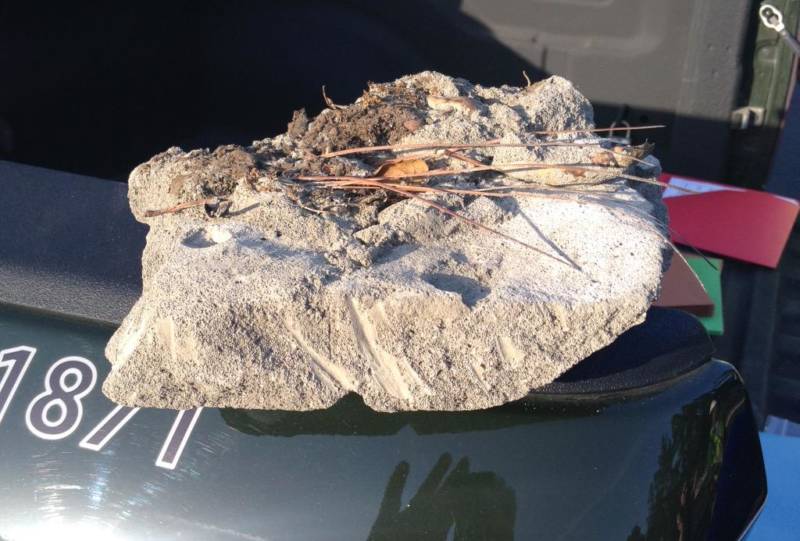
"caption": "A chunk of cellular concrete from the EBMUD spill into Glen Echo Creek. ",
"description": null,
"title": "East Bay MUD Concrete",
"credit": "California Department of Fish and Wildlife",
"status": "inherit",
"isLoading": false,
"fetchFailed": false
},
"news_11012424": {
"type": "attachments",
"id": "news_11012424",
"meta": {
"index": "attachments_1716263798",
"site": "news",
"id": "11012424",
"found": true
},
"parent": 11010972,
"imgSizes": {
"twentyfourteen-full-width": {
"file": "https://ww2.kqed.org/app/uploads/sites/10/2016/07/TieraANDLaVelle-720x576.jpg",
"width": 720,
"mimeType": "image/jpeg",
"height": 576
},
"jmtc-small-thumb": {
"file": "https://ww2.kqed.org/app/uploads/sites/10/2016/07/TieraANDLaVelle-280x150.jpg",
"width": 280,
"mimeType": "image/jpeg",
"height": 150
},
"thumbnail": {
"file": "https://ww2.kqed.org/app/uploads/sites/10/2016/07/TieraANDLaVelle-400x533.jpg",
"width": 400,
"mimeType": "image/jpeg",
"height": 533
},
"post-thumbnail": {
"file": "https://ww2.kqed.org/app/uploads/sites/10/2016/07/TieraANDLaVelle-672x372.jpg",
"width": 672,
"mimeType": "image/jpeg",
"height": 372
},
"kqedFullSize": {
"file": "https://ww2.kqed.org/app/uploads/sites/10/2016/07/TieraANDLaVelle.jpg",
"width": 720,
"height": 960
},
"guest-author-50": {
"file": "https://ww2.kqed.org/app/uploads/sites/10/2016/07/TieraANDLaVelle-50x50.jpg",
"width": 50,
"mimeType": "image/jpeg",
"height": 50
},
"guest-author-96": {
"file": "https://ww2.kqed.org/app/uploads/sites/10/2016/07/TieraANDLaVelle-96x96.jpg",
"width": 96,
"mimeType": "image/jpeg",
"height": 96
},
"guest-author-64": {
"file": "https://ww2.kqed.org/app/uploads/sites/10/2016/07/TieraANDLaVelle-64x64.jpg",
"width": 64,
"mimeType": "image/jpeg",
"height": 64
},
"detail": {
"file": "https://ww2.kqed.org/app/uploads/sites/10/2016/07/TieraANDLaVelle-150x150.jpg",
"width": 150,
"mimeType": "image/jpeg",
"height": 150
},
"guest-author-32": {
"file": "https://ww2.kqed.org/app/uploads/sites/10/2016/07/TieraANDLaVelle-32x32.jpg",
"width": 32,
"mimeType": "image/jpeg",
"height": 32
},
"guest-author-128": {
"file": "https://ww2.kqed.org/app/uploads/sites/10/2016/07/TieraANDLaVelle-128x128.jpg",
"width": 128,
"mimeType": "image/jpeg",
"height": 128
}
},
"publishDate": 1467905987,
"modified": 1467936965,
"caption": "Tiera McGill and her son, LaVelle. After losing loved ones to gun violence, Tiera says LaVelle helped save her. ",
"description": null,
"title": "TieraANDLaVelle",
"credit": "Photo: Tiera McGill ",
"status": "inherit",
"isLoading": false,
"fetchFailed": false
},
"news_10954854": {
"type": "attachments",
"id": "news_10954854",
"meta": {
"index": "attachments_1716263798",
"site": "news",
"id": "10954854",
"found": true
},
"parent": 10953857,
"imgSizes": {
"twentyfourteen-full-width": {
"file": "https://ww2.kqed.org/app/uploads/sites/10/2016/05/PlaygroundKid-1038x576.jpg",
"width": 1038,
"mimeType": "image/jpeg",
"height": 576
},
"thumbnail": {
"file": "https://ww2.kqed.org/app/uploads/sites/10/2016/05/PlaygroundKid-400x230.jpg",
"width": 400,
"mimeType": "image/jpeg",
"height": 230
},
"fd-sm": {
"file": "https://ww2.kqed.org/app/uploads/sites/10/2016/05/PlaygroundKid-960x553.jpg",
"width": 960,
"mimeType": "image/jpeg",
"height": 553
},
"post-thumbnail": {
"file": "https://ww2.kqed.org/app/uploads/sites/10/2016/05/PlaygroundKid-672x372.jpg",
"width": 672,
"mimeType": "image/jpeg",
"height": 372
},
"kqedFullSize": {
"file": "https://ww2.kqed.org/app/uploads/sites/10/2016/05/PlaygroundKid.jpg",
"width": 1920,
"height": 1105
},
"large": {
"file": "https://ww2.kqed.org/app/uploads/sites/10/2016/05/PlaygroundKid-1920x1105.jpg",
"width": 1920,
"mimeType": "image/jpeg",
"height": 1105
},
"guest-author-96": {
"file": "https://ww2.kqed.org/app/uploads/sites/10/2016/05/PlaygroundKid-96x96.jpg",
"width": 96,
"mimeType": "image/jpeg",
"height": 96
},
"medium": {
"file": "https://ww2.kqed.org/app/uploads/sites/10/2016/05/PlaygroundKid-800x460.jpg",
"width": 800,
"mimeType": "image/jpeg",
"height": 460
},
"guest-author-64": {
"file": "https://ww2.kqed.org/app/uploads/sites/10/2016/05/PlaygroundKid-64x64.jpg",
"width": 64,
"mimeType": "image/jpeg",
"height": 64
},
"guest-author-32": {
"file": "https://ww2.kqed.org/app/uploads/sites/10/2016/05/PlaygroundKid-32x32.jpg",
"width": 32,
"mimeType": "image/jpeg",
"height": 32
},
"jmtc-small-thumb": {
"file": "https://ww2.kqed.org/app/uploads/sites/10/2016/05/PlaygroundKid-280x150.jpg",
"width": 280,
"mimeType": "image/jpeg",
"height": 150
},
"fd-lrg": {
"file": "https://ww2.kqed.org/app/uploads/sites/10/2016/05/PlaygroundKid-1920x1105.jpg",
"width": 1920,
"mimeType": "image/jpeg",
"height": 1105
},
"fd-med": {
"file": "https://ww2.kqed.org/app/uploads/sites/10/2016/05/PlaygroundKid-1180x679.jpg",
"width": 1180,
"mimeType": "image/jpeg",
"height": 679
},
"detail": {
"file": "https://ww2.kqed.org/app/uploads/sites/10/2016/05/PlaygroundKid-150x150.jpg",
"width": 150,
"mimeType": "image/jpeg",
"height": 150
},
"guest-author-128": {
"file": "https://ww2.kqed.org/app/uploads/sites/10/2016/05/PlaygroundKid-128x128.jpg",
"width": 128,
"mimeType": "image/jpeg",
"height": 128
}
},
"publishDate": 1463181948,
"modified": 1463183177,
"caption": "More than 500 students attend Oak Ridge Elementary School in Sacramento. Many of them speak English as a second language. Under the state's new way of handing out money, schools with large numbers of these students are now receiving additional dollars to help accelerate academic improvement.",
"description": "More than 500 students attend Oak Ridge Elementary School in Sacramento, many of them speak English as a second language. Under the state's new way of handing out money, schools with large numbers of these students are now receiving additional dollars to help accelerate academic improvement.",
"title": "PlaygroundKid",
"credit": "Gabriel Salcedo/KQED",
"status": "inherit",
"isLoading": false,
"fetchFailed": false
},
"news_10688328": {
"type": "attachments",
"id": "news_10688328",
"meta": {
"index": "attachments_1716263798",
"site": "news",
"id": "10688328",
"found": true
},
"parent": 10688191,
"imgSizes": {
"twentyfourteen-full-width": {
"file": "https://ww2.kqed.org/app/uploads/sites/10/2015/09/RS11738_marijuana20140821.jpg-alt_336-1038x576.jpg",
"width": 1038,
"mimeType": "image/jpeg",
"height": 576
},
"thumbnail": {
"file": "https://ww2.kqed.org/app/uploads/sites/10/2015/09/RS11738_marijuana20140821.jpg-alt_336-400x267.jpg",
"width": 400,
"mimeType": "image/jpeg",
"height": 267
},
"fd-sm": {
"file": "https://ww2.kqed.org/app/uploads/sites/10/2015/09/RS11738_marijuana20140821.jpg-alt_336-960x640.jpg",
"width": 960,
"mimeType": "image/jpeg",
"height": 640
},
"post-thumbnail": {
"file": "https://ww2.kqed.org/app/uploads/sites/10/2015/09/RS11738_marijuana20140821.jpg-alt_336-672x372.jpg",
"width": 672,
"mimeType": "image/jpeg",
"height": 372
},
"kqedFullSize": {
"file": "https://ww2.kqed.org/app/uploads/sites/10/2015/09/RS11738_marijuana20140821.jpg-alt_336.jpg",
"width": 1920,
"height": 1280
},
"large": {
"file": "https://ww2.kqed.org/app/uploads/sites/10/2015/09/RS11738_marijuana20140821.jpg-alt_336-1440x960.jpg",
"width": 1440,
"mimeType": "image/jpeg",
"height": 960
},
"guest-author-96": {
"file": "https://ww2.kqed.org/app/uploads/sites/10/2015/09/RS11738_marijuana20140821.jpg-alt_336-96x96.jpg",
"width": 96,
"mimeType": "image/jpeg",
"height": 96
},
"medium": {
"file": "https://ww2.kqed.org/app/uploads/sites/10/2015/09/RS11738_marijuana20140821.jpg-alt_336-800x533.jpg",
"width": 800,
"mimeType": "image/jpeg",
"height": 533
},
"guest-author-64": {
"file": "https://ww2.kqed.org/app/uploads/sites/10/2015/09/RS11738_marijuana20140821.jpg-alt_336-64x64.jpg",
"width": 64,
"mimeType": "image/jpeg",
"height": 64
},
"guest-author-32": {
"file": "https://ww2.kqed.org/app/uploads/sites/10/2015/09/RS11738_marijuana20140821.jpg-alt_336-32x32.jpg",
"width": 32,
"mimeType": "image/jpeg",
"height": 32
},
"jmtc-small-thumb": {
"file": "https://ww2.kqed.org/app/uploads/sites/10/2015/09/RS11738_marijuana20140821.jpg-alt_336-280x150.jpg",
"width": 280,
"mimeType": "image/jpeg",
"height": 150
},
"fd-lrg": {
"file": "https://ww2.kqed.org/app/uploads/sites/10/2015/09/RS11738_marijuana20140821.jpg-alt_336-1920x1280.jpg",
"width": 1920,
"mimeType": "image/jpeg",
"height": 1280
},
"fd-med": {
"file": "https://ww2.kqed.org/app/uploads/sites/10/2015/09/RS11738_marijuana20140821.jpg-alt_336-1180x787.jpg",
"width": 1180,
"mimeType": "image/jpeg",
"height": 787
},
"detail": {
"file": "https://ww2.kqed.org/app/uploads/sites/10/2015/09/RS11738_marijuana20140821.jpg-alt_336-75x75.jpg",
"width": 75,
"mimeType": "image/jpeg",
"height": 75
},
"guest-author-128": {
"file": "https://ww2.kqed.org/app/uploads/sites/10/2015/09/RS11738_marijuana20140821.jpg-alt_336-128x128.jpg",
"width": 128,
"mimeType": "image/jpeg",
"height": 128
}
},
"publishDate": 1442613678,
"modified": 1462289418,
"caption": "A prominent medical marijuana proponent faces federal conspiracy, fraud and extortion charges.",
"description": "A prominent medical marijuana proponent faces federal conspiracy, fraud and extortion charges.",
"title": "Medical cannabis.",
"credit": "Justin Sullivan/Getty Images",
"status": "inherit",
"isLoading": false,
"fetchFailed": false
},
"news_10931225": {
"type": "attachments",
"id": "news_10931225",
"meta": {
"index": "attachments_1716263798",
"site": "news",
"id": "10931225",
"found": true
},
"parent": 10931190,
"imgSizes": {
"jmtc-small-thumb": {
"file": "https://ww2.kqed.org/app/uploads/sites/10/2016/04/facingmoes-280x150.png",
"width": 280,
"mimeType": "image/png",
"height": 150
},
"thumbnail": {
"file": "https://ww2.kqed.org/app/uploads/sites/10/2016/04/facingmoes-400x257.png",
"width": 400,
"mimeType": "image/png",
"height": 257
},
"post-thumbnail": {
"file": "https://ww2.kqed.org/app/uploads/sites/10/2016/04/facingmoes-672x372.png",
"width": 672,
"mimeType": "image/png",
"height": 372
},
"kqedFullSize": {
"file": "https://ww2.kqed.org/app/uploads/sites/10/2016/04/facingmoes.png",
"width": 720,
"height": 462
},
"guest-author-96": {
"file": "https://ww2.kqed.org/app/uploads/sites/10/2016/04/facingmoes-96x96.png",
"width": 96,
"mimeType": "image/png",
"height": 96
},
"guest-author-64": {
"file": "https://ww2.kqed.org/app/uploads/sites/10/2016/04/facingmoes-64x64.png",
"width": 64,
"mimeType": "image/png",
"height": 64
},
"detail": {
"file": "https://ww2.kqed.org/app/uploads/sites/10/2016/04/facingmoes-75x75.png",
"width": 75,
"mimeType": "image/png",
"height": 75
},
"guest-author-32": {
"file": "https://ww2.kqed.org/app/uploads/sites/10/2016/04/facingmoes-32x32.png",
"width": 32,
"mimeType": "image/png",
"height": 32
},
"guest-author-128": {
"file": "https://ww2.kqed.org/app/uploads/sites/10/2016/04/facingmoes-128x128.png",
"width": 128,
"mimeType": "image/png",
"height": 128
}
},
"publishDate": 1460841963,
"modified": 1460842035,
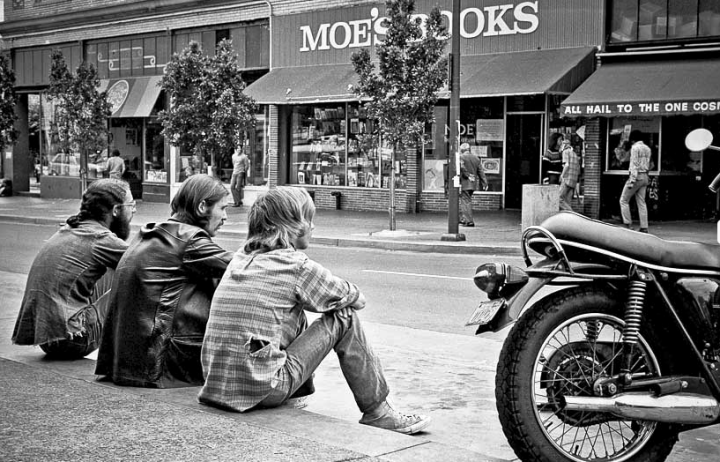
"caption": "Telegraph Avenue, between Dwight Way and Haste Street, circa 1970.",
"description": null,
"title": "Telegraph Avenue-Berkeley",
"credit": "Nacio Jan Brown via Berkeleyside",
"status": "inherit",
"isLoading": false,
"fetchFailed": false
},
"news_10930570": {
"type": "attachments",
"id": "news_10930570",
"meta": {
"index": "attachments_1716263798",
"site": "news",
"id": "10930570",
"found": true
},
"parent": 10929762,
"imgSizes": {
"twentyfourteen-full-width": {
"file": "https://ww2.kqed.org/app/uploads/sites/10/2016/04/CoburnWithKids-1038x576.jpg",
"width": 1038,
"mimeType": "image/jpeg",
"height": 576
},
"thumbnail": {
"file": "https://ww2.kqed.org/app/uploads/sites/10/2016/04/CoburnWithKids-400x238.jpg",
"width": 400,
"mimeType": "image/jpeg",
"height": 238
},
"fd-sm": {
"file": "https://ww2.kqed.org/app/uploads/sites/10/2016/04/CoburnWithKids-960x571.jpg",
"width": 960,
"mimeType": "image/jpeg",
"height": 571
},
"post-thumbnail": {
"file": "https://ww2.kqed.org/app/uploads/sites/10/2016/04/CoburnWithKids-672x372.jpg",
"width": 672,
"mimeType": "image/jpeg",
"height": 372
},
"kqedFullSize": {
"file": "https://ww2.kqed.org/app/uploads/sites/10/2016/04/CoburnWithKids.jpg",
"width": 1920,
"height": 1142
},
"large": {
"file": "https://ww2.kqed.org/app/uploads/sites/10/2016/04/CoburnWithKids-1920x1142.jpg",
"width": 1920,
"mimeType": "image/jpeg",
"height": 1142
},
"guest-author-96": {
"file": "https://ww2.kqed.org/app/uploads/sites/10/2016/04/CoburnWithKids-96x96.jpg",
"width": 96,
"mimeType": "image/jpeg",
"height": 96
},
"medium": {
"file": "https://ww2.kqed.org/app/uploads/sites/10/2016/04/CoburnWithKids-800x476.jpg",
"width": 800,
"mimeType": "image/jpeg",
"height": 476
},
"guest-author-64": {
"file": "https://ww2.kqed.org/app/uploads/sites/10/2016/04/CoburnWithKids-64x64.jpg",
"width": 64,
"mimeType": "image/jpeg",
"height": 64
},
"guest-author-32": {
"file": "https://ww2.kqed.org/app/uploads/sites/10/2016/04/CoburnWithKids-32x32.jpg",
"width": 32,
"mimeType": "image/jpeg",
"height": 32
},
"jmtc-small-thumb": {
"file": "https://ww2.kqed.org/app/uploads/sites/10/2016/04/CoburnWithKids-280x150.jpg",
"width": 280,
"mimeType": "image/jpeg",
"height": 150
},
"fd-lrg": {
"file": "https://ww2.kqed.org/app/uploads/sites/10/2016/04/CoburnWithKids-1920x1142.jpg",
"width": 1920,
"mimeType": "image/jpeg",
"height": 1142
},
"fd-med": {
"file": "https://ww2.kqed.org/app/uploads/sites/10/2016/04/CoburnWithKids-1180x702.jpg",
"width": 1180,
"mimeType": "image/jpeg",
"height": 702
},
"detail": {
"file": "https://ww2.kqed.org/app/uploads/sites/10/2016/04/CoburnWithKids-75x75.jpg",
"width": 75,
"mimeType": "image/jpeg",
"height": 75
},
"guest-author-128": {
"file": "https://ww2.kqed.org/app/uploads/sites/10/2016/04/CoburnWithKids-128x128.jpg",
"width": 128,
"mimeType": "image/jpeg",
"height": 128
}
},
"publishDate": 1460776305,
"modified": 1460776387,
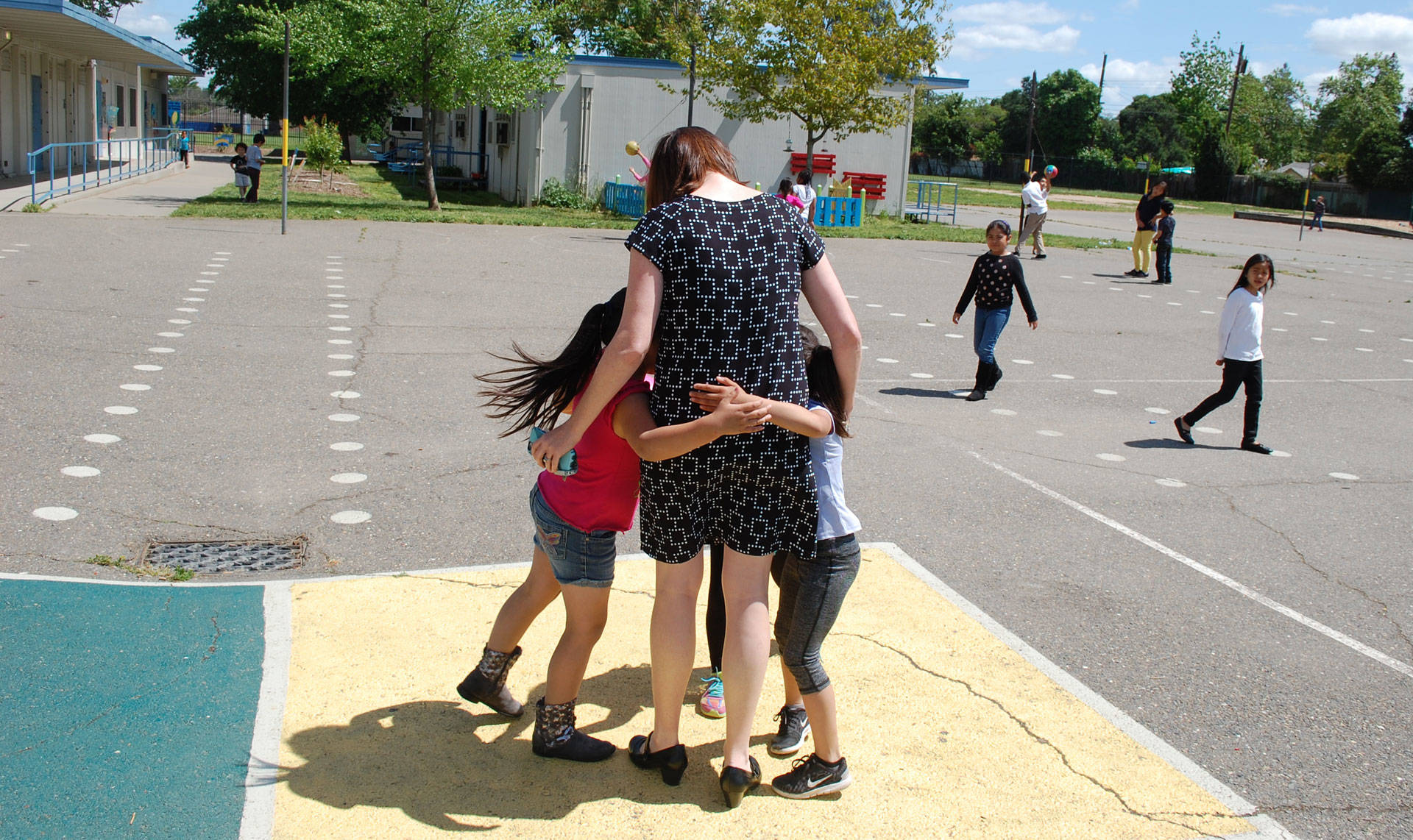
"caption": "Bethany Coburn, a social worker and coordinator of the Student Support Center at Oak Ridge Elementary, receives a group hug from students on campus.",
"description": "Bethany Coburn, a social worker and coordinator of the Student Support Center at Oak Ridge Elementary, receives a group hug from students on campus.",
"title": "CoburnWithKids",
"credit": "Gabriel Salcedo/KQED",
"status": "inherit",
"isLoading": false,
"fetchFailed": false
}
},
"audioPlayerReducer": {
"postId": "stream_live",
"isPaused": true,
"isPlaying": false,
"pfsActive": false,
"pledgeModalIsOpen": true,
"playerDrawerIsOpen": false,
"liveAudioPlayStartedAt": 0,
"liveAudioPlayContext": ""
},
"authorsReducer": {
"byline_news_11116222": {
"type": "authors",
"id": "byline_news_11116222",
"meta": {
"override": true
},
"slug": "byline_news_11116222",
"name": "\u003cstrong>\u003ca href=\"http://news.wgbh.org/people/kirk-carapezza\">Kirk Carapezza\u003c/a>\u003cbr>NPR\u003c/strong>",
"isLoading": false
},
"byline_news_11079613": {
"type": "authors",
"id": "byline_news_11079613",
"meta": {
"override": true
},
"slug": "byline_news_11079613",
"name": "\u003cstrong>\u003ca href=\"http://www.berkeleyside.com/author/max-cherney/\" target=\"_blank\">Max Cherney\u003c/a>\u003cbr />Berkeleyside\u003c/strong>",
"isLoading": false
},
"byline_news_10931190": {
"type": "authors",
"id": "byline_news_10931190",
"meta": {
"override": true
},
"slug": "byline_news_10931190",
"name": "\u003cstrong>\u003ca href=\"http://www.berkeleyside.com/author/tomdalzell/\" target=\"_blank\">Tom Dalzell\u003c/a>\u003cbr />Berkeleyside\u003c/strong>",
"isLoading": false
},
"anatintocalis": {
"type": "authors",
"id": "211",
"meta": {
"index": "authors_1716337520",
"id": "211",
"found": true
},
"name": "Ana Tintocalis",
"firstName": "Ana",
"lastName": "Tintocalis",
"slug": "anatintocalis",
"email": "atintocalis@kqed.org",
"display_author_email": false,
"staff_mastheads": [],
"title": null,
"bio": null,
"avatar": "https://secure.gravatar.com/avatar/722c50f51f04eff38fa0e5a3f1d29450?s=600&d=blank&r=g",
"twitter": null,
"facebook": null,
"instagram": null,
"linkedin": null,
"sites": [
{
"site": "news",
"roles": [
"subscriber"
]
},
{
"site": "stateofhealth",
"roles": [
"subscriber"
]
}
],
"headData": {
"title": "Ana Tintocalis | KQED",
"description": null,
"ogImgSrc": "https://secure.gravatar.com/avatar/722c50f51f04eff38fa0e5a3f1d29450?s=600&d=blank&r=g",
"twImgSrc": "https://secure.gravatar.com/avatar/722c50f51f04eff38fa0e5a3f1d29450?s=600&d=blank&r=g"
},
"isLoading": false,
"link": "/author/anatintocalis"
},
"danbrekke": {
"type": "authors",
"id": "222",
"meta": {
"index": "authors_1716337520",
"id": "222",
"found": true
},
"name": "Dan Brekke",
"firstName": "Dan",
"lastName": "Brekke",
"slug": "danbrekke",
"email": "dbrekke@kqed.org",
"display_author_email": true,
"staff_mastheads": [
"news",
"science"
],
"title": "KQED Editor and Reporter",
"bio": "Dan Brekke is a reporter and editor for KQED News, responsible for coverage of topics ranging from California water issues to the Bay Area's transportation challenges. In a newsroom career that began in Chicago in 1972, Dan has worked for \u003cem>The San Francisco Examiner,\u003c/em> Wired and TechTV and has been published in The New York Times, The New York Times Magazine, Business 2.0, Salon and elsewhere.\r\n\r\nSince joining KQED in 2007, Dan has reported, edited and produced both radio and online features and breaking news pieces. He has shared as both editor and reporter in four Society of Professional Journalists Norcal Excellence in Journalism awards and one Edward R. Murrow regional award. He was chosen for a spring 2017 residency at the Mesa Refuge to advance his research on California salmon.\r\n\r\nEmail Dan at: \u003ca href=\"mailto:dbrekke@kqed.org\">dbrekke@kqed.org\u003c/a>\r\n\r\n\u003cstrong>Twitter:\u003c/strong> \u003ca href=\"https://twitter.com/danbrekke\" rel=\"noopener noreferrer\">twitter.com/danbrekke\u003c/a>\r\n\u003cstrong>Facebook:\u003c/strong> \u003ca href=\"https://www.facebook.com/danbrekke\" rel=\"noopener noreferrer\">www.facebook.com/danbrekke\u003c/a>\r\n\u003cstrong>LinkedIn:\u003c/strong> \u003ca href=\"https://www.linkedin.com/in/danbrekke\" rel=\"noopener noreferrer\">www.linkedin.com/in/danbrekke\u003c/a>",
"avatar": "https://secure.gravatar.com/avatar/8f1f0d2a978fb3b23426c922c7e2af558fa36905b49c4ce76a97dc3c72d27226?s=600&d=mm&r=g",
"twitter": "danbrekke",
"bluesky": null,
"facebook": null,
"instagram": "https://www.instagram.com/dan.brekke/",
"linkedin": "https://www.linkedin.com/in/danbrekke/",
"sites": [
{
"site": "news",
"roles": [
"administrator",
"create_posts"
]
},
{
"site": "stateofhealth",
"roles": [
"editor"
]
},
{
"site": "science",
"roles": [
"editor"
]
},
{
"site": "quest",
"roles": [
"contributor"
]
},
{
"site": "food",
"roles": [
"contributor"
]
},
{
"site": "forum",
"roles": [
"contributor"
]
},
{
"site": "elections",
"roles": [
"editor"
]
},
{
"site": "liveblog",
"roles": [
"editor"
]
}
],
"headData": {
"title": "Dan Brekke | KQED",
"description": "KQED Editor and Reporter",
"ogImgSrc": "https://secure.gravatar.com/avatar/8f1f0d2a978fb3b23426c922c7e2af558fa36905b49c4ce76a97dc3c72d27226?s=600&d=mm&r=g",
"twImgSrc": "https://secure.gravatar.com/avatar/8f1f0d2a978fb3b23426c922c7e2af558fa36905b49c4ce76a97dc3c72d27226?s=600&d=mm&r=g"
},
"isLoading": false,
"link": "/author/danbrekke"
},
"jmcevoy": {
"type": "authors",
"id": "231",
"meta": {
"index": "authors_1716337520",
"id": "231",
"found": true
},
"name": "Julia McEvoy",
"firstName": "Julia",
"lastName": "McEvoy",
"slug": "jmcevoy",
"email": "jmcevoy@KQED.org",
"display_author_email": true,
"staff_mastheads": [
"news"
],
"title": "KQED Senior Editor",
"bio": "Julia McEvoy is KQED's Senior Editor, Education Equity.\r\n\r\nJulia heads KQED’s education coverage examining inequities students face in Bay Area and California schools, and reports on what it will take to educate the next generation.\r\n\r\nJulia's editorial work has received a Peabody Award, a Casey Medal for Coverage of Children and Families, several Edward R. Murrow awards, as well as awards from the Public Radio News Directors Inc. and the Society for Professional Journalists.",
"avatar": "https://secure.gravatar.com/avatar/aec3ce21abe02b302fd33638abd56a22?s=600&d=blank&r=g",
"twitter": "juliamcevoy1",
"facebook": null,
"instagram": null,
"linkedin": null,
"sites": [
{
"site": "news",
"roles": []
},
{
"site": "stateofhealth",
"roles": [
"author"
]
}
],
"headData": {
"title": "Julia McEvoy | KQED",
"description": "KQED Senior Editor",
"ogImgSrc": "https://secure.gravatar.com/avatar/aec3ce21abe02b302fd33638abd56a22?s=600&d=blank&r=g",
"twImgSrc": "https://secure.gravatar.com/avatar/aec3ce21abe02b302fd33638abd56a22?s=600&d=blank&r=g"
},
"isLoading": false,
"link": "/author/jmcevoy"
},
"tgoldberg": {
"type": "authors",
"id": "258",
"meta": {
"index": "authors_1716337520",
"id": "258",
"found": true
},
"name": "Ted Goldberg",
"firstName": "Ted",
"lastName": "Goldberg",
"slug": "tgoldberg",
"email": "tgoldberg@kqed.org",
"display_author_email": true,
"staff_mastheads": [
"news"
],
"title": "KQED Managing Editor, News and Newscasts",
"bio": "Ted Goldberg is Managing Editor of News and Newscasts at KQED. His main reporting beat is the Bay Area's oil refining industry.\r\n\r\nPrior to joining KQED in 2014, Ted worked at CBS News and WCBS AM in New York and Bay City News and KCBS Radio in San Francisco. He graduated from Oberlin College in Ohio in 1998.",
"avatar": "https://secure.gravatar.com/avatar/30ce2e4fe89135e104f89be2394d16225b9d36c121b5b3cb7651ce642978b96f?s=600&d=blank&r=g",
"twitter": "TedrickG",
"bluesky": null,
"facebook": null,
"instagram": null,
"linkedin": null,
"sites": [
{
"site": "news",
"roles": [
"editor"
]
},
{
"site": "science",
"roles": [
"editor"
]
}
],
"headData": {
"title": "Ted Goldberg | KQED",
"description": "KQED Managing Editor, News and Newscasts",
"ogImgSrc": "https://secure.gravatar.com/avatar/30ce2e4fe89135e104f89be2394d16225b9d36c121b5b3cb7651ce642978b96f?s=600&d=blank&r=g",
"twImgSrc": "https://secure.gravatar.com/avatar/30ce2e4fe89135e104f89be2394d16225b9d36c121b5b3cb7651ce642978b96f?s=600&d=blank&r=g"
},
"isLoading": false,
"link": "/author/tgoldberg"
},
"zstavely": {
"type": "authors",
"id": "3225",
"meta": {
"index": "authors_1716337520",
"id": "3225",
"found": true
},
"name": "Zaidee Stavely",
"firstName": "Zaidee",
"lastName": "Stavely",
"slug": "zstavely",
"email": "zstavely@gmail.com",
"display_author_email": false,
"staff_mastheads": [],
"title": "KQED Contributor",
"bio": "Zaidee Stavely is an award-winning reporter who writes about race, equity, immigration, and education.",
"avatar": "https://secure.gravatar.com/avatar/5154b3ee56a721c916ca429372ae629c?s=600&d=blank&r=g",
"twitter": null,
"facebook": null,
"instagram": null,
"linkedin": null,
"sites": [
{
"site": "news",
"roles": [
"subscriber"
]
},
{
"site": "mindshift",
"roles": [
"contributor"
]
}
],
"headData": {
"title": "Zaidee Stavely | KQED",
"description": "KQED Contributor",
"ogImgSrc": "https://secure.gravatar.com/avatar/5154b3ee56a721c916ca429372ae629c?s=600&d=blank&r=g",
"twImgSrc": "https://secure.gravatar.com/avatar/5154b3ee56a721c916ca429372ae629c?s=600&d=blank&r=g"
},
"isLoading": false,
"link": "/author/zstavely"
},
"sdirks": {
"type": "authors",
"id": "7239",
"meta": {
"index": "authors_1716337520",
"id": "7239",
"found": true
},
"name": "Sandhya Dirks",
"firstName": "Sandhya",
"lastName": "Dirks",
"slug": "sdirks",
"email": "sdirks@kqed.org",
"display_author_email": true,
"staff_mastheads": [],
"title": null,
"bio": "Sandhya Dirks was the race and equity reporter at KQED. She approaches race and equity not as a beat, but as a fundamental lens for all investigative and explanatory reporting.\r\n\r\nSandhya covered policing, housing, social justice movements, and the shifting demographics of cities and suburbs.\r\n\r\nShe was the creator and co-host of the podcast American Suburb, about the transformation of suburbia into the most diverse space in American life. She was the editor for Truth Be Told, an advice show for and by people of color. \r\n\r\nHer stories about race, space, and belonging were part of KQED's So Well Spoken project, which won RNDTA's Kaleidoscope award, honoring outstanding achievements in the coverage of diversity.\r\n\r\nPrior to joining KQED in 2015, Sandhya covered the 2012 presidential election from the swing state of Iowa for Iowa Public Radio. At KPBS in San Diego, she broke the story of a sexual harassment scandal that led to the mayor's resignation.\r\n\r\nShe got her start in radio working on documentaries about Oakland that investigated the high drop-out rate in public schools and mistrust between the police and the community.\r\n\r\nSandhya lives in Oakland and believes all stories are stories about power.",
"avatar": "https://secure.gravatar.com/avatar/c0247cb15929cd4c197672fd73d45300?s=600&d=blank&r=g",
"twitter": "audiosand",
"facebook": null,
"instagram": null,
"linkedin": null,
"sites": [
{
"site": "news",
"roles": [
"subscriber"
]
},
{
"site": "stateofhealth",
"roles": [
"author"
]
}
],
"headData": {
"title": "Sandhya Dirks | KQED",
"description": null,
"ogImgSrc": "https://secure.gravatar.com/avatar/c0247cb15929cd4c197672fd73d45300?s=600&d=blank&r=g",
"twImgSrc": "https://secure.gravatar.com/avatar/c0247cb15929cd4c197672fd73d45300?s=600&d=blank&r=g"
},
"isLoading": false,
"link": "/author/sdirks"
}
},
"pagesReducer": {
"news_tag_education": {
"type": "terms",
"id": "news_20013",
"meta": {
"index": "terms_1716263798",
"site": "news",
"id": "20013",
"score": 6.970073
},
"featImg": null,
"name": "education",
"description": null,
"taxonomy": "tag",
"headData": {
"twImgId": null,
"twTitle": null,
"ogTitle": null,
"ogImgId": null,
"twDescription": null,
"description": null,
"title": "education Archives | KQED News",
"ogDescription": null
},
"ttid": 20030,
"slug": "education",
"isLoading": false,
"title": "education",
"pageMeta": {
"site": "news",
"WpPageTemplate": "page-topic-editorial",
"currentPage": 115
},
"blocks": [
{
"blockName": "kqed/post-list",
"attrs": {
"layout": "cardArticle2",
"query": "posts/news?tag=education",
"seeMore": false,
"paginated": true,
"page": 115
}
},
{
"blockName": "kqed/ad"
}
]
}
},
"pfsSessionReducer": {},
"postsReducer": {
"stream_live": {
"type": "live",
"id": "stream_live",
"audioUrl": "https://streams.kqed.org/kqedradio",
"title": "Live Stream",
"excerpt": "Live Stream information currently unavailable.",
"link": "/radio",
"featImg": "",
"label": {
"name": "KQED Live",
"link": "/"
}
},
"stream_kqedNewscast": {
"type": "posts",
"id": "stream_kqedNewscast",
"audioUrl": "https://www.kqed.org/.stream/anon/radio/RDnews/newscast.mp3?_=1",
"title": "KQED Newscast",
"featImg": "",
"label": {
"name": "88.5 FM",
"link": "/"
}
},
"news_11116222": {
"type": "posts",
"id": "news_11116222",
"meta": {
"index": "posts_1716263798",
"site": "news",
"id": "11116222",
"score": null,
"sort": [
1475622974000
]
},
"guestAuthors": [],
"slug": "where-are-the-40000-students-itt-tech-left-behind-when-it-closed",
"title": "Where Are the 40,000 Students ITT Tech Left Behind When It Closed?",
"publishDate": 1475622974,
"format": "standard",
"headTitle": "Where Are the 40,000 Students ITT Tech Left Behind When It Closed? | KQED",
"labelTerm": {},
"content": "\u003cp>Two years ago, William McNeil lost his retail job at Sears and was looking to improve his life. Around the same time, he got a bunch of emails promising a path to a new career from ITT Technical Institute, the for-profit college chain.\u003c/p>\n\u003cp>So, McNeil, who’s 57, signed up online to get more information about the school and got several calls from an ITT recruiter. Desperate to get back on track, he decided it was worth the $20,000 in government-backed loans to pursue an associate’s degree in networking technology at the school.\u003c/p>\n\u003cp>“I liked computers and I figured it was something that’s going to be around a while, and only get more intense,” he says.\u003c/p>\n\u003cp>At the campus in Norwood, Massachusetts, outside of Boston, he earned a 3.5 grade-point average and says he felt confident that, with a degree, he’d be able to find work.\u003c/p>\n\u003cp>“Everything was looking good and I was just about to start my final quarter,” he says. “I would’ve graduated with my associate’s degree in December, and there went the rug out from under my feet.”\u003c/p>\n\u003cp>[ad fullwidth]\u003c/p>\n\u003cp>That was last month, when ITT shut down all of its 137 locations. Two of those locations were in the Bay Area, one in Concord and the other in Oakland. The federal government cut off student aid because the school’s accreditor found it had lied about its graduation and job-placement figures.\u003c/p>\n\u003cp>Nearly 40,000 students, including McNeil, were left scrambling, wondering if their time and money spent at ITT Tech would pay off at all, anywhere.\u003c/p>\n\u003cp>Since then, community and nonprofit private schools across the country have been holding open houses to recruit former ITT students.\u003c/p>\n\u003cp>McNeil is trying to convince admissions officers at the Ben Franklin Institute of Technology, a nonprofit two-year college in Boston, to give him credit for coursework he’s already done at ITT.\u003c/p>\n\u003cp>As McNeil, and thousands of other former ITT students can probably tell you, that’s not easy.\u003c/p>\n\u003cp>“We’re sitting down with each individual student, one by one, to make sure that they are ready because we don’t want to put them in a class that they’re not ready for,” says Marvin Loiseau, Ben Franklin’s admissions director.\u003c/p>\n\u003cp>He and McNeil go through each course, making a plan for the next year. “Why should they be penalized because their school closed down?” Loiseau asks.\u003c/p>\n\u003cp>This is an issue, and not just for former ITT Tech students. It can be difficult to transfer credits between two-year and four-year schools, for-profit and nonprofit colleges across the country. And, for many low-income students, the path to graduation isn’t clear.\u003c/p>\n\u003cp>“They don’t typically go to one institution and stay there on a residential campus for four years and graduate,” Bill Moses of the Kresge Foundation says. “They take longer, they often go to more than one institution, they go to very different kinds of institutions.”\u003c/p>\n\u003cp>So one idea, Moses says, is for colleges, states and accreditors to rethink how they measure and transfer credits.\u003c/p>\n\u003cp>“Could you have statewide, or at least metro-area wide, articulation agreements so it’s easier for lower-income students — particularly the students who go to ITT and other for-profits — to transfer?”\u003c/p>\n\u003cp>Giving students credit for what they know, rather than time spent in the classroom, Moses says, would solve many of today’s college credit problems.\u003c/p>\n\u003cp>\u003c/p>\n\u003cp>The U.S. Education Department is backing that idea. For now, former ITT students who can’t transfer their credits are eligible for debt relief, but that would mean starting from square one.\u003c/p>\n\u003cdiv class=\"fullattribution\">Copyright 2016 WGBH Radio. To see more, visit \u003ca href=\"http://www.wgbhnews.org\">WGBH Radio\u003c/a>.\u003cimg decoding=\"async\" src=\"http://www.google-analytics.com/__utm.gif?utmac=UA-5828686-4&utmdt=Where+Are+The+40%2C000+Students+ITT+Tech+Left+Behind+When+It+Closed%3F&utme=8(APIKey)9(MDAxOTAwOTE4MDEyMTkxMDAzNjczZDljZA004)\">\u003c/div>\n\n",
"blocks": [],
"excerpt": "Community and nonprofit colleges across the country are recruiting former ITT Tech students who face a tough decision: transfer credits, or lose them for debt relief.",
"status": "publish",
"parent": 0,
"modified": 1721109094,
"stats": {
"hasAudio": false,
"hasVideo": false,
"hasChartOrMap": false,
"iframeSrcs": [],
"hasGoogleForm": false,
"hasGallery": false,
"hasHearkenModule": false,
"hasPolis": false,
"paragraphCount": 20,
"wordCount": 661
},
"headData": {
"title": "Where Are the 40,000 Students ITT Tech Left Behind When It Closed? | KQED",
"description": "Community and nonprofit colleges across the country are recruiting former ITT Tech students who face a tough decision: transfer credits, or lose them for debt relief.",
"ogTitle": "",
"ogDescription": "",
"ogImgId": "",
"twTitle": "",
"twDescription": "",
"twImgId": "",
"schema": {
"@context": "https://schema.org",
"@type": "NewsArticle",
"headline": "Where Are the 40,000 Students ITT Tech Left Behind When It Closed?",
"datePublished": "2016-10-04T16:16:14-07:00",
"dateModified": "2024-07-15T22:51:34-07:00",
"image": "https://cdn.kqed.org/wp-content/uploads/2020/02/KQED-OG-Image@1x.png",
"isAccessibleForFree": "True",
"publisher": {
"@type": "NewsMediaOrganization",
"@id": "https://www.kqed.org/#organization",
"name": "KQED",
"logo": "https://cdn.kqed.org/wp-content/uploads/2020/02/KQED-OG-Image@1x.png",
"url": "https://www.kqed.org",
"sameAs": [
"https://www.facebook.com/KQED",
"https://twitter.com/KQED",
"https://www.instagram.com/kqed/",
"https://www.tiktok.com/@kqedofficial",
"https://www.linkedin.com/company/kqed",
"https://www.youtube.com/channel/UCeC0IOo7i1P_61zVUWbJ4nw"
]
}
}
},
"source": "NPR",
"sourceUrl": "http://www.npr.org",
"sticky": false,
"nprImageCredit": "LA Johnson",
"nprByline": "\u003cstrong>\u003ca href=\"http://news.wgbh.org/people/kirk-carapezza\">Kirk Carapezza\u003c/a>\u003cbr>NPR\u003c/strong>",
"nprImageAgency": "NPR",
"nprStoryId": "496422628",
"nprApiLink": "http://api.npr.org/query?id=496422628&apiKey=MDAxOTAwOTE4MDEyMTkxMDAzNjczZDljZA004",
"nprHtmlLink": "http://www.npr.org/sections/ed/2016/10/04/496422628/where-are-the-forty-thousand-students-itt-tech-left-behind-when-it-closed?ft=nprml&f=496422628",
"nprRetrievedStory": "1",
"nprPubDate": "Tue, 04 Oct 2016 17:27:00 -0400",
"nprStoryDate": "Tue, 04 Oct 2016 08:21:00 -0400",
"nprLastModifiedDate": "Tue, 04 Oct 2016 17:27:20 -0400",
"path": "/news/11116222/where-are-the-40000-students-itt-tech-left-behind-when-it-closed",
"audioTrackLength": null,
"parsedContent": [
{
"type": "contentString",
"content": "\u003cdiv class=\"post-body\">\u003cp>\u003cp>Two years ago, William McNeil lost his retail job at Sears and was looking to improve his life. Around the same time, he got a bunch of emails promising a path to a new career from ITT Technical Institute, the for-profit college chain.\u003c/p>\n\u003cp>So, McNeil, who’s 57, signed up online to get more information about the school and got several calls from an ITT recruiter. Desperate to get back on track, he decided it was worth the $20,000 in government-backed loans to pursue an associate’s degree in networking technology at the school.\u003c/p>\n\u003cp>“I liked computers and I figured it was something that’s going to be around a while, and only get more intense,” he says.\u003c/p>\n\u003cp>At the campus in Norwood, Massachusetts, outside of Boston, he earned a 3.5 grade-point average and says he felt confident that, with a degree, he’d be able to find work.\u003c/p>\n\u003cp>“Everything was looking good and I was just about to start my final quarter,” he says. “I would’ve graduated with my associate’s degree in December, and there went the rug out from under my feet.”\u003c/p>\n\u003cp>\u003c/p>\u003c/div>",
"attributes": {
"named": {},
"numeric": []
}
},
{
"type": "component",
"content": "",
"name": "ad",
"attributes": {
"named": {
"label": "fullwidth"
},
"numeric": [
"fullwidth"
]
}
},
{
"type": "contentString",
"content": "\u003cdiv class=\"post-body\">\u003cp>\u003c/p>\n\u003cp>That was last month, when ITT shut down all of its 137 locations. Two of those locations were in the Bay Area, one in Concord and the other in Oakland. The federal government cut off student aid because the school’s accreditor found it had lied about its graduation and job-placement figures.\u003c/p>\n\u003cp>Nearly 40,000 students, including McNeil, were left scrambling, wondering if their time and money spent at ITT Tech would pay off at all, anywhere.\u003c/p>\n\u003cp>Since then, community and nonprofit private schools across the country have been holding open houses to recruit former ITT students.\u003c/p>\n\u003cp>McNeil is trying to convince admissions officers at the Ben Franklin Institute of Technology, a nonprofit two-year college in Boston, to give him credit for coursework he’s already done at ITT.\u003c/p>\n\u003cp>As McNeil, and thousands of other former ITT students can probably tell you, that’s not easy.\u003c/p>\n\u003cp>“We’re sitting down with each individual student, one by one, to make sure that they are ready because we don’t want to put them in a class that they’re not ready for,” says Marvin Loiseau, Ben Franklin’s admissions director.\u003c/p>\n\u003cp>He and McNeil go through each course, making a plan for the next year. “Why should they be penalized because their school closed down?” Loiseau asks.\u003c/p>\n\u003cp>This is an issue, and not just for former ITT Tech students. It can be difficult to transfer credits between two-year and four-year schools, for-profit and nonprofit colleges across the country. And, for many low-income students, the path to graduation isn’t clear.\u003c/p>\n\u003cp>“They don’t typically go to one institution and stay there on a residential campus for four years and graduate,” Bill Moses of the Kresge Foundation says. “They take longer, they often go to more than one institution, they go to very different kinds of institutions.”\u003c/p>\n\u003cp>So one idea, Moses says, is for colleges, states and accreditors to rethink how they measure and transfer credits.\u003c/p>\n\u003cp>“Could you have statewide, or at least metro-area wide, articulation agreements so it’s easier for lower-income students — particularly the students who go to ITT and other for-profits — to transfer?”\u003c/p>\n\u003cp>Giving students credit for what they know, rather than time spent in the classroom, Moses says, would solve many of today’s college credit problems.\u003c/p>\n\u003cp>\u003c/p>\n\u003cp>The U.S. Education Department is backing that idea. For now, former ITT students who can’t transfer their credits are eligible for debt relief, but that would mean starting from square one.\u003c/p>\n\u003cdiv class=\"fullattribution\">Copyright 2016 WGBH Radio. To see more, visit \u003ca href=\"http://www.wgbhnews.org\">WGBH Radio\u003c/a>.\u003cimg decoding=\"async\" src=\"http://www.google-analytics.com/__utm.gif?utmac=UA-5828686-4&utmdt=Where+Are+The+40%2C000+Students+ITT+Tech+Left+Behind+When+It+Closed%3F&utme=8(APIKey)9(MDAxOTAwOTE4MDEyMTkxMDAzNjczZDljZA004)\">\u003c/div>\n\n\u003c/div>\u003c/p>",
"attributes": {
"named": {},
"numeric": []
}
}
],
"link": "/news/11116222/where-are-the-40000-students-itt-tech-left-behind-when-it-closed",
"authors": [
"byline_news_11116222"
],
"programs": [
"news_6944",
"news_72"
],
"categories": [
"news_18540",
"news_8"
],
"tags": [
"news_20013",
"news_17996",
"news_17286"
],
"featImg": "news_11116223",
"label": "source_news_11116222"
},
"news_11081427": {
"type": "posts",
"id": "news_11081427",
"meta": {
"index": "posts_1716263798",
"site": "news",
"id": "11081427",
"score": null,
"sort": [
1473523202000
]
},
"guestAuthors": [],
"slug": "oakland-schools-chief-integration-more-complicated-than-you-think",
"title": "Oakland Schools Chief: Integration More Complicated Than You Think",
"publishDate": 1473523202,
"format": "standard",
"headTitle": "Oakland Schools Chief: Integration More Complicated Than You Think | KQED",
"labelTerm": {
"term": 6944,
"site": "news"
},
"content": "\u003cp>The head of Oakland public schools, Antwan Wilson, responded to KQED’s series on segregated schools in a sit-down interview with morning anchor Brian Watt. We wanted to know if he has a plan for trying to make Oakland Unified schools more equitable across racial, ethnic and socioeconomic lines.\u003c/p>\n\u003cp>[soundcloud url=”https://api.soundcloud.com/tracks/281996371″ params=”color=ff5500&auto_play=false&hide_related=false&show_comments=true&show_user=true&show_reposts=false” width=”100%” height=”166″ iframe=”true” /]\u003c/p>\n\u003cp>\u003cstrong>Do families in Oakland want schools to be more integrated?\u003c/strong>\u003c/p>\n\u003cp>I hear the word sometimes, integration. But I don’t always hear the willingness to make the decisions to be made. We have schools that are highly sought-after schools. Well, in order to achieve integration that means we limit the number of slots that some families have, which reduces access in that school, opens up access to other families, and then we make other schools available to students who otherwise wanted to go to a high-demand schools. In order to make that happen, it requires some sacrifice. Have I noticed a strong desire to make that type of sacrifice? No, I have not.\u003c/p>\n\u003cp>So we’re not asking families to give up anything. We’re saying we want to be thoughtful and help people understand the strength in other schools, help them understand the power of having families who have both social capital, political capital, attend those schools and how it benefits all children to be in schools with students of diverse backgrounds, experiences and interests. That takes more time. So when I hear these issues discussed in a vacuum — oh, you should just integrate — well that just opens up a powder keg.\u003c/p>\n\u003cp>[ad fullwidth]\u003c/p>\n\u003cp>\u003cstrong>It would help if kids could get to different schools with free transportation. Why isn’t the district providing this?\u003c/strong>\u003c/p>\n\u003cp>[contextly_sidebar id=”468GOXW9papC5Y3dVpVpha9poDqutlR4″]\u003c/p>\n\u003cp>Well, we are working on transportation, but it costs a lot of money. To talk about aspirations around integration, desegregation, and not talk about school funding to me is divorcing ourselves from reality a bit because we do have to talk about school funding, we do have to talk about the history of finances here and even in the city, and then also the disparities. We in Oakland are working on transportation solutions. I’ve been working on it for the last couple years. We are going to continue working on these issues. We’re working on a comprehensive effort to address transportation, but we can’t talk about that unless we talk about feeder patterns. Because if we’re just transporting kids the way we’re currently constructed, then you don’t have a thoughtful way of kids moving from elementary to middle to high, which helps reduce transportation costs, which makes using transportation as a potential solution for integration a part of it.\u003c/p>\n\u003cp>\u003cstrong>Does Oakland’s enrollment policy reinforce segregated schools?\u003c/strong>\u003c/p>\n\u003cp>I don’t think neighborhood policy in and of itself is an insurmountable obstacle. I think it does require an expansion of what we consider “neighborhood.” People think of neighborhood as the school down the street. Oakland isn’t really that large geographically, certainly in terms of importance, but geographically not that large. The school down the street, you walk several more blocks, and there’s another school. Many times you have individuals saying they want to go to the school right down the street. Well, in order achieve integration we need to expand what we consider neighborhoods, and say you are guaranteed a slot in one of these schools. Part of the formula involves making sure you have opportunities for students from different Zip codes to have access to schools as well.\u003c/p>\n\u003cp>Also, it requires strategic placement of programs, some exciting programs that might attract people in, and placing those into some neighborhoods that some families aren’t used to seeing programs placed in. And saying we absolutely believe in these programs and students having access, but what we want to do is to have you travel, which really isn’t that far, to this school to receive it. And have those available throughout to two-thirds of our district. It just so happens that some of those programs will be below 580, and it will require that type of reverse choice, as opposed to students to choosing to go up the hill.\u003c/p>\n\u003cp>\u003cstrong>If you’re going to achieve integration, you have to be intentional about it. What is the district doing to get there?\u003c/strong>\u003c/p>\n\u003cp>The No. 1 thing we want is to have a conversation around school quality and access to quality schools, and then create some structure so that we have good options so that families don’t feel like they’re forced to settle when making decisions for their children. That’s the first step. We can say all day long that you have to go to X school or Y school, but given the fact that we have many families who have means to make other decisions other than the places that they’re slotted into by the district, we want to make sure that families know that the options we’re making available to them, although they may not know about them, are places where their children have a good shot at getting a great education. So that’s the first step for us, and there are several more steps after that.\u003c/p>\n\u003cp>\u003cstrong>The White House is offering grants to districts that want to integrate their schools more socioeconomically. Is Oakland Unified going after those grants?\u003c/strong>\u003c/p>\n\u003cp>In order to be in a position to have a great shot at getting the grant, we want to show that we have great strategy, that we have a great deal of community will, political will and being willing to work with the various partners we’re going to need to work with in order to move the work. So yes, in short, we are interested in pursuing grants, but not just with the government, but also with some local organizations, some national philanthropic organizations that are helping us on issues of school design, on how to make choice and equity. Not just ideas but real things that can be achieved here in Oakland.\u003c/p>\n\u003cp>\u003cem>The conversation has been edited for clarity and length.\u003c/em>\u003c/p>\n\u003cp>[ad floatright]\u003c/p>\n\u003cp>\u003cem>To hear OUSD Superintendent Wilson answer questions on KQED’s Forum from Oaklanders about what it will take to desegregate more Oakland schools \u003ca href=\"https://ww2.kqed.org/forum/2016/09/07/oakland-public-schools-largely-segregated-by-race-class/\" target=\"_blank\" rel=\"noopener\">listen here.\u003c/a>\u003c/em>\u003c/p>\n\n",
"blocks": [],
"excerpt": "Oakland Unified School District chief Antwan Wilson responds to KQED's series on the city's segregated schools.",
"status": "publish",
"parent": 0,
"modified": 1721108810,
"stats": {
"hasAudio": false,
"hasVideo": false,
"hasChartOrMap": false,
"iframeSrcs": [],
"hasGoogleForm": false,
"hasGallery": false,
"hasHearkenModule": false,
"hasPolis": false,
"paragraphCount": 19,
"wordCount": 1121
},
"headData": {
"title": "Oakland Schools Chief: Integration More Complicated Than You Think | KQED",
"description": "Oakland Unified School District chief Antwan Wilson responds to KQED's series on the city's segregated schools.",
"ogTitle": "",
"ogDescription": "",
"ogImgId": "",
"twTitle": "",
"twDescription": "",
"twImgId": "",
"schema": {
"@context": "https://schema.org",
"@type": "NewsArticle",
"headline": "Oakland Schools Chief: Integration More Complicated Than You Think",
"datePublished": "2016-09-10T09:00:02-07:00",
"dateModified": "2024-07-15T22:46:50-07:00",
"image": "https://cdn.kqed.org/wp-content/uploads/2020/02/KQED-OG-Image@1x.png",
"isAccessibleForFree": "True",
"publisher": {
"@type": "NewsMediaOrganization",
"@id": "https://www.kqed.org/#organization",
"name": "KQED",
"logo": "https://cdn.kqed.org/wp-content/uploads/2020/02/KQED-OG-Image@1x.png",
"url": "https://www.kqed.org",
"sameAs": [
"https://www.facebook.com/KQED",
"https://twitter.com/KQED",
"https://www.instagram.com/kqed/",
"https://www.tiktok.com/@kqedofficial",
"https://www.linkedin.com/company/kqed",
"https://www.youtube.com/channel/UCeC0IOo7i1P_61zVUWbJ4nw"
]
}
}
},
"sticky": false,
"nprStoryId": "493415747",
"path": "/news/11081427/oakland-schools-chief-integration-more-complicated-than-you-think",
"audioTrackLength": null,
"parsedContent": [
{
"type": "contentString",
"content": "\u003cdiv class=\"post-body\">\u003cp>\u003cp>The head of Oakland public schools, Antwan Wilson, responded to KQED’s series on segregated schools in a sit-down interview with morning anchor Brian Watt. We wanted to know if he has a plan for trying to make Oakland Unified schools more equitable across racial, ethnic and socioeconomic lines.\u003c/p>\n\u003cp>\u003c/p>\u003cp>\u003cdiv class='utils-parseShortcode-shortcodes-__shortcodes__shortcodeWrapper'>\n \u003ciframe width='”100%”' height='”166″'\n scrolling='no' frameborder='no'\n src='https://w.soundcloud.com/player/?url=”https://api.soundcloud.com/tracks/281996371″&visual=true&”color=ff5500&auto_play=false&hide_related=false&show_comments=true&show_user=true&show_reposts=false”'\n title='”https://api.soundcloud.com/tracks/281996371″'>\n \u003c/iframe>\n \u003c/div>\u003c/p>\u003cp>\u003c/p>\n\u003cp>\u003cstrong>Do families in Oakland want schools to be more integrated?\u003c/strong>\u003c/p>\n\u003cp>I hear the word sometimes, integration. But I don’t always hear the willingness to make the decisions to be made. We have schools that are highly sought-after schools. Well, in order to achieve integration that means we limit the number of slots that some families have, which reduces access in that school, opens up access to other families, and then we make other schools available to students who otherwise wanted to go to a high-demand schools. In order to make that happen, it requires some sacrifice. Have I noticed a strong desire to make that type of sacrifice? No, I have not.\u003c/p>\n\u003cp>So we’re not asking families to give up anything. We’re saying we want to be thoughtful and help people understand the strength in other schools, help them understand the power of having families who have both social capital, political capital, attend those schools and how it benefits all children to be in schools with students of diverse backgrounds, experiences and interests. That takes more time. So when I hear these issues discussed in a vacuum — oh, you should just integrate — well that just opens up a powder keg.\u003c/p>\n\u003cp>\u003c/p>\u003c/div>",
"attributes": {
"named": {},
"numeric": []
}
},
{
"type": "component",
"content": "",
"name": "ad",
"attributes": {
"named": {
"label": "fullwidth"
},
"numeric": [
"fullwidth"
]
}
},
{
"type": "contentString",
"content": "\u003cdiv class=\"post-body\">\u003cp>\u003c/p>\n\u003cp>\u003cstrong>It would help if kids could get to different schools with free transportation. Why isn’t the district providing this?\u003c/strong>\u003c/p>\n\u003cp>\u003c/p>\u003cp>\u003c/p>\u003cp>\u003c/p>\n\u003cp>Well, we are working on transportation, but it costs a lot of money. To talk about aspirations around integration, desegregation, and not talk about school funding to me is divorcing ourselves from reality a bit because we do have to talk about school funding, we do have to talk about the history of finances here and even in the city, and then also the disparities. We in Oakland are working on transportation solutions. I’ve been working on it for the last couple years. We are going to continue working on these issues. We’re working on a comprehensive effort to address transportation, but we can’t talk about that unless we talk about feeder patterns. Because if we’re just transporting kids the way we’re currently constructed, then you don’t have a thoughtful way of kids moving from elementary to middle to high, which helps reduce transportation costs, which makes using transportation as a potential solution for integration a part of it.\u003c/p>\n\u003cp>\u003cstrong>Does Oakland’s enrollment policy reinforce segregated schools?\u003c/strong>\u003c/p>\n\u003cp>I don’t think neighborhood policy in and of itself is an insurmountable obstacle. I think it does require an expansion of what we consider “neighborhood.” People think of neighborhood as the school down the street. Oakland isn’t really that large geographically, certainly in terms of importance, but geographically not that large. The school down the street, you walk several more blocks, and there’s another school. Many times you have individuals saying they want to go to the school right down the street. Well, in order achieve integration we need to expand what we consider neighborhoods, and say you are guaranteed a slot in one of these schools. Part of the formula involves making sure you have opportunities for students from different Zip codes to have access to schools as well.\u003c/p>\n\u003cp>Also, it requires strategic placement of programs, some exciting programs that might attract people in, and placing those into some neighborhoods that some families aren’t used to seeing programs placed in. And saying we absolutely believe in these programs and students having access, but what we want to do is to have you travel, which really isn’t that far, to this school to receive it. And have those available throughout to two-thirds of our district. It just so happens that some of those programs will be below 580, and it will require that type of reverse choice, as opposed to students to choosing to go up the hill.\u003c/p>\n\u003cp>\u003cstrong>If you’re going to achieve integration, you have to be intentional about it. What is the district doing to get there?\u003c/strong>\u003c/p>\n\u003cp>The No. 1 thing we want is to have a conversation around school quality and access to quality schools, and then create some structure so that we have good options so that families don’t feel like they’re forced to settle when making decisions for their children. That’s the first step. We can say all day long that you have to go to X school or Y school, but given the fact that we have many families who have means to make other decisions other than the places that they’re slotted into by the district, we want to make sure that families know that the options we’re making available to them, although they may not know about them, are places where their children have a good shot at getting a great education. So that’s the first step for us, and there are several more steps after that.\u003c/p>\n\u003cp>\u003cstrong>The White House is offering grants to districts that want to integrate their schools more socioeconomically. Is Oakland Unified going after those grants?\u003c/strong>\u003c/p>\n\u003cp>In order to be in a position to have a great shot at getting the grant, we want to show that we have great strategy, that we have a great deal of community will, political will and being willing to work with the various partners we’re going to need to work with in order to move the work. So yes, in short, we are interested in pursuing grants, but not just with the government, but also with some local organizations, some national philanthropic organizations that are helping us on issues of school design, on how to make choice and equity. Not just ideas but real things that can be achieved here in Oakland.\u003c/p>\n\u003cp>\u003cem>The conversation has been edited for clarity and length.\u003c/em>\u003c/p>\n\u003cp>\u003c/p>\u003c/div>",
"attributes": {
"named": {},
"numeric": []
}
},
{
"type": "component",
"content": "",
"name": "ad",
"attributes": {
"named": {
"label": "floatright"
},
"numeric": [
"floatright"
]
}
},
{
"type": "contentString",
"content": "\u003cdiv class=\"post-body\">\u003cp>\u003c/p>\n\u003cp>\u003cem>To hear OUSD Superintendent Wilson answer questions on KQED’s Forum from Oaklanders about what it will take to desegregate more Oakland schools \u003ca href=\"https://ww2.kqed.org/forum/2016/09/07/oakland-public-schools-largely-segregated-by-race-class/\" target=\"_blank\" rel=\"noopener\">listen here.\u003c/a>\u003c/em>\u003c/p>\n\n\u003c/div>\u003c/p>",
"attributes": {
"named": {},
"numeric": []
}
}
],
"link": "/news/11081427/oakland-schools-chief-integration-more-complicated-than-you-think",
"authors": [
"231"
],
"programs": [
"news_6944"
],
"categories": [
"news_18540",
"news_8"
],
"tags": [
"news_20013",
"news_19542",
"news_1826",
"news_3366"
],
"featImg": "news_11081601",
"label": "news_6944"
},
"news_11079613": {
"type": "posts",
"id": "news_11079613",
"meta": {
"index": "posts_1716263798",
"site": "news",
"id": "11079613",
"score": null,
"sort": [
1473358105000
]
},
"guestAuthors": [],
"slug": "planners-propose-a-pedestrian-paradise-on-berkeleys-telegraph-avenue",
"title": "Planners Propose a Pedestrian Paradise on Berkeley's Telegraph Avenue",
"publishDate": 1473358105,
"format": "standard",
"headTitle": "Planners Propose a Pedestrian Paradise on Berkeley’s Telegraph Avenue | KQED",
"labelTerm": {
"term": 6944,
"site": "news"
},
"content": "\u003cp>To glimpse Telegraph Avenue as its visionaries and community leaders see it is to view a thriving, bustling European-like utopia, complete with pedestrian plaza, solar-powered trash cans, and enough parklets and bicycle racks to make even the most cynical hipster swoon.\u003c/p>\n\u003cp>The ambitious if bureaucratically titled “Telegraph Public Realm Plan” has a sweeping vision that’s soon to hit the pavement — first in increments and demonstrations, and then, if all goes well, full-fledged cosmetic surgery for the historic avenue.\u003c/p>\n\u003cp>“We began with near-term design interventions we can make that would be noticeable and create some buzz around the avenue,” Matt Taecker, of Taecker Planning and Design, told Berkeleyside in a phone interview. “Simultaneously, we were thinking about the long-term vision, and we also came up with something that is quite interesting: It’s a shared street, a plaza, where you allow cars to drive. But it’s a pedestrian-oriented space and the cars will pass slowly because you’ve done certain things design-wise.”\u003c/p>\n\u003cp>Two demonstration projects are set to kick off the changes, with the aim of testing and refining design features, and making significant changes that are light on the city’s wallet.\u003c/p>\n\u003cp>At the Bank of America building on the corner of Telegraph and Durant, planners hope to set up a “small plaza comprised of art and artifacts” that will showcase temporary art installations, as well as new design features for the streets, such as new sidewalks and the proposed “modular stations.”\u003c/p>\n\u003cp>[ad fullwidth]\u003c/p>\n\u003cp>\u003c/p>\n\u003cp>\u003cem>Read the full story on Berkeleyside:\u003c/em>\u003cbr>\n\u003cstrong>\u003ca href=\"http://www.berkeleyside.com/2016/09/07/realm-plan-calls-for-pedestrian-oriented-telegraph-avenue/\" target=\"_blank\" rel=\"noopener\">Latest plan calls for a pedestrian-oriented Telegraph Avenue\u003c/a>\u003c/strong>.\u003c/p>\n\n",
"blocks": [],
"excerpt": "Plan foresees series of developments that would transform today's chaotic thoroughfare into a bustling, European-like utopia.",
"status": "publish",
"parent": 0,
"modified": 1721103856,
"stats": {
"hasAudio": false,
"hasVideo": false,
"hasChartOrMap": false,
"iframeSrcs": [],
"hasGoogleForm": false,
"hasGallery": false,
"hasHearkenModule": false,
"hasPolis": false,
"paragraphCount": 8,
"wordCount": 284
},
"headData": {
"title": "Planners Propose a Pedestrian Paradise on Berkeley's Telegraph Avenue | KQED",
"description": "Plan foresees series of developments that would transform today's chaotic thoroughfare into a bustling, European-like utopia.",
"ogTitle": "",
"ogDescription": "",
"ogImgId": "",
"twTitle": "",
"twDescription": "",
"twImgId": "",
"schema": {
"@context": "https://schema.org",
"@type": "NewsArticle",
"headline": "Planners Propose a Pedestrian Paradise on Berkeley's Telegraph Avenue",
"datePublished": "2016-09-08T11:08:25-07:00",
"dateModified": "2024-07-15T21:24:16-07:00",
"image": "https://cdn.kqed.org/wp-content/uploads/2020/02/KQED-OG-Image@1x.png",
"isAccessibleForFree": "True",
"publisher": {
"@type": "NewsMediaOrganization",
"@id": "https://www.kqed.org/#organization",
"name": "KQED",
"logo": "https://cdn.kqed.org/wp-content/uploads/2020/02/KQED-OG-Image@1x.png",
"url": "https://www.kqed.org",
"sameAs": [
"https://www.facebook.com/KQED",
"https://twitter.com/KQED",
"https://www.instagram.com/kqed/",
"https://www.tiktok.com/@kqedofficial",
"https://www.linkedin.com/company/kqed",
"https://www.youtube.com/channel/UCeC0IOo7i1P_61zVUWbJ4nw"
]
}
}
},
"sticky": false,
"customPermalink": "2016/09/08/berkeley-telegraph-avenue-plan/",
"nprByline": "\u003cstrong>\u003ca href=\"http://www.berkeleyside.com/author/max-cherney/\" target=\"_blank\">Max Cherney\u003c/a>\u003cbr />Berkeleyside\u003c/strong>",
"nprStoryId": "493140351",
"path": "/news/11079613/planners-propose-a-pedestrian-paradise-on-berkeleys-telegraph-avenue",
"audioTrackLength": null,
"parsedContent": [
{
"type": "contentString",
"content": "\u003cdiv class=\"post-body\">\u003cp>\u003cp>To glimpse Telegraph Avenue as its visionaries and community leaders see it is to view a thriving, bustling European-like utopia, complete with pedestrian plaza, solar-powered trash cans, and enough parklets and bicycle racks to make even the most cynical hipster swoon.\u003c/p>\n\u003cp>The ambitious if bureaucratically titled “Telegraph Public Realm Plan” has a sweeping vision that’s soon to hit the pavement — first in increments and demonstrations, and then, if all goes well, full-fledged cosmetic surgery for the historic avenue.\u003c/p>\n\u003cp>“We began with near-term design interventions we can make that would be noticeable and create some buzz around the avenue,” Matt Taecker, of Taecker Planning and Design, told Berkeleyside in a phone interview. “Simultaneously, we were thinking about the long-term vision, and we also came up with something that is quite interesting: It’s a shared street, a plaza, where you allow cars to drive. But it’s a pedestrian-oriented space and the cars will pass slowly because you’ve done certain things design-wise.”\u003c/p>\n\u003cp>Two demonstration projects are set to kick off the changes, with the aim of testing and refining design features, and making significant changes that are light on the city’s wallet.\u003c/p>\n\u003cp>At the Bank of America building on the corner of Telegraph and Durant, planners hope to set up a “small plaza comprised of art and artifacts” that will showcase temporary art installations, as well as new design features for the streets, such as new sidewalks and the proposed “modular stations.”\u003c/p>\n\u003cp>\u003c/p>\u003c/div>",
"attributes": {
"named": {},
"numeric": []
}
},
{
"type": "component",
"content": "",
"name": "ad",
"attributes": {
"named": {
"label": "fullwidth"
},
"numeric": [
"fullwidth"
]
}
},
{
"type": "contentString",
"content": "\u003cdiv class=\"post-body\">\u003cp>\u003c/p>\n\u003cp>\u003c/p>\n\u003cp>\u003cem>Read the full story on Berkeleyside:\u003c/em>\u003cbr>\n\u003cstrong>\u003ca href=\"http://www.berkeleyside.com/2016/09/07/realm-plan-calls-for-pedestrian-oriented-telegraph-avenue/\" target=\"_blank\" rel=\"noopener\">Latest plan calls for a pedestrian-oriented Telegraph Avenue\u003c/a>\u003c/strong>.\u003c/p>\n\n\u003c/div>\u003c/p>",
"attributes": {
"named": {},
"numeric": []
}
}
],
"link": "/news/11079613/planners-propose-a-pedestrian-paradise-on-berkeleys-telegraph-avenue",
"authors": [
"byline_news_11079613"
],
"programs": [
"news_6944"
],
"categories": [
"news_8"
],
"tags": [
"news_129",
"news_20013"
],
"affiliates": [
"news_5078"
],
"featImg": "news_11079615",
"label": "news_6944"
},
"news_11060036": {
"type": "posts",
"id": "news_11060036",
"meta": {
"index": "posts_1716263798",
"site": "news",
"id": "11060036",
"score": null,
"sort": [
1473263712000
]
},
"guestAuthors": [],
"slug": "gentrification-threatens-oaklands-few-truly-diverse-schools",
"title": "Gentrification Threatens Oakland's Few Truly Diverse Schools",
"publishDate": 1473263712,
"format": "image",
"headTitle": "Gentrification Threatens Oakland’s Few Truly Diverse Schools | KQED",
"labelTerm": {
"term": 6944,
"site": "news"
},
"content": "\u003cp>When \u003ca href=\"http://www.ousd.org/manzanitaseed\" target=\"_blank\" rel=\"noopener\">Manzanita SEED\u003c/a>, a Spanish-English dual immersion school, opened in Oakland’s Fruitvale neighborhood in 2005, it was serving almost exclusively low-income Latino, Asian and African-American families from nearby neighborhoods. Then, in 2011, the school won an award for closing the achievement gap.\u003c/p>\n\u003cp>“We just got bombarded with middle-class families from other neighborhoods who really had the means,” said parent and after-school director Simone Delucchi. “Maybe their children had gone to, like, fancy dual-language preschools, and now they can come and get this education, free.”\u003c/p>\n\u003cp>In three years, the number of white families at Manzanita SEED increased from six to 41. Today, white families make up 11 percent of the school population. In the same period, the number of families that qualified for free and reduced-price lunch dropped from 87 percent to 74 percent.\u003c/p>\n\u003cp>[soundcloud url=”https://api.soundcloud.com/tracks/281834358″ params=”color=ff5500&auto_play=false&hide_related=false&show_comments=true&show_user=true&show_reposts=false” width=”100%” height=”166″ iframe=”true” /]\u003c/p>\n\u003cp>On paper, this looks like a good move toward integration. But Delucchi was worried it could go too far because she was seeing more and more African-American families leave the school.\u003c/p>\n\u003cp>[ad fullwidth]\u003c/p>\n\u003cp>[contextly_sidebar id=”SLBPHXPBJhtkao6WRXqcvwsGpoDLaD6F”]\u003c/p>\n\u003cp>“We would have chunks of people leaving, and [when] we didn’t have that big of a population to begin with, it’s noticeable,” Delucchi said. “I started to openly advocate about us looking at what’s happening with black families as well as what’s happening with our Asian population, because they’re dwindling to nothing.”\u003c/p>\n\u003cp>It wasn’t just the number of better-off families that began displacing low-income kids, but the advantages they brought with them when trying to enroll their children. According to district policy, even if middle-class families are from outside the neighborhood, as long as they \u003ca href=\"http://www.ousd.org/Page/13841\" target=\"_blank\" rel=\"noopener\">apply by January\u003c/a>, they still get priority over families in the neighborhood who don’t apply on time.\u003c/p>\n\u003cfigure id=\"attachment_11076600\" class=\"wp-caption alignright\" style=\"max-width: 800px\">\u003cimg loading=\"lazy\" decoding=\"async\" class=\"size-medium wp-image-11076600\" src=\"http://ww2.kqed.org/news/wp-content/uploads/sites/10/2017/09/delucci-1920a-800x836.jpg\" alt=\"Simone Delucchi greets a mother at Manzanita SEED in Oakland's Fruitvale neighborhood. Delucchi and a group of parents are working to keep African-American families at the school.\" width=\"800\" height=\"836\" srcset=\"https://cdn.kqed.org/wp-content/uploads/sites/10/2017/09/delucci-1920a-800x836.jpg 800w, https://cdn.kqed.org/wp-content/uploads/sites/10/2017/09/delucci-1920a-400x418.jpg 400w, https://cdn.kqed.org/wp-content/uploads/sites/10/2017/09/delucci-1920a-960x1004.jpg 960w, https://cdn.kqed.org/wp-content/uploads/sites/10/2017/09/delucci-1920a-32x32.jpg 32w, https://cdn.kqed.org/wp-content/uploads/sites/10/2017/09/delucci-1920a.jpg 1100w\" sizes=\"(max-width: 800px) 100vw, 800px\">\u003cfigcaption class=\"wp-caption-text\">Simone Delucchi greets a mother at Manzanita SEED in Oakland’s Fruitvale neighborhood. Delucchi and a group of parents are working to keep African-American families at the school. \u003ccite>(Zaidee Stavely/KQED)\u003c/cite>\u003c/figcaption>\u003c/figure>\n\u003cp>“They would just enroll early and ensure they got their spot. While our neighborhood lower-income families who are maybe not formally educated, maybe don’t have any connections with teachers or the central office, they had no idea what the enrollment processes were in Oakland,” Delucchi said.\u003c/p>\n\u003cp>There’s a kind of momentum that builds up when more white and middle-class families come to a school in Oakland. The more of these families come, the more the school attracts others of similar backgrounds. People in the city talk about schools “flipping,” like real estate.\u003c/p>\n\u003cp>“You have to have a plan if you want it to come out differently, because the housing market doesn’t produce very many stable integrated neighborhoods that last,” said Gary Orfield, founder of the \u003ca href=\"https://www.civilrightsproject.ucla.edu/\" target=\"_blank\" rel=\"noopener\">Civil Rights Project\u003c/a> at UCLA and an expert on school segregation.\u003c/p>\n\u003cp>Nearby Berkeley Unified School District voluntarily integrated schools by race in the 1960s, and in 2004 added in household income and parent education. Berkeley Unified’s plan has \u003ca href=\"https://civilrightsproject.ucla.edu/research/k-12-education/integration-and-diversity/integration-defended-berkeley-unified2019s-strategy-to-maintain-school-diversity\" target=\"_blank\" rel=\"noopener\">held up in court\u003c/a>, in part because it takes these factors into account by using a block-by-block analysis of census data instead of by individual student.\u003c/p>\n\u003cp>Oakland, like most other school districts, has not yet taken that step. In order to integrate the schools, Oakland Unified officials say they have to improve the quality of schools in low-income neighborhoods by developing programs to attract middle-class families, like the dual-language program at Manzanita SEED.\u003c/p>\n\u003cp>“We can say all day long that you have to go to X school or Y school, but given the fact that we have many families that have means to make other decisions, we want to make sure that families know that the options we’re making available to them are going to be places where their children have a good shot of getting a good education,” said Oakland Unified Superintendent Antwan Wilson. “So that’s the first step.”\u003c/p>\n\u003cp>The problem is, there’s no plan in place to ensure that low-income children and children of color don’t get pushed out.\u003c/p>\n\u003cp>\u003cstrong>A Top School That ‘Flipped’\u003c/strong>\u003c/p>\n\u003cfigure id=\"attachment_11076601\" class=\"wp-caption alignleft\" style=\"max-width: 800px\">\u003cimg loading=\"lazy\" decoding=\"async\" class=\"wp-image-11076601 size-medium\" src=\"http://ww2.kqed.org/news/wp-content/uploads/sites/10/2017/09/Lethridge_bhs05-qut-800x544.jpg\" alt=\"Nikki Lethridge (left), Aria Lethridge-Gardner and Musashi “Moose” Lethridge look through family photos together from when both Nikki and her brother Moose attended Peralta Elementary School in Oakland.\" width=\"800\" height=\"544\" srcset=\"https://cdn.kqed.org/wp-content/uploads/sites/10/2017/09/Lethridge_bhs05-qut-800x544.jpg 800w, https://cdn.kqed.org/wp-content/uploads/sites/10/2017/09/Lethridge_bhs05-qut-400x272.jpg 400w, https://cdn.kqed.org/wp-content/uploads/sites/10/2017/09/Lethridge_bhs05-qut.jpg 1920w, https://cdn.kqed.org/wp-content/uploads/sites/10/2017/09/Lethridge_bhs05-qut-1180x803.jpg 1180w, https://cdn.kqed.org/wp-content/uploads/sites/10/2017/09/Lethridge_bhs05-qut-960x653.jpg 960w\" sizes=\"(max-width: 800px) 100vw, 800px\">\u003cfigcaption class=\"wp-caption-text\">Nikki Lethridge (left), Aria Lethridge-Gardner and Paul Musashi ‘Moose’ Lethridge look through family photos together from when both Nikki and her brother Moose attended Peralta Elementary School in Oakland. \u003ccite>(Brittany Hosea-Small/KQED)\u003c/cite>\u003c/figcaption>\u003c/figure>\n\u003cp>Peralta Elementary in North Oakland is now one of five district schools where more than half the students are white. And that’s remarkable because this is a city where just 9.7 percent of public school children are white.\u003c/p>\n\u003cp>When Nikki Lethridge looks at a picture of her sixth-grade class at Peralta in 1984, she gets nostalgic.\u003c/p>\n\u003cp>“It’s fun to think how really blended it was. You know, Asian, Latino, East Indian, black, white kids, mixed kids. I was part of the mixed kids group,” Lethridge laughs.\u003c/p>\n\u003cp>Nikki and her brother, Paul Musashi Lethridge, are African-American and Japanese-American. They know that the mix of kids at Peralta back then was rare.\u003c/p>\n\u003cp>“Coming from Peralta, I had a really specific view on how diversity works,” Paul says. “It’s like, it worked. It worked beautiful.”\u003c/p>\n\u003cp>Today, both siblings are still in the old neighborhood, living in the house they grew up in, just a few blocks from Peralta. But now Peralta’s racial and economic mix is very different.\u003c/p>\n\u003cp>Nikki sees it daily because her daughter is in fourth grade there.\u003c/p>\n\u003cp>“She’s having a great time, she has lots of friends,” Nikki said. “There are African-American children, but predominantly white now.”\u003c/p>\n\u003cfigure id=\"attachment_11076608\" class=\"wp-caption alignright\" style=\"max-width: 800px\">\u003cimg loading=\"lazy\" decoding=\"async\" class=\"wp-image-11076608 size-medium\" src=\"http://ww2.kqed.org/news/wp-content/uploads/sites/10/2017/09/Lethridge_bhs07-qut-800x634.jpg\" alt=\"Musashi “Moose” Lethridge holds a family photo of himself (top center) and his sister (bottom center) as children along with several other friends who grew up in their neighborhood in Oakland.\" width=\"800\" height=\"634\" srcset=\"https://cdn.kqed.org/wp-content/uploads/sites/10/2017/09/Lethridge_bhs07-qut-800x634.jpg 800w, https://cdn.kqed.org/wp-content/uploads/sites/10/2017/09/Lethridge_bhs07-qut-400x317.jpg 400w, https://cdn.kqed.org/wp-content/uploads/sites/10/2017/09/Lethridge_bhs07-qut.jpg 1920w, https://cdn.kqed.org/wp-content/uploads/sites/10/2017/09/Lethridge_bhs07-qut-1180x935.jpg 1180w, https://cdn.kqed.org/wp-content/uploads/sites/10/2017/09/Lethridge_bhs07-qut-960x761.jpg 960w\" sizes=\"(max-width: 800px) 100vw, 800px\">\u003cfigcaption class=\"wp-caption-text\">Paul Musashi ‘Moose’ Lethridge holds a family photo of himself (top center) and his sister (bottom center) as children, along with several other friends who grew up in their neighborhood in Oakland.\u003c/figcaption>\u003c/figure>\n\u003cp>Just 10 years ago, Peralta was 66 percent African-American and 21 percent white. Today, it’s 57 percent white and 16 percent African-American. Latinos make up 11 percent, kids of two or more races make up 12 percent, and Asians make up 3 percent. The free and reduced-price lunch numbers dropped from 53 percent to 22 percent in the last decade. If you look at last year’s kindergarten class, you’ll find it was \u003ca href=\"http://dq.cde.ca.gov/dataquest/Enrollment/EthnicGrade.aspx?cType=ALL&cGender=B&cYear=2015-16&Level=School&cSelect=Peralta%5EElementary--0161259-6002109&cChoice=SchEnrAll\" target=\"_blank\" rel=\"noopener\">71 percent white\u003c/a>.\u003c/p>\n\u003cp>What happened? The school became more and more successful, with a schoolwide program that integrates arts into the everyday curriculum. As the school became more attractive, more white and middle-class families began enrolling in the neighborhood school. In 2010 and 2011, Peralta won the same award Manzanita SEED did, for achieving high academic results with a socioeconomically disadvantaged population. Ironically, today Peralta would not be eligible for the same award, because it has too few low-income families. Home prices in the neighborhood have gone up, and many African-Americans have moved out.\u003c/p>\n\u003cp>“It happened pretty quick,” Paul said. “It’s kinda cushy up here. But then, one day I wake up and it’s \u003cem>really\u003c/em> cushy, and it’s nothing but Asian and white people. From what I see, it tells me that the people who can afford here look like that. And it’s not black people.”\u003c/p>\n\u003cp>\u003cstrong>Parents Take On Outreach\u003c/strong>\u003c/p>\n\u003cp>In the absence of a district plan to keep schools diverse, some parents and teachers have decided to take on the task themselves of doing intentional outreach to families who may otherwise miss the enrollment deadline.\u003c/p>\n\u003cp>At Manzanita SEED, Delucchi spends a lot of time trying to keep African-American parents at the school. She visits local child care and rec centers to tell low-income families of all ethnicities about the school and how to enroll, so they can get in the door during the open enrollment window. She and other parents also started a Black Family Engagement group.\u003c/p>\n\u003cp>“So they feel like they’re part of a network of people, they’re not in isolation, like swimming among all these other folks with no support,” said Delucchi.\u003c/p>\n\u003cp>At another Oakland school, Sequoia Elementary, teacher Tontra Love says principals have sometimes visited black or Latino churches or Buddhist temples to do outreach.\u003c/p>\n\u003cp>“I hope,” she said, “that all the little pieces we are doing help.”\u003c/p>\n\u003cp>\u003cstrong>Sequoia Teachers Make Diversity Outreach a Priority\u003c/strong>\u003c/p>\n\u003cp>\u003ca href=\"http://sequoiaschool.net/\" target=\"_blank\" rel=\"noopener\">Sequoia Elementary\u003c/a>, near Dimond Park, is one of a handful of schools in Oakland that actually have a good mix of Latino, Asian, African-American and white students. But Love says in recent years Sequoia has seen a slow decline in African-American students and low-income kids.\u003c/p>\n\u003cp>She says teachers here are determined to keep their school diverse, so they are not afraid to talk openly and directly about the importance of diversity.\u003c/p>\n\u003cp>“When parents talk about making it a better school,” Love says, “we say we want to make it a better school, too, but we want to make sure you’re interpreting better as still diverse in race, diverse in socioeconomic class, diverse in all different ways.”\u003c/p>\n\u003cp>Love says the school has made an effort to recruit and keep teachers of color, like her. And when potential kindergarten parents come to tour the school, Love always tells them about her son’s first day at Sequoia.\u003c/p>\n\u003cp>“His very first comment on the first day of school was, ‘I love my school because there’s kids that look like me,’ ” Love says. “And, you know, as a person of color, I knew how important that was for me. So part of you is so happy that your child has that same thing and you can relate. How sad when at 5, they’ve also been in situations where they already weren’t that, right? So that’s the story I start with.”\u003c/p>\n\u003cp>It’s that kind of clear talk that Love thinks attracts parents who value diversity, parents like Joel Tena.\u003c/p>\n\u003cp>“It was a wondrous moment, because we walked into the room, and we saw what we were looking for, which was quite frankly a reflection of Oakland,” Tena said. “My wife is Asian, I’m Latino. Our son is a little brown boy with long hair who loves to play soccer. And we wanted him to be part of a community that reflected our values and where we were coming from.”\u003c/p>\n\u003cp>Tena likes that at school his son plays soccer with a boy who speaks Arabic. He said Sequoia is teaching kids how to cross lines of race and class that adults in Oakland rarely do. But Tena is worried the neighborhood could be changing — that his school could flip.\u003c/p>\n\u003cp>“Most of the people who are moving in are white. When they’re able to go to school and they start looking around, they’re going to see Sequoia as the option for their kids to go to,” Tena said. “And unless there’s a plan in place to ensure that Sequoia retains the diversity it has right now, socioeconomic, class, race, it will be gone.”\u003c/p>\n\u003cp>[ad floatright]\u003c/p>\n\u003cp>\u003cem>Editor’s note: Reporter Zaidee Stavely and OUSD Superintendent Antwan Wilson spoke on \u003ca href=\"https://ww2.kqed.org/forum/2016/09/07/oakland-public-schools-largely-segregated-by-race-class/\" target=\"_blank\" rel=\"noopener\">KQED “Forum”\u003c/a> with host Michael Krasny from 9 a.m. to 10 a.m. Thursday, Sept. 8. \u003c/em>\u003c/p>\n\n",
"blocks": [],
"excerpt": "People in Oakland talk about schools 'flipping' from mostly students of color to mostly white students.",
"status": "publish",
"parent": 0,
"modified": 1721108820,
"stats": {
"hasAudio": false,
"hasVideo": false,
"hasChartOrMap": false,
"iframeSrcs": [],
"hasGoogleForm": false,
"hasGallery": false,
"hasHearkenModule": false,
"hasPolis": false,
"paragraphCount": 46,
"wordCount": 2029
},
"headData": {
"title": "Gentrification Threatens Oakland's Few Truly Diverse Schools | KQED",
"description": "People in Oakland talk about schools 'flipping' from mostly students of color to mostly white students.",
"ogTitle": "",
"ogDescription": "",
"ogImgId": "",
"twTitle": "",
"twDescription": "",
"twImgId": "",
"schema": {
"@context": "https://schema.org",
"@type": "NewsArticle",
"headline": "Gentrification Threatens Oakland's Few Truly Diverse Schools",
"datePublished": "2016-09-07T08:55:12-07:00",
"dateModified": "2024-07-15T22:47:00-07:00",
"image": "https://cdn.kqed.org/wp-content/uploads/2020/02/KQED-OG-Image@1x.png",
"isAccessibleForFree": "True",
"publisher": {
"@type": "NewsMediaOrganization",
"@id": "https://www.kqed.org/#organization",
"name": "KQED",
"logo": "https://cdn.kqed.org/wp-content/uploads/2020/02/KQED-OG-Image@1x.png",
"url": "https://www.kqed.org",
"sameAs": [
"https://www.facebook.com/KQED",
"https://twitter.com/KQED",
"https://www.instagram.com/kqed/",
"https://www.tiktok.com/@kqedofficial",
"https://www.linkedin.com/company/kqed",
"https://www.youtube.com/channel/UCeC0IOo7i1P_61zVUWbJ4nw"
]
}
}
},
"sticky": false,
"nprStoryId": "492974540",
"path": "/news/11060036/gentrification-threatens-oaklands-few-truly-diverse-schools",
"audioTrackLength": null,
"parsedContent": [
{
"type": "contentString",
"content": "\u003cdiv class=\"post-body\">\u003cp>\u003cp>When \u003ca href=\"http://www.ousd.org/manzanitaseed\" target=\"_blank\" rel=\"noopener\">Manzanita SEED\u003c/a>, a Spanish-English dual immersion school, opened in Oakland’s Fruitvale neighborhood in 2005, it was serving almost exclusively low-income Latino, Asian and African-American families from nearby neighborhoods. Then, in 2011, the school won an award for closing the achievement gap.\u003c/p>\n\u003cp>“We just got bombarded with middle-class families from other neighborhoods who really had the means,” said parent and after-school director Simone Delucchi. “Maybe their children had gone to, like, fancy dual-language preschools, and now they can come and get this education, free.”\u003c/p>\n\u003cp>In three years, the number of white families at Manzanita SEED increased from six to 41. Today, white families make up 11 percent of the school population. In the same period, the number of families that qualified for free and reduced-price lunch dropped from 87 percent to 74 percent.\u003c/p>\n\u003cp>\u003c/p>\u003cp>\u003cdiv class='utils-parseShortcode-shortcodes-__shortcodes__shortcodeWrapper'>\n \u003ciframe width='”100%”' height='”166″'\n scrolling='no' frameborder='no'\n src='https://w.soundcloud.com/player/?url=”https://api.soundcloud.com/tracks/281834358″&visual=true&”color=ff5500&auto_play=false&hide_related=false&show_comments=true&show_user=true&show_reposts=false”'\n title='”https://api.soundcloud.com/tracks/281834358″'>\n \u003c/iframe>\n \u003c/div>\u003c/p>\u003cp>\u003c/p>\n\u003cp>On paper, this looks like a good move toward integration. But Delucchi was worried it could go too far because she was seeing more and more African-American families leave the school.\u003c/p>\n\u003cp>\u003c/p>\u003c/div>",
"attributes": {
"named": {},
"numeric": []
}
},
{
"type": "component",
"content": "",
"name": "ad",
"attributes": {
"named": {
"label": "fullwidth"
},
"numeric": [
"fullwidth"
]
}
},
{
"type": "contentString",
"content": "\u003cdiv class=\"post-body\">\u003cp>\u003c/p>\n\u003cp>\u003c/p>\u003cp>\u003c/p>\u003cp>\u003c/p>\n\u003cp>“We would have chunks of people leaving, and [when] we didn’t have that big of a population to begin with, it’s noticeable,” Delucchi said. “I started to openly advocate about us looking at what’s happening with black families as well as what’s happening with our Asian population, because they’re dwindling to nothing.”\u003c/p>\n\u003cp>It wasn’t just the number of better-off families that began displacing low-income kids, but the advantages they brought with them when trying to enroll their children. According to district policy, even if middle-class families are from outside the neighborhood, as long as they \u003ca href=\"http://www.ousd.org/Page/13841\" target=\"_blank\" rel=\"noopener\">apply by January\u003c/a>, they still get priority over families in the neighborhood who don’t apply on time.\u003c/p>\n\u003cfigure id=\"attachment_11076600\" class=\"wp-caption alignright\" style=\"max-width: 800px\">\u003cimg loading=\"lazy\" decoding=\"async\" class=\"size-medium wp-image-11076600\" src=\"http://ww2.kqed.org/news/wp-content/uploads/sites/10/2017/09/delucci-1920a-800x836.jpg\" alt=\"Simone Delucchi greets a mother at Manzanita SEED in Oakland's Fruitvale neighborhood. Delucchi and a group of parents are working to keep African-American families at the school.\" width=\"800\" height=\"836\" srcset=\"https://cdn.kqed.org/wp-content/uploads/sites/10/2017/09/delucci-1920a-800x836.jpg 800w, https://cdn.kqed.org/wp-content/uploads/sites/10/2017/09/delucci-1920a-400x418.jpg 400w, https://cdn.kqed.org/wp-content/uploads/sites/10/2017/09/delucci-1920a-960x1004.jpg 960w, https://cdn.kqed.org/wp-content/uploads/sites/10/2017/09/delucci-1920a-32x32.jpg 32w, https://cdn.kqed.org/wp-content/uploads/sites/10/2017/09/delucci-1920a.jpg 1100w\" sizes=\"(max-width: 800px) 100vw, 800px\">\u003cfigcaption class=\"wp-caption-text\">Simone Delucchi greets a mother at Manzanita SEED in Oakland’s Fruitvale neighborhood. Delucchi and a group of parents are working to keep African-American families at the school. \u003ccite>(Zaidee Stavely/KQED)\u003c/cite>\u003c/figcaption>\u003c/figure>\n\u003cp>“They would just enroll early and ensure they got their spot. While our neighborhood lower-income families who are maybe not formally educated, maybe don’t have any connections with teachers or the central office, they had no idea what the enrollment processes were in Oakland,” Delucchi said.\u003c/p>\n\u003cp>There’s a kind of momentum that builds up when more white and middle-class families come to a school in Oakland. The more of these families come, the more the school attracts others of similar backgrounds. People in the city talk about schools “flipping,” like real estate.\u003c/p>\n\u003cp>“You have to have a plan if you want it to come out differently, because the housing market doesn’t produce very many stable integrated neighborhoods that last,” said Gary Orfield, founder of the \u003ca href=\"https://www.civilrightsproject.ucla.edu/\" target=\"_blank\" rel=\"noopener\">Civil Rights Project\u003c/a> at UCLA and an expert on school segregation.\u003c/p>\n\u003cp>Nearby Berkeley Unified School District voluntarily integrated schools by race in the 1960s, and in 2004 added in household income and parent education. Berkeley Unified’s plan has \u003ca href=\"https://civilrightsproject.ucla.edu/research/k-12-education/integration-and-diversity/integration-defended-berkeley-unified2019s-strategy-to-maintain-school-diversity\" target=\"_blank\" rel=\"noopener\">held up in court\u003c/a>, in part because it takes these factors into account by using a block-by-block analysis of census data instead of by individual student.\u003c/p>\n\u003cp>Oakland, like most other school districts, has not yet taken that step. In order to integrate the schools, Oakland Unified officials say they have to improve the quality of schools in low-income neighborhoods by developing programs to attract middle-class families, like the dual-language program at Manzanita SEED.\u003c/p>\n\u003cp>“We can say all day long that you have to go to X school or Y school, but given the fact that we have many families that have means to make other decisions, we want to make sure that families know that the options we’re making available to them are going to be places where their children have a good shot of getting a good education,” said Oakland Unified Superintendent Antwan Wilson. “So that’s the first step.”\u003c/p>\n\u003cp>The problem is, there’s no plan in place to ensure that low-income children and children of color don’t get pushed out.\u003c/p>\n\u003cp>\u003cstrong>A Top School That ‘Flipped’\u003c/strong>\u003c/p>\n\u003cfigure id=\"attachment_11076601\" class=\"wp-caption alignleft\" style=\"max-width: 800px\">\u003cimg loading=\"lazy\" decoding=\"async\" class=\"wp-image-11076601 size-medium\" src=\"http://ww2.kqed.org/news/wp-content/uploads/sites/10/2017/09/Lethridge_bhs05-qut-800x544.jpg\" alt=\"Nikki Lethridge (left), Aria Lethridge-Gardner and Musashi “Moose” Lethridge look through family photos together from when both Nikki and her brother Moose attended Peralta Elementary School in Oakland.\" width=\"800\" height=\"544\" srcset=\"https://cdn.kqed.org/wp-content/uploads/sites/10/2017/09/Lethridge_bhs05-qut-800x544.jpg 800w, https://cdn.kqed.org/wp-content/uploads/sites/10/2017/09/Lethridge_bhs05-qut-400x272.jpg 400w, https://cdn.kqed.org/wp-content/uploads/sites/10/2017/09/Lethridge_bhs05-qut.jpg 1920w, https://cdn.kqed.org/wp-content/uploads/sites/10/2017/09/Lethridge_bhs05-qut-1180x803.jpg 1180w, https://cdn.kqed.org/wp-content/uploads/sites/10/2017/09/Lethridge_bhs05-qut-960x653.jpg 960w\" sizes=\"(max-width: 800px) 100vw, 800px\">\u003cfigcaption class=\"wp-caption-text\">Nikki Lethridge (left), Aria Lethridge-Gardner and Paul Musashi ‘Moose’ Lethridge look through family photos together from when both Nikki and her brother Moose attended Peralta Elementary School in Oakland. \u003ccite>(Brittany Hosea-Small/KQED)\u003c/cite>\u003c/figcaption>\u003c/figure>\n\u003cp>Peralta Elementary in North Oakland is now one of five district schools where more than half the students are white. And that’s remarkable because this is a city where just 9.7 percent of public school children are white.\u003c/p>\n\u003cp>When Nikki Lethridge looks at a picture of her sixth-grade class at Peralta in 1984, she gets nostalgic.\u003c/p>\n\u003cp>“It’s fun to think how really blended it was. You know, Asian, Latino, East Indian, black, white kids, mixed kids. I was part of the mixed kids group,” Lethridge laughs.\u003c/p>\n\u003cp>Nikki and her brother, Paul Musashi Lethridge, are African-American and Japanese-American. They know that the mix of kids at Peralta back then was rare.\u003c/p>\n\u003cp>“Coming from Peralta, I had a really specific view on how diversity works,” Paul says. “It’s like, it worked. It worked beautiful.”\u003c/p>\n\u003cp>Today, both siblings are still in the old neighborhood, living in the house they grew up in, just a few blocks from Peralta. But now Peralta’s racial and economic mix is very different.\u003c/p>\n\u003cp>Nikki sees it daily because her daughter is in fourth grade there.\u003c/p>\n\u003cp>“She’s having a great time, she has lots of friends,” Nikki said. “There are African-American children, but predominantly white now.”\u003c/p>\n\u003cfigure id=\"attachment_11076608\" class=\"wp-caption alignright\" style=\"max-width: 800px\">\u003cimg loading=\"lazy\" decoding=\"async\" class=\"wp-image-11076608 size-medium\" src=\"http://ww2.kqed.org/news/wp-content/uploads/sites/10/2017/09/Lethridge_bhs07-qut-800x634.jpg\" alt=\"Musashi “Moose” Lethridge holds a family photo of himself (top center) and his sister (bottom center) as children along with several other friends who grew up in their neighborhood in Oakland.\" width=\"800\" height=\"634\" srcset=\"https://cdn.kqed.org/wp-content/uploads/sites/10/2017/09/Lethridge_bhs07-qut-800x634.jpg 800w, https://cdn.kqed.org/wp-content/uploads/sites/10/2017/09/Lethridge_bhs07-qut-400x317.jpg 400w, https://cdn.kqed.org/wp-content/uploads/sites/10/2017/09/Lethridge_bhs07-qut.jpg 1920w, https://cdn.kqed.org/wp-content/uploads/sites/10/2017/09/Lethridge_bhs07-qut-1180x935.jpg 1180w, https://cdn.kqed.org/wp-content/uploads/sites/10/2017/09/Lethridge_bhs07-qut-960x761.jpg 960w\" sizes=\"(max-width: 800px) 100vw, 800px\">\u003cfigcaption class=\"wp-caption-text\">Paul Musashi ‘Moose’ Lethridge holds a family photo of himself (top center) and his sister (bottom center) as children, along with several other friends who grew up in their neighborhood in Oakland.\u003c/figcaption>\u003c/figure>\n\u003cp>Just 10 years ago, Peralta was 66 percent African-American and 21 percent white. Today, it’s 57 percent white and 16 percent African-American. Latinos make up 11 percent, kids of two or more races make up 12 percent, and Asians make up 3 percent. The free and reduced-price lunch numbers dropped from 53 percent to 22 percent in the last decade. If you look at last year’s kindergarten class, you’ll find it was \u003ca href=\"http://dq.cde.ca.gov/dataquest/Enrollment/EthnicGrade.aspx?cType=ALL&cGender=B&cYear=2015-16&Level=School&cSelect=Peralta%5EElementary--0161259-6002109&cChoice=SchEnrAll\" target=\"_blank\" rel=\"noopener\">71 percent white\u003c/a>.\u003c/p>\n\u003cp>What happened? The school became more and more successful, with a schoolwide program that integrates arts into the everyday curriculum. As the school became more attractive, more white and middle-class families began enrolling in the neighborhood school. In 2010 and 2011, Peralta won the same award Manzanita SEED did, for achieving high academic results with a socioeconomically disadvantaged population. Ironically, today Peralta would not be eligible for the same award, because it has too few low-income families. Home prices in the neighborhood have gone up, and many African-Americans have moved out.\u003c/p>\n\u003cp>“It happened pretty quick,” Paul said. “It’s kinda cushy up here. But then, one day I wake up and it’s \u003cem>really\u003c/em> cushy, and it’s nothing but Asian and white people. From what I see, it tells me that the people who can afford here look like that. And it’s not black people.”\u003c/p>\n\u003cp>\u003cstrong>Parents Take On Outreach\u003c/strong>\u003c/p>\n\u003cp>In the absence of a district plan to keep schools diverse, some parents and teachers have decided to take on the task themselves of doing intentional outreach to families who may otherwise miss the enrollment deadline.\u003c/p>\n\u003cp>At Manzanita SEED, Delucchi spends a lot of time trying to keep African-American parents at the school. She visits local child care and rec centers to tell low-income families of all ethnicities about the school and how to enroll, so they can get in the door during the open enrollment window. She and other parents also started a Black Family Engagement group.\u003c/p>\n\u003cp>“So they feel like they’re part of a network of people, they’re not in isolation, like swimming among all these other folks with no support,” said Delucchi.\u003c/p>\n\u003cp>At another Oakland school, Sequoia Elementary, teacher Tontra Love says principals have sometimes visited black or Latino churches or Buddhist temples to do outreach.\u003c/p>\n\u003cp>“I hope,” she said, “that all the little pieces we are doing help.”\u003c/p>\n\u003cp>\u003cstrong>Sequoia Teachers Make Diversity Outreach a Priority\u003c/strong>\u003c/p>\n\u003cp>\u003ca href=\"http://sequoiaschool.net/\" target=\"_blank\" rel=\"noopener\">Sequoia Elementary\u003c/a>, near Dimond Park, is one of a handful of schools in Oakland that actually have a good mix of Latino, Asian, African-American and white students. But Love says in recent years Sequoia has seen a slow decline in African-American students and low-income kids.\u003c/p>\n\u003cp>She says teachers here are determined to keep their school diverse, so they are not afraid to talk openly and directly about the importance of diversity.\u003c/p>\n\u003cp>“When parents talk about making it a better school,” Love says, “we say we want to make it a better school, too, but we want to make sure you’re interpreting better as still diverse in race, diverse in socioeconomic class, diverse in all different ways.”\u003c/p>\n\u003cp>Love says the school has made an effort to recruit and keep teachers of color, like her. And when potential kindergarten parents come to tour the school, Love always tells them about her son’s first day at Sequoia.\u003c/p>\n\u003cp>“His very first comment on the first day of school was, ‘I love my school because there’s kids that look like me,’ ” Love says. “And, you know, as a person of color, I knew how important that was for me. So part of you is so happy that your child has that same thing and you can relate. How sad when at 5, they’ve also been in situations where they already weren’t that, right? So that’s the story I start with.”\u003c/p>\n\u003cp>It’s that kind of clear talk that Love thinks attracts parents who value diversity, parents like Joel Tena.\u003c/p>\n\u003cp>“It was a wondrous moment, because we walked into the room, and we saw what we were looking for, which was quite frankly a reflection of Oakland,” Tena said. “My wife is Asian, I’m Latino. Our son is a little brown boy with long hair who loves to play soccer. And we wanted him to be part of a community that reflected our values and where we were coming from.”\u003c/p>\n\u003cp>Tena likes that at school his son plays soccer with a boy who speaks Arabic. He said Sequoia is teaching kids how to cross lines of race and class that adults in Oakland rarely do. But Tena is worried the neighborhood could be changing — that his school could flip.\u003c/p>\n\u003cp>“Most of the people who are moving in are white. When they’re able to go to school and they start looking around, they’re going to see Sequoia as the option for their kids to go to,” Tena said. “And unless there’s a plan in place to ensure that Sequoia retains the diversity it has right now, socioeconomic, class, race, it will be gone.”\u003c/p>\n\u003cp>\u003c/p>\u003c/div>",
"attributes": {
"named": {},
"numeric": []
}
},
{
"type": "component",
"content": "",
"name": "ad",
"attributes": {
"named": {
"label": "floatright"
},
"numeric": [
"floatright"
]
}
},
{
"type": "contentString",
"content": "\u003cdiv class=\"post-body\">\u003cp>\u003c/p>\n\u003cp>\u003cem>Editor’s note: Reporter Zaidee Stavely and OUSD Superintendent Antwan Wilson spoke on \u003ca href=\"https://ww2.kqed.org/forum/2016/09/07/oakland-public-schools-largely-segregated-by-race-class/\" target=\"_blank\" rel=\"noopener\">KQED “Forum”\u003c/a> with host Michael Krasny from 9 a.m. to 10 a.m. Thursday, Sept. 8. \u003c/em>\u003c/p>\n\n\u003c/div>\u003c/p>",
"attributes": {
"named": {},
"numeric": []
}
}
],
"link": "/news/11060036/gentrification-threatens-oaklands-few-truly-diverse-schools",
"authors": [
"3225"
],
"programs": [
"news_6944"
],
"categories": [
"news_18540",
"news_8"
],
"tags": [
"news_20013",
"news_19542",
"news_1826",
"news_3366"
],
"featImg": "news_11077108",
"label": "news_6944"
},
"news_11061802": {
"type": "posts",
"id": "news_11061802",
"meta": {
"index": "posts_1716263798",
"site": "news",
"id": "11061802",
"score": null,
"sort": [
1472650241000
]
},
"guestAuthors": [],
"slug": "oakland-prides-itself-on-being-diverse-until-it-comes-time-to-send-kids-to-school",
"title": "Oakland Prides Itself on Being Diverse -- Until It Comes Time to Send Kids to School",
"publishDate": 1472650241,
"format": "standard",
"headTitle": "Oakland Prides Itself on Being Diverse — Until It Comes Time to Send Kids to School | KQED",
"labelTerm": {
"term": 6944,
"site": "news"
},
"content": "\u003cp>Walking her daughter to school in their neighborhood of Sobrante Park in East Oakland, Marina Muñoz passes an old mattress on the curb and several abandoned cars. Then she crosses an empty lot covered with old clothes and smelly trash.\u003c/p>\n\u003cp>“Here in East Oakland, we are all poor,” says Muñoz in Spanish. “Poor in everything, including education.”\u003c/p>\n\u003cp>Oakland prides itself on \u003ca href=\"http://dq.cde.ca.gov/dataquest/Enrollment/EthnicEnr.aspx?cChoice=DistEnrEth&cYear=2015-16&cSelect=0161259--Oakland+Unified&TheCounty=&cLevel=District&cTopic=Enrollment&myTimeFrame=S&cType=ALL&cGender=B\" target=\"_blank\" rel=\"noopener\">diversity\u003c/a>. Students in the district’s public and charter schools are 44 percent Latino, 26 percent African-American, 13 percent Asian and 9.7 percent white. But only a handful of its public schools fully reflect the district’s diversity. They are more likely to \u003ca href=\"http://dq.cde.ca.gov/dataquest/Enrollment/EthnicEnr.aspx?cChoice=DistEnrEth&cYear=2015-16&cSelect=0161259--Oakland+Unified&TheCounty=&cLevel=District&cTopic=Enrollment&myTimeFrame=S&cType=ALL&cGender=B\" target=\"_blank\" rel=\"noopener\">look like their own neighborhoods\u003c/a>, which are largely segregated by race and class. That’s due in large part to the district’s enrollment policy.\u003c/p>\n\u003cp>[soundcloud url=”https://api.soundcloud.com/tracks/280792006″ params=”color=ff5500&auto_play=false&hide_related=false&show_comments=true&show_user=true&show_reposts=false” width=”100%” height=”166″ iframe=”true” /]\u003c/p>\n\u003cp>Muñoz’s kids’ school, \u003ca href=\"http://www.ousd.org/madison\" target=\"_blank\" rel=\"noopener\">Madison Park Academy\u003c/a>, reflects the neighborhood. It’s 95 percent Latino and African-American, and almost all the kids qualify for free and reduced lunch. More than half the kids in elementary school are English learners. Latino kids make up the biggest ethnic group in Oakland’s public schools. They’re also the most isolated from other races and \u003ca href=\"https://www.civilrightsproject.ucla.edu/research/k-12-education/integration-and-diversity/brown-at-62-school-segregation-by-race-poverty-and-state/Brown-at-62-final-corrected-2.pdf\">the most concentrated\u003c/a> in high-poverty schools, here and across the state.\u003c/p>\n\u003cfigure id=\"attachment_11066041\" class=\"wp-caption alignright\" style=\"max-width: 800px\">\u003cimg loading=\"lazy\" decoding=\"async\" class=\"wp-image-11066041 size-medium\" src=\"http://ww2.kqed.org/news/wp-content/uploads/sites/10/2016/08/MarinaandCelia2-1920-800x533.jpg\" alt=\"Seven-year-old Celia Fragoso walks through her neighborhood in Madison Park in the morning on her way to Sobrante Park Elementary in Oakland on Aug. 26, 2016.\" width=\"800\" height=\"533\" srcset=\"https://cdn.kqed.org/wp-content/uploads/sites/10/2016/08/MarinaandCelia2-1920-800x533.jpg 800w, https://cdn.kqed.org/wp-content/uploads/sites/10/2016/08/MarinaandCelia2-1920-400x267.jpg 400w, https://cdn.kqed.org/wp-content/uploads/sites/10/2016/08/MarinaandCelia2-1920.jpg 1920w, https://cdn.kqed.org/wp-content/uploads/sites/10/2016/08/MarinaandCelia2-1920-1180x787.jpg 1180w, https://cdn.kqed.org/wp-content/uploads/sites/10/2016/08/MarinaandCelia2-1920-960x640.jpg 960w\" sizes=\"(max-width: 800px) 100vw, 800px\">\u003cfigcaption class=\"wp-caption-text\">Celia Fragoso, 7, walks through the Oakland neighborhood of Sobrante Park on her way to Madison Park Academy on Aug. 26, 2016. \u003ccite>(Brittany Hosea-Small/KQED)\u003c/cite>\u003c/figcaption>\u003c/figure>\n\u003cp>The principal at Madison Park Academy has made a lot of improvements in recent years, with a health clinic and wraparound services for kids and families. Still, the school has larger-than-average class sizes and low test scores, compared with the top-tier schools in the district.\u003c/p>\n\u003cp>[ad fullwidth]\u003c/p>\n\u003cp>That bothers Muñoz. She’s convinced her kids are not receiving the same quality education as kids in the wealthy Oakland hills. One of the most frustrating moments for her was last year, when her son was a junior in high school. She said he had a substitute teacher in one of his classes for months.\u003c/p>\n\u003cp>“He would say, ‘They’re not even teaching me anything. Mom, come get me, I’m not doing anything,’ ” Muñoz said. “How are we going to send our kids to college if we don’t have well-trained teachers?”\u003c/p>\n\u003cp>[contextly_sidebar id=”cAME9l7TY6coxsn97pgKZGFohsAMAHSB”]\u003c/p>\n\u003cp>Integrating schools is one way to give kids of color and low-income kids the same educational experience that white and wealthy kids are getting. But in California most school districts haven’t attempted to integrate, unless they they’ve been taken to court. Oakland is no exception. It offers a semblance of choice: Parents have to turn in six options for schools. But the district gives priority first to siblings, and then to families who live in the neighborhood.\u003c/p>\n\u003cp>Muñoz never even considered sending her children to one of the top-performing schools in the Oakland hills. When she first moved here from Mexico, it took her two months to even figure out how to enroll her kids, let alone send them to a school outside her neighborhood.\u003c/p>\n\u003cfigure id=\"attachment_11066042\" class=\"wp-caption alignleft\" style=\"max-width: 800px\">\u003cimg loading=\"lazy\" decoding=\"async\" class=\"wp-image-11066042 size-medium\" src=\"http://ww2.kqed.org/news/wp-content/uploads/sites/10/2016/08/MadisonPark1920-800x531.jpg\" alt=\"Abandoned trash sits along the sidewalk and in an empty lot on 105th Avenue in the Madison Park neighborhood in Oakland on Aug. 26, 2016.\" width=\"800\" height=\"531\" srcset=\"https://cdn.kqed.org/wp-content/uploads/sites/10/2016/08/MadisonPark1920-800x531.jpg 800w, https://cdn.kqed.org/wp-content/uploads/sites/10/2016/08/MadisonPark1920-400x266.jpg 400w, https://cdn.kqed.org/wp-content/uploads/sites/10/2016/08/MadisonPark1920.jpg 1920w, https://cdn.kqed.org/wp-content/uploads/sites/10/2016/08/MadisonPark1920-1180x784.jpg 1180w, https://cdn.kqed.org/wp-content/uploads/sites/10/2016/08/MadisonPark1920-960x638.jpg 960w\" sizes=\"(max-width: 800px) 100vw, 800px\">\u003cfigcaption class=\"wp-caption-text\">Abandoned trash sits along the sidewalk and in an empty lot on 105th Avenue in the Sobrante Park neighborhood of Oakland on Aug. 26, 2016. \u003ccite>(Brittany Hosea-Small/KQED)\u003c/cite>\u003c/figcaption>\u003c/figure>\n\u003cp>“I didn’t have a car, and it would have been too hard to walk far, or pay for the bus,” Muñoz said. “We wouldn’t have had enough money for food.”\u003c/p>\n\u003cp>Transportation is a serious issue in this district. Oakland Unified doesn’t offer free travel to get to a school outside your neighborhood, like some other districts. District officials say it would be too costly.\u003c/p>\n\u003cp>Even if Muñoz could get to a top-performing school in the hills, many of those schools wouldn’t have space for her kids because they\u003ca href=\"https://dashboards.ousd.org/views/SRADashboardSchool_FINAL_TServerEmbedded/SchoolChoice?%3Aembed=y&%3AshowShareOptions=true&%3Adisplay_count=no&%3AshowVizHome=no\" target=\"_blank\" rel=\"noopener\"> fill up with kids\u003c/a> from their own neighborhoods, which are mostly white and wealthy.\u003c/p>\n\u003cp>“I feel very strongly that there needs to be a conversation and a system put in place to desegregate the schools,” said former Oakland teacher Tanya Harris.\u003c/p>\n\u003cp>Harris used to teach at one of the top-performing schools in the district, \u003ca href=\"http://crockerschool.org/\">Crocker Highlands Elementary\u003c/a>. It’s a wealthy neighborhood, where the median home price is now more than $1 million. After teaching at Crocker Highlands for five years, Harris began working at schools in high-poverty neighborhoods, like where Marina Muñoz lives.\u003c/p>\n\u003cp>“And I would drive down that hill and past those beautiful, huge homes and tree-lined streets and I would get on the freeway, and get off and … it brought tears to my eyes. I thought, it’s like I live in a Third World country,” Harris said.\u003c/p>\n\u003cp>Harris says that stark inequity of poverty and wealth creates a two-tiered system of access.\u003c/p>\n\u003cp>“Access to everything,” Harris said. “Access to health care, dental care and eyeglasses, access to, obviously, jobs, access to grocery stores, access to the educational experience that kids and families deserve in order to interrupt these continuous cycles of poverty.”\u003c/p>\n\u003cfigure id=\"attachment_11066044\" class=\"wp-caption alignright\" style=\"max-width: 800px\">\u003cimg loading=\"lazy\" decoding=\"async\" class=\"size-medium wp-image-11066044\" src=\"http://ww2.kqed.org/news/wp-content/uploads/sites/10/2017/08/Crockerhighlands_1920-800x533.jpg\" alt=\"A view of houses along Grosvenor Place in the neighborhood known as Crocker Highlands in Oakland.\" width=\"800\" height=\"533\" srcset=\"https://cdn.kqed.org/wp-content/uploads/sites/10/2017/08/Crockerhighlands_1920-800x533.jpg 800w, https://cdn.kqed.org/wp-content/uploads/sites/10/2017/08/Crockerhighlands_1920-400x267.jpg 400w, https://cdn.kqed.org/wp-content/uploads/sites/10/2017/08/Crockerhighlands_1920.jpg 1920w, https://cdn.kqed.org/wp-content/uploads/sites/10/2017/08/Crockerhighlands_1920-1180x787.jpg 1180w, https://cdn.kqed.org/wp-content/uploads/sites/10/2017/08/Crockerhighlands_1920-960x640.jpg 960w\" sizes=\"(max-width: 800px) 100vw, 800px\">\u003cfigcaption class=\"wp-caption-text\">A view of houses along Grosvenor Place in the neighborhood known as Crocker Highlands in Oakland. \u003ccite>(Brittany Hosea-Small/KQED)\u003c/cite>\u003c/figcaption>\u003c/figure>\n\u003cp>And at wealthy schools?\u003c/p>\n\u003cp>“At Crocker, our kids had access to all kinds of enrichment. There was so much teacher autonomy for us to teach how we wanted to teach, and art was an integral part of everything we did. It was really hands-on, and kids did really amazing things,” Harris said.\u003c/p>\n\u003cp>She says at other schools there was less parent fundraising to provide resources and materials for those kinds of enrichment projects.\u003c/p>\n\u003cp>Back in 2003, when Harris first started teaching at Crocker Highlands, she says there was space for kids from outside the neighborhood, because many families living in the neighborhood were sending their kids to private school. So Crocker Highlands was more evenly divided, with about 40 percent African-American and 40 percent white students.\u003c/p>\n\u003cp>“My first PTA meeting, I’ll never forget it, the PTA members were talking about how important diversity was,” Harris said. “And then, several years into my experience there, that narrative shifted significantly.”\u003c/p>\n\u003cp>What happened was that Crocker Highlands families started working to get more of their neighbors to send their kids to Crocker, to invest in the neighborhood school and improve it.\u003c/p>\n\u003cp>“There was an active group that was working with the local Realtor, who was really intentional about selling homes to people who were going to be committed to sending their kids to Crocker,” Harris said. “So there was a real shift in the culture and climate in terms of accepting and embracing folks that were outside the little Crocker Highlands bubble.”\u003c/p>\n\u003cp>Over time, more and more African-American kids from outside the neighborhood were squeezed out. Today, 60 percent of Crocker Highlands’ students are white, and only 10 percent are black. Just 3 percent are English learners, compared with 30 percent districtwide, and only 8 percent qualify for free and reduced lunch, compared with more than three-quarters districtwide.\u003c/p>\n\u003cp>\u003c!-- iframe plugin v.4.3 wordpress.org/plugins/iframe/ -->\u003cbr>\n\u003ciframe loading=\"lazy\" src=\"//datawrapper.dwcdn.net/0b4qh/4/\" frameborder=\"0\" allowtransparency=\"true\" allowfullscreen=\"allowfullscreen\" webkitallowfullscreen=\"webkitallowfullscreen\" mozallowfullscreen=\"mozallowfullscreen\" oallowfullscreen=\"oallowfullscreen\" msallowfullscreen=\"msallowfullscreen\" width=\"800\" height=\"584\" scrolling=\"yes\" class=\"iframe-class\">\u003c/iframe>\u003c/p>\n\u003cp>“Our schools really reflect what is a housing segregation issue,” said Janelle Scott, an associate professor of education at UC Berkeley. “Our embracing of neighborhood schools, without any affirmative plan to interrupt neighborhood racial segregation patterns, means that our schools are largely going to look like our neighborhoods look, and our neighborhoods are quite segregated.”\u003c/p>\n\u003cp>That neighborhood segregation wasn’t by accident. Like in other cities across the country, segregation in Oakland was by design. In the early 20th century, real estate agents and mortgage companies refused to give loans to people of color, and homeowner associations had specific policies against renting or selling to African-Americans and Asian-Americans.\u003c/p>\n\u003cp>One of the \u003ca href=\"http://lakeshorehomes.net/\" target=\"_blank\" rel=\"noopener\">oldest of these homeowner associations\u003c/a> west of the Mississippi was founded in the Crocker Highlands neighborhood in 1917. The federal government outlawed racial covenants in 1968, but this Oakland neighborhood didn’t officially lift them until 1979. African-Americans have moved in and out of Crocker Highlands over the years, but today the neighborhood is mostly white.\u003c/p>\n\u003cp>Oakland Unified’s executive director of enrollment, Charles Wilson, recognizes that the existing neighborhood boundaries reinforce the legacy of housing segregation.\u003c/p>\n\u003cp>“So the challenge for us is how do we push against that, at the same time recognizing that everyone has a right to attend school close to their home?” Wilson said.\u003c/p>\n\u003cp>He says the district plans to apply for a federal grant to try to integrate the schools socioeconomically, maybe offering spaces at high-performing schools to kids from low-income neighborhoods.\u003c/p>\n\u003cp>“What if we were to say, we will never allow a school to become more than 80 percent free and reduced lunch or less than 60 percent?” Wilson said.\u003c/p>\n\u003cp>That’s still in the early planning stages, but Wilson says integration is a priority for the district.\u003c/p>\n\u003cp>“It’s also a very thorny issue that is going to require a lot of delicate movement to include the community in,” he said.\u003c/p>\n\u003cp>\u003cstrong>Integration Is a Hard Sell\u003c/strong>\u003c/p>\n\u003cp>School integration plans are often met with lawsuits, and white and wealthy parents fleeing to private schools. Neighboring \u003ca href=\"https://civilrightsproject.ucla.edu/research/k-12-education/integration-and-diversity/integration-defended-berkeley-unified2019s-strategy-to-maintain-school-diversity\" target=\"_blank\" rel=\"noopener\">Berkeley’s plan, however, held up in court\u003c/a>. It has neighborhood zones that run from the wealthy hills to the lower-income flatlands and uses block-by-block information to pull students from a wide range of races, incomes and levels of parent education.\u003c/p>\n\u003cp>Of course, Oakland is a different city. It has fewer white students and more students from low-income families. But Janelle Scott says that’s not a reason not to integrate. Oakland’s diversity, she says, is an incredible opportunity for people to really understand each other, across lines of race and class.\u003c/p>\n\u003cp>“We have large numbers of Latino, African-American and Asian students, but we see that many of those students never even go to school together. So for me, it really comes back to what kind of society do we want to have?” Scott said. “Do we want our children as young adults to be able to get along with each other, to know about each other, to be respectful of each other? And that is one of the reasons why advocates early on focused on schools, because it was a place where children could grow together and learn together.”\u003c/p>\n\u003cp>[ad floatright]\u003c/p>\n\u003cp>\u003cem>Don Clyde contributed to this post.\u003c/em>\u003c/p>\n\n",
"blocks": [],
"excerpt": "Only a handful of schools in Oakland truly reflect its diversity. One of the main reasons? The district enrollment policy.",
"status": "publish",
"parent": 0,
"modified": 1721108824,
"stats": {
"hasAudio": false,
"hasVideo": false,
"hasChartOrMap": true,
"iframeSrcs": [
"//datawrapper.dwcdn.net/0b4qh/4/"
],
"hasGoogleForm": false,
"hasGallery": false,
"hasHearkenModule": false,
"hasPolis": false,
"paragraphCount": 44,
"wordCount": 1898
},
"headData": {
"title": "Oakland Prides Itself on Being Diverse -- Until It Comes Time to Send Kids to School | KQED",
"description": "Only a handful of schools in Oakland truly reflect its diversity. One of the main reasons? The district enrollment policy.",
"ogTitle": "",
"ogDescription": "",
"ogImgId": "",
"twTitle": "",
"twDescription": "",
"twImgId": "",
"schema": {
"@context": "https://schema.org",
"@type": "NewsArticle",
"headline": "Oakland Prides Itself on Being Diverse -- Until It Comes Time to Send Kids to School",
"datePublished": "2016-08-31T06:30:41-07:00",
"dateModified": "2024-07-15T22:47:04-07:00",
"image": "https://cdn.kqed.org/wp-content/uploads/2020/02/KQED-OG-Image@1x.png",
"isAccessibleForFree": "True",
"publisher": {
"@type": "NewsMediaOrganization",
"@id": "https://www.kqed.org/#organization",
"name": "KQED",
"logo": "https://cdn.kqed.org/wp-content/uploads/2020/02/KQED-OG-Image@1x.png",
"url": "https://www.kqed.org",
"sameAs": [
"https://www.facebook.com/KQED",
"https://twitter.com/KQED",
"https://www.instagram.com/kqed/",
"https://www.tiktok.com/@kqedofficial",
"https://www.linkedin.com/company/kqed",
"https://www.youtube.com/channel/UCeC0IOo7i1P_61zVUWbJ4nw"
]
}
}
},
"sticky": false,
"nprStoryId": "492076809",
"path": "/news/11061802/oakland-prides-itself-on-being-diverse-until-it-comes-time-to-send-kids-to-school",
"audioTrackLength": null,
"parsedContent": [
{
"type": "contentString",
"content": "\u003cdiv class=\"post-body\">\u003cp>\u003cp>Walking her daughter to school in their neighborhood of Sobrante Park in East Oakland, Marina Muñoz passes an old mattress on the curb and several abandoned cars. Then she crosses an empty lot covered with old clothes and smelly trash.\u003c/p>\n\u003cp>“Here in East Oakland, we are all poor,” says Muñoz in Spanish. “Poor in everything, including education.”\u003c/p>\n\u003cp>Oakland prides itself on \u003ca href=\"http://dq.cde.ca.gov/dataquest/Enrollment/EthnicEnr.aspx?cChoice=DistEnrEth&cYear=2015-16&cSelect=0161259--Oakland+Unified&TheCounty=&cLevel=District&cTopic=Enrollment&myTimeFrame=S&cType=ALL&cGender=B\" target=\"_blank\" rel=\"noopener\">diversity\u003c/a>. Students in the district’s public and charter schools are 44 percent Latino, 26 percent African-American, 13 percent Asian and 9.7 percent white. But only a handful of its public schools fully reflect the district’s diversity. They are more likely to \u003ca href=\"http://dq.cde.ca.gov/dataquest/Enrollment/EthnicEnr.aspx?cChoice=DistEnrEth&cYear=2015-16&cSelect=0161259--Oakland+Unified&TheCounty=&cLevel=District&cTopic=Enrollment&myTimeFrame=S&cType=ALL&cGender=B\" target=\"_blank\" rel=\"noopener\">look like their own neighborhoods\u003c/a>, which are largely segregated by race and class. That’s due in large part to the district’s enrollment policy.\u003c/p>\n\u003cp>\u003c/p>\u003cp>\u003cdiv class='utils-parseShortcode-shortcodes-__shortcodes__shortcodeWrapper'>\n \u003ciframe width='”100%”' height='”166″'\n scrolling='no' frameborder='no'\n src='https://w.soundcloud.com/player/?url=”https://api.soundcloud.com/tracks/280792006″&visual=true&”color=ff5500&auto_play=false&hide_related=false&show_comments=true&show_user=true&show_reposts=false”'\n title='”https://api.soundcloud.com/tracks/280792006″'>\n \u003c/iframe>\n \u003c/div>\u003c/p>\u003cp>\u003c/p>\n\u003cp>Muñoz’s kids’ school, \u003ca href=\"http://www.ousd.org/madison\" target=\"_blank\" rel=\"noopener\">Madison Park Academy\u003c/a>, reflects the neighborhood. It’s 95 percent Latino and African-American, and almost all the kids qualify for free and reduced lunch. More than half the kids in elementary school are English learners. Latino kids make up the biggest ethnic group in Oakland’s public schools. They’re also the most isolated from other races and \u003ca href=\"https://www.civilrightsproject.ucla.edu/research/k-12-education/integration-and-diversity/brown-at-62-school-segregation-by-race-poverty-and-state/Brown-at-62-final-corrected-2.pdf\">the most concentrated\u003c/a> in high-poverty schools, here and across the state.\u003c/p>\n\u003cfigure id=\"attachment_11066041\" class=\"wp-caption alignright\" style=\"max-width: 800px\">\u003cimg loading=\"lazy\" decoding=\"async\" class=\"wp-image-11066041 size-medium\" src=\"http://ww2.kqed.org/news/wp-content/uploads/sites/10/2016/08/MarinaandCelia2-1920-800x533.jpg\" alt=\"Seven-year-old Celia Fragoso walks through her neighborhood in Madison Park in the morning on her way to Sobrante Park Elementary in Oakland on Aug. 26, 2016.\" width=\"800\" height=\"533\" srcset=\"https://cdn.kqed.org/wp-content/uploads/sites/10/2016/08/MarinaandCelia2-1920-800x533.jpg 800w, https://cdn.kqed.org/wp-content/uploads/sites/10/2016/08/MarinaandCelia2-1920-400x267.jpg 400w, https://cdn.kqed.org/wp-content/uploads/sites/10/2016/08/MarinaandCelia2-1920.jpg 1920w, https://cdn.kqed.org/wp-content/uploads/sites/10/2016/08/MarinaandCelia2-1920-1180x787.jpg 1180w, https://cdn.kqed.org/wp-content/uploads/sites/10/2016/08/MarinaandCelia2-1920-960x640.jpg 960w\" sizes=\"(max-width: 800px) 100vw, 800px\">\u003cfigcaption class=\"wp-caption-text\">Celia Fragoso, 7, walks through the Oakland neighborhood of Sobrante Park on her way to Madison Park Academy on Aug. 26, 2016. \u003ccite>(Brittany Hosea-Small/KQED)\u003c/cite>\u003c/figcaption>\u003c/figure>\n\u003cp>The principal at Madison Park Academy has made a lot of improvements in recent years, with a health clinic and wraparound services for kids and families. Still, the school has larger-than-average class sizes and low test scores, compared with the top-tier schools in the district.\u003c/p>\n\u003cp>\u003c/p>\u003c/div>",
"attributes": {
"named": {},
"numeric": []
}
},
{
"type": "component",
"content": "",
"name": "ad",
"attributes": {
"named": {
"label": "fullwidth"
},
"numeric": [
"fullwidth"
]
}
},
{
"type": "contentString",
"content": "\u003cdiv class=\"post-body\">\u003cp>\u003c/p>\n\u003cp>That bothers Muñoz. She’s convinced her kids are not receiving the same quality education as kids in the wealthy Oakland hills. One of the most frustrating moments for her was last year, when her son was a junior in high school. She said he had a substitute teacher in one of his classes for months.\u003c/p>\n\u003cp>“He would say, ‘They’re not even teaching me anything. Mom, come get me, I’m not doing anything,’ ” Muñoz said. “How are we going to send our kids to college if we don’t have well-trained teachers?”\u003c/p>\n\u003cp>\u003c/p>\u003cp>\u003c/p>\u003cp>\u003c/p>\n\u003cp>Integrating schools is one way to give kids of color and low-income kids the same educational experience that white and wealthy kids are getting. But in California most school districts haven’t attempted to integrate, unless they they’ve been taken to court. Oakland is no exception. It offers a semblance of choice: Parents have to turn in six options for schools. But the district gives priority first to siblings, and then to families who live in the neighborhood.\u003c/p>\n\u003cp>Muñoz never even considered sending her children to one of the top-performing schools in the Oakland hills. When she first moved here from Mexico, it took her two months to even figure out how to enroll her kids, let alone send them to a school outside her neighborhood.\u003c/p>\n\u003cfigure id=\"attachment_11066042\" class=\"wp-caption alignleft\" style=\"max-width: 800px\">\u003cimg loading=\"lazy\" decoding=\"async\" class=\"wp-image-11066042 size-medium\" src=\"http://ww2.kqed.org/news/wp-content/uploads/sites/10/2016/08/MadisonPark1920-800x531.jpg\" alt=\"Abandoned trash sits along the sidewalk and in an empty lot on 105th Avenue in the Madison Park neighborhood in Oakland on Aug. 26, 2016.\" width=\"800\" height=\"531\" srcset=\"https://cdn.kqed.org/wp-content/uploads/sites/10/2016/08/MadisonPark1920-800x531.jpg 800w, https://cdn.kqed.org/wp-content/uploads/sites/10/2016/08/MadisonPark1920-400x266.jpg 400w, https://cdn.kqed.org/wp-content/uploads/sites/10/2016/08/MadisonPark1920.jpg 1920w, https://cdn.kqed.org/wp-content/uploads/sites/10/2016/08/MadisonPark1920-1180x784.jpg 1180w, https://cdn.kqed.org/wp-content/uploads/sites/10/2016/08/MadisonPark1920-960x638.jpg 960w\" sizes=\"(max-width: 800px) 100vw, 800px\">\u003cfigcaption class=\"wp-caption-text\">Abandoned trash sits along the sidewalk and in an empty lot on 105th Avenue in the Sobrante Park neighborhood of Oakland on Aug. 26, 2016. \u003ccite>(Brittany Hosea-Small/KQED)\u003c/cite>\u003c/figcaption>\u003c/figure>\n\u003cp>“I didn’t have a car, and it would have been too hard to walk far, or pay for the bus,” Muñoz said. “We wouldn’t have had enough money for food.”\u003c/p>\n\u003cp>Transportation is a serious issue in this district. Oakland Unified doesn’t offer free travel to get to a school outside your neighborhood, like some other districts. District officials say it would be too costly.\u003c/p>\n\u003cp>Even if Muñoz could get to a top-performing school in the hills, many of those schools wouldn’t have space for her kids because they\u003ca href=\"https://dashboards.ousd.org/views/SRADashboardSchool_FINAL_TServerEmbedded/SchoolChoice?%3Aembed=y&%3AshowShareOptions=true&%3Adisplay_count=no&%3AshowVizHome=no\" target=\"_blank\" rel=\"noopener\"> fill up with kids\u003c/a> from their own neighborhoods, which are mostly white and wealthy.\u003c/p>\n\u003cp>“I feel very strongly that there needs to be a conversation and a system put in place to desegregate the schools,” said former Oakland teacher Tanya Harris.\u003c/p>\n\u003cp>Harris used to teach at one of the top-performing schools in the district, \u003ca href=\"http://crockerschool.org/\">Crocker Highlands Elementary\u003c/a>. It’s a wealthy neighborhood, where the median home price is now more than $1 million. After teaching at Crocker Highlands for five years, Harris began working at schools in high-poverty neighborhoods, like where Marina Muñoz lives.\u003c/p>\n\u003cp>“And I would drive down that hill and past those beautiful, huge homes and tree-lined streets and I would get on the freeway, and get off and … it brought tears to my eyes. I thought, it’s like I live in a Third World country,” Harris said.\u003c/p>\n\u003cp>Harris says that stark inequity of poverty and wealth creates a two-tiered system of access.\u003c/p>\n\u003cp>“Access to everything,” Harris said. “Access to health care, dental care and eyeglasses, access to, obviously, jobs, access to grocery stores, access to the educational experience that kids and families deserve in order to interrupt these continuous cycles of poverty.”\u003c/p>\n\u003cfigure id=\"attachment_11066044\" class=\"wp-caption alignright\" style=\"max-width: 800px\">\u003cimg loading=\"lazy\" decoding=\"async\" class=\"size-medium wp-image-11066044\" src=\"http://ww2.kqed.org/news/wp-content/uploads/sites/10/2017/08/Crockerhighlands_1920-800x533.jpg\" alt=\"A view of houses along Grosvenor Place in the neighborhood known as Crocker Highlands in Oakland.\" width=\"800\" height=\"533\" srcset=\"https://cdn.kqed.org/wp-content/uploads/sites/10/2017/08/Crockerhighlands_1920-800x533.jpg 800w, https://cdn.kqed.org/wp-content/uploads/sites/10/2017/08/Crockerhighlands_1920-400x267.jpg 400w, https://cdn.kqed.org/wp-content/uploads/sites/10/2017/08/Crockerhighlands_1920.jpg 1920w, https://cdn.kqed.org/wp-content/uploads/sites/10/2017/08/Crockerhighlands_1920-1180x787.jpg 1180w, https://cdn.kqed.org/wp-content/uploads/sites/10/2017/08/Crockerhighlands_1920-960x640.jpg 960w\" sizes=\"(max-width: 800px) 100vw, 800px\">\u003cfigcaption class=\"wp-caption-text\">A view of houses along Grosvenor Place in the neighborhood known as Crocker Highlands in Oakland. \u003ccite>(Brittany Hosea-Small/KQED)\u003c/cite>\u003c/figcaption>\u003c/figure>\n\u003cp>And at wealthy schools?\u003c/p>\n\u003cp>“At Crocker, our kids had access to all kinds of enrichment. There was so much teacher autonomy for us to teach how we wanted to teach, and art was an integral part of everything we did. It was really hands-on, and kids did really amazing things,” Harris said.\u003c/p>\n\u003cp>She says at other schools there was less parent fundraising to provide resources and materials for those kinds of enrichment projects.\u003c/p>\n\u003cp>Back in 2003, when Harris first started teaching at Crocker Highlands, she says there was space for kids from outside the neighborhood, because many families living in the neighborhood were sending their kids to private school. So Crocker Highlands was more evenly divided, with about 40 percent African-American and 40 percent white students.\u003c/p>\n\u003cp>“My first PTA meeting, I’ll never forget it, the PTA members were talking about how important diversity was,” Harris said. “And then, several years into my experience there, that narrative shifted significantly.”\u003c/p>\n\u003cp>What happened was that Crocker Highlands families started working to get more of their neighbors to send their kids to Crocker, to invest in the neighborhood school and improve it.\u003c/p>\n\u003cp>“There was an active group that was working with the local Realtor, who was really intentional about selling homes to people who were going to be committed to sending their kids to Crocker,” Harris said. “So there was a real shift in the culture and climate in terms of accepting and embracing folks that were outside the little Crocker Highlands bubble.”\u003c/p>\n\u003cp>Over time, more and more African-American kids from outside the neighborhood were squeezed out. Today, 60 percent of Crocker Highlands’ students are white, and only 10 percent are black. Just 3 percent are English learners, compared with 30 percent districtwide, and only 8 percent qualify for free and reduced lunch, compared with more than three-quarters districtwide.\u003c/p>\n\u003cp>\u003c!-- iframe plugin v.4.3 wordpress.org/plugins/iframe/ -->\u003cbr>\n\u003ciframe loading=\"lazy\" src=\"//datawrapper.dwcdn.net/0b4qh/4/\" frameborder=\"0\" allowtransparency=\"true\" allowfullscreen=\"allowfullscreen\" webkitallowfullscreen=\"webkitallowfullscreen\" mozallowfullscreen=\"mozallowfullscreen\" oallowfullscreen=\"oallowfullscreen\" msallowfullscreen=\"msallowfullscreen\" width=\"800\" height=\"584\" scrolling=\"yes\" class=\"iframe-class\">\u003c/iframe>\u003c/p>\n\u003cp>“Our schools really reflect what is a housing segregation issue,” said Janelle Scott, an associate professor of education at UC Berkeley. “Our embracing of neighborhood schools, without any affirmative plan to interrupt neighborhood racial segregation patterns, means that our schools are largely going to look like our neighborhoods look, and our neighborhoods are quite segregated.”\u003c/p>\n\u003cp>That neighborhood segregation wasn’t by accident. Like in other cities across the country, segregation in Oakland was by design. In the early 20th century, real estate agents and mortgage companies refused to give loans to people of color, and homeowner associations had specific policies against renting or selling to African-Americans and Asian-Americans.\u003c/p>\n\u003cp>One of the \u003ca href=\"http://lakeshorehomes.net/\" target=\"_blank\" rel=\"noopener\">oldest of these homeowner associations\u003c/a> west of the Mississippi was founded in the Crocker Highlands neighborhood in 1917. The federal government outlawed racial covenants in 1968, but this Oakland neighborhood didn’t officially lift them until 1979. African-Americans have moved in and out of Crocker Highlands over the years, but today the neighborhood is mostly white.\u003c/p>\n\u003cp>Oakland Unified’s executive director of enrollment, Charles Wilson, recognizes that the existing neighborhood boundaries reinforce the legacy of housing segregation.\u003c/p>\n\u003cp>“So the challenge for us is how do we push against that, at the same time recognizing that everyone has a right to attend school close to their home?” Wilson said.\u003c/p>\n\u003cp>He says the district plans to apply for a federal grant to try to integrate the schools socioeconomically, maybe offering spaces at high-performing schools to kids from low-income neighborhoods.\u003c/p>\n\u003cp>“What if we were to say, we will never allow a school to become more than 80 percent free and reduced lunch or less than 60 percent?” Wilson said.\u003c/p>\n\u003cp>That’s still in the early planning stages, but Wilson says integration is a priority for the district.\u003c/p>\n\u003cp>“It’s also a very thorny issue that is going to require a lot of delicate movement to include the community in,” he said.\u003c/p>\n\u003cp>\u003cstrong>Integration Is a Hard Sell\u003c/strong>\u003c/p>\n\u003cp>School integration plans are often met with lawsuits, and white and wealthy parents fleeing to private schools. Neighboring \u003ca href=\"https://civilrightsproject.ucla.edu/research/k-12-education/integration-and-diversity/integration-defended-berkeley-unified2019s-strategy-to-maintain-school-diversity\" target=\"_blank\" rel=\"noopener\">Berkeley’s plan, however, held up in court\u003c/a>. It has neighborhood zones that run from the wealthy hills to the lower-income flatlands and uses block-by-block information to pull students from a wide range of races, incomes and levels of parent education.\u003c/p>\n\u003cp>Of course, Oakland is a different city. It has fewer white students and more students from low-income families. But Janelle Scott says that’s not a reason not to integrate. Oakland’s diversity, she says, is an incredible opportunity for people to really understand each other, across lines of race and class.\u003c/p>\n\u003cp>“We have large numbers of Latino, African-American and Asian students, but we see that many of those students never even go to school together. So for me, it really comes back to what kind of society do we want to have?” Scott said. “Do we want our children as young adults to be able to get along with each other, to know about each other, to be respectful of each other? And that is one of the reasons why advocates early on focused on schools, because it was a place where children could grow together and learn together.”\u003c/p>\n\u003cp>\u003c/p>\u003c/div>",
"attributes": {
"named": {},
"numeric": []
}
},
{
"type": "component",
"content": "",
"name": "ad",
"attributes": {
"named": {
"label": "floatright"
},
"numeric": [
"floatright"
]
}
},
{
"type": "contentString",
"content": "\u003cdiv class=\"post-body\">\u003cp>\u003c/p>\n\u003cp>\u003cem>Don Clyde contributed to this post.\u003c/em>\u003c/p>\n\n\u003c/div>\u003c/p>",
"attributes": {
"named": {},
"numeric": []
}
}
],
"link": "/news/11061802/oakland-prides-itself-on-being-diverse-until-it-comes-time-to-send-kids-to-school",
"authors": [
"3225"
],
"programs": [
"news_6944"
],
"categories": [
"news_18540",
"news_8"
],
"tags": [
"news_20013",
"news_19542",
"news_1826",
"news_3366"
],
"featImg": "news_11066040",
"label": "news_6944"
},
"news_11059974": {
"type": "posts",
"id": "news_11059974",
"meta": {
"index": "posts_1716263798",
"site": "news",
"id": "11059974",
"score": null,
"sort": [
1472563815000
]
},
"guestAuthors": [],
"slug": "two-moms-choose-between-separate-and-unequal-schools-in-oakland",
"title": "Two Moms Choose Between Separate and Unequal Schools in Oakland",
"publishDate": 1472563815,
"format": "image",
"headTitle": "Two Moms Choose Between Separate and Unequal Schools in Oakland | KQED",
"labelTerm": {
"term": 6944,
"site": "news"
},
"content": "\u003cp>When Eleanor Wohlfeiler’s son, Eero, was in kindergarten, he was already talking openly about race.\u003c/p>\n\u003cp>“He came home from school one day and he said, ‘Mom, am I white?’ ” Wohlfeiler said. “I said, ‘Yeah, you’re white.’ And he paused and he said, ‘Are you white?’ I said, ‘Yep, that’s how it is in our family, we’re all white.’ And I was interested in that, because 6 is pretty old to figure out your race, but it’s a lot younger than a lot of white people. I know it’s older than people of color figure it out, but at least he got it before 13.”\u003c/p>\n\u003cp>For two years Eero attended \u003ca href=\"http://www.ousd.org/sankofa\" target=\"_blank\" rel=\"noopener\">Sankofa Academy\u003c/a>, where 73 percent of the students are African-American and 11 percent are Latino. \u003ca href=\"https://dashboards.ousd.org/views/SRADashboardSchool_FINAL_TServerEmbedded/SchoolDemographics?%3Aembed=y&%3AshowShareOptions=true&%3Adisplay_count=no&%3AshowVizHome=no\" target=\"_blank\" rel=\"noopener\">Close to 90 percent qualify for free and reduced-price lunch\u003c/a>. That’s pretty unusual for white kids in Oakland. Eero was one of only two white kids in his class the first year. The second year he was the only one.\u003c/p>\n\u003cp>[soundcloud url=”https://api.soundcloud.com/tracks/280615613″ params=”color=ff5500&auto_play=false&hide_related=false&show_comments=true&show_user=true&show_reposts=false” width=”100%” height=”166″ iframe=”true” /]\u003c/p>\n\u003cp>“Most of our white neighbors didn’t look at Sankofa,” Wohlfeiler said. “They wouldn’t even walk in the door. To us we wanted to not only walk in the door, but really look at what that meant.”\u003c/p>\n\u003cp>[ad fullwidth]\u003c/p>\n\u003cp>What it meant was complicated for Wohlfeiler. She said Eero was happy. Her family felt welcome at the school. But there were challenges common in schools that serve mostly low-income kids. Eero had an inexperienced teacher the first year, frequent substitutes the next.\u003c/p>\n\u003cp>“It was like the bottom-of-the-barrel substitutes. Sankofa did not have the resources to retain like a full-time sub,” said Wohlfeiler. “What I saw of it when I volunteered was real disrespect for the children as a form of crowd control. I was watching the children just shut down.”\u003c/p>\n\u003cfigure id=\"attachment_11064878\" class=\"wp-caption alignright\" style=\"max-width: 800px\">\u003cimg loading=\"lazy\" decoding=\"async\" class=\"wp-image-11064878 size-medium\" src=\"http://ww2.kqed.org/news/wp-content/uploads/sites/10/2017/08/Wohlfeiler-1920-3-800x533.jpg\" alt=\"Eleanor Wohlfeiler (center) and her husband Eric Pankonin with their three children Thistle, Esme and Eero (from left to right) in front of Peralta Elementary School before bicycling home. Both Eero and Esme are currently students at Peralta Elementary.\" width=\"800\" height=\"533\" srcset=\"https://cdn.kqed.org/wp-content/uploads/sites/10/2017/08/Wohlfeiler-1920-3-800x533.jpg 800w, https://cdn.kqed.org/wp-content/uploads/sites/10/2017/08/Wohlfeiler-1920-3-400x267.jpg 400w, https://cdn.kqed.org/wp-content/uploads/sites/10/2017/08/Wohlfeiler-1920-3.jpg 1920w, https://cdn.kqed.org/wp-content/uploads/sites/10/2017/08/Wohlfeiler-1920-3-1180x787.jpg 1180w, https://cdn.kqed.org/wp-content/uploads/sites/10/2017/08/Wohlfeiler-1920-3-960x640.jpg 960w\" sizes=\"(max-width: 800px) 100vw, 800px\">\u003cfigcaption class=\"wp-caption-text\">Eleanor Wohlfeiler (center) and her husband, Eric Pankonin, with their three children, Thistle, Esme and Eero (from left to right) in front of Peralta Elementary School before bicycling home. Both Eero and Esme are currently students at Peralta Elementary. \u003ccite>(Brittany Hosea-Small/KQED)\u003c/cite>\u003c/figcaption>\u003c/figure>\n\u003cp>Wohlfeiler said she didn’t think of Sankofa as a failing school. She just didn’t feel like it had the support it needed from the district. And there was another layer: Because Eero had gone to preschool, he was more prepared for kindergarten than many of his classmates who hadn’t. Wohlfeiler worried that he was getting the incorrect message that he was inherently smarter than other kids.\u003c/p>\n\u003cp>“He got a lot of feedback about that, like, ‘You’re so smart,’ and that felt really complicated for us. He’s the only white kid in his class, and I bet we had a lot more books on our shelf than other kids in his class, and that just did not feel right,” Wohlfeiler said.\u003c/p>\n\u003cp>She eventually decided to move Eero to another school, \u003ca href=\"http://www.peraltaschool.org\" target=\"_blank\" rel=\"noopener\">Peralta Elementary\u003c/a>, three blocks away. He started there last year. Peralta is an award-winning school. It has higher test scores and lower teacher turnover. There is art all over the walls and in the classrooms, and parents raise money to pay for classroom helpers.\u003c/p>\n\u003cp>[contextly_sidebar id=”Z4Y6trR259pzH8MkRON9UvULIGSdGweH”]\u003c/p>\n\u003cp>“And he was quick to tell me, there’s not a lot of black people in his class,” Wohlfeiler said.\u003c/p>\n\u003cp>\u003cstrong>Double Segregation by Race and Poverty\u003c/strong>\u003c/p>\n\u003cp>\u003ca href=\"https://dashboards.ousd.org/views/SRADashboardSchool_FINAL_TServerEmbedded/SchoolDemographics?%3Aembed=y&%3AshowShareOptions=true&%3Adisplay_count=no&%3AshowVizHome=no\" target=\"_blank\" rel=\"noopener\">Almost 60 percent of the students at Peralta are white\u003c/a>. Less than a fourth qualify for free and reduced-price lunch.\u003c/p>\n\u003cp>Eero had ended up in a pretty typical situation for a white child in Oakland. Only 9.6 percent of Oakland’s public school students are white — that includes charter students. But they’re concentrated in a handful of schools, where they are the majority.\u003c/p>\n\u003cp>\u003c!-- iframe plugin v.4.3 wordpress.org/plugins/iframe/ -->\u003cbr>\n\u003ciframe loading=\"lazy\" src=\"//datawrapper.dwcdn.net/PSbyI/1/\" frameborder=\"0\" allowtransparency=\"true\" allowfullscreen=\"allowfullscreen\" webkitallowfullscreen=\"webkitallowfullscreen\" mozallowfullscreen=\"mozallowfullscreen\" oallowfullscreen=\"oallowfullscreen\" msallowfullscreen=\"msallowfullscreen\" width=\"748\" height=\"450\" scrolling=\"yes\" class=\"iframe-class\">\u003c/iframe>\u003c/p>\n\u003cp>“There’s very high segregation of blacks and Latinos in the schools in Oakland,” said Gary Orfield, co-director of the UCLA Civil Rights Project and an expert on school segregation. “I would characterize it as severe.”\u003c/p>\n\u003cp>\u003ca href=\"https://civilrightsproject.ucla.edu/research/k-12-education/integration-and-diversity/segregating-california2019s-future-inequality-and-its-alternative-60-years-after-brown-v.-board-of-education/orfield-ee-segregating-california-future-brown-at.pdf\" target=\"_blank\" rel=\"noopener\">According to data compiled by the UCLA Civil Rights Project\u003c/a>, the average white student in Oakland goes to school with 37 percent low-income classmates. In contrast, African-American students in Oakland attend schools where 72 percent of fellow students are low income; for Latinos, it’s 84 percent.\u003c/p>\n\u003caside class=\"alignright\">\n\u003c!-- iframe plugin v.4.3 wordpress.org/plugins/iframe/ -->\u003cbr>\n\u003ciframe loading=\"lazy\" src=\"//datawrapper.dwcdn.net/62sly/1/\" frameborder=\"0\" allowtransparency=\"true\" allowfullscreen=\"allowfullscreen\" webkitallowfullscreen=\"webkitallowfullscreen\" mozallowfullscreen=\"mozallowfullscreen\" oallowfullscreen=\"oallowfullscreen\" msallowfullscreen=\"msallowfullscreen\" width=\"748\" height=\"400\" scrolling=\"yes\" class=\"iframe-class\">\u003c/iframe>\u003cbr>\n\u003c/aside>\n\u003cp>When you concentrate poverty and wealth like that, it creates separate and unequal schools, like Sankofa and Peralta. In fact, the larger the difference in the poverty rate at schools for kids of different races, \u003ca href=\"http://www.irp.wisc.edu/dispatch/racial-achievement-gap-and-high-poverty-schools/\" target=\"_blank\" rel=\"noopener\">the larger the racial achievement gap, according to some researchers\u003c/a>.\u003c/p>\n\u003cp>“Segregation, as you can see by these Oakland statistics, is double segregation by race and poverty, which is really crippling for a school,” said Orfield.\u003c/p>\n\u003cp>It’s crippling because schools with more poverty tend to have fewer parents with college degrees and fewer parents with time on their hands to volunteer in the classroom and raise funds. These schools have a harder time attracting and keeping quality teachers, and have kids dealing with a lot more social and emotional issues in the classroom because they may come to school hungry, or be hurting or scared because they live in neighborhoods that experience a disproportionate amount of gun violence, police brutality and poverty.\u003c/p>\n\u003cp>“Our kids are used to broken promises,” said Dana Saks, who directs Sankofa’s after-school program. “Our middle school students have been waiting since they first had a sixth grade for lockers. And the district keeps saying, ‘We’re going to get you lockers, we’re going to get you lockers, and they haven’t gotten them.’ And our kids are like, ‘Yeah, they’re not going to get us lockers. They don’t really care about us.’ ”\u003c/p>\n\u003cp>Oakland Unified recently renovated part of Sankofa and its playground. This year, the district is focusing on improving academics at Sankofa and a handful of other poor-performing schools. This has pretty much been the equity strategy here: \u003ca href=\"http://www.ousd.org/domain/3466\" target=\"_blank\" rel=\"noopener\">Make neighborhood schools more attractive and improve academic outcomes\u003c/a> for all kids, no matter where they attend school.\u003c/p>\n\u003cp>“The system is broken and diseased,” said OUSD’s director of enrollment, Charles Wilson. “If everybody went to their neighborhood schools, then we might see greater mixing, but there is sort of this pantheon of five or six schools that everyone wants to get into, all above Highway 13.”\u003c/p>\n\u003caside class=\"alignright\">\u003ca href=\"https://dashboards.ousd.org/views/SRADashboardSchool_FINAL_TServerEmbedded/SchoolDemographics?%3Aembed=y&%3AshowShareOptions=true&%3Adisplay_count=no&%3AshowVizHome=no\" target=\"_blank\" rel=\"noopener\">Check the demographics of every public school in the Oakland Unified School District.\u003c/a>\u003c/aside>\n\u003cp>Wilson said the district is looking into ways to integrate the schools socioeconomically, including redesigning programs at schools like Sankofa to make them more appealing to middle-class families, and changing the priority system to give kids from higher-poverty Zip codes more of a chance to enroll in high-performing schools. But that’s still in the planning stages.\u003c/p>\n\u003cp>\u003cstrong>Lack of District Policy Puts Onus on Parents to Integrate\u003c/strong>\u003c/p>\n\u003cp>The glaring concentration of race and poverty exists in schools all over the city. But these two schools, Peralta and Sankofa, bring the inequities into stark focus because they’re so close. The streets directly around Sankofa are actually zoned for both schools. It’s historically an African-American neighborhood. The former headquarters of the Black Panthers was nearby. But the neighborhood is rapidly becoming whiter and more affluent.\u003c/p>\n\u003cp>\u003ca href=\"https://dashboards.ousd.org/views/SRADashboardSchool_FINAL_TServerEmbedded/LiveGoGo?%3Aembed=y&%3AshowShareOptions=true&%3Adisplay_count=no&%3AshowVizHome=no\" target=\"_blank\" rel=\"noopener\">Most public school parents in the area\u003c/a> lobby to get into high-performing schools, as Eleanor Wohlfeiler did, or they choose charters, many of which are \u003ca href=\"http://dq.cde.ca.gov/dataquest/Enrollment/EthnicEnr.aspx?cChoice=DistEnrEt2&cYear=2015-16&cSelect=0161259--Oakland%20Unified&TheCounty=&cLevel=District&cTopic=Enrollment&myTimeFrame=S&cType=ALL&cGender=B\" target=\"_blank\" rel=\"noopener\">at least as segregated as district schools\u003c/a>. Nationwide, charters have been found to be \u003ca href=\"https://civilrightsproject.ucla.edu/research/k-12-education/integration-and-diversity/choice-without-equity-2009-report\" target=\"_blank\" rel=\"noopener\">more segregated\u003c/a>.\u003c/p>\n\u003cp>Orfield said middle-class parents shouldn’t be afraid of sending their kids to a high-poverty school. “One of the things that particularly white and Asian families don’t understand is that there is overwhelming evidence that privileged kids don’t lose [in a high-poverty school], because low-income kids are much more affected by school opportunity than middle-class kids,” said Gary Orfield. “You can have one group gain a lot and the other group not lose and win a lot in understanding of society. If done correctly, integration is a very powerful tool.”\u003c/p>\n\u003caside class=\"pullquote alignright\">‘One of the things that particularly white and Asian families don’t understand is that there is overwhelming evidence that privileged kids don’t lose [in a high-poverty school], because low-income kids are much more affected by school opportunity than middle-class kids.’\u003cbr>\n\u003ccite> Gary Orfield, co-director of the UCLA Civil Rights Project \u003c/cite>\u003c/aside>\n\u003cp>Like most school districts in California that have not been taken to court over segregation, OUSD has never implemented a full integration plan. So the school district relies on parents to do it of their own free will. But that puts parents in a position where they have to decide between a school that has everything they want for their kids, and a school where they would have to work to make it good for all kids.\u003c/p>\n\u003cp>“Middle-class parents are experts at gaming things,” said Janelle Scott, associate professor of education at UC Berkeley. “They have benefited from their own higher education, but also families who have taught them how to navigate complex systems. School districts have to be pretty savvy to make sure there is not this sense that one school is not dramatically better to get into, because parents will find a way to game that.”\u003c/p>\n\u003cp>Scott said part of any district’s integration plan has to be committing to spreading funds and teachers fairly across all schools.\u003c/p>\n\u003cp>“I hope that Oakland will mix it up a little bit,” said Sankofa parent leader Kristin Smith.\u003c/p>\n\u003cp>She said the concentration of poverty at Sankofa makes it hard to compete with a school like Peralta, where the kids have fewer needs, and where wealthier parents raise money and lobby the district to support the school. She said Sankofa’s principal has worked hard to get grants and work with community organizations to renovate the playground, build a music program and offer French classes, but she would like to have a full science program, more art and classroom aides.\u003c/p>\n\u003cp>“For OUSD’s portion of it, I would think they would want to make sure all schools at least appear to parents to be equitably served, so parents are choosing among a large pool of schools,” Smith said.\u003c/p>\n\u003cp>\u003cstrong> Wealthier Schools Must Welcome Parents of Color\u003c/strong>\u003c/p>\n\u003cp>Smith moved her son to Sankofa last year, the same year Eleanor Wohlfeiler moved her son out. Smith’s son previously attended a more diverse school in the Oakland hills called Kaiser Elementary. Smith misses the diversity but chose to leave after she found out her son had been pulled out of class for reading help for months and no one had notified her.\u003c/p>\n\u003cfigure id=\"attachment_11064877\" class=\"wp-caption alignright\" style=\"max-width: 800px\">\u003cimg loading=\"lazy\" decoding=\"async\" class=\"wp-image-11064877 size-medium\" src=\"http://ww2.kqed.org/news/wp-content/uploads/sites/10/2017/08/kristin-smith-1920-800x533.jpg\" alt=\"Kristin Smith (left) jokes with her daughter, 6-year-old Juliana Smith, while Kristin’s boyfriend Armando Diaz reads with Kristin’s 4-year-old daughter Gabriella Smith and 11-year-old son Dominic Smith.\" width=\"800\" height=\"533\" srcset=\"https://cdn.kqed.org/wp-content/uploads/sites/10/2017/08/kristin-smith-1920-800x533.jpg 800w, https://cdn.kqed.org/wp-content/uploads/sites/10/2017/08/kristin-smith-1920-400x267.jpg 400w, https://cdn.kqed.org/wp-content/uploads/sites/10/2017/08/kristin-smith-1920.jpg 1920w, https://cdn.kqed.org/wp-content/uploads/sites/10/2017/08/kristin-smith-1920-1180x787.jpg 1180w, https://cdn.kqed.org/wp-content/uploads/sites/10/2017/08/kristin-smith-1920-960x640.jpg 960w\" sizes=\"(max-width: 800px) 100vw, 800px\">\u003cfigcaption class=\"wp-caption-text\">Kristin Smith (left) jokes with her daughter, 6-year-old Juliana Smith, while Kristin’s boyfriend, Armando Diaz, reads with Kristin’s 4-year-old daughter, Gabriella Smith, and 11-year-old son, Dominic Smith. \u003ccite>(Brittany Hosea-Small/KQED)\u003c/cite>\u003c/figcaption>\u003c/figure>\n\u003cp>“I feel like perhaps if I had not been an African-American parent, I may have received information sooner,” said Smith.\u003c/p>\n\u003cp>How Smith felt is important, because to successfully integrate schools, it’s not just about getting more white parents to choose low-performing schools. High-performing schools also need to do a better job of welcoming families of color.\u003c/p>\n\u003cp>At Sankofa, Smith said her kids were excited to see so many other kids who look like them and Sankofa is giving them something they couldn’t get at just any school.\u003c/p>\n\u003cp>“As African-American students get older, you can lose yourself in the world,” said Smith. “Because you just don’t know anything about your history, you don’t know anything about your past. You don’t know you came from a strong people, or the triumphs they’ve had or the struggles they’ve had, so you have no frame of reference with which to project yourself in the world. And that’s something that all the students here receive.”\u003c/p>\n\u003cp>Sankofa is serving a lot of African-American families who feel unwelcome at other schools, she said.\u003c/p>\n\u003cp>Eleanor Wohlfeiler gets that. She knows families of color who have decided not to go to her son’s new school, Peralta, because there aren’t enough African-American teachers or students there. She knows her own children lost something when she moved them to a majority white school.\u003c/p>\n\u003cp>“This seems to me like the most important project of our time, to deal with equity and to deal with racism and to deal with privilege,” said Wohlfeiler. “And, you know, kids getting shot all over the country. And it’s so easy to ignore it. And I’m worried that the more white of a community my kids are in, the easier it is to ignore.”\u003c/p>\n\u003cp>[ad floatright]\u003c/p>\n\u003cp>\u003cem>Don Clyde contributed to this post.\u003c/em>\u003c/p>\n\n",
"blocks": [],
"excerpt": "Oakland prides itself on diversity, but its public schools are largely segregated by race and poverty. Two moms wrestled with this and came to very different decisions.",
"status": "publish",
"parent": 0,
"modified": 1721108829,
"stats": {
"hasAudio": false,
"hasVideo": false,
"hasChartOrMap": true,
"iframeSrcs": [
"//datawrapper.dwcdn.net/PSbyI/1/",
"//datawrapper.dwcdn.net/62sly/1/"
],
"hasGoogleForm": false,
"hasGallery": false,
"hasHearkenModule": false,
"hasPolis": false,
"paragraphCount": 47,
"wordCount": 2340
},
"headData": {
"title": "Two Moms Choose Between Separate and Unequal Schools in Oakland | KQED",
"description": "Oakland prides itself on diversity, but its public schools are largely segregated by race and poverty. Two moms wrestled with this and came to very different decisions.",
"ogTitle": "",
"ogDescription": "",
"ogImgId": "",
"twTitle": "",
"twDescription": "",
"twImgId": "",
"schema": {
"@context": "https://schema.org",
"@type": "NewsArticle",
"headline": "Two Moms Choose Between Separate and Unequal Schools in Oakland",
"datePublished": "2016-08-30T06:30:15-07:00",
"dateModified": "2024-07-15T22:47:09-07:00",
"image": "https://cdn.kqed.org/wp-content/uploads/2020/02/KQED-OG-Image@1x.png",
"isAccessibleForFree": "True",
"publisher": {
"@type": "NewsMediaOrganization",
"@id": "https://www.kqed.org/#organization",
"name": "KQED",
"logo": "https://cdn.kqed.org/wp-content/uploads/2020/02/KQED-OG-Image@1x.png",
"url": "https://www.kqed.org",
"sameAs": [
"https://www.facebook.com/KQED",
"https://twitter.com/KQED",
"https://www.instagram.com/kqed/",
"https://www.tiktok.com/@kqedofficial",
"https://www.linkedin.com/company/kqed",
"https://www.youtube.com/channel/UCeC0IOo7i1P_61zVUWbJ4nw"
]
}
}
},
"sticky": false,
"nprStoryId": "491928830",
"path": "/news/11059974/two-moms-choose-between-separate-and-unequal-schools-in-oakland",
"audioTrackLength": null,
"parsedContent": [
{
"type": "contentString",
"content": "\u003cdiv class=\"post-body\">\u003cp>\u003cp>When Eleanor Wohlfeiler’s son, Eero, was in kindergarten, he was already talking openly about race.\u003c/p>\n\u003cp>“He came home from school one day and he said, ‘Mom, am I white?’ ” Wohlfeiler said. “I said, ‘Yeah, you’re white.’ And he paused and he said, ‘Are you white?’ I said, ‘Yep, that’s how it is in our family, we’re all white.’ And I was interested in that, because 6 is pretty old to figure out your race, but it’s a lot younger than a lot of white people. I know it’s older than people of color figure it out, but at least he got it before 13.”\u003c/p>\n\u003cp>For two years Eero attended \u003ca href=\"http://www.ousd.org/sankofa\" target=\"_blank\" rel=\"noopener\">Sankofa Academy\u003c/a>, where 73 percent of the students are African-American and 11 percent are Latino. \u003ca href=\"https://dashboards.ousd.org/views/SRADashboardSchool_FINAL_TServerEmbedded/SchoolDemographics?%3Aembed=y&%3AshowShareOptions=true&%3Adisplay_count=no&%3AshowVizHome=no\" target=\"_blank\" rel=\"noopener\">Close to 90 percent qualify for free and reduced-price lunch\u003c/a>. That’s pretty unusual for white kids in Oakland. Eero was one of only two white kids in his class the first year. The second year he was the only one.\u003c/p>\n\u003cp>\u003c/p>\u003cp>\u003cdiv class='utils-parseShortcode-shortcodes-__shortcodes__shortcodeWrapper'>\n \u003ciframe width='”100%”' height='”166″'\n scrolling='no' frameborder='no'\n src='https://w.soundcloud.com/player/?url=”https://api.soundcloud.com/tracks/280615613″&visual=true&”color=ff5500&auto_play=false&hide_related=false&show_comments=true&show_user=true&show_reposts=false”'\n title='”https://api.soundcloud.com/tracks/280615613″'>\n \u003c/iframe>\n \u003c/div>\u003c/p>\u003cp>\u003c/p>\n\u003cp>“Most of our white neighbors didn’t look at Sankofa,” Wohlfeiler said. “They wouldn’t even walk in the door. To us we wanted to not only walk in the door, but really look at what that meant.”\u003c/p>\n\u003cp>\u003c/p>\u003c/div>",
"attributes": {
"named": {},
"numeric": []
}
},
{
"type": "component",
"content": "",
"name": "ad",
"attributes": {
"named": {
"label": "fullwidth"
},
"numeric": [
"fullwidth"
]
}
},
{
"type": "contentString",
"content": "\u003cdiv class=\"post-body\">\u003cp>\u003c/p>\n\u003cp>What it meant was complicated for Wohlfeiler. She said Eero was happy. Her family felt welcome at the school. But there were challenges common in schools that serve mostly low-income kids. Eero had an inexperienced teacher the first year, frequent substitutes the next.\u003c/p>\n\u003cp>“It was like the bottom-of-the-barrel substitutes. Sankofa did not have the resources to retain like a full-time sub,” said Wohlfeiler. “What I saw of it when I volunteered was real disrespect for the children as a form of crowd control. I was watching the children just shut down.”\u003c/p>\n\u003cfigure id=\"attachment_11064878\" class=\"wp-caption alignright\" style=\"max-width: 800px\">\u003cimg loading=\"lazy\" decoding=\"async\" class=\"wp-image-11064878 size-medium\" src=\"http://ww2.kqed.org/news/wp-content/uploads/sites/10/2017/08/Wohlfeiler-1920-3-800x533.jpg\" alt=\"Eleanor Wohlfeiler (center) and her husband Eric Pankonin with their three children Thistle, Esme and Eero (from left to right) in front of Peralta Elementary School before bicycling home. Both Eero and Esme are currently students at Peralta Elementary.\" width=\"800\" height=\"533\" srcset=\"https://cdn.kqed.org/wp-content/uploads/sites/10/2017/08/Wohlfeiler-1920-3-800x533.jpg 800w, https://cdn.kqed.org/wp-content/uploads/sites/10/2017/08/Wohlfeiler-1920-3-400x267.jpg 400w, https://cdn.kqed.org/wp-content/uploads/sites/10/2017/08/Wohlfeiler-1920-3.jpg 1920w, https://cdn.kqed.org/wp-content/uploads/sites/10/2017/08/Wohlfeiler-1920-3-1180x787.jpg 1180w, https://cdn.kqed.org/wp-content/uploads/sites/10/2017/08/Wohlfeiler-1920-3-960x640.jpg 960w\" sizes=\"(max-width: 800px) 100vw, 800px\">\u003cfigcaption class=\"wp-caption-text\">Eleanor Wohlfeiler (center) and her husband, Eric Pankonin, with their three children, Thistle, Esme and Eero (from left to right) in front of Peralta Elementary School before bicycling home. Both Eero and Esme are currently students at Peralta Elementary. \u003ccite>(Brittany Hosea-Small/KQED)\u003c/cite>\u003c/figcaption>\u003c/figure>\n\u003cp>Wohlfeiler said she didn’t think of Sankofa as a failing school. She just didn’t feel like it had the support it needed from the district. And there was another layer: Because Eero had gone to preschool, he was more prepared for kindergarten than many of his classmates who hadn’t. Wohlfeiler worried that he was getting the incorrect message that he was inherently smarter than other kids.\u003c/p>\n\u003cp>“He got a lot of feedback about that, like, ‘You’re so smart,’ and that felt really complicated for us. He’s the only white kid in his class, and I bet we had a lot more books on our shelf than other kids in his class, and that just did not feel right,” Wohlfeiler said.\u003c/p>\n\u003cp>She eventually decided to move Eero to another school, \u003ca href=\"http://www.peraltaschool.org\" target=\"_blank\" rel=\"noopener\">Peralta Elementary\u003c/a>, three blocks away. He started there last year. Peralta is an award-winning school. It has higher test scores and lower teacher turnover. There is art all over the walls and in the classrooms, and parents raise money to pay for classroom helpers.\u003c/p>\n\u003cp>\u003c/p>\u003cp>\u003c/p>\u003cp>\u003c/p>\n\u003cp>“And he was quick to tell me, there’s not a lot of black people in his class,” Wohlfeiler said.\u003c/p>\n\u003cp>\u003cstrong>Double Segregation by Race and Poverty\u003c/strong>\u003c/p>\n\u003cp>\u003ca href=\"https://dashboards.ousd.org/views/SRADashboardSchool_FINAL_TServerEmbedded/SchoolDemographics?%3Aembed=y&%3AshowShareOptions=true&%3Adisplay_count=no&%3AshowVizHome=no\" target=\"_blank\" rel=\"noopener\">Almost 60 percent of the students at Peralta are white\u003c/a>. Less than a fourth qualify for free and reduced-price lunch.\u003c/p>\n\u003cp>Eero had ended up in a pretty typical situation for a white child in Oakland. Only 9.6 percent of Oakland’s public school students are white — that includes charter students. But they’re concentrated in a handful of schools, where they are the majority.\u003c/p>\n\u003cp>\u003c!-- iframe plugin v.4.3 wordpress.org/plugins/iframe/ -->\u003cbr>\n\u003ciframe loading=\"lazy\" src=\"//datawrapper.dwcdn.net/PSbyI/1/\" frameborder=\"0\" allowtransparency=\"true\" allowfullscreen=\"allowfullscreen\" webkitallowfullscreen=\"webkitallowfullscreen\" mozallowfullscreen=\"mozallowfullscreen\" oallowfullscreen=\"oallowfullscreen\" msallowfullscreen=\"msallowfullscreen\" width=\"748\" height=\"450\" scrolling=\"yes\" class=\"iframe-class\">\u003c/iframe>\u003c/p>\n\u003cp>“There’s very high segregation of blacks and Latinos in the schools in Oakland,” said Gary Orfield, co-director of the UCLA Civil Rights Project and an expert on school segregation. “I would characterize it as severe.”\u003c/p>\n\u003cp>\u003ca href=\"https://civilrightsproject.ucla.edu/research/k-12-education/integration-and-diversity/segregating-california2019s-future-inequality-and-its-alternative-60-years-after-brown-v.-board-of-education/orfield-ee-segregating-california-future-brown-at.pdf\" target=\"_blank\" rel=\"noopener\">According to data compiled by the UCLA Civil Rights Project\u003c/a>, the average white student in Oakland goes to school with 37 percent low-income classmates. In contrast, African-American students in Oakland attend schools where 72 percent of fellow students are low income; for Latinos, it’s 84 percent.\u003c/p>\n\u003caside class=\"alignright\">\n\u003c!-- iframe plugin v.4.3 wordpress.org/plugins/iframe/ -->\u003cbr>\n\u003ciframe loading=\"lazy\" src=\"//datawrapper.dwcdn.net/62sly/1/\" frameborder=\"0\" allowtransparency=\"true\" allowfullscreen=\"allowfullscreen\" webkitallowfullscreen=\"webkitallowfullscreen\" mozallowfullscreen=\"mozallowfullscreen\" oallowfullscreen=\"oallowfullscreen\" msallowfullscreen=\"msallowfullscreen\" width=\"748\" height=\"400\" scrolling=\"yes\" class=\"iframe-class\">\u003c/iframe>\u003cbr>\n\u003c/aside>\n\u003cp>When you concentrate poverty and wealth like that, it creates separate and unequal schools, like Sankofa and Peralta. In fact, the larger the difference in the poverty rate at schools for kids of different races, \u003ca href=\"http://www.irp.wisc.edu/dispatch/racial-achievement-gap-and-high-poverty-schools/\" target=\"_blank\" rel=\"noopener\">the larger the racial achievement gap, according to some researchers\u003c/a>.\u003c/p>\n\u003cp>“Segregation, as you can see by these Oakland statistics, is double segregation by race and poverty, which is really crippling for a school,” said Orfield.\u003c/p>\n\u003cp>It’s crippling because schools with more poverty tend to have fewer parents with college degrees and fewer parents with time on their hands to volunteer in the classroom and raise funds. These schools have a harder time attracting and keeping quality teachers, and have kids dealing with a lot more social and emotional issues in the classroom because they may come to school hungry, or be hurting or scared because they live in neighborhoods that experience a disproportionate amount of gun violence, police brutality and poverty.\u003c/p>\n\u003cp>“Our kids are used to broken promises,” said Dana Saks, who directs Sankofa’s after-school program. “Our middle school students have been waiting since they first had a sixth grade for lockers. And the district keeps saying, ‘We’re going to get you lockers, we’re going to get you lockers, and they haven’t gotten them.’ And our kids are like, ‘Yeah, they’re not going to get us lockers. They don’t really care about us.’ ”\u003c/p>\n\u003cp>Oakland Unified recently renovated part of Sankofa and its playground. This year, the district is focusing on improving academics at Sankofa and a handful of other poor-performing schools. This has pretty much been the equity strategy here: \u003ca href=\"http://www.ousd.org/domain/3466\" target=\"_blank\" rel=\"noopener\">Make neighborhood schools more attractive and improve academic outcomes\u003c/a> for all kids, no matter where they attend school.\u003c/p>\n\u003cp>“The system is broken and diseased,” said OUSD’s director of enrollment, Charles Wilson. “If everybody went to their neighborhood schools, then we might see greater mixing, but there is sort of this pantheon of five or six schools that everyone wants to get into, all above Highway 13.”\u003c/p>\n\u003caside class=\"alignright\">\u003ca href=\"https://dashboards.ousd.org/views/SRADashboardSchool_FINAL_TServerEmbedded/SchoolDemographics?%3Aembed=y&%3AshowShareOptions=true&%3Adisplay_count=no&%3AshowVizHome=no\" target=\"_blank\" rel=\"noopener\">Check the demographics of every public school in the Oakland Unified School District.\u003c/a>\u003c/aside>\n\u003cp>Wilson said the district is looking into ways to integrate the schools socioeconomically, including redesigning programs at schools like Sankofa to make them more appealing to middle-class families, and changing the priority system to give kids from higher-poverty Zip codes more of a chance to enroll in high-performing schools. But that’s still in the planning stages.\u003c/p>\n\u003cp>\u003cstrong>Lack of District Policy Puts Onus on Parents to Integrate\u003c/strong>\u003c/p>\n\u003cp>The glaring concentration of race and poverty exists in schools all over the city. But these two schools, Peralta and Sankofa, bring the inequities into stark focus because they’re so close. The streets directly around Sankofa are actually zoned for both schools. It’s historically an African-American neighborhood. The former headquarters of the Black Panthers was nearby. But the neighborhood is rapidly becoming whiter and more affluent.\u003c/p>\n\u003cp>\u003ca href=\"https://dashboards.ousd.org/views/SRADashboardSchool_FINAL_TServerEmbedded/LiveGoGo?%3Aembed=y&%3AshowShareOptions=true&%3Adisplay_count=no&%3AshowVizHome=no\" target=\"_blank\" rel=\"noopener\">Most public school parents in the area\u003c/a> lobby to get into high-performing schools, as Eleanor Wohlfeiler did, or they choose charters, many of which are \u003ca href=\"http://dq.cde.ca.gov/dataquest/Enrollment/EthnicEnr.aspx?cChoice=DistEnrEt2&cYear=2015-16&cSelect=0161259--Oakland%20Unified&TheCounty=&cLevel=District&cTopic=Enrollment&myTimeFrame=S&cType=ALL&cGender=B\" target=\"_blank\" rel=\"noopener\">at least as segregated as district schools\u003c/a>. Nationwide, charters have been found to be \u003ca href=\"https://civilrightsproject.ucla.edu/research/k-12-education/integration-and-diversity/choice-without-equity-2009-report\" target=\"_blank\" rel=\"noopener\">more segregated\u003c/a>.\u003c/p>\n\u003cp>Orfield said middle-class parents shouldn’t be afraid of sending their kids to a high-poverty school. “One of the things that particularly white and Asian families don’t understand is that there is overwhelming evidence that privileged kids don’t lose [in a high-poverty school], because low-income kids are much more affected by school opportunity than middle-class kids,” said Gary Orfield. “You can have one group gain a lot and the other group not lose and win a lot in understanding of society. If done correctly, integration is a very powerful tool.”\u003c/p>\n\u003caside class=\"pullquote alignright\">‘One of the things that particularly white and Asian families don’t understand is that there is overwhelming evidence that privileged kids don’t lose [in a high-poverty school], because low-income kids are much more affected by school opportunity than middle-class kids.’\u003cbr>\n\u003ccite> Gary Orfield, co-director of the UCLA Civil Rights Project \u003c/cite>\u003c/aside>\n\u003cp>Like most school districts in California that have not been taken to court over segregation, OUSD has never implemented a full integration plan. So the school district relies on parents to do it of their own free will. But that puts parents in a position where they have to decide between a school that has everything they want for their kids, and a school where they would have to work to make it good for all kids.\u003c/p>\n\u003cp>“Middle-class parents are experts at gaming things,” said Janelle Scott, associate professor of education at UC Berkeley. “They have benefited from their own higher education, but also families who have taught them how to navigate complex systems. School districts have to be pretty savvy to make sure there is not this sense that one school is not dramatically better to get into, because parents will find a way to game that.”\u003c/p>\n\u003cp>Scott said part of any district’s integration plan has to be committing to spreading funds and teachers fairly across all schools.\u003c/p>\n\u003cp>“I hope that Oakland will mix it up a little bit,” said Sankofa parent leader Kristin Smith.\u003c/p>\n\u003cp>She said the concentration of poverty at Sankofa makes it hard to compete with a school like Peralta, where the kids have fewer needs, and where wealthier parents raise money and lobby the district to support the school. She said Sankofa’s principal has worked hard to get grants and work with community organizations to renovate the playground, build a music program and offer French classes, but she would like to have a full science program, more art and classroom aides.\u003c/p>\n\u003cp>“For OUSD’s portion of it, I would think they would want to make sure all schools at least appear to parents to be equitably served, so parents are choosing among a large pool of schools,” Smith said.\u003c/p>\n\u003cp>\u003cstrong> Wealthier Schools Must Welcome Parents of Color\u003c/strong>\u003c/p>\n\u003cp>Smith moved her son to Sankofa last year, the same year Eleanor Wohlfeiler moved her son out. Smith’s son previously attended a more diverse school in the Oakland hills called Kaiser Elementary. Smith misses the diversity but chose to leave after she found out her son had been pulled out of class for reading help for months and no one had notified her.\u003c/p>\n\u003cfigure id=\"attachment_11064877\" class=\"wp-caption alignright\" style=\"max-width: 800px\">\u003cimg loading=\"lazy\" decoding=\"async\" class=\"wp-image-11064877 size-medium\" src=\"http://ww2.kqed.org/news/wp-content/uploads/sites/10/2017/08/kristin-smith-1920-800x533.jpg\" alt=\"Kristin Smith (left) jokes with her daughter, 6-year-old Juliana Smith, while Kristin’s boyfriend Armando Diaz reads with Kristin’s 4-year-old daughter Gabriella Smith and 11-year-old son Dominic Smith.\" width=\"800\" height=\"533\" srcset=\"https://cdn.kqed.org/wp-content/uploads/sites/10/2017/08/kristin-smith-1920-800x533.jpg 800w, https://cdn.kqed.org/wp-content/uploads/sites/10/2017/08/kristin-smith-1920-400x267.jpg 400w, https://cdn.kqed.org/wp-content/uploads/sites/10/2017/08/kristin-smith-1920.jpg 1920w, https://cdn.kqed.org/wp-content/uploads/sites/10/2017/08/kristin-smith-1920-1180x787.jpg 1180w, https://cdn.kqed.org/wp-content/uploads/sites/10/2017/08/kristin-smith-1920-960x640.jpg 960w\" sizes=\"(max-width: 800px) 100vw, 800px\">\u003cfigcaption class=\"wp-caption-text\">Kristin Smith (left) jokes with her daughter, 6-year-old Juliana Smith, while Kristin’s boyfriend, Armando Diaz, reads with Kristin’s 4-year-old daughter, Gabriella Smith, and 11-year-old son, Dominic Smith. \u003ccite>(Brittany Hosea-Small/KQED)\u003c/cite>\u003c/figcaption>\u003c/figure>\n\u003cp>“I feel like perhaps if I had not been an African-American parent, I may have received information sooner,” said Smith.\u003c/p>\n\u003cp>How Smith felt is important, because to successfully integrate schools, it’s not just about getting more white parents to choose low-performing schools. High-performing schools also need to do a better job of welcoming families of color.\u003c/p>\n\u003cp>At Sankofa, Smith said her kids were excited to see so many other kids who look like them and Sankofa is giving them something they couldn’t get at just any school.\u003c/p>\n\u003cp>“As African-American students get older, you can lose yourself in the world,” said Smith. “Because you just don’t know anything about your history, you don’t know anything about your past. You don’t know you came from a strong people, or the triumphs they’ve had or the struggles they’ve had, so you have no frame of reference with which to project yourself in the world. And that’s something that all the students here receive.”\u003c/p>\n\u003cp>Sankofa is serving a lot of African-American families who feel unwelcome at other schools, she said.\u003c/p>\n\u003cp>Eleanor Wohlfeiler gets that. She knows families of color who have decided not to go to her son’s new school, Peralta, because there aren’t enough African-American teachers or students there. She knows her own children lost something when she moved them to a majority white school.\u003c/p>\n\u003cp>“This seems to me like the most important project of our time, to deal with equity and to deal with racism and to deal with privilege,” said Wohlfeiler. “And, you know, kids getting shot all over the country. And it’s so easy to ignore it. And I’m worried that the more white of a community my kids are in, the easier it is to ignore.”\u003c/p>\n\u003cp>\u003c/p>\u003c/div>",
"attributes": {
"named": {},
"numeric": []
}
},
{
"type": "component",
"content": "",
"name": "ad",
"attributes": {
"named": {
"label": "floatright"
},
"numeric": [
"floatright"
]
}
},
{
"type": "contentString",
"content": "\u003cdiv class=\"post-body\">\u003cp>\u003c/p>\n\u003cp>\u003cem>Don Clyde contributed to this post.\u003c/em>\u003c/p>\n\n\u003c/div>\u003c/p>",
"attributes": {
"named": {},
"numeric": []
}
}
],
"link": "/news/11059974/two-moms-choose-between-separate-and-unequal-schools-in-oakland",
"authors": [
"3225"
],
"programs": [
"news_6944"
],
"categories": [
"news_18540",
"news_8"
],
"tags": [
"news_20013",
"news_19542",
"news_1826",
"news_3366",
"news_18743"
],
"featImg": "news_11064875",
"label": "news_6944"
},
"news_11059838": {
"type": "posts",
"id": "news_11059838",
"meta": {
"index": "posts_1716263798",
"site": "news",
"id": "11059838",
"score": null,
"sort": [
1472071718000
]
},
"guestAuthors": [],
"slug": "state-fines-east-bay-mud-over-oakland-cement-spill",
"title": "State Fines East Bay MUD Over Oakland Cement Spill",
"publishDate": 1472071718,
"format": "standard",
"headTitle": "State Fines East Bay MUD Over Oakland Cement Spill | KQED",
"labelTerm": {
"term": 6944,
"site": "news"
},
"content": "\u003cp>\u003cem>Editor’s note: This story includes \u003ca href=\"#correction\">a correction\u003c/a>.\u003c/em>\u003c/p>\n\u003cp>State regulators plan to fine the East Bay Municipal Utility District $426,000 for polluting a creek in Oakland’s Upper Rockridge neighborhood last year.\u003c/p>\n\u003cp>EBMUD crews were working on a major pipeline replacement project near Glen Echo Creek on April 8, 2015, when a worker accidentally opened an old out-of-service water pipe, dumping more than 34,000 gallons of cellular concrete into the waterway.\u003c/p>\n\u003cp>The \u003ca href=\"https://ww2.kqed.org/news/2015/04/10/oakland-creek-cement-spill-could-take-a-year-to-clean-up/\">spill\u003c/a> violated state water law, prompting the proposed fine by the California Regional Water Quality Control Board, which the local agency has agreed to pay.\u003c/p>\n\u003cp>“It’s an expensive mistake and East Bay MUD has learned its lesson,” said EBMUD spokeswoman Andrea Pook. “For us as a water agency, stewardship of the environment is our main value and our main goal and it’s important to us that we fix this … and that it doesn’t happen again.”\u003c/p>\n\u003cp>[ad fullwidth]\u003c/p>\n\u003cp>The tentative fine comes on the heels of an investigation by state fish and game officials that determined the water district accidentally polluted state waters.\u003c/p>\n\u003cp>The creek is still suffering damage from the spill, and Pook says efforts to restore Glen Echo will take several years.\u003c/p>\n\u003cfigure id=\"attachment_11059900\" class=\"wp-caption alignright\" style=\"max-width: 400px\">\u003ca href=\"http://ww2.kqed.org/news/wp-content/uploads/sites/10/2016/08/ebmudspillmap.png\">\u003cimg loading=\"lazy\" decoding=\"async\" class=\"size-thumbnail wp-image-11059900\" src=\"http://ww2.kqed.org/news/wp-content/uploads/sites/10/2016/08/ebmudspillmap-400x309.png\" alt=\"The East Bay Municipal Utility District's map of the areas affected by a 2015 concrete spill into Glen Echo Creek. (Click for larger image.)\" width=\"400\" height=\"309\" srcset=\"https://cdn.kqed.org/wp-content/uploads/sites/10/2016/08/ebmudspillmap-400x309.png 400w, https://cdn.kqed.org/wp-content/uploads/sites/10/2016/08/ebmudspillmap.png 792w\" sizes=\"(max-width: 400px) 100vw, 400px\">\u003c/a>\u003cfigcaption class=\"wp-caption-text\">The East Bay Municipal Utility District’s map of the areas affected by a 2015 concrete spill into Glen Echo Creek. (Click for larger image.) \u003ccite>(EBMUD)\u003c/cite>\u003c/figcaption>\u003c/figure>\n\u003cp>EBMUD’s latest restoration job will include placing 8 cubic yards of rocks in the creek to prevent erosion and improve wildlife habitat, Pook said. The agency plans to monitor the health of the creek for years, she said.\u003c/p>\n\u003cp>The spill also changed how the water district handles some of its major infrastructure projects.\u003c/p>\n\u003cp>During last year’s pipeline replacement work, an employee thought a valve on the 24-inch water pipe was closed when it was actually open, leading to the spill of about a dozen truckloads of cement.\u003c/p>\n\u003cp>Now, EBMUD requires crews to conduct air-pressure tests on water pipes before placing any material in them.\u003c/p>\n\u003cp>“We instituted a pressure-testing procedure which makes sure that this can’t occur again,” Pook said.\u003c/p>\n\u003cp>Because the spill was judged to be an accident, state officials decided not to file criminal charges and instead agreed to a civil settlement, according to Andrew Hughan, a California Fish and Wildlife spokesman who said his department conducts investigations into hundreds of similar incidents yearly.\u003c/p>\n\u003cp>The proposed penalty is the result of an agreement between several state and local agencies, including Fish and Wildlife, the California Regional Water Quality Control Board and EBMUD. The public can comment on the tentative fine for the next several weeks.\u003c/p>\n\u003cp>If the agreement is adopted, the penalty would go to the regional water board for water pollution cleanup, the San Francisco Estuary Institute to study water quality and the state Office of Spill Prevention and Response.\u003c/p>\n\u003cp>\u003ca id=\"correction\">\u003c/a>\u003c/p>\n\u003cp>\u003c/p>\n\u003cp>\u003cem>Correction: We initially reported that the proposed fine was being issued by the California Department of Fish and Wildlife. The agency proposing the fine is actually the California Regional Water Quality Control Board.\u003c/em>\u003c/p>\n\n",
"blocks": [],
"excerpt": "Utility says it has learned a lesson from what it calls 'an expensive mistake.' ",
"status": "publish",
"parent": 0,
"modified": 1721106494,
"stats": {
"hasAudio": false,
"hasVideo": false,
"hasChartOrMap": false,
"iframeSrcs": [],
"hasGoogleForm": false,
"hasGallery": false,
"hasHearkenModule": false,
"hasPolis": false,
"paragraphCount": 19,
"wordCount": 525
},
"headData": {
"title": "State Fines East Bay MUD Over Oakland Cement Spill | KQED",
"description": "Utility says it has learned a lesson from what it calls 'an expensive mistake.' ",
"ogTitle": "",
"ogDescription": "",
"ogImgId": "",
"twTitle": "",
"twDescription": "",
"twImgId": "",
"schema": {
"@context": "https://schema.org",
"@type": "NewsArticle",
"headline": "State Fines East Bay MUD Over Oakland Cement Spill",
"datePublished": "2016-08-24T13:48:38-07:00",
"dateModified": "2024-07-15T22:08:14-07:00",
"image": "https://cdn.kqed.org/wp-content/uploads/2020/02/KQED-OG-Image@1x.png",
"isAccessibleForFree": "True",
"publisher": {
"@type": "NewsMediaOrganization",
"@id": "https://www.kqed.org/#organization",
"name": "KQED",
"logo": "https://cdn.kqed.org/wp-content/uploads/2020/02/KQED-OG-Image@1x.png",
"url": "https://www.kqed.org",
"sameAs": [
"https://www.facebook.com/KQED",
"https://twitter.com/KQED",
"https://www.instagram.com/kqed/",
"https://www.tiktok.com/@kqedofficial",
"https://www.linkedin.com/company/kqed",
"https://www.youtube.com/channel/UCeC0IOo7i1P_61zVUWbJ4nw"
]
}
}
},
"sticky": false,
"path": "/news/11059838/state-fines-east-bay-mud-over-oakland-cement-spill",
"audioTrackLength": null,
"parsedContent": [
{
"type": "contentString",
"content": "\u003cdiv class=\"post-body\">\u003cp>\u003cp>\u003cem>Editor’s note: This story includes \u003ca href=\"#correction\">a correction\u003c/a>.\u003c/em>\u003c/p>\n\u003cp>State regulators plan to fine the East Bay Municipal Utility District $426,000 for polluting a creek in Oakland’s Upper Rockridge neighborhood last year.\u003c/p>\n\u003cp>EBMUD crews were working on a major pipeline replacement project near Glen Echo Creek on April 8, 2015, when a worker accidentally opened an old out-of-service water pipe, dumping more than 34,000 gallons of cellular concrete into the waterway.\u003c/p>\n\u003cp>The \u003ca href=\"https://ww2.kqed.org/news/2015/04/10/oakland-creek-cement-spill-could-take-a-year-to-clean-up/\">spill\u003c/a> violated state water law, prompting the proposed fine by the California Regional Water Quality Control Board, which the local agency has agreed to pay.\u003c/p>\n\u003cp>“It’s an expensive mistake and East Bay MUD has learned its lesson,” said EBMUD spokeswoman Andrea Pook. “For us as a water agency, stewardship of the environment is our main value and our main goal and it’s important to us that we fix this … and that it doesn’t happen again.”\u003c/p>\n\u003cp>\u003c/p>\u003c/div>",
"attributes": {
"named": {},
"numeric": []
}
},
{
"type": "component",
"content": "",
"name": "ad",
"attributes": {
"named": {
"label": "fullwidth"
},
"numeric": [
"fullwidth"
]
}
},
{
"type": "contentString",
"content": "\u003cdiv class=\"post-body\">\u003cp>\u003c/p>\n\u003cp>The tentative fine comes on the heels of an investigation by state fish and game officials that determined the water district accidentally polluted state waters.\u003c/p>\n\u003cp>The creek is still suffering damage from the spill, and Pook says efforts to restore Glen Echo will take several years.\u003c/p>\n\u003cfigure id=\"attachment_11059900\" class=\"wp-caption alignright\" style=\"max-width: 400px\">\u003ca href=\"http://ww2.kqed.org/news/wp-content/uploads/sites/10/2016/08/ebmudspillmap.png\">\u003cimg loading=\"lazy\" decoding=\"async\" class=\"size-thumbnail wp-image-11059900\" src=\"http://ww2.kqed.org/news/wp-content/uploads/sites/10/2016/08/ebmudspillmap-400x309.png\" alt=\"The East Bay Municipal Utility District's map of the areas affected by a 2015 concrete spill into Glen Echo Creek. (Click for larger image.)\" width=\"400\" height=\"309\" srcset=\"https://cdn.kqed.org/wp-content/uploads/sites/10/2016/08/ebmudspillmap-400x309.png 400w, https://cdn.kqed.org/wp-content/uploads/sites/10/2016/08/ebmudspillmap.png 792w\" sizes=\"(max-width: 400px) 100vw, 400px\">\u003c/a>\u003cfigcaption class=\"wp-caption-text\">The East Bay Municipal Utility District’s map of the areas affected by a 2015 concrete spill into Glen Echo Creek. (Click for larger image.) \u003ccite>(EBMUD)\u003c/cite>\u003c/figcaption>\u003c/figure>\n\u003cp>EBMUD’s latest restoration job will include placing 8 cubic yards of rocks in the creek to prevent erosion and improve wildlife habitat, Pook said. The agency plans to monitor the health of the creek for years, she said.\u003c/p>\n\u003cp>The spill also changed how the water district handles some of its major infrastructure projects.\u003c/p>\n\u003cp>During last year’s pipeline replacement work, an employee thought a valve on the 24-inch water pipe was closed when it was actually open, leading to the spill of about a dozen truckloads of cement.\u003c/p>\n\u003cp>Now, EBMUD requires crews to conduct air-pressure tests on water pipes before placing any material in them.\u003c/p>\n\u003cp>“We instituted a pressure-testing procedure which makes sure that this can’t occur again,” Pook said.\u003c/p>\n\u003cp>Because the spill was judged to be an accident, state officials decided not to file criminal charges and instead agreed to a civil settlement, according to Andrew Hughan, a California Fish and Wildlife spokesman who said his department conducts investigations into hundreds of similar incidents yearly.\u003c/p>\n\u003cp>The proposed penalty is the result of an agreement between several state and local agencies, including Fish and Wildlife, the California Regional Water Quality Control Board and EBMUD. The public can comment on the tentative fine for the next several weeks.\u003c/p>\n\u003cp>If the agreement is adopted, the penalty would go to the regional water board for water pollution cleanup, the San Francisco Estuary Institute to study water quality and the state Office of Spill Prevention and Response.\u003c/p>\n\u003cp>\u003ca id=\"correction\">\u003c/a>\u003c/p>\n\u003cp>\u003c/p>\n\u003cp>\u003cem>Correction: We initially reported that the proposed fine was being issued by the California Department of Fish and Wildlife. The agency proposing the fine is actually the California Regional Water Quality Control Board.\u003c/em>\u003c/p>\n\n\u003c/div>\u003c/p>",
"attributes": {
"named": {},
"numeric": []
}
}
],
"link": "/news/11059838/state-fines-east-bay-mud-over-oakland-cement-spill",
"authors": [
"258"
],
"programs": [
"news_6944"
],
"categories": [
"news_19906",
"news_356"
],
"tags": [
"news_31711",
"news_295",
"news_20013"
],
"featImg": "news_11059904",
"label": "news_6944"
},
"news_11010972": {
"type": "posts",
"id": "news_11010972",
"meta": {
"index": "posts_1716263798",
"site": "news",
"id": "11010972",
"score": null,
"sort": [
1467934462000
]
},
"guestAuthors": [],
"slug": "love-among-the-missing-one-oakland-womans-story",
"title": "Love Among the Missing: One Oakland Woman's Story",
"publishDate": 1467934462,
"format": "standard",
"headTitle": "Love Among the Missing: One Oakland Woman’s Story | KQED",
"labelTerm": {
"term": 6944,
"site": "news"
},
"content": "\u003cp>\u003cem>Click \u003ca href=\"http://ww2.kqed.org/lowdown/2016/07/06/why-black-women-significantly-outnumber-black-men-in-the-bay-area/\">here to see KQED’s analysis\u003c/a> of which Bay Area neighborhoods have the highest disparities between black women and men. \u003c/em>\u003c/p>\n\u003cp>\u003cspan style=\"font-weight: 400\">\u003cspan style=\"font-size: 4.6875em;float: left;line-height: 0.733em;padding: 0.05em 0.1em 0 0;font-family: times, serif, georgia\">I\u003c/span>\u003cbr>\nt’s just before the lunch rush in the Highland Hospital cafeteria. The chairs are mostly empty. Soon it will be filled with doctors and nurses on their break, families eating as a way to pass time and pretend having lunch in a hospital is normal.\u003c/span>\u003c/p>\n\u003cp>\u003cspan style=\"font-weight: 400\">But Tiera McGill is already there, a lonely figure in a bright yellow sweatshirt, her body curled like a question mark while talking into her cellphone.\u003c/span>\u003c/p>\n\u003cp>\u003cspan style=\"font-weight: 400\">“I know yesterday they wanted to change the IV out his neck into the other side of his neck, ’cause from his swelling, they can’t really get good veins,” she says. She \u003c/span>lets the thought linger.\u003c/p>\n\u003cp>[soundcloud url=”https://api.soundcloud.com/tracks/272619227″ params=”color=ff5500&auto_play=false&hide_related=false&show_comments=true&show_user=true&show_reposts=false” width=”100%” height=”166″ iframe=”true” /]\u003c/p>\n\u003cp>\u003cspan style=\"font-weight: 400\">She’s sitting in a corner table, on the phone with her fiance’s mother. Her fiance, Marty, was shot last weekend, no, the weekend before. Tiera is exhausted and can’t quite remember the days. She’s “lost in the time,” she says. (We’re using only Marty’s first name, to protect his privacy). \u003c/span>\u003c/p>\n\u003cp>[ad fullwidth]\u003c/p>\n\u003cp>\u003cspan style=\"font-weight: 400\">Tiera is tiny, bird-thin. She’s 27 and beautiful, but you see can the fatigue in her eyes. She tells her fiance’s mother she had a breakdown last night. After 11 days at the hospital, she cried and lost it, a little. She and Marty have been together 2½ years, but they got engaged the week before the shooting.\u003c/span>\u003c/p>\n\u003cp>\u003cspan style=\"font-weight: 400\">Marty was shot twice during a robbery, she says. He was carrying the rent money she had just given him, another thing to worry about, but she doesn’t have time for that right now. Not while he’s fighting for his life.\u003c/span>\u003c/p>\n\u003cp>\u003cspan style=\"font-weight: 400\">The last time he spoke to her was when he called from the ambulance. It was the last time he was conscious. He told her he loved her. She told him she loved him, too. She could hear the effort in his voice. And then he faded out. \u003c/span>\u003c/p>\n\u003cp>\u003cspan style=\"font-weight: 400\">It’s not just her: She has her 3-year-old son to worry about, too. Her fiance, he’s the one her son calls his daddy.\u003c/span>\u003c/p>\n\u003cp>\u003cspan style=\"font-weight: 400\">“My son knows he’s in the hospital, and he knows Mommy’s going to take care of him.”\u003c/span>\u003c/p>\n\u003cp>\u003cspan style=\"font-weight: 400\">\u003cspan style=\"font-size: 4.6875em;float: left;line-height: 0.733em;padding: 0.05em 0.1em 0 0;font-family: times, serif, georgia\">I\u003c/span>n the Bay Area there are 88 black men for every 100 black women, according to \u003ca href=\"http://ww2.kqed.org/lowdown/2016/07/06/why-black-women-significantly-outnumber-black-men-in-the-bay-area/\" target=\"_blank\" rel=\"noopener\">a KQED analysis\u003c/a>. Nationwide, there are \u003c/span>\u003ca href=\"http://www.nytimes.com/interactive/2015/04/20/upshot/missing-black-men.html\">\u003cspan style=\"font-weight: 400\">83 black men for every 100 black women\u003c/span>\u003c/a>\u003cspan style=\"font-weight: 400\">. The reasons for those disparities include incarceration and premature death. There is no such disparity among whites.\u003c/span>\u003c/p>\n\u003cp>\u003cspan style=\"font-weight: 400\">But in some Bay Area neighborhoods, the gap between the number of black men and women is much higher. One of those neighborhoods is in East Oakland, around the housing project known as \u003ca href=\"http://www.nytimes.com/2011/09/09/us/09bcoakland.html?_r=0\">Lockwood Gardens\u003c/a>, where there are 56 black men for every 100 women.\u003c/span>\u003c/p>\n\u003cp>\u003cspan style=\"font-weight: 400\">Tiera’s dad grew up in The Gardens. She grew up just across from it, in a housing project everyone knew as The Village. Both were notorious, famous for having armed guards on the roof, part of the empire of the late Oakland drug kingpin \u003ca href=\"http://www.biography.com/people/felix-mitchell-487984\">Felix Mitchell\u003c/a>. \u003c/span>\u003c/p>\n\u003cp>\u003cspan style=\"font-weight: 400\">Tiera was going to meet with me to talk about life in The Village and in The Gardens. But then her fiance was shot. So we are meeting at Highland Hospital.\u003c/span>\u003c/p>\n\u003cp>\u003cspan style=\"font-weight: 400\">When Tiera was growing up, her father was in prison, doing what she calls “penitentiary time.” Her mother, she says, “was sick. She had an illness, which was a drug.” \u003c/span>\u003c/p>\n\u003cfigure id=\"attachment_11012431\" class=\"wp-caption alignnone\" style=\"max-width: 720px\">\u003cimg loading=\"lazy\" decoding=\"async\" class=\"size-full wp-image-11012431\" src=\"http://ww2.kqed.org/news/wp-content/uploads/sites/10/2016/07/Tierawithherparents.jpg\" alt=\"Tiera McGill with her parents in East Oakland. \" width=\"720\" height=\"960\" srcset=\"https://cdn.kqed.org/wp-content/uploads/sites/10/2016/07/Tierawithherparents.jpg 720w, https://cdn.kqed.org/wp-content/uploads/sites/10/2016/07/Tierawithherparents-400x533.jpg 400w\" sizes=\"(max-width: 720px) 100vw, 720px\">\u003cfigcaption class=\"wp-caption-text\">Tiera McGill with her parents in East Oakland. \u003ccite>(Photo: Tiera McGill )\u003c/cite>\u003c/figcaption>\u003c/figure>\n\u003cp>\u003cspan style=\"font-weight: 400\">Her mom is clean now. She’s around for her daughter. But it wasn’t always like that. When Tiera was little, her older brother, Terrence, was the most stable force in her life.\u003c/span>\u003c/p>\n\u003cp>\u003cspan style=\"font-weight: 400\">Tiera says that when her mom was using, she never left them “\u003c/span>\u003cspan style=\"font-weight: 400\">in like drug houses or anything like that.” “She would send us to Texas,” Tiera explains, or to Denver, to places where they had relatives who could take care of them.\u003c/span>\u003c/p>\n\u003cp>\u003cspan style=\"font-weight: 400\">“Sometimes she’d ride with us and sometimes she wouldn’t,” Tiera says.\u003c/span>\u003c/p>\n\u003cp>\u003cspan style=\"font-weight: 400\">For three years, when Tiera was between the ages of 6 and 9 and Terrance was between the ages of 7 and 10, he would look after her as they traveled across the country on a Greyhound, by themselves, with the phone number of one of their aunts in their pockets and directions to call when they arrived.\u003c/span>\u003c/p>\n\u003cp>\u003cspan style=\"font-weight: 400\">“It was just me and Terrance for a long time,” she says.\u003c/span>\u003c/p>\n\u003cp>\u003cspan style=\"font-weight: 400\">Years later, Tiera was living with her mom in Texas when they got the phone call. Terrance, who had looked after her when no one else did, was dead.\u003c/span>\u003c/p>\n\u003cp>\u003cspan style=\"font-weight: 400\">He was killed in an altercation with Oakland police. It was 2003. Tiera was 15. The city later \u003ca href=\"http://www.sfgate.com/bayarea/article/OAKLAND-Family-of-man-slain-by-police-settles-2718618.php\" target=\"_blank\" rel=\"noopener\">paid $50,000\u003c/a> to settle the family’s civil rights lawsuit. \u003c/span>\u003c/p>\n\u003cp>\u003cspan style=\"font-weight: 400\">“My brother like, I’m 27 — they killed him at 20. I feel like I haven’t lived, not a lot — just a little bit of life. And at 20, I thought he was doing a lot, and I seen him living, but really he wasn’t living,” she sighs. “He didn’t get to do anything.”\u003c/span>\u003c/p>\n\u003cp>\u003cspan style=\"font-weight: 400\">After her brother died, Tiera came back to Oakland. She went to McClymonds High School. She fell in love. \u003c/span>\u003c/p>\n\u003cp>\u003cspan style=\"font-weight: 400\">His name was Damien. He was older, a protector like her brother had been. “He made sure I stayed going to school, he made sure I stayed going to work,” Tiera explains.\u003c/span>\u003c/p>\n\u003cp>\u003cspan style=\"font-weight: 400\">They were together six years.\u003c/span>\u003c/p>\n\u003cp>\u003cspan style=\"font-weight: 400\">“\u003c/span>\u003cspan style=\"font-weight: 400\">In 2008, he was killed.” She stops for a moment looking down at her hands. She has never stopped loving him. “It’s still hard to live with that.”\u003c/span>\u003c/p>\n\u003cp>\u003cspan style=\"font-weight: 400\">Her breath catches. “It’s like I’m living it again,” she says.\u003c/span>\u003c/p>\n\u003cp>\u003cspan style=\"font-weight: 400\">But she knows this isn’t the same. Her fiance, Marty, is still alive. Damien is dead.\u003c/span>\u003c/p>\n\u003cp>\u003cspan style=\"font-weight: 400\">Both Damien and Marty were shot in East Oakland. As Tiera talks, she realizes they were shot on the same street — Damian on the lower part of 76th Avenue, and her fiance further up, closer to the hills.\u003c/span>\u003c/p>\n\u003cp>\u003cspan style=\"font-weight: 400\">“I just thought about that as I’m talking to you.”\u003c/span>\u003c/p>\n\u003cp>In the world of East Oakland, 76th Avenue isn’t much different from other streets. Single-family homes lined up next to each other in small square plots, some of them are the worse for wear, boarded up or crumbling. Some of them with small gates in front, a garden, a cared-for yard.\u003c/p>\n\u003cp>\u003cspan style=\"font-weight: 400\">Tiera says neither Damien nor her fiance were involved in anything that would make them a target. Yet they were shot.\u003c/span>\u003c/p>\n\u003cp>\u003cspan style=\"font-weight: 400\">“Avoid the streets,” she says, shaking her head and sighing.\u003c/span>\u003c/p>\n\u003cp>\u003cspan style=\"font-weight: 400\">\u003cspan style=\"font-size: 4.6875em;float: left;line-height: 0.733em;padding: 0.05em 0.1em 0 0;font-family: times, serif, georgia\">A\u003c/span> few years after Damien died, Tiera became pregnant. The father is still a part of their son’s life, but they were never really a couple.\u003c/span>\u003c/p>\n\u003cp>\u003cspan style=\"font-weight: 400\">Tiera didn’t go through her pregnancy alone. She had her best friend, Robert Dell.\u003c/span>\u003c/p>\n\u003cp>\u003cspan style=\"font-weight: 400\">Tiera met Robert at a local youth center, \u003ca href=\"http://www.youthuprising.org/\">Youth Uprising\u003c/a>, where they both worked. \u003c/span>\u003c/p>\n\u003cp>\u003cspan style=\"font-weight: 400\">Tiera says Robert saw her as she was — sad and angry, but with a kind heart. She trusted him. She let him in. He went to Lamaze classes with her so she wouldn’t be alone.\u003c/span>\u003c/p>\n\u003cp>\u003cspan style=\"font-weight: 400\">Three years ago, she was on her way to a doctor’s appointment, in the final month of her pregnancy, when she passed 72\u003c/span>\u003cspan style=\"font-weight: 400\">nd\u003c/span>\u003cspan style=\"font-weight: 400\"> Avenue.\u003c/span>\u003c/p>\n\u003cp>\u003cspan style=\"font-weight: 400\">She noticed it was blocked off with police caution tape. She knew Robert lived on that street, but she didn’t think much of it. He was a youth mentor, one of the ones helping other kids get off the streets. \u003c/span>\u003c/p>\n\u003cp>\u003cspan style=\"font-weight: 400\">She learned he was dead while she sat in the waiting room at the OB-GYN’s office.\u003c/span>\u003c/p>\n\u003cp>\u003cspan style=\"font-weight: 400\">She was 24 and had already had lost her brother, her first love, and now, her best friend.\u003c/span>\u003c/p>\n\u003cp>\u003cspan style=\"font-weight: 400\">\u003cspan style=\"font-size: 4.6875em;float: left;line-height: 0.733em;padding: 0.05em 0.1em 0 0;font-family: times, serif, georgia\">H\u003c/span>er son is named for all three: LaVelle Neimad Terrance Clark. LaVelle was Robert’s middle name. Neimad is Damien spelled backward. And Terrance, for her brother.\u003c/span>\u003c/p>\n\u003cp>\u003cspan style=\"font-weight: 400\">“\u003c/span>\u003cspan style=\"font-weight: 400\">His personality is like a little bit of all three of them — it’s so wild,” she laughs softly. Talking about her son is just about the only time she smiles right now. \u003c/span>\u003c/p>\n\u003cp>\u003cspan style=\"font-weight: 400\">“They live on in him,” she says.\u003c/span>\u003c/p>\n\u003cp>\u003cspan style=\"font-weight: 400\">Perhaps the person her son has helped to live on the most is Tiera herself.\u003c/span>\u003c/p>\n\u003cp>\u003cspan style=\"font-weight: 400\">“He took a lot of anger away from me. I used to be so angry, and I used to be so mean, I didn’t care about people’s feelings, I was just so sad like all the time, I just didn’t care.”\u003c/span>\u003c/p>\n\u003cp>\u003cspan style=\"font-weight: 400\">He’s the source of healing and the source of her not inconsiderable strength.\u003c/span>\u003c/p>\n\u003cp>“I have to be strong for him, and I have to be here for him. I cannot let him end up as a statistic. It’s not gonna happen. I have to just keep fighting for him, so he can see, ‘Mommy went through some things, Mommy’s strong,’ ” she says.\u003c/p>\n\u003cp>\u003cspan style=\"font-weight: 400\">Prayer has helped, although Tiera acknowledges that God has “been throwing battles at me, he throws ‘em.” But she hasn’t lost her faith. “They say, ‘He won’t put too much on you that you cannot bear.’ You just gotta keep on getting through them.”\u003c/span>\u003c/p>\n\u003cp>\u003cspan style=\"font-weight: 400\">Tiera doesn’t think the losses she has suffered set her apart. She knows too many women, including her mother, who have had to bury the men they loved.\u003c/span>\u003c/p>\n\u003cp>\u003cspan style=\"font-weight: 400\">“Look at all the men – that’s a lot of men, that we lost, that I just lost.”\u003c/span>\u003c/p>\n\u003cp>\u003cspan style=\"font-weight: 400\">If she blames anyone, sometimes she blames herself. “It’s kinda like, ‘What am I doing wrong? I’m at the age – I need to get my men up out of here.’ But it’s like,” she pauses as she considers leaving Oakland, “it’s home.”\u003c/span>\u003c/p>\n\u003cp>\u003cspan style=\"font-weight: 400\">Her fiance, Marty, is home now, getting stronger every day. They are talking about moving to Modesto after they get married. Tiera just wants to be somewhere they will be safe. \u003c/span>\u003c/p>\n\u003cp>[ad floatright]\u003c/p>\n\u003cp>\u003cspan style=\"font-weight: 400\">Tiera doesn’t want to give up on her city. But she wants her son to have a fighting chance.\u003c/span>\u003c/p>\n\n",
"blocks": [],
"excerpt": "In the Bay Area there are 88 black men for every 100 black women. But in some neighborhoods the gap is much higher.",
"status": "publish",
"parent": 0,
"modified": 1729712960,
"stats": {
"hasAudio": false,
"hasVideo": false,
"hasChartOrMap": false,
"iframeSrcs": [],
"hasGoogleForm": false,
"hasGallery": false,
"hasHearkenModule": false,
"hasPolis": false,
"paragraphCount": 58,
"wordCount": 1877
},
"headData": {
"title": "Love Among the Missing: One Oakland Woman's Story | KQED",
"description": "In the Bay Area there are 88 black men for every 100 black women. But in some neighborhoods the gap is much higher.",
"ogTitle": "",
"ogDescription": "",
"ogImgId": "",
"twTitle": "",
"twDescription": "",
"twImgId": "",
"schema": {
"@context": "https://schema.org",
"@type": "NewsArticle",
"headline": "Love Among the Missing: One Oakland Woman's Story",
"datePublished": "2016-07-07T16:34:22-07:00",
"dateModified": "2024-10-23T12:49:20-07:00",
"image": "https://cdn.kqed.org/wp-content/uploads/2020/02/KQED-OG-Image@1x.png",
"isAccessibleForFree": "True",
"publisher": {
"@type": "NewsMediaOrganization",
"@id": "https://www.kqed.org/#organization",
"name": "KQED",
"logo": "https://cdn.kqed.org/wp-content/uploads/2020/02/KQED-OG-Image@1x.png",
"url": "https://www.kqed.org",
"sameAs": [
"https://www.facebook.com/KQED",
"https://twitter.com/KQED",
"https://www.instagram.com/kqed/",
"https://www.tiktok.com/@kqedofficial",
"https://www.linkedin.com/company/kqed",
"https://www.youtube.com/channel/UCeC0IOo7i1P_61zVUWbJ4nw"
]
}
}
},
"sticky": false,
"path": "/news/11010972/love-among-the-missing-one-oakland-womans-story",
"audioTrackLength": null,
"parsedContent": [
{
"type": "contentString",
"content": "\u003cdiv class=\"post-body\">\u003cp>\u003cp>\u003cem>Click \u003ca href=\"http://ww2.kqed.org/lowdown/2016/07/06/why-black-women-significantly-outnumber-black-men-in-the-bay-area/\">here to see KQED’s analysis\u003c/a> of which Bay Area neighborhoods have the highest disparities between black women and men. \u003c/em>\u003c/p>\n\u003cp>\u003cspan style=\"font-weight: 400\">\u003cspan style=\"font-size: 4.6875em;float: left;line-height: 0.733em;padding: 0.05em 0.1em 0 0;font-family: times, serif, georgia\">I\u003c/span>\u003cbr>\nt’s just before the lunch rush in the Highland Hospital cafeteria. The chairs are mostly empty. Soon it will be filled with doctors and nurses on their break, families eating as a way to pass time and pretend having lunch in a hospital is normal.\u003c/span>\u003c/p>\n\u003cp>\u003cspan style=\"font-weight: 400\">But Tiera McGill is already there, a lonely figure in a bright yellow sweatshirt, her body curled like a question mark while talking into her cellphone.\u003c/span>\u003c/p>\n\u003cp>\u003cspan style=\"font-weight: 400\">“I know yesterday they wanted to change the IV out his neck into the other side of his neck, ’cause from his swelling, they can’t really get good veins,” she says. She \u003c/span>lets the thought linger.\u003c/p>\n\u003cp>\u003c/p>\u003cp>\u003cdiv class='utils-parseShortcode-shortcodes-__shortcodes__shortcodeWrapper'>\n \u003ciframe width='”100%”' height='”166″'\n scrolling='no' frameborder='no'\n src='https://w.soundcloud.com/player/?url=”https://api.soundcloud.com/tracks/272619227″&visual=true&”color=ff5500&auto_play=false&hide_related=false&show_comments=true&show_user=true&show_reposts=false”'\n title='”https://api.soundcloud.com/tracks/272619227″'>\n \u003c/iframe>\n \u003c/div>\u003c/p>\u003cp>\u003c/p>\n\u003cp>\u003cspan style=\"font-weight: 400\">She’s sitting in a corner table, on the phone with her fiance’s mother. Her fiance, Marty, was shot last weekend, no, the weekend before. Tiera is exhausted and can’t quite remember the days. She’s “lost in the time,” she says. (We’re using only Marty’s first name, to protect his privacy). \u003c/span>\u003c/p>\n\u003cp>\u003c/p>\u003c/div>",
"attributes": {
"named": {},
"numeric": []
}
},
{
"type": "component",
"content": "",
"name": "ad",
"attributes": {
"named": {
"label": "fullwidth"
},
"numeric": [
"fullwidth"
]
}
},
{
"type": "contentString",
"content": "\u003cdiv class=\"post-body\">\u003cp>\u003c/p>\n\u003cp>\u003cspan style=\"font-weight: 400\">Tiera is tiny, bird-thin. She’s 27 and beautiful, but you see can the fatigue in her eyes. She tells her fiance’s mother she had a breakdown last night. After 11 days at the hospital, she cried and lost it, a little. She and Marty have been together 2½ years, but they got engaged the week before the shooting.\u003c/span>\u003c/p>\n\u003cp>\u003cspan style=\"font-weight: 400\">Marty was shot twice during a robbery, she says. He was carrying the rent money she had just given him, another thing to worry about, but she doesn’t have time for that right now. Not while he’s fighting for his life.\u003c/span>\u003c/p>\n\u003cp>\u003cspan style=\"font-weight: 400\">The last time he spoke to her was when he called from the ambulance. It was the last time he was conscious. He told her he loved her. She told him she loved him, too. She could hear the effort in his voice. And then he faded out. \u003c/span>\u003c/p>\n\u003cp>\u003cspan style=\"font-weight: 400\">It’s not just her: She has her 3-year-old son to worry about, too. Her fiance, he’s the one her son calls his daddy.\u003c/span>\u003c/p>\n\u003cp>\u003cspan style=\"font-weight: 400\">“My son knows he’s in the hospital, and he knows Mommy’s going to take care of him.”\u003c/span>\u003c/p>\n\u003cp>\u003cspan style=\"font-weight: 400\">\u003cspan style=\"font-size: 4.6875em;float: left;line-height: 0.733em;padding: 0.05em 0.1em 0 0;font-family: times, serif, georgia\">I\u003c/span>n the Bay Area there are 88 black men for every 100 black women, according to \u003ca href=\"http://ww2.kqed.org/lowdown/2016/07/06/why-black-women-significantly-outnumber-black-men-in-the-bay-area/\" target=\"_blank\" rel=\"noopener\">a KQED analysis\u003c/a>. Nationwide, there are \u003c/span>\u003ca href=\"http://www.nytimes.com/interactive/2015/04/20/upshot/missing-black-men.html\">\u003cspan style=\"font-weight: 400\">83 black men for every 100 black women\u003c/span>\u003c/a>\u003cspan style=\"font-weight: 400\">. The reasons for those disparities include incarceration and premature death. There is no such disparity among whites.\u003c/span>\u003c/p>\n\u003cp>\u003cspan style=\"font-weight: 400\">But in some Bay Area neighborhoods, the gap between the number of black men and women is much higher. One of those neighborhoods is in East Oakland, around the housing project known as \u003ca href=\"http://www.nytimes.com/2011/09/09/us/09bcoakland.html?_r=0\">Lockwood Gardens\u003c/a>, where there are 56 black men for every 100 women.\u003c/span>\u003c/p>\n\u003cp>\u003cspan style=\"font-weight: 400\">Tiera’s dad grew up in The Gardens. She grew up just across from it, in a housing project everyone knew as The Village. Both were notorious, famous for having armed guards on the roof, part of the empire of the late Oakland drug kingpin \u003ca href=\"http://www.biography.com/people/felix-mitchell-487984\">Felix Mitchell\u003c/a>. \u003c/span>\u003c/p>\n\u003cp>\u003cspan style=\"font-weight: 400\">Tiera was going to meet with me to talk about life in The Village and in The Gardens. But then her fiance was shot. So we are meeting at Highland Hospital.\u003c/span>\u003c/p>\n\u003cp>\u003cspan style=\"font-weight: 400\">When Tiera was growing up, her father was in prison, doing what she calls “penitentiary time.” Her mother, she says, “was sick. She had an illness, which was a drug.” \u003c/span>\u003c/p>\n\u003cfigure id=\"attachment_11012431\" class=\"wp-caption alignnone\" style=\"max-width: 720px\">\u003cimg loading=\"lazy\" decoding=\"async\" class=\"size-full wp-image-11012431\" src=\"http://ww2.kqed.org/news/wp-content/uploads/sites/10/2016/07/Tierawithherparents.jpg\" alt=\"Tiera McGill with her parents in East Oakland. \" width=\"720\" height=\"960\" srcset=\"https://cdn.kqed.org/wp-content/uploads/sites/10/2016/07/Tierawithherparents.jpg 720w, https://cdn.kqed.org/wp-content/uploads/sites/10/2016/07/Tierawithherparents-400x533.jpg 400w\" sizes=\"(max-width: 720px) 100vw, 720px\">\u003cfigcaption class=\"wp-caption-text\">Tiera McGill with her parents in East Oakland. \u003ccite>(Photo: Tiera McGill )\u003c/cite>\u003c/figcaption>\u003c/figure>\n\u003cp>\u003cspan style=\"font-weight: 400\">Her mom is clean now. She’s around for her daughter. But it wasn’t always like that. When Tiera was little, her older brother, Terrence, was the most stable force in her life.\u003c/span>\u003c/p>\n\u003cp>\u003cspan style=\"font-weight: 400\">Tiera says that when her mom was using, she never left them “\u003c/span>\u003cspan style=\"font-weight: 400\">in like drug houses or anything like that.” “She would send us to Texas,” Tiera explains, or to Denver, to places where they had relatives who could take care of them.\u003c/span>\u003c/p>\n\u003cp>\u003cspan style=\"font-weight: 400\">“Sometimes she’d ride with us and sometimes she wouldn’t,” Tiera says.\u003c/span>\u003c/p>\n\u003cp>\u003cspan style=\"font-weight: 400\">For three years, when Tiera was between the ages of 6 and 9 and Terrance was between the ages of 7 and 10, he would look after her as they traveled across the country on a Greyhound, by themselves, with the phone number of one of their aunts in their pockets and directions to call when they arrived.\u003c/span>\u003c/p>\n\u003cp>\u003cspan style=\"font-weight: 400\">“It was just me and Terrance for a long time,” she says.\u003c/span>\u003c/p>\n\u003cp>\u003cspan style=\"font-weight: 400\">Years later, Tiera was living with her mom in Texas when they got the phone call. Terrance, who had looked after her when no one else did, was dead.\u003c/span>\u003c/p>\n\u003cp>\u003cspan style=\"font-weight: 400\">He was killed in an altercation with Oakland police. It was 2003. Tiera was 15. The city later \u003ca href=\"http://www.sfgate.com/bayarea/article/OAKLAND-Family-of-man-slain-by-police-settles-2718618.php\" target=\"_blank\" rel=\"noopener\">paid $50,000\u003c/a> to settle the family’s civil rights lawsuit. \u003c/span>\u003c/p>\n\u003cp>\u003cspan style=\"font-weight: 400\">“My brother like, I’m 27 — they killed him at 20. I feel like I haven’t lived, not a lot — just a little bit of life. And at 20, I thought he was doing a lot, and I seen him living, but really he wasn’t living,” she sighs. “He didn’t get to do anything.”\u003c/span>\u003c/p>\n\u003cp>\u003cspan style=\"font-weight: 400\">After her brother died, Tiera came back to Oakland. She went to McClymonds High School. She fell in love. \u003c/span>\u003c/p>\n\u003cp>\u003cspan style=\"font-weight: 400\">His name was Damien. He was older, a protector like her brother had been. “He made sure I stayed going to school, he made sure I stayed going to work,” Tiera explains.\u003c/span>\u003c/p>\n\u003cp>\u003cspan style=\"font-weight: 400\">They were together six years.\u003c/span>\u003c/p>\n\u003cp>\u003cspan style=\"font-weight: 400\">“\u003c/span>\u003cspan style=\"font-weight: 400\">In 2008, he was killed.” She stops for a moment looking down at her hands. She has never stopped loving him. “It’s still hard to live with that.”\u003c/span>\u003c/p>\n\u003cp>\u003cspan style=\"font-weight: 400\">Her breath catches. “It’s like I’m living it again,” she says.\u003c/span>\u003c/p>\n\u003cp>\u003cspan style=\"font-weight: 400\">But she knows this isn’t the same. Her fiance, Marty, is still alive. Damien is dead.\u003c/span>\u003c/p>\n\u003cp>\u003cspan style=\"font-weight: 400\">Both Damien and Marty were shot in East Oakland. As Tiera talks, she realizes they were shot on the same street — Damian on the lower part of 76th Avenue, and her fiance further up, closer to the hills.\u003c/span>\u003c/p>\n\u003cp>\u003cspan style=\"font-weight: 400\">“I just thought about that as I’m talking to you.”\u003c/span>\u003c/p>\n\u003cp>In the world of East Oakland, 76th Avenue isn’t much different from other streets. Single-family homes lined up next to each other in small square plots, some of them are the worse for wear, boarded up or crumbling. Some of them with small gates in front, a garden, a cared-for yard.\u003c/p>\n\u003cp>\u003cspan style=\"font-weight: 400\">Tiera says neither Damien nor her fiance were involved in anything that would make them a target. Yet they were shot.\u003c/span>\u003c/p>\n\u003cp>\u003cspan style=\"font-weight: 400\">“Avoid the streets,” she says, shaking her head and sighing.\u003c/span>\u003c/p>\n\u003cp>\u003cspan style=\"font-weight: 400\">\u003cspan style=\"font-size: 4.6875em;float: left;line-height: 0.733em;padding: 0.05em 0.1em 0 0;font-family: times, serif, georgia\">A\u003c/span> few years after Damien died, Tiera became pregnant. The father is still a part of their son’s life, but they were never really a couple.\u003c/span>\u003c/p>\n\u003cp>\u003cspan style=\"font-weight: 400\">Tiera didn’t go through her pregnancy alone. She had her best friend, Robert Dell.\u003c/span>\u003c/p>\n\u003cp>\u003cspan style=\"font-weight: 400\">Tiera met Robert at a local youth center, \u003ca href=\"http://www.youthuprising.org/\">Youth Uprising\u003c/a>, where they both worked. \u003c/span>\u003c/p>\n\u003cp>\u003cspan style=\"font-weight: 400\">Tiera says Robert saw her as she was — sad and angry, but with a kind heart. She trusted him. She let him in. He went to Lamaze classes with her so she wouldn’t be alone.\u003c/span>\u003c/p>\n\u003cp>\u003cspan style=\"font-weight: 400\">Three years ago, she was on her way to a doctor’s appointment, in the final month of her pregnancy, when she passed 72\u003c/span>\u003cspan style=\"font-weight: 400\">nd\u003c/span>\u003cspan style=\"font-weight: 400\"> Avenue.\u003c/span>\u003c/p>\n\u003cp>\u003cspan style=\"font-weight: 400\">She noticed it was blocked off with police caution tape. She knew Robert lived on that street, but she didn’t think much of it. He was a youth mentor, one of the ones helping other kids get off the streets. \u003c/span>\u003c/p>\n\u003cp>\u003cspan style=\"font-weight: 400\">She learned he was dead while she sat in the waiting room at the OB-GYN’s office.\u003c/span>\u003c/p>\n\u003cp>\u003cspan style=\"font-weight: 400\">She was 24 and had already had lost her brother, her first love, and now, her best friend.\u003c/span>\u003c/p>\n\u003cp>\u003cspan style=\"font-weight: 400\">\u003cspan style=\"font-size: 4.6875em;float: left;line-height: 0.733em;padding: 0.05em 0.1em 0 0;font-family: times, serif, georgia\">H\u003c/span>er son is named for all three: LaVelle Neimad Terrance Clark. LaVelle was Robert’s middle name. Neimad is Damien spelled backward. And Terrance, for her brother.\u003c/span>\u003c/p>\n\u003cp>\u003cspan style=\"font-weight: 400\">“\u003c/span>\u003cspan style=\"font-weight: 400\">His personality is like a little bit of all three of them — it’s so wild,” she laughs softly. Talking about her son is just about the only time she smiles right now. \u003c/span>\u003c/p>\n\u003cp>\u003cspan style=\"font-weight: 400\">“They live on in him,” she says.\u003c/span>\u003c/p>\n\u003cp>\u003cspan style=\"font-weight: 400\">Perhaps the person her son has helped to live on the most is Tiera herself.\u003c/span>\u003c/p>\n\u003cp>\u003cspan style=\"font-weight: 400\">“He took a lot of anger away from me. I used to be so angry, and I used to be so mean, I didn’t care about people’s feelings, I was just so sad like all the time, I just didn’t care.”\u003c/span>\u003c/p>\n\u003cp>\u003cspan style=\"font-weight: 400\">He’s the source of healing and the source of her not inconsiderable strength.\u003c/span>\u003c/p>\n\u003cp>“I have to be strong for him, and I have to be here for him. I cannot let him end up as a statistic. It’s not gonna happen. I have to just keep fighting for him, so he can see, ‘Mommy went through some things, Mommy’s strong,’ ” she says.\u003c/p>\n\u003cp>\u003cspan style=\"font-weight: 400\">Prayer has helped, although Tiera acknowledges that God has “been throwing battles at me, he throws ‘em.” But she hasn’t lost her faith. “They say, ‘He won’t put too much on you that you cannot bear.’ You just gotta keep on getting through them.”\u003c/span>\u003c/p>\n\u003cp>\u003cspan style=\"font-weight: 400\">Tiera doesn’t think the losses she has suffered set her apart. She knows too many women, including her mother, who have had to bury the men they loved.\u003c/span>\u003c/p>\n\u003cp>\u003cspan style=\"font-weight: 400\">“Look at all the men – that’s a lot of men, that we lost, that I just lost.”\u003c/span>\u003c/p>\n\u003cp>\u003cspan style=\"font-weight: 400\">If she blames anyone, sometimes she blames herself. “It’s kinda like, ‘What am I doing wrong? I’m at the age – I need to get my men up out of here.’ But it’s like,” she pauses as she considers leaving Oakland, “it’s home.”\u003c/span>\u003c/p>\n\u003cp>\u003cspan style=\"font-weight: 400\">Her fiance, Marty, is home now, getting stronger every day. They are talking about moving to Modesto after they get married. Tiera just wants to be somewhere they will be safe. \u003c/span>\u003c/p>\n\u003cp>\u003c/p>\u003c/div>",
"attributes": {
"named": {},
"numeric": []
}
},
{
"type": "component",
"content": "",
"name": "ad",
"attributes": {
"named": {
"label": "floatright"
},
"numeric": [
"floatright"
]
}
},
{
"type": "contentString",
"content": "\u003cdiv class=\"post-body\">\u003cp>\u003c/p>\n\u003cp>\u003cspan style=\"font-weight: 400\">Tiera doesn’t want to give up on her city. But she wants her son to have a fighting chance.\u003c/span>\u003c/p>\n\n\u003c/div>\u003c/p>",
"attributes": {
"named": {},
"numeric": []
}
}
],
"link": "/news/11010972/love-among-the-missing-one-oakland-womans-story",
"authors": [
"7239"
],
"programs": [
"news_6944"
],
"categories": [
"news_18540",
"news_6188"
],
"tags": [
"news_20013",
"news_19644",
"news_20219"
],
"featImg": "news_11012424",
"label": "news_6944"
},
"news_10953857": {
"type": "posts",
"id": "news_10953857",
"meta": {
"index": "posts_1716263798",
"site": "news",
"id": "10953857",
"score": null,
"sort": [
1463382354000
]
},
"guestAuthors": [],
"slug": "are-english-learners-benefitting-from-extra-state-funding-one-schools-contentious-decision",
"title": "Is Extra Funding Helping English Learners? One School’s Contentious Decision",
"publishDate": 1463382354,
"format": "image",
"headTitle": "Is Extra Funding Helping English Learners? One School’s Contentious Decision | KQED",
"labelTerm": {
"term": 72,
"site": "news"
},
"content": "\u003cp>\u003cem>\u003cstrong>\u003ca href=\"http://ww2.kqed.org/news/2016/06/16/ayudan-los-fondos-adicionales-a-los-que-aprenden-ingles-la-decision-contenciosa-de-una-escuela\" target=\"_blank\" rel=\"noopener\">Leer esto en Español\u003c/a>\u003cbr>\n\u003c/strong>\u003c/em>\u003cbr>\nA handful of first-graders sit cross-legged on a rainbow-colored rug with their eyes fixed on Katherine Craig, the reading specialist at \u003ca href=\"http://oakridge.scusd.edu/\">Oak Ridge Elementary\u003c/a> in Sacramento.\u003c/p>\n\u003cp>She’s in charge of a special program for struggling readers called \u003ca href=\"https://www.collaborativeclassroom.org/sipps\">Systematic Instruction in Phonological Awareness, Phonics and Sight Words\u003c/a> (SIPPS).\u003c/p>\n\u003cp>At the beginning of every class, Craig shuffles through a stack of flashcards and asks students to sound out letters and blend those sounds together.\u003c/p>\n\u003cp>\u003cstrong> \u003c/strong>“It’s very scientific,” Craig says. “I almost feel like a doctor who gives a test, and you see what the prescription is. There’s a lot of repetition. I’ve been teaching this program for five years, and I always see students make a ton of growth.”\u003c/p>\n\u003cp>[soundcloud url=”https://api.soundcloud.com/tracks/264385801″ params=”color=ff5500&auto_play=false&hide_related=false&show_comments=true&show_user=true&show_reposts=false” width=”100%” height=”166″ iframe=”true” /]\u003c/p>\n\u003cp>Many of the students in Craig’s classes are English learners — or those who speak English as a second language. Most speak Spanish at home, but others speak Hmong.\u003c/p>\n\u003cp>[ad fullwidth]\u003c/p>\n\u003cp>They get about 45 minutes of intense instruction four days a week on the basics of the English language. Teachers say this program is instrumental because it gives English learners the linguistic know-how to “crack the code” to more rigorous course content in their classrooms.\u003c/p>\n\u003cp>That’s why many of them were shocked when the principal scaled back the program last year. Before, there were four reading specialists. Now, they’re down to Craig.\u003c/p>\n\u003caside class=\"alignright\">\n\u003ch2>Join reporter Ana Tintocalis for an \u003ca href=\"https://www.instagram.com/kqednews/\">Instagram tour\u003c/a> of Oak Ridge Elementary, led by its students.\u003c/h2>\n\u003cp>\u003ca href=\"https://www.instagram.com/kqednews/\">\u003cimg decoding=\"async\" src=\"http://u.s.kqed.net/2016/05/13/InstaTakeover375.jpg\">\u003c/a>\u003cbr>\n\u003c/p>\u003c/aside>\n\u003cp>Then, a few months ago, more bad news: Craig learned her position will be cut next year.\u003c/p>\n\u003cp>“The most valuable resource is a human resource,” Craig says. “Our kids really do benefit from getting extra support based on their needs. So it does make me just a little bit nervous about what is going to happen now.”\u003c/p>\n\u003cp>\u003cstrong>Tough Spending Decisions\u003c/strong>\u003c/p>\n\u003cp>Despite getting an extra $187,000 this year to help at-risk kids — \u003ca href=\"http://edsource.org/2016/local-control-funding-formula-guide-lcff/89272\">the state’s new way of handing out money\u003c/a> — Oak Ridge still has to make cuts because several other streams of funding are drying up.\u003c/p>\n\u003cp>A big chunk of the state money next year is paying for the school’s assistant principal. But some teachers argue specialists are more critical.\u003c/p>\n\u003cp>Fourth-grade teacher Stephanie Smith says there is a “hidden” population of English learners at Oak Ridge. They may speak English conversationally but they are not proficient academically. They’re also not proficient in their native language — so they’re often stuck.\u003c/p>\n\u003cp>“I do think we do need more staff,” Smith says. “That’s a huge thing for me because a glossy cool curriculum is not going to make a difference unless we systematically figure out where we are going to put our human resources.”\u003c/p>\n\u003cfigure id=\"attachment_10955029\" class=\"wp-caption aligncenter\" style=\"max-width: 800px\">\u003cimg loading=\"lazy\" decoding=\"async\" src=\"http://ww2.kqed.org/news/wp-content/uploads/sites/10/2016/05/CraigClassroom-800x500.jpg\" alt=\"Katherine Craig has been teaching a special program for struggling readers at Oak Ridge Elementary for the past five years. Despite helping students make considerable academic gains, her position will be eliminated next year.\" width=\"800\" height=\"500\" class=\"size-medium wp-image-10955029\" srcset=\"https://cdn.kqed.org/wp-content/uploads/sites/10/2016/05/CraigClassroom-800x500.jpg 800w, https://cdn.kqed.org/wp-content/uploads/sites/10/2016/05/CraigClassroom-400x250.jpg 400w, https://cdn.kqed.org/wp-content/uploads/sites/10/2016/05/CraigClassroom.jpg 1920w, https://cdn.kqed.org/wp-content/uploads/sites/10/2016/05/CraigClassroom-1180x738.jpg 1180w, https://cdn.kqed.org/wp-content/uploads/sites/10/2016/05/CraigClassroom-960x600.jpg 960w\" sizes=\"(max-width: 800px) 100vw, 800px\">\u003cfigcaption class=\"wp-caption-text\">Katherine Craig has been teaching a special program for struggling readers at Oak Ridge Elementary for the past five years. Despite helping students make considerable academic gains, her position will be eliminated next year. \u003ccite>(Gabriel Salcedo/KQED)\u003c/cite>\u003c/figcaption>\u003c/figure>\n\u003cp>Nine-year-old Kenya Vargas Zepeda is one English learner at Oak Ridge who still struggles. The fourth-grader was born in Mexico and went to preschool in that country. She has attended Oak Ridge since kindergarten and says her biggest obstacle is writing.\u003c/p>\n\u003cp>“When I was little, I used to have a lot of imagination in my head. I used to have all these ideas to write about,” Kenya says. “I don’t know what happened, but my thoughts aren’t that good anymore. And I don’t really know what to write down.”\u003c/p>\n\u003cp>[contextly_sidebar id=”llWeOaKbKMvfX69dRkVq6svymuD0LkqC”]\u003c/p>\n\u003cp>Kenya’s mother, April Ybarra, is an outspoken parent leader at Oak Ridge who is trying to hold the school and the \u003ca href=\"http://www.scusd.edu/\">Sacramento Unified School District\u003c/a> more accountable for how officials choose to spend additional state funding intended for English learners.\u003c/p>\n\u003cp>She and other education advocates worry that school leaders are simply funding existing people and programs without exploring other ways to approach school improvement for this specific group of students.\u003c/p>\n\u003cp>“Schools now have the freedom to spend this extra money. So it’s easy for them to say, ‘We should use this money to pay for a librarian.’ But, realistically, will that librarian help English learners more than a language specialist?” Ybarra asks.\u003c/p>\n\u003cp>In fact, that concern has reached a boiling point in two California school districts — \u003ca href=\"https://www.aclusocal.org/aclu-socal-files-lawsuit-over-misappropriated-education-funds/\">Los Angeles\u003c/a> and \u003ca href=\"http://edsource.org/2016/complaint-says-district-must-revise-lcap-in-passing-big-pay-raise/562315\">West Contra Costa\u003c/a>.\u003c/p>\n\u003cp>Public interest law groups, including the \u003ca href=\"https://www.aclusocal.org/\">ACLU SoCal\u003c/a> and \u003ca href=\"http://www.publicadvocates.org/\">Public Advocates\u003c/a>, insist those districts are depriving English language learners of state funds that should be directed to their education.\u003c/p>\n\u003cp>\u003cstrong>English Learners Face Difficult Transition\u003c/strong>\u003c/p>\n\u003cp>At Oak Ridge, more English learners are transitioning to mainstream classes. However, \u003ca href=\"http://caaspp.cde.ca.gov/sb2015/ViewReport?ps=true&lstTestYear=2015&lstTestType=B&lstCounty=34&lstDistrict=67439-000&lstSchool=6034185\">state test results last year\u003c/a> show more than half of them are not meeting new academic standards called \u003ca href=\"http://www.cde.ca.gov/re/cc/\">Common Core\u003c/a>. The situation mirrors what is happening at schools across the state.\u003c/p>\n\u003cp>Educators say that’s because English learners enter the public school system at so many different levels of language proficiency.\u003c/p>\n\u003cfigure id=\"attachment_10955078\" class=\"wp-caption aligncenter\" style=\"max-width: 800px\">\u003cimg loading=\"lazy\" decoding=\"async\" src=\"http://ww2.kqed.org/news/wp-content/uploads/sites/10/2016/05/Kindergartners-800x532.jpg\" alt=\"A kindergarten student Oak Ridge Elementary School completes a writing assignment to hone her language skills.\" width=\"800\" height=\"532\" class=\"size-medium wp-image-10955078\" srcset=\"https://cdn.kqed.org/wp-content/uploads/sites/10/2016/05/Kindergartners-800x532.jpg 800w, https://cdn.kqed.org/wp-content/uploads/sites/10/2016/05/Kindergartners-400x266.jpg 400w, https://cdn.kqed.org/wp-content/uploads/sites/10/2016/05/Kindergartners.jpg 1920w, https://cdn.kqed.org/wp-content/uploads/sites/10/2016/05/Kindergartners-1180x785.jpg 1180w, https://cdn.kqed.org/wp-content/uploads/sites/10/2016/05/Kindergartners-960x639.jpg 960w\" sizes=\"(max-width: 800px) 100vw, 800px\">\u003cfigcaption class=\"wp-caption-text\">A kindergarten student Oak Ridge Elementary School completes a writing assignment to hone her language skills. \u003ccite>(Gabriel Salcedo/KQED)\u003c/cite>\u003c/figcaption>\u003c/figure>\n\u003cp>I sat down with Oak Ridge principal \u003ca href=\"http://ww2.kqed.org/news/2016/03/21/budgeting-from-the-blacktop-how-one-school-is-trying-to-bridge-inequities\" target=\"_blank\" rel=\"noopener\">Daniel Rolleri\u003c/a> to find out why he eliminated the full-time language specialists in favor of putting state funds intended to help English learners toward an assistant principal.\u003c/p>\n\u003cp>He argues the assistant principal manages student behavior problems at school, which helps all children — including English learners — focus on learning. He says students struggling with English will get support from the school’s special education instructor.\u003c/p>\n\u003cp>He adds that the school’s classroom teachers have the training and skills to help all of their English learners meet \u003ca href=\"http://www.cde.ca.gov/sp/el/er/eldstandards.asp\">new more rigorous academic standards.\u003c/a>\u003c/p>\n\u003cp>“We have talented teachers, and once we have time to discuss (the standards) and analyze them, they’ll take off and run with it,” Rolleri says.\u003c/p>\n\u003cp>On top of that, he points out test scores will no longer be the only way to measure school success. Under the state’s new accountability system, things like student engagement and school climate will likely be factored into the mix.\u003c/p>\n\u003cp>“When you deal with the reality of the community that we serve, I feel that we are providing the highest-quality education that we can for our students and our families, and I feel they genuinely appreciate it and love us for that.”\u003c/p>\n\u003cp>But all these spending decisions are a gamble, and the community is on edge. The only way to find out if the more than 500 students at Oak Ridge will benefit is to come back in a few years.\u003c/p>\n\u003cp>[ad floatright]\u003c/p>\n\u003cp>\u003cem>This report is the fourth in \u003ca href=\"http://ww2.kqed.org/news/series/budgeting-from-the-blacktop\" target=\"_blank\" rel=\"noopener\">Budgeting From the Blacktop\u003c/a>, a four-part series by Ana Tintocalis taking a deep look at Oak Ridge Elementary in Sacramento.\u003c/em>\u003c/p>\n\n",
"blocks": [],
"excerpt": "Like other schools, Sacramento's Oak Ridge Elementary gets additional state funding to help its English learners. But is the money being used effectively?",
"status": "publish",
"parent": 0,
"modified": 1721108577,
"stats": {
"hasAudio": false,
"hasVideo": false,
"hasChartOrMap": false,
"iframeSrcs": [],
"hasGoogleForm": false,
"hasGallery": false,
"hasHearkenModule": false,
"hasPolis": false,
"paragraphCount": 36,
"wordCount": 1232
},
"headData": {
"title": "Is Extra Funding Helping English Learners? One School’s Contentious Decision | KQED",
"description": "Like other schools, Sacramento's Oak Ridge Elementary gets additional state funding to help its English learners. But is the money being used effectively?",
"ogTitle": "",
"ogDescription": "",
"ogImgId": "",
"twTitle": "",
"twDescription": "",
"twImgId": "",
"schema": {
"@context": "https://schema.org",
"@type": "NewsArticle",
"headline": "Is Extra Funding Helping English Learners? One School’s Contentious Decision",
"datePublished": "2016-05-16T00:05:54-07:00",
"dateModified": "2024-07-15T22:42:57-07:00",
"image": "https://cdn.kqed.org/wp-content/uploads/2020/02/KQED-OG-Image@1x.png",
"isAccessibleForFree": "True",
"publisher": {
"@type": "NewsMediaOrganization",
"@id": "https://www.kqed.org/#organization",
"name": "KQED",
"logo": "https://cdn.kqed.org/wp-content/uploads/2020/02/KQED-OG-Image@1x.png",
"url": "https://www.kqed.org",
"sameAs": [
"https://www.facebook.com/KQED",
"https://twitter.com/KQED",
"https://www.instagram.com/kqed/",
"https://www.tiktok.com/@kqedofficial",
"https://www.linkedin.com/company/kqed",
"https://www.youtube.com/channel/UCeC0IOo7i1P_61zVUWbJ4nw"
]
}
}
},
"sticky": false,
"nprStoryId": "478186769",
"path": "/news/10953857/are-english-learners-benefitting-from-extra-state-funding-one-schools-contentious-decision",
"audioTrackLength": null,
"parsedContent": [
{
"type": "contentString",
"content": "\u003cdiv class=\"post-body\">\u003cp>\u003cp>\u003cem>\u003cstrong>\u003ca href=\"http://ww2.kqed.org/news/2016/06/16/ayudan-los-fondos-adicionales-a-los-que-aprenden-ingles-la-decision-contenciosa-de-una-escuela\" target=\"_blank\" rel=\"noopener\">Leer esto en Español\u003c/a>\u003cbr>\n\u003c/strong>\u003c/em>\u003cbr>\nA handful of first-graders sit cross-legged on a rainbow-colored rug with their eyes fixed on Katherine Craig, the reading specialist at \u003ca href=\"http://oakridge.scusd.edu/\">Oak Ridge Elementary\u003c/a> in Sacramento.\u003c/p>\n\u003cp>She’s in charge of a special program for struggling readers called \u003ca href=\"https://www.collaborativeclassroom.org/sipps\">Systematic Instruction in Phonological Awareness, Phonics and Sight Words\u003c/a> (SIPPS).\u003c/p>\n\u003cp>At the beginning of every class, Craig shuffles through a stack of flashcards and asks students to sound out letters and blend those sounds together.\u003c/p>\n\u003cp>\u003cstrong> \u003c/strong>“It’s very scientific,” Craig says. “I almost feel like a doctor who gives a test, and you see what the prescription is. There’s a lot of repetition. I’ve been teaching this program for five years, and I always see students make a ton of growth.”\u003c/p>\n\u003cp>\u003c/p>\u003cp>\u003cdiv class='utils-parseShortcode-shortcodes-__shortcodes__shortcodeWrapper'>\n \u003ciframe width='”100%”' height='”166″'\n scrolling='no' frameborder='no'\n src='https://w.soundcloud.com/player/?url=”https://api.soundcloud.com/tracks/264385801″&visual=true&”color=ff5500&auto_play=false&hide_related=false&show_comments=true&show_user=true&show_reposts=false”'\n title='”https://api.soundcloud.com/tracks/264385801″'>\n \u003c/iframe>\n \u003c/div>\u003c/p>\u003cp>\u003c/p>\n\u003cp>Many of the students in Craig’s classes are English learners — or those who speak English as a second language. Most speak Spanish at home, but others speak Hmong.\u003c/p>\n\u003cp>\u003c/p>\u003c/div>",
"attributes": {
"named": {},
"numeric": []
}
},
{
"type": "component",
"content": "",
"name": "ad",
"attributes": {
"named": {
"label": "fullwidth"
},
"numeric": [
"fullwidth"
]
}
},
{
"type": "contentString",
"content": "\u003cdiv class=\"post-body\">\u003cp>\u003c/p>\n\u003cp>They get about 45 minutes of intense instruction four days a week on the basics of the English language. Teachers say this program is instrumental because it gives English learners the linguistic know-how to “crack the code” to more rigorous course content in their classrooms.\u003c/p>\n\u003cp>That’s why many of them were shocked when the principal scaled back the program last year. Before, there were four reading specialists. Now, they’re down to Craig.\u003c/p>\n\u003caside class=\"alignright\">\n\u003ch2>Join reporter Ana Tintocalis for an \u003ca href=\"https://www.instagram.com/kqednews/\">Instagram tour\u003c/a> of Oak Ridge Elementary, led by its students.\u003c/h2>\n\u003cp>\u003ca href=\"https://www.instagram.com/kqednews/\">\u003cimg decoding=\"async\" src=\"http://u.s.kqed.net/2016/05/13/InstaTakeover375.jpg\">\u003c/a>\u003cbr>\n\u003c/p>\u003c/aside>\n\u003cp>Then, a few months ago, more bad news: Craig learned her position will be cut next year.\u003c/p>\n\u003cp>“The most valuable resource is a human resource,” Craig says. “Our kids really do benefit from getting extra support based on their needs. So it does make me just a little bit nervous about what is going to happen now.”\u003c/p>\n\u003cp>\u003cstrong>Tough Spending Decisions\u003c/strong>\u003c/p>\n\u003cp>Despite getting an extra $187,000 this year to help at-risk kids — \u003ca href=\"http://edsource.org/2016/local-control-funding-formula-guide-lcff/89272\">the state’s new way of handing out money\u003c/a> — Oak Ridge still has to make cuts because several other streams of funding are drying up.\u003c/p>\n\u003cp>A big chunk of the state money next year is paying for the school’s assistant principal. But some teachers argue specialists are more critical.\u003c/p>\n\u003cp>Fourth-grade teacher Stephanie Smith says there is a “hidden” population of English learners at Oak Ridge. They may speak English conversationally but they are not proficient academically. They’re also not proficient in their native language — so they’re often stuck.\u003c/p>\n\u003cp>“I do think we do need more staff,” Smith says. “That’s a huge thing for me because a glossy cool curriculum is not going to make a difference unless we systematically figure out where we are going to put our human resources.”\u003c/p>\n\u003cfigure id=\"attachment_10955029\" class=\"wp-caption aligncenter\" style=\"max-width: 800px\">\u003cimg loading=\"lazy\" decoding=\"async\" src=\"http://ww2.kqed.org/news/wp-content/uploads/sites/10/2016/05/CraigClassroom-800x500.jpg\" alt=\"Katherine Craig has been teaching a special program for struggling readers at Oak Ridge Elementary for the past five years. Despite helping students make considerable academic gains, her position will be eliminated next year.\" width=\"800\" height=\"500\" class=\"size-medium wp-image-10955029\" srcset=\"https://cdn.kqed.org/wp-content/uploads/sites/10/2016/05/CraigClassroom-800x500.jpg 800w, https://cdn.kqed.org/wp-content/uploads/sites/10/2016/05/CraigClassroom-400x250.jpg 400w, https://cdn.kqed.org/wp-content/uploads/sites/10/2016/05/CraigClassroom.jpg 1920w, https://cdn.kqed.org/wp-content/uploads/sites/10/2016/05/CraigClassroom-1180x738.jpg 1180w, https://cdn.kqed.org/wp-content/uploads/sites/10/2016/05/CraigClassroom-960x600.jpg 960w\" sizes=\"(max-width: 800px) 100vw, 800px\">\u003cfigcaption class=\"wp-caption-text\">Katherine Craig has been teaching a special program for struggling readers at Oak Ridge Elementary for the past five years. Despite helping students make considerable academic gains, her position will be eliminated next year. \u003ccite>(Gabriel Salcedo/KQED)\u003c/cite>\u003c/figcaption>\u003c/figure>\n\u003cp>Nine-year-old Kenya Vargas Zepeda is one English learner at Oak Ridge who still struggles. The fourth-grader was born in Mexico and went to preschool in that country. She has attended Oak Ridge since kindergarten and says her biggest obstacle is writing.\u003c/p>\n\u003cp>“When I was little, I used to have a lot of imagination in my head. I used to have all these ideas to write about,” Kenya says. “I don’t know what happened, but my thoughts aren’t that good anymore. And I don’t really know what to write down.”\u003c/p>\n\u003cp>\u003c/p>\u003cp>\u003c/p>\u003cp>\u003c/p>\n\u003cp>Kenya’s mother, April Ybarra, is an outspoken parent leader at Oak Ridge who is trying to hold the school and the \u003ca href=\"http://www.scusd.edu/\">Sacramento Unified School District\u003c/a> more accountable for how officials choose to spend additional state funding intended for English learners.\u003c/p>\n\u003cp>She and other education advocates worry that school leaders are simply funding existing people and programs without exploring other ways to approach school improvement for this specific group of students.\u003c/p>\n\u003cp>“Schools now have the freedom to spend this extra money. So it’s easy for them to say, ‘We should use this money to pay for a librarian.’ But, realistically, will that librarian help English learners more than a language specialist?” Ybarra asks.\u003c/p>\n\u003cp>In fact, that concern has reached a boiling point in two California school districts — \u003ca href=\"https://www.aclusocal.org/aclu-socal-files-lawsuit-over-misappropriated-education-funds/\">Los Angeles\u003c/a> and \u003ca href=\"http://edsource.org/2016/complaint-says-district-must-revise-lcap-in-passing-big-pay-raise/562315\">West Contra Costa\u003c/a>.\u003c/p>\n\u003cp>Public interest law groups, including the \u003ca href=\"https://www.aclusocal.org/\">ACLU SoCal\u003c/a> and \u003ca href=\"http://www.publicadvocates.org/\">Public Advocates\u003c/a>, insist those districts are depriving English language learners of state funds that should be directed to their education.\u003c/p>\n\u003cp>\u003cstrong>English Learners Face Difficult Transition\u003c/strong>\u003c/p>\n\u003cp>At Oak Ridge, more English learners are transitioning to mainstream classes. However, \u003ca href=\"http://caaspp.cde.ca.gov/sb2015/ViewReport?ps=true&lstTestYear=2015&lstTestType=B&lstCounty=34&lstDistrict=67439-000&lstSchool=6034185\">state test results last year\u003c/a> show more than half of them are not meeting new academic standards called \u003ca href=\"http://www.cde.ca.gov/re/cc/\">Common Core\u003c/a>. The situation mirrors what is happening at schools across the state.\u003c/p>\n\u003cp>Educators say that’s because English learners enter the public school system at so many different levels of language proficiency.\u003c/p>\n\u003cfigure id=\"attachment_10955078\" class=\"wp-caption aligncenter\" style=\"max-width: 800px\">\u003cimg loading=\"lazy\" decoding=\"async\" src=\"http://ww2.kqed.org/news/wp-content/uploads/sites/10/2016/05/Kindergartners-800x532.jpg\" alt=\"A kindergarten student Oak Ridge Elementary School completes a writing assignment to hone her language skills.\" width=\"800\" height=\"532\" class=\"size-medium wp-image-10955078\" srcset=\"https://cdn.kqed.org/wp-content/uploads/sites/10/2016/05/Kindergartners-800x532.jpg 800w, https://cdn.kqed.org/wp-content/uploads/sites/10/2016/05/Kindergartners-400x266.jpg 400w, https://cdn.kqed.org/wp-content/uploads/sites/10/2016/05/Kindergartners.jpg 1920w, https://cdn.kqed.org/wp-content/uploads/sites/10/2016/05/Kindergartners-1180x785.jpg 1180w, https://cdn.kqed.org/wp-content/uploads/sites/10/2016/05/Kindergartners-960x639.jpg 960w\" sizes=\"(max-width: 800px) 100vw, 800px\">\u003cfigcaption class=\"wp-caption-text\">A kindergarten student Oak Ridge Elementary School completes a writing assignment to hone her language skills. \u003ccite>(Gabriel Salcedo/KQED)\u003c/cite>\u003c/figcaption>\u003c/figure>\n\u003cp>I sat down with Oak Ridge principal \u003ca href=\"http://ww2.kqed.org/news/2016/03/21/budgeting-from-the-blacktop-how-one-school-is-trying-to-bridge-inequities\" target=\"_blank\" rel=\"noopener\">Daniel Rolleri\u003c/a> to find out why he eliminated the full-time language specialists in favor of putting state funds intended to help English learners toward an assistant principal.\u003c/p>\n\u003cp>He argues the assistant principal manages student behavior problems at school, which helps all children — including English learners — focus on learning. He says students struggling with English will get support from the school’s special education instructor.\u003c/p>\n\u003cp>He adds that the school’s classroom teachers have the training and skills to help all of their English learners meet \u003ca href=\"http://www.cde.ca.gov/sp/el/er/eldstandards.asp\">new more rigorous academic standards.\u003c/a>\u003c/p>\n\u003cp>“We have talented teachers, and once we have time to discuss (the standards) and analyze them, they’ll take off and run with it,” Rolleri says.\u003c/p>\n\u003cp>On top of that, he points out test scores will no longer be the only way to measure school success. Under the state’s new accountability system, things like student engagement and school climate will likely be factored into the mix.\u003c/p>\n\u003cp>“When you deal with the reality of the community that we serve, I feel that we are providing the highest-quality education that we can for our students and our families, and I feel they genuinely appreciate it and love us for that.”\u003c/p>\n\u003cp>But all these spending decisions are a gamble, and the community is on edge. The only way to find out if the more than 500 students at Oak Ridge will benefit is to come back in a few years.\u003c/p>\n\u003cp>\u003c/p>\u003c/div>",
"attributes": {
"named": {},
"numeric": []
}
},
{
"type": "component",
"content": "",
"name": "ad",
"attributes": {
"named": {
"label": "floatright"
},
"numeric": [
"floatright"
]
}
},
{
"type": "contentString",
"content": "\u003cdiv class=\"post-body\">\u003cp>\u003c/p>\n\u003cp>\u003cem>This report is the fourth in \u003ca href=\"http://ww2.kqed.org/news/series/budgeting-from-the-blacktop\" target=\"_blank\" rel=\"noopener\">Budgeting From the Blacktop\u003c/a>, a four-part series by Ana Tintocalis taking a deep look at Oak Ridge Elementary in Sacramento.\u003c/em>\u003c/p>\n\n\u003c/div>\u003c/p>",
"attributes": {
"named": {},
"numeric": []
}
}
],
"link": "/news/10953857/are-english-learners-benefitting-from-extra-state-funding-one-schools-contentious-decision",
"authors": [
"211"
],
"programs": [
"news_72"
],
"series": [
"news_19298",
"news_19101"
],
"categories": [
"news_1758",
"news_18540",
"news_8"
],
"tags": [
"news_20013",
"news_17766",
"news_95",
"news_17286",
"news_17041"
],
"featImg": "news_10954854",
"label": "news_72"
},
"news_10944729": {
"type": "posts",
"id": "news_10944729",
"meta": {
"index": "posts_1716263798",
"site": "news",
"id": "10944729",
"score": null,
"sort": [
1462291292000
]
},
"guestAuthors": [],
"slug": "feds-end-attempt-to-shut-down-big-oakland-pot-dispensary",
"title": "Oakland Pot Dispensary Says Feds Dropping Attempt to Shut It Down",
"publishDate": 1462291292,
"format": "standard",
"headTitle": "Oakland Pot Dispensary Says Feds Dropping Attempt to Shut It Down | KQED",
"labelTerm": {
"term": 6944,
"site": "news"
},
"content": "\u003cp>Oakland’s Harborside Health Center says it has reached a deal that will end a long campaign by federal prosecutors to shut it down.\u003c/p>\n\u003cp>Harborside, which has called itself the nation’s largest medical cannabis dispensary, sent out a press release early Tuesday announcing a “historic agreement” with the U.S. Department of Justice to suspend efforts to seize its properties in Oakland and San Jose under federal drug trafficking laws.\u003c/p>\n\u003cp>[soundcloud url=”https://api.soundcloud.com/tracks/262387475″ params=”color=ff5500&auto_play=false&hide_related=false&show_comments=true&show_user=true&show_reposts=false” width=”100%” height=”166″ iframe=”true” /]\u003c/p>\n\u003cp>Under the reported deal, federal prosecutors will agree to dismiss their case against Harborside. In return, the dispensary has agreed not to pursue further legal action against the government.\u003c/p>\n\u003cp>Federal prosecutors didn’t immediately confirm the agreement, though Harborside and Oakland City Councilwoman Rebecca Kaplan, a longtime dispensary ally, scheduled a 10 a.m. press conference at Oakland City Hall.\u003c/p>\n\u003cp>[ad fullwidth]\u003c/p>\n\u003cp>The dispensary’s attorneys were due to file a status report on the case with U.S. Magistrate Judge Maria-Elena James in San Francisco.\u003c/p>\n\u003cp>Harborside’s announcement included a statement from attorney Henry Wykowski.\u003c/p>\n\u003cp>“We are gratified that the government has finally seen fit to lay down its arms against Harborside in this case,” Wykoski said. “The will of the people is for medical cannabis dispensaries to operate free from federal threats of closure. We hope we are on the cusp of a policy change and that the Department of Justice will no longer target state-legal dispensaries for forfeiture.”\u003c/p>\n\u003cp>Melinda Haag, former U.S. attorney for Northern California, moved to \u003ca href=\"https://www.scribd.com/doc/99852141/Forfeiture-Complaint-Harborside-Oakland\" target=\"_blank\" rel=\"noopener\">seize Harborside’s property\u003c/a> on the Embarcadero, southeast of downtown Oakland, in July 2012.\u003c/p>\n\u003cp>Harborside was just one among hundreds of California dispensaries targeted by the Justice Department under former Attorney General Eric Holder. The \u003ca href=\"http://www.sfweekly.com/sanfrancisco/feds-try-to-handcuff-bay-area-dispensaries/Content?oid=2182997\" target=\"_blank\" rel=\"noopener\">campaign included\u003c/a> both warnings to dispensary landlords that their properties could be seized under federal drug laws and, for Harborside and others, the filing of property forfeiture cases.\u003c/p>\n\u003cp>The federal campaign is at least partly responsible for derailing Oakland’s plan to expand approvals for medical marijuana facilities in the city, including creations of several industrial-size medical marijuana production centers. City officials anticipated the industry would be a rich new source of tax revenue.\u003c/p>\n\u003cp>\u003c/p>\n\u003cp>Medical cannabis sales were legalized under Proposition 215, which California voters passed in 1996. But the proposition failed to set up a clear regulatory scheme for dispensaries, leading to a chaotic system in which each locality passes its own rules. And on the federal level, marijuana remains a Schedule 1 controlled substance on par with narcotics like heroin and cocaine.\u003c/p>\n\n",
"blocks": [],
"excerpt": "Reported deal would end threat of prosecution against facility that calls itself the biggest in the U.S.",
"status": "publish",
"parent": 0,
"modified": 1726009450,
"stats": {
"hasAudio": false,
"hasVideo": false,
"hasChartOrMap": false,
"iframeSrcs": [],
"hasGoogleForm": false,
"hasGallery": false,
"hasHearkenModule": false,
"hasPolis": false,
"paragraphCount": 14,
"wordCount": 470
},
"headData": {
"title": "Oakland Pot Dispensary Says Feds Dropping Attempt to Shut It Down | KQED",
"description": "Reported deal would end threat of prosecution against facility that calls itself the biggest in the U.S.",
"ogTitle": "",
"ogDescription": "",
"ogImgId": "",
"twTitle": "",
"twDescription": "",
"twImgId": "",
"schema": {
"@context": "https://schema.org",
"@type": "NewsArticle",
"headline": "Oakland Pot Dispensary Says Feds Dropping Attempt to Shut It Down",
"datePublished": "2016-05-03T09:01:32-07:00",
"dateModified": "2024-09-10T16:04:10-07:00",
"image": "https://cdn.kqed.org/wp-content/uploads/2020/02/KQED-OG-Image@1x.png",
"isAccessibleForFree": "True",
"publisher": {
"@type": "NewsMediaOrganization",
"@id": "https://www.kqed.org/#organization",
"name": "KQED",
"logo": "https://cdn.kqed.org/wp-content/uploads/2020/02/KQED-OG-Image@1x.png",
"url": "https://www.kqed.org",
"sameAs": [
"https://www.facebook.com/KQED",
"https://twitter.com/KQED",
"https://www.instagram.com/kqed/",
"https://www.tiktok.com/@kqedofficial",
"https://www.linkedin.com/company/kqed",
"https://www.youtube.com/channel/UCeC0IOo7i1P_61zVUWbJ4nw"
]
}
}
},
"sticky": false,
"path": "/news/10944729/feds-end-attempt-to-shut-down-big-oakland-pot-dispensary",
"audioTrackLength": null,
"parsedContent": [
{
"type": "contentString",
"content": "\u003cdiv class=\"post-body\">\u003cp>\u003cp>Oakland’s Harborside Health Center says it has reached a deal that will end a long campaign by federal prosecutors to shut it down.\u003c/p>\n\u003cp>Harborside, which has called itself the nation’s largest medical cannabis dispensary, sent out a press release early Tuesday announcing a “historic agreement” with the U.S. Department of Justice to suspend efforts to seize its properties in Oakland and San Jose under federal drug trafficking laws.\u003c/p>\n\u003cp>\u003c/p>\u003cp>\u003cdiv class='utils-parseShortcode-shortcodes-__shortcodes__shortcodeWrapper'>\n \u003ciframe width='”100%”' height='”166″'\n scrolling='no' frameborder='no'\n src='https://w.soundcloud.com/player/?url=”https://api.soundcloud.com/tracks/262387475″&visual=true&”color=ff5500&auto_play=false&hide_related=false&show_comments=true&show_user=true&show_reposts=false”'\n title='”https://api.soundcloud.com/tracks/262387475″'>\n \u003c/iframe>\n \u003c/div>\u003c/p>\u003cp>\u003c/p>\n\u003cp>Under the reported deal, federal prosecutors will agree to dismiss their case against Harborside. In return, the dispensary has agreed not to pursue further legal action against the government.\u003c/p>\n\u003cp>Federal prosecutors didn’t immediately confirm the agreement, though Harborside and Oakland City Councilwoman Rebecca Kaplan, a longtime dispensary ally, scheduled a 10 a.m. press conference at Oakland City Hall.\u003c/p>\n\u003cp>\u003c/p>\u003c/div>",
"attributes": {
"named": {},
"numeric": []
}
},
{
"type": "component",
"content": "",
"name": "ad",
"attributes": {
"named": {
"label": "fullwidth"
},
"numeric": [
"fullwidth"
]
}
},
{
"type": "contentString",
"content": "\u003cdiv class=\"post-body\">\u003cp>\u003c/p>\n\u003cp>The dispensary’s attorneys were due to file a status report on the case with U.S. Magistrate Judge Maria-Elena James in San Francisco.\u003c/p>\n\u003cp>Harborside’s announcement included a statement from attorney Henry Wykowski.\u003c/p>\n\u003cp>“We are gratified that the government has finally seen fit to lay down its arms against Harborside in this case,” Wykoski said. “The will of the people is for medical cannabis dispensaries to operate free from federal threats of closure. We hope we are on the cusp of a policy change and that the Department of Justice will no longer target state-legal dispensaries for forfeiture.”\u003c/p>\n\u003cp>Melinda Haag, former U.S. attorney for Northern California, moved to \u003ca href=\"https://www.scribd.com/doc/99852141/Forfeiture-Complaint-Harborside-Oakland\" target=\"_blank\" rel=\"noopener\">seize Harborside’s property\u003c/a> on the Embarcadero, southeast of downtown Oakland, in July 2012.\u003c/p>\n\u003cp>Harborside was just one among hundreds of California dispensaries targeted by the Justice Department under former Attorney General Eric Holder. The \u003ca href=\"http://www.sfweekly.com/sanfrancisco/feds-try-to-handcuff-bay-area-dispensaries/Content?oid=2182997\" target=\"_blank\" rel=\"noopener\">campaign included\u003c/a> both warnings to dispensary landlords that their properties could be seized under federal drug laws and, for Harborside and others, the filing of property forfeiture cases.\u003c/p>\n\u003cp>The federal campaign is at least partly responsible for derailing Oakland’s plan to expand approvals for medical marijuana facilities in the city, including creations of several industrial-size medical marijuana production centers. City officials anticipated the industry would be a rich new source of tax revenue.\u003c/p>\n\u003cp>\u003c/p>\n\u003cp>Medical cannabis sales were legalized under Proposition 215, which California voters passed in 1996. But the proposition failed to set up a clear regulatory scheme for dispensaries, leading to a chaotic system in which each locality passes its own rules. And on the federal level, marijuana remains a Schedule 1 controlled substance on par with narcotics like heroin and cocaine.\u003c/p>\n\n\u003c/div>\u003c/p>",
"attributes": {
"named": {},
"numeric": []
}
}
],
"link": "/news/10944729/feds-end-attempt-to-shut-down-big-oakland-pot-dispensary",
"authors": [
"222"
],
"programs": [
"news_6944"
],
"categories": [
"news_457",
"news_8"
],
"tags": [
"news_20013",
"news_18543",
"news_102",
"news_431"
],
"featImg": "news_10688328",
"label": "news_6944"
},
"news_10931190": {
"type": "posts",
"id": "news_10931190",
"meta": {
"index": "posts_1716263798",
"site": "news",
"id": "10931190",
"score": null,
"sort": [
1460988033000
]
},
"guestAuthors": [],
"slug": "enduring-portrait-of-berkeleys-boulevard-of-the-unconventional",
"title": "Enduring Portrait of Berkeley's Boulevard of the Unconventional",
"publishDate": 1460988033,
"format": "standard",
"headTitle": "Enduring Portrait of Berkeley’s Boulevard of the Unconventional | KQED",
"labelTerm": {
"term": 6944,
"site": "news"
},
"content": "\u003cp>For decades, Telegraph Avenue has been the Boulevard of Unconventional Berkeley — a bohemian enclave, then the Free Speech Movement, anti-Vietnam War, People’s Park, hippies, punks, street people. Before the Big Changes of the late 1960s, on Telegraph you could buy out-of-town and foreign-language newspapers, croissants, espresso drinks, Turkish cigarettes and Gauloises.\u003c/p>\n\u003cp>You could watch foreign-language films at the Cinema Guild and Cinema Studio, and read what Pauline Kael had to say about the movies, and play chess, and everywhere was baroque music and folk music. There were boutiques and haberdasheries and art galleries and mom-and-pop grocery stores. And the used bookstores! What a world! We were Athens, this was our Bleecker Street, our Boulevard Saint-Michel with a touch, perhaps, of Bourbon Street and Dylan’s Desolation Row.\u003c/p>\n\u003cp>And then came the Big Changes. Telegraph became a battlefield in the late 1960s, literally and culturally. Telegraph Avenue between Haste Street and Dwight Way was the epicenter of countercultural change in Berkeley, and there exists a striking photographic documentation of that block at that time by Nacio Jan Brown.\u003c/p>\n\u003cp>Brown arrived in Berkeley as a freshman at Cal in the fall of 1960. In 1965, he started to photograph Berkeley in earnest. …\u003c/p>\n\u003cp>Many of Brown’s photographs documenting life on Telegraph Avenue were taken from the Med shooting across to the Rag Theatre clothing store, street level of an apartment house known not just a little facetiously as the Telegraph Hilton. His modus operandi was to arrive on the Avenue before the young people. He became part of the scene, not an outsider photographing it.\u003c/p>\n\u003cfigure id=\"attachment_10931226\" class=\"wp-caption aligncenter\" style=\"max-width: 720px\">\u003ca href=\"http://ww2.kqed.org/news/wp-content/uploads/sites/10/2016/04/Three-girls-720x460.png\" rel=\"attachment wp-att-10931226\">\u003cimg loading=\"lazy\" decoding=\"async\" src=\"http://ww2.kqed.org/news/wp-content/uploads/sites/10/2016/04/Three-girls-720x460.png\" alt=\"Many of the photographs were of young teens who called themselves the Red Rockets and their youth auxiliary, the Mini Mob. Their classroom was Telegraph Avenue. Their family was each other.\" width=\"720\" height=\"460\" class=\"size-full wp-image-10931226\" srcset=\"https://cdn.kqed.org/wp-content/uploads/sites/10/2016/04/Three-girls-720x460.png 720w, https://cdn.kqed.org/wp-content/uploads/sites/10/2016/04/Three-girls-720x460-400x256.png 400w\" sizes=\"(max-width: 720px) 100vw, 720px\">\u003c/a>\u003cfigcaption class=\"wp-caption-text\">Many of the photographs were of young teens who called themselves the Red Rockets and their youth auxiliary, the Mini Mob. Their classroom was Telegraph Avenue. Their family was each other. \u003ccite>(Nacio Jan Brown via Berkeleyside)\u003c/cite>\u003c/figcaption>\u003c/figure>\n\u003cp>Brown stopped shooting on Telegraph in 1973. He was exhausted. “There came a time when I just couldn’t shoot anymore.” Things were getting ugly. He continued having coffee at the Med regularly until the early 1980s, and then stopped going to Telegraph at all. Too ugly, too sad. Hard drugs and exploitation had slowly supplanted marijuana and hope/joy, even as he was shooting the block. The kids of Telegraph moved on. Many died young, way too many, casually disappearing. Some thrived in life, and look back on the years on Telegraph with appreciation and fondness. Some struggle still.\u003c/p>\n\u003cp>[ad fullwidth]\u003c/p>\n\u003cp>\u003cem>Read the full story and view more of Nacio Jan Brown’s photographs at Berkeleyside:\u003c/em>\u003cbr>\n\u003ca href=\"http://www.berkeleyside.com/2016/04/14/how-quirky-was-berkeley-the-riches-of-rag-theater/\" target=\"_blank\" rel=\"noopener\">\u003cstrong>The Riches of Rag Theater: Nacio Jan Brown’s Berkeley\u003c/strong>\u003c/a>\u003c/p>\n\u003cp>\u003c/p>\n\u003cp>\u003cem>Tom Dalzell, a labor lawyer, created a website, \u003ca href=\"http://quirkyberkeley.com/\" target=\"_blank\" rel=\"noopener\">Quirky Berkeley\u003c/a>, to share all the whimsical local objects he has captured with his iPhone. The site now has more than 8,000 photographs of quirky objects around town as well as posts where the 30-year resident muses on what it all means.\u003c/em>\u003c/p>\n\n",
"blocks": [],
"excerpt": "Nacio Jan Brown captured hundreds of portraits of Berkeley's Telegraph Avenue during the flowering, and wilting, of the 1960s and early '70s.",
"status": "publish",
"parent": 0,
"modified": 1721103861,
"stats": {
"hasAudio": false,
"hasVideo": false,
"hasChartOrMap": false,
"iframeSrcs": [],
"hasGoogleForm": false,
"hasGallery": false,
"hasHearkenModule": false,
"hasPolis": false,
"paragraphCount": 10,
"wordCount": 497
},
"headData": {
"title": "Enduring Portrait of Berkeley's Boulevard of the Unconventional | KQED",
"description": "Nacio Jan Brown captured hundreds of portraits of Berkeley's Telegraph Avenue during the flowering, and wilting, of the 1960s and early '70s.",
"ogTitle": "",
"ogDescription": "",
"ogImgId": "",
"twTitle": "",
"twDescription": "",
"twImgId": "",
"schema": {
"@context": "https://schema.org",
"@type": "NewsArticle",
"headline": "Enduring Portrait of Berkeley's Boulevard of the Unconventional",
"datePublished": "2016-04-18T07:00:33-07:00",
"dateModified": "2024-07-15T21:24:21-07:00",
"image": "https://cdn.kqed.org/wp-content/uploads/2020/02/KQED-OG-Image@1x.png",
"isAccessibleForFree": "True",
"publisher": {
"@type": "NewsMediaOrganization",
"@id": "https://www.kqed.org/#organization",
"name": "KQED",
"logo": "https://cdn.kqed.org/wp-content/uploads/2020/02/KQED-OG-Image@1x.png",
"url": "https://www.kqed.org",
"sameAs": [
"https://www.facebook.com/KQED",
"https://twitter.com/KQED",
"https://www.instagram.com/kqed/",
"https://www.tiktok.com/@kqedofficial",
"https://www.linkedin.com/company/kqed",
"https://www.youtube.com/channel/UCeC0IOo7i1P_61zVUWbJ4nw"
]
}
}
},
"sticky": false,
"nprByline": "\u003cstrong>\u003ca href=\"http://www.berkeleyside.com/author/tomdalzell/\" target=\"_blank\">Tom Dalzell\u003c/a>\u003cbr />Berkeleyside\u003c/strong>",
"path": "/news/10931190/enduring-portrait-of-berkeleys-boulevard-of-the-unconventional",
"audioTrackLength": null,
"parsedContent": [
{
"type": "contentString",
"content": "\u003cdiv class=\"post-body\">\u003cp>\u003cp>For decades, Telegraph Avenue has been the Boulevard of Unconventional Berkeley — a bohemian enclave, then the Free Speech Movement, anti-Vietnam War, People’s Park, hippies, punks, street people. Before the Big Changes of the late 1960s, on Telegraph you could buy out-of-town and foreign-language newspapers, croissants, espresso drinks, Turkish cigarettes and Gauloises.\u003c/p>\n\u003cp>You could watch foreign-language films at the Cinema Guild and Cinema Studio, and read what Pauline Kael had to say about the movies, and play chess, and everywhere was baroque music and folk music. There were boutiques and haberdasheries and art galleries and mom-and-pop grocery stores. And the used bookstores! What a world! We were Athens, this was our Bleecker Street, our Boulevard Saint-Michel with a touch, perhaps, of Bourbon Street and Dylan’s Desolation Row.\u003c/p>\n\u003cp>And then came the Big Changes. Telegraph became a battlefield in the late 1960s, literally and culturally. Telegraph Avenue between Haste Street and Dwight Way was the epicenter of countercultural change in Berkeley, and there exists a striking photographic documentation of that block at that time by Nacio Jan Brown.\u003c/p>\n\u003cp>Brown arrived in Berkeley as a freshman at Cal in the fall of 1960. In 1965, he started to photograph Berkeley in earnest. …\u003c/p>\n\u003cp>Many of Brown’s photographs documenting life on Telegraph Avenue were taken from the Med shooting across to the Rag Theatre clothing store, street level of an apartment house known not just a little facetiously as the Telegraph Hilton. His modus operandi was to arrive on the Avenue before the young people. He became part of the scene, not an outsider photographing it.\u003c/p>\n\u003cfigure id=\"attachment_10931226\" class=\"wp-caption aligncenter\" style=\"max-width: 720px\">\u003ca href=\"http://ww2.kqed.org/news/wp-content/uploads/sites/10/2016/04/Three-girls-720x460.png\" rel=\"attachment wp-att-10931226\">\u003cimg loading=\"lazy\" decoding=\"async\" src=\"http://ww2.kqed.org/news/wp-content/uploads/sites/10/2016/04/Three-girls-720x460.png\" alt=\"Many of the photographs were of young teens who called themselves the Red Rockets and their youth auxiliary, the Mini Mob. Their classroom was Telegraph Avenue. Their family was each other.\" width=\"720\" height=\"460\" class=\"size-full wp-image-10931226\" srcset=\"https://cdn.kqed.org/wp-content/uploads/sites/10/2016/04/Three-girls-720x460.png 720w, https://cdn.kqed.org/wp-content/uploads/sites/10/2016/04/Three-girls-720x460-400x256.png 400w\" sizes=\"(max-width: 720px) 100vw, 720px\">\u003c/a>\u003cfigcaption class=\"wp-caption-text\">Many of the photographs were of young teens who called themselves the Red Rockets and their youth auxiliary, the Mini Mob. Their classroom was Telegraph Avenue. Their family was each other. \u003ccite>(Nacio Jan Brown via Berkeleyside)\u003c/cite>\u003c/figcaption>\u003c/figure>\n\u003cp>Brown stopped shooting on Telegraph in 1973. He was exhausted. “There came a time when I just couldn’t shoot anymore.” Things were getting ugly. He continued having coffee at the Med regularly until the early 1980s, and then stopped going to Telegraph at all. Too ugly, too sad. Hard drugs and exploitation had slowly supplanted marijuana and hope/joy, even as he was shooting the block. The kids of Telegraph moved on. Many died young, way too many, casually disappearing. Some thrived in life, and look back on the years on Telegraph with appreciation and fondness. Some struggle still.\u003c/p>\n\u003cp>\u003c/p>\u003c/div>",
"attributes": {
"named": {},
"numeric": []
}
},
{
"type": "component",
"content": "",
"name": "ad",
"attributes": {
"named": {
"label": "fullwidth"
},
"numeric": [
"fullwidth"
]
}
},
{
"type": "contentString",
"content": "\u003cdiv class=\"post-body\">\u003cp>\u003c/p>\n\u003cp>\u003cem>Read the full story and view more of Nacio Jan Brown’s photographs at Berkeleyside:\u003c/em>\u003cbr>\n\u003ca href=\"http://www.berkeleyside.com/2016/04/14/how-quirky-was-berkeley-the-riches-of-rag-theater/\" target=\"_blank\" rel=\"noopener\">\u003cstrong>The Riches of Rag Theater: Nacio Jan Brown’s Berkeley\u003c/strong>\u003c/a>\u003c/p>\n\u003cp>\u003c/p>\n\u003cp>\u003cem>Tom Dalzell, a labor lawyer, created a website, \u003ca href=\"http://quirkyberkeley.com/\" target=\"_blank\" rel=\"noopener\">Quirky Berkeley\u003c/a>, to share all the whimsical local objects he has captured with his iPhone. The site now has more than 8,000 photographs of quirky objects around town as well as posts where the 30-year resident muses on what it all means.\u003c/em>\u003c/p>\n\n\u003c/div>\u003c/p>",
"attributes": {
"named": {},
"numeric": []
}
}
],
"link": "/news/10931190/enduring-portrait-of-berkeleys-boulevard-of-the-unconventional",
"authors": [
"byline_news_10931190"
],
"programs": [
"news_6944"
],
"categories": [
"news_223"
],
"tags": [
"news_129",
"news_20013",
"news_2672"
],
"affiliates": [
"news_5078"
],
"featImg": "news_10931225",
"label": "news_6944"
},
"news_10929762": {
"type": "posts",
"id": "news_10929762",
"meta": {
"index": "posts_1716263798",
"site": "news",
"id": "10929762",
"score": null,
"sort": [
1460963151000
]
},
"guestAuthors": [],
"slug": "budgeting-from-the-blacktop-a-day-in-room-30",
"title": "After Years of Helping Kids Manage Trauma, One School’s Unique Program Faces Uncertainty",
"publishDate": 1460963151,
"format": "image",
"headTitle": "After Years of Helping Kids Manage Trauma, One School’s Unique Program Faces Uncertainty | KQED",
"labelTerm": {
"term": 72,
"site": "news"
},
"content": "\u003cp>\u003cstrong>\u003cem>\u003ca href=\"http://ww2.kqed.org/news/2016/06/16/despues-de-anos-de-ayudar-a-ninos-con-trauma-el-programa-particular-a-una-escuela-se-enfrenta-con-la-incertidumbre\" target=\"_blank\" rel=\"noopener\">Leer esto en Español\u003c/a>\u003cbr>\n\u003c/em>\u003c/strong>\u003cbr>\nRoom 30 at \u003ca href=\"http://oakridge.scusd.edu/\">Oak Ridge Elementary School\u003c/a> in Sacramento is decked out with inspirational posters.\u003c/p>\n\u003cp>Board games and art supplies fill the shelves. An exercise treadmill is tucked in one corner. Students use this piece of equipment on a daily basis to manage stress and refocus their energy.\u003c/p>\n\u003cp>Across the room sits school social worker Danielle Martin. She has a stack of student files on her desk this morning and gets ready to make some phone calls to families. But first, she turns on a small device in her cubicle called a “sound screen,” which produces a constant buzz of white noise.\u003c/p>\n\u003cp>“It’s like a little buffer,” Martin says. “A lot of what happens here could be sensitive, but it’s also a private confidential space.”\u003c/p>\n\u003cp>[soundcloud url=”https://api.soundcloud.com/tracks/259701864″ params=”color=ff5500&auto_play=false&hide_related=false&show_comments=true&show_user=true&show_reposts=false” width=”100%” height=”166″ iframe=”true” /]\u003c/p>\n\u003cp>Martin then calls the parents of a young girl who has been getting into fights. Martin says the girl needs help and she wants their permission to get her some group counseling.\u003c/p>\n\u003cp>[ad fullwidth]\u003c/p>\n\u003cp>Oak Ridge is unique in the \u003ca href=\"http://www.scusd.edu/\">Sacramento City Unified School District\u003c/a> because it has a \u003ca href=\"http://www.scusd.edu/student-support-centers\">Student Support Center\u003c/a> on campus with two dedicated professionals. Millions of dollars in federal funding made that possible several years ago. But now, that funding is drying up.\u003c/p>\n\u003cfigure id=\"attachment_10930556\" class=\"wp-caption aligncenter\" style=\"max-width: 800px\">\u003cimg loading=\"lazy\" decoding=\"async\" class=\"size-medium wp-image-10930556\" src=\"http://ww2.kqed.org/news/wp-content/uploads/sites/10/2016/04/DanielleMartin-800x492.jpg\" alt=\"Danielle Martin is one of two school social workers at Oak Ridge Elementary helping students manage stress and trauma in their young lives.\" width=\"800\" height=\"492\" srcset=\"https://cdn.kqed.org/wp-content/uploads/sites/10/2016/04/DanielleMartin-800x492.jpg 800w, https://cdn.kqed.org/wp-content/uploads/sites/10/2016/04/DanielleMartin-400x246.jpg 400w, https://cdn.kqed.org/wp-content/uploads/sites/10/2016/04/DanielleMartin.jpg 1920w, https://cdn.kqed.org/wp-content/uploads/sites/10/2016/04/DanielleMartin-1180x725.jpg 1180w, https://cdn.kqed.org/wp-content/uploads/sites/10/2016/04/DanielleMartin-960x590.jpg 960w\" sizes=\"(max-width: 800px) 100vw, 800px\">\u003cfigcaption class=\"wp-caption-text\">Danielle Martin is one of two school social workers at Oak Ridge Elementary helping students manage stress and trauma in their young lives. \u003ccite>(Gabriel Salcedo/KQED)\u003c/cite>\u003c/figcaption>\u003c/figure>\n\u003cp>Under \u003ca href=\"http://edsource.org/2016/local-control-funding-formula-guide-lcff/89272\">California’s new way of handing out school funding\u003c/a>, Oak Ridge is getting an additional $187,000 this year for its at-risk students — but it’s not enough to cover all the people and programs it has added over the years.\u003c/p>\n\u003cp>The principal is now trying to figure out how to spend that money so that it has the biggest impact.\u003c/p>\n\u003cp>Bethany Coburn, the other school social worker at Oak Ridge, says having a space like Room 30 is critical for high-needs students because it helps them and their families with everything from evictions to domestic violence. As many as 70 students come here every week for special services.\u003c/p>\n\u003cp>“Teachers are dealing with so many things,” Coburn says. “We can take some of that pressure, some of that load off of them, so that teachers can teach and focus on academics.”\u003c/p>\n\u003cp>Coburn, who is also the Student Support Center coordinator, says she and Martin try not to let budget concerns get in the way of their work, because a crisis could come up at any moment.\u003c/p>\n\u003cp>Today is no exception.\u003c/p>\n\u003cfigure id=\"attachment_10930565\" class=\"wp-caption aligncenter\" style=\"max-width: 800px\">\u003cimg loading=\"lazy\" decoding=\"async\" class=\"size-medium wp-image-10930565\" src=\"http://ww2.kqed.org/news/wp-content/uploads/sites/10/2016/04/BethanyCoburn-800x503.jpg\" alt=\"Bethany Coburn, a social worker and coordinator of the Student Support Center at Oak Ridge Elementary, prepares posters with inspirational messages written by students.\" width=\"800\" height=\"503\" srcset=\"https://cdn.kqed.org/wp-content/uploads/sites/10/2016/04/BethanyCoburn-800x503.jpg 800w, https://cdn.kqed.org/wp-content/uploads/sites/10/2016/04/BethanyCoburn-400x251.jpg 400w, https://cdn.kqed.org/wp-content/uploads/sites/10/2016/04/BethanyCoburn.jpg 1920w, https://cdn.kqed.org/wp-content/uploads/sites/10/2016/04/BethanyCoburn-1180x741.jpg 1180w, https://cdn.kqed.org/wp-content/uploads/sites/10/2016/04/BethanyCoburn-960x603.jpg 960w\" sizes=\"(max-width: 800px) 100vw, 800px\">\u003cfigcaption class=\"wp-caption-text\">Bethany Coburn, a social worker and coordinator of the Student Support Center at Oak Ridge Elementary, prepares posters with inspirational messages written by students. \u003ccite>(Gabriel Salcedo/KQED)\u003c/cite>\u003c/figcaption>\u003c/figure>\n\u003cp>A second-grade boy who is new to the school is brought to Room 30 because he says he’s going to hurt himself. Martin springs into action, but is careful not to overreact. She takes him into her cubicle and begins a casual conversation with the boy, which eventually evolves into a line of questioning as part of a suicide risk assessment.\u003c/p>\n\u003cp>“Ms. Allison told me that you were thinking of possibly hurting yourself,” Martin says to the boy.\u003c/p>\n\u003cp>He confirms what Martin was told, and then urges her not to call his parents because he says there will be consequences if they find out he is in trouble. Martin does her best to settle his fears.\u003c/p>\n\u003cp>“When kids come see me, they’re usually not in trouble. So you are not in trouble with me,” Martin responds sympathetically.\u003c/p>\n\u003cp>The boy lets out a big sigh of relief. Thirty minutes later, Martin and the student come out of her cubicle, and the boy hops on the treadmill to walk it off.\u003c/p>\n\u003cp>This school year, Oak Ridge’s Student Support Center performed four suicide risk assessments on students at the campus. More than 50 assessments have been completed districtwide.\u003c/p>\n\u003cfigure id=\"attachment_10930607\" class=\"wp-caption alignright\" style=\"max-width: 800px\">\u003cimg loading=\"lazy\" decoding=\"async\" class=\"size-medium wp-image-10930607\" src=\"http://ww2.kqed.org/news/wp-content/uploads/sites/10/2016/04/TreadmillSupportCenter-800x736.jpg\" alt=\"Danielle Martin helps a student use a treadmill in Room 30 at Oak Ridge Elementary School. The treadmill is used on a daily basis for kids to release stress and refocus their energy.\" width=\"800\" height=\"736\" srcset=\"https://cdn.kqed.org/wp-content/uploads/sites/10/2016/04/TreadmillSupportCenter-800x736.jpg 800w, https://cdn.kqed.org/wp-content/uploads/sites/10/2016/04/TreadmillSupportCenter-400x368.jpg 400w, https://cdn.kqed.org/wp-content/uploads/sites/10/2016/04/TreadmillSupportCenter.jpg 1920w, https://cdn.kqed.org/wp-content/uploads/sites/10/2016/04/TreadmillSupportCenter-1180x1086.jpg 1180w, https://cdn.kqed.org/wp-content/uploads/sites/10/2016/04/TreadmillSupportCenter-960x884.jpg 960w\" sizes=\"(max-width: 800px) 100vw, 800px\">\u003cfigcaption class=\"wp-caption-text\">Danielle Martin helps a student use a treadmill in Room 30 at Oak Ridge Elementary School. The treadmill is used on a daily basis for kids to release stress and refocus their energy. \u003ccite>(Gabriel Salcedo/KQED)\u003c/cite>\u003c/figcaption>\u003c/figure>\n\u003cp>Coburn and Martin says they’re trying to help little ones understand their emotions before things escalate. Another way is through weekly group counseling sessions.\u003c/p>\n\u003cp>On this day, Coburn brings a small group of first-grade students into Room 30 during lunch, sits them down at a table and reads a book about feelings as they munch on apple slices and crackers.\u003c/p>\n\u003cp>“Can you tell me a time when you felt sad?” Coburn asks the kids.\u003c/p>\n\u003cp>“I feel sad because I get mad. Sad and mad,” responds one of the little girls.\u003c/p>\n\u003cp>“Sometimes those feelings go together, and that’s OK,” Coburn tells her. “The important thing is that we learn to manage those feelings and control them.”\u003c/p>\n\u003cp>Many parents say they appreciate what’s happening in Room 30.\u003c/p>\n\u003cp>Amanda Hawkins pops into the room for a quick visit with her son, Mekhi, who’s in the sixth grade. Earlier this year, Mekhi wasn’t listening in class, and he was talking back and hitting other kids. Now he’s less explosive and more focused.\u003c/p>\n\u003cp>[contextly_sidebar id=”LsEKR6HOfZFBnuSX3qBVEu1KYfm4079p”]\u003c/p>\n\u003cp>“I’m very proud of him for the choices he has made,” Hawkins says. “I just want him to be the person that he is.”\u003c/p>\n\u003cp>This year Oak Ridge did end up using part of its extra state funding to support Room 30 because of its impact on high-needs kids. But next year the money is going to a different position, and so Oak Ridge will have to tap into another stream of federal funding to keep the center alive.\u003c/p>\n\u003cp>“I think the work we do speaks for itself,” Coburn says. “We serve so many students, and I think we’re a valuable asset to the school and the community. I think it would be a shame for it to go away.”\u003c/p>\n\u003cp>\u003cem>This report is the third in \u003ca href=\"http://ww2.kqed.org/news/series/budgeting-from-the-blacktop\" target=\"_blank\" rel=\"noopener\">Budgeting From the Blacktop\u003c/a>, a four-part series by Ana Tintocalis taking a deep look at Oak Ridge Elementary in Sacramento.\u003c/em>\u003c/p>\n\u003cp>[ad floatright]\u003c/p>\n\u003cp>\u003cem>See how much your school district spends per student, and how that compares to the national average (\u003ca href=\"http://www.npr.org/2016/04/18/474256366/why-americas-schools-have-a-money-problem\" target=\"_blank\" rel=\"noopener\">map via NPR\u003c/a>):\u003cbr>\n\u003c/em>\u003cbr>\n[NPRSchoolFundingMap]\u003c/p>\n\n",
"blocks": [],
"excerpt": "Sacramento's Oak Ridge Elementary created Room 30 to help at-risk kids manage stress and trauma. But the program's financial future is uncertain.\r\n",
"status": "publish",
"parent": 0,
"modified": 1721108582,
"stats": {
"hasAudio": false,
"hasVideo": false,
"hasChartOrMap": false,
"iframeSrcs": [],
"hasGoogleForm": false,
"hasGallery": false,
"hasHearkenModule": false,
"hasPolis": false,
"paragraphCount": 34,
"wordCount": 1132
},
"headData": {
"title": "After Years of Helping Kids Manage Trauma, One School’s Unique Program Faces Uncertainty | KQED",
"description": "Sacramento's Oak Ridge Elementary created Room 30 to help at-risk kids manage stress and trauma. But the program's financial future is uncertain.\r\n",
"ogTitle": "",
"ogDescription": "",
"ogImgId": "",
"twTitle": "",
"twDescription": "",
"twImgId": "",
"schema": {
"@context": "https://schema.org",
"@type": "NewsArticle",
"headline": "After Years of Helping Kids Manage Trauma, One School’s Unique Program Faces Uncertainty",
"datePublished": "2016-04-18T00:05:51-07:00",
"dateModified": "2024-07-15T22:43:02-07:00",
"image": "https://cdn.kqed.org/wp-content/uploads/2020/02/KQED-OG-Image@1x.png",
"isAccessibleForFree": "True",
"publisher": {
"@type": "NewsMediaOrganization",
"@id": "https://www.kqed.org/#organization",
"name": "KQED",
"logo": "https://cdn.kqed.org/wp-content/uploads/2020/02/KQED-OG-Image@1x.png",
"url": "https://www.kqed.org",
"sameAs": [
"https://www.facebook.com/KQED",
"https://twitter.com/KQED",
"https://www.instagram.com/kqed/",
"https://www.tiktok.com/@kqedofficial",
"https://www.linkedin.com/company/kqed",
"https://www.youtube.com/channel/UCeC0IOo7i1P_61zVUWbJ4nw"
]
}
}
},
"sticky": false,
"nprStoryId": "478269937",
"path": "/news/10929762/budgeting-from-the-blacktop-a-day-in-room-30",
"audioTrackLength": null,
"parsedContent": [
{
"type": "contentString",
"content": "\u003cdiv class=\"post-body\">\u003cp>\u003cp>\u003cstrong>\u003cem>\u003ca href=\"http://ww2.kqed.org/news/2016/06/16/despues-de-anos-de-ayudar-a-ninos-con-trauma-el-programa-particular-a-una-escuela-se-enfrenta-con-la-incertidumbre\" target=\"_blank\" rel=\"noopener\">Leer esto en Español\u003c/a>\u003cbr>\n\u003c/em>\u003c/strong>\u003cbr>\nRoom 30 at \u003ca href=\"http://oakridge.scusd.edu/\">Oak Ridge Elementary School\u003c/a> in Sacramento is decked out with inspirational posters.\u003c/p>\n\u003cp>Board games and art supplies fill the shelves. An exercise treadmill is tucked in one corner. Students use this piece of equipment on a daily basis to manage stress and refocus their energy.\u003c/p>\n\u003cp>Across the room sits school social worker Danielle Martin. She has a stack of student files on her desk this morning and gets ready to make some phone calls to families. But first, she turns on a small device in her cubicle called a “sound screen,” which produces a constant buzz of white noise.\u003c/p>\n\u003cp>“It’s like a little buffer,” Martin says. “A lot of what happens here could be sensitive, but it’s also a private confidential space.”\u003c/p>\n\u003cp>\u003c/p>\u003cp>\u003cdiv class='utils-parseShortcode-shortcodes-__shortcodes__shortcodeWrapper'>\n \u003ciframe width='”100%”' height='”166″'\n scrolling='no' frameborder='no'\n src='https://w.soundcloud.com/player/?url=”https://api.soundcloud.com/tracks/259701864″&visual=true&”color=ff5500&auto_play=false&hide_related=false&show_comments=true&show_user=true&show_reposts=false”'\n title='”https://api.soundcloud.com/tracks/259701864″'>\n \u003c/iframe>\n \u003c/div>\u003c/p>\u003cp>\u003c/p>\n\u003cp>Martin then calls the parents of a young girl who has been getting into fights. Martin says the girl needs help and she wants their permission to get her some group counseling.\u003c/p>\n\u003cp>\u003c/p>\u003c/div>",
"attributes": {
"named": {},
"numeric": []
}
},
{
"type": "component",
"content": "",
"name": "ad",
"attributes": {
"named": {
"label": "fullwidth"
},
"numeric": [
"fullwidth"
]
}
},
{
"type": "contentString",
"content": "\u003cdiv class=\"post-body\">\u003cp>\u003c/p>\n\u003cp>Oak Ridge is unique in the \u003ca href=\"http://www.scusd.edu/\">Sacramento City Unified School District\u003c/a> because it has a \u003ca href=\"http://www.scusd.edu/student-support-centers\">Student Support Center\u003c/a> on campus with two dedicated professionals. Millions of dollars in federal funding made that possible several years ago. But now, that funding is drying up.\u003c/p>\n\u003cfigure id=\"attachment_10930556\" class=\"wp-caption aligncenter\" style=\"max-width: 800px\">\u003cimg loading=\"lazy\" decoding=\"async\" class=\"size-medium wp-image-10930556\" src=\"http://ww2.kqed.org/news/wp-content/uploads/sites/10/2016/04/DanielleMartin-800x492.jpg\" alt=\"Danielle Martin is one of two school social workers at Oak Ridge Elementary helping students manage stress and trauma in their young lives.\" width=\"800\" height=\"492\" srcset=\"https://cdn.kqed.org/wp-content/uploads/sites/10/2016/04/DanielleMartin-800x492.jpg 800w, https://cdn.kqed.org/wp-content/uploads/sites/10/2016/04/DanielleMartin-400x246.jpg 400w, https://cdn.kqed.org/wp-content/uploads/sites/10/2016/04/DanielleMartin.jpg 1920w, https://cdn.kqed.org/wp-content/uploads/sites/10/2016/04/DanielleMartin-1180x725.jpg 1180w, https://cdn.kqed.org/wp-content/uploads/sites/10/2016/04/DanielleMartin-960x590.jpg 960w\" sizes=\"(max-width: 800px) 100vw, 800px\">\u003cfigcaption class=\"wp-caption-text\">Danielle Martin is one of two school social workers at Oak Ridge Elementary helping students manage stress and trauma in their young lives. \u003ccite>(Gabriel Salcedo/KQED)\u003c/cite>\u003c/figcaption>\u003c/figure>\n\u003cp>Under \u003ca href=\"http://edsource.org/2016/local-control-funding-formula-guide-lcff/89272\">California’s new way of handing out school funding\u003c/a>, Oak Ridge is getting an additional $187,000 this year for its at-risk students — but it’s not enough to cover all the people and programs it has added over the years.\u003c/p>\n\u003cp>The principal is now trying to figure out how to spend that money so that it has the biggest impact.\u003c/p>\n\u003cp>Bethany Coburn, the other school social worker at Oak Ridge, says having a space like Room 30 is critical for high-needs students because it helps them and their families with everything from evictions to domestic violence. As many as 70 students come here every week for special services.\u003c/p>\n\u003cp>“Teachers are dealing with so many things,” Coburn says. “We can take some of that pressure, some of that load off of them, so that teachers can teach and focus on academics.”\u003c/p>\n\u003cp>Coburn, who is also the Student Support Center coordinator, says she and Martin try not to let budget concerns get in the way of their work, because a crisis could come up at any moment.\u003c/p>\n\u003cp>Today is no exception.\u003c/p>\n\u003cfigure id=\"attachment_10930565\" class=\"wp-caption aligncenter\" style=\"max-width: 800px\">\u003cimg loading=\"lazy\" decoding=\"async\" class=\"size-medium wp-image-10930565\" src=\"http://ww2.kqed.org/news/wp-content/uploads/sites/10/2016/04/BethanyCoburn-800x503.jpg\" alt=\"Bethany Coburn, a social worker and coordinator of the Student Support Center at Oak Ridge Elementary, prepares posters with inspirational messages written by students.\" width=\"800\" height=\"503\" srcset=\"https://cdn.kqed.org/wp-content/uploads/sites/10/2016/04/BethanyCoburn-800x503.jpg 800w, https://cdn.kqed.org/wp-content/uploads/sites/10/2016/04/BethanyCoburn-400x251.jpg 400w, https://cdn.kqed.org/wp-content/uploads/sites/10/2016/04/BethanyCoburn.jpg 1920w, https://cdn.kqed.org/wp-content/uploads/sites/10/2016/04/BethanyCoburn-1180x741.jpg 1180w, https://cdn.kqed.org/wp-content/uploads/sites/10/2016/04/BethanyCoburn-960x603.jpg 960w\" sizes=\"(max-width: 800px) 100vw, 800px\">\u003cfigcaption class=\"wp-caption-text\">Bethany Coburn, a social worker and coordinator of the Student Support Center at Oak Ridge Elementary, prepares posters with inspirational messages written by students. \u003ccite>(Gabriel Salcedo/KQED)\u003c/cite>\u003c/figcaption>\u003c/figure>\n\u003cp>A second-grade boy who is new to the school is brought to Room 30 because he says he’s going to hurt himself. Martin springs into action, but is careful not to overreact. She takes him into her cubicle and begins a casual conversation with the boy, which eventually evolves into a line of questioning as part of a suicide risk assessment.\u003c/p>\n\u003cp>“Ms. Allison told me that you were thinking of possibly hurting yourself,” Martin says to the boy.\u003c/p>\n\u003cp>He confirms what Martin was told, and then urges her not to call his parents because he says there will be consequences if they find out he is in trouble. Martin does her best to settle his fears.\u003c/p>\n\u003cp>“When kids come see me, they’re usually not in trouble. So you are not in trouble with me,” Martin responds sympathetically.\u003c/p>\n\u003cp>The boy lets out a big sigh of relief. Thirty minutes later, Martin and the student come out of her cubicle, and the boy hops on the treadmill to walk it off.\u003c/p>\n\u003cp>This school year, Oak Ridge’s Student Support Center performed four suicide risk assessments on students at the campus. More than 50 assessments have been completed districtwide.\u003c/p>\n\u003cfigure id=\"attachment_10930607\" class=\"wp-caption alignright\" style=\"max-width: 800px\">\u003cimg loading=\"lazy\" decoding=\"async\" class=\"size-medium wp-image-10930607\" src=\"http://ww2.kqed.org/news/wp-content/uploads/sites/10/2016/04/TreadmillSupportCenter-800x736.jpg\" alt=\"Danielle Martin helps a student use a treadmill in Room 30 at Oak Ridge Elementary School. The treadmill is used on a daily basis for kids to release stress and refocus their energy.\" width=\"800\" height=\"736\" srcset=\"https://cdn.kqed.org/wp-content/uploads/sites/10/2016/04/TreadmillSupportCenter-800x736.jpg 800w, https://cdn.kqed.org/wp-content/uploads/sites/10/2016/04/TreadmillSupportCenter-400x368.jpg 400w, https://cdn.kqed.org/wp-content/uploads/sites/10/2016/04/TreadmillSupportCenter.jpg 1920w, https://cdn.kqed.org/wp-content/uploads/sites/10/2016/04/TreadmillSupportCenter-1180x1086.jpg 1180w, https://cdn.kqed.org/wp-content/uploads/sites/10/2016/04/TreadmillSupportCenter-960x884.jpg 960w\" sizes=\"(max-width: 800px) 100vw, 800px\">\u003cfigcaption class=\"wp-caption-text\">Danielle Martin helps a student use a treadmill in Room 30 at Oak Ridge Elementary School. The treadmill is used on a daily basis for kids to release stress and refocus their energy. \u003ccite>(Gabriel Salcedo/KQED)\u003c/cite>\u003c/figcaption>\u003c/figure>\n\u003cp>Coburn and Martin says they’re trying to help little ones understand their emotions before things escalate. Another way is through weekly group counseling sessions.\u003c/p>\n\u003cp>On this day, Coburn brings a small group of first-grade students into Room 30 during lunch, sits them down at a table and reads a book about feelings as they munch on apple slices and crackers.\u003c/p>\n\u003cp>“Can you tell me a time when you felt sad?” Coburn asks the kids.\u003c/p>\n\u003cp>“I feel sad because I get mad. Sad and mad,” responds one of the little girls.\u003c/p>\n\u003cp>“Sometimes those feelings go together, and that’s OK,” Coburn tells her. “The important thing is that we learn to manage those feelings and control them.”\u003c/p>\n\u003cp>Many parents say they appreciate what’s happening in Room 30.\u003c/p>\n\u003cp>Amanda Hawkins pops into the room for a quick visit with her son, Mekhi, who’s in the sixth grade. Earlier this year, Mekhi wasn’t listening in class, and he was talking back and hitting other kids. Now he’s less explosive and more focused.\u003c/p>\n\u003cp>\u003c/p>\u003cp>\u003c/p>\u003cp>\u003c/p>\n\u003cp>“I’m very proud of him for the choices he has made,” Hawkins says. “I just want him to be the person that he is.”\u003c/p>\n\u003cp>This year Oak Ridge did end up using part of its extra state funding to support Room 30 because of its impact on high-needs kids. But next year the money is going to a different position, and so Oak Ridge will have to tap into another stream of federal funding to keep the center alive.\u003c/p>\n\u003cp>“I think the work we do speaks for itself,” Coburn says. “We serve so many students, and I think we’re a valuable asset to the school and the community. I think it would be a shame for it to go away.”\u003c/p>\n\u003cp>\u003cem>This report is the third in \u003ca href=\"http://ww2.kqed.org/news/series/budgeting-from-the-blacktop\" target=\"_blank\" rel=\"noopener\">Budgeting From the Blacktop\u003c/a>, a four-part series by Ana Tintocalis taking a deep look at Oak Ridge Elementary in Sacramento.\u003c/em>\u003c/p>\n\u003cp>\u003c/p>\u003c/div>",
"attributes": {
"named": {},
"numeric": []
}
},
{
"type": "component",
"content": "",
"name": "ad",
"attributes": {
"named": {
"label": "floatright"
},
"numeric": [
"floatright"
]
}
},
{
"type": "contentString",
"content": "\u003cdiv class=\"post-body\">\u003cp>\u003c/p>\n\u003cp>\u003cem>See how much your school district spends per student, and how that compares to the national average (\u003ca href=\"http://www.npr.org/2016/04/18/474256366/why-americas-schools-have-a-money-problem\" target=\"_blank\" rel=\"noopener\">map via NPR\u003c/a>):\u003cbr>\n\u003c/em>\u003cbr>\n[NPRSchoolFundingMap]\u003c/p>\n\n\u003c/div>\u003c/p>",
"attributes": {
"named": {},
"numeric": []
}
}
],
"link": "/news/10929762/budgeting-from-the-blacktop-a-day-in-room-30",
"authors": [
"211"
],
"programs": [
"news_72"
],
"series": [
"news_19298"
],
"categories": [
"news_1758",
"news_18540",
"news_8"
],
"tags": [
"news_20013",
"news_95",
"news_3457",
"news_17286",
"news_17041",
"news_2138"
],
"featImg": "news_10930570",
"label": "news_72"
}
},
"podcastsReducer": {
"isFetching": false,
"fetchFailed": false,
"hasFetched": false,
"podcasts": {}
},
"radioProgramsReducer": {
"isFetching": false,
"fetchFailed": false,
"hasFetched": false,
"radioPrograms": {}
},
"radioSearchSegmentsReducer": {},
"programsReducer": {
"all-things-considered": {
"id": "all-things-considered",
"title": "All Things Considered",
"info": "Every weekday, \u003cem>All Things Considered\u003c/em> hosts Robert Siegel, Audie Cornish, Ari Shapiro, and Kelly McEvers present the program's trademark mix of news, interviews, commentaries, reviews, and offbeat features. Michel Martin hosts on the weekends.",
"airtime": "MON-FRI 1pm-2pm, 4:30pm-6:30pm\u003cbr />SAT-SUN 5pm-6pm",
"imageSrc": "https://cdn.kqed.org/wp-content/uploads/2024/04/All-Things-Considered-Podcast-Tile-360x360-1.jpg",
"officialWebsiteLink": "https://www.npr.org/programs/all-things-considered/",
"meta": {
"site": "news",
"source": "npr"
},
"link": "/radio/program/all-things-considered"
},
"american-suburb-podcast": {
"id": "american-suburb-podcast",
"title": "American Suburb: The Podcast",
"tagline": "The flip side of gentrification, told through one town",
"info": "Gentrification is changing cities across America, forcing people from neighborhoods they have long called home. Call them the displaced. Now those priced out of the Bay Area are looking for a better life in an unlikely place. American Suburb follows this migration to one California town along the Delta, 45 miles from San Francisco. But is this once sleepy suburb ready for them?",
"imageSrc": "https://cdn.kqed.org/wp-content/uploads/2024/04/American-Suburb-Podcast-Tile-703x703-1.jpg",
"officialWebsiteLink": "/news/series/american-suburb-podcast",
"meta": {
"site": "news",
"source": "kqed",
"order": 19
},
"link": "/news/series/american-suburb-podcast/",
"subscribe": {
"npr": "https://rpb3r.app.goo.gl/RBrW",
"apple": "https://itunes.apple.com/WebObjects/MZStore.woa/wa/viewPodcast?mt=2&id=1287748328",
"tuneIn": "https://tunein.com/radio/American-Suburb-p1086805/",
"rss": "https://ww2.kqed.org/news/series/american-suburb-podcast/feed/podcast",
"google": "https://podcasts.google.com/feed/aHR0cHM6Ly9mZWVkcy5tZWdhcGhvbmUuZm0vS1FJTkMzMDExODgxNjA5"
}
},
"baycurious": {
"id": "baycurious",
"title": "Bay Curious",
"tagline": "Exploring the Bay Area, one question at a time",
"info": "KQED’s new podcast, Bay Curious, gets to the bottom of the mysteries — both profound and peculiar — that give the Bay Area its unique identity. And we’ll do it with your help! You ask the questions. You decide what Bay Curious investigates. And you join us on the journey to find the answers.",
"imageSrc": "https://cdn.kqed.org/wp-content/uploads/2024/04/Bay-Curious-Podcast-Tile-703x703-1.jpg",
"imageAlt": "KQED Bay Curious",
"officialWebsiteLink": "/news/series/baycurious",
"meta": {
"site": "news",
"source": "kqed",
"order": 3
},
"link": "/podcasts/baycurious",
"subscribe": {
"apple": "https://podcasts.apple.com/us/podcast/bay-curious/id1172473406",
"npr": "https://www.npr.org/podcasts/500557090/bay-curious",
"rss": "https://ww2.kqed.org/news/category/bay-curious-podcast/feed/podcast",
"amazon": "https://music.amazon.com/podcasts/9a90d476-aa04-455d-9a4c-0871ed6216d4/bay-curious",
"stitcher": "https://www.stitcher.com/podcast/kqed/bay-curious",
"spotify": "https://open.spotify.com/show/6O76IdmhixfijmhTZLIJ8k"
}
},
"bbc-world-service": {
"id": "bbc-world-service",
"title": "BBC World Service",
"info": "The day's top stories from BBC News compiled twice daily in the week, once at weekends.",
"airtime": "MON-FRI 9pm-10pm, TUE-FRI 1am-2am",
"imageSrc": "https://cdn.kqed.org/wp-content/uploads/2024/04/BBC-World-Service-Podcast-Tile-360x360-1.jpg",
"officialWebsiteLink": "https://www.bbc.co.uk/sounds/play/live:bbc_world_service",
"meta": {
"site": "news",
"source": "BBC World Service"
},
"link": "/radio/program/bbc-world-service",
"subscribe": {
"apple": "https://itunes.apple.com/us/podcast/global-news-podcast/id135067274?mt=2",
"tuneIn": "https://tunein.com/radio/BBC-World-Service-p455581/",
"rss": "https://podcasts.files.bbci.co.uk/p02nq0gn.rss"
}
},
"californiareport": {
"id": "californiareport",
"title": "The California Report",
"tagline": "California, day by day",
"info": "KQED’s statewide radio news program providing daily coverage of issues, trends and public policy decisions.",
"imageSrc": "https://cdn.kqed.org/wp-content/uploads/2024/04/The-California-Report-Podcast-Tile-703x703-1.jpg",
"imageAlt": "KQED The California Report",
"officialWebsiteLink": "/californiareport",
"meta": {
"site": "news",
"source": "kqed",
"order": 8
},
"link": "/californiareport",
"subscribe": {
"apple": "https://podcasts.apple.com/us/podcast/kqeds-the-california-report/id79681292",
"amazon": "https://music.amazon.com/podcasts/26099305-72af-4542-9dde-ac1807fe36d5/kqed-s-the-california-report",
"npr": "https://www.npr.org/podcasts/432285393/the-california-report",
"stitcher": "https://www.stitcher.com/podcast/kqedfm-kqeds-the-california-report-podcast-8838",
"rss": "https://ww2.kqed.org/news/tag/tcram/feed/podcast"
}
},
"californiareportmagazine": {
"id": "californiareportmagazine",
"title": "The California Report Magazine",
"tagline": "Your state, your stories",
"info": "Every week, The California Report Magazine takes you on a road trip for the ears: to visit the places and meet the people who make California unique. The in-depth storytelling podcast from the California Report.",
"airtime": "FRI 4:30pm-5pm, 6:30pm-7pm, 11pm-11:30pm",
"imageSrc": "https://cdn.kqed.org/wp-content/uploads/2024/04/The-California-Report-Magazine-Podcast-Tile-703x703-1.jpg",
"imageAlt": "KQED The California Report Magazine",
"officialWebsiteLink": "/californiareportmagazine",
"meta": {
"site": "news",
"source": "kqed",
"order": 10
},
"link": "/californiareportmagazine",
"subscribe": {
"apple": "https://podcasts.apple.com/us/podcast/the-california-report-magazine/id1314750545",
"google": "https://podcasts.google.com/feed/aHR0cHM6Ly9mZWVkcy5tZWdhcGhvbmUuZm0vS1FJTkM3NjkwNjk1OTAz",
"npr": "https://www.npr.org/podcasts/564733126/the-california-report-magazine",
"stitcher": "https://www.stitcher.com/podcast/kqed/the-california-report-magazine",
"rss": "https://ww2.kqed.org/news/tag/tcrmag/feed/podcast"
}
},
"city-arts": {
"id": "city-arts",
"title": "City Arts & Lectures",
"info": "A one-hour radio program to hear celebrated writers, artists and thinkers address contemporary ideas and values, often discussing the creative process. Please note: tapes or transcripts are not available",
"imageSrc": "https://ww2.kqed.org/radio/wp-content/uploads/sites/50/2018/05/cityartsandlecture-300x300.jpg",
"officialWebsiteLink": "https://www.cityarts.net/",
"airtime": "SUN 1pm-2pm, TUE 10pm, WED 1am",
"meta": {
"site": "news",
"source": "City Arts & Lectures"
},
"link": "https://www.cityarts.net",
"subscribe": {
"tuneIn": "https://tunein.com/radio/City-Arts-and-Lectures-p692/",
"rss": "https://www.cityarts.net/feed/"
}
},
"closealltabs": {
"id": "closealltabs",
"title": "Close All Tabs",
"tagline": "Your irreverent guide to the trends redefining our world",
"info": "Close All Tabs breaks down how digital culture shapes our world through thoughtful insights and irreverent humor.",
"imageSrc": "https://cdn.kqed.org/wp-content/uploads/2025/02/CAT_2_Tile-scaled.jpg",
"imageAlt": "KQED Close All Tabs",
"officialWebsiteLink": "/podcasts/closealltabs",
"meta": {
"site": "news",
"source": "kqed",
"order": 1
},
"link": "/podcasts/closealltabs",
"subscribe": {
"apple": "https://podcasts.apple.com/us/podcast/close-all-tabs/id214663465",
"rss": "https://feeds.megaphone.fm/KQINC6993880386",
"amazon": "https://music.amazon.com/podcasts/92d9d4ac-67a3-4eed-b10a-fb45d45b1ef2/close-all-tabs",
"spotify": "https://open.spotify.com/show/6LAJFHnGK1pYXYzv6SIol6?si=deb0cae19813417c"
}
},
"code-switch-life-kit": {
"id": "code-switch-life-kit",
"title": "Code Switch / Life Kit",
"info": "\u003cem>Code Switch\u003c/em>, which listeners will hear in the first part of the hour, has fearless and much-needed conversations about race. Hosted by journalists of color, the show tackles the subject of race head-on, exploring how it impacts every part of society — from politics and pop culture to history, sports and more.\u003cbr />\u003cbr />\u003cem>Life Kit\u003c/em>, which will be in the second part of the hour, guides you through spaces and feelings no one prepares you for — from finances to mental health, from workplace microaggressions to imposter syndrome, from relationships to parenting. The show features experts with real world experience and shares their knowledge. Because everyone needs a little help being human.\u003cbr />\u003cbr />\u003ca href=\"https://www.npr.org/podcasts/510312/codeswitch\">\u003cem>Code Switch\u003c/em> offical site and podcast\u003c/a>\u003cbr />\u003ca href=\"https://www.npr.org/lifekit\">\u003cem>Life Kit\u003c/em> offical site and podcast\u003c/a>\u003cbr />",
"airtime": "SUN 9pm-10pm",
"imageSrc": "https://cdn.kqed.org/wp-content/uploads/2024/04/Code-Switch-Life-Kit-Podcast-Tile-360x360-1.jpg",
"meta": {
"site": "radio",
"source": "npr"
},
"link": "/radio/program/code-switch-life-kit",
"subscribe": {
"apple": "https://podcasts.apple.com/podcast/1112190608?mt=2&at=11l79Y&ct=nprdirectory",
"google": "https://podcasts.google.com/feed/aHR0cHM6Ly93d3cubnByLm9yZy9yc3MvcG9kY2FzdC5waHA_aWQ9NTEwMzEy",
"spotify": "https://open.spotify.com/show/3bExJ9JQpkwNhoHvaIIuyV",
"rss": "https://feeds.npr.org/510312/podcast.xml"
}
},
"commonwealth-club": {
"id": "commonwealth-club",
"title": "Commonwealth Club of California Podcast",
"info": "The Commonwealth Club of California is the nation's oldest and largest public affairs forum. As a non-partisan forum, The Club brings to the public airwaves diverse viewpoints on important topics. The Club's weekly radio broadcast - the oldest in the U.S., dating back to 1924 - is carried across the nation on public radio stations and is now podcasting. Our website archive features audio of our recent programs, as well as selected speeches from our long and distinguished history. This podcast feed is usually updated twice a week and is always un-edited.",
"airtime": "THU 10pm, FRI 1am",
"imageSrc": "https://cdn.kqed.org/wp-content/uploads/2024/04/Commonwealth-Club-Podcast-Tile-360x360-1.jpg",
"officialWebsiteLink": "https://www.commonwealthclub.org/podcasts",
"meta": {
"site": "news",
"source": "Commonwealth Club of California"
},
"link": "/radio/program/commonwealth-club",
"subscribe": {
"apple": "https://itunes.apple.com/us/podcast/commonwealth-club-of-california-podcast/id976334034?mt=2",
"google": "https://podcasts.google.com/feed/aHR0cDovL3d3dy5jb21tb253ZWFsdGhjbHViLm9yZy9hdWRpby9wb2RjYXN0L3dlZWtseS54bWw",
"tuneIn": "https://tunein.com/radio/Commonwealth-Club-of-California-p1060/"
}
},
"forum": {
"id": "forum",
"title": "Forum",
"tagline": "The conversation starts here",
"info": "KQED’s live call-in program discussing local, state, national and international issues, as well as in-depth interviews.",
"airtime": "MON-FRI 9am-11am, 10pm-11pm",
"imageSrc": "https://cdn.kqed.org/wp-content/uploads/2024/04/Forum-Podcast-Tile-703x703-1.jpg",
"imageAlt": "KQED Forum with Mina Kim and Alexis Madrigal",
"officialWebsiteLink": "/forum",
"meta": {
"site": "news",
"source": "kqed",
"order": 9
},
"link": "/forum",
"subscribe": {
"apple": "https://podcasts.apple.com/us/podcast/kqeds-forum/id73329719",
"google": "https://podcasts.google.com/feed/aHR0cHM6Ly9mZWVkcy5tZWdhcGhvbmUuZm0vS1FJTkM5NTU3MzgxNjMz",
"npr": "https://www.npr.org/podcasts/432307980/forum",
"stitcher": "https://www.stitcher.com/podcast/kqedfm-kqeds-forum-podcast",
"rss": "https://feeds.megaphone.fm/KQINC9557381633"
}
},
"freakonomics-radio": {
"id": "freakonomics-radio",
"title": "Freakonomics Radio",
"info": "Freakonomics Radio is a one-hour award-winning podcast and public-radio project hosted by Stephen Dubner, with co-author Steve Levitt as a regular guest. It is produced in partnership with WNYC.",
"imageSrc": "https://ww2.kqed.org/news/wp-content/uploads/sites/10/2018/05/freakonomicsRadio.png",
"officialWebsiteLink": "http://freakonomics.com/",
"airtime": "SUN 1am-2am, SAT 3pm-4pm",
"meta": {
"site": "radio",
"source": "WNYC"
},
"link": "/radio/program/freakonomics-radio",
"subscribe": {
"npr": "https://rpb3r.app.goo.gl/4s8b",
"apple": "https://itunes.apple.com/us/podcast/freakonomics-radio/id354668519",
"tuneIn": "https://tunein.com/podcasts/WNYC-Podcasts/Freakonomics-Radio-p272293/",
"rss": "https://feeds.feedburner.com/freakonomicsradio"
}
},
"fresh-air": {
"id": "fresh-air",
"title": "Fresh Air",
"info": "Hosted by Terry Gross, \u003cem>Fresh Air from WHYY\u003c/em> is the Peabody Award-winning weekday magazine of contemporary arts and issues. One of public radio's most popular programs, Fresh Air features intimate conversations with today's biggest luminaries.",
"airtime": "MON-FRI 7pm-8pm",
"imageSrc": "https://cdn.kqed.org/wp-content/uploads/2024/04/Fresh-Air-Podcast-Tile-360x360-1.jpg",
"officialWebsiteLink": "https://www.npr.org/programs/fresh-air/",
"meta": {
"site": "radio",
"source": "npr"
},
"link": "/radio/program/fresh-air",
"subscribe": {
"npr": "https://rpb3r.app.goo.gl/4s8b",
"apple": "https://itunes.apple.com/WebObjects/MZStore.woa/wa/viewPodcast?s=143441&mt=2&id=214089682&at=11l79Y&ct=nprdirectory",
"tuneIn": "https://tunein.com/radio/Fresh-Air-p17/",
"rss": "https://feeds.npr.org/381444908/podcast.xml"
}
},
"here-and-now": {
"id": "here-and-now",
"title": "Here & Now",
"info": "A live production of NPR and WBUR Boston, in collaboration with stations across the country, Here & Now reflects the fluid world of news as it's happening in the middle of the day, with timely, in-depth news, interviews and conversation. Hosted by Robin Young, Jeremy Hobson and Tonya Mosley.",
"airtime": "MON-THU 11am-12pm",
"imageSrc": "https://cdn.kqed.org/wp-content/uploads/2024/04/Here-And-Now-Podcast-Tile-360x360-1.jpg",
"officialWebsiteLink": "http://www.wbur.org/hereandnow",
"meta": {
"site": "news",
"source": "npr"
},
"link": "/radio/program/here-and-now",
"subsdcribe": {
"apple": "https://itunes.apple.com/WebObjects/MZStore.woa/wa/viewPodcast?mt=2&id=426698661",
"tuneIn": "https://tunein.com/radio/Here--Now-p211/",
"rss": "https://feeds.npr.org/510051/podcast.xml"
}
},
"hidden-brain": {
"id": "hidden-brain",
"title": "Hidden Brain",
"info": "Shankar Vedantam uses science and storytelling to reveal the unconscious patterns that drive human behavior, shape our choices and direct our relationships.",
"imageSrc": "https://ww2.kqed.org/radio/wp-content/uploads/sites/50/2018/05/hiddenbrain.jpg",
"officialWebsiteLink": "https://www.npr.org/series/423302056/hidden-brain",
"airtime": "SUN 7pm-8pm",
"meta": {
"site": "news",
"source": "NPR"
},
"link": "/radio/program/hidden-brain",
"subscribe": {
"apple": "https://itunes.apple.com/us/podcast/hidden-brain/id1028908750?mt=2",
"tuneIn": "https://tunein.com/podcasts/Science-Podcasts/Hidden-Brain-p787503/",
"rss": "https://feeds.npr.org/510308/podcast.xml"
}
},
"how-i-built-this": {
"id": "how-i-built-this",
"title": "How I Built This with Guy Raz",
"info": "Guy Raz dives into the stories behind some of the world's best known companies. How I Built This weaves a narrative journey about innovators, entrepreneurs and idealists—and the movements they built.",
"imageSrc": "https://ww2.kqed.org/news/wp-content/uploads/sites/10/2018/05/howIBuiltThis.png",
"officialWebsiteLink": "https://www.npr.org/podcasts/510313/how-i-built-this",
"airtime": "SUN 7:30pm-8pm",
"meta": {
"site": "news",
"source": "npr"
},
"link": "/radio/program/how-i-built-this",
"subscribe": {
"npr": "https://rpb3r.app.goo.gl/3zxy",
"apple": "https://itunes.apple.com/us/podcast/how-i-built-this-with-guy-raz/id1150510297?mt=2",
"tuneIn": "https://tunein.com/podcasts/Arts--Culture-Podcasts/How-I-Built-This-p910896/",
"rss": "https://feeds.npr.org/510313/podcast.xml"
}
},
"hyphenacion": {
"id": "hyphenacion",
"title": "Hyphenación",
"tagline": "Where conversation and cultura meet",
"info": "What kind of no sabo word is Hyphenación? For us, it’s about living within a hyphenation. Like being a third-gen Mexican-American from the Texas border now living that Bay Area Chicano life. Like Xorje! Each week we bring together a couple of hyphenated Latinos to talk all about personal life choices: family, careers, relationships, belonging … everything is on the table. ",
"imageSrc": "https://cdn.kqed.org/wp-content/uploads/2025/03/Hyphenacion_FinalAssets_PodcastTile.png",
"imageAlt": "KQED Hyphenación",
"officialWebsiteLink": "/podcasts/hyphenacion",
"meta": {
"site": "news",
"source": "kqed",
"order": 15
},
"link": "/podcasts/hyphenacion",
"subscribe": {
"apple": "https://podcasts.apple.com/us/podcast/hyphenaci%C3%B3n/id1191591838",
"spotify": "https://open.spotify.com/show/2p3Fifq96nw9BPcmFdIq0o?si=39209f7b25774f38",
"youtube": "https://www.youtube.com/c/kqedarts",
"amazon": "https://music.amazon.com/podcasts/6c3dd23c-93fb-4aab-97ba-1725fa6315f1/hyphenaci%C3%B3n",
"rss": "https://feeds.megaphone.fm/KQINC2275451163"
}
},
"jerrybrown": {
"id": "jerrybrown",
"title": "The Political Mind of Jerry Brown",
"tagline": "Lessons from a lifetime in politics",
"info": "The Political Mind of Jerry Brown brings listeners the wisdom of the former Governor, Mayor, and presidential candidate. Scott Shafer interviewed Brown for more than 40 hours, covering the former governor's life and half-century in the political game – and Brown has some lessons he'd like to share. ",
"imageSrc": "https://cdn.kqed.org/wp-content/uploads/2024/04/The-Political-Mind-of-Jerry-Brown-Podcast-Tile-703x703-1.jpg",
"imageAlt": "KQED The Political Mind of Jerry Brown",
"officialWebsiteLink": "/podcasts/jerrybrown",
"meta": {
"site": "news",
"source": "kqed",
"order": 18
},
"link": "/podcasts/jerrybrown",
"subscribe": {
"npr": "https://www.npr.org/podcasts/790253322/the-political-mind-of-jerry-brown",
"apple": "https://itunes.apple.com/us/podcast/id1492194549",
"rss": "https://ww2.kqed.org/news/series/jerrybrown/feed/podcast/",
"tuneIn": "http://tun.in/pjGcK",
"stitcher": "https://www.stitcher.com/podcast/kqed/the-political-mind-of-jerry-brown",
"spotify": "https://open.spotify.com/show/54C1dmuyFyKMFttY6X2j6r?si=K8SgRCoISNK6ZbjpXrX5-w",
"amazon": "https://music.amazon.com/podcasts/44420f75-3b0e-4301-ab3b-16da6b09e543/the-political-mind-of-jerry-brown"
}
},
"latino-usa": {
"id": "latino-usa",
"title": "Latino USA",
"airtime": "MON 1am-2am, SUN 6pm-7pm",
"info": "Latino USA, the radio journal of news and culture, is the only national, English-language radio program produced from a Latino perspective.",
"imageSrc": "https://ww2.kqed.org/radio/wp-content/uploads/sites/50/2018/04/latinoUsa.jpg",
"officialWebsiteLink": "http://latinousa.org/",
"meta": {
"site": "news",
"source": "npr"
},
"link": "/radio/program/latino-usa",
"subscribe": {
"npr": "https://rpb3r.app.goo.gl/xtTd",
"apple": "https://itunes.apple.com/WebObjects/MZStore.woa/wa/viewPodcast?s=143441&mt=2&id=79681317&at=11l79Y&ct=nprdirectory",
"tuneIn": "https://tunein.com/radio/Latino-USA-p621/",
"rss": "https://feeds.npr.org/510016/podcast.xml"
}
},
"marketplace": {
"id": "marketplace",
"title": "Marketplace",
"info": "Our flagship program, helmed by Kai Ryssdal, examines what the day in money delivered, through stories, conversations, newsworthy numbers and more. Updated Monday through Friday at about 3:30 p.m. PT.",
"airtime": "MON-FRI 4pm-4:30pm, MON-WED 6:30pm-7pm",
"imageSrc": "https://cdn.kqed.org/wp-content/uploads/2024/04/Marketplace-Podcast-Tile-360x360-1.jpg",
"officialWebsiteLink": "https://www.marketplace.org/",
"meta": {
"site": "news",
"source": "American Public Media"
},
"link": "/radio/program/marketplace",
"subscribe": {
"apple": "https://itunes.apple.com/WebObjects/MZStore.woa/wa/viewPodcast?s=143441&mt=2&id=201853034&at=11l79Y&ct=nprdirectory",
"tuneIn": "https://tunein.com/radio/APM-Marketplace-p88/",
"rss": "https://feeds.publicradio.org/public_feeds/marketplace-pm/rss/rss"
}
},
"masters-of-scale": {
"id": "masters-of-scale",
"title": "Masters of Scale",
"info": "Masters of Scale is an original podcast in which LinkedIn co-founder and Greylock Partner Reid Hoffman sets out to describe and prove theories that explain how great entrepreneurs take their companies from zero to a gazillion in ingenious fashion.",
"airtime": "Every other Wednesday June 12 through October 16 at 8pm (repeats Thursdays at 2am)",
"imageSrc": "https://cdn.kqed.org/wp-content/uploads/2024/04/Masters-of-Scale-Podcast-Tile-360x360-1.jpg",
"officialWebsiteLink": "https://mastersofscale.com/",
"meta": {
"site": "radio",
"source": "WaitWhat"
},
"link": "/radio/program/masters-of-scale",
"subscribe": {
"apple": "http://mastersofscale.app.link/",
"rss": "https://rss.art19.com/masters-of-scale"
}
},
"mindshift": {
"id": "mindshift",
"title": "MindShift",
"tagline": "A podcast about the future of learning and how we raise our kids",
"info": "The MindShift podcast explores the innovations in education that are shaping how kids learn. Hosts Ki Sung and Katrina Schwartz introduce listeners to educators, researchers, parents and students who are developing effective ways to improve how kids learn. We cover topics like how fed-up administrators are developing surprising tactics to deal with classroom disruptions; how listening to podcasts are helping kids develop reading skills; the consequences of overparenting; and why interdisciplinary learning can engage students on all ends of the traditional achievement spectrum. This podcast is part of the MindShift education site, a division of KQED News. KQED is an NPR/PBS member station based in San Francisco. You can also visit the MindShift website for episodes and supplemental blog posts or tweet us \u003ca href=\"https://twitter.com/MindShiftKQED\">@MindShiftKQED\u003c/a> or visit us at \u003ca href=\"/mindshift\">MindShift.KQED.org\u003c/a>",
"imageSrc": "https://cdn.kqed.org/wp-content/uploads/2024/04/Mindshift-Podcast-Tile-703x703-1.jpg",
"imageAlt": "KQED MindShift: How We Will Learn",
"officialWebsiteLink": "/mindshift/",
"meta": {
"site": "news",
"source": "kqed",
"order": 12
},
"link": "/podcasts/mindshift",
"subscribe": {
"apple": "https://podcasts.apple.com/us/podcast/mindshift-podcast/id1078765985",
"google": "https://podcasts.google.com/feed/aHR0cHM6Ly9mZWVkcy5tZWdhcGhvbmUuZm0vS1FJTkM1NzY0NjAwNDI5",
"npr": "https://www.npr.org/podcasts/464615685/mind-shift-podcast",
"stitcher": "https://www.stitcher.com/podcast/kqed/stories-teachers-share",
"spotify": "https://open.spotify.com/show/0MxSpNYZKNprFLCl7eEtyx"
}
},
"morning-edition": {
"id": "morning-edition",
"title": "Morning Edition",
"info": "\u003cem>Morning Edition\u003c/em> takes listeners around the country and the world with multi-faceted stories and commentaries every weekday. Hosts Steve Inskeep, David Greene and Rachel Martin bring you the latest breaking news and features to prepare you for the day.",
"airtime": "MON-FRI 3am-9am",
"imageSrc": "https://cdn.kqed.org/wp-content/uploads/2024/04/Morning-Edition-Podcast-Tile-360x360-1.jpg",
"officialWebsiteLink": "https://www.npr.org/programs/morning-edition/",
"meta": {
"site": "news",
"source": "npr"
},
"link": "/radio/program/morning-edition"
},
"onourwatch": {
"id": "onourwatch",
"title": "On Our Watch",
"tagline": "Deeply-reported investigative journalism",
"info": "For decades, the process for how police police themselves has been inconsistent – if not opaque. In some states, like California, these proceedings were completely hidden. After a new police transparency law unsealed scores of internal affairs files, our reporters set out to examine these cases and the shadow world of police discipline. On Our Watch brings listeners into the rooms where officers are questioned and witnesses are interrogated to find out who this system is really protecting. Is it the officers, or the public they've sworn to serve?",
"imageSrc": "https://cdn.kqed.org/wp-content/uploads/2024/04/On-Our-Watch-Podcast-Tile-703x703-1.jpg",
"imageAlt": "On Our Watch from NPR and KQED",
"officialWebsiteLink": "/podcasts/onourwatch",
"meta": {
"site": "news",
"source": "kqed",
"order": 11
},
"link": "/podcasts/onourwatch",
"subscribe": {
"apple": "https://podcasts.apple.com/podcast/id1567098962",
"google": "https://podcasts.google.com/feed/aHR0cHM6Ly9mZWVkcy5ucHIub3JnLzUxMDM2MC9wb2RjYXN0LnhtbD9zYz1nb29nbGVwb2RjYXN0cw",
"npr": "https://rpb3r.app.goo.gl/onourwatch",
"spotify": "https://open.spotify.com/show/0OLWoyizopu6tY1XiuX70x",
"tuneIn": "https://tunein.com/radio/On-Our-Watch-p1436229/",
"stitcher": "https://www.stitcher.com/show/on-our-watch",
"rss": "https://feeds.npr.org/510360/podcast.xml"
}
},
"on-the-media": {
"id": "on-the-media",
"title": "On The Media",
"info": "Our weekly podcast explores how the media 'sausage' is made, casts an incisive eye on fluctuations in the marketplace of ideas, and examines threats to the freedom of information and expression in America and abroad. For one hour a week, the show tries to lift the veil from the process of \"making media,\" especially news media, because it's through that lens that we see the world and the world sees us",
"airtime": "SUN 2pm-3pm, MON 12am-1am",
"imageSrc": "https://ww2.kqed.org/radio/wp-content/uploads/sites/50/2018/04/onTheMedia.png",
"officialWebsiteLink": "https://www.wnycstudios.org/shows/otm",
"meta": {
"site": "news",
"source": "wnyc"
},
"link": "/radio/program/on-the-media",
"subscribe": {
"apple": "https://itunes.apple.com/us/podcast/on-the-media/id73330715?mt=2",
"tuneIn": "https://tunein.com/radio/On-the-Media-p69/",
"rss": "http://feeds.wnyc.org/onthemedia"
}
},
"pbs-newshour": {
"id": "pbs-newshour",
"title": "PBS NewsHour",
"info": "Analysis, background reports and updates from the PBS NewsHour putting today's news in context.",
"airtime": "MON-FRI 3pm-4pm",
"imageSrc": "https://cdn.kqed.org/wp-content/uploads/2024/04/PBS-News-Hour-Podcast-Tile-360x360-1.jpg",
"officialWebsiteLink": "https://www.pbs.org/newshour/",
"meta": {
"site": "news",
"source": "pbs"
},
"link": "/radio/program/pbs-newshour",
"subscribe": {
"apple": "https://itunes.apple.com/us/podcast/pbs-newshour-full-show/id394432287?mt=2",
"tuneIn": "https://tunein.com/radio/PBS-NewsHour---Full-Show-p425698/",
"rss": "https://www.pbs.org/newshour/feeds/rss/podcasts/show"
}
},
"perspectives": {
"id": "perspectives",
"title": "Perspectives",
"tagline": "KQED's series of daily listener commentaries since 1991",
"info": "KQED's series of daily listener commentaries since 1991.",
"imageSrc": "https://cdn.kqed.org/wp-content/uploads/2025/01/Perspectives_Tile_Final.jpg",
"imageAlt": "KQED Perspectives",
"officialWebsiteLink": "/perspectives/",
"meta": {
"site": "radio",
"source": "kqed",
"order": 14
},
"link": "/perspectives",
"subscribe": {
"apple": "https://podcasts.apple.com/us/podcast/id73801135",
"npr": "https://www.npr.org/podcasts/432309616/perspectives",
"rss": "https://ww2.kqed.org/perspectives/category/perspectives/feed/",
"google": "https://podcasts.google.com/feed/aHR0cHM6Ly93dzIua3FlZC5vcmcvcGVyc3BlY3RpdmVzL2NhdGVnb3J5L3BlcnNwZWN0aXZlcy9mZWVkLw"
}
},
"planet-money": {
"id": "planet-money",
"title": "Planet Money",
"info": "The economy explained. Imagine you could call up a friend and say, Meet me at the bar and tell me what's going on with the economy. Now imagine that's actually a fun evening.",
"airtime": "SUN 3pm-4pm",
"imageSrc": "https://ww2.kqed.org/radio/wp-content/uploads/sites/50/2018/04/planetmoney.jpg",
"officialWebsiteLink": "https://www.npr.org/sections/money/",
"meta": {
"site": "news",
"source": "npr"
},
"link": "/radio/program/planet-money",
"subscribe": {
"npr": "https://rpb3r.app.goo.gl/M4f5",
"apple": "https://itunes.apple.com/us/podcast/planet-money/id290783428?mt=2",
"tuneIn": "https://tunein.com/podcasts/Business--Economics-Podcasts/Planet-Money-p164680/",
"rss": "https://feeds.npr.org/510289/podcast.xml"
}
},
"politicalbreakdown": {
"id": "politicalbreakdown",
"title": "Political Breakdown",
"tagline": "Politics from a personal perspective",
"info": "Political Breakdown is a new series that explores the political intersection of California and the nation. Each week hosts Scott Shafer and Marisa Lagos are joined with a new special guest to unpack politics -- with personality — and offer an insider’s glimpse at how politics happens.",
"airtime": "THU 6:30pm-7pm",
"imageSrc": "https://cdn.kqed.org/wp-content/uploads/2024/04/Political-Breakdown-2024-Podcast-Tile-703x703-1.jpg",
"imageAlt": "KQED Political Breakdown",
"officialWebsiteLink": "/podcasts/politicalbreakdown",
"meta": {
"site": "radio",
"source": "kqed",
"order": 5
},
"link": "/podcasts/politicalbreakdown",
"subscribe": {
"apple": "https://podcasts.apple.com/us/podcast/political-breakdown/id1327641087",
"amazon": "https://music.amazon.com/podcasts/e0c2d153-ad36-4c8d-901d-f1da6a724824/political-breakdown",
"npr": "https://www.npr.org/podcasts/572155894/political-breakdown",
"stitcher": "https://www.stitcher.com/podcast/kqed/political-breakdown",
"spotify": "https://open.spotify.com/show/07RVyIjIdk2WDuVehvBMoN",
"rss": "https://ww2.kqed.org/news/tag/political-breakdown/feed/podcast"
}
},
"possible": {
"id": "possible",
"title": "Possible",
"info": "Possible is hosted by entrepreneur Reid Hoffman and writer Aria Finger. Together in Possible, Hoffman and Finger lead enlightening discussions about building a brighter collective future. The show features interviews with visionary guests like Trevor Noah, Sam Altman and Janette Sadik-Khan. Possible paints an optimistic portrait of the world we can create through science, policy, business, art and our shared humanity. It asks: What if everything goes right for once? How can we get there? Each episode also includes a short fiction story generated by advanced AI GPT-4, serving as a thought-provoking springboard to speculate how humanity could leverage technology for good.",
"airtime": "SUN 2pm",
"imageSrc": "https://cdn.kqed.org/wp-content/uploads/2024/04/Possible-Podcast-Tile-360x360-1.jpg",
"officialWebsiteLink": "https://www.possible.fm/",
"meta": {
"site": "news",
"source": "Possible"
},
"link": "/radio/program/possible",
"subscribe": {
"apple": "https://podcasts.apple.com/us/podcast/possible/id1677184070",
"spotify": "https://open.spotify.com/show/730YpdUSNlMyPQwNnyjp4k"
}
},
"pri-the-world": {
"id": "pri-the-world",
"title": "PRI's The World: Latest Edition",
"info": "Each weekday, host Marco Werman and his team of producers bring you the world's most interesting stories in an hour of radio that reminds us just how small our planet really is.",
"airtime": "MON-FRI 2pm-3pm",
"imageSrc": "https://cdn.kqed.org/wp-content/uploads/2024/04/The-World-Podcast-Tile-360x360-1.jpg",
"officialWebsiteLink": "https://www.pri.org/programs/the-world",
"meta": {
"site": "news",
"source": "PRI"
},
"link": "/radio/program/pri-the-world",
"subscribe": {
"apple": "https://itunes.apple.com/us/podcast/pris-the-world-latest-edition/id278196007?mt=2",
"tuneIn": "https://tunein.com/podcasts/News--Politics-Podcasts/PRIs-The-World-p24/",
"rss": "http://feeds.feedburner.com/pri/theworld"
}
},
"radiolab": {
"id": "radiolab",
"title": "Radiolab",
"info": "A two-time Peabody Award-winner, Radiolab is an investigation told through sounds and stories, and centered around one big idea. In the Radiolab world, information sounds like music and science and culture collide. Hosted by Jad Abumrad and Robert Krulwich, the show is designed for listeners who demand skepticism, but appreciate wonder. WNYC Studios is the producer of other leading podcasts including Freakonomics Radio, Death, Sex & Money, On the Media and many more.",
"airtime": "SUN 12am-1am, SAT 2pm-3pm",
"imageSrc": "https://ww2.kqed.org/radio/wp-content/uploads/sites/50/2018/04/radiolab1400.png",
"officialWebsiteLink": "https://www.wnycstudios.org/shows/radiolab/",
"meta": {
"site": "science",
"source": "WNYC"
},
"link": "/radio/program/radiolab",
"subscribe": {
"apple": "https://itunes.apple.com/us/podcast/radiolab/id152249110?mt=2",
"tuneIn": "https://tunein.com/radio/RadioLab-p68032/",
"rss": "https://feeds.wnyc.org/radiolab"
}
},
"reveal": {
"id": "reveal",
"title": "Reveal",
"info": "Created by The Center for Investigative Reporting and PRX, Reveal is public radios first one-hour weekly radio show and podcast dedicated to investigative reporting. Credible, fact based and without a partisan agenda, Reveal combines the power and artistry of driveway moment storytelling with data-rich reporting on critically important issues. The result is stories that inform and inspire, arming our listeners with information to right injustices, hold the powerful accountable and improve lives.Reveal is hosted by Al Letson and showcases the award-winning work of CIR and newsrooms large and small across the nation. In a radio and podcast market crowded with choices, Reveal focuses on important and often surprising stories that illuminate the world for our listeners.",
"airtime": "SAT 4pm-5pm",
"imageSrc": "https://ww2.kqed.org/radio/wp-content/uploads/sites/50/2018/04/reveal300px.png",
"officialWebsiteLink": "https://www.revealnews.org/episodes/",
"meta": {
"site": "news",
"source": "npr"
},
"link": "/radio/program/reveal",
"subscribe": {
"apple": "https://itunes.apple.com/us/podcast/reveal/id886009669",
"tuneIn": "https://tunein.com/radio/Reveal-p679597/",
"rss": "http://feeds.revealradio.org/revealpodcast"
}
},
"rightnowish": {
"id": "rightnowish",
"title": "Rightnowish",
"tagline": "Art is where you find it",
"info": "Rightnowish digs into life in the Bay Area right now… ish. Journalist Pendarvis Harshaw takes us to galleries painted on the sides of liquor stores in West Oakland. We'll dance in warehouses in the Bayview, make smoothies with kids in South Berkeley, and listen to classical music in a 1984 Cutlass Supreme in Richmond. Every week, Pen talks to movers and shakers about how the Bay Area shapes what they create, and how they shape the place we call home.",
"imageSrc": "https://cdn.kqed.org/wp-content/uploads/2024/04/Rightnowish-Podcast-Tile-500x500-1.jpg",
"imageAlt": "KQED Rightnowish with Pendarvis Harshaw",
"officialWebsiteLink": "/podcasts/rightnowish",
"meta": {
"site": "arts",
"source": "kqed",
"order": 16
},
"link": "/podcasts/rightnowish",
"subscribe": {
"npr": "https://www.npr.org/podcasts/721590300/rightnowish",
"rss": "https://ww2.kqed.org/arts/programs/rightnowish/feed/podcast",
"apple": "https://podcasts.apple.com/us/podcast/rightnowish/id1482187648",
"stitcher": "https://www.stitcher.com/podcast/kqed/rightnowish",
"google": "https://podcasts.google.com/feed/aHR0cHM6Ly9mZWVkcy5tZWdhcGhvbmUuZm0vS1FJTkMxMjU5MTY3NDc4",
"spotify": "https://open.spotify.com/show/7kEJuafTzTVan7B78ttz1I"
}
},
"science-friday": {
"id": "science-friday",
"title": "Science Friday",
"info": "Science Friday is a weekly science talk show, broadcast live over public radio stations nationwide. Each week, the show focuses on science topics that are in the news and tries to bring an educated, balanced discussion to bear on the scientific issues at hand. Panels of expert guests join host Ira Flatow, a veteran science journalist, to discuss science and to take questions from listeners during the call-in portion of the program.",
"airtime": "FRI 11am-1pm",
"imageSrc": "https://cdn.kqed.org/wp-content/uploads/2024/04/Science-Friday-Podcast-Tile-360x360-1.jpg",
"officialWebsiteLink": "https://www.wnycstudios.org/shows/science-friday",
"meta": {
"site": "news",
"source": "npr"
},
"link": "/radio/program/science-friday",
"subscribe": {
"apple": "https://itunes.apple.com/WebObjects/MZStore.woa/wa/viewPodcast?s=143441&mt=2&id=73329284&at=11l79Y&ct=nprdirectory",
"tuneIn": "https://tunein.com/radio/Science-Friday-p394/",
"rss": "http://feeds.wnyc.org/science-friday"
}
},
"snap-judgment": {
"id": "snap-judgment",
"title": "Snap Judgment",
"tagline": "Real stories with killer beats",
"info": "The Snap Judgment radio show and podcast mixes real stories with killer beats to produce cinematic, dramatic radio. Snap's musical brand of storytelling dares listeners to see the world through the eyes of another. This is storytelling... with a BEAT!! Snap first aired on public radio stations nationwide in July 2010. Today, Snap Judgment airs on over 450 public radio stations and is brought to the airwaves by KQED & PRX.",
"airtime": "SAT 1pm-2pm, 9pm-10pm",
"imageSrc": "https://cdn.kqed.org/wp-content/uploads/2024/05/Snap-Judgment-Podcast-Tile-703x703-1.jpg",
"imageAlt": "KQED Snap Judgment",
"officialWebsiteLink": "https://snapjudgment.org",
"meta": {
"site": "arts",
"source": "kqed",
"order": 4
},
"link": "https://snapjudgment.org",
"subscribe": {
"apple": "https://podcasts.apple.com/us/podcast/snap-judgment/id283657561",
"npr": "https://www.npr.org/podcasts/449018144/snap-judgment",
"stitcher": "https://www.pandora.com/podcast/snap-judgment/PC:241?source=stitcher-sunset",
"spotify": "https://open.spotify.com/show/3Cct7ZWmxHNAtLgBTqjC5v",
"rss": "https://snap.feed.snapjudgment.org/"
}
},
"soldout": {
"id": "soldout",
"title": "SOLD OUT: Rethinking Housing in America",
"tagline": "A new future for housing",
"info": "Sold Out: Rethinking Housing in America",
"imageSrc": "https://cdn.kqed.org/wp-content/uploads/2024/04/Sold-Out-Podcast-Tile-703x703-1.jpg",
"imageAlt": "KQED Sold Out: Rethinking Housing in America",
"officialWebsiteLink": "/podcasts/soldout",
"meta": {
"site": "news",
"source": "kqed",
"order": 13
},
"link": "/podcasts/soldout",
"subscribe": {
"npr": "https://www.npr.org/podcasts/911586047/s-o-l-d-o-u-t-a-new-future-for-housing",
"apple": "https://podcasts.apple.com/us/podcast/introducing-sold-out-rethinking-housing-in-america/id1531354937",
"rss": "https://feeds.megaphone.fm/soldout",
"spotify": "https://open.spotify.com/show/38dTBSk2ISFoPiyYNoKn1X",
"stitcher": "https://www.stitcher.com/podcast/kqed/sold-out-rethinking-housing-in-america",
"tunein": "https://tunein.com/radio/SOLD-OUT-Rethinking-Housing-in-America-p1365871/"
}
},
"spooked": {
"id": "spooked",
"title": "Spooked",
"tagline": "True-life supernatural stories",
"info": "",
"imageSrc": "https://cdn.kqed.org/wp-content/uploads/2024/10/Spooked-Podcast-Tile-703x703-1.jpg",
"imageAlt": "KQED Spooked",
"officialWebsiteLink": "https://spookedpodcast.org/",
"meta": {
"site": "news",
"source": "kqed",
"order": 7
},
"link": "https://spookedpodcast.org/",
"subscribe": {
"apple": "https://podcasts.apple.com/us/podcast/spooked/id1279361017",
"npr": "https://www.npr.org/podcasts/549547848/snap-judgment-presents-spooked",
"spotify": "https://open.spotify.com/show/76571Rfl3m7PLJQZKQIGCT",
"rss": "https://feeds.simplecast.com/TBotaapn"
}
},
"tech-nation": {
"id": "tech-nation",
"title": "Tech Nation Radio Podcast",
"info": "Tech Nation is a weekly public radio program, hosted by Dr. Moira Gunn. Founded in 1993, it has grown from a simple interview show to a multi-faceted production, featuring conversations with noted technology and science leaders, and a weekly science and technology-related commentary.",
"airtime": "FRI 10pm",
"imageSrc": "https://cdn.kqed.org/wp-content/uploads/2024/04/Tech-Nation-Radio-Podcast-Tile-360x360-1.jpg",
"officialWebsiteLink": "http://technation.podomatic.com/",
"meta": {
"site": "science",
"source": "Tech Nation Media"
},
"link": "/radio/program/tech-nation",
"subscribe": {
"rss": "https://technation.podomatic.com/rss2.xml"
}
},
"ted-radio-hour": {
"id": "ted-radio-hour",
"title": "TED Radio Hour",
"info": "The TED Radio Hour is a journey through fascinating ideas, astonishing inventions, fresh approaches to old problems, and new ways to think and create.",
"airtime": "SUN 3pm-4pm, SAT 10pm-11pm",
"imageSrc": "https://ww2.kqed.org/radio/wp-content/uploads/sites/50/2018/04/tedRadioHour.jpg",
"officialWebsiteLink": "https://www.npr.org/programs/ted-radio-hour/?showDate=2018-06-22",
"meta": {
"site": "news",
"source": "npr"
},
"link": "/radio/program/ted-radio-hour",
"subscribe": {
"npr": "https://rpb3r.app.goo.gl/8vsS",
"apple": "https://itunes.apple.com/WebObjects/MZStore.woa/wa/viewPodcast?s=143441&mt=2&id=523121474&at=11l79Y&ct=nprdirectory",
"tuneIn": "https://tunein.com/radio/TED-Radio-Hour-p418021/",
"rss": "https://feeds.npr.org/510298/podcast.xml"
}
},
"thebay": {
"id": "thebay",
"title": "The Bay",
"tagline": "Local news to keep you rooted",
"info": "Host Devin Katayama walks you through the biggest story of the day with reporters and newsmakers.",
"imageSrc": "https://cdn.kqed.org/wp-content/uploads/2024/04/The-Bay-Podcast-Tile-703x703-1.jpg",
"imageAlt": "KQED The Bay",
"officialWebsiteLink": "/podcasts/thebay",
"meta": {
"site": "radio",
"source": "kqed",
"order": 2
},
"link": "/podcasts/thebay",
"subscribe": {
"apple": "https://podcasts.apple.com/us/podcast/the-bay/id1350043452",
"amazon": "https://music.amazon.com/podcasts/d800ea4c-7a2c-42f2-b861-edaf78a5db0b/the-bay",
"npr": "https://www.npr.org/podcasts/586725995/the-bay",
"stitcher": "https://www.stitcher.com/podcast/kqed/the-bay",
"spotify": "https://open.spotify.com/show/4BIKBKIujizLHlIlBNaAqQ",
"rss": "https://feeds.megaphone.fm/KQINC8259786327"
}
},
"thelatest": {
"id": "thelatest",
"title": "The Latest",
"tagline": "Trusted local news in real time",
"info": "",
"imageSrc": "https://cdn.kqed.org/wp-content/uploads/2025/05/The-Latest-2025-Podcast-Tile-703x703-1.jpg",
"imageAlt": "KQED The Latest",
"officialWebsiteLink": "/thelatest",
"meta": {
"site": "news",
"source": "kqed",
"order": 6
},
"link": "/thelatest",
"subscribe": {
"apple": "https://podcasts.apple.com/us/podcast/the-latest-from-kqed/id1197721799",
"npr": "https://www.npr.org/podcasts/1257949365/the-latest-from-k-q-e-d",
"spotify": "https://open.spotify.com/show/5KIIXMgM9GTi5AepwOYvIZ?si=bd3053fec7244dba",
"rss": "https://feeds.megaphone.fm/KQINC9137121918"
}
},
"theleap": {
"id": "theleap",
"title": "The Leap",
"tagline": "What if you closed your eyes, and jumped?",
"info": "Stories about people making dramatic, risky changes, told by award-winning public radio reporter Judy Campbell.",
"imageSrc": "https://cdn.kqed.org/wp-content/uploads/2024/04/The-Leap-Podcast-Tile-703x703-1.jpg",
"imageAlt": "KQED The Leap",
"officialWebsiteLink": "/podcasts/theleap",
"meta": {
"site": "news",
"source": "kqed",
"order": 17
},
"link": "/podcasts/theleap",
"subscribe": {
"apple": "https://podcasts.apple.com/us/podcast/the-leap/id1046668171",
"npr": "https://www.npr.org/podcasts/447248267/the-leap",
"stitcher": "https://www.stitcher.com/podcast/kqed/the-leap",
"spotify": "https://open.spotify.com/show/3sSlVHHzU0ytLwuGs1SD1U",
"rss": "https://ww2.kqed.org/news/programs/the-leap/feed/podcast"
}
},
"the-moth-radio-hour": {
"id": "the-moth-radio-hour",
"title": "The Moth Radio Hour",
"info": "Since its launch in 1997, The Moth has presented thousands of true stories, told live and without notes, to standing-room-only crowds worldwide. Moth storytellers stand alone, under a spotlight, with only a microphone and a roomful of strangers. The storyteller and the audience embark on a high-wire act of shared experience which is both terrifying and exhilarating. Since 2008, The Moth podcast has featured many of our favorite stories told live on Moth stages around the country. For information on all of our programs and live events, visit themoth.org.",
"airtime": "SAT 8pm-9pm and SUN 11am-12pm",
"imageSrc": "https://ww2.kqed.org/radio/wp-content/uploads/sites/50/2018/04/theMoth.jpg",
"officialWebsiteLink": "https://themoth.org/",
"meta": {
"site": "arts",
"source": "prx"
},
"link": "/radio/program/the-moth-radio-hour",
"subscribe": {
"apple": "https://itunes.apple.com/us/podcast/the-moth-podcast/id275699983?mt=2",
"tuneIn": "https://tunein.com/radio/The-Moth-p273888/",
"rss": "http://feeds.themoth.org/themothpodcast"
}
},
"the-new-yorker-radio-hour": {
"id": "the-new-yorker-radio-hour",
"title": "The New Yorker Radio Hour",
"info": "The New Yorker Radio Hour is a weekly program presented by the magazine's editor, David Remnick, and produced by WNYC Studios and The New Yorker. Each episode features a diverse mix of interviews, profiles, storytelling, and an occasional burst of humor inspired by the magazine, and shaped by its writers, artists, and editors. This isn't a radio version of a magazine, but something all its own, reflecting the rich possibilities of audio storytelling and conversation. Theme music for the show was composed and performed by Merrill Garbus of tUnE-YArDs.",
"airtime": "SAT 10am-11am",
"imageSrc": "https://cdn.kqed.org/wp-content/uploads/2024/04/The-New-Yorker-Podcast-Tile-360x360-1.jpg",
"officialWebsiteLink": "https://www.wnycstudios.org/shows/tnyradiohour",
"meta": {
"site": "arts",
"source": "WNYC"
},
"link": "/radio/program/the-new-yorker-radio-hour",
"subscribe": {
"apple": "https://itunes.apple.com/us/podcast/id1050430296",
"tuneIn": "https://tunein.com/podcasts/WNYC-Podcasts/New-Yorker-Radio-Hour-p803804/",
"rss": "https://feeds.feedburner.com/newyorkerradiohour"
}
},
"the-sam-sanders-show": {
"id": "the-sam-sanders-show",
"title": "The Sam Sanders Show",
"info": "One of public radio's most dynamic voices, Sam Sanders helped launch The NPR Politics Podcast and hosted NPR's hit show It's Been A Minute. Now, the award-winning host returns with something brand new, The Sam Sanders Show. Every week, Sam Sanders and friends dig into the culture that shapes our lives: what's driving the biggest trends, how artists really think, and even the memes you can't stop scrolling past. Sam is beloved for his way of unpacking the world and bringing you up close to fresh currents and engaging conversations. The Sam Sanders Show is smart, funny and always a good time.",
"airtime": "FRI 12-1pm AND SAT 11am-12pm",
"imageSrc": "https://cdn.kqed.org/wp-content/uploads/2025/11/The-Sam-Sanders-Show-Podcast-Tile-400x400-1.jpg",
"officialWebsiteLink": "https://www.kcrw.com/shows/the-sam-sanders-show/latest",
"meta": {
"site": "arts",
"source": "KCRW"
},
"link": "https://www.kcrw.com/shows/the-sam-sanders-show/latest",
"subscribe": {
"rss": "https://feed.cdnstream1.com/zjb/feed/download/ac/28/59/ac28594c-e1d0-4231-8728-61865cdc80e8.xml"
}
},
"the-splendid-table": {
"id": "the-splendid-table",
"title": "The Splendid Table",
"info": "\u003cem>The Splendid Table\u003c/em> hosts our nation's conversations about cooking, sustainability and food culture.",
"imageSrc": "https://cdn.kqed.org/wp-content/uploads/2024/04/The-Splendid-Table-Podcast-Tile-360x360-1.jpg",
"officialWebsiteLink": "https://www.splendidtable.org/",
"airtime": "SUN 10-11 pm",
"meta": {
"site": "radio",
"source": "npr"
},
"link": "/radio/program/the-splendid-table"
},
"this-american-life": {
"id": "this-american-life",
"title": "This American Life",
"info": "This American Life is a weekly public radio show, heard by 2.2 million people on more than 500 stations. Another 2.5 million people download the weekly podcast. It is hosted by Ira Glass, produced in collaboration with Chicago Public Media, delivered to stations by PRX The Public Radio Exchange, and has won all of the major broadcasting awards.",
"airtime": "SAT 12pm-1pm, 7pm-8pm",
"imageSrc": "https://ww2.kqed.org/radio/wp-content/uploads/sites/50/2018/04/thisAmericanLife.png",
"officialWebsiteLink": "https://www.thisamericanlife.org/",
"meta": {
"site": "news",
"source": "wbez"
},
"link": "/radio/program/this-american-life",
"subscribe": {
"apple": "https://itunes.apple.com/WebObjects/MZStore.woa/wa/viewPodcast?s=143441&mt=2&id=201671138&at=11l79Y&ct=nprdirectory",
"rss": "https://www.thisamericanlife.org/podcast/rss.xml"
}
},
"tinydeskradio": {
"id": "tinydeskradio",
"title": "Tiny Desk Radio",
"info": "We're bringing the best of Tiny Desk to the airwaves, only on public radio.",
"airtime": "SUN 8pm and SAT 9pm",
"imageSrc": "https://cdn.kqed.org/wp-content/uploads/2025/04/300x300-For-Member-Station-Logo-Tiny-Desk-Radio-@2x.png",
"officialWebsiteLink": "https://www.npr.org/series/g-s1-52030/tiny-desk-radio",
"meta": {
"site": "news",
"source": "npr"
},
"link": "/radio/program/tinydeskradio",
"subscribe": {
"rss": "https://feeds.npr.org/g-s1-52030/rss.xml"
}
},
"wait-wait-dont-tell-me": {
"id": "wait-wait-dont-tell-me",
"title": "Wait Wait... Don't Tell Me!",
"info": "Peter Sagal and Bill Kurtis host the weekly NPR News quiz show alongside some of the best and brightest news and entertainment personalities.",
"airtime": "SUN 10am-11am, SAT 11am-12pm, SAT 6pm-7pm",
"imageSrc": "https://cdn.kqed.org/wp-content/uploads/2024/04/Wait-Wait-Podcast-Tile-300x300-1.jpg",
"officialWebsiteLink": "https://www.npr.org/programs/wait-wait-dont-tell-me/",
"meta": {
"site": "news",
"source": "npr"
},
"link": "/radio/program/wait-wait-dont-tell-me",
"subscribe": {
"npr": "https://rpb3r.app.goo.gl/Xogv",
"apple": "https://itunes.apple.com/WebObjects/MZStore.woa/wa/viewPodcast?s=143441&mt=2&id=121493804&at=11l79Y&ct=nprdirectory",
"tuneIn": "https://tunein.com/radio/Wait-Wait-Dont-Tell-Me-p46/",
"rss": "https://feeds.npr.org/344098539/podcast.xml"
}
},
"weekend-edition-saturday": {
"id": "weekend-edition-saturday",
"title": "Weekend Edition Saturday",
"info": "Weekend Edition Saturday wraps up the week's news and offers a mix of analysis and features on a wide range of topics, including arts, sports, entertainment, and human interest stories. The two-hour program is hosted by NPR's Peabody Award-winning Scott Simon.",
"airtime": "SAT 5am-10am",
"imageSrc": "https://cdn.kqed.org/wp-content/uploads/2024/04/Weekend-Edition-Podcast-Tile-360x360-1.jpg",
"officialWebsiteLink": "https://www.npr.org/programs/weekend-edition-saturday/",
"meta": {
"site": "news",
"source": "npr"
},
"link": "/radio/program/weekend-edition-saturday"
},
"weekend-edition-sunday": {
"id": "weekend-edition-sunday",
"title": "Weekend Edition Sunday",
"info": "Weekend Edition Sunday features interviews with newsmakers, artists, scientists, politicians, musicians, writers, theologians and historians. The program has covered news events from Nelson Mandela's 1990 release from a South African prison to the capture of Saddam Hussein.",
"airtime": "SUN 5am-10am",
"imageSrc": "https://cdn.kqed.org/wp-content/uploads/2024/04/Weekend-Edition-Podcast-Tile-360x360-1.jpg",
"officialWebsiteLink": "https://www.npr.org/programs/weekend-edition-sunday/",
"meta": {
"site": "news",
"source": "npr"
},
"link": "/radio/program/weekend-edition-sunday"
}
},
"racesReducer": {},
"racesGenElectionReducer": {},
"racesGenElection2026Reducer": {},
"radioSchedulesReducer": {},
"listsReducer": {
"posts/news?tag=education": {
"isFetching": false,
"latestQuery": {
"from": 1368,
"size": 12
},
"vitalsOnly": false,
"totalRequested": 12,
"isLoading": false,
"isLoadingMore": true,
"total": {
"value": 1523,
"relation": "eq"
},
"items": [
"news_11116222",
"news_11081427",
"news_11079613",
"news_11060036",
"news_11061802",
"news_11059974",
"news_11059838",
"news_11010972",
"news_10953857",
"news_10944729",
"news_10931190",
"news_10929762"
],
"complete": true
}
},
"recallGuideReducer": {
"intros": {},
"policy": {},
"candidates": {}
},
"savedArticleReducer": {
"articles": [],
"status": {}
},
"newslettersReducer": {
"isFetching": false,
"fetchFailed": false,
"hasFetched": false,
"newsletters": {},
"isSubscribing": false,
"isUnsubscribing": false,
"subscribedNewsletters": {}
},
"termsReducer": {
"about": {
"name": "About",
"type": "terms",
"id": "about",
"slug": "about",
"link": "/about",
"taxonomy": "site"
},
"arts": {
"name": "Arts & Culture",
"grouping": [
"arts",
"pop",
"trulyca"
],
"description": "KQED Arts provides daily in-depth coverage of the Bay Area's music, art, film, performing arts, literature and arts news, as well as cultural commentary and criticism.",
"type": "terms",
"id": "arts",
"slug": "arts",
"link": "/arts",
"taxonomy": "site"
},
"artschool": {
"name": "Art School",
"parent": "arts",
"type": "terms",
"id": "artschool",
"slug": "artschool",
"link": "/artschool",
"taxonomy": "site"
},
"bayareabites": {
"name": "KQED food",
"grouping": [
"food",
"bayareabites",
"checkplease"
],
"parent": "food",
"type": "terms",
"id": "bayareabites",
"slug": "bayareabites",
"link": "/food",
"taxonomy": "site"
},
"bayareahiphop": {
"name": "Bay Area Hiphop",
"type": "terms",
"id": "bayareahiphop",
"slug": "bayareahiphop",
"link": "/bayareahiphop",
"taxonomy": "site"
},
"campaign21": {
"name": "Campaign 21",
"type": "terms",
"id": "campaign21",
"slug": "campaign21",
"link": "/campaign21",
"taxonomy": "site"
},
"careers": {
"name": "Careers",
"type": "terms",
"id": "careers",
"slug": "careers",
"link": "/careers",
"taxonomy": "site"
},
"checkplease": {
"name": "KQED food",
"grouping": [
"food",
"bayareabites",
"checkplease"
],
"parent": "food",
"type": "terms",
"id": "checkplease",
"slug": "checkplease",
"link": "/food",
"taxonomy": "site"
},
"education": {
"name": "Education",
"grouping": [
"education"
],
"type": "terms",
"id": "education",
"slug": "education",
"link": "/education",
"taxonomy": "site"
},
"elections": {
"name": "Elections",
"type": "terms",
"id": "elections",
"slug": "elections",
"link": "/elections",
"taxonomy": "site"
},
"events": {
"name": "Events",
"type": "terms",
"id": "events",
"slug": "events",
"link": "/events",
"taxonomy": "site"
},
"event": {
"name": "Event",
"alias": "events",
"type": "terms",
"id": "event",
"slug": "event",
"link": "/event",
"taxonomy": "site"
},
"filmschoolshorts": {
"name": "Film School Shorts",
"type": "terms",
"id": "filmschoolshorts",
"slug": "filmschoolshorts",
"link": "/filmschoolshorts",
"taxonomy": "site"
},
"food": {
"name": "KQED food",
"grouping": [
"food",
"bayareabites",
"checkplease"
],
"type": "terms",
"id": "food",
"slug": "food",
"link": "/food",
"taxonomy": "site"
},
"forum": {
"name": "Forum",
"relatedContentQuery": "posts/forum?",
"parent": "news",
"type": "terms",
"id": "forum",
"slug": "forum",
"link": "/forum",
"taxonomy": "site"
},
"futureofyou": {
"name": "Future of You",
"grouping": [
"science",
"futureofyou"
],
"parent": "science",
"type": "terms",
"id": "futureofyou",
"slug": "futureofyou",
"link": "/futureofyou",
"taxonomy": "site"
},
"jpepinheart": {
"name": "KQED food",
"relatedContentQuery": "posts/food,bayareabites,checkplease",
"parent": "food",
"type": "terms",
"id": "jpepinheart",
"slug": "jpepinheart",
"link": "/food",
"taxonomy": "site"
},
"liveblog": {
"name": "Live Blog",
"type": "terms",
"id": "liveblog",
"slug": "liveblog",
"link": "/liveblog",
"taxonomy": "site"
},
"livetv": {
"name": "Live TV",
"parent": "tv",
"type": "terms",
"id": "livetv",
"slug": "livetv",
"link": "/livetv",
"taxonomy": "site"
},
"lowdown": {
"name": "The Lowdown",
"relatedContentQuery": "posts/lowdown?",
"parent": "news",
"type": "terms",
"id": "lowdown",
"slug": "lowdown",
"link": "/lowdown",
"taxonomy": "site"
},
"mindshift": {
"name": "Mindshift",
"parent": "news",
"description": "MindShift explores the future of education by highlighting the innovative – and sometimes counterintuitive – ways educators and parents are helping all children succeed.",
"type": "terms",
"id": "mindshift",
"slug": "mindshift",
"link": "/mindshift",
"taxonomy": "site"
},
"news": {
"name": "News",
"grouping": [
"news",
"forum"
],
"type": "terms",
"id": "news",
"slug": "news",
"link": "/news",
"taxonomy": "site"
},
"newsletters": {
"name": "newsletters",
"type": "terms",
"id": "newsletters",
"slug": "newsletters",
"link": "/newsletters",
"taxonomy": "site"
},
"perspectives": {
"name": "Perspectives",
"parent": "radio",
"type": "terms",
"id": "perspectives",
"slug": "perspectives",
"link": "/perspectives",
"taxonomy": "site"
},
"podcasts": {
"name": "Podcasts",
"type": "terms",
"id": "podcasts",
"slug": "podcasts",
"link": "/podcasts",
"taxonomy": "site"
},
"pop": {
"name": "Pop",
"parent": "arts",
"type": "terms",
"id": "pop",
"slug": "pop",
"link": "/pop",
"taxonomy": "site"
},
"pressroom": {
"name": "Pressroom",
"type": "terms",
"id": "pressroom",
"slug": "pressroom",
"link": "/pressroom",
"taxonomy": "site"
},
"quest": {
"name": "Quest",
"parent": "science",
"type": "terms",
"id": "quest",
"slug": "quest",
"link": "/quest",
"taxonomy": "site"
},
"radio": {
"name": "Radio",
"grouping": [
"forum",
"perspectives"
],
"description": "Listen to KQED Public Radio – home of Forum and The California Report – on 88.5 FM in San Francisco, 89.3 FM in Sacramento, 88.3 FM in Santa Rosa and 88.1 FM in Martinez.",
"type": "terms",
"id": "radio",
"slug": "radio",
"link": "/radio",
"taxonomy": "site"
},
"root": {
"name": "KQED",
"image": "https://ww2.kqed.org/app/uploads/2020/02/KQED-OG-Image@1x.png",
"imageWidth": 1200,
"imageHeight": 630,
"headData": {
"title": "KQED | News, Radio, Podcasts, TV | Public Media for Northern California",
"description": "KQED provides public radio, television, and independent reporting on issues that matter to the Bay Area. We’re the NPR and PBS member station for Northern California."
},
"type": "terms",
"id": "root",
"slug": "root",
"link": "/root",
"taxonomy": "site"
},
"science": {
"name": "Science",
"grouping": [
"science",
"futureofyou"
],
"description": "KQED Science brings you award-winning science and environment coverage from the Bay Area and beyond.",
"type": "terms",
"id": "science",
"slug": "science",
"link": "/science",
"taxonomy": "site"
},
"stateofhealth": {
"name": "State of Health",
"parent": "science",
"type": "terms",
"id": "stateofhealth",
"slug": "stateofhealth",
"link": "/stateofhealth",
"taxonomy": "site"
},
"support": {
"name": "Support",
"type": "terms",
"id": "support",
"slug": "support",
"link": "/support",
"taxonomy": "site"
},
"thedolist": {
"name": "The Do List",
"parent": "arts",
"type": "terms",
"id": "thedolist",
"slug": "thedolist",
"link": "/thedolist",
"taxonomy": "site"
},
"trulyca": {
"name": "Truly CA",
"grouping": [
"arts",
"pop",
"trulyca"
],
"parent": "arts",
"type": "terms",
"id": "trulyca",
"slug": "trulyca",
"link": "/trulyca",
"taxonomy": "site"
},
"tv": {
"name": "TV",
"type": "terms",
"id": "tv",
"slug": "tv",
"link": "/tv",
"taxonomy": "site"
},
"voterguide": {
"name": "Voter Guide",
"parent": "elections",
"alias": "elections",
"type": "terms",
"id": "voterguide",
"slug": "voterguide",
"link": "/voterguide",
"taxonomy": "site"
},
"guiaelectoral": {
"name": "Guia Electoral",
"parent": "elections",
"alias": "elections",
"type": "terms",
"id": "guiaelectoral",
"slug": "guiaelectoral",
"link": "/guiaelectoral",
"taxonomy": "site"
},
"news_tag_education": {
"isLoading": true
},
"news_20013": {
"type": "terms",
"id": "news_20013",
"meta": {
"index": "terms_1716263798",
"site": "news",
"id": "20013",
"found": true
},
"relationships": {},
"featImg": null,
"name": "education",
"description": null,
"taxonomy": "tag",
"headData": {
"twImgId": null,
"twTitle": null,
"ogTitle": null,
"ogImgId": null,
"twDescription": null,
"description": null,
"title": "education Archives | KQED News",
"ogDescription": null
},
"ttid": 20030,
"slug": "education",
"isLoading": false,
"link": "/news/tag/education"
},
"source_news_11116222": {
"type": "terms",
"id": "source_news_11116222",
"meta": {
"override": true
},
"name": "NPR",
"link": "http://www.npr.org",
"isLoading": false
},
"news_6944": {
"type": "terms",
"id": "news_6944",
"meta": {
"index": "terms_1716263798",
"site": "news",
"id": "6944",
"found": true
},
"relationships": {},
"featImg": "https://ww2.kqed.org/app/uploads/sites/10/2014/10/News-Fix-Logo-Web-Banners-04.png",
"name": "News Fix",
"description": null,
"taxonomy": "program",
"headData": {
"twImgId": null,
"twTitle": null,
"ogTitle": null,
"ogImgId": null,
"twDescription": null,
"description": "The News Fix is a daily news podcast from KQED that breaks down the latest headlines and provides in-depth analysis of the stories that matter to the Bay Area.",
"title": "News Fix - Daily Dose of Bay Area News | KQED",
"ogDescription": null
},
"ttid": 6968,
"slug": "news-fix",
"isLoading": false,
"link": "/news/program/news-fix"
},
"news_72": {
"type": "terms",
"id": "news_72",
"meta": {
"index": "terms_1716263798",
"site": "news",
"id": "72",
"found": true
},
"relationships": {},
"featImg": "https://ww2.kqed.org/app/uploads/sites/10/2014/10/TCR-2-Logo-Web-Banners-03.png",
"name": "The California Report",
"description": null,
"taxonomy": "program",
"headData": {
"twImgId": null,
"twTitle": null,
"ogTitle": null,
"ogImgId": null,
"twDescription": null,
"description": null,
"title": "The California Report Archives | KQED News",
"ogDescription": null
},
"ttid": 6969,
"slug": "the-california-report",
"isLoading": false,
"link": "/news/program/the-california-report"
},
"news_18540": {
"type": "terms",
"id": "news_18540",
"meta": {
"index": "terms_1716263798",
"site": "news",
"id": "18540",
"found": true
},
"relationships": {},
"featImg": null,
"name": "Education",
"description": null,
"taxonomy": "category",
"headData": {
"twImgId": null,
"twTitle": null,
"ogTitle": null,
"ogImgId": null,
"twDescription": null,
"description": null,
"title": "Education Archives | KQED News",
"ogDescription": null
},
"ttid": 2595,
"slug": "education",
"isLoading": false,
"link": "/news/category/education"
},
"news_8": {
"type": "terms",
"id": "news_8",
"meta": {
"index": "terms_1716263798",
"site": "news",
"id": "8",
"found": true
},
"relationships": {},
"featImg": null,
"name": "News",
"description": null,
"taxonomy": "category",
"headData": {
"twImgId": null,
"twTitle": null,
"ogTitle": null,
"ogImgId": null,
"twDescription": null,
"description": null,
"title": "News Archives | KQED News",
"ogDescription": null
},
"ttid": 8,
"slug": "news",
"isLoading": false,
"link": "/news/category/news"
},
"news_17996": {
"type": "terms",
"id": "news_17996",
"meta": {
"index": "terms_1716263798",
"site": "news",
"id": "17996",
"found": true
},
"relationships": {},
"featImg": null,
"name": "News",
"description": null,
"taxonomy": "tag",
"headData": {
"twImgId": null,
"twTitle": null,
"ogTitle": null,
"ogImgId": null,
"twDescription": null,
"description": null,
"title": "News Archives | KQED News",
"ogDescription": null
},
"ttid": 18030,
"slug": "news",
"isLoading": false,
"link": "/news/tag/news"
},
"news_17286": {
"type": "terms",
"id": "news_17286",
"meta": {
"index": "terms_1716263798",
"site": "news",
"id": "17286",
"found": true
},
"relationships": {},
"featImg": null,
"name": "tcr",
"description": null,
"taxonomy": "tag",
"headData": {
"twImgId": null,
"twTitle": null,
"ogTitle": null,
"ogImgId": null,
"twDescription": null,
"description": null,
"title": "tcr Archives | KQED News",
"ogDescription": null
},
"ttid": 17318,
"slug": "tcr",
"isLoading": false,
"link": "/news/tag/tcr"
},
"news_19542": {
"type": "terms",
"id": "news_19542",
"meta": {
"index": "terms_1716263798",
"site": "news",
"id": "19542",
"found": true
},
"relationships": {},
"featImg": null,
"name": "featured",
"description": null,
"taxonomy": "tag",
"headData": {
"twImgId": null,
"twTitle": null,
"ogTitle": null,
"ogImgId": null,
"twDescription": null,
"description": null,
"title": "featured Archives | KQED News",
"ogDescription": null
},
"ttid": 19559,
"slug": "featured",
"isLoading": false,
"link": "/news/tag/featured"
},
"news_1826": {
"type": "terms",
"id": "news_1826",
"meta": {
"index": "terms_1716263798",
"site": "news",
"id": "1826",
"found": true
},
"relationships": {},
"featImg": null,
"name": "Oakland Unified School District",
"description": null,
"taxonomy": "tag",
"headData": {
"twImgId": null,
"twTitle": null,
"ogTitle": null,
"ogImgId": null,
"twDescription": null,
"description": null,
"title": "Oakland Unified School District Archives | KQED News",
"ogDescription": null
},
"ttid": 1841,
"slug": "oakland-unified-school-district",
"isLoading": false,
"link": "/news/tag/oakland-unified-school-district"
},
"news_3366": {
"type": "terms",
"id": "news_3366",
"meta": {
"index": "terms_1716263798",
"site": "news",
"id": "3366",
"found": true
},
"relationships": {},
"featImg": null,
"name": "OUSD",
"description": null,
"taxonomy": "tag",
"headData": {
"twImgId": null,
"twTitle": null,
"ogTitle": null,
"ogImgId": null,
"twDescription": null,
"description": null,
"title": "OUSD Archives | KQED News",
"ogDescription": null
},
"ttid": 3384,
"slug": "ousd",
"isLoading": false,
"link": "/news/tag/ousd"
},
"news_129": {
"type": "terms",
"id": "news_129",
"meta": {
"index": "terms_1716263798",
"site": "news",
"id": "129",
"found": true
},
"relationships": {},
"featImg": null,
"name": "Berkeley",
"description": null,
"taxonomy": "tag",
"headData": {
"twImgId": null,
"twTitle": null,
"ogTitle": null,
"ogImgId": null,
"twDescription": null,
"description": null,
"title": "Berkeley Archives | KQED News",
"ogDescription": null
},
"ttid": 133,
"slug": "berkeley",
"isLoading": false,
"link": "/news/tag/berkeley"
},
"news_5078": {
"type": "terms",
"id": "news_5078",
"meta": {
"index": "terms_1716263798",
"site": "news",
"id": "5078",
"found": true
},
"relationships": {},
"featImg": null,
"name": "Berkeleyside",
"description": "Berkeleyside is Berkeley, California’s independently owned local news site. We report on the extraordinary diversity of people, issues, events, food and environment in our city on the Bay.",
"taxonomy": "affiliate",
"headData": {
"twImgId": null,
"twTitle": null,
"ogTitle": null,
"ogImgId": null,
"twDescription": null,
"description": "Berkeleyside is Berkeley, California’s independently owned local news site. We report on the extraordinary diversity of people, issues, events, food and environment in our city on the Bay.",
"title": "Berkeleyside Archives | KQED Arts",
"ogDescription": null
},
"ttid": 5099,
"slug": "berkeleyside-2",
"isLoading": false,
"link": "/news/affiliate/berkeleyside-2"
},
"news_18743": {
"type": "terms",
"id": "news_18743",
"meta": {
"index": "terms_1716263798",
"site": "news",
"id": "18743",
"found": true
},
"relationships": {},
"featImg": null,
"name": "Stories Shared on Instagram",
"description": null,
"taxonomy": "tag",
"headData": {
"twImgId": null,
"twTitle": null,
"ogTitle": null,
"ogImgId": null,
"twDescription": null,
"description": null,
"title": "Stories Shared on Instagram Archives | KQED News",
"ogDescription": null
},
"ttid": 18760,
"slug": "insta",
"isLoading": false,
"link": "/news/tag/insta"
},
"news_19906": {
"type": "terms",
"id": "news_19906",
"meta": {
"index": "terms_1716263798",
"site": "news",
"id": "19906",
"found": true
},
"relationships": {},
"featImg": null,
"name": "Environment",
"description": null,
"taxonomy": "category",
"headData": {
"twImgId": null,
"twTitle": null,
"ogTitle": null,
"ogImgId": null,
"twDescription": null,
"description": null,
"title": "Environment Archives | KQED News",
"ogDescription": null
},
"ttid": 19923,
"slug": "environment",
"isLoading": false,
"link": "/news/category/environment"
},
"news_356": {
"type": "terms",
"id": "news_356",
"meta": {
"index": "terms_1716263798",
"site": "news",
"id": "356",
"found": true
},
"relationships": {},
"featImg": null,
"name": "Science",
"description": null,
"taxonomy": "category",
"headData": {
"twImgId": null,
"twTitle": null,
"ogTitle": null,
"ogImgId": null,
"twDescription": null,
"description": null,
"title": "Science Archives | KQED News",
"ogDescription": null
},
"ttid": 364,
"slug": "science",
"isLoading": false,
"link": "/news/category/science"
},
"news_31711": {
"type": "terms",
"id": "news_31711",
"meta": {
"index": "terms_1716263798",
"site": "news",
"id": "31711",
"found": true
},
"relationships": {},
"name": "#water",
"slug": "water",
"taxonomy": "tag",
"description": null,
"featImg": null,
"headData": {
"title": "#water | KQED News",
"description": null,
"ogTitle": null,
"ogDescription": null,
"ogImgId": null,
"twTitle": null,
"twDescription": null,
"twImgId": null
},
"ttid": 31728,
"isLoading": false,
"link": "/news/tag/water"
},
"news_295": {
"type": "terms",
"id": "news_295",
"meta": {
"index": "terms_1716263798",
"site": "news",
"id": "295",
"found": true
},
"relationships": {},
"featImg": null,
"name": "EBMUD",
"description": null,
"taxonomy": "tag",
"headData": {
"twImgId": null,
"twTitle": null,
"ogTitle": null,
"ogImgId": null,
"twDescription": null,
"description": null,
"title": "EBMUD Archives | KQED News",
"ogDescription": null
},
"ttid": 303,
"slug": "ebmud",
"isLoading": false,
"link": "/news/tag/ebmud"
},
"news_6188": {
"type": "terms",
"id": "news_6188",
"meta": {
"index": "terms_1716263798",
"site": "news",
"id": "6188",
"found": true
},
"relationships": {},
"featImg": null,
"name": "Law and Justice",
"description": null,
"taxonomy": "category",
"headData": {
"twImgId": null,
"twTitle": null,
"ogTitle": null,
"ogImgId": null,
"twDescription": null,
"description": null,
"title": "Law and Justice Archives | KQED News",
"ogDescription": null
},
"ttid": 6212,
"slug": "law-and-justice",
"isLoading": false,
"link": "/news/category/law-and-justice"
},
"news_19644": {
"type": "terms",
"id": "news_19644",
"meta": {
"index": "terms_1716263798",
"site": "news",
"id": "19644",
"found": true
},
"relationships": {},
"featImg": null,
"name": "Mass Incarceration",
"description": null,
"taxonomy": "tag",
"headData": {
"twImgId": null,
"twTitle": null,
"ogTitle": null,
"ogImgId": null,
"twDescription": null,
"description": null,
"title": "Mass Incarceration Archives | KQED News",
"ogDescription": null
},
"ttid": 19661,
"slug": "mass-incarceration",
"isLoading": false,
"link": "/news/tag/mass-incarceration"
},
"news_20219": {
"type": "terms",
"id": "news_20219",
"meta": {
"index": "terms_1716263798",
"site": "news",
"id": "20219",
"found": true
},
"relationships": {},
"featImg": null,
"name": "race",
"description": null,
"taxonomy": "tag",
"headData": {
"twImgId": null,
"twTitle": null,
"ogTitle": null,
"ogImgId": null,
"twDescription": null,
"description": null,
"title": "race Archives | KQED News",
"ogDescription": null
},
"ttid": 20236,
"slug": "race",
"isLoading": false,
"link": "/news/tag/race"
},
"news_19298": {
"type": "terms",
"id": "news_19298",
"meta": {
"index": "terms_1716263798",
"site": "news",
"id": "19298",
"found": true
},
"relationships": {},
"featImg": null,
"name": "Budgeting From the Blacktop",
"description": null,
"taxonomy": "series",
"headData": {
"twImgId": null,
"twTitle": null,
"ogTitle": null,
"ogImgId": null,
"twDescription": null,
"description": null,
"title": "Budgeting From the Blacktop Archives | KQED News",
"ogDescription": null
},
"ttid": 19315,
"slug": "budgeting-from-the-blacktop",
"isLoading": false,
"link": "/news/series/budgeting-from-the-blacktop"
},
"news_19101": {
"type": "terms",
"id": "news_19101",
"meta": {
"index": "terms_1716263798",
"site": "news",
"id": "19101",
"found": true
},
"relationships": {},
"featImg": "https://ww2.kqed.org/app/uploads/sites/10/2016/04/election2016_hor.png",
"name": "Election 2016",
"description": null,
"taxonomy": "series",
"headData": {
"twImgId": null,
"twTitle": null,
"ogTitle": null,
"ogImgId": null,
"twDescription": null,
"description": null,
"title": "Election 2016 Archives | KQED News",
"ogDescription": null
},
"ttid": 19118,
"slug": "election-2016",
"isLoading": false,
"link": "/news/series/election-2016"
},
"news_1758": {
"type": "terms",
"id": "news_1758",
"meta": {
"index": "terms_1716263798",
"site": "news",
"id": "1758",
"found": true
},
"relationships": {},
"featImg": null,
"name": "Economy",
"description": null,
"taxonomy": "category",
"headData": {
"twImgId": null,
"twTitle": null,
"ogTitle": null,
"ogImgId": null,
"twDescription": null,
"description": "Full coverage of the economy",
"title": "Economy Archives | KQED News",
"ogDescription": null
},
"ttid": 2648,
"slug": "economy",
"isLoading": false,
"link": "/news/category/economy"
},
"news_17766": {
"type": "terms",
"id": "news_17766",
"meta": {
"index": "terms_1716263798",
"site": "news",
"id": "17766",
"found": true
},
"relationships": {},
"featImg": null,
"name": "English learners",
"description": null,
"taxonomy": "tag",
"headData": {
"twImgId": null,
"twTitle": null,
"ogTitle": null,
"ogImgId": null,
"twDescription": null,
"description": null,
"title": "English learners Archives | KQED News",
"ogDescription": null
},
"ttid": 17800,
"slug": "english-learners",
"isLoading": false,
"link": "/news/tag/english-learners"
},
"news_95": {
"type": "terms",
"id": "news_95",
"meta": {
"index": "terms_1716263798",
"site": "news",
"id": "95",
"found": true
},
"relationships": {},
"featImg": null,
"name": "Sacramento",
"description": null,
"taxonomy": "tag",
"headData": {
"twImgId": null,
"twTitle": null,
"ogTitle": null,
"ogImgId": null,
"twDescription": null,
"description": null,
"title": "Sacramento Archives | KQED News",
"ogDescription": null
},
"ttid": 411,
"slug": "sacramento",
"isLoading": false,
"link": "/news/tag/sacramento"
},
"news_17041": {
"type": "terms",
"id": "news_17041",
"meta": {
"index": "terms_1716263798",
"site": "news",
"id": "17041",
"found": true
},
"relationships": {},
"featImg": null,
"name": "the-california-report-featured",
"description": null,
"taxonomy": "tag",
"headData": {
"twImgId": null,
"twTitle": null,
"ogTitle": null,
"ogImgId": null,
"twDescription": null,
"description": null,
"title": "the-california-report-featured Archives | KQED News",
"ogDescription": null
},
"ttid": 17067,
"slug": "the-california-report-featured",
"isLoading": false,
"link": "/news/tag/the-california-report-featured"
},
"news_457": {
"type": "terms",
"id": "news_457",
"meta": {
"index": "terms_1716263798",
"site": "news",
"id": "457",
"found": true
},
"relationships": {},
"featImg": null,
"name": "Health",
"description": null,
"taxonomy": "category",
"headData": {
"twImgId": null,
"twTitle": null,
"ogTitle": null,
"ogImgId": null,
"twDescription": null,
"description": null,
"title": "Health Archives | KQED News",
"ogDescription": null
},
"ttid": 16998,
"slug": "health",
"isLoading": false,
"link": "/news/category/health"
},
"news_18543": {
"type": "terms",
"id": "news_18543",
"meta": {
"index": "terms_1716263798",
"site": "news",
"id": "18543",
"found": true
},
"relationships": {},
"featImg": null,
"name": "Health",
"description": null,
"taxonomy": "tag",
"headData": {
"twImgId": null,
"twTitle": null,
"ogTitle": null,
"ogImgId": null,
"twDescription": null,
"description": null,
"title": "Health Archives | KQED News",
"ogDescription": null
},
"ttid": 466,
"slug": "health",
"isLoading": false,
"link": "/news/tag/health"
},
"news_102": {
"type": "terms",
"id": "news_102",
"meta": {
"index": "terms_1716263798",
"site": "news",
"id": "102",
"found": true
},
"relationships": {},
"featImg": null,
"name": "marijuana",
"description": null,
"taxonomy": "tag",
"headData": {
"twImgId": null,
"twTitle": null,
"ogTitle": null,
"ogImgId": null,
"twDescription": null,
"description": null,
"title": "marijuana Archives | KQED News",
"ogDescription": null
},
"ttid": 106,
"slug": "marijuana",
"isLoading": false,
"link": "/news/tag/marijuana"
},
"news_431": {
"type": "terms",
"id": "news_431",
"meta": {
"index": "terms_1716263798",
"site": "news",
"id": "431",
"found": true
},
"relationships": {},
"featImg": null,
"name": "medical marijuana",
"description": null,
"taxonomy": "tag",
"headData": {
"twImgId": null,
"twTitle": null,
"ogTitle": null,
"ogImgId": null,
"twDescription": null,
"description": null,
"title": "medical marijuana Archives | KQED News",
"ogDescription": null
},
"ttid": 440,
"slug": "medical-marijuana",
"isLoading": false,
"link": "/news/tag/medical-marijuana"
},
"news_223": {
"type": "terms",
"id": "news_223",
"meta": {
"index": "terms_1716263798",
"site": "news",
"id": "223",
"found": true
},
"relationships": {},
"featImg": null,
"name": "Arts and Culture",
"description": null,
"taxonomy": "category",
"headData": {
"twImgId": null,
"twTitle": null,
"ogTitle": null,
"ogImgId": null,
"twDescription": null,
"description": null,
"title": "Arts and Culture Archives | KQED News",
"ogDescription": null
},
"ttid": 231,
"slug": "arts-and-culture",
"isLoading": false,
"link": "/news/category/arts-and-culture"
},
"news_2672": {
"type": "terms",
"id": "news_2672",
"meta": {
"index": "terms_1716263798",
"site": "news",
"id": "2672",
"found": true
},
"relationships": {},
"featImg": null,
"name": "Photography",
"description": "Witness the Bay Area through captivating images and compelling narratives. Explore the latest visually-driven storytelling by KQED and immerse yourself in the heart of our community.",
"taxonomy": "tag",
"headData": {
"twImgId": null,
"twTitle": null,
"ogTitle": null,
"ogImgId": null,
"twDescription": null,
"description": "Witness the Bay Area through captivating images and compelling narratives. Explore the latest visually-driven storytelling by KQED and immerse yourself in the heart of our community.",
"title": "Photography Archives | KQED News",
"ogDescription": null
},
"ttid": 2689,
"slug": "photography",
"isLoading": false,
"link": "/news/tag/photography"
},
"news_3457": {
"type": "terms",
"id": "news_3457",
"meta": {
"index": "terms_1716263798",
"site": "news",
"id": "3457",
"found": true
},
"relationships": {},
"name": "Students",
"slug": "students",
"taxonomy": "tag",
"description": null,
"featImg": null,
"headData": {
"title": "Students | KQED News",
"description": null,
"ogTitle": null,
"ogDescription": null,
"ogImgId": null,
"twTitle": null,
"twDescription": null,
"twImgId": null
},
"ttid": 3475,
"isLoading": false,
"link": "/news/tag/students"
},
"news_2138": {
"type": "terms",
"id": "news_2138",
"meta": {
"index": "terms_1716263798",
"site": "news",
"id": "2138",
"found": true
},
"relationships": {},
"featImg": null,
"name": "trauma",
"description": null,
"taxonomy": "tag",
"headData": {
"twImgId": null,
"twTitle": null,
"ogTitle": null,
"ogImgId": null,
"twDescription": null,
"description": null,
"title": "trauma Archives | KQED News",
"ogDescription": null
},
"ttid": 2153,
"slug": "trauma",
"isLoading": false,
"link": "/news/tag/trauma"
}
},
"userPermissionsReducer": {
"wpLoggedIn": false
},
"eventsReducer": {},
"fssReducer": {},
"tvDailyScheduleReducer": {},
"tvWeeklyScheduleReducer": {},
"tvPrimetimeScheduleReducer": {},
"tvMonthlyScheduleReducer": {},
"userAccountReducer": {
"user": {
"email": null,
"emailStatus": "EMAIL_UNVALIDATED",
"loggedStatus": "LOGGED_OUT",
"loggingChecked": false,
"articles": [],
"firstName": null,
"lastName": null,
"phoneNumber": null,
"fetchingMembership": false,
"membershipError": false,
"memberships": [
{
"id": null,
"startDate": null,
"firstName": null,
"lastName": null,
"familyNumber": null,
"memberNumber": null,
"memberSince": null,
"expirationDate": null,
"pfsEligible": false,
"isSustaining": false,
"membershipLevel": "Prospect",
"membershipStatus": "Non Member",
"lastGiftDate": null,
"renewalDate": null,
"lastDonationAmount": null
}
]
},
"authModal": {
"isOpen": false,
"view": "LANDING_VIEW"
},
"error": null
},
"youthMediaReducer": {},
"checkPleaseReducer": {
"filterData": {
"region": {
"key": "Restaurant Region",
"filters": [
"Any Region"
]
},
"cuisine": {
"key": "Restaurant Cuisine",
"filters": [
"Any Cuisine"
]
}
},
"restaurantDataById": {},
"restaurantIdsSorted": [],
"error": null
},
"userAgentReducer": {
"userAgent": "Mozilla/5.0 AppleWebKit/537.36 (KHTML, like Gecko; compatible; ClaudeBot/1.0; +claudebot@anthropic.com)",
"isBot": true
},
"requestOutcomesReducer": {
"notFound": []
}
}