window.__IS_SSR__=true
window.__INITIAL_STATE__={
"attachmentsReducer": {
"audio_0": {
"type": "attachments",
"id": "audio_0",
"imgSizes": {
"kqedFullSize": {
"file": "https://ww2.kqed.org/news/wp-content/themes/KQED-unified/img/audio_bgs/background0.jpg"
}
}
},
"audio_1": {
"type": "attachments",
"id": "audio_1",
"imgSizes": {
"kqedFullSize": {
"file": "https://ww2.kqed.org/news/wp-content/themes/KQED-unified/img/audio_bgs/background1.jpg"
}
}
},
"audio_2": {
"type": "attachments",
"id": "audio_2",
"imgSizes": {
"kqedFullSize": {
"file": "https://ww2.kqed.org/news/wp-content/themes/KQED-unified/img/audio_bgs/background2.jpg"
}
}
},
"audio_3": {
"type": "attachments",
"id": "audio_3",
"imgSizes": {
"kqedFullSize": {
"file": "https://ww2.kqed.org/news/wp-content/themes/KQED-unified/img/audio_bgs/background3.jpg"
}
}
},
"audio_4": {
"type": "attachments",
"id": "audio_4",
"imgSizes": {
"kqedFullSize": {
"file": "https://ww2.kqed.org/news/wp-content/themes/KQED-unified/img/audio_bgs/background4.jpg"
}
}
},
"placeholder": {
"type": "attachments",
"id": "placeholder",
"imgSizes": {
"thumbnail": {
"file": "https://cdn.kqed.org/wp-content/uploads/2024/12/KQED-Default-Image-816638274-2000x1333-1-160x107.jpg",
"width": 160,
"height": 107,
"mimeType": "image/jpeg"
},
"medium": {
"file": "https://cdn.kqed.org/wp-content/uploads/2024/12/KQED-Default-Image-816638274-2000x1333-1-800x533.jpg",
"width": 800,
"height": 533,
"mimeType": "image/jpeg"
},
"medium_large": {
"file": "https://cdn.kqed.org/wp-content/uploads/2024/12/KQED-Default-Image-816638274-2000x1333-1-768x512.jpg",
"width": 768,
"height": 512,
"mimeType": "image/jpeg"
},
"large": {
"file": "https://cdn.kqed.org/wp-content/uploads/2024/12/KQED-Default-Image-816638274-2000x1333-1-1020x680.jpg",
"width": 1020,
"height": 680,
"mimeType": "image/jpeg"
},
"1536x1536": {
"file": "https://cdn.kqed.org/wp-content/uploads/2024/12/KQED-Default-Image-816638274-2000x1333-1-1536x1024.jpg",
"width": 1536,
"height": 1024,
"mimeType": "image/jpeg"
},
"fd-lrg": {
"file": "https://cdn.kqed.org/wp-content/uploads/2024/12/KQED-Default-Image-816638274-2000x1333-1-1536x1024.jpg",
"width": 1536,
"height": 1024,
"mimeType": "image/jpeg"
},
"fd-med": {
"file": "https://cdn.kqed.org/wp-content/uploads/2024/12/KQED-Default-Image-816638274-2000x1333-1-1020x680.jpg",
"width": 1020,
"height": 680,
"mimeType": "image/jpeg"
},
"fd-sm": {
"file": "https://cdn.kqed.org/wp-content/uploads/2024/12/KQED-Default-Image-816638274-2000x1333-1-800x533.jpg",
"width": 800,
"height": 533,
"mimeType": "image/jpeg"
},
"post-thumbnail": {
"file": "https://cdn.kqed.org/wp-content/uploads/2024/12/KQED-Default-Image-816638274-2000x1333-1-672x372.jpg",
"width": 672,
"height": 372,
"mimeType": "image/jpeg"
},
"twentyfourteen-full-width": {
"file": "https://cdn.kqed.org/wp-content/uploads/2024/12/KQED-Default-Image-816638274-2000x1333-1-1038x576.jpg",
"width": 1038,
"height": 576,
"mimeType": "image/jpeg"
},
"xxsmall": {
"file": "https://cdn.kqed.org/wp-content/uploads/2024/12/KQED-Default-Image-816638274-2000x1333-1-160x107.jpg",
"width": 160,
"height": 107,
"mimeType": "image/jpeg"
},
"xsmall": {
"file": "https://cdn.kqed.org/wp-content/uploads/2024/12/KQED-Default-Image-816638274-2000x1333-1-672x372.jpg",
"width": 672,
"height": 372,
"mimeType": "image/jpeg"
},
"small": {
"file": "https://cdn.kqed.org/wp-content/uploads/2024/12/KQED-Default-Image-816638274-2000x1333-1-672x372.jpg",
"width": 672,
"height": 372,
"mimeType": "image/jpeg"
},
"xlarge": {
"file": "https://cdn.kqed.org/wp-content/uploads/2024/12/KQED-Default-Image-816638274-2000x1333-1-1020x680.jpg",
"width": 1020,
"height": 680,
"mimeType": "image/jpeg"
},
"full-width": {
"file": "https://cdn.kqed.org/wp-content/uploads/2024/12/KQED-Default-Image-816638274-2000x1333-1-1920x1280.jpg",
"width": 1920,
"height": 1280,
"mimeType": "image/jpeg"
},
"guest-author-32": {
"file": "https://cdn.kqed.org/wp-content/uploads/2025/01/KQED-Default-Image-816638274-1333x1333-1-160x160.jpg",
"width": 32,
"height": 32,
"mimeType": "image/jpeg"
},
"guest-author-50": {
"file": "https://cdn.kqed.org/wp-content/uploads/2025/01/KQED-Default-Image-816638274-1333x1333-1-160x160.jpg",
"width": 50,
"height": 50,
"mimeType": "image/jpeg"
},
"guest-author-64": {
"file": "https://cdn.kqed.org/wp-content/uploads/2025/01/KQED-Default-Image-816638274-1333x1333-1-160x160.jpg",
"width": 64,
"height": 64,
"mimeType": "image/jpeg"
},
"guest-author-96": {
"file": "https://cdn.kqed.org/wp-content/uploads/2025/01/KQED-Default-Image-816638274-1333x1333-1-160x160.jpg",
"width": 96,
"height": 96,
"mimeType": "image/jpeg"
},
"guest-author-128": {
"file": "https://cdn.kqed.org/wp-content/uploads/2025/01/KQED-Default-Image-816638274-1333x1333-1-160x160.jpg",
"width": 128,
"height": 128,
"mimeType": "image/jpeg"
},
"detail": {
"file": "https://cdn.kqed.org/wp-content/uploads/2025/01/KQED-Default-Image-816638274-1333x1333-1-160x160.jpg",
"width": 160,
"height": 160,
"mimeType": "image/jpeg"
},
"kqedFullSize": {
"file": "https://cdn.kqed.org/wp-content/uploads/2024/12/KQED-Default-Image-816638274-2000x1333-1.jpg",
"width": 2000,
"height": 1333
}
}
},
"news_11300091": {
"type": "attachments",
"id": "news_11300091",
"meta": {
"index": "attachments_1716263798",
"site": "news",
"id": "11300091",
"found": true
},
"parent": 11299819,
"imgSizes": {
"small": {
"file": "https://ww2.kqed.org/app/uploads/sites/10/2017/02/red-1920-520x293.jpg",
"width": 520,
"mimeType": "image/jpeg",
"height": 293
},
"twentyfourteen-full-width": {
"file": "https://ww2.kqed.org/app/uploads/sites/10/2017/02/red-1920-1038x576.jpg",
"width": 1038,
"mimeType": "image/jpeg",
"height": 576
},
"thumbnail": {
"file": "https://ww2.kqed.org/app/uploads/sites/10/2017/02/red-1920-160x90.jpg",
"width": 160,
"mimeType": "image/jpeg",
"height": 90
},
"fd-sm": {
"file": "https://ww2.kqed.org/app/uploads/sites/10/2017/02/red-1920-960x540.jpg",
"width": 960,
"mimeType": "image/jpeg",
"height": 540
},
"post-thumbnail": {
"file": "https://ww2.kqed.org/app/uploads/sites/10/2017/02/red-1920-672x372.jpg",
"width": 672,
"mimeType": "image/jpeg",
"height": 372
},
"xsmall": {
"file": "https://ww2.kqed.org/app/uploads/sites/10/2017/02/red-1920-375x211.jpg",
"width": 375,
"mimeType": "image/jpeg",
"height": 211
},
"kqedFullSize": {
"file": "https://ww2.kqed.org/app/uploads/sites/10/2017/02/red-1920.jpg",
"width": 1920,
"height": 1080
},
"large": {
"file": "https://ww2.kqed.org/app/uploads/sites/10/2017/02/red-1920-1020x574.jpg",
"width": 1020,
"mimeType": "image/jpeg",
"height": 574
},
"xlarge": {
"file": "https://ww2.kqed.org/app/uploads/sites/10/2017/02/red-1920-1180x664.jpg",
"width": 1180,
"mimeType": "image/jpeg",
"height": 664
},
"guest-author-50": {
"file": "https://ww2.kqed.org/app/uploads/sites/10/2017/02/red-1920-50x50.jpg",
"width": 50,
"mimeType": "image/jpeg",
"height": 50
},
"guest-author-96": {
"file": "https://ww2.kqed.org/app/uploads/sites/10/2017/02/red-1920-96x96.jpg",
"width": 96,
"mimeType": "image/jpeg",
"height": 96
},
"medium": {
"file": "https://ww2.kqed.org/app/uploads/sites/10/2017/02/red-1920-800x450.jpg",
"width": 800,
"mimeType": "image/jpeg",
"height": 450
},
"guest-author-64": {
"file": "https://ww2.kqed.org/app/uploads/sites/10/2017/02/red-1920-64x64.jpg",
"width": 64,
"mimeType": "image/jpeg",
"height": 64
},
"guest-author-32": {
"file": "https://ww2.kqed.org/app/uploads/sites/10/2017/02/red-1920-32x32.jpg",
"width": 32,
"mimeType": "image/jpeg",
"height": 32
},
"jmtc-small-thumb": {
"file": "https://ww2.kqed.org/app/uploads/sites/10/2017/02/red-1920-280x150.jpg",
"width": 280,
"mimeType": "image/jpeg",
"height": 150
},
"fd-lrg": {
"file": "https://ww2.kqed.org/app/uploads/sites/10/2017/02/red-1920-1920x1080.jpg",
"width": 1920,
"mimeType": "image/jpeg",
"height": 1080
},
"fd-med": {
"file": "https://ww2.kqed.org/app/uploads/sites/10/2017/02/red-1920-1180x664.jpg",
"width": 1180,
"mimeType": "image/jpeg",
"height": 664
},
"full-width": {
"file": "https://ww2.kqed.org/app/uploads/sites/10/2017/02/red-1920-1920x1080.jpg",
"width": 1920,
"mimeType": "image/jpeg",
"height": 1080
},
"detail": {
"file": "https://ww2.kqed.org/app/uploads/sites/10/2017/02/red-1920-150x150.jpg",
"width": 150,
"mimeType": "image/jpeg",
"height": 150
},
"guest-author-128": {
"file": "https://ww2.kqed.org/app/uploads/sites/10/2017/02/red-1920-128x128.jpg",
"width": 128,
"mimeType": "image/jpeg",
"height": 128
},
"xxsmall": {
"file": "https://ww2.kqed.org/app/uploads/sites/10/2017/02/red-1920-240x135.jpg",
"width": 240,
"mimeType": "image/jpeg",
"height": 135
}
},
"publishDate": 1486167200,
"modified": 1486170943,
"caption": "Red, a former resident of \"The Village,\" worked on the second floor of his shelter one day before Oakland officials tore down the encampment.",
"description": null,
"title": "red-1920",
"credit": "Erasmo Martinez/KQED",
"status": "inherit",
"isLoading": false,
"fetchFailed": false
},
"news_11242021": {
"type": "attachments",
"id": "news_11242021",
"meta": {
"index": "attachments_1716263798",
"site": "news",
"id": "11242021",
"found": true
},
"parent": 11242010,
"imgSizes": {
"small": {
"file": "https://ww2.kqed.org/app/uploads/sites/10/2016/12/aama-still-520x293.png",
"width": 520,
"mimeType": "image/png",
"height": 293
},
"twentyfourteen-full-width": {
"file": "https://ww2.kqed.org/app/uploads/sites/10/2016/12/aama-still-1038x576.png",
"width": 1038,
"mimeType": "image/png",
"height": 576
},
"thumbnail": {
"file": "https://ww2.kqed.org/app/uploads/sites/10/2016/12/aama-still-160x90.png",
"width": 160,
"mimeType": "image/png",
"height": 90
},
"fd-sm": {
"file": "https://ww2.kqed.org/app/uploads/sites/10/2016/12/aama-still-960x540.png",
"width": 960,
"mimeType": "image/png",
"height": 540
},
"post-thumbnail": {
"file": "https://ww2.kqed.org/app/uploads/sites/10/2016/12/aama-still-672x372.png",
"width": 672,
"mimeType": "image/png",
"height": 372
},
"xsmall": {
"file": "https://ww2.kqed.org/app/uploads/sites/10/2016/12/aama-still-375x211.png",
"width": 375,
"mimeType": "image/png",
"height": 211
},
"kqedFullSize": {
"file": "https://ww2.kqed.org/app/uploads/sites/10/2016/12/aama-still.png",
"width": 2560,
"height": 1440
},
"large": {
"file": "https://ww2.kqed.org/app/uploads/sites/10/2016/12/aama-still-1020x574.png",
"width": 1020,
"mimeType": "image/png",
"height": 574
},
"xlarge": {
"file": "https://ww2.kqed.org/app/uploads/sites/10/2016/12/aama-still-1180x664.png",
"width": 1180,
"mimeType": "image/png",
"height": 664
},
"guest-author-50": {
"file": "https://ww2.kqed.org/app/uploads/sites/10/2016/12/aama-still-50x50.png",
"width": 50,
"mimeType": "image/png",
"height": 50
},
"guest-author-96": {
"file": "https://ww2.kqed.org/app/uploads/sites/10/2016/12/aama-still-96x96.png",
"width": 96,
"mimeType": "image/png",
"height": 96
},
"medium": {
"file": "https://ww2.kqed.org/app/uploads/sites/10/2016/12/aama-still-800x450.png",
"width": 800,
"mimeType": "image/png",
"height": 450
},
"guest-author-64": {
"file": "https://ww2.kqed.org/app/uploads/sites/10/2016/12/aama-still-64x64.png",
"width": 64,
"mimeType": "image/png",
"height": 64
},
"guest-author-32": {
"file": "https://ww2.kqed.org/app/uploads/sites/10/2016/12/aama-still-32x32.png",
"width": 32,
"mimeType": "image/png",
"height": 32
},
"jmtc-small-thumb": {
"file": "https://ww2.kqed.org/app/uploads/sites/10/2016/12/aama-still-280x150.png",
"width": 280,
"mimeType": "image/png",
"height": 150
},
"fd-lrg": {
"file": "https://ww2.kqed.org/app/uploads/sites/10/2016/12/aama-still-1920x1080.png",
"width": 1920,
"mimeType": "image/png",
"height": 1080
},
"fd-med": {
"file": "https://ww2.kqed.org/app/uploads/sites/10/2016/12/aama-still-1180x664.png",
"width": 1180,
"mimeType": "image/png",
"height": 664
},
"full-width": {
"file": "https://ww2.kqed.org/app/uploads/sites/10/2016/12/aama-still-1920x1080.png",
"width": 1920,
"mimeType": "image/png",
"height": 1080
},
"detail": {
"file": "https://ww2.kqed.org/app/uploads/sites/10/2016/12/aama-still-150x150.png",
"width": 150,
"mimeType": "image/png",
"height": 150
},
"guest-author-128": {
"file": "https://ww2.kqed.org/app/uploads/sites/10/2016/12/aama-still-128x128.png",
"width": 128,
"mimeType": "image/png",
"height": 128
},
"xxsmall": {
"file": "https://ww2.kqed.org/app/uploads/sites/10/2016/12/aama-still-240x135.png",
"width": 240,
"mimeType": "image/png",
"height": 135
}
},
"publishDate": 1482964643,
"modified": 1483037093,
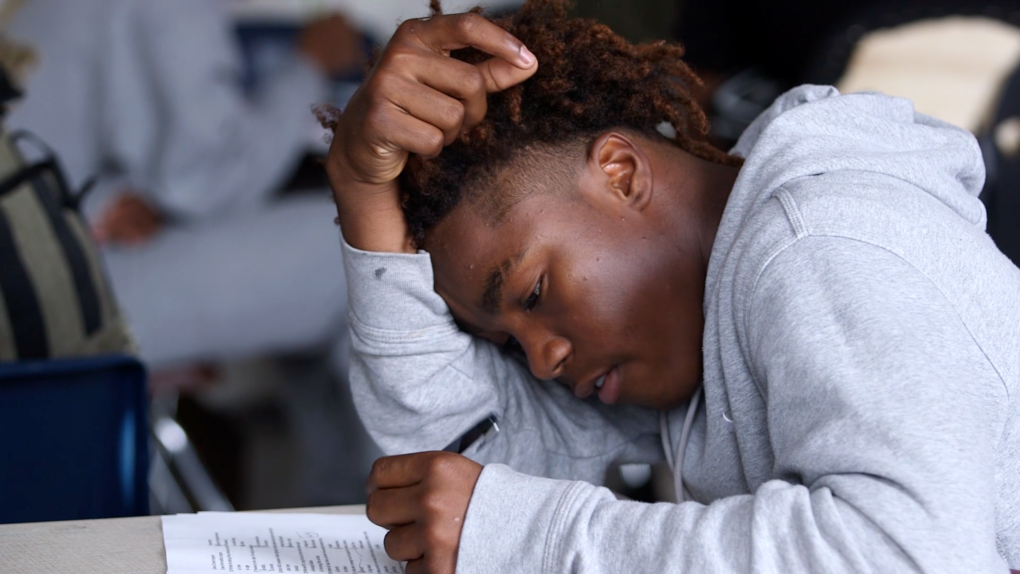
"caption": "A Mission High School student takes part in the African American Male Achievement program.",
"description": null,
"title": "aama-still",
"credit": "Nailah Morgan/KQED",
"status": "inherit",
"isLoading": false,
"fetchFailed": false
},
"news_11231136": {
"type": "attachments",
"id": "news_11231136",
"meta": {
"index": "attachments_1716263798",
"site": "news",
"id": "11231136",
"found": true
},
"parent": 11231129,
"imgSizes": {
"small": {
"file": "https://ww2.kqed.org/app/uploads/sites/10/2016/12/remedialclass2-520x341.jpg",
"width": 520,
"mimeType": "image/jpeg",
"height": 341
},
"twentyfourteen-full-width": {
"file": "https://ww2.kqed.org/app/uploads/sites/10/2016/12/remedialclass2-1038x576.jpg",
"width": 1038,
"mimeType": "image/jpeg",
"height": 576
},
"thumbnail": {
"file": "https://ww2.kqed.org/app/uploads/sites/10/2016/12/remedialclass2-160x105.jpg",
"width": 160,
"mimeType": "image/jpeg",
"height": 105
},
"fd-sm": {
"file": "https://ww2.kqed.org/app/uploads/sites/10/2016/12/remedialclass2-960x630.jpg",
"width": 960,
"mimeType": "image/jpeg",
"height": 630
},
"post-thumbnail": {
"file": "https://ww2.kqed.org/app/uploads/sites/10/2016/12/remedialclass2-672x372.jpg",
"width": 672,
"mimeType": "image/jpeg",
"height": 372
},
"xsmall": {
"file": "https://ww2.kqed.org/app/uploads/sites/10/2016/12/remedialclass2-375x246.jpg",
"width": 375,
"mimeType": "image/jpeg",
"height": 246
},
"kqedFullSize": {
"file": "https://ww2.kqed.org/app/uploads/sites/10/2016/12/remedialclass2.jpg",
"width": 1920,
"height": 1260
},
"large": {
"file": "https://ww2.kqed.org/app/uploads/sites/10/2016/12/remedialclass2-1020x669.jpg",
"width": 1020,
"mimeType": "image/jpeg",
"height": 669
},
"xlarge": {
"file": "https://ww2.kqed.org/app/uploads/sites/10/2016/12/remedialclass2-1180x774.jpg",
"width": 1180,
"mimeType": "image/jpeg",
"height": 774
},
"guest-author-50": {
"file": "https://ww2.kqed.org/app/uploads/sites/10/2016/12/remedialclass2-50x50.jpg",
"width": 50,
"mimeType": "image/jpeg",
"height": 50
},
"guest-author-96": {
"file": "https://ww2.kqed.org/app/uploads/sites/10/2016/12/remedialclass2-96x96.jpg",
"width": 96,
"mimeType": "image/jpeg",
"height": 96
},
"medium": {
"file": "https://ww2.kqed.org/app/uploads/sites/10/2016/12/remedialclass2-800x525.jpg",
"width": 800,
"mimeType": "image/jpeg",
"height": 525
},
"guest-author-64": {
"file": "https://ww2.kqed.org/app/uploads/sites/10/2016/12/remedialclass2-64x64.jpg",
"width": 64,
"mimeType": "image/jpeg",
"height": 64
},
"guest-author-32": {
"file": "https://ww2.kqed.org/app/uploads/sites/10/2016/12/remedialclass2-32x32.jpg",
"width": 32,
"mimeType": "image/jpeg",
"height": 32
},
"jmtc-small-thumb": {
"file": "https://ww2.kqed.org/app/uploads/sites/10/2016/12/remedialclass2-280x150.jpg",
"width": 280,
"mimeType": "image/jpeg",
"height": 150
},
"fd-lrg": {
"file": "https://ww2.kqed.org/app/uploads/sites/10/2016/12/remedialclass2-1920x1260.jpg",
"width": 1920,
"mimeType": "image/jpeg",
"height": 1260
},
"fd-med": {
"file": "https://ww2.kqed.org/app/uploads/sites/10/2016/12/remedialclass2-1180x774.jpg",
"width": 1180,
"mimeType": "image/jpeg",
"height": 774
},
"full-width": {
"file": "https://ww2.kqed.org/app/uploads/sites/10/2016/12/remedialclass2-1920x1260.jpg",
"width": 1920,
"mimeType": "image/jpeg",
"height": 1260
},
"detail": {
"file": "https://ww2.kqed.org/app/uploads/sites/10/2016/12/remedialclass2-150x150.jpg",
"width": 150,
"mimeType": "image/jpeg",
"height": 150
},
"guest-author-128": {
"file": "https://ww2.kqed.org/app/uploads/sites/10/2016/12/remedialclass2-128x128.jpg",
"width": 128,
"mimeType": "image/jpeg",
"height": 128
},
"xxsmall": {
"file": "https://ww2.kqed.org/app/uploads/sites/10/2016/12/remedialclass2-240x158.jpg",
"width": 240,
"mimeType": "image/jpeg",
"height": 158
}
},
"publishDate": 1482353037,
"modified": 1482361768,
"caption": "Elyse Gonzalez, center, discusses a reading with classmates in Leslie Tejada's English 100 class at West Los Angeles College in Los Angeles on Thursday, Nov. 3, 2016.",
"description": null,
"title": "remedialclass2",
"credit": "Susanica Tam/KPCC",
"status": "inherit",
"isLoading": false,
"fetchFailed": false
},
"news_11194931": {
"type": "attachments",
"id": "news_11194931",
"meta": {
"index": "attachments_1716263798",
"site": "news",
"id": "11194931",
"found": true
},
"parent": 11194927,
"imgSizes": {
"small": {
"file": "https://ww2.kqed.org/app/uploads/sites/10/2016/11/SCHOOL-CONSTRUCTION-520x348.jpg",
"width": 520,
"mimeType": "image/jpeg",
"height": 348
},
"twentyfourteen-full-width": {
"file": "https://ww2.kqed.org/app/uploads/sites/10/2016/11/SCHOOL-CONSTRUCTION-1038x576.jpg",
"width": 1038,
"mimeType": "image/jpeg",
"height": 576
},
"thumbnail": {
"file": "https://ww2.kqed.org/app/uploads/sites/10/2016/11/SCHOOL-CONSTRUCTION-160x107.jpg",
"width": 160,
"mimeType": "image/jpeg",
"height": 107
},
"fd-sm": {
"file": "https://ww2.kqed.org/app/uploads/sites/10/2016/11/SCHOOL-CONSTRUCTION-960x642.jpg",
"width": 960,
"mimeType": "image/jpeg",
"height": 642
},
"post-thumbnail": {
"file": "https://ww2.kqed.org/app/uploads/sites/10/2016/11/SCHOOL-CONSTRUCTION-672x372.jpg",
"width": 672,
"mimeType": "image/jpeg",
"height": 372
},
"xsmall": {
"file": "https://ww2.kqed.org/app/uploads/sites/10/2016/11/SCHOOL-CONSTRUCTION-375x251.jpg",
"width": 375,
"mimeType": "image/jpeg",
"height": 251
},
"kqedFullSize": {
"file": "https://ww2.kqed.org/app/uploads/sites/10/2016/11/SCHOOL-CONSTRUCTION.jpg",
"width": 2000,
"height": 1338
},
"large": {
"file": "https://ww2.kqed.org/app/uploads/sites/10/2016/11/SCHOOL-CONSTRUCTION-1020x682.jpg",
"width": 1020,
"mimeType": "image/jpeg",
"height": 682
},
"xlarge": {
"file": "https://ww2.kqed.org/app/uploads/sites/10/2016/11/SCHOOL-CONSTRUCTION-1180x789.jpg",
"width": 1180,
"mimeType": "image/jpeg",
"height": 789
},
"guest-author-50": {
"file": "https://ww2.kqed.org/app/uploads/sites/10/2016/11/SCHOOL-CONSTRUCTION-50x50.jpg",
"width": 50,
"mimeType": "image/jpeg",
"height": 50
},
"guest-author-96": {
"file": "https://ww2.kqed.org/app/uploads/sites/10/2016/11/SCHOOL-CONSTRUCTION-96x96.jpg",
"width": 96,
"mimeType": "image/jpeg",
"height": 96
},
"medium": {
"file": "https://ww2.kqed.org/app/uploads/sites/10/2016/11/SCHOOL-CONSTRUCTION-800x535.jpg",
"width": 800,
"mimeType": "image/jpeg",
"height": 535
},
"guest-author-64": {
"file": "https://ww2.kqed.org/app/uploads/sites/10/2016/11/SCHOOL-CONSTRUCTION-64x64.jpg",
"width": 64,
"mimeType": "image/jpeg",
"height": 64
},
"guest-author-32": {
"file": "https://ww2.kqed.org/app/uploads/sites/10/2016/11/SCHOOL-CONSTRUCTION-32x32.jpg",
"width": 32,
"mimeType": "image/jpeg",
"height": 32
},
"jmtc-small-thumb": {
"file": "https://ww2.kqed.org/app/uploads/sites/10/2016/11/SCHOOL-CONSTRUCTION-280x150.jpg",
"width": 280,
"mimeType": "image/jpeg",
"height": 150
},
"fd-lrg": {
"file": "https://ww2.kqed.org/app/uploads/sites/10/2016/11/SCHOOL-CONSTRUCTION-1920x1284.jpg",
"width": 1920,
"mimeType": "image/jpeg",
"height": 1284
},
"fd-med": {
"file": "https://ww2.kqed.org/app/uploads/sites/10/2016/11/SCHOOL-CONSTRUCTION-1180x789.jpg",
"width": 1180,
"mimeType": "image/jpeg",
"height": 789
},
"full-width": {
"file": "https://ww2.kqed.org/app/uploads/sites/10/2016/11/SCHOOL-CONSTRUCTION-1920x1284.jpg",
"width": 1920,
"mimeType": "image/jpeg",
"height": 1284
},
"detail": {
"file": "https://ww2.kqed.org/app/uploads/sites/10/2016/11/SCHOOL-CONSTRUCTION-150x150.jpg",
"width": 150,
"mimeType": "image/jpeg",
"height": 150
},
"guest-author-128": {
"file": "https://ww2.kqed.org/app/uploads/sites/10/2016/11/SCHOOL-CONSTRUCTION-128x128.jpg",
"width": 128,
"mimeType": "image/jpeg",
"height": 128
},
"xxsmall": {
"file": "https://ww2.kqed.org/app/uploads/sites/10/2016/11/SCHOOL-CONSTRUCTION-240x161.jpg",
"width": 240,
"mimeType": "image/jpeg",
"height": 161
}
},
"publishDate": 1480367728,
"modified": 1480380112,
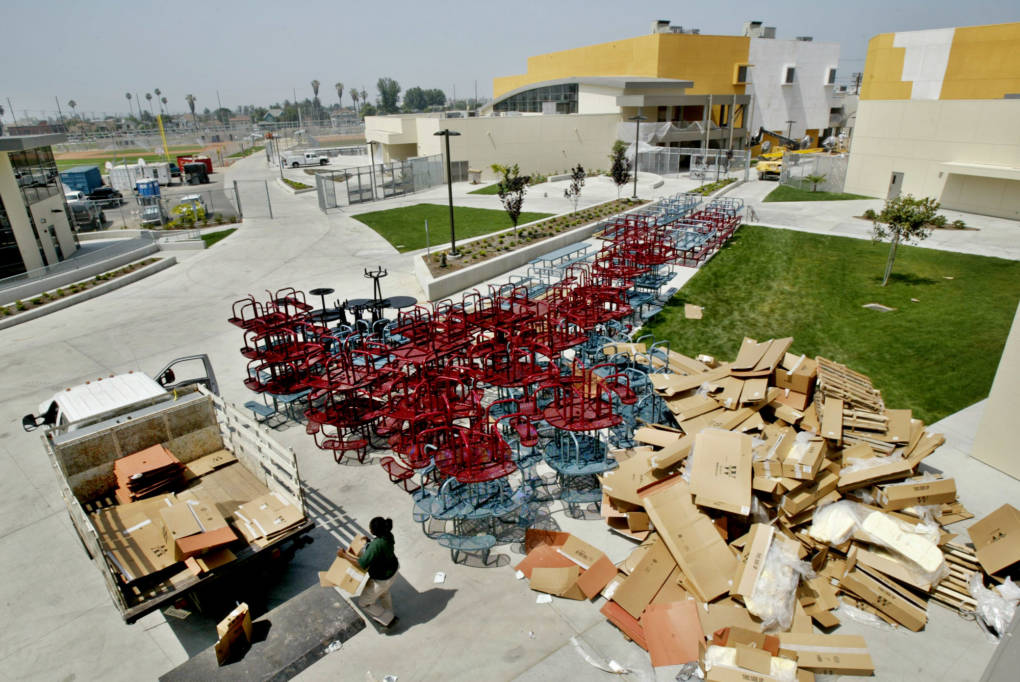
"caption": "A worker recycles cardboard boxes during the construction of Santee High School in South Los Angeles, which opened in 2005 as the first high school built in 35 years in the nation's second-largest district.",
"description": "A worker recycles cardboard boxes during the construction of Santee High School in South Los Angeles, which opened in 2005 as the first high school built in 35 years in the nation's second-largest district.",
"title": "*{B6CFB8E3-3C2A-4D23-8F46-B743D6DB46D3}*",
"credit": "Ric Francis/Associated Press",
"status": "inherit",
"isLoading": false,
"fetchFailed": false
},
"news_11178093": {
"type": "attachments",
"id": "news_11178093",
"meta": {
"index": "attachments_1716263798",
"site": "news",
"id": "11178093",
"found": true
},
"parent": 10649552,
"imgSizes": {
"small": {
"file": "https://ww2.kqed.org/app/uploads/sites/10/2015/08/RS22080_161111_HellaYoga_bhs02-qut-520x347.jpg",
"width": 520,
"mimeType": "image/jpeg",
"height": 347
},
"twentyfourteen-full-width": {
"file": "https://ww2.kqed.org/app/uploads/sites/10/2015/08/RS22080_161111_HellaYoga_bhs02-qut-1038x576.jpg",
"width": 1038,
"mimeType": "image/jpeg",
"height": 576
},
"thumbnail": {
"file": "https://ww2.kqed.org/app/uploads/sites/10/2015/08/RS22080_161111_HellaYoga_bhs02-qut-160x107.jpg",
"width": 160,
"mimeType": "image/jpeg",
"height": 107
},
"fd-sm": {
"file": "https://ww2.kqed.org/app/uploads/sites/10/2015/08/RS22080_161111_HellaYoga_bhs02-qut-960x640.jpg",
"width": 960,
"mimeType": "image/jpeg",
"height": 640
},
"post-thumbnail": {
"file": "https://ww2.kqed.org/app/uploads/sites/10/2015/08/RS22080_161111_HellaYoga_bhs02-qut-672x372.jpg",
"width": 672,
"mimeType": "image/jpeg",
"height": 372
},
"xsmall": {
"file": "https://ww2.kqed.org/app/uploads/sites/10/2015/08/RS22080_161111_HellaYoga_bhs02-qut-375x250.jpg",
"width": 375,
"mimeType": "image/jpeg",
"height": 250
},
"kqedFullSize": {
"file": "https://ww2.kqed.org/app/uploads/sites/10/2015/08/RS22080_161111_HellaYoga_bhs02-qut.jpg",
"width": 1920,
"height": 1280
},
"large": {
"file": "https://ww2.kqed.org/app/uploads/sites/10/2015/08/RS22080_161111_HellaYoga_bhs02-qut-1020x680.jpg",
"width": 1020,
"mimeType": "image/jpeg",
"height": 680
},
"xlarge": {
"file": "https://ww2.kqed.org/app/uploads/sites/10/2015/08/RS22080_161111_HellaYoga_bhs02-qut-1180x787.jpg",
"width": 1180,
"mimeType": "image/jpeg",
"height": 787
},
"guest-author-50": {
"file": "https://ww2.kqed.org/app/uploads/sites/10/2015/08/RS22080_161111_HellaYoga_bhs02-qut-50x50.jpg",
"width": 50,
"mimeType": "image/jpeg",
"height": 50
},
"guest-author-96": {
"file": "https://ww2.kqed.org/app/uploads/sites/10/2015/08/RS22080_161111_HellaYoga_bhs02-qut-96x96.jpg",
"width": 96,
"mimeType": "image/jpeg",
"height": 96
},
"medium": {
"file": "https://ww2.kqed.org/app/uploads/sites/10/2015/08/RS22080_161111_HellaYoga_bhs02-qut-800x533.jpg",
"width": 800,
"mimeType": "image/jpeg",
"height": 533
},
"guest-author-64": {
"file": "https://ww2.kqed.org/app/uploads/sites/10/2015/08/RS22080_161111_HellaYoga_bhs02-qut-64x64.jpg",
"width": 64,
"mimeType": "image/jpeg",
"height": 64
},
"guest-author-32": {
"file": "https://ww2.kqed.org/app/uploads/sites/10/2015/08/RS22080_161111_HellaYoga_bhs02-qut-32x32.jpg",
"width": 32,
"mimeType": "image/jpeg",
"height": 32
},
"jmtc-small-thumb": {
"file": "https://ww2.kqed.org/app/uploads/sites/10/2015/08/RS22080_161111_HellaYoga_bhs02-qut-280x150.jpg",
"width": 280,
"mimeType": "image/jpeg",
"height": 150
},
"fd-lrg": {
"file": "https://ww2.kqed.org/app/uploads/sites/10/2015/08/RS22080_161111_HellaYoga_bhs02-qut-1920x1280.jpg",
"width": 1920,
"mimeType": "image/jpeg",
"height": 1280
},
"fd-med": {
"file": "https://ww2.kqed.org/app/uploads/sites/10/2015/08/RS22080_161111_HellaYoga_bhs02-qut-1180x787.jpg",
"width": 1180,
"mimeType": "image/jpeg",
"height": 787
},
"full-width": {
"file": "https://ww2.kqed.org/app/uploads/sites/10/2015/08/RS22080_161111_HellaYoga_bhs02-qut-1920x1280.jpg",
"width": 1920,
"mimeType": "image/jpeg",
"height": 1280
},
"detail": {
"file": "https://ww2.kqed.org/app/uploads/sites/10/2015/08/RS22080_161111_HellaYoga_bhs02-qut-150x150.jpg",
"width": 150,
"mimeType": "image/jpeg",
"height": 150
},
"guest-author-128": {
"file": "https://ww2.kqed.org/app/uploads/sites/10/2015/08/RS22080_161111_HellaYoga_bhs02-qut-128x128.jpg",
"width": 128,
"mimeType": "image/jpeg",
"height": 128
},
"xxsmall": {
"file": "https://ww2.kqed.org/app/uploads/sites/10/2015/08/RS22080_161111_HellaYoga_bhs02-qut-240x160.jpg",
"width": 240,
"mimeType": "image/jpeg",
"height": 160
}
},
"publishDate": 1479385884,
"modified": 1479385945,
"caption": "Hella Yoga is a yoga and Pilates studio located in Berkeley, California.",
"description": "Hella Yoga is a yoga and Pilates studio located in Berkeley, California.",
"title": "rs22080_161111_hellayoga_bhs02-qut",
"credit": "Brittany Hosea-Small/KQED",
"status": "inherit",
"isLoading": false,
"fetchFailed": false
},
"news_11166867": {
"type": "attachments",
"id": "news_11166867",
"meta": {
"index": "attachments_1716263798",
"site": "news",
"id": "11166867",
"found": true
},
"parent": 11166247,
"imgSizes": {
"small": {
"file": "https://ww2.kqed.org/app/uploads/sites/10/2016/11/Cw1sgNmUcAAlKSj-520x390.jpg",
"width": 520,
"mimeType": "image/jpeg",
"height": 390
},
"twentyfourteen-full-width": {
"file": "https://ww2.kqed.org/app/uploads/sites/10/2016/11/Cw1sgNmUcAAlKSj-1024x576.jpg",
"width": 1024,
"mimeType": "image/jpeg",
"height": 576
},
"thumbnail": {
"file": "https://ww2.kqed.org/app/uploads/sites/10/2016/11/Cw1sgNmUcAAlKSj-160x120.jpg",
"width": 160,
"mimeType": "image/jpeg",
"height": 120
},
"fd-sm": {
"file": "https://ww2.kqed.org/app/uploads/sites/10/2016/11/Cw1sgNmUcAAlKSj-960x720.jpg",
"width": 960,
"mimeType": "image/jpeg",
"height": 720
},
"post-thumbnail": {
"file": "https://ww2.kqed.org/app/uploads/sites/10/2016/11/Cw1sgNmUcAAlKSj-672x372.jpg",
"width": 672,
"mimeType": "image/jpeg",
"height": 372
},
"xsmall": {
"file": "https://ww2.kqed.org/app/uploads/sites/10/2016/11/Cw1sgNmUcAAlKSj-375x281.jpg",
"width": 375,
"mimeType": "image/jpeg",
"height": 281
},
"kqedFullSize": {
"file": "https://ww2.kqed.org/app/uploads/sites/10/2016/11/Cw1sgNmUcAAlKSj.jpg",
"width": 1024,
"height": 768
},
"large": {
"file": "https://ww2.kqed.org/app/uploads/sites/10/2016/11/Cw1sgNmUcAAlKSj-1020x765.jpg",
"width": 1020,
"mimeType": "image/jpeg",
"height": 765
},
"guest-author-50": {
"file": "https://ww2.kqed.org/app/uploads/sites/10/2016/11/Cw1sgNmUcAAlKSj-50x50.jpg",
"width": 50,
"mimeType": "image/jpeg",
"height": 50
},
"guest-author-96": {
"file": "https://ww2.kqed.org/app/uploads/sites/10/2016/11/Cw1sgNmUcAAlKSj-96x96.jpg",
"width": 96,
"mimeType": "image/jpeg",
"height": 96
},
"medium": {
"file": "https://ww2.kqed.org/app/uploads/sites/10/2016/11/Cw1sgNmUcAAlKSj-800x600.jpg",
"width": 800,
"mimeType": "image/jpeg",
"height": 600
},
"guest-author-64": {
"file": "https://ww2.kqed.org/app/uploads/sites/10/2016/11/Cw1sgNmUcAAlKSj-64x64.jpg",
"width": 64,
"mimeType": "image/jpeg",
"height": 64
},
"guest-author-32": {
"file": "https://ww2.kqed.org/app/uploads/sites/10/2016/11/Cw1sgNmUcAAlKSj-32x32.jpg",
"width": 32,
"mimeType": "image/jpeg",
"height": 32
},
"jmtc-small-thumb": {
"file": "https://ww2.kqed.org/app/uploads/sites/10/2016/11/Cw1sgNmUcAAlKSj-280x150.jpg",
"width": 280,
"mimeType": "image/jpeg",
"height": 150
},
"detail": {
"file": "https://ww2.kqed.org/app/uploads/sites/10/2016/11/Cw1sgNmUcAAlKSj-150x150.jpg",
"width": 150,
"mimeType": "image/jpeg",
"height": 150
},
"guest-author-128": {
"file": "https://ww2.kqed.org/app/uploads/sites/10/2016/11/Cw1sgNmUcAAlKSj-128x128.jpg",
"width": 128,
"mimeType": "image/jpeg",
"height": 128
},
"xxsmall": {
"file": "https://ww2.kqed.org/app/uploads/sites/10/2016/11/Cw1sgNmUcAAlKSj-240x180.jpg",
"width": 240,
"mimeType": "image/jpeg",
"height": 180
}
},
"publishDate": 1478716256,
"modified": 1478716290,
"caption": "About 1,500 Berkeley High School students participate in a walkout Wednesday morning. ",
"description": null,
"title": "cw1sgnmucaalksj",
"credit": "Berkeleyside via Twitter",
"status": "inherit",
"isLoading": false,
"fetchFailed": false
},
"news_11069070": {
"type": "attachments",
"id": "news_11069070",
"meta": {
"index": "attachments_1716263798",
"site": "news",
"id": "11069070",
"found": true
},
"parent": 11069065,
"imgSizes": {
"twentyfourteen-full-width": {
"file": "https://ww2.kqed.org/app/uploads/sites/10/2016/09/GettyImages-452534952-1920x1226-1038x576.jpg",
"width": 1038,
"mimeType": "image/jpeg",
"height": 576
},
"thumbnail": {
"file": "https://ww2.kqed.org/app/uploads/sites/10/2016/09/GettyImages-452534952-1920x1226-400x255.jpg",
"width": 400,
"mimeType": "image/jpeg",
"height": 255
},
"fd-sm": {
"file": "https://ww2.kqed.org/app/uploads/sites/10/2016/09/GettyImages-452534952-1920x1226-960x613.jpg",
"width": 960,
"mimeType": "image/jpeg",
"height": 613
},
"post-thumbnail": {
"file": "https://ww2.kqed.org/app/uploads/sites/10/2016/09/GettyImages-452534952-1920x1226-672x372.jpg",
"width": 672,
"mimeType": "image/jpeg",
"height": 372
},
"kqedFullSize": {
"file": "https://ww2.kqed.org/app/uploads/sites/10/2016/09/GettyImages-452534952-1920x1226.jpg",
"width": 1920,
"height": 1226
},
"large": {
"file": "https://ww2.kqed.org/app/uploads/sites/10/2016/09/GettyImages-452534952-1920x1226-1920x1226.jpg",
"width": 1920,
"mimeType": "image/jpeg",
"height": 1226
},
"guest-author-50": {
"file": "https://ww2.kqed.org/app/uploads/sites/10/2016/09/GettyImages-452534952-1920x1226-50x50.jpg",
"width": 50,
"mimeType": "image/jpeg",
"height": 50
},
"guest-author-96": {
"file": "https://ww2.kqed.org/app/uploads/sites/10/2016/09/GettyImages-452534952-1920x1226-96x96.jpg",
"width": 96,
"mimeType": "image/jpeg",
"height": 96
},
"medium": {
"file": "https://ww2.kqed.org/app/uploads/sites/10/2016/09/GettyImages-452534952-1920x1226-800x511.jpg",
"width": 800,
"mimeType": "image/jpeg",
"height": 511
},
"guest-author-64": {
"file": "https://ww2.kqed.org/app/uploads/sites/10/2016/09/GettyImages-452534952-1920x1226-64x64.jpg",
"width": 64,
"mimeType": "image/jpeg",
"height": 64
},
"guest-author-32": {
"file": "https://ww2.kqed.org/app/uploads/sites/10/2016/09/GettyImages-452534952-1920x1226-32x32.jpg",
"width": 32,
"mimeType": "image/jpeg",
"height": 32
},
"jmtc-small-thumb": {
"file": "https://ww2.kqed.org/app/uploads/sites/10/2016/09/GettyImages-452534952-1920x1226-280x150.jpg",
"width": 280,
"mimeType": "image/jpeg",
"height": 150
},
"fd-lrg": {
"file": "https://ww2.kqed.org/app/uploads/sites/10/2016/09/GettyImages-452534952-1920x1226-1920x1226.jpg",
"width": 1920,
"mimeType": "image/jpeg",
"height": 1226
},
"fd-med": {
"file": "https://ww2.kqed.org/app/uploads/sites/10/2016/09/GettyImages-452534952-1920x1226-1180x753.jpg",
"width": 1180,
"mimeType": "image/jpeg",
"height": 753
},
"detail": {
"file": "https://ww2.kqed.org/app/uploads/sites/10/2016/09/GettyImages-452534952-1920x1226-150x150.jpg",
"width": 150,
"mimeType": "image/jpeg",
"height": 150
},
"guest-author-128": {
"file": "https://ww2.kqed.org/app/uploads/sites/10/2016/09/GettyImages-452534952-1920x1226-128x128.jpg",
"width": 128,
"mimeType": "image/jpeg",
"height": 128
}
},
"publishDate": 1472761812,
"modified": 1478300373,
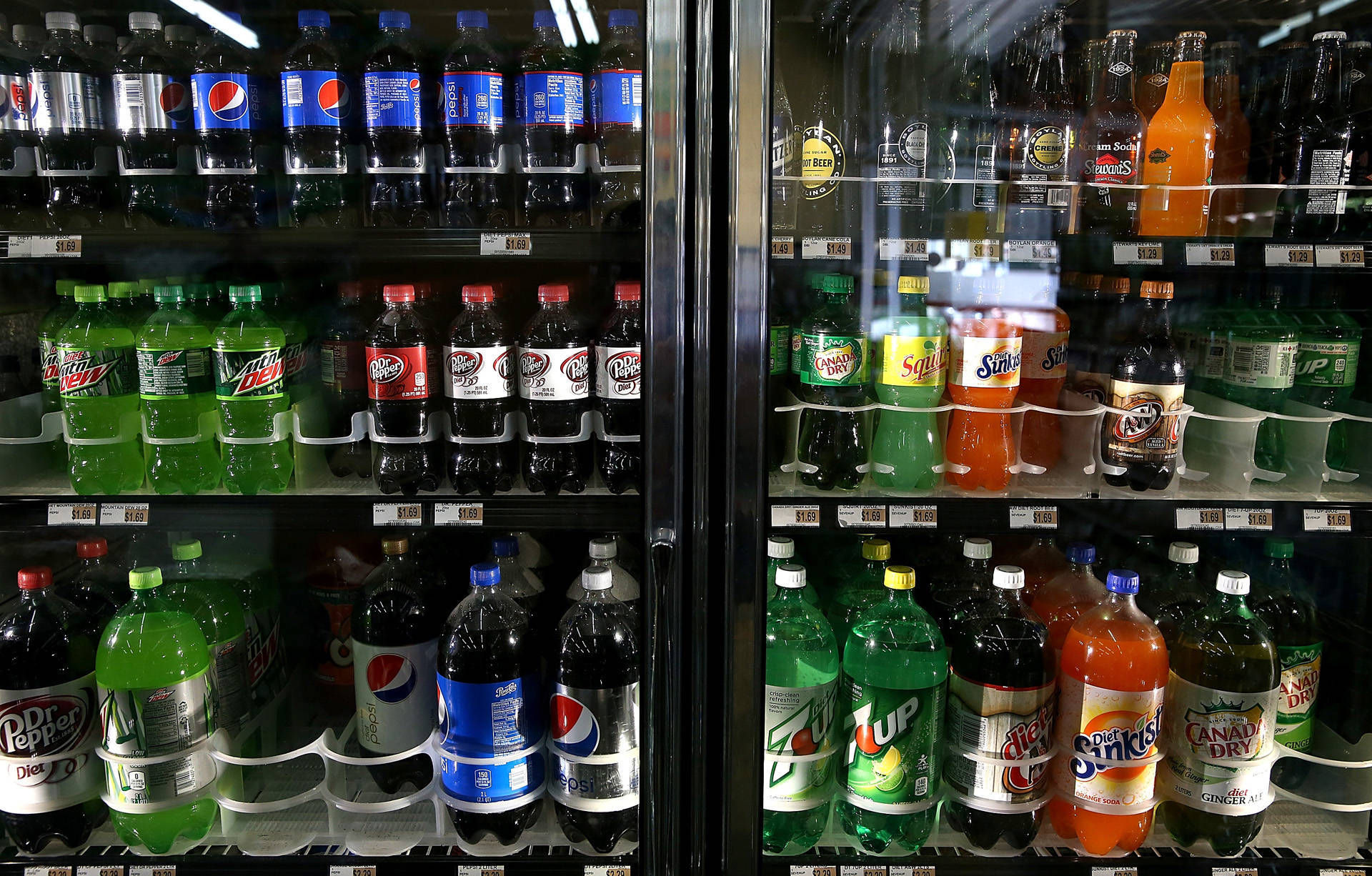
"caption": "Various bottles of soda are displayed in a cooler at Marina Supermarket in San Francisco. ",
"description": "Various bottles of soda are displayed in a cooler at Marina Supermarket in San Francisco, California. ",
"title": "GettyImages-452534952-1920x1226",
"credit": "Justin Sullivan/Getty Images",
"status": "inherit",
"isLoading": false,
"fetchFailed": false
},
"news_10899605": {
"type": "attachments",
"id": "news_10899605",
"meta": {
"index": "attachments_1716263798",
"site": "news",
"id": "10899605",
"found": true
},
"parent": 10899596,
"imgSizes": {
"twentyfourteen-full-width": {
"file": "https://ww2.kqed.org/app/uploads/sites/10/2016/03/IVotedSticker-1038x576.jpg",
"width": 1038,
"mimeType": "image/jpeg",
"height": 576
},
"thumbnail": {
"file": "https://ww2.kqed.org/app/uploads/sites/10/2016/03/IVotedSticker-400x247.jpg",
"width": 400,
"mimeType": "image/jpeg",
"height": 247
},
"fd-sm": {
"file": "https://ww2.kqed.org/app/uploads/sites/10/2016/03/IVotedSticker-960x593.jpg",
"width": 960,
"mimeType": "image/jpeg",
"height": 593
},
"post-thumbnail": {
"file": "https://ww2.kqed.org/app/uploads/sites/10/2016/03/IVotedSticker-672x372.jpg",
"width": 672,
"mimeType": "image/jpeg",
"height": 372
},
"kqedFullSize": {
"file": "https://ww2.kqed.org/app/uploads/sites/10/2016/03/IVotedSticker.jpg",
"width": 1920,
"height": 1185
},
"large": {
"file": "https://ww2.kqed.org/app/uploads/sites/10/2016/03/IVotedSticker-1920x1185.jpg",
"width": 1920,
"mimeType": "image/jpeg",
"height": 1185
},
"guest-author-96": {
"file": "https://ww2.kqed.org/app/uploads/sites/10/2016/03/IVotedSticker-96x96.jpg",
"width": 96,
"mimeType": "image/jpeg",
"height": 96
},
"medium": {
"file": "https://ww2.kqed.org/app/uploads/sites/10/2016/03/IVotedSticker-800x494.jpg",
"width": 800,
"mimeType": "image/jpeg",
"height": 494
},
"guest-author-64": {
"file": "https://ww2.kqed.org/app/uploads/sites/10/2016/03/IVotedSticker-64x64.jpg",
"width": 64,
"mimeType": "image/jpeg",
"height": 64
},
"guest-author-32": {
"file": "https://ww2.kqed.org/app/uploads/sites/10/2016/03/IVotedSticker-32x32.jpg",
"width": 32,
"mimeType": "image/jpeg",
"height": 32
},
"jmtc-small-thumb": {
"file": "https://ww2.kqed.org/app/uploads/sites/10/2016/03/IVotedSticker-280x150.jpg",
"width": 280,
"mimeType": "image/jpeg",
"height": 150
},
"fd-lrg": {
"file": "https://ww2.kqed.org/app/uploads/sites/10/2016/03/IVotedSticker-1920x1185.jpg",
"width": 1920,
"mimeType": "image/jpeg",
"height": 1185
},
"fd-med": {
"file": "https://ww2.kqed.org/app/uploads/sites/10/2016/03/IVotedSticker-1180x728.jpg",
"width": 1180,
"mimeType": "image/jpeg",
"height": 728
},
"detail": {
"file": "https://ww2.kqed.org/app/uploads/sites/10/2016/03/IVotedSticker-75x75.jpg",
"width": 75,
"mimeType": "image/jpeg",
"height": 75
},
"guest-author-128": {
"file": "https://ww2.kqed.org/app/uploads/sites/10/2016/03/IVotedSticker-128x128.jpg",
"width": 128,
"mimeType": "image/jpeg",
"height": 128
}
},
"publishDate": 1458262451,
"modified": 1478741513,
"caption": "A poll worker hands out 'I Voted' stickers.",
"description": "A poll worker hands out \"I Voted\" stickers.",
"title": "IVotedSticker",
"credit": "Brendan Smialowski/AFP/Getty Images",
"status": "inherit",
"isLoading": false,
"fetchFailed": false
},
"news_11156601": {
"type": "attachments",
"id": "news_11156601",
"meta": {
"index": "attachments_1716263798",
"site": "news",
"id": "11156601",
"found": true
},
"parent": 11149858,
"imgSizes": {
"small": {
"file": "https://ww2.kqed.org/app/uploads/sites/10/2016/10/RS21720_IMG_34501-qut-520x390.jpg",
"width": 520,
"mimeType": "image/jpeg",
"height": 390
},
"twentyfourteen-full-width": {
"file": "https://ww2.kqed.org/app/uploads/sites/10/2016/10/RS21720_IMG_34501-qut-1038x576.jpg",
"width": 1038,
"mimeType": "image/jpeg",
"height": 576
},
"thumbnail": {
"file": "https://ww2.kqed.org/app/uploads/sites/10/2016/10/RS21720_IMG_34501-qut-160x120.jpg",
"width": 160,
"mimeType": "image/jpeg",
"height": 120
},
"fd-sm": {
"file": "https://ww2.kqed.org/app/uploads/sites/10/2016/10/RS21720_IMG_34501-qut-960x720.jpg",
"width": 960,
"mimeType": "image/jpeg",
"height": 720
},
"post-thumbnail": {
"file": "https://ww2.kqed.org/app/uploads/sites/10/2016/10/RS21720_IMG_34501-qut-672x372.jpg",
"width": 672,
"mimeType": "image/jpeg",
"height": 372
},
"xsmall": {
"file": "https://ww2.kqed.org/app/uploads/sites/10/2016/10/RS21720_IMG_34501-qut-375x281.jpg",
"width": 375,
"mimeType": "image/jpeg",
"height": 281
},
"kqedFullSize": {
"file": "https://ww2.kqed.org/app/uploads/sites/10/2016/10/RS21720_IMG_34501-qut.jpg",
"width": 1920,
"height": 1440
},
"large": {
"file": "https://ww2.kqed.org/app/uploads/sites/10/2016/10/RS21720_IMG_34501-qut-1020x765.jpg",
"width": 1020,
"mimeType": "image/jpeg",
"height": 765
},
"xlarge": {
"file": "https://ww2.kqed.org/app/uploads/sites/10/2016/10/RS21720_IMG_34501-qut-1180x885.jpg",
"width": 1180,
"mimeType": "image/jpeg",
"height": 885
},
"guest-author-50": {
"file": "https://ww2.kqed.org/app/uploads/sites/10/2016/10/RS21720_IMG_34501-qut-50x50.jpg",
"width": 50,
"mimeType": "image/jpeg",
"height": 50
},
"guest-author-96": {
"file": "https://ww2.kqed.org/app/uploads/sites/10/2016/10/RS21720_IMG_34501-qut-96x96.jpg",
"width": 96,
"mimeType": "image/jpeg",
"height": 96
},
"medium": {
"file": "https://ww2.kqed.org/app/uploads/sites/10/2016/10/RS21720_IMG_34501-qut-800x600.jpg",
"width": 800,
"mimeType": "image/jpeg",
"height": 600
},
"guest-author-64": {
"file": "https://ww2.kqed.org/app/uploads/sites/10/2016/10/RS21720_IMG_34501-qut-64x64.jpg",
"width": 64,
"mimeType": "image/jpeg",
"height": 64
},
"guest-author-32": {
"file": "https://ww2.kqed.org/app/uploads/sites/10/2016/10/RS21720_IMG_34501-qut-32x32.jpg",
"width": 32,
"mimeType": "image/jpeg",
"height": 32
},
"jmtc-small-thumb": {
"file": "https://ww2.kqed.org/app/uploads/sites/10/2016/10/RS21720_IMG_34501-qut-280x150.jpg",
"width": 280,
"mimeType": "image/jpeg",
"height": 150
},
"fd-lrg": {
"file": "https://ww2.kqed.org/app/uploads/sites/10/2016/10/RS21720_IMG_34501-qut-1920x1440.jpg",
"width": 1920,
"mimeType": "image/jpeg",
"height": 1440
},
"fd-med": {
"file": "https://ww2.kqed.org/app/uploads/sites/10/2016/10/RS21720_IMG_34501-qut-1180x885.jpg",
"width": 1180,
"mimeType": "image/jpeg",
"height": 885
},
"full-width": {
"file": "https://ww2.kqed.org/app/uploads/sites/10/2016/10/RS21720_IMG_34501-qut-1920x1440.jpg",
"width": 1920,
"mimeType": "image/jpeg",
"height": 1440
},
"detail": {
"file": "https://ww2.kqed.org/app/uploads/sites/10/2016/10/RS21720_IMG_34501-qut-150x150.jpg",
"width": 150,
"mimeType": "image/jpeg",
"height": 150
},
"guest-author-128": {
"file": "https://ww2.kqed.org/app/uploads/sites/10/2016/10/RS21720_IMG_34501-qut-128x128.jpg",
"width": 128,
"mimeType": "image/jpeg",
"height": 128
},
"xxsmall": {
"file": "https://ww2.kqed.org/app/uploads/sites/10/2016/10/RS21720_IMG_34501-qut-240x180.jpg",
"width": 240,
"mimeType": "image/jpeg",
"height": 180
}
},
"publishDate": 1478114344,
"modified": 1478220072,
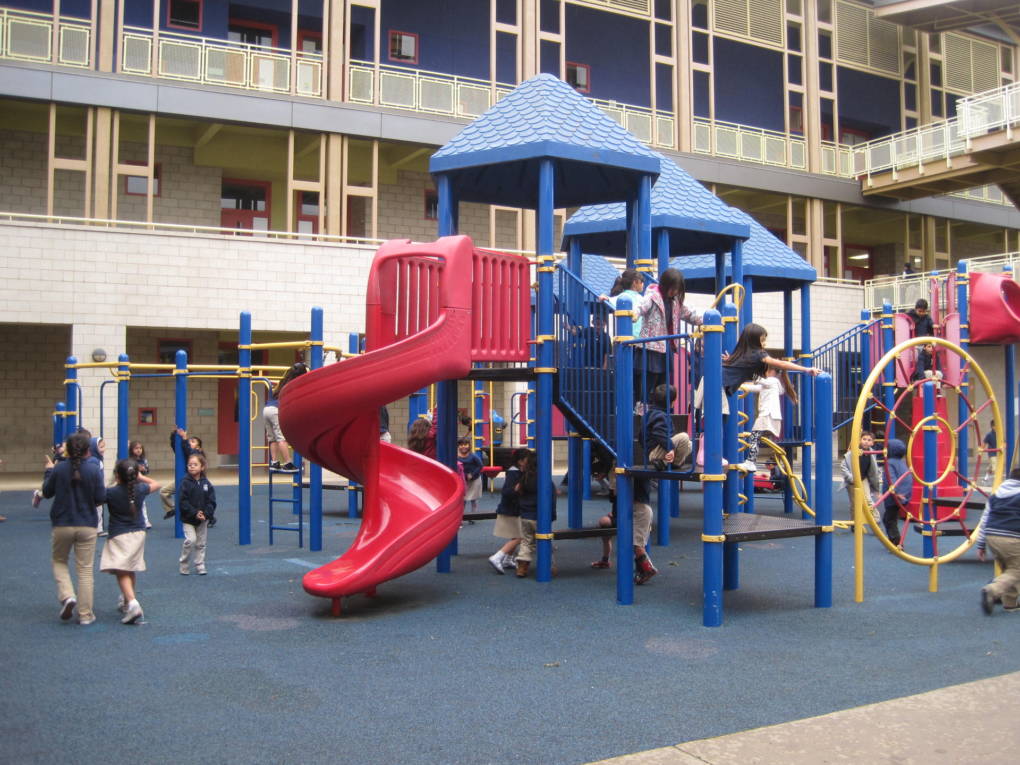
"caption": "Children play at Horace Mann Elementary in San Jose Unified, which is going for its first parcel tax this year.",
"description": null,
"title": "rs21720_img_34501-qut",
"credit": "Zaidee Stavely/KQED",
"status": "inherit",
"isLoading": false,
"fetchFailed": false
},
"news_11153928": {
"type": "attachments",
"id": "news_11153928",
"meta": {
"index": "attachments_1716263798",
"site": "news",
"id": "11153928",
"found": true
},
"parent": 11153754,
"imgSizes": {
"small": {
"file": "https://ww2.kqed.org/app/uploads/sites/10/2016/10/FireAftermath-520x365.jpg",
"width": 520,
"mimeType": "image/jpeg",
"height": 365
},
"twentyfourteen-full-width": {
"file": "https://ww2.kqed.org/app/uploads/sites/10/2016/10/FireAftermath-1038x576.jpg",
"width": 1038,
"mimeType": "image/jpeg",
"height": 576
},
"thumbnail": {
"file": "https://ww2.kqed.org/app/uploads/sites/10/2016/10/FireAftermath-160x112.jpg",
"width": 160,
"mimeType": "image/jpeg",
"height": 112
},
"fd-sm": {
"file": "https://ww2.kqed.org/app/uploads/sites/10/2016/10/FireAftermath-960x674.jpg",
"width": 960,
"mimeType": "image/jpeg",
"height": 674
},
"post-thumbnail": {
"file": "https://ww2.kqed.org/app/uploads/sites/10/2016/10/FireAftermath-672x372.jpg",
"width": 672,
"mimeType": "image/jpeg",
"height": 372
},
"xsmall": {
"file": "https://ww2.kqed.org/app/uploads/sites/10/2016/10/FireAftermath-375x263.jpg",
"width": 375,
"mimeType": "image/jpeg",
"height": 263
},
"kqedFullSize": {
"file": "https://ww2.kqed.org/app/uploads/sites/10/2016/10/FireAftermath.jpg",
"width": 1920,
"height": 1348
},
"large": {
"file": "https://ww2.kqed.org/app/uploads/sites/10/2016/10/FireAftermath-1020x716.jpg",
"width": 1020,
"mimeType": "image/jpeg",
"height": 716
},
"xlarge": {
"file": "https://ww2.kqed.org/app/uploads/sites/10/2016/10/FireAftermath-1180x828.jpg",
"width": 1180,
"mimeType": "image/jpeg",
"height": 828
},
"guest-author-50": {
"file": "https://ww2.kqed.org/app/uploads/sites/10/2016/10/FireAftermath-50x50.jpg",
"width": 50,
"mimeType": "image/jpeg",
"height": 50
},
"guest-author-96": {
"file": "https://ww2.kqed.org/app/uploads/sites/10/2016/10/FireAftermath-96x96.jpg",
"width": 96,
"mimeType": "image/jpeg",
"height": 96
},
"medium": {
"file": "https://ww2.kqed.org/app/uploads/sites/10/2016/10/FireAftermath-800x562.jpg",
"width": 800,
"mimeType": "image/jpeg",
"height": 562
},
"guest-author-64": {
"file": "https://ww2.kqed.org/app/uploads/sites/10/2016/10/FireAftermath-64x64.jpg",
"width": 64,
"mimeType": "image/jpeg",
"height": 64
},
"guest-author-32": {
"file": "https://ww2.kqed.org/app/uploads/sites/10/2016/10/FireAftermath-32x32.jpg",
"width": 32,
"mimeType": "image/jpeg",
"height": 32
},
"jmtc-small-thumb": {
"file": "https://ww2.kqed.org/app/uploads/sites/10/2016/10/FireAftermath-280x150.jpg",
"width": 280,
"mimeType": "image/jpeg",
"height": 150
},
"fd-lrg": {
"file": "https://ww2.kqed.org/app/uploads/sites/10/2016/10/FireAftermath-1920x1348.jpg",
"width": 1920,
"mimeType": "image/jpeg",
"height": 1348
},
"fd-med": {
"file": "https://ww2.kqed.org/app/uploads/sites/10/2016/10/FireAftermath-1180x828.jpg",
"width": 1180,
"mimeType": "image/jpeg",
"height": 828
},
"full-width": {
"file": "https://ww2.kqed.org/app/uploads/sites/10/2016/10/FireAftermath-1920x1348.jpg",
"width": 1920,
"mimeType": "image/jpeg",
"height": 1348
},
"detail": {
"file": "https://ww2.kqed.org/app/uploads/sites/10/2016/10/FireAftermath-150x150.jpg",
"width": 150,
"mimeType": "image/jpeg",
"height": 150
},
"guest-author-128": {
"file": "https://ww2.kqed.org/app/uploads/sites/10/2016/10/FireAftermath-128x128.jpg",
"width": 128,
"mimeType": "image/jpeg",
"height": 128
},
"xxsmall": {
"file": "https://ww2.kqed.org/app/uploads/sites/10/2016/10/FireAftermath-240x169.jpg",
"width": 240,
"mimeType": "image/jpeg",
"height": 169
}
},
"publishDate": 1477944278,
"modified": 1477961693,
"caption": "A five-alarm fire gutted an apartment complex under construction near Oakland’s Lake Merritt Monday morning.",
"description": "A four-alarm fire gutted an apartment complex under construction near Oakland’s Lake Merritt Monday morning.",
"title": "fireaftermath",
"credit": "Devin Katayama/KQED",
"status": "inherit",
"isLoading": false,
"fetchFailed": false
},
"news_11155470": {
"type": "attachments",
"id": "news_11155470",
"meta": {
"index": "attachments_1716263798",
"site": "news",
"id": "11155470",
"found": true
},
"parent": 11155469,
"imgSizes": {
"small": {
"file": "https://ww2.kqed.org/app/uploads/sites/10/2016/11/gettyimages-542220938_cc_custom-780a3d0aefa4bbbfd47d1ae7830cda561c866367-520x346.jpg",
"width": 520,
"mimeType": "image/jpeg",
"height": 346
},
"twentyfourteen-full-width": {
"file": "https://ww2.kqed.org/app/uploads/sites/10/2016/11/gettyimages-542220938_cc_custom-780a3d0aefa4bbbfd47d1ae7830cda561c866367-1038x576.jpg",
"width": 1038,
"mimeType": "image/jpeg",
"height": 576
},
"thumbnail": {
"file": "https://ww2.kqed.org/app/uploads/sites/10/2016/11/gettyimages-542220938_cc_custom-780a3d0aefa4bbbfd47d1ae7830cda561c866367-160x107.jpg",
"width": 160,
"mimeType": "image/jpeg",
"height": 107
},
"fd-sm": {
"file": "https://ww2.kqed.org/app/uploads/sites/10/2016/11/gettyimages-542220938_cc_custom-780a3d0aefa4bbbfd47d1ae7830cda561c866367-960x639.jpg",
"width": 960,
"mimeType": "image/jpeg",
"height": 639
},
"post-thumbnail": {
"file": "https://ww2.kqed.org/app/uploads/sites/10/2016/11/gettyimages-542220938_cc_custom-780a3d0aefa4bbbfd47d1ae7830cda561c866367-672x372.jpg",
"width": 672,
"mimeType": "image/jpeg",
"height": 372
},
"xsmall": {
"file": "https://ww2.kqed.org/app/uploads/sites/10/2016/11/gettyimages-542220938_cc_custom-780a3d0aefa4bbbfd47d1ae7830cda561c866367-375x250.jpg",
"width": 375,
"mimeType": "image/jpeg",
"height": 250
},
"kqedFullSize": {
"file": "https://ww2.kqed.org/app/uploads/sites/10/2016/11/gettyimages-542220938_cc_custom-780a3d0aefa4bbbfd47d1ae7830cda561c866367.jpg",
"width": 3000,
"height": 1998
},
"large": {
"file": "https://ww2.kqed.org/app/uploads/sites/10/2016/11/gettyimages-542220938_cc_custom-780a3d0aefa4bbbfd47d1ae7830cda561c866367-1020x679.jpg",
"width": 1020,
"mimeType": "image/jpeg",
"height": 679
},
"xlarge": {
"file": "https://ww2.kqed.org/app/uploads/sites/10/2016/11/gettyimages-542220938_cc_custom-780a3d0aefa4bbbfd47d1ae7830cda561c866367-1180x786.jpg",
"width": 1180,
"mimeType": "image/jpeg",
"height": 786
},
"guest-author-50": {
"file": "https://ww2.kqed.org/app/uploads/sites/10/2016/11/gettyimages-542220938_cc_custom-780a3d0aefa4bbbfd47d1ae7830cda561c866367-50x50.jpg",
"width": 50,
"mimeType": "image/jpeg",
"height": 50
},
"guest-author-96": {
"file": "https://ww2.kqed.org/app/uploads/sites/10/2016/11/gettyimages-542220938_cc_custom-780a3d0aefa4bbbfd47d1ae7830cda561c866367-96x96.jpg",
"width": 96,
"mimeType": "image/jpeg",
"height": 96
},
"medium": {
"file": "https://ww2.kqed.org/app/uploads/sites/10/2016/11/gettyimages-542220938_cc_custom-780a3d0aefa4bbbfd47d1ae7830cda561c866367-800x533.jpg",
"width": 800,
"mimeType": "image/jpeg",
"height": 533
},
"guest-author-64": {
"file": "https://ww2.kqed.org/app/uploads/sites/10/2016/11/gettyimages-542220938_cc_custom-780a3d0aefa4bbbfd47d1ae7830cda561c866367-64x64.jpg",
"width": 64,
"mimeType": "image/jpeg",
"height": 64
},
"guest-author-32": {
"file": "https://ww2.kqed.org/app/uploads/sites/10/2016/11/gettyimages-542220938_cc_custom-780a3d0aefa4bbbfd47d1ae7830cda561c866367-32x32.jpg",
"width": 32,
"mimeType": "image/jpeg",
"height": 32
},
"jmtc-small-thumb": {
"file": "https://ww2.kqed.org/app/uploads/sites/10/2016/11/gettyimages-542220938_cc_custom-780a3d0aefa4bbbfd47d1ae7830cda561c866367-280x150.jpg",
"width": 280,
"mimeType": "image/jpeg",
"height": 150
},
"fd-lrg": {
"file": "https://ww2.kqed.org/app/uploads/sites/10/2016/11/gettyimages-542220938_cc_custom-780a3d0aefa4bbbfd47d1ae7830cda561c866367-1920x1279.jpg",
"width": 1920,
"mimeType": "image/jpeg",
"height": 1279
},
"fd-med": {
"file": "https://ww2.kqed.org/app/uploads/sites/10/2016/11/gettyimages-542220938_cc_custom-780a3d0aefa4bbbfd47d1ae7830cda561c866367-1180x786.jpg",
"width": 1180,
"mimeType": "image/jpeg",
"height": 786
},
"full-width": {
"file": "https://ww2.kqed.org/app/uploads/sites/10/2016/11/gettyimages-542220938_cc_custom-780a3d0aefa4bbbfd47d1ae7830cda561c866367-1920x1279.jpg",
"width": 1920,
"mimeType": "image/jpeg",
"height": 1279
},
"detail": {
"file": "https://ww2.kqed.org/app/uploads/sites/10/2016/11/gettyimages-542220938_cc_custom-780a3d0aefa4bbbfd47d1ae7830cda561c866367-150x150.jpg",
"width": 150,
"mimeType": "image/jpeg",
"height": 150
},
"guest-author-128": {
"file": "https://ww2.kqed.org/app/uploads/sites/10/2016/11/gettyimages-542220938_cc_custom-780a3d0aefa4bbbfd47d1ae7830cda561c866367-128x128.jpg",
"width": 128,
"mimeType": "image/jpeg",
"height": 128
},
"xxsmall": {
"file": "https://ww2.kqed.org/app/uploads/sites/10/2016/11/gettyimages-542220938_cc_custom-780a3d0aefa4bbbfd47d1ae7830cda561c866367-240x160.jpg",
"width": 240,
"mimeType": "image/jpeg",
"height": 160
}
},
"publishDate": 1478042699,
"modified": 1478042951,
"caption": "A marijuana plant is displayed during the 2016 Cannabis Business Summit and Expo on Jun. 22 in Oakland.",
"description": "A marijuana plant is displayed during the 2016 Cannabis Business Summit and Expo on Jun. 22 in Oakland.",
"title": "A marijuana plant is displayed during the 2016 Cannabis Business Summit & Expo on Jun. 22 in Oakland, Calif.",
"credit": "Justin Sullivan/Getty Images",
"status": "inherit",
"isLoading": false,
"fetchFailed": false
},
"news_11127412": {
"type": "attachments",
"id": "news_11127412",
"meta": {
"index": "attachments_1716263798",
"site": "news",
"id": "11127412",
"found": true
},
"parent": 11125905,
"imgSizes": {
"twentyfourteen-full-width": {
"file": "https://ww2.kqed.org/app/uploads/sites/10/2016/10/RS21463_IMG_0180-qut-1038x576.jpg",
"width": 1038,
"mimeType": "image/jpeg",
"height": 576
},
"thumbnail": {
"file": "https://ww2.kqed.org/app/uploads/sites/10/2016/10/RS21463_IMG_0180-qut-400x300.jpg",
"width": 400,
"mimeType": "image/jpeg",
"height": 300
},
"fd-sm": {
"file": "https://ww2.kqed.org/app/uploads/sites/10/2016/10/RS21463_IMG_0180-qut-960x720.jpg",
"width": 960,
"mimeType": "image/jpeg",
"height": 720
},
"post-thumbnail": {
"file": "https://ww2.kqed.org/app/uploads/sites/10/2016/10/RS21463_IMG_0180-qut-672x372.jpg",
"width": 672,
"mimeType": "image/jpeg",
"height": 372
},
"kqedFullSize": {
"file": "https://ww2.kqed.org/app/uploads/sites/10/2016/10/RS21463_IMG_0180-qut.jpg",
"width": 1920,
"height": 1440
},
"large": {
"file": "https://ww2.kqed.org/app/uploads/sites/10/2016/10/RS21463_IMG_0180-qut-1920x1440.jpg",
"width": 1920,
"mimeType": "image/jpeg",
"height": 1440
},
"guest-author-50": {
"file": "https://ww2.kqed.org/app/uploads/sites/10/2016/10/RS21463_IMG_0180-qut-50x50.jpg",
"width": 50,
"mimeType": "image/jpeg",
"height": 50
},
"guest-author-96": {
"file": "https://ww2.kqed.org/app/uploads/sites/10/2016/10/RS21463_IMG_0180-qut-96x96.jpg",
"width": 96,
"mimeType": "image/jpeg",
"height": 96
},
"medium": {
"file": "https://ww2.kqed.org/app/uploads/sites/10/2016/10/RS21463_IMG_0180-qut-800x600.jpg",
"width": 800,
"mimeType": "image/jpeg",
"height": 600
},
"guest-author-64": {
"file": "https://ww2.kqed.org/app/uploads/sites/10/2016/10/RS21463_IMG_0180-qut-64x64.jpg",
"width": 64,
"mimeType": "image/jpeg",
"height": 64
},
"guest-author-32": {
"file": "https://ww2.kqed.org/app/uploads/sites/10/2016/10/RS21463_IMG_0180-qut-32x32.jpg",
"width": 32,
"mimeType": "image/jpeg",
"height": 32
},
"jmtc-small-thumb": {
"file": "https://ww2.kqed.org/app/uploads/sites/10/2016/10/RS21463_IMG_0180-qut-280x150.jpg",
"width": 280,
"mimeType": "image/jpeg",
"height": 150
},
"fd-lrg": {
"file": "https://ww2.kqed.org/app/uploads/sites/10/2016/10/RS21463_IMG_0180-qut-1920x1440.jpg",
"width": 1920,
"mimeType": "image/jpeg",
"height": 1440
},
"fd-med": {
"file": "https://ww2.kqed.org/app/uploads/sites/10/2016/10/RS21463_IMG_0180-qut-1180x885.jpg",
"width": 1180,
"mimeType": "image/jpeg",
"height": 885
},
"detail": {
"file": "https://ww2.kqed.org/app/uploads/sites/10/2016/10/RS21463_IMG_0180-qut-150x150.jpg",
"width": 150,
"mimeType": "image/jpeg",
"height": 150
},
"guest-author-128": {
"file": "https://ww2.kqed.org/app/uploads/sites/10/2016/10/RS21463_IMG_0180-qut-128x128.jpg",
"width": 128,
"mimeType": "image/jpeg",
"height": 128
}
},
"publishDate": 1476321120,
"modified": 1476384965,
"caption": "Oakland voters are receiving mailers like these for (left) and against Oakland's proposed tax on distributors of sugary drinks. The anti-tax campaign has far outspent proponents.",
"description": null,
"title": "RS21463_IMG_0180-qut",
"credit": "Farida Jhabvala Romero/KQED",
"status": "inherit",
"isLoading": false,
"fetchFailed": false
}
},
"audioPlayerReducer": {
"postId": "stream_live",
"isPaused": true,
"isPlaying": false,
"pfsActive": false,
"pledgeModalIsOpen": true,
"playerDrawerIsOpen": false,
"liveAudioPlayStartedAt": 0,
"liveAudioPlayContext": ""
},
"authorsReducer": {
"byline_news_11299819": {
"type": "authors",
"id": "byline_news_11299819",
"meta": {
"override": true
},
"slug": "byline_news_11299819",
"name": "\u003cstrong>\u003ca href=\"http://kalw.org/people/ali-budner#stream/0\">Ali Budner\u003c/a>\u003c/strong>",
"isLoading": false
},
"byline_news_11242010": {
"type": "authors",
"id": "byline_news_11242010",
"meta": {
"override": true
},
"slug": "byline_news_11242010",
"name": "Nailah Morgan",
"isLoading": false
},
"byline_news_11231129": {
"type": "authors",
"id": "byline_news_11231129",
"meta": {
"override": true
},
"slug": "byline_news_11231129",
"name": "\u003cstrong>\u003ca href=http://www.scpr.org/about/people/staff/adolfo-guzman-lopez>Adolfo Guzman-Lopez\u003c/a>\u003c/strong>",
"isLoading": false
},
"byline_news_11194927": {
"type": "authors",
"id": "byline_news_11194927",
"meta": {
"override": true
},
"slug": "byline_news_11194927",
"name": "\u003cstrong>Jessica Calefati, \u003ca href=\"https://calmatters.org/articles/school-building-bonanzabut-new-dollars-might-not-reach-poor-districts/\">CALmatters\u003c/a>\u003c/strong>",
"isLoading": false
},
"byline_news_11155469": {
"type": "authors",
"id": "byline_news_11155469",
"meta": {
"override": true
},
"slug": "byline_news_11155469",
"name": "Richard Gonzales",
"isLoading": false
},
"smartin": {
"type": "authors",
"id": "89",
"meta": {
"index": "authors_1716337520",
"id": "89",
"found": true
},
"name": "Stephanie Martin Taylor",
"firstName": "Stephanie Martin",
"lastName": "Taylor",
"slug": "smartin",
"email": "smartin@kqed.org",
"display_author_email": false,
"staff_mastheads": [],
"title": null,
"bio": "Stephanie Martin is a radio news reporter and anchor, and an occasional host of the \u003cem>KQED Newsroom \u003c/em>television program. While she currently focuses on housing and development issues, she has also reported on topics ranging from state and local politics to religion to arts and culture.\r\n\r\nPrior to joining KQED in 2005, Stephanie was an anchor and reporter for WFDD, the NPR affiliate in Winston-Salem, NC. She also spent several years as a television anchor, reporter and producer at various stations around the country.\r\n\r\nStephanie has received numerous awards for her reporting, including two National Headliner Awards, the Religion Newswriters Association's Best Radio Reporting Award and honors from the Associated Press and the Radio and Television Digital News Association. A series she produced from Iraq in 2005 earned a Best of Radio Award from the Society of Professional Journalists.\r\n\r\nStephanie received a graduate degree in Journalism from Columbia University. As an undergraduate at Colgate University, she worked and studied in Paris and Dijon, France, and spent a summer interning in the White House Press Office.\r\n\r\nStephanie grew up in Dallas, TX, and now lives with her husband in San Francisco.",
"avatar": "https://secure.gravatar.com/avatar/9fd3f8e9af01e14afde39822c19646e0?s=600&d=blank&r=g",
"twitter": "SMartinTaylor",
"facebook": null,
"instagram": null,
"linkedin": null,
"sites": [
{
"site": "arts",
"roles": [
"Contributor",
"subscriber"
]
},
{
"site": "news",
"roles": [
"subscriber"
]
},
{
"site": "stateofhealth",
"roles": [
"subscriber"
]
}
],
"headData": {
"title": "Stephanie Martin Taylor | KQED",
"description": null,
"ogImgSrc": "https://secure.gravatar.com/avatar/9fd3f8e9af01e14afde39822c19646e0?s=600&d=blank&r=g",
"twImgSrc": "https://secure.gravatar.com/avatar/9fd3f8e9af01e14afde39822c19646e0?s=600&d=blank&r=g"
},
"isLoading": false,
"link": "/author/smartin"
},
"aeghan": {
"type": "authors",
"id": "195",
"meta": {
"index": "authors_1716337520",
"id": "195",
"found": true
},
"name": "Adizah Eghan",
"firstName": "Adizah",
"lastName": "Eghan",
"slug": "aeghan",
"email": "adizah.e@gmail.com",
"display_author_email": false,
"staff_mastheads": [],
"title": "KQED Contributor",
"bio": "Adizah Eghan is a former reporter at KQED News and writer for KQED Arts. She caught the radio bug as an intern for PRI's The World and landed in KQED's newsroom after a stint teaching English in India. She covers culture, the arts, and global music in the Bay Area. This is where she tweets: \u003ca class=\"ProfileHeaderCard-screennameLink u-linkComplex js-nav\" style=\"color: #8899a6;\" href=\"https://twitter.com/Adizah_E\">@\u003cspan class=\"u-linkComplex-target\">Adizah_E\u003c/span>\u003c/a>",
"avatar": "https://secure.gravatar.com/avatar/d6e30ed9ca504243b4d8ee5d7ca32324?s=600&d=blank&r=g",
"twitter": "Adizah_E",
"facebook": null,
"instagram": null,
"linkedin": null,
"sites": [
{
"site": "arts",
"roles": [
"contributor"
]
},
{
"site": "news",
"roles": [
"subscriber"
]
},
{
"site": "stateofhealth",
"roles": [
"author"
]
}
],
"headData": {
"title": "Adizah Eghan | KQED",
"description": "KQED Contributor",
"ogImgSrc": "https://secure.gravatar.com/avatar/d6e30ed9ca504243b4d8ee5d7ca32324?s=600&d=blank&r=g",
"twImgSrc": "https://secure.gravatar.com/avatar/d6e30ed9ca504243b4d8ee5d7ca32324?s=600&d=blank&r=g"
},
"isLoading": false,
"link": "/author/aeghan"
},
"danbrekke": {
"type": "authors",
"id": "222",
"meta": {
"index": "authors_1716337520",
"id": "222",
"found": true
},
"name": "Dan Brekke",
"firstName": "Dan",
"lastName": "Brekke",
"slug": "danbrekke",
"email": "dbrekke@kqed.org",
"display_author_email": true,
"staff_mastheads": [
"news",
"science"
],
"title": "KQED Editor and Reporter",
"bio": "Dan Brekke is a reporter and editor for KQED News, responsible for coverage of topics ranging from California water issues to the Bay Area's transportation challenges. In a newsroom career that began in Chicago in 1972, Dan has worked for \u003cem>The San Francisco Examiner,\u003c/em> Wired and TechTV and has been published in The New York Times, The New York Times Magazine, Business 2.0, Salon and elsewhere.\r\n\r\nSince joining KQED in 2007, Dan has reported, edited and produced both radio and online features and breaking news pieces. He has shared as both editor and reporter in four Society of Professional Journalists Norcal Excellence in Journalism awards and one Edward R. Murrow regional award. He was chosen for a spring 2017 residency at the Mesa Refuge to advance his research on California salmon.\r\n\r\nEmail Dan at: \u003ca href=\"mailto:dbrekke@kqed.org\">dbrekke@kqed.org\u003c/a>\r\n\r\n\u003cstrong>Twitter:\u003c/strong> \u003ca href=\"https://twitter.com/danbrekke\" rel=\"noopener noreferrer\">twitter.com/danbrekke\u003c/a>\r\n\u003cstrong>Facebook:\u003c/strong> \u003ca href=\"https://www.facebook.com/danbrekke\" rel=\"noopener noreferrer\">www.facebook.com/danbrekke\u003c/a>\r\n\u003cstrong>LinkedIn:\u003c/strong> \u003ca href=\"https://www.linkedin.com/in/danbrekke\" rel=\"noopener noreferrer\">www.linkedin.com/in/danbrekke\u003c/a>",
"avatar": "https://secure.gravatar.com/avatar/8f1f0d2a978fb3b23426c922c7e2af558fa36905b49c4ce76a97dc3c72d27226?s=600&d=mm&r=g",
"twitter": "danbrekke",
"bluesky": null,
"facebook": null,
"instagram": "https://www.instagram.com/dan.brekke/",
"linkedin": "https://www.linkedin.com/in/danbrekke/",
"sites": [
{
"site": "news",
"roles": [
"administrator",
"create_posts"
]
},
{
"site": "stateofhealth",
"roles": [
"editor"
]
},
{
"site": "science",
"roles": [
"editor"
]
},
{
"site": "quest",
"roles": [
"contributor"
]
},
{
"site": "food",
"roles": [
"contributor"
]
},
{
"site": "forum",
"roles": [
"contributor"
]
},
{
"site": "elections",
"roles": [
"editor"
]
},
{
"site": "liveblog",
"roles": [
"editor"
]
}
],
"headData": {
"title": "Dan Brekke | KQED",
"description": "KQED Editor and Reporter",
"ogImgSrc": "https://secure.gravatar.com/avatar/8f1f0d2a978fb3b23426c922c7e2af558fa36905b49c4ce76a97dc3c72d27226?s=600&d=mm&r=g",
"twImgSrc": "https://secure.gravatar.com/avatar/8f1f0d2a978fb3b23426c922c7e2af558fa36905b49c4ce76a97dc3c72d27226?s=600&d=mm&r=g"
},
"isLoading": false,
"link": "/author/danbrekke"
},
"kqed": {
"type": "authors",
"id": "236",
"meta": {
"index": "authors_1716337520",
"id": "236",
"found": true
},
"name": "KQED News Staff",
"firstName": "KQED News Staff",
"lastName": null,
"slug": "kqed",
"email": "faq@kqed.org",
"display_author_email": false,
"staff_mastheads": [],
"title": null,
"bio": null,
"avatar": "https://secure.gravatar.com/avatar/ef0e801a68c4c54afa9180db14084167?s=600&d=blank&r=g",
"twitter": null,
"facebook": null,
"instagram": null,
"linkedin": null,
"sites": [
{
"site": "arts",
"roles": [
"contributor"
]
},
{
"site": "news",
"roles": [
"editor"
]
},
{
"site": "futureofyou",
"roles": [
"author"
]
}
],
"headData": {
"title": "KQED News Staff | KQED",
"description": null,
"ogImgSrc": "https://secure.gravatar.com/avatar/ef0e801a68c4c54afa9180db14084167?s=600&d=blank&r=g",
"twImgSrc": "https://secure.gravatar.com/avatar/ef0e801a68c4c54afa9180db14084167?s=600&d=blank&r=g"
},
"isLoading": false,
"link": "/author/kqed"
},
"tgoldberg": {
"type": "authors",
"id": "258",
"meta": {
"index": "authors_1716337520",
"id": "258",
"found": true
},
"name": "Ted Goldberg",
"firstName": "Ted",
"lastName": "Goldberg",
"slug": "tgoldberg",
"email": "tgoldberg@kqed.org",
"display_author_email": true,
"staff_mastheads": [
"news"
],
"title": "KQED Managing Editor, News and Newscasts",
"bio": "Ted Goldberg is Managing Editor of News and Newscasts at KQED. His main reporting beat is the Bay Area's oil refining industry.\r\n\r\nPrior to joining KQED in 2014, Ted worked at CBS News and WCBS AM in New York and Bay City News and KCBS Radio in San Francisco. He graduated from Oberlin College in Ohio in 1998.",
"avatar": "https://secure.gravatar.com/avatar/30ce2e4fe89135e104f89be2394d16225b9d36c121b5b3cb7651ce642978b96f?s=600&d=blank&r=g",
"twitter": "TedrickG",
"bluesky": null,
"facebook": null,
"instagram": null,
"linkedin": null,
"sites": [
{
"site": "news",
"roles": [
"editor"
]
},
{
"site": "science",
"roles": [
"editor"
]
}
],
"headData": {
"title": "Ted Goldberg | KQED",
"description": "KQED Managing Editor, News and Newscasts",
"ogImgSrc": "https://secure.gravatar.com/avatar/30ce2e4fe89135e104f89be2394d16225b9d36c121b5b3cb7651ce642978b96f?s=600&d=blank&r=g",
"twImgSrc": "https://secure.gravatar.com/avatar/30ce2e4fe89135e104f89be2394d16225b9d36c121b5b3cb7651ce642978b96f?s=600&d=blank&r=g"
},
"isLoading": false,
"link": "/author/tgoldberg"
},
"zstavely": {
"type": "authors",
"id": "3225",
"meta": {
"index": "authors_1716337520",
"id": "3225",
"found": true
},
"name": "Zaidee Stavely",
"firstName": "Zaidee",
"lastName": "Stavely",
"slug": "zstavely",
"email": "zstavely@gmail.com",
"display_author_email": false,
"staff_mastheads": [],
"title": "KQED Contributor",
"bio": "Zaidee Stavely is an award-winning reporter who writes about race, equity, immigration, and education.",
"avatar": "https://secure.gravatar.com/avatar/5154b3ee56a721c916ca429372ae629c?s=600&d=blank&r=g",
"twitter": null,
"facebook": null,
"instagram": null,
"linkedin": null,
"sites": [
{
"site": "news",
"roles": [
"subscriber"
]
},
{
"site": "mindshift",
"roles": [
"contributor"
]
}
],
"headData": {
"title": "Zaidee Stavely | KQED",
"description": "KQED Contributor",
"ogImgSrc": "https://secure.gravatar.com/avatar/5154b3ee56a721c916ca429372ae629c?s=600&d=blank&r=g",
"twImgSrc": "https://secure.gravatar.com/avatar/5154b3ee56a721c916ca429372ae629c?s=600&d=blank&r=g"
},
"isLoading": false,
"link": "/author/zstavely"
},
"fjhabvala": {
"type": "authors",
"id": "8659",
"meta": {
"index": "authors_1716337520",
"id": "8659",
"found": true
},
"name": "Farida Jhabvala Romero",
"firstName": "Farida",
"lastName": "Jhabvala Romero",
"slug": "fjhabvala",
"email": "fjhabvala@kqed.org",
"display_author_email": true,
"staff_mastheads": [
"news"
],
"title": "KQED Contributor",
"bio": "Farida Jhabvala Romero is a Labor Correspondent for KQED. She previously covered immigration. Farida was \u003ca href=\"https://www.ccnma.org/2022-most-influential-latina-journalists\">named\u003c/a> one of the 10 Most Influential Latina Journalists in California in 2022 by the California Chicano News Media Association. Her work has won awards from the Society of Professional Journalists (Northern California), as well as a national and regional Edward M. Murrow Award for the collaborative reporting projects “Dangerous Air” and “Graying California.” Before joining KQED, Farida worked as a producer at Radio Bilingüe, a national public radio network. Farida earned her master’s degree in journalism from Stanford University.",
"avatar": "https://secure.gravatar.com/avatar/f9f022d4e2609741874222a1e9d41f48fea74011aa7c615eef91d9a50c944ebe?s=600&d=blank&r=g",
"twitter": "FaridaJhabvala",
"bluesky": null,
"facebook": null,
"instagram": null,
"linkedin": "https://www.linkedin.com/in/faridajhabvala/",
"sites": [
{
"site": "news",
"roles": [
"editor"
]
},
{
"site": "stateofhealth",
"roles": [
"author"
]
},
{
"site": "liveblog",
"roles": [
"author"
]
}
],
"headData": {
"title": "Farida Jhabvala Romero | KQED",
"description": "KQED Contributor",
"ogImgSrc": "https://secure.gravatar.com/avatar/f9f022d4e2609741874222a1e9d41f48fea74011aa7c615eef91d9a50c944ebe?s=600&d=blank&r=g",
"twImgSrc": "https://secure.gravatar.com/avatar/f9f022d4e2609741874222a1e9d41f48fea74011aa7c615eef91d9a50c944ebe?s=600&d=blank&r=g"
},
"isLoading": false,
"link": "/author/fjhabvala"
}
},
"pagesReducer": {
"news_tag_education": {
"type": "terms",
"id": "news_20013",
"meta": {
"index": "terms_1716263798",
"site": "news",
"id": "20013",
"score": 6.970073
},
"featImg": null,
"name": "education",
"description": null,
"taxonomy": "tag",
"headData": {
"twImgId": null,
"twTitle": null,
"ogTitle": null,
"ogImgId": null,
"twDescription": null,
"description": null,
"title": "education Archives | KQED News",
"ogDescription": null
},
"ttid": 20030,
"slug": "education",
"isLoading": false,
"title": "education",
"pageMeta": {
"site": "news",
"WpPageTemplate": "page-topic-editorial",
"currentPage": 114
},
"blocks": [
{
"blockName": "kqed/post-list",
"attrs": {
"layout": "cardArticle2",
"query": "posts/news?tag=education",
"seeMore": false,
"paginated": true,
"page": 114
}
},
{
"blockName": "kqed/ad"
}
]
}
},
"pfsSessionReducer": {},
"postsReducer": {
"stream_live": {
"type": "live",
"id": "stream_live",
"audioUrl": "https://streams.kqed.org/kqedradio",
"title": "Live Stream",
"excerpt": "Live Stream information currently unavailable.",
"link": "/radio",
"featImg": "",
"label": {
"name": "KQED Live",
"link": "/"
}
},
"stream_kqedNewscast": {
"type": "posts",
"id": "stream_kqedNewscast",
"audioUrl": "https://www.kqed.org/.stream/anon/radio/RDnews/newscast.mp3?_=1",
"title": "KQED Newscast",
"featImg": "",
"label": {
"name": "88.5 FM",
"link": "/"
}
},
"news_11299819": {
"type": "posts",
"id": "news_11299819",
"meta": {
"index": "posts_1716263798",
"site": "news",
"id": "11299819",
"score": null,
"sort": [
1486169183000
]
},
"guestAuthors": [],
"slug": "oakland-dismantles-tiny-houses-at-homeless-village",
"title": "Oakland Dismantles Tiny Houses at Homeless 'Village'",
"publishDate": 1486169183,
"format": "video",
"headTitle": "Oakland Dismantles Tiny Houses at Homeless ‘Village’ | KQED",
"labelTerm": {
"term": 72,
"site": "news"
},
"content": "\u003cp>On Thursday morning, scores of Oakland police officers in tandem with the Department of Public works, showed up to clear a unique homeless encampment called “The Village” at 36th Street and Martin Luther King Jr. Way, near the MacArthur BART Station. The camp had been a grassroots partnership between homeless residents, local neighbors, and activist groups like Feed the People and Asians for Black Lives. \u003c/p>\n\u003cp>On inauguration weekend, they had begun building tiny homes and other amenities here in a public park, which they say the city had neglected for decades. They say this camp was in direct response to the homelessness crisis in the Bay Area and that around 16 people had taken up full-time residence here.\u003c/p>\n\u003cp>For nearly two weeks, scores of volunteers had helped build four tiny homes from pallets and plywood. Others had served hot meals from a makeshift kitchen, spread mulch over muddy grass to prepare for edible landscaping and provided 24/7 security for the dozen or so homeless people they say were residing there full time. They had also pulled together a donations tent, an information tent and a medical tent — all run by volunteers. Some had started calling it “The Promised Land.”\u003c/p>\n\u003cp>So when police and city workers arrived to vacate and demolish it, they were met by a passionate crowd of nearly 100 of the encampment’s supporters — some wearing neon-green “legal observer” caps from the National Lawyers Guild and others chanting and carrying signs that said “homelessness is not a crime.”\u003c/p>\n\u003cp>One of the camp’s regular volunteers is Linda Grant. She’s an Oakland-born mother of six children. She said she’s been homeless before and understands how hard it is to survive on the street.\u003c/p>\n\u003cp>[ad fullwidth]\u003c/p>\n\u003cp>“For the city to say we can’t make this type of village … well, what else are you guys doing with it? You turned it into a dog park. Dogs before humans?” she said, referring to the dog run that borders one edge of the park. “I don’t get it.”\u003c/p>\n\u003cfigure id=\"attachment_11300091\" class=\"wp-caption aligncenter\" style=\"max-width: 800px\">\u003cimg loading=\"lazy\" decoding=\"async\" class=\"wp-image-11300091 size-medium\" src=\"https://ww2.kqed.org/news/wp-content/uploads/sites/10/2017/02/red-1920-800x450.jpg\" alt='Red, a former resident of \"The Village,\" works on the second floor of his shelter one day before Oakland officials tore down the encampment.' width=\"800\" height=\"450\" srcset=\"https://cdn.kqed.org/wp-content/uploads/sites/10/2017/02/red-1920-800x450.jpg 800w, https://cdn.kqed.org/wp-content/uploads/sites/10/2017/02/red-1920-160x90.jpg 160w, https://cdn.kqed.org/wp-content/uploads/sites/10/2017/02/red-1920-1020x574.jpg 1020w, https://cdn.kqed.org/wp-content/uploads/sites/10/2017/02/red-1920.jpg 1920w, https://cdn.kqed.org/wp-content/uploads/sites/10/2017/02/red-1920-1180x664.jpg 1180w, https://cdn.kqed.org/wp-content/uploads/sites/10/2017/02/red-1920-960x540.jpg 960w, https://cdn.kqed.org/wp-content/uploads/sites/10/2017/02/red-1920-240x135.jpg 240w, https://cdn.kqed.org/wp-content/uploads/sites/10/2017/02/red-1920-375x211.jpg 375w, https://cdn.kqed.org/wp-content/uploads/sites/10/2017/02/red-1920-520x293.jpg 520w\" sizes=\"(max-width: 800px) 100vw, 800px\">\u003cfigcaption class=\"wp-caption-text\">Red, a former resident of “The Village,” worked on the second floor of his shelter one day before Oakland officials tore down the encampment. \u003ccite>(Erasmo Martinez/KQED)\u003c/cite>\u003c/figcaption>\u003c/figure>\n\u003cp>Oakland spokeswoman Karen Boyd said the encampment was in violation of 18 health, safety and fire codes. She said the city had also received several complaints from neighbors.\u003c/p>\n\u003cp>Boyd was on-site as Oakland police working with the Department of Public Works dismantled The Village with large machines Thursday. She said the solution to homelessness is permanent housing. But taking over public parks without permission is not the way to go about it.\u003c/p>\n\u003cp>“Had they come to us with ideas and said, ‘We have money for porta-potties. What can we do? Where can we do it? Where would be a safe place?’ That would have been different,” Boyd said.\u003c/p>\n\u003cp>She pointed out that the city has a pilot program called Compassionate Communities, which has sanctioned a homeless encampment at 35th and Peralta streets for a six-month trial period, sending in sanitation and social service workers to get people into housing.\u003c/p>\n\u003cp>But residents of the now-destroyed Promised Land said other homeless encampments, including the one at 35th and Peralta streets, are plagued by drugs and violence. This one, many of them said, was the best home they had found in a long time because it was founded on principles of self-determination, love and mutual respect.\u003c/p>\n\u003cp>One Village resident named Red, who didn’t want to give his last name, said he’s been homeless since 2010. He was building his own tiny home in the far corner of the park.\u003c/p>\n\u003cp>“You can always replace the wood,” Red said. “But you can’t replace the people and the hearts.”\u003c/p>\n\u003cp>As the Bay Area heads into more than a week of forecast rains, most of the homeless residents here, several sitting on the sidewalk with their few belongings stacked up beside them, said they have no idea where they will go to find shelter.\u003c/p>\n\u003cp>\u003c/p>\n\u003cp>\u003cem>Above video produced by Erasmo Martinez.\u003c/em>\u003c/p>\n\n",
"blocks": [],
"excerpt": "The encampment, alternately referred to as 'The Village' or 'The Promised Land,' sprang up in Oakland’s Grove Shafter Park over inauguration weekend nearly two weeks ago.",
"status": "publish",
"parent": 0,
"modified": 1721152080,
"stats": {
"hasAudio": false,
"hasVideo": false,
"hasChartOrMap": false,
"iframeSrcs": [],
"hasGoogleForm": false,
"hasGallery": false,
"hasHearkenModule": false,
"hasPolis": false,
"paragraphCount": 17,
"wordCount": 715
},
"headData": {
"title": "Oakland Dismantles Tiny Houses at Homeless 'Village' | KQED",
"description": "The encampment, alternately referred to as 'The Village' or 'The Promised Land,' sprang up in Oakland’s Grove Shafter Park over inauguration weekend nearly two weeks ago.",
"ogTitle": "",
"ogDescription": "",
"ogImgId": "",
"twTitle": "",
"twDescription": "",
"twImgId": "",
"schema": {
"@context": "https://schema.org",
"@type": "NewsArticle",
"headline": "Oakland Dismantles Tiny Houses at Homeless 'Village'",
"datePublished": "2017-02-03T16:46:23-08:00",
"dateModified": "2024-07-16T10:48:00-07:00",
"image": "https://cdn.kqed.org/wp-content/uploads/2020/02/KQED-OG-Image@1x.png",
"isAccessibleForFree": "True",
"publisher": {
"@type": "NewsMediaOrganization",
"@id": "https://www.kqed.org/#organization",
"name": "KQED",
"logo": "https://cdn.kqed.org/wp-content/uploads/2020/02/KQED-OG-Image@1x.png",
"url": "https://www.kqed.org",
"sameAs": [
"https://www.facebook.com/KQED",
"https://twitter.com/KQED",
"https://www.instagram.com/kqed/",
"https://www.tiktok.com/@kqedofficial",
"https://www.linkedin.com/company/kqed",
"https://www.youtube.com/channel/UCeC0IOo7i1P_61zVUWbJ4nw"
]
}
}
},
"videoEmbed": "https://youtu.be/W8uZShe8mxY",
"sticky": false,
"nprByline": "\u003cstrong>\u003ca href=\"http://kalw.org/people/ali-budner#stream/0\">Ali Budner\u003c/a>\u003c/strong>",
"path": "/news/11299819/oakland-dismantles-tiny-houses-at-homeless-village",
"audioTrackLength": null,
"parsedContent": [
{
"type": "contentString",
"content": "\u003cdiv class=\"post-body\">\u003cp>\u003cp>On Thursday morning, scores of Oakland police officers in tandem with the Department of Public works, showed up to clear a unique homeless encampment called “The Village” at 36th Street and Martin Luther King Jr. Way, near the MacArthur BART Station. The camp had been a grassroots partnership between homeless residents, local neighbors, and activist groups like Feed the People and Asians for Black Lives. \u003c/p>\n\u003cp>On inauguration weekend, they had begun building tiny homes and other amenities here in a public park, which they say the city had neglected for decades. They say this camp was in direct response to the homelessness crisis in the Bay Area and that around 16 people had taken up full-time residence here.\u003c/p>\n\u003cp>For nearly two weeks, scores of volunteers had helped build four tiny homes from pallets and plywood. Others had served hot meals from a makeshift kitchen, spread mulch over muddy grass to prepare for edible landscaping and provided 24/7 security for the dozen or so homeless people they say were residing there full time. They had also pulled together a donations tent, an information tent and a medical tent — all run by volunteers. Some had started calling it “The Promised Land.”\u003c/p>\n\u003cp>So when police and city workers arrived to vacate and demolish it, they were met by a passionate crowd of nearly 100 of the encampment’s supporters — some wearing neon-green “legal observer” caps from the National Lawyers Guild and others chanting and carrying signs that said “homelessness is not a crime.”\u003c/p>\n\u003cp>One of the camp’s regular volunteers is Linda Grant. She’s an Oakland-born mother of six children. She said she’s been homeless before and understands how hard it is to survive on the street.\u003c/p>\n\u003cp>\u003c/p>\u003c/div>",
"attributes": {
"named": {},
"numeric": []
}
},
{
"type": "component",
"content": "",
"name": "ad",
"attributes": {
"named": {
"label": "fullwidth"
},
"numeric": [
"fullwidth"
]
}
},
{
"type": "contentString",
"content": "\u003cdiv class=\"post-body\">\u003cp>\u003c/p>\n\u003cp>“For the city to say we can’t make this type of village … well, what else are you guys doing with it? You turned it into a dog park. Dogs before humans?” she said, referring to the dog run that borders one edge of the park. “I don’t get it.”\u003c/p>\n\u003cfigure id=\"attachment_11300091\" class=\"wp-caption aligncenter\" style=\"max-width: 800px\">\u003cimg loading=\"lazy\" decoding=\"async\" class=\"wp-image-11300091 size-medium\" src=\"https://ww2.kqed.org/news/wp-content/uploads/sites/10/2017/02/red-1920-800x450.jpg\" alt='Red, a former resident of \"The Village,\" works on the second floor of his shelter one day before Oakland officials tore down the encampment.' width=\"800\" height=\"450\" srcset=\"https://cdn.kqed.org/wp-content/uploads/sites/10/2017/02/red-1920-800x450.jpg 800w, https://cdn.kqed.org/wp-content/uploads/sites/10/2017/02/red-1920-160x90.jpg 160w, https://cdn.kqed.org/wp-content/uploads/sites/10/2017/02/red-1920-1020x574.jpg 1020w, https://cdn.kqed.org/wp-content/uploads/sites/10/2017/02/red-1920.jpg 1920w, https://cdn.kqed.org/wp-content/uploads/sites/10/2017/02/red-1920-1180x664.jpg 1180w, https://cdn.kqed.org/wp-content/uploads/sites/10/2017/02/red-1920-960x540.jpg 960w, https://cdn.kqed.org/wp-content/uploads/sites/10/2017/02/red-1920-240x135.jpg 240w, https://cdn.kqed.org/wp-content/uploads/sites/10/2017/02/red-1920-375x211.jpg 375w, https://cdn.kqed.org/wp-content/uploads/sites/10/2017/02/red-1920-520x293.jpg 520w\" sizes=\"(max-width: 800px) 100vw, 800px\">\u003cfigcaption class=\"wp-caption-text\">Red, a former resident of “The Village,” worked on the second floor of his shelter one day before Oakland officials tore down the encampment. \u003ccite>(Erasmo Martinez/KQED)\u003c/cite>\u003c/figcaption>\u003c/figure>\n\u003cp>Oakland spokeswoman Karen Boyd said the encampment was in violation of 18 health, safety and fire codes. She said the city had also received several complaints from neighbors.\u003c/p>\n\u003cp>Boyd was on-site as Oakland police working with the Department of Public Works dismantled The Village with large machines Thursday. She said the solution to homelessness is permanent housing. But taking over public parks without permission is not the way to go about it.\u003c/p>\n\u003cp>“Had they come to us with ideas and said, ‘We have money for porta-potties. What can we do? Where can we do it? Where would be a safe place?’ That would have been different,” Boyd said.\u003c/p>\n\u003cp>She pointed out that the city has a pilot program called Compassionate Communities, which has sanctioned a homeless encampment at 35th and Peralta streets for a six-month trial period, sending in sanitation and social service workers to get people into housing.\u003c/p>\n\u003cp>But residents of the now-destroyed Promised Land said other homeless encampments, including the one at 35th and Peralta streets, are plagued by drugs and violence. This one, many of them said, was the best home they had found in a long time because it was founded on principles of self-determination, love and mutual respect.\u003c/p>\n\u003cp>One Village resident named Red, who didn’t want to give his last name, said he’s been homeless since 2010. He was building his own tiny home in the far corner of the park.\u003c/p>\n\u003cp>“You can always replace the wood,” Red said. “But you can’t replace the people and the hearts.”\u003c/p>\n\u003cp>As the Bay Area heads into more than a week of forecast rains, most of the homeless residents here, several sitting on the sidewalk with their few belongings stacked up beside them, said they have no idea where they will go to find shelter.\u003c/p>\n\u003cp>\u003c/p>\n\u003cp>\u003cem>Above video produced by Erasmo Martinez.\u003c/em>\u003c/p>\n\n\u003c/div>\u003c/p>",
"attributes": {
"named": {},
"numeric": []
}
}
],
"link": "/news/11299819/oakland-dismantles-tiny-houses-at-homeless-village",
"authors": [
"byline_news_11299819"
],
"programs": [
"news_6944",
"news_72"
],
"series": [
"news_19491"
],
"categories": [
"news_6266",
"news_8"
],
"tags": [
"news_20013",
"news_150"
],
"featImg": "news_11300091",
"label": "news_72"
},
"news_11242010": {
"type": "posts",
"id": "news_11242010",
"meta": {
"index": "posts_1716263798",
"site": "news",
"id": "11242010",
"score": null,
"sort": [
1483286427000
]
},
"guestAuthors": [],
"slug": "program-aimed-at-african-american-males-comes-to-mission-high-school-in-s-f",
"title": "Program Aimed at African-American Males Comes to Mission High School in S.F.",
"publishDate": 1483286427,
"format": "video",
"headTitle": "Program Aimed at African-American Males Comes to Mission High School in S.F. | KQED",
"labelTerm": {
"term": 6944,
"site": "news"
},
"content": "\u003cp>Launched by the Oakland Unified School District in 2010, the African American Male Achievement program wrapped up its first semester at Mission High School in San Francisco this month.\u003c/p>\n\u003cp>According to the \u003ca href=\"http://www.ousd.org/Page/495\" target=\"_blank\" rel=\"noopener\">OUSD website\u003c/a>, the program’s stated goal is to “stop the epidemic failure of African American male students” and is designed to improve their academic and life outcomes. After several academic years in Oakland, the program expanded across the bay to San Francisco for the first time this fall.\u003c/p>\n\u003cp>Written on a whiteboard in a classroom at Mission High School, the first and only S.F. high school to launch the program, the objective is written simply: “Engage. Encourage. Empower.”\u003c/p>\n\u003cp>The program’s curriculum places an emphasis on African-American history that empowers young men. Through unconventional methods of teaching like chanting and music, students receive lessons on major civil rights leaders, such as Malcolm X and the Black Panther Party, and not on history lessons that focus on slavery or oppression of blacks.\u003c/p>\n\u003cp>“[Students can] finally come into a space they own. They can challenge the status quo,” said Jeremy Vasquez, a Mission High School teacher who leads the African American Male Achievement program there. “They’re able to come into [an academic environment] that is known to be institutionally racist and speak on it. ‘Like, we’re doing the slavery [topic] again? Again? I’ve heard this every single year I’ve been in school. Can we change the narrative?’ ”\u003c/p>\n\u003cfigure id=\"attachment_11242021\" class=\"wp-caption alignright\" style=\"max-width: 800px\">\u003cimg loading=\"lazy\" decoding=\"async\" class=\"size-medium wp-image-11242021\" src=\"http://ww2.kqed.org/news/wp-content/uploads/sites/10/2016/12/aama-still-800x450.png\" alt=\"A Mission High School student takes part in the African American Male Achievement program.\" width=\"800\" height=\"450\" srcset=\"https://cdn.kqed.org/wp-content/uploads/sites/10/2016/12/aama-still-800x450.png 800w, https://cdn.kqed.org/wp-content/uploads/sites/10/2016/12/aama-still-160x90.png 160w, https://cdn.kqed.org/wp-content/uploads/sites/10/2016/12/aama-still-1020x574.png 1020w, https://cdn.kqed.org/wp-content/uploads/sites/10/2016/12/aama-still-1920x1080.png 1920w, https://cdn.kqed.org/wp-content/uploads/sites/10/2016/12/aama-still-1180x664.png 1180w, https://cdn.kqed.org/wp-content/uploads/sites/10/2016/12/aama-still-960x540.png 960w, https://cdn.kqed.org/wp-content/uploads/sites/10/2016/12/aama-still-240x135.png 240w, https://cdn.kqed.org/wp-content/uploads/sites/10/2016/12/aama-still-375x211.png 375w, https://cdn.kqed.org/wp-content/uploads/sites/10/2016/12/aama-still-520x293.png 520w\" sizes=\"(max-width: 800px) 100vw, 800px\">\u003cfigcaption class=\"wp-caption-text\">A Mission High School student takes part in the African American Male Achievement program. \u003ccite>(Nailah Morgan/KQED)\u003c/cite>\u003c/figcaption>\u003c/figure>\n\u003cp>In addition to teaching African-American males about their cultural identity, the program encourages students to address each other using the term “king.” Vasquez says there has been backlash from certain Mission High School teachers who say the program is divisive, even crossing out the word “king” when students write it before their name on homework and tests.\u003c/p>\n\u003cp>[ad fullwidth]\u003c/p>\n\u003cp>“When [Mr. Vasquez] calls us kings, and keeps saying it and saying it, we start to believe it. We start to act like it and we become better people,” said Benjamin Knight, a 15-year-old Mission High School student.\u003c/p>\n\u003cp>Several students who finished the fall semester said their lives have been forever changed by the program. Students will continue the class during the spring semester.\u003c/p>\n\u003cp>“Jeremy teaches us real things, like what’s actually happening. But in other classes they don’t talk about it. They just go to a different topic. Professors talked about the election more than Black Lives Matter or someone being killed,” said Jamarion Speed, a 15-year-old Mission High School student.\u003c/p>\n\u003cp>“I truly believe that every community needs this program,” said Vasquez.\u003c/p>\n\u003cp>The project’s San Francisco pilot program also debuted in three middle schools this year: Willie L. Brown Jr., Martin Luther King Jr. and Visitacion Valley.\u003c/p>\n\u003cp>Also during the 2017 spring semester, Mission High School will launch its first \u003ca href=\"http://www.ousd.org/site/default.aspx?PageType=3&DomainID=7&ModuleInstanceID=19272&ViewID=6446EE88-D30C-497E-9316-3F8874B3E108&RenderLoc=0&FlexDataID=17138&PageID=13526\">African American Girls and Young Women Achievement program\u003c/a>.\u003c/p>\n\u003cp>\u003c/p>\n\u003cp>\u003cem>Correction: The program is an elective class that all male African American students are encouraged to take. It is not a mandatory requirement. \u003c/em>\u003c/p>\n\n",
"blocks": [],
"excerpt": "Launched by OUSD in 2010, the program completed its first semester in San Francisco this month.",
"status": "publish",
"parent": 0,
"modified": 1721102840,
"stats": {
"hasAudio": false,
"hasVideo": false,
"hasChartOrMap": false,
"iframeSrcs": [],
"hasGoogleForm": false,
"hasGallery": false,
"hasHearkenModule": false,
"hasPolis": false,
"paragraphCount": 15,
"wordCount": 555
},
"headData": {
"title": "Program Aimed at African-American Males Comes to Mission High School in S.F. | KQED",
"description": "Launched by OUSD in 2010, the program completed its first semester in San Francisco this month.",
"ogTitle": "",
"ogDescription": "",
"ogImgId": "",
"twTitle": "",
"twDescription": "",
"twImgId": "",
"schema": {
"@context": "https://schema.org",
"@type": "NewsArticle",
"headline": "Program Aimed at African-American Males Comes to Mission High School in S.F.",
"datePublished": "2017-01-01T08:00:27-08:00",
"dateModified": "2024-07-15T21:07:20-07:00",
"image": "https://cdn.kqed.org/wp-content/uploads/2020/02/KQED-OG-Image@1x.png",
"isAccessibleForFree": "True",
"publisher": {
"@type": "NewsMediaOrganization",
"@id": "https://www.kqed.org/#organization",
"name": "KQED",
"logo": "https://cdn.kqed.org/wp-content/uploads/2020/02/KQED-OG-Image@1x.png",
"url": "https://www.kqed.org",
"sameAs": [
"https://www.facebook.com/KQED",
"https://twitter.com/KQED",
"https://www.instagram.com/kqed/",
"https://www.tiktok.com/@kqedofficial",
"https://www.linkedin.com/company/kqed",
"https://www.youtube.com/channel/UCeC0IOo7i1P_61zVUWbJ4nw"
]
}
}
},
"videoEmbed": "https://youtu.be/ehCCsbs7y1I",
"sticky": false,
"nprByline": "Nailah Morgan",
"path": "/news/11242010/program-aimed-at-african-american-males-comes-to-mission-high-school-in-s-f",
"audioTrackLength": null,
"parsedContent": [
{
"type": "contentString",
"content": "\u003cdiv class=\"post-body\">\u003cp>\u003cp>Launched by the Oakland Unified School District in 2010, the African American Male Achievement program wrapped up its first semester at Mission High School in San Francisco this month.\u003c/p>\n\u003cp>According to the \u003ca href=\"http://www.ousd.org/Page/495\" target=\"_blank\" rel=\"noopener\">OUSD website\u003c/a>, the program’s stated goal is to “stop the epidemic failure of African American male students” and is designed to improve their academic and life outcomes. After several academic years in Oakland, the program expanded across the bay to San Francisco for the first time this fall.\u003c/p>\n\u003cp>Written on a whiteboard in a classroom at Mission High School, the first and only S.F. high school to launch the program, the objective is written simply: “Engage. Encourage. Empower.”\u003c/p>\n\u003cp>The program’s curriculum places an emphasis on African-American history that empowers young men. Through unconventional methods of teaching like chanting and music, students receive lessons on major civil rights leaders, such as Malcolm X and the Black Panther Party, and not on history lessons that focus on slavery or oppression of blacks.\u003c/p>\n\u003cp>“[Students can] finally come into a space they own. They can challenge the status quo,” said Jeremy Vasquez, a Mission High School teacher who leads the African American Male Achievement program there. “They’re able to come into [an academic environment] that is known to be institutionally racist and speak on it. ‘Like, we’re doing the slavery [topic] again? Again? I’ve heard this every single year I’ve been in school. Can we change the narrative?’ ”\u003c/p>\n\u003cfigure id=\"attachment_11242021\" class=\"wp-caption alignright\" style=\"max-width: 800px\">\u003cimg loading=\"lazy\" decoding=\"async\" class=\"size-medium wp-image-11242021\" src=\"http://ww2.kqed.org/news/wp-content/uploads/sites/10/2016/12/aama-still-800x450.png\" alt=\"A Mission High School student takes part in the African American Male Achievement program.\" width=\"800\" height=\"450\" srcset=\"https://cdn.kqed.org/wp-content/uploads/sites/10/2016/12/aama-still-800x450.png 800w, https://cdn.kqed.org/wp-content/uploads/sites/10/2016/12/aama-still-160x90.png 160w, https://cdn.kqed.org/wp-content/uploads/sites/10/2016/12/aama-still-1020x574.png 1020w, https://cdn.kqed.org/wp-content/uploads/sites/10/2016/12/aama-still-1920x1080.png 1920w, https://cdn.kqed.org/wp-content/uploads/sites/10/2016/12/aama-still-1180x664.png 1180w, https://cdn.kqed.org/wp-content/uploads/sites/10/2016/12/aama-still-960x540.png 960w, https://cdn.kqed.org/wp-content/uploads/sites/10/2016/12/aama-still-240x135.png 240w, https://cdn.kqed.org/wp-content/uploads/sites/10/2016/12/aama-still-375x211.png 375w, https://cdn.kqed.org/wp-content/uploads/sites/10/2016/12/aama-still-520x293.png 520w\" sizes=\"(max-width: 800px) 100vw, 800px\">\u003cfigcaption class=\"wp-caption-text\">A Mission High School student takes part in the African American Male Achievement program. \u003ccite>(Nailah Morgan/KQED)\u003c/cite>\u003c/figcaption>\u003c/figure>\n\u003cp>In addition to teaching African-American males about their cultural identity, the program encourages students to address each other using the term “king.” Vasquez says there has been backlash from certain Mission High School teachers who say the program is divisive, even crossing out the word “king” when students write it before their name on homework and tests.\u003c/p>\n\u003cp>\u003c/p>\u003c/div>",
"attributes": {
"named": {},
"numeric": []
}
},
{
"type": "component",
"content": "",
"name": "ad",
"attributes": {
"named": {
"label": "fullwidth"
},
"numeric": [
"fullwidth"
]
}
},
{
"type": "contentString",
"content": "\u003cdiv class=\"post-body\">\u003cp>\u003c/p>\n\u003cp>“When [Mr. Vasquez] calls us kings, and keeps saying it and saying it, we start to believe it. We start to act like it and we become better people,” said Benjamin Knight, a 15-year-old Mission High School student.\u003c/p>\n\u003cp>Several students who finished the fall semester said their lives have been forever changed by the program. Students will continue the class during the spring semester.\u003c/p>\n\u003cp>“Jeremy teaches us real things, like what’s actually happening. But in other classes they don’t talk about it. They just go to a different topic. Professors talked about the election more than Black Lives Matter or someone being killed,” said Jamarion Speed, a 15-year-old Mission High School student.\u003c/p>\n\u003cp>“I truly believe that every community needs this program,” said Vasquez.\u003c/p>\n\u003cp>The project’s San Francisco pilot program also debuted in three middle schools this year: Willie L. Brown Jr., Martin Luther King Jr. and Visitacion Valley.\u003c/p>\n\u003cp>Also during the 2017 spring semester, Mission High School will launch its first \u003ca href=\"http://www.ousd.org/site/default.aspx?PageType=3&DomainID=7&ModuleInstanceID=19272&ViewID=6446EE88-D30C-497E-9316-3F8874B3E108&RenderLoc=0&FlexDataID=17138&PageID=13526\">African American Girls and Young Women Achievement program\u003c/a>.\u003c/p>\n\u003cp>\u003c/p>\n\u003cp>\u003cem>Correction: The program is an elective class that all male African American students are encouraged to take. It is not a mandatory requirement. \u003c/em>\u003c/p>\n\n\u003c/div>\u003c/p>",
"attributes": {
"named": {},
"numeric": []
}
}
],
"link": "/news/11242010/program-aimed-at-african-american-males-comes-to-mission-high-school-in-s-f",
"authors": [
"byline_news_11242010"
],
"programs": [
"news_6944"
],
"categories": [
"news_18540",
"news_8"
],
"tags": [
"news_20013",
"news_150"
],
"featImg": "news_11242021",
"label": "news_6944"
},
"news_11231129": {
"type": "posts",
"id": "news_11231129",
"meta": {
"index": "posts_1716263798",
"site": "news",
"id": "11231129",
"score": null,
"sort": [
1482355748000
]
},
"guestAuthors": [],
"slug": "the-educators-trying-to-fix-cas-broken-remedial-education-system",
"title": "The Educators Trying to Fix California's 'Broken' Remedial Education System",
"publishDate": 1482355748,
"format": "standard",
"headTitle": "The Educators Trying to Fix California’s ‘Broken’ Remedial Education System | KQED",
"labelTerm": {},
"content": "\u003cp>Like thousands of other students at West L.A. College in Culver City, Isaac Elimimian had to take a test to help determine if he was ready to do college-level work.\u003c/p>\n\u003cp>“I had no clue it was determining where I would be placed in classes and things of that nature,” he said.\u003c/p>\n\u003cp>The test’s results, he said, led him to enroll in a remedial class that was one level below what he needed to take. No one advised him otherwise. He was frustrated that he had to take remedial classes that wouldn’t count toward his degree and that he still had to pay for. So he took some time off from college.\u003c/p>\n\u003cp>But he came back because he has some big career goals. After getting his two-year degree from this campus, he wants to transfer to Tuskegee University.\u003c/p>\n\u003cp>“I want to be a cardiovascular surgeon — but the residency might be too much — so I might settle for dermatology,” he said.\u003c/p>\n\u003cp>[ad fullwidth]\u003c/p>\n\u003cp>Elimimian’s struggles are common among California’s community college students, 80 percent of whom are assigned non-credit remedial coursework after taking a placement test when they arrive on campuses. Roughly 40 percent of those students go on to drop out.\u003c/p>\n\u003cp>But now, his community college and others are leading the charge to overhaul what many observers say is a broken remedial education program. Administrators are changing the placement tests, the weight they give to its results and the content of the courses students take.\u003c/p>\n\u003cp>The goal is to stop remedial students from dropping out and to get more of them to transfer to a four-year university.\u003c/p>\n\u003cp>\u003cstrong>Remedial classes lead to dropping out\u003cbr>\n\u003c/strong>\u003cbr>\nBeing assigned remedial classes also led Elyse Gonzalez to take some time off from school.\u003c/p>\n\u003cp>“It made me feel really low about myself,” she said of her remedial math class. “Because I would see my friends that first of all were in universities — not even [community college] — they would be doing calculus and statistics problems. And I whoop out my arithmetic book, like, here’s long division, adding and multiplying decimals.”\u003c/p>\n\u003cp>West L.A. College isn’t getting rid of remedial classes, as some faculty and administrators want, but it is phasing out remedial classes like Gonzalez’s that review skills students should have learned in middle school and high school.\u003c/p>\n\u003cp>“Students come to college expecting that they’re going to be in college classes,” said West L.A. College English professor Kimberley Manner. “So when they come and are put in to a class where they have to do grammar exercises, circle the subject and underline the verb, they start to get discouraged and it seems meaningless, and they probably don’t try as hard or aren’t as engaged.”\u003c/p>\n\u003cp>\u003cstrong>Better remedial classes\u003cbr>\n\u003c/strong>\u003cbr>\nSeveral years ago, Manner helped her campus create English 100, a one-semester English class that remedial education students could take instead of the two-semester sequence.\u003c/p>\n\u003cp>The old classes taught students to structure sentences into paragraphs and paragraphs into essays, mostly through workbooks. The new class gives remedial students college-level work.\u003c/p>\n\u003cp>On a recent Thursday afternoon, instructor Leslie Tejada led a dozen students in her English 100 class in a discussion of one of the most talked-about books this year, “Between the World and Me,” by American journalist Ta-Nehisi Coates.\u003c/p>\n\u003cp>“Coates does this thing throughout the book where he uses this phrase, ‘Americans who believe that they are white.’ In your groups, I want you to try to figure out what he means by that,” Tejada told the students.\u003c/p>\n\u003cp>All of the students in this class scored low on the remedial education test. The assumption of college administrators before the creation of this class was that the students weren’t ready to engage in these types of discussions to write college essays.\u003c/p>\n\u003cp>Instructor Tejada said these students are proving those assumptions wrong.\u003c/p>\n\u003cp>“Content matters, that if we give students engaging, thinking-oriented curriculum that they are excited about learning, they come to class ready to discuss what they’ve read and share their own ideas,” Tejada said.\u003c/p>\n\u003cp>Students are thrown into the deep end of the pool, but with floaties, so to speak. There’s a paid aide in each class whose job is to help students do research, structure their writing, and work through the lessons.\u003c/p>\n\u003cp>Students who have been challenged by community college’s remedial education system raved about this class.\u003c/p>\n\u003cp>“We’re learning someone else’s experience and how he lived and how he expressed what we went through. and we can compare it to our daily livelihood,” said student Cynthia Graham. “It’s a great book. I couldn’t put it down when I picked it up.”\u003c/p>\n\u003cfigure id=\"attachment_11231137\" class=\"wp-caption alignnone\" style=\"max-width: 800px\">\u003cimg loading=\"lazy\" decoding=\"async\" class=\"size-medium wp-image-11231137\" src=\"http://ww2.kqed.org/news/wp-content/uploads/sites/10/2016/12/remedialclass1-800x533.jpg\" alt=\"Cynthia Graham, right, participates in a discussion in Leslie Tejada's English 100 class at West Los Angeles College in Los Angeles, Calif. on Thursday, Nov. 3, 2016.\" width=\"800\" height=\"533\" srcset=\"https://cdn.kqed.org/wp-content/uploads/sites/10/2016/12/remedialclass1-800x533.jpg 800w, https://cdn.kqed.org/wp-content/uploads/sites/10/2016/12/remedialclass1-160x107.jpg 160w, https://cdn.kqed.org/wp-content/uploads/sites/10/2016/12/remedialclass1-1020x679.jpg 1020w, https://cdn.kqed.org/wp-content/uploads/sites/10/2016/12/remedialclass1.jpg 1920w, https://cdn.kqed.org/wp-content/uploads/sites/10/2016/12/remedialclass1-1180x785.jpg 1180w, https://cdn.kqed.org/wp-content/uploads/sites/10/2016/12/remedialclass1-960x639.jpg 960w, https://cdn.kqed.org/wp-content/uploads/sites/10/2016/12/remedialclass1-240x160.jpg 240w, https://cdn.kqed.org/wp-content/uploads/sites/10/2016/12/remedialclass1-375x250.jpg 375w, https://cdn.kqed.org/wp-content/uploads/sites/10/2016/12/remedialclass1-520x346.jpg 520w\" sizes=\"(max-width: 800px) 100vw, 800px\">\u003cfigcaption class=\"wp-caption-text\">Cynthia Graham, right, participates in a discussion in Leslie Tejada’s English 100 class at West Los Angeles College in Los Angeles on Thursday, Nov. 3, 2016. \u003ccite>(Susanica Tam/KPCC)\u003c/cite>\u003c/figcaption>\u003c/figure>\n\u003cp>\u003cstrong>Data driving reforms\u003cbr>\n\u003c/strong>\u003cbr>\nThese anecdotes and a growing body of research are convincing community college administrators and faculty that the remedial education system is broken, doing more to stand in the way of students’ goals rather than help them reach them.\u003c/p>\n\u003cp>“I agree that it is broken,” said James Lanich, the CEO of Educational Results Partnership, a nonprofit that’s working for California’s community colleges to change the methods campuses use to place students in remedial classes. “I think that there’s disagreement on the reasons why it is broken.”\u003c/p>\n\u003cp>“Right now the vast majority of our ethnic minority, socioeconomically disadvantaged English language learners are being sorted out of access to the community college system,” he said, “Ultimately not succeeding in transfer degrees to the universities and not succeeding in attainment of living wage jobs.”\u003c/p>\n\u003cp>\u003ca href=\"http://www.ppic.org/content/pubs/report/R_1116ORR.pdf\">According to a recent report\u003c/a> by the Public Policy Institute of California, 56 percent of California community college students who begin remedial math courses do not finish the sequence that is supposed to prepare them for college-level classes. Forty percent of students who begin remedial English courses finish the sequence. And the majority of students sorted into these courses are low-income students of color.\u003c/p>\n\u003cp>“Developmental education that is not effective comes at a high cost to students — not only in tuition and fees for courses that do not count toward a degree, but also in time and lost income,” said Marisol Cuellar Mejia, a co-author of the report. “It is also costly to California, which needs more college-educated workers and relies on community colleges as an entry point to higher education.”\u003c/p>\n\u003cp>\u003cstrong>Patchwork of improvements\u003cbr>\n\u003c/strong>\u003cbr>\nAbout 75 percent of the state’s community colleges are changing their remedial classes, some a lot faster than others. One of the reasons behind the uneven changes is that California’s 113 community colleges are locally run by elected boards of education and campus presidents.\u003c/p>\n\u003cp>At West L.A. College, about a third of students needing remedial English, Manner said, are still in the older classes that focus on grammar skills. Administrators said changes have been slower in math remedial classes.\u003c/p>\n\u003cp>\u003ca href=\"http://rpgroup.org/Our-Projects/All-Projects/ctl/ArticleView/mid/1686/articleId/118/Multiple-Measures-Assessment-Project-MMAP\">A statewide group is doing research \u003c/a>on whether high school grades are a better indicator of college readiness and future success, \u003ca href=\"https://cccassess.org/\">while another group\u003c/a> is creating one new remedial test to replace the different ones colleges have been using.\u003c/p>\n\u003cp>Colleges are at an in-between period now, between the old way of doing things and a new more improved way that administrators hope will lead to higher graduation and transfer rates.\u003c/p>\n\u003cp>[ad floatright]\u003c/p>\n\u003cp>“There’s so much good information that we’re trying to examine, and we’re examining the practices, and we’re examining the state policies. There’s so much of that going on, to the benefit of the students,” said Patricia Banday, the head of testing at West L.A. College.\u003c/p>\n\n",
"blocks": [],
"excerpt": "Remedial education at California community colleges has done more to block students from their career goals than to help. It's undergoing a major overhaul.",
"status": "publish",
"parent": 0,
"modified": 1721109557,
"stats": {
"hasAudio": false,
"hasVideo": false,
"hasChartOrMap": false,
"iframeSrcs": [],
"hasGoogleForm": false,
"hasGallery": false,
"hasHearkenModule": false,
"hasPolis": false,
"paragraphCount": 34,
"wordCount": 1374
},
"headData": {
"title": "The Educators Trying to Fix California's 'Broken' Remedial Education System | KQED",
"description": "Remedial education at California community colleges has done more to block students from their career goals than to help. It's undergoing a major overhaul.",
"ogTitle": "",
"ogDescription": "",
"ogImgId": "",
"twTitle": "",
"twDescription": "",
"twImgId": "",
"schema": {
"@context": "https://schema.org",
"@type": "NewsArticle",
"headline": "The Educators Trying to Fix California's 'Broken' Remedial Education System",
"datePublished": "2016-12-21T13:29:08-08:00",
"dateModified": "2024-07-15T22:59:17-07:00",
"image": "https://cdn.kqed.org/wp-content/uploads/2020/02/KQED-OG-Image@1x.png",
"isAccessibleForFree": "True",
"publisher": {
"@type": "NewsMediaOrganization",
"@id": "https://www.kqed.org/#organization",
"name": "KQED",
"logo": "https://cdn.kqed.org/wp-content/uploads/2020/02/KQED-OG-Image@1x.png",
"url": "https://www.kqed.org",
"sameAs": [
"https://www.facebook.com/KQED",
"https://twitter.com/KQED",
"https://www.instagram.com/kqed/",
"https://www.tiktok.com/@kqedofficial",
"https://www.linkedin.com/company/kqed",
"https://www.youtube.com/channel/UCeC0IOo7i1P_61zVUWbJ4nw"
]
}
}
},
"source": "KPCC",
"sourceUrl": "http://www.scpr.org/news/2016/12/21/67395/meet-the-educators-trying-to-fix-california-s-brok/",
"sticky": false,
"nprByline": "\u003cstrong>\u003ca href=http://www.scpr.org/about/people/staff/adolfo-guzman-lopez>Adolfo Guzman-Lopez\u003c/a>\u003c/strong>",
"path": "/news/11231129/the-educators-trying-to-fix-cas-broken-remedial-education-system",
"audioTrackLength": null,
"parsedContent": [
{
"type": "contentString",
"content": "\u003cdiv class=\"post-body\">\u003cp>\u003cp>Like thousands of other students at West L.A. College in Culver City, Isaac Elimimian had to take a test to help determine if he was ready to do college-level work.\u003c/p>\n\u003cp>“I had no clue it was determining where I would be placed in classes and things of that nature,” he said.\u003c/p>\n\u003cp>The test’s results, he said, led him to enroll in a remedial class that was one level below what he needed to take. No one advised him otherwise. He was frustrated that he had to take remedial classes that wouldn’t count toward his degree and that he still had to pay for. So he took some time off from college.\u003c/p>\n\u003cp>But he came back because he has some big career goals. After getting his two-year degree from this campus, he wants to transfer to Tuskegee University.\u003c/p>\n\u003cp>“I want to be a cardiovascular surgeon — but the residency might be too much — so I might settle for dermatology,” he said.\u003c/p>\n\u003cp>\u003c/p>\u003c/div>",
"attributes": {
"named": {},
"numeric": []
}
},
{
"type": "component",
"content": "",
"name": "ad",
"attributes": {
"named": {
"label": "fullwidth"
},
"numeric": [
"fullwidth"
]
}
},
{
"type": "contentString",
"content": "\u003cdiv class=\"post-body\">\u003cp>\u003c/p>\n\u003cp>Elimimian’s struggles are common among California’s community college students, 80 percent of whom are assigned non-credit remedial coursework after taking a placement test when they arrive on campuses. Roughly 40 percent of those students go on to drop out.\u003c/p>\n\u003cp>But now, his community college and others are leading the charge to overhaul what many observers say is a broken remedial education program. Administrators are changing the placement tests, the weight they give to its results and the content of the courses students take.\u003c/p>\n\u003cp>The goal is to stop remedial students from dropping out and to get more of them to transfer to a four-year university.\u003c/p>\n\u003cp>\u003cstrong>Remedial classes lead to dropping out\u003cbr>\n\u003c/strong>\u003cbr>\nBeing assigned remedial classes also led Elyse Gonzalez to take some time off from school.\u003c/p>\n\u003cp>“It made me feel really low about myself,” she said of her remedial math class. “Because I would see my friends that first of all were in universities — not even [community college] — they would be doing calculus and statistics problems. And I whoop out my arithmetic book, like, here’s long division, adding and multiplying decimals.”\u003c/p>\n\u003cp>West L.A. College isn’t getting rid of remedial classes, as some faculty and administrators want, but it is phasing out remedial classes like Gonzalez’s that review skills students should have learned in middle school and high school.\u003c/p>\n\u003cp>“Students come to college expecting that they’re going to be in college classes,” said West L.A. College English professor Kimberley Manner. “So when they come and are put in to a class where they have to do grammar exercises, circle the subject and underline the verb, they start to get discouraged and it seems meaningless, and they probably don’t try as hard or aren’t as engaged.”\u003c/p>\n\u003cp>\u003cstrong>Better remedial classes\u003cbr>\n\u003c/strong>\u003cbr>\nSeveral years ago, Manner helped her campus create English 100, a one-semester English class that remedial education students could take instead of the two-semester sequence.\u003c/p>\n\u003cp>The old classes taught students to structure sentences into paragraphs and paragraphs into essays, mostly through workbooks. The new class gives remedial students college-level work.\u003c/p>\n\u003cp>On a recent Thursday afternoon, instructor Leslie Tejada led a dozen students in her English 100 class in a discussion of one of the most talked-about books this year, “Between the World and Me,” by American journalist Ta-Nehisi Coates.\u003c/p>\n\u003cp>“Coates does this thing throughout the book where he uses this phrase, ‘Americans who believe that they are white.’ In your groups, I want you to try to figure out what he means by that,” Tejada told the students.\u003c/p>\n\u003cp>All of the students in this class scored low on the remedial education test. The assumption of college administrators before the creation of this class was that the students weren’t ready to engage in these types of discussions to write college essays.\u003c/p>\n\u003cp>Instructor Tejada said these students are proving those assumptions wrong.\u003c/p>\n\u003cp>“Content matters, that if we give students engaging, thinking-oriented curriculum that they are excited about learning, they come to class ready to discuss what they’ve read and share their own ideas,” Tejada said.\u003c/p>\n\u003cp>Students are thrown into the deep end of the pool, but with floaties, so to speak. There’s a paid aide in each class whose job is to help students do research, structure their writing, and work through the lessons.\u003c/p>\n\u003cp>Students who have been challenged by community college’s remedial education system raved about this class.\u003c/p>\n\u003cp>“We’re learning someone else’s experience and how he lived and how he expressed what we went through. and we can compare it to our daily livelihood,” said student Cynthia Graham. “It’s a great book. I couldn’t put it down when I picked it up.”\u003c/p>\n\u003cfigure id=\"attachment_11231137\" class=\"wp-caption alignnone\" style=\"max-width: 800px\">\u003cimg loading=\"lazy\" decoding=\"async\" class=\"size-medium wp-image-11231137\" src=\"http://ww2.kqed.org/news/wp-content/uploads/sites/10/2016/12/remedialclass1-800x533.jpg\" alt=\"Cynthia Graham, right, participates in a discussion in Leslie Tejada's English 100 class at West Los Angeles College in Los Angeles, Calif. on Thursday, Nov. 3, 2016.\" width=\"800\" height=\"533\" srcset=\"https://cdn.kqed.org/wp-content/uploads/sites/10/2016/12/remedialclass1-800x533.jpg 800w, https://cdn.kqed.org/wp-content/uploads/sites/10/2016/12/remedialclass1-160x107.jpg 160w, https://cdn.kqed.org/wp-content/uploads/sites/10/2016/12/remedialclass1-1020x679.jpg 1020w, https://cdn.kqed.org/wp-content/uploads/sites/10/2016/12/remedialclass1.jpg 1920w, https://cdn.kqed.org/wp-content/uploads/sites/10/2016/12/remedialclass1-1180x785.jpg 1180w, https://cdn.kqed.org/wp-content/uploads/sites/10/2016/12/remedialclass1-960x639.jpg 960w, https://cdn.kqed.org/wp-content/uploads/sites/10/2016/12/remedialclass1-240x160.jpg 240w, https://cdn.kqed.org/wp-content/uploads/sites/10/2016/12/remedialclass1-375x250.jpg 375w, https://cdn.kqed.org/wp-content/uploads/sites/10/2016/12/remedialclass1-520x346.jpg 520w\" sizes=\"(max-width: 800px) 100vw, 800px\">\u003cfigcaption class=\"wp-caption-text\">Cynthia Graham, right, participates in a discussion in Leslie Tejada’s English 100 class at West Los Angeles College in Los Angeles on Thursday, Nov. 3, 2016. \u003ccite>(Susanica Tam/KPCC)\u003c/cite>\u003c/figcaption>\u003c/figure>\n\u003cp>\u003cstrong>Data driving reforms\u003cbr>\n\u003c/strong>\u003cbr>\nThese anecdotes and a growing body of research are convincing community college administrators and faculty that the remedial education system is broken, doing more to stand in the way of students’ goals rather than help them reach them.\u003c/p>\n\u003cp>“I agree that it is broken,” said James Lanich, the CEO of Educational Results Partnership, a nonprofit that’s working for California’s community colleges to change the methods campuses use to place students in remedial classes. “I think that there’s disagreement on the reasons why it is broken.”\u003c/p>\n\u003cp>“Right now the vast majority of our ethnic minority, socioeconomically disadvantaged English language learners are being sorted out of access to the community college system,” he said, “Ultimately not succeeding in transfer degrees to the universities and not succeeding in attainment of living wage jobs.”\u003c/p>\n\u003cp>\u003ca href=\"http://www.ppic.org/content/pubs/report/R_1116ORR.pdf\">According to a recent report\u003c/a> by the Public Policy Institute of California, 56 percent of California community college students who begin remedial math courses do not finish the sequence that is supposed to prepare them for college-level classes. Forty percent of students who begin remedial English courses finish the sequence. And the majority of students sorted into these courses are low-income students of color.\u003c/p>\n\u003cp>“Developmental education that is not effective comes at a high cost to students — not only in tuition and fees for courses that do not count toward a degree, but also in time and lost income,” said Marisol Cuellar Mejia, a co-author of the report. “It is also costly to California, which needs more college-educated workers and relies on community colleges as an entry point to higher education.”\u003c/p>\n\u003cp>\u003cstrong>Patchwork of improvements\u003cbr>\n\u003c/strong>\u003cbr>\nAbout 75 percent of the state’s community colleges are changing their remedial classes, some a lot faster than others. One of the reasons behind the uneven changes is that California’s 113 community colleges are locally run by elected boards of education and campus presidents.\u003c/p>\n\u003cp>At West L.A. College, about a third of students needing remedial English, Manner said, are still in the older classes that focus on grammar skills. Administrators said changes have been slower in math remedial classes.\u003c/p>\n\u003cp>\u003ca href=\"http://rpgroup.org/Our-Projects/All-Projects/ctl/ArticleView/mid/1686/articleId/118/Multiple-Measures-Assessment-Project-MMAP\">A statewide group is doing research \u003c/a>on whether high school grades are a better indicator of college readiness and future success, \u003ca href=\"https://cccassess.org/\">while another group\u003c/a> is creating one new remedial test to replace the different ones colleges have been using.\u003c/p>\n\u003cp>Colleges are at an in-between period now, between the old way of doing things and a new more improved way that administrators hope will lead to higher graduation and transfer rates.\u003c/p>\n\u003cp>\u003c/p>\u003c/div>",
"attributes": {
"named": {},
"numeric": []
}
},
{
"type": "component",
"content": "",
"name": "ad",
"attributes": {
"named": {
"label": "floatright"
},
"numeric": [
"floatright"
]
}
},
{
"type": "contentString",
"content": "\u003cdiv class=\"post-body\">\u003cp>\u003c/p>\n\u003cp>“There’s so much good information that we’re trying to examine, and we’re examining the practices, and we’re examining the state policies. There’s so much of that going on, to the benefit of the students,” said Patricia Banday, the head of testing at West L.A. College.\u003c/p>\n\n\u003c/div>\u003c/p>",
"attributes": {
"named": {},
"numeric": []
}
}
],
"link": "/news/11231129/the-educators-trying-to-fix-cas-broken-remedial-education-system",
"authors": [
"byline_news_11231129"
],
"programs": [
"news_72"
],
"categories": [
"news_18540",
"news_8"
],
"tags": [
"news_20334",
"news_20013",
"news_17286"
],
"featImg": "news_11231136",
"label": "source_news_11231129"
},
"news_11194927": {
"type": "posts",
"id": "news_11194927",
"meta": {
"index": "posts_1716263798",
"site": "news",
"id": "11194927",
"score": null,
"sort": [
1480368352000
]
},
"guestAuthors": [],
"slug": "school-building-bonanza-but-new-dollars-might-not-reach-poor-districts",
"title": "School Building Bonanza—But New Dollars Might Not Reach Poor Districts",
"publishDate": 1480368352,
"format": "standard",
"headTitle": "School Building Bonanza—But New Dollars Might Not Reach Poor Districts | KQED",
"labelTerm": {},
"content": "\u003cp>It’s tough for California voters to say no to more money for school construction. They almost always approve state bond requests, and this month they passed a $9 billion package that backers promised would help pay for repairs and upgrades needed to preserve students’ access to safe, modern classrooms.\u003c/p>\n\u003cp>Unlike previous bonds, however, Proposition 51 was placed on the ballot not by elected lawmakers, but by developers looking out for their own interests. Its approval locks in an outdated system that was designed for a time when the student population was growing, and its application process may limit poor districts’ chances of claiming their fair share of the money.\u003c/p>\n\u003cp>Instead of prioritizing projects for needy communities, the state will dole out these bond proceeds the way it always has: on a first-come, first-served basis. Scores of well-off districts are already in line, and small impoverished ones have no one in their corner helping them navigate the complicated application process. That means some worthy repair projects may never see a dime.\u003c/p>\n\u003cp>“Children all across the state are sitting in subpar buildings with leaky roofs and classrooms that can’t support their curriculum,” said Jeff Vincent, who directs UC Berkeley’s Center for Cities and Schools. “Some of those problems may not get fixed any time soon.”\u003c/p>\n\u003cp>It’s widely agreed that California needs more money for school facilities, and that the bond will help pay for projects that have languished. But the problem starts with how the funding is divided among projects.\u003c/p>\n\u003cp>[ad fullwidth]\u003c/p>\n\u003cp>One-third of the $9 billion bond’s proceeds will support new construction, another third will finance modernization projects and the rest of it will go to career technical education, charter school and community college buildings. That mix may sound reasonable. But when the state created the School Facility Program in 1998, California’s population was booming and new school construction was needed to keep pace. By contrast, public school enrollment over the next decade is projected to dip slightly.\u003c/p>\n\u003cp>“There will be some new construction needs. Some counties are growing,” said Vincent. “But to suggest that we should spend as much on new construction as we spend on modernization is out of skew with our needs on the ground. Demand for upgrades is far greater.”\u003c/p>\n\u003cp>The next problem is how the money is awarded. Districts applying to the state must provide matching funds, giving wealthier communities an advantage because they can tap a deeper well of local taxes.\u003c/p>\n\u003cp>At the Hanford Elementary School District, which serves a small farming town in the Central Valley, the wish list includes replacing old electrical wiring in schools that are more than half a century old, improving students’ access to computers and getting some new fire alarms.\u003c/p>\n\u003cp>Anticipating voter approval of Proposition 51, Hanford was one of nearly 200 districts across the state that used the November ballot to also seek voter approval of local school bonds.\u003c/p>\n\u003cp>The district’s $24 million bond passed, but Hanford will never qualify for as much state support as the Campbell Union School District, located in the heart of Silicon Valley. Voters there approved a $72 million bond, which could mean three times as much state matching money as Hanford — even though the districts serve about the same number of students in roughly the same number of buildings.\u003c/p>\n\u003cp>This disparity isn’t fair to students from Hanford and other needy parts of the state, said Shin Green, an Oakland-based consultant whose firm specializes in school infrastructure financing. “We don’t know where the next doctor or physicist or inventor will come from,” Green said. “Substantial differences in the quality of our facilities mean substantial differences in our kids’ opportunities to learn. And that strikes me as wrong.”\u003c/p>\n\u003cp>Poor districts incapable of raising money locally through bonds or developer fees — which communities charge to help pay for new school construction — may ask the state to cover a project’s full cost. But few are familiar enough with the application process to make it work in their favor, Green said.\u003c/p>\n\u003cp>“Districts trying to get the septic system fixed or get that bus alternator replaced may not even know who in Sacramento to call for help,” Green said. “I’ve run across districts that assume they can’t get any money and don’t bother applying.”[subscription_form]\u003c/p>\n\u003cp>Still, Proposition 51 drew support from a large, diverse coalition of interest groups and politicians, including the California Chamber of Commerce, the State Building and Construction Trades Council, and both the state Democratic and Republican parties. Proponents were eager to replenish California’s fund for school construction, which ran dry four years ago after churning through $40 billion in bond money over the last two decades.\u003c/p>\n\u003cp>Breaking with recent tradition, this year’s measure was sponsored by two groups that stand to benefit from an incoming wave of school and home building: the Coalition for Adequate School Housing, which promotes new school construction, and the California Building Industry Association, a trade group for developers.\u003c/p>\n\u003cp>Representatives from both organizations declined a CALmattters request for interviews about their motivations and the need for the bond. Had it failed, districts likely would have raised fees on developers to pay for school projects — either cutting into developers’ bottom lines or prompting them to raise home prices.\u003c/p>\n\u003cp>Proposition 51’s loudest critic was Gov. Jerry Brown, who called it “a blunderbuss” and said in an interview with the Los Angeles Times that the Legislature could have done a better job than “the developers who put that one together.”\u003c/p>\n\u003cp>Early this year, Brown collaborated with legislative leaders on a much smaller $5 billion bond that would also have changed the way the state distributes the money, prioritizing projects that reduce overcrowding and protect students’ health and safety. But the developers who sponsored the measure refused to change anything about the existing program or even discuss how to improve it, state Department of Finance Director Michael Cohen noted in an October op-ed urging a no vote. “They insisted on the status quo,” he wrote.\u003c/p>\n\u003cp>Even so, Chris Funk, who leads San Jose’s East Side Union High School District, says he’s glad the measure passed because school systems such as his can’t wait any longer to get financing for repairs on old pipes, leaky roofs and broken air-conditioning systems.\u003c/p>\n\u003cp>Funk also rejected the governor’s criticism of the measure’s price tag, which the nonpartisan Legislative Analyst’s Office pegs at $17.6 billion to pay off both the bond’s principal and interest over the next 35 years — via payments of about $500 million annually. “Until the governor starts fully funding education and providing the right money for facilities, I would much rather perpetuate the current system,” he said.\u003c/p>\n\u003cp>Tucked into Proposition 51 is a key provision that voters likely glossed over: It prohibits the state from modifying the way it allocates school construction funding without another vote of the people.\u003c/p>\n\u003cp>Outgoing state Senate Education Committee Chairwoman Carol Liu, D-Glendale, said she opposed the bond, too, and wishes the Legislature could have done more to fix the problem. “We have lost an opportunity to reform a fragmented system of bond administration and disbursement that does not ensure that school districts and communities with the greatest need for new facilities receive funds,” she said.\u003c/p>\n\u003cp>[ad floatright]\u003c/p>\n\u003cp>\u003cem>\u003ca href=\"https://calmatters.org\" target=\"_blank\" rel=\"noopener\">CALmatters.org\u003c/a> is a nonprofit news venture devoted to coverage of state policy and politics.\u003c/em>\u003c/p>\n\n",
"blocks": [],
"excerpt": "Voter-approved Proposition 51 was placed on the ballot not by elected lawmakers, but by developers looking out for their own interests. It now locks in an outdated system.",
"status": "publish",
"parent": 0,
"modified": 1721109251,
"stats": {
"hasAudio": false,
"hasVideo": false,
"hasChartOrMap": false,
"iframeSrcs": [],
"hasGoogleForm": false,
"hasGallery": false,
"hasHearkenModule": false,
"hasPolis": false,
"paragraphCount": 26,
"wordCount": 1307
},
"headData": {
"title": "School Building Bonanza—But New Dollars Might Not Reach Poor Districts | KQED",
"description": "Voter-approved Proposition 51 was placed on the ballot not by elected lawmakers, but by developers looking out for their own interests. It now locks in an outdated system.",
"ogTitle": "",
"ogDescription": "",
"ogImgId": "",
"twTitle": "",
"twDescription": "",
"twImgId": "",
"schema": {
"@context": "https://schema.org",
"@type": "NewsArticle",
"headline": "School Building Bonanza—But New Dollars Might Not Reach Poor Districts",
"datePublished": "2016-11-28T13:25:52-08:00",
"dateModified": "2024-07-15T22:54:11-07:00",
"image": "https://cdn.kqed.org/wp-content/uploads/2020/02/KQED-OG-Image@1x.png",
"isAccessibleForFree": "True",
"publisher": {
"@type": "NewsMediaOrganization",
"@id": "https://www.kqed.org/#organization",
"name": "KQED",
"logo": "https://cdn.kqed.org/wp-content/uploads/2020/02/KQED-OG-Image@1x.png",
"url": "https://www.kqed.org",
"sameAs": [
"https://www.facebook.com/KQED",
"https://twitter.com/KQED",
"https://www.instagram.com/kqed/",
"https://www.tiktok.com/@kqedofficial",
"https://www.linkedin.com/company/kqed",
"https://www.youtube.com/channel/UCeC0IOo7i1P_61zVUWbJ4nw"
]
}
}
},
"source": "CALmatters",
"sourceUrl": "https://calmatters.org/articles/school-building-bonanzabut-new-dollars-might-not-reach-poor-districts/",
"sticky": false,
"nprByline": "\u003cstrong>Jessica Calefati, \u003ca href=\"https://calmatters.org/articles/school-building-bonanzabut-new-dollars-might-not-reach-poor-districts/\">CALmatters\u003c/a>\u003c/strong>",
"path": "/news/11194927/school-building-bonanza-but-new-dollars-might-not-reach-poor-districts",
"audioTrackLength": null,
"parsedContent": [
{
"type": "contentString",
"content": "\u003cdiv class=\"post-body\">\u003cp>\u003cp>It’s tough for California voters to say no to more money for school construction. They almost always approve state bond requests, and this month they passed a $9 billion package that backers promised would help pay for repairs and upgrades needed to preserve students’ access to safe, modern classrooms.\u003c/p>\n\u003cp>Unlike previous bonds, however, Proposition 51 was placed on the ballot not by elected lawmakers, but by developers looking out for their own interests. Its approval locks in an outdated system that was designed for a time when the student population was growing, and its application process may limit poor districts’ chances of claiming their fair share of the money.\u003c/p>\n\u003cp>Instead of prioritizing projects for needy communities, the state will dole out these bond proceeds the way it always has: on a first-come, first-served basis. Scores of well-off districts are already in line, and small impoverished ones have no one in their corner helping them navigate the complicated application process. That means some worthy repair projects may never see a dime.\u003c/p>\n\u003cp>“Children all across the state are sitting in subpar buildings with leaky roofs and classrooms that can’t support their curriculum,” said Jeff Vincent, who directs UC Berkeley’s Center for Cities and Schools. “Some of those problems may not get fixed any time soon.”\u003c/p>\n\u003cp>It’s widely agreed that California needs more money for school facilities, and that the bond will help pay for projects that have languished. But the problem starts with how the funding is divided among projects.\u003c/p>\n\u003cp>\u003c/p>\u003c/div>",
"attributes": {
"named": {},
"numeric": []
}
},
{
"type": "component",
"content": "",
"name": "ad",
"attributes": {
"named": {
"label": "fullwidth"
},
"numeric": [
"fullwidth"
]
}
},
{
"type": "contentString",
"content": "\u003cdiv class=\"post-body\">\u003cp>\u003c/p>\n\u003cp>One-third of the $9 billion bond’s proceeds will support new construction, another third will finance modernization projects and the rest of it will go to career technical education, charter school and community college buildings. That mix may sound reasonable. But when the state created the School Facility Program in 1998, California’s population was booming and new school construction was needed to keep pace. By contrast, public school enrollment over the next decade is projected to dip slightly.\u003c/p>\n\u003cp>“There will be some new construction needs. Some counties are growing,” said Vincent. “But to suggest that we should spend as much on new construction as we spend on modernization is out of skew with our needs on the ground. Demand for upgrades is far greater.”\u003c/p>\n\u003cp>The next problem is how the money is awarded. Districts applying to the state must provide matching funds, giving wealthier communities an advantage because they can tap a deeper well of local taxes.\u003c/p>\n\u003cp>At the Hanford Elementary School District, which serves a small farming town in the Central Valley, the wish list includes replacing old electrical wiring in schools that are more than half a century old, improving students’ access to computers and getting some new fire alarms.\u003c/p>\n\u003cp>Anticipating voter approval of Proposition 51, Hanford was one of nearly 200 districts across the state that used the November ballot to also seek voter approval of local school bonds.\u003c/p>\n\u003cp>The district’s $24 million bond passed, but Hanford will never qualify for as much state support as the Campbell Union School District, located in the heart of Silicon Valley. Voters there approved a $72 million bond, which could mean three times as much state matching money as Hanford — even though the districts serve about the same number of students in roughly the same number of buildings.\u003c/p>\n\u003cp>This disparity isn’t fair to students from Hanford and other needy parts of the state, said Shin Green, an Oakland-based consultant whose firm specializes in school infrastructure financing. “We don’t know where the next doctor or physicist or inventor will come from,” Green said. “Substantial differences in the quality of our facilities mean substantial differences in our kids’ opportunities to learn. And that strikes me as wrong.”\u003c/p>\n\u003cp>Poor districts incapable of raising money locally through bonds or developer fees — which communities charge to help pay for new school construction — may ask the state to cover a project’s full cost. But few are familiar enough with the application process to make it work in their favor, Green said.\u003c/p>\n\u003cp>“Districts trying to get the septic system fixed or get that bus alternator replaced may not even know who in Sacramento to call for help,” Green said. “I’ve run across districts that assume they can’t get any money and don’t bother applying.”[subscription_form]\u003c/p>\n\u003cp>Still, Proposition 51 drew support from a large, diverse coalition of interest groups and politicians, including the California Chamber of Commerce, the State Building and Construction Trades Council, and both the state Democratic and Republican parties. Proponents were eager to replenish California’s fund for school construction, which ran dry four years ago after churning through $40 billion in bond money over the last two decades.\u003c/p>\n\u003cp>Breaking with recent tradition, this year’s measure was sponsored by two groups that stand to benefit from an incoming wave of school and home building: the Coalition for Adequate School Housing, which promotes new school construction, and the California Building Industry Association, a trade group for developers.\u003c/p>\n\u003cp>Representatives from both organizations declined a CALmattters request for interviews about their motivations and the need for the bond. Had it failed, districts likely would have raised fees on developers to pay for school projects — either cutting into developers’ bottom lines or prompting them to raise home prices.\u003c/p>\n\u003cp>Proposition 51’s loudest critic was Gov. Jerry Brown, who called it “a blunderbuss” and said in an interview with the Los Angeles Times that the Legislature could have done a better job than “the developers who put that one together.”\u003c/p>\n\u003cp>Early this year, Brown collaborated with legislative leaders on a much smaller $5 billion bond that would also have changed the way the state distributes the money, prioritizing projects that reduce overcrowding and protect students’ health and safety. But the developers who sponsored the measure refused to change anything about the existing program or even discuss how to improve it, state Department of Finance Director Michael Cohen noted in an October op-ed urging a no vote. “They insisted on the status quo,” he wrote.\u003c/p>\n\u003cp>Even so, Chris Funk, who leads San Jose’s East Side Union High School District, says he’s glad the measure passed because school systems such as his can’t wait any longer to get financing for repairs on old pipes, leaky roofs and broken air-conditioning systems.\u003c/p>\n\u003cp>Funk also rejected the governor’s criticism of the measure’s price tag, which the nonpartisan Legislative Analyst’s Office pegs at $17.6 billion to pay off both the bond’s principal and interest over the next 35 years — via payments of about $500 million annually. “Until the governor starts fully funding education and providing the right money for facilities, I would much rather perpetuate the current system,” he said.\u003c/p>\n\u003cp>Tucked into Proposition 51 is a key provision that voters likely glossed over: It prohibits the state from modifying the way it allocates school construction funding without another vote of the people.\u003c/p>\n\u003cp>Outgoing state Senate Education Committee Chairwoman Carol Liu, D-Glendale, said she opposed the bond, too, and wishes the Legislature could have done more to fix the problem. “We have lost an opportunity to reform a fragmented system of bond administration and disbursement that does not ensure that school districts and communities with the greatest need for new facilities receive funds,” she said.\u003c/p>\n\u003cp>\u003c/p>\u003c/div>",
"attributes": {
"named": {},
"numeric": []
}
},
{
"type": "component",
"content": "",
"name": "ad",
"attributes": {
"named": {
"label": "floatright"
},
"numeric": [
"floatright"
]
}
},
{
"type": "contentString",
"content": "\u003cdiv class=\"post-body\">\u003cp>\u003c/p>\n\u003cp>\u003cem>\u003ca href=\"https://calmatters.org\" target=\"_blank\" rel=\"noopener\">CALmatters.org\u003c/a> is a nonprofit news venture devoted to coverage of state policy and politics.\u003c/em>\u003c/p>\n\n\u003c/div>\u003c/p>",
"attributes": {
"named": {},
"numeric": []
}
}
],
"link": "/news/11194927/school-building-bonanza-but-new-dollars-might-not-reach-poor-districts",
"authors": [
"byline_news_11194927"
],
"programs": [
"news_72"
],
"categories": [
"news_18540",
"news_13"
],
"tags": [
"news_20013",
"news_19909",
"news_4961",
"news_17286"
],
"affiliates": [
"news_18481"
],
"featImg": "news_11194931",
"label": "source_news_11194927"
},
"news_10649552": {
"type": "posts",
"id": "news_10649552",
"meta": {
"index": "posts_1716263798",
"site": "news",
"id": "10649552",
"score": null,
"sort": [
1479384019000
]
},
"guestAuthors": [],
"slug": "the-origins-of-hella",
"title": "The Origins of 'Hella'",
"publishDate": 1479384019,
"format": "audio",
"headTitle": "The Origins of ‘Hella’ | KQED",
"labelTerm": {},
"content": "\u003cp>Long associated with the Bay Area, the word ‘hella’ has gained widespread use. But how was the word born? Ventura Albor asked \u003ca href=\"https://www.kqed.org/news/series/baycurious\" rel=\"noopener noreferrer\" target=\"_blank\">Bay Curious\u003c/a>:\u003c/p>\n\u003cp>\u003cstrong>How is it that “hella” became synonymous with the Bay?\u003c/strong>\u003c/p>\n\u003cp>Ventura’s question was inspired by his college days at UC Davis.\u003c/p>\n\u003cfigure id=\"attachment_11178097\" class=\"wp-caption alignright\" style=\"max-width: 800px\">\u003cimg loading=\"lazy\" decoding=\"async\" class=\"size-medium wp-image-11178097\" src=\"http://ww2.kqed.org/news/wp-content/uploads/sites/10/2015/08/RS21661_161026_HellaShirt_bhs02-qut-800x533.jpg\" alt=\"A UC Berkeley student poses for photos wearing a 'Hella Kitty' shirt from Pure 510, a local custom t-shirt business in Oakland, California.\" width=\"800\" height=\"533\" srcset=\"https://cdn.kqed.org/wp-content/uploads/sites/10/2015/08/RS21661_161026_HellaShirt_bhs02-qut-800x533.jpg 800w, https://cdn.kqed.org/wp-content/uploads/sites/10/2015/08/RS21661_161026_HellaShirt_bhs02-qut-160x107.jpg 160w, https://cdn.kqed.org/wp-content/uploads/sites/10/2015/08/RS21661_161026_HellaShirt_bhs02-qut-1020x680.jpg 1020w, https://cdn.kqed.org/wp-content/uploads/sites/10/2015/08/RS21661_161026_HellaShirt_bhs02-qut.jpg 1920w, https://cdn.kqed.org/wp-content/uploads/sites/10/2015/08/RS21661_161026_HellaShirt_bhs02-qut-1180x787.jpg 1180w, https://cdn.kqed.org/wp-content/uploads/sites/10/2015/08/RS21661_161026_HellaShirt_bhs02-qut-960x640.jpg 960w, https://cdn.kqed.org/wp-content/uploads/sites/10/2015/08/RS21661_161026_HellaShirt_bhs02-qut-240x160.jpg 240w, https://cdn.kqed.org/wp-content/uploads/sites/10/2015/08/RS21661_161026_HellaShirt_bhs02-qut-375x250.jpg 375w, https://cdn.kqed.org/wp-content/uploads/sites/10/2015/08/RS21661_161026_HellaShirt_bhs02-qut-520x347.jpg 520w\" sizes=\"(max-width: 800px) 100vw, 800px\">\u003cfigcaption class=\"wp-caption-text\">A UC Berkeley student poses for photos wearing a ‘Hella Kitty’ shirt from Pure 510, a local custom t-shirt business in Oakland, California. \u003ccite>(Brittany Hosea-Small/KQED)\u003c/cite>\u003c/figcaption>\u003c/figure>\n\u003cp>“L.A. folks would [home] in on it right away and be like, ‘Oh you’re from the Bay Area?’ ” he says. “I never really thought of it, I just thought everyone said hella.” \u003c/p>\n\u003ch3>Hella: A Linguistic Boundary\u003c/h3>\n\u003cp>Many Bay Area residents and Californians believe that hella — and its G-rated equivalent “hecka” — are Bay Area slang. The words, which mean “very” or “a lot of,” can be used multiple ways. You can say “I’m hella stoked” or “There were hella people at that party last night,” or even, “I was doing it for hella days.”\u003c/p>\n\u003cp>[ad fullwidth]\u003c/p>\n\u003cp>Mary Bucholtz, a linguist at the University of California, Santa Barbara, conducted a study in which people indicated their perceptions of how people talk in certain areas of California.\u003c/p>\n\u003caside class=\"alignleft\">\n\u003ch3>A Guide to Bay Area Slang\u003c/h3>\n\u003cp>\u003cstrong>Hella\u003c/strong> – very, really, extremely; many, a lot; in an extraordinary or impressive manner.\u003cbr>\n\u003cem>“That jacket’s hella dope!”\u003c/em>\u003cbr>\n\u003cstrong>Hyphy\u003c/strong> – hyper, excited\u003cbr>\n\u003cem>“I’m from the Bay where we hyphy and go dumb. From the soil where them rappers be getting their lingo from.” – E-40\u003c/em>\u003cbr>\n\u003cstrong>Off the chain\u003c/strong> – super fun, exciting, great\u003cbr>\n\u003cem>“This party tonight’s gonna be off the chain!”\u003c/em>\u003cbr>\n\u003cstrong>Fa sheezy/fo shizzle\u003c/strong> – for sure\u003cbr>\n\u003cem>“Saturday is off the heezy fo’sheezy.” – Jermaine Dupri\u003c/em>\u003cbr>\n\u003cstrong>Janky\u003c/strong> – poor quality, inferior, weird\u003cbr>\n\u003cem>“Ugh, this umbrella is hella janky.”\u003c/em>\u003cbr>\n\u003cstrong>Baller\u003c/strong> (n)/\u003cstrong>ballin’\u003c/strong> (v) – a ball player, or someone who’s winning “the game” (of life).\u003cbr>\n\u003cem>“Wanna be a baller, shot caller, 20-inch blades on the impala” – Lil’ Troy\u003c/em>\u003c/p>\n\u003c/aside>\n\u003cp>Hella was the most frequently cited word, and 78.4 percent of the people who mentioned it in the study said it was Northern California slang.\u003c/p>\n\u003cp>“For Southern Californians in particular, hella represents a crucial shibboleth separating the two major regions of the state,” says Bucholtz.\u003c/p>\n\u003cp>That’s true for Southern California transplant Bree DeRobbio, now living in San Jose. She remembers the first time she heard someone say hella.\u003c/p>\n\u003cp>“My reaction was ‘Oh my God, they really do say it.’ And I was amazed at all the different applications the word has,” she says.\u003c/p>\n\u003ch3>The Dictionary Says WHAT?\u003c/h3>\n\u003cp>There are at least two origin stories for hella: One places it in Toronto (yes, Canada) and the other in Oakland.\u003c/p>\n\u003cp>More on Oakland later, but first — Toronto? I mean, really?\u003c/p>\n\u003cp>Hella made its first appearance in the Oxford English Dictionary in 2002, and the dictionary says the word was first used in a 1987 article in the Toronto Star:\u003c/p>\n\u003cblockquote>\u003cp>“The horse went hella whoopin’ down the trail, trailing 50 feet or more of the best Berkley Trilene Monofilament line.”\u003c/p>\u003c/blockquote>\n\u003cp>(Sidenote: That part about the best Berkley Trilene Monofilament line refers to a type of fishing line — no relation to Berkeley, Calif.)\u003c/p>\n\u003cp>[baycuriousbug]\u003c/p>\n\u003cp>In fact, hella is identified as Northern American slang that was probably shortened from “helluva” or “hellacious.” But English-language historian Michael Adams says hella’s grammatical usage doesn’t quite align with what the Oxford English Dictionary says.\u003c/p>\n\u003cp>“I’m really skeptical of that etymology that hella comes from helluva because we don’t use hella grammatically in the same way that we would use helluva,” Adams says.\u003c/p>\n\u003cp>What Adams means is you can’t get “hella cute” from “helluva cute,” or say, “My dad’s a hella cook,” even though you could say, “My dad’s a helluva cook.”\u003c/p>\n\u003cp>He also has an explanation for why hella didn’t come from hellacious.\u003c/p>\n\u003cfigure id=\"attachment_10649553\" class=\"wp-caption aligncenter\" style=\"max-width: 800px\">\u003cimg loading=\"lazy\" decoding=\"async\" class=\"size-medium wp-image-10649553\" src=\"http://ww2.kqed.org/news/wp-content/uploads/sites/10/2015/08/RS16365_223475127_786d4ee142_o-qut-800x532.jpg\" alt=\"Someone turned Fell Street in San Francisco into Hella Street. (kyle rw/Flickr)\" width=\"800\" height=\"532\" srcset=\"https://cdn.kqed.org/wp-content/uploads/sites/10/2015/08/RS16365_223475127_786d4ee142_o-qut-800x532.jpg 800w, https://cdn.kqed.org/wp-content/uploads/sites/10/2015/08/RS16365_223475127_786d4ee142_o-qut-400x266.jpg 400w, https://cdn.kqed.org/wp-content/uploads/sites/10/2015/08/RS16365_223475127_786d4ee142_o-qut-1440x958.jpg 1440w, https://cdn.kqed.org/wp-content/uploads/sites/10/2015/08/RS16365_223475127_786d4ee142_o-qut.jpg 1920w, https://cdn.kqed.org/wp-content/uploads/sites/10/2015/08/RS16365_223475127_786d4ee142_o-qut-1180x785.jpg 1180w, https://cdn.kqed.org/wp-content/uploads/sites/10/2015/08/RS16365_223475127_786d4ee142_o-qut-960x639.jpg 960w\" sizes=\"(max-width: 800px) 100vw, 800px\">\u003cfigcaption class=\"wp-caption-text\">Someone turned Fell Street in San Francisco into Hella Street. (kyle rw/Flickr)\u003c/figcaption>\u003c/figure>\n\u003cp>“The suffix from hellacious is ‘—acious,’ like tenacious, and if you’re going to break a word, you’re usually going to break a word where there’s a boundary between its parts,” Adams says.\u003c/p>\n\u003cp>According to this theory, the natural break for hellacious would make it “hell-aysh,” not hella.\u003c/p>\n\u003ch3>From Oakland Teens to the Rest of the World\u003c/h3>\n\u003cp>UC Berkeley linguist Geoff Nunberg traces hella back a few more years, to Oakland, from two early citations in a 1987 \u003ca href=\"https://books.google.com/books?id=k-NIAQAAMAAJ&q=Second+Class+Finish:+The+Effects+of+Rituals+and+Routines+of+a+Working-class+High+School,+Volume+2&dq=Second+Class+Finish:+The+Effects+of+Rituals+and+Routines+of+a+Working-class+High+School,+Volume+2&hl=en&sa=X&ved=0CB4Q6AEwAGoVChMI6OGT39u2xwIVUFaICh3jbQDI\" target=\"_blank\" rel=\"noopener noreferrer\">dissertation\u003c/a> of a Berkeley student.\u003c/p>\n\u003cfigure id=\"attachment_10650083\" class=\"wp-caption alignleft\" style=\"max-width: 640px\">\u003ca href=\"http://ww2.kqed.org/news/wp-content/uploads/sites/10/2015/08/RS16362_6312711130_5e7518b922_o-qut.jpg\">\u003cimg loading=\"lazy\" decoding=\"async\" class=\"wp-image-10650083 size-large\" src=\"http://ww2.kqed.org/news/wp-content/uploads/sites/10/2015/08/RS16362_6312711130_5e7518b922_o-qut-1440x1080.jpg\" alt=\"Some in Oakland have embraced the word. Mayor Libby Schaaf often used it while campaigning, saying 'I hella love Oakland' and 'It is hella time for leadership in Oakland.'\" width=\"640\" height=\"480\" srcset=\"https://cdn.kqed.org/wp-content/uploads/sites/10/2015/08/RS16362_6312711130_5e7518b922_o-qut-1440x1080.jpg 1440w, https://cdn.kqed.org/wp-content/uploads/sites/10/2015/08/RS16362_6312711130_5e7518b922_o-qut-400x300.jpg 400w, https://cdn.kqed.org/wp-content/uploads/sites/10/2015/08/RS16362_6312711130_5e7518b922_o-qut-800x600.jpg 800w, https://cdn.kqed.org/wp-content/uploads/sites/10/2015/08/RS16362_6312711130_5e7518b922_o-qut.jpg 1920w, https://cdn.kqed.org/wp-content/uploads/sites/10/2015/08/RS16362_6312711130_5e7518b922_o-qut-1180x885.jpg 1180w, https://cdn.kqed.org/wp-content/uploads/sites/10/2015/08/RS16362_6312711130_5e7518b922_o-qut-960x720.jpg 960w\" sizes=\"(max-width: 640px) 100vw, 640px\">\u003c/a>\u003cfigcaption class=\"wp-caption-text\">Some in Oakland have embraced the word. Mayor Libby Schaaf often used it while campaigning, saying ‘I hella love Oakland’ and ‘It is hella time for leadership in Oakland.’ \u003ccite>(cplbasilisk/Flickr)\u003c/cite>\u003c/figcaption>\u003c/figure>\n\u003cp>“Hella emerged somewhere in Northern California around the late 1970s, and although it spread to other places, it’s still associated with this region,” says Nunberg.\u003c/p>\n\u003cp>Historically, slang spreads from black English to white English and not in the other direction, which is why Nunberg says he suspects it started in Oakland.\u003c/p>\n\u003cp>Phrases like “cool” and “tell it like it is” are good examples.\u003c/p>\n\u003cp>“ ‘Cool’ was adopted by white hipsters and beatniks in the early ‘50s before spreading to teen slang. ‘Tell it like it is’ was used by black writers in the early ’60s and quickly became part of general white English,” he says.[aside tag='bay-curious' label='Looking for More Bay Curious?']\u003c/p>\n\u003cp>That lines up with what multimedia producer Sean Kennedy, an Oakland native, recalls.\u003c/p>\n\u003cp>He remembers saying hella with the kids on his Pop Warner football team and at King Estates Junior High School in the late ’70s.\u003c/p>\n\u003cp>“Very rarely in the African-American or black community do we pick up other people’s language and use them,” he says. “It’s usually the language we create and other people use them.”\u003c/p>\n\u003cp>At that time, hip-hop and street culture gained widespread popularity.\u003c/p>\n\u003cp>“It was used in a manner of explaining, ‘That looked hella good— that looked good’—something that was clean, or somebody acting crazy, ‘You’re hella crazy,’ ” Kennedy says.\u003c/p>\n\u003ch3>Bay Area Punks Debate Hella Vs. Hell Of\u003c/h3>\n\u003caside class=\"alignright\">\n\u003ch3>“Hell of Dumb” by the Mr. T. Experience\u003c/h3>\n\u003cp>\u003c!-- iframe plugin v.4.3 wordpress.org/plugins/iframe/ -->\u003cbr>\n\u003ciframe loading=\"lazy\" width=\"369\" height=\"277\" src=\"https://www.youtube.com/embed/-R_TW_ZqHw4\" frameborder=\"0\" scrolling=\"yes\" class=\"iframe-class\">\u003c/iframe>\u003c/p>\n\u003c/aside>\n\u003cp>In early years, Bay Area youth debated whether the slang word was hella or actually “hell of.”\u003c/p>\n\u003cp>In Berkeley, the debate could get quite heated, says punk rocker Frank Portman. In 1997, he wrote a song called “Hell of Dumb,” poking fun at the issue with his band the Mr. T. Experience. He thinks the hella vs. hell of debate goes back to 1983.\u003c/p>\n\u003cp>“It was always very clear that it was hell of. It was not hella and if anyone ever said hella, which sometimes people did, they would always correct you with the attitude of a school marm correcting your grammar,” Portman says.\u003c/p>\n\u003ch3>Hella Now\u003c/h3>\n\u003cp>Since those early days, widespread use of hell of, hellacious and helluva has dwindled — leaving hella to stand alone.\u003c/p>\n\u003caside class=\"alignleft\">\n\u003ch3>Cartman uses hella in South Park\u003c/h3>\n\u003cp>\u003c!-- iframe plugin v.4.3 wordpress.org/plugins/iframe/ -->\u003cbr>\n\u003ciframe loading=\"lazy\" width=\"369\" height=\"208\" src=\"https://www.youtube.com/embed/7pohEb7DUac\" frameborder=\"0\" scrolling=\"yes\" class=\"iframe-class\">\u003c/iframe>\u003c/p>\n\u003c/aside>\n\u003cp>Hella got a national audience in the South Park episode “Spookyfish,” from the second season.\u003c/p>\n\u003cp>Cartman taunts Stan and Kyle by singing, “You guys are hella stupid, you guys are hella lame, you guys are hella dumb hella, hella, hella.”\u003c/p>\n\u003cp>The word may be one of Northern California’s most notorious cultural exports.\u003c/p>\n\u003cp>You’re welcome, world.\u003c/p>\n\u003cp>[ad floatright]\u003c/p>\n\u003cp>\u003cem>Got a question you want to see the Bay Curious team take on? \u003ca href=\"http://ww2.kqed.org/news/series/baycurious\" target=\"_blank\" rel=\"noopener noreferrer\">Submit it!\u003c/a> Be sure to subscribe on \u003ca href=\"https://itunes.apple.com/us/podcast/bay-curious/id1172473406\" target=\"_blank\" rel=\"noopener noreferrer\">iTunes\u003c/a>, \u003ca href=\"https://play.google.com/music/listen?u=0#/ps/Ipi2mc5aqfen4nr2daayiziiyuy\">Google Play\u003c/a> or \u003ca href=\"http://www.npr.org/podcasts/500557090/bay-curious\">NPR One\u003c/a>.\u003c/em>\u003c/p>\n\n",
"blocks": [],
"excerpt": "Long associated with the Bay Area, 'hella' has gained widespread use. But how was the word born?",
"status": "publish",
"parent": 0,
"modified": 1721159103,
"stats": {
"hasAudio": false,
"hasVideo": true,
"hasChartOrMap": false,
"iframeSrcs": [],
"hasGoogleForm": false,
"hasGallery": false,
"hasHearkenModule": false,
"hasPolis": false,
"paragraphCount": 46,
"wordCount": 1391
},
"headData": {
"title": "The Origins of 'Hella' | KQED",
"description": "Long associated with the Bay Area, 'hella' has gained widespread use. But how was the word born?",
"ogTitle": "",
"ogDescription": "",
"ogImgId": "",
"twTitle": "",
"twDescription": "",
"twImgId": "",
"schema": {
"@context": "https://schema.org",
"@type": "NewsArticle",
"headline": "The Origins of 'Hella'",
"datePublished": "2016-11-17T04:00:19-08:00",
"dateModified": "2024-07-16T12:45:03-07:00",
"image": "https://cdn.kqed.org/wp-content/uploads/2020/02/KQED-OG-Image@1x.png",
"isAccessibleForFree": "True",
"publisher": {
"@type": "NewsMediaOrganization",
"@id": "https://www.kqed.org/#organization",
"name": "KQED",
"logo": "https://cdn.kqed.org/wp-content/uploads/2020/02/KQED-OG-Image@1x.png",
"url": "https://www.kqed.org",
"sameAs": [
"https://www.facebook.com/KQED",
"https://twitter.com/KQED",
"https://www.instagram.com/kqed/",
"https://www.tiktok.com/@kqedofficial",
"https://www.linkedin.com/company/kqed",
"https://www.youtube.com/channel/UCeC0IOo7i1P_61zVUWbJ4nw"
]
}
}
},
"source": "Bay Curious",
"sourceUrl": "https://www.kqed.org/news/series/baycurious",
"audioUrl": "https://www.kqed.org/.stream/anon/radio/bay-curious/2016/11/Hellapodcastmastered.mp3",
"sticky": false,
"customPermalink": "2015/08/20/the-origins-of-hella/",
"audioTrackLength": 322,
"templateType": "standard",
"featuredImageType": "standard",
"excludeFromSiteSearch": "Include",
"articleAge": "0",
"path": "/news/10649552/the-origins-of-hella",
"audioDuration": 336000,
"parsedContent": [
{
"type": "contentString",
"content": "\u003cdiv class=\"post-body\">\u003cp>\u003cp>Long associated with the Bay Area, the word ‘hella’ has gained widespread use. But how was the word born? Ventura Albor asked \u003ca href=\"https://www.kqed.org/news/series/baycurious\" rel=\"noopener noreferrer\" target=\"_blank\">Bay Curious\u003c/a>:\u003c/p>\n\u003cp>\u003cstrong>How is it that “hella” became synonymous with the Bay?\u003c/strong>\u003c/p>\n\u003cp>Ventura’s question was inspired by his college days at UC Davis.\u003c/p>\n\u003cfigure id=\"attachment_11178097\" class=\"wp-caption alignright\" style=\"max-width: 800px\">\u003cimg loading=\"lazy\" decoding=\"async\" class=\"size-medium wp-image-11178097\" src=\"http://ww2.kqed.org/news/wp-content/uploads/sites/10/2015/08/RS21661_161026_HellaShirt_bhs02-qut-800x533.jpg\" alt=\"A UC Berkeley student poses for photos wearing a 'Hella Kitty' shirt from Pure 510, a local custom t-shirt business in Oakland, California.\" width=\"800\" height=\"533\" srcset=\"https://cdn.kqed.org/wp-content/uploads/sites/10/2015/08/RS21661_161026_HellaShirt_bhs02-qut-800x533.jpg 800w, https://cdn.kqed.org/wp-content/uploads/sites/10/2015/08/RS21661_161026_HellaShirt_bhs02-qut-160x107.jpg 160w, https://cdn.kqed.org/wp-content/uploads/sites/10/2015/08/RS21661_161026_HellaShirt_bhs02-qut-1020x680.jpg 1020w, https://cdn.kqed.org/wp-content/uploads/sites/10/2015/08/RS21661_161026_HellaShirt_bhs02-qut.jpg 1920w, https://cdn.kqed.org/wp-content/uploads/sites/10/2015/08/RS21661_161026_HellaShirt_bhs02-qut-1180x787.jpg 1180w, https://cdn.kqed.org/wp-content/uploads/sites/10/2015/08/RS21661_161026_HellaShirt_bhs02-qut-960x640.jpg 960w, https://cdn.kqed.org/wp-content/uploads/sites/10/2015/08/RS21661_161026_HellaShirt_bhs02-qut-240x160.jpg 240w, https://cdn.kqed.org/wp-content/uploads/sites/10/2015/08/RS21661_161026_HellaShirt_bhs02-qut-375x250.jpg 375w, https://cdn.kqed.org/wp-content/uploads/sites/10/2015/08/RS21661_161026_HellaShirt_bhs02-qut-520x347.jpg 520w\" sizes=\"(max-width: 800px) 100vw, 800px\">\u003cfigcaption class=\"wp-caption-text\">A UC Berkeley student poses for photos wearing a ‘Hella Kitty’ shirt from Pure 510, a local custom t-shirt business in Oakland, California. \u003ccite>(Brittany Hosea-Small/KQED)\u003c/cite>\u003c/figcaption>\u003c/figure>\n\u003cp>“L.A. folks would [home] in on it right away and be like, ‘Oh you’re from the Bay Area?’ ” he says. “I never really thought of it, I just thought everyone said hella.” \u003c/p>\n\u003ch3>Hella: A Linguistic Boundary\u003c/h3>\n\u003cp>Many Bay Area residents and Californians believe that hella — and its G-rated equivalent “hecka” — are Bay Area slang. The words, which mean “very” or “a lot of,” can be used multiple ways. You can say “I’m hella stoked” or “There were hella people at that party last night,” or even, “I was doing it for hella days.”\u003c/p>\n\u003cp>\u003c/p>\u003c/div>",
"attributes": {
"named": {},
"numeric": []
}
},
{
"type": "component",
"content": "",
"name": "ad",
"attributes": {
"named": {
"label": "fullwidth"
},
"numeric": [
"fullwidth"
]
}
},
{
"type": "contentString",
"content": "\u003cdiv class=\"post-body\">\u003cp>\u003c/p>\n\u003cp>Mary Bucholtz, a linguist at the University of California, Santa Barbara, conducted a study in which people indicated their perceptions of how people talk in certain areas of California.\u003c/p>\n\u003caside class=\"alignleft\">\n\u003ch3>A Guide to Bay Area Slang\u003c/h3>\n\u003cp>\u003cstrong>Hella\u003c/strong> – very, really, extremely; many, a lot; in an extraordinary or impressive manner.\u003cbr>\n\u003cem>“That jacket’s hella dope!”\u003c/em>\u003cbr>\n\u003cstrong>Hyphy\u003c/strong> – hyper, excited\u003cbr>\n\u003cem>“I’m from the Bay where we hyphy and go dumb. From the soil where them rappers be getting their lingo from.” – E-40\u003c/em>\u003cbr>\n\u003cstrong>Off the chain\u003c/strong> – super fun, exciting, great\u003cbr>\n\u003cem>“This party tonight’s gonna be off the chain!”\u003c/em>\u003cbr>\n\u003cstrong>Fa sheezy/fo shizzle\u003c/strong> – for sure\u003cbr>\n\u003cem>“Saturday is off the heezy fo’sheezy.” – Jermaine Dupri\u003c/em>\u003cbr>\n\u003cstrong>Janky\u003c/strong> – poor quality, inferior, weird\u003cbr>\n\u003cem>“Ugh, this umbrella is hella janky.”\u003c/em>\u003cbr>\n\u003cstrong>Baller\u003c/strong> (n)/\u003cstrong>ballin’\u003c/strong> (v) – a ball player, or someone who’s winning “the game” (of life).\u003cbr>\n\u003cem>“Wanna be a baller, shot caller, 20-inch blades on the impala” – Lil’ Troy\u003c/em>\u003c/p>\n\u003c/aside>\n\u003cp>Hella was the most frequently cited word, and 78.4 percent of the people who mentioned it in the study said it was Northern California slang.\u003c/p>\n\u003cp>“For Southern Californians in particular, hella represents a crucial shibboleth separating the two major regions of the state,” says Bucholtz.\u003c/p>\n\u003cp>That’s true for Southern California transplant Bree DeRobbio, now living in San Jose. She remembers the first time she heard someone say hella.\u003c/p>\n\u003cp>“My reaction was ‘Oh my God, they really do say it.’ And I was amazed at all the different applications the word has,” she says.\u003c/p>\n\u003ch3>The Dictionary Says WHAT?\u003c/h3>\n\u003cp>There are at least two origin stories for hella: One places it in Toronto (yes, Canada) and the other in Oakland.\u003c/p>\n\u003cp>More on Oakland later, but first — Toronto? I mean, really?\u003c/p>\n\u003cp>Hella made its first appearance in the Oxford English Dictionary in 2002, and the dictionary says the word was first used in a 1987 article in the Toronto Star:\u003c/p>\n\u003cblockquote>\u003cp>“The horse went hella whoopin’ down the trail, trailing 50 feet or more of the best Berkley Trilene Monofilament line.”\u003c/p>\u003c/blockquote>\n\u003cp>(Sidenote: That part about the best Berkley Trilene Monofilament line refers to a type of fishing line — no relation to Berkeley, Calif.)\u003c/p>\n\u003cp>\u003c/p>\u003cp>\u003caside class=\"alignleft utils-parseShortcode-shortcodes-__bayCuriousPodcastShortcode__bayCurious\">\u003cimg src=https://cdn.kqed.org/wp-content/uploads/2023/02/bayCuriousLogo.png alt=\"Bay Curious Podcast\" loading=\"lazy\" />\n What do you wonder about the Bay Area, its culture or people that you want KQED to investigate?\n \u003ca href=\"/news/series/baycurious\">Ask Bay Curious.\u003c/a>\u003c/aside>\u003c/p>\u003cp>\u003c/p>\n\u003cp>In fact, hella is identified as Northern American slang that was probably shortened from “helluva” or “hellacious.” But English-language historian Michael Adams says hella’s grammatical usage doesn’t quite align with what the Oxford English Dictionary says.\u003c/p>\n\u003cp>“I’m really skeptical of that etymology that hella comes from helluva because we don’t use hella grammatically in the same way that we would use helluva,” Adams says.\u003c/p>\n\u003cp>What Adams means is you can’t get “hella cute” from “helluva cute,” or say, “My dad’s a hella cook,” even though you could say, “My dad’s a helluva cook.”\u003c/p>\n\u003cp>He also has an explanation for why hella didn’t come from hellacious.\u003c/p>\n\u003cfigure id=\"attachment_10649553\" class=\"wp-caption aligncenter\" style=\"max-width: 800px\">\u003cimg loading=\"lazy\" decoding=\"async\" class=\"size-medium wp-image-10649553\" src=\"http://ww2.kqed.org/news/wp-content/uploads/sites/10/2015/08/RS16365_223475127_786d4ee142_o-qut-800x532.jpg\" alt=\"Someone turned Fell Street in San Francisco into Hella Street. (kyle rw/Flickr)\" width=\"800\" height=\"532\" srcset=\"https://cdn.kqed.org/wp-content/uploads/sites/10/2015/08/RS16365_223475127_786d4ee142_o-qut-800x532.jpg 800w, https://cdn.kqed.org/wp-content/uploads/sites/10/2015/08/RS16365_223475127_786d4ee142_o-qut-400x266.jpg 400w, https://cdn.kqed.org/wp-content/uploads/sites/10/2015/08/RS16365_223475127_786d4ee142_o-qut-1440x958.jpg 1440w, https://cdn.kqed.org/wp-content/uploads/sites/10/2015/08/RS16365_223475127_786d4ee142_o-qut.jpg 1920w, https://cdn.kqed.org/wp-content/uploads/sites/10/2015/08/RS16365_223475127_786d4ee142_o-qut-1180x785.jpg 1180w, https://cdn.kqed.org/wp-content/uploads/sites/10/2015/08/RS16365_223475127_786d4ee142_o-qut-960x639.jpg 960w\" sizes=\"(max-width: 800px) 100vw, 800px\">\u003cfigcaption class=\"wp-caption-text\">Someone turned Fell Street in San Francisco into Hella Street. (kyle rw/Flickr)\u003c/figcaption>\u003c/figure>\n\u003cp>“The suffix from hellacious is ‘—acious,’ like tenacious, and if you’re going to break a word, you’re usually going to break a word where there’s a boundary between its parts,” Adams says.\u003c/p>\n\u003cp>According to this theory, the natural break for hellacious would make it “hell-aysh,” not hella.\u003c/p>\n\u003ch3>From Oakland Teens to the Rest of the World\u003c/h3>\n\u003cp>UC Berkeley linguist Geoff Nunberg traces hella back a few more years, to Oakland, from two early citations in a 1987 \u003ca href=\"https://books.google.com/books?id=k-NIAQAAMAAJ&q=Second+Class+Finish:+The+Effects+of+Rituals+and+Routines+of+a+Working-class+High+School,+Volume+2&dq=Second+Class+Finish:+The+Effects+of+Rituals+and+Routines+of+a+Working-class+High+School,+Volume+2&hl=en&sa=X&ved=0CB4Q6AEwAGoVChMI6OGT39u2xwIVUFaICh3jbQDI\" target=\"_blank\" rel=\"noopener noreferrer\">dissertation\u003c/a> of a Berkeley student.\u003c/p>\n\u003cfigure id=\"attachment_10650083\" class=\"wp-caption alignleft\" style=\"max-width: 640px\">\u003ca href=\"http://ww2.kqed.org/news/wp-content/uploads/sites/10/2015/08/RS16362_6312711130_5e7518b922_o-qut.jpg\">\u003cimg loading=\"lazy\" decoding=\"async\" class=\"wp-image-10650083 size-large\" src=\"http://ww2.kqed.org/news/wp-content/uploads/sites/10/2015/08/RS16362_6312711130_5e7518b922_o-qut-1440x1080.jpg\" alt=\"Some in Oakland have embraced the word. Mayor Libby Schaaf often used it while campaigning, saying 'I hella love Oakland' and 'It is hella time for leadership in Oakland.'\" width=\"640\" height=\"480\" srcset=\"https://cdn.kqed.org/wp-content/uploads/sites/10/2015/08/RS16362_6312711130_5e7518b922_o-qut-1440x1080.jpg 1440w, https://cdn.kqed.org/wp-content/uploads/sites/10/2015/08/RS16362_6312711130_5e7518b922_o-qut-400x300.jpg 400w, https://cdn.kqed.org/wp-content/uploads/sites/10/2015/08/RS16362_6312711130_5e7518b922_o-qut-800x600.jpg 800w, https://cdn.kqed.org/wp-content/uploads/sites/10/2015/08/RS16362_6312711130_5e7518b922_o-qut.jpg 1920w, https://cdn.kqed.org/wp-content/uploads/sites/10/2015/08/RS16362_6312711130_5e7518b922_o-qut-1180x885.jpg 1180w, https://cdn.kqed.org/wp-content/uploads/sites/10/2015/08/RS16362_6312711130_5e7518b922_o-qut-960x720.jpg 960w\" sizes=\"(max-width: 640px) 100vw, 640px\">\u003c/a>\u003cfigcaption class=\"wp-caption-text\">Some in Oakland have embraced the word. Mayor Libby Schaaf often used it while campaigning, saying ‘I hella love Oakland’ and ‘It is hella time for leadership in Oakland.’ \u003ccite>(cplbasilisk/Flickr)\u003c/cite>\u003c/figcaption>\u003c/figure>\n\u003cp>“Hella emerged somewhere in Northern California around the late 1970s, and although it spread to other places, it’s still associated with this region,” says Nunberg.\u003c/p>\n\u003cp>Historically, slang spreads from black English to white English and not in the other direction, which is why Nunberg says he suspects it started in Oakland.\u003c/p>\n\u003cp>Phrases like “cool” and “tell it like it is” are good examples.\u003c/p>\n\u003cp>“ ‘Cool’ was adopted by white hipsters and beatniks in the early ‘50s before spreading to teen slang. ‘Tell it like it is’ was used by black writers in the early ’60s and quickly became part of general white English,” he says.\u003c/p>\u003c/div>",
"attributes": {
"named": {},
"numeric": []
}
},
{
"type": "component",
"content": "",
"name": "aside",
"attributes": {
"named": {
"tag": "bay-curious",
"label": "Looking for More Bay Curious? "
},
"numeric": []
}
},
{
"type": "contentString",
"content": "\u003cdiv class=\"post-body\">\u003cp>\u003c/p>\n\u003cp>That lines up with what multimedia producer Sean Kennedy, an Oakland native, recalls.\u003c/p>\n\u003cp>He remembers saying hella with the kids on his Pop Warner football team and at King Estates Junior High School in the late ’70s.\u003c/p>\n\u003cp>“Very rarely in the African-American or black community do we pick up other people’s language and use them,” he says. “It’s usually the language we create and other people use them.”\u003c/p>\n\u003cp>At that time, hip-hop and street culture gained widespread popularity.\u003c/p>\n\u003cp>“It was used in a manner of explaining, ‘That looked hella good— that looked good’—something that was clean, or somebody acting crazy, ‘You’re hella crazy,’ ” Kennedy says.\u003c/p>\n\u003ch3>Bay Area Punks Debate Hella Vs. Hell Of\u003c/h3>\n\u003caside class=\"alignright\">\n\u003ch3>“Hell of Dumb” by the Mr. T. Experience\u003c/h3>\n\u003cp>\u003c!-- iframe plugin v.4.3 wordpress.org/plugins/iframe/ -->\u003cbr>\n\u003ciframe loading=\"lazy\" width=\"369\" height=\"277\" src=\"https://www.youtube.com/embed/-R_TW_ZqHw4\" frameborder=\"0\" scrolling=\"yes\" class=\"iframe-class\">\u003c/iframe>\u003c/p>\n\u003c/aside>\n\u003cp>In early years, Bay Area youth debated whether the slang word was hella or actually “hell of.”\u003c/p>\n\u003cp>In Berkeley, the debate could get quite heated, says punk rocker Frank Portman. In 1997, he wrote a song called “Hell of Dumb,” poking fun at the issue with his band the Mr. T. Experience. He thinks the hella vs. hell of debate goes back to 1983.\u003c/p>\n\u003cp>“It was always very clear that it was hell of. It was not hella and if anyone ever said hella, which sometimes people did, they would always correct you with the attitude of a school marm correcting your grammar,” Portman says.\u003c/p>\n\u003ch3>Hella Now\u003c/h3>\n\u003cp>Since those early days, widespread use of hell of, hellacious and helluva has dwindled — leaving hella to stand alone.\u003c/p>\n\u003caside class=\"alignleft\">\n\u003ch3>Cartman uses hella in South Park\u003c/h3>\n\u003cp>\u003c!-- iframe plugin v.4.3 wordpress.org/plugins/iframe/ -->\u003cbr>\n\u003ciframe loading=\"lazy\" width=\"369\" height=\"208\" src=\"https://www.youtube.com/embed/7pohEb7DUac\" frameborder=\"0\" scrolling=\"yes\" class=\"iframe-class\">\u003c/iframe>\u003c/p>\n\u003c/aside>\n\u003cp>Hella got a national audience in the South Park episode “Spookyfish,” from the second season.\u003c/p>\n\u003cp>Cartman taunts Stan and Kyle by singing, “You guys are hella stupid, you guys are hella lame, you guys are hella dumb hella, hella, hella.”\u003c/p>\n\u003cp>The word may be one of Northern California’s most notorious cultural exports.\u003c/p>\n\u003cp>You’re welcome, world.\u003c/p>\n\u003cp>\u003c/p>\u003c/div>",
"attributes": {
"named": {},
"numeric": []
}
},
{
"type": "component",
"content": "",
"name": "ad",
"attributes": {
"named": {
"label": "floatright"
},
"numeric": [
"floatright"
]
}
},
{
"type": "contentString",
"content": "\u003cdiv class=\"post-body\">\u003cp>\u003c/p>\n\u003cp>\u003cem>Got a question you want to see the Bay Curious team take on? \u003ca href=\"http://ww2.kqed.org/news/series/baycurious\" target=\"_blank\" rel=\"noopener noreferrer\">Submit it!\u003c/a> Be sure to subscribe on \u003ca href=\"https://itunes.apple.com/us/podcast/bay-curious/id1172473406\" target=\"_blank\" rel=\"noopener noreferrer\">iTunes\u003c/a>, \u003ca href=\"https://play.google.com/music/listen?u=0#/ps/Ipi2mc5aqfen4nr2daayiziiyuy\">Google Play\u003c/a> or \u003ca href=\"http://www.npr.org/podcasts/500557090/bay-curious\">NPR One\u003c/a>.\u003c/em>\u003c/p>\n\n\u003c/div>\u003c/p>",
"attributes": {
"named": {},
"numeric": []
}
}
],
"link": "/news/10649552/the-origins-of-hella",
"authors": [
"195"
],
"programs": [
"news_33523"
],
"series": [
"news_17986"
],
"categories": [
"news_223",
"news_8",
"news_33520"
],
"tags": [
"news_20013"
],
"featImg": "news_11178093",
"label": "source_news_10649552"
},
"news_11166247": {
"type": "posts",
"id": "news_11166247",
"meta": {
"index": "posts_1716263798",
"site": "news",
"id": "11166247",
"score": null,
"sort": [
1478714453000
]
},
"guestAuthors": [],
"slug": "trumps-election-greeted-by-berkeley-oakland-protests",
"title": "Trump's Election Greeted by Protests Throughout Bay Area",
"publishDate": 1478714453,
"format": "standard",
"headTitle": "Trump’s Election Greeted by Protests Throughout Bay Area | KQED",
"labelTerm": {
"term": 6944,
"site": "news"
},
"content": "\u003cp>\u003cstrong>Update Wednesday 12:30 p.m.\u003c/strong>\u003c/p>\n\u003cp>Protests continued Wednesday morning, as students have staged walk-outs at several East Bay schools, including Oakland Technical, Berkeley and Albany High Schools.\u003c/p>\n\u003cp>https://twitter.com/berkeleyside/status/796412913250541568\u003c/p>\n\u003cp>About 1,500 Berkeley High School students began the walkout around 8:20 a.m., just as classes were getting underway. Students gathered outside the school, taking turns speaking. District spokesman Charles Burress estimated that about half of the school’s students were participating in the walkout.\u003c/p>\n\u003cp>\u003cspan class=\"s1\">“The district prefers that its students are in class and participating,” Burress said. “However, we do understand their concern and we take it very seriously when they feel passionate about political issues. We’re doing everything we can to support them.”\u003c/span>\u003c/p>\n\u003cp>[ad fullwidth]\u003c/p>\n\u003cp>The students \u003ca href=\"http://www.berkeleyside.com/2016/11/09/1500-students-walk-out-of-berkeley-high-school-in-protest-of-election/\">headed toward the UC Berkeley campus\u003c/a> where they congregated at the base of the Campanile and were joined by a number of Cal students.\u003c/p>\n\u003cp>Several gatherings appear planned for Wednesday evening, including events in Oakland and San Francisco.\u003c/p>\n\u003cp>\u003cstrong>Original story:\u003c/strong>\u003c/p>\n\u003cp>Donald Trump’s election to the presidency Tuesday night was met virtually instantaneously with protests in the streets of Berkeley, Oakland, San Francisco and San Jose.\u003c/p>\n\u003cp>Crowds in at least two gatherings in the East Bay appeared to number in the hundreds. At least one injury was reported, apparently occurring when protesters walked onto Highway 24 in North Oakland.\u003c/p>\n\u003cp>Here’s the best of the coverage we’re seeing via other organizations posting on social media. Special nod to the \u003ca href=\"http://www.eastbaytimes.com/2016/11/09/bay-area-protesters-rail-against-donald-trump-presidency-set-fires-vandalize-buildings/\">East Bay Times\u003c/a>, \u003ca href=\"http://www.dailycal.org/2016/11/09/berkeley-protest-erupts-trump-wins-presidency/\" target=\"_blank\" rel=\"noopener\">The Daily Californian\u003c/a> and \u003ca href=\"http://www.berkeleyside.com/\" target=\"_blank\" rel=\"noopener\">Berkeleyside\u003c/a>.\u003c/p>\n\u003cfigure id=\"attachment_11166259\" class=\"wp-caption alignright\" style=\"max-width: 800px\">\u003cimg loading=\"lazy\" decoding=\"async\" class=\"size-medium wp-image-11166259\" src=\"http://ww2.kqed.org/news/wp-content/uploads/sites/10/2016/11/trumpprotest-800x600.jpg\" alt=\"Police and protesters faced off at 14th Street and Broadway in downtown Oakland early Wednesday morning. \" width=\"800\" height=\"600\">\u003cfigcaption class=\"wp-caption-text\">Police and protesters faced off at 14th Street and Broadway in downtown Oakland early Wednesday morning. \u003ccite>(Berkeleyside via Twitter)\u003c/cite>\u003c/figcaption>\u003c/figure>\n\u003cp>In Oakland, from the East Bay Times:\u003c/p>\n\u003cblockquote>\u003cp>When it looked as if Trump was close to clinching the presidency, protesters began to gather in downtown Oakland at Frank Ogawa Plaza. But what started out as a peaceful march quickly turned violent.\u003c/p>\n\u003cp>… protesters threw a rock through the window at the Oakland Tribune office at 20th and Broadway, set several dumpsters on fire on Broadway, and sprayed profanity about Trump on buildings…\u003c/p>\u003c/blockquote>\n\u003cp>https://twitter.com/Tyska/status/796278451514679297\u003c/p>\n\u003cp>Part of the Daily Cal report:\u003c/p>\n\u003cblockquote>\u003cp>Shortly after Donald Trump won the presidency on Tuesday night, more than 200 students poured into the streets of Berkeley and protested down Telegraph Avenue to Oakland, later jumping onto Highway 24.\u003c/p>\n\u003cp>About 11:30 p.m., protesters began marching down Telegraph Avenue in response to the presidential election results, chanting “Not my president” and “whose streets, ours streets,” as they lit flares and marched. After crossing into Oakland, protesters jumped onto the highway, with the scene quickly becoming chaotic.\u003c/p>\n\u003cp>“We don’t feel the government is hearing our voices when we say Donald Trump is not our president,” said UC Berkeley sophomore Esmeralda Cortez, who was at the protest. “The fact that he’s our new president says a lot about where our future and our generations are heading.”\u003c/p>\n\u003cp>A woman was hit by a car about 12:15 a.m. on the eastbound side of the freeway near Claremont, with multiple reports that the driver of the car allegedly tried to flee the scene. Protesters created a barricade to stop the car and attempted to break the glass.\u003c/p>\u003c/blockquote>\n\u003cp>In San Francisco, protesters gathered outside a Trump victory gathering at Twitter headquarters on Market Street. They dispersed without incident. Later, a crowd made up mostly of students from San Francisco State University blocked 19th Avenue adjacent to the campus.\u003c/p>\n\u003cp>In San Jose, hundreds of students also rallied at San Jose State University to protest the outcome. A peaceful crowd gathered at the Tommie Smith and John Carlos Olympic Statue, according to the \u003ca href=\"http://www.eastbaytimes.com/2016/11/09/bay-area-protesters-rail-against-donald-trump-presidency-set-fires-vandalize-buildings/\">East Bay Times\u003c/a>, as numbers of students chanted, “We are the change.”\u003c/p>\n\u003cp>Protests were also reported in Los Angeles, New York, Portland and Seattle Tuesday night.\u003c/p>\n\u003cp>[http_redir]\u003c/p>\n\u003cp>\u003c/p>\n\u003cp>\u003c!-- iframe plugin v.4.3 wordpress.org/plugins/iframe/ -->\u003cbr>\n\u003ciframe loading=\"lazy\" src=\"//storify.com/kqednews/election-night-protest-in-bay-area/embed?border=false\" width=\"100%\" height=\"750\" frameborder=\"no\" allowtransparency=\"true\" scrolling=\"yes\" class=\"iframe-class\">\u003c/iframe>\u003c/p>\n\n",
"blocks": [],
"excerpt": "Several hundred people take to the streets as early-morning marches come face to face in downtown Oakland. ",
"status": "publish",
"parent": 0,
"modified": 1728428215,
"stats": {
"hasAudio": false,
"hasVideo": false,
"hasChartOrMap": true,
"iframeSrcs": [
"//storify.com/kqednews/election-night-protest-in-bay-area/embed"
],
"hasGoogleForm": false,
"hasGallery": false,
"hasHearkenModule": false,
"hasPolis": false,
"paragraphCount": 25,
"wordCount": 670
},
"headData": {
"title": "Trump's Election Greeted by Protests Throughout Bay Area | KQED",
"description": "Several hundred people take to the streets as early-morning marches come face to face in downtown Oakland. ",
"ogTitle": "",
"ogDescription": "",
"ogImgId": "",
"twTitle": "",
"twDescription": "",
"twImgId": "",
"schema": {
"@context": "https://schema.org",
"@type": "NewsArticle",
"headline": "Trump's Election Greeted by Protests Throughout Bay Area",
"datePublished": "2016-11-09T10:00:53-08:00",
"dateModified": "2024-10-08T15:56:55-07:00",
"image": "https://cdn.kqed.org/wp-content/uploads/2020/02/KQED-OG-Image@1x.png",
"isAccessibleForFree": "True",
"publisher": {
"@type": "NewsMediaOrganization",
"@id": "https://www.kqed.org/#organization",
"name": "KQED",
"logo": "https://cdn.kqed.org/wp-content/uploads/2020/02/KQED-OG-Image@1x.png",
"url": "https://www.kqed.org",
"sameAs": [
"https://www.facebook.com/KQED",
"https://twitter.com/KQED",
"https://www.instagram.com/kqed/",
"https://www.tiktok.com/@kqedofficial",
"https://www.linkedin.com/company/kqed",
"https://www.youtube.com/channel/UCeC0IOo7i1P_61zVUWbJ4nw"
]
}
}
},
"sticky": false,
"path": "/news/11166247/trumps-election-greeted-by-berkeley-oakland-protests",
"audioTrackLength": null,
"parsedContent": [
{
"type": "contentString",
"content": "\u003cdiv class=\"post-body\">\u003cp>\u003cp>\u003cstrong>Update Wednesday 12:30 p.m.\u003c/strong>\u003c/p>\n\u003cp>Protests continued Wednesday morning, as students have staged walk-outs at several East Bay schools, including Oakland Technical, Berkeley and Albany High Schools.\u003c/p>\u003c/p>\u003c/div>",
"attributes": {
"named": {},
"numeric": []
}
},
{
"type": "component",
"content": "",
"name": "singleTwitterStatus",
"attributes": {
"named": {
"id": "796412913250541568"
},
"numeric": []
}
},
{
"type": "contentString",
"content": "\u003cdiv class=\"post-body\">\u003cp>\n\u003cp>About 1,500 Berkeley High School students began the walkout around 8:20 a.m., just as classes were getting underway. Students gathered outside the school, taking turns speaking. District spokesman Charles Burress estimated that about half of the school’s students were participating in the walkout.\u003c/p>\n\u003cp>\u003cspan class=\"s1\">“The district prefers that its students are in class and participating,” Burress said. “However, we do understand their concern and we take it very seriously when they feel passionate about political issues. We’re doing everything we can to support them.”\u003c/span>\u003c/p>\n\u003cp>\u003c/p>\u003c/div>",
"attributes": {
"named": {},
"numeric": []
}
},
{
"type": "component",
"content": "",
"name": "ad",
"attributes": {
"named": {
"label": "fullwidth"
},
"numeric": [
"fullwidth"
]
}
},
{
"type": "contentString",
"content": "\u003cdiv class=\"post-body\">\u003cp>\u003c/p>\n\u003cp>The students \u003ca href=\"http://www.berkeleyside.com/2016/11/09/1500-students-walk-out-of-berkeley-high-school-in-protest-of-election/\">headed toward the UC Berkeley campus\u003c/a> where they congregated at the base of the Campanile and were joined by a number of Cal students.\u003c/p>\n\u003cp>Several gatherings appear planned for Wednesday evening, including events in Oakland and San Francisco.\u003c/p>\n\u003cp>\u003cstrong>Original story:\u003c/strong>\u003c/p>\n\u003cp>Donald Trump’s election to the presidency Tuesday night was met virtually instantaneously with protests in the streets of Berkeley, Oakland, San Francisco and San Jose.\u003c/p>\n\u003cp>Crowds in at least two gatherings in the East Bay appeared to number in the hundreds. At least one injury was reported, apparently occurring when protesters walked onto Highway 24 in North Oakland.\u003c/p>\n\u003cp>Here’s the best of the coverage we’re seeing via other organizations posting on social media. Special nod to the \u003ca href=\"http://www.eastbaytimes.com/2016/11/09/bay-area-protesters-rail-against-donald-trump-presidency-set-fires-vandalize-buildings/\">East Bay Times\u003c/a>, \u003ca href=\"http://www.dailycal.org/2016/11/09/berkeley-protest-erupts-trump-wins-presidency/\" target=\"_blank\" rel=\"noopener\">The Daily Californian\u003c/a> and \u003ca href=\"http://www.berkeleyside.com/\" target=\"_blank\" rel=\"noopener\">Berkeleyside\u003c/a>.\u003c/p>\n\u003cfigure id=\"attachment_11166259\" class=\"wp-caption alignright\" style=\"max-width: 800px\">\u003cimg loading=\"lazy\" decoding=\"async\" class=\"size-medium wp-image-11166259\" src=\"http://ww2.kqed.org/news/wp-content/uploads/sites/10/2016/11/trumpprotest-800x600.jpg\" alt=\"Police and protesters faced off at 14th Street and Broadway in downtown Oakland early Wednesday morning. \" width=\"800\" height=\"600\">\u003cfigcaption class=\"wp-caption-text\">Police and protesters faced off at 14th Street and Broadway in downtown Oakland early Wednesday morning. \u003ccite>(Berkeleyside via Twitter)\u003c/cite>\u003c/figcaption>\u003c/figure>\n\u003cp>In Oakland, from the East Bay Times:\u003c/p>\n\u003cblockquote>\u003cp>When it looked as if Trump was close to clinching the presidency, protesters began to gather in downtown Oakland at Frank Ogawa Plaza. But what started out as a peaceful march quickly turned violent.\u003c/p>\n\u003cp>… protesters threw a rock through the window at the Oakland Tribune office at 20th and Broadway, set several dumpsters on fire on Broadway, and sprayed profanity about Trump on buildings…\u003c/p>\u003c/blockquote>\u003c/p>\u003c/div>",
"attributes": {
"named": {},
"numeric": []
}
},
{
"type": "component",
"content": "",
"name": "singleTwitterStatus",
"attributes": {
"named": {
"id": "796278451514679297"
},
"numeric": []
}
},
{
"type": "contentString",
"content": "\u003cdiv class=\"post-body\">\u003cp>\n\u003cp>Part of the Daily Cal report:\u003c/p>\n\u003cblockquote>\u003cp>Shortly after Donald Trump won the presidency on Tuesday night, more than 200 students poured into the streets of Berkeley and protested down Telegraph Avenue to Oakland, later jumping onto Highway 24.\u003c/p>\n\u003cp>About 11:30 p.m., protesters began marching down Telegraph Avenue in response to the presidential election results, chanting “Not my president” and “whose streets, ours streets,” as they lit flares and marched. After crossing into Oakland, protesters jumped onto the highway, with the scene quickly becoming chaotic.\u003c/p>\n\u003cp>“We don’t feel the government is hearing our voices when we say Donald Trump is not our president,” said UC Berkeley sophomore Esmeralda Cortez, who was at the protest. “The fact that he’s our new president says a lot about where our future and our generations are heading.”\u003c/p>\n\u003cp>A woman was hit by a car about 12:15 a.m. on the eastbound side of the freeway near Claremont, with multiple reports that the driver of the car allegedly tried to flee the scene. Protesters created a barricade to stop the car and attempted to break the glass.\u003c/p>\u003c/blockquote>\n\u003cp>In San Francisco, protesters gathered outside a Trump victory gathering at Twitter headquarters on Market Street. They dispersed without incident. Later, a crowd made up mostly of students from San Francisco State University blocked 19th Avenue adjacent to the campus.\u003c/p>\n\u003cp>In San Jose, hundreds of students also rallied at San Jose State University to protest the outcome. A peaceful crowd gathered at the Tommie Smith and John Carlos Olympic Statue, according to the \u003ca href=\"http://www.eastbaytimes.com/2016/11/09/bay-area-protesters-rail-against-donald-trump-presidency-set-fires-vandalize-buildings/\">East Bay Times\u003c/a>, as numbers of students chanted, “We are the change.”\u003c/p>\n\u003cp>Protests were also reported in Los Angeles, New York, Portland and Seattle Tuesday night.\u003c/p>\n\u003cp>[http_redir]\u003c/p>\n\u003cp>\u003c/p>\n\u003cp>\u003c!-- iframe plugin v.4.3 wordpress.org/plugins/iframe/ -->\u003cbr>\n\u003ciframe loading=\"lazy\" src=\"//storify.com/kqednews/election-night-protest-in-bay-area/embed?border=false\" width=\"100%\" height=\"750\" frameborder=\"no\" allowtransparency=\"true\" scrolling=\"yes\" class=\"iframe-class\">\u003c/iframe>\u003c/p>\n\n\u003c/div>\u003c/p>",
"attributes": {
"named": {},
"numeric": []
}
}
],
"link": "/news/11166247/trumps-election-greeted-by-berkeley-oakland-protests",
"authors": [
"222",
"236"
],
"programs": [
"news_6944"
],
"categories": [
"news_18540",
"news_8",
"news_13"
],
"tags": [
"news_129",
"news_20013",
"news_745"
],
"featImg": "news_11166867",
"label": "news_6944"
},
"news_11159711": {
"type": "posts",
"id": "news_11159711",
"meta": {
"index": "posts_1716263798",
"site": "news",
"id": "11159711",
"score": null,
"sort": [
1478685008000
]
},
"guestAuthors": [],
"slug": "soda-taxes-win-in-san-francisco-oakland-and-albany",
"title": "Soda Taxes Win in San Francisco, Oakland and Albany",
"publishDate": 1478685008,
"format": "standard",
"headTitle": "Soda Taxes Win in San Francisco, Oakland and Albany | KQED",
"labelTerm": {
"term": 6944,
"site": "news"
},
"content": "\u003cp>\u003cem>This post has been updated to show unofficial results from 100 percent of precincts.\u003c/em>\u003c/p>\n\u003cp>San Francisco, Oakland and Albany voters have passed soda taxes in each city by a wide margin. San Francisco now becomes the largest city on the West Coast to approve a levy on distributors of sugar-sweetened beverages. Measure V passed 62-38 percent in unofficial results, with all precincts counted.\u003c/p>\n\u003cp>The Bay Area is now positioned as a nationwide leader of policy efforts aimed at curbing the consumption of sugary drinks. Proponents say the tax will help reduce obesity and related illnesses such as Type 2 diabetes.\u003c/p>\n\u003cp>“This night goes to every single person I spoke to who told me their story about diabetes,” said Joyce Ganthavorn, 25, who spent a year campaigning for the tax in San Francisco and Oakland and was already celebrating. “This victory goes out to them.”\u003c/p>\n\u003cp>The battle over soda taxes in the three Bay Area cities became one of the \u003ca href=\"http://elections.kqed.org/article/11149536/big-bucks-in-bay-area-battles-over-soda-tax-point-to-national-stakes\">most expensive in the state\u003c/a> this election season — with total contributions reaching more than $54 million.\u003c/p>\n\u003cp>[ad fullwidth]\u003c/p>\n\u003cp>\u003cspan style=\"font-weight: 400\">In unofficial returns, 61 percent of voters in San Francisco and Oakland and 71 percent in Albany have approved the tax in their cities, despite $30 million spent by t\u003c/span>he American Beverage Association in the anti-tax campaign.\u003c/p>\n\u003cp>“This is hope for other cities who are thinking of putting a tax on the ballot,” said Monica Chinchilla, campaign manager for San Francisco’s Measure V. “You can beat Big Soda.”\u003c/p>\n\u003cfigure id=\"attachment_11166237\" class=\"wp-caption aligncenter\" style=\"max-width: 1920px\">\u003cimg loading=\"lazy\" decoding=\"async\" class=\"wp-image-11166237 size-full\" src=\"http://ww2.kqed.org/news/wp-content/uploads/sites/10/2017/11/RS21997_Elections_ALW_010-qut.jpg\" alt=\"Monica Chinchilla, 21, the campaign manager for the support of Proposition V embraces a fellow supporter reacting to the passing of the soda tax at The Grand Theater in n the Mission District in San Francisco on Tuesday, Nov 8, 2016.\" width=\"1920\" height=\"1280\" srcset=\"https://cdn.kqed.org/wp-content/uploads/sites/10/2017/11/RS21997_Elections_ALW_010-qut.jpg 1920w, https://cdn.kqed.org/wp-content/uploads/sites/10/2017/11/RS21997_Elections_ALW_010-qut-160x107.jpg 160w, https://cdn.kqed.org/wp-content/uploads/sites/10/2017/11/RS21997_Elections_ALW_010-qut-800x533.jpg 800w, https://cdn.kqed.org/wp-content/uploads/sites/10/2017/11/RS21997_Elections_ALW_010-qut-1020x680.jpg 1020w, https://cdn.kqed.org/wp-content/uploads/sites/10/2017/11/RS21997_Elections_ALW_010-qut-1180x787.jpg 1180w, https://cdn.kqed.org/wp-content/uploads/sites/10/2017/11/RS21997_Elections_ALW_010-qut-960x640.jpg 960w, https://cdn.kqed.org/wp-content/uploads/sites/10/2017/11/RS21997_Elections_ALW_010-qut-240x160.jpg 240w, https://cdn.kqed.org/wp-content/uploads/sites/10/2017/11/RS21997_Elections_ALW_010-qut-375x250.jpg 375w, https://cdn.kqed.org/wp-content/uploads/sites/10/2017/11/RS21997_Elections_ALW_010-qut-520x347.jpg 520w\" sizes=\"(max-width: 1920px) 100vw, 1920px\">\u003cfigcaption class=\"wp-caption-text\">Monica Chinchilla (left) embraces Joyce Ganthavorn at the Grand Theater in San Francisco on Tuesday, Nov 8, 2016. Early election results showed San Francisco, Oakland and Albany were poised to approve soda taxes by a wide margin. \u003ccite>(Aaron Levy-Wolins/Bay News Now)\u003c/cite>\u003c/figcaption>\u003c/figure>\n\u003cp>Jason McDaniel, a political science professor at San Francisco State University, said the flood of cash from the soda industry pointed to the races’ high stakes nationwide.\u003c/p>\n\u003cp>“I think they see this as very important for their future, and they are trying to make it clear to other cities and other states that might consider similar types of taxes that they are going to fight hard,” McDaniel said.\u003c/p>\n\u003cp>While tax proponents relied heavily on volunteers going door to door to garner support, out-of-state billionaires \u003ca href=\"https://www.mikebloomberg.com/\">Michael Bloomberg\u003c/a> and \u003ca href=\"http://www.lauraandjohnarnold.com/biography/\">Laura and John Arnold\u003c/a> infused about $24 million into the campaign, mostly during the final weeks before Election Day.\u003c/p>\n\u003cp>Berkeley voters approved the \u003ca href=\"https://ww2.kqed.org/stateofhealth/2014/11/04/will-berkeley-and-san-francisco-soda-tax-measures-set-precedent/\">nation’s first soda tax \u003c/a>in 2014, while a similar tax in San Francisco failed the same year. Before Berkeley passed its tax, dozens of other cities across the country had tried and failed to implement taxes on sugary drinks.\u003c/p>\n\u003cp>This year’s measures would tax distributors of sugary drinks 1 cent per ounce, like in Berkeley. While supporters say funds from the taxes will support education and health programs, opponents argue it is actually a “grocery tax” that could hurt low-income residents and small businesses, because small businesses would pass the cost on to other groceries to stay competitive.\u003c/p>\n\u003cp>So far, Berkeley’s soda tax does not appear to affect the price of other groceries, according to researchers at UC Berkeley’s School of Public Health.\u003c/p>\n\u003cp>\u003c/p>\n\u003cp>The new taxes are expected to raise millions of dollars annually in San Francisco and Oakland, and apply to regular sodas, sports drinks, sweetened iced teas and juices with added sugar. Diet sodas, milk, 100% juice drinks, and baby formula are exempt from the tax.\u003c/p>\n\n",
"blocks": [],
"excerpt": "The battle over soda taxes in Albany, Oakland and San Francisco became one of the most expensive in the state this election season.",
"status": "publish",
"parent": 0,
"modified": 1728428283,
"stats": {
"hasAudio": false,
"hasVideo": false,
"hasChartOrMap": false,
"iframeSrcs": [],
"hasGoogleForm": false,
"hasGallery": false,
"hasHearkenModule": false,
"hasPolis": false,
"paragraphCount": 16,
"wordCount": 605
},
"headData": {
"title": "Soda Taxes Win in San Francisco, Oakland and Albany | KQED",
"description": "The battle over soda taxes in Albany, Oakland and San Francisco became one of the most expensive in the state this election season.",
"ogTitle": "",
"ogDescription": "",
"ogImgId": "",
"twTitle": "",
"twDescription": "",
"twImgId": "",
"schema": {
"@context": "https://schema.org",
"@type": "NewsArticle",
"headline": "Soda Taxes Win in San Francisco, Oakland and Albany",
"datePublished": "2016-11-09T01:50:08-08:00",
"dateModified": "2024-10-08T15:58:03-07:00",
"image": "https://cdn.kqed.org/wp-content/uploads/2020/02/KQED-OG-Image@1x.png",
"isAccessibleForFree": "True",
"publisher": {
"@type": "NewsMediaOrganization",
"@id": "https://www.kqed.org/#organization",
"name": "KQED",
"logo": "https://cdn.kqed.org/wp-content/uploads/2020/02/KQED-OG-Image@1x.png",
"url": "https://www.kqed.org",
"sameAs": [
"https://www.facebook.com/KQED",
"https://twitter.com/KQED",
"https://www.instagram.com/kqed/",
"https://www.tiktok.com/@kqedofficial",
"https://www.linkedin.com/company/kqed",
"https://www.youtube.com/channel/UCeC0IOo7i1P_61zVUWbJ4nw"
]
}
}
},
"sticky": false,
"path": "/news/11159711/soda-taxes-win-in-san-francisco-oakland-and-albany",
"audioTrackLength": null,
"parsedContent": [
{
"type": "contentString",
"content": "\u003cdiv class=\"post-body\">\u003cp>\u003cp>\u003cem>This post has been updated to show unofficial results from 100 percent of precincts.\u003c/em>\u003c/p>\n\u003cp>San Francisco, Oakland and Albany voters have passed soda taxes in each city by a wide margin. San Francisco now becomes the largest city on the West Coast to approve a levy on distributors of sugar-sweetened beverages. Measure V passed 62-38 percent in unofficial results, with all precincts counted.\u003c/p>\n\u003cp>The Bay Area is now positioned as a nationwide leader of policy efforts aimed at curbing the consumption of sugary drinks. Proponents say the tax will help reduce obesity and related illnesses such as Type 2 diabetes.\u003c/p>\n\u003cp>“This night goes to every single person I spoke to who told me their story about diabetes,” said Joyce Ganthavorn, 25, who spent a year campaigning for the tax in San Francisco and Oakland and was already celebrating. “This victory goes out to them.”\u003c/p>\n\u003cp>The battle over soda taxes in the three Bay Area cities became one of the \u003ca href=\"http://elections.kqed.org/article/11149536/big-bucks-in-bay-area-battles-over-soda-tax-point-to-national-stakes\">most expensive in the state\u003c/a> this election season — with total contributions reaching more than $54 million.\u003c/p>\n\u003cp>\u003c/p>\u003c/div>",
"attributes": {
"named": {},
"numeric": []
}
},
{
"type": "component",
"content": "",
"name": "ad",
"attributes": {
"named": {
"label": "fullwidth"
},
"numeric": [
"fullwidth"
]
}
},
{
"type": "contentString",
"content": "\u003cdiv class=\"post-body\">\u003cp>\u003c/p>\n\u003cp>\u003cspan style=\"font-weight: 400\">In unofficial returns, 61 percent of voters in San Francisco and Oakland and 71 percent in Albany have approved the tax in their cities, despite $30 million spent by t\u003c/span>he American Beverage Association in the anti-tax campaign.\u003c/p>\n\u003cp>“This is hope for other cities who are thinking of putting a tax on the ballot,” said Monica Chinchilla, campaign manager for San Francisco’s Measure V. “You can beat Big Soda.”\u003c/p>\n\u003cfigure id=\"attachment_11166237\" class=\"wp-caption aligncenter\" style=\"max-width: 1920px\">\u003cimg loading=\"lazy\" decoding=\"async\" class=\"wp-image-11166237 size-full\" src=\"http://ww2.kqed.org/news/wp-content/uploads/sites/10/2017/11/RS21997_Elections_ALW_010-qut.jpg\" alt=\"Monica Chinchilla, 21, the campaign manager for the support of Proposition V embraces a fellow supporter reacting to the passing of the soda tax at The Grand Theater in n the Mission District in San Francisco on Tuesday, Nov 8, 2016.\" width=\"1920\" height=\"1280\" srcset=\"https://cdn.kqed.org/wp-content/uploads/sites/10/2017/11/RS21997_Elections_ALW_010-qut.jpg 1920w, https://cdn.kqed.org/wp-content/uploads/sites/10/2017/11/RS21997_Elections_ALW_010-qut-160x107.jpg 160w, https://cdn.kqed.org/wp-content/uploads/sites/10/2017/11/RS21997_Elections_ALW_010-qut-800x533.jpg 800w, https://cdn.kqed.org/wp-content/uploads/sites/10/2017/11/RS21997_Elections_ALW_010-qut-1020x680.jpg 1020w, https://cdn.kqed.org/wp-content/uploads/sites/10/2017/11/RS21997_Elections_ALW_010-qut-1180x787.jpg 1180w, https://cdn.kqed.org/wp-content/uploads/sites/10/2017/11/RS21997_Elections_ALW_010-qut-960x640.jpg 960w, https://cdn.kqed.org/wp-content/uploads/sites/10/2017/11/RS21997_Elections_ALW_010-qut-240x160.jpg 240w, https://cdn.kqed.org/wp-content/uploads/sites/10/2017/11/RS21997_Elections_ALW_010-qut-375x250.jpg 375w, https://cdn.kqed.org/wp-content/uploads/sites/10/2017/11/RS21997_Elections_ALW_010-qut-520x347.jpg 520w\" sizes=\"(max-width: 1920px) 100vw, 1920px\">\u003cfigcaption class=\"wp-caption-text\">Monica Chinchilla (left) embraces Joyce Ganthavorn at the Grand Theater in San Francisco on Tuesday, Nov 8, 2016. Early election results showed San Francisco, Oakland and Albany were poised to approve soda taxes by a wide margin. \u003ccite>(Aaron Levy-Wolins/Bay News Now)\u003c/cite>\u003c/figcaption>\u003c/figure>\n\u003cp>Jason McDaniel, a political science professor at San Francisco State University, said the flood of cash from the soda industry pointed to the races’ high stakes nationwide.\u003c/p>\n\u003cp>“I think they see this as very important for their future, and they are trying to make it clear to other cities and other states that might consider similar types of taxes that they are going to fight hard,” McDaniel said.\u003c/p>\n\u003cp>While tax proponents relied heavily on volunteers going door to door to garner support, out-of-state billionaires \u003ca href=\"https://www.mikebloomberg.com/\">Michael Bloomberg\u003c/a> and \u003ca href=\"http://www.lauraandjohnarnold.com/biography/\">Laura and John Arnold\u003c/a> infused about $24 million into the campaign, mostly during the final weeks before Election Day.\u003c/p>\n\u003cp>Berkeley voters approved the \u003ca href=\"https://ww2.kqed.org/stateofhealth/2014/11/04/will-berkeley-and-san-francisco-soda-tax-measures-set-precedent/\">nation’s first soda tax \u003c/a>in 2014, while a similar tax in San Francisco failed the same year. Before Berkeley passed its tax, dozens of other cities across the country had tried and failed to implement taxes on sugary drinks.\u003c/p>\n\u003cp>This year’s measures would tax distributors of sugary drinks 1 cent per ounce, like in Berkeley. While supporters say funds from the taxes will support education and health programs, opponents argue it is actually a “grocery tax” that could hurt low-income residents and small businesses, because small businesses would pass the cost on to other groceries to stay competitive.\u003c/p>\n\u003cp>So far, Berkeley’s soda tax does not appear to affect the price of other groceries, according to researchers at UC Berkeley’s School of Public Health.\u003c/p>\n\u003cp>\u003c/p>\n\u003cp>The new taxes are expected to raise millions of dollars annually in San Francisco and Oakland, and apply to regular sodas, sports drinks, sweetened iced teas and juices with added sugar. Diet sodas, milk, 100% juice drinks, and baby formula are exempt from the tax.\u003c/p>\n\n\u003c/div>\u003c/p>",
"attributes": {
"named": {},
"numeric": []
}
}
],
"link": "/news/11159711/soda-taxes-win-in-san-francisco-oakland-and-albany",
"authors": [
"8659"
],
"programs": [
"news_6944"
],
"series": [
"news_19101"
],
"categories": [
"news_18540",
"news_457",
"news_8",
"news_13"
],
"tags": [
"news_20066",
"news_19442",
"news_20013",
"news_23394"
],
"featImg": "news_11069070",
"label": "news_6944"
},
"news_11159608": {
"type": "posts",
"id": "news_11159608",
"meta": {
"index": "posts_1716263798",
"site": "news",
"id": "11159608",
"score": null,
"sort": [
1478683854000
]
},
"guestAuthors": [],
"slug": "bay-area-voters-approving-most-affordable-housing-measures-by-wide-margins",
"title": "Bay Area Voters Approve Affordable Housing Measures, Mostly by Wide Margins",
"publishDate": 1478683854,
"format": "standard",
"headTitle": "Bay Area Voters Approve Affordable Housing Measures, Mostly by Wide Margins | KQED",
"labelTerm": {
"term": 72,
"site": "news"
},
"content": "\u003cp>\u003cem>This post has been updated with more current results.\u003c/em>\u003c/p>\n\u003cp>The dire need for more affordable housing in cities like San Francisco wasn’t a huge talking point in the presidential election. However, in the pricey Bay Area, the issue was front and center on a number of local ballots. Voters are embracing local measures that promise to create new housing for low- and middle-income residents.\u003c/p>\n\u003cp>Here’s a brief rundown:\u003c/p>\n\u003cp>In Alameda County, early vote tallies pointed to large approval of \u003ca href=\"http://www.lwvbae.org/county-of-alameda-measure-a1-2016/\">Measure A1\u003c/a>, a $580 million housing bond. And that lead held up when the final vote came in, as voters approved the measure 72-28 percent. The general obligation bonds will finance the construction and rehabilitation of affordable rental units, loans for moderate-income homebuyers and upgrades to existing low-income housing. The measure easily got the two-thirds approval needed to pass.\u003c/p>\n\u003cp>In Berkeley, residents voted heavily in favor of \u003ca href=\"http://www.lwvbae.org/measure-z1-low-income-housing-authorization/\">Measure Z1\u003c/a>, passing it by 83-17 percent. The measure gives the city the green light to create 500 new below-market-rate units. Voter approval is required by the California Constitution for the new projects to go forward.\u003c/p>\n\u003cp>[ad fullwidth]\u003c/p>\n\u003cp>In the meantime, Oaklanders embraced \u003ca href=\"http://www2.oaklandnet.com/ibond2016/index.htm\">Measure KK\u003c/a>, a $600 million infrastructure bond earmarking $100 million for affordable housing. A citizen oversight committee would audit all spending from the measure. The measure passed 82-18 percent, as of Wednesday afternoon.\u003c/p>\n\u003cp>In Santa Clara County, \u003ca href=\"https://ballotpedia.org/Santa_Clara_County,_California,_Affordable_Housing_Bonds,_Measure_A_(November_2016)\">Measure A\u003c/a> barely passed, with 67 percent approval. The measure requires two-thirds approval to pass. The sweeping affordable housing bond measure would allow the county to borrow up to $950 million to create and preserve an estimated 5,000 affordable housing units.\u003c/p>\n\u003cp>San Mateo County voters voted handily in favor of \u003ca href=\"https://ballotpedia.org/San_Mateo_County,_California,_Sales_Tax,_Measure_K_(November_2016)\">Measure K\u003c/a>, which extends a half-cent sales tax through 2043. \u003ca href=\"https://ballotpedia.org/San_Mateo_County,_California,_Sales_Tax,_Measure_K_(November_2016)\">The measure has nearly 70 percent voter approval, as of Wednesday afternoon. \u003c/a>The Board of Supervisors placed K on the ballot to help fund affordable housing for families, seniors, veterans and people with disabilities.\u003c/p>\n\u003cp>\u003c/p>\n\u003cp>And in San Francisco, voters approved \u003ca href=\"http://voterguide.sfelections.org/en/loans-finance-acquisition-and-rehabilitation-affordable-housing\">Proposition C\u003c/a>, a measure that would allow the city to repurpose $261 million in unused general obligation bond funding that voters originally approved in 1992 for seismic upgrades. Under Proposition C, bonds would be used to acquire and rehabilitate multi-unit properties and convert them to permanently affordable housing. The local measure got 76 percent approval, as of Wednesday afternoon.\u003c/p>\n\n",
"blocks": [],
"excerpt": "The issue was front and center on a number of local ballots, given how much it costs in this region to find somewhere to live.",
"status": "publish",
"parent": 0,
"modified": 1728428293,
"stats": {
"hasAudio": false,
"hasVideo": false,
"hasChartOrMap": false,
"iframeSrcs": [],
"hasGoogleForm": false,
"hasGallery": false,
"hasHearkenModule": false,
"hasPolis": false,
"paragraphCount": 11,
"wordCount": 408
},
"headData": {
"title": "Bay Area Voters Approve Affordable Housing Measures, Mostly by Wide Margins | KQED",
"description": "The issue was front and center on a number of local ballots, given how much it costs in this region to find somewhere to live.",
"ogTitle": "",
"ogDescription": "",
"ogImgId": "",
"twTitle": "",
"twDescription": "",
"twImgId": "",
"schema": {
"@context": "https://schema.org",
"@type": "NewsArticle",
"headline": "Bay Area Voters Approve Affordable Housing Measures, Mostly by Wide Margins",
"datePublished": "2016-11-09T01:30:54-08:00",
"dateModified": "2024-10-08T15:58:13-07:00",
"image": "https://cdn.kqed.org/wp-content/uploads/2020/02/KQED-OG-Image@1x.png",
"isAccessibleForFree": "True",
"publisher": {
"@type": "NewsMediaOrganization",
"@id": "https://www.kqed.org/#organization",
"name": "KQED",
"logo": "https://cdn.kqed.org/wp-content/uploads/2020/02/KQED-OG-Image@1x.png",
"url": "https://www.kqed.org",
"sameAs": [
"https://www.facebook.com/KQED",
"https://twitter.com/KQED",
"https://www.instagram.com/kqed/",
"https://www.tiktok.com/@kqedofficial",
"https://www.linkedin.com/company/kqed",
"https://www.youtube.com/channel/UCeC0IOo7i1P_61zVUWbJ4nw"
]
}
}
},
"sticky": false,
"path": "/news/11159608/bay-area-voters-approving-most-affordable-housing-measures-by-wide-margins",
"audioTrackLength": null,
"parsedContent": [
{
"type": "contentString",
"content": "\u003cdiv class=\"post-body\">\u003cp>\u003cp>\u003cem>This post has been updated with more current results.\u003c/em>\u003c/p>\n\u003cp>The dire need for more affordable housing in cities like San Francisco wasn’t a huge talking point in the presidential election. However, in the pricey Bay Area, the issue was front and center on a number of local ballots. Voters are embracing local measures that promise to create new housing for low- and middle-income residents.\u003c/p>\n\u003cp>Here’s a brief rundown:\u003c/p>\n\u003cp>In Alameda County, early vote tallies pointed to large approval of \u003ca href=\"http://www.lwvbae.org/county-of-alameda-measure-a1-2016/\">Measure A1\u003c/a>, a $580 million housing bond. And that lead held up when the final vote came in, as voters approved the measure 72-28 percent. The general obligation bonds will finance the construction and rehabilitation of affordable rental units, loans for moderate-income homebuyers and upgrades to existing low-income housing. The measure easily got the two-thirds approval needed to pass.\u003c/p>\n\u003cp>In Berkeley, residents voted heavily in favor of \u003ca href=\"http://www.lwvbae.org/measure-z1-low-income-housing-authorization/\">Measure Z1\u003c/a>, passing it by 83-17 percent. The measure gives the city the green light to create 500 new below-market-rate units. Voter approval is required by the California Constitution for the new projects to go forward.\u003c/p>\n\u003cp>\u003c/p>\u003c/div>",
"attributes": {
"named": {},
"numeric": []
}
},
{
"type": "component",
"content": "",
"name": "ad",
"attributes": {
"named": {
"label": "fullwidth"
},
"numeric": [
"fullwidth"
]
}
},
{
"type": "contentString",
"content": "\u003cdiv class=\"post-body\">\u003cp>\u003c/p>\n\u003cp>In the meantime, Oaklanders embraced \u003ca href=\"http://www2.oaklandnet.com/ibond2016/index.htm\">Measure KK\u003c/a>, a $600 million infrastructure bond earmarking $100 million for affordable housing. A citizen oversight committee would audit all spending from the measure. The measure passed 82-18 percent, as of Wednesday afternoon.\u003c/p>\n\u003cp>In Santa Clara County, \u003ca href=\"https://ballotpedia.org/Santa_Clara_County,_California,_Affordable_Housing_Bonds,_Measure_A_(November_2016)\">Measure A\u003c/a> barely passed, with 67 percent approval. The measure requires two-thirds approval to pass. The sweeping affordable housing bond measure would allow the county to borrow up to $950 million to create and preserve an estimated 5,000 affordable housing units.\u003c/p>\n\u003cp>San Mateo County voters voted handily in favor of \u003ca href=\"https://ballotpedia.org/San_Mateo_County,_California,_Sales_Tax,_Measure_K_(November_2016)\">Measure K\u003c/a>, which extends a half-cent sales tax through 2043. \u003ca href=\"https://ballotpedia.org/San_Mateo_County,_California,_Sales_Tax,_Measure_K_(November_2016)\">The measure has nearly 70 percent voter approval, as of Wednesday afternoon. \u003c/a>The Board of Supervisors placed K on the ballot to help fund affordable housing for families, seniors, veterans and people with disabilities.\u003c/p>\n\u003cp>\u003c/p>\n\u003cp>And in San Francisco, voters approved \u003ca href=\"http://voterguide.sfelections.org/en/loans-finance-acquisition-and-rehabilitation-affordable-housing\">Proposition C\u003c/a>, a measure that would allow the city to repurpose $261 million in unused general obligation bond funding that voters originally approved in 1992 for seismic upgrades. Under Proposition C, bonds would be used to acquire and rehabilitate multi-unit properties and convert them to permanently affordable housing. The local measure got 76 percent approval, as of Wednesday afternoon.\u003c/p>\n\n\u003c/div>\u003c/p>",
"attributes": {
"named": {},
"numeric": []
}
}
],
"link": "/news/11159608/bay-area-voters-approving-most-affordable-housing-measures-by-wide-margins",
"authors": [
"89"
],
"programs": [
"news_6944",
"news_72"
],
"series": [
"news_19101"
],
"categories": [
"news_1758",
"news_18540",
"news_6266",
"news_8",
"news_33520"
],
"tags": [
"news_260",
"news_129",
"news_20013",
"news_20164",
"news_38",
"news_551",
"news_18188",
"news_2027"
],
"featImg": "news_10899605",
"label": "news_72"
},
"news_11149858": {
"type": "posts",
"id": "news_11149858",
"meta": {
"index": "posts_1716263798",
"site": "news",
"id": "11149858",
"score": null,
"sort": [
1478244933000
]
},
"guestAuthors": [],
"slug": "record-number-of-local-school-measures-on-this-years-ballots",
"title": "Record Number of Local School Measures on This Year's Ballots",
"publishDate": 1478244933,
"format": "standard",
"headTitle": "Record Number of Local School Measures on This Year’s Ballots | KQED",
"labelTerm": {
"term": 72,
"site": "news"
},
"content": "\u003cp>Have you noticed more local bond and parcel tax measures on your ballot? There are \u003ca href=\"http://www.californiacityfinance.com/Votes1611preview.pdf\" target=\"_blank\" rel=\"noopener\">a record number of them\u003c/a> this year in California, more than in any presidential or gubernatorial election in the past 10 years, according to the California Local Government Finance Almanac. More than half of these measures are for schools.\u003c/p>\n\u003cp>School districts all over the state propose bonds, but parcel taxes are mostly a Bay Area thing. Most school districts are proposing to renew taxes that are set to expire in the next few years.\u003c/p>\n\u003cp>[soundcloud url=”https://api.soundcloud.com/tracks/290998707″ params=”color=ff5500&auto_play=false&hide_related=false&show_comments=true&show_user=true&show_reposts=false” width=”100%” height=”166″ iframe=”true” /]\u003c/p>\n\u003cp>\u003ca href=\"http://sjusd.org/\" target=\"_blank\" rel=\"noopener\">San Jose Unified School District\u003c/a> is proposing its very first parcel tax. School board member Susan Ellenberg said her district faces a big challenge: recruiting and retaining quality teachers.\u003c/p>\n\u003cp>“When teachers leave our district, it tends to be because the cost of living is so incredibly high here,” Ellenberg said. “They’re moving occasionally to districts in the surrounding areas where they are paid significantly more.”\u003c/p>\n\u003cfigure id=\"attachment_11156602\" class=\"wp-caption alignleft\" style=\"max-width: 800px\">\u003cimg loading=\"lazy\" decoding=\"async\" class=\"size-medium wp-image-11156602\" src=\"http://ww2.kqed.org/news/wp-content/uploads/sites/10/2016/10/RS21717_IMG_34591-qut-800x600.jpg\" alt=\"Children play at Horace Mann Elementary in San Jose Unified School District. \" width=\"800\" height=\"600\" srcset=\"https://cdn.kqed.org/wp-content/uploads/sites/10/2016/10/RS21717_IMG_34591-qut-800x600.jpg 800w, https://cdn.kqed.org/wp-content/uploads/sites/10/2016/10/RS21717_IMG_34591-qut-160x120.jpg 160w, https://cdn.kqed.org/wp-content/uploads/sites/10/2016/10/RS21717_IMG_34591-qut-1020x765.jpg 1020w, https://cdn.kqed.org/wp-content/uploads/sites/10/2016/10/RS21717_IMG_34591-qut.jpg 1920w, https://cdn.kqed.org/wp-content/uploads/sites/10/2016/10/RS21717_IMG_34591-qut-1180x885.jpg 1180w, https://cdn.kqed.org/wp-content/uploads/sites/10/2016/10/RS21717_IMG_34591-qut-960x720.jpg 960w, https://cdn.kqed.org/wp-content/uploads/sites/10/2016/10/RS21717_IMG_34591-qut-240x180.jpg 240w, https://cdn.kqed.org/wp-content/uploads/sites/10/2016/10/RS21717_IMG_34591-qut-375x281.jpg 375w, https://cdn.kqed.org/wp-content/uploads/sites/10/2016/10/RS21717_IMG_34591-qut-520x390.jpg 520w\" sizes=\"(max-width: 800px) 100vw, 800px\">\u003cfigcaption class=\"wp-caption-text\">Children play at Horace Mann Elementary in San Jose Unified School District. \u003ccite>(KQED/Zaidee Stavely)\u003c/cite>\u003c/figcaption>\u003c/figure>\n\u003cp>Ellenberg says many surrounding districts have an advantage, because they either have parcel tax revenue or are in such affluent communities that they get extra property tax revenue, beyond the state’s baseline funding. In some cases, they have both.\u003c/p>\n\u003cp>[ad fullwidth]\u003c/p>\n\u003cp>Unlike bonds, which are used for building new schools or renovating old ones, parcel taxes can be used for anything — from music and art to teacher salaries. They’re more common in the Bay Area than anywhere else in the state. But they require a two-thirds majority of votes to pass.\u003c/p>\n\u003cp>“Proposition 13 limits property taxes. And these parcel taxes are one of the only loopholes around that Prop. 13 restriction,” said Eric McGhee of the Public Policy Institute of California. He’s co-author of a \u003ca href=\"http://www.ppic.org/content/pubs/atissue/AI_913EMAI.pdf\" target=\"_blank\" rel=\"noopener\">report about school parcel taxes\u003c/a> in the state.\u003c/p>\n\u003cp>Voters in San Jose Unified rejected a parcel tax proposal back in 2003. But this November, district leaders think they have a chance to get the supermajority they need. They’re asking voters to pass a measure that would allow the district to collect $72 a year for eight years from all property owners.\u003c/p>\n\u003cp>It’s facing some opposition.\u003c/p>\n\u003cp>“Already about 50 percent of the money that goes into the school budget does not reach the classrooms,” said Mark Hinkle, president of the \u003ca href=\"http://www.svtaxpayers.org/\" target=\"_blank\" rel=\"noopener\">Silicon Valley Taxpayers Association\u003c/a>, who wrote the argument opposing the measure. “A big chunk of the money is going to administration, bureaucracy and bloated pensions. That’s not helping the students at all.”\u003c/p>\n\u003cp>In the Bay Area alone, there are 17 school parcel taxes, as well as 25 school bond measures, on local ballots.\u003c/p>\n\u003cp>Oakland Unified School District is going for its third parcel tax. The district already has one permanent parcel tax in place. \u003ca href=\"https://ballotpedia.org/Oakland_Unified_School_District_parcel_tax,_Measure_G_(February_2008)\" target=\"_blank\" rel=\"noopener\">Measure G passed in 2008\u003c/a>, and pays for teacher recruitment and retention, school libraries, art, music and classes needed to apply for college. Oakland also has a 10-year parcel tax, \u003ca href=\"https://ballotpedia.org/Oakland_Unified_School_District_Parcel_Tax,_Measure_N_(November_2014)\" target=\"_blank\" rel=\"noopener\">Measure N\u003c/a>, to pay for job training and preparing high school students for college. It expires in 2024.\u003c/p>\n\u003cp>The new Oakland measure, G1, would pay for middle school enrichment and could be used to increase teacher salaries, which are among the lowest in the Bay Area. The measure has been opposed by some parent and teacher groups because it would give a portion of the funds to charter schools.\u003c/p>\n\u003cp>Voters in Berkeley are being asked to replace an expiring school parcel tax with a new larger one. It would yield an estimated $28 million annually, making it the largest on any Bay Area ballot this year. Berkeley’s parcel tax currently provides about 20 percent of the district’s budget, paying for many classroom teachers, school libraries, music programs and other services.\u003c/p>\n\u003cp>Berkeley was one of five districts in the state with the largest proportion of revenue coming from parcel taxes in 2011-12, according to \u003ca href=\"https://edsource.org/wp-content/publications/pub13-ParcelTaxesFinal.pdf\" target=\"_blank\" rel=\"noopener\">information compiled \u003c/a>by EdSource. The others were: Piedmont City Unified, Kentfield Elementary, Mill Valley Elementary and Emery Unified.\u003c/p>\n\u003cp>“Wealthy school districts are much more likely to have passed one of these taxes, and to have put one of these things on the ballot in the first place,” McGhee said. He says the Bay Area has more parcel taxes than other part of the state because of the high cost of living, which requires higher teacher salaries, and because voters in the generally liberal Bay Area are often more willing to raise taxes on themselves.\u003c/p>\n\u003cp>School districts are proposing more bond measures this year, too. The biggest one is San Francisco, which would issue $744 million in bonds to renovate existing schools, build two new ones and put some money toward affordable housing for teachers.\u003c/p>\n\u003cp>Most bond measures need only 55 percent of the vote to pass.\u003c/p>\n\u003cp>McGhee says it’s possible that they are easier to pass than parcel taxes, because it may not be clear to voters how much they will end up paying in added property tax to repay the bonds.\u003c/p>\n\u003cp>One reason there are so many local bond measures on the ballot this year is because of \u003ca href=\"http://elections.kqed.org/article/2010101856774/prop-51-seeks-9-billion-in-bonds-for-public-school-construction-projects\" target=\"_blank\" rel=\"noopener\">Proposition 51\u003c/a>, which would provide construction funds to school districts that can come up with matching funds.\u003c/p>\n\u003cp>\u003c/p>\n\u003cp>“So you can make the case, ‘Hey, we’re just getting a piece of this state pie. If we pass our construction bond, we’ll get extra money from the state, and it’ll be even better,’ ” McGhee said.\u003c/p>\n\n",
"blocks": [],
"excerpt": "District leaders hope voters will approve bonds and parcel taxes to bring added funds to Bay Area schools.",
"status": "publish",
"parent": 0,
"modified": 1721109255,
"stats": {
"hasAudio": false,
"hasVideo": false,
"hasChartOrMap": false,
"iframeSrcs": [],
"hasGoogleForm": false,
"hasGallery": false,
"hasHearkenModule": false,
"hasPolis": false,
"paragraphCount": 24,
"wordCount": 997
},
"headData": {
"title": "Record Number of Local School Measures on This Year's Ballots | KQED",
"description": "District leaders hope voters will approve bonds and parcel taxes to bring added funds to Bay Area schools.",
"ogTitle": "",
"ogDescription": "",
"ogImgId": "",
"twTitle": "",
"twDescription": "",
"twImgId": "",
"schema": {
"@context": "https://schema.org",
"@type": "NewsArticle",
"headline": "Record Number of Local School Measures on This Year's Ballots",
"datePublished": "2016-11-04T00:35:33-07:00",
"dateModified": "2024-07-15T22:54:15-07:00",
"image": "https://cdn.kqed.org/wp-content/uploads/2020/02/KQED-OG-Image@1x.png",
"isAccessibleForFree": "True",
"publisher": {
"@type": "NewsMediaOrganization",
"@id": "https://www.kqed.org/#organization",
"name": "KQED",
"logo": "https://cdn.kqed.org/wp-content/uploads/2020/02/KQED-OG-Image@1x.png",
"url": "https://www.kqed.org",
"sameAs": [
"https://www.facebook.com/KQED",
"https://twitter.com/KQED",
"https://www.instagram.com/kqed/",
"https://www.tiktok.com/@kqedofficial",
"https://www.linkedin.com/company/kqed",
"https://www.youtube.com/channel/UCeC0IOo7i1P_61zVUWbJ4nw"
]
}
}
},
"sticky": false,
"path": "/news/11149858/record-number-of-local-school-measures-on-this-years-ballots",
"audioTrackLength": null,
"parsedContent": [
{
"type": "contentString",
"content": "\u003cdiv class=\"post-body\">\u003cp>\u003cp>Have you noticed more local bond and parcel tax measures on your ballot? There are \u003ca href=\"http://www.californiacityfinance.com/Votes1611preview.pdf\" target=\"_blank\" rel=\"noopener\">a record number of them\u003c/a> this year in California, more than in any presidential or gubernatorial election in the past 10 years, according to the California Local Government Finance Almanac. More than half of these measures are for schools.\u003c/p>\n\u003cp>School districts all over the state propose bonds, but parcel taxes are mostly a Bay Area thing. Most school districts are proposing to renew taxes that are set to expire in the next few years.\u003c/p>\n\u003cp>\u003c/p>\u003cp>\u003cdiv class='utils-parseShortcode-shortcodes-__shortcodes__shortcodeWrapper'>\n \u003ciframe width='”100%”' height='”166″'\n scrolling='no' frameborder='no'\n src='https://w.soundcloud.com/player/?url=”https://api.soundcloud.com/tracks/290998707″&visual=true&”color=ff5500&auto_play=false&hide_related=false&show_comments=true&show_user=true&show_reposts=false”'\n title='”https://api.soundcloud.com/tracks/290998707″'>\n \u003c/iframe>\n \u003c/div>\u003c/p>\u003cp>\u003c/p>\n\u003cp>\u003ca href=\"http://sjusd.org/\" target=\"_blank\" rel=\"noopener\">San Jose Unified School District\u003c/a> is proposing its very first parcel tax. School board member Susan Ellenberg said her district faces a big challenge: recruiting and retaining quality teachers.\u003c/p>\n\u003cp>“When teachers leave our district, it tends to be because the cost of living is so incredibly high here,” Ellenberg said. “They’re moving occasionally to districts in the surrounding areas where they are paid significantly more.”\u003c/p>\n\u003cfigure id=\"attachment_11156602\" class=\"wp-caption alignleft\" style=\"max-width: 800px\">\u003cimg loading=\"lazy\" decoding=\"async\" class=\"size-medium wp-image-11156602\" src=\"http://ww2.kqed.org/news/wp-content/uploads/sites/10/2016/10/RS21717_IMG_34591-qut-800x600.jpg\" alt=\"Children play at Horace Mann Elementary in San Jose Unified School District. \" width=\"800\" height=\"600\" srcset=\"https://cdn.kqed.org/wp-content/uploads/sites/10/2016/10/RS21717_IMG_34591-qut-800x600.jpg 800w, https://cdn.kqed.org/wp-content/uploads/sites/10/2016/10/RS21717_IMG_34591-qut-160x120.jpg 160w, https://cdn.kqed.org/wp-content/uploads/sites/10/2016/10/RS21717_IMG_34591-qut-1020x765.jpg 1020w, https://cdn.kqed.org/wp-content/uploads/sites/10/2016/10/RS21717_IMG_34591-qut.jpg 1920w, https://cdn.kqed.org/wp-content/uploads/sites/10/2016/10/RS21717_IMG_34591-qut-1180x885.jpg 1180w, https://cdn.kqed.org/wp-content/uploads/sites/10/2016/10/RS21717_IMG_34591-qut-960x720.jpg 960w, https://cdn.kqed.org/wp-content/uploads/sites/10/2016/10/RS21717_IMG_34591-qut-240x180.jpg 240w, https://cdn.kqed.org/wp-content/uploads/sites/10/2016/10/RS21717_IMG_34591-qut-375x281.jpg 375w, https://cdn.kqed.org/wp-content/uploads/sites/10/2016/10/RS21717_IMG_34591-qut-520x390.jpg 520w\" sizes=\"(max-width: 800px) 100vw, 800px\">\u003cfigcaption class=\"wp-caption-text\">Children play at Horace Mann Elementary in San Jose Unified School District. \u003ccite>(KQED/Zaidee Stavely)\u003c/cite>\u003c/figcaption>\u003c/figure>\n\u003cp>Ellenberg says many surrounding districts have an advantage, because they either have parcel tax revenue or are in such affluent communities that they get extra property tax revenue, beyond the state’s baseline funding. In some cases, they have both.\u003c/p>\n\u003cp>\u003c/p>\u003c/div>",
"attributes": {
"named": {},
"numeric": []
}
},
{
"type": "component",
"content": "",
"name": "ad",
"attributes": {
"named": {
"label": "fullwidth"
},
"numeric": [
"fullwidth"
]
}
},
{
"type": "contentString",
"content": "\u003cdiv class=\"post-body\">\u003cp>\u003c/p>\n\u003cp>Unlike bonds, which are used for building new schools or renovating old ones, parcel taxes can be used for anything — from music and art to teacher salaries. They’re more common in the Bay Area than anywhere else in the state. But they require a two-thirds majority of votes to pass.\u003c/p>\n\u003cp>“Proposition 13 limits property taxes. And these parcel taxes are one of the only loopholes around that Prop. 13 restriction,” said Eric McGhee of the Public Policy Institute of California. He’s co-author of a \u003ca href=\"http://www.ppic.org/content/pubs/atissue/AI_913EMAI.pdf\" target=\"_blank\" rel=\"noopener\">report about school parcel taxes\u003c/a> in the state.\u003c/p>\n\u003cp>Voters in San Jose Unified rejected a parcel tax proposal back in 2003. But this November, district leaders think they have a chance to get the supermajority they need. They’re asking voters to pass a measure that would allow the district to collect $72 a year for eight years from all property owners.\u003c/p>\n\u003cp>It’s facing some opposition.\u003c/p>\n\u003cp>“Already about 50 percent of the money that goes into the school budget does not reach the classrooms,” said Mark Hinkle, president of the \u003ca href=\"http://www.svtaxpayers.org/\" target=\"_blank\" rel=\"noopener\">Silicon Valley Taxpayers Association\u003c/a>, who wrote the argument opposing the measure. “A big chunk of the money is going to administration, bureaucracy and bloated pensions. That’s not helping the students at all.”\u003c/p>\n\u003cp>In the Bay Area alone, there are 17 school parcel taxes, as well as 25 school bond measures, on local ballots.\u003c/p>\n\u003cp>Oakland Unified School District is going for its third parcel tax. The district already has one permanent parcel tax in place. \u003ca href=\"https://ballotpedia.org/Oakland_Unified_School_District_parcel_tax,_Measure_G_(February_2008)\" target=\"_blank\" rel=\"noopener\">Measure G passed in 2008\u003c/a>, and pays for teacher recruitment and retention, school libraries, art, music and classes needed to apply for college. Oakland also has a 10-year parcel tax, \u003ca href=\"https://ballotpedia.org/Oakland_Unified_School_District_Parcel_Tax,_Measure_N_(November_2014)\" target=\"_blank\" rel=\"noopener\">Measure N\u003c/a>, to pay for job training and preparing high school students for college. It expires in 2024.\u003c/p>\n\u003cp>The new Oakland measure, G1, would pay for middle school enrichment and could be used to increase teacher salaries, which are among the lowest in the Bay Area. The measure has been opposed by some parent and teacher groups because it would give a portion of the funds to charter schools.\u003c/p>\n\u003cp>Voters in Berkeley are being asked to replace an expiring school parcel tax with a new larger one. It would yield an estimated $28 million annually, making it the largest on any Bay Area ballot this year. Berkeley’s parcel tax currently provides about 20 percent of the district’s budget, paying for many classroom teachers, school libraries, music programs and other services.\u003c/p>\n\u003cp>Berkeley was one of five districts in the state with the largest proportion of revenue coming from parcel taxes in 2011-12, according to \u003ca href=\"https://edsource.org/wp-content/publications/pub13-ParcelTaxesFinal.pdf\" target=\"_blank\" rel=\"noopener\">information compiled \u003c/a>by EdSource. The others were: Piedmont City Unified, Kentfield Elementary, Mill Valley Elementary and Emery Unified.\u003c/p>\n\u003cp>“Wealthy school districts are much more likely to have passed one of these taxes, and to have put one of these things on the ballot in the first place,” McGhee said. He says the Bay Area has more parcel taxes than other part of the state because of the high cost of living, which requires higher teacher salaries, and because voters in the generally liberal Bay Area are often more willing to raise taxes on themselves.\u003c/p>\n\u003cp>School districts are proposing more bond measures this year, too. The biggest one is San Francisco, which would issue $744 million in bonds to renovate existing schools, build two new ones and put some money toward affordable housing for teachers.\u003c/p>\n\u003cp>Most bond measures need only 55 percent of the vote to pass.\u003c/p>\n\u003cp>McGhee says it’s possible that they are easier to pass than parcel taxes, because it may not be clear to voters how much they will end up paying in added property tax to repay the bonds.\u003c/p>\n\u003cp>One reason there are so many local bond measures on the ballot this year is because of \u003ca href=\"http://elections.kqed.org/article/2010101856774/prop-51-seeks-9-billion-in-bonds-for-public-school-construction-projects\" target=\"_blank\" rel=\"noopener\">Proposition 51\u003c/a>, which would provide construction funds to school districts that can come up with matching funds.\u003c/p>\n\u003cp>\u003c/p>\n\u003cp>“So you can make the case, ‘Hey, we’re just getting a piece of this state pie. If we pass our construction bond, we’ll get extra money from the state, and it’ll be even better,’ ” McGhee said.\u003c/p>\n\n\u003c/div>\u003c/p>",
"attributes": {
"named": {},
"numeric": []
}
}
],
"link": "/news/11149858/record-number-of-local-school-measures-on-this-years-ballots",
"authors": [
"3225"
],
"programs": [
"news_6944",
"news_72"
],
"series": [
"news_19101"
],
"categories": [
"news_18540",
"news_8"
],
"tags": [
"news_20013",
"news_423"
],
"featImg": "news_11156601",
"label": "news_72"
},
"news_11156291": {
"type": "posts",
"id": "news_11156291",
"meta": {
"index": "posts_1716263798",
"site": "news",
"id": "11156291",
"score": null,
"sort": [
1478115344000
]
},
"guestAuthors": [],
"slug": "atf-joins-investigation-into-massive-construction-site-fire-near-lake-merritt",
"title": "ATF Joins Investigation Into Massive Construction Site Fire Near Lake Merritt",
"publishDate": 1478115344,
"format": "standard",
"headTitle": "ATF Joins Investigation Into Massive Construction Site Fire Near Lake Merritt | KQED",
"labelTerm": {
"term": 72,
"site": "news"
},
"content": "\u003cp>More than a dozen federal investigators on Thursday plan to officially begin looking into the cause of the \u003ca href=\"https://ww2.kqed.org/news/2016/10/31/massive-4-alarm-fire-near-oaklands-lake-merritt-causes-millions-of-dollars-in-damage/\" target=\"_blank\" rel=\"noopener\">five-alarm fire that gutted an apartment complex under construction \u003c/a>near Oakland’s Lake Merritt on Monday.\u003c/p>\n\u003cp>Oakland Fire Department Chief Teresa Deloach Reed asked the Bureau of Alcohol, Tobacco, Firearms and Explosives (ATF) for help in investigating the blaze, which occurred on the 300 block of Lester Avenue east of Lake Merritt, ATF and Oakland fire officials said.\u003c/p>\n\u003cp>The federal agency is sending a team of veteran special agents who have experience in assisting local investigators, known as the \u003ca href=\"https://www.atf.gov/explosives/national-response-team\" target=\"_blank\" rel=\"noopener\">National Response Team\u003c/a> (NRT).\u003c/p>\n\u003cp>NRT units are sometimes called in to help local fire probes if those blazes are very large and cause extensive damage, ATF spokeswoman Lisa Meiman said.\u003c/p>\n\u003cp>“This was a significant blaze. It’s a large scene,” Meiman said in an interview. “The more people you have working on it at one time, the quicker they’re able to process the scene and hopefully lead to some conclusion.”\u003c/p>\n\u003cp>[ad fullwidth]\u003c/p>\n\u003cp>Deloach Reed said she asked the ATF for help because the department only has one investigator on the scene looking into the blaze.\u003c/p>\n\u003cp>“That one fire investigator, with all the damage to the building, was not going to be able to conduct an effective investigation by himself,” Deloach Reed said.\u003c/p>\n\u003cp>The department has a total of three fire investigators.\u003c/p>\n\u003cp>Oakland fire officials briefed the ATF team at the scene Wednesday morning.\u003c/p>\n\u003cp>Investigators have repeatedly said they have no preliminary information on what may have started the fire.\u003c/p>\n\u003cp>The ATF help comes as Oakland fire investigators continue to look for witnesses who may have seen the beginning stages of the blaze that sent flames shooting into the sky, forced dozens of nearby residents to flee from their homes and pushed smoke into a wide area of the city.\u003c/p>\n\u003cp>Oakland officials issued a statement Wednesday afternoon, urging the public to contact them if they have information about the blaze.\u003c/p>\n\u003cp>Investigators have not yet been able to get inside the gutted building.\u003c/p>\n\u003cp>“The scene is not safe yet,” Oakland fire investigator Weldon Clemons said.\u003c/p>\n\u003cp>Inspectors have red-tagged the building and barred most members of the public from entering it, according to David Harlan, engineering manager for the city’s Planning and Building Department.\u003c/p>\n\u003cp>“City inspectors will make periodic monitoring site visits,” Harlan wrote in an email.\u003c/p>\n\u003cp>City officials asked the structure’s owner to help shore up the building to make it safer for investigators to enter it.\u003c/p>\n\u003cp>Athan Magganas, manager of Adelphos LLC, the property’s owner and developer, did not respond to requests for comment.\u003c/p>\n\u003cp>“It might take a couple of days for them to stabilize the structure,” Deloach Reed said, adding that officials were concerned that scaffolding from the construction and the structure’s remaining walls could collapse.\u003c/p>\n\u003cp>The ATF team has experience in helping make large fire sites safer for investigations, Meiman said.\u003c/p>\n\u003cp>Deloach Reed said the ATF was considering bringing in a crane to pull out some of the debris.\u003c/p>\n\u003cp>The federal involvement in the probe is the second time in the last five months that the ATF has assisted in looking into a large construction fire in the East Bay.\u003c/p>\n\u003cp>In early July, a five-story apartment \u003ca href=\"https://ww2.kqed.org/news/2016/07/06/6-alarm-blaze-in-emeryville-destroys-building-under-construction/\" target=\"_blank\" rel=\"noopener\">building under construction in Emeryville was destroyed in a six-alarm fire\u003c/a>.\u003c/p>\n\u003cp>The ATF completed its role in that blaze and the Emeryville Police Department has taken over as the lead agency investigating the fire. Police officials say their investigation is ongoing.\u003c/p>\n\u003cp>\u003c/p>\n\u003cp>The last time the Oakland Fire Department asked the ATF for help in an investigation was in June of 2012 when a \u003ca href=\"https://ww2.kqed.org/news/2012/06/14/fire-in-oakland-shuts-down-transbay-bart-service/\" target=\"_blank\" rel=\"noopener\">three-alarm blaze at a construction site in West Oakland disrupted transbay BART service\u003c/a>. Federal \u003ca href=\"http://www.sfgate.com/crime/article/Fire-that-disrupted-BART-was-arson-feds-say-3671706.php\" target=\"_blank\" rel=\"noopener\">investigators concluded that fire was the result of arson\u003c/a>.\u003c/p>\n\n",
"blocks": [],
"excerpt": "More than a dozen federal investigators plan to officially begin looking into cause of five-alarm blaze that gutted apartment complex that was taking shape. ",
"status": "publish",
"parent": 0,
"modified": 1721151545,
"stats": {
"hasAudio": false,
"hasVideo": false,
"hasChartOrMap": false,
"iframeSrcs": [],
"hasGoogleForm": false,
"hasGallery": false,
"hasHearkenModule": false,
"hasPolis": false,
"paragraphCount": 27,
"wordCount": 658
},
"headData": {
"title": "ATF Joins Investigation Into Massive Construction Site Fire Near Lake Merritt | KQED",
"description": "More than a dozen federal investigators plan to officially begin looking into cause of five-alarm blaze that gutted apartment complex that was taking shape. ",
"ogTitle": "",
"ogDescription": "",
"ogImgId": "",
"twTitle": "",
"twDescription": "",
"twImgId": "",
"schema": {
"@context": "https://schema.org",
"@type": "NewsArticle",
"headline": "ATF Joins Investigation Into Massive Construction Site Fire Near Lake Merritt",
"datePublished": "2016-11-02T12:35:44-07:00",
"dateModified": "2024-07-16T10:39:05-07:00",
"image": "https://cdn.kqed.org/wp-content/uploads/2020/02/KQED-OG-Image@1x.png",
"isAccessibleForFree": "True",
"publisher": {
"@type": "NewsMediaOrganization",
"@id": "https://www.kqed.org/#organization",
"name": "KQED",
"logo": "https://cdn.kqed.org/wp-content/uploads/2020/02/KQED-OG-Image@1x.png",
"url": "https://www.kqed.org",
"sameAs": [
"https://www.facebook.com/KQED",
"https://twitter.com/KQED",
"https://www.instagram.com/kqed/",
"https://www.tiktok.com/@kqedofficial",
"https://www.linkedin.com/company/kqed",
"https://www.youtube.com/channel/UCeC0IOo7i1P_61zVUWbJ4nw"
]
}
}
},
"sticky": false,
"path": "/news/11156291/atf-joins-investigation-into-massive-construction-site-fire-near-lake-merritt",
"audioTrackLength": null,
"parsedContent": [
{
"type": "contentString",
"content": "\u003cdiv class=\"post-body\">\u003cp>\u003cp>More than a dozen federal investigators on Thursday plan to officially begin looking into the cause of the \u003ca href=\"https://ww2.kqed.org/news/2016/10/31/massive-4-alarm-fire-near-oaklands-lake-merritt-causes-millions-of-dollars-in-damage/\" target=\"_blank\" rel=\"noopener\">five-alarm fire that gutted an apartment complex under construction \u003c/a>near Oakland’s Lake Merritt on Monday.\u003c/p>\n\u003cp>Oakland Fire Department Chief Teresa Deloach Reed asked the Bureau of Alcohol, Tobacco, Firearms and Explosives (ATF) for help in investigating the blaze, which occurred on the 300 block of Lester Avenue east of Lake Merritt, ATF and Oakland fire officials said.\u003c/p>\n\u003cp>The federal agency is sending a team of veteran special agents who have experience in assisting local investigators, known as the \u003ca href=\"https://www.atf.gov/explosives/national-response-team\" target=\"_blank\" rel=\"noopener\">National Response Team\u003c/a> (NRT).\u003c/p>\n\u003cp>NRT units are sometimes called in to help local fire probes if those blazes are very large and cause extensive damage, ATF spokeswoman Lisa Meiman said.\u003c/p>\n\u003cp>“This was a significant blaze. It’s a large scene,” Meiman said in an interview. “The more people you have working on it at one time, the quicker they’re able to process the scene and hopefully lead to some conclusion.”\u003c/p>\n\u003cp>\u003c/p>\u003c/div>",
"attributes": {
"named": {},
"numeric": []
}
},
{
"type": "component",
"content": "",
"name": "ad",
"attributes": {
"named": {
"label": "fullwidth"
},
"numeric": [
"fullwidth"
]
}
},
{
"type": "contentString",
"content": "\u003cdiv class=\"post-body\">\u003cp>\u003c/p>\n\u003cp>Deloach Reed said she asked the ATF for help because the department only has one investigator on the scene looking into the blaze.\u003c/p>\n\u003cp>“That one fire investigator, with all the damage to the building, was not going to be able to conduct an effective investigation by himself,” Deloach Reed said.\u003c/p>\n\u003cp>The department has a total of three fire investigators.\u003c/p>\n\u003cp>Oakland fire officials briefed the ATF team at the scene Wednesday morning.\u003c/p>\n\u003cp>Investigators have repeatedly said they have no preliminary information on what may have started the fire.\u003c/p>\n\u003cp>The ATF help comes as Oakland fire investigators continue to look for witnesses who may have seen the beginning stages of the blaze that sent flames shooting into the sky, forced dozens of nearby residents to flee from their homes and pushed smoke into a wide area of the city.\u003c/p>\n\u003cp>Oakland officials issued a statement Wednesday afternoon, urging the public to contact them if they have information about the blaze.\u003c/p>\n\u003cp>Investigators have not yet been able to get inside the gutted building.\u003c/p>\n\u003cp>“The scene is not safe yet,” Oakland fire investigator Weldon Clemons said.\u003c/p>\n\u003cp>Inspectors have red-tagged the building and barred most members of the public from entering it, according to David Harlan, engineering manager for the city’s Planning and Building Department.\u003c/p>\n\u003cp>“City inspectors will make periodic monitoring site visits,” Harlan wrote in an email.\u003c/p>\n\u003cp>City officials asked the structure’s owner to help shore up the building to make it safer for investigators to enter it.\u003c/p>\n\u003cp>Athan Magganas, manager of Adelphos LLC, the property’s owner and developer, did not respond to requests for comment.\u003c/p>\n\u003cp>“It might take a couple of days for them to stabilize the structure,” Deloach Reed said, adding that officials were concerned that scaffolding from the construction and the structure’s remaining walls could collapse.\u003c/p>\n\u003cp>The ATF team has experience in helping make large fire sites safer for investigations, Meiman said.\u003c/p>\n\u003cp>Deloach Reed said the ATF was considering bringing in a crane to pull out some of the debris.\u003c/p>\n\u003cp>The federal involvement in the probe is the second time in the last five months that the ATF has assisted in looking into a large construction fire in the East Bay.\u003c/p>\n\u003cp>In early July, a five-story apartment \u003ca href=\"https://ww2.kqed.org/news/2016/07/06/6-alarm-blaze-in-emeryville-destroys-building-under-construction/\" target=\"_blank\" rel=\"noopener\">building under construction in Emeryville was destroyed in a six-alarm fire\u003c/a>.\u003c/p>\n\u003cp>The ATF completed its role in that blaze and the Emeryville Police Department has taken over as the lead agency investigating the fire. Police officials say their investigation is ongoing.\u003c/p>\n\u003cp>\u003c/p>\n\u003cp>The last time the Oakland Fire Department asked the ATF for help in an investigation was in June of 2012 when a \u003ca href=\"https://ww2.kqed.org/news/2012/06/14/fire-in-oakland-shuts-down-transbay-bart-service/\" target=\"_blank\" rel=\"noopener\">three-alarm blaze at a construction site in West Oakland disrupted transbay BART service\u003c/a>. Federal \u003ca href=\"http://www.sfgate.com/crime/article/Fire-that-disrupted-BART-was-arson-feds-say-3671706.php\" target=\"_blank\" rel=\"noopener\">investigators concluded that fire was the result of arson\u003c/a>.\u003c/p>\n\n\u003c/div>\u003c/p>",
"attributes": {
"named": {},
"numeric": []
}
}
],
"link": "/news/11156291/atf-joins-investigation-into-massive-construction-site-fire-near-lake-merritt",
"authors": [
"258"
],
"programs": [
"news_6944",
"news_72"
],
"categories": [
"news_19906",
"news_457",
"news_6266",
"news_8"
],
"tags": [
"news_20013",
"news_212",
"news_1604"
],
"featImg": "news_11153928",
"label": "news_72"
},
"news_11155469": {
"type": "posts",
"id": "news_11155469",
"meta": {
"index": "posts_1716263798",
"site": "news",
"id": "11155469",
"score": null,
"sort": [
1478043455000
]
},
"guestAuthors": [],
"slug": "oakland-considers-ways-to-share-in-pot-profits",
"title": "Oakland Considers Ways to Share in Pot Profits",
"publishDate": 1478043455,
"format": "image",
"headTitle": "Oakland Considers Ways to Share in Pot Profits | KQED",
"labelTerm": {},
"content": "\u003cp>The city of Oakland was the first to regulate and tax medical marijuana dispensaries. Now, some city leaders see the industry’s profits and are proposing to take a bigger piece of the action: The Oakland City Council is voting Tuesday night on a pot profit-taking plan.\u003c/p>\n\u003cp>\u003ca href=\"https://www.shopharborside.com/\">Harborside Health Center\u003c/a> in Oakland is the largest medical marijuana dispensary in the nation.\u003c/p>\n\u003cp>Its executive director, Steve DeAngelo, says his dispensary brings in about $30 million in annual revenues.\u003c/p>\n\u003cp>“We’ve created over a 150 well-paying jobs and we’re the second largest retail taxpayer in the city,” he says.\u003c/p>\n\u003cp>DeAngelo says Harborside pays about $1.5 million in taxes every year.\u003c/p>\n\u003cfigure id=\"attachment_11155471\" class=\"wp-caption aligncenter\" style=\"max-width: 800px\">\u003cimg loading=\"lazy\" decoding=\"async\" src=\"http://ww2.kqed.org/news/wp-content/uploads/sites/10/2016/11/gettyimages-567367357_cc_custom-fa9bde16e73ab45fde44f9f091230abb0d7881ad-800x534.jpg\" alt=\"Steve DeAngelo (shown in 2014) is co-founder and executive director of Harborside Health Center in Oakland, the country's largest medical marijuana dispensary.\" width=\"800\" height=\"534\" class=\"size-medium wp-image-11155471\" srcset=\"https://cdn.kqed.org/wp-content/uploads/sites/10/2016/11/gettyimages-567367357_cc_custom-fa9bde16e73ab45fde44f9f091230abb0d7881ad-800x534.jpg 800w, https://cdn.kqed.org/wp-content/uploads/sites/10/2016/11/gettyimages-567367357_cc_custom-fa9bde16e73ab45fde44f9f091230abb0d7881ad-160x107.jpg 160w, https://cdn.kqed.org/wp-content/uploads/sites/10/2016/11/gettyimages-567367357_cc_custom-fa9bde16e73ab45fde44f9f091230abb0d7881ad-1020x681.jpg 1020w, https://cdn.kqed.org/wp-content/uploads/sites/10/2016/11/gettyimages-567367357_cc_custom-fa9bde16e73ab45fde44f9f091230abb0d7881ad-1920x1281.jpg 1920w, https://cdn.kqed.org/wp-content/uploads/sites/10/2016/11/gettyimages-567367357_cc_custom-fa9bde16e73ab45fde44f9f091230abb0d7881ad-1180x787.jpg 1180w, https://cdn.kqed.org/wp-content/uploads/sites/10/2016/11/gettyimages-567367357_cc_custom-fa9bde16e73ab45fde44f9f091230abb0d7881ad-960x641.jpg 960w, https://cdn.kqed.org/wp-content/uploads/sites/10/2016/11/gettyimages-567367357_cc_custom-fa9bde16e73ab45fde44f9f091230abb0d7881ad-240x160.jpg 240w, https://cdn.kqed.org/wp-content/uploads/sites/10/2016/11/gettyimages-567367357_cc_custom-fa9bde16e73ab45fde44f9f091230abb0d7881ad-375x250.jpg 375w, https://cdn.kqed.org/wp-content/uploads/sites/10/2016/11/gettyimages-567367357_cc_custom-fa9bde16e73ab45fde44f9f091230abb0d7881ad-520x347.jpg 520w\" sizes=\"(max-width: 800px) 100vw, 800px\">\u003cfigcaption class=\"wp-caption-text\">Steve DeAngelo (shown in 2014) is co-founder and executive director of Harborside Health Center in Oakland, the country’s largest medical marijuana dispensary. \u003ccite>(Robert Gauthier/Los Angeles Times via Getty Images)\u003c/cite>\u003c/figcaption>\u003c/figure>\n\u003cp>His operation is one of eight licensed dispensaries in Oakland. But there are scores of other pot businesses that operate semi-legally, meaning they pay taxes but they are not fully licensed. And now the city wants to license them, too, but at a price.\u003c/p>\n\u003cp>[ad fullwidth]\u003c/p>\n\u003cp>The exploding cannabis industry has the city rethinking how much the dispensaries should pay the city to operate and who gets those licenses. City Councilwoman Desley Brooks is leading that effort.\u003c/p>\n\u003cp>“When you look at this industry across the United States and in Oakland, the vast majority of people who are making money in this industry are white males,” she said during a recent city hearing.\u003c/p>\n\u003cp>Harborside’s DeAngelo says he’s sympathetic with effort to diversify the industry. But he has problems with Brooks’ other plan to charge dispensaries 25 percent of their profits.\u003c/p>\n\u003cp>“And the courts have really been very, very consistent in ruling that a government agency is not allowed to take private property in that fashion,” he says.\u003c/p>\n\u003cp>The debate over whether they city should demand medical marijuana profits comes as it is still grappling with how to promote diversity in the industry.\u003c/p>\n\u003cp>\u003c!-- iframe plugin v.4.3 wordpress.org/plugins/iframe/ -->\u003cbr>\n\u003ciframe loading=\"lazy\" src=\"https://www.npr.org/player/embed/500264056/500264057\" width=\"100%\" height=\"290\" frameborder=\"0\" scrolling=\"no\" title=\"NPR embedded audio player\" class=\"iframe-class\">\u003c/iframe>\u003c/p>\n\u003cp>Last spring, the City Council voted to expand the industry by giving preferences for licenses to pot entrepreneurs who did jail time for marijuana offenses or for those who live in certain East Oakland neighborhoods — like Brooks’ district — that are predominantly black and Latino.\u003c/p>\n\u003cp>“We need to make sure that there is equity in this industry and we need to make sure that Oaklanders have an opportunity,” Brooks said.\u003c/p>\n\u003cp>For example, under current rules, drug felons applying for a cannabis license have to own at least 50 percent of their business.\u003c/p>\n\u003cp>Dale Geringer, director of the California chapter of National Organization for Reform of Marijuana Laws, or NORML, opposes the preference program.\u003c/p>\n\u003cfigure id=\"attachment_11155472\" class=\"wp-caption aligncenter\" style=\"max-width: 800px\">\u003cimg loading=\"lazy\" decoding=\"async\" src=\"http://ww2.kqed.org/news/wp-content/uploads/sites/10/2016/11/gonzales_marijuana1_custom-47931b13e69cd2569236a4ed456605e25b744fae-800x600.jpg\" alt=\"Super Skunk is one of the many different kinds of marijuana sold at Harborside Health Center.\" width=\"800\" height=\"600\" class=\"size-medium wp-image-11155472\" srcset=\"https://cdn.kqed.org/wp-content/uploads/sites/10/2016/11/gonzales_marijuana1_custom-47931b13e69cd2569236a4ed456605e25b744fae-800x600.jpg 800w, https://cdn.kqed.org/wp-content/uploads/sites/10/2016/11/gonzales_marijuana1_custom-47931b13e69cd2569236a4ed456605e25b744fae-160x120.jpg 160w, https://cdn.kqed.org/wp-content/uploads/sites/10/2016/11/gonzales_marijuana1_custom-47931b13e69cd2569236a4ed456605e25b744fae-1020x765.jpg 1020w, https://cdn.kqed.org/wp-content/uploads/sites/10/2016/11/gonzales_marijuana1_custom-47931b13e69cd2569236a4ed456605e25b744fae-1920x1439.jpg 1920w, https://cdn.kqed.org/wp-content/uploads/sites/10/2016/11/gonzales_marijuana1_custom-47931b13e69cd2569236a4ed456605e25b744fae-1180x884.jpg 1180w, https://cdn.kqed.org/wp-content/uploads/sites/10/2016/11/gonzales_marijuana1_custom-47931b13e69cd2569236a4ed456605e25b744fae-960x720.jpg 960w, https://cdn.kqed.org/wp-content/uploads/sites/10/2016/11/gonzales_marijuana1_custom-47931b13e69cd2569236a4ed456605e25b744fae-240x180.jpg 240w, https://cdn.kqed.org/wp-content/uploads/sites/10/2016/11/gonzales_marijuana1_custom-47931b13e69cd2569236a4ed456605e25b744fae-375x281.jpg 375w, https://cdn.kqed.org/wp-content/uploads/sites/10/2016/11/gonzales_marijuana1_custom-47931b13e69cd2569236a4ed456605e25b744fae-520x390.jpg 520w, https://cdn.kqed.org/wp-content/uploads/sites/10/2016/11/gonzales_marijuana1_custom-47931b13e69cd2569236a4ed456605e25b744fae.jpg 2048w\" sizes=\"(max-width: 800px) 100vw, 800px\">\u003cfigcaption class=\"wp-caption-text\">Super Skunk is one of the many different kinds of marijuana sold at Harborside Health Center. \u003ccite>(Richard Gonzales/NPR)\u003c/cite>\u003c/figcaption>\u003c/figure>\n\u003cp>“These rules go well beyond what any other legal industry has to put up with and they are supposedly addressed at equity problems which are not even caused by this industry but rather by the laws that prohibited it,” Geringer says.\u003c/p>\n\u003cp>More than a few people around the city worry that the controversy over profits and preferences could drive away the medical marijuana industry from Oakland.\u003c/p>\n\u003cp>Terryn Buxton is among them. He’s an entrepreneur who sits on a commission that advises the city on how to deal with the marijuana business.\u003c/p>\n\u003cp>“I’m from Oakland and I’m born and raised here. I’d like my business to be here,” he says. “But I do not know if we’re going to have an environment our business can survive in.” \u003c/p>\n\u003cp>\u003c/p>\n\u003cp>Copyright 2016 NPR. To see more, visit \u003ca href=\"http://www.npr.org/\" target=\"_blank\" rel=\"noopener\">NPR.org\u003c/a>.\u003c/p>\n\n",
"blocks": [],
"excerpt": "Oakland is rethinking how much medical marijuana dispensaries should pay the city to operate and who gets those licenses. It's also trying to promote diversity in an industry dominated by white men.",
"status": "publish",
"parent": 0,
"modified": 1726009420,
"stats": {
"hasAudio": false,
"hasVideo": false,
"hasChartOrMap": false,
"iframeSrcs": [],
"hasGoogleForm": false,
"hasGallery": false,
"hasHearkenModule": false,
"hasPolis": false,
"paragraphCount": 23,
"wordCount": 638
},
"headData": {
"title": "Oakland Considers Ways to Share in Pot Profits | KQED",
"description": "Oakland is rethinking how much medical marijuana dispensaries should pay the city to operate and who gets those licenses. It's also trying to promote diversity in an industry dominated by white men.",
"ogTitle": "",
"ogDescription": "",
"ogImgId": "",
"twTitle": "",
"twDescription": "",
"twImgId": "",
"schema": {
"@context": "https://schema.org",
"@type": "NewsArticle",
"headline": "Oakland Considers Ways to Share in Pot Profits",
"datePublished": "2016-11-01T16:37:35-07:00",
"dateModified": "2024-09-10T16:03:40-07:00",
"image": "https://cdn.kqed.org/wp-content/uploads/2020/02/KQED-OG-Image@1x.png",
"isAccessibleForFree": "True",
"publisher": {
"@type": "NewsMediaOrganization",
"@id": "https://www.kqed.org/#organization",
"name": "KQED",
"logo": "https://cdn.kqed.org/wp-content/uploads/2020/02/KQED-OG-Image@1x.png",
"url": "https://www.kqed.org",
"sameAs": [
"https://www.facebook.com/KQED",
"https://twitter.com/KQED",
"https://www.instagram.com/kqed/",
"https://www.tiktok.com/@kqedofficial",
"https://www.linkedin.com/company/kqed",
"https://www.youtube.com/channel/UCeC0IOo7i1P_61zVUWbJ4nw"
]
}
}
},
"source": "NPR",
"sourceUrl": "http://www.npr.org/",
"sticky": false,
"nprImageCredit": "Justin Sullivan",
"nprByline": "Richard Gonzales",
"nprImageAgency": "Getty Images",
"nprStoryId": "500264056",
"nprApiLink": "http://api.npr.org/query?id=500264056&apiKey=MDAxOTAwOTE4MDEyMTkxMDAzNjczZDljZA004",
"nprHtmlLink": "http://www.npr.org/2016/11/01/500264056/city-of-oakland-considers-ways-to-share-in-pot-profits?ft=nprml&f=500264056",
"nprRetrievedStory": "1",
"nprPubDate": "Tue, 01 Nov 2016 18:23:00 -0400",
"nprStoryDate": "Tue, 01 Nov 2016 18:13:00 -0400",
"nprLastModifiedDate": "Tue, 01 Nov 2016 18:30:57 -0400",
"nprAudio": "https://ondemand.npr.org/anon.npr-mp3/npr/atc/2016/11/20161101_atc_critics_wary_of_oaklands_efforts_to_diversifiy_marijuana_industry.mp3?orgId=1&topicId=1006&d=206&p=2&story=500264056&t=progseg&e=500188351&seg=15&ft=nprml&f=500264056",
"nprAudioM3u": "http://api.npr.org/m3u/1500264057-c03b65.m3u?orgId=1&topicId=1006&d=206&p=2&story=500264056&t=progseg&e=500188351&seg=15&ft=nprml&f=500264056",
"path": "/news/11155469/oakland-considers-ways-to-share-in-pot-profits",
"audioUrl": "https://ondemand.npr.org/anon.npr-mp3/npr/atc/2016/11/20161101_atc_critics_wary_of_oaklands_efforts_to_diversifiy_marijuana_industry.mp3?orgId=1&topicId=1006&d=206&p=2&story=500264056&t=progseg&e=500188351&seg=15&ft=nprml&f=500264056",
"audioTrackLength": null,
"parsedContent": [
{
"type": "contentString",
"content": "\u003cdiv class=\"post-body\">\u003cp>\u003cp>The city of Oakland was the first to regulate and tax medical marijuana dispensaries. Now, some city leaders see the industry’s profits and are proposing to take a bigger piece of the action: The Oakland City Council is voting Tuesday night on a pot profit-taking plan.\u003c/p>\n\u003cp>\u003ca href=\"https://www.shopharborside.com/\">Harborside Health Center\u003c/a> in Oakland is the largest medical marijuana dispensary in the nation.\u003c/p>\n\u003cp>Its executive director, Steve DeAngelo, says his dispensary brings in about $30 million in annual revenues.\u003c/p>\n\u003cp>“We’ve created over a 150 well-paying jobs and we’re the second largest retail taxpayer in the city,” he says.\u003c/p>\n\u003cp>DeAngelo says Harborside pays about $1.5 million in taxes every year.\u003c/p>\n\u003cfigure id=\"attachment_11155471\" class=\"wp-caption aligncenter\" style=\"max-width: 800px\">\u003cimg loading=\"lazy\" decoding=\"async\" src=\"http://ww2.kqed.org/news/wp-content/uploads/sites/10/2016/11/gettyimages-567367357_cc_custom-fa9bde16e73ab45fde44f9f091230abb0d7881ad-800x534.jpg\" alt=\"Steve DeAngelo (shown in 2014) is co-founder and executive director of Harborside Health Center in Oakland, the country's largest medical marijuana dispensary.\" width=\"800\" height=\"534\" class=\"size-medium wp-image-11155471\" srcset=\"https://cdn.kqed.org/wp-content/uploads/sites/10/2016/11/gettyimages-567367357_cc_custom-fa9bde16e73ab45fde44f9f091230abb0d7881ad-800x534.jpg 800w, https://cdn.kqed.org/wp-content/uploads/sites/10/2016/11/gettyimages-567367357_cc_custom-fa9bde16e73ab45fde44f9f091230abb0d7881ad-160x107.jpg 160w, https://cdn.kqed.org/wp-content/uploads/sites/10/2016/11/gettyimages-567367357_cc_custom-fa9bde16e73ab45fde44f9f091230abb0d7881ad-1020x681.jpg 1020w, https://cdn.kqed.org/wp-content/uploads/sites/10/2016/11/gettyimages-567367357_cc_custom-fa9bde16e73ab45fde44f9f091230abb0d7881ad-1920x1281.jpg 1920w, https://cdn.kqed.org/wp-content/uploads/sites/10/2016/11/gettyimages-567367357_cc_custom-fa9bde16e73ab45fde44f9f091230abb0d7881ad-1180x787.jpg 1180w, https://cdn.kqed.org/wp-content/uploads/sites/10/2016/11/gettyimages-567367357_cc_custom-fa9bde16e73ab45fde44f9f091230abb0d7881ad-960x641.jpg 960w, https://cdn.kqed.org/wp-content/uploads/sites/10/2016/11/gettyimages-567367357_cc_custom-fa9bde16e73ab45fde44f9f091230abb0d7881ad-240x160.jpg 240w, https://cdn.kqed.org/wp-content/uploads/sites/10/2016/11/gettyimages-567367357_cc_custom-fa9bde16e73ab45fde44f9f091230abb0d7881ad-375x250.jpg 375w, https://cdn.kqed.org/wp-content/uploads/sites/10/2016/11/gettyimages-567367357_cc_custom-fa9bde16e73ab45fde44f9f091230abb0d7881ad-520x347.jpg 520w\" sizes=\"(max-width: 800px) 100vw, 800px\">\u003cfigcaption class=\"wp-caption-text\">Steve DeAngelo (shown in 2014) is co-founder and executive director of Harborside Health Center in Oakland, the country’s largest medical marijuana dispensary. \u003ccite>(Robert Gauthier/Los Angeles Times via Getty Images)\u003c/cite>\u003c/figcaption>\u003c/figure>\n\u003cp>His operation is one of eight licensed dispensaries in Oakland. But there are scores of other pot businesses that operate semi-legally, meaning they pay taxes but they are not fully licensed. And now the city wants to license them, too, but at a price.\u003c/p>\n\u003cp>\u003c/p>\u003c/div>",
"attributes": {
"named": {},
"numeric": []
}
},
{
"type": "component",
"content": "",
"name": "ad",
"attributes": {
"named": {
"label": "fullwidth"
},
"numeric": [
"fullwidth"
]
}
},
{
"type": "contentString",
"content": "\u003cdiv class=\"post-body\">\u003cp>\u003c/p>\n\u003cp>The exploding cannabis industry has the city rethinking how much the dispensaries should pay the city to operate and who gets those licenses. City Councilwoman Desley Brooks is leading that effort.\u003c/p>\n\u003cp>“When you look at this industry across the United States and in Oakland, the vast majority of people who are making money in this industry are white males,” she said during a recent city hearing.\u003c/p>\n\u003cp>Harborside’s DeAngelo says he’s sympathetic with effort to diversify the industry. But he has problems with Brooks’ other plan to charge dispensaries 25 percent of their profits.\u003c/p>\n\u003cp>“And the courts have really been very, very consistent in ruling that a government agency is not allowed to take private property in that fashion,” he says.\u003c/p>\n\u003cp>The debate over whether they city should demand medical marijuana profits comes as it is still grappling with how to promote diversity in the industry.\u003c/p>\n\u003cp>\u003c!-- iframe plugin v.4.3 wordpress.org/plugins/iframe/ -->\u003cbr>\n\u003ciframe loading=\"lazy\" src=\"https://www.npr.org/player/embed/500264056/500264057\" width=\"100%\" height=\"290\" frameborder=\"0\" scrolling=\"no\" title=\"NPR embedded audio player\" class=\"iframe-class\">\u003c/iframe>\u003c/p>\n\u003cp>Last spring, the City Council voted to expand the industry by giving preferences for licenses to pot entrepreneurs who did jail time for marijuana offenses or for those who live in certain East Oakland neighborhoods — like Brooks’ district — that are predominantly black and Latino.\u003c/p>\n\u003cp>“We need to make sure that there is equity in this industry and we need to make sure that Oaklanders have an opportunity,” Brooks said.\u003c/p>\n\u003cp>For example, under current rules, drug felons applying for a cannabis license have to own at least 50 percent of their business.\u003c/p>\n\u003cp>Dale Geringer, director of the California chapter of National Organization for Reform of Marijuana Laws, or NORML, opposes the preference program.\u003c/p>\n\u003cfigure id=\"attachment_11155472\" class=\"wp-caption aligncenter\" style=\"max-width: 800px\">\u003cimg loading=\"lazy\" decoding=\"async\" src=\"http://ww2.kqed.org/news/wp-content/uploads/sites/10/2016/11/gonzales_marijuana1_custom-47931b13e69cd2569236a4ed456605e25b744fae-800x600.jpg\" alt=\"Super Skunk is one of the many different kinds of marijuana sold at Harborside Health Center.\" width=\"800\" height=\"600\" class=\"size-medium wp-image-11155472\" srcset=\"https://cdn.kqed.org/wp-content/uploads/sites/10/2016/11/gonzales_marijuana1_custom-47931b13e69cd2569236a4ed456605e25b744fae-800x600.jpg 800w, https://cdn.kqed.org/wp-content/uploads/sites/10/2016/11/gonzales_marijuana1_custom-47931b13e69cd2569236a4ed456605e25b744fae-160x120.jpg 160w, https://cdn.kqed.org/wp-content/uploads/sites/10/2016/11/gonzales_marijuana1_custom-47931b13e69cd2569236a4ed456605e25b744fae-1020x765.jpg 1020w, https://cdn.kqed.org/wp-content/uploads/sites/10/2016/11/gonzales_marijuana1_custom-47931b13e69cd2569236a4ed456605e25b744fae-1920x1439.jpg 1920w, https://cdn.kqed.org/wp-content/uploads/sites/10/2016/11/gonzales_marijuana1_custom-47931b13e69cd2569236a4ed456605e25b744fae-1180x884.jpg 1180w, https://cdn.kqed.org/wp-content/uploads/sites/10/2016/11/gonzales_marijuana1_custom-47931b13e69cd2569236a4ed456605e25b744fae-960x720.jpg 960w, https://cdn.kqed.org/wp-content/uploads/sites/10/2016/11/gonzales_marijuana1_custom-47931b13e69cd2569236a4ed456605e25b744fae-240x180.jpg 240w, https://cdn.kqed.org/wp-content/uploads/sites/10/2016/11/gonzales_marijuana1_custom-47931b13e69cd2569236a4ed456605e25b744fae-375x281.jpg 375w, https://cdn.kqed.org/wp-content/uploads/sites/10/2016/11/gonzales_marijuana1_custom-47931b13e69cd2569236a4ed456605e25b744fae-520x390.jpg 520w, https://cdn.kqed.org/wp-content/uploads/sites/10/2016/11/gonzales_marijuana1_custom-47931b13e69cd2569236a4ed456605e25b744fae.jpg 2048w\" sizes=\"(max-width: 800px) 100vw, 800px\">\u003cfigcaption class=\"wp-caption-text\">Super Skunk is one of the many different kinds of marijuana sold at Harborside Health Center. \u003ccite>(Richard Gonzales/NPR)\u003c/cite>\u003c/figcaption>\u003c/figure>\n\u003cp>“These rules go well beyond what any other legal industry has to put up with and they are supposedly addressed at equity problems which are not even caused by this industry but rather by the laws that prohibited it,” Geringer says.\u003c/p>\n\u003cp>More than a few people around the city worry that the controversy over profits and preferences could drive away the medical marijuana industry from Oakland.\u003c/p>\n\u003cp>Terryn Buxton is among them. He’s an entrepreneur who sits on a commission that advises the city on how to deal with the marijuana business.\u003c/p>\n\u003cp>“I’m from Oakland and I’m born and raised here. I’d like my business to be here,” he says. “But I do not know if we’re going to have an environment our business can survive in.” \u003c/p>\n\u003cp>\u003c/p>\n\u003cp>Copyright 2016 NPR. To see more, visit \u003ca href=\"http://www.npr.org/\" target=\"_blank\" rel=\"noopener\">NPR.org\u003c/a>.\u003c/p>\n\n\u003c/div>\u003c/p>",
"attributes": {
"named": {},
"numeric": []
}
}
],
"link": "/news/11155469/oakland-considers-ways-to-share-in-pot-profits",
"authors": [
"byline_news_11155469"
],
"programs": [
"news_6944",
"news_72"
],
"series": [
"news_19101"
],
"categories": [
"news_1758",
"news_457",
"news_8",
"news_13"
],
"tags": [
"news_20013",
"news_18543",
"news_102",
"news_19895",
"news_17286",
"news_17041"
],
"affiliates": [
"news_253"
],
"featImg": "news_11155470",
"label": "source_news_11155469"
},
"news_11125905": {
"type": "posts",
"id": "news_11125905",
"meta": {
"index": "posts_1716263798",
"site": "news",
"id": "11125905",
"score": null,
"sort": [
1476457341000
]
},
"guestAuthors": [],
"slug": "is-the-soda-tax-on-your-ballot-actually-a-grocery-tax",
"title": "Is the Soda Tax on Your Ballot Actually a Grocery Tax?",
"publishDate": 1476457341,
"format": "standard",
"headTitle": "Is the Soda Tax on Your Ballot Actually a Grocery Tax? | KQED",
"labelTerm": {
"term": 72,
"site": "news"
},
"content": "\u003cp>Supporters of taxing soda distributors in San Francisco, Oakland and Albany see these November 2016 ballot measures as a fundraising tool to stem a growing Type 2 diabetes epidemic. But opponents say it’s really a “grocery tax” that will hurt low-income residents and small businesses.\u003c/p>\n\u003cp>So which one is it, a soda tax or a grocery tax?\u003c/p>\n\u003cp>By charging distributors 1 cent per ounce of sugar-sweetened drinks they bring into a city, all three Bay Area ballot measures aim to raise significant funds — over \u003ca href=\"http://sfgov.org/elections/sites/default/files/Documents/candidates/Controller%20Statement%20Prop%20V%20-%20Tax%20on%20Distributing%20Sugar-sweetened%20Beverages.pdf\" target=\"_blank\" rel=\"noopener\">$7.5 million\u003c/a> in San Francisco, $6 million in Oakland and $220,000 in Albany per year — for health and education programs to reduce the consumption of sugary drinks.\u003c/p>\n\u003cp>[soundcloud url=”https://api.soundcloud.com/tracks/287345567″ params=”color=ff5500&auto_play=false&hide_related=false&show_comments=true&show_user=true&show_reposts=false” width=”100%” height=”166″ iframe=”true” /]\u003c/p>\n\u003cp>“To really educate young people, catch them early and teach them what comes from consumption of sugary beverages, the damage that causes,” said Annie Campbell Washington, Oakland vice mayor, City Council member and a big supporter of the tax.\u003c/p>\n\u003cp>[ad fullwidth]\u003c/p>\n\u003cp>That probably sounds terrifying to the soda industry. So the American Beverage Association, representing giants like Coca-Cola and Pepsi, has spent more than $14 million to fight the proposals, which are pretty similar in all three cities. Their massive ad campaign in the Bay Area often features small-business owners of color.\u003c/p>\n\u003cp>“I have a dream to expand my business. This tax could kill it. Join me, vote no on the S.F. Grocery Tax,” says Danielle Reed, a cafe owner, in one of the ads.\u003c/p>\n\u003cp>\u003cstrong>What Campaigns Are Saying\u003c/strong>\u003c/p>\n\u003cp>Both campaigns for and against the tax have gone door to door in disadvantaged, diverse areas the soda industry heavily markets to, like San Francisco’s Tenderloin and Oakland’s Fruitvale.\u003c/p>\n\u003cp>While the pro-tax team points to evidence linking sugary drinks to obesity, diabetes, tooth decay and other health problems, the No on Grocery Tax promoters make an economic argument. They say that distributors will pass on the cost of a soda tax to small-business owners, who might need to raise the prices of other items they sell in order to stay competitive, hence the “grocery tax” tag.\u003c/p>\n\u003cp>Abdul Taleb, owner of a small grocery in Fruitvale, heard the latter argument, and now he’s worried he’ll lose customers if Oakland’s Measure HH passes — so he’s voting no. Sugary beverages account for more than 10 percent of his sales.\u003c/p>\n\u003cp>“It’s part of our business and we have to stay as competitive as we can in order to keep people in our neighborhood. And we are already struggling to keep people here,” Taleb said, adding that larger supermarkets are able to absorb extra costs more easily.\u003c/p>\n\u003cp>Taleb supports healthy choices for his customers — his store specializes in fresh fruits and vegetables. But he doesn’t believe Oakland would actually use any additional funds from a soda tax toward public health education that could benefit his neighborhood in the long run.\u003c/p>\n\u003cp>“It’s absolutely not true,” Taleb said.\u003c/p>\n\u003cp>All three measures say the tax funds would go to their city’s general fund. \u003ca href=\"http://sfgov.org/elections/file/3941\" target=\"_blank\" rel=\"noopener\">Proposition V\u003c/a> in San Francisco and \u003ca href=\"http://www.acgov.org/rov/elections/20161108/documents/MeasureHH.pdf\" target=\"_blank\" rel=\"noopener\">Measure HH\u003c/a> in Oakland would also require the creation of advisory boards made up of residents and public health experts that would recommend to the City Council how to spend those funds, while Albany’s \u003ca href=\"http://www.albanyca.org/index.aspx?page=999\" target=\"_blank\" rel=\"noopener\">Measure O1\u003c/a> would also seek public input to spend additional funds.\u003c/p>\n\u003cp>In Berkeley, the first city in the U.S. to implement a soda tax last year, additional dollars have been allocated toward health programs for children and other residents.\u003c/p>\n\u003cp>Before Berkeley, dozens of similar attempts had failed around the country, such as in Richmond in 2012 and San Francisco in 2014. Berkeley’s law inspired the current round of proposals that voters are deciding on in the Bay Area but also in Boulder, Colorado, on Nov. 8.\u003c/p>\n\u003cfigure id=\"attachment_11127321\" class=\"wp-caption aligncenter\" style=\"max-width: 1920px\">\u003cimg loading=\"lazy\" decoding=\"async\" class=\"size-full wp-image-11127321\" src=\"http://ww2.kqed.org/news/wp-content/uploads/sites/10/2016/10/RS21459_IMG_0133-qut.jpg\" alt=\"Abdul Taleb, the owner of a small grocery store in Oakland's Fruitvale neighborhood, believes Measure HH could end up driving customers away. Taleb has appeared in ads against the tax.\" width=\"1920\" height=\"1440\" srcset=\"https://cdn.kqed.org/wp-content/uploads/sites/10/2016/10/RS21459_IMG_0133-qut.jpg 1920w, https://cdn.kqed.org/wp-content/uploads/sites/10/2016/10/RS21459_IMG_0133-qut-400x300.jpg 400w, https://cdn.kqed.org/wp-content/uploads/sites/10/2016/10/RS21459_IMG_0133-qut-800x600.jpg 800w, https://cdn.kqed.org/wp-content/uploads/sites/10/2016/10/RS21459_IMG_0133-qut-1180x885.jpg 1180w, https://cdn.kqed.org/wp-content/uploads/sites/10/2016/10/RS21459_IMG_0133-qut-960x720.jpg 960w\" sizes=\"(max-width: 1920px) 100vw, 1920px\">\u003cfigcaption class=\"wp-caption-text\">Abdul Taleb, the owner of a small grocery store in Oakland’s Fruitvale neighborhood, believes Measure HH could end up driving customers away. Taleb has appeared in ads against the tax. \u003ccite>(Farida Jhabvala Romero/KQED)\u003c/cite>\u003c/figcaption>\u003c/figure>\n\u003cp>\u003cstrong>How \u003cem>Is\u003c/em> the Nation’s First Soda Tax Working?\u003c/strong>\u003c/p>\n\u003cp>Berkeley raises about $1.5 million per year from its soda tax, which goes into the city’s general fund.\u003c/p>\n\u003cp>So far, the city has allocated about $2 million to nutrition and gardening programs at public schools, and local organizations bringing fresh fruits and vegetables at a subsidized price into lower-income neighborhoods, said Xavier Morales, who sits on the advisory panel. Morales is the current executive director of the Praxis Project and former executive director of the Latino Coalition for a Healthy California.\u003c/p>\n\u003cp>“We are raising these funds so we can go into communities that have fewer resources and be able to make the healthy choice the easy choice for them,” said Morales, who lives in southwest Berkeley, an area with a higher concentration of Latino and African-American residents than other parts of the city.\u003c/p>\n\u003cp>Morales helped pass Berkeley’s soda tax in 2014 and battled an aggressive anti-tax campaign then, which also claimed poor residents would bear the brunt of the cost of the tax, while saying the money might not go toward improving health, he said.\u003c/p>\n\u003cp>“You’ve got to remember, these are multibillion, global corporations trying to protect their profits on the backs of the most vulnerable communities,” Morales said. “They’ll say anything to deflect attention from the real issue, and that is that sugar is not healthy.”\u003c/p>\n\u003cp>\u003cstrong>‘Not a Grocery Tax’ in Berkeley\u003c/strong>\u003c/p>\n\u003cp>Jennifer Freese, who owns a small corner store in southwest Berkeley, said the soda tax has not hurt her business, and the paperwork to comply has not been too cumbersome. Freese is technically a distributor because she brings ice teas and other sugary drinks to her store from an Oakland warehouse.\u003c/p>\n\u003cp>“The city of Berkeley has a one-page form. We fill it out, write our check and mail it in,” said Freese. “It’s just like another part of bookkeeping.”\u003c/p>\n\u003cp>She passes on the cost of the tax directly to the price of the sugary drinks for sale in her store, but not the price of other groceries.\u003c/p>\n\u003cp>“If it’s a 12-ounce soda, we pay 12 cents in tax, and we add 12 cents onto the price of the soda for our customers,” she said.\u003c/p>\n\u003cp>That is also what dozens of other mom-and-pop corner stores, supermarkets and restaurants across Berkeley \u003ca href=\"http://news.berkeley.edu/2015/10/07/soda-tax-boosts-sugary-drink-prices/\" target=\"_blank\" rel=\"noopener\">report\u003c/a> doing, so the soda tax has \u003cem>not\u003c/em> worked out to be a grocery tax in that city, said Jennifer Falbe, a researcher at UC Berkeley’s School of Public Health.\u003c/p>\n\u003cfigure id=\"attachment_11127319\" class=\"wp-caption aligncenter\" style=\"max-width: 1920px\">\u003cimg loading=\"lazy\" decoding=\"async\" class=\"wp-image-11127319 size-full\" src=\"http://ww2.kqed.org/news/wp-content/uploads/sites/10/2016/10/RS21457_IMG_0137-qut.jpg\" alt=\"Scientific studies link sugary beverage consumption to obesity, diabetes and other ills. The Centers for Disease Control projects up to one in three Americans could develop diabetes by 2050, with an even higher impact in communities of color.\" width=\"1920\" height=\"1440\" srcset=\"https://cdn.kqed.org/wp-content/uploads/sites/10/2016/10/RS21457_IMG_0137-qut.jpg 1920w, https://cdn.kqed.org/wp-content/uploads/sites/10/2016/10/RS21457_IMG_0137-qut-400x300.jpg 400w, https://cdn.kqed.org/wp-content/uploads/sites/10/2016/10/RS21457_IMG_0137-qut-800x600.jpg 800w, https://cdn.kqed.org/wp-content/uploads/sites/10/2016/10/RS21457_IMG_0137-qut-1180x885.jpg 1180w, https://cdn.kqed.org/wp-content/uploads/sites/10/2016/10/RS21457_IMG_0137-qut-960x720.jpg 960w\" sizes=\"(max-width: 1920px) 100vw, 1920px\">\u003cfigcaption class=\"wp-caption-text\">Scientific studies link over consumption of sugar to obesity, diabetes and other ills. The Centers for Disease Control projects up to one in three Americans could develop diabetes by 2050, with a greater impact in communities of color. \u003ccite>(Farida Jhabvala Romero/KQED)\u003c/cite>\u003c/figcaption>\u003c/figure>\n\u003cp>A Cornell University and University of Iowa \u003ca href=\"http://www.news.cornell.edu/stories/2015/08/study-berkeley-soda-tax-falls-flat\" target=\"_blank\" rel=\"noopener\">analysis\u003c/a> found that only a small portion of the soda tax was reflected in the price of sugary drinks in the first few months after the ordinance took effect. But the preliminary findings of another \u003ca href=\"http://www.phi.org/resources/?resource=berkeley-evaluation-of-soda-tax-best-study-preliminary-findings\" target=\"_blank\" rel=\"noopener\">study\u003c/a> by the Oakland-based Public Health Institute looked at retail scanner data of millions of transactions in Berkeley and found the cost of the tax was predominantly passed on to the price of sodas and other sugar-sweetened beverages.\u003c/p>\n\u003cp>“We also did not see a rise in the average grocery bill,” said Lynn Silver, one of the researchers with the Public Health Institute.\u003c/p>\n\u003cp>Higher sugary drink prices do not seem to be forcing any small businesses to close, said Falbe. But stores on the border with Oakland have mixed feelings about it, in part because customers can buy cheaper sodas just a few blocks away, she said.\u003c/p>\n\u003cp>“Some of the businesses that we interviewed mentioned that it would make things easier for them if it wasn’t just one city, Berkeley, that had a tax like this, but if it was over a larger geographic region like the county or the state. That might simplify things for them,” Falbe said.\u003c/p>\n\u003cp>Falbe’s team also polled people in Berkeley’s low-income areas before and after the soda tax was implemented, and concluded that sugary drink consumption declined by 21 percent. Because that survey was conducted only a couple of months after the soda tax went into effect, Falbe suspects the political campaign to approve the tax also influenced people’s behavior by raising awareness of the health impacts of sugary drinks.\u003c/p>\n\u003cp>[ad floatright]\u003c/p>\n\u003cp>The tax proposals on this year’s ballot would not impact milk, 100 percent juice, baby formula, diet drinks or drinks taken for medical reasons.\u003c/p>\n\n",
"blocks": [],
"excerpt": "Berkeley's soda tax, the first in the nation, does not appear to be working like a tax on groceries, say researchers.",
"status": "publish",
"parent": 0,
"modified": 1721109185,
"stats": {
"hasAudio": false,
"hasVideo": false,
"hasChartOrMap": false,
"iframeSrcs": [],
"hasGoogleForm": false,
"hasGallery": false,
"hasHearkenModule": false,
"hasPolis": false,
"paragraphCount": 37,
"wordCount": 1613
},
"headData": {
"title": "Is the Soda Tax on Your Ballot Actually a Grocery Tax? | KQED",
"description": "Berkeley's soda tax, the first in the nation, does not appear to be working like a tax on groceries, say researchers.",
"ogTitle": "",
"ogDescription": "",
"ogImgId": "",
"twTitle": "",
"twDescription": "",
"twImgId": "",
"schema": {
"@context": "https://schema.org",
"@type": "NewsArticle",
"headline": "Is the Soda Tax on Your Ballot Actually a Grocery Tax?",
"datePublished": "2016-10-14T08:02:21-07:00",
"dateModified": "2024-07-15T22:53:05-07:00",
"image": "https://cdn.kqed.org/wp-content/uploads/2020/02/KQED-OG-Image@1x.png",
"isAccessibleForFree": "True",
"publisher": {
"@type": "NewsMediaOrganization",
"@id": "https://www.kqed.org/#organization",
"name": "KQED",
"logo": "https://cdn.kqed.org/wp-content/uploads/2020/02/KQED-OG-Image@1x.png",
"url": "https://www.kqed.org",
"sameAs": [
"https://www.facebook.com/KQED",
"https://twitter.com/KQED",
"https://www.instagram.com/kqed/",
"https://www.tiktok.com/@kqedofficial",
"https://www.linkedin.com/company/kqed",
"https://www.youtube.com/channel/UCeC0IOo7i1P_61zVUWbJ4nw"
]
}
}
},
"sticky": false,
"path": "/news/11125905/is-the-soda-tax-on-your-ballot-actually-a-grocery-tax",
"audioTrackLength": null,
"parsedContent": [
{
"type": "contentString",
"content": "\u003cdiv class=\"post-body\">\u003cp>\u003cp>Supporters of taxing soda distributors in San Francisco, Oakland and Albany see these November 2016 ballot measures as a fundraising tool to stem a growing Type 2 diabetes epidemic. But opponents say it’s really a “grocery tax” that will hurt low-income residents and small businesses.\u003c/p>\n\u003cp>So which one is it, a soda tax or a grocery tax?\u003c/p>\n\u003cp>By charging distributors 1 cent per ounce of sugar-sweetened drinks they bring into a city, all three Bay Area ballot measures aim to raise significant funds — over \u003ca href=\"http://sfgov.org/elections/sites/default/files/Documents/candidates/Controller%20Statement%20Prop%20V%20-%20Tax%20on%20Distributing%20Sugar-sweetened%20Beverages.pdf\" target=\"_blank\" rel=\"noopener\">$7.5 million\u003c/a> in San Francisco, $6 million in Oakland and $220,000 in Albany per year — for health and education programs to reduce the consumption of sugary drinks.\u003c/p>\n\u003cp>\u003c/p>\u003cp>\u003cdiv class='utils-parseShortcode-shortcodes-__shortcodes__shortcodeWrapper'>\n \u003ciframe width='”100%”' height='”166″'\n scrolling='no' frameborder='no'\n src='https://w.soundcloud.com/player/?url=”https://api.soundcloud.com/tracks/287345567″&visual=true&”color=ff5500&auto_play=false&hide_related=false&show_comments=true&show_user=true&show_reposts=false”'\n title='”https://api.soundcloud.com/tracks/287345567″'>\n \u003c/iframe>\n \u003c/div>\u003c/p>\u003cp>\u003c/p>\n\u003cp>“To really educate young people, catch them early and teach them what comes from consumption of sugary beverages, the damage that causes,” said Annie Campbell Washington, Oakland vice mayor, City Council member and a big supporter of the tax.\u003c/p>\n\u003cp>\u003c/p>\u003c/div>",
"attributes": {
"named": {},
"numeric": []
}
},
{
"type": "component",
"content": "",
"name": "ad",
"attributes": {
"named": {
"label": "fullwidth"
},
"numeric": [
"fullwidth"
]
}
},
{
"type": "contentString",
"content": "\u003cdiv class=\"post-body\">\u003cp>\u003c/p>\n\u003cp>That probably sounds terrifying to the soda industry. So the American Beverage Association, representing giants like Coca-Cola and Pepsi, has spent more than $14 million to fight the proposals, which are pretty similar in all three cities. Their massive ad campaign in the Bay Area often features small-business owners of color.\u003c/p>\n\u003cp>“I have a dream to expand my business. This tax could kill it. Join me, vote no on the S.F. Grocery Tax,” says Danielle Reed, a cafe owner, in one of the ads.\u003c/p>\n\u003cp>\u003cstrong>What Campaigns Are Saying\u003c/strong>\u003c/p>\n\u003cp>Both campaigns for and against the tax have gone door to door in disadvantaged, diverse areas the soda industry heavily markets to, like San Francisco’s Tenderloin and Oakland’s Fruitvale.\u003c/p>\n\u003cp>While the pro-tax team points to evidence linking sugary drinks to obesity, diabetes, tooth decay and other health problems, the No on Grocery Tax promoters make an economic argument. They say that distributors will pass on the cost of a soda tax to small-business owners, who might need to raise the prices of other items they sell in order to stay competitive, hence the “grocery tax” tag.\u003c/p>\n\u003cp>Abdul Taleb, owner of a small grocery in Fruitvale, heard the latter argument, and now he’s worried he’ll lose customers if Oakland’s Measure HH passes — so he’s voting no. Sugary beverages account for more than 10 percent of his sales.\u003c/p>\n\u003cp>“It’s part of our business and we have to stay as competitive as we can in order to keep people in our neighborhood. And we are already struggling to keep people here,” Taleb said, adding that larger supermarkets are able to absorb extra costs more easily.\u003c/p>\n\u003cp>Taleb supports healthy choices for his customers — his store specializes in fresh fruits and vegetables. But he doesn’t believe Oakland would actually use any additional funds from a soda tax toward public health education that could benefit his neighborhood in the long run.\u003c/p>\n\u003cp>“It’s absolutely not true,” Taleb said.\u003c/p>\n\u003cp>All three measures say the tax funds would go to their city’s general fund. \u003ca href=\"http://sfgov.org/elections/file/3941\" target=\"_blank\" rel=\"noopener\">Proposition V\u003c/a> in San Francisco and \u003ca href=\"http://www.acgov.org/rov/elections/20161108/documents/MeasureHH.pdf\" target=\"_blank\" rel=\"noopener\">Measure HH\u003c/a> in Oakland would also require the creation of advisory boards made up of residents and public health experts that would recommend to the City Council how to spend those funds, while Albany’s \u003ca href=\"http://www.albanyca.org/index.aspx?page=999\" target=\"_blank\" rel=\"noopener\">Measure O1\u003c/a> would also seek public input to spend additional funds.\u003c/p>\n\u003cp>In Berkeley, the first city in the U.S. to implement a soda tax last year, additional dollars have been allocated toward health programs for children and other residents.\u003c/p>\n\u003cp>Before Berkeley, dozens of similar attempts had failed around the country, such as in Richmond in 2012 and San Francisco in 2014. Berkeley’s law inspired the current round of proposals that voters are deciding on in the Bay Area but also in Boulder, Colorado, on Nov. 8.\u003c/p>\n\u003cfigure id=\"attachment_11127321\" class=\"wp-caption aligncenter\" style=\"max-width: 1920px\">\u003cimg loading=\"lazy\" decoding=\"async\" class=\"size-full wp-image-11127321\" src=\"http://ww2.kqed.org/news/wp-content/uploads/sites/10/2016/10/RS21459_IMG_0133-qut.jpg\" alt=\"Abdul Taleb, the owner of a small grocery store in Oakland's Fruitvale neighborhood, believes Measure HH could end up driving customers away. Taleb has appeared in ads against the tax.\" width=\"1920\" height=\"1440\" srcset=\"https://cdn.kqed.org/wp-content/uploads/sites/10/2016/10/RS21459_IMG_0133-qut.jpg 1920w, https://cdn.kqed.org/wp-content/uploads/sites/10/2016/10/RS21459_IMG_0133-qut-400x300.jpg 400w, https://cdn.kqed.org/wp-content/uploads/sites/10/2016/10/RS21459_IMG_0133-qut-800x600.jpg 800w, https://cdn.kqed.org/wp-content/uploads/sites/10/2016/10/RS21459_IMG_0133-qut-1180x885.jpg 1180w, https://cdn.kqed.org/wp-content/uploads/sites/10/2016/10/RS21459_IMG_0133-qut-960x720.jpg 960w\" sizes=\"(max-width: 1920px) 100vw, 1920px\">\u003cfigcaption class=\"wp-caption-text\">Abdul Taleb, the owner of a small grocery store in Oakland’s Fruitvale neighborhood, believes Measure HH could end up driving customers away. Taleb has appeared in ads against the tax. \u003ccite>(Farida Jhabvala Romero/KQED)\u003c/cite>\u003c/figcaption>\u003c/figure>\n\u003cp>\u003cstrong>How \u003cem>Is\u003c/em> the Nation’s First Soda Tax Working?\u003c/strong>\u003c/p>\n\u003cp>Berkeley raises about $1.5 million per year from its soda tax, which goes into the city’s general fund.\u003c/p>\n\u003cp>So far, the city has allocated about $2 million to nutrition and gardening programs at public schools, and local organizations bringing fresh fruits and vegetables at a subsidized price into lower-income neighborhoods, said Xavier Morales, who sits on the advisory panel. Morales is the current executive director of the Praxis Project and former executive director of the Latino Coalition for a Healthy California.\u003c/p>\n\u003cp>“We are raising these funds so we can go into communities that have fewer resources and be able to make the healthy choice the easy choice for them,” said Morales, who lives in southwest Berkeley, an area with a higher concentration of Latino and African-American residents than other parts of the city.\u003c/p>\n\u003cp>Morales helped pass Berkeley’s soda tax in 2014 and battled an aggressive anti-tax campaign then, which also claimed poor residents would bear the brunt of the cost of the tax, while saying the money might not go toward improving health, he said.\u003c/p>\n\u003cp>“You’ve got to remember, these are multibillion, global corporations trying to protect their profits on the backs of the most vulnerable communities,” Morales said. “They’ll say anything to deflect attention from the real issue, and that is that sugar is not healthy.”\u003c/p>\n\u003cp>\u003cstrong>‘Not a Grocery Tax’ in Berkeley\u003c/strong>\u003c/p>\n\u003cp>Jennifer Freese, who owns a small corner store in southwest Berkeley, said the soda tax has not hurt her business, and the paperwork to comply has not been too cumbersome. Freese is technically a distributor because she brings ice teas and other sugary drinks to her store from an Oakland warehouse.\u003c/p>\n\u003cp>“The city of Berkeley has a one-page form. We fill it out, write our check and mail it in,” said Freese. “It’s just like another part of bookkeeping.”\u003c/p>\n\u003cp>She passes on the cost of the tax directly to the price of the sugary drinks for sale in her store, but not the price of other groceries.\u003c/p>\n\u003cp>“If it’s a 12-ounce soda, we pay 12 cents in tax, and we add 12 cents onto the price of the soda for our customers,” she said.\u003c/p>\n\u003cp>That is also what dozens of other mom-and-pop corner stores, supermarkets and restaurants across Berkeley \u003ca href=\"http://news.berkeley.edu/2015/10/07/soda-tax-boosts-sugary-drink-prices/\" target=\"_blank\" rel=\"noopener\">report\u003c/a> doing, so the soda tax has \u003cem>not\u003c/em> worked out to be a grocery tax in that city, said Jennifer Falbe, a researcher at UC Berkeley’s School of Public Health.\u003c/p>\n\u003cfigure id=\"attachment_11127319\" class=\"wp-caption aligncenter\" style=\"max-width: 1920px\">\u003cimg loading=\"lazy\" decoding=\"async\" class=\"wp-image-11127319 size-full\" src=\"http://ww2.kqed.org/news/wp-content/uploads/sites/10/2016/10/RS21457_IMG_0137-qut.jpg\" alt=\"Scientific studies link sugary beverage consumption to obesity, diabetes and other ills. The Centers for Disease Control projects up to one in three Americans could develop diabetes by 2050, with an even higher impact in communities of color.\" width=\"1920\" height=\"1440\" srcset=\"https://cdn.kqed.org/wp-content/uploads/sites/10/2016/10/RS21457_IMG_0137-qut.jpg 1920w, https://cdn.kqed.org/wp-content/uploads/sites/10/2016/10/RS21457_IMG_0137-qut-400x300.jpg 400w, https://cdn.kqed.org/wp-content/uploads/sites/10/2016/10/RS21457_IMG_0137-qut-800x600.jpg 800w, https://cdn.kqed.org/wp-content/uploads/sites/10/2016/10/RS21457_IMG_0137-qut-1180x885.jpg 1180w, https://cdn.kqed.org/wp-content/uploads/sites/10/2016/10/RS21457_IMG_0137-qut-960x720.jpg 960w\" sizes=\"(max-width: 1920px) 100vw, 1920px\">\u003cfigcaption class=\"wp-caption-text\">Scientific studies link over consumption of sugar to obesity, diabetes and other ills. The Centers for Disease Control projects up to one in three Americans could develop diabetes by 2050, with a greater impact in communities of color. \u003ccite>(Farida Jhabvala Romero/KQED)\u003c/cite>\u003c/figcaption>\u003c/figure>\n\u003cp>A Cornell University and University of Iowa \u003ca href=\"http://www.news.cornell.edu/stories/2015/08/study-berkeley-soda-tax-falls-flat\" target=\"_blank\" rel=\"noopener\">analysis\u003c/a> found that only a small portion of the soda tax was reflected in the price of sugary drinks in the first few months after the ordinance took effect. But the preliminary findings of another \u003ca href=\"http://www.phi.org/resources/?resource=berkeley-evaluation-of-soda-tax-best-study-preliminary-findings\" target=\"_blank\" rel=\"noopener\">study\u003c/a> by the Oakland-based Public Health Institute looked at retail scanner data of millions of transactions in Berkeley and found the cost of the tax was predominantly passed on to the price of sodas and other sugar-sweetened beverages.\u003c/p>\n\u003cp>“We also did not see a rise in the average grocery bill,” said Lynn Silver, one of the researchers with the Public Health Institute.\u003c/p>\n\u003cp>Higher sugary drink prices do not seem to be forcing any small businesses to close, said Falbe. But stores on the border with Oakland have mixed feelings about it, in part because customers can buy cheaper sodas just a few blocks away, she said.\u003c/p>\n\u003cp>“Some of the businesses that we interviewed mentioned that it would make things easier for them if it wasn’t just one city, Berkeley, that had a tax like this, but if it was over a larger geographic region like the county or the state. That might simplify things for them,” Falbe said.\u003c/p>\n\u003cp>Falbe’s team also polled people in Berkeley’s low-income areas before and after the soda tax was implemented, and concluded that sugary drink consumption declined by 21 percent. Because that survey was conducted only a couple of months after the soda tax went into effect, Falbe suspects the political campaign to approve the tax also influenced people’s behavior by raising awareness of the health impacts of sugary drinks.\u003c/p>\n\u003cp>\u003c/p>\u003c/div>",
"attributes": {
"named": {},
"numeric": []
}
},
{
"type": "component",
"content": "",
"name": "ad",
"attributes": {
"named": {
"label": "floatright"
},
"numeric": [
"floatright"
]
}
},
{
"type": "contentString",
"content": "\u003cdiv class=\"post-body\">\u003cp>\u003c/p>\n\u003cp>The tax proposals on this year’s ballot would not impact milk, 100 percent juice, baby formula, diet drinks or drinks taken for medical reasons.\u003c/p>\n\n\u003c/div>\u003c/p>",
"attributes": {
"named": {},
"numeric": []
}
}
],
"link": "/news/11125905/is-the-soda-tax-on-your-ballot-actually-a-grocery-tax",
"authors": [
"8659"
],
"programs": [
"news_6944",
"news_72"
],
"series": [
"news_19101"
],
"categories": [
"news_457",
"news_8",
"news_13"
],
"tags": [
"news_20066",
"news_20013",
"news_23394",
"news_19960",
"news_38",
"news_3448"
],
"featImg": "news_11127412",
"label": "news_72"
}
},
"podcastsReducer": {
"isFetching": false,
"fetchFailed": false,
"hasFetched": false,
"podcasts": {}
},
"radioProgramsReducer": {
"isFetching": false,
"fetchFailed": false,
"hasFetched": false,
"radioPrograms": {}
},
"radioSearchSegmentsReducer": {},
"programsReducer": {
"all-things-considered": {
"id": "all-things-considered",
"title": "All Things Considered",
"info": "Every weekday, \u003cem>All Things Considered\u003c/em> hosts Robert Siegel, Audie Cornish, Ari Shapiro, and Kelly McEvers present the program's trademark mix of news, interviews, commentaries, reviews, and offbeat features. Michel Martin hosts on the weekends.",
"airtime": "MON-FRI 1pm-2pm, 4:30pm-6:30pm\u003cbr />SAT-SUN 5pm-6pm",
"imageSrc": "https://cdn.kqed.org/wp-content/uploads/2024/04/All-Things-Considered-Podcast-Tile-360x360-1.jpg",
"officialWebsiteLink": "https://www.npr.org/programs/all-things-considered/",
"meta": {
"site": "news",
"source": "npr"
},
"link": "/radio/program/all-things-considered"
},
"american-suburb-podcast": {
"id": "american-suburb-podcast",
"title": "American Suburb: The Podcast",
"tagline": "The flip side of gentrification, told through one town",
"info": "Gentrification is changing cities across America, forcing people from neighborhoods they have long called home. Call them the displaced. Now those priced out of the Bay Area are looking for a better life in an unlikely place. American Suburb follows this migration to one California town along the Delta, 45 miles from San Francisco. But is this once sleepy suburb ready for them?",
"imageSrc": "https://cdn.kqed.org/wp-content/uploads/2024/04/American-Suburb-Podcast-Tile-703x703-1.jpg",
"officialWebsiteLink": "/news/series/american-suburb-podcast",
"meta": {
"site": "news",
"source": "kqed",
"order": 19
},
"link": "/news/series/american-suburb-podcast/",
"subscribe": {
"npr": "https://rpb3r.app.goo.gl/RBrW",
"apple": "https://itunes.apple.com/WebObjects/MZStore.woa/wa/viewPodcast?mt=2&id=1287748328",
"tuneIn": "https://tunein.com/radio/American-Suburb-p1086805/",
"rss": "https://ww2.kqed.org/news/series/american-suburb-podcast/feed/podcast",
"google": "https://podcasts.google.com/feed/aHR0cHM6Ly9mZWVkcy5tZWdhcGhvbmUuZm0vS1FJTkMzMDExODgxNjA5"
}
},
"baycurious": {
"id": "baycurious",
"title": "Bay Curious",
"tagline": "Exploring the Bay Area, one question at a time",
"info": "KQED’s new podcast, Bay Curious, gets to the bottom of the mysteries — both profound and peculiar — that give the Bay Area its unique identity. And we’ll do it with your help! You ask the questions. You decide what Bay Curious investigates. And you join us on the journey to find the answers.",
"imageSrc": "https://cdn.kqed.org/wp-content/uploads/2024/04/Bay-Curious-Podcast-Tile-703x703-1.jpg",
"imageAlt": "KQED Bay Curious",
"officialWebsiteLink": "/news/series/baycurious",
"meta": {
"site": "news",
"source": "kqed",
"order": 3
},
"link": "/podcasts/baycurious",
"subscribe": {
"apple": "https://podcasts.apple.com/us/podcast/bay-curious/id1172473406",
"npr": "https://www.npr.org/podcasts/500557090/bay-curious",
"rss": "https://ww2.kqed.org/news/category/bay-curious-podcast/feed/podcast",
"amazon": "https://music.amazon.com/podcasts/9a90d476-aa04-455d-9a4c-0871ed6216d4/bay-curious",
"stitcher": "https://www.stitcher.com/podcast/kqed/bay-curious",
"spotify": "https://open.spotify.com/show/6O76IdmhixfijmhTZLIJ8k"
}
},
"bbc-world-service": {
"id": "bbc-world-service",
"title": "BBC World Service",
"info": "The day's top stories from BBC News compiled twice daily in the week, once at weekends.",
"airtime": "MON-FRI 9pm-10pm, TUE-FRI 1am-2am",
"imageSrc": "https://cdn.kqed.org/wp-content/uploads/2024/04/BBC-World-Service-Podcast-Tile-360x360-1.jpg",
"officialWebsiteLink": "https://www.bbc.co.uk/sounds/play/live:bbc_world_service",
"meta": {
"site": "news",
"source": "BBC World Service"
},
"link": "/radio/program/bbc-world-service",
"subscribe": {
"apple": "https://itunes.apple.com/us/podcast/global-news-podcast/id135067274?mt=2",
"tuneIn": "https://tunein.com/radio/BBC-World-Service-p455581/",
"rss": "https://podcasts.files.bbci.co.uk/p02nq0gn.rss"
}
},
"californiareport": {
"id": "californiareport",
"title": "The California Report",
"tagline": "California, day by day",
"info": "KQED’s statewide radio news program providing daily coverage of issues, trends and public policy decisions.",
"imageSrc": "https://cdn.kqed.org/wp-content/uploads/2024/04/The-California-Report-Podcast-Tile-703x703-1.jpg",
"imageAlt": "KQED The California Report",
"officialWebsiteLink": "/californiareport",
"meta": {
"site": "news",
"source": "kqed",
"order": 8
},
"link": "/californiareport",
"subscribe": {
"apple": "https://podcasts.apple.com/us/podcast/kqeds-the-california-report/id79681292",
"amazon": "https://music.amazon.com/podcasts/26099305-72af-4542-9dde-ac1807fe36d5/kqed-s-the-california-report",
"npr": "https://www.npr.org/podcasts/432285393/the-california-report",
"stitcher": "https://www.stitcher.com/podcast/kqedfm-kqeds-the-california-report-podcast-8838",
"rss": "https://ww2.kqed.org/news/tag/tcram/feed/podcast"
}
},
"californiareportmagazine": {
"id": "californiareportmagazine",
"title": "The California Report Magazine",
"tagline": "Your state, your stories",
"info": "Every week, The California Report Magazine takes you on a road trip for the ears: to visit the places and meet the people who make California unique. The in-depth storytelling podcast from the California Report.",
"airtime": "FRI 4:30pm-5pm, 6:30pm-7pm, 11pm-11:30pm",
"imageSrc": "https://cdn.kqed.org/wp-content/uploads/2024/04/The-California-Report-Magazine-Podcast-Tile-703x703-1.jpg",
"imageAlt": "KQED The California Report Magazine",
"officialWebsiteLink": "/californiareportmagazine",
"meta": {
"site": "news",
"source": "kqed",
"order": 10
},
"link": "/californiareportmagazine",
"subscribe": {
"apple": "https://podcasts.apple.com/us/podcast/the-california-report-magazine/id1314750545",
"google": "https://podcasts.google.com/feed/aHR0cHM6Ly9mZWVkcy5tZWdhcGhvbmUuZm0vS1FJTkM3NjkwNjk1OTAz",
"npr": "https://www.npr.org/podcasts/564733126/the-california-report-magazine",
"stitcher": "https://www.stitcher.com/podcast/kqed/the-california-report-magazine",
"rss": "https://ww2.kqed.org/news/tag/tcrmag/feed/podcast"
}
},
"city-arts": {
"id": "city-arts",
"title": "City Arts & Lectures",
"info": "A one-hour radio program to hear celebrated writers, artists and thinkers address contemporary ideas and values, often discussing the creative process. Please note: tapes or transcripts are not available",
"imageSrc": "https://ww2.kqed.org/radio/wp-content/uploads/sites/50/2018/05/cityartsandlecture-300x300.jpg",
"officialWebsiteLink": "https://www.cityarts.net/",
"airtime": "SUN 1pm-2pm, TUE 10pm, WED 1am",
"meta": {
"site": "news",
"source": "City Arts & Lectures"
},
"link": "https://www.cityarts.net",
"subscribe": {
"tuneIn": "https://tunein.com/radio/City-Arts-and-Lectures-p692/",
"rss": "https://www.cityarts.net/feed/"
}
},
"closealltabs": {
"id": "closealltabs",
"title": "Close All Tabs",
"tagline": "Your irreverent guide to the trends redefining our world",
"info": "Close All Tabs breaks down how digital culture shapes our world through thoughtful insights and irreverent humor.",
"imageSrc": "https://cdn.kqed.org/wp-content/uploads/2025/02/CAT_2_Tile-scaled.jpg",
"imageAlt": "KQED Close All Tabs",
"officialWebsiteLink": "/podcasts/closealltabs",
"meta": {
"site": "news",
"source": "kqed",
"order": 1
},
"link": "/podcasts/closealltabs",
"subscribe": {
"apple": "https://podcasts.apple.com/us/podcast/close-all-tabs/id214663465",
"rss": "https://feeds.megaphone.fm/KQINC6993880386",
"amazon": "https://music.amazon.com/podcasts/92d9d4ac-67a3-4eed-b10a-fb45d45b1ef2/close-all-tabs",
"spotify": "https://open.spotify.com/show/6LAJFHnGK1pYXYzv6SIol6?si=deb0cae19813417c"
}
},
"code-switch-life-kit": {
"id": "code-switch-life-kit",
"title": "Code Switch / Life Kit",
"info": "\u003cem>Code Switch\u003c/em>, which listeners will hear in the first part of the hour, has fearless and much-needed conversations about race. Hosted by journalists of color, the show tackles the subject of race head-on, exploring how it impacts every part of society — from politics and pop culture to history, sports and more.\u003cbr />\u003cbr />\u003cem>Life Kit\u003c/em>, which will be in the second part of the hour, guides you through spaces and feelings no one prepares you for — from finances to mental health, from workplace microaggressions to imposter syndrome, from relationships to parenting. The show features experts with real world experience and shares their knowledge. Because everyone needs a little help being human.\u003cbr />\u003cbr />\u003ca href=\"https://www.npr.org/podcasts/510312/codeswitch\">\u003cem>Code Switch\u003c/em> offical site and podcast\u003c/a>\u003cbr />\u003ca href=\"https://www.npr.org/lifekit\">\u003cem>Life Kit\u003c/em> offical site and podcast\u003c/a>\u003cbr />",
"airtime": "SUN 9pm-10pm",
"imageSrc": "https://cdn.kqed.org/wp-content/uploads/2024/04/Code-Switch-Life-Kit-Podcast-Tile-360x360-1.jpg",
"meta": {
"site": "radio",
"source": "npr"
},
"link": "/radio/program/code-switch-life-kit",
"subscribe": {
"apple": "https://podcasts.apple.com/podcast/1112190608?mt=2&at=11l79Y&ct=nprdirectory",
"google": "https://podcasts.google.com/feed/aHR0cHM6Ly93d3cubnByLm9yZy9yc3MvcG9kY2FzdC5waHA_aWQ9NTEwMzEy",
"spotify": "https://open.spotify.com/show/3bExJ9JQpkwNhoHvaIIuyV",
"rss": "https://feeds.npr.org/510312/podcast.xml"
}
},
"commonwealth-club": {
"id": "commonwealth-club",
"title": "Commonwealth Club of California Podcast",
"info": "The Commonwealth Club of California is the nation's oldest and largest public affairs forum. As a non-partisan forum, The Club brings to the public airwaves diverse viewpoints on important topics. The Club's weekly radio broadcast - the oldest in the U.S., dating back to 1924 - is carried across the nation on public radio stations and is now podcasting. Our website archive features audio of our recent programs, as well as selected speeches from our long and distinguished history. This podcast feed is usually updated twice a week and is always un-edited.",
"airtime": "THU 10pm, FRI 1am",
"imageSrc": "https://cdn.kqed.org/wp-content/uploads/2024/04/Commonwealth-Club-Podcast-Tile-360x360-1.jpg",
"officialWebsiteLink": "https://www.commonwealthclub.org/podcasts",
"meta": {
"site": "news",
"source": "Commonwealth Club of California"
},
"link": "/radio/program/commonwealth-club",
"subscribe": {
"apple": "https://itunes.apple.com/us/podcast/commonwealth-club-of-california-podcast/id976334034?mt=2",
"google": "https://podcasts.google.com/feed/aHR0cDovL3d3dy5jb21tb253ZWFsdGhjbHViLm9yZy9hdWRpby9wb2RjYXN0L3dlZWtseS54bWw",
"tuneIn": "https://tunein.com/radio/Commonwealth-Club-of-California-p1060/"
}
},
"forum": {
"id": "forum",
"title": "Forum",
"tagline": "The conversation starts here",
"info": "KQED’s live call-in program discussing local, state, national and international issues, as well as in-depth interviews.",
"airtime": "MON-FRI 9am-11am, 10pm-11pm",
"imageSrc": "https://cdn.kqed.org/wp-content/uploads/2024/04/Forum-Podcast-Tile-703x703-1.jpg",
"imageAlt": "KQED Forum with Mina Kim and Alexis Madrigal",
"officialWebsiteLink": "/forum",
"meta": {
"site": "news",
"source": "kqed",
"order": 9
},
"link": "/forum",
"subscribe": {
"apple": "https://podcasts.apple.com/us/podcast/kqeds-forum/id73329719",
"google": "https://podcasts.google.com/feed/aHR0cHM6Ly9mZWVkcy5tZWdhcGhvbmUuZm0vS1FJTkM5NTU3MzgxNjMz",
"npr": "https://www.npr.org/podcasts/432307980/forum",
"stitcher": "https://www.stitcher.com/podcast/kqedfm-kqeds-forum-podcast",
"rss": "https://feeds.megaphone.fm/KQINC9557381633"
}
},
"freakonomics-radio": {
"id": "freakonomics-radio",
"title": "Freakonomics Radio",
"info": "Freakonomics Radio is a one-hour award-winning podcast and public-radio project hosted by Stephen Dubner, with co-author Steve Levitt as a regular guest. It is produced in partnership with WNYC.",
"imageSrc": "https://ww2.kqed.org/news/wp-content/uploads/sites/10/2018/05/freakonomicsRadio.png",
"officialWebsiteLink": "http://freakonomics.com/",
"airtime": "SUN 1am-2am, SAT 3pm-4pm",
"meta": {
"site": "radio",
"source": "WNYC"
},
"link": "/radio/program/freakonomics-radio",
"subscribe": {
"npr": "https://rpb3r.app.goo.gl/4s8b",
"apple": "https://itunes.apple.com/us/podcast/freakonomics-radio/id354668519",
"tuneIn": "https://tunein.com/podcasts/WNYC-Podcasts/Freakonomics-Radio-p272293/",
"rss": "https://feeds.feedburner.com/freakonomicsradio"
}
},
"fresh-air": {
"id": "fresh-air",
"title": "Fresh Air",
"info": "Hosted by Terry Gross, \u003cem>Fresh Air from WHYY\u003c/em> is the Peabody Award-winning weekday magazine of contemporary arts and issues. One of public radio's most popular programs, Fresh Air features intimate conversations with today's biggest luminaries.",
"airtime": "MON-FRI 7pm-8pm",
"imageSrc": "https://cdn.kqed.org/wp-content/uploads/2024/04/Fresh-Air-Podcast-Tile-360x360-1.jpg",
"officialWebsiteLink": "https://www.npr.org/programs/fresh-air/",
"meta": {
"site": "radio",
"source": "npr"
},
"link": "/radio/program/fresh-air",
"subscribe": {
"npr": "https://rpb3r.app.goo.gl/4s8b",
"apple": "https://itunes.apple.com/WebObjects/MZStore.woa/wa/viewPodcast?s=143441&mt=2&id=214089682&at=11l79Y&ct=nprdirectory",
"tuneIn": "https://tunein.com/radio/Fresh-Air-p17/",
"rss": "https://feeds.npr.org/381444908/podcast.xml"
}
},
"here-and-now": {
"id": "here-and-now",
"title": "Here & Now",
"info": "A live production of NPR and WBUR Boston, in collaboration with stations across the country, Here & Now reflects the fluid world of news as it's happening in the middle of the day, with timely, in-depth news, interviews and conversation. Hosted by Robin Young, Jeremy Hobson and Tonya Mosley.",
"airtime": "MON-THU 11am-12pm",
"imageSrc": "https://cdn.kqed.org/wp-content/uploads/2024/04/Here-And-Now-Podcast-Tile-360x360-1.jpg",
"officialWebsiteLink": "http://www.wbur.org/hereandnow",
"meta": {
"site": "news",
"source": "npr"
},
"link": "/radio/program/here-and-now",
"subsdcribe": {
"apple": "https://itunes.apple.com/WebObjects/MZStore.woa/wa/viewPodcast?mt=2&id=426698661",
"tuneIn": "https://tunein.com/radio/Here--Now-p211/",
"rss": "https://feeds.npr.org/510051/podcast.xml"
}
},
"hidden-brain": {
"id": "hidden-brain",
"title": "Hidden Brain",
"info": "Shankar Vedantam uses science and storytelling to reveal the unconscious patterns that drive human behavior, shape our choices and direct our relationships.",
"imageSrc": "https://ww2.kqed.org/radio/wp-content/uploads/sites/50/2018/05/hiddenbrain.jpg",
"officialWebsiteLink": "https://www.npr.org/series/423302056/hidden-brain",
"airtime": "SUN 7pm-8pm",
"meta": {
"site": "news",
"source": "NPR"
},
"link": "/radio/program/hidden-brain",
"subscribe": {
"apple": "https://itunes.apple.com/us/podcast/hidden-brain/id1028908750?mt=2",
"tuneIn": "https://tunein.com/podcasts/Science-Podcasts/Hidden-Brain-p787503/",
"rss": "https://feeds.npr.org/510308/podcast.xml"
}
},
"how-i-built-this": {
"id": "how-i-built-this",
"title": "How I Built This with Guy Raz",
"info": "Guy Raz dives into the stories behind some of the world's best known companies. How I Built This weaves a narrative journey about innovators, entrepreneurs and idealists—and the movements they built.",
"imageSrc": "https://ww2.kqed.org/news/wp-content/uploads/sites/10/2018/05/howIBuiltThis.png",
"officialWebsiteLink": "https://www.npr.org/podcasts/510313/how-i-built-this",
"airtime": "SUN 7:30pm-8pm",
"meta": {
"site": "news",
"source": "npr"
},
"link": "/radio/program/how-i-built-this",
"subscribe": {
"npr": "https://rpb3r.app.goo.gl/3zxy",
"apple": "https://itunes.apple.com/us/podcast/how-i-built-this-with-guy-raz/id1150510297?mt=2",
"tuneIn": "https://tunein.com/podcasts/Arts--Culture-Podcasts/How-I-Built-This-p910896/",
"rss": "https://feeds.npr.org/510313/podcast.xml"
}
},
"hyphenacion": {
"id": "hyphenacion",
"title": "Hyphenación",
"tagline": "Where conversation and cultura meet",
"info": "What kind of no sabo word is Hyphenación? For us, it’s about living within a hyphenation. Like being a third-gen Mexican-American from the Texas border now living that Bay Area Chicano life. Like Xorje! Each week we bring together a couple of hyphenated Latinos to talk all about personal life choices: family, careers, relationships, belonging … everything is on the table. ",
"imageSrc": "https://cdn.kqed.org/wp-content/uploads/2025/03/Hyphenacion_FinalAssets_PodcastTile.png",
"imageAlt": "KQED Hyphenación",
"officialWebsiteLink": "/podcasts/hyphenacion",
"meta": {
"site": "news",
"source": "kqed",
"order": 15
},
"link": "/podcasts/hyphenacion",
"subscribe": {
"apple": "https://podcasts.apple.com/us/podcast/hyphenaci%C3%B3n/id1191591838",
"spotify": "https://open.spotify.com/show/2p3Fifq96nw9BPcmFdIq0o?si=39209f7b25774f38",
"youtube": "https://www.youtube.com/c/kqedarts",
"amazon": "https://music.amazon.com/podcasts/6c3dd23c-93fb-4aab-97ba-1725fa6315f1/hyphenaci%C3%B3n",
"rss": "https://feeds.megaphone.fm/KQINC2275451163"
}
},
"jerrybrown": {
"id": "jerrybrown",
"title": "The Political Mind of Jerry Brown",
"tagline": "Lessons from a lifetime in politics",
"info": "The Political Mind of Jerry Brown brings listeners the wisdom of the former Governor, Mayor, and presidential candidate. Scott Shafer interviewed Brown for more than 40 hours, covering the former governor's life and half-century in the political game – and Brown has some lessons he'd like to share. ",
"imageSrc": "https://cdn.kqed.org/wp-content/uploads/2024/04/The-Political-Mind-of-Jerry-Brown-Podcast-Tile-703x703-1.jpg",
"imageAlt": "KQED The Political Mind of Jerry Brown",
"officialWebsiteLink": "/podcasts/jerrybrown",
"meta": {
"site": "news",
"source": "kqed",
"order": 18
},
"link": "/podcasts/jerrybrown",
"subscribe": {
"npr": "https://www.npr.org/podcasts/790253322/the-political-mind-of-jerry-brown",
"apple": "https://itunes.apple.com/us/podcast/id1492194549",
"rss": "https://ww2.kqed.org/news/series/jerrybrown/feed/podcast/",
"tuneIn": "http://tun.in/pjGcK",
"stitcher": "https://www.stitcher.com/podcast/kqed/the-political-mind-of-jerry-brown",
"spotify": "https://open.spotify.com/show/54C1dmuyFyKMFttY6X2j6r?si=K8SgRCoISNK6ZbjpXrX5-w",
"amazon": "https://music.amazon.com/podcasts/44420f75-3b0e-4301-ab3b-16da6b09e543/the-political-mind-of-jerry-brown"
}
},
"latino-usa": {
"id": "latino-usa",
"title": "Latino USA",
"airtime": "MON 1am-2am, SUN 6pm-7pm",
"info": "Latino USA, the radio journal of news and culture, is the only national, English-language radio program produced from a Latino perspective.",
"imageSrc": "https://ww2.kqed.org/radio/wp-content/uploads/sites/50/2018/04/latinoUsa.jpg",
"officialWebsiteLink": "http://latinousa.org/",
"meta": {
"site": "news",
"source": "npr"
},
"link": "/radio/program/latino-usa",
"subscribe": {
"npr": "https://rpb3r.app.goo.gl/xtTd",
"apple": "https://itunes.apple.com/WebObjects/MZStore.woa/wa/viewPodcast?s=143441&mt=2&id=79681317&at=11l79Y&ct=nprdirectory",
"tuneIn": "https://tunein.com/radio/Latino-USA-p621/",
"rss": "https://feeds.npr.org/510016/podcast.xml"
}
},
"marketplace": {
"id": "marketplace",
"title": "Marketplace",
"info": "Our flagship program, helmed by Kai Ryssdal, examines what the day in money delivered, through stories, conversations, newsworthy numbers and more. Updated Monday through Friday at about 3:30 p.m. PT.",
"airtime": "MON-FRI 4pm-4:30pm, MON-WED 6:30pm-7pm",
"imageSrc": "https://cdn.kqed.org/wp-content/uploads/2024/04/Marketplace-Podcast-Tile-360x360-1.jpg",
"officialWebsiteLink": "https://www.marketplace.org/",
"meta": {
"site": "news",
"source": "American Public Media"
},
"link": "/radio/program/marketplace",
"subscribe": {
"apple": "https://itunes.apple.com/WebObjects/MZStore.woa/wa/viewPodcast?s=143441&mt=2&id=201853034&at=11l79Y&ct=nprdirectory",
"tuneIn": "https://tunein.com/radio/APM-Marketplace-p88/",
"rss": "https://feeds.publicradio.org/public_feeds/marketplace-pm/rss/rss"
}
},
"masters-of-scale": {
"id": "masters-of-scale",
"title": "Masters of Scale",
"info": "Masters of Scale is an original podcast in which LinkedIn co-founder and Greylock Partner Reid Hoffman sets out to describe and prove theories that explain how great entrepreneurs take their companies from zero to a gazillion in ingenious fashion.",
"airtime": "Every other Wednesday June 12 through October 16 at 8pm (repeats Thursdays at 2am)",
"imageSrc": "https://cdn.kqed.org/wp-content/uploads/2024/04/Masters-of-Scale-Podcast-Tile-360x360-1.jpg",
"officialWebsiteLink": "https://mastersofscale.com/",
"meta": {
"site": "radio",
"source": "WaitWhat"
},
"link": "/radio/program/masters-of-scale",
"subscribe": {
"apple": "http://mastersofscale.app.link/",
"rss": "https://rss.art19.com/masters-of-scale"
}
},
"mindshift": {
"id": "mindshift",
"title": "MindShift",
"tagline": "A podcast about the future of learning and how we raise our kids",
"info": "The MindShift podcast explores the innovations in education that are shaping how kids learn. Hosts Ki Sung and Katrina Schwartz introduce listeners to educators, researchers, parents and students who are developing effective ways to improve how kids learn. We cover topics like how fed-up administrators are developing surprising tactics to deal with classroom disruptions; how listening to podcasts are helping kids develop reading skills; the consequences of overparenting; and why interdisciplinary learning can engage students on all ends of the traditional achievement spectrum. This podcast is part of the MindShift education site, a division of KQED News. KQED is an NPR/PBS member station based in San Francisco. You can also visit the MindShift website for episodes and supplemental blog posts or tweet us \u003ca href=\"https://twitter.com/MindShiftKQED\">@MindShiftKQED\u003c/a> or visit us at \u003ca href=\"/mindshift\">MindShift.KQED.org\u003c/a>",
"imageSrc": "https://cdn.kqed.org/wp-content/uploads/2024/04/Mindshift-Podcast-Tile-703x703-1.jpg",
"imageAlt": "KQED MindShift: How We Will Learn",
"officialWebsiteLink": "/mindshift/",
"meta": {
"site": "news",
"source": "kqed",
"order": 12
},
"link": "/podcasts/mindshift",
"subscribe": {
"apple": "https://podcasts.apple.com/us/podcast/mindshift-podcast/id1078765985",
"google": "https://podcasts.google.com/feed/aHR0cHM6Ly9mZWVkcy5tZWdhcGhvbmUuZm0vS1FJTkM1NzY0NjAwNDI5",
"npr": "https://www.npr.org/podcasts/464615685/mind-shift-podcast",
"stitcher": "https://www.stitcher.com/podcast/kqed/stories-teachers-share",
"spotify": "https://open.spotify.com/show/0MxSpNYZKNprFLCl7eEtyx"
}
},
"morning-edition": {
"id": "morning-edition",
"title": "Morning Edition",
"info": "\u003cem>Morning Edition\u003c/em> takes listeners around the country and the world with multi-faceted stories and commentaries every weekday. Hosts Steve Inskeep, David Greene and Rachel Martin bring you the latest breaking news and features to prepare you for the day.",
"airtime": "MON-FRI 3am-9am",
"imageSrc": "https://cdn.kqed.org/wp-content/uploads/2024/04/Morning-Edition-Podcast-Tile-360x360-1.jpg",
"officialWebsiteLink": "https://www.npr.org/programs/morning-edition/",
"meta": {
"site": "news",
"source": "npr"
},
"link": "/radio/program/morning-edition"
},
"onourwatch": {
"id": "onourwatch",
"title": "On Our Watch",
"tagline": "Deeply-reported investigative journalism",
"info": "For decades, the process for how police police themselves has been inconsistent – if not opaque. In some states, like California, these proceedings were completely hidden. After a new police transparency law unsealed scores of internal affairs files, our reporters set out to examine these cases and the shadow world of police discipline. On Our Watch brings listeners into the rooms where officers are questioned and witnesses are interrogated to find out who this system is really protecting. Is it the officers, or the public they've sworn to serve?",
"imageSrc": "https://cdn.kqed.org/wp-content/uploads/2024/04/On-Our-Watch-Podcast-Tile-703x703-1.jpg",
"imageAlt": "On Our Watch from NPR and KQED",
"officialWebsiteLink": "/podcasts/onourwatch",
"meta": {
"site": "news",
"source": "kqed",
"order": 11
},
"link": "/podcasts/onourwatch",
"subscribe": {
"apple": "https://podcasts.apple.com/podcast/id1567098962",
"google": "https://podcasts.google.com/feed/aHR0cHM6Ly9mZWVkcy5ucHIub3JnLzUxMDM2MC9wb2RjYXN0LnhtbD9zYz1nb29nbGVwb2RjYXN0cw",
"npr": "https://rpb3r.app.goo.gl/onourwatch",
"spotify": "https://open.spotify.com/show/0OLWoyizopu6tY1XiuX70x",
"tuneIn": "https://tunein.com/radio/On-Our-Watch-p1436229/",
"stitcher": "https://www.stitcher.com/show/on-our-watch",
"rss": "https://feeds.npr.org/510360/podcast.xml"
}
},
"on-the-media": {
"id": "on-the-media",
"title": "On The Media",
"info": "Our weekly podcast explores how the media 'sausage' is made, casts an incisive eye on fluctuations in the marketplace of ideas, and examines threats to the freedom of information and expression in America and abroad. For one hour a week, the show tries to lift the veil from the process of \"making media,\" especially news media, because it's through that lens that we see the world and the world sees us",
"airtime": "SUN 2pm-3pm, MON 12am-1am",
"imageSrc": "https://ww2.kqed.org/radio/wp-content/uploads/sites/50/2018/04/onTheMedia.png",
"officialWebsiteLink": "https://www.wnycstudios.org/shows/otm",
"meta": {
"site": "news",
"source": "wnyc"
},
"link": "/radio/program/on-the-media",
"subscribe": {
"apple": "https://itunes.apple.com/us/podcast/on-the-media/id73330715?mt=2",
"tuneIn": "https://tunein.com/radio/On-the-Media-p69/",
"rss": "http://feeds.wnyc.org/onthemedia"
}
},
"pbs-newshour": {
"id": "pbs-newshour",
"title": "PBS NewsHour",
"info": "Analysis, background reports and updates from the PBS NewsHour putting today's news in context.",
"airtime": "MON-FRI 3pm-4pm",
"imageSrc": "https://cdn.kqed.org/wp-content/uploads/2024/04/PBS-News-Hour-Podcast-Tile-360x360-1.jpg",
"officialWebsiteLink": "https://www.pbs.org/newshour/",
"meta": {
"site": "news",
"source": "pbs"
},
"link": "/radio/program/pbs-newshour",
"subscribe": {
"apple": "https://itunes.apple.com/us/podcast/pbs-newshour-full-show/id394432287?mt=2",
"tuneIn": "https://tunein.com/radio/PBS-NewsHour---Full-Show-p425698/",
"rss": "https://www.pbs.org/newshour/feeds/rss/podcasts/show"
}
},
"perspectives": {
"id": "perspectives",
"title": "Perspectives",
"tagline": "KQED's series of daily listener commentaries since 1991",
"info": "KQED's series of daily listener commentaries since 1991.",
"imageSrc": "https://cdn.kqed.org/wp-content/uploads/2025/01/Perspectives_Tile_Final.jpg",
"imageAlt": "KQED Perspectives",
"officialWebsiteLink": "/perspectives/",
"meta": {
"site": "radio",
"source": "kqed",
"order": 14
},
"link": "/perspectives",
"subscribe": {
"apple": "https://podcasts.apple.com/us/podcast/id73801135",
"npr": "https://www.npr.org/podcasts/432309616/perspectives",
"rss": "https://ww2.kqed.org/perspectives/category/perspectives/feed/",
"google": "https://podcasts.google.com/feed/aHR0cHM6Ly93dzIua3FlZC5vcmcvcGVyc3BlY3RpdmVzL2NhdGVnb3J5L3BlcnNwZWN0aXZlcy9mZWVkLw"
}
},
"planet-money": {
"id": "planet-money",
"title": "Planet Money",
"info": "The economy explained. Imagine you could call up a friend and say, Meet me at the bar and tell me what's going on with the economy. Now imagine that's actually a fun evening.",
"airtime": "SUN 3pm-4pm",
"imageSrc": "https://ww2.kqed.org/radio/wp-content/uploads/sites/50/2018/04/planetmoney.jpg",
"officialWebsiteLink": "https://www.npr.org/sections/money/",
"meta": {
"site": "news",
"source": "npr"
},
"link": "/radio/program/planet-money",
"subscribe": {
"npr": "https://rpb3r.app.goo.gl/M4f5",
"apple": "https://itunes.apple.com/us/podcast/planet-money/id290783428?mt=2",
"tuneIn": "https://tunein.com/podcasts/Business--Economics-Podcasts/Planet-Money-p164680/",
"rss": "https://feeds.npr.org/510289/podcast.xml"
}
},
"politicalbreakdown": {
"id": "politicalbreakdown",
"title": "Political Breakdown",
"tagline": "Politics from a personal perspective",
"info": "Political Breakdown is a new series that explores the political intersection of California and the nation. Each week hosts Scott Shafer and Marisa Lagos are joined with a new special guest to unpack politics -- with personality — and offer an insider’s glimpse at how politics happens.",
"airtime": "THU 6:30pm-7pm",
"imageSrc": "https://cdn.kqed.org/wp-content/uploads/2024/04/Political-Breakdown-2024-Podcast-Tile-703x703-1.jpg",
"imageAlt": "KQED Political Breakdown",
"officialWebsiteLink": "/podcasts/politicalbreakdown",
"meta": {
"site": "radio",
"source": "kqed",
"order": 5
},
"link": "/podcasts/politicalbreakdown",
"subscribe": {
"apple": "https://podcasts.apple.com/us/podcast/political-breakdown/id1327641087",
"amazon": "https://music.amazon.com/podcasts/e0c2d153-ad36-4c8d-901d-f1da6a724824/political-breakdown",
"npr": "https://www.npr.org/podcasts/572155894/political-breakdown",
"stitcher": "https://www.stitcher.com/podcast/kqed/political-breakdown",
"spotify": "https://open.spotify.com/show/07RVyIjIdk2WDuVehvBMoN",
"rss": "https://ww2.kqed.org/news/tag/political-breakdown/feed/podcast"
}
},
"possible": {
"id": "possible",
"title": "Possible",
"info": "Possible is hosted by entrepreneur Reid Hoffman and writer Aria Finger. Together in Possible, Hoffman and Finger lead enlightening discussions about building a brighter collective future. The show features interviews with visionary guests like Trevor Noah, Sam Altman and Janette Sadik-Khan. Possible paints an optimistic portrait of the world we can create through science, policy, business, art and our shared humanity. It asks: What if everything goes right for once? How can we get there? Each episode also includes a short fiction story generated by advanced AI GPT-4, serving as a thought-provoking springboard to speculate how humanity could leverage technology for good.",
"airtime": "SUN 2pm",
"imageSrc": "https://cdn.kqed.org/wp-content/uploads/2024/04/Possible-Podcast-Tile-360x360-1.jpg",
"officialWebsiteLink": "https://www.possible.fm/",
"meta": {
"site": "news",
"source": "Possible"
},
"link": "/radio/program/possible",
"subscribe": {
"apple": "https://podcasts.apple.com/us/podcast/possible/id1677184070",
"spotify": "https://open.spotify.com/show/730YpdUSNlMyPQwNnyjp4k"
}
},
"pri-the-world": {
"id": "pri-the-world",
"title": "PRI's The World: Latest Edition",
"info": "Each weekday, host Marco Werman and his team of producers bring you the world's most interesting stories in an hour of radio that reminds us just how small our planet really is.",
"airtime": "MON-FRI 2pm-3pm",
"imageSrc": "https://cdn.kqed.org/wp-content/uploads/2024/04/The-World-Podcast-Tile-360x360-1.jpg",
"officialWebsiteLink": "https://www.pri.org/programs/the-world",
"meta": {
"site": "news",
"source": "PRI"
},
"link": "/radio/program/pri-the-world",
"subscribe": {
"apple": "https://itunes.apple.com/us/podcast/pris-the-world-latest-edition/id278196007?mt=2",
"tuneIn": "https://tunein.com/podcasts/News--Politics-Podcasts/PRIs-The-World-p24/",
"rss": "http://feeds.feedburner.com/pri/theworld"
}
},
"radiolab": {
"id": "radiolab",
"title": "Radiolab",
"info": "A two-time Peabody Award-winner, Radiolab is an investigation told through sounds and stories, and centered around one big idea. In the Radiolab world, information sounds like music and science and culture collide. Hosted by Jad Abumrad and Robert Krulwich, the show is designed for listeners who demand skepticism, but appreciate wonder. WNYC Studios is the producer of other leading podcasts including Freakonomics Radio, Death, Sex & Money, On the Media and many more.",
"airtime": "SUN 12am-1am, SAT 2pm-3pm",
"imageSrc": "https://ww2.kqed.org/radio/wp-content/uploads/sites/50/2018/04/radiolab1400.png",
"officialWebsiteLink": "https://www.wnycstudios.org/shows/radiolab/",
"meta": {
"site": "science",
"source": "WNYC"
},
"link": "/radio/program/radiolab",
"subscribe": {
"apple": "https://itunes.apple.com/us/podcast/radiolab/id152249110?mt=2",
"tuneIn": "https://tunein.com/radio/RadioLab-p68032/",
"rss": "https://feeds.wnyc.org/radiolab"
}
},
"reveal": {
"id": "reveal",
"title": "Reveal",
"info": "Created by The Center for Investigative Reporting and PRX, Reveal is public radios first one-hour weekly radio show and podcast dedicated to investigative reporting. Credible, fact based and without a partisan agenda, Reveal combines the power and artistry of driveway moment storytelling with data-rich reporting on critically important issues. The result is stories that inform and inspire, arming our listeners with information to right injustices, hold the powerful accountable and improve lives.Reveal is hosted by Al Letson and showcases the award-winning work of CIR and newsrooms large and small across the nation. In a radio and podcast market crowded with choices, Reveal focuses on important and often surprising stories that illuminate the world for our listeners.",
"airtime": "SAT 4pm-5pm",
"imageSrc": "https://ww2.kqed.org/radio/wp-content/uploads/sites/50/2018/04/reveal300px.png",
"officialWebsiteLink": "https://www.revealnews.org/episodes/",
"meta": {
"site": "news",
"source": "npr"
},
"link": "/radio/program/reveal",
"subscribe": {
"apple": "https://itunes.apple.com/us/podcast/reveal/id886009669",
"tuneIn": "https://tunein.com/radio/Reveal-p679597/",
"rss": "http://feeds.revealradio.org/revealpodcast"
}
},
"rightnowish": {
"id": "rightnowish",
"title": "Rightnowish",
"tagline": "Art is where you find it",
"info": "Rightnowish digs into life in the Bay Area right now… ish. Journalist Pendarvis Harshaw takes us to galleries painted on the sides of liquor stores in West Oakland. We'll dance in warehouses in the Bayview, make smoothies with kids in South Berkeley, and listen to classical music in a 1984 Cutlass Supreme in Richmond. Every week, Pen talks to movers and shakers about how the Bay Area shapes what they create, and how they shape the place we call home.",
"imageSrc": "https://cdn.kqed.org/wp-content/uploads/2024/04/Rightnowish-Podcast-Tile-500x500-1.jpg",
"imageAlt": "KQED Rightnowish with Pendarvis Harshaw",
"officialWebsiteLink": "/podcasts/rightnowish",
"meta": {
"site": "arts",
"source": "kqed",
"order": 16
},
"link": "/podcasts/rightnowish",
"subscribe": {
"npr": "https://www.npr.org/podcasts/721590300/rightnowish",
"rss": "https://ww2.kqed.org/arts/programs/rightnowish/feed/podcast",
"apple": "https://podcasts.apple.com/us/podcast/rightnowish/id1482187648",
"stitcher": "https://www.stitcher.com/podcast/kqed/rightnowish",
"google": "https://podcasts.google.com/feed/aHR0cHM6Ly9mZWVkcy5tZWdhcGhvbmUuZm0vS1FJTkMxMjU5MTY3NDc4",
"spotify": "https://open.spotify.com/show/7kEJuafTzTVan7B78ttz1I"
}
},
"science-friday": {
"id": "science-friday",
"title": "Science Friday",
"info": "Science Friday is a weekly science talk show, broadcast live over public radio stations nationwide. Each week, the show focuses on science topics that are in the news and tries to bring an educated, balanced discussion to bear on the scientific issues at hand. Panels of expert guests join host Ira Flatow, a veteran science journalist, to discuss science and to take questions from listeners during the call-in portion of the program.",
"airtime": "FRI 11am-1pm",
"imageSrc": "https://cdn.kqed.org/wp-content/uploads/2024/04/Science-Friday-Podcast-Tile-360x360-1.jpg",
"officialWebsiteLink": "https://www.wnycstudios.org/shows/science-friday",
"meta": {
"site": "news",
"source": "npr"
},
"link": "/radio/program/science-friday",
"subscribe": {
"apple": "https://itunes.apple.com/WebObjects/MZStore.woa/wa/viewPodcast?s=143441&mt=2&id=73329284&at=11l79Y&ct=nprdirectory",
"tuneIn": "https://tunein.com/radio/Science-Friday-p394/",
"rss": "http://feeds.wnyc.org/science-friday"
}
},
"snap-judgment": {
"id": "snap-judgment",
"title": "Snap Judgment",
"tagline": "Real stories with killer beats",
"info": "The Snap Judgment radio show and podcast mixes real stories with killer beats to produce cinematic, dramatic radio. Snap's musical brand of storytelling dares listeners to see the world through the eyes of another. This is storytelling... with a BEAT!! Snap first aired on public radio stations nationwide in July 2010. Today, Snap Judgment airs on over 450 public radio stations and is brought to the airwaves by KQED & PRX.",
"airtime": "SAT 1pm-2pm, 9pm-10pm",
"imageSrc": "https://cdn.kqed.org/wp-content/uploads/2024/05/Snap-Judgment-Podcast-Tile-703x703-1.jpg",
"imageAlt": "KQED Snap Judgment",
"officialWebsiteLink": "https://snapjudgment.org",
"meta": {
"site": "arts",
"source": "kqed",
"order": 4
},
"link": "https://snapjudgment.org",
"subscribe": {
"apple": "https://podcasts.apple.com/us/podcast/snap-judgment/id283657561",
"npr": "https://www.npr.org/podcasts/449018144/snap-judgment",
"stitcher": "https://www.pandora.com/podcast/snap-judgment/PC:241?source=stitcher-sunset",
"spotify": "https://open.spotify.com/show/3Cct7ZWmxHNAtLgBTqjC5v",
"rss": "https://snap.feed.snapjudgment.org/"
}
},
"soldout": {
"id": "soldout",
"title": "SOLD OUT: Rethinking Housing in America",
"tagline": "A new future for housing",
"info": "Sold Out: Rethinking Housing in America",
"imageSrc": "https://cdn.kqed.org/wp-content/uploads/2024/04/Sold-Out-Podcast-Tile-703x703-1.jpg",
"imageAlt": "KQED Sold Out: Rethinking Housing in America",
"officialWebsiteLink": "/podcasts/soldout",
"meta": {
"site": "news",
"source": "kqed",
"order": 13
},
"link": "/podcasts/soldout",
"subscribe": {
"npr": "https://www.npr.org/podcasts/911586047/s-o-l-d-o-u-t-a-new-future-for-housing",
"apple": "https://podcasts.apple.com/us/podcast/introducing-sold-out-rethinking-housing-in-america/id1531354937",
"rss": "https://feeds.megaphone.fm/soldout",
"spotify": "https://open.spotify.com/show/38dTBSk2ISFoPiyYNoKn1X",
"stitcher": "https://www.stitcher.com/podcast/kqed/sold-out-rethinking-housing-in-america",
"tunein": "https://tunein.com/radio/SOLD-OUT-Rethinking-Housing-in-America-p1365871/"
}
},
"spooked": {
"id": "spooked",
"title": "Spooked",
"tagline": "True-life supernatural stories",
"info": "",
"imageSrc": "https://cdn.kqed.org/wp-content/uploads/2024/10/Spooked-Podcast-Tile-703x703-1.jpg",
"imageAlt": "KQED Spooked",
"officialWebsiteLink": "https://spookedpodcast.org/",
"meta": {
"site": "news",
"source": "kqed",
"order": 7
},
"link": "https://spookedpodcast.org/",
"subscribe": {
"apple": "https://podcasts.apple.com/us/podcast/spooked/id1279361017",
"npr": "https://www.npr.org/podcasts/549547848/snap-judgment-presents-spooked",
"spotify": "https://open.spotify.com/show/76571Rfl3m7PLJQZKQIGCT",
"rss": "https://feeds.simplecast.com/TBotaapn"
}
},
"tech-nation": {
"id": "tech-nation",
"title": "Tech Nation Radio Podcast",
"info": "Tech Nation is a weekly public radio program, hosted by Dr. Moira Gunn. Founded in 1993, it has grown from a simple interview show to a multi-faceted production, featuring conversations with noted technology and science leaders, and a weekly science and technology-related commentary.",
"airtime": "FRI 10pm",
"imageSrc": "https://cdn.kqed.org/wp-content/uploads/2024/04/Tech-Nation-Radio-Podcast-Tile-360x360-1.jpg",
"officialWebsiteLink": "http://technation.podomatic.com/",
"meta": {
"site": "science",
"source": "Tech Nation Media"
},
"link": "/radio/program/tech-nation",
"subscribe": {
"rss": "https://technation.podomatic.com/rss2.xml"
}
},
"ted-radio-hour": {
"id": "ted-radio-hour",
"title": "TED Radio Hour",
"info": "The TED Radio Hour is a journey through fascinating ideas, astonishing inventions, fresh approaches to old problems, and new ways to think and create.",
"airtime": "SUN 3pm-4pm, SAT 10pm-11pm",
"imageSrc": "https://ww2.kqed.org/radio/wp-content/uploads/sites/50/2018/04/tedRadioHour.jpg",
"officialWebsiteLink": "https://www.npr.org/programs/ted-radio-hour/?showDate=2018-06-22",
"meta": {
"site": "news",
"source": "npr"
},
"link": "/radio/program/ted-radio-hour",
"subscribe": {
"npr": "https://rpb3r.app.goo.gl/8vsS",
"apple": "https://itunes.apple.com/WebObjects/MZStore.woa/wa/viewPodcast?s=143441&mt=2&id=523121474&at=11l79Y&ct=nprdirectory",
"tuneIn": "https://tunein.com/radio/TED-Radio-Hour-p418021/",
"rss": "https://feeds.npr.org/510298/podcast.xml"
}
},
"thebay": {
"id": "thebay",
"title": "The Bay",
"tagline": "Local news to keep you rooted",
"info": "Host Devin Katayama walks you through the biggest story of the day with reporters and newsmakers.",
"imageSrc": "https://cdn.kqed.org/wp-content/uploads/2024/04/The-Bay-Podcast-Tile-703x703-1.jpg",
"imageAlt": "KQED The Bay",
"officialWebsiteLink": "/podcasts/thebay",
"meta": {
"site": "radio",
"source": "kqed",
"order": 2
},
"link": "/podcasts/thebay",
"subscribe": {
"apple": "https://podcasts.apple.com/us/podcast/the-bay/id1350043452",
"amazon": "https://music.amazon.com/podcasts/d800ea4c-7a2c-42f2-b861-edaf78a5db0b/the-bay",
"npr": "https://www.npr.org/podcasts/586725995/the-bay",
"stitcher": "https://www.stitcher.com/podcast/kqed/the-bay",
"spotify": "https://open.spotify.com/show/4BIKBKIujizLHlIlBNaAqQ",
"rss": "https://feeds.megaphone.fm/KQINC8259786327"
}
},
"thelatest": {
"id": "thelatest",
"title": "The Latest",
"tagline": "Trusted local news in real time",
"info": "",
"imageSrc": "https://cdn.kqed.org/wp-content/uploads/2025/05/The-Latest-2025-Podcast-Tile-703x703-1.jpg",
"imageAlt": "KQED The Latest",
"officialWebsiteLink": "/thelatest",
"meta": {
"site": "news",
"source": "kqed",
"order": 6
},
"link": "/thelatest",
"subscribe": {
"apple": "https://podcasts.apple.com/us/podcast/the-latest-from-kqed/id1197721799",
"npr": "https://www.npr.org/podcasts/1257949365/the-latest-from-k-q-e-d",
"spotify": "https://open.spotify.com/show/5KIIXMgM9GTi5AepwOYvIZ?si=bd3053fec7244dba",
"rss": "https://feeds.megaphone.fm/KQINC9137121918"
}
},
"theleap": {
"id": "theleap",
"title": "The Leap",
"tagline": "What if you closed your eyes, and jumped?",
"info": "Stories about people making dramatic, risky changes, told by award-winning public radio reporter Judy Campbell.",
"imageSrc": "https://cdn.kqed.org/wp-content/uploads/2024/04/The-Leap-Podcast-Tile-703x703-1.jpg",
"imageAlt": "KQED The Leap",
"officialWebsiteLink": "/podcasts/theleap",
"meta": {
"site": "news",
"source": "kqed",
"order": 17
},
"link": "/podcasts/theleap",
"subscribe": {
"apple": "https://podcasts.apple.com/us/podcast/the-leap/id1046668171",
"npr": "https://www.npr.org/podcasts/447248267/the-leap",
"stitcher": "https://www.stitcher.com/podcast/kqed/the-leap",
"spotify": "https://open.spotify.com/show/3sSlVHHzU0ytLwuGs1SD1U",
"rss": "https://ww2.kqed.org/news/programs/the-leap/feed/podcast"
}
},
"the-moth-radio-hour": {
"id": "the-moth-radio-hour",
"title": "The Moth Radio Hour",
"info": "Since its launch in 1997, The Moth has presented thousands of true stories, told live and without notes, to standing-room-only crowds worldwide. Moth storytellers stand alone, under a spotlight, with only a microphone and a roomful of strangers. The storyteller and the audience embark on a high-wire act of shared experience which is both terrifying and exhilarating. Since 2008, The Moth podcast has featured many of our favorite stories told live on Moth stages around the country. For information on all of our programs and live events, visit themoth.org.",
"airtime": "SAT 8pm-9pm and SUN 11am-12pm",
"imageSrc": "https://ww2.kqed.org/radio/wp-content/uploads/sites/50/2018/04/theMoth.jpg",
"officialWebsiteLink": "https://themoth.org/",
"meta": {
"site": "arts",
"source": "prx"
},
"link": "/radio/program/the-moth-radio-hour",
"subscribe": {
"apple": "https://itunes.apple.com/us/podcast/the-moth-podcast/id275699983?mt=2",
"tuneIn": "https://tunein.com/radio/The-Moth-p273888/",
"rss": "http://feeds.themoth.org/themothpodcast"
}
},
"the-new-yorker-radio-hour": {
"id": "the-new-yorker-radio-hour",
"title": "The New Yorker Radio Hour",
"info": "The New Yorker Radio Hour is a weekly program presented by the magazine's editor, David Remnick, and produced by WNYC Studios and The New Yorker. Each episode features a diverse mix of interviews, profiles, storytelling, and an occasional burst of humor inspired by the magazine, and shaped by its writers, artists, and editors. This isn't a radio version of a magazine, but something all its own, reflecting the rich possibilities of audio storytelling and conversation. Theme music for the show was composed and performed by Merrill Garbus of tUnE-YArDs.",
"airtime": "SAT 10am-11am",
"imageSrc": "https://cdn.kqed.org/wp-content/uploads/2024/04/The-New-Yorker-Podcast-Tile-360x360-1.jpg",
"officialWebsiteLink": "https://www.wnycstudios.org/shows/tnyradiohour",
"meta": {
"site": "arts",
"source": "WNYC"
},
"link": "/radio/program/the-new-yorker-radio-hour",
"subscribe": {
"apple": "https://itunes.apple.com/us/podcast/id1050430296",
"tuneIn": "https://tunein.com/podcasts/WNYC-Podcasts/New-Yorker-Radio-Hour-p803804/",
"rss": "https://feeds.feedburner.com/newyorkerradiohour"
}
},
"the-sam-sanders-show": {
"id": "the-sam-sanders-show",
"title": "The Sam Sanders Show",
"info": "One of public radio's most dynamic voices, Sam Sanders helped launch The NPR Politics Podcast and hosted NPR's hit show It's Been A Minute. Now, the award-winning host returns with something brand new, The Sam Sanders Show. Every week, Sam Sanders and friends dig into the culture that shapes our lives: what's driving the biggest trends, how artists really think, and even the memes you can't stop scrolling past. Sam is beloved for his way of unpacking the world and bringing you up close to fresh currents and engaging conversations. The Sam Sanders Show is smart, funny and always a good time.",
"airtime": "FRI 12-1pm AND SAT 11am-12pm",
"imageSrc": "https://cdn.kqed.org/wp-content/uploads/2025/11/The-Sam-Sanders-Show-Podcast-Tile-400x400-1.jpg",
"officialWebsiteLink": "https://www.kcrw.com/shows/the-sam-sanders-show/latest",
"meta": {
"site": "arts",
"source": "KCRW"
},
"link": "https://www.kcrw.com/shows/the-sam-sanders-show/latest",
"subscribe": {
"rss": "https://feed.cdnstream1.com/zjb/feed/download/ac/28/59/ac28594c-e1d0-4231-8728-61865cdc80e8.xml"
}
},
"the-splendid-table": {
"id": "the-splendid-table",
"title": "The Splendid Table",
"info": "\u003cem>The Splendid Table\u003c/em> hosts our nation's conversations about cooking, sustainability and food culture.",
"imageSrc": "https://cdn.kqed.org/wp-content/uploads/2024/04/The-Splendid-Table-Podcast-Tile-360x360-1.jpg",
"officialWebsiteLink": "https://www.splendidtable.org/",
"airtime": "SUN 10-11 pm",
"meta": {
"site": "radio",
"source": "npr"
},
"link": "/radio/program/the-splendid-table"
},
"this-american-life": {
"id": "this-american-life",
"title": "This American Life",
"info": "This American Life is a weekly public radio show, heard by 2.2 million people on more than 500 stations. Another 2.5 million people download the weekly podcast. It is hosted by Ira Glass, produced in collaboration with Chicago Public Media, delivered to stations by PRX The Public Radio Exchange, and has won all of the major broadcasting awards.",
"airtime": "SAT 12pm-1pm, 7pm-8pm",
"imageSrc": "https://ww2.kqed.org/radio/wp-content/uploads/sites/50/2018/04/thisAmericanLife.png",
"officialWebsiteLink": "https://www.thisamericanlife.org/",
"meta": {
"site": "news",
"source": "wbez"
},
"link": "/radio/program/this-american-life",
"subscribe": {
"apple": "https://itunes.apple.com/WebObjects/MZStore.woa/wa/viewPodcast?s=143441&mt=2&id=201671138&at=11l79Y&ct=nprdirectory",
"rss": "https://www.thisamericanlife.org/podcast/rss.xml"
}
},
"tinydeskradio": {
"id": "tinydeskradio",
"title": "Tiny Desk Radio",
"info": "We're bringing the best of Tiny Desk to the airwaves, only on public radio.",
"airtime": "SUN 8pm and SAT 9pm",
"imageSrc": "https://cdn.kqed.org/wp-content/uploads/2025/04/300x300-For-Member-Station-Logo-Tiny-Desk-Radio-@2x.png",
"officialWebsiteLink": "https://www.npr.org/series/g-s1-52030/tiny-desk-radio",
"meta": {
"site": "news",
"source": "npr"
},
"link": "/radio/program/tinydeskradio",
"subscribe": {
"rss": "https://feeds.npr.org/g-s1-52030/rss.xml"
}
},
"wait-wait-dont-tell-me": {
"id": "wait-wait-dont-tell-me",
"title": "Wait Wait... Don't Tell Me!",
"info": "Peter Sagal and Bill Kurtis host the weekly NPR News quiz show alongside some of the best and brightest news and entertainment personalities.",
"airtime": "SUN 10am-11am, SAT 11am-12pm, SAT 6pm-7pm",
"imageSrc": "https://cdn.kqed.org/wp-content/uploads/2024/04/Wait-Wait-Podcast-Tile-300x300-1.jpg",
"officialWebsiteLink": "https://www.npr.org/programs/wait-wait-dont-tell-me/",
"meta": {
"site": "news",
"source": "npr"
},
"link": "/radio/program/wait-wait-dont-tell-me",
"subscribe": {
"npr": "https://rpb3r.app.goo.gl/Xogv",
"apple": "https://itunes.apple.com/WebObjects/MZStore.woa/wa/viewPodcast?s=143441&mt=2&id=121493804&at=11l79Y&ct=nprdirectory",
"tuneIn": "https://tunein.com/radio/Wait-Wait-Dont-Tell-Me-p46/",
"rss": "https://feeds.npr.org/344098539/podcast.xml"
}
},
"weekend-edition-saturday": {
"id": "weekend-edition-saturday",
"title": "Weekend Edition Saturday",
"info": "Weekend Edition Saturday wraps up the week's news and offers a mix of analysis and features on a wide range of topics, including arts, sports, entertainment, and human interest stories. The two-hour program is hosted by NPR's Peabody Award-winning Scott Simon.",
"airtime": "SAT 5am-10am",
"imageSrc": "https://cdn.kqed.org/wp-content/uploads/2024/04/Weekend-Edition-Podcast-Tile-360x360-1.jpg",
"officialWebsiteLink": "https://www.npr.org/programs/weekend-edition-saturday/",
"meta": {
"site": "news",
"source": "npr"
},
"link": "/radio/program/weekend-edition-saturday"
},
"weekend-edition-sunday": {
"id": "weekend-edition-sunday",
"title": "Weekend Edition Sunday",
"info": "Weekend Edition Sunday features interviews with newsmakers, artists, scientists, politicians, musicians, writers, theologians and historians. The program has covered news events from Nelson Mandela's 1990 release from a South African prison to the capture of Saddam Hussein.",
"airtime": "SUN 5am-10am",
"imageSrc": "https://cdn.kqed.org/wp-content/uploads/2024/04/Weekend-Edition-Podcast-Tile-360x360-1.jpg",
"officialWebsiteLink": "https://www.npr.org/programs/weekend-edition-sunday/",
"meta": {
"site": "news",
"source": "npr"
},
"link": "/radio/program/weekend-edition-sunday"
}
},
"racesReducer": {},
"racesGenElectionReducer": {},
"racesGenElection2026Reducer": {},
"radioSchedulesReducer": {},
"listsReducer": {
"posts/news?tag=education": {
"isFetching": false,
"latestQuery": {
"from": 1356,
"size": 12
},
"vitalsOnly": false,
"totalRequested": 12,
"isLoading": false,
"isLoadingMore": true,
"total": {
"value": 1523,
"relation": "eq"
},
"items": [
"news_11299819",
"news_11242010",
"news_11231129",
"news_11194927",
"news_10649552",
"news_11166247",
"news_11159711",
"news_11159608",
"news_11149858",
"news_11156291",
"news_11155469",
"news_11125905"
],
"complete": true
}
},
"recallGuideReducer": {
"intros": {},
"policy": {},
"candidates": {}
},
"savedArticleReducer": {
"articles": [],
"status": {}
},
"newslettersReducer": {
"isFetching": false,
"fetchFailed": false,
"hasFetched": false,
"newsletters": {},
"isSubscribing": false,
"isUnsubscribing": false,
"subscribedNewsletters": {}
},
"termsReducer": {
"about": {
"name": "About",
"type": "terms",
"id": "about",
"slug": "about",
"link": "/about",
"taxonomy": "site"
},
"arts": {
"name": "Arts & Culture",
"grouping": [
"arts",
"pop",
"trulyca"
],
"description": "KQED Arts provides daily in-depth coverage of the Bay Area's music, art, film, performing arts, literature and arts news, as well as cultural commentary and criticism.",
"type": "terms",
"id": "arts",
"slug": "arts",
"link": "/arts",
"taxonomy": "site"
},
"artschool": {
"name": "Art School",
"parent": "arts",
"type": "terms",
"id": "artschool",
"slug": "artschool",
"link": "/artschool",
"taxonomy": "site"
},
"bayareabites": {
"name": "KQED food",
"grouping": [
"food",
"bayareabites",
"checkplease"
],
"parent": "food",
"type": "terms",
"id": "bayareabites",
"slug": "bayareabites",
"link": "/food",
"taxonomy": "site"
},
"bayareahiphop": {
"name": "Bay Area Hiphop",
"type": "terms",
"id": "bayareahiphop",
"slug": "bayareahiphop",
"link": "/bayareahiphop",
"taxonomy": "site"
},
"campaign21": {
"name": "Campaign 21",
"type": "terms",
"id": "campaign21",
"slug": "campaign21",
"link": "/campaign21",
"taxonomy": "site"
},
"careers": {
"name": "Careers",
"type": "terms",
"id": "careers",
"slug": "careers",
"link": "/careers",
"taxonomy": "site"
},
"checkplease": {
"name": "KQED food",
"grouping": [
"food",
"bayareabites",
"checkplease"
],
"parent": "food",
"type": "terms",
"id": "checkplease",
"slug": "checkplease",
"link": "/food",
"taxonomy": "site"
},
"education": {
"name": "Education",
"grouping": [
"education"
],
"type": "terms",
"id": "education",
"slug": "education",
"link": "/education",
"taxonomy": "site"
},
"elections": {
"name": "Elections",
"type": "terms",
"id": "elections",
"slug": "elections",
"link": "/elections",
"taxonomy": "site"
},
"events": {
"name": "Events",
"type": "terms",
"id": "events",
"slug": "events",
"link": "/events",
"taxonomy": "site"
},
"event": {
"name": "Event",
"alias": "events",
"type": "terms",
"id": "event",
"slug": "event",
"link": "/event",
"taxonomy": "site"
},
"filmschoolshorts": {
"name": "Film School Shorts",
"type": "terms",
"id": "filmschoolshorts",
"slug": "filmschoolshorts",
"link": "/filmschoolshorts",
"taxonomy": "site"
},
"food": {
"name": "KQED food",
"grouping": [
"food",
"bayareabites",
"checkplease"
],
"type": "terms",
"id": "food",
"slug": "food",
"link": "/food",
"taxonomy": "site"
},
"forum": {
"name": "Forum",
"relatedContentQuery": "posts/forum?",
"parent": "news",
"type": "terms",
"id": "forum",
"slug": "forum",
"link": "/forum",
"taxonomy": "site"
},
"futureofyou": {
"name": "Future of You",
"grouping": [
"science",
"futureofyou"
],
"parent": "science",
"type": "terms",
"id": "futureofyou",
"slug": "futureofyou",
"link": "/futureofyou",
"taxonomy": "site"
},
"jpepinheart": {
"name": "KQED food",
"relatedContentQuery": "posts/food,bayareabites,checkplease",
"parent": "food",
"type": "terms",
"id": "jpepinheart",
"slug": "jpepinheart",
"link": "/food",
"taxonomy": "site"
},
"liveblog": {
"name": "Live Blog",
"type": "terms",
"id": "liveblog",
"slug": "liveblog",
"link": "/liveblog",
"taxonomy": "site"
},
"livetv": {
"name": "Live TV",
"parent": "tv",
"type": "terms",
"id": "livetv",
"slug": "livetv",
"link": "/livetv",
"taxonomy": "site"
},
"lowdown": {
"name": "The Lowdown",
"relatedContentQuery": "posts/lowdown?",
"parent": "news",
"type": "terms",
"id": "lowdown",
"slug": "lowdown",
"link": "/lowdown",
"taxonomy": "site"
},
"mindshift": {
"name": "Mindshift",
"parent": "news",
"description": "MindShift explores the future of education by highlighting the innovative – and sometimes counterintuitive – ways educators and parents are helping all children succeed.",
"type": "terms",
"id": "mindshift",
"slug": "mindshift",
"link": "/mindshift",
"taxonomy": "site"
},
"news": {
"name": "News",
"grouping": [
"news",
"forum"
],
"type": "terms",
"id": "news",
"slug": "news",
"link": "/news",
"taxonomy": "site"
},
"newsletters": {
"name": "newsletters",
"type": "terms",
"id": "newsletters",
"slug": "newsletters",
"link": "/newsletters",
"taxonomy": "site"
},
"perspectives": {
"name": "Perspectives",
"parent": "radio",
"type": "terms",
"id": "perspectives",
"slug": "perspectives",
"link": "/perspectives",
"taxonomy": "site"
},
"podcasts": {
"name": "Podcasts",
"type": "terms",
"id": "podcasts",
"slug": "podcasts",
"link": "/podcasts",
"taxonomy": "site"
},
"pop": {
"name": "Pop",
"parent": "arts",
"type": "terms",
"id": "pop",
"slug": "pop",
"link": "/pop",
"taxonomy": "site"
},
"pressroom": {
"name": "Pressroom",
"type": "terms",
"id": "pressroom",
"slug": "pressroom",
"link": "/pressroom",
"taxonomy": "site"
},
"quest": {
"name": "Quest",
"parent": "science",
"type": "terms",
"id": "quest",
"slug": "quest",
"link": "/quest",
"taxonomy": "site"
},
"radio": {
"name": "Radio",
"grouping": [
"forum",
"perspectives"
],
"description": "Listen to KQED Public Radio – home of Forum and The California Report – on 88.5 FM in San Francisco, 89.3 FM in Sacramento, 88.3 FM in Santa Rosa and 88.1 FM in Martinez.",
"type": "terms",
"id": "radio",
"slug": "radio",
"link": "/radio",
"taxonomy": "site"
},
"root": {
"name": "KQED",
"image": "https://ww2.kqed.org/app/uploads/2020/02/KQED-OG-Image@1x.png",
"imageWidth": 1200,
"imageHeight": 630,
"headData": {
"title": "KQED | News, Radio, Podcasts, TV | Public Media for Northern California",
"description": "KQED provides public radio, television, and independent reporting on issues that matter to the Bay Area. We’re the NPR and PBS member station for Northern California."
},
"type": "terms",
"id": "root",
"slug": "root",
"link": "/root",
"taxonomy": "site"
},
"science": {
"name": "Science",
"grouping": [
"science",
"futureofyou"
],
"description": "KQED Science brings you award-winning science and environment coverage from the Bay Area and beyond.",
"type": "terms",
"id": "science",
"slug": "science",
"link": "/science",
"taxonomy": "site"
},
"stateofhealth": {
"name": "State of Health",
"parent": "science",
"type": "terms",
"id": "stateofhealth",
"slug": "stateofhealth",
"link": "/stateofhealth",
"taxonomy": "site"
},
"support": {
"name": "Support",
"type": "terms",
"id": "support",
"slug": "support",
"link": "/support",
"taxonomy": "site"
},
"thedolist": {
"name": "The Do List",
"parent": "arts",
"type": "terms",
"id": "thedolist",
"slug": "thedolist",
"link": "/thedolist",
"taxonomy": "site"
},
"trulyca": {
"name": "Truly CA",
"grouping": [
"arts",
"pop",
"trulyca"
],
"parent": "arts",
"type": "terms",
"id": "trulyca",
"slug": "trulyca",
"link": "/trulyca",
"taxonomy": "site"
},
"tv": {
"name": "TV",
"type": "terms",
"id": "tv",
"slug": "tv",
"link": "/tv",
"taxonomy": "site"
},
"voterguide": {
"name": "Voter Guide",
"parent": "elections",
"alias": "elections",
"type": "terms",
"id": "voterguide",
"slug": "voterguide",
"link": "/voterguide",
"taxonomy": "site"
},
"guiaelectoral": {
"name": "Guia Electoral",
"parent": "elections",
"alias": "elections",
"type": "terms",
"id": "guiaelectoral",
"slug": "guiaelectoral",
"link": "/guiaelectoral",
"taxonomy": "site"
},
"news_tag_education": {
"isLoading": true
},
"news_20013": {
"type": "terms",
"id": "news_20013",
"meta": {
"index": "terms_1716263798",
"site": "news",
"id": "20013",
"found": true
},
"relationships": {},
"featImg": null,
"name": "education",
"description": null,
"taxonomy": "tag",
"headData": {
"twImgId": null,
"twTitle": null,
"ogTitle": null,
"ogImgId": null,
"twDescription": null,
"description": null,
"title": "education Archives | KQED News",
"ogDescription": null
},
"ttid": 20030,
"slug": "education",
"isLoading": false,
"link": "/news/tag/education"
},
"source_news_11231129": {
"type": "terms",
"id": "source_news_11231129",
"meta": {
"override": true
},
"name": "KPCC",
"link": "http://www.scpr.org/news/2016/12/21/67395/meet-the-educators-trying-to-fix-california-s-brok/",
"isLoading": false
},
"source_news_11194927": {
"type": "terms",
"id": "source_news_11194927",
"meta": {
"override": true
},
"name": "CALmatters",
"link": "https://calmatters.org/articles/school-building-bonanzabut-new-dollars-might-not-reach-poor-districts/",
"isLoading": false
},
"source_news_10649552": {
"type": "terms",
"id": "source_news_10649552",
"meta": {
"override": true
},
"name": "Bay Curious",
"link": "https://www.kqed.org/news/series/baycurious",
"isLoading": false
},
"source_news_11155469": {
"type": "terms",
"id": "source_news_11155469",
"meta": {
"override": true
},
"name": "NPR",
"link": "http://www.npr.org/",
"isLoading": false
},
"news_6944": {
"type": "terms",
"id": "news_6944",
"meta": {
"index": "terms_1716263798",
"site": "news",
"id": "6944",
"found": true
},
"relationships": {},
"featImg": "https://ww2.kqed.org/app/uploads/sites/10/2014/10/News-Fix-Logo-Web-Banners-04.png",
"name": "News Fix",
"description": null,
"taxonomy": "program",
"headData": {
"twImgId": null,
"twTitle": null,
"ogTitle": null,
"ogImgId": null,
"twDescription": null,
"description": "The News Fix is a daily news podcast from KQED that breaks down the latest headlines and provides in-depth analysis of the stories that matter to the Bay Area.",
"title": "News Fix - Daily Dose of Bay Area News | KQED",
"ogDescription": null
},
"ttid": 6968,
"slug": "news-fix",
"isLoading": false,
"link": "/news/program/news-fix"
},
"news_72": {
"type": "terms",
"id": "news_72",
"meta": {
"index": "terms_1716263798",
"site": "news",
"id": "72",
"found": true
},
"relationships": {},
"featImg": "https://ww2.kqed.org/app/uploads/sites/10/2014/10/TCR-2-Logo-Web-Banners-03.png",
"name": "The California Report",
"description": null,
"taxonomy": "program",
"headData": {
"twImgId": null,
"twTitle": null,
"ogTitle": null,
"ogImgId": null,
"twDescription": null,
"description": null,
"title": "The California Report Archives | KQED News",
"ogDescription": null
},
"ttid": 6969,
"slug": "the-california-report",
"isLoading": false,
"link": "/news/program/the-california-report"
},
"news_19491": {
"type": "terms",
"id": "news_19491",
"meta": {
"index": "terms_1716263798",
"site": "news",
"id": "19491",
"found": true
},
"relationships": {},
"featImg": "https://ww2.kqed.org/app/uploads/sites/10/2016/06/SFHomeless_long_Horizontal-02-e1467163328567.png",
"name": "SF Homeless Project",
"description": "Thousands of people are homeless in San Francisco, and even more throughout the Bay Area. Despite years of concern and millions of dollars of investment, the problem persists.\r\n\r\nWho are the people who live on the streets and on the edge of homelessness? Why have we failed to create lasting change? And are there solutions that offer hope for the future? \u003cstrong>As part of a collaboration with dozens of Bay Area news organizations, KQED is exploring these questions, and more.\u003c/strong>",
"taxonomy": "series",
"headData": {
"twImgId": null,
"twTitle": null,
"ogTitle": null,
"ogImgId": null,
"twDescription": null,
"description": "KQED's SF Homeless Project is an in-depth look at homelessness in SF. We explore the causes, the challenges, and the efforts being made to address this crisis.",
"title": "SF Homeless Project: Diving into Homelessness in SF | KQED",
"ogDescription": null
},
"ttid": 19508,
"slug": "sf-homeless-project",
"isLoading": false,
"link": "/news/series/sf-homeless-project"
},
"news_6266": {
"type": "terms",
"id": "news_6266",
"meta": {
"index": "terms_1716263798",
"site": "news",
"id": "6266",
"found": true
},
"relationships": {},
"featImg": null,
"name": "Housing",
"description": null,
"taxonomy": "category",
"headData": {
"twImgId": null,
"twTitle": null,
"ogTitle": null,
"ogImgId": null,
"twDescription": null,
"description": null,
"title": "Housing Archives | KQED News",
"ogDescription": null
},
"ttid": 6290,
"slug": "housing",
"isLoading": false,
"link": "/news/category/housing"
},
"news_8": {
"type": "terms",
"id": "news_8",
"meta": {
"index": "terms_1716263798",
"site": "news",
"id": "8",
"found": true
},
"relationships": {},
"featImg": null,
"name": "News",
"description": null,
"taxonomy": "category",
"headData": {
"twImgId": null,
"twTitle": null,
"ogTitle": null,
"ogImgId": null,
"twDescription": null,
"description": null,
"title": "News Archives | KQED News",
"ogDescription": null
},
"ttid": 8,
"slug": "news",
"isLoading": false,
"link": "/news/category/news"
},
"news_150": {
"type": "terms",
"id": "news_150",
"meta": {
"index": "terms_1716263798",
"site": "news",
"id": "150",
"found": true
},
"relationships": {},
"featImg": null,
"name": "video",
"description": null,
"taxonomy": "tag",
"headData": {
"twImgId": null,
"twTitle": null,
"ogTitle": null,
"ogImgId": null,
"twDescription": null,
"description": null,
"title": "video Archives | KQED News",
"ogDescription": null
},
"ttid": 157,
"slug": "video",
"isLoading": false,
"link": "/news/tag/video"
},
"news_18540": {
"type": "terms",
"id": "news_18540",
"meta": {
"index": "terms_1716263798",
"site": "news",
"id": "18540",
"found": true
},
"relationships": {},
"featImg": null,
"name": "Education",
"description": null,
"taxonomy": "category",
"headData": {
"twImgId": null,
"twTitle": null,
"ogTitle": null,
"ogImgId": null,
"twDescription": null,
"description": null,
"title": "Education Archives | KQED News",
"ogDescription": null
},
"ttid": 2595,
"slug": "education",
"isLoading": false,
"link": "/news/category/education"
},
"news_20334": {
"type": "terms",
"id": "news_20334",
"meta": {
"index": "terms_1716263798",
"site": "news",
"id": "20334",
"found": true
},
"relationships": {},
"featImg": null,
"name": "California Community Colleges",
"description": null,
"taxonomy": "tag",
"headData": {
"twImgId": null,
"twTitle": null,
"ogTitle": null,
"ogImgId": null,
"twDescription": null,
"description": null,
"title": "California Community Colleges Archives | KQED News",
"ogDescription": null
},
"ttid": 20351,
"slug": "california-community-colleges",
"isLoading": false,
"link": "/news/tag/california-community-colleges"
},
"news_17286": {
"type": "terms",
"id": "news_17286",
"meta": {
"index": "terms_1716263798",
"site": "news",
"id": "17286",
"found": true
},
"relationships": {},
"featImg": null,
"name": "tcr",
"description": null,
"taxonomy": "tag",
"headData": {
"twImgId": null,
"twTitle": null,
"ogTitle": null,
"ogImgId": null,
"twDescription": null,
"description": null,
"title": "tcr Archives | KQED News",
"ogDescription": null
},
"ttid": 17318,
"slug": "tcr",
"isLoading": false,
"link": "/news/tag/tcr"
},
"news_13": {
"type": "terms",
"id": "news_13",
"meta": {
"index": "terms_1716263798",
"site": "news",
"id": "13",
"found": true
},
"relationships": {},
"name": "Politics",
"slug": "politics",
"taxonomy": "category",
"description": null,
"featImg": null,
"headData": {
"title": "Politics | KQED News",
"description": null,
"ogTitle": null,
"ogDescription": null,
"ogImgId": null,
"twTitle": null,
"twDescription": null,
"twImgId": null
},
"ttid": 13,
"isLoading": false,
"link": "/news/category/politics"
},
"news_19909": {
"type": "terms",
"id": "news_19909",
"meta": {
"index": "terms_1716263798",
"site": "news",
"id": "19909",
"found": true
},
"relationships": {},
"featImg": null,
"name": "Proposition 51",
"description": null,
"taxonomy": "tag",
"headData": {
"twImgId": null,
"twTitle": null,
"ogTitle": null,
"ogImgId": null,
"twDescription": null,
"description": null,
"title": "Proposition 51 Archives | KQED News",
"ogDescription": null
},
"ttid": 19926,
"slug": "proposition-51",
"isLoading": false,
"link": "/news/tag/proposition-51"
},
"news_4961": {
"type": "terms",
"id": "news_4961",
"meta": {
"index": "terms_1716263798",
"site": "news",
"id": "4961",
"found": true
},
"relationships": {},
"featImg": null,
"name": "school funding",
"description": null,
"taxonomy": "tag",
"headData": {
"twImgId": null,
"twTitle": null,
"ogTitle": null,
"ogImgId": null,
"twDescription": null,
"description": null,
"title": "school funding Archives | KQED News",
"ogDescription": null
},
"ttid": 4980,
"slug": "school-funding",
"isLoading": false,
"link": "/news/tag/school-funding"
},
"news_18481": {
"type": "terms",
"id": "news_18481",
"meta": {
"index": "terms_1716263798",
"site": "news",
"id": "18481",
"found": true
},
"relationships": {},
"featImg": null,
"name": "CALmatters",
"description": null,
"taxonomy": "affiliate",
"headData": {
"twImgId": null,
"twTitle": null,
"ogTitle": null,
"ogImgId": null,
"twDescription": null,
"description": null,
"title": "CALmatters Archives | KQED Arts",
"ogDescription": null
},
"ttid": 18515,
"slug": "calmatters",
"isLoading": false,
"link": "/news/affiliate/calmatters"
},
"news_33523": {
"type": "terms",
"id": "news_33523",
"meta": {
"index": "terms_1716263798",
"site": "news",
"id": "33523",
"found": true
},
"relationships": {},
"featImg": null,
"name": "Bay Curious",
"description": null,
"taxonomy": "program",
"headData": {
"twImgId": null,
"twTitle": null,
"ogTitle": null,
"ogImgId": null,
"twDescription": null,
"description": null,
"title": "Bay Curious Archives | KQED News",
"ogDescription": null
},
"ttid": 33540,
"slug": "bay-curious",
"isLoading": false,
"link": "/news/program/bay-curious"
},
"news_17986": {
"type": "terms",
"id": "news_17986",
"meta": {
"index": "terms_1716263798",
"site": "news",
"id": "17986",
"found": true
},
"relationships": {},
"featImg": "https://ww2.kqed.org/app/uploads/sites/10/2016/11/BayCuriousLogoFinal01-e1493662037229.png",
"name": "Bay Curious",
"description": "\u003ch2>A podcast exploring the Bay Area one question at a time\u003c/h2>\r\n\r\n\u003caside>\r\n\u003cdiv style=\"width: 100%; padding-right: 20px;\">\r\n\r\nKQED’s \u003cstrong>Bay Curious\u003c/strong> gets to the bottom of the mysteries — both profound and peculiar — that give the Bay Area its unique identity. And we’ll do it with your help! You ask the questions. You decide what Bay Curious investigates. And you join us on the journey to find the answers.\r\n\u003cbr />\r\n\u003cspan class=\"alignleft\">\u003ca href=\"https://itunes.apple.com/us/podcast/id1172473406\">\u003cimg width=\"75px\" src=\"https://ww2.kqed.org/news/wp-content/uploads/sites/10/2016/11/DownloadOniTunes_100x100.png\">\u003c/a> \u003ca href=\"https://goo.gl/app/playmusic?ibi=com.google.PlayMusic&isi=691797987&ius=googleplaymusic&link=https://play.google.com/music/m/Ipi2mc5aqfen4nr2daayiziiyuy?t%3DBay_Curious\">\u003cimg width=\"75px\" src=\"https://ww2.kqed.org/news/wp-content/uploads/sites/10/2016/11/Google_Play_100x100.png\">\u003c/a>\u003c/span>\u003c/div>\r\n\u003c/aside> \r\n\u003ch2>What's your question?\u003c/h2>\r\n\u003cdiv id=\"huxq6\" class=\"curiosity-module\" data-pym-src=\"//modules.wearehearken.com/kqed/curiosity_modules/133\">\u003c/div>\r\n\u003cscript src=\"//assets.wearehearken.com/production/thirdparty/p.m.js\">\u003c/script>\r\n\u003ch2>Bay Curious monthly newsletter\u003c/h2>\r\nWe're launching it soon! \u003ca href=\"https://docs.google.com/forms/d/e/1FAIpQLSdEtzbyNbSQkRHCCAkKhoGiAl3Bd0zWxhk0ZseJ1KH_o_ZDjQ/viewform\" target=\"_blank\">Sign up\u003c/a> so you don't miss it when it drops.\r\n",
"taxonomy": "series",
"headData": {
"twImgId": null,
"twTitle": null,
"ogTitle": null,
"ogImgId": null,
"twDescription": null,
"description": "A podcast exploring the Bay Area one question at a time KQED’s Bay Curious gets to the bottom of the mysteries — both profound and peculiar — that give the Bay Area its unique identity. And we’ll do it with your help! You ask the questions. You decide what Bay Curious investigates. And you join us on the journey to find the answers. What's your question? Bay Curious monthly newsletter We're launching it soon! Sign up so you don't miss it when it drops.",
"title": "Bay Curious Archives | KQED News",
"ogDescription": null
},
"ttid": 18020,
"slug": "baycurious",
"isLoading": false,
"link": "/news/series/baycurious"
},
"news_223": {
"type": "terms",
"id": "news_223",
"meta": {
"index": "terms_1716263798",
"site": "news",
"id": "223",
"found": true
},
"relationships": {},
"featImg": null,
"name": "Arts and Culture",
"description": null,
"taxonomy": "category",
"headData": {
"twImgId": null,
"twTitle": null,
"ogTitle": null,
"ogImgId": null,
"twDescription": null,
"description": null,
"title": "Arts and Culture Archives | KQED News",
"ogDescription": null
},
"ttid": 231,
"slug": "arts-and-culture",
"isLoading": false,
"link": "/news/category/arts-and-culture"
},
"news_33520": {
"type": "terms",
"id": "news_33520",
"meta": {
"index": "terms_1716263798",
"site": "news",
"id": "33520",
"found": true
},
"relationships": {},
"featImg": null,
"name": "Podcast",
"description": null,
"taxonomy": "category",
"headData": {
"twImgId": null,
"twTitle": null,
"ogTitle": null,
"ogImgId": null,
"twDescription": null,
"description": null,
"title": "Podcast Archives | KQED News",
"ogDescription": null
},
"ttid": 33537,
"slug": "podcast",
"isLoading": false,
"link": "/news/category/podcast"
},
"news_129": {
"type": "terms",
"id": "news_129",
"meta": {
"index": "terms_1716263798",
"site": "news",
"id": "129",
"found": true
},
"relationships": {},
"featImg": null,
"name": "Berkeley",
"description": null,
"taxonomy": "tag",
"headData": {
"twImgId": null,
"twTitle": null,
"ogTitle": null,
"ogImgId": null,
"twDescription": null,
"description": null,
"title": "Berkeley Archives | KQED News",
"ogDescription": null
},
"ttid": 133,
"slug": "berkeley",
"isLoading": false,
"link": "/news/tag/berkeley"
},
"news_745": {
"type": "terms",
"id": "news_745",
"meta": {
"index": "terms_1716263798",
"site": "news",
"id": "745",
"found": true
},
"relationships": {},
"featImg": null,
"name": "protests",
"description": null,
"taxonomy": "tag",
"headData": {
"twImgId": null,
"twTitle": null,
"ogTitle": null,
"ogImgId": null,
"twDescription": null,
"description": null,
"title": "protests Archives | KQED News",
"ogDescription": null
},
"ttid": 754,
"slug": "protests",
"isLoading": false,
"link": "/news/tag/protests"
},
"news_19101": {
"type": "terms",
"id": "news_19101",
"meta": {
"index": "terms_1716263798",
"site": "news",
"id": "19101",
"found": true
},
"relationships": {},
"featImg": "https://ww2.kqed.org/app/uploads/sites/10/2016/04/election2016_hor.png",
"name": "Election 2016",
"description": null,
"taxonomy": "series",
"headData": {
"twImgId": null,
"twTitle": null,
"ogTitle": null,
"ogImgId": null,
"twDescription": null,
"description": null,
"title": "Election 2016 Archives | KQED News",
"ogDescription": null
},
"ttid": 19118,
"slug": "election-2016",
"isLoading": false,
"link": "/news/series/election-2016"
},
"news_457": {
"type": "terms",
"id": "news_457",
"meta": {
"index": "terms_1716263798",
"site": "news",
"id": "457",
"found": true
},
"relationships": {},
"featImg": null,
"name": "Health",
"description": null,
"taxonomy": "category",
"headData": {
"twImgId": null,
"twTitle": null,
"ogTitle": null,
"ogImgId": null,
"twDescription": null,
"description": null,
"title": "Health Archives | KQED News",
"ogDescription": null
},
"ttid": 16998,
"slug": "health",
"isLoading": false,
"link": "/news/category/health"
},
"news_20066": {
"type": "terms",
"id": "news_20066",
"meta": {
"index": "terms_1716263798",
"site": "news",
"id": "20066",
"found": true
},
"relationships": {},
"name": "Albany",
"slug": "albany",
"taxonomy": "tag",
"description": null,
"featImg": null,
"headData": {
"title": "Albany | KQED News",
"description": null,
"ogTitle": null,
"ogDescription": null,
"ogImgId": null,
"twTitle": null,
"twDescription": null,
"twImgId": null,
"metaRobotsNoIndex": "noindex"
},
"ttid": 20083,
"isLoading": false,
"link": "/news/tag/albany"
},
"news_19442": {
"type": "terms",
"id": "news_19442",
"meta": {
"index": "terms_1716263798",
"site": "news",
"id": "19442",
"found": true
},
"relationships": {},
"featImg": null,
"name": "Bernie Sanders",
"description": null,
"taxonomy": "tag",
"headData": {
"twImgId": null,
"twTitle": null,
"ogTitle": null,
"ogImgId": null,
"twDescription": null,
"description": null,
"title": "Bernie Sanders Archives | KQED News",
"ogDescription": null
},
"ttid": 19459,
"slug": "bernie-sanders",
"isLoading": false,
"link": "/news/tag/bernie-sanders"
},
"news_23394": {
"type": "terms",
"id": "news_23394",
"meta": {
"index": "terms_1716263798",
"site": "news",
"id": "23394",
"found": true
},
"relationships": {},
"featImg": null,
"name": "elections",
"description": null,
"taxonomy": "tag",
"headData": {
"twImgId": null,
"twTitle": null,
"ogTitle": null,
"ogImgId": null,
"twDescription": null,
"description": null,
"title": "elections Archives | KQED News",
"ogDescription": null
},
"ttid": 23411,
"slug": "elections",
"isLoading": false,
"link": "/news/tag/elections"
},
"news_1758": {
"type": "terms",
"id": "news_1758",
"meta": {
"index": "terms_1716263798",
"site": "news",
"id": "1758",
"found": true
},
"relationships": {},
"featImg": null,
"name": "Economy",
"description": null,
"taxonomy": "category",
"headData": {
"twImgId": null,
"twTitle": null,
"ogTitle": null,
"ogImgId": null,
"twDescription": null,
"description": "Full coverage of the economy",
"title": "Economy Archives | KQED News",
"ogDescription": null
},
"ttid": 2648,
"slug": "economy",
"isLoading": false,
"link": "/news/category/economy"
},
"news_260": {
"type": "terms",
"id": "news_260",
"meta": {
"index": "terms_1716263798",
"site": "news",
"id": "260",
"found": true
},
"relationships": {},
"featImg": null,
"name": "Alameda County",
"description": null,
"taxonomy": "tag",
"headData": {
"twImgId": null,
"twTitle": null,
"ogTitle": null,
"ogImgId": null,
"twDescription": null,
"description": null,
"title": "Alameda County Archives | KQED News",
"ogDescription": null
},
"ttid": 268,
"slug": "alameda-county",
"isLoading": false,
"link": "/news/tag/alameda-county"
},
"news_20164": {
"type": "terms",
"id": "news_20164",
"meta": {
"index": "terms_1716263798",
"site": "news",
"id": "20164",
"found": true
},
"relationships": {},
"featImg": null,
"name": "Proposition C",
"description": null,
"taxonomy": "tag",
"headData": {
"twImgId": null,
"twTitle": null,
"ogTitle": null,
"ogImgId": null,
"twDescription": null,
"description": null,
"title": "Proposition C Archives | KQED News",
"ogDescription": null
},
"ttid": 20181,
"slug": "proposition-c",
"isLoading": false,
"link": "/news/tag/proposition-c"
},
"news_38": {
"type": "terms",
"id": "news_38",
"meta": {
"index": "terms_1716263798",
"site": "news",
"id": "38",
"found": true
},
"relationships": {},
"featImg": null,
"name": "San Francisco",
"description": null,
"taxonomy": "tag",
"headData": {
"twImgId": null,
"twTitle": null,
"ogTitle": null,
"ogImgId": null,
"twDescription": null,
"description": null,
"title": "San Francisco Archives | KQED News",
"ogDescription": null
},
"ttid": 58,
"slug": "san-francisco",
"isLoading": false,
"link": "/news/tag/san-francisco"
},
"news_551": {
"type": "terms",
"id": "news_551",
"meta": {
"index": "terms_1716263798",
"site": "news",
"id": "551",
"found": true
},
"relationships": {},
"featImg": null,
"name": "San Mateo County",
"description": null,
"taxonomy": "tag",
"headData": {
"twImgId": null,
"twTitle": null,
"ogTitle": null,
"ogImgId": null,
"twDescription": null,
"description": null,
"title": "San Mateo County Archives | KQED News",
"ogDescription": null
},
"ttid": 560,
"slug": "san-mateo-county",
"isLoading": false,
"link": "/news/tag/san-mateo-county"
},
"news_18188": {
"type": "terms",
"id": "news_18188",
"meta": {
"index": "terms_1716263798",
"site": "news",
"id": "18188",
"found": true
},
"relationships": {},
"featImg": null,
"name": "Santa Clara County",
"description": null,
"taxonomy": "tag",
"headData": {
"twImgId": null,
"twTitle": null,
"ogTitle": null,
"ogImgId": null,
"twDescription": null,
"description": null,
"title": "Santa Clara County Archives | KQED News",
"ogDescription": null
},
"ttid": 18222,
"slug": "santa-clara-county",
"isLoading": false,
"link": "/news/tag/santa-clara-county"
},
"news_2027": {
"type": "terms",
"id": "news_2027",
"meta": {
"index": "terms_1716263798",
"site": "news",
"id": "2027",
"found": true
},
"relationships": {},
"featImg": null,
"name": "voting",
"description": null,
"taxonomy": "tag",
"headData": {
"twImgId": null,
"twTitle": null,
"ogTitle": null,
"ogImgId": null,
"twDescription": null,
"description": null,
"title": "voting Archives | KQED News",
"ogDescription": null
},
"ttid": 2042,
"slug": "voting",
"isLoading": false,
"link": "/news/tag/voting"
},
"news_423": {
"type": "terms",
"id": "news_423",
"meta": {
"index": "terms_1716263798",
"site": "news",
"id": "423",
"found": true
},
"relationships": {},
"featImg": null,
"name": "taxes",
"description": null,
"taxonomy": "tag",
"headData": {
"twImgId": null,
"twTitle": null,
"ogTitle": null,
"ogImgId": null,
"twDescription": null,
"description": null,
"title": "taxes Archives | KQED News",
"ogDescription": null
},
"ttid": 432,
"slug": "taxes",
"isLoading": false,
"link": "/news/tag/taxes"
},
"news_19906": {
"type": "terms",
"id": "news_19906",
"meta": {
"index": "terms_1716263798",
"site": "news",
"id": "19906",
"found": true
},
"relationships": {},
"featImg": null,
"name": "Environment",
"description": null,
"taxonomy": "category",
"headData": {
"twImgId": null,
"twTitle": null,
"ogTitle": null,
"ogImgId": null,
"twDescription": null,
"description": null,
"title": "Environment Archives | KQED News",
"ogDescription": null
},
"ttid": 19923,
"slug": "environment",
"isLoading": false,
"link": "/news/category/environment"
},
"news_212": {
"type": "terms",
"id": "news_212",
"meta": {
"index": "terms_1716263798",
"site": "news",
"id": "212",
"found": true
},
"relationships": {},
"featImg": null,
"name": "Fire",
"description": null,
"taxonomy": "tag",
"headData": {
"twImgId": null,
"twTitle": null,
"ogTitle": null,
"ogImgId": null,
"twDescription": null,
"description": null,
"title": "Fire Archives | KQED News",
"ogDescription": null
},
"ttid": 220,
"slug": "fire",
"isLoading": false,
"link": "/news/tag/fire"
},
"news_1604": {
"type": "terms",
"id": "news_1604",
"meta": {
"index": "terms_1716263798",
"site": "news",
"id": "1604",
"found": true
},
"relationships": {},
"featImg": null,
"name": "Lake Merritt",
"description": null,
"taxonomy": "tag",
"headData": {
"twImgId": null,
"twTitle": null,
"ogTitle": null,
"ogImgId": null,
"twDescription": null,
"description": null,
"title": "Lake Merritt Archives | KQED News",
"ogDescription": null
},
"ttid": 1616,
"slug": "lake-merritt",
"isLoading": false,
"link": "/news/tag/lake-merritt"
},
"news_18543": {
"type": "terms",
"id": "news_18543",
"meta": {
"index": "terms_1716263798",
"site": "news",
"id": "18543",
"found": true
},
"relationships": {},
"featImg": null,
"name": "Health",
"description": null,
"taxonomy": "tag",
"headData": {
"twImgId": null,
"twTitle": null,
"ogTitle": null,
"ogImgId": null,
"twDescription": null,
"description": null,
"title": "Health Archives | KQED News",
"ogDescription": null
},
"ttid": 466,
"slug": "health",
"isLoading": false,
"link": "/news/tag/health"
},
"news_102": {
"type": "terms",
"id": "news_102",
"meta": {
"index": "terms_1716263798",
"site": "news",
"id": "102",
"found": true
},
"relationships": {},
"featImg": null,
"name": "marijuana",
"description": null,
"taxonomy": "tag",
"headData": {
"twImgId": null,
"twTitle": null,
"ogTitle": null,
"ogImgId": null,
"twDescription": null,
"description": null,
"title": "marijuana Archives | KQED News",
"ogDescription": null
},
"ttid": 106,
"slug": "marijuana",
"isLoading": false,
"link": "/news/tag/marijuana"
},
"news_19895": {
"type": "terms",
"id": "news_19895",
"meta": {
"index": "terms_1716263798",
"site": "news",
"id": "19895",
"found": true
},
"relationships": {},
"featImg": null,
"name": "Proposition 64",
"description": null,
"taxonomy": "tag",
"headData": {
"twImgId": null,
"twTitle": null,
"ogTitle": null,
"ogImgId": null,
"twDescription": null,
"description": null,
"title": "Proposition 64 Archives | KQED News",
"ogDescription": null
},
"ttid": 19912,
"slug": "proposition-64",
"isLoading": false,
"link": "/news/tag/proposition-64"
},
"news_17041": {
"type": "terms",
"id": "news_17041",
"meta": {
"index": "terms_1716263798",
"site": "news",
"id": "17041",
"found": true
},
"relationships": {},
"featImg": null,
"name": "the-california-report-featured",
"description": null,
"taxonomy": "tag",
"headData": {
"twImgId": null,
"twTitle": null,
"ogTitle": null,
"ogImgId": null,
"twDescription": null,
"description": null,
"title": "the-california-report-featured Archives | KQED News",
"ogDescription": null
},
"ttid": 17067,
"slug": "the-california-report-featured",
"isLoading": false,
"link": "/news/tag/the-california-report-featured"
},
"news_253": {
"type": "terms",
"id": "news_253",
"meta": {
"index": "terms_1716263798",
"site": "news",
"id": "253",
"found": true
},
"relationships": {},
"featImg": null,
"name": "NPR",
"description": null,
"taxonomy": "affiliate",
"headData": {
"twImgId": null,
"twTitle": null,
"ogTitle": null,
"ogImgId": null,
"twDescription": null,
"description": "KQED is the NPR station for the Bay Area, providing award-winning news, programming, and community engagement.",
"title": "NPR Archives - Get the Latest News and Reports from California | KQED",
"ogDescription": null
},
"ttid": 7083,
"slug": "npr",
"isLoading": false,
"link": "/news/affiliate/npr"
},
"news_19960": {
"type": "terms",
"id": "news_19960",
"meta": {
"index": "terms_1716263798",
"site": "news",
"id": "19960",
"found": true
},
"relationships": {},
"featImg": null,
"name": "public health",
"description": null,
"taxonomy": "tag",
"headData": {
"twImgId": null,
"twTitle": null,
"ogTitle": null,
"ogImgId": null,
"twDescription": null,
"description": null,
"title": "public health Archives | KQED News",
"ogDescription": null
},
"ttid": 19977,
"slug": "public-health",
"isLoading": false,
"link": "/news/tag/public-health"
},
"news_3448": {
"type": "terms",
"id": "news_3448",
"meta": {
"index": "terms_1716263798",
"site": "news",
"id": "3448",
"found": true
},
"relationships": {},
"featImg": null,
"name": "soda tax",
"description": "Berkeley will became the first city in America to impose a soda tax after the passage of Measure D. A similar measure was defeated in San Francisco. ",
"taxonomy": "tag",
"headData": {
"twImgId": null,
"twTitle": null,
"ogTitle": null,
"ogImgId": null,
"twDescription": null,
"description": "Berkeley will became the first city in America to impose a soda tax after the passage of Measure D. A similar measure was defeated in San Francisco.",
"title": "soda tax Archives | KQED News",
"ogDescription": null
},
"ttid": 3466,
"slug": "soda-tax",
"isLoading": false,
"link": "/news/tag/soda-tax"
}
},
"userPermissionsReducer": {
"wpLoggedIn": false
},
"eventsReducer": {},
"fssReducer": {},
"tvDailyScheduleReducer": {},
"tvWeeklyScheduleReducer": {},
"tvPrimetimeScheduleReducer": {},
"tvMonthlyScheduleReducer": {},
"userAccountReducer": {
"user": {
"email": null,
"emailStatus": "EMAIL_UNVALIDATED",
"loggedStatus": "LOGGED_OUT",
"loggingChecked": false,
"articles": [],
"firstName": null,
"lastName": null,
"phoneNumber": null,
"fetchingMembership": false,
"membershipError": false,
"memberships": [
{
"id": null,
"startDate": null,
"firstName": null,
"lastName": null,
"familyNumber": null,
"memberNumber": null,
"memberSince": null,
"expirationDate": null,
"pfsEligible": false,
"isSustaining": false,
"membershipLevel": "Prospect",
"membershipStatus": "Non Member",
"lastGiftDate": null,
"renewalDate": null,
"lastDonationAmount": null
}
]
},
"authModal": {
"isOpen": false,
"view": "LANDING_VIEW"
},
"error": null
},
"youthMediaReducer": {},
"checkPleaseReducer": {
"filterData": {
"region": {
"key": "Restaurant Region",
"filters": [
"Any Region"
]
},
"cuisine": {
"key": "Restaurant Cuisine",
"filters": [
"Any Cuisine"
]
}
},
"restaurantDataById": {},
"restaurantIdsSorted": [],
"error": null
},
"userAgentReducer": {
"userAgent": "Mozilla/5.0 AppleWebKit/537.36 (KHTML, like Gecko; compatible; ClaudeBot/1.0; +claudebot@anthropic.com)",
"isBot": true
},
"requestOutcomesReducer": {
"notFound": []
}
}