window.__IS_SSR__=true
window.__INITIAL_STATE__={
"attachmentsReducer": {
"audio_0": {
"type": "attachments",
"id": "audio_0",
"imgSizes": {
"kqedFullSize": {
"file": "https://ww2.kqed.org/news/wp-content/themes/KQED-unified/img/audio_bgs/background0.jpg"
}
}
},
"audio_1": {
"type": "attachments",
"id": "audio_1",
"imgSizes": {
"kqedFullSize": {
"file": "https://ww2.kqed.org/news/wp-content/themes/KQED-unified/img/audio_bgs/background1.jpg"
}
}
},
"audio_2": {
"type": "attachments",
"id": "audio_2",
"imgSizes": {
"kqedFullSize": {
"file": "https://ww2.kqed.org/news/wp-content/themes/KQED-unified/img/audio_bgs/background2.jpg"
}
}
},
"audio_3": {
"type": "attachments",
"id": "audio_3",
"imgSizes": {
"kqedFullSize": {
"file": "https://ww2.kqed.org/news/wp-content/themes/KQED-unified/img/audio_bgs/background3.jpg"
}
}
},
"audio_4": {
"type": "attachments",
"id": "audio_4",
"imgSizes": {
"kqedFullSize": {
"file": "https://ww2.kqed.org/news/wp-content/themes/KQED-unified/img/audio_bgs/background4.jpg"
}
}
},
"placeholder": {
"type": "attachments",
"id": "placeholder",
"imgSizes": {
"thumbnail": {
"file": "https://cdn.kqed.org/wp-content/uploads/2024/12/KQED-Default-Image-816638274-2000x1333-1-160x107.jpg",
"width": 160,
"height": 107,
"mimeType": "image/jpeg"
},
"medium": {
"file": "https://cdn.kqed.org/wp-content/uploads/2024/12/KQED-Default-Image-816638274-2000x1333-1-800x533.jpg",
"width": 800,
"height": 533,
"mimeType": "image/jpeg"
},
"medium_large": {
"file": "https://cdn.kqed.org/wp-content/uploads/2024/12/KQED-Default-Image-816638274-2000x1333-1-768x512.jpg",
"width": 768,
"height": 512,
"mimeType": "image/jpeg"
},
"large": {
"file": "https://cdn.kqed.org/wp-content/uploads/2024/12/KQED-Default-Image-816638274-2000x1333-1-1020x680.jpg",
"width": 1020,
"height": 680,
"mimeType": "image/jpeg"
},
"1536x1536": {
"file": "https://cdn.kqed.org/wp-content/uploads/2024/12/KQED-Default-Image-816638274-2000x1333-1-1536x1024.jpg",
"width": 1536,
"height": 1024,
"mimeType": "image/jpeg"
},
"fd-lrg": {
"file": "https://cdn.kqed.org/wp-content/uploads/2024/12/KQED-Default-Image-816638274-2000x1333-1-1536x1024.jpg",
"width": 1536,
"height": 1024,
"mimeType": "image/jpeg"
},
"fd-med": {
"file": "https://cdn.kqed.org/wp-content/uploads/2024/12/KQED-Default-Image-816638274-2000x1333-1-1020x680.jpg",
"width": 1020,
"height": 680,
"mimeType": "image/jpeg"
},
"fd-sm": {
"file": "https://cdn.kqed.org/wp-content/uploads/2024/12/KQED-Default-Image-816638274-2000x1333-1-800x533.jpg",
"width": 800,
"height": 533,
"mimeType": "image/jpeg"
},
"post-thumbnail": {
"file": "https://cdn.kqed.org/wp-content/uploads/2024/12/KQED-Default-Image-816638274-2000x1333-1-672x372.jpg",
"width": 672,
"height": 372,
"mimeType": "image/jpeg"
},
"twentyfourteen-full-width": {
"file": "https://cdn.kqed.org/wp-content/uploads/2024/12/KQED-Default-Image-816638274-2000x1333-1-1038x576.jpg",
"width": 1038,
"height": 576,
"mimeType": "image/jpeg"
},
"xxsmall": {
"file": "https://cdn.kqed.org/wp-content/uploads/2024/12/KQED-Default-Image-816638274-2000x1333-1-160x107.jpg",
"width": 160,
"height": 107,
"mimeType": "image/jpeg"
},
"xsmall": {
"file": "https://cdn.kqed.org/wp-content/uploads/2024/12/KQED-Default-Image-816638274-2000x1333-1-672x372.jpg",
"width": 672,
"height": 372,
"mimeType": "image/jpeg"
},
"small": {
"file": "https://cdn.kqed.org/wp-content/uploads/2024/12/KQED-Default-Image-816638274-2000x1333-1-672x372.jpg",
"width": 672,
"height": 372,
"mimeType": "image/jpeg"
},
"xlarge": {
"file": "https://cdn.kqed.org/wp-content/uploads/2024/12/KQED-Default-Image-816638274-2000x1333-1-1020x680.jpg",
"width": 1020,
"height": 680,
"mimeType": "image/jpeg"
},
"full-width": {
"file": "https://cdn.kqed.org/wp-content/uploads/2024/12/KQED-Default-Image-816638274-2000x1333-1-1920x1280.jpg",
"width": 1920,
"height": 1280,
"mimeType": "image/jpeg"
},
"guest-author-32": {
"file": "https://cdn.kqed.org/wp-content/uploads/2025/01/KQED-Default-Image-816638274-1333x1333-1-160x160.jpg",
"width": 32,
"height": 32,
"mimeType": "image/jpeg"
},
"guest-author-50": {
"file": "https://cdn.kqed.org/wp-content/uploads/2025/01/KQED-Default-Image-816638274-1333x1333-1-160x160.jpg",
"width": 50,
"height": 50,
"mimeType": "image/jpeg"
},
"guest-author-64": {
"file": "https://cdn.kqed.org/wp-content/uploads/2025/01/KQED-Default-Image-816638274-1333x1333-1-160x160.jpg",
"width": 64,
"height": 64,
"mimeType": "image/jpeg"
},
"guest-author-96": {
"file": "https://cdn.kqed.org/wp-content/uploads/2025/01/KQED-Default-Image-816638274-1333x1333-1-160x160.jpg",
"width": 96,
"height": 96,
"mimeType": "image/jpeg"
},
"guest-author-128": {
"file": "https://cdn.kqed.org/wp-content/uploads/2025/01/KQED-Default-Image-816638274-1333x1333-1-160x160.jpg",
"width": 128,
"height": 128,
"mimeType": "image/jpeg"
},
"detail": {
"file": "https://cdn.kqed.org/wp-content/uploads/2025/01/KQED-Default-Image-816638274-1333x1333-1-160x160.jpg",
"width": 160,
"height": 160,
"mimeType": "image/jpeg"
},
"kqedFullSize": {
"file": "https://cdn.kqed.org/wp-content/uploads/2024/12/KQED-Default-Image-816638274-2000x1333-1.jpg",
"width": 2000,
"height": 1333
}
}
},
"news_11573404": {
"type": "attachments",
"id": "news_11573404",
"meta": {
"index": "attachments_1716263798",
"site": "news",
"id": "11573404",
"found": true
},
"parent": 11572911,
"imgSizes": {
"small": {
"file": "https://ww2.kqed.org/app/uploads/sites/10/2017/07/bikeshare-520x392.jpg",
"width": 520,
"mimeType": "image/jpeg",
"height": 392
},
"twentyfourteen-full-width": {
"file": "https://ww2.kqed.org/app/uploads/sites/10/2017/07/bikeshare-1038x576.jpg",
"width": 1038,
"mimeType": "image/jpeg",
"height": 576
},
"thumbnail": {
"file": "https://ww2.kqed.org/app/uploads/sites/10/2017/07/bikeshare-160x121.jpg",
"width": 160,
"mimeType": "image/jpeg",
"height": 121
},
"fd-sm": {
"file": "https://ww2.kqed.org/app/uploads/sites/10/2017/07/bikeshare-960x723.jpg",
"width": 960,
"mimeType": "image/jpeg",
"height": 723
},
"post-thumbnail": {
"file": "https://ww2.kqed.org/app/uploads/sites/10/2017/07/bikeshare-672x372.jpg",
"width": 672,
"mimeType": "image/jpeg",
"height": 372
},
"xsmall": {
"file": "https://ww2.kqed.org/app/uploads/sites/10/2017/07/bikeshare-375x282.jpg",
"width": 375,
"mimeType": "image/jpeg",
"height": 282
},
"kqedFullSize": {
"file": "https://ww2.kqed.org/app/uploads/sites/10/2017/07/bikeshare.jpg",
"width": 1920,
"height": 1446
},
"large": {
"file": "https://ww2.kqed.org/app/uploads/sites/10/2017/07/bikeshare-1020x768.jpg",
"width": 1020,
"mimeType": "image/jpeg",
"height": 768
},
"xlarge": {
"file": "https://ww2.kqed.org/app/uploads/sites/10/2017/07/bikeshare-1180x889.jpg",
"width": 1180,
"mimeType": "image/jpeg",
"height": 889
},
"guest-author-50": {
"file": "https://ww2.kqed.org/app/uploads/sites/10/2017/07/bikeshare-50x50.jpg",
"width": 50,
"mimeType": "image/jpeg",
"height": 50
},
"guest-author-96": {
"file": "https://ww2.kqed.org/app/uploads/sites/10/2017/07/bikeshare-96x96.jpg",
"width": 96,
"mimeType": "image/jpeg",
"height": 96
},
"medium": {
"file": "https://ww2.kqed.org/app/uploads/sites/10/2017/07/bikeshare-800x603.jpg",
"width": 800,
"mimeType": "image/jpeg",
"height": 603
},
"guest-author-64": {
"file": "https://ww2.kqed.org/app/uploads/sites/10/2017/07/bikeshare-64x64.jpg",
"width": 64,
"mimeType": "image/jpeg",
"height": 64
},
"guest-author-32": {
"file": "https://ww2.kqed.org/app/uploads/sites/10/2017/07/bikeshare-32x32.jpg",
"width": 32,
"mimeType": "image/jpeg",
"height": 32
},
"fd-lrg": {
"file": "https://ww2.kqed.org/app/uploads/sites/10/2017/07/bikeshare-1920x1446.jpg",
"width": 1920,
"mimeType": "image/jpeg",
"height": 1446
},
"fd-med": {
"file": "https://ww2.kqed.org/app/uploads/sites/10/2017/07/bikeshare-1180x889.jpg",
"width": 1180,
"mimeType": "image/jpeg",
"height": 889
},
"full-width": {
"file": "https://ww2.kqed.org/app/uploads/sites/10/2017/07/bikeshare-1920x1446.jpg",
"width": 1920,
"mimeType": "image/jpeg",
"height": 1446
},
"detail": {
"file": "https://ww2.kqed.org/app/uploads/sites/10/2017/07/bikeshare-150x150.jpg",
"width": 150,
"mimeType": "image/jpeg",
"height": 150
},
"guest-author-128": {
"file": "https://ww2.kqed.org/app/uploads/sites/10/2017/07/bikeshare-128x128.jpg",
"width": 128,
"mimeType": "image/jpeg",
"height": 128
},
"xxsmall": {
"file": "https://ww2.kqed.org/app/uploads/sites/10/2017/07/bikeshare-240x181.jpg",
"width": 240,
"mimeType": "image/jpeg",
"height": 181
}
},
"publishDate": 1500343189,
"modified": 1500343247,
"caption": "Ford GoBike launch celebration in Oakland on July 11, 2017.",
"description": null,
"title": "Ford GoBike-Oakland",
"credit": "Dan Brekke/KQED",
"status": "inherit",
"isLoading": false,
"fetchFailed": false
},
"news_11553389": {
"type": "attachments",
"id": "news_11553389",
"meta": {
"index": "attachments_1716263798",
"site": "news",
"id": "11553389",
"found": true
},
"parent": 11553325,
"imgSizes": {
"small": {
"file": "https://ww2.kqed.org/app/uploads/sites/10/2017/07/OaklandFire1-07.07.17-520x293.jpg",
"width": 520,
"mimeType": "image/jpeg",
"height": 293
},
"twentyfourteen-full-width": {
"file": "https://ww2.kqed.org/app/uploads/sites/10/2017/07/OaklandFire1-07.07.17-1038x576.jpg",
"width": 1038,
"mimeType": "image/jpeg",
"height": 576
},
"thumbnail": {
"file": "https://ww2.kqed.org/app/uploads/sites/10/2017/07/OaklandFire1-07.07.17-160x90.jpg",
"width": 160,
"mimeType": "image/jpeg",
"height": 90
},
"fd-sm": {
"file": "https://ww2.kqed.org/app/uploads/sites/10/2017/07/OaklandFire1-07.07.17-960x540.jpg",
"width": 960,
"mimeType": "image/jpeg",
"height": 540
},
"post-thumbnail": {
"file": "https://ww2.kqed.org/app/uploads/sites/10/2017/07/OaklandFire1-07.07.17-672x372.jpg",
"width": 672,
"mimeType": "image/jpeg",
"height": 372
},
"xsmall": {
"file": "https://ww2.kqed.org/app/uploads/sites/10/2017/07/OaklandFire1-07.07.17-375x211.jpg",
"width": 375,
"mimeType": "image/jpeg",
"height": 211
},
"kqedFullSize": {
"file": "https://ww2.kqed.org/app/uploads/sites/10/2017/07/OaklandFire1-07.07.17.jpg",
"width": 1706,
"height": 960
},
"large": {
"file": "https://ww2.kqed.org/app/uploads/sites/10/2017/07/OaklandFire1-07.07.17-1020x574.jpg",
"width": 1020,
"mimeType": "image/jpeg",
"height": 574
},
"xlarge": {
"file": "https://ww2.kqed.org/app/uploads/sites/10/2017/07/OaklandFire1-07.07.17-1180x664.jpg",
"width": 1180,
"mimeType": "image/jpeg",
"height": 664
},
"guest-author-50": {
"file": "https://ww2.kqed.org/app/uploads/sites/10/2017/07/OaklandFire1-07.07.17-50x50.jpg",
"width": 50,
"mimeType": "image/jpeg",
"height": 50
},
"guest-author-96": {
"file": "https://ww2.kqed.org/app/uploads/sites/10/2017/07/OaklandFire1-07.07.17-96x96.jpg",
"width": 96,
"mimeType": "image/jpeg",
"height": 96
},
"medium": {
"file": "https://ww2.kqed.org/app/uploads/sites/10/2017/07/OaklandFire1-07.07.17-800x450.jpg",
"width": 800,
"mimeType": "image/jpeg",
"height": 450
},
"guest-author-64": {
"file": "https://ww2.kqed.org/app/uploads/sites/10/2017/07/OaklandFire1-07.07.17-64x64.jpg",
"width": 64,
"mimeType": "image/jpeg",
"height": 64
},
"guest-author-32": {
"file": "https://ww2.kqed.org/app/uploads/sites/10/2017/07/OaklandFire1-07.07.17-32x32.jpg",
"width": 32,
"mimeType": "image/jpeg",
"height": 32
},
"fd-med": {
"file": "https://ww2.kqed.org/app/uploads/sites/10/2017/07/OaklandFire1-07.07.17-1180x664.jpg",
"width": 1180,
"mimeType": "image/jpeg",
"height": 664
},
"detail": {
"file": "https://ww2.kqed.org/app/uploads/sites/10/2017/07/OaklandFire1-07.07.17-150x150.jpg",
"width": 150,
"mimeType": "image/jpeg",
"height": 150
},
"guest-author-128": {
"file": "https://ww2.kqed.org/app/uploads/sites/10/2017/07/OaklandFire1-07.07.17-128x128.jpg",
"width": 128,
"mimeType": "image/jpeg",
"height": 128
},
"xxsmall": {
"file": "https://ww2.kqed.org/app/uploads/sites/10/2017/07/OaklandFire1-07.07.17-240x135.jpg",
"width": 240,
"mimeType": "image/jpeg",
"height": 135
}
},
"publishDate": 1499436254,
"modified": 1499436360,
"caption": "Oakland firefighters battle the four-alarm blaze that swept through an under-construction residential-commercial complex just north of downtown.",
"description": null,
"title": "Oakland Fire-Valdez Street",
"credit": "Bay City News ",
"status": "inherit",
"isLoading": false,
"fetchFailed": false
},
"news_11359089": {
"type": "attachments",
"id": "news_11359089",
"meta": {
"index": "attachments_1716263798",
"site": "news",
"id": "11359089",
"found": true
},
"parent": 11358964,
"imgSizes": {
"small": {
"file": "https://ww2.kqed.org/app/uploads/sites/10/2017/03/RS24533_Internet.School-12-1-qut-520x347.jpg",
"width": 520,
"mimeType": "image/jpeg",
"height": 347
},
"twentyfourteen-full-width": {
"file": "https://ww2.kqed.org/app/uploads/sites/10/2017/03/RS24533_Internet.School-12-1-qut-1038x576.jpg",
"width": 1038,
"mimeType": "image/jpeg",
"height": 576
},
"thumbnail": {
"file": "https://ww2.kqed.org/app/uploads/sites/10/2017/03/RS24533_Internet.School-12-1-qut-160x107.jpg",
"width": 160,
"mimeType": "image/jpeg",
"height": 107
},
"fd-sm": {
"file": "https://ww2.kqed.org/app/uploads/sites/10/2017/03/RS24533_Internet.School-12-1-qut-960x640.jpg",
"width": 960,
"mimeType": "image/jpeg",
"height": 640
},
"post-thumbnail": {
"file": "https://ww2.kqed.org/app/uploads/sites/10/2017/03/RS24533_Internet.School-12-1-qut-672x372.jpg",
"width": 672,
"mimeType": "image/jpeg",
"height": 372
},
"xsmall": {
"file": "https://ww2.kqed.org/app/uploads/sites/10/2017/03/RS24533_Internet.School-12-1-qut-375x250.jpg",
"width": 375,
"mimeType": "image/jpeg",
"height": 250
},
"kqedFullSize": {
"file": "https://ww2.kqed.org/app/uploads/sites/10/2017/03/RS24533_Internet.School-12-1-qut.jpg",
"width": 1920,
"height": 1280
},
"large": {
"file": "https://ww2.kqed.org/app/uploads/sites/10/2017/03/RS24533_Internet.School-12-1-qut-1020x680.jpg",
"width": 1020,
"mimeType": "image/jpeg",
"height": 680
},
"xlarge": {
"file": "https://ww2.kqed.org/app/uploads/sites/10/2017/03/RS24533_Internet.School-12-1-qut-1180x787.jpg",
"width": 1180,
"mimeType": "image/jpeg",
"height": 787
},
"guest-author-50": {
"file": "https://ww2.kqed.org/app/uploads/sites/10/2017/03/RS24533_Internet.School-12-1-qut-50x50.jpg",
"width": 50,
"mimeType": "image/jpeg",
"height": 50
},
"guest-author-96": {
"file": "https://ww2.kqed.org/app/uploads/sites/10/2017/03/RS24533_Internet.School-12-1-qut-96x96.jpg",
"width": 96,
"mimeType": "image/jpeg",
"height": 96
},
"medium": {
"file": "https://ww2.kqed.org/app/uploads/sites/10/2017/03/RS24533_Internet.School-12-1-qut-800x533.jpg",
"width": 800,
"mimeType": "image/jpeg",
"height": 533
},
"guest-author-64": {
"file": "https://ww2.kqed.org/app/uploads/sites/10/2017/03/RS24533_Internet.School-12-1-qut-64x64.jpg",
"width": 64,
"mimeType": "image/jpeg",
"height": 64
},
"guest-author-32": {
"file": "https://ww2.kqed.org/app/uploads/sites/10/2017/03/RS24533_Internet.School-12-1-qut-32x32.jpg",
"width": 32,
"mimeType": "image/jpeg",
"height": 32
},
"fd-lrg": {
"file": "https://ww2.kqed.org/app/uploads/sites/10/2017/03/RS24533_Internet.School-12-1-qut-1920x1280.jpg",
"width": 1920,
"mimeType": "image/jpeg",
"height": 1280
},
"fd-med": {
"file": "https://ww2.kqed.org/app/uploads/sites/10/2017/03/RS24533_Internet.School-12-1-qut-1180x787.jpg",
"width": 1180,
"mimeType": "image/jpeg",
"height": 787
},
"full-width": {
"file": "https://ww2.kqed.org/app/uploads/sites/10/2017/03/RS24533_Internet.School-12-1-qut-1920x1280.jpg",
"width": 1920,
"mimeType": "image/jpeg",
"height": 1280
},
"detail": {
"file": "https://ww2.kqed.org/app/uploads/sites/10/2017/03/RS24533_Internet.School-12-1-qut-150x150.jpg",
"width": 150,
"mimeType": "image/jpeg",
"height": 150
},
"guest-author-128": {
"file": "https://ww2.kqed.org/app/uploads/sites/10/2017/03/RS24533_Internet.School-12-1-qut-128x128.jpg",
"width": 128,
"mimeType": "image/jpeg",
"height": 128
},
"xxsmall": {
"file": "https://ww2.kqed.org/app/uploads/sites/10/2017/03/RS24533_Internet.School-12-1-qut-240x160.jpg",
"width": 240,
"mimeType": "image/jpeg",
"height": 160
}
},
"publishDate": 1489514354,
"modified": 1497489818,
"caption": "Lily and Arianna, both 13, sand spoons they are making in their 7th grade woodworking class at Stone Bridge School in Napa.",
"description": null,
"title": "Woodworking at Stone Bridge School",
"credit": "Sarah Craig",
"status": "inherit",
"isLoading": false,
"fetchFailed": false
},
"news_11502055": {
"type": "attachments",
"id": "news_11502055",
"meta": {
"index": "attachments_1716263798",
"site": "news",
"id": "11502055",
"found": true
},
"parent": 11502053,
"imgSizes": {
"small": {
"file": "https://ww2.kqed.org/app/uploads/sites/10/2017/06/10484217_670472819747609_7385401834662964883_o-520x390.jpg",
"width": 520,
"mimeType": "image/jpeg",
"height": 390
},
"twentyfourteen-full-width": {
"file": "https://ww2.kqed.org/app/uploads/sites/10/2017/06/10484217_670472819747609_7385401834662964883_o-1038x576.jpg",
"width": 1038,
"mimeType": "image/jpeg",
"height": 576
},
"thumbnail": {
"file": "https://ww2.kqed.org/app/uploads/sites/10/2017/06/10484217_670472819747609_7385401834662964883_o-160x120.jpg",
"width": 160,
"mimeType": "image/jpeg",
"height": 120
},
"fd-sm": {
"file": "https://ww2.kqed.org/app/uploads/sites/10/2017/06/10484217_670472819747609_7385401834662964883_o-960x720.jpg",
"width": 960,
"mimeType": "image/jpeg",
"height": 720
},
"post-thumbnail": {
"file": "https://ww2.kqed.org/app/uploads/sites/10/2017/06/10484217_670472819747609_7385401834662964883_o-672x372.jpg",
"width": 672,
"mimeType": "image/jpeg",
"height": 372
},
"xsmall": {
"file": "https://ww2.kqed.org/app/uploads/sites/10/2017/06/10484217_670472819747609_7385401834662964883_o-375x281.jpg",
"width": 375,
"mimeType": "image/jpeg",
"height": 281
},
"kqedFullSize": {
"file": "https://ww2.kqed.org/app/uploads/sites/10/2017/06/10484217_670472819747609_7385401834662964883_o.jpg",
"width": 2048,
"height": 1536
},
"large": {
"file": "https://ww2.kqed.org/app/uploads/sites/10/2017/06/10484217_670472819747609_7385401834662964883_o-1020x765.jpg",
"width": 1020,
"mimeType": "image/jpeg",
"height": 765
},
"xlarge": {
"file": "https://ww2.kqed.org/app/uploads/sites/10/2017/06/10484217_670472819747609_7385401834662964883_o-1180x885.jpg",
"width": 1180,
"mimeType": "image/jpeg",
"height": 885
},
"guest-author-50": {
"file": "https://ww2.kqed.org/app/uploads/sites/10/2017/06/10484217_670472819747609_7385401834662964883_o-50x50.jpg",
"width": 50,
"mimeType": "image/jpeg",
"height": 50
},
"guest-author-96": {
"file": "https://ww2.kqed.org/app/uploads/sites/10/2017/06/10484217_670472819747609_7385401834662964883_o-96x96.jpg",
"width": 96,
"mimeType": "image/jpeg",
"height": 96
},
"medium": {
"file": "https://ww2.kqed.org/app/uploads/sites/10/2017/06/10484217_670472819747609_7385401834662964883_o-800x600.jpg",
"width": 800,
"mimeType": "image/jpeg",
"height": 600
},
"guest-author-64": {
"file": "https://ww2.kqed.org/app/uploads/sites/10/2017/06/10484217_670472819747609_7385401834662964883_o-64x64.jpg",
"width": 64,
"mimeType": "image/jpeg",
"height": 64
},
"guest-author-32": {
"file": "https://ww2.kqed.org/app/uploads/sites/10/2017/06/10484217_670472819747609_7385401834662964883_o-32x32.jpg",
"width": 32,
"mimeType": "image/jpeg",
"height": 32
},
"fd-lrg": {
"file": "https://ww2.kqed.org/app/uploads/sites/10/2017/06/10484217_670472819747609_7385401834662964883_o-1920x1440.jpg",
"width": 1920,
"mimeType": "image/jpeg",
"height": 1440
},
"fd-med": {
"file": "https://ww2.kqed.org/app/uploads/sites/10/2017/06/10484217_670472819747609_7385401834662964883_o-1180x885.jpg",
"width": 1180,
"mimeType": "image/jpeg",
"height": 885
},
"full-width": {
"file": "https://ww2.kqed.org/app/uploads/sites/10/2017/06/10484217_670472819747609_7385401834662964883_o-1920x1440.jpg",
"width": 1920,
"mimeType": "image/jpeg",
"height": 1440
},
"detail": {
"file": "https://ww2.kqed.org/app/uploads/sites/10/2017/06/10484217_670472819747609_7385401834662964883_o-150x150.jpg",
"width": 150,
"mimeType": "image/jpeg",
"height": 150
},
"guest-author-128": {
"file": "https://ww2.kqed.org/app/uploads/sites/10/2017/06/10484217_670472819747609_7385401834662964883_o-128x128.jpg",
"width": 128,
"mimeType": "image/jpeg",
"height": 128
},
"xxsmall": {
"file": "https://ww2.kqed.org/app/uploads/sites/10/2017/06/10484217_670472819747609_7385401834662964883_o-240x180.jpg",
"width": 240,
"mimeType": "image/jpeg",
"height": 180
}
},
"publishDate": 1497048915,
"modified": 1497291189,
"caption": "Teachers and kids enjoy visiting the growing dome at Sierra House Elementary School in South Lake Tahoe.",
"description": null,
"title": "Growing Dome",
"credit": "Amy Westervelt/KQED",
"status": "inherit",
"isLoading": false,
"fetchFailed": false
},
"news_11500239": {
"type": "attachments",
"id": "news_11500239",
"meta": {
"index": "attachments_1716263798",
"site": "news",
"id": "11500239",
"found": true
},
"parent": 11500035,
"imgSizes": {
"small": {
"file": "https://ww2.kqed.org/app/uploads/sites/10/2017/06/RS24815_Watt_Local-qut-520x390.jpg",
"width": 520,
"mimeType": "image/jpeg",
"height": 390
},
"twentyfourteen-full-width": {
"file": "https://ww2.kqed.org/app/uploads/sites/10/2017/06/RS24815_Watt_Local-qut-1038x576.jpg",
"width": 1038,
"mimeType": "image/jpeg",
"height": 576
},
"thumbnail": {
"file": "https://ww2.kqed.org/app/uploads/sites/10/2017/06/RS24815_Watt_Local-qut-160x120.jpg",
"width": 160,
"mimeType": "image/jpeg",
"height": 120
},
"fd-sm": {
"file": "https://ww2.kqed.org/app/uploads/sites/10/2017/06/RS24815_Watt_Local-qut-960x720.jpg",
"width": 960,
"mimeType": "image/jpeg",
"height": 720
},
"post-thumbnail": {
"file": "https://ww2.kqed.org/app/uploads/sites/10/2017/06/RS24815_Watt_Local-qut-672x372.jpg",
"width": 672,
"mimeType": "image/jpeg",
"height": 372
},
"xsmall": {
"file": "https://ww2.kqed.org/app/uploads/sites/10/2017/06/RS24815_Watt_Local-qut-375x281.jpg",
"width": 375,
"mimeType": "image/jpeg",
"height": 281
},
"kqedFullSize": {
"file": "https://ww2.kqed.org/app/uploads/sites/10/2017/06/RS24815_Watt_Local-qut.jpg",
"width": 1920,
"height": 1440
},
"large": {
"file": "https://ww2.kqed.org/app/uploads/sites/10/2017/06/RS24815_Watt_Local-qut-1020x765.jpg",
"width": 1020,
"mimeType": "image/jpeg",
"height": 765
},
"xlarge": {
"file": "https://ww2.kqed.org/app/uploads/sites/10/2017/06/RS24815_Watt_Local-qut-1180x885.jpg",
"width": 1180,
"mimeType": "image/jpeg",
"height": 885
},
"guest-author-50": {
"file": "https://ww2.kqed.org/app/uploads/sites/10/2017/06/RS24815_Watt_Local-qut-50x50.jpg",
"width": 50,
"mimeType": "image/jpeg",
"height": 50
},
"guest-author-96": {
"file": "https://ww2.kqed.org/app/uploads/sites/10/2017/06/RS24815_Watt_Local-qut-96x96.jpg",
"width": 96,
"mimeType": "image/jpeg",
"height": 96
},
"medium": {
"file": "https://ww2.kqed.org/app/uploads/sites/10/2017/06/RS24815_Watt_Local-qut-800x600.jpg",
"width": 800,
"mimeType": "image/jpeg",
"height": 600
},
"guest-author-64": {
"file": "https://ww2.kqed.org/app/uploads/sites/10/2017/06/RS24815_Watt_Local-qut-64x64.jpg",
"width": 64,
"mimeType": "image/jpeg",
"height": 64
},
"guest-author-32": {
"file": "https://ww2.kqed.org/app/uploads/sites/10/2017/06/RS24815_Watt_Local-qut-32x32.jpg",
"width": 32,
"mimeType": "image/jpeg",
"height": 32
},
"fd-lrg": {
"file": "https://ww2.kqed.org/app/uploads/sites/10/2017/06/RS24815_Watt_Local-qut-1920x1440.jpg",
"width": 1920,
"mimeType": "image/jpeg",
"height": 1440
},
"fd-med": {
"file": "https://ww2.kqed.org/app/uploads/sites/10/2017/06/RS24815_Watt_Local-qut-1180x885.jpg",
"width": 1180,
"mimeType": "image/jpeg",
"height": 885
},
"full-width": {
"file": "https://ww2.kqed.org/app/uploads/sites/10/2017/06/RS24815_Watt_Local-qut-1920x1440.jpg",
"width": 1920,
"mimeType": "image/jpeg",
"height": 1440
},
"detail": {
"file": "https://ww2.kqed.org/app/uploads/sites/10/2017/06/RS24815_Watt_Local-qut-150x150.jpg",
"width": 150,
"mimeType": "image/jpeg",
"height": 150
},
"guest-author-128": {
"file": "https://ww2.kqed.org/app/uploads/sites/10/2017/06/RS24815_Watt_Local-qut-128x128.jpg",
"width": 128,
"mimeType": "image/jpeg",
"height": 128
},
"xxsmall": {
"file": "https://ww2.kqed.org/app/uploads/sites/10/2017/06/RS24815_Watt_Local-qut-240x180.jpg",
"width": 240,
"mimeType": "image/jpeg",
"height": 180
}
},
"publishDate": 1496954592,
"modified": 1496962735,
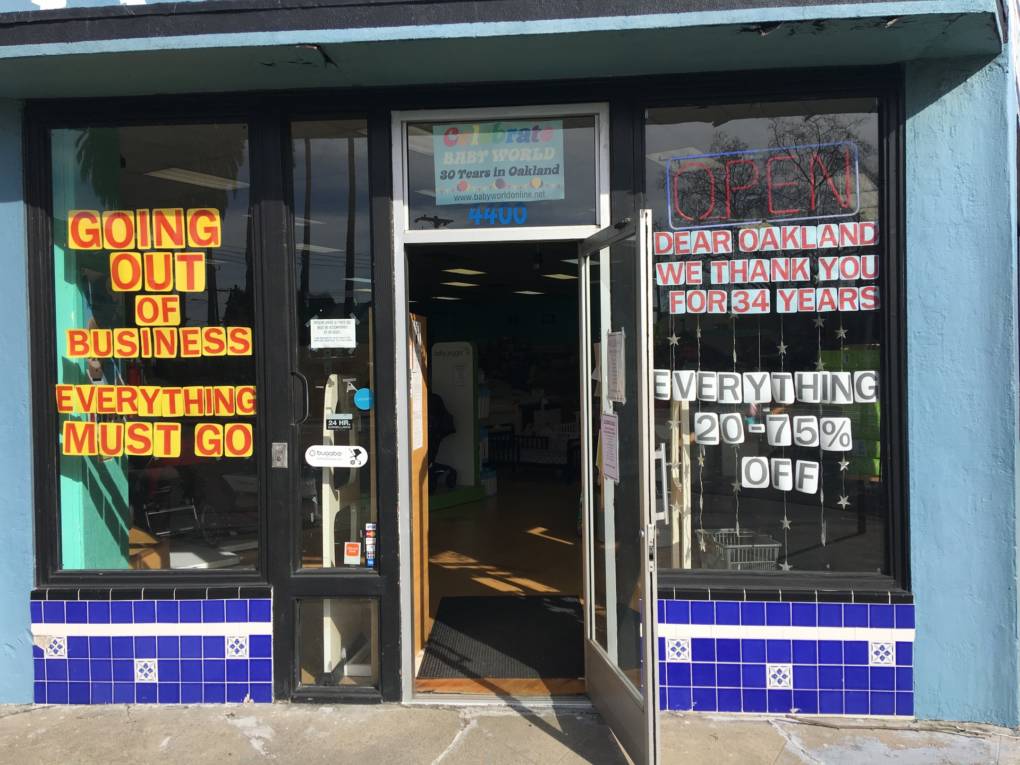
"caption": "A photo of Baby World in Oakland before it went out of business.",
"description": null,
"title": "RS24815_Watt_Local-qut",
"credit": "Brian Watt/KQED",
"status": "inherit",
"isLoading": false,
"fetchFailed": false
},
"news_11490797": {
"type": "attachments",
"id": "news_11490797",
"meta": {
"index": "attachments_1716263798",
"site": "news",
"id": "11490797",
"found": true
},
"parent": 11490657,
"imgSizes": {
"small": {
"file": "https://ww2.kqed.org/app/uploads/sites/10/2017/06/Vinay_SpellingBee-qut-520x269.jpg",
"width": 520,
"mimeType": "image/jpeg",
"height": 269
},
"twentyfourteen-full-width": {
"file": "https://ww2.kqed.org/app/uploads/sites/10/2017/06/Vinay_SpellingBee-qut-1038x576.jpg",
"width": 1038,
"mimeType": "image/jpeg",
"height": 576
},
"thumbnail": {
"file": "https://ww2.kqed.org/app/uploads/sites/10/2017/06/Vinay_SpellingBee-qut-160x83.jpg",
"width": 160,
"mimeType": "image/jpeg",
"height": 83
},
"fd-sm": {
"file": "https://ww2.kqed.org/app/uploads/sites/10/2017/06/Vinay_SpellingBee-qut-960x497.jpg",
"width": 960,
"mimeType": "image/jpeg",
"height": 497
},
"post-thumbnail": {
"file": "https://ww2.kqed.org/app/uploads/sites/10/2017/06/Vinay_SpellingBee-qut-672x372.jpg",
"width": 672,
"mimeType": "image/jpeg",
"height": 372
},
"xsmall": {
"file": "https://ww2.kqed.org/app/uploads/sites/10/2017/06/Vinay_SpellingBee-qut-375x194.jpg",
"width": 375,
"mimeType": "image/jpeg",
"height": 194
},
"kqedFullSize": {
"file": "https://ww2.kqed.org/app/uploads/sites/10/2017/06/Vinay_SpellingBee-qut.jpg",
"width": 1920,
"height": 993
},
"large": {
"file": "https://ww2.kqed.org/app/uploads/sites/10/2017/06/Vinay_SpellingBee-qut-1020x528.jpg",
"width": 1020,
"mimeType": "image/jpeg",
"height": 528
},
"xlarge": {
"file": "https://ww2.kqed.org/app/uploads/sites/10/2017/06/Vinay_SpellingBee-qut-1180x610.jpg",
"width": 1180,
"mimeType": "image/jpeg",
"height": 610
},
"guest-author-50": {
"file": "https://ww2.kqed.org/app/uploads/sites/10/2017/06/Vinay_SpellingBee-qut-50x50.jpg",
"width": 50,
"mimeType": "image/jpeg",
"height": 50
},
"guest-author-96": {
"file": "https://ww2.kqed.org/app/uploads/sites/10/2017/06/Vinay_SpellingBee-qut-96x96.jpg",
"width": 96,
"mimeType": "image/jpeg",
"height": 96
},
"medium": {
"file": "https://ww2.kqed.org/app/uploads/sites/10/2017/06/Vinay_SpellingBee-qut-800x414.jpg",
"width": 800,
"mimeType": "image/jpeg",
"height": 414
},
"guest-author-64": {
"file": "https://ww2.kqed.org/app/uploads/sites/10/2017/06/Vinay_SpellingBee-qut-64x64.jpg",
"width": 64,
"mimeType": "image/jpeg",
"height": 64
},
"guest-author-32": {
"file": "https://ww2.kqed.org/app/uploads/sites/10/2017/06/Vinay_SpellingBee-qut-32x32.jpg",
"width": 32,
"mimeType": "image/jpeg",
"height": 32
},
"fd-lrg": {
"file": "https://ww2.kqed.org/app/uploads/sites/10/2017/06/Vinay_SpellingBee-qut-1920x993.jpg",
"width": 1920,
"mimeType": "image/jpeg",
"height": 993
},
"fd-med": {
"file": "https://ww2.kqed.org/app/uploads/sites/10/2017/06/Vinay_SpellingBee-qut-1180x610.jpg",
"width": 1180,
"mimeType": "image/jpeg",
"height": 610
},
"full-width": {
"file": "https://ww2.kqed.org/app/uploads/sites/10/2017/06/Vinay_SpellingBee-qut-1920x993.jpg",
"width": 1920,
"mimeType": "image/jpeg",
"height": 993
},
"detail": {
"file": "https://ww2.kqed.org/app/uploads/sites/10/2017/06/Vinay_SpellingBee-qut-150x150.jpg",
"width": 150,
"mimeType": "image/jpeg",
"height": 150
},
"guest-author-128": {
"file": "https://ww2.kqed.org/app/uploads/sites/10/2017/06/Vinay_SpellingBee-qut-128x128.jpg",
"width": 128,
"mimeType": "image/jpeg",
"height": 128
},
"xxsmall": {
"file": "https://ww2.kqed.org/app/uploads/sites/10/2017/06/Vinay_SpellingBee-qut-240x124.jpg",
"width": 240,
"mimeType": "image/jpeg",
"height": 124
}
},
"publishDate": 1496425297,
"modified": 1496440974,
"caption": "Ananya Vinay, 12, of Fresno, California, gets a kiss from her mom, Anu Pama Poliyedathpp, after winning the 2017 Scripps National Spelling Bee on June 1, 2017, in Oxon Hill, Maryland. ",
"description": null,
"title": "Vinay_SpellingBee-qut",
"credit": "Mark Wilson/Getty Images",
"status": "inherit",
"isLoading": false,
"fetchFailed": false
},
"news_11450855": {
"type": "attachments",
"id": "news_11450855",
"meta": {
"index": "attachments_1716263798",
"site": "news",
"id": "11450855",
"found": true
},
"parent": 11447004,
"imgSizes": {
"small": {
"file": "https://ww2.kqed.org/app/uploads/sites/10/2017/05/RS25181_IMG_0138-qut-520x390.jpg",
"width": 520,
"mimeType": "image/jpeg",
"height": 390
},
"twentyfourteen-full-width": {
"file": "https://ww2.kqed.org/app/uploads/sites/10/2017/05/RS25181_IMG_0138-qut-1038x576.jpg",
"width": 1038,
"mimeType": "image/jpeg",
"height": 576
},
"thumbnail": {
"file": "https://ww2.kqed.org/app/uploads/sites/10/2017/05/RS25181_IMG_0138-qut-160x120.jpg",
"width": 160,
"mimeType": "image/jpeg",
"height": 120
},
"fd-sm": {
"file": "https://ww2.kqed.org/app/uploads/sites/10/2017/05/RS25181_IMG_0138-qut-960x720.jpg",
"width": 960,
"mimeType": "image/jpeg",
"height": 720
},
"post-thumbnail": {
"file": "https://ww2.kqed.org/app/uploads/sites/10/2017/05/RS25181_IMG_0138-qut-672x372.jpg",
"width": 672,
"mimeType": "image/jpeg",
"height": 372
},
"xsmall": {
"file": "https://ww2.kqed.org/app/uploads/sites/10/2017/05/RS25181_IMG_0138-qut-375x281.jpg",
"width": 375,
"mimeType": "image/jpeg",
"height": 281
},
"kqedFullSize": {
"file": "https://ww2.kqed.org/app/uploads/sites/10/2017/05/RS25181_IMG_0138-qut.jpg",
"width": 1920,
"height": 1440
},
"large": {
"file": "https://ww2.kqed.org/app/uploads/sites/10/2017/05/RS25181_IMG_0138-qut-1020x765.jpg",
"width": 1020,
"mimeType": "image/jpeg",
"height": 765
},
"xlarge": {
"file": "https://ww2.kqed.org/app/uploads/sites/10/2017/05/RS25181_IMG_0138-qut-1180x885.jpg",
"width": 1180,
"mimeType": "image/jpeg",
"height": 885
},
"guest-author-50": {
"file": "https://ww2.kqed.org/app/uploads/sites/10/2017/05/RS25181_IMG_0138-qut-50x50.jpg",
"width": 50,
"mimeType": "image/jpeg",
"height": 50
},
"guest-author-96": {
"file": "https://ww2.kqed.org/app/uploads/sites/10/2017/05/RS25181_IMG_0138-qut-96x96.jpg",
"width": 96,
"mimeType": "image/jpeg",
"height": 96
},
"medium": {
"file": "https://ww2.kqed.org/app/uploads/sites/10/2017/05/RS25181_IMG_0138-qut-800x600.jpg",
"width": 800,
"mimeType": "image/jpeg",
"height": 600
},
"guest-author-64": {
"file": "https://ww2.kqed.org/app/uploads/sites/10/2017/05/RS25181_IMG_0138-qut-64x64.jpg",
"width": 64,
"mimeType": "image/jpeg",
"height": 64
},
"guest-author-32": {
"file": "https://ww2.kqed.org/app/uploads/sites/10/2017/05/RS25181_IMG_0138-qut-32x32.jpg",
"width": 32,
"mimeType": "image/jpeg",
"height": 32
},
"fd-lrg": {
"file": "https://ww2.kqed.org/app/uploads/sites/10/2017/05/RS25181_IMG_0138-qut-1920x1440.jpg",
"width": 1920,
"mimeType": "image/jpeg",
"height": 1440
},
"fd-med": {
"file": "https://ww2.kqed.org/app/uploads/sites/10/2017/05/RS25181_IMG_0138-qut-1180x885.jpg",
"width": 1180,
"mimeType": "image/jpeg",
"height": 885
},
"full-width": {
"file": "https://ww2.kqed.org/app/uploads/sites/10/2017/05/RS25181_IMG_0138-qut-1920x1440.jpg",
"width": 1920,
"mimeType": "image/jpeg",
"height": 1440
},
"detail": {
"file": "https://ww2.kqed.org/app/uploads/sites/10/2017/05/RS25181_IMG_0138-qut-150x150.jpg",
"width": 150,
"mimeType": "image/jpeg",
"height": 150
},
"guest-author-128": {
"file": "https://ww2.kqed.org/app/uploads/sites/10/2017/05/RS25181_IMG_0138-qut-128x128.jpg",
"width": 128,
"mimeType": "image/jpeg",
"height": 128
},
"xxsmall": {
"file": "https://ww2.kqed.org/app/uploads/sites/10/2017/05/RS25181_IMG_0138-qut-240x180.jpg",
"width": 240,
"mimeType": "image/jpeg",
"height": 180
}
},
"publishDate": 1494454177,
"modified": 1494538226,
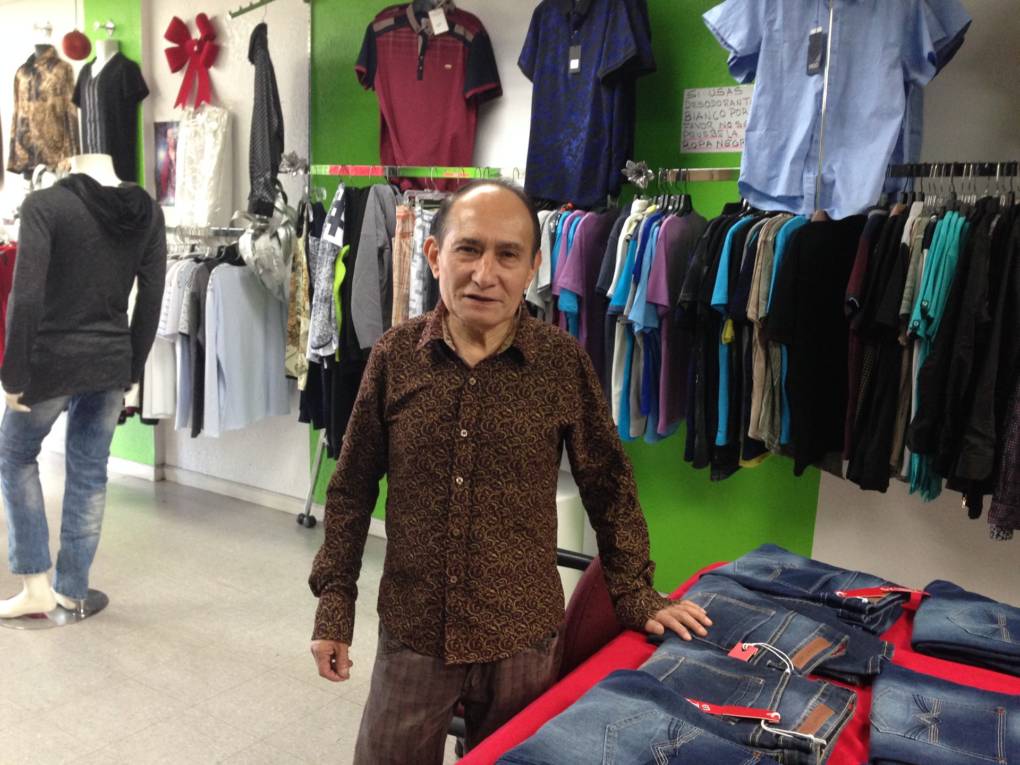
"caption": "Raul Maya has owned Fashion Palace, a menswear shop, for 17 years. He says small-business owners in Oakland's Fruitvale neighborhood have struggled to find affordable credit. ",
"description": null,
"title": "RS25181_IMG_0138-qut",
"credit": "Farida Jhabvala Romero/KQED",
"status": "inherit",
"isLoading": false,
"fetchFailed": false
},
"news_11442422": {
"type": "attachments",
"id": "news_11442422",
"meta": {
"index": "attachments_1716263798",
"site": "news",
"id": "11442422",
"found": true
},
"parent": 11442103,
"imgSizes": {
"small": {
"file": "https://ww2.kqed.org/app/uploads/sites/10/2017/05/IMG_1634-520x390.jpg",
"width": 520,
"mimeType": "image/jpeg",
"height": 390
},
"twentyfourteen-full-width": {
"file": "https://ww2.kqed.org/app/uploads/sites/10/2017/05/IMG_1634-1038x576.jpg",
"width": 1038,
"mimeType": "image/jpeg",
"height": 576
},
"thumbnail": {
"file": "https://ww2.kqed.org/app/uploads/sites/10/2017/05/IMG_1634-160x120.jpg",
"width": 160,
"mimeType": "image/jpeg",
"height": 120
},
"fd-sm": {
"file": "https://ww2.kqed.org/app/uploads/sites/10/2017/05/IMG_1634-960x720.jpg",
"width": 960,
"mimeType": "image/jpeg",
"height": 720
},
"post-thumbnail": {
"file": "https://ww2.kqed.org/app/uploads/sites/10/2017/05/IMG_1634-672x372.jpg",
"width": 672,
"mimeType": "image/jpeg",
"height": 372
},
"xsmall": {
"file": "https://ww2.kqed.org/app/uploads/sites/10/2017/05/IMG_1634-375x281.jpg",
"width": 375,
"mimeType": "image/jpeg",
"height": 281
},
"kqedFullSize": {
"file": "https://ww2.kqed.org/app/uploads/sites/10/2017/05/IMG_1634.jpg",
"width": 2048,
"height": 1536
},
"large": {
"file": "https://ww2.kqed.org/app/uploads/sites/10/2017/05/IMG_1634-1020x765.jpg",
"width": 1020,
"mimeType": "image/jpeg",
"height": 765
},
"xlarge": {
"file": "https://ww2.kqed.org/app/uploads/sites/10/2017/05/IMG_1634-1180x885.jpg",
"width": 1180,
"mimeType": "image/jpeg",
"height": 885
},
"guest-author-50": {
"file": "https://ww2.kqed.org/app/uploads/sites/10/2017/05/IMG_1634-50x50.jpg",
"width": 50,
"mimeType": "image/jpeg",
"height": 50
},
"guest-author-96": {
"file": "https://ww2.kqed.org/app/uploads/sites/10/2017/05/IMG_1634-96x96.jpg",
"width": 96,
"mimeType": "image/jpeg",
"height": 96
},
"medium": {
"file": "https://ww2.kqed.org/app/uploads/sites/10/2017/05/IMG_1634-800x600.jpg",
"width": 800,
"mimeType": "image/jpeg",
"height": 600
},
"guest-author-64": {
"file": "https://ww2.kqed.org/app/uploads/sites/10/2017/05/IMG_1634-64x64.jpg",
"width": 64,
"mimeType": "image/jpeg",
"height": 64
},
"guest-author-32": {
"file": "https://ww2.kqed.org/app/uploads/sites/10/2017/05/IMG_1634-32x32.jpg",
"width": 32,
"mimeType": "image/jpeg",
"height": 32
},
"fd-lrg": {
"file": "https://ww2.kqed.org/app/uploads/sites/10/2017/05/IMG_1634-1920x1440.jpg",
"width": 1920,
"mimeType": "image/jpeg",
"height": 1440
},
"fd-med": {
"file": "https://ww2.kqed.org/app/uploads/sites/10/2017/05/IMG_1634-1180x885.jpg",
"width": 1180,
"mimeType": "image/jpeg",
"height": 885
},
"full-width": {
"file": "https://ww2.kqed.org/app/uploads/sites/10/2017/05/IMG_1634-1920x1440.jpg",
"width": 1920,
"mimeType": "image/jpeg",
"height": 1440
},
"detail": {
"file": "https://ww2.kqed.org/app/uploads/sites/10/2017/05/IMG_1634-150x150.jpg",
"width": 150,
"mimeType": "image/jpeg",
"height": 150
},
"guest-author-128": {
"file": "https://ww2.kqed.org/app/uploads/sites/10/2017/05/IMG_1634-128x128.jpg",
"width": 128,
"mimeType": "image/jpeg",
"height": 128
},
"xxsmall": {
"file": "https://ww2.kqed.org/app/uploads/sites/10/2017/05/IMG_1634-240x180.jpg",
"width": 240,
"mimeType": "image/jpeg",
"height": 180
}
},
"publishDate": 1494032913,
"modified": 1543441802,
"caption": "A formerly sanctioned homeless encampment at 35th and Peralta streets that was cleared in 2017 after a fire broke out.",
"description": null,
"title": "IMG_1634",
"credit": "Devin Katayama/KQED",
"status": "inherit",
"isLoading": false,
"fetchFailed": false
},
"news_11441772": {
"type": "attachments",
"id": "news_11441772",
"meta": {
"index": "attachments_1716263798",
"site": "news",
"id": "11441772",
"found": true
},
"parent": 11441697,
"imgSizes": {
"small": {
"file": "https://ww2.kqed.org/app/uploads/sites/10/2017/05/RS16478_iStock_000062678534_Full-e1494004563874-520x278.jpg",
"width": 520,
"mimeType": "image/jpeg",
"height": 278
},
"twentyfourteen-full-width": {
"file": "https://ww2.kqed.org/app/uploads/sites/10/2017/05/RS16478_iStock_000062678534_Full-e1494004563874-1038x576.jpg",
"width": 1038,
"mimeType": "image/jpeg",
"height": 576
},
"thumbnail": {
"file": "https://ww2.kqed.org/app/uploads/sites/10/2017/05/RS16478_iStock_000062678534_Full-e1494004563874-160x86.jpg",
"width": 160,
"mimeType": "image/jpeg",
"height": 86
},
"fd-sm": {
"file": "https://ww2.kqed.org/app/uploads/sites/10/2017/05/RS16478_iStock_000062678534_Full-e1494004563874-960x513.jpg",
"width": 960,
"mimeType": "image/jpeg",
"height": 513
},
"post-thumbnail": {
"file": "https://ww2.kqed.org/app/uploads/sites/10/2017/05/RS16478_iStock_000062678534_Full-e1494004563874-672x372.jpg",
"width": 672,
"mimeType": "image/jpeg",
"height": 372
},
"xsmall": {
"file": "https://ww2.kqed.org/app/uploads/sites/10/2017/05/RS16478_iStock_000062678534_Full-e1494004563874-375x200.jpg",
"width": 375,
"mimeType": "image/jpeg",
"height": 200
},
"kqedFullSize": {
"file": "https://ww2.kqed.org/app/uploads/sites/10/2017/05/RS16478_iStock_000062678534_Full-e1494004563874.jpg",
"width": 1920,
"height": 1026
},
"large": {
"file": "https://ww2.kqed.org/app/uploads/sites/10/2017/05/RS16478_iStock_000062678534_Full-e1494004563874-1020x545.jpg",
"width": 1020,
"mimeType": "image/jpeg",
"height": 545
},
"xlarge": {
"file": "https://ww2.kqed.org/app/uploads/sites/10/2017/05/RS16478_iStock_000062678534_Full-e1494004563874-1180x631.jpg",
"width": 1180,
"mimeType": "image/jpeg",
"height": 631
},
"guest-author-50": {
"file": "https://ww2.kqed.org/app/uploads/sites/10/2017/05/RS16478_iStock_000062678534_Full-e1494004563874-50x50.jpg",
"width": 50,
"mimeType": "image/jpeg",
"height": 50
},
"guest-author-96": {
"file": "https://ww2.kqed.org/app/uploads/sites/10/2017/05/RS16478_iStock_000062678534_Full-e1494004563874-96x96.jpg",
"width": 96,
"mimeType": "image/jpeg",
"height": 96
},
"medium": {
"file": "https://ww2.kqed.org/app/uploads/sites/10/2017/05/RS16478_iStock_000062678534_Full-e1494004563874-800x428.jpg",
"width": 800,
"mimeType": "image/jpeg",
"height": 428
},
"guest-author-64": {
"file": "https://ww2.kqed.org/app/uploads/sites/10/2017/05/RS16478_iStock_000062678534_Full-e1494004563874-64x64.jpg",
"width": 64,
"mimeType": "image/jpeg",
"height": 64
},
"guest-author-32": {
"file": "https://ww2.kqed.org/app/uploads/sites/10/2017/05/RS16478_iStock_000062678534_Full-e1494004563874-32x32.jpg",
"width": 32,
"mimeType": "image/jpeg",
"height": 32
},
"fd-lrg": {
"file": "https://ww2.kqed.org/app/uploads/sites/10/2017/05/RS16478_iStock_000062678534_Full-e1494004563874-1920x1026.jpg",
"width": 1920,
"mimeType": "image/jpeg",
"height": 1026
},
"fd-med": {
"file": "https://ww2.kqed.org/app/uploads/sites/10/2017/05/RS16478_iStock_000062678534_Full-e1494004563874-1180x631.jpg",
"width": 1180,
"mimeType": "image/jpeg",
"height": 631
},
"full-width": {
"file": "https://ww2.kqed.org/app/uploads/sites/10/2017/05/RS16478_iStock_000062678534_Full-e1494004563874-1920x1026.jpg",
"width": 1920,
"mimeType": "image/jpeg",
"height": 1026
},
"detail": {
"file": "https://ww2.kqed.org/app/uploads/sites/10/2017/05/RS16478_iStock_000062678534_Full-e1494004563874-150x150.jpg",
"width": 150,
"mimeType": "image/jpeg",
"height": 150
},
"guest-author-128": {
"file": "https://ww2.kqed.org/app/uploads/sites/10/2017/05/RS16478_iStock_000062678534_Full-e1494004563874-128x128.jpg",
"width": 128,
"mimeType": "image/jpeg",
"height": 128
},
"xxsmall": {
"file": "https://ww2.kqed.org/app/uploads/sites/10/2017/05/RS16478_iStock_000062678534_Full-e1494004563874-240x128.jpg",
"width": 240,
"mimeType": "image/jpeg",
"height": 128
}
},
"publishDate": 1494004334,
"modified": 1494004497,
"caption": "There's a lot at stake for the Golden State under the Trump/DeVos administration.",
"description": null,
"title": "RS16478_iStock_000062678534_Full",
"credit": "Getty Images",
"status": "inherit",
"isLoading": false,
"fetchFailed": false
},
"news_11319693": {
"type": "attachments",
"id": "news_11319693",
"meta": {
"index": "attachments_1716263798",
"site": "news",
"id": "11319693",
"found": true
},
"parent": 11318105,
"imgSizes": {
"small": {
"file": "https://ww2.kqed.org/app/uploads/sites/10/2017/02/RS24273_20170216_OrlandoChavez_HotelTravelers_Credit_BertJohnson-2-qut-520x347.jpg",
"width": 520,
"mimeType": "image/jpeg",
"height": 347
},
"twentyfourteen-full-width": {
"file": "https://ww2.kqed.org/app/uploads/sites/10/2017/02/RS24273_20170216_OrlandoChavez_HotelTravelers_Credit_BertJohnson-2-qut-1038x576.jpg",
"width": 1038,
"mimeType": "image/jpeg",
"height": 576
},
"thumbnail": {
"file": "https://ww2.kqed.org/app/uploads/sites/10/2017/02/RS24273_20170216_OrlandoChavez_HotelTravelers_Credit_BertJohnson-2-qut-160x107.jpg",
"width": 160,
"mimeType": "image/jpeg",
"height": 107
},
"fd-sm": {
"file": "https://ww2.kqed.org/app/uploads/sites/10/2017/02/RS24273_20170216_OrlandoChavez_HotelTravelers_Credit_BertJohnson-2-qut-960x640.jpg",
"width": 960,
"mimeType": "image/jpeg",
"height": 640
},
"post-thumbnail": {
"file": "https://ww2.kqed.org/app/uploads/sites/10/2017/02/RS24273_20170216_OrlandoChavez_HotelTravelers_Credit_BertJohnson-2-qut-672x372.jpg",
"width": 672,
"mimeType": "image/jpeg",
"height": 372
},
"xsmall": {
"file": "https://ww2.kqed.org/app/uploads/sites/10/2017/02/RS24273_20170216_OrlandoChavez_HotelTravelers_Credit_BertJohnson-2-qut-375x250.jpg",
"width": 375,
"mimeType": "image/jpeg",
"height": 250
},
"kqedFullSize": {
"file": "https://ww2.kqed.org/app/uploads/sites/10/2017/02/RS24273_20170216_OrlandoChavez_HotelTravelers_Credit_BertJohnson-2-qut.jpg",
"width": 1920,
"height": 1280
},
"large": {
"file": "https://ww2.kqed.org/app/uploads/sites/10/2017/02/RS24273_20170216_OrlandoChavez_HotelTravelers_Credit_BertJohnson-2-qut-1020x680.jpg",
"width": 1020,
"mimeType": "image/jpeg",
"height": 680
},
"xlarge": {
"file": "https://ww2.kqed.org/app/uploads/sites/10/2017/02/RS24273_20170216_OrlandoChavez_HotelTravelers_Credit_BertJohnson-2-qut-1180x787.jpg",
"width": 1180,
"mimeType": "image/jpeg",
"height": 787
},
"guest-author-50": {
"file": "https://ww2.kqed.org/app/uploads/sites/10/2017/02/RS24273_20170216_OrlandoChavez_HotelTravelers_Credit_BertJohnson-2-qut-50x50.jpg",
"width": 50,
"mimeType": "image/jpeg",
"height": 50
},
"guest-author-96": {
"file": "https://ww2.kqed.org/app/uploads/sites/10/2017/02/RS24273_20170216_OrlandoChavez_HotelTravelers_Credit_BertJohnson-2-qut-96x96.jpg",
"width": 96,
"mimeType": "image/jpeg",
"height": 96
},
"medium": {
"file": "https://ww2.kqed.org/app/uploads/sites/10/2017/02/RS24273_20170216_OrlandoChavez_HotelTravelers_Credit_BertJohnson-2-qut-800x533.jpg",
"width": 800,
"mimeType": "image/jpeg",
"height": 533
},
"guest-author-64": {
"file": "https://ww2.kqed.org/app/uploads/sites/10/2017/02/RS24273_20170216_OrlandoChavez_HotelTravelers_Credit_BertJohnson-2-qut-64x64.jpg",
"width": 64,
"mimeType": "image/jpeg",
"height": 64
},
"guest-author-32": {
"file": "https://ww2.kqed.org/app/uploads/sites/10/2017/02/RS24273_20170216_OrlandoChavez_HotelTravelers_Credit_BertJohnson-2-qut-32x32.jpg",
"width": 32,
"mimeType": "image/jpeg",
"height": 32
},
"fd-lrg": {
"file": "https://ww2.kqed.org/app/uploads/sites/10/2017/02/RS24273_20170216_OrlandoChavez_HotelTravelers_Credit_BertJohnson-2-qut-1920x1280.jpg",
"width": 1920,
"mimeType": "image/jpeg",
"height": 1280
},
"fd-med": {
"file": "https://ww2.kqed.org/app/uploads/sites/10/2017/02/RS24273_20170216_OrlandoChavez_HotelTravelers_Credit_BertJohnson-2-qut-1180x787.jpg",
"width": 1180,
"mimeType": "image/jpeg",
"height": 787
},
"full-width": {
"file": "https://ww2.kqed.org/app/uploads/sites/10/2017/02/RS24273_20170216_OrlandoChavez_HotelTravelers_Credit_BertJohnson-2-qut-1920x1280.jpg",
"width": 1920,
"mimeType": "image/jpeg",
"height": 1280
},
"detail": {
"file": "https://ww2.kqed.org/app/uploads/sites/10/2017/02/RS24273_20170216_OrlandoChavez_HotelTravelers_Credit_BertJohnson-2-qut-150x150.jpg",
"width": 150,
"mimeType": "image/jpeg",
"height": 150
},
"guest-author-128": {
"file": "https://ww2.kqed.org/app/uploads/sites/10/2017/02/RS24273_20170216_OrlandoChavez_HotelTravelers_Credit_BertJohnson-2-qut-128x128.jpg",
"width": 128,
"mimeType": "image/jpeg",
"height": 128
},
"xxsmall": {
"file": "https://ww2.kqed.org/app/uploads/sites/10/2017/02/RS24273_20170216_OrlandoChavez_HotelTravelers_Credit_BertJohnson-2-qut-240x160.jpg",
"width": 240,
"mimeType": "image/jpeg",
"height": 160
}
},
"publishDate": 1487271420,
"modified": 1487271450,
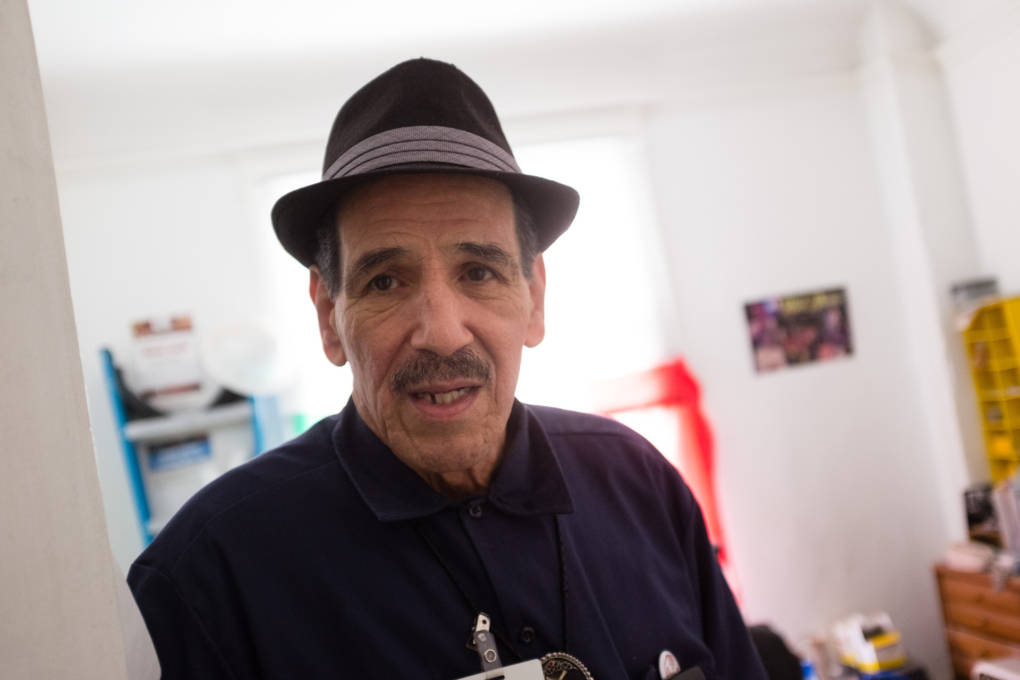
"caption": "Orlando Chavez in Hotel Travelers, the SRO where he has lived for nearly nine years, on Feb. 16, 2017. He is one of a few tenants who are holding onto their rent-controlled units while the building's owner is conducting extensive renovations.",
"description": null,
"title": "RS24273_20170216_OrlandoChavez_HotelTravelers_Credit_BertJohnson-2-qut",
"credit": "Bert Johnson/KQED",
"status": "inherit",
"isLoading": false,
"fetchFailed": false
},
"news_11305654": {
"type": "attachments",
"id": "news_11305654",
"meta": {
"index": "attachments_1716263798",
"site": "news",
"id": "11305654",
"found": true
},
"parent": 11304650,
"imgSizes": {
"small": {
"file": "https://ww2.kqed.org/app/uploads/sites/10/2017/02/RS24070_IMG_2835-qut-520x390.jpg",
"width": 520,
"mimeType": "image/jpeg",
"height": 390
},
"twentyfourteen-full-width": {
"file": "https://ww2.kqed.org/app/uploads/sites/10/2017/02/RS24070_IMG_2835-qut-1038x576.jpg",
"width": 1038,
"mimeType": "image/jpeg",
"height": 576
},
"thumbnail": {
"file": "https://ww2.kqed.org/app/uploads/sites/10/2017/02/RS24070_IMG_2835-qut-160x120.jpg",
"width": 160,
"mimeType": "image/jpeg",
"height": 120
},
"fd-sm": {
"file": "https://ww2.kqed.org/app/uploads/sites/10/2017/02/RS24070_IMG_2835-qut-960x720.jpg",
"width": 960,
"mimeType": "image/jpeg",
"height": 720
},
"post-thumbnail": {
"file": "https://ww2.kqed.org/app/uploads/sites/10/2017/02/RS24070_IMG_2835-qut-672x372.jpg",
"width": 672,
"mimeType": "image/jpeg",
"height": 372
},
"xsmall": {
"file": "https://ww2.kqed.org/app/uploads/sites/10/2017/02/RS24070_IMG_2835-qut-375x281.jpg",
"width": 375,
"mimeType": "image/jpeg",
"height": 281
},
"kqedFullSize": {
"file": "https://ww2.kqed.org/app/uploads/sites/10/2017/02/RS24070_IMG_2835-qut.jpg",
"width": 1632,
"height": 1224
},
"large": {
"file": "https://ww2.kqed.org/app/uploads/sites/10/2017/02/RS24070_IMG_2835-qut-1020x765.jpg",
"width": 1020,
"mimeType": "image/jpeg",
"height": 765
},
"xlarge": {
"file": "https://ww2.kqed.org/app/uploads/sites/10/2017/02/RS24070_IMG_2835-qut-1180x885.jpg",
"width": 1180,
"mimeType": "image/jpeg",
"height": 885
},
"guest-author-50": {
"file": "https://ww2.kqed.org/app/uploads/sites/10/2017/02/RS24070_IMG_2835-qut-50x50.jpg",
"width": 50,
"mimeType": "image/jpeg",
"height": 50
},
"guest-author-96": {
"file": "https://ww2.kqed.org/app/uploads/sites/10/2017/02/RS24070_IMG_2835-qut-96x96.jpg",
"width": 96,
"mimeType": "image/jpeg",
"height": 96
},
"medium": {
"file": "https://ww2.kqed.org/app/uploads/sites/10/2017/02/RS24070_IMG_2835-qut-800x600.jpg",
"width": 800,
"mimeType": "image/jpeg",
"height": 600
},
"guest-author-64": {
"file": "https://ww2.kqed.org/app/uploads/sites/10/2017/02/RS24070_IMG_2835-qut-64x64.jpg",
"width": 64,
"mimeType": "image/jpeg",
"height": 64
},
"guest-author-32": {
"file": "https://ww2.kqed.org/app/uploads/sites/10/2017/02/RS24070_IMG_2835-qut-32x32.jpg",
"width": 32,
"mimeType": "image/jpeg",
"height": 32
},
"fd-med": {
"file": "https://ww2.kqed.org/app/uploads/sites/10/2017/02/RS24070_IMG_2835-qut-1180x885.jpg",
"width": 1180,
"mimeType": "image/jpeg",
"height": 885
},
"detail": {
"file": "https://ww2.kqed.org/app/uploads/sites/10/2017/02/RS24070_IMG_2835-qut-150x150.jpg",
"width": 150,
"mimeType": "image/jpeg",
"height": 150
},
"guest-author-128": {
"file": "https://ww2.kqed.org/app/uploads/sites/10/2017/02/RS24070_IMG_2835-qut-128x128.jpg",
"width": 128,
"mimeType": "image/jpeg",
"height": 128
},
"xxsmall": {
"file": "https://ww2.kqed.org/app/uploads/sites/10/2017/02/RS24070_IMG_2835-qut-240x180.jpg",
"width": 240,
"mimeType": "image/jpeg",
"height": 180
}
},
"publishDate": 1486494442,
"modified": 1486494482,
"caption": "Mayor Ed Lee announces plan to make City College tuition free for San Francisco residents.",
"description": null,
"title": "RS24070_IMG_2835-qut",
"credit": "Tara Siler/KQED",
"status": "inherit",
"isLoading": false,
"fetchFailed": false
},
"news_11299684": {
"type": "attachments",
"id": "news_11299684",
"meta": {
"index": "attachments_1716263798",
"site": "news",
"id": "11299684",
"found": true
},
"parent": 11299682,
"imgSizes": {
"small": {
"file": "https://ww2.kqed.org/app/uploads/sites/10/2017/02/RS24008_Aref-qut-520x390.jpg",
"width": 520,
"mimeType": "image/jpeg",
"height": 390
},
"twentyfourteen-full-width": {
"file": "https://ww2.kqed.org/app/uploads/sites/10/2017/02/RS24008_Aref-qut-1038x576.jpg",
"width": 1038,
"mimeType": "image/jpeg",
"height": 576
},
"thumbnail": {
"file": "https://ww2.kqed.org/app/uploads/sites/10/2017/02/RS24008_Aref-qut-160x120.jpg",
"width": 160,
"mimeType": "image/jpeg",
"height": 120
},
"fd-sm": {
"file": "https://ww2.kqed.org/app/uploads/sites/10/2017/02/RS24008_Aref-qut-960x720.jpg",
"width": 960,
"mimeType": "image/jpeg",
"height": 720
},
"post-thumbnail": {
"file": "https://ww2.kqed.org/app/uploads/sites/10/2017/02/RS24008_Aref-qut-672x372.jpg",
"width": 672,
"mimeType": "image/jpeg",
"height": 372
},
"xsmall": {
"file": "https://ww2.kqed.org/app/uploads/sites/10/2017/02/RS24008_Aref-qut-375x281.jpg",
"width": 375,
"mimeType": "image/jpeg",
"height": 281
},
"kqedFullSize": {
"file": "https://ww2.kqed.org/app/uploads/sites/10/2017/02/RS24008_Aref-qut.jpg",
"width": 1920,
"height": 1440
},
"large": {
"file": "https://ww2.kqed.org/app/uploads/sites/10/2017/02/RS24008_Aref-qut-1020x765.jpg",
"width": 1020,
"mimeType": "image/jpeg",
"height": 765
},
"xlarge": {
"file": "https://ww2.kqed.org/app/uploads/sites/10/2017/02/RS24008_Aref-qut-1180x885.jpg",
"width": 1180,
"mimeType": "image/jpeg",
"height": 885
},
"guest-author-50": {
"file": "https://ww2.kqed.org/app/uploads/sites/10/2017/02/RS24008_Aref-qut-50x50.jpg",
"width": 50,
"mimeType": "image/jpeg",
"height": 50
},
"guest-author-96": {
"file": "https://ww2.kqed.org/app/uploads/sites/10/2017/02/RS24008_Aref-qut-96x96.jpg",
"width": 96,
"mimeType": "image/jpeg",
"height": 96
},
"medium": {
"file": "https://ww2.kqed.org/app/uploads/sites/10/2017/02/RS24008_Aref-qut-800x600.jpg",
"width": 800,
"mimeType": "image/jpeg",
"height": 600
},
"guest-author-64": {
"file": "https://ww2.kqed.org/app/uploads/sites/10/2017/02/RS24008_Aref-qut-64x64.jpg",
"width": 64,
"mimeType": "image/jpeg",
"height": 64
},
"guest-author-32": {
"file": "https://ww2.kqed.org/app/uploads/sites/10/2017/02/RS24008_Aref-qut-32x32.jpg",
"width": 32,
"mimeType": "image/jpeg",
"height": 32
},
"jmtc-small-thumb": {
"file": "https://ww2.kqed.org/app/uploads/sites/10/2017/02/RS24008_Aref-qut-280x150.jpg",
"width": 280,
"mimeType": "image/jpeg",
"height": 150
},
"fd-lrg": {
"file": "https://ww2.kqed.org/app/uploads/sites/10/2017/02/RS24008_Aref-qut-1920x1440.jpg",
"width": 1920,
"mimeType": "image/jpeg",
"height": 1440
},
"fd-med": {
"file": "https://ww2.kqed.org/app/uploads/sites/10/2017/02/RS24008_Aref-qut-1180x885.jpg",
"width": 1180,
"mimeType": "image/jpeg",
"height": 885
},
"full-width": {
"file": "https://ww2.kqed.org/app/uploads/sites/10/2017/02/RS24008_Aref-qut-1920x1440.jpg",
"width": 1920,
"mimeType": "image/jpeg",
"height": 1440
},
"detail": {
"file": "https://ww2.kqed.org/app/uploads/sites/10/2017/02/RS24008_Aref-qut-150x150.jpg",
"width": 150,
"mimeType": "image/jpeg",
"height": 150
},
"guest-author-128": {
"file": "https://ww2.kqed.org/app/uploads/sites/10/2017/02/RS24008_Aref-qut-128x128.jpg",
"width": 128,
"mimeType": "image/jpeg",
"height": 128
},
"xxsmall": {
"file": "https://ww2.kqed.org/app/uploads/sites/10/2017/02/RS24008_Aref-qut-240x180.jpg",
"width": 240,
"mimeType": "image/jpeg",
"height": 180
}
},
"publishDate": 1486151764,
"modified": 1486419832,
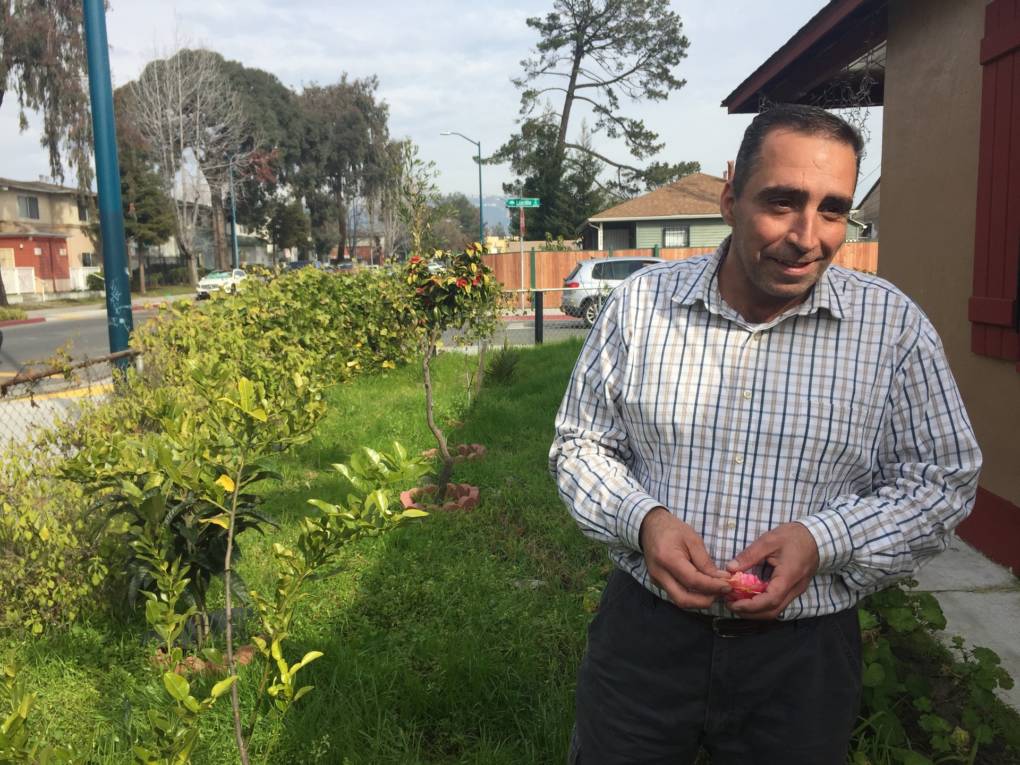
"caption": "Mohammad Aref Rawoas shows off his garden in East Oakland. He stands among young figs, lemons, grapes, peas and loquats. The small side yard pales in comparison to the nearly 10-acre farm the family had in Syria.",
"description": "Mohammed Aref Rawoas shows off his garden in East Oakland. He stands among young figs, lemons, grapes, peas, and loquats. The small side yard pales in comparison to the nearly 10-acre farm the family had in Syria.",
"title": "RS24008_Aref-qut",
"credit": "Laura Klivans/KQED",
"status": "inherit",
"isLoading": false,
"fetchFailed": false
}
},
"audioPlayerReducer": {
"postId": "stream_live",
"isPaused": true,
"isPlaying": false,
"pfsActive": false,
"pledgeModalIsOpen": true,
"playerDrawerIsOpen": false,
"liveAudioPlayStartedAt": 0,
"liveAudioPlayContext": ""
},
"authorsReducer": {
"byline_news_11502053": {
"type": "authors",
"id": "byline_news_11502053",
"meta": {
"override": true
},
"slug": "byline_news_11502053",
"name": "Amy Westervelt",
"isLoading": false
},
"anatintocalis": {
"type": "authors",
"id": "211",
"meta": {
"index": "authors_1716337520",
"id": "211",
"found": true
},
"name": "Ana Tintocalis",
"firstName": "Ana",
"lastName": "Tintocalis",
"slug": "anatintocalis",
"email": "atintocalis@kqed.org",
"display_author_email": false,
"staff_mastheads": [],
"title": null,
"bio": null,
"avatar": "https://secure.gravatar.com/avatar/722c50f51f04eff38fa0e5a3f1d29450?s=600&d=blank&r=g",
"twitter": null,
"facebook": null,
"instagram": null,
"linkedin": null,
"sites": [
{
"site": "news",
"roles": [
"subscriber"
]
},
{
"site": "stateofhealth",
"roles": [
"subscriber"
]
}
],
"headData": {
"title": "Ana Tintocalis | KQED",
"description": null,
"ogImgSrc": "https://secure.gravatar.com/avatar/722c50f51f04eff38fa0e5a3f1d29450?s=600&d=blank&r=g",
"twImgSrc": "https://secure.gravatar.com/avatar/722c50f51f04eff38fa0e5a3f1d29450?s=600&d=blank&r=g"
},
"isLoading": false,
"link": "/author/anatintocalis"
},
"danbrekke": {
"type": "authors",
"id": "222",
"meta": {
"index": "authors_1716337520",
"id": "222",
"found": true
},
"name": "Dan Brekke",
"firstName": "Dan",
"lastName": "Brekke",
"slug": "danbrekke",
"email": "dbrekke@kqed.org",
"display_author_email": true,
"staff_mastheads": [
"news",
"science"
],
"title": "KQED Editor and Reporter",
"bio": "Dan Brekke is a reporter and editor for KQED News, responsible for coverage of topics ranging from California water issues to the Bay Area's transportation challenges. In a newsroom career that began in Chicago in 1972, Dan has worked for \u003cem>The San Francisco Examiner,\u003c/em> Wired and TechTV and has been published in The New York Times, The New York Times Magazine, Business 2.0, Salon and elsewhere.\r\n\r\nSince joining KQED in 2007, Dan has reported, edited and produced both radio and online features and breaking news pieces. He has shared as both editor and reporter in four Society of Professional Journalists Norcal Excellence in Journalism awards and one Edward R. Murrow regional award. He was chosen for a spring 2017 residency at the Mesa Refuge to advance his research on California salmon.\r\n\r\nEmail Dan at: \u003ca href=\"mailto:dbrekke@kqed.org\">dbrekke@kqed.org\u003c/a>\r\n\r\n\u003cstrong>Twitter:\u003c/strong> \u003ca href=\"https://twitter.com/danbrekke\" rel=\"noopener noreferrer\">twitter.com/danbrekke\u003c/a>\r\n\u003cstrong>Facebook:\u003c/strong> \u003ca href=\"https://www.facebook.com/danbrekke\" rel=\"noopener noreferrer\">www.facebook.com/danbrekke\u003c/a>\r\n\u003cstrong>LinkedIn:\u003c/strong> \u003ca href=\"https://www.linkedin.com/in/danbrekke\" rel=\"noopener noreferrer\">www.linkedin.com/in/danbrekke\u003c/a>",
"avatar": "https://secure.gravatar.com/avatar/8f1f0d2a978fb3b23426c922c7e2af558fa36905b49c4ce76a97dc3c72d27226?s=600&d=mm&r=g",
"twitter": "danbrekke",
"bluesky": null,
"facebook": null,
"instagram": "https://www.instagram.com/dan.brekke/",
"linkedin": "https://www.linkedin.com/in/danbrekke/",
"sites": [
{
"site": "news",
"roles": [
"administrator",
"create_posts"
]
},
{
"site": "stateofhealth",
"roles": [
"editor"
]
},
{
"site": "science",
"roles": [
"editor"
]
},
{
"site": "quest",
"roles": [
"contributor"
]
},
{
"site": "food",
"roles": [
"contributor"
]
},
{
"site": "forum",
"roles": [
"contributor"
]
},
{
"site": "elections",
"roles": [
"editor"
]
},
{
"site": "liveblog",
"roles": [
"editor"
]
}
],
"headData": {
"title": "Dan Brekke | KQED",
"description": "KQED Editor and Reporter",
"ogImgSrc": "https://secure.gravatar.com/avatar/8f1f0d2a978fb3b23426c922c7e2af558fa36905b49c4ce76a97dc3c72d27226?s=600&d=mm&r=g",
"twImgSrc": "https://secure.gravatar.com/avatar/8f1f0d2a978fb3b23426c922c7e2af558fa36905b49c4ce76a97dc3c72d27226?s=600&d=mm&r=g"
},
"isLoading": false,
"link": "/author/danbrekke"
},
"tarasiler": {
"type": "authors",
"id": "257",
"meta": {
"index": "authors_1716337520",
"id": "257",
"found": true
},
"name": "Tara Siler",
"firstName": "Tara",
"lastName": "Siler",
"slug": "tarasiler",
"email": "tsiler@kqed.org",
"display_author_email": false,
"staff_mastheads": [
"news"
],
"title": "KQED Contributor",
"bio": "Tara reports and anchors for KQED news. She covers a range of issues from community-police relations to local politics. Tara started out in community radio in the Bay Area, where she was raised. She eventually moved to Washington DC where she covered Congress for eight years for Pacifica and Monitor Radio. Her stories have also been heard on NPR's All Things Considered, Morning Edition and The World.\r\n\r\nTara lives with her husband in Oakland-- where they raised their two sons. She enjoys spending time with her family, gardening and hiking in the Oakland hills... and keeping up with the news.",
"avatar": "https://secure.gravatar.com/avatar/99802f9746fb80b65fd8ec6c57954450?s=600&d=blank&r=g",
"twitter": null,
"facebook": null,
"instagram": null,
"linkedin": null,
"sites": [
{
"site": "news",
"roles": [
"contributor",
"edit_others_posts"
]
},
{
"site": "stateofhealth",
"roles": [
"author"
]
}
],
"headData": {
"title": "Tara Siler | KQED",
"description": "KQED Contributor",
"ogImgSrc": "https://secure.gravatar.com/avatar/99802f9746fb80b65fd8ec6c57954450?s=600&d=blank&r=g",
"twImgSrc": "https://secure.gravatar.com/avatar/99802f9746fb80b65fd8ec6c57954450?s=600&d=blank&r=g"
},
"isLoading": false,
"link": "/author/tarasiler"
},
"zstavely": {
"type": "authors",
"id": "3225",
"meta": {
"index": "authors_1716337520",
"id": "3225",
"found": true
},
"name": "Zaidee Stavely",
"firstName": "Zaidee",
"lastName": "Stavely",
"slug": "zstavely",
"email": "zstavely@gmail.com",
"display_author_email": false,
"staff_mastheads": [],
"title": "KQED Contributor",
"bio": "Zaidee Stavely is an award-winning reporter who writes about race, equity, immigration, and education.",
"avatar": "https://secure.gravatar.com/avatar/5154b3ee56a721c916ca429372ae629c?s=600&d=blank&r=g",
"twitter": null,
"facebook": null,
"instagram": null,
"linkedin": null,
"sites": [
{
"site": "news",
"roles": [
"subscriber"
]
},
{
"site": "mindshift",
"roles": [
"contributor"
]
}
],
"headData": {
"title": "Zaidee Stavely | KQED",
"description": "KQED Contributor",
"ogImgSrc": "https://secure.gravatar.com/avatar/5154b3ee56a721c916ca429372ae629c?s=600&d=blank&r=g",
"twImgSrc": "https://secure.gravatar.com/avatar/5154b3ee56a721c916ca429372ae629c?s=600&d=blank&r=g"
},
"isLoading": false,
"link": "/author/zstavely"
},
"dkatayama": {
"type": "authors",
"id": "7240",
"meta": {
"index": "authors_1716337520",
"id": "7240",
"found": true
},
"name": "Devin Katayama",
"firstName": "Devin",
"lastName": "Katayama",
"slug": "dkatayama",
"email": "dkatayama@kqed.org",
"display_author_email": true,
"staff_mastheads": [
"news"
],
"title": "Editor of Talent and Development",
"bio": "Devin Katayama is former Editor of Talent and Development for KQED. He supported our internship program and on-call staff by looking for equitable opportunities to improve the newsroom.\r\n\r\nHe previously hosted The Bay and American Suburb podcasts from KQED News. Prior to returning to the Bay Area in 2015, Devin was the education reporter for WFPL in Louisville and worked as a producer with radio stations in Chicago and Portland, OR. His work has appeared on NPR’s \u003cem>Morning Edition, All Things Considered, The Takeaway\u003c/em> and \u003cem>Here and Now.\u003c/em>\r\n\r\nDevin earned his MA in Journalism from Columbia College Chicago, where he was a Follett Fellow and the recipient of the 2011 Studs Terkel Community Media Workshop Scholarship for his story on Chicago's homeless youth. He won WBUR's 2014 Daniel Schorr award and a regional RTNDA Edward R. Murrow Award for his documentary \"At Risk\" that looked at issues facing some of Louisville's students. Devin has also received numerous local awards from the Associated Press and the Society of Professional Journalists.",
"avatar": "https://secure.gravatar.com/avatar/d0d2978a31002fb2de107921a8e18405?s=600&d=blank&r=g",
"twitter": "RadioDevin",
"facebook": null,
"instagram": null,
"linkedin": null,
"sites": [
{
"site": "arts",
"roles": []
},
{
"site": "news",
"roles": [
"author"
]
},
{
"site": "stateofhealth",
"roles": [
"author"
]
},
{
"site": "forum",
"roles": [
"editor"
]
},
{
"site": "perspectives",
"roles": [
"editor"
]
}
],
"headData": {
"title": "Devin Katayama | KQED",
"description": "Editor of Talent and Development",
"ogImgSrc": "https://secure.gravatar.com/avatar/d0d2978a31002fb2de107921a8e18405?s=600&d=blank&r=g",
"twImgSrc": "https://secure.gravatar.com/avatar/d0d2978a31002fb2de107921a8e18405?s=600&d=blank&r=g"
},
"isLoading": false,
"link": "/author/dkatayama"
},
"lklivans": {
"type": "authors",
"id": "8648",
"meta": {
"index": "authors_1716337520",
"id": "8648",
"found": true
},
"name": "Laura Klivans",
"firstName": "Laura",
"lastName": "Klivans",
"slug": "lklivans",
"email": "lklivans@kqed.org",
"display_author_email": true,
"staff_mastheads": [
"news",
"science"
],
"title": "Reporter",
"bio": "Laura Klivans is an award-winning science reporter for KQED News, where she covers climate change with an eye on both groundbreaking progress and gaps in action. She is the former host of KQED's blockbuster video series about tiny, amazing animals, \u003cem>Deep Look\u003c/em>. Her work reaches national audiences through NPR, \u003cem>Here & Now, \u003c/em>PRI, and other major outlets. \r\n\r\nLaura’s won five Northern California Area Emmy Awards for Deep Look and First Place in the Greater Bay Area Journalism Awards for a podcast exploring how one Oakland neighborhood teamed up to reduce planet-heating pollution.\r\n\r\nBeyond her reporting, she hosts and moderates events. In the past, she taught audio storytelling at the UC Berkeley Graduate School of Journalism, led international education programs, worked with immigrants and refugees along the Thai-Burmese border, taught high schoolers sex ed, and was an actress. \r\n\r\nShe's a former UC Berkeley Human Rights Fellow, USC Center for Health Journalism's California Fellow and Coro Fellow in Public Affairs. Laura has a master’s in journalism from UC Berkeley, a master’s in education from Harvard, and an undergraduate degree from Northwestern University.\r\n\r\nShe loves trying to riddle the meaning out of vanity license plates.",
"avatar": "https://secure.gravatar.com/avatar/2d2ecd1550a494cc10ad4a503406965585902124739e775a9b3817eebf1d88be?s=600&d=blank&r=g",
"twitter": "lauraklivans",
"bluesky": null,
"facebook": null,
"instagram": null,
"linkedin": null,
"sites": [
{
"site": "news",
"roles": [
"editor"
]
},
{
"site": "stateofhealth",
"roles": [
"contributor",
"editor"
]
},
{
"site": "science",
"roles": [
"editor"
]
},
{
"site": "forum",
"roles": [
"editor"
]
}
],
"headData": {
"title": "Laura Klivans | KQED",
"description": "Reporter",
"ogImgSrc": "https://secure.gravatar.com/avatar/2d2ecd1550a494cc10ad4a503406965585902124739e775a9b3817eebf1d88be?s=600&d=blank&r=g",
"twImgSrc": "https://secure.gravatar.com/avatar/2d2ecd1550a494cc10ad4a503406965585902124739e775a9b3817eebf1d88be?s=600&d=blank&r=g"
},
"isLoading": false,
"link": "/author/lklivans"
},
"ecruzguevarra": {
"type": "authors",
"id": "8654",
"meta": {
"index": "authors_1716337520",
"id": "8654",
"found": true
},
"name": "Ericka Cruz Guevarra",
"firstName": "Ericka",
"lastName": "Cruz Guevarra",
"slug": "ecruzguevarra",
"email": "ecruzguevarra@kqed.org",
"display_author_email": true,
"staff_mastheads": [
"news"
],
"title": "Producer, The Bay Podcast",
"bio": "Ericka Cruz Guevarra is host of \u003ca href=\"https://www.kqed.org/podcasts/thebay\">\u003cem>The Bay\u003c/em>\u003c/a> podcast at KQED. Before host, she was the show’s producer. Her work in that capacity includes a three-part reported series on policing in Vallejo, which won a 2020 excellence in journalism award from the Society of Professional Journalists. Ericka has worked as a breaking news reporter at Oregon Public Broadcasting, helped produce the Code Switch podcast, and was KQED’s inaugural Raul Ramirez Diversity Fund intern. She’s also an alumna of NPR’s Next Generation Radio program. Send her an email if you have strong feelings about whether Fairfield and Suisun City are the Bay. Ericka is represented by SAG-AFTRA.",
"avatar": "https://secure.gravatar.com/avatar/accefc1de4bafc7e234b69bcb9b6f6536c130fd84709bc3069ef11a78787e1bb?s=600&d=blank&r=g",
"twitter": "NotoriousECG",
"bluesky": null,
"facebook": null,
"instagram": null,
"linkedin": null,
"sites": [
{
"site": "arts",
"roles": [
"subscriber"
]
},
{
"site": "news",
"roles": [
"editor",
"manage_categories"
]
},
{
"site": "futureofyou",
"roles": [
"subscriber"
]
},
{
"site": "stateofhealth",
"roles": [
"subscriber"
]
},
{
"site": "science",
"roles": [
"editor"
]
},
{
"site": "forum",
"roles": [
"subscriber"
]
}
],
"headData": {
"title": "Ericka Cruz Guevarra | KQED",
"description": "Producer, The Bay Podcast",
"ogImgSrc": "https://secure.gravatar.com/avatar/accefc1de4bafc7e234b69bcb9b6f6536c130fd84709bc3069ef11a78787e1bb?s=600&d=blank&r=g",
"twImgSrc": "https://secure.gravatar.com/avatar/accefc1de4bafc7e234b69bcb9b6f6536c130fd84709bc3069ef11a78787e1bb?s=600&d=blank&r=g"
},
"isLoading": false,
"link": "/author/ecruzguevarra"
},
"fjhabvala": {
"type": "authors",
"id": "8659",
"meta": {
"index": "authors_1716337520",
"id": "8659",
"found": true
},
"name": "Farida Jhabvala Romero",
"firstName": "Farida",
"lastName": "Jhabvala Romero",
"slug": "fjhabvala",
"email": "fjhabvala@kqed.org",
"display_author_email": true,
"staff_mastheads": [
"news"
],
"title": "KQED Contributor",
"bio": "Farida Jhabvala Romero is a Labor Correspondent for KQED. She previously covered immigration. Farida was \u003ca href=\"https://www.ccnma.org/2022-most-influential-latina-journalists\">named\u003c/a> one of the 10 Most Influential Latina Journalists in California in 2022 by the California Chicano News Media Association. Her work has won awards from the Society of Professional Journalists (Northern California), as well as a national and regional Edward M. Murrow Award for the collaborative reporting projects “Dangerous Air” and “Graying California.” Before joining KQED, Farida worked as a producer at Radio Bilingüe, a national public radio network. Farida earned her master’s degree in journalism from Stanford University.",
"avatar": "https://secure.gravatar.com/avatar/f9f022d4e2609741874222a1e9d41f48fea74011aa7c615eef91d9a50c944ebe?s=600&d=blank&r=g",
"twitter": "FaridaJhabvala",
"bluesky": null,
"facebook": null,
"instagram": null,
"linkedin": "https://www.linkedin.com/in/faridajhabvala/",
"sites": [
{
"site": "news",
"roles": [
"editor"
]
},
{
"site": "stateofhealth",
"roles": [
"author"
]
},
{
"site": "liveblog",
"roles": [
"author"
]
}
],
"headData": {
"title": "Farida Jhabvala Romero | KQED",
"description": "KQED Contributor",
"ogImgSrc": "https://secure.gravatar.com/avatar/f9f022d4e2609741874222a1e9d41f48fea74011aa7c615eef91d9a50c944ebe?s=600&d=blank&r=g",
"twImgSrc": "https://secure.gravatar.com/avatar/f9f022d4e2609741874222a1e9d41f48fea74011aa7c615eef91d9a50c944ebe?s=600&d=blank&r=g"
},
"isLoading": false,
"link": "/author/fjhabvala"
},
"bwatt": {
"type": "authors",
"id": "11238",
"meta": {
"index": "authors_1716337520",
"id": "11238",
"found": true
},
"name": "Brian Watt",
"firstName": "Brian",
"lastName": "Watt",
"slug": "bwatt",
"email": "bwatt@KQED.org",
"display_author_email": false,
"staff_mastheads": [
"news"
],
"title": "Morning News Anchor",
"bio": "Brian Watt is KQED's morning radio news anchor. He joined the KQED News team in April of 2016. Prior to that, he worked as a Reporter for KPCC in Los Angeles and a producer at \u003cem>Marketplace.\u003c/em>\r\n\r\nDuring eight years at KPCC, Brian covered business and economics, and his work won several awards. In 2008, he won the Los Angeles Press Club’s first-place award for Business and Financial Reporting, Broadcast. He’s also received honorable mention and been first runner up for the Press Club’s Radio Journalist of the Year. He won two Golden Mike awards from the Radio and TV News Association of Southern California.\r\n\r\nBrian holds degrees in theater from Yale University and the Sorbonne, and has worked as an actor in France, Italy, Brazil, Hungary and . . . Hollywood. He appeared in a few television shows, including \u003cem>The West Wing, Judging Amy\u003c/em> and \u003cem>The District.\u003c/em>\r\n\r\nEmail: bwatt@KQED.org Twitter: @RadioBWatt",
"avatar": "https://secure.gravatar.com/avatar/55393ff57ed34e2be773ba4789dd6a19?s=600&d=blank&r=g",
"twitter": "@RadioBWatt",
"facebook": null,
"instagram": null,
"linkedin": null,
"sites": [
{
"site": "arts",
"roles": [
"contributor"
]
},
{
"site": "news",
"roles": [
"editor"
]
}
],
"headData": {
"title": "Brian Watt | KQED",
"description": "Morning News Anchor",
"ogImgSrc": "https://secure.gravatar.com/avatar/55393ff57ed34e2be773ba4789dd6a19?s=600&d=blank&r=g",
"twImgSrc": "https://secure.gravatar.com/avatar/55393ff57ed34e2be773ba4789dd6a19?s=600&d=blank&r=g"
},
"isLoading": false,
"link": "/author/bwatt"
},
"scraig": {
"type": "authors",
"id": "11327",
"meta": {
"index": "authors_1716337520",
"id": "11327",
"found": true
},
"name": "Sarah Craig",
"firstName": "Sarah",
"lastName": "Craig",
"slug": "scraig",
"email": "scraig@KQED.org",
"display_author_email": false,
"staff_mastheads": [],
"title": "KQED Contributor",
"bio": "Sarah Craig is a freelance radio reporter and documentary photographer. She is currently working on \u003cem>Dreams of Dust\u003c/em>, @dreamsofdust, a multimedia project that documents stories of climate migration in California’s Central Valley, previously funded by the California Humanities. Her completed projects include \u003cem>\u003ca href=\"http://www.facesoffracking.org/\" target=\"_blank\" rel=\"nofollow noopener noreferrer\">Faces of Fracking\u003c/a>,\u003c/em> an investigation into the impact of fracking on the people and places of California, and \u003cem>\u003ca href=\"http://sarahcraig.visura.co/gulf-disaster-2\" target=\"_blank\" rel=\"nofollow noopener noreferrer\">The Gulf Disaster\u003c/a>,\u003c/em> stories on the lives of fishermen in the aftermath of the BP spill. Her work has been published by Marketplace, KQED's Bay Curious and Q'ed Up podcasts, KQED's California Report Magazine, KALW's Crosscurrents, Grist.org, High Country News, Earth Island Journal, and others. Sarah received a B.A. in Geography at Vassar College and attended the \u003ca href=\"http://www.salt.edu/\" target=\"_blank\" rel=\"nofollow noopener noreferrer\">Salt Institute of Documentary Studies\u003c/a> in Portland, ME. She recently received an Excellence in Journalism Award from the NorCal Society of Professional Journalists for her documentary radio piece, \u003ca href=\"http://kalw.org/post/215-will-water-come#stream/0\">\"Will the Water Come.\"\u003c/a> Email: scraig@kqed.org Twitter: @sarahcraigmedia Website: sarahcraigmedia.com",
"avatar": "https://secure.gravatar.com/avatar/97f17950c828429d3df9f2907412a50b?s=600&d=blank&r=g",
"twitter": null,
"facebook": null,
"instagram": null,
"linkedin": null,
"sites": [
{
"site": "news",
"roles": [
"subscriber"
]
},
{
"site": "science",
"roles": [
"editor"
]
}
],
"headData": {
"title": "Sarah Craig | KQED",
"description": "KQED Contributor",
"ogImgSrc": "https://secure.gravatar.com/avatar/97f17950c828429d3df9f2907412a50b?s=600&d=blank&r=g",
"twImgSrc": "https://secure.gravatar.com/avatar/97f17950c828429d3df9f2907412a50b?s=600&d=blank&r=g"
},
"isLoading": false,
"link": "/author/scraig"
}
},
"pagesReducer": {
"news_tag_education": {
"type": "terms",
"id": "news_20013",
"meta": {
"index": "terms_1716263798",
"site": "news",
"id": "20013",
"score": 6.970053
},
"featImg": null,
"name": "education",
"description": null,
"taxonomy": "tag",
"headData": {
"twImgId": null,
"twTitle": null,
"ogTitle": null,
"ogImgId": null,
"twDescription": null,
"description": null,
"title": "education Archives | KQED News",
"ogDescription": null
},
"ttid": 20030,
"slug": "education",
"isLoading": false,
"title": "education",
"pageMeta": {
"site": "news",
"WpPageTemplate": "page-topic-editorial",
"currentPage": 113
},
"blocks": [
{
"blockName": "kqed/post-list",
"attrs": {
"layout": "cardArticle2",
"query": "posts/news?tag=education",
"seeMore": false,
"paginated": true,
"page": 113
}
},
{
"blockName": "kqed/ad"
}
]
}
},
"pfsSessionReducer": {},
"postsReducer": {
"stream_live": {
"type": "live",
"id": "stream_live",
"audioUrl": "https://streams.kqed.org/kqedradio",
"title": "Live Stream",
"excerpt": "Live Stream information currently unavailable.",
"link": "/radio",
"featImg": "",
"label": {
"name": "KQED Live",
"link": "/"
}
},
"stream_kqedNewscast": {
"type": "posts",
"id": "stream_kqedNewscast",
"audioUrl": "https://www.kqed.org/.stream/anon/radio/RDnews/newscast.mp3?_=1",
"title": "KQED Newscast",
"featImg": "",
"label": {
"name": "88.5 FM",
"link": "/"
}
},
"news_11572911": {
"type": "posts",
"id": "news_11572911",
"meta": {
"index": "posts_1716263798",
"site": "news",
"id": "11572911",
"score": null,
"sort": [
1500343365000
]
},
"guestAuthors": [],
"slug": "ford-gobike-bike-share-east-oakland",
"title": "Bike Share for All? Activists Want to See Expansion of Network in Oakland",
"publishDate": 1500343365,
"format": "standard",
"headTitle": "Bike Share for All? Activists Want to See Expansion of Network in Oakland | KQED",
"labelTerm": {
"term": 6944,
"site": "news"
},
"content": "\u003cp>“There will be more butts on bikes — and that’s a good thing.”\u003c/p>\n\u003cp>That’s probably the most memorable line from the speaker’s podium during last week’s Ford GoBike launch in downtown Oakland, marking the first-ever arrival of bike sharing in the East Bay.\u003c/p>\n\u003cp>But some supporters of the system say they’re thinking not just about how many butts, but \u003cem>whose\u003c/em> butts, will be on the 1,500 or so shared bicycles expected to be rolling in Oakland, Berkeley and Emeryville by Labor Day.\u003c/p>\n\u003cp>\u003c!-- iframe plugin v.4.3 wordpress.org/plugins/iframe/ -->\u003cbr>\n\u003ciframe loading=\"lazy\" width=\"100%\" height=\"166\" scrolling=\"no\" frameborder=\"no\" src=\"https://w.soundcloud.com/player/?url=https%3A//api.soundcloud.com/tracks/333618243&color=ff5500&auto_play=false&hide_related=false&show_comments=true&show_user=true&show_reposts=false\" class=\"iframe-class\">\u003c/iframe>\u003c/p>\n\u003cp>“Bike share has traditionally been white, male and college-educated dominated,” said Stuart Cohen, executive director of the transit advocacy group \u003ca href=\"http://www.transformca.org/\" target=\"_blank\" rel=\"noopener noreferrer\">TransForm\u003c/a>, at the launch event. “And with the inequality gap we have here in the Bay Area, that would just widen it and would be the wrong way to go.”\u003c/p>\n\u003cp>[ad fullwidth]\u003c/p>\n\u003cp>To try to shift bike-share demographics, Ford GoBike is adopting a tactic pioneered \u003ca href=\"http://www.lisc-chicago.org/news/2679\" target=\"_blank\" rel=\"noopener noreferrer\">two years ago in Chicago\u003c/a>: Riders who qualify for low-income programs — like the state’s CalFresh food program, PG&E’s Reach utility subsidies or Muni’s Lifeline transit passes — can sign up for \u003ca href=\"https://www.fordgobike.com/pricing/bikeshareforall\" target=\"_blank\" rel=\"noopener noreferrer\">a $5, one-year membership\u003c/a>.\u003c/p>\n\u003cp>And to make bike sharing available to those who don’t have a bank account or credit card, that five bucks can be paid in cash at Oakland’s main library, the Fruitvale BART Station and, for now, a handful of other locations \u003ca href=\"https://www.fordgobike.com/pricing/bikeshareforall\" target=\"_blank\" rel=\"noopener noreferrer\">listed here\u003c/a>.\u003c/p>\n\u003cp>“We have been recognized as the most equitable bike share this country has ever seen,” said Oakland Mayor Libby Schaaf after the launch celebration. Beyond the low-income membership, Schaaf said, “We required that these bike-share stations be in every part of our city, every community, every income level.”\u003c/p>\n\u003cp>But some activists are pointing out that Ford GoBike’s planned footprint in Oakland leaves out parts of the city where much of the city’s low-income population is concentrated and where such a service might be most badly needed. Those areas include parts of West Oakland and most of East Oakland.\u003c/p>\n\u003cp>Brytanee Brown, a community planner who wrote \u003ca href=\"http://www.transformca.org/sites/default/files/OakMob_FINAL.pdf\" target=\"_blank\" rel=\"noopener noreferrer\">a recent TransForm report\u003c/a> on bike sharing’s role in improving mobility for Oakland flatlands neighborhoods, said the system’s footprint says a lot about who it’s designed to serve.\u003c/p>\n\u003cp>She points out that though neighborhood density is one of the major criteria for locating the system’s bike stations, areas in North Oakland, such as the affluent Rockridge district, will get bike stations early on while equally dense sections of the city along the outer reaches of International Boulevard will not.\u003c/p>\n\u003cp>“You can see from the very beginning it’s not meant for certain communities,” Brown said.\u003c/p>\n\u003cp>Among other recommendations in her report, Brown suggests that the city partner with a pair of existing organizations in the city — \u003ca href=\"http://www.cyclesofchange.org/\" target=\"_blank\" rel=\"noopener noreferrer\">Cycles of Change\u003c/a> and the \u003ca href=\"https://www.facebook.com/ScraperBikeTeam/\" target=\"_blank\" rel=\"noopener noreferrer\">Original Scraper Bike Team\u003c/a> — to extend bike share throughout East Oakland.\u003c/p>\n\u003cp>The Scraper Bike Team, a bike-art, bike-activist group, and Cycles of Change, which focuses on bike education for kids, are partnering with other groups to spread the word about Ford GoBike.\u003c/p>\n\u003cp>Scraper Bike Team founder Tyrone Stevenson Jr., aka Baybe Champ, said the community can help prove there’s a need for bike sharing.\u003c/p>\n\u003cp>“You know, to show there is an urgent need for this bike-share program and that it can help kids get to doctor’s appointment or felons get to probation officers — you know, things of that nature, real-life situations that people need to commute,” Stevenson said.\u003c/p>\n\u003cp>TransForm’s Stuart Cohen said that community effort, and the use of bike sharing in some of the flatland neighborhoods that will have bike stations later this year, will play a big part in the system’s future.\u003c/p>\n\u003cp>“What we want to see in this first year is tremendous ridership in those communities, in Fruitvale, in West Oakland,” Cohen said. “And if we can show that kind of ridership, it will prove that we can continue to expand the system.”\u003c/p>\n\u003cp>\u003c/p>\n\u003cp>\u003c!-- iframe plugin v.4.3 wordpress.org/plugins/iframe/ -->\u003cbr>\n\u003ciframe loading=\"lazy\" id=\"datawrapper-chart-UlTcg\" src=\"//datawrapper.dwcdn.net/UlTcg/2/\" scrolling=\"no\" frameborder=\"0\" allowtransparency=\"true\" allowfullscreen=\"allowfullscreen\" webkitallowfullscreen=\"webkitallowfullscreen\" mozallowfullscreen=\"mozallowfullscreen\" oallowfullscreen=\"oallowfullscreen\" msallowfullscreen=\"msallowfullscreen\" width=\"100%\" height=\"450\" class=\"iframe-class\">\u003c/iframe>\u003c/p>\n\n",
"blocks": [],
"excerpt": "Transportation equity advocates say the new system leaves many of the city's low-income residents with no access to new amenity. ",
"status": "publish",
"parent": 0,
"modified": 1721110723,
"stats": {
"hasAudio": true,
"hasVideo": false,
"hasChartOrMap": true,
"iframeSrcs": [
"//datawrapper.dwcdn.net/UlTcg/2/"
],
"hasGoogleForm": false,
"hasGallery": false,
"hasHearkenModule": false,
"hasPolis": false,
"paragraphCount": 21,
"wordCount": 715
},
"headData": {
"title": "Bike Share for All? Activists Want to See Expansion of Network in Oakland | KQED",
"description": "Transportation equity advocates say the new system leaves many of the city's low-income residents with no access to new amenity. ",
"ogTitle": "",
"ogDescription": "",
"ogImgId": "",
"twTitle": "",
"twDescription": "",
"twImgId": "",
"schema": {
"@context": "https://schema.org",
"@type": "NewsArticle",
"headline": "Bike Share for All? Activists Want to See Expansion of Network in Oakland",
"datePublished": "2017-07-17T19:02:45-07:00",
"dateModified": "2024-07-15T23:18:43-07:00",
"image": "https://cdn.kqed.org/wp-content/uploads/2020/02/KQED-OG-Image@1x.png",
"isAccessibleForFree": "True",
"publisher": {
"@type": "NewsMediaOrganization",
"@id": "https://www.kqed.org/#organization",
"name": "KQED",
"logo": "https://cdn.kqed.org/wp-content/uploads/2020/02/KQED-OG-Image@1x.png",
"url": "https://www.kqed.org",
"sameAs": [
"https://www.facebook.com/KQED",
"https://twitter.com/KQED",
"https://www.instagram.com/kqed/",
"https://www.tiktok.com/@kqedofficial",
"https://www.linkedin.com/company/kqed",
"https://www.youtube.com/channel/UCeC0IOo7i1P_61zVUWbJ4nw"
]
}
}
},
"sticky": false,
"path": "/news/11572911/ford-gobike-bike-share-east-oakland",
"audioTrackLength": null,
"parsedContent": [
{
"type": "contentString",
"content": "\u003cdiv class=\"post-body\">\u003cp>\u003cp>“There will be more butts on bikes — and that’s a good thing.”\u003c/p>\n\u003cp>That’s probably the most memorable line from the speaker’s podium during last week’s Ford GoBike launch in downtown Oakland, marking the first-ever arrival of bike sharing in the East Bay.\u003c/p>\n\u003cp>But some supporters of the system say they’re thinking not just about how many butts, but \u003cem>whose\u003c/em> butts, will be on the 1,500 or so shared bicycles expected to be rolling in Oakland, Berkeley and Emeryville by Labor Day.\u003c/p>\n\u003cp>\u003c!-- iframe plugin v.4.3 wordpress.org/plugins/iframe/ -->\u003cbr>\n\u003ciframe loading=\"lazy\" width=\"100%\" height=\"166\" scrolling=\"no\" frameborder=\"no\" src=\"https://w.soundcloud.com/player/?url=https%3A//api.soundcloud.com/tracks/333618243&color=ff5500&auto_play=false&hide_related=false&show_comments=true&show_user=true&show_reposts=false\" class=\"iframe-class\">\u003c/iframe>\u003c/p>\n\u003cp>“Bike share has traditionally been white, male and college-educated dominated,” said Stuart Cohen, executive director of the transit advocacy group \u003ca href=\"http://www.transformca.org/\" target=\"_blank\" rel=\"noopener noreferrer\">TransForm\u003c/a>, at the launch event. “And with the inequality gap we have here in the Bay Area, that would just widen it and would be the wrong way to go.”\u003c/p>\n\u003cp>\u003c/p>\u003c/div>",
"attributes": {
"named": {},
"numeric": []
}
},
{
"type": "component",
"content": "",
"name": "ad",
"attributes": {
"named": {
"label": "fullwidth"
},
"numeric": [
"fullwidth"
]
}
},
{
"type": "contentString",
"content": "\u003cdiv class=\"post-body\">\u003cp>\u003c/p>\n\u003cp>To try to shift bike-share demographics, Ford GoBike is adopting a tactic pioneered \u003ca href=\"http://www.lisc-chicago.org/news/2679\" target=\"_blank\" rel=\"noopener noreferrer\">two years ago in Chicago\u003c/a>: Riders who qualify for low-income programs — like the state’s CalFresh food program, PG&E’s Reach utility subsidies or Muni’s Lifeline transit passes — can sign up for \u003ca href=\"https://www.fordgobike.com/pricing/bikeshareforall\" target=\"_blank\" rel=\"noopener noreferrer\">a $5, one-year membership\u003c/a>.\u003c/p>\n\u003cp>And to make bike sharing available to those who don’t have a bank account or credit card, that five bucks can be paid in cash at Oakland’s main library, the Fruitvale BART Station and, for now, a handful of other locations \u003ca href=\"https://www.fordgobike.com/pricing/bikeshareforall\" target=\"_blank\" rel=\"noopener noreferrer\">listed here\u003c/a>.\u003c/p>\n\u003cp>“We have been recognized as the most equitable bike share this country has ever seen,” said Oakland Mayor Libby Schaaf after the launch celebration. Beyond the low-income membership, Schaaf said, “We required that these bike-share stations be in every part of our city, every community, every income level.”\u003c/p>\n\u003cp>But some activists are pointing out that Ford GoBike’s planned footprint in Oakland leaves out parts of the city where much of the city’s low-income population is concentrated and where such a service might be most badly needed. Those areas include parts of West Oakland and most of East Oakland.\u003c/p>\n\u003cp>Brytanee Brown, a community planner who wrote \u003ca href=\"http://www.transformca.org/sites/default/files/OakMob_FINAL.pdf\" target=\"_blank\" rel=\"noopener noreferrer\">a recent TransForm report\u003c/a> on bike sharing’s role in improving mobility for Oakland flatlands neighborhoods, said the system’s footprint says a lot about who it’s designed to serve.\u003c/p>\n\u003cp>She points out that though neighborhood density is one of the major criteria for locating the system’s bike stations, areas in North Oakland, such as the affluent Rockridge district, will get bike stations early on while equally dense sections of the city along the outer reaches of International Boulevard will not.\u003c/p>\n\u003cp>“You can see from the very beginning it’s not meant for certain communities,” Brown said.\u003c/p>\n\u003cp>Among other recommendations in her report, Brown suggests that the city partner with a pair of existing organizations in the city — \u003ca href=\"http://www.cyclesofchange.org/\" target=\"_blank\" rel=\"noopener noreferrer\">Cycles of Change\u003c/a> and the \u003ca href=\"https://www.facebook.com/ScraperBikeTeam/\" target=\"_blank\" rel=\"noopener noreferrer\">Original Scraper Bike Team\u003c/a> — to extend bike share throughout East Oakland.\u003c/p>\n\u003cp>The Scraper Bike Team, a bike-art, bike-activist group, and Cycles of Change, which focuses on bike education for kids, are partnering with other groups to spread the word about Ford GoBike.\u003c/p>\n\u003cp>Scraper Bike Team founder Tyrone Stevenson Jr., aka Baybe Champ, said the community can help prove there’s a need for bike sharing.\u003c/p>\n\u003cp>“You know, to show there is an urgent need for this bike-share program and that it can help kids get to doctor’s appointment or felons get to probation officers — you know, things of that nature, real-life situations that people need to commute,” Stevenson said.\u003c/p>\n\u003cp>TransForm’s Stuart Cohen said that community effort, and the use of bike sharing in some of the flatland neighborhoods that will have bike stations later this year, will play a big part in the system’s future.\u003c/p>\n\u003cp>“What we want to see in this first year is tremendous ridership in those communities, in Fruitvale, in West Oakland,” Cohen said. “And if we can show that kind of ridership, it will prove that we can continue to expand the system.”\u003c/p>\n\u003cp>\u003c/p>\n\u003cp>\u003c!-- iframe plugin v.4.3 wordpress.org/plugins/iframe/ -->\u003cbr>\n\u003ciframe loading=\"lazy\" id=\"datawrapper-chart-UlTcg\" src=\"//datawrapper.dwcdn.net/UlTcg/2/\" scrolling=\"no\" frameborder=\"0\" allowtransparency=\"true\" allowfullscreen=\"allowfullscreen\" webkitallowfullscreen=\"webkitallowfullscreen\" mozallowfullscreen=\"mozallowfullscreen\" oallowfullscreen=\"oallowfullscreen\" msallowfullscreen=\"msallowfullscreen\" width=\"100%\" height=\"450\" class=\"iframe-class\">\u003c/iframe>\u003c/p>\n\n\u003c/div>\u003c/p>",
"attributes": {
"named": {},
"numeric": []
}
}
],
"link": "/news/11572911/ford-gobike-bike-share-east-oakland",
"authors": [
"222"
],
"programs": [
"news_6944"
],
"categories": [
"news_8",
"news_1397"
],
"tags": [
"news_20013",
"news_20517"
],
"featImg": "news_11573404",
"label": "news_6944"
},
"news_11553325": {
"type": "posts",
"id": "news_11553325",
"meta": {
"index": "posts_1716263798",
"site": "news",
"id": "11553325",
"score": null,
"sort": [
1499435623000
]
},
"guestAuthors": [],
"slug": "oakland-firefighters-control-yet-another-huge-construction-blaze",
"title": "Oakland Firefighters Control Yet Another Huge Construction Blaze",
"publishDate": 1499435623,
"format": "standard",
"headTitle": "Oakland Firefighters Control Yet Another Huge Construction Blaze | KQED",
"labelTerm": {
"site": "news"
},
"content": "\u003cp>\u003cem>\u003cem>Editor’s note\u003c/em>: This story contains a \u003ca href=\"#correction\">correction\u003c/a>.\u003c/em>\u003c/p>\n\u003cp>\u003cstrong>Updated 1:50 p.m. Friday:\u003c/strong>\u003c/p>\n\u003cp>More than 700 Oakland residents are being told they may have to wait as long as 24 hours before they can return to their residences after a massive blaze at a building under construction forced evacuations near downtown Oakland. Fire officials were concerned about debris from damaged scaffolding.\u003c/p>\n\u003cp>A temporary shelter was established at Christ the Light Cathedral, and the Red Cross was also setting up a second center at the corner of San Pablo and Grand avenues for anyone who needs overnight shelter.\u003c/p>\n\u003cp>Oakland fire officials are working with arson investigators, including the Bureau of Alcohol, Tobacco, Firearms and Explosives, but so far they are not commenting on a cause of the blaze that sent flames and smoke high into the early-morning sky.\u003c/p>\n\u003cp>[ad fullwidth]\u003c/p>\n\u003cp>At a midday news conference fire officials said the fire started in the center of the building and spread very quickly.\u003c/p>\n\u003cp>Oakland Mayor Libby Schaaf called the fire a loss for the city and the region.\u003c/p>\n\u003cp>“This type of development is what Oakland needs to get through this moment, where rents are skyrocketing, where housing is in high demand,” she said. “This is a loss for our city and for this region right now. And that is why we are so determined to ensure that we get to the bottom of what caused this, as well as to do everything to prevent another type of loss like this from ever happening again.”\u003c/p>\n\u003cp>Schaaf said the city is working with the construction company for the building to beef up security. The construction site did have security cameras in place.\u003c/p>\n\u003cp>Michael Norris, 69, lives in a high-rise next to the site that burned.\u003c/p>\n\u003cp>“We were sound asleep and heard over the loudspeaker system alarms going off, and they said you gotta evacuate the building.”\u003c/p>\n\u003cp>He praised local police, fire and the Red Cross for helping everyone out safely and providing blankets to evacuees.\u003c/p>\n\u003cp>Wood Partners, the developer of the Alta Waverly site, responded to the fire in a press release.\u003c/p>\n\u003cp>“Thanks to the incredible efforts of the Oakland Fire Department, the Oakland Police Department, the Alameda County Fire, Berkeley Fire Department, Albany Fire Department, and Alameda Fire Department, the fire at Alta Waverly has been contained,” said Brian Hansen, development director for Wood Partners’ West Region. “Their rapid and heroic response ensured no injuries were sustained and that nearby buildings were safely evacuated.”\u003c/p>\n\u003cp>\u003cstrong>Original Post:\u003c/strong>\u003c/p>\n\u003cp>Oakland firefighters have controlled a four-alarm fire that gutted a massive apartment and commercial building under construction just north of the city’s downtown district.\u003c/p>\n\u003cp>The Oakland Fire Department said the blaze — at 23rd and Valdez streets, near the Christ the Light Cathedral at the northwest end of Lake Merritt — started about 4:30 a.m. Friday.\u003c/p>\n\u003cp>The fire — the fourth time in the past year a major Oakland residential development has gone up in flames — also damaged and endangered buildings adjacent to the fire and forced some nearby residents from their homes.\u003c/p>\n\u003cp>https://twitter.com/abc7newsbayarea/status/883321488258060288\u003c/p>\n\u003cp>From \u003ca href=\"http://www.sfgate.com/news/article/Massive-fire-engulfs-construction-project-in-11272219.php\" target=\"_blank\" rel=\"noopener noreferrer\">the San Francisco Chronicle’s account\u003c/a> from the scene:\u003c/p>\n\u003cblockquote>\u003cp>From a few blocks away, neighbors and area workers watched the building be gutted in the intense heat.\u003c/p>\n\u003cp>“I was scared,” said Mout Khamphou, 50, who was sitting in her car getting ready to go to work when she saw smoke coming from the building next door.\u003c/p>\n\u003cp>She said drove away, thinking the fire wasn’t bad. She called her husband who was still at home to warn him of the fire.\u003c/p>\n\u003cp>“I called my husband and I said, ‘I saw the fire start. ‘You have to be careful and get ready to get out.’ He called me and said, ‘Oh honey, the fire started getting worse and he asked where my passport and papers are. Our apartment won’t be safe anymore. I was crying a lot, I worried.”\u003c/p>\n\u003cp>She said she turned around and drove back to her neighborhood to find flames shooting from the burning building. “I saw a lot of smoke. Big, big smoke. That’s why I’m shaking and crying a lot,” Khamphou said. “So I’m worried. We have all our stuff in there.”\u003c/p>\n\u003cp>Firefighters were working to contain the inferno and keep nearby buildings from catching fire. A number of streets in the area were blocked off. The cause was under investigation.\u003c/p>\n\u003cp>Residents of surrounding buildings were evacuated by police and firefighters, many stood on the streets outside the burning structure in their pajamas. Black ash was falling from the sky on cars and people in the area.\u003c/p>\u003c/blockquote>\n\u003cp>And from \u003ca href=\"http://www.eastbaytimes.com/2017/07/07/oakland-fire-four-alarm-blaze-at-downtown-construction-site/\" target=\"_blank\" rel=\"noopener noreferrer\">the East Bay Times/Bay Area News Group\u003c/a>:\u003c/p>\n\u003cblockquote>\u003cp>Rebecca Sills lives across the street from the fire and was awake early to prepare for a flight to New York with her nephew. Shortly before 5 a.m., she said she heard a boom and looked outside her 15th floor window.\u003c/p>\n\u003cp>“There were already to separate fires right after the boom,” Sills said. She called 911 at 4:58 a.m. and then ran down 15 flights of stairs.\u003c/p>\n\u003cp>“It sounded like more fireworks in Oakland to be honest, but the boom was lower and deeper,” she said. She got more concerned about the fire when her brother Eli Sills called her to tell her police were evacuating the building.\u003c/p>\n\u003cp>“You could feel the radiant heat. It was just insane,” Eli Sills said. “You could see the glow off the buildings. It was wild.”\u003c/p>\n\u003cp>As the fire progressed, the Sills said the large crane at the construction site began to rotate.\u003c/p>\n\u003cp>“Then it started swinging,” Eli Sills said. “It was a wild scene. Debris began falling down everywhere.”\u003c/p>\u003c/blockquote>\n\u003cp>There were no early reports of injuries or immediate estimate of damage.\u003c/p>\n\u003cp>The building under construction, called Alta Waverly, was to be a mixed-use building with 196 units of housing and 31,000 square feet of retail space.\u003c/p>\n\u003cp>The neighborhood, part of a two-block-wide corridor east of Broadway between Grand Avenue and 31st Street, is the scene of particularly intense development. About 2,300 housing units, ranging from student housing to luxury condos, have been recently completed or are under construction or in the planning process.\u003c/p>\n\u003cp>The blaze was the fourth time in the past year that a major residential housing project has been destroyed by fire.\u003c/p>\n\u003cp>Those incidents include two blazes, both arson fires, that struck \u003ca href=\"https://ww2.kqed.org/news/2016/10/31/massive-4-alarm-fire-near-oaklands-lake-merritt-causes-millions-of-dollars-in-damage/\" target=\"_blank\" rel=\"noopener noreferrer\">a single site\u003c/a> near MacArthur Boulevard and San Pablo Avenue, on the Emeryville border. Those fires occurred July 6, 2016, and May 13 of this year.\u003c/p>\n\u003cp>Another new residential project \u003ca href=\"https://ww2.kqed.org/news/2016/10/31/massive-4-alarm-fire-near-oaklands-lake-merritt-causes-millions-of-dollars-in-damage/\" target=\"_blank\" rel=\"noopener noreferrer\">burned\u003c/a> last Oct. 31 just east of Lake Merritt.\u003c/p>\n\u003cfigure id=\"attachment_11553398\" class=\"wp-caption aligncenter\" style=\"max-width: 800px\">\u003ca href=\"https://ww2.kqed.org/news/wp-content/uploads/sites/10/2017/07/oaklandfire170707.jpg\">\u003cimg loading=\"lazy\" decoding=\"async\" class=\"size-medium wp-image-11553398\" src=\"https://ww2.kqed.org/news/wp-content/uploads/sites/10/2017/07/oaklandfire170707-800x624.jpg\" alt=\"\" width=\"800\" height=\"624\" srcset=\"https://cdn.kqed.org/wp-content/uploads/sites/10/2017/07/oaklandfire170707-800x624.jpg 800w, https://cdn.kqed.org/wp-content/uploads/sites/10/2017/07/oaklandfire170707-160x125.jpg 160w, https://cdn.kqed.org/wp-content/uploads/sites/10/2017/07/oaklandfire170707-1020x795.jpg 1020w, https://cdn.kqed.org/wp-content/uploads/sites/10/2017/07/oaklandfire170707-1920x1497.jpg 1920w, https://cdn.kqed.org/wp-content/uploads/sites/10/2017/07/oaklandfire170707-1180x920.jpg 1180w, https://cdn.kqed.org/wp-content/uploads/sites/10/2017/07/oaklandfire170707-960x749.jpg 960w, https://cdn.kqed.org/wp-content/uploads/sites/10/2017/07/oaklandfire170707-240x187.jpg 240w, https://cdn.kqed.org/wp-content/uploads/sites/10/2017/07/oaklandfire170707-375x292.jpg 375w, https://cdn.kqed.org/wp-content/uploads/sites/10/2017/07/oaklandfire170707-520x405.jpg 520w\" sizes=\"(max-width: 800px) 100vw, 800px\">\u003c/a>\u003cfigcaption class=\"wp-caption-text\">Oakland police officers talk to onlookers near scene of Friday morning’s four-alarm fire north of downtown. \u003ccite>(Kat Snow/KQED)\u003c/cite>\u003c/figcaption>\u003c/figure>\n\u003cp>\u003cem>\u003ca id=\"correction\">\u003c/a>Correction: This post originally incorrectly identified the address of Friday morning’s fire and the name of the property’s developer. The blaze occurred at 23rd and Valdez streets and the developer of the project is Wood Partners. We regret the error.\u003c/em>\u003c/p>\n\u003cp>[ad floatright]\u003c/p>\n\u003cp>\u003cem>KQED’s Farida Jhabvala Romero contributed to this post.\u003c/em>\u003c/p>\n\n",
"blocks": [],
"excerpt": "City suffers its fourth major fire involving a new residential complex in just a year. ",
"status": "publish",
"parent": 0,
"modified": 1721118659,
"stats": {
"hasAudio": false,
"hasVideo": false,
"hasChartOrMap": false,
"iframeSrcs": [],
"hasGoogleForm": false,
"hasGallery": false,
"hasHearkenModule": false,
"hasPolis": false,
"paragraphCount": 43,
"wordCount": 1234
},
"headData": {
"title": "Oakland Firefighters Control Yet Another Huge Construction Blaze | KQED",
"description": "City suffers its fourth major fire involving a new residential complex in just a year. ",
"ogTitle": "",
"ogDescription": "",
"ogImgId": "",
"twTitle": "",
"twDescription": "",
"twImgId": "",
"schema": {
"@context": "https://schema.org",
"@type": "NewsArticle",
"headline": "Oakland Firefighters Control Yet Another Huge Construction Blaze",
"datePublished": "2017-07-07T06:53:43-07:00",
"dateModified": "2024-07-16T01:30:59-07:00",
"image": "https://cdn.kqed.org/wp-content/uploads/2020/02/KQED-OG-Image@1x.png",
"isAccessibleForFree": "True",
"publisher": {
"@type": "NewsMediaOrganization",
"@id": "https://www.kqed.org/#organization",
"name": "KQED",
"logo": "https://cdn.kqed.org/wp-content/uploads/2020/02/KQED-OG-Image@1x.png",
"url": "https://www.kqed.org",
"sameAs": [
"https://www.facebook.com/KQED",
"https://twitter.com/KQED",
"https://www.instagram.com/kqed/",
"https://www.tiktok.com/@kqedofficial",
"https://www.linkedin.com/company/kqed",
"https://www.youtube.com/channel/UCeC0IOo7i1P_61zVUWbJ4nw"
]
}
}
},
"sticky": false,
"path": "/news/11553325/oakland-firefighters-control-yet-another-huge-construction-blaze",
"audioTrackLength": null,
"parsedContent": [
{
"type": "contentString",
"content": "\u003cdiv class=\"post-body\">\u003cp>\u003cp>\u003cem>\u003cem>Editor’s note\u003c/em>: This story contains a \u003ca href=\"#correction\">correction\u003c/a>.\u003c/em>\u003c/p>\n\u003cp>\u003cstrong>Updated 1:50 p.m. Friday:\u003c/strong>\u003c/p>\n\u003cp>More than 700 Oakland residents are being told they may have to wait as long as 24 hours before they can return to their residences after a massive blaze at a building under construction forced evacuations near downtown Oakland. Fire officials were concerned about debris from damaged scaffolding.\u003c/p>\n\u003cp>A temporary shelter was established at Christ the Light Cathedral, and the Red Cross was also setting up a second center at the corner of San Pablo and Grand avenues for anyone who needs overnight shelter.\u003c/p>\n\u003cp>Oakland fire officials are working with arson investigators, including the Bureau of Alcohol, Tobacco, Firearms and Explosives, but so far they are not commenting on a cause of the blaze that sent flames and smoke high into the early-morning sky.\u003c/p>\n\u003cp>\u003c/p>\u003c/div>",
"attributes": {
"named": {},
"numeric": []
}
},
{
"type": "component",
"content": "",
"name": "ad",
"attributes": {
"named": {
"label": "fullwidth"
},
"numeric": [
"fullwidth"
]
}
},
{
"type": "contentString",
"content": "\u003cdiv class=\"post-body\">\u003cp>\u003c/p>\n\u003cp>At a midday news conference fire officials said the fire started in the center of the building and spread very quickly.\u003c/p>\n\u003cp>Oakland Mayor Libby Schaaf called the fire a loss for the city and the region.\u003c/p>\n\u003cp>“This type of development is what Oakland needs to get through this moment, where rents are skyrocketing, where housing is in high demand,” she said. “This is a loss for our city and for this region right now. And that is why we are so determined to ensure that we get to the bottom of what caused this, as well as to do everything to prevent another type of loss like this from ever happening again.”\u003c/p>\n\u003cp>Schaaf said the city is working with the construction company for the building to beef up security. The construction site did have security cameras in place.\u003c/p>\n\u003cp>Michael Norris, 69, lives in a high-rise next to the site that burned.\u003c/p>\n\u003cp>“We were sound asleep and heard over the loudspeaker system alarms going off, and they said you gotta evacuate the building.”\u003c/p>\n\u003cp>He praised local police, fire and the Red Cross for helping everyone out safely and providing blankets to evacuees.\u003c/p>\n\u003cp>Wood Partners, the developer of the Alta Waverly site, responded to the fire in a press release.\u003c/p>\n\u003cp>“Thanks to the incredible efforts of the Oakland Fire Department, the Oakland Police Department, the Alameda County Fire, Berkeley Fire Department, Albany Fire Department, and Alameda Fire Department, the fire at Alta Waverly has been contained,” said Brian Hansen, development director for Wood Partners’ West Region. “Their rapid and heroic response ensured no injuries were sustained and that nearby buildings were safely evacuated.”\u003c/p>\n\u003cp>\u003cstrong>Original Post:\u003c/strong>\u003c/p>\n\u003cp>Oakland firefighters have controlled a four-alarm fire that gutted a massive apartment and commercial building under construction just north of the city’s downtown district.\u003c/p>\n\u003cp>The Oakland Fire Department said the blaze — at 23rd and Valdez streets, near the Christ the Light Cathedral at the northwest end of Lake Merritt — started about 4:30 a.m. Friday.\u003c/p>\n\u003cp>The fire — the fourth time in the past year a major Oakland residential development has gone up in flames — also damaged and endangered buildings adjacent to the fire and forced some nearby residents from their homes.\u003c/p>\u003c/p>\u003c/div>",
"attributes": {
"named": {},
"numeric": []
}
},
{
"type": "component",
"content": "",
"name": "singleTwitterStatus",
"attributes": {
"named": {
"id": "883321488258060288"
},
"numeric": []
}
},
{
"type": "contentString",
"content": "\u003cdiv class=\"post-body\">\u003cp>\n\u003cp>From \u003ca href=\"http://www.sfgate.com/news/article/Massive-fire-engulfs-construction-project-in-11272219.php\" target=\"_blank\" rel=\"noopener noreferrer\">the San Francisco Chronicle’s account\u003c/a> from the scene:\u003c/p>\n\u003cblockquote>\u003cp>From a few blocks away, neighbors and area workers watched the building be gutted in the intense heat.\u003c/p>\n\u003cp>“I was scared,” said Mout Khamphou, 50, who was sitting in her car getting ready to go to work when she saw smoke coming from the building next door.\u003c/p>\n\u003cp>She said drove away, thinking the fire wasn’t bad. She called her husband who was still at home to warn him of the fire.\u003c/p>\n\u003cp>“I called my husband and I said, ‘I saw the fire start. ‘You have to be careful and get ready to get out.’ He called me and said, ‘Oh honey, the fire started getting worse and he asked where my passport and papers are. Our apartment won’t be safe anymore. I was crying a lot, I worried.”\u003c/p>\n\u003cp>She said she turned around and drove back to her neighborhood to find flames shooting from the burning building. “I saw a lot of smoke. Big, big smoke. That’s why I’m shaking and crying a lot,” Khamphou said. “So I’m worried. We have all our stuff in there.”\u003c/p>\n\u003cp>Firefighters were working to contain the inferno and keep nearby buildings from catching fire. A number of streets in the area were blocked off. The cause was under investigation.\u003c/p>\n\u003cp>Residents of surrounding buildings were evacuated by police and firefighters, many stood on the streets outside the burning structure in their pajamas. Black ash was falling from the sky on cars and people in the area.\u003c/p>\u003c/blockquote>\n\u003cp>And from \u003ca href=\"http://www.eastbaytimes.com/2017/07/07/oakland-fire-four-alarm-blaze-at-downtown-construction-site/\" target=\"_blank\" rel=\"noopener noreferrer\">the East Bay Times/Bay Area News Group\u003c/a>:\u003c/p>\n\u003cblockquote>\u003cp>Rebecca Sills lives across the street from the fire and was awake early to prepare for a flight to New York with her nephew. Shortly before 5 a.m., she said she heard a boom and looked outside her 15th floor window.\u003c/p>\n\u003cp>“There were already to separate fires right after the boom,” Sills said. She called 911 at 4:58 a.m. and then ran down 15 flights of stairs.\u003c/p>\n\u003cp>“It sounded like more fireworks in Oakland to be honest, but the boom was lower and deeper,” she said. She got more concerned about the fire when her brother Eli Sills called her to tell her police were evacuating the building.\u003c/p>\n\u003cp>“You could feel the radiant heat. It was just insane,” Eli Sills said. “You could see the glow off the buildings. It was wild.”\u003c/p>\n\u003cp>As the fire progressed, the Sills said the large crane at the construction site began to rotate.\u003c/p>\n\u003cp>“Then it started swinging,” Eli Sills said. “It was a wild scene. Debris began falling down everywhere.”\u003c/p>\u003c/blockquote>\n\u003cp>There were no early reports of injuries or immediate estimate of damage.\u003c/p>\n\u003cp>The building under construction, called Alta Waverly, was to be a mixed-use building with 196 units of housing and 31,000 square feet of retail space.\u003c/p>\n\u003cp>The neighborhood, part of a two-block-wide corridor east of Broadway between Grand Avenue and 31st Street, is the scene of particularly intense development. About 2,300 housing units, ranging from student housing to luxury condos, have been recently completed or are under construction or in the planning process.\u003c/p>\n\u003cp>The blaze was the fourth time in the past year that a major residential housing project has been destroyed by fire.\u003c/p>\n\u003cp>Those incidents include two blazes, both arson fires, that struck \u003ca href=\"https://ww2.kqed.org/news/2016/10/31/massive-4-alarm-fire-near-oaklands-lake-merritt-causes-millions-of-dollars-in-damage/\" target=\"_blank\" rel=\"noopener noreferrer\">a single site\u003c/a> near MacArthur Boulevard and San Pablo Avenue, on the Emeryville border. Those fires occurred July 6, 2016, and May 13 of this year.\u003c/p>\n\u003cp>Another new residential project \u003ca href=\"https://ww2.kqed.org/news/2016/10/31/massive-4-alarm-fire-near-oaklands-lake-merritt-causes-millions-of-dollars-in-damage/\" target=\"_blank\" rel=\"noopener noreferrer\">burned\u003c/a> last Oct. 31 just east of Lake Merritt.\u003c/p>\n\u003cfigure id=\"attachment_11553398\" class=\"wp-caption aligncenter\" style=\"max-width: 800px\">\u003ca href=\"https://ww2.kqed.org/news/wp-content/uploads/sites/10/2017/07/oaklandfire170707.jpg\">\u003cimg loading=\"lazy\" decoding=\"async\" class=\"size-medium wp-image-11553398\" src=\"https://ww2.kqed.org/news/wp-content/uploads/sites/10/2017/07/oaklandfire170707-800x624.jpg\" alt=\"\" width=\"800\" height=\"624\" srcset=\"https://cdn.kqed.org/wp-content/uploads/sites/10/2017/07/oaklandfire170707-800x624.jpg 800w, https://cdn.kqed.org/wp-content/uploads/sites/10/2017/07/oaklandfire170707-160x125.jpg 160w, https://cdn.kqed.org/wp-content/uploads/sites/10/2017/07/oaklandfire170707-1020x795.jpg 1020w, https://cdn.kqed.org/wp-content/uploads/sites/10/2017/07/oaklandfire170707-1920x1497.jpg 1920w, https://cdn.kqed.org/wp-content/uploads/sites/10/2017/07/oaklandfire170707-1180x920.jpg 1180w, https://cdn.kqed.org/wp-content/uploads/sites/10/2017/07/oaklandfire170707-960x749.jpg 960w, https://cdn.kqed.org/wp-content/uploads/sites/10/2017/07/oaklandfire170707-240x187.jpg 240w, https://cdn.kqed.org/wp-content/uploads/sites/10/2017/07/oaklandfire170707-375x292.jpg 375w, https://cdn.kqed.org/wp-content/uploads/sites/10/2017/07/oaklandfire170707-520x405.jpg 520w\" sizes=\"(max-width: 800px) 100vw, 800px\">\u003c/a>\u003cfigcaption class=\"wp-caption-text\">Oakland police officers talk to onlookers near scene of Friday morning’s four-alarm fire north of downtown. \u003ccite>(Kat Snow/KQED)\u003c/cite>\u003c/figcaption>\u003c/figure>\n\u003cp>\u003cem>\u003ca id=\"correction\">\u003c/a>Correction: This post originally incorrectly identified the address of Friday morning’s fire and the name of the property’s developer. The blaze occurred at 23rd and Valdez streets and the developer of the project is Wood Partners. We regret the error.\u003c/em>\u003c/p>\n\u003cp>\u003c/p>\u003c/div>",
"attributes": {
"named": {},
"numeric": []
}
},
{
"type": "component",
"content": "",
"name": "ad",
"attributes": {
"named": {
"label": "floatright"
},
"numeric": [
"floatright"
]
}
},
{
"type": "contentString",
"content": "\u003cdiv class=\"post-body\">\u003cp>\u003c/p>\n\u003cp>\u003cem>KQED’s Farida Jhabvala Romero contributed to this post.\u003c/em>\u003c/p>\n\n\u003c/div>\u003c/p>",
"attributes": {
"named": {},
"numeric": []
}
}
],
"link": "/news/11553325/oakland-firefighters-control-yet-another-huge-construction-blaze",
"authors": [
"222"
],
"categories": [
"news_8"
],
"tags": [
"news_20013",
"news_19542",
"news_212",
"news_4462"
],
"featImg": "news_11553389",
"label": "news"
},
"news_11358964": {
"type": "posts",
"id": "news_11358964",
"meta": {
"index": "posts_1716263798",
"site": "news",
"id": "11358964",
"score": null,
"sort": [
1497771010000
]
},
"guestAuthors": [],
"slug": "why-one-napa-school-is-opting-out-of-online-learning",
"title": "Why One Napa School Is Opting Out of Online Learning",
"publishDate": 1497771010,
"format": "audio",
"headTitle": "Why One Napa School Is Opting Out of Online Learning | KQED",
"labelTerm": {
"term": 72,
"site": "news"
},
"content": "\u003cp>Nestled among rows of wine grapes, Stone Bridge School is a K-8 independent charter school in Napa County. On a recent afternoon, 28 first-graders sang during their main lesson. They can sing, paint, dance and sew. But what they don’t do — and are discouraged from — is use computers.\u003c/p>\n\u003cp>Bill Bindewald, principal at the Waldorf-inspired Stone Bridge School, says their philosophy around technology isn’t a no-tech approach, but a slow-tech one. He says they place an emphasis on hands-on learning.\u003c/p>\n\u003cp>But the school hasn’t gone cold turkey. By the time students reach sixth, seventh and eighth grade, they start doing reports and the state’s standardized tests online. The school has also developed a cyberethics curriculum to learn things like finding truthful sources online.\u003c/p>\n\u003cp>But if you walk into a Stone Bridge classroom, you won’t find any gadgets or screens.\u003c/p>\n\u003caside class=\"pullquote alignright\">‘It helps the student connect to the physical world in a way that the internet simply can’t.’\u003ccite>Greg Greeson, woodworking instructor\u003c/cite>\u003c/aside>\n\u003cp>First-grade teacher Michele Conyers sees the slow-tech benefits firsthand.\u003c/p>\n\u003cp>[ad fullwidth]\u003c/p>\n\u003cp>“There’s so many other things they can be learning,” she says, “Just even learning to play. It’s not just about collecting facts, but about experiencing things or being with others and learning how to get along together to play a game of basketball or the strange games they come up with sometimes.”\u003c/p>\n\u003cp>Conyers thinks it’s better to learn from a human being in the younger years. And more fun. During the morning I spent at the school, I found students doing a range of engaging activities, from making tunics with needle and thread to crafting spoons with wood.\u003c/p>\n\u003cfigure id=\"attachment_11359092\" class=\"wp-caption aligncenter\" style=\"max-width: 800px\">\u003cimg loading=\"lazy\" decoding=\"async\" class=\"wp-image-11359092 size-medium\" src=\"https://ww2.kqed.org/news/wp-content/uploads/sites/10/2017/03/RS24529_Internet.School-6-1-qut-800x533.jpg\" alt=\"First grade teacher Michele Conyers teaches watercolor painting to her class at the Waldorf-inspired Stone Bridge School in Napa.\" width=\"800\" height=\"533\" srcset=\"https://cdn.kqed.org/wp-content/uploads/sites/10/2017/03/RS24529_Internet.School-6-1-qut-800x533.jpg 800w, https://cdn.kqed.org/wp-content/uploads/sites/10/2017/03/RS24529_Internet.School-6-1-qut-160x107.jpg 160w, https://cdn.kqed.org/wp-content/uploads/sites/10/2017/03/RS24529_Internet.School-6-1-qut-1020x680.jpg 1020w, https://cdn.kqed.org/wp-content/uploads/sites/10/2017/03/RS24529_Internet.School-6-1-qut.jpg 1920w, https://cdn.kqed.org/wp-content/uploads/sites/10/2017/03/RS24529_Internet.School-6-1-qut-1180x787.jpg 1180w, https://cdn.kqed.org/wp-content/uploads/sites/10/2017/03/RS24529_Internet.School-6-1-qut-960x640.jpg 960w, https://cdn.kqed.org/wp-content/uploads/sites/10/2017/03/RS24529_Internet.School-6-1-qut-240x160.jpg 240w, https://cdn.kqed.org/wp-content/uploads/sites/10/2017/03/RS24529_Internet.School-6-1-qut-375x250.jpg 375w, https://cdn.kqed.org/wp-content/uploads/sites/10/2017/03/RS24529_Internet.School-6-1-qut-520x347.jpg 520w\" sizes=\"(max-width: 800px) 100vw, 800px\">\u003cfigcaption class=\"wp-caption-text\">First-grade teacher Michele Conyers teaches watercolor painting to her class at the Waldorf-inspired Stone Bridge School in Napa. \u003ccite>(Sarah Craig/KQED)\u003c/cite>\u003c/figcaption>\u003c/figure>\n\u003cp>Greg Greeson, the school’s woodworking instructor, thinks the school’s internet-free philosophy is vitally important.\u003c/p>\n\u003cp>“It helps the student connect to the physical world in a way that the internet simply can’t,” he says. “Sometimes all they will do is sand stuff. That’s the hard part. Understanding that it takes work to get the job done, it’s not a button push or a swipe.”\u003c/p>\n\u003cp>Pushes and swipes aside, are these schools placing kids at a digital disadvantage?\u003c/p>\n\u003cp>Conyers says that question comes up all the time.\u003c/p>\n\u003cp>“Usually one of the parents asks, ‘How do you move over to high school with all the computer use?’ ” But studies suggest that the Waldorf learning curriculum works, leading to \u003ca href=\"http://www.tandfonline.com/doi/abs/10.1080/00224545.1971.9922475?journalCode=vsoc20\" target=\"_blank\" rel=\"noopener noreferrer\">greater creativity\u003c/a> and \u003ca href=\"http://www.journeyschool.net/wp-content/uploads/Waldorf_Graduates_Gerwin_Mitchell.pdf\" target=\"_blank\" rel=\"noopener noreferrer\">critical thinking\u003c/a>. \u003ca href=\"https://cie.asu.edu/ojs/index.php/cieatasu/article/view/807\" target=\"_blank\" rel=\"noopener noreferrer\">One study\u003c/a> found eighth-grade test scores to be competitive with peer-alike public schools.\u003c/p>\n\u003cfigure id=\"attachment_11359093\" class=\"wp-caption aligncenter\" style=\"max-width: 800px\">\u003cimg loading=\"lazy\" decoding=\"async\" class=\"size-medium wp-image-11359093\" src=\"https://ww2.kqed.org/news/wp-content/uploads/sites/10/2017/03/RS24527_Internet.School-15-copy-qut-800x533.jpg\" alt=\"First grader Ryan Halstead holds the paintings he is working on in his watercolor class at Stone Bridge School in Napa, CA.\" width=\"800\" height=\"533\" srcset=\"https://cdn.kqed.org/wp-content/uploads/sites/10/2017/03/RS24527_Internet.School-15-copy-qut-800x533.jpg 800w, https://cdn.kqed.org/wp-content/uploads/sites/10/2017/03/RS24527_Internet.School-15-copy-qut-160x107.jpg 160w, https://cdn.kqed.org/wp-content/uploads/sites/10/2017/03/RS24527_Internet.School-15-copy-qut-1020x680.jpg 1020w, https://cdn.kqed.org/wp-content/uploads/sites/10/2017/03/RS24527_Internet.School-15-copy-qut.jpg 1920w, https://cdn.kqed.org/wp-content/uploads/sites/10/2017/03/RS24527_Internet.School-15-copy-qut-1180x787.jpg 1180w, https://cdn.kqed.org/wp-content/uploads/sites/10/2017/03/RS24527_Internet.School-15-copy-qut-960x640.jpg 960w, https://cdn.kqed.org/wp-content/uploads/sites/10/2017/03/RS24527_Internet.School-15-copy-qut-240x160.jpg 240w, https://cdn.kqed.org/wp-content/uploads/sites/10/2017/03/RS24527_Internet.School-15-copy-qut-375x250.jpg 375w, https://cdn.kqed.org/wp-content/uploads/sites/10/2017/03/RS24527_Internet.School-15-copy-qut-520x347.jpg 520w\" sizes=\"(max-width: 800px) 100vw, 800px\">\u003cfigcaption class=\"wp-caption-text\">First-grader Ryan Halstead holds the paintings he is working on in his watercolor class at Stone Bridge School in Napa. \u003ccite>(Sarah Craig/KQED)\u003c/cite>\u003c/figcaption>\u003c/figure>\n\u003cp>“We don’t see them shortchanged in anyway,” says principal Bindewald. He asks graduates if the transition to a digital world is difficult, and he finds most of them learned computer skills at home. He points to Stone Bridge graduates who are in technical fields such as engineering or graphic design. “Very few of them talk about any real difficulty making the transition,” he says.\u003c/p>\n\u003cp>While most Waldorf schools are private and expensive, Stone Bridge is public and tuition-free, making the slow-tech option more accessible. Bindewald says Stone Bridge is one of about 25 public Waldorf schools in the state, and about 60 nationwide.\u003c/p>\n\u003caside class=\"pullquote alignright\">‘Technology will make a good school better, but won’t make a bad school good.’\u003ccite>Mark Warschauer, UC Irvine\u003c/cite>\u003c/aside>\n\u003cp>To find out what parents think about all of this, I followed first-grader Ryan Halstead home. I found him and his father, Anthony Halstead, sewing a pillow on Ryan’s new sewing machine. But his brother, Nicolas, sat next to him typing out code. He attends a bilingual school called Napa Valley Language Academy and is currently learning an MIT coding program called Scratch.\u003c/p>\n\u003cp>“Mostly in fifth grade now, I learn on the computer and Ryan is knitting and sewing, so it’s different in ways that we learn things,” says Nicolas. “I know that Ryan is eventually going to learn what I’m learning.”\u003c/p>\n\u003cfigure id=\"attachment_11359106\" class=\"wp-caption aligncenter\" style=\"max-width: 800px\">\u003cimg loading=\"lazy\" decoding=\"async\" class=\"wp-image-11359106 size-medium\" src=\"https://ww2.kqed.org/news/wp-content/uploads/sites/10/2017/03/Edit-2-800x533.jpg\" alt=\"Ryan and Nicolas Halstead work on their homework after school in Napa, CA. Ryan is sewing, while his brother is learning to code.\" width=\"800\" height=\"533\" srcset=\"https://cdn.kqed.org/wp-content/uploads/sites/10/2017/03/Edit-2-800x533.jpg 800w, https://cdn.kqed.org/wp-content/uploads/sites/10/2017/03/Edit-2-160x107.jpg 160w, https://cdn.kqed.org/wp-content/uploads/sites/10/2017/03/Edit-2-1020x680.jpg 1020w, https://cdn.kqed.org/wp-content/uploads/sites/10/2017/03/Edit-2-1920x1280.jpg 1920w, https://cdn.kqed.org/wp-content/uploads/sites/10/2017/03/Edit-2-1180x786.jpg 1180w, https://cdn.kqed.org/wp-content/uploads/sites/10/2017/03/Edit-2-960x640.jpg 960w, https://cdn.kqed.org/wp-content/uploads/sites/10/2017/03/Edit-2-240x160.jpg 240w, https://cdn.kqed.org/wp-content/uploads/sites/10/2017/03/Edit-2-375x250.jpg 375w, https://cdn.kqed.org/wp-content/uploads/sites/10/2017/03/Edit-2-520x347.jpg 520w, https://cdn.kqed.org/wp-content/uploads/sites/10/2017/03/Edit-2.jpg 2000w\" sizes=\"(max-width: 800px) 100vw, 800px\">\u003cfigcaption class=\"wp-caption-text\">Nicolas Halstead (L) and his brother, Ryan, (R) work on their homework after school in Napa. Ryan is sewing, while Nicolas is learning to write code. \u003ccite>(Sarah Craig/KQED)\u003c/cite>\u003c/figcaption>\u003c/figure>\n\u003cp>Halstead let Ryan choose which school to attend.\u003c/p>\n\u003cp>“We said, ‘Do you wanna go to school with your big brother or do you wanna go to a school where you wanna learn how to sew?’ ” he says. “His interests were different and we wanted him to go to a school that would foster those differences.”\u003c/p>\n\u003cp>Halstead made it clear that it was a philosophical and financial decision they were able to make. But for many low-income students, internet access is not an option. Principal Leo Gonzalez at the Robert Louis Stevenson Middle School in East L.A. says many of the parents can’t afford the price of connecting.\u003c/p>\n\u003cp>“The problem is how the extension goes from school to home and what access our children have as far as doing assignments,” he says. For Gonzalez, many of his students’ families are more concerned about setting the table and paying rent. The internet isn’t going to be a priority if it costs $25 to $30, he says.\u003c/p>\n\u003cfigure id=\"attachment_11359107\" class=\"wp-caption aligncenter\" style=\"max-width: 800px\">\u003cimg loading=\"lazy\" decoding=\"async\" class=\"wp-image-11359107 size-medium\" src=\"https://ww2.kqed.org/news/wp-content/uploads/sites/10/2017/03/RS24513_Internet.School-8-copy-1-qut-800x533.jpg\" alt=\"Student classrooms still use blackboards and chalk at the Stone Bridge School, a Waldorf-inspired school in Napa, CA. \" width=\"800\" height=\"533\" srcset=\"https://cdn.kqed.org/wp-content/uploads/sites/10/2017/03/RS24513_Internet.School-8-copy-1-qut-800x533.jpg 800w, https://cdn.kqed.org/wp-content/uploads/sites/10/2017/03/RS24513_Internet.School-8-copy-1-qut-160x107.jpg 160w, https://cdn.kqed.org/wp-content/uploads/sites/10/2017/03/RS24513_Internet.School-8-copy-1-qut-1020x680.jpg 1020w, https://cdn.kqed.org/wp-content/uploads/sites/10/2017/03/RS24513_Internet.School-8-copy-1-qut.jpg 1920w, https://cdn.kqed.org/wp-content/uploads/sites/10/2017/03/RS24513_Internet.School-8-copy-1-qut-1180x787.jpg 1180w, https://cdn.kqed.org/wp-content/uploads/sites/10/2017/03/RS24513_Internet.School-8-copy-1-qut-960x640.jpg 960w, https://cdn.kqed.org/wp-content/uploads/sites/10/2017/03/RS24513_Internet.School-8-copy-1-qut-240x160.jpg 240w, https://cdn.kqed.org/wp-content/uploads/sites/10/2017/03/RS24513_Internet.School-8-copy-1-qut-375x250.jpg 375w, https://cdn.kqed.org/wp-content/uploads/sites/10/2017/03/RS24513_Internet.School-8-copy-1-qut-520x347.jpg 520w\" sizes=\"(max-width: 800px) 100vw, 800px\">\u003cfigcaption class=\"wp-caption-text\">Students still use blackboards and chalk at the Stone Bridge School, which follows the Waldorf model for hands-on teaching. \u003ccite>(Sarah Craig/KQED)\u003c/cite>\u003c/figcaption>\u003c/figure>\n\u003cp>Just as Conyers sees the benefits of Waldorf’s hands-on learning, Gonzalez sees the benefits of technology. Once he introduced Chromebooks downloaded with digital programs such as \u003ca href=\"http://www.mobymax.com/\" target=\"_blank\" rel=\"noopener noreferrer\">\u003cspan style=\"font-weight: 400\">Moby Max\u003c/span>\u003c/a>\u003cspan style=\"font-weight: 400\"> and \u003c/span>\u003ca href=\"https://www.achieve3000.com/\" target=\"_blank\" rel=\"noopener noreferrer\">\u003cspan style=\"font-weight: 400\">Achieve 3000\u003c/span>\u003c/a>\u003cspan style=\"font-weight: 400\">, state standardized test results shot through the roof. In some cases, his students doubled or tripled their scores in math and English. “That’s astronomical,” he says, “That’s huge.” \u003c/span>\u003c/p>\n\u003cp>He was able to do this through the \u003ca href=\"http://www.school2home.org/full-2014-15-evaluation-report\" target=\"_blank\" rel=\"noopener noreferrer\">\u003cspan style=\"font-weight: 400\">School2Home \u003c/span>\u003c/a>\u003cspan style=\"font-weight: 400\">program with funds from the California Emerging Technology Fund.\u003c/span>\u003c/p>\n\u003cp>Mark Warschauer, a professor in the Education Department at UC Irvine, thinks computers are important but only if you use them correctly.\u003c/p>\n\u003cp>“Technology will make a good school better, but won’t make a bad school good,” he says.\u003c/p>\n\u003cp>Warschauer sees the need to develop instructional strategies in and out of school to keep students engaged in positive ways. “If we’re seriously thinking about children developing the scientific skills, the social science research skills, the writing and editing skills they need,” he says, “you can’t really do it without computers and the internet.”\u003c/p>\n\u003cp>A \u003ca href=\"http://www.cetfund.org/files/CETF_Annual_Survey_2016.pdf\" target=\"_blank\" rel=\"noopener noreferrer\">\u003cspan style=\"font-weight: 400\">2016 survey\u003c/span>\u003c/a>\u003cspan style=\"font-weight: 400\"> by the California Emerging Technology Fund found 84 percent of parents interviewed use the internet to help their kids with homework. And among low-income adults that number is 80 percent. Tamara Straus, director of communications at the fund, says the best way to expand home internet access is to fund organizations that provide outreach for low-cost options.\u003c/span>\u003c/p>\n\u003cp>State lawmakers are currently reviewing AB 1665, which aims to provide high-speed internet to 98 percent of Californians, focusing on low-income and rural areas. Advocates say this will improve academic achievement for schoolkids who don’t have internet access at home.\u003c/p>\n\u003cp>[ad floatright]\u003c/p>\n\u003cp>If the bill passes, we will see more homes with internet service in low-income areas — and more kids with access to it. Except those, of course, going to Waldorf.\u003c/p>\n\n",
"blocks": [],
"excerpt": "‘There’s so many other things they can be learning … It’s not just about collecting facts, but about experiencing things.’",
"status": "publish",
"parent": 0,
"modified": 1721109831,
"stats": {
"hasAudio": false,
"hasVideo": false,
"hasChartOrMap": false,
"iframeSrcs": [],
"hasGoogleForm": false,
"hasGallery": false,
"hasHearkenModule": false,
"hasPolis": false,
"paragraphCount": 30,
"wordCount": 1312
},
"headData": {
"title": "Why One Napa School Is Opting Out of Online Learning | KQED",
"description": "‘There’s so many other things they can be learning … It’s not just about collecting facts, but about experiencing things.’",
"ogTitle": "",
"ogDescription": "",
"ogImgId": "",
"twTitle": "",
"twDescription": "",
"twImgId": "",
"schema": {
"@context": "https://schema.org",
"@type": "NewsArticle",
"headline": "Why One Napa School Is Opting Out of Online Learning",
"datePublished": "2017-06-18T00:30:10-07:00",
"dateModified": "2024-07-15T23:03:51-07:00",
"image": "https://cdn.kqed.org/wp-content/uploads/2020/02/KQED-OG-Image@1x.png",
"isAccessibleForFree": "True",
"publisher": {
"@type": "NewsMediaOrganization",
"@id": "https://www.kqed.org/#organization",
"name": "KQED",
"logo": "https://cdn.kqed.org/wp-content/uploads/2020/02/KQED-OG-Image@1x.png",
"url": "https://www.kqed.org",
"sameAs": [
"https://www.facebook.com/KQED",
"https://twitter.com/KQED",
"https://www.instagram.com/kqed/",
"https://www.tiktok.com/@kqedofficial",
"https://www.linkedin.com/company/kqed",
"https://www.youtube.com/channel/UCeC0IOo7i1P_61zVUWbJ4nw"
]
}
}
},
"audioUrl": "http://www.kqed.org/.stream/anon/radio/tcr/2017/06/2017-06-12c-tcr.mp3",
"guestFields": "0",
"sticky": false,
"path": "/news/11358964/why-one-napa-school-is-opting-out-of-online-learning",
"audioTrackLength": null,
"parsedContent": [
{
"type": "contentString",
"content": "\u003cdiv class=\"post-body\">\u003cp>\u003cp>Nestled among rows of wine grapes, Stone Bridge School is a K-8 independent charter school in Napa County. On a recent afternoon, 28 first-graders sang during their main lesson. They can sing, paint, dance and sew. But what they don’t do — and are discouraged from — is use computers.\u003c/p>\n\u003cp>Bill Bindewald, principal at the Waldorf-inspired Stone Bridge School, says their philosophy around technology isn’t a no-tech approach, but a slow-tech one. He says they place an emphasis on hands-on learning.\u003c/p>\n\u003cp>But the school hasn’t gone cold turkey. By the time students reach sixth, seventh and eighth grade, they start doing reports and the state’s standardized tests online. The school has also developed a cyberethics curriculum to learn things like finding truthful sources online.\u003c/p>\n\u003cp>But if you walk into a Stone Bridge classroom, you won’t find any gadgets or screens.\u003c/p>\n\u003caside class=\"pullquote alignright\">‘It helps the student connect to the physical world in a way that the internet simply can’t.’\u003ccite>Greg Greeson, woodworking instructor\u003c/cite>\u003c/aside>\n\u003cp>First-grade teacher Michele Conyers sees the slow-tech benefits firsthand.\u003c/p>\n\u003cp>\u003c/p>\u003c/div>",
"attributes": {
"named": {},
"numeric": []
}
},
{
"type": "component",
"content": "",
"name": "ad",
"attributes": {
"named": {
"label": "fullwidth"
},
"numeric": [
"fullwidth"
]
}
},
{
"type": "contentString",
"content": "\u003cdiv class=\"post-body\">\u003cp>\u003c/p>\n\u003cp>“There’s so many other things they can be learning,” she says, “Just even learning to play. It’s not just about collecting facts, but about experiencing things or being with others and learning how to get along together to play a game of basketball or the strange games they come up with sometimes.”\u003c/p>\n\u003cp>Conyers thinks it’s better to learn from a human being in the younger years. And more fun. During the morning I spent at the school, I found students doing a range of engaging activities, from making tunics with needle and thread to crafting spoons with wood.\u003c/p>\n\u003cfigure id=\"attachment_11359092\" class=\"wp-caption aligncenter\" style=\"max-width: 800px\">\u003cimg loading=\"lazy\" decoding=\"async\" class=\"wp-image-11359092 size-medium\" src=\"https://ww2.kqed.org/news/wp-content/uploads/sites/10/2017/03/RS24529_Internet.School-6-1-qut-800x533.jpg\" alt=\"First grade teacher Michele Conyers teaches watercolor painting to her class at the Waldorf-inspired Stone Bridge School in Napa.\" width=\"800\" height=\"533\" srcset=\"https://cdn.kqed.org/wp-content/uploads/sites/10/2017/03/RS24529_Internet.School-6-1-qut-800x533.jpg 800w, https://cdn.kqed.org/wp-content/uploads/sites/10/2017/03/RS24529_Internet.School-6-1-qut-160x107.jpg 160w, https://cdn.kqed.org/wp-content/uploads/sites/10/2017/03/RS24529_Internet.School-6-1-qut-1020x680.jpg 1020w, https://cdn.kqed.org/wp-content/uploads/sites/10/2017/03/RS24529_Internet.School-6-1-qut.jpg 1920w, https://cdn.kqed.org/wp-content/uploads/sites/10/2017/03/RS24529_Internet.School-6-1-qut-1180x787.jpg 1180w, https://cdn.kqed.org/wp-content/uploads/sites/10/2017/03/RS24529_Internet.School-6-1-qut-960x640.jpg 960w, https://cdn.kqed.org/wp-content/uploads/sites/10/2017/03/RS24529_Internet.School-6-1-qut-240x160.jpg 240w, https://cdn.kqed.org/wp-content/uploads/sites/10/2017/03/RS24529_Internet.School-6-1-qut-375x250.jpg 375w, https://cdn.kqed.org/wp-content/uploads/sites/10/2017/03/RS24529_Internet.School-6-1-qut-520x347.jpg 520w\" sizes=\"(max-width: 800px) 100vw, 800px\">\u003cfigcaption class=\"wp-caption-text\">First-grade teacher Michele Conyers teaches watercolor painting to her class at the Waldorf-inspired Stone Bridge School in Napa. \u003ccite>(Sarah Craig/KQED)\u003c/cite>\u003c/figcaption>\u003c/figure>\n\u003cp>Greg Greeson, the school’s woodworking instructor, thinks the school’s internet-free philosophy is vitally important.\u003c/p>\n\u003cp>“It helps the student connect to the physical world in a way that the internet simply can’t,” he says. “Sometimes all they will do is sand stuff. That’s the hard part. Understanding that it takes work to get the job done, it’s not a button push or a swipe.”\u003c/p>\n\u003cp>Pushes and swipes aside, are these schools placing kids at a digital disadvantage?\u003c/p>\n\u003cp>Conyers says that question comes up all the time.\u003c/p>\n\u003cp>“Usually one of the parents asks, ‘How do you move over to high school with all the computer use?’ ” But studies suggest that the Waldorf learning curriculum works, leading to \u003ca href=\"http://www.tandfonline.com/doi/abs/10.1080/00224545.1971.9922475?journalCode=vsoc20\" target=\"_blank\" rel=\"noopener noreferrer\">greater creativity\u003c/a> and \u003ca href=\"http://www.journeyschool.net/wp-content/uploads/Waldorf_Graduates_Gerwin_Mitchell.pdf\" target=\"_blank\" rel=\"noopener noreferrer\">critical thinking\u003c/a>. \u003ca href=\"https://cie.asu.edu/ojs/index.php/cieatasu/article/view/807\" target=\"_blank\" rel=\"noopener noreferrer\">One study\u003c/a> found eighth-grade test scores to be competitive with peer-alike public schools.\u003c/p>\n\u003cfigure id=\"attachment_11359093\" class=\"wp-caption aligncenter\" style=\"max-width: 800px\">\u003cimg loading=\"lazy\" decoding=\"async\" class=\"size-medium wp-image-11359093\" src=\"https://ww2.kqed.org/news/wp-content/uploads/sites/10/2017/03/RS24527_Internet.School-15-copy-qut-800x533.jpg\" alt=\"First grader Ryan Halstead holds the paintings he is working on in his watercolor class at Stone Bridge School in Napa, CA.\" width=\"800\" height=\"533\" srcset=\"https://cdn.kqed.org/wp-content/uploads/sites/10/2017/03/RS24527_Internet.School-15-copy-qut-800x533.jpg 800w, https://cdn.kqed.org/wp-content/uploads/sites/10/2017/03/RS24527_Internet.School-15-copy-qut-160x107.jpg 160w, https://cdn.kqed.org/wp-content/uploads/sites/10/2017/03/RS24527_Internet.School-15-copy-qut-1020x680.jpg 1020w, https://cdn.kqed.org/wp-content/uploads/sites/10/2017/03/RS24527_Internet.School-15-copy-qut.jpg 1920w, https://cdn.kqed.org/wp-content/uploads/sites/10/2017/03/RS24527_Internet.School-15-copy-qut-1180x787.jpg 1180w, https://cdn.kqed.org/wp-content/uploads/sites/10/2017/03/RS24527_Internet.School-15-copy-qut-960x640.jpg 960w, https://cdn.kqed.org/wp-content/uploads/sites/10/2017/03/RS24527_Internet.School-15-copy-qut-240x160.jpg 240w, https://cdn.kqed.org/wp-content/uploads/sites/10/2017/03/RS24527_Internet.School-15-copy-qut-375x250.jpg 375w, https://cdn.kqed.org/wp-content/uploads/sites/10/2017/03/RS24527_Internet.School-15-copy-qut-520x347.jpg 520w\" sizes=\"(max-width: 800px) 100vw, 800px\">\u003cfigcaption class=\"wp-caption-text\">First-grader Ryan Halstead holds the paintings he is working on in his watercolor class at Stone Bridge School in Napa. \u003ccite>(Sarah Craig/KQED)\u003c/cite>\u003c/figcaption>\u003c/figure>\n\u003cp>“We don’t see them shortchanged in anyway,” says principal Bindewald. He asks graduates if the transition to a digital world is difficult, and he finds most of them learned computer skills at home. He points to Stone Bridge graduates who are in technical fields such as engineering or graphic design. “Very few of them talk about any real difficulty making the transition,” he says.\u003c/p>\n\u003cp>While most Waldorf schools are private and expensive, Stone Bridge is public and tuition-free, making the slow-tech option more accessible. Bindewald says Stone Bridge is one of about 25 public Waldorf schools in the state, and about 60 nationwide.\u003c/p>\n\u003caside class=\"pullquote alignright\">‘Technology will make a good school better, but won’t make a bad school good.’\u003ccite>Mark Warschauer, UC Irvine\u003c/cite>\u003c/aside>\n\u003cp>To find out what parents think about all of this, I followed first-grader Ryan Halstead home. I found him and his father, Anthony Halstead, sewing a pillow on Ryan’s new sewing machine. But his brother, Nicolas, sat next to him typing out code. He attends a bilingual school called Napa Valley Language Academy and is currently learning an MIT coding program called Scratch.\u003c/p>\n\u003cp>“Mostly in fifth grade now, I learn on the computer and Ryan is knitting and sewing, so it’s different in ways that we learn things,” says Nicolas. “I know that Ryan is eventually going to learn what I’m learning.”\u003c/p>\n\u003cfigure id=\"attachment_11359106\" class=\"wp-caption aligncenter\" style=\"max-width: 800px\">\u003cimg loading=\"lazy\" decoding=\"async\" class=\"wp-image-11359106 size-medium\" src=\"https://ww2.kqed.org/news/wp-content/uploads/sites/10/2017/03/Edit-2-800x533.jpg\" alt=\"Ryan and Nicolas Halstead work on their homework after school in Napa, CA. Ryan is sewing, while his brother is learning to code.\" width=\"800\" height=\"533\" srcset=\"https://cdn.kqed.org/wp-content/uploads/sites/10/2017/03/Edit-2-800x533.jpg 800w, https://cdn.kqed.org/wp-content/uploads/sites/10/2017/03/Edit-2-160x107.jpg 160w, https://cdn.kqed.org/wp-content/uploads/sites/10/2017/03/Edit-2-1020x680.jpg 1020w, https://cdn.kqed.org/wp-content/uploads/sites/10/2017/03/Edit-2-1920x1280.jpg 1920w, https://cdn.kqed.org/wp-content/uploads/sites/10/2017/03/Edit-2-1180x786.jpg 1180w, https://cdn.kqed.org/wp-content/uploads/sites/10/2017/03/Edit-2-960x640.jpg 960w, https://cdn.kqed.org/wp-content/uploads/sites/10/2017/03/Edit-2-240x160.jpg 240w, https://cdn.kqed.org/wp-content/uploads/sites/10/2017/03/Edit-2-375x250.jpg 375w, https://cdn.kqed.org/wp-content/uploads/sites/10/2017/03/Edit-2-520x347.jpg 520w, https://cdn.kqed.org/wp-content/uploads/sites/10/2017/03/Edit-2.jpg 2000w\" sizes=\"(max-width: 800px) 100vw, 800px\">\u003cfigcaption class=\"wp-caption-text\">Nicolas Halstead (L) and his brother, Ryan, (R) work on their homework after school in Napa. Ryan is sewing, while Nicolas is learning to write code. \u003ccite>(Sarah Craig/KQED)\u003c/cite>\u003c/figcaption>\u003c/figure>\n\u003cp>Halstead let Ryan choose which school to attend.\u003c/p>\n\u003cp>“We said, ‘Do you wanna go to school with your big brother or do you wanna go to a school where you wanna learn how to sew?’ ” he says. “His interests were different and we wanted him to go to a school that would foster those differences.”\u003c/p>\n\u003cp>Halstead made it clear that it was a philosophical and financial decision they were able to make. But for many low-income students, internet access is not an option. Principal Leo Gonzalez at the Robert Louis Stevenson Middle School in East L.A. says many of the parents can’t afford the price of connecting.\u003c/p>\n\u003cp>“The problem is how the extension goes from school to home and what access our children have as far as doing assignments,” he says. For Gonzalez, many of his students’ families are more concerned about setting the table and paying rent. The internet isn’t going to be a priority if it costs $25 to $30, he says.\u003c/p>\n\u003cfigure id=\"attachment_11359107\" class=\"wp-caption aligncenter\" style=\"max-width: 800px\">\u003cimg loading=\"lazy\" decoding=\"async\" class=\"wp-image-11359107 size-medium\" src=\"https://ww2.kqed.org/news/wp-content/uploads/sites/10/2017/03/RS24513_Internet.School-8-copy-1-qut-800x533.jpg\" alt=\"Student classrooms still use blackboards and chalk at the Stone Bridge School, a Waldorf-inspired school in Napa, CA. \" width=\"800\" height=\"533\" srcset=\"https://cdn.kqed.org/wp-content/uploads/sites/10/2017/03/RS24513_Internet.School-8-copy-1-qut-800x533.jpg 800w, https://cdn.kqed.org/wp-content/uploads/sites/10/2017/03/RS24513_Internet.School-8-copy-1-qut-160x107.jpg 160w, https://cdn.kqed.org/wp-content/uploads/sites/10/2017/03/RS24513_Internet.School-8-copy-1-qut-1020x680.jpg 1020w, https://cdn.kqed.org/wp-content/uploads/sites/10/2017/03/RS24513_Internet.School-8-copy-1-qut.jpg 1920w, https://cdn.kqed.org/wp-content/uploads/sites/10/2017/03/RS24513_Internet.School-8-copy-1-qut-1180x787.jpg 1180w, https://cdn.kqed.org/wp-content/uploads/sites/10/2017/03/RS24513_Internet.School-8-copy-1-qut-960x640.jpg 960w, https://cdn.kqed.org/wp-content/uploads/sites/10/2017/03/RS24513_Internet.School-8-copy-1-qut-240x160.jpg 240w, https://cdn.kqed.org/wp-content/uploads/sites/10/2017/03/RS24513_Internet.School-8-copy-1-qut-375x250.jpg 375w, https://cdn.kqed.org/wp-content/uploads/sites/10/2017/03/RS24513_Internet.School-8-copy-1-qut-520x347.jpg 520w\" sizes=\"(max-width: 800px) 100vw, 800px\">\u003cfigcaption class=\"wp-caption-text\">Students still use blackboards and chalk at the Stone Bridge School, which follows the Waldorf model for hands-on teaching. \u003ccite>(Sarah Craig/KQED)\u003c/cite>\u003c/figcaption>\u003c/figure>\n\u003cp>Just as Conyers sees the benefits of Waldorf’s hands-on learning, Gonzalez sees the benefits of technology. Once he introduced Chromebooks downloaded with digital programs such as \u003ca href=\"http://www.mobymax.com/\" target=\"_blank\" rel=\"noopener noreferrer\">\u003cspan style=\"font-weight: 400\">Moby Max\u003c/span>\u003c/a>\u003cspan style=\"font-weight: 400\"> and \u003c/span>\u003ca href=\"https://www.achieve3000.com/\" target=\"_blank\" rel=\"noopener noreferrer\">\u003cspan style=\"font-weight: 400\">Achieve 3000\u003c/span>\u003c/a>\u003cspan style=\"font-weight: 400\">, state standardized test results shot through the roof. In some cases, his students doubled or tripled their scores in math and English. “That’s astronomical,” he says, “That’s huge.” \u003c/span>\u003c/p>\n\u003cp>He was able to do this through the \u003ca href=\"http://www.school2home.org/full-2014-15-evaluation-report\" target=\"_blank\" rel=\"noopener noreferrer\">\u003cspan style=\"font-weight: 400\">School2Home \u003c/span>\u003c/a>\u003cspan style=\"font-weight: 400\">program with funds from the California Emerging Technology Fund.\u003c/span>\u003c/p>\n\u003cp>Mark Warschauer, a professor in the Education Department at UC Irvine, thinks computers are important but only if you use them correctly.\u003c/p>\n\u003cp>“Technology will make a good school better, but won’t make a bad school good,” he says.\u003c/p>\n\u003cp>Warschauer sees the need to develop instructional strategies in and out of school to keep students engaged in positive ways. “If we’re seriously thinking about children developing the scientific skills, the social science research skills, the writing and editing skills they need,” he says, “you can’t really do it without computers and the internet.”\u003c/p>\n\u003cp>A \u003ca href=\"http://www.cetfund.org/files/CETF_Annual_Survey_2016.pdf\" target=\"_blank\" rel=\"noopener noreferrer\">\u003cspan style=\"font-weight: 400\">2016 survey\u003c/span>\u003c/a>\u003cspan style=\"font-weight: 400\"> by the California Emerging Technology Fund found 84 percent of parents interviewed use the internet to help their kids with homework. And among low-income adults that number is 80 percent. Tamara Straus, director of communications at the fund, says the best way to expand home internet access is to fund organizations that provide outreach for low-cost options.\u003c/span>\u003c/p>\n\u003cp>State lawmakers are currently reviewing AB 1665, which aims to provide high-speed internet to 98 percent of Californians, focusing on low-income and rural areas. Advocates say this will improve academic achievement for schoolkids who don’t have internet access at home.\u003c/p>\n\u003cp>\u003c/p>\u003c/div>",
"attributes": {
"named": {},
"numeric": []
}
},
{
"type": "component",
"content": "",
"name": "ad",
"attributes": {
"named": {
"label": "floatright"
},
"numeric": [
"floatright"
]
}
},
{
"type": "contentString",
"content": "\u003cdiv class=\"post-body\">\u003cp>\u003c/p>\n\u003cp>If the bill passes, we will see more homes with internet service in low-income areas — and more kids with access to it. Except those, of course, going to Waldorf.\u003c/p>\n\n\u003c/div>\u003c/p>",
"attributes": {
"named": {},
"numeric": []
}
}
],
"link": "/news/11358964/why-one-napa-school-is-opting-out-of-online-learning",
"authors": [
"11327"
],
"programs": [
"news_6944",
"news_72"
],
"categories": [
"news_18540",
"news_8",
"news_248"
],
"tags": [
"news_20013",
"news_3137",
"news_2520",
"news_20661",
"news_20516",
"news_17286",
"news_17041"
],
"featImg": "news_11359089",
"label": "news_72"
},
"news_11502053": {
"type": "posts",
"id": "news_11502053",
"meta": {
"index": "posts_1716263798",
"site": "news",
"id": "11502053",
"score": null,
"sort": [
1497291363000
]
},
"parent": 0,
"labelTerm": {
"site": "news",
"term": 72
},
"blocks": [],
"publishDate": 1497291363,
"format": "standard",
"title": "Tahoe Kids Learn How to Grow Kale in the Snow",
"headTitle": "Tahoe Kids Learn How to Grow Kale in the Snow | KQED",
"content": "\u003cp>It may have been a record snow year in the Sierra, but that hasn’t stopped locals from growing their own produce. In addition to the usual covered garden beds, some ambitious Tahoe gardeners have opted for a more engineered option: the Sierra Growing Dome.\u003c/p>\n\u003cp>Designed in partnership with the \u003ca href=\"http://www.tahoefoodhub.org\" target=\"_blank\" rel=\"noopener noreferrer\">Tahoe Food Hub\u003c/a> and manufactured by Colorado-based \u003ca href=\"http://geodesic-greenhouse-kits.com\" target=\"_blank\" rel=\"noopener noreferrer\">Growing Spaces\u003c/a>, the dome comes in a variety of sizes and has been engineered to withstand heavy snow loads. The geodesic greenhouses look a bit like glass golf balls and require no external heat source, which makes them fairly economical to operate. Instead of heating and cooling equipment, the domes’ temperatures are moderated via the sun, a large tank of water and some ingenious vents that keep things cool in the summer and warm in the winter.\u003c/p>\n\u003caside class=\"pullquote alignright\">‘Most kids don’t know where food comes from.’\u003ccite>Denise Pillsbury, second-grade teacher at Sierra House Elementary\u003c/cite>\u003c/aside>\n\u003cp>At around $25,000, the domes run the risk of being a luxury that only wealthy foodies can afford for individual use.\u003c/p>\n\u003cp>The dome at the Tahoe Food Hub, however, also serves as the organization’s \u003ca href=\"http://www.tahoefoodhub.org/grow-local/sierra-agroecology-cen/\" target=\"_blank\" rel=\"noopener noreferrer\">agroecology center\u003c/a>, where experts share a variety of tips for growing food in alpine climates. The food hub connects local farmers with restaurants, schools and hospitals in the region in an effort to reduce food miles. Executive director Susie Sutphin said she hopes some local cities and organizations might consider taking on a dome. “It would make a lot of sense for some of the ski resorts up here. They’d be able to grow some of their own produce, which would reduce the amount of stuff they need to have trucked in and would also provide really fresh ingredients for their restaurants,” she said. “I could see one of the towns maybe putting one up, too, and they’re great for schools.”\u003c/p>\n\u003cfigure id=\"attachment_11502114\" class=\"wp-caption alignnone\" style=\"max-width: 800px\">\u003cimg loading=\"lazy\" decoding=\"async\" class=\"size-medium wp-image-11502114\" src=\"https://ww2.kqed.org/news/wp-content/uploads/sites/10/2017/06/TahoeFoodHub_SnowDome-800x450.png\" alt=\"\" width=\"800\" height=\"450\" srcset=\"https://cdn.kqed.org/wp-content/uploads/sites/10/2017/06/TahoeFoodHub_SnowDome-800x450.png 800w, https://cdn.kqed.org/wp-content/uploads/sites/10/2017/06/TahoeFoodHub_SnowDome-160x90.png 160w, https://cdn.kqed.org/wp-content/uploads/sites/10/2017/06/TahoeFoodHub_SnowDome.png 960w, https://cdn.kqed.org/wp-content/uploads/sites/10/2017/06/TahoeFoodHub_SnowDome-240x135.png 240w, https://cdn.kqed.org/wp-content/uploads/sites/10/2017/06/TahoeFoodHub_SnowDome-375x211.png 375w, https://cdn.kqed.org/wp-content/uploads/sites/10/2017/06/TahoeFoodHub_SnowDome-520x293.png 520w\" sizes=\"(max-width: 800px) 100vw, 800px\">\u003cfigcaption class=\"wp-caption-text\">Produce can grow in the Tahoe Food Hub’s dome no matter what the weather outside is like. \u003ccite>(Amy Westervelt/KQED)\u003c/cite>\u003c/figcaption>\u003c/figure>\n\u003cp>In fact, one local school, \u003ca href=\"http://sierrahouse.ltusd.org\" target=\"_blank\" rel=\"noopener noreferrer\">Sierra House Elementary\u003c/a> in South Lake Tahoe, raised enough via donations and grants to buy not one but two domes, and start an ambitious gardening program that provides fresh produce twice per week to its students, two-thirds of whom are on the free and reduced lunch program.\u003c/p>\n\u003cp>[ad fullwidth]\u003c/p>\n\u003cp>“A big reason for supporting the domes was we thought it would not only improve the kids’ diets, but would also provide a benefit to the broader community if they were going home and encouraging their parents to buy more vegetables,” said Ryan Galles, principal of Sierra House.\u003c/p>\n\u003cp>It was actually parent Michelle McLean who got the program off the ground after touring the Tahoe Food Hub’s dome in Truckee. She has now helped the school raise enough to add a pollinator garden, garden-pegged curricula, a garden mural in the cafeteria and even a job for herself coordinating it all.\u003c/p>\n\u003cp>[contextly_sidebar id=”MFcneayQaXjvswI0AYSnahIN5quRwTlA”]\u003c/p>\n\u003cp>Twice each week, the kids go out to the domes and learn everything from basic gardening to more advanced biology and engineering. Once per week, they line up for a salad bar stocked by the domes, and you’ve never seen so many 6-year-olds this excited about salad.\u003c/p>\n\u003cp>“You can really tell the difference between the students who have had the domes all along and the ones who were older when we got them,” said McLean. “The younger ones make much healthier choices.”\u003c/p>\n\u003cp>The teachers love the domes, too, and use them as a teaching aid for everything from science to vocabulary. Second-grade teacher Denise Pillsbury said the treks out to the domes help her kids get their wiggles out during the day, and that the program is improving their diets. “Most kids don’t know where food comes from, so they’re getting a much better understanding of it, helping to plant and weed, and then enjoy the food they grow,” she said.\u003c/p>\n\u003cp>And principal Galles’ goal of reaching the broader community has been achieved, too. Hector Ochoa, the\u003ca href=\"http://fsnep.ucdavis.edu/\" target=\"_blank\" rel=\"noopener noreferrer\"> UC CalFresh Nutrition\u003c/a> educator for Lake Tahoe, said he’s seen how kids are influencing their parents’ shopping and cooking decisions.Ochoa’s been fielding lots of requests at the Family Resource Center for tips on what to do with kale, and has been coordinating cooking classes filled with advice on how to make fresh produce stretch. “Sometimes it is more expensive, so we work with people to figure out how they can use every part of the vegetable, how they might be able to cook and freeze things,” he said.\u003c/p>\n\u003cp>\u003c/p>\n\u003cp>The kids, though, just think it’s fun. They love to visit the fish in the aquaponic pond that sits in a corner of one of the domes; they like to eat everything from strawberry to mint to kale salad; and they’re noticeably chilled out after getting a little dose of nature in the middle of their school day — even when it’s snowing out.\u003c/p>\n\n",
"stats": {
"hasVideo": false,
"hasChartOrMap": false,
"hasAudio": false,
"hasPolis": false,
"wordCount": 879,
"hasGoogleForm": false,
"hasGallery": false,
"hasHearkenModule": false,
"iframeSrcs": [],
"paragraphCount": 15
},
"modified": 1701975050,
"excerpt": "It could be snowing out, but a new kind of growing dome is letting people grow food year-round. And school kids love it.",
"headData": {
"twImgId": "",
"twTitle": "",
"ogTitle": "",
"ogImgId": "",
"twDescription": "",
"description": "It could be snowing out, but a new kind of growing dome is letting people grow food year-round. And school kids love it.",
"title": "Tahoe Kids Learn How to Grow Kale in the Snow | KQED",
"ogDescription": "",
"schema": {
"@context": "https://schema.org",
"@type": "NewsArticle",
"headline": "Tahoe Kids Learn How to Grow Kale in the Snow",
"datePublished": "2017-06-12T11:16:03-07:00",
"dateModified": "2023-12-07T10:50:50-08:00",
"image": "https://cdn.kqed.org/wp-content/uploads/2020/02/KQED-OG-Image@1x.png",
"isAccessibleForFree": "True",
"publisher": {
"@type": "NewsMediaOrganization",
"@id": "https://www.kqed.org/#organization",
"name": "KQED",
"logo": "https://cdn.kqed.org/wp-content/uploads/2020/02/KQED-OG-Image@1x.png",
"url": "https://www.kqed.org",
"sameAs": [
"https://www.facebook.com/KQED",
"https://twitter.com/KQED",
"https://www.instagram.com/kqed/",
"https://www.tiktok.com/@kqedofficial",
"https://www.linkedin.com/company/kqed",
"https://www.youtube.com/channel/UCeC0IOo7i1P_61zVUWbJ4nw"
]
}
}
},
"guestAuthors": [],
"slug": "tahoe-kids-learn-how-to-grow-kale-in-the-snow",
"status": "publish",
"nprByline": "Amy Westervelt",
"sticky": false,
"path": "/news/11502053/tahoe-kids-learn-how-to-grow-kale-in-the-snow",
"audioTrackLength": null,
"parsedContent": [
{
"type": "contentString",
"content": "\u003cdiv class=\"post-body\">\u003cp>\u003cp>It may have been a record snow year in the Sierra, but that hasn’t stopped locals from growing their own produce. In addition to the usual covered garden beds, some ambitious Tahoe gardeners have opted for a more engineered option: the Sierra Growing Dome.\u003c/p>\n\u003cp>Designed in partnership with the \u003ca href=\"http://www.tahoefoodhub.org\" target=\"_blank\" rel=\"noopener noreferrer\">Tahoe Food Hub\u003c/a> and manufactured by Colorado-based \u003ca href=\"http://geodesic-greenhouse-kits.com\" target=\"_blank\" rel=\"noopener noreferrer\">Growing Spaces\u003c/a>, the dome comes in a variety of sizes and has been engineered to withstand heavy snow loads. The geodesic greenhouses look a bit like glass golf balls and require no external heat source, which makes them fairly economical to operate. Instead of heating and cooling equipment, the domes’ temperatures are moderated via the sun, a large tank of water and some ingenious vents that keep things cool in the summer and warm in the winter.\u003c/p>\n\u003caside class=\"pullquote alignright\">‘Most kids don’t know where food comes from.’\u003ccite>Denise Pillsbury, second-grade teacher at Sierra House Elementary\u003c/cite>\u003c/aside>\n\u003cp>At around $25,000, the domes run the risk of being a luxury that only wealthy foodies can afford for individual use.\u003c/p>\n\u003cp>The dome at the Tahoe Food Hub, however, also serves as the organization’s \u003ca href=\"http://www.tahoefoodhub.org/grow-local/sierra-agroecology-cen/\" target=\"_blank\" rel=\"noopener noreferrer\">agroecology center\u003c/a>, where experts share a variety of tips for growing food in alpine climates. The food hub connects local farmers with restaurants, schools and hospitals in the region in an effort to reduce food miles. Executive director Susie Sutphin said she hopes some local cities and organizations might consider taking on a dome. “It would make a lot of sense for some of the ski resorts up here. They’d be able to grow some of their own produce, which would reduce the amount of stuff they need to have trucked in and would also provide really fresh ingredients for their restaurants,” she said. “I could see one of the towns maybe putting one up, too, and they’re great for schools.”\u003c/p>\n\u003cfigure id=\"attachment_11502114\" class=\"wp-caption alignnone\" style=\"max-width: 800px\">\u003cimg loading=\"lazy\" decoding=\"async\" class=\"size-medium wp-image-11502114\" src=\"https://ww2.kqed.org/news/wp-content/uploads/sites/10/2017/06/TahoeFoodHub_SnowDome-800x450.png\" alt=\"\" width=\"800\" height=\"450\" srcset=\"https://cdn.kqed.org/wp-content/uploads/sites/10/2017/06/TahoeFoodHub_SnowDome-800x450.png 800w, https://cdn.kqed.org/wp-content/uploads/sites/10/2017/06/TahoeFoodHub_SnowDome-160x90.png 160w, https://cdn.kqed.org/wp-content/uploads/sites/10/2017/06/TahoeFoodHub_SnowDome.png 960w, https://cdn.kqed.org/wp-content/uploads/sites/10/2017/06/TahoeFoodHub_SnowDome-240x135.png 240w, https://cdn.kqed.org/wp-content/uploads/sites/10/2017/06/TahoeFoodHub_SnowDome-375x211.png 375w, https://cdn.kqed.org/wp-content/uploads/sites/10/2017/06/TahoeFoodHub_SnowDome-520x293.png 520w\" sizes=\"(max-width: 800px) 100vw, 800px\">\u003cfigcaption class=\"wp-caption-text\">Produce can grow in the Tahoe Food Hub’s dome no matter what the weather outside is like. \u003ccite>(Amy Westervelt/KQED)\u003c/cite>\u003c/figcaption>\u003c/figure>\n\u003cp>In fact, one local school, \u003ca href=\"http://sierrahouse.ltusd.org\" target=\"_blank\" rel=\"noopener noreferrer\">Sierra House Elementary\u003c/a> in South Lake Tahoe, raised enough via donations and grants to buy not one but two domes, and start an ambitious gardening program that provides fresh produce twice per week to its students, two-thirds of whom are on the free and reduced lunch program.\u003c/p>\n\u003cp>\u003c/p>\u003c/div>",
"attributes": {
"named": {},
"numeric": []
}
},
{
"type": "component",
"content": "",
"name": "ad",
"attributes": {
"named": {
"label": "fullwidth"
},
"numeric": [
"fullwidth"
]
}
},
{
"type": "contentString",
"content": "\u003cdiv class=\"post-body\">\u003cp>\u003c/p>\n\u003cp>“A big reason for supporting the domes was we thought it would not only improve the kids’ diets, but would also provide a benefit to the broader community if they were going home and encouraging their parents to buy more vegetables,” said Ryan Galles, principal of Sierra House.\u003c/p>\n\u003cp>It was actually parent Michelle McLean who got the program off the ground after touring the Tahoe Food Hub’s dome in Truckee. She has now helped the school raise enough to add a pollinator garden, garden-pegged curricula, a garden mural in the cafeteria and even a job for herself coordinating it all.\u003c/p>\n\u003cp>\u003c/p>\u003cp>\u003c/p>\u003cp>\u003c/p>\n\u003cp>Twice each week, the kids go out to the domes and learn everything from basic gardening to more advanced biology and engineering. Once per week, they line up for a salad bar stocked by the domes, and you’ve never seen so many 6-year-olds this excited about salad.\u003c/p>\n\u003cp>“You can really tell the difference between the students who have had the domes all along and the ones who were older when we got them,” said McLean. “The younger ones make much healthier choices.”\u003c/p>\n\u003cp>The teachers love the domes, too, and use them as a teaching aid for everything from science to vocabulary. Second-grade teacher Denise Pillsbury said the treks out to the domes help her kids get their wiggles out during the day, and that the program is improving their diets. “Most kids don’t know where food comes from, so they’re getting a much better understanding of it, helping to plant and weed, and then enjoy the food they grow,” she said.\u003c/p>\n\u003cp>And principal Galles’ goal of reaching the broader community has been achieved, too. Hector Ochoa, the\u003ca href=\"http://fsnep.ucdavis.edu/\" target=\"_blank\" rel=\"noopener noreferrer\"> UC CalFresh Nutrition\u003c/a> educator for Lake Tahoe, said he’s seen how kids are influencing their parents’ shopping and cooking decisions.Ochoa’s been fielding lots of requests at the Family Resource Center for tips on what to do with kale, and has been coordinating cooking classes filled with advice on how to make fresh produce stretch. “Sometimes it is more expensive, so we work with people to figure out how they can use every part of the vegetable, how they might be able to cook and freeze things,” he said.\u003c/p>\n\u003cp>\u003c/p>\n\u003cp>The kids, though, just think it’s fun. They love to visit the fish in the aquaponic pond that sits in a corner of one of the domes; they like to eat everything from strawberry to mint to kale salad; and they’re noticeably chilled out after getting a little dose of nature in the middle of their school day — even when it’s snowing out.\u003c/p>\n\n\u003c/div>\u003c/p>",
"attributes": {
"named": {},
"numeric": []
}
}
],
"link": "/news/11502053/tahoe-kids-learn-how-to-grow-kale-in-the-snow",
"authors": [
"byline_news_11502053"
],
"programs": [
"news_72"
],
"categories": [
"news_18540",
"news_19906",
"news_356",
"news_248"
],
"tags": [
"news_20013",
"news_333",
"news_4747",
"news_17286"
],
"featImg": "news_11502055",
"label": "news_72"
},
"news_11500035": {
"type": "posts",
"id": "news_11500035",
"meta": {
"index": "posts_1716263798",
"site": "news",
"id": "11500035",
"score": null,
"sort": [
1496962835000
]
},
"guestAuthors": [],
"slug": "oakland-retailers-battle-competition-from-online-shopping",
"title": "Oakland Retailers Battle Competition From Online Shopping",
"publishDate": 1496962835,
"format": "audio",
"headTitle": "Oakland Retailers Battle Competition From Online Shopping | KQED",
"labelTerm": {
"term": 72,
"site": "news"
},
"content": "\u003cp>The baby products store at the end of my block in Oakland closed recently, after 34 years in business. My family took note because we pass the place every day and because we were about to welcome a baby girl into the world.\u003c/p>\n\u003cp>When we went to Baby World’s “going out of business” sale, I asked owner Cristina Cabello why.\u003c/p>\n\u003cp>“The Internet killed us,” Cabello said. “Especially Amazon. You know, we couldn’t compete with the prices. They have free shipping. We couldn’t do free shipping.”\u003c/p>\n\u003cp>[contextly_sidebar id=”Stbz5UeRy015GSgkcL9hKrk6bNk6sbrP”]\u003c/p>\n\u003cp>KQED has taken a hard look at online retail and its effects.\u003c/p>\n\u003cp>[ad fullwidth]\u003c/p>\n\u003cp>We’ve looked at the warehousing and distribution industry that is growing to deliver the convenience consumers crave. In the towns of Tracy and Patterson,\u003ca href=\"https://ww2.kqed.org/news/2017/06/06/valley-farm-towns-transformed-by-your-online-shopping/\" target=\"_blank\" rel=\"noopener noreferrer\"> huge distribution centers have created thousands of jobs\u003c/a>, with more planned at an Amazon facility in Fresno. We’ve not only looked at the value of those jobs, but\u003ca href=\"https://ww2.kqed.org/news/2017/06/07/warehouses-promise-jobs-but-what-happens-when-the-robots-come/\" target=\"_blank\" rel=\"noopener noreferrer\"> also at their future in automation\u003c/a>.\u003c/p>\n\u003cp>We also returned to Baby World to see how it feels inside a store that is literally watching its customers try out their products and then go outside and order the same stuff online. Then we went out to see how Oakland’s larger brick-and-mortar retail scene is facing this down.\u003c/p>\n\u003cp>At Baby World, Cristina Cabello told me that business had been hard for about a year and a half, as she watched consumer behavior change.\u003c/p>\n\u003cp>“Finally, Amazon has trained them to do everything online, and the mentality of people changed,” Cabello said. “So we had people here on Saturday, spending time with us — 15 minutes on the car seats, the strollers … and then, at the same price everywhere else, and we offered the service. They would come to the door and order it online because it was going to be put at their doorstep the next day.”\u003c/p>\n\u003cfigure id=\"attachment_11500312\" class=\"wp-caption alignright\" style=\"max-width: 640px\">\u003cimg loading=\"lazy\" decoding=\"async\" class=\"size-full wp-image-11500312\" src=\"https://ww2.kqed.org/news/wp-content/uploads/sites/10/2017/06/image1.jpg\" alt=\"\" width=\"640\" height=\"480\" srcset=\"https://cdn.kqed.org/wp-content/uploads/sites/10/2017/06/image1.jpg 640w, https://cdn.kqed.org/wp-content/uploads/sites/10/2017/06/image1-160x120.jpg 160w, https://cdn.kqed.org/wp-content/uploads/sites/10/2017/06/image1-240x180.jpg 240w, https://cdn.kqed.org/wp-content/uploads/sites/10/2017/06/image1-375x281.jpg 375w, https://cdn.kqed.org/wp-content/uploads/sites/10/2017/06/image1-520x390.jpg 520w\" sizes=\"(max-width: 640px) 100vw, 640px\">\u003cfigcaption class=\"wp-caption-text\">Baby World in Oakland before shuttering. \u003ccite>(Brian Watt/KQED)\u003c/cite>\u003c/figcaption>\u003c/figure>\n\u003cp>\u003cstrong>‘Creative Destruction’\u003c/strong>\u003c/p>\n\u003cp>It’s not your imagination. There are a lot of stories like Baby World in the retail sector right now. That’s the assessment I heard from Chris Thornberg, economist and founder of Beacon Economics.\u003c/p>\n\u003cp>“There is some shaking out in the industry,” Thornberg said. “Typically, the weaker players are the ones that get diminished. But a shaking out of the industry doesn’t mean the demise of an industry. … That is why economists discuss these sort of shifts as ‘creative destruction.’ ”\u003c/p>\n\u003cp>Baby World isn’t the only business in Oakland that is struggling against new consumer behaviors.\u003c/p>\n\u003cp>“A couple stores in Oakland have signs up that say, ‘If you’re coming here to kick the tires, get measured, try stuff on, then buy it online, please don’t come in. That’s not the business we want,’ ” said Keira Williams, retail specialist with the Oakland Economic and Workforce Development Department.\u003c/p>\n\u003cp>Williams said that, overall, Oakland’s retail scene is thriving. Retail occupancy rates are high. Oakland’s sales tax revenue actually grew 0.3 percent last year over 2015. She said some stores are finding ways to compete.\u003c/p>\n\u003cfigure id=\"attachment_11500313\" class=\"wp-caption alignright\" style=\"max-width: 640px\">\u003cimg loading=\"lazy\" decoding=\"async\" class=\"size-full wp-image-11500313\" src=\"https://ww2.kqed.org/news/wp-content/uploads/sites/10/2017/06/IMG_7005.jpg\" alt=\"\" width=\"640\" height=\"480\" srcset=\"https://cdn.kqed.org/wp-content/uploads/sites/10/2017/06/IMG_7005.jpg 640w, https://cdn.kqed.org/wp-content/uploads/sites/10/2017/06/IMG_7005-160x120.jpg 160w, https://cdn.kqed.org/wp-content/uploads/sites/10/2017/06/IMG_7005-240x180.jpg 240w, https://cdn.kqed.org/wp-content/uploads/sites/10/2017/06/IMG_7005-375x281.jpg 375w, https://cdn.kqed.org/wp-content/uploads/sites/10/2017/06/IMG_7005-520x390.jpg 520w\" sizes=\"(max-width: 640px) 100vw, 640px\">\u003cfigcaption class=\"wp-caption-text\">Baby World shut down after finding it could no longer compete with online retailers. \u003ccite>(Brian Watt/LQED)\u003c/cite>\u003c/figcaption>\u003c/figure>\n\u003cp>“You have to adapt. If you have a product that is easy to buy and often at a lower price online, you have to figure out what’s different at your store,” Williams said.\u003c/p>\n\u003cp>There are, of course, larger forces that are helping some of Oakland’s retailers thrive. The city is gentrifying, and is right in the middle of a region that’s seeing a real economic boom, which means that people moving in have more money to spend on all kinds of retail.\u003c/p>\n\u003cp>Williams told me that Oakland has also focused less on building traditional shopping malls — which have really been struggling against online retail — and more on promoting its neighborhood shopping districts, like Rockridge. And those areas are doing particularly well. In commercial corridors in Oakland with an established business improvement district, sales tax revenue grew by 1.6 percent from 2015 to 2016.\u003c/p>\n\u003cp>\u003cb>Shoppers Speak Up\u003c/b>\u003c/p>\n\u003cp>We asked KQED readers on Facebook how online shopping has affected their communities and their own habits. Here’s what some of them had to say.\u003c/p>\n\u003cp>\u003cb>\u003ci>How Has Online Shopping Impacted Your Community?\u003c/i>\u003c/b>\u003c/p>\n\u003cp>We were really excited when a pet store opened up a few blocks from our apartment, right across from the Downtown Oakland Library next to Lake Merritt. After about a year or two, we went in and saw they had a going out of business sign and I was shocked. Our neighborhood is dense and there are a lot of people with pets. I asked them why they weren’t able to stay open and the response was that too many people purchased their products online. \u003ci>— Meghan, Oakland\u003c/i>\u003c/p>\n\u003cp>I’m a knitter and I’ve seen a number of yarn stores go under due to competition from online. \u003ci>— Debbie, Alameda\u003c/i>\u003c/p>\n\u003cp>Our favorite bookstore [Kepler’s] was going to be forced to close by both higher rent and Amazon’s pervasive presence. Citizens who loved to browse for books, attend authors’ presentations, find gifts and pick up their book club books, fought back. They lobbied City Council, showed up at a variety of meetings, and eventually were successful — our bookstore is still in business and going strong. — \u003ci>Tate, Menlo Park\u003c/i>\u003c/p>\n\u003cp>The biggest downside to online shopping in mine and many other San Francisco neighborhoods is package theft. The only packages that I get delivered at home are either cheap (like less than 10 bucks,) or they are so huge and heavy that thieves would choose other packages first. \u003ci>— Rebecca, San Francisco\u003c/i>\u003c/p>\n\u003cp>\u003cb>\u003ci>Are You Still Loyal To Your Local Stores?\u003c/i>\u003c/b>\u003c/p>\n\u003cp>I sometimes go online to research various products, merchandise, and shops, but I avoid buying things online. I have never bought anything from Amazon or eBay, and I don’t want to. I go to local stores and shops to buy what I need, preferably locally owned stores. \u003ci>— Dave, East Oakland\u003c/i>\u003c/p>\n\u003cp>We do our best to frequent the local shops — Cliff’s in the Castro, Animal House in the Lower Haight — but there are times when the option is outside our neighborhoods and online shopping, with a guilty conscience, we choose the latter for convenience sake. \u003ci>–Shana, San Francisco\u003c/i>\u003c/p>\n\u003cp>We have tried to stay loyal to local bookstores, like Green Apple. We also try to go at least monthly to our neighborhood theater rather than stream movies at home because we don’t want that sweet old place to close. \u003ci>— Lauren, San Francisco\u003c/i>\u003c/p>\n\u003cp>\u003cb>\u003ci>How Have Your Shopping Habits Changed Due to Online Shopping?\u003c/i>\u003c/b>\u003c/p>\n\u003cp>As a single, full-time working mom to a toddler, the convenience of having baby supplies, diapers, toilet paper, sunscreen, socks, toys, gifts, household goods, toiletries delivered right to my door is a convenience I cannot overlook. I’m sure it actually saves me money as I don’t have to drive anywhere, search for a coveted parking spot … pay the crazy meter prices and pray you don’t get a ticket and ALL the hassles that can come from having to go down to Grand Avenue or Temescal. I’d truly rather click a button and spend that precious time with my toddler. — \u003ci>Tonya, Oakland\u003c/i>\u003c/p>\n\u003cp>[ad floatright]\u003c/p>\n\u003cp>I do most of my shopping online now. I will occasionally even grocery shop online. I live on a fixed income so I don’t do much clothes shopping and when I do, I know the brands I like and the size I need so I can buy everything I need online without trying it on. \u003ci>— Joan, San Jose\u003c/i>\u003c/p>\n\n",
"blocks": [],
"excerpt": "Some stores are shuttering while others are finding new ways to lure customers.",
"status": "publish",
"parent": 0,
"modified": 1721149412,
"stats": {
"hasAudio": false,
"hasVideo": false,
"hasChartOrMap": false,
"iframeSrcs": [],
"hasGoogleForm": false,
"hasGallery": false,
"hasHearkenModule": false,
"hasPolis": false,
"paragraphCount": 34,
"wordCount": 1353
},
"headData": {
"title": "Oakland Retailers Battle Competition From Online Shopping | KQED",
"description": "Some stores are shuttering while others are finding new ways to lure customers.",
"ogTitle": "",
"ogDescription": "",
"ogImgId": "",
"twTitle": "",
"twDescription": "",
"twImgId": "",
"schema": {
"@context": "https://schema.org",
"@type": "NewsArticle",
"headline": "Oakland Retailers Battle Competition From Online Shopping",
"datePublished": "2017-06-08T16:00:35-07:00",
"dateModified": "2024-07-16T10:03:32-07:00",
"image": "https://cdn.kqed.org/wp-content/uploads/2020/02/KQED-OG-Image@1x.png",
"isAccessibleForFree": "True",
"publisher": {
"@type": "NewsMediaOrganization",
"@id": "https://www.kqed.org/#organization",
"name": "KQED",
"logo": "https://cdn.kqed.org/wp-content/uploads/2020/02/KQED-OG-Image@1x.png",
"url": "https://www.kqed.org",
"sameAs": [
"https://www.facebook.com/KQED",
"https://twitter.com/KQED",
"https://www.instagram.com/kqed/",
"https://www.tiktok.com/@kqedofficial",
"https://www.linkedin.com/company/kqed",
"https://www.youtube.com/channel/UCeC0IOo7i1P_61zVUWbJ4nw"
]
}
}
},
"audioUrl": "http://www.kqed.org/.stream/anon/radio/RDnews/2017/06/20170608DistributionandSmallBusiness.mp3",
"guestFields": "0",
"sticky": false,
"path": "/news/11500035/oakland-retailers-battle-competition-from-online-shopping",
"audioTrackLength": null,
"parsedContent": [
{
"type": "contentString",
"content": "\u003cdiv class=\"post-body\">\u003cp>\u003cp>The baby products store at the end of my block in Oakland closed recently, after 34 years in business. My family took note because we pass the place every day and because we were about to welcome a baby girl into the world.\u003c/p>\n\u003cp>When we went to Baby World’s “going out of business” sale, I asked owner Cristina Cabello why.\u003c/p>\n\u003cp>“The Internet killed us,” Cabello said. “Especially Amazon. You know, we couldn’t compete with the prices. They have free shipping. We couldn’t do free shipping.”\u003c/p>\n\u003cp>\u003c/p>\u003cp>\u003c/p>\u003cp>\u003c/p>\n\u003cp>KQED has taken a hard look at online retail and its effects.\u003c/p>\n\u003cp>\u003c/p>\u003c/div>",
"attributes": {
"named": {},
"numeric": []
}
},
{
"type": "component",
"content": "",
"name": "ad",
"attributes": {
"named": {
"label": "fullwidth"
},
"numeric": [
"fullwidth"
]
}
},
{
"type": "contentString",
"content": "\u003cdiv class=\"post-body\">\u003cp>\u003c/p>\n\u003cp>We’ve looked at the warehousing and distribution industry that is growing to deliver the convenience consumers crave. In the towns of Tracy and Patterson,\u003ca href=\"https://ww2.kqed.org/news/2017/06/06/valley-farm-towns-transformed-by-your-online-shopping/\" target=\"_blank\" rel=\"noopener noreferrer\"> huge distribution centers have created thousands of jobs\u003c/a>, with more planned at an Amazon facility in Fresno. We’ve not only looked at the value of those jobs, but\u003ca href=\"https://ww2.kqed.org/news/2017/06/07/warehouses-promise-jobs-but-what-happens-when-the-robots-come/\" target=\"_blank\" rel=\"noopener noreferrer\"> also at their future in automation\u003c/a>.\u003c/p>\n\u003cp>We also returned to Baby World to see how it feels inside a store that is literally watching its customers try out their products and then go outside and order the same stuff online. Then we went out to see how Oakland’s larger brick-and-mortar retail scene is facing this down.\u003c/p>\n\u003cp>At Baby World, Cristina Cabello told me that business had been hard for about a year and a half, as she watched consumer behavior change.\u003c/p>\n\u003cp>“Finally, Amazon has trained them to do everything online, and the mentality of people changed,” Cabello said. “So we had people here on Saturday, spending time with us — 15 minutes on the car seats, the strollers … and then, at the same price everywhere else, and we offered the service. They would come to the door and order it online because it was going to be put at their doorstep the next day.”\u003c/p>\n\u003cfigure id=\"attachment_11500312\" class=\"wp-caption alignright\" style=\"max-width: 640px\">\u003cimg loading=\"lazy\" decoding=\"async\" class=\"size-full wp-image-11500312\" src=\"https://ww2.kqed.org/news/wp-content/uploads/sites/10/2017/06/image1.jpg\" alt=\"\" width=\"640\" height=\"480\" srcset=\"https://cdn.kqed.org/wp-content/uploads/sites/10/2017/06/image1.jpg 640w, https://cdn.kqed.org/wp-content/uploads/sites/10/2017/06/image1-160x120.jpg 160w, https://cdn.kqed.org/wp-content/uploads/sites/10/2017/06/image1-240x180.jpg 240w, https://cdn.kqed.org/wp-content/uploads/sites/10/2017/06/image1-375x281.jpg 375w, https://cdn.kqed.org/wp-content/uploads/sites/10/2017/06/image1-520x390.jpg 520w\" sizes=\"(max-width: 640px) 100vw, 640px\">\u003cfigcaption class=\"wp-caption-text\">Baby World in Oakland before shuttering. \u003ccite>(Brian Watt/KQED)\u003c/cite>\u003c/figcaption>\u003c/figure>\n\u003cp>\u003cstrong>‘Creative Destruction’\u003c/strong>\u003c/p>\n\u003cp>It’s not your imagination. There are a lot of stories like Baby World in the retail sector right now. That’s the assessment I heard from Chris Thornberg, economist and founder of Beacon Economics.\u003c/p>\n\u003cp>“There is some shaking out in the industry,” Thornberg said. “Typically, the weaker players are the ones that get diminished. But a shaking out of the industry doesn’t mean the demise of an industry. … That is why economists discuss these sort of shifts as ‘creative destruction.’ ”\u003c/p>\n\u003cp>Baby World isn’t the only business in Oakland that is struggling against new consumer behaviors.\u003c/p>\n\u003cp>“A couple stores in Oakland have signs up that say, ‘If you’re coming here to kick the tires, get measured, try stuff on, then buy it online, please don’t come in. That’s not the business we want,’ ” said Keira Williams, retail specialist with the Oakland Economic and Workforce Development Department.\u003c/p>\n\u003cp>Williams said that, overall, Oakland’s retail scene is thriving. Retail occupancy rates are high. Oakland’s sales tax revenue actually grew 0.3 percent last year over 2015. She said some stores are finding ways to compete.\u003c/p>\n\u003cfigure id=\"attachment_11500313\" class=\"wp-caption alignright\" style=\"max-width: 640px\">\u003cimg loading=\"lazy\" decoding=\"async\" class=\"size-full wp-image-11500313\" src=\"https://ww2.kqed.org/news/wp-content/uploads/sites/10/2017/06/IMG_7005.jpg\" alt=\"\" width=\"640\" height=\"480\" srcset=\"https://cdn.kqed.org/wp-content/uploads/sites/10/2017/06/IMG_7005.jpg 640w, https://cdn.kqed.org/wp-content/uploads/sites/10/2017/06/IMG_7005-160x120.jpg 160w, https://cdn.kqed.org/wp-content/uploads/sites/10/2017/06/IMG_7005-240x180.jpg 240w, https://cdn.kqed.org/wp-content/uploads/sites/10/2017/06/IMG_7005-375x281.jpg 375w, https://cdn.kqed.org/wp-content/uploads/sites/10/2017/06/IMG_7005-520x390.jpg 520w\" sizes=\"(max-width: 640px) 100vw, 640px\">\u003cfigcaption class=\"wp-caption-text\">Baby World shut down after finding it could no longer compete with online retailers. \u003ccite>(Brian Watt/LQED)\u003c/cite>\u003c/figcaption>\u003c/figure>\n\u003cp>“You have to adapt. If you have a product that is easy to buy and often at a lower price online, you have to figure out what’s different at your store,” Williams said.\u003c/p>\n\u003cp>There are, of course, larger forces that are helping some of Oakland’s retailers thrive. The city is gentrifying, and is right in the middle of a region that’s seeing a real economic boom, which means that people moving in have more money to spend on all kinds of retail.\u003c/p>\n\u003cp>Williams told me that Oakland has also focused less on building traditional shopping malls — which have really been struggling against online retail — and more on promoting its neighborhood shopping districts, like Rockridge. And those areas are doing particularly well. In commercial corridors in Oakland with an established business improvement district, sales tax revenue grew by 1.6 percent from 2015 to 2016.\u003c/p>\n\u003cp>\u003cb>Shoppers Speak Up\u003c/b>\u003c/p>\n\u003cp>We asked KQED readers on Facebook how online shopping has affected their communities and their own habits. Here’s what some of them had to say.\u003c/p>\n\u003cp>\u003cb>\u003ci>How Has Online Shopping Impacted Your Community?\u003c/i>\u003c/b>\u003c/p>\n\u003cp>We were really excited when a pet store opened up a few blocks from our apartment, right across from the Downtown Oakland Library next to Lake Merritt. After about a year or two, we went in and saw they had a going out of business sign and I was shocked. Our neighborhood is dense and there are a lot of people with pets. I asked them why they weren’t able to stay open and the response was that too many people purchased their products online. \u003ci>— Meghan, Oakland\u003c/i>\u003c/p>\n\u003cp>I’m a knitter and I’ve seen a number of yarn stores go under due to competition from online. \u003ci>— Debbie, Alameda\u003c/i>\u003c/p>\n\u003cp>Our favorite bookstore [Kepler’s] was going to be forced to close by both higher rent and Amazon’s pervasive presence. Citizens who loved to browse for books, attend authors’ presentations, find gifts and pick up their book club books, fought back. They lobbied City Council, showed up at a variety of meetings, and eventually were successful — our bookstore is still in business and going strong. — \u003ci>Tate, Menlo Park\u003c/i>\u003c/p>\n\u003cp>The biggest downside to online shopping in mine and many other San Francisco neighborhoods is package theft. The only packages that I get delivered at home are either cheap (like less than 10 bucks,) or they are so huge and heavy that thieves would choose other packages first. \u003ci>— Rebecca, San Francisco\u003c/i>\u003c/p>\n\u003cp>\u003cb>\u003ci>Are You Still Loyal To Your Local Stores?\u003c/i>\u003c/b>\u003c/p>\n\u003cp>I sometimes go online to research various products, merchandise, and shops, but I avoid buying things online. I have never bought anything from Amazon or eBay, and I don’t want to. I go to local stores and shops to buy what I need, preferably locally owned stores. \u003ci>— Dave, East Oakland\u003c/i>\u003c/p>\n\u003cp>We do our best to frequent the local shops — Cliff’s in the Castro, Animal House in the Lower Haight — but there are times when the option is outside our neighborhoods and online shopping, with a guilty conscience, we choose the latter for convenience sake. \u003ci>–Shana, San Francisco\u003c/i>\u003c/p>\n\u003cp>We have tried to stay loyal to local bookstores, like Green Apple. We also try to go at least monthly to our neighborhood theater rather than stream movies at home because we don’t want that sweet old place to close. \u003ci>— Lauren, San Francisco\u003c/i>\u003c/p>\n\u003cp>\u003cb>\u003ci>How Have Your Shopping Habits Changed Due to Online Shopping?\u003c/i>\u003c/b>\u003c/p>\n\u003cp>As a single, full-time working mom to a toddler, the convenience of having baby supplies, diapers, toilet paper, sunscreen, socks, toys, gifts, household goods, toiletries delivered right to my door is a convenience I cannot overlook. I’m sure it actually saves me money as I don’t have to drive anywhere, search for a coveted parking spot … pay the crazy meter prices and pray you don’t get a ticket and ALL the hassles that can come from having to go down to Grand Avenue or Temescal. I’d truly rather click a button and spend that precious time with my toddler. — \u003ci>Tonya, Oakland\u003c/i>\u003c/p>\n\u003cp>\u003c/p>\u003c/div>",
"attributes": {
"named": {},
"numeric": []
}
},
{
"type": "component",
"content": "",
"name": "ad",
"attributes": {
"named": {
"label": "floatright"
},
"numeric": [
"floatright"
]
}
},
{
"type": "contentString",
"content": "\u003cdiv class=\"post-body\">\u003cp>\u003c/p>\n\u003cp>I do most of my shopping online now. I will occasionally even grocery shop online. I live on a fixed income so I don’t do much clothes shopping and when I do, I know the brands I like and the size I need so I can buy everything I need online without trying it on. \u003ci>— Joan, San Jose\u003c/i>\u003c/p>\n\n\u003c/div>\u003c/p>",
"attributes": {
"named": {},
"numeric": []
}
}
],
"link": "/news/11500035/oakland-retailers-battle-competition-from-online-shopping",
"authors": [
"11238"
],
"programs": [
"news_6944",
"news_72"
],
"categories": [
"news_1758",
"news_8"
],
"tags": [
"news_21114",
"news_20013"
],
"featImg": "news_11500239",
"label": "news_72"
},
"news_11490657": {
"type": "posts",
"id": "news_11490657",
"meta": {
"index": "posts_1716263798",
"site": "news",
"id": "11490657",
"score": null,
"sort": [
1496423707000
]
},
"parent": 0,
"labelTerm": {
"site": "news",
"term": 72
},
"blocks": [],
"publishDate": 1496423707,
"format": "image",
"disqusTitle": "PHOTOS: Fresno Girl Wins Scripps National Spelling Bee",
"title": "PHOTOS: Fresno Girl Wins Scripps National Spelling Bee",
"headTitle": "The California Report | KQED News",
"content": "\u003cp>\"Marocain.\"\u003c/p>\n\u003cp>It \u003cem>could \u003c/em>just be the word for a dress fabric of ribbed crepe, made of silk or wool or both.\u003c/p>\n\u003cp>But it's not.\u003c/p>\n\u003cp>It's the word that broke an intense streak of ties -- the word that brought 12-year-old Ananya Vinay from Fresno, California, the youngest finalist at the Scripps National Spelling Bee in Oxon Hill, Maryland, to victory.\u003c/p>\n\u003cp>\"It was kind of intense,\" Vinay \u003ca href=\"http://spellingbee.com/blog/#!/some-words-our-winner?nid=1419\">said\u003c/a> in an interview after beating eighth-grader Rohan Rajeev from Oklahoma. Vinay and Rajeev competed in 21 rounds before Rohan stumbled on the word \"marram.\"\u003c/p>\n\u003cp>[ad fullwidth]\u003c/p>\n\u003cp>Vinay took home $40,000 in cash, a $2,500 savings bond and, of course, a collection of reference books.\u003c/p>\n\u003cp>Vinay's philosophy is a simple one: \"If you try your best, you're a winner.\"\u003c/p>\n\u003cp>In case you were wondering what her favorite word was, try spelling this one: spizzerinctum. Definition: ambition to succeed.\u003c/p>\n\u003cp>“It motivates me,” she said. “I hope I get a word I know and I just keep going.\"\u003c/p>\n\u003cp>\u003c/p>\n\u003cp>The road to the spelling championship is full of highs and lows. Here are more photos from the Scripps National Spelling Bee in Oxon Hill, Maryland.\u003c/p>\n\u003cfigure id=\"attachment_11490708\" class=\"wp-caption aligncenter\" style=\"max-width: 640px\">\u003cimg class=\"size-large wp-image-11490708\" src=\"https://ww2.kqed.org/news/wp-content/uploads/sites/10/2017/06/GettyImages-691352680-1020x795.jpg\" alt=\"\" width=\"640\" height=\"499\" srcset=\"https://ww2.kqed.org/app/uploads/sites/10/2017/06/GettyImages-691352680-1020x795.jpg 1020w, https://ww2.kqed.org/app/uploads/sites/10/2017/06/GettyImages-691352680-160x125.jpg 160w, https://ww2.kqed.org/app/uploads/sites/10/2017/06/GettyImages-691352680-800x623.jpg 800w, https://ww2.kqed.org/app/uploads/sites/10/2017/06/GettyImages-691352680-1920x1496.jpg 1920w, https://ww2.kqed.org/app/uploads/sites/10/2017/06/GettyImages-691352680-1180x919.jpg 1180w, https://ww2.kqed.org/app/uploads/sites/10/2017/06/GettyImages-691352680-960x748.jpg 960w, https://ww2.kqed.org/app/uploads/sites/10/2017/06/GettyImages-691352680-240x187.jpg 240w, https://ww2.kqed.org/app/uploads/sites/10/2017/06/GettyImages-691352680-375x292.jpg 375w, https://ww2.kqed.org/app/uploads/sites/10/2017/06/GettyImages-691352680-520x405.jpg 520w\" sizes=\"(max-width: 640px) 100vw, 640px\">\u003cfigcaption class=\"wp-caption-text\">Rohan Rajeev, 14, waits to hear if Ananya Vinay of Fresno, California, spells \"marocain\" correctly to win the 2017 Scripps National Spelling Bee. \u003ccite>(Mark Wilson/Getty Images)\u003c/cite>\u003c/figcaption>\u003c/figure>\n\u003cfigure id=\"attachment_11490663\" class=\"wp-caption aligncenter\" style=\"max-width: 640px\">\u003cimg class=\"size-large wp-image-11490663\" src=\"https://ww2.kqed.org/news/wp-content/uploads/sites/10/2017/06/GettyImages-691349380-1020x755.jpg\" alt=\"\" width=\"640\" height=\"474\" srcset=\"https://ww2.kqed.org/app/uploads/sites/10/2017/06/GettyImages-691349380-1020x755.jpg 1020w, https://ww2.kqed.org/app/uploads/sites/10/2017/06/GettyImages-691349380-160x119.jpg 160w, https://ww2.kqed.org/app/uploads/sites/10/2017/06/GettyImages-691349380-800x593.jpg 800w, https://ww2.kqed.org/app/uploads/sites/10/2017/06/GettyImages-691349380-1920x1422.jpg 1920w, https://ww2.kqed.org/app/uploads/sites/10/2017/06/GettyImages-691349380-1180x874.jpg 1180w, https://ww2.kqed.org/app/uploads/sites/10/2017/06/GettyImages-691349380-960x711.jpg 960w, https://ww2.kqed.org/app/uploads/sites/10/2017/06/GettyImages-691349380-240x178.jpg 240w, https://ww2.kqed.org/app/uploads/sites/10/2017/06/GettyImages-691349380-375x278.jpg 375w, https://ww2.kqed.org/app/uploads/sites/10/2017/06/GettyImages-691349380-520x385.jpg 520w\" sizes=\"(max-width: 640px) 100vw, 640px\">\u003cfigcaption class=\"wp-caption-text\">Ananya Vinay of Fresno, California, with her trophy. \u003ccite>(Mark Wilson/Getty Images)\u003c/cite>\u003c/figcaption>\u003c/figure>\n\u003cfigure id=\"attachment_11490662\" class=\"wp-caption aligncenter\" style=\"max-width: 640px\">\u003cimg class=\"size-large wp-image-11490662\" src=\"https://ww2.kqed.org/news/wp-content/uploads/sites/10/2017/06/GettyImages-691201248-1020x740.jpg\" alt=\"\" width=\"640\" height=\"464\" srcset=\"https://ww2.kqed.org/app/uploads/sites/10/2017/06/GettyImages-691201248-1020x740.jpg 1020w, https://ww2.kqed.org/app/uploads/sites/10/2017/06/GettyImages-691201248-160x116.jpg 160w, https://ww2.kqed.org/app/uploads/sites/10/2017/06/GettyImages-691201248-800x581.jpg 800w, https://ww2.kqed.org/app/uploads/sites/10/2017/06/GettyImages-691201248-1920x1393.jpg 1920w, https://ww2.kqed.org/app/uploads/sites/10/2017/06/GettyImages-691201248-1180x856.jpg 1180w, https://ww2.kqed.org/app/uploads/sites/10/2017/06/GettyImages-691201248-960x697.jpg 960w, https://ww2.kqed.org/app/uploads/sites/10/2017/06/GettyImages-691201248-240x174.jpg 240w, https://ww2.kqed.org/app/uploads/sites/10/2017/06/GettyImages-691201248-375x272.jpg 375w, https://ww2.kqed.org/app/uploads/sites/10/2017/06/GettyImages-691201248-520x377.jpg 520w\" sizes=\"(max-width: 640px) 100vw, 640px\">\u003cfigcaption class=\"wp-caption-text\">Samhita Sandhya Kumar of Gold River, California, reacts after spelling her word correctly during the final round of the 2017 Scripps National Spelling Bee. \u003ccite>(Mark Wilson/Getty Images)\u003c/cite>\u003c/figcaption>\u003c/figure>\n\u003cfigure id=\"attachment_11490661\" class=\"wp-caption aligncenter\" style=\"max-width: 640px\">\u003cimg class=\"size-large wp-image-11490661\" src=\"https://ww2.kqed.org/news/wp-content/uploads/sites/10/2017/06/GettyImages-690973242-1020x679.jpg\" alt=\"\" width=\"640\" height=\"426\" srcset=\"https://ww2.kqed.org/app/uploads/sites/10/2017/06/GettyImages-690973242-1020x679.jpg 1020w, https://ww2.kqed.org/app/uploads/sites/10/2017/06/GettyImages-690973242-160x107.jpg 160w, https://ww2.kqed.org/app/uploads/sites/10/2017/06/GettyImages-690973242-800x533.jpg 800w, https://ww2.kqed.org/app/uploads/sites/10/2017/06/GettyImages-690973242-1920x1278.jpg 1920w, https://ww2.kqed.org/app/uploads/sites/10/2017/06/GettyImages-690973242-1180x785.jpg 1180w, https://ww2.kqed.org/app/uploads/sites/10/2017/06/GettyImages-690973242-960x639.jpg 960w, https://ww2.kqed.org/app/uploads/sites/10/2017/06/GettyImages-690973242-240x160.jpg 240w, https://ww2.kqed.org/app/uploads/sites/10/2017/06/GettyImages-690973242-375x250.jpg 375w, https://ww2.kqed.org/app/uploads/sites/10/2017/06/GettyImages-690973242-520x346.jpg 520w\" sizes=\"(max-width: 640px) 100vw, 640px\">\u003cfigcaption class=\"wp-caption-text\">Grace Jones (L) of New Carlisle, Indiana, and Asha Chauhan (R) of Elmwood Park, New Jersey, wait on stage during round three of the 2017 Scripps National Spelling Bee. \u003ccite>(Alex Wong/Getty Images)\u003c/cite>\u003c/figcaption>\u003c/figure>\n\u003cfigure id=\"attachment_11490660\" class=\"wp-caption aligncenter\" style=\"max-width: 640px\">\u003cimg class=\"size-large wp-image-11490660\" src=\"https://ww2.kqed.org/news/wp-content/uploads/sites/10/2017/06/GettyImages-690950736-1020x695.jpg\" alt=\"\" width=\"640\" height=\"436\">\u003cfigcaption class=\"wp-caption-text\">Ben Lenger of Niwot, Colorado, yawns as he waits on stage during round two. \u003ccite>(Alex Wong/Getty Images)\u003c/cite>\u003c/figcaption>\u003c/figure>\n\u003cfigure id=\"attachment_11490659\" class=\"wp-caption aligncenter\" style=\"max-width: 640px\">\u003cimg class=\"size-large wp-image-11490659\" src=\"https://ww2.kqed.org/news/wp-content/uploads/sites/10/2017/06/GettyImages-690924026-1020x680.jpg\" alt=\"\" width=\"640\" height=\"427\" srcset=\"https://ww2.kqed.org/app/uploads/sites/10/2017/06/GettyImages-690924026-1020x680.jpg 1020w, https://ww2.kqed.org/app/uploads/sites/10/2017/06/GettyImages-690924026-160x107.jpg 160w, https://ww2.kqed.org/app/uploads/sites/10/2017/06/GettyImages-690924026-800x533.jpg 800w, https://ww2.kqed.org/app/uploads/sites/10/2017/06/GettyImages-690924026-1920x1280.jpg 1920w, https://ww2.kqed.org/app/uploads/sites/10/2017/06/GettyImages-690924026-1180x787.jpg 1180w, https://ww2.kqed.org/app/uploads/sites/10/2017/06/GettyImages-690924026-960x640.jpg 960w, https://ww2.kqed.org/app/uploads/sites/10/2017/06/GettyImages-690924026-240x160.jpg 240w, https://ww2.kqed.org/app/uploads/sites/10/2017/06/GettyImages-690924026-375x250.jpg 375w, https://ww2.kqed.org/app/uploads/sites/10/2017/06/GettyImages-690924026-520x347.jpg 520w\" sizes=\"(max-width: 640px) 100vw, 640px\">\u003cfigcaption class=\"wp-caption-text\">A parent takes pictures of competitors on stage. \u003ccite>(Alex Wong/Getty Images)\u003c/cite>\u003c/figcaption>\u003c/figure>\n\n",
"disqusIdentifier": "11490657 https://ww2.kqed.org/news/?p=11490657",
"disqusUrl": "https://ww2.kqed.org/news/2017/06/02/photos-fresno-girl-wins-scripps-national-spelling-bee/",
"stats": {
"hasVideo": false,
"hasChartOrMap": false,
"hasAudio": false,
"hasPolis": false,
"wordCount": 342,
"hasGoogleForm": false,
"hasGallery": false,
"hasHearkenModule": false,
"iframeSrcs": [],
"paragraphCount": 12
},
"modified": 1496447217,
"excerpt": "'Marocain' could just be the word for a dress fabric of ribbed crepe, made of silk or wool or both, but it's not -- it's the word that broke a streak of ties.",
"headData": {
"twImgId": "",
"twTitle": "",
"ogTitle": "",
"ogImgId": "",
"twDescription": "",
"description": "'Marocain' could just be the word for a dress fabric of ribbed crepe, made of silk or wool or both, but it's not -- it's the word that broke a streak of ties.",
"title": "PHOTOS: Fresno Girl Wins Scripps National Spelling Bee | KQED",
"ogDescription": "",
"schema": {
"@context": "https://schema.org",
"@type": "NewsArticle",
"headline": "PHOTOS: Fresno Girl Wins Scripps National Spelling Bee",
"datePublished": "2017-06-02T10:15:07-07:00",
"dateModified": "2017-06-02T16:46:57-07:00",
"image": "https://cdn.kqed.org/wp-content/uploads/2020/02/KQED-OG-Image@1x.png",
"isAccessibleForFree": "True",
"publisher": {
"@type": "NewsMediaOrganization",
"@id": "https://www.kqed.org/#organization",
"name": "KQED",
"logo": "https://cdn.kqed.org/wp-content/uploads/2020/02/KQED-OG-Image@1x.png",
"url": "https://www.kqed.org",
"sameAs": [
"https://www.facebook.com/KQED",
"https://twitter.com/KQED",
"https://www.instagram.com/kqed/",
"https://www.tiktok.com/@kqedofficial",
"https://www.linkedin.com/company/kqed",
"https://www.youtube.com/channel/UCeC0IOo7i1P_61zVUWbJ4nw"
]
}
}
},
"guestAuthors": [],
"slug": "photos-fresno-girl-wins-scripps-national-spelling-bee",
"status": "publish",
"path": "/news/11490657/photos-fresno-girl-wins-scripps-national-spelling-bee",
"audioTrackLength": null,
"parsedContent": [
{
"type": "contentString",
"content": "\u003cdiv class=\"post-body\">\u003cp>\u003cp>\"Marocain.\"\u003c/p>\n\u003cp>It \u003cem>could \u003c/em>just be the word for a dress fabric of ribbed crepe, made of silk or wool or both.\u003c/p>\n\u003cp>But it's not.\u003c/p>\n\u003cp>It's the word that broke an intense streak of ties -- the word that brought 12-year-old Ananya Vinay from Fresno, California, the youngest finalist at the Scripps National Spelling Bee in Oxon Hill, Maryland, to victory.\u003c/p>\n\u003cp>\"It was kind of intense,\" Vinay \u003ca href=\"http://spellingbee.com/blog/#!/some-words-our-winner?nid=1419\">said\u003c/a> in an interview after beating eighth-grader Rohan Rajeev from Oklahoma. Vinay and Rajeev competed in 21 rounds before Rohan stumbled on the word \"marram.\"\u003c/p>\n\u003cp>\u003c/p>\u003c/div>",
"attributes": {
"named": {},
"numeric": []
}
},
{
"type": "component",
"content": "",
"name": "ad",
"attributes": {
"named": {
"label": "fullwidth"
},
"numeric": [
"fullwidth"
]
}
},
{
"type": "contentString",
"content": "\u003cdiv class=\"post-body\">\u003cp>\u003c/p>\n\u003cp>Vinay took home $40,000 in cash, a $2,500 savings bond and, of course, a collection of reference books.\u003c/p>\n\u003cp>Vinay's philosophy is a simple one: \"If you try your best, you're a winner.\"\u003c/p>\n\u003cp>In case you were wondering what her favorite word was, try spelling this one: spizzerinctum. Definition: ambition to succeed.\u003c/p>\n\u003cp>“It motivates me,” she said. “I hope I get a word I know and I just keep going.\"\u003c/p>\n\u003cp>\u003c/p>\n\u003cp>The road to the spelling championship is full of highs and lows. Here are more photos from the Scripps National Spelling Bee in Oxon Hill, Maryland.\u003c/p>\n\u003cfigure id=\"attachment_11490708\" class=\"wp-caption aligncenter\" style=\"max-width: 640px\">\u003cimg class=\"size-large wp-image-11490708\" src=\"https://ww2.kqed.org/news/wp-content/uploads/sites/10/2017/06/GettyImages-691352680-1020x795.jpg\" alt=\"\" width=\"640\" height=\"499\" srcset=\"https://ww2.kqed.org/app/uploads/sites/10/2017/06/GettyImages-691352680-1020x795.jpg 1020w, https://ww2.kqed.org/app/uploads/sites/10/2017/06/GettyImages-691352680-160x125.jpg 160w, https://ww2.kqed.org/app/uploads/sites/10/2017/06/GettyImages-691352680-800x623.jpg 800w, https://ww2.kqed.org/app/uploads/sites/10/2017/06/GettyImages-691352680-1920x1496.jpg 1920w, https://ww2.kqed.org/app/uploads/sites/10/2017/06/GettyImages-691352680-1180x919.jpg 1180w, https://ww2.kqed.org/app/uploads/sites/10/2017/06/GettyImages-691352680-960x748.jpg 960w, https://ww2.kqed.org/app/uploads/sites/10/2017/06/GettyImages-691352680-240x187.jpg 240w, https://ww2.kqed.org/app/uploads/sites/10/2017/06/GettyImages-691352680-375x292.jpg 375w, https://ww2.kqed.org/app/uploads/sites/10/2017/06/GettyImages-691352680-520x405.jpg 520w\" sizes=\"(max-width: 640px) 100vw, 640px\">\u003cfigcaption class=\"wp-caption-text\">Rohan Rajeev, 14, waits to hear if Ananya Vinay of Fresno, California, spells \"marocain\" correctly to win the 2017 Scripps National Spelling Bee. \u003ccite>(Mark Wilson/Getty Images)\u003c/cite>\u003c/figcaption>\u003c/figure>\n\u003cfigure id=\"attachment_11490663\" class=\"wp-caption aligncenter\" style=\"max-width: 640px\">\u003cimg class=\"size-large wp-image-11490663\" src=\"https://ww2.kqed.org/news/wp-content/uploads/sites/10/2017/06/GettyImages-691349380-1020x755.jpg\" alt=\"\" width=\"640\" height=\"474\" srcset=\"https://ww2.kqed.org/app/uploads/sites/10/2017/06/GettyImages-691349380-1020x755.jpg 1020w, https://ww2.kqed.org/app/uploads/sites/10/2017/06/GettyImages-691349380-160x119.jpg 160w, https://ww2.kqed.org/app/uploads/sites/10/2017/06/GettyImages-691349380-800x593.jpg 800w, https://ww2.kqed.org/app/uploads/sites/10/2017/06/GettyImages-691349380-1920x1422.jpg 1920w, https://ww2.kqed.org/app/uploads/sites/10/2017/06/GettyImages-691349380-1180x874.jpg 1180w, https://ww2.kqed.org/app/uploads/sites/10/2017/06/GettyImages-691349380-960x711.jpg 960w, https://ww2.kqed.org/app/uploads/sites/10/2017/06/GettyImages-691349380-240x178.jpg 240w, https://ww2.kqed.org/app/uploads/sites/10/2017/06/GettyImages-691349380-375x278.jpg 375w, https://ww2.kqed.org/app/uploads/sites/10/2017/06/GettyImages-691349380-520x385.jpg 520w\" sizes=\"(max-width: 640px) 100vw, 640px\">\u003cfigcaption class=\"wp-caption-text\">Ananya Vinay of Fresno, California, with her trophy. \u003ccite>(Mark Wilson/Getty Images)\u003c/cite>\u003c/figcaption>\u003c/figure>\n\u003cfigure id=\"attachment_11490662\" class=\"wp-caption aligncenter\" style=\"max-width: 640px\">\u003cimg class=\"size-large wp-image-11490662\" src=\"https://ww2.kqed.org/news/wp-content/uploads/sites/10/2017/06/GettyImages-691201248-1020x740.jpg\" alt=\"\" width=\"640\" height=\"464\" srcset=\"https://ww2.kqed.org/app/uploads/sites/10/2017/06/GettyImages-691201248-1020x740.jpg 1020w, https://ww2.kqed.org/app/uploads/sites/10/2017/06/GettyImages-691201248-160x116.jpg 160w, https://ww2.kqed.org/app/uploads/sites/10/2017/06/GettyImages-691201248-800x581.jpg 800w, https://ww2.kqed.org/app/uploads/sites/10/2017/06/GettyImages-691201248-1920x1393.jpg 1920w, https://ww2.kqed.org/app/uploads/sites/10/2017/06/GettyImages-691201248-1180x856.jpg 1180w, https://ww2.kqed.org/app/uploads/sites/10/2017/06/GettyImages-691201248-960x697.jpg 960w, https://ww2.kqed.org/app/uploads/sites/10/2017/06/GettyImages-691201248-240x174.jpg 240w, https://ww2.kqed.org/app/uploads/sites/10/2017/06/GettyImages-691201248-375x272.jpg 375w, https://ww2.kqed.org/app/uploads/sites/10/2017/06/GettyImages-691201248-520x377.jpg 520w\" sizes=\"(max-width: 640px) 100vw, 640px\">\u003cfigcaption class=\"wp-caption-text\">Samhita Sandhya Kumar of Gold River, California, reacts after spelling her word correctly during the final round of the 2017 Scripps National Spelling Bee. \u003ccite>(Mark Wilson/Getty Images)\u003c/cite>\u003c/figcaption>\u003c/figure>\n\u003cfigure id=\"attachment_11490661\" class=\"wp-caption aligncenter\" style=\"max-width: 640px\">\u003cimg class=\"size-large wp-image-11490661\" src=\"https://ww2.kqed.org/news/wp-content/uploads/sites/10/2017/06/GettyImages-690973242-1020x679.jpg\" alt=\"\" width=\"640\" height=\"426\" srcset=\"https://ww2.kqed.org/app/uploads/sites/10/2017/06/GettyImages-690973242-1020x679.jpg 1020w, https://ww2.kqed.org/app/uploads/sites/10/2017/06/GettyImages-690973242-160x107.jpg 160w, https://ww2.kqed.org/app/uploads/sites/10/2017/06/GettyImages-690973242-800x533.jpg 800w, https://ww2.kqed.org/app/uploads/sites/10/2017/06/GettyImages-690973242-1920x1278.jpg 1920w, https://ww2.kqed.org/app/uploads/sites/10/2017/06/GettyImages-690973242-1180x785.jpg 1180w, https://ww2.kqed.org/app/uploads/sites/10/2017/06/GettyImages-690973242-960x639.jpg 960w, https://ww2.kqed.org/app/uploads/sites/10/2017/06/GettyImages-690973242-240x160.jpg 240w, https://ww2.kqed.org/app/uploads/sites/10/2017/06/GettyImages-690973242-375x250.jpg 375w, https://ww2.kqed.org/app/uploads/sites/10/2017/06/GettyImages-690973242-520x346.jpg 520w\" sizes=\"(max-width: 640px) 100vw, 640px\">\u003cfigcaption class=\"wp-caption-text\">Grace Jones (L) of New Carlisle, Indiana, and Asha Chauhan (R) of Elmwood Park, New Jersey, wait on stage during round three of the 2017 Scripps National Spelling Bee. \u003ccite>(Alex Wong/Getty Images)\u003c/cite>\u003c/figcaption>\u003c/figure>\n\u003cfigure id=\"attachment_11490660\" class=\"wp-caption aligncenter\" style=\"max-width: 640px\">\u003cimg class=\"size-large wp-image-11490660\" src=\"https://ww2.kqed.org/news/wp-content/uploads/sites/10/2017/06/GettyImages-690950736-1020x695.jpg\" alt=\"\" width=\"640\" height=\"436\">\u003cfigcaption class=\"wp-caption-text\">Ben Lenger of Niwot, Colorado, yawns as he waits on stage during round two. \u003ccite>(Alex Wong/Getty Images)\u003c/cite>\u003c/figcaption>\u003c/figure>\n\u003cfigure id=\"attachment_11490659\" class=\"wp-caption aligncenter\" style=\"max-width: 640px\">\u003cimg class=\"size-large wp-image-11490659\" src=\"https://ww2.kqed.org/news/wp-content/uploads/sites/10/2017/06/GettyImages-690924026-1020x680.jpg\" alt=\"\" width=\"640\" height=\"427\" srcset=\"https://ww2.kqed.org/app/uploads/sites/10/2017/06/GettyImages-690924026-1020x680.jpg 1020w, https://ww2.kqed.org/app/uploads/sites/10/2017/06/GettyImages-690924026-160x107.jpg 160w, https://ww2.kqed.org/app/uploads/sites/10/2017/06/GettyImages-690924026-800x533.jpg 800w, https://ww2.kqed.org/app/uploads/sites/10/2017/06/GettyImages-690924026-1920x1280.jpg 1920w, https://ww2.kqed.org/app/uploads/sites/10/2017/06/GettyImages-690924026-1180x787.jpg 1180w, https://ww2.kqed.org/app/uploads/sites/10/2017/06/GettyImages-690924026-960x640.jpg 960w, https://ww2.kqed.org/app/uploads/sites/10/2017/06/GettyImages-690924026-240x160.jpg 240w, https://ww2.kqed.org/app/uploads/sites/10/2017/06/GettyImages-690924026-375x250.jpg 375w, https://ww2.kqed.org/app/uploads/sites/10/2017/06/GettyImages-690924026-520x347.jpg 520w\" sizes=\"(max-width: 640px) 100vw, 640px\">\u003cfigcaption class=\"wp-caption-text\">A parent takes pictures of competitors on stage. \u003ccite>(Alex Wong/Getty Images)\u003c/cite>\u003c/figcaption>\u003c/figure>\n\n\u003c/div>\u003c/p>",
"attributes": {
"named": {},
"numeric": []
}
}
],
"link": "/news/11490657/photos-fresno-girl-wins-scripps-national-spelling-bee",
"authors": [
"8654"
],
"programs": [
"news_6944",
"news_72"
],
"categories": [
"news_18540",
"news_8"
],
"tags": [
"news_20013",
"news_37"
],
"featImg": "news_11490797",
"label": "news_72"
},
"news_11447004": {
"type": "posts",
"id": "news_11447004",
"meta": {
"index": "posts_1716263798",
"site": "news",
"id": "11447004",
"score": null,
"sort": [
1494459293000
]
},
"guestAuthors": [],
"slug": "for-entrepreneurs-with-no-money-bank-credit-out-of-reach",
"title": "Entrepreneur in a Low-Income Area? Good Luck Getting a Bank Loan",
"publishDate": 1494459293,
"format": "standard",
"headTitle": "Entrepreneur in a Low-Income Area? Good Luck Getting a Bank Loan | KQED",
"labelTerm": {
"term": 72,
"site": "news"
},
"content": "\u003cp>When Raul Maya first came to the U.S. from southern Mexico, he worked as a dishwasher at a restaurant making less than $5 an hour. Then he moved up to working as a busboy and cashier. It took him years to save enough money to open up a menswear shop, Fashion Palace, in Oakland’s predominantly Latino Fruitvale district.\u003c/p>\n\u003cp>[audio src=\"http://www.kqed.org/.stream/anon/radio/RDnews/2017/05/LowIncEntrepreneursRomero20170509.mp3\" Image=\"https://ww2.kqed.org/news/wp-content/uploads/sites/10/2017/05/RS25304_IMG_0614-qut-1.jpg\" Title=\"Are Low-Income Businesses Shortchanged by Big Banks?\" program=\"News Fix\"]\u003c/p>\n\u003cp>Most of Maya’s customers live nearby. On a recent afternoon, they streamed into the store from shifts at restaurants and construction sites; some still wore paint stains on their clothes. They came looking for suits and Maya’s own designs of long-sleeved cotton shirts to wear at weddings and events.\u003c/p>\n\u003cp>“Everyone going to parties around here, I help them get dressed up,” said Maya in Spanish, and chuckled. “Sometimes they’ll end up buying more clothes because they see they look great!”\u003c/p>\n\u003cp>But there’s been a nagging issue for him and other small-business owners he knows in the neighborhood: access to credit through banks, which generally offer the lowest interest rates in the market.\u003c/p>\n\u003cp>[ad fullwidth]\u003c/p>\n\u003cp>Businesses in lower-income census tracts in Alameda County, including the area where Maya is located, received significantly fewer bank loans and credit cards than the wealthiest business districts in 2015, according to a KQED analysis of the most recent federal public data.\u003c/p>\n\u003cp>Economists say this points to an unmet need for bank credit among entrepreneurs in predominantly minority and underserved communities. That in turn, pushes small-business owners to get more expensive loans that can eat up their profits and limit their ability to succeed.\u003c/p>\n\u003cp>Large banks and other lenders counter that many entrepreneurs — particularly in the communities hardest hit by the Great Recession — struggle to meet the criteria that qualify them for responsible financing.\u003c/p>\n\u003cp>[bizLoanNoLoans]\u003cstrong>Rates Higher For Business Owners with Low Credit\u003c/strong>\u003c/p>\n\u003cp>Three years ago, Maya ran into a serious cash-flow problem and tried applying for a credit card from his bank, but was rejected.\u003c/p>\n\u003cp>\u003cspan style=\"font-weight: 400\">“They said my credit score wasn’t high enough. I never got a loan or credit card, not even for $50, from a bank,” said Maya, who\u003c/span> turned instead to a more costly loan for $5,000 from a non-bank lender nearby.\u003c/p>\n\u003cp>He did not want to name the lender, as he is still paying them an additional $3,000 in interest.\u003c/p>\n\u003cp>“\u003cspan style=\"font-weight: 400\">You know that they are charging you too much in interest, but because of your economic situation you have to take it,” said Maya. “Although later you are in hell and it’s a long road to finish paying.”\u003c/span>\u003c/p>\n\u003cp>Maya’s loan adds up to about a 35 percent annual percentage rate (APR). But he could have paid much more. Hundreds of thousands of borrowers are facing triple-digit interest rates in California, \u003ca href=\"http://www.dbo.ca.gov/Press/press_releases/2016/2015_CFLL_Annual_Report_Press_Release_06-30-16.pdf\" target=\"_blank\" rel=\"noopener noreferrer\">according to\u003c/a> the state’s Department of Business Oversight.\u003c/p>\n\u003cp>Lending companies need to charge more to provide much needed access to credit for customers who would not receive it at banks, said Thomas Leonard, executive director of the California Financial Service Providers Association, which represents dozens of non-bank lenders.\u003c/p>\n\u003cp>“Rates are going to be higher for customers that have a lesser amount of credit. And what you find is that the interest rates become really a product of risk,” said Leonard, a former banker.\u003c/p>\n\u003cp>\u003cstrong>‘Unequal Access’ To Credit\u003c/strong>\u003c/p>\n\u003cp>Latinos are \u003ca href=\"https://ww2.kqed.org/news/2017/01/23/latino-businesses-struggle-to-get-funding-to-grow-survey-says/\" target=\"_blank\" rel=\"noopener noreferrer\">starting businesses\u003c/a> at a faster rate than other groups in the country. But their ventures have higher failure rates or grow at a slower pace partly because they have less capital, said Robert Fairlie, an economist at UC Santa Cruz.\u003c/p>\n\u003cp>“They’re less likely to get bank loans. They’re less likely to be able to tap into family and friends’ wealth or neighborhood wealth. So all those things kind of work against them,” said Fairlie, who has researched minority-owned enterprises for two decades.\u003c/p>\n\u003cp>That unequal access to credit, said Fairlie, contributes to the massive wealth gap in this country because small businesses generate jobs and wealth for their communities.\u003c/p>\n\u003cp>The median wealth of white households in this country in 2011 was $110,000, compared with less than $8,000 for Latinos and African-Americans, \u003ca href=\"https://www.census.gov/topics/income-poverty/wealth/data.html\">according to the U.S. Census\u003c/a>. Median wealth — also known as net worth — is the difference between one’s assets, such as income, savings and a home — and liabilities, or debts.\u003c/p>\n\u003cp>Spokespeople for Wells Fargo and JPMorgan Chase, the\u003ca href=\"https://www.federalreserve.gov/releases/lbr/current/\" target=\"_blank\" rel=\"noopener noreferrer\"> largest banks\u003c/a> in the U.S., said that increasing lending to small businesses in diverse communities is a priority.[contextly_sidebar id=”iv4OFUALi0E0wBhEYoCmlKmKFiXktbMJ”]\u003c/p>\n\u003cp>“We want to make every responsible loan we possibly can to help creditworthy small businesses that are seeking credit,” wrote Ruben Pulido, a spokesman for Wells Fargo in San Francisco. He added that credit-readiness, including the ability of small-business owners to show they are able to repay, is a top limiting factor in making more loans.\u003c/p>\n\u003cp>Both banks are donating and lending millions of dollars to nonprofits in the Oakland area. Those nonprofits work with diverse and lower-income small-business owners to help them get access to credit. This means training them on how to qualify for loans, and relending money from the big banks to these entrepreneurs.\u003c/p>\n\u003cp>The banks are obligated to help meet the credit needs of the communities where they operate under the\u003ca href=\"https://www.federalreserve.gov/consumerscommunities/cra_about.htm\" target=\"_blank\" rel=\"noopener noreferrer\"> Community Reinvestment Act\u003c/a> (CRA), a federal law that was passed almost 40 years ago. The law has increased the flow of credit to lower-income areas, according to various studies.\u003c/p>\n\u003cp>Still, the business district where Raul Maya’s store is located received only 45 loans and credit card lines of $100,000 or less in 2015, far fewer than wealthier districts in the city with a comparable number of businesses, according to\u003ca href=\"https://www.ffiec.gov/cra/craproducts.htm\" target=\"_blank\" rel=\"noopener noreferrer\"> data\u003c/a> reported by large financial institutions under the CRA. A recent \u003ca href=\"http://www.woodstockinst.org/research/patterns-disparity-small-business-lending-chicago-and-los-angeles-san-diego-regions\" target=\"_blank\" rel=\"noopener noreferrer\">study\u003c/a> of the Los Angeles, San Diego and Chicago areas by the Woodstock Institute found disparities in bank lending by income and race.\u003c/p>\n\u003cp>KQED focused on loans of $100,000 and under because, according to experts, they are most likely to support small local businesses.\u003c/p>\n\u003cp>The federal agency that supervises and grades big national banks on their CRA performance, the Office of the Comptroller of the Currency, has \u003ca href=\"https://www.occ.gov/news-issuances/speeches/2016/pub-speech-2016-150.pdf\" target=\"_blank\" rel=\"noopener noreferrer\">stated\u003c/a> that it is aware more work is needed to address “important remaining issues” on the law’s implementation. The OCC has been reviewing its examination procedures in an effort to make them more rigorous.\u003c/p>\n\u003cp>[SmallBizAmountLoans]\u003c/p>\n\u003cp>\u003cstrong>Crowdfunding As An Inexpensive Alternative\u003c/strong>\u003c/p>\n\u003cp>After getting his high-interest loan through the non-bank lender, Maya found out he could get an inexpensive loan through the crowdfunding website Kiva. The nonprofit offers entrepreneurs in the U.S. and abroad a platform to fundraise for loans with zero interest rates.\u003c/p>\n\u003cp>“Business ownership is a great way to build wealth. (But) the wealth gap persists. So what we’re trying to do is just break that paradigm,” said Jonny Price, head of Kiva’s U.S. operations.\u003c/p>\n\u003cp>With the blessing of the city of Oakland, the organization has ramped up crowdfunding for local small-business owners. Kiva is also trying a new tactic in the Fruitvale by meeting face to face with entrepreneurs who have technical or language barriers.\u003c/p>\n\u003cfigure id=\"attachment_11450853\" class=\"wp-caption aligncenter\" style=\"max-width: 640px\">\u003cimg loading=\"lazy\" decoding=\"async\" class=\"wp-image-11450853 size-large\" src=\"https://ww2.kqed.org/news/wp-content/uploads/sites/10/2017/05/RS25304_IMG_0614-qut-1-1020x680.jpg\" alt=\"\" width=\"640\" height=\"427\" srcset=\"https://cdn.kqed.org/wp-content/uploads/sites/10/2017/05/RS25304_IMG_0614-qut-1-1020x680.jpg 1020w, https://cdn.kqed.org/wp-content/uploads/sites/10/2017/05/RS25304_IMG_0614-qut-1-160x107.jpg 160w, https://cdn.kqed.org/wp-content/uploads/sites/10/2017/05/RS25304_IMG_0614-qut-1-800x533.jpg 800w, https://cdn.kqed.org/wp-content/uploads/sites/10/2017/05/RS25304_IMG_0614-qut-1.jpg 1920w, https://cdn.kqed.org/wp-content/uploads/sites/10/2017/05/RS25304_IMG_0614-qut-1-1180x787.jpg 1180w, https://cdn.kqed.org/wp-content/uploads/sites/10/2017/05/RS25304_IMG_0614-qut-1-960x640.jpg 960w, https://cdn.kqed.org/wp-content/uploads/sites/10/2017/05/RS25304_IMG_0614-qut-1-240x160.jpg 240w, https://cdn.kqed.org/wp-content/uploads/sites/10/2017/05/RS25304_IMG_0614-qut-1-375x250.jpg 375w, https://cdn.kqed.org/wp-content/uploads/sites/10/2017/05/RS25304_IMG_0614-qut-1-520x347.jpg 520w\" sizes=\"(max-width: 640px) 100vw, 640px\">\u003cfigcaption class=\"wp-caption-text\">Jonny Price and Alejandra Pena confer at Kiva’s headquarters in San Francisco on March 29, 2017. The nonprofit is trying a new approach with entrepreneurs in Oakland’s Fruitvale, which includes technical and language assistance. \u003ccite>(Farida Jhabvala Romero/KQED)\u003c/cite>\u003c/figcaption>\u003c/figure>\n\u003cp>One Tuesday morning, a dozen women entrepreneurs, some with children in tow, huddled around a table at Maya’s store and lent $100 to each other through Kiva. Then they become eligible to start fundraising up to $2,000 from the organization’s worldwide pool of lenders.\u003c/p>\n\u003cp>Bety Ugalde, a single mom of three, sells shoes imported from Mexico. She said her business is taking off. Before opening it, she used to work two jobs as a cook, sleeping only three hours some nights, but was still unable to afford her rent.\u003c/p>\n\u003cp>“Now I feel happier because I have this business and a half-time job and I can make ends meet,” said Ugalde in Spanish. She added she plans to use her loan to stock more merchandise.\u003c/p>\n\u003cp>Overseeing all this activity at his store is Maya. He bustles about, bringing coffee and sweet bread to the women entrepreneurs at the weekly meetings.\u003c/p>\n\u003cp>“What’s nice is that you can lend that money again to a new person who’s starting,” said Maya. “I tell them, we have to be united. We’ve got to support new people coming in.”\u003c/p>\n\u003cp>[ad floatright]\u003c/p>\n\u003cp>The group that meets at Maya’s shop has now grown to about 70 people.\u003c/p>\n\n",
"blocks": [],
"excerpt": "A KQED investigation found that the wealthiest business districts in Alameda County got the most in loans and credit cards in 2015. While economists say that lack of access constrains small businesses in predominantly minority communities, large banks say many of these entrepreneurs struggle to meet the criteria that qualify them for financing. ",
"status": "publish",
"parent": 0,
"modified": 1721152846,
"stats": {
"hasAudio": true,
"hasVideo": false,
"hasChartOrMap": false,
"iframeSrcs": [],
"hasGoogleForm": false,
"hasGallery": false,
"hasHearkenModule": false,
"hasPolis": false,
"paragraphCount": 40,
"wordCount": 1627
},
"headData": {
"title": "Entrepreneur in a Low-Income Area? Good Luck Getting a Bank Loan | KQED",
"description": "A KQED investigation found that the wealthiest business districts in Alameda County got the most in loans and credit cards in 2015. While economists say that lack of access constrains small businesses in predominantly minority communities, large banks say many of these entrepreneurs struggle to meet the criteria that qualify them for financing. ",
"ogTitle": "",
"ogDescription": "",
"ogImgId": "",
"twTitle": "",
"twDescription": "",
"twImgId": "",
"schema": {
"@context": "https://schema.org",
"@type": "NewsArticle",
"headline": "Entrepreneur in a Low-Income Area? Good Luck Getting a Bank Loan",
"datePublished": "2017-05-10T16:34:53-07:00",
"dateModified": "2024-07-16T11:00:46-07:00",
"image": "https://cdn.kqed.org/wp-content/uploads/2020/02/KQED-OG-Image@1x.png",
"isAccessibleForFree": "True",
"publisher": {
"@type": "NewsMediaOrganization",
"@id": "https://www.kqed.org/#organization",
"name": "KQED",
"logo": "https://cdn.kqed.org/wp-content/uploads/2020/02/KQED-OG-Image@1x.png",
"url": "https://www.kqed.org",
"sameAs": [
"https://www.facebook.com/KQED",
"https://twitter.com/KQED",
"https://www.instagram.com/kqed/",
"https://www.tiktok.com/@kqedofficial",
"https://www.linkedin.com/company/kqed",
"https://www.youtube.com/channel/UCeC0IOo7i1P_61zVUWbJ4nw"
]
}
}
},
"sticky": false,
"path": "/news/11447004/for-entrepreneurs-with-no-money-bank-credit-out-of-reach",
"audioTrackLength": null,
"parsedContent": [
{
"type": "contentString",
"content": "\u003cdiv class=\"post-body\">\u003cp>\u003cp>When Raul Maya first came to the U.S. from southern Mexico, he worked as a dishwasher at a restaurant making less than $5 an hour. Then he moved up to working as a busboy and cashier. It took him years to save enough money to open up a menswear shop, Fashion Palace, in Oakland’s predominantly Latino Fruitvale district.\u003c/p>\n\u003cp>\u003c/p>\u003c/div>",
"attributes": {
"named": {},
"numeric": []
}
},
{
"type": "component",
"content": "",
"name": "audio",
"attributes": {
"named": {
"src": "http://www.kqed.org/.stream/anon/radio/RDnews/2017/05/LowIncEntrepreneursRomero20170509.mp3",
"image": "https://ww2.kqed.org/news/wp-content/uploads/sites/10/2017/05/RS25304_IMG_0614-qut-1.jpg",
"title": "Are Low-Income Businesses Shortchanged by Big Banks?",
"program": "News Fix",
"label": ""
},
"numeric": []
}
},
{
"type": "contentString",
"content": "\u003cdiv class=\"post-body\">\u003cp>\u003c/p>\n\u003cp>Most of Maya’s customers live nearby. On a recent afternoon, they streamed into the store from shifts at restaurants and construction sites; some still wore paint stains on their clothes. They came looking for suits and Maya’s own designs of long-sleeved cotton shirts to wear at weddings and events.\u003c/p>\n\u003cp>“Everyone going to parties around here, I help them get dressed up,” said Maya in Spanish, and chuckled. “Sometimes they’ll end up buying more clothes because they see they look great!”\u003c/p>\n\u003cp>But there’s been a nagging issue for him and other small-business owners he knows in the neighborhood: access to credit through banks, which generally offer the lowest interest rates in the market.\u003c/p>\n\u003cp>\u003c/p>\u003c/div>",
"attributes": {
"named": {},
"numeric": []
}
},
{
"type": "component",
"content": "",
"name": "ad",
"attributes": {
"named": {
"label": "fullwidth"
},
"numeric": [
"fullwidth"
]
}
},
{
"type": "contentString",
"content": "\u003cdiv class=\"post-body\">\u003cp>\u003c/p>\n\u003cp>Businesses in lower-income census tracts in Alameda County, including the area where Maya is located, received significantly fewer bank loans and credit cards than the wealthiest business districts in 2015, according to a KQED analysis of the most recent federal public data.\u003c/p>\n\u003cp>Economists say this points to an unmet need for bank credit among entrepreneurs in predominantly minority and underserved communities. That in turn, pushes small-business owners to get more expensive loans that can eat up their profits and limit their ability to succeed.\u003c/p>\n\u003cp>Large banks and other lenders counter that many entrepreneurs — particularly in the communities hardest hit by the Great Recession — struggle to meet the criteria that qualify them for responsible financing.\u003c/p>\n\u003cp>[bizLoanNoLoans]\u003cstrong>Rates Higher For Business Owners with Low Credit\u003c/strong>\u003c/p>\n\u003cp>Three years ago, Maya ran into a serious cash-flow problem and tried applying for a credit card from his bank, but was rejected.\u003c/p>\n\u003cp>\u003cspan style=\"font-weight: 400\">“They said my credit score wasn’t high enough. I never got a loan or credit card, not even for $50, from a bank,” said Maya, who\u003c/span> turned instead to a more costly loan for $5,000 from a non-bank lender nearby.\u003c/p>\n\u003cp>He did not want to name the lender, as he is still paying them an additional $3,000 in interest.\u003c/p>\n\u003cp>“\u003cspan style=\"font-weight: 400\">You know that they are charging you too much in interest, but because of your economic situation you have to take it,” said Maya. “Although later you are in hell and it’s a long road to finish paying.”\u003c/span>\u003c/p>\n\u003cp>Maya’s loan adds up to about a 35 percent annual percentage rate (APR). But he could have paid much more. Hundreds of thousands of borrowers are facing triple-digit interest rates in California, \u003ca href=\"http://www.dbo.ca.gov/Press/press_releases/2016/2015_CFLL_Annual_Report_Press_Release_06-30-16.pdf\" target=\"_blank\" rel=\"noopener noreferrer\">according to\u003c/a> the state’s Department of Business Oversight.\u003c/p>\n\u003cp>Lending companies need to charge more to provide much needed access to credit for customers who would not receive it at banks, said Thomas Leonard, executive director of the California Financial Service Providers Association, which represents dozens of non-bank lenders.\u003c/p>\n\u003cp>“Rates are going to be higher for customers that have a lesser amount of credit. And what you find is that the interest rates become really a product of risk,” said Leonard, a former banker.\u003c/p>\n\u003cp>\u003cstrong>‘Unequal Access’ To Credit\u003c/strong>\u003c/p>\n\u003cp>Latinos are \u003ca href=\"https://ww2.kqed.org/news/2017/01/23/latino-businesses-struggle-to-get-funding-to-grow-survey-says/\" target=\"_blank\" rel=\"noopener noreferrer\">starting businesses\u003c/a> at a faster rate than other groups in the country. But their ventures have higher failure rates or grow at a slower pace partly because they have less capital, said Robert Fairlie, an economist at UC Santa Cruz.\u003c/p>\n\u003cp>“They’re less likely to get bank loans. They’re less likely to be able to tap into family and friends’ wealth or neighborhood wealth. So all those things kind of work against them,” said Fairlie, who has researched minority-owned enterprises for two decades.\u003c/p>\n\u003cp>That unequal access to credit, said Fairlie, contributes to the massive wealth gap in this country because small businesses generate jobs and wealth for their communities.\u003c/p>\n\u003cp>The median wealth of white households in this country in 2011 was $110,000, compared with less than $8,000 for Latinos and African-Americans, \u003ca href=\"https://www.census.gov/topics/income-poverty/wealth/data.html\">according to the U.S. Census\u003c/a>. Median wealth — also known as net worth — is the difference between one’s assets, such as income, savings and a home — and liabilities, or debts.\u003c/p>\n\u003cp>Spokespeople for Wells Fargo and JPMorgan Chase, the\u003ca href=\"https://www.federalreserve.gov/releases/lbr/current/\" target=\"_blank\" rel=\"noopener noreferrer\"> largest banks\u003c/a> in the U.S., said that increasing lending to small businesses in diverse communities is a priority.\u003c/p>\u003cp>\u003c/p>\u003cp>\u003c/p>\n\u003cp>“We want to make every responsible loan we possibly can to help creditworthy small businesses that are seeking credit,” wrote Ruben Pulido, a spokesman for Wells Fargo in San Francisco. He added that credit-readiness, including the ability of small-business owners to show they are able to repay, is a top limiting factor in making more loans.\u003c/p>\n\u003cp>Both banks are donating and lending millions of dollars to nonprofits in the Oakland area. Those nonprofits work with diverse and lower-income small-business owners to help them get access to credit. This means training them on how to qualify for loans, and relending money from the big banks to these entrepreneurs.\u003c/p>\n\u003cp>The banks are obligated to help meet the credit needs of the communities where they operate under the\u003ca href=\"https://www.federalreserve.gov/consumerscommunities/cra_about.htm\" target=\"_blank\" rel=\"noopener noreferrer\"> Community Reinvestment Act\u003c/a> (CRA), a federal law that was passed almost 40 years ago. The law has increased the flow of credit to lower-income areas, according to various studies.\u003c/p>\n\u003cp>Still, the business district where Raul Maya’s store is located received only 45 loans and credit card lines of $100,000 or less in 2015, far fewer than wealthier districts in the city with a comparable number of businesses, according to\u003ca href=\"https://www.ffiec.gov/cra/craproducts.htm\" target=\"_blank\" rel=\"noopener noreferrer\"> data\u003c/a> reported by large financial institutions under the CRA. A recent \u003ca href=\"http://www.woodstockinst.org/research/patterns-disparity-small-business-lending-chicago-and-los-angeles-san-diego-regions\" target=\"_blank\" rel=\"noopener noreferrer\">study\u003c/a> of the Los Angeles, San Diego and Chicago areas by the Woodstock Institute found disparities in bank lending by income and race.\u003c/p>\n\u003cp>KQED focused on loans of $100,000 and under because, according to experts, they are most likely to support small local businesses.\u003c/p>\n\u003cp>The federal agency that supervises and grades big national banks on their CRA performance, the Office of the Comptroller of the Currency, has \u003ca href=\"https://www.occ.gov/news-issuances/speeches/2016/pub-speech-2016-150.pdf\" target=\"_blank\" rel=\"noopener noreferrer\">stated\u003c/a> that it is aware more work is needed to address “important remaining issues” on the law’s implementation. The OCC has been reviewing its examination procedures in an effort to make them more rigorous.\u003c/p>\n\u003cp>[SmallBizAmountLoans]\u003c/p>\n\u003cp>\u003cstrong>Crowdfunding As An Inexpensive Alternative\u003c/strong>\u003c/p>\n\u003cp>After getting his high-interest loan through the non-bank lender, Maya found out he could get an inexpensive loan through the crowdfunding website Kiva. The nonprofit offers entrepreneurs in the U.S. and abroad a platform to fundraise for loans with zero interest rates.\u003c/p>\n\u003cp>“Business ownership is a great way to build wealth. (But) the wealth gap persists. So what we’re trying to do is just break that paradigm,” said Jonny Price, head of Kiva’s U.S. operations.\u003c/p>\n\u003cp>With the blessing of the city of Oakland, the organization has ramped up crowdfunding for local small-business owners. Kiva is also trying a new tactic in the Fruitvale by meeting face to face with entrepreneurs who have technical or language barriers.\u003c/p>\n\u003cfigure id=\"attachment_11450853\" class=\"wp-caption aligncenter\" style=\"max-width: 640px\">\u003cimg loading=\"lazy\" decoding=\"async\" class=\"wp-image-11450853 size-large\" src=\"https://ww2.kqed.org/news/wp-content/uploads/sites/10/2017/05/RS25304_IMG_0614-qut-1-1020x680.jpg\" alt=\"\" width=\"640\" height=\"427\" srcset=\"https://cdn.kqed.org/wp-content/uploads/sites/10/2017/05/RS25304_IMG_0614-qut-1-1020x680.jpg 1020w, https://cdn.kqed.org/wp-content/uploads/sites/10/2017/05/RS25304_IMG_0614-qut-1-160x107.jpg 160w, https://cdn.kqed.org/wp-content/uploads/sites/10/2017/05/RS25304_IMG_0614-qut-1-800x533.jpg 800w, https://cdn.kqed.org/wp-content/uploads/sites/10/2017/05/RS25304_IMG_0614-qut-1.jpg 1920w, https://cdn.kqed.org/wp-content/uploads/sites/10/2017/05/RS25304_IMG_0614-qut-1-1180x787.jpg 1180w, https://cdn.kqed.org/wp-content/uploads/sites/10/2017/05/RS25304_IMG_0614-qut-1-960x640.jpg 960w, https://cdn.kqed.org/wp-content/uploads/sites/10/2017/05/RS25304_IMG_0614-qut-1-240x160.jpg 240w, https://cdn.kqed.org/wp-content/uploads/sites/10/2017/05/RS25304_IMG_0614-qut-1-375x250.jpg 375w, https://cdn.kqed.org/wp-content/uploads/sites/10/2017/05/RS25304_IMG_0614-qut-1-520x347.jpg 520w\" sizes=\"(max-width: 640px) 100vw, 640px\">\u003cfigcaption class=\"wp-caption-text\">Jonny Price and Alejandra Pena confer at Kiva’s headquarters in San Francisco on March 29, 2017. The nonprofit is trying a new approach with entrepreneurs in Oakland’s Fruitvale, which includes technical and language assistance. \u003ccite>(Farida Jhabvala Romero/KQED)\u003c/cite>\u003c/figcaption>\u003c/figure>\n\u003cp>One Tuesday morning, a dozen women entrepreneurs, some with children in tow, huddled around a table at Maya’s store and lent $100 to each other through Kiva. Then they become eligible to start fundraising up to $2,000 from the organization’s worldwide pool of lenders.\u003c/p>\n\u003cp>Bety Ugalde, a single mom of three, sells shoes imported from Mexico. She said her business is taking off. Before opening it, she used to work two jobs as a cook, sleeping only three hours some nights, but was still unable to afford her rent.\u003c/p>\n\u003cp>“Now I feel happier because I have this business and a half-time job and I can make ends meet,” said Ugalde in Spanish. She added she plans to use her loan to stock more merchandise.\u003c/p>\n\u003cp>Overseeing all this activity at his store is Maya. He bustles about, bringing coffee and sweet bread to the women entrepreneurs at the weekly meetings.\u003c/p>\n\u003cp>“What’s nice is that you can lend that money again to a new person who’s starting,” said Maya. “I tell them, we have to be united. We’ve got to support new people coming in.”\u003c/p>\n\u003cp>\u003c/p>\u003c/div>",
"attributes": {
"named": {},
"numeric": []
}
},
{
"type": "component",
"content": "",
"name": "ad",
"attributes": {
"named": {
"label": "floatright"
},
"numeric": [
"floatright"
]
}
},
{
"type": "contentString",
"content": "\u003cdiv class=\"post-body\">\u003cp>\u003c/p>\n\u003cp>The group that meets at Maya’s shop has now grown to about 70 people.\u003c/p>\n\n\u003c/div>\u003c/p>",
"attributes": {
"named": {},
"numeric": []
}
}
],
"link": "/news/11447004/for-entrepreneurs-with-no-money-bank-credit-out-of-reach",
"authors": [
"8659"
],
"programs": [
"news_6944",
"news_72"
],
"categories": [
"news_1758"
],
"tags": [
"news_69",
"news_20013",
"news_19542",
"news_20605",
"news_20920"
],
"featImg": "news_11450855",
"label": "news_72"
},
"news_11442103": {
"type": "posts",
"id": "news_11442103",
"meta": {
"index": "posts_1716263798",
"site": "news",
"id": "11442103",
"score": null,
"sort": [
1494283936000
]
},
"guestAuthors": [],
"slug": "oaklands-sanctioned-homeless-camp-project-ends-on-sad-note",
"title": "Oakland's Sanctioned Homeless Camp Project Ends on 'Sad' Note",
"publishDate": 1494283936,
"format": "standard",
"headTitle": "Oakland’s Sanctioned Homeless Camp Project Ends on ‘Sad’ Note | KQED",
"labelTerm": {
"term": 6944,
"site": "news"
},
"content": "\u003cp>\u003cem>Updated Tuesday, 12:00 p.m.\u003c/em>\u003c/p>\n\u003cp>The underpass that Oakland officials dedicated as a sanctioned homeless encampment was cleared on Friday after a fire broke out earlier in the week, bringing a sour end to the project at a time when cities around the Bay Area have struggled to deal with homelessness.\u003c/p>\n\u003cp>More than a dozen residents stood by while homeless advocates, police, a council member and city representative discussed next steps — clearing the site at 35th and Peralta streets near the Emeryville border.\u003c/p>\n\u003cp>“We’ve spent two Christmases out here. That’s two years accumulating things like clothes and a lot of stuff,” said Mario Clemente. “We all respect one another. No fights or violence. We just want community.”\u003c/p>\n\u003cp>Despite hundreds of millions of dollars and decades of fighting homelessness, the Bay Area is struggling to find ways to build programs that work. The same month San Francisco received $100 million to reduce chronic homelessness — its largest ever private donation for the cause — this city-sanctioned encampment in Oakland was cleared out, bringing attention to the ever-present long-term problem that remains: no permanent housing.\u003c/p>\n\u003cp>[ad fullwidth]\u003c/p>\n\u003cp>[contextly_sidebar id=”hqslKgOpS6jpmleE4Btf07maAey57CrZ”]\u003c/p>\n\u003cp>Oakland began piloting the six-month $130,000 project last October. A small section of street was blocked off to create the tent community. The city and county partnered to bring health services like portable bathrooms and garbage pickup, while trying to find around 40 people housing through case management. But more people kept showing up, said Joe DeVries, assistant to the city administrator.\u003c/p>\n\u003cp>“We made it very clear to the individuals that had moved in that we didn’t have housing for them, we didn’t have intensive case management services for them,” he said.\u003c/p>\n\u003cp>Of the original residents, around 30 of them are currently in housing thanks to the city, according to Councilwoman Lynette Gibson McElhaney, who represents District 1, where the sanctioned camp is located. Some of the remaining residents will receive temporary shelter.\u003c/p>\n\u003cp>The camp wasn’t intended to be a permanent solution. But McElhaney said the failure to replicate the model elsewhere, the inability to manage extra residents moving in, and two recent fires that caused the city to close the camp is a “sad” ending.\u003c/p>\n\u003cp>“This is not an elegant ending. This is a crisis ending,” she said.\u003c/p>\n\u003cfigure id=\"attachment_11442435\" class=\"wp-caption alignright\" style=\"max-width: 800px\">\u003cimg loading=\"lazy\" decoding=\"async\" class=\"size-medium wp-image-11442435\" src=\"https://ww2.kqed.org/news/wp-content/uploads/sites/10/2017/05/IMG_1637-800x600.jpg\" alt=\"\" width=\"800\" height=\"600\" srcset=\"https://cdn.kqed.org/wp-content/uploads/sites/10/2017/05/IMG_1637-800x600.jpg 800w, https://cdn.kqed.org/wp-content/uploads/sites/10/2017/05/IMG_1637-160x120.jpg 160w, https://cdn.kqed.org/wp-content/uploads/sites/10/2017/05/IMG_1637-1020x765.jpg 1020w, https://cdn.kqed.org/wp-content/uploads/sites/10/2017/05/IMG_1637-1920x1440.jpg 1920w, https://cdn.kqed.org/wp-content/uploads/sites/10/2017/05/IMG_1637-1180x885.jpg 1180w, https://cdn.kqed.org/wp-content/uploads/sites/10/2017/05/IMG_1637-960x720.jpg 960w, https://cdn.kqed.org/wp-content/uploads/sites/10/2017/05/IMG_1637-240x180.jpg 240w, https://cdn.kqed.org/wp-content/uploads/sites/10/2017/05/IMG_1637-375x281.jpg 375w, https://cdn.kqed.org/wp-content/uploads/sites/10/2017/05/IMG_1637-520x390.jpg 520w, https://cdn.kqed.org/wp-content/uploads/sites/10/2017/05/IMG_1637.jpg 2048w\" sizes=\"auto, (max-width: 800px) 100vw, 800px\">\u003cfigcaption class=\"wp-caption-text\">Sonny Dawkins has been living at the encampment at 35th and Peralta streets since July 2006. \u003ccite>(Devin Katayama/KQED)\u003c/cite>\u003c/figcaption>\u003c/figure>\n\u003cp>Sonny Dawkins has been living in the camp since last July. He doesn’t feel like he should have to move and calls himself a resident of that particular camp.\u003c/p>\n\u003cp>“If you go somewhere else, to another campsite, you might not be welcome there,” he said.\u003c/p>\n\u003cp>Council members have expressed interest in additional funding for homeless services now that budget talks have begun. Oakland also has tens of thousands of dollars to invest in homeless services, which will be discussed later this month in a city council committee, said DeVries.\u003c/p>\n\u003cp>“The way to solve this problem is through more housing and we don’t have it. And that’s a reality that the entire Bay Area, in fact the entire West Coast region is facing.”\u003c/p>\n\u003cp>\u003c/p>\n\u003cp>\u003cem>This post has been updated.\u003c/em>\u003c/p>\n\n",
"blocks": [],
"excerpt": "Dozens of homeless residents were served, but many more need help.",
"status": "publish",
"parent": 0,
"modified": 1740517796,
"stats": {
"hasAudio": false,
"hasVideo": false,
"hasChartOrMap": false,
"iframeSrcs": [],
"hasGoogleForm": false,
"hasGallery": false,
"hasHearkenModule": false,
"hasPolis": false,
"paragraphCount": 18,
"wordCount": 574
},
"headData": {
"title": "Oakland's Sanctioned Homeless Camp Project Ends on 'Sad' Note | KQED",
"description": "Dozens of homeless residents were served, but many more need help.",
"ogTitle": "",
"ogDescription": "",
"ogImgId": "",
"twTitle": "",
"twDescription": "",
"twImgId": "",
"schema": {
"@context": "https://schema.org",
"@type": "NewsArticle",
"headline": "Oakland's Sanctioned Homeless Camp Project Ends on 'Sad' Note",
"datePublished": "2017-05-08T15:52:16-07:00",
"dateModified": "2025-02-25T13:09:56-08:00",
"image": "https://cdn.kqed.org/wp-content/uploads/2020/02/KQED-OG-Image@1x.png",
"isAccessibleForFree": "True",
"publisher": {
"@type": "NewsMediaOrganization",
"@id": "https://www.kqed.org/#organization",
"name": "KQED",
"logo": "https://cdn.kqed.org/wp-content/uploads/2020/02/KQED-OG-Image@1x.png",
"url": "https://www.kqed.org",
"sameAs": [
"https://www.facebook.com/KQED",
"https://twitter.com/KQED",
"https://www.instagram.com/kqed/",
"https://www.tiktok.com/@kqedofficial",
"https://www.linkedin.com/company/kqed",
"https://www.youtube.com/channel/UCeC0IOo7i1P_61zVUWbJ4nw"
]
}
}
},
"sticky": false,
"path": "/news/11442103/oaklands-sanctioned-homeless-camp-project-ends-on-sad-note",
"audioTrackLength": null,
"parsedContent": [
{
"type": "contentString",
"content": "\u003cdiv class=\"post-body\">\u003cp>\u003cp>\u003cem>Updated Tuesday, 12:00 p.m.\u003c/em>\u003c/p>\n\u003cp>The underpass that Oakland officials dedicated as a sanctioned homeless encampment was cleared on Friday after a fire broke out earlier in the week, bringing a sour end to the project at a time when cities around the Bay Area have struggled to deal with homelessness.\u003c/p>\n\u003cp>More than a dozen residents stood by while homeless advocates, police, a council member and city representative discussed next steps — clearing the site at 35th and Peralta streets near the Emeryville border.\u003c/p>\n\u003cp>“We’ve spent two Christmases out here. That’s two years accumulating things like clothes and a lot of stuff,” said Mario Clemente. “We all respect one another. No fights or violence. We just want community.”\u003c/p>\n\u003cp>Despite hundreds of millions of dollars and decades of fighting homelessness, the Bay Area is struggling to find ways to build programs that work. The same month San Francisco received $100 million to reduce chronic homelessness — its largest ever private donation for the cause — this city-sanctioned encampment in Oakland was cleared out, bringing attention to the ever-present long-term problem that remains: no permanent housing.\u003c/p>\n\u003cp>\u003c/p>\u003c/div>",
"attributes": {
"named": {},
"numeric": []
}
},
{
"type": "component",
"content": "",
"name": "ad",
"attributes": {
"named": {
"label": "fullwidth"
},
"numeric": [
"fullwidth"
]
}
},
{
"type": "contentString",
"content": "\u003cdiv class=\"post-body\">\u003cp>\u003c/p>\n\u003cp>\u003c/p>\u003cp>\u003c/p>\u003cp>\u003c/p>\n\u003cp>Oakland began piloting the six-month $130,000 project last October. A small section of street was blocked off to create the tent community. The city and county partnered to bring health services like portable bathrooms and garbage pickup, while trying to find around 40 people housing through case management. But more people kept showing up, said Joe DeVries, assistant to the city administrator.\u003c/p>\n\u003cp>“We made it very clear to the individuals that had moved in that we didn’t have housing for them, we didn’t have intensive case management services for them,” he said.\u003c/p>\n\u003cp>Of the original residents, around 30 of them are currently in housing thanks to the city, according to Councilwoman Lynette Gibson McElhaney, who represents District 1, where the sanctioned camp is located. Some of the remaining residents will receive temporary shelter.\u003c/p>\n\u003cp>The camp wasn’t intended to be a permanent solution. But McElhaney said the failure to replicate the model elsewhere, the inability to manage extra residents moving in, and two recent fires that caused the city to close the camp is a “sad” ending.\u003c/p>\n\u003cp>“This is not an elegant ending. This is a crisis ending,” she said.\u003c/p>\n\u003cfigure id=\"attachment_11442435\" class=\"wp-caption alignright\" style=\"max-width: 800px\">\u003cimg loading=\"lazy\" decoding=\"async\" class=\"size-medium wp-image-11442435\" src=\"https://ww2.kqed.org/news/wp-content/uploads/sites/10/2017/05/IMG_1637-800x600.jpg\" alt=\"\" width=\"800\" height=\"600\" srcset=\"https://cdn.kqed.org/wp-content/uploads/sites/10/2017/05/IMG_1637-800x600.jpg 800w, https://cdn.kqed.org/wp-content/uploads/sites/10/2017/05/IMG_1637-160x120.jpg 160w, https://cdn.kqed.org/wp-content/uploads/sites/10/2017/05/IMG_1637-1020x765.jpg 1020w, https://cdn.kqed.org/wp-content/uploads/sites/10/2017/05/IMG_1637-1920x1440.jpg 1920w, https://cdn.kqed.org/wp-content/uploads/sites/10/2017/05/IMG_1637-1180x885.jpg 1180w, https://cdn.kqed.org/wp-content/uploads/sites/10/2017/05/IMG_1637-960x720.jpg 960w, https://cdn.kqed.org/wp-content/uploads/sites/10/2017/05/IMG_1637-240x180.jpg 240w, https://cdn.kqed.org/wp-content/uploads/sites/10/2017/05/IMG_1637-375x281.jpg 375w, https://cdn.kqed.org/wp-content/uploads/sites/10/2017/05/IMG_1637-520x390.jpg 520w, https://cdn.kqed.org/wp-content/uploads/sites/10/2017/05/IMG_1637.jpg 2048w\" sizes=\"auto, (max-width: 800px) 100vw, 800px\">\u003cfigcaption class=\"wp-caption-text\">Sonny Dawkins has been living at the encampment at 35th and Peralta streets since July 2006. \u003ccite>(Devin Katayama/KQED)\u003c/cite>\u003c/figcaption>\u003c/figure>\n\u003cp>Sonny Dawkins has been living in the camp since last July. He doesn’t feel like he should have to move and calls himself a resident of that particular camp.\u003c/p>\n\u003cp>“If you go somewhere else, to another campsite, you might not be welcome there,” he said.\u003c/p>\n\u003cp>Council members have expressed interest in additional funding for homeless services now that budget talks have begun. Oakland also has tens of thousands of dollars to invest in homeless services, which will be discussed later this month in a city council committee, said DeVries.\u003c/p>\n\u003cp>“The way to solve this problem is through more housing and we don’t have it. And that’s a reality that the entire Bay Area, in fact the entire West Coast region is facing.”\u003c/p>\n\u003cp>\u003c/p>\n\u003cp>\u003cem>This post has been updated.\u003c/em>\u003c/p>\n\n\u003c/div>\u003c/p>",
"attributes": {
"named": {},
"numeric": []
}
}
],
"link": "/news/11442103/oaklands-sanctioned-homeless-camp-project-ends-on-sad-note",
"authors": [
"7240"
],
"programs": [
"news_6944"
],
"series": [
"news_19491"
],
"categories": [
"news_18540",
"news_6266",
"news_8"
],
"tags": [
"news_20013",
"news_4020"
],
"featImg": "news_11442422",
"label": "news_6944"
},
"news_11441697": {
"type": "posts",
"id": "news_11441697",
"meta": {
"index": "posts_1716263798",
"site": "news",
"id": "11441697",
"score": null,
"sort": [
1494010479000
]
},
"guestAuthors": [],
"slug": "what-are-your-questions-about-education-in-the-era-of-trump",
"title": "What Are Your Questions About Education in the Era of Trump?",
"publishDate": 1494010479,
"format": "image",
"headTitle": "What Are Your Questions About Education in the Era of Trump? | KQED",
"labelTerm": {
"term": 72,
"site": "news"
},
"content": "\u003cp>KQED is partnering with \u003ca href=\"http://www.scpr.org/\">KPCC \u003c/a>and \u003ca href=\"http://www.kpbs.org/\">KPBS\u003c/a> to do a statewide report on what education could look like in the era of Donald Trump, or what we’re calling Trump Ed.\u003c/p>\n\u003cp>California is likely to push back on much of the \u003ca href=\"https://ww2.kqed.org/news/2017/02/07/betsy-devos-confirmed-as-education-secretary/\">Trump/DeVos\u003c/a> education reform agenda. This is not unique: California butted heads with the federal education department under the former Obama/Duncan administration, too.\u003c/p>\n\u003cp>But now the Golden State has a lot more at stake: its new school accountability system, Common Core academic standards in the classroom and hefty sums of federal education dollars that pay for afterschool programs and teacher preparation.\u003c/p>\n\u003cp>What are your questions about Trump Ed?\u003c/p>\n\u003cp>[googleapps domain=”docs” dir=”forms/d/e/1FAIpQLSdLlvxGhQLkQbwPwCeGeroHa82_eqw3RTian5qRvY7MFjzGBw/viewform” query=”embedded=true” width=”760″ height=”900″ /]\u003c/p>\n\u003cp>[ad fullwidth]\u003c/p>\u003cp>\u003c/p>\n",
"blocks": [],
"excerpt": "As we look at what changes we could see in California under President Trump, we’d like to know what questions you have.",
"status": "publish",
"parent": 0,
"modified": 1721152547,
"stats": {
"hasAudio": false,
"hasVideo": false,
"hasChartOrMap": false,
"iframeSrcs": [],
"hasGoogleForm": true,
"hasGallery": false,
"hasHearkenModule": false,
"hasPolis": false,
"paragraphCount": 7,
"wordCount": 139
},
"headData": {
"title": "What Are Your Questions About Education in the Era of Trump? | KQED",
"description": "As we look at what changes we could see in California under President Trump, we’d like to know what questions you have.",
"ogTitle": "",
"ogDescription": "",
"ogImgId": "",
"twTitle": "",
"twDescription": "",
"twImgId": "",
"schema": {
"@context": "https://schema.org",
"@type": "NewsArticle",
"headline": "What Are Your Questions About Education in the Era of Trump?",
"datePublished": "2017-05-05T11:54:39-07:00",
"dateModified": "2024-07-16T10:55:47-07:00",
"image": "https://cdn.kqed.org/wp-content/uploads/2020/02/KQED-OG-Image@1x.png",
"isAccessibleForFree": "True",
"publisher": {
"@type": "NewsMediaOrganization",
"@id": "https://www.kqed.org/#organization",
"name": "KQED",
"logo": "https://cdn.kqed.org/wp-content/uploads/2020/02/KQED-OG-Image@1x.png",
"url": "https://www.kqed.org",
"sameAs": [
"https://www.facebook.com/KQED",
"https://twitter.com/KQED",
"https://www.instagram.com/kqed/",
"https://www.tiktok.com/@kqedofficial",
"https://www.linkedin.com/company/kqed",
"https://www.youtube.com/channel/UCeC0IOo7i1P_61zVUWbJ4nw"
]
}
}
},
"sticky": false,
"path": "/news/11441697/what-are-your-questions-about-education-in-the-era-of-trump",
"audioTrackLength": null,
"parsedContent": [
{
"type": "contentString",
"content": "\u003cdiv class=\"post-body\">\u003cp>\u003cp>KQED is partnering with \u003ca href=\"http://www.scpr.org/\">KPCC \u003c/a>and \u003ca href=\"http://www.kpbs.org/\">KPBS\u003c/a> to do a statewide report on what education could look like in the era of Donald Trump, or what we’re calling Trump Ed.\u003c/p>\n\u003cp>California is likely to push back on much of the \u003ca href=\"https://ww2.kqed.org/news/2017/02/07/betsy-devos-confirmed-as-education-secretary/\">Trump/DeVos\u003c/a> education reform agenda. This is not unique: California butted heads with the federal education department under the former Obama/Duncan administration, too.\u003c/p>\n\u003cp>But now the Golden State has a lot more at stake: its new school accountability system, Common Core academic standards in the classroom and hefty sums of federal education dollars that pay for afterschool programs and teacher preparation.\u003c/p>\n\u003cp>What are your questions about Trump Ed?\u003c/p>\n\u003cp>\u003c/p>\u003cp>\u003ciframe\n src='https://”docs”.google.com/”forms/d/e/1FAIpQLSdLlvxGhQLkQbwPwCeGeroHa82_eqw3RTian5qRvY7MFjzGBw/viewform”?embedded=true'\n title='https://”docs”.google.com/”forms/d/e/1FAIpQLSdLlvxGhQLkQbwPwCeGeroHa82_eqw3RTian5qRvY7MFjzGBw/viewform”'\n width='”760″'\n height='”900″'\n frameborder='no'>\u003c/iframe>\u003c/p>\u003cp>\u003c/p>\n\u003cp>\u003c/p>\u003c/div>",
"attributes": {
"named": {},
"numeric": []
}
},
{
"type": "component",
"content": "",
"name": "ad",
"attributes": {
"named": {
"label": "fullwidth"
},
"numeric": [
"fullwidth"
]
}
},
{
"type": "contentString",
"content": "\u003cdiv class=\"post-body\">\u003cp>\u003c/p>\u003cp>\u003c/p>\n\u003c/div>\u003c/p>",
"attributes": {
"named": {},
"numeric": []
}
}
],
"link": "/news/11441697/what-are-your-questions-about-education-in-the-era-of-trump",
"authors": [
"211"
],
"programs": [
"news_6944",
"news_72"
],
"categories": [
"news_18540",
"news_8",
"news_13"
],
"tags": [
"news_20504",
"news_19655",
"news_1323",
"news_20013"
],
"featImg": "news_11441772",
"label": "news_72"
},
"news_11318105": {
"type": "posts",
"id": "news_11318105",
"meta": {
"index": "posts_1716263798",
"site": "news",
"id": "11318105",
"score": null,
"sort": [
1487297169000
]
},
"guestAuthors": [],
"slug": "bonta-bill-tries-to-keep-low-income-residents-in-oaklands-dwindling-sro-hotels",
"title": "Bonta Bill Tries to Keep Low-Income Residents in Oakland's Dwindling SRO Hotels",
"publishDate": 1487297169,
"format": "standard",
"headTitle": "Bonta Bill Tries to Keep Low-Income Residents in Oakland’s Dwindling SRO Hotels | KQED",
"labelTerm": {
"term": 72,
"site": "news"
},
"content": "\u003cp>To get to his room at the Hotel Travelers in downtown Oakland, Orlando Chavez has to climb two flights of stairs and pass through hallways completely gutted by construction, lined with plastic sheeting and debris. At the end of a corridor, tucked into a corner, is his room, one of only two rooms on the floor that are still intact.\u003c/p>\n\u003cp>“There are three people left in the building,” said Chavez. “Everyone else is gone.”\u003c/p>\n\u003cp>Chavez’s room smells overwhelmingly of mildew after a recent plumbing leak. It’s a small room, crammed with his belongings and a huge teddy bear on the bed that Chavez says he found on the street and rescued “from eviction”.\u003c/p>\n\u003cp>[soundcloud url=”https://api.soundcloud.com/tracks/307921585″ params=”color=ff5500&auto_play=false&hide_related=false&show_comments=true&show_user=true&show_reposts=false” width=”100%” height=”166″ iframe=”true” /]\u003c/p>\n\u003cp>Chavez, 65, says he has lived in Oakland since 1953. The hotel is convenient for him: It’s about a block from BART, which he rides to get to the GLIDE clinic in the Tenderloin, where he works with drug users. He’s lived here eight years, and he pays $686 a month.\u003c/p>\n\u003cp>[ad fullwidth]\u003c/p>\n\u003cp>“I moved in here because it had affordable rent, I was on disability at the time, and I was paying twice as much somewhere else,” Chavez says. “Even though it wasn’t the Taj Mahal, it was a place of refuge.”\u003c/p>\n\u003cfigure id=\"attachment_11319697\" class=\"wp-caption alignright\" style=\"max-width: 800px\">\u003cimg loading=\"lazy\" decoding=\"async\" class=\"size-medium wp-image-11319697\" src=\"https://ww2.kqed.org/news/wp-content/uploads/sites/10/2017/02/RS24274_20170216_OrlandoChavez_HotelTravelers_Credit_BertJohnson-3-qut-800x1200.jpg\" alt=\"Orlando Chavez in Hotel Travelers, the SRO where he has lived for nearly nine years, on Feb. 16, 2017. He is one of a few tenants who are holding onto their rent-controlled units while the building's owner is conducting extensive renovations.\" width=\"800\" height=\"1200\" srcset=\"https://cdn.kqed.org/wp-content/uploads/sites/10/2017/02/RS24274_20170216_OrlandoChavez_HotelTravelers_Credit_BertJohnson-3-qut-800x1200.jpg 800w, https://cdn.kqed.org/wp-content/uploads/sites/10/2017/02/RS24274_20170216_OrlandoChavez_HotelTravelers_Credit_BertJohnson-3-qut-160x240.jpg 160w, https://cdn.kqed.org/wp-content/uploads/sites/10/2017/02/RS24274_20170216_OrlandoChavez_HotelTravelers_Credit_BertJohnson-3-qut-1020x1530.jpg 1020w, https://cdn.kqed.org/wp-content/uploads/sites/10/2017/02/RS24274_20170216_OrlandoChavez_HotelTravelers_Credit_BertJohnson-3-qut.jpg 1920w, https://cdn.kqed.org/wp-content/uploads/sites/10/2017/02/RS24274_20170216_OrlandoChavez_HotelTravelers_Credit_BertJohnson-3-qut-1180x1770.jpg 1180w, https://cdn.kqed.org/wp-content/uploads/sites/10/2017/02/RS24274_20170216_OrlandoChavez_HotelTravelers_Credit_BertJohnson-3-qut-960x1440.jpg 960w, https://cdn.kqed.org/wp-content/uploads/sites/10/2017/02/RS24274_20170216_OrlandoChavez_HotelTravelers_Credit_BertJohnson-3-qut-240x360.jpg 240w, https://cdn.kqed.org/wp-content/uploads/sites/10/2017/02/RS24274_20170216_OrlandoChavez_HotelTravelers_Credit_BertJohnson-3-qut-375x563.jpg 375w, https://cdn.kqed.org/wp-content/uploads/sites/10/2017/02/RS24274_20170216_OrlandoChavez_HotelTravelers_Credit_BertJohnson-3-qut-520x780.jpg 520w\" sizes=\"(max-width: 800px) 100vw, 800px\">\u003cfigcaption class=\"wp-caption-text\">Orlando Chavez in Hotel Travelers, the SRO where he has lived for nearly nine years, on Feb. 16, 2017. He is one of a few tenants who are holding onto their rent-controlled units while the building’s owner is conducting extensive renovations. \u003ccite>(Bert Johnson/KQED)\u003c/cite>\u003c/figcaption>\u003c/figure>\n\u003cp>Single-room-occupancy hotels, or SROs, typically don’t require a deposit, proof of income, a credit check or a long-term lease, so they have long been last-resort housing for people who have nowhere else to go. But in Oakland, many SROs are now being sold and rehabbed for tourists, student housing or market-rate housing.\u003c/p>\n\u003cp>Last spring, new owners took over the Hotel Travelers. The way Chavez tells it, they shut down the elevator and the Wi-Fi, and got rid of the maid service and the doorman. He thinks they were trying to get people out.\u003c/p>\n\u003cp>“They actually would approach you with a stack of cash, with a wad of cash, in their hand and the contract in the other one,” Chavez says.\u003c/p>\n\u003cp>One of the new landlords is Danny Haber, co-founder of the company \u003ca href=\"https://www.thenegev.com\" target=\"_blank\" rel=\"noopener\">The Negev,\u003c/a> which advertises as catering to people who want to live in “personality-based housing,” renting rooms to people with similar interests in the same buildings. Haber and his colleagues have gained notoriety for renovating buildings like the Hotel Travelers on both sides of the bay, and they’ve been accused of pushing out low-income renters before. But they see the renovations in an entirely different light.\u003c/p>\n\u003cp>“No one was forced out!” said Edward Singer, an attorney for the landlords. He says the building was in disrepair, with no sprinklers and a failing elevator, and his clients are doing the right thing by bringing the building up to code, making it safe. He recognizes displacement of low-income people is an issue in Oakland, but he says it’s unfair to make only residential hotel landlords responsible for fixing it.\u003c/p>\n\u003cp>“This is not a nonprofit,” Singer said. “It’s being driven by the ability to make the building more attractive to tech workers who want to live in downtown Oakland and take care of all the cultural amenities down there.”\u003c/p>\n\u003cp>On rental sites like Hotbeds.com and Trulia, the owners are advertising renovated rooms at the Travelers at $1,100 a month, more than one and a half times what Chavez pays now.\u003c/p>\n\u003cp>“We’ve lost, in the last several years, many SRO hotels,” said Elissa Dennis, an affordable housing advocate with the nonprofit Community Economics. “We lost Lake Merritt Lodge to become student housing, we’ve lost the Will Rogers to become the Clarion, we’re losing the Travelers here. There are rumors that the Sutter is going to become a boutique hotel.”\u003c/p>\n\u003cp>City law considers guests who stay longer than 30 days permanent residents with rent increases tied to inflation and some protections from eviction. According to a \u003ca href=\"http://www2.oaklandnet.com/oakca1/groups/ceda/documents/report/oak055799.pdf\" target=\"_blank\" rel=\"noopener\">2015 report\u003c/a> by the city’s Housing and Community Development Department, 50 of the 70 residents at the Hotel Travelers at the time were considered permanent.\u003c/p>\n\u003cp>But Dennis says Oakland’s policy doesn’t have the teeth to prevent residential hotels from being converted to move in people who can pay more. And when low-income tenants are pushed out of these hotels, they often end up on the street. So advocates started looking at ordinances in other cities, like San Francisco, which requires hotel owners to replace affordable units if they convert, or pay to replace them.\u003c/p>\n\u003cp>“We said, ‘Hey, let’s do that here in Oakland,’ ” Dennis said. “And we felt we had political will to do it, but ran into legal issues with the Ellis Act.”\u003c/p>\n\u003cfigure id=\"attachment_11319700\" class=\"wp-caption aligncenter\" style=\"max-width: 800px\">\u003cimg loading=\"lazy\" decoding=\"async\" class=\"size-medium wp-image-11319700\" src=\"https://ww2.kqed.org/news/wp-content/uploads/sites/10/2017/02/RS24275_20170216_OrlandoChavez_HotelTravelers_Credit_BertJohnson-4-qut-800x533.jpg\" alt=\"Orlando Chavez points to a sign warning of an unstable floor in Hotel Travelers, the SRO where he has lived for nearly nine years, on Feb. 16, 2017. The building is being gutted and renovated and Chavez says he and the other few remaining low-income tenants are facing pressure to leave.\" width=\"800\" height=\"533\" srcset=\"https://cdn.kqed.org/wp-content/uploads/sites/10/2017/02/RS24275_20170216_OrlandoChavez_HotelTravelers_Credit_BertJohnson-4-qut-800x533.jpg 800w, https://cdn.kqed.org/wp-content/uploads/sites/10/2017/02/RS24275_20170216_OrlandoChavez_HotelTravelers_Credit_BertJohnson-4-qut-160x107.jpg 160w, https://cdn.kqed.org/wp-content/uploads/sites/10/2017/02/RS24275_20170216_OrlandoChavez_HotelTravelers_Credit_BertJohnson-4-qut-1020x680.jpg 1020w, https://cdn.kqed.org/wp-content/uploads/sites/10/2017/02/RS24275_20170216_OrlandoChavez_HotelTravelers_Credit_BertJohnson-4-qut.jpg 1920w, https://cdn.kqed.org/wp-content/uploads/sites/10/2017/02/RS24275_20170216_OrlandoChavez_HotelTravelers_Credit_BertJohnson-4-qut-1180x787.jpg 1180w, https://cdn.kqed.org/wp-content/uploads/sites/10/2017/02/RS24275_20170216_OrlandoChavez_HotelTravelers_Credit_BertJohnson-4-qut-960x640.jpg 960w, https://cdn.kqed.org/wp-content/uploads/sites/10/2017/02/RS24275_20170216_OrlandoChavez_HotelTravelers_Credit_BertJohnson-4-qut-240x160.jpg 240w, https://cdn.kqed.org/wp-content/uploads/sites/10/2017/02/RS24275_20170216_OrlandoChavez_HotelTravelers_Credit_BertJohnson-4-qut-375x250.jpg 375w, https://cdn.kqed.org/wp-content/uploads/sites/10/2017/02/RS24275_20170216_OrlandoChavez_HotelTravelers_Credit_BertJohnson-4-qut-520x347.jpg 520w\" sizes=\"(max-width: 800px) 100vw, 800px\">\u003cfigcaption class=\"wp-caption-text\">Orlando Chavez points to a sign warning of an unstable floor in Hotel Travelers, the SRO where he has lived for nearly nine years, on Feb. 16, 2017. The building is being gutted and renovated, and Chavez says he and the other few remaining low-income tenants are facing pressure to leave. \u003ccite>(Bert Johnson/KQED)\u003c/cite>\u003c/figcaption>\u003c/figure>\n\u003cp>California’s Ellis Act allows landlords to evict tenants if they convert their building to a different use. Currently, only cities with more than a million residents, and San Francisco, which is its own county, are able to get around the Ellis Act to prevent evictions from residential hotels.\u003c/p>\n\u003cp>A new bill introduced by Democratic state Assemblyman Rob Bonta would add Oakland to that list. The California Apartment Association, which represents landlords and usually defends the Ellis Act, has not yet taken a position on Bonta’s bill. The California Hotel and Lodging Association and the California Association of Realtors did not respond to requests for comment.\u003c/p>\n\u003cp>Orlando Chavez says he supports the bill.\u003c/p>\n\u003cp>“I think we need to do something really quickly or it’s going to be game over for affordable housing for seniors and low-income people,” said Chavez. “I see what happens to people that get kicked out of hotels every day. The line goes down the block. They end up in the emergency rooms and the jails and the shelters and in the morgue.\u003c/p>\n\u003cp>[ad floatright]\u003c/p>\n\u003cp>“Who pays for that?” he asks. “Who pays, and who profits?”\u003c/p>\n\n",
"blocks": [],
"excerpt": "'I see what happens to people that get kicked out of hotels every day,' says one SRO resident. 'The line goes down the block. They end up in the emergency rooms and the jails and the shelters and in the morgue.'",
"status": "publish",
"parent": 0,
"modified": 1721107438,
"stats": {
"hasAudio": false,
"hasVideo": false,
"hasChartOrMap": false,
"iframeSrcs": [],
"hasGoogleForm": false,
"hasGallery": false,
"hasHearkenModule": false,
"hasPolis": false,
"paragraphCount": 24,
"wordCount": 1196
},
"headData": {
"title": "Bonta Bill Tries to Keep Low-Income Residents in Oakland's Dwindling SRO Hotels | KQED",
"description": "'I see what happens to people that get kicked out of hotels every day,' says one SRO resident. 'The line goes down the block. They end up in the emergency rooms and the jails and the shelters and in the morgue.'",
"ogTitle": "",
"ogDescription": "",
"ogImgId": "",
"twTitle": "",
"twDescription": "",
"twImgId": "",
"schema": {
"@context": "https://schema.org",
"@type": "NewsArticle",
"headline": "Bonta Bill Tries to Keep Low-Income Residents in Oakland's Dwindling SRO Hotels",
"datePublished": "2017-02-16T18:06:09-08:00",
"dateModified": "2024-07-15T22:23:58-07:00",
"image": "https://cdn.kqed.org/wp-content/uploads/2020/02/KQED-OG-Image@1x.png",
"isAccessibleForFree": "True",
"publisher": {
"@type": "NewsMediaOrganization",
"@id": "https://www.kqed.org/#organization",
"name": "KQED",
"logo": "https://cdn.kqed.org/wp-content/uploads/2020/02/KQED-OG-Image@1x.png",
"url": "https://www.kqed.org",
"sameAs": [
"https://www.facebook.com/KQED",
"https://twitter.com/KQED",
"https://www.instagram.com/kqed/",
"https://www.tiktok.com/@kqedofficial",
"https://www.linkedin.com/company/kqed",
"https://www.youtube.com/channel/UCeC0IOo7i1P_61zVUWbJ4nw"
]
}
}
},
"sticky": false,
"path": "/news/11318105/bonta-bill-tries-to-keep-low-income-residents-in-oaklands-dwindling-sro-hotels",
"audioTrackLength": null,
"parsedContent": [
{
"type": "contentString",
"content": "\u003cdiv class=\"post-body\">\u003cp>\u003cp>To get to his room at the Hotel Travelers in downtown Oakland, Orlando Chavez has to climb two flights of stairs and pass through hallways completely gutted by construction, lined with plastic sheeting and debris. At the end of a corridor, tucked into a corner, is his room, one of only two rooms on the floor that are still intact.\u003c/p>\n\u003cp>“There are three people left in the building,” said Chavez. “Everyone else is gone.”\u003c/p>\n\u003cp>Chavez’s room smells overwhelmingly of mildew after a recent plumbing leak. It’s a small room, crammed with his belongings and a huge teddy bear on the bed that Chavez says he found on the street and rescued “from eviction”.\u003c/p>\n\u003cp>\u003c/p>\u003cp>\u003cdiv class='utils-parseShortcode-shortcodes-__shortcodes__shortcodeWrapper'>\n \u003ciframe width='”100%”' height='”166″'\n scrolling='no' frameborder='no'\n src='https://w.soundcloud.com/player/?url=”https://api.soundcloud.com/tracks/307921585″&visual=true&”color=ff5500&auto_play=false&hide_related=false&show_comments=true&show_user=true&show_reposts=false”'\n title='”https://api.soundcloud.com/tracks/307921585″'>\n \u003c/iframe>\n \u003c/div>\u003c/p>\u003cp>\u003c/p>\n\u003cp>Chavez, 65, says he has lived in Oakland since 1953. The hotel is convenient for him: It’s about a block from BART, which he rides to get to the GLIDE clinic in the Tenderloin, where he works with drug users. He’s lived here eight years, and he pays $686 a month.\u003c/p>\n\u003cp>\u003c/p>\u003c/div>",
"attributes": {
"named": {},
"numeric": []
}
},
{
"type": "component",
"content": "",
"name": "ad",
"attributes": {
"named": {
"label": "fullwidth"
},
"numeric": [
"fullwidth"
]
}
},
{
"type": "contentString",
"content": "\u003cdiv class=\"post-body\">\u003cp>\u003c/p>\n\u003cp>“I moved in here because it had affordable rent, I was on disability at the time, and I was paying twice as much somewhere else,” Chavez says. “Even though it wasn’t the Taj Mahal, it was a place of refuge.”\u003c/p>\n\u003cfigure id=\"attachment_11319697\" class=\"wp-caption alignright\" style=\"max-width: 800px\">\u003cimg loading=\"lazy\" decoding=\"async\" class=\"size-medium wp-image-11319697\" src=\"https://ww2.kqed.org/news/wp-content/uploads/sites/10/2017/02/RS24274_20170216_OrlandoChavez_HotelTravelers_Credit_BertJohnson-3-qut-800x1200.jpg\" alt=\"Orlando Chavez in Hotel Travelers, the SRO where he has lived for nearly nine years, on Feb. 16, 2017. He is one of a few tenants who are holding onto their rent-controlled units while the building's owner is conducting extensive renovations.\" width=\"800\" height=\"1200\" srcset=\"https://cdn.kqed.org/wp-content/uploads/sites/10/2017/02/RS24274_20170216_OrlandoChavez_HotelTravelers_Credit_BertJohnson-3-qut-800x1200.jpg 800w, https://cdn.kqed.org/wp-content/uploads/sites/10/2017/02/RS24274_20170216_OrlandoChavez_HotelTravelers_Credit_BertJohnson-3-qut-160x240.jpg 160w, https://cdn.kqed.org/wp-content/uploads/sites/10/2017/02/RS24274_20170216_OrlandoChavez_HotelTravelers_Credit_BertJohnson-3-qut-1020x1530.jpg 1020w, https://cdn.kqed.org/wp-content/uploads/sites/10/2017/02/RS24274_20170216_OrlandoChavez_HotelTravelers_Credit_BertJohnson-3-qut.jpg 1920w, https://cdn.kqed.org/wp-content/uploads/sites/10/2017/02/RS24274_20170216_OrlandoChavez_HotelTravelers_Credit_BertJohnson-3-qut-1180x1770.jpg 1180w, https://cdn.kqed.org/wp-content/uploads/sites/10/2017/02/RS24274_20170216_OrlandoChavez_HotelTravelers_Credit_BertJohnson-3-qut-960x1440.jpg 960w, https://cdn.kqed.org/wp-content/uploads/sites/10/2017/02/RS24274_20170216_OrlandoChavez_HotelTravelers_Credit_BertJohnson-3-qut-240x360.jpg 240w, https://cdn.kqed.org/wp-content/uploads/sites/10/2017/02/RS24274_20170216_OrlandoChavez_HotelTravelers_Credit_BertJohnson-3-qut-375x563.jpg 375w, https://cdn.kqed.org/wp-content/uploads/sites/10/2017/02/RS24274_20170216_OrlandoChavez_HotelTravelers_Credit_BertJohnson-3-qut-520x780.jpg 520w\" sizes=\"(max-width: 800px) 100vw, 800px\">\u003cfigcaption class=\"wp-caption-text\">Orlando Chavez in Hotel Travelers, the SRO where he has lived for nearly nine years, on Feb. 16, 2017. He is one of a few tenants who are holding onto their rent-controlled units while the building’s owner is conducting extensive renovations. \u003ccite>(Bert Johnson/KQED)\u003c/cite>\u003c/figcaption>\u003c/figure>\n\u003cp>Single-room-occupancy hotels, or SROs, typically don’t require a deposit, proof of income, a credit check or a long-term lease, so they have long been last-resort housing for people who have nowhere else to go. But in Oakland, many SROs are now being sold and rehabbed for tourists, student housing or market-rate housing.\u003c/p>\n\u003cp>Last spring, new owners took over the Hotel Travelers. The way Chavez tells it, they shut down the elevator and the Wi-Fi, and got rid of the maid service and the doorman. He thinks they were trying to get people out.\u003c/p>\n\u003cp>“They actually would approach you with a stack of cash, with a wad of cash, in their hand and the contract in the other one,” Chavez says.\u003c/p>\n\u003cp>One of the new landlords is Danny Haber, co-founder of the company \u003ca href=\"https://www.thenegev.com\" target=\"_blank\" rel=\"noopener\">The Negev,\u003c/a> which advertises as catering to people who want to live in “personality-based housing,” renting rooms to people with similar interests in the same buildings. Haber and his colleagues have gained notoriety for renovating buildings like the Hotel Travelers on both sides of the bay, and they’ve been accused of pushing out low-income renters before. But they see the renovations in an entirely different light.\u003c/p>\n\u003cp>“No one was forced out!” said Edward Singer, an attorney for the landlords. He says the building was in disrepair, with no sprinklers and a failing elevator, and his clients are doing the right thing by bringing the building up to code, making it safe. He recognizes displacement of low-income people is an issue in Oakland, but he says it’s unfair to make only residential hotel landlords responsible for fixing it.\u003c/p>\n\u003cp>“This is not a nonprofit,” Singer said. “It’s being driven by the ability to make the building more attractive to tech workers who want to live in downtown Oakland and take care of all the cultural amenities down there.”\u003c/p>\n\u003cp>On rental sites like Hotbeds.com and Trulia, the owners are advertising renovated rooms at the Travelers at $1,100 a month, more than one and a half times what Chavez pays now.\u003c/p>\n\u003cp>“We’ve lost, in the last several years, many SRO hotels,” said Elissa Dennis, an affordable housing advocate with the nonprofit Community Economics. “We lost Lake Merritt Lodge to become student housing, we’ve lost the Will Rogers to become the Clarion, we’re losing the Travelers here. There are rumors that the Sutter is going to become a boutique hotel.”\u003c/p>\n\u003cp>City law considers guests who stay longer than 30 days permanent residents with rent increases tied to inflation and some protections from eviction. According to a \u003ca href=\"http://www2.oaklandnet.com/oakca1/groups/ceda/documents/report/oak055799.pdf\" target=\"_blank\" rel=\"noopener\">2015 report\u003c/a> by the city’s Housing and Community Development Department, 50 of the 70 residents at the Hotel Travelers at the time were considered permanent.\u003c/p>\n\u003cp>But Dennis says Oakland’s policy doesn’t have the teeth to prevent residential hotels from being converted to move in people who can pay more. And when low-income tenants are pushed out of these hotels, they often end up on the street. So advocates started looking at ordinances in other cities, like San Francisco, which requires hotel owners to replace affordable units if they convert, or pay to replace them.\u003c/p>\n\u003cp>“We said, ‘Hey, let’s do that here in Oakland,’ ” Dennis said. “And we felt we had political will to do it, but ran into legal issues with the Ellis Act.”\u003c/p>\n\u003cfigure id=\"attachment_11319700\" class=\"wp-caption aligncenter\" style=\"max-width: 800px\">\u003cimg loading=\"lazy\" decoding=\"async\" class=\"size-medium wp-image-11319700\" src=\"https://ww2.kqed.org/news/wp-content/uploads/sites/10/2017/02/RS24275_20170216_OrlandoChavez_HotelTravelers_Credit_BertJohnson-4-qut-800x533.jpg\" alt=\"Orlando Chavez points to a sign warning of an unstable floor in Hotel Travelers, the SRO where he has lived for nearly nine years, on Feb. 16, 2017. The building is being gutted and renovated and Chavez says he and the other few remaining low-income tenants are facing pressure to leave.\" width=\"800\" height=\"533\" srcset=\"https://cdn.kqed.org/wp-content/uploads/sites/10/2017/02/RS24275_20170216_OrlandoChavez_HotelTravelers_Credit_BertJohnson-4-qut-800x533.jpg 800w, https://cdn.kqed.org/wp-content/uploads/sites/10/2017/02/RS24275_20170216_OrlandoChavez_HotelTravelers_Credit_BertJohnson-4-qut-160x107.jpg 160w, https://cdn.kqed.org/wp-content/uploads/sites/10/2017/02/RS24275_20170216_OrlandoChavez_HotelTravelers_Credit_BertJohnson-4-qut-1020x680.jpg 1020w, https://cdn.kqed.org/wp-content/uploads/sites/10/2017/02/RS24275_20170216_OrlandoChavez_HotelTravelers_Credit_BertJohnson-4-qut.jpg 1920w, https://cdn.kqed.org/wp-content/uploads/sites/10/2017/02/RS24275_20170216_OrlandoChavez_HotelTravelers_Credit_BertJohnson-4-qut-1180x787.jpg 1180w, https://cdn.kqed.org/wp-content/uploads/sites/10/2017/02/RS24275_20170216_OrlandoChavez_HotelTravelers_Credit_BertJohnson-4-qut-960x640.jpg 960w, https://cdn.kqed.org/wp-content/uploads/sites/10/2017/02/RS24275_20170216_OrlandoChavez_HotelTravelers_Credit_BertJohnson-4-qut-240x160.jpg 240w, https://cdn.kqed.org/wp-content/uploads/sites/10/2017/02/RS24275_20170216_OrlandoChavez_HotelTravelers_Credit_BertJohnson-4-qut-375x250.jpg 375w, https://cdn.kqed.org/wp-content/uploads/sites/10/2017/02/RS24275_20170216_OrlandoChavez_HotelTravelers_Credit_BertJohnson-4-qut-520x347.jpg 520w\" sizes=\"(max-width: 800px) 100vw, 800px\">\u003cfigcaption class=\"wp-caption-text\">Orlando Chavez points to a sign warning of an unstable floor in Hotel Travelers, the SRO where he has lived for nearly nine years, on Feb. 16, 2017. The building is being gutted and renovated, and Chavez says he and the other few remaining low-income tenants are facing pressure to leave. \u003ccite>(Bert Johnson/KQED)\u003c/cite>\u003c/figcaption>\u003c/figure>\n\u003cp>California’s Ellis Act allows landlords to evict tenants if they convert their building to a different use. Currently, only cities with more than a million residents, and San Francisco, which is its own county, are able to get around the Ellis Act to prevent evictions from residential hotels.\u003c/p>\n\u003cp>A new bill introduced by Democratic state Assemblyman Rob Bonta would add Oakland to that list. The California Apartment Association, which represents landlords and usually defends the Ellis Act, has not yet taken a position on Bonta’s bill. The California Hotel and Lodging Association and the California Association of Realtors did not respond to requests for comment.\u003c/p>\n\u003cp>Orlando Chavez says he supports the bill.\u003c/p>\n\u003cp>“I think we need to do something really quickly or it’s going to be game over for affordable housing for seniors and low-income people,” said Chavez. “I see what happens to people that get kicked out of hotels every day. The line goes down the block. They end up in the emergency rooms and the jails and the shelters and in the morgue.\u003c/p>\n\u003cp>\u003c/p>\u003c/div>",
"attributes": {
"named": {},
"numeric": []
}
},
{
"type": "component",
"content": "",
"name": "ad",
"attributes": {
"named": {
"label": "floatright"
},
"numeric": [
"floatright"
]
}
},
{
"type": "contentString",
"content": "\u003cdiv class=\"post-body\">\u003cp>\u003c/p>\n\u003cp>“Who pays for that?” he asks. “Who pays, and who profits?”\u003c/p>\n\n\u003c/div>\u003c/p>",
"attributes": {
"named": {},
"numeric": []
}
}
],
"link": "/news/11318105/bonta-bill-tries-to-keep-low-income-residents-in-oaklands-dwindling-sro-hotels",
"authors": [
"3225"
],
"programs": [
"news_6944",
"news_72"
],
"categories": [
"news_6266",
"news_8"
],
"tags": [
"news_20013",
"news_4613"
],
"featImg": "news_11319693",
"label": "news_72"
},
"news_11304650": {
"type": "posts",
"id": "news_11304650",
"meta": {
"index": "posts_1716263798",
"site": "news",
"id": "11304650",
"score": null,
"sort": [
1486494679000
]
},
"parent": 0,
"labelTerm": {
"site": "news",
"term": 72
},
"blocks": [],
"publishDate": 1486494679,
"format": "standard",
"disqusTitle": "City College of San Francisco First in Nation to Offer Free Tuition",
"title": "City College of San Francisco First in Nation to Offer Free Tuition",
"headTitle": "The California Report | KQED News",
"content": "\u003cp>San Francisco is rolling out an ambitious program that’s expected to allow thousands of students living in the city to attend \u003ca href=\"https://www.ccsf.edu/\" target=\"_blank\">City College of San Francisco\u003c/a> for free beginning this fall.\u003c/p>\n\u003cp>Mayor Ed Lee called it a “bold\" plan at Monday’s press conference. Under the agreement, the city would put up $5.4 million annually to cover the tuition for students at $46 per credit. California residents living in San Francisco for at least one year would be covered.\u003c/p>\n\u003cp>More than $3 million of that funding would also help with certain expenses, such as textbooks and transportation, for low-income students whose fees are already waived by the state. That pencils out to $250 a semester for this group of full-time students and $100 for those attending part time.\u003c/p>\n\u003cp>The money to pay for the new program will come from the voter-approved Proposition W, which imposes a transfer tax on properties selling for more than $5 million.\u003c/p>\n\u003cp>\u003ca href=\"http://sfbos.org/supervisor-kim-district-6\" target=\"_blank\">San Francisco Supervisor Jane Kim\u003c/a> spearheaded that measure as a way to fund the free tuition plan.\u003c/p>\n\u003cp>[ad fullwidth]\u003c/p>\n\u003cp>“We will be the first city in the nation to make community college free again for all our residents,” she says.\u003c/p>\n\u003cp>The fight for free tuition follows an even longer battle for the school. For several years CCSF's accreditation has been under threat.\u003c/p>\n\u003cp>“It's been a rough five years,\" said \u003ca href=\"https://www.ccsf.edu/en/about-city-college/board-of-trustees.html\" target=\"_blank\">Thea Selby, president of City College's Board of Trustees\u003c/a>. “People have been through the wringer.”\u003c/p>\n\u003cp>A commission had been accusing the college of poor fiscal management and governance issues, and was threatening to pull the plug on the school. That changed in January when the commission reaffirmed CCSF’s accreditation for the next seven years.\u003c/p>\n\u003cp>But the uncertainty over the past few years led enrollment to plummet by a third. School officials are hoping this free tuition plan will help lure students back to City College. Interim \u003ca href=\"https://www.ccsf.edu/en/about-city-college/administration/chancellors-office.html\" target=\"_blank\">Chancellor Susan Lamb notes\u003c/a> there are still a lot of empty seats at the school.\u003c/p>\n\u003cp>“We want students to fill those seats,\" she said. “Come back and give us a try.”\u003c/p>\n\u003cp>\u003c/p>\n\u003cp>Lamb says this free tuition plan could give a badly needed boost to enrollment and more state funding. It could also provide at least one path back to stable higher education at one of the largest community colleges in the country.\u003c/p>\n\n",
"disqusIdentifier": "11304650 https://ww2.kqed.org/news/?p=11304650",
"disqusUrl": "https://ww2.kqed.org/news/2017/02/07/san-francisco-city-college-first-in-nation-to-offer-free-tuition/",
"stats": {
"hasVideo": false,
"hasChartOrMap": false,
"hasAudio": false,
"hasPolis": false,
"wordCount": 410,
"hasGoogleForm": false,
"hasGallery": false,
"hasHearkenModule": false,
"iframeSrcs": [],
"paragraphCount": 14
},
"modified": 1486513972,
"excerpt": "Embattled City College gets new path to subsidize students and boost enrollment.",
"headData": {
"twImgId": "",
"twTitle": "",
"ogTitle": "",
"ogImgId": "",
"twDescription": "",
"description": "Embattled City College gets new path to subsidize students and boost enrollment.",
"title": "City College of San Francisco First in Nation to Offer Free Tuition | KQED",
"ogDescription": "",
"schema": {
"@context": "https://schema.org",
"@type": "NewsArticle",
"headline": "City College of San Francisco First in Nation to Offer Free Tuition",
"datePublished": "2017-02-07T11:11:19-08:00",
"dateModified": "2017-02-07T16:32:52-08:00",
"image": "https://cdn.kqed.org/wp-content/uploads/2020/02/KQED-OG-Image@1x.png",
"isAccessibleForFree": "True",
"publisher": {
"@type": "NewsMediaOrganization",
"@id": "https://www.kqed.org/#organization",
"name": "KQED",
"logo": "https://cdn.kqed.org/wp-content/uploads/2020/02/KQED-OG-Image@1x.png",
"url": "https://www.kqed.org",
"sameAs": [
"https://www.facebook.com/KQED",
"https://twitter.com/KQED",
"https://www.instagram.com/kqed/",
"https://www.tiktok.com/@kqedofficial",
"https://www.linkedin.com/company/kqed",
"https://www.youtube.com/channel/UCeC0IOo7i1P_61zVUWbJ4nw"
]
}
}
},
"guestAuthors": [],
"slug": "san-francisco-city-college-first-in-nation-to-offer-free-tuition",
"status": "publish",
"path": "/news/11304650/san-francisco-city-college-first-in-nation-to-offer-free-tuition",
"audioTrackLength": null,
"parsedContent": [
{
"type": "contentString",
"content": "\u003cdiv class=\"post-body\">\u003cp>\u003cp>San Francisco is rolling out an ambitious program that’s expected to allow thousands of students living in the city to attend \u003ca href=\"https://www.ccsf.edu/\" target=\"_blank\">City College of San Francisco\u003c/a> for free beginning this fall.\u003c/p>\n\u003cp>Mayor Ed Lee called it a “bold\" plan at Monday’s press conference. Under the agreement, the city would put up $5.4 million annually to cover the tuition for students at $46 per credit. California residents living in San Francisco for at least one year would be covered.\u003c/p>\n\u003cp>More than $3 million of that funding would also help with certain expenses, such as textbooks and transportation, for low-income students whose fees are already waived by the state. That pencils out to $250 a semester for this group of full-time students and $100 for those attending part time.\u003c/p>\n\u003cp>The money to pay for the new program will come from the voter-approved Proposition W, which imposes a transfer tax on properties selling for more than $5 million.\u003c/p>\n\u003cp>\u003ca href=\"http://sfbos.org/supervisor-kim-district-6\" target=\"_blank\">San Francisco Supervisor Jane Kim\u003c/a> spearheaded that measure as a way to fund the free tuition plan.\u003c/p>\n\u003cp>\u003c/p>\u003c/div>",
"attributes": {
"named": {},
"numeric": []
}
},
{
"type": "component",
"content": "",
"name": "ad",
"attributes": {
"named": {
"label": "fullwidth"
},
"numeric": [
"fullwidth"
]
}
},
{
"type": "contentString",
"content": "\u003cdiv class=\"post-body\">\u003cp>\u003c/p>\n\u003cp>“We will be the first city in the nation to make community college free again for all our residents,” she says.\u003c/p>\n\u003cp>The fight for free tuition follows an even longer battle for the school. For several years CCSF's accreditation has been under threat.\u003c/p>\n\u003cp>“It's been a rough five years,\" said \u003ca href=\"https://www.ccsf.edu/en/about-city-college/board-of-trustees.html\" target=\"_blank\">Thea Selby, president of City College's Board of Trustees\u003c/a>. “People have been through the wringer.”\u003c/p>\n\u003cp>A commission had been accusing the college of poor fiscal management and governance issues, and was threatening to pull the plug on the school. That changed in January when the commission reaffirmed CCSF’s accreditation for the next seven years.\u003c/p>\n\u003cp>But the uncertainty over the past few years led enrollment to plummet by a third. School officials are hoping this free tuition plan will help lure students back to City College. Interim \u003ca href=\"https://www.ccsf.edu/en/about-city-college/administration/chancellors-office.html\" target=\"_blank\">Chancellor Susan Lamb notes\u003c/a> there are still a lot of empty seats at the school.\u003c/p>\n\u003cp>“We want students to fill those seats,\" she said. “Come back and give us a try.”\u003c/p>\n\u003cp>\u003c/p>\n\u003cp>Lamb says this free tuition plan could give a badly needed boost to enrollment and more state funding. It could also provide at least one path back to stable higher education at one of the largest community colleges in the country.\u003c/p>\n\n\u003c/div>\u003c/p>",
"attributes": {
"named": {},
"numeric": []
}
}
],
"link": "/news/11304650/san-francisco-city-college-first-in-nation-to-offer-free-tuition",
"authors": [
"257"
],
"programs": [
"news_6944",
"news_72"
],
"categories": [
"news_18540",
"news_8"
],
"tags": [
"news_2863",
"news_543",
"news_20013"
],
"featImg": "news_11305654",
"label": "news_72"
},
"news_11299682": {
"type": "posts",
"id": "news_11299682",
"meta": {
"index": "posts_1716263798",
"site": "news",
"id": "11299682",
"score": null,
"sort": [
1486414618000
]
},
"guestAuthors": [],
"slug": "uprooted-by-war-syrian-family-grows-new-community-in-california",
"title": "Uprooted by War, Syrian Family Grows New Community in California",
"publishDate": 1486414618,
"format": "standard",
"headTitle": "Uprooted by War, Syrian Family Grows New Community in California | KQED",
"labelTerm": {
"term": 72,
"site": "news"
},
"content": "\u003cp>Mohammad Aref Rawoas shows off his family’s garden in East Oakland. He ignores the trucks that roll by just over his chain-link fence and points out a lemon tree, an apricot tree and a fig tree.\u003c/p>\n\u003cp>A grapevine snakes along the fence and there are also peas.\u003c/p>\n\u003cp>There’s a lot growing in a compact area that fits roughly two cars. This urban oasis is nothing compared to the 10-acre farm the family had in Syria, where they grew over 100 fruit trees, Rawoas says.\u003c/p>\n\u003cp>Rawoas, his wife Rawaa Kasedah and their four children came to the U.S. as refugees from Syria almost two years ago.\u003c/p>\n\u003cp>\u003cstrong>A Comfortable Life, Disrupted\u003c/strong>\u003c/p>\n\u003cp>[ad fullwidth]\u003c/p>\n\u003cp>In Syria, Rawoas owned and managed a clothing factory and the family had a comfortable life they never before considered leaving.\u003c/p>\n\u003cp>But as the fighting from the civil war in Syria got closer, it became too dangerous for the kids to go to school. Kasedah says the violence severely stressed the children, who now range in age from 11 to 22.\u003c/p>\n\u003cp>“All they talked about was war: ‘I saw someone’s leg cut off and I saw a body part here and there,’ ” she says.\u003c/p>\n\u003cp>When the fighting reached Rawoas’ factory, he shut it down. All 50 of his employees lost their jobs.\u003c/p>\n\u003cp>Kasedah says they tolerated the war for nearly a year, but then the fighting came too close to their home in a Damascus suburb. At one point, two tanks faced off in front of the Rawoas family house. The building shook every time one fired.\u003c/p>\n\u003cp>[soundcloud url=”https://api.soundcloud.com/tracks/306030064″ params=”auto_play=false&hide_related=false&show_comments=true&show_user=true&show_reposts=false&visual=true” width=”100%” height=”450″ iframe=”true” /]\u003c/p>\n\u003cp>“The hardest day was the day I left my home,” Kasedah says. “That day, we didn’t know who was bombing or dropping rockets. All of the bombing was right over my house. The electricity went out, and there was no place safe since my whole house is windows. I was scared. We all slept in a small hallway between the rooms.”\u003c/p>\n\u003cp>The family of six spent the last night in their home on a foam mattress in the dark, crying, she says.\u003c/p>\n\u003cp>The next morning, they fled their home of eight years. Kasedah wept.\u003c/p>\n\u003cp>“My husband said, ‘You sound like you’ve lost a child the way you’re crying,’ ” she recalls.\u003c/p>\n\u003cp>\u003cstrong>In Jordan, in Limbo\u003c/strong>\u003c/p>\n\u003cp>After crossing the border to Jordan, the family was able to register as refugees with the United Nations. Luckily, they rented a house in Jordan, rather than living in the challenging circumstances of a refugee camp. Kasedah felt this was critical to the safety of her children, especially her teenage daughters.\u003c/p>\n\u003cp>Still, the mother describes this period of waiting as one of the hardest times the family faced. As refugees, it was hard to find work. Every time the kids went back to school, it was unclear if they’d finish the term. Rawoas and Kasedah worried that any misstep could send them all back to Syria.\u003c/p>\n\u003caside class=\"pullquote alignright\">‘We’ve come to America, and we’ve lived in America, and eaten its food and seen its people. We don’t consider ourselves guests or refugees. I feel [America’s] my country.’\u003ccite>Mohammad Aref Rawoas\u003c/cite>\u003c/aside>\n\u003cp>A year after crossing the border, though, the family learned they’d be resettled.\u003c/p>\n\u003cp>“They just told us you are eligible to immigrate,” Kasedah remembers. “We did the first interview, we said, where will we go? They said, ‘We still don’t know.’ We were happy, because we just wanted a way out.”\u003c/p>\n\u003cp>Their way out was to the United States.\u003c/p>\n\u003cp>The family’s waiting period was punctuated by daylong interviews with a variety of government officials every two-three months. Kasedah says the family even developed a routine around the interviews, since they were so frequent.\u003c/p>\n\u003cp>“I knew that if I had an interview that day, I was leaving at eight. I would not be home until the evening. So I would pack sandwiches for the kids,” she says.\u003c/p>\n\u003cp>The family was interviewed together and separately. Sometimes Rawoas, the father, would be interviewed for four hours.\u003c/p>\n\u003cp>[contextly_sidebar id=”20VE5bD5raOkypUl65bE7g0TCR811Eqq”]\u003c/p>\n\u003cp>There were fingerprints, photos, iris scans and medical exams. The family describes an\u003ca href=\"http://www.unhcr.org/en-us/588a14fc4\" target=\"_blank\" rel=\"noopener\"> intensive screening process\u003c/a>, involving eight federal U.S. agencies, six security databases and five separate background checks.\u003c/p>\n\u003cp>At the end of one interview day, an official told the family they had only a small chance of being accepted.\u003c/p>\n\u003cp>But three years after leaving Syria, the family finally boarded a plane to the U.S.\u003c/p>\n\u003cp>\u003cstrong>A New Home in America\u003c/strong>\u003c/p>\n\u003cp>In the beginning, the transition to the U.S. was incredibly difficult. Kasedah wasn’t used to feeling so helpless.\u003c/p>\n\u003cp>“When I first came, for the first five months I cried every day because I was so used to doing everything for my kids myself,” she says. Kasedah didn’t speak English and didn’t know where to go for simple resources.\u003c/p>\n\u003cp>Through the help of friends, their community and resettlement agencies, however, the family found their footing.\u003c/p>\n\u003cfigure id=\"attachment_11299911\" class=\"wp-caption aligncenter\" style=\"max-width: 800px\">\u003cimg loading=\"lazy\" decoding=\"async\" class=\"size-medium wp-image-11299911\" src=\"https://ww2.kqed.org/news/wp-content/uploads/sites/10/2017/02/RS24009_food-qut-800x600.jpg\" alt=\"Rawaa Kasedah hopes to teach Syrian cooking classes and eventually open a Syrian restaurant that will feature dishes like mujaddara, shown here. It's a classic meal that consists of lentils, bulgur, and fried onions. Kasedah accompanies the dish with baba ganoush, salad, yogurt, and homemade pickles.\" width=\"800\" height=\"600\" srcset=\"https://cdn.kqed.org/wp-content/uploads/sites/10/2017/02/RS24009_food-qut-800x600.jpg 800w, https://cdn.kqed.org/wp-content/uploads/sites/10/2017/02/RS24009_food-qut-160x120.jpg 160w, https://cdn.kqed.org/wp-content/uploads/sites/10/2017/02/RS24009_food-qut-1020x765.jpg 1020w, https://cdn.kqed.org/wp-content/uploads/sites/10/2017/02/RS24009_food-qut.jpg 1920w, https://cdn.kqed.org/wp-content/uploads/sites/10/2017/02/RS24009_food-qut-1180x885.jpg 1180w, https://cdn.kqed.org/wp-content/uploads/sites/10/2017/02/RS24009_food-qut-960x720.jpg 960w, https://cdn.kqed.org/wp-content/uploads/sites/10/2017/02/RS24009_food-qut-240x180.jpg 240w, https://cdn.kqed.org/wp-content/uploads/sites/10/2017/02/RS24009_food-qut-375x281.jpg 375w, https://cdn.kqed.org/wp-content/uploads/sites/10/2017/02/RS24009_food-qut-520x390.jpg 520w\" sizes=\"(max-width: 800px) 100vw, 800px\">\u003cfigcaption class=\"wp-caption-text\">Rawaa Kasedah hopes to teach Syrian cooking classes and eventually open a Syrian restaurant that will feature dishes like mujaddara, shown here. It’s a classic meal that consists of lentils, bulgur and fried onions. Kasedah accompanies the dish with baba ganoush, salad, yogurt and homemade pickles. \u003ccite>(Laura Klivans/KQED)\u003c/cite>\u003c/figcaption>\u003c/figure>\n\u003cp>Now, after two years in Oakland, Kasedah and Rawoas are enrolled in English classes. Rawoas works as a bus driver for kids with disabilities, and for the ride-hailing company Uber. Kasedah hopes to launch Syrian cooking classes and eventually open a Syrian restaurant. The older children, both daughters go to college, one working as a dental assistant and the other as a barista. One volunteers with newly arrived refugees. The two younger children study and play sports.\u003c/p>\n\u003cp>\u003cstrong>A Desire to Give Back\u003c/strong>\u003c/p>\n\u003cp>Rawoas feels gratitude for his new home.\u003c/p>\n\u003cp>“We’ve come to America, and we’ve lived in America, and eaten its food and seen its people,” he says. “We don’t consider ourselves guests or refugees. I feel [America’s] my country.”\u003c/p>\n\u003cp>Rawoas feels this so strongly that he’d fight for the United States. When his eldest daughter told him that she saw recruiters for the U.S. military at her college campus, Rawoas told her he wanted to join. At the time, he didn’t yet have his green card, which disqualified him from joining. When he got a green card, he went back to the recruiter. This time, he was turned down for age. He’s almost 50 years old.\u003c/p>\n\u003cp>He’s still thinking about other ways to serve.\u003c/p>\n\u003cp>[contextly_sidebar id=”FAow4g7RW9440fHtkbR1GNq1N1uivDmh”]\u003c/p>\n\u003cp>“It would make me really happy to work for the government or join the police because I really feel like I want to serve this country since we’ve gotten so much,” he says.\u003c/p>\n\u003cp>The Rawoas family came here when President Obama was in office, but now that President Trump is \u003ca href=\"http://www.npr.org/2017/01/31/512439121/trumps-executive-order-on-immigration-annotated\" target=\"_blank\" rel=\"noopener\">restricting refugees from coming in\u003c/a>, they feel just a little less welcome. And they empathize with others in the position in which they once were.\u003c/p>\n\u003cp>“Where are people supposed to go?” Rawoas asks. “They will either stay inside [Syria] and die, or they will try to get out and flee. If they don’t die inside, they’ll die at sea.”\u003c/p>\n\u003cp>“We were joyful that doors opened for us,” he says. “But now, for many people, life has become dark.”\u003c/p>\n\u003cp>One of those people is Kasedah’s brother. He’s been approved to come to the United States and the Rawoases are his sponsors.\u003c/p>\n\u003cp>But he does not yet have a plane ticket, given the uncertainty surrounding the executive order.\u003c/p>\n\u003cp>“His suitcases in Jordan are zipped up. He’s just waiting for the flight reservation,” Kasedah says.\u003c/p>\n\u003cp>For now, the family will just have to wait and hope.\u003c/p>\n\u003cp>[ad floatright]\u003c/p>\n\u003cp>\u003cem>Lubna Takruri contributed translation services to this story.\u003c/em>\u003c/p>\n\n",
"blocks": [],
"excerpt": "As a family of Syrian refugees makes a home in East Oakland, they empathize with others waiting in limbo.",
"status": "publish",
"parent": 0,
"modified": 1721150944,
"stats": {
"hasAudio": false,
"hasVideo": false,
"hasChartOrMap": false,
"iframeSrcs": [],
"hasGoogleForm": false,
"hasGallery": false,
"hasHearkenModule": false,
"hasPolis": false,
"paragraphCount": 50,
"wordCount": 1430
},
"headData": {
"title": "Uprooted by War, Syrian Family Grows New Community in California | KQED",
"description": "As a family of Syrian refugees makes a home in East Oakland, they empathize with others waiting in limbo.",
"ogTitle": "",
"ogDescription": "",
"ogImgId": "",
"twTitle": "",
"twDescription": "",
"twImgId": "",
"schema": {
"@context": "https://schema.org",
"@type": "NewsArticle",
"headline": "Uprooted by War, Syrian Family Grows New Community in California",
"datePublished": "2017-02-06T12:56:58-08:00",
"dateModified": "2024-07-16T10:29:04-07:00",
"image": "https://cdn.kqed.org/wp-content/uploads/2020/02/KQED-OG-Image@1x.png",
"isAccessibleForFree": "True",
"publisher": {
"@type": "NewsMediaOrganization",
"@id": "https://www.kqed.org/#organization",
"name": "KQED",
"logo": "https://cdn.kqed.org/wp-content/uploads/2020/02/KQED-OG-Image@1x.png",
"url": "https://www.kqed.org",
"sameAs": [
"https://www.facebook.com/KQED",
"https://twitter.com/KQED",
"https://www.instagram.com/kqed/",
"https://www.tiktok.com/@kqedofficial",
"https://www.linkedin.com/company/kqed",
"https://www.youtube.com/channel/UCeC0IOo7i1P_61zVUWbJ4nw"
]
}
}
},
"sticky": false,
"path": "/news/11299682/uprooted-by-war-syrian-family-grows-new-community-in-california",
"audioTrackLength": null,
"parsedContent": [
{
"type": "contentString",
"content": "\u003cdiv class=\"post-body\">\u003cp>\u003cp>Mohammad Aref Rawoas shows off his family’s garden in East Oakland. He ignores the trucks that roll by just over his chain-link fence and points out a lemon tree, an apricot tree and a fig tree.\u003c/p>\n\u003cp>A grapevine snakes along the fence and there are also peas.\u003c/p>\n\u003cp>There’s a lot growing in a compact area that fits roughly two cars. This urban oasis is nothing compared to the 10-acre farm the family had in Syria, where they grew over 100 fruit trees, Rawoas says.\u003c/p>\n\u003cp>Rawoas, his wife Rawaa Kasedah and their four children came to the U.S. as refugees from Syria almost two years ago.\u003c/p>\n\u003cp>\u003cstrong>A Comfortable Life, Disrupted\u003c/strong>\u003c/p>\n\u003cp>\u003c/p>\u003c/div>",
"attributes": {
"named": {},
"numeric": []
}
},
{
"type": "component",
"content": "",
"name": "ad",
"attributes": {
"named": {
"label": "fullwidth"
},
"numeric": [
"fullwidth"
]
}
},
{
"type": "contentString",
"content": "\u003cdiv class=\"post-body\">\u003cp>\u003c/p>\n\u003cp>In Syria, Rawoas owned and managed a clothing factory and the family had a comfortable life they never before considered leaving.\u003c/p>\n\u003cp>But as the fighting from the civil war in Syria got closer, it became too dangerous for the kids to go to school. Kasedah says the violence severely stressed the children, who now range in age from 11 to 22.\u003c/p>\n\u003cp>“All they talked about was war: ‘I saw someone’s leg cut off and I saw a body part here and there,’ ” she says.\u003c/p>\n\u003cp>When the fighting reached Rawoas’ factory, he shut it down. All 50 of his employees lost their jobs.\u003c/p>\n\u003cp>Kasedah says they tolerated the war for nearly a year, but then the fighting came too close to their home in a Damascus suburb. At one point, two tanks faced off in front of the Rawoas family house. The building shook every time one fired.\u003c/p>\n\u003cp>\u003c/p>\u003cp>\u003cdiv class='utils-parseShortcode-shortcodes-__shortcodes__shortcodeWrapper'>\n \u003ciframe width='”100%”' height='”450″'\n scrolling='no' frameborder='no'\n src='https://w.soundcloud.com/player/?url=”https://api.soundcloud.com/tracks/306030064″&visual=true&”auto_play=false&hide_related=false&show_comments=true&show_user=true&show_reposts=false&visual=true”'\n title='”https://api.soundcloud.com/tracks/306030064″'>\n \u003c/iframe>\n \u003c/div>\u003c/p>\u003cp>\u003c/p>\n\u003cp>“The hardest day was the day I left my home,” Kasedah says. “That day, we didn’t know who was bombing or dropping rockets. All of the bombing was right over my house. The electricity went out, and there was no place safe since my whole house is windows. I was scared. We all slept in a small hallway between the rooms.”\u003c/p>\n\u003cp>The family of six spent the last night in their home on a foam mattress in the dark, crying, she says.\u003c/p>\n\u003cp>The next morning, they fled their home of eight years. Kasedah wept.\u003c/p>\n\u003cp>“My husband said, ‘You sound like you’ve lost a child the way you’re crying,’ ” she recalls.\u003c/p>\n\u003cp>\u003cstrong>In Jordan, in Limbo\u003c/strong>\u003c/p>\n\u003cp>After crossing the border to Jordan, the family was able to register as refugees with the United Nations. Luckily, they rented a house in Jordan, rather than living in the challenging circumstances of a refugee camp. Kasedah felt this was critical to the safety of her children, especially her teenage daughters.\u003c/p>\n\u003cp>Still, the mother describes this period of waiting as one of the hardest times the family faced. As refugees, it was hard to find work. Every time the kids went back to school, it was unclear if they’d finish the term. Rawoas and Kasedah worried that any misstep could send them all back to Syria.\u003c/p>\n\u003caside class=\"pullquote alignright\">‘We’ve come to America, and we’ve lived in America, and eaten its food and seen its people. We don’t consider ourselves guests or refugees. I feel [America’s] my country.’\u003ccite>Mohammad Aref Rawoas\u003c/cite>\u003c/aside>\n\u003cp>A year after crossing the border, though, the family learned they’d be resettled.\u003c/p>\n\u003cp>“They just told us you are eligible to immigrate,” Kasedah remembers. “We did the first interview, we said, where will we go? They said, ‘We still don’t know.’ We were happy, because we just wanted a way out.”\u003c/p>\n\u003cp>Their way out was to the United States.\u003c/p>\n\u003cp>The family’s waiting period was punctuated by daylong interviews with a variety of government officials every two-three months. Kasedah says the family even developed a routine around the interviews, since they were so frequent.\u003c/p>\n\u003cp>“I knew that if I had an interview that day, I was leaving at eight. I would not be home until the evening. So I would pack sandwiches for the kids,” she says.\u003c/p>\n\u003cp>The family was interviewed together and separately. Sometimes Rawoas, the father, would be interviewed for four hours.\u003c/p>\n\u003cp>\u003c/p>\u003cp>\u003c/p>\u003cp>\u003c/p>\n\u003cp>There were fingerprints, photos, iris scans and medical exams. The family describes an\u003ca href=\"http://www.unhcr.org/en-us/588a14fc4\" target=\"_blank\" rel=\"noopener\"> intensive screening process\u003c/a>, involving eight federal U.S. agencies, six security databases and five separate background checks.\u003c/p>\n\u003cp>At the end of one interview day, an official told the family they had only a small chance of being accepted.\u003c/p>\n\u003cp>But three years after leaving Syria, the family finally boarded a plane to the U.S.\u003c/p>\n\u003cp>\u003cstrong>A New Home in America\u003c/strong>\u003c/p>\n\u003cp>In the beginning, the transition to the U.S. was incredibly difficult. Kasedah wasn’t used to feeling so helpless.\u003c/p>\n\u003cp>“When I first came, for the first five months I cried every day because I was so used to doing everything for my kids myself,” she says. Kasedah didn’t speak English and didn’t know where to go for simple resources.\u003c/p>\n\u003cp>Through the help of friends, their community and resettlement agencies, however, the family found their footing.\u003c/p>\n\u003cfigure id=\"attachment_11299911\" class=\"wp-caption aligncenter\" style=\"max-width: 800px\">\u003cimg loading=\"lazy\" decoding=\"async\" class=\"size-medium wp-image-11299911\" src=\"https://ww2.kqed.org/news/wp-content/uploads/sites/10/2017/02/RS24009_food-qut-800x600.jpg\" alt=\"Rawaa Kasedah hopes to teach Syrian cooking classes and eventually open a Syrian restaurant that will feature dishes like mujaddara, shown here. It's a classic meal that consists of lentils, bulgur, and fried onions. Kasedah accompanies the dish with baba ganoush, salad, yogurt, and homemade pickles.\" width=\"800\" height=\"600\" srcset=\"https://cdn.kqed.org/wp-content/uploads/sites/10/2017/02/RS24009_food-qut-800x600.jpg 800w, https://cdn.kqed.org/wp-content/uploads/sites/10/2017/02/RS24009_food-qut-160x120.jpg 160w, https://cdn.kqed.org/wp-content/uploads/sites/10/2017/02/RS24009_food-qut-1020x765.jpg 1020w, https://cdn.kqed.org/wp-content/uploads/sites/10/2017/02/RS24009_food-qut.jpg 1920w, https://cdn.kqed.org/wp-content/uploads/sites/10/2017/02/RS24009_food-qut-1180x885.jpg 1180w, https://cdn.kqed.org/wp-content/uploads/sites/10/2017/02/RS24009_food-qut-960x720.jpg 960w, https://cdn.kqed.org/wp-content/uploads/sites/10/2017/02/RS24009_food-qut-240x180.jpg 240w, https://cdn.kqed.org/wp-content/uploads/sites/10/2017/02/RS24009_food-qut-375x281.jpg 375w, https://cdn.kqed.org/wp-content/uploads/sites/10/2017/02/RS24009_food-qut-520x390.jpg 520w\" sizes=\"(max-width: 800px) 100vw, 800px\">\u003cfigcaption class=\"wp-caption-text\">Rawaa Kasedah hopes to teach Syrian cooking classes and eventually open a Syrian restaurant that will feature dishes like mujaddara, shown here. It’s a classic meal that consists of lentils, bulgur and fried onions. Kasedah accompanies the dish with baba ganoush, salad, yogurt and homemade pickles. \u003ccite>(Laura Klivans/KQED)\u003c/cite>\u003c/figcaption>\u003c/figure>\n\u003cp>Now, after two years in Oakland, Kasedah and Rawoas are enrolled in English classes. Rawoas works as a bus driver for kids with disabilities, and for the ride-hailing company Uber. Kasedah hopes to launch Syrian cooking classes and eventually open a Syrian restaurant. The older children, both daughters go to college, one working as a dental assistant and the other as a barista. One volunteers with newly arrived refugees. The two younger children study and play sports.\u003c/p>\n\u003cp>\u003cstrong>A Desire to Give Back\u003c/strong>\u003c/p>\n\u003cp>Rawoas feels gratitude for his new home.\u003c/p>\n\u003cp>“We’ve come to America, and we’ve lived in America, and eaten its food and seen its people,” he says. “We don’t consider ourselves guests or refugees. I feel [America’s] my country.”\u003c/p>\n\u003cp>Rawoas feels this so strongly that he’d fight for the United States. When his eldest daughter told him that she saw recruiters for the U.S. military at her college campus, Rawoas told her he wanted to join. At the time, he didn’t yet have his green card, which disqualified him from joining. When he got a green card, he went back to the recruiter. This time, he was turned down for age. He’s almost 50 years old.\u003c/p>\n\u003cp>He’s still thinking about other ways to serve.\u003c/p>\n\u003cp>\u003c/p>\u003cp>\u003c/p>\u003cp>\u003c/p>\n\u003cp>“It would make me really happy to work for the government or join the police because I really feel like I want to serve this country since we’ve gotten so much,” he says.\u003c/p>\n\u003cp>The Rawoas family came here when President Obama was in office, but now that President Trump is \u003ca href=\"http://www.npr.org/2017/01/31/512439121/trumps-executive-order-on-immigration-annotated\" target=\"_blank\" rel=\"noopener\">restricting refugees from coming in\u003c/a>, they feel just a little less welcome. And they empathize with others in the position in which they once were.\u003c/p>\n\u003cp>“Where are people supposed to go?” Rawoas asks. “They will either stay inside [Syria] and die, or they will try to get out and flee. If they don’t die inside, they’ll die at sea.”\u003c/p>\n\u003cp>“We were joyful that doors opened for us,” he says. “But now, for many people, life has become dark.”\u003c/p>\n\u003cp>One of those people is Kasedah’s brother. He’s been approved to come to the United States and the Rawoases are his sponsors.\u003c/p>\n\u003cp>But he does not yet have a plane ticket, given the uncertainty surrounding the executive order.\u003c/p>\n\u003cp>“His suitcases in Jordan are zipped up. He’s just waiting for the flight reservation,” Kasedah says.\u003c/p>\n\u003cp>For now, the family will just have to wait and hope.\u003c/p>\n\u003cp>\u003c/p>\u003c/div>",
"attributes": {
"named": {},
"numeric": []
}
},
{
"type": "component",
"content": "",
"name": "ad",
"attributes": {
"named": {
"label": "floatright"
},
"numeric": [
"floatright"
]
}
},
{
"type": "contentString",
"content": "\u003cdiv class=\"post-body\">\u003cp>\u003c/p>\n\u003cp>\u003cem>Lubna Takruri contributed translation services to this story.\u003c/em>\u003c/p>\n\n\u003c/div>\u003c/p>",
"attributes": {
"named": {},
"numeric": []
}
}
],
"link": "/news/11299682/uprooted-by-war-syrian-family-grows-new-community-in-california",
"authors": [
"8648"
],
"programs": [
"news_6944",
"news_72"
],
"categories": [
"news_1169",
"news_8",
"news_13"
],
"tags": [
"news_18352",
"news_18066",
"news_20013",
"news_19006",
"news_4768",
"news_17286"
],
"featImg": "news_11299684",
"label": "news_72"
}
},
"podcastsReducer": {
"isFetching": false,
"fetchFailed": false,
"hasFetched": false,
"podcasts": {}
},
"radioProgramsReducer": {
"isFetching": false,
"fetchFailed": false,
"hasFetched": false,
"radioPrograms": {}
},
"radioSearchSegmentsReducer": {},
"programsReducer": {
"all-things-considered": {
"id": "all-things-considered",
"title": "All Things Considered",
"info": "Every weekday, \u003cem>All Things Considered\u003c/em> hosts Robert Siegel, Audie Cornish, Ari Shapiro, and Kelly McEvers present the program's trademark mix of news, interviews, commentaries, reviews, and offbeat features. Michel Martin hosts on the weekends.",
"airtime": "MON-FRI 1pm-2pm, 4:30pm-6:30pm\u003cbr />SAT-SUN 5pm-6pm",
"imageSrc": "https://cdn.kqed.org/wp-content/uploads/2024/04/All-Things-Considered-Podcast-Tile-360x360-1.jpg",
"officialWebsiteLink": "https://www.npr.org/programs/all-things-considered/",
"meta": {
"site": "news",
"source": "npr"
},
"link": "/radio/program/all-things-considered"
},
"american-suburb-podcast": {
"id": "american-suburb-podcast",
"title": "American Suburb: The Podcast",
"tagline": "The flip side of gentrification, told through one town",
"info": "Gentrification is changing cities across America, forcing people from neighborhoods they have long called home. Call them the displaced. Now those priced out of the Bay Area are looking for a better life in an unlikely place. American Suburb follows this migration to one California town along the Delta, 45 miles from San Francisco. But is this once sleepy suburb ready for them?",
"imageSrc": "https://cdn.kqed.org/wp-content/uploads/2024/04/American-Suburb-Podcast-Tile-703x703-1.jpg",
"officialWebsiteLink": "/news/series/american-suburb-podcast",
"meta": {
"site": "news",
"source": "kqed",
"order": 19
},
"link": "/news/series/american-suburb-podcast/",
"subscribe": {
"npr": "https://rpb3r.app.goo.gl/RBrW",
"apple": "https://itunes.apple.com/WebObjects/MZStore.woa/wa/viewPodcast?mt=2&id=1287748328",
"tuneIn": "https://tunein.com/radio/American-Suburb-p1086805/",
"rss": "https://ww2.kqed.org/news/series/american-suburb-podcast/feed/podcast",
"google": "https://podcasts.google.com/feed/aHR0cHM6Ly9mZWVkcy5tZWdhcGhvbmUuZm0vS1FJTkMzMDExODgxNjA5"
}
},
"baycurious": {
"id": "baycurious",
"title": "Bay Curious",
"tagline": "Exploring the Bay Area, one question at a time",
"info": "KQED’s new podcast, Bay Curious, gets to the bottom of the mysteries — both profound and peculiar — that give the Bay Area its unique identity. And we’ll do it with your help! You ask the questions. You decide what Bay Curious investigates. And you join us on the journey to find the answers.",
"imageSrc": "https://cdn.kqed.org/wp-content/uploads/2024/04/Bay-Curious-Podcast-Tile-703x703-1.jpg",
"imageAlt": "KQED Bay Curious",
"officialWebsiteLink": "/news/series/baycurious",
"meta": {
"site": "news",
"source": "kqed",
"order": 3
},
"link": "/podcasts/baycurious",
"subscribe": {
"apple": "https://podcasts.apple.com/us/podcast/bay-curious/id1172473406",
"npr": "https://www.npr.org/podcasts/500557090/bay-curious",
"rss": "https://ww2.kqed.org/news/category/bay-curious-podcast/feed/podcast",
"amazon": "https://music.amazon.com/podcasts/9a90d476-aa04-455d-9a4c-0871ed6216d4/bay-curious",
"stitcher": "https://www.stitcher.com/podcast/kqed/bay-curious",
"spotify": "https://open.spotify.com/show/6O76IdmhixfijmhTZLIJ8k"
}
},
"bbc-world-service": {
"id": "bbc-world-service",
"title": "BBC World Service",
"info": "The day's top stories from BBC News compiled twice daily in the week, once at weekends.",
"airtime": "MON-FRI 9pm-10pm, TUE-FRI 1am-2am",
"imageSrc": "https://cdn.kqed.org/wp-content/uploads/2024/04/BBC-World-Service-Podcast-Tile-360x360-1.jpg",
"officialWebsiteLink": "https://www.bbc.co.uk/sounds/play/live:bbc_world_service",
"meta": {
"site": "news",
"source": "BBC World Service"
},
"link": "/radio/program/bbc-world-service",
"subscribe": {
"apple": "https://itunes.apple.com/us/podcast/global-news-podcast/id135067274?mt=2",
"tuneIn": "https://tunein.com/radio/BBC-World-Service-p455581/",
"rss": "https://podcasts.files.bbci.co.uk/p02nq0gn.rss"
}
},
"californiareport": {
"id": "californiareport",
"title": "The California Report",
"tagline": "California, day by day",
"info": "KQED’s statewide radio news program providing daily coverage of issues, trends and public policy decisions.",
"imageSrc": "https://cdn.kqed.org/wp-content/uploads/2024/04/The-California-Report-Podcast-Tile-703x703-1.jpg",
"imageAlt": "KQED The California Report",
"officialWebsiteLink": "/californiareport",
"meta": {
"site": "news",
"source": "kqed",
"order": 8
},
"link": "/californiareport",
"subscribe": {
"apple": "https://podcasts.apple.com/us/podcast/kqeds-the-california-report/id79681292",
"amazon": "https://music.amazon.com/podcasts/26099305-72af-4542-9dde-ac1807fe36d5/kqed-s-the-california-report",
"npr": "https://www.npr.org/podcasts/432285393/the-california-report",
"stitcher": "https://www.stitcher.com/podcast/kqedfm-kqeds-the-california-report-podcast-8838",
"rss": "https://ww2.kqed.org/news/tag/tcram/feed/podcast"
}
},
"californiareportmagazine": {
"id": "californiareportmagazine",
"title": "The California Report Magazine",
"tagline": "Your state, your stories",
"info": "Every week, The California Report Magazine takes you on a road trip for the ears: to visit the places and meet the people who make California unique. The in-depth storytelling podcast from the California Report.",
"airtime": "FRI 4:30pm-5pm, 6:30pm-7pm, 11pm-11:30pm",
"imageSrc": "https://cdn.kqed.org/wp-content/uploads/2024/04/The-California-Report-Magazine-Podcast-Tile-703x703-1.jpg",
"imageAlt": "KQED The California Report Magazine",
"officialWebsiteLink": "/californiareportmagazine",
"meta": {
"site": "news",
"source": "kqed",
"order": 10
},
"link": "/californiareportmagazine",
"subscribe": {
"apple": "https://podcasts.apple.com/us/podcast/the-california-report-magazine/id1314750545",
"google": "https://podcasts.google.com/feed/aHR0cHM6Ly9mZWVkcy5tZWdhcGhvbmUuZm0vS1FJTkM3NjkwNjk1OTAz",
"npr": "https://www.npr.org/podcasts/564733126/the-california-report-magazine",
"stitcher": "https://www.stitcher.com/podcast/kqed/the-california-report-magazine",
"rss": "https://ww2.kqed.org/news/tag/tcrmag/feed/podcast"
}
},
"city-arts": {
"id": "city-arts",
"title": "City Arts & Lectures",
"info": "A one-hour radio program to hear celebrated writers, artists and thinkers address contemporary ideas and values, often discussing the creative process. Please note: tapes or transcripts are not available",
"imageSrc": "https://ww2.kqed.org/radio/wp-content/uploads/sites/50/2018/05/cityartsandlecture-300x300.jpg",
"officialWebsiteLink": "https://www.cityarts.net/",
"airtime": "SUN 1pm-2pm, TUE 10pm, WED 1am",
"meta": {
"site": "news",
"source": "City Arts & Lectures"
},
"link": "https://www.cityarts.net",
"subscribe": {
"tuneIn": "https://tunein.com/radio/City-Arts-and-Lectures-p692/",
"rss": "https://www.cityarts.net/feed/"
}
},
"closealltabs": {
"id": "closealltabs",
"title": "Close All Tabs",
"tagline": "Your irreverent guide to the trends redefining our world",
"info": "Close All Tabs breaks down how digital culture shapes our world through thoughtful insights and irreverent humor.",
"imageSrc": "https://cdn.kqed.org/wp-content/uploads/2025/02/CAT_2_Tile-scaled.jpg",
"imageAlt": "KQED Close All Tabs",
"officialWebsiteLink": "/podcasts/closealltabs",
"meta": {
"site": "news",
"source": "kqed",
"order": 1
},
"link": "/podcasts/closealltabs",
"subscribe": {
"apple": "https://podcasts.apple.com/us/podcast/close-all-tabs/id214663465",
"rss": "https://feeds.megaphone.fm/KQINC6993880386",
"amazon": "https://music.amazon.com/podcasts/92d9d4ac-67a3-4eed-b10a-fb45d45b1ef2/close-all-tabs",
"spotify": "https://open.spotify.com/show/6LAJFHnGK1pYXYzv6SIol6?si=deb0cae19813417c"
}
},
"code-switch-life-kit": {
"id": "code-switch-life-kit",
"title": "Code Switch / Life Kit",
"info": "\u003cem>Code Switch\u003c/em>, which listeners will hear in the first part of the hour, has fearless and much-needed conversations about race. Hosted by journalists of color, the show tackles the subject of race head-on, exploring how it impacts every part of society — from politics and pop culture to history, sports and more.\u003cbr />\u003cbr />\u003cem>Life Kit\u003c/em>, which will be in the second part of the hour, guides you through spaces and feelings no one prepares you for — from finances to mental health, from workplace microaggressions to imposter syndrome, from relationships to parenting. The show features experts with real world experience and shares their knowledge. Because everyone needs a little help being human.\u003cbr />\u003cbr />\u003ca href=\"https://www.npr.org/podcasts/510312/codeswitch\">\u003cem>Code Switch\u003c/em> offical site and podcast\u003c/a>\u003cbr />\u003ca href=\"https://www.npr.org/lifekit\">\u003cem>Life Kit\u003c/em> offical site and podcast\u003c/a>\u003cbr />",
"airtime": "SUN 9pm-10pm",
"imageSrc": "https://cdn.kqed.org/wp-content/uploads/2024/04/Code-Switch-Life-Kit-Podcast-Tile-360x360-1.jpg",
"meta": {
"site": "radio",
"source": "npr"
},
"link": "/radio/program/code-switch-life-kit",
"subscribe": {
"apple": "https://podcasts.apple.com/podcast/1112190608?mt=2&at=11l79Y&ct=nprdirectory",
"google": "https://podcasts.google.com/feed/aHR0cHM6Ly93d3cubnByLm9yZy9yc3MvcG9kY2FzdC5waHA_aWQ9NTEwMzEy",
"spotify": "https://open.spotify.com/show/3bExJ9JQpkwNhoHvaIIuyV",
"rss": "https://feeds.npr.org/510312/podcast.xml"
}
},
"commonwealth-club": {
"id": "commonwealth-club",
"title": "Commonwealth Club of California Podcast",
"info": "The Commonwealth Club of California is the nation's oldest and largest public affairs forum. As a non-partisan forum, The Club brings to the public airwaves diverse viewpoints on important topics. The Club's weekly radio broadcast - the oldest in the U.S., dating back to 1924 - is carried across the nation on public radio stations and is now podcasting. Our website archive features audio of our recent programs, as well as selected speeches from our long and distinguished history. This podcast feed is usually updated twice a week and is always un-edited.",
"airtime": "THU 10pm, FRI 1am",
"imageSrc": "https://cdn.kqed.org/wp-content/uploads/2024/04/Commonwealth-Club-Podcast-Tile-360x360-1.jpg",
"officialWebsiteLink": "https://www.commonwealthclub.org/podcasts",
"meta": {
"site": "news",
"source": "Commonwealth Club of California"
},
"link": "/radio/program/commonwealth-club",
"subscribe": {
"apple": "https://itunes.apple.com/us/podcast/commonwealth-club-of-california-podcast/id976334034?mt=2",
"google": "https://podcasts.google.com/feed/aHR0cDovL3d3dy5jb21tb253ZWFsdGhjbHViLm9yZy9hdWRpby9wb2RjYXN0L3dlZWtseS54bWw",
"tuneIn": "https://tunein.com/radio/Commonwealth-Club-of-California-p1060/"
}
},
"forum": {
"id": "forum",
"title": "Forum",
"tagline": "The conversation starts here",
"info": "KQED’s live call-in program discussing local, state, national and international issues, as well as in-depth interviews.",
"airtime": "MON-FRI 9am-11am, 10pm-11pm",
"imageSrc": "https://cdn.kqed.org/wp-content/uploads/2024/04/Forum-Podcast-Tile-703x703-1.jpg",
"imageAlt": "KQED Forum with Mina Kim and Alexis Madrigal",
"officialWebsiteLink": "/forum",
"meta": {
"site": "news",
"source": "kqed",
"order": 9
},
"link": "/forum",
"subscribe": {
"apple": "https://podcasts.apple.com/us/podcast/kqeds-forum/id73329719",
"google": "https://podcasts.google.com/feed/aHR0cHM6Ly9mZWVkcy5tZWdhcGhvbmUuZm0vS1FJTkM5NTU3MzgxNjMz",
"npr": "https://www.npr.org/podcasts/432307980/forum",
"stitcher": "https://www.stitcher.com/podcast/kqedfm-kqeds-forum-podcast",
"rss": "https://feeds.megaphone.fm/KQINC9557381633"
}
},
"freakonomics-radio": {
"id": "freakonomics-radio",
"title": "Freakonomics Radio",
"info": "Freakonomics Radio is a one-hour award-winning podcast and public-radio project hosted by Stephen Dubner, with co-author Steve Levitt as a regular guest. It is produced in partnership with WNYC.",
"imageSrc": "https://ww2.kqed.org/news/wp-content/uploads/sites/10/2018/05/freakonomicsRadio.png",
"officialWebsiteLink": "http://freakonomics.com/",
"airtime": "SUN 1am-2am, SAT 3pm-4pm",
"meta": {
"site": "radio",
"source": "WNYC"
},
"link": "/radio/program/freakonomics-radio",
"subscribe": {
"npr": "https://rpb3r.app.goo.gl/4s8b",
"apple": "https://itunes.apple.com/us/podcast/freakonomics-radio/id354668519",
"tuneIn": "https://tunein.com/podcasts/WNYC-Podcasts/Freakonomics-Radio-p272293/",
"rss": "https://feeds.feedburner.com/freakonomicsradio"
}
},
"fresh-air": {
"id": "fresh-air",
"title": "Fresh Air",
"info": "Hosted by Terry Gross, \u003cem>Fresh Air from WHYY\u003c/em> is the Peabody Award-winning weekday magazine of contemporary arts and issues. One of public radio's most popular programs, Fresh Air features intimate conversations with today's biggest luminaries.",
"airtime": "MON-FRI 7pm-8pm",
"imageSrc": "https://cdn.kqed.org/wp-content/uploads/2024/04/Fresh-Air-Podcast-Tile-360x360-1.jpg",
"officialWebsiteLink": "https://www.npr.org/programs/fresh-air/",
"meta": {
"site": "radio",
"source": "npr"
},
"link": "/radio/program/fresh-air",
"subscribe": {
"npr": "https://rpb3r.app.goo.gl/4s8b",
"apple": "https://itunes.apple.com/WebObjects/MZStore.woa/wa/viewPodcast?s=143441&mt=2&id=214089682&at=11l79Y&ct=nprdirectory",
"tuneIn": "https://tunein.com/radio/Fresh-Air-p17/",
"rss": "https://feeds.npr.org/381444908/podcast.xml"
}
},
"here-and-now": {
"id": "here-and-now",
"title": "Here & Now",
"info": "A live production of NPR and WBUR Boston, in collaboration with stations across the country, Here & Now reflects the fluid world of news as it's happening in the middle of the day, with timely, in-depth news, interviews and conversation. Hosted by Robin Young, Jeremy Hobson and Tonya Mosley.",
"airtime": "MON-THU 11am-12pm",
"imageSrc": "https://cdn.kqed.org/wp-content/uploads/2024/04/Here-And-Now-Podcast-Tile-360x360-1.jpg",
"officialWebsiteLink": "http://www.wbur.org/hereandnow",
"meta": {
"site": "news",
"source": "npr"
},
"link": "/radio/program/here-and-now",
"subsdcribe": {
"apple": "https://itunes.apple.com/WebObjects/MZStore.woa/wa/viewPodcast?mt=2&id=426698661",
"tuneIn": "https://tunein.com/radio/Here--Now-p211/",
"rss": "https://feeds.npr.org/510051/podcast.xml"
}
},
"hidden-brain": {
"id": "hidden-brain",
"title": "Hidden Brain",
"info": "Shankar Vedantam uses science and storytelling to reveal the unconscious patterns that drive human behavior, shape our choices and direct our relationships.",
"imageSrc": "https://ww2.kqed.org/radio/wp-content/uploads/sites/50/2018/05/hiddenbrain.jpg",
"officialWebsiteLink": "https://www.npr.org/series/423302056/hidden-brain",
"airtime": "SUN 7pm-8pm",
"meta": {
"site": "news",
"source": "NPR"
},
"link": "/radio/program/hidden-brain",
"subscribe": {
"apple": "https://itunes.apple.com/us/podcast/hidden-brain/id1028908750?mt=2",
"tuneIn": "https://tunein.com/podcasts/Science-Podcasts/Hidden-Brain-p787503/",
"rss": "https://feeds.npr.org/510308/podcast.xml"
}
},
"how-i-built-this": {
"id": "how-i-built-this",
"title": "How I Built This with Guy Raz",
"info": "Guy Raz dives into the stories behind some of the world's best known companies. How I Built This weaves a narrative journey about innovators, entrepreneurs and idealists—and the movements they built.",
"imageSrc": "https://ww2.kqed.org/news/wp-content/uploads/sites/10/2018/05/howIBuiltThis.png",
"officialWebsiteLink": "https://www.npr.org/podcasts/510313/how-i-built-this",
"airtime": "SUN 7:30pm-8pm",
"meta": {
"site": "news",
"source": "npr"
},
"link": "/radio/program/how-i-built-this",
"subscribe": {
"npr": "https://rpb3r.app.goo.gl/3zxy",
"apple": "https://itunes.apple.com/us/podcast/how-i-built-this-with-guy-raz/id1150510297?mt=2",
"tuneIn": "https://tunein.com/podcasts/Arts--Culture-Podcasts/How-I-Built-This-p910896/",
"rss": "https://feeds.npr.org/510313/podcast.xml"
}
},
"hyphenacion": {
"id": "hyphenacion",
"title": "Hyphenación",
"tagline": "Where conversation and cultura meet",
"info": "What kind of no sabo word is Hyphenación? For us, it’s about living within a hyphenation. Like being a third-gen Mexican-American from the Texas border now living that Bay Area Chicano life. Like Xorje! Each week we bring together a couple of hyphenated Latinos to talk all about personal life choices: family, careers, relationships, belonging … everything is on the table. ",
"imageSrc": "https://cdn.kqed.org/wp-content/uploads/2025/03/Hyphenacion_FinalAssets_PodcastTile.png",
"imageAlt": "KQED Hyphenación",
"officialWebsiteLink": "/podcasts/hyphenacion",
"meta": {
"site": "news",
"source": "kqed",
"order": 15
},
"link": "/podcasts/hyphenacion",
"subscribe": {
"apple": "https://podcasts.apple.com/us/podcast/hyphenaci%C3%B3n/id1191591838",
"spotify": "https://open.spotify.com/show/2p3Fifq96nw9BPcmFdIq0o?si=39209f7b25774f38",
"youtube": "https://www.youtube.com/c/kqedarts",
"amazon": "https://music.amazon.com/podcasts/6c3dd23c-93fb-4aab-97ba-1725fa6315f1/hyphenaci%C3%B3n",
"rss": "https://feeds.megaphone.fm/KQINC2275451163"
}
},
"jerrybrown": {
"id": "jerrybrown",
"title": "The Political Mind of Jerry Brown",
"tagline": "Lessons from a lifetime in politics",
"info": "The Political Mind of Jerry Brown brings listeners the wisdom of the former Governor, Mayor, and presidential candidate. Scott Shafer interviewed Brown for more than 40 hours, covering the former governor's life and half-century in the political game – and Brown has some lessons he'd like to share. ",
"imageSrc": "https://cdn.kqed.org/wp-content/uploads/2024/04/The-Political-Mind-of-Jerry-Brown-Podcast-Tile-703x703-1.jpg",
"imageAlt": "KQED The Political Mind of Jerry Brown",
"officialWebsiteLink": "/podcasts/jerrybrown",
"meta": {
"site": "news",
"source": "kqed",
"order": 18
},
"link": "/podcasts/jerrybrown",
"subscribe": {
"npr": "https://www.npr.org/podcasts/790253322/the-political-mind-of-jerry-brown",
"apple": "https://itunes.apple.com/us/podcast/id1492194549",
"rss": "https://ww2.kqed.org/news/series/jerrybrown/feed/podcast/",
"tuneIn": "http://tun.in/pjGcK",
"stitcher": "https://www.stitcher.com/podcast/kqed/the-political-mind-of-jerry-brown",
"spotify": "https://open.spotify.com/show/54C1dmuyFyKMFttY6X2j6r?si=K8SgRCoISNK6ZbjpXrX5-w",
"amazon": "https://music.amazon.com/podcasts/44420f75-3b0e-4301-ab3b-16da6b09e543/the-political-mind-of-jerry-brown"
}
},
"latino-usa": {
"id": "latino-usa",
"title": "Latino USA",
"airtime": "MON 1am-2am, SUN 6pm-7pm",
"info": "Latino USA, the radio journal of news and culture, is the only national, English-language radio program produced from a Latino perspective.",
"imageSrc": "https://ww2.kqed.org/radio/wp-content/uploads/sites/50/2018/04/latinoUsa.jpg",
"officialWebsiteLink": "http://latinousa.org/",
"meta": {
"site": "news",
"source": "npr"
},
"link": "/radio/program/latino-usa",
"subscribe": {
"npr": "https://rpb3r.app.goo.gl/xtTd",
"apple": "https://itunes.apple.com/WebObjects/MZStore.woa/wa/viewPodcast?s=143441&mt=2&id=79681317&at=11l79Y&ct=nprdirectory",
"tuneIn": "https://tunein.com/radio/Latino-USA-p621/",
"rss": "https://feeds.npr.org/510016/podcast.xml"
}
},
"marketplace": {
"id": "marketplace",
"title": "Marketplace",
"info": "Our flagship program, helmed by Kai Ryssdal, examines what the day in money delivered, through stories, conversations, newsworthy numbers and more. Updated Monday through Friday at about 3:30 p.m. PT.",
"airtime": "MON-FRI 4pm-4:30pm, MON-WED 6:30pm-7pm",
"imageSrc": "https://cdn.kqed.org/wp-content/uploads/2024/04/Marketplace-Podcast-Tile-360x360-1.jpg",
"officialWebsiteLink": "https://www.marketplace.org/",
"meta": {
"site": "news",
"source": "American Public Media"
},
"link": "/radio/program/marketplace",
"subscribe": {
"apple": "https://itunes.apple.com/WebObjects/MZStore.woa/wa/viewPodcast?s=143441&mt=2&id=201853034&at=11l79Y&ct=nprdirectory",
"tuneIn": "https://tunein.com/radio/APM-Marketplace-p88/",
"rss": "https://feeds.publicradio.org/public_feeds/marketplace-pm/rss/rss"
}
},
"masters-of-scale": {
"id": "masters-of-scale",
"title": "Masters of Scale",
"info": "Masters of Scale is an original podcast in which LinkedIn co-founder and Greylock Partner Reid Hoffman sets out to describe and prove theories that explain how great entrepreneurs take their companies from zero to a gazillion in ingenious fashion.",
"airtime": "Every other Wednesday June 12 through October 16 at 8pm (repeats Thursdays at 2am)",
"imageSrc": "https://cdn.kqed.org/wp-content/uploads/2024/04/Masters-of-Scale-Podcast-Tile-360x360-1.jpg",
"officialWebsiteLink": "https://mastersofscale.com/",
"meta": {
"site": "radio",
"source": "WaitWhat"
},
"link": "/radio/program/masters-of-scale",
"subscribe": {
"apple": "http://mastersofscale.app.link/",
"rss": "https://rss.art19.com/masters-of-scale"
}
},
"mindshift": {
"id": "mindshift",
"title": "MindShift",
"tagline": "A podcast about the future of learning and how we raise our kids",
"info": "The MindShift podcast explores the innovations in education that are shaping how kids learn. Hosts Ki Sung and Katrina Schwartz introduce listeners to educators, researchers, parents and students who are developing effective ways to improve how kids learn. We cover topics like how fed-up administrators are developing surprising tactics to deal with classroom disruptions; how listening to podcasts are helping kids develop reading skills; the consequences of overparenting; and why interdisciplinary learning can engage students on all ends of the traditional achievement spectrum. This podcast is part of the MindShift education site, a division of KQED News. KQED is an NPR/PBS member station based in San Francisco. You can also visit the MindShift website for episodes and supplemental blog posts or tweet us \u003ca href=\"https://twitter.com/MindShiftKQED\">@MindShiftKQED\u003c/a> or visit us at \u003ca href=\"/mindshift\">MindShift.KQED.org\u003c/a>",
"imageSrc": "https://cdn.kqed.org/wp-content/uploads/2024/04/Mindshift-Podcast-Tile-703x703-1.jpg",
"imageAlt": "KQED MindShift: How We Will Learn",
"officialWebsiteLink": "/mindshift/",
"meta": {
"site": "news",
"source": "kqed",
"order": 12
},
"link": "/podcasts/mindshift",
"subscribe": {
"apple": "https://podcasts.apple.com/us/podcast/mindshift-podcast/id1078765985",
"google": "https://podcasts.google.com/feed/aHR0cHM6Ly9mZWVkcy5tZWdhcGhvbmUuZm0vS1FJTkM1NzY0NjAwNDI5",
"npr": "https://www.npr.org/podcasts/464615685/mind-shift-podcast",
"stitcher": "https://www.stitcher.com/podcast/kqed/stories-teachers-share",
"spotify": "https://open.spotify.com/show/0MxSpNYZKNprFLCl7eEtyx"
}
},
"morning-edition": {
"id": "morning-edition",
"title": "Morning Edition",
"info": "\u003cem>Morning Edition\u003c/em> takes listeners around the country and the world with multi-faceted stories and commentaries every weekday. Hosts Steve Inskeep, David Greene and Rachel Martin bring you the latest breaking news and features to prepare you for the day.",
"airtime": "MON-FRI 3am-9am",
"imageSrc": "https://cdn.kqed.org/wp-content/uploads/2024/04/Morning-Edition-Podcast-Tile-360x360-1.jpg",
"officialWebsiteLink": "https://www.npr.org/programs/morning-edition/",
"meta": {
"site": "news",
"source": "npr"
},
"link": "/radio/program/morning-edition"
},
"onourwatch": {
"id": "onourwatch",
"title": "On Our Watch",
"tagline": "Deeply-reported investigative journalism",
"info": "For decades, the process for how police police themselves has been inconsistent – if not opaque. In some states, like California, these proceedings were completely hidden. After a new police transparency law unsealed scores of internal affairs files, our reporters set out to examine these cases and the shadow world of police discipline. On Our Watch brings listeners into the rooms where officers are questioned and witnesses are interrogated to find out who this system is really protecting. Is it the officers, or the public they've sworn to serve?",
"imageSrc": "https://cdn.kqed.org/wp-content/uploads/2024/04/On-Our-Watch-Podcast-Tile-703x703-1.jpg",
"imageAlt": "On Our Watch from NPR and KQED",
"officialWebsiteLink": "/podcasts/onourwatch",
"meta": {
"site": "news",
"source": "kqed",
"order": 11
},
"link": "/podcasts/onourwatch",
"subscribe": {
"apple": "https://podcasts.apple.com/podcast/id1567098962",
"google": "https://podcasts.google.com/feed/aHR0cHM6Ly9mZWVkcy5ucHIub3JnLzUxMDM2MC9wb2RjYXN0LnhtbD9zYz1nb29nbGVwb2RjYXN0cw",
"npr": "https://rpb3r.app.goo.gl/onourwatch",
"spotify": "https://open.spotify.com/show/0OLWoyizopu6tY1XiuX70x",
"tuneIn": "https://tunein.com/radio/On-Our-Watch-p1436229/",
"stitcher": "https://www.stitcher.com/show/on-our-watch",
"rss": "https://feeds.npr.org/510360/podcast.xml"
}
},
"on-the-media": {
"id": "on-the-media",
"title": "On The Media",
"info": "Our weekly podcast explores how the media 'sausage' is made, casts an incisive eye on fluctuations in the marketplace of ideas, and examines threats to the freedom of information and expression in America and abroad. For one hour a week, the show tries to lift the veil from the process of \"making media,\" especially news media, because it's through that lens that we see the world and the world sees us",
"airtime": "SUN 2pm-3pm, MON 12am-1am",
"imageSrc": "https://ww2.kqed.org/radio/wp-content/uploads/sites/50/2018/04/onTheMedia.png",
"officialWebsiteLink": "https://www.wnycstudios.org/shows/otm",
"meta": {
"site": "news",
"source": "wnyc"
},
"link": "/radio/program/on-the-media",
"subscribe": {
"apple": "https://itunes.apple.com/us/podcast/on-the-media/id73330715?mt=2",
"tuneIn": "https://tunein.com/radio/On-the-Media-p69/",
"rss": "http://feeds.wnyc.org/onthemedia"
}
},
"pbs-newshour": {
"id": "pbs-newshour",
"title": "PBS NewsHour",
"info": "Analysis, background reports and updates from the PBS NewsHour putting today's news in context.",
"airtime": "MON-FRI 3pm-4pm",
"imageSrc": "https://cdn.kqed.org/wp-content/uploads/2024/04/PBS-News-Hour-Podcast-Tile-360x360-1.jpg",
"officialWebsiteLink": "https://www.pbs.org/newshour/",
"meta": {
"site": "news",
"source": "pbs"
},
"link": "/radio/program/pbs-newshour",
"subscribe": {
"apple": "https://itunes.apple.com/us/podcast/pbs-newshour-full-show/id394432287?mt=2",
"tuneIn": "https://tunein.com/radio/PBS-NewsHour---Full-Show-p425698/",
"rss": "https://www.pbs.org/newshour/feeds/rss/podcasts/show"
}
},
"perspectives": {
"id": "perspectives",
"title": "Perspectives",
"tagline": "KQED's series of daily listener commentaries since 1991",
"info": "KQED's series of daily listener commentaries since 1991.",
"imageSrc": "https://cdn.kqed.org/wp-content/uploads/2025/01/Perspectives_Tile_Final.jpg",
"imageAlt": "KQED Perspectives",
"officialWebsiteLink": "/perspectives/",
"meta": {
"site": "radio",
"source": "kqed",
"order": 14
},
"link": "/perspectives",
"subscribe": {
"apple": "https://podcasts.apple.com/us/podcast/id73801135",
"npr": "https://www.npr.org/podcasts/432309616/perspectives",
"rss": "https://ww2.kqed.org/perspectives/category/perspectives/feed/",
"google": "https://podcasts.google.com/feed/aHR0cHM6Ly93dzIua3FlZC5vcmcvcGVyc3BlY3RpdmVzL2NhdGVnb3J5L3BlcnNwZWN0aXZlcy9mZWVkLw"
}
},
"planet-money": {
"id": "planet-money",
"title": "Planet Money",
"info": "The economy explained. Imagine you could call up a friend and say, Meet me at the bar and tell me what's going on with the economy. Now imagine that's actually a fun evening.",
"airtime": "SUN 3pm-4pm",
"imageSrc": "https://ww2.kqed.org/radio/wp-content/uploads/sites/50/2018/04/planetmoney.jpg",
"officialWebsiteLink": "https://www.npr.org/sections/money/",
"meta": {
"site": "news",
"source": "npr"
},
"link": "/radio/program/planet-money",
"subscribe": {
"npr": "https://rpb3r.app.goo.gl/M4f5",
"apple": "https://itunes.apple.com/us/podcast/planet-money/id290783428?mt=2",
"tuneIn": "https://tunein.com/podcasts/Business--Economics-Podcasts/Planet-Money-p164680/",
"rss": "https://feeds.npr.org/510289/podcast.xml"
}
},
"politicalbreakdown": {
"id": "politicalbreakdown",
"title": "Political Breakdown",
"tagline": "Politics from a personal perspective",
"info": "Political Breakdown is a new series that explores the political intersection of California and the nation. Each week hosts Scott Shafer and Marisa Lagos are joined with a new special guest to unpack politics -- with personality — and offer an insider’s glimpse at how politics happens.",
"airtime": "THU 6:30pm-7pm",
"imageSrc": "https://cdn.kqed.org/wp-content/uploads/2024/04/Political-Breakdown-2024-Podcast-Tile-703x703-1.jpg",
"imageAlt": "KQED Political Breakdown",
"officialWebsiteLink": "/podcasts/politicalbreakdown",
"meta": {
"site": "radio",
"source": "kqed",
"order": 5
},
"link": "/podcasts/politicalbreakdown",
"subscribe": {
"apple": "https://podcasts.apple.com/us/podcast/political-breakdown/id1327641087",
"amazon": "https://music.amazon.com/podcasts/e0c2d153-ad36-4c8d-901d-f1da6a724824/political-breakdown",
"npr": "https://www.npr.org/podcasts/572155894/political-breakdown",
"stitcher": "https://www.stitcher.com/podcast/kqed/political-breakdown",
"spotify": "https://open.spotify.com/show/07RVyIjIdk2WDuVehvBMoN",
"rss": "https://ww2.kqed.org/news/tag/political-breakdown/feed/podcast"
}
},
"possible": {
"id": "possible",
"title": "Possible",
"info": "Possible is hosted by entrepreneur Reid Hoffman and writer Aria Finger. Together in Possible, Hoffman and Finger lead enlightening discussions about building a brighter collective future. The show features interviews with visionary guests like Trevor Noah, Sam Altman and Janette Sadik-Khan. Possible paints an optimistic portrait of the world we can create through science, policy, business, art and our shared humanity. It asks: What if everything goes right for once? How can we get there? Each episode also includes a short fiction story generated by advanced AI GPT-4, serving as a thought-provoking springboard to speculate how humanity could leverage technology for good.",
"airtime": "SUN 2pm",
"imageSrc": "https://cdn.kqed.org/wp-content/uploads/2024/04/Possible-Podcast-Tile-360x360-1.jpg",
"officialWebsiteLink": "https://www.possible.fm/",
"meta": {
"site": "news",
"source": "Possible"
},
"link": "/radio/program/possible",
"subscribe": {
"apple": "https://podcasts.apple.com/us/podcast/possible/id1677184070",
"spotify": "https://open.spotify.com/show/730YpdUSNlMyPQwNnyjp4k"
}
},
"pri-the-world": {
"id": "pri-the-world",
"title": "PRI's The World: Latest Edition",
"info": "Each weekday, host Marco Werman and his team of producers bring you the world's most interesting stories in an hour of radio that reminds us just how small our planet really is.",
"airtime": "MON-FRI 2pm-3pm",
"imageSrc": "https://cdn.kqed.org/wp-content/uploads/2024/04/The-World-Podcast-Tile-360x360-1.jpg",
"officialWebsiteLink": "https://www.pri.org/programs/the-world",
"meta": {
"site": "news",
"source": "PRI"
},
"link": "/radio/program/pri-the-world",
"subscribe": {
"apple": "https://itunes.apple.com/us/podcast/pris-the-world-latest-edition/id278196007?mt=2",
"tuneIn": "https://tunein.com/podcasts/News--Politics-Podcasts/PRIs-The-World-p24/",
"rss": "http://feeds.feedburner.com/pri/theworld"
}
},
"radiolab": {
"id": "radiolab",
"title": "Radiolab",
"info": "A two-time Peabody Award-winner, Radiolab is an investigation told through sounds and stories, and centered around one big idea. In the Radiolab world, information sounds like music and science and culture collide. Hosted by Jad Abumrad and Robert Krulwich, the show is designed for listeners who demand skepticism, but appreciate wonder. WNYC Studios is the producer of other leading podcasts including Freakonomics Radio, Death, Sex & Money, On the Media and many more.",
"airtime": "SUN 12am-1am, SAT 2pm-3pm",
"imageSrc": "https://ww2.kqed.org/radio/wp-content/uploads/sites/50/2018/04/radiolab1400.png",
"officialWebsiteLink": "https://www.wnycstudios.org/shows/radiolab/",
"meta": {
"site": "science",
"source": "WNYC"
},
"link": "/radio/program/radiolab",
"subscribe": {
"apple": "https://itunes.apple.com/us/podcast/radiolab/id152249110?mt=2",
"tuneIn": "https://tunein.com/radio/RadioLab-p68032/",
"rss": "https://feeds.wnyc.org/radiolab"
}
},
"reveal": {
"id": "reveal",
"title": "Reveal",
"info": "Created by The Center for Investigative Reporting and PRX, Reveal is public radios first one-hour weekly radio show and podcast dedicated to investigative reporting. Credible, fact based and without a partisan agenda, Reveal combines the power and artistry of driveway moment storytelling with data-rich reporting on critically important issues. The result is stories that inform and inspire, arming our listeners with information to right injustices, hold the powerful accountable and improve lives.Reveal is hosted by Al Letson and showcases the award-winning work of CIR and newsrooms large and small across the nation. In a radio and podcast market crowded with choices, Reveal focuses on important and often surprising stories that illuminate the world for our listeners.",
"airtime": "SAT 4pm-5pm",
"imageSrc": "https://ww2.kqed.org/radio/wp-content/uploads/sites/50/2018/04/reveal300px.png",
"officialWebsiteLink": "https://www.revealnews.org/episodes/",
"meta": {
"site": "news",
"source": "npr"
},
"link": "/radio/program/reveal",
"subscribe": {
"apple": "https://itunes.apple.com/us/podcast/reveal/id886009669",
"tuneIn": "https://tunein.com/radio/Reveal-p679597/",
"rss": "http://feeds.revealradio.org/revealpodcast"
}
},
"rightnowish": {
"id": "rightnowish",
"title": "Rightnowish",
"tagline": "Art is where you find it",
"info": "Rightnowish digs into life in the Bay Area right now… ish. Journalist Pendarvis Harshaw takes us to galleries painted on the sides of liquor stores in West Oakland. We'll dance in warehouses in the Bayview, make smoothies with kids in South Berkeley, and listen to classical music in a 1984 Cutlass Supreme in Richmond. Every week, Pen talks to movers and shakers about how the Bay Area shapes what they create, and how they shape the place we call home.",
"imageSrc": "https://cdn.kqed.org/wp-content/uploads/2024/04/Rightnowish-Podcast-Tile-500x500-1.jpg",
"imageAlt": "KQED Rightnowish with Pendarvis Harshaw",
"officialWebsiteLink": "/podcasts/rightnowish",
"meta": {
"site": "arts",
"source": "kqed",
"order": 16
},
"link": "/podcasts/rightnowish",
"subscribe": {
"npr": "https://www.npr.org/podcasts/721590300/rightnowish",
"rss": "https://ww2.kqed.org/arts/programs/rightnowish/feed/podcast",
"apple": "https://podcasts.apple.com/us/podcast/rightnowish/id1482187648",
"stitcher": "https://www.stitcher.com/podcast/kqed/rightnowish",
"google": "https://podcasts.google.com/feed/aHR0cHM6Ly9mZWVkcy5tZWdhcGhvbmUuZm0vS1FJTkMxMjU5MTY3NDc4",
"spotify": "https://open.spotify.com/show/7kEJuafTzTVan7B78ttz1I"
}
},
"science-friday": {
"id": "science-friday",
"title": "Science Friday",
"info": "Science Friday is a weekly science talk show, broadcast live over public radio stations nationwide. Each week, the show focuses on science topics that are in the news and tries to bring an educated, balanced discussion to bear on the scientific issues at hand. Panels of expert guests join host Ira Flatow, a veteran science journalist, to discuss science and to take questions from listeners during the call-in portion of the program.",
"airtime": "FRI 11am-1pm",
"imageSrc": "https://cdn.kqed.org/wp-content/uploads/2024/04/Science-Friday-Podcast-Tile-360x360-1.jpg",
"officialWebsiteLink": "https://www.wnycstudios.org/shows/science-friday",
"meta": {
"site": "news",
"source": "npr"
},
"link": "/radio/program/science-friday",
"subscribe": {
"apple": "https://itunes.apple.com/WebObjects/MZStore.woa/wa/viewPodcast?s=143441&mt=2&id=73329284&at=11l79Y&ct=nprdirectory",
"tuneIn": "https://tunein.com/radio/Science-Friday-p394/",
"rss": "http://feeds.wnyc.org/science-friday"
}
},
"snap-judgment": {
"id": "snap-judgment",
"title": "Snap Judgment",
"tagline": "Real stories with killer beats",
"info": "The Snap Judgment radio show and podcast mixes real stories with killer beats to produce cinematic, dramatic radio. Snap's musical brand of storytelling dares listeners to see the world through the eyes of another. This is storytelling... with a BEAT!! Snap first aired on public radio stations nationwide in July 2010. Today, Snap Judgment airs on over 450 public radio stations and is brought to the airwaves by KQED & PRX.",
"airtime": "SAT 1pm-2pm, 9pm-10pm",
"imageSrc": "https://cdn.kqed.org/wp-content/uploads/2024/05/Snap-Judgment-Podcast-Tile-703x703-1.jpg",
"imageAlt": "KQED Snap Judgment",
"officialWebsiteLink": "https://snapjudgment.org",
"meta": {
"site": "arts",
"source": "kqed",
"order": 4
},
"link": "https://snapjudgment.org",
"subscribe": {
"apple": "https://podcasts.apple.com/us/podcast/snap-judgment/id283657561",
"npr": "https://www.npr.org/podcasts/449018144/snap-judgment",
"stitcher": "https://www.pandora.com/podcast/snap-judgment/PC:241?source=stitcher-sunset",
"spotify": "https://open.spotify.com/show/3Cct7ZWmxHNAtLgBTqjC5v",
"rss": "https://snap.feed.snapjudgment.org/"
}
},
"soldout": {
"id": "soldout",
"title": "SOLD OUT: Rethinking Housing in America",
"tagline": "A new future for housing",
"info": "Sold Out: Rethinking Housing in America",
"imageSrc": "https://cdn.kqed.org/wp-content/uploads/2024/04/Sold-Out-Podcast-Tile-703x703-1.jpg",
"imageAlt": "KQED Sold Out: Rethinking Housing in America",
"officialWebsiteLink": "/podcasts/soldout",
"meta": {
"site": "news",
"source": "kqed",
"order": 13
},
"link": "/podcasts/soldout",
"subscribe": {
"npr": "https://www.npr.org/podcasts/911586047/s-o-l-d-o-u-t-a-new-future-for-housing",
"apple": "https://podcasts.apple.com/us/podcast/introducing-sold-out-rethinking-housing-in-america/id1531354937",
"rss": "https://feeds.megaphone.fm/soldout",
"spotify": "https://open.spotify.com/show/38dTBSk2ISFoPiyYNoKn1X",
"stitcher": "https://www.stitcher.com/podcast/kqed/sold-out-rethinking-housing-in-america",
"tunein": "https://tunein.com/radio/SOLD-OUT-Rethinking-Housing-in-America-p1365871/"
}
},
"spooked": {
"id": "spooked",
"title": "Spooked",
"tagline": "True-life supernatural stories",
"info": "",
"imageSrc": "https://cdn.kqed.org/wp-content/uploads/2024/10/Spooked-Podcast-Tile-703x703-1.jpg",
"imageAlt": "KQED Spooked",
"officialWebsiteLink": "https://spookedpodcast.org/",
"meta": {
"site": "news",
"source": "kqed",
"order": 7
},
"link": "https://spookedpodcast.org/",
"subscribe": {
"apple": "https://podcasts.apple.com/us/podcast/spooked/id1279361017",
"npr": "https://www.npr.org/podcasts/549547848/snap-judgment-presents-spooked",
"spotify": "https://open.spotify.com/show/76571Rfl3m7PLJQZKQIGCT",
"rss": "https://feeds.simplecast.com/TBotaapn"
}
},
"tech-nation": {
"id": "tech-nation",
"title": "Tech Nation Radio Podcast",
"info": "Tech Nation is a weekly public radio program, hosted by Dr. Moira Gunn. Founded in 1993, it has grown from a simple interview show to a multi-faceted production, featuring conversations with noted technology and science leaders, and a weekly science and technology-related commentary.",
"airtime": "FRI 10pm",
"imageSrc": "https://cdn.kqed.org/wp-content/uploads/2024/04/Tech-Nation-Radio-Podcast-Tile-360x360-1.jpg",
"officialWebsiteLink": "http://technation.podomatic.com/",
"meta": {
"site": "science",
"source": "Tech Nation Media"
},
"link": "/radio/program/tech-nation",
"subscribe": {
"rss": "https://technation.podomatic.com/rss2.xml"
}
},
"ted-radio-hour": {
"id": "ted-radio-hour",
"title": "TED Radio Hour",
"info": "The TED Radio Hour is a journey through fascinating ideas, astonishing inventions, fresh approaches to old problems, and new ways to think and create.",
"airtime": "SUN 3pm-4pm, SAT 10pm-11pm",
"imageSrc": "https://ww2.kqed.org/radio/wp-content/uploads/sites/50/2018/04/tedRadioHour.jpg",
"officialWebsiteLink": "https://www.npr.org/programs/ted-radio-hour/?showDate=2018-06-22",
"meta": {
"site": "news",
"source": "npr"
},
"link": "/radio/program/ted-radio-hour",
"subscribe": {
"npr": "https://rpb3r.app.goo.gl/8vsS",
"apple": "https://itunes.apple.com/WebObjects/MZStore.woa/wa/viewPodcast?s=143441&mt=2&id=523121474&at=11l79Y&ct=nprdirectory",
"tuneIn": "https://tunein.com/radio/TED-Radio-Hour-p418021/",
"rss": "https://feeds.npr.org/510298/podcast.xml"
}
},
"thebay": {
"id": "thebay",
"title": "The Bay",
"tagline": "Local news to keep you rooted",
"info": "Host Devin Katayama walks you through the biggest story of the day with reporters and newsmakers.",
"imageSrc": "https://cdn.kqed.org/wp-content/uploads/2024/04/The-Bay-Podcast-Tile-703x703-1.jpg",
"imageAlt": "KQED The Bay",
"officialWebsiteLink": "/podcasts/thebay",
"meta": {
"site": "radio",
"source": "kqed",
"order": 2
},
"link": "/podcasts/thebay",
"subscribe": {
"apple": "https://podcasts.apple.com/us/podcast/the-bay/id1350043452",
"amazon": "https://music.amazon.com/podcasts/d800ea4c-7a2c-42f2-b861-edaf78a5db0b/the-bay",
"npr": "https://www.npr.org/podcasts/586725995/the-bay",
"stitcher": "https://www.stitcher.com/podcast/kqed/the-bay",
"spotify": "https://open.spotify.com/show/4BIKBKIujizLHlIlBNaAqQ",
"rss": "https://feeds.megaphone.fm/KQINC8259786327"
}
},
"thelatest": {
"id": "thelatest",
"title": "The Latest",
"tagline": "Trusted local news in real time",
"info": "",
"imageSrc": "https://cdn.kqed.org/wp-content/uploads/2025/05/The-Latest-2025-Podcast-Tile-703x703-1.jpg",
"imageAlt": "KQED The Latest",
"officialWebsiteLink": "/thelatest",
"meta": {
"site": "news",
"source": "kqed",
"order": 6
},
"link": "/thelatest",
"subscribe": {
"apple": "https://podcasts.apple.com/us/podcast/the-latest-from-kqed/id1197721799",
"npr": "https://www.npr.org/podcasts/1257949365/the-latest-from-k-q-e-d",
"spotify": "https://open.spotify.com/show/5KIIXMgM9GTi5AepwOYvIZ?si=bd3053fec7244dba",
"rss": "https://feeds.megaphone.fm/KQINC9137121918"
}
},
"theleap": {
"id": "theleap",
"title": "The Leap",
"tagline": "What if you closed your eyes, and jumped?",
"info": "Stories about people making dramatic, risky changes, told by award-winning public radio reporter Judy Campbell.",
"imageSrc": "https://cdn.kqed.org/wp-content/uploads/2024/04/The-Leap-Podcast-Tile-703x703-1.jpg",
"imageAlt": "KQED The Leap",
"officialWebsiteLink": "/podcasts/theleap",
"meta": {
"site": "news",
"source": "kqed",
"order": 17
},
"link": "/podcasts/theleap",
"subscribe": {
"apple": "https://podcasts.apple.com/us/podcast/the-leap/id1046668171",
"npr": "https://www.npr.org/podcasts/447248267/the-leap",
"stitcher": "https://www.stitcher.com/podcast/kqed/the-leap",
"spotify": "https://open.spotify.com/show/3sSlVHHzU0ytLwuGs1SD1U",
"rss": "https://ww2.kqed.org/news/programs/the-leap/feed/podcast"
}
},
"the-moth-radio-hour": {
"id": "the-moth-radio-hour",
"title": "The Moth Radio Hour",
"info": "Since its launch in 1997, The Moth has presented thousands of true stories, told live and without notes, to standing-room-only crowds worldwide. Moth storytellers stand alone, under a spotlight, with only a microphone and a roomful of strangers. The storyteller and the audience embark on a high-wire act of shared experience which is both terrifying and exhilarating. Since 2008, The Moth podcast has featured many of our favorite stories told live on Moth stages around the country. For information on all of our programs and live events, visit themoth.org.",
"airtime": "SAT 8pm-9pm and SUN 11am-12pm",
"imageSrc": "https://ww2.kqed.org/radio/wp-content/uploads/sites/50/2018/04/theMoth.jpg",
"officialWebsiteLink": "https://themoth.org/",
"meta": {
"site": "arts",
"source": "prx"
},
"link": "/radio/program/the-moth-radio-hour",
"subscribe": {
"apple": "https://itunes.apple.com/us/podcast/the-moth-podcast/id275699983?mt=2",
"tuneIn": "https://tunein.com/radio/The-Moth-p273888/",
"rss": "http://feeds.themoth.org/themothpodcast"
}
},
"the-new-yorker-radio-hour": {
"id": "the-new-yorker-radio-hour",
"title": "The New Yorker Radio Hour",
"info": "The New Yorker Radio Hour is a weekly program presented by the magazine's editor, David Remnick, and produced by WNYC Studios and The New Yorker. Each episode features a diverse mix of interviews, profiles, storytelling, and an occasional burst of humor inspired by the magazine, and shaped by its writers, artists, and editors. This isn't a radio version of a magazine, but something all its own, reflecting the rich possibilities of audio storytelling and conversation. Theme music for the show was composed and performed by Merrill Garbus of tUnE-YArDs.",
"airtime": "SAT 10am-11am",
"imageSrc": "https://cdn.kqed.org/wp-content/uploads/2024/04/The-New-Yorker-Podcast-Tile-360x360-1.jpg",
"officialWebsiteLink": "https://www.wnycstudios.org/shows/tnyradiohour",
"meta": {
"site": "arts",
"source": "WNYC"
},
"link": "/radio/program/the-new-yorker-radio-hour",
"subscribe": {
"apple": "https://itunes.apple.com/us/podcast/id1050430296",
"tuneIn": "https://tunein.com/podcasts/WNYC-Podcasts/New-Yorker-Radio-Hour-p803804/",
"rss": "https://feeds.feedburner.com/newyorkerradiohour"
}
},
"the-sam-sanders-show": {
"id": "the-sam-sanders-show",
"title": "The Sam Sanders Show",
"info": "One of public radio's most dynamic voices, Sam Sanders helped launch The NPR Politics Podcast and hosted NPR's hit show It's Been A Minute. Now, the award-winning host returns with something brand new, The Sam Sanders Show. Every week, Sam Sanders and friends dig into the culture that shapes our lives: what's driving the biggest trends, how artists really think, and even the memes you can't stop scrolling past. Sam is beloved for his way of unpacking the world and bringing you up close to fresh currents and engaging conversations. The Sam Sanders Show is smart, funny and always a good time.",
"airtime": "FRI 12-1pm AND SAT 11am-12pm",
"imageSrc": "https://cdn.kqed.org/wp-content/uploads/2025/11/The-Sam-Sanders-Show-Podcast-Tile-400x400-1.jpg",
"officialWebsiteLink": "https://www.kcrw.com/shows/the-sam-sanders-show/latest",
"meta": {
"site": "arts",
"source": "KCRW"
},
"link": "https://www.kcrw.com/shows/the-sam-sanders-show/latest",
"subscribe": {
"rss": "https://feed.cdnstream1.com/zjb/feed/download/ac/28/59/ac28594c-e1d0-4231-8728-61865cdc80e8.xml"
}
},
"the-splendid-table": {
"id": "the-splendid-table",
"title": "The Splendid Table",
"info": "\u003cem>The Splendid Table\u003c/em> hosts our nation's conversations about cooking, sustainability and food culture.",
"imageSrc": "https://cdn.kqed.org/wp-content/uploads/2024/04/The-Splendid-Table-Podcast-Tile-360x360-1.jpg",
"officialWebsiteLink": "https://www.splendidtable.org/",
"airtime": "SUN 10-11 pm",
"meta": {
"site": "radio",
"source": "npr"
},
"link": "/radio/program/the-splendid-table"
},
"this-american-life": {
"id": "this-american-life",
"title": "This American Life",
"info": "This American Life is a weekly public radio show, heard by 2.2 million people on more than 500 stations. Another 2.5 million people download the weekly podcast. It is hosted by Ira Glass, produced in collaboration with Chicago Public Media, delivered to stations by PRX The Public Radio Exchange, and has won all of the major broadcasting awards.",
"airtime": "SAT 12pm-1pm, 7pm-8pm",
"imageSrc": "https://ww2.kqed.org/radio/wp-content/uploads/sites/50/2018/04/thisAmericanLife.png",
"officialWebsiteLink": "https://www.thisamericanlife.org/",
"meta": {
"site": "news",
"source": "wbez"
},
"link": "/radio/program/this-american-life",
"subscribe": {
"apple": "https://itunes.apple.com/WebObjects/MZStore.woa/wa/viewPodcast?s=143441&mt=2&id=201671138&at=11l79Y&ct=nprdirectory",
"rss": "https://www.thisamericanlife.org/podcast/rss.xml"
}
},
"tinydeskradio": {
"id": "tinydeskradio",
"title": "Tiny Desk Radio",
"info": "We're bringing the best of Tiny Desk to the airwaves, only on public radio.",
"airtime": "SUN 8pm and SAT 9pm",
"imageSrc": "https://cdn.kqed.org/wp-content/uploads/2025/04/300x300-For-Member-Station-Logo-Tiny-Desk-Radio-@2x.png",
"officialWebsiteLink": "https://www.npr.org/series/g-s1-52030/tiny-desk-radio",
"meta": {
"site": "news",
"source": "npr"
},
"link": "/radio/program/tinydeskradio",
"subscribe": {
"rss": "https://feeds.npr.org/g-s1-52030/rss.xml"
}
},
"wait-wait-dont-tell-me": {
"id": "wait-wait-dont-tell-me",
"title": "Wait Wait... Don't Tell Me!",
"info": "Peter Sagal and Bill Kurtis host the weekly NPR News quiz show alongside some of the best and brightest news and entertainment personalities.",
"airtime": "SUN 10am-11am, SAT 11am-12pm, SAT 6pm-7pm",
"imageSrc": "https://cdn.kqed.org/wp-content/uploads/2024/04/Wait-Wait-Podcast-Tile-300x300-1.jpg",
"officialWebsiteLink": "https://www.npr.org/programs/wait-wait-dont-tell-me/",
"meta": {
"site": "news",
"source": "npr"
},
"link": "/radio/program/wait-wait-dont-tell-me",
"subscribe": {
"npr": "https://rpb3r.app.goo.gl/Xogv",
"apple": "https://itunes.apple.com/WebObjects/MZStore.woa/wa/viewPodcast?s=143441&mt=2&id=121493804&at=11l79Y&ct=nprdirectory",
"tuneIn": "https://tunein.com/radio/Wait-Wait-Dont-Tell-Me-p46/",
"rss": "https://feeds.npr.org/344098539/podcast.xml"
}
},
"weekend-edition-saturday": {
"id": "weekend-edition-saturday",
"title": "Weekend Edition Saturday",
"info": "Weekend Edition Saturday wraps up the week's news and offers a mix of analysis and features on a wide range of topics, including arts, sports, entertainment, and human interest stories. The two-hour program is hosted by NPR's Peabody Award-winning Scott Simon.",
"airtime": "SAT 5am-10am",
"imageSrc": "https://cdn.kqed.org/wp-content/uploads/2024/04/Weekend-Edition-Podcast-Tile-360x360-1.jpg",
"officialWebsiteLink": "https://www.npr.org/programs/weekend-edition-saturday/",
"meta": {
"site": "news",
"source": "npr"
},
"link": "/radio/program/weekend-edition-saturday"
},
"weekend-edition-sunday": {
"id": "weekend-edition-sunday",
"title": "Weekend Edition Sunday",
"info": "Weekend Edition Sunday features interviews with newsmakers, artists, scientists, politicians, musicians, writers, theologians and historians. The program has covered news events from Nelson Mandela's 1990 release from a South African prison to the capture of Saddam Hussein.",
"airtime": "SUN 5am-10am",
"imageSrc": "https://cdn.kqed.org/wp-content/uploads/2024/04/Weekend-Edition-Podcast-Tile-360x360-1.jpg",
"officialWebsiteLink": "https://www.npr.org/programs/weekend-edition-sunday/",
"meta": {
"site": "news",
"source": "npr"
},
"link": "/radio/program/weekend-edition-sunday"
}
},
"racesReducer": {},
"racesGenElectionReducer": {},
"racesGenElection2026Reducer": {},
"radioSchedulesReducer": {},
"listsReducer": {
"posts/news?tag=education": {
"isFetching": false,
"latestQuery": {
"from": 1344,
"size": 12
},
"vitalsOnly": false,
"totalRequested": 12,
"isLoading": false,
"isLoadingMore": true,
"total": {
"value": 1523,
"relation": "eq"
},
"items": [
"news_11572911",
"news_11553325",
"news_11358964",
"news_11502053",
"news_11500035",
"news_11490657",
"news_11447004",
"news_11442103",
"news_11441697",
"news_11318105",
"news_11304650",
"news_11299682"
],
"complete": true
}
},
"recallGuideReducer": {
"intros": {},
"policy": {},
"candidates": {}
},
"savedArticleReducer": {
"articles": [],
"status": {}
},
"newslettersReducer": {
"isFetching": false,
"fetchFailed": false,
"hasFetched": false,
"newsletters": {},
"isSubscribing": false,
"isUnsubscribing": false,
"subscribedNewsletters": {}
},
"termsReducer": {
"about": {
"name": "About",
"type": "terms",
"id": "about",
"slug": "about",
"link": "/about",
"taxonomy": "site"
},
"arts": {
"name": "Arts & Culture",
"grouping": [
"arts",
"pop",
"trulyca"
],
"description": "KQED Arts provides daily in-depth coverage of the Bay Area's music, art, film, performing arts, literature and arts news, as well as cultural commentary and criticism.",
"type": "terms",
"id": "arts",
"slug": "arts",
"link": "/arts",
"taxonomy": "site"
},
"artschool": {
"name": "Art School",
"parent": "arts",
"type": "terms",
"id": "artschool",
"slug": "artschool",
"link": "/artschool",
"taxonomy": "site"
},
"bayareabites": {
"name": "KQED food",
"grouping": [
"food",
"bayareabites",
"checkplease"
],
"parent": "food",
"type": "terms",
"id": "bayareabites",
"slug": "bayareabites",
"link": "/food",
"taxonomy": "site"
},
"bayareahiphop": {
"name": "Bay Area Hiphop",
"type": "terms",
"id": "bayareahiphop",
"slug": "bayareahiphop",
"link": "/bayareahiphop",
"taxonomy": "site"
},
"campaign21": {
"name": "Campaign 21",
"type": "terms",
"id": "campaign21",
"slug": "campaign21",
"link": "/campaign21",
"taxonomy": "site"
},
"careers": {
"name": "Careers",
"type": "terms",
"id": "careers",
"slug": "careers",
"link": "/careers",
"taxonomy": "site"
},
"checkplease": {
"name": "KQED food",
"grouping": [
"food",
"bayareabites",
"checkplease"
],
"parent": "food",
"type": "terms",
"id": "checkplease",
"slug": "checkplease",
"link": "/food",
"taxonomy": "site"
},
"education": {
"name": "Education",
"grouping": [
"education"
],
"type": "terms",
"id": "education",
"slug": "education",
"link": "/education",
"taxonomy": "site"
},
"elections": {
"name": "Elections",
"type": "terms",
"id": "elections",
"slug": "elections",
"link": "/elections",
"taxonomy": "site"
},
"events": {
"name": "Events",
"type": "terms",
"id": "events",
"slug": "events",
"link": "/events",
"taxonomy": "site"
},
"event": {
"name": "Event",
"alias": "events",
"type": "terms",
"id": "event",
"slug": "event",
"link": "/event",
"taxonomy": "site"
},
"filmschoolshorts": {
"name": "Film School Shorts",
"type": "terms",
"id": "filmschoolshorts",
"slug": "filmschoolshorts",
"link": "/filmschoolshorts",
"taxonomy": "site"
},
"food": {
"name": "KQED food",
"grouping": [
"food",
"bayareabites",
"checkplease"
],
"type": "terms",
"id": "food",
"slug": "food",
"link": "/food",
"taxonomy": "site"
},
"forum": {
"name": "Forum",
"relatedContentQuery": "posts/forum?",
"parent": "news",
"type": "terms",
"id": "forum",
"slug": "forum",
"link": "/forum",
"taxonomy": "site"
},
"futureofyou": {
"name": "Future of You",
"grouping": [
"science",
"futureofyou"
],
"parent": "science",
"type": "terms",
"id": "futureofyou",
"slug": "futureofyou",
"link": "/futureofyou",
"taxonomy": "site"
},
"jpepinheart": {
"name": "KQED food",
"relatedContentQuery": "posts/food,bayareabites,checkplease",
"parent": "food",
"type": "terms",
"id": "jpepinheart",
"slug": "jpepinheart",
"link": "/food",
"taxonomy": "site"
},
"liveblog": {
"name": "Live Blog",
"type": "terms",
"id": "liveblog",
"slug": "liveblog",
"link": "/liveblog",
"taxonomy": "site"
},
"livetv": {
"name": "Live TV",
"parent": "tv",
"type": "terms",
"id": "livetv",
"slug": "livetv",
"link": "/livetv",
"taxonomy": "site"
},
"lowdown": {
"name": "The Lowdown",
"relatedContentQuery": "posts/lowdown?",
"parent": "news",
"type": "terms",
"id": "lowdown",
"slug": "lowdown",
"link": "/lowdown",
"taxonomy": "site"
},
"mindshift": {
"name": "Mindshift",
"parent": "news",
"description": "MindShift explores the future of education by highlighting the innovative – and sometimes counterintuitive – ways educators and parents are helping all children succeed.",
"type": "terms",
"id": "mindshift",
"slug": "mindshift",
"link": "/mindshift",
"taxonomy": "site"
},
"news": {
"name": "News",
"grouping": [
"news",
"forum"
],
"type": "terms",
"id": "news",
"slug": "news",
"link": "/news",
"taxonomy": "site"
},
"newsletters": {
"name": "newsletters",
"type": "terms",
"id": "newsletters",
"slug": "newsletters",
"link": "/newsletters",
"taxonomy": "site"
},
"perspectives": {
"name": "Perspectives",
"parent": "radio",
"type": "terms",
"id": "perspectives",
"slug": "perspectives",
"link": "/perspectives",
"taxonomy": "site"
},
"podcasts": {
"name": "Podcasts",
"type": "terms",
"id": "podcasts",
"slug": "podcasts",
"link": "/podcasts",
"taxonomy": "site"
},
"pop": {
"name": "Pop",
"parent": "arts",
"type": "terms",
"id": "pop",
"slug": "pop",
"link": "/pop",
"taxonomy": "site"
},
"pressroom": {
"name": "Pressroom",
"type": "terms",
"id": "pressroom",
"slug": "pressroom",
"link": "/pressroom",
"taxonomy": "site"
},
"quest": {
"name": "Quest",
"parent": "science",
"type": "terms",
"id": "quest",
"slug": "quest",
"link": "/quest",
"taxonomy": "site"
},
"radio": {
"name": "Radio",
"grouping": [
"forum",
"perspectives"
],
"description": "Listen to KQED Public Radio – home of Forum and The California Report – on 88.5 FM in San Francisco, 89.3 FM in Sacramento, 88.3 FM in Santa Rosa and 88.1 FM in Martinez.",
"type": "terms",
"id": "radio",
"slug": "radio",
"link": "/radio",
"taxonomy": "site"
},
"root": {
"name": "KQED",
"image": "https://ww2.kqed.org/app/uploads/2020/02/KQED-OG-Image@1x.png",
"imageWidth": 1200,
"imageHeight": 630,
"headData": {
"title": "KQED | News, Radio, Podcasts, TV | Public Media for Northern California",
"description": "KQED provides public radio, television, and independent reporting on issues that matter to the Bay Area. We’re the NPR and PBS member station for Northern California."
},
"type": "terms",
"id": "root",
"slug": "root",
"link": "/root",
"taxonomy": "site"
},
"science": {
"name": "Science",
"grouping": [
"science",
"futureofyou"
],
"description": "KQED Science brings you award-winning science and environment coverage from the Bay Area and beyond.",
"type": "terms",
"id": "science",
"slug": "science",
"link": "/science",
"taxonomy": "site"
},
"stateofhealth": {
"name": "State of Health",
"parent": "science",
"type": "terms",
"id": "stateofhealth",
"slug": "stateofhealth",
"link": "/stateofhealth",
"taxonomy": "site"
},
"support": {
"name": "Support",
"type": "terms",
"id": "support",
"slug": "support",
"link": "/support",
"taxonomy": "site"
},
"thedolist": {
"name": "The Do List",
"parent": "arts",
"type": "terms",
"id": "thedolist",
"slug": "thedolist",
"link": "/thedolist",
"taxonomy": "site"
},
"trulyca": {
"name": "Truly CA",
"grouping": [
"arts",
"pop",
"trulyca"
],
"parent": "arts",
"type": "terms",
"id": "trulyca",
"slug": "trulyca",
"link": "/trulyca",
"taxonomy": "site"
},
"tv": {
"name": "TV",
"type": "terms",
"id": "tv",
"slug": "tv",
"link": "/tv",
"taxonomy": "site"
},
"voterguide": {
"name": "Voter Guide",
"parent": "elections",
"alias": "elections",
"type": "terms",
"id": "voterguide",
"slug": "voterguide",
"link": "/voterguide",
"taxonomy": "site"
},
"guiaelectoral": {
"name": "Guia Electoral",
"parent": "elections",
"alias": "elections",
"type": "terms",
"id": "guiaelectoral",
"slug": "guiaelectoral",
"link": "/guiaelectoral",
"taxonomy": "site"
},
"news_tag_education": {
"isLoading": true
},
"news_20013": {
"type": "terms",
"id": "news_20013",
"meta": {
"index": "terms_1716263798",
"site": "news",
"id": "20013",
"found": true
},
"relationships": {},
"featImg": null,
"name": "education",
"description": null,
"taxonomy": "tag",
"headData": {
"twImgId": null,
"twTitle": null,
"ogTitle": null,
"ogImgId": null,
"twDescription": null,
"description": null,
"title": "education Archives | KQED News",
"ogDescription": null
},
"ttid": 20030,
"slug": "education",
"isLoading": false,
"link": "/news/tag/education"
},
"news_6944": {
"type": "terms",
"id": "news_6944",
"meta": {
"index": "terms_1716263798",
"site": "news",
"id": "6944",
"found": true
},
"relationships": {},
"featImg": "https://ww2.kqed.org/app/uploads/sites/10/2014/10/News-Fix-Logo-Web-Banners-04.png",
"name": "News Fix",
"description": null,
"taxonomy": "program",
"headData": {
"twImgId": null,
"twTitle": null,
"ogTitle": null,
"ogImgId": null,
"twDescription": null,
"description": "The News Fix is a daily news podcast from KQED that breaks down the latest headlines and provides in-depth analysis of the stories that matter to the Bay Area.",
"title": "News Fix - Daily Dose of Bay Area News | KQED",
"ogDescription": null
},
"ttid": 6968,
"slug": "news-fix",
"isLoading": false,
"link": "/news/program/news-fix"
},
"news_8": {
"type": "terms",
"id": "news_8",
"meta": {
"index": "terms_1716263798",
"site": "news",
"id": "8",
"found": true
},
"relationships": {},
"featImg": null,
"name": "News",
"description": null,
"taxonomy": "category",
"headData": {
"twImgId": null,
"twTitle": null,
"ogTitle": null,
"ogImgId": null,
"twDescription": null,
"description": null,
"title": "News Archives | KQED News",
"ogDescription": null
},
"ttid": 8,
"slug": "news",
"isLoading": false,
"link": "/news/category/news"
},
"news_1397": {
"type": "terms",
"id": "news_1397",
"meta": {
"index": "terms_1716263798",
"site": "news",
"id": "1397",
"found": true
},
"relationships": {},
"featImg": null,
"name": "Transportation",
"description": null,
"taxonomy": "category",
"headData": {
"twImgId": null,
"twTitle": null,
"ogTitle": null,
"ogImgId": null,
"twDescription": null,
"description": null,
"title": "Transportation Archives | KQED News",
"ogDescription": null
},
"ttid": 1409,
"slug": "transportation",
"isLoading": false,
"link": "/news/category/transportation"
},
"news_20517": {
"type": "terms",
"id": "news_20517",
"meta": {
"index": "terms_1716263798",
"site": "news",
"id": "20517",
"found": true
},
"relationships": {},
"featImg": null,
"name": "transportation",
"description": null,
"taxonomy": "tag",
"headData": {
"twImgId": null,
"twTitle": null,
"ogTitle": null,
"ogImgId": null,
"twDescription": null,
"description": null,
"title": "transportation Archives | KQED News",
"ogDescription": null
},
"ttid": 20534,
"slug": "transportation",
"isLoading": false,
"link": "/news/tag/transportation"
},
"news_19542": {
"type": "terms",
"id": "news_19542",
"meta": {
"index": "terms_1716263798",
"site": "news",
"id": "19542",
"found": true
},
"relationships": {},
"featImg": null,
"name": "featured",
"description": null,
"taxonomy": "tag",
"headData": {
"twImgId": null,
"twTitle": null,
"ogTitle": null,
"ogImgId": null,
"twDescription": null,
"description": null,
"title": "featured Archives | KQED News",
"ogDescription": null
},
"ttid": 19559,
"slug": "featured",
"isLoading": false,
"link": "/news/tag/featured"
},
"news_212": {
"type": "terms",
"id": "news_212",
"meta": {
"index": "terms_1716263798",
"site": "news",
"id": "212",
"found": true
},
"relationships": {},
"featImg": null,
"name": "Fire",
"description": null,
"taxonomy": "tag",
"headData": {
"twImgId": null,
"twTitle": null,
"ogTitle": null,
"ogImgId": null,
"twDescription": null,
"description": null,
"title": "Fire Archives | KQED News",
"ogDescription": null
},
"ttid": 220,
"slug": "fire",
"isLoading": false,
"link": "/news/tag/fire"
},
"news_4462": {
"type": "terms",
"id": "news_4462",
"meta": {
"index": "terms_1716263798",
"site": "news",
"id": "4462",
"found": true
},
"relationships": {},
"featImg": null,
"name": "fires",
"description": null,
"taxonomy": "tag",
"headData": {
"twImgId": null,
"twTitle": null,
"ogTitle": null,
"ogImgId": null,
"twDescription": null,
"description": null,
"title": "fires Archives | KQED News",
"ogDescription": null
},
"ttid": 4481,
"slug": "fires",
"isLoading": false,
"link": "/news/tag/fires"
},
"news_72": {
"type": "terms",
"id": "news_72",
"meta": {
"index": "terms_1716263798",
"site": "news",
"id": "72",
"found": true
},
"relationships": {},
"featImg": "https://ww2.kqed.org/app/uploads/sites/10/2014/10/TCR-2-Logo-Web-Banners-03.png",
"name": "The California Report",
"description": null,
"taxonomy": "program",
"headData": {
"twImgId": null,
"twTitle": null,
"ogTitle": null,
"ogImgId": null,
"twDescription": null,
"description": null,
"title": "The California Report Archives | KQED News",
"ogDescription": null
},
"ttid": 6969,
"slug": "the-california-report",
"isLoading": false,
"link": "/news/program/the-california-report"
},
"news_18540": {
"type": "terms",
"id": "news_18540",
"meta": {
"index": "terms_1716263798",
"site": "news",
"id": "18540",
"found": true
},
"relationships": {},
"featImg": null,
"name": "Education",
"description": null,
"taxonomy": "category",
"headData": {
"twImgId": null,
"twTitle": null,
"ogTitle": null,
"ogImgId": null,
"twDescription": null,
"description": null,
"title": "Education Archives | KQED News",
"ogDescription": null
},
"ttid": 2595,
"slug": "education",
"isLoading": false,
"link": "/news/category/education"
},
"news_248": {
"type": "terms",
"id": "news_248",
"meta": {
"index": "terms_1716263798",
"site": "news",
"id": "248",
"found": true
},
"relationships": {},
"featImg": null,
"name": "Technology",
"description": null,
"taxonomy": "category",
"headData": {
"twImgId": null,
"twTitle": null,
"ogTitle": null,
"ogImgId": null,
"twDescription": null,
"description": null,
"title": "Technology Archives | KQED News",
"ogDescription": null
},
"ttid": 256,
"slug": "technology",
"isLoading": false,
"link": "/news/category/technology"
},
"news_3137": {
"type": "terms",
"id": "news_3137",
"meta": {
"index": "terms_1716263798",
"site": "news",
"id": "3137",
"found": true
},
"relationships": {},
"featImg": null,
"name": "internet",
"description": null,
"taxonomy": "tag",
"headData": {
"twImgId": null,
"twTitle": null,
"ogTitle": null,
"ogImgId": null,
"twDescription": null,
"description": null,
"title": "internet Archives | KQED News",
"ogDescription": null
},
"ttid": 3155,
"slug": "internet",
"isLoading": false,
"link": "/news/tag/internet"
},
"news_2520": {
"type": "terms",
"id": "news_2520",
"meta": {
"index": "terms_1716263798",
"site": "news",
"id": "2520",
"found": true
},
"relationships": {},
"featImg": null,
"name": "Napa",
"description": null,
"taxonomy": "tag",
"headData": {
"twImgId": null,
"twTitle": null,
"ogTitle": null,
"ogImgId": null,
"twDescription": null,
"description": null,
"title": "Napa Archives | KQED News",
"ogDescription": null
},
"ttid": 2535,
"slug": "napa",
"isLoading": false,
"link": "/news/tag/napa"
},
"news_20661": {
"type": "terms",
"id": "news_20661",
"meta": {
"index": "terms_1716263798",
"site": "news",
"id": "20661",
"found": true
},
"relationships": {},
"featImg": null,
"name": "online learning",
"description": null,
"taxonomy": "tag",
"headData": {
"twImgId": null,
"twTitle": null,
"ogTitle": null,
"ogImgId": null,
"twDescription": null,
"description": null,
"title": "online learning Archives | KQED News",
"ogDescription": null
},
"ttid": 20678,
"slug": "online-learning",
"isLoading": false,
"link": "/news/tag/online-learning"
},
"news_20516": {
"type": "terms",
"id": "news_20516",
"meta": {
"index": "terms_1716263798",
"site": "news",
"id": "20516",
"found": true
},
"relationships": {},
"featImg": null,
"name": "public schools",
"description": null,
"taxonomy": "tag",
"headData": {
"twImgId": null,
"twTitle": null,
"ogTitle": null,
"ogImgId": null,
"twDescription": null,
"description": null,
"title": "public schools Archives | KQED News",
"ogDescription": null
},
"ttid": 20533,
"slug": "public-schools",
"isLoading": false,
"link": "/news/tag/public-schools"
},
"news_17286": {
"type": "terms",
"id": "news_17286",
"meta": {
"index": "terms_1716263798",
"site": "news",
"id": "17286",
"found": true
},
"relationships": {},
"featImg": null,
"name": "tcr",
"description": null,
"taxonomy": "tag",
"headData": {
"twImgId": null,
"twTitle": null,
"ogTitle": null,
"ogImgId": null,
"twDescription": null,
"description": null,
"title": "tcr Archives | KQED News",
"ogDescription": null
},
"ttid": 17318,
"slug": "tcr",
"isLoading": false,
"link": "/news/tag/tcr"
},
"news_17041": {
"type": "terms",
"id": "news_17041",
"meta": {
"index": "terms_1716263798",
"site": "news",
"id": "17041",
"found": true
},
"relationships": {},
"featImg": null,
"name": "the-california-report-featured",
"description": null,
"taxonomy": "tag",
"headData": {
"twImgId": null,
"twTitle": null,
"ogTitle": null,
"ogImgId": null,
"twDescription": null,
"description": null,
"title": "the-california-report-featured Archives | KQED News",
"ogDescription": null
},
"ttid": 17067,
"slug": "the-california-report-featured",
"isLoading": false,
"link": "/news/tag/the-california-report-featured"
},
"news_19906": {
"type": "terms",
"id": "news_19906",
"meta": {
"index": "terms_1716263798",
"site": "news",
"id": "19906",
"found": true
},
"relationships": {},
"featImg": null,
"name": "Environment",
"description": null,
"taxonomy": "category",
"headData": {
"twImgId": null,
"twTitle": null,
"ogTitle": null,
"ogImgId": null,
"twDescription": null,
"description": null,
"title": "Environment Archives | KQED News",
"ogDescription": null
},
"ttid": 19923,
"slug": "environment",
"isLoading": false,
"link": "/news/category/environment"
},
"news_356": {
"type": "terms",
"id": "news_356",
"meta": {
"index": "terms_1716263798",
"site": "news",
"id": "356",
"found": true
},
"relationships": {},
"featImg": null,
"name": "Science",
"description": null,
"taxonomy": "category",
"headData": {
"twImgId": null,
"twTitle": null,
"ogTitle": null,
"ogImgId": null,
"twDescription": null,
"description": null,
"title": "Science Archives | KQED News",
"ogDescription": null
},
"ttid": 364,
"slug": "science",
"isLoading": false,
"link": "/news/category/science"
},
"news_333": {
"type": "terms",
"id": "news_333",
"meta": {
"index": "terms_1716263798",
"site": "news",
"id": "333",
"found": true
},
"relationships": {},
"featImg": null,
"name": "Food",
"description": null,
"taxonomy": "tag",
"headData": {
"twImgId": null,
"twTitle": null,
"ogTitle": null,
"ogImgId": null,
"twDescription": null,
"description": null,
"title": "Food Archives | KQED News",
"ogDescription": null
},
"ttid": 341,
"slug": "food",
"isLoading": false,
"link": "/news/tag/food"
},
"news_4747": {
"type": "terms",
"id": "news_4747",
"meta": {
"index": "terms_1716263798",
"site": "news",
"id": "4747",
"found": true
},
"relationships": {},
"featImg": null,
"name": "Sierra Nevada",
"description": null,
"taxonomy": "tag",
"headData": {
"twImgId": null,
"twTitle": null,
"ogTitle": null,
"ogImgId": null,
"twDescription": null,
"description": null,
"title": "Sierra Nevada Archives | KQED News",
"ogDescription": null
},
"ttid": 4766,
"slug": "sierra-nevada",
"isLoading": false,
"link": "/news/tag/sierra-nevada"
},
"news_1758": {
"type": "terms",
"id": "news_1758",
"meta": {
"index": "terms_1716263798",
"site": "news",
"id": "1758",
"found": true
},
"relationships": {},
"featImg": null,
"name": "Economy",
"description": null,
"taxonomy": "category",
"headData": {
"twImgId": null,
"twTitle": null,
"ogTitle": null,
"ogImgId": null,
"twDescription": null,
"description": "Full coverage of the economy",
"title": "Economy Archives | KQED News",
"ogDescription": null
},
"ttid": 2648,
"slug": "economy",
"isLoading": false,
"link": "/news/category/economy"
},
"news_21114": {
"type": "terms",
"id": "news_21114",
"meta": {
"index": "terms_1716263798",
"site": "news",
"id": "21114",
"found": true
},
"relationships": {},
"featImg": null,
"name": "Changing Workplace",
"description": null,
"taxonomy": "tag",
"headData": {
"twImgId": null,
"twTitle": null,
"ogTitle": null,
"ogImgId": null,
"twDescription": null,
"description": null,
"title": "Changing Workplace Archives | KQED News",
"ogDescription": null
},
"ttid": 21131,
"slug": "changing-workplace",
"isLoading": false,
"link": "/news/tag/changing-workplace"
},
"news_37": {
"type": "terms",
"id": "news_37",
"meta": {
"index": "terms_1716263798",
"site": "news",
"id": "37",
"found": true
},
"relationships": {},
"featImg": null,
"name": "Fresno",
"description": null,
"taxonomy": "tag",
"headData": {
"twImgId": null,
"twTitle": null,
"ogTitle": null,
"ogImgId": null,
"twDescription": null,
"description": null,
"title": "Fresno Archives | KQED News",
"ogDescription": null
},
"ttid": 37,
"slug": "fresno",
"isLoading": false,
"link": "/news/tag/fresno"
},
"news_69": {
"type": "terms",
"id": "news_69",
"meta": {
"index": "terms_1716263798",
"site": "news",
"id": "69",
"found": true
},
"relationships": {},
"name": "Banks",
"slug": "banks",
"taxonomy": "tag",
"description": null,
"featImg": null,
"headData": {
"title": "Banks | KQED News",
"description": null,
"ogTitle": null,
"ogDescription": null,
"ogImgId": null,
"twTitle": null,
"twDescription": null,
"twImgId": null
},
"ttid": 70,
"isLoading": false,
"link": "/news/tag/banks"
},
"news_20605": {
"type": "terms",
"id": "news_20605",
"meta": {
"index": "terms_1716263798",
"site": "news",
"id": "20605",
"found": true
},
"relationships": {},
"featImg": null,
"name": "Latino",
"description": null,
"taxonomy": "tag",
"headData": {
"twImgId": null,
"twTitle": null,
"ogTitle": null,
"ogImgId": null,
"twDescription": null,
"description": null,
"title": "Latino Archives | KQED News",
"ogDescription": null
},
"ttid": 20622,
"slug": "latino",
"isLoading": false,
"link": "/news/tag/latino"
},
"news_20920": {
"type": "terms",
"id": "news_20920",
"meta": {
"index": "terms_1716263798",
"site": "news",
"id": "20920",
"found": true
},
"relationships": {},
"featImg": null,
"name": "small business",
"description": null,
"taxonomy": "tag",
"headData": {
"twImgId": null,
"twTitle": null,
"ogTitle": null,
"ogImgId": null,
"twDescription": null,
"description": null,
"title": "small business Archives | KQED News",
"ogDescription": null
},
"ttid": 20937,
"slug": "small-business",
"isLoading": false,
"link": "/news/tag/small-business"
},
"news_19491": {
"type": "terms",
"id": "news_19491",
"meta": {
"index": "terms_1716263798",
"site": "news",
"id": "19491",
"found": true
},
"relationships": {},
"featImg": "https://ww2.kqed.org/app/uploads/sites/10/2016/06/SFHomeless_long_Horizontal-02-e1467163328567.png",
"name": "SF Homeless Project",
"description": "Thousands of people are homeless in San Francisco, and even more throughout the Bay Area. Despite years of concern and millions of dollars of investment, the problem persists.\r\n\r\nWho are the people who live on the streets and on the edge of homelessness? Why have we failed to create lasting change? And are there solutions that offer hope for the future? \u003cstrong>As part of a collaboration with dozens of Bay Area news organizations, KQED is exploring these questions, and more.\u003c/strong>",
"taxonomy": "series",
"headData": {
"twImgId": null,
"twTitle": null,
"ogTitle": null,
"ogImgId": null,
"twDescription": null,
"description": "KQED's SF Homeless Project is an in-depth look at homelessness in SF. We explore the causes, the challenges, and the efforts being made to address this crisis.",
"title": "SF Homeless Project: Diving into Homelessness in SF | KQED",
"ogDescription": null
},
"ttid": 19508,
"slug": "sf-homeless-project",
"isLoading": false,
"link": "/news/series/sf-homeless-project"
},
"news_6266": {
"type": "terms",
"id": "news_6266",
"meta": {
"index": "terms_1716263798",
"site": "news",
"id": "6266",
"found": true
},
"relationships": {},
"featImg": null,
"name": "Housing",
"description": null,
"taxonomy": "category",
"headData": {
"twImgId": null,
"twTitle": null,
"ogTitle": null,
"ogImgId": null,
"twDescription": null,
"description": null,
"title": "Housing Archives | KQED News",
"ogDescription": null
},
"ttid": 6290,
"slug": "housing",
"isLoading": false,
"link": "/news/category/housing"
},
"news_4020": {
"type": "terms",
"id": "news_4020",
"meta": {
"index": "terms_1716263798",
"site": "news",
"id": "4020",
"found": true
},
"relationships": {},
"name": "Homelessness",
"slug": "homelessness",
"taxonomy": "tag",
"description": null,
"featImg": null,
"headData": {
"title": "Homelessness | KQED News",
"description": null,
"ogTitle": null,
"ogDescription": null,
"ogImgId": null,
"twTitle": null,
"twDescription": null,
"twImgId": null,
"metaRobotsNoIndex": "index"
},
"ttid": 4039,
"isLoading": false,
"link": "/news/tag/homelessness"
},
"news_13": {
"type": "terms",
"id": "news_13",
"meta": {
"index": "terms_1716263798",
"site": "news",
"id": "13",
"found": true
},
"relationships": {},
"name": "Politics",
"slug": "politics",
"taxonomy": "category",
"description": null,
"featImg": null,
"headData": {
"title": "Politics | KQED News",
"description": null,
"ogTitle": null,
"ogDescription": null,
"ogImgId": null,
"twTitle": null,
"twDescription": null,
"twImgId": null
},
"ttid": 13,
"isLoading": false,
"link": "/news/category/politics"
},
"news_20504": {
"type": "terms",
"id": "news_20504",
"meta": {
"index": "terms_1716263798",
"site": "news",
"id": "20504",
"found": true
},
"relationships": {},
"featImg": null,
"name": "Betsy DeVos",
"description": null,
"taxonomy": "tag",
"headData": {
"twImgId": null,
"twTitle": null,
"ogTitle": null,
"ogImgId": null,
"twDescription": null,
"description": null,
"title": "Betsy DeVos Archives | KQED News",
"ogDescription": null
},
"ttid": 20521,
"slug": "betsy-devos",
"isLoading": false,
"link": "/news/tag/betsy-devos"
},
"news_19655": {
"type": "terms",
"id": "news_19655",
"meta": {
"index": "terms_1716263798",
"site": "news",
"id": "19655",
"found": true
},
"relationships": {},
"featImg": null,
"name": "charter schools",
"description": null,
"taxonomy": "tag",
"headData": {
"twImgId": null,
"twTitle": null,
"ogTitle": null,
"ogImgId": null,
"twDescription": null,
"description": null,
"title": "charter schools Archives | KQED News",
"ogDescription": null
},
"ttid": 19672,
"slug": "charter-schools",
"isLoading": false,
"link": "/news/tag/charter-schools"
},
"news_1323": {
"type": "terms",
"id": "news_1323",
"meta": {
"index": "terms_1716263798",
"site": "news",
"id": "1323",
"found": true
},
"relationships": {},
"featImg": null,
"name": "Donald Trump",
"description": null,
"taxonomy": "tag",
"headData": {
"twImgId": null,
"twTitle": null,
"ogTitle": null,
"ogImgId": null,
"twDescription": null,
"description": null,
"title": "Donald Trump Archives | KQED News",
"ogDescription": null
},
"ttid": 1335,
"slug": "donald-trump",
"isLoading": false,
"link": "/news/tag/donald-trump"
},
"news_4613": {
"type": "terms",
"id": "news_4613",
"meta": {
"index": "terms_1716263798",
"site": "news",
"id": "4613",
"found": true
},
"relationships": {},
"featImg": null,
"name": "gentrification",
"description": null,
"taxonomy": "tag",
"headData": {
"twImgId": null,
"twTitle": null,
"ogTitle": null,
"ogImgId": null,
"twDescription": null,
"description": null,
"title": "gentrification Archives | KQED News",
"ogDescription": null
},
"ttid": 4632,
"slug": "gentrification",
"isLoading": false,
"link": "/news/tag/gentrification"
},
"news_2863": {
"type": "terms",
"id": "news_2863",
"meta": {
"index": "terms_1716263798",
"site": "news",
"id": "2863",
"found": true
},
"relationships": {},
"featImg": null,
"name": "City College of San Francisco",
"description": null,
"taxonomy": "tag",
"headData": {
"twImgId": null,
"twTitle": null,
"ogTitle": null,
"ogImgId": null,
"twDescription": null,
"description": null,
"title": "City College of San Francisco Archives | KQED News",
"ogDescription": null
},
"ttid": 2881,
"slug": "city-college-of-san-francisco",
"isLoading": false,
"link": "/news/tag/city-college-of-san-francisco"
},
"news_543": {
"type": "terms",
"id": "news_543",
"meta": {
"index": "terms_1716263798",
"site": "news",
"id": "543",
"found": true
},
"relationships": {},
"featImg": null,
"name": "Ed Lee",
"description": null,
"taxonomy": "tag",
"headData": {
"twImgId": null,
"twTitle": null,
"ogTitle": null,
"ogImgId": null,
"twDescription": null,
"description": null,
"title": "Ed Lee Archives | KQED News",
"ogDescription": null
},
"ttid": 552,
"slug": "ed-lee",
"isLoading": false,
"link": "/news/tag/ed-lee"
},
"news_1169": {
"type": "terms",
"id": "news_1169",
"meta": {
"index": "terms_1716263798",
"site": "news",
"id": "1169",
"found": true
},
"relationships": {},
"featImg": null,
"name": "Immigration",
"description": null,
"taxonomy": "category",
"headData": {
"twImgId": null,
"twTitle": null,
"ogTitle": null,
"ogImgId": null,
"twDescription": null,
"description": null,
"title": "Immigration Archives | KQED News",
"ogDescription": null
},
"ttid": 1180,
"slug": "immigration",
"isLoading": false,
"link": "/news/category/immigration"
},
"news_18352": {
"type": "terms",
"id": "news_18352",
"meta": {
"index": "terms_1716263798",
"site": "news",
"id": "18352",
"found": true
},
"relationships": {},
"featImg": null,
"name": "East Bay",
"description": null,
"taxonomy": "tag",
"headData": {
"twImgId": null,
"twTitle": null,
"ogTitle": null,
"ogImgId": null,
"twDescription": null,
"description": null,
"title": "East Bay Archives | KQED News",
"ogDescription": null
},
"ttid": 18386,
"slug": "east-bay",
"isLoading": false,
"link": "/news/tag/east-bay"
},
"news_18066": {
"type": "terms",
"id": "news_18066",
"meta": {
"index": "terms_1716263798",
"site": "news",
"id": "18066",
"found": true
},
"relationships": {},
"featImg": null,
"name": "east oakland",
"description": null,
"taxonomy": "tag",
"headData": {
"twImgId": null,
"twTitle": null,
"ogTitle": null,
"ogImgId": null,
"twDescription": null,
"description": null,
"title": "east oakland Archives | KQED News",
"ogDescription": null
},
"ttid": 18100,
"slug": "east-oakland",
"isLoading": false,
"link": "/news/tag/east-oakland"
},
"news_19006": {
"type": "terms",
"id": "news_19006",
"meta": {
"index": "terms_1716263798",
"site": "news",
"id": "19006",
"found": true
},
"relationships": {},
"featImg": null,
"name": "refugees",
"description": null,
"taxonomy": "tag",
"headData": {
"twImgId": null,
"twTitle": null,
"ogTitle": null,
"ogImgId": null,
"twDescription": null,
"description": null,
"title": "refugees Archives | KQED News",
"ogDescription": null
},
"ttid": 19023,
"slug": "refugees",
"isLoading": false,
"link": "/news/tag/refugees"
},
"news_4768": {
"type": "terms",
"id": "news_4768",
"meta": {
"index": "terms_1716263798",
"site": "news",
"id": "4768",
"found": true
},
"relationships": {},
"featImg": null,
"name": "Syria",
"description": null,
"taxonomy": "tag",
"headData": {
"twImgId": null,
"twTitle": null,
"ogTitle": null,
"ogImgId": null,
"twDescription": null,
"description": null,
"title": "Syria Archives | KQED News",
"ogDescription": null
},
"ttid": 4787,
"slug": "syria",
"isLoading": false,
"link": "/news/tag/syria"
}
},
"userPermissionsReducer": {
"wpLoggedIn": false
},
"eventsReducer": {},
"fssReducer": {},
"tvDailyScheduleReducer": {},
"tvWeeklyScheduleReducer": {},
"tvPrimetimeScheduleReducer": {},
"tvMonthlyScheduleReducer": {},
"userAccountReducer": {
"user": {
"email": null,
"emailStatus": "EMAIL_UNVALIDATED",
"loggedStatus": "LOGGED_OUT",
"loggingChecked": false,
"articles": [],
"firstName": null,
"lastName": null,
"phoneNumber": null,
"fetchingMembership": false,
"membershipError": false,
"memberships": [
{
"id": null,
"startDate": null,
"firstName": null,
"lastName": null,
"familyNumber": null,
"memberNumber": null,
"memberSince": null,
"expirationDate": null,
"pfsEligible": false,
"isSustaining": false,
"membershipLevel": "Prospect",
"membershipStatus": "Non Member",
"lastGiftDate": null,
"renewalDate": null,
"lastDonationAmount": null
}
]
},
"authModal": {
"isOpen": false,
"view": "LANDING_VIEW"
},
"error": null
},
"youthMediaReducer": {},
"checkPleaseReducer": {
"filterData": {
"region": {
"key": "Restaurant Region",
"filters": [
"Any Region"
]
},
"cuisine": {
"key": "Restaurant Cuisine",
"filters": [
"Any Cuisine"
]
}
},
"restaurantDataById": {},
"restaurantIdsSorted": [],
"error": null
},
"userAgentReducer": {
"userAgent": "Mozilla/5.0 AppleWebKit/537.36 (KHTML, like Gecko; compatible; ClaudeBot/1.0; +claudebot@anthropic.com)",
"isBot": true
},
"requestOutcomesReducer": {
"notFound": []
}
}