window.__IS_SSR__=true
window.__INITIAL_STATE__={
"attachmentsReducer": {
"audio_0": {
"type": "attachments",
"id": "audio_0",
"imgSizes": {
"kqedFullSize": {
"file": "https://ww2.kqed.org/news/wp-content/themes/KQED-unified/img/audio_bgs/background0.jpg"
}
}
},
"audio_1": {
"type": "attachments",
"id": "audio_1",
"imgSizes": {
"kqedFullSize": {
"file": "https://ww2.kqed.org/news/wp-content/themes/KQED-unified/img/audio_bgs/background1.jpg"
}
}
},
"audio_2": {
"type": "attachments",
"id": "audio_2",
"imgSizes": {
"kqedFullSize": {
"file": "https://ww2.kqed.org/news/wp-content/themes/KQED-unified/img/audio_bgs/background2.jpg"
}
}
},
"audio_3": {
"type": "attachments",
"id": "audio_3",
"imgSizes": {
"kqedFullSize": {
"file": "https://ww2.kqed.org/news/wp-content/themes/KQED-unified/img/audio_bgs/background3.jpg"
}
}
},
"audio_4": {
"type": "attachments",
"id": "audio_4",
"imgSizes": {
"kqedFullSize": {
"file": "https://ww2.kqed.org/news/wp-content/themes/KQED-unified/img/audio_bgs/background4.jpg"
}
}
},
"placeholder": {
"type": "attachments",
"id": "placeholder",
"imgSizes": {
"thumbnail": {
"file": "https://cdn.kqed.org/wp-content/uploads/2024/12/KQED-Default-Image-816638274-2000x1333-1-160x107.jpg",
"width": 160,
"height": 107,
"mimeType": "image/jpeg"
},
"medium": {
"file": "https://cdn.kqed.org/wp-content/uploads/2024/12/KQED-Default-Image-816638274-2000x1333-1-800x533.jpg",
"width": 800,
"height": 533,
"mimeType": "image/jpeg"
},
"medium_large": {
"file": "https://cdn.kqed.org/wp-content/uploads/2024/12/KQED-Default-Image-816638274-2000x1333-1-768x512.jpg",
"width": 768,
"height": 512,
"mimeType": "image/jpeg"
},
"large": {
"file": "https://cdn.kqed.org/wp-content/uploads/2024/12/KQED-Default-Image-816638274-2000x1333-1-1020x680.jpg",
"width": 1020,
"height": 680,
"mimeType": "image/jpeg"
},
"1536x1536": {
"file": "https://cdn.kqed.org/wp-content/uploads/2024/12/KQED-Default-Image-816638274-2000x1333-1-1536x1024.jpg",
"width": 1536,
"height": 1024,
"mimeType": "image/jpeg"
},
"fd-lrg": {
"file": "https://cdn.kqed.org/wp-content/uploads/2024/12/KQED-Default-Image-816638274-2000x1333-1-1536x1024.jpg",
"width": 1536,
"height": 1024,
"mimeType": "image/jpeg"
},
"fd-med": {
"file": "https://cdn.kqed.org/wp-content/uploads/2024/12/KQED-Default-Image-816638274-2000x1333-1-1020x680.jpg",
"width": 1020,
"height": 680,
"mimeType": "image/jpeg"
},
"fd-sm": {
"file": "https://cdn.kqed.org/wp-content/uploads/2024/12/KQED-Default-Image-816638274-2000x1333-1-800x533.jpg",
"width": 800,
"height": 533,
"mimeType": "image/jpeg"
},
"post-thumbnail": {
"file": "https://cdn.kqed.org/wp-content/uploads/2024/12/KQED-Default-Image-816638274-2000x1333-1-672x372.jpg",
"width": 672,
"height": 372,
"mimeType": "image/jpeg"
},
"twentyfourteen-full-width": {
"file": "https://cdn.kqed.org/wp-content/uploads/2024/12/KQED-Default-Image-816638274-2000x1333-1-1038x576.jpg",
"width": 1038,
"height": 576,
"mimeType": "image/jpeg"
},
"xxsmall": {
"file": "https://cdn.kqed.org/wp-content/uploads/2024/12/KQED-Default-Image-816638274-2000x1333-1-160x107.jpg",
"width": 160,
"height": 107,
"mimeType": "image/jpeg"
},
"xsmall": {
"file": "https://cdn.kqed.org/wp-content/uploads/2024/12/KQED-Default-Image-816638274-2000x1333-1-672x372.jpg",
"width": 672,
"height": 372,
"mimeType": "image/jpeg"
},
"small": {
"file": "https://cdn.kqed.org/wp-content/uploads/2024/12/KQED-Default-Image-816638274-2000x1333-1-672x372.jpg",
"width": 672,
"height": 372,
"mimeType": "image/jpeg"
},
"xlarge": {
"file": "https://cdn.kqed.org/wp-content/uploads/2024/12/KQED-Default-Image-816638274-2000x1333-1-1020x680.jpg",
"width": 1020,
"height": 680,
"mimeType": "image/jpeg"
},
"full-width": {
"file": "https://cdn.kqed.org/wp-content/uploads/2024/12/KQED-Default-Image-816638274-2000x1333-1-1920x1280.jpg",
"width": 1920,
"height": 1280,
"mimeType": "image/jpeg"
},
"guest-author-32": {
"file": "https://cdn.kqed.org/wp-content/uploads/2025/01/KQED-Default-Image-816638274-1333x1333-1-160x160.jpg",
"width": 32,
"height": 32,
"mimeType": "image/jpeg"
},
"guest-author-50": {
"file": "https://cdn.kqed.org/wp-content/uploads/2025/01/KQED-Default-Image-816638274-1333x1333-1-160x160.jpg",
"width": 50,
"height": 50,
"mimeType": "image/jpeg"
},
"guest-author-64": {
"file": "https://cdn.kqed.org/wp-content/uploads/2025/01/KQED-Default-Image-816638274-1333x1333-1-160x160.jpg",
"width": 64,
"height": 64,
"mimeType": "image/jpeg"
},
"guest-author-96": {
"file": "https://cdn.kqed.org/wp-content/uploads/2025/01/KQED-Default-Image-816638274-1333x1333-1-160x160.jpg",
"width": 96,
"height": 96,
"mimeType": "image/jpeg"
},
"guest-author-128": {
"file": "https://cdn.kqed.org/wp-content/uploads/2025/01/KQED-Default-Image-816638274-1333x1333-1-160x160.jpg",
"width": 128,
"height": 128,
"mimeType": "image/jpeg"
},
"detail": {
"file": "https://cdn.kqed.org/wp-content/uploads/2025/01/KQED-Default-Image-816638274-1333x1333-1-160x160.jpg",
"width": 160,
"height": 160,
"mimeType": "image/jpeg"
},
"kqedFullSize": {
"file": "https://cdn.kqed.org/wp-content/uploads/2024/12/KQED-Default-Image-816638274-2000x1333-1.jpg",
"width": 2000,
"height": 1333
}
}
},
"news_11635381": {
"type": "attachments",
"id": "news_11635381",
"meta": {
"index": "attachments_1716263798",
"site": "news",
"id": "11635381",
"found": true
},
"parent": 11635373,
"imgSizes": {
"small": {
"file": "https://ww2.kqed.org/app/uploads/sites/10/2017/12/Rooted-e1512601866843-520x390.jpg",
"width": 520,
"mimeType": "image/jpeg",
"height": 390
},
"twentyfourteen-full-width": {
"file": "https://ww2.kqed.org/app/uploads/sites/10/2017/12/Rooted-e1512601866843-1038x576.jpg",
"width": 1038,
"mimeType": "image/jpeg",
"height": 576
},
"thumbnail": {
"file": "https://ww2.kqed.org/app/uploads/sites/10/2017/12/Rooted-e1512601866843-160x120.jpg",
"width": 160,
"mimeType": "image/jpeg",
"height": 120
},
"fd-sm": {
"file": "https://ww2.kqed.org/app/uploads/sites/10/2017/12/Rooted-e1512601866843-960x720.jpg",
"width": 960,
"mimeType": "image/jpeg",
"height": 720
},
"post-thumbnail": {
"file": "https://ww2.kqed.org/app/uploads/sites/10/2017/12/Rooted-e1512601866843-672x372.jpg",
"width": 672,
"mimeType": "image/jpeg",
"height": 372
},
"xsmall": {
"file": "https://ww2.kqed.org/app/uploads/sites/10/2017/12/Rooted-e1512601866843-375x281.jpg",
"width": 375,
"mimeType": "image/jpeg",
"height": 281
},
"kqedFullSize": {
"file": "https://ww2.kqed.org/app/uploads/sites/10/2017/12/Rooted-e1512672670811.jpg",
"width": 1920,
"height": 1440
},
"large": {
"file": "https://ww2.kqed.org/app/uploads/sites/10/2017/12/Rooted-e1512601866843-1020x765.jpg",
"width": 1020,
"mimeType": "image/jpeg",
"height": 765
},
"xlarge": {
"file": "https://ww2.kqed.org/app/uploads/sites/10/2017/12/Rooted-e1512601866843-1180x885.jpg",
"width": 1180,
"mimeType": "image/jpeg",
"height": 885
},
"guest-author-50": {
"file": "https://ww2.kqed.org/app/uploads/sites/10/2017/12/Rooted-e1512601866843-50x50.jpg",
"width": 50,
"mimeType": "image/jpeg",
"height": 50
},
"guest-author-96": {
"file": "https://ww2.kqed.org/app/uploads/sites/10/2017/12/Rooted-e1512601866843-96x96.jpg",
"width": 96,
"mimeType": "image/jpeg",
"height": 96
},
"medium": {
"file": "https://ww2.kqed.org/app/uploads/sites/10/2017/12/Rooted-e1512601866843-800x600.jpg",
"width": 800,
"mimeType": "image/jpeg",
"height": 600
},
"guest-author-64": {
"file": "https://ww2.kqed.org/app/uploads/sites/10/2017/12/Rooted-e1512601866843-64x64.jpg",
"width": 64,
"mimeType": "image/jpeg",
"height": 64
},
"guest-author-32": {
"file": "https://ww2.kqed.org/app/uploads/sites/10/2017/12/Rooted-e1512601866843-32x32.jpg",
"width": 32,
"mimeType": "image/jpeg",
"height": 32
},
"fd-lrg": {
"file": "https://ww2.kqed.org/app/uploads/sites/10/2017/12/Rooted-e1512601866843-1920x1440.jpg",
"width": 1920,
"mimeType": "image/jpeg",
"height": 1440
},
"fd-med": {
"file": "https://ww2.kqed.org/app/uploads/sites/10/2017/12/Rooted-e1512601866843-1180x885.jpg",
"width": 1180,
"mimeType": "image/jpeg",
"height": 885
},
"full-width": {
"file": "https://ww2.kqed.org/app/uploads/sites/10/2017/12/Rooted-e1512601866843-1920x1440.jpg",
"width": 1920,
"mimeType": "image/jpeg",
"height": 1440
},
"detail": {
"file": "https://ww2.kqed.org/app/uploads/sites/10/2017/12/Rooted-e1512601866843-150x150.jpg",
"width": 150,
"mimeType": "image/jpeg",
"height": 150
},
"guest-author-128": {
"file": "https://ww2.kqed.org/app/uploads/sites/10/2017/12/Rooted-e1512601866843-128x128.jpg",
"width": 128,
"mimeType": "image/jpeg",
"height": 128
},
"xxsmall": {
"file": "https://ww2.kqed.org/app/uploads/sites/10/2017/12/Rooted-e1512601866843-240x180.jpg",
"width": 240,
"mimeType": "image/jpeg",
"height": 180
}
},
"publishDate": 1512601795,
"modified": 1512601947,
"caption": "A banner at the A's current home, the Oakland Coliseum. ",
"description": null,
"title": "Rooted",
"credit": "Nina Thorsen/KQED",
"status": "inherit",
"isLoading": false,
"fetchFailed": false
},
"news_11631822": {
"type": "attachments",
"id": "news_11631822",
"meta": {
"index": "attachments_1716263798",
"site": "news",
"id": "11631822",
"found": true
},
"parent": 11631819,
"imgSizes": {
"small": {
"file": "https://ww2.kqed.org/app/uploads/sites/10/2017/11/le-conte-520x390.jpg",
"width": 520,
"mimeType": "image/jpeg",
"height": 390
},
"thumbnail": {
"file": "https://ww2.kqed.org/app/uploads/sites/10/2017/11/le-conte-160x120.jpg",
"width": 160,
"mimeType": "image/jpeg",
"height": 120
},
"post-thumbnail": {
"file": "https://ww2.kqed.org/app/uploads/sites/10/2017/11/le-conte-672x372.jpg",
"width": 672,
"mimeType": "image/jpeg",
"height": 372
},
"xsmall": {
"file": "https://ww2.kqed.org/app/uploads/sites/10/2017/11/le-conte-375x281.jpg",
"width": 375,
"mimeType": "image/jpeg",
"height": 281
},
"kqedFullSize": {
"file": "https://ww2.kqed.org/app/uploads/sites/10/2017/11/le-conte.jpg",
"width": 720,
"height": 540
},
"guest-author-50": {
"file": "https://ww2.kqed.org/app/uploads/sites/10/2017/11/le-conte-50x50.jpg",
"width": 50,
"mimeType": "image/jpeg",
"height": 50
},
"guest-author-96": {
"file": "https://ww2.kqed.org/app/uploads/sites/10/2017/11/le-conte-96x96.jpg",
"width": 96,
"mimeType": "image/jpeg",
"height": 96
},
"guest-author-64": {
"file": "https://ww2.kqed.org/app/uploads/sites/10/2017/11/le-conte-64x64.jpg",
"width": 64,
"mimeType": "image/jpeg",
"height": 64
},
"detail": {
"file": "https://ww2.kqed.org/app/uploads/sites/10/2017/11/le-conte-150x150.jpg",
"width": 150,
"mimeType": "image/jpeg",
"height": 150
},
"guest-author-32": {
"file": "https://ww2.kqed.org/app/uploads/sites/10/2017/11/le-conte-32x32.jpg",
"width": 32,
"mimeType": "image/jpeg",
"height": 32
},
"guest-author-128": {
"file": "https://ww2.kqed.org/app/uploads/sites/10/2017/11/le-conte-128x128.jpg",
"width": 128,
"mimeType": "image/jpeg",
"height": 128
},
"xxsmall": {
"file": "https://ww2.kqed.org/app/uploads/sites/10/2017/11/le-conte-240x180.jpg",
"width": 240,
"mimeType": "image/jpeg",
"height": 180
}
},
"publishDate": 1510943498,
"modified": 1510943528,
"caption": "LeConte Elementary is now the \"placeholder name\" for the school until a new one is selected.",
"description": "LeConte Elementary is now the \"placeholder name\" for the school until a new one is selected.",
"title": "le conte",
"credit": "Nancy Rubin",
"status": "inherit",
"isLoading": false,
"fetchFailed": false
},
"news_11622912": {
"type": "attachments",
"id": "news_11622912",
"meta": {
"index": "attachments_1716263798",
"site": "news",
"id": "11622912",
"found": true
},
"parent": 11622830,
"imgSizes": {
"small": {
"file": "https://ww2.kqed.org/app/uploads/sites/10/2017/10/CEOWithSchoolImage-520x390.jpg",
"width": 520,
"mimeType": "image/jpeg",
"height": 390
},
"twentyfourteen-full-width": {
"file": "https://ww2.kqed.org/app/uploads/sites/10/2017/10/CEOWithSchoolImage-1038x576.jpg",
"width": 1038,
"mimeType": "image/jpeg",
"height": 576
},
"thumbnail": {
"file": "https://ww2.kqed.org/app/uploads/sites/10/2017/10/CEOWithSchoolImage-160x120.jpg",
"width": 160,
"mimeType": "image/jpeg",
"height": 120
},
"fd-sm": {
"file": "https://ww2.kqed.org/app/uploads/sites/10/2017/10/CEOWithSchoolImage-960x720.jpg",
"width": 960,
"mimeType": "image/jpeg",
"height": 720
},
"post-thumbnail": {
"file": "https://ww2.kqed.org/app/uploads/sites/10/2017/10/CEOWithSchoolImage-672x372.jpg",
"width": 672,
"mimeType": "image/jpeg",
"height": 372
},
"xsmall": {
"file": "https://ww2.kqed.org/app/uploads/sites/10/2017/10/CEOWithSchoolImage-375x281.jpg",
"width": 375,
"mimeType": "image/jpeg",
"height": 281
},
"kqedFullSize": {
"file": "https://ww2.kqed.org/app/uploads/sites/10/2017/10/CEOWithSchoolImage.jpg",
"width": 1920,
"height": 1440
},
"large": {
"file": "https://ww2.kqed.org/app/uploads/sites/10/2017/10/CEOWithSchoolImage-1020x765.jpg",
"width": 1020,
"mimeType": "image/jpeg",
"height": 765
},
"xlarge": {
"file": "https://ww2.kqed.org/app/uploads/sites/10/2017/10/CEOWithSchoolImage-1180x885.jpg",
"width": 1180,
"mimeType": "image/jpeg",
"height": 885
},
"guest-author-50": {
"file": "https://ww2.kqed.org/app/uploads/sites/10/2017/10/CEOWithSchoolImage-50x50.jpg",
"width": 50,
"mimeType": "image/jpeg",
"height": 50
},
"guest-author-96": {
"file": "https://ww2.kqed.org/app/uploads/sites/10/2017/10/CEOWithSchoolImage-96x96.jpg",
"width": 96,
"mimeType": "image/jpeg",
"height": 96
},
"medium": {
"file": "https://ww2.kqed.org/app/uploads/sites/10/2017/10/CEOWithSchoolImage-800x600.jpg",
"width": 800,
"mimeType": "image/jpeg",
"height": 600
},
"guest-author-64": {
"file": "https://ww2.kqed.org/app/uploads/sites/10/2017/10/CEOWithSchoolImage-64x64.jpg",
"width": 64,
"mimeType": "image/jpeg",
"height": 64
},
"guest-author-32": {
"file": "https://ww2.kqed.org/app/uploads/sites/10/2017/10/CEOWithSchoolImage-32x32.jpg",
"width": 32,
"mimeType": "image/jpeg",
"height": 32
},
"fd-lrg": {
"file": "https://ww2.kqed.org/app/uploads/sites/10/2017/10/CEOWithSchoolImage-1920x1440.jpg",
"width": 1920,
"mimeType": "image/jpeg",
"height": 1440
},
"fd-med": {
"file": "https://ww2.kqed.org/app/uploads/sites/10/2017/10/CEOWithSchoolImage-1180x885.jpg",
"width": 1180,
"mimeType": "image/jpeg",
"height": 885
},
"full-width": {
"file": "https://ww2.kqed.org/app/uploads/sites/10/2017/10/CEOWithSchoolImage-1920x1440.jpg",
"width": 1920,
"mimeType": "image/jpeg",
"height": 1440
},
"detail": {
"file": "https://ww2.kqed.org/app/uploads/sites/10/2017/10/CEOWithSchoolImage-150x150.jpg",
"width": 150,
"mimeType": "image/jpeg",
"height": 150
},
"guest-author-128": {
"file": "https://ww2.kqed.org/app/uploads/sites/10/2017/10/CEOWithSchoolImage-128x128.jpg",
"width": 128,
"mimeType": "image/jpeg",
"height": 128
},
"xxsmall": {
"file": "https://ww2.kqed.org/app/uploads/sites/10/2017/10/CEOWithSchoolImage-240x180.jpg",
"width": 240,
"mimeType": "image/jpeg",
"height": 180
}
},
"publishDate": 1507838411,
"modified": 1510266880,
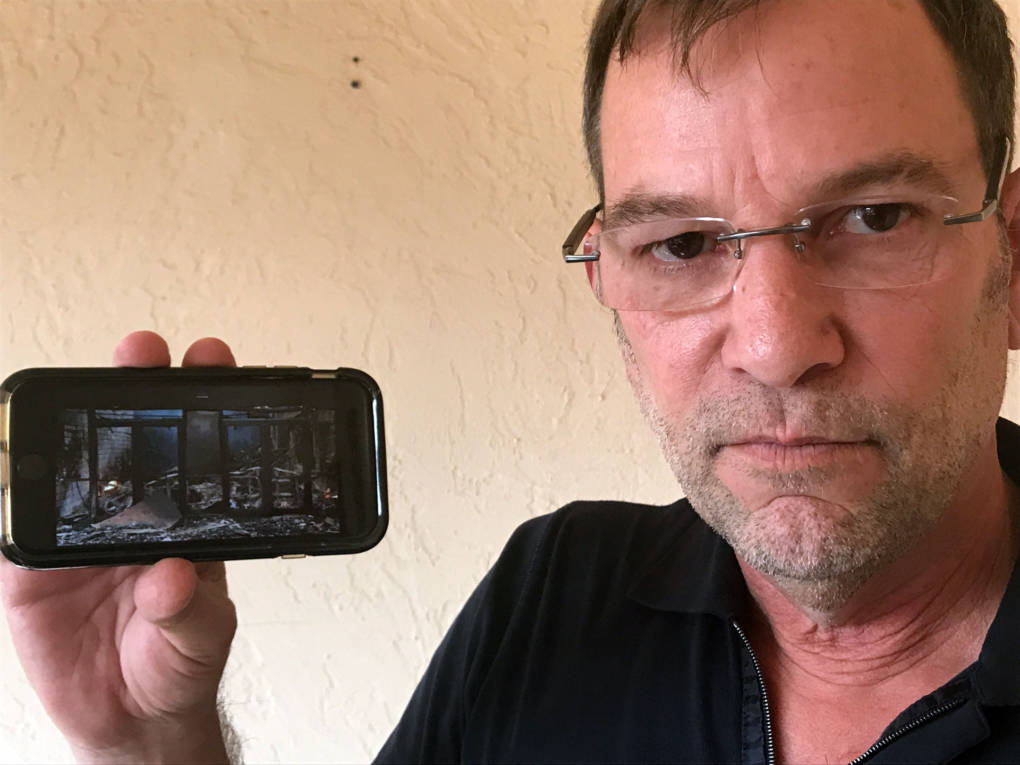
"caption": "Andrew Bailey, CEO of Anova, holds a cellphone with a photo of the school, destroyed by the Tubbs Fire.",
"description": "Andrew Bailey, CEO of Anova, holds a cellphone with a photo of the school, destroyed by the Tubbs Fire.",
"title": "CEOWithSchoolImage",
"credit": "Devin Katayama/KQED ",
"status": "inherit",
"isLoading": false,
"fetchFailed": false
},
"news_11628433": {
"type": "attachments",
"id": "news_11628433",
"meta": {
"index": "attachments_1716263798",
"site": "news",
"id": "11628433",
"found": true
},
"parent": 11628421,
"imgSizes": {
"small": {
"file": "https://ww2.kqed.org/app/uploads/sites/10/2017/11/RS24551__MG_8492-qut-520x347.jpg",
"width": 520,
"mimeType": "image/jpeg",
"height": 347
},
"twentyfourteen-full-width": {
"file": "https://ww2.kqed.org/app/uploads/sites/10/2017/11/RS24551__MG_8492-qut-1038x576.jpg",
"width": 1038,
"mimeType": "image/jpeg",
"height": 576
},
"thumbnail": {
"file": "https://ww2.kqed.org/app/uploads/sites/10/2017/11/RS24551__MG_8492-qut-160x107.jpg",
"width": 160,
"mimeType": "image/jpeg",
"height": 107
},
"fd-sm": {
"file": "https://ww2.kqed.org/app/uploads/sites/10/2017/11/RS24551__MG_8492-qut-960x640.jpg",
"width": 960,
"mimeType": "image/jpeg",
"height": 640
},
"post-thumbnail": {
"file": "https://ww2.kqed.org/app/uploads/sites/10/2017/11/RS24551__MG_8492-qut-672x372.jpg",
"width": 672,
"mimeType": "image/jpeg",
"height": 372
},
"xsmall": {
"file": "https://ww2.kqed.org/app/uploads/sites/10/2017/11/RS24551__MG_8492-qut-375x250.jpg",
"width": 375,
"mimeType": "image/jpeg",
"height": 250
},
"kqedFullSize": {
"file": "https://ww2.kqed.org/app/uploads/sites/10/2017/11/RS24551__MG_8492-qut.jpg",
"width": 1920,
"height": 1280
},
"large": {
"file": "https://ww2.kqed.org/app/uploads/sites/10/2017/11/RS24551__MG_8492-qut-1020x680.jpg",
"width": 1020,
"mimeType": "image/jpeg",
"height": 680
},
"xlarge": {
"file": "https://ww2.kqed.org/app/uploads/sites/10/2017/11/RS24551__MG_8492-qut-1180x787.jpg",
"width": 1180,
"mimeType": "image/jpeg",
"height": 787
},
"guest-author-50": {
"file": "https://ww2.kqed.org/app/uploads/sites/10/2017/11/RS24551__MG_8492-qut-50x50.jpg",
"width": 50,
"mimeType": "image/jpeg",
"height": 50
},
"guest-author-96": {
"file": "https://ww2.kqed.org/app/uploads/sites/10/2017/11/RS24551__MG_8492-qut-96x96.jpg",
"width": 96,
"mimeType": "image/jpeg",
"height": 96
},
"medium": {
"file": "https://ww2.kqed.org/app/uploads/sites/10/2017/11/RS24551__MG_8492-qut-800x533.jpg",
"width": 800,
"mimeType": "image/jpeg",
"height": 533
},
"guest-author-64": {
"file": "https://ww2.kqed.org/app/uploads/sites/10/2017/11/RS24551__MG_8492-qut-64x64.jpg",
"width": 64,
"mimeType": "image/jpeg",
"height": 64
},
"guest-author-32": {
"file": "https://ww2.kqed.org/app/uploads/sites/10/2017/11/RS24551__MG_8492-qut-32x32.jpg",
"width": 32,
"mimeType": "image/jpeg",
"height": 32
},
"fd-lrg": {
"file": "https://ww2.kqed.org/app/uploads/sites/10/2017/11/RS24551__MG_8492-qut-1920x1280.jpg",
"width": 1920,
"mimeType": "image/jpeg",
"height": 1280
},
"fd-med": {
"file": "https://ww2.kqed.org/app/uploads/sites/10/2017/11/RS24551__MG_8492-qut-1180x787.jpg",
"width": 1180,
"mimeType": "image/jpeg",
"height": 787
},
"full-width": {
"file": "https://ww2.kqed.org/app/uploads/sites/10/2017/11/RS24551__MG_8492-qut-1920x1280.jpg",
"width": 1920,
"mimeType": "image/jpeg",
"height": 1280
},
"detail": {
"file": "https://ww2.kqed.org/app/uploads/sites/10/2017/11/RS24551__MG_8492-qut-150x150.jpg",
"width": 150,
"mimeType": "image/jpeg",
"height": 150
},
"guest-author-128": {
"file": "https://ww2.kqed.org/app/uploads/sites/10/2017/11/RS24551__MG_8492-qut-128x128.jpg",
"width": 128,
"mimeType": "image/jpeg",
"height": 128
},
"xxsmall": {
"file": "https://ww2.kqed.org/app/uploads/sites/10/2017/11/RS24551__MG_8492-qut-240x160.jpg",
"width": 240,
"mimeType": "image/jpeg",
"height": 160
}
},
"publishDate": 1509927676,
"modified": 1510009283,
"caption": "Students in class at San Francisco International High School on March 9, 2017.",
"description": null,
"title": "RS24551__MG_8492-qut",
"credit": "Deborah Svoboda/KQED",
"status": "inherit",
"isLoading": false,
"fetchFailed": false
},
"news_11621047": {
"type": "attachments",
"id": "news_11621047",
"meta": {
"index": "attachments_1716263798",
"site": "news",
"id": "11621047",
"found": true
},
"parent": 11621018,
"imgSizes": {
"small": {
"file": "https://ww2.kqed.org/app/uploads/sites/10/2017/10/PHOTO2-520x376.jpg",
"width": 520,
"mimeType": "image/jpeg",
"height": 376
},
"twentyfourteen-full-width": {
"file": "https://ww2.kqed.org/app/uploads/sites/10/2017/10/PHOTO2-1038x576.jpg",
"width": 1038,
"mimeType": "image/jpeg",
"height": 576
},
"thumbnail": {
"file": "https://ww2.kqed.org/app/uploads/sites/10/2017/10/PHOTO2-160x116.jpg",
"width": 160,
"mimeType": "image/jpeg",
"height": 116
},
"fd-sm": {
"file": "https://ww2.kqed.org/app/uploads/sites/10/2017/10/PHOTO2-960x695.jpg",
"width": 960,
"mimeType": "image/jpeg",
"height": 695
},
"post-thumbnail": {
"file": "https://ww2.kqed.org/app/uploads/sites/10/2017/10/PHOTO2-672x372.jpg",
"width": 672,
"mimeType": "image/jpeg",
"height": 372
},
"xsmall": {
"file": "https://ww2.kqed.org/app/uploads/sites/10/2017/10/PHOTO2-375x271.jpg",
"width": 375,
"mimeType": "image/jpeg",
"height": 271
},
"kqedFullSize": {
"file": "https://ww2.kqed.org/app/uploads/sites/10/2017/10/PHOTO2.jpg",
"width": 1280,
"height": 926
},
"large": {
"file": "https://ww2.kqed.org/app/uploads/sites/10/2017/10/PHOTO2-1020x738.jpg",
"width": 1020,
"mimeType": "image/jpeg",
"height": 738
},
"xlarge": {
"file": "https://ww2.kqed.org/app/uploads/sites/10/2017/10/PHOTO2-1180x854.jpg",
"width": 1180,
"mimeType": "image/jpeg",
"height": 854
},
"guest-author-50": {
"file": "https://ww2.kqed.org/app/uploads/sites/10/2017/10/PHOTO2-50x50.jpg",
"width": 50,
"mimeType": "image/jpeg",
"height": 50
},
"guest-author-96": {
"file": "https://ww2.kqed.org/app/uploads/sites/10/2017/10/PHOTO2-96x96.jpg",
"width": 96,
"mimeType": "image/jpeg",
"height": 96
},
"medium": {
"file": "https://ww2.kqed.org/app/uploads/sites/10/2017/10/PHOTO2-800x579.jpg",
"width": 800,
"mimeType": "image/jpeg",
"height": 579
},
"guest-author-64": {
"file": "https://ww2.kqed.org/app/uploads/sites/10/2017/10/PHOTO2-64x64.jpg",
"width": 64,
"mimeType": "image/jpeg",
"height": 64
},
"guest-author-32": {
"file": "https://ww2.kqed.org/app/uploads/sites/10/2017/10/PHOTO2-32x32.jpg",
"width": 32,
"mimeType": "image/jpeg",
"height": 32
},
"fd-med": {
"file": "https://ww2.kqed.org/app/uploads/sites/10/2017/10/PHOTO2-1180x854.jpg",
"width": 1180,
"mimeType": "image/jpeg",
"height": 854
},
"detail": {
"file": "https://ww2.kqed.org/app/uploads/sites/10/2017/10/PHOTO2-150x150.jpg",
"width": 150,
"mimeType": "image/jpeg",
"height": 150
},
"guest-author-128": {
"file": "https://ww2.kqed.org/app/uploads/sites/10/2017/10/PHOTO2-128x128.jpg",
"width": 128,
"mimeType": "image/jpeg",
"height": 128
},
"xxsmall": {
"file": "https://ww2.kqed.org/app/uploads/sites/10/2017/10/PHOTO2-240x174.jpg",
"width": 240,
"mimeType": "image/jpeg",
"height": 174
}
},
"publishDate": 1507154820,
"modified": 1508626684,
"caption": "Rachael Allamby and her son, Naseem, 10, start their nearly two-hour commute from South San Francisco to his Oakland elementary school. They lost their Oakland housing last year and are staying with Naseem’s great-grandmother. ",
"description": null,
"title": "PHOTO2",
"credit": "Lee Romney/KQED",
"status": "inherit",
"isLoading": false,
"fetchFailed": false
},
"news_11624982": {
"type": "attachments",
"id": "news_11624982",
"meta": {
"index": "attachments_1716263798",
"site": "news",
"id": "11624982",
"found": true
},
"parent": 11624948,
"imgSizes": {
"small": {
"file": "https://ww2.kqed.org/app/uploads/sites/10/2017/10/RS27571_Joan2-qut-520x721.jpg",
"width": 520,
"mimeType": "image/jpeg",
"height": 721
},
"twentyfourteen-full-width": {
"file": "https://ww2.kqed.org/app/uploads/sites/10/2017/10/RS27571_Joan2-qut-992x576.jpg",
"width": 992,
"mimeType": "image/jpeg",
"height": 576
},
"thumbnail": {
"file": "https://ww2.kqed.org/app/uploads/sites/10/2017/10/RS27571_Joan2-qut-160x222.jpg",
"width": 160,
"mimeType": "image/jpeg",
"height": 222
},
"fd-sm": {
"file": "https://ww2.kqed.org/app/uploads/sites/10/2017/10/RS27571_Joan2-qut-960x1332.jpg",
"width": 960,
"mimeType": "image/jpeg",
"height": 1332
},
"post-thumbnail": {
"file": "https://ww2.kqed.org/app/uploads/sites/10/2017/10/RS27571_Joan2-qut-672x372.jpg",
"width": 672,
"mimeType": "image/jpeg",
"height": 372
},
"xsmall": {
"file": "https://ww2.kqed.org/app/uploads/sites/10/2017/10/RS27571_Joan2-qut-375x520.jpg",
"width": 375,
"mimeType": "image/jpeg",
"height": 520
},
"kqedFullSize": {
"file": "https://ww2.kqed.org/app/uploads/sites/10/2017/10/RS27571_Joan2-qut.jpg",
"width": 992,
"height": 1376
},
"guest-author-50": {
"file": "https://ww2.kqed.org/app/uploads/sites/10/2017/10/RS27571_Joan2-qut-50x50.jpg",
"width": 50,
"mimeType": "image/jpeg",
"height": 50
},
"guest-author-96": {
"file": "https://ww2.kqed.org/app/uploads/sites/10/2017/10/RS27571_Joan2-qut-96x96.jpg",
"width": 96,
"mimeType": "image/jpeg",
"height": 96
},
"medium": {
"file": "https://ww2.kqed.org/app/uploads/sites/10/2017/10/RS27571_Joan2-qut-800x1110.jpg",
"width": 800,
"mimeType": "image/jpeg",
"height": 1110
},
"guest-author-64": {
"file": "https://ww2.kqed.org/app/uploads/sites/10/2017/10/RS27571_Joan2-qut-64x64.jpg",
"width": 64,
"mimeType": "image/jpeg",
"height": 64
},
"guest-author-32": {
"file": "https://ww2.kqed.org/app/uploads/sites/10/2017/10/RS27571_Joan2-qut-32x32.jpg",
"width": 32,
"mimeType": "image/jpeg",
"height": 32
},
"detail": {
"file": "https://ww2.kqed.org/app/uploads/sites/10/2017/10/RS27571_Joan2-qut-150x150.jpg",
"width": 150,
"mimeType": "image/jpeg",
"height": 150
},
"guest-author-128": {
"file": "https://ww2.kqed.org/app/uploads/sites/10/2017/10/RS27571_Joan2-qut-128x128.jpg",
"width": 128,
"mimeType": "image/jpeg",
"height": 128
},
"xxsmall": {
"file": "https://ww2.kqed.org/app/uploads/sites/10/2017/10/RS27571_Joan2-qut-240x333.jpg",
"width": 240,
"mimeType": "image/jpeg",
"height": 333
}
},
"publishDate": 1508526778,
"modified": 1508526823,
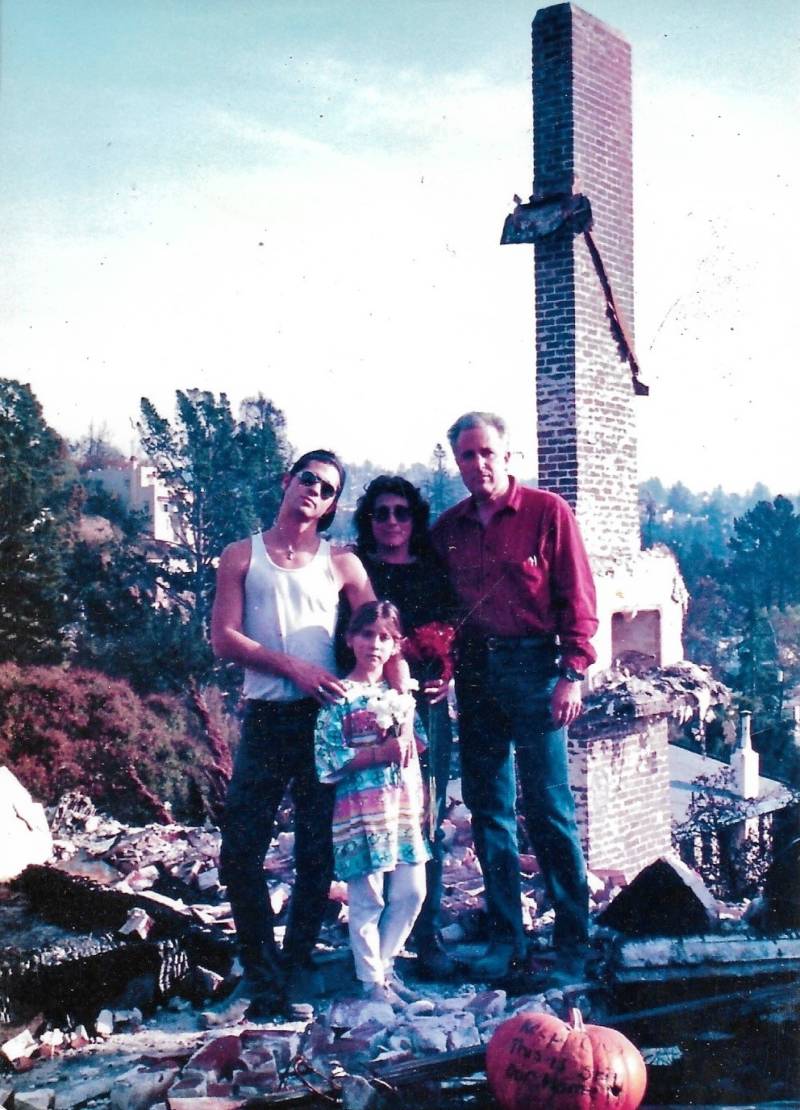
"caption": "Joan Tanzer and her family stand in front of their home that was burnt down in the Oakland fire of 1991.",
"description": null,
"title": "RS27571_Joan2-qut",
"credit": "Courtesy of Joan Tanzer",
"status": "inherit",
"isLoading": false,
"fetchFailed": false
},
"news_11623146": {
"type": "attachments",
"id": "news_11623146",
"meta": {
"index": "attachments_1716263798",
"site": "news",
"id": "11623146",
"found": true
},
"parent": 11623102,
"imgSizes": {
"small": {
"file": "https://ww2.kqed.org/app/uploads/sites/10/2017/10/IMG_0282-520x390.jpeg",
"width": 520,
"mimeType": "image/jpeg",
"height": 390
},
"twentyfourteen-full-width": {
"file": "https://ww2.kqed.org/app/uploads/sites/10/2017/10/IMG_0282-1038x576.jpeg",
"width": 1038,
"mimeType": "image/jpeg",
"height": 576
},
"thumbnail": {
"file": "https://ww2.kqed.org/app/uploads/sites/10/2017/10/IMG_0282-160x120.jpeg",
"width": 160,
"mimeType": "image/jpeg",
"height": 120
},
"fd-sm": {
"file": "https://ww2.kqed.org/app/uploads/sites/10/2017/10/IMG_0282-960x720.jpeg",
"width": 960,
"mimeType": "image/jpeg",
"height": 720
},
"post-thumbnail": {
"file": "https://ww2.kqed.org/app/uploads/sites/10/2017/10/IMG_0282-672x372.jpeg",
"width": 672,
"mimeType": "image/jpeg",
"height": 372
},
"xsmall": {
"file": "https://ww2.kqed.org/app/uploads/sites/10/2017/10/IMG_0282-375x281.jpeg",
"width": 375,
"mimeType": "image/jpeg",
"height": 281
},
"kqedFullSize": {
"file": "https://ww2.kqed.org/app/uploads/sites/10/2017/10/IMG_0282.jpeg",
"width": 2016,
"height": 1512
},
"large": {
"file": "https://ww2.kqed.org/app/uploads/sites/10/2017/10/IMG_0282-1020x765.jpeg",
"width": 1020,
"mimeType": "image/jpeg",
"height": 765
},
"xlarge": {
"file": "https://ww2.kqed.org/app/uploads/sites/10/2017/10/IMG_0282-1180x885.jpeg",
"width": 1180,
"mimeType": "image/jpeg",
"height": 885
},
"guest-author-50": {
"file": "https://ww2.kqed.org/app/uploads/sites/10/2017/10/IMG_0282-50x50.jpeg",
"width": 50,
"mimeType": "image/jpeg",
"height": 50
},
"guest-author-96": {
"file": "https://ww2.kqed.org/app/uploads/sites/10/2017/10/IMG_0282-96x96.jpeg",
"width": 96,
"mimeType": "image/jpeg",
"height": 96
},
"medium": {
"file": "https://ww2.kqed.org/app/uploads/sites/10/2017/10/IMG_0282-800x600.jpeg",
"width": 800,
"mimeType": "image/jpeg",
"height": 600
},
"guest-author-64": {
"file": "https://ww2.kqed.org/app/uploads/sites/10/2017/10/IMG_0282-64x64.jpeg",
"width": 64,
"mimeType": "image/jpeg",
"height": 64
},
"guest-author-32": {
"file": "https://ww2.kqed.org/app/uploads/sites/10/2017/10/IMG_0282-32x32.jpeg",
"width": 32,
"mimeType": "image/jpeg",
"height": 32
},
"fd-lrg": {
"file": "https://ww2.kqed.org/app/uploads/sites/10/2017/10/IMG_0282-1920x1440.jpeg",
"width": 1920,
"mimeType": "image/jpeg",
"height": 1440
},
"fd-med": {
"file": "https://ww2.kqed.org/app/uploads/sites/10/2017/10/IMG_0282-1180x885.jpeg",
"width": 1180,
"mimeType": "image/jpeg",
"height": 885
},
"full-width": {
"file": "https://ww2.kqed.org/app/uploads/sites/10/2017/10/IMG_0282-1920x1440.jpeg",
"width": 1920,
"mimeType": "image/jpeg",
"height": 1440
},
"detail": {
"file": "https://ww2.kqed.org/app/uploads/sites/10/2017/10/IMG_0282-150x150.jpeg",
"width": 150,
"mimeType": "image/jpeg",
"height": 150
},
"guest-author-128": {
"file": "https://ww2.kqed.org/app/uploads/sites/10/2017/10/IMG_0282-128x128.jpeg",
"width": 128,
"mimeType": "image/jpeg",
"height": 128
},
"xxsmall": {
"file": "https://ww2.kqed.org/app/uploads/sites/10/2017/10/IMG_0282-240x180.jpeg",
"width": 240,
"mimeType": "image/jpeg",
"height": 180
}
},
"publishDate": 1507857225,
"modified": 1507922851,
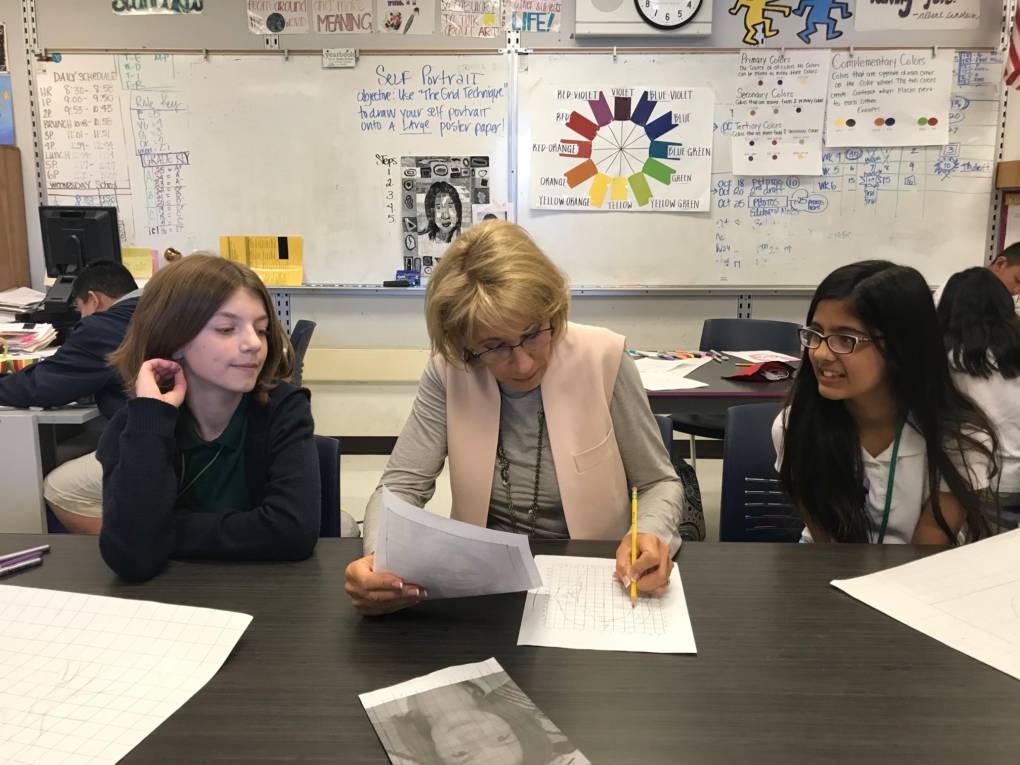
"caption": "Education Secretary Betsy DeVos visits an art class at Thomas Russell Middle School in Milpitas.",
"description": null,
"title": "IMG_0282",
"credit": "Tonya Mosley/KQED",
"status": "inherit",
"isLoading": false,
"fetchFailed": false
},
"news_11620875": {
"type": "attachments",
"id": "news_11620875",
"meta": {
"index": "attachments_1716263798",
"site": "news",
"id": "11620875",
"found": true
},
"parent": 11618008,
"imgSizes": {
"small": {
"file": "https://ww2.kqed.org/app/uploads/sites/10/2017/10/IMG_4285-520x390.jpg",
"width": 520,
"mimeType": "image/jpeg",
"height": 390
},
"twentyfourteen-full-width": {
"file": "https://ww2.kqed.org/app/uploads/sites/10/2017/10/IMG_4285-1038x576.jpg",
"width": 1038,
"mimeType": "image/jpeg",
"height": 576
},
"thumbnail": {
"file": "https://ww2.kqed.org/app/uploads/sites/10/2017/10/IMG_4285-160x120.jpg",
"width": 160,
"mimeType": "image/jpeg",
"height": 120
},
"fd-sm": {
"file": "https://ww2.kqed.org/app/uploads/sites/10/2017/10/IMG_4285-960x721.jpg",
"width": 960,
"mimeType": "image/jpeg",
"height": 721
},
"post-thumbnail": {
"file": "https://ww2.kqed.org/app/uploads/sites/10/2017/10/IMG_4285-672x372.jpg",
"width": 672,
"mimeType": "image/jpeg",
"height": 372
},
"xsmall": {
"file": "https://ww2.kqed.org/app/uploads/sites/10/2017/10/IMG_4285-375x282.jpg",
"width": 375,
"mimeType": "image/jpeg",
"height": 282
},
"kqedFullSize": {
"file": "https://ww2.kqed.org/app/uploads/sites/10/2017/10/IMG_4285.jpg",
"width": 1500,
"height": 1126
},
"large": {
"file": "https://ww2.kqed.org/app/uploads/sites/10/2017/10/IMG_4285-1020x766.jpg",
"width": 1020,
"mimeType": "image/jpeg",
"height": 766
},
"xlarge": {
"file": "https://ww2.kqed.org/app/uploads/sites/10/2017/10/IMG_4285-1180x886.jpg",
"width": 1180,
"mimeType": "image/jpeg",
"height": 886
},
"guest-author-50": {
"file": "https://ww2.kqed.org/app/uploads/sites/10/2017/10/IMG_4285-50x50.jpg",
"width": 50,
"mimeType": "image/jpeg",
"height": 50
},
"guest-author-96": {
"file": "https://ww2.kqed.org/app/uploads/sites/10/2017/10/IMG_4285-96x96.jpg",
"width": 96,
"mimeType": "image/jpeg",
"height": 96
},
"medium": {
"file": "https://ww2.kqed.org/app/uploads/sites/10/2017/10/IMG_4285-800x601.jpg",
"width": 800,
"mimeType": "image/jpeg",
"height": 601
},
"guest-author-64": {
"file": "https://ww2.kqed.org/app/uploads/sites/10/2017/10/IMG_4285-64x64.jpg",
"width": 64,
"mimeType": "image/jpeg",
"height": 64
},
"guest-author-32": {
"file": "https://ww2.kqed.org/app/uploads/sites/10/2017/10/IMG_4285-32x32.jpg",
"width": 32,
"mimeType": "image/jpeg",
"height": 32
},
"fd-med": {
"file": "https://ww2.kqed.org/app/uploads/sites/10/2017/10/IMG_4285-1180x886.jpg",
"width": 1180,
"mimeType": "image/jpeg",
"height": 886
},
"detail": {
"file": "https://ww2.kqed.org/app/uploads/sites/10/2017/10/IMG_4285-150x150.jpg",
"width": 150,
"mimeType": "image/jpeg",
"height": 150
},
"guest-author-128": {
"file": "https://ww2.kqed.org/app/uploads/sites/10/2017/10/IMG_4285-128x128.jpg",
"width": 128,
"mimeType": "image/jpeg",
"height": 128
},
"xxsmall": {
"file": "https://ww2.kqed.org/app/uploads/sites/10/2017/10/IMG_4285-240x180.jpg",
"width": 240,
"mimeType": "image/jpeg",
"height": 180
}
},
"publishDate": 1507135812,
"modified": 1507135916,
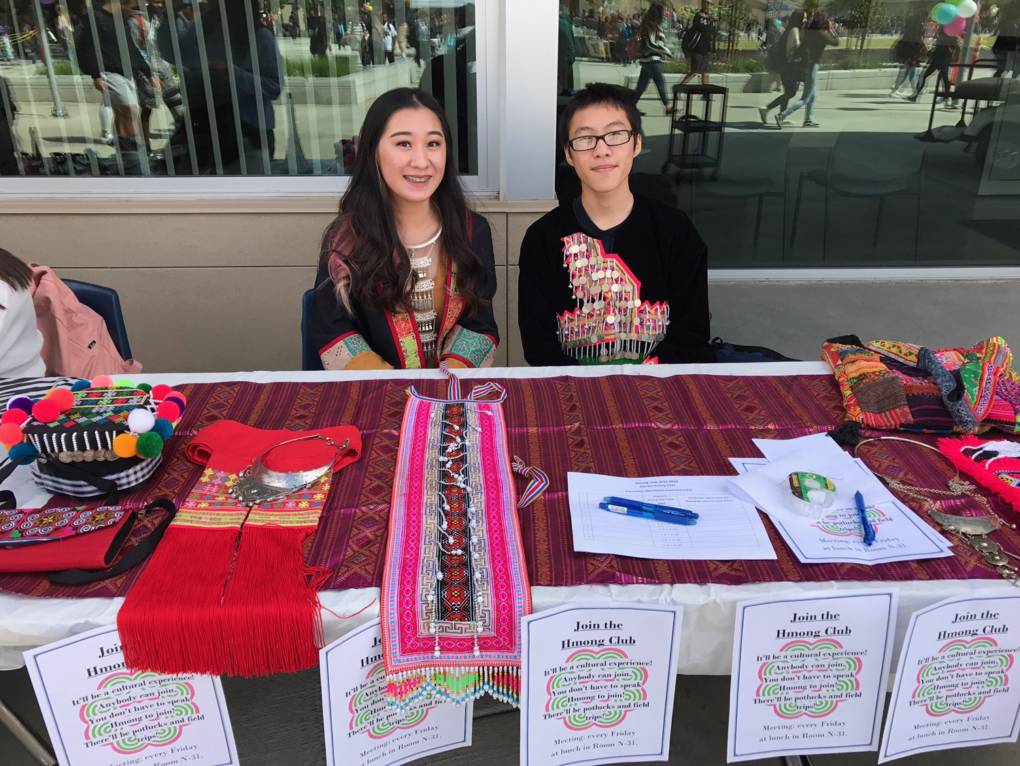
"caption": "Sarah Vang (left) representing the Hmong Club during her school's club day.",
"description": null,
"title": "IMG_4285",
"credit": "Courtesy Sarah Vang",
"status": "inherit",
"isLoading": false,
"fetchFailed": false
},
"news_11619411": {
"type": "attachments",
"id": "news_11619411",
"meta": {
"index": "attachments_1716263798",
"site": "news",
"id": "11619411",
"found": true
},
"parent": 11619239,
"imgSizes": {
"small": {
"file": "https://ww2.kqed.org/app/uploads/sites/10/2017/09/San_Francisco_Unified_School_District_Building_3-520x390.jpg",
"width": 520,
"mimeType": "image/jpeg",
"height": 390
},
"thumbnail": {
"file": "https://ww2.kqed.org/app/uploads/sites/10/2017/09/San_Francisco_Unified_School_District_Building_3-160x120.jpg",
"width": 160,
"mimeType": "image/jpeg",
"height": 120
},
"post-thumbnail": {
"file": "https://ww2.kqed.org/app/uploads/sites/10/2017/09/San_Francisco_Unified_School_District_Building_3-672x372.jpg",
"width": 672,
"mimeType": "image/jpeg",
"height": 372
},
"xsmall": {
"file": "https://ww2.kqed.org/app/uploads/sites/10/2017/09/San_Francisco_Unified_School_District_Building_3-375x281.jpg",
"width": 375,
"mimeType": "image/jpeg",
"height": 281
},
"kqedFullSize": {
"file": "https://ww2.kqed.org/app/uploads/sites/10/2017/09/San_Francisco_Unified_School_District_Building_3.jpg",
"width": 736,
"height": 552
},
"guest-author-50": {
"file": "https://ww2.kqed.org/app/uploads/sites/10/2017/09/San_Francisco_Unified_School_District_Building_3-50x50.jpg",
"width": 50,
"mimeType": "image/jpeg",
"height": 50
},
"guest-author-96": {
"file": "https://ww2.kqed.org/app/uploads/sites/10/2017/09/San_Francisco_Unified_School_District_Building_3-96x96.jpg",
"width": 96,
"mimeType": "image/jpeg",
"height": 96
},
"guest-author-64": {
"file": "https://ww2.kqed.org/app/uploads/sites/10/2017/09/San_Francisco_Unified_School_District_Building_3-64x64.jpg",
"width": 64,
"mimeType": "image/jpeg",
"height": 64
},
"detail": {
"file": "https://ww2.kqed.org/app/uploads/sites/10/2017/09/San_Francisco_Unified_School_District_Building_3-150x150.jpg",
"width": 150,
"mimeType": "image/jpeg",
"height": 150
},
"guest-author-32": {
"file": "https://ww2.kqed.org/app/uploads/sites/10/2017/09/San_Francisco_Unified_School_District_Building_3-32x32.jpg",
"width": 32,
"mimeType": "image/jpeg",
"height": 32
},
"guest-author-128": {
"file": "https://ww2.kqed.org/app/uploads/sites/10/2017/09/San_Francisco_Unified_School_District_Building_3-128x128.jpg",
"width": 128,
"mimeType": "image/jpeg",
"height": 128
},
"xxsmall": {
"file": "https://ww2.kqed.org/app/uploads/sites/10/2017/09/San_Francisco_Unified_School_District_Building_3-240x180.jpg",
"width": 240,
"mimeType": "image/jpeg",
"height": 180
}
},
"publishDate": 1506539682,
"modified": 1506550718,
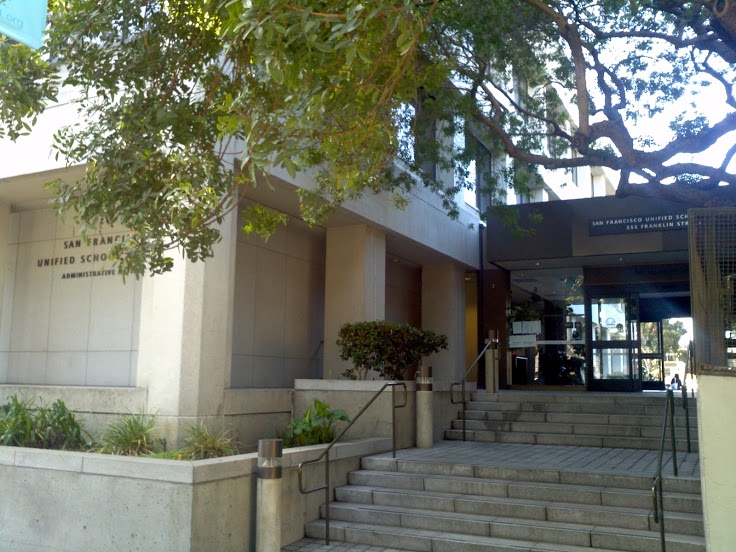
"caption": "A San Francisco Unified School District administrative building at 555 Franklin St.",
"description": null,
"title": "San_Francisco_Unified_School_District_Building_3",
"credit": "Wikimedia Commons",
"status": "inherit",
"isLoading": false,
"fetchFailed": false
},
"news_11615267": {
"type": "attachments",
"id": "news_11615267",
"meta": {
"index": "attachments_1716263798",
"site": "news",
"id": "11615267",
"found": true
},
"parent": 11615265,
"imgSizes": {
"small": {
"file": "https://ww2.kqed.org/app/uploads/sites/10/2017/09/MichaelEssien-768x432-520x293.jpg",
"width": 520,
"mimeType": "image/jpeg",
"height": 293
},
"thumbnail": {
"file": "https://ww2.kqed.org/app/uploads/sites/10/2017/09/MichaelEssien-768x432-160x90.jpg",
"width": 160,
"mimeType": "image/jpeg",
"height": 90
},
"post-thumbnail": {
"file": "https://ww2.kqed.org/app/uploads/sites/10/2017/09/MichaelEssien-768x432-672x372.jpg",
"width": 672,
"mimeType": "image/jpeg",
"height": 372
},
"xsmall": {
"file": "https://ww2.kqed.org/app/uploads/sites/10/2017/09/MichaelEssien-768x432-375x211.jpg",
"width": 375,
"mimeType": "image/jpeg",
"height": 211
},
"kqedFullSize": {
"file": "https://ww2.kqed.org/app/uploads/sites/10/2017/09/MichaelEssien-768x432.jpg",
"width": 768,
"height": 432
},
"guest-author-50": {
"file": "https://ww2.kqed.org/app/uploads/sites/10/2017/09/MichaelEssien-768x432-50x50.jpg",
"width": 50,
"mimeType": "image/jpeg",
"height": 50
},
"guest-author-96": {
"file": "https://ww2.kqed.org/app/uploads/sites/10/2017/09/MichaelEssien-768x432-96x96.jpg",
"width": 96,
"mimeType": "image/jpeg",
"height": 96
},
"guest-author-64": {
"file": "https://ww2.kqed.org/app/uploads/sites/10/2017/09/MichaelEssien-768x432-64x64.jpg",
"width": 64,
"mimeType": "image/jpeg",
"height": 64
},
"detail": {
"file": "https://ww2.kqed.org/app/uploads/sites/10/2017/09/MichaelEssien-768x432-150x150.jpg",
"width": 150,
"mimeType": "image/jpeg",
"height": 150
},
"guest-author-32": {
"file": "https://ww2.kqed.org/app/uploads/sites/10/2017/09/MichaelEssien-768x432-32x32.jpg",
"width": 32,
"mimeType": "image/jpeg",
"height": 32
},
"guest-author-128": {
"file": "https://ww2.kqed.org/app/uploads/sites/10/2017/09/MichaelEssien-768x432-128x128.jpg",
"width": 128,
"mimeType": "image/jpeg",
"height": 128
},
"xxsmall": {
"file": "https://ww2.kqed.org/app/uploads/sites/10/2017/09/MichaelEssien-768x432-240x135.jpg",
"width": 240,
"mimeType": "image/jpeg",
"height": 135
}
},
"publishDate": 1504298479,
"modified": 1504298534,
"caption": "Principal Michael Essien",
"description": null,
"title": "MichaelEssien-768x432",
"credit": "Zaidee Stavely/KQED",
"status": "inherit",
"isLoading": false,
"fetchFailed": false
},
"news_11612131": {
"type": "attachments",
"id": "news_11612131",
"meta": {
"index": "attachments_1716263798",
"site": "news",
"id": "11612131",
"found": true
},
"parent": 11611940,
"imgSizes": {
"small": {
"file": "https://ww2.kqed.org/app/uploads/sites/10/2017/08/pic-520x248.jpg",
"width": 520,
"mimeType": "image/jpeg",
"height": 248
},
"thumbnail": {
"file": "https://ww2.kqed.org/app/uploads/sites/10/2017/08/pic-160x76.jpg",
"width": 160,
"mimeType": "image/jpeg",
"height": 76
},
"post-thumbnail": {
"file": "https://ww2.kqed.org/app/uploads/sites/10/2017/08/pic-672x372.jpg",
"width": 672,
"mimeType": "image/jpeg",
"height": 372
},
"xsmall": {
"file": "https://ww2.kqed.org/app/uploads/sites/10/2017/08/pic-375x179.jpg",
"width": 375,
"mimeType": "image/jpeg",
"height": 179
},
"kqedFullSize": {
"file": "https://ww2.kqed.org/app/uploads/sites/10/2017/08/pic.jpg",
"width": 834,
"height": 398
},
"guest-author-50": {
"file": "https://ww2.kqed.org/app/uploads/sites/10/2017/08/pic-50x50.jpg",
"width": 50,
"mimeType": "image/jpeg",
"height": 50
},
"guest-author-96": {
"file": "https://ww2.kqed.org/app/uploads/sites/10/2017/08/pic-96x96.jpg",
"width": 96,
"mimeType": "image/jpeg",
"height": 96
},
"medium": {
"file": "https://ww2.kqed.org/app/uploads/sites/10/2017/08/pic-800x382.jpg",
"width": 800,
"mimeType": "image/jpeg",
"height": 382
},
"guest-author-64": {
"file": "https://ww2.kqed.org/app/uploads/sites/10/2017/08/pic-64x64.jpg",
"width": 64,
"mimeType": "image/jpeg",
"height": 64
},
"guest-author-32": {
"file": "https://ww2.kqed.org/app/uploads/sites/10/2017/08/pic-32x32.jpg",
"width": 32,
"mimeType": "image/jpeg",
"height": 32
},
"detail": {
"file": "https://ww2.kqed.org/app/uploads/sites/10/2017/08/pic-150x150.jpg",
"width": 150,
"mimeType": "image/jpeg",
"height": 150
},
"guest-author-128": {
"file": "https://ww2.kqed.org/app/uploads/sites/10/2017/08/pic-128x128.jpg",
"width": 128,
"mimeType": "image/jpeg",
"height": 128
},
"xxsmall": {
"file": "https://ww2.kqed.org/app/uploads/sites/10/2017/08/pic-240x115.jpg",
"width": 240,
"mimeType": "image/jpeg",
"height": 115
}
},
"publishDate": 1502833207,
"modified": 1502833292,
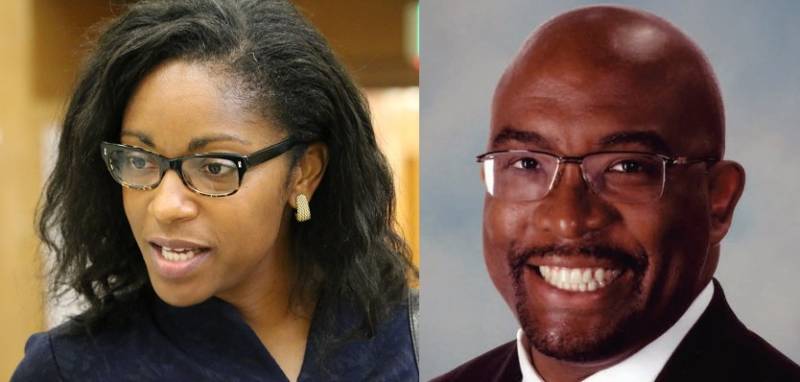
"caption": "Oakland's Kyla Johnson-Trammell and San Francisco's Vincent Matthews will lead their respective school districts in the 2017-2018 school year.",
"description": null,
"title": null,
"credit": "Devin Katayama/KQED",
"status": "inherit",
"isLoading": false,
"fetchFailed": false
},
"news_11593719": {
"type": "attachments",
"id": "news_11593719",
"meta": {
"index": "attachments_1716263798",
"site": "news",
"id": "11593719",
"found": true
},
"parent": 11579311,
"imgSizes": {
"small": {
"file": "https://ww2.kqed.org/app/uploads/sites/10/2017/07/primary-school-edut-520x295.jpg",
"width": 520,
"mimeType": "image/jpeg",
"height": 295
},
"twentyfourteen-full-width": {
"file": "https://ww2.kqed.org/app/uploads/sites/10/2017/07/primary-school-edut-1038x576.jpg",
"width": 1038,
"mimeType": "image/jpeg",
"height": 576
},
"thumbnail": {
"file": "https://ww2.kqed.org/app/uploads/sites/10/2017/07/primary-school-edut-160x91.jpg",
"width": 160,
"mimeType": "image/jpeg",
"height": 91
},
"fd-sm": {
"file": "https://ww2.kqed.org/app/uploads/sites/10/2017/07/primary-school-edut-960x544.jpg",
"width": 960,
"mimeType": "image/jpeg",
"height": 544
},
"post-thumbnail": {
"file": "https://ww2.kqed.org/app/uploads/sites/10/2017/07/primary-school-edut-672x372.jpg",
"width": 672,
"mimeType": "image/jpeg",
"height": 372
},
"xsmall": {
"file": "https://ww2.kqed.org/app/uploads/sites/10/2017/07/primary-school-edut-375x213.jpg",
"width": 375,
"mimeType": "image/jpeg",
"height": 213
},
"kqedFullSize": {
"file": "https://ww2.kqed.org/app/uploads/sites/10/2017/07/primary-school-edut.jpg",
"width": 1920,
"height": 1088
},
"large": {
"file": "https://ww2.kqed.org/app/uploads/sites/10/2017/07/primary-school-edut-1020x578.jpg",
"width": 1020,
"mimeType": "image/jpeg",
"height": 578
},
"xlarge": {
"file": "https://ww2.kqed.org/app/uploads/sites/10/2017/07/primary-school-edut-1180x669.jpg",
"width": 1180,
"mimeType": "image/jpeg",
"height": 669
},
"guest-author-50": {
"file": "https://ww2.kqed.org/app/uploads/sites/10/2017/07/primary-school-edut-50x50.jpg",
"width": 50,
"mimeType": "image/jpeg",
"height": 50
},
"guest-author-96": {
"file": "https://ww2.kqed.org/app/uploads/sites/10/2017/07/primary-school-edut-96x96.jpg",
"width": 96,
"mimeType": "image/jpeg",
"height": 96
},
"medium": {
"file": "https://ww2.kqed.org/app/uploads/sites/10/2017/07/primary-school-edut-800x453.jpg",
"width": 800,
"mimeType": "image/jpeg",
"height": 453
},
"guest-author-64": {
"file": "https://ww2.kqed.org/app/uploads/sites/10/2017/07/primary-school-edut-64x64.jpg",
"width": 64,
"mimeType": "image/jpeg",
"height": 64
},
"guest-author-32": {
"file": "https://ww2.kqed.org/app/uploads/sites/10/2017/07/primary-school-edut-32x32.jpg",
"width": 32,
"mimeType": "image/jpeg",
"height": 32
},
"fd-lrg": {
"file": "https://ww2.kqed.org/app/uploads/sites/10/2017/07/primary-school-edut-1920x1088.jpg",
"width": 1920,
"mimeType": "image/jpeg",
"height": 1088
},
"fd-med": {
"file": "https://ww2.kqed.org/app/uploads/sites/10/2017/07/primary-school-edut-1180x669.jpg",
"width": 1180,
"mimeType": "image/jpeg",
"height": 669
},
"full-width": {
"file": "https://ww2.kqed.org/app/uploads/sites/10/2017/07/primary-school-edut-1920x1088.jpg",
"width": 1920,
"mimeType": "image/jpeg",
"height": 1088
},
"detail": {
"file": "https://ww2.kqed.org/app/uploads/sites/10/2017/07/primary-school-edut-150x150.jpg",
"width": 150,
"mimeType": "image/jpeg",
"height": 150
},
"guest-author-128": {
"file": "https://ww2.kqed.org/app/uploads/sites/10/2017/07/primary-school-edut-128x128.jpg",
"width": 128,
"mimeType": "image/jpeg",
"height": 128
},
"xxsmall": {
"file": "https://ww2.kqed.org/app/uploads/sites/10/2017/07/primary-school-edut-240x136.jpg",
"width": 240,
"mimeType": "image/jpeg",
"height": 136
}
},
"publishDate": 1501026503,
"modified": 1501026779,
"caption": "Rendering of the proposed 76,000-square-foot expansion site of The Primary School. The school will have capacity for 511 students (K-8).",
"description": null,
"title": "The Primary School",
"credit": "Tonya Mosley/KQED",
"status": "inherit",
"isLoading": false,
"fetchFailed": false
}
},
"audioPlayerReducer": {
"postId": "stream_live",
"isPaused": true,
"isPlaying": false,
"pfsActive": false,
"pledgeModalIsOpen": true,
"playerDrawerIsOpen": false,
"liveAudioPlayStartedAt": 0,
"liveAudioPlayContext": ""
},
"authorsReducer": {
"byline_news_11631819": {
"type": "authors",
"id": "byline_news_11631819",
"meta": {
"override": true
},
"slug": "byline_news_11631819",
"name": "\u003cstrong/>Natalie Orenstein\u003c/strong>",
"isLoading": false
},
"byline_news_11621018": {
"type": "authors",
"id": "byline_news_11621018",
"meta": {
"override": true
},
"slug": "byline_news_11621018",
"name": "\u003cstrong>Lee Romney\u003c/strong>",
"isLoading": false
},
"byline_news_11624948": {
"type": "authors",
"id": "byline_news_11624948",
"meta": {
"override": true
},
"slug": "byline_news_11624948",
"name": "\u003cstrong>Sasha Khokha\u003c/strong>",
"isLoading": false
},
"anatintocalis": {
"type": "authors",
"id": "211",
"meta": {
"index": "authors_1716337520",
"id": "211",
"found": true
},
"name": "Ana Tintocalis",
"firstName": "Ana",
"lastName": "Tintocalis",
"slug": "anatintocalis",
"email": "atintocalis@kqed.org",
"display_author_email": false,
"staff_mastheads": [],
"title": null,
"bio": null,
"avatar": "https://secure.gravatar.com/avatar/722c50f51f04eff38fa0e5a3f1d29450?s=600&d=blank&r=g",
"twitter": null,
"facebook": null,
"instagram": null,
"linkedin": null,
"sites": [
{
"site": "news",
"roles": [
"subscriber"
]
},
{
"site": "stateofhealth",
"roles": [
"subscriber"
]
}
],
"headData": {
"title": "Ana Tintocalis | KQED",
"description": null,
"ogImgSrc": "https://secure.gravatar.com/avatar/722c50f51f04eff38fa0e5a3f1d29450?s=600&d=blank&r=g",
"twImgSrc": "https://secure.gravatar.com/avatar/722c50f51f04eff38fa0e5a3f1d29450?s=600&d=blank&r=g"
},
"isLoading": false,
"link": "/author/anatintocalis"
},
"gmarzorati": {
"type": "authors",
"id": "227",
"meta": {
"index": "authors_1716337520",
"id": "227",
"found": true
},
"name": "Guy Marzorati",
"firstName": "Guy",
"lastName": "Marzorati",
"slug": "gmarzorati",
"email": "gmarzorati@KQED.org",
"display_author_email": true,
"staff_mastheads": [
"news"
],
"title": "Correspondent",
"bio": "Guy Marzorati is a correspondent on KQED's California Politics and Government Desk, based in San Jose. A graduate of Santa Clara University, Guy joined KQED in 2013. He reports on state and local politics and produces KQED's digital voter guide.",
"avatar": "https://secure.gravatar.com/avatar/e7038b8dbfd55b104369b76b1cd0b9de?s=600&d=blank&r=g",
"twitter": "guymarzorati",
"facebook": null,
"instagram": null,
"linkedin": null,
"sites": [
{
"site": "",
"roles": [
"editor"
]
},
{
"site": "news",
"roles": [
"editor"
]
},
{
"site": "science",
"roles": [
"editor"
]
},
{
"site": "forum",
"roles": [
"editor"
]
},
{
"site": "elections",
"roles": [
"editor"
]
},
{
"site": "liveblog",
"roles": [
"editor"
]
}
],
"headData": {
"title": "Guy Marzorati | KQED",
"description": "Correspondent",
"ogImgSrc": "https://secure.gravatar.com/avatar/e7038b8dbfd55b104369b76b1cd0b9de?s=600&d=blank&r=g",
"twImgSrc": "https://secure.gravatar.com/avatar/e7038b8dbfd55b104369b76b1cd0b9de?s=600&d=blank&r=g"
},
"isLoading": false,
"link": "/author/gmarzorati"
},
"jmcevoy": {
"type": "authors",
"id": "231",
"meta": {
"index": "authors_1716337520",
"id": "231",
"found": true
},
"name": "Julia McEvoy",
"firstName": "Julia",
"lastName": "McEvoy",
"slug": "jmcevoy",
"email": "jmcevoy@KQED.org",
"display_author_email": true,
"staff_mastheads": [
"news"
],
"title": "KQED Senior Editor",
"bio": "Julia McEvoy is KQED's Senior Editor, Education Equity.\r\n\r\nJulia heads KQED’s education coverage examining inequities students face in Bay Area and California schools, and reports on what it will take to educate the next generation.\r\n\r\nJulia's editorial work has received a Peabody Award, a Casey Medal for Coverage of Children and Families, several Edward R. Murrow awards, as well as awards from the Public Radio News Directors Inc. and the Society for Professional Journalists.",
"avatar": "https://secure.gravatar.com/avatar/aec3ce21abe02b302fd33638abd56a22?s=600&d=blank&r=g",
"twitter": "juliamcevoy1",
"facebook": null,
"instagram": null,
"linkedin": null,
"sites": [
{
"site": "news",
"roles": []
},
{
"site": "stateofhealth",
"roles": [
"author"
]
}
],
"headData": {
"title": "Julia McEvoy | KQED",
"description": "KQED Senior Editor",
"ogImgSrc": "https://secure.gravatar.com/avatar/aec3ce21abe02b302fd33638abd56a22?s=600&d=blank&r=g",
"twImgSrc": "https://secure.gravatar.com/avatar/aec3ce21abe02b302fd33638abd56a22?s=600&d=blank&r=g"
},
"isLoading": false,
"link": "/author/jmcevoy"
},
"ninathorsen": {
"type": "authors",
"id": "246",
"meta": {
"index": "authors_1716337520",
"id": "246",
"found": true
},
"name": "Nina Thorsen",
"firstName": "Nina",
"lastName": "Thorsen",
"slug": "ninathorsen",
"email": "nthorsen@kqed.org",
"display_author_email": false,
"staff_mastheads": [
"news"
],
"title": "Producer, Radio",
"bio": "\u003cspan style=\"color: #000000;\">Nina Thorsen is a KQED radio producer, and frequently reports on sports and culture. \u003c/span>\u003cspan style=\"color: #000000;\">She co-created and produced KQED's \u003cem>Pacific Time, \u003c/em> a weekly radio program on Asian and Asian American issues that aired from 2000 to 2007. Before coming to KQED, Thorsen was the deputy foreign editor for \u003cem>Marketplace, \u003c/em>and in her home state of Minnesota, worked for \u003cem>A Prairie Home Companion\u003c/em> and for Public Radio International. \u003c/span>",
"avatar": "https://secure.gravatar.com/avatar/e13dc7282cec33c15d973ebb56d57ead?s=600&d=blank&r=g",
"twitter": "NinaKQED",
"facebook": null,
"instagram": null,
"linkedin": null,
"sites": [
{
"site": "news",
"roles": [
"editor"
]
},
{
"site": "podcasts",
"roles": [
"editor"
]
}
],
"headData": {
"title": "Nina Thorsen | KQED",
"description": "Producer, Radio",
"ogImgSrc": "https://secure.gravatar.com/avatar/e13dc7282cec33c15d973ebb56d57ead?s=600&d=blank&r=g",
"twImgSrc": "https://secure.gravatar.com/avatar/e13dc7282cec33c15d973ebb56d57ead?s=600&d=blank&r=g"
},
"isLoading": false,
"link": "/author/ninathorsen"
},
"dkatayama": {
"type": "authors",
"id": "7240",
"meta": {
"index": "authors_1716337520",
"id": "7240",
"found": true
},
"name": "Devin Katayama",
"firstName": "Devin",
"lastName": "Katayama",
"slug": "dkatayama",
"email": "dkatayama@kqed.org",
"display_author_email": true,
"staff_mastheads": [
"news"
],
"title": "Editor of Talent and Development",
"bio": "Devin Katayama is former Editor of Talent and Development for KQED. He supported our internship program and on-call staff by looking for equitable opportunities to improve the newsroom.\r\n\r\nHe previously hosted The Bay and American Suburb podcasts from KQED News. Prior to returning to the Bay Area in 2015, Devin was the education reporter for WFPL in Louisville and worked as a producer with radio stations in Chicago and Portland, OR. His work has appeared on NPR’s \u003cem>Morning Edition, All Things Considered, The Takeaway\u003c/em> and \u003cem>Here and Now.\u003c/em>\r\n\r\nDevin earned his MA in Journalism from Columbia College Chicago, where he was a Follett Fellow and the recipient of the 2011 Studs Terkel Community Media Workshop Scholarship for his story on Chicago's homeless youth. He won WBUR's 2014 Daniel Schorr award and a regional RTNDA Edward R. Murrow Award for his documentary \"At Risk\" that looked at issues facing some of Louisville's students. Devin has also received numerous local awards from the Associated Press and the Society of Professional Journalists.",
"avatar": "https://secure.gravatar.com/avatar/d0d2978a31002fb2de107921a8e18405?s=600&d=blank&r=g",
"twitter": "RadioDevin",
"facebook": null,
"instagram": null,
"linkedin": null,
"sites": [
{
"site": "arts",
"roles": []
},
{
"site": "news",
"roles": [
"author"
]
},
{
"site": "stateofhealth",
"roles": [
"author"
]
},
{
"site": "forum",
"roles": [
"editor"
]
},
{
"site": "perspectives",
"roles": [
"editor"
]
}
],
"headData": {
"title": "Devin Katayama | KQED",
"description": "Editor of Talent and Development",
"ogImgSrc": "https://secure.gravatar.com/avatar/d0d2978a31002fb2de107921a8e18405?s=600&d=blank&r=g",
"twImgSrc": "https://secure.gravatar.com/avatar/d0d2978a31002fb2de107921a8e18405?s=600&d=blank&r=g"
},
"isLoading": false,
"link": "/author/dkatayama"
},
"vrancano": {
"type": "authors",
"id": "11276",
"meta": {
"index": "authors_1716337520",
"id": "11276",
"found": true
},
"name": "Vanessa Rancaño",
"firstName": "Vanessa",
"lastName": "Rancaño",
"slug": "vrancano",
"email": "vrancano@kqed.org",
"display_author_email": false,
"staff_mastheads": [
"news"
],
"title": "Reporter",
"bio": "Vanessa Rancaño is a features reporter for KQED. She’s also covered homelessness and education for the station and reported from the Central Valley. Her work has aired across public radio, from flagship national news shows to longform narrative podcasts. Before taking up a mic, she worked as a freelance print journalist. She’s been recognized with a number of national and regional awards. Vanessa grew up in California's Central Valley. She's a former NPR Kroc Fellow, and a graduate of the UC Berkeley Graduate School of Journalism.",
"avatar": "https://secure.gravatar.com/avatar/b3a383dfb0e7ee1c17568f2cf067904ab654d6e3de9743fc661f3c788ade1bed?s=600&d=blank&r=g",
"twitter": "vanessarancano",
"bluesky": null,
"facebook": null,
"instagram": null,
"linkedin": null,
"sites": [
{
"site": "arts",
"roles": [
"editor"
]
},
{
"site": "news",
"roles": [
"editor"
]
},
{
"site": "liveblog",
"roles": [
"contributor"
]
}
],
"headData": {
"title": "Vanessa Rancaño | KQED",
"description": "Reporter",
"ogImgSrc": "https://secure.gravatar.com/avatar/b3a383dfb0e7ee1c17568f2cf067904ab654d6e3de9743fc661f3c788ade1bed?s=600&d=blank&r=g",
"twImgSrc": "https://secure.gravatar.com/avatar/b3a383dfb0e7ee1c17568f2cf067904ab654d6e3de9743fc661f3c788ade1bed?s=600&d=blank&r=g"
},
"isLoading": false,
"link": "/author/vrancano"
},
"dcronin": {
"type": "authors",
"id": "11362",
"meta": {
"index": "authors_1716337520",
"id": "11362",
"found": true
},
"name": "Dana Cronin",
"firstName": "Dana",
"lastName": "Cronin",
"slug": "dcronin",
"email": "dcronin@KQED.org",
"display_author_email": true,
"staff_mastheads": [],
"title": "KQED Contributor",
"bio": "Dana Cronin is a reporter for KQED News. She loves writing stories about climate change, environmental issues, food and agriculture. She's reported across the country, from Colorado to Washington D.C. to Illinois, and has won numerous awards for her coverage. Her work is regularly featured on national broadcasts, including NPR’s Morning Edition, All Things Considered, PBS Newshour and Science Friday. She lives in Oakland and has an avocado tree in her back yard.",
"avatar": "https://secure.gravatar.com/avatar/bcf89e3455ff7235f96ab6fa7258dd95?s=600&d=blank&r=g",
"twitter": "DanaHCronin",
"facebook": null,
"instagram": null,
"linkedin": null,
"sites": [
{
"site": "arts",
"roles": [
"author"
]
},
{
"site": "news",
"roles": [
"editor"
]
},
{
"site": "science",
"roles": [
"author"
]
},
{
"site": "liveblog",
"roles": [
"author"
]
}
],
"headData": {
"title": "Dana Cronin | KQED",
"description": "KQED Contributor",
"ogImgSrc": "https://secure.gravatar.com/avatar/bcf89e3455ff7235f96ab6fa7258dd95?s=600&d=blank&r=g",
"twImgSrc": "https://secure.gravatar.com/avatar/bcf89e3455ff7235f96ab6fa7258dd95?s=600&d=blank&r=g"
},
"isLoading": false,
"link": "/author/dcronin"
},
"tmosley": {
"type": "authors",
"id": "11373",
"meta": {
"index": "authors_1716337520",
"id": "11373",
"found": true
},
"name": "Tonya Mosley",
"firstName": "Tonya",
"lastName": "Mosley",
"slug": "tmosley",
"email": "tmosley@kqed.org",
"display_author_email": false,
"staff_mastheads": [],
"title": "KQED Contributor",
"bio": "Tonya Mosley is a former Silicon Valley bureau chief for KQED. She served as the senior editor, leading a team of journalists covering the impacts of technology companies on the South Bay and society. Tonya is also a former host and reporter for KQED.\r\n\r\nPrior to KQED, Tonya served as a television reporter & anchor for several media outlets, including Al Jazeera America.\r\n\r\nIn 2015, Tonya was awarded a John S. Knight Journalism Fellowship at Stanford University where she co-created a workshop for journalists on the impacts of implicit bias, and co-wrote a Belgian/American experimental study on the effects of protest coverage.\r\n\r\nTonya has won several national awards for her work, most recently an Emmy Award in 2016 for her televised piece \"Beyond Ferguson,\" and a national Edward R. Murrow award for her public radio series \"Black in Seattle.\"\r\n\r\nYou can reach Tonya at: tmosley@kqed.org.",
"avatar": "https://secure.gravatar.com/avatar/0b2ea2bbfed6bafaacd21e9398c68e5e?s=600&d=blank&r=g",
"twitter": "tonyamosley",
"facebook": null,
"instagram": null,
"linkedin": null,
"sites": [
{
"site": "arts",
"roles": [
"editor"
]
},
{
"site": "news",
"roles": [
"subscriber"
]
},
{
"site": "about",
"roles": [
"author"
]
},
{
"site": "forum",
"roles": [
"author"
]
}
],
"headData": {
"title": "Tonya Mosley | KQED",
"description": "KQED Contributor",
"ogImgSrc": "https://secure.gravatar.com/avatar/0b2ea2bbfed6bafaacd21e9398c68e5e?s=600&d=blank&r=g",
"twImgSrc": "https://secure.gravatar.com/avatar/0b2ea2bbfed6bafaacd21e9398c68e5e?s=600&d=blank&r=g"
},
"isLoading": false,
"link": "/author/tmosley"
}
},
"pagesReducer": {
"news_tag_education": {
"type": "terms",
"id": "news_20013",
"meta": {
"index": "terms_1716263798",
"site": "news",
"id": "20013",
"score": 6.970053
},
"featImg": null,
"name": "education",
"description": null,
"taxonomy": "tag",
"headData": {
"twImgId": null,
"twTitle": null,
"ogTitle": null,
"ogImgId": null,
"twDescription": null,
"description": null,
"title": "education Archives | KQED News",
"ogDescription": null
},
"ttid": 20030,
"slug": "education",
"isLoading": false,
"title": "education",
"pageMeta": {
"site": "news",
"WpPageTemplate": "page-topic-editorial",
"currentPage": 112
},
"blocks": [
{
"blockName": "kqed/post-list",
"attrs": {
"layout": "cardArticle2",
"query": "posts/news?tag=education",
"seeMore": false,
"paginated": true,
"page": 112
}
},
{
"blockName": "kqed/ad"
}
]
}
},
"pfsSessionReducer": {},
"postsReducer": {
"stream_live": {
"type": "live",
"id": "stream_live",
"audioUrl": "https://streams.kqed.org/kqedradio",
"title": "Live Stream",
"excerpt": "Live Stream information currently unavailable.",
"link": "/radio",
"featImg": "",
"label": {
"name": "KQED Live",
"link": "/"
}
},
"stream_kqedNewscast": {
"type": "posts",
"id": "stream_kqedNewscast",
"audioUrl": "https://www.kqed.org/.stream/anon/radio/RDnews/newscast.mp3?_=1",
"title": "KQED Newscast",
"featImg": "",
"label": {
"name": "88.5 FM",
"link": "/"
}
},
"news_11635373": {
"type": "posts",
"id": "news_11635373",
"meta": {
"index": "posts_1716263798",
"site": "news",
"id": "11635373",
"score": null,
"sort": [
1512674890000
]
},
"guestAuthors": [],
"slug": "as-head-back-to-the-ballpark-drawing-board-as-peralta-district-says-no-deal",
"title": "A's Head Back to the Ballpark Drawing Board as Peralta District Says No Deal",
"publishDate": 1512674890,
"format": "standard",
"headTitle": "A’s Head Back to the Ballpark Drawing Board as Peralta District Says No Deal | KQED",
"labelTerm": {
"term": 6944,
"site": "news"
},
"content": "\u003cp>The proposed site for a new Oakland Athletics ballpark near Lake Merritt appears to be off the table, after the Peralta Community College District’s board, in a closed-door meeting Tuesday night, voted to instruct Chancellor Jowel Laguerre to stop talks with the team. The site currently hosts administrative offices for the Peralta district.\u003c/p>\n\u003cp>After years of trying to move to Fremont or San Jose, the A’s, under new president Dave Kaval, committed in January to stay in Oakland. They named three possible locations — the Peralta site, the area around the current Oakland Coliseum, and Howard Terminal on the waterfront north of Jack London Square. After months of study and community meetings, they announced the choice of the Peralta site in September.\u003c/p>\n\u003cp>In a\u003ca href=\"http://oaklandballpark.com/\" target=\"_blank\" rel=\"noopener\"> video the A’s produced\u003c/a>, Kaval explained some of the site’s strong points:\u003c/p>\n\u003cblockquote>\u003cp>“The Peralta site being in the heart of the city is a great way to connect to the vibrancy of the city core. Next to BART, next to Lake Merritt, it’s walkable to downtown. People can come from across the Bay Area and frequent Chinatown, Eastlake, Jack London Square. It’s right in the middle of everything.”\u003c/p>\u003c/blockquote>\n\u003cp>The prospect of up to 35,000 more people visiting the neighborhood on at least 81 days every year was welcomed by many businesses in the area, and the plan won the approval of 62 percent of area residents in a \u003ca href=\"http://www.mercurynews.com/2017/11/08/as-stadium-new-poll-finds-big-support-for-peralta-site/\" target=\"_blank\" rel=\"noopener\">poll by the Oakland Chamber of Commerce\u003c/a>.\u003c/p>\n\u003cp>But concerns about traffic, noise and a possible acceleration of the process of gentrification were expressed by many staff and students at nearby Laney College, which is part of the Peralta system. In late November, the unions representing faculty and staff, as well as the official student association, issued a statement opposing the ballpark. At that time, Laney psychology instructor Kimberly King told KQED that despite its location near Interstate 880 and downtown Oakland, the college provides a place of respite for its students.\u003c/p>\n\u003cp>[ad fullwidth]\u003c/p>\n\u003cp>“Most of our students are the first in their family to go to college, and many of them are from very low-income backgrounds, immigrant or refugee backgrounds,” King said. “They really need a safe, quiet place like Laney to do their work.”\u003c/p>\n\u003cp>King said that Kaval met with the executive council of the Peralta Federation of Teachers on which she sits, but they were not swayed by the team’s desire to provide student jobs and affordable housing.\u003c/p>\n\u003cp>“Some of us are worried that what would actually happen, rather than Laney becoming this wonderful school from all the resources that the Oakland A’s are going to bring in, that it would eventually be determined that Laney doesn’t need to be here,” King said. “I don’t see Laney being able to coexist over the next 20 years with a major real estate development happening here. We would love development if it was something public. But what we don’t want is a private corporation coming and taking advantage of this public land.”\u003c/p>\n\u003cp>A’s staff were not available for an interview on Wednesday, but the team issued the following statement on Twitter.\u003c/p>\n\u003cp>https://twitter.com/Athletics/status/938468041829916672\u003c/p>\n\u003cp>The other two sites the team had been investigating earlier in the year remain available; the Coliseum site is jointly owned by the city of Oakland and Alameda County, and Howard Terminal by the Port of Oakland.\u003c/p>\n\u003cp>Each has advantages, such as spectacular views at Howard Terminal and a dedicated BART station at the Coliseum. And each has disadvantages, such as a long trek from downtown Oakland at Howard Terminal and a lack of nearby shops and restaurants at the Coliseum site.\u003c/p>\n\u003cp>The A’s could also potentially reopen the search for a site, either within Oakland city limits or in the greater Oakland territory designated by Major League Baseball, which is all of Alameda and Contra Costa counties. Losing the Peralta site isn’t necessarily a setback for the team’s timeline to have the new park ready for opening day in 2023 — they had always planned to spend a year engaging in “a robust community process to ensure this project fits in the neighborhood,” which may have turned out to be more robust than they expected.\u003c/p>\n\u003cp>\u003c/p>\n\u003cp>\u003cem>In the interests of full disclosure, I have been an A’s fan since 1999 and at the end of this year upgraded to a full season-ticket package.\u003c/em>\u003c/p>\n\n",
"blocks": [],
"excerpt": "The Peralta Community College District's board, in a closed-door meeting Tuesday night, voted to instruct Chancellor Jowel Laguerre to stop talks with the team.",
"status": "publish",
"parent": 0,
"modified": 1723062004,
"stats": {
"hasAudio": false,
"hasVideo": false,
"hasChartOrMap": false,
"iframeSrcs": [],
"hasGoogleForm": false,
"hasGallery": false,
"hasHearkenModule": false,
"hasPolis": false,
"paragraphCount": 16,
"wordCount": 779
},
"headData": {
"title": "A's Head Back to the Ballpark Drawing Board as Peralta District Says No Deal | KQED",
"description": "The Peralta Community College District's board, in a closed-door meeting Tuesday night, voted to instruct Chancellor Jowel Laguerre to stop talks with the team.",
"ogTitle": "",
"ogDescription": "",
"ogImgId": "",
"twTitle": "",
"twDescription": "",
"twImgId": "",
"schema": {
"@context": "https://schema.org",
"@type": "NewsArticle",
"headline": "A's Head Back to the Ballpark Drawing Board as Peralta District Says No Deal",
"datePublished": "2017-12-07T11:28:10-08:00",
"dateModified": "2024-08-07T13:20:04-07:00",
"image": "https://cdn.kqed.org/wp-content/uploads/2020/02/KQED-OG-Image@1x.png",
"isAccessibleForFree": "True",
"publisher": {
"@type": "NewsMediaOrganization",
"@id": "https://www.kqed.org/#organization",
"name": "KQED",
"logo": "https://cdn.kqed.org/wp-content/uploads/2020/02/KQED-OG-Image@1x.png",
"url": "https://www.kqed.org",
"sameAs": [
"https://www.facebook.com/KQED",
"https://twitter.com/KQED",
"https://www.instagram.com/kqed/",
"https://www.tiktok.com/@kqedofficial",
"https://www.linkedin.com/company/kqed",
"https://www.youtube.com/channel/UCeC0IOo7i1P_61zVUWbJ4nw"
]
}
}
},
"sticky": false,
"path": "/news/11635373/as-head-back-to-the-ballpark-drawing-board-as-peralta-district-says-no-deal",
"audioTrackLength": null,
"parsedContent": [
{
"type": "contentString",
"content": "\u003cdiv class=\"post-body\">\u003cp>\u003cp>The proposed site for a new Oakland Athletics ballpark near Lake Merritt appears to be off the table, after the Peralta Community College District’s board, in a closed-door meeting Tuesday night, voted to instruct Chancellor Jowel Laguerre to stop talks with the team. The site currently hosts administrative offices for the Peralta district.\u003c/p>\n\u003cp>After years of trying to move to Fremont or San Jose, the A’s, under new president Dave Kaval, committed in January to stay in Oakland. They named three possible locations — the Peralta site, the area around the current Oakland Coliseum, and Howard Terminal on the waterfront north of Jack London Square. After months of study and community meetings, they announced the choice of the Peralta site in September.\u003c/p>\n\u003cp>In a\u003ca href=\"http://oaklandballpark.com/\" target=\"_blank\" rel=\"noopener\"> video the A’s produced\u003c/a>, Kaval explained some of the site’s strong points:\u003c/p>\n\u003cblockquote>\u003cp>“The Peralta site being in the heart of the city is a great way to connect to the vibrancy of the city core. Next to BART, next to Lake Merritt, it’s walkable to downtown. People can come from across the Bay Area and frequent Chinatown, Eastlake, Jack London Square. It’s right in the middle of everything.”\u003c/p>\u003c/blockquote>\n\u003cp>The prospect of up to 35,000 more people visiting the neighborhood on at least 81 days every year was welcomed by many businesses in the area, and the plan won the approval of 62 percent of area residents in a \u003ca href=\"http://www.mercurynews.com/2017/11/08/as-stadium-new-poll-finds-big-support-for-peralta-site/\" target=\"_blank\" rel=\"noopener\">poll by the Oakland Chamber of Commerce\u003c/a>.\u003c/p>\n\u003cp>But concerns about traffic, noise and a possible acceleration of the process of gentrification were expressed by many staff and students at nearby Laney College, which is part of the Peralta system. In late November, the unions representing faculty and staff, as well as the official student association, issued a statement opposing the ballpark. At that time, Laney psychology instructor Kimberly King told KQED that despite its location near Interstate 880 and downtown Oakland, the college provides a place of respite for its students.\u003c/p>\n\u003cp>\u003c/p>\u003c/div>",
"attributes": {
"named": {},
"numeric": []
}
},
{
"type": "component",
"content": "",
"name": "ad",
"attributes": {
"named": {
"label": "fullwidth"
},
"numeric": [
"fullwidth"
]
}
},
{
"type": "contentString",
"content": "\u003cdiv class=\"post-body\">\u003cp>\u003c/p>\n\u003cp>“Most of our students are the first in their family to go to college, and many of them are from very low-income backgrounds, immigrant or refugee backgrounds,” King said. “They really need a safe, quiet place like Laney to do their work.”\u003c/p>\n\u003cp>King said that Kaval met with the executive council of the Peralta Federation of Teachers on which she sits, but they were not swayed by the team’s desire to provide student jobs and affordable housing.\u003c/p>\n\u003cp>“Some of us are worried that what would actually happen, rather than Laney becoming this wonderful school from all the resources that the Oakland A’s are going to bring in, that it would eventually be determined that Laney doesn’t need to be here,” King said. “I don’t see Laney being able to coexist over the next 20 years with a major real estate development happening here. We would love development if it was something public. But what we don’t want is a private corporation coming and taking advantage of this public land.”\u003c/p>\n\u003cp>A’s staff were not available for an interview on Wednesday, but the team issued the following statement on Twitter.\u003c/p>\u003c/p>\u003c/div>",
"attributes": {
"named": {},
"numeric": []
}
},
{
"type": "component",
"content": "",
"name": "singleTwitterStatus",
"attributes": {
"named": {
"id": "938468041829916672"
},
"numeric": []
}
},
{
"type": "contentString",
"content": "\u003cdiv class=\"post-body\">\u003cp>\n\u003cp>The other two sites the team had been investigating earlier in the year remain available; the Coliseum site is jointly owned by the city of Oakland and Alameda County, and Howard Terminal by the Port of Oakland.\u003c/p>\n\u003cp>Each has advantages, such as spectacular views at Howard Terminal and a dedicated BART station at the Coliseum. And each has disadvantages, such as a long trek from downtown Oakland at Howard Terminal and a lack of nearby shops and restaurants at the Coliseum site.\u003c/p>\n\u003cp>The A’s could also potentially reopen the search for a site, either within Oakland city limits or in the greater Oakland territory designated by Major League Baseball, which is all of Alameda and Contra Costa counties. Losing the Peralta site isn’t necessarily a setback for the team’s timeline to have the new park ready for opening day in 2023 — they had always planned to spend a year engaging in “a robust community process to ensure this project fits in the neighborhood,” which may have turned out to be more robust than they expected.\u003c/p>\n\u003cp>\u003c/p>\n\u003cp>\u003cem>In the interests of full disclosure, I have been an A’s fan since 1999 and at the end of this year upgraded to a full season-ticket package.\u003c/em>\u003c/p>\n\n\u003c/div>\u003c/p>",
"attributes": {
"named": {},
"numeric": []
}
}
],
"link": "/news/11635373/as-head-back-to-the-ballpark-drawing-board-as-peralta-district-says-no-deal",
"authors": [
"246"
],
"programs": [
"news_6944"
],
"categories": [
"news_8",
"news_10"
],
"tags": [
"news_20013",
"news_20264",
"news_161"
],
"featImg": "news_11635381",
"label": "news_6944"
},
"news_11631819": {
"type": "posts",
"id": "news_11631819",
"meta": {
"index": "posts_1716263798",
"site": "news",
"id": "11631819",
"score": null,
"sort": [
1510944033000
]
},
"guestAuthors": [],
"slug": "berkeley-school-drops-name-of-outspoken-white-supremacist",
"title": "Berkeley School Drops Name of ‘Outspoken White Supremacist’",
"publishDate": 1510944033,
"format": "standard",
"headTitle": "Berkeley School Drops Name of ‘Outspoken White Supremacist’ | KQED",
"labelTerm": {},
"content": "\u003cp>The Berkeley School Board voted Wednesday to scrap the name of LeConte Elementary School, which was selected more than a century ago in honor of racist conservationist Joseph LeConte.\u003c/p>\n\u003cp>The unanimous vote sets in motion an effort to select a new name for the South Berkeley school, sometimes spelled “Le Conte,” by next summer.\u003c/p>\n\u003cp>Berkeleyside reported earlier this week on the parental and staff campaign to discontinue the name LeConte after it was discovered that the accomplished UC Berkeley geologist and conservationist not only owned slaves in Georgia, but continued speaking and writing about the inferiority of black people — and the “blood purity of the higher race” — for decades after the Civil War.\u003c/p>\n\u003cp>In a presentation to the board Wednesday, BUSD community relations director Natasha Beery noted that LeConte built explosives for the Confederacy during the war. When the war ended, he was an outspoken critic of the suffrage of emancipated slaves and later of women, out of step with many in Berkeley at the time, said Beery, who studied the namesake in preparation for the vote.\u003c/p>\n\u003cp>LeConte Elementary parents, many of whom signed a petition in favor of a name change, urged the School Board to act quickly.\u003c/p>\n\u003cp>[ad fullwidth]\u003c/p>\n\u003cp>“It’s clear Joseph LeConte was an outspoken white supremacist who likely would not have been in favor of educating many of the students — the majority of students — that walk the halls of our school, simply because they’re children of color,” said PTA president Leah Martens at the meeting.\u003c/p>\n\u003cp>School Board members also spoke passionately about their belief that LeConte was not an appropriate namesake for a school. The elementary school is in the process of becoming the district’s fully bilingual immersion campus, and parents and board members said the name was especially unreflective of the school’s new identity.\u003c/p>\n\u003cp>Board member Josh Daniels, a Berkeley native, said it is important to reckon with past decisions.\u003c/p>\n\u003cp>“It’s really interesting to learn about the history and the place I’ve called home my whole life, and for many reasons I’m very proud of, but also to not try to hide from the fact that there was redlining in Berkeley, for example,” he said. “We, like the rest of this country, have a history we cannot ignore and should not always be proud of.”\u003c/p>\n\u003cp>Board president Ty Alper read from passages of LeConte’s writings he had found to be egregious, as well as from an email sent to him Wednesday by a woman whose ancestors were enslaved on LeConte’s plantation. She wrote that she has documentation showing LeConte bought her relatives for $25-$500, and that his botanical garden in Georgia was built with their free labor.\u003c/p>\n\u003cp>“It has made me sick to my stomach to see his name on schools,” she wrote in the email Alper read aloud.\u003c/p>\n\u003cp>Nobody at the board meeting spoke in favor of maintaining the name, but some neighbors expressed their frustration with the process that led up to the vote. Some said that despite what the district has said, they were not notified about a community meeting on the issue that was held in October.\u003c/p>\n\u003cp>The board’s fairly new policy on renaming facilities does not require the district to involve the community outside of the school walls in the de-naming effort — which is a mistake, said Mark Coplan, former BUSD spokesman and LeConte neighbor. He said at the board meeting that he pleaded with the board to include mandatory input from neighbors in the policy when it was being drafted.\u003c/p>\n\u003cp>“Please let’s have a community process,” said Gianna Ranuzzi, president of the LeConte Neighborhood Association. “This is a very good educational opportunity. … I don’t see why we can’t wait.”\u003c/p>\n\u003cp>“I respectfully disagree with the assertion that the neighbors have an equal stake with the students, staff and families” of a school, Daniels said in response. If there were physical changes to the facility that affected neighboring households, that would be a different story, he said.\u003c/p>\n\u003cp>Board member Judy Appel said the district could do a better job of including the neighbors in the selection of a new name, as schools are “part of the fabric” of a neighborhood.\u003c/p>\n\u003cp>“This is a lesson that we need to make sure to really include the neighborhood in the recommendations that are going to come to this board for renaming the school,” she said. The board’s policy on renaming a school requires three community meetings.\u003c/p>\n\u003cp>In other forums, some residents have said they are concerned the name change will begin a trend wherein the many complex and problematic namesakes of institutions in Berkeley will all be questioned, leading to the methodic erasure of history. Columbus Elementary was already renamed Rosa Parks Elementary in 2000.\u003c/p>\n\u003cp>Board members said they think all de-naming proposals should be considered with skepticism and on their individual merits. The board policy prevents multiple renaming efforts from occurring simultaneously and calls for a review of the effectiveness of the policy before a new effort is initiated.\u003c/p>\n\u003cp>“We’ve built into this process a sort of moratorium,” Alper said at the meeting.\u003c/p>\n\u003cp>\u003c/p>\n\u003cp>But, he said of the LeConte decision, “this was an easy case.”\u003c/p>\n\n",
"blocks": [],
"excerpt": "The unanimous vote made by the Berkeley School Board sets in motion an effort to select a new name for LeConte Elementary School.",
"status": "publish",
"parent": 0,
"modified": 1721108203,
"stats": {
"hasAudio": false,
"hasVideo": false,
"hasChartOrMap": false,
"iframeSrcs": [],
"hasGoogleForm": false,
"hasGallery": false,
"hasHearkenModule": false,
"hasPolis": false,
"paragraphCount": 23,
"wordCount": 917
},
"headData": {
"title": "Berkeley School Drops Name of ‘Outspoken White Supremacist’ | KQED",
"description": "The unanimous vote made by the Berkeley School Board sets in motion an effort to select a new name for LeConte Elementary School.",
"ogTitle": "",
"ogDescription": "",
"ogImgId": "",
"twTitle": "",
"twDescription": "",
"twImgId": "",
"schema": {
"@context": "https://schema.org",
"@type": "NewsArticle",
"headline": "Berkeley School Drops Name of ‘Outspoken White Supremacist’",
"datePublished": "2017-11-17T10:40:33-08:00",
"dateModified": "2024-07-15T22:36:43-07:00",
"image": "https://cdn.kqed.org/wp-content/uploads/2020/02/KQED-OG-Image@1x.png",
"isAccessibleForFree": "True",
"publisher": {
"@type": "NewsMediaOrganization",
"@id": "https://www.kqed.org/#organization",
"name": "KQED",
"logo": "https://cdn.kqed.org/wp-content/uploads/2020/02/KQED-OG-Image@1x.png",
"url": "https://www.kqed.org",
"sameAs": [
"https://www.facebook.com/KQED",
"https://twitter.com/KQED",
"https://www.instagram.com/kqed/",
"https://www.tiktok.com/@kqedofficial",
"https://www.linkedin.com/company/kqed",
"https://www.youtube.com/channel/UCeC0IOo7i1P_61zVUWbJ4nw"
]
}
}
},
"source": "Berkeleyside",
"sourceUrl": "http://www.berkeleyside.com/",
"sticky": false,
"nprByline": "\u003cstrong/>Natalie Orenstein\u003c/strong>",
"path": "/news/11631819/berkeley-school-drops-name-of-outspoken-white-supremacist",
"audioTrackLength": null,
"parsedContent": [
{
"type": "contentString",
"content": "\u003cdiv class=\"post-body\">\u003cp>\u003cp>The Berkeley School Board voted Wednesday to scrap the name of LeConte Elementary School, which was selected more than a century ago in honor of racist conservationist Joseph LeConte.\u003c/p>\n\u003cp>The unanimous vote sets in motion an effort to select a new name for the South Berkeley school, sometimes spelled “Le Conte,” by next summer.\u003c/p>\n\u003cp>Berkeleyside reported earlier this week on the parental and staff campaign to discontinue the name LeConte after it was discovered that the accomplished UC Berkeley geologist and conservationist not only owned slaves in Georgia, but continued speaking and writing about the inferiority of black people — and the “blood purity of the higher race” — for decades after the Civil War.\u003c/p>\n\u003cp>In a presentation to the board Wednesday, BUSD community relations director Natasha Beery noted that LeConte built explosives for the Confederacy during the war. When the war ended, he was an outspoken critic of the suffrage of emancipated slaves and later of women, out of step with many in Berkeley at the time, said Beery, who studied the namesake in preparation for the vote.\u003c/p>\n\u003cp>LeConte Elementary parents, many of whom signed a petition in favor of a name change, urged the School Board to act quickly.\u003c/p>\n\u003cp>\u003c/p>\u003c/div>",
"attributes": {
"named": {},
"numeric": []
}
},
{
"type": "component",
"content": "",
"name": "ad",
"attributes": {
"named": {
"label": "fullwidth"
},
"numeric": [
"fullwidth"
]
}
},
{
"type": "contentString",
"content": "\u003cdiv class=\"post-body\">\u003cp>\u003c/p>\n\u003cp>“It’s clear Joseph LeConte was an outspoken white supremacist who likely would not have been in favor of educating many of the students — the majority of students — that walk the halls of our school, simply because they’re children of color,” said PTA president Leah Martens at the meeting.\u003c/p>\n\u003cp>School Board members also spoke passionately about their belief that LeConte was not an appropriate namesake for a school. The elementary school is in the process of becoming the district’s fully bilingual immersion campus, and parents and board members said the name was especially unreflective of the school’s new identity.\u003c/p>\n\u003cp>Board member Josh Daniels, a Berkeley native, said it is important to reckon with past decisions.\u003c/p>\n\u003cp>“It’s really interesting to learn about the history and the place I’ve called home my whole life, and for many reasons I’m very proud of, but also to not try to hide from the fact that there was redlining in Berkeley, for example,” he said. “We, like the rest of this country, have a history we cannot ignore and should not always be proud of.”\u003c/p>\n\u003cp>Board president Ty Alper read from passages of LeConte’s writings he had found to be egregious, as well as from an email sent to him Wednesday by a woman whose ancestors were enslaved on LeConte’s plantation. She wrote that she has documentation showing LeConte bought her relatives for $25-$500, and that his botanical garden in Georgia was built with their free labor.\u003c/p>\n\u003cp>“It has made me sick to my stomach to see his name on schools,” she wrote in the email Alper read aloud.\u003c/p>\n\u003cp>Nobody at the board meeting spoke in favor of maintaining the name, but some neighbors expressed their frustration with the process that led up to the vote. Some said that despite what the district has said, they were not notified about a community meeting on the issue that was held in October.\u003c/p>\n\u003cp>The board’s fairly new policy on renaming facilities does not require the district to involve the community outside of the school walls in the de-naming effort — which is a mistake, said Mark Coplan, former BUSD spokesman and LeConte neighbor. He said at the board meeting that he pleaded with the board to include mandatory input from neighbors in the policy when it was being drafted.\u003c/p>\n\u003cp>“Please let’s have a community process,” said Gianna Ranuzzi, president of the LeConte Neighborhood Association. “This is a very good educational opportunity. … I don’t see why we can’t wait.”\u003c/p>\n\u003cp>“I respectfully disagree with the assertion that the neighbors have an equal stake with the students, staff and families” of a school, Daniels said in response. If there were physical changes to the facility that affected neighboring households, that would be a different story, he said.\u003c/p>\n\u003cp>Board member Judy Appel said the district could do a better job of including the neighbors in the selection of a new name, as schools are “part of the fabric” of a neighborhood.\u003c/p>\n\u003cp>“This is a lesson that we need to make sure to really include the neighborhood in the recommendations that are going to come to this board for renaming the school,” she said. The board’s policy on renaming a school requires three community meetings.\u003c/p>\n\u003cp>In other forums, some residents have said they are concerned the name change will begin a trend wherein the many complex and problematic namesakes of institutions in Berkeley will all be questioned, leading to the methodic erasure of history. Columbus Elementary was already renamed Rosa Parks Elementary in 2000.\u003c/p>\n\u003cp>Board members said they think all de-naming proposals should be considered with skepticism and on their individual merits. The board policy prevents multiple renaming efforts from occurring simultaneously and calls for a review of the effectiveness of the policy before a new effort is initiated.\u003c/p>\n\u003cp>“We’ve built into this process a sort of moratorium,” Alper said at the meeting.\u003c/p>\n\u003cp>\u003c/p>\n\u003cp>But, he said of the LeConte decision, “this was an easy case.”\u003c/p>\n\n\u003c/div>\u003c/p>",
"attributes": {
"named": {},
"numeric": []
}
}
],
"link": "/news/11631819/berkeley-school-drops-name-of-outspoken-white-supremacist",
"authors": [
"byline_news_11631819"
],
"programs": [
"news_6944"
],
"categories": [
"news_8"
],
"tags": [
"news_20013",
"news_21025"
],
"featImg": "news_11631822",
"label": "source_news_11631819"
},
"news_11628508": {
"type": "posts",
"id": "news_11628508",
"meta": {
"index": "posts_1716263798",
"site": "news",
"id": "11628508",
"score": null,
"sort": [
1510258266000
]
},
"guestAuthors": [],
"slug": "students-with-autism-back-in-class-after-tubbs-fire-destroyed-their-school",
"title": "Students With Autism Back in Class After Tubbs Fire Destroyed Their School",
"publishDate": 1510258266,
"format": "standard",
"headTitle": "Students With Autism Back in Class After Tubbs Fire Destroyed Their School | KQED",
"labelTerm": {
"term": 6944,
"site": "news"
},
"content": "\u003cp>The sound of laughing children is one of the best indications that the rebirth of a school is really taking hold.\u003c/p>\n\u003cp>That is the opinion of Andrew Bailey, CEO of Anova, a school for children with autism and learning differences that was among the thousands of structures destroyed in the North Bay fires. Anova served 122 students at its Santa Rosa site who were \u003ca href=\"https://ww2.kqed.org/news/2017/10/12/fire-destroys-santa-rosa-school-for-students-with-autism/\">displaced after the Tubbs Fire\u003c/a> spread to parts of the city.\u003c/p>\n\u003cp>Students were back in classes starting Oct. 30, divided among three separate locations. The goal now, which Bailey calls daunting, is to re-establish Anova within the next two months at the Luther Burbank Center for the Arts, which was hosting the school before the fire.\u003c/p>\n\u003cp>In the days after the fire destroyed Anova, several school districts and cities reached out to offer their space as a temporary solution. After getting expedited permits for new locations, Anova classes are now being held at a community center in Healdsburg, a school in Bennett Valley and at Anova’s administration building in Santa Rosa.\u003c/p>\n\u003cp>“Our team couldn’t be happier with how things are going,” Bailey said.\u003c/p>\n\u003cp>[ad fullwidth]\u003c/p>\n\u003cp>Anova opened its temporary locations on the same day that Santa Rosa City Schools reopened the rest of its closed campuses, which was a goal all along, Bailey said.\u003c/p>\n\u003cp>The goal now is to rebuild parts of the Luther Burbank Center that were destroyed and to start classes on that site as soon as possible, he said. As a temporary solution, Anova may consider holding classes in part of the center that wasn’t damaged or in portable facilities in the parking lot, Bailey said.\u003c/p>\n\u003cp>For now, the Luther Burbank Center has offered its space to Anova for its annual Thanksgiving event, which serves dinner to 200-300 people, including students and families.\u003c/p>\n\u003cp>\u003c/p>\n\u003cp>“That will occur in the lobby of the Luther Burbank Center, which will be something of a triumph and homecoming,” Bailey said.\u003c/p>\n\n",
"blocks": [],
"excerpt": "Anova is currently holding classes in three temporary locations in the North Bay.",
"status": "publish",
"parent": 0,
"modified": 1722634884,
"stats": {
"hasAudio": false,
"hasVideo": false,
"hasChartOrMap": false,
"iframeSrcs": [],
"hasGoogleForm": false,
"hasGallery": false,
"hasHearkenModule": false,
"hasPolis": false,
"paragraphCount": 11,
"wordCount": 335
},
"headData": {
"title": "Students With Autism Back in Class After Tubbs Fire Destroyed Their School | KQED",
"description": "Anova is currently holding classes in three temporary locations in the North Bay.",
"ogTitle": "",
"ogDescription": "",
"ogImgId": "",
"twTitle": "",
"twDescription": "",
"twImgId": "",
"schema": {
"@context": "https://schema.org",
"@type": "NewsArticle",
"headline": "Students With Autism Back in Class After Tubbs Fire Destroyed Their School",
"datePublished": "2017-11-09T12:11:06-08:00",
"dateModified": "2024-08-02T14:41:24-07:00",
"image": "https://cdn.kqed.org/wp-content/uploads/2020/02/KQED-OG-Image@1x.png",
"isAccessibleForFree": "True",
"publisher": {
"@type": "NewsMediaOrganization",
"@id": "https://www.kqed.org/#organization",
"name": "KQED",
"logo": "https://cdn.kqed.org/wp-content/uploads/2020/02/KQED-OG-Image@1x.png",
"url": "https://www.kqed.org",
"sameAs": [
"https://www.facebook.com/KQED",
"https://twitter.com/KQED",
"https://www.instagram.com/kqed/",
"https://www.tiktok.com/@kqedofficial",
"https://www.linkedin.com/company/kqed",
"https://www.youtube.com/channel/UCeC0IOo7i1P_61zVUWbJ4nw"
]
}
}
},
"sticky": false,
"path": "/news/11628508/students-with-autism-back-in-class-after-tubbs-fire-destroyed-their-school",
"audioTrackLength": null,
"parsedContent": [
{
"type": "contentString",
"content": "\u003cdiv class=\"post-body\">\u003cp>\u003cp>The sound of laughing children is one of the best indications that the rebirth of a school is really taking hold.\u003c/p>\n\u003cp>That is the opinion of Andrew Bailey, CEO of Anova, a school for children with autism and learning differences that was among the thousands of structures destroyed in the North Bay fires. Anova served 122 students at its Santa Rosa site who were \u003ca href=\"https://ww2.kqed.org/news/2017/10/12/fire-destroys-santa-rosa-school-for-students-with-autism/\">displaced after the Tubbs Fire\u003c/a> spread to parts of the city.\u003c/p>\n\u003cp>Students were back in classes starting Oct. 30, divided among three separate locations. The goal now, which Bailey calls daunting, is to re-establish Anova within the next two months at the Luther Burbank Center for the Arts, which was hosting the school before the fire.\u003c/p>\n\u003cp>In the days after the fire destroyed Anova, several school districts and cities reached out to offer their space as a temporary solution. After getting expedited permits for new locations, Anova classes are now being held at a community center in Healdsburg, a school in Bennett Valley and at Anova’s administration building in Santa Rosa.\u003c/p>\n\u003cp>“Our team couldn’t be happier with how things are going,” Bailey said.\u003c/p>\n\u003cp>\u003c/p>\u003c/div>",
"attributes": {
"named": {},
"numeric": []
}
},
{
"type": "component",
"content": "",
"name": "ad",
"attributes": {
"named": {
"label": "fullwidth"
},
"numeric": [
"fullwidth"
]
}
},
{
"type": "contentString",
"content": "\u003cdiv class=\"post-body\">\u003cp>\u003c/p>\n\u003cp>Anova opened its temporary locations on the same day that Santa Rosa City Schools reopened the rest of its closed campuses, which was a goal all along, Bailey said.\u003c/p>\n\u003cp>The goal now is to rebuild parts of the Luther Burbank Center that were destroyed and to start classes on that site as soon as possible, he said. As a temporary solution, Anova may consider holding classes in part of the center that wasn’t damaged or in portable facilities in the parking lot, Bailey said.\u003c/p>\n\u003cp>For now, the Luther Burbank Center has offered its space to Anova for its annual Thanksgiving event, which serves dinner to 200-300 people, including students and families.\u003c/p>\n\u003cp>\u003c/p>\n\u003cp>“That will occur in the lobby of the Luther Burbank Center, which will be something of a triumph and homecoming,” Bailey said.\u003c/p>\n\n\u003c/div>\u003c/p>",
"attributes": {
"named": {},
"numeric": []
}
}
],
"link": "/news/11628508/students-with-autism-back-in-class-after-tubbs-fire-destroyed-their-school",
"authors": [
"7240"
],
"programs": [
"news_6944"
],
"categories": [
"news_18540",
"news_8"
],
"tags": [
"news_980",
"news_20013",
"news_6615",
"news_474",
"news_21760",
"news_4463"
],
"featImg": "news_11622912",
"label": "news_6944"
},
"news_11628421": {
"type": "posts",
"id": "news_11628421",
"meta": {
"index": "posts_1716263798",
"site": "news",
"id": "11628421",
"score": null,
"sort": [
1509928095000
]
},
"parent": 0,
"labelTerm": {
"site": "news",
"term": 6944
},
"blocks": [],
"publishDate": 1509928095,
"format": "standard",
"disqusTitle": "San Francisco Schools Eye Parcel Tax After Agreement on Teacher Pay",
"title": "San Francisco Schools Eye Parcel Tax After Agreement on Teacher Pay",
"headTitle": "News Fix | KQED News",
"content": "\u003cp>The San Francisco Unified School District and the union representing its teachers and school employees are aiming for a 2018 ballot measure to raise money for teacher pay.\u003c/p>\n\u003cp>The push for a new parcel tax comes after the district and United Educators of San Francisco, which represents more than 6,000 SFUSD employees, announced a tentative agreement on Saturday over teacher compensation.\u003c/p>\n\u003cp>\"This contract is a step forward, but it’s not the end of the struggle to provide sufficient funding for public education,\" said Lita Blanc, president of United Educators of San Francisco.\u003c/p>\n\u003cp>The agreement staved off a strike authorization vote that was set by the union for Wednesday. Teachers in the district had voiced concerns that their pay wasn't enough to \u003ca href=\"https://ww2.kqed.org/forum/2017/05/11/mayor-lee-dedicates-44-million-in-funding-for-teacher-housing/\" target=\"_blank\" rel=\"noopener\">afford to live\u003c/a> in high-cost San Francisco.\u003c/p>\n\u003cp>Included in the new contract is an 11 percent salary increase for teachers over the next three years and an overall compensation boost of 16 percent.\u003c/p>\n\u003cp>[ad fullwidth]\u003c/p>\n\u003cp>Now, the two sides will work together toward getting a parcel tax measure on the June 2018 ballot to fund an additional salary increase of at least 2 percent.\u003c/p>\n\u003cp>Superintendent Vincent Matthews praised the agreement but said that the teacher raises would stretch the district's resources.\u003c/p>\n\u003cp>“If we are going to move forward with increased compensation, then we have to look at either increasing our revenue base or coming together around sacrifices that we have to make,\" Matthews said.\u003c/p>\n\u003cp>He said the district will look into potential budget cuts even if the parcel tax passes.\u003c/p>\n\u003cp>Any potential cuts are likely to be met with resistance from the union. Proposals to eliminate sabbaticals and paid prep periods for AP courses were met with fierce, and ultimately successful, opposition during the current round of talks.\u003c/p>\n\u003cp>Instead, union officials said any cuts should come from SFUSD administration.\u003c/p>\n\u003cp>“We think there are cuts to be made centrally,\" Blanc said, \"but not at the school sites and not in the classrooms.\"\u003c/p>\n\u003cp>\u003c/p>\n\u003cp>Blanc said the new agreement is likely to be ratified in the next month.\u003c/p>\n\n",
"disqusIdentifier": "11628421 https://ww2.kqed.org/news/?p=11628421",
"disqusUrl": "https://ww2.kqed.org/news/2017/11/05/san-francisco-schools-eye-parcel-tax-after-agreement-on-teacher-pay/",
"stats": {
"hasVideo": false,
"hasChartOrMap": false,
"hasAudio": false,
"hasPolis": false,
"wordCount": 346,
"hasGoogleForm": false,
"hasGallery": false,
"hasHearkenModule": false,
"iframeSrcs": [],
"paragraphCount": 15
},
"modified": 1510009375,
"excerpt": "The push for a parcel tax comes after the district and teachers union reached an agreement on a salary hike on Saturday.",
"headData": {
"twImgId": "",
"twTitle": "",
"ogTitle": "",
"ogImgId": "",
"twDescription": "",
"description": "The push for a parcel tax comes after the district and teachers union reached an agreement on a salary hike on Saturday.",
"title": "San Francisco Schools Eye Parcel Tax After Agreement on Teacher Pay | KQED",
"ogDescription": "",
"schema": {
"@context": "https://schema.org",
"@type": "NewsArticle",
"headline": "San Francisco Schools Eye Parcel Tax After Agreement on Teacher Pay",
"datePublished": "2017-11-05T16:28:15-08:00",
"dateModified": "2017-11-06T15:02:55-08:00",
"image": "https://cdn.kqed.org/wp-content/uploads/2020/02/KQED-OG-Image@1x.png",
"isAccessibleForFree": "True",
"publisher": {
"@type": "NewsMediaOrganization",
"@id": "https://www.kqed.org/#organization",
"name": "KQED",
"logo": "https://cdn.kqed.org/wp-content/uploads/2020/02/KQED-OG-Image@1x.png",
"url": "https://www.kqed.org",
"sameAs": [
"https://www.facebook.com/KQED",
"https://twitter.com/KQED",
"https://www.instagram.com/kqed/",
"https://www.tiktok.com/@kqedofficial",
"https://www.linkedin.com/company/kqed",
"https://www.youtube.com/channel/UCeC0IOo7i1P_61zVUWbJ4nw"
]
}
}
},
"guestAuthors": [],
"slug": "san-francisco-schools-eye-parcel-tax-after-agreement-on-teacher-pay",
"status": "publish",
"path": "/news/11628421/san-francisco-schools-eye-parcel-tax-after-agreement-on-teacher-pay",
"audioTrackLength": null,
"parsedContent": [
{
"type": "contentString",
"content": "\u003cdiv class=\"post-body\">\u003cp>\u003cp>The San Francisco Unified School District and the union representing its teachers and school employees are aiming for a 2018 ballot measure to raise money for teacher pay.\u003c/p>\n\u003cp>The push for a new parcel tax comes after the district and United Educators of San Francisco, which represents more than 6,000 SFUSD employees, announced a tentative agreement on Saturday over teacher compensation.\u003c/p>\n\u003cp>\"This contract is a step forward, but it’s not the end of the struggle to provide sufficient funding for public education,\" said Lita Blanc, president of United Educators of San Francisco.\u003c/p>\n\u003cp>The agreement staved off a strike authorization vote that was set by the union for Wednesday. Teachers in the district had voiced concerns that their pay wasn't enough to \u003ca href=\"https://ww2.kqed.org/forum/2017/05/11/mayor-lee-dedicates-44-million-in-funding-for-teacher-housing/\" target=\"_blank\" rel=\"noopener\">afford to live\u003c/a> in high-cost San Francisco.\u003c/p>\n\u003cp>Included in the new contract is an 11 percent salary increase for teachers over the next three years and an overall compensation boost of 16 percent.\u003c/p>\n\u003cp>\u003c/p>\u003c/div>",
"attributes": {
"named": {},
"numeric": []
}
},
{
"type": "component",
"content": "",
"name": "ad",
"attributes": {
"named": {
"label": "fullwidth"
},
"numeric": [
"fullwidth"
]
}
},
{
"type": "contentString",
"content": "\u003cdiv class=\"post-body\">\u003cp>\u003c/p>\n\u003cp>Now, the two sides will work together toward getting a parcel tax measure on the June 2018 ballot to fund an additional salary increase of at least 2 percent.\u003c/p>\n\u003cp>Superintendent Vincent Matthews praised the agreement but said that the teacher raises would stretch the district's resources.\u003c/p>\n\u003cp>“If we are going to move forward with increased compensation, then we have to look at either increasing our revenue base or coming together around sacrifices that we have to make,\" Matthews said.\u003c/p>\n\u003cp>He said the district will look into potential budget cuts even if the parcel tax passes.\u003c/p>\n\u003cp>Any potential cuts are likely to be met with resistance from the union. Proposals to eliminate sabbaticals and paid prep periods for AP courses were met with fierce, and ultimately successful, opposition during the current round of talks.\u003c/p>\n\u003cp>Instead, union officials said any cuts should come from SFUSD administration.\u003c/p>\n\u003cp>“We think there are cuts to be made centrally,\" Blanc said, \"but not at the school sites and not in the classrooms.\"\u003c/p>\n\u003cp>\u003c/p>\n\u003cp>Blanc said the new agreement is likely to be ratified in the next month.\u003c/p>\n\n\u003c/div>\u003c/p>",
"attributes": {
"named": {},
"numeric": []
}
}
],
"link": "/news/11628421/san-francisco-schools-eye-parcel-tax-after-agreement-on-teacher-pay",
"authors": [
"227"
],
"programs": [
"news_6944"
],
"categories": [
"news_18540",
"news_8"
],
"tags": [
"news_20013",
"news_38",
"news_1290",
"news_2044"
],
"featImg": "news_11628433",
"label": "news_6944"
},
"news_11621018": {
"type": "posts",
"id": "news_11621018",
"meta": {
"index": "posts_1716263798",
"site": "news",
"id": "11621018",
"score": null,
"sort": [
1508626615000
]
},
"parent": 0,
"labelTerm": {
"site": "news",
"term": 72
},
"blocks": [],
"publishDate": 1508626615,
"format": "standard",
"disqusTitle": "No Easy Road for Homeless Kids to Stay in Familiar Schools",
"title": "No Easy Road for Homeless Kids to Stay in Familiar Schools",
"headTitle": "The California Report | KQED News",
"content": "\u003cp>\u003cem>A version of this story originally aired on \u003ca href=\"http://kalw.org/post/oakland-unified-struggles-help-homeless-students-numbers-soar#stream/0\" rel=\"noopener\" target=\"_blank\">KALW’s Crosscurrents\u003c/a>.\u003c/em>\u003c/p>\n\u003cp>Being homeless takes a big toll on kids in the classroom. Today, about 1.3 million children and youth across the country fit that legal definition, the majority of them staying temporarily with friends or family.\u003c/p>\n\u003cp>A little-known federal law — the McKinney-Vento Homeless Assistance Act — is tailored to helping those kids succeed, and this year its provisions got even stronger.\u003c/p>\n\u003cp>Yet the law has been chronically underfunded for decades. Oakland Unified School District is no exception, even though a red-hot housing market contributed to a huge boost in homeless students last year.\u003c/p>\n\u003cp>[audio src=\"https://www.kqed.org/.stream/anon/radio/tcrmag/2017/10/HomelessKidsSchool.mp3\" Image=\"https://ww2.kqed.org/news/wp-content/uploads/sites/10/2017/10/PHOTO2.jpg\" Title=\"No Easy Road for Homeless Kids to Stay in Familiar Schools\" program=\"The California Report\"]\u003c/p>\n\u003ch2>Up Before Dawn\u003c/h2>\n\u003cp>Naseem Bennett is getting ready for his first day of fifth grade. He can’t find his bubblegum toothpaste, so he has to use the adult stuff. He swirls his toothbrush in the clogged bathroom sink to take the edge off. It doesn’t help much.\u003c/p>\n\u003cp>[ad fullwidth]\u003c/p>\n\u003cp>“Ahhhh,” he says, “that really stings the mouth!”\u003c/p>\n\u003cp>It sounds like a typical domestic scene, but this isn’t Naseem’s home. He and his mom, Rachael Allamby, 41, sleep in his great-grandmother’s living room.\u003c/p>\n\u003cp>By 6 a.m., Naseem’s red air mattress is propped against the wall. The couch where his mother sleeps is tidied. And all their bedding and other belongings are tucked in a tight heap in the corner, under a blanket.\u003c/p>\n\u003cp>For years, Naseem lived in North Oakland with his mother, Mr. Spooky the cat and Kudjo the chihuahua.\u003c/p>\n\u003cp>Then, last fall, they got evicted from their duplex.\u003c/p>\n\u003cp>Allamby says it was a wrongful eviction, that she always paid her rent on time, but that when she was late coming up with some money for repairs, the landlord booted her.\u003c/p>\n\u003cp>They became homeless — a word that's hard for her to use.\u003c/p>\n\u003cp>She and her son had no other choice but to come here, to this small one-bedroom apartment near a leafy park in South San Francisco.\u003c/p>\n\u003cp>Naseem’s great-grandmother is sleeping with her door propped open. He and his mom try not to wake her.\u003c/p>\n\u003cp>“Naseem is the main one I worry about, because I know when he’s stressed out, \" Allamby says in a whisper.\u003c/p>\n\u003cp>His living circumstances have taken a toll. He’s had anxiety attacks, temper tantrums, lots of stress eating, “and then traveling from here all the way to Oakland” and back again, Allamby adds.\u003c/p>\n\u003cp>All that travel? That’s so Naseem can stay in the same school where he’s been since kindergarten. Where they know him, and care about him.\u003c/p>\n\u003cp>Plenty of \u003ca href=\"http://www.americaspromise.org/report/hidden-plain-sight\">research\u003c/a> shows that students who lose their housing, even briefly, perform more poorly in school. They’re often \u003ca href=\"https://nche.ed.gov/downloads/briefs/chron-absent.pdf\">late or miss days\u003c/a>. They’re less likely than any other group to graduate.\u003c/p>\n\u003cp>Maintaining stability at school after a child loses his or her home, it turns out, \u003ca href=\"https://www.ncbi.nlm.nih.gov/pmc/articles/PMC4139923/\">can be key to educational success.\u003c/a>\u003c/p>\n\u003cp>But it makes for long days for Naseem. His school is 22 miles and three counties away.\u003c/p>\n\u003cp>Naseem stuffs a bag of Dum Dums in his pocket and scrounges for his Pokémon cards, a recent gift. By 6:30 am, Allamby announces it’s time to hit the road. Naseem responds with a loud sigh that borders on a groan.\u003c/p>\n\u003cp>“Pops,” she reminds him in an urgent whisper, “you need your jacket.”\u003c/p>\n\u003cp>He grabs a black zip-up hoodie and fetches what he calls his “car,” a scooter with beat-up handlebars and busted front brakes. The BART station is more than a mile away — and the whole trip to Naseem’s Oakland school will take nearly two hours — so the scooter helps.\u003c/p>\n\u003cp>He drags it down the stairs as dawn's light bleeds into morning. “She’s not bad,” he says, almost to himself, “but neither she’s not good.”\u003c/p>\n\u003ch2>The Commute\u003c/h2>\n\u003cp>Allamby and Naseem take a jogger’s path to the station, teasing and goofing along the way. Mom tosses out the first joke.\u003c/p>\n\u003cp>“What’s the name of the vegetable kung fu master?” she asks. Naseem’s right on it with the answer: “Brock Lee,” he squeals.\u003c/p>\n\u003cp>Allamby knows how to prioritize her kids’ education. Naseem’s eldest sister just started at UC Berkeley. His mom has big hopes for Naseem, too, which is why she really wants him to maintain some continuity at school.\u003c/p>\n\u003cp>“I don’t want to be integrating Naseem into the schools here and then we gotta transfer again,” she explains, as Naseem trundles along next to her, gleefully pointing out a cat they often run into, and a duck feeding on weedy muck in the nearby canal. “I want him to keep the same friends and associates at the school as long as he can.”\u003c/p>\n\u003cp>Keeping Naseem in the same school? It turns out that’s actually Allamby’s legal right.\u003c/p>\n\u003cp>Three decades ago, President Ronald Reagan signed the \u003ca href=\"https://nche.ed.gov/legis/mv.php\">McKinney-Vento Homeless Assistance Act \u003c/a>into federal law. The big-picture idea: to provide stability. The law \u003ca href=\"https://www.nlchp.org/documents/McKinney-Vento_FAQs\">guarantees \u003c/a>that kids who have lost their fixed housing can stay at the school they’ve been attending.\u003c/p>\n\u003cp>It guarantees other rights too — like the right to enroll immediately at a new school without proof of residence or immunization.\u003c/p>\n\u003cp>Perhaps most critically for many parents who wish to keep kids in their original school, the act in most circumstances \u003ca href=\"https://nche.ed.gov/downloads/briefs/transportation.pdf\">pledges help with transportation costs \u003c/a>to get there and back.\u003c/p>\n\u003cp>Allamby and Naseem could really use that.\u003c/p>\n\u003cfigure id=\"attachment_11621093\" class=\"wp-caption alignnone\" style=\"max-width: 800px\">\u003cimg class=\"size-medium wp-image-11621093\" src=\"https://ww2.kqed.org/news/wp-content/uploads/sites/10/2017/10/PHOTO6-800x571.jpg\" alt=\"\" width=\"800\" height=\"571\" srcset=\"https://ww2.kqed.org/app/uploads/sites/10/2017/10/PHOTO6-800x571.jpg 800w, https://ww2.kqed.org/app/uploads/sites/10/2017/10/PHOTO6-160x114.jpg 160w, https://ww2.kqed.org/app/uploads/sites/10/2017/10/PHOTO6-1020x728.jpg 1020w, https://ww2.kqed.org/app/uploads/sites/10/2017/10/PHOTO6-1180x843.jpg 1180w, https://ww2.kqed.org/app/uploads/sites/10/2017/10/PHOTO6-960x686.jpg 960w, https://ww2.kqed.org/app/uploads/sites/10/2017/10/PHOTO6-240x171.jpg 240w, https://ww2.kqed.org/app/uploads/sites/10/2017/10/PHOTO6-375x268.jpg 375w, https://ww2.kqed.org/app/uploads/sites/10/2017/10/PHOTO6-520x371.jpg 520w, https://ww2.kqed.org/app/uploads/sites/10/2017/10/PHOTO6.jpg 1280w\" sizes=\"(max-width: 800px) 100vw, 800px\">\u003cfigcaption class=\"wp-caption-text\">Rachael Allamby leans in to talk to Naseem, 10, during their nearly two-hour commute to his Oakland elementary school. They spend much of it on BART. Allamby says their fares cost her nearly $400 a month. \u003ccite>(Lee Romney/KQED)\u003c/cite>\u003c/figcaption>\u003c/figure>\n\u003ch2>Transit Costs\u003c/h2>\n\u003cp>When they get to BART, it’s time for an uncomfortable ritual. Allamby has scrounged up two BART tickets. But the combined value isn’t enough. She needs Naseem to run through the emergency gate -- again. She knows she keeps saying it’s the last time, she tells him.\u003c/p>\n\u003cp>Naseem listens. “But it’s never the last time,” he points out quietly.\u003c/p>\n\u003cp>Allamby says transit costs alone run her nearly $400 per month, so it’s a problem. Naseem makes it through without getting stopped, and when he and his mom arrive at Oakland’s MacArthur station, Allamby explains to the station agents that they are just a bit short.\u003c/p>\n\u003cp>They let mother and son exit. These two know her, Allamby says. They saw her bring Naseem to school a lot before summer break.\u003c/p>\n\u003cp>They get it.\u003c/p>\n\u003cp>Not everyone does.\u003c/p>\n\u003ch2>The Need Is Great\u003c/h2>\n\u003cp>Naseem’s situation is not unusual. In the 2016-17 school year, the Oakland Unified School District saw an increase of more than 50 percent in its homeless student tally – to nearly 1600 kids, according to data provided by the district’s McKinney-Vento office.\u003c/p>\n\u003cp>And those are just the families the district knows about.\u003c/p>\n\u003cp>Trish Anderson is the district’s new McKinney-Vento liaison. She took over this fall.\u003c/p>\n\u003cp>Oakland, she says, is full of families who’ve been pushed out of stable housing. Many are invisible, doubled up like Naseem is with relatives or friends. Others are living in cars, shelters or motels.\u003c/p>\n\u003cp>“When you think about the number of people in that situation in Oakland right now with the housing crisis, that number is bound to be larger than it was in the past,” Anderson says in an interview.\u003c/p>\n\u003cp>McKinney-Vento \u003ca href=\"https://nche.ed.gov/downloads/briefs/new-liaisons.pdf\">mandates\u003c/a> that districts work with schools to identify students who’ve lost their housing.\u003c/p>\n\u003cp>District liaisons are also supposed to spread the word at soup kitchens, shelters, motels and laundromats — so that families know that they're entitled to stay in their home school, enroll without proof of an address, get transportation help, access support for school supplies and clothes, and referrals to dental care, housing and other services.\u003c/p>\n\u003cp>But there’s a big gap between what the law promises and what it delivers.\u003c/p>\n\u003cp>Anderson is just one person, with a caseload of 1,600.\u003c/p>\n\u003cp>The district’s funding for homeless students? It’s stayed flat for the past three school years, at $230,885, and isn’t projected to grow this year either.\u003c/p>\n\u003cp>The California Department of Education doles out federal McKinney-Vento grants to districts to help them comply with the law — but there isn’t enough to go around, and the three-year grants are competitive: \u003ca href=\"http://www.cde.ca.gov/fg/fo/r16/homeless15results.asp\">Fewer than half of the 131 districts that applied in the most recent cycle, in 2015, received one.\u003c/a>\u003c/p>\n\u003cp>Oakland Unified wasn’t among them.\u003c/p>\n\u003cp>In fact, it hasn’t received any federal grant money through the state since 2011.\u003c/p>\n\u003cp>Even though a fifth of the nation’s homeless students live in California, the state receives just one-tenth of the funding, according to Leanne Wheeler, the homeless education coordinator for the California Department of Education. And she alone is charged with ensuring that 1,800 districts, county educational offices, and privately-funded charter schools are complying with the law. In contrast, Texas and New York have half a dozen or more such staffers on hand, Wheeler said.\u003c/p>\n\u003cp>This year, \u003ca href=\"http://www.cde.ca.gov/re/es/documents/draftmckinneyvento.doc\">changes to the federal law\u003c/a> require Wheeler to step up training for district liaisons such as Anderson. And Anderson, in turn, is now required to do more to make sure Oakland school personnel — from principals on down — get trained in the law too.\u003c/p>\n\u003cp>Meanwhile, every single school district in the country is now mandated to publicly report achievement, suspension and graduation rates for homeless students, to shine a brighter light out how they’re doing and whether they’re getting the support they need.\u003c/p>\n\u003cp>But right now, plenty fall through the cracks.\u003c/p>\n\u003cfigure id=\"attachment_11621057\" class=\"wp-caption alignnone\" style=\"max-width: 800px\">\u003cimg class=\"size-medium wp-image-11621057\" src=\"https://ww2.kqed.org/news/wp-content/uploads/sites/10/2017/10/PHOTO1-800x600.jpg\" alt=\"\" width=\"800\" height=\"600\" srcset=\"https://ww2.kqed.org/app/uploads/sites/10/2017/10/PHOTO1-800x600.jpg 800w, https://ww2.kqed.org/app/uploads/sites/10/2017/10/PHOTO1-160x120.jpg 160w, https://ww2.kqed.org/app/uploads/sites/10/2017/10/PHOTO1-1020x765.jpg 1020w, https://ww2.kqed.org/app/uploads/sites/10/2017/10/PHOTO1-1180x885.jpg 1180w, https://ww2.kqed.org/app/uploads/sites/10/2017/10/PHOTO1-960x720.jpg 960w, https://ww2.kqed.org/app/uploads/sites/10/2017/10/PHOTO1-240x180.jpg 240w, https://ww2.kqed.org/app/uploads/sites/10/2017/10/PHOTO1-375x281.jpg 375w, https://ww2.kqed.org/app/uploads/sites/10/2017/10/PHOTO1-520x390.jpg 520w, https://ww2.kqed.org/app/uploads/sites/10/2017/10/PHOTO1.jpg 1280w\" sizes=\"(max-width: 800px) 100vw, 800px\">\u003cfigcaption class=\"wp-caption-text\">Naseem Bennett, 10, finds his name on the wall on his first day of 5th grade at Oakland's Emerson Elementary School. Naseem and his mom lost their housing in North Oakland last year. He now commutes across three counties so he can maintain some educational stability. It’s his legal right. \u003ccite>(Lee Romney/KQED)\u003c/cite>\u003c/figcaption>\u003c/figure>\n\u003ch2>How to Spot the Signs \u003c/h2>\n\u003cp>Naseem and his mom arrive at Emerson Elementary School, in Oakland’s Temescal district, not long before the 8:30 a.m. bell.\u003c/p>\n\u003cp>“Hi Miss Brook!” Naseem yells as he waits for his mother to fill out forms. Allamby recently scored a full-time job as a janitor in San Francisco, so she wasn’t able to register him on time. She catches up now.\u003c/p>\n\u003cp>Some of the staff here know Naseem’s situation. They figured it out last year when he started showing up late.\u003c/p>\n\u003cp>They offered him counseling, and a coach brought Naseem clothes and a new Xbox, since he lost a lot of stuff in the eviction.\u003c/p>\n\u003cp>Principal Heather Palin says a team that includes teachers and counselors know how to spot the signs that a student might have lost his or her housing.\u003c/p>\n\u003cp>But even at community schools like Emerson, which make a holistic effort to help kids and families, many employees aren’t that familiar with the McKinney-Vento law.\u003c/p>\n\u003cp>Palin’s not sure whether the information on a student’s housing status gets back to the district’s McKinney-Vento office.\u003c/p>\n\u003cp>“I wouldn’t say necessarily that there’s a lot of training” in the law, she says.\u003c/p>\n\u003cp>That’s a problem. Palin couldn’t talk about the specifics of Naseem’s case, for privacy reasons. But it turns out, he wasn’t included in the district’s homeless student tally last year.\u003c/p>\n\u003cp>Cases like this mean that Oakland’s numbers aren’t accurate, which can affect funding.\u003c/p>\n\u003cp>More importantly, it means no one really spelled out for Allamby her rights under federal law or the services that the district can provide.\u003c/p>\n\u003cp>On top of that, it’s not uncommon for parents and youth to hide their circumstances, due to embarrassment.\u003c/p>\n\u003cp>And because they don’t fully understand their rights, they’re fearful, too, that their kids might be told that they can’t stay in their schools.\u003c/p>\n\u003cp>Allamby knows the school has been supportive. But she’s still nervous. When she fills out the registration form for the district, she uses her old Oakland address -- “just to be safe.”\u003c/p>\n\u003cfigure id=\"attachment_11621061\" class=\"wp-caption alignnone\" style=\"max-width: 800px\">\u003cimg class=\"size-medium wp-image-11621061\" src=\"https://ww2.kqed.org/news/wp-content/uploads/sites/10/2017/10/PHOTO5-800x480.jpg\" alt=\"\" width=\"800\" height=\"480\" srcset=\"https://ww2.kqed.org/app/uploads/sites/10/2017/10/PHOTO5-800x480.jpg 800w, https://ww2.kqed.org/app/uploads/sites/10/2017/10/PHOTO5-160x96.jpg 160w, https://ww2.kqed.org/app/uploads/sites/10/2017/10/PHOTO5-1020x612.jpg 1020w, https://ww2.kqed.org/app/uploads/sites/10/2017/10/PHOTO5-1180x708.jpg 1180w, https://ww2.kqed.org/app/uploads/sites/10/2017/10/PHOTO5-960x576.jpg 960w, https://ww2.kqed.org/app/uploads/sites/10/2017/10/PHOTO5-240x144.jpg 240w, https://ww2.kqed.org/app/uploads/sites/10/2017/10/PHOTO5-375x225.jpg 375w, https://ww2.kqed.org/app/uploads/sites/10/2017/10/PHOTO5-520x312.jpg 520w, https://ww2.kqed.org/app/uploads/sites/10/2017/10/PHOTO5.jpg 1280w\" sizes=\"(max-width: 800px) 100vw, 800px\">\u003cfigcaption class=\"wp-caption-text\">Naseem Bennett, 10, sits in his classroom at Emerson Elementary School on the first day of fifth grade. He’s been in good spirits all morning but his mood shifts once school starts. \u003ccite>(Lee Romney/KQED)\u003c/cite>\u003c/figcaption>\u003c/figure>\n\u003ch2>First Day Back\u003c/h2>\n\u003cp>Naseem’s been in high spirits all morning. But his mood starts to shift when it’s time to file into his classroom.\u003c/p>\n\u003cp>Inside, he puts his head on his desk.\u003c/p>\n\u003cp>“How're you doing, Naseem,” Miss Grill murmurs to him, leaning in close. “You don’t know? Is today feeling a little hard?”\u003c/p>\n\u003cp>Naseem says he’s hungry. But he turns down the yogurt and apple that the school has provided this morning to all students for breakfast. So Miss Grill reaches into her personal snack bag and gives Naseem a banana.\u003c/p>\n\u003ch2>The Drop-in Center\u003c/h2>\n\u003cp>Parents and youth who have lost their fixed housing are sometimes identified during Oakland Unified’s centralized enrollment process, when they can’t come up with proof of a current address — or if they \u003ca href=\"https://www.ousd.org/cms/lib/CA01001176/Centricity/Domain/159/FINAL%20ENROLLMENT%20FORM%20ENG_FILLABLE.pdf\">check a small box on the registration form\u003c/a> that asks whether they are homeless or doubled up.\u003c/p>\n\u003cp>They’re then told to drop by the district’s \u003ca href=\"https://www.ousd.org/Domain/153\">Transitional Students & Families Unit\u003c/a>.\u003c/p>\n\u003cp>(Families are described as “in transition” rather than “homeless,” to reduce stigma.)\u003c/p>\n\u003cp>During the first week of school, Anderson says, her drop-in center was packed. She fixed it up with a donated sofa and comfortable chairs, decorated the walls, and got to work writing letters --to tap private companies, faith-based groups and the nonprofit sector for help.\u003c/p>\n\u003cp>Anderson is hoping to team up with \u003ca href=\"http://www.mynewredshoes.org/\">My New Red Shoes\u003c/a>, a nonprofit organization, to secure shoes for kids and possibly gift cards, too, that families can use to buy school uniforms and other back-to-school clothing. Other nonprofits -- \u003ca href=\"http://www.feedthechildren.org/\">Feed the Children \u003c/a>and \u003ca href=\"http://oaklandpromise.org/programs/k2c/\">Kindergarten to College\u003c/a> --provide her office with backpacks and school supplies.\u003c/p>\n\u003cp>And with the district’s crippling budget crisis in mind, Anderson is now pitching a host of other area businesses, too.\u003c/p>\n\u003cp>“And, oh, don’t think I haven’t thought about approaching Uber or Lyft, the new transportation experts, to ask about donations from them,” she adds. “I’m on it.”\u003c/p>\n\u003cp>For many districts, that community help is the best hope to comply with the McKinney-Vento law, which is clear about \u003ca href=\"https://nche.ed.gov/downloads/briefs/transportation.pdf\">transit help.\u003c/a>\u003c/p>\n\u003cp>If a parent chooses to keep their child in the school of origin, the law spells out, Oakland Unified under nearly all circumstances must pay for transit.\u003c/p>\n\u003cp>If the student is temporarily residing within another district’s boundaries, as Naseem is, the two districts are supposed to share the cost.\u003c/p>\n\u003ch2>Transit Troubles\u003c/h2>\n\u003cp>But Oakland Unified doesn’t offer BART cards, Anderson said. It’s never had the resources to make that happen. So it doesn’t coordinate with districts outside Alameda County to help get kids to school here.\u003c/p>\n\u003cp>It turns out, other than salaries and overhead, Oakland Unified's entire budget for homeless students goes toward AC Transit bus passes. And even there, it falls short.\u003c/p>\n\u003cp>“Around April,” Anderson said, “we’re running out of funding for transportation.”\u003c/p>\n\u003cp>When Anderson learned from a reporter about Naseem’s circumstances, she arranged to have some passes dropped off at Emerson for him and his mom, since Allamby can’t easily get to the drop-in center. It’s all Anderson can offer.\u003c/p>\n\u003cp>Allamby is grateful. But the bus system only covers western Alameda and Contra Costa counties. For her core commute costs on BART, she’s out of luck.\u003c/p>\n\u003ch2>Long Day\u003c/h2>\n\u003cp>By the time she and Naseem get back to South San Francisco, it’s almost 8 p.m. They’ve been out of the house for more than 13 hours. They’re exhausted. Allamby worries that her son is not getting enough sleep to focus in school or on homework.\u003c/p>\n\u003cp>And there’s trauma that’s harder to see.\u003c/p>\n\u003cp>“When we lost our home, Naseem lost his peace and quiet, his privacy, our pets, so it was just really hard for him,” Allamby says as Naseem eats popcorn and zones out on YouTube videos on her phone. “I don’t think he will ever feel comfortable at someone else’s house.”\u003c/p>\n\u003cp>Allamby loves to dream about the home she’ll share with Naseem again one day. She wants him to have his own room, with a loft bed and a desk where he can do his homework. Even his own TV and a mini-fridge, so he can bask in his privacy.\u003c/p>\n\u003cp>But Naseem doesn’t seem to want to play that game. Asked what he misses about Oakland, he breathes heavily. He pauses. He sighs. He doesn’t answer.\u003c/p>\n\u003cp>[ad floatright]\u003c/p>\n\u003cp>His mom thinks he just can’t go there right now, that he’s not confident he’ll ever have his own space again.\u003c/p>\n\n",
"disqusIdentifier": "11621018 https://ww2.kqed.org/news/?p=11621018",
"disqusUrl": "https://ww2.kqed.org/news/2017/10/21/no-easy-road-for-homeless-kids-to-stay-in-familiar-schools/",
"stats": {
"hasVideo": false,
"hasChartOrMap": false,
"hasAudio": true,
"hasPolis": false,
"wordCount": 3060,
"hasGoogleForm": false,
"hasGallery": false,
"hasHearkenModule": false,
"iframeSrcs": [],
"paragraphCount": 97
},
"modified": 1508792132,
"excerpt": "The 1.3 million homeless children and youth across the country have the right to keep attending the same school, but the costs can be a strain. ",
"headData": {
"twImgId": "",
"twTitle": "",
"ogTitle": "",
"ogImgId": "",
"twDescription": "",
"description": "The 1.3 million homeless children and youth across the country have the right to keep attending the same school, but the costs can be a strain. ",
"title": "No Easy Road for Homeless Kids to Stay in Familiar Schools | KQED",
"ogDescription": "",
"schema": {
"@context": "https://schema.org",
"@type": "NewsArticle",
"headline": "No Easy Road for Homeless Kids to Stay in Familiar Schools",
"datePublished": "2017-10-21T15:56:55-07:00",
"dateModified": "2017-10-23T13:55:32-07:00",
"image": "https://cdn.kqed.org/wp-content/uploads/2020/02/KQED-OG-Image@1x.png",
"isAccessibleForFree": "True",
"publisher": {
"@type": "NewsMediaOrganization",
"@id": "https://www.kqed.org/#organization",
"name": "KQED",
"logo": "https://cdn.kqed.org/wp-content/uploads/2020/02/KQED-OG-Image@1x.png",
"url": "https://www.kqed.org",
"sameAs": [
"https://www.facebook.com/KQED",
"https://twitter.com/KQED",
"https://www.instagram.com/kqed/",
"https://www.tiktok.com/@kqedofficial",
"https://www.linkedin.com/company/kqed",
"https://www.youtube.com/channel/UCeC0IOo7i1P_61zVUWbJ4nw"
]
}
}
},
"guestAuthors": [],
"slug": "no-easy-road-for-homeless-kids-to-stay-in-familiar-schools",
"status": "publish",
"nprByline": "\u003cstrong>Lee Romney\u003c/strong>",
"path": "/news/11621018/no-easy-road-for-homeless-kids-to-stay-in-familiar-schools",
"audioUrl": "https://www.kqed.org/.stream/anon/radio/tcrmag/2017/10/HomelessKidsSchool.mp3",
"audioDuration": 440000,
"audioTrackLength": null,
"parsedContent": [
{
"type": "contentString",
"content": "\u003cdiv class=\"post-body\">\u003cp>\u003cp>\u003cem>A version of this story originally aired on \u003ca href=\"http://kalw.org/post/oakland-unified-struggles-help-homeless-students-numbers-soar#stream/0\" rel=\"noopener\" target=\"_blank\">KALW’s Crosscurrents\u003c/a>.\u003c/em>\u003c/p>\n\u003cp>Being homeless takes a big toll on kids in the classroom. Today, about 1.3 million children and youth across the country fit that legal definition, the majority of them staying temporarily with friends or family.\u003c/p>\n\u003cp>A little-known federal law — the McKinney-Vento Homeless Assistance Act — is tailored to helping those kids succeed, and this year its provisions got even stronger.\u003c/p>\n\u003cp>Yet the law has been chronically underfunded for decades. Oakland Unified School District is no exception, even though a red-hot housing market contributed to a huge boost in homeless students last year.\u003c/p>\n\u003cp>\u003c/p>\u003c/div>",
"attributes": {
"named": {},
"numeric": []
}
},
{
"type": "component",
"content": "",
"name": "audio",
"attributes": {
"named": {
"src": "https://www.kqed.org/.stream/anon/radio/tcrmag/2017/10/HomelessKidsSchool.mp3",
"image": "https://ww2.kqed.org/news/wp-content/uploads/sites/10/2017/10/PHOTO2.jpg",
"title": "No Easy Road for Homeless Kids to Stay in Familiar Schools",
"program": "The California Report",
"label": ""
},
"numeric": []
}
},
{
"type": "contentString",
"content": "\u003cdiv class=\"post-body\">\u003cp>\u003c/p>\n\u003ch2>Up Before Dawn\u003c/h2>\n\u003cp>Naseem Bennett is getting ready for his first day of fifth grade. He can’t find his bubblegum toothpaste, so he has to use the adult stuff. He swirls his toothbrush in the clogged bathroom sink to take the edge off. It doesn’t help much.\u003c/p>\n\u003cp>\u003c/p>\u003c/div>",
"attributes": {
"named": {},
"numeric": []
}
},
{
"type": "component",
"content": "",
"name": "ad",
"attributes": {
"named": {
"label": "fullwidth"
},
"numeric": [
"fullwidth"
]
}
},
{
"type": "contentString",
"content": "\u003cdiv class=\"post-body\">\u003cp>\u003c/p>\n\u003cp>“Ahhhh,” he says, “that really stings the mouth!”\u003c/p>\n\u003cp>It sounds like a typical domestic scene, but this isn’t Naseem’s home. He and his mom, Rachael Allamby, 41, sleep in his great-grandmother’s living room.\u003c/p>\n\u003cp>By 6 a.m., Naseem’s red air mattress is propped against the wall. The couch where his mother sleeps is tidied. And all their bedding and other belongings are tucked in a tight heap in the corner, under a blanket.\u003c/p>\n\u003cp>For years, Naseem lived in North Oakland with his mother, Mr. Spooky the cat and Kudjo the chihuahua.\u003c/p>\n\u003cp>Then, last fall, they got evicted from their duplex.\u003c/p>\n\u003cp>Allamby says it was a wrongful eviction, that she always paid her rent on time, but that when she was late coming up with some money for repairs, the landlord booted her.\u003c/p>\n\u003cp>They became homeless — a word that's hard for her to use.\u003c/p>\n\u003cp>She and her son had no other choice but to come here, to this small one-bedroom apartment near a leafy park in South San Francisco.\u003c/p>\n\u003cp>Naseem’s great-grandmother is sleeping with her door propped open. He and his mom try not to wake her.\u003c/p>\n\u003cp>“Naseem is the main one I worry about, because I know when he’s stressed out, \" Allamby says in a whisper.\u003c/p>\n\u003cp>His living circumstances have taken a toll. He’s had anxiety attacks, temper tantrums, lots of stress eating, “and then traveling from here all the way to Oakland” and back again, Allamby adds.\u003c/p>\n\u003cp>All that travel? That’s so Naseem can stay in the same school where he’s been since kindergarten. Where they know him, and care about him.\u003c/p>\n\u003cp>Plenty of \u003ca href=\"http://www.americaspromise.org/report/hidden-plain-sight\">research\u003c/a> shows that students who lose their housing, even briefly, perform more poorly in school. They’re often \u003ca href=\"https://nche.ed.gov/downloads/briefs/chron-absent.pdf\">late or miss days\u003c/a>. They’re less likely than any other group to graduate.\u003c/p>\n\u003cp>Maintaining stability at school after a child loses his or her home, it turns out, \u003ca href=\"https://www.ncbi.nlm.nih.gov/pmc/articles/PMC4139923/\">can be key to educational success.\u003c/a>\u003c/p>\n\u003cp>But it makes for long days for Naseem. His school is 22 miles and three counties away.\u003c/p>\n\u003cp>Naseem stuffs a bag of Dum Dums in his pocket and scrounges for his Pokémon cards, a recent gift. By 6:30 am, Allamby announces it’s time to hit the road. Naseem responds with a loud sigh that borders on a groan.\u003c/p>\n\u003cp>“Pops,” she reminds him in an urgent whisper, “you need your jacket.”\u003c/p>\n\u003cp>He grabs a black zip-up hoodie and fetches what he calls his “car,” a scooter with beat-up handlebars and busted front brakes. The BART station is more than a mile away — and the whole trip to Naseem’s Oakland school will take nearly two hours — so the scooter helps.\u003c/p>\n\u003cp>He drags it down the stairs as dawn's light bleeds into morning. “She’s not bad,” he says, almost to himself, “but neither she’s not good.”\u003c/p>\n\u003ch2>The Commute\u003c/h2>\n\u003cp>Allamby and Naseem take a jogger’s path to the station, teasing and goofing along the way. Mom tosses out the first joke.\u003c/p>\n\u003cp>“What’s the name of the vegetable kung fu master?” she asks. Naseem’s right on it with the answer: “Brock Lee,” he squeals.\u003c/p>\n\u003cp>Allamby knows how to prioritize her kids’ education. Naseem’s eldest sister just started at UC Berkeley. His mom has big hopes for Naseem, too, which is why she really wants him to maintain some continuity at school.\u003c/p>\n\u003cp>“I don’t want to be integrating Naseem into the schools here and then we gotta transfer again,” she explains, as Naseem trundles along next to her, gleefully pointing out a cat they often run into, and a duck feeding on weedy muck in the nearby canal. “I want him to keep the same friends and associates at the school as long as he can.”\u003c/p>\n\u003cp>Keeping Naseem in the same school? It turns out that’s actually Allamby’s legal right.\u003c/p>\n\u003cp>Three decades ago, President Ronald Reagan signed the \u003ca href=\"https://nche.ed.gov/legis/mv.php\">McKinney-Vento Homeless Assistance Act \u003c/a>into federal law. The big-picture idea: to provide stability. The law \u003ca href=\"https://www.nlchp.org/documents/McKinney-Vento_FAQs\">guarantees \u003c/a>that kids who have lost their fixed housing can stay at the school they’ve been attending.\u003c/p>\n\u003cp>It guarantees other rights too — like the right to enroll immediately at a new school without proof of residence or immunization.\u003c/p>\n\u003cp>Perhaps most critically for many parents who wish to keep kids in their original school, the act in most circumstances \u003ca href=\"https://nche.ed.gov/downloads/briefs/transportation.pdf\">pledges help with transportation costs \u003c/a>to get there and back.\u003c/p>\n\u003cp>Allamby and Naseem could really use that.\u003c/p>\n\u003cfigure id=\"attachment_11621093\" class=\"wp-caption alignnone\" style=\"max-width: 800px\">\u003cimg class=\"size-medium wp-image-11621093\" src=\"https://ww2.kqed.org/news/wp-content/uploads/sites/10/2017/10/PHOTO6-800x571.jpg\" alt=\"\" width=\"800\" height=\"571\" srcset=\"https://ww2.kqed.org/app/uploads/sites/10/2017/10/PHOTO6-800x571.jpg 800w, https://ww2.kqed.org/app/uploads/sites/10/2017/10/PHOTO6-160x114.jpg 160w, https://ww2.kqed.org/app/uploads/sites/10/2017/10/PHOTO6-1020x728.jpg 1020w, https://ww2.kqed.org/app/uploads/sites/10/2017/10/PHOTO6-1180x843.jpg 1180w, https://ww2.kqed.org/app/uploads/sites/10/2017/10/PHOTO6-960x686.jpg 960w, https://ww2.kqed.org/app/uploads/sites/10/2017/10/PHOTO6-240x171.jpg 240w, https://ww2.kqed.org/app/uploads/sites/10/2017/10/PHOTO6-375x268.jpg 375w, https://ww2.kqed.org/app/uploads/sites/10/2017/10/PHOTO6-520x371.jpg 520w, https://ww2.kqed.org/app/uploads/sites/10/2017/10/PHOTO6.jpg 1280w\" sizes=\"(max-width: 800px) 100vw, 800px\">\u003cfigcaption class=\"wp-caption-text\">Rachael Allamby leans in to talk to Naseem, 10, during their nearly two-hour commute to his Oakland elementary school. They spend much of it on BART. Allamby says their fares cost her nearly $400 a month. \u003ccite>(Lee Romney/KQED)\u003c/cite>\u003c/figcaption>\u003c/figure>\n\u003ch2>Transit Costs\u003c/h2>\n\u003cp>When they get to BART, it’s time for an uncomfortable ritual. Allamby has scrounged up two BART tickets. But the combined value isn’t enough. She needs Naseem to run through the emergency gate -- again. She knows she keeps saying it’s the last time, she tells him.\u003c/p>\n\u003cp>Naseem listens. “But it’s never the last time,” he points out quietly.\u003c/p>\n\u003cp>Allamby says transit costs alone run her nearly $400 per month, so it’s a problem. Naseem makes it through without getting stopped, and when he and his mom arrive at Oakland’s MacArthur station, Allamby explains to the station agents that they are just a bit short.\u003c/p>\n\u003cp>They let mother and son exit. These two know her, Allamby says. They saw her bring Naseem to school a lot before summer break.\u003c/p>\n\u003cp>They get it.\u003c/p>\n\u003cp>Not everyone does.\u003c/p>\n\u003ch2>The Need Is Great\u003c/h2>\n\u003cp>Naseem’s situation is not unusual. In the 2016-17 school year, the Oakland Unified School District saw an increase of more than 50 percent in its homeless student tally – to nearly 1600 kids, according to data provided by the district’s McKinney-Vento office.\u003c/p>\n\u003cp>And those are just the families the district knows about.\u003c/p>\n\u003cp>Trish Anderson is the district’s new McKinney-Vento liaison. She took over this fall.\u003c/p>\n\u003cp>Oakland, she says, is full of families who’ve been pushed out of stable housing. Many are invisible, doubled up like Naseem is with relatives or friends. Others are living in cars, shelters or motels.\u003c/p>\n\u003cp>“When you think about the number of people in that situation in Oakland right now with the housing crisis, that number is bound to be larger than it was in the past,” Anderson says in an interview.\u003c/p>\n\u003cp>McKinney-Vento \u003ca href=\"https://nche.ed.gov/downloads/briefs/new-liaisons.pdf\">mandates\u003c/a> that districts work with schools to identify students who’ve lost their housing.\u003c/p>\n\u003cp>District liaisons are also supposed to spread the word at soup kitchens, shelters, motels and laundromats — so that families know that they're entitled to stay in their home school, enroll without proof of an address, get transportation help, access support for school supplies and clothes, and referrals to dental care, housing and other services.\u003c/p>\n\u003cp>But there’s a big gap between what the law promises and what it delivers.\u003c/p>\n\u003cp>Anderson is just one person, with a caseload of 1,600.\u003c/p>\n\u003cp>The district’s funding for homeless students? It’s stayed flat for the past three school years, at $230,885, and isn’t projected to grow this year either.\u003c/p>\n\u003cp>The California Department of Education doles out federal McKinney-Vento grants to districts to help them comply with the law — but there isn’t enough to go around, and the three-year grants are competitive: \u003ca href=\"http://www.cde.ca.gov/fg/fo/r16/homeless15results.asp\">Fewer than half of the 131 districts that applied in the most recent cycle, in 2015, received one.\u003c/a>\u003c/p>\n\u003cp>Oakland Unified wasn’t among them.\u003c/p>\n\u003cp>In fact, it hasn’t received any federal grant money through the state since 2011.\u003c/p>\n\u003cp>Even though a fifth of the nation’s homeless students live in California, the state receives just one-tenth of the funding, according to Leanne Wheeler, the homeless education coordinator for the California Department of Education. And she alone is charged with ensuring that 1,800 districts, county educational offices, and privately-funded charter schools are complying with the law. In contrast, Texas and New York have half a dozen or more such staffers on hand, Wheeler said.\u003c/p>\n\u003cp>This year, \u003ca href=\"http://www.cde.ca.gov/re/es/documents/draftmckinneyvento.doc\">changes to the federal law\u003c/a> require Wheeler to step up training for district liaisons such as Anderson. And Anderson, in turn, is now required to do more to make sure Oakland school personnel — from principals on down — get trained in the law too.\u003c/p>\n\u003cp>Meanwhile, every single school district in the country is now mandated to publicly report achievement, suspension and graduation rates for homeless students, to shine a brighter light out how they’re doing and whether they’re getting the support they need.\u003c/p>\n\u003cp>But right now, plenty fall through the cracks.\u003c/p>\n\u003cfigure id=\"attachment_11621057\" class=\"wp-caption alignnone\" style=\"max-width: 800px\">\u003cimg class=\"size-medium wp-image-11621057\" src=\"https://ww2.kqed.org/news/wp-content/uploads/sites/10/2017/10/PHOTO1-800x600.jpg\" alt=\"\" width=\"800\" height=\"600\" srcset=\"https://ww2.kqed.org/app/uploads/sites/10/2017/10/PHOTO1-800x600.jpg 800w, https://ww2.kqed.org/app/uploads/sites/10/2017/10/PHOTO1-160x120.jpg 160w, https://ww2.kqed.org/app/uploads/sites/10/2017/10/PHOTO1-1020x765.jpg 1020w, https://ww2.kqed.org/app/uploads/sites/10/2017/10/PHOTO1-1180x885.jpg 1180w, https://ww2.kqed.org/app/uploads/sites/10/2017/10/PHOTO1-960x720.jpg 960w, https://ww2.kqed.org/app/uploads/sites/10/2017/10/PHOTO1-240x180.jpg 240w, https://ww2.kqed.org/app/uploads/sites/10/2017/10/PHOTO1-375x281.jpg 375w, https://ww2.kqed.org/app/uploads/sites/10/2017/10/PHOTO1-520x390.jpg 520w, https://ww2.kqed.org/app/uploads/sites/10/2017/10/PHOTO1.jpg 1280w\" sizes=\"(max-width: 800px) 100vw, 800px\">\u003cfigcaption class=\"wp-caption-text\">Naseem Bennett, 10, finds his name on the wall on his first day of 5th grade at Oakland's Emerson Elementary School. Naseem and his mom lost their housing in North Oakland last year. He now commutes across three counties so he can maintain some educational stability. It’s his legal right. \u003ccite>(Lee Romney/KQED)\u003c/cite>\u003c/figcaption>\u003c/figure>\n\u003ch2>How to Spot the Signs \u003c/h2>\n\u003cp>Naseem and his mom arrive at Emerson Elementary School, in Oakland’s Temescal district, not long before the 8:30 a.m. bell.\u003c/p>\n\u003cp>“Hi Miss Brook!” Naseem yells as he waits for his mother to fill out forms. Allamby recently scored a full-time job as a janitor in San Francisco, so she wasn’t able to register him on time. She catches up now.\u003c/p>\n\u003cp>Some of the staff here know Naseem’s situation. They figured it out last year when he started showing up late.\u003c/p>\n\u003cp>They offered him counseling, and a coach brought Naseem clothes and a new Xbox, since he lost a lot of stuff in the eviction.\u003c/p>\n\u003cp>Principal Heather Palin says a team that includes teachers and counselors know how to spot the signs that a student might have lost his or her housing.\u003c/p>\n\u003cp>But even at community schools like Emerson, which make a holistic effort to help kids and families, many employees aren’t that familiar with the McKinney-Vento law.\u003c/p>\n\u003cp>Palin’s not sure whether the information on a student’s housing status gets back to the district’s McKinney-Vento office.\u003c/p>\n\u003cp>“I wouldn’t say necessarily that there’s a lot of training” in the law, she says.\u003c/p>\n\u003cp>That’s a problem. Palin couldn’t talk about the specifics of Naseem’s case, for privacy reasons. But it turns out, he wasn’t included in the district’s homeless student tally last year.\u003c/p>\n\u003cp>Cases like this mean that Oakland’s numbers aren’t accurate, which can affect funding.\u003c/p>\n\u003cp>More importantly, it means no one really spelled out for Allamby her rights under federal law or the services that the district can provide.\u003c/p>\n\u003cp>On top of that, it’s not uncommon for parents and youth to hide their circumstances, due to embarrassment.\u003c/p>\n\u003cp>And because they don’t fully understand their rights, they’re fearful, too, that their kids might be told that they can’t stay in their schools.\u003c/p>\n\u003cp>Allamby knows the school has been supportive. But she’s still nervous. When she fills out the registration form for the district, she uses her old Oakland address -- “just to be safe.”\u003c/p>\n\u003cfigure id=\"attachment_11621061\" class=\"wp-caption alignnone\" style=\"max-width: 800px\">\u003cimg class=\"size-medium wp-image-11621061\" src=\"https://ww2.kqed.org/news/wp-content/uploads/sites/10/2017/10/PHOTO5-800x480.jpg\" alt=\"\" width=\"800\" height=\"480\" srcset=\"https://ww2.kqed.org/app/uploads/sites/10/2017/10/PHOTO5-800x480.jpg 800w, https://ww2.kqed.org/app/uploads/sites/10/2017/10/PHOTO5-160x96.jpg 160w, https://ww2.kqed.org/app/uploads/sites/10/2017/10/PHOTO5-1020x612.jpg 1020w, https://ww2.kqed.org/app/uploads/sites/10/2017/10/PHOTO5-1180x708.jpg 1180w, https://ww2.kqed.org/app/uploads/sites/10/2017/10/PHOTO5-960x576.jpg 960w, https://ww2.kqed.org/app/uploads/sites/10/2017/10/PHOTO5-240x144.jpg 240w, https://ww2.kqed.org/app/uploads/sites/10/2017/10/PHOTO5-375x225.jpg 375w, https://ww2.kqed.org/app/uploads/sites/10/2017/10/PHOTO5-520x312.jpg 520w, https://ww2.kqed.org/app/uploads/sites/10/2017/10/PHOTO5.jpg 1280w\" sizes=\"(max-width: 800px) 100vw, 800px\">\u003cfigcaption class=\"wp-caption-text\">Naseem Bennett, 10, sits in his classroom at Emerson Elementary School on the first day of fifth grade. He’s been in good spirits all morning but his mood shifts once school starts. \u003ccite>(Lee Romney/KQED)\u003c/cite>\u003c/figcaption>\u003c/figure>\n\u003ch2>First Day Back\u003c/h2>\n\u003cp>Naseem’s been in high spirits all morning. But his mood starts to shift when it’s time to file into his classroom.\u003c/p>\n\u003cp>Inside, he puts his head on his desk.\u003c/p>\n\u003cp>“How're you doing, Naseem,” Miss Grill murmurs to him, leaning in close. “You don’t know? Is today feeling a little hard?”\u003c/p>\n\u003cp>Naseem says he’s hungry. But he turns down the yogurt and apple that the school has provided this morning to all students for breakfast. So Miss Grill reaches into her personal snack bag and gives Naseem a banana.\u003c/p>\n\u003ch2>The Drop-in Center\u003c/h2>\n\u003cp>Parents and youth who have lost their fixed housing are sometimes identified during Oakland Unified’s centralized enrollment process, when they can’t come up with proof of a current address — or if they \u003ca href=\"https://www.ousd.org/cms/lib/CA01001176/Centricity/Domain/159/FINAL%20ENROLLMENT%20FORM%20ENG_FILLABLE.pdf\">check a small box on the registration form\u003c/a> that asks whether they are homeless or doubled up.\u003c/p>\n\u003cp>They’re then told to drop by the district’s \u003ca href=\"https://www.ousd.org/Domain/153\">Transitional Students & Families Unit\u003c/a>.\u003c/p>\n\u003cp>(Families are described as “in transition” rather than “homeless,” to reduce stigma.)\u003c/p>\n\u003cp>During the first week of school, Anderson says, her drop-in center was packed. She fixed it up with a donated sofa and comfortable chairs, decorated the walls, and got to work writing letters --to tap private companies, faith-based groups and the nonprofit sector for help.\u003c/p>\n\u003cp>Anderson is hoping to team up with \u003ca href=\"http://www.mynewredshoes.org/\">My New Red Shoes\u003c/a>, a nonprofit organization, to secure shoes for kids and possibly gift cards, too, that families can use to buy school uniforms and other back-to-school clothing. Other nonprofits -- \u003ca href=\"http://www.feedthechildren.org/\">Feed the Children \u003c/a>and \u003ca href=\"http://oaklandpromise.org/programs/k2c/\">Kindergarten to College\u003c/a> --provide her office with backpacks and school supplies.\u003c/p>\n\u003cp>And with the district’s crippling budget crisis in mind, Anderson is now pitching a host of other area businesses, too.\u003c/p>\n\u003cp>“And, oh, don’t think I haven’t thought about approaching Uber or Lyft, the new transportation experts, to ask about donations from them,” she adds. “I’m on it.”\u003c/p>\n\u003cp>For many districts, that community help is the best hope to comply with the McKinney-Vento law, which is clear about \u003ca href=\"https://nche.ed.gov/downloads/briefs/transportation.pdf\">transit help.\u003c/a>\u003c/p>\n\u003cp>If a parent chooses to keep their child in the school of origin, the law spells out, Oakland Unified under nearly all circumstances must pay for transit.\u003c/p>\n\u003cp>If the student is temporarily residing within another district’s boundaries, as Naseem is, the two districts are supposed to share the cost.\u003c/p>\n\u003ch2>Transit Troubles\u003c/h2>\n\u003cp>But Oakland Unified doesn’t offer BART cards, Anderson said. It’s never had the resources to make that happen. So it doesn’t coordinate with districts outside Alameda County to help get kids to school here.\u003c/p>\n\u003cp>It turns out, other than salaries and overhead, Oakland Unified's entire budget for homeless students goes toward AC Transit bus passes. And even there, it falls short.\u003c/p>\n\u003cp>“Around April,” Anderson said, “we’re running out of funding for transportation.”\u003c/p>\n\u003cp>When Anderson learned from a reporter about Naseem’s circumstances, she arranged to have some passes dropped off at Emerson for him and his mom, since Allamby can’t easily get to the drop-in center. It’s all Anderson can offer.\u003c/p>\n\u003cp>Allamby is grateful. But the bus system only covers western Alameda and Contra Costa counties. For her core commute costs on BART, she’s out of luck.\u003c/p>\n\u003ch2>Long Day\u003c/h2>\n\u003cp>By the time she and Naseem get back to South San Francisco, it’s almost 8 p.m. They’ve been out of the house for more than 13 hours. They’re exhausted. Allamby worries that her son is not getting enough sleep to focus in school or on homework.\u003c/p>\n\u003cp>And there’s trauma that’s harder to see.\u003c/p>\n\u003cp>“When we lost our home, Naseem lost his peace and quiet, his privacy, our pets, so it was just really hard for him,” Allamby says as Naseem eats popcorn and zones out on YouTube videos on her phone. “I don’t think he will ever feel comfortable at someone else’s house.”\u003c/p>\n\u003cp>Allamby loves to dream about the home she’ll share with Naseem again one day. She wants him to have his own room, with a loft bed and a desk where he can do his homework. Even his own TV and a mini-fridge, so he can bask in his privacy.\u003c/p>\n\u003cp>But Naseem doesn’t seem to want to play that game. Asked what he misses about Oakland, he breathes heavily. He pauses. He sighs. He doesn’t answer.\u003c/p>\n\u003cp>\u003c/p>\u003c/div>",
"attributes": {
"named": {},
"numeric": []
}
},
{
"type": "component",
"content": "",
"name": "ad",
"attributes": {
"named": {
"label": "floatright"
},
"numeric": [
"floatright"
]
}
},
{
"type": "contentString",
"content": "\u003cdiv class=\"post-body\">\u003cp>\u003c/p>\n\u003cp>His mom thinks he just can’t go there right now, that he’s not confident he’ll ever have his own space again.\u003c/p>\n\n\u003c/div>\u003c/p>",
"attributes": {
"named": {},
"numeric": []
}
}
],
"link": "/news/11621018/no-easy-road-for-homeless-kids-to-stay-in-familiar-schools",
"authors": [
"byline_news_11621018"
],
"programs": [
"news_6944",
"news_72"
],
"categories": [
"news_6266",
"news_8"
],
"tags": [
"news_20013",
"news_4020",
"news_17286"
],
"featImg": "news_11621047",
"label": "news_72"
},
"news_11624948": {
"type": "posts",
"id": "news_11624948",
"meta": {
"index": "posts_1716263798",
"site": "news",
"id": "11624948",
"score": null,
"sort": [
1508602957000
]
},
"guestAuthors": [],
"slug": "two-wildfires-26-years-apart-can-conversation-between-survivors-help",
"title": "Two Wildfires, 26 Years Apart. Can Conversation Between Survivors Help?",
"publishDate": 1508602957,
"format": "audio",
"headTitle": "Two Wildfires, 26 Years Apart. Can Conversation Between Survivors Help? | KQED",
"labelTerm": {
"term": 72,
"site": "news"
},
"content": "\u003cp>Jill Permutt and Joan Tanzer live in different cities, and have never met in person, but now they are connected through a tragic similarity: they have both lost their homes in fires.\u003c/p>\n\u003cp>Permutt and her husband fled their home in Santa Rosa during the wildfires last week. Tanzer lost her house in the Oakland Hills fire in 1991.\u003c/p>\n\u003cp>Until last week, the two women were strangers. But then a mutual friend told Tanzer about Permutt, about how her entire neighborhood in Santa Rosa had just burned to the ground. Tanzer called her right away, and since then they’ve talked several times on the phone.\u003c/p>\n\u003cp>\u003cstrong>\u003cb>“You’ve lost everything in your life. Now you have to write it all down.”\u003c/b>\u003c/strong>\u003c/p>\n\u003cp>Tanzer and her husband are retired and now live in the small town of Aptos, south of Santa Cruz. Permutt and her husband are staying at a hotel in Santa Rosa. During her conversations with Permutt, Tanzer is \u003cspan style=\"font-weight: 400\">sympathetic, but also blunt about how hard the recovery process can be. She says it took her 15 years to really rebuild her life and identity after the Oakland fire.\u003c/span>\u003c/p>\n\u003cfigure id=\"attachment_11625182\" class=\"wp-caption alignnone\" style=\"max-width: 800px\">\u003cimg loading=\"lazy\" decoding=\"async\" class=\"wp-image-11625182 size-medium\" src=\"https://ww2.kqed.org/news/wp-content/uploads/sites/10/2017/10/RS27663_IMG_6238-qut-800x533.jpg\" alt=\"\" width=\"800\" height=\"533\" srcset=\"https://cdn.kqed.org/wp-content/uploads/sites/10/2017/10/RS27663_IMG_6238-qut-800x533.jpg 800w, https://cdn.kqed.org/wp-content/uploads/sites/10/2017/10/RS27663_IMG_6238-qut-160x107.jpg 160w, https://cdn.kqed.org/wp-content/uploads/sites/10/2017/10/RS27663_IMG_6238-qut-1020x680.jpg 1020w, https://cdn.kqed.org/wp-content/uploads/sites/10/2017/10/RS27663_IMG_6238-qut.jpg 1920w, https://cdn.kqed.org/wp-content/uploads/sites/10/2017/10/RS27663_IMG_6238-qut-1180x787.jpg 1180w, https://cdn.kqed.org/wp-content/uploads/sites/10/2017/10/RS27663_IMG_6238-qut-960x640.jpg 960w, https://cdn.kqed.org/wp-content/uploads/sites/10/2017/10/RS27663_IMG_6238-qut-240x160.jpg 240w, https://cdn.kqed.org/wp-content/uploads/sites/10/2017/10/RS27663_IMG_6238-qut-375x250.jpg 375w, https://cdn.kqed.org/wp-content/uploads/sites/10/2017/10/RS27663_IMG_6238-qut-520x347.jpg 520w\" sizes=\"(max-width: 800px) 100vw, 800px\">\u003cfigcaption class=\"wp-caption-text\">Jill Permutt and her husband are staying in a hotel in Santa Rosa. Their house burned down in the recent fires. \u003ccite>(Sarah Hossaini/KQED)\u003c/cite>\u003c/figcaption>\u003c/figure>\n\u003cp>\u003cspan style=\"font-weight: 400\">Tanzer’s daughter was only 8 at the time of the Oakland fire, so helping her cope was an important part of the process. And that disaster occurred during the pre-Internet age, when you couldn’t save electronic copies of anything to “the cloud.” When the Tanzers fled their home, Joan managed to grab a few photo albums, but the rest of the photos were lost. She did manage to rebuild some of the family history later, by asking friends and relatives to comb through their own collections for photos of the Tanzers, and send her copies. \u003c/span>\u003c/p>\n\u003cfigure id=\"attachment_11624984\" class=\"wp-caption alignnone\" style=\"max-width: 800px\">\u003cimg loading=\"lazy\" decoding=\"async\" class=\"size-medium wp-image-11624984\" src=\"https://ww2.kqed.org/news/wp-content/uploads/sites/10/2017/10/RS27573_Joan1-qut-800x526.jpg\" alt=\"\" width=\"800\" height=\"526\" srcset=\"https://cdn.kqed.org/wp-content/uploads/sites/10/2017/10/RS27573_Joan1-qut-800x526.jpg 800w, https://cdn.kqed.org/wp-content/uploads/sites/10/2017/10/RS27573_Joan1-qut-160x105.jpg 160w, https://cdn.kqed.org/wp-content/uploads/sites/10/2017/10/RS27573_Joan1-qut-1020x670.jpg 1020w, https://cdn.kqed.org/wp-content/uploads/sites/10/2017/10/RS27573_Joan1-qut-960x631.jpg 960w, https://cdn.kqed.org/wp-content/uploads/sites/10/2017/10/RS27573_Joan1-qut-240x158.jpg 240w, https://cdn.kqed.org/wp-content/uploads/sites/10/2017/10/RS27573_Joan1-qut-375x246.jpg 375w, https://cdn.kqed.org/wp-content/uploads/sites/10/2017/10/RS27573_Joan1-qut-520x342.jpg 520w, https://cdn.kqed.org/wp-content/uploads/sites/10/2017/10/RS27573_Joan1-qut.jpg 1166w\" sizes=\"(max-width: 800px) 100vw, 800px\">\u003cfigcaption class=\"wp-caption-text\">Tanzer and her family in front of their home before it burned down in a fire. \u003ccite>(Courtesy of Joan Tanzer)\u003c/cite>\u003c/figcaption>\u003c/figure>\n\u003cfigure id=\"attachment_11624990\" class=\"wp-caption alignnone\" style=\"max-width: 800px\">\u003cimg loading=\"lazy\" decoding=\"async\" class=\"size-medium wp-image-11624990\" src=\"https://ww2.kqed.org/news/wp-content/uploads/sites/10/2017/10/RS27630__DSC0619-qut-800x533.jpg\" alt=\"\" width=\"800\" height=\"533\" srcset=\"https://cdn.kqed.org/wp-content/uploads/sites/10/2017/10/RS27630__DSC0619-qut-800x533.jpg 800w, https://cdn.kqed.org/wp-content/uploads/sites/10/2017/10/RS27630__DSC0619-qut-160x107.jpg 160w, https://cdn.kqed.org/wp-content/uploads/sites/10/2017/10/RS27630__DSC0619-qut-1020x680.jpg 1020w, https://cdn.kqed.org/wp-content/uploads/sites/10/2017/10/RS27630__DSC0619-qut.jpg 1920w, https://cdn.kqed.org/wp-content/uploads/sites/10/2017/10/RS27630__DSC0619-qut-1180x787.jpg 1180w, https://cdn.kqed.org/wp-content/uploads/sites/10/2017/10/RS27630__DSC0619-qut-960x640.jpg 960w, https://cdn.kqed.org/wp-content/uploads/sites/10/2017/10/RS27630__DSC0619-qut-240x160.jpg 240w, https://cdn.kqed.org/wp-content/uploads/sites/10/2017/10/RS27630__DSC0619-qut-375x250.jpg 375w, https://cdn.kqed.org/wp-content/uploads/sites/10/2017/10/RS27630__DSC0619-qut-520x347.jpg 520w\" sizes=\"(max-width: 800px) 100vw, 800px\">\u003cfigcaption class=\"wp-caption-text\">A sculpture Joan Tanzer’s then 8-year old daughter made from burned forks salvaged from the fire that destroyed their home. Sasha Khokha/KQED \u003ccite>(Sasha Khokha/KQED)\u003c/cite>\u003c/figcaption>\u003c/figure>\n\u003cp>\u003cspan style=\"font-weight: 400\">In some ways, the recovery process will be different for Permutt. She kept a lot of financial documents online. Some of her treasured photos are backed up. \u003c/span>\u003cspan style=\"font-weight: 400\">And all three of her kids are grown and gone, living elsewhere, with their own careers. \u003c/span>\u003c/p>\n\u003cp>[ad fullwidth]\u003c/p>\n\u003cp>\u003cspan style=\"font-weight: 400\">But Tazner warned Permutt that she and her husband are in for a stressful time.\u003c/span>\u003c/p>\n\u003cp>“Kiss your hubby a lot,” Tanzer advised. “Really, you’ve got to take care of yourself and your twosome. I really think that that got overlooked. We had a support group afterwards. There were 13 of us, seven divorces. These weren’t new marriages, these were established marriages. The strain of even renovation is a big factor in divorce. But doing this is just crazy.”\u003c/p>\n\u003cp>Tanzer’s support group in Oakland was called the Optimists. The neighbors swapped tips on dealing with insurance, and talked about how to help their kids feel safe again. Tanzer, for example, changed her work schedule so she could spend more time with her young daughter.\u003c/p>\n\u003cp>\u003cstrong>Life after fire can be surprising\u003c/strong>\u003c/p>\n\u003cp>Tanzer says life after the fire was full of surprises, both good and bad. Stores gave her discounts , and co-workers left little gifts on her desk — practical things, like pantyhose and underwear. They even threw her a fire recovery shower — kind of like a bridal shower, to replace all the pots and pans and household things she had lost.\u003c/p>\n\u003cp>In Santa Rosa, people have been doing wonderful things for Permutt and her husband, too. Some have dropped meals off at the hotel.\u003c/p>\n\u003cfigure id=\"attachment_11625256\" class=\"wp-caption alignnone\" style=\"max-width: 699px\">\u003cimg loading=\"lazy\" decoding=\"async\" class=\"size-full wp-image-11625256\" src=\"https://ww2.kqed.org/news/wp-content/uploads/sites/10/2017/10/Screencap-102117.jpg\" alt=\"The Oakland Tribune's cover showing the aftermath of the Oakland Hills Fire. \" width=\"699\" height=\"1014\" srcset=\"https://cdn.kqed.org/wp-content/uploads/sites/10/2017/10/Screencap-102117.jpg 699w, https://cdn.kqed.org/wp-content/uploads/sites/10/2017/10/Screencap-102117-160x232.jpg 160w, https://cdn.kqed.org/wp-content/uploads/sites/10/2017/10/Screencap-102117-240x348.jpg 240w, https://cdn.kqed.org/wp-content/uploads/sites/10/2017/10/Screencap-102117-375x544.jpg 375w, https://cdn.kqed.org/wp-content/uploads/sites/10/2017/10/Screencap-102117-520x754.jpg 520w\" sizes=\"(max-width: 699px) 100vw, 699px\">\u003cfigcaption class=\"wp-caption-text\">The Oakland Tribune’s cover showing the aftermath of the Oakland Hills fire.\u003c/figcaption>\u003c/figure>\n\u003cp>All that attention can be healing for fire victims, Tanzer said. But it can sometimes feel invasive, too. After the Oakland fire, her neighborhood became a kind of spectacle. For example, a bus full of Japanese tourists once drove through the neighborhood while she was digging through the rubble of her home.\u003c/p>\n\u003cp>“They were coming out of the bus to take our picture, as if it were some other kind of entertainment. That really upset us,” Tanzer recalled.\u003c/p>\n\u003cp>It was almost Halloween, so Tanzer put a pumpkin out, right in front of her burned house. She wrote on it with a marker: “Keep Out! This is still our home!!”\u003c/p>\n\u003cfigure id=\"attachment_11624987\" class=\"wp-caption alignnone\" style=\"max-width: 800px\">\u003cimg loading=\"lazy\" decoding=\"async\" class=\"size-medium wp-image-11624987\" src=\"https://ww2.kqed.org/news/wp-content/uploads/sites/10/2017/10/RS27572_Joan4-qut-800x522.jpg\" alt=\"\" width=\"800\" height=\"522\" srcset=\"https://cdn.kqed.org/wp-content/uploads/sites/10/2017/10/RS27572_Joan4-qut-800x522.jpg 800w, https://cdn.kqed.org/wp-content/uploads/sites/10/2017/10/RS27572_Joan4-qut-160x104.jpg 160w, https://cdn.kqed.org/wp-content/uploads/sites/10/2017/10/RS27572_Joan4-qut-1020x666.jpg 1020w, https://cdn.kqed.org/wp-content/uploads/sites/10/2017/10/RS27572_Joan4-qut-1180x770.jpg 1180w, https://cdn.kqed.org/wp-content/uploads/sites/10/2017/10/RS27572_Joan4-qut-960x627.jpg 960w, https://cdn.kqed.org/wp-content/uploads/sites/10/2017/10/RS27572_Joan4-qut-240x157.jpg 240w, https://cdn.kqed.org/wp-content/uploads/sites/10/2017/10/RS27572_Joan4-qut-375x245.jpg 375w, https://cdn.kqed.org/wp-content/uploads/sites/10/2017/10/RS27572_Joan4-qut-520x339.jpg 520w, https://cdn.kqed.org/wp-content/uploads/sites/10/2017/10/RS27572_Joan4-qut.jpg 1345w\" sizes=\"(max-width: 800px) 100vw, 800px\">\u003cfigcaption class=\"wp-caption-text\">Tanzer says her burnt neighborhood became a tourist spectacle after the 1991 Oakland firestorm. \u003ccite>(Courtesy of Joan Tanzer)\u003c/cite>\u003c/figcaption>\u003c/figure>\n\u003cp>When she’s talking to Permutt, Tanzer shares lots of stories like that one — the bizarre and surprising tales, along with the moments of loss.\u003c/p>\n\u003cp>One surprise for her was feeling the trauma of losing her home in her body, physically. \u003cspan style=\"font-weight: 400\">When she was cooking in her new kitchen, she’d still reach out to grab for a spatula in the place it used to be, and her had would grab emptiness. \u003c/span>\u003c/p>\n\u003cp>“You can’t figure out why you have such a bad headache after you made a bunch of pancakes,” Tanzer said. “Because nothing is where you thought it was.”\u003c/p>\n\u003cp>One way Tanzer coped with the fire was through art. For months after the fire, she collected boxes of debris from their old property, remnants of her old life, like blackened coins, twisted forks, and a melted menorah. She used some of the materials to make sculptures and collages. It was a kind of therapy for her.\u003c/p>\n\u003cfigure id=\"attachment_11624988\" class=\"wp-caption alignnone\" style=\"max-width: 800px\">\u003cimg loading=\"lazy\" decoding=\"async\" class=\"size-medium wp-image-11624988\" src=\"https://ww2.kqed.org/news/wp-content/uploads/sites/10/2017/10/RS27622__DSC0611-qut-800x533.jpg\" alt=\"\" width=\"800\" height=\"533\" srcset=\"https://cdn.kqed.org/wp-content/uploads/sites/10/2017/10/RS27622__DSC0611-qut-800x533.jpg 800w, https://cdn.kqed.org/wp-content/uploads/sites/10/2017/10/RS27622__DSC0611-qut-160x107.jpg 160w, https://cdn.kqed.org/wp-content/uploads/sites/10/2017/10/RS27622__DSC0611-qut-1020x680.jpg 1020w, https://cdn.kqed.org/wp-content/uploads/sites/10/2017/10/RS27622__DSC0611-qut.jpg 1920w, https://cdn.kqed.org/wp-content/uploads/sites/10/2017/10/RS27622__DSC0611-qut-1180x787.jpg 1180w, https://cdn.kqed.org/wp-content/uploads/sites/10/2017/10/RS27622__DSC0611-qut-960x640.jpg 960w, https://cdn.kqed.org/wp-content/uploads/sites/10/2017/10/RS27622__DSC0611-qut-240x160.jpg 240w, https://cdn.kqed.org/wp-content/uploads/sites/10/2017/10/RS27622__DSC0611-qut-375x250.jpg 375w, https://cdn.kqed.org/wp-content/uploads/sites/10/2017/10/RS27622__DSC0611-qut-520x347.jpg 520w\" sizes=\"(max-width: 800px) 100vw, 800px\">\u003cfigcaption class=\"wp-caption-text\">Debris collected from the rubble of Tanzer’s house. She uses the pieces to make art pieces. \u003ccite>(Sasha Khokha/KQED)\u003c/cite>\u003c/figcaption>\u003c/figure>\n\u003cfigure id=\"attachment_11624989\" class=\"wp-caption alignnone\" style=\"max-width: 800px\">\u003cimg loading=\"lazy\" decoding=\"async\" class=\"size-medium wp-image-11624989\" src=\"https://ww2.kqed.org/news/wp-content/uploads/sites/10/2017/10/RS27646__DSC0635-qut-800x1200.jpg\" alt=\"\" width=\"800\" height=\"1200\" srcset=\"https://cdn.kqed.org/wp-content/uploads/sites/10/2017/10/RS27646__DSC0635-qut-800x1200.jpg 800w, https://cdn.kqed.org/wp-content/uploads/sites/10/2017/10/RS27646__DSC0635-qut-160x240.jpg 160w, https://cdn.kqed.org/wp-content/uploads/sites/10/2017/10/RS27646__DSC0635-qut-1020x1530.jpg 1020w, https://cdn.kqed.org/wp-content/uploads/sites/10/2017/10/RS27646__DSC0635-qut-1180x1770.jpg 1180w, https://cdn.kqed.org/wp-content/uploads/sites/10/2017/10/RS27646__DSC0635-qut-960x1440.jpg 960w, https://cdn.kqed.org/wp-content/uploads/sites/10/2017/10/RS27646__DSC0635-qut-240x360.jpg 240w, https://cdn.kqed.org/wp-content/uploads/sites/10/2017/10/RS27646__DSC0635-qut-375x563.jpg 375w, https://cdn.kqed.org/wp-content/uploads/sites/10/2017/10/RS27646__DSC0635-qut-520x780.jpg 520w, https://cdn.kqed.org/wp-content/uploads/sites/10/2017/10/RS27646__DSC0635-qut.jpg 1280w\" sizes=\"(max-width: 800px) 100vw, 800px\">\u003cfigcaption class=\"wp-caption-text\">Art made from the rubble of Tanzer’s burnt home. \u003ccite>(Sasha Khokha/KQED)\u003c/cite>\u003c/figcaption>\u003c/figure>\n\u003cp>Tanzer hopes her stories will help Permutt prepare for the strange psychological space she will have to inhabit in the coming months and years.\u003c/p>\n\u003cfigure id=\"attachment_11625183\" class=\"wp-caption alignnone\" style=\"max-width: 800px\">\u003cimg loading=\"lazy\" decoding=\"async\" class=\"size-medium wp-image-11625183\" src=\"https://ww2.kqed.org/news/wp-content/uploads/sites/10/2017/10/RS27664_alt_646-800x1242.jpg\" alt=\"\" width=\"800\" height=\"1242\" srcset=\"https://cdn.kqed.org/wp-content/uploads/sites/10/2017/10/RS27664_alt_646-800x1242.jpg 800w, https://cdn.kqed.org/wp-content/uploads/sites/10/2017/10/RS27664_alt_646-160x248.jpg 160w, https://cdn.kqed.org/wp-content/uploads/sites/10/2017/10/RS27664_alt_646-1020x1584.jpg 1020w, https://cdn.kqed.org/wp-content/uploads/sites/10/2017/10/RS27664_alt_646-1920x2981.jpg 1920w, https://cdn.kqed.org/wp-content/uploads/sites/10/2017/10/RS27664_alt_646-1180x1832.jpg 1180w, https://cdn.kqed.org/wp-content/uploads/sites/10/2017/10/RS27664_alt_646-960x1490.jpg 960w, https://cdn.kqed.org/wp-content/uploads/sites/10/2017/10/RS27664_alt_646-240x373.jpg 240w, https://cdn.kqed.org/wp-content/uploads/sites/10/2017/10/RS27664_alt_646-375x582.jpg 375w, https://cdn.kqed.org/wp-content/uploads/sites/10/2017/10/RS27664_alt_646-520x807.jpg 520w\" sizes=\"(max-width: 800px) 100vw, 800px\">\u003cfigcaption class=\"wp-caption-text\">Jill Permutt shows off a dress that she got as a donation from a thrift store. The dress she planned to wear to her son’s wedding was destroyed in the fire. \u003ccite>(Sarah Hossaini/KQED)\u003c/cite>\u003c/figcaption>\u003c/figure>\n\u003cp>\u003cspan style=\"font-weight: 400\">Permutt said some of Tanzer’s advice has been great, but she can’t absorb all of it right away. \u003c/span>\u003c/p>\n\u003cp>\u003cspan style=\"font-weight: 400\">But the practical tips have been quite helpful, Permutt said, including Tanzer’s referring her to a trustworthy public adjuster, the same one Tanzer used after the Oakland Hills fire. Public adjusters help catalogue lost belongings and negotiate with insurance, in return for a cut of the claim.\u003c/span>\u003c/p>\n\u003cp>But Tanzer knows that many people affected by the fire don’t even have insurance. “This is a disaster upon disaster. It’s not just an emotional disaster but it’s such a huge financial disaster. The people who will lose their jobs, as well as their dwellings. And what happens to them? What resources are available to them? What about the people who work for the wineries?”\u003c/p>\n\u003cp>\u003cstrong>What not to say to a fire survivor\u003c/strong>\u003c/p>\n\u003cp>\u003cspan style=\"font-weight: 400\">For the many Californians who want to reach out and help , Tanzer has advice about what \u003cem>not\u003c/em> to say to a fire victim: \u003c/span>\u003c/p>\n\u003cp>\u003cspan style=\"font-weight: 400\">“\u003c/span>Don’t say ‘What can I do for you?'” she instructed. “Say ‘First I’m going to bring over this to you’ [or] ‘Where will you be? I’m going to bring this for you,’ ‘What do you want me to store for you because you don’t have a big place…'”\u003c/p>\n\u003cp>“Say what you’re going to do,” Tanzer explained. “Don’t make them think. Just make the offer.”\u003c/p>\n\u003cp>Tanzer’s phone is ringing a lot these days. Other survivors of the Wine Country fires are calling, eager to hear from someone who’s actually gotten through this, and can talk to them from the other side.\u003c/p>\n\u003cp>It’s therapeutic for her, too.\u003c/p>\n\u003cp>“It makes me feel like something good can come out of the fire, if I can help somebody else.”\u003c/p>\n\u003cp>[ad floatright]\u003c/p>\n\u003cp>\u003cem>Bay Curious recently gathered \u003ca href=\"https://ww2.kqed.org/news/2017/10/20/advice-from-one-wildfire-survivor-to-another/\">advice from fire survivors\u003c/a> and a KQED listener gave \u003ca href=\"https://ww2.kqed.org/news/2017/10/19/parenting-through-disaster-advice-from-a-mom-who-did-it/\">advice to parents\u003c/a> during the recovery process.\u003c/em> \u003c/p>\n\n",
"blocks": [],
"excerpt": "An Oakland Hills fire survivor reaches out to a woman in Santa Rosa, with some tips for getting through the tragedy - and some unexpected advice. ",
"status": "publish",
"parent": 0,
"modified": 1721112592,
"stats": {
"hasAudio": false,
"hasVideo": false,
"hasChartOrMap": false,
"iframeSrcs": [],
"hasGoogleForm": false,
"hasGallery": false,
"hasHearkenModule": false,
"hasPolis": false,
"paragraphCount": 34,
"wordCount": 1412
},
"headData": {
"title": "Two Wildfires, 26 Years Apart. Can Conversation Between Survivors Help? | KQED",
"description": "An Oakland Hills fire survivor reaches out to a woman in Santa Rosa, with some tips for getting through the tragedy - and some unexpected advice. ",
"ogTitle": "",
"ogDescription": "",
"ogImgId": "",
"twTitle": "",
"twDescription": "",
"twImgId": "",
"schema": {
"@context": "https://schema.org",
"@type": "NewsArticle",
"headline": "Two Wildfires, 26 Years Apart. Can Conversation Between Survivors Help?",
"datePublished": "2017-10-21T09:22:37-07:00",
"dateModified": "2024-07-15T23:49:52-07:00",
"image": "https://cdn.kqed.org/wp-content/uploads/2020/02/KQED-OG-Image@1x.png",
"isAccessibleForFree": "True",
"publisher": {
"@type": "NewsMediaOrganization",
"@id": "https://www.kqed.org/#organization",
"name": "KQED",
"logo": "https://cdn.kqed.org/wp-content/uploads/2020/02/KQED-OG-Image@1x.png",
"url": "https://www.kqed.org",
"sameAs": [
"https://www.facebook.com/KQED",
"https://twitter.com/KQED",
"https://www.instagram.com/kqed/",
"https://www.tiktok.com/@kqedofficial",
"https://www.linkedin.com/company/kqed",
"https://www.youtube.com/channel/UCeC0IOo7i1P_61zVUWbJ4nw"
]
}
}
},
"audioUrl": "https://www.kqed.org/.stream/anon/radio/tcrmag/2017/10/FireSurvivorAdvice.mp3",
"sticky": false,
"nprByline": "\u003cstrong>Sasha Khokha\u003c/strong>",
"path": "/news/11624948/two-wildfires-26-years-apart-can-conversation-between-survivors-help",
"audioDuration": 423000,
"audioTrackLength": null,
"parsedContent": [
{
"type": "contentString",
"content": "\u003cdiv class=\"post-body\">\u003cp>\u003cp>Jill Permutt and Joan Tanzer live in different cities, and have never met in person, but now they are connected through a tragic similarity: they have both lost their homes in fires.\u003c/p>\n\u003cp>Permutt and her husband fled their home in Santa Rosa during the wildfires last week. Tanzer lost her house in the Oakland Hills fire in 1991.\u003c/p>\n\u003cp>Until last week, the two women were strangers. But then a mutual friend told Tanzer about Permutt, about how her entire neighborhood in Santa Rosa had just burned to the ground. Tanzer called her right away, and since then they’ve talked several times on the phone.\u003c/p>\n\u003cp>\u003cstrong>\u003cb>“You’ve lost everything in your life. Now you have to write it all down.”\u003c/b>\u003c/strong>\u003c/p>\n\u003cp>Tanzer and her husband are retired and now live in the small town of Aptos, south of Santa Cruz. Permutt and her husband are staying at a hotel in Santa Rosa. During her conversations with Permutt, Tanzer is \u003cspan style=\"font-weight: 400\">sympathetic, but also blunt about how hard the recovery process can be. She says it took her 15 years to really rebuild her life and identity after the Oakland fire.\u003c/span>\u003c/p>\n\u003cfigure id=\"attachment_11625182\" class=\"wp-caption alignnone\" style=\"max-width: 800px\">\u003cimg loading=\"lazy\" decoding=\"async\" class=\"wp-image-11625182 size-medium\" src=\"https://ww2.kqed.org/news/wp-content/uploads/sites/10/2017/10/RS27663_IMG_6238-qut-800x533.jpg\" alt=\"\" width=\"800\" height=\"533\" srcset=\"https://cdn.kqed.org/wp-content/uploads/sites/10/2017/10/RS27663_IMG_6238-qut-800x533.jpg 800w, https://cdn.kqed.org/wp-content/uploads/sites/10/2017/10/RS27663_IMG_6238-qut-160x107.jpg 160w, https://cdn.kqed.org/wp-content/uploads/sites/10/2017/10/RS27663_IMG_6238-qut-1020x680.jpg 1020w, https://cdn.kqed.org/wp-content/uploads/sites/10/2017/10/RS27663_IMG_6238-qut.jpg 1920w, https://cdn.kqed.org/wp-content/uploads/sites/10/2017/10/RS27663_IMG_6238-qut-1180x787.jpg 1180w, https://cdn.kqed.org/wp-content/uploads/sites/10/2017/10/RS27663_IMG_6238-qut-960x640.jpg 960w, https://cdn.kqed.org/wp-content/uploads/sites/10/2017/10/RS27663_IMG_6238-qut-240x160.jpg 240w, https://cdn.kqed.org/wp-content/uploads/sites/10/2017/10/RS27663_IMG_6238-qut-375x250.jpg 375w, https://cdn.kqed.org/wp-content/uploads/sites/10/2017/10/RS27663_IMG_6238-qut-520x347.jpg 520w\" sizes=\"(max-width: 800px) 100vw, 800px\">\u003cfigcaption class=\"wp-caption-text\">Jill Permutt and her husband are staying in a hotel in Santa Rosa. Their house burned down in the recent fires. \u003ccite>(Sarah Hossaini/KQED)\u003c/cite>\u003c/figcaption>\u003c/figure>\n\u003cp>\u003cspan style=\"font-weight: 400\">Tanzer’s daughter was only 8 at the time of the Oakland fire, so helping her cope was an important part of the process. And that disaster occurred during the pre-Internet age, when you couldn’t save electronic copies of anything to “the cloud.” When the Tanzers fled their home, Joan managed to grab a few photo albums, but the rest of the photos were lost. She did manage to rebuild some of the family history later, by asking friends and relatives to comb through their own collections for photos of the Tanzers, and send her copies. \u003c/span>\u003c/p>\n\u003cfigure id=\"attachment_11624984\" class=\"wp-caption alignnone\" style=\"max-width: 800px\">\u003cimg loading=\"lazy\" decoding=\"async\" class=\"size-medium wp-image-11624984\" src=\"https://ww2.kqed.org/news/wp-content/uploads/sites/10/2017/10/RS27573_Joan1-qut-800x526.jpg\" alt=\"\" width=\"800\" height=\"526\" srcset=\"https://cdn.kqed.org/wp-content/uploads/sites/10/2017/10/RS27573_Joan1-qut-800x526.jpg 800w, https://cdn.kqed.org/wp-content/uploads/sites/10/2017/10/RS27573_Joan1-qut-160x105.jpg 160w, https://cdn.kqed.org/wp-content/uploads/sites/10/2017/10/RS27573_Joan1-qut-1020x670.jpg 1020w, https://cdn.kqed.org/wp-content/uploads/sites/10/2017/10/RS27573_Joan1-qut-960x631.jpg 960w, https://cdn.kqed.org/wp-content/uploads/sites/10/2017/10/RS27573_Joan1-qut-240x158.jpg 240w, https://cdn.kqed.org/wp-content/uploads/sites/10/2017/10/RS27573_Joan1-qut-375x246.jpg 375w, https://cdn.kqed.org/wp-content/uploads/sites/10/2017/10/RS27573_Joan1-qut-520x342.jpg 520w, https://cdn.kqed.org/wp-content/uploads/sites/10/2017/10/RS27573_Joan1-qut.jpg 1166w\" sizes=\"(max-width: 800px) 100vw, 800px\">\u003cfigcaption class=\"wp-caption-text\">Tanzer and her family in front of their home before it burned down in a fire. \u003ccite>(Courtesy of Joan Tanzer)\u003c/cite>\u003c/figcaption>\u003c/figure>\n\u003cfigure id=\"attachment_11624990\" class=\"wp-caption alignnone\" style=\"max-width: 800px\">\u003cimg loading=\"lazy\" decoding=\"async\" class=\"size-medium wp-image-11624990\" src=\"https://ww2.kqed.org/news/wp-content/uploads/sites/10/2017/10/RS27630__DSC0619-qut-800x533.jpg\" alt=\"\" width=\"800\" height=\"533\" srcset=\"https://cdn.kqed.org/wp-content/uploads/sites/10/2017/10/RS27630__DSC0619-qut-800x533.jpg 800w, https://cdn.kqed.org/wp-content/uploads/sites/10/2017/10/RS27630__DSC0619-qut-160x107.jpg 160w, https://cdn.kqed.org/wp-content/uploads/sites/10/2017/10/RS27630__DSC0619-qut-1020x680.jpg 1020w, https://cdn.kqed.org/wp-content/uploads/sites/10/2017/10/RS27630__DSC0619-qut.jpg 1920w, https://cdn.kqed.org/wp-content/uploads/sites/10/2017/10/RS27630__DSC0619-qut-1180x787.jpg 1180w, https://cdn.kqed.org/wp-content/uploads/sites/10/2017/10/RS27630__DSC0619-qut-960x640.jpg 960w, https://cdn.kqed.org/wp-content/uploads/sites/10/2017/10/RS27630__DSC0619-qut-240x160.jpg 240w, https://cdn.kqed.org/wp-content/uploads/sites/10/2017/10/RS27630__DSC0619-qut-375x250.jpg 375w, https://cdn.kqed.org/wp-content/uploads/sites/10/2017/10/RS27630__DSC0619-qut-520x347.jpg 520w\" sizes=\"(max-width: 800px) 100vw, 800px\">\u003cfigcaption class=\"wp-caption-text\">A sculpture Joan Tanzer’s then 8-year old daughter made from burned forks salvaged from the fire that destroyed their home. Sasha Khokha/KQED \u003ccite>(Sasha Khokha/KQED)\u003c/cite>\u003c/figcaption>\u003c/figure>\n\u003cp>\u003cspan style=\"font-weight: 400\">In some ways, the recovery process will be different for Permutt. She kept a lot of financial documents online. Some of her treasured photos are backed up. \u003c/span>\u003cspan style=\"font-weight: 400\">And all three of her kids are grown and gone, living elsewhere, with their own careers. \u003c/span>\u003c/p>\n\u003cp>\u003c/p>\u003c/div>",
"attributes": {
"named": {},
"numeric": []
}
},
{
"type": "component",
"content": "",
"name": "ad",
"attributes": {
"named": {
"label": "fullwidth"
},
"numeric": [
"fullwidth"
]
}
},
{
"type": "contentString",
"content": "\u003cdiv class=\"post-body\">\u003cp>\u003c/p>\n\u003cp>\u003cspan style=\"font-weight: 400\">But Tazner warned Permutt that she and her husband are in for a stressful time.\u003c/span>\u003c/p>\n\u003cp>“Kiss your hubby a lot,” Tanzer advised. “Really, you’ve got to take care of yourself and your twosome. I really think that that got overlooked. We had a support group afterwards. There were 13 of us, seven divorces. These weren’t new marriages, these were established marriages. The strain of even renovation is a big factor in divorce. But doing this is just crazy.”\u003c/p>\n\u003cp>Tanzer’s support group in Oakland was called the Optimists. The neighbors swapped tips on dealing with insurance, and talked about how to help their kids feel safe again. Tanzer, for example, changed her work schedule so she could spend more time with her young daughter.\u003c/p>\n\u003cp>\u003cstrong>Life after fire can be surprising\u003c/strong>\u003c/p>\n\u003cp>Tanzer says life after the fire was full of surprises, both good and bad. Stores gave her discounts , and co-workers left little gifts on her desk — practical things, like pantyhose and underwear. They even threw her a fire recovery shower — kind of like a bridal shower, to replace all the pots and pans and household things she had lost.\u003c/p>\n\u003cp>In Santa Rosa, people have been doing wonderful things for Permutt and her husband, too. Some have dropped meals off at the hotel.\u003c/p>\n\u003cfigure id=\"attachment_11625256\" class=\"wp-caption alignnone\" style=\"max-width: 699px\">\u003cimg loading=\"lazy\" decoding=\"async\" class=\"size-full wp-image-11625256\" src=\"https://ww2.kqed.org/news/wp-content/uploads/sites/10/2017/10/Screencap-102117.jpg\" alt=\"The Oakland Tribune's cover showing the aftermath of the Oakland Hills Fire. \" width=\"699\" height=\"1014\" srcset=\"https://cdn.kqed.org/wp-content/uploads/sites/10/2017/10/Screencap-102117.jpg 699w, https://cdn.kqed.org/wp-content/uploads/sites/10/2017/10/Screencap-102117-160x232.jpg 160w, https://cdn.kqed.org/wp-content/uploads/sites/10/2017/10/Screencap-102117-240x348.jpg 240w, https://cdn.kqed.org/wp-content/uploads/sites/10/2017/10/Screencap-102117-375x544.jpg 375w, https://cdn.kqed.org/wp-content/uploads/sites/10/2017/10/Screencap-102117-520x754.jpg 520w\" sizes=\"(max-width: 699px) 100vw, 699px\">\u003cfigcaption class=\"wp-caption-text\">The Oakland Tribune’s cover showing the aftermath of the Oakland Hills fire.\u003c/figcaption>\u003c/figure>\n\u003cp>All that attention can be healing for fire victims, Tanzer said. But it can sometimes feel invasive, too. After the Oakland fire, her neighborhood became a kind of spectacle. For example, a bus full of Japanese tourists once drove through the neighborhood while she was digging through the rubble of her home.\u003c/p>\n\u003cp>“They were coming out of the bus to take our picture, as if it were some other kind of entertainment. That really upset us,” Tanzer recalled.\u003c/p>\n\u003cp>It was almost Halloween, so Tanzer put a pumpkin out, right in front of her burned house. She wrote on it with a marker: “Keep Out! This is still our home!!”\u003c/p>\n\u003cfigure id=\"attachment_11624987\" class=\"wp-caption alignnone\" style=\"max-width: 800px\">\u003cimg loading=\"lazy\" decoding=\"async\" class=\"size-medium wp-image-11624987\" src=\"https://ww2.kqed.org/news/wp-content/uploads/sites/10/2017/10/RS27572_Joan4-qut-800x522.jpg\" alt=\"\" width=\"800\" height=\"522\" srcset=\"https://cdn.kqed.org/wp-content/uploads/sites/10/2017/10/RS27572_Joan4-qut-800x522.jpg 800w, https://cdn.kqed.org/wp-content/uploads/sites/10/2017/10/RS27572_Joan4-qut-160x104.jpg 160w, https://cdn.kqed.org/wp-content/uploads/sites/10/2017/10/RS27572_Joan4-qut-1020x666.jpg 1020w, https://cdn.kqed.org/wp-content/uploads/sites/10/2017/10/RS27572_Joan4-qut-1180x770.jpg 1180w, https://cdn.kqed.org/wp-content/uploads/sites/10/2017/10/RS27572_Joan4-qut-960x627.jpg 960w, https://cdn.kqed.org/wp-content/uploads/sites/10/2017/10/RS27572_Joan4-qut-240x157.jpg 240w, https://cdn.kqed.org/wp-content/uploads/sites/10/2017/10/RS27572_Joan4-qut-375x245.jpg 375w, https://cdn.kqed.org/wp-content/uploads/sites/10/2017/10/RS27572_Joan4-qut-520x339.jpg 520w, https://cdn.kqed.org/wp-content/uploads/sites/10/2017/10/RS27572_Joan4-qut.jpg 1345w\" sizes=\"(max-width: 800px) 100vw, 800px\">\u003cfigcaption class=\"wp-caption-text\">Tanzer says her burnt neighborhood became a tourist spectacle after the 1991 Oakland firestorm. \u003ccite>(Courtesy of Joan Tanzer)\u003c/cite>\u003c/figcaption>\u003c/figure>\n\u003cp>When she’s talking to Permutt, Tanzer shares lots of stories like that one — the bizarre and surprising tales, along with the moments of loss.\u003c/p>\n\u003cp>One surprise for her was feeling the trauma of losing her home in her body, physically. \u003cspan style=\"font-weight: 400\">When she was cooking in her new kitchen, she’d still reach out to grab for a spatula in the place it used to be, and her had would grab emptiness. \u003c/span>\u003c/p>\n\u003cp>“You can’t figure out why you have such a bad headache after you made a bunch of pancakes,” Tanzer said. “Because nothing is where you thought it was.”\u003c/p>\n\u003cp>One way Tanzer coped with the fire was through art. For months after the fire, she collected boxes of debris from their old property, remnants of her old life, like blackened coins, twisted forks, and a melted menorah. She used some of the materials to make sculptures and collages. It was a kind of therapy for her.\u003c/p>\n\u003cfigure id=\"attachment_11624988\" class=\"wp-caption alignnone\" style=\"max-width: 800px\">\u003cimg loading=\"lazy\" decoding=\"async\" class=\"size-medium wp-image-11624988\" src=\"https://ww2.kqed.org/news/wp-content/uploads/sites/10/2017/10/RS27622__DSC0611-qut-800x533.jpg\" alt=\"\" width=\"800\" height=\"533\" srcset=\"https://cdn.kqed.org/wp-content/uploads/sites/10/2017/10/RS27622__DSC0611-qut-800x533.jpg 800w, https://cdn.kqed.org/wp-content/uploads/sites/10/2017/10/RS27622__DSC0611-qut-160x107.jpg 160w, https://cdn.kqed.org/wp-content/uploads/sites/10/2017/10/RS27622__DSC0611-qut-1020x680.jpg 1020w, https://cdn.kqed.org/wp-content/uploads/sites/10/2017/10/RS27622__DSC0611-qut.jpg 1920w, https://cdn.kqed.org/wp-content/uploads/sites/10/2017/10/RS27622__DSC0611-qut-1180x787.jpg 1180w, https://cdn.kqed.org/wp-content/uploads/sites/10/2017/10/RS27622__DSC0611-qut-960x640.jpg 960w, https://cdn.kqed.org/wp-content/uploads/sites/10/2017/10/RS27622__DSC0611-qut-240x160.jpg 240w, https://cdn.kqed.org/wp-content/uploads/sites/10/2017/10/RS27622__DSC0611-qut-375x250.jpg 375w, https://cdn.kqed.org/wp-content/uploads/sites/10/2017/10/RS27622__DSC0611-qut-520x347.jpg 520w\" sizes=\"(max-width: 800px) 100vw, 800px\">\u003cfigcaption class=\"wp-caption-text\">Debris collected from the rubble of Tanzer’s house. She uses the pieces to make art pieces. \u003ccite>(Sasha Khokha/KQED)\u003c/cite>\u003c/figcaption>\u003c/figure>\n\u003cfigure id=\"attachment_11624989\" class=\"wp-caption alignnone\" style=\"max-width: 800px\">\u003cimg loading=\"lazy\" decoding=\"async\" class=\"size-medium wp-image-11624989\" src=\"https://ww2.kqed.org/news/wp-content/uploads/sites/10/2017/10/RS27646__DSC0635-qut-800x1200.jpg\" alt=\"\" width=\"800\" height=\"1200\" srcset=\"https://cdn.kqed.org/wp-content/uploads/sites/10/2017/10/RS27646__DSC0635-qut-800x1200.jpg 800w, https://cdn.kqed.org/wp-content/uploads/sites/10/2017/10/RS27646__DSC0635-qut-160x240.jpg 160w, https://cdn.kqed.org/wp-content/uploads/sites/10/2017/10/RS27646__DSC0635-qut-1020x1530.jpg 1020w, https://cdn.kqed.org/wp-content/uploads/sites/10/2017/10/RS27646__DSC0635-qut-1180x1770.jpg 1180w, https://cdn.kqed.org/wp-content/uploads/sites/10/2017/10/RS27646__DSC0635-qut-960x1440.jpg 960w, https://cdn.kqed.org/wp-content/uploads/sites/10/2017/10/RS27646__DSC0635-qut-240x360.jpg 240w, https://cdn.kqed.org/wp-content/uploads/sites/10/2017/10/RS27646__DSC0635-qut-375x563.jpg 375w, https://cdn.kqed.org/wp-content/uploads/sites/10/2017/10/RS27646__DSC0635-qut-520x780.jpg 520w, https://cdn.kqed.org/wp-content/uploads/sites/10/2017/10/RS27646__DSC0635-qut.jpg 1280w\" sizes=\"(max-width: 800px) 100vw, 800px\">\u003cfigcaption class=\"wp-caption-text\">Art made from the rubble of Tanzer’s burnt home. \u003ccite>(Sasha Khokha/KQED)\u003c/cite>\u003c/figcaption>\u003c/figure>\n\u003cp>Tanzer hopes her stories will help Permutt prepare for the strange psychological space she will have to inhabit in the coming months and years.\u003c/p>\n\u003cfigure id=\"attachment_11625183\" class=\"wp-caption alignnone\" style=\"max-width: 800px\">\u003cimg loading=\"lazy\" decoding=\"async\" class=\"size-medium wp-image-11625183\" src=\"https://ww2.kqed.org/news/wp-content/uploads/sites/10/2017/10/RS27664_alt_646-800x1242.jpg\" alt=\"\" width=\"800\" height=\"1242\" srcset=\"https://cdn.kqed.org/wp-content/uploads/sites/10/2017/10/RS27664_alt_646-800x1242.jpg 800w, https://cdn.kqed.org/wp-content/uploads/sites/10/2017/10/RS27664_alt_646-160x248.jpg 160w, https://cdn.kqed.org/wp-content/uploads/sites/10/2017/10/RS27664_alt_646-1020x1584.jpg 1020w, https://cdn.kqed.org/wp-content/uploads/sites/10/2017/10/RS27664_alt_646-1920x2981.jpg 1920w, https://cdn.kqed.org/wp-content/uploads/sites/10/2017/10/RS27664_alt_646-1180x1832.jpg 1180w, https://cdn.kqed.org/wp-content/uploads/sites/10/2017/10/RS27664_alt_646-960x1490.jpg 960w, https://cdn.kqed.org/wp-content/uploads/sites/10/2017/10/RS27664_alt_646-240x373.jpg 240w, https://cdn.kqed.org/wp-content/uploads/sites/10/2017/10/RS27664_alt_646-375x582.jpg 375w, https://cdn.kqed.org/wp-content/uploads/sites/10/2017/10/RS27664_alt_646-520x807.jpg 520w\" sizes=\"(max-width: 800px) 100vw, 800px\">\u003cfigcaption class=\"wp-caption-text\">Jill Permutt shows off a dress that she got as a donation from a thrift store. The dress she planned to wear to her son’s wedding was destroyed in the fire. \u003ccite>(Sarah Hossaini/KQED)\u003c/cite>\u003c/figcaption>\u003c/figure>\n\u003cp>\u003cspan style=\"font-weight: 400\">Permutt said some of Tanzer’s advice has been great, but she can’t absorb all of it right away. \u003c/span>\u003c/p>\n\u003cp>\u003cspan style=\"font-weight: 400\">But the practical tips have been quite helpful, Permutt said, including Tanzer’s referring her to a trustworthy public adjuster, the same one Tanzer used after the Oakland Hills fire. Public adjusters help catalogue lost belongings and negotiate with insurance, in return for a cut of the claim.\u003c/span>\u003c/p>\n\u003cp>But Tanzer knows that many people affected by the fire don’t even have insurance. “This is a disaster upon disaster. It’s not just an emotional disaster but it’s such a huge financial disaster. The people who will lose their jobs, as well as their dwellings. And what happens to them? What resources are available to them? What about the people who work for the wineries?”\u003c/p>\n\u003cp>\u003cstrong>What not to say to a fire survivor\u003c/strong>\u003c/p>\n\u003cp>\u003cspan style=\"font-weight: 400\">For the many Californians who want to reach out and help , Tanzer has advice about what \u003cem>not\u003c/em> to say to a fire victim: \u003c/span>\u003c/p>\n\u003cp>\u003cspan style=\"font-weight: 400\">“\u003c/span>Don’t say ‘What can I do for you?'” she instructed. “Say ‘First I’m going to bring over this to you’ [or] ‘Where will you be? I’m going to bring this for you,’ ‘What do you want me to store for you because you don’t have a big place…'”\u003c/p>\n\u003cp>“Say what you’re going to do,” Tanzer explained. “Don’t make them think. Just make the offer.”\u003c/p>\n\u003cp>Tanzer’s phone is ringing a lot these days. Other survivors of the Wine Country fires are calling, eager to hear from someone who’s actually gotten through this, and can talk to them from the other side.\u003c/p>\n\u003cp>It’s therapeutic for her, too.\u003c/p>\n\u003cp>“It makes me feel like something good can come out of the fire, if I can help somebody else.”\u003c/p>\n\u003cp>\u003c/p>\u003c/div>",
"attributes": {
"named": {},
"numeric": []
}
},
{
"type": "component",
"content": "",
"name": "ad",
"attributes": {
"named": {
"label": "floatright"
},
"numeric": [
"floatright"
]
}
},
{
"type": "contentString",
"content": "\u003cdiv class=\"post-body\">\u003cp>\u003c/p>\n\u003cp>\u003cem>Bay Curious recently gathered \u003ca href=\"https://ww2.kqed.org/news/2017/10/20/advice-from-one-wildfire-survivor-to-another/\">advice from fire survivors\u003c/a> and a KQED listener gave \u003ca href=\"https://ww2.kqed.org/news/2017/10/19/parenting-through-disaster-advice-from-a-mom-who-did-it/\">advice to parents\u003c/a> during the recovery process.\u003c/em> \u003c/p>\n\n\u003c/div>\u003c/p>",
"attributes": {
"named": {},
"numeric": []
}
}
],
"link": "/news/11624948/two-wildfires-26-years-apart-can-conversation-between-survivors-help",
"authors": [
"byline_news_11624948"
],
"programs": [
"news_72"
],
"categories": [
"news_8"
],
"tags": [
"news_20013",
"news_18159",
"news_20260",
"news_1986",
"news_474",
"news_17286",
"news_4463"
],
"featImg": "news_11624982",
"label": "news_72"
},
"news_11623102": {
"type": "posts",
"id": "news_11623102",
"meta": {
"index": "posts_1716263798",
"site": "news",
"id": "11623102",
"score": null,
"sort": [
1507930186000
]
},
"guestAuthors": [],
"slug": "education-secretary-betsy-devos-visits-milpitas-as-part-of-west-coast-tour",
"title": "Education Secretary Betsy DeVos Visits Milpitas as Part of West Coast Tour",
"publishDate": 1507930186,
"format": "standard",
"headTitle": "Education Secretary Betsy DeVos Visits Milpitas as Part of West Coast Tour | KQED",
"labelTerm": {
"term": 6944,
"site": "news"
},
"content": "\u003cp>U.S. Secretary of Education Betsy DeVos visited Thomas Russell Middle School in Milpitas Thursday. DeVos said she chose Russell because of its approach to individualized learning, which tailors curriculum based on individual students’ needs.\u003c/p>\n\u003cp>“I especially appreciate visiting the classrooms and seeing firsthand how the students are being served here,” DeVos said.\u003c/p>\n\u003cfigure id=\"attachment_11623170\" class=\"wp-caption alignnone\" style=\"max-width: 800px\">\u003cimg loading=\"lazy\" decoding=\"async\" class=\"size-medium wp-image-11623170\" src=\"https://ww2.kqed.org/news/wp-content/uploads/sites/10/2017/10/IMG_0271-800x600.jpg\" alt=\"\" width=\"800\" height=\"600\" srcset=\"https://cdn.kqed.org/wp-content/uploads/sites/10/2017/10/IMG_0271-800x600.jpg 800w, https://cdn.kqed.org/wp-content/uploads/sites/10/2017/10/IMG_0271-160x120.jpg 160w, https://cdn.kqed.org/wp-content/uploads/sites/10/2017/10/IMG_0271-1020x765.jpg 1020w, https://cdn.kqed.org/wp-content/uploads/sites/10/2017/10/IMG_0271-1920x1440.jpg 1920w, https://cdn.kqed.org/wp-content/uploads/sites/10/2017/10/IMG_0271-1180x885.jpg 1180w, https://cdn.kqed.org/wp-content/uploads/sites/10/2017/10/IMG_0271-960x720.jpg 960w, https://cdn.kqed.org/wp-content/uploads/sites/10/2017/10/IMG_0271-240x180.jpg 240w, https://cdn.kqed.org/wp-content/uploads/sites/10/2017/10/IMG_0271-375x281.jpg 375w, https://cdn.kqed.org/wp-content/uploads/sites/10/2017/10/IMG_0271-520x390.jpg 520w, https://cdn.kqed.org/wp-content/uploads/sites/10/2017/10/IMG_0271.jpg 2016w\" sizes=\"(max-width: 800px) 100vw, 800px\">\u003cfigcaption class=\"wp-caption-text\">Russell Middle School students Rhea Karanwal and Natalia Karinnyy show Education Secretary Betsy DeVos how to draw a self-portrait. \u003ccite>(Tonya Mosley/KQED)\u003c/cite>\u003c/figcaption>\u003c/figure>\n\u003cp>Her visit comes on the heels of another visit to a high school in McMinnville, Oregon, where dozens of protesters gathered outside the school.\u003c/p>\n\u003cp>DeVos has been the subject of controversy for her support of charter and religious schools and school vouchers.\u003c/p>\n\u003cp>In Milpitas, about a dozen protesters gathered outside Thomas Russell Middle School with signs that said “Shame on You DeVos!”\u003c/p>\n\u003cp>[ad fullwidth]\u003c/p>\n\u003cp>“It’s not OK to privatize schools,” said Cialysiah Washington, a freshman at De Anza College. “We want her to know that schools are not a business, and schools should be made for everybody.”\u003c/p>\n\u003cp>DeVos’ press secretary, Elizabeth Hill, says DeVos is less focused on school type and more on a parent’s ability to choose. Hill says this tour is part of DeVos’ efforts to learn how schools around the country are teaching students.\u003c/p>\n\u003cfigure id=\"attachment_11623171\" class=\"wp-caption alignnone\" style=\"max-width: 800px\">\u003cimg loading=\"lazy\" decoding=\"async\" class=\"size-medium wp-image-11623171\" src=\"https://ww2.kqed.org/news/wp-content/uploads/sites/10/2017/10/DeVosProtesters-800x600.jpg\" alt=\"\" width=\"800\" height=\"600\" srcset=\"https://cdn.kqed.org/wp-content/uploads/sites/10/2017/10/DeVosProtesters-800x600.jpg 800w, https://cdn.kqed.org/wp-content/uploads/sites/10/2017/10/DeVosProtesters-160x120.jpg 160w, https://cdn.kqed.org/wp-content/uploads/sites/10/2017/10/DeVosProtesters-1020x765.jpg 1020w, https://cdn.kqed.org/wp-content/uploads/sites/10/2017/10/DeVosProtesters-1920x1440.jpg 1920w, https://cdn.kqed.org/wp-content/uploads/sites/10/2017/10/DeVosProtesters-1180x885.jpg 1180w, https://cdn.kqed.org/wp-content/uploads/sites/10/2017/10/DeVosProtesters-960x720.jpg 960w, https://cdn.kqed.org/wp-content/uploads/sites/10/2017/10/DeVosProtesters-240x180.jpg 240w, https://cdn.kqed.org/wp-content/uploads/sites/10/2017/10/DeVosProtesters-375x281.jpg 375w, https://cdn.kqed.org/wp-content/uploads/sites/10/2017/10/DeVosProtesters-520x390.jpg 520w, https://cdn.kqed.org/wp-content/uploads/sites/10/2017/10/DeVosProtesters.jpg 2016w\" sizes=\"(max-width: 800px) 100vw, 800px\">\u003cfigcaption class=\"wp-caption-text\">Students from De Anza College protest outside of Thomas Russell Middle School in Milpitas. \u003ccite>(Tonya Mosley/KQED)\u003c/cite>\u003c/figcaption>\u003c/figure>\n\u003cp>The Milpitas district didn’t learn about the visit until Saturday, but it was kept under wraps from the public until Wednesday afternoon.\u003c/p>\n\u003cp>During her visit, DeVos visited four classrooms, including an art class where she made a self-portrait and a science class.\u003c/p>\n\u003cp>\u003c/p>\n\u003cp>As part of her West Coast tour, DeVos also will visit Seattle for a fundraiser.\u003c/p>\n\n",
"blocks": [],
"excerpt": "DeVos has been the subject of controversy for her support of charter and religious schools and school vouchers.\r\n",
"status": "publish",
"parent": 0,
"modified": 1729029472,
"stats": {
"hasAudio": false,
"hasVideo": false,
"hasChartOrMap": false,
"iframeSrcs": [],
"hasGoogleForm": false,
"hasGallery": false,
"hasHearkenModule": false,
"hasPolis": false,
"paragraphCount": 12,
"wordCount": 306
},
"headData": {
"title": "Education Secretary Betsy DeVos Visits Milpitas as Part of West Coast Tour | KQED",
"description": "DeVos has been the subject of controversy for her support of charter and religious schools and school vouchers.\r\n",
"ogTitle": "",
"ogDescription": "",
"ogImgId": "",
"twTitle": "",
"twDescription": "",
"twImgId": "",
"schema": {
"@context": "https://schema.org",
"@type": "NewsArticle",
"headline": "Education Secretary Betsy DeVos Visits Milpitas as Part of West Coast Tour",
"datePublished": "2017-10-13T14:29:46-07:00",
"dateModified": "2024-10-15T14:57:52-07:00",
"image": "https://cdn.kqed.org/wp-content/uploads/2020/02/KQED-OG-Image@1x.png",
"isAccessibleForFree": "True",
"publisher": {
"@type": "NewsMediaOrganization",
"@id": "https://www.kqed.org/#organization",
"name": "KQED",
"logo": "https://cdn.kqed.org/wp-content/uploads/2020/02/KQED-OG-Image@1x.png",
"url": "https://www.kqed.org",
"sameAs": [
"https://www.facebook.com/KQED",
"https://twitter.com/KQED",
"https://www.instagram.com/kqed/",
"https://www.tiktok.com/@kqedofficial",
"https://www.linkedin.com/company/kqed",
"https://www.youtube.com/channel/UCeC0IOo7i1P_61zVUWbJ4nw"
]
}
}
},
"sticky": false,
"path": "/news/11623102/education-secretary-betsy-devos-visits-milpitas-as-part-of-west-coast-tour",
"audioTrackLength": null,
"parsedContent": [
{
"type": "contentString",
"content": "\u003cdiv class=\"post-body\">\u003cp>\u003cp>U.S. Secretary of Education Betsy DeVos visited Thomas Russell Middle School in Milpitas Thursday. DeVos said she chose Russell because of its approach to individualized learning, which tailors curriculum based on individual students’ needs.\u003c/p>\n\u003cp>“I especially appreciate visiting the classrooms and seeing firsthand how the students are being served here,” DeVos said.\u003c/p>\n\u003cfigure id=\"attachment_11623170\" class=\"wp-caption alignnone\" style=\"max-width: 800px\">\u003cimg loading=\"lazy\" decoding=\"async\" class=\"size-medium wp-image-11623170\" src=\"https://ww2.kqed.org/news/wp-content/uploads/sites/10/2017/10/IMG_0271-800x600.jpg\" alt=\"\" width=\"800\" height=\"600\" srcset=\"https://cdn.kqed.org/wp-content/uploads/sites/10/2017/10/IMG_0271-800x600.jpg 800w, https://cdn.kqed.org/wp-content/uploads/sites/10/2017/10/IMG_0271-160x120.jpg 160w, https://cdn.kqed.org/wp-content/uploads/sites/10/2017/10/IMG_0271-1020x765.jpg 1020w, https://cdn.kqed.org/wp-content/uploads/sites/10/2017/10/IMG_0271-1920x1440.jpg 1920w, https://cdn.kqed.org/wp-content/uploads/sites/10/2017/10/IMG_0271-1180x885.jpg 1180w, https://cdn.kqed.org/wp-content/uploads/sites/10/2017/10/IMG_0271-960x720.jpg 960w, https://cdn.kqed.org/wp-content/uploads/sites/10/2017/10/IMG_0271-240x180.jpg 240w, https://cdn.kqed.org/wp-content/uploads/sites/10/2017/10/IMG_0271-375x281.jpg 375w, https://cdn.kqed.org/wp-content/uploads/sites/10/2017/10/IMG_0271-520x390.jpg 520w, https://cdn.kqed.org/wp-content/uploads/sites/10/2017/10/IMG_0271.jpg 2016w\" sizes=\"(max-width: 800px) 100vw, 800px\">\u003cfigcaption class=\"wp-caption-text\">Russell Middle School students Rhea Karanwal and Natalia Karinnyy show Education Secretary Betsy DeVos how to draw a self-portrait. \u003ccite>(Tonya Mosley/KQED)\u003c/cite>\u003c/figcaption>\u003c/figure>\n\u003cp>Her visit comes on the heels of another visit to a high school in McMinnville, Oregon, where dozens of protesters gathered outside the school.\u003c/p>\n\u003cp>DeVos has been the subject of controversy for her support of charter and religious schools and school vouchers.\u003c/p>\n\u003cp>In Milpitas, about a dozen protesters gathered outside Thomas Russell Middle School with signs that said “Shame on You DeVos!”\u003c/p>\n\u003cp>\u003c/p>\u003c/div>",
"attributes": {
"named": {},
"numeric": []
}
},
{
"type": "component",
"content": "",
"name": "ad",
"attributes": {
"named": {
"label": "fullwidth"
},
"numeric": [
"fullwidth"
]
}
},
{
"type": "contentString",
"content": "\u003cdiv class=\"post-body\">\u003cp>\u003c/p>\n\u003cp>“It’s not OK to privatize schools,” said Cialysiah Washington, a freshman at De Anza College. “We want her to know that schools are not a business, and schools should be made for everybody.”\u003c/p>\n\u003cp>DeVos’ press secretary, Elizabeth Hill, says DeVos is less focused on school type and more on a parent’s ability to choose. Hill says this tour is part of DeVos’ efforts to learn how schools around the country are teaching students.\u003c/p>\n\u003cfigure id=\"attachment_11623171\" class=\"wp-caption alignnone\" style=\"max-width: 800px\">\u003cimg loading=\"lazy\" decoding=\"async\" class=\"size-medium wp-image-11623171\" src=\"https://ww2.kqed.org/news/wp-content/uploads/sites/10/2017/10/DeVosProtesters-800x600.jpg\" alt=\"\" width=\"800\" height=\"600\" srcset=\"https://cdn.kqed.org/wp-content/uploads/sites/10/2017/10/DeVosProtesters-800x600.jpg 800w, https://cdn.kqed.org/wp-content/uploads/sites/10/2017/10/DeVosProtesters-160x120.jpg 160w, https://cdn.kqed.org/wp-content/uploads/sites/10/2017/10/DeVosProtesters-1020x765.jpg 1020w, https://cdn.kqed.org/wp-content/uploads/sites/10/2017/10/DeVosProtesters-1920x1440.jpg 1920w, https://cdn.kqed.org/wp-content/uploads/sites/10/2017/10/DeVosProtesters-1180x885.jpg 1180w, https://cdn.kqed.org/wp-content/uploads/sites/10/2017/10/DeVosProtesters-960x720.jpg 960w, https://cdn.kqed.org/wp-content/uploads/sites/10/2017/10/DeVosProtesters-240x180.jpg 240w, https://cdn.kqed.org/wp-content/uploads/sites/10/2017/10/DeVosProtesters-375x281.jpg 375w, https://cdn.kqed.org/wp-content/uploads/sites/10/2017/10/DeVosProtesters-520x390.jpg 520w, https://cdn.kqed.org/wp-content/uploads/sites/10/2017/10/DeVosProtesters.jpg 2016w\" sizes=\"(max-width: 800px) 100vw, 800px\">\u003cfigcaption class=\"wp-caption-text\">Students from De Anza College protest outside of Thomas Russell Middle School in Milpitas. \u003ccite>(Tonya Mosley/KQED)\u003c/cite>\u003c/figcaption>\u003c/figure>\n\u003cp>The Milpitas district didn’t learn about the visit until Saturday, but it was kept under wraps from the public until Wednesday afternoon.\u003c/p>\n\u003cp>During her visit, DeVos visited four classrooms, including an art class where she made a self-portrait and a science class.\u003c/p>\n\u003cp>\u003c/p>\n\u003cp>As part of her West Coast tour, DeVos also will visit Seattle for a fundraiser.\u003c/p>\n\n\u003c/div>\u003c/p>",
"attributes": {
"named": {},
"numeric": []
}
}
],
"link": "/news/11623102/education-secretary-betsy-devos-visits-milpitas-as-part-of-west-coast-tour",
"authors": [
"11373"
],
"programs": [
"news_6944"
],
"categories": [
"news_18540",
"news_8",
"news_248"
],
"tags": [
"news_20504",
"news_20013",
"news_22797",
"news_1631",
"news_22396"
],
"featImg": "news_11623146",
"label": "news_6944"
},
"news_11618008": {
"type": "posts",
"id": "news_11618008",
"meta": {
"index": "posts_1716263798",
"site": "news",
"id": "11618008",
"score": null,
"sort": [
1507136631000
]
},
"parent": 0,
"labelTerm": {
"site": "news",
"term": 72
},
"blocks": [],
"publishDate": 1507136631,
"format": "image",
"disqusTitle": "Years After Tragedy, Fresno's Hmong Seek Cultural Understanding for Next Generation",
"title": "Years After Tragedy, Fresno's Hmong Seek Cultural Understanding for Next Generation",
"headTitle": "The California Report | KQED News",
"content": "\u003cp>At 15, Sarah Vang is a confident leader. With her big, persistent smile, she runs her high school Hmong Club meeting with ease, spreading enthusiasm even to the most reluctant participants.\u003c/p>\n\u003cp>She founded the club last year as a sophomore. And as president, she takes it upon herself to look out for new Hmong students.\u003c/p>\n\u003cp>“There’s a lot of Hmong freshman,” she says, “and I just want to tell them, 'Join the Hmong Club! I’m so happy you’re Hmong!' I feel like I’m the mother of all Hmong people. I love my community so much.”\u003c/p>\n\u003cp>But that love came only after years of wrestling with her identity. Sarah didn’t speak much Hmong growing up, and she didn’t really talk with her parents about their life in Laos or why they came to the United States.\u003c/p>\n\u003cp>[audio src=\"https://www.kqed.org/.stream/anon/radio/tcrmag/2017/10/tcrmag20171006Hmong.mp3\" Image=\"https://ww2.kqed.org/news/wp-content/uploads/sites/10/2017/09/Hmong-dual-immersion-3-1180x885.jpg\" Title=\"Years After Tragedy, Fresno's Hmong Seek Cultural Understanding for Next Generation\" program=\"The California Report\"]\u003c/p>\n\u003cp>In elementary school, kids tormented her with racist taunts.\u003c/p>\n\u003cp>[ad fullwidth]\u003c/p>\n\u003cp>“It made me want to diminish all Asian or Hmong aspects of me,” she says. “I did not want to associate with any Hmong people. I really hated Hmong people.”\u003c/p>\n\u003cp>She felt that way for years. Then eventually, as a teen, she started wanting to know more about her culture. Around the same time, her high school introduced its first Hmong language and history class, and Sarah enrolled. Now every high school in the Fresno Unified School District offers these classes.\u003c/p>\n\u003cp>One day her teacher showed the class a documentary about the Hmong in Fresno. It included a tragic episode in the community's history -- the suicides of eight teenagers between 1998 and 2001.\u003c/p>\n\u003caside class=\"pullquote alignright\">'These kids didn't have an identity. They don't know who they are, where they came from, why their parents were involved in the war.'\u003ccite>Peter Vang, Hmong survivor of the Vietnam War\u003c/cite>\u003c/aside>\n\u003cp>“Once I saw my brother’s face, I started crying,” Sarah says.\u003c/p>\n\u003cp>Sarah’s brother was one of those teenagers. He died before she was born.\u003c/p>\n\u003cp>“My teacher didn’t know that that was my brother, or that the person they were interviewing was my dad,” she says.\u003c/p>\n\u003cp>After her brother’s death, Sarah’s dad, Peter Vang, talked to the families and friends of the other teens who had killed themselves.\u003c/p>\n\u003cp>“I cannot save my son anymore because he’s gone,” Vang says, “but I want to make sure other parents save their kids.”\u003c/p>\n\u003cp>Vang learned the kids all had distinct troubles, but he found a common theme: “These kids didn’t have an identity,” he says. “They don’t know who they are, where they came from, why their parents were involved in the war.”\u003c/p>\n\u003cfigure id=\"attachment_11620673\" class=\"wp-caption aligncenter\" style=\"max-width: 800px\">\u003cimg class=\"size-large wp-image-11620673\" src=\"https://ww2.kqed.org/news/wp-content/uploads/sites/10/2017/10/RS27162_RS26637_IMG_42671-qut-1020x765.jpg\" alt=\"Teacher Thae Xiong reads students a book in Hmong.\" width=\"640\" height=\"480\" srcset=\"https://ww2.kqed.org/app/uploads/sites/10/2017/10/RS27162_RS26637_IMG_42671-qut-1020x765.jpg 1020w, https://ww2.kqed.org/app/uploads/sites/10/2017/10/RS27162_RS26637_IMG_42671-qut-160x120.jpg 160w, https://ww2.kqed.org/app/uploads/sites/10/2017/10/RS27162_RS26637_IMG_42671-qut-800x600.jpg 800w, https://ww2.kqed.org/app/uploads/sites/10/2017/10/RS27162_RS26637_IMG_42671-qut.jpg 1920w, https://ww2.kqed.org/app/uploads/sites/10/2017/10/RS27162_RS26637_IMG_42671-qut-1180x885.jpg 1180w, https://ww2.kqed.org/app/uploads/sites/10/2017/10/RS27162_RS26637_IMG_42671-qut-960x720.jpg 960w, https://ww2.kqed.org/app/uploads/sites/10/2017/10/RS27162_RS26637_IMG_42671-qut-240x180.jpg 240w, https://ww2.kqed.org/app/uploads/sites/10/2017/10/RS27162_RS26637_IMG_42671-qut-375x281.jpg 375w, https://ww2.kqed.org/app/uploads/sites/10/2017/10/RS27162_RS26637_IMG_42671-qut-520x390.jpg 520w\" sizes=\"(max-width: 640px) 100vw, 640px\">\u003cfigcaption class=\"wp-caption-text\">Teacher Thae Xiong reads students a book in Hmong. \u003ccite>(Vanessa Rancano/KQED)\u003c/cite>\u003c/figcaption>\u003c/figure>\n\u003cp>Vang says that for kids to have a better sense of their identity, they need to learn about that war -- the so-called \u003ca href=\"https://www.nytimes.com/2015/05/28/opinion/heirs-of-the-secret-war-in-laos.html\" target=\"_blank\" rel=\"noopener\">secret war\u003c/a> in which the CIA recruited Hmong fighters to help stop the spread of communism in Laos during the Vietnam War. At least 30,000 Hmong died.\u003c/p>\n\u003cp>After the war, many Hmong ended up in the Central Valley, home to the second-largest Hmong community in the United States. Vang says that when his son was in school, this story wasn’t told.\u003c/p>\n\u003cp>“There’s nothing in history books,” he says. \"So schools, when they talked about Vietnam War, the Hmong did not exist.”\u003c/p>\n\u003cp>So Vang and others in the community successfully advocated for California legislation that encouraged schools to teach students about the role of the Hmong in the Vietnam War. And they began pushing for Hmong language and history classes at Fresno schools, like the one Vang’s daughter, Sarah, took for the first time last year. In that class, the secret war got a lot of attention.\u003c/p>\n\u003cp>“At first we were like, 'Why are we learning about this?' We didn’t understand,” Sarah says. “But once we got into depth about it, we realized Hmong people went through a lot of hardships trying to get here. That’s when I started to ask my dad, ‘So tell me a little about the war.’ ”\u003c/p>\n\u003cp>[contextly_sidebar id=\"G1xagEdRDJkUC617msXn4Mg8RjTmi9W1\"]\u003c/p>\n\u003cp>Vang grew up in the war. As a 4-year-old, he remembers the screeching sound of rockets flying through the air, the sight of body parts strewn across the ground, and the stacks of body bags. At one point, his house was destroyed.\u003c/p>\n\u003cp>“I thought my parents were dead,” he says. “I realized they were still alive after all the smoke cleared.” Vang’s father fought with the CIA and was injured more than once. He lost multiple fingers to a grenade.\u003c/p>\n\u003cp>Hearing these stories had a big impact on Sarah.\u003c/p>\n\u003cp>“It really hit home. It made me appreciate everything the elders did,” she says. “Because of them we are here.”\u003c/p>\n\u003cp>After more than a decade, the work of Peter Vang and other community members is paying off: This year Sarah’s school offered a more advanced Hmong class for the first time, and last year \u003ca href=\"https://www.fresnostate.edu/catalog/subjects/linguistics/hmong-mn.html\" target=\"_blank\" rel=\"noopener noreferrer\">Fresno State University introduced a minor in Hmong\u003c/a>.\u003c/p>\n\u003cp>Fresno Unified has something else in the works, too. It’s testing out a dual immersion class for kindergartners so that kids like 6-year-old Logan can learn Hmong.\u003c/p>\n\u003cp>“I know how to read English,” he says, while looking through a children’s book written in Hmong. “I don’t know how to read Hmong. It’s hard.”\u003c/p>\n\u003cfigure id=\"attachment_11618123\" class=\"wp-caption aligncenter\" style=\"max-width: 800px\">\u003cimg class=\"wp-image-11618123 size-medium\" src=\"https://ww2.kqed.org/news/wp-content/uploads/sites/10/2017/09/Hmong-dual-immersion-3-800x600.jpg\" alt=\"\" width=\"800\" height=\"600\" srcset=\"https://ww2.kqed.org/app/uploads/sites/10/2017/09/Hmong-dual-immersion-3-800x600.jpg 800w, https://ww2.kqed.org/app/uploads/sites/10/2017/09/Hmong-dual-immersion-3-160x120.jpg 160w, https://ww2.kqed.org/app/uploads/sites/10/2017/09/Hmong-dual-immersion-3-1020x765.jpg 1020w, https://ww2.kqed.org/app/uploads/sites/10/2017/09/Hmong-dual-immersion-3.jpg 1920w, https://ww2.kqed.org/app/uploads/sites/10/2017/09/Hmong-dual-immersion-3-1180x885.jpg 1180w, https://ww2.kqed.org/app/uploads/sites/10/2017/09/Hmong-dual-immersion-3-960x720.jpg 960w, https://ww2.kqed.org/app/uploads/sites/10/2017/09/Hmong-dual-immersion-3-240x180.jpg 240w, https://ww2.kqed.org/app/uploads/sites/10/2017/09/Hmong-dual-immersion-3-375x281.jpg 375w, https://ww2.kqed.org/app/uploads/sites/10/2017/09/Hmong-dual-immersion-3-520x390.jpg 520w\" sizes=\"(max-width: 800px) 100vw, 800px\">\u003cfigcaption class=\"wp-caption-text\">Doua Vu works with students Isaac and Cassidy in Fresno Unified School District's Hmong-English dual-immersion pilot class. \u003ccite>(Vanessa Rancano/KQED)\u003c/cite>\u003c/figcaption>\u003c/figure>\n\u003cp>Misty Her oversees the new dual-language program. She says the biggest challenge is developing the curriculum.\u003c/p>\n\u003cp>“There’s really nothing, nothing out there for us,\" she says in terms of models. \"But what’s exciting is we get to build it from the ground up.”\u003c/p>\n\u003cp>Her says there are very few Hmong dual-immersion programs, and there aren't a lot of Hmong written texts out there to work with.\u003c/p>\n\u003cp>“Our written language only happened about the last 60, 70 years,” she says.\u003c/p>\n\u003cp>The kids are just a couple of weeks into the after-school class, but Fresno Unified is already planning to offer regular Hmong dual immersion at elementary schools as early as next year. It will be the first in Fresno, and one of\u003ca href=\"http://www.scusd.edu/program/susan-b-anthony-hmong-dual-language-program\" target=\"_blank\" rel=\"noopener noreferrer\"> just a couple in California\u003c/a>.\u003c/p>\n\u003cp>[ad floatright]\u003c/p>\n\u003cp>The Hmong who fled their homeland since the Vietnam War hope this generation -- and those to come -- will walk through the world with confidence. They hope that by knowing their language, their history and exactly where they came from, younger Hmong can decide who they want to be.\u003c/p>\n\n",
"disqusIdentifier": "11618008 https://ww2.kqed.org/news/?p=11618008",
"disqusUrl": "https://ww2.kqed.org/news/2017/10/04/years-after-tragedy-fresnos-hmong-seek-cultural-understanding-for-next-generation/",
"stats": {
"hasVideo": false,
"hasChartOrMap": false,
"hasAudio": true,
"hasPolis": false,
"wordCount": 1227,
"hasGoogleForm": false,
"hasGallery": false,
"hasHearkenModule": false,
"iframeSrcs": [],
"paragraphCount": 35
},
"modified": 1508291272,
"excerpt": "Almost two decades ago a spate of teen suicides shook Fresno's Hmong community. Something had to change.",
"headData": {
"twImgId": "",
"twTitle": "",
"ogTitle": "",
"ogImgId": "",
"twDescription": "",
"description": "Almost two decades ago a spate of teen suicides shook Fresno's Hmong community. Something had to change.",
"title": "Years After Tragedy, Fresno's Hmong Seek Cultural Understanding for Next Generation | KQED",
"ogDescription": "",
"schema": {
"@context": "https://schema.org",
"@type": "NewsArticle",
"headline": "Years After Tragedy, Fresno's Hmong Seek Cultural Understanding for Next Generation",
"datePublished": "2017-10-04T10:03:51-07:00",
"dateModified": "2017-10-17T18:47:52-07:00",
"image": "https://cdn.kqed.org/wp-content/uploads/2020/02/KQED-OG-Image@1x.png",
"isAccessibleForFree": "True",
"publisher": {
"@type": "NewsMediaOrganization",
"@id": "https://www.kqed.org/#organization",
"name": "KQED",
"logo": "https://cdn.kqed.org/wp-content/uploads/2020/02/KQED-OG-Image@1x.png",
"url": "https://www.kqed.org",
"sameAs": [
"https://www.facebook.com/KQED",
"https://twitter.com/KQED",
"https://www.instagram.com/kqed/",
"https://www.tiktok.com/@kqedofficial",
"https://www.linkedin.com/company/kqed",
"https://www.youtube.com/channel/UCeC0IOo7i1P_61zVUWbJ4nw"
]
}
}
},
"guestAuthors": [],
"slug": "years-after-tragedy-fresnos-hmong-seek-cultural-understanding-for-next-generation",
"status": "publish",
"path": "/news/11618008/years-after-tragedy-fresnos-hmong-seek-cultural-understanding-for-next-generation",
"audioTrackLength": null,
"parsedContent": [
{
"type": "contentString",
"content": "\u003cdiv class=\"post-body\">\u003cp>\u003cp>At 15, Sarah Vang is a confident leader. With her big, persistent smile, she runs her high school Hmong Club meeting with ease, spreading enthusiasm even to the most reluctant participants.\u003c/p>\n\u003cp>She founded the club last year as a sophomore. And as president, she takes it upon herself to look out for new Hmong students.\u003c/p>\n\u003cp>“There’s a lot of Hmong freshman,” she says, “and I just want to tell them, 'Join the Hmong Club! I’m so happy you’re Hmong!' I feel like I’m the mother of all Hmong people. I love my community so much.”\u003c/p>\n\u003cp>But that love came only after years of wrestling with her identity. Sarah didn’t speak much Hmong growing up, and she didn’t really talk with her parents about their life in Laos or why they came to the United States.\u003c/p>\n\u003cp>\u003c/p>\u003c/div>",
"attributes": {
"named": {},
"numeric": []
}
},
{
"type": "component",
"content": "",
"name": "audio",
"attributes": {
"named": {
"src": "https://www.kqed.org/.stream/anon/radio/tcrmag/2017/10/tcrmag20171006Hmong.mp3",
"image": "https://ww2.kqed.org/news/wp-content/uploads/sites/10/2017/09/Hmong-dual-immersion-3-1180x885.jpg",
"title": "Years After Tragedy, Fresno's Hmong Seek Cultural Understanding for Next Generation",
"program": "The California Report",
"label": ""
},
"numeric": []
}
},
{
"type": "contentString",
"content": "\u003cdiv class=\"post-body\">\u003cp>\u003c/p>\n\u003cp>In elementary school, kids tormented her with racist taunts.\u003c/p>\n\u003cp>\u003c/p>\u003c/div>",
"attributes": {
"named": {},
"numeric": []
}
},
{
"type": "component",
"content": "",
"name": "ad",
"attributes": {
"named": {
"label": "fullwidth"
},
"numeric": [
"fullwidth"
]
}
},
{
"type": "contentString",
"content": "\u003cdiv class=\"post-body\">\u003cp>\u003c/p>\n\u003cp>“It made me want to diminish all Asian or Hmong aspects of me,” she says. “I did not want to associate with any Hmong people. I really hated Hmong people.”\u003c/p>\n\u003cp>She felt that way for years. Then eventually, as a teen, she started wanting to know more about her culture. Around the same time, her high school introduced its first Hmong language and history class, and Sarah enrolled. Now every high school in the Fresno Unified School District offers these classes.\u003c/p>\n\u003cp>One day her teacher showed the class a documentary about the Hmong in Fresno. It included a tragic episode in the community's history -- the suicides of eight teenagers between 1998 and 2001.\u003c/p>\n\u003caside class=\"pullquote alignright\">'These kids didn't have an identity. They don't know who they are, where they came from, why their parents were involved in the war.'\u003ccite>Peter Vang, Hmong survivor of the Vietnam War\u003c/cite>\u003c/aside>\n\u003cp>“Once I saw my brother’s face, I started crying,” Sarah says.\u003c/p>\n\u003cp>Sarah’s brother was one of those teenagers. He died before she was born.\u003c/p>\n\u003cp>“My teacher didn’t know that that was my brother, or that the person they were interviewing was my dad,” she says.\u003c/p>\n\u003cp>After her brother’s death, Sarah’s dad, Peter Vang, talked to the families and friends of the other teens who had killed themselves.\u003c/p>\n\u003cp>“I cannot save my son anymore because he’s gone,” Vang says, “but I want to make sure other parents save their kids.”\u003c/p>\n\u003cp>Vang learned the kids all had distinct troubles, but he found a common theme: “These kids didn’t have an identity,” he says. “They don’t know who they are, where they came from, why their parents were involved in the war.”\u003c/p>\n\u003cfigure id=\"attachment_11620673\" class=\"wp-caption aligncenter\" style=\"max-width: 800px\">\u003cimg class=\"size-large wp-image-11620673\" src=\"https://ww2.kqed.org/news/wp-content/uploads/sites/10/2017/10/RS27162_RS26637_IMG_42671-qut-1020x765.jpg\" alt=\"Teacher Thae Xiong reads students a book in Hmong.\" width=\"640\" height=\"480\" srcset=\"https://ww2.kqed.org/app/uploads/sites/10/2017/10/RS27162_RS26637_IMG_42671-qut-1020x765.jpg 1020w, https://ww2.kqed.org/app/uploads/sites/10/2017/10/RS27162_RS26637_IMG_42671-qut-160x120.jpg 160w, https://ww2.kqed.org/app/uploads/sites/10/2017/10/RS27162_RS26637_IMG_42671-qut-800x600.jpg 800w, https://ww2.kqed.org/app/uploads/sites/10/2017/10/RS27162_RS26637_IMG_42671-qut.jpg 1920w, https://ww2.kqed.org/app/uploads/sites/10/2017/10/RS27162_RS26637_IMG_42671-qut-1180x885.jpg 1180w, https://ww2.kqed.org/app/uploads/sites/10/2017/10/RS27162_RS26637_IMG_42671-qut-960x720.jpg 960w, https://ww2.kqed.org/app/uploads/sites/10/2017/10/RS27162_RS26637_IMG_42671-qut-240x180.jpg 240w, https://ww2.kqed.org/app/uploads/sites/10/2017/10/RS27162_RS26637_IMG_42671-qut-375x281.jpg 375w, https://ww2.kqed.org/app/uploads/sites/10/2017/10/RS27162_RS26637_IMG_42671-qut-520x390.jpg 520w\" sizes=\"(max-width: 640px) 100vw, 640px\">\u003cfigcaption class=\"wp-caption-text\">Teacher Thae Xiong reads students a book in Hmong. \u003ccite>(Vanessa Rancano/KQED)\u003c/cite>\u003c/figcaption>\u003c/figure>\n\u003cp>Vang says that for kids to have a better sense of their identity, they need to learn about that war -- the so-called \u003ca href=\"https://www.nytimes.com/2015/05/28/opinion/heirs-of-the-secret-war-in-laos.html\" target=\"_blank\" rel=\"noopener\">secret war\u003c/a> in which the CIA recruited Hmong fighters to help stop the spread of communism in Laos during the Vietnam War. At least 30,000 Hmong died.\u003c/p>\n\u003cp>After the war, many Hmong ended up in the Central Valley, home to the second-largest Hmong community in the United States. Vang says that when his son was in school, this story wasn’t told.\u003c/p>\n\u003cp>“There’s nothing in history books,” he says. \"So schools, when they talked about Vietnam War, the Hmong did not exist.”\u003c/p>\n\u003cp>So Vang and others in the community successfully advocated for California legislation that encouraged schools to teach students about the role of the Hmong in the Vietnam War. And they began pushing for Hmong language and history classes at Fresno schools, like the one Vang’s daughter, Sarah, took for the first time last year. In that class, the secret war got a lot of attention.\u003c/p>\n\u003cp>“At first we were like, 'Why are we learning about this?' We didn’t understand,” Sarah says. “But once we got into depth about it, we realized Hmong people went through a lot of hardships trying to get here. That’s when I started to ask my dad, ‘So tell me a little about the war.’ ”\u003c/p>\n\u003cp>\u003c/p>\u003cp>\u003c/p>\u003cp>\u003c/p>\n\u003cp>Vang grew up in the war. As a 4-year-old, he remembers the screeching sound of rockets flying through the air, the sight of body parts strewn across the ground, and the stacks of body bags. At one point, his house was destroyed.\u003c/p>\n\u003cp>“I thought my parents were dead,” he says. “I realized they were still alive after all the smoke cleared.” Vang’s father fought with the CIA and was injured more than once. He lost multiple fingers to a grenade.\u003c/p>\n\u003cp>Hearing these stories had a big impact on Sarah.\u003c/p>\n\u003cp>“It really hit home. It made me appreciate everything the elders did,” she says. “Because of them we are here.”\u003c/p>\n\u003cp>After more than a decade, the work of Peter Vang and other community members is paying off: This year Sarah’s school offered a more advanced Hmong class for the first time, and last year \u003ca href=\"https://www.fresnostate.edu/catalog/subjects/linguistics/hmong-mn.html\" target=\"_blank\" rel=\"noopener noreferrer\">Fresno State University introduced a minor in Hmong\u003c/a>.\u003c/p>\n\u003cp>Fresno Unified has something else in the works, too. It’s testing out a dual immersion class for kindergartners so that kids like 6-year-old Logan can learn Hmong.\u003c/p>\n\u003cp>“I know how to read English,” he says, while looking through a children’s book written in Hmong. “I don’t know how to read Hmong. It’s hard.”\u003c/p>\n\u003cfigure id=\"attachment_11618123\" class=\"wp-caption aligncenter\" style=\"max-width: 800px\">\u003cimg class=\"wp-image-11618123 size-medium\" src=\"https://ww2.kqed.org/news/wp-content/uploads/sites/10/2017/09/Hmong-dual-immersion-3-800x600.jpg\" alt=\"\" width=\"800\" height=\"600\" srcset=\"https://ww2.kqed.org/app/uploads/sites/10/2017/09/Hmong-dual-immersion-3-800x600.jpg 800w, https://ww2.kqed.org/app/uploads/sites/10/2017/09/Hmong-dual-immersion-3-160x120.jpg 160w, https://ww2.kqed.org/app/uploads/sites/10/2017/09/Hmong-dual-immersion-3-1020x765.jpg 1020w, https://ww2.kqed.org/app/uploads/sites/10/2017/09/Hmong-dual-immersion-3.jpg 1920w, https://ww2.kqed.org/app/uploads/sites/10/2017/09/Hmong-dual-immersion-3-1180x885.jpg 1180w, https://ww2.kqed.org/app/uploads/sites/10/2017/09/Hmong-dual-immersion-3-960x720.jpg 960w, https://ww2.kqed.org/app/uploads/sites/10/2017/09/Hmong-dual-immersion-3-240x180.jpg 240w, https://ww2.kqed.org/app/uploads/sites/10/2017/09/Hmong-dual-immersion-3-375x281.jpg 375w, https://ww2.kqed.org/app/uploads/sites/10/2017/09/Hmong-dual-immersion-3-520x390.jpg 520w\" sizes=\"(max-width: 800px) 100vw, 800px\">\u003cfigcaption class=\"wp-caption-text\">Doua Vu works with students Isaac and Cassidy in Fresno Unified School District's Hmong-English dual-immersion pilot class. \u003ccite>(Vanessa Rancano/KQED)\u003c/cite>\u003c/figcaption>\u003c/figure>\n\u003cp>Misty Her oversees the new dual-language program. She says the biggest challenge is developing the curriculum.\u003c/p>\n\u003cp>“There’s really nothing, nothing out there for us,\" she says in terms of models. \"But what’s exciting is we get to build it from the ground up.”\u003c/p>\n\u003cp>Her says there are very few Hmong dual-immersion programs, and there aren't a lot of Hmong written texts out there to work with.\u003c/p>\n\u003cp>“Our written language only happened about the last 60, 70 years,” she says.\u003c/p>\n\u003cp>The kids are just a couple of weeks into the after-school class, but Fresno Unified is already planning to offer regular Hmong dual immersion at elementary schools as early as next year. It will be the first in Fresno, and one of\u003ca href=\"http://www.scusd.edu/program/susan-b-anthony-hmong-dual-language-program\" target=\"_blank\" rel=\"noopener noreferrer\"> just a couple in California\u003c/a>.\u003c/p>\n\u003cp>\u003c/p>\u003c/div>",
"attributes": {
"named": {},
"numeric": []
}
},
{
"type": "component",
"content": "",
"name": "ad",
"attributes": {
"named": {
"label": "floatright"
},
"numeric": [
"floatright"
]
}
},
{
"type": "contentString",
"content": "\u003cdiv class=\"post-body\">\u003cp>\u003c/p>\n\u003cp>The Hmong who fled their homeland since the Vietnam War hope this generation -- and those to come -- will walk through the world with confidence. They hope that by knowing their language, their history and exactly where they came from, younger Hmong can decide who they want to be.\u003c/p>\n\n\u003c/div>\u003c/p>",
"attributes": {
"named": {},
"numeric": []
}
}
],
"link": "/news/11618008/years-after-tragedy-fresnos-hmong-seek-cultural-understanding-for-next-generation",
"authors": [
"11276"
],
"programs": [
"news_6944",
"news_72"
],
"categories": [
"news_223",
"news_18540",
"news_1169"
],
"tags": [
"news_20013",
"news_37",
"news_20632",
"news_17286",
"news_5067"
],
"featImg": "news_11620875",
"label": "news_72"
},
"news_11619239": {
"type": "posts",
"id": "news_11619239",
"meta": {
"index": "posts_1716263798",
"site": "news",
"id": "11619239",
"score": null,
"sort": [
1506539851000
]
},
"parent": 0,
"labelTerm": {
"site": "news",
"term": 6944
},
"blocks": [],
"publishDate": 1506539851,
"format": "standard",
"disqusTitle": "San Francisco Schools Aim for a Zero Carbon Footprint by 2040",
"title": "San Francisco Schools Aim for a Zero Carbon Footprint by 2040",
"headTitle": "News Fix | KQED News",
"content": "\u003cp>The San Francisco Board of Education voted unanimously Tuesday night in favor of a plan to achieve carbon neutrality -- the phasing out of fossil fuel use entirely -- by 2040. Board officials say the San Francisco Unified School District now has in place the nation's most aggressive carbon reduction goal of its kind.\u003c/p>\n\u003cp>“The old mantra of sustainability is, 'How can we be more efficient? How can we be slightly better?' \" says Nik Kaestner, the district’s sustainability director. “The new mantra is, 'How can we get to zero? How can we do it in a way that, in the end, we won’t have anything else to improve upon?\"\u003c/p>\n\u003caside class=\"pullquote alignright\">'One of the things that we always tell our students in our schools is: Lead by example.'\u003ccite>Matt Haney, S.F. Board of Education\u003c/cite>\u003c/aside>\n\u003cp>The plan aims to reduce fossil fuel use in two major areas: school buildings and the district’s fleet. Schools will be designed or retrofitted to generate enough energy to cover demand, and to collect enough rainwater to meet half of water demand. SFUSD aims to reduce its natural gas use by half by 2030 and stop burning natural gas entirely by 2040. All district-owned vehicles are scheduled to be emission-free by 2030, and buses will switch to renewable diesel over the next three years.\u003c/p>\n\u003cfigure id=\"attachment_11619242\" class=\"wp-caption alignright\" style=\"max-width: 800px\">\u003cimg class=\"size-medium wp-image-11619242\" src=\"https://ww2.kqed.org/news/wp-content/uploads/sites/10/2017/09/RS27022_IMG_2549-qut-800x600.jpg\" alt=\"The 103-year-old John Yehall Chin Elementary School has been extensively retrofitted for energy savings.\" width=\"800\" height=\"600\" srcset=\"https://ww2.kqed.org/app/uploads/sites/10/2017/09/RS27022_IMG_2549-qut-800x600.jpg 800w, https://ww2.kqed.org/app/uploads/sites/10/2017/09/RS27022_IMG_2549-qut-160x120.jpg 160w, https://ww2.kqed.org/app/uploads/sites/10/2017/09/RS27022_IMG_2549-qut-1020x765.jpg 1020w, https://ww2.kqed.org/app/uploads/sites/10/2017/09/RS27022_IMG_2549-qut.jpg 1920w, https://ww2.kqed.org/app/uploads/sites/10/2017/09/RS27022_IMG_2549-qut-1180x885.jpg 1180w, https://ww2.kqed.org/app/uploads/sites/10/2017/09/RS27022_IMG_2549-qut-960x720.jpg 960w, https://ww2.kqed.org/app/uploads/sites/10/2017/09/RS27022_IMG_2549-qut-240x180.jpg 240w, https://ww2.kqed.org/app/uploads/sites/10/2017/09/RS27022_IMG_2549-qut-375x281.jpg 375w, https://ww2.kqed.org/app/uploads/sites/10/2017/09/RS27022_IMG_2549-qut-520x390.jpg 520w\" sizes=\"(max-width: 800px) 100vw, 800px\">\u003cfigcaption class=\"wp-caption-text\">The 103-year-old John Yehall Chin Elementary School has been extensively retrofitted for energy savings. \u003ccite>(Dana Cronin/KQED)\u003c/cite>\u003c/figcaption>\u003c/figure>\n\u003cp>SFUSD claims it has already cut its energy use by 22 percent and its water use by 29 percent.\u003c/p>\n\u003cp>“One of the things that we always tell our students in our schools is, ‘Lead by example,’ ” the resolution’s co-author, Matt Haney, told a Tuesday gathering at John Yehall Chin Elementary School, a World War I-era building that has been extensively retrofitted for energy efficiency. “That is something that we’re trying to do here today with this policy.”\u003c/p>\n\u003cp>[ad fullwidth]\u003c/p>\n\u003cp>\u003c/p>\n\u003cp>District officials say the money will come from already existing school bonds.\u003c/p>\n\n",
"disqusIdentifier": "11619239 https://ww2.kqed.org/news/?p=11619239",
"disqusUrl": "https://ww2.kqed.org/news/2017/09/27/san-francisco-schools-aim-for-a-zero-carbon-footprint-by-2040/",
"stats": {
"hasVideo": false,
"hasChartOrMap": false,
"hasAudio": false,
"hasPolis": false,
"wordCount": 348,
"hasGoogleForm": false,
"hasGallery": false,
"hasHearkenModule": false,
"iframeSrcs": [],
"paragraphCount": 8
},
"modified": 1506550879,
"excerpt": "S.F. Unified School District sets goal to stop using fossil fuels by 2040 and to cut water consumption in half.",
"headData": {
"twImgId": "",
"twTitle": "",
"ogTitle": "",
"ogImgId": "",
"twDescription": "",
"description": "S.F. Unified School District sets goal to stop using fossil fuels by 2040 and to cut water consumption in half.",
"title": "San Francisco Schools Aim for a Zero Carbon Footprint by 2040 | KQED",
"ogDescription": "",
"schema": {
"@context": "https://schema.org",
"@type": "NewsArticle",
"headline": "San Francisco Schools Aim for a Zero Carbon Footprint by 2040",
"datePublished": "2017-09-27T12:17:31-07:00",
"dateModified": "2017-09-27T15:21:19-07:00",
"image": "https://cdn.kqed.org/wp-content/uploads/2020/02/KQED-OG-Image@1x.png",
"isAccessibleForFree": "True",
"publisher": {
"@type": "NewsMediaOrganization",
"@id": "https://www.kqed.org/#organization",
"name": "KQED",
"logo": "https://cdn.kqed.org/wp-content/uploads/2020/02/KQED-OG-Image@1x.png",
"url": "https://www.kqed.org",
"sameAs": [
"https://www.facebook.com/KQED",
"https://twitter.com/KQED",
"https://www.instagram.com/kqed/",
"https://www.tiktok.com/@kqedofficial",
"https://www.linkedin.com/company/kqed",
"https://www.youtube.com/channel/UCeC0IOo7i1P_61zVUWbJ4nw"
]
}
}
},
"guestAuthors": [],
"slug": "san-francisco-schools-aim-for-a-zero-carbon-footprint-by-2040",
"status": "publish",
"path": "/news/11619239/san-francisco-schools-aim-for-a-zero-carbon-footprint-by-2040",
"audioTrackLength": null,
"parsedContent": [
{
"type": "contentString",
"content": "\u003cdiv class=\"post-body\">\u003cp>\u003cp>The San Francisco Board of Education voted unanimously Tuesday night in favor of a plan to achieve carbon neutrality -- the phasing out of fossil fuel use entirely -- by 2040. Board officials say the San Francisco Unified School District now has in place the nation's most aggressive carbon reduction goal of its kind.\u003c/p>\n\u003cp>“The old mantra of sustainability is, 'How can we be more efficient? How can we be slightly better?' \" says Nik Kaestner, the district’s sustainability director. “The new mantra is, 'How can we get to zero? How can we do it in a way that, in the end, we won’t have anything else to improve upon?\"\u003c/p>\n\u003caside class=\"pullquote alignright\">'One of the things that we always tell our students in our schools is: Lead by example.'\u003ccite>Matt Haney, S.F. Board of Education\u003c/cite>\u003c/aside>\n\u003cp>The plan aims to reduce fossil fuel use in two major areas: school buildings and the district’s fleet. Schools will be designed or retrofitted to generate enough energy to cover demand, and to collect enough rainwater to meet half of water demand. SFUSD aims to reduce its natural gas use by half by 2030 and stop burning natural gas entirely by 2040. All district-owned vehicles are scheduled to be emission-free by 2030, and buses will switch to renewable diesel over the next three years.\u003c/p>\n\u003cfigure id=\"attachment_11619242\" class=\"wp-caption alignright\" style=\"max-width: 800px\">\u003cimg class=\"size-medium wp-image-11619242\" src=\"https://ww2.kqed.org/news/wp-content/uploads/sites/10/2017/09/RS27022_IMG_2549-qut-800x600.jpg\" alt=\"The 103-year-old John Yehall Chin Elementary School has been extensively retrofitted for energy savings.\" width=\"800\" height=\"600\" srcset=\"https://ww2.kqed.org/app/uploads/sites/10/2017/09/RS27022_IMG_2549-qut-800x600.jpg 800w, https://ww2.kqed.org/app/uploads/sites/10/2017/09/RS27022_IMG_2549-qut-160x120.jpg 160w, https://ww2.kqed.org/app/uploads/sites/10/2017/09/RS27022_IMG_2549-qut-1020x765.jpg 1020w, https://ww2.kqed.org/app/uploads/sites/10/2017/09/RS27022_IMG_2549-qut.jpg 1920w, https://ww2.kqed.org/app/uploads/sites/10/2017/09/RS27022_IMG_2549-qut-1180x885.jpg 1180w, https://ww2.kqed.org/app/uploads/sites/10/2017/09/RS27022_IMG_2549-qut-960x720.jpg 960w, https://ww2.kqed.org/app/uploads/sites/10/2017/09/RS27022_IMG_2549-qut-240x180.jpg 240w, https://ww2.kqed.org/app/uploads/sites/10/2017/09/RS27022_IMG_2549-qut-375x281.jpg 375w, https://ww2.kqed.org/app/uploads/sites/10/2017/09/RS27022_IMG_2549-qut-520x390.jpg 520w\" sizes=\"(max-width: 800px) 100vw, 800px\">\u003cfigcaption class=\"wp-caption-text\">The 103-year-old John Yehall Chin Elementary School has been extensively retrofitted for energy savings. \u003ccite>(Dana Cronin/KQED)\u003c/cite>\u003c/figcaption>\u003c/figure>\n\u003cp>SFUSD claims it has already cut its energy use by 22 percent and its water use by 29 percent.\u003c/p>\n\u003cp>“One of the things that we always tell our students in our schools is, ‘Lead by example,’ ” the resolution’s co-author, Matt Haney, told a Tuesday gathering at John Yehall Chin Elementary School, a World War I-era building that has been extensively retrofitted for energy efficiency. “That is something that we’re trying to do here today with this policy.”\u003c/p>\n\u003cp>\u003c/p>\u003c/div>",
"attributes": {
"named": {},
"numeric": []
}
},
{
"type": "component",
"content": "",
"name": "ad",
"attributes": {
"named": {
"label": "fullwidth"
},
"numeric": [
"fullwidth"
]
}
},
{
"type": "contentString",
"content": "\u003cdiv class=\"post-body\">\u003cp>\u003c/p>\n\u003cp>\u003c/p>\n\u003cp>District officials say the money will come from already existing school bonds.\u003c/p>\n\n\u003c/div>\u003c/p>",
"attributes": {
"named": {},
"numeric": []
}
}
],
"link": "/news/11619239/san-francisco-schools-aim-for-a-zero-carbon-footprint-by-2040",
"authors": [
"11362"
],
"programs": [
"news_6944"
],
"categories": [
"news_18540",
"news_19906",
"news_356"
],
"tags": [
"news_20013",
"news_6252",
"news_2876"
],
"featImg": "news_11619411",
"label": "news_6944"
},
"news_11615265": {
"type": "posts",
"id": "news_11615265",
"meta": {
"index": "posts_1716263798",
"site": "news",
"id": "11615265",
"score": null,
"sort": [
1504309759000
]
},
"parent": 0,
"labelTerm": {
"site": "news",
"term": 20407
},
"blocks": [],
"publishDate": 1504309759,
"format": "audio",
"disqusTitle": "The Push In Solution",
"title": "The Push In Solution",
"headTitle": "Q’ed Up | KQED News",
"content": "\u003cp>When Michael Essien became an administrator at Martin Luther King, Jr. Academic Middle School in San Francisco he saw right away that he needed to help teachers get behavior issues under control. If students acted out in class, teachers were sending them to an in-school detention, where they waited for disciplinary action. Pretty soon, any kid who struggled with a lesson was trying to get sent to detention, just to avoid challenging work that might be embarrassing. Essien was seeing too many kids not learning in this dysfunctional system.\u003c/p>\n\u003cp>Then Essien has an “ah ha” moment, and things start to get interesting. Q'ed Up presents the first episode of the MindShift podcast’s new season, where we find out how Essien and his staff hit upon a way to support teachers in the classroom, so kids can actually learn.\u003c/p>\n\u003cp>[ad fullwidth]\u003c/p>\u003cp>\u003c/p>\n",
"disqusIdentifier": "11615265 https://ww2.kqed.org/news/?p=11615265",
"disqusUrl": "https://ww2.kqed.org/news/2017/09/01/the-push-in-solution/",
"stats": {
"hasVideo": false,
"hasChartOrMap": false,
"hasAudio": false,
"hasPolis": false,
"wordCount": 151,
"hasGoogleForm": false,
"hasGallery": false,
"hasHearkenModule": false,
"iframeSrcs": [],
"paragraphCount": 4
},
"modified": 1504309759,
"excerpt": null,
"headData": {
"twImgId": "",
"twTitle": "",
"ogTitle": "",
"ogImgId": "",
"twDescription": "",
"description": "When Michael Essien became an administrator at Martin Luther King, Jr. Academic Middle School in San Francisco he saw right away that he needed to help teachers get behavior issues under control. If students acted out in class, teachers were sending them to an in-school detention, where they waited for disciplinary action. Pretty soon, any kid",
"title": "The Push In Solution | KQED",
"ogDescription": "",
"schema": {
"@context": "https://schema.org",
"@type": "NewsArticle",
"headline": "The Push In Solution",
"datePublished": "2017-09-01T16:49:19-07:00",
"dateModified": "2017-09-01T16:49:19-07:00",
"image": "https://cdn.kqed.org/wp-content/uploads/2020/02/KQED-OG-Image@1x.png",
"isAccessibleForFree": "True",
"publisher": {
"@type": "NewsMediaOrganization",
"@id": "https://www.kqed.org/#organization",
"name": "KQED",
"logo": "https://cdn.kqed.org/wp-content/uploads/2020/02/KQED-OG-Image@1x.png",
"url": "https://www.kqed.org",
"sameAs": [
"https://www.facebook.com/KQED",
"https://twitter.com/KQED",
"https://www.instagram.com/kqed/",
"https://www.tiktok.com/@kqedofficial",
"https://www.linkedin.com/company/kqed",
"https://www.youtube.com/channel/UCeC0IOo7i1P_61zVUWbJ4nw"
]
}
}
},
"guestAuthors": [],
"slug": "the-push-in-solution",
"status": "publish",
"audioUrl": "https://www.kqed.org/.stream/mp3splice/radio/qed-up/2017/09/QedUpMindShiftMASTER.mp3",
"path": "/news/11615265/the-push-in-solution",
"audioDuration": 1111000,
"audioTrackLength": null,
"parsedContent": [
{
"type": "contentString",
"content": "\u003cdiv class=\"post-body\">\u003cp>\u003cp>When Michael Essien became an administrator at Martin Luther King, Jr. Academic Middle School in San Francisco he saw right away that he needed to help teachers get behavior issues under control. If students acted out in class, teachers were sending them to an in-school detention, where they waited for disciplinary action. Pretty soon, any kid who struggled with a lesson was trying to get sent to detention, just to avoid challenging work that might be embarrassing. Essien was seeing too many kids not learning in this dysfunctional system.\u003c/p>\n\u003cp>Then Essien has an “ah ha” moment, and things start to get interesting. Q'ed Up presents the first episode of the MindShift podcast’s new season, where we find out how Essien and his staff hit upon a way to support teachers in the classroom, so kids can actually learn.\u003c/p>\n\u003cp>\u003c/p>\u003c/div>",
"attributes": {
"named": {},
"numeric": []
}
},
{
"type": "component",
"content": "",
"name": "ad",
"attributes": {
"named": {
"label": "fullwidth"
},
"numeric": [
"fullwidth"
]
}
},
{
"type": "contentString",
"content": "\u003cdiv class=\"post-body\">\u003cp>\u003c/p>\u003cp>\u003c/p>\n\u003c/div>\u003c/p>",
"attributes": {
"named": {},
"numeric": []
}
}
],
"link": "/news/11615265/the-push-in-solution",
"authors": [
"231"
],
"programs": [
"news_20407"
],
"categories": [
"news_8"
],
"tags": [
"news_20013",
"news_21560",
"news_20564",
"news_2998"
],
"featImg": "news_11615267",
"label": "news_20407"
},
"news_11611940": {
"type": "posts",
"id": "news_11611940",
"meta": {
"index": "posts_1716263798",
"site": "news",
"id": "11611940",
"score": null,
"sort": [
1502925913000
]
},
"guestAuthors": [],
"slug": "meet-the-homegrown-superintendents-from-san-francisco-and-oakland",
"title": "Meet the 'Homegrown' Superintendents From San Francisco and Oakland",
"publishDate": 1502925913,
"format": "audio",
"headTitle": "Meet the ‘Homegrown’ Superintendents From San Francisco and Oakland | KQED",
"labelTerm": {
"term": 6944,
"site": "news"
},
"content": "\u003cp>If you’re a public school parent in San Francisco or Oakland, your child’s education is now in the hands of a new leader.\u003c/p>\n\u003cp>Kyla Johnson-Trammell is the new schools chief in the Oakland Unified School District.\u003c/p>\n\u003cp>Vincent Matthews now heads up San Francisco Unified.\u003c/p>\n\u003cp>While their districts are very different, these leaders have one thing in common: They attended and worked in the schools they now lead.\u003c/p>\n\u003cp>They also join a \u003ca href=\"https://edsource.org/2017/oakland-is-the-latest-big-district-turning-to-insider-to-head-schools/582833\" target=\"_blank\" rel=\"noopener noreferrer\">growing list\u003c/a> of “homegrown superintendents” in California. The trend comes after years of large urban school districts bringing in outsiders who often divided school communities with their ambitious agendas and short tenures.\u003c/p>\n\u003cp>[ad fullwidth]\u003c/p>\n\u003cp>In Oakland and San Francisco, the hope is that Johnson-Trammell and Mathews will stay longer, easily win trust among families and community members, and stabilize their districts.\u003c/p>\n\u003cp>\u003cstrong>Vincent Matthews: ‘This Is My Home’\u003c/strong>\u003c/p>\n\u003cp>A prominent African-American school administrator, Matthews led \u003ca href=\"https://ww2.kqed.org/forum/2015/08/25/california-bay-area-school-districts-scramble-to-hire-teachers/\" target=\"_blank\" rel=\"noopener noreferrer\">San Jose Unified\u003c/a> for more than five years. Before that, he was the state-appointed administrator for Oakland Unified, helping the district get out of its financial mess in 2007.\u003c/p>\n\u003cp>Until recently, he was overseeing the troubled Inglewood Unified School District near Los Angeles, also as a state-appointed administrator.\u003c/p>\n\u003cp>“I’ve loved every place that I’ve had the opportunity to be a part of. But San Francisco is where I was raised. This is my home,” Matthews said.\u003c/p>\n\u003cp>He grew up in the Haight-Ashbury District in the 1970s. His mom and siblings lived in a Victorian with two other families. He attended public schools in the neighborhood, went to San Francisco State University and returned to the district as a teacher and then a principal.\u003c/p>\n\u003cp>His deep connection to San Francisco — combined with his 30 years of experience as a successful school leader — helped him land his new job.\u003c/p>\n\u003cp>“My job is to be the chief collaborator around getting students in this city a high-quality education,” he said. “I will scream that from the mountaintops, and I will talk to each and every person who wants to hear it. Even people who don’t want to hear it. They will hear it from me.”\u003c/p>\n\u003cp>Matthews demonstrated his unique ability to connect with local educators at a recent meet-and-greet at one of Google’s downtown offices.\u003c/p>\n\u003caside class=\"pullquote alignright\">“Your ZIP code should not determine the quality of the education you receive.”\u003cbr>\n\u003ccite>Vincent Matthews, Superintendent San Francisco Unified Schools\u003cbr>\n\u003c/cite>\u003c/aside>\n\u003caside class=\"pullquote\">\u003c/aside>\n\u003caside class=\"pullquote\">\u003c/aside>\n\u003cp>Teachers from the city’s Bayview District were invited to attend, and Matthews told the crowd it felt like a reunion. He said that even though he went to school in the Haight, he spent a lot of time in the Bayview, where many African-American families lived. He has fond memories of attending church in the neighborhood, going to choir practice and hanging out with friends.\u003c/p>\n\u003cp>However, Matthews said that even as a kid he noticed the educational inequities within district schools, which he believes remain today.\u003c/p>\n\u003cp>“That is key for me. Your ZIP code should not determine the quality of the education you receive,” he told the roomful of teachers.\u003c/p>\n\u003cp>Matthews said to expect an even greater emphasis on making sure all schools are offering a high-quality education – especially at schools that he believes have not gotten the attention they deserve.\u003c/p>\n\u003cp>Above all, when it comes to learning in a city that’s the epicenter of all things tech, Matthews said he wants district students to master the skill of creativity.\u003c/p>\n\u003cp>“It assists them in becoming much more flexible. Being able not to just see two years down the road, but to begin to see five years, 10 years, 20 years down the road.”\u003c/p>\n\u003cp>Matthews’ flexibility will be tested on Day One – jumping into district contract negotiations with teachers and figuring out affordable housing solutions for all its educators.\u003c/p>\n\u003cp>He’s also expected to face some skepticism around his stance on charter schools. Matthews spent five years promoting and running charter schools during this career and he believes they play a role in offering families more options.\u003c/p>\n\u003cfigure id=\"attachment_11611968\" class=\"wp-caption aligncenter\" style=\"max-width: 800px\">\u003cimg loading=\"lazy\" decoding=\"async\" class=\"size-medium wp-image-11611968\" src=\"https://ww2.kqed.org/news/wp-content/uploads/sites/10/2017/08/IMG_2877-800x533.jpg\" alt=\"\" width=\"800\" height=\"533\" srcset=\"https://cdn.kqed.org/wp-content/uploads/sites/10/2017/08/IMG_2877-800x533.jpg 800w, https://cdn.kqed.org/wp-content/uploads/sites/10/2017/08/IMG_2877-160x107.jpg 160w, https://cdn.kqed.org/wp-content/uploads/sites/10/2017/08/IMG_2877-1020x680.jpg 1020w, https://cdn.kqed.org/wp-content/uploads/sites/10/2017/08/IMG_2877-1920x1280.jpg 1920w, https://cdn.kqed.org/wp-content/uploads/sites/10/2017/08/IMG_2877-1180x787.jpg 1180w, https://cdn.kqed.org/wp-content/uploads/sites/10/2017/08/IMG_2877-960x640.jpg 960w, https://cdn.kqed.org/wp-content/uploads/sites/10/2017/08/IMG_2877-240x160.jpg 240w, https://cdn.kqed.org/wp-content/uploads/sites/10/2017/08/IMG_2877-375x250.jpg 375w, https://cdn.kqed.org/wp-content/uploads/sites/10/2017/08/IMG_2877-520x347.jpg 520w\" sizes=\"(max-width: 800px) 100vw, 800px\">\u003cfigcaption class=\"wp-caption-text\">Kyla Johnson-Trammell looks on during a leadership event at La Escuelita Elementary School before the 2017-2018 school year. \u003ccite>(Devin Katayama/KQED)\u003c/cite>\u003c/figcaption>\u003c/figure>\n\u003cp>\u003cstrong>Kyla Johnson-Trammell: The Insider\u003c/strong>\u003c/p>\n\u003cp>Kyla Johnson-Trammell has spent her entire professional career — more than 18 years — in the Oakland Unified School District. The 41-year-old mother of two has been an elementary school teacher and principal and has held administrative positions.\u003c/p>\n\u003cp>On a recent morning, Johnson-Trammell introduced her leadership style to a crowded gym of Oakland principals and educators, most of whom she knew, saying she wants to be less of a “hero” who would offer silver-bullet solutions to solve the district’s problems and more of a “host,” who creates a culture of innovation and collaboration.\u003c/p>\n\u003cp>“I believe from my gut that it is not about one individual to help us become the organization we want to be,” she said. “It’s about the collective.”\u003c/p>\n\u003cp>Oakland Unified’s turmoil over recent years has, in large part, been caused by leadership turnover, Johnson-Trammell told KQED. OUSD has had four superintendents in the last five years.\u003c/p>\n\u003cp>Before Antwan Wilson departed earlier this year to lead the Washington, D.C., school district, he announced Oakland Unified would be forced to make millions of dollars in cuts, while ultimately impacted the central office that Johnson-Trammell would soon inherit.\u003c/p>\n\u003caside class=\"pullquote alignright\">“It is not about one individual to help us become the organization we want to be.”\u003cbr>\n\u003ccite>Kyla Johnson-Trammell, Superintendent of the Oakland Unified School District\u003cbr>\n\u003c/cite>\u003c/aside>\n\u003cp>The East Oakland native knows the task of improving the district is “daunting.” OUSD has a graduation rate that has increased slowly over the last few years, but remains low at 66 percent. Charter school enrollment continues to climb, while district school enrollment is expected to remain around 37,000.\u003c/p>\n\u003cp>Johnson-Trammell expects more budget cuts in the future caused, in part, by cost-of-living increases, pensions and more students with special needs.\u003c/p>\n\u003cp>“We’re going to have to think very conservatively,” she said.\u003c/p>\n\u003cp>[ad floatright]\u003c/p>\n\u003cp>Johnson-Trammell wants to remain superintendent as long as she can create a culture that allows teachers, principals, families and schools to find creative solutions to problems they face, she said. As to whether she’ll stay for the long run, she says she’d like to, but “I can’t make that promise.”\u003c/p>\n\n",
"blocks": [],
"excerpt": "Experience and familiarity in local districts could give new school leaders the edge that outsiders lack.",
"status": "publish",
"parent": 0,
"modified": 1721111617,
"stats": {
"hasAudio": false,
"hasVideo": false,
"hasChartOrMap": false,
"iframeSrcs": [],
"hasGoogleForm": false,
"hasGallery": false,
"hasHearkenModule": false,
"hasPolis": false,
"paragraphCount": 34,
"wordCount": 1121
},
"headData": {
"title": "Meet the 'Homegrown' Superintendents From San Francisco and Oakland | KQED",
"description": "Experience and familiarity in local districts could give new school leaders the edge that outsiders lack.",
"ogTitle": "",
"ogDescription": "",
"ogImgId": "",
"twTitle": "",
"twDescription": "",
"twImgId": "",
"schema": {
"@context": "https://schema.org",
"@type": "NewsArticle",
"headline": "Meet the 'Homegrown' Superintendents From San Francisco and Oakland",
"datePublished": "2017-08-16T16:25:13-07:00",
"dateModified": "2024-07-15T23:33:37-07:00",
"image": "https://cdn.kqed.org/wp-content/uploads/2020/02/KQED-OG-Image@1x.png",
"isAccessibleForFree": "True",
"publisher": {
"@type": "NewsMediaOrganization",
"@id": "https://www.kqed.org/#organization",
"name": "KQED",
"logo": "https://cdn.kqed.org/wp-content/uploads/2020/02/KQED-OG-Image@1x.png",
"url": "https://www.kqed.org",
"sameAs": [
"https://www.facebook.com/KQED",
"https://twitter.com/KQED",
"https://www.instagram.com/kqed/",
"https://www.tiktok.com/@kqedofficial",
"https://www.linkedin.com/company/kqed",
"https://www.youtube.com/channel/UCeC0IOo7i1P_61zVUWbJ4nw"
]
}
}
},
"audioUrl": "http://www.kqed.org/.stream/anon/radio/RDnews/2017/08/20170815HomegrownSchoolSupers.mp3",
"guestFields": "0",
"sticky": false,
"path": "/news/11611940/meet-the-homegrown-superintendents-from-san-francisco-and-oakland",
"audioTrackLength": null,
"parsedContent": [
{
"type": "contentString",
"content": "\u003cdiv class=\"post-body\">\u003cp>\u003cp>If you’re a public school parent in San Francisco or Oakland, your child’s education is now in the hands of a new leader.\u003c/p>\n\u003cp>Kyla Johnson-Trammell is the new schools chief in the Oakland Unified School District.\u003c/p>\n\u003cp>Vincent Matthews now heads up San Francisco Unified.\u003c/p>\n\u003cp>While their districts are very different, these leaders have one thing in common: They attended and worked in the schools they now lead.\u003c/p>\n\u003cp>They also join a \u003ca href=\"https://edsource.org/2017/oakland-is-the-latest-big-district-turning-to-insider-to-head-schools/582833\" target=\"_blank\" rel=\"noopener noreferrer\">growing list\u003c/a> of “homegrown superintendents” in California. The trend comes after years of large urban school districts bringing in outsiders who often divided school communities with their ambitious agendas and short tenures.\u003c/p>\n\u003cp>\u003c/p>\u003c/div>",
"attributes": {
"named": {},
"numeric": []
}
},
{
"type": "component",
"content": "",
"name": "ad",
"attributes": {
"named": {
"label": "fullwidth"
},
"numeric": [
"fullwidth"
]
}
},
{
"type": "contentString",
"content": "\u003cdiv class=\"post-body\">\u003cp>\u003c/p>\n\u003cp>In Oakland and San Francisco, the hope is that Johnson-Trammell and Mathews will stay longer, easily win trust among families and community members, and stabilize their districts.\u003c/p>\n\u003cp>\u003cstrong>Vincent Matthews: ‘This Is My Home’\u003c/strong>\u003c/p>\n\u003cp>A prominent African-American school administrator, Matthews led \u003ca href=\"https://ww2.kqed.org/forum/2015/08/25/california-bay-area-school-districts-scramble-to-hire-teachers/\" target=\"_blank\" rel=\"noopener noreferrer\">San Jose Unified\u003c/a> for more than five years. Before that, he was the state-appointed administrator for Oakland Unified, helping the district get out of its financial mess in 2007.\u003c/p>\n\u003cp>Until recently, he was overseeing the troubled Inglewood Unified School District near Los Angeles, also as a state-appointed administrator.\u003c/p>\n\u003cp>“I’ve loved every place that I’ve had the opportunity to be a part of. But San Francisco is where I was raised. This is my home,” Matthews said.\u003c/p>\n\u003cp>He grew up in the Haight-Ashbury District in the 1970s. His mom and siblings lived in a Victorian with two other families. He attended public schools in the neighborhood, went to San Francisco State University and returned to the district as a teacher and then a principal.\u003c/p>\n\u003cp>His deep connection to San Francisco — combined with his 30 years of experience as a successful school leader — helped him land his new job.\u003c/p>\n\u003cp>“My job is to be the chief collaborator around getting students in this city a high-quality education,” he said. “I will scream that from the mountaintops, and I will talk to each and every person who wants to hear it. Even people who don’t want to hear it. They will hear it from me.”\u003c/p>\n\u003cp>Matthews demonstrated his unique ability to connect with local educators at a recent meet-and-greet at one of Google’s downtown offices.\u003c/p>\n\u003caside class=\"pullquote alignright\">“Your ZIP code should not determine the quality of the education you receive.”\u003cbr>\n\u003ccite>Vincent Matthews, Superintendent San Francisco Unified Schools\u003cbr>\n\u003c/cite>\u003c/aside>\n\u003caside class=\"pullquote\">\u003c/aside>\n\u003caside class=\"pullquote\">\u003c/aside>\n\u003cp>Teachers from the city’s Bayview District were invited to attend, and Matthews told the crowd it felt like a reunion. He said that even though he went to school in the Haight, he spent a lot of time in the Bayview, where many African-American families lived. He has fond memories of attending church in the neighborhood, going to choir practice and hanging out with friends.\u003c/p>\n\u003cp>However, Matthews said that even as a kid he noticed the educational inequities within district schools, which he believes remain today.\u003c/p>\n\u003cp>“That is key for me. Your ZIP code should not determine the quality of the education you receive,” he told the roomful of teachers.\u003c/p>\n\u003cp>Matthews said to expect an even greater emphasis on making sure all schools are offering a high-quality education – especially at schools that he believes have not gotten the attention they deserve.\u003c/p>\n\u003cp>Above all, when it comes to learning in a city that’s the epicenter of all things tech, Matthews said he wants district students to master the skill of creativity.\u003c/p>\n\u003cp>“It assists them in becoming much more flexible. Being able not to just see two years down the road, but to begin to see five years, 10 years, 20 years down the road.”\u003c/p>\n\u003cp>Matthews’ flexibility will be tested on Day One – jumping into district contract negotiations with teachers and figuring out affordable housing solutions for all its educators.\u003c/p>\n\u003cp>He’s also expected to face some skepticism around his stance on charter schools. Matthews spent five years promoting and running charter schools during this career and he believes they play a role in offering families more options.\u003c/p>\n\u003cfigure id=\"attachment_11611968\" class=\"wp-caption aligncenter\" style=\"max-width: 800px\">\u003cimg loading=\"lazy\" decoding=\"async\" class=\"size-medium wp-image-11611968\" src=\"https://ww2.kqed.org/news/wp-content/uploads/sites/10/2017/08/IMG_2877-800x533.jpg\" alt=\"\" width=\"800\" height=\"533\" srcset=\"https://cdn.kqed.org/wp-content/uploads/sites/10/2017/08/IMG_2877-800x533.jpg 800w, https://cdn.kqed.org/wp-content/uploads/sites/10/2017/08/IMG_2877-160x107.jpg 160w, https://cdn.kqed.org/wp-content/uploads/sites/10/2017/08/IMG_2877-1020x680.jpg 1020w, https://cdn.kqed.org/wp-content/uploads/sites/10/2017/08/IMG_2877-1920x1280.jpg 1920w, https://cdn.kqed.org/wp-content/uploads/sites/10/2017/08/IMG_2877-1180x787.jpg 1180w, https://cdn.kqed.org/wp-content/uploads/sites/10/2017/08/IMG_2877-960x640.jpg 960w, https://cdn.kqed.org/wp-content/uploads/sites/10/2017/08/IMG_2877-240x160.jpg 240w, https://cdn.kqed.org/wp-content/uploads/sites/10/2017/08/IMG_2877-375x250.jpg 375w, https://cdn.kqed.org/wp-content/uploads/sites/10/2017/08/IMG_2877-520x347.jpg 520w\" sizes=\"(max-width: 800px) 100vw, 800px\">\u003cfigcaption class=\"wp-caption-text\">Kyla Johnson-Trammell looks on during a leadership event at La Escuelita Elementary School before the 2017-2018 school year. \u003ccite>(Devin Katayama/KQED)\u003c/cite>\u003c/figcaption>\u003c/figure>\n\u003cp>\u003cstrong>Kyla Johnson-Trammell: The Insider\u003c/strong>\u003c/p>\n\u003cp>Kyla Johnson-Trammell has spent her entire professional career — more than 18 years — in the Oakland Unified School District. The 41-year-old mother of two has been an elementary school teacher and principal and has held administrative positions.\u003c/p>\n\u003cp>On a recent morning, Johnson-Trammell introduced her leadership style to a crowded gym of Oakland principals and educators, most of whom she knew, saying she wants to be less of a “hero” who would offer silver-bullet solutions to solve the district’s problems and more of a “host,” who creates a culture of innovation and collaboration.\u003c/p>\n\u003cp>“I believe from my gut that it is not about one individual to help us become the organization we want to be,” she said. “It’s about the collective.”\u003c/p>\n\u003cp>Oakland Unified’s turmoil over recent years has, in large part, been caused by leadership turnover, Johnson-Trammell told KQED. OUSD has had four superintendents in the last five years.\u003c/p>\n\u003cp>Before Antwan Wilson departed earlier this year to lead the Washington, D.C., school district, he announced Oakland Unified would be forced to make millions of dollars in cuts, while ultimately impacted the central office that Johnson-Trammell would soon inherit.\u003c/p>\n\u003caside class=\"pullquote alignright\">“It is not about one individual to help us become the organization we want to be.”\u003cbr>\n\u003ccite>Kyla Johnson-Trammell, Superintendent of the Oakland Unified School District\u003cbr>\n\u003c/cite>\u003c/aside>\n\u003cp>The East Oakland native knows the task of improving the district is “daunting.” OUSD has a graduation rate that has increased slowly over the last few years, but remains low at 66 percent. Charter school enrollment continues to climb, while district school enrollment is expected to remain around 37,000.\u003c/p>\n\u003cp>Johnson-Trammell expects more budget cuts in the future caused, in part, by cost-of-living increases, pensions and more students with special needs.\u003c/p>\n\u003cp>“We’re going to have to think very conservatively,” she said.\u003c/p>\n\u003cp>\u003c/p>\u003c/div>",
"attributes": {
"named": {},
"numeric": []
}
},
{
"type": "component",
"content": "",
"name": "ad",
"attributes": {
"named": {
"label": "floatright"
},
"numeric": [
"floatright"
]
}
},
{
"type": "contentString",
"content": "\u003cdiv class=\"post-body\">\u003cp>\u003c/p>\n\u003cp>Johnson-Trammell wants to remain superintendent as long as she can create a culture that allows teachers, principals, families and schools to find creative solutions to problems they face, she said. As to whether she’ll stay for the long run, she says she’d like to, but “I can’t make that promise.”\u003c/p>\n\n\u003c/div>\u003c/p>",
"attributes": {
"named": {},
"numeric": []
}
}
],
"link": "/news/11611940/meet-the-homegrown-superintendents-from-san-francisco-and-oakland",
"authors": [
"7240",
"211"
],
"programs": [
"news_6944"
],
"categories": [
"news_18540",
"news_8"
],
"tags": [
"news_20013",
"news_1826",
"news_3946"
],
"featImg": "news_11612131",
"label": "news_6944"
},
"news_11579311": {
"type": "posts",
"id": "news_11579311",
"meta": {
"index": "posts_1716263798",
"site": "news",
"id": "11579311",
"score": null,
"sort": [
1501025725000
]
},
"guestAuthors": [],
"slug": "a-sneak-peak-at-plans-to-expand-the-chan-zuckerberg-school",
"title": "A Sneak Peek at Plans to Expand the Priscilla Chan School",
"publishDate": 1501025725,
"format": "audio",
"headTitle": "A Sneak Peek at Plans to Expand the Priscilla Chan School | KQED",
"labelTerm": {
"term": 6944,
"site": "news"
},
"content": "\u003cp>The Primary School, a free private school backed by Priscilla Chan, wife of Facebook CEO Mark Zuckerberg, is planning to construct a 76,000-square-foot building that will serve as a school and health center in East Palo Alto.\u003c/p>\n\u003cp>The school just completed its first full year and is temporarily operating out of the Ravenswood Child Development campus. School leaders unveiled for the first time last week renderings of the plans during a community meeting. The campus will sit on 3.5 acres of land on Weeks Street near the East Palo Alto Baylands.\u003c/p>\n\u003cp>The school serves low-income students and their families from East Palo Alto and the Belle Haven neighborhood of Menlo Park.\u003c/p>\n\u003cp>The renderings show a rooftop playground for students, an 11,000-square-foot gymnasium and several play yards and recreation areas.\u003c/p>\n\u003cfigure id=\"attachment_11579453\" class=\"wp-caption alignnone\" style=\"max-width: 800px\">\u003cimg loading=\"lazy\" decoding=\"async\" class=\"wp-image-11579453 size-medium\" src=\"https://ww2.kqed.org/news/wp-content/uploads/sites/10/2017/07/IMG_1676-800x600.jpg\" alt=\"\" width=\"800\" height=\"600\" srcset=\"https://cdn.kqed.org/wp-content/uploads/sites/10/2017/07/IMG_1676-800x600.jpg 800w, https://cdn.kqed.org/wp-content/uploads/sites/10/2017/07/IMG_1676-160x120.jpg 160w, https://cdn.kqed.org/wp-content/uploads/sites/10/2017/07/IMG_1676-1020x765.jpg 1020w, https://cdn.kqed.org/wp-content/uploads/sites/10/2017/07/IMG_1676-1920x1440.jpg 1920w, https://cdn.kqed.org/wp-content/uploads/sites/10/2017/07/IMG_1676-1180x885.jpg 1180w, https://cdn.kqed.org/wp-content/uploads/sites/10/2017/07/IMG_1676-960x720.jpg 960w, https://cdn.kqed.org/wp-content/uploads/sites/10/2017/07/IMG_1676-240x180.jpg 240w, https://cdn.kqed.org/wp-content/uploads/sites/10/2017/07/IMG_1676-375x281.jpg 375w, https://cdn.kqed.org/wp-content/uploads/sites/10/2017/07/IMG_1676-520x390.jpg 520w\" sizes=\"(max-width: 800px) 100vw, 800px\">\u003cfigcaption class=\"wp-caption-text\">An overhead map of the proposed building, which will be built on 3.5 acres of land off Weeks Street in East Palo Alto. The school will have capacity for 511 students (K-8). \u003ccite>(Tonya Mosley/KQED)\u003c/cite>\u003c/figcaption>\u003c/figure>\n\u003cp>The color scheme, according to \u003ca href=\"http://studiobondy.com/\" target=\"_blank\" rel=\"noopener noreferrer\">Studio Bondy Architecture\u003c/a>, is inspired by the changing colors of the Baylands. Twenty-five percent of the building would serve as a community space for \u003cspan style=\"font-weight: 400\">adult-learning classrooms, a meeting space for parents, and a parent education library. \u003c/span>\u003c/p>\n\u003cp>[ad fullwidth]\u003c/p>\n\u003cp>During the first community meeting, some residents expressed concern over increased traffic, and the accessibility of the school for other students, who don’t qualify as low income. City planners said there will be at least two additional community meetings for residents to give their input into the plan.\u003c/p>\n\u003cfigure id=\"attachment_11579455\" class=\"wp-caption alignnone\" style=\"max-width: 800px\">\u003cimg loading=\"lazy\" decoding=\"async\" class=\"wp-image-11579455 size-medium\" src=\"https://ww2.kqed.org/news/wp-content/uploads/sites/10/2017/07/IMG_1679-800x600.jpg\" alt=\"\" width=\"800\" height=\"600\" srcset=\"https://cdn.kqed.org/wp-content/uploads/sites/10/2017/07/IMG_1679-800x600.jpg 800w, https://cdn.kqed.org/wp-content/uploads/sites/10/2017/07/IMG_1679-160x120.jpg 160w, https://cdn.kqed.org/wp-content/uploads/sites/10/2017/07/IMG_1679-1020x765.jpg 1020w, https://cdn.kqed.org/wp-content/uploads/sites/10/2017/07/IMG_1679-1920x1440.jpg 1920w, https://cdn.kqed.org/wp-content/uploads/sites/10/2017/07/IMG_1679-1180x885.jpg 1180w, https://cdn.kqed.org/wp-content/uploads/sites/10/2017/07/IMG_1679-960x720.jpg 960w, https://cdn.kqed.org/wp-content/uploads/sites/10/2017/07/IMG_1679-240x180.jpg 240w, https://cdn.kqed.org/wp-content/uploads/sites/10/2017/07/IMG_1679-375x281.jpg 375w, https://cdn.kqed.org/wp-content/uploads/sites/10/2017/07/IMG_1679-520x390.jpg 520w\" sizes=\"(max-width: 800px) 100vw, 800px\">\u003cfigcaption class=\"wp-caption-text\">A rendering of the proposed 76,000-square-foot expansion site of The Primary School. The school will have capacity for 511 students (K-8). \u003ccite>(Tonya Mosley/KQED)\u003c/cite>\u003c/figcaption>\u003c/figure>\n\u003cp>In June, the school held its first graduation ceremony for 51 preschoolers. This coming school year, it will welcome 150 preschoolers and serve an additional 100 infants and toddlers. The ultimate goal is to provide on-site health care services and education to 511 students and their families from birth through eighth grade. The school partners with the Ravenswood Health Clinic to provide health services to its students.\u003c/p>\n\u003cp>There is still a long way to go before the new school campus becomes official. The plans must first go through a city environmental review and traffic analysis this fall and winter. The East Palo Alto City Council will vote on the plan sometime in 2018.\u003c/p>\n\u003cfigure id=\"attachment_11579456\" class=\"wp-caption alignnone\" style=\"max-width: 800px\">\u003cimg loading=\"lazy\" decoding=\"async\" class=\"wp-image-11579456 size-medium\" src=\"https://ww2.kqed.org/news/wp-content/uploads/sites/10/2017/07/IMG_1675-800x600.jpg\" alt=\"\" width=\"800\" height=\"600\" srcset=\"https://cdn.kqed.org/wp-content/uploads/sites/10/2017/07/IMG_1675-800x600.jpg 800w, https://cdn.kqed.org/wp-content/uploads/sites/10/2017/07/IMG_1675-160x120.jpg 160w, https://cdn.kqed.org/wp-content/uploads/sites/10/2017/07/IMG_1675-1020x765.jpg 1020w, https://cdn.kqed.org/wp-content/uploads/sites/10/2017/07/IMG_1675-1920x1440.jpg 1920w, https://cdn.kqed.org/wp-content/uploads/sites/10/2017/07/IMG_1675-1180x885.jpg 1180w, https://cdn.kqed.org/wp-content/uploads/sites/10/2017/07/IMG_1675-960x720.jpg 960w, https://cdn.kqed.org/wp-content/uploads/sites/10/2017/07/IMG_1675-240x180.jpg 240w, https://cdn.kqed.org/wp-content/uploads/sites/10/2017/07/IMG_1675-375x281.jpg 375w, https://cdn.kqed.org/wp-content/uploads/sites/10/2017/07/IMG_1675-520x390.jpg 520w\" sizes=\"(max-width: 800px) 100vw, 800px\">\u003cfigcaption class=\"wp-caption-text\">An overhead map of the proposed building, which will be built on 3.5 acres of land off of Weeks Street in East Palo Alto. The school will have capacity for 511 students (K-8). \u003ccite>(Tonya Mosley/KQED)\u003c/cite>\u003c/figcaption>\u003c/figure>\n\u003cp>\u003c/p>\n\u003cp>\u003cem>Note: This post has been updated to clarify the number of students expected to attend the school in the fall. \u003c/em>\u003c/p>\n\n",
"blocks": [],
"excerpt": "The ultimate goal for The Primary School will be to provide on-site health care and education to low-income students. ",
"status": "publish",
"parent": 0,
"modified": 1721109848,
"stats": {
"hasAudio": false,
"hasVideo": false,
"hasChartOrMap": false,
"iframeSrcs": [],
"hasGoogleForm": false,
"hasGallery": false,
"hasHearkenModule": false,
"hasPolis": false,
"paragraphCount": 11,
"wordCount": 483
},
"headData": {
"title": "A Sneak Peek at Plans to Expand the Priscilla Chan School | KQED",
"description": "The ultimate goal for The Primary School will be to provide on-site health care and education to low-income students. ",
"ogTitle": "",
"ogDescription": "",
"ogImgId": "",
"twTitle": "",
"twDescription": "",
"twImgId": "",
"schema": {
"@context": "https://schema.org",
"@type": "NewsArticle",
"headline": "A Sneak Peek at Plans to Expand the Priscilla Chan School",
"datePublished": "2017-07-25T16:35:25-07:00",
"dateModified": "2024-07-15T23:04:08-07:00",
"image": "https://cdn.kqed.org/wp-content/uploads/2020/02/KQED-OG-Image@1x.png",
"isAccessibleForFree": "True",
"publisher": {
"@type": "NewsMediaOrganization",
"@id": "https://www.kqed.org/#organization",
"name": "KQED",
"logo": "https://cdn.kqed.org/wp-content/uploads/2020/02/KQED-OG-Image@1x.png",
"url": "https://www.kqed.org",
"sameAs": [
"https://www.facebook.com/KQED",
"https://twitter.com/KQED",
"https://www.instagram.com/kqed/",
"https://www.tiktok.com/@kqedofficial",
"https://www.linkedin.com/company/kqed",
"https://www.youtube.com/channel/UCeC0IOo7i1P_61zVUWbJ4nw"
]
}
}
},
"audioUrl": "http://www.kqed.org/.stream/anon/radio/tcr/2017/07/2017-07-25b-tcr.mp3",
"guestFields": "0",
"sticky": false,
"path": "/news/11579311/a-sneak-peak-at-plans-to-expand-the-chan-zuckerberg-school",
"audioTrackLength": null,
"parsedContent": [
{
"type": "contentString",
"content": "\u003cdiv class=\"post-body\">\u003cp>\u003cp>The Primary School, a free private school backed by Priscilla Chan, wife of Facebook CEO Mark Zuckerberg, is planning to construct a 76,000-square-foot building that will serve as a school and health center in East Palo Alto.\u003c/p>\n\u003cp>The school just completed its first full year and is temporarily operating out of the Ravenswood Child Development campus. School leaders unveiled for the first time last week renderings of the plans during a community meeting. The campus will sit on 3.5 acres of land on Weeks Street near the East Palo Alto Baylands.\u003c/p>\n\u003cp>The school serves low-income students and their families from East Palo Alto and the Belle Haven neighborhood of Menlo Park.\u003c/p>\n\u003cp>The renderings show a rooftop playground for students, an 11,000-square-foot gymnasium and several play yards and recreation areas.\u003c/p>\n\u003cfigure id=\"attachment_11579453\" class=\"wp-caption alignnone\" style=\"max-width: 800px\">\u003cimg loading=\"lazy\" decoding=\"async\" class=\"wp-image-11579453 size-medium\" src=\"https://ww2.kqed.org/news/wp-content/uploads/sites/10/2017/07/IMG_1676-800x600.jpg\" alt=\"\" width=\"800\" height=\"600\" srcset=\"https://cdn.kqed.org/wp-content/uploads/sites/10/2017/07/IMG_1676-800x600.jpg 800w, https://cdn.kqed.org/wp-content/uploads/sites/10/2017/07/IMG_1676-160x120.jpg 160w, https://cdn.kqed.org/wp-content/uploads/sites/10/2017/07/IMG_1676-1020x765.jpg 1020w, https://cdn.kqed.org/wp-content/uploads/sites/10/2017/07/IMG_1676-1920x1440.jpg 1920w, https://cdn.kqed.org/wp-content/uploads/sites/10/2017/07/IMG_1676-1180x885.jpg 1180w, https://cdn.kqed.org/wp-content/uploads/sites/10/2017/07/IMG_1676-960x720.jpg 960w, https://cdn.kqed.org/wp-content/uploads/sites/10/2017/07/IMG_1676-240x180.jpg 240w, https://cdn.kqed.org/wp-content/uploads/sites/10/2017/07/IMG_1676-375x281.jpg 375w, https://cdn.kqed.org/wp-content/uploads/sites/10/2017/07/IMG_1676-520x390.jpg 520w\" sizes=\"(max-width: 800px) 100vw, 800px\">\u003cfigcaption class=\"wp-caption-text\">An overhead map of the proposed building, which will be built on 3.5 acres of land off Weeks Street in East Palo Alto. The school will have capacity for 511 students (K-8). \u003ccite>(Tonya Mosley/KQED)\u003c/cite>\u003c/figcaption>\u003c/figure>\n\u003cp>The color scheme, according to \u003ca href=\"http://studiobondy.com/\" target=\"_blank\" rel=\"noopener noreferrer\">Studio Bondy Architecture\u003c/a>, is inspired by the changing colors of the Baylands. Twenty-five percent of the building would serve as a community space for \u003cspan style=\"font-weight: 400\">adult-learning classrooms, a meeting space for parents, and a parent education library. \u003c/span>\u003c/p>\n\u003cp>\u003c/p>\u003c/div>",
"attributes": {
"named": {},
"numeric": []
}
},
{
"type": "component",
"content": "",
"name": "ad",
"attributes": {
"named": {
"label": "fullwidth"
},
"numeric": [
"fullwidth"
]
}
},
{
"type": "contentString",
"content": "\u003cdiv class=\"post-body\">\u003cp>\u003c/p>\n\u003cp>During the first community meeting, some residents expressed concern over increased traffic, and the accessibility of the school for other students, who don’t qualify as low income. City planners said there will be at least two additional community meetings for residents to give their input into the plan.\u003c/p>\n\u003cfigure id=\"attachment_11579455\" class=\"wp-caption alignnone\" style=\"max-width: 800px\">\u003cimg loading=\"lazy\" decoding=\"async\" class=\"wp-image-11579455 size-medium\" src=\"https://ww2.kqed.org/news/wp-content/uploads/sites/10/2017/07/IMG_1679-800x600.jpg\" alt=\"\" width=\"800\" height=\"600\" srcset=\"https://cdn.kqed.org/wp-content/uploads/sites/10/2017/07/IMG_1679-800x600.jpg 800w, https://cdn.kqed.org/wp-content/uploads/sites/10/2017/07/IMG_1679-160x120.jpg 160w, https://cdn.kqed.org/wp-content/uploads/sites/10/2017/07/IMG_1679-1020x765.jpg 1020w, https://cdn.kqed.org/wp-content/uploads/sites/10/2017/07/IMG_1679-1920x1440.jpg 1920w, https://cdn.kqed.org/wp-content/uploads/sites/10/2017/07/IMG_1679-1180x885.jpg 1180w, https://cdn.kqed.org/wp-content/uploads/sites/10/2017/07/IMG_1679-960x720.jpg 960w, https://cdn.kqed.org/wp-content/uploads/sites/10/2017/07/IMG_1679-240x180.jpg 240w, https://cdn.kqed.org/wp-content/uploads/sites/10/2017/07/IMG_1679-375x281.jpg 375w, https://cdn.kqed.org/wp-content/uploads/sites/10/2017/07/IMG_1679-520x390.jpg 520w\" sizes=\"(max-width: 800px) 100vw, 800px\">\u003cfigcaption class=\"wp-caption-text\">A rendering of the proposed 76,000-square-foot expansion site of The Primary School. The school will have capacity for 511 students (K-8). \u003ccite>(Tonya Mosley/KQED)\u003c/cite>\u003c/figcaption>\u003c/figure>\n\u003cp>In June, the school held its first graduation ceremony for 51 preschoolers. This coming school year, it will welcome 150 preschoolers and serve an additional 100 infants and toddlers. The ultimate goal is to provide on-site health care services and education to 511 students and their families from birth through eighth grade. The school partners with the Ravenswood Health Clinic to provide health services to its students.\u003c/p>\n\u003cp>There is still a long way to go before the new school campus becomes official. The plans must first go through a city environmental review and traffic analysis this fall and winter. The East Palo Alto City Council will vote on the plan sometime in 2018.\u003c/p>\n\u003cfigure id=\"attachment_11579456\" class=\"wp-caption alignnone\" style=\"max-width: 800px\">\u003cimg loading=\"lazy\" decoding=\"async\" class=\"wp-image-11579456 size-medium\" src=\"https://ww2.kqed.org/news/wp-content/uploads/sites/10/2017/07/IMG_1675-800x600.jpg\" alt=\"\" width=\"800\" height=\"600\" srcset=\"https://cdn.kqed.org/wp-content/uploads/sites/10/2017/07/IMG_1675-800x600.jpg 800w, https://cdn.kqed.org/wp-content/uploads/sites/10/2017/07/IMG_1675-160x120.jpg 160w, https://cdn.kqed.org/wp-content/uploads/sites/10/2017/07/IMG_1675-1020x765.jpg 1020w, https://cdn.kqed.org/wp-content/uploads/sites/10/2017/07/IMG_1675-1920x1440.jpg 1920w, https://cdn.kqed.org/wp-content/uploads/sites/10/2017/07/IMG_1675-1180x885.jpg 1180w, https://cdn.kqed.org/wp-content/uploads/sites/10/2017/07/IMG_1675-960x720.jpg 960w, https://cdn.kqed.org/wp-content/uploads/sites/10/2017/07/IMG_1675-240x180.jpg 240w, https://cdn.kqed.org/wp-content/uploads/sites/10/2017/07/IMG_1675-375x281.jpg 375w, https://cdn.kqed.org/wp-content/uploads/sites/10/2017/07/IMG_1675-520x390.jpg 520w\" sizes=\"(max-width: 800px) 100vw, 800px\">\u003cfigcaption class=\"wp-caption-text\">An overhead map of the proposed building, which will be built on 3.5 acres of land off of Weeks Street in East Palo Alto. The school will have capacity for 511 students (K-8). \u003ccite>(Tonya Mosley/KQED)\u003c/cite>\u003c/figcaption>\u003c/figure>\n\u003cp>\u003c/p>\n\u003cp>\u003cem>Note: This post has been updated to clarify the number of students expected to attend the school in the fall. \u003c/em>\u003c/p>\n\n\u003c/div>\u003c/p>",
"attributes": {
"named": {},
"numeric": []
}
}
],
"link": "/news/11579311/a-sneak-peak-at-plans-to-expand-the-chan-zuckerberg-school",
"authors": [
"11373"
],
"programs": [
"news_6944"
],
"categories": [
"news_18540",
"news_457",
"news_8",
"news_248"
],
"tags": [
"news_4612",
"news_20013",
"news_250"
],
"featImg": "news_11593719",
"label": "news_6944"
}
},
"podcastsReducer": {
"isFetching": false,
"fetchFailed": false,
"hasFetched": false,
"podcasts": {}
},
"radioProgramsReducer": {
"isFetching": false,
"fetchFailed": false,
"hasFetched": false,
"radioPrograms": {}
},
"radioSearchSegmentsReducer": {},
"programsReducer": {
"all-things-considered": {
"id": "all-things-considered",
"title": "All Things Considered",
"info": "Every weekday, \u003cem>All Things Considered\u003c/em> hosts Robert Siegel, Audie Cornish, Ari Shapiro, and Kelly McEvers present the program's trademark mix of news, interviews, commentaries, reviews, and offbeat features. Michel Martin hosts on the weekends.",
"airtime": "MON-FRI 1pm-2pm, 4:30pm-6:30pm\u003cbr />SAT-SUN 5pm-6pm",
"imageSrc": "https://cdn.kqed.org/wp-content/uploads/2024/04/All-Things-Considered-Podcast-Tile-360x360-1.jpg",
"officialWebsiteLink": "https://www.npr.org/programs/all-things-considered/",
"meta": {
"site": "news",
"source": "npr"
},
"link": "/radio/program/all-things-considered"
},
"american-suburb-podcast": {
"id": "american-suburb-podcast",
"title": "American Suburb: The Podcast",
"tagline": "The flip side of gentrification, told through one town",
"info": "Gentrification is changing cities across America, forcing people from neighborhoods they have long called home. Call them the displaced. Now those priced out of the Bay Area are looking for a better life in an unlikely place. American Suburb follows this migration to one California town along the Delta, 45 miles from San Francisco. But is this once sleepy suburb ready for them?",
"imageSrc": "https://cdn.kqed.org/wp-content/uploads/2024/04/American-Suburb-Podcast-Tile-703x703-1.jpg",
"officialWebsiteLink": "/news/series/american-suburb-podcast",
"meta": {
"site": "news",
"source": "kqed",
"order": 19
},
"link": "/news/series/american-suburb-podcast/",
"subscribe": {
"npr": "https://rpb3r.app.goo.gl/RBrW",
"apple": "https://itunes.apple.com/WebObjects/MZStore.woa/wa/viewPodcast?mt=2&id=1287748328",
"tuneIn": "https://tunein.com/radio/American-Suburb-p1086805/",
"rss": "https://ww2.kqed.org/news/series/american-suburb-podcast/feed/podcast",
"google": "https://podcasts.google.com/feed/aHR0cHM6Ly9mZWVkcy5tZWdhcGhvbmUuZm0vS1FJTkMzMDExODgxNjA5"
}
},
"baycurious": {
"id": "baycurious",
"title": "Bay Curious",
"tagline": "Exploring the Bay Area, one question at a time",
"info": "KQED’s new podcast, Bay Curious, gets to the bottom of the mysteries — both profound and peculiar — that give the Bay Area its unique identity. And we’ll do it with your help! You ask the questions. You decide what Bay Curious investigates. And you join us on the journey to find the answers.",
"imageSrc": "https://cdn.kqed.org/wp-content/uploads/2024/04/Bay-Curious-Podcast-Tile-703x703-1.jpg",
"imageAlt": "KQED Bay Curious",
"officialWebsiteLink": "/news/series/baycurious",
"meta": {
"site": "news",
"source": "kqed",
"order": 3
},
"link": "/podcasts/baycurious",
"subscribe": {
"apple": "https://podcasts.apple.com/us/podcast/bay-curious/id1172473406",
"npr": "https://www.npr.org/podcasts/500557090/bay-curious",
"rss": "https://ww2.kqed.org/news/category/bay-curious-podcast/feed/podcast",
"amazon": "https://music.amazon.com/podcasts/9a90d476-aa04-455d-9a4c-0871ed6216d4/bay-curious",
"stitcher": "https://www.stitcher.com/podcast/kqed/bay-curious",
"spotify": "https://open.spotify.com/show/6O76IdmhixfijmhTZLIJ8k"
}
},
"bbc-world-service": {
"id": "bbc-world-service",
"title": "BBC World Service",
"info": "The day's top stories from BBC News compiled twice daily in the week, once at weekends.",
"airtime": "MON-FRI 9pm-10pm, TUE-FRI 1am-2am",
"imageSrc": "https://cdn.kqed.org/wp-content/uploads/2024/04/BBC-World-Service-Podcast-Tile-360x360-1.jpg",
"officialWebsiteLink": "https://www.bbc.co.uk/sounds/play/live:bbc_world_service",
"meta": {
"site": "news",
"source": "BBC World Service"
},
"link": "/radio/program/bbc-world-service",
"subscribe": {
"apple": "https://itunes.apple.com/us/podcast/global-news-podcast/id135067274?mt=2",
"tuneIn": "https://tunein.com/radio/BBC-World-Service-p455581/",
"rss": "https://podcasts.files.bbci.co.uk/p02nq0gn.rss"
}
},
"californiareport": {
"id": "californiareport",
"title": "The California Report",
"tagline": "California, day by day",
"info": "KQED’s statewide radio news program providing daily coverage of issues, trends and public policy decisions.",
"imageSrc": "https://cdn.kqed.org/wp-content/uploads/2024/04/The-California-Report-Podcast-Tile-703x703-1.jpg",
"imageAlt": "KQED The California Report",
"officialWebsiteLink": "/californiareport",
"meta": {
"site": "news",
"source": "kqed",
"order": 8
},
"link": "/californiareport",
"subscribe": {
"apple": "https://podcasts.apple.com/us/podcast/kqeds-the-california-report/id79681292",
"amazon": "https://music.amazon.com/podcasts/26099305-72af-4542-9dde-ac1807fe36d5/kqed-s-the-california-report",
"npr": "https://www.npr.org/podcasts/432285393/the-california-report",
"stitcher": "https://www.stitcher.com/podcast/kqedfm-kqeds-the-california-report-podcast-8838",
"rss": "https://ww2.kqed.org/news/tag/tcram/feed/podcast"
}
},
"californiareportmagazine": {
"id": "californiareportmagazine",
"title": "The California Report Magazine",
"tagline": "Your state, your stories",
"info": "Every week, The California Report Magazine takes you on a road trip for the ears: to visit the places and meet the people who make California unique. The in-depth storytelling podcast from the California Report.",
"airtime": "FRI 4:30pm-5pm, 6:30pm-7pm, 11pm-11:30pm",
"imageSrc": "https://cdn.kqed.org/wp-content/uploads/2024/04/The-California-Report-Magazine-Podcast-Tile-703x703-1.jpg",
"imageAlt": "KQED The California Report Magazine",
"officialWebsiteLink": "/californiareportmagazine",
"meta": {
"site": "news",
"source": "kqed",
"order": 10
},
"link": "/californiareportmagazine",
"subscribe": {
"apple": "https://podcasts.apple.com/us/podcast/the-california-report-magazine/id1314750545",
"google": "https://podcasts.google.com/feed/aHR0cHM6Ly9mZWVkcy5tZWdhcGhvbmUuZm0vS1FJTkM3NjkwNjk1OTAz",
"npr": "https://www.npr.org/podcasts/564733126/the-california-report-magazine",
"stitcher": "https://www.stitcher.com/podcast/kqed/the-california-report-magazine",
"rss": "https://ww2.kqed.org/news/tag/tcrmag/feed/podcast"
}
},
"city-arts": {
"id": "city-arts",
"title": "City Arts & Lectures",
"info": "A one-hour radio program to hear celebrated writers, artists and thinkers address contemporary ideas and values, often discussing the creative process. Please note: tapes or transcripts are not available",
"imageSrc": "https://ww2.kqed.org/radio/wp-content/uploads/sites/50/2018/05/cityartsandlecture-300x300.jpg",
"officialWebsiteLink": "https://www.cityarts.net/",
"airtime": "SUN 1pm-2pm, TUE 10pm, WED 1am",
"meta": {
"site": "news",
"source": "City Arts & Lectures"
},
"link": "https://www.cityarts.net",
"subscribe": {
"tuneIn": "https://tunein.com/radio/City-Arts-and-Lectures-p692/",
"rss": "https://www.cityarts.net/feed/"
}
},
"closealltabs": {
"id": "closealltabs",
"title": "Close All Tabs",
"tagline": "Your irreverent guide to the trends redefining our world",
"info": "Close All Tabs breaks down how digital culture shapes our world through thoughtful insights and irreverent humor.",
"imageSrc": "https://cdn.kqed.org/wp-content/uploads/2025/02/CAT_2_Tile-scaled.jpg",
"imageAlt": "KQED Close All Tabs",
"officialWebsiteLink": "/podcasts/closealltabs",
"meta": {
"site": "news",
"source": "kqed",
"order": 1
},
"link": "/podcasts/closealltabs",
"subscribe": {
"apple": "https://podcasts.apple.com/us/podcast/close-all-tabs/id214663465",
"rss": "https://feeds.megaphone.fm/KQINC6993880386",
"amazon": "https://music.amazon.com/podcasts/92d9d4ac-67a3-4eed-b10a-fb45d45b1ef2/close-all-tabs",
"spotify": "https://open.spotify.com/show/6LAJFHnGK1pYXYzv6SIol6?si=deb0cae19813417c"
}
},
"code-switch-life-kit": {
"id": "code-switch-life-kit",
"title": "Code Switch / Life Kit",
"info": "\u003cem>Code Switch\u003c/em>, which listeners will hear in the first part of the hour, has fearless and much-needed conversations about race. Hosted by journalists of color, the show tackles the subject of race head-on, exploring how it impacts every part of society — from politics and pop culture to history, sports and more.\u003cbr />\u003cbr />\u003cem>Life Kit\u003c/em>, which will be in the second part of the hour, guides you through spaces and feelings no one prepares you for — from finances to mental health, from workplace microaggressions to imposter syndrome, from relationships to parenting. The show features experts with real world experience and shares their knowledge. Because everyone needs a little help being human.\u003cbr />\u003cbr />\u003ca href=\"https://www.npr.org/podcasts/510312/codeswitch\">\u003cem>Code Switch\u003c/em> offical site and podcast\u003c/a>\u003cbr />\u003ca href=\"https://www.npr.org/lifekit\">\u003cem>Life Kit\u003c/em> offical site and podcast\u003c/a>\u003cbr />",
"airtime": "SUN 9pm-10pm",
"imageSrc": "https://cdn.kqed.org/wp-content/uploads/2024/04/Code-Switch-Life-Kit-Podcast-Tile-360x360-1.jpg",
"meta": {
"site": "radio",
"source": "npr"
},
"link": "/radio/program/code-switch-life-kit",
"subscribe": {
"apple": "https://podcasts.apple.com/podcast/1112190608?mt=2&at=11l79Y&ct=nprdirectory",
"google": "https://podcasts.google.com/feed/aHR0cHM6Ly93d3cubnByLm9yZy9yc3MvcG9kY2FzdC5waHA_aWQ9NTEwMzEy",
"spotify": "https://open.spotify.com/show/3bExJ9JQpkwNhoHvaIIuyV",
"rss": "https://feeds.npr.org/510312/podcast.xml"
}
},
"commonwealth-club": {
"id": "commonwealth-club",
"title": "Commonwealth Club of California Podcast",
"info": "The Commonwealth Club of California is the nation's oldest and largest public affairs forum. As a non-partisan forum, The Club brings to the public airwaves diverse viewpoints on important topics. The Club's weekly radio broadcast - the oldest in the U.S., dating back to 1924 - is carried across the nation on public radio stations and is now podcasting. Our website archive features audio of our recent programs, as well as selected speeches from our long and distinguished history. This podcast feed is usually updated twice a week and is always un-edited.",
"airtime": "THU 10pm, FRI 1am",
"imageSrc": "https://cdn.kqed.org/wp-content/uploads/2024/04/Commonwealth-Club-Podcast-Tile-360x360-1.jpg",
"officialWebsiteLink": "https://www.commonwealthclub.org/podcasts",
"meta": {
"site": "news",
"source": "Commonwealth Club of California"
},
"link": "/radio/program/commonwealth-club",
"subscribe": {
"apple": "https://itunes.apple.com/us/podcast/commonwealth-club-of-california-podcast/id976334034?mt=2",
"google": "https://podcasts.google.com/feed/aHR0cDovL3d3dy5jb21tb253ZWFsdGhjbHViLm9yZy9hdWRpby9wb2RjYXN0L3dlZWtseS54bWw",
"tuneIn": "https://tunein.com/radio/Commonwealth-Club-of-California-p1060/"
}
},
"forum": {
"id": "forum",
"title": "Forum",
"tagline": "The conversation starts here",
"info": "KQED’s live call-in program discussing local, state, national and international issues, as well as in-depth interviews.",
"airtime": "MON-FRI 9am-11am, 10pm-11pm",
"imageSrc": "https://cdn.kqed.org/wp-content/uploads/2024/04/Forum-Podcast-Tile-703x703-1.jpg",
"imageAlt": "KQED Forum with Mina Kim and Alexis Madrigal",
"officialWebsiteLink": "/forum",
"meta": {
"site": "news",
"source": "kqed",
"order": 9
},
"link": "/forum",
"subscribe": {
"apple": "https://podcasts.apple.com/us/podcast/kqeds-forum/id73329719",
"google": "https://podcasts.google.com/feed/aHR0cHM6Ly9mZWVkcy5tZWdhcGhvbmUuZm0vS1FJTkM5NTU3MzgxNjMz",
"npr": "https://www.npr.org/podcasts/432307980/forum",
"stitcher": "https://www.stitcher.com/podcast/kqedfm-kqeds-forum-podcast",
"rss": "https://feeds.megaphone.fm/KQINC9557381633"
}
},
"freakonomics-radio": {
"id": "freakonomics-radio",
"title": "Freakonomics Radio",
"info": "Freakonomics Radio is a one-hour award-winning podcast and public-radio project hosted by Stephen Dubner, with co-author Steve Levitt as a regular guest. It is produced in partnership with WNYC.",
"imageSrc": "https://ww2.kqed.org/news/wp-content/uploads/sites/10/2018/05/freakonomicsRadio.png",
"officialWebsiteLink": "http://freakonomics.com/",
"airtime": "SUN 1am-2am, SAT 3pm-4pm",
"meta": {
"site": "radio",
"source": "WNYC"
},
"link": "/radio/program/freakonomics-radio",
"subscribe": {
"npr": "https://rpb3r.app.goo.gl/4s8b",
"apple": "https://itunes.apple.com/us/podcast/freakonomics-radio/id354668519",
"tuneIn": "https://tunein.com/podcasts/WNYC-Podcasts/Freakonomics-Radio-p272293/",
"rss": "https://feeds.feedburner.com/freakonomicsradio"
}
},
"fresh-air": {
"id": "fresh-air",
"title": "Fresh Air",
"info": "Hosted by Terry Gross, \u003cem>Fresh Air from WHYY\u003c/em> is the Peabody Award-winning weekday magazine of contemporary arts and issues. One of public radio's most popular programs, Fresh Air features intimate conversations with today's biggest luminaries.",
"airtime": "MON-FRI 7pm-8pm",
"imageSrc": "https://cdn.kqed.org/wp-content/uploads/2024/04/Fresh-Air-Podcast-Tile-360x360-1.jpg",
"officialWebsiteLink": "https://www.npr.org/programs/fresh-air/",
"meta": {
"site": "radio",
"source": "npr"
},
"link": "/radio/program/fresh-air",
"subscribe": {
"npr": "https://rpb3r.app.goo.gl/4s8b",
"apple": "https://itunes.apple.com/WebObjects/MZStore.woa/wa/viewPodcast?s=143441&mt=2&id=214089682&at=11l79Y&ct=nprdirectory",
"tuneIn": "https://tunein.com/radio/Fresh-Air-p17/",
"rss": "https://feeds.npr.org/381444908/podcast.xml"
}
},
"here-and-now": {
"id": "here-and-now",
"title": "Here & Now",
"info": "A live production of NPR and WBUR Boston, in collaboration with stations across the country, Here & Now reflects the fluid world of news as it's happening in the middle of the day, with timely, in-depth news, interviews and conversation. Hosted by Robin Young, Jeremy Hobson and Tonya Mosley.",
"airtime": "MON-THU 11am-12pm",
"imageSrc": "https://cdn.kqed.org/wp-content/uploads/2024/04/Here-And-Now-Podcast-Tile-360x360-1.jpg",
"officialWebsiteLink": "http://www.wbur.org/hereandnow",
"meta": {
"site": "news",
"source": "npr"
},
"link": "/radio/program/here-and-now",
"subsdcribe": {
"apple": "https://itunes.apple.com/WebObjects/MZStore.woa/wa/viewPodcast?mt=2&id=426698661",
"tuneIn": "https://tunein.com/radio/Here--Now-p211/",
"rss": "https://feeds.npr.org/510051/podcast.xml"
}
},
"hidden-brain": {
"id": "hidden-brain",
"title": "Hidden Brain",
"info": "Shankar Vedantam uses science and storytelling to reveal the unconscious patterns that drive human behavior, shape our choices and direct our relationships.",
"imageSrc": "https://ww2.kqed.org/radio/wp-content/uploads/sites/50/2018/05/hiddenbrain.jpg",
"officialWebsiteLink": "https://www.npr.org/series/423302056/hidden-brain",
"airtime": "SUN 7pm-8pm",
"meta": {
"site": "news",
"source": "NPR"
},
"link": "/radio/program/hidden-brain",
"subscribe": {
"apple": "https://itunes.apple.com/us/podcast/hidden-brain/id1028908750?mt=2",
"tuneIn": "https://tunein.com/podcasts/Science-Podcasts/Hidden-Brain-p787503/",
"rss": "https://feeds.npr.org/510308/podcast.xml"
}
},
"how-i-built-this": {
"id": "how-i-built-this",
"title": "How I Built This with Guy Raz",
"info": "Guy Raz dives into the stories behind some of the world's best known companies. How I Built This weaves a narrative journey about innovators, entrepreneurs and idealists—and the movements they built.",
"imageSrc": "https://ww2.kqed.org/news/wp-content/uploads/sites/10/2018/05/howIBuiltThis.png",
"officialWebsiteLink": "https://www.npr.org/podcasts/510313/how-i-built-this",
"airtime": "SUN 7:30pm-8pm",
"meta": {
"site": "news",
"source": "npr"
},
"link": "/radio/program/how-i-built-this",
"subscribe": {
"npr": "https://rpb3r.app.goo.gl/3zxy",
"apple": "https://itunes.apple.com/us/podcast/how-i-built-this-with-guy-raz/id1150510297?mt=2",
"tuneIn": "https://tunein.com/podcasts/Arts--Culture-Podcasts/How-I-Built-This-p910896/",
"rss": "https://feeds.npr.org/510313/podcast.xml"
}
},
"hyphenacion": {
"id": "hyphenacion",
"title": "Hyphenación",
"tagline": "Where conversation and cultura meet",
"info": "What kind of no sabo word is Hyphenación? For us, it’s about living within a hyphenation. Like being a third-gen Mexican-American from the Texas border now living that Bay Area Chicano life. Like Xorje! Each week we bring together a couple of hyphenated Latinos to talk all about personal life choices: family, careers, relationships, belonging … everything is on the table. ",
"imageSrc": "https://cdn.kqed.org/wp-content/uploads/2025/03/Hyphenacion_FinalAssets_PodcastTile.png",
"imageAlt": "KQED Hyphenación",
"officialWebsiteLink": "/podcasts/hyphenacion",
"meta": {
"site": "news",
"source": "kqed",
"order": 15
},
"link": "/podcasts/hyphenacion",
"subscribe": {
"apple": "https://podcasts.apple.com/us/podcast/hyphenaci%C3%B3n/id1191591838",
"spotify": "https://open.spotify.com/show/2p3Fifq96nw9BPcmFdIq0o?si=39209f7b25774f38",
"youtube": "https://www.youtube.com/c/kqedarts",
"amazon": "https://music.amazon.com/podcasts/6c3dd23c-93fb-4aab-97ba-1725fa6315f1/hyphenaci%C3%B3n",
"rss": "https://feeds.megaphone.fm/KQINC2275451163"
}
},
"jerrybrown": {
"id": "jerrybrown",
"title": "The Political Mind of Jerry Brown",
"tagline": "Lessons from a lifetime in politics",
"info": "The Political Mind of Jerry Brown brings listeners the wisdom of the former Governor, Mayor, and presidential candidate. Scott Shafer interviewed Brown for more than 40 hours, covering the former governor's life and half-century in the political game – and Brown has some lessons he'd like to share. ",
"imageSrc": "https://cdn.kqed.org/wp-content/uploads/2024/04/The-Political-Mind-of-Jerry-Brown-Podcast-Tile-703x703-1.jpg",
"imageAlt": "KQED The Political Mind of Jerry Brown",
"officialWebsiteLink": "/podcasts/jerrybrown",
"meta": {
"site": "news",
"source": "kqed",
"order": 18
},
"link": "/podcasts/jerrybrown",
"subscribe": {
"npr": "https://www.npr.org/podcasts/790253322/the-political-mind-of-jerry-brown",
"apple": "https://itunes.apple.com/us/podcast/id1492194549",
"rss": "https://ww2.kqed.org/news/series/jerrybrown/feed/podcast/",
"tuneIn": "http://tun.in/pjGcK",
"stitcher": "https://www.stitcher.com/podcast/kqed/the-political-mind-of-jerry-brown",
"spotify": "https://open.spotify.com/show/54C1dmuyFyKMFttY6X2j6r?si=K8SgRCoISNK6ZbjpXrX5-w",
"amazon": "https://music.amazon.com/podcasts/44420f75-3b0e-4301-ab3b-16da6b09e543/the-political-mind-of-jerry-brown"
}
},
"latino-usa": {
"id": "latino-usa",
"title": "Latino USA",
"airtime": "MON 1am-2am, SUN 6pm-7pm",
"info": "Latino USA, the radio journal of news and culture, is the only national, English-language radio program produced from a Latino perspective.",
"imageSrc": "https://ww2.kqed.org/radio/wp-content/uploads/sites/50/2018/04/latinoUsa.jpg",
"officialWebsiteLink": "http://latinousa.org/",
"meta": {
"site": "news",
"source": "npr"
},
"link": "/radio/program/latino-usa",
"subscribe": {
"npr": "https://rpb3r.app.goo.gl/xtTd",
"apple": "https://itunes.apple.com/WebObjects/MZStore.woa/wa/viewPodcast?s=143441&mt=2&id=79681317&at=11l79Y&ct=nprdirectory",
"tuneIn": "https://tunein.com/radio/Latino-USA-p621/",
"rss": "https://feeds.npr.org/510016/podcast.xml"
}
},
"marketplace": {
"id": "marketplace",
"title": "Marketplace",
"info": "Our flagship program, helmed by Kai Ryssdal, examines what the day in money delivered, through stories, conversations, newsworthy numbers and more. Updated Monday through Friday at about 3:30 p.m. PT.",
"airtime": "MON-FRI 4pm-4:30pm, MON-WED 6:30pm-7pm",
"imageSrc": "https://cdn.kqed.org/wp-content/uploads/2024/04/Marketplace-Podcast-Tile-360x360-1.jpg",
"officialWebsiteLink": "https://www.marketplace.org/",
"meta": {
"site": "news",
"source": "American Public Media"
},
"link": "/radio/program/marketplace",
"subscribe": {
"apple": "https://itunes.apple.com/WebObjects/MZStore.woa/wa/viewPodcast?s=143441&mt=2&id=201853034&at=11l79Y&ct=nprdirectory",
"tuneIn": "https://tunein.com/radio/APM-Marketplace-p88/",
"rss": "https://feeds.publicradio.org/public_feeds/marketplace-pm/rss/rss"
}
},
"masters-of-scale": {
"id": "masters-of-scale",
"title": "Masters of Scale",
"info": "Masters of Scale is an original podcast in which LinkedIn co-founder and Greylock Partner Reid Hoffman sets out to describe and prove theories that explain how great entrepreneurs take their companies from zero to a gazillion in ingenious fashion.",
"airtime": "Every other Wednesday June 12 through October 16 at 8pm (repeats Thursdays at 2am)",
"imageSrc": "https://cdn.kqed.org/wp-content/uploads/2024/04/Masters-of-Scale-Podcast-Tile-360x360-1.jpg",
"officialWebsiteLink": "https://mastersofscale.com/",
"meta": {
"site": "radio",
"source": "WaitWhat"
},
"link": "/radio/program/masters-of-scale",
"subscribe": {
"apple": "http://mastersofscale.app.link/",
"rss": "https://rss.art19.com/masters-of-scale"
}
},
"mindshift": {
"id": "mindshift",
"title": "MindShift",
"tagline": "A podcast about the future of learning and how we raise our kids",
"info": "The MindShift podcast explores the innovations in education that are shaping how kids learn. Hosts Ki Sung and Katrina Schwartz introduce listeners to educators, researchers, parents and students who are developing effective ways to improve how kids learn. We cover topics like how fed-up administrators are developing surprising tactics to deal with classroom disruptions; how listening to podcasts are helping kids develop reading skills; the consequences of overparenting; and why interdisciplinary learning can engage students on all ends of the traditional achievement spectrum. This podcast is part of the MindShift education site, a division of KQED News. KQED is an NPR/PBS member station based in San Francisco. You can also visit the MindShift website for episodes and supplemental blog posts or tweet us \u003ca href=\"https://twitter.com/MindShiftKQED\">@MindShiftKQED\u003c/a> or visit us at \u003ca href=\"/mindshift\">MindShift.KQED.org\u003c/a>",
"imageSrc": "https://cdn.kqed.org/wp-content/uploads/2024/04/Mindshift-Podcast-Tile-703x703-1.jpg",
"imageAlt": "KQED MindShift: How We Will Learn",
"officialWebsiteLink": "/mindshift/",
"meta": {
"site": "news",
"source": "kqed",
"order": 12
},
"link": "/podcasts/mindshift",
"subscribe": {
"apple": "https://podcasts.apple.com/us/podcast/mindshift-podcast/id1078765985",
"google": "https://podcasts.google.com/feed/aHR0cHM6Ly9mZWVkcy5tZWdhcGhvbmUuZm0vS1FJTkM1NzY0NjAwNDI5",
"npr": "https://www.npr.org/podcasts/464615685/mind-shift-podcast",
"stitcher": "https://www.stitcher.com/podcast/kqed/stories-teachers-share",
"spotify": "https://open.spotify.com/show/0MxSpNYZKNprFLCl7eEtyx"
}
},
"morning-edition": {
"id": "morning-edition",
"title": "Morning Edition",
"info": "\u003cem>Morning Edition\u003c/em> takes listeners around the country and the world with multi-faceted stories and commentaries every weekday. Hosts Steve Inskeep, David Greene and Rachel Martin bring you the latest breaking news and features to prepare you for the day.",
"airtime": "MON-FRI 3am-9am",
"imageSrc": "https://cdn.kqed.org/wp-content/uploads/2024/04/Morning-Edition-Podcast-Tile-360x360-1.jpg",
"officialWebsiteLink": "https://www.npr.org/programs/morning-edition/",
"meta": {
"site": "news",
"source": "npr"
},
"link": "/radio/program/morning-edition"
},
"onourwatch": {
"id": "onourwatch",
"title": "On Our Watch",
"tagline": "Deeply-reported investigative journalism",
"info": "For decades, the process for how police police themselves has been inconsistent – if not opaque. In some states, like California, these proceedings were completely hidden. After a new police transparency law unsealed scores of internal affairs files, our reporters set out to examine these cases and the shadow world of police discipline. On Our Watch brings listeners into the rooms where officers are questioned and witnesses are interrogated to find out who this system is really protecting. Is it the officers, or the public they've sworn to serve?",
"imageSrc": "https://cdn.kqed.org/wp-content/uploads/2024/04/On-Our-Watch-Podcast-Tile-703x703-1.jpg",
"imageAlt": "On Our Watch from NPR and KQED",
"officialWebsiteLink": "/podcasts/onourwatch",
"meta": {
"site": "news",
"source": "kqed",
"order": 11
},
"link": "/podcasts/onourwatch",
"subscribe": {
"apple": "https://podcasts.apple.com/podcast/id1567098962",
"google": "https://podcasts.google.com/feed/aHR0cHM6Ly9mZWVkcy5ucHIub3JnLzUxMDM2MC9wb2RjYXN0LnhtbD9zYz1nb29nbGVwb2RjYXN0cw",
"npr": "https://rpb3r.app.goo.gl/onourwatch",
"spotify": "https://open.spotify.com/show/0OLWoyizopu6tY1XiuX70x",
"tuneIn": "https://tunein.com/radio/On-Our-Watch-p1436229/",
"stitcher": "https://www.stitcher.com/show/on-our-watch",
"rss": "https://feeds.npr.org/510360/podcast.xml"
}
},
"on-the-media": {
"id": "on-the-media",
"title": "On The Media",
"info": "Our weekly podcast explores how the media 'sausage' is made, casts an incisive eye on fluctuations in the marketplace of ideas, and examines threats to the freedom of information and expression in America and abroad. For one hour a week, the show tries to lift the veil from the process of \"making media,\" especially news media, because it's through that lens that we see the world and the world sees us",
"airtime": "SUN 2pm-3pm, MON 12am-1am",
"imageSrc": "https://ww2.kqed.org/radio/wp-content/uploads/sites/50/2018/04/onTheMedia.png",
"officialWebsiteLink": "https://www.wnycstudios.org/shows/otm",
"meta": {
"site": "news",
"source": "wnyc"
},
"link": "/radio/program/on-the-media",
"subscribe": {
"apple": "https://itunes.apple.com/us/podcast/on-the-media/id73330715?mt=2",
"tuneIn": "https://tunein.com/radio/On-the-Media-p69/",
"rss": "http://feeds.wnyc.org/onthemedia"
}
},
"pbs-newshour": {
"id": "pbs-newshour",
"title": "PBS NewsHour",
"info": "Analysis, background reports and updates from the PBS NewsHour putting today's news in context.",
"airtime": "MON-FRI 3pm-4pm",
"imageSrc": "https://cdn.kqed.org/wp-content/uploads/2024/04/PBS-News-Hour-Podcast-Tile-360x360-1.jpg",
"officialWebsiteLink": "https://www.pbs.org/newshour/",
"meta": {
"site": "news",
"source": "pbs"
},
"link": "/radio/program/pbs-newshour",
"subscribe": {
"apple": "https://itunes.apple.com/us/podcast/pbs-newshour-full-show/id394432287?mt=2",
"tuneIn": "https://tunein.com/radio/PBS-NewsHour---Full-Show-p425698/",
"rss": "https://www.pbs.org/newshour/feeds/rss/podcasts/show"
}
},
"perspectives": {
"id": "perspectives",
"title": "Perspectives",
"tagline": "KQED's series of daily listener commentaries since 1991",
"info": "KQED's series of daily listener commentaries since 1991.",
"imageSrc": "https://cdn.kqed.org/wp-content/uploads/2025/01/Perspectives_Tile_Final.jpg",
"imageAlt": "KQED Perspectives",
"officialWebsiteLink": "/perspectives/",
"meta": {
"site": "radio",
"source": "kqed",
"order": 14
},
"link": "/perspectives",
"subscribe": {
"apple": "https://podcasts.apple.com/us/podcast/id73801135",
"npr": "https://www.npr.org/podcasts/432309616/perspectives",
"rss": "https://ww2.kqed.org/perspectives/category/perspectives/feed/",
"google": "https://podcasts.google.com/feed/aHR0cHM6Ly93dzIua3FlZC5vcmcvcGVyc3BlY3RpdmVzL2NhdGVnb3J5L3BlcnNwZWN0aXZlcy9mZWVkLw"
}
},
"planet-money": {
"id": "planet-money",
"title": "Planet Money",
"info": "The economy explained. Imagine you could call up a friend and say, Meet me at the bar and tell me what's going on with the economy. Now imagine that's actually a fun evening.",
"airtime": "SUN 3pm-4pm",
"imageSrc": "https://ww2.kqed.org/radio/wp-content/uploads/sites/50/2018/04/planetmoney.jpg",
"officialWebsiteLink": "https://www.npr.org/sections/money/",
"meta": {
"site": "news",
"source": "npr"
},
"link": "/radio/program/planet-money",
"subscribe": {
"npr": "https://rpb3r.app.goo.gl/M4f5",
"apple": "https://itunes.apple.com/us/podcast/planet-money/id290783428?mt=2",
"tuneIn": "https://tunein.com/podcasts/Business--Economics-Podcasts/Planet-Money-p164680/",
"rss": "https://feeds.npr.org/510289/podcast.xml"
}
},
"politicalbreakdown": {
"id": "politicalbreakdown",
"title": "Political Breakdown",
"tagline": "Politics from a personal perspective",
"info": "Political Breakdown is a new series that explores the political intersection of California and the nation. Each week hosts Scott Shafer and Marisa Lagos are joined with a new special guest to unpack politics -- with personality — and offer an insider’s glimpse at how politics happens.",
"airtime": "THU 6:30pm-7pm",
"imageSrc": "https://cdn.kqed.org/wp-content/uploads/2024/04/Political-Breakdown-2024-Podcast-Tile-703x703-1.jpg",
"imageAlt": "KQED Political Breakdown",
"officialWebsiteLink": "/podcasts/politicalbreakdown",
"meta": {
"site": "radio",
"source": "kqed",
"order": 5
},
"link": "/podcasts/politicalbreakdown",
"subscribe": {
"apple": "https://podcasts.apple.com/us/podcast/political-breakdown/id1327641087",
"amazon": "https://music.amazon.com/podcasts/e0c2d153-ad36-4c8d-901d-f1da6a724824/political-breakdown",
"npr": "https://www.npr.org/podcasts/572155894/political-breakdown",
"stitcher": "https://www.stitcher.com/podcast/kqed/political-breakdown",
"spotify": "https://open.spotify.com/show/07RVyIjIdk2WDuVehvBMoN",
"rss": "https://ww2.kqed.org/news/tag/political-breakdown/feed/podcast"
}
},
"possible": {
"id": "possible",
"title": "Possible",
"info": "Possible is hosted by entrepreneur Reid Hoffman and writer Aria Finger. Together in Possible, Hoffman and Finger lead enlightening discussions about building a brighter collective future. The show features interviews with visionary guests like Trevor Noah, Sam Altman and Janette Sadik-Khan. Possible paints an optimistic portrait of the world we can create through science, policy, business, art and our shared humanity. It asks: What if everything goes right for once? How can we get there? Each episode also includes a short fiction story generated by advanced AI GPT-4, serving as a thought-provoking springboard to speculate how humanity could leverage technology for good.",
"airtime": "SUN 2pm",
"imageSrc": "https://cdn.kqed.org/wp-content/uploads/2024/04/Possible-Podcast-Tile-360x360-1.jpg",
"officialWebsiteLink": "https://www.possible.fm/",
"meta": {
"site": "news",
"source": "Possible"
},
"link": "/radio/program/possible",
"subscribe": {
"apple": "https://podcasts.apple.com/us/podcast/possible/id1677184070",
"spotify": "https://open.spotify.com/show/730YpdUSNlMyPQwNnyjp4k"
}
},
"pri-the-world": {
"id": "pri-the-world",
"title": "PRI's The World: Latest Edition",
"info": "Each weekday, host Marco Werman and his team of producers bring you the world's most interesting stories in an hour of radio that reminds us just how small our planet really is.",
"airtime": "MON-FRI 2pm-3pm",
"imageSrc": "https://cdn.kqed.org/wp-content/uploads/2024/04/The-World-Podcast-Tile-360x360-1.jpg",
"officialWebsiteLink": "https://www.pri.org/programs/the-world",
"meta": {
"site": "news",
"source": "PRI"
},
"link": "/radio/program/pri-the-world",
"subscribe": {
"apple": "https://itunes.apple.com/us/podcast/pris-the-world-latest-edition/id278196007?mt=2",
"tuneIn": "https://tunein.com/podcasts/News--Politics-Podcasts/PRIs-The-World-p24/",
"rss": "http://feeds.feedburner.com/pri/theworld"
}
},
"radiolab": {
"id": "radiolab",
"title": "Radiolab",
"info": "A two-time Peabody Award-winner, Radiolab is an investigation told through sounds and stories, and centered around one big idea. In the Radiolab world, information sounds like music and science and culture collide. Hosted by Jad Abumrad and Robert Krulwich, the show is designed for listeners who demand skepticism, but appreciate wonder. WNYC Studios is the producer of other leading podcasts including Freakonomics Radio, Death, Sex & Money, On the Media and many more.",
"airtime": "SUN 12am-1am, SAT 2pm-3pm",
"imageSrc": "https://ww2.kqed.org/radio/wp-content/uploads/sites/50/2018/04/radiolab1400.png",
"officialWebsiteLink": "https://www.wnycstudios.org/shows/radiolab/",
"meta": {
"site": "science",
"source": "WNYC"
},
"link": "/radio/program/radiolab",
"subscribe": {
"apple": "https://itunes.apple.com/us/podcast/radiolab/id152249110?mt=2",
"tuneIn": "https://tunein.com/radio/RadioLab-p68032/",
"rss": "https://feeds.wnyc.org/radiolab"
}
},
"reveal": {
"id": "reveal",
"title": "Reveal",
"info": "Created by The Center for Investigative Reporting and PRX, Reveal is public radios first one-hour weekly radio show and podcast dedicated to investigative reporting. Credible, fact based and without a partisan agenda, Reveal combines the power and artistry of driveway moment storytelling with data-rich reporting on critically important issues. The result is stories that inform and inspire, arming our listeners with information to right injustices, hold the powerful accountable and improve lives.Reveal is hosted by Al Letson and showcases the award-winning work of CIR and newsrooms large and small across the nation. In a radio and podcast market crowded with choices, Reveal focuses on important and often surprising stories that illuminate the world for our listeners.",
"airtime": "SAT 4pm-5pm",
"imageSrc": "https://ww2.kqed.org/radio/wp-content/uploads/sites/50/2018/04/reveal300px.png",
"officialWebsiteLink": "https://www.revealnews.org/episodes/",
"meta": {
"site": "news",
"source": "npr"
},
"link": "/radio/program/reveal",
"subscribe": {
"apple": "https://itunes.apple.com/us/podcast/reveal/id886009669",
"tuneIn": "https://tunein.com/radio/Reveal-p679597/",
"rss": "http://feeds.revealradio.org/revealpodcast"
}
},
"rightnowish": {
"id": "rightnowish",
"title": "Rightnowish",
"tagline": "Art is where you find it",
"info": "Rightnowish digs into life in the Bay Area right now… ish. Journalist Pendarvis Harshaw takes us to galleries painted on the sides of liquor stores in West Oakland. We'll dance in warehouses in the Bayview, make smoothies with kids in South Berkeley, and listen to classical music in a 1984 Cutlass Supreme in Richmond. Every week, Pen talks to movers and shakers about how the Bay Area shapes what they create, and how they shape the place we call home.",
"imageSrc": "https://cdn.kqed.org/wp-content/uploads/2024/04/Rightnowish-Podcast-Tile-500x500-1.jpg",
"imageAlt": "KQED Rightnowish with Pendarvis Harshaw",
"officialWebsiteLink": "/podcasts/rightnowish",
"meta": {
"site": "arts",
"source": "kqed",
"order": 16
},
"link": "/podcasts/rightnowish",
"subscribe": {
"npr": "https://www.npr.org/podcasts/721590300/rightnowish",
"rss": "https://ww2.kqed.org/arts/programs/rightnowish/feed/podcast",
"apple": "https://podcasts.apple.com/us/podcast/rightnowish/id1482187648",
"stitcher": "https://www.stitcher.com/podcast/kqed/rightnowish",
"google": "https://podcasts.google.com/feed/aHR0cHM6Ly9mZWVkcy5tZWdhcGhvbmUuZm0vS1FJTkMxMjU5MTY3NDc4",
"spotify": "https://open.spotify.com/show/7kEJuafTzTVan7B78ttz1I"
}
},
"science-friday": {
"id": "science-friday",
"title": "Science Friday",
"info": "Science Friday is a weekly science talk show, broadcast live over public radio stations nationwide. Each week, the show focuses on science topics that are in the news and tries to bring an educated, balanced discussion to bear on the scientific issues at hand. Panels of expert guests join host Ira Flatow, a veteran science journalist, to discuss science and to take questions from listeners during the call-in portion of the program.",
"airtime": "FRI 11am-1pm",
"imageSrc": "https://cdn.kqed.org/wp-content/uploads/2024/04/Science-Friday-Podcast-Tile-360x360-1.jpg",
"officialWebsiteLink": "https://www.wnycstudios.org/shows/science-friday",
"meta": {
"site": "news",
"source": "npr"
},
"link": "/radio/program/science-friday",
"subscribe": {
"apple": "https://itunes.apple.com/WebObjects/MZStore.woa/wa/viewPodcast?s=143441&mt=2&id=73329284&at=11l79Y&ct=nprdirectory",
"tuneIn": "https://tunein.com/radio/Science-Friday-p394/",
"rss": "http://feeds.wnyc.org/science-friday"
}
},
"snap-judgment": {
"id": "snap-judgment",
"title": "Snap Judgment",
"tagline": "Real stories with killer beats",
"info": "The Snap Judgment radio show and podcast mixes real stories with killer beats to produce cinematic, dramatic radio. Snap's musical brand of storytelling dares listeners to see the world through the eyes of another. This is storytelling... with a BEAT!! Snap first aired on public radio stations nationwide in July 2010. Today, Snap Judgment airs on over 450 public radio stations and is brought to the airwaves by KQED & PRX.",
"airtime": "SAT 1pm-2pm, 9pm-10pm",
"imageSrc": "https://cdn.kqed.org/wp-content/uploads/2024/05/Snap-Judgment-Podcast-Tile-703x703-1.jpg",
"imageAlt": "KQED Snap Judgment",
"officialWebsiteLink": "https://snapjudgment.org",
"meta": {
"site": "arts",
"source": "kqed",
"order": 4
},
"link": "https://snapjudgment.org",
"subscribe": {
"apple": "https://podcasts.apple.com/us/podcast/snap-judgment/id283657561",
"npr": "https://www.npr.org/podcasts/449018144/snap-judgment",
"stitcher": "https://www.pandora.com/podcast/snap-judgment/PC:241?source=stitcher-sunset",
"spotify": "https://open.spotify.com/show/3Cct7ZWmxHNAtLgBTqjC5v",
"rss": "https://snap.feed.snapjudgment.org/"
}
},
"soldout": {
"id": "soldout",
"title": "SOLD OUT: Rethinking Housing in America",
"tagline": "A new future for housing",
"info": "Sold Out: Rethinking Housing in America",
"imageSrc": "https://cdn.kqed.org/wp-content/uploads/2024/04/Sold-Out-Podcast-Tile-703x703-1.jpg",
"imageAlt": "KQED Sold Out: Rethinking Housing in America",
"officialWebsiteLink": "/podcasts/soldout",
"meta": {
"site": "news",
"source": "kqed",
"order": 13
},
"link": "/podcasts/soldout",
"subscribe": {
"npr": "https://www.npr.org/podcasts/911586047/s-o-l-d-o-u-t-a-new-future-for-housing",
"apple": "https://podcasts.apple.com/us/podcast/introducing-sold-out-rethinking-housing-in-america/id1531354937",
"rss": "https://feeds.megaphone.fm/soldout",
"spotify": "https://open.spotify.com/show/38dTBSk2ISFoPiyYNoKn1X",
"stitcher": "https://www.stitcher.com/podcast/kqed/sold-out-rethinking-housing-in-america",
"tunein": "https://tunein.com/radio/SOLD-OUT-Rethinking-Housing-in-America-p1365871/"
}
},
"spooked": {
"id": "spooked",
"title": "Spooked",
"tagline": "True-life supernatural stories",
"info": "",
"imageSrc": "https://cdn.kqed.org/wp-content/uploads/2024/10/Spooked-Podcast-Tile-703x703-1.jpg",
"imageAlt": "KQED Spooked",
"officialWebsiteLink": "https://spookedpodcast.org/",
"meta": {
"site": "news",
"source": "kqed",
"order": 7
},
"link": "https://spookedpodcast.org/",
"subscribe": {
"apple": "https://podcasts.apple.com/us/podcast/spooked/id1279361017",
"npr": "https://www.npr.org/podcasts/549547848/snap-judgment-presents-spooked",
"spotify": "https://open.spotify.com/show/76571Rfl3m7PLJQZKQIGCT",
"rss": "https://feeds.simplecast.com/TBotaapn"
}
},
"tech-nation": {
"id": "tech-nation",
"title": "Tech Nation Radio Podcast",
"info": "Tech Nation is a weekly public radio program, hosted by Dr. Moira Gunn. Founded in 1993, it has grown from a simple interview show to a multi-faceted production, featuring conversations with noted technology and science leaders, and a weekly science and technology-related commentary.",
"airtime": "FRI 10pm",
"imageSrc": "https://cdn.kqed.org/wp-content/uploads/2024/04/Tech-Nation-Radio-Podcast-Tile-360x360-1.jpg",
"officialWebsiteLink": "http://technation.podomatic.com/",
"meta": {
"site": "science",
"source": "Tech Nation Media"
},
"link": "/radio/program/tech-nation",
"subscribe": {
"rss": "https://technation.podomatic.com/rss2.xml"
}
},
"ted-radio-hour": {
"id": "ted-radio-hour",
"title": "TED Radio Hour",
"info": "The TED Radio Hour is a journey through fascinating ideas, astonishing inventions, fresh approaches to old problems, and new ways to think and create.",
"airtime": "SUN 3pm-4pm, SAT 10pm-11pm",
"imageSrc": "https://ww2.kqed.org/radio/wp-content/uploads/sites/50/2018/04/tedRadioHour.jpg",
"officialWebsiteLink": "https://www.npr.org/programs/ted-radio-hour/?showDate=2018-06-22",
"meta": {
"site": "news",
"source": "npr"
},
"link": "/radio/program/ted-radio-hour",
"subscribe": {
"npr": "https://rpb3r.app.goo.gl/8vsS",
"apple": "https://itunes.apple.com/WebObjects/MZStore.woa/wa/viewPodcast?s=143441&mt=2&id=523121474&at=11l79Y&ct=nprdirectory",
"tuneIn": "https://tunein.com/radio/TED-Radio-Hour-p418021/",
"rss": "https://feeds.npr.org/510298/podcast.xml"
}
},
"thebay": {
"id": "thebay",
"title": "The Bay",
"tagline": "Local news to keep you rooted",
"info": "Host Devin Katayama walks you through the biggest story of the day with reporters and newsmakers.",
"imageSrc": "https://cdn.kqed.org/wp-content/uploads/2024/04/The-Bay-Podcast-Tile-703x703-1.jpg",
"imageAlt": "KQED The Bay",
"officialWebsiteLink": "/podcasts/thebay",
"meta": {
"site": "radio",
"source": "kqed",
"order": 2
},
"link": "/podcasts/thebay",
"subscribe": {
"apple": "https://podcasts.apple.com/us/podcast/the-bay/id1350043452",
"amazon": "https://music.amazon.com/podcasts/d800ea4c-7a2c-42f2-b861-edaf78a5db0b/the-bay",
"npr": "https://www.npr.org/podcasts/586725995/the-bay",
"stitcher": "https://www.stitcher.com/podcast/kqed/the-bay",
"spotify": "https://open.spotify.com/show/4BIKBKIujizLHlIlBNaAqQ",
"rss": "https://feeds.megaphone.fm/KQINC8259786327"
}
},
"thelatest": {
"id": "thelatest",
"title": "The Latest",
"tagline": "Trusted local news in real time",
"info": "",
"imageSrc": "https://cdn.kqed.org/wp-content/uploads/2025/05/The-Latest-2025-Podcast-Tile-703x703-1.jpg",
"imageAlt": "KQED The Latest",
"officialWebsiteLink": "/thelatest",
"meta": {
"site": "news",
"source": "kqed",
"order": 6
},
"link": "/thelatest",
"subscribe": {
"apple": "https://podcasts.apple.com/us/podcast/the-latest-from-kqed/id1197721799",
"npr": "https://www.npr.org/podcasts/1257949365/the-latest-from-k-q-e-d",
"spotify": "https://open.spotify.com/show/5KIIXMgM9GTi5AepwOYvIZ?si=bd3053fec7244dba",
"rss": "https://feeds.megaphone.fm/KQINC9137121918"
}
},
"theleap": {
"id": "theleap",
"title": "The Leap",
"tagline": "What if you closed your eyes, and jumped?",
"info": "Stories about people making dramatic, risky changes, told by award-winning public radio reporter Judy Campbell.",
"imageSrc": "https://cdn.kqed.org/wp-content/uploads/2024/04/The-Leap-Podcast-Tile-703x703-1.jpg",
"imageAlt": "KQED The Leap",
"officialWebsiteLink": "/podcasts/theleap",
"meta": {
"site": "news",
"source": "kqed",
"order": 17
},
"link": "/podcasts/theleap",
"subscribe": {
"apple": "https://podcasts.apple.com/us/podcast/the-leap/id1046668171",
"npr": "https://www.npr.org/podcasts/447248267/the-leap",
"stitcher": "https://www.stitcher.com/podcast/kqed/the-leap",
"spotify": "https://open.spotify.com/show/3sSlVHHzU0ytLwuGs1SD1U",
"rss": "https://ww2.kqed.org/news/programs/the-leap/feed/podcast"
}
},
"the-moth-radio-hour": {
"id": "the-moth-radio-hour",
"title": "The Moth Radio Hour",
"info": "Since its launch in 1997, The Moth has presented thousands of true stories, told live and without notes, to standing-room-only crowds worldwide. Moth storytellers stand alone, under a spotlight, with only a microphone and a roomful of strangers. The storyteller and the audience embark on a high-wire act of shared experience which is both terrifying and exhilarating. Since 2008, The Moth podcast has featured many of our favorite stories told live on Moth stages around the country. For information on all of our programs and live events, visit themoth.org.",
"airtime": "SAT 8pm-9pm and SUN 11am-12pm",
"imageSrc": "https://ww2.kqed.org/radio/wp-content/uploads/sites/50/2018/04/theMoth.jpg",
"officialWebsiteLink": "https://themoth.org/",
"meta": {
"site": "arts",
"source": "prx"
},
"link": "/radio/program/the-moth-radio-hour",
"subscribe": {
"apple": "https://itunes.apple.com/us/podcast/the-moth-podcast/id275699983?mt=2",
"tuneIn": "https://tunein.com/radio/The-Moth-p273888/",
"rss": "http://feeds.themoth.org/themothpodcast"
}
},
"the-new-yorker-radio-hour": {
"id": "the-new-yorker-radio-hour",
"title": "The New Yorker Radio Hour",
"info": "The New Yorker Radio Hour is a weekly program presented by the magazine's editor, David Remnick, and produced by WNYC Studios and The New Yorker. Each episode features a diverse mix of interviews, profiles, storytelling, and an occasional burst of humor inspired by the magazine, and shaped by its writers, artists, and editors. This isn't a radio version of a magazine, but something all its own, reflecting the rich possibilities of audio storytelling and conversation. Theme music for the show was composed and performed by Merrill Garbus of tUnE-YArDs.",
"airtime": "SAT 10am-11am",
"imageSrc": "https://cdn.kqed.org/wp-content/uploads/2024/04/The-New-Yorker-Podcast-Tile-360x360-1.jpg",
"officialWebsiteLink": "https://www.wnycstudios.org/shows/tnyradiohour",
"meta": {
"site": "arts",
"source": "WNYC"
},
"link": "/radio/program/the-new-yorker-radio-hour",
"subscribe": {
"apple": "https://itunes.apple.com/us/podcast/id1050430296",
"tuneIn": "https://tunein.com/podcasts/WNYC-Podcasts/New-Yorker-Radio-Hour-p803804/",
"rss": "https://feeds.feedburner.com/newyorkerradiohour"
}
},
"the-sam-sanders-show": {
"id": "the-sam-sanders-show",
"title": "The Sam Sanders Show",
"info": "One of public radio's most dynamic voices, Sam Sanders helped launch The NPR Politics Podcast and hosted NPR's hit show It's Been A Minute. Now, the award-winning host returns with something brand new, The Sam Sanders Show. Every week, Sam Sanders and friends dig into the culture that shapes our lives: what's driving the biggest trends, how artists really think, and even the memes you can't stop scrolling past. Sam is beloved for his way of unpacking the world and bringing you up close to fresh currents and engaging conversations. The Sam Sanders Show is smart, funny and always a good time.",
"airtime": "FRI 12-1pm AND SAT 11am-12pm",
"imageSrc": "https://cdn.kqed.org/wp-content/uploads/2025/11/The-Sam-Sanders-Show-Podcast-Tile-400x400-1.jpg",
"officialWebsiteLink": "https://www.kcrw.com/shows/the-sam-sanders-show/latest",
"meta": {
"site": "arts",
"source": "KCRW"
},
"link": "https://www.kcrw.com/shows/the-sam-sanders-show/latest",
"subscribe": {
"rss": "https://feed.cdnstream1.com/zjb/feed/download/ac/28/59/ac28594c-e1d0-4231-8728-61865cdc80e8.xml"
}
},
"the-splendid-table": {
"id": "the-splendid-table",
"title": "The Splendid Table",
"info": "\u003cem>The Splendid Table\u003c/em> hosts our nation's conversations about cooking, sustainability and food culture.",
"imageSrc": "https://cdn.kqed.org/wp-content/uploads/2024/04/The-Splendid-Table-Podcast-Tile-360x360-1.jpg",
"officialWebsiteLink": "https://www.splendidtable.org/",
"airtime": "SUN 10-11 pm",
"meta": {
"site": "radio",
"source": "npr"
},
"link": "/radio/program/the-splendid-table"
},
"this-american-life": {
"id": "this-american-life",
"title": "This American Life",
"info": "This American Life is a weekly public radio show, heard by 2.2 million people on more than 500 stations. Another 2.5 million people download the weekly podcast. It is hosted by Ira Glass, produced in collaboration with Chicago Public Media, delivered to stations by PRX The Public Radio Exchange, and has won all of the major broadcasting awards.",
"airtime": "SAT 12pm-1pm, 7pm-8pm",
"imageSrc": "https://ww2.kqed.org/radio/wp-content/uploads/sites/50/2018/04/thisAmericanLife.png",
"officialWebsiteLink": "https://www.thisamericanlife.org/",
"meta": {
"site": "news",
"source": "wbez"
},
"link": "/radio/program/this-american-life",
"subscribe": {
"apple": "https://itunes.apple.com/WebObjects/MZStore.woa/wa/viewPodcast?s=143441&mt=2&id=201671138&at=11l79Y&ct=nprdirectory",
"rss": "https://www.thisamericanlife.org/podcast/rss.xml"
}
},
"tinydeskradio": {
"id": "tinydeskradio",
"title": "Tiny Desk Radio",
"info": "We're bringing the best of Tiny Desk to the airwaves, only on public radio.",
"airtime": "SUN 8pm and SAT 9pm",
"imageSrc": "https://cdn.kqed.org/wp-content/uploads/2025/04/300x300-For-Member-Station-Logo-Tiny-Desk-Radio-@2x.png",
"officialWebsiteLink": "https://www.npr.org/series/g-s1-52030/tiny-desk-radio",
"meta": {
"site": "news",
"source": "npr"
},
"link": "/radio/program/tinydeskradio",
"subscribe": {
"rss": "https://feeds.npr.org/g-s1-52030/rss.xml"
}
},
"wait-wait-dont-tell-me": {
"id": "wait-wait-dont-tell-me",
"title": "Wait Wait... Don't Tell Me!",
"info": "Peter Sagal and Bill Kurtis host the weekly NPR News quiz show alongside some of the best and brightest news and entertainment personalities.",
"airtime": "SUN 10am-11am, SAT 11am-12pm, SAT 6pm-7pm",
"imageSrc": "https://cdn.kqed.org/wp-content/uploads/2024/04/Wait-Wait-Podcast-Tile-300x300-1.jpg",
"officialWebsiteLink": "https://www.npr.org/programs/wait-wait-dont-tell-me/",
"meta": {
"site": "news",
"source": "npr"
},
"link": "/radio/program/wait-wait-dont-tell-me",
"subscribe": {
"npr": "https://rpb3r.app.goo.gl/Xogv",
"apple": "https://itunes.apple.com/WebObjects/MZStore.woa/wa/viewPodcast?s=143441&mt=2&id=121493804&at=11l79Y&ct=nprdirectory",
"tuneIn": "https://tunein.com/radio/Wait-Wait-Dont-Tell-Me-p46/",
"rss": "https://feeds.npr.org/344098539/podcast.xml"
}
},
"weekend-edition-saturday": {
"id": "weekend-edition-saturday",
"title": "Weekend Edition Saturday",
"info": "Weekend Edition Saturday wraps up the week's news and offers a mix of analysis and features on a wide range of topics, including arts, sports, entertainment, and human interest stories. The two-hour program is hosted by NPR's Peabody Award-winning Scott Simon.",
"airtime": "SAT 5am-10am",
"imageSrc": "https://cdn.kqed.org/wp-content/uploads/2024/04/Weekend-Edition-Podcast-Tile-360x360-1.jpg",
"officialWebsiteLink": "https://www.npr.org/programs/weekend-edition-saturday/",
"meta": {
"site": "news",
"source": "npr"
},
"link": "/radio/program/weekend-edition-saturday"
},
"weekend-edition-sunday": {
"id": "weekend-edition-sunday",
"title": "Weekend Edition Sunday",
"info": "Weekend Edition Sunday features interviews with newsmakers, artists, scientists, politicians, musicians, writers, theologians and historians. The program has covered news events from Nelson Mandela's 1990 release from a South African prison to the capture of Saddam Hussein.",
"airtime": "SUN 5am-10am",
"imageSrc": "https://cdn.kqed.org/wp-content/uploads/2024/04/Weekend-Edition-Podcast-Tile-360x360-1.jpg",
"officialWebsiteLink": "https://www.npr.org/programs/weekend-edition-sunday/",
"meta": {
"site": "news",
"source": "npr"
},
"link": "/radio/program/weekend-edition-sunday"
}
},
"racesReducer": {},
"racesGenElectionReducer": {},
"racesGenElection2026Reducer": {},
"radioSchedulesReducer": {},
"listsReducer": {
"posts/news?tag=education": {
"isFetching": false,
"latestQuery": {
"from": 1332,
"size": 12
},
"vitalsOnly": false,
"totalRequested": 12,
"isLoading": false,
"isLoadingMore": true,
"total": {
"value": 1523,
"relation": "eq"
},
"items": [
"news_11635373",
"news_11631819",
"news_11628508",
"news_11628421",
"news_11621018",
"news_11624948",
"news_11623102",
"news_11618008",
"news_11619239",
"news_11615265",
"news_11611940",
"news_11579311"
],
"complete": true
}
},
"recallGuideReducer": {
"intros": {},
"policy": {},
"candidates": {}
},
"savedArticleReducer": {
"articles": [],
"status": {}
},
"newslettersReducer": {
"isFetching": false,
"fetchFailed": false,
"hasFetched": false,
"newsletters": {},
"isSubscribing": false,
"isUnsubscribing": false,
"subscribedNewsletters": {}
},
"termsReducer": {
"about": {
"name": "About",
"type": "terms",
"id": "about",
"slug": "about",
"link": "/about",
"taxonomy": "site"
},
"arts": {
"name": "Arts & Culture",
"grouping": [
"arts",
"pop",
"trulyca"
],
"description": "KQED Arts provides daily in-depth coverage of the Bay Area's music, art, film, performing arts, literature and arts news, as well as cultural commentary and criticism.",
"type": "terms",
"id": "arts",
"slug": "arts",
"link": "/arts",
"taxonomy": "site"
},
"artschool": {
"name": "Art School",
"parent": "arts",
"type": "terms",
"id": "artschool",
"slug": "artschool",
"link": "/artschool",
"taxonomy": "site"
},
"bayareabites": {
"name": "KQED food",
"grouping": [
"food",
"bayareabites",
"checkplease"
],
"parent": "food",
"type": "terms",
"id": "bayareabites",
"slug": "bayareabites",
"link": "/food",
"taxonomy": "site"
},
"bayareahiphop": {
"name": "Bay Area Hiphop",
"type": "terms",
"id": "bayareahiphop",
"slug": "bayareahiphop",
"link": "/bayareahiphop",
"taxonomy": "site"
},
"campaign21": {
"name": "Campaign 21",
"type": "terms",
"id": "campaign21",
"slug": "campaign21",
"link": "/campaign21",
"taxonomy": "site"
},
"careers": {
"name": "Careers",
"type": "terms",
"id": "careers",
"slug": "careers",
"link": "/careers",
"taxonomy": "site"
},
"checkplease": {
"name": "KQED food",
"grouping": [
"food",
"bayareabites",
"checkplease"
],
"parent": "food",
"type": "terms",
"id": "checkplease",
"slug": "checkplease",
"link": "/food",
"taxonomy": "site"
},
"education": {
"name": "Education",
"grouping": [
"education"
],
"type": "terms",
"id": "education",
"slug": "education",
"link": "/education",
"taxonomy": "site"
},
"elections": {
"name": "Elections",
"type": "terms",
"id": "elections",
"slug": "elections",
"link": "/elections",
"taxonomy": "site"
},
"events": {
"name": "Events",
"type": "terms",
"id": "events",
"slug": "events",
"link": "/events",
"taxonomy": "site"
},
"event": {
"name": "Event",
"alias": "events",
"type": "terms",
"id": "event",
"slug": "event",
"link": "/event",
"taxonomy": "site"
},
"filmschoolshorts": {
"name": "Film School Shorts",
"type": "terms",
"id": "filmschoolshorts",
"slug": "filmschoolshorts",
"link": "/filmschoolshorts",
"taxonomy": "site"
},
"food": {
"name": "KQED food",
"grouping": [
"food",
"bayareabites",
"checkplease"
],
"type": "terms",
"id": "food",
"slug": "food",
"link": "/food",
"taxonomy": "site"
},
"forum": {
"name": "Forum",
"relatedContentQuery": "posts/forum?",
"parent": "news",
"type": "terms",
"id": "forum",
"slug": "forum",
"link": "/forum",
"taxonomy": "site"
},
"futureofyou": {
"name": "Future of You",
"grouping": [
"science",
"futureofyou"
],
"parent": "science",
"type": "terms",
"id": "futureofyou",
"slug": "futureofyou",
"link": "/futureofyou",
"taxonomy": "site"
},
"jpepinheart": {
"name": "KQED food",
"relatedContentQuery": "posts/food,bayareabites,checkplease",
"parent": "food",
"type": "terms",
"id": "jpepinheart",
"slug": "jpepinheart",
"link": "/food",
"taxonomy": "site"
},
"liveblog": {
"name": "Live Blog",
"type": "terms",
"id": "liveblog",
"slug": "liveblog",
"link": "/liveblog",
"taxonomy": "site"
},
"livetv": {
"name": "Live TV",
"parent": "tv",
"type": "terms",
"id": "livetv",
"slug": "livetv",
"link": "/livetv",
"taxonomy": "site"
},
"lowdown": {
"name": "The Lowdown",
"relatedContentQuery": "posts/lowdown?",
"parent": "news",
"type": "terms",
"id": "lowdown",
"slug": "lowdown",
"link": "/lowdown",
"taxonomy": "site"
},
"mindshift": {
"name": "Mindshift",
"parent": "news",
"description": "MindShift explores the future of education by highlighting the innovative – and sometimes counterintuitive – ways educators and parents are helping all children succeed.",
"type": "terms",
"id": "mindshift",
"slug": "mindshift",
"link": "/mindshift",
"taxonomy": "site"
},
"news": {
"name": "News",
"grouping": [
"news",
"forum"
],
"type": "terms",
"id": "news",
"slug": "news",
"link": "/news",
"taxonomy": "site"
},
"newsletters": {
"name": "newsletters",
"type": "terms",
"id": "newsletters",
"slug": "newsletters",
"link": "/newsletters",
"taxonomy": "site"
},
"perspectives": {
"name": "Perspectives",
"parent": "radio",
"type": "terms",
"id": "perspectives",
"slug": "perspectives",
"link": "/perspectives",
"taxonomy": "site"
},
"podcasts": {
"name": "Podcasts",
"type": "terms",
"id": "podcasts",
"slug": "podcasts",
"link": "/podcasts",
"taxonomy": "site"
},
"pop": {
"name": "Pop",
"parent": "arts",
"type": "terms",
"id": "pop",
"slug": "pop",
"link": "/pop",
"taxonomy": "site"
},
"pressroom": {
"name": "Pressroom",
"type": "terms",
"id": "pressroom",
"slug": "pressroom",
"link": "/pressroom",
"taxonomy": "site"
},
"quest": {
"name": "Quest",
"parent": "science",
"type": "terms",
"id": "quest",
"slug": "quest",
"link": "/quest",
"taxonomy": "site"
},
"radio": {
"name": "Radio",
"grouping": [
"forum",
"perspectives"
],
"description": "Listen to KQED Public Radio – home of Forum and The California Report – on 88.5 FM in San Francisco, 89.3 FM in Sacramento, 88.3 FM in Santa Rosa and 88.1 FM in Martinez.",
"type": "terms",
"id": "radio",
"slug": "radio",
"link": "/radio",
"taxonomy": "site"
},
"root": {
"name": "KQED",
"image": "https://ww2.kqed.org/app/uploads/2020/02/KQED-OG-Image@1x.png",
"imageWidth": 1200,
"imageHeight": 630,
"headData": {
"title": "KQED | News, Radio, Podcasts, TV | Public Media for Northern California",
"description": "KQED provides public radio, television, and independent reporting on issues that matter to the Bay Area. We’re the NPR and PBS member station for Northern California."
},
"type": "terms",
"id": "root",
"slug": "root",
"link": "/root",
"taxonomy": "site"
},
"science": {
"name": "Science",
"grouping": [
"science",
"futureofyou"
],
"description": "KQED Science brings you award-winning science and environment coverage from the Bay Area and beyond.",
"type": "terms",
"id": "science",
"slug": "science",
"link": "/science",
"taxonomy": "site"
},
"stateofhealth": {
"name": "State of Health",
"parent": "science",
"type": "terms",
"id": "stateofhealth",
"slug": "stateofhealth",
"link": "/stateofhealth",
"taxonomy": "site"
},
"support": {
"name": "Support",
"type": "terms",
"id": "support",
"slug": "support",
"link": "/support",
"taxonomy": "site"
},
"thedolist": {
"name": "The Do List",
"parent": "arts",
"type": "terms",
"id": "thedolist",
"slug": "thedolist",
"link": "/thedolist",
"taxonomy": "site"
},
"trulyca": {
"name": "Truly CA",
"grouping": [
"arts",
"pop",
"trulyca"
],
"parent": "arts",
"type": "terms",
"id": "trulyca",
"slug": "trulyca",
"link": "/trulyca",
"taxonomy": "site"
},
"tv": {
"name": "TV",
"type": "terms",
"id": "tv",
"slug": "tv",
"link": "/tv",
"taxonomy": "site"
},
"voterguide": {
"name": "Voter Guide",
"parent": "elections",
"alias": "elections",
"type": "terms",
"id": "voterguide",
"slug": "voterguide",
"link": "/voterguide",
"taxonomy": "site"
},
"guiaelectoral": {
"name": "Guia Electoral",
"parent": "elections",
"alias": "elections",
"type": "terms",
"id": "guiaelectoral",
"slug": "guiaelectoral",
"link": "/guiaelectoral",
"taxonomy": "site"
},
"news_tag_education": {
"isLoading": true
},
"news_20013": {
"type": "terms",
"id": "news_20013",
"meta": {
"index": "terms_1716263798",
"site": "news",
"id": "20013",
"found": true
},
"relationships": {},
"featImg": null,
"name": "education",
"description": null,
"taxonomy": "tag",
"headData": {
"twImgId": null,
"twTitle": null,
"ogTitle": null,
"ogImgId": null,
"twDescription": null,
"description": null,
"title": "education Archives | KQED News",
"ogDescription": null
},
"ttid": 20030,
"slug": "education",
"isLoading": false,
"link": "/news/tag/education"
},
"source_news_11631819": {
"type": "terms",
"id": "source_news_11631819",
"meta": {
"override": true
},
"name": "Berkeleyside",
"link": "http://www.berkeleyside.com/",
"isLoading": false
},
"news_6944": {
"type": "terms",
"id": "news_6944",
"meta": {
"index": "terms_1716263798",
"site": "news",
"id": "6944",
"found": true
},
"relationships": {},
"featImg": "https://ww2.kqed.org/app/uploads/sites/10/2014/10/News-Fix-Logo-Web-Banners-04.png",
"name": "News Fix",
"description": null,
"taxonomy": "program",
"headData": {
"twImgId": null,
"twTitle": null,
"ogTitle": null,
"ogImgId": null,
"twDescription": null,
"description": "The News Fix is a daily news podcast from KQED that breaks down the latest headlines and provides in-depth analysis of the stories that matter to the Bay Area.",
"title": "News Fix - Daily Dose of Bay Area News | KQED",
"ogDescription": null
},
"ttid": 6968,
"slug": "news-fix",
"isLoading": false,
"link": "/news/program/news-fix"
},
"news_8": {
"type": "terms",
"id": "news_8",
"meta": {
"index": "terms_1716263798",
"site": "news",
"id": "8",
"found": true
},
"relationships": {},
"featImg": null,
"name": "News",
"description": null,
"taxonomy": "category",
"headData": {
"twImgId": null,
"twTitle": null,
"ogTitle": null,
"ogImgId": null,
"twDescription": null,
"description": null,
"title": "News Archives | KQED News",
"ogDescription": null
},
"ttid": 8,
"slug": "news",
"isLoading": false,
"link": "/news/category/news"
},
"news_10": {
"type": "terms",
"id": "news_10",
"meta": {
"index": "terms_1716263798",
"site": "news",
"id": "10",
"found": true
},
"relationships": {},
"featImg": null,
"name": "Sports",
"description": null,
"taxonomy": "category",
"headData": {
"twImgId": null,
"twTitle": null,
"ogTitle": null,
"ogImgId": null,
"twDescription": null,
"description": null,
"title": "Sports Archives | KQED News",
"ogDescription": null
},
"ttid": 10,
"slug": "sports",
"isLoading": false,
"link": "/news/category/sports"
},
"news_20264": {
"type": "terms",
"id": "news_20264",
"meta": {
"index": "terms_1716263798",
"site": "news",
"id": "20264",
"found": true
},
"relationships": {},
"name": "Laney College",
"slug": "laney-college",
"taxonomy": "tag",
"description": null,
"featImg": null,
"headData": {
"title": "Laney College | KQED News",
"description": null,
"ogTitle": null,
"ogDescription": null,
"ogImgId": null,
"twTitle": null,
"twDescription": null,
"twImgId": null,
"metaRobotsNoIndex": "noindex"
},
"ttid": 20281,
"isLoading": false,
"link": "/news/tag/laney-college"
},
"news_161": {
"type": "terms",
"id": "news_161",
"meta": {
"index": "terms_1716263798",
"site": "news",
"id": "161",
"found": true
},
"relationships": {},
"name": "Oakland As",
"slug": "oakland-as",
"taxonomy": "tag",
"description": null,
"featImg": null,
"headData": {
"title": "Oakland As | KQED News",
"description": null,
"ogTitle": null,
"ogDescription": null,
"ogImgId": null,
"twTitle": null,
"twDescription": null,
"twImgId": null
},
"ttid": 168,
"isLoading": false,
"link": "/news/tag/oakland-as"
},
"news_21025": {
"type": "terms",
"id": "news_21025",
"meta": {
"index": "terms_1716263798",
"site": "news",
"id": "21025",
"found": true
},
"relationships": {},
"featImg": null,
"name": "white supremacy",
"description": null,
"taxonomy": "tag",
"headData": {
"twImgId": null,
"twTitle": null,
"ogTitle": null,
"ogImgId": null,
"twDescription": null,
"description": null,
"title": "white supremacy Archives | KQED News",
"ogDescription": null
},
"ttid": 21042,
"slug": "white-supremacy",
"isLoading": false,
"link": "/news/tag/white-supremacy"
},
"news_18540": {
"type": "terms",
"id": "news_18540",
"meta": {
"index": "terms_1716263798",
"site": "news",
"id": "18540",
"found": true
},
"relationships": {},
"featImg": null,
"name": "Education",
"description": null,
"taxonomy": "category",
"headData": {
"twImgId": null,
"twTitle": null,
"ogTitle": null,
"ogImgId": null,
"twDescription": null,
"description": null,
"title": "Education Archives | KQED News",
"ogDescription": null
},
"ttid": 2595,
"slug": "education",
"isLoading": false,
"link": "/news/category/education"
},
"news_980": {
"type": "terms",
"id": "news_980",
"meta": {
"index": "terms_1716263798",
"site": "news",
"id": "980",
"found": true
},
"relationships": {},
"featImg": null,
"name": "autism",
"description": null,
"taxonomy": "tag",
"headData": {
"twImgId": null,
"twTitle": null,
"ogTitle": null,
"ogImgId": null,
"twDescription": null,
"description": null,
"title": "autism Archives | KQED News",
"ogDescription": null
},
"ttid": 990,
"slug": "autism",
"isLoading": false,
"link": "/news/tag/autism"
},
"news_6615": {
"type": "terms",
"id": "news_6615",
"meta": {
"index": "terms_1716263798",
"site": "news",
"id": "6615",
"found": true
},
"relationships": {},
"featImg": null,
"name": "North Bay",
"description": null,
"taxonomy": "tag",
"headData": {
"twImgId": null,
"twTitle": null,
"ogTitle": null,
"ogImgId": null,
"twDescription": null,
"description": null,
"title": "North Bay Archives | KQED News",
"ogDescription": null
},
"ttid": 6639,
"slug": "north-bay",
"isLoading": false,
"link": "/news/tag/north-bay"
},
"news_474": {
"type": "terms",
"id": "news_474",
"meta": {
"index": "terms_1716263798",
"site": "news",
"id": "474",
"found": true
},
"relationships": {},
"featImg": null,
"name": "Santa Rosa",
"description": null,
"taxonomy": "tag",
"headData": {
"twImgId": null,
"twTitle": null,
"ogTitle": null,
"ogImgId": null,
"twDescription": null,
"description": null,
"title": "Santa Rosa Archives | KQED News",
"ogDescription": null
},
"ttid": 483,
"slug": "santa-rosa",
"isLoading": false,
"link": "/news/tag/santa-rosa"
},
"news_21760": {
"type": "terms",
"id": "news_21760",
"meta": {
"index": "terms_1716263798",
"site": "news",
"id": "21760",
"found": true
},
"relationships": {},
"featImg": null,
"name": "Tubbs Fire",
"description": null,
"taxonomy": "tag",
"headData": {
"twImgId": null,
"twTitle": null,
"ogTitle": null,
"ogImgId": null,
"twDescription": null,
"description": null,
"title": "Tubbs Fire Archives | KQED News",
"ogDescription": null
},
"ttid": 21777,
"slug": "tubbs-fire",
"isLoading": false,
"link": "/news/tag/tubbs-fire"
},
"news_4463": {
"type": "terms",
"id": "news_4463",
"meta": {
"index": "terms_1716263798",
"site": "news",
"id": "4463",
"found": true
},
"relationships": {},
"featImg": null,
"name": "wildfires",
"description": null,
"taxonomy": "tag",
"headData": {
"twImgId": null,
"twTitle": null,
"ogTitle": null,
"ogImgId": null,
"twDescription": null,
"description": null,
"title": "wildfires Archives | KQED News",
"ogDescription": null
},
"ttid": 4482,
"slug": "wildfires",
"isLoading": false,
"link": "/news/tag/wildfires"
},
"news_38": {
"type": "terms",
"id": "news_38",
"meta": {
"index": "terms_1716263798",
"site": "news",
"id": "38",
"found": true
},
"relationships": {},
"featImg": null,
"name": "San Francisco",
"description": null,
"taxonomy": "tag",
"headData": {
"twImgId": null,
"twTitle": null,
"ogTitle": null,
"ogImgId": null,
"twDescription": null,
"description": null,
"title": "San Francisco Archives | KQED News",
"ogDescription": null
},
"ttid": 58,
"slug": "san-francisco",
"isLoading": false,
"link": "/news/tag/san-francisco"
},
"news_1290": {
"type": "terms",
"id": "news_1290",
"meta": {
"index": "terms_1716263798",
"site": "news",
"id": "1290",
"found": true
},
"relationships": {},
"featImg": null,
"name": "SFUSD",
"description": null,
"taxonomy": "tag",
"headData": {
"twImgId": null,
"twTitle": null,
"ogTitle": null,
"ogImgId": null,
"twDescription": null,
"description": null,
"title": "SFUSD Archives | KQED News",
"ogDescription": null
},
"ttid": 1302,
"slug": "sfusd",
"isLoading": false,
"link": "/news/tag/sfusd"
},
"news_2044": {
"type": "terms",
"id": "news_2044",
"meta": {
"index": "terms_1716263798",
"site": "news",
"id": "2044",
"found": true
},
"relationships": {},
"featImg": null,
"name": "teachers",
"description": null,
"taxonomy": "tag",
"headData": {
"twImgId": null,
"twTitle": null,
"ogTitle": null,
"ogImgId": null,
"twDescription": null,
"description": null,
"title": "teachers Archives | KQED News",
"ogDescription": null
},
"ttid": 2059,
"slug": "teachers",
"isLoading": false,
"link": "/news/tag/teachers"
},
"news_72": {
"type": "terms",
"id": "news_72",
"meta": {
"index": "terms_1716263798",
"site": "news",
"id": "72",
"found": true
},
"relationships": {},
"featImg": "https://ww2.kqed.org/app/uploads/sites/10/2014/10/TCR-2-Logo-Web-Banners-03.png",
"name": "The California Report",
"description": null,
"taxonomy": "program",
"headData": {
"twImgId": null,
"twTitle": null,
"ogTitle": null,
"ogImgId": null,
"twDescription": null,
"description": null,
"title": "The California Report Archives | KQED News",
"ogDescription": null
},
"ttid": 6969,
"slug": "the-california-report",
"isLoading": false,
"link": "/news/program/the-california-report"
},
"news_6266": {
"type": "terms",
"id": "news_6266",
"meta": {
"index": "terms_1716263798",
"site": "news",
"id": "6266",
"found": true
},
"relationships": {},
"featImg": null,
"name": "Housing",
"description": null,
"taxonomy": "category",
"headData": {
"twImgId": null,
"twTitle": null,
"ogTitle": null,
"ogImgId": null,
"twDescription": null,
"description": null,
"title": "Housing Archives | KQED News",
"ogDescription": null
},
"ttid": 6290,
"slug": "housing",
"isLoading": false,
"link": "/news/category/housing"
},
"news_4020": {
"type": "terms",
"id": "news_4020",
"meta": {
"index": "terms_1716263798",
"site": "news",
"id": "4020",
"found": true
},
"relationships": {},
"name": "Homelessness",
"slug": "homelessness",
"taxonomy": "tag",
"description": null,
"featImg": null,
"headData": {
"title": "Homelessness | KQED News",
"description": null,
"ogTitle": null,
"ogDescription": null,
"ogImgId": null,
"twTitle": null,
"twDescription": null,
"twImgId": null,
"metaRobotsNoIndex": "index"
},
"ttid": 4039,
"isLoading": false,
"link": "/news/tag/homelessness"
},
"news_17286": {
"type": "terms",
"id": "news_17286",
"meta": {
"index": "terms_1716263798",
"site": "news",
"id": "17286",
"found": true
},
"relationships": {},
"featImg": null,
"name": "tcr",
"description": null,
"taxonomy": "tag",
"headData": {
"twImgId": null,
"twTitle": null,
"ogTitle": null,
"ogImgId": null,
"twDescription": null,
"description": null,
"title": "tcr Archives | KQED News",
"ogDescription": null
},
"ttid": 17318,
"slug": "tcr",
"isLoading": false,
"link": "/news/tag/tcr"
},
"news_18159": {
"type": "terms",
"id": "news_18159",
"meta": {
"index": "terms_1716263798",
"site": "news",
"id": "18159",
"found": true
},
"relationships": {},
"featImg": null,
"name": "insurance",
"description": null,
"taxonomy": "tag",
"headData": {
"twImgId": null,
"twTitle": null,
"ogTitle": null,
"ogImgId": null,
"twDescription": null,
"description": null,
"title": "insurance Archives | KQED News",
"ogDescription": null
},
"ttid": 18193,
"slug": "insurance",
"isLoading": false,
"link": "/news/tag/insurance"
},
"news_20260": {
"type": "terms",
"id": "news_20260",
"meta": {
"index": "terms_1716263798",
"site": "news",
"id": "20260",
"found": true
},
"relationships": {},
"featImg": null,
"name": "oakland fire",
"description": null,
"taxonomy": "tag",
"headData": {
"twImgId": null,
"twTitle": null,
"ogTitle": null,
"ogImgId": null,
"twDescription": null,
"description": null,
"title": "oakland fire Archives | KQED News",
"ogDescription": null
},
"ttid": 20277,
"slug": "oakland-fire",
"isLoading": false,
"link": "/news/tag/oakland-fire"
},
"news_1986": {
"type": "terms",
"id": "news_1986",
"meta": {
"index": "terms_1716263798",
"site": "news",
"id": "1986",
"found": true
},
"relationships": {},
"featImg": null,
"name": "Oakland firestorm",
"description": null,
"taxonomy": "tag",
"headData": {
"twImgId": null,
"twTitle": null,
"ogTitle": null,
"ogImgId": null,
"twDescription": null,
"description": null,
"title": "Oakland firestorm Archives | KQED News",
"ogDescription": null
},
"ttid": 2001,
"slug": "oakland-firestorm",
"isLoading": false,
"link": "/news/tag/oakland-firestorm"
},
"news_248": {
"type": "terms",
"id": "news_248",
"meta": {
"index": "terms_1716263798",
"site": "news",
"id": "248",
"found": true
},
"relationships": {},
"featImg": null,
"name": "Technology",
"description": null,
"taxonomy": "category",
"headData": {
"twImgId": null,
"twTitle": null,
"ogTitle": null,
"ogImgId": null,
"twDescription": null,
"description": null,
"title": "Technology Archives | KQED News",
"ogDescription": null
},
"ttid": 256,
"slug": "technology",
"isLoading": false,
"link": "/news/category/technology"
},
"news_20504": {
"type": "terms",
"id": "news_20504",
"meta": {
"index": "terms_1716263798",
"site": "news",
"id": "20504",
"found": true
},
"relationships": {},
"featImg": null,
"name": "Betsy DeVos",
"description": null,
"taxonomy": "tag",
"headData": {
"twImgId": null,
"twTitle": null,
"ogTitle": null,
"ogImgId": null,
"twDescription": null,
"description": null,
"title": "Betsy DeVos Archives | KQED News",
"ogDescription": null
},
"ttid": 20521,
"slug": "betsy-devos",
"isLoading": false,
"link": "/news/tag/betsy-devos"
},
"news_22797": {
"type": "terms",
"id": "news_22797",
"meta": {
"index": "terms_1716263798",
"site": "news",
"id": "22797",
"found": true
},
"relationships": {},
"featImg": null,
"name": "Milpitas",
"description": null,
"taxonomy": "tag",
"headData": {
"twImgId": null,
"twTitle": null,
"ogTitle": null,
"ogImgId": null,
"twDescription": null,
"description": null,
"title": "Milpitas Archives | KQED News",
"ogDescription": null
},
"ttid": 22814,
"slug": "milpitas",
"isLoading": false,
"link": "/news/tag/milpitas"
},
"news_1631": {
"type": "terms",
"id": "news_1631",
"meta": {
"index": "terms_1716263798",
"site": "news",
"id": "1631",
"found": true
},
"relationships": {},
"name": "Technology",
"slug": "technology",
"taxonomy": "tag",
"description": null,
"featImg": null,
"headData": {
"title": "Technology | KQED News",
"description": null,
"ogTitle": null,
"ogDescription": null,
"ogImgId": null,
"twTitle": null,
"twDescription": null,
"twImgId": null
},
"ttid": 1643,
"isLoading": false,
"link": "/news/tag/technology"
},
"news_22396": {
"type": "terms",
"id": "news_22396",
"meta": {
"index": "terms_1716263798",
"site": "news",
"id": "22396",
"found": true
},
"relationships": {},
"featImg": null,
"name": "Tonya Mosley",
"description": null,
"taxonomy": "tag",
"headData": {
"twImgId": null,
"twTitle": null,
"ogTitle": null,
"ogImgId": null,
"twDescription": null,
"description": null,
"title": "Tonya Mosley Archives | KQED News",
"ogDescription": null
},
"ttid": 22413,
"slug": "tonya-mosley",
"isLoading": false,
"link": "/news/tag/tonya-mosley"
},
"news_223": {
"type": "terms",
"id": "news_223",
"meta": {
"index": "terms_1716263798",
"site": "news",
"id": "223",
"found": true
},
"relationships": {},
"featImg": null,
"name": "Arts and Culture",
"description": null,
"taxonomy": "category",
"headData": {
"twImgId": null,
"twTitle": null,
"ogTitle": null,
"ogImgId": null,
"twDescription": null,
"description": null,
"title": "Arts and Culture Archives | KQED News",
"ogDescription": null
},
"ttid": 231,
"slug": "arts-and-culture",
"isLoading": false,
"link": "/news/category/arts-and-culture"
},
"news_1169": {
"type": "terms",
"id": "news_1169",
"meta": {
"index": "terms_1716263798",
"site": "news",
"id": "1169",
"found": true
},
"relationships": {},
"featImg": null,
"name": "Immigration",
"description": null,
"taxonomy": "category",
"headData": {
"twImgId": null,
"twTitle": null,
"ogTitle": null,
"ogImgId": null,
"twDescription": null,
"description": null,
"title": "Immigration Archives | KQED News",
"ogDescription": null
},
"ttid": 1180,
"slug": "immigration",
"isLoading": false,
"link": "/news/category/immigration"
},
"news_37": {
"type": "terms",
"id": "news_37",
"meta": {
"index": "terms_1716263798",
"site": "news",
"id": "37",
"found": true
},
"relationships": {},
"featImg": null,
"name": "Fresno",
"description": null,
"taxonomy": "tag",
"headData": {
"twImgId": null,
"twTitle": null,
"ogTitle": null,
"ogImgId": null,
"twDescription": null,
"description": null,
"title": "Fresno Archives | KQED News",
"ogDescription": null
},
"ttid": 37,
"slug": "fresno",
"isLoading": false,
"link": "/news/tag/fresno"
},
"news_20632": {
"type": "terms",
"id": "news_20632",
"meta": {
"index": "terms_1716263798",
"site": "news",
"id": "20632",
"found": true
},
"relationships": {},
"featImg": null,
"name": "Hmong",
"description": null,
"taxonomy": "tag",
"headData": {
"twImgId": null,
"twTitle": null,
"ogTitle": null,
"ogImgId": null,
"twDescription": null,
"description": null,
"title": "Hmong Archives | KQED News",
"ogDescription": null
},
"ttid": 20649,
"slug": "hmong",
"isLoading": false,
"link": "/news/tag/hmong"
},
"news_5067": {
"type": "terms",
"id": "news_5067",
"meta": {
"index": "terms_1716263798",
"site": "news",
"id": "5067",
"found": true
},
"relationships": {},
"featImg": null,
"name": "Vietnam War",
"description": null,
"taxonomy": "tag",
"headData": {
"twImgId": null,
"twTitle": null,
"ogTitle": null,
"ogImgId": null,
"twDescription": null,
"description": null,
"title": "Vietnam War Archives | KQED News",
"ogDescription": null
},
"ttid": 5088,
"slug": "vietnam-war",
"isLoading": false,
"link": "/news/tag/vietnam-war"
},
"news_19906": {
"type": "terms",
"id": "news_19906",
"meta": {
"index": "terms_1716263798",
"site": "news",
"id": "19906",
"found": true
},
"relationships": {},
"featImg": null,
"name": "Environment",
"description": null,
"taxonomy": "category",
"headData": {
"twImgId": null,
"twTitle": null,
"ogTitle": null,
"ogImgId": null,
"twDescription": null,
"description": null,
"title": "Environment Archives | KQED News",
"ogDescription": null
},
"ttid": 19923,
"slug": "environment",
"isLoading": false,
"link": "/news/category/environment"
},
"news_356": {
"type": "terms",
"id": "news_356",
"meta": {
"index": "terms_1716263798",
"site": "news",
"id": "356",
"found": true
},
"relationships": {},
"featImg": null,
"name": "Science",
"description": null,
"taxonomy": "category",
"headData": {
"twImgId": null,
"twTitle": null,
"ogTitle": null,
"ogImgId": null,
"twDescription": null,
"description": null,
"title": "Science Archives | KQED News",
"ogDescription": null
},
"ttid": 364,
"slug": "science",
"isLoading": false,
"link": "/news/category/science"
},
"news_6252": {
"type": "terms",
"id": "news_6252",
"meta": {
"index": "terms_1716263798",
"site": "news",
"id": "6252",
"found": true
},
"relationships": {},
"featImg": null,
"name": "fossil fuel",
"description": null,
"taxonomy": "tag",
"headData": {
"twImgId": null,
"twTitle": null,
"ogTitle": null,
"ogImgId": null,
"twDescription": null,
"description": null,
"title": "fossil fuel Archives | KQED News",
"ogDescription": null
},
"ttid": 6276,
"slug": "fossil-fuel",
"isLoading": false,
"link": "/news/tag/fossil-fuel"
},
"news_2876": {
"type": "terms",
"id": "news_2876",
"meta": {
"index": "terms_1716263798",
"site": "news",
"id": "2876",
"found": true
},
"relationships": {},
"featImg": null,
"name": "San Francisco School District",
"description": null,
"taxonomy": "tag",
"headData": {
"twImgId": null,
"twTitle": null,
"ogTitle": null,
"ogImgId": null,
"twDescription": null,
"description": null,
"title": "San Francisco School District Archives | KQED News",
"ogDescription": null
},
"ttid": 2894,
"slug": "san-francisco-school-district",
"isLoading": false,
"link": "/news/tag/san-francisco-school-district"
},
"news_20407": {
"type": "terms",
"id": "news_20407",
"meta": {
"index": "terms_1716263798",
"site": "news",
"id": "20407",
"found": true
},
"relationships": {},
"featImg": "https://ww2.kqed.org/app/uploads/sites/10/2017/01/QedUp_HorizontalEdit_014.png",
"name": "Q'ed Up",
"description": "\u003caside>\r\n\u003cdiv style=\"width: 100%;padding-right: 20px\">\r\n\r\nQ’ed Up is a weekly podcast that delivers the best local news stories from KQED News directly to your ears. There’s a lot of news happening, and it can be easy to tune out or miss what’s going on outside of Washington D.C. Make sure you don’t miss the voices and stories that are important to your community by listening to Q’ed Up every week.\r\n\r\n\u003cspan class=\"alignleft\">\u003ca href=\"https://itunes.apple.com/us/podcast/id1197721799\">\u003cimg src=\"https://ww2.kqed.org/news/wp-content/uploads/sites/10/2016/11/DownloadOniTunes_100x100.png\" width=\"75px\" />\u003c/a> \u003ca href=\"https://play.google.com/music/m/Izrkn6uu75zcpstnzechu2pnqzu?t=Qed_Up\">\u003cimg src=\"https://ww2.kqed.org/news/wp-content/uploads/sites/10/2016/11/Google_Play_100x100.png\" width=\"75px\" />\u003c/a>\u003c/span>\r\n\r\n\u003c/div>\r\n\u003c/aside>",
"taxonomy": "program",
"headData": {
"twImgId": null,
"twTitle": null,
"ogTitle": null,
"ogImgId": null,
"twDescription": null,
"description": "Q'ed Up is a weekly podcast that delivers a comprehensive look at the week's local news and provides insights to break down what's happening in your community.",
"title": "Q'ed Up - Bay Area's Most Important Issues | KQED",
"ogDescription": null
},
"ttid": 20424,
"slug": "qedup",
"isLoading": false,
"link": "/news/program/qedup"
},
"news_21560": {
"type": "terms",
"id": "news_21560",
"meta": {
"index": "terms_1716263798",
"site": "news",
"id": "21560",
"found": true
},
"relationships": {},
"name": "MindShift",
"slug": "mindshift",
"taxonomy": "tag",
"description": null,
"featImg": null,
"headData": {
"title": "MindShift | KQED News",
"description": null,
"ogTitle": null,
"ogDescription": null,
"ogImgId": null,
"twTitle": null,
"twDescription": null,
"twImgId": null,
"metaRobotsNoIndex": "noindex"
},
"ttid": 21577,
"isLoading": false,
"link": "/news/tag/mindshift"
},
"news_20564": {
"type": "terms",
"id": "news_20564",
"meta": {
"index": "terms_1716263798",
"site": "news",
"id": "20564",
"found": true
},
"relationships": {},
"featImg": null,
"name": "Q'ed Up",
"description": null,
"taxonomy": "tag",
"headData": {
"twImgId": null,
"twTitle": null,
"ogTitle": null,
"ogImgId": null,
"twDescription": null,
"description": null,
"title": "Q'ed Up Archives | KQED News",
"ogDescription": null
},
"ttid": 20581,
"slug": "qed-up",
"isLoading": false,
"link": "/news/tag/qed-up"
},
"news_2998": {
"type": "terms",
"id": "news_2998",
"meta": {
"index": "terms_1716263798",
"site": "news",
"id": "2998",
"found": true
},
"relationships": {},
"featImg": null,
"name": "schools",
"description": null,
"taxonomy": "tag",
"headData": {
"twImgId": null,
"twTitle": null,
"ogTitle": null,
"ogImgId": null,
"twDescription": null,
"description": null,
"title": "schools Archives | KQED News",
"ogDescription": null
},
"ttid": 3016,
"slug": "schools",
"isLoading": false,
"link": "/news/tag/schools"
},
"news_1826": {
"type": "terms",
"id": "news_1826",
"meta": {
"index": "terms_1716263798",
"site": "news",
"id": "1826",
"found": true
},
"relationships": {},
"featImg": null,
"name": "Oakland Unified School District",
"description": null,
"taxonomy": "tag",
"headData": {
"twImgId": null,
"twTitle": null,
"ogTitle": null,
"ogImgId": null,
"twDescription": null,
"description": null,
"title": "Oakland Unified School District Archives | KQED News",
"ogDescription": null
},
"ttid": 1841,
"slug": "oakland-unified-school-district",
"isLoading": false,
"link": "/news/tag/oakland-unified-school-district"
},
"news_3946": {
"type": "terms",
"id": "news_3946",
"meta": {
"index": "terms_1716263798",
"site": "news",
"id": "3946",
"found": true
},
"relationships": {},
"featImg": null,
"name": "San Francisco Unified School District",
"description": null,
"taxonomy": "tag",
"headData": {
"twImgId": null,
"twTitle": null,
"ogTitle": null,
"ogImgId": null,
"twDescription": null,
"description": null,
"title": "San Francisco Unified School District Archives | KQED News",
"ogDescription": null
},
"ttid": 3965,
"slug": "san-francisco-unified-school-district",
"isLoading": false,
"link": "/news/tag/san-francisco-unified-school-district"
},
"news_457": {
"type": "terms",
"id": "news_457",
"meta": {
"index": "terms_1716263798",
"site": "news",
"id": "457",
"found": true
},
"relationships": {},
"featImg": null,
"name": "Health",
"description": null,
"taxonomy": "category",
"headData": {
"twImgId": null,
"twTitle": null,
"ogTitle": null,
"ogImgId": null,
"twDescription": null,
"description": null,
"title": "Health Archives | KQED News",
"ogDescription": null
},
"ttid": 16998,
"slug": "health",
"isLoading": false,
"link": "/news/category/health"
},
"news_4612": {
"type": "terms",
"id": "news_4612",
"meta": {
"index": "terms_1716263798",
"site": "news",
"id": "4612",
"found": true
},
"relationships": {},
"featImg": null,
"name": "East Palo Alto",
"description": null,
"taxonomy": "tag",
"headData": {
"twImgId": null,
"twTitle": null,
"ogTitle": null,
"ogImgId": null,
"twDescription": null,
"description": null,
"title": "East Palo Alto Archives | KQED News",
"ogDescription": null
},
"ttid": 4631,
"slug": "east-palo-alto",
"isLoading": false,
"link": "/news/tag/east-palo-alto"
},
"news_250": {
"type": "terms",
"id": "news_250",
"meta": {
"index": "terms_1716263798",
"site": "news",
"id": "250",
"found": true
},
"relationships": {},
"featImg": null,
"name": "Mark Zuckerberg",
"description": null,
"taxonomy": "tag",
"headData": {
"twImgId": null,
"twTitle": null,
"ogTitle": null,
"ogImgId": null,
"twDescription": null,
"description": null,
"title": "Mark Zuckerberg Archives | KQED News",
"ogDescription": null
},
"ttid": 258,
"slug": "mark-zuckerberg",
"isLoading": false,
"link": "/news/tag/mark-zuckerberg"
}
},
"userPermissionsReducer": {
"wpLoggedIn": false
},
"eventsReducer": {},
"fssReducer": {},
"tvDailyScheduleReducer": {},
"tvWeeklyScheduleReducer": {},
"tvPrimetimeScheduleReducer": {},
"tvMonthlyScheduleReducer": {},
"userAccountReducer": {
"user": {
"email": null,
"emailStatus": "EMAIL_UNVALIDATED",
"loggedStatus": "LOGGED_OUT",
"loggingChecked": false,
"articles": [],
"firstName": null,
"lastName": null,
"phoneNumber": null,
"fetchingMembership": false,
"membershipError": false,
"memberships": [
{
"id": null,
"startDate": null,
"firstName": null,
"lastName": null,
"familyNumber": null,
"memberNumber": null,
"memberSince": null,
"expirationDate": null,
"pfsEligible": false,
"isSustaining": false,
"membershipLevel": "Prospect",
"membershipStatus": "Non Member",
"lastGiftDate": null,
"renewalDate": null,
"lastDonationAmount": null
}
]
},
"authModal": {
"isOpen": false,
"view": "LANDING_VIEW"
},
"error": null
},
"youthMediaReducer": {},
"checkPleaseReducer": {
"filterData": {
"region": {
"key": "Restaurant Region",
"filters": [
"Any Region"
]
},
"cuisine": {
"key": "Restaurant Cuisine",
"filters": [
"Any Cuisine"
]
}
},
"restaurantDataById": {},
"restaurantIdsSorted": [],
"error": null
},
"userAgentReducer": {
"userAgent": "Mozilla/5.0 AppleWebKit/537.36 (KHTML, like Gecko; compatible; ClaudeBot/1.0; +claudebot@anthropic.com)",
"isBot": true
},
"requestOutcomesReducer": {
"notFound": []
}
}