window.__IS_SSR__=true
window.__INITIAL_STATE__={
"attachmentsReducer": {
"audio_0": {
"type": "attachments",
"id": "audio_0",
"imgSizes": {
"kqedFullSize": {
"file": "https://ww2.kqed.org/news/wp-content/themes/KQED-unified/img/audio_bgs/background0.jpg"
}
}
},
"audio_1": {
"type": "attachments",
"id": "audio_1",
"imgSizes": {
"kqedFullSize": {
"file": "https://ww2.kqed.org/news/wp-content/themes/KQED-unified/img/audio_bgs/background1.jpg"
}
}
},
"audio_2": {
"type": "attachments",
"id": "audio_2",
"imgSizes": {
"kqedFullSize": {
"file": "https://ww2.kqed.org/news/wp-content/themes/KQED-unified/img/audio_bgs/background2.jpg"
}
}
},
"audio_3": {
"type": "attachments",
"id": "audio_3",
"imgSizes": {
"kqedFullSize": {
"file": "https://ww2.kqed.org/news/wp-content/themes/KQED-unified/img/audio_bgs/background3.jpg"
}
}
},
"audio_4": {
"type": "attachments",
"id": "audio_4",
"imgSizes": {
"kqedFullSize": {
"file": "https://ww2.kqed.org/news/wp-content/themes/KQED-unified/img/audio_bgs/background4.jpg"
}
}
},
"placeholder": {
"type": "attachments",
"id": "placeholder",
"imgSizes": {
"thumbnail": {
"file": "https://cdn.kqed.org/wp-content/uploads/2024/12/KQED-Default-Image-816638274-2000x1333-1-160x107.jpg",
"width": 160,
"height": 107,
"mimeType": "image/jpeg"
},
"medium": {
"file": "https://cdn.kqed.org/wp-content/uploads/2024/12/KQED-Default-Image-816638274-2000x1333-1-800x533.jpg",
"width": 800,
"height": 533,
"mimeType": "image/jpeg"
},
"medium_large": {
"file": "https://cdn.kqed.org/wp-content/uploads/2024/12/KQED-Default-Image-816638274-2000x1333-1-768x512.jpg",
"width": 768,
"height": 512,
"mimeType": "image/jpeg"
},
"large": {
"file": "https://cdn.kqed.org/wp-content/uploads/2024/12/KQED-Default-Image-816638274-2000x1333-1-1020x680.jpg",
"width": 1020,
"height": 680,
"mimeType": "image/jpeg"
},
"1536x1536": {
"file": "https://cdn.kqed.org/wp-content/uploads/2024/12/KQED-Default-Image-816638274-2000x1333-1-1536x1024.jpg",
"width": 1536,
"height": 1024,
"mimeType": "image/jpeg"
},
"fd-lrg": {
"file": "https://cdn.kqed.org/wp-content/uploads/2024/12/KQED-Default-Image-816638274-2000x1333-1-1536x1024.jpg",
"width": 1536,
"height": 1024,
"mimeType": "image/jpeg"
},
"fd-med": {
"file": "https://cdn.kqed.org/wp-content/uploads/2024/12/KQED-Default-Image-816638274-2000x1333-1-1020x680.jpg",
"width": 1020,
"height": 680,
"mimeType": "image/jpeg"
},
"fd-sm": {
"file": "https://cdn.kqed.org/wp-content/uploads/2024/12/KQED-Default-Image-816638274-2000x1333-1-800x533.jpg",
"width": 800,
"height": 533,
"mimeType": "image/jpeg"
},
"post-thumbnail": {
"file": "https://cdn.kqed.org/wp-content/uploads/2024/12/KQED-Default-Image-816638274-2000x1333-1-672x372.jpg",
"width": 672,
"height": 372,
"mimeType": "image/jpeg"
},
"twentyfourteen-full-width": {
"file": "https://cdn.kqed.org/wp-content/uploads/2024/12/KQED-Default-Image-816638274-2000x1333-1-1038x576.jpg",
"width": 1038,
"height": 576,
"mimeType": "image/jpeg"
},
"xxsmall": {
"file": "https://cdn.kqed.org/wp-content/uploads/2024/12/KQED-Default-Image-816638274-2000x1333-1-160x107.jpg",
"width": 160,
"height": 107,
"mimeType": "image/jpeg"
},
"xsmall": {
"file": "https://cdn.kqed.org/wp-content/uploads/2024/12/KQED-Default-Image-816638274-2000x1333-1-672x372.jpg",
"width": 672,
"height": 372,
"mimeType": "image/jpeg"
},
"small": {
"file": "https://cdn.kqed.org/wp-content/uploads/2024/12/KQED-Default-Image-816638274-2000x1333-1-672x372.jpg",
"width": 672,
"height": 372,
"mimeType": "image/jpeg"
},
"xlarge": {
"file": "https://cdn.kqed.org/wp-content/uploads/2024/12/KQED-Default-Image-816638274-2000x1333-1-1020x680.jpg",
"width": 1020,
"height": 680,
"mimeType": "image/jpeg"
},
"full-width": {
"file": "https://cdn.kqed.org/wp-content/uploads/2024/12/KQED-Default-Image-816638274-2000x1333-1-1920x1280.jpg",
"width": 1920,
"height": 1280,
"mimeType": "image/jpeg"
},
"guest-author-32": {
"file": "https://cdn.kqed.org/wp-content/uploads/2025/01/KQED-Default-Image-816638274-1333x1333-1-160x160.jpg",
"width": 32,
"height": 32,
"mimeType": "image/jpeg"
},
"guest-author-50": {
"file": "https://cdn.kqed.org/wp-content/uploads/2025/01/KQED-Default-Image-816638274-1333x1333-1-160x160.jpg",
"width": 50,
"height": 50,
"mimeType": "image/jpeg"
},
"guest-author-64": {
"file": "https://cdn.kqed.org/wp-content/uploads/2025/01/KQED-Default-Image-816638274-1333x1333-1-160x160.jpg",
"width": 64,
"height": 64,
"mimeType": "image/jpeg"
},
"guest-author-96": {
"file": "https://cdn.kqed.org/wp-content/uploads/2025/01/KQED-Default-Image-816638274-1333x1333-1-160x160.jpg",
"width": 96,
"height": 96,
"mimeType": "image/jpeg"
},
"guest-author-128": {
"file": "https://cdn.kqed.org/wp-content/uploads/2025/01/KQED-Default-Image-816638274-1333x1333-1-160x160.jpg",
"width": 128,
"height": 128,
"mimeType": "image/jpeg"
},
"detail": {
"file": "https://cdn.kqed.org/wp-content/uploads/2025/01/KQED-Default-Image-816638274-1333x1333-1-160x160.jpg",
"width": 160,
"height": 160,
"mimeType": "image/jpeg"
},
"kqedFullSize": {
"file": "https://cdn.kqed.org/wp-content/uploads/2024/12/KQED-Default-Image-816638274-2000x1333-1.jpg",
"width": 2000,
"height": 1333
}
}
},
"news_11728880": {
"type": "attachments",
"id": "news_11728880",
"meta": {
"index": "attachments_1716263798",
"site": "news",
"id": "11728880",
"found": true
},
"parent": 11652237,
"imgSizes": {
"twentyfourteen-full-width": {
"file": "https://ww2.kqed.org/app/uploads/sites/10/2018/02/RS29591_Image-uploaded-from-iOS-3-qut-1038x576.jpg",
"width": 1038,
"mimeType": "image/jpeg",
"height": 576
},
"thumbnail": {
"file": "https://ww2.kqed.org/app/uploads/sites/10/2018/02/RS29591_Image-uploaded-from-iOS-3-qut-160x120.jpg",
"width": 160,
"mimeType": "image/jpeg",
"height": 120
},
"post-thumbnail": {
"file": "https://ww2.kqed.org/app/uploads/sites/10/2018/02/RS29591_Image-uploaded-from-iOS-3-qut-672x372.jpg",
"width": 672,
"mimeType": "image/jpeg",
"height": 372
},
"kqedFullSize": {
"file": "https://ww2.kqed.org/app/uploads/sites/10/2018/02/RS29591_Image-uploaded-from-iOS-3-qut.jpg",
"width": 1920,
"height": 1440
},
"large": {
"file": "https://ww2.kqed.org/app/uploads/sites/10/2018/02/RS29591_Image-uploaded-from-iOS-3-qut-1020x765.jpg",
"width": 1020,
"mimeType": "image/jpeg",
"height": 765
},
"complete_open_graph": {
"file": "https://ww2.kqed.org/app/uploads/sites/10/2018/02/RS29591_Image-uploaded-from-iOS-3-qut-1200x900.jpg",
"width": 1200,
"mimeType": "image/jpeg",
"height": 900
},
"guest-author-50": {
"file": "https://ww2.kqed.org/app/uploads/sites/10/2018/02/RS29591_Image-uploaded-from-iOS-3-qut-50x50.jpg",
"width": 50,
"mimeType": "image/jpeg",
"height": 50
},
"guest-author-96": {
"file": "https://ww2.kqed.org/app/uploads/sites/10/2018/02/RS29591_Image-uploaded-from-iOS-3-qut-96x96.jpg",
"width": 96,
"mimeType": "image/jpeg",
"height": 96
},
"medium": {
"file": "https://ww2.kqed.org/app/uploads/sites/10/2018/02/RS29591_Image-uploaded-from-iOS-3-qut-800x600.jpg",
"width": 800,
"mimeType": "image/jpeg",
"height": 600
},
"guest-author-64": {
"file": "https://ww2.kqed.org/app/uploads/sites/10/2018/02/RS29591_Image-uploaded-from-iOS-3-qut-64x64.jpg",
"width": 64,
"mimeType": "image/jpeg",
"height": 64
},
"guest-author-32": {
"file": "https://ww2.kqed.org/app/uploads/sites/10/2018/02/RS29591_Image-uploaded-from-iOS-3-qut-32x32.jpg",
"width": 32,
"mimeType": "image/jpeg",
"height": 32
},
"full-width": {
"file": "https://ww2.kqed.org/app/uploads/sites/10/2018/02/RS29591_Image-uploaded-from-iOS-3-qut-1920x1440.jpg",
"width": 1920,
"mimeType": "image/jpeg",
"height": 1440
},
"detail": {
"file": "https://ww2.kqed.org/app/uploads/sites/10/2018/02/RS29591_Image-uploaded-from-iOS-3-qut-150x150.jpg",
"width": 150,
"mimeType": "image/jpeg",
"height": 150
},
"guest-author-128": {
"file": "https://ww2.kqed.org/app/uploads/sites/10/2018/02/RS29591_Image-uploaded-from-iOS-3-qut-128x128.jpg",
"width": 128,
"mimeType": "image/jpeg",
"height": 128
}
},
"publishDate": 1551139902,
"modified": 1551139962,
"caption": "Oakland celebrates the inaugural Black Joy Parade on Sunday, February 25, 2018.",
"description": null,
"title": "RS29591_Image uploaded from iOS (3)-qut",
"credit": "Samantha Clark/KQED",
"status": "inherit",
"isLoading": false,
"fetchFailed": false
},
"news_11651349": {
"type": "attachments",
"id": "news_11651349",
"meta": {
"index": "attachments_1716263798",
"site": "news",
"id": "11651349",
"found": true
},
"parent": 11651348,
"imgSizes": {
"small": {
"file": "https://ww2.kqed.org/app/uploads/sites/10/2018/02/RS29385_IMG_5109-qut-520x347.jpg",
"width": 520,
"mimeType": "image/jpeg",
"height": 347
},
"twentyfourteen-full-width": {
"file": "https://ww2.kqed.org/app/uploads/sites/10/2018/02/RS29385_IMG_5109-qut-1038x576.jpg",
"width": 1038,
"mimeType": "image/jpeg",
"height": 576
},
"thumbnail": {
"file": "https://ww2.kqed.org/app/uploads/sites/10/2018/02/RS29385_IMG_5109-qut-160x107.jpg",
"width": 160,
"mimeType": "image/jpeg",
"height": 107
},
"fd-sm": {
"file": "https://ww2.kqed.org/app/uploads/sites/10/2018/02/RS29385_IMG_5109-qut-960x640.jpg",
"width": 960,
"mimeType": "image/jpeg",
"height": 640
},
"post-thumbnail": {
"file": "https://ww2.kqed.org/app/uploads/sites/10/2018/02/RS29385_IMG_5109-qut-672x372.jpg",
"width": 672,
"mimeType": "image/jpeg",
"height": 372
},
"xsmall": {
"file": "https://ww2.kqed.org/app/uploads/sites/10/2018/02/RS29385_IMG_5109-qut-375x250.jpg",
"width": 375,
"mimeType": "image/jpeg",
"height": 250
},
"kqedFullSize": {
"file": "https://ww2.kqed.org/app/uploads/sites/10/2018/02/RS29385_IMG_5109-qut.jpg",
"width": 1920,
"height": 1280
},
"large": {
"file": "https://ww2.kqed.org/app/uploads/sites/10/2018/02/RS29385_IMG_5109-qut-1020x680.jpg",
"width": 1020,
"mimeType": "image/jpeg",
"height": 680
},
"xlarge": {
"file": "https://ww2.kqed.org/app/uploads/sites/10/2018/02/RS29385_IMG_5109-qut-1180x787.jpg",
"width": 1180,
"mimeType": "image/jpeg",
"height": 787
},
"guest-author-50": {
"file": "https://ww2.kqed.org/app/uploads/sites/10/2018/02/RS29385_IMG_5109-qut-50x50.jpg",
"width": 50,
"mimeType": "image/jpeg",
"height": 50
},
"guest-author-96": {
"file": "https://ww2.kqed.org/app/uploads/sites/10/2018/02/RS29385_IMG_5109-qut-96x96.jpg",
"width": 96,
"mimeType": "image/jpeg",
"height": 96
},
"medium": {
"file": "https://ww2.kqed.org/app/uploads/sites/10/2018/02/RS29385_IMG_5109-qut-800x533.jpg",
"width": 800,
"mimeType": "image/jpeg",
"height": 533
},
"guest-author-64": {
"file": "https://ww2.kqed.org/app/uploads/sites/10/2018/02/RS29385_IMG_5109-qut-64x64.jpg",
"width": 64,
"mimeType": "image/jpeg",
"height": 64
},
"guest-author-32": {
"file": "https://ww2.kqed.org/app/uploads/sites/10/2018/02/RS29385_IMG_5109-qut-32x32.jpg",
"width": 32,
"mimeType": "image/jpeg",
"height": 32
},
"fd-lrg": {
"file": "https://ww2.kqed.org/app/uploads/sites/10/2018/02/RS29385_IMG_5109-qut-1920x1280.jpg",
"width": 1920,
"mimeType": "image/jpeg",
"height": 1280
},
"fd-med": {
"file": "https://ww2.kqed.org/app/uploads/sites/10/2018/02/RS29385_IMG_5109-qut-1180x787.jpg",
"width": 1180,
"mimeType": "image/jpeg",
"height": 787
},
"full-width": {
"file": "https://ww2.kqed.org/app/uploads/sites/10/2018/02/RS29385_IMG_5109-qut-1920x1280.jpg",
"width": 1920,
"mimeType": "image/jpeg",
"height": 1280
},
"detail": {
"file": "https://ww2.kqed.org/app/uploads/sites/10/2018/02/RS29385_IMG_5109-qut-150x150.jpg",
"width": 150,
"mimeType": "image/jpeg",
"height": 150
},
"guest-author-128": {
"file": "https://ww2.kqed.org/app/uploads/sites/10/2018/02/RS29385_IMG_5109-qut-128x128.jpg",
"width": 128,
"mimeType": "image/jpeg",
"height": 128
},
"xxsmall": {
"file": "https://ww2.kqed.org/app/uploads/sites/10/2018/02/RS29385_IMG_5109-qut-240x160.jpg",
"width": 240,
"mimeType": "image/jpeg",
"height": 160
}
},
"publishDate": 1519238449,
"modified": 1519326045,
"caption": "The IceSymmetrics are a synchronized figure skating team in Oakland.",
"description": null,
"title": "RS29385_IMG_5109-qut",
"credit": "Bianca Taylor/KQED",
"status": "inherit",
"isLoading": false,
"fetchFailed": false
},
"news_11650945": {
"type": "attachments",
"id": "news_11650945",
"meta": {
"index": "attachments_1716263798",
"site": "news",
"id": "11650945",
"found": true
},
"parent": 11650943,
"imgSizes": {
"small": {
"file": "https://ww2.kqed.org/app/uploads/sites/10/2018/02/GettyImages-919653670-520x341.jpg",
"width": 520,
"mimeType": "image/jpeg",
"height": 341
},
"twentyfourteen-full-width": {
"file": "https://ww2.kqed.org/app/uploads/sites/10/2018/02/GettyImages-919653670-1038x576.jpg",
"width": 1038,
"mimeType": "image/jpeg",
"height": 576
},
"thumbnail": {
"file": "https://ww2.kqed.org/app/uploads/sites/10/2018/02/GettyImages-919653670-160x105.jpg",
"width": 160,
"mimeType": "image/jpeg",
"height": 105
},
"fd-sm": {
"file": "https://ww2.kqed.org/app/uploads/sites/10/2018/02/GettyImages-919653670-960x629.jpg",
"width": 960,
"mimeType": "image/jpeg",
"height": 629
},
"post-thumbnail": {
"file": "https://ww2.kqed.org/app/uploads/sites/10/2018/02/GettyImages-919653670-672x372.jpg",
"width": 672,
"mimeType": "image/jpeg",
"height": 372
},
"xsmall": {
"file": "https://ww2.kqed.org/app/uploads/sites/10/2018/02/GettyImages-919653670-375x246.jpg",
"width": 375,
"mimeType": "image/jpeg",
"height": 246
},
"kqedFullSize": {
"file": "https://ww2.kqed.org/app/uploads/sites/10/2018/02/GettyImages-919653670-e1518974536624.jpg",
"width": 1920,
"height": 1258
},
"large": {
"file": "https://ww2.kqed.org/app/uploads/sites/10/2018/02/GettyImages-919653670-1020x668.jpg",
"width": 1020,
"mimeType": "image/jpeg",
"height": 668
},
"xlarge": {
"file": "https://ww2.kqed.org/app/uploads/sites/10/2018/02/GettyImages-919653670-1180x773.jpg",
"width": 1180,
"mimeType": "image/jpeg",
"height": 773
},
"guest-author-50": {
"file": "https://ww2.kqed.org/app/uploads/sites/10/2018/02/GettyImages-919653670-50x50.jpg",
"width": 50,
"mimeType": "image/jpeg",
"height": 50
},
"guest-author-96": {
"file": "https://ww2.kqed.org/app/uploads/sites/10/2018/02/GettyImages-919653670-96x96.jpg",
"width": 96,
"mimeType": "image/jpeg",
"height": 96
},
"medium": {
"file": "https://ww2.kqed.org/app/uploads/sites/10/2018/02/GettyImages-919653670-800x524.jpg",
"width": 800,
"mimeType": "image/jpeg",
"height": 524
},
"guest-author-64": {
"file": "https://ww2.kqed.org/app/uploads/sites/10/2018/02/GettyImages-919653670-64x64.jpg",
"width": 64,
"mimeType": "image/jpeg",
"height": 64
},
"guest-author-32": {
"file": "https://ww2.kqed.org/app/uploads/sites/10/2018/02/GettyImages-919653670-32x32.jpg",
"width": 32,
"mimeType": "image/jpeg",
"height": 32
},
"fd-lrg": {
"file": "https://ww2.kqed.org/app/uploads/sites/10/2018/02/GettyImages-919653670-1920x1258.jpg",
"width": 1920,
"mimeType": "image/jpeg",
"height": 1258
},
"fd-med": {
"file": "https://ww2.kqed.org/app/uploads/sites/10/2018/02/GettyImages-919653670-1180x773.jpg",
"width": 1180,
"mimeType": "image/jpeg",
"height": 773
},
"full-width": {
"file": "https://ww2.kqed.org/app/uploads/sites/10/2018/02/GettyImages-919653670-1920x1258.jpg",
"width": 1920,
"mimeType": "image/jpeg",
"height": 1258
},
"detail": {
"file": "https://ww2.kqed.org/app/uploads/sites/10/2018/02/GettyImages-919653670-150x150.jpg",
"width": 150,
"mimeType": "image/jpeg",
"height": 150
},
"guest-author-128": {
"file": "https://ww2.kqed.org/app/uploads/sites/10/2018/02/GettyImages-919653670-128x128.jpg",
"width": 128,
"mimeType": "image/jpeg",
"height": 128
},
"xxsmall": {
"file": "https://ww2.kqed.org/app/uploads/sites/10/2018/02/GettyImages-919653670-240x157.jpg",
"width": 240,
"mimeType": "image/jpeg",
"height": 157
}
},
"publishDate": 1518974456,
"modified": 1518974529,
"caption": "Marjory Stoneman Douglas High School student Emma Gonzalez speaks at a rally for gun control at the Broward County Federal Courthouse in Fort Lauderdale, Florida on February 17, 2018. Seventeen perished and more than a dozen were wounded in the hail of bullets at Marjory Stoneman Douglas High School in Parkland,Florida the latest mass shooting to devastate a small US community and renew calls for gun control.",
"description": "Marjory Stoneman Douglas High School student Emma Gonzalez speaks at a rally for gun control at the Broward County Federal Courthouse in Fort Lauderdale, Florida on February 17, 2018. Seventeen perished and more than a dozen were wounded in the hail of bullets at Marjory Stoneman Douglas High School in Parkland,Florida the latest mass shooting to devastate a small US community and renew calls for gun control.",
"title": "US-SCHOOL-SHOOTING-PROTEST",
"credit": "RHONA WISE/AFP/Getty Images",
"status": "inherit",
"isLoading": false,
"fetchFailed": false
},
"news_11650874": {
"type": "attachments",
"id": "news_11650874",
"meta": {
"index": "attachments_1716263798",
"site": "news",
"id": "11650874",
"found": true
},
"parent": 11650511,
"imgSizes": {
"small": {
"file": "https://ww2.kqed.org/app/uploads/sites/10/2018/02/black1-520x319.jpeg",
"width": 520,
"mimeType": "image/jpeg",
"height": 319
},
"twentyfourteen-full-width": {
"file": "https://ww2.kqed.org/app/uploads/sites/10/2018/02/black1-1038x576.jpeg",
"width": 1038,
"mimeType": "image/jpeg",
"height": 576
},
"thumbnail": {
"file": "https://ww2.kqed.org/app/uploads/sites/10/2018/02/black1-160x98.jpeg",
"width": 160,
"mimeType": "image/jpeg",
"height": 98
},
"fd-sm": {
"file": "https://ww2.kqed.org/app/uploads/sites/10/2018/02/black1-960x588.jpeg",
"width": 960,
"mimeType": "image/jpeg",
"height": 588
},
"post-thumbnail": {
"file": "https://ww2.kqed.org/app/uploads/sites/10/2018/02/black1-672x372.jpeg",
"width": 672,
"mimeType": "image/jpeg",
"height": 372
},
"xsmall": {
"file": "https://ww2.kqed.org/app/uploads/sites/10/2018/02/black1-375x230.jpeg",
"width": 375,
"mimeType": "image/jpeg",
"height": 230
},
"kqedFullSize": {
"file": "https://ww2.kqed.org/app/uploads/sites/10/2018/02/black1.jpeg",
"width": 1852,
"height": 1135
},
"large": {
"file": "https://ww2.kqed.org/app/uploads/sites/10/2018/02/black1-1020x625.jpeg",
"width": 1020,
"mimeType": "image/jpeg",
"height": 625
},
"xlarge": {
"file": "https://ww2.kqed.org/app/uploads/sites/10/2018/02/black1-1180x723.jpeg",
"width": 1180,
"mimeType": "image/jpeg",
"height": 723
},
"guest-author-50": {
"file": "https://ww2.kqed.org/app/uploads/sites/10/2018/02/black1-50x50.jpeg",
"width": 50,
"mimeType": "image/jpeg",
"height": 50
},
"guest-author-96": {
"file": "https://ww2.kqed.org/app/uploads/sites/10/2018/02/black1-96x96.jpeg",
"width": 96,
"mimeType": "image/jpeg",
"height": 96
},
"medium": {
"file": "https://ww2.kqed.org/app/uploads/sites/10/2018/02/black1-800x490.jpeg",
"width": 800,
"mimeType": "image/jpeg",
"height": 490
},
"guest-author-64": {
"file": "https://ww2.kqed.org/app/uploads/sites/10/2018/02/black1-64x64.jpeg",
"width": 64,
"mimeType": "image/jpeg",
"height": 64
},
"guest-author-32": {
"file": "https://ww2.kqed.org/app/uploads/sites/10/2018/02/black1-32x32.jpeg",
"width": 32,
"mimeType": "image/jpeg",
"height": 32
},
"fd-med": {
"file": "https://ww2.kqed.org/app/uploads/sites/10/2018/02/black1-1180x723.jpeg",
"width": 1180,
"mimeType": "image/jpeg",
"height": 723
},
"detail": {
"file": "https://ww2.kqed.org/app/uploads/sites/10/2018/02/black1-150x150.jpeg",
"width": 150,
"mimeType": "image/jpeg",
"height": 150
},
"guest-author-128": {
"file": "https://ww2.kqed.org/app/uploads/sites/10/2018/02/black1-128x128.jpeg",
"width": 128,
"mimeType": "image/jpeg",
"height": 128
},
"xxsmall": {
"file": "https://ww2.kqed.org/app/uploads/sites/10/2018/02/black1-240x147.jpeg",
"width": 240,
"mimeType": "image/jpeg",
"height": 147
}
},
"publishDate": 1518905899,
"modified": 1518906045,
"caption": "Oakland's Grand Lake Theater is currently showing the new Black Panther movie. Those who saw it on opening night on Thursday, Aug. 15, 2017, got a surprise appearance by director and Oakland native Ryan Coogler.",
"description": "Oakland's Grand Lake Theater is currently showing the new Black Panther movie. Those who saw it on opening night on Thursday, Aug. 15, 2017, got a surprise appearance by director and Oakland native Ryan Coogler.",
"title": "black1",
"credit": "Barbara Lilie",
"status": "inherit",
"isLoading": false,
"fetchFailed": false
},
"news_11649581": {
"type": "attachments",
"id": "news_11649581",
"meta": {
"index": "attachments_1716263798",
"site": "news",
"id": "11649581",
"found": true
},
"parent": 11649570,
"imgSizes": {
"small": {
"file": "https://ww2.kqed.org/app/uploads/sites/10/2018/02/IMG_3715-520x390.jpg",
"width": 520,
"mimeType": "image/jpeg",
"height": 390
},
"twentyfourteen-full-width": {
"file": "https://ww2.kqed.org/app/uploads/sites/10/2018/02/IMG_3715-1038x576.jpg",
"width": 1038,
"mimeType": "image/jpeg",
"height": 576
},
"thumbnail": {
"file": "https://ww2.kqed.org/app/uploads/sites/10/2018/02/IMG_3715-160x120.jpg",
"width": 160,
"mimeType": "image/jpeg",
"height": 120
},
"fd-sm": {
"file": "https://ww2.kqed.org/app/uploads/sites/10/2018/02/IMG_3715-960x720.jpg",
"width": 960,
"mimeType": "image/jpeg",
"height": 720
},
"post-thumbnail": {
"file": "https://ww2.kqed.org/app/uploads/sites/10/2018/02/IMG_3715-672x372.jpg",
"width": 672,
"mimeType": "image/jpeg",
"height": 372
},
"xsmall": {
"file": "https://ww2.kqed.org/app/uploads/sites/10/2018/02/IMG_3715-375x281.jpg",
"width": 375,
"mimeType": "image/jpeg",
"height": 281
},
"kqedFullSize": {
"file": "https://ww2.kqed.org/app/uploads/sites/10/2018/02/IMG_3715.jpg",
"width": 1632,
"height": 1224
},
"large": {
"file": "https://ww2.kqed.org/app/uploads/sites/10/2018/02/IMG_3715-1020x765.jpg",
"width": 1020,
"mimeType": "image/jpeg",
"height": 765
},
"xlarge": {
"file": "https://ww2.kqed.org/app/uploads/sites/10/2018/02/IMG_3715-1180x885.jpg",
"width": 1180,
"mimeType": "image/jpeg",
"height": 885
},
"guest-author-50": {
"file": "https://ww2.kqed.org/app/uploads/sites/10/2018/02/IMG_3715-50x50.jpg",
"width": 50,
"mimeType": "image/jpeg",
"height": 50
},
"guest-author-96": {
"file": "https://ww2.kqed.org/app/uploads/sites/10/2018/02/IMG_3715-96x96.jpg",
"width": 96,
"mimeType": "image/jpeg",
"height": 96
},
"medium": {
"file": "https://ww2.kqed.org/app/uploads/sites/10/2018/02/IMG_3715-800x600.jpg",
"width": 800,
"mimeType": "image/jpeg",
"height": 600
},
"guest-author-64": {
"file": "https://ww2.kqed.org/app/uploads/sites/10/2018/02/IMG_3715-64x64.jpg",
"width": 64,
"mimeType": "image/jpeg",
"height": 64
},
"guest-author-32": {
"file": "https://ww2.kqed.org/app/uploads/sites/10/2018/02/IMG_3715-32x32.jpg",
"width": 32,
"mimeType": "image/jpeg",
"height": 32
},
"fd-med": {
"file": "https://ww2.kqed.org/app/uploads/sites/10/2018/02/IMG_3715-1180x885.jpg",
"width": 1180,
"mimeType": "image/jpeg",
"height": 885
},
"detail": {
"file": "https://ww2.kqed.org/app/uploads/sites/10/2018/02/IMG_3715-150x150.jpg",
"width": 150,
"mimeType": "image/jpeg",
"height": 150
},
"guest-author-128": {
"file": "https://ww2.kqed.org/app/uploads/sites/10/2018/02/IMG_3715-128x128.jpg",
"width": 128,
"mimeType": "image/jpeg",
"height": 128
},
"xxsmall": {
"file": "https://ww2.kqed.org/app/uploads/sites/10/2018/02/IMG_3715-240x180.jpg",
"width": 240,
"mimeType": "image/jpeg",
"height": 180
}
},
"publishDate": 1518474357,
"modified": 1518480607,
"caption": "A man died in a fire at a homeless encampment near Highway 24 and I-980 on Feb. 12, 2018 in Oakland.",
"description": "A man died in a fire at a homeless encampment near Highway 24 and I-980 on Feb. 12, 2018 in Oakland.",
"title": "IMG_3715",
"credit": "Tara Siler/KQED",
"status": "inherit",
"isLoading": false,
"fetchFailed": false
},
"news_11643436": {
"type": "attachments",
"id": "news_11643436",
"meta": {
"index": "attachments_1716263798",
"site": "news",
"id": "11643436",
"found": true
},
"parent": 11643418,
"imgSizes": {
"small": {
"file": "https://ww2.kqed.org/app/uploads/sites/10/2018/01/RS11180_76754156-520x346.jpg",
"width": 520,
"mimeType": "image/jpeg",
"height": 346
},
"twentyfourteen-full-width": {
"file": "https://ww2.kqed.org/app/uploads/sites/10/2018/01/RS11180_76754156-1038x576.jpg",
"width": 1038,
"mimeType": "image/jpeg",
"height": 576
},
"thumbnail": {
"file": "https://ww2.kqed.org/app/uploads/sites/10/2018/01/RS11180_76754156-160x106.jpg",
"width": 160,
"mimeType": "image/jpeg",
"height": 106
},
"fd-sm": {
"file": "https://ww2.kqed.org/app/uploads/sites/10/2018/01/RS11180_76754156-960x638.jpg",
"width": 960,
"mimeType": "image/jpeg",
"height": 638
},
"post-thumbnail": {
"file": "https://ww2.kqed.org/app/uploads/sites/10/2018/01/RS11180_76754156-672x372.jpg",
"width": 672,
"mimeType": "image/jpeg",
"height": 372
},
"xsmall": {
"file": "https://ww2.kqed.org/app/uploads/sites/10/2018/01/RS11180_76754156-375x249.jpg",
"width": 375,
"mimeType": "image/jpeg",
"height": 249
},
"kqedFullSize": {
"file": "https://ww2.kqed.org/app/uploads/sites/10/2018/01/RS11180_76754156-e1516561727547.jpg",
"width": 1920,
"height": 1277
},
"large": {
"file": "https://ww2.kqed.org/app/uploads/sites/10/2018/01/RS11180_76754156-1020x678.jpg",
"width": 1020,
"mimeType": "image/jpeg",
"height": 678
},
"xlarge": {
"file": "https://ww2.kqed.org/app/uploads/sites/10/2018/01/RS11180_76754156-1180x785.jpg",
"width": 1180,
"mimeType": "image/jpeg",
"height": 785
},
"guest-author-50": {
"file": "https://ww2.kqed.org/app/uploads/sites/10/2018/01/RS11180_76754156-50x50.jpg",
"width": 50,
"mimeType": "image/jpeg",
"height": 50
},
"guest-author-96": {
"file": "https://ww2.kqed.org/app/uploads/sites/10/2018/01/RS11180_76754156-96x96.jpg",
"width": 96,
"mimeType": "image/jpeg",
"height": 96
},
"medium": {
"file": "https://ww2.kqed.org/app/uploads/sites/10/2018/01/RS11180_76754156-800x532.jpg",
"width": 800,
"mimeType": "image/jpeg",
"height": 532
},
"guest-author-64": {
"file": "https://ww2.kqed.org/app/uploads/sites/10/2018/01/RS11180_76754156-64x64.jpg",
"width": 64,
"mimeType": "image/jpeg",
"height": 64
},
"guest-author-32": {
"file": "https://ww2.kqed.org/app/uploads/sites/10/2018/01/RS11180_76754156-32x32.jpg",
"width": 32,
"mimeType": "image/jpeg",
"height": 32
},
"fd-lrg": {
"file": "https://ww2.kqed.org/app/uploads/sites/10/2018/01/RS11180_76754156-1920x1277.jpg",
"width": 1920,
"mimeType": "image/jpeg",
"height": 1277
},
"fd-med": {
"file": "https://ww2.kqed.org/app/uploads/sites/10/2018/01/RS11180_76754156-1180x785.jpg",
"width": 1180,
"mimeType": "image/jpeg",
"height": 785
},
"full-width": {
"file": "https://ww2.kqed.org/app/uploads/sites/10/2018/01/RS11180_76754156-1920x1277.jpg",
"width": 1920,
"mimeType": "image/jpeg",
"height": 1277
},
"detail": {
"file": "https://ww2.kqed.org/app/uploads/sites/10/2018/01/RS11180_76754156-150x150.jpg",
"width": 150,
"mimeType": "image/jpeg",
"height": 150
},
"guest-author-128": {
"file": "https://ww2.kqed.org/app/uploads/sites/10/2018/01/RS11180_76754156-128x128.jpg",
"width": 128,
"mimeType": "image/jpeg",
"height": 128
},
"xxsmall": {
"file": "https://ww2.kqed.org/app/uploads/sites/10/2018/01/RS11180_76754156-240x160.jpg",
"width": 240,
"mimeType": "image/jpeg",
"height": 160
}
},
"publishDate": 1516561704,
"modified": 1516561805,
"caption": "If extremely low, declining performance on math and reading exams alone were enough to trigger state support, the number of California districts that could expect special state help would almost double from 228 to more than 400, a CALmatters analysis shows.",
"description": "If extremely low, declining performance on math and reading exams alone were enough to trigger state support, the number of California districts that could expect special state help would almost double from 228 to more than 400, a CALmatters analysis shows.",
"title": "RS11180_76754156",
"credit": "Getty Images",
"status": "inherit",
"isLoading": false,
"fetchFailed": false
},
"news_11643017": {
"type": "attachments",
"id": "news_11643017",
"meta": {
"index": "attachments_1716263798",
"site": "news",
"id": "11643017",
"found": true
},
"parent": 11643015,
"imgSizes": {
"small": {
"file": "https://ww2.kqed.org/app/uploads/sites/10/2018/01/IMG_0043-520x405.jpg",
"width": 520,
"mimeType": "image/jpeg",
"height": 405
},
"twentyfourteen-full-width": {
"file": "https://ww2.kqed.org/app/uploads/sites/10/2018/01/IMG_0043-1038x576.jpg",
"width": 1038,
"mimeType": "image/jpeg",
"height": 576
},
"thumbnail": {
"file": "https://ww2.kqed.org/app/uploads/sites/10/2018/01/IMG_0043-160x125.jpg",
"width": 160,
"mimeType": "image/jpeg",
"height": 125
},
"fd-sm": {
"file": "https://ww2.kqed.org/app/uploads/sites/10/2018/01/IMG_0043-960x748.jpg",
"width": 960,
"mimeType": "image/jpeg",
"height": 748
},
"post-thumbnail": {
"file": "https://ww2.kqed.org/app/uploads/sites/10/2018/01/IMG_0043-672x372.jpg",
"width": 672,
"mimeType": "image/jpeg",
"height": 372
},
"xsmall": {
"file": "https://ww2.kqed.org/app/uploads/sites/10/2018/01/IMG_0043-375x292.jpg",
"width": 375,
"mimeType": "image/jpeg",
"height": 292
},
"kqedFullSize": {
"file": "https://ww2.kqed.org/app/uploads/sites/10/2018/01/IMG_0043.jpg",
"width": 1920,
"height": 1496
},
"large": {
"file": "https://ww2.kqed.org/app/uploads/sites/10/2018/01/IMG_0043-1020x795.jpg",
"width": 1020,
"mimeType": "image/jpeg",
"height": 795
},
"xlarge": {
"file": "https://ww2.kqed.org/app/uploads/sites/10/2018/01/IMG_0043-1180x919.jpg",
"width": 1180,
"mimeType": "image/jpeg",
"height": 919
},
"guest-author-50": {
"file": "https://ww2.kqed.org/app/uploads/sites/10/2018/01/IMG_0043-50x50.jpg",
"width": 50,
"mimeType": "image/jpeg",
"height": 50
},
"guest-author-96": {
"file": "https://ww2.kqed.org/app/uploads/sites/10/2018/01/IMG_0043-96x96.jpg",
"width": 96,
"mimeType": "image/jpeg",
"height": 96
},
"medium": {
"file": "https://ww2.kqed.org/app/uploads/sites/10/2018/01/IMG_0043-800x623.jpg",
"width": 800,
"mimeType": "image/jpeg",
"height": 623
},
"guest-author-64": {
"file": "https://ww2.kqed.org/app/uploads/sites/10/2018/01/IMG_0043-64x64.jpg",
"width": 64,
"mimeType": "image/jpeg",
"height": 64
},
"guest-author-32": {
"file": "https://ww2.kqed.org/app/uploads/sites/10/2018/01/IMG_0043-32x32.jpg",
"width": 32,
"mimeType": "image/jpeg",
"height": 32
},
"fd-lrg": {
"file": "https://ww2.kqed.org/app/uploads/sites/10/2018/01/IMG_0043-1920x1496.jpg",
"width": 1920,
"mimeType": "image/jpeg",
"height": 1496
},
"fd-med": {
"file": "https://ww2.kqed.org/app/uploads/sites/10/2018/01/IMG_0043-1180x919.jpg",
"width": 1180,
"mimeType": "image/jpeg",
"height": 919
},
"full-width": {
"file": "https://ww2.kqed.org/app/uploads/sites/10/2018/01/IMG_0043-1920x1496.jpg",
"width": 1920,
"mimeType": "image/jpeg",
"height": 1496
},
"detail": {
"file": "https://ww2.kqed.org/app/uploads/sites/10/2018/01/IMG_0043-150x150.jpg",
"width": 150,
"mimeType": "image/jpeg",
"height": 150
},
"guest-author-128": {
"file": "https://ww2.kqed.org/app/uploads/sites/10/2018/01/IMG_0043-128x128.jpg",
"width": 128,
"mimeType": "image/jpeg",
"height": 128
},
"xxsmall": {
"file": "https://ww2.kqed.org/app/uploads/sites/10/2018/01/IMG_0043-240x187.jpg",
"width": 240,
"mimeType": "image/jpeg",
"height": 187
}
},
"publishDate": 1516382298,
"modified": 1516395767,
"caption": "Kids and parents find their way to class on the first day of school for Montecito Union students on the SBCC campus in Santa Barbara.",
"description": "Kids and parents find their way to class on the first day of school for Montecito Union students on the SBCC campus. ",
"title": "IMG_0043",
"credit": "Steven Cuevas / KQED",
"status": "inherit",
"isLoading": false,
"fetchFailed": false
},
"news_11641437": {
"type": "attachments",
"id": "news_11641437",
"meta": {
"index": "attachments_1716263798",
"site": "news",
"id": "11641437",
"found": true
},
"parent": 11641425,
"imgSizes": {
"small": {
"file": "https://ww2.kqed.org/app/uploads/sites/10/2018/01/RS28840_InCar2-qut-520x293.jpg",
"width": 520,
"mimeType": "image/jpeg",
"height": 293
},
"twentyfourteen-full-width": {
"file": "https://ww2.kqed.org/app/uploads/sites/10/2018/01/RS28840_InCar2-qut-1038x576.jpg",
"width": 1038,
"mimeType": "image/jpeg",
"height": 576
},
"thumbnail": {
"file": "https://ww2.kqed.org/app/uploads/sites/10/2018/01/RS28840_InCar2-qut-160x90.jpg",
"width": 160,
"mimeType": "image/jpeg",
"height": 90
},
"fd-sm": {
"file": "https://ww2.kqed.org/app/uploads/sites/10/2018/01/RS28840_InCar2-qut-960x540.jpg",
"width": 960,
"mimeType": "image/jpeg",
"height": 540
},
"post-thumbnail": {
"file": "https://ww2.kqed.org/app/uploads/sites/10/2018/01/RS28840_InCar2-qut-672x372.jpg",
"width": 672,
"mimeType": "image/jpeg",
"height": 372
},
"xsmall": {
"file": "https://ww2.kqed.org/app/uploads/sites/10/2018/01/RS28840_InCar2-qut-375x211.jpg",
"width": 375,
"mimeType": "image/jpeg",
"height": 211
},
"kqedFullSize": {
"file": "https://ww2.kqed.org/app/uploads/sites/10/2018/01/RS28840_InCar2-qut.jpg",
"width": 1920,
"height": 1080
},
"large": {
"file": "https://ww2.kqed.org/app/uploads/sites/10/2018/01/RS28840_InCar2-qut-1020x574.jpg",
"width": 1020,
"mimeType": "image/jpeg",
"height": 574
},
"xlarge": {
"file": "https://ww2.kqed.org/app/uploads/sites/10/2018/01/RS28840_InCar2-qut-1180x664.jpg",
"width": 1180,
"mimeType": "image/jpeg",
"height": 664
},
"guest-author-50": {
"file": "https://ww2.kqed.org/app/uploads/sites/10/2018/01/RS28840_InCar2-qut-50x50.jpg",
"width": 50,
"mimeType": "image/jpeg",
"height": 50
},
"guest-author-96": {
"file": "https://ww2.kqed.org/app/uploads/sites/10/2018/01/RS28840_InCar2-qut-96x96.jpg",
"width": 96,
"mimeType": "image/jpeg",
"height": 96
},
"medium": {
"file": "https://ww2.kqed.org/app/uploads/sites/10/2018/01/RS28840_InCar2-qut-800x450.jpg",
"width": 800,
"mimeType": "image/jpeg",
"height": 450
},
"guest-author-64": {
"file": "https://ww2.kqed.org/app/uploads/sites/10/2018/01/RS28840_InCar2-qut-64x64.jpg",
"width": 64,
"mimeType": "image/jpeg",
"height": 64
},
"guest-author-32": {
"file": "https://ww2.kqed.org/app/uploads/sites/10/2018/01/RS28840_InCar2-qut-32x32.jpg",
"width": 32,
"mimeType": "image/jpeg",
"height": 32
},
"fd-lrg": {
"file": "https://ww2.kqed.org/app/uploads/sites/10/2018/01/RS28840_InCar2-qut-1920x1080.jpg",
"width": 1920,
"mimeType": "image/jpeg",
"height": 1080
},
"fd-med": {
"file": "https://ww2.kqed.org/app/uploads/sites/10/2018/01/RS28840_InCar2-qut-1180x664.jpg",
"width": 1180,
"mimeType": "image/jpeg",
"height": 664
},
"full-width": {
"file": "https://ww2.kqed.org/app/uploads/sites/10/2018/01/RS28840_InCar2-qut-1920x1080.jpg",
"width": 1920,
"mimeType": "image/jpeg",
"height": 1080
},
"detail": {
"file": "https://ww2.kqed.org/app/uploads/sites/10/2018/01/RS28840_InCar2-qut-150x150.jpg",
"width": 150,
"mimeType": "image/jpeg",
"height": 150
},
"guest-author-128": {
"file": "https://ww2.kqed.org/app/uploads/sites/10/2018/01/RS28840_InCar2-qut-128x128.jpg",
"width": 128,
"mimeType": "image/jpeg",
"height": 128
},
"xxsmall": {
"file": "https://ww2.kqed.org/app/uploads/sites/10/2018/01/RS28840_InCar2-qut-240x135.jpg",
"width": 240,
"mimeType": "image/jpeg",
"height": 135
}
},
"publishDate": 1515694432,
"modified": 1515695405,
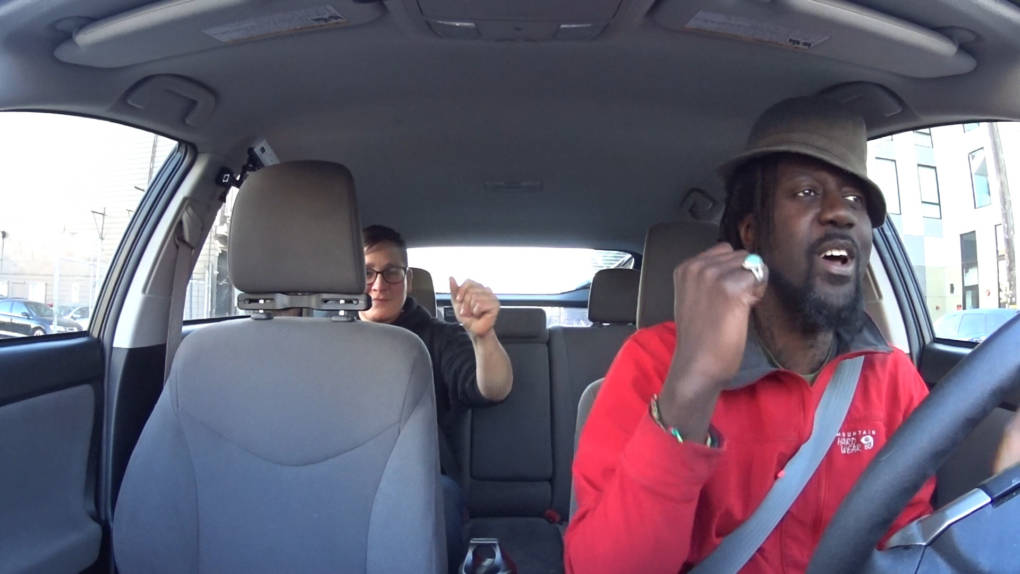
"caption": "Ashel Eldridge calls himself the Lyft Rapper, freestyling for passengers about goofy topics and more serious issues.",
"description": null,
"title": "RS28840_InCar2-qut",
"credit": "Ashel Eldridge",
"status": "inherit",
"isLoading": false,
"fetchFailed": false
},
"news_11641254": {
"type": "attachments",
"id": "news_11641254",
"meta": {
"index": "attachments_1716263798",
"site": "news",
"id": "11641254",
"found": true
},
"parent": 11641238,
"imgSizes": {
"small": {
"file": "https://ww2.kqed.org/app/uploads/sites/10/2018/01/school-lottery-520x293.jpg",
"width": 520,
"mimeType": "image/jpeg",
"height": 293
},
"twentyfourteen-full-width": {
"file": "https://ww2.kqed.org/app/uploads/sites/10/2018/01/school-lottery-1038x576.jpg",
"width": 1038,
"mimeType": "image/jpeg",
"height": 576
},
"thumbnail": {
"file": "https://ww2.kqed.org/app/uploads/sites/10/2018/01/school-lottery-160x90.jpg",
"width": 160,
"mimeType": "image/jpeg",
"height": 90
},
"fd-sm": {
"file": "https://ww2.kqed.org/app/uploads/sites/10/2018/01/school-lottery-960x540.jpg",
"width": 960,
"mimeType": "image/jpeg",
"height": 540
},
"post-thumbnail": {
"file": "https://ww2.kqed.org/app/uploads/sites/10/2018/01/school-lottery-672x372.jpg",
"width": 672,
"mimeType": "image/jpeg",
"height": 372
},
"xsmall": {
"file": "https://ww2.kqed.org/app/uploads/sites/10/2018/01/school-lottery-375x211.jpg",
"width": 375,
"mimeType": "image/jpeg",
"height": 211
},
"kqedFullSize": {
"file": "https://ww2.kqed.org/app/uploads/sites/10/2018/01/school-lottery.jpg",
"width": 1920,
"height": 1080
},
"large": {
"file": "https://ww2.kqed.org/app/uploads/sites/10/2018/01/school-lottery-1020x574.jpg",
"width": 1020,
"mimeType": "image/jpeg",
"height": 574
},
"xlarge": {
"file": "https://ww2.kqed.org/app/uploads/sites/10/2018/01/school-lottery-1180x664.jpg",
"width": 1180,
"mimeType": "image/jpeg",
"height": 664
},
"guest-author-50": {
"file": "https://ww2.kqed.org/app/uploads/sites/10/2018/01/school-lottery-50x50.jpg",
"width": 50,
"mimeType": "image/jpeg",
"height": 50
},
"guest-author-96": {
"file": "https://ww2.kqed.org/app/uploads/sites/10/2018/01/school-lottery-96x96.jpg",
"width": 96,
"mimeType": "image/jpeg",
"height": 96
},
"medium": {
"file": "https://ww2.kqed.org/app/uploads/sites/10/2018/01/school-lottery-800x450.jpg",
"width": 800,
"mimeType": "image/jpeg",
"height": 450
},
"guest-author-64": {
"file": "https://ww2.kqed.org/app/uploads/sites/10/2018/01/school-lottery-64x64.jpg",
"width": 64,
"mimeType": "image/jpeg",
"height": 64
},
"guest-author-32": {
"file": "https://ww2.kqed.org/app/uploads/sites/10/2018/01/school-lottery-32x32.jpg",
"width": 32,
"mimeType": "image/jpeg",
"height": 32
},
"fd-lrg": {
"file": "https://ww2.kqed.org/app/uploads/sites/10/2018/01/school-lottery-1920x1080.jpg",
"width": 1920,
"mimeType": "image/jpeg",
"height": 1080
},
"fd-med": {
"file": "https://ww2.kqed.org/app/uploads/sites/10/2018/01/school-lottery-1180x664.jpg",
"width": 1180,
"mimeType": "image/jpeg",
"height": 664
},
"full-width": {
"file": "https://ww2.kqed.org/app/uploads/sites/10/2018/01/school-lottery-1920x1080.jpg",
"width": 1920,
"mimeType": "image/jpeg",
"height": 1080
},
"detail": {
"file": "https://ww2.kqed.org/app/uploads/sites/10/2018/01/school-lottery-150x150.jpg",
"width": 150,
"mimeType": "image/jpeg",
"height": 150
},
"guest-author-128": {
"file": "https://ww2.kqed.org/app/uploads/sites/10/2018/01/school-lottery-128x128.jpg",
"width": 128,
"mimeType": "image/jpeg",
"height": 128
},
"xxsmall": {
"file": "https://ww2.kqed.org/app/uploads/sites/10/2018/01/school-lottery-240x135.jpg",
"width": 240,
"mimeType": "image/jpeg",
"height": 135
}
},
"publishDate": 1515609515,
"modified": 1515609857,
"caption": "A student writing assignment.",
"description": null,
"title": "school-lottery",
"credit": "Courtesy of Allison Shelley/The Verbatim Agency for American Education: Images of Teachers and Students in Action",
"status": "inherit",
"isLoading": false,
"fetchFailed": false
},
"news_11639565": {
"type": "attachments",
"id": "news_11639565",
"meta": {
"index": "attachments_1716263798",
"site": "news",
"id": "11639565",
"found": true
},
"parent": 11639562,
"imgSizes": {
"small": {
"file": "https://ww2.kqed.org/app/uploads/sites/10/2017/12/RS18884_GettyImages-496503592-qut-520x347.jpg",
"width": 520,
"mimeType": "image/jpeg",
"height": 347
},
"twentyfourteen-full-width": {
"file": "https://ww2.kqed.org/app/uploads/sites/10/2017/12/RS18884_GettyImages-496503592-qut-1038x576.jpg",
"width": 1038,
"mimeType": "image/jpeg",
"height": 576
},
"thumbnail": {
"file": "https://ww2.kqed.org/app/uploads/sites/10/2017/12/RS18884_GettyImages-496503592-qut-160x107.jpg",
"width": 160,
"mimeType": "image/jpeg",
"height": 107
},
"fd-sm": {
"file": "https://ww2.kqed.org/app/uploads/sites/10/2017/12/RS18884_GettyImages-496503592-qut-960x640.jpg",
"width": 960,
"mimeType": "image/jpeg",
"height": 640
},
"post-thumbnail": {
"file": "https://ww2.kqed.org/app/uploads/sites/10/2017/12/RS18884_GettyImages-496503592-qut-672x372.jpg",
"width": 672,
"mimeType": "image/jpeg",
"height": 372
},
"xsmall": {
"file": "https://ww2.kqed.org/app/uploads/sites/10/2017/12/RS18884_GettyImages-496503592-qut-375x250.jpg",
"width": 375,
"mimeType": "image/jpeg",
"height": 250
},
"kqedFullSize": {
"file": "https://ww2.kqed.org/app/uploads/sites/10/2017/12/RS18884_GettyImages-496503592-qut.jpg",
"width": 1920,
"height": 1280
},
"large": {
"file": "https://ww2.kqed.org/app/uploads/sites/10/2017/12/RS18884_GettyImages-496503592-qut-1020x680.jpg",
"width": 1020,
"mimeType": "image/jpeg",
"height": 680
},
"xlarge": {
"file": "https://ww2.kqed.org/app/uploads/sites/10/2017/12/RS18884_GettyImages-496503592-qut-1180x787.jpg",
"width": 1180,
"mimeType": "image/jpeg",
"height": 787
},
"guest-author-50": {
"file": "https://ww2.kqed.org/app/uploads/sites/10/2017/12/RS18884_GettyImages-496503592-qut-50x50.jpg",
"width": 50,
"mimeType": "image/jpeg",
"height": 50
},
"guest-author-96": {
"file": "https://ww2.kqed.org/app/uploads/sites/10/2017/12/RS18884_GettyImages-496503592-qut-96x96.jpg",
"width": 96,
"mimeType": "image/jpeg",
"height": 96
},
"medium": {
"file": "https://ww2.kqed.org/app/uploads/sites/10/2017/12/RS18884_GettyImages-496503592-qut-800x533.jpg",
"width": 800,
"mimeType": "image/jpeg",
"height": 533
},
"guest-author-64": {
"file": "https://ww2.kqed.org/app/uploads/sites/10/2017/12/RS18884_GettyImages-496503592-qut-64x64.jpg",
"width": 64,
"mimeType": "image/jpeg",
"height": 64
},
"guest-author-32": {
"file": "https://ww2.kqed.org/app/uploads/sites/10/2017/12/RS18884_GettyImages-496503592-qut-32x32.jpg",
"width": 32,
"mimeType": "image/jpeg",
"height": 32
},
"fd-lrg": {
"file": "https://ww2.kqed.org/app/uploads/sites/10/2017/12/RS18884_GettyImages-496503592-qut-1920x1280.jpg",
"width": 1920,
"mimeType": "image/jpeg",
"height": 1280
},
"fd-med": {
"file": "https://ww2.kqed.org/app/uploads/sites/10/2017/12/RS18884_GettyImages-496503592-qut-1180x787.jpg",
"width": 1180,
"mimeType": "image/jpeg",
"height": 787
},
"full-width": {
"file": "https://ww2.kqed.org/app/uploads/sites/10/2017/12/RS18884_GettyImages-496503592-qut-1920x1280.jpg",
"width": 1920,
"mimeType": "image/jpeg",
"height": 1280
},
"detail": {
"file": "https://ww2.kqed.org/app/uploads/sites/10/2017/12/RS18884_GettyImages-496503592-qut-150x150.jpg",
"width": 150,
"mimeType": "image/jpeg",
"height": 150
},
"guest-author-128": {
"file": "https://ww2.kqed.org/app/uploads/sites/10/2017/12/RS18884_GettyImages-496503592-qut-128x128.jpg",
"width": 128,
"mimeType": "image/jpeg",
"height": 128
},
"xxsmall": {
"file": "https://ww2.kqed.org/app/uploads/sites/10/2017/12/RS18884_GettyImages-496503592-qut-240x160.jpg",
"width": 240,
"mimeType": "image/jpeg",
"height": 160
}
},
"publishDate": 1514658853,
"modified": 1514659209,
"caption": "In this Nov. 10, 2017 photo, thousands of people took to the streets to stage protests in front of businesses that are paying some of their workers the minimum wage. In 2018 state minimum wage increases to $10.50 per hour for businesses with 25 or fewer employees and to $11 per hour for those with 26 or more employees. ",
"description": "In this Nov. 10, 2017 photo, thousands of people took to the streets to stage protests in front of businesses that are paying some of their workers the minimum wage. In 2018 state minimum wage increases to $10.50 per hour for businesses with 25 or fewer employees and to $11 per hour for those with 26 or more employees. ",
"title": "RS18884_GettyImages-496503592-qut",
"credit": "Spencer Platt/Getty Images",
"status": "inherit",
"isLoading": false,
"fetchFailed": false
},
"news_11635713": {
"type": "attachments",
"id": "news_11635713",
"meta": {
"index": "attachments_1716263798",
"site": "news",
"id": "11635713",
"found": true
},
"parent": 11635657,
"imgSizes": {
"small": {
"file": "https://ww2.kqed.org/app/uploads/sites/10/2017/12/RS28392_IMG_0086-qut-520x347.jpg",
"width": 520,
"mimeType": "image/jpeg",
"height": 347
},
"twentyfourteen-full-width": {
"file": "https://ww2.kqed.org/app/uploads/sites/10/2017/12/RS28392_IMG_0086-qut-1038x576.jpg",
"width": 1038,
"mimeType": "image/jpeg",
"height": 576
},
"thumbnail": {
"file": "https://ww2.kqed.org/app/uploads/sites/10/2017/12/RS28392_IMG_0086-qut-160x107.jpg",
"width": 160,
"mimeType": "image/jpeg",
"height": 107
},
"fd-sm": {
"file": "https://ww2.kqed.org/app/uploads/sites/10/2017/12/RS28392_IMG_0086-qut-960x640.jpg",
"width": 960,
"mimeType": "image/jpeg",
"height": 640
},
"post-thumbnail": {
"file": "https://ww2.kqed.org/app/uploads/sites/10/2017/12/RS28392_IMG_0086-qut-672x372.jpg",
"width": 672,
"mimeType": "image/jpeg",
"height": 372
},
"xsmall": {
"file": "https://ww2.kqed.org/app/uploads/sites/10/2017/12/RS28392_IMG_0086-qut-375x250.jpg",
"width": 375,
"mimeType": "image/jpeg",
"height": 250
},
"kqedFullSize": {
"file": "https://ww2.kqed.org/app/uploads/sites/10/2017/12/RS28392_IMG_0086-qut.jpg",
"width": 1920,
"height": 1280
},
"large": {
"file": "https://ww2.kqed.org/app/uploads/sites/10/2017/12/RS28392_IMG_0086-qut-1020x680.jpg",
"width": 1020,
"mimeType": "image/jpeg",
"height": 680
},
"xlarge": {
"file": "https://ww2.kqed.org/app/uploads/sites/10/2017/12/RS28392_IMG_0086-qut-1180x787.jpg",
"width": 1180,
"mimeType": "image/jpeg",
"height": 787
},
"guest-author-50": {
"file": "https://ww2.kqed.org/app/uploads/sites/10/2017/12/RS28392_IMG_0086-qut-50x50.jpg",
"width": 50,
"mimeType": "image/jpeg",
"height": 50
},
"guest-author-96": {
"file": "https://ww2.kqed.org/app/uploads/sites/10/2017/12/RS28392_IMG_0086-qut-96x96.jpg",
"width": 96,
"mimeType": "image/jpeg",
"height": 96
},
"medium": {
"file": "https://ww2.kqed.org/app/uploads/sites/10/2017/12/RS28392_IMG_0086-qut-800x533.jpg",
"width": 800,
"mimeType": "image/jpeg",
"height": 533
},
"guest-author-64": {
"file": "https://ww2.kqed.org/app/uploads/sites/10/2017/12/RS28392_IMG_0086-qut-64x64.jpg",
"width": 64,
"mimeType": "image/jpeg",
"height": 64
},
"guest-author-32": {
"file": "https://ww2.kqed.org/app/uploads/sites/10/2017/12/RS28392_IMG_0086-qut-32x32.jpg",
"width": 32,
"mimeType": "image/jpeg",
"height": 32
},
"fd-lrg": {
"file": "https://ww2.kqed.org/app/uploads/sites/10/2017/12/RS28392_IMG_0086-qut-1920x1280.jpg",
"width": 1920,
"mimeType": "image/jpeg",
"height": 1280
},
"fd-med": {
"file": "https://ww2.kqed.org/app/uploads/sites/10/2017/12/RS28392_IMG_0086-qut-1180x787.jpg",
"width": 1180,
"mimeType": "image/jpeg",
"height": 787
},
"full-width": {
"file": "https://ww2.kqed.org/app/uploads/sites/10/2017/12/RS28392_IMG_0086-qut-1920x1280.jpg",
"width": 1920,
"mimeType": "image/jpeg",
"height": 1280
},
"detail": {
"file": "https://ww2.kqed.org/app/uploads/sites/10/2017/12/RS28392_IMG_0086-qut-150x150.jpg",
"width": 150,
"mimeType": "image/jpeg",
"height": 150
},
"guest-author-128": {
"file": "https://ww2.kqed.org/app/uploads/sites/10/2017/12/RS28392_IMG_0086-qut-128x128.jpg",
"width": 128,
"mimeType": "image/jpeg",
"height": 128
},
"xxsmall": {
"file": "https://ww2.kqed.org/app/uploads/sites/10/2017/12/RS28392_IMG_0086-qut-240x160.jpg",
"width": 240,
"mimeType": "image/jpeg",
"height": 160
}
},
"publishDate": 1512692494,
"modified": 1512774691,
"caption": "S.F. State student Alisar Mustafa taught a course titled, \"Syrian Refugees: Analysis of Global Issues\" for the 2017 fall semester. Mustafa celebrates the end of the semester at an art gallery featuring her students' final projects in San Francisco on Dec. 4, 2017.",
"description": null,
"title": "RS28392_IMG_0086-qut",
"credit": "Audrey Garces/KQED",
"status": "inherit",
"isLoading": false,
"fetchFailed": false
},
"news_11636069": {
"type": "attachments",
"id": "news_11636069",
"meta": {
"index": "attachments_1716263798",
"site": "news",
"id": "11636069",
"found": true
},
"parent": 11635902,
"imgSizes": {
"small": {
"file": "https://ww2.kqed.org/app/uploads/sites/10/2017/12/iStock-637549016-520x347.jpg",
"width": 520,
"mimeType": "image/jpeg",
"height": 347
},
"twentyfourteen-full-width": {
"file": "https://ww2.kqed.org/app/uploads/sites/10/2017/12/iStock-637549016-1038x576.jpg",
"width": 1038,
"mimeType": "image/jpeg",
"height": 576
},
"thumbnail": {
"file": "https://ww2.kqed.org/app/uploads/sites/10/2017/12/iStock-637549016-160x107.jpg",
"width": 160,
"mimeType": "image/jpeg",
"height": 107
},
"fd-sm": {
"file": "https://ww2.kqed.org/app/uploads/sites/10/2017/12/iStock-637549016-960x640.jpg",
"width": 960,
"mimeType": "image/jpeg",
"height": 640
},
"post-thumbnail": {
"file": "https://ww2.kqed.org/app/uploads/sites/10/2017/12/iStock-637549016-672x372.jpg",
"width": 672,
"mimeType": "image/jpeg",
"height": 372
},
"xsmall": {
"file": "https://ww2.kqed.org/app/uploads/sites/10/2017/12/iStock-637549016-375x250.jpg",
"width": 375,
"mimeType": "image/jpeg",
"height": 250
},
"kqedFullSize": {
"file": "https://ww2.kqed.org/app/uploads/sites/10/2017/12/iStock-637549016-e1512855407477.jpg",
"width": 1920,
"height": 1280
},
"large": {
"file": "https://ww2.kqed.org/app/uploads/sites/10/2017/12/iStock-637549016-1020x680.jpg",
"width": 1020,
"mimeType": "image/jpeg",
"height": 680
},
"xlarge": {
"file": "https://ww2.kqed.org/app/uploads/sites/10/2017/12/iStock-637549016-1180x787.jpg",
"width": 1180,
"mimeType": "image/jpeg",
"height": 787
},
"guest-author-50": {
"file": "https://ww2.kqed.org/app/uploads/sites/10/2017/12/iStock-637549016-50x50.jpg",
"width": 50,
"mimeType": "image/jpeg",
"height": 50
},
"guest-author-96": {
"file": "https://ww2.kqed.org/app/uploads/sites/10/2017/12/iStock-637549016-96x96.jpg",
"width": 96,
"mimeType": "image/jpeg",
"height": 96
},
"medium": {
"file": "https://ww2.kqed.org/app/uploads/sites/10/2017/12/iStock-637549016-800x533.jpg",
"width": 800,
"mimeType": "image/jpeg",
"height": 533
},
"guest-author-64": {
"file": "https://ww2.kqed.org/app/uploads/sites/10/2017/12/iStock-637549016-64x64.jpg",
"width": 64,
"mimeType": "image/jpeg",
"height": 64
},
"guest-author-32": {
"file": "https://ww2.kqed.org/app/uploads/sites/10/2017/12/iStock-637549016-32x32.jpg",
"width": 32,
"mimeType": "image/jpeg",
"height": 32
},
"fd-lrg": {
"file": "https://ww2.kqed.org/app/uploads/sites/10/2017/12/iStock-637549016-1920x1280.jpg",
"width": 1920,
"mimeType": "image/jpeg",
"height": 1280
},
"fd-med": {
"file": "https://ww2.kqed.org/app/uploads/sites/10/2017/12/iStock-637549016-1180x787.jpg",
"width": 1180,
"mimeType": "image/jpeg",
"height": 787
},
"full-width": {
"file": "https://ww2.kqed.org/app/uploads/sites/10/2017/12/iStock-637549016-1920x1280.jpg",
"width": 1920,
"mimeType": "image/jpeg",
"height": 1280
},
"detail": {
"file": "https://ww2.kqed.org/app/uploads/sites/10/2017/12/iStock-637549016-150x150.jpg",
"width": 150,
"mimeType": "image/jpeg",
"height": 150
},
"guest-author-128": {
"file": "https://ww2.kqed.org/app/uploads/sites/10/2017/12/iStock-637549016-128x128.jpg",
"width": 128,
"mimeType": "image/jpeg",
"height": 128
},
"xxsmall": {
"file": "https://ww2.kqed.org/app/uploads/sites/10/2017/12/iStock-637549016-240x160.jpg",
"width": 240,
"mimeType": "image/jpeg",
"height": 160
}
},
"publishDate": 1512855382,
"modified": 1588275628,
"caption": "Social distancing would be one challenge facing schools should they reopen.",
"description": null,
"title": "School classroom with blackboard",
"credit": "Maroke/iStock",
"status": "inherit",
"isLoading": false,
"fetchFailed": false
}
},
"audioPlayerReducer": {
"postId": "stream_live",
"isPaused": true,
"isPlaying": false,
"pfsActive": false,
"pledgeModalIsOpen": true,
"playerDrawerIsOpen": false,
"liveAudioPlayStartedAt": 0,
"liveAudioPlayContext": ""
},
"authorsReducer": {
"byline_news_11652237": {
"type": "authors",
"id": "byline_news_11652237",
"meta": {
"override": true
},
"slug": "byline_news_11652237",
"name": "Samantha Clark",
"isLoading": false
},
"byline_news_11650943": {
"type": "authors",
"id": "byline_news_11650943",
"meta": {
"override": true
},
"slug": "byline_news_11650943",
"name": "\u003cstrong>Jason Dearen, Allen G. Breed \u003c/strong> and \u003cstrong>Tamara Lush\u003c/strong>\u003c/br> Associated Press",
"isLoading": false
},
"byline_news_11643418": {
"type": "authors",
"id": "byline_news_11643418",
"meta": {
"override": true
},
"slug": "byline_news_11643418",
"name": "\u003cstrong>Jessica Calefati\u003c/strong>",
"isLoading": false
},
"byline_news_11641425": {
"type": "authors",
"id": "byline_news_11641425",
"meta": {
"override": true
},
"slug": "byline_news_11641425",
"name": "Allen Young",
"isLoading": false
},
"byline_news_11639562": {
"type": "authors",
"id": "byline_news_11639562",
"meta": {
"override": true
},
"slug": "byline_news_11639562",
"name": "\u003cstrong>Don Thompson\u003c/strong> \u003c/br> Associated Press",
"isLoading": false
},
"katrinaschwartz": {
"type": "authors",
"id": "234",
"meta": {
"index": "authors_1716337520",
"id": "234",
"found": true
},
"name": "Katrina Schwartz",
"firstName": "Katrina",
"lastName": "Schwartz",
"slug": "katrinaschwartz",
"email": "kschwartz@kqed.org",
"display_author_email": false,
"staff_mastheads": [
"news"
],
"title": "Producer",
"bio": "Katrina Schwartz is a journalist based in San Francisco. She's worked at KPCC public radio in LA and has reported on air and online for KQED since 2010. She covered how teaching and learning is changing for MindShift between 2012 and 2020. She is the co-host of the MindShift podcast and now produces KQED's Bay Curious podcast.",
"avatar": "https://secure.gravatar.com/avatar/edb4ee79070447a018538c9aae6eeecf28786515b8a0c30e43b6b7dce5aa44c8?s=600&d=blank&r=g",
"twitter": "kschwart",
"bluesky": null,
"facebook": null,
"instagram": null,
"linkedin": null,
"sites": [
{
"site": "",
"roles": [
"editor"
]
},
{
"site": "news",
"roles": [
"editor"
]
},
{
"site": "mindshift",
"roles": [
"administrator"
]
},
{
"site": "stateofhealth",
"roles": [
"author"
]
},
{
"site": "science",
"roles": [
"editor"
]
}
],
"headData": {
"title": "Katrina Schwartz | KQED",
"description": "Producer",
"ogImgSrc": "https://secure.gravatar.com/avatar/edb4ee79070447a018538c9aae6eeecf28786515b8a0c30e43b6b7dce5aa44c8?s=600&d=blank&r=g",
"twImgSrc": "https://secure.gravatar.com/avatar/edb4ee79070447a018538c9aae6eeecf28786515b8a0c30e43b6b7dce5aa44c8?s=600&d=blank&r=g"
},
"isLoading": false,
"link": "/author/katrinaschwartz"
},
"tarasiler": {
"type": "authors",
"id": "257",
"meta": {
"index": "authors_1716337520",
"id": "257",
"found": true
},
"name": "Tara Siler",
"firstName": "Tara",
"lastName": "Siler",
"slug": "tarasiler",
"email": "tsiler@kqed.org",
"display_author_email": false,
"staff_mastheads": [
"news"
],
"title": "KQED Contributor",
"bio": "Tara reports and anchors for KQED news. She covers a range of issues from community-police relations to local politics. Tara started out in community radio in the Bay Area, where she was raised. She eventually moved to Washington DC where she covered Congress for eight years for Pacifica and Monitor Radio. Her stories have also been heard on NPR's All Things Considered, Morning Edition and The World.\r\n\r\nTara lives with her husband in Oakland-- where they raised their two sons. She enjoys spending time with her family, gardening and hiking in the Oakland hills... and keeping up with the news.",
"avatar": "https://secure.gravatar.com/avatar/99802f9746fb80b65fd8ec6c57954450?s=600&d=blank&r=g",
"twitter": null,
"facebook": null,
"instagram": null,
"linkedin": null,
"sites": [
{
"site": "news",
"roles": [
"contributor",
"edit_others_posts"
]
},
{
"site": "stateofhealth",
"roles": [
"author"
]
}
],
"headData": {
"title": "Tara Siler | KQED",
"description": "KQED Contributor",
"ogImgSrc": "https://secure.gravatar.com/avatar/99802f9746fb80b65fd8ec6c57954450?s=600&d=blank&r=g",
"twImgSrc": "https://secure.gravatar.com/avatar/99802f9746fb80b65fd8ec6c57954450?s=600&d=blank&r=g"
},
"isLoading": false,
"link": "/author/tarasiler"
},
"scuevas": {
"type": "authors",
"id": "2600",
"meta": {
"index": "authors_1716337520",
"id": "2600",
"found": true
},
"name": "Steven Cuevas",
"firstName": "Steven",
"lastName": "Cuevas",
"slug": "scuevas",
"email": "scuevas@kqed.org",
"display_author_email": false,
"staff_mastheads": [],
"title": "KQED Contributor",
"bio": "Steven is a former Los Angeles bureau chief for The California Report.\r\n\r\nHe reports on an array of issues across the Southland, from immigration and regional politics to religion, the performing arts and pop culture.\r\n\r\nPrior to joining KQED in 2012, Steven covered Inland southern California for KPCC in Pasadena. He also helped establish the first newsroom at \u003ca href=\"http://kut.org/\">KUT\u003c/a> in Austin, Texas where he was a general assignment reporter.\r\n\r\nSteven has received numerous awards for his reporting including an RTNDA Edward R. Murrow Award for investigative reporting in addition to awards from the LA Press Club, the Associated Press and the Society for Professional Journalists.\r\n\r\nSteven grew up in and around San Francisco and now lives in Pasadena just a short jog from the foot of the San Gabriel Mountains.",
"avatar": "https://secure.gravatar.com/avatar/2d253580794f8e026100fae05cfabbbd4889b4fe15146146cacb82a01974c538?s=600&d=blank&r=g",
"twitter": null,
"bluesky": null,
"facebook": null,
"instagram": null,
"linkedin": null,
"sites": [
{
"site": "news",
"roles": [
"subscriber"
]
}
],
"headData": {
"title": "Steven Cuevas | KQED",
"description": "KQED Contributor",
"ogImgSrc": "https://secure.gravatar.com/avatar/2d253580794f8e026100fae05cfabbbd4889b4fe15146146cacb82a01974c538?s=600&d=blank&r=g",
"twImgSrc": "https://secure.gravatar.com/avatar/2d253580794f8e026100fae05cfabbbd4889b4fe15146146cacb82a01974c538?s=600&d=blank&r=g"
},
"isLoading": false,
"link": "/author/scuevas"
},
"rlevi": {
"type": "authors",
"id": "11260",
"meta": {
"index": "authors_1716337520",
"id": "11260",
"found": true
},
"name": "Ryan Levi",
"firstName": "Ryan",
"lastName": "Levi",
"slug": "rlevi",
"email": "rlevi@KQED.org",
"display_author_email": false,
"staff_mastheads": [],
"title": "KQED Contributor",
"bio": "Ryan Levi was a reporter and podcast producer at KQED News from 2016-2019. He worked on \u003ca href=\"https://www.kqed.org/news/series/baycurious\">Bay Curious\u003c/a>, \u003ca href=\"https://www.kqed.org/news/tag/the-bay/\">The Bay, \u003c/a>and \u003ca href=\"https://podcasts.apple.com/us/podcast/the-california-report-magazine/id1314750545\">The California Report Magazine\u003c/a>, as well as hosting and producing the weekly \u003ca href=\"https://www.kqed.org/news/program/qedup/\">Q'ed Up podcast. \u003c/a>He also helped inaugurate KQED's weekend news coverage in 2017 as one of two original digital producers. Ryan holds degrees in multimedia journalism and Spanish from the University of Missouri.",
"avatar": "https://secure.gravatar.com/avatar/4cb2ddd028ac8807d1adf09609c5555d?s=600&d=blank&r=g",
"twitter": "ryan_levi",
"facebook": null,
"instagram": null,
"linkedin": null,
"sites": [
{
"site": "arts",
"roles": [
"editor"
]
},
{
"site": "news",
"roles": [
"subscriber"
]
},
{
"site": "stateofhealth",
"roles": [
"editor"
]
},
{
"site": "science",
"roles": [
"editor"
]
},
{
"site": "forum",
"roles": [
"administrator"
]
},
{
"site": "perspectives",
"roles": [
"administrator"
]
}
],
"headData": {
"title": "Ryan Levi | KQED",
"description": "KQED Contributor",
"ogImgSrc": "https://secure.gravatar.com/avatar/4cb2ddd028ac8807d1adf09609c5555d?s=600&d=blank&r=g",
"twImgSrc": "https://secure.gravatar.com/avatar/4cb2ddd028ac8807d1adf09609c5555d?s=600&d=blank&r=g"
},
"isLoading": false,
"link": "/author/rlevi"
},
"vrancano": {
"type": "authors",
"id": "11276",
"meta": {
"index": "authors_1716337520",
"id": "11276",
"found": true
},
"name": "Vanessa Rancaño",
"firstName": "Vanessa",
"lastName": "Rancaño",
"slug": "vrancano",
"email": "vrancano@kqed.org",
"display_author_email": false,
"staff_mastheads": [
"news"
],
"title": "Reporter",
"bio": "Vanessa Rancaño is a features reporter for KQED. She’s also covered homelessness and education for the station and reported from the Central Valley. Her work has aired across public radio, from flagship national news shows to longform narrative podcasts. Before taking up a mic, she worked as a freelance print journalist. She’s been recognized with a number of national and regional awards. Vanessa grew up in California's Central Valley. She's a former NPR Kroc Fellow, and a graduate of the UC Berkeley Graduate School of Journalism.",
"avatar": "https://secure.gravatar.com/avatar/b3a383dfb0e7ee1c17568f2cf067904ab654d6e3de9743fc661f3c788ade1bed?s=600&d=blank&r=g",
"twitter": "vanessarancano",
"bluesky": null,
"facebook": null,
"instagram": null,
"linkedin": null,
"sites": [
{
"site": "arts",
"roles": [
"editor"
]
},
{
"site": "news",
"roles": [
"editor"
]
},
{
"site": "liveblog",
"roles": [
"contributor"
]
}
],
"headData": {
"title": "Vanessa Rancaño | KQED",
"description": "Reporter",
"ogImgSrc": "https://secure.gravatar.com/avatar/b3a383dfb0e7ee1c17568f2cf067904ab654d6e3de9743fc661f3c788ade1bed?s=600&d=blank&r=g",
"twImgSrc": "https://secure.gravatar.com/avatar/b3a383dfb0e7ee1c17568f2cf067904ab654d6e3de9743fc661f3c788ade1bed?s=600&d=blank&r=g"
},
"isLoading": false,
"link": "/author/vrancano"
},
"btaylor": {
"type": "authors",
"id": "11365",
"meta": {
"index": "authors_1716337520",
"id": "11365",
"found": true
},
"name": "Bianca Taylor",
"firstName": "Bianca",
"lastName": "Taylor",
"slug": "btaylor",
"email": "btaylor@KQED.org",
"display_author_email": false,
"staff_mastheads": [
"news"
],
"title": "Host and Producer ",
"bio": "Bianca Taylor is a news producer and host of KQED's The Latest podcast.\r\n\r\nHer work with KQED has been honored by the Society of Professional Journalists NorCal, the Webby's, the Regional Murrow Awards, and ONA. She has also worked with NPR, the BBC World Service, and the Washington Post Creative Group.\r\n\r\nBianca is represented by SAG-AFTRA.",
"avatar": "https://secure.gravatar.com/avatar/6b9d3f6552dd10470c5d1c2e58cfe717?s=600&d=blank&r=g",
"twitter": "SoundsLkeBianca",
"facebook": null,
"instagram": null,
"linkedin": null,
"sites": [
{
"site": "arts",
"roles": [
"editor"
]
},
{
"site": "news",
"roles": [
"edit_others_posts",
"editor"
]
},
{
"site": "pop",
"roles": [
"editor"
]
},
{
"site": "bayareabites",
"roles": [
"author"
]
},
{
"site": "science",
"roles": [
"editor"
]
},
{
"site": "forum",
"roles": [
"editor"
]
},
{
"site": "radio",
"roles": [
"editor"
]
},
{
"site": "podcasts",
"roles": [
"editor"
]
}
],
"headData": {
"title": "Bianca Taylor | KQED",
"description": "Host and Producer ",
"ogImgSrc": "https://secure.gravatar.com/avatar/6b9d3f6552dd10470c5d1c2e58cfe717?s=600&d=blank&r=g",
"twImgSrc": "https://secure.gravatar.com/avatar/6b9d3f6552dd10470c5d1c2e58cfe717?s=600&d=blank&r=g"
},
"isLoading": false,
"link": "/author/btaylor"
},
"agarces": {
"type": "authors",
"id": "11367",
"meta": {
"index": "authors_1716337520",
"id": "11367",
"found": true
},
"name": "Audrey Garces",
"firstName": "Audrey",
"lastName": "Garces",
"slug": "agarces",
"email": "agarces@kqed.org",
"display_author_email": false,
"staff_mastheads": [
"news"
],
"title": "Digital Producer",
"bio": "Audrey is a former digital producer at KQED News. Previously, she was a KQED Raul Ramirez Diversity Fund intern where she developed stories that focused on highlighting diverse voices in journalism. Prior to her work at KQED, she worked as a news intern at the San Francisco Examiner. Audrey graduated from San Francisco State University with a B.A. in journalism and a minor in political science.",
"avatar": "https://secure.gravatar.com/avatar/5211bc2e6a809b9956da169e35ce63d5?s=600&d=blank&r=g",
"twitter": "audgar",
"facebook": null,
"instagram": null,
"linkedin": null,
"sites": [
{
"site": "arts",
"roles": []
},
{
"site": "news",
"roles": [
"subscriber"
]
},
{
"site": "science",
"roles": [
"editor"
]
},
{
"site": "forum",
"roles": [
"editor"
]
},
{
"site": "perspectives",
"roles": [
"administrator"
]
}
],
"headData": {
"title": "Audrey Garces | KQED",
"description": "Digital Producer",
"ogImgSrc": "https://secure.gravatar.com/avatar/5211bc2e6a809b9956da169e35ce63d5?s=600&d=blank&r=g",
"twImgSrc": "https://secure.gravatar.com/avatar/5211bc2e6a809b9956da169e35ce63d5?s=600&d=blank&r=g"
},
"isLoading": false,
"link": "/author/agarces"
}
},
"pagesReducer": {
"news_tag_education": {
"type": "terms",
"id": "news_20013",
"meta": {
"index": "terms_1716263798",
"site": "news",
"id": "20013",
"score": 6.970053
},
"featImg": null,
"name": "education",
"description": null,
"taxonomy": "tag",
"headData": {
"twImgId": null,
"twTitle": null,
"ogTitle": null,
"ogImgId": null,
"twDescription": null,
"description": null,
"title": "education Archives | KQED News",
"ogDescription": null
},
"ttid": 20030,
"slug": "education",
"isLoading": false,
"title": "education",
"pageMeta": {
"site": "news",
"WpPageTemplate": "page-topic-editorial",
"currentPage": 111
},
"blocks": [
{
"blockName": "kqed/post-list",
"attrs": {
"layout": "cardArticle2",
"query": "posts/news?tag=education",
"seeMore": false,
"paginated": true,
"page": 111
}
},
{
"blockName": "kqed/ad"
}
]
}
},
"pfsSessionReducer": {},
"postsReducer": {
"stream_live": {
"type": "live",
"id": "stream_live",
"audioUrl": "https://streams.kqed.org/kqedradio",
"title": "Live Stream",
"excerpt": "Live Stream information currently unavailable.",
"link": "/radio",
"featImg": "",
"label": {
"name": "KQED Live",
"link": "/"
}
},
"stream_kqedNewscast": {
"type": "posts",
"id": "stream_kqedNewscast",
"audioUrl": "https://www.kqed.org/.stream/anon/radio/RDnews/newscast.mp3?_=1",
"title": "KQED Newscast",
"featImg": "",
"label": {
"name": "88.5 FM",
"link": "/"
}
},
"news_11652237": {
"type": "posts",
"id": "news_11652237",
"meta": {
"index": "posts_1716263798",
"site": "news",
"id": "11652237",
"score": null,
"sort": [
1519617001000
]
},
"guestAuthors": [],
"slug": "photos-oakland-celebrates-black-joy-parade",
"title": "PHOTOS: Oakland Celebrates Black Joy Parade",
"publishDate": 1519617001,
"format": "image",
"headTitle": "PHOTOS: Oakland Celebrates Black Joy Parade | KQED",
"labelTerm": {
"term": 6944,
"site": "news"
},
"content": "\u003cp>\u003cspan style=\"font-weight: 400;\">The inaugural \u003ca href=\"https://www.blackjoyparade.org/\" target=\"_blank\" rel=\"noopener\">Black Joy Parade\u003c/a> marched through the sunny streets of downtown Oakland on Sunday afternoon. People came out to celebrate culture and community through floats, food and fun. \u003c/span>\u003c/p>\n\u003cp>\u003cspan style=\"font-weight: 400;\">“We gather a lot to resist and not nearly enough to celebrate,” said founder Elisha Greenwell. “My hope is that everyone has a good time here.”\u003c/span>\u003c/p>\n\u003cp>\u003cspan style=\"font-weight: 400;\">At the end of the parade route, a family-friendly fair began. Dezell Geer, 30, of Fairfield stood near the poetry stage, listening with his family. \u003c/span>\u003c/p>\n\u003cp>\u003cspan style=\"font-weight: 400;\">“This is our \u003ca href=\"https://ww2.kqed.org/news/2018/02/25/photos-chinese-new-year-parade-illuminates-san-francisco/\" target=\"_blank\" rel=\"noopener\">Chinese New Year Parade\u003c/a>,” he said. \u003c/span>\u003c/p>\n\u003cp>\u003cspan style=\"font-weight: 400;\">Many parents shared the same sentiment. Cherrese Brown, 35, of East Palo Alto, said she wanted her children to be part of event. \u003c/span>\u003c/p>\n\u003cp>[ad fullwidth]\u003c/p>\n\u003cp>\u003cspan style=\"font-weight: 400;\">“It’s important to be aware of your people, your culture — to be proud to be black,” she said. “It’s a beautiful thing.”\u003c/span>\u003c/p>\n\u003cp>\u003cspan style=\"font-weight: 400;\">Festival-goers weaved through booths featuring black art and crafts as well as nonprofits and community services. \u003c/span>\u003c/p>\n\u003cp>\u003cspan style=\"font-weight: 400;\">And visibility can be important, said Tiana Dorley, 21, of San Francisco. \u003c/span>\u003c/p>\n\u003cp>\u003cspan style=\"font-weight: 400;\">“We often hear that the black community is broken,” she said. “But today shows that we’re strong. We’re out here.”\u003c/span>\u003c/p>\n\u003cp>\u003cspan style=\"font-weight: 400;\">Tamarah Humphrey, 30, of South San Francisco, said the Black Joy Parade offered black people an opportunity to freely express themselves.\u003c/span>\u003c/p>\n\u003cp>\u003c/p>\n\u003cp>“A lot of people spend a lot of energy telling us that we’re less than or not enough, so when you hear that all the time, it’s hard not to believe it,” she said. “To be able to hold a space of joy is something special.”\u003c/p>\n\u003cfigure id=\"attachment_11652228\" class=\"wp-caption aligncenter\" style=\"max-width: 800px\">\u003cimg loading=\"lazy\" decoding=\"async\" class=\"size-medium wp-image-11652228\" src=\"https://ww2.kqed.org/news/wp-content/uploads/sites/10/2018/02/RS29589_Image-uploaded-from-iOS-1-qut-800x600.jpg\" alt=\"Tamarah Humphrey of San Francisco attends the inaugural Black Joy Parade in Oakland on Sunday.\" width=\"800\" height=\"600\">\u003cfigcaption class=\"wp-caption-text\">Tamarah Humphrey of San Francisco attends the inaugural Black Joy Parade in Oakland on Sunday.\u003c/figcaption>\u003c/figure>\n\u003cfigure id=\"attachment_11652229\" class=\"wp-caption aligncenter\" style=\"max-width: 800px\">\u003cimg loading=\"lazy\" decoding=\"async\" class=\"size-medium wp-image-11652229\" src=\"https://ww2.kqed.org/news/wp-content/uploads/sites/10/2019/02/RS29593_Image-uploaded-from-iOS-qut-800x600.jpg\" alt=\"The Black Joy Parade, a celebration of black culture and community, kicked off in downtown Oakland on Sunday.\" width=\"800\" height=\"600\">\u003cfigcaption class=\"wp-caption-text\">The Black Joy Parade, a celebration of black culture and community, kicked off in downtown Oakland on Sunday.\u003c/figcaption>\u003c/figure>\n\u003cfigure id=\"attachment_11652230\" class=\"wp-caption aligncenter\" style=\"max-width: 800px\">\u003cimg loading=\"lazy\" decoding=\"async\" class=\"size-medium wp-image-11652230\" src=\"https://ww2.kqed.org/news/wp-content/uploads/sites/10/2019/02/RS29590_Image-uploaded-from-iOS-2-qut-800x614.jpg\" alt=\"Khadijah White, Alia Thomas and Malika Rubin-Davis dance by the stage at the Black Joy Parade in Oakland.\" width=\"800\" height=\"614\">\u003cfigcaption class=\"wp-caption-text\">Khadijah White, Alia Thomas and Malika Rubin-Davis dance by the stage at the Black Joy Parade in Oakland.\u003c/figcaption>\u003c/figure>\n\u003cfigure id=\"attachment_11652234\" class=\"wp-caption aligncenter\" style=\"max-width: 800px\">\u003cimg loading=\"lazy\" decoding=\"async\" class=\"size-medium wp-image-11652234\" src=\"https://ww2.kqed.org/news/wp-content/uploads/sites/10/2019/02/RS29592_Image-uploaded-from-iOS-5-qut-800x1067.jpg\" alt=\"Al Wilken, Dre White, Brandon Nelson and Zac Malone play dominoes at the Black Joy Parade in Oakland on Sunday.\" width=\"800\" height=\"1067\">\u003cfigcaption class=\"wp-caption-text\">Al Wilken, Dre White, Brandon Nelson and Zac Malone play dominoes at the Black Joy Parade in Oakland on Sunday.\u003c/figcaption>\u003c/figure>\n\u003cfigure id=\"attachment_11652232\" class=\"wp-caption aligncenter\" style=\"max-width: 800px\">\u003cimg loading=\"lazy\" decoding=\"async\" class=\"size-medium wp-image-11652232\" src=\"https://ww2.kqed.org/news/wp-content/uploads/sites/10/2019/02/RS29588_Image-uploaded-from-iOS-4-qut-800x600.jpg\" alt=\"Tiana Dorley helps artists friends at the Black Joy Festival in Oakland.\" width=\"800\" height=\"600\">\u003cfigcaption class=\"wp-caption-text\">Tiana Dorley helps artists friends at the Black Joy Festival in Oakland.\u003c/figcaption>\u003c/figure>\n\n",
"blocks": [],
"excerpt": "The inaugural Black Joy Parade kicked off in Oakland on Sunday.",
"status": "publish",
"parent": 0,
"modified": 1721114557,
"stats": {
"hasAudio": false,
"hasVideo": false,
"hasChartOrMap": false,
"iframeSrcs": [],
"hasGoogleForm": false,
"hasGallery": false,
"hasHearkenModule": false,
"hasPolis": false,
"paragraphCount": 13,
"wordCount": 369
},
"headData": {
"title": "PHOTOS: Oakland Celebrates Black Joy Parade | KQED",
"description": "The inaugural Black Joy Parade kicked off in Oakland on Sunday.",
"ogTitle": "",
"ogDescription": "",
"ogImgId": "",
"twTitle": "",
"twDescription": "",
"twImgId": "",
"schema": {
"@context": "https://schema.org",
"@type": "NewsArticle",
"headline": "PHOTOS: Oakland Celebrates Black Joy Parade",
"datePublished": "2018-02-25T19:50:01-08:00",
"dateModified": "2024-07-16T00:22:37-07:00",
"image": "https://cdn.kqed.org/wp-content/uploads/2020/02/KQED-OG-Image@1x.png",
"isAccessibleForFree": "True",
"publisher": {
"@type": "NewsMediaOrganization",
"@id": "https://www.kqed.org/#organization",
"name": "KQED",
"logo": "https://cdn.kqed.org/wp-content/uploads/2020/02/KQED-OG-Image@1x.png",
"url": "https://www.kqed.org",
"sameAs": [
"https://www.facebook.com/KQED",
"https://twitter.com/KQED",
"https://www.instagram.com/kqed/",
"https://www.tiktok.com/@kqedofficial",
"https://www.linkedin.com/company/kqed",
"https://www.youtube.com/channel/UCeC0IOo7i1P_61zVUWbJ4nw"
]
}
}
},
"sticky": false,
"nprByline": "Samantha Clark",
"templateType": "standard",
"featuredImageType": "standard",
"path": "/news/11652237/photos-oakland-celebrates-black-joy-parade",
"audioTrackLength": null,
"parsedContent": [
{
"type": "contentString",
"content": "\u003cdiv class=\"post-body\">\u003cp>\u003cp>\u003cspan style=\"font-weight: 400;\">The inaugural \u003ca href=\"https://www.blackjoyparade.org/\" target=\"_blank\" rel=\"noopener\">Black Joy Parade\u003c/a> marched through the sunny streets of downtown Oakland on Sunday afternoon. People came out to celebrate culture and community through floats, food and fun. \u003c/span>\u003c/p>\n\u003cp>\u003cspan style=\"font-weight: 400;\">“We gather a lot to resist and not nearly enough to celebrate,” said founder Elisha Greenwell. “My hope is that everyone has a good time here.”\u003c/span>\u003c/p>\n\u003cp>\u003cspan style=\"font-weight: 400;\">At the end of the parade route, a family-friendly fair began. Dezell Geer, 30, of Fairfield stood near the poetry stage, listening with his family. \u003c/span>\u003c/p>\n\u003cp>\u003cspan style=\"font-weight: 400;\">“This is our \u003ca href=\"https://ww2.kqed.org/news/2018/02/25/photos-chinese-new-year-parade-illuminates-san-francisco/\" target=\"_blank\" rel=\"noopener\">Chinese New Year Parade\u003c/a>,” he said. \u003c/span>\u003c/p>\n\u003cp>\u003cspan style=\"font-weight: 400;\">Many parents shared the same sentiment. Cherrese Brown, 35, of East Palo Alto, said she wanted her children to be part of event. \u003c/span>\u003c/p>\n\u003cp>\u003c/p>\u003c/div>",
"attributes": {
"named": {},
"numeric": []
}
},
{
"type": "component",
"content": "",
"name": "ad",
"attributes": {
"named": {
"label": "fullwidth"
},
"numeric": [
"fullwidth"
]
}
},
{
"type": "contentString",
"content": "\u003cdiv class=\"post-body\">\u003cp>\u003c/p>\n\u003cp>\u003cspan style=\"font-weight: 400;\">“It’s important to be aware of your people, your culture — to be proud to be black,” she said. “It’s a beautiful thing.”\u003c/span>\u003c/p>\n\u003cp>\u003cspan style=\"font-weight: 400;\">Festival-goers weaved through booths featuring black art and crafts as well as nonprofits and community services. \u003c/span>\u003c/p>\n\u003cp>\u003cspan style=\"font-weight: 400;\">And visibility can be important, said Tiana Dorley, 21, of San Francisco. \u003c/span>\u003c/p>\n\u003cp>\u003cspan style=\"font-weight: 400;\">“We often hear that the black community is broken,” she said. “But today shows that we’re strong. We’re out here.”\u003c/span>\u003c/p>\n\u003cp>\u003cspan style=\"font-weight: 400;\">Tamarah Humphrey, 30, of South San Francisco, said the Black Joy Parade offered black people an opportunity to freely express themselves.\u003c/span>\u003c/p>\n\u003cp>\u003c/p>\n\u003cp>“A lot of people spend a lot of energy telling us that we’re less than or not enough, so when you hear that all the time, it’s hard not to believe it,” she said. “To be able to hold a space of joy is something special.”\u003c/p>\n\u003cfigure id=\"attachment_11652228\" class=\"wp-caption aligncenter\" style=\"max-width: 800px\">\u003cimg loading=\"lazy\" decoding=\"async\" class=\"size-medium wp-image-11652228\" src=\"https://ww2.kqed.org/news/wp-content/uploads/sites/10/2018/02/RS29589_Image-uploaded-from-iOS-1-qut-800x600.jpg\" alt=\"Tamarah Humphrey of San Francisco attends the inaugural Black Joy Parade in Oakland on Sunday.\" width=\"800\" height=\"600\">\u003cfigcaption class=\"wp-caption-text\">Tamarah Humphrey of San Francisco attends the inaugural Black Joy Parade in Oakland on Sunday.\u003c/figcaption>\u003c/figure>\n\u003cfigure id=\"attachment_11652229\" class=\"wp-caption aligncenter\" style=\"max-width: 800px\">\u003cimg loading=\"lazy\" decoding=\"async\" class=\"size-medium wp-image-11652229\" src=\"https://ww2.kqed.org/news/wp-content/uploads/sites/10/2019/02/RS29593_Image-uploaded-from-iOS-qut-800x600.jpg\" alt=\"The Black Joy Parade, a celebration of black culture and community, kicked off in downtown Oakland on Sunday.\" width=\"800\" height=\"600\">\u003cfigcaption class=\"wp-caption-text\">The Black Joy Parade, a celebration of black culture and community, kicked off in downtown Oakland on Sunday.\u003c/figcaption>\u003c/figure>\n\u003cfigure id=\"attachment_11652230\" class=\"wp-caption aligncenter\" style=\"max-width: 800px\">\u003cimg loading=\"lazy\" decoding=\"async\" class=\"size-medium wp-image-11652230\" src=\"https://ww2.kqed.org/news/wp-content/uploads/sites/10/2019/02/RS29590_Image-uploaded-from-iOS-2-qut-800x614.jpg\" alt=\"Khadijah White, Alia Thomas and Malika Rubin-Davis dance by the stage at the Black Joy Parade in Oakland.\" width=\"800\" height=\"614\">\u003cfigcaption class=\"wp-caption-text\">Khadijah White, Alia Thomas and Malika Rubin-Davis dance by the stage at the Black Joy Parade in Oakland.\u003c/figcaption>\u003c/figure>\n\u003cfigure id=\"attachment_11652234\" class=\"wp-caption aligncenter\" style=\"max-width: 800px\">\u003cimg loading=\"lazy\" decoding=\"async\" class=\"size-medium wp-image-11652234\" src=\"https://ww2.kqed.org/news/wp-content/uploads/sites/10/2019/02/RS29592_Image-uploaded-from-iOS-5-qut-800x1067.jpg\" alt=\"Al Wilken, Dre White, Brandon Nelson and Zac Malone play dominoes at the Black Joy Parade in Oakland on Sunday.\" width=\"800\" height=\"1067\">\u003cfigcaption class=\"wp-caption-text\">Al Wilken, Dre White, Brandon Nelson and Zac Malone play dominoes at the Black Joy Parade in Oakland on Sunday.\u003c/figcaption>\u003c/figure>\n\u003cfigure id=\"attachment_11652232\" class=\"wp-caption aligncenter\" style=\"max-width: 800px\">\u003cimg loading=\"lazy\" decoding=\"async\" class=\"size-medium wp-image-11652232\" src=\"https://ww2.kqed.org/news/wp-content/uploads/sites/10/2019/02/RS29588_Image-uploaded-from-iOS-4-qut-800x600.jpg\" alt=\"Tiana Dorley helps artists friends at the Black Joy Festival in Oakland.\" width=\"800\" height=\"600\">\u003cfigcaption class=\"wp-caption-text\">Tiana Dorley helps artists friends at the Black Joy Festival in Oakland.\u003c/figcaption>\u003c/figure>\n\n\u003c/div>\u003c/p>",
"attributes": {
"named": {},
"numeric": []
}
}
],
"link": "/news/11652237/photos-oakland-celebrates-black-joy-parade",
"authors": [
"byline_news_11652237"
],
"programs": [
"news_6944"
],
"categories": [
"news_8"
],
"tags": [
"news_22973",
"news_17687",
"news_20013"
],
"featImg": "news_11728880",
"label": "news_6944"
},
"news_11651348": {
"type": "posts",
"id": "news_11651348",
"meta": {
"index": "posts_1716263798",
"site": "news",
"id": "11651348",
"score": null,
"sort": [
1519426336000
]
},
"guestAuthors": [],
"slug": "on-this-ice-skating-team-there-are-no-pros-and-no-one-under-25",
"title": "On This Ice Skating Team There Are No Olympians and No One Under 25",
"publishDate": 1519426336,
"format": "audio",
"headTitle": "On This Ice Skating Team There Are No Olympians and No One Under 25 | KQED",
"labelTerm": {
"term": 72,
"site": "news"
},
"content": "\u003cp>Every four years, the world falls in love with figure skating. It doesn’t matter if we know any of the athletes or what a \u003ca href=\"https://en.wikipedia.org/wiki/Salchow_jump\" target=\"_blank\" rel=\"noopener\">Salchow\u003c/a> is. The skaters’ sequins blind us and their spins make us dizzy. We simply cannot get enough of Olympic figure skating.\u003c/p>\n\u003cp>As the 2018 Olympic Games come to an end in Pyeongchang, a different group of skaters, across the ocean in Oakland, dreams of taking home their own gold this weekend.\u003c/p>\n\u003cp>The \u003ca href=\"https://www.facebook.com/IceSymmetrics/\" target=\"_blank\" rel=\"noopener\">IceSymmetrics\u003c/a> are a synchronized ice skating team. They practice at the Oakland Ice Rink before the sun rises, wearing matching black IceSymmetrics hoodies.\u003c/p>\n\u003cfigure id=\"attachment_11651574\" class=\"wp-caption alignnone\" style=\"max-width: 800px\">\u003cimg loading=\"lazy\" decoding=\"async\" class=\"size-medium wp-image-11651574\" src=\"https://ww2.kqed.org/news/wp-content/uploads/sites/10/2018/02/RS29389_IMG_5105-qut-800x533.jpg\" alt=\"\" width=\"800\" height=\"533\" srcset=\"https://cdn.kqed.org/wp-content/uploads/sites/10/2018/02/RS29389_IMG_5105-qut-800x533.jpg 800w, https://cdn.kqed.org/wp-content/uploads/sites/10/2018/02/RS29389_IMG_5105-qut-160x107.jpg 160w, https://cdn.kqed.org/wp-content/uploads/sites/10/2018/02/RS29389_IMG_5105-qut-1020x680.jpg 1020w, https://cdn.kqed.org/wp-content/uploads/sites/10/2018/02/RS29389_IMG_5105-qut.jpg 1920w, https://cdn.kqed.org/wp-content/uploads/sites/10/2018/02/RS29389_IMG_5105-qut-1180x787.jpg 1180w, https://cdn.kqed.org/wp-content/uploads/sites/10/2018/02/RS29389_IMG_5105-qut-960x640.jpg 960w, https://cdn.kqed.org/wp-content/uploads/sites/10/2018/02/RS29389_IMG_5105-qut-240x160.jpg 240w, https://cdn.kqed.org/wp-content/uploads/sites/10/2018/02/RS29389_IMG_5105-qut-375x250.jpg 375w, https://cdn.kqed.org/wp-content/uploads/sites/10/2018/02/RS29389_IMG_5105-qut-520x347.jpg 520w\" sizes=\"(max-width: 800px) 100vw, 800px\">\u003cfigcaption class=\"wp-caption-text\">Robyn Fernsworth (second from right) owns a public relations company. She has been skating with the IceSymmetrics for two years. \u003ccite>(Bianca Taylor/KQED)\u003c/cite>\u003c/figcaption>\u003c/figure>\n\u003cp>During a break, one skater glides to the side of the rink to grab her water bottle. Her brown hair is pulled into a sleek ponytail, and she’s wearing a black fleece headband. She looks like a pro.\u003c/p>\n\u003cp>But Robyn Fernsworth is not a professional ice skater; she does public relations for technology companies.\u003c/p>\n\u003cp>[ad fullwidth]\u003c/p>\n\u003cp>On the team, there’s also a lawyer, a real estate agent, a human resources rep and a teacher. See, most Olympic figure skaters peak in their 20s. But one of the rules of the IceSymmetrics is you can’t be under 25 to join.\u003c/p>\n\u003cp>You may have never heard of synchronized ice skating, but it’s a big deal. The sport draws 5,000 skaters nationwide to compete each year. This year the IceSymmetrics beat their Denver rivals to become the West Coast champs for their age group.\u003c/p>\n\u003cp>https://www.youtube.com/watch?v=AlDJbw6oiQk\u003c/p>\n\u003cp>Now they’re gearing up for nationals. As Elvis Presley music echoes through the empty bleachers, the IceSymmetrics run through their routine again and again, trying to make sure every leg kick and finger point of their 3½-minute performance is completely in sync.\u003c/p>\n\u003cfigure id=\"attachment_11651576\" class=\"wp-caption alignleft\" style=\"max-width: 300px\">\u003cimg loading=\"lazy\" decoding=\"async\" class=\"wp-image-11651576\" src=\"https://ww2.kqed.org/news/wp-content/uploads/sites/10/2018/02/RS29330_alt_692.jpg\" alt=\"\" width=\"300\" height=\"400\" srcset=\"https://cdn.kqed.org/wp-content/uploads/sites/10/2018/02/RS29330_alt_692.jpg 480w, https://cdn.kqed.org/wp-content/uploads/sites/10/2018/02/RS29330_alt_692-160x213.jpg 160w, https://cdn.kqed.org/wp-content/uploads/sites/10/2018/02/RS29330_alt_692-240x320.jpg 240w, https://cdn.kqed.org/wp-content/uploads/sites/10/2018/02/RS29330_alt_692-375x500.jpg 375w\" sizes=\"(max-width: 300px) 100vw, 300px\">\u003cfigcaption class=\"wp-caption-text\">The IceSymmetrics took home the gold medal at Pacific Coast sectionals in January. \u003ccite>(Courtesy of Robyn Fernsworth)\u003c/cite>\u003c/figcaption>\u003c/figure>\n\u003cp>“We have to do all of our steps together at the same time on the same beat,” explains Fernsworth. “It’s not easy because sometimes people might count a little faster, so we’re kind of counting and listening to the music at the same time. And breathing!”\u003c/p>\n\u003cp>I can barely stand on ice skates, so the idea of skating in sync with 13 other people sounds impossible. But for Fernsworth, ice skating is like second nature.\u003c/p>\n\u003cp>When she was 9 years old, she started skating at the \u003ca href=\"http://www.snoopyshomeice.com/\" target=\"_blank\" rel=\"noopener\">Charles Schulz rink\u003c/a> in Santa Rosa, a 10-minute drive from her house.\u003c/p>\n\u003cp>“I just always loved being on the ice. It’s so smooth, gliding. And it’s thrilling because you’re going fast,” she says.\u003c/p>\n\u003cfigure id=\"attachment_11651622\" class=\"wp-caption alignright\" style=\"max-width: 400px\">\u003cimg loading=\"lazy\" decoding=\"async\" class=\"wp-image-11651622\" src=\"https://ww2.kqed.org/news/wp-content/uploads/sites/10/2018/02/RS29520_IMG_3190-qut.jpg\" alt=\"\" width=\"400\" height=\"533\" srcset=\"https://cdn.kqed.org/wp-content/uploads/sites/10/2018/02/RS29520_IMG_3190-qut.jpg 480w, https://cdn.kqed.org/wp-content/uploads/sites/10/2018/02/RS29520_IMG_3190-qut-160x213.jpg 160w, https://cdn.kqed.org/wp-content/uploads/sites/10/2018/02/RS29520_IMG_3190-qut-240x320.jpg 240w, https://cdn.kqed.org/wp-content/uploads/sites/10/2018/02/RS29520_IMG_3190-qut-375x500.jpg 375w\" sizes=\"(max-width: 400px) 100vw, 400px\">\u003cfigcaption class=\"wp-caption-text\">Robyn Fernsworth, age 9. \u003ccite>(Courtesy of Robyn Fernsworth)\u003c/cite>\u003c/figcaption>\u003c/figure>\n\u003cfigure id=\"attachment_11651623\" class=\"wp-caption alignright\" style=\"max-width: 400px\">\u003cimg loading=\"lazy\" decoding=\"async\" class=\"wp-image-11651623\" src=\"https://ww2.kqed.org/news/wp-content/uploads/sites/10/2018/02/RS29519_IMG_3191-qut-800x1006.jpg\" alt=\"\" width=\"400\" height=\"503\" srcset=\"https://cdn.kqed.org/wp-content/uploads/sites/10/2018/02/RS29519_IMG_3191-qut-800x1006.jpg 800w, https://cdn.kqed.org/wp-content/uploads/sites/10/2018/02/RS29519_IMG_3191-qut-160x201.jpg 160w, https://cdn.kqed.org/wp-content/uploads/sites/10/2018/02/RS29519_IMG_3191-qut-1020x1283.jpg 1020w, https://cdn.kqed.org/wp-content/uploads/sites/10/2018/02/RS29519_IMG_3191-qut-1180x1484.jpg 1180w, https://cdn.kqed.org/wp-content/uploads/sites/10/2018/02/RS29519_IMG_3191-qut-960x1208.jpg 960w, https://cdn.kqed.org/wp-content/uploads/sites/10/2018/02/RS29519_IMG_3191-qut-240x302.jpg 240w, https://cdn.kqed.org/wp-content/uploads/sites/10/2018/02/RS29519_IMG_3191-qut-375x472.jpg 375w, https://cdn.kqed.org/wp-content/uploads/sites/10/2018/02/RS29519_IMG_3191-qut-520x654.jpg 520w, https://cdn.kqed.org/wp-content/uploads/sites/10/2018/02/RS29519_IMG_3191-qut.jpg 1628w\" sizes=\"(max-width: 400px) 100vw, 400px\">\u003cfigcaption class=\"wp-caption-text\">Robyn Fernsworth, age 15. \u003ccite>(Courtesy of Robyn Fernsworth)\u003c/cite>\u003c/figcaption>\u003c/figure>\n\u003cp>Fernsworth is 46 years old now. She skated competitively until she was 19. And then she made the choice that a lot of young athletes have to make.\u003c/p>\n\u003cp>“I left to go to college and have a career and have a family,” she says.\u003c/p>\n\u003cp>But she always kept her ice skates in her closet, until a few years ago, when a friend encouraged her to try out for a Masters team, for skaters 25 and older.\u003c/p>\n\u003cp>Fernsworth says her muscle memory is strong, but all those loops and Axels have taken a toll on her body.\u003c/p>\n\u003cp>“Spinning is fine, but I get dizzy. So these are things that happen when you’re an older ice skater,” she says. “I was like, ‘OK, I can’t get myself off the ground as easily.’ And when I spin I’m like, ‘Whoa!’ ”\u003c/p>\n\u003cp>This weekend, when the IceSymmetrics travel to \u003ca href=\"https://www.facebook.com/IceSymmetrics/\" target=\"_blank\" rel=\"noopener\">Portland, Oregon,\u003c/a> for the national championships, they’ll be facing some tough competition from Midwest and East Coast teams. But medal or no medal, Fernsworth has already reaped the rewards of getting back into skating.\u003c/p>\n\u003cp>“As an adult and as a parent, and [with] your job, you know you’re so stressed working,” she says. “So it’s great to have an outlet where you can work out your mind, work out your body, and just do something for yourself.”\u003c/p>\n\u003cfigure id=\"attachment_11651578\" class=\"wp-caption alignnone\" style=\"max-width: 800px\">\u003cimg loading=\"lazy\" decoding=\"async\" class=\"size-medium wp-image-11651578\" src=\"https://ww2.kqed.org/news/wp-content/uploads/sites/10/2018/02/IceSymmtrics-800x802.jpg\" alt=\"\" width=\"800\" height=\"802\" srcset=\"https://cdn.kqed.org/wp-content/uploads/sites/10/2018/02/IceSymmtrics-800x802.jpg 800w, https://cdn.kqed.org/wp-content/uploads/sites/10/2018/02/IceSymmtrics-160x160.jpg 160w, https://cdn.kqed.org/wp-content/uploads/sites/10/2018/02/IceSymmtrics-240x241.jpg 240w, https://cdn.kqed.org/wp-content/uploads/sites/10/2018/02/IceSymmtrics-375x376.jpg 375w, https://cdn.kqed.org/wp-content/uploads/sites/10/2018/02/IceSymmtrics-520x521.jpg 520w, https://cdn.kqed.org/wp-content/uploads/sites/10/2018/02/IceSymmtrics-32x32.jpg 32w, https://cdn.kqed.org/wp-content/uploads/sites/10/2018/02/IceSymmtrics-50x50.jpg 50w, https://cdn.kqed.org/wp-content/uploads/sites/10/2018/02/IceSymmtrics-64x64.jpg 64w, https://cdn.kqed.org/wp-content/uploads/sites/10/2018/02/IceSymmtrics-96x96.jpg 96w, https://cdn.kqed.org/wp-content/uploads/sites/10/2018/02/IceSymmtrics-128x128.jpg 128w, https://cdn.kqed.org/wp-content/uploads/sites/10/2018/02/IceSymmtrics-150x150.jpg 150w, https://cdn.kqed.org/wp-content/uploads/sites/10/2018/02/IceSymmtrics.jpg 958w\" sizes=\"(max-width: 800px) 100vw, 800px\">\u003cfigcaption class=\"wp-caption-text\">The IceSymmetrics celebrate after winning Pacific Coast sectionals. \u003ccite>(Courtesy of Robyn Fernsworth)\u003c/cite>\u003c/figcaption>\u003c/figure>\n\u003cp>Toward the end of practice, a pair of skaters works on a tricky move for the finale. One woman squats, spinning and holding onto the forearms of another woman who is spinning on her back, just inches above the ice. I looked this move up. It’s actually called a \u003ca href=\"https://en.wikipedia.org/wiki/Death_spiral_(figure_skating)\" target=\"_blank\" rel=\"noopener\">death spiral\u003c/a>.\u003c/p>\n\u003cp>And these skaters — these lawyers, teachers, parents — they nail it. They wake up before dawn to do something that is so hard, that so many of us watch on TV but never dream of trying in real life. No one’s paying them to do it. Their knees hurt and they’re tired, and they love it.\u003c/p>\n\u003cp>\u003c/p>\n\u003cp>And that’s pretty Olympic.\u003c/p>\n\n",
"blocks": [],
"excerpt": "The IceSymmetrics are an Oakland-based synchronized figure skating team going for the gold this weekend.",
"status": "publish",
"parent": 0,
"modified": 1721113738,
"stats": {
"hasAudio": false,
"hasVideo": true,
"hasChartOrMap": false,
"iframeSrcs": [],
"hasGoogleForm": false,
"hasGallery": false,
"hasHearkenModule": false,
"hasPolis": false,
"paragraphCount": 24,
"wordCount": 879
},
"headData": {
"title": "On This Ice Skating Team There Are No Olympians and No One Under 25 | KQED",
"description": "The IceSymmetrics are an Oakland-based synchronized figure skating team going for the gold this weekend.",
"ogTitle": "",
"ogDescription": "",
"ogImgId": "",
"twTitle": "",
"twDescription": "",
"twImgId": "",
"schema": {
"@context": "https://schema.org",
"@type": "NewsArticle",
"headline": "On This Ice Skating Team There Are No Olympians and No One Under 25",
"datePublished": "2018-02-23T14:52:16-08:00",
"dateModified": "2024-07-16T00:08:58-07:00",
"image": "https://cdn.kqed.org/wp-content/uploads/2020/02/KQED-OG-Image@1x.png",
"isAccessibleForFree": "True",
"publisher": {
"@type": "NewsMediaOrganization",
"@id": "https://www.kqed.org/#organization",
"name": "KQED",
"logo": "https://cdn.kqed.org/wp-content/uploads/2020/02/KQED-OG-Image@1x.png",
"url": "https://www.kqed.org",
"sameAs": [
"https://www.facebook.com/KQED",
"https://twitter.com/KQED",
"https://www.instagram.com/kqed/",
"https://www.tiktok.com/@kqedofficial",
"https://www.linkedin.com/company/kqed",
"https://www.youtube.com/channel/UCeC0IOo7i1P_61zVUWbJ4nw"
]
}
}
},
"audioUrl": "https://www.kqed.org/.stream/anon/radio/tcrmag/2018/02/FigureSkating.mp3",
"sticky": false,
"path": "/news/11651348/on-this-ice-skating-team-there-are-no-pros-and-no-one-under-25",
"audioTrackLength": null,
"parsedContent": [
{
"type": "contentString",
"content": "\u003cdiv class=\"post-body\">\u003cp>\u003cp>Every four years, the world falls in love with figure skating. It doesn’t matter if we know any of the athletes or what a \u003ca href=\"https://en.wikipedia.org/wiki/Salchow_jump\" target=\"_blank\" rel=\"noopener\">Salchow\u003c/a> is. The skaters’ sequins blind us and their spins make us dizzy. We simply cannot get enough of Olympic figure skating.\u003c/p>\n\u003cp>As the 2018 Olympic Games come to an end in Pyeongchang, a different group of skaters, across the ocean in Oakland, dreams of taking home their own gold this weekend.\u003c/p>\n\u003cp>The \u003ca href=\"https://www.facebook.com/IceSymmetrics/\" target=\"_blank\" rel=\"noopener\">IceSymmetrics\u003c/a> are a synchronized ice skating team. They practice at the Oakland Ice Rink before the sun rises, wearing matching black IceSymmetrics hoodies.\u003c/p>\n\u003cfigure id=\"attachment_11651574\" class=\"wp-caption alignnone\" style=\"max-width: 800px\">\u003cimg loading=\"lazy\" decoding=\"async\" class=\"size-medium wp-image-11651574\" src=\"https://ww2.kqed.org/news/wp-content/uploads/sites/10/2018/02/RS29389_IMG_5105-qut-800x533.jpg\" alt=\"\" width=\"800\" height=\"533\" srcset=\"https://cdn.kqed.org/wp-content/uploads/sites/10/2018/02/RS29389_IMG_5105-qut-800x533.jpg 800w, https://cdn.kqed.org/wp-content/uploads/sites/10/2018/02/RS29389_IMG_5105-qut-160x107.jpg 160w, https://cdn.kqed.org/wp-content/uploads/sites/10/2018/02/RS29389_IMG_5105-qut-1020x680.jpg 1020w, https://cdn.kqed.org/wp-content/uploads/sites/10/2018/02/RS29389_IMG_5105-qut.jpg 1920w, https://cdn.kqed.org/wp-content/uploads/sites/10/2018/02/RS29389_IMG_5105-qut-1180x787.jpg 1180w, https://cdn.kqed.org/wp-content/uploads/sites/10/2018/02/RS29389_IMG_5105-qut-960x640.jpg 960w, https://cdn.kqed.org/wp-content/uploads/sites/10/2018/02/RS29389_IMG_5105-qut-240x160.jpg 240w, https://cdn.kqed.org/wp-content/uploads/sites/10/2018/02/RS29389_IMG_5105-qut-375x250.jpg 375w, https://cdn.kqed.org/wp-content/uploads/sites/10/2018/02/RS29389_IMG_5105-qut-520x347.jpg 520w\" sizes=\"(max-width: 800px) 100vw, 800px\">\u003cfigcaption class=\"wp-caption-text\">Robyn Fernsworth (second from right) owns a public relations company. She has been skating with the IceSymmetrics for two years. \u003ccite>(Bianca Taylor/KQED)\u003c/cite>\u003c/figcaption>\u003c/figure>\n\u003cp>During a break, one skater glides to the side of the rink to grab her water bottle. Her brown hair is pulled into a sleek ponytail, and she’s wearing a black fleece headband. She looks like a pro.\u003c/p>\n\u003cp>But Robyn Fernsworth is not a professional ice skater; she does public relations for technology companies.\u003c/p>\n\u003cp>\u003c/p>\u003c/div>",
"attributes": {
"named": {},
"numeric": []
}
},
{
"type": "component",
"content": "",
"name": "ad",
"attributes": {
"named": {
"label": "fullwidth"
},
"numeric": [
"fullwidth"
]
}
},
{
"type": "contentString",
"content": "\u003cdiv class=\"post-body\">\u003cp>\u003c/p>\n\u003cp>On the team, there’s also a lawyer, a real estate agent, a human resources rep and a teacher. See, most Olympic figure skaters peak in their 20s. But one of the rules of the IceSymmetrics is you can’t be under 25 to join.\u003c/p>\n\u003cp>You may have never heard of synchronized ice skating, but it’s a big deal. The sport draws 5,000 skaters nationwide to compete each year. This year the IceSymmetrics beat their Denver rivals to become the West Coast champs for their age group.\u003c/p>\u003c/p>\u003cp>\u003cspan class='utils-parseShortcode-shortcodes-__youtubeShortcode__embedYoutube'>\n \u003cspan class='utils-parseShortcode-shortcodes-__youtubeShortcode__embedYoutubeInside'>\n \u003ciframe\n loading='lazy'\n class='utils-parseShortcode-shortcodes-__youtubeShortcode__youtubePlayer'\n type='text/html'\n src='//www.youtube.com/embed/AlDJbw6oiQk'\n title='//www.youtube.com/embed/AlDJbw6oiQk'\n allowfullscreen='true'\n style='border:0;'>\u003c/iframe>\n \u003c/span>\n \u003c/span>\u003c/p>\u003cp>\u003cp>Now they’re gearing up for nationals. As Elvis Presley music echoes through the empty bleachers, the IceSymmetrics run through their routine again and again, trying to make sure every leg kick and finger point of their 3½-minute performance is completely in sync.\u003c/p>\n\u003cfigure id=\"attachment_11651576\" class=\"wp-caption alignleft\" style=\"max-width: 300px\">\u003cimg loading=\"lazy\" decoding=\"async\" class=\"wp-image-11651576\" src=\"https://ww2.kqed.org/news/wp-content/uploads/sites/10/2018/02/RS29330_alt_692.jpg\" alt=\"\" width=\"300\" height=\"400\" srcset=\"https://cdn.kqed.org/wp-content/uploads/sites/10/2018/02/RS29330_alt_692.jpg 480w, https://cdn.kqed.org/wp-content/uploads/sites/10/2018/02/RS29330_alt_692-160x213.jpg 160w, https://cdn.kqed.org/wp-content/uploads/sites/10/2018/02/RS29330_alt_692-240x320.jpg 240w, https://cdn.kqed.org/wp-content/uploads/sites/10/2018/02/RS29330_alt_692-375x500.jpg 375w\" sizes=\"(max-width: 300px) 100vw, 300px\">\u003cfigcaption class=\"wp-caption-text\">The IceSymmetrics took home the gold medal at Pacific Coast sectionals in January. \u003ccite>(Courtesy of Robyn Fernsworth)\u003c/cite>\u003c/figcaption>\u003c/figure>\n\u003cp>“We have to do all of our steps together at the same time on the same beat,” explains Fernsworth. “It’s not easy because sometimes people might count a little faster, so we’re kind of counting and listening to the music at the same time. And breathing!”\u003c/p>\n\u003cp>I can barely stand on ice skates, so the idea of skating in sync with 13 other people sounds impossible. But for Fernsworth, ice skating is like second nature.\u003c/p>\n\u003cp>When she was 9 years old, she started skating at the \u003ca href=\"http://www.snoopyshomeice.com/\" target=\"_blank\" rel=\"noopener\">Charles Schulz rink\u003c/a> in Santa Rosa, a 10-minute drive from her house.\u003c/p>\n\u003cp>“I just always loved being on the ice. It’s so smooth, gliding. And it’s thrilling because you’re going fast,” she says.\u003c/p>\n\u003cfigure id=\"attachment_11651622\" class=\"wp-caption alignright\" style=\"max-width: 400px\">\u003cimg loading=\"lazy\" decoding=\"async\" class=\"wp-image-11651622\" src=\"https://ww2.kqed.org/news/wp-content/uploads/sites/10/2018/02/RS29520_IMG_3190-qut.jpg\" alt=\"\" width=\"400\" height=\"533\" srcset=\"https://cdn.kqed.org/wp-content/uploads/sites/10/2018/02/RS29520_IMG_3190-qut.jpg 480w, https://cdn.kqed.org/wp-content/uploads/sites/10/2018/02/RS29520_IMG_3190-qut-160x213.jpg 160w, https://cdn.kqed.org/wp-content/uploads/sites/10/2018/02/RS29520_IMG_3190-qut-240x320.jpg 240w, https://cdn.kqed.org/wp-content/uploads/sites/10/2018/02/RS29520_IMG_3190-qut-375x500.jpg 375w\" sizes=\"(max-width: 400px) 100vw, 400px\">\u003cfigcaption class=\"wp-caption-text\">Robyn Fernsworth, age 9. \u003ccite>(Courtesy of Robyn Fernsworth)\u003c/cite>\u003c/figcaption>\u003c/figure>\n\u003cfigure id=\"attachment_11651623\" class=\"wp-caption alignright\" style=\"max-width: 400px\">\u003cimg loading=\"lazy\" decoding=\"async\" class=\"wp-image-11651623\" src=\"https://ww2.kqed.org/news/wp-content/uploads/sites/10/2018/02/RS29519_IMG_3191-qut-800x1006.jpg\" alt=\"\" width=\"400\" height=\"503\" srcset=\"https://cdn.kqed.org/wp-content/uploads/sites/10/2018/02/RS29519_IMG_3191-qut-800x1006.jpg 800w, https://cdn.kqed.org/wp-content/uploads/sites/10/2018/02/RS29519_IMG_3191-qut-160x201.jpg 160w, https://cdn.kqed.org/wp-content/uploads/sites/10/2018/02/RS29519_IMG_3191-qut-1020x1283.jpg 1020w, https://cdn.kqed.org/wp-content/uploads/sites/10/2018/02/RS29519_IMG_3191-qut-1180x1484.jpg 1180w, https://cdn.kqed.org/wp-content/uploads/sites/10/2018/02/RS29519_IMG_3191-qut-960x1208.jpg 960w, https://cdn.kqed.org/wp-content/uploads/sites/10/2018/02/RS29519_IMG_3191-qut-240x302.jpg 240w, https://cdn.kqed.org/wp-content/uploads/sites/10/2018/02/RS29519_IMG_3191-qut-375x472.jpg 375w, https://cdn.kqed.org/wp-content/uploads/sites/10/2018/02/RS29519_IMG_3191-qut-520x654.jpg 520w, https://cdn.kqed.org/wp-content/uploads/sites/10/2018/02/RS29519_IMG_3191-qut.jpg 1628w\" sizes=\"(max-width: 400px) 100vw, 400px\">\u003cfigcaption class=\"wp-caption-text\">Robyn Fernsworth, age 15. \u003ccite>(Courtesy of Robyn Fernsworth)\u003c/cite>\u003c/figcaption>\u003c/figure>\n\u003cp>Fernsworth is 46 years old now. She skated competitively until she was 19. And then she made the choice that a lot of young athletes have to make.\u003c/p>\n\u003cp>“I left to go to college and have a career and have a family,” she says.\u003c/p>\n\u003cp>But she always kept her ice skates in her closet, until a few years ago, when a friend encouraged her to try out for a Masters team, for skaters 25 and older.\u003c/p>\n\u003cp>Fernsworth says her muscle memory is strong, but all those loops and Axels have taken a toll on her body.\u003c/p>\n\u003cp>“Spinning is fine, but I get dizzy. So these are things that happen when you’re an older ice skater,” she says. “I was like, ‘OK, I can’t get myself off the ground as easily.’ And when I spin I’m like, ‘Whoa!’ ”\u003c/p>\n\u003cp>This weekend, when the IceSymmetrics travel to \u003ca href=\"https://www.facebook.com/IceSymmetrics/\" target=\"_blank\" rel=\"noopener\">Portland, Oregon,\u003c/a> for the national championships, they’ll be facing some tough competition from Midwest and East Coast teams. But medal or no medal, Fernsworth has already reaped the rewards of getting back into skating.\u003c/p>\n\u003cp>“As an adult and as a parent, and [with] your job, you know you’re so stressed working,” she says. “So it’s great to have an outlet where you can work out your mind, work out your body, and just do something for yourself.”\u003c/p>\n\u003cfigure id=\"attachment_11651578\" class=\"wp-caption alignnone\" style=\"max-width: 800px\">\u003cimg loading=\"lazy\" decoding=\"async\" class=\"size-medium wp-image-11651578\" src=\"https://ww2.kqed.org/news/wp-content/uploads/sites/10/2018/02/IceSymmtrics-800x802.jpg\" alt=\"\" width=\"800\" height=\"802\" srcset=\"https://cdn.kqed.org/wp-content/uploads/sites/10/2018/02/IceSymmtrics-800x802.jpg 800w, https://cdn.kqed.org/wp-content/uploads/sites/10/2018/02/IceSymmtrics-160x160.jpg 160w, https://cdn.kqed.org/wp-content/uploads/sites/10/2018/02/IceSymmtrics-240x241.jpg 240w, https://cdn.kqed.org/wp-content/uploads/sites/10/2018/02/IceSymmtrics-375x376.jpg 375w, https://cdn.kqed.org/wp-content/uploads/sites/10/2018/02/IceSymmtrics-520x521.jpg 520w, https://cdn.kqed.org/wp-content/uploads/sites/10/2018/02/IceSymmtrics-32x32.jpg 32w, https://cdn.kqed.org/wp-content/uploads/sites/10/2018/02/IceSymmtrics-50x50.jpg 50w, https://cdn.kqed.org/wp-content/uploads/sites/10/2018/02/IceSymmtrics-64x64.jpg 64w, https://cdn.kqed.org/wp-content/uploads/sites/10/2018/02/IceSymmtrics-96x96.jpg 96w, https://cdn.kqed.org/wp-content/uploads/sites/10/2018/02/IceSymmtrics-128x128.jpg 128w, https://cdn.kqed.org/wp-content/uploads/sites/10/2018/02/IceSymmtrics-150x150.jpg 150w, https://cdn.kqed.org/wp-content/uploads/sites/10/2018/02/IceSymmtrics.jpg 958w\" sizes=\"(max-width: 800px) 100vw, 800px\">\u003cfigcaption class=\"wp-caption-text\">The IceSymmetrics celebrate after winning Pacific Coast sectionals. \u003ccite>(Courtesy of Robyn Fernsworth)\u003c/cite>\u003c/figcaption>\u003c/figure>\n\u003cp>Toward the end of practice, a pair of skaters works on a tricky move for the finale. One woman squats, spinning and holding onto the forearms of another woman who is spinning on her back, just inches above the ice. I looked this move up. It’s actually called a \u003ca href=\"https://en.wikipedia.org/wiki/Death_spiral_(figure_skating)\" target=\"_blank\" rel=\"noopener\">death spiral\u003c/a>.\u003c/p>\n\u003cp>And these skaters — these lawyers, teachers, parents — they nail it. They wake up before dawn to do something that is so hard, that so many of us watch on TV but never dream of trying in real life. No one’s paying them to do it. Their knees hurt and they’re tired, and they love it.\u003c/p>\n\u003cp>\u003c/p>\n\u003cp>And that’s pretty Olympic.\u003c/p>\n\n\u003c/div>\u003c/p>",
"attributes": {
"named": {},
"numeric": []
}
}
],
"link": "/news/11651348/on-this-ice-skating-team-there-are-no-pros-and-no-one-under-25",
"authors": [
"11365"
],
"programs": [
"news_6944",
"news_72"
],
"categories": [
"news_8",
"news_10"
],
"tags": [
"news_20013",
"news_19542",
"news_34078",
"news_17286",
"news_17041",
"news_5637"
],
"featImg": "news_11651349",
"label": "news_72"
},
"news_11650943": {
"type": "posts",
"id": "news_11650943",
"meta": {
"index": "posts_1716263798",
"site": "news",
"id": "11650943",
"score": null,
"sort": [
1518975537000
]
},
"guestAuthors": [],
"slug": "survivors-of-deadly-school-shooting-lash-out-at-trump",
"title": "Survivors of Deadly School Shooting Lash Out at Trump",
"publishDate": 1518975537,
"format": "standard",
"headTitle": "Survivors of Deadly School Shooting Lash Out at Trump | KQED",
"labelTerm": {},
"content": "\u003cp>Students who escaped the deadly school shooting in Florida focused their anger Sunday at President Donald Trump, contending that his response to the attack has been needlessly divisive.\u003c/p>\n\u003cp>“You’re the president. You’re supposed to bring this nation together, not divide us,” said David Hogg, a 17-year-old student at Marjory Stoneman Douglas High School in South Florida, speaking on NBC’s “Meet the Press.”\u003c/p>\n\u003cp>“How dare you,” he added.\u003c/p>\n\u003cp>Hogg was responding to Trump’s tweet Saturday that Democrats hadn’t passed any gun control measures during the brief time they controlled Congress with a supermajority in the Senate. Trump also alluded to the FBI’s failure to act on tips that the suspect was dangerous while bemoaning the bureau’s focus on Russian meddling in the 2016 election.\u003c/p>\n\u003cp>Trump was at his Florida estate Sunday but did not mention the attack in a series of morning tweets.\u003c/p>\n\u003cp>[ad fullwidth]\u003c/p>\n\u003cp>Florida politicians, meanwhile, scrambled to produce legislation in response to Wednesday’s attack that killed 17 people.\u003c/p>\n\u003cp>In a TV interview, Republican Sen. Marco Rubio embraced a Democratic bill in the Florida legislature to allow courts to temporarily prevent people from having guns if they are determined to be a threat to themselves or others.\u003c/p>\n\u003cp>Gov. Rick Scott, also a Republican, attended a prayer vigil near the school and is expected to announce a legislative package with GOP leaders of the legislature this week.\u003c/p>\n\u003cp>Emma Gonzalez, another student who survived the attack, cited Trump, Rubio and Scott by name in a warning to politicians who are supported by the National Rifle Association.\u003c/p>\n\u003cp>“Now is the time to get on the right side of this, because this is not something that we are going to let sweep under the carpet,” she said on “Meet the Press.”\u003c/p>\n\u003cp>The pointed comments by the students are the latest sign of increased pressure for gun control after the massacre.\u003c/p>\n\u003cp>The students have vowed to become the face of a movement for tighter firearm regulations and plan to visit the state capitol in Tallahassee this week to demand immediate action.\u003c/p>\n\u003cp>Organizers behind the Women’s March, an anti-Trump and female empowerment protest, \u003ca href=\"https://www.facebook.com/events/1767175080245694/\" rel=\"noopener\" target=\"_blank\">called for a 17-minute, nationwide walkout by teachers and students\u003c/a> on March 14. The Network for Public Education, an advocacy organization for public schools, \u003ca href=\"https://www.facebook.com/events/773137909560145/\" rel=\"noopener\" target=\"_blank\">announced a day of walkouts, sit-ins and other events\u003c/a> on school campuses on April 20, the anniversary of the 1999 shooting at Columbine High School in Colorado that left 12 students and one teacher dead.\u003c/p>\n\u003cfigure id=\"attachment_11650946\" class=\"wp-caption aligncenter\" style=\"max-width: 800px\">\u003cimg loading=\"lazy\" decoding=\"async\" src=\"https://ww2.kqed.org/news/wp-content/uploads/sites/10/2018/02/GettyImages-919901272-800x533.jpg\" alt=\"People look on at the Marjory Stoneman Douglas High School on February 18, 2018 in Parkland, Florida. Police arrested 19 year old former student Nikolas Cruz for the mass shooting that killed 17 people on February 14.\" width=\"800\" height=\"533\" class=\"size-medium wp-image-11650946\" srcset=\"https://cdn.kqed.org/wp-content/uploads/sites/10/2018/02/GettyImages-919901272-800x533.jpg 800w, https://cdn.kqed.org/wp-content/uploads/sites/10/2018/02/GettyImages-919901272-160x107.jpg 160w, https://cdn.kqed.org/wp-content/uploads/sites/10/2018/02/GettyImages-919901272-1020x680.jpg 1020w, https://cdn.kqed.org/wp-content/uploads/sites/10/2018/02/GettyImages-919901272-1920x1280.jpg 1920w, https://cdn.kqed.org/wp-content/uploads/sites/10/2018/02/GettyImages-919901272-1180x787.jpg 1180w, https://cdn.kqed.org/wp-content/uploads/sites/10/2018/02/GettyImages-919901272-960x640.jpg 960w, https://cdn.kqed.org/wp-content/uploads/sites/10/2018/02/GettyImages-919901272-240x160.jpg 240w, https://cdn.kqed.org/wp-content/uploads/sites/10/2018/02/GettyImages-919901272-375x250.jpg 375w, https://cdn.kqed.org/wp-content/uploads/sites/10/2018/02/GettyImages-919901272-520x347.jpg 520w\" sizes=\"(max-width: 800px) 100vw, 800px\">\u003cfigcaption class=\"wp-caption-text\">People look on at the Marjory Stoneman Douglas High School on February 18, 2018 in Parkland, Florida. Police arrested 19 year old former student Nikolas Cruz for the mass shooting that killed 17 people on February 14. \u003ccite>(Joe Raedle/Getty Images)\u003c/cite>\u003c/figcaption>\u003c/figure>\n\u003cp>Meanwhile, school and other government records obtained Sunday show the suspect, 19-year-old Nikolas Cruz, was diagnosed as developmentally delayed at age 3 and had disciplinary issues dating back to middle school. In February 2014, while in 8th grade, Cruz was transferred to a special school for children with emotional and behavioral issues. He stayed there until 10th grade, when he was transferred to Stoneman Douglas. A month after arriving, Cruz was written up for using profanity. Last year, Cruz was expelled.\u003c/p>\n\u003cp>On Sept. 28, 2016, an investigator from the Florida Department of Children and Families visited Cruz and his mother, Lynda Cruz, after he posted video on Snapchat showing him cutting himself. The report showed that Cruz had written a racial epithet against African-Americans and a Nazi symbol on his book bag, which his mother had forced him to erase. The investigator said Cruz was suffering from depression and on medication and had told Lynda Cruz he planned to buy a gun, but she couldn’t determine why.\u003c/p>\n\u003cp>She said he had been depressed after breaking up with a girlfriend who had been cheating on him, the investigator said. A school counselor told the investigator that Lynda Cruz had always tried to help her son and followed through on his therapy and medication, but the counselor was concerned about the youth’s desire to buy a gun.\u003c/p>\n\u003cp>A crisis counselor told the DCF investigator he had visited the school and that he did not believe Cruz was a danger to himself or others. The case was closed, with the investigator concluding that Cruz was receiving help from his mother and counselors, and “no other referrals or services were needed.”\u003c/p>\n\u003cp>After Lynda Cruz died in November, Cruz moved into the home of a teenage friend. The friend’s parents told the Sun-Sentinel newspaper they had no idea the extent of Cruz’s issues.\u003c/p>\n\u003cp>“We had this monster living under our roof and we didn’t know,” Kimberly Snead told the newspaper in an interview published Sunday. “We didn’t see this side of him.”\u003c/p>\n\u003cp>James Snead added: “Everything everybody seems to know, we didn’t know. It’s as simple as that.”\u003c/p>\n\u003cp>The Sneads said Cruz seemed ill-adapted to life on his own, unable to do simple tasks like laundry or use the microwave.\u003c/p>\n\u003cp>He kept the AR-15 he allegedly used in the massacre locked in a gun safe along with a few other firearms. James Snead thought he had the only key to the cabinet but has figured out Cruz must have kept another key. The family kept their own rifles, bought after a burglary a few years ago, in a separate locked cabinet.\u003c/p>\n\u003cp>They told Cruz he needed to ask permission to take out the guns. He had asked only twice since November. They said “yes” once and “no” once.\u003c/p>\n\u003cp>On Wednesday morning, Cruz told them he didn’t need a ride to school: “It’s Valentine’s Day and I don’t go to school on Valentine’s Day,” he said.\u003c/p>\n\u003cp>Cruz sent their son a few texts that day. In one, he asked what classroom the boy was in. He said he was going to see a movie.\u003c/p>\n\u003cp>\u003c/p>\n\u003cp>Later he texted he had “something important” he wanted to tell the teen. Then he wrote: “Nothing man.”\u003c/p>\n\n",
"blocks": [],
"excerpt": "Pointed comments by the students who survived the deadly school shooting in Florida are the latest sign of increased pressure for gun control in response to the massacre.",
"status": "publish",
"parent": 0,
"modified": 1721114394,
"stats": {
"hasAudio": false,
"hasVideo": false,
"hasChartOrMap": false,
"iframeSrcs": [],
"hasGoogleForm": false,
"hasGallery": false,
"hasHearkenModule": false,
"hasPolis": false,
"paragraphCount": 28,
"wordCount": 1067
},
"headData": {
"title": "Survivors of Deadly School Shooting Lash Out at Trump | KQED",
"description": "Pointed comments by the students who survived the deadly school shooting in Florida are the latest sign of increased pressure for gun control in response to the massacre.",
"ogTitle": "",
"ogDescription": "",
"ogImgId": "",
"twTitle": "",
"twDescription": "",
"twImgId": "",
"schema": {
"@context": "https://schema.org",
"@type": "NewsArticle",
"headline": "Survivors of Deadly School Shooting Lash Out at Trump",
"datePublished": "2018-02-18T09:38:57-08:00",
"dateModified": "2024-07-16T00:19:54-07:00",
"image": "https://cdn.kqed.org/wp-content/uploads/2020/02/KQED-OG-Image@1x.png",
"isAccessibleForFree": "True",
"publisher": {
"@type": "NewsMediaOrganization",
"@id": "https://www.kqed.org/#organization",
"name": "KQED",
"logo": "https://cdn.kqed.org/wp-content/uploads/2020/02/KQED-OG-Image@1x.png",
"url": "https://www.kqed.org",
"sameAs": [
"https://www.facebook.com/KQED",
"https://twitter.com/KQED",
"https://www.instagram.com/kqed/",
"https://www.tiktok.com/@kqedofficial",
"https://www.linkedin.com/company/kqed",
"https://www.youtube.com/channel/UCeC0IOo7i1P_61zVUWbJ4nw"
]
}
}
},
"source": "Associated Press",
"sticky": false,
"nprByline": "\u003cstrong>Jason Dearen, Allen G. Breed \u003c/strong> and \u003cstrong>Tamara Lush\u003c/strong>\u003c/br> Associated Press",
"path": "/news/11650943/survivors-of-deadly-school-shooting-lash-out-at-trump",
"audioTrackLength": null,
"parsedContent": [
{
"type": "contentString",
"content": "\u003cdiv class=\"post-body\">\u003cp>\u003cp>Students who escaped the deadly school shooting in Florida focused their anger Sunday at President Donald Trump, contending that his response to the attack has been needlessly divisive.\u003c/p>\n\u003cp>“You’re the president. You’re supposed to bring this nation together, not divide us,” said David Hogg, a 17-year-old student at Marjory Stoneman Douglas High School in South Florida, speaking on NBC’s “Meet the Press.”\u003c/p>\n\u003cp>“How dare you,” he added.\u003c/p>\n\u003cp>Hogg was responding to Trump’s tweet Saturday that Democrats hadn’t passed any gun control measures during the brief time they controlled Congress with a supermajority in the Senate. Trump also alluded to the FBI’s failure to act on tips that the suspect was dangerous while bemoaning the bureau’s focus on Russian meddling in the 2016 election.\u003c/p>\n\u003cp>Trump was at his Florida estate Sunday but did not mention the attack in a series of morning tweets.\u003c/p>\n\u003cp>\u003c/p>\u003c/div>",
"attributes": {
"named": {},
"numeric": []
}
},
{
"type": "component",
"content": "",
"name": "ad",
"attributes": {
"named": {
"label": "fullwidth"
},
"numeric": [
"fullwidth"
]
}
},
{
"type": "contentString",
"content": "\u003cdiv class=\"post-body\">\u003cp>\u003c/p>\n\u003cp>Florida politicians, meanwhile, scrambled to produce legislation in response to Wednesday’s attack that killed 17 people.\u003c/p>\n\u003cp>In a TV interview, Republican Sen. Marco Rubio embraced a Democratic bill in the Florida legislature to allow courts to temporarily prevent people from having guns if they are determined to be a threat to themselves or others.\u003c/p>\n\u003cp>Gov. Rick Scott, also a Republican, attended a prayer vigil near the school and is expected to announce a legislative package with GOP leaders of the legislature this week.\u003c/p>\n\u003cp>Emma Gonzalez, another student who survived the attack, cited Trump, Rubio and Scott by name in a warning to politicians who are supported by the National Rifle Association.\u003c/p>\n\u003cp>“Now is the time to get on the right side of this, because this is not something that we are going to let sweep under the carpet,” she said on “Meet the Press.”\u003c/p>\n\u003cp>The pointed comments by the students are the latest sign of increased pressure for gun control after the massacre.\u003c/p>\n\u003cp>The students have vowed to become the face of a movement for tighter firearm regulations and plan to visit the state capitol in Tallahassee this week to demand immediate action.\u003c/p>\n\u003cp>Organizers behind the Women’s March, an anti-Trump and female empowerment protest, \u003ca href=\"https://www.facebook.com/events/1767175080245694/\" rel=\"noopener\" target=\"_blank\">called for a 17-minute, nationwide walkout by teachers and students\u003c/a> on March 14. The Network for Public Education, an advocacy organization for public schools, \u003ca href=\"https://www.facebook.com/events/773137909560145/\" rel=\"noopener\" target=\"_blank\">announced a day of walkouts, sit-ins and other events\u003c/a> on school campuses on April 20, the anniversary of the 1999 shooting at Columbine High School in Colorado that left 12 students and one teacher dead.\u003c/p>\n\u003cfigure id=\"attachment_11650946\" class=\"wp-caption aligncenter\" style=\"max-width: 800px\">\u003cimg loading=\"lazy\" decoding=\"async\" src=\"https://ww2.kqed.org/news/wp-content/uploads/sites/10/2018/02/GettyImages-919901272-800x533.jpg\" alt=\"People look on at the Marjory Stoneman Douglas High School on February 18, 2018 in Parkland, Florida. Police arrested 19 year old former student Nikolas Cruz for the mass shooting that killed 17 people on February 14.\" width=\"800\" height=\"533\" class=\"size-medium wp-image-11650946\" srcset=\"https://cdn.kqed.org/wp-content/uploads/sites/10/2018/02/GettyImages-919901272-800x533.jpg 800w, https://cdn.kqed.org/wp-content/uploads/sites/10/2018/02/GettyImages-919901272-160x107.jpg 160w, https://cdn.kqed.org/wp-content/uploads/sites/10/2018/02/GettyImages-919901272-1020x680.jpg 1020w, https://cdn.kqed.org/wp-content/uploads/sites/10/2018/02/GettyImages-919901272-1920x1280.jpg 1920w, https://cdn.kqed.org/wp-content/uploads/sites/10/2018/02/GettyImages-919901272-1180x787.jpg 1180w, https://cdn.kqed.org/wp-content/uploads/sites/10/2018/02/GettyImages-919901272-960x640.jpg 960w, https://cdn.kqed.org/wp-content/uploads/sites/10/2018/02/GettyImages-919901272-240x160.jpg 240w, https://cdn.kqed.org/wp-content/uploads/sites/10/2018/02/GettyImages-919901272-375x250.jpg 375w, https://cdn.kqed.org/wp-content/uploads/sites/10/2018/02/GettyImages-919901272-520x347.jpg 520w\" sizes=\"(max-width: 800px) 100vw, 800px\">\u003cfigcaption class=\"wp-caption-text\">People look on at the Marjory Stoneman Douglas High School on February 18, 2018 in Parkland, Florida. Police arrested 19 year old former student Nikolas Cruz for the mass shooting that killed 17 people on February 14. \u003ccite>(Joe Raedle/Getty Images)\u003c/cite>\u003c/figcaption>\u003c/figure>\n\u003cp>Meanwhile, school and other government records obtained Sunday show the suspect, 19-year-old Nikolas Cruz, was diagnosed as developmentally delayed at age 3 and had disciplinary issues dating back to middle school. In February 2014, while in 8th grade, Cruz was transferred to a special school for children with emotional and behavioral issues. He stayed there until 10th grade, when he was transferred to Stoneman Douglas. A month after arriving, Cruz was written up for using profanity. Last year, Cruz was expelled.\u003c/p>\n\u003cp>On Sept. 28, 2016, an investigator from the Florida Department of Children and Families visited Cruz and his mother, Lynda Cruz, after he posted video on Snapchat showing him cutting himself. The report showed that Cruz had written a racial epithet against African-Americans and a Nazi symbol on his book bag, which his mother had forced him to erase. The investigator said Cruz was suffering from depression and on medication and had told Lynda Cruz he planned to buy a gun, but she couldn’t determine why.\u003c/p>\n\u003cp>She said he had been depressed after breaking up with a girlfriend who had been cheating on him, the investigator said. A school counselor told the investigator that Lynda Cruz had always tried to help her son and followed through on his therapy and medication, but the counselor was concerned about the youth’s desire to buy a gun.\u003c/p>\n\u003cp>A crisis counselor told the DCF investigator he had visited the school and that he did not believe Cruz was a danger to himself or others. The case was closed, with the investigator concluding that Cruz was receiving help from his mother and counselors, and “no other referrals or services were needed.”\u003c/p>\n\u003cp>After Lynda Cruz died in November, Cruz moved into the home of a teenage friend. The friend’s parents told the Sun-Sentinel newspaper they had no idea the extent of Cruz’s issues.\u003c/p>\n\u003cp>“We had this monster living under our roof and we didn’t know,” Kimberly Snead told the newspaper in an interview published Sunday. “We didn’t see this side of him.”\u003c/p>\n\u003cp>James Snead added: “Everything everybody seems to know, we didn’t know. It’s as simple as that.”\u003c/p>\n\u003cp>The Sneads said Cruz seemed ill-adapted to life on his own, unable to do simple tasks like laundry or use the microwave.\u003c/p>\n\u003cp>He kept the AR-15 he allegedly used in the massacre locked in a gun safe along with a few other firearms. James Snead thought he had the only key to the cabinet but has figured out Cruz must have kept another key. The family kept their own rifles, bought after a burglary a few years ago, in a separate locked cabinet.\u003c/p>\n\u003cp>They told Cruz he needed to ask permission to take out the guns. He had asked only twice since November. They said “yes” once and “no” once.\u003c/p>\n\u003cp>On Wednesday morning, Cruz told them he didn’t need a ride to school: “It’s Valentine’s Day and I don’t go to school on Valentine’s Day,” he said.\u003c/p>\n\u003cp>Cruz sent their son a few texts that day. In one, he asked what classroom the boy was in. He said he was going to see a movie.\u003c/p>\n\u003cp>\u003c/p>\n\u003cp>Later he texted he had “something important” he wanted to tell the teen. Then he wrote: “Nothing man.”\u003c/p>\n\n\u003c/div>\u003c/p>",
"attributes": {
"named": {},
"numeric": []
}
}
],
"link": "/news/11650943/survivors-of-deadly-school-shooting-lash-out-at-trump",
"authors": [
"byline_news_11650943"
],
"programs": [
"news_6944"
],
"categories": [
"news_8",
"news_13"
],
"tags": [
"news_20013",
"news_22608",
"news_2795",
"news_22610",
"news_20357"
],
"featImg": "news_11650945",
"label": "source_news_11650943"
},
"news_11650511": {
"type": "posts",
"id": "news_11650511",
"meta": {
"index": "posts_1716263798",
"site": "news",
"id": "11650511",
"score": null,
"sort": [
1518907613000
]
},
"guestAuthors": [],
"slug": "if-you-hella-love-oakland-youll-hella-love-black-panther",
"title": "If You Hella Love Oakland, You'll Hella Love 'Black Panther'",
"publishDate": 1518907613,
"format": "audio",
"headTitle": "If You Hella Love Oakland, You’ll Hella Love ‘Black Panther’ | KQED",
"labelTerm": {},
"content": "\u003cp>\u003cem>Stay caught up with the best of KQED’s reporting each week by subscribing to the \u003ca href=\"https://itunes.apple.com/us/podcast/qed-up/id1197721799?mt=2\" rel=\"noopener\" target=\"_blank\">Q’ed Up podcast\u003c/a>.\u003c/em>\u003c/p>\n\u003cp>It’s been a week: plenty of Olympic excitement in South Korea, more inaction from Congress on immigration and another horrific school shooting.\u003c/p>\n\u003cp>So what else happened?\u003c/p>\n\u003ch3>1. \u003ca href=\"https://ww2.kqed.org/news/2018/02/16/oaklands-two-black-panthers-the-movie-and-the-movement/\" target=\"_blank\" rel=\"noopener\">The new ‘Black Panther’ movie has all the Oakland feels\u003c/a>\u003c/h3>\n\u003cp>https://twitter.com/peterhartlaub/status/964385897750790146\u003c/p>\n\u003cp>I saw ‘Black Panther’ on Thursday night in Redwood City, and I’m more than a little jealous of the folks who saw it across the bay at Oakland’s Grand Lake Theater who got a \u003ca href=\"https://www.sfchronicle.com/movies/article/Black-Panther-director-Ryan-Coogler-jets-to-12618546.php\" target=\"_blank\" rel=\"noopener\">surprise appearance\u003c/a> by director and Oakland native Ryan Coogler.\u003c/p>\n\u003cp>[ad fullwidth]\u003c/p>\n\u003cp>I was already hyped for ‘Black Panther,’ but I got even more jazzed after hearing \u003ca href=\"https://ww2.kqed.org/news/2018/02/16/oaklands-two-black-panthers-the-movie-and-the-movement/\" target=\"_blank\" rel=\"noopener\">this amazing piece\u003c/a> from KQED’s Sandhya Dirks about the connection between the Black Panther superhero and the Black Panther Party, which was founded in Oakland just months after the first Black Panther comic came out.\u003c/p>\n\u003cp>https://www.youtube.com/watch?v=xjDjIWPwcPU\u003c/p>\n\u003cp>I am not an Oakland native or resident, but I definitely felt a well of pride and emotion when the film’s first scene opened on the streets of Oakland.\u003c/p>\n\u003ch3>2. \u003ca href=\"https://ww2.kqed.org/news/2018/02/14/meet-the-olympic-bobsledding-soldier-from-monterey/\" target=\"_blank\" rel=\"noopener\">Your country needs YOU… to go to the Olympics\u003c/a>\u003c/h3>\n\u003cfigure id=\"attachment_11650135\" class=\"wp-caption aligncenter\" style=\"max-width: 800px\">\u003ca href=\"https://ww2.kqed.org/news/wp-content/uploads/sites/10/2018/02/BobsledderC.jpg\">\u003cimg loading=\"lazy\" decoding=\"async\" class=\"size-medium wp-image-11650135\" src=\"https://ww2.kqed.org/news/wp-content/uploads/sites/10/2018/02/BobsledderC-800x537.jpg\" alt=\"United States Bobsled team member Nick Cunningham, of Monterey.\" width=\"800\" height=\"537\" srcset=\"https://cdn.kqed.org/wp-content/uploads/sites/10/2018/02/BobsledderC-800x537.jpg 800w, https://cdn.kqed.org/wp-content/uploads/sites/10/2018/02/BobsledderC-160x107.jpg 160w, https://cdn.kqed.org/wp-content/uploads/sites/10/2018/02/BobsledderC-1020x685.jpg 1020w, https://cdn.kqed.org/wp-content/uploads/sites/10/2018/02/BobsledderC.jpg 1920w, https://cdn.kqed.org/wp-content/uploads/sites/10/2018/02/BobsledderC-1180x792.jpg 1180w, https://cdn.kqed.org/wp-content/uploads/sites/10/2018/02/BobsledderC-960x645.jpg 960w, https://cdn.kqed.org/wp-content/uploads/sites/10/2018/02/BobsledderC-240x161.jpg 240w, https://cdn.kqed.org/wp-content/uploads/sites/10/2018/02/BobsledderC-375x252.jpg 375w, https://cdn.kqed.org/wp-content/uploads/sites/10/2018/02/BobsledderC-520x349.jpg 520w\" sizes=\"(max-width: 800px) 100vw, 800px\">\u003c/a>\u003cfigcaption class=\"wp-caption-text\">United States Bobsled team member Nick Cunningham, of Monterey. \u003ccite>(Marianna Massey/Getty Images)\u003c/cite>\u003c/figcaption>\u003c/figure>\n\u003cp>How many of us have told ourselves we need to push ourselves out of our comfort zones? How many of us actually do it?\u003c/p>\n\u003cp>\u003ca href=\"https://ww2.kqed.org/news/2018/02/14/meet-the-olympic-bobsledding-soldier-from-monterey/\" target=\"_blank\" rel=\"noopener\">Nick Cunningham did it\u003c/a>. The Monterey native always wanted to go to the Olympics, so when he graduated college, he decided to try out for the U.S. bobsled team.\u003c/p>\n\u003cblockquote>\u003cp>“I figured it would be a graduation gift for myself to kind of do something outside the box, outside my comfort zone. Just try something none of my friends could ever say that they tried out for and so I went and tried out. And 18 months later, I went to my first Olympics,” said Cunningham.\u003c/p>\u003c/blockquote>\n\u003cp>Now he’s in the U.S. Army as part of the \u003ca href=\"https://www.armymwr.com/programs-and-services/world-class-athlete-program/about\" target=\"_blank\" rel=\"noopener\">World Class Athlete Program\u003c/a>, which literally pays elite soldier-athletes to train for the Olympics. Not a bad gig.\u003c/p>\n\u003ch3>3. \u003ca href=\"https://ww2.kqed.org/news/2018/02/15/car-breaks-ins-are-up-in-san-francisco-whats-being-done/\" target=\"_blank\" rel=\"noopener\">Tips from the police and a pro: How to protect your car from a break-in\u003c/a>\u003c/h3>\n\u003cfigure id=\"attachment_11649741\" class=\"wp-caption aligncenter\" style=\"max-width: 800px\">\u003ca href=\"https://ww2.kqed.org/news/wp-content/uploads/sites/10/2018/02/IMG_0789-e1518543410651.jpg\">\u003cimg loading=\"lazy\" decoding=\"async\" class=\"size-medium wp-image-11649741\" src=\"https://ww2.kqed.org/news/wp-content/uploads/sites/10/2018/02/IMG_0789-e1518543410651-800x654.jpg\" alt=\"A car parked in the Temescal Neighborhood of Oakland, Calif. with a sign asking for a car thief to return a sweater.\" width=\"800\" height=\"654\" srcset=\"https://cdn.kqed.org/wp-content/uploads/sites/10/2018/02/IMG_0789-e1518543410651-800x654.jpg 800w, https://cdn.kqed.org/wp-content/uploads/sites/10/2018/02/IMG_0789-e1518543410651-160x131.jpg 160w, https://cdn.kqed.org/wp-content/uploads/sites/10/2018/02/IMG_0789-e1518543410651-1020x834.jpg 1020w, https://cdn.kqed.org/wp-content/uploads/sites/10/2018/02/IMG_0789-e1518543410651-1180x965.jpg 1180w, https://cdn.kqed.org/wp-content/uploads/sites/10/2018/02/IMG_0789-e1518543410651-960x785.jpg 960w, https://cdn.kqed.org/wp-content/uploads/sites/10/2018/02/IMG_0789-e1518543410651-240x196.jpg 240w, https://cdn.kqed.org/wp-content/uploads/sites/10/2018/02/IMG_0789-e1518543410651-375x307.jpg 375w, https://cdn.kqed.org/wp-content/uploads/sites/10/2018/02/IMG_0789-e1518543410651-520x425.jpg 520w, https://cdn.kqed.org/wp-content/uploads/sites/10/2018/02/IMG_0789-e1518543410651.jpg 1219w\" sizes=\"(max-width: 800px) 100vw, 800px\">\u003c/a>\u003cfigcaption class=\"wp-caption-text\">A car parked in the Temescal neighborhood of Oakland, Calif. with a sign asking for a car thief to return a dog sweater. \u003ccite>(Sarah Craig/KQED)\u003c/cite>\u003c/figcaption>\u003c/figure>\n\u003cp>This week’s \u003ca href=\"http://ww2.kqed.org/news/series/baycurious/\" target=\"_blank\" rel=\"noopener\">Bay Curious podcast\u003c/a> dives into the car break-in epidemic that is gripping San Francisco. Car break-ins in the city are up about \u003ca href=\"https://ww2.kqed.org/news/2018/02/15/car-breaks-ins-are-up-in-san-francisco-whats-being-done/\" target=\"_blank\" rel=\"noopener\">300 percent\u003c/a> since 2010.\u003c/p>\n\u003cp>What I loved about this story is we get to see both sides of the coin: reporter Sarah Craig goes on a ride-along with an undercover cop on patrol for car break-ins, and she talks to a 30-year veteran car burglar who gives her tips on how to avoid coming back to a broken window with all your stuff gone.\u003c/p>\n\u003ch3>4. \u003ca href=\"https://ww2.kqed.org/news/2018/02/15/amanda-renteria-for-governor-a-candidacy-generating-more-questions-than-answers/\" target=\"_blank\" rel=\"noopener\">Apparently there’s a new candidate for governor?\u003c/a>\u003c/h3>\n\u003cfigure id=\"attachment_11650373\" class=\"wp-caption aligncenter\" style=\"max-width: 800px\">\u003ca href=\"https://ww2.kqed.org/news/wp-content/uploads/sites/10/2018/02/renteria.jpg\">\u003cimg loading=\"lazy\" decoding=\"async\" class=\"size-medium wp-image-11650373\" src=\"https://ww2.kqed.org/news/wp-content/uploads/sites/10/2018/02/renteria-800x428.jpg\" alt=\"\" width=\"800\" height=\"428\" srcset=\"https://cdn.kqed.org/wp-content/uploads/sites/10/2018/02/renteria-800x428.jpg 800w, https://cdn.kqed.org/wp-content/uploads/sites/10/2018/02/renteria-160x86.jpg 160w, https://cdn.kqed.org/wp-content/uploads/sites/10/2018/02/renteria-1020x546.jpg 1020w, https://cdn.kqed.org/wp-content/uploads/sites/10/2018/02/renteria-1180x632.jpg 1180w, https://cdn.kqed.org/wp-content/uploads/sites/10/2018/02/renteria-960x514.jpg 960w, https://cdn.kqed.org/wp-content/uploads/sites/10/2018/02/renteria-240x129.jpg 240w, https://cdn.kqed.org/wp-content/uploads/sites/10/2018/02/renteria-375x201.jpg 375w, https://cdn.kqed.org/wp-content/uploads/sites/10/2018/02/renteria-520x278.jpg 520w, https://cdn.kqed.org/wp-content/uploads/sites/10/2018/02/renteria.jpg 1195w\" sizes=\"(max-width: 800px) 100vw, 800px\">\u003c/a>\u003cfigcaption class=\"wp-caption-text\">Amanda Renteria discusses her campaign for Congress with 23 ABC News in May 2014. \u003ccite>(23 ABC News via YouTube)\u003c/cite>\u003c/figcaption>\u003c/figure>\n\u003cp>I instinctively thought it was weird when I saw that Amanda Renteria, a former top Hillary Clinton aide, had filed to run for governor this week. But it only became more strange when I read \u003ca href=\"https://ww2.kqed.org/news/2018/02/15/amanda-renteria-for-governor-a-candidacy-generating-more-questions-than-answers/\" target=\"_blank\" rel=\"noopener\">this piece\u003c/a> from KQED’s politics maestro Scott Shafer.\u003c/p>\n\u003cul>\n\u003cli>Renteria ditched her current boss, California Attorney General Xavier Becerrea, to run for the job above him.\u003c/li>\n\u003cli>She had no video announcement or big event to get attention for her candidacy.\u003c/li>\n\u003cli>The state Democratic convention is literally next week, and she won’t have a spot there because she filed so late.\u003c/li>\n\u003cli>Four months out from the June primary, she’s got no money, little to no name recognition with voters, no endorsements and no clear path to victory.\u003c/li>\n\u003c/ul>\n\u003cp>Politics is a strange world.\u003c/p>\n\u003ch3>5. \u003ca href=\"https://ww2.kqed.org/news/2018/02/12/san-jose-lets-residents-try-their-hand-at-balancing-the-city-budget/\" target=\"_blank\" rel=\"noopener\">Want your city to have a balanced budget? Why don’t you do it?\u003c/a>\u003c/h3>\n\u003cfigure id=\"attachment_11649457\" class=\"wp-caption aligncenter\" style=\"max-width: 800px\">\u003ca href=\"https://ww2.kqed.org/news/wp-content/uploads/sites/10/2018/02/RS29376_Screen-Shot-2018-02-11-at-5.51.10-PM-qut.jpg\">\u003cimg loading=\"lazy\" decoding=\"async\" class=\"size-medium wp-image-11649457\" src=\"https://ww2.kqed.org/news/wp-content/uploads/sites/10/2018/02/RS29376_Screen-Shot-2018-02-11-at-5.51.10-PM-qut-800x517.jpg\" alt=\"A screen shot from a website set up by San Jose using the Balancing Act program to allow residents to try and balance the city's budget. There is also a mechanism for residents to provide input to the city on how they want city funds spent.\" width=\"800\" height=\"517\" srcset=\"https://cdn.kqed.org/wp-content/uploads/sites/10/2018/02/RS29376_Screen-Shot-2018-02-11-at-5.51.10-PM-qut-800x517.jpg 800w, https://cdn.kqed.org/wp-content/uploads/sites/10/2018/02/RS29376_Screen-Shot-2018-02-11-at-5.51.10-PM-qut-160x103.jpg 160w, https://cdn.kqed.org/wp-content/uploads/sites/10/2018/02/RS29376_Screen-Shot-2018-02-11-at-5.51.10-PM-qut-1020x659.jpg 1020w, https://cdn.kqed.org/wp-content/uploads/sites/10/2018/02/RS29376_Screen-Shot-2018-02-11-at-5.51.10-PM-qut.jpg 1920w, https://cdn.kqed.org/wp-content/uploads/sites/10/2018/02/RS29376_Screen-Shot-2018-02-11-at-5.51.10-PM-qut-1180x762.jpg 1180w, https://cdn.kqed.org/wp-content/uploads/sites/10/2018/02/RS29376_Screen-Shot-2018-02-11-at-5.51.10-PM-qut-960x620.jpg 960w, https://cdn.kqed.org/wp-content/uploads/sites/10/2018/02/RS29376_Screen-Shot-2018-02-11-at-5.51.10-PM-qut-240x155.jpg 240w, https://cdn.kqed.org/wp-content/uploads/sites/10/2018/02/RS29376_Screen-Shot-2018-02-11-at-5.51.10-PM-qut-375x242.jpg 375w, https://cdn.kqed.org/wp-content/uploads/sites/10/2018/02/RS29376_Screen-Shot-2018-02-11-at-5.51.10-PM-qut-520x336.jpg 520w\" sizes=\"(max-width: 800px) 100vw, 800px\">\u003c/a>\u003cfigcaption class=\"wp-caption-text\">A screen shot from a website set up by San Jose using the Balancing Act program to allow residents to try and balance the city’s budget. There is also a mechanism for residents to provide input to the city on how they want city funds spent. \u003ccite>(Balancing Act)\u003c/cite>\u003c/figcaption>\u003c/figure>\n\u003cp>I am terrible at sticking to budgets. Every few months, I sit down and make a list of all my expenses and tell myself I’m going to keep track of what I spend. And then I don’t.\u003c/p>\n\u003cp>So I was doomed to fail when I tried San Jose’s \u003ca href=\"https://ww2.kqed.org/news/2018/02/12/san-jose-lets-residents-try-their-hand-at-balancing-the-city-budget/\" target=\"_blank\" rel=\"noopener\">new budgeting website\u003c/a> where residents (and bored journalists) can try their hand at balancing the budget of the Bay Area’s largest city. Spoiler: it’s really freaking hard.\u003c/p>\n\u003cp>But I think it’s a fascinating tool for both understanding the difficult decisions city leaders have to make to balance their budgets and for residents to be able to tell city leaders how they want the city’s money spent.\u003c/p>\n\u003ch1>\u003ca href=\"https://ww2.kqed.org/news/2018/02/15/new-documentary-looks-back-at-sf-state-strike-on-50th-anniversary/\" target=\"_blank\" rel=\"noopener\">Before you go… \u003c/a>\u003c/h1>\n\u003cp>Fifty years ago, students at what is now San Francisco State University staged a \u003ca href=\"https://ww2.kqed.org/news/2018/02/15/new-documentary-looks-back-at-sf-state-strike-on-50th-anniversary/\" rel=\"noopener\" target=\"_blank\">115-day campus strike\u003c/a> that led to the creation of San Francisco State’s College of Ethnic Studies and sparked a nationwide movement to increase minority access and representation on college campuses.\u003c/p>\n\u003cp>\u003c/p>\n\u003cp>https://www.youtube.com/watch?v=As_P3DueKrY&t\u003c/p>\n\n",
"blocks": [],
"excerpt": "The indelible bond between Oakland and the Black Panther. Plus weird California politics and a car burglar's tips on how to avoid a car break-in.",
"status": "publish",
"parent": 0,
"modified": 1721114193,
"stats": {
"hasAudio": false,
"hasVideo": true,
"hasChartOrMap": false,
"iframeSrcs": [],
"hasGoogleForm": false,
"hasGallery": false,
"hasHearkenModule": false,
"hasPolis": false,
"paragraphCount": 20,
"wordCount": 934
},
"headData": {
"title": "If You Hella Love Oakland, You'll Hella Love 'Black Panther' | KQED",
"description": "The indelible bond between Oakland and the Black Panther. Plus weird California politics and a car burglar's tips on how to avoid a car break-in.",
"ogTitle": "",
"ogDescription": "",
"ogImgId": "",
"twTitle": "",
"twDescription": "",
"twImgId": "",
"schema": {
"@context": "https://schema.org",
"@type": "NewsArticle",
"headline": "If You Hella Love Oakland, You'll Hella Love 'Black Panther'",
"datePublished": "2018-02-17T14:46:53-08:00",
"dateModified": "2024-07-16T00:16:33-07:00",
"image": "https://cdn.kqed.org/wp-content/uploads/2020/02/KQED-OG-Image@1x.png",
"isAccessibleForFree": "True",
"publisher": {
"@type": "NewsMediaOrganization",
"@id": "https://www.kqed.org/#organization",
"name": "KQED",
"logo": "https://cdn.kqed.org/wp-content/uploads/2020/02/KQED-OG-Image@1x.png",
"url": "https://www.kqed.org",
"sameAs": [
"https://www.facebook.com/KQED",
"https://twitter.com/KQED",
"https://www.instagram.com/kqed/",
"https://www.tiktok.com/@kqedofficial",
"https://www.linkedin.com/company/kqed",
"https://www.youtube.com/channel/UCeC0IOo7i1P_61zVUWbJ4nw"
]
}
}
},
"source": "Q'ed Up",
"sourceUrl": "https://ww2.kqed.org/news/programs/qedup/",
"audioUrl": "https://www.kqed.org/.stream/anon/radio/qed-up/2018/02/QEDUP120217FINAL.mp3",
"sticky": false,
"path": "/news/11650511/if-you-hella-love-oakland-youll-hella-love-black-panther",
"audioDuration": 461000,
"audioTrackLength": null,
"parsedContent": [
{
"type": "contentString",
"content": "\u003cdiv class=\"post-body\">\u003cp>\u003cp>\u003cem>Stay caught up with the best of KQED’s reporting each week by subscribing to the \u003ca href=\"https://itunes.apple.com/us/podcast/qed-up/id1197721799?mt=2\" rel=\"noopener\" target=\"_blank\">Q’ed Up podcast\u003c/a>.\u003c/em>\u003c/p>\n\u003cp>It’s been a week: plenty of Olympic excitement in South Korea, more inaction from Congress on immigration and another horrific school shooting.\u003c/p>\n\u003cp>So what else happened?\u003c/p>\n\u003ch3>1. \u003ca href=\"https://ww2.kqed.org/news/2018/02/16/oaklands-two-black-panthers-the-movie-and-the-movement/\" target=\"_blank\" rel=\"noopener\">The new ‘Black Panther’ movie has all the Oakland feels\u003c/a>\u003c/h3>\u003c/p>\u003c/div>",
"attributes": {
"named": {},
"numeric": []
}
},
{
"type": "component",
"content": "",
"name": "singleTwitterStatus",
"attributes": {
"named": {
"id": "964385897750790146"
},
"numeric": []
}
},
{
"type": "contentString",
"content": "\u003cdiv class=\"post-body\">\u003cp>\n\u003cp>I saw ‘Black Panther’ on Thursday night in Redwood City, and I’m more than a little jealous of the folks who saw it across the bay at Oakland’s Grand Lake Theater who got a \u003ca href=\"https://www.sfchronicle.com/movies/article/Black-Panther-director-Ryan-Coogler-jets-to-12618546.php\" target=\"_blank\" rel=\"noopener\">surprise appearance\u003c/a> by director and Oakland native Ryan Coogler.\u003c/p>\n\u003cp>\u003c/p>\u003c/div>",
"attributes": {
"named": {},
"numeric": []
}
},
{
"type": "component",
"content": "",
"name": "ad",
"attributes": {
"named": {
"label": "fullwidth"
},
"numeric": [
"fullwidth"
]
}
},
{
"type": "contentString",
"content": "\u003cdiv class=\"post-body\">\u003cp>\u003c/p>\n\u003cp>I was already hyped for ‘Black Panther,’ but I got even more jazzed after hearing \u003ca href=\"https://ww2.kqed.org/news/2018/02/16/oaklands-two-black-panthers-the-movie-and-the-movement/\" target=\"_blank\" rel=\"noopener\">this amazing piece\u003c/a> from KQED’s Sandhya Dirks about the connection between the Black Panther superhero and the Black Panther Party, which was founded in Oakland just months after the first Black Panther comic came out.\u003c/p>\u003c/p>\u003cp>\u003cspan class='utils-parseShortcode-shortcodes-__youtubeShortcode__embedYoutube'>\n \u003cspan class='utils-parseShortcode-shortcodes-__youtubeShortcode__embedYoutubeInside'>\n \u003ciframe\n loading='lazy'\n class='utils-parseShortcode-shortcodes-__youtubeShortcode__youtubePlayer'\n type='text/html'\n src='//www.youtube.com/embed/xjDjIWPwcPU'\n title='//www.youtube.com/embed/xjDjIWPwcPU'\n allowfullscreen='true'\n style='border:0;'>\u003c/iframe>\n \u003c/span>\n \u003c/span>\u003c/p>\u003cp>\u003cp>I am not an Oakland native or resident, but I definitely felt a well of pride and emotion when the film’s first scene opened on the streets of Oakland.\u003c/p>\n\u003ch3>2. \u003ca href=\"https://ww2.kqed.org/news/2018/02/14/meet-the-olympic-bobsledding-soldier-from-monterey/\" target=\"_blank\" rel=\"noopener\">Your country needs YOU… to go to the Olympics\u003c/a>\u003c/h3>\n\u003cfigure id=\"attachment_11650135\" class=\"wp-caption aligncenter\" style=\"max-width: 800px\">\u003ca href=\"https://ww2.kqed.org/news/wp-content/uploads/sites/10/2018/02/BobsledderC.jpg\">\u003cimg loading=\"lazy\" decoding=\"async\" class=\"size-medium wp-image-11650135\" src=\"https://ww2.kqed.org/news/wp-content/uploads/sites/10/2018/02/BobsledderC-800x537.jpg\" alt=\"United States Bobsled team member Nick Cunningham, of Monterey.\" width=\"800\" height=\"537\" srcset=\"https://cdn.kqed.org/wp-content/uploads/sites/10/2018/02/BobsledderC-800x537.jpg 800w, https://cdn.kqed.org/wp-content/uploads/sites/10/2018/02/BobsledderC-160x107.jpg 160w, https://cdn.kqed.org/wp-content/uploads/sites/10/2018/02/BobsledderC-1020x685.jpg 1020w, https://cdn.kqed.org/wp-content/uploads/sites/10/2018/02/BobsledderC.jpg 1920w, https://cdn.kqed.org/wp-content/uploads/sites/10/2018/02/BobsledderC-1180x792.jpg 1180w, https://cdn.kqed.org/wp-content/uploads/sites/10/2018/02/BobsledderC-960x645.jpg 960w, https://cdn.kqed.org/wp-content/uploads/sites/10/2018/02/BobsledderC-240x161.jpg 240w, https://cdn.kqed.org/wp-content/uploads/sites/10/2018/02/BobsledderC-375x252.jpg 375w, https://cdn.kqed.org/wp-content/uploads/sites/10/2018/02/BobsledderC-520x349.jpg 520w\" sizes=\"(max-width: 800px) 100vw, 800px\">\u003c/a>\u003cfigcaption class=\"wp-caption-text\">United States Bobsled team member Nick Cunningham, of Monterey. \u003ccite>(Marianna Massey/Getty Images)\u003c/cite>\u003c/figcaption>\u003c/figure>\n\u003cp>How many of us have told ourselves we need to push ourselves out of our comfort zones? How many of us actually do it?\u003c/p>\n\u003cp>\u003ca href=\"https://ww2.kqed.org/news/2018/02/14/meet-the-olympic-bobsledding-soldier-from-monterey/\" target=\"_blank\" rel=\"noopener\">Nick Cunningham did it\u003c/a>. The Monterey native always wanted to go to the Olympics, so when he graduated college, he decided to try out for the U.S. bobsled team.\u003c/p>\n\u003cblockquote>\u003cp>“I figured it would be a graduation gift for myself to kind of do something outside the box, outside my comfort zone. Just try something none of my friends could ever say that they tried out for and so I went and tried out. And 18 months later, I went to my first Olympics,” said Cunningham.\u003c/p>\u003c/blockquote>\n\u003cp>Now he’s in the U.S. Army as part of the \u003ca href=\"https://www.armymwr.com/programs-and-services/world-class-athlete-program/about\" target=\"_blank\" rel=\"noopener\">World Class Athlete Program\u003c/a>, which literally pays elite soldier-athletes to train for the Olympics. Not a bad gig.\u003c/p>\n\u003ch3>3. \u003ca href=\"https://ww2.kqed.org/news/2018/02/15/car-breaks-ins-are-up-in-san-francisco-whats-being-done/\" target=\"_blank\" rel=\"noopener\">Tips from the police and a pro: How to protect your car from a break-in\u003c/a>\u003c/h3>\n\u003cfigure id=\"attachment_11649741\" class=\"wp-caption aligncenter\" style=\"max-width: 800px\">\u003ca href=\"https://ww2.kqed.org/news/wp-content/uploads/sites/10/2018/02/IMG_0789-e1518543410651.jpg\">\u003cimg loading=\"lazy\" decoding=\"async\" class=\"size-medium wp-image-11649741\" src=\"https://ww2.kqed.org/news/wp-content/uploads/sites/10/2018/02/IMG_0789-e1518543410651-800x654.jpg\" alt=\"A car parked in the Temescal Neighborhood of Oakland, Calif. with a sign asking for a car thief to return a sweater.\" width=\"800\" height=\"654\" srcset=\"https://cdn.kqed.org/wp-content/uploads/sites/10/2018/02/IMG_0789-e1518543410651-800x654.jpg 800w, https://cdn.kqed.org/wp-content/uploads/sites/10/2018/02/IMG_0789-e1518543410651-160x131.jpg 160w, https://cdn.kqed.org/wp-content/uploads/sites/10/2018/02/IMG_0789-e1518543410651-1020x834.jpg 1020w, https://cdn.kqed.org/wp-content/uploads/sites/10/2018/02/IMG_0789-e1518543410651-1180x965.jpg 1180w, https://cdn.kqed.org/wp-content/uploads/sites/10/2018/02/IMG_0789-e1518543410651-960x785.jpg 960w, https://cdn.kqed.org/wp-content/uploads/sites/10/2018/02/IMG_0789-e1518543410651-240x196.jpg 240w, https://cdn.kqed.org/wp-content/uploads/sites/10/2018/02/IMG_0789-e1518543410651-375x307.jpg 375w, https://cdn.kqed.org/wp-content/uploads/sites/10/2018/02/IMG_0789-e1518543410651-520x425.jpg 520w, https://cdn.kqed.org/wp-content/uploads/sites/10/2018/02/IMG_0789-e1518543410651.jpg 1219w\" sizes=\"(max-width: 800px) 100vw, 800px\">\u003c/a>\u003cfigcaption class=\"wp-caption-text\">A car parked in the Temescal neighborhood of Oakland, Calif. with a sign asking for a car thief to return a dog sweater. \u003ccite>(Sarah Craig/KQED)\u003c/cite>\u003c/figcaption>\u003c/figure>\n\u003cp>This week’s \u003ca href=\"http://ww2.kqed.org/news/series/baycurious/\" target=\"_blank\" rel=\"noopener\">Bay Curious podcast\u003c/a> dives into the car break-in epidemic that is gripping San Francisco. Car break-ins in the city are up about \u003ca href=\"https://ww2.kqed.org/news/2018/02/15/car-breaks-ins-are-up-in-san-francisco-whats-being-done/\" target=\"_blank\" rel=\"noopener\">300 percent\u003c/a> since 2010.\u003c/p>\n\u003cp>What I loved about this story is we get to see both sides of the coin: reporter Sarah Craig goes on a ride-along with an undercover cop on patrol for car break-ins, and she talks to a 30-year veteran car burglar who gives her tips on how to avoid coming back to a broken window with all your stuff gone.\u003c/p>\n\u003ch3>4. \u003ca href=\"https://ww2.kqed.org/news/2018/02/15/amanda-renteria-for-governor-a-candidacy-generating-more-questions-than-answers/\" target=\"_blank\" rel=\"noopener\">Apparently there’s a new candidate for governor?\u003c/a>\u003c/h3>\n\u003cfigure id=\"attachment_11650373\" class=\"wp-caption aligncenter\" style=\"max-width: 800px\">\u003ca href=\"https://ww2.kqed.org/news/wp-content/uploads/sites/10/2018/02/renteria.jpg\">\u003cimg loading=\"lazy\" decoding=\"async\" class=\"size-medium wp-image-11650373\" src=\"https://ww2.kqed.org/news/wp-content/uploads/sites/10/2018/02/renteria-800x428.jpg\" alt=\"\" width=\"800\" height=\"428\" srcset=\"https://cdn.kqed.org/wp-content/uploads/sites/10/2018/02/renteria-800x428.jpg 800w, https://cdn.kqed.org/wp-content/uploads/sites/10/2018/02/renteria-160x86.jpg 160w, https://cdn.kqed.org/wp-content/uploads/sites/10/2018/02/renteria-1020x546.jpg 1020w, https://cdn.kqed.org/wp-content/uploads/sites/10/2018/02/renteria-1180x632.jpg 1180w, https://cdn.kqed.org/wp-content/uploads/sites/10/2018/02/renteria-960x514.jpg 960w, https://cdn.kqed.org/wp-content/uploads/sites/10/2018/02/renteria-240x129.jpg 240w, https://cdn.kqed.org/wp-content/uploads/sites/10/2018/02/renteria-375x201.jpg 375w, https://cdn.kqed.org/wp-content/uploads/sites/10/2018/02/renteria-520x278.jpg 520w, https://cdn.kqed.org/wp-content/uploads/sites/10/2018/02/renteria.jpg 1195w\" sizes=\"(max-width: 800px) 100vw, 800px\">\u003c/a>\u003cfigcaption class=\"wp-caption-text\">Amanda Renteria discusses her campaign for Congress with 23 ABC News in May 2014. \u003ccite>(23 ABC News via YouTube)\u003c/cite>\u003c/figcaption>\u003c/figure>\n\u003cp>I instinctively thought it was weird when I saw that Amanda Renteria, a former top Hillary Clinton aide, had filed to run for governor this week. But it only became more strange when I read \u003ca href=\"https://ww2.kqed.org/news/2018/02/15/amanda-renteria-for-governor-a-candidacy-generating-more-questions-than-answers/\" target=\"_blank\" rel=\"noopener\">this piece\u003c/a> from KQED’s politics maestro Scott Shafer.\u003c/p>\n\u003cul>\n\u003cli>Renteria ditched her current boss, California Attorney General Xavier Becerrea, to run for the job above him.\u003c/li>\n\u003cli>She had no video announcement or big event to get attention for her candidacy.\u003c/li>\n\u003cli>The state Democratic convention is literally next week, and she won’t have a spot there because she filed so late.\u003c/li>\n\u003cli>Four months out from the June primary, she’s got no money, little to no name recognition with voters, no endorsements and no clear path to victory.\u003c/li>\n\u003c/ul>\n\u003cp>Politics is a strange world.\u003c/p>\n\u003ch3>5. \u003ca href=\"https://ww2.kqed.org/news/2018/02/12/san-jose-lets-residents-try-their-hand-at-balancing-the-city-budget/\" target=\"_blank\" rel=\"noopener\">Want your city to have a balanced budget? Why don’t you do it?\u003c/a>\u003c/h3>\n\u003cfigure id=\"attachment_11649457\" class=\"wp-caption aligncenter\" style=\"max-width: 800px\">\u003ca href=\"https://ww2.kqed.org/news/wp-content/uploads/sites/10/2018/02/RS29376_Screen-Shot-2018-02-11-at-5.51.10-PM-qut.jpg\">\u003cimg loading=\"lazy\" decoding=\"async\" class=\"size-medium wp-image-11649457\" src=\"https://ww2.kqed.org/news/wp-content/uploads/sites/10/2018/02/RS29376_Screen-Shot-2018-02-11-at-5.51.10-PM-qut-800x517.jpg\" alt=\"A screen shot from a website set up by San Jose using the Balancing Act program to allow residents to try and balance the city's budget. There is also a mechanism for residents to provide input to the city on how they want city funds spent.\" width=\"800\" height=\"517\" srcset=\"https://cdn.kqed.org/wp-content/uploads/sites/10/2018/02/RS29376_Screen-Shot-2018-02-11-at-5.51.10-PM-qut-800x517.jpg 800w, https://cdn.kqed.org/wp-content/uploads/sites/10/2018/02/RS29376_Screen-Shot-2018-02-11-at-5.51.10-PM-qut-160x103.jpg 160w, https://cdn.kqed.org/wp-content/uploads/sites/10/2018/02/RS29376_Screen-Shot-2018-02-11-at-5.51.10-PM-qut-1020x659.jpg 1020w, https://cdn.kqed.org/wp-content/uploads/sites/10/2018/02/RS29376_Screen-Shot-2018-02-11-at-5.51.10-PM-qut.jpg 1920w, https://cdn.kqed.org/wp-content/uploads/sites/10/2018/02/RS29376_Screen-Shot-2018-02-11-at-5.51.10-PM-qut-1180x762.jpg 1180w, https://cdn.kqed.org/wp-content/uploads/sites/10/2018/02/RS29376_Screen-Shot-2018-02-11-at-5.51.10-PM-qut-960x620.jpg 960w, https://cdn.kqed.org/wp-content/uploads/sites/10/2018/02/RS29376_Screen-Shot-2018-02-11-at-5.51.10-PM-qut-240x155.jpg 240w, https://cdn.kqed.org/wp-content/uploads/sites/10/2018/02/RS29376_Screen-Shot-2018-02-11-at-5.51.10-PM-qut-375x242.jpg 375w, https://cdn.kqed.org/wp-content/uploads/sites/10/2018/02/RS29376_Screen-Shot-2018-02-11-at-5.51.10-PM-qut-520x336.jpg 520w\" sizes=\"(max-width: 800px) 100vw, 800px\">\u003c/a>\u003cfigcaption class=\"wp-caption-text\">A screen shot from a website set up by San Jose using the Balancing Act program to allow residents to try and balance the city’s budget. There is also a mechanism for residents to provide input to the city on how they want city funds spent. \u003ccite>(Balancing Act)\u003c/cite>\u003c/figcaption>\u003c/figure>\n\u003cp>I am terrible at sticking to budgets. Every few months, I sit down and make a list of all my expenses and tell myself I’m going to keep track of what I spend. And then I don’t.\u003c/p>\n\u003cp>So I was doomed to fail when I tried San Jose’s \u003ca href=\"https://ww2.kqed.org/news/2018/02/12/san-jose-lets-residents-try-their-hand-at-balancing-the-city-budget/\" target=\"_blank\" rel=\"noopener\">new budgeting website\u003c/a> where residents (and bored journalists) can try their hand at balancing the budget of the Bay Area’s largest city. Spoiler: it’s really freaking hard.\u003c/p>\n\u003cp>But I think it’s a fascinating tool for both understanding the difficult decisions city leaders have to make to balance their budgets and for residents to be able to tell city leaders how they want the city’s money spent.\u003c/p>\n\u003ch1>\u003ca href=\"https://ww2.kqed.org/news/2018/02/15/new-documentary-looks-back-at-sf-state-strike-on-50th-anniversary/\" target=\"_blank\" rel=\"noopener\">Before you go… \u003c/a>\u003c/h1>\n\u003cp>Fifty years ago, students at what is now San Francisco State University staged a \u003ca href=\"https://ww2.kqed.org/news/2018/02/15/new-documentary-looks-back-at-sf-state-strike-on-50th-anniversary/\" rel=\"noopener\" target=\"_blank\">115-day campus strike\u003c/a> that led to the creation of San Francisco State’s College of Ethnic Studies and sparked a nationwide movement to increase minority access and representation on college campuses.\u003c/p>\n\u003cp>\u003c/p>\u003c/p>\u003cp>\u003cspan class='utils-parseShortcode-shortcodes-__youtubeShortcode__embedYoutube'>\n \u003cspan class='utils-parseShortcode-shortcodes-__youtubeShortcode__embedYoutubeInside'>\n \u003ciframe\n loading='lazy'\n class='utils-parseShortcode-shortcodes-__youtubeShortcode__youtubePlayer'\n type='text/html'\n src='//www.youtube.com/embed/As_P3DueKrY'\n title='//www.youtube.com/embed/As_P3DueKrY'\n allowfullscreen='true'\n style='border:0;'>\u003c/iframe>\n \u003c/span>\n \u003c/span>\u003c/p>\u003cp>\n\u003c/div>\u003c/p>",
"attributes": {
"named": {},
"numeric": []
}
}
],
"link": "/news/11650511/if-you-hella-love-oakland-youll-hella-love-black-panther",
"authors": [
"11260"
],
"programs": [
"news_20407"
],
"categories": [
"news_223",
"news_8"
],
"tags": [
"news_22593",
"news_22591",
"news_1759",
"news_17725",
"news_20013",
"news_19542",
"news_2808",
"news_2200"
],
"featImg": "news_11650874",
"label": "source_news_11650511"
},
"news_11649570": {
"type": "posts",
"id": "news_11649570",
"meta": {
"index": "posts_1716263798",
"site": "news",
"id": "11649570",
"score": null,
"sort": [
1518479424000
]
},
"guestAuthors": [],
"slug": "man-dies-in-fire-at-oakland-homeless-encampment",
"title": "Man Dies in Fire at Oakland Homeless Encampment",
"publishDate": 1518479424,
"format": "standard",
"headTitle": "Man Dies in Fire at Oakland Homeless Encampment | KQED",
"labelTerm": {
"term": 6944,
"site": "news"
},
"content": "\u003cp>A man died Monday morning at an Oakland homeless encampment after his living structure caught on fire, according to Oakland Fire Battalion Chief Ian McWhorter.\u003c/p>\n\u003cp>The fire broke out at a camp at Sycamore Street and Northgate Avenue, just east of Highway 24 and north of the city’s Uptown neighborhood.\u003c/p>\n\u003cp>McWhorter says the structure was made of plywood and two-by- fours and had a door. No cause has been determined and an arson investigation is underway.\u003c/p>\n\u003cp>Two similar wood structures stood unscathed next to the blackened remains.\u003c/p>\n\u003cp>The man, who has not yet been identified, was known as “Kilo” by one resident who lives nearby. Shawn Moses says he awoke around 5 a.m. to a woman screaming and the “sound of crackling.” He says that when he went outside “the whole tent was ablaze.”\u003c/p>\n\u003cp>[ad fullwidth]\u003c/p>\n\u003cp>[contextly_sidebar id=”7KZo1zSD8yzfP6YA2Nry0QvZFCqEXDem”]\u003c/p>\n\u003cp>Moses says he has lived at this encampment for four years and that there are about 100 homeless residents, with many living in tents.\u003c/p>\n\u003cp>\u003ca href=\"https://www.swords-to-plowshares.org/our-services/\">Swords to Plowshares\u003c/a> is one of several groups working at the encampment — trying to get residents, especially veterans, connected to housing and services.\u003c/p>\n\u003cp>“Sometimes we fall short of doing what we want to do and we have horrendous things like this happen,” said Plowshares’ Dennis Johnson, who was taking pictures of the fire Monday morning.\u003c/p>\n\u003cp>There have been a number of recent fires at tent encampments in Oakland.\u003c/p>\n\u003cp>The city is struggling with how to deal with a surging homeless population. It recently put up storage sheds to house people in a fenced-in location near downtown. The site acts as a navigation center, where residents can access social services and get connected to more permanent housing.\u003c/p>\n\u003cp>Meanwhile, the Oakland Fire Department has responded to 47 encampment fires so far this year, though those also include calls for things like open flames for cooking and heat.\u003c/p>\n\u003cp>\u003c/p>\n\u003cp>There will be a memorial for the fire victim at the encampment at 6 this evening.\u003c/p>\n\n",
"blocks": [],
"excerpt": "Man living nearby says he woke around 5 a.m. to a woman screaming and the “sound of crackling,” and that when he went outside “the whole tent was ablaze.”\r\n\r\n",
"status": "publish",
"parent": 0,
"modified": 1740528372,
"stats": {
"hasAudio": false,
"hasVideo": false,
"hasChartOrMap": false,
"iframeSrcs": [],
"hasGoogleForm": false,
"hasGallery": false,
"hasHearkenModule": false,
"hasPolis": false,
"paragraphCount": 15,
"wordCount": 344
},
"headData": {
"title": "Man Dies in Fire at Oakland Homeless Encampment | KQED",
"description": "Man living nearby says he woke around 5 a.m. to a woman screaming and the “sound of crackling,” and that when he went outside “the whole tent was ablaze.”\r\n\r\n",
"ogTitle": "",
"ogDescription": "",
"ogImgId": "",
"twTitle": "",
"twDescription": "",
"twImgId": "",
"schema": {
"@context": "https://schema.org",
"@type": "NewsArticle",
"headline": "Man Dies in Fire at Oakland Homeless Encampment",
"datePublished": "2018-02-12T15:50:24-08:00",
"dateModified": "2025-02-25T16:06:12-08:00",
"image": "https://cdn.kqed.org/wp-content/uploads/2020/02/KQED-OG-Image@1x.png",
"isAccessibleForFree": "True",
"publisher": {
"@type": "NewsMediaOrganization",
"@id": "https://www.kqed.org/#organization",
"name": "KQED",
"logo": "https://cdn.kqed.org/wp-content/uploads/2020/02/KQED-OG-Image@1x.png",
"url": "https://www.kqed.org",
"sameAs": [
"https://www.facebook.com/KQED",
"https://twitter.com/KQED",
"https://www.instagram.com/kqed/",
"https://www.tiktok.com/@kqedofficial",
"https://www.linkedin.com/company/kqed",
"https://www.youtube.com/channel/UCeC0IOo7i1P_61zVUWbJ4nw"
]
}
}
},
"sticky": false,
"path": "/news/11649570/man-dies-in-fire-at-oakland-homeless-encampment",
"audioTrackLength": null,
"parsedContent": [
{
"type": "contentString",
"content": "\u003cdiv class=\"post-body\">\u003cp>\u003cp>A man died Monday morning at an Oakland homeless encampment after his living structure caught on fire, according to Oakland Fire Battalion Chief Ian McWhorter.\u003c/p>\n\u003cp>The fire broke out at a camp at Sycamore Street and Northgate Avenue, just east of Highway 24 and north of the city’s Uptown neighborhood.\u003c/p>\n\u003cp>McWhorter says the structure was made of plywood and two-by- fours and had a door. No cause has been determined and an arson investigation is underway.\u003c/p>\n\u003cp>Two similar wood structures stood unscathed next to the blackened remains.\u003c/p>\n\u003cp>The man, who has not yet been identified, was known as “Kilo” by one resident who lives nearby. Shawn Moses says he awoke around 5 a.m. to a woman screaming and the “sound of crackling.” He says that when he went outside “the whole tent was ablaze.”\u003c/p>\n\u003cp>\u003c/p>\u003c/div>",
"attributes": {
"named": {},
"numeric": []
}
},
{
"type": "component",
"content": "",
"name": "ad",
"attributes": {
"named": {
"label": "fullwidth"
},
"numeric": [
"fullwidth"
]
}
},
{
"type": "contentString",
"content": "\u003cdiv class=\"post-body\">\u003cp>\u003c/p>\n\u003cp>\u003c/p>\u003cp>\u003c/p>\u003cp>\u003c/p>\n\u003cp>Moses says he has lived at this encampment for four years and that there are about 100 homeless residents, with many living in tents.\u003c/p>\n\u003cp>\u003ca href=\"https://www.swords-to-plowshares.org/our-services/\">Swords to Plowshares\u003c/a> is one of several groups working at the encampment — trying to get residents, especially veterans, connected to housing and services.\u003c/p>\n\u003cp>“Sometimes we fall short of doing what we want to do and we have horrendous things like this happen,” said Plowshares’ Dennis Johnson, who was taking pictures of the fire Monday morning.\u003c/p>\n\u003cp>There have been a number of recent fires at tent encampments in Oakland.\u003c/p>\n\u003cp>The city is struggling with how to deal with a surging homeless population. It recently put up storage sheds to house people in a fenced-in location near downtown. The site acts as a navigation center, where residents can access social services and get connected to more permanent housing.\u003c/p>\n\u003cp>Meanwhile, the Oakland Fire Department has responded to 47 encampment fires so far this year, though those also include calls for things like open flames for cooking and heat.\u003c/p>\n\u003cp>\u003c/p>\n\u003cp>There will be a memorial for the fire victim at the encampment at 6 this evening.\u003c/p>\n\n\u003c/div>\u003c/p>",
"attributes": {
"named": {},
"numeric": []
}
}
],
"link": "/news/11649570/man-dies-in-fire-at-oakland-homeless-encampment",
"authors": [
"257"
],
"programs": [
"news_6944"
],
"categories": [
"news_18540",
"news_6266",
"news_8"
],
"tags": [
"news_20013",
"news_19542",
"news_212",
"news_21214",
"news_4020"
],
"featImg": "news_11649581",
"label": "news_6944"
},
"news_11643418": {
"type": "posts",
"id": "news_11643418",
"meta": {
"index": "posts_1716263798",
"site": "news",
"id": "11643418",
"score": null,
"sort": [
1516654151000
]
},
"guestAuthors": [],
"slug": "dozens-of-california-districts-with-worst-test-scores-excluded-from-extra-state-help",
"title": "Dozens of California Districts With Worst Test Scores Excluded From Extra State Help",
"publishDate": 1516654151,
"format": "standard",
"headTitle": "Dozens of California Districts With Worst Test Scores Excluded From Extra State Help | KQED",
"labelTerm": {},
"content": "\u003cp>Dozens of California school systems with some of the state’s worst test scores and biggest academic achievement gaps won’t get any extra help this year under a support system launched recently by the state.\u003c/p>\n\u003cp>The new \u003ca href=\"https://www.cde.ca.gov/nr/ne/yr17/yr17rel91.asp\" target=\"_blank\" rel=\"noopener\">dashboard \u003c/a>system rates districts in several categories that impact student learning. But—mirroring a nationwide shift away from a narrow focus on tests—it offers special help to ones with sagging academics only if they also suspend a high number of students or graduate too few of them.\u003c/p>\n\u003cp>If extremely low, declining performance on math and reading exams alone were enough to trigger state support, the number of California districts that could expect it would almost double from 228 to more than 400, a CALmatters analysis shows.\u003c/p>\n\u003cp>The analysis also revealed that well over 100,000 students across the state belong to key demographic subgroups that scored poorly on the test but won’t get help. The disparity for students in the Latino subgroup with poor test results is especially stark: More than 95 percent are missing out on extra state support.\u003c/p>\n\u003cp>Part of the problem, experts say, is that categories such as suspension and graduation rates are susceptible to manipulation by districts seeking to avoid scrutiny. They also questioned why the lowest test scores don’t automatically activate outside help.\u003c/p>\n\u003cp>[ad fullwidth]\u003c/p>\n\u003cp>“Under this system, districts can escape notice or attention simply by shining in categories that are less than academic and whose outcomes they control,” said Chad Aldeman, an education policy expert whose Boston-based nonprofit group flagged this problem in a recent \u003ca href=\"https://bellwethereducation.org/sites/default/files/Bellwether_ESSA_PlanReview_CA_Final.pdf\" target=\"_blank\" rel=\"noopener\">report\u003c/a> on California’s school accountability system.\u003c/p>\n\u003cp>Raising similar concerns, the federal government recently \u003ca href=\"https://www2.ed.gov/admins/lead/account/stateplan17/cainterimfeedbackletter.pdf\" target=\"_blank\" rel=\"noopener\">notified \u003c/a>the state that California’s school accountability system might be out of compliance with federal education law, in part because of its diminished focus on academics.\u003c/p>\n\u003cp>The state \u003ca href=\"https://edsource.org/2017/state-updates-school-data-heres-how-the-school-dashboard-works-california-school-dashboard/591355\" target=\"_blank\" rel=\"noopener\">created \u003c/a>the color-coded dashboard system to identify its lowest-performing school districts. To determine them, the state isolates about a dozen student subgroups (such as Latino students or poor students) and rates them in four categories: academic test performance, suspension rate, graduation rate and success teaching English to students who can’t speak the language.\u003c/p>\n\u003cp>Earning red ratings in any two categories triggers special state help for the underperforming subgroups in that school system.\u003c/p>\n\u003cp>But numerous subgroups of students with some of the states’ worst test scores didn’t make the cut. About a third of California’s roughly 1,000 school districts have at least one low-performing subgroup that’s not set to get any extra assistance.\u003c/p>\n\u003cp>Districts that do get flagged qualify for increasing levels of state intervention—starting with a data analysis conducted by a county office of education that’s aimed at understanding the root causes of poor performance, and escalating up to possible state takeover if a district fails to improve. The dashboard does not explicitly record the size of the achievement gap—even though state officials call narrowing it a top goal.\u003c/p>\n\u003cp>Among examples that illustrate the support system’s shortcomings:\u003c/p>\n\u003cul>\n\u003cli>In Santa Ana, one of the state’s largest school districts, only 4 percent of \u003ca href=\"https://caaspp.cde.ca.gov/sb2017/ViewReport?ps=true&lstTestYear=2017&lstTestType=B&lstGroup=4&lstCounty=30&lstDistrict=66670-000&lstSchool=0000000\" target=\"_blank\" rel=\"noopener\">students \u003c/a>learning English passed the state test in math and just 2 percent passed reading, levels of performance labeled red and orange on the dashboard. Yet Santa Ana didn’t make the cut. That’s because English learners there earned better than red in all the other key categories.\u003c/li>\n\u003cli>Stockton’s test scores show that it has eight extremely low-performing student subgroups—more deficient subgroups than any other district in the state. But only one, disabled students, are set to get state assistance.\u003c/li>\n\u003cli>In San Francisco, fewer than one in five black \u003ca href=\"https://caaspp.cde.ca.gov/sb2017/ViewReport?ps=true&lstTestYear=2017&lstTestType=B&lstGroup=5&lstCounty=38&lstDistrict=68478-000&lstSchool=0000000\" target=\"_blank\" rel=\"noopener\">students \u003c/a>passed state tests in math and reading. But because black students’ suspension and graduation rates won orange and yellow ratings, the district doesn’t qualify for outside help aimed at them.\u003c/li>\n\u003c/ul>\n\u003cp>In fact, almost none of the districts with the state’s absolute worst test results for poor and minority students and the largest academic achievement gaps will receive special assistance.\u003c/p>\n\u003cp>\u003cimg loading=\"lazy\" decoding=\"async\" class=\"aligncenter wp-image-11643424 size-medium\" src=\"https://ww2.kqed.org/news/wp-content/uploads/sites/10/2018/01/dashboard-1-800x2032.jpg\" alt=\"\" width=\"800\" height=\"2032\" srcset=\"https://cdn.kqed.org/wp-content/uploads/sites/10/2018/01/dashboard-1-800x2032.jpg 800w, https://cdn.kqed.org/wp-content/uploads/sites/10/2018/01/dashboard-1-160x406.jpg 160w, https://cdn.kqed.org/wp-content/uploads/sites/10/2018/01/dashboard-1-1020x2591.jpg 1020w, https://cdn.kqed.org/wp-content/uploads/sites/10/2018/01/dashboard-1-960x2438.jpg 960w, https://cdn.kqed.org/wp-content/uploads/sites/10/2018/01/dashboard-1-240x610.jpg 240w, https://cdn.kqed.org/wp-content/uploads/sites/10/2018/01/dashboard-1-375x953.jpg 375w, https://cdn.kqed.org/wp-content/uploads/sites/10/2018/01/dashboard-1-520x1321.jpg 520w, https://cdn.kqed.org/wp-content/uploads/sites/10/2018/01/dashboard-1.jpg 1100w\" sizes=\"(max-width: 800px) 100vw, 800px\">\u003c/p>\n\u003cp>State Board of Education President Michael Kirst and state Superintendent for Public Instruction Tom Torlakson declined CALmatters’ requests for interviews. But in a \u003ca href=\"https://calmatters.org/wp-content/uploads/Dashboard-QA.pdf\" target=\"_blank\" rel=\"noopener\">joint response\u003c/a> to our questions, their spokespeople said the state’s criteria for special assistance and the list of districts set to get it reflect California’s deliberate move away from accountability driven by test scores alone.\u003c/p>\n\u003cp>“That said, test scores are important,” Janet Weeks and Bill Ainsworth wrote. “If a subgroup has very low test scores, they have met half the requirement for assistance.”\u003c/p>\n\u003cp>Separately, the officials released a \u003ca href=\"https://www.cde.ca.gov/nr/ne/yr17/yr17rel97.asp\" target=\"_blank\" rel=\"noopener\">statement\u003c/a> saying that while they don’t agree with all of the U.S. Education Department’s findings, they welcome the feedback.\u003c/p>\n\u003cp>Two-thirds of the \u003ca href=\"https://www.cde.ca.gov/fg/aa/lc/documents/assistance-status.xls\" target=\"_blank\" rel=\"noopener\">districts\u003c/a> that do qualify for extra help under the dashboard system landed on the state’s list because of lackluster achievement among their students with disabilities. Not only did the students’ test scores earn a red rating, but their suspension or graduation rate did, too. That means those students’ needs are the greatest in the eyes of the state, Weeks and Ainsworth said.\u003c/p>\n\u003cp>“This is precisely how the system was designed to work,” they wrote. “The dashboard was intended to bring to light inequities and highlight the most glaring gaps in California’s educational system.”\u003c/p>\n\u003cp>Some observers see things differently. The number of districts on track to get help may be limited by the state’s capacity to lend support, said Carrie Hahnel, deputy director of research and policy at Education Trust–West, a nonprofit advocacy organization committed to closing the achievement gap.\u003c/p>\n\u003cp>“An ideal system would send support to anyone that’s severely struggling with academics,” Hahnel said. “But the state has limited resources. It has to triage.”\u003c/p>\n\u003cp>So, if California used a different, broader formula to determine which districts to assist—one that offered support to all of the ones with extremely low-performing student subgroups—would the state have the resources to provide that help?\u003c/p>\n\u003cp>Weeks and Ainsworth said this:\u003c/p>\n\u003cp>“The goal of the system is to increase and build capacity statewide so all districts that need support can get it.”\u003c/p>\n\u003cp>Stockton Unified got flagged for support because the dashboard gave the district’s disabled students several red ratings. Still, seven other student subgroups with bottom-of-the-barrel test scores will escape state scrutiny because they rated better than red in the other categories.\u003c/p>\n\u003cp>Acting Superintendent Dan Wright said he grew concerned about his disadvantaged students’ achievement long before the state released the dashboard. And he doesn’t need an outside consultant to tell him that high rates of teacher turnover in his highest poverty schools are impacting poor kids’ learning. Still, he’s hoping that whatever ideas the state suggests to help his disabled students can help their peers, too.\u003c/p>\n\u003cp>https://infogram.com/students-help-no-help-1h706e05lpjj25y\u003c/p>\n\u003cp>“To be honest, I’m not sure if this system is right or wrong,” Wright said. “What I can tell you is districts that care will own their numbers, drill down and do something about it—whether they get extra help from the state or not.”\u003c/p>\n\u003cp>The special assistance that districts like Stockton qualify for will come from their county offices of education, or another state-approved provider.\u003c/p>\n\u003cp>The Kern County Office of Education is gearing up to assist 15 of its roughly 50 school districts, a greater workload than that of all but two other counties.\u003c/p>\n\u003cp>That work will begin with a data-driven analysis, said Lisa Gilbert, the county’s assistant superintendent of instructional services. For example, if a school district needs to boost its attendance, the county will aim to help the district get to the bottom of its chronic absenteeism.\u003c/p>\n\u003cp>“This process is uncomfortable. It is not fun,” said Gilbert, who noted that districts on track for extra help can choose to opt out—and that the county may be able to support a few additional districts that didn’t qualify. “It requires looking in the mirror, not out the window, and being honest about what you’re doing and not doing to help kids.”\u003c/p>\n\u003cp>Gilbert has high hopes for the school systems she’ll be assisting. But several academic experts said they’re dubious about the support system’s potential.\u003c/p>\n\u003cp>“Being on this list will only yield marginal benefit,” said David Plank, who directs Policy Analysis for California Education, a research center at Stanford University. “No one at the state has proven that they know what to do or how to help.”\u003c/p>\n\u003cp>\u003cem>CALmatters staff reporter Matt Levin compiled and helped analyze data for this story.\u003c/em>\u003c/p>\n\u003cp>\u003cem>You can download some of the underlying data we used for this story \u003ca href=\"https://calmatters.org/wp-content/uploads/DataforPost.xlsx?x74105\">here\u003c/a>. \u003c/em>\u003c/p>\n\u003cp>[ad floatright]\u003c/p>\n\u003cp>[UnhelpedSchools]\u003c/p>\n\n",
"blocks": [],
"excerpt": "If extremely low and declining performance on math and reading exams alone were enough to trigger state support, the number of California districts that could expect special state help would almost double from 228 to more than 400, a CALmatters analysis shows.",
"status": "publish",
"parent": 0,
"modified": 1721106190,
"stats": {
"hasAudio": false,
"hasVideo": false,
"hasChartOrMap": false,
"iframeSrcs": [],
"hasGoogleForm": false,
"hasGallery": false,
"hasHearkenModule": false,
"hasPolis": false,
"paragraphCount": 38,
"wordCount": 1537
},
"headData": {
"title": "Dozens of California Districts With Worst Test Scores Excluded From Extra State Help | KQED",
"description": "If extremely low and declining performance on math and reading exams alone were enough to trigger state support, the number of California districts that could expect special state help would almost double from 228 to more than 400, a CALmatters analysis shows.",
"ogTitle": "",
"ogDescription": "",
"ogImgId": "",
"twTitle": "",
"twDescription": "",
"twImgId": "",
"schema": {
"@context": "https://schema.org",
"@type": "NewsArticle",
"headline": "Dozens of California Districts With Worst Test Scores Excluded From Extra State Help",
"datePublished": "2018-01-22T12:49:11-08:00",
"dateModified": "2024-07-15T22:03:10-07:00",
"image": "https://cdn.kqed.org/wp-content/uploads/2020/02/KQED-OG-Image@1x.png",
"isAccessibleForFree": "True",
"publisher": {
"@type": "NewsMediaOrganization",
"@id": "https://www.kqed.org/#organization",
"name": "KQED",
"logo": "https://cdn.kqed.org/wp-content/uploads/2020/02/KQED-OG-Image@1x.png",
"url": "https://www.kqed.org",
"sameAs": [
"https://www.facebook.com/KQED",
"https://twitter.com/KQED",
"https://www.instagram.com/kqed/",
"https://www.tiktok.com/@kqedofficial",
"https://www.linkedin.com/company/kqed",
"https://www.youtube.com/channel/UCeC0IOo7i1P_61zVUWbJ4nw"
]
}
}
},
"source": "CALmatters",
"sourceUrl": "https://calmatters.org/articles/dozens-california-districts-worst-test-scores-excluded-extra-state-help/",
"sticky": false,
"nprByline": "\u003cstrong>Jessica Calefati\u003c/strong>",
"path": "/news/11643418/dozens-of-california-districts-with-worst-test-scores-excluded-from-extra-state-help",
"audioTrackLength": null,
"parsedContent": [
{
"type": "contentString",
"content": "\u003cdiv class=\"post-body\">\u003cp>\u003cp>Dozens of California school systems with some of the state’s worst test scores and biggest academic achievement gaps won’t get any extra help this year under a support system launched recently by the state.\u003c/p>\n\u003cp>The new \u003ca href=\"https://www.cde.ca.gov/nr/ne/yr17/yr17rel91.asp\" target=\"_blank\" rel=\"noopener\">dashboard \u003c/a>system rates districts in several categories that impact student learning. But—mirroring a nationwide shift away from a narrow focus on tests—it offers special help to ones with sagging academics only if they also suspend a high number of students or graduate too few of them.\u003c/p>\n\u003cp>If extremely low, declining performance on math and reading exams alone were enough to trigger state support, the number of California districts that could expect it would almost double from 228 to more than 400, a CALmatters analysis shows.\u003c/p>\n\u003cp>The analysis also revealed that well over 100,000 students across the state belong to key demographic subgroups that scored poorly on the test but won’t get help. The disparity for students in the Latino subgroup with poor test results is especially stark: More than 95 percent are missing out on extra state support.\u003c/p>\n\u003cp>Part of the problem, experts say, is that categories such as suspension and graduation rates are susceptible to manipulation by districts seeking to avoid scrutiny. They also questioned why the lowest test scores don’t automatically activate outside help.\u003c/p>\n\u003cp>\u003c/p>\u003c/div>",
"attributes": {
"named": {},
"numeric": []
}
},
{
"type": "component",
"content": "",
"name": "ad",
"attributes": {
"named": {
"label": "fullwidth"
},
"numeric": [
"fullwidth"
]
}
},
{
"type": "contentString",
"content": "\u003cdiv class=\"post-body\">\u003cp>\u003c/p>\n\u003cp>“Under this system, districts can escape notice or attention simply by shining in categories that are less than academic and whose outcomes they control,” said Chad Aldeman, an education policy expert whose Boston-based nonprofit group flagged this problem in a recent \u003ca href=\"https://bellwethereducation.org/sites/default/files/Bellwether_ESSA_PlanReview_CA_Final.pdf\" target=\"_blank\" rel=\"noopener\">report\u003c/a> on California’s school accountability system.\u003c/p>\n\u003cp>Raising similar concerns, the federal government recently \u003ca href=\"https://www2.ed.gov/admins/lead/account/stateplan17/cainterimfeedbackletter.pdf\" target=\"_blank\" rel=\"noopener\">notified \u003c/a>the state that California’s school accountability system might be out of compliance with federal education law, in part because of its diminished focus on academics.\u003c/p>\n\u003cp>The state \u003ca href=\"https://edsource.org/2017/state-updates-school-data-heres-how-the-school-dashboard-works-california-school-dashboard/591355\" target=\"_blank\" rel=\"noopener\">created \u003c/a>the color-coded dashboard system to identify its lowest-performing school districts. To determine them, the state isolates about a dozen student subgroups (such as Latino students or poor students) and rates them in four categories: academic test performance, suspension rate, graduation rate and success teaching English to students who can’t speak the language.\u003c/p>\n\u003cp>Earning red ratings in any two categories triggers special state help for the underperforming subgroups in that school system.\u003c/p>\n\u003cp>But numerous subgroups of students with some of the states’ worst test scores didn’t make the cut. About a third of California’s roughly 1,000 school districts have at least one low-performing subgroup that’s not set to get any extra assistance.\u003c/p>\n\u003cp>Districts that do get flagged qualify for increasing levels of state intervention—starting with a data analysis conducted by a county office of education that’s aimed at understanding the root causes of poor performance, and escalating up to possible state takeover if a district fails to improve. The dashboard does not explicitly record the size of the achievement gap—even though state officials call narrowing it a top goal.\u003c/p>\n\u003cp>Among examples that illustrate the support system’s shortcomings:\u003c/p>\n\u003cul>\n\u003cli>In Santa Ana, one of the state’s largest school districts, only 4 percent of \u003ca href=\"https://caaspp.cde.ca.gov/sb2017/ViewReport?ps=true&lstTestYear=2017&lstTestType=B&lstGroup=4&lstCounty=30&lstDistrict=66670-000&lstSchool=0000000\" target=\"_blank\" rel=\"noopener\">students \u003c/a>learning English passed the state test in math and just 2 percent passed reading, levels of performance labeled red and orange on the dashboard. Yet Santa Ana didn’t make the cut. That’s because English learners there earned better than red in all the other key categories.\u003c/li>\n\u003cli>Stockton’s test scores show that it has eight extremely low-performing student subgroups—more deficient subgroups than any other district in the state. But only one, disabled students, are set to get state assistance.\u003c/li>\n\u003cli>In San Francisco, fewer than one in five black \u003ca href=\"https://caaspp.cde.ca.gov/sb2017/ViewReport?ps=true&lstTestYear=2017&lstTestType=B&lstGroup=5&lstCounty=38&lstDistrict=68478-000&lstSchool=0000000\" target=\"_blank\" rel=\"noopener\">students \u003c/a>passed state tests in math and reading. But because black students’ suspension and graduation rates won orange and yellow ratings, the district doesn’t qualify for outside help aimed at them.\u003c/li>\n\u003c/ul>\n\u003cp>In fact, almost none of the districts with the state’s absolute worst test results for poor and minority students and the largest academic achievement gaps will receive special assistance.\u003c/p>\n\u003cp>\u003cimg loading=\"lazy\" decoding=\"async\" class=\"aligncenter wp-image-11643424 size-medium\" src=\"https://ww2.kqed.org/news/wp-content/uploads/sites/10/2018/01/dashboard-1-800x2032.jpg\" alt=\"\" width=\"800\" height=\"2032\" srcset=\"https://cdn.kqed.org/wp-content/uploads/sites/10/2018/01/dashboard-1-800x2032.jpg 800w, https://cdn.kqed.org/wp-content/uploads/sites/10/2018/01/dashboard-1-160x406.jpg 160w, https://cdn.kqed.org/wp-content/uploads/sites/10/2018/01/dashboard-1-1020x2591.jpg 1020w, https://cdn.kqed.org/wp-content/uploads/sites/10/2018/01/dashboard-1-960x2438.jpg 960w, https://cdn.kqed.org/wp-content/uploads/sites/10/2018/01/dashboard-1-240x610.jpg 240w, https://cdn.kqed.org/wp-content/uploads/sites/10/2018/01/dashboard-1-375x953.jpg 375w, https://cdn.kqed.org/wp-content/uploads/sites/10/2018/01/dashboard-1-520x1321.jpg 520w, https://cdn.kqed.org/wp-content/uploads/sites/10/2018/01/dashboard-1.jpg 1100w\" sizes=\"(max-width: 800px) 100vw, 800px\">\u003c/p>\n\u003cp>State Board of Education President Michael Kirst and state Superintendent for Public Instruction Tom Torlakson declined CALmatters’ requests for interviews. But in a \u003ca href=\"https://calmatters.org/wp-content/uploads/Dashboard-QA.pdf\" target=\"_blank\" rel=\"noopener\">joint response\u003c/a> to our questions, their spokespeople said the state’s criteria for special assistance and the list of districts set to get it reflect California’s deliberate move away from accountability driven by test scores alone.\u003c/p>\n\u003cp>“That said, test scores are important,” Janet Weeks and Bill Ainsworth wrote. “If a subgroup has very low test scores, they have met half the requirement for assistance.”\u003c/p>\n\u003cp>Separately, the officials released a \u003ca href=\"https://www.cde.ca.gov/nr/ne/yr17/yr17rel97.asp\" target=\"_blank\" rel=\"noopener\">statement\u003c/a> saying that while they don’t agree with all of the U.S. Education Department’s findings, they welcome the feedback.\u003c/p>\n\u003cp>Two-thirds of the \u003ca href=\"https://www.cde.ca.gov/fg/aa/lc/documents/assistance-status.xls\" target=\"_blank\" rel=\"noopener\">districts\u003c/a> that do qualify for extra help under the dashboard system landed on the state’s list because of lackluster achievement among their students with disabilities. Not only did the students’ test scores earn a red rating, but their suspension or graduation rate did, too. That means those students’ needs are the greatest in the eyes of the state, Weeks and Ainsworth said.\u003c/p>\n\u003cp>“This is precisely how the system was designed to work,” they wrote. “The dashboard was intended to bring to light inequities and highlight the most glaring gaps in California’s educational system.”\u003c/p>\n\u003cp>Some observers see things differently. The number of districts on track to get help may be limited by the state’s capacity to lend support, said Carrie Hahnel, deputy director of research and policy at Education Trust–West, a nonprofit advocacy organization committed to closing the achievement gap.\u003c/p>\n\u003cp>“An ideal system would send support to anyone that’s severely struggling with academics,” Hahnel said. “But the state has limited resources. It has to triage.”\u003c/p>\n\u003cp>So, if California used a different, broader formula to determine which districts to assist—one that offered support to all of the ones with extremely low-performing student subgroups—would the state have the resources to provide that help?\u003c/p>\n\u003cp>Weeks and Ainsworth said this:\u003c/p>\n\u003cp>“The goal of the system is to increase and build capacity statewide so all districts that need support can get it.”\u003c/p>\n\u003cp>Stockton Unified got flagged for support because the dashboard gave the district’s disabled students several red ratings. Still, seven other student subgroups with bottom-of-the-barrel test scores will escape state scrutiny because they rated better than red in the other categories.\u003c/p>\n\u003cp>Acting Superintendent Dan Wright said he grew concerned about his disadvantaged students’ achievement long before the state released the dashboard. And he doesn’t need an outside consultant to tell him that high rates of teacher turnover in his highest poverty schools are impacting poor kids’ learning. Still, he’s hoping that whatever ideas the state suggests to help his disabled students can help their peers, too.\u003c/p>\n\u003cp>https://infogram.com/students-help-no-help-1h706e05lpjj25y\u003c/p>\n\u003cp>“To be honest, I’m not sure if this system is right or wrong,” Wright said. “What I can tell you is districts that care will own their numbers, drill down and do something about it—whether they get extra help from the state or not.”\u003c/p>\n\u003cp>The special assistance that districts like Stockton qualify for will come from their county offices of education, or another state-approved provider.\u003c/p>\n\u003cp>The Kern County Office of Education is gearing up to assist 15 of its roughly 50 school districts, a greater workload than that of all but two other counties.\u003c/p>\n\u003cp>That work will begin with a data-driven analysis, said Lisa Gilbert, the county’s assistant superintendent of instructional services. For example, if a school district needs to boost its attendance, the county will aim to help the district get to the bottom of its chronic absenteeism.\u003c/p>\n\u003cp>“This process is uncomfortable. It is not fun,” said Gilbert, who noted that districts on track for extra help can choose to opt out—and that the county may be able to support a few additional districts that didn’t qualify. “It requires looking in the mirror, not out the window, and being honest about what you’re doing and not doing to help kids.”\u003c/p>\n\u003cp>Gilbert has high hopes for the school systems she’ll be assisting. But several academic experts said they’re dubious about the support system’s potential.\u003c/p>\n\u003cp>“Being on this list will only yield marginal benefit,” said David Plank, who directs Policy Analysis for California Education, a research center at Stanford University. “No one at the state has proven that they know what to do or how to help.”\u003c/p>\n\u003cp>\u003cem>CALmatters staff reporter Matt Levin compiled and helped analyze data for this story.\u003c/em>\u003c/p>\n\u003cp>\u003cem>You can download some of the underlying data we used for this story \u003ca href=\"https://calmatters.org/wp-content/uploads/DataforPost.xlsx?x74105\">here\u003c/a>. \u003c/em>\u003c/p>\n\u003cp>\u003c/p>\u003c/div>",
"attributes": {
"named": {},
"numeric": []
}
},
{
"type": "component",
"content": "",
"name": "ad",
"attributes": {
"named": {
"label": "floatright"
},
"numeric": [
"floatright"
]
}
},
{
"type": "contentString",
"content": "\u003cdiv class=\"post-body\">\u003cp>\u003c/p>\n\u003cp>[UnhelpedSchools]\u003c/p>\n\n\u003c/div>\u003c/p>",
"attributes": {
"named": {},
"numeric": []
}
}
],
"link": "/news/11643418/dozens-of-california-districts-with-worst-test-scores-excluded-from-extra-state-help",
"authors": [
"byline_news_11643418"
],
"programs": [
"news_72"
],
"categories": [
"news_18540",
"news_8"
],
"tags": [
"news_20013",
"news_17286"
],
"affiliates": [
"news_18481"
],
"featImg": "news_11643436",
"label": "source_news_11643418"
},
"news_11643015": {
"type": "posts",
"id": "news_11643015",
"meta": {
"index": "posts_1716263798",
"site": "news",
"id": "11643015",
"score": null,
"sort": [
1516397764000
]
},
"guestAuthors": [],
"slug": "college-campus-welcomes-evacuated-montecito-elementary-students",
"title": "College Campus Welcomes Evacuated Montecito Elementary Students",
"publishDate": 1516397764,
"format": "audio",
"headTitle": "College Campus Welcomes Evacuated Montecito Elementary Students | KQED",
"labelTerm": {
"term": 72,
"site": "news"
},
"content": "\u003cp>On Wednesday afternoon, crews were still outfitting roughly half a dozen portable classrooms for a few hundred \u003ca href=\"https://www.montecitou.org/domain/120\" target=\"_blank\" rel=\"noopener\">Montecito Union School\u003c/a> students with desks, books, laptops and other essentials.\u003c/p>\n\u003cp>“It’s been pretty remarkable. We’re really building an elementary school from scratch in a matter of days,” says \u003ca href=\"https://www.sbcc.edu/\" target=\"_blank\" rel=\"noopener\">Santa Barbara City College\u003c/a> spokeswoman Luz Reyes-Martin.\u003c/p>\n\u003cfigure id=\"attachment_11643021\" class=\"wp-caption alignleft\" style=\"max-width: 800px\">\u003cimg loading=\"lazy\" decoding=\"async\" class=\"size-medium wp-image-11643021\" src=\"https://ww2.kqed.org/news/wp-content/uploads/sites/10/2018/01/IMG_0040-800x600.jpg\" alt=\"\" width=\"800\" height=\"600\" srcset=\"https://cdn.kqed.org/wp-content/uploads/sites/10/2018/01/IMG_0040-800x600.jpg 800w, https://cdn.kqed.org/wp-content/uploads/sites/10/2018/01/IMG_0040-160x120.jpg 160w, https://cdn.kqed.org/wp-content/uploads/sites/10/2018/01/IMG_0040-1020x765.jpg 1020w, https://cdn.kqed.org/wp-content/uploads/sites/10/2018/01/IMG_0040.jpg 1920w, https://cdn.kqed.org/wp-content/uploads/sites/10/2018/01/IMG_0040-1180x885.jpg 1180w, https://cdn.kqed.org/wp-content/uploads/sites/10/2018/01/IMG_0040-960x720.jpg 960w, https://cdn.kqed.org/wp-content/uploads/sites/10/2018/01/IMG_0040-240x180.jpg 240w, https://cdn.kqed.org/wp-content/uploads/sites/10/2018/01/IMG_0040-375x281.jpg 375w, https://cdn.kqed.org/wp-content/uploads/sites/10/2018/01/IMG_0040-520x390.jpg 520w\" sizes=\"(max-width: 800px) 100vw, 800px\">\u003cfigcaption class=\"wp-caption-text\">Staff outfitted portable classrooms for a few hundred Montecito Union students with desks, books, laptops and other essentials. \u003ccite>(Steven Cuevas / KQED)\u003c/cite>\u003c/figcaption>\u003c/figure>\n\u003cp>“As you can imagine our furniture is for adult-sized students, so a lot of the school districts pitched in to drop off furniture, books. The whole community has really rallied around getting them whatever they need.”\u003c/p>\n\u003cp>[audio src=\"https://ww2.kqed.org/news/wp-content/uploads/sites/10/2018/01/01-School-Song-_All-Standing-Together_.mp3\" Image=\"https://ww2.kqed.org/news/wp-content/uploads/sites/10/2018/01/IMG_0044.jpg\" Title=\"Montecito Union School Official Song\" program=\"The California Report\"]\u003c/p>\n\u003cp>It’s unclear when Montecito Union’s 400-plus students will be able to return to their own home school because it sits in the middle of a mandatory evacuation zone.\u003c/p>\n\u003cp>[ad fullwidth]\u003c/p>\n\u003cp>By Thursday morning a crowd of about 500 people, including Montecito Union School students, parents and staffers, started the first day on the Santa Barbara City College campus singing the school song \u003ca href=\"https://www.montecitou.org/domain/152\" target=\"_blank\" rel=\"noopener\">“All Standing Together,’’\u003c/a> penned by singer \u003ca href=\"http://www.keyt.com/news/kenny-loggins-sings-school-song-with-montecito-union-students/326564133\" target=\"_blank\" rel=\"noopener\">Kenny Loggins \u003c/a>when his own kids went to school in Montecito in the 1980s.\u003c/p>\n\u003cfigure id=\"attachment_11643024\" class=\"wp-caption alignright\" style=\"max-width: 800px\">\u003cimg loading=\"lazy\" decoding=\"async\" class=\"wp-image-11643024 size-medium\" src=\"https://ww2.kqed.org/news/wp-content/uploads/sites/10/2018/01/IMG_0038-800x600.jpg\" alt=\"\" width=\"800\" height=\"600\" srcset=\"https://cdn.kqed.org/wp-content/uploads/sites/10/2018/01/IMG_0038-800x600.jpg 800w, https://cdn.kqed.org/wp-content/uploads/sites/10/2018/01/IMG_0038-160x120.jpg 160w, https://cdn.kqed.org/wp-content/uploads/sites/10/2018/01/IMG_0038-1020x765.jpg 1020w, https://cdn.kqed.org/wp-content/uploads/sites/10/2018/01/IMG_0038.jpg 1920w, https://cdn.kqed.org/wp-content/uploads/sites/10/2018/01/IMG_0038-1180x885.jpg 1180w, https://cdn.kqed.org/wp-content/uploads/sites/10/2018/01/IMG_0038-960x720.jpg 960w, https://cdn.kqed.org/wp-content/uploads/sites/10/2018/01/IMG_0038-240x180.jpg 240w, https://cdn.kqed.org/wp-content/uploads/sites/10/2018/01/IMG_0038-375x281.jpg 375w, https://cdn.kqed.org/wp-content/uploads/sites/10/2018/01/IMG_0038-520x390.jpg 520w\" sizes=\"(max-width: 800px) 100vw, 800px\">\u003cfigcaption class=\"wp-caption-text\">Montecito Union students gather for an open-air morning assembly on the first day of school on the Santa Barbara City College Campus. \u003ccite>(Steven Cuevas / KQED)\u003c/cite>\u003c/figcaption>\u003c/figure>\n\u003cp>“That school song means so much to me now,” school superintendent \u003ca href=\"https://twitter.com/anthonyranii?ref_src=twsrc%5Egoogle%7Ctwcamp%5Eserp%7Ctwgr%5Eauthor\" target=\"_blank\" rel=\"noopener\">Anthony Ranii\u003c/a> tells the students, sitting in a large outdoor tent for a morning assembly.\u003c/p>\n\u003cp>“In that song it talks about [how] miracles happen,” Ranii says. “And the fact that you are all safe and your families are safe, that’s a miracle. Let’s clap for that!”\u003c/p>\n\u003cfigure id=\"attachment_11643026\" class=\"wp-caption alignleft\" style=\"max-width: 800px\">\u003cimg loading=\"lazy\" decoding=\"async\" class=\"wp-image-11643026 size-medium\" src=\"https://ww2.kqed.org/news/wp-content/uploads/sites/10/2018/01/IMG_0044-800x600.jpg\" alt=\"\" width=\"800\" height=\"600\" srcset=\"https://cdn.kqed.org/wp-content/uploads/sites/10/2018/01/IMG_0044-800x600.jpg 800w, https://cdn.kqed.org/wp-content/uploads/sites/10/2018/01/IMG_0044-160x120.jpg 160w, https://cdn.kqed.org/wp-content/uploads/sites/10/2018/01/IMG_0044-1020x765.jpg 1020w, https://cdn.kqed.org/wp-content/uploads/sites/10/2018/01/IMG_0044.jpg 1920w, https://cdn.kqed.org/wp-content/uploads/sites/10/2018/01/IMG_0044-1180x885.jpg 1180w, https://cdn.kqed.org/wp-content/uploads/sites/10/2018/01/IMG_0044-960x720.jpg 960w, https://cdn.kqed.org/wp-content/uploads/sites/10/2018/01/IMG_0044-240x180.jpg 240w, https://cdn.kqed.org/wp-content/uploads/sites/10/2018/01/IMG_0044-375x281.jpg 375w, https://cdn.kqed.org/wp-content/uploads/sites/10/2018/01/IMG_0044-520x390.jpg 520w\" sizes=\"(max-width: 800px) 100vw, 800px\">\u003cfigcaption class=\"wp-caption-text\">A sign outside McKinley Elementary School in Santa Barbara welcomes Montecito Union School students. McKinley will host the youngest students from the K-6 school that was forced to evacuate after the devastating mudslides in January. \u003ccite>(Steven Cuevas / KQED)\u003c/cite>\u003c/figcaption>\u003c/figure>\n\u003cp>Some of the younger kids in the K-6 school will have classes at nearby McKinley Elementary School.\u003c/p>\n\u003cp>The rest, including 10-year-old Elliot Blinderman, will learn in the portable classrooms at the oceanside college campus, walking distance to the beach. Elliot’s pretty cool with that. But he misses his old fifth-grade classroom.\u003c/p>\n\u003cfigure id=\"attachment_11643027\" class=\"wp-caption alignright\" style=\"max-width: 800px\">\u003cimg loading=\"lazy\" decoding=\"async\" class=\"wp-image-11643027 size-medium\" src=\"https://ww2.kqed.org/news/wp-content/uploads/sites/10/2018/01/IMG_0037-800x600.jpg\" alt=\"\" width=\"800\" height=\"600\" srcset=\"https://cdn.kqed.org/wp-content/uploads/sites/10/2018/01/IMG_0037-800x600.jpg 800w, https://cdn.kqed.org/wp-content/uploads/sites/10/2018/01/IMG_0037-160x120.jpg 160w, https://cdn.kqed.org/wp-content/uploads/sites/10/2018/01/IMG_0037-1020x765.jpg 1020w, https://cdn.kqed.org/wp-content/uploads/sites/10/2018/01/IMG_0037.jpg 1920w, https://cdn.kqed.org/wp-content/uploads/sites/10/2018/01/IMG_0037-1180x885.jpg 1180w, https://cdn.kqed.org/wp-content/uploads/sites/10/2018/01/IMG_0037-960x720.jpg 960w, https://cdn.kqed.org/wp-content/uploads/sites/10/2018/01/IMG_0037-240x180.jpg 240w, https://cdn.kqed.org/wp-content/uploads/sites/10/2018/01/IMG_0037-375x281.jpg 375w, https://cdn.kqed.org/wp-content/uploads/sites/10/2018/01/IMG_0037-520x390.jpg 520w\" sizes=\"(max-width: 800px) 100vw, 800px\">\u003cfigcaption class=\"wp-caption-text\">Jonathan Blinderman and 10-year-old son, Elliot, on the first day of school for Montecito Union School students on the campus of Santa Barbara City College. \u003ccite>(Steven Cuevas / KQED)\u003c/cite>\u003c/figcaption>\u003c/figure>\n\u003cp>“I’m sort of sad that we didn’t get all of our fluffy pillows and stuff. But I’m happy to be with other people from other classes in the same room,” says Elliot.\u003c/p>\n\u003cp>His dad, Jonathan Blinderman, is just glad to have the routine of school again.\u003c/p>\n\u003cp>“Any level of normalcy helps all of us,” says Blinderman.\u003c/p>\n\u003cp>The Montecito attorney says the family’s home is inundated with mud and debris. But it’s still standing. And his wife, three kids and dogs are all OK.\u003c/p>\n\u003cp>“There’s such incredible uncertainty for everyone,” says Blinderman. Including the kids.\u003c/p>\n\u003cfigure id=\"attachment_11643029\" class=\"wp-caption alignleft\" style=\"max-width: 800px\">\u003cimg loading=\"lazy\" decoding=\"async\" class=\"wp-image-11643029 size-medium\" src=\"https://ww2.kqed.org/news/wp-content/uploads/sites/10/2018/01/IMG_0571-800x891.jpeg\" alt=\"\" width=\"800\" height=\"891\" srcset=\"https://cdn.kqed.org/wp-content/uploads/sites/10/2018/01/IMG_0571-800x891.jpeg 800w, https://cdn.kqed.org/wp-content/uploads/sites/10/2018/01/IMG_0571-160x178.jpeg 160w, https://cdn.kqed.org/wp-content/uploads/sites/10/2018/01/IMG_0571-1020x1136.jpeg 1020w, https://cdn.kqed.org/wp-content/uploads/sites/10/2018/01/IMG_0571.jpeg 1920w, https://cdn.kqed.org/wp-content/uploads/sites/10/2018/01/IMG_0571-1180x1315.jpeg 1180w, https://cdn.kqed.org/wp-content/uploads/sites/10/2018/01/IMG_0571-960x1070.jpeg 960w, https://cdn.kqed.org/wp-content/uploads/sites/10/2018/01/IMG_0571-240x267.jpeg 240w, https://cdn.kqed.org/wp-content/uploads/sites/10/2018/01/IMG_0571-375x418.jpeg 375w, https://cdn.kqed.org/wp-content/uploads/sites/10/2018/01/IMG_0571-520x579.jpeg 520w\" sizes=\"(max-width: 800px) 100vw, 800px\">\u003cfigcaption class=\"wp-caption-text\">Jonathan Blinderman stands covered in mud after he and his family were rescued by first responders during the Montecito flash floods and landslides in January. \u003ccite>(Jonathan Blinderman )\u003c/cite>\u003c/figcaption>\u003c/figure>\n\u003cp>“You worry about their schedule and about them falling behind in school, but my kids, they travel well. They know how to live in hotels so it’s not been that bad. It really hasn’t.”\u003c/p>\n\u003cp>Blinderman has just signed a lease on a rental home. That’s where they’ll live until the family can get back in to their Montecito house.\u003c/p>\n\u003cp>\u003c/p>\n\u003cp>Montecito Union staff who have been able to collect a few things under police escort are hopeful. They say the school, which was constructed in the 1930s, seems to have survived the disaster relatively unscathed.\u003c/p>\n\n",
"blocks": [],
"excerpt": "Children and parents say temporary classrooms are helping restore a sense of community and routine after the mudslides.",
"status": "publish",
"parent": 0,
"modified": 1722633072,
"stats": {
"hasAudio": true,
"hasVideo": false,
"hasChartOrMap": false,
"iframeSrcs": [],
"hasGoogleForm": false,
"hasGallery": false,
"hasHearkenModule": false,
"hasPolis": false,
"paragraphCount": 19,
"wordCount": 722
},
"headData": {
"title": "College Campus Welcomes Evacuated Montecito Elementary Students | KQED",
"description": "Children and parents say temporary classrooms are helping restore a sense of community and routine after the mudslides.",
"ogTitle": "",
"ogDescription": "",
"ogImgId": "",
"twTitle": "",
"twDescription": "",
"twImgId": "",
"schema": {
"@context": "https://schema.org",
"@type": "NewsArticle",
"headline": "College Campus Welcomes Evacuated Montecito Elementary Students",
"datePublished": "2018-01-19T13:36:04-08:00",
"dateModified": "2024-08-02T14:11:12-07:00",
"image": "https://cdn.kqed.org/wp-content/uploads/2020/02/KQED-OG-Image@1x.png",
"isAccessibleForFree": "True",
"publisher": {
"@type": "NewsMediaOrganization",
"@id": "https://www.kqed.org/#organization",
"name": "KQED",
"logo": "https://cdn.kqed.org/wp-content/uploads/2020/02/KQED-OG-Image@1x.png",
"url": "https://www.kqed.org",
"sameAs": [
"https://www.facebook.com/KQED",
"https://twitter.com/KQED",
"https://www.instagram.com/kqed/",
"https://www.tiktok.com/@kqedofficial",
"https://www.linkedin.com/company/kqed",
"https://www.youtube.com/channel/UCeC0IOo7i1P_61zVUWbJ4nw"
]
}
}
},
"audioUrl": "https://ww2.kqed.org/news/wp-content/uploads/sites/10/2018/01/01-School-Song-_All-Standing-Together_.mp3",
"sticky": false,
"path": "/news/11643015/college-campus-welcomes-evacuated-montecito-elementary-students",
"audioDuration": null,
"audioTrackLength": null,
"parsedContent": [
{
"type": "contentString",
"content": "\u003cdiv class=\"post-body\">\u003cp>\u003cp>On Wednesday afternoon, crews were still outfitting roughly half a dozen portable classrooms for a few hundred \u003ca href=\"https://www.montecitou.org/domain/120\" target=\"_blank\" rel=\"noopener\">Montecito Union School\u003c/a> students with desks, books, laptops and other essentials.\u003c/p>\n\u003cp>“It’s been pretty remarkable. We’re really building an elementary school from scratch in a matter of days,” says \u003ca href=\"https://www.sbcc.edu/\" target=\"_blank\" rel=\"noopener\">Santa Barbara City College\u003c/a> spokeswoman Luz Reyes-Martin.\u003c/p>\n\u003cfigure id=\"attachment_11643021\" class=\"wp-caption alignleft\" style=\"max-width: 800px\">\u003cimg loading=\"lazy\" decoding=\"async\" class=\"size-medium wp-image-11643021\" src=\"https://ww2.kqed.org/news/wp-content/uploads/sites/10/2018/01/IMG_0040-800x600.jpg\" alt=\"\" width=\"800\" height=\"600\" srcset=\"https://cdn.kqed.org/wp-content/uploads/sites/10/2018/01/IMG_0040-800x600.jpg 800w, https://cdn.kqed.org/wp-content/uploads/sites/10/2018/01/IMG_0040-160x120.jpg 160w, https://cdn.kqed.org/wp-content/uploads/sites/10/2018/01/IMG_0040-1020x765.jpg 1020w, https://cdn.kqed.org/wp-content/uploads/sites/10/2018/01/IMG_0040.jpg 1920w, https://cdn.kqed.org/wp-content/uploads/sites/10/2018/01/IMG_0040-1180x885.jpg 1180w, https://cdn.kqed.org/wp-content/uploads/sites/10/2018/01/IMG_0040-960x720.jpg 960w, https://cdn.kqed.org/wp-content/uploads/sites/10/2018/01/IMG_0040-240x180.jpg 240w, https://cdn.kqed.org/wp-content/uploads/sites/10/2018/01/IMG_0040-375x281.jpg 375w, https://cdn.kqed.org/wp-content/uploads/sites/10/2018/01/IMG_0040-520x390.jpg 520w\" sizes=\"(max-width: 800px) 100vw, 800px\">\u003cfigcaption class=\"wp-caption-text\">Staff outfitted portable classrooms for a few hundred Montecito Union students with desks, books, laptops and other essentials. \u003ccite>(Steven Cuevas / KQED)\u003c/cite>\u003c/figcaption>\u003c/figure>\n\u003cp>“As you can imagine our furniture is for adult-sized students, so a lot of the school districts pitched in to drop off furniture, books. The whole community has really rallied around getting them whatever they need.”\u003c/p>\n\u003cp>\u003c/p>\u003c/div>",
"attributes": {
"named": {},
"numeric": []
}
},
{
"type": "component",
"content": "",
"name": "audio",
"attributes": {
"named": {
"src": "https://ww2.kqed.org/news/wp-content/uploads/sites/10/2018/01/01-School-Song-_All-Standing-Together_.mp3",
"image": "https://ww2.kqed.org/news/wp-content/uploads/sites/10/2018/01/IMG_0044.jpg",
"title": "Montecito Union School Official Song",
"program": "The California Report",
"label": ""
},
"numeric": []
}
},
{
"type": "contentString",
"content": "\u003cdiv class=\"post-body\">\u003cp>\u003c/p>\n\u003cp>It’s unclear when Montecito Union’s 400-plus students will be able to return to their own home school because it sits in the middle of a mandatory evacuation zone.\u003c/p>\n\u003cp>\u003c/p>\u003c/div>",
"attributes": {
"named": {},
"numeric": []
}
},
{
"type": "component",
"content": "",
"name": "ad",
"attributes": {
"named": {
"label": "fullwidth"
},
"numeric": [
"fullwidth"
]
}
},
{
"type": "contentString",
"content": "\u003cdiv class=\"post-body\">\u003cp>\u003c/p>\n\u003cp>By Thursday morning a crowd of about 500 people, including Montecito Union School students, parents and staffers, started the first day on the Santa Barbara City College campus singing the school song \u003ca href=\"https://www.montecitou.org/domain/152\" target=\"_blank\" rel=\"noopener\">“All Standing Together,’’\u003c/a> penned by singer \u003ca href=\"http://www.keyt.com/news/kenny-loggins-sings-school-song-with-montecito-union-students/326564133\" target=\"_blank\" rel=\"noopener\">Kenny Loggins \u003c/a>when his own kids went to school in Montecito in the 1980s.\u003c/p>\n\u003cfigure id=\"attachment_11643024\" class=\"wp-caption alignright\" style=\"max-width: 800px\">\u003cimg loading=\"lazy\" decoding=\"async\" class=\"wp-image-11643024 size-medium\" src=\"https://ww2.kqed.org/news/wp-content/uploads/sites/10/2018/01/IMG_0038-800x600.jpg\" alt=\"\" width=\"800\" height=\"600\" srcset=\"https://cdn.kqed.org/wp-content/uploads/sites/10/2018/01/IMG_0038-800x600.jpg 800w, https://cdn.kqed.org/wp-content/uploads/sites/10/2018/01/IMG_0038-160x120.jpg 160w, https://cdn.kqed.org/wp-content/uploads/sites/10/2018/01/IMG_0038-1020x765.jpg 1020w, https://cdn.kqed.org/wp-content/uploads/sites/10/2018/01/IMG_0038.jpg 1920w, https://cdn.kqed.org/wp-content/uploads/sites/10/2018/01/IMG_0038-1180x885.jpg 1180w, https://cdn.kqed.org/wp-content/uploads/sites/10/2018/01/IMG_0038-960x720.jpg 960w, https://cdn.kqed.org/wp-content/uploads/sites/10/2018/01/IMG_0038-240x180.jpg 240w, https://cdn.kqed.org/wp-content/uploads/sites/10/2018/01/IMG_0038-375x281.jpg 375w, https://cdn.kqed.org/wp-content/uploads/sites/10/2018/01/IMG_0038-520x390.jpg 520w\" sizes=\"(max-width: 800px) 100vw, 800px\">\u003cfigcaption class=\"wp-caption-text\">Montecito Union students gather for an open-air morning assembly on the first day of school on the Santa Barbara City College Campus. \u003ccite>(Steven Cuevas / KQED)\u003c/cite>\u003c/figcaption>\u003c/figure>\n\u003cp>“That school song means so much to me now,” school superintendent \u003ca href=\"https://twitter.com/anthonyranii?ref_src=twsrc%5Egoogle%7Ctwcamp%5Eserp%7Ctwgr%5Eauthor\" target=\"_blank\" rel=\"noopener\">Anthony Ranii\u003c/a> tells the students, sitting in a large outdoor tent for a morning assembly.\u003c/p>\n\u003cp>“In that song it talks about [how] miracles happen,” Ranii says. “And the fact that you are all safe and your families are safe, that’s a miracle. Let’s clap for that!”\u003c/p>\n\u003cfigure id=\"attachment_11643026\" class=\"wp-caption alignleft\" style=\"max-width: 800px\">\u003cimg loading=\"lazy\" decoding=\"async\" class=\"wp-image-11643026 size-medium\" src=\"https://ww2.kqed.org/news/wp-content/uploads/sites/10/2018/01/IMG_0044-800x600.jpg\" alt=\"\" width=\"800\" height=\"600\" srcset=\"https://cdn.kqed.org/wp-content/uploads/sites/10/2018/01/IMG_0044-800x600.jpg 800w, https://cdn.kqed.org/wp-content/uploads/sites/10/2018/01/IMG_0044-160x120.jpg 160w, https://cdn.kqed.org/wp-content/uploads/sites/10/2018/01/IMG_0044-1020x765.jpg 1020w, https://cdn.kqed.org/wp-content/uploads/sites/10/2018/01/IMG_0044.jpg 1920w, https://cdn.kqed.org/wp-content/uploads/sites/10/2018/01/IMG_0044-1180x885.jpg 1180w, https://cdn.kqed.org/wp-content/uploads/sites/10/2018/01/IMG_0044-960x720.jpg 960w, https://cdn.kqed.org/wp-content/uploads/sites/10/2018/01/IMG_0044-240x180.jpg 240w, https://cdn.kqed.org/wp-content/uploads/sites/10/2018/01/IMG_0044-375x281.jpg 375w, https://cdn.kqed.org/wp-content/uploads/sites/10/2018/01/IMG_0044-520x390.jpg 520w\" sizes=\"(max-width: 800px) 100vw, 800px\">\u003cfigcaption class=\"wp-caption-text\">A sign outside McKinley Elementary School in Santa Barbara welcomes Montecito Union School students. McKinley will host the youngest students from the K-6 school that was forced to evacuate after the devastating mudslides in January. \u003ccite>(Steven Cuevas / KQED)\u003c/cite>\u003c/figcaption>\u003c/figure>\n\u003cp>Some of the younger kids in the K-6 school will have classes at nearby McKinley Elementary School.\u003c/p>\n\u003cp>The rest, including 10-year-old Elliot Blinderman, will learn in the portable classrooms at the oceanside college campus, walking distance to the beach. Elliot’s pretty cool with that. But he misses his old fifth-grade classroom.\u003c/p>\n\u003cfigure id=\"attachment_11643027\" class=\"wp-caption alignright\" style=\"max-width: 800px\">\u003cimg loading=\"lazy\" decoding=\"async\" class=\"wp-image-11643027 size-medium\" src=\"https://ww2.kqed.org/news/wp-content/uploads/sites/10/2018/01/IMG_0037-800x600.jpg\" alt=\"\" width=\"800\" height=\"600\" srcset=\"https://cdn.kqed.org/wp-content/uploads/sites/10/2018/01/IMG_0037-800x600.jpg 800w, https://cdn.kqed.org/wp-content/uploads/sites/10/2018/01/IMG_0037-160x120.jpg 160w, https://cdn.kqed.org/wp-content/uploads/sites/10/2018/01/IMG_0037-1020x765.jpg 1020w, https://cdn.kqed.org/wp-content/uploads/sites/10/2018/01/IMG_0037.jpg 1920w, https://cdn.kqed.org/wp-content/uploads/sites/10/2018/01/IMG_0037-1180x885.jpg 1180w, https://cdn.kqed.org/wp-content/uploads/sites/10/2018/01/IMG_0037-960x720.jpg 960w, https://cdn.kqed.org/wp-content/uploads/sites/10/2018/01/IMG_0037-240x180.jpg 240w, https://cdn.kqed.org/wp-content/uploads/sites/10/2018/01/IMG_0037-375x281.jpg 375w, https://cdn.kqed.org/wp-content/uploads/sites/10/2018/01/IMG_0037-520x390.jpg 520w\" sizes=\"(max-width: 800px) 100vw, 800px\">\u003cfigcaption class=\"wp-caption-text\">Jonathan Blinderman and 10-year-old son, Elliot, on the first day of school for Montecito Union School students on the campus of Santa Barbara City College. \u003ccite>(Steven Cuevas / KQED)\u003c/cite>\u003c/figcaption>\u003c/figure>\n\u003cp>“I’m sort of sad that we didn’t get all of our fluffy pillows and stuff. But I’m happy to be with other people from other classes in the same room,” says Elliot.\u003c/p>\n\u003cp>His dad, Jonathan Blinderman, is just glad to have the routine of school again.\u003c/p>\n\u003cp>“Any level of normalcy helps all of us,” says Blinderman.\u003c/p>\n\u003cp>The Montecito attorney says the family’s home is inundated with mud and debris. But it’s still standing. And his wife, three kids and dogs are all OK.\u003c/p>\n\u003cp>“There’s such incredible uncertainty for everyone,” says Blinderman. Including the kids.\u003c/p>\n\u003cfigure id=\"attachment_11643029\" class=\"wp-caption alignleft\" style=\"max-width: 800px\">\u003cimg loading=\"lazy\" decoding=\"async\" class=\"wp-image-11643029 size-medium\" src=\"https://ww2.kqed.org/news/wp-content/uploads/sites/10/2018/01/IMG_0571-800x891.jpeg\" alt=\"\" width=\"800\" height=\"891\" srcset=\"https://cdn.kqed.org/wp-content/uploads/sites/10/2018/01/IMG_0571-800x891.jpeg 800w, https://cdn.kqed.org/wp-content/uploads/sites/10/2018/01/IMG_0571-160x178.jpeg 160w, https://cdn.kqed.org/wp-content/uploads/sites/10/2018/01/IMG_0571-1020x1136.jpeg 1020w, https://cdn.kqed.org/wp-content/uploads/sites/10/2018/01/IMG_0571.jpeg 1920w, https://cdn.kqed.org/wp-content/uploads/sites/10/2018/01/IMG_0571-1180x1315.jpeg 1180w, https://cdn.kqed.org/wp-content/uploads/sites/10/2018/01/IMG_0571-960x1070.jpeg 960w, https://cdn.kqed.org/wp-content/uploads/sites/10/2018/01/IMG_0571-240x267.jpeg 240w, https://cdn.kqed.org/wp-content/uploads/sites/10/2018/01/IMG_0571-375x418.jpeg 375w, https://cdn.kqed.org/wp-content/uploads/sites/10/2018/01/IMG_0571-520x579.jpeg 520w\" sizes=\"(max-width: 800px) 100vw, 800px\">\u003cfigcaption class=\"wp-caption-text\">Jonathan Blinderman stands covered in mud after he and his family were rescued by first responders during the Montecito flash floods and landslides in January. \u003ccite>(Jonathan Blinderman )\u003c/cite>\u003c/figcaption>\u003c/figure>\n\u003cp>“You worry about their schedule and about them falling behind in school, but my kids, they travel well. They know how to live in hotels so it’s not been that bad. It really hasn’t.”\u003c/p>\n\u003cp>Blinderman has just signed a lease on a rental home. That’s where they’ll live until the family can get back in to their Montecito house.\u003c/p>\n\u003cp>\u003c/p>\n\u003cp>Montecito Union staff who have been able to collect a few things under police escort are hopeful. They say the school, which was constructed in the 1930s, seems to have survived the disaster relatively unscathed.\u003c/p>\n\n\u003c/div>\u003c/p>",
"attributes": {
"named": {},
"numeric": []
}
}
],
"link": "/news/11643015/college-campus-welcomes-evacuated-montecito-elementary-students",
"authors": [
"2600"
],
"programs": [
"news_72"
],
"categories": [
"news_18540",
"news_8"
],
"tags": [
"news_20013",
"news_22355",
"news_1143",
"news_18044",
"news_2998",
"news_4463"
],
"featImg": "news_11643017",
"label": "news_72"
},
"news_11641425": {
"type": "posts",
"id": "news_11641425",
"meta": {
"index": "posts_1716263798",
"site": "news",
"id": "11641425",
"score": null,
"sort": [
1515801961000
]
},
"guestAuthors": [],
"slug": "hop-in-your-lyft-rapper-has-arrived",
"title": "Hop in, Your Lyft Rapper Has Arrived",
"publishDate": 1515801961,
"format": "audio",
"headTitle": "Hop in, Your Lyft Rapper Has Arrived | KQED",
"labelTerm": {
"term": 72,
"site": "news"
},
"content": "\u003cp>For anyone who has taken a Lyft ride, the signature bell sound announcing the driver’s arrival might be the only sound they hear for the duration of the trip.\u003c/p>\n\u003cp>Ride-hailing can be a silent and somewhat awkward experience. But one Bay Area driver seeks to establish a human connection with everyone who steps into his white Prius, with some spontaneous entertainment.\u003c/p>\n\u003cfigure id=\"attachment_11641436\" class=\"wp-caption aligncenter\" style=\"max-width: 800px\">\u003cimg loading=\"lazy\" decoding=\"async\" class=\"size-medium wp-image-11641436\" src=\"https://ww2.kqed.org/news/wp-content/uploads/sites/10/2018/01/RS28829_23120117_934141496736552_2567588069972442369_o28129-qut-800x507.jpg\" alt=\"\" width=\"800\" height=\"507\" srcset=\"https://cdn.kqed.org/wp-content/uploads/sites/10/2018/01/RS28829_23120117_934141496736552_2567588069972442369_o28129-qut-800x507.jpg 800w, https://cdn.kqed.org/wp-content/uploads/sites/10/2018/01/RS28829_23120117_934141496736552_2567588069972442369_o28129-qut-160x101.jpg 160w, https://cdn.kqed.org/wp-content/uploads/sites/10/2018/01/RS28829_23120117_934141496736552_2567588069972442369_o28129-qut-1020x646.jpg 1020w, https://cdn.kqed.org/wp-content/uploads/sites/10/2018/01/RS28829_23120117_934141496736552_2567588069972442369_o28129-qut-960x608.jpg 960w, https://cdn.kqed.org/wp-content/uploads/sites/10/2018/01/RS28829_23120117_934141496736552_2567588069972442369_o28129-qut-240x152.jpg 240w, https://cdn.kqed.org/wp-content/uploads/sites/10/2018/01/RS28829_23120117_934141496736552_2567588069972442369_o28129-qut-375x237.jpg 375w, https://cdn.kqed.org/wp-content/uploads/sites/10/2018/01/RS28829_23120117_934141496736552_2567588069972442369_o28129-qut-520x329.jpg 520w, https://cdn.kqed.org/wp-content/uploads/sites/10/2018/01/RS28829_23120117_934141496736552_2567588069972442369_o28129-qut.jpg 1137w\" sizes=\"(max-width: 800px) 100vw, 800px\">\u003cfigcaption class=\"wp-caption-text\">Ashel Eldridge has a YouTube channel called the Legend of the Lyft Rapper. \u003ccite>(Ashel Eldridge)\u003c/cite>\u003c/figcaption>\u003c/figure>\n\u003cp>Oakland-based Ashel Eldridge calls himself The Lyft Rapper. He asks his passengers to come up with a topic and a style of music, and he makes up a song, on the spot, while driving to the destination.\u003c/p>\n\u003cp>Riders often make goofy requests — asking for songs about deli sandwiches, pizza or popcorn — but Eldridge’s freestyle flows often gravitate into more complex commentary about social issues.\u003c/p>\n\u003cp>He says he loves it when riders request songs about immigration, gentrification or community health.\u003c/p>\n\u003cp>[ad fullwidth]\u003c/p>\n\u003cp>https://www.youtube.com/watch?v=LDA1N2Y3gag\u003c/p>\n\u003cp>Elridge, who also goes by the emcee name Seasunz, says his mission is to elevate the consciousness of his community by helping people understand the forces that may be manipulating them.\u003c/p>\n\u003cp>His passengers say they’re startled at first when their Lyft driver begins rapping to them. But after the song, they admit the Lyft Rapper has turned a typically mundane trip into an unforgettable experience.\u003c/p>\n\u003cp>“Clearly I got to witness a very high level of creativity and being able to think on the spot,” said Tom Cheng, a UC Berkeley student.\u003c/p>\n\u003cp>Cheng, who was on his way to take the GRE, asked Eldridge to rap about anxiety and uncertainty.\u003c/p>\n\u003cfigure id=\"attachment_11641433\" class=\"wp-caption aligncenter\" style=\"max-width: 800px\">\u003cimg loading=\"lazy\" decoding=\"async\" class=\"size-medium wp-image-11641433\" src=\"https://ww2.kqed.org/news/wp-content/uploads/sites/10/2018/01/RS28848_TomCheng2-qut-800x450.jpg\" alt=\"\" width=\"800\" height=\"450\" srcset=\"https://cdn.kqed.org/wp-content/uploads/sites/10/2018/01/RS28848_TomCheng2-qut-800x450.jpg 800w, https://cdn.kqed.org/wp-content/uploads/sites/10/2018/01/RS28848_TomCheng2-qut-160x90.jpg 160w, https://cdn.kqed.org/wp-content/uploads/sites/10/2018/01/RS28848_TomCheng2-qut-1020x574.jpg 1020w, https://cdn.kqed.org/wp-content/uploads/sites/10/2018/01/RS28848_TomCheng2-qut.jpg 1920w, https://cdn.kqed.org/wp-content/uploads/sites/10/2018/01/RS28848_TomCheng2-qut-1180x664.jpg 1180w, https://cdn.kqed.org/wp-content/uploads/sites/10/2018/01/RS28848_TomCheng2-qut-960x540.jpg 960w, https://cdn.kqed.org/wp-content/uploads/sites/10/2018/01/RS28848_TomCheng2-qut-240x135.jpg 240w, https://cdn.kqed.org/wp-content/uploads/sites/10/2018/01/RS28848_TomCheng2-qut-375x211.jpg 375w, https://cdn.kqed.org/wp-content/uploads/sites/10/2018/01/RS28848_TomCheng2-qut-520x293.jpg 520w\" sizes=\"(max-width: 800px) 100vw, 800px\">\u003cfigcaption class=\"wp-caption-text\">Tom Cheng was on his way to take the GRE when he met — and was sung to by — the Lyft Rapper. \u003ccite>(Allen Young/KQED)\u003c/cite>\u003c/figcaption>\u003c/figure>\n\u003cp>“I think everyone has a very interesting life story, and [the Lyft Rapper] is definitely one that should be heard,” said Cheng.\u003c/p>\n\u003cp>Eldridge said he started rapping for his ride-hailing passengers a few years ago as a way to pass the time behind the wheel.\u003c/p>\n\u003cp>Eventually, he decided to turn it into a show for his YouTube channel called \u003ca href=\"https://www.youtube.com/channel/UCDc1Jp-2EIDmYsA7q1r-9lQ\" target=\"_blank\" rel=\"noopener\">The Legend of the Lyft Rapper\u003c/a>. The beats are all copyright-free. After the song, passengers give their consent to be recorded.\u003c/p>\n\u003cfigure id=\"attachment_11641440\" class=\"wp-caption aligncenter\" style=\"max-width: 800px\">\u003cimg loading=\"lazy\" decoding=\"async\" class=\"size-medium wp-image-11641440\" src=\"https://ww2.kqed.org/news/wp-content/uploads/sites/10/2018/01/RS28833_12801194_10153934628935270_8627821588379718627_n-qut-800x800.jpg\" alt=\"\" width=\"800\" height=\"800\" srcset=\"https://cdn.kqed.org/wp-content/uploads/sites/10/2018/01/RS28833_12801194_10153934628935270_8627821588379718627_n-qut-800x800.jpg 800w, https://cdn.kqed.org/wp-content/uploads/sites/10/2018/01/RS28833_12801194_10153934628935270_8627821588379718627_n-qut-160x160.jpg 160w, https://cdn.kqed.org/wp-content/uploads/sites/10/2018/01/RS28833_12801194_10153934628935270_8627821588379718627_n-qut.jpg 960w, https://cdn.kqed.org/wp-content/uploads/sites/10/2018/01/RS28833_12801194_10153934628935270_8627821588379718627_n-qut-240x240.jpg 240w, https://cdn.kqed.org/wp-content/uploads/sites/10/2018/01/RS28833_12801194_10153934628935270_8627821588379718627_n-qut-375x375.jpg 375w, https://cdn.kqed.org/wp-content/uploads/sites/10/2018/01/RS28833_12801194_10153934628935270_8627821588379718627_n-qut-520x520.jpg 520w, https://cdn.kqed.org/wp-content/uploads/sites/10/2018/01/RS28833_12801194_10153934628935270_8627821588379718627_n-qut-32x32.jpg 32w, https://cdn.kqed.org/wp-content/uploads/sites/10/2018/01/RS28833_12801194_10153934628935270_8627821588379718627_n-qut-50x50.jpg 50w, https://cdn.kqed.org/wp-content/uploads/sites/10/2018/01/RS28833_12801194_10153934628935270_8627821588379718627_n-qut-64x64.jpg 64w, https://cdn.kqed.org/wp-content/uploads/sites/10/2018/01/RS28833_12801194_10153934628935270_8627821588379718627_n-qut-96x96.jpg 96w, https://cdn.kqed.org/wp-content/uploads/sites/10/2018/01/RS28833_12801194_10153934628935270_8627821588379718627_n-qut-128x128.jpg 128w, https://cdn.kqed.org/wp-content/uploads/sites/10/2018/01/RS28833_12801194_10153934628935270_8627821588379718627_n-qut-150x150.jpg 150w\" sizes=\"(max-width: 800px) 100vw, 800px\">\u003cfigcaption class=\"wp-caption-text\">Eldridge grew up in Chicago, where his grandfather was a preacher. \u003ccite>(Ashel Eldridge)\u003c/cite>\u003c/figcaption>\u003c/figure>\n\u003cp>Eldridge draws inspiration from his family, starting with his grandfather, who was a minister. As a boy growing up in Chicago, Eldridge would sit in church each week and listen to his grandfather preach.\u003c/p>\n\u003cp>“It’s poetry,” said Eldridge, describing his grandfather. “How he [starts] the sermon, how he ends it, what he says and doesn’t say, his pausing, how he raises his voice, all that I was attracted to. … It was the storytelling.”\u003c/p>\n\u003cp>Eldridge said he hopes the stories he’s telling through his songs provide his passengers with a greater awareness of the forces that impact their stress and well-being.\u003c/p>\n\u003cfigure id=\"attachment_11641441\" class=\"wp-caption aligncenter\" style=\"max-width: 800px\">\u003cimg loading=\"lazy\" decoding=\"async\" class=\"size-medium wp-image-11641441\" src=\"https://ww2.kqed.org/news/wp-content/uploads/sites/10/2018/01/RS28830_alt_670-800x373.png\" alt=\"\" width=\"800\" height=\"373\" srcset=\"https://cdn.kqed.org/wp-content/uploads/sites/10/2018/01/RS28830_alt_670-800x373.png 800w, https://cdn.kqed.org/wp-content/uploads/sites/10/2018/01/RS28830_alt_670-160x75.png 160w, https://cdn.kqed.org/wp-content/uploads/sites/10/2018/01/RS28830_alt_670-1020x476.png 1020w, https://cdn.kqed.org/wp-content/uploads/sites/10/2018/01/RS28830_alt_670-1180x551.png 1180w, https://cdn.kqed.org/wp-content/uploads/sites/10/2018/01/RS28830_alt_670-960x448.png 960w, https://cdn.kqed.org/wp-content/uploads/sites/10/2018/01/RS28830_alt_670-240x112.png 240w, https://cdn.kqed.org/wp-content/uploads/sites/10/2018/01/RS28830_alt_670-375x175.png 375w, https://cdn.kqed.org/wp-content/uploads/sites/10/2018/01/RS28830_alt_670-520x243.png 520w, https://cdn.kqed.org/wp-content/uploads/sites/10/2018/01/RS28830_alt_670.png 1665w\" sizes=\"(max-width: 800px) 100vw, 800px\">\u003cfigcaption class=\"wp-caption-text\">Eldridge is part of a nonprofit called Hip Hop is Green, which uses live hip hop to raise awareness about community health. \u003ccite>(Ashel Eldridge)\u003c/cite>\u003c/figcaption>\u003c/figure>\n\u003cp>His activism extends beyond the driver’s seat: Eldridge is part of a nonprofit called Hip Hop is Green, which hosts dinners and uses live hip-hop to raise awareness about community health.\u003c/p>\n\u003cp>He says he learned about the importance of healthy eating from his grandmother, who died of diabetes, and his aunt, Geraldine Eldridge, who was a former member of the Black Panther Party. The Panthers are known in part for creating an array of community social programs, including free breakfasts for school kids.\u003c/p>\n\u003cp>https://www.youtube.com/watch?v=7PJIt4vp1BU\u003c/p>\n\u003cp>Eldridge believes that new forms of in-person performance art will naturally emerge as workers are replaced by machines, including drivers for ride-hailing companies as companies convert to driverless cars.\u003c/p>\n\u003cp>While machines can replace drivers, Eldridge argues that companies won’t be able to replace the human connection that people crave to avoid loneliness throughout the day.\u003c/p>\n\u003cp>“It’s something inherently human to create art, which is based off the moment,” Eldridge said.\u003c/p>\n\u003cp>\u003c/p>\n\u003cp>“It’s based off of the bumps in the road, the left turn or right turn, what we ate today. What’s going in the news, what’s going on in people’s personal lives. All those things are playing into the music.”\u003c/p>\n\n",
"blocks": [],
"excerpt": "Oakland’s Ashel Eldridge calls himself the Lyft Rapper, freestyling for passengers about goofy topics and more serious issues like immigration and gentrification.",
"status": "publish",
"parent": 0,
"modified": 1726009170,
"stats": {
"hasAudio": false,
"hasVideo": true,
"hasChartOrMap": false,
"iframeSrcs": [],
"hasGoogleForm": false,
"hasGallery": false,
"hasHearkenModule": false,
"hasPolis": false,
"paragraphCount": 23,
"wordCount": 764
},
"headData": {
"title": "Hop in, Your Lyft Rapper Has Arrived | KQED",
"description": "Oakland’s Ashel Eldridge calls himself the Lyft Rapper, freestyling for passengers about goofy topics and more serious issues like immigration and gentrification.",
"ogTitle": "",
"ogDescription": "",
"ogImgId": "",
"twTitle": "",
"twDescription": "",
"twImgId": "",
"schema": {
"@context": "https://schema.org",
"@type": "NewsArticle",
"headline": "Hop in, Your Lyft Rapper Has Arrived",
"datePublished": "2018-01-12T16:06:01-08:00",
"dateModified": "2024-09-10T15:59:30-07:00",
"image": "https://cdn.kqed.org/wp-content/uploads/2020/02/KQED-OG-Image@1x.png",
"isAccessibleForFree": "True",
"publisher": {
"@type": "NewsMediaOrganization",
"@id": "https://www.kqed.org/#organization",
"name": "KQED",
"logo": "https://cdn.kqed.org/wp-content/uploads/2020/02/KQED-OG-Image@1x.png",
"url": "https://www.kqed.org",
"sameAs": [
"https://www.facebook.com/KQED",
"https://twitter.com/KQED",
"https://www.instagram.com/kqed/",
"https://www.tiktok.com/@kqedofficial",
"https://www.linkedin.com/company/kqed",
"https://www.youtube.com/channel/UCeC0IOo7i1P_61zVUWbJ4nw"
]
}
}
},
"audioUrl": "https://www.kqed.org/.stream/anon/radio/tcrmag/2018/01/LyftRapper2.mp3",
"sticky": false,
"nprByline": "Allen Young",
"path": "/news/11641425/hop-in-your-lyft-rapper-has-arrived",
"audioTrackLength": null,
"parsedContent": [
{
"type": "contentString",
"content": "\u003cdiv class=\"post-body\">\u003cp>\u003cp>For anyone who has taken a Lyft ride, the signature bell sound announcing the driver’s arrival might be the only sound they hear for the duration of the trip.\u003c/p>\n\u003cp>Ride-hailing can be a silent and somewhat awkward experience. But one Bay Area driver seeks to establish a human connection with everyone who steps into his white Prius, with some spontaneous entertainment.\u003c/p>\n\u003cfigure id=\"attachment_11641436\" class=\"wp-caption aligncenter\" style=\"max-width: 800px\">\u003cimg loading=\"lazy\" decoding=\"async\" class=\"size-medium wp-image-11641436\" src=\"https://ww2.kqed.org/news/wp-content/uploads/sites/10/2018/01/RS28829_23120117_934141496736552_2567588069972442369_o28129-qut-800x507.jpg\" alt=\"\" width=\"800\" height=\"507\" srcset=\"https://cdn.kqed.org/wp-content/uploads/sites/10/2018/01/RS28829_23120117_934141496736552_2567588069972442369_o28129-qut-800x507.jpg 800w, https://cdn.kqed.org/wp-content/uploads/sites/10/2018/01/RS28829_23120117_934141496736552_2567588069972442369_o28129-qut-160x101.jpg 160w, https://cdn.kqed.org/wp-content/uploads/sites/10/2018/01/RS28829_23120117_934141496736552_2567588069972442369_o28129-qut-1020x646.jpg 1020w, https://cdn.kqed.org/wp-content/uploads/sites/10/2018/01/RS28829_23120117_934141496736552_2567588069972442369_o28129-qut-960x608.jpg 960w, https://cdn.kqed.org/wp-content/uploads/sites/10/2018/01/RS28829_23120117_934141496736552_2567588069972442369_o28129-qut-240x152.jpg 240w, https://cdn.kqed.org/wp-content/uploads/sites/10/2018/01/RS28829_23120117_934141496736552_2567588069972442369_o28129-qut-375x237.jpg 375w, https://cdn.kqed.org/wp-content/uploads/sites/10/2018/01/RS28829_23120117_934141496736552_2567588069972442369_o28129-qut-520x329.jpg 520w, https://cdn.kqed.org/wp-content/uploads/sites/10/2018/01/RS28829_23120117_934141496736552_2567588069972442369_o28129-qut.jpg 1137w\" sizes=\"(max-width: 800px) 100vw, 800px\">\u003cfigcaption class=\"wp-caption-text\">Ashel Eldridge has a YouTube channel called the Legend of the Lyft Rapper. \u003ccite>(Ashel Eldridge)\u003c/cite>\u003c/figcaption>\u003c/figure>\n\u003cp>Oakland-based Ashel Eldridge calls himself The Lyft Rapper. He asks his passengers to come up with a topic and a style of music, and he makes up a song, on the spot, while driving to the destination.\u003c/p>\n\u003cp>Riders often make goofy requests — asking for songs about deli sandwiches, pizza or popcorn — but Eldridge’s freestyle flows often gravitate into more complex commentary about social issues.\u003c/p>\n\u003cp>He says he loves it when riders request songs about immigration, gentrification or community health.\u003c/p>\n\u003cp>\u003c/p>\u003c/div>",
"attributes": {
"named": {},
"numeric": []
}
},
{
"type": "component",
"content": "",
"name": "ad",
"attributes": {
"named": {
"label": "fullwidth"
},
"numeric": [
"fullwidth"
]
}
},
{
"type": "contentString",
"content": "\u003cdiv class=\"post-body\">\u003cp>\u003c/p>\u003c/p>\u003cp>\u003cspan class='utils-parseShortcode-shortcodes-__youtubeShortcode__embedYoutube'>\n \u003cspan class='utils-parseShortcode-shortcodes-__youtubeShortcode__embedYoutubeInside'>\n \u003ciframe\n loading='lazy'\n class='utils-parseShortcode-shortcodes-__youtubeShortcode__youtubePlayer'\n type='text/html'\n src='//www.youtube.com/embed/LDA1N2Y3gag'\n title='//www.youtube.com/embed/LDA1N2Y3gag'\n allowfullscreen='true'\n style='border:0;'>\u003c/iframe>\n \u003c/span>\n \u003c/span>\u003c/p>\u003cp>\u003cp>Elridge, who also goes by the emcee name Seasunz, says his mission is to elevate the consciousness of his community by helping people understand the forces that may be manipulating them.\u003c/p>\n\u003cp>His passengers say they’re startled at first when their Lyft driver begins rapping to them. But after the song, they admit the Lyft Rapper has turned a typically mundane trip into an unforgettable experience.\u003c/p>\n\u003cp>“Clearly I got to witness a very high level of creativity and being able to think on the spot,” said Tom Cheng, a UC Berkeley student.\u003c/p>\n\u003cp>Cheng, who was on his way to take the GRE, asked Eldridge to rap about anxiety and uncertainty.\u003c/p>\n\u003cfigure id=\"attachment_11641433\" class=\"wp-caption aligncenter\" style=\"max-width: 800px\">\u003cimg loading=\"lazy\" decoding=\"async\" class=\"size-medium wp-image-11641433\" src=\"https://ww2.kqed.org/news/wp-content/uploads/sites/10/2018/01/RS28848_TomCheng2-qut-800x450.jpg\" alt=\"\" width=\"800\" height=\"450\" srcset=\"https://cdn.kqed.org/wp-content/uploads/sites/10/2018/01/RS28848_TomCheng2-qut-800x450.jpg 800w, https://cdn.kqed.org/wp-content/uploads/sites/10/2018/01/RS28848_TomCheng2-qut-160x90.jpg 160w, https://cdn.kqed.org/wp-content/uploads/sites/10/2018/01/RS28848_TomCheng2-qut-1020x574.jpg 1020w, https://cdn.kqed.org/wp-content/uploads/sites/10/2018/01/RS28848_TomCheng2-qut.jpg 1920w, https://cdn.kqed.org/wp-content/uploads/sites/10/2018/01/RS28848_TomCheng2-qut-1180x664.jpg 1180w, https://cdn.kqed.org/wp-content/uploads/sites/10/2018/01/RS28848_TomCheng2-qut-960x540.jpg 960w, https://cdn.kqed.org/wp-content/uploads/sites/10/2018/01/RS28848_TomCheng2-qut-240x135.jpg 240w, https://cdn.kqed.org/wp-content/uploads/sites/10/2018/01/RS28848_TomCheng2-qut-375x211.jpg 375w, https://cdn.kqed.org/wp-content/uploads/sites/10/2018/01/RS28848_TomCheng2-qut-520x293.jpg 520w\" sizes=\"(max-width: 800px) 100vw, 800px\">\u003cfigcaption class=\"wp-caption-text\">Tom Cheng was on his way to take the GRE when he met — and was sung to by — the Lyft Rapper. \u003ccite>(Allen Young/KQED)\u003c/cite>\u003c/figcaption>\u003c/figure>\n\u003cp>“I think everyone has a very interesting life story, and [the Lyft Rapper] is definitely one that should be heard,” said Cheng.\u003c/p>\n\u003cp>Eldridge said he started rapping for his ride-hailing passengers a few years ago as a way to pass the time behind the wheel.\u003c/p>\n\u003cp>Eventually, he decided to turn it into a show for his YouTube channel called \u003ca href=\"https://www.youtube.com/channel/UCDc1Jp-2EIDmYsA7q1r-9lQ\" target=\"_blank\" rel=\"noopener\">The Legend of the Lyft Rapper\u003c/a>. The beats are all copyright-free. After the song, passengers give their consent to be recorded.\u003c/p>\n\u003cfigure id=\"attachment_11641440\" class=\"wp-caption aligncenter\" style=\"max-width: 800px\">\u003cimg loading=\"lazy\" decoding=\"async\" class=\"size-medium wp-image-11641440\" src=\"https://ww2.kqed.org/news/wp-content/uploads/sites/10/2018/01/RS28833_12801194_10153934628935270_8627821588379718627_n-qut-800x800.jpg\" alt=\"\" width=\"800\" height=\"800\" srcset=\"https://cdn.kqed.org/wp-content/uploads/sites/10/2018/01/RS28833_12801194_10153934628935270_8627821588379718627_n-qut-800x800.jpg 800w, https://cdn.kqed.org/wp-content/uploads/sites/10/2018/01/RS28833_12801194_10153934628935270_8627821588379718627_n-qut-160x160.jpg 160w, https://cdn.kqed.org/wp-content/uploads/sites/10/2018/01/RS28833_12801194_10153934628935270_8627821588379718627_n-qut.jpg 960w, https://cdn.kqed.org/wp-content/uploads/sites/10/2018/01/RS28833_12801194_10153934628935270_8627821588379718627_n-qut-240x240.jpg 240w, https://cdn.kqed.org/wp-content/uploads/sites/10/2018/01/RS28833_12801194_10153934628935270_8627821588379718627_n-qut-375x375.jpg 375w, https://cdn.kqed.org/wp-content/uploads/sites/10/2018/01/RS28833_12801194_10153934628935270_8627821588379718627_n-qut-520x520.jpg 520w, https://cdn.kqed.org/wp-content/uploads/sites/10/2018/01/RS28833_12801194_10153934628935270_8627821588379718627_n-qut-32x32.jpg 32w, https://cdn.kqed.org/wp-content/uploads/sites/10/2018/01/RS28833_12801194_10153934628935270_8627821588379718627_n-qut-50x50.jpg 50w, https://cdn.kqed.org/wp-content/uploads/sites/10/2018/01/RS28833_12801194_10153934628935270_8627821588379718627_n-qut-64x64.jpg 64w, https://cdn.kqed.org/wp-content/uploads/sites/10/2018/01/RS28833_12801194_10153934628935270_8627821588379718627_n-qut-96x96.jpg 96w, https://cdn.kqed.org/wp-content/uploads/sites/10/2018/01/RS28833_12801194_10153934628935270_8627821588379718627_n-qut-128x128.jpg 128w, https://cdn.kqed.org/wp-content/uploads/sites/10/2018/01/RS28833_12801194_10153934628935270_8627821588379718627_n-qut-150x150.jpg 150w\" sizes=\"(max-width: 800px) 100vw, 800px\">\u003cfigcaption class=\"wp-caption-text\">Eldridge grew up in Chicago, where his grandfather was a preacher. \u003ccite>(Ashel Eldridge)\u003c/cite>\u003c/figcaption>\u003c/figure>\n\u003cp>Eldridge draws inspiration from his family, starting with his grandfather, who was a minister. As a boy growing up in Chicago, Eldridge would sit in church each week and listen to his grandfather preach.\u003c/p>\n\u003cp>“It’s poetry,” said Eldridge, describing his grandfather. “How he [starts] the sermon, how he ends it, what he says and doesn’t say, his pausing, how he raises his voice, all that I was attracted to. … It was the storytelling.”\u003c/p>\n\u003cp>Eldridge said he hopes the stories he’s telling through his songs provide his passengers with a greater awareness of the forces that impact their stress and well-being.\u003c/p>\n\u003cfigure id=\"attachment_11641441\" class=\"wp-caption aligncenter\" style=\"max-width: 800px\">\u003cimg loading=\"lazy\" decoding=\"async\" class=\"size-medium wp-image-11641441\" src=\"https://ww2.kqed.org/news/wp-content/uploads/sites/10/2018/01/RS28830_alt_670-800x373.png\" alt=\"\" width=\"800\" height=\"373\" srcset=\"https://cdn.kqed.org/wp-content/uploads/sites/10/2018/01/RS28830_alt_670-800x373.png 800w, https://cdn.kqed.org/wp-content/uploads/sites/10/2018/01/RS28830_alt_670-160x75.png 160w, https://cdn.kqed.org/wp-content/uploads/sites/10/2018/01/RS28830_alt_670-1020x476.png 1020w, https://cdn.kqed.org/wp-content/uploads/sites/10/2018/01/RS28830_alt_670-1180x551.png 1180w, https://cdn.kqed.org/wp-content/uploads/sites/10/2018/01/RS28830_alt_670-960x448.png 960w, https://cdn.kqed.org/wp-content/uploads/sites/10/2018/01/RS28830_alt_670-240x112.png 240w, https://cdn.kqed.org/wp-content/uploads/sites/10/2018/01/RS28830_alt_670-375x175.png 375w, https://cdn.kqed.org/wp-content/uploads/sites/10/2018/01/RS28830_alt_670-520x243.png 520w, https://cdn.kqed.org/wp-content/uploads/sites/10/2018/01/RS28830_alt_670.png 1665w\" sizes=\"(max-width: 800px) 100vw, 800px\">\u003cfigcaption class=\"wp-caption-text\">Eldridge is part of a nonprofit called Hip Hop is Green, which uses live hip hop to raise awareness about community health. \u003ccite>(Ashel Eldridge)\u003c/cite>\u003c/figcaption>\u003c/figure>\n\u003cp>His activism extends beyond the driver’s seat: Eldridge is part of a nonprofit called Hip Hop is Green, which hosts dinners and uses live hip-hop to raise awareness about community health.\u003c/p>\n\u003cp>He says he learned about the importance of healthy eating from his grandmother, who died of diabetes, and his aunt, Geraldine Eldridge, who was a former member of the Black Panther Party. The Panthers are known in part for creating an array of community social programs, including free breakfasts for school kids.\u003c/p>\u003c/p>\u003cp>\u003cspan class='utils-parseShortcode-shortcodes-__youtubeShortcode__embedYoutube'>\n \u003cspan class='utils-parseShortcode-shortcodes-__youtubeShortcode__embedYoutubeInside'>\n \u003ciframe\n loading='lazy'\n class='utils-parseShortcode-shortcodes-__youtubeShortcode__youtubePlayer'\n type='text/html'\n src='//www.youtube.com/embed/7PJIt4vp1BU'\n title='//www.youtube.com/embed/7PJIt4vp1BU'\n allowfullscreen='true'\n style='border:0;'>\u003c/iframe>\n \u003c/span>\n \u003c/span>\u003c/p>\u003cp>\u003cp>Eldridge believes that new forms of in-person performance art will naturally emerge as workers are replaced by machines, including drivers for ride-hailing companies as companies convert to driverless cars.\u003c/p>\n\u003cp>While machines can replace drivers, Eldridge argues that companies won’t be able to replace the human connection that people crave to avoid loneliness throughout the day.\u003c/p>\n\u003cp>“It’s something inherently human to create art, which is based off the moment,” Eldridge said.\u003c/p>\n\u003cp>\u003c/p>\n\u003cp>“It’s based off of the bumps in the road, the left turn or right turn, what we ate today. What’s going in the news, what’s going on in people’s personal lives. All those things are playing into the music.”\u003c/p>\n\n\u003c/div>\u003c/p>",
"attributes": {
"named": {},
"numeric": []
}
}
],
"link": "/news/11641425/hop-in-your-lyft-rapper-has-arrived",
"authors": [
"byline_news_11641425"
],
"programs": [
"news_6944",
"news_72"
],
"categories": [
"news_223",
"news_457",
"news_8"
],
"tags": [
"news_19129",
"news_20013",
"news_18543",
"news_18477",
"news_4524",
"news_1425",
"news_17286"
],
"featImg": "news_11641437",
"label": "news_72"
},
"news_11641238": {
"type": "posts",
"id": "news_11641238",
"meta": {
"index": "posts_1716263798",
"site": "news",
"id": "11641238",
"score": null,
"sort": [
1515668428000
]
},
"guestAuthors": [],
"slug": "how-the-san-francisco-school-lottery-works-and-how-it-doesnt-2",
"title": "How the San Francisco School Lottery Works, And How It Doesn't",
"publishDate": 1515668428,
"format": "audio",
"headTitle": "How the San Francisco School Lottery Works, And How It Doesn’t | KQED",
"labelTerm": {},
"content": "\u003cp>\u003cem>Update: On Sept. 25, 2018, three school board members brought forward a resolution calling for the \u003ca href=\"https://www.kqed.org/news/11693522/two-s-f-school-board-commissioners-to-introduce-resolution-ending-lottery-system\" rel=\"noopener\" target=\"_blank\">end of the current student assignment system\u003c/a>.\u003c/em>\u003c/p>\n\u003cp>[dropcap]L[/dropcap]aurel Gaddie and Lamont Lucas try to conduct life as locally as possible. They live in San Francisco’s Duboce Triangle and don’t own a car. They shop locally and walk, bike or ride public transportation when they need to get around. So when it came to finding a kindergarten for their son, Kelvin, local was a priority.\u003c/p>\n\u003cp>[baycuriousbug]\u003c/p>\n\u003cp>“Proximity was the most important thing and diversity was a close second,” Gaddie said. “We wanted our kids to meet kids from different communities. And third, we were hoping for a Spanish-immersion program.”\u003c/p>\n\u003cp>The schools that fit those criteria weren’t the most popular ones in San Francisco, so Gaddie felt pretty confident that she’d get something she wanted. But, to make sure, she took \u003ca href=\"http://www.sfkfiles.com/2014/11/what-are-your-best-sf-school-enrollment.html\" target=\"_blank\" rel=\"noopener\">some advice\u003c/a> about how to list her choices.\u003c/p>\n\u003caside class=\"alignright\">\n\u003ch2>By The Numbers\u003c/h2>\n\u003cp>\u003cimg loading=\"lazy\" decoding=\"async\" class=\"aligncenter wp-image-11641324\" src=\"https://ww2.kqed.org/news/wp-content/uploads/sites/10/2018/01/Screen-Shot-2018-01-10-at-2.28.51-PM-160x102.png\" alt=\"\" width=\"350\" height=\"223\" srcset=\"https://cdn.kqed.org/wp-content/uploads/sites/10/2018/01/Screen-Shot-2018-01-10-at-2.28.51-PM-160x102.png 160w, https://cdn.kqed.org/wp-content/uploads/sites/10/2018/01/Screen-Shot-2018-01-10-at-2.28.51-PM-800x510.png 800w, https://cdn.kqed.org/wp-content/uploads/sites/10/2018/01/Screen-Shot-2018-01-10-at-2.28.51-PM-240x153.png 240w, https://cdn.kqed.org/wp-content/uploads/sites/10/2018/01/Screen-Shot-2018-01-10-at-2.28.51-PM-375x239.png 375w, https://cdn.kqed.org/wp-content/uploads/sites/10/2018/01/Screen-Shot-2018-01-10-at-2.28.51-PM-520x331.png 520w, https://cdn.kqed.org/wp-content/uploads/sites/10/2018/01/Screen-Shot-2018-01-10-at-2.28.51-PM.png 863w\" sizes=\"(max-width: 350px) 100vw, 350px\">\u003c/p>\n\u003cp>We analyzed 2017-2018 kindergarten assignment data to see how common parental tactics play out. \u003ca href=\"https://ww2.kqed.org/news/2018/01/10/s-f-s-kindergarten-lottery-do-parents-tricks-work/\" target=\"_blank\" rel=\"noopener\">See what we found.\u003c/a>\u003c/p>\n\u003c/aside>\n\u003cp>“We read a lot on the internet about how to game the system, this famous San Francisco lottery system,” Gaddie said. “And we kind of crafted our first lottery list around that. We listed 17 different schools, only a handful of which we really wanted.”\u003c/p>\n\u003cp>The first-round assignment offers came out in March. “We were shocked to find we were assigned to something that was not on our list and not in our neighborhood,” Gaddie said.\u003c/p>\n\u003cp>This is the nightmare of many San Francisco families looking to enroll their children in public school. For many, San Francisco Unified School District’s (SFUSD) \u003ca href=\"http://www.sfusd.edu/en/enroll-in-sfusd-schools/how-to-apply-for-school/application-process.html\" target=\"_blank\" rel=\"noopener\">student assignment system\u003c/a> — called the lottery by many — is a mixture of overwhelming, stressful and baffling.\u003c/p>\n\u003cp>In many places around the country, where a child lives determines where he or she goes to school. San Francisco doesn’t do that because of segregated housing patterns. Creating diverse schools is a district goal.\u003c/p>\n\u003cp>“Your opportunity to go to a school shouldn’t be determined by your home address, just like your opportunity to go to a library or a public park shouldn’t be determined by your home address,” said Orla O’Keeffe, chief of policy and operations for SFUSD.\u003c/p>\n\u003cfigure id=\"attachment_11641272\" class=\"wp-caption aligncenter\" style=\"max-width: 640px\">\u003cimg loading=\"lazy\" decoding=\"async\" class=\"size-large wp-image-11641272\" src=\"https://ww2.kqed.org/news/wp-content/uploads/sites/10/2018/01/McKinley-1020x574.jpg\" alt=\"\" width=\"640\" height=\"360\" srcset=\"https://cdn.kqed.org/wp-content/uploads/sites/10/2018/01/McKinley-1020x574.jpg 1020w, https://cdn.kqed.org/wp-content/uploads/sites/10/2018/01/McKinley-160x90.jpg 160w, https://cdn.kqed.org/wp-content/uploads/sites/10/2018/01/McKinley-800x450.jpg 800w, https://cdn.kqed.org/wp-content/uploads/sites/10/2018/01/McKinley.jpg 1920w, https://cdn.kqed.org/wp-content/uploads/sites/10/2018/01/McKinley-1180x664.jpg 1180w, https://cdn.kqed.org/wp-content/uploads/sites/10/2018/01/McKinley-960x540.jpg 960w, https://cdn.kqed.org/wp-content/uploads/sites/10/2018/01/McKinley-240x135.jpg 240w, https://cdn.kqed.org/wp-content/uploads/sites/10/2018/01/McKinley-375x211.jpg 375w, https://cdn.kqed.org/wp-content/uploads/sites/10/2018/01/McKinley-520x293.jpg 520w\" sizes=\"(max-width: 640px) 100vw, 640px\">\u003cfigcaption class=\"wp-caption-text\">McKinley Elementary is in Laurel Gaddie’s neighborhood and was on her list, but her son didn’t receive any of their choices in the first round of the San Francisco school lottery. \u003ccite>(Katrina Schwartz/KQED)\u003c/cite>\u003c/figcaption>\u003c/figure>\n\u003cp>The lottery as we know it today is the product of \u003ca href=\"http://sfpublicpress.org/news/2015-02/as-courts-flip-flopped-on-school-integration-diversity-has-remained-elusive\" target=\"_blank\" rel=\"noopener\">more than 40 years of trying to solve the problem\u003c/a> of segregated schools. In the 1970s, SFUSD tried bussing kids from one neighborhood to another, but parents hated that and many left the district altogether. Next the district tried a combination of parental choice and racial quotas, trying to find a balance between the autonomy parents craved and integration. But race-based admissions were \u003ca href=\"http://www.nytimes.com/1999/02/16/us/lawsuit-could-decide-future-desegregation-efforts-san-francisco-schools.html\" target=\"_blank\" rel=\"noopener\">challenged in court\u003c/a> and the district had to drop the quota system altogether.\u003c/p>\n\u003cp>The current lottery system tries to balance parental choice with the district’s goals of integrated schools. It puts the onus of \u003ca href=\"http://www.sfusd.edu/en/enroll-in-sfusd-schools/how-to-find-a-school.html\" target=\"_blank\" rel=\"noopener\">researching and visiting schools \u003c/a>on parents, who then list their choices and submit an application to the district office in person. The district prepares student files and puts them into an algorithm programmed to \u003ca href=\"http://www.sfusd.edu/en/enroll-in-sfusd-schools/how-to-apply-for-school/apply-for-elementary-school.html\" target=\"_blank\" rel=\"noopener\">give priority to a few select groups\u003c/a>.\u003c/p>\n\u003ch3>How it works\u003c/h3>\n\u003cp>The algorithm randomly selects a school and then looks at all the students who listed that school as a choice anywhere on their list and puts them in a pool together. The computer then fills the available spots at the school based on tiebreakers. The tiebreakers are:\u003c/p>\n\u003col>\n\u003cli>Sibling preference — if the student already has a sibling at the school.\u003c/li>\n\u003cli>\u003ca href=\"http://enrollinschool.org/lookup/\" target=\"_blank\" rel=\"noopener\">Census Tract Integration Preference\u003c/a> (CTIP) — kids who live in parts of the city with the worst test scores.\u003c/li>\n\u003cli>Attendance area — kids who live in the designated attendance area for that school.\u003c/li>\n\u003c/ol>\n\u003cp>If there are more spots at the school after all the kids with tiebreakers have been placed, the algorithm fills the remainder randomly from the pool of people who requested it.\u003c/p>\n\u003caside class=\"alignright\">\u003cimg decoding=\"async\" class=\"alignleft\" src=\"https://ww2.kqed.org/mindshift/wp-content/uploads/sites/23/2018/01/Podcast-e1515628002599.jpg\" alt=\"\">\n\u003ch3>\u003ca href=\"https://itunes.apple.com/us/podcast/id1078765985\">Subscribe in iTunes\u003c/a>\u003c/h3>\n\u003cp>Don’t miss an episode of the \u003cstrong>\u003cem>MindShift Podcast\u003c/em>\u003c/strong>\u003c/p>\n\u003c/aside>\n\u003cp>This same process happens for every school until the only schools with open spots are ones that none of the remaining unassigned children listed. At this point in the process, some kids might have been tentatively assigned to more than one school because they had strong tiebreakers. This is when the algorithm takes into account where a school was ranked on the student’s list. It drops the child from every school except the highest-ranked choice. Now there are open spots again, which the algorithm fills from the group of kids who have not been assigned any school yet.\u003c/p>\n\u003cp>At this point, the district built in something called a “swapping mechanism” on the advice of some economists who said it would help prevent parents from trying to “game the system.” During the swapping phase, the algorithm sees if there are any two children who could both be happier if they trade their spots. The district says the \u003ca href=\"http://www.sfusd.edu/en/assets/sfusd-staff/enroll/files/Presentation_Dec_7_2017_reduced_size.pdf\" target=\"_blank\" rel=\"noopener\">swapping mechanism affected 10 percent of Round 1 kindergarten\u003c/a> offers in the 2017-18 school year.\u003c/p>\n\u003cp>After all that, there are still some unlucky kids who haven’t been assigned to a school. They didn’t get any of their choices, so the district places them in a school with open spots based on proximity to their home address.\u003c/p>\n\u003cp>The district sends the first-round assignments in March, at which point parents can either decide to enroll in the school they received or enter the second round of the lottery. People who miss the deadline can also enter in the second round, but the number of options is smaller because some portion of families took their first-round offer.\u003c/p>\n\u003cp>If parents still don’t get a school they are happy with after the second round, they can put their child on the waitlist for one school, in case a child enrolled there leaves. Some kids do get into their first-choice school at the last minute this way. If a child receives an offer off the waitlist, she has to take it, even if she’s already happy at a different school.\u003c/p>\n\u003ch3>How do parents feel about it?\u003c/h3>\n\u003cp>Some parents feel this lottery system is \u003ca href=\"https://ww2.kqed.org/news/2015/03/17/anxious-parents-try-to-game-system-in-san-francisco-school-lottery/\" target=\"_blank\" rel=\"noopener\">overly complicated and stressful \u003c/a>to families, but for others, CTIP is the only way that their children can access better schools. Raquel Knighten lives in the Bayview, but sends her kids to Rooftop, a highly coveted school on Twin Peaks. Her two kids ride a school bus to get there every day.\u003c/p>\n\u003cp>Knighten wishes the schools in her neighborhood were better, so that she didn’t feel forced to send her kids far away. She’d like the luxury other parents seem to have, choosing schools based on language programs or a focus on the arts. She’s just glad her kids aren’t going to an underperforming school.\u003c/p>\n\u003cp>“There’s a lot of anxiety, but I think overall, it’s a much better feeling than, ‘Your child has to go to this school.’ And you have no options,” Knighten said. She’s frustrated with parents who complain about the lottery without considering what that choice means to other families.\u003c/p>\n\u003cp>“I think a lot of parents are selfish,” Knighten said. “They only think about things and worry about stuff when it applies to their children. And they don’t care how it affects other people’s children. I think overall as parents we should be concerned about every child getting an adequate education because every generation goes to the future.”\u003c/p>\n\u003cp>She’s glad the school district makes an effort to prioritize diversity at its schools.\u003c/p>\n\u003cp>[baycuriouspodcastinfo]\u003c/p>\n\u003cp>“I just think we have to teach each other to be more accepting, and you can’t do that if you’re not around people who don’t look like you,” she said.\u003c/p>\n\u003cp>Knighten chose Rooftop because she had heard from other parents that it was one of the best schools in the city. But parents are making very individual choices about where to send their kids based on geography, work schedules, after-school programming, start times, language programs and more.\u003c/p>\n\u003cp>Heather Dobbins missed the first-round deadline when her son, Keegan, was applying to kindergarten. Keegan was assigned a school Dobbins didn’t want, so she put him in private school. That didn’t work out and Dobbins ended up home-schooling her son for several months. She entered the public school lottery again for first grade and got the same school — Cobb Elementary. This time she gave it a chance and her son loves it.\u003c/p>\n\u003cp>“Now we know, look for the schools that have what you need, rather than the top 10 schools on everybody’s list,” Dobbins. She admits in her initial kindergarten search she was close-minded about what a “good” school looks like, but her experience at Cobb has taught her that lots of schools can offer a good fit. But she hasn’t changed her mind about one thing — she still hates the lottery system.\u003c/p>\n\u003cp>“It’s a burden on every parent, and I’m amazed that more kids don’t go unenrolled,” Dobbins said.\u003c/p>\n\u003cp>Other parents had a variety of opinions about the lottery. Some didn’t think it was that big a deal — just turn the forms in on time. Others, similar to Raquel Knighten, know that where they live gives them a preference in the lottery, and were weighing choices carefully.\u003c/p>\n\u003cp>Mink Lincoln-Price has been very worried about how her African-American sons will fare in school. She’s watches the news and sees the reports about how schools are failing black boys. When she visits schools, she’s looking to make sure the leadership understands that this achievement gap is a problem. She wants to hear that principals are actively addressing implicit bias on campus.\u003c/p>\n\u003cp>“For me it’s really about the academics,” Lincoln-Price said. “Of course I would like them to go to a school where they could have friends that look like them, but of course you can make friends with anybody. Because honestly if they do go to a school with a majority of the kids that look like them, most likely there won’t be any money at that school.”\u003c/p>\n\u003cfigure id=\"attachment_11641267\" class=\"wp-caption aligncenter\" style=\"max-width: 640px\">\u003cimg loading=\"lazy\" decoding=\"async\" class=\"wp-image-11641267 size-large\" src=\"https://ww2.kqed.org/news/wp-content/uploads/sites/10/2018/01/Mink-Lincoln-Price-1020x574.jpg\" alt=\"\" width=\"640\" height=\"360\" srcset=\"https://cdn.kqed.org/wp-content/uploads/sites/10/2018/01/Mink-Lincoln-Price-1020x574.jpg 1020w, https://cdn.kqed.org/wp-content/uploads/sites/10/2018/01/Mink-Lincoln-Price-160x90.jpg 160w, https://cdn.kqed.org/wp-content/uploads/sites/10/2018/01/Mink-Lincoln-Price-800x450.jpg 800w, https://cdn.kqed.org/wp-content/uploads/sites/10/2018/01/Mink-Lincoln-Price.jpg 1920w, https://cdn.kqed.org/wp-content/uploads/sites/10/2018/01/Mink-Lincoln-Price-1180x664.jpg 1180w, https://cdn.kqed.org/wp-content/uploads/sites/10/2018/01/Mink-Lincoln-Price-960x540.jpg 960w, https://cdn.kqed.org/wp-content/uploads/sites/10/2018/01/Mink-Lincoln-Price-240x135.jpg 240w, https://cdn.kqed.org/wp-content/uploads/sites/10/2018/01/Mink-Lincoln-Price-375x211.jpg 375w, https://cdn.kqed.org/wp-content/uploads/sites/10/2018/01/Mink-Lincoln-Price-520x293.jpg 520w\" sizes=\"(max-width: 640px) 100vw, 640px\">\u003cfigcaption class=\"wp-caption-text\">Mink Lincoln-Price has been visiting schools to find out how principals plan to address the \u003ca href=\"http://www.sfexaminer.com/black-student-achievement-focus-sfusd-superintendents-first-three-months-office/\" target=\"_blank\" rel=\"noopener\">achievement gap for black boys\u003c/a>. \u003ccite>(Katrina Schwartz/KQED)\u003c/cite>\u003c/figcaption>\u003c/figure>\n\u003cp>Sadly, she’s right. All schools get state funding based on the number of students enrolled, so schools with fewer students get less money. Of course, it’s not as simple as that. California’s \u003ca href=\"https://ww2.kqed.org/news/2017/02/08/will-new-funding-formula-move-schools-towards-education-equity/\" target=\"_blank\" rel=\"noopener\">funding formula\u003c/a> portions out more money for schools that serve low-income children, English language learners, and foster kids. But at schools with wealthier parents, it’s not uncommon for the Parent Teacher Association (PTA) to \u003ca href=\"http://sfpublicpress.org/news/2014-02/how-budget-cuts-and-PTA-fundraising-undermined-equity-in-san-francisco-public-schools\" target=\"_blank\" rel=\"noopener\">raise hundreds of thousands of dollars\u003c/a> to support the school.\u003c/p>\n\u003ch3>Is the lottery making schools more diverse?\u003c/h3>\n\u003cp>Despite the district’s attempt to give families living in parts of the city with low test scores a preference in the school lottery, parents’ choices seem to be patterned. That could be due to the logistics of getting a child to school, but it also could be a sign some parents lack information about the various options around the city. The district makes an attempt to reach out widely with information and nonprofit groups do as well, but often parents get information from one another.\u003c/p>\n\u003cp>Bilingual and Spanish-immersion programs often draw Latino families who want to be able to help their kids with homework and be able to confer with the teacher. Many parents want a school that’s close to home in case there are emergencies. And few elementary school parents are eager to put their 5-year-olds on Muni buses to attend school across town. The \u003ca href=\"http://www.sfusd.edu/en/transportation/school-bus-schedules.html\" target=\"_blank\" rel=\"noopener\">district runs several buses\u003c/a> on routes designed to give students more access, but seats are limited.\u003c/p>\n\u003cp>\u003ca href=\"https://ww2.kqed.org/news/2018/01/10/s-f-s-kindergarten-lottery-do-parents-tricks-work/\" target=\"_blank\" rel=\"noopener\">KQED’s analysis of 2017-2018 kindergarten assignment data \u003c/a>shows that almost 60 percent of students attend a school out of their ZIP code — so there’s a lot of moving around. But those numbers varied greatly by geography. For example, 75 percent of kids living in the Outer Richmond stayed there for school, while 87 percent of kids in the Bayview left their ZIP code. And even when students leave their ZIP code, they may not be going far.\u003c/p>\n\u003cp>“They’re not all going across town,” said O’Keeffe. “In many cases it’s just kind of the next few neighborhoods that they’re going to school to, like the Excelsior, or Vis Valley, the Mission, stuff like that.”\u003c/p>\n\u003cp>Ultimately, although San Francisco’s choice system does give some kids a way out of their neighborhoods, it isn’t doing a great job of desegregating the district’s schools overall. Choice patterns are just as segregated as housing patterns.\u003c/p>\n\u003cp>“Choice is complex and it is time-consuming and it does create angst and it’s not currently creating diversity,” O’Keeffe said. “I do think, though, that student assignment alone will never solve for this.”\u003c/p>\n\u003cp>Still, she says the district is committed to trying. The school board is considering a number of changes to the student assignment process, including doing away with the swapping mechanism.\u003c/p>\n\u003cp>“We’re concerned that it’s complicated and difficult to understand and that it encourages families to list schools they don’t want as a strategy to get a choice,” O’Keeffe said.\u003c/p>\n\u003cp>A choice system like this one benefits parents who have the time and wherewithal to seek out information, and the ability to have their children attend the schools they like, even if it’s a difficult commute. O’Keeffe knows this, but says there’s no easy solution.\u003c/p>\n\u003cp>“If you’ve got choice patterns that are racially isolated, how can choice solve it? And if you’ve got residential patterns that are racially isolated, how can neighborhoods solve it?” she asked.\u003c/p>\n\u003cp>[baycuriousquestion]\u003c/p>\n\u003cp>[ad fullwidth]\u003c/p>\n\u003cp>[ad floatright]\u003c/p>\n",
"blocks": [],
"excerpt": "San Francisco's complicated school lottery system offers opportunity that isn't always realized.",
"status": "publish",
"parent": 0,
"modified": 1721113694,
"stats": {
"hasAudio": false,
"hasVideo": false,
"hasChartOrMap": false,
"iframeSrcs": [],
"hasGoogleForm": false,
"hasGallery": false,
"hasHearkenModule": true,
"hasPolis": false,
"paragraphCount": 50,
"wordCount": 2494
},
"headData": {
"title": "How the San Francisco School Lottery Works, And How It Doesn't | KQED",
"description": "San Francisco's complicated school lottery system offers opportunity that isn't always realized.",
"ogTitle": "",
"ogDescription": "",
"ogImgId": "",
"twTitle": "",
"twDescription": "",
"twImgId": "",
"schema": {
"@context": "https://schema.org",
"@type": "NewsArticle",
"headline": "How the San Francisco School Lottery Works, And How It Doesn't",
"datePublished": "2018-01-11T03:00:28-08:00",
"dateModified": "2024-07-16T00:08:14-07:00",
"image": "https://cdn.kqed.org/wp-content/uploads/2020/02/KQED-OG-Image@1x.png",
"isAccessibleForFree": "True",
"publisher": {
"@type": "NewsMediaOrganization",
"@id": "https://www.kqed.org/#organization",
"name": "KQED",
"logo": "https://cdn.kqed.org/wp-content/uploads/2020/02/KQED-OG-Image@1x.png",
"url": "https://www.kqed.org",
"sameAs": [
"https://www.facebook.com/KQED",
"https://twitter.com/KQED",
"https://www.instagram.com/kqed/",
"https://www.tiktok.com/@kqedofficial",
"https://www.linkedin.com/company/kqed",
"https://www.youtube.com/channel/UCeC0IOo7i1P_61zVUWbJ4nw"
]
}
}
},
"source": "Bay Curious",
"audioUrl": "https://www.kqed.org/.stream/anon/radio/bay-curious/2018/01/sf-school-lottery.mp3",
"sticky": false,
"audioTrackLength": 678,
"path": "/news/11641238/how-the-san-francisco-school-lottery-works-and-how-it-doesnt-2",
"audioDuration": 694000,
"parsedContent": [
{
"type": "contentString",
"content": "\u003cdiv class=\"post-body\">\u003cp>\u003cp>\u003cem>Update: On Sept. 25, 2018, three school board members brought forward a resolution calling for the \u003ca href=\"https://www.kqed.org/news/11693522/two-s-f-school-board-commissioners-to-introduce-resolution-ending-lottery-system\" rel=\"noopener\" target=\"_blank\">end of the current student assignment system\u003c/a>.\u003c/em>\u003c/p>\n\u003cp>\u003c/p>\u003cp>\u003cspan class=\"utils-parseShortcode-shortcodes-__dropcapShortcode__dropcap\">L\u003c/span>\u003c/p>\u003cp>aurel Gaddie and Lamont Lucas try to conduct life as locally as possible. They live in San Francisco’s Duboce Triangle and don’t own a car. They shop locally and walk, bike or ride public transportation when they need to get around. So when it came to finding a kindergarten for their son, Kelvin, local was a priority.\u003c/p>\n\u003cp>\u003c/p>\u003cp>\u003caside class=\"alignleft utils-parseShortcode-shortcodes-__bayCuriousPodcastShortcode__bayCurious\">\u003cimg src=https://cdn.kqed.org/wp-content/uploads/2023/02/bayCuriousLogo.png alt=\"Bay Curious Podcast\" loading=\"lazy\" />\n What do you wonder about the Bay Area, its culture or people that you want KQED to investigate?\n \u003ca href=\"/news/series/baycurious\">Ask Bay Curious.\u003c/a>\u003c/aside>\u003c/p>\u003cp>\u003c/p>\n\u003cp>“Proximity was the most important thing and diversity was a close second,” Gaddie said. “We wanted our kids to meet kids from different communities. And third, we were hoping for a Spanish-immersion program.”\u003c/p>\n\u003cp>The schools that fit those criteria weren’t the most popular ones in San Francisco, so Gaddie felt pretty confident that she’d get something she wanted. But, to make sure, she took \u003ca href=\"http://www.sfkfiles.com/2014/11/what-are-your-best-sf-school-enrollment.html\" target=\"_blank\" rel=\"noopener\">some advice\u003c/a> about how to list her choices.\u003c/p>\n\u003caside class=\"alignright\">\n\u003ch2>By The Numbers\u003c/h2>\n\u003cp>\u003cimg loading=\"lazy\" decoding=\"async\" class=\"aligncenter wp-image-11641324\" src=\"https://ww2.kqed.org/news/wp-content/uploads/sites/10/2018/01/Screen-Shot-2018-01-10-at-2.28.51-PM-160x102.png\" alt=\"\" width=\"350\" height=\"223\" srcset=\"https://cdn.kqed.org/wp-content/uploads/sites/10/2018/01/Screen-Shot-2018-01-10-at-2.28.51-PM-160x102.png 160w, https://cdn.kqed.org/wp-content/uploads/sites/10/2018/01/Screen-Shot-2018-01-10-at-2.28.51-PM-800x510.png 800w, https://cdn.kqed.org/wp-content/uploads/sites/10/2018/01/Screen-Shot-2018-01-10-at-2.28.51-PM-240x153.png 240w, https://cdn.kqed.org/wp-content/uploads/sites/10/2018/01/Screen-Shot-2018-01-10-at-2.28.51-PM-375x239.png 375w, https://cdn.kqed.org/wp-content/uploads/sites/10/2018/01/Screen-Shot-2018-01-10-at-2.28.51-PM-520x331.png 520w, https://cdn.kqed.org/wp-content/uploads/sites/10/2018/01/Screen-Shot-2018-01-10-at-2.28.51-PM.png 863w\" sizes=\"(max-width: 350px) 100vw, 350px\">\u003c/p>\n\u003cp>We analyzed 2017-2018 kindergarten assignment data to see how common parental tactics play out. \u003ca href=\"https://ww2.kqed.org/news/2018/01/10/s-f-s-kindergarten-lottery-do-parents-tricks-work/\" target=\"_blank\" rel=\"noopener\">See what we found.\u003c/a>\u003c/p>\n\u003c/aside>\n\u003cp>“We read a lot on the internet about how to game the system, this famous San Francisco lottery system,” Gaddie said. “And we kind of crafted our first lottery list around that. We listed 17 different schools, only a handful of which we really wanted.”\u003c/p>\n\u003cp>The first-round assignment offers came out in March. “We were shocked to find we were assigned to something that was not on our list and not in our neighborhood,” Gaddie said.\u003c/p>\n\u003cp>This is the nightmare of many San Francisco families looking to enroll their children in public school. For many, San Francisco Unified School District’s (SFUSD) \u003ca href=\"http://www.sfusd.edu/en/enroll-in-sfusd-schools/how-to-apply-for-school/application-process.html\" target=\"_blank\" rel=\"noopener\">student assignment system\u003c/a> — called the lottery by many — is a mixture of overwhelming, stressful and baffling.\u003c/p>\n\u003cp>In many places around the country, where a child lives determines where he or she goes to school. San Francisco doesn’t do that because of segregated housing patterns. Creating diverse schools is a district goal.\u003c/p>\n\u003cp>“Your opportunity to go to a school shouldn’t be determined by your home address, just like your opportunity to go to a library or a public park shouldn’t be determined by your home address,” said Orla O’Keeffe, chief of policy and operations for SFUSD.\u003c/p>\n\u003cfigure id=\"attachment_11641272\" class=\"wp-caption aligncenter\" style=\"max-width: 640px\">\u003cimg loading=\"lazy\" decoding=\"async\" class=\"size-large wp-image-11641272\" src=\"https://ww2.kqed.org/news/wp-content/uploads/sites/10/2018/01/McKinley-1020x574.jpg\" alt=\"\" width=\"640\" height=\"360\" srcset=\"https://cdn.kqed.org/wp-content/uploads/sites/10/2018/01/McKinley-1020x574.jpg 1020w, https://cdn.kqed.org/wp-content/uploads/sites/10/2018/01/McKinley-160x90.jpg 160w, https://cdn.kqed.org/wp-content/uploads/sites/10/2018/01/McKinley-800x450.jpg 800w, https://cdn.kqed.org/wp-content/uploads/sites/10/2018/01/McKinley.jpg 1920w, https://cdn.kqed.org/wp-content/uploads/sites/10/2018/01/McKinley-1180x664.jpg 1180w, https://cdn.kqed.org/wp-content/uploads/sites/10/2018/01/McKinley-960x540.jpg 960w, https://cdn.kqed.org/wp-content/uploads/sites/10/2018/01/McKinley-240x135.jpg 240w, https://cdn.kqed.org/wp-content/uploads/sites/10/2018/01/McKinley-375x211.jpg 375w, https://cdn.kqed.org/wp-content/uploads/sites/10/2018/01/McKinley-520x293.jpg 520w\" sizes=\"(max-width: 640px) 100vw, 640px\">\u003cfigcaption class=\"wp-caption-text\">McKinley Elementary is in Laurel Gaddie’s neighborhood and was on her list, but her son didn’t receive any of their choices in the first round of the San Francisco school lottery. \u003ccite>(Katrina Schwartz/KQED)\u003c/cite>\u003c/figcaption>\u003c/figure>\n\u003cp>The lottery as we know it today is the product of \u003ca href=\"http://sfpublicpress.org/news/2015-02/as-courts-flip-flopped-on-school-integration-diversity-has-remained-elusive\" target=\"_blank\" rel=\"noopener\">more than 40 years of trying to solve the problem\u003c/a> of segregated schools. In the 1970s, SFUSD tried bussing kids from one neighborhood to another, but parents hated that and many left the district altogether. Next the district tried a combination of parental choice and racial quotas, trying to find a balance between the autonomy parents craved and integration. But race-based admissions were \u003ca href=\"http://www.nytimes.com/1999/02/16/us/lawsuit-could-decide-future-desegregation-efforts-san-francisco-schools.html\" target=\"_blank\" rel=\"noopener\">challenged in court\u003c/a> and the district had to drop the quota system altogether.\u003c/p>\n\u003cp>The current lottery system tries to balance parental choice with the district’s goals of integrated schools. It puts the onus of \u003ca href=\"http://www.sfusd.edu/en/enroll-in-sfusd-schools/how-to-find-a-school.html\" target=\"_blank\" rel=\"noopener\">researching and visiting schools \u003c/a>on parents, who then list their choices and submit an application to the district office in person. The district prepares student files and puts them into an algorithm programmed to \u003ca href=\"http://www.sfusd.edu/en/enroll-in-sfusd-schools/how-to-apply-for-school/apply-for-elementary-school.html\" target=\"_blank\" rel=\"noopener\">give priority to a few select groups\u003c/a>.\u003c/p>\n\u003ch3>How it works\u003c/h3>\n\u003cp>The algorithm randomly selects a school and then looks at all the students who listed that school as a choice anywhere on their list and puts them in a pool together. The computer then fills the available spots at the school based on tiebreakers. The tiebreakers are:\u003c/p>\n\u003col>\n\u003cli>Sibling preference — if the student already has a sibling at the school.\u003c/li>\n\u003cli>\u003ca href=\"http://enrollinschool.org/lookup/\" target=\"_blank\" rel=\"noopener\">Census Tract Integration Preference\u003c/a> (CTIP) — kids who live in parts of the city with the worst test scores.\u003c/li>\n\u003cli>Attendance area — kids who live in the designated attendance area for that school.\u003c/li>\n\u003c/ol>\n\u003cp>If there are more spots at the school after all the kids with tiebreakers have been placed, the algorithm fills the remainder randomly from the pool of people who requested it.\u003c/p>\n\u003caside class=\"alignright\">\u003cimg decoding=\"async\" class=\"alignleft\" src=\"https://ww2.kqed.org/mindshift/wp-content/uploads/sites/23/2018/01/Podcast-e1515628002599.jpg\" alt=\"\">\n\u003ch3>\u003ca href=\"https://itunes.apple.com/us/podcast/id1078765985\">Subscribe in iTunes\u003c/a>\u003c/h3>\n\u003cp>Don’t miss an episode of the \u003cstrong>\u003cem>MindShift Podcast\u003c/em>\u003c/strong>\u003c/p>\n\u003c/aside>\n\u003cp>This same process happens for every school until the only schools with open spots are ones that none of the remaining unassigned children listed. At this point in the process, some kids might have been tentatively assigned to more than one school because they had strong tiebreakers. This is when the algorithm takes into account where a school was ranked on the student’s list. It drops the child from every school except the highest-ranked choice. Now there are open spots again, which the algorithm fills from the group of kids who have not been assigned any school yet.\u003c/p>\n\u003cp>At this point, the district built in something called a “swapping mechanism” on the advice of some economists who said it would help prevent parents from trying to “game the system.” During the swapping phase, the algorithm sees if there are any two children who could both be happier if they trade their spots. The district says the \u003ca href=\"http://www.sfusd.edu/en/assets/sfusd-staff/enroll/files/Presentation_Dec_7_2017_reduced_size.pdf\" target=\"_blank\" rel=\"noopener\">swapping mechanism affected 10 percent of Round 1 kindergarten\u003c/a> offers in the 2017-18 school year.\u003c/p>\n\u003cp>After all that, there are still some unlucky kids who haven’t been assigned to a school. They didn’t get any of their choices, so the district places them in a school with open spots based on proximity to their home address.\u003c/p>\n\u003cp>The district sends the first-round assignments in March, at which point parents can either decide to enroll in the school they received or enter the second round of the lottery. People who miss the deadline can also enter in the second round, but the number of options is smaller because some portion of families took their first-round offer.\u003c/p>\n\u003cp>If parents still don’t get a school they are happy with after the second round, they can put their child on the waitlist for one school, in case a child enrolled there leaves. Some kids do get into their first-choice school at the last minute this way. If a child receives an offer off the waitlist, she has to take it, even if she’s already happy at a different school.\u003c/p>\n\u003ch3>How do parents feel about it?\u003c/h3>\n\u003cp>Some parents feel this lottery system is \u003ca href=\"https://ww2.kqed.org/news/2015/03/17/anxious-parents-try-to-game-system-in-san-francisco-school-lottery/\" target=\"_blank\" rel=\"noopener\">overly complicated and stressful \u003c/a>to families, but for others, CTIP is the only way that their children can access better schools. Raquel Knighten lives in the Bayview, but sends her kids to Rooftop, a highly coveted school on Twin Peaks. Her two kids ride a school bus to get there every day.\u003c/p>\n\u003cp>Knighten wishes the schools in her neighborhood were better, so that she didn’t feel forced to send her kids far away. She’d like the luxury other parents seem to have, choosing schools based on language programs or a focus on the arts. She’s just glad her kids aren’t going to an underperforming school.\u003c/p>\n\u003cp>“There’s a lot of anxiety, but I think overall, it’s a much better feeling than, ‘Your child has to go to this school.’ And you have no options,” Knighten said. She’s frustrated with parents who complain about the lottery without considering what that choice means to other families.\u003c/p>\n\u003cp>“I think a lot of parents are selfish,” Knighten said. “They only think about things and worry about stuff when it applies to their children. And they don’t care how it affects other people’s children. I think overall as parents we should be concerned about every child getting an adequate education because every generation goes to the future.”\u003c/p>\n\u003cp>She’s glad the school district makes an effort to prioritize diversity at its schools.\u003c/p>\n\u003cp>\u003c/p>\u003cp>\u003caside class=\"alignleft utils-parseShortcode-shortcodes-__bayCuriousPodcastShortcode__bayCurious\">\u003cimg src=https://cdn.kqed.org/wp-content/uploads/2023/02/bayCuriousLogo.png alt=\"Bay Curious Podcast\" loading=\"lazy\" />\n \u003ca href=\"/news/series/baycurious\">Bay Curious\u003c/a> is a podcast that answers your questions about the Bay Area.\n Subscribe on \u003ca href=\"https://itunes.apple.com/us/podcast/bay-curious/id1172473406\" target=\"_blank\" rel=\"noopener noreferrer\">Apple Podcasts\u003c/a>,\n \u003ca href=\"http://www.npr.org/podcasts/500557090/bay-curious\" target=\"_blank\" rel=\"noopener noreferrer\">NPR One\u003c/a> or your favorite podcast platform.\u003c/aside>\u003c/p>\u003cp>\u003c/p>\n\u003cp>“I just think we have to teach each other to be more accepting, and you can’t do that if you’re not around people who don’t look like you,” she said.\u003c/p>\n\u003cp>Knighten chose Rooftop because she had heard from other parents that it was one of the best schools in the city. But parents are making very individual choices about where to send their kids based on geography, work schedules, after-school programming, start times, language programs and more.\u003c/p>\n\u003cp>Heather Dobbins missed the first-round deadline when her son, Keegan, was applying to kindergarten. Keegan was assigned a school Dobbins didn’t want, so she put him in private school. That didn’t work out and Dobbins ended up home-schooling her son for several months. She entered the public school lottery again for first grade and got the same school — Cobb Elementary. This time she gave it a chance and her son loves it.\u003c/p>\n\u003cp>“Now we know, look for the schools that have what you need, rather than the top 10 schools on everybody’s list,” Dobbins. She admits in her initial kindergarten search she was close-minded about what a “good” school looks like, but her experience at Cobb has taught her that lots of schools can offer a good fit. But she hasn’t changed her mind about one thing — she still hates the lottery system.\u003c/p>\n\u003cp>“It’s a burden on every parent, and I’m amazed that more kids don’t go unenrolled,” Dobbins said.\u003c/p>\n\u003cp>Other parents had a variety of opinions about the lottery. Some didn’t think it was that big a deal — just turn the forms in on time. Others, similar to Raquel Knighten, know that where they live gives them a preference in the lottery, and were weighing choices carefully.\u003c/p>\n\u003cp>Mink Lincoln-Price has been very worried about how her African-American sons will fare in school. She’s watches the news and sees the reports about how schools are failing black boys. When she visits schools, she’s looking to make sure the leadership understands that this achievement gap is a problem. She wants to hear that principals are actively addressing implicit bias on campus.\u003c/p>\n\u003cp>“For me it’s really about the academics,” Lincoln-Price said. “Of course I would like them to go to a school where they could have friends that look like them, but of course you can make friends with anybody. Because honestly if they do go to a school with a majority of the kids that look like them, most likely there won’t be any money at that school.”\u003c/p>\n\u003cfigure id=\"attachment_11641267\" class=\"wp-caption aligncenter\" style=\"max-width: 640px\">\u003cimg loading=\"lazy\" decoding=\"async\" class=\"wp-image-11641267 size-large\" src=\"https://ww2.kqed.org/news/wp-content/uploads/sites/10/2018/01/Mink-Lincoln-Price-1020x574.jpg\" alt=\"\" width=\"640\" height=\"360\" srcset=\"https://cdn.kqed.org/wp-content/uploads/sites/10/2018/01/Mink-Lincoln-Price-1020x574.jpg 1020w, https://cdn.kqed.org/wp-content/uploads/sites/10/2018/01/Mink-Lincoln-Price-160x90.jpg 160w, https://cdn.kqed.org/wp-content/uploads/sites/10/2018/01/Mink-Lincoln-Price-800x450.jpg 800w, https://cdn.kqed.org/wp-content/uploads/sites/10/2018/01/Mink-Lincoln-Price.jpg 1920w, https://cdn.kqed.org/wp-content/uploads/sites/10/2018/01/Mink-Lincoln-Price-1180x664.jpg 1180w, https://cdn.kqed.org/wp-content/uploads/sites/10/2018/01/Mink-Lincoln-Price-960x540.jpg 960w, https://cdn.kqed.org/wp-content/uploads/sites/10/2018/01/Mink-Lincoln-Price-240x135.jpg 240w, https://cdn.kqed.org/wp-content/uploads/sites/10/2018/01/Mink-Lincoln-Price-375x211.jpg 375w, https://cdn.kqed.org/wp-content/uploads/sites/10/2018/01/Mink-Lincoln-Price-520x293.jpg 520w\" sizes=\"(max-width: 640px) 100vw, 640px\">\u003cfigcaption class=\"wp-caption-text\">Mink Lincoln-Price has been visiting schools to find out how principals plan to address the \u003ca href=\"http://www.sfexaminer.com/black-student-achievement-focus-sfusd-superintendents-first-three-months-office/\" target=\"_blank\" rel=\"noopener\">achievement gap for black boys\u003c/a>. \u003ccite>(Katrina Schwartz/KQED)\u003c/cite>\u003c/figcaption>\u003c/figure>\n\u003cp>Sadly, she’s right. All schools get state funding based on the number of students enrolled, so schools with fewer students get less money. Of course, it’s not as simple as that. California’s \u003ca href=\"https://ww2.kqed.org/news/2017/02/08/will-new-funding-formula-move-schools-towards-education-equity/\" target=\"_blank\" rel=\"noopener\">funding formula\u003c/a> portions out more money for schools that serve low-income children, English language learners, and foster kids. But at schools with wealthier parents, it’s not uncommon for the Parent Teacher Association (PTA) to \u003ca href=\"http://sfpublicpress.org/news/2014-02/how-budget-cuts-and-PTA-fundraising-undermined-equity-in-san-francisco-public-schools\" target=\"_blank\" rel=\"noopener\">raise hundreds of thousands of dollars\u003c/a> to support the school.\u003c/p>\n\u003ch3>Is the lottery making schools more diverse?\u003c/h3>\n\u003cp>Despite the district’s attempt to give families living in parts of the city with low test scores a preference in the school lottery, parents’ choices seem to be patterned. That could be due to the logistics of getting a child to school, but it also could be a sign some parents lack information about the various options around the city. The district makes an attempt to reach out widely with information and nonprofit groups do as well, but often parents get information from one another.\u003c/p>\n\u003cp>Bilingual and Spanish-immersion programs often draw Latino families who want to be able to help their kids with homework and be able to confer with the teacher. Many parents want a school that’s close to home in case there are emergencies. And few elementary school parents are eager to put their 5-year-olds on Muni buses to attend school across town. The \u003ca href=\"http://www.sfusd.edu/en/transportation/school-bus-schedules.html\" target=\"_blank\" rel=\"noopener\">district runs several buses\u003c/a> on routes designed to give students more access, but seats are limited.\u003c/p>\n\u003cp>\u003ca href=\"https://ww2.kqed.org/news/2018/01/10/s-f-s-kindergarten-lottery-do-parents-tricks-work/\" target=\"_blank\" rel=\"noopener\">KQED’s analysis of 2017-2018 kindergarten assignment data \u003c/a>shows that almost 60 percent of students attend a school out of their ZIP code — so there’s a lot of moving around. But those numbers varied greatly by geography. For example, 75 percent of kids living in the Outer Richmond stayed there for school, while 87 percent of kids in the Bayview left their ZIP code. And even when students leave their ZIP code, they may not be going far.\u003c/p>\n\u003cp>“They’re not all going across town,” said O’Keeffe. “In many cases it’s just kind of the next few neighborhoods that they’re going to school to, like the Excelsior, or Vis Valley, the Mission, stuff like that.”\u003c/p>\n\u003cp>Ultimately, although San Francisco’s choice system does give some kids a way out of their neighborhoods, it isn’t doing a great job of desegregating the district’s schools overall. Choice patterns are just as segregated as housing patterns.\u003c/p>\n\u003cp>“Choice is complex and it is time-consuming and it does create angst and it’s not currently creating diversity,” O’Keeffe said. “I do think, though, that student assignment alone will never solve for this.”\u003c/p>\n\u003cp>Still, she says the district is committed to trying. The school board is considering a number of changes to the student assignment process, including doing away with the swapping mechanism.\u003c/p>\n\u003cp>“We’re concerned that it’s complicated and difficult to understand and that it encourages families to list schools they don’t want as a strategy to get a choice,” O’Keeffe said.\u003c/p>\n\u003cp>A choice system like this one benefits parents who have the time and wherewithal to seek out information, and the ability to have their children attend the schools they like, even if it’s a difficult commute. O’Keeffe knows this, but says there’s no easy solution.\u003c/p>\n\u003cp>“If you’ve got choice patterns that are racially isolated, how can choice solve it? And if you’ve got residential patterns that are racially isolated, how can neighborhoods solve it?” she asked.\u003c/p>\n\u003cp>\u003c/p>\u003c/div>",
"attributes": {
"named": {},
"numeric": []
}
},
{
"type": "component",
"content": "",
"name": "baycuriousquestion",
"attributes": {
"named": {
"label": ""
},
"numeric": []
}
},
{
"type": "contentString",
"content": "\u003cdiv class=\"post-body\">\u003cp>\u003c/p>\n\u003cp>\u003c/p>\u003c/div>",
"attributes": {
"named": {},
"numeric": []
}
},
{
"type": "component",
"content": "",
"name": "ad",
"attributes": {
"named": {
"label": "fullwidth"
},
"numeric": [
"fullwidth"
]
}
},
{
"type": "contentString",
"content": "\u003cdiv class=\"post-body\">\u003cp>\u003c/p>\n\u003cp>\u003c/p>\u003c/div>",
"attributes": {
"named": {},
"numeric": []
}
},
{
"type": "component",
"content": "",
"name": "ad",
"attributes": {
"named": {
"label": "floatright"
},
"numeric": [
"floatright"
]
}
},
{
"type": "contentString",
"content": "\u003cdiv class=\"post-body\">\u003cp>\u003c/p>\n\u003c/div>\u003c/p>",
"attributes": {
"named": {},
"numeric": []
}
}
],
"link": "/news/11641238/how-the-san-francisco-school-lottery-works-and-how-it-doesnt-2",
"authors": [
"234"
],
"programs": [
"news_6944",
"news_33523"
],
"series": [
"news_17986"
],
"categories": [
"news_18540",
"news_8",
"news_33520"
],
"tags": [
"news_20013",
"news_19542",
"news_2876",
"news_20515"
],
"featImg": "news_11641254",
"label": "source_news_11641238"
},
"news_11639562": {
"type": "posts",
"id": "news_11639562",
"meta": {
"index": "posts_1716263798",
"site": "news",
"id": "11639562",
"score": null,
"sort": [
1514661024000
]
},
"guestAuthors": [],
"slug": "new-california-laws-cover-immigration-marijuana-education",
"title": "New California Laws Cover Immigration, Marijuana, Education",
"publishDate": 1514661024,
"format": "standard",
"headTitle": "New California Laws Cover Immigration, Marijuana, Education | KQED",
"labelTerm": {},
"content": "\u003cp>State lawmakers in 2017 passed nearly 900 bills that Gov. Jerry Brown then signed into law. Most of them take effect Monday. The new laws cover topics ranging from the Trump administration’s immigration crackdown, to the state’s new recreational cannabis market, to the price of a college education.\u003c/p>\n\u003cp>Here are some of the laws taking effect with the new year:\u003c/p>\n\u003cp>\u003cstrong>IMMIGRATION\u003c/strong>\u003c/p>\n\u003cp>Police will no longer be able to ask people about their immigration status or participate in federal immigration enforcement actions under a law making California a sanctuary state. The law also allows jail officials to transfer inmates to federal immigration authorities only if they have been convicted of certain crimes.\u003c/p>\n\u003cp>It was among numerous bills designed to thwart the policies of President Donald Trump’s administration.\u003c/p>\n\u003cp>[ad fullwidth]\u003c/p>\n\u003cp>Also starting Monday, immigration officials will need a warrant to access workplaces or employee records and landlords will be barred from disclosing tenants’ citizenship. Another new law will prohibit university officials from cooperating with immigration officers. [contextly_sidebar id=”e7bzpXdXbBTKozmkmA6ddAgIKP4NulMX”]\u003c/p>\n\u003cp>An additional bill will bar law enforcement officials from detaining a crime victim or witness only because of an actual or suspected immigration violation, or turning them over to immigration authorities without a warrant.\u003c/p>\n\u003cp>\u003cstrong>CANNABIS\u003c/strong>\u003c/p>\n\u003cp>Sales of recreational marijuana will be legal under a 2016 voter initiative that created the nation’s biggest legal drug market.[contextly_sidebar id=”TPqyoeCv5nqT6osVDHH44eS8AAJIOsRj”]\u003c/p>\n\u003cp>But it will be illegal to take and drive a under bill taking effect Jan. 1 that outlaws smoking and ingesting marijuana, just as it’s already unlawful for drivers or passengers to drink alcohol while driving. A separate law that took effect in June bars the possession of open containers of cannabis while driving.\u003c/p>\n\u003cp>\u003cstrong>ON THE JOB\u003c/strong>\u003c/p>\n\u003cp>The state minimum wage will increase to $10.50 per hour for businesses with 25 or fewer employees and to $11 per hour for those with 26 or more employees.\u003c/p>\n\u003cp>Small businesses with between 20 and 49 people will have to offer 12 weeks of unpaid maternity and paternity leave to employees.\u003c/p>\n\u003cp>Employers can’t ask job applicants about their past salaries, a measure designed to narrow the pay gap between men and women.\u003c/p>\n\u003cp>California will become the 10th state to require both public- and private-sector employers of five or more employees to delay background checks and inquiries about job applicants’ conviction records until they have made a conditional job offer, a measure known as “ban the box.”\u003c/p>\n\u003cp>Those arrested but not convicted of a crime may ask a judge to seal their records, a move advocates say will help them get hired.\u003c/p>\n\u003cp>\u003cstrong>HEALTH-RELATED\u003c/strong>\u003c/p>\n\u003cp>Pharmaceutical companies must give advance notice before big price increases, although a drugmakers’ trade group is suing to block the measure.\u003c/p>\n\u003cp>It will be illegal to deny admission to long-term care facilities based on gender identity or sexual orientation or to repeatedly fail to use a resident’s preferred name or pronoun.\u003c/p>\n\u003cp>\u003cstrong>CLIMATE CHANGE\u003c/strong>\u003c/p>\n\u003cp>Old-fashioned incandescent light bulbs will start disappearing from shelves because they can no longer meet energy efficiency standards under a 2007 federal law. That leaves compact fluorescent lights or light-emitting diode bulbs under the regulations, which take effect nationwide in 2020. The federal law let California impose the higher standards two years early. Although the industry is fighting the change in court, a federal judge is letting the restriction take effect while the case continues.\u003c/p>\n\u003cp>\u003cstrong>EDUCATION\u003c/strong>\u003c/p>\n\u003cp>The first year of community college may be free for full-time, in-state students under a law that waives the $46 per unit fee for one academic year for first-time students. Lawmakers still must provide the money in the next budget. California follows Tennessee in creating the program, though California previously offered free tuition until 1984.\u003c/p>\n\u003cp>Public schools must test yearly for lead in their water supplies under a law passed in response to problems in San Ysidro schools.\u003c/p>\n\u003cp>Students in grades 7-12 must be taught about sexual abuse and human trafficking prevention.\u003c/p>\n\u003cp>Schools will be prohibited from “lunch shaming,” or publicly denying lunch to students or providing a snack instead because their parents haven’t paid meal fees.\u003c/p>\n\u003cp>Public schools serving low-income students in grades 6 to 12 must provide free tampons and menstrual products in half of restrooms.\u003c/p>\n\u003cp>\u003cstrong>FIREARMS\u003c/strong>\u003c/p>\n\u003cp>Ammunition purchased in another state, online or through a catalog can’t be brought into California except through a licensed ammunition dealer under Proposition 63, approved by voters in 2016. The initiative also sets a new process and deadlines for gun owners to give up their weapons if they are convicted of a felony or certain violent misdemeanors.\u003c/p>\n\u003cp>Superintendents can no longer allow people with permits to carry concealed guns on school grounds under a separate new law. Only about five school districts previously had such policies.\u003c/p>\n\u003cp>\u003cstrong>CRIMINAL JUSTICE\u003c/strong>\u003c/p>\n\u003cp>Repeat drug offenders will no longer automatically get an additional three years added to their sentences.\u003c/p>\n\u003cp>Criminals who videotape or stream their crimes on social media could face longer sentences under a law that allows judges to consider the recordings as aggravating factors in sentences for certain violent crimes.\u003c/p>\n\u003cp>Officials must consider paroling inmates who are age 60 or older and have served at least 25 years under a law that largely mirrors a 2014 federal court order designed to help reduce prison overcrowding.\u003c/p>\n\u003cp>Intentionally transmitting the AIDS-causing virus HIV is being reduced from a felony to a misdemeanor, the same punishment as transmitting other communicable diseases.\u003cbr>\n\u003cstrong>\u003cbr>\nJUVENILE OFFENDERS\u003c/strong>\u003c/p>\n\u003cp>California inmates serving life sentences for crimes they committed as juveniles will get the chance to leave prison after 25 years, making state law conform to recent U.S. Supreme Court decisions.\u003c/p>\n\u003cp>Another bill expands California’s youthful parole program to age 25. State law already required that inmates who were under 23 when they committed their crimes be considered for parole after serving at least 15 years.\u003c/p>\n\u003cp>Families of youths in the juvenile justice system won’t be charged fees that advocates say many can’t afford to pay under a separate law. Another will require offenders age 15 or younger to consult with attorneys before waiving their rights.\u003c/p>\n\u003cp>[ad floatright]\u003c/p>\n\u003cp>One more bill will require that records be sealed for dismissed juvenile court petitions or after a juvenile completes a diversion program, while another will let a judge seal juvenile records even for serious or violent offenses after the offender has completed the sentence.\u003c/p>\n\n",
"blocks": [],
"excerpt": "State lawmakers in 2017 passed nearly 900 bills that Gov. Jerry Brown then signed into law. Most of them take effect Monday.",
"status": "publish",
"parent": 0,
"modified": 1726009277,
"stats": {
"hasAudio": false,
"hasVideo": false,
"hasChartOrMap": false,
"iframeSrcs": [],
"hasGoogleForm": false,
"hasGallery": false,
"hasHearkenModule": false,
"hasPolis": false,
"paragraphCount": 41,
"wordCount": 1089
},
"headData": {
"title": "New California Laws Cover Immigration, Marijuana, Education | KQED",
"description": "State lawmakers in 2017 passed nearly 900 bills that Gov. Jerry Brown then signed into law. Most of them take effect Monday.",
"ogTitle": "",
"ogDescription": "",
"ogImgId": "",
"twTitle": "",
"twDescription": "",
"twImgId": "",
"schema": {
"@context": "https://schema.org",
"@type": "NewsArticle",
"headline": "New California Laws Cover Immigration, Marijuana, Education",
"datePublished": "2017-12-30T11:10:24-08:00",
"dateModified": "2024-09-10T16:01:17-07:00",
"image": "https://cdn.kqed.org/wp-content/uploads/2020/02/KQED-OG-Image@1x.png",
"isAccessibleForFree": "True",
"publisher": {
"@type": "NewsMediaOrganization",
"@id": "https://www.kqed.org/#organization",
"name": "KQED",
"logo": "https://cdn.kqed.org/wp-content/uploads/2020/02/KQED-OG-Image@1x.png",
"url": "https://www.kqed.org",
"sameAs": [
"https://www.facebook.com/KQED",
"https://twitter.com/KQED",
"https://www.instagram.com/kqed/",
"https://www.tiktok.com/@kqedofficial",
"https://www.linkedin.com/company/kqed",
"https://www.youtube.com/channel/UCeC0IOo7i1P_61zVUWbJ4nw"
]
}
}
},
"source": "Associated Press",
"sticky": false,
"nprByline": "\u003cstrong>Don Thompson\u003c/strong> \u003c/br> Associated Press",
"path": "/news/11639562/new-california-laws-cover-immigration-marijuana-education",
"audioTrackLength": null,
"parsedContent": [
{
"type": "contentString",
"content": "\u003cdiv class=\"post-body\">\u003cp>\u003cp>State lawmakers in 2017 passed nearly 900 bills that Gov. Jerry Brown then signed into law. Most of them take effect Monday. The new laws cover topics ranging from the Trump administration’s immigration crackdown, to the state’s new recreational cannabis market, to the price of a college education.\u003c/p>\n\u003cp>Here are some of the laws taking effect with the new year:\u003c/p>\n\u003cp>\u003cstrong>IMMIGRATION\u003c/strong>\u003c/p>\n\u003cp>Police will no longer be able to ask people about their immigration status or participate in federal immigration enforcement actions under a law making California a sanctuary state. The law also allows jail officials to transfer inmates to federal immigration authorities only if they have been convicted of certain crimes.\u003c/p>\n\u003cp>It was among numerous bills designed to thwart the policies of President Donald Trump’s administration.\u003c/p>\n\u003cp>\u003c/p>\u003c/div>",
"attributes": {
"named": {},
"numeric": []
}
},
{
"type": "component",
"content": "",
"name": "ad",
"attributes": {
"named": {
"label": "fullwidth"
},
"numeric": [
"fullwidth"
]
}
},
{
"type": "contentString",
"content": "\u003cdiv class=\"post-body\">\u003cp>\u003c/p>\n\u003cp>Also starting Monday, immigration officials will need a warrant to access workplaces or employee records and landlords will be barred from disclosing tenants’ citizenship. Another new law will prohibit university officials from cooperating with immigration officers. \u003c/p>\u003cp>\u003c/p>\u003cp>\u003c/p>\n\u003cp>An additional bill will bar law enforcement officials from detaining a crime victim or witness only because of an actual or suspected immigration violation, or turning them over to immigration authorities without a warrant.\u003c/p>\n\u003cp>\u003cstrong>CANNABIS\u003c/strong>\u003c/p>\n\u003cp>Sales of recreational marijuana will be legal under a 2016 voter initiative that created the nation’s biggest legal drug market.\u003c/p>\u003cp>\u003c/p>\u003cp>\u003c/p>\n\u003cp>But it will be illegal to take and drive a under bill taking effect Jan. 1 that outlaws smoking and ingesting marijuana, just as it’s already unlawful for drivers or passengers to drink alcohol while driving. A separate law that took effect in June bars the possession of open containers of cannabis while driving.\u003c/p>\n\u003cp>\u003cstrong>ON THE JOB\u003c/strong>\u003c/p>\n\u003cp>The state minimum wage will increase to $10.50 per hour for businesses with 25 or fewer employees and to $11 per hour for those with 26 or more employees.\u003c/p>\n\u003cp>Small businesses with between 20 and 49 people will have to offer 12 weeks of unpaid maternity and paternity leave to employees.\u003c/p>\n\u003cp>Employers can’t ask job applicants about their past salaries, a measure designed to narrow the pay gap between men and women.\u003c/p>\n\u003cp>California will become the 10th state to require both public- and private-sector employers of five or more employees to delay background checks and inquiries about job applicants’ conviction records until they have made a conditional job offer, a measure known as “ban the box.”\u003c/p>\n\u003cp>Those arrested but not convicted of a crime may ask a judge to seal their records, a move advocates say will help them get hired.\u003c/p>\n\u003cp>\u003cstrong>HEALTH-RELATED\u003c/strong>\u003c/p>\n\u003cp>Pharmaceutical companies must give advance notice before big price increases, although a drugmakers’ trade group is suing to block the measure.\u003c/p>\n\u003cp>It will be illegal to deny admission to long-term care facilities based on gender identity or sexual orientation or to repeatedly fail to use a resident’s preferred name or pronoun.\u003c/p>\n\u003cp>\u003cstrong>CLIMATE CHANGE\u003c/strong>\u003c/p>\n\u003cp>Old-fashioned incandescent light bulbs will start disappearing from shelves because they can no longer meet energy efficiency standards under a 2007 federal law. That leaves compact fluorescent lights or light-emitting diode bulbs under the regulations, which take effect nationwide in 2020. The federal law let California impose the higher standards two years early. Although the industry is fighting the change in court, a federal judge is letting the restriction take effect while the case continues.\u003c/p>\n\u003cp>\u003cstrong>EDUCATION\u003c/strong>\u003c/p>\n\u003cp>The first year of community college may be free for full-time, in-state students under a law that waives the $46 per unit fee for one academic year for first-time students. Lawmakers still must provide the money in the next budget. California follows Tennessee in creating the program, though California previously offered free tuition until 1984.\u003c/p>\n\u003cp>Public schools must test yearly for lead in their water supplies under a law passed in response to problems in San Ysidro schools.\u003c/p>\n\u003cp>Students in grades 7-12 must be taught about sexual abuse and human trafficking prevention.\u003c/p>\n\u003cp>Schools will be prohibited from “lunch shaming,” or publicly denying lunch to students or providing a snack instead because their parents haven’t paid meal fees.\u003c/p>\n\u003cp>Public schools serving low-income students in grades 6 to 12 must provide free tampons and menstrual products in half of restrooms.\u003c/p>\n\u003cp>\u003cstrong>FIREARMS\u003c/strong>\u003c/p>\n\u003cp>Ammunition purchased in another state, online or through a catalog can’t be brought into California except through a licensed ammunition dealer under Proposition 63, approved by voters in 2016. The initiative also sets a new process and deadlines for gun owners to give up their weapons if they are convicted of a felony or certain violent misdemeanors.\u003c/p>\n\u003cp>Superintendents can no longer allow people with permits to carry concealed guns on school grounds under a separate new law. Only about five school districts previously had such policies.\u003c/p>\n\u003cp>\u003cstrong>CRIMINAL JUSTICE\u003c/strong>\u003c/p>\n\u003cp>Repeat drug offenders will no longer automatically get an additional three years added to their sentences.\u003c/p>\n\u003cp>Criminals who videotape or stream their crimes on social media could face longer sentences under a law that allows judges to consider the recordings as aggravating factors in sentences for certain violent crimes.\u003c/p>\n\u003cp>Officials must consider paroling inmates who are age 60 or older and have served at least 25 years under a law that largely mirrors a 2014 federal court order designed to help reduce prison overcrowding.\u003c/p>\n\u003cp>Intentionally transmitting the AIDS-causing virus HIV is being reduced from a felony to a misdemeanor, the same punishment as transmitting other communicable diseases.\u003cbr>\n\u003cstrong>\u003cbr>\nJUVENILE OFFENDERS\u003c/strong>\u003c/p>\n\u003cp>California inmates serving life sentences for crimes they committed as juveniles will get the chance to leave prison after 25 years, making state law conform to recent U.S. Supreme Court decisions.\u003c/p>\n\u003cp>Another bill expands California’s youthful parole program to age 25. State law already required that inmates who were under 23 when they committed their crimes be considered for parole after serving at least 15 years.\u003c/p>\n\u003cp>Families of youths in the juvenile justice system won’t be charged fees that advocates say many can’t afford to pay under a separate law. Another will require offenders age 15 or younger to consult with attorneys before waiving their rights.\u003c/p>\n\u003cp>\u003c/p>\u003c/div>",
"attributes": {
"named": {},
"numeric": []
}
},
{
"type": "component",
"content": "",
"name": "ad",
"attributes": {
"named": {
"label": "floatright"
},
"numeric": [
"floatright"
]
}
},
{
"type": "contentString",
"content": "\u003cdiv class=\"post-body\">\u003cp>\u003c/p>\n\u003cp>One more bill will require that records be sealed for dismissed juvenile court petitions or after a juvenile completes a diversion program, while another will let a judge seal juvenile records even for serious or violent offenses after the offender has completed the sentence.\u003c/p>\n\n\u003c/div>\u003c/p>",
"attributes": {
"named": {},
"numeric": []
}
}
],
"link": "/news/11639562/new-california-laws-cover-immigration-marijuana-education",
"authors": [
"byline_news_11639562"
],
"programs": [
"news_72"
],
"categories": [
"news_457",
"news_6188",
"news_8"
],
"tags": [
"news_18538",
"news_255",
"news_20013",
"news_18543",
"news_20202",
"news_21442",
"news_102",
"news_2141",
"news_17286"
],
"featImg": "news_11639565",
"label": "source_news_11639562"
},
"news_11635657": {
"type": "posts",
"id": "news_11635657",
"meta": {
"index": "posts_1716263798",
"site": "news",
"id": "11635657",
"score": null,
"sort": [
1513031266000
]
},
"parent": 0,
"labelTerm": {
"site": "news",
"term": 6944
},
"blocks": [],
"publishDate": 1513031266,
"format": "standard",
"disqusTitle": "Pilot Program Revives 1960s Experimental College at S.F. State",
"title": "Pilot Program Revives 1960s Experimental College at S.F. State",
"headTitle": "News Fix | KQED News",
"content": "\u003cp>The year is 1966. Students are dancing to rock music on the lawn at San Francisco State. They're at the “Whatever It Is” festival, a gathering sponsored by the Experimental College.\u003c/p>\n\u003cp>A group of students had begun the \u003ca href=\"http://sfstateexco.org\">Experimental College\u003c/a> one year earlier. A college within a college, it operated from 1965 to 1969, and spread throughout the California State University system. “We feel quite strongly that education has got to look at what’s happening in the culture today,” said Jim Nixon, co-founder of the Experimental College, in an \u003ca href=\"https://diva.sfsu.edu/collections/sfbatv/bundles/209388\">interview\u003c/a> at the festival.\u003c/p>\n\u003cp>This semester, students and faculty at San Francisco State University have revived the Experimental College, or Ex Co, through a pilot program. The program allows students to experiment with progressive pedagogy by designing classes of their own.\u003c/p>\n\u003cfigure id=\"attachment_11635718\" class=\"wp-caption alignnone\" style=\"max-width: 800px\">\u003ca href=\"https://ww2.kqed.org/news/wp-content/uploads/sites/10/2017/12/RS28391_IMG_0065-qut.jpg\">\u003cimg class=\"size-medium wp-image-11635718\" src=\"https://ww2.kqed.org/news/wp-content/uploads/sites/10/2017/12/RS28391_IMG_0065-qut-800x533.jpg\" alt=\"\" width=\"800\" height=\"533\" srcset=\"https://ww2.kqed.org/app/uploads/sites/10/2017/12/RS28391_IMG_0065-qut-800x533.jpg 800w, https://ww2.kqed.org/app/uploads/sites/10/2017/12/RS28391_IMG_0065-qut-160x107.jpg 160w, https://ww2.kqed.org/app/uploads/sites/10/2017/12/RS28391_IMG_0065-qut-1020x680.jpg 1020w, https://ww2.kqed.org/app/uploads/sites/10/2017/12/RS28391_IMG_0065-qut.jpg 1920w, https://ww2.kqed.org/app/uploads/sites/10/2017/12/RS28391_IMG_0065-qut-1180x787.jpg 1180w, https://ww2.kqed.org/app/uploads/sites/10/2017/12/RS28391_IMG_0065-qut-960x640.jpg 960w, https://ww2.kqed.org/app/uploads/sites/10/2017/12/RS28391_IMG_0065-qut-240x160.jpg 240w, https://ww2.kqed.org/app/uploads/sites/10/2017/12/RS28391_IMG_0065-qut-375x250.jpg 375w, https://ww2.kqed.org/app/uploads/sites/10/2017/12/RS28391_IMG_0065-qut-520x347.jpg 520w\" sizes=\"(max-width: 800px) 100vw, 800px\">\u003c/a>\u003cfigcaption class=\"wp-caption-text\">Alisar Mustafa's students created interactive art pieces for their final projects in San Francisco on Dec. 4, 2017. \u003ccite>(Audrey Garces/KQED)\u003c/cite>\u003c/figcaption>\u003c/figure>\n\u003cp>“Each person learns differently. We have only been exposed to one or two ways of learning,” said Alisar Mustafa, a senior at S.F. State. “The way we learn in the university system, and all of the schooling we get in our life, is really top-down. It’s really patriarchal.”\u003c/p>\n\u003cp>Mustafa, who grew up in Syria, is one of four students who taught a class to peers this semester. Her parents fostered an educational environment in their home after her father went to jail for 14 years because he participated in a study group on Marxism.\u003c/p>\n\u003cp>[ad fullwidth]\u003c/p>\n\u003cp>Mustafa’s family relocated several times to escape the government’s watch, and eventually sought asylum in Vienna and, two years later, in the United States.\u003c/p>\n\u003cp>Today, Mustafa educates her peers about the Syrian refugee crisis by facilitating peer-to-peer learning, student-led activities, and having her students keep reflective journals to inspire pieces for an art gallery at the end of the semester.\u003c/p>\n\u003cp>“They were all really connected and passionate,” Mustafa said about her students. “They were coming to class because they were interested, and making the connections to their own majors.”\u003c/p>\n\u003cfigure id=\"attachment_11635720\" class=\"wp-caption alignnone\" style=\"max-width: 800px\">\u003ca href=\"https://ww2.kqed.org/news/wp-content/uploads/sites/10/2017/12/RS28390_IMG_0058-qut.jpg\">\u003cimg class=\"size-medium wp-image-11635720\" src=\"https://ww2.kqed.org/news/wp-content/uploads/sites/10/2017/12/RS28390_IMG_0058-qut-800x533.jpg\" alt=\"\" width=\"800\" height=\"533\" srcset=\"https://ww2.kqed.org/app/uploads/sites/10/2017/12/RS28390_IMG_0058-qut-800x533.jpg 800w, https://ww2.kqed.org/app/uploads/sites/10/2017/12/RS28390_IMG_0058-qut-160x107.jpg 160w, https://ww2.kqed.org/app/uploads/sites/10/2017/12/RS28390_IMG_0058-qut-1020x680.jpg 1020w, https://ww2.kqed.org/app/uploads/sites/10/2017/12/RS28390_IMG_0058-qut.jpg 1920w, https://ww2.kqed.org/app/uploads/sites/10/2017/12/RS28390_IMG_0058-qut-1180x787.jpg 1180w, https://ww2.kqed.org/app/uploads/sites/10/2017/12/RS28390_IMG_0058-qut-960x640.jpg 960w, https://ww2.kqed.org/app/uploads/sites/10/2017/12/RS28390_IMG_0058-qut-240x160.jpg 240w, https://ww2.kqed.org/app/uploads/sites/10/2017/12/RS28390_IMG_0058-qut-375x250.jpg 375w, https://ww2.kqed.org/app/uploads/sites/10/2017/12/RS28390_IMG_0058-qut-520x347.jpg 520w\" sizes=\"(max-width: 800px) 100vw, 800px\">\u003c/a>\u003cfigcaption class=\"wp-caption-text\">Experimental College students share a cultural experience with others on campus through art pieces, food and videos about Syria for their final projects in San Francisco on Dec. 4, 2017. \u003ccite>(Audrey Garces/KQED)\u003c/cite>\u003c/figcaption>\u003c/figure>\n\u003cp>The pilot program is expanding rapidly, as there are currently 24 students slated to teach Ex Co classes in the spring.\u003c/p>\n\u003cp>“It’s really directly empowering the students to study, or to gain knowledge or expertise, in areas that simply are not offered at S.F. State,” said Ray Larios, a student teacher this semester of “Cybersecurity, World Affairs and Social Implications in the Digital World.” His course will be used as a framework to develop a class in the International Relations department.\u003c/p>\n\u003cfigure id=\"attachment_11635705\" class=\"wp-caption alignnone\" style=\"max-width: 566px\">\u003ca href=\"https://ww2.kqed.org/news/wp-content/uploads/sites/10/2017/12/Screen-Shot-2017-12-07-at-3.54.27-PM.png\">\u003cimg class=\"size-full wp-image-11635705\" src=\"https://ww2.kqed.org/news/wp-content/uploads/sites/10/2017/12/Screen-Shot-2017-12-07-at-3.54.27-PM.png\" alt=\"\" width=\"566\" height=\"792\" srcset=\"https://ww2.kqed.org/app/uploads/sites/10/2017/12/Screen-Shot-2017-12-07-at-3.54.27-PM.png 566w, https://ww2.kqed.org/app/uploads/sites/10/2017/12/Screen-Shot-2017-12-07-at-3.54.27-PM-160x224.png 160w, https://ww2.kqed.org/app/uploads/sites/10/2017/12/Screen-Shot-2017-12-07-at-3.54.27-PM-240x336.png 240w, https://ww2.kqed.org/app/uploads/sites/10/2017/12/Screen-Shot-2017-12-07-at-3.54.27-PM-375x525.png 375w, https://ww2.kqed.org/app/uploads/sites/10/2017/12/Screen-Shot-2017-12-07-at-3.54.27-PM-520x728.png 520w\" sizes=\"(max-width: 566px) 100vw, 566px\">\u003c/a>\u003cfigcaption class=\"wp-caption-text\">The Experimental College's 1969 course catalog. \u003ccite>(Courtesy of San Francisco State University library archives)\u003c/cite>\u003c/figcaption>\u003c/figure>\n\u003cp>When Ex Co began 52 years ago, it was in the midst of the civil rights movement, the Vietnam War and a few years shy of \u003ca href=\"http://www.foundsf.org/index.php?title=STRIKE!..._Concerning_the_1968-69_Strike_at_San_Francisco_State_College\">the campus strike of 1968\u003c/a>.\u003c/p>\n\u003cp>“The students were the only ones on campus who really had thought deeply about pedagogy because professors had never thought about how they teach, and not just what you teach, but how you teach,” said Kathy Emery, a faculty coordinator for the program and lecturer in the political science department.\u003c/p>\n\u003cp>Students gained funding for the program by running for student government positions on a platform of expanding Ex Co.\u003c/p>\n\u003cp>According to an S.F. State \u003ca href=\"http://www.sfsu.edu/~100years/history/long.htm\">history timeline\u003c/a>, the Experimental College attracted more than 2,000 students by 1967. The \u003ca href=\"https://sfsu-dspace.calstate.edu/handle/10211.3/184863\">1967 summer course catalog\u003c/a> contained descriptions for a wide range of class selections, including “Workshop on the Kennedy Assassination,” “Grass, Acid and Zen” and “Planes of Social Consciousness.”\u003c/p>\n\u003cp>The 1968 campus strike led to the establishment of the \u003ca href=\"https://ethnicstudies.sfsu.edu/home2\">College of Ethnic Studies\u003c/a>, which adopted an area of study that Ex Co courses pushed for. Many students no longer felt as much of a need for the program and it eventually lost its funding. \"\u003cspan style=\"font-weight: 400\">A lot of these things are sometimes victims of their own success,\" Emery said.\u003c/span>\u003c/p>\n\u003cfigure id=\"attachment_11635716\" class=\"wp-caption alignnone\" style=\"max-width: 800px\">\u003ca href=\"https://ww2.kqed.org/news/wp-content/uploads/sites/10/2017/12/RS28393_IMG_0097-qut.jpg\">\u003cimg class=\"size-medium wp-image-11635716\" src=\"https://ww2.kqed.org/news/wp-content/uploads/sites/10/2017/12/RS28393_IMG_0097-qut-800x533.jpg\" alt=\"\" width=\"800\" height=\"533\" srcset=\"https://ww2.kqed.org/app/uploads/sites/10/2017/12/RS28393_IMG_0097-qut-800x533.jpg 800w, https://ww2.kqed.org/app/uploads/sites/10/2017/12/RS28393_IMG_0097-qut-160x107.jpg 160w, https://ww2.kqed.org/app/uploads/sites/10/2017/12/RS28393_IMG_0097-qut-1020x680.jpg 1020w, https://ww2.kqed.org/app/uploads/sites/10/2017/12/RS28393_IMG_0097-qut.jpg 1920w, https://ww2.kqed.org/app/uploads/sites/10/2017/12/RS28393_IMG_0097-qut-1180x787.jpg 1180w, https://ww2.kqed.org/app/uploads/sites/10/2017/12/RS28393_IMG_0097-qut-960x640.jpg 960w, https://ww2.kqed.org/app/uploads/sites/10/2017/12/RS28393_IMG_0097-qut-240x160.jpg 240w, https://ww2.kqed.org/app/uploads/sites/10/2017/12/RS28393_IMG_0097-qut-375x250.jpg 375w, https://ww2.kqed.org/app/uploads/sites/10/2017/12/RS28393_IMG_0097-qut-520x347.jpg 520w\" sizes=\"(max-width: 800px) 100vw, 800px\">\u003c/a>\u003cfigcaption class=\"wp-caption-text\">Kathy Emery and future Experimental College teachers fold brochures that contain course information for the upcoming semester in San Francisco on Dec. 6, 2017. \u003ccite>(Audrey Garces/KQED)\u003c/cite>\u003c/figcaption>\u003c/figure>\n\u003cp>It wasn't until this semester that the \"perfect storm\" of students, faculty and timing have aligned to make the pilot program come back to life, according to Emery.\u003c/p>\n\u003cp>“The election of Trump is definitely the right historical moment,” she said. “I’ve been teaching a course based on the Experimental College archives for three semesters, which has allowed relationships to develop that have been key to getting this off the ground.”\u003c/p>\n\u003cp>The program will be evaluated after this semester concludes, but it has already received the green light for next semester. But because the pilot is in its infancy, it faces challenges that traditional courses don’t encounter.\u003c/p>\n\u003cp>The courses are not listed in the official catalog, which makes recruitment crucial to informing students that the classes exist. Each course is worth only one unit for students, while typical classes at the university are worth three units.\u003c/p>\n\u003cp>“Potentially, yes, Ex Co courses could be worth more than one unit, but that may not be desirable, as it is a much bigger commitment both for the student leaders of the courses as well as the students taking the course,” wrote Interim Associate Dean of Academic Planning Jane DeWitt in an email. “Feedback from students about the structure of the courses will be very important.”\u003c/p>\n\u003cp>Students must also navigate the challenges that traditional teachers face in the classroom, but without the same level of experience.\u003c/p>\n\u003cp>“A lot of the times I won’t have the answer, especially with sectarian conflicts and all kinds of things that are hard to navigate because they’re still happening right now,” Mustafa said. She chose to invite several guest speakers who are experts in their field to her class throughout the semester.\u003c/p>\n\u003cp>“It’s like, 'I’m a student, I don’t know how to teach a class,' \" Cesar Plascencia, teacher of \"Social Movements and Digital Technology,\" recalled thinking at the start of the semester. \"But that’s the point. We’re trying to empower students to take control of their education.\"\u003c/p>\n\u003cp>Yet even in a peer-oriented setting, some students say it can still be difficult to break out of the traditional mode of education inside the classroom.\u003c/p>\n\u003cp>“At this phase, I think there were still problems in getting people to really be comfortable speaking out,” said Sophia Wenzel, a student in an Ex Co class about Noam Chomsky. “I think that was one of the biggest barriers, is just bringing people out of something when we’re so used to stepping in that role of just listening, or zoning off, or being on our phones.”\u003c/p>\n\u003cfigure id=\"attachment_11635717\" class=\"wp-caption alignnone\" style=\"max-width: 800px\">\u003ca href=\"https://ww2.kqed.org/news/wp-content/uploads/sites/10/2017/12/RS28389_IMG_0054-qut.jpg\">\u003cimg class=\"size-medium wp-image-11635717\" src=\"https://ww2.kqed.org/news/wp-content/uploads/sites/10/2017/12/RS28389_IMG_0054-qut-800x533.jpg\" alt=\"\" width=\"800\" height=\"533\" srcset=\"https://ww2.kqed.org/app/uploads/sites/10/2017/12/RS28389_IMG_0054-qut-800x533.jpg 800w, https://ww2.kqed.org/app/uploads/sites/10/2017/12/RS28389_IMG_0054-qut-160x107.jpg 160w, https://ww2.kqed.org/app/uploads/sites/10/2017/12/RS28389_IMG_0054-qut-1020x680.jpg 1020w, https://ww2.kqed.org/app/uploads/sites/10/2017/12/RS28389_IMG_0054-qut.jpg 1920w, https://ww2.kqed.org/app/uploads/sites/10/2017/12/RS28389_IMG_0054-qut-1180x787.jpg 1180w, https://ww2.kqed.org/app/uploads/sites/10/2017/12/RS28389_IMG_0054-qut-960x640.jpg 960w, https://ww2.kqed.org/app/uploads/sites/10/2017/12/RS28389_IMG_0054-qut-240x160.jpg 240w, https://ww2.kqed.org/app/uploads/sites/10/2017/12/RS28389_IMG_0054-qut-375x250.jpg 375w, https://ww2.kqed.org/app/uploads/sites/10/2017/12/RS28389_IMG_0054-qut-520x347.jpg 520w\" sizes=\"(max-width: 800px) 100vw, 800px\">\u003c/a>\u003cfigcaption class=\"wp-caption-text\">Ben Feldman speaks to the students in his Experimental College course titled \"Limiting Democracy, a Study of Noam Chomsky\" in San Francisco on Dec. 4, 2017. \u003ccite>(Audrey Garces/KQED)\u003c/cite>\u003c/figcaption>\u003c/figure>\n\u003cp>The idea for the Noam Chomsky course dates back to this past spring, when Ben Feldman, a political science student, felt frustration that the university did not offer a course to learn about Chomsky.\u003c/p>\n\u003cp>Emery asked him, “Why don’t you teach the course?”\u003c/p>\n\u003cp>Feldman then prepared all summer by poring over Chomsky books. By the time fall semester rolled around, Emery recalled Feldman telling her, “If I never get any students to sign up, it’s already worth my while because I’ve already learned so much about Noam Chomsky preparing for this course.”\u003c/p>\n\u003cp>Wenzel became one of approximately 45 students that piled into the classroom on Feldman’s first day. Students took up every seat, while an overflow squeezed against the back walls and sat on the floor.\u003c/p>\n\u003cp>Now, as the semester wraps up, Wenzel is setting out to teach a course of her own called “Graphic Journaling: Writing and Drawing as Self-Expression.\"\u003c/p>\n\u003cp>“I really just want it to be a space where we create artwork and undo our memories and our histories,” Wenzel said. “We have a lot of intricacies as students, we have our family, our personality, everything that we bring to the classroom that never gets explored.”\u003c/p>\n\u003cp>[ad floatright]\u003c/p>\n\u003cp>Through the classes crafted by Wenzel and 23 other students, the next phase of the experiment continues.\u003c/p>\n\n",
"disqusIdentifier": "11635657 https://ww2.kqed.org/news/?p=11635657",
"disqusUrl": "https://ww2.kqed.org/news/2017/12/11/pilot-program-revives-1960s-experimental-college-at-s-f-state/",
"stats": {
"hasVideo": false,
"hasChartOrMap": false,
"hasAudio": false,
"hasPolis": false,
"wordCount": 1469,
"hasGoogleForm": false,
"hasGallery": false,
"hasHearkenModule": false,
"iframeSrcs": [],
"paragraphCount": 34
},
"modified": 1513035025,
"excerpt": "Students can experiment with progressive pedagogy by designing classes of their own.",
"headData": {
"twImgId": "",
"twTitle": "",
"ogTitle": "",
"ogImgId": "",
"twDescription": "",
"description": "Students can experiment with progressive pedagogy by designing classes of their own.",
"title": "Pilot Program Revives 1960s Experimental College at S.F. State | KQED",
"ogDescription": "",
"schema": {
"@context": "https://schema.org",
"@type": "NewsArticle",
"headline": "Pilot Program Revives 1960s Experimental College at S.F. State",
"datePublished": "2017-12-11T14:27:46-08:00",
"dateModified": "2017-12-11T15:30:25-08:00",
"image": "https://cdn.kqed.org/wp-content/uploads/2020/02/KQED-OG-Image@1x.png",
"isAccessibleForFree": "True",
"publisher": {
"@type": "NewsMediaOrganization",
"@id": "https://www.kqed.org/#organization",
"name": "KQED",
"logo": "https://cdn.kqed.org/wp-content/uploads/2020/02/KQED-OG-Image@1x.png",
"url": "https://www.kqed.org",
"sameAs": [
"https://www.facebook.com/KQED",
"https://twitter.com/KQED",
"https://www.instagram.com/kqed/",
"https://www.tiktok.com/@kqedofficial",
"https://www.linkedin.com/company/kqed",
"https://www.youtube.com/channel/UCeC0IOo7i1P_61zVUWbJ4nw"
]
}
}
},
"guestAuthors": [],
"slug": "pilot-program-revives-1960s-experimental-college-at-s-f-state",
"status": "publish",
"path": "/news/11635657/pilot-program-revives-1960s-experimental-college-at-s-f-state",
"audioTrackLength": null,
"parsedContent": [
{
"type": "contentString",
"content": "\u003cdiv class=\"post-body\">\u003cp>\u003cp>The year is 1966. Students are dancing to rock music on the lawn at San Francisco State. They're at the “Whatever It Is” festival, a gathering sponsored by the Experimental College.\u003c/p>\n\u003cp>A group of students had begun the \u003ca href=\"http://sfstateexco.org\">Experimental College\u003c/a> one year earlier. A college within a college, it operated from 1965 to 1969, and spread throughout the California State University system. “We feel quite strongly that education has got to look at what’s happening in the culture today,” said Jim Nixon, co-founder of the Experimental College, in an \u003ca href=\"https://diva.sfsu.edu/collections/sfbatv/bundles/209388\">interview\u003c/a> at the festival.\u003c/p>\n\u003cp>This semester, students and faculty at San Francisco State University have revived the Experimental College, or Ex Co, through a pilot program. The program allows students to experiment with progressive pedagogy by designing classes of their own.\u003c/p>\n\u003cfigure id=\"attachment_11635718\" class=\"wp-caption alignnone\" style=\"max-width: 800px\">\u003ca href=\"https://ww2.kqed.org/news/wp-content/uploads/sites/10/2017/12/RS28391_IMG_0065-qut.jpg\">\u003cimg class=\"size-medium wp-image-11635718\" src=\"https://ww2.kqed.org/news/wp-content/uploads/sites/10/2017/12/RS28391_IMG_0065-qut-800x533.jpg\" alt=\"\" width=\"800\" height=\"533\" srcset=\"https://ww2.kqed.org/app/uploads/sites/10/2017/12/RS28391_IMG_0065-qut-800x533.jpg 800w, https://ww2.kqed.org/app/uploads/sites/10/2017/12/RS28391_IMG_0065-qut-160x107.jpg 160w, https://ww2.kqed.org/app/uploads/sites/10/2017/12/RS28391_IMG_0065-qut-1020x680.jpg 1020w, https://ww2.kqed.org/app/uploads/sites/10/2017/12/RS28391_IMG_0065-qut.jpg 1920w, https://ww2.kqed.org/app/uploads/sites/10/2017/12/RS28391_IMG_0065-qut-1180x787.jpg 1180w, https://ww2.kqed.org/app/uploads/sites/10/2017/12/RS28391_IMG_0065-qut-960x640.jpg 960w, https://ww2.kqed.org/app/uploads/sites/10/2017/12/RS28391_IMG_0065-qut-240x160.jpg 240w, https://ww2.kqed.org/app/uploads/sites/10/2017/12/RS28391_IMG_0065-qut-375x250.jpg 375w, https://ww2.kqed.org/app/uploads/sites/10/2017/12/RS28391_IMG_0065-qut-520x347.jpg 520w\" sizes=\"(max-width: 800px) 100vw, 800px\">\u003c/a>\u003cfigcaption class=\"wp-caption-text\">Alisar Mustafa's students created interactive art pieces for their final projects in San Francisco on Dec. 4, 2017. \u003ccite>(Audrey Garces/KQED)\u003c/cite>\u003c/figcaption>\u003c/figure>\n\u003cp>“Each person learns differently. We have only been exposed to one or two ways of learning,” said Alisar Mustafa, a senior at S.F. State. “The way we learn in the university system, and all of the schooling we get in our life, is really top-down. It’s really patriarchal.”\u003c/p>\n\u003cp>Mustafa, who grew up in Syria, is one of four students who taught a class to peers this semester. Her parents fostered an educational environment in their home after her father went to jail for 14 years because he participated in a study group on Marxism.\u003c/p>\n\u003cp>\u003c/p>\u003c/div>",
"attributes": {
"named": {},
"numeric": []
}
},
{
"type": "component",
"content": "",
"name": "ad",
"attributes": {
"named": {
"label": "fullwidth"
},
"numeric": [
"fullwidth"
]
}
},
{
"type": "contentString",
"content": "\u003cdiv class=\"post-body\">\u003cp>\u003c/p>\n\u003cp>Mustafa’s family relocated several times to escape the government’s watch, and eventually sought asylum in Vienna and, two years later, in the United States.\u003c/p>\n\u003cp>Today, Mustafa educates her peers about the Syrian refugee crisis by facilitating peer-to-peer learning, student-led activities, and having her students keep reflective journals to inspire pieces for an art gallery at the end of the semester.\u003c/p>\n\u003cp>“They were all really connected and passionate,” Mustafa said about her students. “They were coming to class because they were interested, and making the connections to their own majors.”\u003c/p>\n\u003cfigure id=\"attachment_11635720\" class=\"wp-caption alignnone\" style=\"max-width: 800px\">\u003ca href=\"https://ww2.kqed.org/news/wp-content/uploads/sites/10/2017/12/RS28390_IMG_0058-qut.jpg\">\u003cimg class=\"size-medium wp-image-11635720\" src=\"https://ww2.kqed.org/news/wp-content/uploads/sites/10/2017/12/RS28390_IMG_0058-qut-800x533.jpg\" alt=\"\" width=\"800\" height=\"533\" srcset=\"https://ww2.kqed.org/app/uploads/sites/10/2017/12/RS28390_IMG_0058-qut-800x533.jpg 800w, https://ww2.kqed.org/app/uploads/sites/10/2017/12/RS28390_IMG_0058-qut-160x107.jpg 160w, https://ww2.kqed.org/app/uploads/sites/10/2017/12/RS28390_IMG_0058-qut-1020x680.jpg 1020w, https://ww2.kqed.org/app/uploads/sites/10/2017/12/RS28390_IMG_0058-qut.jpg 1920w, https://ww2.kqed.org/app/uploads/sites/10/2017/12/RS28390_IMG_0058-qut-1180x787.jpg 1180w, https://ww2.kqed.org/app/uploads/sites/10/2017/12/RS28390_IMG_0058-qut-960x640.jpg 960w, https://ww2.kqed.org/app/uploads/sites/10/2017/12/RS28390_IMG_0058-qut-240x160.jpg 240w, https://ww2.kqed.org/app/uploads/sites/10/2017/12/RS28390_IMG_0058-qut-375x250.jpg 375w, https://ww2.kqed.org/app/uploads/sites/10/2017/12/RS28390_IMG_0058-qut-520x347.jpg 520w\" sizes=\"(max-width: 800px) 100vw, 800px\">\u003c/a>\u003cfigcaption class=\"wp-caption-text\">Experimental College students share a cultural experience with others on campus through art pieces, food and videos about Syria for their final projects in San Francisco on Dec. 4, 2017. \u003ccite>(Audrey Garces/KQED)\u003c/cite>\u003c/figcaption>\u003c/figure>\n\u003cp>The pilot program is expanding rapidly, as there are currently 24 students slated to teach Ex Co classes in the spring.\u003c/p>\n\u003cp>“It’s really directly empowering the students to study, or to gain knowledge or expertise, in areas that simply are not offered at S.F. State,” said Ray Larios, a student teacher this semester of “Cybersecurity, World Affairs and Social Implications in the Digital World.” His course will be used as a framework to develop a class in the International Relations department.\u003c/p>\n\u003cfigure id=\"attachment_11635705\" class=\"wp-caption alignnone\" style=\"max-width: 566px\">\u003ca href=\"https://ww2.kqed.org/news/wp-content/uploads/sites/10/2017/12/Screen-Shot-2017-12-07-at-3.54.27-PM.png\">\u003cimg class=\"size-full wp-image-11635705\" src=\"https://ww2.kqed.org/news/wp-content/uploads/sites/10/2017/12/Screen-Shot-2017-12-07-at-3.54.27-PM.png\" alt=\"\" width=\"566\" height=\"792\" srcset=\"https://ww2.kqed.org/app/uploads/sites/10/2017/12/Screen-Shot-2017-12-07-at-3.54.27-PM.png 566w, https://ww2.kqed.org/app/uploads/sites/10/2017/12/Screen-Shot-2017-12-07-at-3.54.27-PM-160x224.png 160w, https://ww2.kqed.org/app/uploads/sites/10/2017/12/Screen-Shot-2017-12-07-at-3.54.27-PM-240x336.png 240w, https://ww2.kqed.org/app/uploads/sites/10/2017/12/Screen-Shot-2017-12-07-at-3.54.27-PM-375x525.png 375w, https://ww2.kqed.org/app/uploads/sites/10/2017/12/Screen-Shot-2017-12-07-at-3.54.27-PM-520x728.png 520w\" sizes=\"(max-width: 566px) 100vw, 566px\">\u003c/a>\u003cfigcaption class=\"wp-caption-text\">The Experimental College's 1969 course catalog. \u003ccite>(Courtesy of San Francisco State University library archives)\u003c/cite>\u003c/figcaption>\u003c/figure>\n\u003cp>When Ex Co began 52 years ago, it was in the midst of the civil rights movement, the Vietnam War and a few years shy of \u003ca href=\"http://www.foundsf.org/index.php?title=STRIKE!..._Concerning_the_1968-69_Strike_at_San_Francisco_State_College\">the campus strike of 1968\u003c/a>.\u003c/p>\n\u003cp>“The students were the only ones on campus who really had thought deeply about pedagogy because professors had never thought about how they teach, and not just what you teach, but how you teach,” said Kathy Emery, a faculty coordinator for the program and lecturer in the political science department.\u003c/p>\n\u003cp>Students gained funding for the program by running for student government positions on a platform of expanding Ex Co.\u003c/p>\n\u003cp>According to an S.F. State \u003ca href=\"http://www.sfsu.edu/~100years/history/long.htm\">history timeline\u003c/a>, the Experimental College attracted more than 2,000 students by 1967. The \u003ca href=\"https://sfsu-dspace.calstate.edu/handle/10211.3/184863\">1967 summer course catalog\u003c/a> contained descriptions for a wide range of class selections, including “Workshop on the Kennedy Assassination,” “Grass, Acid and Zen” and “Planes of Social Consciousness.”\u003c/p>\n\u003cp>The 1968 campus strike led to the establishment of the \u003ca href=\"https://ethnicstudies.sfsu.edu/home2\">College of Ethnic Studies\u003c/a>, which adopted an area of study that Ex Co courses pushed for. Many students no longer felt as much of a need for the program and it eventually lost its funding. \"\u003cspan style=\"font-weight: 400\">A lot of these things are sometimes victims of their own success,\" Emery said.\u003c/span>\u003c/p>\n\u003cfigure id=\"attachment_11635716\" class=\"wp-caption alignnone\" style=\"max-width: 800px\">\u003ca href=\"https://ww2.kqed.org/news/wp-content/uploads/sites/10/2017/12/RS28393_IMG_0097-qut.jpg\">\u003cimg class=\"size-medium wp-image-11635716\" src=\"https://ww2.kqed.org/news/wp-content/uploads/sites/10/2017/12/RS28393_IMG_0097-qut-800x533.jpg\" alt=\"\" width=\"800\" height=\"533\" srcset=\"https://ww2.kqed.org/app/uploads/sites/10/2017/12/RS28393_IMG_0097-qut-800x533.jpg 800w, https://ww2.kqed.org/app/uploads/sites/10/2017/12/RS28393_IMG_0097-qut-160x107.jpg 160w, https://ww2.kqed.org/app/uploads/sites/10/2017/12/RS28393_IMG_0097-qut-1020x680.jpg 1020w, https://ww2.kqed.org/app/uploads/sites/10/2017/12/RS28393_IMG_0097-qut.jpg 1920w, https://ww2.kqed.org/app/uploads/sites/10/2017/12/RS28393_IMG_0097-qut-1180x787.jpg 1180w, https://ww2.kqed.org/app/uploads/sites/10/2017/12/RS28393_IMG_0097-qut-960x640.jpg 960w, https://ww2.kqed.org/app/uploads/sites/10/2017/12/RS28393_IMG_0097-qut-240x160.jpg 240w, https://ww2.kqed.org/app/uploads/sites/10/2017/12/RS28393_IMG_0097-qut-375x250.jpg 375w, https://ww2.kqed.org/app/uploads/sites/10/2017/12/RS28393_IMG_0097-qut-520x347.jpg 520w\" sizes=\"(max-width: 800px) 100vw, 800px\">\u003c/a>\u003cfigcaption class=\"wp-caption-text\">Kathy Emery and future Experimental College teachers fold brochures that contain course information for the upcoming semester in San Francisco on Dec. 6, 2017. \u003ccite>(Audrey Garces/KQED)\u003c/cite>\u003c/figcaption>\u003c/figure>\n\u003cp>It wasn't until this semester that the \"perfect storm\" of students, faculty and timing have aligned to make the pilot program come back to life, according to Emery.\u003c/p>\n\u003cp>“The election of Trump is definitely the right historical moment,” she said. “I’ve been teaching a course based on the Experimental College archives for three semesters, which has allowed relationships to develop that have been key to getting this off the ground.”\u003c/p>\n\u003cp>The program will be evaluated after this semester concludes, but it has already received the green light for next semester. But because the pilot is in its infancy, it faces challenges that traditional courses don’t encounter.\u003c/p>\n\u003cp>The courses are not listed in the official catalog, which makes recruitment crucial to informing students that the classes exist. Each course is worth only one unit for students, while typical classes at the university are worth three units.\u003c/p>\n\u003cp>“Potentially, yes, Ex Co courses could be worth more than one unit, but that may not be desirable, as it is a much bigger commitment both for the student leaders of the courses as well as the students taking the course,” wrote Interim Associate Dean of Academic Planning Jane DeWitt in an email. “Feedback from students about the structure of the courses will be very important.”\u003c/p>\n\u003cp>Students must also navigate the challenges that traditional teachers face in the classroom, but without the same level of experience.\u003c/p>\n\u003cp>“A lot of the times I won’t have the answer, especially with sectarian conflicts and all kinds of things that are hard to navigate because they’re still happening right now,” Mustafa said. She chose to invite several guest speakers who are experts in their field to her class throughout the semester.\u003c/p>\n\u003cp>“It’s like, 'I’m a student, I don’t know how to teach a class,' \" Cesar Plascencia, teacher of \"Social Movements and Digital Technology,\" recalled thinking at the start of the semester. \"But that’s the point. We’re trying to empower students to take control of their education.\"\u003c/p>\n\u003cp>Yet even in a peer-oriented setting, some students say it can still be difficult to break out of the traditional mode of education inside the classroom.\u003c/p>\n\u003cp>“At this phase, I think there were still problems in getting people to really be comfortable speaking out,” said Sophia Wenzel, a student in an Ex Co class about Noam Chomsky. “I think that was one of the biggest barriers, is just bringing people out of something when we’re so used to stepping in that role of just listening, or zoning off, or being on our phones.”\u003c/p>\n\u003cfigure id=\"attachment_11635717\" class=\"wp-caption alignnone\" style=\"max-width: 800px\">\u003ca href=\"https://ww2.kqed.org/news/wp-content/uploads/sites/10/2017/12/RS28389_IMG_0054-qut.jpg\">\u003cimg class=\"size-medium wp-image-11635717\" src=\"https://ww2.kqed.org/news/wp-content/uploads/sites/10/2017/12/RS28389_IMG_0054-qut-800x533.jpg\" alt=\"\" width=\"800\" height=\"533\" srcset=\"https://ww2.kqed.org/app/uploads/sites/10/2017/12/RS28389_IMG_0054-qut-800x533.jpg 800w, https://ww2.kqed.org/app/uploads/sites/10/2017/12/RS28389_IMG_0054-qut-160x107.jpg 160w, https://ww2.kqed.org/app/uploads/sites/10/2017/12/RS28389_IMG_0054-qut-1020x680.jpg 1020w, https://ww2.kqed.org/app/uploads/sites/10/2017/12/RS28389_IMG_0054-qut.jpg 1920w, https://ww2.kqed.org/app/uploads/sites/10/2017/12/RS28389_IMG_0054-qut-1180x787.jpg 1180w, https://ww2.kqed.org/app/uploads/sites/10/2017/12/RS28389_IMG_0054-qut-960x640.jpg 960w, https://ww2.kqed.org/app/uploads/sites/10/2017/12/RS28389_IMG_0054-qut-240x160.jpg 240w, https://ww2.kqed.org/app/uploads/sites/10/2017/12/RS28389_IMG_0054-qut-375x250.jpg 375w, https://ww2.kqed.org/app/uploads/sites/10/2017/12/RS28389_IMG_0054-qut-520x347.jpg 520w\" sizes=\"(max-width: 800px) 100vw, 800px\">\u003c/a>\u003cfigcaption class=\"wp-caption-text\">Ben Feldman speaks to the students in his Experimental College course titled \"Limiting Democracy, a Study of Noam Chomsky\" in San Francisco on Dec. 4, 2017. \u003ccite>(Audrey Garces/KQED)\u003c/cite>\u003c/figcaption>\u003c/figure>\n\u003cp>The idea for the Noam Chomsky course dates back to this past spring, when Ben Feldman, a political science student, felt frustration that the university did not offer a course to learn about Chomsky.\u003c/p>\n\u003cp>Emery asked him, “Why don’t you teach the course?”\u003c/p>\n\u003cp>Feldman then prepared all summer by poring over Chomsky books. By the time fall semester rolled around, Emery recalled Feldman telling her, “If I never get any students to sign up, it’s already worth my while because I’ve already learned so much about Noam Chomsky preparing for this course.”\u003c/p>\n\u003cp>Wenzel became one of approximately 45 students that piled into the classroom on Feldman’s first day. Students took up every seat, while an overflow squeezed against the back walls and sat on the floor.\u003c/p>\n\u003cp>Now, as the semester wraps up, Wenzel is setting out to teach a course of her own called “Graphic Journaling: Writing and Drawing as Self-Expression.\"\u003c/p>\n\u003cp>“I really just want it to be a space where we create artwork and undo our memories and our histories,” Wenzel said. “We have a lot of intricacies as students, we have our family, our personality, everything that we bring to the classroom that never gets explored.”\u003c/p>\n\u003cp>\u003c/p>\u003c/div>",
"attributes": {
"named": {},
"numeric": []
}
},
{
"type": "component",
"content": "",
"name": "ad",
"attributes": {
"named": {
"label": "floatright"
},
"numeric": [
"floatright"
]
}
},
{
"type": "contentString",
"content": "\u003cdiv class=\"post-body\">\u003cp>\u003c/p>\n\u003cp>Through the classes crafted by Wenzel and 23 other students, the next phase of the experiment continues.\u003c/p>\n\n\u003c/div>\u003c/p>",
"attributes": {
"named": {},
"numeric": []
}
}
],
"link": "/news/11635657/pilot-program-revives-1960s-experimental-college-at-s-f-state",
"authors": [
"11367"
],
"programs": [
"news_6944"
],
"categories": [
"news_8"
],
"tags": [
"news_20013"
],
"featImg": "news_11635713",
"label": "news_6944"
},
"news_11635902": {
"type": "posts",
"id": "news_11635902",
"meta": {
"index": "posts_1716263798",
"site": "news",
"id": "11635902",
"score": null,
"sort": [
1512871255000
]
},
"parent": 0,
"labelTerm": {
"site": "news",
"term": 72
},
"blocks": [],
"publishDate": 1512871255,
"format": "audio",
"disqusTitle": "To Drop Its Suspension Rate, One School Instead Tries Push-Ups, Timeouts, and Wall Sits as Punishment",
"title": "To Drop Its Suspension Rate, One School Instead Tries Push-Ups, Timeouts, and Wall Sits as Punishment",
"headTitle": "The California Report | KQED News",
"content": "\u003cp>Last month, California’s top education official \u003ca href=\"https://www.cde.ca.gov/nr/ne/yr17/yr17rel80.asp\" target=\"_blank\" rel=\"noopener\">announced suspensions have been cut in half since five years ago, and expulsions are down more than 40 percent.\u003c/a> The state has encouraged these reductions as mounting evidence has shown out-of-school suspensions and expulsions do more harm than good.\u003c/p>\n\u003cp>But the story behind the numbers is complicated. As schools stop relying on suspensions and expulsions to discipline students, some struggle to find other ways to keep bad behavior in check.\u003c/p>\n\u003cp>At one middle school in Kern County that’s lead to some drastic measures. A few weeks ago, a dozen parents, teachers and community members met in the public library near the little farmworker community of Weedpatch.\u003c/p>\n\u003cp>Local school board member Leticia Prado gathered them around a whiteboard to go over the results of a recent survey of with 100 kids from local schools. Prado took the group through a series of punishments students described:\u003c/p>\n\u003cp>“Standing with their noses to the wall for long periods of time — 21 students said yes.”\u003c/p>\n\u003cp>[ad fullwidth]\u003c/p>\n\u003cp>“Being forced to do push-ups — 18 students said yes.”\u003c/p>\n\u003cp>The group found these practices were pervasive at one school in particular, Sunset Middle School in Weedpatch, where kids were also told to pull weeds and clean classrooms and bathrooms.\u003c/p>\n\u003cp>That’s where Virginia Melchor’s son goes to school. Melchor is worried those practices are lowering the kids’ self-esteem, and making them resentful. She doesn’t want her son to end up hating school, on a path that’s all too familiar.\u003c/p>\n\u003caside class=\"pullquote alignright\">“We’re living in poverty and they want our kids to stay in poverty, working in the fields.”\u003cbr>\n\u003ccite>Parent Virginia Melchor\u003c/cite>\u003c/aside>\n\u003cp>Her older son was bullied in middle school, got in fights and was suspended. That record followed him to high school, where he kept getting suspended until he was finally expelled. “My son was really hurt and left with a negative outlook on school,” she said.\u003c/p>\n\u003cp>Melchor was part of a \u003ca href=\"http://www.latimes.com/local/education/la-me-kern-high-school-discipline-settlement-20170727-story.html\" target=\"_blank\" rel=\"noopener\">lawsuit over discipline policies at the district that disproportionately impacted black and Latino students\u003c/a>. According to the suit, for the 2009-2010 school year, the district had over 2,000 expulsions, the highest number in the state, and it expelled black and Latino kids at twice the rate of white kids.\u003c/p>\n\u003cp>The district settled the suit earlier this year. \u003ca href=\"http://www.kernhigh.org/apps/pages/index.jsp?uREC_ID=901809&type=d&pREC_ID=1247007\" target=\"_blank\" rel=\"noopener\">In an agreement\u003c/a>, it promised to create new discipline policies with help from experts on unconscious racial bias.\u003c/p>\n\u003cp>Melchor said these reforms come too late for her older son. He’s working in the fields now, picking fruit.\u003c/p>\n\u003cp>The experience has left her with a dark view of her local schools. “We’re living in poverty,” she said, “and they want our kids to stay in poverty, working in the fields.”\u003c/p>\n\u003cp>She’s glad things are changing at the high schools, but knows what happens before ninth grade helps determine how students fare later on. That’s why she’s worried about her younger son and his middle school classmates.\u003c/p>\n\u003caside class=\"pullquote alignleft\">“I was in pain, my eyes went watery.”\u003cbr>\n\u003ccite>6th grader Crystal Rodriguez Morales\u003c/cite>\u003c/aside>\n\u003cp>Crystal Rodriguez Morales is a sixth-grader at Sunset. When she got in trouble for messing around in class, she said the principal made her stand outside the office, facing the wall, during lunch and recess — that’s 35 minutes per day — for the whole week. She’d eat lunch standing at the wall.\u003c/p>\n\u003cp>“It made me want to cry,\" said Crystal, “because it wasn’t fair. At least make me sit down. My feet were really hurting.”\u003c/p>\n\u003cp>Once, she said, the principal had her in the office doing wall sits, those exercises where you sit against the wall without a chair and your quads burn like crazy.\u003c/p>\n\u003cp>“I was in pain, my eyes went watery,” said Crystal, adding that she couldn’t do her school work because she was in the office most of the day.\u003c/p>\n\u003cp>Crystal’s mother, Teresa Morales, doubts this kind of punishment works. “I know my daughter,” said Morales. “This is not the way to get through to her.”\u003c/p>\n\u003cp>Crystal agrees. “It just makes us frustrated more,” she said, “and makes us do more bad things.”\u003c/p>\n\u003caside class=\"pullquote alignright\">“Last year it was absolutely out of control. We needed to take control of the school back again.”\u003cbr>\n\u003ccite>Superintendent Matthew Ross\u003c/cite>\u003c/aside>\n\u003cp>The principal, Matthew Ross, confirms he meted out the punishments described, but argues they were necessary.\u003c/p>\n\u003cp>“Last year it was absolutely out of control,” said Ross. “We needed to take control of the school back again.”\u003c/p>\n\u003cp>Ross is also the superintendent of \u003ca href=\"http://vineland.k12.ca.us/\" target=\"_blank\" rel=\"noopener\">this tiny district\u003c/a>. He stepped in as Sunset’s principal a year ago after the last principal quit.\u003c/p>\n\u003cp>“Cyber bullying, intimidation, harassment, parents taking their students to another person's house to fight the other student because that's how they thought that they would get justice,” he said. “That's what we were facing.”\u003c/p>\n\u003cp>The behavior got so bad, he said, because the school was trying to do something good: reduce the suspension rate.\u003c/p>\n\u003cp>“Part of it was an over-correction of the idea that we’re not supposed to suspend kids,” he said.\u003c/p>\n\u003cp>A few years ago, Sunset Middle School was suspending students at close to three times the state rate. Since then, suspensions have dropped by 60 percent.\u003c/p>\n\u003cp>The state of California has made this a priority, plus there was the added pressure of that lawsuit over discipline policies in the county, so the school cut way back on suspensions. But nobody really figured out what to do instead.\u003c/p>\n\u003cp>“The principal doesn’t want it to look like there’s a lot of suspensions, so he doesn’t suspend anyone,” said a long-time instructional aide at the school who asked to remain anonymous for fear of reprisal, \"but there are a lot of problems at the school.”\u003c/p>\n\u003cp>Ross, though, feels like he had no choice.\u003c/p>\n\u003cp>“I challenge anyone who's complaining: work here for 30 days and watch the frustration of a teacher who’s got six or seven kids who incessantly disrupt the class and keep others from learning. See the frustration from other kids who actually want to learn. Or the parents who send their kids to school to get a good education.”\u003c/p>\n\u003cp>Ross defends his harsh practices and says he’s taking steps to put in place a more structured system of discipline — including counselors to help get at the root causes of kids’ behavior.\u003c/p>\n\u003cp>Meanwhile, those parents who surveyed their kids about how they were treated at school plan to take the results to the county. If the county doesn’t take action, they said they’ll go to the state.\u003c/p>\n\u003cp>Melchor said they’ll take this as far as it needs to go.\u003c/p>\n\u003cp>[ad floatright]\u003c/p>\n\u003cp>“We didn’t get an education,” she said, “so we want the best for our kids.”\u003c/p>\n\n",
"disqusIdentifier": "11635902 https://ww2.kqed.org/news/?p=11635902",
"disqusUrl": "https://ww2.kqed.org/news/2017/12/09/stand-with-your-nose-to-the-wall-to-drop-suspensions-one-school-turns-to-drastic-measures/",
"stats": {
"hasVideo": false,
"hasChartOrMap": false,
"hasAudio": false,
"hasPolis": false,
"wordCount": 1219,
"hasGoogleForm": false,
"hasGallery": false,
"hasHearkenModule": false,
"iframeSrcs": [],
"paragraphCount": 37
},
"modified": 1513020163,
"excerpt": "Suspensions and expulsions are down, but sometimes the story behind the numbers is complicated.",
"headData": {
"twImgId": "",
"twTitle": "",
"ogTitle": "",
"ogImgId": "",
"twDescription": "",
"description": "Suspensions and expulsions are down, but sometimes the story behind the numbers is complicated.",
"title": "To Drop Its Suspension Rate, One School Instead Tries Push-Ups, Timeouts, and Wall Sits as Punishment | KQED",
"ogDescription": "",
"schema": {
"@context": "https://schema.org",
"@type": "NewsArticle",
"headline": "To Drop Its Suspension Rate, One School Instead Tries Push-Ups, Timeouts, and Wall Sits as Punishment",
"datePublished": "2017-12-09T18:00:55-08:00",
"dateModified": "2017-12-11T11:22:43-08:00",
"image": "https://cdn.kqed.org/wp-content/uploads/2020/02/KQED-OG-Image@1x.png",
"isAccessibleForFree": "True",
"publisher": {
"@type": "NewsMediaOrganization",
"@id": "https://www.kqed.org/#organization",
"name": "KQED",
"logo": "https://cdn.kqed.org/wp-content/uploads/2020/02/KQED-OG-Image@1x.png",
"url": "https://www.kqed.org",
"sameAs": [
"https://www.facebook.com/KQED",
"https://twitter.com/KQED",
"https://www.instagram.com/kqed/",
"https://www.tiktok.com/@kqedofficial",
"https://www.linkedin.com/company/kqed",
"https://www.youtube.com/channel/UCeC0IOo7i1P_61zVUWbJ4nw"
]
}
}
},
"guestAuthors": [],
"slug": "stand-with-your-nose-to-the-wall-to-drop-suspensions-one-school-turns-to-drastic-measures",
"status": "publish",
"audioUrl": "https://www.kqed.org/.stream/anon/radio/tcrmag/2017/12/KernCounty.mp3",
"path": "/news/11635902/stand-with-your-nose-to-the-wall-to-drop-suspensions-one-school-turns-to-drastic-measures",
"audioTrackLength": null,
"parsedContent": [
{
"type": "contentString",
"content": "\u003cdiv class=\"post-body\">\u003cp>\u003cp>Last month, California’s top education official \u003ca href=\"https://www.cde.ca.gov/nr/ne/yr17/yr17rel80.asp\" target=\"_blank\" rel=\"noopener\">announced suspensions have been cut in half since five years ago, and expulsions are down more than 40 percent.\u003c/a> The state has encouraged these reductions as mounting evidence has shown out-of-school suspensions and expulsions do more harm than good.\u003c/p>\n\u003cp>But the story behind the numbers is complicated. As schools stop relying on suspensions and expulsions to discipline students, some struggle to find other ways to keep bad behavior in check.\u003c/p>\n\u003cp>At one middle school in Kern County that’s lead to some drastic measures. A few weeks ago, a dozen parents, teachers and community members met in the public library near the little farmworker community of Weedpatch.\u003c/p>\n\u003cp>Local school board member Leticia Prado gathered them around a whiteboard to go over the results of a recent survey of with 100 kids from local schools. Prado took the group through a series of punishments students described:\u003c/p>\n\u003cp>“Standing with their noses to the wall for long periods of time — 21 students said yes.”\u003c/p>\n\u003cp>\u003c/p>\u003c/div>",
"attributes": {
"named": {},
"numeric": []
}
},
{
"type": "component",
"content": "",
"name": "ad",
"attributes": {
"named": {
"label": "fullwidth"
},
"numeric": [
"fullwidth"
]
}
},
{
"type": "contentString",
"content": "\u003cdiv class=\"post-body\">\u003cp>\u003c/p>\n\u003cp>“Being forced to do push-ups — 18 students said yes.”\u003c/p>\n\u003cp>The group found these practices were pervasive at one school in particular, Sunset Middle School in Weedpatch, where kids were also told to pull weeds and clean classrooms and bathrooms.\u003c/p>\n\u003cp>That’s where Virginia Melchor’s son goes to school. Melchor is worried those practices are lowering the kids’ self-esteem, and making them resentful. She doesn’t want her son to end up hating school, on a path that’s all too familiar.\u003c/p>\n\u003caside class=\"pullquote alignright\">“We’re living in poverty and they want our kids to stay in poverty, working in the fields.”\u003cbr>\n\u003ccite>Parent Virginia Melchor\u003c/cite>\u003c/aside>\n\u003cp>Her older son was bullied in middle school, got in fights and was suspended. That record followed him to high school, where he kept getting suspended until he was finally expelled. “My son was really hurt and left with a negative outlook on school,” she said.\u003c/p>\n\u003cp>Melchor was part of a \u003ca href=\"http://www.latimes.com/local/education/la-me-kern-high-school-discipline-settlement-20170727-story.html\" target=\"_blank\" rel=\"noopener\">lawsuit over discipline policies at the district that disproportionately impacted black and Latino students\u003c/a>. According to the suit, for the 2009-2010 school year, the district had over 2,000 expulsions, the highest number in the state, and it expelled black and Latino kids at twice the rate of white kids.\u003c/p>\n\u003cp>The district settled the suit earlier this year. \u003ca href=\"http://www.kernhigh.org/apps/pages/index.jsp?uREC_ID=901809&type=d&pREC_ID=1247007\" target=\"_blank\" rel=\"noopener\">In an agreement\u003c/a>, it promised to create new discipline policies with help from experts on unconscious racial bias.\u003c/p>\n\u003cp>Melchor said these reforms come too late for her older son. He’s working in the fields now, picking fruit.\u003c/p>\n\u003cp>The experience has left her with a dark view of her local schools. “We’re living in poverty,” she said, “and they want our kids to stay in poverty, working in the fields.”\u003c/p>\n\u003cp>She’s glad things are changing at the high schools, but knows what happens before ninth grade helps determine how students fare later on. That’s why she’s worried about her younger son and his middle school classmates.\u003c/p>\n\u003caside class=\"pullquote alignleft\">“I was in pain, my eyes went watery.”\u003cbr>\n\u003ccite>6th grader Crystal Rodriguez Morales\u003c/cite>\u003c/aside>\n\u003cp>Crystal Rodriguez Morales is a sixth-grader at Sunset. When she got in trouble for messing around in class, she said the principal made her stand outside the office, facing the wall, during lunch and recess — that’s 35 minutes per day — for the whole week. She’d eat lunch standing at the wall.\u003c/p>\n\u003cp>“It made me want to cry,\" said Crystal, “because it wasn’t fair. At least make me sit down. My feet were really hurting.”\u003c/p>\n\u003cp>Once, she said, the principal had her in the office doing wall sits, those exercises where you sit against the wall without a chair and your quads burn like crazy.\u003c/p>\n\u003cp>“I was in pain, my eyes went watery,” said Crystal, adding that she couldn’t do her school work because she was in the office most of the day.\u003c/p>\n\u003cp>Crystal’s mother, Teresa Morales, doubts this kind of punishment works. “I know my daughter,” said Morales. “This is not the way to get through to her.”\u003c/p>\n\u003cp>Crystal agrees. “It just makes us frustrated more,” she said, “and makes us do more bad things.”\u003c/p>\n\u003caside class=\"pullquote alignright\">“Last year it was absolutely out of control. We needed to take control of the school back again.”\u003cbr>\n\u003ccite>Superintendent Matthew Ross\u003c/cite>\u003c/aside>\n\u003cp>The principal, Matthew Ross, confirms he meted out the punishments described, but argues they were necessary.\u003c/p>\n\u003cp>“Last year it was absolutely out of control,” said Ross. “We needed to take control of the school back again.”\u003c/p>\n\u003cp>Ross is also the superintendent of \u003ca href=\"http://vineland.k12.ca.us/\" target=\"_blank\" rel=\"noopener\">this tiny district\u003c/a>. He stepped in as Sunset’s principal a year ago after the last principal quit.\u003c/p>\n\u003cp>“Cyber bullying, intimidation, harassment, parents taking their students to another person's house to fight the other student because that's how they thought that they would get justice,” he said. “That's what we were facing.”\u003c/p>\n\u003cp>The behavior got so bad, he said, because the school was trying to do something good: reduce the suspension rate.\u003c/p>\n\u003cp>“Part of it was an over-correction of the idea that we’re not supposed to suspend kids,” he said.\u003c/p>\n\u003cp>A few years ago, Sunset Middle School was suspending students at close to three times the state rate. Since then, suspensions have dropped by 60 percent.\u003c/p>\n\u003cp>The state of California has made this a priority, plus there was the added pressure of that lawsuit over discipline policies in the county, so the school cut way back on suspensions. But nobody really figured out what to do instead.\u003c/p>\n\u003cp>“The principal doesn’t want it to look like there’s a lot of suspensions, so he doesn’t suspend anyone,” said a long-time instructional aide at the school who asked to remain anonymous for fear of reprisal, \"but there are a lot of problems at the school.”\u003c/p>\n\u003cp>Ross, though, feels like he had no choice.\u003c/p>\n\u003cp>“I challenge anyone who's complaining: work here for 30 days and watch the frustration of a teacher who’s got six or seven kids who incessantly disrupt the class and keep others from learning. See the frustration from other kids who actually want to learn. Or the parents who send their kids to school to get a good education.”\u003c/p>\n\u003cp>Ross defends his harsh practices and says he’s taking steps to put in place a more structured system of discipline — including counselors to help get at the root causes of kids’ behavior.\u003c/p>\n\u003cp>Meanwhile, those parents who surveyed their kids about how they were treated at school plan to take the results to the county. If the county doesn’t take action, they said they’ll go to the state.\u003c/p>\n\u003cp>Melchor said they’ll take this as far as it needs to go.\u003c/p>\n\u003cp>\u003c/p>\u003c/div>",
"attributes": {
"named": {},
"numeric": []
}
},
{
"type": "component",
"content": "",
"name": "ad",
"attributes": {
"named": {
"label": "floatright"
},
"numeric": [
"floatright"
]
}
},
{
"type": "contentString",
"content": "\u003cdiv class=\"post-body\">\u003cp>\u003c/p>\n\u003cp>“We didn’t get an education,” she said, “so we want the best for our kids.”\u003c/p>\n\n\u003c/div>\u003c/p>",
"attributes": {
"named": {},
"numeric": []
}
}
],
"link": "/news/11635902/stand-with-your-nose-to-the-wall-to-drop-suspensions-one-school-turns-to-drastic-measures",
"authors": [
"11276"
],
"programs": [
"news_72"
],
"categories": [
"news_18540",
"news_8"
],
"tags": [
"news_20013",
"news_20320",
"news_17286"
],
"featImg": "news_11636069",
"label": "news_72"
}
},
"podcastsReducer": {
"isFetching": false,
"fetchFailed": false,
"hasFetched": false,
"podcasts": {}
},
"radioProgramsReducer": {
"isFetching": false,
"fetchFailed": false,
"hasFetched": false,
"radioPrograms": {}
},
"radioSearchSegmentsReducer": {},
"programsReducer": {
"all-things-considered": {
"id": "all-things-considered",
"title": "All Things Considered",
"info": "Every weekday, \u003cem>All Things Considered\u003c/em> hosts Robert Siegel, Audie Cornish, Ari Shapiro, and Kelly McEvers present the program's trademark mix of news, interviews, commentaries, reviews, and offbeat features. Michel Martin hosts on the weekends.",
"airtime": "MON-FRI 1pm-2pm, 4:30pm-6:30pm\u003cbr />SAT-SUN 5pm-6pm",
"imageSrc": "https://cdn.kqed.org/wp-content/uploads/2024/04/All-Things-Considered-Podcast-Tile-360x360-1.jpg",
"officialWebsiteLink": "https://www.npr.org/programs/all-things-considered/",
"meta": {
"site": "news",
"source": "npr"
},
"link": "/radio/program/all-things-considered"
},
"american-suburb-podcast": {
"id": "american-suburb-podcast",
"title": "American Suburb: The Podcast",
"tagline": "The flip side of gentrification, told through one town",
"info": "Gentrification is changing cities across America, forcing people from neighborhoods they have long called home. Call them the displaced. Now those priced out of the Bay Area are looking for a better life in an unlikely place. American Suburb follows this migration to one California town along the Delta, 45 miles from San Francisco. But is this once sleepy suburb ready for them?",
"imageSrc": "https://cdn.kqed.org/wp-content/uploads/2024/04/American-Suburb-Podcast-Tile-703x703-1.jpg",
"officialWebsiteLink": "/news/series/american-suburb-podcast",
"meta": {
"site": "news",
"source": "kqed",
"order": 19
},
"link": "/news/series/american-suburb-podcast/",
"subscribe": {
"npr": "https://rpb3r.app.goo.gl/RBrW",
"apple": "https://itunes.apple.com/WebObjects/MZStore.woa/wa/viewPodcast?mt=2&id=1287748328",
"tuneIn": "https://tunein.com/radio/American-Suburb-p1086805/",
"rss": "https://ww2.kqed.org/news/series/american-suburb-podcast/feed/podcast",
"google": "https://podcasts.google.com/feed/aHR0cHM6Ly9mZWVkcy5tZWdhcGhvbmUuZm0vS1FJTkMzMDExODgxNjA5"
}
},
"baycurious": {
"id": "baycurious",
"title": "Bay Curious",
"tagline": "Exploring the Bay Area, one question at a time",
"info": "KQED’s new podcast, Bay Curious, gets to the bottom of the mysteries — both profound and peculiar — that give the Bay Area its unique identity. And we’ll do it with your help! You ask the questions. You decide what Bay Curious investigates. And you join us on the journey to find the answers.",
"imageSrc": "https://cdn.kqed.org/wp-content/uploads/2024/04/Bay-Curious-Podcast-Tile-703x703-1.jpg",
"imageAlt": "KQED Bay Curious",
"officialWebsiteLink": "/news/series/baycurious",
"meta": {
"site": "news",
"source": "kqed",
"order": 3
},
"link": "/podcasts/baycurious",
"subscribe": {
"apple": "https://podcasts.apple.com/us/podcast/bay-curious/id1172473406",
"npr": "https://www.npr.org/podcasts/500557090/bay-curious",
"rss": "https://ww2.kqed.org/news/category/bay-curious-podcast/feed/podcast",
"amazon": "https://music.amazon.com/podcasts/9a90d476-aa04-455d-9a4c-0871ed6216d4/bay-curious",
"stitcher": "https://www.stitcher.com/podcast/kqed/bay-curious",
"spotify": "https://open.spotify.com/show/6O76IdmhixfijmhTZLIJ8k"
}
},
"bbc-world-service": {
"id": "bbc-world-service",
"title": "BBC World Service",
"info": "The day's top stories from BBC News compiled twice daily in the week, once at weekends.",
"airtime": "MON-FRI 9pm-10pm, TUE-FRI 1am-2am",
"imageSrc": "https://cdn.kqed.org/wp-content/uploads/2024/04/BBC-World-Service-Podcast-Tile-360x360-1.jpg",
"officialWebsiteLink": "https://www.bbc.co.uk/sounds/play/live:bbc_world_service",
"meta": {
"site": "news",
"source": "BBC World Service"
},
"link": "/radio/program/bbc-world-service",
"subscribe": {
"apple": "https://itunes.apple.com/us/podcast/global-news-podcast/id135067274?mt=2",
"tuneIn": "https://tunein.com/radio/BBC-World-Service-p455581/",
"rss": "https://podcasts.files.bbci.co.uk/p02nq0gn.rss"
}
},
"californiareport": {
"id": "californiareport",
"title": "The California Report",
"tagline": "California, day by day",
"info": "KQED’s statewide radio news program providing daily coverage of issues, trends and public policy decisions.",
"imageSrc": "https://cdn.kqed.org/wp-content/uploads/2024/04/The-California-Report-Podcast-Tile-703x703-1.jpg",
"imageAlt": "KQED The California Report",
"officialWebsiteLink": "/californiareport",
"meta": {
"site": "news",
"source": "kqed",
"order": 8
},
"link": "/californiareport",
"subscribe": {
"apple": "https://podcasts.apple.com/us/podcast/kqeds-the-california-report/id79681292",
"amazon": "https://music.amazon.com/podcasts/26099305-72af-4542-9dde-ac1807fe36d5/kqed-s-the-california-report",
"npr": "https://www.npr.org/podcasts/432285393/the-california-report",
"stitcher": "https://www.stitcher.com/podcast/kqedfm-kqeds-the-california-report-podcast-8838",
"rss": "https://ww2.kqed.org/news/tag/tcram/feed/podcast"
}
},
"californiareportmagazine": {
"id": "californiareportmagazine",
"title": "The California Report Magazine",
"tagline": "Your state, your stories",
"info": "Every week, The California Report Magazine takes you on a road trip for the ears: to visit the places and meet the people who make California unique. The in-depth storytelling podcast from the California Report.",
"airtime": "FRI 4:30pm-5pm, 6:30pm-7pm, 11pm-11:30pm",
"imageSrc": "https://cdn.kqed.org/wp-content/uploads/2024/04/The-California-Report-Magazine-Podcast-Tile-703x703-1.jpg",
"imageAlt": "KQED The California Report Magazine",
"officialWebsiteLink": "/californiareportmagazine",
"meta": {
"site": "news",
"source": "kqed",
"order": 10
},
"link": "/californiareportmagazine",
"subscribe": {
"apple": "https://podcasts.apple.com/us/podcast/the-california-report-magazine/id1314750545",
"google": "https://podcasts.google.com/feed/aHR0cHM6Ly9mZWVkcy5tZWdhcGhvbmUuZm0vS1FJTkM3NjkwNjk1OTAz",
"npr": "https://www.npr.org/podcasts/564733126/the-california-report-magazine",
"stitcher": "https://www.stitcher.com/podcast/kqed/the-california-report-magazine",
"rss": "https://ww2.kqed.org/news/tag/tcrmag/feed/podcast"
}
},
"city-arts": {
"id": "city-arts",
"title": "City Arts & Lectures",
"info": "A one-hour radio program to hear celebrated writers, artists and thinkers address contemporary ideas and values, often discussing the creative process. Please note: tapes or transcripts are not available",
"imageSrc": "https://ww2.kqed.org/radio/wp-content/uploads/sites/50/2018/05/cityartsandlecture-300x300.jpg",
"officialWebsiteLink": "https://www.cityarts.net/",
"airtime": "SUN 1pm-2pm, TUE 10pm, WED 1am",
"meta": {
"site": "news",
"source": "City Arts & Lectures"
},
"link": "https://www.cityarts.net",
"subscribe": {
"tuneIn": "https://tunein.com/radio/City-Arts-and-Lectures-p692/",
"rss": "https://www.cityarts.net/feed/"
}
},
"closealltabs": {
"id": "closealltabs",
"title": "Close All Tabs",
"tagline": "Your irreverent guide to the trends redefining our world",
"info": "Close All Tabs breaks down how digital culture shapes our world through thoughtful insights and irreverent humor.",
"imageSrc": "https://cdn.kqed.org/wp-content/uploads/2025/02/CAT_2_Tile-scaled.jpg",
"imageAlt": "KQED Close All Tabs",
"officialWebsiteLink": "/podcasts/closealltabs",
"meta": {
"site": "news",
"source": "kqed",
"order": 1
},
"link": "/podcasts/closealltabs",
"subscribe": {
"apple": "https://podcasts.apple.com/us/podcast/close-all-tabs/id214663465",
"rss": "https://feeds.megaphone.fm/KQINC6993880386",
"amazon": "https://music.amazon.com/podcasts/92d9d4ac-67a3-4eed-b10a-fb45d45b1ef2/close-all-tabs",
"spotify": "https://open.spotify.com/show/6LAJFHnGK1pYXYzv6SIol6?si=deb0cae19813417c"
}
},
"code-switch-life-kit": {
"id": "code-switch-life-kit",
"title": "Code Switch / Life Kit",
"info": "\u003cem>Code Switch\u003c/em>, which listeners will hear in the first part of the hour, has fearless and much-needed conversations about race. Hosted by journalists of color, the show tackles the subject of race head-on, exploring how it impacts every part of society — from politics and pop culture to history, sports and more.\u003cbr />\u003cbr />\u003cem>Life Kit\u003c/em>, which will be in the second part of the hour, guides you through spaces and feelings no one prepares you for — from finances to mental health, from workplace microaggressions to imposter syndrome, from relationships to parenting. The show features experts with real world experience and shares their knowledge. Because everyone needs a little help being human.\u003cbr />\u003cbr />\u003ca href=\"https://www.npr.org/podcasts/510312/codeswitch\">\u003cem>Code Switch\u003c/em> offical site and podcast\u003c/a>\u003cbr />\u003ca href=\"https://www.npr.org/lifekit\">\u003cem>Life Kit\u003c/em> offical site and podcast\u003c/a>\u003cbr />",
"airtime": "SUN 9pm-10pm",
"imageSrc": "https://cdn.kqed.org/wp-content/uploads/2024/04/Code-Switch-Life-Kit-Podcast-Tile-360x360-1.jpg",
"meta": {
"site": "radio",
"source": "npr"
},
"link": "/radio/program/code-switch-life-kit",
"subscribe": {
"apple": "https://podcasts.apple.com/podcast/1112190608?mt=2&at=11l79Y&ct=nprdirectory",
"google": "https://podcasts.google.com/feed/aHR0cHM6Ly93d3cubnByLm9yZy9yc3MvcG9kY2FzdC5waHA_aWQ9NTEwMzEy",
"spotify": "https://open.spotify.com/show/3bExJ9JQpkwNhoHvaIIuyV",
"rss": "https://feeds.npr.org/510312/podcast.xml"
}
},
"commonwealth-club": {
"id": "commonwealth-club",
"title": "Commonwealth Club of California Podcast",
"info": "The Commonwealth Club of California is the nation's oldest and largest public affairs forum. As a non-partisan forum, The Club brings to the public airwaves diverse viewpoints on important topics. The Club's weekly radio broadcast - the oldest in the U.S., dating back to 1924 - is carried across the nation on public radio stations and is now podcasting. Our website archive features audio of our recent programs, as well as selected speeches from our long and distinguished history. This podcast feed is usually updated twice a week and is always un-edited.",
"airtime": "THU 10pm, FRI 1am",
"imageSrc": "https://cdn.kqed.org/wp-content/uploads/2024/04/Commonwealth-Club-Podcast-Tile-360x360-1.jpg",
"officialWebsiteLink": "https://www.commonwealthclub.org/podcasts",
"meta": {
"site": "news",
"source": "Commonwealth Club of California"
},
"link": "/radio/program/commonwealth-club",
"subscribe": {
"apple": "https://itunes.apple.com/us/podcast/commonwealth-club-of-california-podcast/id976334034?mt=2",
"google": "https://podcasts.google.com/feed/aHR0cDovL3d3dy5jb21tb253ZWFsdGhjbHViLm9yZy9hdWRpby9wb2RjYXN0L3dlZWtseS54bWw",
"tuneIn": "https://tunein.com/radio/Commonwealth-Club-of-California-p1060/"
}
},
"forum": {
"id": "forum",
"title": "Forum",
"tagline": "The conversation starts here",
"info": "KQED’s live call-in program discussing local, state, national and international issues, as well as in-depth interviews.",
"airtime": "MON-FRI 9am-11am, 10pm-11pm",
"imageSrc": "https://cdn.kqed.org/wp-content/uploads/2024/04/Forum-Podcast-Tile-703x703-1.jpg",
"imageAlt": "KQED Forum with Mina Kim and Alexis Madrigal",
"officialWebsiteLink": "/forum",
"meta": {
"site": "news",
"source": "kqed",
"order": 9
},
"link": "/forum",
"subscribe": {
"apple": "https://podcasts.apple.com/us/podcast/kqeds-forum/id73329719",
"google": "https://podcasts.google.com/feed/aHR0cHM6Ly9mZWVkcy5tZWdhcGhvbmUuZm0vS1FJTkM5NTU3MzgxNjMz",
"npr": "https://www.npr.org/podcasts/432307980/forum",
"stitcher": "https://www.stitcher.com/podcast/kqedfm-kqeds-forum-podcast",
"rss": "https://feeds.megaphone.fm/KQINC9557381633"
}
},
"freakonomics-radio": {
"id": "freakonomics-radio",
"title": "Freakonomics Radio",
"info": "Freakonomics Radio is a one-hour award-winning podcast and public-radio project hosted by Stephen Dubner, with co-author Steve Levitt as a regular guest. It is produced in partnership with WNYC.",
"imageSrc": "https://ww2.kqed.org/news/wp-content/uploads/sites/10/2018/05/freakonomicsRadio.png",
"officialWebsiteLink": "http://freakonomics.com/",
"airtime": "SUN 1am-2am, SAT 3pm-4pm",
"meta": {
"site": "radio",
"source": "WNYC"
},
"link": "/radio/program/freakonomics-radio",
"subscribe": {
"npr": "https://rpb3r.app.goo.gl/4s8b",
"apple": "https://itunes.apple.com/us/podcast/freakonomics-radio/id354668519",
"tuneIn": "https://tunein.com/podcasts/WNYC-Podcasts/Freakonomics-Radio-p272293/",
"rss": "https://feeds.feedburner.com/freakonomicsradio"
}
},
"fresh-air": {
"id": "fresh-air",
"title": "Fresh Air",
"info": "Hosted by Terry Gross, \u003cem>Fresh Air from WHYY\u003c/em> is the Peabody Award-winning weekday magazine of contemporary arts and issues. One of public radio's most popular programs, Fresh Air features intimate conversations with today's biggest luminaries.",
"airtime": "MON-FRI 7pm-8pm",
"imageSrc": "https://cdn.kqed.org/wp-content/uploads/2024/04/Fresh-Air-Podcast-Tile-360x360-1.jpg",
"officialWebsiteLink": "https://www.npr.org/programs/fresh-air/",
"meta": {
"site": "radio",
"source": "npr"
},
"link": "/radio/program/fresh-air",
"subscribe": {
"npr": "https://rpb3r.app.goo.gl/4s8b",
"apple": "https://itunes.apple.com/WebObjects/MZStore.woa/wa/viewPodcast?s=143441&mt=2&id=214089682&at=11l79Y&ct=nprdirectory",
"tuneIn": "https://tunein.com/radio/Fresh-Air-p17/",
"rss": "https://feeds.npr.org/381444908/podcast.xml"
}
},
"here-and-now": {
"id": "here-and-now",
"title": "Here & Now",
"info": "A live production of NPR and WBUR Boston, in collaboration with stations across the country, Here & Now reflects the fluid world of news as it's happening in the middle of the day, with timely, in-depth news, interviews and conversation. Hosted by Robin Young, Jeremy Hobson and Tonya Mosley.",
"airtime": "MON-THU 11am-12pm",
"imageSrc": "https://cdn.kqed.org/wp-content/uploads/2024/04/Here-And-Now-Podcast-Tile-360x360-1.jpg",
"officialWebsiteLink": "http://www.wbur.org/hereandnow",
"meta": {
"site": "news",
"source": "npr"
},
"link": "/radio/program/here-and-now",
"subsdcribe": {
"apple": "https://itunes.apple.com/WebObjects/MZStore.woa/wa/viewPodcast?mt=2&id=426698661",
"tuneIn": "https://tunein.com/radio/Here--Now-p211/",
"rss": "https://feeds.npr.org/510051/podcast.xml"
}
},
"hidden-brain": {
"id": "hidden-brain",
"title": "Hidden Brain",
"info": "Shankar Vedantam uses science and storytelling to reveal the unconscious patterns that drive human behavior, shape our choices and direct our relationships.",
"imageSrc": "https://ww2.kqed.org/radio/wp-content/uploads/sites/50/2018/05/hiddenbrain.jpg",
"officialWebsiteLink": "https://www.npr.org/series/423302056/hidden-brain",
"airtime": "SUN 7pm-8pm",
"meta": {
"site": "news",
"source": "NPR"
},
"link": "/radio/program/hidden-brain",
"subscribe": {
"apple": "https://itunes.apple.com/us/podcast/hidden-brain/id1028908750?mt=2",
"tuneIn": "https://tunein.com/podcasts/Science-Podcasts/Hidden-Brain-p787503/",
"rss": "https://feeds.npr.org/510308/podcast.xml"
}
},
"how-i-built-this": {
"id": "how-i-built-this",
"title": "How I Built This with Guy Raz",
"info": "Guy Raz dives into the stories behind some of the world's best known companies. How I Built This weaves a narrative journey about innovators, entrepreneurs and idealists—and the movements they built.",
"imageSrc": "https://ww2.kqed.org/news/wp-content/uploads/sites/10/2018/05/howIBuiltThis.png",
"officialWebsiteLink": "https://www.npr.org/podcasts/510313/how-i-built-this",
"airtime": "SUN 7:30pm-8pm",
"meta": {
"site": "news",
"source": "npr"
},
"link": "/radio/program/how-i-built-this",
"subscribe": {
"npr": "https://rpb3r.app.goo.gl/3zxy",
"apple": "https://itunes.apple.com/us/podcast/how-i-built-this-with-guy-raz/id1150510297?mt=2",
"tuneIn": "https://tunein.com/podcasts/Arts--Culture-Podcasts/How-I-Built-This-p910896/",
"rss": "https://feeds.npr.org/510313/podcast.xml"
}
},
"hyphenacion": {
"id": "hyphenacion",
"title": "Hyphenación",
"tagline": "Where conversation and cultura meet",
"info": "What kind of no sabo word is Hyphenación? For us, it’s about living within a hyphenation. Like being a third-gen Mexican-American from the Texas border now living that Bay Area Chicano life. Like Xorje! Each week we bring together a couple of hyphenated Latinos to talk all about personal life choices: family, careers, relationships, belonging … everything is on the table. ",
"imageSrc": "https://cdn.kqed.org/wp-content/uploads/2025/03/Hyphenacion_FinalAssets_PodcastTile.png",
"imageAlt": "KQED Hyphenación",
"officialWebsiteLink": "/podcasts/hyphenacion",
"meta": {
"site": "news",
"source": "kqed",
"order": 15
},
"link": "/podcasts/hyphenacion",
"subscribe": {
"apple": "https://podcasts.apple.com/us/podcast/hyphenaci%C3%B3n/id1191591838",
"spotify": "https://open.spotify.com/show/2p3Fifq96nw9BPcmFdIq0o?si=39209f7b25774f38",
"youtube": "https://www.youtube.com/c/kqedarts",
"amazon": "https://music.amazon.com/podcasts/6c3dd23c-93fb-4aab-97ba-1725fa6315f1/hyphenaci%C3%B3n",
"rss": "https://feeds.megaphone.fm/KQINC2275451163"
}
},
"jerrybrown": {
"id": "jerrybrown",
"title": "The Political Mind of Jerry Brown",
"tagline": "Lessons from a lifetime in politics",
"info": "The Political Mind of Jerry Brown brings listeners the wisdom of the former Governor, Mayor, and presidential candidate. Scott Shafer interviewed Brown for more than 40 hours, covering the former governor's life and half-century in the political game – and Brown has some lessons he'd like to share. ",
"imageSrc": "https://cdn.kqed.org/wp-content/uploads/2024/04/The-Political-Mind-of-Jerry-Brown-Podcast-Tile-703x703-1.jpg",
"imageAlt": "KQED The Political Mind of Jerry Brown",
"officialWebsiteLink": "/podcasts/jerrybrown",
"meta": {
"site": "news",
"source": "kqed",
"order": 18
},
"link": "/podcasts/jerrybrown",
"subscribe": {
"npr": "https://www.npr.org/podcasts/790253322/the-political-mind-of-jerry-brown",
"apple": "https://itunes.apple.com/us/podcast/id1492194549",
"rss": "https://ww2.kqed.org/news/series/jerrybrown/feed/podcast/",
"tuneIn": "http://tun.in/pjGcK",
"stitcher": "https://www.stitcher.com/podcast/kqed/the-political-mind-of-jerry-brown",
"spotify": "https://open.spotify.com/show/54C1dmuyFyKMFttY6X2j6r?si=K8SgRCoISNK6ZbjpXrX5-w",
"amazon": "https://music.amazon.com/podcasts/44420f75-3b0e-4301-ab3b-16da6b09e543/the-political-mind-of-jerry-brown"
}
},
"latino-usa": {
"id": "latino-usa",
"title": "Latino USA",
"airtime": "MON 1am-2am, SUN 6pm-7pm",
"info": "Latino USA, the radio journal of news and culture, is the only national, English-language radio program produced from a Latino perspective.",
"imageSrc": "https://ww2.kqed.org/radio/wp-content/uploads/sites/50/2018/04/latinoUsa.jpg",
"officialWebsiteLink": "http://latinousa.org/",
"meta": {
"site": "news",
"source": "npr"
},
"link": "/radio/program/latino-usa",
"subscribe": {
"npr": "https://rpb3r.app.goo.gl/xtTd",
"apple": "https://itunes.apple.com/WebObjects/MZStore.woa/wa/viewPodcast?s=143441&mt=2&id=79681317&at=11l79Y&ct=nprdirectory",
"tuneIn": "https://tunein.com/radio/Latino-USA-p621/",
"rss": "https://feeds.npr.org/510016/podcast.xml"
}
},
"marketplace": {
"id": "marketplace",
"title": "Marketplace",
"info": "Our flagship program, helmed by Kai Ryssdal, examines what the day in money delivered, through stories, conversations, newsworthy numbers and more. Updated Monday through Friday at about 3:30 p.m. PT.",
"airtime": "MON-FRI 4pm-4:30pm, MON-WED 6:30pm-7pm",
"imageSrc": "https://cdn.kqed.org/wp-content/uploads/2024/04/Marketplace-Podcast-Tile-360x360-1.jpg",
"officialWebsiteLink": "https://www.marketplace.org/",
"meta": {
"site": "news",
"source": "American Public Media"
},
"link": "/radio/program/marketplace",
"subscribe": {
"apple": "https://itunes.apple.com/WebObjects/MZStore.woa/wa/viewPodcast?s=143441&mt=2&id=201853034&at=11l79Y&ct=nprdirectory",
"tuneIn": "https://tunein.com/radio/APM-Marketplace-p88/",
"rss": "https://feeds.publicradio.org/public_feeds/marketplace-pm/rss/rss"
}
},
"masters-of-scale": {
"id": "masters-of-scale",
"title": "Masters of Scale",
"info": "Masters of Scale is an original podcast in which LinkedIn co-founder and Greylock Partner Reid Hoffman sets out to describe and prove theories that explain how great entrepreneurs take their companies from zero to a gazillion in ingenious fashion.",
"airtime": "Every other Wednesday June 12 through October 16 at 8pm (repeats Thursdays at 2am)",
"imageSrc": "https://cdn.kqed.org/wp-content/uploads/2024/04/Masters-of-Scale-Podcast-Tile-360x360-1.jpg",
"officialWebsiteLink": "https://mastersofscale.com/",
"meta": {
"site": "radio",
"source": "WaitWhat"
},
"link": "/radio/program/masters-of-scale",
"subscribe": {
"apple": "http://mastersofscale.app.link/",
"rss": "https://rss.art19.com/masters-of-scale"
}
},
"mindshift": {
"id": "mindshift",
"title": "MindShift",
"tagline": "A podcast about the future of learning and how we raise our kids",
"info": "The MindShift podcast explores the innovations in education that are shaping how kids learn. Hosts Ki Sung and Katrina Schwartz introduce listeners to educators, researchers, parents and students who are developing effective ways to improve how kids learn. We cover topics like how fed-up administrators are developing surprising tactics to deal with classroom disruptions; how listening to podcasts are helping kids develop reading skills; the consequences of overparenting; and why interdisciplinary learning can engage students on all ends of the traditional achievement spectrum. This podcast is part of the MindShift education site, a division of KQED News. KQED is an NPR/PBS member station based in San Francisco. You can also visit the MindShift website for episodes and supplemental blog posts or tweet us \u003ca href=\"https://twitter.com/MindShiftKQED\">@MindShiftKQED\u003c/a> or visit us at \u003ca href=\"/mindshift\">MindShift.KQED.org\u003c/a>",
"imageSrc": "https://cdn.kqed.org/wp-content/uploads/2024/04/Mindshift-Podcast-Tile-703x703-1.jpg",
"imageAlt": "KQED MindShift: How We Will Learn",
"officialWebsiteLink": "/mindshift/",
"meta": {
"site": "news",
"source": "kqed",
"order": 12
},
"link": "/podcasts/mindshift",
"subscribe": {
"apple": "https://podcasts.apple.com/us/podcast/mindshift-podcast/id1078765985",
"google": "https://podcasts.google.com/feed/aHR0cHM6Ly9mZWVkcy5tZWdhcGhvbmUuZm0vS1FJTkM1NzY0NjAwNDI5",
"npr": "https://www.npr.org/podcasts/464615685/mind-shift-podcast",
"stitcher": "https://www.stitcher.com/podcast/kqed/stories-teachers-share",
"spotify": "https://open.spotify.com/show/0MxSpNYZKNprFLCl7eEtyx"
}
},
"morning-edition": {
"id": "morning-edition",
"title": "Morning Edition",
"info": "\u003cem>Morning Edition\u003c/em> takes listeners around the country and the world with multi-faceted stories and commentaries every weekday. Hosts Steve Inskeep, David Greene and Rachel Martin bring you the latest breaking news and features to prepare you for the day.",
"airtime": "MON-FRI 3am-9am",
"imageSrc": "https://cdn.kqed.org/wp-content/uploads/2024/04/Morning-Edition-Podcast-Tile-360x360-1.jpg",
"officialWebsiteLink": "https://www.npr.org/programs/morning-edition/",
"meta": {
"site": "news",
"source": "npr"
},
"link": "/radio/program/morning-edition"
},
"onourwatch": {
"id": "onourwatch",
"title": "On Our Watch",
"tagline": "Deeply-reported investigative journalism",
"info": "For decades, the process for how police police themselves has been inconsistent – if not opaque. In some states, like California, these proceedings were completely hidden. After a new police transparency law unsealed scores of internal affairs files, our reporters set out to examine these cases and the shadow world of police discipline. On Our Watch brings listeners into the rooms where officers are questioned and witnesses are interrogated to find out who this system is really protecting. Is it the officers, or the public they've sworn to serve?",
"imageSrc": "https://cdn.kqed.org/wp-content/uploads/2024/04/On-Our-Watch-Podcast-Tile-703x703-1.jpg",
"imageAlt": "On Our Watch from NPR and KQED",
"officialWebsiteLink": "/podcasts/onourwatch",
"meta": {
"site": "news",
"source": "kqed",
"order": 11
},
"link": "/podcasts/onourwatch",
"subscribe": {
"apple": "https://podcasts.apple.com/podcast/id1567098962",
"google": "https://podcasts.google.com/feed/aHR0cHM6Ly9mZWVkcy5ucHIub3JnLzUxMDM2MC9wb2RjYXN0LnhtbD9zYz1nb29nbGVwb2RjYXN0cw",
"npr": "https://rpb3r.app.goo.gl/onourwatch",
"spotify": "https://open.spotify.com/show/0OLWoyizopu6tY1XiuX70x",
"tuneIn": "https://tunein.com/radio/On-Our-Watch-p1436229/",
"stitcher": "https://www.stitcher.com/show/on-our-watch",
"rss": "https://feeds.npr.org/510360/podcast.xml"
}
},
"on-the-media": {
"id": "on-the-media",
"title": "On The Media",
"info": "Our weekly podcast explores how the media 'sausage' is made, casts an incisive eye on fluctuations in the marketplace of ideas, and examines threats to the freedom of information and expression in America and abroad. For one hour a week, the show tries to lift the veil from the process of \"making media,\" especially news media, because it's through that lens that we see the world and the world sees us",
"airtime": "SUN 2pm-3pm, MON 12am-1am",
"imageSrc": "https://ww2.kqed.org/radio/wp-content/uploads/sites/50/2018/04/onTheMedia.png",
"officialWebsiteLink": "https://www.wnycstudios.org/shows/otm",
"meta": {
"site": "news",
"source": "wnyc"
},
"link": "/radio/program/on-the-media",
"subscribe": {
"apple": "https://itunes.apple.com/us/podcast/on-the-media/id73330715?mt=2",
"tuneIn": "https://tunein.com/radio/On-the-Media-p69/",
"rss": "http://feeds.wnyc.org/onthemedia"
}
},
"pbs-newshour": {
"id": "pbs-newshour",
"title": "PBS NewsHour",
"info": "Analysis, background reports and updates from the PBS NewsHour putting today's news in context.",
"airtime": "MON-FRI 3pm-4pm",
"imageSrc": "https://cdn.kqed.org/wp-content/uploads/2024/04/PBS-News-Hour-Podcast-Tile-360x360-1.jpg",
"officialWebsiteLink": "https://www.pbs.org/newshour/",
"meta": {
"site": "news",
"source": "pbs"
},
"link": "/radio/program/pbs-newshour",
"subscribe": {
"apple": "https://itunes.apple.com/us/podcast/pbs-newshour-full-show/id394432287?mt=2",
"tuneIn": "https://tunein.com/radio/PBS-NewsHour---Full-Show-p425698/",
"rss": "https://www.pbs.org/newshour/feeds/rss/podcasts/show"
}
},
"perspectives": {
"id": "perspectives",
"title": "Perspectives",
"tagline": "KQED's series of daily listener commentaries since 1991",
"info": "KQED's series of daily listener commentaries since 1991.",
"imageSrc": "https://cdn.kqed.org/wp-content/uploads/2025/01/Perspectives_Tile_Final.jpg",
"imageAlt": "KQED Perspectives",
"officialWebsiteLink": "/perspectives/",
"meta": {
"site": "radio",
"source": "kqed",
"order": 14
},
"link": "/perspectives",
"subscribe": {
"apple": "https://podcasts.apple.com/us/podcast/id73801135",
"npr": "https://www.npr.org/podcasts/432309616/perspectives",
"rss": "https://ww2.kqed.org/perspectives/category/perspectives/feed/",
"google": "https://podcasts.google.com/feed/aHR0cHM6Ly93dzIua3FlZC5vcmcvcGVyc3BlY3RpdmVzL2NhdGVnb3J5L3BlcnNwZWN0aXZlcy9mZWVkLw"
}
},
"planet-money": {
"id": "planet-money",
"title": "Planet Money",
"info": "The economy explained. Imagine you could call up a friend and say, Meet me at the bar and tell me what's going on with the economy. Now imagine that's actually a fun evening.",
"airtime": "SUN 3pm-4pm",
"imageSrc": "https://ww2.kqed.org/radio/wp-content/uploads/sites/50/2018/04/planetmoney.jpg",
"officialWebsiteLink": "https://www.npr.org/sections/money/",
"meta": {
"site": "news",
"source": "npr"
},
"link": "/radio/program/planet-money",
"subscribe": {
"npr": "https://rpb3r.app.goo.gl/M4f5",
"apple": "https://itunes.apple.com/us/podcast/planet-money/id290783428?mt=2",
"tuneIn": "https://tunein.com/podcasts/Business--Economics-Podcasts/Planet-Money-p164680/",
"rss": "https://feeds.npr.org/510289/podcast.xml"
}
},
"politicalbreakdown": {
"id": "politicalbreakdown",
"title": "Political Breakdown",
"tagline": "Politics from a personal perspective",
"info": "Political Breakdown is a new series that explores the political intersection of California and the nation. Each week hosts Scott Shafer and Marisa Lagos are joined with a new special guest to unpack politics -- with personality — and offer an insider’s glimpse at how politics happens.",
"airtime": "THU 6:30pm-7pm",
"imageSrc": "https://cdn.kqed.org/wp-content/uploads/2024/04/Political-Breakdown-2024-Podcast-Tile-703x703-1.jpg",
"imageAlt": "KQED Political Breakdown",
"officialWebsiteLink": "/podcasts/politicalbreakdown",
"meta": {
"site": "radio",
"source": "kqed",
"order": 5
},
"link": "/podcasts/politicalbreakdown",
"subscribe": {
"apple": "https://podcasts.apple.com/us/podcast/political-breakdown/id1327641087",
"amazon": "https://music.amazon.com/podcasts/e0c2d153-ad36-4c8d-901d-f1da6a724824/political-breakdown",
"npr": "https://www.npr.org/podcasts/572155894/political-breakdown",
"stitcher": "https://www.stitcher.com/podcast/kqed/political-breakdown",
"spotify": "https://open.spotify.com/show/07RVyIjIdk2WDuVehvBMoN",
"rss": "https://ww2.kqed.org/news/tag/political-breakdown/feed/podcast"
}
},
"possible": {
"id": "possible",
"title": "Possible",
"info": "Possible is hosted by entrepreneur Reid Hoffman and writer Aria Finger. Together in Possible, Hoffman and Finger lead enlightening discussions about building a brighter collective future. The show features interviews with visionary guests like Trevor Noah, Sam Altman and Janette Sadik-Khan. Possible paints an optimistic portrait of the world we can create through science, policy, business, art and our shared humanity. It asks: What if everything goes right for once? How can we get there? Each episode also includes a short fiction story generated by advanced AI GPT-4, serving as a thought-provoking springboard to speculate how humanity could leverage technology for good.",
"airtime": "SUN 2pm",
"imageSrc": "https://cdn.kqed.org/wp-content/uploads/2024/04/Possible-Podcast-Tile-360x360-1.jpg",
"officialWebsiteLink": "https://www.possible.fm/",
"meta": {
"site": "news",
"source": "Possible"
},
"link": "/radio/program/possible",
"subscribe": {
"apple": "https://podcasts.apple.com/us/podcast/possible/id1677184070",
"spotify": "https://open.spotify.com/show/730YpdUSNlMyPQwNnyjp4k"
}
},
"pri-the-world": {
"id": "pri-the-world",
"title": "PRI's The World: Latest Edition",
"info": "Each weekday, host Marco Werman and his team of producers bring you the world's most interesting stories in an hour of radio that reminds us just how small our planet really is.",
"airtime": "MON-FRI 2pm-3pm",
"imageSrc": "https://cdn.kqed.org/wp-content/uploads/2024/04/The-World-Podcast-Tile-360x360-1.jpg",
"officialWebsiteLink": "https://www.pri.org/programs/the-world",
"meta": {
"site": "news",
"source": "PRI"
},
"link": "/radio/program/pri-the-world",
"subscribe": {
"apple": "https://itunes.apple.com/us/podcast/pris-the-world-latest-edition/id278196007?mt=2",
"tuneIn": "https://tunein.com/podcasts/News--Politics-Podcasts/PRIs-The-World-p24/",
"rss": "http://feeds.feedburner.com/pri/theworld"
}
},
"radiolab": {
"id": "radiolab",
"title": "Radiolab",
"info": "A two-time Peabody Award-winner, Radiolab is an investigation told through sounds and stories, and centered around one big idea. In the Radiolab world, information sounds like music and science and culture collide. Hosted by Jad Abumrad and Robert Krulwich, the show is designed for listeners who demand skepticism, but appreciate wonder. WNYC Studios is the producer of other leading podcasts including Freakonomics Radio, Death, Sex & Money, On the Media and many more.",
"airtime": "SUN 12am-1am, SAT 2pm-3pm",
"imageSrc": "https://ww2.kqed.org/radio/wp-content/uploads/sites/50/2018/04/radiolab1400.png",
"officialWebsiteLink": "https://www.wnycstudios.org/shows/radiolab/",
"meta": {
"site": "science",
"source": "WNYC"
},
"link": "/radio/program/radiolab",
"subscribe": {
"apple": "https://itunes.apple.com/us/podcast/radiolab/id152249110?mt=2",
"tuneIn": "https://tunein.com/radio/RadioLab-p68032/",
"rss": "https://feeds.wnyc.org/radiolab"
}
},
"reveal": {
"id": "reveal",
"title": "Reveal",
"info": "Created by The Center for Investigative Reporting and PRX, Reveal is public radios first one-hour weekly radio show and podcast dedicated to investigative reporting. Credible, fact based and without a partisan agenda, Reveal combines the power and artistry of driveway moment storytelling with data-rich reporting on critically important issues. The result is stories that inform and inspire, arming our listeners with information to right injustices, hold the powerful accountable and improve lives.Reveal is hosted by Al Letson and showcases the award-winning work of CIR and newsrooms large and small across the nation. In a radio and podcast market crowded with choices, Reveal focuses on important and often surprising stories that illuminate the world for our listeners.",
"airtime": "SAT 4pm-5pm",
"imageSrc": "https://ww2.kqed.org/radio/wp-content/uploads/sites/50/2018/04/reveal300px.png",
"officialWebsiteLink": "https://www.revealnews.org/episodes/",
"meta": {
"site": "news",
"source": "npr"
},
"link": "/radio/program/reveal",
"subscribe": {
"apple": "https://itunes.apple.com/us/podcast/reveal/id886009669",
"tuneIn": "https://tunein.com/radio/Reveal-p679597/",
"rss": "http://feeds.revealradio.org/revealpodcast"
}
},
"rightnowish": {
"id": "rightnowish",
"title": "Rightnowish",
"tagline": "Art is where you find it",
"info": "Rightnowish digs into life in the Bay Area right now… ish. Journalist Pendarvis Harshaw takes us to galleries painted on the sides of liquor stores in West Oakland. We'll dance in warehouses in the Bayview, make smoothies with kids in South Berkeley, and listen to classical music in a 1984 Cutlass Supreme in Richmond. Every week, Pen talks to movers and shakers about how the Bay Area shapes what they create, and how they shape the place we call home.",
"imageSrc": "https://cdn.kqed.org/wp-content/uploads/2024/04/Rightnowish-Podcast-Tile-500x500-1.jpg",
"imageAlt": "KQED Rightnowish with Pendarvis Harshaw",
"officialWebsiteLink": "/podcasts/rightnowish",
"meta": {
"site": "arts",
"source": "kqed",
"order": 16
},
"link": "/podcasts/rightnowish",
"subscribe": {
"npr": "https://www.npr.org/podcasts/721590300/rightnowish",
"rss": "https://ww2.kqed.org/arts/programs/rightnowish/feed/podcast",
"apple": "https://podcasts.apple.com/us/podcast/rightnowish/id1482187648",
"stitcher": "https://www.stitcher.com/podcast/kqed/rightnowish",
"google": "https://podcasts.google.com/feed/aHR0cHM6Ly9mZWVkcy5tZWdhcGhvbmUuZm0vS1FJTkMxMjU5MTY3NDc4",
"spotify": "https://open.spotify.com/show/7kEJuafTzTVan7B78ttz1I"
}
},
"science-friday": {
"id": "science-friday",
"title": "Science Friday",
"info": "Science Friday is a weekly science talk show, broadcast live over public radio stations nationwide. Each week, the show focuses on science topics that are in the news and tries to bring an educated, balanced discussion to bear on the scientific issues at hand. Panels of expert guests join host Ira Flatow, a veteran science journalist, to discuss science and to take questions from listeners during the call-in portion of the program.",
"airtime": "FRI 11am-1pm",
"imageSrc": "https://cdn.kqed.org/wp-content/uploads/2024/04/Science-Friday-Podcast-Tile-360x360-1.jpg",
"officialWebsiteLink": "https://www.wnycstudios.org/shows/science-friday",
"meta": {
"site": "news",
"source": "npr"
},
"link": "/radio/program/science-friday",
"subscribe": {
"apple": "https://itunes.apple.com/WebObjects/MZStore.woa/wa/viewPodcast?s=143441&mt=2&id=73329284&at=11l79Y&ct=nprdirectory",
"tuneIn": "https://tunein.com/radio/Science-Friday-p394/",
"rss": "http://feeds.wnyc.org/science-friday"
}
},
"snap-judgment": {
"id": "snap-judgment",
"title": "Snap Judgment",
"tagline": "Real stories with killer beats",
"info": "The Snap Judgment radio show and podcast mixes real stories with killer beats to produce cinematic, dramatic radio. Snap's musical brand of storytelling dares listeners to see the world through the eyes of another. This is storytelling... with a BEAT!! Snap first aired on public radio stations nationwide in July 2010. Today, Snap Judgment airs on over 450 public radio stations and is brought to the airwaves by KQED & PRX.",
"airtime": "SAT 1pm-2pm, 9pm-10pm",
"imageSrc": "https://cdn.kqed.org/wp-content/uploads/2024/05/Snap-Judgment-Podcast-Tile-703x703-1.jpg",
"imageAlt": "KQED Snap Judgment",
"officialWebsiteLink": "https://snapjudgment.org",
"meta": {
"site": "arts",
"source": "kqed",
"order": 4
},
"link": "https://snapjudgment.org",
"subscribe": {
"apple": "https://podcasts.apple.com/us/podcast/snap-judgment/id283657561",
"npr": "https://www.npr.org/podcasts/449018144/snap-judgment",
"stitcher": "https://www.pandora.com/podcast/snap-judgment/PC:241?source=stitcher-sunset",
"spotify": "https://open.spotify.com/show/3Cct7ZWmxHNAtLgBTqjC5v",
"rss": "https://snap.feed.snapjudgment.org/"
}
},
"soldout": {
"id": "soldout",
"title": "SOLD OUT: Rethinking Housing in America",
"tagline": "A new future for housing",
"info": "Sold Out: Rethinking Housing in America",
"imageSrc": "https://cdn.kqed.org/wp-content/uploads/2024/04/Sold-Out-Podcast-Tile-703x703-1.jpg",
"imageAlt": "KQED Sold Out: Rethinking Housing in America",
"officialWebsiteLink": "/podcasts/soldout",
"meta": {
"site": "news",
"source": "kqed",
"order": 13
},
"link": "/podcasts/soldout",
"subscribe": {
"npr": "https://www.npr.org/podcasts/911586047/s-o-l-d-o-u-t-a-new-future-for-housing",
"apple": "https://podcasts.apple.com/us/podcast/introducing-sold-out-rethinking-housing-in-america/id1531354937",
"rss": "https://feeds.megaphone.fm/soldout",
"spotify": "https://open.spotify.com/show/38dTBSk2ISFoPiyYNoKn1X",
"stitcher": "https://www.stitcher.com/podcast/kqed/sold-out-rethinking-housing-in-america",
"tunein": "https://tunein.com/radio/SOLD-OUT-Rethinking-Housing-in-America-p1365871/"
}
},
"spooked": {
"id": "spooked",
"title": "Spooked",
"tagline": "True-life supernatural stories",
"info": "",
"imageSrc": "https://cdn.kqed.org/wp-content/uploads/2024/10/Spooked-Podcast-Tile-703x703-1.jpg",
"imageAlt": "KQED Spooked",
"officialWebsiteLink": "https://spookedpodcast.org/",
"meta": {
"site": "news",
"source": "kqed",
"order": 7
},
"link": "https://spookedpodcast.org/",
"subscribe": {
"apple": "https://podcasts.apple.com/us/podcast/spooked/id1279361017",
"npr": "https://www.npr.org/podcasts/549547848/snap-judgment-presents-spooked",
"spotify": "https://open.spotify.com/show/76571Rfl3m7PLJQZKQIGCT",
"rss": "https://feeds.simplecast.com/TBotaapn"
}
},
"tech-nation": {
"id": "tech-nation",
"title": "Tech Nation Radio Podcast",
"info": "Tech Nation is a weekly public radio program, hosted by Dr. Moira Gunn. Founded in 1993, it has grown from a simple interview show to a multi-faceted production, featuring conversations with noted technology and science leaders, and a weekly science and technology-related commentary.",
"airtime": "FRI 10pm",
"imageSrc": "https://cdn.kqed.org/wp-content/uploads/2024/04/Tech-Nation-Radio-Podcast-Tile-360x360-1.jpg",
"officialWebsiteLink": "http://technation.podomatic.com/",
"meta": {
"site": "science",
"source": "Tech Nation Media"
},
"link": "/radio/program/tech-nation",
"subscribe": {
"rss": "https://technation.podomatic.com/rss2.xml"
}
},
"ted-radio-hour": {
"id": "ted-radio-hour",
"title": "TED Radio Hour",
"info": "The TED Radio Hour is a journey through fascinating ideas, astonishing inventions, fresh approaches to old problems, and new ways to think and create.",
"airtime": "SUN 3pm-4pm, SAT 10pm-11pm",
"imageSrc": "https://ww2.kqed.org/radio/wp-content/uploads/sites/50/2018/04/tedRadioHour.jpg",
"officialWebsiteLink": "https://www.npr.org/programs/ted-radio-hour/?showDate=2018-06-22",
"meta": {
"site": "news",
"source": "npr"
},
"link": "/radio/program/ted-radio-hour",
"subscribe": {
"npr": "https://rpb3r.app.goo.gl/8vsS",
"apple": "https://itunes.apple.com/WebObjects/MZStore.woa/wa/viewPodcast?s=143441&mt=2&id=523121474&at=11l79Y&ct=nprdirectory",
"tuneIn": "https://tunein.com/radio/TED-Radio-Hour-p418021/",
"rss": "https://feeds.npr.org/510298/podcast.xml"
}
},
"thebay": {
"id": "thebay",
"title": "The Bay",
"tagline": "Local news to keep you rooted",
"info": "Host Devin Katayama walks you through the biggest story of the day with reporters and newsmakers.",
"imageSrc": "https://cdn.kqed.org/wp-content/uploads/2024/04/The-Bay-Podcast-Tile-703x703-1.jpg",
"imageAlt": "KQED The Bay",
"officialWebsiteLink": "/podcasts/thebay",
"meta": {
"site": "radio",
"source": "kqed",
"order": 2
},
"link": "/podcasts/thebay",
"subscribe": {
"apple": "https://podcasts.apple.com/us/podcast/the-bay/id1350043452",
"amazon": "https://music.amazon.com/podcasts/d800ea4c-7a2c-42f2-b861-edaf78a5db0b/the-bay",
"npr": "https://www.npr.org/podcasts/586725995/the-bay",
"stitcher": "https://www.stitcher.com/podcast/kqed/the-bay",
"spotify": "https://open.spotify.com/show/4BIKBKIujizLHlIlBNaAqQ",
"rss": "https://feeds.megaphone.fm/KQINC8259786327"
}
},
"thelatest": {
"id": "thelatest",
"title": "The Latest",
"tagline": "Trusted local news in real time",
"info": "",
"imageSrc": "https://cdn.kqed.org/wp-content/uploads/2025/05/The-Latest-2025-Podcast-Tile-703x703-1.jpg",
"imageAlt": "KQED The Latest",
"officialWebsiteLink": "/thelatest",
"meta": {
"site": "news",
"source": "kqed",
"order": 6
},
"link": "/thelatest",
"subscribe": {
"apple": "https://podcasts.apple.com/us/podcast/the-latest-from-kqed/id1197721799",
"npr": "https://www.npr.org/podcasts/1257949365/the-latest-from-k-q-e-d",
"spotify": "https://open.spotify.com/show/5KIIXMgM9GTi5AepwOYvIZ?si=bd3053fec7244dba",
"rss": "https://feeds.megaphone.fm/KQINC9137121918"
}
},
"theleap": {
"id": "theleap",
"title": "The Leap",
"tagline": "What if you closed your eyes, and jumped?",
"info": "Stories about people making dramatic, risky changes, told by award-winning public radio reporter Judy Campbell.",
"imageSrc": "https://cdn.kqed.org/wp-content/uploads/2024/04/The-Leap-Podcast-Tile-703x703-1.jpg",
"imageAlt": "KQED The Leap",
"officialWebsiteLink": "/podcasts/theleap",
"meta": {
"site": "news",
"source": "kqed",
"order": 17
},
"link": "/podcasts/theleap",
"subscribe": {
"apple": "https://podcasts.apple.com/us/podcast/the-leap/id1046668171",
"npr": "https://www.npr.org/podcasts/447248267/the-leap",
"stitcher": "https://www.stitcher.com/podcast/kqed/the-leap",
"spotify": "https://open.spotify.com/show/3sSlVHHzU0ytLwuGs1SD1U",
"rss": "https://ww2.kqed.org/news/programs/the-leap/feed/podcast"
}
},
"the-moth-radio-hour": {
"id": "the-moth-radio-hour",
"title": "The Moth Radio Hour",
"info": "Since its launch in 1997, The Moth has presented thousands of true stories, told live and without notes, to standing-room-only crowds worldwide. Moth storytellers stand alone, under a spotlight, with only a microphone and a roomful of strangers. The storyteller and the audience embark on a high-wire act of shared experience which is both terrifying and exhilarating. Since 2008, The Moth podcast has featured many of our favorite stories told live on Moth stages around the country. For information on all of our programs and live events, visit themoth.org.",
"airtime": "SAT 8pm-9pm and SUN 11am-12pm",
"imageSrc": "https://ww2.kqed.org/radio/wp-content/uploads/sites/50/2018/04/theMoth.jpg",
"officialWebsiteLink": "https://themoth.org/",
"meta": {
"site": "arts",
"source": "prx"
},
"link": "/radio/program/the-moth-radio-hour",
"subscribe": {
"apple": "https://itunes.apple.com/us/podcast/the-moth-podcast/id275699983?mt=2",
"tuneIn": "https://tunein.com/radio/The-Moth-p273888/",
"rss": "http://feeds.themoth.org/themothpodcast"
}
},
"the-new-yorker-radio-hour": {
"id": "the-new-yorker-radio-hour",
"title": "The New Yorker Radio Hour",
"info": "The New Yorker Radio Hour is a weekly program presented by the magazine's editor, David Remnick, and produced by WNYC Studios and The New Yorker. Each episode features a diverse mix of interviews, profiles, storytelling, and an occasional burst of humor inspired by the magazine, and shaped by its writers, artists, and editors. This isn't a radio version of a magazine, but something all its own, reflecting the rich possibilities of audio storytelling and conversation. Theme music for the show was composed and performed by Merrill Garbus of tUnE-YArDs.",
"airtime": "SAT 10am-11am",
"imageSrc": "https://cdn.kqed.org/wp-content/uploads/2024/04/The-New-Yorker-Podcast-Tile-360x360-1.jpg",
"officialWebsiteLink": "https://www.wnycstudios.org/shows/tnyradiohour",
"meta": {
"site": "arts",
"source": "WNYC"
},
"link": "/radio/program/the-new-yorker-radio-hour",
"subscribe": {
"apple": "https://itunes.apple.com/us/podcast/id1050430296",
"tuneIn": "https://tunein.com/podcasts/WNYC-Podcasts/New-Yorker-Radio-Hour-p803804/",
"rss": "https://feeds.feedburner.com/newyorkerradiohour"
}
},
"the-sam-sanders-show": {
"id": "the-sam-sanders-show",
"title": "The Sam Sanders Show",
"info": "One of public radio's most dynamic voices, Sam Sanders helped launch The NPR Politics Podcast and hosted NPR's hit show It's Been A Minute. Now, the award-winning host returns with something brand new, The Sam Sanders Show. Every week, Sam Sanders and friends dig into the culture that shapes our lives: what's driving the biggest trends, how artists really think, and even the memes you can't stop scrolling past. Sam is beloved for his way of unpacking the world and bringing you up close to fresh currents and engaging conversations. The Sam Sanders Show is smart, funny and always a good time.",
"airtime": "FRI 12-1pm AND SAT 11am-12pm",
"imageSrc": "https://cdn.kqed.org/wp-content/uploads/2025/11/The-Sam-Sanders-Show-Podcast-Tile-400x400-1.jpg",
"officialWebsiteLink": "https://www.kcrw.com/shows/the-sam-sanders-show/latest",
"meta": {
"site": "arts",
"source": "KCRW"
},
"link": "https://www.kcrw.com/shows/the-sam-sanders-show/latest",
"subscribe": {
"rss": "https://feed.cdnstream1.com/zjb/feed/download/ac/28/59/ac28594c-e1d0-4231-8728-61865cdc80e8.xml"
}
},
"the-splendid-table": {
"id": "the-splendid-table",
"title": "The Splendid Table",
"info": "\u003cem>The Splendid Table\u003c/em> hosts our nation's conversations about cooking, sustainability and food culture.",
"imageSrc": "https://cdn.kqed.org/wp-content/uploads/2024/04/The-Splendid-Table-Podcast-Tile-360x360-1.jpg",
"officialWebsiteLink": "https://www.splendidtable.org/",
"airtime": "SUN 10-11 pm",
"meta": {
"site": "radio",
"source": "npr"
},
"link": "/radio/program/the-splendid-table"
},
"this-american-life": {
"id": "this-american-life",
"title": "This American Life",
"info": "This American Life is a weekly public radio show, heard by 2.2 million people on more than 500 stations. Another 2.5 million people download the weekly podcast. It is hosted by Ira Glass, produced in collaboration with Chicago Public Media, delivered to stations by PRX The Public Radio Exchange, and has won all of the major broadcasting awards.",
"airtime": "SAT 12pm-1pm, 7pm-8pm",
"imageSrc": "https://ww2.kqed.org/radio/wp-content/uploads/sites/50/2018/04/thisAmericanLife.png",
"officialWebsiteLink": "https://www.thisamericanlife.org/",
"meta": {
"site": "news",
"source": "wbez"
},
"link": "/radio/program/this-american-life",
"subscribe": {
"apple": "https://itunes.apple.com/WebObjects/MZStore.woa/wa/viewPodcast?s=143441&mt=2&id=201671138&at=11l79Y&ct=nprdirectory",
"rss": "https://www.thisamericanlife.org/podcast/rss.xml"
}
},
"tinydeskradio": {
"id": "tinydeskradio",
"title": "Tiny Desk Radio",
"info": "We're bringing the best of Tiny Desk to the airwaves, only on public radio.",
"airtime": "SUN 8pm and SAT 9pm",
"imageSrc": "https://cdn.kqed.org/wp-content/uploads/2025/04/300x300-For-Member-Station-Logo-Tiny-Desk-Radio-@2x.png",
"officialWebsiteLink": "https://www.npr.org/series/g-s1-52030/tiny-desk-radio",
"meta": {
"site": "news",
"source": "npr"
},
"link": "/radio/program/tinydeskradio",
"subscribe": {
"rss": "https://feeds.npr.org/g-s1-52030/rss.xml"
}
},
"wait-wait-dont-tell-me": {
"id": "wait-wait-dont-tell-me",
"title": "Wait Wait... Don't Tell Me!",
"info": "Peter Sagal and Bill Kurtis host the weekly NPR News quiz show alongside some of the best and brightest news and entertainment personalities.",
"airtime": "SUN 10am-11am, SAT 11am-12pm, SAT 6pm-7pm",
"imageSrc": "https://cdn.kqed.org/wp-content/uploads/2024/04/Wait-Wait-Podcast-Tile-300x300-1.jpg",
"officialWebsiteLink": "https://www.npr.org/programs/wait-wait-dont-tell-me/",
"meta": {
"site": "news",
"source": "npr"
},
"link": "/radio/program/wait-wait-dont-tell-me",
"subscribe": {
"npr": "https://rpb3r.app.goo.gl/Xogv",
"apple": "https://itunes.apple.com/WebObjects/MZStore.woa/wa/viewPodcast?s=143441&mt=2&id=121493804&at=11l79Y&ct=nprdirectory",
"tuneIn": "https://tunein.com/radio/Wait-Wait-Dont-Tell-Me-p46/",
"rss": "https://feeds.npr.org/344098539/podcast.xml"
}
},
"weekend-edition-saturday": {
"id": "weekend-edition-saturday",
"title": "Weekend Edition Saturday",
"info": "Weekend Edition Saturday wraps up the week's news and offers a mix of analysis and features on a wide range of topics, including arts, sports, entertainment, and human interest stories. The two-hour program is hosted by NPR's Peabody Award-winning Scott Simon.",
"airtime": "SAT 5am-10am",
"imageSrc": "https://cdn.kqed.org/wp-content/uploads/2024/04/Weekend-Edition-Podcast-Tile-360x360-1.jpg",
"officialWebsiteLink": "https://www.npr.org/programs/weekend-edition-saturday/",
"meta": {
"site": "news",
"source": "npr"
},
"link": "/radio/program/weekend-edition-saturday"
},
"weekend-edition-sunday": {
"id": "weekend-edition-sunday",
"title": "Weekend Edition Sunday",
"info": "Weekend Edition Sunday features interviews with newsmakers, artists, scientists, politicians, musicians, writers, theologians and historians. The program has covered news events from Nelson Mandela's 1990 release from a South African prison to the capture of Saddam Hussein.",
"airtime": "SUN 5am-10am",
"imageSrc": "https://cdn.kqed.org/wp-content/uploads/2024/04/Weekend-Edition-Podcast-Tile-360x360-1.jpg",
"officialWebsiteLink": "https://www.npr.org/programs/weekend-edition-sunday/",
"meta": {
"site": "news",
"source": "npr"
},
"link": "/radio/program/weekend-edition-sunday"
}
},
"racesReducer": {},
"racesGenElectionReducer": {},
"racesGenElection2026Reducer": {},
"radioSchedulesReducer": {},
"listsReducer": {
"posts/news?tag=education": {
"isFetching": false,
"latestQuery": {
"from": 1320,
"size": 12
},
"vitalsOnly": false,
"totalRequested": 12,
"isLoading": false,
"isLoadingMore": true,
"total": {
"value": 1523,
"relation": "eq"
},
"items": [
"news_11652237",
"news_11651348",
"news_11650943",
"news_11650511",
"news_11649570",
"news_11643418",
"news_11643015",
"news_11641425",
"news_11641238",
"news_11639562",
"news_11635657",
"news_11635902"
],
"complete": true
}
},
"recallGuideReducer": {
"intros": {},
"policy": {},
"candidates": {}
},
"savedArticleReducer": {
"articles": [],
"status": {}
},
"newslettersReducer": {
"isFetching": false,
"fetchFailed": false,
"hasFetched": false,
"newsletters": {},
"isSubscribing": false,
"isUnsubscribing": false,
"subscribedNewsletters": {}
},
"termsReducer": {
"about": {
"name": "About",
"type": "terms",
"id": "about",
"slug": "about",
"link": "/about",
"taxonomy": "site"
},
"arts": {
"name": "Arts & Culture",
"grouping": [
"arts",
"pop",
"trulyca"
],
"description": "KQED Arts provides daily in-depth coverage of the Bay Area's music, art, film, performing arts, literature and arts news, as well as cultural commentary and criticism.",
"type": "terms",
"id": "arts",
"slug": "arts",
"link": "/arts",
"taxonomy": "site"
},
"artschool": {
"name": "Art School",
"parent": "arts",
"type": "terms",
"id": "artschool",
"slug": "artschool",
"link": "/artschool",
"taxonomy": "site"
},
"bayareabites": {
"name": "KQED food",
"grouping": [
"food",
"bayareabites",
"checkplease"
],
"parent": "food",
"type": "terms",
"id": "bayareabites",
"slug": "bayareabites",
"link": "/food",
"taxonomy": "site"
},
"bayareahiphop": {
"name": "Bay Area Hiphop",
"type": "terms",
"id": "bayareahiphop",
"slug": "bayareahiphop",
"link": "/bayareahiphop",
"taxonomy": "site"
},
"campaign21": {
"name": "Campaign 21",
"type": "terms",
"id": "campaign21",
"slug": "campaign21",
"link": "/campaign21",
"taxonomy": "site"
},
"careers": {
"name": "Careers",
"type": "terms",
"id": "careers",
"slug": "careers",
"link": "/careers",
"taxonomy": "site"
},
"checkplease": {
"name": "KQED food",
"grouping": [
"food",
"bayareabites",
"checkplease"
],
"parent": "food",
"type": "terms",
"id": "checkplease",
"slug": "checkplease",
"link": "/food",
"taxonomy": "site"
},
"education": {
"name": "Education",
"grouping": [
"education"
],
"type": "terms",
"id": "education",
"slug": "education",
"link": "/education",
"taxonomy": "site"
},
"elections": {
"name": "Elections",
"type": "terms",
"id": "elections",
"slug": "elections",
"link": "/elections",
"taxonomy": "site"
},
"events": {
"name": "Events",
"type": "terms",
"id": "events",
"slug": "events",
"link": "/events",
"taxonomy": "site"
},
"event": {
"name": "Event",
"alias": "events",
"type": "terms",
"id": "event",
"slug": "event",
"link": "/event",
"taxonomy": "site"
},
"filmschoolshorts": {
"name": "Film School Shorts",
"type": "terms",
"id": "filmschoolshorts",
"slug": "filmschoolshorts",
"link": "/filmschoolshorts",
"taxonomy": "site"
},
"food": {
"name": "KQED food",
"grouping": [
"food",
"bayareabites",
"checkplease"
],
"type": "terms",
"id": "food",
"slug": "food",
"link": "/food",
"taxonomy": "site"
},
"forum": {
"name": "Forum",
"relatedContentQuery": "posts/forum?",
"parent": "news",
"type": "terms",
"id": "forum",
"slug": "forum",
"link": "/forum",
"taxonomy": "site"
},
"futureofyou": {
"name": "Future of You",
"grouping": [
"science",
"futureofyou"
],
"parent": "science",
"type": "terms",
"id": "futureofyou",
"slug": "futureofyou",
"link": "/futureofyou",
"taxonomy": "site"
},
"jpepinheart": {
"name": "KQED food",
"relatedContentQuery": "posts/food,bayareabites,checkplease",
"parent": "food",
"type": "terms",
"id": "jpepinheart",
"slug": "jpepinheart",
"link": "/food",
"taxonomy": "site"
},
"liveblog": {
"name": "Live Blog",
"type": "terms",
"id": "liveblog",
"slug": "liveblog",
"link": "/liveblog",
"taxonomy": "site"
},
"livetv": {
"name": "Live TV",
"parent": "tv",
"type": "terms",
"id": "livetv",
"slug": "livetv",
"link": "/livetv",
"taxonomy": "site"
},
"lowdown": {
"name": "The Lowdown",
"relatedContentQuery": "posts/lowdown?",
"parent": "news",
"type": "terms",
"id": "lowdown",
"slug": "lowdown",
"link": "/lowdown",
"taxonomy": "site"
},
"mindshift": {
"name": "Mindshift",
"parent": "news",
"description": "MindShift explores the future of education by highlighting the innovative – and sometimes counterintuitive – ways educators and parents are helping all children succeed.",
"type": "terms",
"id": "mindshift",
"slug": "mindshift",
"link": "/mindshift",
"taxonomy": "site"
},
"news": {
"name": "News",
"grouping": [
"news",
"forum"
],
"type": "terms",
"id": "news",
"slug": "news",
"link": "/news",
"taxonomy": "site"
},
"newsletters": {
"name": "newsletters",
"type": "terms",
"id": "newsletters",
"slug": "newsletters",
"link": "/newsletters",
"taxonomy": "site"
},
"perspectives": {
"name": "Perspectives",
"parent": "radio",
"type": "terms",
"id": "perspectives",
"slug": "perspectives",
"link": "/perspectives",
"taxonomy": "site"
},
"podcasts": {
"name": "Podcasts",
"type": "terms",
"id": "podcasts",
"slug": "podcasts",
"link": "/podcasts",
"taxonomy": "site"
},
"pop": {
"name": "Pop",
"parent": "arts",
"type": "terms",
"id": "pop",
"slug": "pop",
"link": "/pop",
"taxonomy": "site"
},
"pressroom": {
"name": "Pressroom",
"type": "terms",
"id": "pressroom",
"slug": "pressroom",
"link": "/pressroom",
"taxonomy": "site"
},
"quest": {
"name": "Quest",
"parent": "science",
"type": "terms",
"id": "quest",
"slug": "quest",
"link": "/quest",
"taxonomy": "site"
},
"radio": {
"name": "Radio",
"grouping": [
"forum",
"perspectives"
],
"description": "Listen to KQED Public Radio – home of Forum and The California Report – on 88.5 FM in San Francisco, 89.3 FM in Sacramento, 88.3 FM in Santa Rosa and 88.1 FM in Martinez.",
"type": "terms",
"id": "radio",
"slug": "radio",
"link": "/radio",
"taxonomy": "site"
},
"root": {
"name": "KQED",
"image": "https://ww2.kqed.org/app/uploads/2020/02/KQED-OG-Image@1x.png",
"imageWidth": 1200,
"imageHeight": 630,
"headData": {
"title": "KQED | News, Radio, Podcasts, TV | Public Media for Northern California",
"description": "KQED provides public radio, television, and independent reporting on issues that matter to the Bay Area. We’re the NPR and PBS member station for Northern California."
},
"type": "terms",
"id": "root",
"slug": "root",
"link": "/root",
"taxonomy": "site"
},
"science": {
"name": "Science",
"grouping": [
"science",
"futureofyou"
],
"description": "KQED Science brings you award-winning science and environment coverage from the Bay Area and beyond.",
"type": "terms",
"id": "science",
"slug": "science",
"link": "/science",
"taxonomy": "site"
},
"stateofhealth": {
"name": "State of Health",
"parent": "science",
"type": "terms",
"id": "stateofhealth",
"slug": "stateofhealth",
"link": "/stateofhealth",
"taxonomy": "site"
},
"support": {
"name": "Support",
"type": "terms",
"id": "support",
"slug": "support",
"link": "/support",
"taxonomy": "site"
},
"thedolist": {
"name": "The Do List",
"parent": "arts",
"type": "terms",
"id": "thedolist",
"slug": "thedolist",
"link": "/thedolist",
"taxonomy": "site"
},
"trulyca": {
"name": "Truly CA",
"grouping": [
"arts",
"pop",
"trulyca"
],
"parent": "arts",
"type": "terms",
"id": "trulyca",
"slug": "trulyca",
"link": "/trulyca",
"taxonomy": "site"
},
"tv": {
"name": "TV",
"type": "terms",
"id": "tv",
"slug": "tv",
"link": "/tv",
"taxonomy": "site"
},
"voterguide": {
"name": "Voter Guide",
"parent": "elections",
"alias": "elections",
"type": "terms",
"id": "voterguide",
"slug": "voterguide",
"link": "/voterguide",
"taxonomy": "site"
},
"guiaelectoral": {
"name": "Guia Electoral",
"parent": "elections",
"alias": "elections",
"type": "terms",
"id": "guiaelectoral",
"slug": "guiaelectoral",
"link": "/guiaelectoral",
"taxonomy": "site"
},
"news_tag_education": {
"isLoading": true
},
"news_20013": {
"type": "terms",
"id": "news_20013",
"meta": {
"index": "terms_1716263798",
"site": "news",
"id": "20013",
"found": true
},
"relationships": {},
"featImg": null,
"name": "education",
"description": null,
"taxonomy": "tag",
"headData": {
"twImgId": null,
"twTitle": null,
"ogTitle": null,
"ogImgId": null,
"twDescription": null,
"description": null,
"title": "education Archives | KQED News",
"ogDescription": null
},
"ttid": 20030,
"slug": "education",
"isLoading": false,
"link": "/news/tag/education"
},
"source_news_11650943": {
"type": "terms",
"id": "source_news_11650943",
"meta": {
"override": true
},
"name": "Associated Press",
"isLoading": false
},
"source_news_11650511": {
"type": "terms",
"id": "source_news_11650511",
"meta": {
"override": true
},
"name": "Q'ed Up",
"link": "https://ww2.kqed.org/news/programs/qedup/",
"isLoading": false
},
"source_news_11643418": {
"type": "terms",
"id": "source_news_11643418",
"meta": {
"override": true
},
"name": "CALmatters",
"link": "https://calmatters.org/articles/dozens-california-districts-worst-test-scores-excluded-extra-state-help/",
"isLoading": false
},
"source_news_11641238": {
"type": "terms",
"id": "source_news_11641238",
"meta": {
"override": true
},
"name": "Bay Curious",
"isLoading": false
},
"source_news_11639562": {
"type": "terms",
"id": "source_news_11639562",
"meta": {
"override": true
},
"name": "Associated Press",
"isLoading": false
},
"news_6944": {
"type": "terms",
"id": "news_6944",
"meta": {
"index": "terms_1716263798",
"site": "news",
"id": "6944",
"found": true
},
"relationships": {},
"featImg": "https://ww2.kqed.org/app/uploads/sites/10/2014/10/News-Fix-Logo-Web-Banners-04.png",
"name": "News Fix",
"description": null,
"taxonomy": "program",
"headData": {
"twImgId": null,
"twTitle": null,
"ogTitle": null,
"ogImgId": null,
"twDescription": null,
"description": "The News Fix is a daily news podcast from KQED that breaks down the latest headlines and provides in-depth analysis of the stories that matter to the Bay Area.",
"title": "News Fix - Daily Dose of Bay Area News | KQED",
"ogDescription": null
},
"ttid": 6968,
"slug": "news-fix",
"isLoading": false,
"link": "/news/program/news-fix"
},
"news_8": {
"type": "terms",
"id": "news_8",
"meta": {
"index": "terms_1716263798",
"site": "news",
"id": "8",
"found": true
},
"relationships": {},
"featImg": null,
"name": "News",
"description": null,
"taxonomy": "category",
"headData": {
"twImgId": null,
"twTitle": null,
"ogTitle": null,
"ogImgId": null,
"twDescription": null,
"description": null,
"title": "News Archives | KQED News",
"ogDescription": null
},
"ttid": 8,
"slug": "news",
"isLoading": false,
"link": "/news/category/news"
},
"news_22973": {
"type": "terms",
"id": "news_22973",
"meta": {
"index": "terms_1716263798",
"site": "news",
"id": "22973",
"found": true
},
"relationships": {},
"featImg": null,
"name": "culture",
"description": null,
"taxonomy": "tag",
"headData": {
"twImgId": null,
"twTitle": null,
"ogTitle": null,
"ogImgId": null,
"twDescription": null,
"description": null,
"title": "culture Archives | KQED News",
"ogDescription": null
},
"ttid": 22990,
"slug": "culture",
"isLoading": false,
"link": "/news/tag/culture"
},
"news_17687": {
"type": "terms",
"id": "news_17687",
"meta": {
"index": "terms_1716263798",
"site": "news",
"id": "17687",
"found": true
},
"relationships": {},
"featImg": null,
"name": "diversity",
"description": null,
"taxonomy": "tag",
"headData": {
"twImgId": null,
"twTitle": null,
"ogTitle": null,
"ogImgId": null,
"twDescription": null,
"description": null,
"title": "diversity Archives | KQED News",
"ogDescription": null
},
"ttid": 17721,
"slug": "diversity",
"isLoading": false,
"link": "/news/tag/diversity"
},
"news_72": {
"type": "terms",
"id": "news_72",
"meta": {
"index": "terms_1716263798",
"site": "news",
"id": "72",
"found": true
},
"relationships": {},
"featImg": "https://ww2.kqed.org/app/uploads/sites/10/2014/10/TCR-2-Logo-Web-Banners-03.png",
"name": "The California Report",
"description": null,
"taxonomy": "program",
"headData": {
"twImgId": null,
"twTitle": null,
"ogTitle": null,
"ogImgId": null,
"twDescription": null,
"description": null,
"title": "The California Report Archives | KQED News",
"ogDescription": null
},
"ttid": 6969,
"slug": "the-california-report",
"isLoading": false,
"link": "/news/program/the-california-report"
},
"news_10": {
"type": "terms",
"id": "news_10",
"meta": {
"index": "terms_1716263798",
"site": "news",
"id": "10",
"found": true
},
"relationships": {},
"featImg": null,
"name": "Sports",
"description": null,
"taxonomy": "category",
"headData": {
"twImgId": null,
"twTitle": null,
"ogTitle": null,
"ogImgId": null,
"twDescription": null,
"description": null,
"title": "Sports Archives | KQED News",
"ogDescription": null
},
"ttid": 10,
"slug": "sports",
"isLoading": false,
"link": "/news/category/sports"
},
"news_19542": {
"type": "terms",
"id": "news_19542",
"meta": {
"index": "terms_1716263798",
"site": "news",
"id": "19542",
"found": true
},
"relationships": {},
"featImg": null,
"name": "featured",
"description": null,
"taxonomy": "tag",
"headData": {
"twImgId": null,
"twTitle": null,
"ogTitle": null,
"ogImgId": null,
"twDescription": null,
"description": null,
"title": "featured Archives | KQED News",
"ogDescription": null
},
"ttid": 19559,
"slug": "featured",
"isLoading": false,
"link": "/news/tag/featured"
},
"news_34078": {
"type": "terms",
"id": "news_34078",
"meta": {
"index": "terms_1716263798",
"site": "news",
"id": "34078",
"found": true
},
"relationships": {},
"featImg": null,
"name": "sports",
"description": null,
"taxonomy": "tag",
"headData": {
"twImgId": null,
"twTitle": null,
"ogTitle": null,
"ogImgId": null,
"twDescription": null,
"description": null,
"title": "sports Archives | KQED News",
"ogDescription": null
},
"ttid": 34095,
"slug": "sports",
"isLoading": false,
"link": "/news/tag/sports"
},
"news_17286": {
"type": "terms",
"id": "news_17286",
"meta": {
"index": "terms_1716263798",
"site": "news",
"id": "17286",
"found": true
},
"relationships": {},
"featImg": null,
"name": "tcr",
"description": null,
"taxonomy": "tag",
"headData": {
"twImgId": null,
"twTitle": null,
"ogTitle": null,
"ogImgId": null,
"twDescription": null,
"description": null,
"title": "tcr Archives | KQED News",
"ogDescription": null
},
"ttid": 17318,
"slug": "tcr",
"isLoading": false,
"link": "/news/tag/tcr"
},
"news_17041": {
"type": "terms",
"id": "news_17041",
"meta": {
"index": "terms_1716263798",
"site": "news",
"id": "17041",
"found": true
},
"relationships": {},
"featImg": null,
"name": "the-california-report-featured",
"description": null,
"taxonomy": "tag",
"headData": {
"twImgId": null,
"twTitle": null,
"ogTitle": null,
"ogImgId": null,
"twDescription": null,
"description": null,
"title": "the-california-report-featured Archives | KQED News",
"ogDescription": null
},
"ttid": 17067,
"slug": "the-california-report-featured",
"isLoading": false,
"link": "/news/tag/the-california-report-featured"
},
"news_5637": {
"type": "terms",
"id": "news_5637",
"meta": {
"index": "terms_1716263798",
"site": "news",
"id": "5637",
"found": true
},
"relationships": {},
"featImg": null,
"name": "Winter Olympics",
"description": null,
"taxonomy": "tag",
"headData": {
"twImgId": null,
"twTitle": null,
"ogTitle": null,
"ogImgId": null,
"twDescription": null,
"description": null,
"title": "Winter Olympics Archives | KQED News",
"ogDescription": null
},
"ttid": 5661,
"slug": "winter-olympics",
"isLoading": false,
"link": "/news/tag/winter-olympics"
},
"news_13": {
"type": "terms",
"id": "news_13",
"meta": {
"index": "terms_1716263798",
"site": "news",
"id": "13",
"found": true
},
"relationships": {},
"name": "Politics",
"slug": "politics",
"taxonomy": "category",
"description": null,
"featImg": null,
"headData": {
"title": "Politics | KQED News",
"description": null,
"ogTitle": null,
"ogDescription": null,
"ogImgId": null,
"twTitle": null,
"twDescription": null,
"twImgId": null
},
"ttid": 13,
"isLoading": false,
"link": "/news/category/politics"
},
"news_22608": {
"type": "terms",
"id": "news_22608",
"meta": {
"index": "terms_1716263798",
"site": "news",
"id": "22608",
"found": true
},
"relationships": {},
"featImg": null,
"name": "Florida",
"description": null,
"taxonomy": "tag",
"headData": {
"twImgId": null,
"twTitle": null,
"ogTitle": null,
"ogImgId": null,
"twDescription": null,
"description": null,
"title": "Florida Archives | KQED News",
"ogDescription": null
},
"ttid": 22625,
"slug": "florida",
"isLoading": false,
"link": "/news/tag/florida"
},
"news_2795": {
"type": "terms",
"id": "news_2795",
"meta": {
"index": "terms_1716263798",
"site": "news",
"id": "2795",
"found": true
},
"relationships": {},
"featImg": null,
"name": "gun control",
"description": null,
"taxonomy": "tag",
"headData": {
"twImgId": null,
"twTitle": null,
"ogTitle": null,
"ogImgId": null,
"twDescription": null,
"description": null,
"title": "gun control Archives | KQED News",
"ogDescription": null
},
"ttid": 2813,
"slug": "gun-control",
"isLoading": false,
"link": "/news/tag/gun-control"
},
"news_22610": {
"type": "terms",
"id": "news_22610",
"meta": {
"index": "terms_1716263798",
"site": "news",
"id": "22610",
"found": true
},
"relationships": {},
"featImg": null,
"name": "National Rifle Association",
"description": null,
"taxonomy": "tag",
"headData": {
"twImgId": null,
"twTitle": null,
"ogTitle": null,
"ogImgId": null,
"twDescription": null,
"description": null,
"title": "National Rifle Association Archives | KQED News",
"ogDescription": null
},
"ttid": 22627,
"slug": "national-rifle-association",
"isLoading": false,
"link": "/news/tag/national-rifle-association"
},
"news_20357": {
"type": "terms",
"id": "news_20357",
"meta": {
"index": "terms_1716263798",
"site": "news",
"id": "20357",
"found": true
},
"relationships": {},
"featImg": null,
"name": "women's march",
"description": null,
"taxonomy": "tag",
"headData": {
"twImgId": null,
"twTitle": null,
"ogTitle": null,
"ogImgId": null,
"twDescription": null,
"description": null,
"title": "women's march Archives | KQED News",
"ogDescription": null
},
"ttid": 20374,
"slug": "womens-march",
"isLoading": false,
"link": "/news/tag/womens-march"
},
"news_20407": {
"type": "terms",
"id": "news_20407",
"meta": {
"index": "terms_1716263798",
"site": "news",
"id": "20407",
"found": true
},
"relationships": {},
"featImg": "https://ww2.kqed.org/app/uploads/sites/10/2017/01/QedUp_HorizontalEdit_014.png",
"name": "Q'ed Up",
"description": "\u003caside>\r\n\u003cdiv style=\"width: 100%;padding-right: 20px\">\r\n\r\nQ’ed Up is a weekly podcast that delivers the best local news stories from KQED News directly to your ears. There’s a lot of news happening, and it can be easy to tune out or miss what’s going on outside of Washington D.C. Make sure you don’t miss the voices and stories that are important to your community by listening to Q’ed Up every week.\r\n\r\n\u003cspan class=\"alignleft\">\u003ca href=\"https://itunes.apple.com/us/podcast/id1197721799\">\u003cimg src=\"https://ww2.kqed.org/news/wp-content/uploads/sites/10/2016/11/DownloadOniTunes_100x100.png\" width=\"75px\" />\u003c/a> \u003ca href=\"https://play.google.com/music/m/Izrkn6uu75zcpstnzechu2pnqzu?t=Qed_Up\">\u003cimg src=\"https://ww2.kqed.org/news/wp-content/uploads/sites/10/2016/11/Google_Play_100x100.png\" width=\"75px\" />\u003c/a>\u003c/span>\r\n\r\n\u003c/div>\r\n\u003c/aside>",
"taxonomy": "program",
"headData": {
"twImgId": null,
"twTitle": null,
"ogTitle": null,
"ogImgId": null,
"twDescription": null,
"description": "Q'ed Up is a weekly podcast that delivers a comprehensive look at the week's local news and provides insights to break down what's happening in your community.",
"title": "Q'ed Up - Bay Area's Most Important Issues | KQED",
"ogDescription": null
},
"ttid": 20424,
"slug": "qedup",
"isLoading": false,
"link": "/news/program/qedup"
},
"news_223": {
"type": "terms",
"id": "news_223",
"meta": {
"index": "terms_1716263798",
"site": "news",
"id": "223",
"found": true
},
"relationships": {},
"featImg": null,
"name": "Arts and Culture",
"description": null,
"taxonomy": "category",
"headData": {
"twImgId": null,
"twTitle": null,
"ogTitle": null,
"ogImgId": null,
"twDescription": null,
"description": null,
"title": "Arts and Culture Archives | KQED News",
"ogDescription": null
},
"ttid": 231,
"slug": "arts-and-culture",
"isLoading": false,
"link": "/news/category/arts-and-culture"
},
"news_22593": {
"type": "terms",
"id": "news_22593",
"meta": {
"index": "terms_1716263798",
"site": "news",
"id": "22593",
"found": true
},
"relationships": {},
"name": "Amanda Renteria",
"slug": "amanda-renteria",
"taxonomy": "tag",
"description": null,
"featImg": null,
"headData": {
"title": "Amanda Renteria | KQED News",
"description": null,
"ogTitle": null,
"ogDescription": null,
"ogImgId": null,
"twTitle": null,
"twDescription": null,
"twImgId": null,
"metaRobotsNoIndex": "noindex"
},
"ttid": 22610,
"isLoading": false,
"link": "/news/tag/amanda-renteria"
},
"news_22591": {
"type": "terms",
"id": "news_22591",
"meta": {
"index": "terms_1716263798",
"site": "news",
"id": "22591",
"found": true
},
"relationships": {},
"featImg": null,
"name": "Black Panther",
"description": null,
"taxonomy": "tag",
"headData": {
"twImgId": null,
"twTitle": null,
"ogTitle": null,
"ogImgId": null,
"twDescription": null,
"description": null,
"title": "Black Panther Archives | KQED News",
"ogDescription": null
},
"ttid": 22608,
"slug": "black-panther",
"isLoading": false,
"link": "/news/tag/black-panther"
},
"news_1759": {
"type": "terms",
"id": "news_1759",
"meta": {
"index": "terms_1716263798",
"site": "news",
"id": "1759",
"found": true
},
"relationships": {},
"featImg": null,
"name": "budget",
"description": null,
"taxonomy": "tag",
"headData": {
"twImgId": null,
"twTitle": null,
"ogTitle": null,
"ogImgId": null,
"twDescription": null,
"description": null,
"title": "budget Archives | KQED News",
"ogDescription": null
},
"ttid": 1772,
"slug": "budget",
"isLoading": false,
"link": "/news/tag/budget"
},
"news_17725": {
"type": "terms",
"id": "news_17725",
"meta": {
"index": "terms_1716263798",
"site": "news",
"id": "17725",
"found": true
},
"relationships": {},
"featImg": null,
"name": "criminal justice",
"description": null,
"taxonomy": "tag",
"headData": {
"twImgId": null,
"twTitle": null,
"ogTitle": null,
"ogImgId": null,
"twDescription": null,
"description": null,
"title": "criminal justice Archives | KQED News",
"ogDescription": null
},
"ttid": 17759,
"slug": "criminal-justice",
"isLoading": false,
"link": "/news/tag/criminal-justice"
},
"news_2808": {
"type": "terms",
"id": "news_2808",
"meta": {
"index": "terms_1716263798",
"site": "news",
"id": "2808",
"found": true
},
"relationships": {},
"featImg": null,
"name": "Olympics",
"description": null,
"taxonomy": "tag",
"headData": {
"twImgId": null,
"twTitle": null,
"ogTitle": null,
"ogImgId": null,
"twDescription": null,
"description": null,
"title": "Olympics Archives | KQED News",
"ogDescription": null
},
"ttid": 2826,
"slug": "olympics",
"isLoading": false,
"link": "/news/tag/olympics"
},
"news_2200": {
"type": "terms",
"id": "news_2200",
"meta": {
"index": "terms_1716263798",
"site": "news",
"id": "2200",
"found": true
},
"relationships": {},
"featImg": null,
"name": "San Francisco State University",
"description": null,
"taxonomy": "tag",
"headData": {
"twImgId": null,
"twTitle": null,
"ogTitle": null,
"ogImgId": null,
"twDescription": null,
"description": null,
"title": "San Francisco State University Archives | KQED News",
"ogDescription": null
},
"ttid": 2215,
"slug": "san-francisco-state-university",
"isLoading": false,
"link": "/news/tag/san-francisco-state-university"
},
"news_18540": {
"type": "terms",
"id": "news_18540",
"meta": {
"index": "terms_1716263798",
"site": "news",
"id": "18540",
"found": true
},
"relationships": {},
"featImg": null,
"name": "Education",
"description": null,
"taxonomy": "category",
"headData": {
"twImgId": null,
"twTitle": null,
"ogTitle": null,
"ogImgId": null,
"twDescription": null,
"description": null,
"title": "Education Archives | KQED News",
"ogDescription": null
},
"ttid": 2595,
"slug": "education",
"isLoading": false,
"link": "/news/category/education"
},
"news_6266": {
"type": "terms",
"id": "news_6266",
"meta": {
"index": "terms_1716263798",
"site": "news",
"id": "6266",
"found": true
},
"relationships": {},
"featImg": null,
"name": "Housing",
"description": null,
"taxonomy": "category",
"headData": {
"twImgId": null,
"twTitle": null,
"ogTitle": null,
"ogImgId": null,
"twDescription": null,
"description": null,
"title": "Housing Archives | KQED News",
"ogDescription": null
},
"ttid": 6290,
"slug": "housing",
"isLoading": false,
"link": "/news/category/housing"
},
"news_212": {
"type": "terms",
"id": "news_212",
"meta": {
"index": "terms_1716263798",
"site": "news",
"id": "212",
"found": true
},
"relationships": {},
"featImg": null,
"name": "Fire",
"description": null,
"taxonomy": "tag",
"headData": {
"twImgId": null,
"twTitle": null,
"ogTitle": null,
"ogImgId": null,
"twDescription": null,
"description": null,
"title": "Fire Archives | KQED News",
"ogDescription": null
},
"ttid": 220,
"slug": "fire",
"isLoading": false,
"link": "/news/tag/fire"
},
"news_21214": {
"type": "terms",
"id": "news_21214",
"meta": {
"index": "terms_1716263798",
"site": "news",
"id": "21214",
"found": true
},
"relationships": {},
"featImg": null,
"name": "homeless encampments",
"description": null,
"taxonomy": "tag",
"headData": {
"twImgId": null,
"twTitle": null,
"ogTitle": null,
"ogImgId": null,
"twDescription": null,
"description": null,
"title": "homeless encampments Archives | KQED News",
"ogDescription": null
},
"ttid": 21231,
"slug": "homeless-encampments",
"isLoading": false,
"link": "/news/tag/homeless-encampments"
},
"news_4020": {
"type": "terms",
"id": "news_4020",
"meta": {
"index": "terms_1716263798",
"site": "news",
"id": "4020",
"found": true
},
"relationships": {},
"name": "Homelessness",
"slug": "homelessness",
"taxonomy": "tag",
"description": null,
"featImg": null,
"headData": {
"title": "Homelessness | KQED News",
"description": null,
"ogTitle": null,
"ogDescription": null,
"ogImgId": null,
"twTitle": null,
"twDescription": null,
"twImgId": null,
"metaRobotsNoIndex": "index"
},
"ttid": 4039,
"isLoading": false,
"link": "/news/tag/homelessness"
},
"news_18481": {
"type": "terms",
"id": "news_18481",
"meta": {
"index": "terms_1716263798",
"site": "news",
"id": "18481",
"found": true
},
"relationships": {},
"featImg": null,
"name": "CALmatters",
"description": null,
"taxonomy": "affiliate",
"headData": {
"twImgId": null,
"twTitle": null,
"ogTitle": null,
"ogImgId": null,
"twDescription": null,
"description": null,
"title": "CALmatters Archives | KQED Arts",
"ogDescription": null
},
"ttid": 18515,
"slug": "calmatters",
"isLoading": false,
"link": "/news/affiliate/calmatters"
},
"news_22355": {
"type": "terms",
"id": "news_22355",
"meta": {
"index": "terms_1716263798",
"site": "news",
"id": "22355",
"found": true
},
"relationships": {},
"featImg": null,
"name": "montecito",
"description": null,
"taxonomy": "tag",
"headData": {
"twImgId": null,
"twTitle": null,
"ogTitle": null,
"ogImgId": null,
"twDescription": null,
"description": null,
"title": "montecito Archives | KQED News",
"ogDescription": null
},
"ttid": 22372,
"slug": "montecito",
"isLoading": false,
"link": "/news/tag/montecito"
},
"news_1143": {
"type": "terms",
"id": "news_1143",
"meta": {
"index": "terms_1716263798",
"site": "news",
"id": "1143",
"found": true
},
"relationships": {},
"featImg": null,
"name": "mudslides",
"description": null,
"taxonomy": "tag",
"headData": {
"twImgId": null,
"twTitle": null,
"ogTitle": null,
"ogImgId": null,
"twDescription": null,
"description": null,
"title": "mudslides Archives | KQED News",
"ogDescription": null
},
"ttid": 1154,
"slug": "mudslides",
"isLoading": false,
"link": "/news/tag/mudslides"
},
"news_18044": {
"type": "terms",
"id": "news_18044",
"meta": {
"index": "terms_1716263798",
"site": "news",
"id": "18044",
"found": true
},
"relationships": {},
"featImg": null,
"name": "Santa Barbara",
"description": null,
"taxonomy": "tag",
"headData": {
"twImgId": null,
"twTitle": null,
"ogTitle": null,
"ogImgId": null,
"twDescription": null,
"description": null,
"title": "Santa Barbara Archives | KQED News",
"ogDescription": null
},
"ttid": 18078,
"slug": "santa-barbara",
"isLoading": false,
"link": "/news/tag/santa-barbara"
},
"news_2998": {
"type": "terms",
"id": "news_2998",
"meta": {
"index": "terms_1716263798",
"site": "news",
"id": "2998",
"found": true
},
"relationships": {},
"featImg": null,
"name": "schools",
"description": null,
"taxonomy": "tag",
"headData": {
"twImgId": null,
"twTitle": null,
"ogTitle": null,
"ogImgId": null,
"twDescription": null,
"description": null,
"title": "schools Archives | KQED News",
"ogDescription": null
},
"ttid": 3016,
"slug": "schools",
"isLoading": false,
"link": "/news/tag/schools"
},
"news_4463": {
"type": "terms",
"id": "news_4463",
"meta": {
"index": "terms_1716263798",
"site": "news",
"id": "4463",
"found": true
},
"relationships": {},
"featImg": null,
"name": "wildfires",
"description": null,
"taxonomy": "tag",
"headData": {
"twImgId": null,
"twTitle": null,
"ogTitle": null,
"ogImgId": null,
"twDescription": null,
"description": null,
"title": "wildfires Archives | KQED News",
"ogDescription": null
},
"ttid": 4482,
"slug": "wildfires",
"isLoading": false,
"link": "/news/tag/wildfires"
},
"news_457": {
"type": "terms",
"id": "news_457",
"meta": {
"index": "terms_1716263798",
"site": "news",
"id": "457",
"found": true
},
"relationships": {},
"featImg": null,
"name": "Health",
"description": null,
"taxonomy": "category",
"headData": {
"twImgId": null,
"twTitle": null,
"ogTitle": null,
"ogImgId": null,
"twDescription": null,
"description": null,
"title": "Health Archives | KQED News",
"ogDescription": null
},
"ttid": 16998,
"slug": "health",
"isLoading": false,
"link": "/news/category/health"
},
"news_19129": {
"type": "terms",
"id": "news_19129",
"meta": {
"index": "terms_1716263798",
"site": "news",
"id": "19129",
"found": true
},
"relationships": {},
"featImg": null,
"name": "Black Panthers",
"description": null,
"taxonomy": "tag",
"headData": {
"twImgId": null,
"twTitle": null,
"ogTitle": null,
"ogImgId": null,
"twDescription": null,
"description": null,
"title": "Black Panthers Archives | KQED News",
"ogDescription": null
},
"ttid": 19146,
"slug": "black-panthers",
"isLoading": false,
"link": "/news/tag/black-panthers"
},
"news_18543": {
"type": "terms",
"id": "news_18543",
"meta": {
"index": "terms_1716263798",
"site": "news",
"id": "18543",
"found": true
},
"relationships": {},
"featImg": null,
"name": "Health",
"description": null,
"taxonomy": "tag",
"headData": {
"twImgId": null,
"twTitle": null,
"ogTitle": null,
"ogImgId": null,
"twDescription": null,
"description": null,
"title": "Health Archives | KQED News",
"ogDescription": null
},
"ttid": 466,
"slug": "health",
"isLoading": false,
"link": "/news/tag/health"
},
"news_18477": {
"type": "terms",
"id": "news_18477",
"meta": {
"index": "terms_1716263798",
"site": "news",
"id": "18477",
"found": true
},
"relationships": {},
"featImg": null,
"name": "hip-hop",
"description": null,
"taxonomy": "tag",
"headData": {
"twImgId": null,
"twTitle": null,
"ogTitle": null,
"ogImgId": null,
"twDescription": null,
"description": null,
"title": "hip-hop Archives | KQED News",
"ogDescription": null
},
"ttid": 18511,
"slug": "hip-hop",
"isLoading": false,
"link": "/news/tag/hip-hop"
},
"news_4524": {
"type": "terms",
"id": "news_4524",
"meta": {
"index": "terms_1716263798",
"site": "news",
"id": "4524",
"found": true
},
"relationships": {},
"featImg": null,
"name": "Lyft",
"description": null,
"taxonomy": "tag",
"headData": {
"twImgId": null,
"twTitle": null,
"ogTitle": null,
"ogImgId": null,
"twDescription": null,
"description": null,
"title": "Lyft Archives | KQED News",
"ogDescription": null
},
"ttid": 4543,
"slug": "lyft",
"isLoading": false,
"link": "/news/tag/lyft"
},
"news_1425": {
"type": "terms",
"id": "news_1425",
"meta": {
"index": "terms_1716263798",
"site": "news",
"id": "1425",
"found": true
},
"relationships": {},
"featImg": null,
"name": "music",
"description": null,
"taxonomy": "tag",
"headData": {
"twImgId": null,
"twTitle": null,
"ogTitle": null,
"ogImgId": null,
"twDescription": null,
"description": null,
"title": "music Archives | KQED News",
"ogDescription": null
},
"ttid": 1437,
"slug": "music",
"isLoading": false,
"link": "/news/tag/music"
},
"news_33523": {
"type": "terms",
"id": "news_33523",
"meta": {
"index": "terms_1716263798",
"site": "news",
"id": "33523",
"found": true
},
"relationships": {},
"featImg": null,
"name": "Bay Curious",
"description": null,
"taxonomy": "program",
"headData": {
"twImgId": null,
"twTitle": null,
"ogTitle": null,
"ogImgId": null,
"twDescription": null,
"description": null,
"title": "Bay Curious Archives | KQED News",
"ogDescription": null
},
"ttid": 33540,
"slug": "bay-curious",
"isLoading": false,
"link": "/news/program/bay-curious"
},
"news_17986": {
"type": "terms",
"id": "news_17986",
"meta": {
"index": "terms_1716263798",
"site": "news",
"id": "17986",
"found": true
},
"relationships": {},
"featImg": "https://ww2.kqed.org/app/uploads/sites/10/2016/11/BayCuriousLogoFinal01-e1493662037229.png",
"name": "Bay Curious",
"description": "\u003ch2>A podcast exploring the Bay Area one question at a time\u003c/h2>\r\n\r\n\u003caside>\r\n\u003cdiv style=\"width: 100%; padding-right: 20px;\">\r\n\r\nKQED’s \u003cstrong>Bay Curious\u003c/strong> gets to the bottom of the mysteries — both profound and peculiar — that give the Bay Area its unique identity. And we’ll do it with your help! You ask the questions. You decide what Bay Curious investigates. And you join us on the journey to find the answers.\r\n\u003cbr />\r\n\u003cspan class=\"alignleft\">\u003ca href=\"https://itunes.apple.com/us/podcast/id1172473406\">\u003cimg width=\"75px\" src=\"https://ww2.kqed.org/news/wp-content/uploads/sites/10/2016/11/DownloadOniTunes_100x100.png\">\u003c/a> \u003ca href=\"https://goo.gl/app/playmusic?ibi=com.google.PlayMusic&isi=691797987&ius=googleplaymusic&link=https://play.google.com/music/m/Ipi2mc5aqfen4nr2daayiziiyuy?t%3DBay_Curious\">\u003cimg width=\"75px\" src=\"https://ww2.kqed.org/news/wp-content/uploads/sites/10/2016/11/Google_Play_100x100.png\">\u003c/a>\u003c/span>\u003c/div>\r\n\u003c/aside> \r\n\u003ch2>What's your question?\u003c/h2>\r\n\u003cdiv id=\"huxq6\" class=\"curiosity-module\" data-pym-src=\"//modules.wearehearken.com/kqed/curiosity_modules/133\">\u003c/div>\r\n\u003cscript src=\"//assets.wearehearken.com/production/thirdparty/p.m.js\">\u003c/script>\r\n\u003ch2>Bay Curious monthly newsletter\u003c/h2>\r\nWe're launching it soon! \u003ca href=\"https://docs.google.com/forms/d/e/1FAIpQLSdEtzbyNbSQkRHCCAkKhoGiAl3Bd0zWxhk0ZseJ1KH_o_ZDjQ/viewform\" target=\"_blank\">Sign up\u003c/a> so you don't miss it when it drops.\r\n",
"taxonomy": "series",
"headData": {
"twImgId": null,
"twTitle": null,
"ogTitle": null,
"ogImgId": null,
"twDescription": null,
"description": "A podcast exploring the Bay Area one question at a time KQED’s Bay Curious gets to the bottom of the mysteries — both profound and peculiar — that give the Bay Area its unique identity. And we’ll do it with your help! You ask the questions. You decide what Bay Curious investigates. And you join us on the journey to find the answers. What's your question? Bay Curious monthly newsletter We're launching it soon! Sign up so you don't miss it when it drops.",
"title": "Bay Curious Archives | KQED News",
"ogDescription": null
},
"ttid": 18020,
"slug": "baycurious",
"isLoading": false,
"link": "/news/series/baycurious"
},
"news_33520": {
"type": "terms",
"id": "news_33520",
"meta": {
"index": "terms_1716263798",
"site": "news",
"id": "33520",
"found": true
},
"relationships": {},
"featImg": null,
"name": "Podcast",
"description": null,
"taxonomy": "category",
"headData": {
"twImgId": null,
"twTitle": null,
"ogTitle": null,
"ogImgId": null,
"twDescription": null,
"description": null,
"title": "Podcast Archives | KQED News",
"ogDescription": null
},
"ttid": 33537,
"slug": "podcast",
"isLoading": false,
"link": "/news/category/podcast"
},
"news_2876": {
"type": "terms",
"id": "news_2876",
"meta": {
"index": "terms_1716263798",
"site": "news",
"id": "2876",
"found": true
},
"relationships": {},
"featImg": null,
"name": "San Francisco School District",
"description": null,
"taxonomy": "tag",
"headData": {
"twImgId": null,
"twTitle": null,
"ogTitle": null,
"ogImgId": null,
"twDescription": null,
"description": null,
"title": "San Francisco School District Archives | KQED News",
"ogDescription": null
},
"ttid": 2894,
"slug": "san-francisco-school-district",
"isLoading": false,
"link": "/news/tag/san-francisco-school-district"
},
"news_20515": {
"type": "terms",
"id": "news_20515",
"meta": {
"index": "terms_1716263798",
"site": "news",
"id": "20515",
"found": true
},
"relationships": {},
"featImg": null,
"name": "school choice",
"description": null,
"taxonomy": "tag",
"headData": {
"twImgId": null,
"twTitle": null,
"ogTitle": null,
"ogImgId": null,
"twDescription": null,
"description": null,
"title": "school choice Archives | KQED News",
"ogDescription": null
},
"ttid": 20532,
"slug": "school-choice",
"isLoading": false,
"link": "/news/tag/school-choice"
},
"news_6188": {
"type": "terms",
"id": "news_6188",
"meta": {
"index": "terms_1716263798",
"site": "news",
"id": "6188",
"found": true
},
"relationships": {},
"featImg": null,
"name": "Law and Justice",
"description": null,
"taxonomy": "category",
"headData": {
"twImgId": null,
"twTitle": null,
"ogTitle": null,
"ogImgId": null,
"twDescription": null,
"description": null,
"title": "Law and Justice Archives | KQED News",
"ogDescription": null
},
"ttid": 6212,
"slug": "law-and-justice",
"isLoading": false,
"link": "/news/category/law-and-justice"
},
"news_18538": {
"type": "terms",
"id": "news_18538",
"meta": {
"index": "terms_1716263798",
"site": "news",
"id": "18538",
"found": true
},
"relationships": {},
"featImg": null,
"name": "California",
"description": null,
"taxonomy": "tag",
"headData": {
"twImgId": null,
"twTitle": null,
"ogTitle": null,
"ogImgId": null,
"twDescription": null,
"description": null,
"title": "California Archives | KQED News",
"ogDescription": null
},
"ttid": 31,
"slug": "california",
"isLoading": false,
"link": "/news/tag/california"
},
"news_255": {
"type": "terms",
"id": "news_255",
"meta": {
"index": "terms_1716263798",
"site": "news",
"id": "255",
"found": true
},
"relationships": {},
"featImg": null,
"name": "climate change",
"description": null,
"taxonomy": "tag",
"headData": {
"twImgId": null,
"twTitle": null,
"ogTitle": null,
"ogImgId": null,
"twDescription": null,
"description": null,
"title": "climate change Archives | KQED News",
"ogDescription": null
},
"ttid": 263,
"slug": "climate-change",
"isLoading": false,
"link": "/news/tag/climate-change"
},
"news_20202": {
"type": "terms",
"id": "news_20202",
"meta": {
"index": "terms_1716263798",
"site": "news",
"id": "20202",
"found": true
},
"relationships": {},
"featImg": null,
"name": "immigration",
"description": null,
"taxonomy": "tag",
"headData": {
"twImgId": null,
"twTitle": null,
"ogTitle": null,
"ogImgId": null,
"twDescription": null,
"description": null,
"title": "immigration Archives | KQED News",
"ogDescription": null
},
"ttid": 20219,
"slug": "immigration",
"isLoading": false,
"link": "/news/tag/immigration"
},
"news_21442": {
"type": "terms",
"id": "news_21442",
"meta": {
"index": "terms_1716263798",
"site": "news",
"id": "21442",
"found": true
},
"relationships": {},
"featImg": null,
"name": "law",
"description": null,
"taxonomy": "tag",
"headData": {
"twImgId": null,
"twTitle": null,
"ogTitle": null,
"ogImgId": null,
"twDescription": null,
"description": null,
"title": "law Archives | KQED News",
"ogDescription": null
},
"ttid": 21459,
"slug": "law",
"isLoading": false,
"link": "/news/tag/law"
},
"news_102": {
"type": "terms",
"id": "news_102",
"meta": {
"index": "terms_1716263798",
"site": "news",
"id": "102",
"found": true
},
"relationships": {},
"featImg": null,
"name": "marijuana",
"description": null,
"taxonomy": "tag",
"headData": {
"twImgId": null,
"twTitle": null,
"ogTitle": null,
"ogImgId": null,
"twDescription": null,
"description": null,
"title": "marijuana Archives | KQED News",
"ogDescription": null
},
"ttid": 106,
"slug": "marijuana",
"isLoading": false,
"link": "/news/tag/marijuana"
},
"news_2141": {
"type": "terms",
"id": "news_2141",
"meta": {
"index": "terms_1716263798",
"site": "news",
"id": "2141",
"found": true
},
"relationships": {},
"featImg": null,
"name": "minimum wage",
"description": null,
"taxonomy": "tag",
"headData": {
"twImgId": null,
"twTitle": null,
"ogTitle": null,
"ogImgId": null,
"twDescription": null,
"description": null,
"title": "minimum wage Archives | KQED News",
"ogDescription": null
},
"ttid": 2156,
"slug": "minimum-wage",
"isLoading": false,
"link": "/news/tag/minimum-wage"
},
"news_20320": {
"type": "terms",
"id": "news_20320",
"meta": {
"index": "terms_1716263798",
"site": "news",
"id": "20320",
"found": true
},
"relationships": {},
"featImg": null,
"name": "kern county",
"description": null,
"taxonomy": "tag",
"headData": {
"twImgId": null,
"twTitle": null,
"ogTitle": null,
"ogImgId": null,
"twDescription": null,
"description": null,
"title": "kern county Archives | KQED News",
"ogDescription": null
},
"ttid": 20337,
"slug": "kern-county",
"isLoading": false,
"link": "/news/tag/kern-county"
}
},
"userPermissionsReducer": {
"wpLoggedIn": false
},
"eventsReducer": {},
"fssReducer": {},
"tvDailyScheduleReducer": {},
"tvWeeklyScheduleReducer": {},
"tvPrimetimeScheduleReducer": {},
"tvMonthlyScheduleReducer": {},
"userAccountReducer": {
"user": {
"email": null,
"emailStatus": "EMAIL_UNVALIDATED",
"loggedStatus": "LOGGED_OUT",
"loggingChecked": false,
"articles": [],
"firstName": null,
"lastName": null,
"phoneNumber": null,
"fetchingMembership": false,
"membershipError": false,
"memberships": [
{
"id": null,
"startDate": null,
"firstName": null,
"lastName": null,
"familyNumber": null,
"memberNumber": null,
"memberSince": null,
"expirationDate": null,
"pfsEligible": false,
"isSustaining": false,
"membershipLevel": "Prospect",
"membershipStatus": "Non Member",
"lastGiftDate": null,
"renewalDate": null,
"lastDonationAmount": null
}
]
},
"authModal": {
"isOpen": false,
"view": "LANDING_VIEW"
},
"error": null
},
"youthMediaReducer": {},
"checkPleaseReducer": {
"filterData": {
"region": {
"key": "Restaurant Region",
"filters": [
"Any Region"
]
},
"cuisine": {
"key": "Restaurant Cuisine",
"filters": [
"Any Cuisine"
]
}
},
"restaurantDataById": {},
"restaurantIdsSorted": [],
"error": null
},
"userAgentReducer": {
"userAgent": "Mozilla/5.0 AppleWebKit/537.36 (KHTML, like Gecko; compatible; ClaudeBot/1.0; +claudebot@anthropic.com)",
"isBot": true
},
"requestOutcomesReducer": {
"notFound": []
}
}