window.__IS_SSR__=true
window.__INITIAL_STATE__={
"attachmentsReducer": {
"audio_0": {
"type": "attachments",
"id": "audio_0",
"imgSizes": {
"kqedFullSize": {
"file": "https://ww2.kqed.org/news/wp-content/themes/KQED-unified/img/audio_bgs/background0.jpg"
}
}
},
"audio_1": {
"type": "attachments",
"id": "audio_1",
"imgSizes": {
"kqedFullSize": {
"file": "https://ww2.kqed.org/news/wp-content/themes/KQED-unified/img/audio_bgs/background1.jpg"
}
}
},
"audio_2": {
"type": "attachments",
"id": "audio_2",
"imgSizes": {
"kqedFullSize": {
"file": "https://ww2.kqed.org/news/wp-content/themes/KQED-unified/img/audio_bgs/background2.jpg"
}
}
},
"audio_3": {
"type": "attachments",
"id": "audio_3",
"imgSizes": {
"kqedFullSize": {
"file": "https://ww2.kqed.org/news/wp-content/themes/KQED-unified/img/audio_bgs/background3.jpg"
}
}
},
"audio_4": {
"type": "attachments",
"id": "audio_4",
"imgSizes": {
"kqedFullSize": {
"file": "https://ww2.kqed.org/news/wp-content/themes/KQED-unified/img/audio_bgs/background4.jpg"
}
}
},
"placeholder": {
"type": "attachments",
"id": "placeholder",
"imgSizes": {
"thumbnail": {
"file": "https://cdn.kqed.org/wp-content/uploads/2024/12/KQED-Default-Image-816638274-2000x1333-1-160x107.jpg",
"width": 160,
"height": 107,
"mimeType": "image/jpeg"
},
"medium": {
"file": "https://cdn.kqed.org/wp-content/uploads/2024/12/KQED-Default-Image-816638274-2000x1333-1-800x533.jpg",
"width": 800,
"height": 533,
"mimeType": "image/jpeg"
},
"medium_large": {
"file": "https://cdn.kqed.org/wp-content/uploads/2024/12/KQED-Default-Image-816638274-2000x1333-1-768x512.jpg",
"width": 768,
"height": 512,
"mimeType": "image/jpeg"
},
"large": {
"file": "https://cdn.kqed.org/wp-content/uploads/2024/12/KQED-Default-Image-816638274-2000x1333-1-1020x680.jpg",
"width": 1020,
"height": 680,
"mimeType": "image/jpeg"
},
"1536x1536": {
"file": "https://cdn.kqed.org/wp-content/uploads/2024/12/KQED-Default-Image-816638274-2000x1333-1-1536x1024.jpg",
"width": 1536,
"height": 1024,
"mimeType": "image/jpeg"
},
"fd-lrg": {
"file": "https://cdn.kqed.org/wp-content/uploads/2024/12/KQED-Default-Image-816638274-2000x1333-1-1536x1024.jpg",
"width": 1536,
"height": 1024,
"mimeType": "image/jpeg"
},
"fd-med": {
"file": "https://cdn.kqed.org/wp-content/uploads/2024/12/KQED-Default-Image-816638274-2000x1333-1-1020x680.jpg",
"width": 1020,
"height": 680,
"mimeType": "image/jpeg"
},
"fd-sm": {
"file": "https://cdn.kqed.org/wp-content/uploads/2024/12/KQED-Default-Image-816638274-2000x1333-1-800x533.jpg",
"width": 800,
"height": 533,
"mimeType": "image/jpeg"
},
"post-thumbnail": {
"file": "https://cdn.kqed.org/wp-content/uploads/2024/12/KQED-Default-Image-816638274-2000x1333-1-672x372.jpg",
"width": 672,
"height": 372,
"mimeType": "image/jpeg"
},
"twentyfourteen-full-width": {
"file": "https://cdn.kqed.org/wp-content/uploads/2024/12/KQED-Default-Image-816638274-2000x1333-1-1038x576.jpg",
"width": 1038,
"height": 576,
"mimeType": "image/jpeg"
},
"xxsmall": {
"file": "https://cdn.kqed.org/wp-content/uploads/2024/12/KQED-Default-Image-816638274-2000x1333-1-160x107.jpg",
"width": 160,
"height": 107,
"mimeType": "image/jpeg"
},
"xsmall": {
"file": "https://cdn.kqed.org/wp-content/uploads/2024/12/KQED-Default-Image-816638274-2000x1333-1-672x372.jpg",
"width": 672,
"height": 372,
"mimeType": "image/jpeg"
},
"small": {
"file": "https://cdn.kqed.org/wp-content/uploads/2024/12/KQED-Default-Image-816638274-2000x1333-1-672x372.jpg",
"width": 672,
"height": 372,
"mimeType": "image/jpeg"
},
"xlarge": {
"file": "https://cdn.kqed.org/wp-content/uploads/2024/12/KQED-Default-Image-816638274-2000x1333-1-1020x680.jpg",
"width": 1020,
"height": 680,
"mimeType": "image/jpeg"
},
"full-width": {
"file": "https://cdn.kqed.org/wp-content/uploads/2024/12/KQED-Default-Image-816638274-2000x1333-1-1920x1280.jpg",
"width": 1920,
"height": 1280,
"mimeType": "image/jpeg"
},
"guest-author-32": {
"file": "https://cdn.kqed.org/wp-content/uploads/2025/01/KQED-Default-Image-816638274-1333x1333-1-160x160.jpg",
"width": 32,
"height": 32,
"mimeType": "image/jpeg"
},
"guest-author-50": {
"file": "https://cdn.kqed.org/wp-content/uploads/2025/01/KQED-Default-Image-816638274-1333x1333-1-160x160.jpg",
"width": 50,
"height": 50,
"mimeType": "image/jpeg"
},
"guest-author-64": {
"file": "https://cdn.kqed.org/wp-content/uploads/2025/01/KQED-Default-Image-816638274-1333x1333-1-160x160.jpg",
"width": 64,
"height": 64,
"mimeType": "image/jpeg"
},
"guest-author-96": {
"file": "https://cdn.kqed.org/wp-content/uploads/2025/01/KQED-Default-Image-816638274-1333x1333-1-160x160.jpg",
"width": 96,
"height": 96,
"mimeType": "image/jpeg"
},
"guest-author-128": {
"file": "https://cdn.kqed.org/wp-content/uploads/2025/01/KQED-Default-Image-816638274-1333x1333-1-160x160.jpg",
"width": 128,
"height": 128,
"mimeType": "image/jpeg"
},
"detail": {
"file": "https://cdn.kqed.org/wp-content/uploads/2025/01/KQED-Default-Image-816638274-1333x1333-1-160x160.jpg",
"width": 160,
"height": 160,
"mimeType": "image/jpeg"
},
"kqedFullSize": {
"file": "https://cdn.kqed.org/wp-content/uploads/2024/12/KQED-Default-Image-816638274-2000x1333-1.jpg",
"width": 2000,
"height": 1333
}
}
},
"news_11662272": {
"type": "attachments",
"id": "news_11662272",
"meta": {
"index": "attachments_1716263798",
"site": "news",
"id": "11662272",
"found": true
},
"parent": 11662255,
"imgSizes": {
"small": {
"file": "https://ww2.kqed.org/app/uploads/sites/10/2018/04/IMG_2760-520x390.jpg",
"width": 520,
"mimeType": "image/jpeg",
"height": 390
},
"twentyfourteen-full-width": {
"file": "https://ww2.kqed.org/app/uploads/sites/10/2018/04/IMG_2760-1038x576.jpg",
"width": 1038,
"mimeType": "image/jpeg",
"height": 576
},
"thumbnail": {
"file": "https://ww2.kqed.org/app/uploads/sites/10/2018/04/IMG_2760-160x120.jpg",
"width": 160,
"mimeType": "image/jpeg",
"height": 120
},
"fd-sm": {
"file": "https://ww2.kqed.org/app/uploads/sites/10/2018/04/IMG_2760-960x720.jpg",
"width": 960,
"mimeType": "image/jpeg",
"height": 720
},
"post-thumbnail": {
"file": "https://ww2.kqed.org/app/uploads/sites/10/2018/04/IMG_2760-672x372.jpg",
"width": 672,
"mimeType": "image/jpeg",
"height": 372
},
"xsmall": {
"file": "https://ww2.kqed.org/app/uploads/sites/10/2018/04/IMG_2760-375x281.jpg",
"width": 375,
"mimeType": "image/jpeg",
"height": 281
},
"kqedFullSize": {
"file": "https://ww2.kqed.org/app/uploads/sites/10/2018/04/IMG_2760-e1523665094245.jpg",
"width": 1920,
"height": 1440
},
"large": {
"file": "https://ww2.kqed.org/app/uploads/sites/10/2018/04/IMG_2760-1020x765.jpg",
"width": 1020,
"mimeType": "image/jpeg",
"height": 765
},
"xlarge": {
"file": "https://ww2.kqed.org/app/uploads/sites/10/2018/04/IMG_2760-1180x885.jpg",
"width": 1180,
"mimeType": "image/jpeg",
"height": 885
},
"complete_open_graph": {
"file": "https://ww2.kqed.org/app/uploads/sites/10/2018/04/IMG_2760-1200x900.jpg",
"width": 1200,
"mimeType": "image/jpeg",
"height": 900
},
"guest-author-50": {
"file": "https://ww2.kqed.org/app/uploads/sites/10/2018/04/IMG_2760-50x50.jpg",
"width": 50,
"mimeType": "image/jpeg",
"height": 50
},
"guest-author-96": {
"file": "https://ww2.kqed.org/app/uploads/sites/10/2018/04/IMG_2760-96x96.jpg",
"width": 96,
"mimeType": "image/jpeg",
"height": 96
},
"medium": {
"file": "https://ww2.kqed.org/app/uploads/sites/10/2018/04/IMG_2760-800x600.jpg",
"width": 800,
"mimeType": "image/jpeg",
"height": 600
},
"guest-author-64": {
"file": "https://ww2.kqed.org/app/uploads/sites/10/2018/04/IMG_2760-64x64.jpg",
"width": 64,
"mimeType": "image/jpeg",
"height": 64
},
"guest-author-32": {
"file": "https://ww2.kqed.org/app/uploads/sites/10/2018/04/IMG_2760-32x32.jpg",
"width": 32,
"mimeType": "image/jpeg",
"height": 32
},
"fd-lrg": {
"file": "https://ww2.kqed.org/app/uploads/sites/10/2018/04/IMG_2760-1920x1440.jpg",
"width": 1920,
"mimeType": "image/jpeg",
"height": 1440
},
"fd-med": {
"file": "https://ww2.kqed.org/app/uploads/sites/10/2018/04/IMG_2760-1180x885.jpg",
"width": 1180,
"mimeType": "image/jpeg",
"height": 885
},
"full-width": {
"file": "https://ww2.kqed.org/app/uploads/sites/10/2018/04/IMG_2760-1920x1440.jpg",
"width": 1920,
"mimeType": "image/jpeg",
"height": 1440
},
"detail": {
"file": "https://ww2.kqed.org/app/uploads/sites/10/2018/04/IMG_2760-150x150.jpg",
"width": 150,
"mimeType": "image/jpeg",
"height": 150
},
"guest-author-128": {
"file": "https://ww2.kqed.org/app/uploads/sites/10/2018/04/IMG_2760-128x128.jpg",
"width": 128,
"mimeType": "image/jpeg",
"height": 128
},
"xxsmall": {
"file": "https://ww2.kqed.org/app/uploads/sites/10/2018/04/IMG_2760-240x180.jpg",
"width": 240,
"mimeType": "image/jpeg",
"height": 180
}
},
"publishDate": 1523665076,
"modified": 1523665656,
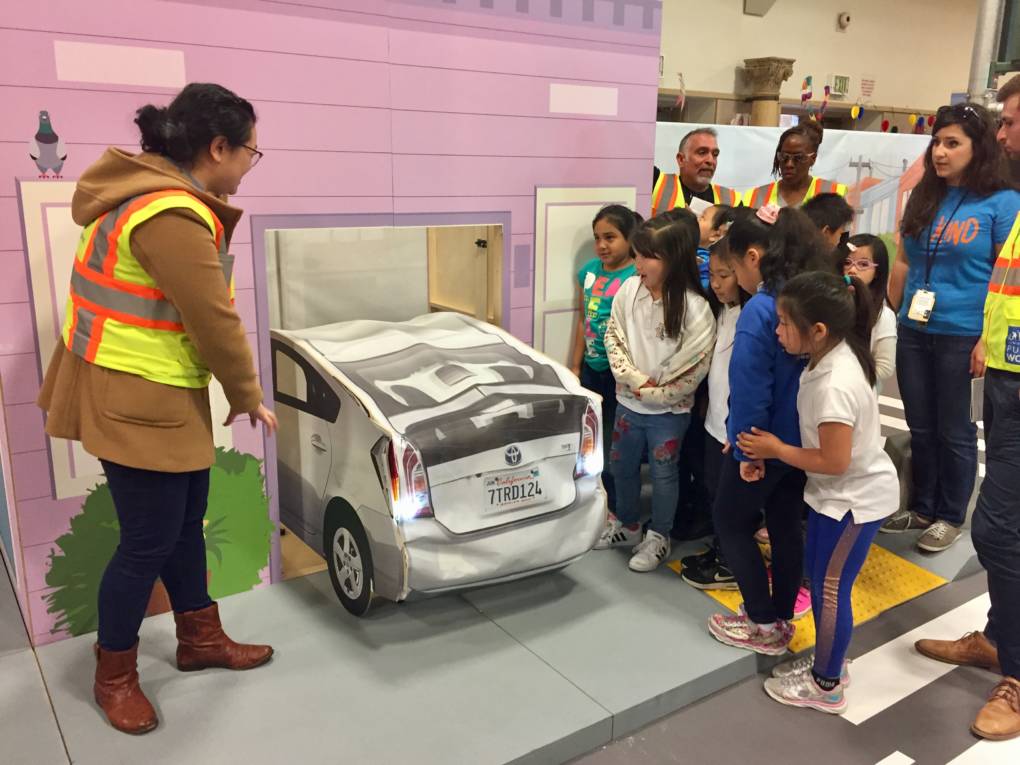
"caption": "Second graders at Jean Parker Elementary School tried out the Street Smarts set-up.",
"description": null,
"title": "IMG_2760",
"credit": "Muna Danish/KQED",
"status": "inherit",
"isLoading": false,
"fetchFailed": false
},
"news_11661956": {
"type": "attachments",
"id": "news_11661956",
"meta": {
"index": "attachments_1716263798",
"site": "news",
"id": "11661956",
"found": true
},
"title": "US-POLITICS-ELECTION-VOTE-TRUMP",
"publishDate": 1523641635,
"status": "inherit",
"parent": 11661950,
"modified": 1755213081,
"caption": "The California State flag flies outside City Hall, in Los Angeles.",
"credit": "Mark Ralston/AFP via Getty Images",
"altTag": null,
"description": null,
"imgSizes": {
"thumbnail": {
"file": "https://cdn.kqed.org/wp-content/uploads/sites/10/2018/04/GettyImages-632868706-160x120.jpg",
"width": 160,
"height": 120,
"mimeType": "image/jpeg"
},
"medium": {
"file": "https://cdn.kqed.org/wp-content/uploads/sites/10/2018/04/GettyImages-632868706-800x602.jpg",
"width": 800,
"height": 602,
"mimeType": "image/jpeg"
},
"large": {
"file": "https://cdn.kqed.org/wp-content/uploads/sites/10/2018/04/GettyImages-632868706-1020x767.jpg",
"width": 1020,
"height": 767,
"mimeType": "image/jpeg"
},
"complete_open_graph": {
"file": "https://cdn.kqed.org/wp-content/uploads/sites/10/2018/04/GettyImages-632868706-1200x903.jpg",
"width": 1200,
"height": 903,
"mimeType": "image/jpeg"
},
"fd-lrg": {
"file": "https://cdn.kqed.org/wp-content/uploads/sites/10/2018/04/GettyImages-632868706-1920x1445.jpg",
"width": 1920,
"height": 1445,
"mimeType": "image/jpeg"
},
"fd-med": {
"file": "https://cdn.kqed.org/wp-content/uploads/sites/10/2018/04/GettyImages-632868706-1180x888.jpg",
"width": 1180,
"height": 888,
"mimeType": "image/jpeg"
},
"fd-sm": {
"file": "https://cdn.kqed.org/wp-content/uploads/sites/10/2018/04/GettyImages-632868706-960x722.jpg",
"width": 960,
"height": 722,
"mimeType": "image/jpeg"
},
"post-thumbnail": {
"file": "https://cdn.kqed.org/wp-content/uploads/sites/10/2018/04/GettyImages-632868706-672x372.jpg",
"width": 672,
"height": 372,
"mimeType": "image/jpeg"
},
"twentyfourteen-full-width": {
"file": "https://cdn.kqed.org/wp-content/uploads/sites/10/2018/04/GettyImages-632868706-1038x576.jpg",
"width": 1038,
"height": 576,
"mimeType": "image/jpeg"
},
"xxsmall": {
"file": "https://cdn.kqed.org/wp-content/uploads/sites/10/2018/04/GettyImages-632868706-240x181.jpg",
"width": 240,
"height": 181,
"mimeType": "image/jpeg"
},
"xsmall": {
"file": "https://cdn.kqed.org/wp-content/uploads/sites/10/2018/04/GettyImages-632868706-375x282.jpg",
"width": 375,
"height": 282,
"mimeType": "image/jpeg"
},
"small": {
"file": "https://cdn.kqed.org/wp-content/uploads/sites/10/2018/04/GettyImages-632868706-520x391.jpg",
"width": 520,
"height": 391,
"mimeType": "image/jpeg"
},
"xlarge": {
"file": "https://cdn.kqed.org/wp-content/uploads/sites/10/2018/04/GettyImages-632868706-1180x888.jpg",
"width": 1180,
"height": 888,
"mimeType": "image/jpeg"
},
"full-width": {
"file": "https://cdn.kqed.org/wp-content/uploads/sites/10/2018/04/GettyImages-632868706-1920x1445.jpg",
"width": 1920,
"height": 1445,
"mimeType": "image/jpeg"
},
"guest-author-32": {
"file": "https://cdn.kqed.org/wp-content/uploads/sites/10/2018/04/GettyImages-632868706-32x32.jpg",
"width": 32,
"height": 32,
"mimeType": "image/jpeg"
},
"guest-author-50": {
"file": "https://cdn.kqed.org/wp-content/uploads/sites/10/2018/04/GettyImages-632868706-50x50.jpg",
"width": 50,
"height": 50,
"mimeType": "image/jpeg"
},
"guest-author-64": {
"file": "https://cdn.kqed.org/wp-content/uploads/sites/10/2018/04/GettyImages-632868706-64x64.jpg",
"width": 64,
"height": 64,
"mimeType": "image/jpeg"
},
"guest-author-96": {
"file": "https://cdn.kqed.org/wp-content/uploads/sites/10/2018/04/GettyImages-632868706-96x96.jpg",
"width": 96,
"height": 96,
"mimeType": "image/jpeg"
},
"guest-author-128": {
"file": "https://cdn.kqed.org/wp-content/uploads/sites/10/2018/04/GettyImages-632868706-128x128.jpg",
"width": 128,
"height": 128,
"mimeType": "image/jpeg"
},
"detail": {
"file": "https://cdn.kqed.org/wp-content/uploads/sites/10/2018/04/GettyImages-632868706-150x150.jpg",
"width": 150,
"height": 150,
"mimeType": "image/jpeg"
},
"kqedFullSize": {
"file": "https://cdn.kqed.org/wp-content/uploads/sites/10/2018/04/GettyImages-632868706-e1755213057323.jpg",
"width": 2000,
"height": 1505
}
},
"isLoading": false,
"fetchFailed": false
},
"news_11653007": {
"type": "attachments",
"id": "news_11653007",
"meta": {
"index": "attachments_1716263798",
"site": "news",
"id": "11653007",
"found": true
},
"parent": 11653002,
"imgSizes": {
"small": {
"file": "https://ww2.kqed.org/app/uploads/sites/10/2018/03/RS18894_GettyImages-52237594-qut-520x347.jpg",
"width": 520,
"mimeType": "image/jpeg",
"height": 347
},
"twentyfourteen-full-width": {
"file": "https://ww2.kqed.org/app/uploads/sites/10/2018/03/RS18894_GettyImages-52237594-qut-1038x576.jpg",
"width": 1038,
"mimeType": "image/jpeg",
"height": 576
},
"thumbnail": {
"file": "https://ww2.kqed.org/app/uploads/sites/10/2018/03/RS18894_GettyImages-52237594-qut-160x107.jpg",
"width": 160,
"mimeType": "image/jpeg",
"height": 107
},
"fd-sm": {
"file": "https://ww2.kqed.org/app/uploads/sites/10/2018/03/RS18894_GettyImages-52237594-qut-960x641.jpg",
"width": 960,
"mimeType": "image/jpeg",
"height": 641
},
"post-thumbnail": {
"file": "https://ww2.kqed.org/app/uploads/sites/10/2018/03/RS18894_GettyImages-52237594-qut-672x372.jpg",
"width": 672,
"mimeType": "image/jpeg",
"height": 372
},
"xsmall": {
"file": "https://ww2.kqed.org/app/uploads/sites/10/2018/03/RS18894_GettyImages-52237594-qut-375x250.jpg",
"width": 375,
"mimeType": "image/jpeg",
"height": 250
},
"kqedFullSize": {
"file": "https://ww2.kqed.org/app/uploads/sites/10/2018/03/RS18894_GettyImages-52237594-qut.jpg",
"width": 1920,
"height": 1282
},
"large": {
"file": "https://ww2.kqed.org/app/uploads/sites/10/2018/03/RS18894_GettyImages-52237594-qut-1020x681.jpg",
"width": 1020,
"mimeType": "image/jpeg",
"height": 681
},
"xlarge": {
"file": "https://ww2.kqed.org/app/uploads/sites/10/2018/03/RS18894_GettyImages-52237594-qut-1180x788.jpg",
"width": 1180,
"mimeType": "image/jpeg",
"height": 788
},
"guest-author-50": {
"file": "https://ww2.kqed.org/app/uploads/sites/10/2018/03/RS18894_GettyImages-52237594-qut-50x50.jpg",
"width": 50,
"mimeType": "image/jpeg",
"height": 50
},
"guest-author-96": {
"file": "https://ww2.kqed.org/app/uploads/sites/10/2018/03/RS18894_GettyImages-52237594-qut-96x96.jpg",
"width": 96,
"mimeType": "image/jpeg",
"height": 96
},
"medium": {
"file": "https://ww2.kqed.org/app/uploads/sites/10/2018/03/RS18894_GettyImages-52237594-qut-800x534.jpg",
"width": 800,
"mimeType": "image/jpeg",
"height": 534
},
"guest-author-64": {
"file": "https://ww2.kqed.org/app/uploads/sites/10/2018/03/RS18894_GettyImages-52237594-qut-64x64.jpg",
"width": 64,
"mimeType": "image/jpeg",
"height": 64
},
"guest-author-32": {
"file": "https://ww2.kqed.org/app/uploads/sites/10/2018/03/RS18894_GettyImages-52237594-qut-32x32.jpg",
"width": 32,
"mimeType": "image/jpeg",
"height": 32
},
"fd-lrg": {
"file": "https://ww2.kqed.org/app/uploads/sites/10/2018/03/RS18894_GettyImages-52237594-qut-1920x1282.jpg",
"width": 1920,
"mimeType": "image/jpeg",
"height": 1282
},
"fd-med": {
"file": "https://ww2.kqed.org/app/uploads/sites/10/2018/03/RS18894_GettyImages-52237594-qut-1180x788.jpg",
"width": 1180,
"mimeType": "image/jpeg",
"height": 788
},
"full-width": {
"file": "https://ww2.kqed.org/app/uploads/sites/10/2018/03/RS18894_GettyImages-52237594-qut-1920x1282.jpg",
"width": 1920,
"mimeType": "image/jpeg",
"height": 1282
},
"detail": {
"file": "https://ww2.kqed.org/app/uploads/sites/10/2018/03/RS18894_GettyImages-52237594-qut-150x150.jpg",
"width": 150,
"mimeType": "image/jpeg",
"height": 150
},
"guest-author-128": {
"file": "https://ww2.kqed.org/app/uploads/sites/10/2018/03/RS18894_GettyImages-52237594-qut-128x128.jpg",
"width": 128,
"mimeType": "image/jpeg",
"height": 128
},
"xxsmall": {
"file": "https://ww2.kqed.org/app/uploads/sites/10/2018/03/RS18894_GettyImages-52237594-qut-240x160.jpg",
"width": 240,
"mimeType": "image/jpeg",
"height": 160
}
},
"publishDate": 1519930377,
"modified": 1523560282,
"caption": "Community college students who perform well in certain courses that UC faculty helped develop will get admission into a UC campus.",
"description": null,
"title": "RS18894_GettyImages-52237594-qut",
"credit": "Justin Sullivan/Getty Images",
"status": "inherit",
"isLoading": false,
"fetchFailed": false
},
"news_11659043": {
"type": "attachments",
"id": "news_11659043",
"meta": {
"index": "attachments_1716263798",
"site": "news",
"id": "11659043",
"found": true
},
"parent": 11659040,
"imgSizes": {
"small": {
"file": "https://ww2.kqed.org/app/uploads/sites/10/2018/03/NR523-Show-Marquee-520x293.jpg",
"width": 520,
"mimeType": "image/jpeg",
"height": 293
},
"twentyfourteen-full-width": {
"file": "https://ww2.kqed.org/app/uploads/sites/10/2018/03/NR523-Show-Marquee-1038x576.jpg",
"width": 1038,
"mimeType": "image/jpeg",
"height": 576
},
"thumbnail": {
"file": "https://ww2.kqed.org/app/uploads/sites/10/2018/03/NR523-Show-Marquee-160x90.jpg",
"width": 160,
"mimeType": "image/jpeg",
"height": 90
},
"fd-sm": {
"file": "https://ww2.kqed.org/app/uploads/sites/10/2018/03/NR523-Show-Marquee-960x540.jpg",
"width": 960,
"mimeType": "image/jpeg",
"height": 540
},
"post-thumbnail": {
"file": "https://ww2.kqed.org/app/uploads/sites/10/2018/03/NR523-Show-Marquee-672x372.jpg",
"width": 672,
"mimeType": "image/jpeg",
"height": 372
},
"xsmall": {
"file": "https://ww2.kqed.org/app/uploads/sites/10/2018/03/NR523-Show-Marquee-375x211.jpg",
"width": 375,
"mimeType": "image/jpeg",
"height": 211
},
"kqedFullSize": {
"file": "https://ww2.kqed.org/app/uploads/sites/10/2018/03/NR523-Show-Marquee.jpg",
"width": 1280,
"height": 720
},
"large": {
"file": "https://ww2.kqed.org/app/uploads/sites/10/2018/03/NR523-Show-Marquee-1020x574.jpg",
"width": 1020,
"mimeType": "image/jpeg",
"height": 574
},
"xlarge": {
"file": "https://ww2.kqed.org/app/uploads/sites/10/2018/03/NR523-Show-Marquee-1180x664.jpg",
"width": 1180,
"mimeType": "image/jpeg",
"height": 664
},
"guest-author-50": {
"file": "https://ww2.kqed.org/app/uploads/sites/10/2018/03/NR523-Show-Marquee-50x50.jpg",
"width": 50,
"mimeType": "image/jpeg",
"height": 50
},
"guest-author-96": {
"file": "https://ww2.kqed.org/app/uploads/sites/10/2018/03/NR523-Show-Marquee-96x96.jpg",
"width": 96,
"mimeType": "image/jpeg",
"height": 96
},
"medium": {
"file": "https://ww2.kqed.org/app/uploads/sites/10/2018/03/NR523-Show-Marquee-800x450.jpg",
"width": 800,
"mimeType": "image/jpeg",
"height": 450
},
"guest-author-64": {
"file": "https://ww2.kqed.org/app/uploads/sites/10/2018/03/NR523-Show-Marquee-64x64.jpg",
"width": 64,
"mimeType": "image/jpeg",
"height": 64
},
"guest-author-32": {
"file": "https://ww2.kqed.org/app/uploads/sites/10/2018/03/NR523-Show-Marquee-32x32.jpg",
"width": 32,
"mimeType": "image/jpeg",
"height": 32
},
"fd-med": {
"file": "https://ww2.kqed.org/app/uploads/sites/10/2018/03/NR523-Show-Marquee-1180x664.jpg",
"width": 1180,
"mimeType": "image/jpeg",
"height": 664
},
"detail": {
"file": "https://ww2.kqed.org/app/uploads/sites/10/2018/03/NR523-Show-Marquee-150x150.jpg",
"width": 150,
"mimeType": "image/jpeg",
"height": 150
},
"guest-author-128": {
"file": "https://ww2.kqed.org/app/uploads/sites/10/2018/03/NR523-Show-Marquee-128x128.jpg",
"width": 128,
"mimeType": "image/jpeg",
"height": 128
},
"xxsmall": {
"file": "https://ww2.kqed.org/app/uploads/sites/10/2018/03/NR523-Show-Marquee-240x135.jpg",
"width": 240,
"mimeType": "image/jpeg",
"height": 135
}
},
"publishDate": 1522452727,
"modified": 1522452727,
"caption": null,
"description": null,
"title": "NR523 Show Marquee",
"credit": null,
"status": "inherit",
"isLoading": false,
"fetchFailed": false
},
"news_11659059": {
"type": "attachments",
"id": "news_11659059",
"meta": {
"index": "attachments_1716263798",
"site": "news",
"id": "11659059",
"found": true
},
"parent": 11659057,
"imgSizes": {
"small": {
"file": "https://ww2.kqed.org/app/uploads/sites/10/2018/03/SFFILM-WEB-MARQUEE-520x293.jpg",
"width": 520,
"mimeType": "image/jpeg",
"height": 293
},
"twentyfourteen-full-width": {
"file": "https://ww2.kqed.org/app/uploads/sites/10/2018/03/SFFILM-WEB-MARQUEE-1038x576.jpg",
"width": 1038,
"mimeType": "image/jpeg",
"height": 576
},
"thumbnail": {
"file": "https://ww2.kqed.org/app/uploads/sites/10/2018/03/SFFILM-WEB-MARQUEE-160x90.jpg",
"width": 160,
"mimeType": "image/jpeg",
"height": 90
},
"fd-sm": {
"file": "https://ww2.kqed.org/app/uploads/sites/10/2018/03/SFFILM-WEB-MARQUEE-960x540.jpg",
"width": 960,
"mimeType": "image/jpeg",
"height": 540
},
"post-thumbnail": {
"file": "https://ww2.kqed.org/app/uploads/sites/10/2018/03/SFFILM-WEB-MARQUEE-672x372.jpg",
"width": 672,
"mimeType": "image/jpeg",
"height": 372
},
"xsmall": {
"file": "https://ww2.kqed.org/app/uploads/sites/10/2018/03/SFFILM-WEB-MARQUEE-375x211.jpg",
"width": 375,
"mimeType": "image/jpeg",
"height": 211
},
"kqedFullSize": {
"file": "https://ww2.kqed.org/app/uploads/sites/10/2018/03/SFFILM-WEB-MARQUEE.jpg",
"width": 1280,
"height": 720
},
"large": {
"file": "https://ww2.kqed.org/app/uploads/sites/10/2018/03/SFFILM-WEB-MARQUEE-1020x574.jpg",
"width": 1020,
"mimeType": "image/jpeg",
"height": 574
},
"xlarge": {
"file": "https://ww2.kqed.org/app/uploads/sites/10/2018/03/SFFILM-WEB-MARQUEE-1180x664.jpg",
"width": 1180,
"mimeType": "image/jpeg",
"height": 664
},
"guest-author-50": {
"file": "https://ww2.kqed.org/app/uploads/sites/10/2018/03/SFFILM-WEB-MARQUEE-50x50.jpg",
"width": 50,
"mimeType": "image/jpeg",
"height": 50
},
"guest-author-96": {
"file": "https://ww2.kqed.org/app/uploads/sites/10/2018/03/SFFILM-WEB-MARQUEE-96x96.jpg",
"width": 96,
"mimeType": "image/jpeg",
"height": 96
},
"medium": {
"file": "https://ww2.kqed.org/app/uploads/sites/10/2018/03/SFFILM-WEB-MARQUEE-800x450.jpg",
"width": 800,
"mimeType": "image/jpeg",
"height": 450
},
"guest-author-64": {
"file": "https://ww2.kqed.org/app/uploads/sites/10/2018/03/SFFILM-WEB-MARQUEE-64x64.jpg",
"width": 64,
"mimeType": "image/jpeg",
"height": 64
},
"guest-author-32": {
"file": "https://ww2.kqed.org/app/uploads/sites/10/2018/03/SFFILM-WEB-MARQUEE-32x32.jpg",
"width": 32,
"mimeType": "image/jpeg",
"height": 32
},
"fd-med": {
"file": "https://ww2.kqed.org/app/uploads/sites/10/2018/03/SFFILM-WEB-MARQUEE-1180x664.jpg",
"width": 1180,
"mimeType": "image/jpeg",
"height": 664
},
"detail": {
"file": "https://ww2.kqed.org/app/uploads/sites/10/2018/03/SFFILM-WEB-MARQUEE-150x150.jpg",
"width": 150,
"mimeType": "image/jpeg",
"height": 150
},
"guest-author-128": {
"file": "https://ww2.kqed.org/app/uploads/sites/10/2018/03/SFFILM-WEB-MARQUEE-128x128.jpg",
"width": 128,
"mimeType": "image/jpeg",
"height": 128
},
"xxsmall": {
"file": "https://ww2.kqed.org/app/uploads/sites/10/2018/03/SFFILM-WEB-MARQUEE-240x135.jpg",
"width": 240,
"mimeType": "image/jpeg",
"height": 135
}
},
"publishDate": 1522455198,
"modified": 1522455198,
"caption": null,
"description": null,
"title": "SFFILM WEB MARQUEE",
"credit": null,
"status": "inherit",
"isLoading": false,
"fetchFailed": false
},
"news_11658985": {
"type": "attachments",
"id": "news_11658985",
"meta": {
"index": "attachments_1716263798",
"site": "news",
"id": "11658985",
"found": true
},
"parent": 11658973,
"imgSizes": {
"small": {
"file": "https://ww2.kqed.org/app/uploads/sites/10/2018/03/OaklandStoryMain-520x347.jpg",
"width": 520,
"mimeType": "image/jpeg",
"height": 347
},
"twentyfourteen-full-width": {
"file": "https://ww2.kqed.org/app/uploads/sites/10/2018/03/OaklandStoryMain-1038x576.jpg",
"width": 1038,
"mimeType": "image/jpeg",
"height": 576
},
"thumbnail": {
"file": "https://ww2.kqed.org/app/uploads/sites/10/2018/03/OaklandStoryMain-160x107.jpg",
"width": 160,
"mimeType": "image/jpeg",
"height": 107
},
"fd-sm": {
"file": "https://ww2.kqed.org/app/uploads/sites/10/2018/03/OaklandStoryMain-960x640.jpg",
"width": 960,
"mimeType": "image/jpeg",
"height": 640
},
"post-thumbnail": {
"file": "https://ww2.kqed.org/app/uploads/sites/10/2018/03/OaklandStoryMain-672x372.jpg",
"width": 672,
"mimeType": "image/jpeg",
"height": 372
},
"xsmall": {
"file": "https://ww2.kqed.org/app/uploads/sites/10/2018/03/OaklandStoryMain-375x250.jpg",
"width": 375,
"mimeType": "image/jpeg",
"height": 250
},
"kqedFullSize": {
"file": "https://ww2.kqed.org/app/uploads/sites/10/2018/03/OaklandStoryMain.jpg",
"width": 1920,
"height": 1280
},
"large": {
"file": "https://ww2.kqed.org/app/uploads/sites/10/2018/03/OaklandStoryMain-1020x680.jpg",
"width": 1020,
"mimeType": "image/jpeg",
"height": 680
},
"xlarge": {
"file": "https://ww2.kqed.org/app/uploads/sites/10/2018/03/OaklandStoryMain-1180x787.jpg",
"width": 1180,
"mimeType": "image/jpeg",
"height": 787
},
"guest-author-50": {
"file": "https://ww2.kqed.org/app/uploads/sites/10/2018/03/OaklandStoryMain-50x50.jpg",
"width": 50,
"mimeType": "image/jpeg",
"height": 50
},
"guest-author-96": {
"file": "https://ww2.kqed.org/app/uploads/sites/10/2018/03/OaklandStoryMain-96x96.jpg",
"width": 96,
"mimeType": "image/jpeg",
"height": 96
},
"medium": {
"file": "https://ww2.kqed.org/app/uploads/sites/10/2018/03/OaklandStoryMain-800x533.jpg",
"width": 800,
"mimeType": "image/jpeg",
"height": 533
},
"guest-author-64": {
"file": "https://ww2.kqed.org/app/uploads/sites/10/2018/03/OaklandStoryMain-64x64.jpg",
"width": 64,
"mimeType": "image/jpeg",
"height": 64
},
"guest-author-32": {
"file": "https://ww2.kqed.org/app/uploads/sites/10/2018/03/OaklandStoryMain-32x32.jpg",
"width": 32,
"mimeType": "image/jpeg",
"height": 32
},
"fd-lrg": {
"file": "https://ww2.kqed.org/app/uploads/sites/10/2018/03/OaklandStoryMain-1920x1280.jpg",
"width": 1920,
"mimeType": "image/jpeg",
"height": 1280
},
"fd-med": {
"file": "https://ww2.kqed.org/app/uploads/sites/10/2018/03/OaklandStoryMain-1180x787.jpg",
"width": 1180,
"mimeType": "image/jpeg",
"height": 787
},
"full-width": {
"file": "https://ww2.kqed.org/app/uploads/sites/10/2018/03/OaklandStoryMain-1920x1280.jpg",
"width": 1920,
"mimeType": "image/jpeg",
"height": 1280
},
"detail": {
"file": "https://ww2.kqed.org/app/uploads/sites/10/2018/03/OaklandStoryMain-150x150.jpg",
"width": 150,
"mimeType": "image/jpeg",
"height": 150
},
"guest-author-128": {
"file": "https://ww2.kqed.org/app/uploads/sites/10/2018/03/OaklandStoryMain-128x128.jpg",
"width": 128,
"mimeType": "image/jpeg",
"height": 128
},
"xxsmall": {
"file": "https://ww2.kqed.org/app/uploads/sites/10/2018/03/OaklandStoryMain-240x160.jpg",
"width": 240,
"mimeType": "image/jpeg",
"height": 160
}
},
"publishDate": 1522445926,
"modified": 1522445945,
"caption": null,
"description": null,
"title": "OaklandStoryMain",
"credit": "Cinque Mubarak/Snap Judgment",
"status": "inherit",
"isLoading": false,
"fetchFailed": false
},
"news_11656308": {
"type": "attachments",
"id": "news_11656308",
"meta": {
"index": "attachments_1716263798",
"site": "news",
"id": "11656308",
"found": true
},
"parent": 11656303,
"imgSizes": {
"small": {
"file": "https://ww2.kqed.org/app/uploads/sites/10/2018/03/IMG_2937-520x390.jpg",
"width": 520,
"mimeType": "image/jpeg",
"height": 390
},
"twentyfourteen-full-width": {
"file": "https://ww2.kqed.org/app/uploads/sites/10/2018/03/IMG_2937-1038x576.jpg",
"width": 1038,
"mimeType": "image/jpeg",
"height": 576
},
"thumbnail": {
"file": "https://ww2.kqed.org/app/uploads/sites/10/2018/03/IMG_2937-160x120.jpg",
"width": 160,
"mimeType": "image/jpeg",
"height": 120
},
"fd-sm": {
"file": "https://ww2.kqed.org/app/uploads/sites/10/2018/03/IMG_2937-960x720.jpg",
"width": 960,
"mimeType": "image/jpeg",
"height": 720
},
"post-thumbnail": {
"file": "https://ww2.kqed.org/app/uploads/sites/10/2018/03/IMG_2937-672x372.jpg",
"width": 672,
"mimeType": "image/jpeg",
"height": 372
},
"xsmall": {
"file": "https://ww2.kqed.org/app/uploads/sites/10/2018/03/IMG_2937-375x281.jpg",
"width": 375,
"mimeType": "image/jpeg",
"height": 281
},
"kqedFullSize": {
"file": "https://ww2.kqed.org/app/uploads/sites/10/2018/03/IMG_2937.jpg",
"width": 4032,
"height": 3024
},
"large": {
"file": "https://ww2.kqed.org/app/uploads/sites/10/2018/03/IMG_2937-1020x765.jpg",
"width": 1020,
"mimeType": "image/jpeg",
"height": 765
},
"xlarge": {
"file": "https://ww2.kqed.org/app/uploads/sites/10/2018/03/IMG_2937-1180x885.jpg",
"width": 1180,
"mimeType": "image/jpeg",
"height": 885
},
"guest-author-50": {
"file": "https://ww2.kqed.org/app/uploads/sites/10/2018/03/IMG_2937-50x50.jpg",
"width": 50,
"mimeType": "image/jpeg",
"height": 50
},
"guest-author-96": {
"file": "https://ww2.kqed.org/app/uploads/sites/10/2018/03/IMG_2937-96x96.jpg",
"width": 96,
"mimeType": "image/jpeg",
"height": 96
},
"medium": {
"file": "https://ww2.kqed.org/app/uploads/sites/10/2018/03/IMG_2937-800x600.jpg",
"width": 800,
"mimeType": "image/jpeg",
"height": 600
},
"guest-author-64": {
"file": "https://ww2.kqed.org/app/uploads/sites/10/2018/03/IMG_2937-64x64.jpg",
"width": 64,
"mimeType": "image/jpeg",
"height": 64
},
"guest-author-32": {
"file": "https://ww2.kqed.org/app/uploads/sites/10/2018/03/IMG_2937-32x32.jpg",
"width": 32,
"mimeType": "image/jpeg",
"height": 32
},
"fd-lrg": {
"file": "https://ww2.kqed.org/app/uploads/sites/10/2018/03/IMG_2937-1920x1440.jpg",
"width": 1920,
"mimeType": "image/jpeg",
"height": 1440
},
"fd-med": {
"file": "https://ww2.kqed.org/app/uploads/sites/10/2018/03/IMG_2937-1180x885.jpg",
"width": 1180,
"mimeType": "image/jpeg",
"height": 885
},
"full-width": {
"file": "https://ww2.kqed.org/app/uploads/sites/10/2018/03/IMG_2937-1920x1440.jpg",
"width": 1920,
"mimeType": "image/jpeg",
"height": 1440
},
"detail": {
"file": "https://ww2.kqed.org/app/uploads/sites/10/2018/03/IMG_2937-150x150.jpg",
"width": 150,
"mimeType": "image/jpeg",
"height": 150
},
"guest-author-128": {
"file": "https://ww2.kqed.org/app/uploads/sites/10/2018/03/IMG_2937-128x128.jpg",
"width": 128,
"mimeType": "image/jpeg",
"height": 128
},
"xxsmall": {
"file": "https://ww2.kqed.org/app/uploads/sites/10/2018/03/IMG_2937-240x180.jpg",
"width": 240,
"mimeType": "image/jpeg",
"height": 180
}
},
"publishDate": 1521248620,
"modified": 1521248620,
"caption": null,
"description": null,
"title": "IMG_2937",
"credit": null,
"status": "inherit",
"isLoading": false,
"fetchFailed": false
},
"news_11656212": {
"type": "attachments",
"id": "news_11656212",
"meta": {
"index": "attachments_1716263798",
"site": "news",
"id": "11656212",
"found": true
},
"parent": 11656197,
"imgSizes": {
"small": {
"file": "https://ww2.kqed.org/app/uploads/sites/10/2018/03/LATINO_PROFESSORS_Photo1-520x395.jpg",
"width": 520,
"mimeType": "image/jpeg",
"height": 395
},
"twentyfourteen-full-width": {
"file": "https://ww2.kqed.org/app/uploads/sites/10/2018/03/LATINO_PROFESSORS_Photo1-1038x576.jpg",
"width": 1038,
"mimeType": "image/jpeg",
"height": 576
},
"thumbnail": {
"file": "https://ww2.kqed.org/app/uploads/sites/10/2018/03/LATINO_PROFESSORS_Photo1-160x121.jpg",
"width": 160,
"mimeType": "image/jpeg",
"height": 121
},
"fd-sm": {
"file": "https://ww2.kqed.org/app/uploads/sites/10/2018/03/LATINO_PROFESSORS_Photo1-960x728.jpg",
"width": 960,
"mimeType": "image/jpeg",
"height": 728
},
"post-thumbnail": {
"file": "https://ww2.kqed.org/app/uploads/sites/10/2018/03/LATINO_PROFESSORS_Photo1-672x372.jpg",
"width": 672,
"mimeType": "image/jpeg",
"height": 372
},
"xsmall": {
"file": "https://ww2.kqed.org/app/uploads/sites/10/2018/03/LATINO_PROFESSORS_Photo1-375x284.jpg",
"width": 375,
"mimeType": "image/jpeg",
"height": 284
},
"kqedFullSize": {
"file": "https://ww2.kqed.org/app/uploads/sites/10/2018/03/LATINO_PROFESSORS_Photo1-e1521228676790.jpg",
"width": 1920,
"height": 1457
},
"large": {
"file": "https://ww2.kqed.org/app/uploads/sites/10/2018/03/LATINO_PROFESSORS_Photo1-1020x774.jpg",
"width": 1020,
"mimeType": "image/jpeg",
"height": 774
},
"xlarge": {
"file": "https://ww2.kqed.org/app/uploads/sites/10/2018/03/LATINO_PROFESSORS_Photo1-1180x895.jpg",
"width": 1180,
"mimeType": "image/jpeg",
"height": 895
},
"guest-author-50": {
"file": "https://ww2.kqed.org/app/uploads/sites/10/2018/03/LATINO_PROFESSORS_Photo1-50x50.jpg",
"width": 50,
"mimeType": "image/jpeg",
"height": 50
},
"guest-author-96": {
"file": "https://ww2.kqed.org/app/uploads/sites/10/2018/03/LATINO_PROFESSORS_Photo1-96x96.jpg",
"width": 96,
"mimeType": "image/jpeg",
"height": 96
},
"medium": {
"file": "https://ww2.kqed.org/app/uploads/sites/10/2018/03/LATINO_PROFESSORS_Photo1-800x607.jpg",
"width": 800,
"mimeType": "image/jpeg",
"height": 607
},
"guest-author-64": {
"file": "https://ww2.kqed.org/app/uploads/sites/10/2018/03/LATINO_PROFESSORS_Photo1-64x64.jpg",
"width": 64,
"mimeType": "image/jpeg",
"height": 64
},
"guest-author-32": {
"file": "https://ww2.kqed.org/app/uploads/sites/10/2018/03/LATINO_PROFESSORS_Photo1-32x32.jpg",
"width": 32,
"mimeType": "image/jpeg",
"height": 32
},
"fd-lrg": {
"file": "https://ww2.kqed.org/app/uploads/sites/10/2018/03/LATINO_PROFESSORS_Photo1-1920x1457.jpg",
"width": 1920,
"mimeType": "image/jpeg",
"height": 1457
},
"fd-med": {
"file": "https://ww2.kqed.org/app/uploads/sites/10/2018/03/LATINO_PROFESSORS_Photo1-1180x895.jpg",
"width": 1180,
"mimeType": "image/jpeg",
"height": 895
},
"full-width": {
"file": "https://ww2.kqed.org/app/uploads/sites/10/2018/03/LATINO_PROFESSORS_Photo1-1920x1457.jpg",
"width": 1920,
"mimeType": "image/jpeg",
"height": 1457
},
"detail": {
"file": "https://ww2.kqed.org/app/uploads/sites/10/2018/03/LATINO_PROFESSORS_Photo1-150x150.jpg",
"width": 150,
"mimeType": "image/jpeg",
"height": 150
},
"guest-author-128": {
"file": "https://ww2.kqed.org/app/uploads/sites/10/2018/03/LATINO_PROFESSORS_Photo1-128x128.jpg",
"width": 128,
"mimeType": "image/jpeg",
"height": 128
},
"xxsmall": {
"file": "https://ww2.kqed.org/app/uploads/sites/10/2018/03/LATINO_PROFESSORS_Photo1-240x182.jpg",
"width": 240,
"mimeType": "image/jpeg",
"height": 182
}
},
"publishDate": 1521228633,
"modified": 1521228664,
"caption": "UC Berkeley lecturer Pablo Gonzalez speaks to students during a class on Mexican immigration to the United States. ",
"description": "UC Berkeley lecturer Pablo Gonzalez speaks to students during a class on Mexican immigration to the United States. ",
"title": "LATINO_PROFESSORS_Photo1",
"credit": "Felicia Mello/CALmatters",
"status": "inherit",
"isLoading": false,
"fetchFailed": false
},
"news_11655951": {
"type": "attachments",
"id": "news_11655951",
"meta": {
"index": "attachments_1716263798",
"site": "news",
"id": "11655951",
"found": true
},
"parent": 11655692,
"imgSizes": {
"small": {
"file": "https://ww2.kqed.org/app/uploads/sites/10/2018/03/RS29885_untitled-21-qut-520x347.jpg",
"width": 520,
"mimeType": "image/jpeg",
"height": 347
},
"twentyfourteen-full-width": {
"file": "https://ww2.kqed.org/app/uploads/sites/10/2018/03/RS29885_untitled-21-qut-1038x576.jpg",
"width": 1038,
"mimeType": "image/jpeg",
"height": 576
},
"thumbnail": {
"file": "https://ww2.kqed.org/app/uploads/sites/10/2018/03/RS29885_untitled-21-qut-160x107.jpg",
"width": 160,
"mimeType": "image/jpeg",
"height": 107
},
"fd-sm": {
"file": "https://ww2.kqed.org/app/uploads/sites/10/2018/03/RS29885_untitled-21-qut-960x640.jpg",
"width": 960,
"mimeType": "image/jpeg",
"height": 640
},
"post-thumbnail": {
"file": "https://ww2.kqed.org/app/uploads/sites/10/2018/03/RS29885_untitled-21-qut-672x372.jpg",
"width": 672,
"mimeType": "image/jpeg",
"height": 372
},
"xsmall": {
"file": "https://ww2.kqed.org/app/uploads/sites/10/2018/03/RS29885_untitled-21-qut-375x250.jpg",
"width": 375,
"mimeType": "image/jpeg",
"height": 250
},
"kqedFullSize": {
"file": "https://ww2.kqed.org/app/uploads/sites/10/2018/03/RS29885_untitled-21-qut.jpg",
"width": 1920,
"height": 1280
},
"large": {
"file": "https://ww2.kqed.org/app/uploads/sites/10/2018/03/RS29885_untitled-21-qut-1020x680.jpg",
"width": 1020,
"mimeType": "image/jpeg",
"height": 680
},
"xlarge": {
"file": "https://ww2.kqed.org/app/uploads/sites/10/2018/03/RS29885_untitled-21-qut-1180x787.jpg",
"width": 1180,
"mimeType": "image/jpeg",
"height": 787
},
"guest-author-50": {
"file": "https://ww2.kqed.org/app/uploads/sites/10/2018/03/RS29885_untitled-21-qut-50x50.jpg",
"width": 50,
"mimeType": "image/jpeg",
"height": 50
},
"guest-author-96": {
"file": "https://ww2.kqed.org/app/uploads/sites/10/2018/03/RS29885_untitled-21-qut-96x96.jpg",
"width": 96,
"mimeType": "image/jpeg",
"height": 96
},
"medium": {
"file": "https://ww2.kqed.org/app/uploads/sites/10/2018/03/RS29885_untitled-21-qut-800x533.jpg",
"width": 800,
"mimeType": "image/jpeg",
"height": 533
},
"guest-author-64": {
"file": "https://ww2.kqed.org/app/uploads/sites/10/2018/03/RS29885_untitled-21-qut-64x64.jpg",
"width": 64,
"mimeType": "image/jpeg",
"height": 64
},
"guest-author-32": {
"file": "https://ww2.kqed.org/app/uploads/sites/10/2018/03/RS29885_untitled-21-qut-32x32.jpg",
"width": 32,
"mimeType": "image/jpeg",
"height": 32
},
"fd-lrg": {
"file": "https://ww2.kqed.org/app/uploads/sites/10/2018/03/RS29885_untitled-21-qut-1920x1280.jpg",
"width": 1920,
"mimeType": "image/jpeg",
"height": 1280
},
"fd-med": {
"file": "https://ww2.kqed.org/app/uploads/sites/10/2018/03/RS29885_untitled-21-qut-1180x787.jpg",
"width": 1180,
"mimeType": "image/jpeg",
"height": 787
},
"full-width": {
"file": "https://ww2.kqed.org/app/uploads/sites/10/2018/03/RS29885_untitled-21-qut-1920x1280.jpg",
"width": 1920,
"mimeType": "image/jpeg",
"height": 1280
},
"detail": {
"file": "https://ww2.kqed.org/app/uploads/sites/10/2018/03/RS29885_untitled-21-qut-150x150.jpg",
"width": 150,
"mimeType": "image/jpeg",
"height": 150
},
"guest-author-128": {
"file": "https://ww2.kqed.org/app/uploads/sites/10/2018/03/RS29885_untitled-21-qut-128x128.jpg",
"width": 128,
"mimeType": "image/jpeg",
"height": 128
},
"xxsmall": {
"file": "https://ww2.kqed.org/app/uploads/sites/10/2018/03/RS29885_untitled-21-qut-240x160.jpg",
"width": 240,
"mimeType": "image/jpeg",
"height": 160
}
},
"publishDate": 1521136482,
"modified": 1521152972,
"caption": "Students at Oakland Technical High School look at a billboard with photos of the 17 victims of the Parkland, Florida, mass shooting during a walkout to protest gun violence on March 14, 2018.",
"description": null,
"title": "RS29885_untitled-21-qut",
"credit": "Samantha Shanahan/KQED",
"status": "inherit",
"isLoading": false,
"fetchFailed": false
},
"news_11655629": {
"type": "attachments",
"id": "news_11655629",
"meta": {
"index": "attachments_1716263798",
"site": "news",
"id": "11655629",
"found": true
},
"parent": 11655624,
"imgSizes": {
"small": {
"file": "https://ww2.kqed.org/app/uploads/sites/10/2018/03/minutes_031418_final-520x520.jpg",
"width": 520,
"mimeType": "image/jpeg",
"height": 520
},
"twentyfourteen-full-width": {
"file": "https://ww2.kqed.org/app/uploads/sites/10/2018/03/minutes_031418_final-1038x576.jpg",
"width": 1038,
"mimeType": "image/jpeg",
"height": 576
},
"thumbnail": {
"file": "https://ww2.kqed.org/app/uploads/sites/10/2018/03/minutes_031418_final-160x160.jpg",
"width": 160,
"mimeType": "image/jpeg",
"height": 160
},
"fd-sm": {
"file": "https://ww2.kqed.org/app/uploads/sites/10/2018/03/minutes_031418_final-960x960.jpg",
"width": 960,
"mimeType": "image/jpeg",
"height": 960
},
"post-thumbnail": {
"file": "https://ww2.kqed.org/app/uploads/sites/10/2018/03/minutes_031418_final-672x372.jpg",
"width": 672,
"mimeType": "image/jpeg",
"height": 372
},
"xsmall": {
"file": "https://ww2.kqed.org/app/uploads/sites/10/2018/03/minutes_031418_final-375x375.jpg",
"width": 375,
"mimeType": "image/jpeg",
"height": 375
},
"kqedFullSize": {
"file": "https://ww2.kqed.org/app/uploads/sites/10/2018/03/minutes_031418_final.jpg",
"width": 1920,
"height": 1920
},
"large": {
"file": "https://ww2.kqed.org/app/uploads/sites/10/2018/03/minutes_031418_final-1020x1020.jpg",
"width": 1020,
"mimeType": "image/jpeg",
"height": 1020
},
"xlarge": {
"file": "https://ww2.kqed.org/app/uploads/sites/10/2018/03/minutes_031418_final-1180x1180.jpg",
"width": 1180,
"mimeType": "image/jpeg",
"height": 1180
},
"guest-author-50": {
"file": "https://ww2.kqed.org/app/uploads/sites/10/2018/03/minutes_031418_final-50x50.jpg",
"width": 50,
"mimeType": "image/jpeg",
"height": 50
},
"guest-author-96": {
"file": "https://ww2.kqed.org/app/uploads/sites/10/2018/03/minutes_031418_final-96x96.jpg",
"width": 96,
"mimeType": "image/jpeg",
"height": 96
},
"medium": {
"file": "https://ww2.kqed.org/app/uploads/sites/10/2018/03/minutes_031418_final-800x800.jpg",
"width": 800,
"mimeType": "image/jpeg",
"height": 800
},
"guest-author-64": {
"file": "https://ww2.kqed.org/app/uploads/sites/10/2018/03/minutes_031418_final-64x64.jpg",
"width": 64,
"mimeType": "image/jpeg",
"height": 64
},
"guest-author-32": {
"file": "https://ww2.kqed.org/app/uploads/sites/10/2018/03/minutes_031418_final-32x32.jpg",
"width": 32,
"mimeType": "image/jpeg",
"height": 32
},
"fd-lrg": {
"file": "https://ww2.kqed.org/app/uploads/sites/10/2018/03/minutes_031418_final-1920x1920.jpg",
"width": 1920,
"mimeType": "image/jpeg",
"height": 1920
},
"fd-med": {
"file": "https://ww2.kqed.org/app/uploads/sites/10/2018/03/minutes_031418_final-1180x1180.jpg",
"width": 1180,
"mimeType": "image/jpeg",
"height": 1180
},
"full-width": {
"file": "https://ww2.kqed.org/app/uploads/sites/10/2018/03/minutes_031418_final-1920x1920.jpg",
"width": 1920,
"mimeType": "image/jpeg",
"height": 1920
},
"detail": {
"file": "https://ww2.kqed.org/app/uploads/sites/10/2018/03/minutes_031418_final-150x150.jpg",
"width": 150,
"mimeType": "image/jpeg",
"height": 150
},
"guest-author-128": {
"file": "https://ww2.kqed.org/app/uploads/sites/10/2018/03/minutes_031418_final-128x128.jpg",
"width": 128,
"mimeType": "image/jpeg",
"height": 128
},
"xxsmall": {
"file": "https://ww2.kqed.org/app/uploads/sites/10/2018/03/minutes_031418_final-240x240.jpg",
"width": 240,
"mimeType": "image/jpeg",
"height": 240
}
},
"publishDate": 1521051162,
"modified": 1521051182,
"caption": null,
"description": null,
"title": "minutes_031418_final",
"credit": null,
"status": "inherit",
"isLoading": false,
"fetchFailed": false
},
"news_11653485": {
"type": "attachments",
"id": "news_11653485",
"meta": {
"index": "attachments_1716263798",
"site": "news",
"id": "11653485",
"found": true
},
"parent": 11653010,
"imgSizes": {
"small": {
"file": "https://ww2.kqed.org/app/uploads/sites/10/2018/03/UnitySkateFounders-520x369.jpg",
"width": 520,
"mimeType": "image/jpeg",
"height": 369
},
"twentyfourteen-full-width": {
"file": "https://ww2.kqed.org/app/uploads/sites/10/2018/03/UnitySkateFounders-1038x576.jpg",
"width": 1038,
"mimeType": "image/jpeg",
"height": 576
},
"thumbnail": {
"file": "https://ww2.kqed.org/app/uploads/sites/10/2018/03/UnitySkateFounders-160x113.jpg",
"width": 160,
"mimeType": "image/jpeg",
"height": 113
},
"fd-sm": {
"file": "https://ww2.kqed.org/app/uploads/sites/10/2018/03/UnitySkateFounders-960x681.jpg",
"width": 960,
"mimeType": "image/jpeg",
"height": 681
},
"post-thumbnail": {
"file": "https://ww2.kqed.org/app/uploads/sites/10/2018/03/UnitySkateFounders-672x372.jpg",
"width": 672,
"mimeType": "image/jpeg",
"height": 372
},
"xsmall": {
"file": "https://ww2.kqed.org/app/uploads/sites/10/2018/03/UnitySkateFounders-375x266.jpg",
"width": 375,
"mimeType": "image/jpeg",
"height": 266
},
"kqedFullSize": {
"file": "https://ww2.kqed.org/app/uploads/sites/10/2018/03/UnitySkateFounders.jpg",
"width": 1920,
"height": 1361
},
"large": {
"file": "https://ww2.kqed.org/app/uploads/sites/10/2018/03/UnitySkateFounders-1020x723.jpg",
"width": 1020,
"mimeType": "image/jpeg",
"height": 723
},
"xlarge": {
"file": "https://ww2.kqed.org/app/uploads/sites/10/2018/03/UnitySkateFounders-1180x836.jpg",
"width": 1180,
"mimeType": "image/jpeg",
"height": 836
},
"guest-author-50": {
"file": "https://ww2.kqed.org/app/uploads/sites/10/2018/03/UnitySkateFounders-50x50.jpg",
"width": 50,
"mimeType": "image/jpeg",
"height": 50
},
"guest-author-96": {
"file": "https://ww2.kqed.org/app/uploads/sites/10/2018/03/UnitySkateFounders-96x96.jpg",
"width": 96,
"mimeType": "image/jpeg",
"height": 96
},
"medium": {
"file": "https://ww2.kqed.org/app/uploads/sites/10/2018/03/UnitySkateFounders-800x567.jpg",
"width": 800,
"mimeType": "image/jpeg",
"height": 567
},
"guest-author-64": {
"file": "https://ww2.kqed.org/app/uploads/sites/10/2018/03/UnitySkateFounders-64x64.jpg",
"width": 64,
"mimeType": "image/jpeg",
"height": 64
},
"guest-author-32": {
"file": "https://ww2.kqed.org/app/uploads/sites/10/2018/03/UnitySkateFounders-32x32.jpg",
"width": 32,
"mimeType": "image/jpeg",
"height": 32
},
"fd-lrg": {
"file": "https://ww2.kqed.org/app/uploads/sites/10/2018/03/UnitySkateFounders-1920x1361.jpg",
"width": 1920,
"mimeType": "image/jpeg",
"height": 1361
},
"fd-med": {
"file": "https://ww2.kqed.org/app/uploads/sites/10/2018/03/UnitySkateFounders-1180x836.jpg",
"width": 1180,
"mimeType": "image/jpeg",
"height": 836
},
"full-width": {
"file": "https://ww2.kqed.org/app/uploads/sites/10/2018/03/UnitySkateFounders-1920x1361.jpg",
"width": 1920,
"mimeType": "image/jpeg",
"height": 1361
},
"detail": {
"file": "https://ww2.kqed.org/app/uploads/sites/10/2018/03/UnitySkateFounders-150x150.jpg",
"width": 150,
"mimeType": "image/jpeg",
"height": 150
},
"guest-author-128": {
"file": "https://ww2.kqed.org/app/uploads/sites/10/2018/03/UnitySkateFounders-128x128.jpg",
"width": 128,
"mimeType": "image/jpeg",
"height": 128
},
"xxsmall": {
"file": "https://ww2.kqed.org/app/uploads/sites/10/2018/03/UnitySkateFounders-240x170.jpg",
"width": 240,
"mimeType": "image/jpeg",
"height": 170
}
},
"publishDate": 1520034543,
"modified": 1520034614,
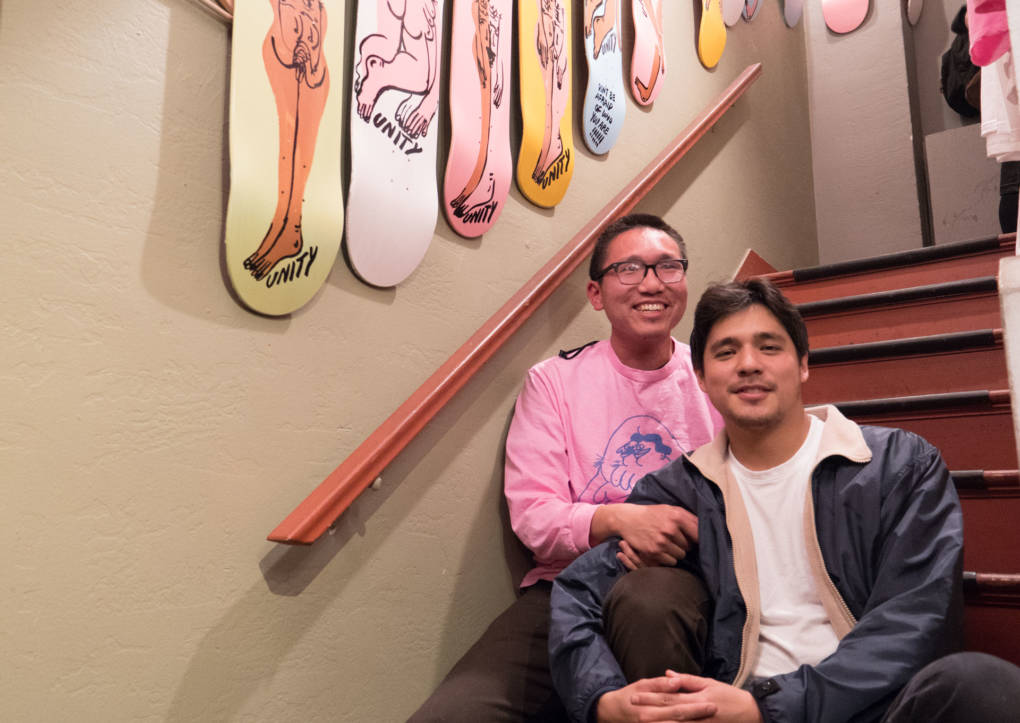
"caption": "Unity founder Jeffrey Cheung (L) and Gabriel Ramirez (R) at Unity Skateboards' shop in downtown Oakland. ",
"description": "Unity founder Jeffrey Cheung (L) and Gabriel Ramirez (R) at Unity Skateboards' shop in downtown Oakland. ",
"title": "UnitySkateFounders",
"credit": "Nadine Sebai/KQED",
"status": "inherit",
"isLoading": false,
"fetchFailed": false
},
"news_11651909": {
"type": "attachments",
"id": "news_11651909",
"meta": {
"index": "attachments_1716263798",
"site": "news",
"id": "11651909",
"found": true
},
"parent": 11651907,
"imgSizes": {
"small": {
"file": "https://ww2.kqed.org/app/uploads/sites/10/2018/02/iStock-831613730-520x293.jpg",
"width": 520,
"mimeType": "image/jpeg",
"height": 293
},
"twentyfourteen-full-width": {
"file": "https://ww2.kqed.org/app/uploads/sites/10/2018/02/iStock-831613730-1038x576.jpg",
"width": 1038,
"mimeType": "image/jpeg",
"height": 576
},
"thumbnail": {
"file": "https://ww2.kqed.org/app/uploads/sites/10/2018/02/iStock-831613730-160x90.jpg",
"width": 160,
"mimeType": "image/jpeg",
"height": 90
},
"fd-sm": {
"file": "https://ww2.kqed.org/app/uploads/sites/10/2018/02/iStock-831613730-960x540.jpg",
"width": 960,
"mimeType": "image/jpeg",
"height": 540
},
"post-thumbnail": {
"file": "https://ww2.kqed.org/app/uploads/sites/10/2018/02/iStock-831613730-672x372.jpg",
"width": 672,
"mimeType": "image/jpeg",
"height": 372
},
"xsmall": {
"file": "https://ww2.kqed.org/app/uploads/sites/10/2018/02/iStock-831613730-375x211.jpg",
"width": 375,
"mimeType": "image/jpeg",
"height": 211
},
"kqedFullSize": {
"file": "https://ww2.kqed.org/app/uploads/sites/10/2018/02/iStock-831613730-e1519676067932.jpg",
"width": 1920,
"height": 1080
},
"large": {
"file": "https://ww2.kqed.org/app/uploads/sites/10/2018/02/iStock-831613730-1020x574.jpg",
"width": 1020,
"mimeType": "image/jpeg",
"height": 574
},
"xlarge": {
"file": "https://ww2.kqed.org/app/uploads/sites/10/2018/02/iStock-831613730-1180x664.jpg",
"width": 1180,
"mimeType": "image/jpeg",
"height": 664
},
"guest-author-50": {
"file": "https://ww2.kqed.org/app/uploads/sites/10/2018/02/iStock-831613730-50x50.jpg",
"width": 50,
"mimeType": "image/jpeg",
"height": 50
},
"guest-author-96": {
"file": "https://ww2.kqed.org/app/uploads/sites/10/2018/02/iStock-831613730-96x96.jpg",
"width": 96,
"mimeType": "image/jpeg",
"height": 96
},
"medium": {
"file": "https://ww2.kqed.org/app/uploads/sites/10/2018/02/iStock-831613730-800x450.jpg",
"width": 800,
"mimeType": "image/jpeg",
"height": 450
},
"guest-author-64": {
"file": "https://ww2.kqed.org/app/uploads/sites/10/2018/02/iStock-831613730-64x64.jpg",
"width": 64,
"mimeType": "image/jpeg",
"height": 64
},
"guest-author-32": {
"file": "https://ww2.kqed.org/app/uploads/sites/10/2018/02/iStock-831613730-32x32.jpg",
"width": 32,
"mimeType": "image/jpeg",
"height": 32
},
"fd-lrg": {
"file": "https://ww2.kqed.org/app/uploads/sites/10/2018/02/iStock-831613730-1920x1080.jpg",
"width": 1920,
"mimeType": "image/jpeg",
"height": 1080
},
"fd-med": {
"file": "https://ww2.kqed.org/app/uploads/sites/10/2018/02/iStock-831613730-1180x664.jpg",
"width": 1180,
"mimeType": "image/jpeg",
"height": 664
},
"full-width": {
"file": "https://ww2.kqed.org/app/uploads/sites/10/2018/02/iStock-831613730-1920x1080.jpg",
"width": 1920,
"mimeType": "image/jpeg",
"height": 1080
},
"detail": {
"file": "https://ww2.kqed.org/app/uploads/sites/10/2018/02/iStock-831613730-150x150.jpg",
"width": 150,
"mimeType": "image/jpeg",
"height": 150
},
"guest-author-128": {
"file": "https://ww2.kqed.org/app/uploads/sites/10/2018/02/iStock-831613730-128x128.jpg",
"width": 128,
"mimeType": "image/jpeg",
"height": 128
},
"xxsmall": {
"file": "https://ww2.kqed.org/app/uploads/sites/10/2018/02/iStock-831613730-240x135.jpg",
"width": 240,
"mimeType": "image/jpeg",
"height": 135
}
},
"publishDate": 1519430964,
"modified": 1519676078,
"caption": "Thirty schools now offer an introduction to data science class in high school.",
"description": "Smart Young Boy Works on a Laptop For His New Project in His Computer Science Class.",
"title": "Smart Young Boy Works on a Laptop For His New Project in His Computer Science Class.",
"credit": "iStock",
"status": "inherit",
"isLoading": false,
"fetchFailed": false
}
},
"audioPlayerReducer": {
"postId": "stream_live",
"isPaused": true,
"isPlaying": false,
"pfsActive": false,
"pledgeModalIsOpen": true,
"playerDrawerIsOpen": false,
"liveAudioPlayStartedAt": 0,
"liveAudioPlayContext": ""
},
"authorsReducer": {
"byline_news_11661950": {
"type": "authors",
"id": "byline_news_11661950",
"meta": {
"override": true
},
"slug": "byline_news_11661950",
"name": "Associated Press",
"isLoading": false
},
"byline_news_11661704": {
"type": "authors",
"id": "byline_news_11661704",
"meta": {
"override": true
},
"slug": "byline_news_11661704",
"name": "Associated Press",
"isLoading": false
},
"byline_news_11656197": {
"type": "authors",
"id": "byline_news_11656197",
"meta": {
"override": true
},
"slug": "byline_news_11656197",
"name": "\u003cstrong>Felicia Mello\u003c/strong>",
"isLoading": false
},
"katrinaschwartz": {
"type": "authors",
"id": "234",
"meta": {
"index": "authors_1716337520",
"id": "234",
"found": true
},
"name": "Katrina Schwartz",
"firstName": "Katrina",
"lastName": "Schwartz",
"slug": "katrinaschwartz",
"email": "kschwartz@kqed.org",
"display_author_email": false,
"staff_mastheads": [
"news"
],
"title": "Producer",
"bio": "Katrina Schwartz is a journalist based in San Francisco. She's worked at KPCC public radio in LA and has reported on air and online for KQED since 2010. She covered how teaching and learning is changing for MindShift between 2012 and 2020. She is the co-host of the MindShift podcast and now produces KQED's Bay Curious podcast.",
"avatar": "https://secure.gravatar.com/avatar/edb4ee79070447a018538c9aae6eeecf28786515b8a0c30e43b6b7dce5aa44c8?s=600&d=blank&r=g",
"twitter": "kschwart",
"bluesky": null,
"facebook": null,
"instagram": null,
"linkedin": null,
"sites": [
{
"site": "",
"roles": [
"editor"
]
},
{
"site": "news",
"roles": [
"editor"
]
},
{
"site": "mindshift",
"roles": [
"administrator"
]
},
{
"site": "stateofhealth",
"roles": [
"author"
]
},
{
"site": "science",
"roles": [
"editor"
]
}
],
"headData": {
"title": "Katrina Schwartz | KQED",
"description": "Producer",
"ogImgSrc": "https://secure.gravatar.com/avatar/edb4ee79070447a018538c9aae6eeecf28786515b8a0c30e43b6b7dce5aa44c8?s=600&d=blank&r=g",
"twImgSrc": "https://secure.gravatar.com/avatar/edb4ee79070447a018538c9aae6eeecf28786515b8a0c30e43b6b7dce5aa44c8?s=600&d=blank&r=g"
},
"isLoading": false,
"link": "/author/katrinaschwartz"
},
"kqed": {
"type": "authors",
"id": "236",
"meta": {
"index": "authors_1716337520",
"id": "236",
"found": true
},
"name": "KQED News Staff",
"firstName": "KQED News Staff",
"lastName": null,
"slug": "kqed",
"email": "faq@kqed.org",
"display_author_email": false,
"staff_mastheads": [],
"title": null,
"bio": null,
"avatar": "https://secure.gravatar.com/avatar/ef0e801a68c4c54afa9180db14084167?s=600&d=blank&r=g",
"twitter": null,
"facebook": null,
"instagram": null,
"linkedin": null,
"sites": [
{
"site": "arts",
"roles": [
"contributor"
]
},
{
"site": "news",
"roles": [
"editor"
]
},
{
"site": "futureofyou",
"roles": [
"author"
]
}
],
"headData": {
"title": "KQED News Staff | KQED",
"description": null,
"ogImgSrc": "https://secure.gravatar.com/avatar/ef0e801a68c4c54afa9180db14084167?s=600&d=blank&r=g",
"twImgSrc": "https://secure.gravatar.com/avatar/ef0e801a68c4c54afa9180db14084167?s=600&d=blank&r=g"
},
"isLoading": false,
"link": "/author/kqed"
},
"markfiore": {
"type": "authors",
"id": "3236",
"meta": {
"index": "authors_1716337520",
"id": "3236",
"found": true
},
"name": "Mark Fiore",
"firstName": "Mark",
"lastName": "Fiore",
"slug": "markfiore",
"email": "mark@markfiore.com",
"display_author_email": false,
"staff_mastheads": [
"news"
],
"title": "KQED News Cartoonist",
"bio": "\u003ca href=\"http://www.MarkFiore.com\">MarkFiore.com\u003c/a> | \u003ca href=\"https://twitter.com/markfiore\">Follow on Twitter\u003c/a> | \u003ca href=\"https://www.facebook.com/pages/Mark-Fiore-Animated-Political-Cartoons/94451707396?ref=bookmarks\">Facebook\u003c/a> | \u003ca href=\"mailto:mark@markfiore.com\">email\u003c/a>\r\n\r\nPulitzer Prize-winner, Mark Fiore, who the Wall Street Journal has called “the undisputed guru of the form,” creates animated political cartoons in San Francisco, where his work has been featured regularly on the San Francisco Chronicle’s web site, SFGate.com. His work has appeared on Newsweek.com, Slate.com, CBSNews.com, MotherJones.com, DailyKos.com and NPR’s web site. Fiore’s political animation has appeared on CNN, Frontline, Bill Moyers Journal, Salon.com and cable and broadcast outlets across the globe.\r\n\r\nBeginning his professional life by drawing traditional political cartoons for newspapers, Fiore’s work appeared in publications ranging from the Washington Post to the Los Angeles Times. In the late 1990s, he began to experiment with animating political cartoons and, after a short stint at the San Jose Mercury News as their staff cartoonist, Fiore devoted all his energies to animation.\r\nGrowing up in California, Fiore also spent a good portion of his life in the backwoods of Idaho. It was this combination that shaped him politically. Mark majored in political science at Colorado College, where, in a perfect send-off for a cartoonist, he received his diploma in 1991 as commencement speaker Dick Cheney smiled approvingly.\r\nMark Fiore was awarded the Pulitzer Prize for political cartooning in 2010, a Robert F. Kennedy Journalism Award in 2004 and has twice received an Online Journalism Award for commentary from the Online News Association (2002, 2008). Fiore has received two awards for his work in new media from the National Cartoonists Society (2001, 2002), and in 2006 received The James Madison Freedom of Information Award from The Society of Professional Journalists.",
"avatar": "https://secure.gravatar.com/avatar/fc4e2a612b15b67bad0c6f0e1db4ca9b?s=600&d=blank&r=g",
"twitter": "MarkFiore",
"facebook": null,
"instagram": "https://www.instagram.com/markfiore/?hl=en",
"linkedin": null,
"sites": [
{
"site": "arts",
"roles": [
"contributor"
]
},
{
"site": "news",
"roles": [
"editor"
]
},
{
"site": "futureofyou",
"roles": [
"editor"
]
},
{
"site": "science",
"roles": [
"editor"
]
}
],
"headData": {
"title": "Mark Fiore | KQED",
"description": "KQED News Cartoonist",
"ogImgSrc": "https://secure.gravatar.com/avatar/fc4e2a612b15b67bad0c6f0e1db4ca9b?s=600&d=blank&r=g",
"twImgSrc": "https://secure.gravatar.com/avatar/fc4e2a612b15b67bad0c6f0e1db4ca9b?s=600&d=blank&r=g"
},
"isLoading": false,
"link": "/author/markfiore"
},
"btaylor": {
"type": "authors",
"id": "11365",
"meta": {
"index": "authors_1716337520",
"id": "11365",
"found": true
},
"name": "Bianca Taylor",
"firstName": "Bianca",
"lastName": "Taylor",
"slug": "btaylor",
"email": "btaylor@KQED.org",
"display_author_email": false,
"staff_mastheads": [
"news"
],
"title": "Host and Producer ",
"bio": "Bianca Taylor is a news producer and host of KQED's The Latest podcast.\r\n\r\nHer work with KQED has been honored by the Society of Professional Journalists NorCal, the Webby's, the Regional Murrow Awards, and ONA. She has also worked with NPR, the BBC World Service, and the Washington Post Creative Group.\r\n\r\nBianca is represented by SAG-AFTRA.",
"avatar": "https://secure.gravatar.com/avatar/6b9d3f6552dd10470c5d1c2e58cfe717?s=600&d=blank&r=g",
"twitter": "SoundsLkeBianca",
"facebook": null,
"instagram": null,
"linkedin": null,
"sites": [
{
"site": "arts",
"roles": [
"editor"
]
},
{
"site": "news",
"roles": [
"edit_others_posts",
"editor"
]
},
{
"site": "pop",
"roles": [
"editor"
]
},
{
"site": "bayareabites",
"roles": [
"author"
]
},
{
"site": "science",
"roles": [
"editor"
]
},
{
"site": "forum",
"roles": [
"editor"
]
},
{
"site": "radio",
"roles": [
"editor"
]
},
{
"site": "podcasts",
"roles": [
"editor"
]
}
],
"headData": {
"title": "Bianca Taylor | KQED",
"description": "Host and Producer ",
"ogImgSrc": "https://secure.gravatar.com/avatar/6b9d3f6552dd10470c5d1c2e58cfe717?s=600&d=blank&r=g",
"twImgSrc": "https://secure.gravatar.com/avatar/6b9d3f6552dd10470c5d1c2e58cfe717?s=600&d=blank&r=g"
},
"isLoading": false,
"link": "/author/btaylor"
},
"mdanish": {
"type": "authors",
"id": "11504",
"meta": {
"index": "authors_1716337520",
"id": "11504",
"found": true
},
"name": "Muna Danish",
"firstName": "Muna",
"lastName": "Danish",
"slug": "mdanish",
"email": "mdanish@KQED.org",
"display_author_email": false,
"staff_mastheads": [],
"title": null,
"bio": null,
"avatar": "https://secure.gravatar.com/avatar/0f9eb78572eb14a36d9324eae714d52e?s=600&d=blank&r=g",
"twitter": null,
"facebook": null,
"instagram": null,
"linkedin": null,
"sites": [
{
"site": "news",
"roles": [
"author"
]
}
],
"headData": {
"title": "Muna Danish | KQED",
"description": null,
"ogImgSrc": "https://secure.gravatar.com/avatar/0f9eb78572eb14a36d9324eae714d52e?s=600&d=blank&r=g",
"twImgSrc": "https://secure.gravatar.com/avatar/0f9eb78572eb14a36d9324eae714d52e?s=600&d=blank&r=g"
},
"isLoading": false,
"link": "/author/mdanish"
}
},
"pagesReducer": {
"news_tag_education": {
"type": "terms",
"id": "news_20013",
"meta": {
"index": "terms_1716263798",
"site": "news",
"id": "20013",
"score": 6.970053
},
"featImg": null,
"name": "education",
"description": null,
"taxonomy": "tag",
"headData": {
"twImgId": null,
"twTitle": null,
"ogTitle": null,
"ogImgId": null,
"twDescription": null,
"description": null,
"title": "education Archives | KQED News",
"ogDescription": null
},
"ttid": 20030,
"slug": "education",
"isLoading": false,
"title": "education",
"pageMeta": {
"site": "news",
"WpPageTemplate": "page-topic-editorial",
"currentPage": 110
},
"blocks": [
{
"blockName": "kqed/post-list",
"attrs": {
"layout": "cardArticle2",
"query": "posts/news?tag=education",
"seeMore": false,
"paginated": true,
"page": 110
}
},
{
"blockName": "kqed/ad"
}
]
}
},
"pfsSessionReducer": {},
"postsReducer": {
"stream_live": {
"type": "live",
"id": "stream_live",
"audioUrl": "https://streams.kqed.org/kqedradio",
"title": "Live Stream",
"excerpt": "Live Stream information currently unavailable.",
"link": "/radio",
"featImg": "",
"label": {
"name": "KQED Live",
"link": "/"
}
},
"stream_kqedNewscast": {
"type": "posts",
"id": "stream_kqedNewscast",
"audioUrl": "https://www.kqed.org/.stream/anon/radio/RDnews/newscast.mp3?_=1",
"title": "KQED Newscast",
"featImg": "",
"label": {
"name": "88.5 FM",
"link": "/"
}
},
"news_11662255": {
"type": "posts",
"id": "news_11662255",
"meta": {
"index": "posts_1716263798",
"site": "news",
"id": "11662255",
"score": null,
"sort": [
1523666110000
]
},
"parent": 0,
"labelTerm": {
"site": "news"
},
"blocks": [],
"publishDate": 1523666110,
"format": "standard",
"disqusTitle": "Walkable Model of a City Block Teaches Students about Street Safety",
"title": "Walkable Model of a City Block Teaches Students about Street Safety",
"headTitle": "KQED News",
"content": "\u003cp>\u003cspan style=\"font-weight: 400\">San Francisco city officials today unveiled a life-sized model of a city block to teach elementary school students about traffic safety with a hands-on approach.\u003c/span>\u003c/p>\n\u003cp>\u003cspan style=\"font-weight: 400\">The model was installed at Jean Parker Elementary School in Chinatown, where school and city officials gathered for a ribbon cutting for a new program called Street Smarts. It will travel to different schools and includes two intersections, a traffic signal, bicycle lanes and even a Muni bus. \u003c/span>\u003c/p>\n\u003cp>\u003cspan style=\"font-weight: 400\">Second graders from Jean Parker had the chance to walk through the block with guided instruction. \u003c/span>\u003c/p>\n\u003cp>\u003cspan style=\"font-weight: 400\">“You see the enjoyment in their faces as they’re learning about safety issues,” said Supervisor Norman Yee. \u003c/span>\u003c/p>\n\u003cp>\u003cspan style=\"font-weight: 400\">School district officials also toured the model.\u003c/span>\u003c/p>\n\u003cp>[ad fullwidth]\u003c/p>\n\u003cp>\u003cspan style=\"font-weight: 400\">“It is exciting to see a set specifically designed for San Francisco,” said superintendent Vincent Matthews. “Kids will remember this experience.”\u003c/span>\u003c/p>\n\u003cp>\u003cspan style=\"font-weight: 400\"> After seeing a similar program in Los Angeles in 2014, Supervisor Yee initially teamed up with the late Mayor Ed Lee to bring the project to San Francisco. The San Francisco model is called “Ed’s Neighborhood,” in honor of the mayor who passed away in December.\u003c/span>\u003c/p>\n\u003cp>\u003cspan style=\"font-weight: 400\">The project, which cost a quarter million dollars, is part of a city initiative called Vision Zero, which aims to reach zero traffic-related deaths by 2024. \u003c/span>\u003c/p>\n\u003cp>\u003cspan style=\"font-weight: 400\">At the unveiling, Supervisor Yee spoke about his own experience in a near fatal traffic collision 11 years ago.\u003c/span>\u003c/p>\n\u003cp>\u003cspan style=\"font-weight: 400\"> “The pain and suffering that it caused me and my family to experience is something I never want another family to experience,\" he said.\u003c/span>\u003c/p>\n\u003cp>\u003c/p>\n\u003cp>\u003cspan style=\"font-weight: 400\">About a quarter of the city's elementary school students walk to school, compared to 15 percent statewide. And more than half of children hurt in traffic accidents in San Francisco are injured while on foot, according to the San Francisco Department of Public Health.\u003c/span>\u003c/p>\n\n",
"disqusIdentifier": "11662255 https://ww2.kqed.org/news/?p=11662255",
"disqusUrl": "https://ww2.kqed.org/news/2018/04/13/walkable-model-of-a-city-block-teaches-students-about-street-safety/",
"stats": {
"hasVideo": false,
"hasChartOrMap": false,
"hasAudio": false,
"hasPolis": false,
"wordCount": 315,
"hasGoogleForm": false,
"hasGallery": false,
"hasHearkenModule": false,
"iframeSrcs": [],
"paragraphCount": 13
},
"modified": 1523666110,
"excerpt": "More than half of children hurt in traffic accidents in San Francisco are injured while on foot.",
"headData": {
"twImgId": "",
"twTitle": "",
"ogTitle": "",
"ogImgId": "",
"twDescription": "",
"description": "More than half of children hurt in traffic accidents in San Francisco are injured while on foot.",
"title": "Walkable Model of a City Block Teaches Students about Street Safety | KQED",
"ogDescription": "",
"schema": {
"@context": "https://schema.org",
"@type": "NewsArticle",
"headline": "Walkable Model of a City Block Teaches Students about Street Safety",
"datePublished": "2018-04-13T17:35:10-07:00",
"dateModified": "2018-04-13T17:35:10-07:00",
"image": "https://cdn.kqed.org/wp-content/uploads/2020/02/KQED-OG-Image@1x.png",
"isAccessibleForFree": "True",
"publisher": {
"@type": "NewsMediaOrganization",
"@id": "https://www.kqed.org/#organization",
"name": "KQED",
"logo": "https://cdn.kqed.org/wp-content/uploads/2020/02/KQED-OG-Image@1x.png",
"url": "https://www.kqed.org",
"sameAs": [
"https://www.facebook.com/KQED",
"https://twitter.com/KQED",
"https://www.instagram.com/kqed/",
"https://www.tiktok.com/@kqedofficial",
"https://www.linkedin.com/company/kqed",
"https://www.youtube.com/channel/UCeC0IOo7i1P_61zVUWbJ4nw"
]
}
}
},
"guestAuthors": [],
"slug": "walkable-model-of-a-city-block-teaches-students-about-street-safety",
"status": "publish",
"path": "/news/11662255/walkable-model-of-a-city-block-teaches-students-about-street-safety",
"audioTrackLength": null,
"parsedContent": [
{
"type": "contentString",
"content": "\u003cdiv class=\"post-body\">\u003cp>\u003cp>\u003cspan style=\"font-weight: 400\">San Francisco city officials today unveiled a life-sized model of a city block to teach elementary school students about traffic safety with a hands-on approach.\u003c/span>\u003c/p>\n\u003cp>\u003cspan style=\"font-weight: 400\">The model was installed at Jean Parker Elementary School in Chinatown, where school and city officials gathered for a ribbon cutting for a new program called Street Smarts. It will travel to different schools and includes two intersections, a traffic signal, bicycle lanes and even a Muni bus. \u003c/span>\u003c/p>\n\u003cp>\u003cspan style=\"font-weight: 400\">Second graders from Jean Parker had the chance to walk through the block with guided instruction. \u003c/span>\u003c/p>\n\u003cp>\u003cspan style=\"font-weight: 400\">“You see the enjoyment in their faces as they’re learning about safety issues,” said Supervisor Norman Yee. \u003c/span>\u003c/p>\n\u003cp>\u003cspan style=\"font-weight: 400\">School district officials also toured the model.\u003c/span>\u003c/p>\n\u003cp>\u003c/p>\u003c/div>",
"attributes": {
"named": {},
"numeric": []
}
},
{
"type": "component",
"content": "",
"name": "ad",
"attributes": {
"named": {
"label": "fullwidth"
},
"numeric": [
"fullwidth"
]
}
},
{
"type": "contentString",
"content": "\u003cdiv class=\"post-body\">\u003cp>\u003c/p>\n\u003cp>\u003cspan style=\"font-weight: 400\">“It is exciting to see a set specifically designed for San Francisco,” said superintendent Vincent Matthews. “Kids will remember this experience.”\u003c/span>\u003c/p>\n\u003cp>\u003cspan style=\"font-weight: 400\"> After seeing a similar program in Los Angeles in 2014, Supervisor Yee initially teamed up with the late Mayor Ed Lee to bring the project to San Francisco. The San Francisco model is called “Ed’s Neighborhood,” in honor of the mayor who passed away in December.\u003c/span>\u003c/p>\n\u003cp>\u003cspan style=\"font-weight: 400\">The project, which cost a quarter million dollars, is part of a city initiative called Vision Zero, which aims to reach zero traffic-related deaths by 2024. \u003c/span>\u003c/p>\n\u003cp>\u003cspan style=\"font-weight: 400\">At the unveiling, Supervisor Yee spoke about his own experience in a near fatal traffic collision 11 years ago.\u003c/span>\u003c/p>\n\u003cp>\u003cspan style=\"font-weight: 400\"> “The pain and suffering that it caused me and my family to experience is something I never want another family to experience,\" he said.\u003c/span>\u003c/p>\n\u003cp>\u003c/p>\n\u003cp>\u003cspan style=\"font-weight: 400\">About a quarter of the city's elementary school students walk to school, compared to 15 percent statewide. And more than half of children hurt in traffic accidents in San Francisco are injured while on foot, according to the San Francisco Department of Public Health.\u003c/span>\u003c/p>\n\n\u003c/div>\u003c/p>",
"attributes": {
"named": {},
"numeric": []
}
}
],
"link": "/news/11662255/walkable-model-of-a-city-block-teaches-students-about-street-safety",
"authors": [
"11504"
],
"categories": [
"news_18540",
"news_8",
"news_1397"
],
"tags": [
"news_20013",
"news_17762",
"news_18120"
],
"featImg": "news_11662272",
"label": "news"
},
"news_11661950": {
"type": "posts",
"id": "news_11661950",
"meta": {
"index": "posts_1716263798",
"site": "news",
"id": "11661950",
"score": null,
"sort": [
1523656830000
]
},
"guestAuthors": [],
"slug": "billionaire-seeks-to-split-california-into-3-states",
"title": "Billionaire Seeks to Split California Into 3 States",
"publishDate": 1523656830,
"format": "audio",
"headTitle": "Billionaire Seeks to Split California Into 3 States | KQED",
"labelTerm": {},
"content": "\u003cp>A billionaire says he has enough support to ask Californians if they want to divide the nation’s most populous state into three states.\u003c/p>\n\u003cp>Venture capitalist Tim Draper says he plans to deliver more than 600,000 signatures next week to be verified by California’s secretary of state. More than 366,000 are needed to put the question on the November ballot.\u003c/p>\n\u003cp>Efforts in recent years have failed to reach voters and Congress would get the final say if the Cal 3 initiative succeeds.\u003c/p>\n\u003cp>Supporters say the state has grown too large to meet the needs of Californians. But opponents say creating three states will do nothing to solve California’s economic and political problems.\u003c/p>\n\u003cp>Draper has proposed creating California, Northern California and Southern California. However, residents would decide the names.\u003c/p>\n\u003cfigure id=\"attachment_10506016\" class=\"wp-caption alignnone\" style=\"max-width: 800px\">\u003cimg loading=\"lazy\" decoding=\"async\" class=\"size-medium wp-image-10506016\" src=\"https://ww2.kqed.org/news/wp-content/uploads/sites/10/2015/04/IMG_2979-800x674.jpg\" alt=\"\" width=\"800\" height=\"674\" srcset=\"https://cdn.kqed.org/wp-content/uploads/sites/10/2015/04/IMG_2979-800x674.jpg 800w, https://cdn.kqed.org/wp-content/uploads/sites/10/2015/04/IMG_2979-400x337.jpg 400w, https://cdn.kqed.org/wp-content/uploads/sites/10/2015/04/IMG_2979-1440x1214.jpg 1440w, https://cdn.kqed.org/wp-content/uploads/sites/10/2015/04/IMG_2979-1180x995.jpg 1180w, https://cdn.kqed.org/wp-content/uploads/sites/10/2015/04/IMG_2979-960x809.jpg 960w\" sizes=\"(max-width: 800px) 100vw, 800px\">\u003cfigcaption class=\"wp-caption-text\">Tim Draper \u003ccite>(John Myers/KQED)\u003c/cite>\u003c/figcaption>\u003c/figure>\n\u003cp>[ad fullwidth]\u003c/p>\u003cp>\u003c/p>\n",
"blocks": [],
"excerpt": "Tim Draper says he has received enough signatures for his Cal 3 initiative to qualify for the November ballot.",
"status": "publish",
"parent": 0,
"modified": 1721115583,
"stats": {
"hasAudio": false,
"hasVideo": false,
"hasChartOrMap": false,
"iframeSrcs": [],
"hasGoogleForm": false,
"hasGallery": false,
"hasHearkenModule": false,
"hasPolis": false,
"paragraphCount": 7,
"wordCount": 142
},
"headData": {
"title": "Billionaire Seeks to Split California Into 3 States | KQED",
"description": "Tim Draper says he has received enough signatures for his Cal 3 initiative to qualify for the November ballot.",
"ogTitle": "",
"ogDescription": "",
"ogImgId": "",
"twTitle": "",
"twDescription": "",
"twImgId": "",
"schema": {
"@context": "https://schema.org",
"@type": "NewsArticle",
"headline": "Billionaire Seeks to Split California Into 3 States",
"datePublished": "2018-04-13T15:00:30-07:00",
"dateModified": "2024-07-16T00:39:43-07:00",
"image": "https://cdn.kqed.org/wp-content/uploads/2020/02/KQED-OG-Image@1x.png",
"isAccessibleForFree": "True",
"publisher": {
"@type": "NewsMediaOrganization",
"@id": "https://www.kqed.org/#organization",
"name": "KQED",
"logo": "https://cdn.kqed.org/wp-content/uploads/2020/02/KQED-OG-Image@1x.png",
"url": "https://www.kqed.org",
"sameAs": [
"https://www.facebook.com/KQED",
"https://twitter.com/KQED",
"https://www.instagram.com/kqed/",
"https://www.tiktok.com/@kqedofficial",
"https://www.linkedin.com/company/kqed",
"https://www.youtube.com/channel/UCeC0IOo7i1P_61zVUWbJ4nw"
]
}
}
},
"source": "Associated Press",
"audioUrl": "https://www.kqed.org/.stream/anon/radio/tcr/2018/04/ShaferThreeCalifornias.mp3",
"sticky": false,
"nprByline": "Associated Press",
"path": "/news/11661950/billionaire-seeks-to-split-california-into-3-states",
"audioDuration": 69000,
"audioTrackLength": null,
"parsedContent": [
{
"type": "contentString",
"content": "\u003cdiv class=\"post-body\">\u003cp>\u003cp>A billionaire says he has enough support to ask Californians if they want to divide the nation’s most populous state into three states.\u003c/p>\n\u003cp>Venture capitalist Tim Draper says he plans to deliver more than 600,000 signatures next week to be verified by California’s secretary of state. More than 366,000 are needed to put the question on the November ballot.\u003c/p>\n\u003cp>Efforts in recent years have failed to reach voters and Congress would get the final say if the Cal 3 initiative succeeds.\u003c/p>\n\u003cp>Supporters say the state has grown too large to meet the needs of Californians. But opponents say creating three states will do nothing to solve California’s economic and political problems.\u003c/p>\n\u003cp>Draper has proposed creating California, Northern California and Southern California. However, residents would decide the names.\u003c/p>\n\u003cfigure id=\"attachment_10506016\" class=\"wp-caption alignnone\" style=\"max-width: 800px\">\u003cimg loading=\"lazy\" decoding=\"async\" class=\"size-medium wp-image-10506016\" src=\"https://ww2.kqed.org/news/wp-content/uploads/sites/10/2015/04/IMG_2979-800x674.jpg\" alt=\"\" width=\"800\" height=\"674\" srcset=\"https://cdn.kqed.org/wp-content/uploads/sites/10/2015/04/IMG_2979-800x674.jpg 800w, https://cdn.kqed.org/wp-content/uploads/sites/10/2015/04/IMG_2979-400x337.jpg 400w, https://cdn.kqed.org/wp-content/uploads/sites/10/2015/04/IMG_2979-1440x1214.jpg 1440w, https://cdn.kqed.org/wp-content/uploads/sites/10/2015/04/IMG_2979-1180x995.jpg 1180w, https://cdn.kqed.org/wp-content/uploads/sites/10/2015/04/IMG_2979-960x809.jpg 960w\" sizes=\"(max-width: 800px) 100vw, 800px\">\u003cfigcaption class=\"wp-caption-text\">Tim Draper \u003ccite>(John Myers/KQED)\u003c/cite>\u003c/figcaption>\u003c/figure>\n\u003cp>\u003c/p>\u003c/div>",
"attributes": {
"named": {},
"numeric": []
}
},
{
"type": "component",
"content": "",
"name": "ad",
"attributes": {
"named": {
"label": "fullwidth"
},
"numeric": [
"fullwidth"
]
}
},
{
"type": "contentString",
"content": "\u003cdiv class=\"post-body\">\u003cp>\u003c/p>\u003cp>\u003c/p>\n\u003c/div>\u003c/p>",
"attributes": {
"named": {},
"numeric": []
}
}
],
"link": "/news/11661950/billionaire-seeks-to-split-california-into-3-states",
"authors": [
"byline_news_11661950"
],
"programs": [
"news_72"
],
"categories": [
"news_8",
"news_13"
],
"tags": [
"news_18538",
"news_20013",
"news_20191",
"news_17968",
"news_17286"
],
"featImg": "news_11661956",
"label": "source_news_11661950"
},
"news_11661704": {
"type": "posts",
"id": "news_11661704",
"meta": {
"index": "posts_1716263798",
"site": "news",
"id": "11661704",
"score": null,
"sort": [
1523560542000
]
},
"parent": 0,
"labelTerm": {},
"blocks": [],
"publishDate": 1523560542,
"format": "standard",
"disqusTitle": "Some Community College Students Guaranteed Admission to UC",
"title": "Some Community College Students Guaranteed Admission to UC",
"headTitle": "The California Report | KQED News",
"content": "\u003cp>California community college students will be guaranteed admission into the University of California if they meet certain course requirements.\u003c/p>\n\u003cp>The University of California and the California Community Colleges agreed Wednesday that students who do well in courses that UC faculty helped develop will be admitted to a UC campus, the San Francisco Chronicle \u003ca href=\"https://www.sfchronicle.com/education/article/California-community-college-students-will-be-12826640.php?t=56e2696e8e\" target=\"_blank\" rel=\"noopener\">reported\u003c/a>.\u003c/p>\n\u003cp>The agreement will apply to students who begin community college in fall 2019.\u003c/p>\n\u003cp>The courses will lead to an associate degree for transfer into UC. Applicants may not get into their first choice, but will be admitted into one of the nine undergraduate UC campuses.\u003c/p>\n\u003cp>Collaborating with the community colleges \"will not only make it easier for qualified students to transfer to the university, it will help ensure that they excel once they arrive,\" UC President Janet Napolitano said in a statement.\u003c/p>\n\u003cp>[ad fullwidth]\u003c/p>\n\u003cp>UC enrolled 20,000 transfer students this year — the most in its history. Most of them came from community colleges.\u003c/p>\n\u003cp>California Community Colleges Chancellor Eloy Ortiz Oakley said that transfer students at UC do as well as or better academically than those who begin as freshmen.\u003c/p>\n\u003cp>\"I'm pleased that President Napolitano and I and our two Faculty Senates were willing to come together and improve access to more transfer students,\" he said.\u003c/p>\n\u003cp>A similar program was established in 2013 for guaranteed transfer into California State University, though that didn't accelerate transfers into CSU.\u003c/p>\n\u003cp>Paul Feist, a spokesman for the community college system, said that lingering effects of the recession could be the cause.\u003c/p>\n\u003cp>\"Both systems were recovering from drastic cuts,\" he said.\u003c/p>\n\u003cp>Claire Doan, a UC spokeswoman, said it was too early to predict how UC's new admissions guarantee might impact transfer enrollment.\u003c/p>\n\u003cp>\u003c/p>\n\u003cp>But UC faculty and students have repeatedly complained to the governing Board of Regents that classroom space and dorms haven't kept pace with rising enrollment.\u003c/p>\n\n",
"disqusIdentifier": "11661704 https://ww2.kqed.org/news/?p=11661704",
"disqusUrl": "https://ww2.kqed.org/news/2018/04/12/some-community-college-students-guaranteed-admission-to-uc/",
"stats": {
"hasVideo": false,
"hasChartOrMap": false,
"hasAudio": false,
"hasPolis": false,
"wordCount": 311,
"hasGoogleForm": false,
"hasGallery": false,
"hasHearkenModule": false,
"iframeSrcs": [],
"paragraphCount": 15
},
"modified": 1523573196,
"excerpt": "California community college students will get into one of nine University of California campuses if they do well in courses designed by UC faculty.",
"headData": {
"twImgId": "",
"twTitle": "",
"ogTitle": "",
"ogImgId": "",
"twDescription": "",
"description": "California community college students will get into one of nine University of California campuses if they do well in courses designed by UC faculty.",
"title": "Some Community College Students Guaranteed Admission to UC | KQED",
"ogDescription": "",
"schema": {
"@context": "https://schema.org",
"@type": "NewsArticle",
"headline": "Some Community College Students Guaranteed Admission to UC",
"datePublished": "2018-04-12T12:15:42-07:00",
"dateModified": "2018-04-12T15:46:36-07:00",
"image": "https://cdn.kqed.org/wp-content/uploads/2020/02/KQED-OG-Image@1x.png",
"isAccessibleForFree": "True",
"publisher": {
"@type": "NewsMediaOrganization",
"@id": "https://www.kqed.org/#organization",
"name": "KQED",
"logo": "https://cdn.kqed.org/wp-content/uploads/2020/02/KQED-OG-Image@1x.png",
"url": "https://www.kqed.org",
"sameAs": [
"https://www.facebook.com/KQED",
"https://twitter.com/KQED",
"https://www.instagram.com/kqed/",
"https://www.tiktok.com/@kqedofficial",
"https://www.linkedin.com/company/kqed",
"https://www.youtube.com/channel/UCeC0IOo7i1P_61zVUWbJ4nw"
]
}
}
},
"guestAuthors": [],
"slug": "some-community-college-students-guaranteed-admission-to-uc",
"status": "publish",
"nprByline": "Associated Press",
"source": "Associated Press",
"path": "/news/11661704/some-community-college-students-guaranteed-admission-to-uc",
"audioTrackLength": null,
"parsedContent": [
{
"type": "contentString",
"content": "\u003cdiv class=\"post-body\">\u003cp>\u003cp>California community college students will be guaranteed admission into the University of California if they meet certain course requirements.\u003c/p>\n\u003cp>The University of California and the California Community Colleges agreed Wednesday that students who do well in courses that UC faculty helped develop will be admitted to a UC campus, the San Francisco Chronicle \u003ca href=\"https://www.sfchronicle.com/education/article/California-community-college-students-will-be-12826640.php?t=56e2696e8e\" target=\"_blank\" rel=\"noopener\">reported\u003c/a>.\u003c/p>\n\u003cp>The agreement will apply to students who begin community college in fall 2019.\u003c/p>\n\u003cp>The courses will lead to an associate degree for transfer into UC. Applicants may not get into their first choice, but will be admitted into one of the nine undergraduate UC campuses.\u003c/p>\n\u003cp>Collaborating with the community colleges \"will not only make it easier for qualified students to transfer to the university, it will help ensure that they excel once they arrive,\" UC President Janet Napolitano said in a statement.\u003c/p>\n\u003cp>\u003c/p>\u003c/div>",
"attributes": {
"named": {},
"numeric": []
}
},
{
"type": "component",
"content": "",
"name": "ad",
"attributes": {
"named": {
"label": "fullwidth"
},
"numeric": [
"fullwidth"
]
}
},
{
"type": "contentString",
"content": "\u003cdiv class=\"post-body\">\u003cp>\u003c/p>\n\u003cp>UC enrolled 20,000 transfer students this year — the most in its history. Most of them came from community colleges.\u003c/p>\n\u003cp>California Community Colleges Chancellor Eloy Ortiz Oakley said that transfer students at UC do as well as or better academically than those who begin as freshmen.\u003c/p>\n\u003cp>\"I'm pleased that President Napolitano and I and our two Faculty Senates were willing to come together and improve access to more transfer students,\" he said.\u003c/p>\n\u003cp>A similar program was established in 2013 for guaranteed transfer into California State University, though that didn't accelerate transfers into CSU.\u003c/p>\n\u003cp>Paul Feist, a spokesman for the community college system, said that lingering effects of the recession could be the cause.\u003c/p>\n\u003cp>\"Both systems were recovering from drastic cuts,\" he said.\u003c/p>\n\u003cp>Claire Doan, a UC spokeswoman, said it was too early to predict how UC's new admissions guarantee might impact transfer enrollment.\u003c/p>\n\u003cp>\u003c/p>\n\u003cp>But UC faculty and students have repeatedly complained to the governing Board of Regents that classroom space and dorms haven't kept pace with rising enrollment.\u003c/p>\n\n\u003c/div>\u003c/p>",
"attributes": {
"named": {},
"numeric": []
}
}
],
"link": "/news/11661704/some-community-college-students-guaranteed-admission-to-uc",
"authors": [
"byline_news_11661704"
],
"programs": [
"news_72"
],
"categories": [
"news_18540",
"news_8"
],
"tags": [
"news_20652",
"news_20013",
"news_206"
],
"featImg": "news_11653007",
"label": "source_news_11661704"
},
"news_11659040": {
"type": "posts",
"id": "news_11659040",
"meta": {
"index": "posts_1716263798",
"site": "news",
"id": "11659040",
"score": null,
"sort": [
1522457118000
]
},
"guestAuthors": [],
"slug": "stephon-clark-shooting-tech-news-sorry-to-bother-you",
"title": "Stephon Clark Shooting, Tech News, 'Sorry to Bother You'",
"publishDate": 1522457118,
"format": "video",
"headTitle": "Stephon Clark Shooting, Tech News, ‘Sorry to Bother You’ | KQED",
"labelTerm": {
"term": 7052,
"site": "news"
},
"content": "\u003cp>\u003cb>Stephon Clark Shooting\u003cbr>\n\u003c/b>\u003cspan style=\"font-weight: 400\">On March 18, Stephon Clark, an unarmed 22-year-old black man and father of two young children, was shot and killed by two Sacramento police officers. Since then, the city has experienced nearly two weeks of continuous unrest and volatile protests. State Attorney General Xavier Becerra said his office would investigate the incident, at the request of the Sacramento Police Department. And today, the results of an independent autopsy ordered by Clark’s family were released: It found that Clark had been hit by eight bullets, six of which entered his body from the back and side.\u003c/span>\u003c/p>\n\u003cp>\u003cspan style=\"font-weight: 400\">Guests:\u003c/span>\u003c/p>\n\u003cul>\n\u003cli style=\"font-weight: 400\">\u003cspan style=\"font-weight: 400\">John Burris, civil rights attorney \u003c/span>\u003c/li>\n\u003cli style=\"font-weight: 400\">\u003cspan style=\"font-weight: 400\">Jack Glaser, UC Berkeley Goldman School of Public Policy professor and associate dean\u003c/span>\u003c/li>\n\u003cli style=\"font-weight: 400\">\u003cspan style=\"font-weight: 400\">Katie Orr, KQED Sacramento politics and government reporter\u003c/span>\u003c/li>\n\u003c/ul>\n\u003cp>\u003cb>Tech News: Trump Attacks Amazon, Turmoil for Facebook and Tesla\u003cbr>\n\u003c/b>\u003cspan style=\"font-weight: 400\">President Trump attacked Amazon again yesterday, saying in a tweet that the company doesn’t pay enough taxes and is harming the U.S. economy. Facebook faces continuing fallout over data privacy, and Tesla issued a major recall. \u003c/span>\u003cspan style=\"font-weight: 400\">We talk with MarketWatch Tech Editor and San Francisco Bureau Chief Jeremy Owens about the tech news of the week.\u003c/span>\u003c/p>\n\u003cp>\u003cb>2018 SFFILM Festival and \u003c/b>\u003cb>\u003ci>Sorry to Bother You\u003cbr>\n\u003c/i>\u003c/b>\u003cspan style=\"font-weight: 400\">This year’s centerpiece film at the 2018 SFFilm Festival comes from Boots Riley, an Oakland native who studied film at San Francisco State University and co-founded the hip-hop group The Coup. Riley’s directorial debut, \u003c/span>\u003ci>\u003cspan style=\"font-weight: 400\">Sorry to Bother You,\u003c/span>\u003c/i>\u003cspan style=\"font-weight: 400\"> is set in Oakland and takes on race, humor and capitalism through the eyes of an African-American telemarketer. SFFilm Executive Director Noah Cowan also stops by to give a preview of other festival offerings, including a documentary including a documentary about U.S. Supreme Court Justice Ruth Bader Ginsburg\u003c/span>\u003c/p>\n\u003cp>[ad fullwidth]\u003c/p>\u003cp>\u003c/p>\n",
"blocks": [],
"excerpt": "Stephon Clark, an unarmed 22-year-old black man and father of two young children, was shot and killed by two Sacramento police officers. Since then, the city has experienced nearly two weeks of continuous unrest and volatile protests.",
"status": "publish",
"parent": 0,
"modified": 1727476175,
"stats": {
"hasAudio": false,
"hasVideo": false,
"hasChartOrMap": false,
"iframeSrcs": [],
"hasGoogleForm": false,
"hasGallery": false,
"hasHearkenModule": false,
"hasPolis": false,
"paragraphCount": 6,
"wordCount": 303
},
"headData": {
"title": "Stephon Clark Shooting, Tech News, 'Sorry to Bother You' | KQED",
"description": "Stephon Clark, an unarmed 22-year-old black man and father of two young children, was shot and killed by two Sacramento police officers. Since then, the city has experienced nearly two weeks of continuous unrest and volatile protests.",
"ogTitle": "",
"ogDescription": "",
"ogImgId": "",
"twTitle": "",
"twDescription": "",
"twImgId": "",
"schema": {
"@context": "https://schema.org",
"@type": "NewsArticle",
"headline": "Stephon Clark Shooting, Tech News, 'Sorry to Bother You'",
"datePublished": "2018-03-30T17:45:18-07:00",
"dateModified": "2024-09-27T15:29:35-07:00",
"image": "https://cdn.kqed.org/wp-content/uploads/2020/02/KQED-OG-Image@1x.png",
"isAccessibleForFree": "True",
"publisher": {
"@type": "NewsMediaOrganization",
"@id": "https://www.kqed.org/#organization",
"name": "KQED",
"logo": "https://cdn.kqed.org/wp-content/uploads/2020/02/KQED-OG-Image@1x.png",
"url": "https://www.kqed.org",
"sameAs": [
"https://www.facebook.com/KQED",
"https://twitter.com/KQED",
"https://www.instagram.com/kqed/",
"https://www.tiktok.com/@kqedofficial",
"https://www.linkedin.com/company/kqed",
"https://www.youtube.com/channel/UCeC0IOo7i1P_61zVUWbJ4nw"
]
}
}
},
"videoEmbed": "https://youtu.be/X3mUlxpeLUg",
"sticky": false,
"path": "/news/11659040/stephon-clark-shooting-tech-news-sorry-to-bother-you",
"audioTrackLength": null,
"parsedContent": [
{
"type": "contentString",
"content": "\u003cdiv class=\"post-body\">\u003cp>\u003cp>\u003cb>Stephon Clark Shooting\u003cbr>\n\u003c/b>\u003cspan style=\"font-weight: 400\">On March 18, Stephon Clark, an unarmed 22-year-old black man and father of two young children, was shot and killed by two Sacramento police officers. Since then, the city has experienced nearly two weeks of continuous unrest and volatile protests. State Attorney General Xavier Becerra said his office would investigate the incident, at the request of the Sacramento Police Department. And today, the results of an independent autopsy ordered by Clark’s family were released: It found that Clark had been hit by eight bullets, six of which entered his body from the back and side.\u003c/span>\u003c/p>\n\u003cp>\u003cspan style=\"font-weight: 400\">Guests:\u003c/span>\u003c/p>\n\u003cul>\n\u003cli style=\"font-weight: 400\">\u003cspan style=\"font-weight: 400\">John Burris, civil rights attorney \u003c/span>\u003c/li>\n\u003cli style=\"font-weight: 400\">\u003cspan style=\"font-weight: 400\">Jack Glaser, UC Berkeley Goldman School of Public Policy professor and associate dean\u003c/span>\u003c/li>\n\u003cli style=\"font-weight: 400\">\u003cspan style=\"font-weight: 400\">Katie Orr, KQED Sacramento politics and government reporter\u003c/span>\u003c/li>\n\u003c/ul>\n\u003cp>\u003cb>Tech News: Trump Attacks Amazon, Turmoil for Facebook and Tesla\u003cbr>\n\u003c/b>\u003cspan style=\"font-weight: 400\">President Trump attacked Amazon again yesterday, saying in a tweet that the company doesn’t pay enough taxes and is harming the U.S. economy. Facebook faces continuing fallout over data privacy, and Tesla issued a major recall. \u003c/span>\u003cspan style=\"font-weight: 400\">We talk with MarketWatch Tech Editor and San Francisco Bureau Chief Jeremy Owens about the tech news of the week.\u003c/span>\u003c/p>\n\u003cp>\u003cb>2018 SFFILM Festival and \u003c/b>\u003cb>\u003ci>Sorry to Bother You\u003cbr>\n\u003c/i>\u003c/b>\u003cspan style=\"font-weight: 400\">This year’s centerpiece film at the 2018 SFFilm Festival comes from Boots Riley, an Oakland native who studied film at San Francisco State University and co-founded the hip-hop group The Coup. Riley’s directorial debut, \u003c/span>\u003ci>\u003cspan style=\"font-weight: 400\">Sorry to Bother You,\u003c/span>\u003c/i>\u003cspan style=\"font-weight: 400\"> is set in Oakland and takes on race, humor and capitalism through the eyes of an African-American telemarketer. SFFilm Executive Director Noah Cowan also stops by to give a preview of other festival offerings, including a documentary including a documentary about U.S. Supreme Court Justice Ruth Bader Ginsburg\u003c/span>\u003c/p>\n\u003cp>\u003c/p>\u003c/div>",
"attributes": {
"named": {},
"numeric": []
}
},
{
"type": "component",
"content": "",
"name": "ad",
"attributes": {
"named": {
"label": "fullwidth"
},
"numeric": [
"fullwidth"
]
}
},
{
"type": "contentString",
"content": "\u003cdiv class=\"post-body\">\u003cp>\u003c/p>\u003cp>\u003c/p>\n\u003c/div>\u003c/p>",
"attributes": {
"named": {},
"numeric": []
}
}
],
"link": "/news/11659040/stephon-clark-shooting-tech-news-sorry-to-bother-you",
"authors": [
"236"
],
"programs": [
"news_7052"
],
"categories": [
"news_223",
"news_34167",
"news_18540",
"news_6188",
"news_8",
"news_13",
"news_248"
],
"tags": [
"news_1611",
"news_19133",
"news_1386",
"news_22872",
"news_17725",
"news_1323",
"news_20013",
"news_22009",
"news_249",
"news_22831",
"news_20870",
"news_20297",
"news_19177",
"news_22820",
"news_38",
"news_22814",
"news_57"
],
"featImg": "news_11659043",
"label": "news_7052"
},
"news_11659057": {
"type": "posts",
"id": "news_11659057",
"meta": {
"index": "posts_1716263798",
"site": "news",
"id": "11659057",
"score": null,
"sort": [
1522455235000
]
},
"guestAuthors": [],
"slug": "2018-sffilm-festival-and-sorry-to-bother-you",
"title": "2018 SFFILM Festival and 'Sorry to Bother You'",
"publishDate": 1522455235,
"format": "video",
"headTitle": "2018 SFFILM Festival and ‘Sorry to Bother You’ | KQED",
"labelTerm": {
"term": 7052,
"site": "news"
},
"content": "\u003cp>\u003cspan style=\"font-weight: 400\">This year’s centerpiece film at the 2018 SFFilm Festival comes from Boots Riley, an Oakland native who studied film at San Francisco State University and co-founded the hip-hop group The Coup. Riley’s directorial debut, \u003c/span>\u003ci>\u003cspan style=\"font-weight: 400\">Sorry to Bother You,\u003c/span>\u003c/i>\u003cspan style=\"font-weight: 400\"> is set in Oakland and takes on race, humor and capitalism through the eyes of an African-American telemarketer. SFFilm Executive Director Noah Cowan also stops by to give a preview of other festival offerings, including a documentary including a documentary about U.S. Supreme Court Justice Ruth Bader Ginsburg.\u003c/span>\u003c/p>\n\u003cp>[ad fullwidth]\u003c/p>\u003cp>\u003c/p>\n",
"blocks": [],
"excerpt": "This year’s centerpiece film at the 2018 SFFilm Festival comes from Boots Riley, an Oakland native who studied film at San Francisco State University and co-founded the hip-hop group The Coup. ",
"status": "publish",
"parent": 0,
"modified": 1721115157,
"stats": {
"hasAudio": false,
"hasVideo": false,
"hasChartOrMap": false,
"iframeSrcs": [],
"hasGoogleForm": false,
"hasGallery": false,
"hasHearkenModule": false,
"hasPolis": false,
"paragraphCount": 3,
"wordCount": 96
},
"headData": {
"title": "2018 SFFILM Festival and 'Sorry to Bother You' | KQED",
"description": "This year’s centerpiece film at the 2018 SFFilm Festival comes from Boots Riley, an Oakland native who studied film at San Francisco State University and co-founded the hip-hop group The Coup. ",
"ogTitle": "",
"ogDescription": "",
"ogImgId": "",
"twTitle": "",
"twDescription": "",
"twImgId": "",
"schema": {
"@context": "https://schema.org",
"@type": "NewsArticle",
"headline": "2018 SFFILM Festival and 'Sorry to Bother You'",
"datePublished": "2018-03-30T17:13:55-07:00",
"dateModified": "2024-07-16T00:32:37-07:00",
"image": "https://cdn.kqed.org/wp-content/uploads/2020/02/KQED-OG-Image@1x.png",
"isAccessibleForFree": "True",
"publisher": {
"@type": "NewsMediaOrganization",
"@id": "https://www.kqed.org/#organization",
"name": "KQED",
"logo": "https://cdn.kqed.org/wp-content/uploads/2020/02/KQED-OG-Image@1x.png",
"url": "https://www.kqed.org",
"sameAs": [
"https://www.facebook.com/KQED",
"https://twitter.com/KQED",
"https://www.instagram.com/kqed/",
"https://www.tiktok.com/@kqedofficial",
"https://www.linkedin.com/company/kqed",
"https://www.youtube.com/channel/UCeC0IOo7i1P_61zVUWbJ4nw"
]
}
}
},
"videoEmbed": "https://youtu.be/b9DY1M2DVb0",
"sticky": false,
"path": "/news/11659057/2018-sffilm-festival-and-sorry-to-bother-you",
"audioTrackLength": null,
"parsedContent": [
{
"type": "contentString",
"content": "\u003cdiv class=\"post-body\">\u003cp>\u003cp>\u003cspan style=\"font-weight: 400\">This year’s centerpiece film at the 2018 SFFilm Festival comes from Boots Riley, an Oakland native who studied film at San Francisco State University and co-founded the hip-hop group The Coup. Riley’s directorial debut, \u003c/span>\u003ci>\u003cspan style=\"font-weight: 400\">Sorry to Bother You,\u003c/span>\u003c/i>\u003cspan style=\"font-weight: 400\"> is set in Oakland and takes on race, humor and capitalism through the eyes of an African-American telemarketer. SFFilm Executive Director Noah Cowan also stops by to give a preview of other festival offerings, including a documentary including a documentary about U.S. Supreme Court Justice Ruth Bader Ginsburg.\u003c/span>\u003c/p>\n\u003cp>\u003c/p>\u003c/div>",
"attributes": {
"named": {},
"numeric": []
}
},
{
"type": "component",
"content": "",
"name": "ad",
"attributes": {
"named": {
"label": "fullwidth"
},
"numeric": [
"fullwidth"
]
}
},
{
"type": "contentString",
"content": "\u003cdiv class=\"post-body\">\u003cp>\u003c/p>\u003cp>\u003c/p>\n\u003c/div>\u003c/p>",
"attributes": {
"named": {},
"numeric": []
}
}
],
"link": "/news/11659057/2018-sffilm-festival-and-sorry-to-bother-you",
"authors": [
"236"
],
"programs": [
"news_7052"
],
"categories": [
"news_223"
],
"tags": [
"news_19133",
"news_1386",
"news_22872",
"news_20013",
"news_20052"
],
"featImg": "news_11659059",
"label": "news_7052"
},
"news_11658973": {
"type": "posts",
"id": "news_11658973",
"meta": {
"index": "posts_1716263798",
"site": "news",
"id": "11658973",
"score": null,
"sort": [
1522452635000
]
},
"guestAuthors": [],
"slug": "counted-an-oakland-story",
"title": "Counted: An Oakland Story",
"publishDate": 1522452635,
"format": "audio",
"headTitle": "Counted: An Oakland Story | KQED",
"labelTerm": {},
"content": "\u003cp>This week, we devote our entire show to a documentary from our friends at the storytelling podcast \u003ca href=\"http://snapjudgment.org/\" rel=\"noopener noreferrer\" target=\"_blank\">Snap Judgment\u003c/a>.\u003c/p>\n\u003cp>Oakland is a fascinating place: the birthplace of political movements, a new frontier for tech, home to a rich arts scene and a world championship basketball team. It’s rapidly gentrifying and changing. But one thing residents still have to deal with? The city’s high murder rate.\u003c/p>\n\u003cp>During 2017, a team of Snap Judgment producers joined up with Oakland activists and parents to learn about Oakland’s homicide victims, their families and communities. \u003c/p>\n\u003cp>\u003ca href=\"http://oaklandstory.org/\" rel=\"noopener noreferrer\" target=\"_blank\">\u003cstrong>Counted: An Oakland Story\u003c/strong>\u003c/a> is the result: an ambitious yearlong project documenting all 77 homicides that took place in the city in 2017. \u003ca href=\"http://oaklandstory.org/in-memory-of\" rel=\"noopener noreferrer\" target=\"_blank\">See their faces and hear each of their stories here\u003c/a>.\u003c/p>\n\u003cp>We’ll hear the stories behind the numbers – the victims who were mothers, fathers, sons and brothers. \u003c/p>\n\u003cp>[ad fullwidth]\u003c/p>\n\u003cp>Snap Judgment is produced in Oakland, where white, wooden crosses planted at a local church to mark each death sparked producers to start investigating. \u003c/p>\n\u003cfigure id=\"attachment_11658978\" class=\"wp-caption aligncenter\" style=\"max-width: 800px\">\u003cimg loading=\"lazy\" decoding=\"async\" src=\"https://ww2.kqed.org/news/wp-content/uploads/sites/10/2018/03/OaklandCrosses-800x510.jpg\" alt=\"The story begins on the lawn of St. Columba Church in Oakland, where a white cross is placed in the ground for every homicide victim in the city. \" width=\"800\" height=\"510\" class=\"size-medium wp-image-11658978\" srcset=\"https://cdn.kqed.org/wp-content/uploads/sites/10/2018/03/OaklandCrosses-800x510.jpg 800w, https://cdn.kqed.org/wp-content/uploads/sites/10/2018/03/OaklandCrosses-160x102.jpg 160w, https://cdn.kqed.org/wp-content/uploads/sites/10/2018/03/OaklandCrosses-960x612.jpg 960w, https://cdn.kqed.org/wp-content/uploads/sites/10/2018/03/OaklandCrosses-240x153.jpg 240w, https://cdn.kqed.org/wp-content/uploads/sites/10/2018/03/OaklandCrosses-375x239.jpg 375w, https://cdn.kqed.org/wp-content/uploads/sites/10/2018/03/OaklandCrosses-520x332.jpg 520w, https://cdn.kqed.org/wp-content/uploads/sites/10/2018/03/OaklandCrosses.jpg 1000w\" sizes=\"(max-width: 800px) 100vw, 800px\">\u003cfigcaption class=\"wp-caption-text\">The story begins on the lawn of St. Columba Church in Oakland, where a white cross is placed in the ground for every homicide victim in the city. \u003ccite>(Cinque Mubarak/Snap Judgment)\u003c/cite>\u003c/figcaption>\u003c/figure>\n\u003cp>Host Sasha Khokha talks with Snap Judgment producer Adizah Eghan as she walks us through the story and the reporting process. \u003c/p>\n\u003cp>We feature long excerpts from the \u003ca href=\"http://oaklandstory.org/\" rel=\"noopener noreferrer\" target=\"_blank\">hour-long documentary\u003c/a>, which focuses on several victims and their loved ones. And we’ll meet one man on a mission to bring the number of murders in Oakland to down below 80.\u003c/p>\n\u003cp>The stories Snap Judgment found were surprising, tragic and hopeful all at once. After spending a year with people whose lives intersect with deadly violence over and over again, the show’s producers got to know victims posthumously, through their friends and family members. And they learned how difficult, important and dangerous the work of homicide prevention is in Oakland.\u003c/p>\n\u003cp>\u003c/p>\n\u003cp>\u003cem>\u003ca href=\"http://itunes.apple.com/us/podcast/the-california-report-magazine/id1314750545?mt=2\" rel=\"noopener noreferrer\" target=\"_blank\">Listen to this and more in-depth storytelling by subscribing to The California Report Magazine podcast.\u003c/a>\u003c/em>\u003c/p>\n\n",
"blocks": [],
"excerpt": "Throughout 2017, a team of Snap Judgment producers - together with Oakland activists and parents - learned about Oakland’s homicide victims, their families and communities.",
"status": "publish",
"parent": 0,
"modified": 1721104656,
"stats": {
"hasAudio": false,
"hasVideo": false,
"hasChartOrMap": false,
"iframeSrcs": [],
"hasGoogleForm": false,
"hasGallery": false,
"hasHearkenModule": false,
"hasPolis": false,
"paragraphCount": 12,
"wordCount": 344
},
"headData": {
"title": "Counted: An Oakland Story | KQED",
"description": "Throughout 2017, a team of Snap Judgment producers - together with Oakland activists and parents - learned about Oakland’s homicide victims, their families and communities.",
"ogTitle": "",
"ogDescription": "",
"ogImgId": "",
"twTitle": "",
"twDescription": "",
"twImgId": "",
"schema": {
"@context": "https://schema.org",
"@type": "NewsArticle",
"headline": "Counted: An Oakland Story",
"datePublished": "2018-03-30T16:30:35-07:00",
"dateModified": "2024-07-15T21:37:36-07:00",
"image": "https://cdn.kqed.org/wp-content/uploads/2020/02/KQED-OG-Image@1x.png",
"isAccessibleForFree": "True",
"publisher": {
"@type": "NewsMediaOrganization",
"@id": "https://www.kqed.org/#organization",
"name": "KQED",
"logo": "https://cdn.kqed.org/wp-content/uploads/2020/02/KQED-OG-Image@1x.png",
"url": "https://www.kqed.org",
"sameAs": [
"https://www.facebook.com/KQED",
"https://twitter.com/KQED",
"https://www.instagram.com/kqed/",
"https://www.tiktok.com/@kqedofficial",
"https://www.linkedin.com/company/kqed",
"https://www.youtube.com/channel/UCeC0IOo7i1P_61zVUWbJ4nw"
]
}
}
},
"source": "The California Report Magazine",
"sourceUrl": "https://www.kqed.org/news/tag/tcrarchive/",
"audioUrl": "https://www.kqed.org/.stream/anon/radio/tcrmag/2018/03/TCRMAG20180330.mp3",
"sticky": false,
"path": "/news/11658973/counted-an-oakland-story",
"audioDuration": 1738000,
"audioTrackLength": null,
"parsedContent": [
{
"type": "contentString",
"content": "\u003cdiv class=\"post-body\">\u003cp>\u003cp>This week, we devote our entire show to a documentary from our friends at the storytelling podcast \u003ca href=\"http://snapjudgment.org/\" rel=\"noopener noreferrer\" target=\"_blank\">Snap Judgment\u003c/a>.\u003c/p>\n\u003cp>Oakland is a fascinating place: the birthplace of political movements, a new frontier for tech, home to a rich arts scene and a world championship basketball team. It’s rapidly gentrifying and changing. But one thing residents still have to deal with? The city’s high murder rate.\u003c/p>\n\u003cp>During 2017, a team of Snap Judgment producers joined up with Oakland activists and parents to learn about Oakland’s homicide victims, their families and communities. \u003c/p>\n\u003cp>\u003ca href=\"http://oaklandstory.org/\" rel=\"noopener noreferrer\" target=\"_blank\">\u003cstrong>Counted: An Oakland Story\u003c/strong>\u003c/a> is the result: an ambitious yearlong project documenting all 77 homicides that took place in the city in 2017. \u003ca href=\"http://oaklandstory.org/in-memory-of\" rel=\"noopener noreferrer\" target=\"_blank\">See their faces and hear each of their stories here\u003c/a>.\u003c/p>\n\u003cp>We’ll hear the stories behind the numbers – the victims who were mothers, fathers, sons and brothers. \u003c/p>\n\u003cp>\u003c/p>\u003c/div>",
"attributes": {
"named": {},
"numeric": []
}
},
{
"type": "component",
"content": "",
"name": "ad",
"attributes": {
"named": {
"label": "fullwidth"
},
"numeric": [
"fullwidth"
]
}
},
{
"type": "contentString",
"content": "\u003cdiv class=\"post-body\">\u003cp>\u003c/p>\n\u003cp>Snap Judgment is produced in Oakland, where white, wooden crosses planted at a local church to mark each death sparked producers to start investigating. \u003c/p>\n\u003cfigure id=\"attachment_11658978\" class=\"wp-caption aligncenter\" style=\"max-width: 800px\">\u003cimg loading=\"lazy\" decoding=\"async\" src=\"https://ww2.kqed.org/news/wp-content/uploads/sites/10/2018/03/OaklandCrosses-800x510.jpg\" alt=\"The story begins on the lawn of St. Columba Church in Oakland, where a white cross is placed in the ground for every homicide victim in the city. \" width=\"800\" height=\"510\" class=\"size-medium wp-image-11658978\" srcset=\"https://cdn.kqed.org/wp-content/uploads/sites/10/2018/03/OaklandCrosses-800x510.jpg 800w, https://cdn.kqed.org/wp-content/uploads/sites/10/2018/03/OaklandCrosses-160x102.jpg 160w, https://cdn.kqed.org/wp-content/uploads/sites/10/2018/03/OaklandCrosses-960x612.jpg 960w, https://cdn.kqed.org/wp-content/uploads/sites/10/2018/03/OaklandCrosses-240x153.jpg 240w, https://cdn.kqed.org/wp-content/uploads/sites/10/2018/03/OaklandCrosses-375x239.jpg 375w, https://cdn.kqed.org/wp-content/uploads/sites/10/2018/03/OaklandCrosses-520x332.jpg 520w, https://cdn.kqed.org/wp-content/uploads/sites/10/2018/03/OaklandCrosses.jpg 1000w\" sizes=\"(max-width: 800px) 100vw, 800px\">\u003cfigcaption class=\"wp-caption-text\">The story begins on the lawn of St. Columba Church in Oakland, where a white cross is placed in the ground for every homicide victim in the city. \u003ccite>(Cinque Mubarak/Snap Judgment)\u003c/cite>\u003c/figcaption>\u003c/figure>\n\u003cp>Host Sasha Khokha talks with Snap Judgment producer Adizah Eghan as she walks us through the story and the reporting process. \u003c/p>\n\u003cp>We feature long excerpts from the \u003ca href=\"http://oaklandstory.org/\" rel=\"noopener noreferrer\" target=\"_blank\">hour-long documentary\u003c/a>, which focuses on several victims and their loved ones. And we’ll meet one man on a mission to bring the number of murders in Oakland to down below 80.\u003c/p>\n\u003cp>The stories Snap Judgment found were surprising, tragic and hopeful all at once. After spending a year with people whose lives intersect with deadly violence over and over again, the show’s producers got to know victims posthumously, through their friends and family members. And they learned how difficult, important and dangerous the work of homicide prevention is in Oakland.\u003c/p>\n\u003cp>\u003c/p>\n\u003cp>\u003cem>\u003ca href=\"http://itunes.apple.com/us/podcast/the-california-report-magazine/id1314750545?mt=2\" rel=\"noopener noreferrer\" target=\"_blank\">Listen to this and more in-depth storytelling by subscribing to The California Report Magazine podcast.\u003c/a>\u003c/em>\u003c/p>\n\n\u003c/div>\u003c/p>",
"attributes": {
"named": {},
"numeric": []
}
}
],
"link": "/news/11658973/counted-an-oakland-story",
"authors": [
"236"
],
"programs": [
"news_72"
],
"categories": [
"news_457",
"news_6188",
"news_8",
"news_13"
],
"tags": [
"news_17725",
"news_20013",
"news_19542",
"news_21268",
"news_22018",
"news_28235",
"news_17041"
],
"featImg": "news_11658985",
"label": "source_news_11658973"
},
"news_11656303": {
"type": "posts",
"id": "news_11656303",
"meta": {
"index": "posts_1716263798",
"site": "news",
"id": "11656303",
"score": null,
"sort": [
1521248970000
]
},
"guestAuthors": [],
"slug": "california-politics-debate-over-arming-teachers-national-student-walkout",
"title": "California Politics, Debate Over Arming Teachers, National Student Walkout",
"publishDate": 1521248970,
"format": "video",
"headTitle": "California Politics, Debate Over Arming Teachers, National Student Walkout | KQED",
"labelTerm": {
"term": 7052,
"site": "news"
},
"content": "\u003cp>\u003cb>California Politics and Analysis\u003cbr>\n\u003c/b>\u003cspan style=\"font-weight: 400\">This week, President Trump made his first visit to California since taking office. He examined wall prototypes at the U.S.-Mexico border and criticized Gov. Jerry Brown and Oakland Mayor Libby Schaaf for their stances on immigration policy. Also this week, an Immigration and Customs Enforcement spokesman resigned, saying he did not want to be responsible for spreading falsehoods on behalf of the Trump administration. Plus, state lawmakers appointed the first undocumented immigrant to a statewide office, according to Senate President Pro Tem Kevin de León’s office.\u003c/span>\u003c/p>\n\u003cp>\u003cspan style=\"font-weight: 400\">Guests:\u003c/span>\u003c/p>\n\u003cul>\n\u003cli style=\"font-weight: 400\">\u003cspan style=\"font-weight: 400\">Lanhee Chen, Hoover Institution fellow\u003c/span>\u003c/li>\n\u003cli style=\"font-weight: 400\">\u003cspan style=\"font-weight: 400\">Carla Marinucci, Politico senior writer \u003c/span>\u003c/li>\n\u003cli style=\"font-weight: 400\">\u003cspan style=\"font-weight: 400\">Joe Garofoli, San Francisco Chronicle reporter\u003c/span>\u003c/li>\n\u003c/ul>\n\u003cp>\u003cb>The Debate Over Arming Teachers\u003cbr>\n\u003c/b>\u003cspan style=\"font-weight: 400\">One month after 17 people were killed at Marjory Stoneman Douglas High School in Parkland, Florida, a debate rages around whether to arm teachers in the classroom, energized by President Trump’s support for the proposal. We get the perspective of Bay Area educators and law enforcement.\u003c/span>\u003c/p>\n\u003cp>\u003cspan style=\"font-weight: 400\">Guests:\u003c/span>\u003c/p>\n\u003cul>\n\u003cli style=\"font-weight: 400\">\u003cspan style=\"font-weight: 400\">Chief Jeff Godown, Oakland Unified School District Police \u003c/span>\u003c/li>\n\u003cli style=\"font-weight: 400\">\u003cspan style=\"font-weight: 400\">Jill Tucker, San Francisco Chronicle education reporter\u003c/span>\u003c/li>\n\u003cli style=\"font-weight: 400\">\u003cspan style=\"font-weight: 400\">Peter Garellick, Pittsburg High School teacher \u003c/span>\u003c/li>\n\u003c/ul>\n\u003cp>\u003cb>#WalkoutWednesday at Encinal High School\u003cbr>\n\u003c/b>\u003cspan style=\"font-weight: 400\">Thousands of students across the country walked out of school on Wednesday to protest gun violence and what they see as continued inaction in Congress on gun control. We catch up with student Lily Conable, who organized a walkout of hundreds of students at Encinal High School in Alameda.\u003c/span>\u003c/p>\n\u003cp>[ad fullwidth]\u003c/p>\u003cp>\u003c/p>\n",
"blocks": [],
"excerpt": "Thousands of students across the country walked out of school on Wednesday to protest gun violence and what they see as continued inaction in Congress on gun control. ",
"status": "publish",
"parent": 0,
"modified": 1740613395,
"stats": {
"hasAudio": false,
"hasVideo": false,
"hasChartOrMap": false,
"iframeSrcs": [],
"hasGoogleForm": false,
"hasGallery": false,
"hasHearkenModule": false,
"hasPolis": false,
"paragraphCount": 7,
"wordCount": 244
},
"headData": {
"title": "California Politics, Debate Over Arming Teachers, National Student Walkout | KQED",
"description": "Thousands of students across the country walked out of school on Wednesday to protest gun violence and what they see as continued inaction in Congress on gun control. ",
"ogTitle": "",
"ogDescription": "",
"ogImgId": "",
"twTitle": "",
"twDescription": "",
"twImgId": "",
"schema": {
"@context": "https://schema.org",
"@type": "NewsArticle",
"headline": "California Politics, Debate Over Arming Teachers, National Student Walkout",
"datePublished": "2018-03-16T18:09:30-07:00",
"dateModified": "2025-02-26T15:43:15-08:00",
"image": "https://cdn.kqed.org/wp-content/uploads/2020/02/KQED-OG-Image@1x.png",
"isAccessibleForFree": "True",
"publisher": {
"@type": "NewsMediaOrganization",
"@id": "https://www.kqed.org/#organization",
"name": "KQED",
"logo": "https://cdn.kqed.org/wp-content/uploads/2020/02/KQED-OG-Image@1x.png",
"url": "https://www.kqed.org",
"sameAs": [
"https://www.facebook.com/KQED",
"https://twitter.com/KQED",
"https://www.instagram.com/kqed/",
"https://www.tiktok.com/@kqedofficial",
"https://www.linkedin.com/company/kqed",
"https://www.youtube.com/channel/UCeC0IOo7i1P_61zVUWbJ4nw"
]
}
}
},
"videoEmbed": "https://youtu.be/QKyJq8nv3Rs",
"sticky": false,
"path": "/news/11656303/california-politics-debate-over-arming-teachers-national-student-walkout",
"audioTrackLength": null,
"parsedContent": [
{
"type": "contentString",
"content": "\u003cdiv class=\"post-body\">\u003cp>\u003cp>\u003cb>California Politics and Analysis\u003cbr>\n\u003c/b>\u003cspan style=\"font-weight: 400\">This week, President Trump made his first visit to California since taking office. He examined wall prototypes at the U.S.-Mexico border and criticized Gov. Jerry Brown and Oakland Mayor Libby Schaaf for their stances on immigration policy. Also this week, an Immigration and Customs Enforcement spokesman resigned, saying he did not want to be responsible for spreading falsehoods on behalf of the Trump administration. Plus, state lawmakers appointed the first undocumented immigrant to a statewide office, according to Senate President Pro Tem Kevin de León’s office.\u003c/span>\u003c/p>\n\u003cp>\u003cspan style=\"font-weight: 400\">Guests:\u003c/span>\u003c/p>\n\u003cul>\n\u003cli style=\"font-weight: 400\">\u003cspan style=\"font-weight: 400\">Lanhee Chen, Hoover Institution fellow\u003c/span>\u003c/li>\n\u003cli style=\"font-weight: 400\">\u003cspan style=\"font-weight: 400\">Carla Marinucci, Politico senior writer \u003c/span>\u003c/li>\n\u003cli style=\"font-weight: 400\">\u003cspan style=\"font-weight: 400\">Joe Garofoli, San Francisco Chronicle reporter\u003c/span>\u003c/li>\n\u003c/ul>\n\u003cp>\u003cb>The Debate Over Arming Teachers\u003cbr>\n\u003c/b>\u003cspan style=\"font-weight: 400\">One month after 17 people were killed at Marjory Stoneman Douglas High School in Parkland, Florida, a debate rages around whether to arm teachers in the classroom, energized by President Trump’s support for the proposal. We get the perspective of Bay Area educators and law enforcement.\u003c/span>\u003c/p>\n\u003cp>\u003cspan style=\"font-weight: 400\">Guests:\u003c/span>\u003c/p>\n\u003cul>\n\u003cli style=\"font-weight: 400\">\u003cspan style=\"font-weight: 400\">Chief Jeff Godown, Oakland Unified School District Police \u003c/span>\u003c/li>\n\u003cli style=\"font-weight: 400\">\u003cspan style=\"font-weight: 400\">Jill Tucker, San Francisco Chronicle education reporter\u003c/span>\u003c/li>\n\u003cli style=\"font-weight: 400\">\u003cspan style=\"font-weight: 400\">Peter Garellick, Pittsburg High School teacher \u003c/span>\u003c/li>\n\u003c/ul>\n\u003cp>\u003cb>#WalkoutWednesday at Encinal High School\u003cbr>\n\u003c/b>\u003cspan style=\"font-weight: 400\">Thousands of students across the country walked out of school on Wednesday to protest gun violence and what they see as continued inaction in Congress on gun control. We catch up with student Lily Conable, who organized a walkout of hundreds of students at Encinal High School in Alameda.\u003c/span>\u003c/p>\n\u003cp>\u003c/p>\u003c/div>",
"attributes": {
"named": {},
"numeric": []
}
},
{
"type": "component",
"content": "",
"name": "ad",
"attributes": {
"named": {
"label": "fullwidth"
},
"numeric": [
"fullwidth"
]
}
},
{
"type": "contentString",
"content": "\u003cdiv class=\"post-body\">\u003cp>\u003c/p>\u003cp>\u003c/p>\n\u003c/div>\u003c/p>",
"attributes": {
"named": {},
"numeric": []
}
}
],
"link": "/news/11656303/california-politics-debate-over-arming-teachers-national-student-walkout",
"authors": [
"236"
],
"programs": [
"news_7052"
],
"categories": [
"news_34167",
"news_18540",
"news_1169",
"news_6188",
"news_8",
"news_13"
],
"tags": [
"news_18538",
"news_262",
"news_17725",
"news_1323",
"news_20013",
"news_22608",
"news_2795",
"news_21027",
"news_3682",
"news_20297",
"news_19177",
"news_21899",
"news_6905",
"news_22756",
"news_17968",
"news_745",
"news_3457",
"news_20529"
],
"featImg": "news_11656308",
"label": "news_7052"
},
"news_11656197": {
"type": "posts",
"id": "news_11656197",
"meta": {
"index": "posts_1716263798",
"site": "news",
"id": "11656197",
"score": null,
"sort": [
1521229522000
]
},
"parent": 0,
"labelTerm": {},
"blocks": [],
"publishDate": 1521229522,
"format": "standard",
"disqusTitle": "At California’s Top Universities, Why a Dearth of Latino Professors Matters",
"title": "At California’s Top Universities, Why a Dearth of Latino Professors Matters",
"headTitle": "The California Report | KQED News",
"content": "\u003cp>In the middle of a talk on immigration policy, UC Berkeley lecturer Pablo Gonzalez suddenly gets personal. Standing at the front of a windowless classroom on this prestigious public university campus, he recounts how his mother and other women in his West Berkeley neighborhood each year would mark the anniversary of their arrival to the United States.\u003c/p>\n\u003cp>They would make a mile-long pilgrimage from their homes to a local church, he says—“all these Mexican women walking up the street, taking up space.” Afterward, they’d go to lunch.\u003c/p>\n\u003cp>“These are the traditions that the production of illegality stops,” Gonzalez says. His students nod in recognition. Chicano/Latino Studies majors and minors, they come from Fresno, East Palo Alto, Boonville. Many are the first generation in their families to go to college; some are undocumented.\u003c/p>\n\u003cp>In Gonzalez, an anthropologist who peppers his speech with Spanglish and references to pop culture figures like comedians Key and Peele, they see a kindred spirit.\u003c/p>\n\u003cp>“He’s just real,” said senior Juanita Ibarra. “He was brought up in the 'hood, so I can relate to him. I walk in here, and I don’t feel pressured to have to formulate my sentences a certain way. I can fully express myself and I don’t feel judged.”\u003c/p>\n\u003cp>[ad fullwidth]\u003c/p>\n\u003cp>Gonzalez is a rare role model on a campus where only 5 percent of faculty members are Latino. At most University of California campuses, Latinos comprise less than 10 percent of instructors—in a state where Latinos make up nearly a quarter of UC undergrads and more than half of graduates from public high schools.\u003c/p>\n\u003cp>Latinos are similarly underrepresented among California State University and community college faculty, according to a \u003ca href=\"http://collegecampaign.org/portfolio/left-out-report/\" target=\"_blank\" rel=\"noopener\">report on campus diversity\u003c/a> released last week by the \u003ca href=\"http://collegecampaign.org/\" target=\"_blank\" rel=\"noopener\">Campaign for College Opportunity\u003c/a>, an organization promoting college access for Californians.\u003c/p>\n\u003cp>\u003cimg class=\"alignright size-medium wp-image-11656213\" src=\"https://ww2.kqed.org/news/wp-content/uploads/sites/10/2018/03/LATINO_PROFESSORS_Graphic1-800x1066.jpg\" alt=\"\" width=\"800\" height=\"1066\" srcset=\"https://ww2.kqed.org/app/uploads/sites/10/2018/03/LATINO_PROFESSORS_Graphic1-800x1066.jpg 800w, https://ww2.kqed.org/app/uploads/sites/10/2018/03/LATINO_PROFESSORS_Graphic1-160x213.jpg 160w, https://ww2.kqed.org/app/uploads/sites/10/2018/03/LATINO_PROFESSORS_Graphic1-1020x1359.jpg 1020w, https://ww2.kqed.org/app/uploads/sites/10/2018/03/LATINO_PROFESSORS_Graphic1-1920x2559.jpg 1920w, https://ww2.kqed.org/app/uploads/sites/10/2018/03/LATINO_PROFESSORS_Graphic1-1180x1573.jpg 1180w, https://ww2.kqed.org/app/uploads/sites/10/2018/03/LATINO_PROFESSORS_Graphic1-960x1279.jpg 960w, https://ww2.kqed.org/app/uploads/sites/10/2018/03/LATINO_PROFESSORS_Graphic1-240x320.jpg 240w, https://ww2.kqed.org/app/uploads/sites/10/2018/03/LATINO_PROFESSORS_Graphic1-375x500.jpg 375w, https://ww2.kqed.org/app/uploads/sites/10/2018/03/LATINO_PROFESSORS_Graphic1-520x693.jpg 520w\" sizes=\"(max-width: 800px) 100vw, 800px\">\u003c/p>\n\u003cp>Although other ethnic groups are also disproportionately absent among faculty, the underrepresentation of Latinos is especially striking given their demographic dominance in California.\u003c/p>\n\u003cp>“Diversifying the professoriate is interconnected with the future of the academic disciplines themselves,” said Alberto Ledesma, an assistant dean for diversity, inclusion and equity at Berkeley. “You need to be able to expand to these new communities because that’s where your students are coming from.”\u003c/p>\n\u003cp>Latino students find mentors from a variety of cultural backgrounds and academic departments. But some said having support from professors who share their roots made the difference between success and failure at a high-pressure campus.\u003c/p>\n\u003cp>Sandra Vences, 29, transferred to UC Berkeley from San Diego City College in 2015. She wanted to be a nurse practitioner and signed up for organic chemistry, but struggled to finish it. She gravitated toward Chicano/Latino studies, where she ended up majoring, building relationships with Gonzalez and other Latino professors whom she found approachable.\u003c/p>\n\u003cp>Soon she was leading other students on a service and learning trip to Arizona, focusing on immigration issues. She’ll graduate this spring and still plans to enter nursing, but is also applying for a fellowship at the state Capitol to better understand health policy.\u003c/p>\n\u003cp>“Honestly, I don’t think I would have survived in any other major,” she said.\u003c/p>\n\u003cp>A lack of Latino faculty may also hinder UC campuses’ ability to diversify their student bodies in the first place. The difference between the percentage of UC Berkeley students who are Latino and the proportion of California’s high school graduates who are is bigger than at any other state’s flagship public university, according to \u003ca href=\"http://blogs.wgbh.org/on-campus/2018/1/29/many-state-flagship-universities-leave-black-and-latino-students-behind/\" target=\"_blank\" rel=\"noopener\">The Hechinger Report\u003c/a>, a nonprofit news organization focused on inequality in education.\u003c/p>\n\u003cp>But the gap affects something even more fundamental, said Gregg Camfield, vice provost for faculty at UC Merced: the questions researchers ask and how they answer them.\u003c/p>\n\u003cp>“There’s a big Western bias toward the individual great mind, but we’re coming to understand that most of the world’s problems are extremely complex,” he said, “and we need to tap the perspectives and experience of a very wide range of people in order to solve them.”\u003c/p>\n\u003cp>Designed for 35 students, Gonzalez’s classes on Chicanos, Law and Criminal Justice, Mexican Immigration and Chicano Culture brim with 50 to 60. “It’s not healthy whatsoever, but those are 160 students I want to have a conversation with,” says Gonzalez, who lacks tenure.\u003c/p>\n\u003cp>His cozy fifth-floor office rarely empties, as students continually stop by to chat or seek advice. “I say ‘this door, as long as it’s open, you can come in.’ The students see a lot of closed doors outside of school because of how they look, who they are, who they are becoming,” he says. “I try to make sure they know that this is their space.”\u003c/p>\n\u003cfigure id=\"attachment_11656214\" class=\"wp-caption aligncenter\" style=\"max-width: 800px\">\u003cimg class=\"size-medium wp-image-11656214\" src=\"https://ww2.kqed.org/news/wp-content/uploads/sites/10/2018/03/LATINO_PROFESSORS_Photo2-800x600.jpg\" alt=\"UC Berkeley students engage in a class that lecturer Pablo Gonzalez teaches on Mexican immigration.\" width=\"800\" height=\"600\">\u003cfigcaption class=\"wp-caption-text\">UC Berkeley students engage in a class that lecturer Pablo Gonzalez teaches on Mexican immigration. \u003ccite>(Felicia Mello/CALmatters)\u003c/cite>\u003c/figcaption>\u003c/figure>\n\u003cp>Born just down the street from the wooded campus, Gonzalez grew up in working-class neighborhoods of Berkeley and Richmond, majoring in Chicano Studies at UC Berkeley before heading to the University of Texas for graduate work in anthropology.\u003c/p>\n\u003cp>“I had never been to a place where in every field of study, there was Latino faculty,” he says of those years in Texas. “It had me thinking, ‘how do you continue that, but then also (create) the next generation?’ ”\u003c/p>\n\u003cp>Mentoring students, he decided, would be a central part of his career. Last year, as anti-immigrant rhetoric filled the airwaves and police descended on Berkeley’s campus in response to planned alt-right events, the knocks on his door became more frequent. Some students had family members being deported, or wanted to know whether they should reapply for Deferred Action for Childhood Arrivals, the program that granted temporary legal status to some immigrant students but is currently in limbo. A few were experiencing mental breakdowns.\u003c/p>\n\u003cp>“My students still feel that sense of stigma that they don’t belong,” he says. “As an educator, you’re up there, and you have to be their lighthouse. They’re navigating so much. They want to see that there’s at least a path for them to get through. And we have to build way more lighthouses because they’re navigating really blind.”\u003c/p>\n\u003cp>Rising \u003ca href=\"https://www.insidehighered.com/news/2016/04/04/new-data-show-tightening-phd-job-market-across-disciplines\" target=\"_blank\" rel=\"noopener\">competition\u003c/a>, the demise of affirmative action, and the concentration of California’s Latino undergraduates at less prestigious universities all impede UC’s ability to recruit the next Pablo Gonzalez, said Alex Saragoza, who has taught Chicano/Latino Studies at UC Berkeley since the 1980s. A generation of faculty members hired before \u003ca href=\"https://www.insidehighered.com/news/2016/04/04/new-data-show-tightening-phd-job-market-across-disciplines\" target=\"_blank\" rel=\"noopener\">California’s Proposition 209\u003c/a> banned affirmative action on public university campuses is now retiring, with an insufficient number of candidates in the pipeline to replace them, Saragoza said.\u003c/p>\n\u003cp>“Part of the delay is that the majority of Latino students in four-year universities are not in top-tier institutions, and they have to face competition from people at the Princetons and the Yales and Harvards and Berkeleys in terms of getting to a top-tier graduate program that facilitates going on to a teaching career at the college level,” Saragoza said.\u003c/p>\n\u003cp>Yet a report on UC Berkeley’s Latino community released last year by a task force of students, faculty and administrators indicated the university could do more.\u003c/p>\n\u003cp>“Given the Latinx demographics approaching 50% in California, our miniscule representation on the Berkeley faculty is a glaring reminder that the campus must make a forceful commitment to identifying departments and fields where faculty [can] be aggressively recruited,” the report reads.\u003c/p>\n\u003cp>\u003cimg class=\"alignright size-medium wp-image-11656216\" src=\"https://ww2.kqed.org/news/wp-content/uploads/sites/10/2018/03/LATINO_PROFESSORS_Graphic2-800x1164.jpg\" alt=\"\" width=\"800\" height=\"1164\" srcset=\"https://ww2.kqed.org/app/uploads/sites/10/2018/03/LATINO_PROFESSORS_Graphic2-800x1164.jpg 800w, https://ww2.kqed.org/app/uploads/sites/10/2018/03/LATINO_PROFESSORS_Graphic2-160x233.jpg 160w, https://ww2.kqed.org/app/uploads/sites/10/2018/03/LATINO_PROFESSORS_Graphic2-1020x1484.jpg 1020w, https://ww2.kqed.org/app/uploads/sites/10/2018/03/LATINO_PROFESSORS_Graphic2-1920x2793.jpg 1920w, https://ww2.kqed.org/app/uploads/sites/10/2018/03/LATINO_PROFESSORS_Graphic2-1180x1716.jpg 1180w, https://ww2.kqed.org/app/uploads/sites/10/2018/03/LATINO_PROFESSORS_Graphic2-960x1396.jpg 960w, https://ww2.kqed.org/app/uploads/sites/10/2018/03/LATINO_PROFESSORS_Graphic2-240x349.jpg 240w, https://ww2.kqed.org/app/uploads/sites/10/2018/03/LATINO_PROFESSORS_Graphic2-375x545.jpg 375w, https://ww2.kqed.org/app/uploads/sites/10/2018/03/LATINO_PROFESSORS_Graphic2-520x756.jpg 520w\" sizes=\"(max-width: 800px) 100vw, 800px\">\u003c/p>\n\u003cp>The UC system is developing a leadership program for Latino faculty and forming an advisory council that can recommend ways to address representation among both faculty and students, UC spokeswoman Claire Doan said. Fellowship and training programs, many privately funded, aim to attract more diverse candidates to graduate programs and faculty positions.\u003c/p>\n\u003cp>At UC Merced, the campus with the largest proportion of Latino professors at about 12 percent, faculty-nominated equity advisers strategize with search committee chairs about how to attract diverse candidates and combat implicit bias in hiring.\u003c/p>\n\u003cp>“We’re working constantly to make sure the pools we’re hiring from are sufficiently diverse,” said Camfield, the vice provost. “If they aren’t, we extend the search. We’re not willing to let faculty say, ‘Well, this is all we got.’ ”\u003c/p>\n\u003cp>“We’ve still got a long way to go,” he added, noting that Latinos make up about half of the campus’ students. But he said the Central Valley location helps lure socially engaged scholars—many of them from underrepresented backgrounds—who are motivated to solve the area’s myriad challenges, from air pollution to health disparities.\u003c/p>\n\u003cp>To change faculty demographics, experts say, start with graduate students. That’s the focus of a five-year nationwide pilot program, \u003ca href=\"https://cmsi.gse.upenn.edu/hsi-pathways\" target=\"_blank\" rel=\"noopener\">Pathways to the Professoriate\u003c/a>, that matches undergraduates from three universities where more than a quarter of students are Latino—California State University, Northridge, the University of Texas at El Paso and Florida International University—with mentors at five major research universities, including UC Davis and UC Berkeley.\u003c/p>\n\u003cp>The students attend a six-week boot camp on research skills and applying to graduate school, receive funding to conduct independent research, and work with mentors on their CVs and essays. Sponsored by the \u003ca href=\"https://cmsi.gse.upenn.edu/\" target=\"_blank\" rel=\"noopener\">Penn Center for Minority Serving Institutions\u003c/a>, the program has helped identify barriers Latino undergraduate applicants may face.\u003c/p>\n\u003cp>Their schools often lack the resources to sponsor summer research programs, or don’t offer languages that might give students a leg up in their fields, said Heidi Schumacher, who directs the Pathways program at Cal State, Northridge.\u003c/p>\n\u003cp>“We have students who commute hours each day while getting good grades and working a full-time job,” she said. “That kind of grit and persistence is an indicator of their potential for success. But that doesn’t show up on a college transcript. So we’re asking the research universities, ‘How can we make what is great about these students legible to you?’ \"\u003c/p>\n\u003cp>Eight Northridge students who participated in the program’s first group applied to schools this spring. Combined, they have received more than 20 offers of admission with full funding from graduate programs across the country, said Schumacher—including Northwestern, the University of Minnesota and the University of Michigan.\u003c/p>\n\u003cp>But just one was accepted to UC Davis, she said, and none to UC Berkeley.\u003c/p>\n\u003cp>This story and other higher education coverage are being supported by the College Futures Foundation.\u003c/p>\n\u003cp>\u003cem>\u003ca href=\"https://calmatters.org/\" target=\"_blank\" rel=\"noopener\">CALmatters.org\u003c/a> is a nonprofit, nonpartisan media venture explaining California’s policies and politics.\u003c/em>\u003c/p>\n\u003cp>[ad floatright]\u003c/p>\n\u003cp>This is an abridged version of the full story, which is available at \u003ca href=\"https://calmatters.org/articles/californias-top-public-universities-dearth-latino-professors-matters/\" target=\"_blank\" rel=\"noopener\">CALmatters.org\u003c/a>—a nonprofit, nonpartisan media venture explaining California’s policies and politics.\u003c/p>\n\n",
"disqusIdentifier": "11656197 https://ww2.kqed.org/news/?p=11656197",
"disqusUrl": "https://ww2.kqed.org/news/2018/03/16/at-californias-top-universities-why-a-dearth-of-latino-professors-matters/",
"stats": {
"hasVideo": false,
"hasChartOrMap": false,
"hasAudio": false,
"hasPolis": false,
"wordCount": 1871,
"hasGoogleForm": false,
"hasGallery": false,
"hasHearkenModule": false,
"iframeSrcs": [],
"paragraphCount": 43
},
"modified": 1521245579,
"excerpt": "At most University of California campuses, Latinos comprise less than 10 percent of faculty—in a state where Latinos make up nearly a quarter of UC undergrads and more than half of graduates from public high schools.",
"headData": {
"twImgId": "",
"twTitle": "",
"ogTitle": "",
"ogImgId": "",
"twDescription": "",
"description": "At most University of California campuses, Latinos comprise less than 10 percent of faculty—in a state where Latinos make up nearly a quarter of UC undergrads and more than half of graduates from public high schools.",
"title": "At California’s Top Universities, Why a Dearth of Latino Professors Matters | KQED",
"ogDescription": "",
"schema": {
"@context": "https://schema.org",
"@type": "NewsArticle",
"headline": "At California’s Top Universities, Why a Dearth of Latino Professors Matters",
"datePublished": "2018-03-16T12:45:22-07:00",
"dateModified": "2018-03-16T17:12:59-07:00",
"image": "https://cdn.kqed.org/wp-content/uploads/2020/02/KQED-OG-Image@1x.png",
"isAccessibleForFree": "True",
"publisher": {
"@type": "NewsMediaOrganization",
"@id": "https://www.kqed.org/#organization",
"name": "KQED",
"logo": "https://cdn.kqed.org/wp-content/uploads/2020/02/KQED-OG-Image@1x.png",
"url": "https://www.kqed.org",
"sameAs": [
"https://www.facebook.com/KQED",
"https://twitter.com/KQED",
"https://www.instagram.com/kqed/",
"https://www.tiktok.com/@kqedofficial",
"https://www.linkedin.com/company/kqed",
"https://www.youtube.com/channel/UCeC0IOo7i1P_61zVUWbJ4nw"
]
}
}
},
"guestAuthors": [],
"slug": "at-californias-top-universities-why-a-dearth-of-latino-professors-matters",
"status": "publish",
"sourceUrl": "https://calmatters.org",
"nprByline": "\u003cstrong>Felicia Mello\u003c/strong>",
"source": "CALmatters",
"path": "/news/11656197/at-californias-top-universities-why-a-dearth-of-latino-professors-matters",
"audioTrackLength": null,
"parsedContent": [
{
"type": "contentString",
"content": "\u003cdiv class=\"post-body\">\u003cp>\u003cp>In the middle of a talk on immigration policy, UC Berkeley lecturer Pablo Gonzalez suddenly gets personal. Standing at the front of a windowless classroom on this prestigious public university campus, he recounts how his mother and other women in his West Berkeley neighborhood each year would mark the anniversary of their arrival to the United States.\u003c/p>\n\u003cp>They would make a mile-long pilgrimage from their homes to a local church, he says—“all these Mexican women walking up the street, taking up space.” Afterward, they’d go to lunch.\u003c/p>\n\u003cp>“These are the traditions that the production of illegality stops,” Gonzalez says. His students nod in recognition. Chicano/Latino Studies majors and minors, they come from Fresno, East Palo Alto, Boonville. Many are the first generation in their families to go to college; some are undocumented.\u003c/p>\n\u003cp>In Gonzalez, an anthropologist who peppers his speech with Spanglish and references to pop culture figures like comedians Key and Peele, they see a kindred spirit.\u003c/p>\n\u003cp>“He’s just real,” said senior Juanita Ibarra. “He was brought up in the 'hood, so I can relate to him. I walk in here, and I don’t feel pressured to have to formulate my sentences a certain way. I can fully express myself and I don’t feel judged.”\u003c/p>\n\u003cp>\u003c/p>\u003c/div>",
"attributes": {
"named": {},
"numeric": []
}
},
{
"type": "component",
"content": "",
"name": "ad",
"attributes": {
"named": {
"label": "fullwidth"
},
"numeric": [
"fullwidth"
]
}
},
{
"type": "contentString",
"content": "\u003cdiv class=\"post-body\">\u003cp>\u003c/p>\n\u003cp>Gonzalez is a rare role model on a campus where only 5 percent of faculty members are Latino. At most University of California campuses, Latinos comprise less than 10 percent of instructors—in a state where Latinos make up nearly a quarter of UC undergrads and more than half of graduates from public high schools.\u003c/p>\n\u003cp>Latinos are similarly underrepresented among California State University and community college faculty, according to a \u003ca href=\"http://collegecampaign.org/portfolio/left-out-report/\" target=\"_blank\" rel=\"noopener\">report on campus diversity\u003c/a> released last week by the \u003ca href=\"http://collegecampaign.org/\" target=\"_blank\" rel=\"noopener\">Campaign for College Opportunity\u003c/a>, an organization promoting college access for Californians.\u003c/p>\n\u003cp>\u003cimg class=\"alignright size-medium wp-image-11656213\" src=\"https://ww2.kqed.org/news/wp-content/uploads/sites/10/2018/03/LATINO_PROFESSORS_Graphic1-800x1066.jpg\" alt=\"\" width=\"800\" height=\"1066\" srcset=\"https://ww2.kqed.org/app/uploads/sites/10/2018/03/LATINO_PROFESSORS_Graphic1-800x1066.jpg 800w, https://ww2.kqed.org/app/uploads/sites/10/2018/03/LATINO_PROFESSORS_Graphic1-160x213.jpg 160w, https://ww2.kqed.org/app/uploads/sites/10/2018/03/LATINO_PROFESSORS_Graphic1-1020x1359.jpg 1020w, https://ww2.kqed.org/app/uploads/sites/10/2018/03/LATINO_PROFESSORS_Graphic1-1920x2559.jpg 1920w, https://ww2.kqed.org/app/uploads/sites/10/2018/03/LATINO_PROFESSORS_Graphic1-1180x1573.jpg 1180w, https://ww2.kqed.org/app/uploads/sites/10/2018/03/LATINO_PROFESSORS_Graphic1-960x1279.jpg 960w, https://ww2.kqed.org/app/uploads/sites/10/2018/03/LATINO_PROFESSORS_Graphic1-240x320.jpg 240w, https://ww2.kqed.org/app/uploads/sites/10/2018/03/LATINO_PROFESSORS_Graphic1-375x500.jpg 375w, https://ww2.kqed.org/app/uploads/sites/10/2018/03/LATINO_PROFESSORS_Graphic1-520x693.jpg 520w\" sizes=\"(max-width: 800px) 100vw, 800px\">\u003c/p>\n\u003cp>Although other ethnic groups are also disproportionately absent among faculty, the underrepresentation of Latinos is especially striking given their demographic dominance in California.\u003c/p>\n\u003cp>“Diversifying the professoriate is interconnected with the future of the academic disciplines themselves,” said Alberto Ledesma, an assistant dean for diversity, inclusion and equity at Berkeley. “You need to be able to expand to these new communities because that’s where your students are coming from.”\u003c/p>\n\u003cp>Latino students find mentors from a variety of cultural backgrounds and academic departments. But some said having support from professors who share their roots made the difference between success and failure at a high-pressure campus.\u003c/p>\n\u003cp>Sandra Vences, 29, transferred to UC Berkeley from San Diego City College in 2015. She wanted to be a nurse practitioner and signed up for organic chemistry, but struggled to finish it. She gravitated toward Chicano/Latino studies, where she ended up majoring, building relationships with Gonzalez and other Latino professors whom she found approachable.\u003c/p>\n\u003cp>Soon she was leading other students on a service and learning trip to Arizona, focusing on immigration issues. She’ll graduate this spring and still plans to enter nursing, but is also applying for a fellowship at the state Capitol to better understand health policy.\u003c/p>\n\u003cp>“Honestly, I don’t think I would have survived in any other major,” she said.\u003c/p>\n\u003cp>A lack of Latino faculty may also hinder UC campuses’ ability to diversify their student bodies in the first place. The difference between the percentage of UC Berkeley students who are Latino and the proportion of California’s high school graduates who are is bigger than at any other state’s flagship public university, according to \u003ca href=\"http://blogs.wgbh.org/on-campus/2018/1/29/many-state-flagship-universities-leave-black-and-latino-students-behind/\" target=\"_blank\" rel=\"noopener\">The Hechinger Report\u003c/a>, a nonprofit news organization focused on inequality in education.\u003c/p>\n\u003cp>But the gap affects something even more fundamental, said Gregg Camfield, vice provost for faculty at UC Merced: the questions researchers ask and how they answer them.\u003c/p>\n\u003cp>“There’s a big Western bias toward the individual great mind, but we’re coming to understand that most of the world’s problems are extremely complex,” he said, “and we need to tap the perspectives and experience of a very wide range of people in order to solve them.”\u003c/p>\n\u003cp>Designed for 35 students, Gonzalez’s classes on Chicanos, Law and Criminal Justice, Mexican Immigration and Chicano Culture brim with 50 to 60. “It’s not healthy whatsoever, but those are 160 students I want to have a conversation with,” says Gonzalez, who lacks tenure.\u003c/p>\n\u003cp>His cozy fifth-floor office rarely empties, as students continually stop by to chat or seek advice. “I say ‘this door, as long as it’s open, you can come in.’ The students see a lot of closed doors outside of school because of how they look, who they are, who they are becoming,” he says. “I try to make sure they know that this is their space.”\u003c/p>\n\u003cfigure id=\"attachment_11656214\" class=\"wp-caption aligncenter\" style=\"max-width: 800px\">\u003cimg class=\"size-medium wp-image-11656214\" src=\"https://ww2.kqed.org/news/wp-content/uploads/sites/10/2018/03/LATINO_PROFESSORS_Photo2-800x600.jpg\" alt=\"UC Berkeley students engage in a class that lecturer Pablo Gonzalez teaches on Mexican immigration.\" width=\"800\" height=\"600\">\u003cfigcaption class=\"wp-caption-text\">UC Berkeley students engage in a class that lecturer Pablo Gonzalez teaches on Mexican immigration. \u003ccite>(Felicia Mello/CALmatters)\u003c/cite>\u003c/figcaption>\u003c/figure>\n\u003cp>Born just down the street from the wooded campus, Gonzalez grew up in working-class neighborhoods of Berkeley and Richmond, majoring in Chicano Studies at UC Berkeley before heading to the University of Texas for graduate work in anthropology.\u003c/p>\n\u003cp>“I had never been to a place where in every field of study, there was Latino faculty,” he says of those years in Texas. “It had me thinking, ‘how do you continue that, but then also (create) the next generation?’ ”\u003c/p>\n\u003cp>Mentoring students, he decided, would be a central part of his career. Last year, as anti-immigrant rhetoric filled the airwaves and police descended on Berkeley’s campus in response to planned alt-right events, the knocks on his door became more frequent. Some students had family members being deported, or wanted to know whether they should reapply for Deferred Action for Childhood Arrivals, the program that granted temporary legal status to some immigrant students but is currently in limbo. A few were experiencing mental breakdowns.\u003c/p>\n\u003cp>“My students still feel that sense of stigma that they don’t belong,” he says. “As an educator, you’re up there, and you have to be their lighthouse. They’re navigating so much. They want to see that there’s at least a path for them to get through. And we have to build way more lighthouses because they’re navigating really blind.”\u003c/p>\n\u003cp>Rising \u003ca href=\"https://www.insidehighered.com/news/2016/04/04/new-data-show-tightening-phd-job-market-across-disciplines\" target=\"_blank\" rel=\"noopener\">competition\u003c/a>, the demise of affirmative action, and the concentration of California’s Latino undergraduates at less prestigious universities all impede UC’s ability to recruit the next Pablo Gonzalez, said Alex Saragoza, who has taught Chicano/Latino Studies at UC Berkeley since the 1980s. A generation of faculty members hired before \u003ca href=\"https://www.insidehighered.com/news/2016/04/04/new-data-show-tightening-phd-job-market-across-disciplines\" target=\"_blank\" rel=\"noopener\">California’s Proposition 209\u003c/a> banned affirmative action on public university campuses is now retiring, with an insufficient number of candidates in the pipeline to replace them, Saragoza said.\u003c/p>\n\u003cp>“Part of the delay is that the majority of Latino students in four-year universities are not in top-tier institutions, and they have to face competition from people at the Princetons and the Yales and Harvards and Berkeleys in terms of getting to a top-tier graduate program that facilitates going on to a teaching career at the college level,” Saragoza said.\u003c/p>\n\u003cp>Yet a report on UC Berkeley’s Latino community released last year by a task force of students, faculty and administrators indicated the university could do more.\u003c/p>\n\u003cp>“Given the Latinx demographics approaching 50% in California, our miniscule representation on the Berkeley faculty is a glaring reminder that the campus must make a forceful commitment to identifying departments and fields where faculty [can] be aggressively recruited,” the report reads.\u003c/p>\n\u003cp>\u003cimg class=\"alignright size-medium wp-image-11656216\" src=\"https://ww2.kqed.org/news/wp-content/uploads/sites/10/2018/03/LATINO_PROFESSORS_Graphic2-800x1164.jpg\" alt=\"\" width=\"800\" height=\"1164\" srcset=\"https://ww2.kqed.org/app/uploads/sites/10/2018/03/LATINO_PROFESSORS_Graphic2-800x1164.jpg 800w, https://ww2.kqed.org/app/uploads/sites/10/2018/03/LATINO_PROFESSORS_Graphic2-160x233.jpg 160w, https://ww2.kqed.org/app/uploads/sites/10/2018/03/LATINO_PROFESSORS_Graphic2-1020x1484.jpg 1020w, https://ww2.kqed.org/app/uploads/sites/10/2018/03/LATINO_PROFESSORS_Graphic2-1920x2793.jpg 1920w, https://ww2.kqed.org/app/uploads/sites/10/2018/03/LATINO_PROFESSORS_Graphic2-1180x1716.jpg 1180w, https://ww2.kqed.org/app/uploads/sites/10/2018/03/LATINO_PROFESSORS_Graphic2-960x1396.jpg 960w, https://ww2.kqed.org/app/uploads/sites/10/2018/03/LATINO_PROFESSORS_Graphic2-240x349.jpg 240w, https://ww2.kqed.org/app/uploads/sites/10/2018/03/LATINO_PROFESSORS_Graphic2-375x545.jpg 375w, https://ww2.kqed.org/app/uploads/sites/10/2018/03/LATINO_PROFESSORS_Graphic2-520x756.jpg 520w\" sizes=\"(max-width: 800px) 100vw, 800px\">\u003c/p>\n\u003cp>The UC system is developing a leadership program for Latino faculty and forming an advisory council that can recommend ways to address representation among both faculty and students, UC spokeswoman Claire Doan said. Fellowship and training programs, many privately funded, aim to attract more diverse candidates to graduate programs and faculty positions.\u003c/p>\n\u003cp>At UC Merced, the campus with the largest proportion of Latino professors at about 12 percent, faculty-nominated equity advisers strategize with search committee chairs about how to attract diverse candidates and combat implicit bias in hiring.\u003c/p>\n\u003cp>“We’re working constantly to make sure the pools we’re hiring from are sufficiently diverse,” said Camfield, the vice provost. “If they aren’t, we extend the search. We’re not willing to let faculty say, ‘Well, this is all we got.’ ”\u003c/p>\n\u003cp>“We’ve still got a long way to go,” he added, noting that Latinos make up about half of the campus’ students. But he said the Central Valley location helps lure socially engaged scholars—many of them from underrepresented backgrounds—who are motivated to solve the area’s myriad challenges, from air pollution to health disparities.\u003c/p>\n\u003cp>To change faculty demographics, experts say, start with graduate students. That’s the focus of a five-year nationwide pilot program, \u003ca href=\"https://cmsi.gse.upenn.edu/hsi-pathways\" target=\"_blank\" rel=\"noopener\">Pathways to the Professoriate\u003c/a>, that matches undergraduates from three universities where more than a quarter of students are Latino—California State University, Northridge, the University of Texas at El Paso and Florida International University—with mentors at five major research universities, including UC Davis and UC Berkeley.\u003c/p>\n\u003cp>The students attend a six-week boot camp on research skills and applying to graduate school, receive funding to conduct independent research, and work with mentors on their CVs and essays. Sponsored by the \u003ca href=\"https://cmsi.gse.upenn.edu/\" target=\"_blank\" rel=\"noopener\">Penn Center for Minority Serving Institutions\u003c/a>, the program has helped identify barriers Latino undergraduate applicants may face.\u003c/p>\n\u003cp>Their schools often lack the resources to sponsor summer research programs, or don’t offer languages that might give students a leg up in their fields, said Heidi Schumacher, who directs the Pathways program at Cal State, Northridge.\u003c/p>\n\u003cp>“We have students who commute hours each day while getting good grades and working a full-time job,” she said. “That kind of grit and persistence is an indicator of their potential for success. But that doesn’t show up on a college transcript. So we’re asking the research universities, ‘How can we make what is great about these students legible to you?’ \"\u003c/p>\n\u003cp>Eight Northridge students who participated in the program’s first group applied to schools this spring. Combined, they have received more than 20 offers of admission with full funding from graduate programs across the country, said Schumacher—including Northwestern, the University of Minnesota and the University of Michigan.\u003c/p>\n\u003cp>But just one was accepted to UC Davis, she said, and none to UC Berkeley.\u003c/p>\n\u003cp>This story and other higher education coverage are being supported by the College Futures Foundation.\u003c/p>\n\u003cp>\u003cem>\u003ca href=\"https://calmatters.org/\" target=\"_blank\" rel=\"noopener\">CALmatters.org\u003c/a> is a nonprofit, nonpartisan media venture explaining California’s policies and politics.\u003c/em>\u003c/p>\n\u003cp>\u003c/p>\u003c/div>",
"attributes": {
"named": {},
"numeric": []
}
},
{
"type": "component",
"content": "",
"name": "ad",
"attributes": {
"named": {
"label": "floatright"
},
"numeric": [
"floatright"
]
}
},
{
"type": "contentString",
"content": "\u003cdiv class=\"post-body\">\u003cp>\u003c/p>\n\u003cp>This is an abridged version of the full story, which is available at \u003ca href=\"https://calmatters.org/articles/californias-top-public-universities-dearth-latino-professors-matters/\" target=\"_blank\" rel=\"noopener\">CALmatters.org\u003c/a>—a nonprofit, nonpartisan media venture explaining California’s policies and politics.\u003c/p>\n\n\u003c/div>\u003c/p>",
"attributes": {
"named": {},
"numeric": []
}
}
],
"link": "/news/11656197/at-californias-top-universities-why-a-dearth-of-latino-professors-matters",
"authors": [
"byline_news_11656197"
],
"programs": [
"news_72"
],
"categories": [
"news_18540",
"news_8"
],
"tags": [
"news_18085",
"news_17687",
"news_20013",
"news_17286",
"news_17597",
"news_6699"
],
"affiliates": [
"news_18481"
],
"featImg": "news_11656212",
"label": "source_news_11656197"
},
"news_11655692": {
"type": "posts",
"id": "news_11655692",
"meta": {
"index": "posts_1716263798",
"site": "news",
"id": "11655692",
"score": null,
"sort": [
1521142447000
]
},
"guestAuthors": [],
"slug": "photos-bay-area-students-join-national-walkout-to-end-gun-violence",
"title": "PHOTOS: Bay Area Students Join National Walkout to End Gun Violence",
"publishDate": 1521142447,
"format": "image",
"headTitle": "PHOTOS: Bay Area Students Join National Walkout to End Gun Violence | KQED",
"labelTerm": {
"term": 72,
"site": "news"
},
"content": "\u003cp>\u003ca href=\"https://www.kqed.org/news/11655297/thousands-of-bay-area-students-join-national-walkout-to-end-gun-violence\" target=\"_blank\" rel=\"noopener\">Thousands of students across the Bay Area\u003c/a> joined a nationwide school walkout Wednesday to protest gun violence and to press for stricter gun laws, one month after a mass shooting at a Parkland, Florida, high school left 17 dead.\u003c/p>\n\u003cp>Organizers estimate nearly 3,000 walkouts, sit-ins, marches and other forms of protest were planned across the U.S. following the Feb. 14 killing of 17 students and staff at Marjory Stoneman Douglas High School.\u003c/p>\n\u003cp>The coordinated walkout was organized by Empower, the youth wing of the Women’s March, which brought thousands of people to Washington, D.C., last year. The group urged students to leave class at 10 a.m. local time for 17 minutes — one minute for each victim in the Florida shooting.\u003c/p>\n\u003cp>“Youth happen at the forefront of almost every social movement in American history, and real change starts with young people. Gun violence is a youth issue, a youth injustice, and it is a human rights issue,” said 14-year-old Oakland Tech freshman and walkout organizer Maxwell Stern.\u003c/p>\n\u003cp>Here are photos of the school walkout in the Bay Area.\u003c/p>\n\u003cfigure id=\"attachment_11655954\" class=\"wp-caption aligncenter\" style=\"max-width: 1920px\">\u003cimg loading=\"lazy\" decoding=\"async\" class=\"size-full wp-image-11655954\" src=\"https://ww2.kqed.org/news/wp-content/uploads/sites/10/2018/03/RS29878_untitled-14-qut-1.jpg\" alt=\"\" width=\"1920\" height=\"1280\" srcset=\"https://cdn.kqed.org/wp-content/uploads/sites/10/2018/03/RS29878_untitled-14-qut-1.jpg 1920w, https://cdn.kqed.org/wp-content/uploads/sites/10/2018/03/RS29878_untitled-14-qut-1-160x107.jpg 160w, https://cdn.kqed.org/wp-content/uploads/sites/10/2018/03/RS29878_untitled-14-qut-1-800x533.jpg 800w, https://cdn.kqed.org/wp-content/uploads/sites/10/2018/03/RS29878_untitled-14-qut-1-1020x680.jpg 1020w, https://cdn.kqed.org/wp-content/uploads/sites/10/2018/03/RS29878_untitled-14-qut-1-1180x787.jpg 1180w, https://cdn.kqed.org/wp-content/uploads/sites/10/2018/03/RS29878_untitled-14-qut-1-960x640.jpg 960w, https://cdn.kqed.org/wp-content/uploads/sites/10/2018/03/RS29878_untitled-14-qut-1-240x160.jpg 240w, https://cdn.kqed.org/wp-content/uploads/sites/10/2018/03/RS29878_untitled-14-qut-1-375x250.jpg 375w, https://cdn.kqed.org/wp-content/uploads/sites/10/2018/03/RS29878_untitled-14-qut-1-520x347.jpg 520w\" sizes=\"(max-width: 1920px) 100vw, 1920px\">\u003cfigcaption class=\"wp-caption-text\">Hundreds of Oakland Technical High School students hold a walkout on March 14, 2018, to protest gun violence one month after the Parkland, Florida, shooting left 17 people dead. \u003ccite>(Samantha Shanahan/KQED)\u003c/cite>\u003c/figcaption>\u003c/figure>\n\u003cfigure id=\"attachment_11655956\" class=\"wp-caption aligncenter\" style=\"max-width: 5760px\">\u003cimg loading=\"lazy\" decoding=\"async\" class=\"size-full wp-image-11655956\" src=\"https://ww2.kqed.org/news/wp-content/uploads/sites/10/2018/03/oakland-tech.jpg\" alt=\"\" width=\"5760\" height=\"3840\" srcset=\"https://cdn.kqed.org/wp-content/uploads/sites/10/2018/03/oakland-tech.jpg 5760w, https://cdn.kqed.org/wp-content/uploads/sites/10/2018/03/oakland-tech-160x107.jpg 160w, https://cdn.kqed.org/wp-content/uploads/sites/10/2018/03/oakland-tech-800x533.jpg 800w, https://cdn.kqed.org/wp-content/uploads/sites/10/2018/03/oakland-tech-1020x680.jpg 1020w, https://cdn.kqed.org/wp-content/uploads/sites/10/2018/03/oakland-tech-1920x1280.jpg 1920w, https://cdn.kqed.org/wp-content/uploads/sites/10/2018/03/oakland-tech-1180x787.jpg 1180w, https://cdn.kqed.org/wp-content/uploads/sites/10/2018/03/oakland-tech-960x640.jpg 960w, https://cdn.kqed.org/wp-content/uploads/sites/10/2018/03/oakland-tech-240x160.jpg 240w, https://cdn.kqed.org/wp-content/uploads/sites/10/2018/03/oakland-tech-375x250.jpg 375w, https://cdn.kqed.org/wp-content/uploads/sites/10/2018/03/oakland-tech-520x347.jpg 520w\" sizes=\"(max-width: 5760px) 100vw, 5760px\">\u003cfigcaption class=\"wp-caption-text\">Names and obituaries of the victims of the Parkland, Florida, shooting are displayed on a table at Oakland Technical High School on March 14, 2018. \u003ccite>(Samantha Shanahan/KQED)\u003c/cite>\u003c/figcaption>\u003c/figure>\n\u003cfigure id=\"attachment_11655958\" class=\"wp-caption aligncenter\" style=\"max-width: 1920px\">\u003cimg loading=\"lazy\" decoding=\"async\" class=\"size-full wp-image-11655958\" src=\"https://ww2.kqed.org/news/wp-content/uploads/sites/10/2018/03/oakland-tech1-e1521138075748.jpg\" alt=\"\" width=\"1920\" height=\"1280\">\u003cfigcaption class=\"wp-caption-text\">Oakland Technical High School students begin a walkout at 10 a.m. on March 14, 2018, to protest gun violence one month after 17 people were killed in a high school shooting in Parkland, Florida. \u003ccite>(Samantha Shanahan/KQED)\u003c/cite>\u003c/figcaption>\u003c/figure>\n\u003cfigure id=\"attachment_11655970\" class=\"wp-caption aligncenter\" style=\"max-width: 1920px\">\u003cimg loading=\"lazy\" decoding=\"async\" class=\"size-full wp-image-11655970\" src=\"https://ww2.kqed.org/news/wp-content/uploads/sites/10/2019/03/RS29876_untitled-12-qut.jpg\" alt=\"\" width=\"1920\" height=\"1280\" srcset=\"https://cdn.kqed.org/wp-content/uploads/sites/10/2019/03/RS29876_untitled-12-qut.jpg 1920w, https://cdn.kqed.org/wp-content/uploads/sites/10/2019/03/RS29876_untitled-12-qut-160x107.jpg 160w, https://cdn.kqed.org/wp-content/uploads/sites/10/2019/03/RS29876_untitled-12-qut-800x533.jpg 800w, https://cdn.kqed.org/wp-content/uploads/sites/10/2019/03/RS29876_untitled-12-qut-1020x680.jpg 1020w, https://cdn.kqed.org/wp-content/uploads/sites/10/2019/03/RS29876_untitled-12-qut-1180x787.jpg 1180w, https://cdn.kqed.org/wp-content/uploads/sites/10/2019/03/RS29876_untitled-12-qut-960x640.jpg 960w, https://cdn.kqed.org/wp-content/uploads/sites/10/2019/03/RS29876_untitled-12-qut-240x160.jpg 240w, https://cdn.kqed.org/wp-content/uploads/sites/10/2019/03/RS29876_untitled-12-qut-375x250.jpg 375w, https://cdn.kqed.org/wp-content/uploads/sites/10/2019/03/RS29876_untitled-12-qut-520x347.jpg 520w\" sizes=\"(max-width: 1920px) 100vw, 1920px\">\u003cfigcaption class=\"wp-caption-text\">Hundreds of Oakland Technical High School students hold a walkout on March 14, 2018, to protest gun violence one month after the Parkland, Florida, mass shooting left 17 people dead. \u003ccite>(Samantha Shanahan/KQED)\u003c/cite>\u003c/figcaption>\u003c/figure>\n\u003cfigure id=\"attachment_11655721\" class=\"wp-caption aligncenter\" style=\"max-width: 1920px\">\u003cimg loading=\"lazy\" decoding=\"async\" class=\"size-full wp-image-11655721\" src=\"https://ww2.kqed.org/news/wp-content/uploads/sites/10/2018/03/RS29866_untitled-qut-1.jpg\" alt=\"\" width=\"1920\" height=\"1280\" srcset=\"https://cdn.kqed.org/wp-content/uploads/sites/10/2018/03/RS29866_untitled-qut-1.jpg 1920w, https://cdn.kqed.org/wp-content/uploads/sites/10/2018/03/RS29866_untitled-qut-1-160x107.jpg 160w, https://cdn.kqed.org/wp-content/uploads/sites/10/2018/03/RS29866_untitled-qut-1-800x533.jpg 800w, https://cdn.kqed.org/wp-content/uploads/sites/10/2018/03/RS29866_untitled-qut-1-1020x680.jpg 1020w, https://cdn.kqed.org/wp-content/uploads/sites/10/2018/03/RS29866_untitled-qut-1-1180x787.jpg 1180w, https://cdn.kqed.org/wp-content/uploads/sites/10/2018/03/RS29866_untitled-qut-1-960x640.jpg 960w, https://cdn.kqed.org/wp-content/uploads/sites/10/2018/03/RS29866_untitled-qut-1-240x160.jpg 240w, https://cdn.kqed.org/wp-content/uploads/sites/10/2018/03/RS29866_untitled-qut-1-375x250.jpg 375w, https://cdn.kqed.org/wp-content/uploads/sites/10/2018/03/RS29866_untitled-qut-1-520x347.jpg 520w\" sizes=\"(max-width: 1920px) 100vw, 1920px\">\u003cfigcaption class=\"wp-caption-text\">Students from Oakland Technical High School stand up against gun violence on March 14, 2018, one month after the school shooting in Parkland, Florida, killed 17 people. \u003ccite>(Samantha Shanahan/KQED)\u003c/cite>\u003c/figcaption>\u003c/figure>\n\u003cfigure id=\"attachment_11655798\" class=\"wp-caption aligncenter\" style=\"max-width: 1920px\">\u003cimg loading=\"lazy\" decoding=\"async\" class=\"size-full wp-image-11655798\" src=\"https://ww2.kqed.org/news/wp-content/uploads/sites/10/2018/03/RS29865_GettyImages-931982438-qut.jpg\" alt=\"\" width=\"1920\" height=\"1280\" srcset=\"https://cdn.kqed.org/wp-content/uploads/sites/10/2018/03/RS29865_GettyImages-931982438-qut.jpg 1920w, https://cdn.kqed.org/wp-content/uploads/sites/10/2018/03/RS29865_GettyImages-931982438-qut-160x107.jpg 160w, https://cdn.kqed.org/wp-content/uploads/sites/10/2018/03/RS29865_GettyImages-931982438-qut-800x533.jpg 800w, https://cdn.kqed.org/wp-content/uploads/sites/10/2018/03/RS29865_GettyImages-931982438-qut-1020x680.jpg 1020w, https://cdn.kqed.org/wp-content/uploads/sites/10/2018/03/RS29865_GettyImages-931982438-qut-1180x787.jpg 1180w, https://cdn.kqed.org/wp-content/uploads/sites/10/2018/03/RS29865_GettyImages-931982438-qut-960x640.jpg 960w, https://cdn.kqed.org/wp-content/uploads/sites/10/2018/03/RS29865_GettyImages-931982438-qut-240x160.jpg 240w, https://cdn.kqed.org/wp-content/uploads/sites/10/2018/03/RS29865_GettyImages-931982438-qut-375x250.jpg 375w, https://cdn.kqed.org/wp-content/uploads/sites/10/2018/03/RS29865_GettyImages-931982438-qut-520x347.jpg 520w\" sizes=\"(max-width: 1920px) 100vw, 1920px\">\u003cfigcaption class=\"wp-caption-text\">James Logan High School students cheer during a walkout demonstration on March 14, 2018, in Union City. \u003ccite>(Justin Sullivan/Getty Images)\u003c/cite>\u003c/figcaption>\u003c/figure>\n\u003cfigure id=\"attachment_11655801\" class=\"wp-caption aligncenter\" style=\"max-width: 1920px\">\u003cimg loading=\"lazy\" decoding=\"async\" class=\"size-full wp-image-11655801\" src=\"https://ww2.kqed.org/news/wp-content/uploads/sites/10/2018/03/RS29862_GettyImages-931977100-qut.jpg\" alt=\"\" width=\"1920\" height=\"1280\" srcset=\"https://cdn.kqed.org/wp-content/uploads/sites/10/2018/03/RS29862_GettyImages-931977100-qut.jpg 1920w, https://cdn.kqed.org/wp-content/uploads/sites/10/2018/03/RS29862_GettyImages-931977100-qut-160x107.jpg 160w, https://cdn.kqed.org/wp-content/uploads/sites/10/2018/03/RS29862_GettyImages-931977100-qut-800x533.jpg 800w, https://cdn.kqed.org/wp-content/uploads/sites/10/2018/03/RS29862_GettyImages-931977100-qut-1020x680.jpg 1020w, https://cdn.kqed.org/wp-content/uploads/sites/10/2018/03/RS29862_GettyImages-931977100-qut-1180x787.jpg 1180w, https://cdn.kqed.org/wp-content/uploads/sites/10/2018/03/RS29862_GettyImages-931977100-qut-960x640.jpg 960w, https://cdn.kqed.org/wp-content/uploads/sites/10/2018/03/RS29862_GettyImages-931977100-qut-240x160.jpg 240w, https://cdn.kqed.org/wp-content/uploads/sites/10/2018/03/RS29862_GettyImages-931977100-qut-375x250.jpg 375w, https://cdn.kqed.org/wp-content/uploads/sites/10/2018/03/RS29862_GettyImages-931977100-qut-520x347.jpg 520w\" sizes=\"(max-width: 1920px) 100vw, 1920px\">\u003cfigcaption class=\"wp-caption-text\">A James Logan High School student holds a sign during a walkout demonstration on March 14, 2018, in Union City. \u003ccite>(Justin Sullivan/Getty Images)\u003c/cite>\u003c/figcaption>\u003c/figure>\n\u003cfigure id=\"attachment_11655817\" class=\"wp-caption aligncenter\" style=\"max-width: 1920px\">\u003cimg loading=\"lazy\" decoding=\"async\" class=\"size-full wp-image-11655817\" src=\"https://ww2.kqed.org/news/wp-content/uploads/sites/10/2018/03/RS29858_GettyImages-931977142-qut.jpg\" alt=\"\" width=\"1920\" height=\"1280\" srcset=\"https://cdn.kqed.org/wp-content/uploads/sites/10/2018/03/RS29858_GettyImages-931977142-qut.jpg 1920w, https://cdn.kqed.org/wp-content/uploads/sites/10/2018/03/RS29858_GettyImages-931977142-qut-160x107.jpg 160w, https://cdn.kqed.org/wp-content/uploads/sites/10/2018/03/RS29858_GettyImages-931977142-qut-800x533.jpg 800w, https://cdn.kqed.org/wp-content/uploads/sites/10/2018/03/RS29858_GettyImages-931977142-qut-1020x680.jpg 1020w, https://cdn.kqed.org/wp-content/uploads/sites/10/2018/03/RS29858_GettyImages-931977142-qut-1180x787.jpg 1180w, https://cdn.kqed.org/wp-content/uploads/sites/10/2018/03/RS29858_GettyImages-931977142-qut-960x640.jpg 960w, https://cdn.kqed.org/wp-content/uploads/sites/10/2018/03/RS29858_GettyImages-931977142-qut-240x160.jpg 240w, https://cdn.kqed.org/wp-content/uploads/sites/10/2018/03/RS29858_GettyImages-931977142-qut-375x250.jpg 375w, https://cdn.kqed.org/wp-content/uploads/sites/10/2018/03/RS29858_GettyImages-931977142-qut-520x347.jpg 520w\" sizes=\"(max-width: 1920px) 100vw, 1920px\">\u003cfigcaption class=\"wp-caption-text\">James Logan High School students stage a die-in during a walkout demonstration on March 14, 2018, in Union City. \u003ccite>(Justin Sullivan/Getty Images)\u003c/cite>\u003c/figcaption>\u003c/figure>\n\u003cfigure id=\"attachment_11655683\" class=\"wp-caption aligncenter\" style=\"max-width: 1200px\">\u003cimg loading=\"lazy\" decoding=\"async\" class=\"size-full wp-image-11655683\" src=\"https://ww2.kqed.org/news/wp-content/uploads/sites/10/2018/03/DYRZ5D-UMAAEj0x.jpg\" alt=\"\" width=\"1200\" height=\"900\" srcset=\"https://cdn.kqed.org/wp-content/uploads/sites/10/2018/03/DYRZ5D-UMAAEj0x.jpg 1200w, https://cdn.kqed.org/wp-content/uploads/sites/10/2018/03/DYRZ5D-UMAAEj0x-160x120.jpg 160w, https://cdn.kqed.org/wp-content/uploads/sites/10/2018/03/DYRZ5D-UMAAEj0x-800x600.jpg 800w, https://cdn.kqed.org/wp-content/uploads/sites/10/2018/03/DYRZ5D-UMAAEj0x-1020x765.jpg 1020w, https://cdn.kqed.org/wp-content/uploads/sites/10/2018/03/DYRZ5D-UMAAEj0x-1180x885.jpg 1180w, https://cdn.kqed.org/wp-content/uploads/sites/10/2018/03/DYRZ5D-UMAAEj0x-960x720.jpg 960w, https://cdn.kqed.org/wp-content/uploads/sites/10/2018/03/DYRZ5D-UMAAEj0x-240x180.jpg 240w, https://cdn.kqed.org/wp-content/uploads/sites/10/2018/03/DYRZ5D-UMAAEj0x-375x281.jpg 375w, https://cdn.kqed.org/wp-content/uploads/sites/10/2018/03/DYRZ5D-UMAAEj0x-520x390.jpg 520w\" sizes=\"(max-width: 1200px) 100vw, 1200px\">\u003cfigcaption class=\"wp-caption-text\">Students from various schools across San Francisco walked out of their schools on March 14, 2018, and marched to Civic Center. \u003ccite>(Erika Aguilar/KQED)\u003c/cite>\u003c/figcaption>\u003c/figure>\n\u003cfigure id=\"attachment_11655820\" class=\"wp-caption aligncenter\" style=\"max-width: 1920px\">\u003cimg loading=\"lazy\" decoding=\"async\" class=\"size-full wp-image-11655820\" src=\"https://ww2.kqed.org/news/wp-content/uploads/sites/10/2018/03/RS29929_IMG_4200-qut.jpg\" alt=\"\" width=\"1920\" height=\"1280\" srcset=\"https://cdn.kqed.org/wp-content/uploads/sites/10/2018/03/RS29929_IMG_4200-qut.jpg 1920w, https://cdn.kqed.org/wp-content/uploads/sites/10/2018/03/RS29929_IMG_4200-qut-160x107.jpg 160w, https://cdn.kqed.org/wp-content/uploads/sites/10/2018/03/RS29929_IMG_4200-qut-800x533.jpg 800w, https://cdn.kqed.org/wp-content/uploads/sites/10/2018/03/RS29929_IMG_4200-qut-1020x680.jpg 1020w, https://cdn.kqed.org/wp-content/uploads/sites/10/2018/03/RS29929_IMG_4200-qut-1180x787.jpg 1180w, https://cdn.kqed.org/wp-content/uploads/sites/10/2018/03/RS29929_IMG_4200-qut-960x640.jpg 960w, https://cdn.kqed.org/wp-content/uploads/sites/10/2018/03/RS29929_IMG_4200-qut-240x160.jpg 240w, https://cdn.kqed.org/wp-content/uploads/sites/10/2018/03/RS29929_IMG_4200-qut-375x250.jpg 375w, https://cdn.kqed.org/wp-content/uploads/sites/10/2018/03/RS29929_IMG_4200-qut-520x347.jpg 520w\" sizes=\"(max-width: 1920px) 100vw, 1920px\">\u003cfigcaption class=\"wp-caption-text\">Students from Encinal High School in Alameda hold up signs and chant on March 14, 2018, during a walkout to protest gun violence. \u003ccite>(Sheraz Sadiq/KQED)\u003c/cite>\u003c/figcaption>\u003c/figure>\n\u003cfigure id=\"attachment_11655978\" class=\"wp-caption aligncenter\" style=\"max-width: 1920px\">\u003cimg loading=\"lazy\" decoding=\"async\" class=\"size-full wp-image-11655978\" src=\"https://ww2.kqed.org/news/wp-content/uploads/sites/10/2019/03/RS29943_IMG_4211-qut-1.jpg\" alt=\"\" width=\"1920\" height=\"1280\" srcset=\"https://cdn.kqed.org/wp-content/uploads/sites/10/2019/03/RS29943_IMG_4211-qut-1.jpg 1920w, https://cdn.kqed.org/wp-content/uploads/sites/10/2019/03/RS29943_IMG_4211-qut-1-160x107.jpg 160w, https://cdn.kqed.org/wp-content/uploads/sites/10/2019/03/RS29943_IMG_4211-qut-1-800x533.jpg 800w, https://cdn.kqed.org/wp-content/uploads/sites/10/2019/03/RS29943_IMG_4211-qut-1-1020x680.jpg 1020w, https://cdn.kqed.org/wp-content/uploads/sites/10/2019/03/RS29943_IMG_4211-qut-1-1180x787.jpg 1180w, https://cdn.kqed.org/wp-content/uploads/sites/10/2019/03/RS29943_IMG_4211-qut-1-960x640.jpg 960w, https://cdn.kqed.org/wp-content/uploads/sites/10/2019/03/RS29943_IMG_4211-qut-1-240x160.jpg 240w, https://cdn.kqed.org/wp-content/uploads/sites/10/2019/03/RS29943_IMG_4211-qut-1-375x250.jpg 375w, https://cdn.kqed.org/wp-content/uploads/sites/10/2019/03/RS29943_IMG_4211-qut-1-520x347.jpg 520w\" sizes=\"(max-width: 1920px) 100vw, 1920px\">\u003cfigcaption class=\"wp-caption-text\">Students from Encinal High School in Alameda hold up signs and chant on March 14, 2018, during a walkout to protest gun violence. \u003ccite>(Sheraz Sadiq/KQED)\u003c/cite>\u003c/figcaption>\u003c/figure>\n\u003cfigure id=\"attachment_11655823\" class=\"wp-caption aligncenter\" style=\"max-width: 1920px\">\u003cimg loading=\"lazy\" decoding=\"async\" class=\"size-full wp-image-11655823\" src=\"https://ww2.kqed.org/news/wp-content/uploads/sites/10/2018/03/RS29922_IMG_4197-qut-1.jpg\" alt=\"\" width=\"1920\" height=\"1280\" srcset=\"https://cdn.kqed.org/wp-content/uploads/sites/10/2018/03/RS29922_IMG_4197-qut-1.jpg 1920w, https://cdn.kqed.org/wp-content/uploads/sites/10/2018/03/RS29922_IMG_4197-qut-1-160x107.jpg 160w, https://cdn.kqed.org/wp-content/uploads/sites/10/2018/03/RS29922_IMG_4197-qut-1-800x533.jpg 800w, https://cdn.kqed.org/wp-content/uploads/sites/10/2018/03/RS29922_IMG_4197-qut-1-1020x680.jpg 1020w, https://cdn.kqed.org/wp-content/uploads/sites/10/2018/03/RS29922_IMG_4197-qut-1-1180x787.jpg 1180w, https://cdn.kqed.org/wp-content/uploads/sites/10/2018/03/RS29922_IMG_4197-qut-1-960x640.jpg 960w, https://cdn.kqed.org/wp-content/uploads/sites/10/2018/03/RS29922_IMG_4197-qut-1-240x160.jpg 240w, https://cdn.kqed.org/wp-content/uploads/sites/10/2018/03/RS29922_IMG_4197-qut-1-375x250.jpg 375w, https://cdn.kqed.org/wp-content/uploads/sites/10/2018/03/RS29922_IMG_4197-qut-1-520x347.jpg 520w\" sizes=\"(max-width: 1920px) 100vw, 1920px\">\u003cfigcaption class=\"wp-caption-text\">Students at Encinal High School in Alameda lock arms during a school walkout to protest gun violence on March 14, 2018. \u003ccite>(Sheraz Sadiq/KQED)\u003c/cite>\u003c/figcaption>\u003c/figure>\n\u003cfigure id=\"attachment_11655979\" class=\"wp-caption aligncenter\" style=\"max-width: 1920px\">\u003cimg loading=\"lazy\" decoding=\"async\" class=\"size-full wp-image-11655979\" src=\"https://ww2.kqed.org/news/wp-content/uploads/sites/10/2019/03/RS29863_IMG_4179-qut.jpg\" alt=\"\" width=\"1920\" height=\"1280\" srcset=\"https://cdn.kqed.org/wp-content/uploads/sites/10/2019/03/RS29863_IMG_4179-qut.jpg 1920w, https://cdn.kqed.org/wp-content/uploads/sites/10/2019/03/RS29863_IMG_4179-qut-160x107.jpg 160w, https://cdn.kqed.org/wp-content/uploads/sites/10/2019/03/RS29863_IMG_4179-qut-800x533.jpg 800w, https://cdn.kqed.org/wp-content/uploads/sites/10/2019/03/RS29863_IMG_4179-qut-1020x680.jpg 1020w, https://cdn.kqed.org/wp-content/uploads/sites/10/2019/03/RS29863_IMG_4179-qut-1180x787.jpg 1180w, https://cdn.kqed.org/wp-content/uploads/sites/10/2019/03/RS29863_IMG_4179-qut-960x640.jpg 960w, https://cdn.kqed.org/wp-content/uploads/sites/10/2019/03/RS29863_IMG_4179-qut-240x160.jpg 240w, https://cdn.kqed.org/wp-content/uploads/sites/10/2019/03/RS29863_IMG_4179-qut-375x250.jpg 375w, https://cdn.kqed.org/wp-content/uploads/sites/10/2019/03/RS29863_IMG_4179-qut-520x347.jpg 520w\" sizes=\"(max-width: 1920px) 100vw, 1920px\">\u003cfigcaption class=\"wp-caption-text\">Encinal High School senior Gabby Gustafsson, 18, in Alameda during a walkout to protest gun violence, one month after a shooting at a Parkland, Florida, left 17 people dead. “I’m participating because how many students have to die before the NRA and Congress realize that nobody should be able to buy military-style assault rifles. We can’t wait around anymore on empty promises.” \u003ccite>(Sheraz Sadiq/KQED)\u003c/cite>\u003c/figcaption>\u003c/figure>\n\u003cp>[ad fullwidth]\u003c/p>\u003cp>\u003c/p>\n",
"blocks": [],
"excerpt": "Thousands of Bay Area students joined a national walkout to end gun violence one month after 17 students and staff were killed at a Florida high school.",
"status": "publish",
"parent": 0,
"modified": 1721114384,
"stats": {
"hasAudio": false,
"hasVideo": false,
"hasChartOrMap": false,
"iframeSrcs": [],
"hasGoogleForm": false,
"hasGallery": false,
"hasHearkenModule": false,
"hasPolis": false,
"paragraphCount": 7,
"wordCount": 594
},
"headData": {
"title": "PHOTOS: Bay Area Students Join National Walkout to End Gun Violence | KQED",
"description": "Thousands of Bay Area students joined a national walkout to end gun violence one month after 17 students and staff were killed at a Florida high school.",
"ogTitle": "",
"ogDescription": "",
"ogImgId": "",
"twTitle": "",
"twDescription": "",
"twImgId": "",
"schema": {
"@context": "https://schema.org",
"@type": "NewsArticle",
"headline": "PHOTOS: Bay Area Students Join National Walkout to End Gun Violence",
"datePublished": "2018-03-15T12:34:07-07:00",
"dateModified": "2024-07-16T00:19:44-07:00",
"image": "https://cdn.kqed.org/wp-content/uploads/2020/02/KQED-OG-Image@1x.png",
"isAccessibleForFree": "True",
"publisher": {
"@type": "NewsMediaOrganization",
"@id": "https://www.kqed.org/#organization",
"name": "KQED",
"logo": "https://cdn.kqed.org/wp-content/uploads/2020/02/KQED-OG-Image@1x.png",
"url": "https://www.kqed.org",
"sameAs": [
"https://www.facebook.com/KQED",
"https://twitter.com/KQED",
"https://www.instagram.com/kqed/",
"https://www.tiktok.com/@kqedofficial",
"https://www.linkedin.com/company/kqed",
"https://www.youtube.com/channel/UCeC0IOo7i1P_61zVUWbJ4nw"
]
}
}
},
"sticky": false,
"path": "/news/11655692/photos-bay-area-students-join-national-walkout-to-end-gun-violence",
"audioTrackLength": null,
"parsedContent": [
{
"type": "contentString",
"content": "\u003cdiv class=\"post-body\">\u003cp>\u003cp>\u003ca href=\"https://www.kqed.org/news/11655297/thousands-of-bay-area-students-join-national-walkout-to-end-gun-violence\" target=\"_blank\" rel=\"noopener\">Thousands of students across the Bay Area\u003c/a> joined a nationwide school walkout Wednesday to protest gun violence and to press for stricter gun laws, one month after a mass shooting at a Parkland, Florida, high school left 17 dead.\u003c/p>\n\u003cp>Organizers estimate nearly 3,000 walkouts, sit-ins, marches and other forms of protest were planned across the U.S. following the Feb. 14 killing of 17 students and staff at Marjory Stoneman Douglas High School.\u003c/p>\n\u003cp>The coordinated walkout was organized by Empower, the youth wing of the Women’s March, which brought thousands of people to Washington, D.C., last year. The group urged students to leave class at 10 a.m. local time for 17 minutes — one minute for each victim in the Florida shooting.\u003c/p>\n\u003cp>“Youth happen at the forefront of almost every social movement in American history, and real change starts with young people. Gun violence is a youth issue, a youth injustice, and it is a human rights issue,” said 14-year-old Oakland Tech freshman and walkout organizer Maxwell Stern.\u003c/p>\n\u003cp>Here are photos of the school walkout in the Bay Area.\u003c/p>\n\u003cfigure id=\"attachment_11655954\" class=\"wp-caption aligncenter\" style=\"max-width: 1920px\">\u003cimg loading=\"lazy\" decoding=\"async\" class=\"size-full wp-image-11655954\" src=\"https://ww2.kqed.org/news/wp-content/uploads/sites/10/2018/03/RS29878_untitled-14-qut-1.jpg\" alt=\"\" width=\"1920\" height=\"1280\" srcset=\"https://cdn.kqed.org/wp-content/uploads/sites/10/2018/03/RS29878_untitled-14-qut-1.jpg 1920w, https://cdn.kqed.org/wp-content/uploads/sites/10/2018/03/RS29878_untitled-14-qut-1-160x107.jpg 160w, https://cdn.kqed.org/wp-content/uploads/sites/10/2018/03/RS29878_untitled-14-qut-1-800x533.jpg 800w, https://cdn.kqed.org/wp-content/uploads/sites/10/2018/03/RS29878_untitled-14-qut-1-1020x680.jpg 1020w, https://cdn.kqed.org/wp-content/uploads/sites/10/2018/03/RS29878_untitled-14-qut-1-1180x787.jpg 1180w, https://cdn.kqed.org/wp-content/uploads/sites/10/2018/03/RS29878_untitled-14-qut-1-960x640.jpg 960w, https://cdn.kqed.org/wp-content/uploads/sites/10/2018/03/RS29878_untitled-14-qut-1-240x160.jpg 240w, https://cdn.kqed.org/wp-content/uploads/sites/10/2018/03/RS29878_untitled-14-qut-1-375x250.jpg 375w, https://cdn.kqed.org/wp-content/uploads/sites/10/2018/03/RS29878_untitled-14-qut-1-520x347.jpg 520w\" sizes=\"(max-width: 1920px) 100vw, 1920px\">\u003cfigcaption class=\"wp-caption-text\">Hundreds of Oakland Technical High School students hold a walkout on March 14, 2018, to protest gun violence one month after the Parkland, Florida, shooting left 17 people dead. \u003ccite>(Samantha Shanahan/KQED)\u003c/cite>\u003c/figcaption>\u003c/figure>\n\u003cfigure id=\"attachment_11655956\" class=\"wp-caption aligncenter\" style=\"max-width: 5760px\">\u003cimg loading=\"lazy\" decoding=\"async\" class=\"size-full wp-image-11655956\" src=\"https://ww2.kqed.org/news/wp-content/uploads/sites/10/2018/03/oakland-tech.jpg\" alt=\"\" width=\"5760\" height=\"3840\" srcset=\"https://cdn.kqed.org/wp-content/uploads/sites/10/2018/03/oakland-tech.jpg 5760w, https://cdn.kqed.org/wp-content/uploads/sites/10/2018/03/oakland-tech-160x107.jpg 160w, https://cdn.kqed.org/wp-content/uploads/sites/10/2018/03/oakland-tech-800x533.jpg 800w, https://cdn.kqed.org/wp-content/uploads/sites/10/2018/03/oakland-tech-1020x680.jpg 1020w, https://cdn.kqed.org/wp-content/uploads/sites/10/2018/03/oakland-tech-1920x1280.jpg 1920w, https://cdn.kqed.org/wp-content/uploads/sites/10/2018/03/oakland-tech-1180x787.jpg 1180w, https://cdn.kqed.org/wp-content/uploads/sites/10/2018/03/oakland-tech-960x640.jpg 960w, https://cdn.kqed.org/wp-content/uploads/sites/10/2018/03/oakland-tech-240x160.jpg 240w, https://cdn.kqed.org/wp-content/uploads/sites/10/2018/03/oakland-tech-375x250.jpg 375w, https://cdn.kqed.org/wp-content/uploads/sites/10/2018/03/oakland-tech-520x347.jpg 520w\" sizes=\"(max-width: 5760px) 100vw, 5760px\">\u003cfigcaption class=\"wp-caption-text\">Names and obituaries of the victims of the Parkland, Florida, shooting are displayed on a table at Oakland Technical High School on March 14, 2018. \u003ccite>(Samantha Shanahan/KQED)\u003c/cite>\u003c/figcaption>\u003c/figure>\n\u003cfigure id=\"attachment_11655958\" class=\"wp-caption aligncenter\" style=\"max-width: 1920px\">\u003cimg loading=\"lazy\" decoding=\"async\" class=\"size-full wp-image-11655958\" src=\"https://ww2.kqed.org/news/wp-content/uploads/sites/10/2018/03/oakland-tech1-e1521138075748.jpg\" alt=\"\" width=\"1920\" height=\"1280\">\u003cfigcaption class=\"wp-caption-text\">Oakland Technical High School students begin a walkout at 10 a.m. on March 14, 2018, to protest gun violence one month after 17 people were killed in a high school shooting in Parkland, Florida. \u003ccite>(Samantha Shanahan/KQED)\u003c/cite>\u003c/figcaption>\u003c/figure>\n\u003cfigure id=\"attachment_11655970\" class=\"wp-caption aligncenter\" style=\"max-width: 1920px\">\u003cimg loading=\"lazy\" decoding=\"async\" class=\"size-full wp-image-11655970\" src=\"https://ww2.kqed.org/news/wp-content/uploads/sites/10/2019/03/RS29876_untitled-12-qut.jpg\" alt=\"\" width=\"1920\" height=\"1280\" srcset=\"https://cdn.kqed.org/wp-content/uploads/sites/10/2019/03/RS29876_untitled-12-qut.jpg 1920w, https://cdn.kqed.org/wp-content/uploads/sites/10/2019/03/RS29876_untitled-12-qut-160x107.jpg 160w, https://cdn.kqed.org/wp-content/uploads/sites/10/2019/03/RS29876_untitled-12-qut-800x533.jpg 800w, https://cdn.kqed.org/wp-content/uploads/sites/10/2019/03/RS29876_untitled-12-qut-1020x680.jpg 1020w, https://cdn.kqed.org/wp-content/uploads/sites/10/2019/03/RS29876_untitled-12-qut-1180x787.jpg 1180w, https://cdn.kqed.org/wp-content/uploads/sites/10/2019/03/RS29876_untitled-12-qut-960x640.jpg 960w, https://cdn.kqed.org/wp-content/uploads/sites/10/2019/03/RS29876_untitled-12-qut-240x160.jpg 240w, https://cdn.kqed.org/wp-content/uploads/sites/10/2019/03/RS29876_untitled-12-qut-375x250.jpg 375w, https://cdn.kqed.org/wp-content/uploads/sites/10/2019/03/RS29876_untitled-12-qut-520x347.jpg 520w\" sizes=\"(max-width: 1920px) 100vw, 1920px\">\u003cfigcaption class=\"wp-caption-text\">Hundreds of Oakland Technical High School students hold a walkout on March 14, 2018, to protest gun violence one month after the Parkland, Florida, mass shooting left 17 people dead. \u003ccite>(Samantha Shanahan/KQED)\u003c/cite>\u003c/figcaption>\u003c/figure>\n\u003cfigure id=\"attachment_11655721\" class=\"wp-caption aligncenter\" style=\"max-width: 1920px\">\u003cimg loading=\"lazy\" decoding=\"async\" class=\"size-full wp-image-11655721\" src=\"https://ww2.kqed.org/news/wp-content/uploads/sites/10/2018/03/RS29866_untitled-qut-1.jpg\" alt=\"\" width=\"1920\" height=\"1280\" srcset=\"https://cdn.kqed.org/wp-content/uploads/sites/10/2018/03/RS29866_untitled-qut-1.jpg 1920w, https://cdn.kqed.org/wp-content/uploads/sites/10/2018/03/RS29866_untitled-qut-1-160x107.jpg 160w, https://cdn.kqed.org/wp-content/uploads/sites/10/2018/03/RS29866_untitled-qut-1-800x533.jpg 800w, https://cdn.kqed.org/wp-content/uploads/sites/10/2018/03/RS29866_untitled-qut-1-1020x680.jpg 1020w, https://cdn.kqed.org/wp-content/uploads/sites/10/2018/03/RS29866_untitled-qut-1-1180x787.jpg 1180w, https://cdn.kqed.org/wp-content/uploads/sites/10/2018/03/RS29866_untitled-qut-1-960x640.jpg 960w, https://cdn.kqed.org/wp-content/uploads/sites/10/2018/03/RS29866_untitled-qut-1-240x160.jpg 240w, https://cdn.kqed.org/wp-content/uploads/sites/10/2018/03/RS29866_untitled-qut-1-375x250.jpg 375w, https://cdn.kqed.org/wp-content/uploads/sites/10/2018/03/RS29866_untitled-qut-1-520x347.jpg 520w\" sizes=\"(max-width: 1920px) 100vw, 1920px\">\u003cfigcaption class=\"wp-caption-text\">Students from Oakland Technical High School stand up against gun violence on March 14, 2018, one month after the school shooting in Parkland, Florida, killed 17 people. \u003ccite>(Samantha Shanahan/KQED)\u003c/cite>\u003c/figcaption>\u003c/figure>\n\u003cfigure id=\"attachment_11655798\" class=\"wp-caption aligncenter\" style=\"max-width: 1920px\">\u003cimg loading=\"lazy\" decoding=\"async\" class=\"size-full wp-image-11655798\" src=\"https://ww2.kqed.org/news/wp-content/uploads/sites/10/2018/03/RS29865_GettyImages-931982438-qut.jpg\" alt=\"\" width=\"1920\" height=\"1280\" srcset=\"https://cdn.kqed.org/wp-content/uploads/sites/10/2018/03/RS29865_GettyImages-931982438-qut.jpg 1920w, https://cdn.kqed.org/wp-content/uploads/sites/10/2018/03/RS29865_GettyImages-931982438-qut-160x107.jpg 160w, https://cdn.kqed.org/wp-content/uploads/sites/10/2018/03/RS29865_GettyImages-931982438-qut-800x533.jpg 800w, https://cdn.kqed.org/wp-content/uploads/sites/10/2018/03/RS29865_GettyImages-931982438-qut-1020x680.jpg 1020w, https://cdn.kqed.org/wp-content/uploads/sites/10/2018/03/RS29865_GettyImages-931982438-qut-1180x787.jpg 1180w, https://cdn.kqed.org/wp-content/uploads/sites/10/2018/03/RS29865_GettyImages-931982438-qut-960x640.jpg 960w, https://cdn.kqed.org/wp-content/uploads/sites/10/2018/03/RS29865_GettyImages-931982438-qut-240x160.jpg 240w, https://cdn.kqed.org/wp-content/uploads/sites/10/2018/03/RS29865_GettyImages-931982438-qut-375x250.jpg 375w, https://cdn.kqed.org/wp-content/uploads/sites/10/2018/03/RS29865_GettyImages-931982438-qut-520x347.jpg 520w\" sizes=\"(max-width: 1920px) 100vw, 1920px\">\u003cfigcaption class=\"wp-caption-text\">James Logan High School students cheer during a walkout demonstration on March 14, 2018, in Union City. \u003ccite>(Justin Sullivan/Getty Images)\u003c/cite>\u003c/figcaption>\u003c/figure>\n\u003cfigure id=\"attachment_11655801\" class=\"wp-caption aligncenter\" style=\"max-width: 1920px\">\u003cimg loading=\"lazy\" decoding=\"async\" class=\"size-full wp-image-11655801\" src=\"https://ww2.kqed.org/news/wp-content/uploads/sites/10/2018/03/RS29862_GettyImages-931977100-qut.jpg\" alt=\"\" width=\"1920\" height=\"1280\" srcset=\"https://cdn.kqed.org/wp-content/uploads/sites/10/2018/03/RS29862_GettyImages-931977100-qut.jpg 1920w, https://cdn.kqed.org/wp-content/uploads/sites/10/2018/03/RS29862_GettyImages-931977100-qut-160x107.jpg 160w, https://cdn.kqed.org/wp-content/uploads/sites/10/2018/03/RS29862_GettyImages-931977100-qut-800x533.jpg 800w, https://cdn.kqed.org/wp-content/uploads/sites/10/2018/03/RS29862_GettyImages-931977100-qut-1020x680.jpg 1020w, https://cdn.kqed.org/wp-content/uploads/sites/10/2018/03/RS29862_GettyImages-931977100-qut-1180x787.jpg 1180w, https://cdn.kqed.org/wp-content/uploads/sites/10/2018/03/RS29862_GettyImages-931977100-qut-960x640.jpg 960w, https://cdn.kqed.org/wp-content/uploads/sites/10/2018/03/RS29862_GettyImages-931977100-qut-240x160.jpg 240w, https://cdn.kqed.org/wp-content/uploads/sites/10/2018/03/RS29862_GettyImages-931977100-qut-375x250.jpg 375w, https://cdn.kqed.org/wp-content/uploads/sites/10/2018/03/RS29862_GettyImages-931977100-qut-520x347.jpg 520w\" sizes=\"(max-width: 1920px) 100vw, 1920px\">\u003cfigcaption class=\"wp-caption-text\">A James Logan High School student holds a sign during a walkout demonstration on March 14, 2018, in Union City. \u003ccite>(Justin Sullivan/Getty Images)\u003c/cite>\u003c/figcaption>\u003c/figure>\n\u003cfigure id=\"attachment_11655817\" class=\"wp-caption aligncenter\" style=\"max-width: 1920px\">\u003cimg loading=\"lazy\" decoding=\"async\" class=\"size-full wp-image-11655817\" src=\"https://ww2.kqed.org/news/wp-content/uploads/sites/10/2018/03/RS29858_GettyImages-931977142-qut.jpg\" alt=\"\" width=\"1920\" height=\"1280\" srcset=\"https://cdn.kqed.org/wp-content/uploads/sites/10/2018/03/RS29858_GettyImages-931977142-qut.jpg 1920w, https://cdn.kqed.org/wp-content/uploads/sites/10/2018/03/RS29858_GettyImages-931977142-qut-160x107.jpg 160w, https://cdn.kqed.org/wp-content/uploads/sites/10/2018/03/RS29858_GettyImages-931977142-qut-800x533.jpg 800w, https://cdn.kqed.org/wp-content/uploads/sites/10/2018/03/RS29858_GettyImages-931977142-qut-1020x680.jpg 1020w, https://cdn.kqed.org/wp-content/uploads/sites/10/2018/03/RS29858_GettyImages-931977142-qut-1180x787.jpg 1180w, https://cdn.kqed.org/wp-content/uploads/sites/10/2018/03/RS29858_GettyImages-931977142-qut-960x640.jpg 960w, https://cdn.kqed.org/wp-content/uploads/sites/10/2018/03/RS29858_GettyImages-931977142-qut-240x160.jpg 240w, https://cdn.kqed.org/wp-content/uploads/sites/10/2018/03/RS29858_GettyImages-931977142-qut-375x250.jpg 375w, https://cdn.kqed.org/wp-content/uploads/sites/10/2018/03/RS29858_GettyImages-931977142-qut-520x347.jpg 520w\" sizes=\"(max-width: 1920px) 100vw, 1920px\">\u003cfigcaption class=\"wp-caption-text\">James Logan High School students stage a die-in during a walkout demonstration on March 14, 2018, in Union City. \u003ccite>(Justin Sullivan/Getty Images)\u003c/cite>\u003c/figcaption>\u003c/figure>\n\u003cfigure id=\"attachment_11655683\" class=\"wp-caption aligncenter\" style=\"max-width: 1200px\">\u003cimg loading=\"lazy\" decoding=\"async\" class=\"size-full wp-image-11655683\" src=\"https://ww2.kqed.org/news/wp-content/uploads/sites/10/2018/03/DYRZ5D-UMAAEj0x.jpg\" alt=\"\" width=\"1200\" height=\"900\" srcset=\"https://cdn.kqed.org/wp-content/uploads/sites/10/2018/03/DYRZ5D-UMAAEj0x.jpg 1200w, https://cdn.kqed.org/wp-content/uploads/sites/10/2018/03/DYRZ5D-UMAAEj0x-160x120.jpg 160w, https://cdn.kqed.org/wp-content/uploads/sites/10/2018/03/DYRZ5D-UMAAEj0x-800x600.jpg 800w, https://cdn.kqed.org/wp-content/uploads/sites/10/2018/03/DYRZ5D-UMAAEj0x-1020x765.jpg 1020w, https://cdn.kqed.org/wp-content/uploads/sites/10/2018/03/DYRZ5D-UMAAEj0x-1180x885.jpg 1180w, https://cdn.kqed.org/wp-content/uploads/sites/10/2018/03/DYRZ5D-UMAAEj0x-960x720.jpg 960w, https://cdn.kqed.org/wp-content/uploads/sites/10/2018/03/DYRZ5D-UMAAEj0x-240x180.jpg 240w, https://cdn.kqed.org/wp-content/uploads/sites/10/2018/03/DYRZ5D-UMAAEj0x-375x281.jpg 375w, https://cdn.kqed.org/wp-content/uploads/sites/10/2018/03/DYRZ5D-UMAAEj0x-520x390.jpg 520w\" sizes=\"(max-width: 1200px) 100vw, 1200px\">\u003cfigcaption class=\"wp-caption-text\">Students from various schools across San Francisco walked out of their schools on March 14, 2018, and marched to Civic Center. \u003ccite>(Erika Aguilar/KQED)\u003c/cite>\u003c/figcaption>\u003c/figure>\n\u003cfigure id=\"attachment_11655820\" class=\"wp-caption aligncenter\" style=\"max-width: 1920px\">\u003cimg loading=\"lazy\" decoding=\"async\" class=\"size-full wp-image-11655820\" src=\"https://ww2.kqed.org/news/wp-content/uploads/sites/10/2018/03/RS29929_IMG_4200-qut.jpg\" alt=\"\" width=\"1920\" height=\"1280\" srcset=\"https://cdn.kqed.org/wp-content/uploads/sites/10/2018/03/RS29929_IMG_4200-qut.jpg 1920w, https://cdn.kqed.org/wp-content/uploads/sites/10/2018/03/RS29929_IMG_4200-qut-160x107.jpg 160w, https://cdn.kqed.org/wp-content/uploads/sites/10/2018/03/RS29929_IMG_4200-qut-800x533.jpg 800w, https://cdn.kqed.org/wp-content/uploads/sites/10/2018/03/RS29929_IMG_4200-qut-1020x680.jpg 1020w, https://cdn.kqed.org/wp-content/uploads/sites/10/2018/03/RS29929_IMG_4200-qut-1180x787.jpg 1180w, https://cdn.kqed.org/wp-content/uploads/sites/10/2018/03/RS29929_IMG_4200-qut-960x640.jpg 960w, https://cdn.kqed.org/wp-content/uploads/sites/10/2018/03/RS29929_IMG_4200-qut-240x160.jpg 240w, https://cdn.kqed.org/wp-content/uploads/sites/10/2018/03/RS29929_IMG_4200-qut-375x250.jpg 375w, https://cdn.kqed.org/wp-content/uploads/sites/10/2018/03/RS29929_IMG_4200-qut-520x347.jpg 520w\" sizes=\"(max-width: 1920px) 100vw, 1920px\">\u003cfigcaption class=\"wp-caption-text\">Students from Encinal High School in Alameda hold up signs and chant on March 14, 2018, during a walkout to protest gun violence. \u003ccite>(Sheraz Sadiq/KQED)\u003c/cite>\u003c/figcaption>\u003c/figure>\n\u003cfigure id=\"attachment_11655978\" class=\"wp-caption aligncenter\" style=\"max-width: 1920px\">\u003cimg loading=\"lazy\" decoding=\"async\" class=\"size-full wp-image-11655978\" src=\"https://ww2.kqed.org/news/wp-content/uploads/sites/10/2019/03/RS29943_IMG_4211-qut-1.jpg\" alt=\"\" width=\"1920\" height=\"1280\" srcset=\"https://cdn.kqed.org/wp-content/uploads/sites/10/2019/03/RS29943_IMG_4211-qut-1.jpg 1920w, https://cdn.kqed.org/wp-content/uploads/sites/10/2019/03/RS29943_IMG_4211-qut-1-160x107.jpg 160w, https://cdn.kqed.org/wp-content/uploads/sites/10/2019/03/RS29943_IMG_4211-qut-1-800x533.jpg 800w, https://cdn.kqed.org/wp-content/uploads/sites/10/2019/03/RS29943_IMG_4211-qut-1-1020x680.jpg 1020w, https://cdn.kqed.org/wp-content/uploads/sites/10/2019/03/RS29943_IMG_4211-qut-1-1180x787.jpg 1180w, https://cdn.kqed.org/wp-content/uploads/sites/10/2019/03/RS29943_IMG_4211-qut-1-960x640.jpg 960w, https://cdn.kqed.org/wp-content/uploads/sites/10/2019/03/RS29943_IMG_4211-qut-1-240x160.jpg 240w, https://cdn.kqed.org/wp-content/uploads/sites/10/2019/03/RS29943_IMG_4211-qut-1-375x250.jpg 375w, https://cdn.kqed.org/wp-content/uploads/sites/10/2019/03/RS29943_IMG_4211-qut-1-520x347.jpg 520w\" sizes=\"(max-width: 1920px) 100vw, 1920px\">\u003cfigcaption class=\"wp-caption-text\">Students from Encinal High School in Alameda hold up signs and chant on March 14, 2018, during a walkout to protest gun violence. \u003ccite>(Sheraz Sadiq/KQED)\u003c/cite>\u003c/figcaption>\u003c/figure>\n\u003cfigure id=\"attachment_11655823\" class=\"wp-caption aligncenter\" style=\"max-width: 1920px\">\u003cimg loading=\"lazy\" decoding=\"async\" class=\"size-full wp-image-11655823\" src=\"https://ww2.kqed.org/news/wp-content/uploads/sites/10/2018/03/RS29922_IMG_4197-qut-1.jpg\" alt=\"\" width=\"1920\" height=\"1280\" srcset=\"https://cdn.kqed.org/wp-content/uploads/sites/10/2018/03/RS29922_IMG_4197-qut-1.jpg 1920w, https://cdn.kqed.org/wp-content/uploads/sites/10/2018/03/RS29922_IMG_4197-qut-1-160x107.jpg 160w, https://cdn.kqed.org/wp-content/uploads/sites/10/2018/03/RS29922_IMG_4197-qut-1-800x533.jpg 800w, https://cdn.kqed.org/wp-content/uploads/sites/10/2018/03/RS29922_IMG_4197-qut-1-1020x680.jpg 1020w, https://cdn.kqed.org/wp-content/uploads/sites/10/2018/03/RS29922_IMG_4197-qut-1-1180x787.jpg 1180w, https://cdn.kqed.org/wp-content/uploads/sites/10/2018/03/RS29922_IMG_4197-qut-1-960x640.jpg 960w, https://cdn.kqed.org/wp-content/uploads/sites/10/2018/03/RS29922_IMG_4197-qut-1-240x160.jpg 240w, https://cdn.kqed.org/wp-content/uploads/sites/10/2018/03/RS29922_IMG_4197-qut-1-375x250.jpg 375w, https://cdn.kqed.org/wp-content/uploads/sites/10/2018/03/RS29922_IMG_4197-qut-1-520x347.jpg 520w\" sizes=\"(max-width: 1920px) 100vw, 1920px\">\u003cfigcaption class=\"wp-caption-text\">Students at Encinal High School in Alameda lock arms during a school walkout to protest gun violence on March 14, 2018. \u003ccite>(Sheraz Sadiq/KQED)\u003c/cite>\u003c/figcaption>\u003c/figure>\n\u003cfigure id=\"attachment_11655979\" class=\"wp-caption aligncenter\" style=\"max-width: 1920px\">\u003cimg loading=\"lazy\" decoding=\"async\" class=\"size-full wp-image-11655979\" src=\"https://ww2.kqed.org/news/wp-content/uploads/sites/10/2019/03/RS29863_IMG_4179-qut.jpg\" alt=\"\" width=\"1920\" height=\"1280\" srcset=\"https://cdn.kqed.org/wp-content/uploads/sites/10/2019/03/RS29863_IMG_4179-qut.jpg 1920w, https://cdn.kqed.org/wp-content/uploads/sites/10/2019/03/RS29863_IMG_4179-qut-160x107.jpg 160w, https://cdn.kqed.org/wp-content/uploads/sites/10/2019/03/RS29863_IMG_4179-qut-800x533.jpg 800w, https://cdn.kqed.org/wp-content/uploads/sites/10/2019/03/RS29863_IMG_4179-qut-1020x680.jpg 1020w, https://cdn.kqed.org/wp-content/uploads/sites/10/2019/03/RS29863_IMG_4179-qut-1180x787.jpg 1180w, https://cdn.kqed.org/wp-content/uploads/sites/10/2019/03/RS29863_IMG_4179-qut-960x640.jpg 960w, https://cdn.kqed.org/wp-content/uploads/sites/10/2019/03/RS29863_IMG_4179-qut-240x160.jpg 240w, https://cdn.kqed.org/wp-content/uploads/sites/10/2019/03/RS29863_IMG_4179-qut-375x250.jpg 375w, https://cdn.kqed.org/wp-content/uploads/sites/10/2019/03/RS29863_IMG_4179-qut-520x347.jpg 520w\" sizes=\"(max-width: 1920px) 100vw, 1920px\">\u003cfigcaption class=\"wp-caption-text\">Encinal High School senior Gabby Gustafsson, 18, in Alameda during a walkout to protest gun violence, one month after a shooting at a Parkland, Florida, left 17 people dead. “I’m participating because how many students have to die before the NRA and Congress realize that nobody should be able to buy military-style assault rifles. We can’t wait around anymore on empty promises.” \u003ccite>(Sheraz Sadiq/KQED)\u003c/cite>\u003c/figcaption>\u003c/figure>\n\u003cp>\u003c/p>\u003c/div>",
"attributes": {
"named": {},
"numeric": []
}
},
{
"type": "component",
"content": "",
"name": "ad",
"attributes": {
"named": {
"label": "fullwidth"
},
"numeric": [
"fullwidth"
]
}
},
{
"type": "contentString",
"content": "\u003cdiv class=\"post-body\">\u003cp>\u003c/p>\u003cp>\u003c/p>\n\u003c/div>\u003c/p>",
"attributes": {
"named": {},
"numeric": []
}
}
],
"link": "/news/11655692/photos-bay-area-students-join-national-walkout-to-end-gun-violence",
"authors": [
"236"
],
"programs": [
"news_6944",
"news_72"
],
"categories": [
"news_6188",
"news_8",
"news_13"
],
"tags": [
"news_20013",
"news_22756",
"news_20076"
],
"featImg": "news_11655951",
"label": "news_72"
},
"news_11655624": {
"type": "posts",
"id": "news_11655624",
"meta": {
"index": "posts_1716263798",
"site": "news",
"id": "11655624",
"score": null,
"sort": [
1521053046000
]
},
"guestAuthors": [],
"slug": "so-many-minutes",
"title": "So Many Minutes",
"publishDate": 1521053046,
"format": "standard",
"headTitle": "So Many Minutes | KQED",
"labelTerm": {
"term": 18515,
"site": "news"
},
"content": "\u003cp>Thousands of students joined the #NationalSchoolWalkout on Wednesday to protest gun violence.\u003c/p>\n\u003cp>Organizers urged students to \u003ca href=\"http://bit.ly/fiorewalkout\">leave class for 17 minutes\u003c/a> — one minute for each victim of the Parkland, Florida shooting.\u003c/p>\n\u003cp>High school students and others nationwide have mobilized to challenge current gun laws following the recent mass shooting at Marjory Stoneman Douglas High School.\u003c/p>\n\u003cp>The “March for Our Lives” rally scheduled for March 24 in Washington, D.C. is expected to draw hundreds of thousands of participants.\u003c/p>\n\u003cp>Note: Aside from the number “17,” which includes three adults, the figures used in this cartoon all refer to children under 18 and are taken from the \u003ca href=\"http://www.gunviolencearchive.org/\">Gun Violence Archive\u003c/a> and the \u003ca href=\"https://wonder.cdc.gov/\">Centers for Disease Control\u003c/a>. \u003c/p>\n\u003cp>[ad fullwidth]\u003c/p>\n\u003cp>\u003c/p>\n\u003cp>\u003ca href=\"https://www.snopes.com/fact-check/empty-shoes-memorial-washington-sandy-hook/\">Snopes\u003c/a> also breaks down the numbers related to childhood deaths from gun violence since the Sandy Hook massacre.\u003c/p>\n\n",
"blocks": [],
"excerpt": "Thousands of students joined #NationalSchoolWalkout to protest gun violence. Organizers urged students to leave class for 17 minutes - one minute for each victim of the Parkland, Florida shooting.",
"status": "publish",
"parent": 0,
"modified": 1721114823,
"stats": {
"hasAudio": false,
"hasVideo": false,
"hasChartOrMap": false,
"iframeSrcs": [],
"hasGoogleForm": false,
"hasGallery": false,
"hasHearkenModule": false,
"hasPolis": false,
"paragraphCount": 8,
"wordCount": 140
},
"headData": {
"title": "So Many Minutes | KQED",
"description": "Thousands of students joined #NationalSchoolWalkout to protest gun violence. Organizers urged students to leave class for 17 minutes - one minute for each victim of the Parkland, Florida shooting.",
"ogTitle": "",
"ogDescription": "",
"ogImgId": "",
"twTitle": "",
"twDescription": "",
"twImgId": "",
"schema": {
"@context": "https://schema.org",
"@type": "NewsArticle",
"headline": "So Many Minutes",
"datePublished": "2018-03-14T11:44:06-07:00",
"dateModified": "2024-07-16T00:27:03-07:00",
"image": "https://cdn.kqed.org/wp-content/uploads/2020/02/KQED-OG-Image@1x.png",
"isAccessibleForFree": "True",
"publisher": {
"@type": "NewsMediaOrganization",
"@id": "https://www.kqed.org/#organization",
"name": "KQED",
"logo": "https://cdn.kqed.org/wp-content/uploads/2020/02/KQED-OG-Image@1x.png",
"url": "https://www.kqed.org",
"sameAs": [
"https://www.facebook.com/KQED",
"https://twitter.com/KQED",
"https://www.instagram.com/kqed/",
"https://www.tiktok.com/@kqedofficial",
"https://www.linkedin.com/company/kqed",
"https://www.youtube.com/channel/UCeC0IOo7i1P_61zVUWbJ4nw"
]
}
}
},
"sticky": false,
"path": "/news/11655624/so-many-minutes",
"audioTrackLength": null,
"parsedContent": [
{
"type": "contentString",
"content": "\u003cdiv class=\"post-body\">\u003cp>\u003cp>Thousands of students joined the #NationalSchoolWalkout on Wednesday to protest gun violence.\u003c/p>\n\u003cp>Organizers urged students to \u003ca href=\"http://bit.ly/fiorewalkout\">leave class for 17 minutes\u003c/a> — one minute for each victim of the Parkland, Florida shooting.\u003c/p>\n\u003cp>High school students and others nationwide have mobilized to challenge current gun laws following the recent mass shooting at Marjory Stoneman Douglas High School.\u003c/p>\n\u003cp>The “March for Our Lives” rally scheduled for March 24 in Washington, D.C. is expected to draw hundreds of thousands of participants.\u003c/p>\n\u003cp>Note: Aside from the number “17,” which includes three adults, the figures used in this cartoon all refer to children under 18 and are taken from the \u003ca href=\"http://www.gunviolencearchive.org/\">Gun Violence Archive\u003c/a> and the \u003ca href=\"https://wonder.cdc.gov/\">Centers for Disease Control\u003c/a>. \u003c/p>\n\u003cp>\u003c/p>\u003c/div>",
"attributes": {
"named": {},
"numeric": []
}
},
{
"type": "component",
"content": "",
"name": "ad",
"attributes": {
"named": {
"label": "fullwidth"
},
"numeric": [
"fullwidth"
]
}
},
{
"type": "contentString",
"content": "\u003cdiv class=\"post-body\">\u003cp>\u003c/p>\n\u003cp>\u003c/p>\n\u003cp>\u003ca href=\"https://www.snopes.com/fact-check/empty-shoes-memorial-washington-sandy-hook/\">Snopes\u003c/a> also breaks down the numbers related to childhood deaths from gun violence since the Sandy Hook massacre.\u003c/p>\n\n\u003c/div>\u003c/p>",
"attributes": {
"named": {},
"numeric": []
}
}
],
"link": "/news/11655624/so-many-minutes",
"authors": [
"3236"
],
"series": [
"news_18515"
],
"categories": [
"news_18540",
"news_457",
"news_6188",
"news_8",
"news_13"
],
"tags": [
"news_20013",
"news_20150",
"news_22587",
"news_2795",
"news_1103",
"news_20949"
],
"featImg": "news_11655629",
"label": "news_18515"
},
"news_11653010": {
"type": "posts",
"id": "news_11653010",
"meta": {
"index": "posts_1716263798",
"site": "news",
"id": "11653010",
"score": null,
"sort": [
1520038105000
]
},
"guestAuthors": [],
"slug": "at-oaklands-queer-skateboarding-meet-ups-everybody-can-shred",
"title": "At Oakland's Queer Skateboarding Meet-Ups, Everybody Can Shred",
"publishDate": 1520038105,
"format": "audio",
"headTitle": "At Oakland’s Queer Skateboarding Meet-Ups, Everybody Can Shred | KQED",
"labelTerm": {
"term": 72,
"site": "news"
},
"content": "\u003cp>Growing up in Oakland, Jeffrey Cheung felt like he lived in two different worlds: in one, he was gay, and in the other, he was a skateboarder. It was clear to him that the two didn’t mix. Nobody else knew he was gay, but when he went to the skatepark, other skaters threw around the word ‘gay’ as an insult.\u003c/p>\n\u003cp>“I would get called like ‘faggot’ a lot, or like ‘that’s so gay’ and like ‘you’re gay’,” Cheung tells me. “It’s very homophobic. And not very welcoming. And I remember feeling very ashamed about myself and sexuality.”\u003c/p>\n\u003cp>So when Cheung was 18, he decided to stop skating. It was just too hard to live in both worlds.\u003c/p>\n\u003cfigure id=\"attachment_11653059\" class=\"wp-caption aligncenter\" style=\"max-width: 600px\">\u003cimg loading=\"lazy\" decoding=\"async\" class=\"size-full wp-image-11653059\" src=\"https://ww2.kqed.org/news/wp-content/uploads/sites/10/2018/03/RS29716_skateboards-qut.jpg\" alt=\"\" width=\"600\" height=\"598\" srcset=\"https://cdn.kqed.org/wp-content/uploads/sites/10/2018/03/RS29716_skateboards-qut.jpg 600w, https://cdn.kqed.org/wp-content/uploads/sites/10/2018/03/RS29716_skateboards-qut-160x159.jpg 160w, https://cdn.kqed.org/wp-content/uploads/sites/10/2018/03/RS29716_skateboards-qut-240x239.jpg 240w, https://cdn.kqed.org/wp-content/uploads/sites/10/2018/03/RS29716_skateboards-qut-375x374.jpg 375w, https://cdn.kqed.org/wp-content/uploads/sites/10/2018/03/RS29716_skateboards-qut-520x518.jpg 520w, https://cdn.kqed.org/wp-content/uploads/sites/10/2018/03/RS29716_skateboards-qut-32x32.jpg 32w, https://cdn.kqed.org/wp-content/uploads/sites/10/2018/03/RS29716_skateboards-qut-50x50.jpg 50w, https://cdn.kqed.org/wp-content/uploads/sites/10/2018/03/RS29716_skateboards-qut-64x64.jpg 64w, https://cdn.kqed.org/wp-content/uploads/sites/10/2018/03/RS29716_skateboards-qut-96x96.jpg 96w, https://cdn.kqed.org/wp-content/uploads/sites/10/2018/03/RS29716_skateboards-qut-128x128.jpg 128w, https://cdn.kqed.org/wp-content/uploads/sites/10/2018/03/RS29716_skateboards-qut-150x150.jpg 150w\" sizes=\"(max-width: 600px) 100vw, 600px\">\u003cfigcaption class=\"wp-caption-text\">Unity founder Jeffrey Cheung is also an artist. He paints skateboard decks with inclusive images of genders and sexualities. \u003ccite>(Courtesy of Unity Skateboard)\u003c/cite>\u003c/figcaption>\u003c/figure>\n\u003cp>Gabriel Ramirez grew up in Southern California, but he also lived in those two worlds. In high school he \u003ci>wanted\u003c/i> to try skateboarding, but says he was “too afraid to experience what would happen” if anyone found out he was gay.\u003c/p>\n\u003cp>Ramirez remembers the day he met Cheung at UC Santa Cruz.\u003c/p>\n\u003cp>[ad fullwidth]\u003c/p>\n\u003cp>“Finding out that he was gay and skateboarded, my mind was blown!” Ramirez laughs.\u003c/p>\n\u003cp>Ramirez and Cheung started dating. They moved to Oakland, where they skated, played music and made ‘zines. At the end of 2016, their worlds were rocked: first by the presidential election. And then they lost a friend in the Ghost Ship warehouse fire. As their queer and artist communities grieved, they felt pushed to act.\u003c/p>\n\u003cp>Cheung pulled out a sharpie and made a flyer for a queer skateboarding meetup at a parking lot. It was low-tech and low-expectations, just bring your board and show up.\u003c/p>\n\u003cfigure id=\"attachment_11653056\" class=\"wp-caption aligncenter\" style=\"max-width: 586px\">\u003cimg loading=\"lazy\" decoding=\"async\" class=\"size-full wp-image-11653056\" src=\"https://ww2.kqed.org/news/wp-content/uploads/sites/10/2018/03/queer-skate-day-flyer.png\" alt=\"\" width=\"586\" height=\"600\" srcset=\"https://cdn.kqed.org/wp-content/uploads/sites/10/2018/03/queer-skate-day-flyer.png 586w, https://cdn.kqed.org/wp-content/uploads/sites/10/2018/03/queer-skate-day-flyer-160x164.png 160w, https://cdn.kqed.org/wp-content/uploads/sites/10/2018/03/queer-skate-day-flyer-240x246.png 240w, https://cdn.kqed.org/wp-content/uploads/sites/10/2018/03/queer-skate-day-flyer-375x384.png 375w, https://cdn.kqed.org/wp-content/uploads/sites/10/2018/03/queer-skate-day-flyer-520x532.png 520w, https://cdn.kqed.org/wp-content/uploads/sites/10/2018/03/queer-skate-day-flyer-32x32.png 32w, https://cdn.kqed.org/wp-content/uploads/sites/10/2018/03/queer-skate-day-flyer-50x50.png 50w\" sizes=\"(max-width: 586px) 100vw, 586px\">\u003cfigcaption class=\"wp-caption-text\">A flyer for one of Unity’s queer skate days. \u003ccite>(Courtesy of Unity Skateboards)\u003c/cite>\u003c/figcaption>\u003c/figure>\n\u003cp>“The first one was just amazing, so many people came,” Cheung recalls. “And it was just a space where everyone could just feel welcome.”\u003c/p>\n\u003cp>It went so well, they decided to do them monthly.\u003c/p>\n\u003cp>Now, a year later, this monthly meetup has a name: Unity Skateboards. Ramirez and Cheung continue to organize queer skate days in the Bay Area and up to 60 people show up each month.\u003c/p>\n\u003cfigure id=\"attachment_11653042\" class=\"wp-caption aligncenter\" style=\"max-width: 599px\">\u003cimg loading=\"lazy\" decoding=\"async\" class=\"wp-image-11653042 size-full\" src=\"https://ww2.kqed.org/news/wp-content/uploads/sites/10/2018/03/RS29715_Unity-qut.jpg\" alt=\"\" width=\"599\" height=\"545\" srcset=\"https://cdn.kqed.org/wp-content/uploads/sites/10/2018/03/RS29715_Unity-qut.jpg 599w, https://cdn.kqed.org/wp-content/uploads/sites/10/2018/03/RS29715_Unity-qut-160x146.jpg 160w, https://cdn.kqed.org/wp-content/uploads/sites/10/2018/03/RS29715_Unity-qut-240x218.jpg 240w, https://cdn.kqed.org/wp-content/uploads/sites/10/2018/03/RS29715_Unity-qut-375x341.jpg 375w, https://cdn.kqed.org/wp-content/uploads/sites/10/2018/03/RS29715_Unity-qut-520x473.jpg 520w\" sizes=\"(max-width: 599px) 100vw, 599px\">\u003cfigcaption class=\"wp-caption-text\">Unity’s queer skate days draw up to 60 people each month. \u003ccite>(Courtesy of Unity Skateboards)\u003c/cite>\u003c/figcaption>\u003c/figure>\n\u003cp>Cheung stresses how unique the Unity atmosphere is compared to other places he has skated. \u003c/p>\n\u003cp>“Sometimes it’s just like ridiculous how positive and supporting it is. I’ve never been in a place where everyone is just so happy and just supportive. People are like bringing food, like ‘here’s water’, and…it’s unbelievable.”\u003c/p>\n\u003cp>What started as a casual meetup in a parking lot is now a community of people — skaters and non-skaters, queer and straight — who all want to shred.\u003c/p>\n\u003cp>https://www.instagram.com/p/BWqPkXYDwUp/?taken-by=unityskateboarding\u003c/p>\n\u003cp>And now, they actually have a place to come together indoors. \u003c/p>\n\u003cp>With money earned from their full-time jobs, Jeffrey and Gabriel are renting the top floor of a bookstore downtown Oakland. Jeffrey says it’s important to have a permanent safe space for their community. The walls of the wooden loft are covered with skateboards and artwork. There’s a printing press in one corner, a couch in the other. It reminds me of a clubhouse.\u003c/p>\n\u003cfigure id=\"attachment_11653052\" class=\"wp-caption aligncenter\" style=\"max-width: 800px\">\u003cimg loading=\"lazy\" decoding=\"async\" class=\"size-medium wp-image-11653052\" src=\"https://ww2.kqed.org/news/wp-content/uploads/sites/10/2018/03/RS29192_P1022357-qut-800x533.jpg\" alt=\"\" width=\"800\" height=\"533\" srcset=\"https://cdn.kqed.org/wp-content/uploads/sites/10/2018/03/RS29192_P1022357-qut-800x533.jpg 800w, https://cdn.kqed.org/wp-content/uploads/sites/10/2018/03/RS29192_P1022357-qut-160x107.jpg 160w, https://cdn.kqed.org/wp-content/uploads/sites/10/2018/03/RS29192_P1022357-qut-1020x680.jpg 1020w, https://cdn.kqed.org/wp-content/uploads/sites/10/2018/03/RS29192_P1022357-qut.jpg 1920w, https://cdn.kqed.org/wp-content/uploads/sites/10/2018/03/RS29192_P1022357-qut-1180x787.jpg 1180w, https://cdn.kqed.org/wp-content/uploads/sites/10/2018/03/RS29192_P1022357-qut-960x640.jpg 960w, https://cdn.kqed.org/wp-content/uploads/sites/10/2018/03/RS29192_P1022357-qut-240x160.jpg 240w, https://cdn.kqed.org/wp-content/uploads/sites/10/2018/03/RS29192_P1022357-qut-375x250.jpg 375w, https://cdn.kqed.org/wp-content/uploads/sites/10/2018/03/RS29192_P1022357-qut-520x347.jpg 520w\" sizes=\"(max-width: 800px) 100vw, 800px\">\u003cfigcaption class=\"wp-caption-text\">People crowd into Unity Skateboards’ new loft space for the opening party. \u003ccite>(Nadine Sebai/KQED)\u003c/cite>\u003c/figcaption>\u003c/figure>\n\u003cp>The tiny shop is packed for the opening party. Louise Alban has been skating with Unity for almost two years, and she says it has helped her learn to love all of her identities: “I’m a skateboarder and I’m a queer, and then I’m also female and… I can do all of those things and there’s other people like me.”\u003c/p>\n\u003cp>Alban started skating when she was 11.\u003c/p>\n\u003cp>“My mom like hated it,” she says. “She thought girls shouldn’t be skating and I was like that young defiant little kid, and I was like ‘I’m going to skate anyway.’ So I did.”\u003c/p>\n\u003cfigure id=\"attachment_11653053\" class=\"wp-caption aligncenter\" style=\"max-width: 800px\">\u003cimg loading=\"lazy\" decoding=\"async\" class=\"size-medium wp-image-11653053\" src=\"https://ww2.kqed.org/news/wp-content/uploads/sites/10/2018/03/RS29166_P1022327-qut-800x533.jpg\" alt=\"\" width=\"800\" height=\"533\" srcset=\"https://cdn.kqed.org/wp-content/uploads/sites/10/2018/03/RS29166_P1022327-qut-800x533.jpg 800w, https://cdn.kqed.org/wp-content/uploads/sites/10/2018/03/RS29166_P1022327-qut-160x107.jpg 160w, https://cdn.kqed.org/wp-content/uploads/sites/10/2018/03/RS29166_P1022327-qut-1020x680.jpg 1020w, https://cdn.kqed.org/wp-content/uploads/sites/10/2018/03/RS29166_P1022327-qut.jpg 1920w, https://cdn.kqed.org/wp-content/uploads/sites/10/2018/03/RS29166_P1022327-qut-1180x787.jpg 1180w, https://cdn.kqed.org/wp-content/uploads/sites/10/2018/03/RS29166_P1022327-qut-960x640.jpg 960w, https://cdn.kqed.org/wp-content/uploads/sites/10/2018/03/RS29166_P1022327-qut-240x160.jpg 240w, https://cdn.kqed.org/wp-content/uploads/sites/10/2018/03/RS29166_P1022327-qut-375x250.jpg 375w, https://cdn.kqed.org/wp-content/uploads/sites/10/2018/03/RS29166_P1022327-qut-520x347.jpg 520w\" sizes=\"(max-width: 800px) 100vw, 800px\">\u003cfigcaption class=\"wp-caption-text\">Louise Alban started skating she was 11. Her mom didn’t think that girls should skate. \u003ccite>(Nadine Sebai/KQED)\u003c/cite>\u003c/figcaption>\u003c/figure>\n\u003cp>Alban found out about Unity Skateboards on Instagram. She sent Cheung a video of herself skating. He mailed her back a skateboard, an invitation to come skate with them. Louise moved from her home in Yucaipa a few months later to attend her first queer skate day, and she’s been in Oakland ever since.\u003c/p>\n\u003cp>Unity’s founder, Jeffrey Cheung, says now, he has the most queer friends he’s ever had.\u003c/p>\n\u003cp>He also says that if there was something like this when he was younger, it would have changed his life entirely. He wouldn’t have felt so alone and ashamed of being gay.\u003c/p>\n\u003cp>But now, with Unity Skateboards, Cheung says he hopes he’s making it a little easier for the next generation of young people to find acceptance — at school, at home, and at the skatepark.\u003c/p>\n\u003cp>\u003c/p>\n\u003cp>\u003ci>On March 4, 2017 Jeffrey Cheung and Unity Press will be hosting a \u003ca href=\"https://bampfa.org/event/riso-printing-unity-press\" target=\"_blank\" rel=\"noopener\">zine making workshop\u003c/a> at the Berkeley Art Museum and Pacific Film Archive.\u003c/i>\u003c/p>\n\n",
"blocks": [],
"excerpt": "A queer skateboarding collective called Unity is changing the sport's homophobic culture -- one skate session at a time.",
"status": "publish",
"parent": 0,
"modified": 1721104861,
"stats": {
"hasAudio": false,
"hasVideo": false,
"hasChartOrMap": false,
"iframeSrcs": [],
"hasGoogleForm": false,
"hasGallery": false,
"hasHearkenModule": false,
"hasPolis": false,
"paragraphCount": 26,
"wordCount": 939
},
"headData": {
"title": "At Oakland's Queer Skateboarding Meet-Ups, Everybody Can Shred | KQED",
"description": "A queer skateboarding collective called Unity is changing the sport's homophobic culture -- one skate session at a time.",
"ogTitle": "",
"ogDescription": "",
"ogImgId": "",
"twTitle": "",
"twDescription": "",
"twImgId": "",
"schema": {
"@context": "https://schema.org",
"@type": "NewsArticle",
"headline": "At Oakland's Queer Skateboarding Meet-Ups, Everybody Can Shred",
"datePublished": "2018-03-02T16:48:25-08:00",
"dateModified": "2024-07-15T21:41:01-07:00",
"image": "https://cdn.kqed.org/wp-content/uploads/2020/02/KQED-OG-Image@1x.png",
"isAccessibleForFree": "True",
"publisher": {
"@type": "NewsMediaOrganization",
"@id": "https://www.kqed.org/#organization",
"name": "KQED",
"logo": "https://cdn.kqed.org/wp-content/uploads/2020/02/KQED-OG-Image@1x.png",
"url": "https://www.kqed.org",
"sameAs": [
"https://www.facebook.com/KQED",
"https://twitter.com/KQED",
"https://www.instagram.com/kqed/",
"https://www.tiktok.com/@kqedofficial",
"https://www.linkedin.com/company/kqed",
"https://www.youtube.com/channel/UCeC0IOo7i1P_61zVUWbJ4nw"
]
}
}
},
"audioUrl": "https://www.kqed.org/.stream/anon/radio/tcrmag/2018/03/QueerSkateboarding.mp3",
"sticky": false,
"path": "/news/11653010/at-oaklands-queer-skateboarding-meet-ups-everybody-can-shred",
"audioDuration": 336000,
"audioTrackLength": null,
"parsedContent": [
{
"type": "contentString",
"content": "\u003cdiv class=\"post-body\">\u003cp>\u003cp>Growing up in Oakland, Jeffrey Cheung felt like he lived in two different worlds: in one, he was gay, and in the other, he was a skateboarder. It was clear to him that the two didn’t mix. Nobody else knew he was gay, but when he went to the skatepark, other skaters threw around the word ‘gay’ as an insult.\u003c/p>\n\u003cp>“I would get called like ‘faggot’ a lot, or like ‘that’s so gay’ and like ‘you’re gay’,” Cheung tells me. “It’s very homophobic. And not very welcoming. And I remember feeling very ashamed about myself and sexuality.”\u003c/p>\n\u003cp>So when Cheung was 18, he decided to stop skating. It was just too hard to live in both worlds.\u003c/p>\n\u003cfigure id=\"attachment_11653059\" class=\"wp-caption aligncenter\" style=\"max-width: 600px\">\u003cimg loading=\"lazy\" decoding=\"async\" class=\"size-full wp-image-11653059\" src=\"https://ww2.kqed.org/news/wp-content/uploads/sites/10/2018/03/RS29716_skateboards-qut.jpg\" alt=\"\" width=\"600\" height=\"598\" srcset=\"https://cdn.kqed.org/wp-content/uploads/sites/10/2018/03/RS29716_skateboards-qut.jpg 600w, https://cdn.kqed.org/wp-content/uploads/sites/10/2018/03/RS29716_skateboards-qut-160x159.jpg 160w, https://cdn.kqed.org/wp-content/uploads/sites/10/2018/03/RS29716_skateboards-qut-240x239.jpg 240w, https://cdn.kqed.org/wp-content/uploads/sites/10/2018/03/RS29716_skateboards-qut-375x374.jpg 375w, https://cdn.kqed.org/wp-content/uploads/sites/10/2018/03/RS29716_skateboards-qut-520x518.jpg 520w, https://cdn.kqed.org/wp-content/uploads/sites/10/2018/03/RS29716_skateboards-qut-32x32.jpg 32w, https://cdn.kqed.org/wp-content/uploads/sites/10/2018/03/RS29716_skateboards-qut-50x50.jpg 50w, https://cdn.kqed.org/wp-content/uploads/sites/10/2018/03/RS29716_skateboards-qut-64x64.jpg 64w, https://cdn.kqed.org/wp-content/uploads/sites/10/2018/03/RS29716_skateboards-qut-96x96.jpg 96w, https://cdn.kqed.org/wp-content/uploads/sites/10/2018/03/RS29716_skateboards-qut-128x128.jpg 128w, https://cdn.kqed.org/wp-content/uploads/sites/10/2018/03/RS29716_skateboards-qut-150x150.jpg 150w\" sizes=\"(max-width: 600px) 100vw, 600px\">\u003cfigcaption class=\"wp-caption-text\">Unity founder Jeffrey Cheung is also an artist. He paints skateboard decks with inclusive images of genders and sexualities. \u003ccite>(Courtesy of Unity Skateboard)\u003c/cite>\u003c/figcaption>\u003c/figure>\n\u003cp>Gabriel Ramirez grew up in Southern California, but he also lived in those two worlds. In high school he \u003ci>wanted\u003c/i> to try skateboarding, but says he was “too afraid to experience what would happen” if anyone found out he was gay.\u003c/p>\n\u003cp>Ramirez remembers the day he met Cheung at UC Santa Cruz.\u003c/p>\n\u003cp>\u003c/p>\u003c/div>",
"attributes": {
"named": {},
"numeric": []
}
},
{
"type": "component",
"content": "",
"name": "ad",
"attributes": {
"named": {
"label": "fullwidth"
},
"numeric": [
"fullwidth"
]
}
},
{
"type": "contentString",
"content": "\u003cdiv class=\"post-body\">\u003cp>\u003c/p>\n\u003cp>“Finding out that he was gay and skateboarded, my mind was blown!” Ramirez laughs.\u003c/p>\n\u003cp>Ramirez and Cheung started dating. They moved to Oakland, where they skated, played music and made ‘zines. At the end of 2016, their worlds were rocked: first by the presidential election. And then they lost a friend in the Ghost Ship warehouse fire. As their queer and artist communities grieved, they felt pushed to act.\u003c/p>\n\u003cp>Cheung pulled out a sharpie and made a flyer for a queer skateboarding meetup at a parking lot. It was low-tech and low-expectations, just bring your board and show up.\u003c/p>\n\u003cfigure id=\"attachment_11653056\" class=\"wp-caption aligncenter\" style=\"max-width: 586px\">\u003cimg loading=\"lazy\" decoding=\"async\" class=\"size-full wp-image-11653056\" src=\"https://ww2.kqed.org/news/wp-content/uploads/sites/10/2018/03/queer-skate-day-flyer.png\" alt=\"\" width=\"586\" height=\"600\" srcset=\"https://cdn.kqed.org/wp-content/uploads/sites/10/2018/03/queer-skate-day-flyer.png 586w, https://cdn.kqed.org/wp-content/uploads/sites/10/2018/03/queer-skate-day-flyer-160x164.png 160w, https://cdn.kqed.org/wp-content/uploads/sites/10/2018/03/queer-skate-day-flyer-240x246.png 240w, https://cdn.kqed.org/wp-content/uploads/sites/10/2018/03/queer-skate-day-flyer-375x384.png 375w, https://cdn.kqed.org/wp-content/uploads/sites/10/2018/03/queer-skate-day-flyer-520x532.png 520w, https://cdn.kqed.org/wp-content/uploads/sites/10/2018/03/queer-skate-day-flyer-32x32.png 32w, https://cdn.kqed.org/wp-content/uploads/sites/10/2018/03/queer-skate-day-flyer-50x50.png 50w\" sizes=\"(max-width: 586px) 100vw, 586px\">\u003cfigcaption class=\"wp-caption-text\">A flyer for one of Unity’s queer skate days. \u003ccite>(Courtesy of Unity Skateboards)\u003c/cite>\u003c/figcaption>\u003c/figure>\n\u003cp>“The first one was just amazing, so many people came,” Cheung recalls. “And it was just a space where everyone could just feel welcome.”\u003c/p>\n\u003cp>It went so well, they decided to do them monthly.\u003c/p>\n\u003cp>Now, a year later, this monthly meetup has a name: Unity Skateboards. Ramirez and Cheung continue to organize queer skate days in the Bay Area and up to 60 people show up each month.\u003c/p>\n\u003cfigure id=\"attachment_11653042\" class=\"wp-caption aligncenter\" style=\"max-width: 599px\">\u003cimg loading=\"lazy\" decoding=\"async\" class=\"wp-image-11653042 size-full\" src=\"https://ww2.kqed.org/news/wp-content/uploads/sites/10/2018/03/RS29715_Unity-qut.jpg\" alt=\"\" width=\"599\" height=\"545\" srcset=\"https://cdn.kqed.org/wp-content/uploads/sites/10/2018/03/RS29715_Unity-qut.jpg 599w, https://cdn.kqed.org/wp-content/uploads/sites/10/2018/03/RS29715_Unity-qut-160x146.jpg 160w, https://cdn.kqed.org/wp-content/uploads/sites/10/2018/03/RS29715_Unity-qut-240x218.jpg 240w, https://cdn.kqed.org/wp-content/uploads/sites/10/2018/03/RS29715_Unity-qut-375x341.jpg 375w, https://cdn.kqed.org/wp-content/uploads/sites/10/2018/03/RS29715_Unity-qut-520x473.jpg 520w\" sizes=\"(max-width: 599px) 100vw, 599px\">\u003cfigcaption class=\"wp-caption-text\">Unity’s queer skate days draw up to 60 people each month. \u003ccite>(Courtesy of Unity Skateboards)\u003c/cite>\u003c/figcaption>\u003c/figure>\n\u003cp>Cheung stresses how unique the Unity atmosphere is compared to other places he has skated. \u003c/p>\n\u003cp>“Sometimes it’s just like ridiculous how positive and supporting it is. I’ve never been in a place where everyone is just so happy and just supportive. People are like bringing food, like ‘here’s water’, and…it’s unbelievable.”\u003c/p>\n\u003cp>What started as a casual meetup in a parking lot is now a community of people — skaters and non-skaters, queer and straight — who all want to shred.\u003c/p>\u003c/p>\u003c/div>",
"attributes": {
"named": {},
"numeric": []
}
},
{
"type": "component",
"content": "",
"name": "instagramLink",
"attributes": {
"named": {
"instagramUrl": "https://www.instagram.com/p/BWqPkXYDwUp/?taken-by=unityskateboarding"
},
"numeric": []
}
},
{
"type": "contentString",
"content": "\u003cdiv class=\"post-body\">\u003cp>\u003cp>And now, they actually have a place to come together indoors. \u003c/p>\n\u003cp>With money earned from their full-time jobs, Jeffrey and Gabriel are renting the top floor of a bookstore downtown Oakland. Jeffrey says it’s important to have a permanent safe space for their community. The walls of the wooden loft are covered with skateboards and artwork. There’s a printing press in one corner, a couch in the other. It reminds me of a clubhouse.\u003c/p>\n\u003cfigure id=\"attachment_11653052\" class=\"wp-caption aligncenter\" style=\"max-width: 800px\">\u003cimg loading=\"lazy\" decoding=\"async\" class=\"size-medium wp-image-11653052\" src=\"https://ww2.kqed.org/news/wp-content/uploads/sites/10/2018/03/RS29192_P1022357-qut-800x533.jpg\" alt=\"\" width=\"800\" height=\"533\" srcset=\"https://cdn.kqed.org/wp-content/uploads/sites/10/2018/03/RS29192_P1022357-qut-800x533.jpg 800w, https://cdn.kqed.org/wp-content/uploads/sites/10/2018/03/RS29192_P1022357-qut-160x107.jpg 160w, https://cdn.kqed.org/wp-content/uploads/sites/10/2018/03/RS29192_P1022357-qut-1020x680.jpg 1020w, https://cdn.kqed.org/wp-content/uploads/sites/10/2018/03/RS29192_P1022357-qut.jpg 1920w, https://cdn.kqed.org/wp-content/uploads/sites/10/2018/03/RS29192_P1022357-qut-1180x787.jpg 1180w, https://cdn.kqed.org/wp-content/uploads/sites/10/2018/03/RS29192_P1022357-qut-960x640.jpg 960w, https://cdn.kqed.org/wp-content/uploads/sites/10/2018/03/RS29192_P1022357-qut-240x160.jpg 240w, https://cdn.kqed.org/wp-content/uploads/sites/10/2018/03/RS29192_P1022357-qut-375x250.jpg 375w, https://cdn.kqed.org/wp-content/uploads/sites/10/2018/03/RS29192_P1022357-qut-520x347.jpg 520w\" sizes=\"(max-width: 800px) 100vw, 800px\">\u003cfigcaption class=\"wp-caption-text\">People crowd into Unity Skateboards’ new loft space for the opening party. \u003ccite>(Nadine Sebai/KQED)\u003c/cite>\u003c/figcaption>\u003c/figure>\n\u003cp>The tiny shop is packed for the opening party. Louise Alban has been skating with Unity for almost two years, and she says it has helped her learn to love all of her identities: “I’m a skateboarder and I’m a queer, and then I’m also female and… I can do all of those things and there’s other people like me.”\u003c/p>\n\u003cp>Alban started skating when she was 11.\u003c/p>\n\u003cp>“My mom like hated it,” she says. “She thought girls shouldn’t be skating and I was like that young defiant little kid, and I was like ‘I’m going to skate anyway.’ So I did.”\u003c/p>\n\u003cfigure id=\"attachment_11653053\" class=\"wp-caption aligncenter\" style=\"max-width: 800px\">\u003cimg loading=\"lazy\" decoding=\"async\" class=\"size-medium wp-image-11653053\" src=\"https://ww2.kqed.org/news/wp-content/uploads/sites/10/2018/03/RS29166_P1022327-qut-800x533.jpg\" alt=\"\" width=\"800\" height=\"533\" srcset=\"https://cdn.kqed.org/wp-content/uploads/sites/10/2018/03/RS29166_P1022327-qut-800x533.jpg 800w, https://cdn.kqed.org/wp-content/uploads/sites/10/2018/03/RS29166_P1022327-qut-160x107.jpg 160w, https://cdn.kqed.org/wp-content/uploads/sites/10/2018/03/RS29166_P1022327-qut-1020x680.jpg 1020w, https://cdn.kqed.org/wp-content/uploads/sites/10/2018/03/RS29166_P1022327-qut.jpg 1920w, https://cdn.kqed.org/wp-content/uploads/sites/10/2018/03/RS29166_P1022327-qut-1180x787.jpg 1180w, https://cdn.kqed.org/wp-content/uploads/sites/10/2018/03/RS29166_P1022327-qut-960x640.jpg 960w, https://cdn.kqed.org/wp-content/uploads/sites/10/2018/03/RS29166_P1022327-qut-240x160.jpg 240w, https://cdn.kqed.org/wp-content/uploads/sites/10/2018/03/RS29166_P1022327-qut-375x250.jpg 375w, https://cdn.kqed.org/wp-content/uploads/sites/10/2018/03/RS29166_P1022327-qut-520x347.jpg 520w\" sizes=\"(max-width: 800px) 100vw, 800px\">\u003cfigcaption class=\"wp-caption-text\">Louise Alban started skating she was 11. Her mom didn’t think that girls should skate. \u003ccite>(Nadine Sebai/KQED)\u003c/cite>\u003c/figcaption>\u003c/figure>\n\u003cp>Alban found out about Unity Skateboards on Instagram. She sent Cheung a video of herself skating. He mailed her back a skateboard, an invitation to come skate with them. Louise moved from her home in Yucaipa a few months later to attend her first queer skate day, and she’s been in Oakland ever since.\u003c/p>\n\u003cp>Unity’s founder, Jeffrey Cheung, says now, he has the most queer friends he’s ever had.\u003c/p>\n\u003cp>He also says that if there was something like this when he was younger, it would have changed his life entirely. He wouldn’t have felt so alone and ashamed of being gay.\u003c/p>\n\u003cp>But now, with Unity Skateboards, Cheung says he hopes he’s making it a little easier for the next generation of young people to find acceptance — at school, at home, and at the skatepark.\u003c/p>\n\u003cp>\u003c/p>\n\u003cp>\u003ci>On March 4, 2017 Jeffrey Cheung and Unity Press will be hosting a \u003ca href=\"https://bampfa.org/event/riso-printing-unity-press\" target=\"_blank\" rel=\"noopener\">zine making workshop\u003c/a> at the Berkeley Art Museum and Pacific Film Archive.\u003c/i>\u003c/p>\n\n\u003c/div>\u003c/p>",
"attributes": {
"named": {},
"numeric": []
}
}
],
"link": "/news/11653010/at-oaklands-queer-skateboarding-meet-ups-everybody-can-shred",
"authors": [
"11365"
],
"programs": [
"news_6944",
"news_72"
],
"categories": [
"news_223",
"news_8",
"news_10"
],
"tags": [
"news_20013",
"news_20258",
"news_22681",
"news_20004",
"news_6131",
"news_6576",
"news_17286",
"news_2486"
],
"featImg": "news_11653485",
"label": "news_72"
},
"news_11651907": {
"type": "posts",
"id": "news_11651907",
"meta": {
"index": "posts_1716263798",
"site": "news",
"id": "11651907",
"score": null,
"sort": [
1519681137000
]
},
"guestAuthors": [],
"slug": "los-angeles-teachers-give-students-a-jump-start-on-data-science-careers",
"title": "Los Angeles Teachers Give Students a Jump-Start on Data Science Careers",
"publishDate": 1519681137,
"format": "audio",
"headTitle": "Los Angeles Teachers Give Students a Jump-Start on Data Science Careers | KQED",
"labelTerm": {
"term": 72,
"site": "news"
},
"content": "\u003cp>Every time we Google something or buy a pair of shoes online, we’re creating valuable data. And people who know how to analyze that data are \u003ca href=\"https://www.glassdoor.com/List/Best-Jobs-in-America-LST_KQ0,20.htm\" target=\"_blank\" rel=\"noopener\">highly employable\u003c/a> right now. As computing enters every part of life, high school teachers are beginning to see it as their duty to prepare students for this changing world.\u003c/p>\n\u003cp>The Los Angeles Unified School District has teamed up with UCLA to develop an \u003ca href=\"http://www.mobilizingcs.org/\" target=\"_blank\" rel=\"noopener\">introduction to data science\u003c/a> course that meets University of California and California State University \u003ca href=\"http://admission.universityofcalifornia.edu/freshman/requirements/a-g-requirements/\" target=\"_blank\" rel=\"noopener\">application requirements\u003c/a>. Students use a blend of statistics and computer science to analyze data sets they’ve either collected or found.\u003c/p>\n\u003cp>“They’re learning how to think critically with data,” said Suyen Machado, who helped write the course curriculum and coordinates the program that has spread to 30 schools in six districts.\u003c/p>\n\u003cp>In one project, students look at 15,000 data points from a Centers for Disease Control survey on teen health. The survey asked teens about bullying, how much soda they drink and whether they wear seat belts. Data science students look for patterns in the data and try to draw conclusions from what they find there.\u003c/p>\n\u003cp>[contextly_sidebar id=”aLFrREOVpvGG6lhDv0bQbSaV3wdXZqzL”]\u003c/p>\n\u003cp>They ask questions about the data, analyze it and interpret it. If their initial question isn’t answered, or they have new ones, they return to the data and ask a new set of questions. The class discusses the ethical implication of data collection, how surveys can be skewed and how different visualizations tell particular stories. Teachers say engagement with the course is much higher than more traditionally taught math classes because it feels relevant to students.\u003c/p>\n\u003cp>[ad fullwidth]\u003c/p>\n\u003cp>Machado particularly remembers one senior who hadn’t passed any of her high school math classes. She was far behind in credits, with no chance of graduating, but she loved data science.\u003c/p>\n\u003cp>“She was so captivated by the course. It was the first time she would come to school almost every day because she didn’t want to miss [Introduction to Data Science],” Machado said. “She knew she wasn’t going to graduate, but she still came to school because she was really engaged in the course.”\u003c/p>\n\u003cp>While the new take on math is popular with students, some teachers are more wary of change.\u003c/p>\n\u003cp>“Because it’s not well known, people don’t really understand it,” Machado explained.\u003c/p>\n\u003cp>[contextly_sidebar id=”2bZff1ydG1ya9iPKZPHU1KIRxV1ZZBRm”]\u003c/p>\n\u003cp>But, she sees the opposite as well. Some teachers want to try something new and are excited to offer a different math pathway for students.\u003c/p>\n\u003cp>“I wouldn’t say it’s an easy class,” said Monica Casillas, who taught the data science class for three years. “It’s very rigorous.”\u003c/p>\n\u003cp>Casillas also taught an Advanced Placement Statistics class, so she has a good comparison point.\u003c/p>\n\u003cp>She said the two classes are very different. Rather than focusing on paper and pencil computations, the emphasis in data science is on mathematical reasoning, asking good questions and making inferences.\u003c/p>\n\u003cp>\u003c/p>\n\u003cp>“Seeing my kids being excited about it, you know as a teacher, it just gets you excited,” Casillas said. And she says the skills her students take out of the class are useful as they analyze the news and progress in their education.\u003c/p>\n\n",
"blocks": [],
"excerpt": "Teachers prepare their students for an increasingly digital world by offering data science in high school.",
"status": "publish",
"parent": 0,
"modified": 1721114532,
"stats": {
"hasAudio": false,
"hasVideo": false,
"hasChartOrMap": false,
"iframeSrcs": [],
"hasGoogleForm": false,
"hasGallery": false,
"hasHearkenModule": false,
"hasPolis": false,
"paragraphCount": 18,
"wordCount": 564
},
"headData": {
"title": "Los Angeles Teachers Give Students a Jump-Start on Data Science Careers | KQED",
"description": "Teachers prepare their students for an increasingly digital world by offering data science in high school.",
"ogTitle": "",
"ogDescription": "",
"ogImgId": "",
"twTitle": "",
"twDescription": "",
"twImgId": "",
"schema": {
"@context": "https://schema.org",
"@type": "NewsArticle",
"headline": "Los Angeles Teachers Give Students a Jump-Start on Data Science Careers",
"datePublished": "2018-02-26T13:38:57-08:00",
"dateModified": "2024-07-16T00:22:12-07:00",
"image": "https://cdn.kqed.org/wp-content/uploads/2020/02/KQED-OG-Image@1x.png",
"isAccessibleForFree": "True",
"publisher": {
"@type": "NewsMediaOrganization",
"@id": "https://www.kqed.org/#organization",
"name": "KQED",
"logo": "https://cdn.kqed.org/wp-content/uploads/2020/02/KQED-OG-Image@1x.png",
"url": "https://www.kqed.org",
"sameAs": [
"https://www.facebook.com/KQED",
"https://twitter.com/KQED",
"https://www.instagram.com/kqed/",
"https://www.tiktok.com/@kqedofficial",
"https://www.linkedin.com/company/kqed",
"https://www.youtube.com/channel/UCeC0IOo7i1P_61zVUWbJ4nw"
]
}
}
},
"audioUrl": "https://www.kqed.org/.stream/anon/radio/tcr/2018/02/SchwartzDataScience.mp3",
"sticky": false,
"path": "/news/11651907/los-angeles-teachers-give-students-a-jump-start-on-data-science-careers",
"audioTrackLength": null,
"parsedContent": [
{
"type": "contentString",
"content": "\u003cdiv class=\"post-body\">\u003cp>\u003cp>Every time we Google something or buy a pair of shoes online, we’re creating valuable data. And people who know how to analyze that data are \u003ca href=\"https://www.glassdoor.com/List/Best-Jobs-in-America-LST_KQ0,20.htm\" target=\"_blank\" rel=\"noopener\">highly employable\u003c/a> right now. As computing enters every part of life, high school teachers are beginning to see it as their duty to prepare students for this changing world.\u003c/p>\n\u003cp>The Los Angeles Unified School District has teamed up with UCLA to develop an \u003ca href=\"http://www.mobilizingcs.org/\" target=\"_blank\" rel=\"noopener\">introduction to data science\u003c/a> course that meets University of California and California State University \u003ca href=\"http://admission.universityofcalifornia.edu/freshman/requirements/a-g-requirements/\" target=\"_blank\" rel=\"noopener\">application requirements\u003c/a>. Students use a blend of statistics and computer science to analyze data sets they’ve either collected or found.\u003c/p>\n\u003cp>“They’re learning how to think critically with data,” said Suyen Machado, who helped write the course curriculum and coordinates the program that has spread to 30 schools in six districts.\u003c/p>\n\u003cp>In one project, students look at 15,000 data points from a Centers for Disease Control survey on teen health. The survey asked teens about bullying, how much soda they drink and whether they wear seat belts. Data science students look for patterns in the data and try to draw conclusions from what they find there.\u003c/p>\n\u003cp>\u003c/p>\u003cp>\u003c/p>\u003cp>\u003c/p>\n\u003cp>They ask questions about the data, analyze it and interpret it. If their initial question isn’t answered, or they have new ones, they return to the data and ask a new set of questions. The class discusses the ethical implication of data collection, how surveys can be skewed and how different visualizations tell particular stories. Teachers say engagement with the course is much higher than more traditionally taught math classes because it feels relevant to students.\u003c/p>\n\u003cp>\u003c/p>\u003c/div>",
"attributes": {
"named": {},
"numeric": []
}
},
{
"type": "component",
"content": "",
"name": "ad",
"attributes": {
"named": {
"label": "fullwidth"
},
"numeric": [
"fullwidth"
]
}
},
{
"type": "contentString",
"content": "\u003cdiv class=\"post-body\">\u003cp>\u003c/p>\n\u003cp>Machado particularly remembers one senior who hadn’t passed any of her high school math classes. She was far behind in credits, with no chance of graduating, but she loved data science.\u003c/p>\n\u003cp>“She was so captivated by the course. It was the first time she would come to school almost every day because she didn’t want to miss [Introduction to Data Science],” Machado said. “She knew she wasn’t going to graduate, but she still came to school because she was really engaged in the course.”\u003c/p>\n\u003cp>While the new take on math is popular with students, some teachers are more wary of change.\u003c/p>\n\u003cp>“Because it’s not well known, people don’t really understand it,” Machado explained.\u003c/p>\n\u003cp>\u003c/p>\u003cp>\u003c/p>\u003cp>\u003c/p>\n\u003cp>But, she sees the opposite as well. Some teachers want to try something new and are excited to offer a different math pathway for students.\u003c/p>\n\u003cp>“I wouldn’t say it’s an easy class,” said Monica Casillas, who taught the data science class for three years. “It’s very rigorous.”\u003c/p>\n\u003cp>Casillas also taught an Advanced Placement Statistics class, so she has a good comparison point.\u003c/p>\n\u003cp>She said the two classes are very different. Rather than focusing on paper and pencil computations, the emphasis in data science is on mathematical reasoning, asking good questions and making inferences.\u003c/p>\n\u003cp>\u003c/p>\n\u003cp>“Seeing my kids being excited about it, you know as a teacher, it just gets you excited,” Casillas said. And she says the skills her students take out of the class are useful as they analyze the news and progress in their education.\u003c/p>\n\n\u003c/div>\u003c/p>",
"attributes": {
"named": {},
"numeric": []
}
}
],
"link": "/news/11651907/los-angeles-teachers-give-students-a-jump-start-on-data-science-careers",
"authors": [
"234"
],
"programs": [
"news_72"
],
"categories": [
"news_18540",
"news_8",
"news_248"
],
"tags": [
"news_20013",
"news_2998",
"news_17286",
"news_1631"
],
"featImg": "news_11651909",
"label": "news_72"
}
},
"podcastsReducer": {
"isFetching": false,
"fetchFailed": false,
"hasFetched": false,
"podcasts": {}
},
"radioProgramsReducer": {
"isFetching": false,
"fetchFailed": false,
"hasFetched": false,
"radioPrograms": {}
},
"radioSearchSegmentsReducer": {},
"programsReducer": {
"all-things-considered": {
"id": "all-things-considered",
"title": "All Things Considered",
"info": "Every weekday, \u003cem>All Things Considered\u003c/em> hosts Robert Siegel, Audie Cornish, Ari Shapiro, and Kelly McEvers present the program's trademark mix of news, interviews, commentaries, reviews, and offbeat features. Michel Martin hosts on the weekends.",
"airtime": "MON-FRI 1pm-2pm, 4:30pm-6:30pm\u003cbr />SAT-SUN 5pm-6pm",
"imageSrc": "https://cdn.kqed.org/wp-content/uploads/2024/04/All-Things-Considered-Podcast-Tile-360x360-1.jpg",
"officialWebsiteLink": "https://www.npr.org/programs/all-things-considered/",
"meta": {
"site": "news",
"source": "npr"
},
"link": "/radio/program/all-things-considered"
},
"american-suburb-podcast": {
"id": "american-suburb-podcast",
"title": "American Suburb: The Podcast",
"tagline": "The flip side of gentrification, told through one town",
"info": "Gentrification is changing cities across America, forcing people from neighborhoods they have long called home. Call them the displaced. Now those priced out of the Bay Area are looking for a better life in an unlikely place. American Suburb follows this migration to one California town along the Delta, 45 miles from San Francisco. But is this once sleepy suburb ready for them?",
"imageSrc": "https://cdn.kqed.org/wp-content/uploads/2024/04/American-Suburb-Podcast-Tile-703x703-1.jpg",
"officialWebsiteLink": "/news/series/american-suburb-podcast",
"meta": {
"site": "news",
"source": "kqed",
"order": 19
},
"link": "/news/series/american-suburb-podcast/",
"subscribe": {
"npr": "https://rpb3r.app.goo.gl/RBrW",
"apple": "https://itunes.apple.com/WebObjects/MZStore.woa/wa/viewPodcast?mt=2&id=1287748328",
"tuneIn": "https://tunein.com/radio/American-Suburb-p1086805/",
"rss": "https://ww2.kqed.org/news/series/american-suburb-podcast/feed/podcast",
"google": "https://podcasts.google.com/feed/aHR0cHM6Ly9mZWVkcy5tZWdhcGhvbmUuZm0vS1FJTkMzMDExODgxNjA5"
}
},
"baycurious": {
"id": "baycurious",
"title": "Bay Curious",
"tagline": "Exploring the Bay Area, one question at a time",
"info": "KQED’s new podcast, Bay Curious, gets to the bottom of the mysteries — both profound and peculiar — that give the Bay Area its unique identity. And we’ll do it with your help! You ask the questions. You decide what Bay Curious investigates. And you join us on the journey to find the answers.",
"imageSrc": "https://cdn.kqed.org/wp-content/uploads/2024/04/Bay-Curious-Podcast-Tile-703x703-1.jpg",
"imageAlt": "KQED Bay Curious",
"officialWebsiteLink": "/news/series/baycurious",
"meta": {
"site": "news",
"source": "kqed",
"order": 3
},
"link": "/podcasts/baycurious",
"subscribe": {
"apple": "https://podcasts.apple.com/us/podcast/bay-curious/id1172473406",
"npr": "https://www.npr.org/podcasts/500557090/bay-curious",
"rss": "https://ww2.kqed.org/news/category/bay-curious-podcast/feed/podcast",
"amazon": "https://music.amazon.com/podcasts/9a90d476-aa04-455d-9a4c-0871ed6216d4/bay-curious",
"stitcher": "https://www.stitcher.com/podcast/kqed/bay-curious",
"spotify": "https://open.spotify.com/show/6O76IdmhixfijmhTZLIJ8k"
}
},
"bbc-world-service": {
"id": "bbc-world-service",
"title": "BBC World Service",
"info": "The day's top stories from BBC News compiled twice daily in the week, once at weekends.",
"airtime": "MON-FRI 9pm-10pm, TUE-FRI 1am-2am",
"imageSrc": "https://cdn.kqed.org/wp-content/uploads/2024/04/BBC-World-Service-Podcast-Tile-360x360-1.jpg",
"officialWebsiteLink": "https://www.bbc.co.uk/sounds/play/live:bbc_world_service",
"meta": {
"site": "news",
"source": "BBC World Service"
},
"link": "/radio/program/bbc-world-service",
"subscribe": {
"apple": "https://itunes.apple.com/us/podcast/global-news-podcast/id135067274?mt=2",
"tuneIn": "https://tunein.com/radio/BBC-World-Service-p455581/",
"rss": "https://podcasts.files.bbci.co.uk/p02nq0gn.rss"
}
},
"californiareport": {
"id": "californiareport",
"title": "The California Report",
"tagline": "California, day by day",
"info": "KQED’s statewide radio news program providing daily coverage of issues, trends and public policy decisions.",
"imageSrc": "https://cdn.kqed.org/wp-content/uploads/2024/04/The-California-Report-Podcast-Tile-703x703-1.jpg",
"imageAlt": "KQED The California Report",
"officialWebsiteLink": "/californiareport",
"meta": {
"site": "news",
"source": "kqed",
"order": 8
},
"link": "/californiareport",
"subscribe": {
"apple": "https://podcasts.apple.com/us/podcast/kqeds-the-california-report/id79681292",
"amazon": "https://music.amazon.com/podcasts/26099305-72af-4542-9dde-ac1807fe36d5/kqed-s-the-california-report",
"npr": "https://www.npr.org/podcasts/432285393/the-california-report",
"stitcher": "https://www.stitcher.com/podcast/kqedfm-kqeds-the-california-report-podcast-8838",
"rss": "https://ww2.kqed.org/news/tag/tcram/feed/podcast"
}
},
"californiareportmagazine": {
"id": "californiareportmagazine",
"title": "The California Report Magazine",
"tagline": "Your state, your stories",
"info": "Every week, The California Report Magazine takes you on a road trip for the ears: to visit the places and meet the people who make California unique. The in-depth storytelling podcast from the California Report.",
"airtime": "FRI 4:30pm-5pm, 6:30pm-7pm, 11pm-11:30pm",
"imageSrc": "https://cdn.kqed.org/wp-content/uploads/2024/04/The-California-Report-Magazine-Podcast-Tile-703x703-1.jpg",
"imageAlt": "KQED The California Report Magazine",
"officialWebsiteLink": "/californiareportmagazine",
"meta": {
"site": "news",
"source": "kqed",
"order": 10
},
"link": "/californiareportmagazine",
"subscribe": {
"apple": "https://podcasts.apple.com/us/podcast/the-california-report-magazine/id1314750545",
"google": "https://podcasts.google.com/feed/aHR0cHM6Ly9mZWVkcy5tZWdhcGhvbmUuZm0vS1FJTkM3NjkwNjk1OTAz",
"npr": "https://www.npr.org/podcasts/564733126/the-california-report-magazine",
"stitcher": "https://www.stitcher.com/podcast/kqed/the-california-report-magazine",
"rss": "https://ww2.kqed.org/news/tag/tcrmag/feed/podcast"
}
},
"city-arts": {
"id": "city-arts",
"title": "City Arts & Lectures",
"info": "A one-hour radio program to hear celebrated writers, artists and thinkers address contemporary ideas and values, often discussing the creative process. Please note: tapes or transcripts are not available",
"imageSrc": "https://ww2.kqed.org/radio/wp-content/uploads/sites/50/2018/05/cityartsandlecture-300x300.jpg",
"officialWebsiteLink": "https://www.cityarts.net/",
"airtime": "SUN 1pm-2pm, TUE 10pm, WED 1am",
"meta": {
"site": "news",
"source": "City Arts & Lectures"
},
"link": "https://www.cityarts.net",
"subscribe": {
"tuneIn": "https://tunein.com/radio/City-Arts-and-Lectures-p692/",
"rss": "https://www.cityarts.net/feed/"
}
},
"closealltabs": {
"id": "closealltabs",
"title": "Close All Tabs",
"tagline": "Your irreverent guide to the trends redefining our world",
"info": "Close All Tabs breaks down how digital culture shapes our world through thoughtful insights and irreverent humor.",
"imageSrc": "https://cdn.kqed.org/wp-content/uploads/2025/02/CAT_2_Tile-scaled.jpg",
"imageAlt": "KQED Close All Tabs",
"officialWebsiteLink": "/podcasts/closealltabs",
"meta": {
"site": "news",
"source": "kqed",
"order": 1
},
"link": "/podcasts/closealltabs",
"subscribe": {
"apple": "https://podcasts.apple.com/us/podcast/close-all-tabs/id214663465",
"rss": "https://feeds.megaphone.fm/KQINC6993880386",
"amazon": "https://music.amazon.com/podcasts/92d9d4ac-67a3-4eed-b10a-fb45d45b1ef2/close-all-tabs",
"spotify": "https://open.spotify.com/show/6LAJFHnGK1pYXYzv6SIol6?si=deb0cae19813417c"
}
},
"code-switch-life-kit": {
"id": "code-switch-life-kit",
"title": "Code Switch / Life Kit",
"info": "\u003cem>Code Switch\u003c/em>, which listeners will hear in the first part of the hour, has fearless and much-needed conversations about race. Hosted by journalists of color, the show tackles the subject of race head-on, exploring how it impacts every part of society — from politics and pop culture to history, sports and more.\u003cbr />\u003cbr />\u003cem>Life Kit\u003c/em>, which will be in the second part of the hour, guides you through spaces and feelings no one prepares you for — from finances to mental health, from workplace microaggressions to imposter syndrome, from relationships to parenting. The show features experts with real world experience and shares their knowledge. Because everyone needs a little help being human.\u003cbr />\u003cbr />\u003ca href=\"https://www.npr.org/podcasts/510312/codeswitch\">\u003cem>Code Switch\u003c/em> offical site and podcast\u003c/a>\u003cbr />\u003ca href=\"https://www.npr.org/lifekit\">\u003cem>Life Kit\u003c/em> offical site and podcast\u003c/a>\u003cbr />",
"airtime": "SUN 9pm-10pm",
"imageSrc": "https://cdn.kqed.org/wp-content/uploads/2024/04/Code-Switch-Life-Kit-Podcast-Tile-360x360-1.jpg",
"meta": {
"site": "radio",
"source": "npr"
},
"link": "/radio/program/code-switch-life-kit",
"subscribe": {
"apple": "https://podcasts.apple.com/podcast/1112190608?mt=2&at=11l79Y&ct=nprdirectory",
"google": "https://podcasts.google.com/feed/aHR0cHM6Ly93d3cubnByLm9yZy9yc3MvcG9kY2FzdC5waHA_aWQ9NTEwMzEy",
"spotify": "https://open.spotify.com/show/3bExJ9JQpkwNhoHvaIIuyV",
"rss": "https://feeds.npr.org/510312/podcast.xml"
}
},
"commonwealth-club": {
"id": "commonwealth-club",
"title": "Commonwealth Club of California Podcast",
"info": "The Commonwealth Club of California is the nation's oldest and largest public affairs forum. As a non-partisan forum, The Club brings to the public airwaves diverse viewpoints on important topics. The Club's weekly radio broadcast - the oldest in the U.S., dating back to 1924 - is carried across the nation on public radio stations and is now podcasting. Our website archive features audio of our recent programs, as well as selected speeches from our long and distinguished history. This podcast feed is usually updated twice a week and is always un-edited.",
"airtime": "THU 10pm, FRI 1am",
"imageSrc": "https://cdn.kqed.org/wp-content/uploads/2024/04/Commonwealth-Club-Podcast-Tile-360x360-1.jpg",
"officialWebsiteLink": "https://www.commonwealthclub.org/podcasts",
"meta": {
"site": "news",
"source": "Commonwealth Club of California"
},
"link": "/radio/program/commonwealth-club",
"subscribe": {
"apple": "https://itunes.apple.com/us/podcast/commonwealth-club-of-california-podcast/id976334034?mt=2",
"google": "https://podcasts.google.com/feed/aHR0cDovL3d3dy5jb21tb253ZWFsdGhjbHViLm9yZy9hdWRpby9wb2RjYXN0L3dlZWtseS54bWw",
"tuneIn": "https://tunein.com/radio/Commonwealth-Club-of-California-p1060/"
}
},
"forum": {
"id": "forum",
"title": "Forum",
"tagline": "The conversation starts here",
"info": "KQED’s live call-in program discussing local, state, national and international issues, as well as in-depth interviews.",
"airtime": "MON-FRI 9am-11am, 10pm-11pm",
"imageSrc": "https://cdn.kqed.org/wp-content/uploads/2024/04/Forum-Podcast-Tile-703x703-1.jpg",
"imageAlt": "KQED Forum with Mina Kim and Alexis Madrigal",
"officialWebsiteLink": "/forum",
"meta": {
"site": "news",
"source": "kqed",
"order": 9
},
"link": "/forum",
"subscribe": {
"apple": "https://podcasts.apple.com/us/podcast/kqeds-forum/id73329719",
"google": "https://podcasts.google.com/feed/aHR0cHM6Ly9mZWVkcy5tZWdhcGhvbmUuZm0vS1FJTkM5NTU3MzgxNjMz",
"npr": "https://www.npr.org/podcasts/432307980/forum",
"stitcher": "https://www.stitcher.com/podcast/kqedfm-kqeds-forum-podcast",
"rss": "https://feeds.megaphone.fm/KQINC9557381633"
}
},
"freakonomics-radio": {
"id": "freakonomics-radio",
"title": "Freakonomics Radio",
"info": "Freakonomics Radio is a one-hour award-winning podcast and public-radio project hosted by Stephen Dubner, with co-author Steve Levitt as a regular guest. It is produced in partnership with WNYC.",
"imageSrc": "https://ww2.kqed.org/news/wp-content/uploads/sites/10/2018/05/freakonomicsRadio.png",
"officialWebsiteLink": "http://freakonomics.com/",
"airtime": "SUN 1am-2am, SAT 3pm-4pm",
"meta": {
"site": "radio",
"source": "WNYC"
},
"link": "/radio/program/freakonomics-radio",
"subscribe": {
"npr": "https://rpb3r.app.goo.gl/4s8b",
"apple": "https://itunes.apple.com/us/podcast/freakonomics-radio/id354668519",
"tuneIn": "https://tunein.com/podcasts/WNYC-Podcasts/Freakonomics-Radio-p272293/",
"rss": "https://feeds.feedburner.com/freakonomicsradio"
}
},
"fresh-air": {
"id": "fresh-air",
"title": "Fresh Air",
"info": "Hosted by Terry Gross, \u003cem>Fresh Air from WHYY\u003c/em> is the Peabody Award-winning weekday magazine of contemporary arts and issues. One of public radio's most popular programs, Fresh Air features intimate conversations with today's biggest luminaries.",
"airtime": "MON-FRI 7pm-8pm",
"imageSrc": "https://cdn.kqed.org/wp-content/uploads/2024/04/Fresh-Air-Podcast-Tile-360x360-1.jpg",
"officialWebsiteLink": "https://www.npr.org/programs/fresh-air/",
"meta": {
"site": "radio",
"source": "npr"
},
"link": "/radio/program/fresh-air",
"subscribe": {
"npr": "https://rpb3r.app.goo.gl/4s8b",
"apple": "https://itunes.apple.com/WebObjects/MZStore.woa/wa/viewPodcast?s=143441&mt=2&id=214089682&at=11l79Y&ct=nprdirectory",
"tuneIn": "https://tunein.com/radio/Fresh-Air-p17/",
"rss": "https://feeds.npr.org/381444908/podcast.xml"
}
},
"here-and-now": {
"id": "here-and-now",
"title": "Here & Now",
"info": "A live production of NPR and WBUR Boston, in collaboration with stations across the country, Here & Now reflects the fluid world of news as it's happening in the middle of the day, with timely, in-depth news, interviews and conversation. Hosted by Robin Young, Jeremy Hobson and Tonya Mosley.",
"airtime": "MON-THU 11am-12pm",
"imageSrc": "https://cdn.kqed.org/wp-content/uploads/2024/04/Here-And-Now-Podcast-Tile-360x360-1.jpg",
"officialWebsiteLink": "http://www.wbur.org/hereandnow",
"meta": {
"site": "news",
"source": "npr"
},
"link": "/radio/program/here-and-now",
"subsdcribe": {
"apple": "https://itunes.apple.com/WebObjects/MZStore.woa/wa/viewPodcast?mt=2&id=426698661",
"tuneIn": "https://tunein.com/radio/Here--Now-p211/",
"rss": "https://feeds.npr.org/510051/podcast.xml"
}
},
"hidden-brain": {
"id": "hidden-brain",
"title": "Hidden Brain",
"info": "Shankar Vedantam uses science and storytelling to reveal the unconscious patterns that drive human behavior, shape our choices and direct our relationships.",
"imageSrc": "https://ww2.kqed.org/radio/wp-content/uploads/sites/50/2018/05/hiddenbrain.jpg",
"officialWebsiteLink": "https://www.npr.org/series/423302056/hidden-brain",
"airtime": "SUN 7pm-8pm",
"meta": {
"site": "news",
"source": "NPR"
},
"link": "/radio/program/hidden-brain",
"subscribe": {
"apple": "https://itunes.apple.com/us/podcast/hidden-brain/id1028908750?mt=2",
"tuneIn": "https://tunein.com/podcasts/Science-Podcasts/Hidden-Brain-p787503/",
"rss": "https://feeds.npr.org/510308/podcast.xml"
}
},
"how-i-built-this": {
"id": "how-i-built-this",
"title": "How I Built This with Guy Raz",
"info": "Guy Raz dives into the stories behind some of the world's best known companies. How I Built This weaves a narrative journey about innovators, entrepreneurs and idealists—and the movements they built.",
"imageSrc": "https://ww2.kqed.org/news/wp-content/uploads/sites/10/2018/05/howIBuiltThis.png",
"officialWebsiteLink": "https://www.npr.org/podcasts/510313/how-i-built-this",
"airtime": "SUN 7:30pm-8pm",
"meta": {
"site": "news",
"source": "npr"
},
"link": "/radio/program/how-i-built-this",
"subscribe": {
"npr": "https://rpb3r.app.goo.gl/3zxy",
"apple": "https://itunes.apple.com/us/podcast/how-i-built-this-with-guy-raz/id1150510297?mt=2",
"tuneIn": "https://tunein.com/podcasts/Arts--Culture-Podcasts/How-I-Built-This-p910896/",
"rss": "https://feeds.npr.org/510313/podcast.xml"
}
},
"hyphenacion": {
"id": "hyphenacion",
"title": "Hyphenación",
"tagline": "Where conversation and cultura meet",
"info": "What kind of no sabo word is Hyphenación? For us, it’s about living within a hyphenation. Like being a third-gen Mexican-American from the Texas border now living that Bay Area Chicano life. Like Xorje! Each week we bring together a couple of hyphenated Latinos to talk all about personal life choices: family, careers, relationships, belonging … everything is on the table. ",
"imageSrc": "https://cdn.kqed.org/wp-content/uploads/2025/03/Hyphenacion_FinalAssets_PodcastTile.png",
"imageAlt": "KQED Hyphenación",
"officialWebsiteLink": "/podcasts/hyphenacion",
"meta": {
"site": "news",
"source": "kqed",
"order": 15
},
"link": "/podcasts/hyphenacion",
"subscribe": {
"apple": "https://podcasts.apple.com/us/podcast/hyphenaci%C3%B3n/id1191591838",
"spotify": "https://open.spotify.com/show/2p3Fifq96nw9BPcmFdIq0o?si=39209f7b25774f38",
"youtube": "https://www.youtube.com/c/kqedarts",
"amazon": "https://music.amazon.com/podcasts/6c3dd23c-93fb-4aab-97ba-1725fa6315f1/hyphenaci%C3%B3n",
"rss": "https://feeds.megaphone.fm/KQINC2275451163"
}
},
"jerrybrown": {
"id": "jerrybrown",
"title": "The Political Mind of Jerry Brown",
"tagline": "Lessons from a lifetime in politics",
"info": "The Political Mind of Jerry Brown brings listeners the wisdom of the former Governor, Mayor, and presidential candidate. Scott Shafer interviewed Brown for more than 40 hours, covering the former governor's life and half-century in the political game – and Brown has some lessons he'd like to share. ",
"imageSrc": "https://cdn.kqed.org/wp-content/uploads/2024/04/The-Political-Mind-of-Jerry-Brown-Podcast-Tile-703x703-1.jpg",
"imageAlt": "KQED The Political Mind of Jerry Brown",
"officialWebsiteLink": "/podcasts/jerrybrown",
"meta": {
"site": "news",
"source": "kqed",
"order": 18
},
"link": "/podcasts/jerrybrown",
"subscribe": {
"npr": "https://www.npr.org/podcasts/790253322/the-political-mind-of-jerry-brown",
"apple": "https://itunes.apple.com/us/podcast/id1492194549",
"rss": "https://ww2.kqed.org/news/series/jerrybrown/feed/podcast/",
"tuneIn": "http://tun.in/pjGcK",
"stitcher": "https://www.stitcher.com/podcast/kqed/the-political-mind-of-jerry-brown",
"spotify": "https://open.spotify.com/show/54C1dmuyFyKMFttY6X2j6r?si=K8SgRCoISNK6ZbjpXrX5-w",
"amazon": "https://music.amazon.com/podcasts/44420f75-3b0e-4301-ab3b-16da6b09e543/the-political-mind-of-jerry-brown"
}
},
"latino-usa": {
"id": "latino-usa",
"title": "Latino USA",
"airtime": "MON 1am-2am, SUN 6pm-7pm",
"info": "Latino USA, the radio journal of news and culture, is the only national, English-language radio program produced from a Latino perspective.",
"imageSrc": "https://ww2.kqed.org/radio/wp-content/uploads/sites/50/2018/04/latinoUsa.jpg",
"officialWebsiteLink": "http://latinousa.org/",
"meta": {
"site": "news",
"source": "npr"
},
"link": "/radio/program/latino-usa",
"subscribe": {
"npr": "https://rpb3r.app.goo.gl/xtTd",
"apple": "https://itunes.apple.com/WebObjects/MZStore.woa/wa/viewPodcast?s=143441&mt=2&id=79681317&at=11l79Y&ct=nprdirectory",
"tuneIn": "https://tunein.com/radio/Latino-USA-p621/",
"rss": "https://feeds.npr.org/510016/podcast.xml"
}
},
"marketplace": {
"id": "marketplace",
"title": "Marketplace",
"info": "Our flagship program, helmed by Kai Ryssdal, examines what the day in money delivered, through stories, conversations, newsworthy numbers and more. Updated Monday through Friday at about 3:30 p.m. PT.",
"airtime": "MON-FRI 4pm-4:30pm, MON-WED 6:30pm-7pm",
"imageSrc": "https://cdn.kqed.org/wp-content/uploads/2024/04/Marketplace-Podcast-Tile-360x360-1.jpg",
"officialWebsiteLink": "https://www.marketplace.org/",
"meta": {
"site": "news",
"source": "American Public Media"
},
"link": "/radio/program/marketplace",
"subscribe": {
"apple": "https://itunes.apple.com/WebObjects/MZStore.woa/wa/viewPodcast?s=143441&mt=2&id=201853034&at=11l79Y&ct=nprdirectory",
"tuneIn": "https://tunein.com/radio/APM-Marketplace-p88/",
"rss": "https://feeds.publicradio.org/public_feeds/marketplace-pm/rss/rss"
}
},
"masters-of-scale": {
"id": "masters-of-scale",
"title": "Masters of Scale",
"info": "Masters of Scale is an original podcast in which LinkedIn co-founder and Greylock Partner Reid Hoffman sets out to describe and prove theories that explain how great entrepreneurs take their companies from zero to a gazillion in ingenious fashion.",
"airtime": "Every other Wednesday June 12 through October 16 at 8pm (repeats Thursdays at 2am)",
"imageSrc": "https://cdn.kqed.org/wp-content/uploads/2024/04/Masters-of-Scale-Podcast-Tile-360x360-1.jpg",
"officialWebsiteLink": "https://mastersofscale.com/",
"meta": {
"site": "radio",
"source": "WaitWhat"
},
"link": "/radio/program/masters-of-scale",
"subscribe": {
"apple": "http://mastersofscale.app.link/",
"rss": "https://rss.art19.com/masters-of-scale"
}
},
"mindshift": {
"id": "mindshift",
"title": "MindShift",
"tagline": "A podcast about the future of learning and how we raise our kids",
"info": "The MindShift podcast explores the innovations in education that are shaping how kids learn. Hosts Ki Sung and Katrina Schwartz introduce listeners to educators, researchers, parents and students who are developing effective ways to improve how kids learn. We cover topics like how fed-up administrators are developing surprising tactics to deal with classroom disruptions; how listening to podcasts are helping kids develop reading skills; the consequences of overparenting; and why interdisciplinary learning can engage students on all ends of the traditional achievement spectrum. This podcast is part of the MindShift education site, a division of KQED News. KQED is an NPR/PBS member station based in San Francisco. You can also visit the MindShift website for episodes and supplemental blog posts or tweet us \u003ca href=\"https://twitter.com/MindShiftKQED\">@MindShiftKQED\u003c/a> or visit us at \u003ca href=\"/mindshift\">MindShift.KQED.org\u003c/a>",
"imageSrc": "https://cdn.kqed.org/wp-content/uploads/2024/04/Mindshift-Podcast-Tile-703x703-1.jpg",
"imageAlt": "KQED MindShift: How We Will Learn",
"officialWebsiteLink": "/mindshift/",
"meta": {
"site": "news",
"source": "kqed",
"order": 12
},
"link": "/podcasts/mindshift",
"subscribe": {
"apple": "https://podcasts.apple.com/us/podcast/mindshift-podcast/id1078765985",
"google": "https://podcasts.google.com/feed/aHR0cHM6Ly9mZWVkcy5tZWdhcGhvbmUuZm0vS1FJTkM1NzY0NjAwNDI5",
"npr": "https://www.npr.org/podcasts/464615685/mind-shift-podcast",
"stitcher": "https://www.stitcher.com/podcast/kqed/stories-teachers-share",
"spotify": "https://open.spotify.com/show/0MxSpNYZKNprFLCl7eEtyx"
}
},
"morning-edition": {
"id": "morning-edition",
"title": "Morning Edition",
"info": "\u003cem>Morning Edition\u003c/em> takes listeners around the country and the world with multi-faceted stories and commentaries every weekday. Hosts Steve Inskeep, David Greene and Rachel Martin bring you the latest breaking news and features to prepare you for the day.",
"airtime": "MON-FRI 3am-9am",
"imageSrc": "https://cdn.kqed.org/wp-content/uploads/2024/04/Morning-Edition-Podcast-Tile-360x360-1.jpg",
"officialWebsiteLink": "https://www.npr.org/programs/morning-edition/",
"meta": {
"site": "news",
"source": "npr"
},
"link": "/radio/program/morning-edition"
},
"onourwatch": {
"id": "onourwatch",
"title": "On Our Watch",
"tagline": "Deeply-reported investigative journalism",
"info": "For decades, the process for how police police themselves has been inconsistent – if not opaque. In some states, like California, these proceedings were completely hidden. After a new police transparency law unsealed scores of internal affairs files, our reporters set out to examine these cases and the shadow world of police discipline. On Our Watch brings listeners into the rooms where officers are questioned and witnesses are interrogated to find out who this system is really protecting. Is it the officers, or the public they've sworn to serve?",
"imageSrc": "https://cdn.kqed.org/wp-content/uploads/2024/04/On-Our-Watch-Podcast-Tile-703x703-1.jpg",
"imageAlt": "On Our Watch from NPR and KQED",
"officialWebsiteLink": "/podcasts/onourwatch",
"meta": {
"site": "news",
"source": "kqed",
"order": 11
},
"link": "/podcasts/onourwatch",
"subscribe": {
"apple": "https://podcasts.apple.com/podcast/id1567098962",
"google": "https://podcasts.google.com/feed/aHR0cHM6Ly9mZWVkcy5ucHIub3JnLzUxMDM2MC9wb2RjYXN0LnhtbD9zYz1nb29nbGVwb2RjYXN0cw",
"npr": "https://rpb3r.app.goo.gl/onourwatch",
"spotify": "https://open.spotify.com/show/0OLWoyizopu6tY1XiuX70x",
"tuneIn": "https://tunein.com/radio/On-Our-Watch-p1436229/",
"stitcher": "https://www.stitcher.com/show/on-our-watch",
"rss": "https://feeds.npr.org/510360/podcast.xml"
}
},
"on-the-media": {
"id": "on-the-media",
"title": "On The Media",
"info": "Our weekly podcast explores how the media 'sausage' is made, casts an incisive eye on fluctuations in the marketplace of ideas, and examines threats to the freedom of information and expression in America and abroad. For one hour a week, the show tries to lift the veil from the process of \"making media,\" especially news media, because it's through that lens that we see the world and the world sees us",
"airtime": "SUN 2pm-3pm, MON 12am-1am",
"imageSrc": "https://ww2.kqed.org/radio/wp-content/uploads/sites/50/2018/04/onTheMedia.png",
"officialWebsiteLink": "https://www.wnycstudios.org/shows/otm",
"meta": {
"site": "news",
"source": "wnyc"
},
"link": "/radio/program/on-the-media",
"subscribe": {
"apple": "https://itunes.apple.com/us/podcast/on-the-media/id73330715?mt=2",
"tuneIn": "https://tunein.com/radio/On-the-Media-p69/",
"rss": "http://feeds.wnyc.org/onthemedia"
}
},
"pbs-newshour": {
"id": "pbs-newshour",
"title": "PBS NewsHour",
"info": "Analysis, background reports and updates from the PBS NewsHour putting today's news in context.",
"airtime": "MON-FRI 3pm-4pm",
"imageSrc": "https://cdn.kqed.org/wp-content/uploads/2024/04/PBS-News-Hour-Podcast-Tile-360x360-1.jpg",
"officialWebsiteLink": "https://www.pbs.org/newshour/",
"meta": {
"site": "news",
"source": "pbs"
},
"link": "/radio/program/pbs-newshour",
"subscribe": {
"apple": "https://itunes.apple.com/us/podcast/pbs-newshour-full-show/id394432287?mt=2",
"tuneIn": "https://tunein.com/radio/PBS-NewsHour---Full-Show-p425698/",
"rss": "https://www.pbs.org/newshour/feeds/rss/podcasts/show"
}
},
"perspectives": {
"id": "perspectives",
"title": "Perspectives",
"tagline": "KQED's series of daily listener commentaries since 1991",
"info": "KQED's series of daily listener commentaries since 1991.",
"imageSrc": "https://cdn.kqed.org/wp-content/uploads/2025/01/Perspectives_Tile_Final.jpg",
"imageAlt": "KQED Perspectives",
"officialWebsiteLink": "/perspectives/",
"meta": {
"site": "radio",
"source": "kqed",
"order": 14
},
"link": "/perspectives",
"subscribe": {
"apple": "https://podcasts.apple.com/us/podcast/id73801135",
"npr": "https://www.npr.org/podcasts/432309616/perspectives",
"rss": "https://ww2.kqed.org/perspectives/category/perspectives/feed/",
"google": "https://podcasts.google.com/feed/aHR0cHM6Ly93dzIua3FlZC5vcmcvcGVyc3BlY3RpdmVzL2NhdGVnb3J5L3BlcnNwZWN0aXZlcy9mZWVkLw"
}
},
"planet-money": {
"id": "planet-money",
"title": "Planet Money",
"info": "The economy explained. Imagine you could call up a friend and say, Meet me at the bar and tell me what's going on with the economy. Now imagine that's actually a fun evening.",
"airtime": "SUN 3pm-4pm",
"imageSrc": "https://ww2.kqed.org/radio/wp-content/uploads/sites/50/2018/04/planetmoney.jpg",
"officialWebsiteLink": "https://www.npr.org/sections/money/",
"meta": {
"site": "news",
"source": "npr"
},
"link": "/radio/program/planet-money",
"subscribe": {
"npr": "https://rpb3r.app.goo.gl/M4f5",
"apple": "https://itunes.apple.com/us/podcast/planet-money/id290783428?mt=2",
"tuneIn": "https://tunein.com/podcasts/Business--Economics-Podcasts/Planet-Money-p164680/",
"rss": "https://feeds.npr.org/510289/podcast.xml"
}
},
"politicalbreakdown": {
"id": "politicalbreakdown",
"title": "Political Breakdown",
"tagline": "Politics from a personal perspective",
"info": "Political Breakdown is a new series that explores the political intersection of California and the nation. Each week hosts Scott Shafer and Marisa Lagos are joined with a new special guest to unpack politics -- with personality — and offer an insider’s glimpse at how politics happens.",
"airtime": "THU 6:30pm-7pm",
"imageSrc": "https://cdn.kqed.org/wp-content/uploads/2024/04/Political-Breakdown-2024-Podcast-Tile-703x703-1.jpg",
"imageAlt": "KQED Political Breakdown",
"officialWebsiteLink": "/podcasts/politicalbreakdown",
"meta": {
"site": "radio",
"source": "kqed",
"order": 5
},
"link": "/podcasts/politicalbreakdown",
"subscribe": {
"apple": "https://podcasts.apple.com/us/podcast/political-breakdown/id1327641087",
"amazon": "https://music.amazon.com/podcasts/e0c2d153-ad36-4c8d-901d-f1da6a724824/political-breakdown",
"npr": "https://www.npr.org/podcasts/572155894/political-breakdown",
"stitcher": "https://www.stitcher.com/podcast/kqed/political-breakdown",
"spotify": "https://open.spotify.com/show/07RVyIjIdk2WDuVehvBMoN",
"rss": "https://ww2.kqed.org/news/tag/political-breakdown/feed/podcast"
}
},
"possible": {
"id": "possible",
"title": "Possible",
"info": "Possible is hosted by entrepreneur Reid Hoffman and writer Aria Finger. Together in Possible, Hoffman and Finger lead enlightening discussions about building a brighter collective future. The show features interviews with visionary guests like Trevor Noah, Sam Altman and Janette Sadik-Khan. Possible paints an optimistic portrait of the world we can create through science, policy, business, art and our shared humanity. It asks: What if everything goes right for once? How can we get there? Each episode also includes a short fiction story generated by advanced AI GPT-4, serving as a thought-provoking springboard to speculate how humanity could leverage technology for good.",
"airtime": "SUN 2pm",
"imageSrc": "https://cdn.kqed.org/wp-content/uploads/2024/04/Possible-Podcast-Tile-360x360-1.jpg",
"officialWebsiteLink": "https://www.possible.fm/",
"meta": {
"site": "news",
"source": "Possible"
},
"link": "/radio/program/possible",
"subscribe": {
"apple": "https://podcasts.apple.com/us/podcast/possible/id1677184070",
"spotify": "https://open.spotify.com/show/730YpdUSNlMyPQwNnyjp4k"
}
},
"pri-the-world": {
"id": "pri-the-world",
"title": "PRI's The World: Latest Edition",
"info": "Each weekday, host Marco Werman and his team of producers bring you the world's most interesting stories in an hour of radio that reminds us just how small our planet really is.",
"airtime": "MON-FRI 2pm-3pm",
"imageSrc": "https://cdn.kqed.org/wp-content/uploads/2024/04/The-World-Podcast-Tile-360x360-1.jpg",
"officialWebsiteLink": "https://www.pri.org/programs/the-world",
"meta": {
"site": "news",
"source": "PRI"
},
"link": "/radio/program/pri-the-world",
"subscribe": {
"apple": "https://itunes.apple.com/us/podcast/pris-the-world-latest-edition/id278196007?mt=2",
"tuneIn": "https://tunein.com/podcasts/News--Politics-Podcasts/PRIs-The-World-p24/",
"rss": "http://feeds.feedburner.com/pri/theworld"
}
},
"radiolab": {
"id": "radiolab",
"title": "Radiolab",
"info": "A two-time Peabody Award-winner, Radiolab is an investigation told through sounds and stories, and centered around one big idea. In the Radiolab world, information sounds like music and science and culture collide. Hosted by Jad Abumrad and Robert Krulwich, the show is designed for listeners who demand skepticism, but appreciate wonder. WNYC Studios is the producer of other leading podcasts including Freakonomics Radio, Death, Sex & Money, On the Media and many more.",
"airtime": "SUN 12am-1am, SAT 2pm-3pm",
"imageSrc": "https://ww2.kqed.org/radio/wp-content/uploads/sites/50/2018/04/radiolab1400.png",
"officialWebsiteLink": "https://www.wnycstudios.org/shows/radiolab/",
"meta": {
"site": "science",
"source": "WNYC"
},
"link": "/radio/program/radiolab",
"subscribe": {
"apple": "https://itunes.apple.com/us/podcast/radiolab/id152249110?mt=2",
"tuneIn": "https://tunein.com/radio/RadioLab-p68032/",
"rss": "https://feeds.wnyc.org/radiolab"
}
},
"reveal": {
"id": "reveal",
"title": "Reveal",
"info": "Created by The Center for Investigative Reporting and PRX, Reveal is public radios first one-hour weekly radio show and podcast dedicated to investigative reporting. Credible, fact based and without a partisan agenda, Reveal combines the power and artistry of driveway moment storytelling with data-rich reporting on critically important issues. The result is stories that inform and inspire, arming our listeners with information to right injustices, hold the powerful accountable and improve lives.Reveal is hosted by Al Letson and showcases the award-winning work of CIR and newsrooms large and small across the nation. In a radio and podcast market crowded with choices, Reveal focuses on important and often surprising stories that illuminate the world for our listeners.",
"airtime": "SAT 4pm-5pm",
"imageSrc": "https://ww2.kqed.org/radio/wp-content/uploads/sites/50/2018/04/reveal300px.png",
"officialWebsiteLink": "https://www.revealnews.org/episodes/",
"meta": {
"site": "news",
"source": "npr"
},
"link": "/radio/program/reveal",
"subscribe": {
"apple": "https://itunes.apple.com/us/podcast/reveal/id886009669",
"tuneIn": "https://tunein.com/radio/Reveal-p679597/",
"rss": "http://feeds.revealradio.org/revealpodcast"
}
},
"rightnowish": {
"id": "rightnowish",
"title": "Rightnowish",
"tagline": "Art is where you find it",
"info": "Rightnowish digs into life in the Bay Area right now… ish. Journalist Pendarvis Harshaw takes us to galleries painted on the sides of liquor stores in West Oakland. We'll dance in warehouses in the Bayview, make smoothies with kids in South Berkeley, and listen to classical music in a 1984 Cutlass Supreme in Richmond. Every week, Pen talks to movers and shakers about how the Bay Area shapes what they create, and how they shape the place we call home.",
"imageSrc": "https://cdn.kqed.org/wp-content/uploads/2024/04/Rightnowish-Podcast-Tile-500x500-1.jpg",
"imageAlt": "KQED Rightnowish with Pendarvis Harshaw",
"officialWebsiteLink": "/podcasts/rightnowish",
"meta": {
"site": "arts",
"source": "kqed",
"order": 16
},
"link": "/podcasts/rightnowish",
"subscribe": {
"npr": "https://www.npr.org/podcasts/721590300/rightnowish",
"rss": "https://ww2.kqed.org/arts/programs/rightnowish/feed/podcast",
"apple": "https://podcasts.apple.com/us/podcast/rightnowish/id1482187648",
"stitcher": "https://www.stitcher.com/podcast/kqed/rightnowish",
"google": "https://podcasts.google.com/feed/aHR0cHM6Ly9mZWVkcy5tZWdhcGhvbmUuZm0vS1FJTkMxMjU5MTY3NDc4",
"spotify": "https://open.spotify.com/show/7kEJuafTzTVan7B78ttz1I"
}
},
"science-friday": {
"id": "science-friday",
"title": "Science Friday",
"info": "Science Friday is a weekly science talk show, broadcast live over public radio stations nationwide. Each week, the show focuses on science topics that are in the news and tries to bring an educated, balanced discussion to bear on the scientific issues at hand. Panels of expert guests join host Ira Flatow, a veteran science journalist, to discuss science and to take questions from listeners during the call-in portion of the program.",
"airtime": "FRI 11am-1pm",
"imageSrc": "https://cdn.kqed.org/wp-content/uploads/2024/04/Science-Friday-Podcast-Tile-360x360-1.jpg",
"officialWebsiteLink": "https://www.wnycstudios.org/shows/science-friday",
"meta": {
"site": "news",
"source": "npr"
},
"link": "/radio/program/science-friday",
"subscribe": {
"apple": "https://itunes.apple.com/WebObjects/MZStore.woa/wa/viewPodcast?s=143441&mt=2&id=73329284&at=11l79Y&ct=nprdirectory",
"tuneIn": "https://tunein.com/radio/Science-Friday-p394/",
"rss": "http://feeds.wnyc.org/science-friday"
}
},
"snap-judgment": {
"id": "snap-judgment",
"title": "Snap Judgment",
"tagline": "Real stories with killer beats",
"info": "The Snap Judgment radio show and podcast mixes real stories with killer beats to produce cinematic, dramatic radio. Snap's musical brand of storytelling dares listeners to see the world through the eyes of another. This is storytelling... with a BEAT!! Snap first aired on public radio stations nationwide in July 2010. Today, Snap Judgment airs on over 450 public radio stations and is brought to the airwaves by KQED & PRX.",
"airtime": "SAT 1pm-2pm, 9pm-10pm",
"imageSrc": "https://cdn.kqed.org/wp-content/uploads/2024/05/Snap-Judgment-Podcast-Tile-703x703-1.jpg",
"imageAlt": "KQED Snap Judgment",
"officialWebsiteLink": "https://snapjudgment.org",
"meta": {
"site": "arts",
"source": "kqed",
"order": 4
},
"link": "https://snapjudgment.org",
"subscribe": {
"apple": "https://podcasts.apple.com/us/podcast/snap-judgment/id283657561",
"npr": "https://www.npr.org/podcasts/449018144/snap-judgment",
"stitcher": "https://www.pandora.com/podcast/snap-judgment/PC:241?source=stitcher-sunset",
"spotify": "https://open.spotify.com/show/3Cct7ZWmxHNAtLgBTqjC5v",
"rss": "https://snap.feed.snapjudgment.org/"
}
},
"soldout": {
"id": "soldout",
"title": "SOLD OUT: Rethinking Housing in America",
"tagline": "A new future for housing",
"info": "Sold Out: Rethinking Housing in America",
"imageSrc": "https://cdn.kqed.org/wp-content/uploads/2024/04/Sold-Out-Podcast-Tile-703x703-1.jpg",
"imageAlt": "KQED Sold Out: Rethinking Housing in America",
"officialWebsiteLink": "/podcasts/soldout",
"meta": {
"site": "news",
"source": "kqed",
"order": 13
},
"link": "/podcasts/soldout",
"subscribe": {
"npr": "https://www.npr.org/podcasts/911586047/s-o-l-d-o-u-t-a-new-future-for-housing",
"apple": "https://podcasts.apple.com/us/podcast/introducing-sold-out-rethinking-housing-in-america/id1531354937",
"rss": "https://feeds.megaphone.fm/soldout",
"spotify": "https://open.spotify.com/show/38dTBSk2ISFoPiyYNoKn1X",
"stitcher": "https://www.stitcher.com/podcast/kqed/sold-out-rethinking-housing-in-america",
"tunein": "https://tunein.com/radio/SOLD-OUT-Rethinking-Housing-in-America-p1365871/"
}
},
"spooked": {
"id": "spooked",
"title": "Spooked",
"tagline": "True-life supernatural stories",
"info": "",
"imageSrc": "https://cdn.kqed.org/wp-content/uploads/2024/10/Spooked-Podcast-Tile-703x703-1.jpg",
"imageAlt": "KQED Spooked",
"officialWebsiteLink": "https://spookedpodcast.org/",
"meta": {
"site": "news",
"source": "kqed",
"order": 7
},
"link": "https://spookedpodcast.org/",
"subscribe": {
"apple": "https://podcasts.apple.com/us/podcast/spooked/id1279361017",
"npr": "https://www.npr.org/podcasts/549547848/snap-judgment-presents-spooked",
"spotify": "https://open.spotify.com/show/76571Rfl3m7PLJQZKQIGCT",
"rss": "https://feeds.simplecast.com/TBotaapn"
}
},
"tech-nation": {
"id": "tech-nation",
"title": "Tech Nation Radio Podcast",
"info": "Tech Nation is a weekly public radio program, hosted by Dr. Moira Gunn. Founded in 1993, it has grown from a simple interview show to a multi-faceted production, featuring conversations with noted technology and science leaders, and a weekly science and technology-related commentary.",
"airtime": "FRI 10pm",
"imageSrc": "https://cdn.kqed.org/wp-content/uploads/2024/04/Tech-Nation-Radio-Podcast-Tile-360x360-1.jpg",
"officialWebsiteLink": "http://technation.podomatic.com/",
"meta": {
"site": "science",
"source": "Tech Nation Media"
},
"link": "/radio/program/tech-nation",
"subscribe": {
"rss": "https://technation.podomatic.com/rss2.xml"
}
},
"ted-radio-hour": {
"id": "ted-radio-hour",
"title": "TED Radio Hour",
"info": "The TED Radio Hour is a journey through fascinating ideas, astonishing inventions, fresh approaches to old problems, and new ways to think and create.",
"airtime": "SUN 3pm-4pm, SAT 10pm-11pm",
"imageSrc": "https://ww2.kqed.org/radio/wp-content/uploads/sites/50/2018/04/tedRadioHour.jpg",
"officialWebsiteLink": "https://www.npr.org/programs/ted-radio-hour/?showDate=2018-06-22",
"meta": {
"site": "news",
"source": "npr"
},
"link": "/radio/program/ted-radio-hour",
"subscribe": {
"npr": "https://rpb3r.app.goo.gl/8vsS",
"apple": "https://itunes.apple.com/WebObjects/MZStore.woa/wa/viewPodcast?s=143441&mt=2&id=523121474&at=11l79Y&ct=nprdirectory",
"tuneIn": "https://tunein.com/radio/TED-Radio-Hour-p418021/",
"rss": "https://feeds.npr.org/510298/podcast.xml"
}
},
"thebay": {
"id": "thebay",
"title": "The Bay",
"tagline": "Local news to keep you rooted",
"info": "Host Devin Katayama walks you through the biggest story of the day with reporters and newsmakers.",
"imageSrc": "https://cdn.kqed.org/wp-content/uploads/2024/04/The-Bay-Podcast-Tile-703x703-1.jpg",
"imageAlt": "KQED The Bay",
"officialWebsiteLink": "/podcasts/thebay",
"meta": {
"site": "radio",
"source": "kqed",
"order": 2
},
"link": "/podcasts/thebay",
"subscribe": {
"apple": "https://podcasts.apple.com/us/podcast/the-bay/id1350043452",
"amazon": "https://music.amazon.com/podcasts/d800ea4c-7a2c-42f2-b861-edaf78a5db0b/the-bay",
"npr": "https://www.npr.org/podcasts/586725995/the-bay",
"stitcher": "https://www.stitcher.com/podcast/kqed/the-bay",
"spotify": "https://open.spotify.com/show/4BIKBKIujizLHlIlBNaAqQ",
"rss": "https://feeds.megaphone.fm/KQINC8259786327"
}
},
"thelatest": {
"id": "thelatest",
"title": "The Latest",
"tagline": "Trusted local news in real time",
"info": "",
"imageSrc": "https://cdn.kqed.org/wp-content/uploads/2025/05/The-Latest-2025-Podcast-Tile-703x703-1.jpg",
"imageAlt": "KQED The Latest",
"officialWebsiteLink": "/thelatest",
"meta": {
"site": "news",
"source": "kqed",
"order": 6
},
"link": "/thelatest",
"subscribe": {
"apple": "https://podcasts.apple.com/us/podcast/the-latest-from-kqed/id1197721799",
"npr": "https://www.npr.org/podcasts/1257949365/the-latest-from-k-q-e-d",
"spotify": "https://open.spotify.com/show/5KIIXMgM9GTi5AepwOYvIZ?si=bd3053fec7244dba",
"rss": "https://feeds.megaphone.fm/KQINC9137121918"
}
},
"theleap": {
"id": "theleap",
"title": "The Leap",
"tagline": "What if you closed your eyes, and jumped?",
"info": "Stories about people making dramatic, risky changes, told by award-winning public radio reporter Judy Campbell.",
"imageSrc": "https://cdn.kqed.org/wp-content/uploads/2024/04/The-Leap-Podcast-Tile-703x703-1.jpg",
"imageAlt": "KQED The Leap",
"officialWebsiteLink": "/podcasts/theleap",
"meta": {
"site": "news",
"source": "kqed",
"order": 17
},
"link": "/podcasts/theleap",
"subscribe": {
"apple": "https://podcasts.apple.com/us/podcast/the-leap/id1046668171",
"npr": "https://www.npr.org/podcasts/447248267/the-leap",
"stitcher": "https://www.stitcher.com/podcast/kqed/the-leap",
"spotify": "https://open.spotify.com/show/3sSlVHHzU0ytLwuGs1SD1U",
"rss": "https://ww2.kqed.org/news/programs/the-leap/feed/podcast"
}
},
"the-moth-radio-hour": {
"id": "the-moth-radio-hour",
"title": "The Moth Radio Hour",
"info": "Since its launch in 1997, The Moth has presented thousands of true stories, told live and without notes, to standing-room-only crowds worldwide. Moth storytellers stand alone, under a spotlight, with only a microphone and a roomful of strangers. The storyteller and the audience embark on a high-wire act of shared experience which is both terrifying and exhilarating. Since 2008, The Moth podcast has featured many of our favorite stories told live on Moth stages around the country. For information on all of our programs and live events, visit themoth.org.",
"airtime": "SAT 8pm-9pm and SUN 11am-12pm",
"imageSrc": "https://ww2.kqed.org/radio/wp-content/uploads/sites/50/2018/04/theMoth.jpg",
"officialWebsiteLink": "https://themoth.org/",
"meta": {
"site": "arts",
"source": "prx"
},
"link": "/radio/program/the-moth-radio-hour",
"subscribe": {
"apple": "https://itunes.apple.com/us/podcast/the-moth-podcast/id275699983?mt=2",
"tuneIn": "https://tunein.com/radio/The-Moth-p273888/",
"rss": "http://feeds.themoth.org/themothpodcast"
}
},
"the-new-yorker-radio-hour": {
"id": "the-new-yorker-radio-hour",
"title": "The New Yorker Radio Hour",
"info": "The New Yorker Radio Hour is a weekly program presented by the magazine's editor, David Remnick, and produced by WNYC Studios and The New Yorker. Each episode features a diverse mix of interviews, profiles, storytelling, and an occasional burst of humor inspired by the magazine, and shaped by its writers, artists, and editors. This isn't a radio version of a magazine, but something all its own, reflecting the rich possibilities of audio storytelling and conversation. Theme music for the show was composed and performed by Merrill Garbus of tUnE-YArDs.",
"airtime": "SAT 10am-11am",
"imageSrc": "https://cdn.kqed.org/wp-content/uploads/2024/04/The-New-Yorker-Podcast-Tile-360x360-1.jpg",
"officialWebsiteLink": "https://www.wnycstudios.org/shows/tnyradiohour",
"meta": {
"site": "arts",
"source": "WNYC"
},
"link": "/radio/program/the-new-yorker-radio-hour",
"subscribe": {
"apple": "https://itunes.apple.com/us/podcast/id1050430296",
"tuneIn": "https://tunein.com/podcasts/WNYC-Podcasts/New-Yorker-Radio-Hour-p803804/",
"rss": "https://feeds.feedburner.com/newyorkerradiohour"
}
},
"the-sam-sanders-show": {
"id": "the-sam-sanders-show",
"title": "The Sam Sanders Show",
"info": "One of public radio's most dynamic voices, Sam Sanders helped launch The NPR Politics Podcast and hosted NPR's hit show It's Been A Minute. Now, the award-winning host returns with something brand new, The Sam Sanders Show. Every week, Sam Sanders and friends dig into the culture that shapes our lives: what's driving the biggest trends, how artists really think, and even the memes you can't stop scrolling past. Sam is beloved for his way of unpacking the world and bringing you up close to fresh currents and engaging conversations. The Sam Sanders Show is smart, funny and always a good time.",
"airtime": "FRI 12-1pm AND SAT 11am-12pm",
"imageSrc": "https://cdn.kqed.org/wp-content/uploads/2025/11/The-Sam-Sanders-Show-Podcast-Tile-400x400-1.jpg",
"officialWebsiteLink": "https://www.kcrw.com/shows/the-sam-sanders-show/latest",
"meta": {
"site": "arts",
"source": "KCRW"
},
"link": "https://www.kcrw.com/shows/the-sam-sanders-show/latest",
"subscribe": {
"rss": "https://feed.cdnstream1.com/zjb/feed/download/ac/28/59/ac28594c-e1d0-4231-8728-61865cdc80e8.xml"
}
},
"the-splendid-table": {
"id": "the-splendid-table",
"title": "The Splendid Table",
"info": "\u003cem>The Splendid Table\u003c/em> hosts our nation's conversations about cooking, sustainability and food culture.",
"imageSrc": "https://cdn.kqed.org/wp-content/uploads/2024/04/The-Splendid-Table-Podcast-Tile-360x360-1.jpg",
"officialWebsiteLink": "https://www.splendidtable.org/",
"airtime": "SUN 10-11 pm",
"meta": {
"site": "radio",
"source": "npr"
},
"link": "/radio/program/the-splendid-table"
},
"this-american-life": {
"id": "this-american-life",
"title": "This American Life",
"info": "This American Life is a weekly public radio show, heard by 2.2 million people on more than 500 stations. Another 2.5 million people download the weekly podcast. It is hosted by Ira Glass, produced in collaboration with Chicago Public Media, delivered to stations by PRX The Public Radio Exchange, and has won all of the major broadcasting awards.",
"airtime": "SAT 12pm-1pm, 7pm-8pm",
"imageSrc": "https://ww2.kqed.org/radio/wp-content/uploads/sites/50/2018/04/thisAmericanLife.png",
"officialWebsiteLink": "https://www.thisamericanlife.org/",
"meta": {
"site": "news",
"source": "wbez"
},
"link": "/radio/program/this-american-life",
"subscribe": {
"apple": "https://itunes.apple.com/WebObjects/MZStore.woa/wa/viewPodcast?s=143441&mt=2&id=201671138&at=11l79Y&ct=nprdirectory",
"rss": "https://www.thisamericanlife.org/podcast/rss.xml"
}
},
"tinydeskradio": {
"id": "tinydeskradio",
"title": "Tiny Desk Radio",
"info": "We're bringing the best of Tiny Desk to the airwaves, only on public radio.",
"airtime": "SUN 8pm and SAT 9pm",
"imageSrc": "https://cdn.kqed.org/wp-content/uploads/2025/04/300x300-For-Member-Station-Logo-Tiny-Desk-Radio-@2x.png",
"officialWebsiteLink": "https://www.npr.org/series/g-s1-52030/tiny-desk-radio",
"meta": {
"site": "news",
"source": "npr"
},
"link": "/radio/program/tinydeskradio",
"subscribe": {
"rss": "https://feeds.npr.org/g-s1-52030/rss.xml"
}
},
"wait-wait-dont-tell-me": {
"id": "wait-wait-dont-tell-me",
"title": "Wait Wait... Don't Tell Me!",
"info": "Peter Sagal and Bill Kurtis host the weekly NPR News quiz show alongside some of the best and brightest news and entertainment personalities.",
"airtime": "SUN 10am-11am, SAT 11am-12pm, SAT 6pm-7pm",
"imageSrc": "https://cdn.kqed.org/wp-content/uploads/2024/04/Wait-Wait-Podcast-Tile-300x300-1.jpg",
"officialWebsiteLink": "https://www.npr.org/programs/wait-wait-dont-tell-me/",
"meta": {
"site": "news",
"source": "npr"
},
"link": "/radio/program/wait-wait-dont-tell-me",
"subscribe": {
"npr": "https://rpb3r.app.goo.gl/Xogv",
"apple": "https://itunes.apple.com/WebObjects/MZStore.woa/wa/viewPodcast?s=143441&mt=2&id=121493804&at=11l79Y&ct=nprdirectory",
"tuneIn": "https://tunein.com/radio/Wait-Wait-Dont-Tell-Me-p46/",
"rss": "https://feeds.npr.org/344098539/podcast.xml"
}
},
"weekend-edition-saturday": {
"id": "weekend-edition-saturday",
"title": "Weekend Edition Saturday",
"info": "Weekend Edition Saturday wraps up the week's news and offers a mix of analysis and features on a wide range of topics, including arts, sports, entertainment, and human interest stories. The two-hour program is hosted by NPR's Peabody Award-winning Scott Simon.",
"airtime": "SAT 5am-10am",
"imageSrc": "https://cdn.kqed.org/wp-content/uploads/2024/04/Weekend-Edition-Podcast-Tile-360x360-1.jpg",
"officialWebsiteLink": "https://www.npr.org/programs/weekend-edition-saturday/",
"meta": {
"site": "news",
"source": "npr"
},
"link": "/radio/program/weekend-edition-saturday"
},
"weekend-edition-sunday": {
"id": "weekend-edition-sunday",
"title": "Weekend Edition Sunday",
"info": "Weekend Edition Sunday features interviews with newsmakers, artists, scientists, politicians, musicians, writers, theologians and historians. The program has covered news events from Nelson Mandela's 1990 release from a South African prison to the capture of Saddam Hussein.",
"airtime": "SUN 5am-10am",
"imageSrc": "https://cdn.kqed.org/wp-content/uploads/2024/04/Weekend-Edition-Podcast-Tile-360x360-1.jpg",
"officialWebsiteLink": "https://www.npr.org/programs/weekend-edition-sunday/",
"meta": {
"site": "news",
"source": "npr"
},
"link": "/radio/program/weekend-edition-sunday"
}
},
"racesReducer": {},
"racesGenElectionReducer": {},
"racesGenElection2026Reducer": {},
"radioSchedulesReducer": {},
"listsReducer": {
"posts/news?tag=education": {
"isFetching": false,
"latestQuery": {
"from": 1308,
"size": 12
},
"vitalsOnly": false,
"totalRequested": 12,
"isLoading": false,
"isLoadingMore": true,
"total": {
"value": 1523,
"relation": "eq"
},
"items": [
"news_11662255",
"news_11661950",
"news_11661704",
"news_11659040",
"news_11659057",
"news_11658973",
"news_11656303",
"news_11656197",
"news_11655692",
"news_11655624",
"news_11653010",
"news_11651907"
],
"complete": true
}
},
"recallGuideReducer": {
"intros": {},
"policy": {},
"candidates": {}
},
"savedArticleReducer": {
"articles": [],
"status": {}
},
"newslettersReducer": {
"isFetching": false,
"fetchFailed": false,
"hasFetched": false,
"newsletters": {},
"isSubscribing": false,
"isUnsubscribing": false,
"subscribedNewsletters": {}
},
"termsReducer": {
"about": {
"name": "About",
"type": "terms",
"id": "about",
"slug": "about",
"link": "/about",
"taxonomy": "site"
},
"arts": {
"name": "Arts & Culture",
"grouping": [
"arts",
"pop",
"trulyca"
],
"description": "KQED Arts provides daily in-depth coverage of the Bay Area's music, art, film, performing arts, literature and arts news, as well as cultural commentary and criticism.",
"type": "terms",
"id": "arts",
"slug": "arts",
"link": "/arts",
"taxonomy": "site"
},
"artschool": {
"name": "Art School",
"parent": "arts",
"type": "terms",
"id": "artschool",
"slug": "artschool",
"link": "/artschool",
"taxonomy": "site"
},
"bayareabites": {
"name": "KQED food",
"grouping": [
"food",
"bayareabites",
"checkplease"
],
"parent": "food",
"type": "terms",
"id": "bayareabites",
"slug": "bayareabites",
"link": "/food",
"taxonomy": "site"
},
"bayareahiphop": {
"name": "Bay Area Hiphop",
"type": "terms",
"id": "bayareahiphop",
"slug": "bayareahiphop",
"link": "/bayareahiphop",
"taxonomy": "site"
},
"campaign21": {
"name": "Campaign 21",
"type": "terms",
"id": "campaign21",
"slug": "campaign21",
"link": "/campaign21",
"taxonomy": "site"
},
"careers": {
"name": "Careers",
"type": "terms",
"id": "careers",
"slug": "careers",
"link": "/careers",
"taxonomy": "site"
},
"checkplease": {
"name": "KQED food",
"grouping": [
"food",
"bayareabites",
"checkplease"
],
"parent": "food",
"type": "terms",
"id": "checkplease",
"slug": "checkplease",
"link": "/food",
"taxonomy": "site"
},
"education": {
"name": "Education",
"grouping": [
"education"
],
"type": "terms",
"id": "education",
"slug": "education",
"link": "/education",
"taxonomy": "site"
},
"elections": {
"name": "Elections",
"type": "terms",
"id": "elections",
"slug": "elections",
"link": "/elections",
"taxonomy": "site"
},
"events": {
"name": "Events",
"type": "terms",
"id": "events",
"slug": "events",
"link": "/events",
"taxonomy": "site"
},
"event": {
"name": "Event",
"alias": "events",
"type": "terms",
"id": "event",
"slug": "event",
"link": "/event",
"taxonomy": "site"
},
"filmschoolshorts": {
"name": "Film School Shorts",
"type": "terms",
"id": "filmschoolshorts",
"slug": "filmschoolshorts",
"link": "/filmschoolshorts",
"taxonomy": "site"
},
"food": {
"name": "KQED food",
"grouping": [
"food",
"bayareabites",
"checkplease"
],
"type": "terms",
"id": "food",
"slug": "food",
"link": "/food",
"taxonomy": "site"
},
"forum": {
"name": "Forum",
"relatedContentQuery": "posts/forum?",
"parent": "news",
"type": "terms",
"id": "forum",
"slug": "forum",
"link": "/forum",
"taxonomy": "site"
},
"futureofyou": {
"name": "Future of You",
"grouping": [
"science",
"futureofyou"
],
"parent": "science",
"type": "terms",
"id": "futureofyou",
"slug": "futureofyou",
"link": "/futureofyou",
"taxonomy": "site"
},
"jpepinheart": {
"name": "KQED food",
"relatedContentQuery": "posts/food,bayareabites,checkplease",
"parent": "food",
"type": "terms",
"id": "jpepinheart",
"slug": "jpepinheart",
"link": "/food",
"taxonomy": "site"
},
"liveblog": {
"name": "Live Blog",
"type": "terms",
"id": "liveblog",
"slug": "liveblog",
"link": "/liveblog",
"taxonomy": "site"
},
"livetv": {
"name": "Live TV",
"parent": "tv",
"type": "terms",
"id": "livetv",
"slug": "livetv",
"link": "/livetv",
"taxonomy": "site"
},
"lowdown": {
"name": "The Lowdown",
"relatedContentQuery": "posts/lowdown?",
"parent": "news",
"type": "terms",
"id": "lowdown",
"slug": "lowdown",
"link": "/lowdown",
"taxonomy": "site"
},
"mindshift": {
"name": "Mindshift",
"parent": "news",
"description": "MindShift explores the future of education by highlighting the innovative – and sometimes counterintuitive – ways educators and parents are helping all children succeed.",
"type": "terms",
"id": "mindshift",
"slug": "mindshift",
"link": "/mindshift",
"taxonomy": "site"
},
"news": {
"name": "News",
"grouping": [
"news",
"forum"
],
"type": "terms",
"id": "news",
"slug": "news",
"link": "/news",
"taxonomy": "site"
},
"newsletters": {
"name": "newsletters",
"type": "terms",
"id": "newsletters",
"slug": "newsletters",
"link": "/newsletters",
"taxonomy": "site"
},
"perspectives": {
"name": "Perspectives",
"parent": "radio",
"type": "terms",
"id": "perspectives",
"slug": "perspectives",
"link": "/perspectives",
"taxonomy": "site"
},
"podcasts": {
"name": "Podcasts",
"type": "terms",
"id": "podcasts",
"slug": "podcasts",
"link": "/podcasts",
"taxonomy": "site"
},
"pop": {
"name": "Pop",
"parent": "arts",
"type": "terms",
"id": "pop",
"slug": "pop",
"link": "/pop",
"taxonomy": "site"
},
"pressroom": {
"name": "Pressroom",
"type": "terms",
"id": "pressroom",
"slug": "pressroom",
"link": "/pressroom",
"taxonomy": "site"
},
"quest": {
"name": "Quest",
"parent": "science",
"type": "terms",
"id": "quest",
"slug": "quest",
"link": "/quest",
"taxonomy": "site"
},
"radio": {
"name": "Radio",
"grouping": [
"forum",
"perspectives"
],
"description": "Listen to KQED Public Radio – home of Forum and The California Report – on 88.5 FM in San Francisco, 89.3 FM in Sacramento, 88.3 FM in Santa Rosa and 88.1 FM in Martinez.",
"type": "terms",
"id": "radio",
"slug": "radio",
"link": "/radio",
"taxonomy": "site"
},
"root": {
"name": "KQED",
"image": "https://ww2.kqed.org/app/uploads/2020/02/KQED-OG-Image@1x.png",
"imageWidth": 1200,
"imageHeight": 630,
"headData": {
"title": "KQED | News, Radio, Podcasts, TV | Public Media for Northern California",
"description": "KQED provides public radio, television, and independent reporting on issues that matter to the Bay Area. We’re the NPR and PBS member station for Northern California."
},
"type": "terms",
"id": "root",
"slug": "root",
"link": "/root",
"taxonomy": "site"
},
"science": {
"name": "Science",
"grouping": [
"science",
"futureofyou"
],
"description": "KQED Science brings you award-winning science and environment coverage from the Bay Area and beyond.",
"type": "terms",
"id": "science",
"slug": "science",
"link": "/science",
"taxonomy": "site"
},
"stateofhealth": {
"name": "State of Health",
"parent": "science",
"type": "terms",
"id": "stateofhealth",
"slug": "stateofhealth",
"link": "/stateofhealth",
"taxonomy": "site"
},
"support": {
"name": "Support",
"type": "terms",
"id": "support",
"slug": "support",
"link": "/support",
"taxonomy": "site"
},
"thedolist": {
"name": "The Do List",
"parent": "arts",
"type": "terms",
"id": "thedolist",
"slug": "thedolist",
"link": "/thedolist",
"taxonomy": "site"
},
"trulyca": {
"name": "Truly CA",
"grouping": [
"arts",
"pop",
"trulyca"
],
"parent": "arts",
"type": "terms",
"id": "trulyca",
"slug": "trulyca",
"link": "/trulyca",
"taxonomy": "site"
},
"tv": {
"name": "TV",
"type": "terms",
"id": "tv",
"slug": "tv",
"link": "/tv",
"taxonomy": "site"
},
"voterguide": {
"name": "Voter Guide",
"parent": "elections",
"alias": "elections",
"type": "terms",
"id": "voterguide",
"slug": "voterguide",
"link": "/voterguide",
"taxonomy": "site"
},
"guiaelectoral": {
"name": "Guia Electoral",
"parent": "elections",
"alias": "elections",
"type": "terms",
"id": "guiaelectoral",
"slug": "guiaelectoral",
"link": "/guiaelectoral",
"taxonomy": "site"
},
"news_tag_education": {
"isLoading": true
},
"news_20013": {
"type": "terms",
"id": "news_20013",
"meta": {
"index": "terms_1716263798",
"site": "news",
"id": "20013",
"found": true
},
"relationships": {},
"featImg": null,
"name": "education",
"description": null,
"taxonomy": "tag",
"headData": {
"twImgId": null,
"twTitle": null,
"ogTitle": null,
"ogImgId": null,
"twDescription": null,
"description": null,
"title": "education Archives | KQED News",
"ogDescription": null
},
"ttid": 20030,
"slug": "education",
"isLoading": false,
"link": "/news/tag/education"
},
"source_news_11661950": {
"type": "terms",
"id": "source_news_11661950",
"meta": {
"override": true
},
"name": "Associated Press",
"isLoading": false
},
"source_news_11661704": {
"type": "terms",
"id": "source_news_11661704",
"meta": {
"override": true
},
"name": "Associated Press",
"isLoading": false
},
"source_news_11658973": {
"type": "terms",
"id": "source_news_11658973",
"meta": {
"override": true
},
"name": "The California Report Magazine",
"link": "https://www.kqed.org/news/tag/tcrarchive/",
"isLoading": false
},
"source_news_11656197": {
"type": "terms",
"id": "source_news_11656197",
"meta": {
"override": true
},
"name": "CALmatters",
"link": "https://calmatters.org",
"isLoading": false
},
"news_18540": {
"type": "terms",
"id": "news_18540",
"meta": {
"index": "terms_1716263798",
"site": "news",
"id": "18540",
"found": true
},
"relationships": {},
"featImg": null,
"name": "Education",
"description": null,
"taxonomy": "category",
"headData": {
"twImgId": null,
"twTitle": null,
"ogTitle": null,
"ogImgId": null,
"twDescription": null,
"description": null,
"title": "Education Archives | KQED News",
"ogDescription": null
},
"ttid": 2595,
"slug": "education",
"isLoading": false,
"link": "/news/category/education"
},
"news_8": {
"type": "terms",
"id": "news_8",
"meta": {
"index": "terms_1716263798",
"site": "news",
"id": "8",
"found": true
},
"relationships": {},
"featImg": null,
"name": "News",
"description": null,
"taxonomy": "category",
"headData": {
"twImgId": null,
"twTitle": null,
"ogTitle": null,
"ogImgId": null,
"twDescription": null,
"description": null,
"title": "News Archives | KQED News",
"ogDescription": null
},
"ttid": 8,
"slug": "news",
"isLoading": false,
"link": "/news/category/news"
},
"news_1397": {
"type": "terms",
"id": "news_1397",
"meta": {
"index": "terms_1716263798",
"site": "news",
"id": "1397",
"found": true
},
"relationships": {},
"featImg": null,
"name": "Transportation",
"description": null,
"taxonomy": "category",
"headData": {
"twImgId": null,
"twTitle": null,
"ogTitle": null,
"ogImgId": null,
"twDescription": null,
"description": null,
"title": "Transportation Archives | KQED News",
"ogDescription": null
},
"ttid": 1409,
"slug": "transportation",
"isLoading": false,
"link": "/news/category/transportation"
},
"news_17762": {
"type": "terms",
"id": "news_17762",
"meta": {
"index": "terms_1716263798",
"site": "news",
"id": "17762",
"found": true
},
"relationships": {},
"featImg": null,
"name": "kids",
"description": null,
"taxonomy": "tag",
"headData": {
"twImgId": null,
"twTitle": null,
"ogTitle": null,
"ogImgId": null,
"twDescription": null,
"description": null,
"title": "kids Archives | KQED News",
"ogDescription": null
},
"ttid": 17796,
"slug": "kids",
"isLoading": false,
"link": "/news/tag/kids"
},
"news_18120": {
"type": "terms",
"id": "news_18120",
"meta": {
"index": "terms_1716263798",
"site": "news",
"id": "18120",
"found": true
},
"relationships": {},
"featImg": null,
"name": "Vision Zero",
"description": null,
"taxonomy": "tag",
"headData": {
"twImgId": null,
"twTitle": null,
"ogTitle": null,
"ogImgId": null,
"twDescription": null,
"description": null,
"title": "Vision Zero Archives | KQED News",
"ogDescription": null
},
"ttid": 18154,
"slug": "vision-zero",
"isLoading": false,
"link": "/news/tag/vision-zero"
},
"news_72": {
"type": "terms",
"id": "news_72",
"meta": {
"index": "terms_1716263798",
"site": "news",
"id": "72",
"found": true
},
"relationships": {},
"featImg": "https://ww2.kqed.org/app/uploads/sites/10/2014/10/TCR-2-Logo-Web-Banners-03.png",
"name": "The California Report",
"description": null,
"taxonomy": "program",
"headData": {
"twImgId": null,
"twTitle": null,
"ogTitle": null,
"ogImgId": null,
"twDescription": null,
"description": null,
"title": "The California Report Archives | KQED News",
"ogDescription": null
},
"ttid": 6969,
"slug": "the-california-report",
"isLoading": false,
"link": "/news/program/the-california-report"
},
"news_13": {
"type": "terms",
"id": "news_13",
"meta": {
"index": "terms_1716263798",
"site": "news",
"id": "13",
"found": true
},
"relationships": {},
"name": "Politics",
"slug": "politics",
"taxonomy": "category",
"description": null,
"featImg": null,
"headData": {
"title": "Politics | KQED News",
"description": null,
"ogTitle": null,
"ogDescription": null,
"ogImgId": null,
"twTitle": null,
"twDescription": null,
"twImgId": null
},
"ttid": 13,
"isLoading": false,
"link": "/news/category/politics"
},
"news_18538": {
"type": "terms",
"id": "news_18538",
"meta": {
"index": "terms_1716263798",
"site": "news",
"id": "18538",
"found": true
},
"relationships": {},
"featImg": null,
"name": "California",
"description": null,
"taxonomy": "tag",
"headData": {
"twImgId": null,
"twTitle": null,
"ogTitle": null,
"ogImgId": null,
"twDescription": null,
"description": null,
"title": "California Archives | KQED News",
"ogDescription": null
},
"ttid": 31,
"slug": "california",
"isLoading": false,
"link": "/news/tag/california"
},
"news_20191": {
"type": "terms",
"id": "news_20191",
"meta": {
"index": "terms_1716263798",
"site": "news",
"id": "20191",
"found": true
},
"relationships": {},
"featImg": null,
"name": "election 2018",
"description": null,
"taxonomy": "tag",
"headData": {
"twImgId": null,
"twTitle": null,
"ogTitle": null,
"ogImgId": null,
"twDescription": null,
"description": null,
"title": "election 2018 Archives | KQED News",
"ogDescription": null
},
"ttid": 20208,
"slug": "election-2018",
"isLoading": false,
"link": "/news/tag/election-2018"
},
"news_17968": {
"type": "terms",
"id": "news_17968",
"meta": {
"index": "terms_1716263798",
"site": "news",
"id": "17968",
"found": true
},
"relationships": {},
"name": "Politics",
"slug": "politics",
"taxonomy": "tag",
"description": null,
"featImg": null,
"headData": {
"title": "Politics | KQED News",
"description": null,
"ogTitle": null,
"ogDescription": null,
"ogImgId": null,
"twTitle": null,
"twDescription": null,
"twImgId": null
},
"ttid": 18002,
"isLoading": false,
"link": "/news/tag/politics"
},
"news_17286": {
"type": "terms",
"id": "news_17286",
"meta": {
"index": "terms_1716263798",
"site": "news",
"id": "17286",
"found": true
},
"relationships": {},
"featImg": null,
"name": "tcr",
"description": null,
"taxonomy": "tag",
"headData": {
"twImgId": null,
"twTitle": null,
"ogTitle": null,
"ogImgId": null,
"twDescription": null,
"description": null,
"title": "tcr Archives | KQED News",
"ogDescription": null
},
"ttid": 17318,
"slug": "tcr",
"isLoading": false,
"link": "/news/tag/tcr"
},
"news_20652": {
"type": "terms",
"id": "news_20652",
"meta": {
"index": "terms_1716263798",
"site": "news",
"id": "20652",
"found": true
},
"relationships": {},
"featImg": null,
"name": "community college",
"description": null,
"taxonomy": "tag",
"headData": {
"twImgId": null,
"twTitle": null,
"ogTitle": null,
"ogImgId": null,
"twDescription": null,
"description": null,
"title": "community college Archives | KQED News",
"ogDescription": null
},
"ttid": 20669,
"slug": "community-college",
"isLoading": false,
"link": "/news/tag/community-college"
},
"news_206": {
"type": "terms",
"id": "news_206",
"meta": {
"index": "terms_1716263798",
"site": "news",
"id": "206",
"found": true
},
"relationships": {},
"featImg": null,
"name": "University of California",
"description": null,
"taxonomy": "tag",
"headData": {
"twImgId": null,
"twTitle": null,
"ogTitle": null,
"ogImgId": null,
"twDescription": null,
"description": null,
"title": "University of California Archives | KQED News",
"ogDescription": null
},
"ttid": 214,
"slug": "university-of-california",
"isLoading": false,
"link": "/news/tag/university-of-california"
},
"news_7052": {
"type": "terms",
"id": "news_7052",
"meta": {
"index": "terms_1716263798",
"site": "news",
"id": "7052",
"found": true
},
"relationships": {
"ogImgId": {
"data": {
"type": "attachments",
"id": "news_117396"
}
}
},
"featImg": "https://ww2.kqed.org/app/uploads/sites/10/2014/10/KQED-Newsroom-Logo-Web-Banners-051.png",
"name": "KQED Newsroom",
"description": null,
"taxonomy": "program",
"headData": {
"twImgId": null,
"twTitle": null,
"ogTitle": "KQED Newsroom",
"ogImgId": "news_117396",
"twDescription": null,
"description": "KQED Newsroom airs every Friday on KQED-9",
"title": "KQED Newsroom | KQED Arts",
"ogDescription": "KQED Newsroom is our weekly show highlighting the issues that matter most to the people of Northern California."
},
"ttid": 7078,
"slug": "kqed-newsroom",
"isLoading": false,
"link": "/news/program/kqed-newsroom"
},
"news_223": {
"type": "terms",
"id": "news_223",
"meta": {
"index": "terms_1716263798",
"site": "news",
"id": "223",
"found": true
},
"relationships": {},
"featImg": null,
"name": "Arts and Culture",
"description": null,
"taxonomy": "category",
"headData": {
"twImgId": null,
"twTitle": null,
"ogTitle": null,
"ogImgId": null,
"twDescription": null,
"description": null,
"title": "Arts and Culture Archives | KQED News",
"ogDescription": null
},
"ttid": 231,
"slug": "arts-and-culture",
"isLoading": false,
"link": "/news/category/arts-and-culture"
},
"news_34167": {
"type": "terms",
"id": "news_34167",
"meta": {
"index": "terms_1716263798",
"site": "news",
"id": "34167",
"found": true
},
"relationships": {},
"name": "Criminal Justice",
"slug": "criminal-justice",
"taxonomy": "category",
"description": null,
"featImg": null,
"headData": {
"title": "Criminal Justice Archives | KQED News",
"description": null,
"ogTitle": null,
"ogDescription": null,
"ogImgId": null,
"twTitle": null,
"twDescription": null,
"twImgId": null
},
"ttid": 34184,
"isLoading": false,
"link": "/news/category/criminal-justice"
},
"news_6188": {
"type": "terms",
"id": "news_6188",
"meta": {
"index": "terms_1716263798",
"site": "news",
"id": "6188",
"found": true
},
"relationships": {},
"featImg": null,
"name": "Law and Justice",
"description": null,
"taxonomy": "category",
"headData": {
"twImgId": null,
"twTitle": null,
"ogTitle": null,
"ogImgId": null,
"twDescription": null,
"description": null,
"title": "Law and Justice Archives | KQED News",
"ogDescription": null
},
"ttid": 6212,
"slug": "law-and-justice",
"isLoading": false,
"link": "/news/category/law-and-justice"
},
"news_248": {
"type": "terms",
"id": "news_248",
"meta": {
"index": "terms_1716263798",
"site": "news",
"id": "248",
"found": true
},
"relationships": {},
"featImg": null,
"name": "Technology",
"description": null,
"taxonomy": "category",
"headData": {
"twImgId": null,
"twTitle": null,
"ogTitle": null,
"ogImgId": null,
"twDescription": null,
"description": null,
"title": "Technology Archives | KQED News",
"ogDescription": null
},
"ttid": 256,
"slug": "technology",
"isLoading": false,
"link": "/news/category/technology"
},
"news_1611": {
"type": "terms",
"id": "news_1611",
"meta": {
"index": "terms_1716263798",
"site": "news",
"id": "1611",
"found": true
},
"relationships": {},
"featImg": null,
"name": "Amazon",
"description": null,
"taxonomy": "tag",
"headData": {
"twImgId": null,
"twTitle": null,
"ogTitle": null,
"ogImgId": null,
"twDescription": null,
"description": null,
"title": "Amazon Archives | KQED News",
"ogDescription": null
},
"ttid": 1623,
"slug": "amazon",
"isLoading": false,
"link": "/news/tag/amazon"
},
"news_19133": {
"type": "terms",
"id": "news_19133",
"meta": {
"index": "terms_1716263798",
"site": "news",
"id": "19133",
"found": true
},
"relationships": {},
"featImg": null,
"name": "Arts",
"description": null,
"taxonomy": "tag",
"headData": {
"twImgId": null,
"twTitle": null,
"ogTitle": null,
"ogImgId": null,
"twDescription": null,
"description": null,
"title": "Arts Archives | KQED News",
"ogDescription": null
},
"ttid": 19150,
"slug": "arts",
"isLoading": false,
"link": "/news/tag/arts"
},
"news_1386": {
"type": "terms",
"id": "news_1386",
"meta": {
"index": "terms_1716263798",
"site": "news",
"id": "1386",
"found": true
},
"relationships": {},
"featImg": null,
"name": "Bay Area",
"description": null,
"taxonomy": "tag",
"headData": {
"twImgId": null,
"twTitle": null,
"ogTitle": null,
"ogImgId": null,
"twDescription": null,
"description": null,
"title": "Bay Area Archives | KQED News",
"ogDescription": null
},
"ttid": 1398,
"slug": "bay-area",
"isLoading": false,
"link": "/news/tag/bay-area"
},
"news_22872": {
"type": "terms",
"id": "news_22872",
"meta": {
"index": "terms_1716263798",
"site": "news",
"id": "22872",
"found": true
},
"relationships": {},
"name": "boots riley",
"slug": "boots-riley",
"taxonomy": "tag",
"description": null,
"featImg": null,
"headData": {
"title": "boots riley | KQED News",
"description": null,
"ogTitle": null,
"ogDescription": null,
"ogImgId": null,
"twTitle": null,
"twDescription": null,
"twImgId": null,
"metaRobotsNoIndex": "noindex"
},
"ttid": 22889,
"isLoading": false,
"link": "/news/tag/boots-riley"
},
"news_17725": {
"type": "terms",
"id": "news_17725",
"meta": {
"index": "terms_1716263798",
"site": "news",
"id": "17725",
"found": true
},
"relationships": {},
"featImg": null,
"name": "criminal justice",
"description": null,
"taxonomy": "tag",
"headData": {
"twImgId": null,
"twTitle": null,
"ogTitle": null,
"ogImgId": null,
"twDescription": null,
"description": null,
"title": "criminal justice Archives | KQED News",
"ogDescription": null
},
"ttid": 17759,
"slug": "criminal-justice",
"isLoading": false,
"link": "/news/tag/criminal-justice"
},
"news_1323": {
"type": "terms",
"id": "news_1323",
"meta": {
"index": "terms_1716263798",
"site": "news",
"id": "1323",
"found": true
},
"relationships": {},
"featImg": null,
"name": "Donald Trump",
"description": null,
"taxonomy": "tag",
"headData": {
"twImgId": null,
"twTitle": null,
"ogTitle": null,
"ogImgId": null,
"twDescription": null,
"description": null,
"title": "Donald Trump Archives | KQED News",
"ogDescription": null
},
"ttid": 1335,
"slug": "donald-trump",
"isLoading": false,
"link": "/news/tag/donald-trump"
},
"news_22009": {
"type": "terms",
"id": "news_22009",
"meta": {
"index": "terms_1716263798",
"site": "news",
"id": "22009",
"found": true
},
"relationships": {},
"featImg": null,
"name": "excessive use of force",
"description": null,
"taxonomy": "tag",
"headData": {
"twImgId": null,
"twTitle": null,
"ogTitle": null,
"ogImgId": null,
"twDescription": null,
"description": null,
"title": "excessive use of force Archives | KQED News",
"ogDescription": null
},
"ttid": 22026,
"slug": "excessive-use-of-force",
"isLoading": false,
"link": "/news/tag/excessive-use-of-force"
},
"news_249": {
"type": "terms",
"id": "news_249",
"meta": {
"index": "terms_1716263798",
"site": "news",
"id": "249",
"found": true
},
"relationships": {},
"featImg": null,
"name": "Facebook",
"description": null,
"taxonomy": "tag",
"headData": {
"twImgId": null,
"twTitle": null,
"ogTitle": null,
"ogImgId": null,
"twDescription": null,
"description": null,
"title": "Facebook Archives | KQED News",
"ogDescription": null
},
"ttid": 257,
"slug": "facebook",
"isLoading": false,
"link": "/news/tag/facebook"
},
"news_22831": {
"type": "terms",
"id": "news_22831",
"meta": {
"index": "terms_1716263798",
"site": "news",
"id": "22831",
"found": true
},
"relationships": {},
"featImg": null,
"name": "jeremy owens",
"description": null,
"taxonomy": "tag",
"headData": {
"twImgId": null,
"twTitle": null,
"ogTitle": null,
"ogImgId": null,
"twDescription": null,
"description": null,
"title": "jeremy owens Archives | KQED News",
"ogDescription": null
},
"ttid": 22848,
"slug": "jeremy-owens",
"isLoading": false,
"link": "/news/tag/jeremy-owens"
},
"news_20870": {
"type": "terms",
"id": "news_20870",
"meta": {
"index": "terms_1716263798",
"site": "news",
"id": "20870",
"found": true
},
"relationships": {},
"featImg": null,
"name": "katie orr",
"description": null,
"taxonomy": "tag",
"headData": {
"twImgId": null,
"twTitle": null,
"ogTitle": null,
"ogImgId": null,
"twDescription": null,
"description": null,
"title": "katie orr Archives | KQED News",
"ogDescription": null
},
"ttid": 20887,
"slug": "katie-orr",
"isLoading": false,
"link": "/news/tag/katie-orr"
},
"news_20297": {
"type": "terms",
"id": "news_20297",
"meta": {
"index": "terms_1716263798",
"site": "news",
"id": "20297",
"found": true
},
"relationships": {},
"featImg": "https://ww2.kqed.org/app/uploads/sites/10/2014/10/KQED-Newsroom-Logo-Web-Banners-051.png",
"name": "KQED Newsroom Full Episodes",
"description": null,
"taxonomy": "tag",
"headData": {
"twImgId": null,
"twTitle": null,
"ogTitle": null,
"ogImgId": null,
"twDescription": null,
"description": null,
"title": "KQED Newsroom Full Episodes Archives | KQED News",
"ogDescription": null
},
"ttid": 20314,
"slug": "kqed-newsroom-episode",
"isLoading": false,
"link": "/news/tag/kqed-newsroom-episode"
},
"news_19177": {
"type": "terms",
"id": "news_19177",
"meta": {
"index": "terms_1716263798",
"site": "news",
"id": "19177",
"found": true
},
"relationships": {},
"featImg": null,
"name": "kqed-newsroom-featured",
"description": null,
"taxonomy": "tag",
"headData": {
"twImgId": null,
"twTitle": null,
"ogTitle": null,
"ogImgId": null,
"twDescription": null,
"description": null,
"title": "kqed-newsroom-featured Archives | KQED News",
"ogDescription": null
},
"ttid": 19194,
"slug": "kqed-newsroom-featured",
"isLoading": false,
"link": "/news/tag/kqed-newsroom-featured"
},
"news_22820": {
"type": "terms",
"id": "news_22820",
"meta": {
"index": "terms_1716263798",
"site": "news",
"id": "22820",
"found": true
},
"relationships": {},
"featImg": null,
"name": "Sacramento Police Department",
"description": null,
"taxonomy": "tag",
"headData": {
"twImgId": null,
"twTitle": null,
"ogTitle": null,
"ogImgId": null,
"twDescription": null,
"description": null,
"title": "Sacramento Police Department Archives | KQED News",
"ogDescription": null
},
"ttid": 22837,
"slug": "sacramento-police-department",
"isLoading": false,
"link": "/news/tag/sacramento-police-department"
},
"news_38": {
"type": "terms",
"id": "news_38",
"meta": {
"index": "terms_1716263798",
"site": "news",
"id": "38",
"found": true
},
"relationships": {},
"featImg": null,
"name": "San Francisco",
"description": null,
"taxonomy": "tag",
"headData": {
"twImgId": null,
"twTitle": null,
"ogTitle": null,
"ogImgId": null,
"twDescription": null,
"description": null,
"title": "San Francisco Archives | KQED News",
"ogDescription": null
},
"ttid": 58,
"slug": "san-francisco",
"isLoading": false,
"link": "/news/tag/san-francisco"
},
"news_22814": {
"type": "terms",
"id": "news_22814",
"meta": {
"index": "terms_1716263798",
"site": "news",
"id": "22814",
"found": true
},
"relationships": {},
"featImg": null,
"name": "Stephon Clark",
"description": null,
"taxonomy": "tag",
"headData": {
"twImgId": null,
"twTitle": null,
"ogTitle": null,
"ogImgId": null,
"twDescription": null,
"description": null,
"title": "Stephon Clark Archives | KQED News",
"ogDescription": null
},
"ttid": 22831,
"slug": "stephon-clark",
"isLoading": false,
"link": "/news/tag/stephon-clark"
},
"news_57": {
"type": "terms",
"id": "news_57",
"meta": {
"index": "terms_1716263798",
"site": "news",
"id": "57",
"found": true
},
"relationships": {},
"featImg": null,
"name": "Tesla",
"description": null,
"taxonomy": "tag",
"headData": {
"twImgId": null,
"twTitle": null,
"ogTitle": null,
"ogImgId": null,
"twDescription": null,
"description": null,
"title": "Tesla Archives | KQED News",
"ogDescription": null
},
"ttid": 57,
"slug": "tesla",
"isLoading": false,
"link": "/news/tag/tesla"
},
"news_20052": {
"type": "terms",
"id": "news_20052",
"meta": {
"index": "terms_1716263798",
"site": "news",
"id": "20052",
"found": true
},
"relationships": {},
"featImg": null,
"name": "KQED Newsroom Segments",
"description": null,
"taxonomy": "tag",
"headData": {
"twImgId": null,
"twTitle": null,
"ogTitle": null,
"ogImgId": null,
"twDescription": null,
"description": null,
"title": "KQED Newsroom Segments Archives | KQED News",
"ogDescription": null
},
"ttid": 20069,
"slug": "kqed-newsroom-video",
"isLoading": false,
"link": "/news/tag/kqed-newsroom-video"
},
"news_457": {
"type": "terms",
"id": "news_457",
"meta": {
"index": "terms_1716263798",
"site": "news",
"id": "457",
"found": true
},
"relationships": {},
"featImg": null,
"name": "Health",
"description": null,
"taxonomy": "category",
"headData": {
"twImgId": null,
"twTitle": null,
"ogTitle": null,
"ogImgId": null,
"twDescription": null,
"description": null,
"title": "Health Archives | KQED News",
"ogDescription": null
},
"ttid": 16998,
"slug": "health",
"isLoading": false,
"link": "/news/category/health"
},
"news_19542": {
"type": "terms",
"id": "news_19542",
"meta": {
"index": "terms_1716263798",
"site": "news",
"id": "19542",
"found": true
},
"relationships": {},
"featImg": null,
"name": "featured",
"description": null,
"taxonomy": "tag",
"headData": {
"twImgId": null,
"twTitle": null,
"ogTitle": null,
"ogImgId": null,
"twDescription": null,
"description": null,
"title": "featured Archives | KQED News",
"ogDescription": null
},
"ttid": 19559,
"slug": "featured",
"isLoading": false,
"link": "/news/tag/featured"
},
"news_21268": {
"type": "terms",
"id": "news_21268",
"meta": {
"index": "terms_1716263798",
"site": "news",
"id": "21268",
"found": true
},
"relationships": {},
"featImg": null,
"name": "tcrarchive",
"description": null,
"taxonomy": "tag",
"headData": {
"twImgId": null,
"twTitle": null,
"ogTitle": null,
"ogImgId": null,
"twDescription": null,
"description": null,
"title": "tcrarchive Archives | KQED News",
"ogDescription": null
},
"ttid": 21285,
"slug": "tcrarchive",
"isLoading": false,
"link": "/news/tag/tcrarchive"
},
"news_22018": {
"type": "terms",
"id": "news_22018",
"meta": {
"index": "terms_1716263798",
"site": "news",
"id": "22018",
"found": true
},
"relationships": {},
"featImg": null,
"name": "TCRMag",
"description": null,
"taxonomy": "tag",
"headData": {
"twImgId": null,
"twTitle": null,
"ogTitle": null,
"ogImgId": null,
"twDescription": null,
"description": null,
"title": "TCRMag Archives | KQED News",
"ogDescription": null
},
"ttid": 22035,
"slug": "tcrmag",
"isLoading": false,
"link": "/news/tag/tcrmag"
},
"news_28235": {
"type": "terms",
"id": "news_28235",
"meta": {
"index": "terms_1716263798",
"site": "news",
"id": "28235",
"found": true
},
"relationships": {},
"featImg": null,
"name": "tcrmag4",
"description": null,
"taxonomy": "tag",
"headData": {
"twImgId": null,
"twTitle": null,
"ogTitle": null,
"ogImgId": null,
"twDescription": null,
"description": null,
"title": "tcrmag4 Archives | KQED News",
"ogDescription": null
},
"ttid": 28252,
"slug": "tcrmag4",
"isLoading": false,
"link": "/news/tag/tcrmag4"
},
"news_17041": {
"type": "terms",
"id": "news_17041",
"meta": {
"index": "terms_1716263798",
"site": "news",
"id": "17041",
"found": true
},
"relationships": {},
"featImg": null,
"name": "the-california-report-featured",
"description": null,
"taxonomy": "tag",
"headData": {
"twImgId": null,
"twTitle": null,
"ogTitle": null,
"ogImgId": null,
"twDescription": null,
"description": null,
"title": "the-california-report-featured Archives | KQED News",
"ogDescription": null
},
"ttid": 17067,
"slug": "the-california-report-featured",
"isLoading": false,
"link": "/news/tag/the-california-report-featured"
},
"news_1169": {
"type": "terms",
"id": "news_1169",
"meta": {
"index": "terms_1716263798",
"site": "news",
"id": "1169",
"found": true
},
"relationships": {},
"featImg": null,
"name": "Immigration",
"description": null,
"taxonomy": "category",
"headData": {
"twImgId": null,
"twTitle": null,
"ogTitle": null,
"ogImgId": null,
"twDescription": null,
"description": null,
"title": "Immigration Archives | KQED News",
"ogDescription": null
},
"ttid": 1180,
"slug": "immigration",
"isLoading": false,
"link": "/news/category/immigration"
},
"news_262": {
"type": "terms",
"id": "news_262",
"meta": {
"index": "terms_1716263798",
"site": "news",
"id": "262",
"found": true
},
"relationships": {},
"featImg": null,
"name": "Carla Marinucci",
"description": null,
"taxonomy": "tag",
"headData": {
"twImgId": null,
"twTitle": null,
"ogTitle": null,
"ogImgId": null,
"twDescription": null,
"description": null,
"title": "Carla Marinucci Archives | KQED News",
"ogDescription": null
},
"ttid": 270,
"slug": "carla-marinucci",
"isLoading": false,
"link": "/news/tag/carla-marinucci"
},
"news_22608": {
"type": "terms",
"id": "news_22608",
"meta": {
"index": "terms_1716263798",
"site": "news",
"id": "22608",
"found": true
},
"relationships": {},
"featImg": null,
"name": "Florida",
"description": null,
"taxonomy": "tag",
"headData": {
"twImgId": null,
"twTitle": null,
"ogTitle": null,
"ogImgId": null,
"twDescription": null,
"description": null,
"title": "Florida Archives | KQED News",
"ogDescription": null
},
"ttid": 22625,
"slug": "florida",
"isLoading": false,
"link": "/news/tag/florida"
},
"news_2795": {
"type": "terms",
"id": "news_2795",
"meta": {
"index": "terms_1716263798",
"site": "news",
"id": "2795",
"found": true
},
"relationships": {},
"featImg": null,
"name": "gun control",
"description": null,
"taxonomy": "tag",
"headData": {
"twImgId": null,
"twTitle": null,
"ogTitle": null,
"ogImgId": null,
"twDescription": null,
"description": null,
"title": "gun control Archives | KQED News",
"ogDescription": null
},
"ttid": 2813,
"slug": "gun-control",
"isLoading": false,
"link": "/news/tag/gun-control"
},
"news_21027": {
"type": "terms",
"id": "news_21027",
"meta": {
"index": "terms_1716263798",
"site": "news",
"id": "21027",
"found": true
},
"relationships": {},
"featImg": null,
"name": "ICE",
"description": null,
"taxonomy": "tag",
"headData": {
"twImgId": null,
"twTitle": null,
"ogTitle": null,
"ogImgId": null,
"twDescription": null,
"description": null,
"title": "ICE Archives | KQED News",
"ogDescription": null
},
"ttid": 21044,
"slug": "ice",
"isLoading": false,
"link": "/news/tag/ice"
},
"news_3682": {
"type": "terms",
"id": "news_3682",
"meta": {
"index": "terms_1716263798",
"site": "news",
"id": "3682",
"found": true
},
"relationships": {},
"featImg": null,
"name": "Joe Garofoli",
"description": null,
"taxonomy": "tag",
"headData": {
"twImgId": null,
"twTitle": null,
"ogTitle": null,
"ogImgId": null,
"twDescription": null,
"description": null,
"title": "Joe Garofoli Archives | KQED News",
"ogDescription": null
},
"ttid": 3700,
"slug": "joe-garofoli",
"isLoading": false,
"link": "/news/tag/joe-garofoli"
},
"news_21899": {
"type": "terms",
"id": "news_21899",
"meta": {
"index": "terms_1716263798",
"site": "news",
"id": "21899",
"found": true
},
"relationships": {},
"featImg": null,
"name": "Lanhee Chen",
"description": null,
"taxonomy": "tag",
"headData": {
"twImgId": null,
"twTitle": null,
"ogTitle": null,
"ogImgId": null,
"twDescription": null,
"description": null,
"title": "Lanhee Chen Archives | KQED News",
"ogDescription": null
},
"ttid": 21916,
"slug": "lanhee-chen",
"isLoading": false,
"link": "/news/tag/lanhee-chen"
},
"news_6905": {
"type": "terms",
"id": "news_6905",
"meta": {
"index": "terms_1716263798",
"site": "news",
"id": "6905",
"found": true
},
"relationships": {},
"featImg": null,
"name": "Libby Schaaf",
"description": null,
"taxonomy": "tag",
"headData": {
"twImgId": null,
"twTitle": null,
"ogTitle": null,
"ogImgId": null,
"twDescription": null,
"description": null,
"title": "Libby Schaaf Archives | KQED News",
"ogDescription": null
},
"ttid": 6929,
"slug": "libby-schaaf",
"isLoading": false,
"link": "/news/tag/libby-schaaf"
},
"news_22756": {
"type": "terms",
"id": "news_22756",
"meta": {
"index": "terms_1716263798",
"site": "news",
"id": "22756",
"found": true
},
"relationships": {},
"featImg": null,
"name": "National School Walkout",
"description": null,
"taxonomy": "tag",
"headData": {
"twImgId": null,
"twTitle": null,
"ogTitle": null,
"ogImgId": null,
"twDescription": null,
"description": null,
"title": "National School Walkout Archives | KQED News",
"ogDescription": null
},
"ttid": 22773,
"slug": "national-school-walkout",
"isLoading": false,
"link": "/news/tag/national-school-walkout"
},
"news_745": {
"type": "terms",
"id": "news_745",
"meta": {
"index": "terms_1716263798",
"site": "news",
"id": "745",
"found": true
},
"relationships": {},
"featImg": null,
"name": "protests",
"description": null,
"taxonomy": "tag",
"headData": {
"twImgId": null,
"twTitle": null,
"ogTitle": null,
"ogImgId": null,
"twDescription": null,
"description": null,
"title": "protests Archives | KQED News",
"ogDescription": null
},
"ttid": 754,
"slug": "protests",
"isLoading": false,
"link": "/news/tag/protests"
},
"news_3457": {
"type": "terms",
"id": "news_3457",
"meta": {
"index": "terms_1716263798",
"site": "news",
"id": "3457",
"found": true
},
"relationships": {},
"name": "Students",
"slug": "students",
"taxonomy": "tag",
"description": null,
"featImg": null,
"headData": {
"title": "Students | KQED News",
"description": null,
"ogTitle": null,
"ogDescription": null,
"ogImgId": null,
"twTitle": null,
"twDescription": null,
"twImgId": null
},
"ttid": 3475,
"isLoading": false,
"link": "/news/tag/students"
},
"news_20529": {
"type": "terms",
"id": "news_20529",
"meta": {
"index": "terms_1716263798",
"site": "news",
"id": "20529",
"found": true
},
"relationships": {},
"featImg": null,
"name": "U.S. Immigration and Customs Enforcement",
"description": null,
"taxonomy": "tag",
"headData": {
"twImgId": null,
"twTitle": null,
"ogTitle": null,
"ogImgId": null,
"twDescription": null,
"description": null,
"title": "U.S. Immigration and Customs Enforcement Archives | KQED News",
"ogDescription": null
},
"ttid": 20546,
"slug": "u-s-immigration-and-customs-enforcement",
"isLoading": false,
"link": "/news/tag/u-s-immigration-and-customs-enforcement"
},
"news_18085": {
"type": "terms",
"id": "news_18085",
"meta": {
"index": "terms_1716263798",
"site": "news",
"id": "18085",
"found": true
},
"relationships": {},
"name": "College",
"slug": "college",
"taxonomy": "tag",
"description": null,
"featImg": null,
"headData": {
"title": "College | KQED News",
"description": null,
"ogTitle": null,
"ogDescription": null,
"ogImgId": null,
"twTitle": null,
"twDescription": null,
"twImgId": null
},
"ttid": 18119,
"isLoading": false,
"link": "/news/tag/college"
},
"news_17687": {
"type": "terms",
"id": "news_17687",
"meta": {
"index": "terms_1716263798",
"site": "news",
"id": "17687",
"found": true
},
"relationships": {},
"featImg": null,
"name": "diversity",
"description": null,
"taxonomy": "tag",
"headData": {
"twImgId": null,
"twTitle": null,
"ogTitle": null,
"ogImgId": null,
"twDescription": null,
"description": null,
"title": "diversity Archives | KQED News",
"ogDescription": null
},
"ttid": 17721,
"slug": "diversity",
"isLoading": false,
"link": "/news/tag/diversity"
},
"news_17597": {
"type": "terms",
"id": "news_17597",
"meta": {
"index": "terms_1716263798",
"site": "news",
"id": "17597",
"found": true
},
"relationships": {},
"featImg": null,
"name": "UC Berkeley",
"description": null,
"taxonomy": "tag",
"headData": {
"twImgId": null,
"twTitle": null,
"ogTitle": null,
"ogImgId": null,
"twDescription": null,
"description": null,
"title": "UC Berkeley Archives | KQED News",
"ogDescription": null
},
"ttid": 17631,
"slug": "uc-berkeley",
"isLoading": false,
"link": "/news/tag/uc-berkeley"
},
"news_6699": {
"type": "terms",
"id": "news_6699",
"meta": {
"index": "terms_1716263798",
"site": "news",
"id": "6699",
"found": true
},
"relationships": {},
"featImg": null,
"name": "University",
"description": null,
"taxonomy": "tag",
"headData": {
"twImgId": null,
"twTitle": null,
"ogTitle": null,
"ogImgId": null,
"twDescription": null,
"description": null,
"title": "University Archives | KQED News",
"ogDescription": null
},
"ttid": 6723,
"slug": "university",
"isLoading": false,
"link": "/news/tag/university"
},
"news_18481": {
"type": "terms",
"id": "news_18481",
"meta": {
"index": "terms_1716263798",
"site": "news",
"id": "18481",
"found": true
},
"relationships": {},
"featImg": null,
"name": "CALmatters",
"description": null,
"taxonomy": "affiliate",
"headData": {
"twImgId": null,
"twTitle": null,
"ogTitle": null,
"ogImgId": null,
"twDescription": null,
"description": null,
"title": "CALmatters Archives | KQED Arts",
"ogDescription": null
},
"ttid": 18515,
"slug": "calmatters",
"isLoading": false,
"link": "/news/affiliate/calmatters"
},
"news_6944": {
"type": "terms",
"id": "news_6944",
"meta": {
"index": "terms_1716263798",
"site": "news",
"id": "6944",
"found": true
},
"relationships": {},
"featImg": "https://ww2.kqed.org/app/uploads/sites/10/2014/10/News-Fix-Logo-Web-Banners-04.png",
"name": "News Fix",
"description": null,
"taxonomy": "program",
"headData": {
"twImgId": null,
"twTitle": null,
"ogTitle": null,
"ogImgId": null,
"twDescription": null,
"description": "The News Fix is a daily news podcast from KQED that breaks down the latest headlines and provides in-depth analysis of the stories that matter to the Bay Area.",
"title": "News Fix - Daily Dose of Bay Area News | KQED",
"ogDescription": null
},
"ttid": 6968,
"slug": "news-fix",
"isLoading": false,
"link": "/news/program/news-fix"
},
"news_20076": {
"type": "terms",
"id": "news_20076",
"meta": {
"index": "terms_1716263798",
"site": "news",
"id": "20076",
"found": true
},
"relationships": {},
"featImg": null,
"name": "school shooting",
"description": null,
"taxonomy": "tag",
"headData": {
"twImgId": null,
"twTitle": null,
"ogTitle": null,
"ogImgId": null,
"twDescription": null,
"description": null,
"title": "school shooting Archives | KQED News",
"ogDescription": null
},
"ttid": 20093,
"slug": "school-shooting",
"isLoading": false,
"link": "/news/tag/school-shooting"
},
"news_18515": {
"type": "terms",
"id": "news_18515",
"meta": {
"index": "terms_1716263798",
"site": "news",
"id": "18515",
"found": true
},
"relationships": {},
"featImg": "https://ww2.kqed.org/app/uploads/sites/10/2015/09/DrawnBayHeader.jpg",
"name": "Mark Fiore: Drawn to the Bay",
"description": "\"Mark Fiore: Drawn to the Bay\" is a look at the Bay Area through the eyes of a longtime local cartoonist. Sometimes current, sometimes quirky, always interesting and engaging, you can find Drawn to the Bay here and on KQED’s Facebook, Twitter and Instagram feeds Monday through Friday. Mark Fiore is a Pulitzer Prize-winning political animator and cartoonist who hatched in California before the Intertubes were even invented.\r\n",
"taxonomy": "series",
"headData": {
"twImgId": null,
"twTitle": null,
"ogTitle": null,
"ogImgId": null,
"twDescription": null,
"description": "\"Mark Fiore: Drawn to the Bay\" is a look at the Bay Area through the eyes of a longtime local cartoonist. Sometimes current, sometimes quirky, always interesting and engaging, you can find Drawn to the Bay here and on KQED’s Facebook, Twitter and Instagram feeds Monday through Friday. Mark Fiore is a Pulitzer Prize-winning political animator and cartoonist who hatched in California before the Intertubes were even invented.",
"title": "Mark Fiore: Drawn to the Bay Archives | KQED News",
"ogDescription": null
},
"ttid": 18549,
"slug": "mark-fiore-drawn-to-the-bay",
"isLoading": false,
"link": "/news/series/mark-fiore-drawn-to-the-bay"
},
"news_20150": {
"type": "terms",
"id": "news_20150",
"meta": {
"index": "terms_1716263798",
"site": "news",
"id": "20150",
"found": true
},
"relationships": {},
"featImg": null,
"name": "exclude",
"description": null,
"taxonomy": "tag",
"headData": {
"twImgId": null,
"twTitle": null,
"ogTitle": null,
"ogImgId": null,
"twDescription": null,
"description": null,
"title": "exclude Archives | KQED News",
"ogDescription": null
},
"ttid": 20167,
"slug": "exclude",
"isLoading": false,
"link": "/news/tag/exclude"
},
"news_22587": {
"type": "terms",
"id": "news_22587",
"meta": {
"index": "terms_1716263798",
"site": "news",
"id": "22587",
"found": true
},
"relationships": {},
"featImg": null,
"name": "Florida school shooting",
"description": null,
"taxonomy": "tag",
"headData": {
"twImgId": null,
"twTitle": null,
"ogTitle": null,
"ogImgId": null,
"twDescription": null,
"description": null,
"title": "Florida school shooting Archives | KQED News",
"ogDescription": null
},
"ttid": 22604,
"slug": "florida-school-shooting",
"isLoading": false,
"link": "/news/tag/florida-school-shooting"
},
"news_1103": {
"type": "terms",
"id": "news_1103",
"meta": {
"index": "terms_1716263798",
"site": "news",
"id": "1103",
"found": true
},
"relationships": {},
"featImg": null,
"name": "guns",
"description": null,
"taxonomy": "tag",
"headData": {
"twImgId": null,
"twTitle": null,
"ogTitle": null,
"ogImgId": null,
"twDescription": null,
"description": null,
"title": "guns Archives | KQED News",
"ogDescription": null
},
"ttid": 1114,
"slug": "guns",
"isLoading": false,
"link": "/news/tag/guns"
},
"news_20949": {
"type": "terms",
"id": "news_20949",
"meta": {
"index": "terms_1716263798",
"site": "news",
"id": "20949",
"found": true
},
"relationships": {},
"featImg": null,
"name": "mark-fiore-drawn-to-the-bay-featured",
"description": null,
"taxonomy": "tag",
"headData": {
"twImgId": null,
"twTitle": null,
"ogTitle": null,
"ogImgId": null,
"twDescription": null,
"description": null,
"title": "mark-fiore-drawn-to-the-bay-featured Archives | KQED News",
"ogDescription": null
},
"ttid": 20966,
"slug": "mark-fiore-drawn-to-the-bay-featured",
"isLoading": false,
"link": "/news/tag/mark-fiore-drawn-to-the-bay-featured"
},
"news_10": {
"type": "terms",
"id": "news_10",
"meta": {
"index": "terms_1716263798",
"site": "news",
"id": "10",
"found": true
},
"relationships": {},
"featImg": null,
"name": "Sports",
"description": null,
"taxonomy": "category",
"headData": {
"twImgId": null,
"twTitle": null,
"ogTitle": null,
"ogImgId": null,
"twDescription": null,
"description": null,
"title": "Sports Archives | KQED News",
"ogDescription": null
},
"ttid": 10,
"slug": "sports",
"isLoading": false,
"link": "/news/category/sports"
},
"news_20258": {
"type": "terms",
"id": "news_20258",
"meta": {
"index": "terms_1716263798",
"site": "news",
"id": "20258",
"found": true
},
"relationships": {},
"featImg": null,
"name": "Ghost Ship Fire",
"description": null,
"taxonomy": "tag",
"headData": {
"twImgId": null,
"twTitle": null,
"ogTitle": null,
"ogImgId": null,
"twDescription": null,
"description": null,
"title": "Ghost Ship Fire Archives | KQED News",
"ogDescription": null
},
"ttid": 20275,
"slug": "ghost-ship-fire",
"isLoading": false,
"link": "/news/tag/ghost-ship-fire"
},
"news_22681": {
"type": "terms",
"id": "news_22681",
"meta": {
"index": "terms_1716263798",
"site": "news",
"id": "22681",
"found": true
},
"relationships": {},
"featImg": null,
"name": "homophobia",
"description": null,
"taxonomy": "tag",
"headData": {
"twImgId": null,
"twTitle": null,
"ogTitle": null,
"ogImgId": null,
"twDescription": null,
"description": null,
"title": "homophobia Archives | KQED News",
"ogDescription": null
},
"ttid": 22698,
"slug": "homophobia",
"isLoading": false,
"link": "/news/tag/homophobia"
},
"news_20004": {
"type": "terms",
"id": "news_20004",
"meta": {
"index": "terms_1716263798",
"site": "news",
"id": "20004",
"found": true
},
"relationships": {},
"featImg": null,
"name": "LGBTQ",
"description": null,
"taxonomy": "tag",
"headData": {
"twImgId": null,
"twTitle": null,
"ogTitle": null,
"ogImgId": null,
"twDescription": null,
"description": null,
"title": "LGBTQ Archives | KQED News",
"ogDescription": null
},
"ttid": 20021,
"slug": "lgbtq",
"isLoading": false,
"link": "/news/tag/lgbtq"
},
"news_6131": {
"type": "terms",
"id": "news_6131",
"meta": {
"index": "terms_1716263798",
"site": "news",
"id": "6131",
"found": true
},
"relationships": {},
"featImg": null,
"name": "skate park",
"description": null,
"taxonomy": "tag",
"headData": {
"twImgId": null,
"twTitle": null,
"ogTitle": null,
"ogImgId": null,
"twDescription": null,
"description": null,
"title": "skate park Archives | KQED News",
"ogDescription": null
},
"ttid": 6155,
"slug": "skate-park",
"isLoading": false,
"link": "/news/tag/skate-park"
},
"news_6576": {
"type": "terms",
"id": "news_6576",
"meta": {
"index": "terms_1716263798",
"site": "news",
"id": "6576",
"found": true
},
"relationships": {},
"featImg": null,
"name": "skateboarding",
"description": null,
"taxonomy": "tag",
"headData": {
"twImgId": null,
"twTitle": null,
"ogTitle": null,
"ogImgId": null,
"twDescription": null,
"description": null,
"title": "skateboarding Archives | KQED News",
"ogDescription": null
},
"ttid": 6600,
"slug": "skateboarding",
"isLoading": false,
"link": "/news/tag/skateboarding"
},
"news_2486": {
"type": "terms",
"id": "news_2486",
"meta": {
"index": "terms_1716263798",
"site": "news",
"id": "2486",
"found": true
},
"relationships": {},
"featImg": null,
"name": "transgender",
"description": null,
"taxonomy": "tag",
"headData": {
"twImgId": null,
"twTitle": null,
"ogTitle": null,
"ogImgId": null,
"twDescription": null,
"description": null,
"title": "transgender Archives | KQED News",
"ogDescription": null
},
"ttid": 2501,
"slug": "transgender",
"isLoading": false,
"link": "/news/tag/transgender"
},
"news_2998": {
"type": "terms",
"id": "news_2998",
"meta": {
"index": "terms_1716263798",
"site": "news",
"id": "2998",
"found": true
},
"relationships": {},
"featImg": null,
"name": "schools",
"description": null,
"taxonomy": "tag",
"headData": {
"twImgId": null,
"twTitle": null,
"ogTitle": null,
"ogImgId": null,
"twDescription": null,
"description": null,
"title": "schools Archives | KQED News",
"ogDescription": null
},
"ttid": 3016,
"slug": "schools",
"isLoading": false,
"link": "/news/tag/schools"
},
"news_1631": {
"type": "terms",
"id": "news_1631",
"meta": {
"index": "terms_1716263798",
"site": "news",
"id": "1631",
"found": true
},
"relationships": {},
"name": "Technology",
"slug": "technology",
"taxonomy": "tag",
"description": null,
"featImg": null,
"headData": {
"title": "Technology | KQED News",
"description": null,
"ogTitle": null,
"ogDescription": null,
"ogImgId": null,
"twTitle": null,
"twDescription": null,
"twImgId": null
},
"ttid": 1643,
"isLoading": false,
"link": "/news/tag/technology"
}
},
"userPermissionsReducer": {
"wpLoggedIn": false
},
"eventsReducer": {},
"fssReducer": {},
"tvDailyScheduleReducer": {},
"tvWeeklyScheduleReducer": {},
"tvPrimetimeScheduleReducer": {},
"tvMonthlyScheduleReducer": {},
"userAccountReducer": {
"user": {
"email": null,
"emailStatus": "EMAIL_UNVALIDATED",
"loggedStatus": "LOGGED_OUT",
"loggingChecked": false,
"articles": [],
"firstName": null,
"lastName": null,
"phoneNumber": null,
"fetchingMembership": false,
"membershipError": false,
"memberships": [
{
"id": null,
"startDate": null,
"firstName": null,
"lastName": null,
"familyNumber": null,
"memberNumber": null,
"memberSince": null,
"expirationDate": null,
"pfsEligible": false,
"isSustaining": false,
"membershipLevel": "Prospect",
"membershipStatus": "Non Member",
"lastGiftDate": null,
"renewalDate": null,
"lastDonationAmount": null
}
]
},
"authModal": {
"isOpen": false,
"view": "LANDING_VIEW"
},
"error": null
},
"youthMediaReducer": {},
"checkPleaseReducer": {
"filterData": {
"region": {
"key": "Restaurant Region",
"filters": [
"Any Region"
]
},
"cuisine": {
"key": "Restaurant Cuisine",
"filters": [
"Any Cuisine"
]
}
},
"restaurantDataById": {},
"restaurantIdsSorted": [],
"error": null
},
"userAgentReducer": {
"userAgent": "Mozilla/5.0 AppleWebKit/537.36 (KHTML, like Gecko; compatible; ClaudeBot/1.0; +claudebot@anthropic.com)",
"isBot": true
},
"requestOutcomesReducer": {
"notFound": []
}
}